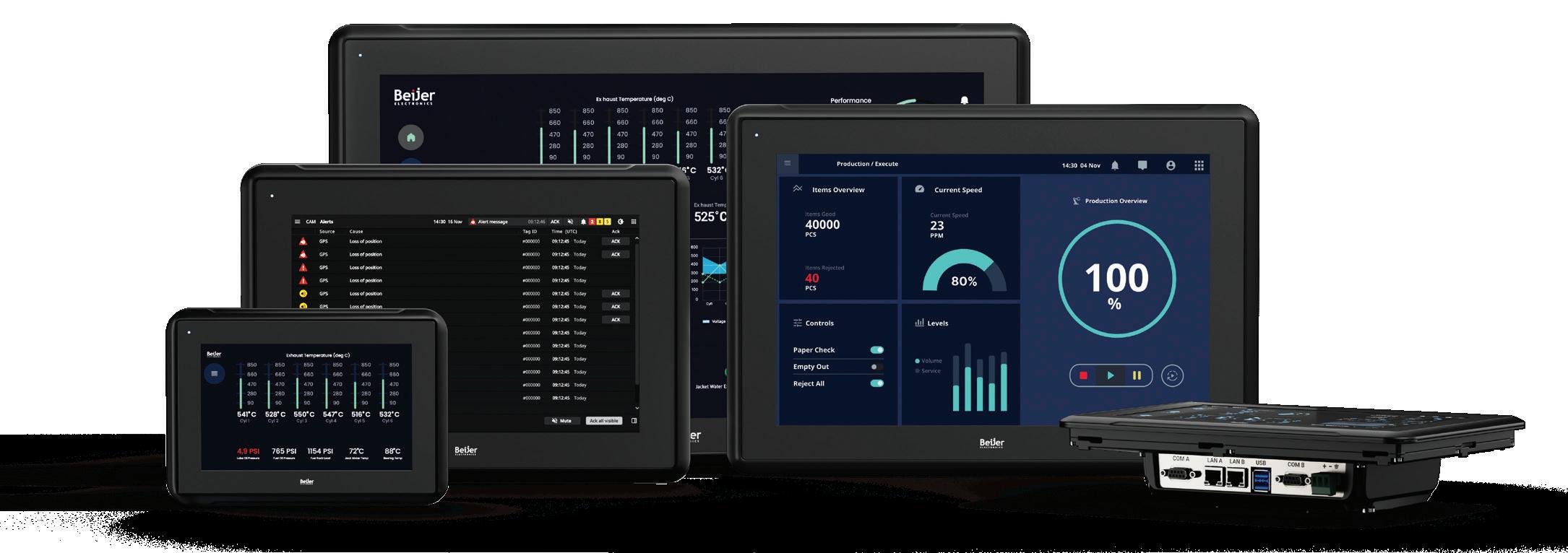
The X3 web range of HMI’s from Beijer Electronics combines robust performance with cutting-edge HTML5 web technology, enabling seamless integration in industrial, marine and rugged environments.
Built for reliability, functionality and cybersecurity, X3 web HMIs are certified for diverse applications, offering sharp visuals, intuitive operation and flexible sizes. Whether for manufacturing, marine or extreme conditions, X3 web aims to deliver a premium user experience tailored to the needs of the application. The X3 web enables HTML5 web technologies in industrial, marine and rugged environments, featuring reliable, robust and powerful performance.
The X3 web has comprehensive certifications and is UL-, CE-, KCC- and FCC-certified, along with marine certifications for bridge, engine and control room, and in the X3 web extreme range UL, ATEX and IECEx for hazardous areas. Every HMI is rigorously tested to provide reliability, functionality and performance. Designed and built with cybersecurity in mind, the X3 web adheres to IEC 62443-4-2 standards for secure and reliable operations.
The open X3 web platform supports Docker containers for secure and versatile application management. Hardwareaccelerated graphics and higher colour depth provide sharp visuals, fast responsiveness and highquality rendering, enhancing the user experience. Many sizes are available with 7, 10, 12, 15 and 21-inch screens.

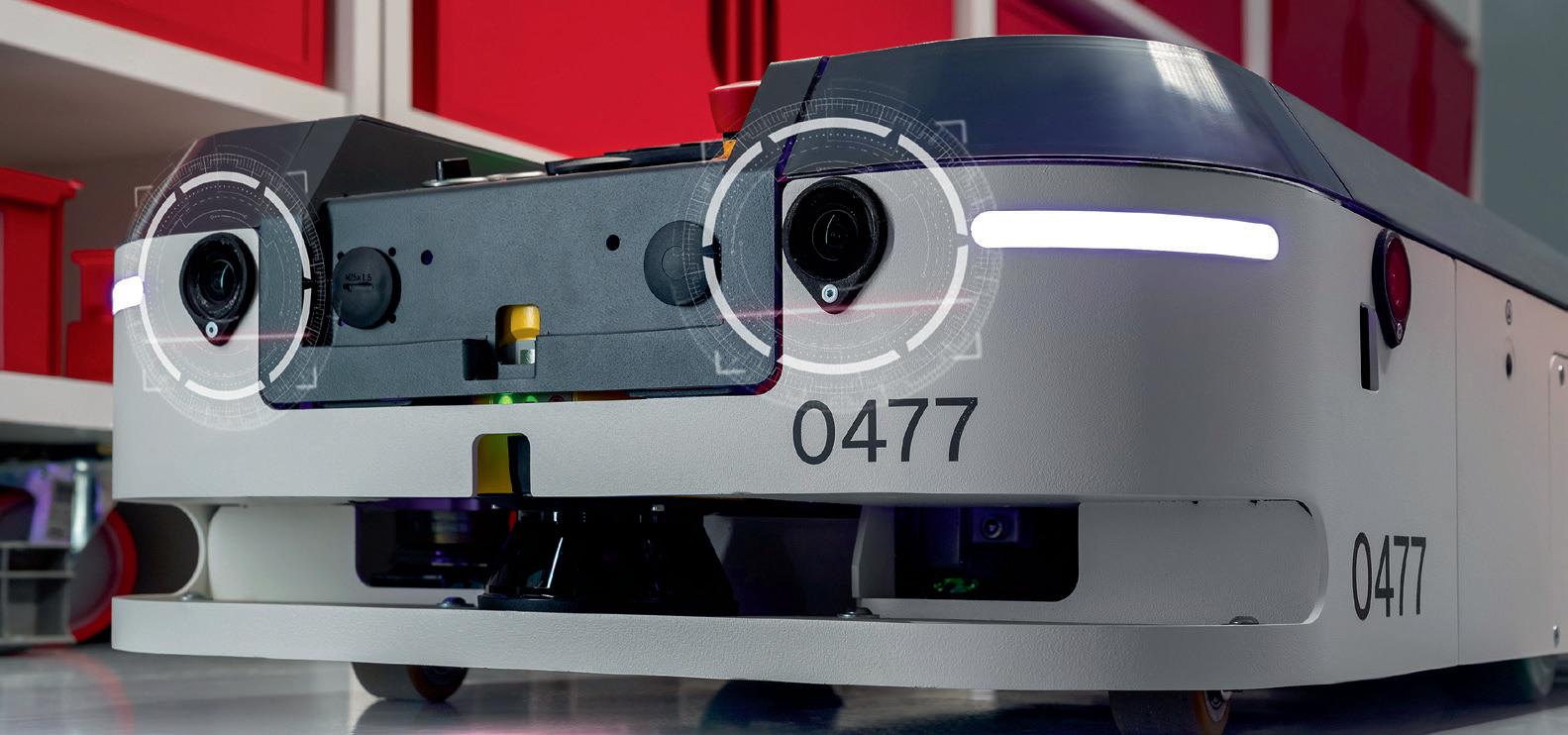
AI and robotics are technologies that are made to be together, and the autonomous mobile robots (AMRs) that are increasingly being used in warehouse and factory environments present a perfect example of how AI can merge with robotics in a practical way. Current AMR technologies have well-known limitations in their navigation capabilities, particularly when it comes to configuration and flexibility. But it is now possible, using cameras and cutting-edge computer vision algorithms — backed up by AI — to make an AMR more adaptable to its environment and better able to navigate dynamic environments safely and more efficiently.
Speaking of efficiency, industrial agility and productivity is also demanding a move away from the proprietary control systems and vendor lock-in that have been a part of the industrial landscape for so long. The move towards Open Process Automation presents a transformative opportunity for companies that seek to modernise their industrial process automation systems and reduce both capital and operating costs while increasing operational flexibility.
And of course electrification and the need to reduce carbon emissions are hot topics everywhere, including the oil and gas industry, where upstream flow control has traditionally been performed by valve actuators that are powered by well stream gas. In this issue we have an article that looks at how modern electric actuators can replace traditional pneumatic valves — not only saving energy and gas, but completely eliminating fugitive emissions.
Effective temperature and humidity monitoring is more than just installing sensors. For our tech tips article this issue, we look at the five most common mistakes that are made when implementing and maintaining temperature monitoring.
As always, more detailed daily news and new automation products can be found on processonline.com.au, and by subscribing to our bi-weekly email newsletter.
Glenn Johnson Editor pt@wfmedia.com.au

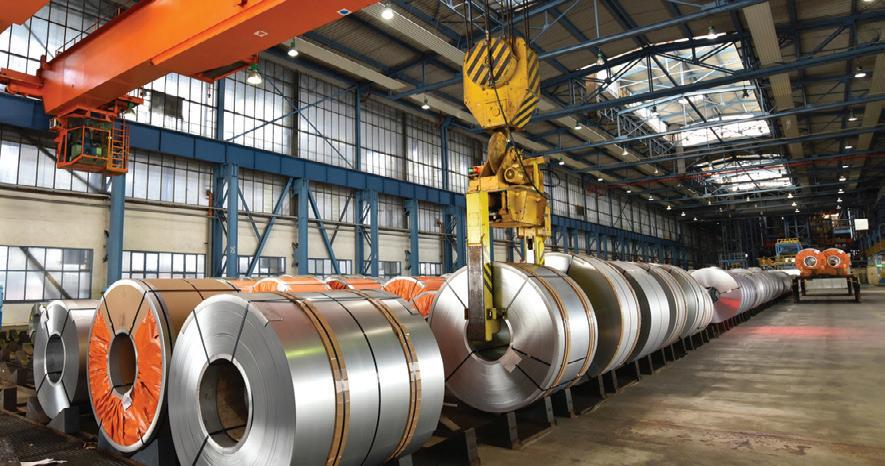
Fujitsu has announced that it commenced a demonstration experiment into the value flow of green steel in the steel industry starting in December 2025. The company says the experiment will leverage the company’s expertise in CO2 emission reduction materials, blockchain technology and data distribution platforms to ensure that data can be distributed safely and that the environmental value of green steel and transaction confidentiality can be secured.
Reducing CO2 emissions related to the steel industry is an urgent challenge for society. While industry organisations produce and supply green steel in accordance with established guidelines, there is a challenge in adequately distributing its environmental value throughout the downstream supply chain.
The initiative aims to examine mechanisms for ensuring that environmental value — such as emissions reduction steel certificates issued by steel manufacturers through green steel production — flows through the supply chain from upstream to downstream without being duplicated or compromised.
The WA Government has announced that it is working with Western Australia’s agrifood and beverage sector towards a low carbon future with an initiative to map and reduce greenhouse gas emissions, while improving businesses’ energy efficiencies.
The Energy Snapshot study includes a voluntary survey of businesses to gain insight into the sector’s annual emissions, identifying opportunities and barriers to emissions reduction and achieving the state’s net zero emissions target by 2050.
Participants will benefit from their confidential contribution to the survey, receiving a free emissions benchmark report to help drive their business emissions management strategies.
“No matter where your business sits on the emissions journey, all WA food and beverage manufacturers are invited to participate and benefit from this free initiative,” said WA Agriculture and Food Minister Jackie Jarvis.
For more information on the Energy Snapshot study and to apply for an emissions benchmark report, visit www.dpird.wa.gov.au/fbenergyefficiency before 15 April 2026.

The Australian Government has announced that a further $17 million has been allocated to 44 Australian businesses in the latest rounds of the Defence Industry Development Grants (DIDG) program, bringing the current total grant allocation to more than $51 million.
Awarded through the program to date across four delivery streams — Exports, Skilling, Security and Sovereign Industrial Priorities — the DIDG program represents a total investment of $170 million towards expanding and modernising Australia’s sovereign defence industrial base.
Through the program, defence industry businesses across the country will expand export opportunities and improve global competitiveness. They will strengthen cyber, physical and personnel security to meet Defence standards and deliver technical training to grow Australia’s skilled defence workforce.
This latest round of grants will also continue to drive investment in advanced manufacturing, aligned with sovereign defence priorities such as submarines, aerospace, guided weapons, explosive ordnance and advanced technologies.
Australian climate technology company BioCarbon has been awarded $4.8 million in funding from the Australian Renewable Energy Agency (ARENA) to support the development of its first commercial-scale project in Bulahdelah, NSW. The funding represents a major milestone in BioCarbon’s transition from pilot operations to industrialscale production and supports the replacement of traditional, high†-†emission metallurgical coke with its net†-†zero GreenChar in steelmaking.
The Bulahdelah facility will produce renewable carbon products for use as charge carbon in electric arc furnace steelmaking, providing a practical pathway to reduce emissions in existing steel operations.
A key objective of the project is to demonstrate that renewable carbon can be supplied at cost parity with traditional metallurgical coke. Historically, the so-called green premium has been a major barrier to industrial decarbonisation.
While the majority of the plant’s output will be allocated to primary operations, BioCarbon has confirmed that a dedicated portion of production will be made available to selected industry partners for exclusive trials. This will enable steelmakers and metallurgical operators to validate the performance of GreenChar within their own facilities, supporting future supply partnerships and broader adoption.
BioCarbon’s engineering advances in pyrolysis and consolidation allow GreenChar to deliver a net-zero carbon profile at the same cost in use as fossil-based coke.
BioCarbon’s technology has already been proven at scale, with GreenChar successfully replacing 100% of charge coke in electric arc furnaces during trials that produced approximately 3000 tonnes of steel. These trials demonstrated that GreenChar is a high-performance, drop-in replacement that maintains metallurgical integrity without requiring significant plant modifications.
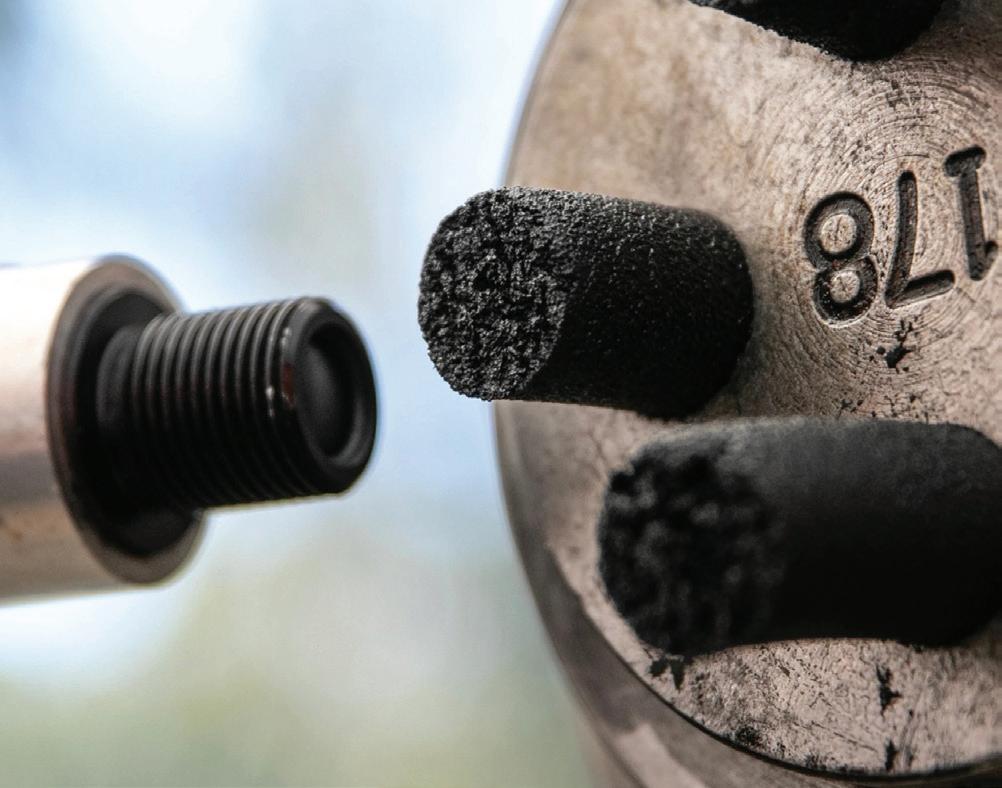
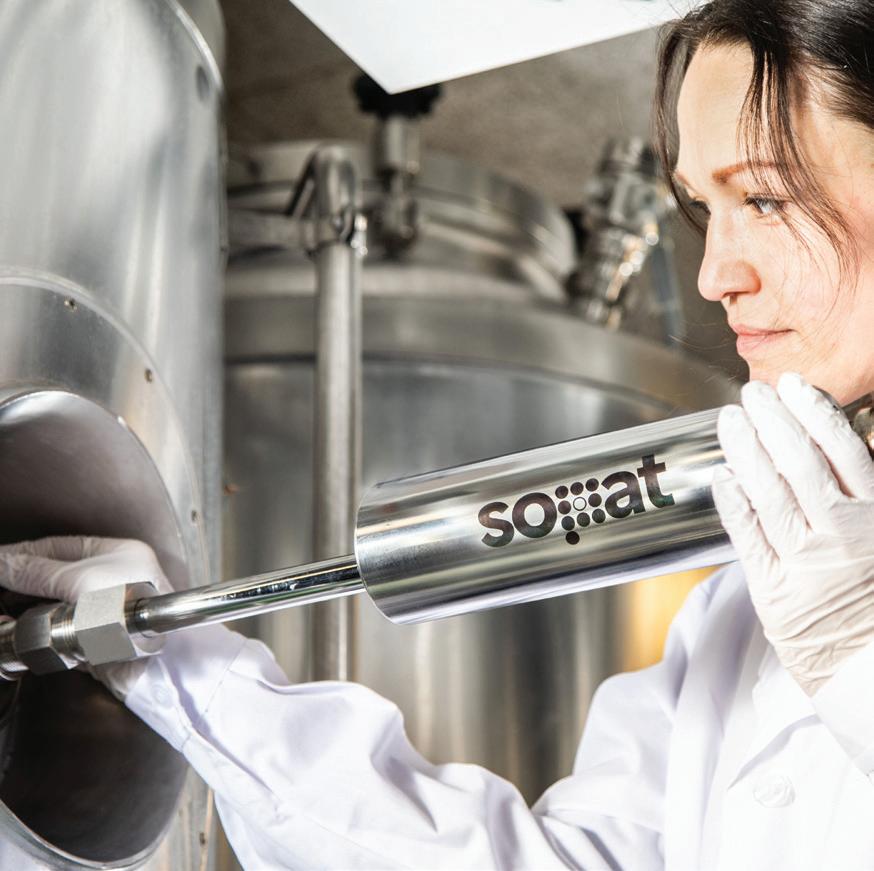
Endress+Hauser has announced it has acquired SOPAT, a Germany-based specialist in inline process measurement technology. The company says the acquisition further expands its range of measurement instruments, solutions and services for process analysis. SOPAT and its subsidiary Parsum now come under Endress+Hauser’s liquid analysis product centre, based in Gerlingen, Germany.
“The particle characterisation systems developed by SOPAT complement our existing portfolio by adding a range that is strategically important in terms of our core target industries,” said Endress+Hauser Liquid Analysis Managing Director Dr Thomas Buer.
SOPAT GmbH was founded in Berlin in 2012 by Jörn Emmerich and Dr Sebastian Maaß. In 2022, it acquired Parsum in Chemnitz, Germany, a maker of inline particle size analysis systems that was founded in 1997.
SOPAT’s smart systems use a photo-optical image-based inline technology to analyse particles, droplets and bubbles in running processes in real time. The technology measures particle sizes and shapes without sampling or dilution, thereby enabling precision process monitoring, faster response times and enhanced product quality. Parsum probes, on the other hand, use a laser beam in combination with fibre-optic spatial filtering to analyse particle size and particle speed distributions, particularly for solids, powders and granulates.
Users in multiple industries, including life sciences, food and beverage, and mining, minerals and metals, use particle counting and analysis to ensure product quality.
“This step is a continuation of our strategy and strengthens our analysis portfolio. We can now provide even better support for our customers across the board, from laboratory to production process,” Buer said.
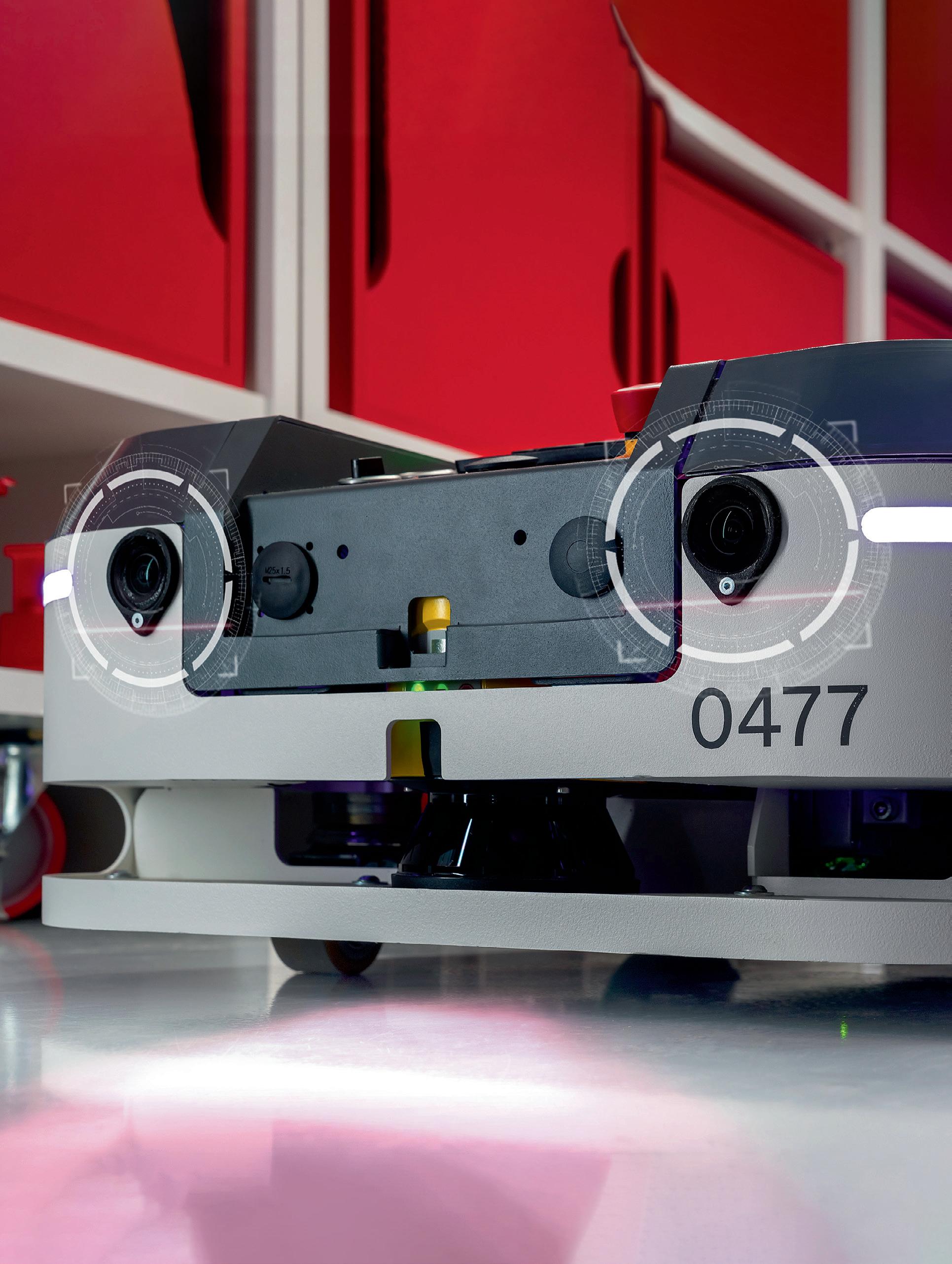
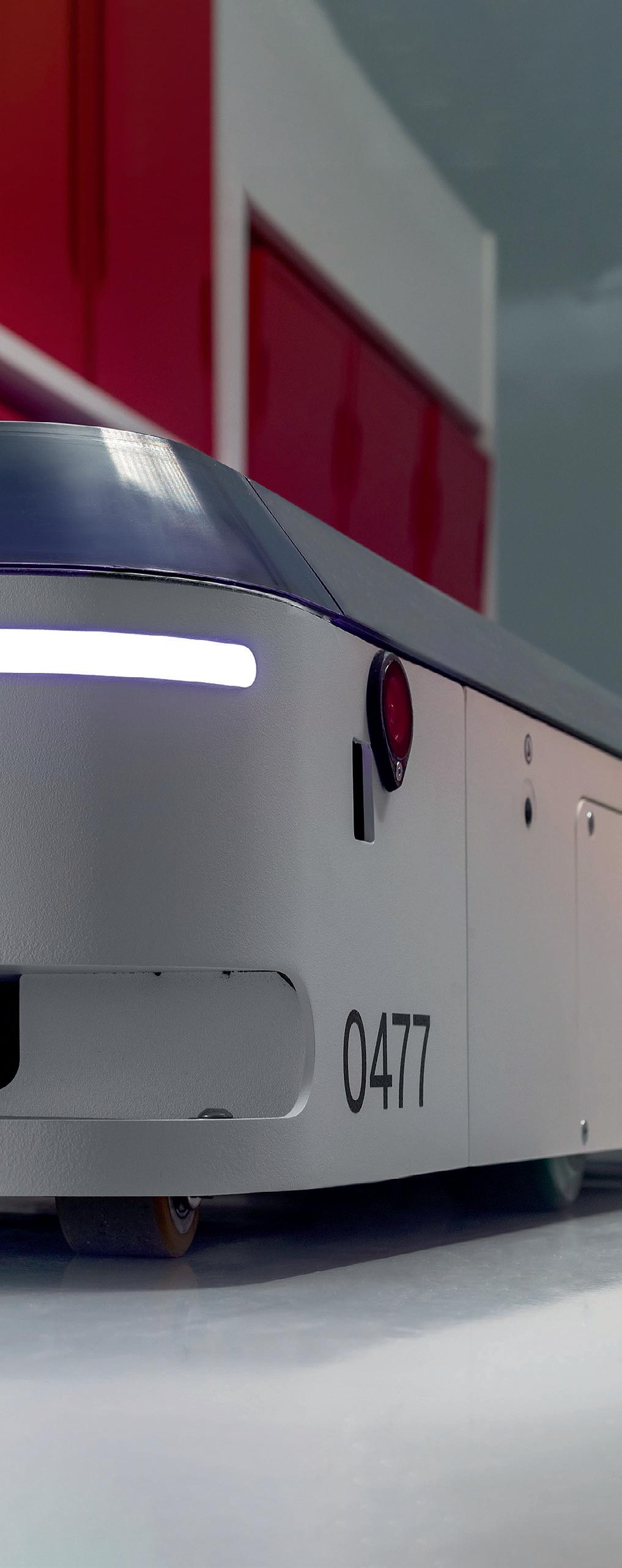
Automation solutions based on camera vision and AI models overcome the limitations of existing AMR navigation technologies.
Automated materials handling and transport in logistics and manufacturing centres, as well as in major retail facilities, offers vast benefits, including increased efficiency, profitability, safety and flexibility in terms of labour fluctuations. Nevertheless, the vast majority of tasks and processes that could benefit from mobile robotics are still executed manually. However, the trend in many industries towards mass customisation — in other words, producing smaller lots of greater variety in shorter product lifecycles — is affecting manufacturing as well as warehousing and logistics operations, which calls for increased use of flexible robotics.
This low adoption rate can ultimately be linked to the fact that most mobile robots sold today rely on expensive, legacy fixed-floor installations or 2D laser scanners — devices that can perceive the environment in only a narrow slice, as if looking through a mailbox slit. To know its location and how to navigate to its destination, a vehicle that depends on such outdated technologies requires a structured, static environment and can perform only very simple, precisely defined tasks — the opposite of the way modern warehouses, production plants and big box stores operate. Automation solutions based on camera vision and powerful AI models overcome these limitations, as they offer a much richer and more intelligent perception of the environment. Automated vehicles equipped with such capabilities can easily navigate dynamic environments, execute complex tasks, and work in unstructured spaces shared with people. This technological progression is needed to bring autonomy to warehouses and to all other industries that depend on manual labour today.
The solution that makes the above-mentioned capabilities possible is called Visual Simultaneous Localisation and Mapping (Visual SLAM). Using cameras, cutting-edge computer vision algorithms and AI models to perceive their surroundings, Visual SLAM-equipped robots build rich 3D maps of the environment to precisely locate themselves within it. Visual SLAM’s advantages are:
• No costly infrastructure installations required; the environment is perceived as it is and in real time.
• Functions in dynamic environments such as warehouses where the layout may change frequently and where people and objects are constantly moving around.
• Extremely robust: perceives visual characteristics of surroundings such as light intensity, contrast and shapes, thus avoiding confusion and allowing mobile systems to work alongside people and moving objects.
• Allows robots to navigate on ramps and uneven floors. The number of mapped environment elements is so high that parts of the environment can be changed without degrading localisation quality.
• Finally, observing the environment in 3D at all heights enables robots of different kinds to collaborate, exchange data and use the same map of the environment to localise, thus forming swarm intelligence.
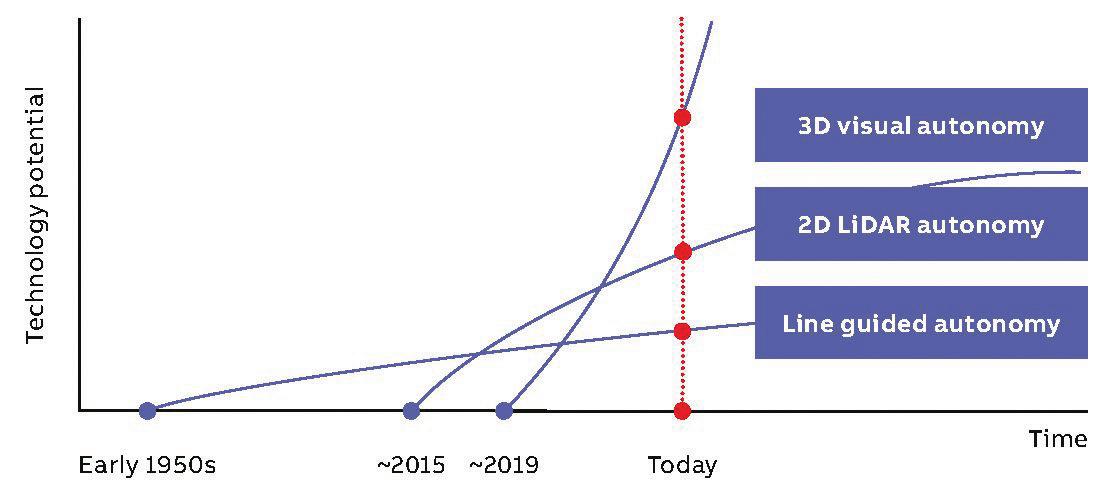
Naturally, these advantages add up to considerable market potential. For instance, according to DHL Logistics Trend Radar1, sales of mobile robots in the logistics industry are projected to grow from US$7.11 billion in 2022 to $21.01 billion by 2029. This growth is facilitated by a technology shift from 2D laser scanner autonomy to 3D Visual SLAM autonomy, which is significantly advancing mobile robots in various applications and boosting their rate of adoption (Figure 1).
A 3D VSLAM system’s hardware consists of an AI-enabled compute unit that runs proprietary algorithms and a set of cameras that perceive the environment. Tight integration of the hardware and software enables optimal performance of the underlying software and AI models.
3D Visual SLAM software and hardware reliably estimate the 3D position, orientation and velocity of mobile robots. Due to sophisticated computer vision algorithms and AI models, these systems can reliably and very precisely estimate their own position even under the toughest conditions. Built-in AI algorithms never stop learning and with each hour of operation, they can leverage new experiences to update 3D maps of the environment, thus reflecting changes in the operational space and further enhancing the system’s long-term robustness.
Visual SLAM technology serves use cases ranging from single robots working on their own, such as a scrubber-drier robot in a medium-sized grocery store, up to fleets of hundreds of mobile robots of different types in large manufacturing plants. In the latter case, units can intelligently interact and learn
from each other by building a joint 3D visual map that leverages AI models and the latest data collected from the environment.
3D Visual SLAM systems enable mobile robotics platforms for materials handling, manufacturing, professional cleaning and other service robotics applications with complete navigation and obstacle avoidance capabilities.
One key differentiator is the ability to cope with challenging and unstructured environments, such as busy warehouses or crowded airports. The AI-based perception capabilities make mobile machines completely autonomous, without the need for costly human-in-the-loop interventions. With on-board Edge AI, robots can plan their best and most efficient paths. They can operate as single entities or, as members of a fleet, can share map and traffic information with each other, accepting orders and commands from third-party fleet management systems (FMS) using modern and accepted standards such as VDA5050.
To work effectively in as many environments as possible, the 3D Visual SLAM system must be able to orchestrate up to eight cameras and perform precise synchronisation, automatic gain control and camera exposure control to maximise the information content of images acquired by the cameras, regardless of lighting conditions. Visual AI workflows must execute directly on the unit, with minimal latency or computational burden while benefiting from precisely tuned camera image signal processing (ISP).
The associated proprietary hardware design, which addresses the technological challenge of transmitting high-quality synchronised camera imagery over long wiring, allows OEMs to position up to eight cameras anywhere within the chassis of the vehicle, enabling 360° surround view coverage.
AI-powered algorithms also enable robots to precisely estimate their position. This is achieved by extracting discriminative elements from images, such as, for example, the corner of a window, and using these elements to build a representative yet compact 3D model of an environment. To achieve a high level of reliability and enable operations regardless of lighting conditions or perspective, detection and association of discriminative elements is made using AI-based models that run on fast on-board graphic processing units (GPUs).
In order to effectively use the abovementioned sensor types, robotics systems require accurate calibration. The processes underlying calibration are complex yet essential in achieving both robot positioning and autonomous navigation. Calibration makes it possible to identify internal camera parameters, such as focal length and distortion of lenses, as well as the spatial transformations between different sensors, for instance inertial measurement units, ultrasonic sensors and time-of-flight cameras.
Naturally, all the above-mentioned capabilities not only add up to precise and accurate interpretations of environments but also to a high level of safety for people. AI-based computer vision techniques leverage the rich information content of visual images in order to obtain not only 3D distance information, but also much richer scene understanding, such as the detection of people and prediction of their relative motions. Through the combination of AI-based detection methods with 3D geometrical rules, robots equipped with this technology can detect and track people using cameras all around a vehicle. This crucial scene-based information enables the technology to adapt vehicle behaviour accordingly, for example, by allowing vehicles to swiftly evade static obstacles that are blocking their path but drive more cautiously in the presence of people or come to a complete halt in front of people. Modern AI0-based Visual SLAM technology can use multiple stereo cameras for
VISUAL SLAM SYSTEMS ENABLE MOBILE ROBOTICS PLATFORMS FOR MATERIALS HANDLING, MANUFACTURING, PROFESSIONAL CLEANING, AND OTHER SERVICE ROBOTICS APPLICATIONS WITH COMPLETE NAVIGATION AND OBSTACLE AVOIDANCE CAPABILITIES.

detecting and tracking people to ensure safe and human-friendly navigation in crowded industrial environments.
One challenge for any type of positioning system is that environments change over time. This may be due to changing seasons or lighting conditions, changes in factory floor layouts, or simply in warehouse or shop inventories. Without smart algorithms, it is impossible to safely deploy mobile robots in dynamic environments. To master this challenge, AI-based algorithms enable the building and maintaining of always-up-todate maps of environments. These maps incorporate data from multiple conditions, such as during cloudy and sunny weather, bright and dark lighting situations, and changes in the elements present in an area. These changes are detected automatically and swiftly incorporated into a lifelong map without any intervention.
As the number of mobile robots in production centres, warehouses, logistics centres and retail facilities grows, complexity will increase. But to efficiently manage this complexity, mobile robots will need
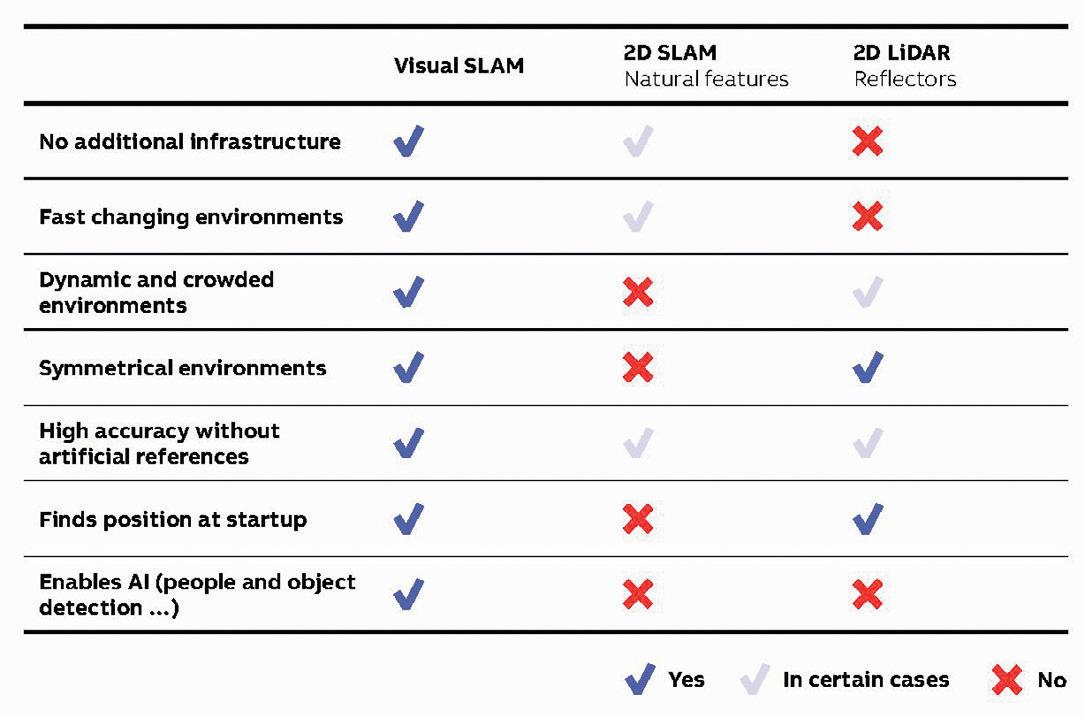
Table 1: Compared with alternative sensor technologies, Visual SLAM technology offers a range of advantages. Source: ABB Review.
to be even simpler to set up and operate than they are today. Ideally, as they become increasingly capable of harnessing generative AI and large language models, they will be able to set up and optimise their configurations and interactions on their own. At that point, based on a few simple instructions from human operators, they will be able to autonomously explore the available space and plan the paths and
flows of materials through that space. This revolutionary shift will increase the overall robustness and throughput of operations — and will likely generate unprecedented additional value.
1. DHL 2024, Indoor Mobile Robots: Trend Overview, <<https://www.dhl.com/au-en/home/innovation-inlogistics/logistics-trend-radar/amr-logistics.html>>
This article is based on an article previously published in ABB Review.
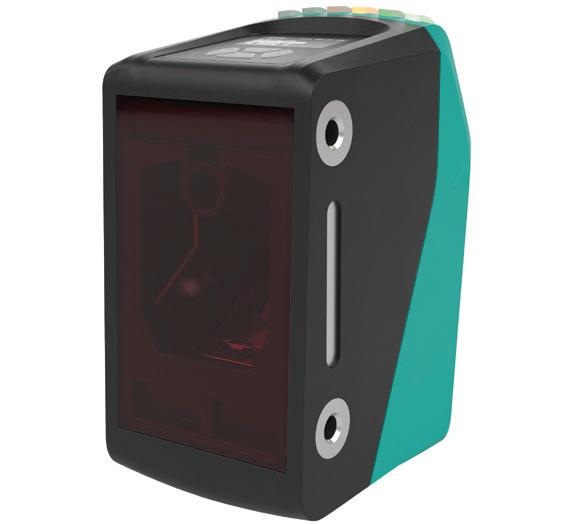
The R1000 distance sensor with pulse ranging technology is designed to achieve millimetre-precise positioning over long distances.
Pepperl+Fuchs (Aust) Pty Ltd
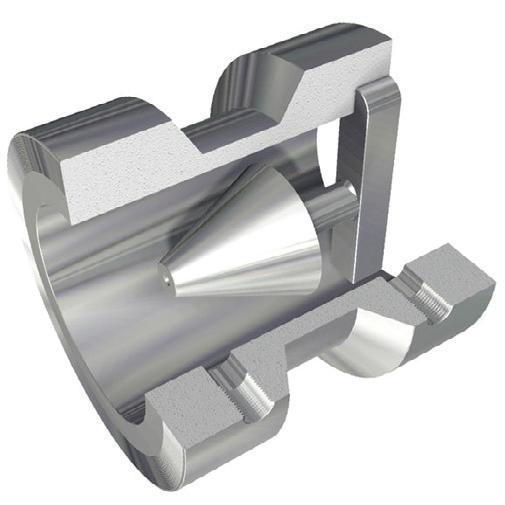
The McCrometer Wafer-Cone flowmeter is a space-saving unit for small line size processes that is easy to install.
AMS Instrumentation & Calibration Pty Ltd
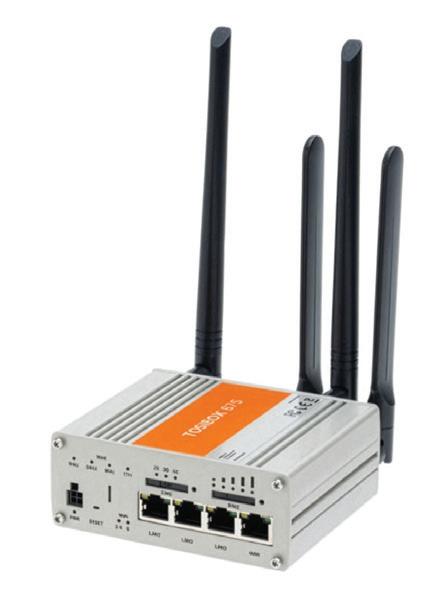
The Tosi Lock 675 industrial remote access device is designed to deliver robust, reliable communications, even in harsh environments.
LAPP Australia Pty Ltd
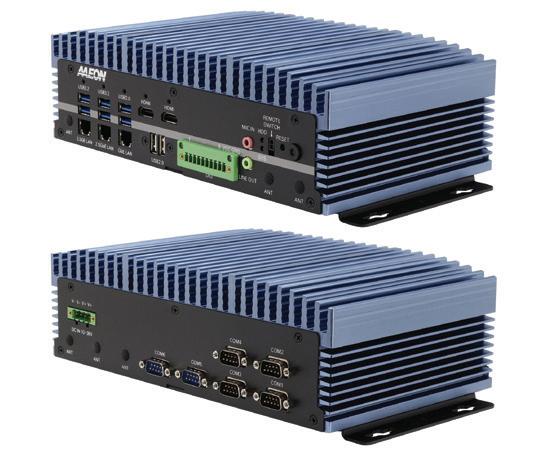
The Aplex BOXER-6648-ARS is a fanless industrial embedded box PC designed for process control, manufacturing, warehousing and other industrial applications.
Interworld Electronics and Computer Industries
Festo has introduced Festo AX Controls, a real-time automation platform that aims to speed up the engineering, programming and commissioning of automation projects. It combines control, motion, AI, data integration and predictive maintenance in a single scalable solution.
The platform comprises a range of software modules: the open operating system, control software, visualisation tools, high-level languages and low-code options through to commissioning software. The hardware ranges from motion controllers and modular controllers to the Festo CEPE edge controller. This makes it possible to create tailormade solutions for a wide range of industrial applications.
The CEPE edge controller, as the first Festo product with an integrated operating system, is designed to be highly flexible due to its open architecture. Software apps can be added both together with the hardware and later separately. For demanding applications, the real-time-based platform is said to offer high computing power and can control a large number of synchronised motors and drives in production lines. Festo’s complete electric and pneumatic range can be integrated for an open automation architecture with a wide range of applications.
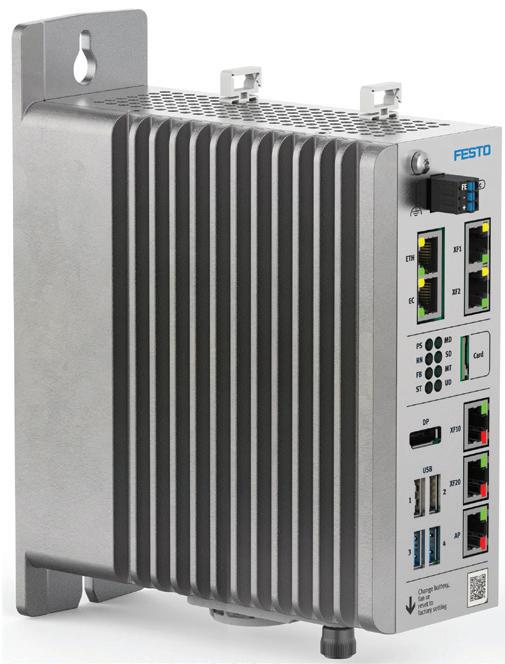
Festo AX Controls uses PLCnext Technology from Phoenix Contact as its operating system. This platform enables real-time









Emerson has enhanced its DeltaV Automation Platform through the release of version 16 of its Distributed Control System (DCS) and integrated Safety Instrumented System. The company says DeltaV version 16.LTS delivers software-defined capabilities that reduce automation costs, enhance operational intelligence, improve data visibility across the enterprise and strengthen cybersecurity. The long-term support (LTS) release consolidates new field-proven capabilities in a single release.
Emerson says that with enhanced modularity and flexibility, DeltaV version 16.LTS enables efficient deployment and expansion of automation systems. This includes access to the DeltaV IQ Controller, a fault-tolerant, modular, software-defined controller deployed in a server-based environment.
DeltaV version 16.LTS also integrates intelligence via more seamless data and I/O connectivity enabled by next-generation field networks. Native support for Profinet over Ethernet-APL on the DeltaV PK Controller enables high-speed connectivity to field devices in environments across process and hybrid manufacturing operations.
DeltaV Continuous Historian Elite software makes use of Emerson’s AspenTech product range to provide enhanced data for enterprise-wide optimisation by creating connectivity between the DCS and enterprise data management solutions, allowing contextualised data to flow freely across the enterprise for analytics and AI.
The DeltaV Live Enterprise View allows secure, read-only access to displays outside of the control room, making it possible to serve control room data to enterprise-level consumers for trending and continuous improvement of operations. Enhancements also include web application integration that empowers users to bring third-party software applications — such as optimisation tools — natively into the DeltaV control interface.
Emerson www.emerson.com/au/automation
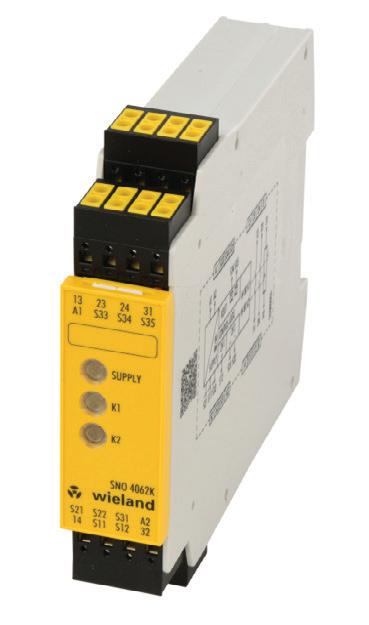
The Wieland Electric SNO 4062K is a safety relay designed for monitoring safety-related circuits in automation and machinery. It is commonly used for emergency stop buttons, safety gates and light curtains.
The dual-channel safety relay offers both single- and twochannel control options, providing flexibility for various safety applications. It features automatic or manual reset with resetswitch monitoring, enhancing safety and operational control. Cross-circuit monitoring is also integrated, further providing for the integrity of the safety system.
The SNO 4062K is equipped with two normally open (NO) enabling current paths and one normally closed (NC) signalling output. It operates on a 24 V AC/DC supply voltage and utilises pluggable screw or push in terminals for easy installation and maintenance.
Compliant with safety standards such as EN ISO 13849-1 (up to PL e, Category 4) and IEC 61508 (up to SIL 3), the SNO 4062K provides a high level of safety and reliability for industrial environments in a compact design.
LAPP Australia Pty Ltd lappaustralia.com.au
RedEye is the latest series of pushbroom hyperspectral imaging (HSI) cameras from Inno-Spec, designed for near-infrared (NIR) imaging in industrial and laboratory environments. The cameras are designed to capture chemical and material information beyond the visible spectrum to provide insights into a wide range of materials, from plastics and food products to pharmaceuticals and waste. By revealing material composition, ingredient profiles and surface coatings, RedEye is a suitable solution for sorting systems and real-time in-line process control.
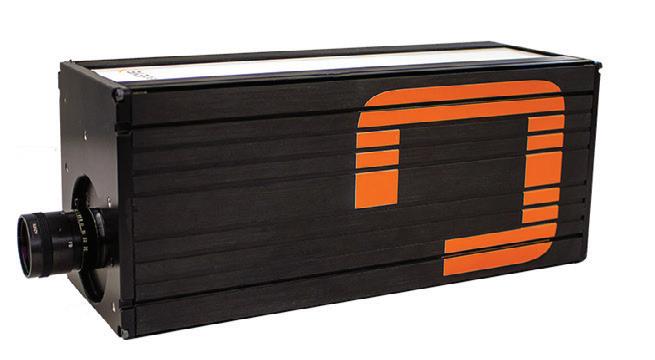
The series is available in four models to suit different applications: RedEye 1.7 (950–1700 nm), RedEye 1.7 High Res (950–1700 nm with enhanced resolution), RedEye 1.9 (1100–1900 nm) and RedEye 2.2 (1200–2200 nm). With high measurement rates and high spectral and spatial resolution, as well as an adjustable field of view, RedEye enables real-time monitoring even on fast-moving production lines. When paired with the optional ColEx adapter, they can capture RGB colour data alongside NIR information, providing comprehensive material analysis in a single system. RedEye combines high photosensitivity, rugged industrial design (IP65/IP67), and maintenance-free operation with no moving parts. It requires no regular optical calibration and integrates via GigE Vision. SciTech Pty Ltd www.scitech.com.au

WHY SAFETY PROFESSIONALS NEED A NEW CLASS OF LOGIC SOLVER; ONE THAT BRIDGES THE ENORMOUS GAP BETWEEN SAFETY PLCS AND SINGLE-LOOP DEVICES.
The logic solver is the decision engine of every Safety Instrumented System (SIS). It evaluates process inputs, applies voting logic, and triggers the action that reduces risk. Despite its importance, logic solver selection has long forced engineers into a binary choice: a full safety PLC or a singleloop logic solver, often called an alarm trip.
Both options are proven and widely used, but they were built for very different applications. As a result, many modern SIS designs fall uncomfortably between them, too complex for a single-loop device, yet far too small to justify a safety PLC. This “logic solver gap” has driven unnecessary cost, complexity, and compromise for years. When neither option fits cleanly, engineers are left defending designs that become difficult to justify during hazard reviews, audits, or incident investigations. The limits of traditional choices
Single-loop logic solvers have improved
significantly. Many now offer diagnostics, password protection, configurable logic, and simple commissioning. They are easy to deploy and maintain. Their limitation becomes clear once more than one loop is involved or when voting logic is required. Expanding functionality often means relay inter-wiring and workarounds they were never designed to support.
Safety PLCs sit at the other end of the spectrum. They can easily handle small safety applications, but at a cost. Licensed software, specialised skills, additional documentation, and higher lifecycle expenses are common. For skid-mounted systems, remote assets, temporary facilities, or localised shutdown functions, a safety PLC is often technically capable but operationally inefficient.
What most SIS applications actually look like
In practice, many SIS designs share similar characteristics:
• One to three safety functions
• Modest I/O counts, often 6–16 points
• Simple voting logic such as 1oo2 or 2oo3
• Localised installation on skids or remote units
• Straightforward proof testing requirements
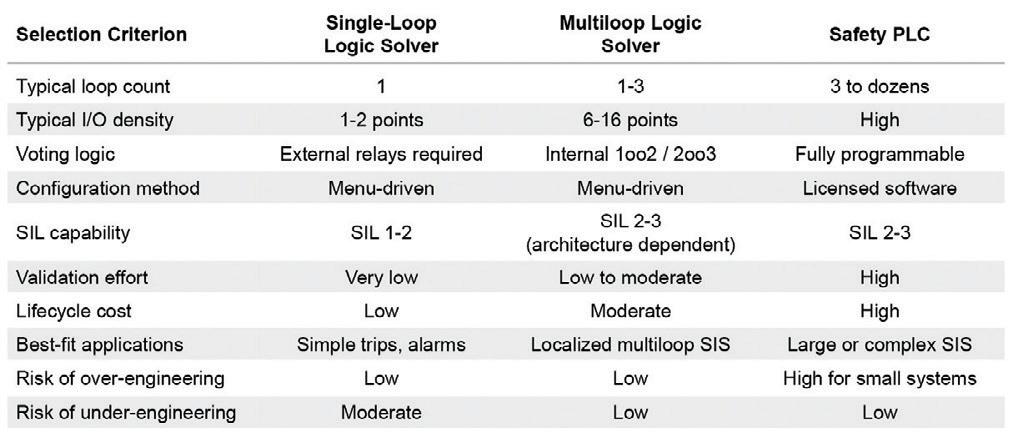
These systems are not trivial, but they rarely justify the overhead of a full safety PLC-based safety platform.
The emergence of the multiloop logic solver
These midrange solvers thrive in places where safety PLCs feel like overkill: pump shutdowns, burner management, wellhead safety, small-scale overpressure protection, tank protection, and localised trip systems. They also integrate exceptionally well with existing BPCS or PLC infrastructures, especially in hybrid safety strategies where a larger safety platform handles core systems, while multiloop logic solvers are deployed at peripheral or isolated SIFs.
Supporting modular and localised safety
SIS architectures are increasingly modular. Instead of routing all safety logic through a central system, many facilities deploy localised safety nodes dedicated to specific hazards. By keeping voting and trip decisions local, multiloop logic solvers reduce wiring, speed commissioning, and simplify proof testing. With fewer components and interfaces, validation is easier and changes require less rework; an advantage that aligns well with IEC 61511 lifecycle expectations.
Integration without compromising independence
Modern multiloop logic solvers also provide visibility through read-only interfaces such as Modbus, Ethernet diagnostics, or HART passthrough. This allows safety status and device health to be monitored without compromising the independence of the safety function.
the logic solver spectrum
Multiloop logic solvers do not replace safety PLCs or single-loop devices. They complete the logic solver spectrum by providing a practical, right-sized option for applications that have long been underserved. For engineers focused on defensible designs, manageable complexity, and systems aligned with real risk, the missing middle is no longer optional, it is becoming essential.
Mark Hammer, OPA Product Manager, Yokogawa Electric Corporation

Open Process Automation presents a transformative opportunity for enterprises seeking to modernise their industrial process automation systems.
Industrial process automation has evolved significantly over the years, playing a pivotal role in improving operational efficiency, safety, cost reductions, and ensuring product quality. Traditional automation systems, however, often relied on proprietary, closed architectures, leading to vendor lock-in, interoperability challenges, and limited adaptability to changing business needs often required for enterprises to expand or progress. Open
Process Automation (OPA) seeks to address these issues by promoting open standards, modular design, and interoperability. Organisations looking to embrace OPA will need to address critical but navigable steps to ensure a smooth transition.
The first step for an enterprise is to comprehend the OPA fundamentals. The OPA standards framework consists of protocols,
data models and reference architectures that enable interoperability between automation ecosystem components. This understanding is crucial for decision-makers to grasp how OPA can align with their operational goals and requirements.
It is also important to know how OPA is charting a path forward with scalability, security and portability.1 With OPA, a company can run process control logic in all parts of the system architecture, deployed on the hardware of its choice, since OPA is a software-defined automation system (SDAS). Knowing how OPA functions allows companies to make informed decisions on architectures and deployment strategies.
As part of the OPA journey, an enterprise should conduct a comprehensive assessment

of the existing automation infrastructure. This assessment should identify legacy systems, proprietary components and integration challenges. It should also identify gaps in information integration. The gap analysis will serve as a basis for understanding the extent of transformation required and the potential benefits of adopting an OPA platform.
Clearly defined business objectives are essential to driving the OPA component selection and implementation processes. Enterprises should outline goals, such as improving agility, reducing operational costs, enhancing scalability, or simplifying current and future maintenance. These objectives will guide the decision-making process and shape the customisation of the OPA framework.
Once these guiding principles are decided, it is possible to select the pieces needed for maximum effectiveness and minimum cost. Taking advantage of the OPA platform means a customised and optimised system. The component selection is based on the required business application needs, with a focus on functional desired features and the available budget.
Choosing the right vendors and partners is a critical aspect of OPA implementation. Enterprises should collaborate with vendors that align with the open standards philosophy, preferably an Open Process Automation Forum (OPAF) member who offers interoperable solutions, and provide a clear roadmap for OPA adoption. Successful collaboration guarantees the smooth
integration of selected solutions into an OPA framework or the adoption of an OPA ecosystem for operating their current automation system.
OPA allows a company to expand existing OT systems, incorporating new strategies, new hardware and new software tools. Expanding existing platforms with OPA technologies allows for easy incorporation of AI/ML and other industrial performance applications, providing additional avenues for plant performance enhancements and cost reductions.
An organisation could migrate an entire system; migrating from traditional automation systems to an OPA environment requires a well-defined migration plan. This plan should outline the sequence of steps, timeline and potential challenges. It should also address data migration, training requirements and contingency measures to minimise disruptions during the transition. Disruptions to daily business can be costly so these need to be — and can be — avoided.
OPA’s modular design philosophy allows enterprises to scale their automation infrastructure more efficiently. Enterprises should embrace this aspect by designing systems as a collection of interchangeable modules. This approach ensures that future expansions, upgrades and adaptations can be accomplished without overhauling the entire system. There is virtually no limit to what can be created with OPA. OPA utilises common, commercially available hardware and software, selected and optimised to meet the business objectives at hand. Modular design means the organisation can select the components it needs to perfect its vision.
The modular design and scalability allow users to incorporate features such as AI, advanced controls, asset management and other tools together with the control system, reducing implementation costs and improving response times.
OPA’S MODULAR DESIGN PHILOSOPHY ALLOWS ENTERPRISES TO SCALE THEIR AUTOMATION INFRASTRUCTURE MORE EFFICIENTLY

As data becomes increasingly central to industrial processes, effective data management and security are paramount. OPA is secure by design: from the hardware to the software, OPA incorporates the best-of-class cybersecurity technologies such as functional security (protecting both devices and resources), data encryption and certificates.
While security is baked into OPA, enterprises must still establish robust practices for management of the security features as required in IEC-62443. As part of an OPA project, a security assessment is conducted, including end user requirements to comprehensively assess risk and implement best practice security measures.
OPA introduces new concepts and technologies that may require upskilling of the workforce. Training programs should be developed to equip employees with the knowledge and skills necessary to secure, operate, maintain and troubleshoot OPA systems. Workforce development also ensures that the organisation fully realises
the benefits of its investment in OPA. In addition, there are also podcasts and business guides that can be accessed on the opengroup.org site.2
Rigorous testing and validation are essential before fully deploying OPA solutions in a production environment. Enterprises should conduct comprehensive testing to identify and rectify any glitches or compatibility issues. This will guarantee that the OPA ecosystem performs reliably and meets the required performance benchmarks.
There are a number of tests that can be carried out to identify possible issues and guarantee a seamless project completion. While robust testing and more traditional FATs (Factory Acceptance Tests) are suggested at this time, this effort will be reduced as more products and certifications become available.
OPA implementation is not a one-time endeavour; it is an ongoing journey. Enterprises must establish mechanisms for continuous improvement and adaptation.
Regular assessments of OPA’s impact on operations, along with feedback from stakeholders, enable enterprises to fine-tune their implementation strategy and optimise system performance to meet their specific outcome goals.
Open Process Automation presents a transformative opportunity for enterprises seeking to modernise their industrial process automation systems. By embracing open standards, interoperability, and modular design principles, organisations can achieve enhanced operational efficiency, flexibility and scalability. The journey to OPA implementation requires a thorough understanding of the framework, strategic planning, collaboration with the right partners, and a commitment to continuous improvement. As enterprises navigate the complexities of OPA adoption, they position themselves for a more agile and competitive future in the realm of industrial automation.
1. Smith J 2023, ‘Understanding Open Process Automation’, Automation.com, <<https://www. automation.com/en-us/articles/january-2023/ understanding-open-process-automation>>
2. The Open Group 2024, Open Process Automation Forum, <<https://www.opengroup.org/forum/openprocess-automation-forum>>
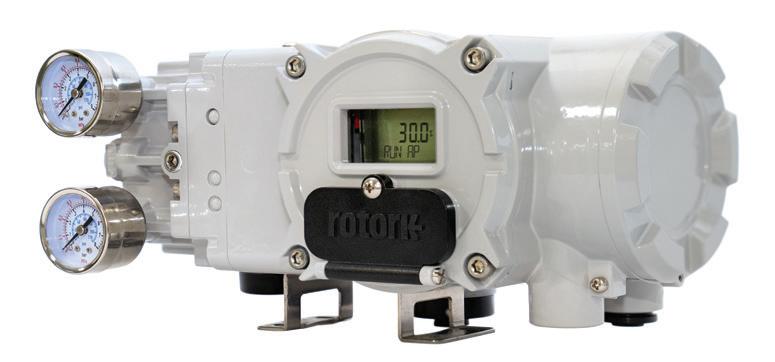
Rotork has announced the RTP-4000 range of intelligent valve positioners designed to deliver optimised control solutions for single- and double-acting actuators on rotary and linear valves.
The range features magnet-based contactless position feedback, eliminating mechanical wear for longer-term reliability for both linear and rotary actuators.
Pressure sensor-based diagnostics provide online real-time device status and predictive maintenance capabilities, while a user-friendly dashboard offers at-a-glance valve status.
A rugged, corrosion-resistant construction, featuring copper-free aluminium and electronic circuits potted in resin, aims to provide durability in harsh conditions, and an arctic option extends the temperature range down to -55°C.
The positioner integrates easily with all major control and asset management systems, and the dual certification enables the use in both explosion-proof and intrinsically safe areas.
High pneumatic capacity enables rapid valve operation, and optimised supply air consumption helps customers to achieve greater efficiency and lower operational costs.
Additional options include analog and digital outputs, pressure gauges, and support for emergency shutdown (ESD) applications with partial stroke testing capability.
Rotork Australia www.rotork.com
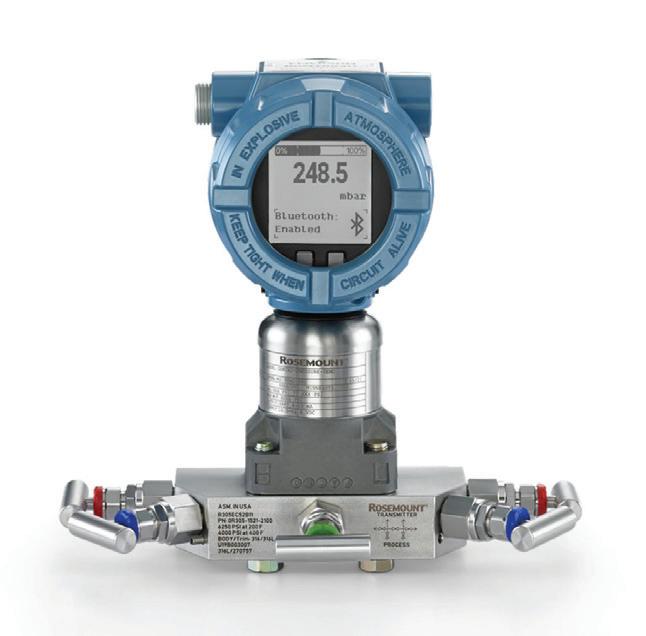
Emerson has announced the Rosemount 4051S pressure transmitter, which can provide local real-time control, eliminating the need for a separate device such as a programmable logic controller. This functionality is provided by two relay switches, each of which can be configured to provide on/off control of pumps, motors, and other equipment. These switches can also provide alerts based on pressure, flow, totalised flow, level, volume or module temperature.
Emerson says the Rosemount 4051S offers a 20-year stability specification, and a fast response time of 40 ms allows the 4051S to be used in demanding applications. An 800:1 turndown ratio reduces the number of unique models needed to be kept in stock, streamlining inventory.
Advanced diagnostics provide more insights, with loop integrity continuously monitoring the health of the entire electrical loop to detect potential failures. Plugged impulse line detection alerts plant personnel so they can take action, and the transmitter can also diagnose other abnormal conditions, such as cavitation, using its built-in process intelligence. Built-in calibration and diagnostic logs provide the information needed to optimize maintenance and perform root cause analysis.
The graphical, backlit display is larger than previous models, making it easier to read and allowing inclusion of more descriptive warning messages, an always-on process variable value, and a customisable secondary area.
Bluetooth connectivity from up to 15 m away improves safety by allowing plant personnel to access the transmitter so they can avoid entering hazardous areas.
Emerson www.emerson.com/au/automation

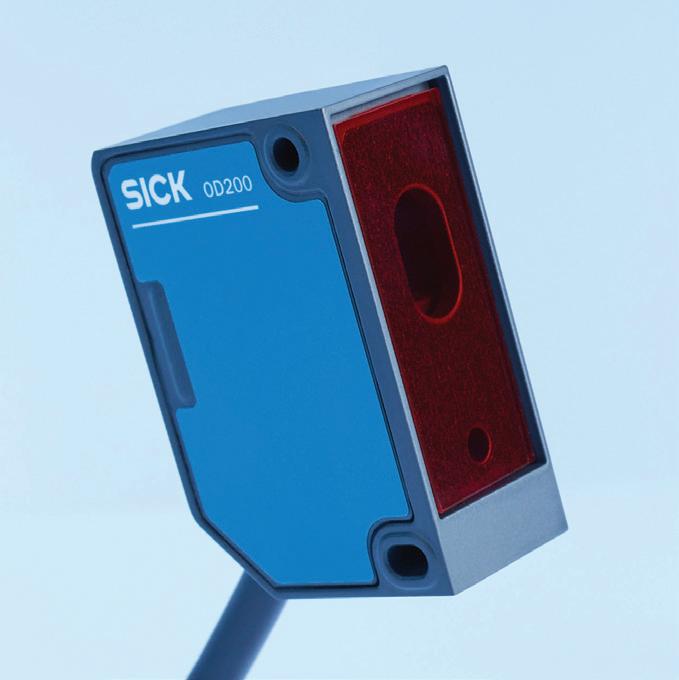
The SICK OD200 miniature distance sensor is designed for tough industrial environments and is said to deliver high measurement stability, even on high-gloss, black or irregular surfaces like carbon fibre, die cast parts or textured metals.
Equipped with an updated triangulation core, highresolution receiver and improved optics, the OD200 is designed to provide reliable, repeatable results in applications where other sensors may struggle. It operates at process speeds up to 3 kHz and will be available in multiple variants, covering measurement ranges from 25–160 mm.
The OD200 is built for demanding surfaces and harsh lighting. It reduces signal loss and incorrect readings to improve performance for many surfaces, whether reflective, textured or low reflection.
With its compact housing and simple installation, the OD200 is designed to fit into tight spaces. It offers plug-and-play set-up with no parameter tweaking required, backed by a menu-driven user interface and intelligent defaults. Connectivity options include IO-Link, analog outputs (current or voltage), and digital I/O, making integration with Industry 4.0 systems easy.
The OD200 also offers built-in condition monitoring features, providing insight into key parameters like signal quality and exposure time — useful for inline performance optimisation and preventative maintenance.
SICK Pty Ltd www.sick.com.au

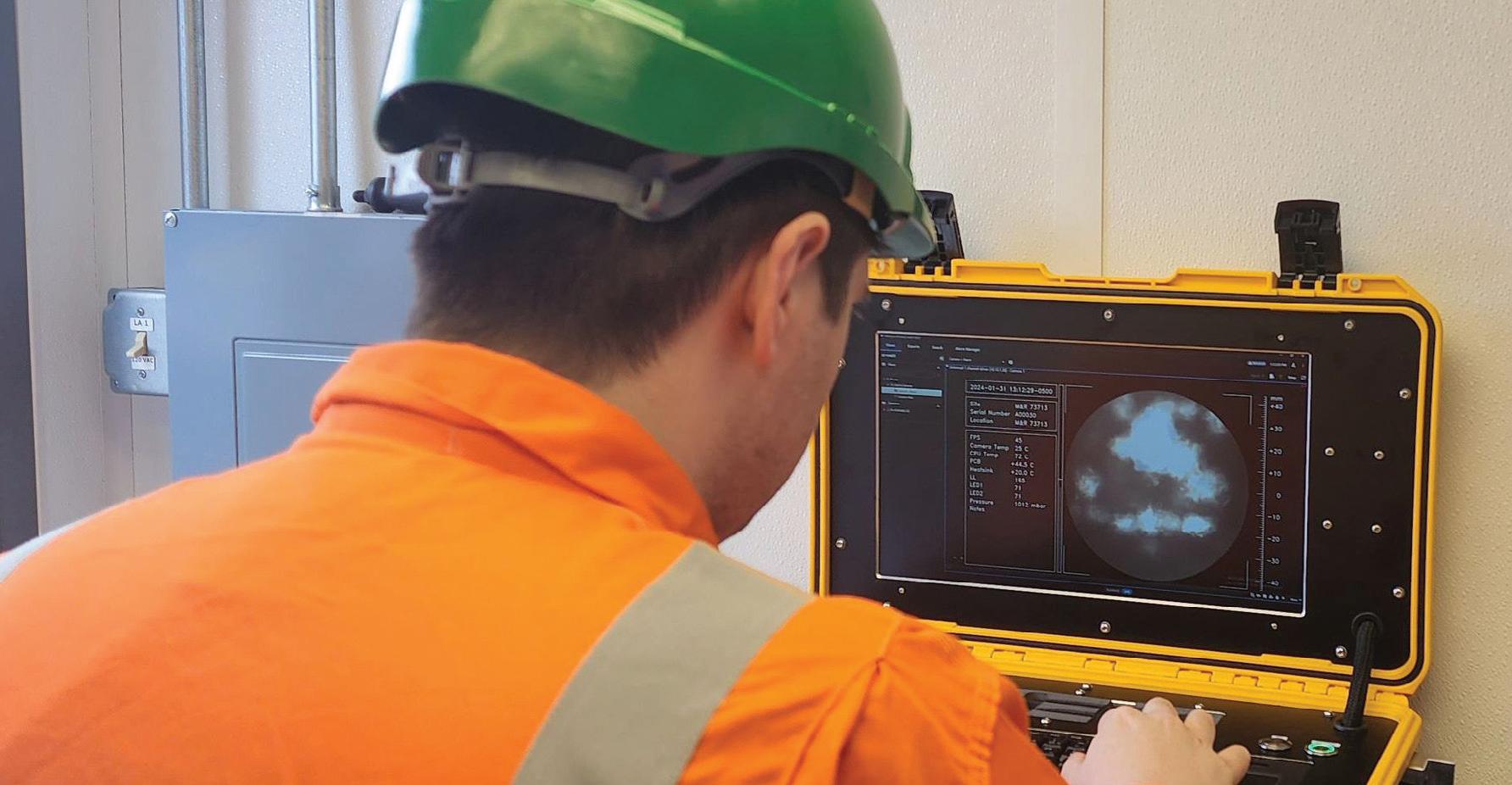
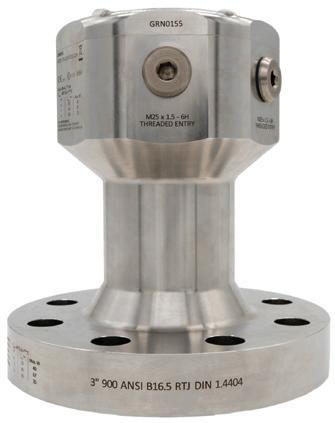
One of North America’s largest midstream operators manages an extensive natural gas transmission network. In late 2024, the company initiated a LineVu Discovery study at a custody transfer point to better understand the presence of liquid carryover in its incoming gas supply.
The results were striking. Despite reported hydrocarbon dewpoints (HCDP) as low as -47°C, significant liquid contamination was observed inside the pipeline. As a result of the contamination, the midstream operator faced rising operational costs due to frequent pigging, disposal costs, compressor servicing, and instrumentation failures. Despite challenging suppliers regarding gas quality, traditional measurements for both moisture and hydrocarbons (following API 14.1 for gas sampling and frequent calibrations) indicated that the gas was dry. The company needed an indisputable, realtime method to determine gas quality and detect liquids present in gas streams entering the transmission network.
The organisation therefore deployed Process Vision’s LineVu highresolution process cameras at custody transfer points. Certified for hazardous areas (Class 1 Div 1 and ATEX Zone 1), these cameras provide continuous, real-time video of the gas stream via an online dashboard, enabling managers and remote engineers to see mist and liquid flows that conventional analysers miss.
In some cases, video data was synchronised with process data, revealing links between the onset of mist flow and changes in energy content and other parameters. Process Vision has developed smart alarms that alert operators when abnormal conditions arise, enabling swift, targeted interventions to reduce pigging costs and compressor damage.
In order to reduce risks caused by liquid carryover, the operator established a ‘three strike’ policy for all gas suppliers.
• Strike 1: If a mobile LineVu Discovery system detects liquids at a custody transfer point, suppliers receive the results and are given 30 days to rectify the problem.
• Strike 2: A second detection within six months triggers an additional 30-day remediation period.
• Strike 3: On a third occurrence, the supplier is required to permanently install a LineVu system to monitor and manage gas quality continuously.
Early results showed that HCDP alone is not a sufficiently reliable method to determine if a gas stream is wet or dry. With LineVu, the operator expects significant operational and safety improvements. In the short term, lower pigging frequency, reduced compression costs, and lower erosion of valves and regulators are expected. In the long term, there should be fewer compressor trips, less servicing costs and an extension of asset life.
LineVu has been shown to provide significant benefits for both suppliers and transmission system operators (TSOs). For suppliers, even a small liquid volume fraction (0.1%) in a 100 MMSCFD export line at 1000 psi equates to more than 2831 litres/day, boosting annual NGL revenue significantly. For TSOs, catching liquids early prevents compressor trips (often costing around US$600,000 per occurrence), reduces pigging costs (up to US$22,000 per km) and extends compressor dry-gas seal life from approximately one year to more than three years.
After validating the effectiveness of LineVu, the midstream company has standardised the use of LineVu Discovery studies across its transmission network, ensuring consistent monitoring, transparent supplier accountability and proactive protection of downstream assets.
AMS Instrumentation & Calibration Pty Ltd www.ams-ic.com.au
The electrification of upstream oil and gas processes offers the opportunity to reduce emissions of greenhouse gases while improving efficiency.
The International Energy Agency has warned that the oil and gas industry needs to reduce its emissions by 60% by 2030 to align itself with a global rise in temperatures of just 1.5°C.1
Fortunately, it believes the sector is well placed to scale up some crucial technologies for the clean energy transition.
Currently, methane is released at wells when gas is vented directly to the air, when flaring to burn off the gas is incomplete, or through leaks. But these emissions can be reduced by more than 75%2 with simple solutions such as leak detection, repair programs, and upgrading leaky equipment to include electric actuators.
Methane is also a valuable resource that could be sold as natural gas, converted to fuels, used for chemical production or stored underground. More than 260 billion cubic metres (bcm) of natural gas is wasted through flaring and methane leaks globally. With the right policies and implementation, around 200 bcm of additional gas could be brought to market.
In upstream oil and gas production, control valves have historically been operated by pneumatic diaphragm actuators that use the well-stream gas as their motive power, releasing methane every time the valve is stroked. To reduce these emissions some operators have now replaced well-stream gas with air compressors, but these require a large amount of energy.
Electric actuators do not vent, and many provide one-piece actuation solutions, which reduces the risk of failure compared to the typical pneumatic solution involving
multiple pieces of equipment — where each of these parts can suffer from air quality fluctuations, temperature variations and other environmental factors.
Electric actuators are less susceptible to these influences and more energy efficient, since they only consume electricity when in operation — making them suitable for infield solar powered infrastructure in remote locations. They provide the required torques and thrusts while operating at the necessary speeds for choke and process control valves. In addition, they offer the highest resolution output and modulating duty for accurate pressure and flow rate control.
Electric actuators are suitable for upstream applications such as gas metering, production trees, processing, saltwater disposal and gas lift systems. Many come with fail-to-position options that automatically return valves to a predetermined position in case of power loss or emergencies, enhancing safety and preventing potential damage to equipment.
In-field interventions can also be rapid and simple, whether carried out remotely, in control rooms or by physical interaction with the actuator.

Using self-contained electric actuators instead of pneumatic solutions not only helps to reduce methane emissions but results in cost savings and increased operational efficiency. Electric actuators also feature user-friendly interfaces and software tools that simplify the commissioning process, making them a perfect solution for valve applications in the oil and gas industry.
Intelligent actuators are designed to not only provide reliable and repeatable performance in the challenging environments of remote oil and gas wells — they can also monitor temperature, torque and voltage to ensure the unit’s integrity and operating performance, resulting in a longer product lifespan.
Intelligent electric actuators with data logging can capture a large amount of data, such as the number of valve operations, alarms, valve torque profiles and unauthorised operation attempts. Monitoring valve behaviour enables them to identify patterns indicative of impending malfunctions — a predictive capability that allows maintenance teams to address issues before they cause disruptions, saving
time and money on repairs, and helping to prevent unplanned downtime.
Intelligent valve actuators can also adjust valve positions based on realtime operational conditions. This helps to minimise energy consumption and reduce emissions, while also helping to prevent leaks and other safety hazards.
A huge amount of oil field infrastructure still includes isolation valves, choke valves and process control valves operated by wellstream-gas-driven pneumatic diaphragm actuators. As mentioned, these valves constantly release methane but another challenge is ensuring the gas is dry enough to prevent system failure from condensation.
The right electric flow technology can significantly increase efficiency and uptime, while reducing emissions in line with the aspiration of being among the industry’s lowest methane emitters. Every valve in an oil field can be replaced with electric actuators that result in no emissions.
Electric solutions can play an important role in controlling the flow throughout the oil and gas value chain and are critical in upstream applications. Valve actuators are used for all types of valve operation
including metering, processing and isolation duties, while fail-safe flow control solutions are specified on safety-critical systems such as oil and gas storage tanks.
The benefits are evident across upstream applications.
The production tree (or Christmas tree) is an assembly of valves, spools and fittings that regulate the flow of oil or gas from a well.
In the event of overpressure, a fail-safe/ shutdown valve installed at the upper wellbore known as a surface safety valve (SSV) is used to protect the production systems. A production choke valve also controls the flow of well fluids being produced and regulates the downstream pressure in the flowlines.

Electric actuators are suitable for advanced production choke valve actuation, with proportional control, high accuracy and low power consumption, while modular electrohydraulic actuators combine the simplicity of electrical operation with the high torque/ thrust and fail-safe fast-action capabilities of hydraulic high-pressure control needed for failsafe operation of the SSV valve.
ELECTRIC ACTUATORS DO NOT VENT, AND MANY PROVIDE ONE-PIECE ACTUATION SOLUTIONS, WHICH REDUCES THE RISK OF FAILURE COMPARED TO THE TYPICAL PNEUMATIC SOLUTION
Electric control valve actuators are an advanced and energy-efficient solution to replace leaky and energy-inefficient pneumatic diaphragm actuators. They are suitable for dump valves and back-pressure control valves, commonly used in upstream production processing applications. Such actuators not only help achieve net-zero emissions with a solar-powered 24 VDC supply option but also help reduce overall lifecycle costs compared to the instrument air actuator alternative.
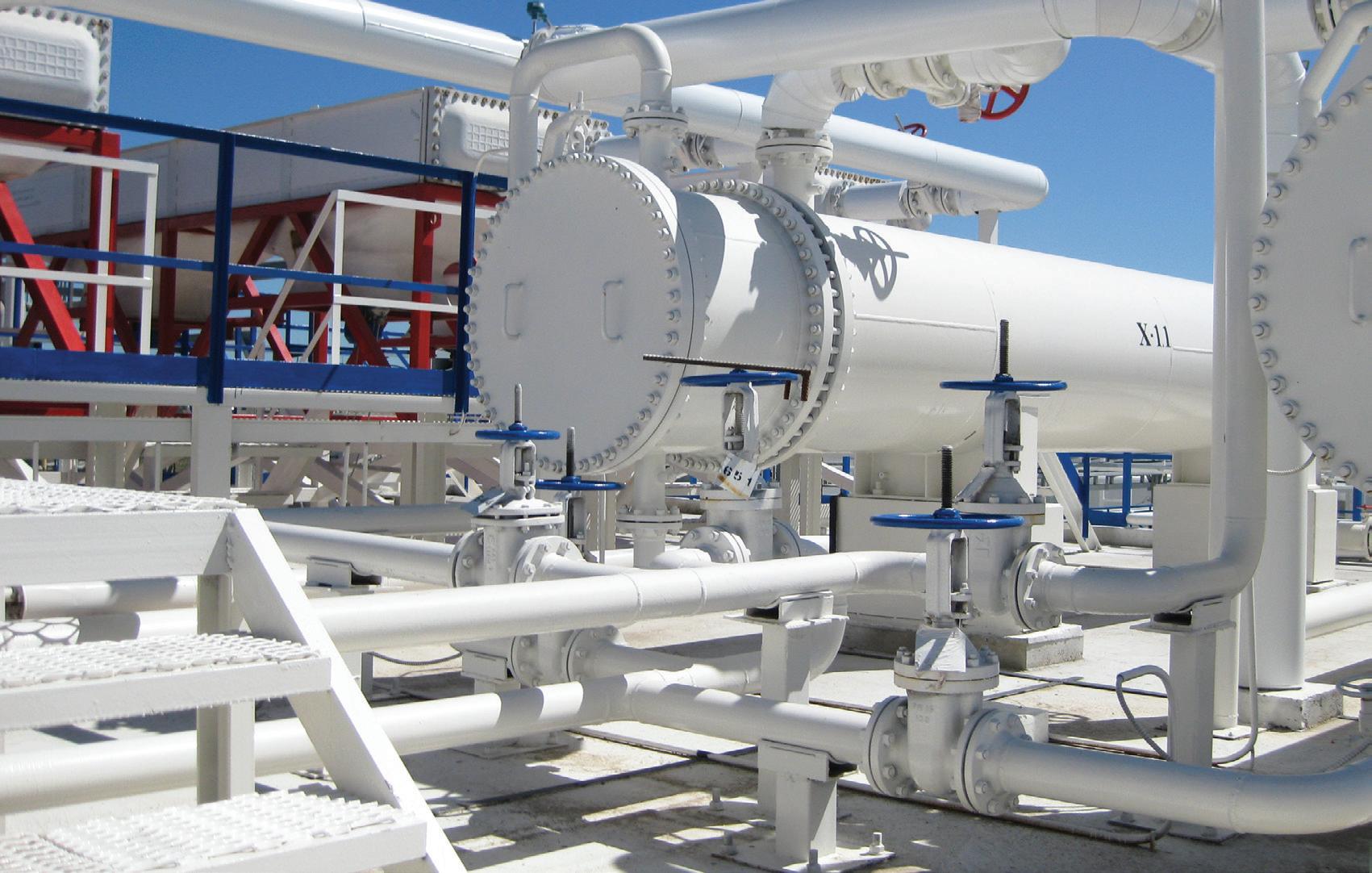
Natural gas production metering and lease automatic custody transfer (LACT) for oil production metering are two crucial aspects that connect upstream operations to midstream gathering infrastructure. The pipelines and valves used in midstream operations are usually larger and require higher torque/thrust ranges for valve actuation than those used in upstream production processing infrastructure.
Multiple flow control systems operate together on a custody transfer metering skid to ensure low measurement uncertainty and high metering accuracy. The flow control on metering skids must be highly accurate and reliable and always provide safe valve operation. To automate large control valves with high-pressure ratings, a high-output electric actuator can deliver increased linear thrust and stroke length.
Electric high-torque/thrust valve actuators can be utilised without the complexity and cost of a pneumatic supply, and are capable of high duty cycles suited to the requirements of LACT valve actuation.
When extracting oil from underground wells, a gas lift system is used to lift the fluids to the surface. This system works by injecting high-pressure gas into the well to reduce the density of the fluids and create a ‘scrubbing’ effect that lowers the pressure at the bottom of the well, allowing the fluids to flow more easily.
A reliable and adequate supply of high-quality lift gas is required for the gas lift system to work correctly. A control valve modulates the flow and pressure of the gas being injected into the well. Electric actuators are also suitable for this application, designed to operate continuously and precisely, making them ideal for continuous modulating applications like gas lift systems.
Produced water is the largest liquid produced in the oil and gas industry. The water from the well can be 4–5 times the volume of produced gas or oil from the same well. This water is then transported to recycling tanks or saltwater disposal wells through an intricate gathering line network.
The entire system is fitted with several actuated valves that ensure the safe and efficient flow control of produced water.
Most control valves in the constructed water infrastructure require a high degree of controllability to prevent water hammering. Additionally, back-pressure control valves must operate with high-frequency modulation duty to ensure optimal performance of water injection pumps. Many electric actuators offer adjustable speed, including a slow mode for precise positioning, high accuracy, high-resolution micro-step movement, and flexible torque/ thrust protection.
Intelligent, electric actuation is rapidly becoming a necessity for upstream oil and gas processes as the need to reduce harmful emissions and costs becomes more pressing. Electric actuators are emission-free and provide the necessary capabilities with low energy consumption suitable for remote solar-powered applications and the data logging and intelligence for modern asset management and predictive maintenance.
1. International Energy Agency 2023, ‘The Oil and Gas Industry in Net Zero Transitions’, World Energy Outlook 2023, <<https://www.iea.org/reports/theoil-and-gas-industry-in-net-zero-transitions>>
2. International Energy Agency 2023, Global Methane Tracker 2023, <<https://www.iea.org/reports/globalmethane-tracker-2023>>
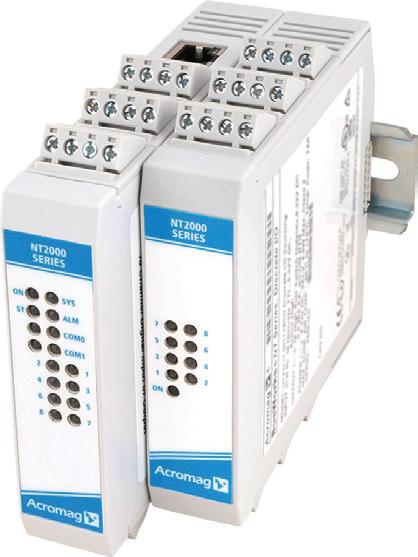
The Acromag Model NT2140 Discrete AC Input Module is the latest addition to Acromag’s BusWorks NT Ethernet I/O range.
The module is designed to sense the on/off power status of AC-powered equipment such as pumps, motors and other switched devices, making it suitable for monitoring equipment activity and detecting power faults in industrial environments.
The Model NT2140 can be used to monitor pumps, motors, limit/proximity switches, push buttons, thermostats, float switches, contact closures and AC power supply levels.
The NT2140 has six AC optocoupler inputs for 120 VAC or 240 VAC, detecting the presence or absence of voltage, and two DC logic I/O channels to monitor or control TTL or 0–32 V logic levels. It supports multiple industrial protocols, offering Modbus/TCP, EtherNet/IP and Profinet support for easy PLC/PAC integration, and is IIoT-ready with a built-in OPC UA server, MQTT client, and RESTful API.
Up to three NTX expansion modules can be added via an integrated DIN rail bus, supporting up to 64 I/O channels over a single network IP address, and Acromag’s i2o technology allows direct data transfer between modules without a host.
Metromatics Pty Ltd www.metromatics.com.au
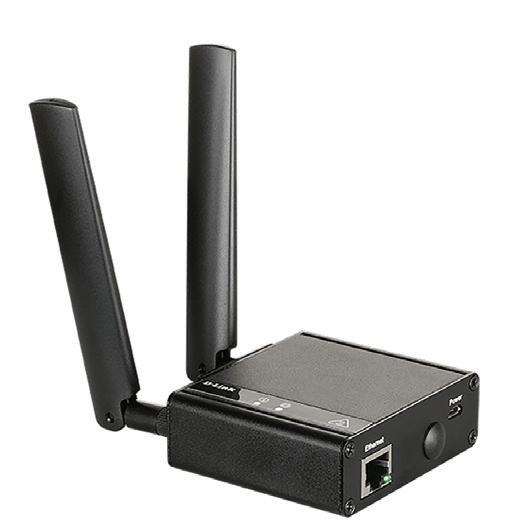
D-Link A/NZ has launched the DWM-311 4G LTE M2M VPN Modem, a robust and secure connectivity solution designed specifically for remote machine-to-machine (M2M) deployments across industrial IoT applications. Built to withstand harsh environments while delivering high-speed connectivity, the product is suitable for mission-critical applications including industrial monitoring systems, vending machines and remote infrastructure management.
The device combines Cat.4 4G LTE mobile broadband connectivity with a Gigabit Ethernet port, enabling fast and stable connections essential for M2M applications. Its industrial-grade design features a corrosion-resistant zinc-plated steel casing and operates across a wide temperature range, meaning it can be deployed in challenging outdoor and industrial environments where conventional networking equipment would fail. With a plug-and-play set-up — simply insert a Micro-SIM card and power up — the modem instantly connects M2M devices to the high-speed 4G cellular network. Its compact (77 x 69 x 26 mm), rugged design is purpose-built for harsh conditions, while the integrated OpenVPN client enhances security and protects data integrity across the network, making it useful where quick set-up and robust connectivity are crucial.
D-Link Australia Pty Ltd www.dlink.com.au
Siemens has launched the Sinamics S220 highperformance drive system. The CU320-3 control unit gives the ability to operate up to 12 axes, achieving high integration density. The built-in multicore processor provides the necessary computing power, while the Drive-Cliq-Express interface, with a speed of 1 Gbps, allows for rapid data transfer.
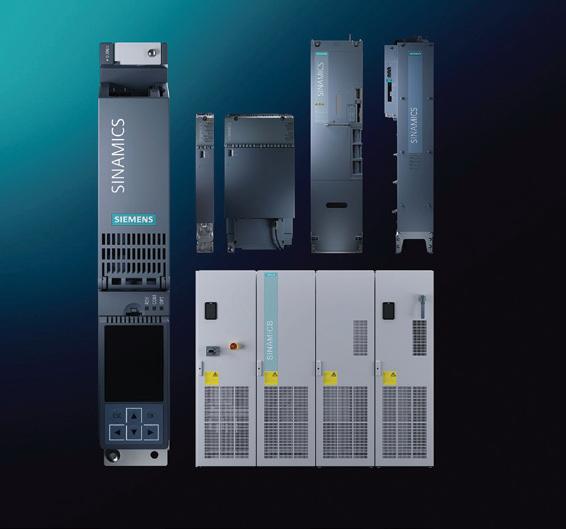
The system has also been designed to meet the demands of digital transformation. High-frequency data transmission for predictive maintenance occurs via the X128 interface, and integration into Siemens’ TIA Portal, as well as virtual commissioning with DriveSim Designer, improves the engineering workflow. The Smart Drive Interface is available as a compact panel (SDI S220) directly on the CU320-3 or as a remote version (SDI Pro with a larger display and web server). Optionally, a Smart Wi-Fi adapter enables flexible remote access.
The drive system offers a broad performance range. Air-cooled motor modules in book-size and chassis designs, with a voltage range of 380–480 V, are available. The rated current ranges from 3 A (1.1 kW) to 1518 A (900 kW) and can be expanded up to 6984 kW through an eightfold parallel connection. For power supply, regenerative active in-feeds ranging from 210 to 921 kW are available, also scalable through parallel connection. With software version 6.6, the safety architecture reduces the safety cycle from 12 to 4 ms, enabling faster reactions and higher productivity. The drive is SIL 3 certified for all operating states and offers the certified level of safety in critical applications.
Siemens Ltd
www.siemens.com.au

It wasn’t that long ago that PLCs executed just a single task — their one and only control program. Each PLC vendor created its own dedicated hardware, which for the sake of reliability, utilised technology that was several generations behind current offerings. Similarly, any software used by PLCs was proprietary and strictly limited to that vendor’s ecosystem.
While such a design strategy may have served us well in the past, it’s become increasingly clear that a far more flexible approach to system architecture will be needed to meet the heavy demands placed on modern-day industrial automation systems.
For some years now, industrial automation has been trending towards becoming far more software oriented, espousing many of the techniques and practices of the software industry. Industrial control hardware platforms, and the operating systems they use, have become much more open, with Linux and Windows running on industrially hardened PCs being prime examples.
Furthermore, industry has adopted the internet for high-speed and world-wide connectivity and has accepted the widespread influence of the IT community into the OT space.
These advancements would be very difficult, if not impossible, to implement using the traditional paradigm of closed, hardwareorientated controllers.
Key to these new developments is the concept of virtualisation. Virtualisation is where several software-based implementations of physical hardware (called ‘virtual machines’) run concurrently on a single physical computer. Software applications are thus abstracted away from the underlying hardware. The host computer’s resources can be used more efficiently overall by having a hypervisor program allocate resources to each virtual environment, as needed.
That several applications can run independently in their own virtual environment is a major advantage. It means control programs can be constructed into discrete runtime modules — a commonly requested feature for segmented systems, where not every section will be available or active at once. Other software unrelated to control can also run simultaneously on the same platform.
Containerisation is a particularly efficient form of virtualisation. Dockers within the Linux environment are one implementation that’s gained a lot of attention recently, particularly from the German automobile industry.
Unlike virtual machines, which run a full, separate guest OS for each application, containers share the host’s operating system kernel, making them more lightweight. This is an important consideration for industrial controllers, which often provide only limited computing resources. Being lightweight also helps maintain real-time performance — a mandatory requirement for control applications.
High portability is another advantage of Docker, as each container runs as an isolated process, with its own resources. This facet also provides a high degree of security and isolation, which is important for consistency of operation between systems.
Cloud-based engineering is another notable implementation of virtualisation. Here, virtual PLCs reside in a data centre, which can be hosted either on premise or in the cloud. The data centre serves up web pages as its user interface. As all data is presented using HTML, users have access via any device that supports a web browser, such as a PC, tablet or even a mobile phone.
Improved program management is one advantage gained by cloudbased virtualisation. Programmers can utilise a wide variety of software tools available, including CI/CD (continuous integration/continuous deployment) tools, like Azure DevOps. Source control is also integrated, meaning easy collaboration and faster program development.
Cloud-based control is where one (or more) virtual PLC programs execute in the cloud, rather than being processed in localised computing hardware. This ‘controller’ connects to localised devices and I/O systems on the factory floor, typically using standard protocols such as MQTT and OPC UA.
Process applications are better suited to cloud-based control as timesensitive requirements are rare. However, as manufacturing processes generally need update rates nearing one millisecond, manufacturing normally uses localised control.
Cloud-based systems also provide mass data storage. Aggregating data over the longer term is ideal for in-depth analytics and dashboard displays. While none of us have a crystal ball, it looks as though the days of PLCs running a single control task, on dedicated hardware, using a propriety operating system, are numbered. It seems the requirements of modern-day industrial control systems will demand at least some form of virtualisation, allowing multiple runtimes to execute on a choice of operating systems and open hardware.
Harry Mulder is the Principal Automation Engineer at Beckhoff Automation. He has been involved in industrial automation for over 30 years and is fascinated by how new innovations keep affecting the direction of the industry. He really enjoys the practical element of his job, where he has a chance to get his hands dirty!

The Vecow EAC-3000 is an edge AI computing system built on the NVIDIA Jetson AGX Xavier platform. Claiming performance up to 32 TOPS, the EAC-3000 is designed to enable real-time inference for demanding applications such as robotics, in-vehicle computing and advanced industrial automation.
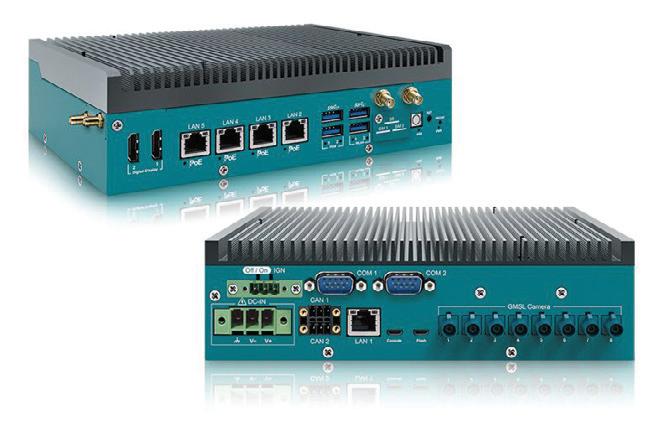
Equipped with 512 CUDA cores, 64 Tensor cores and dual NVDLA accelerators, the system provides the acceleration needed for nextgeneration AI workloads. With support for eight GMSL2 automotive cameras, five GigE LAN ports with four PoE+, and CANbus interfaces, the EAC-3000 is purpose-built for intelligent vision, autonomous navigation and connected control environments.
Intended for deployment at the edge, the system is designed to operate reliably in harsh conditions with a wide 9–50 VDC power input, ignition control, and rugged compliance to MIL-STD-810G shock and vibration standards. For integration it also supports 5G, 4G/LTE, Wi-Fi, Bluetooth and GPS modules, along with remote monitoring and OTA updates via Allxon device management.
LAPP Australia Pty Ltd lappaustralia.com.au
Emerson has announced the PACSystems RX3i CPS400 safety controller, designed to enable Safety Integrity Level 2 (SIL2) strategies for infrastructure, fire and gas, burner management systems, and other emergency shutdown systems. The safety controller is a compact solution with robust security measures and a scalable architecture with 2000 available I/O points, suitable for complex projects with evolving requirements.
A 64 Mb memory capacity and scalable digital architecture enables the safety controller to support a diverse range of missioncritical applications. Using built-in industrial communications protocols, including OPC UA, Ethernet Global Data (EGD) and Modbus TCP, the controller is designed to connect peer-to-peer and with higher-level hosts.
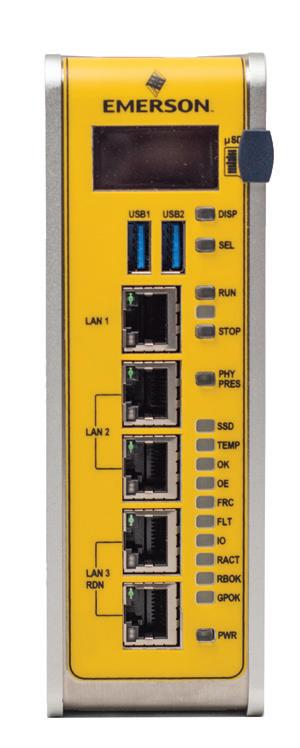
As a secure-by-design solution incorporating Secure Boot and the Trusted Platform Module (TPM) standard, the controller is designed to provide data integrity and protection against potential threats. Safety-certified function blocks and pre-configured templates simplify overall system certification in accordance with the IEC 61511 standard. Available in simplex or redundant controller configurations, the controller can perform all safety data messaging with duplex communications using the black channel principle over EGD, allowing standardised and reliable connectivity with Emerson’s PACSystems VersaMax SafetyNet I/O system. The platform is IEC 61508 safety-certified, providing a capable SIL2 simplified solution to help designers build appropriate protection schemes. Developers can configure the new controller using familiar software tools employed for PLCs, operator interfaces and other automation elements.
Emerson www.emerson.com/au/automation
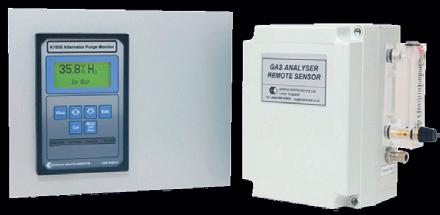
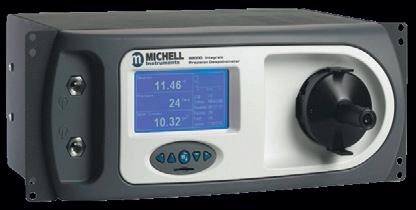
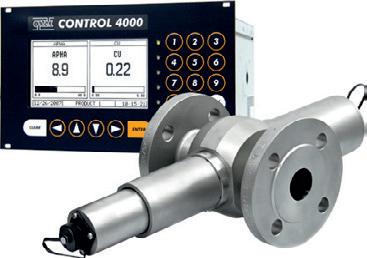
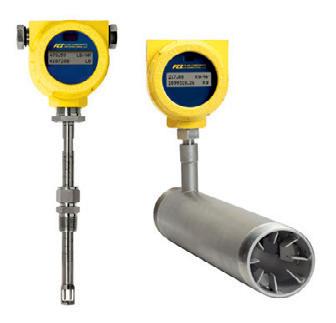
Australia’s premier advanced manufacturing showcase, Australian Manufacturing Week (AMW), returns in 2026, and for the first time it is heading to Brisbane. From 12–14 May 2026, the Brisbane Convention and Exhibition Centre will host thousands of industry professionals eager to explore the technologies shaping the future of precision manufacturing.
With visitor registration now open, prospective attendees are encouraged to secure their place early. Registering ahead of time not only guarantees smooth entry but also ensures visitors are fully credentialled before arriving at the venue. This saves valuable time and allows them to move straight onto the exhibition floor without delay.
AMW 2026 promises an expansive and highly curated experience. Organised by the Australian Manufacturing Technology Institute Limited (AMTIL), the event brings together a broad array of suppliers, innovators and technology leaders from across the sector. The exhibition will be structured across six specialised product zones — Machine Tools, Additive Manufacturing, Robotics and Automation, Welding and Air Technology, Manufacturing Solutions, and the Australian Manufacturers’ Pavilion — giving visitors clear pathways to explore the technologies and solutions most relevant to their operations.
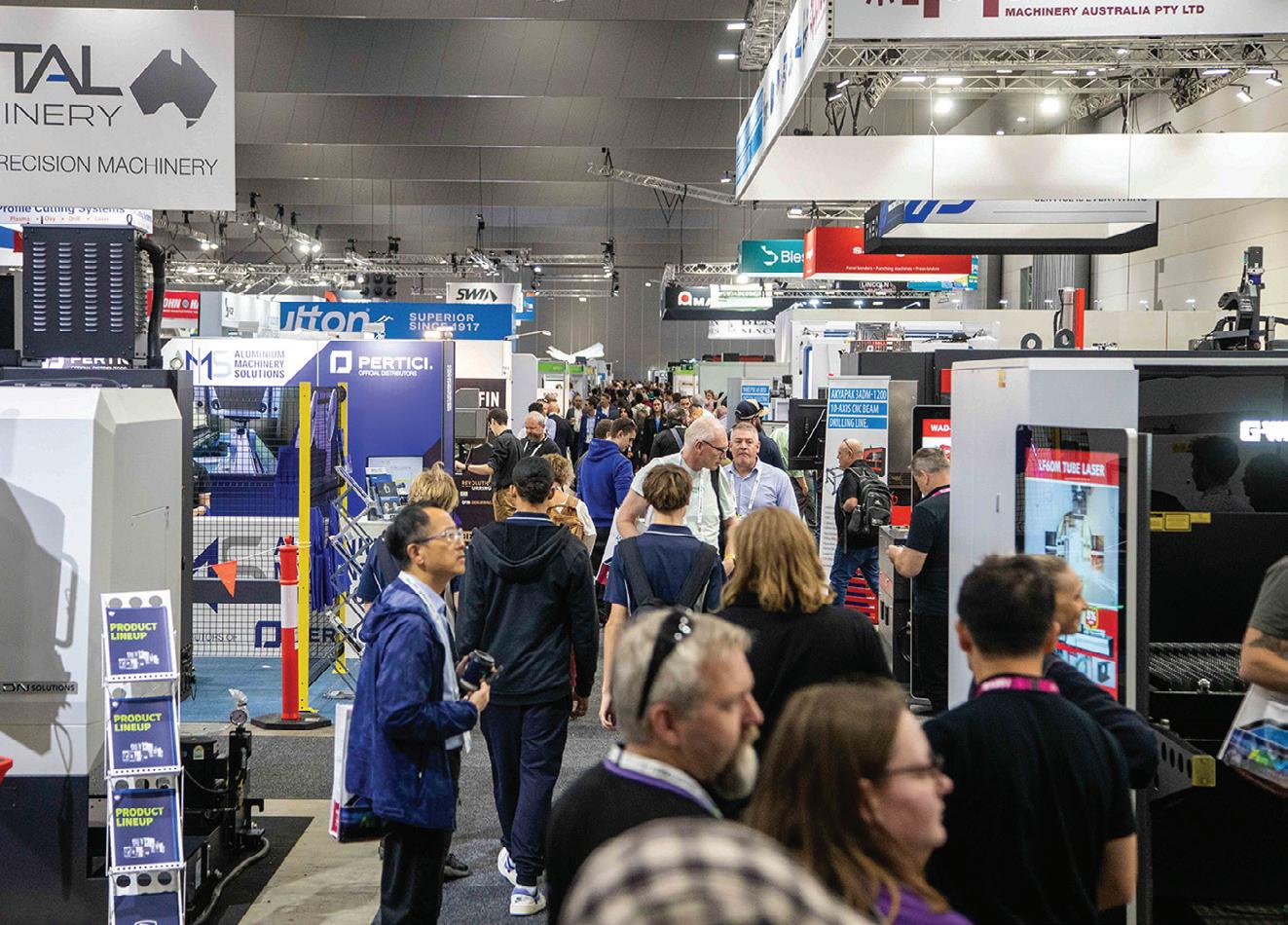
Attendees can expect comprehensive displays of cutting-edge solutions spanning CNC machining, precision engineering, robotics, additive manufacturing, automation and industrial software. This reflects the rapidly evolving nature of Australia’s manufacturing landscape and offers opportunities for discovery, capability building and strategic insight. A strong program of expert presentations will accompany the exhibition, providing practical knowledge on emerging trends and growth strategies for manufacturers nationwide.
Brisbane’s growing reputation as a hub for industrial innovation makes it an ideal host for the event’s first Queensland edition. With support from the Queensland Government, AMW 2026 is set to showcase
both national excellence and the state’s expanding manufacturing capability.
For manufacturers, engineers, production specialists and technology decision-makers, AMW remains an unparalleled opportunity to explore high-value solutions, connect with peers and gain first-hand access to the innovations that are reshaping the sector. Registration is now open, and early sign-up provides a faster and more efficient entry experience at the venue. Now is the ideal time to secure your place at Australia’s flagship manufacturing event.
Learn more and register to visit at www.australianmanufacturingweek.com.au.
Australian Manufacturing Technology Institute Ltd www.amtil.com.au
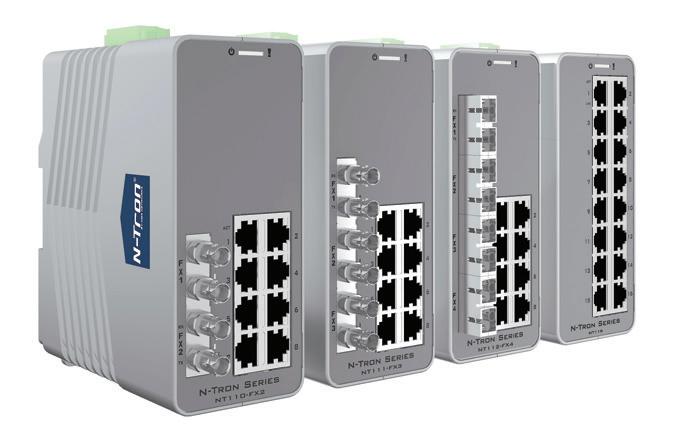
HMS Networks has launched the N-Tron NT110-FX2, an unmanaged Ethernet switch with two fibre ports, the NT111-FX3, an unmanaged Ethernet switch with three fibre ports, and the NT112- FX4, an unmanaged Ethernet switch with four fibre ports, designed for industrial applications needing dependable performance for missioncritical applications under harsh conditions.
Compact in size with eight high-performance copper ports (10/100BaseTX RJ45) and 100BaseFX fibre ports, the switches are housed in rugged industrial metal enclosures offering high shock and vibration tolerance. The RJ45 ports have built-in ESD and surge protection. Fibre ports are available with SC or ST connectors in multimode or single-mode configurations. The operating temperature range is –40 to 85°C.
For robust network support, the NT110-FX2, NT111-FX3 and NT112-FX4 unmanaged switches support full wire speed communication. Each model employs store-and-forward technology with support for full and half duplex operation. Two 10–49 VDC power inputs are provided for redundancy.
The switches carry UL Ordinary and Hazardous locations as well as ATEX and IECEx certification in addition to IEEE 802.3 compliance.
HMS Industrial Networks hms-networks.com
The BRX BX-P-OPCUA is a pluggable communication module (POM) designed for use with all BRX PLC CPUs. The module provides OPC UA connectivity and includes an Ethernet 10/100Base-T (RJ45) port. It installs directly into the BRX CPU’s pluggable option module slot.
The BX-P-OPCUA POM allows BRX PLCs to integrate directly with OPC UA networks, providing standardised data exchange between industrial control systems and higher-level applications. This makes the module suitable for applications requiring communication between plant-floor controllers and SCADA, MES, enterprise systems or cloud platforms.
The module supports secure data transmission using built-in encryption and authentication. Users can easily browse and select PLC tags to be shared, and configure read or read/write access as needed. Because the module is directly integrated into the BRX Do-more! software platform, setup is streamlined and requires minimal configuration.
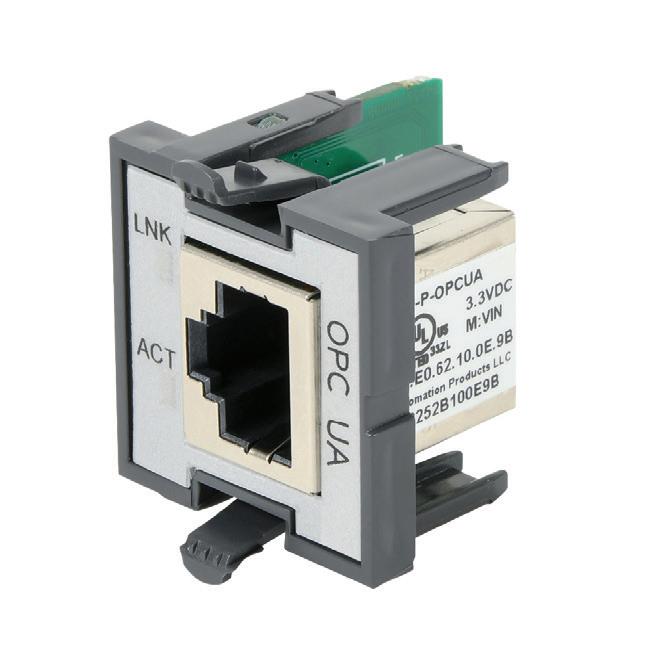
The pluggable option format also supports flexibility in system design. Communication interfaces can be selected or changed as system requirements evolve, without affecting the main controller or wiring. The BX-P-OPCUA POM offers a simple method to enable standardised, vendor-neutral communication within new or existing automation architectures.
Direct Automation Pty Ltd www.directautomation.com.au

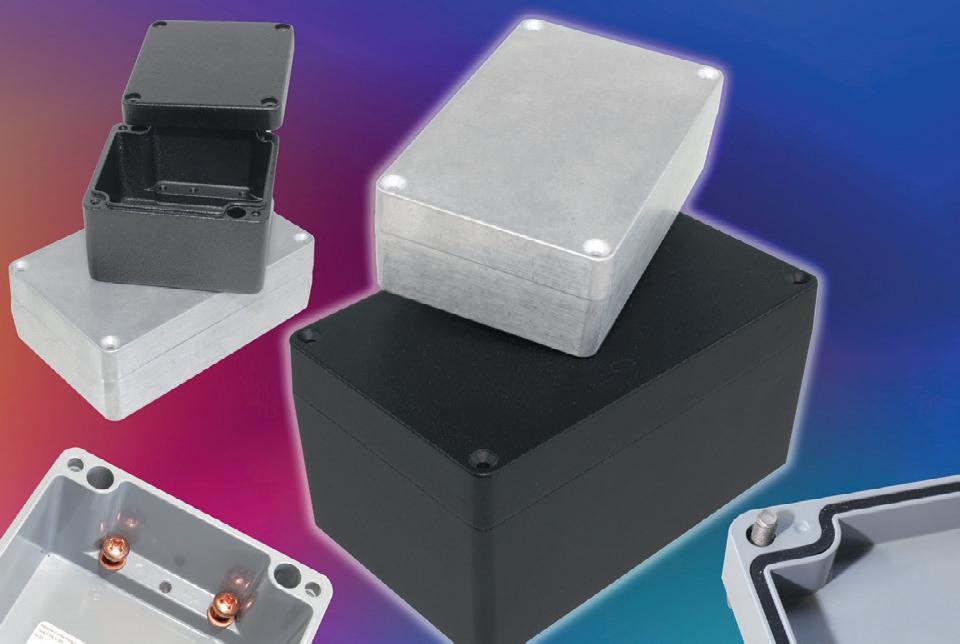
In industrial production, effective temperature and humidity monitoring is more than just installing sensors.
Youssef

In industrial production, temperature and humidity play a bigger role than many realise. They influence how materials behave, how stable processes run, and whether products meet the required quality standards.
Even small changes in ambient conditions can have serious consequences. Materials might react differently, production steps can get disrupted, and the final product may no longer meet specifications.
Yet mistakes in environmental monitoring happen more often than expected. The following five examples show the most common pitfalls when monitoring temperatures in industrial environments — and how to avoid them with the right approach.
Temperature sensors, though highly reliable in design, are subject to drift. Drift can be gradual or an abrupt shift in the measured value, and can arise from several mechanisms: mechanical strain such as vibration or constriction of sensing wires; thermal cycling that induces repeated expansion and contraction of the platinum element; contamination of the sensor surface with foreign atoms; or moisture ingress that alters insulation resistance. Depending on the cause drift can be temporary, occurring only during the process, or permanent, irreversibly changing the calibration baseline and detectable only through recalibration.1

Longitudinal studies confirm that drift is not merely a theoretical risk but an observed reality. Investigations of industrial platinum resistance thermometers have shown that fewer than 15% maintained calibration stability within ±0.005°C after thermal treatment and handling, while the majority exhibited measurable shifts, often linked to strain or humidity exposure.2 Such findings demonstrate why drift is considered an unavoidable characteristic of temperature sensors, regardless of manufacturing quality.
Given this inherent instability, calibration intervals play a decisive role in maintaining measurement reliability. While some operators extend intervals to reduce cost or downtime, evidence suggests that recalibration should be performed every 12–24 months, depending on application and environmental stress factors.3 Intervals longer than two years are associated with a markedly higher risk of undetected drift beyond acceptable tolerances. In highly sensitive production environments, where even deviations of a few hundredths of a degree can affect process stability, annual or shorter intervals are recommended.
Operational concerns about downtime during calibration are valid but solvable. Modern hot-swap capable sensors allow replacement of probe modules without interrupting ongoing measurements, thereby enabling regular calibration without data gaps or production stoppages. By combining systematic calibration schedules with drift-mitigating hardware strategies, plants can ensure that temperature monitoring remains a reliable foundation for quality assurance and regulatory compliance.
Even the most advanced monitoring system cannot deliver accurate results if it is installed in the wrong place. A common mistake is mounting a sensor in an area that does not represent the actual conditions in the monitored space, resulting in poor measurement accuracy and even distorted datasets.
For example, placing it directly under an air conditioning outlet or too close to a heating source will produce readings that are not representative of the room as a whole. In storage areas, sensors are sometimes fixed too high or too low, causing them to miss the actual temperature range relevant to the products. The result: deviations go unnoticed until they cause quality issues.
IN INDUSTRIAL ENVIRONMENTS, PROCESS STABILITY DEPENDS ON MORE THAN MACHINERY. PRECISE ENVIRONMENTAL MONITORING IS AN EQUALLY CRITICAL FACTOR IN ENSURING CONSISTENT PRODUCT QUALITY.
Another mistake is sensor placement without account to large machines, metal structures and dense shelving. Such obstacles can create signal shadows that interfere with data transmission, which leads to incomplete data or delayed transmissions.
The third mistake is often the reason for the previously mentioned ones. Temperature monitoring is often not considered early enough in the planning of a facility or production line. Without integrating it into the infrastructure design, sensors may end up in suboptimal locations, or cabling routes may be impractical.
To avoid sensor placement issues, it is important to carry out detailed temperature mapping before installation. This process identifies warm and cold spots, ensuring sensors are placed where they reflect the actual ambient conditions. Communication mapping (eg, radio mapping) is also advised in order to guarantee efficient data transmission between the data loggers and the gateway. Expert support services during installation can provide onsite mapping and placement planning, from the project phase through to commissioning. This includes determining optimal sensor and gateway locations and selecting the right mix of wired and wireless solutions to match local conditions and IT security requirements. The result is a monitoring set-up that works reliably from day one.
An alarm is only useful if it reaches the right person in time and is acted upon. In practice, this often fails due to unclear responsibilities, especially during shift changes. If an alarm is triggered shortly before the end of a shift, it may be passed on informally to the next operator — and sometimes goes unaddressed for hours.
Outdated user interfaces make matters worse. Many systems still rely on cluttered, decades-old layouts that obscure critical information. Modern, well-structured dashboards shorten training times and help staff react faster. Visual tools, such as
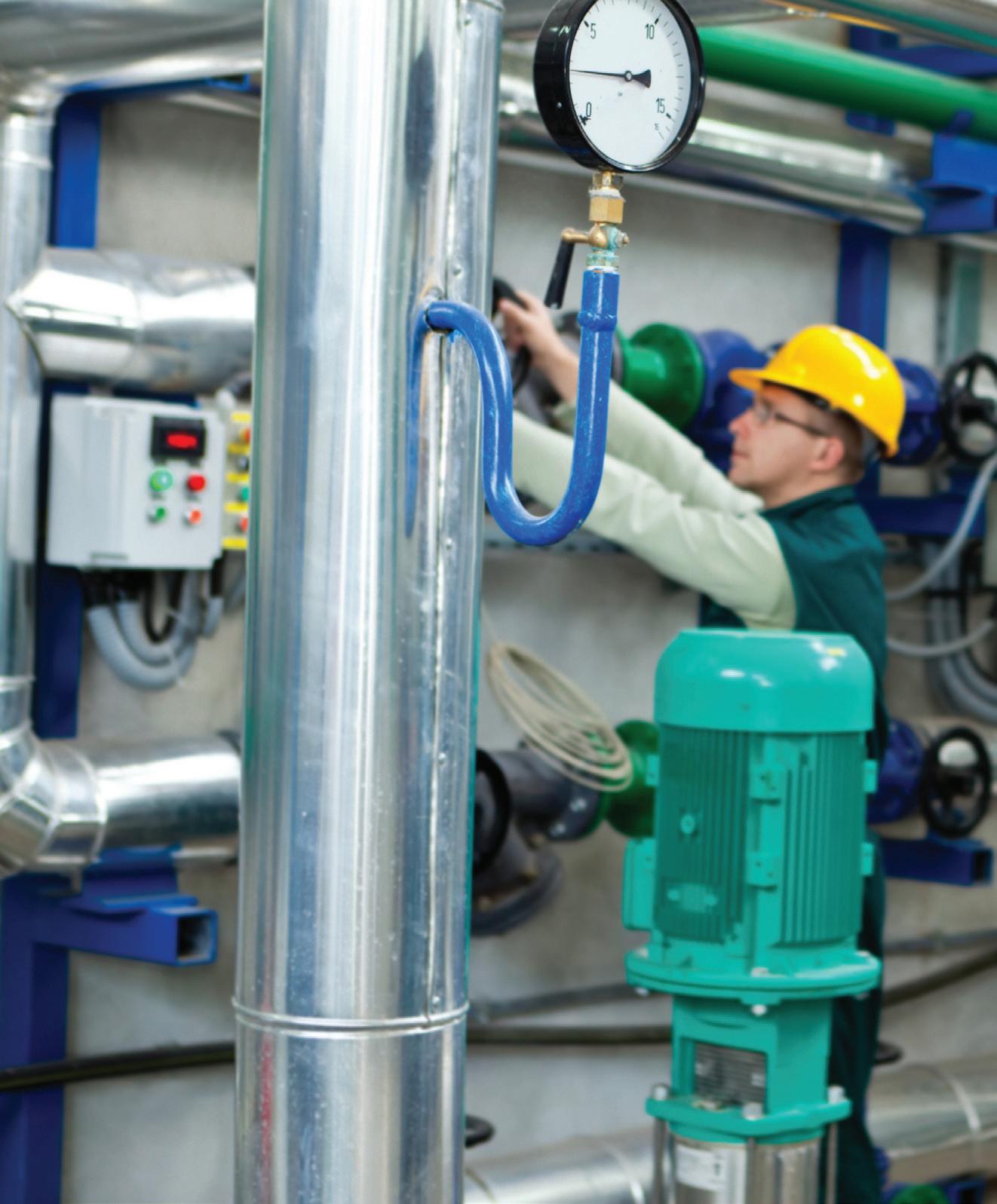
traffic-light indicators, provide an immediate overview of system status and highlight where action is required.
Relying solely on email notifications is another weak point. Inboxes in industrial environments are often overloaded, and alarm messages can easily get buried. Direct alerts — for example via SMS or push notifications — ensure that critical warnings stand out and reach the right person without delay.
An effective monitoring system combines a clear, intuitive interface that makes alarms easy to recognise with flexible notification options adapted to site requirements. Depending on the set-up, alerts can be shown via visual indicators, sent as emails, or delivered directly to mobile devices
through SMS-based or push notifications — ensuring they are noticed and acted upon immediately.
With the rise of system automation, production facilities have evolved into a patchwork of isolated solutions. A facility nowadays will typically have a building management system, an inventory management system, and an environmental parameter monitoring system, among other things. Each works independently, with different interfaces and even different data formats. This fragmentation creates silos as there is no data integration between systems. Now the opportunity arises to fully exploit stored data by choosing systems

capable of sharing data among themselves or exporting data to other platform (eg, using APIs or webhooks). An integrated monitoring landscape offers a clear advantage. It gives the possibility to visualise all parameters in one place (eg, PowerBI), improving cost efficiency while cooling a room by sending pre-alarm warnings to the building management system to control HVAC accordingly, or combining inventory data (eg, from an inventory management system) with monitored storage conditions, further improving product quality assurance. Choose a monitoring system with integration in mind. Modern platforms offer webhooks and APIs to connect with existing infrastructure, as well as tools that visualise all relevant parameters at a glance. The
result is full transparency, faster decisionmaking, and greater efficiency in maintaining process stability.
For industrial production environments, data redundancy can be a decisive factor when choosing a monitoring system. Relying solely on direct data storage on a server leaves a facility dependent on a continuous internet connection. If that link fails, so does the data flow — and in the worst case, critical records are lost entirely.
The consequences can be costly. Imagine a long-running test in product development or emissions analysis. If the internet connection drops midway and the system has no backup, hours of data
may be gone. Without complete records, the test results cannot be validated, and the entire process has to be repeated. In industries with strict quality requirements — from battery production to cosmetics manufacturing — such interruptions can mean missed deadlines, wasted resources, and compliance risks.
The solution to this challenge is simple: redundancy. Robust redundancy strategies eliminate this risk by ensuring data is captured and stored at multiple points. Even if one system layer fails, the information remains safe and accessible.
This includes buffering data locally at the logger, storing it in a base unit independent of the server, and maintaining a secure central database. Alarm redundancy is equally important, making sure alerts are sent even if the primary channel is unavailable.
Advanced monitoring systems are designed with triple data redundancy: data is stored on the data logger, on the base unit and on the server. This approach can support both cloud and self-hosted (onpremise) monitoring systems, especially in facilities with strict data security policies, ensuring that no information is lost, and that monitoring remains uninterrupted under any network conditions.
In industrial production, effective temperature and humidity monitoring is more than just installing sensors. It requires regular calibration, correct placement, clear alarm processes, integrated systems and robust data redundancy. Addressing these points not only protects product quality and compliance but also reduces downtime and costly rework.
1. International Electrotechnical Commission 2008, IEC 60751: Industrial platinum resistance thermometers and platinum temperature sensors, Section 5.4.
2. Mangum BW, Furukawa, GT 1984, ‘Stability of Small Industrial Platinum Resistance Thermometers’, Journal of Research of the National Institute of Standards and Technology, vol 89, no 6, pp 795–801.
3. Kowal D, Nwaboh, J et al. 2020, ‘Long-term stability of meteorological temperature sensors’, Meteorological Applications, vol 27, issue 5 2020, pp 12–15.

One of the world’s leading gold producers, with operations in the Western Australian goldfields, required a flow monitoring solution that would not only meet the demanding operating conditions of large-scale gold processing but also provide consistency and reliability across multiple sites.
Flow monitoring is critical to gold extraction and gold processing, where water and slurry fluid transport protocol which will operate under tough conditions. Inaccuracies or failures can cause production delays, increase maintenance costs, and create operational optimisation and safety risks.
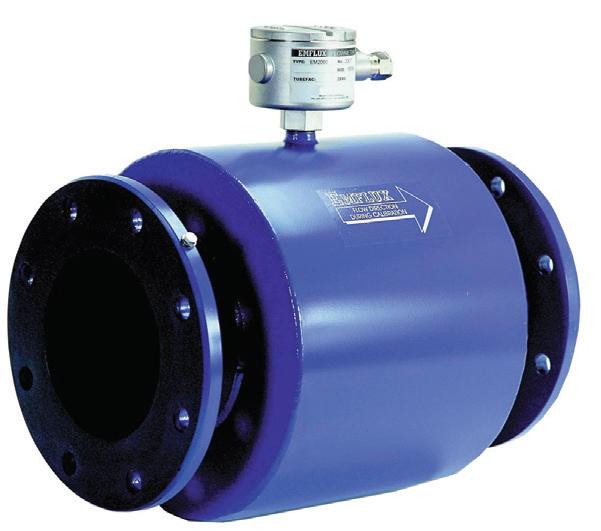
the mining and oil and gas sectors. We collated data on salinity, temperature, pressure, and total suspended solids.
“The result was that if any onsite staff provided the size and application, we could discern right away whether we are using polyurethane lining with Hastelloy C276 electrodes or 6 mm rubber lining with stainless steel 316/316L electrodes, for example.”
After carefully reviewing the requirements, Aquamonix supplied its Emflux 2060 series electromagnetic flowmeters, engineered with materials suitable for challenging slurry and water applications.
The Emflux range of Australian-made flowmeters combines proprietary technology with full-bore construction with no moving parts, and is designed to provide high accuracy and minimal pressure loss, even in dusty, desolate, remote environments.
Aquamonix worked closely with the site electrical and implementation planning team to develop a specification-approved framework, enabling site personnel to identify the correct meter by knowing just two key factors: size and application.
“We wanted to make things as simple and efficient as possible for the customer,” said Trent Nimmo, Project and Technical Sales – Mining and Infrastructure, Aquamonix. “We worked closely with key onsite personnel to gather relevant data, including 12 years of material selection and suitability in
Typically, the types of installations being used by this gold miner require three component considerations: the flow meter, the transmitter, and the length of cable between the install location and transmitter. By collating and running statistical analysis of indexed data already on hand, Aquamonix identified an opportunity to further streamline this process.
“Rather than asking them for the cable length they required each time, we made the decision to always supply the maximum length possible, which is 30 m,” Nimmo explained. “This was done for two main reasons. Firstly, if the length is not sufficient, adding cable to existing cable is a lengthy process that can create a vulnerable point if not done correctly. Secondly, if the full 30 m is not required, it can simply be cut onsite to the desired length. It removed all doubt and potential water ingress failure points.”
The collaboration has now set a new standard across the gold miner’s global assets, reinforcing Aquamonix’s role as a trusted partner in flow monitoring solutions for the red dirt and brownfields sectors.
“They were so impressed by the solution, they are currently working on rolling out the same methodology on their other sites globally,” Nimmo said. Aquamonix Solutions aqxsolutions.com.au

Ella Averill-Russell, IICA Sydney Branch Manager
The oil and gas sector is entering a period of accelerated transformation. Market volatility, evolving energy policies, workforce shortages, and rising expectations around safety, sustainability and production efficiency are reshaping how facilities operate. At the centre of this shift is the modernisation of control systems and the increasing reliance on digital technologies that enhance visibility, accuracy and automated decision-making across upstream, midstream and downstream operations.
For decades, PLC, DCS and SCADA platforms have provided the foundation for process stability and operational continuity. Their robustness and reliability remain unquestioned. However, operating conditions and organisational expectations have changed considerably. Asset-intensive environments now require real-time situational awareness, faster diagnostics, adaptive control strategies, and seamless integration between field devices, advanced instrumentation and enterprise-level digital platforms.
A major development shaping the future of the sector is the transition away from rigid, proprietary control environments towards flexible, scalable, vendor-agnostic architectures. Operators increasingly need standardised logic, interoperability across equipment brands, and systems that can be expanded or upgraded incrementally without full plant rewrites. This shift is driven by the growing need to reduce engineering hours, simplify lifecycle management, enhance cybersecurity resilience and maintain long-term asset flexibility.
Flexible architectures also support remote and unmanned operations, an important advantage as facilities move towards centralised monitoring hubs and reduced site-based labour models. For geographically remote facilities, this approach improves maintainability, reduces mobilisation and shutdown costs, and ensures engineering resources can be allocated more strategically across multiple assets.
Data has become an equally critical element of modern operations. Oil and gas facilities now generate vast volumes of information through sensors monitoring vibration, flow, temperature, pressure, emissions, power quality, and equipment health indicators. Historically, this data was siloed, slow to access or captured at insufficient resolution to support meaningful root-cause analysis. The industry is now shifting its focus from data acquisition alone to data contextualisation and real-time utilisation, ensuring engineers receive actionable insight rather than raw information.
Advances in high-speed data acquisition systems, industrial edge computing, cloud analytics and machine-learning-driven diagnostics enable operators to extract significantly more value from their existing instrumentation. These technologies support early detection of abnormal conditions, advanced process control strategies, adaptive tuning, and improved system resilience. They also enhance compliance monitoring, particularly in environmental performance and emissions tracking.
With these capabilities, organisations are now better positioned to move from reactive maintenance models to predictive and condition-based strategies. The benefits are clear: fewer unplanned shutdowns, reduced equipment stress, optimised energy consumption, and extended asset life. In high-risk, high-cost environments, even marginal improvements in uptime and performance translate directly into financial, safety and operational gains.
As the sector prepares for the next decade, the convergence of flexible control system design, intelligent automation, advanced data analytics and scalable digital infrastructure will form the backbone of operational excellence. The organisations that adopt these technologies strategically will be best placed to manage volatility, meet regulatory expectations and maintain competitive advantage in an increasingly dynamic global energy landscape.
February
Certified PROFIBUS Installer 2-day courses in Sydney 17–20 February 2026 profibus.org.au/upcoming-trainings-events
March
IICA Technology Expo Geelong 4 March 2026
Rydges Hotel, Geelong, Victoria iica.org.au/Web/Web/Events/Event_Display. aspx?EventKey=IICAGEE26
Energy Exchange Australia 10–12 March 2026
Perth Convention & Exhibition Centre exaexpo.com.au/
ICN — The Future of Digital Technologies 17 March 2026
Melbourne Connect, University of Melbourne icn.org.au/event/the-future-of-digital-technologiespowering-manufacturing-transport-and-infrastructure
IICA TÜV Functional Safety
Engineer SIS Training — Brisbane 24–27 March 2026
The Sebel, Brisbane iica.org.au/Web/Web/Events/Event_Display. aspx?EventKey=TUVBNE2025
Workplace Health & Safety Show 25–26 March 2026
Brisbane Convention & Exhibition Centre whsshow.com.au/brisbane
IICA Technology Expo Newcastle 26 March 2025
Newcastle Entertainment Centre, Broadmeadow NSW iica.org.au/Web/Web/Events/Event_Display. aspx?EventKey=NSWNC26
April
Hannover Messe 20–24 April 2026
Messegelände, Hannover, Germany www.hannovermesse.de/en
May
Global Resources Innovation Expo 5–7 May 2026
Perth Convention & Exhibition Centre www.grx.au
IICA TÜV Functional Safety Engineer SIS Training — Sydney 5–8 May 2026
Sebel Quay West Suites, Sydney iica.org.au/Web/Web/Events/Event_Display. aspx?EventKey=TUVSYD26
Australian Manufacturing Week 12–14 May 2026
Brisbane Convention & Exhibition Centre australianmanufacturingweek.com.au
Manufacturing is vital to Australia’s economy, but the growing risk of cyber attacks poses a significant threat to the sector’s operations. Globally, manufacturing faced the highest number of attacks during the last three years, accounting for 25.7% of all incidents. As Australian companies continue to embrace the digital transformation megatrend of smart manufacturing and AI to remain competitive, their attack surface has continuously expanded at a rapid rate.
We are now at a point where many Australian manufacturers simply can’t keep up. New data obtained by the ABC under freedom of information laws revealed some manufacturing and mining organisations are taking up to two years to notice and report breaches to authorities, prompting concerns about how secure our critical infrastructure really is.
Why is manufacturing more at risk than other sectors?
Industrial control systems (ICS) and other equipment that was once isolated from the internet are increasingly being connected as manufacturers adopt new smart manufacturing capabilities. These devices are now exposed to the same threats as their IT counterparts, introducing new risks to manufacturing environments that hackers are seeking to exploit.
Cyber attacks on manufacturers do more than disrupt daily operations. They can affect production quality, create costly operational downtime, and even jeopardise public safety. Therefore, it’s imperative that cybersecurity moves from being an afterthought to an operational necessity.
The most common attack vectors
As seen with the Jaguar Land Rover cyber attack, threats to manufacturers are on the rise and can literally bring businesses to a halt. Ransomware is leading the way, going from a nuisance affecting SMBs to a systemic issue threatening critical infrastructure. From 2024–25, the manufacturing sector experienced a 61% surge in ransomware attacks — the most of any critical industry. Unfortunately, hackers know manufacturers face intense pressure to maintain production, making them more likely to pay ransoms.
One of the most common attack vectors is remote access connections. These insecure third-party connections, VPNs and remote access tools used by contractors and vendors are easily exploitable. Furthermore, legacy IIoT devices (which often remain unpatched for many months due to the high cost of replacing them) are another easy target. Improperly segmented networks also lead to a litany of issues following a breach, causing a ripple effect across the entire network.
A multi-layered approach to cybersecurity is critical
Manufacturing environments are inherently complex, so protecting them requires a multi-layered approach that addresses organisational and technological challenges.
Step one is maintaining a comprehensive asset inventory of all devices and communication pathways — a must-have for industrial cybersecurity. Additionally, implementing an exposure management program that accounts for asset complexities and unique governance is mission-critical.
Step two is network segmentation. Dividing the enterprise network into isolated zones dramatically reduces the blast radius of an attack, but this division must be done in line with manufacturing protocols like Modbus and EtherNet/IP.
Step three is secure remote access. While remote maintenance on OT asset-heavy environments saves considerable time and money, to reduce the risk of a breach, organisations must choose a secure access solution with granular access controls, multifactor authentication and time-limited access windows.

The heightened level of cyber risk facing Australian manufacturers is unlikely to die down anytime soon, so it’s time for the industry to collectively rethink its approach to cybersecurity.
Leon Poggioli is Vice President ANZ at cybersecurity company Claroty. Leon’s mission is to help Australia’s critical infrastructure and industrial organisations on their journeys to discover, assess and protect their entire cyber-physical infrastructure.
Westwick-Farrow Media
A.B.N. 22 152 305 336 www.wfmedia.com.au
Head Office
Unit 5, 6-8 Byfield Street, North Ryde Locked Bag 2226, North Ryde BC NSW 1670
AUSTRALIA
ph: +61 2 9168 2500
Editor Glenn Johnson pt@wfmedia.com.au
Managing Editor Carolyn Jackson
Publishing Director/MD Janice Williams
Art Director/Production Manager Linda Klobusiak
Circulation
Alex Dalland circulation@wfmedia.com.au
Copy Control Ashna Mehta copy@wfmedia.com.au
Advertising Sales
Sandra Romanin – 0414 558 464 sromanin@wfmedia.com.au
Tim Thompson – 0421 623 958 tthompson@wfmedia.com.au
If you have any queries regarding our privacy policy please email privacy@wfmedia.com.au

Westwick-Farrow Media is committed to using environmentally responsible print services to produce our publications. This edition is made with a mixture of materials from FSC-certified forests, recycled materials, and/or FSC-controlled wood. While controlled wood doesn't come from FSC-certified forests, it mitigates the risk of the material originating from unacceptable sources . It is delivered in a totally degradable plastic wrapper.
statement made by the source.