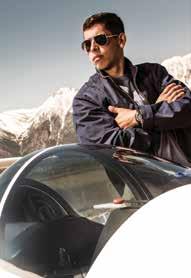
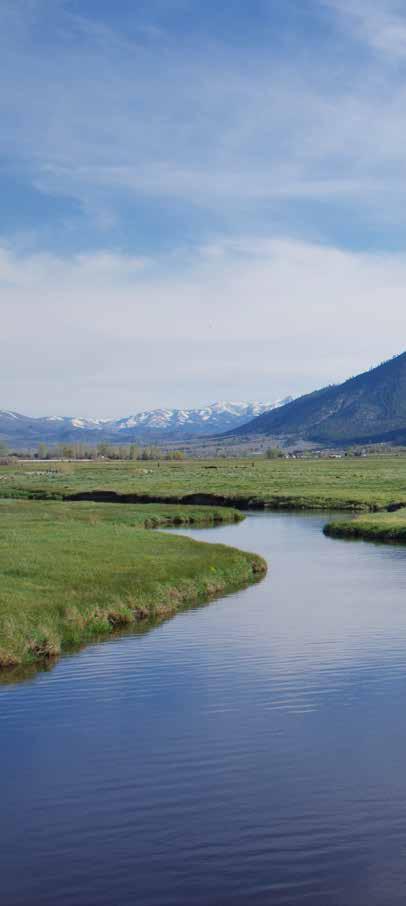
You’ve got places to visit that are orderly, fabricated and neatly packaged. Then again, you can come to know that place where unprocessed adventures appear fresh daily, where real characters introduce you to wild horses, whitewater thrills, offpiste powder, trails, glider rides, charmingly creaky restaurants and the perfect bar stool for recounting a day fat with adventure. All of which add up to an experience that’s nothing short of legendary. And all in a valley that’s easy to find and hard to forget. Welcome!




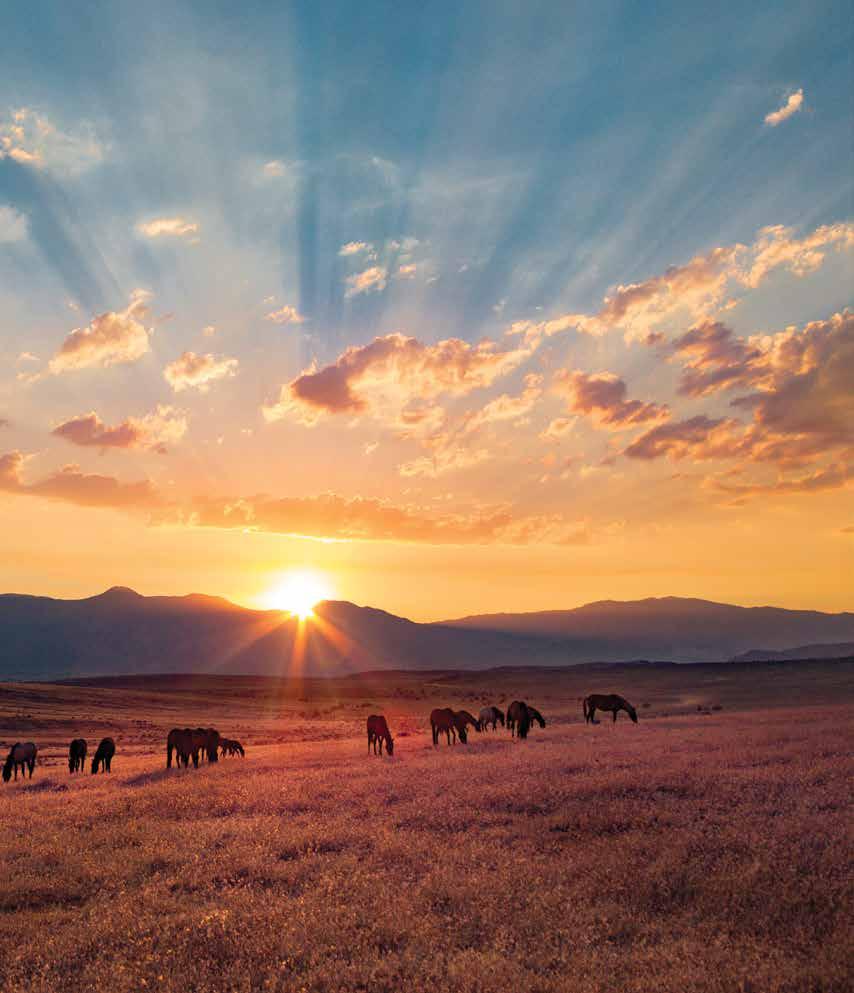

Let’s come up with a list of the essentials. A great room? Check. From bed and breakfasts to full-service resorts and everything in between. Dining? No doubt. Thai, French, sushi, Basque, barbecue and classic steak-houses, for starters -- an assortment you’ll be talking about for a long time to come. Shopping? You’ll find oneof-a-kind local shops on main street as well as retail shops scattered all along your route. Recreation? In a big way. Heavenly’s ski runs are just up the road, Tahoe’s blue waters and golden beaches are 12 miles off, there are single tracks at all points of the compass, trout streams falling from the mountains, and a soaring scene that’s one of the world’s most renowned. Golf courses ring the valley while beyond are public lands that welcome hikers, bikers and ATV enthusiasts.






Founder: Lawrence Gilman • Year: 1879
Name: Named for Lawrence Gilman’s friends John and Mary Gardner, an English couple who moved to Carson Valley in 1864.
Fun Fact: The broad sprawling pastures and open spaces of the whole Carson Valley were once part of the Territory of Utah.
Founder: John Reese • Year: 1851
Name: The first recorded settlement in Nevada was originally named Mormon Station, then renamed Genoa in 1855 after the birthplace of Christopher Columbus.
Fun Fact: Genoa was the eastern terminus of frontier mailman John “Snowshoe” Thompson’s route between 1856–1876. Thompson was the first man to ski the Tahoe backcountry and the same peaks that make up our world-famous ski resorts, Heavenly® Mountain Resort, Sierra-at-Tahoe® and Kirkwood® Mountain Resort.
Founder: H.F. Dangberg, Jr. • Year: 1905
Name: Named after Minden, Germany, near the birthplace of H.F. Dangberg, Sr. H.F. Dangberg, Jr. had a vision of community and culture when he planned Minden. Minden Park was and is the center of town.
Fun Fact: Hollywood star Clark Gable married his fifth wife, sugar heiress Kay Spreckels, July 12, 1955 at the Minden home of Justice of the Peace G.W. “Walt” Fisher.
Capacity: 59,440 acre-feet • Formed: 1922
As you enter Douglas County from the south, Topaz Lake comes into view. Topaz Lake Park is a spectacular destination for water sports. Known for fishing, water skiing, wakeboarding and camping, Topaz Lake is a stunning oasis between the arid Great Basin and the towering Sierra Nevada.
Fun Fact: Now a man-made reservoir, Topaz Lake is a remnant of a prehistoric sea.



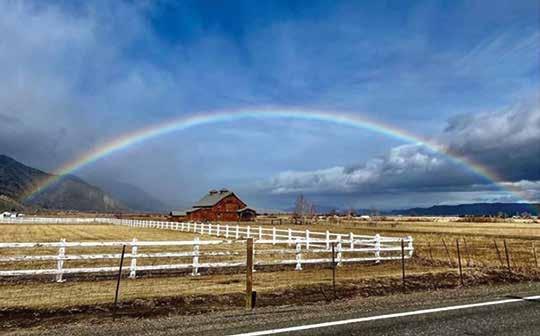
New Year’s Day rainbow
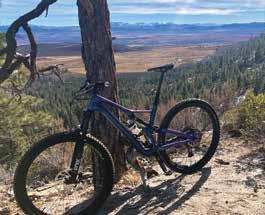
@GregTahoeLong-Great day riding above Genoa NV #mycarsonvalley #carsonvalley #carsonvalleynv #carsonvalleytrailsassociation
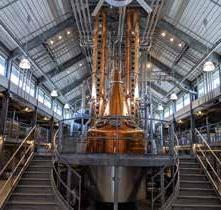
@TravelFuelsLife - Like something from the Land of Oz it sparkles, shines, distills spirits for bourbon, rye, vodka, and gin. @bentlyheritage
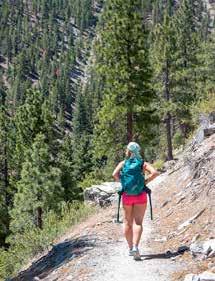
@BellaBucchiotti-The Carson Valley Trail system has many, many trails to hike and explore! We hiked until the first waterfall which is small but still very beautiful...You can bike the trails, as well.
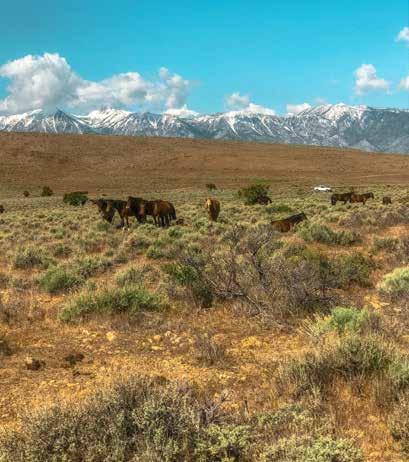
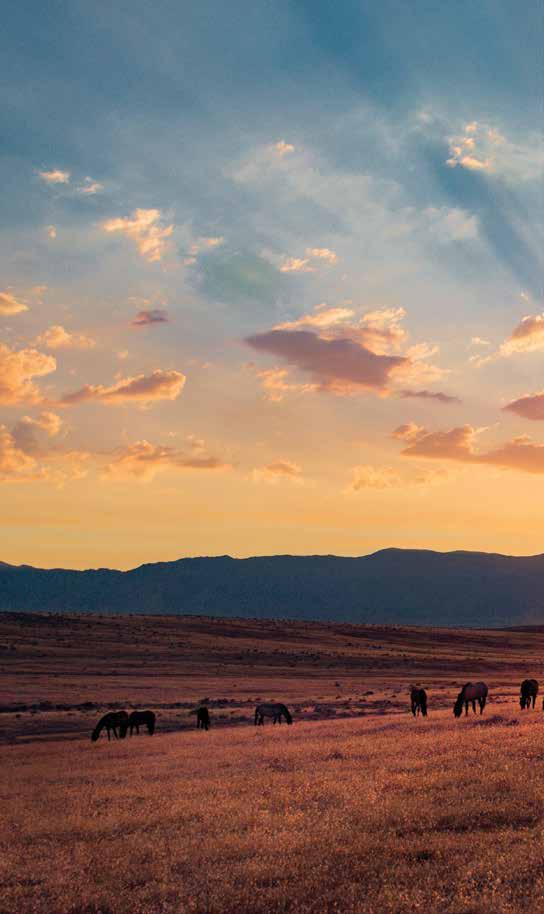
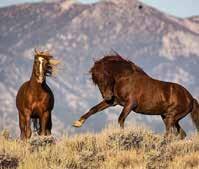
@MissFoodieProblems-If you do one thing in @carsonvalleynevada – go see the wild horses

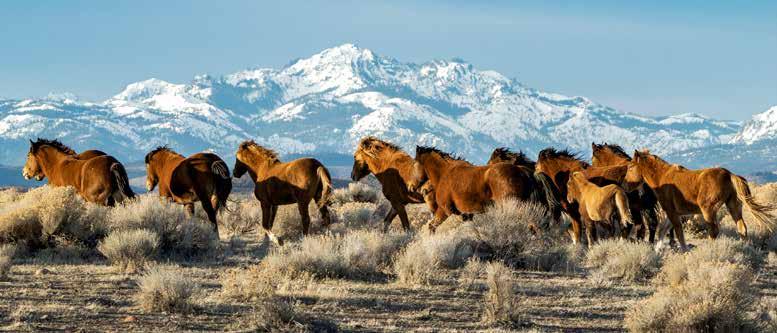
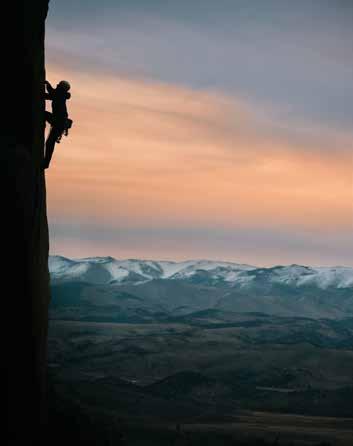
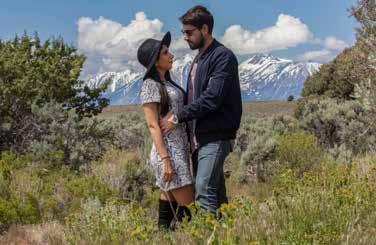
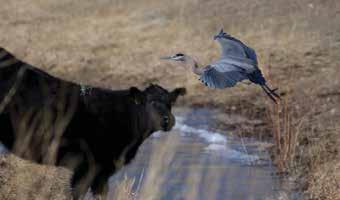
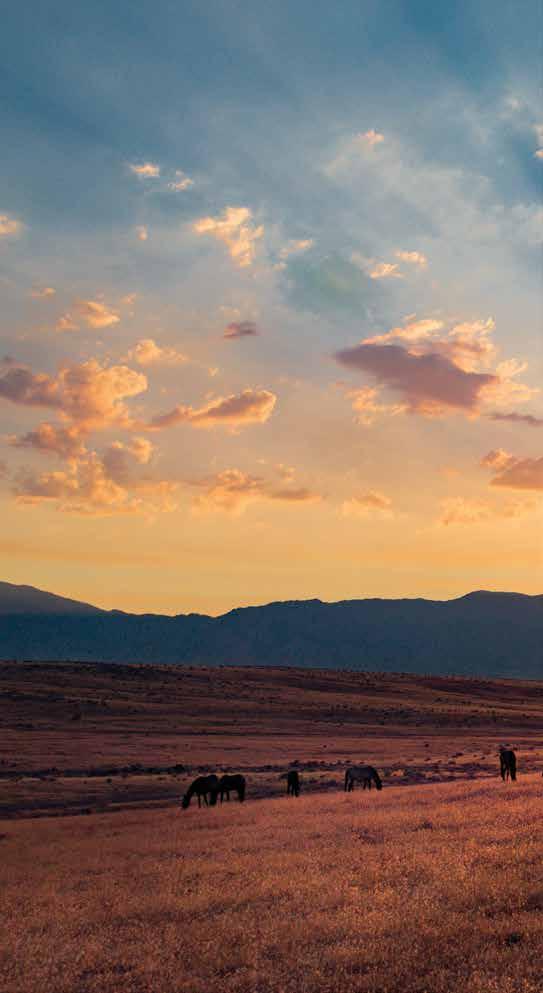
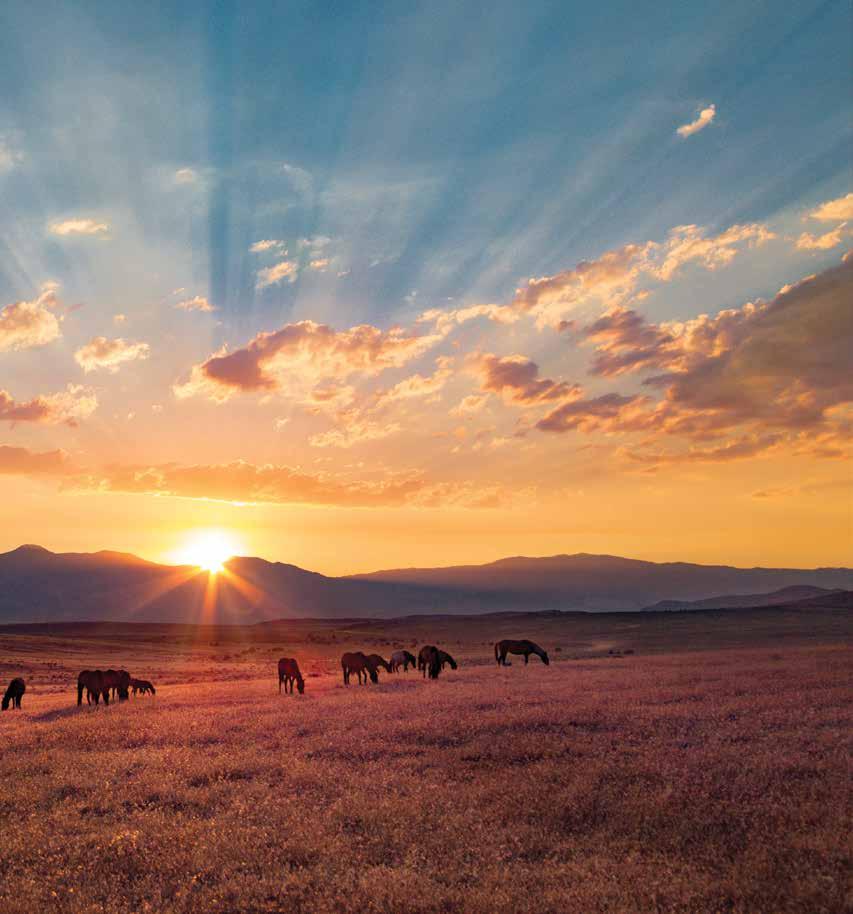
Point yourself in any direction and you’re bound to encounter adventure. The towering mountains to our west hold hiking, biking and equestrian trails that lead to streams to fish or float, flowerfilled meadows and aspen groves that turn into golden chains each fall. Just beyond that mountain range is Lake Tahoe, ringed by sunny beaches each summer and ski resorts when the white stuff falls. Eastward is a stretch of Pinenut Mountains, open to the public, a stunning void home to eagles, coyotes, deer and bands of wild horses. Look south, north and any other direction and you’ll find a golf course. Lastly, crane your neck, gaze upward and you just might see a glider silently stitching skies that make this one of the world’s most preeminent soaring destinations.




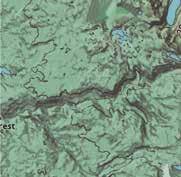
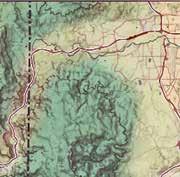
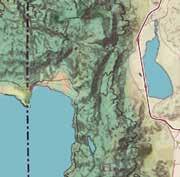
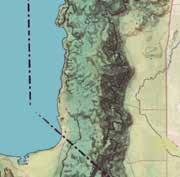
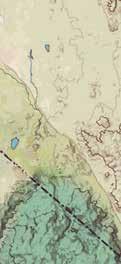
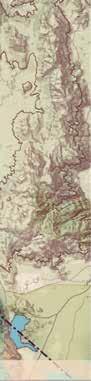
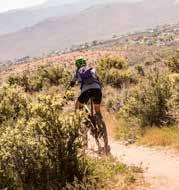
arson Valley offers endless trails for any ability. For more details on these trails, additional routes, rides and events, or if you are traveling light and want to rent equipment for your adventure, please go to VisitCarsonValley.org or stop by our Visitor Center. For locations of trailheads and trails, see map on pages 22-23.
Carson Valley Trails Association carsonvalleytrails.org
The CVTA is a non-profit, volunteer-based organization working with partners to provide access to public lands through a recreational trail system for present and future generations to enjoy.
Pine Nut Mountain Trail Association pnmta.org
The PNMTA is a non-profit organization with several hundred members and volunteers. Members are from all parts of the multi-use community and share a single goal: to keep public lands open to multiuse activities. Dual sport and adventure riding areas and information are available at pnmta.org.
A Bently Heritage Trail
Explore five miles of hiking trail at Kirman Field where the Carson River winds its way in braided channels, supporting willows and wetlands that sustain many animals and migratory birds.
About 17 miles of US Forest Service rocky roads and jeep trails can be found at this OHV area. These are not motorcycle trails. You won’t find any single track, but the scenery makes this a good choice for a slow ATV loop, or ATV camping trip.
C Fay-Luther/Jobs Peak Ranch Trail System
The Fay-Luther/Jobs Peak Ranch Trail System offers a family-friendly, 8.8 mile network of linear and loop trails, including an interpretive loop with signage highlighting the history, geography, geology, flora and fauna of the Carson Valley region.
Clear Creek is 15 miles long starting at either Jacks Valley Trailhead next to Jacks Valley Elementary School or Spooner South Trailhead. This trail is a partnership that traverses through US Forest Service land, private land, Douglas County trail easements and a Nature Conservancy Conservation Easement.
This trail system includes 16 miles of nonmotorized trails in the Genoa area. Trail segments include the Genoa Loop, Eagle Ridge Loop, Sierra Canyon and Discovery Trails.
This paved 1.3 mile trail connects David Walley’s Resort, Holiday Inn Club Vacations to the town of Genoa.
The trailhead is located on Foothill Road, approximately four miles south of SR207 (Kingsbury Grade), and follows an easement through a private development. The trail is intended for hiking (pedestrian use only). Dogs okay on leash. Distance: 1.5 miles, family friendly, light to moderate, low elevation.
Miles of sandy, novice-friendly ATV trails as well as several steep hill climbs and play areas. The main staging area is large and flat, with plenty of room for large trailers or RVs. There are no services, primitive camping is permitted, and suitable sites are scattered throughout the area.
This area is mainly rolling hills, sand washes, and a variety of ATV trails with mountain views. There is an OHV info box at the main entrance of the staging area. The main staging area is fairly large with some small jumps and plenty of room for young riders to test their skills.
This area offers about 15 miles of fire roads, a few side trails, and a very long sand wash. You won’t find many challenges here (unless it snows!) but if you stay on the main powerline road it will take you to the old sheep ranch, which has a shady spot by the creek and makes a nice resting point.
The trail wraps around a large hill with continuous views of the Pine Nut and Carson Range. The trail junction offers a round-trip distance of about 5.2 miles.
L River Fork Ranch nature.org
There are two trails at River Fork Ranch, the 0.75 mile East Brockliss Loop, and the two mile West Fork Trail. Both trails are flat, and have relatively easy wheelchair access. The West Fork Trail parallels the West Fork Carson River, connecting Genoa Lane to Muller Lane with panoramic views. There are interpretive signs at the ranch house.
This trail into the Pine Nut Mountains is marked by a large tree in the middle of the parking lot. There is a BLM map on the southern end of the lot showing available trails. This area is for non-motorized use only and is well traveled by mountain bikers.
N Switchback Mountain
Switchback Mountain offers a variety of offroad trails. Please stop in Topaz Lodge for more information.
O Tahoe Rim Trail – Lake Tahoe
775-298-4485 • tahoerimtrail.org
The 165-mile Tahoe Rim Trail loops around Lake Tahoe and can be accessed from Kingsbury Grade and Spooner Summit, with spectacular views of Carson Valley between Stagecoach and Monitor Pass. The trail offers a variety of terrain and challenges for mountain bikers, hikers, and equestrians.

You'll huff and you'll puff and you'll find yourself blown away.
Shall we saddle up?


If you’re looking for someone who has all the dirt on what trails to hit in Carson Valley, you can’t do better than riding shotgun with Kate, who has a special affection for Jobs Peak – the mountain that captured her heart since childhood. She and her trusted lab, Cash, know the lay of the land like the back of her glove.




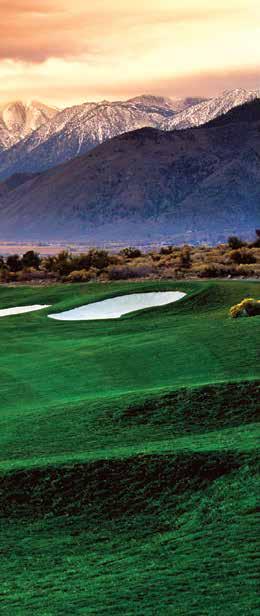
We can’t promise you’ll shoot the score of your life. But as for the time of your life…
While hoots, hollers and shouts may be frowned upon at other courses, we encourage you to indulge in whatever form of celebration {or play} you prefer. Such outbursts are understandable when you unleash a legendary drive into our thin, blue skies. As we see it, high fives and big grins have a place alongside fairways, greens and vistas that are the stuff of legend. That’s just the way we approach the ball (and life) around here.

Carson Valley Golf Course
1027 Riverview Drive, Gardnerville 775-265-3181
carsonvalleygolf.com
Since 1965, this classic golf course with stunning views of the Sierra has been home to affordable, friendly golf. Stretching out along the banks of the Carson River, this award-winning golf course is consistently voted a favorite by locals and visitors.
Open year-round, a driving range, practice green, pro shop, restaurant and bar are available. Additionally, the course was first to introduce FootGolf to the area. Groups, reunions and families are always welcome.
Genoa Lakes Golf Club – Lakes Course
1 Genoa Lakes Drive, Genoa 775-782-4653
genoalakes.com
Rated third-best course in the state and annually rated one of the top courses on the West Coast, the Lakes Course has 18 championship holes in a magnificent
natural setting, winding along the Carson River and framed by the awe-inspiring Sierra Nevada. Home to the 2019 US Open Qualifier.
Genoa Lakes Golf Club – Ranch Course
2901 Jacks Valley Road, Genoa 775-782-7700
genoalakes.com
The design team of golf legend Johnny Miller and acclaimed architect John Harbottle created this 18-hole masterpiece that’s carved out of the eastern Sierra and overlooks the Carson Valley.
Sunridge Golf and Recreations
1000 Long Drive, Carson City 775-267-4448
playsunridge.com
Complete with a pro shop, bar and grill, running trails, practice facilities, archery and hatchet-throwing courses, bounce houses, and events center, Sunridge Golf and Recreations is determined to make it a great day, every day of the year.
halbmeyer
A nice combination of obstacles and openness for golfers of all skill levels to enjoy
We played Genoa Lakes a few years ago and returned given our 5-star experience last time...we completed our round in 4 hours on the nose. The golf Gods did visit us and added to the excitement by cranking up variable winds on the back 9. My hat is off to the grounds keeper who did an amazing job keeping the course in top form!
The hoof and foot meet the trail all over Carson Valley. Horseback riders can travel for miles on the valley’s eastern side or take a winding scenic jaunt up the western slope of the Sierra on the Fay-Luther Trail. The nearby Tahoe Rim Trail is also open to equestrians and provides amazing views of Lake Tahoe.
Borges Family Sleigh Rides
775-588-2953
sleighride.com
In the winter, our sleigh dashes through the snow along the old Pony Express Trail with fantastic views of Lake Tahoe. In the spring, summer, and autumn the Stateline carriage tour travels through a peaceful neighborhood and along Lake Tahoe. The scenic Sand Harbor State Park carriage ride offers spectacular views on trails meandering along Lake Tahoe and through the towering pines of the Sierra.
Chappell Ranch
2480 Fremont Street, Minden 775-901-6483
chappellranchllc.com
Chappell Ranch, LLC is renowned for safe, fun, and educational horsemanship. Contact Kim Chappell to learn more about horse camps, lessons, kinder programs, and more. Programs for ages 4-adult.
Sheridan Creek Equestrian Center
551 Centerville Lane, Gardnerville 775-265-7371
sheridancreekequestriancenter.com
Sheridan Creek Equestrian Center is an exceptional full service boarding, teaching, and learning facility owned and directed by Kristen Roberson. The goal at Sheridan Creek Equestrian Center is to provide exceptional quality care for our equine partners.
Zephyr Cove Resort Stables 760 U.S. Hwy 50, Zephyr Cove, NV 775-589-4906
zephyrcove.com
Zephyr Cove Resort Stables’ guided horseback trail rides are a great way to experience the area’s serenity and beauty all summer. As you amble over forested scenic trails you’ll enjoy amazing vistas of the crystal clear blue lake and the majestic Sierra Nevada.
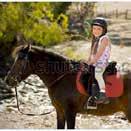
Sheridan Creek Equestrian Center
Best outdoor activity near Lake Tahoe. This place is a must and very affordable. Horses are amazing and great for beginners. Can’t wait till my next lesson.


Agreat motorcycle ride in the Carson Valley and Lake Tahoe area might be all pavement, mostly dirt, or a combination of both. Carson Valley is fortunate to be very close to hundreds of miles of scenic, twisty, uncongested roads. If you are a street rider and new to the area, head out for some of the High Sierra passes. Carson, Ebbetts, and Monitor Passes are all less than an hour’s ride. Sonora, Tioga, and Donner Passes are all within two hours. And the roads to any of these passes are beautiful in their own right. A ride over five of these great mountain passes in a single day is completely feasible. To do it, you’ll ride hard, return tired, and won’t have a lot of time to stop and see the sights, but you will have one of the best days of your life.
If you’re looking for rides on dirt and gravel roads, some of the best dirt riding you’ll find anywhere is in the Pine Nut Mountains, on the eastern edge of the valley. Wide, well maintained main roads with firm dirt and loose gravel surfaces get you into and across the mountains, at any pace. More technical routes will include steep slopes, deep sand, loose rocks, short sight lines, and some water crossings. All of this backcountry adventure is just a short ride on paved rural roads from friendly and affordable Carson Valley hotels and restaurants. If you are hauling dirt bikes, there are several OHV staging areas with plenty of free parking for your truck and trailer. This area offers a huge variety of great adventure rides, whatever type of bike you like to ride, and however you define adventure.
Grab your gear, and ask yourself, “How hard do I want to ride today?”
Carson City Motorsports
951 Jacks Valley Rd #A, Carson City 775-267-3767
carsoncitymotorsports.com
New and used motorcycles, tuneup, repair, tires, equipment, riding gear, apparel, accessories and more.
Testa Motorsports
1581 U.S. Hwy 395 North #B, Minden 775-782-6707
testamotorsports.com
Consignment, leading name brands, parts, financing, accessories, apparel and more.
Lake Tahoe Adventures
800-865-4679
laketahoeadventures.com
Offering ATV and off-roading through the rolling hills of the Pine Nut Mountains.
it’s only fitting that a drinking establishment as idiosyncratic as this has a hostess as colorful as Dana. A frosty beer and a game of pool never went down better than here at the oldest, quirkiest, most memorable saloon you’ll ever set foot in. Point your nose toward the mountains and put the brakes on at Genoa.


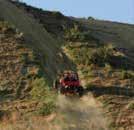
Melissa Lake Tahoe Adventures
Michelle was such an awesome tour guide! She took our group of 9 on a really fun ATV adventure all the while being careful and cautious to ensure our safety. This was my first time riding an ATV and she paid special attention to make sure I understood how it worked. She definitely made the trip extra special for us. We all had an incredible time and will definitely be back!


Carson Valley’s people are the welcoming kind and possess a love for celebration and an appreciation for nature. That explains why locals share the hottest fishing holes, the most exciting mountain bike trails, the high desert ridges where wild horses gather, meadows where bald eagles converge, and those ski and board runs that hold the finest stashes of powder.
Outfitters and Tour Guides
Birding Under Nevada Skies 775-720-7009 • jim.woods@charter.net
Carson Valley Tours
775-781-8808 • CarsonValleyTours.com
Country Excursions
775-901-8660 • info@CountryExcursions.com
Heritage Tours
1456 Foothill Road, Gardnerville 775-315-0697
JT’s Wildlife Photography and Tours 310-625-6040 • AKAWolf.com
JC High Country / Little Antelope Pack Station
775-315-6222 • JCHighCountry.com
Lake Tahoe Adventures
3071 US Highway 50, South Lake Tahoe 800-490-3995 • LakeTahoeAdventures.com
Tahoe Fly Fishing Outfitters
2705 Lake Tahoe Boulevard, South Lake Tahoe • 530-541-8208 • TahoeFlyFishing.com
Tahoe Whitewater Tours
10015 Palisades Drive, Truckee 530-587-5777 • GoWhiteWater.com
The Angler’s Edge
1489 US Highway 395 North, Gardnerville 775-781-7112 • TheAnglersEdge.com
Raft California (530) 626-7385 • RaftCalifornia.com

Topaz Lake Park
3700 Topaz Park Road, Gardnerville 775-782-9835 • DouglasCountyNV.gov
Shooting and Hunting
Capitol City Gun Club 3590 Arrowhead Drive, Carson City 775-882-9904 • CapitolCityGunClub.org
Douglas County Shooting Facility 902 Dump Road, Gardnerville 775-782-9835 • DouglasCountyNV.gov
Walker River Resort Hunting Preserve 700 Hudson Way, Smith Valley 800-446-2573 • wrresort.com
Base Firearms in Training
1380 Judy Street, Minden • 775-815-4344 basefirearms.com
Bear Bullets 775-392-4030 • BearBulletsnv.com
Bullseye Nevada
1380 Judy Street, Minden • 775-815-4344 BullseyeNevada.com
Guns N Ammo
1321 US Highway 395 North #A, Gardnerville • 775-783-1858 GunsnArrows.com
Nevada Cerakote
2559 Precision Drive #2, Minden 775-901-9800 • NevadaCerakote.com
Jacks Valley Road/Foothill Road
From US Highway 395, take Jacks Valley Road, SR-206 (which continues into Foothill Road) west and south; birding the 22 miles to SR-88.
Lahontan National Fish Hatchery Complex
710 US Highway 395 North, Gardnerville 775-265-2425 • fws.gov/lahontannfhc
Charged with restoring the population of the Lahontan cutthroat trout and the cuiui, the hatchery offers self-guided tours and a fascinating look into aquatic life in the region.
River Fork Ranch/Whit Hall
Interpretive Center
381 Genoa Lane, Genoa • 702-533-3255 Nature.org
An 800-acre preserve operated by The Nature Conservancy. A network of trails, allow visitors to explore and discover the natural Carson Valley.
Topaz Lake Park
3700 Topaz Park Road, Gardnerville 775-782-9835 • DouglasCountyNV.gov
During the migration season, the location on the Pacific Flyway makes it an especially good bird-watching spot.
ole operates in a world of silence with Lake Tahoe blues and Carson Valley greens thousands of feet below. It’s a dramatic ascent to skies so favorable it makes this one of the world’s most acclaimed soaring destinations. Hop in, strap up and stow your jaw in the upright position as it’s likely to drop time and again.

Carson Valley is recognized as one of the world’s premier locations for flying gliders. The prevailing weather patterns draw pilots from all over the world to fly here. The geography creates thermals and mountain wave that make for spectacular year-round soaring conditions.
Soar and Explore Carson Valley Skies
High Sierra Pilots & SoaringNV 1142 Airport Road, Minden 800-278-1634 or 775-782-9595
HighSierraPilots.club • SoaringNV.com
High Sierra Pilots is a flying club at the Minden-Tahoe Airport (KMEV). Our passion for General Aviation and safe professional flying sets us apart. Whether you are


learning to fly or are a seasoned pilot of many years we welcome you. All you need is a good attitude and a love of flying!
Experience world-renowned soaring in spectacular Carson Valley. Soaring combines excitement with quiet serenity. Minden is ideally located for pilots who want to experience soaring at its best.
Minden-Tahoe Airport (KMEV) 1146 Airport Road, Minden • 775-782-9871
MindenTahoeAirport.com
A non-towered, general aviation airport, home to approximately 350 aircraft including 80 gliders. The airport serves diverse aviation uses, including sport aviation, emergency services and corporate flying and is the fourth busiest airport in Nevada.


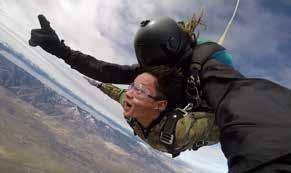
Skydive Lake Tahoe
1128 Airport Road, Minden • 775-790-7602
SkydiveLakeTahoe.com
A premier tandem skydiving center providing unbeatable scenery.
Lake Tahoe Balloons
2435 Venice Drive East, South Lake Tahoe 800-872-9294 or 530-544-1221
LakeTahoeBalloons.com
The adventure begins shortly after sunrise when balloon conditions are the best, and the natural beauty of this alpine setting is revealed. Balloons launch from Carson Valley or Lake Tahoe, depending on the season. Experience stunning lake and valley views while a continental breakfast is served onboard.

A20-minute drive from Carson Valley, the renowned Jewel of the Sierra has spectacular scenery, great winter sports and après activities of all kinds. Winter in the valley means you’re on the mountain riding while everyone else is still digging out their car.

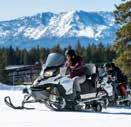
A9552PNsusand
Zephyr Cove Resort
Snowmobiling Tours
Very Enjoyable - My husband and I have done this tour twice. It’s very well organized and a lot of fun. The tour provides helmets and you can rent snow pants, jackets, boots, and gloves. The tour guide explains how to drive the snowmobile which is very easy. The tour takes you to a beautiful spot overlooking Lake Tahoe for some great photos. The first time we did it we also stopped at another spot overlooking Carson Valley. There’s also another stop for hot cocoa…
Snowmobile Rentals
Lake Tahoe Adventures
3071 US Highway 50, South Lake Tahoe 800-490-3995 • LakeTahoeAdventures.com
Snowmobile tours feature scenic, ultimate off-trail, and specialty excursions.
Zephyr Cove Snowmobile Center
760 US Highway 50, Zephyr Cove 800-238-2463 • ZephyrCove.com
Largest snowmobile tour center in the United States, provides tours to the “Top of Tahoe.”
Heavenly Adventure Peak Snow Park @ Heavenly Mountain ResortGondola Village
4080 Lake Tahoe Boulevard, South Lake Tahoe 775-586-7000 • SkiHeavenly.com
Pickett’s Junction
A 15-minute drive west of Gardnerville at SR-88 & SR-89 is Hope Valley, offering a short hike to a wonderful sledding and tubing hill. The road is also a great snowshoe and cross-country ski area. For directions or trail information go to VisitCarsonValley.org or the Carson Valley Visitor Center.


arson Valley hosts events that span the gamut of interests. There is always a reason to plan your trip and spend some time in each of our four towns. Come celebrate in this wide open corner of Nevada. Our quaint community is filled with a vibrant, welcoming spirit.
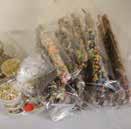
Wife asked me to go to a candy dance? What why me? The most fun I had in years. It all starts with a visit to western lifestyle in the local area. Lots of the most beautiful scenery you will ever see. Lots to do… The next day, Saturday, 300 booths of crafts... We bought a little of everything as they were all unique, jewelry, pictures, art, jams, yard art, lots of good food booths and the best trucking candy ever. The dance that night had really good food and atmosphere and music. Then it rained, oh well now I must come back next year, darn.

Here’s your chance to observe the raptors that visit Carson Valley during the calving season every winter, including bald eagles! Get exclusive access to local ranches on the planned tour dates. Or, seek out your own viewing spots with custom tours and selfguided exploration.
Each spring Genoa comes alive with history, western concerts and performances, and fun activities for all ages.
From late May through early September, the Carson Valley Inn’s Summer Concerts in TJ’s Corral provide the perfect “under the stars” setting with spectacular sunset mountain views and close-up seating. Enjoy classic rock, current and classic country and more.
Throughout the summer, Carson Valley features a slew of popular music events. Choose your spot, and take in a concert while the sun dips behind the Sierra.
The second weekend of June each year, the community celebrates all things Carson Valley in a BIG way. This five-day event showcases small-town USA featuring a parade, carnival, concerts and more. Join in on a 100+ year old tradition.
At this historic park, from May through August, 20+ unique event dates feature a theme including Chautauqua performers, music concerts, renowned authors, story-telling, and a kite festival…all blending history and creativity.

The Candy Dance Arts and Crafts Faire ignites the valley on the last full weekend of September. Come to Genoa and enjoy over 300 craft and food vendors with live music, and of course the home-made candy!
The Carson Valley Arts Council presents its Winter Concert Series October through May. From funk to folk and western swing, performers from diverse musical genres make up the annual series. Relish entertainers of regional fame and international sensations, in intimate venues.
Every October, The Corley Ranch celebrates fall with a corn maze, pig races, pick-your-own pumpkins, and other family activities.


The Aviation Roundup Air Show is dedicated to veterans to honor and thank all who have served or are serving our country. This family friendly event features national and international performers, including US military jet teams, Warbirds and aircraft on display.
Join us in down-home style for a delightful holiday with tree lightings, concerts, Breakfast with Santa and the famous Parade of Lights.
Shoot! There’s too many to list, but here are a few more: Snowshoe Thompson Celebration, Celebrity Golf, wine walks, farmers markets, movies in the park, car shows, bike races and rides, runs of all measure and some very cool arts, crafts and cultural events
For a current status of event dates and details, visit VisitCarsonValley.org or call 800-727-7677.


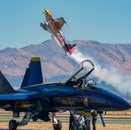
Loved the airshow; thanks so much for bringing it to Carson Valley again!

Bread, beans, salad and lamb, the perfect recipe for making friends out of strangers.

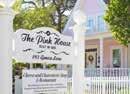

sure to call ahead for reservations as it’s a popular place. Highly recommended! Healthy options, stylish interior, creative
Where you dine can define an entire trip: That place with the unforgettable burger. That scrumptious sandwich. The perfect cup of coffee. The steak that spoils all other steaks for the rest of time.
It becomes the taste of your journey.
In recent years, Carson Valley has seen an explosion of locally owned and operated establishments elevating the community’s culinary culture by simply turning back to the valley’s roots.
When it comes time to eat during your stay, you won’t have to look far to find restaurateurs proudly at the top of their craft working with fresh ingredients grown close to home and housed in buildings with many years of stories to tell.
What will your journey taste like?


''Visitors and locals alike who want to dive into Nevada's history on a full belly should consider beginning where it all started: Carson Valley. It's the oldest region in the state, which includes the first town ever established here in 1851. Holding true to its wild, western roots, the area has evolved into a prime hub for epicurean adventures. And with its proximity to Tahoe, it's the perfect place to get your calories back.''


@miavossonthego - A trip to #CarsonValley #Nevada needs to go on your list. For realsies, #WildMustangs, #basque dining, beautiful views, relaxing spas, a world-class #HeritageDistillery, #pastamaking, rich in history, Nevada’s oldest #ThirstParlor – there’s a lot to do and see.

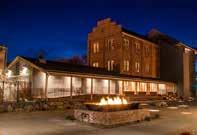
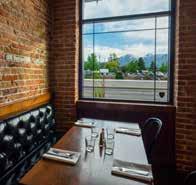
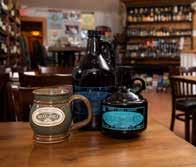


A wonderful thing happens when the food and the actual food makers live near each other. The chefs, the beef, the pork, the berries... they're all neighbors. Even the distance between barley and barrel is closer than most folks' morning commute. This kind of proximity transforms a typical meat-'n-taters meal into a spirited outing of eating, imbibing and laughs. Looking for a different kind of foodie fling? Make plans to visit Carson Valley's legendary chefs, distillers, growers and resident critters this weekend.



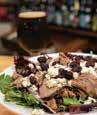


Our roots in the Carson Valley run deep. Deep roots which tap into the Carson River sustaining the green, lush pastures. Deep roots that embrace the rural heritage of ranching families who have called the Carson Valley home for over a century. And deep cultural roots of the Washoe Tribe, who were the first inhabitants of Lake Tahoe and the surrounding area, relying on years of hunting and gathering techniques to sustain them. While many people have passed through the area, others have returned repeatedly. Who can blame them with the breathtaking scenic beauty and agricultural viewsheds, as well as the historic and cultural charm? #WhyCV Here’s to celebrating the roots we all appreciate!
Lindsay Chichester, PhD, Douglas County Extension Educator

Bently Ranch 1089 Stockyard Road, Minden
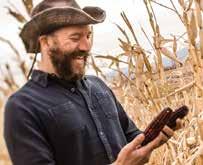
At Bently Ranch, we’re proud of this land and proud of our roots — together, our ranchers and farmers raise the finest non-GMO grains, this land can offer. We sustainably cultivate our farm from beginning to end, operating the region’s largest composting program that provides sustainable nutrient-rich soil used to grow 2,700 acres of wheat, rye, barley, hops, oats, and 3,300 acres of alfalfa. Our sister company, Bently Heritage Estate Distillery, exclusively uses 100% of our grains to create some of the world’s finest spirits.

Jacobs Family Berry Farm 1335 Centerville Lane, Gardnerville 775-525-0450, jacobsberries.com
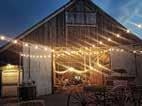
Luscious blackberries and raspberries are handpicked daily for sale July-September, and berry products are available year round. It’s also a special events venue.
Cora
Jacobs Family Berry Farm
A fantastic place for berries and other produce. Great hospitality. A wonderful venue for weddings and other events.


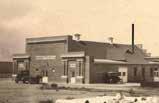
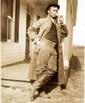
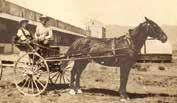
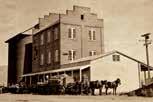
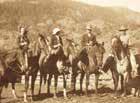
When I first came to Carson Valley, I was struck by an evident pride of place among the locals, and of its history: pride in the beauty of the mountains and streams, pride in the native Washoe culture, as the place “where Nevada began,” of its role in the tale of American expansion, and for its multi-generational ranching life.
There is pride that Carson Valley’s history goes back further than the famous trails. For thousands of years, the Washoe people travelled from valley to mountain in a cyclical relationship with the land and the seasons— foraging, hunting and fishing where swift Sierra Nevada rivers flow into fertile basins. Their society was structured on a network of siblings, cousins and generations of parents and children, proud of their heritage.
The Gold Rush irreversibly changed everything, starting a great migration to and from all directions, to California or the Comstock, and there’s pride that Genoa is Nevada’s first town and that there the state’s foundations were laid. Many of the scenes typical of the pioneer West had a Carson Valley version.
By the 1870s, agriculture defined Carson Valley’s ways, turning it into what proud boosters called “Nevada’s garden spot.” Streams, canals and ditches supported ranches producing thousands of sheep, hogs, and beef and dairy cattle, and acres of alfalfa, vegetables, wheat and other crops. Germans, Basques, Italians and others came, their lives defined by ranching’s rhythms
and celebrating the cowboy’s grit and a sheepherder’s dedication. Growing Western cities created new markets, and these families continued, working together and/or battling it out in “cousin” Valley—a network of siblings, cousins and generations of parents and children, all proud of their home.
Today’s locals still have pride in this history. The two museums operated by Douglas County Historical Society hold an impressive collection of Washoe basketry and artifacts from pioneer, Pony Express, and ranching history. Mormon Station and its museum present a key trading post in American expansion. Take a tour of Genoa, Nevada’s oldest town, from the “hanging tree” to the grave of legendary Snowshoe Thompson, who skied the mail over the mountains. Visit Dangberg Home Ranch for a peek inside the private lives of four generations of a ranching family.
We’re also proud that the traditions and institutions established long ago continue. When you throw one back at the Genoa Bar, stroll the streets of Minden, and dine at the JT in Gardnerville, you’re participating in our history. Go to Candy Dance or Carson Valley Days, and you live our traditions. You can literally walk (or drive) the paths taken by ancient cultures and pioneer migrants. Everywhere there are surprising gems from the past, and folks eager to share them.
Mark Jensen, Curator, Dangberg Home Ranch Historic Park
Museums/Historic Sites
Carson Valley Museum and Cultural Center
1477 US Highway 395 North, Gardnerville 775-782-2555 • historicnv.org
New in 2020 The Edwin L. Wiegand Ranching & Agricultural Heritage Exhibit Courthouse Museum in Genoa 2304 Main Street, Genoa 775-782-4325 • historicnv.org
Dangberg Home Ranch Historic Park 1450 State Route 88, Minden 775-783-9417 • dangberg.org
Discover Minden Walking Tour
Pick up a map at the Visitors Center, or go to our website for a walking tour of this historic railroad town with a rich agricultural history.
Dr. Eliza Cook’s House 1456 Foothill Road, Gardnerville 775-782-2893
Dr. Cook’s house was moved to Laura Springs Antiques after her death. Tours available during regular business hours. Genoa Historic Ghost Tours Kim Harris • 775-220-0605
Walking/Driving Tour Map
A self-guided tour of historic Carson Valley. Pick up a map at the Visitors Center, or visit our website.
Mormon Station State Historic Park 2295 Main Street, Genoa 775-782-2590 • parks.nv.gov

aming is a Nevada staple and you’ll find it here in spades. Classic casinos host live concerts throughout the week, plus dig a little deeper and uncover spots charged with other forms of after hour entertainment.
Local eateries and bars frequently feature live music or comedy. Or, checkout the stunning outdoor event venue boasting big names like Clint Black, Michel McDonald, Tanya Tucker, Pat Benatar, and Kenny G.
Add magical sunsets and wide open starry skies and you’ve just launched your night Carson Valley style.
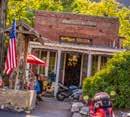


Carson Valley Inn Casino hosts free entertainment in the Cabaret Lounge, with a full-service casino featuring slots, blackjack, craps, 3-card poker, live poker room, tournaments, and race/sports book. Visit carsonvalleyinn.com or call 775-782-9711.
C.O.D. Casino maintains the character of the historic C.O.D. Garage and the comforts of a great casino. Visit the C.O.D. or call 775-783-1494.
A must see if you visit the oldest settlement in Nevada. Stopped in for a draft and wasn’t disappointed. The other patrons were pleasant and welcoming.
Sharkey’s Casino was totally remodeled in 2015. The all new Sharkey’s Casino maintains the character and feel that would make Sharkey proud. Visit sharkeyscasino.com or call 775-782-3133.
Topaz Lodge and Casino at Topaz Lake features live entertainment on weekends and holidays in the Main Lounge, along with a full-service casino that includes live table games, slots, keno, bingo, and 3-card poker. Visit topazlodge.com or call 800-962-0732.
Wa She Shu Casino and Travel Plaza has more than 120 of today’s hottest games, and exciting daily promotions. This is where you want to be for real gaming excitement. Visit washeshucasino.com or call 775-499-1260.


Buckaroos offers varied entertainment, including karaoke, DJ’s and live bands. Visit them at 1435 US Highway 395 North #A, or call 775-782-9693 for the schedule.
Genoa Bar, the oldest in Nevada, offers live music and open mic night during peak seasons and events. Visit them at 2282 Main Street, Genoa, online at GenoaBarAndSaloon.com or call 775-782-3870.
TJ’s Corral Outdoor Event Center features outdoor live concert entertainment with spectacular sunset views of Jobs Peak and the Sierra Mountains. Visit CarsonValleyInn.com or call 775-782-9711.
David Walley’s Restaurant & Saloon provides live entertainment on weekends. Visit them at 2001 Foothill Road, Genoa, online at DavidWalleys1862.com or call 775-782-8155.
Please check with the location in advance for the current status of performances.


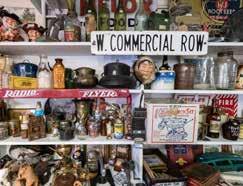
t’s all about “the find” as any good antique hunter knows.
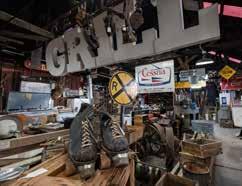
Shopping is a sport to be savored. Whether you are looking for a piece of history or something new and different, the local artisans and shops that call the valley home will deliver.
Carson Valley Arts & Antiques Trail Map
Pick up a copy at the Visitors Center, or go to CVArtscouncil.com
Antiques Plus/Dake House Antique
Emporium
2242 Main Street, Genoa • 775-782-4951
Art Gallery at Prism 1615 Highway 395 North, Minden 775-783-1985 • artgalleryatprism.com
Battle Born Wine & Whiskey
1448 US Highway 395 North, Gardnerville 775-782-7684 • BattleBornWine.com
Brown Bear Designs
1492 US Highway 395 North #103, Gardnerville • 775-781-1853
Cheshire Antiques 1423 US Highway 395 North, Gardnerville 775-782-9117 • CheshireAntiques.com
Dancing Deer
2299 Main Street, Genoa 775-782-5777 • GenoaDancingDeer.com
East Fork Gallery
1503 US Highway 395 North #K, Gardnerville 775-782-7629 • EastForkGallery.com
Eddy Street Vintage Market
1235 Eddy Street, Gardnerville 775-392-3931 • EddyStreetVintageMarket.com
Especially For You
1218 Eddy Street, Gardnerville 775-782-1966 • EFY-Online.com
Fabric Chicks
1511 US Highway 395 North, Gardnerville 775-267-0204 • Fabric-Chicks.com
Fresh Ideas
1455 US Highway 395 North, Gardnerville 775-782-4094 • FreshIdeasGiftShop.com
gadZooks! A Creative Place
1492 US Highway 395 #104, Gardnerville 775-782-9665 • gadZooksNV.com
Genoa Country Store 2299 Main Street, Genoa • 775-782-5974
Heartstrings Gallery & Gifts
1572 US Highway 395 North #D, Minden 775-782-0817
High Desert Trading Post
1267 US Highway 395 North #B, Gardnerville • 775-265-3131
Joyce’s Fine Jewelry
1503 US Highway 395 #A, Gardnerville 775-782-5631 • WrappedInRed.com
Laura Springs Ranch & Antiques 1456 Foothill Road, Gardnerville 775-782-2893
Petersunn Antiques 2292 Main Street #7, Genoa • 775-790-0935

Pioneer Yarn Company 1653 Lucerne Street #B, Minden 775-392-3336 • PioneerYarn.com
Polka Dots Greets & Sweets
1455-B US Highway 395 North, Gardnerville 775-309-0805 • FreshIdeasGiftShop.com
Red Barn Antiques 1578 US Highway 395 North, Minden 775-392-1328 • RBarnAntiques.com re:style
1459 US Highway 395 North, Gardnerville 775-790-5124 • Restyle395.com
Shelby’s Book Shoppe
1663 Lucerne Street #C, Minden 775-782-8845 • ShelbysBookShoppe.com
The Quilt House
1328 US Highway 395 North #105, Gardnerville 775-782-8845 • TheQuiltHouseStore.com
Wayne’s Family Music 1504 US Highway 395 North #2, Gardnerville • 775-782-7739
When you’re ready to relax with the family, take in a show or soak in some healing hot springs, we have you covered. All the services you’d expect, without all the hustle and bustle
Bowling
Winks Silver Strike Lanes 1281 Kimmerling Road #8, Gardnerville 775-265-5454 • WinksSilverStrike.com
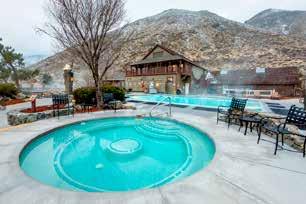
Hot Springs/Swimming
David Walley’s Resort, Holiday Inn Club Vacations
2001 Foothill Road, Genoa 775-782-8155 • DavidWalleys1862.com
Carson Valley Swim Center
1600 State Route 88, Minden 775-782-8840 • CVSwim.com
Grover Hot Springs State Park 3415 Hot Springs Road, Markleeville 530-694-2248 • Parks.CA.gov

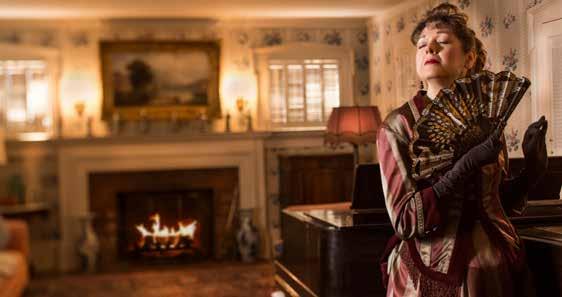
A RENAISSANCE WOMAN with stories to tell
Movie Theater
Ironwood 8 Cinemas
1760 US Highway 395 North, Minden 775-782-7469 • IronwoodCinemas.com
Theater
Carson Valley Arts Council
1572 US Highway 395 North #A, Minden 775-782-8207 • CVArtsCouncil.com
Carson Valley Community Theatre 1572 US Highway 395 North, Minden 775-782-6622
CarsonValleyCommunityTheatre.org

Airports
Minden-Tahoe Airport (KMEV) 1146 Airport Road, Minden 775-782-9871 • MindenTahoeAirport.com Reno-Tahoe International Airport (KRNO)
2001 E. Plumb Lane, Reno 775-328-6400 • RenoAirport.com
Medical Services
Barton Memorial Hospital 2170 South Avenue, South Lake Tahoe 530-541-3420 • BartonHealth.org
Carson Tahoe Hospital 1600 Medical Parkway, Carson City 775-445-8000 • CarsonTahoe.com
Carson Tahoe Health Clinic at the Gardnerville Walmart 1511 Grant Street, Gardnerville 775-445-7220 • CarsonTahoe.com
Carson Valley Medical Center 24-Hour Emergency Care 1107 US Highway 395 North, Gardnerville 775-782-1500 • CVMCHospital.org
Carson Valley Medical Center Urgent Care 897 Ironwood Drive, Minden 775-782-1610 • CVMCHospital.org
Carson Tahoe Emergent Care 925 Ironwood Drive, Minden 775-445-7800 • CarsonTahoe.com
Transportation/Rental Cars
Bell Limo Reno-Tahoe International Airport
800-Bel-Limo (235-5466)/775-323-3727 Bell-Limo.com
Tahoe Transportation District 530-541-7149 or 775-589-5500 TahoeTransportation.org
Amador Stage Lines 775-324-4444 • AmadorStageLines.com
DART and DART Dial a Ride 775-783-6456 • DouglasCountyNV.gov
Eastern Sierra Transit Authority 800-922-1930 • ESTransit.com
Enterprise Rent-A-Car 1287 US Highway 395 North, Gardnerville 775-782-7752 • Enterprise.com
Hertz Rent-A-Car Minden-Tahoe Airport/Hutt Aviation 1138 Airport Road, Minden 775-372-6173 • Hertz.com
Minden Taxi 775-265-7060
Reno Tahoe Limousine 800-660-4546 • RenoTahoeLimo.com
Electric Vehicle Charging Stations
Gardnerville 1427 US Highway 395 and Eddy Street (Historian Inn) 1395 US Highway 395 (Gardnerville Station) 1363 US Highway 395 (Raley’s)
Minden 1590 4th Street (Bently Enterprises)
Topaz 1979 US Highway 395 South - Tesla Superchargers (Topaz Lodge)


For groups small or large, there are many options to meet your needs. Bring your clan! Family reunions, weddings, anniversary celebrations, corporate meetings, plus golf, snow sports, shooting, or fishing packages can be customized.
Wedding/Event/ Banquet/Meeting Facilities
Bently-Ferris Recreation Park
1751 Orbit Way, Minden 775-783-4683
Private 10-acre park with indoor pavilion, fireplace, and groupsize barbecue pit.
Carson Valley Country Club 1029 Riverview Drive, Gardnerville • 775-265-3715
CarsonValleyCountryClub.com
Semi-private, private, and outdoor dining areas.
C.V.I.C. Hall
1602 Esmeralda Avenue, Minden 775-782-5976
The hall accommodates up to 300, with one smaller room seating 10-35.
Carson Valley Inn Hotel & Casino
1627 US Highway 395 North, Minden • 775-782-9711
CarsonValleyInn.com
Complete banquet and menu planning. Convention rooms accommodate up to 400. TJ’s Corral outdoor events center accommodates up to 1,500.
Cottonwood Cottage
202 Genoa Lane, Genoa 775-392-3811
CottonwoodGenoa.com
Indoor and outdoor venue for up to 200 guests.
Dangberg Home Ranch
Historic Park
1450 State Route 88, Minden 775-783-9417
DangbergHomeRanch.org
The park provides a beautiful setting for an unforgettable outdoor event.
Douglas County Community Center 1329 Waterloo Lane, Gardnerville • 775-782-5500
DouglasCountyNV.gov
Dining facility seats 300 people with beautiful mountain views.
Genoa Lakes Golf Club
1 Genoa Lakes Drive, Genoa 775-782-6644 x249 GenoaLakes.com
For parties of 10-250, there are numerous event venues with endless possibilities.
Genoa Town Hall
2287 Main Street, Genoa 775-782-8696
GenoaNevada.org
Built in 1886, it seats 120 in an old-fashioned Western setting.
Holiday Inn Express & Suites
1659 State Route 88, Minden 775-782-7500 • ihg.com
Expertly equipped for events of up to 75.


Jacobs Family Berry Farm
1335 Centerville Lane, Gardnerville • 775-525-0450
JacobsBerries.com
This historic farm is the site for memorable outdoor garden and barn events of up to 200.
Jethro’s Grill & Sports Bar 1281 Kimmerling Road #A3, Gardnerville • 775-265-2215
JethrosBarAndGrill.com
Banquet room seats up to 100 people, no room charge.
Mormon Station State Historic Park
2295 Main Street, Genoa • 775782-2590 • Parks.NV.gov
The outdoor pavilion accommodates up to 300 people.
Orchard House
188 Carson Street, Genoa 775-783-8070
OrchardHouseGenoaNevada.com
Garden weddings and special outdoor events for up to 400.
Genoa Station Bar & Grille
2285 Main Street, Genoa 775-783-1599
GenoaStationBarAndGrill.com
Hamdogs Restaurant
1267 US Highway 395 North #H, Gardnerville • 775-782-6835
Minden Meat and Deli 1595 US Highway 395 North, Minden • 775-783-9999
MindenMeat.com
Sierra Chef & Events 2292 Main Street #3 & 4, Genoa 775-392-4417 • SierraChef.com

Sierra Chef & Events
2292 Main Street #3 & 4, Genoa 775-392-4417 • SierraChef.com
Catering, Wedding and Event Coordination, Cooking Classes, Italian Bakery, Gourmet Market.
The Corley Ranch
859 US Highway 395 North, Gardnerville • 775-790-1705 CorleyRanch.com
300-acre historic ranch, antique barn with dance floor, gazebo and arbors.
The Elevated Estate
1929 US Highway 395 South, Gardnerville • 775-241-8308
TheElevatedEstate.com
Lake view, indoor event venue for up to 120 guests.
The Twisting TBAR Ranch
1290 Centerville Lane, Gardnerville • 775-790-4883
Indoor and outdoor venue for up to 200 guests.
Topaz Lodge
1979 US Highway 395 South, Topaz Lake • 800-962-0732
TopazLodge.com
Wedding receptions, lectures and seminars all go great at the lake.
White House Inn 195 Genoa Lane, Genoa 775-783-7208
WhiteHouseInnGenoaNV.com
The meadow accommodates 100 for a tented reception. The orchard is the perfect venue for an intimate wedding ceremony.
Abby Jo’s Café Girasole 1483 US Highway 395 North #A, Gardnerville • 775-782-3314
CafeGirasole.com
Alpine Crepes 209-614-0342
AlpineCrepes@gmail.com
CoCoMoes Catering 795 Tillman Lane, Gardnerville 775-392-0404 • CoCoMoesQ.com
eNVy Event Management 775-901-0462
eNVyEventManagement.com
Felicia Events
775-783-1948 • FeliciaEvents.com
Sierra Chef 775-392-4417 • SierraChef.com
Tahoe Elevated Events
775-783-9300
TahoeElevatedEvents.com
State of Nevada Marriage Licenses
Douglas County Clerk’s Office 1616 8th Street, Minden 775-782-9014
State of Nevada Marriage Licenses
Douglas County Clerk’s Office 1616 8th Street, Minden 775-782-9014
Operational guidelines may vary. Check with your preferred vendor or location in advance.
The food is wonderful, presentation is beautifully done. Atmosphere is friendly and it’s obvious they love what they do and want you to love it too.
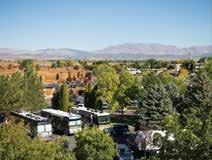
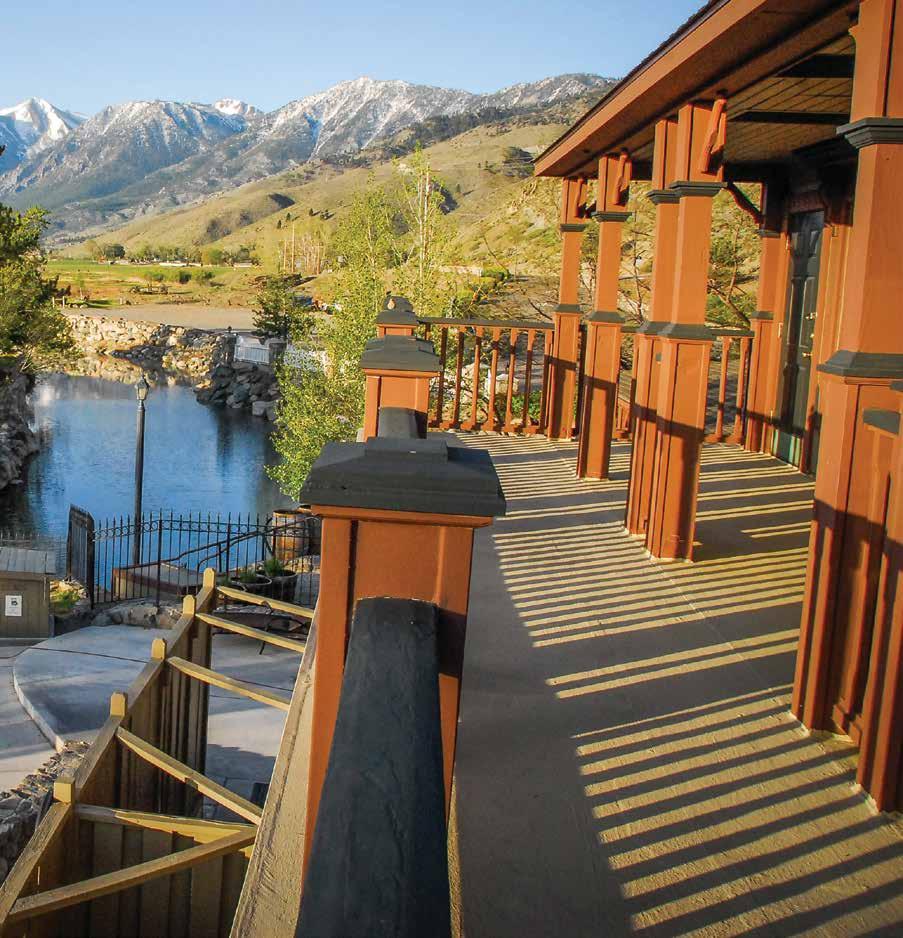
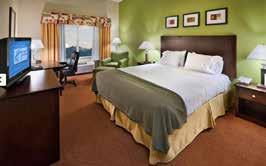
arson Valley offers casino resorts, spas, hotels, motels, boutique inns, campgrounds, and RV parks. Lodging options are available to accommodate any budget. In true Nevada style, the valley plays host to well-appointed rooms and great dining. All this is only a few minutes’ drive from Reno and Lake Tahoe.
Mo.
Jan.
Feb.
March
April
Oct.







stay
Gardnerville!
We stayed 2 nights. Hotel staff were very nice and hotel was in excellent condition for its age. We thought the location on 395 would be a concern, but we stayed in one of the mountain view rooms in front, and found the street noise was not that noticeable. Looking forward to our next visit to Minden/ Gardnerville!

It is a family run business that keeps rooms and ground well maintained. I love that is dog friendly. I have always felt very safe here and right downtown.
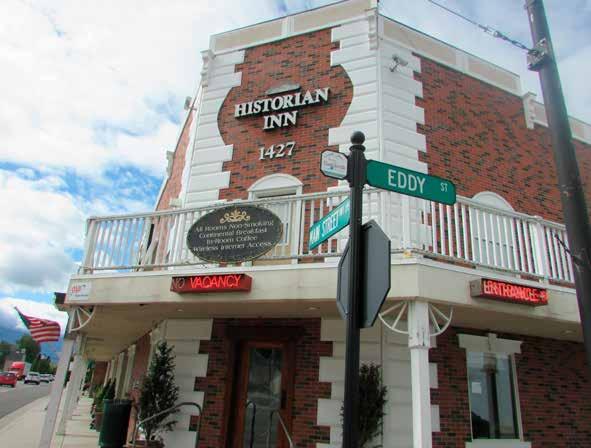
Historian Inn
1427 US Highway 395 North, Gardnerville 877-783-9910/775-783-1175 • Historian-Inn.com
Downtown, pet friendly, WiFi, continental breakfast. 35 remodeled rooms and suites.
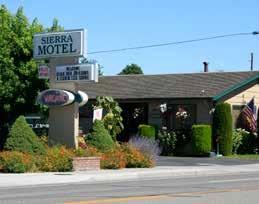
Sierra Motel
1501 US Highway 395 North, Gardnerville 775-782-5145 • SierraMotelGardnerville.com
Non-smoking rooms with coffee pots, microwaves, refrigerators, and free WiFi. With 19 rooms, some kitchenette units and pet rooms are available. Weekly rates available.
Van Sickle Station Ranch Retreat
1974 Foothill Road, Gardnerville • 775-790-4231 VanSickleStation.com
The large and spacious home which we call Casa Grande, features 5 bedrooms and 3-1/2 baths, offers this peaceful working ranch setting for exclusive small retreats and special events on 600 acres beneath the majestic Sierra Nevada Mountains.
Village Motel
1383 US Highway 395 North, Gardnerville 775-782-2624
Convenient downtown location. Exterior corridors for all 16 rooms.
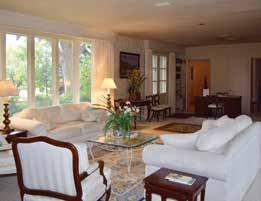

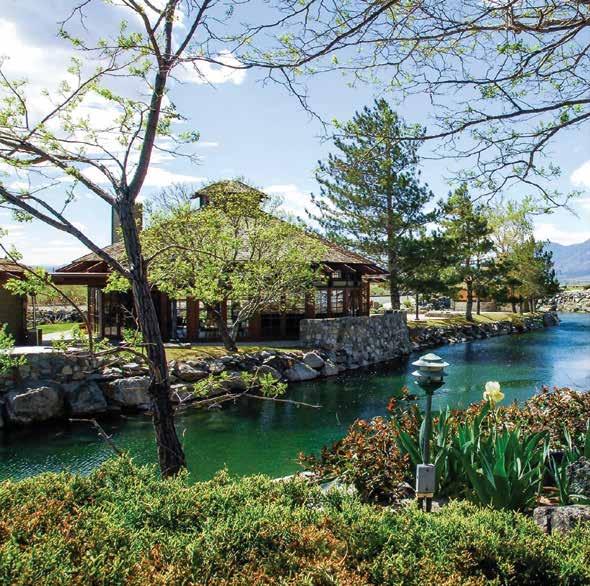
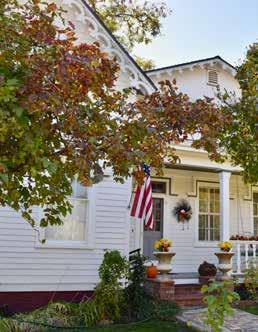
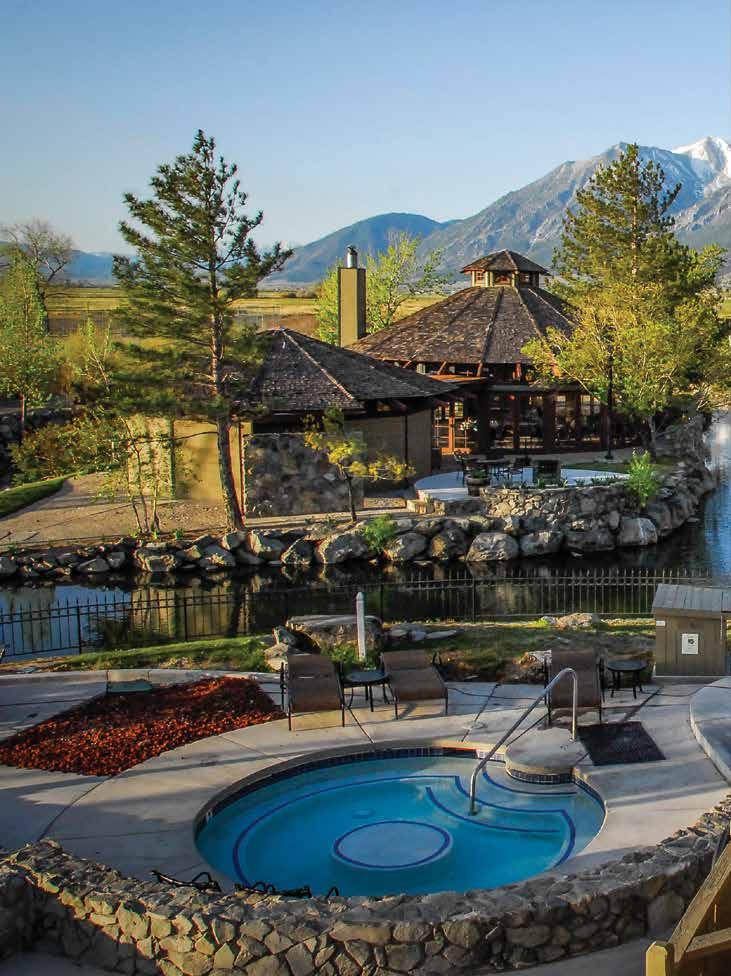
Holiday Inn Club Vacations David Walley’s Resort, 2001 Foothill Road, Genoa 775-782-8155 • HolidayInnClub.com
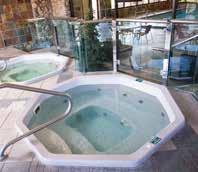
David Walley’s mountain resort has spacious, condo-style studios and one- and two-bedroom villas from 346 to 1,300 square feet. Each villa features a full kitchen/kitchenette. Laundry facilities, parking and WiFi are free for guests. Amenities include 1862 Restaurant & Saloon, event facilities, market place, fitness center, five natural mineral hot springs, heated outdoor pool, game rooms, and barbecue grills.
The White House Inn 195 Genoa Lane, Genoa 775-783-7208 • WhiteHouseInnGenoaNV.com
Rooms are decorated with Victorian antiques and feature private baths, cable TV, air conditioning, and Internet access. Pet friendly. Main guest house has two rooms, plus two private bedrooms.
#1Ta Ta Road trip
Holiday Inn Club Vacations David Walley’s Resort
Spent 2 nights here. The resort is very clean and the staff are pleasant. There is a paved trail from the resort to Genoa which is a nice walk. We had a small room which had a small fridge, toaster and coffee maker, along with a sink and TV, we also had a small balcony which was nice.

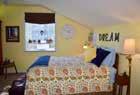
Amazing place to stay. We had an amazing two nights. Whole house is very clean. You can come and go just like it’s your own. Thank you for the friendly staff. This is a couple that truly cares for whoever stays!!!!

We stay at the Carson Valley Inn every year. The rooms are very nice and clean. Great beds and large screen TV’s. My wife especially enjoys that the rooms have bath tubs, she has a bad back and enjoys soaking. All the employees at the hotel are great and always are pleasant. At the main bar adjacent to the lounge, we were recognized by three of the evening bartenders... Always pleasant to be recognized as a prior guest. An evening bartender at the bar next to the Steak restaurant also recognized us and said hello. Felt like old home week...

Carson Valley Motor Lodge
We had an overnight stay here and were very impressed with everything. The room was spotless and well stocked with essentials. It was warm and the beds were comfortable. Good lighting and amenities. The bathroom was sparkly clean and the shower worked extremely well. Exceedingly good value for money. It is a three-minute walk away from the restaurants and bars of the Inn and casino. Would thoroughly recommend the Lodge to everyone.
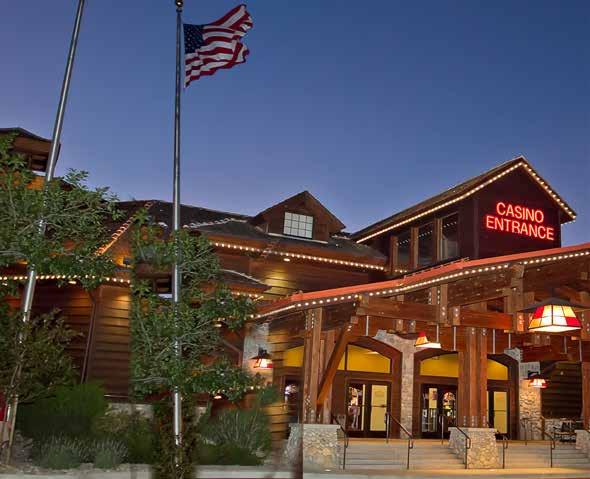
Carson Valley Inn Hotel • Casino
1627 US Highway 395 North, Minden 775-782-9711 • CarsonValleyInn.com
All rooms remodeled 2018 and 2019, the 149 rooms feature free WiFi, Keurig coffee makers, and refrigerators. Free business center, heated indoor pool/spa/fitness facility. Three dining choices, free nightly entertainment, and gaming. Conference, banquet, and convention facilities. Free parking. No resort fees.

Carson Valley Motor Lodge
1627 US Highway 395 North, Minden 775-782-9711 • CarsonValleyInn.com
Park-at-your-door convenience. Recently remodeled the 74 rooms feature Keurig coffee makers, free WiFi, some with refrigerators. Adjacent to the Carson Valley Market convenience store. Short walk to the Carson Valley Inn with business center, heated indoor pool/spa/fitness facility, casino, entertainment, meeting rooms and three dining choices. Free parking. No resort fees.
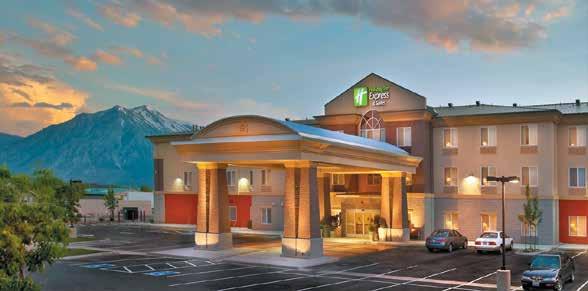
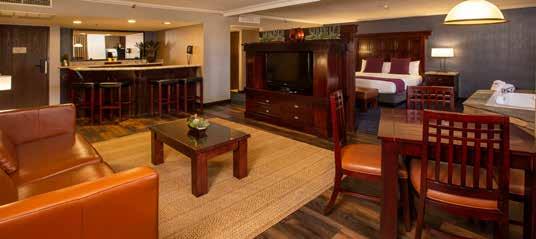
Holiday Inn Express & Suites
1659 State Route 88, Minden 775-782-7500 • HIExpress.com/minden-nv
81 non-smoking rooms, newly remodeled, including 55” LCD TV, free wired and wireless HSIA, coffeemaker, microwave, and refrigerator in every room. Complimentary hot buffet breakfast. Hot beverages served 24 hours, fresh-baked cookies each evening. Enjoy our indoor pool, spa, fitness and business centers. Pet friendly. Meeting and conference rooms.

Holiday Lodge
1591 US Highway 395 North, Minden
775-782-2288/855-782-2288
HolidayLodgeNevada.com
All 20 rooms feature refrigerators, microwaves, and free Internet. Outdoor pool, pet friendly, weekly rates available.
Quality Inn & Suites
1795 Ironwood Drive, Minden 775-782-7766 • ChoiceHotels.com
Pet friendly, all 83 rooms feature microwaves, refrigerators, high-speed Internet access and irons. Free continental breakfast and local telephone calls.

Sandy Great option close to Heavenly Holiday Inn Express & Suites
Great choice for a good night sleep if you plan going skiing. Actually, only about 20 minutes away from Boulder Lodge. Enjoyed a clean, spacious room and free breakfast.


Vickanat
Exceptional Quality Inn & Suites Minden
Lovely view, quiet, great on budget. Everything around is available and within close proximity. Big rooms.
Ed
Elefante Super 8 Motel Topaz Lake Lodge
The staff is awesome at the Lodge check in. Lily, who waited on us at the restaurant was very attentive, friendly and courteous :-) Our rooms were clean with windows facing the lake… Food was excellent at the restaurant as well… We also came out ahead in the casino. This was during Labor Day Weekend.
Lake
Best Western Topaz Lake Inn
3410 Sandy Bowers Avenue, Gardnerville 775-266-4661/800-780-7234
BestWestern.com/TopazLakeInn
Approximately 18 miles south of Gardnerville. All 30 rooms have views of Topaz Lake and were remodeled in 2020. Amenities include free high-speed internet, outdoor spa/hot tub, fitness room, elevator, coin laundry and free continental breakfast.
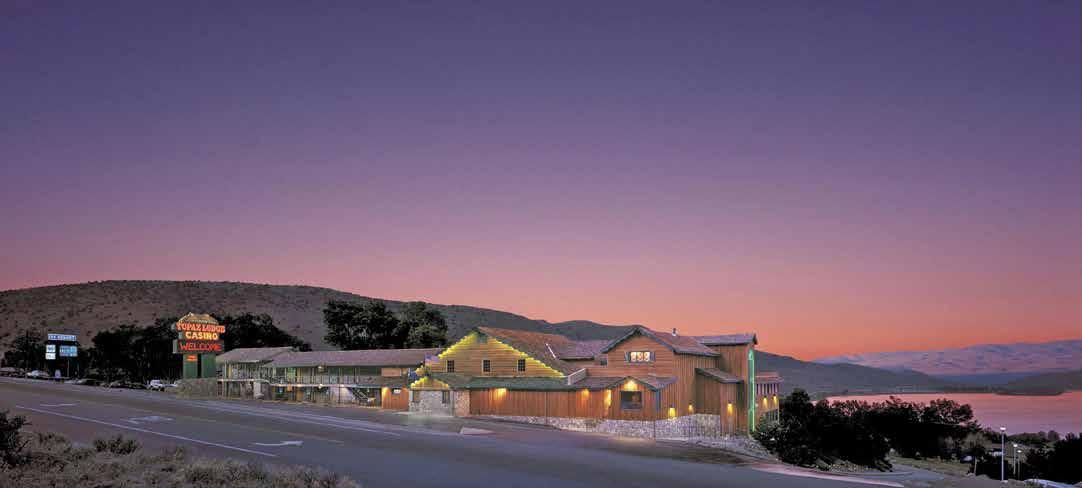
Topaz Lodge Casino – Super 8
1979 US Highway 395 South, Topaz Lake 775-266-3338/800-962-0732 • TopazLodge.com
Located approximately 18 miles south of Gardnerville, all 95 rooms have views of Topaz Lake and the surrounding Sweetwater Mountains. Rooms include free internet access and in-room coffee maker. Pet friendly rooms available. Topaz Lodge offers restaurants and lounge, banquet and meeting facilities, along with a full-service casino.
Jordan McKinney Best Western Topaz Lake Inn
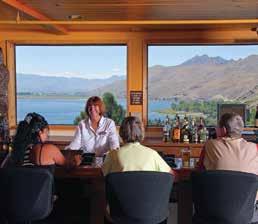
If you were looking for a place to stay with a beautiful view wonderful staff and good price then look no further! The room was clean and super nice. The breakfast and coffee were great. THE VIEW! The staff are so kind and genuinely nice people to speak with. The GM Sean made it one of the best trips my friends and I have ever had. We will DEFINITELY be going back! Thank you Best Western Topaz Lake for a fantastic weekend stay!

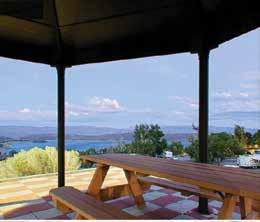
Gardnerville
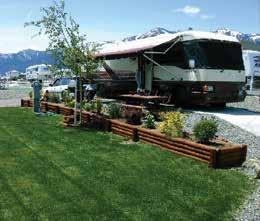
Oxoby RV Park
1493 & 1499 US Highway 395 North, Gardnerville 775-782-6165 • wrhammons@gmail.com
Full hookups, WiFi, 30/50 amp service, and some pull-through. Weekly and monthly rates available.
Carson Valley RV Resort
1627 US Highway 395 North, Minden 775-782-9711 • CarsonValleyInn.com
Full hook-up spaces with electric, water, sewer, digital cable TV, coin laundry, restroom/ shower facilities, dump station, pet area, and free WiFi. Free use of the business center and indoor pool/spa/fitness facility in the Carson Valley Inn with casino, entertainment, meeting rooms and three dining choices. Adjacent to the Carson Valley Market with gas, diesel and grocery/convenience items.
Silver City RV Resort
3165 US Highway 395 North, Minden 775-267-3359 • SilverCityRVResort.com
Full hookup spaces, 35-foot-wide pull-through spaces, 2 tent sites, telephone, cable television, wireless internet access, and a covered swimming pool and spa. Also available are a great room, television, banquet room for special events, fishing pond, fitness center, clubhouse, slot machines, playground, laundry facilities, beauty/barber shop, general store. Military discounts available. Weekly/ monthly rates available.
Topaz Lake Park
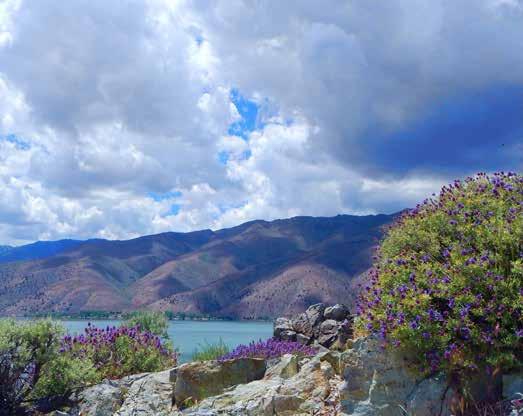
3700 Topaz Park Road, Gardnerville 775-782-9828 • DouglasCountyNV.gov
Camping facilities on the shore of Topaz Lake include 15 campsites with water and electrical hookups, 45 developed non-hookup campsites and a spacious undeveloped camping area. There are flush toilets, showers, trailer dump station, fish cleaning station and for-rent secured storage area for RVs and boats.
Topaz Lodge RV Resort
1979 US Highway 395 South, Topaz Lake 775-266-3338/800-962-0732 • TopazLodge.com
The RV Resort has 59 sites, 30/50 amp service and pull through. There is also a convenience store with gas, diesel, propane and a complete line of RV parts and supplies.

Park is paved at all spaces. Very clean… We used the phone at gate and was connected to someone in the casino. Were told to park and get set up and then come to office next door for paperwork and pay. Restaurant, coffee shop and bakery in hotel. Casino also. Was the cleanest hotel and casino I’ve ever seen. Same with the restaurant. Everyone so friendly. Kids used pool in hotel, and we saw they had laundry facilities at park as we were leaving if we would have needed. Saw concert before we left. Was great facility. Convenient to lots of shopping and fast food.
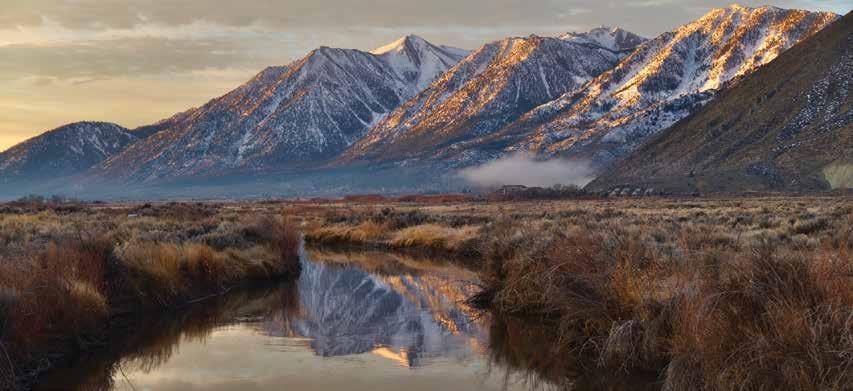
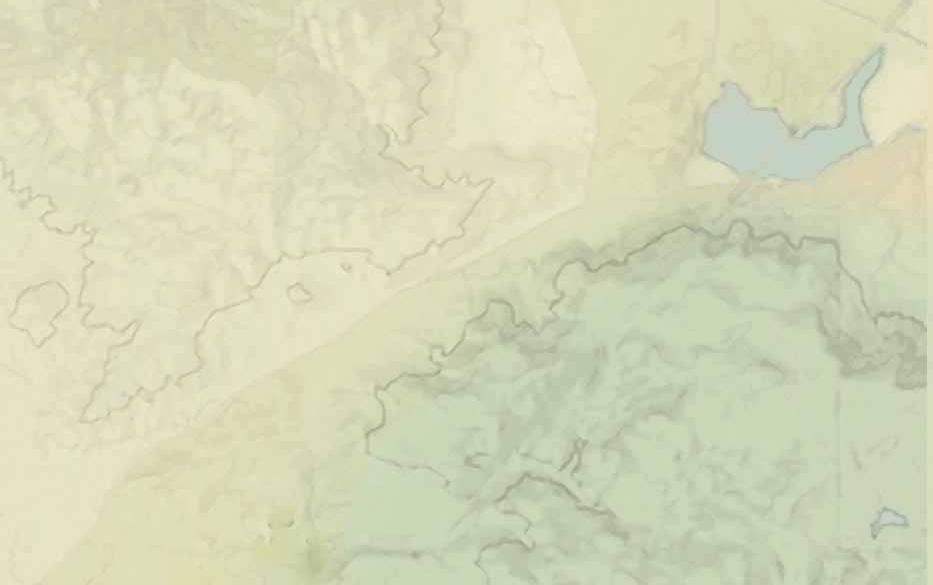
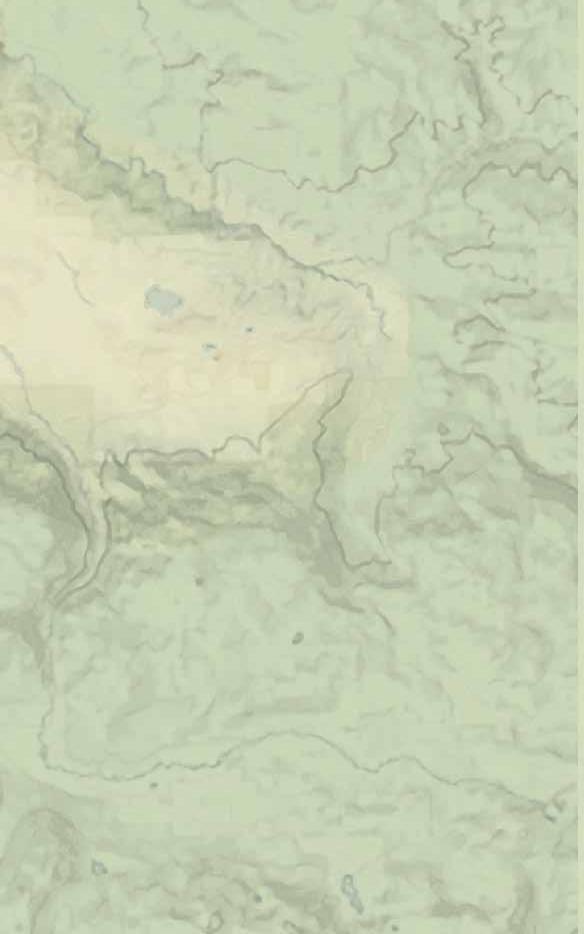
raveling to Carson Valley is simple any time of year. At about 4,700 feet in elevation and sheltered by the Carson Range of the Sierra to the west and the Pine Nut Mountains to the east, the broad Carson Valley enjoys relatively mild winters among its four distinct seasons. Check out all airline flights serving the Reno-Tahoe International Airport by going to renoairport.com. Carson Valley is approximately a 35-minute drive from Reno. If you’re hitting the road to get here:
From the Southwest – All-weather Highway 395 offers a straight line from Southern California to Carson Valley through scenic valleys and foothill towns.
From the Northwest – California Interstate 80 connects to Highways 580 and 395, making it just a 2-hour drive from Sacramento and a little over 3-hours from San Francisco.
From the West – US Highway 50 or State Route 88 connect to Highways 580 and 395, making it just a 2-hour drive from Sacramento and a little over 3-hours from San Francisco.
No matter what route you take, make Carson Valley your next retreat destination. With nature’s beauty, a hometown atmosphere, historic sightseeing, great outdoor recreation, and entertaining Nevada nightlife, Carson Valley will have you coming back for more.
For more specifics, including road conditions, itineraries and more, go to VisitCarsonValley.org.
Weather/Road Information
Nevada Department of Transportation
Call 511 or 877-NV-ROADS (877-687-6237) nvroads.com
California Department of Transportation dot.ca.gov 800-427-7623
National Weather Service weather.gov/rev