Chapter 1 – What is halal?
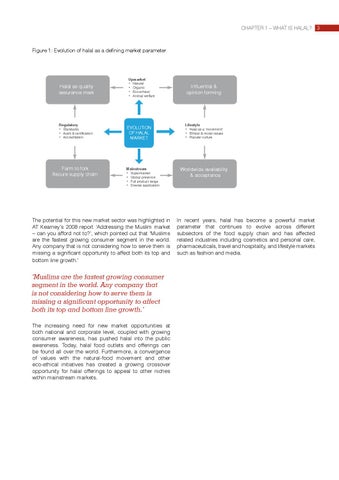
Figure 1: Evolution of halal as a defining market parameter
Upmarket • • • •
Halal as quality assurance mark
Regulatory
• Standards • Audit & certification • Accreditation
Farm to fork Secure supply chain
Natural Organic Eco-ethical Animal welfare
EVOLUTION OF HALAL MARKET
Mainstream • • • •
Supermarket Global presence Full product range Diverse application
The potential for this new market sector was highlighted in AT Kearney’s 2008 report ‘Addressing the Muslim market – can you afford not to?’, which pointed out that ‘Muslims are the fastest growing consumer segment in the world. Any company that is not considering how to serve them is missing a significant opportunity to affect both its top and bottom line growth.’
‘Muslims are the fastest growing consumer segment in the world. Any company that is not considering how to serve them is missing a significant opportunity to affect both its top and bottom line growth.’ The increasing need for new market opportunities at both national and corporate level, coupled with growing consumer awareness, has pushed halal into the public awareness. Today, halal food outlets and offerings can be found all over the world. Furthermore, a convergence of values with the natural-food movement and other eco-ethical initiatives has created a growing crossover opportunity for halal offerings to appeal to other niches within mainstream markets.
Influential & opinion forming
Lifestyle
• Halal as a ‘movement’ • Ethical & moral values • Popular culture
Worldwide availability & acceptance
In recent years, halal has become a powerful market parameter that continues to evolve across different subsectors of the food supply chain and has affected related industries including cosmetics and personal care, pharmaceuticals, travel and hospitality, and lifestyle markets such as fashion and media.
3