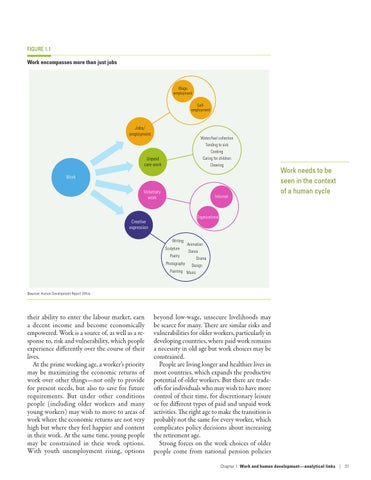
FIGURE 1.1 Work encompasses more than just jobs
Wage employment Selfemployment
Jobs/ employment
Water/fuel collection Tending to sick Cooking Caring for children
Unpaid care work
Cleaning
Work Voluntary work
Informal
Work needs to be seen in the context of a human cycle
Organizational
Creative expression Writing Sculpture Poetry Photography
Animation Dance Drama Design
Painting Music
Source: Human Development Report Office.
their ability to enter the labour market, earn a decent income and become economically empowered. Work is a source of, as well as a response to, risk and vulnerability, which people experience differently over the course of their lives. At the prime working age, a worker’s priority may be maximizing the economic returns of work over other things—not only to provide for present needs, but also to save for future requirements. But under other conditions people (including older workers and many young workers) may wish to move to areas of work where the economic returns are not very high but where they feel happier and content in their work. At the same time, young people may be constrained in their work options. With youth unemployment rising, options
beyond low-wage, unsecure livelihoods may be scarce for many. There are similar risks and vulnerabilities for older workers, particularly in developing countries, where paid work remains a necessity in old age but work choices may be constrained. People are living longer and healthier lives in most countries, which expands the productive potential of older workers. But there are tradeoffs for individuals who may wish to have more control of their time, for discretionary leisure or for different types of paid and unpaid work activities. The right age to make the transition is probably not the same for every worker, which complicates policy decisions about increasing the retirement age. Strong forces on the work choices of older people come from national pension policies Chapter 1 Work and human development—analytical links | 31