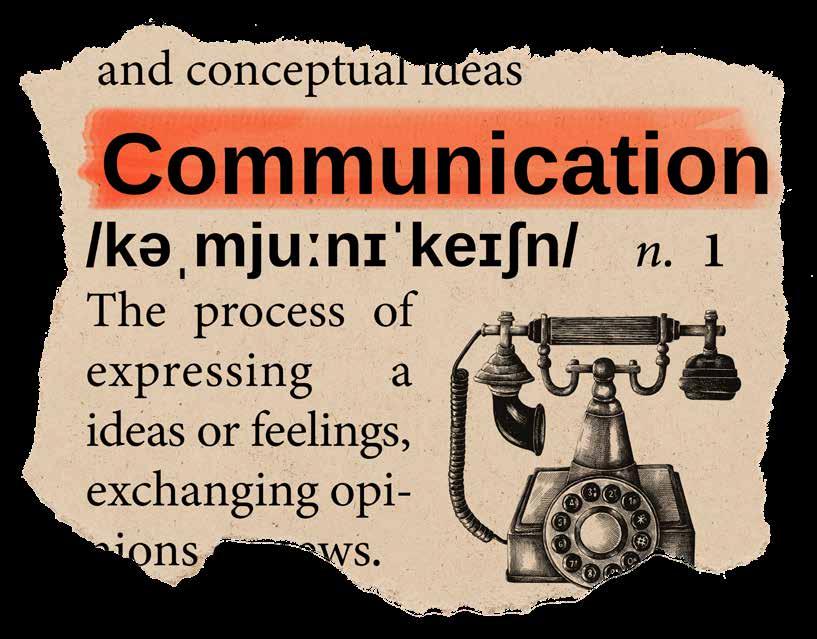
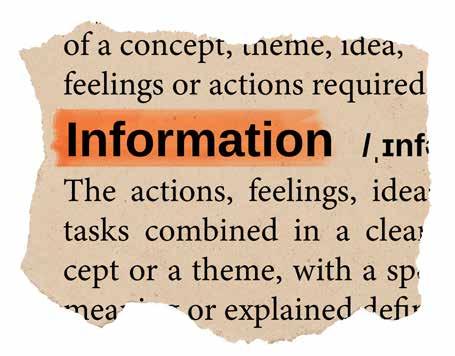
Cover Story: Information and communication in times of unrest
PUBLISHER
UNIVERSITY OF SILESIA IN KATOWICE
EDITOR-IN-CHIEF
AGNIESZKA SIKORA, Ph D
EDITORIAL SECRETARY
TOMASZ PŁOSA
PROOFREADING OF THE POLISH VERSION
KATARZYNA WYRWAS, Ph D, DL itt, A ssoc. Prof.
TRANSLATION OF THE ENGLISH VERSION
ARTUR ADAMCZYK
2026 1(13)
TEXT AUTHORS
ADAM BAŁA, MIŁOSZ BARŁÓG, WERONIKA CYGAN-ADAMCZYK, JULIA
GALAS, MAŁGORZATA KŁOSKOWICZ, Ph D, OLIMPIA ORZĄDAŁA, TOMASZ PŁOSA,
AGNIESZKA SIKORA, Ph D, MARIA SZTUKA
COVER
OVERLOADED MIND, NINA POŘÍZKOVÁ
GRAPHIC DESIGN, PREPARATION FOR PRINT
PATRYCJA WARZESZKA
SCIENCE AND PROGRAMME COUNCIL:
Prof. MIROSŁAW CHORĄŻEWSKI (CHEMICAL SCIENCES)
AGATA DASZKOWSKA-GOLEC, Ph D, DS c, A ssoc. Prof. (BIOLOGICAL SCIENCES)
Prof. LESZEK DRONG (LITERARY STUDIES)
ŁUKASZ JACH, P h D, DL itt, A ssoc. Prof. (PSYCHOLOGICAL SCIENCES)
RYSZARD KNAPEK, Ph D (DOCTORAL SCHOOL)
Prof. JERZY ŁUKASZEWICZ (FILM AND THEATRE)
AGNIESZKA NOWAK-BRZEZIŃSKA, P h D, DS c, A ssoc. Prof. (COMPUTER SCIENCE)
NATALIA PAWLUS, Ph D, DL itt, A ssoc. Prof. (FINE ARTS AND ART CONSERVATION)
Prof. PIOTR PINIOR (LAW)
LUCYNA SADZIKOWSKA, Ph D, DL itt, A ssoc. Prof. (LITERARY STUDIES)
R ev. Prof. LESZEK SZEWCZYK (THEOLOGY)
Prof. PIOTR ŚWIĄTEK (BIOLOGICAL SCIENCES)
Photo: Freepik
HOW THE BRAIN SHAPES COMMUNICATION NOT JUST WORDS
In the common understanding, we tend to equate communication with language: speaking, writing, and exchanging information. However, neurobiology shows that this is only the most visible layer of a much deeper process.
Olimpia Orządała
Marek Kaczmarzyk, PhD, Assoc. Prof. Institute of Biology, Biotechnology and Environmental Protection Faculty of Natural Sciences University of Silesia in Katowice marek.kaczmarzyk@us.edu.pl
Although it may not seem that way, language is not a human invention. Many animal species have the ability to convey information. Humans use language in quite a unique way – they can construct complex narratives, refer to other people’s thoughts, and predict their intentions. And even though these abilities are not found in other species, this does not mean that communication begins with language. The language we know is really just the tip of the iceberg of communication.
1
First there was emotional and relational communication
Communication problems do not arise solely from the choice of words
2 3 4
There is no such thing as a message completely devoid of emotion
We do not have brains, we are brains
BEFORE LANGUAGE
Paleoanthropological and neurobiological research indicates that language did not appear as a result of a single and sudden event. Its development was gradual and based on earlier communication mechanisms present in animals.
‘From an evolutionary perspective, it would be fair to say that emotional and relational communication came first, and only then did our hyper-social species create the language we know now’, says Marek Kaczmarzyk, PhD, Associate Professor, a neurobiologist from the Faculty of Natural Sciences of the University of Silesia in Katowice.
This reversal of perspective is significant: it means that communication problems do not result solely from the choice of words but from deeper mechanisms, including biological ones. Attempts to ‘fix’ communication through better word choice or argumentation are limited. If the emotional and relational foundation is disturbed, language ceases to function as a means of communication and becomes a tool of defence or attack. Therefore, neurobiological perspective on the matter suggests that effective communication begins not with the form of expression but with the state of the relationship between the interlocutors.
NO COMMUNICATION WITHOUT EMOTION
There is no such thing as a message completely devoid of emotion. Even the most abstract statement, e.g. mathematical, scientific or technical, takes place in a specific emotional atmosphere that influences the way it is received.
‘Even when a mathematician describes algebraic procedures, they do so in a certain emotional atmosphere, and this atmosphere influences how we come to understand them’, admits the scientist.
The meaning of a message also depends on the recipient’s past experiences. The same message can elicit completely different reactions depending on previous emotional experiences. The seemingly neutral sentence, ‘Let’s go home’, can be interpreted in many different ways. One person will associate it with safety and peace of mind, another with control and punishment. The difference lies in the emotional baggage that accompanied similar situations in the recipient’s past.
WHY OUR MEMORIES DIFFER
From a neurobiological perspective, conflicts arising from differences in memories are particularly interesting. We often talk about the unreliability of our own and other people’s memories in times of anxiety. When two people remember the same event differently, we may interpret this as a lack of commitment or indifference. Meanwhile, memory mechanisms work exactly in the opposite way: it is precisely the memories that are often recalled, analysed, and placed in new contexts that undergo the greatest modifications. ‘We don’t have brains, we are brains. If we adopt this perspective, the concept of memory deception seems to be no longer valid’ says the researcher.
Memory does not store events in an unchanged form. Each time we remember something, the brain re-enters a state similar to the one from the moment when the memory was created, but modified by subsequent experiences. Representations of memories in the brain partially overlap. When we recall a memory, we also modify other neural structures associated with it.
‘A memory that has been frequently recalled in different contexts changes more than one that has been left untouched’, says Marek Kaczmarzyk.
From this perspective, differences in memory are not evidence of uncaring or disregard but often the exact opposite – an intense experience.
‘Memory is not used to faithfully record the past, but to enable us to function in the here and now’, emphasises the scientist.
The variability of memories is an adaptive feature, not a defect of the human mind. The plasticity of memory also has a protective function. In the case of a traumatic experience, it allows for the gradual weakening of destructive emotional reaction while retaining knowledge of the event.
‘The same memory processes that irritate us are sometimes the ones that allow us to survive’, admits the neurobiologist.
TOO MUCH AT ONCE
The human brain is not biologically adapted to the pace of contemporary cultural change. Evolution, always reacts with a delay.
‘The problem is not that too much information reaches the brain, but that there is too much pieces of information to choose from and that they are inconsistent with each other’, says the scientist.
Organising the world is not about imposing a single point of view but about showing that consistency is possible. An inconsistent picture of the world leads to a sense of threat and confusion, especially in young people.
‘Young people are eager to observe adults who act coherently and have their internal world in order’, says the researcher. Importantly, the brain is not a passive recipient of stimuli. At the level of sensory physiology, most information is filtered out before it reaches conscious processing. Working memory – the process responsible for thinking – also has a very limited capacity. This means that the problem of the modern world is not biological ‘overload’ but rather the difficulty of organising an excess of inconsistent messages.
CONTAGIOUS EMOTIONS
Mirror mechanisms cause other people’s emotions to trigger analogous states in our brains, but their interpretation depends on our personal experiences.
‘How we perceive the emotions of others depends more on who we are and what we have experienced in the past than on what we are witnessing’, says Marek Kaczmarzyk. These mechanisms also explain why emotions can escalate so easily. Contact with an upset person triggers similar states in our brains, even if we did not originally feel those emotions. As a result, the conversation quickly ceases to be an exchange of information and becomes a confrontation of emotions that reinforce each other.
In a world full of tension, the ability to recognise and name emotions becomes a key competence. In such conditions, rational arguments lose their effectiveness because they are filtered by the current emotional state. When threatened, the brain switches to quick defensive reactions rather than analysing the content of the message. This is one of the reasons why conversations get out of hand in tense situations – not because we lack arguments, but because emotions take over control in the communication.
From a neurobiological point of view, this is not a system error, but its fundamental function. Emotions act as a rapid regulatory mechanism – they inform the body about the significance of a situation and prepare it for action. Only then is it possible to activate a more reflective and analytical mode of thinking. The problem arises when we are trying to conduct a rational discussion while the other person is still functioning in the mode of emotional mobilisation.
‘There are no bad emotions. Emotions exist to tell us something about the world and our relationship with it. They are not the opposite of reason, but one of the tools the brain uses to make decisions’, says the neurobiologist.
Communication problems begin when emotions disrupt dialogue instead of supporting it, most often because we are unable to separate them from the problem itself.
A neurobiological view of communication does not justify tensions or misunderstandings, but it does allow us to understand them better. In a world full of anxiety, the awareness of biological mechanisms and their limitations can be the first step towards more attentive and calmer communication –both with others and with ourselves. Neurobiology does not provide simple recipes for better communication, but it does provide a framework that allows us to realistically assess its limitations and possibilities. Much of the tension in communication is not a sign of a ‘crisis of humanity’, but rather the result of biological mechanisms colliding with the pace of the modern world.
COMMUNICATION PERFECTED OVER SEVERAL MILLION YEARS OF EVOLUTION
Commonly, the word communication may be associated with everyday conversation, news services, lectures, and email exchanges. Meanwhile, in our close proximity, in the grass, on tree leaves, and sometimes even in our homes, there exists a constant exchange of data that has nothing to do with human conversation. It is a world where ‘words’ take the form of chemical molecules and touch is replaced by the precise systems of microscopic levers. We are thus entering the territory of insects, specifically the fascinating and little-known sensory reality of hemiptera, or true bugs.
Małgorzata Kłoskowicz, PhD
Jolanta Brożek, PhD, DSc, Assoc. Prof.
Institute of Biology, Biotechnology and Environmental Protection
Faculty of Natural Sciences
University of Silesia in Katowice jolanta.brozek@us.edu.pl
Photo: songdech17 – Freepik.com
Generally speaking, communication is the transmission of information. In the world of insects, this concept refers not only to the exchange of signals between individuals of the same species but also to the reception of various stimuli from their surroundings. Of course, insects do ‘talk’ to each other. ‘Cicadas and crickets are masters of intraspecies sound communication – they are able to recognise each other by specific tones and frequencies unique to each species. Even in an environment as species-diverse as the jungle, they can find each other without any problems at all’, says Jolanta Brożek, PhD, DSc, Associate Professor at the Faculty of Natural Sciences of the University of Silesia in Katowice, an entomologist who studies the comparative morphology and functional anatomy of bugs.
As the researcher emphasises, communication with the external environment is equally, or perhaps even more, important for the survival of insects. It is a constant reception of stimuli: chemical, mechanical, thermal, and related to humidity levels. An insect must know whether the leaf it lands on is edible, for example, or if it fell and landed on its back. In order to process all this information, evolution has equipped it with sensory systems whose precision fires the imagination of modern engineers.
ANTENNA, OR A CHEMICAL MAP OF THE WORLD
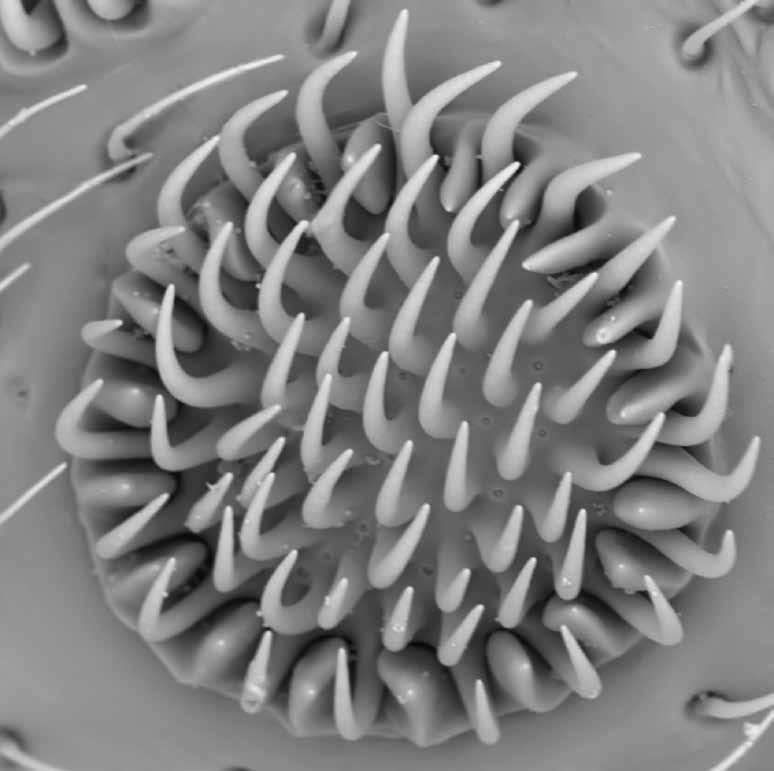
In order to smell, humans need noses, or more precisely, nasal cavities with an epithelium equipped with several million receptors. Insects also perceive odours, but instead of noses they have sensilla – small organs located most often on the antennae, legs, and mouthparts, although they can also be found on the wings or thorax. Inside them are sensory neurons (or nerve receptors) that receive not only the aforementioned odour stimuli but also taste stimuli. The outer part is formed by a hair-like cuticular protrusion. Its base is embedded in the cuticle, which is connected to dendrites (receptors) and sheath cells. Depending on the species and family, the sensilla might take on amazing, almost cosmic shapes. They can look like corrugated plates, round plates (Latin: placodea), or protruding cones. Although they differ dramatically in morphology – sometimes even within closely related groups – their function remains similar.
‘Scientists have described at least 16 shapes of chemosensory organs on the antennae of bugs of the infraorder Fulgoromorpha. Such diversity may seem excessive, but the more we investigate individual mechanisms, the more we understand that each solution makes sense’, says the biologist.
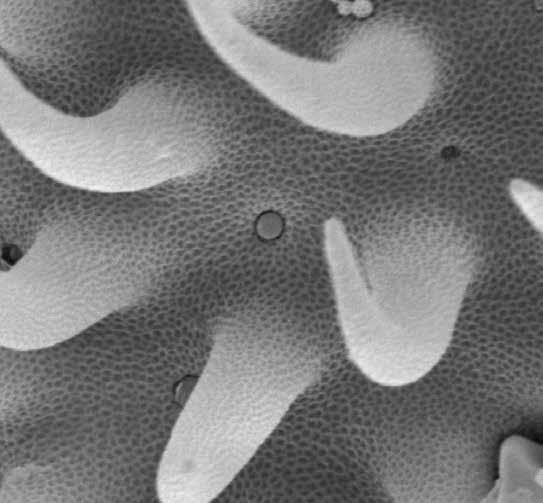
In order for an insect to perceive odours or tastes, a molecule must physically enter the chemoreceptor, which is located under or within the cuticle – the outer layer covering the insect’s body. Olfactory chemoreceptors perceive volatile substances, while gustatory chemoreceptors react to liquids. And this is where nature’s engineering excellence comes in: porosity. The walls of the olfactory sensilla are densely covered with pores. It is through these pores that odour molecules penetrate inside, where special binding proteins await them in the lymph, transporting them to the dendrites, i.e. special projections of nerve cells. Interestingly, there are many such neurons in the olfactory sensilla, and their dendrites often branch out, reaching almost every pore to maximise the sensitivity of the entire mechanism. This system allows insects such as bees (the mechanism itself is universal) to find food sources from distances of up to several kilometres.
Sensillum with numerous cones | Photo: Jolanta Brożek
Visible pores in the olfactory sensillum | Photo: Jolanta Brożek
Chemical communication is also needed to answer the question: ‘To eat or not to eat?’. Insects are divided into monophagous (eating only one species of plant), oligophagous (choosing plants from a single family) and polyphagous (omnivorous). In order to make the right decision, an insect uses its sense of taste. Gustatory receptors work slightly differently than olfactory ones. The cuticular hairs leading to the receptor often have only one opening at the top through which fluid must enter. Surprisingly, insects do not ‘taste’ only with their mouthparts. Research indicates the presence of chemosensors on their feet as well. When an insect lands on a plant, its first contact is mechanical and chemical. It checks not only the texture but also the chemical composition of the leaf. If the test is successful, the proboscis and deeper gustatory sensilla come into play. If the plant does not taste good, the insect simply flies away, continuing its search.
In many insects, especially females, this mechanism serves not only to search for food, but above all to protect their offspring. By ‘stomping’ on the leaf and tasting it with its feet, the female checks whether it is a suitable host plant for laying eggs. If the plant contains toxins harmful to the larvae, the mother will find out through her feet.
EVERY HAIR MATTERS
‘An entomologist once said: “There is not a single hair on an insect that does not serve a purpose”. This statement is the key to understanding mechanoreception, or the sense of touch, says Jolanta Brożek. ‘In theory, touching the cuticle should not be felt by an insect, in practice, however, this layer is full of mechanoreceptors. The simplest are hair embedded in an elastic membrane, acting as a lever. When something touches it or moves it, e.g. the wind, the hair bend in its ‘nest’, pressing on the dendrite of the nerve cell at the base. This is how the sense of touch works. It is a mechanism of extraordinary precision. Bending the hair by just a few nanometres opens ion channels in the cell membrane. This is the moment when mechanical energy (the aforementioned lever movement) is converted into a nerve impulse. This process occurs faster than any conscious thought process, making the insect’s response to danger almost instantaneous. Transmission electron microscopy (TEM) allows us to look inside this structure.
‘We are able to see the so-called tubular body filled with microtubules. Their number (from 40 to over 100, and in some insects even 1,000) determines the sensitivity and specificity of a given receptor. Can an insect feel the wind? Can it feel the vibrations of a leaf on which a predator is currently walking? It all depends on the structure of this one microscopic element’, says the biologist. Some of these sensory organs are even more spectacular. Those called coeloconica (hidden in depressions) form triads of receptors responsible for thermo- and hygroreception, which also play a large role in the lives of insects.
This unimaginable complexity of nature has become an inspiration for engineers. Contemporary science is more and more frequently turning to biomimetics, which involves observing evolutionary solutions and using it as a basis for technology.
‘The article in which my colleagues and I published the results of our research attracted the interest of engineers from Kaunas University of Technology (Lithuania). It started by chance – a doctoral student came across articles about the sensory organs of insects and decided to translate these biological structures into the language of mechanics’, says Jolanta Brożek.
And just like that, a research cooperation was born with the goal of creating super-sensitive air flow detectors. Engineers analyse the shape, length, and mounting of insect sensilla, and then calculate the loads, deformations, and stresses that arise on mechanosensilla under the influence of wind. Biology provides the model: scientists use scanning and transmission microscopes to study the structure of the receptors in a specific species of true bugs.
‘We check, among other things, where the dendrite ends, how many microtubules it has and how the hair is attached to the cuticle. Engineers take this data and create a sensory model that can be used in the future to precisely monitor the smallest changes in air circulation’, explains the scientist. Thanks to this research, we gain access to solutions that evolution has perfected over millions of years.
Insect specimen from the Ricaniidae family | Photo: Jolanta Brożek
Leopard gecko | Photo: Paweł Kaczmarek
FOR HUNDREDS OF MILLIONS OF YEARS, REPTILES HAVE INHABITED DIVERSE ENVIRONMENTS – FROM ARID DESERTS TO FORESTS AND RIVERS TO THE OPEN OCEANS. WE ARE FASCINATED BY LIZARDS AND ADMIRE TURTLES FOR THEIR LONGEVITY AND PERSEVERANCE, BUT CROCODILES AND SNAKES DO NOT ENJOY FAVOURABLE REPUTATION – WE TEND TO AVOID THEM. HOWEVER, THIS DOES NOT CHANGE THE FACT THAT THEIR SURVIVAL INSPIRES ADMIRATION AND THEIR SKILLS INSPIRE AWE.
Modern reptiles are remnants of a much larger group of animals that flourished during the Mesozoic Era and belong to the group of cold-blooded amniotes (vertebrates capable of embryonic development on land). To date, only four orders of reptiles have survived, with the remaining known evolutionary lines having become extinct. In order to survive, they had to evolve, learn to function, and adapt to diverse conditions. In their struggle for survival, they developed, among other things, complex sensory systems.
Few scientists are involved in the embryonic development of reptiles. Among them are researchers from the Institute of Biology, Biotechnology and Environmental Protection at the Faculty of Natural Sciences of the University of Silesia in Katowice: Weronika Rupik, PhD, DSc, Associate Professor, and Paweł Kaczmarek, PhD. The biologists are part of the Animal Histology and Embryology Team, specialising in research on the development, structure, and biology of selected organs of invertebrates and vertebrates.
‘The sensory systems of reptiles enable them to effectively receive and interpret various types of stimuli coming from the environment’, explains Weronika Rupik. ‘In addition to the senses that respond to mechanical and electromagnetic stimuli, such as sight, hearing and touch, the chemical senses play a particularly important role. Unlike visual or auditory signals, chemical signals can remain in the environment for a long time, penetrate water and air, and provide information even in the absence of direct contact between organisms’.
CHEMOPERCEPTION IS A MIRACLE OF NATURE
It enables the detection and differentiation of chemicals present in the environment. It is one of the oldest sensory mechanisms in the animal world and forms the basis of communication not only in reptiles but also in many vertebrates. Most reptiles (except turtles and crocodiles) can detect chemical molecules using a well-developed vomeronasal organ – also called the
Jacobson’s organ – located in the vicinity of the nasal cavity. Chemical communication is characterised by a number of adaptive properties, such as the ability to function in limited visibility, the long-lasting persistence of signals in the environment, and the ability to convey information without the need for direct contact between the sender and the receiver. Chemical substances secreted by living organisms, such as pheromones, are interpreted by members of the same species and play a key role in reproductive communication, recognition of sex, physiological status, and territory, while kairomones (also a type of secretion) are interspecies signals used mainly to locate prey and avoid predators.
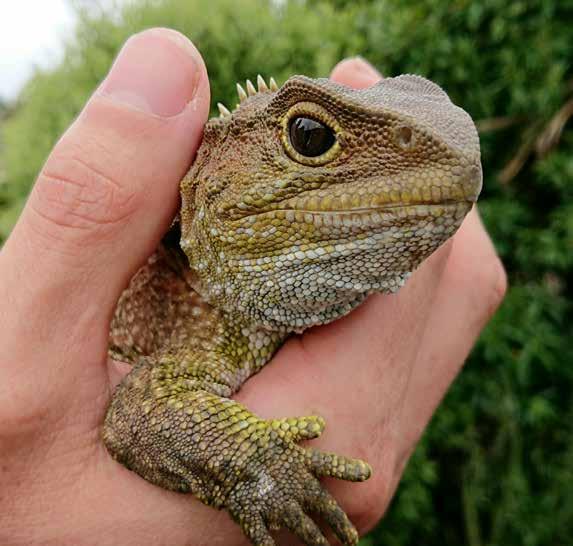
TUATARA
This endemic species from New Zealand is a source of invaluable knowledge. Tuatara research focuses on their evolutionary distinctiveness, specific anatomy and behaviour. The results confirm that despite surviving since the Mesozoic Era, these reptiles show evolutionary changes in body structure, and their unique anatomical features are the result of a long process of adaptation.
‘Tuataras have a poorly developed vomeronasal organ with a low number of receptor cells. Behavioural studies have shown that despite their anatomical limitations, tuataras respond to the scent of prey in a similar way to geckos. They show a spatial preference for food stimuli and initiate an attack. This means that, functionally, the chemoperception of tuataras is effective, although it is achieved through a different evolutionary path’, emphasises Weronika Rupik.
Scientists at the Institute conduct their own breeding programmes, including for the brown anole, whose main means of communication are visual signals, and whose eyesight is crucial during hunting and helps in interactions between males and females during the breeding season.
‘We also have two species of geckos’, adds Paweł Kaczmarek, ‘the leopard gecko and the mourning gecko, which have a highly developed sense of smell, although the Jacobson’s organ is much better de-
veloped in the native sand lizard. Snakes are masters at using this olfactory system. Their paired vomeronasal organ is supported by a strongly forked tongue, which allows them to capture odour molecules and transfer them to the vomeronasal organs. The presence of two organs and a strongly forked tongue allows the animal to compare the concentration of odour molecules on both sides of its head. This directional information enables it to follow a potential mate or prey’.
NAVIGATION AND COURTSHIP
Turtles are among the most ecologically diverse reptiles. They inhabit both aquatic and terrestrial environments, which is reflected in their exceptionally well-developed olfactory system, enabling them to receive chemical stimuli in the air and in water. The ability to perceive these stimuli plays a key role in migration, habitat selection, aggregation (grouping), recognition of individuals of the same species, and mate selection. Chemical communication in turtles often functions in conjunction with other sensory systems. Being able to find their way by sensing the Earth's magnetic field helps them reach their nesting sites during sea migrations, although the final location of their nests is determined by scent signals.
BODY LANGUAGE
Crocodiles are apex predators, hunting both in water and on land. Although they do not have a vomeronasal organ, their sense of smell is very well developed, and the reception of chemical signals allows them to locate carrion, detect wounded prey, and learn food preferences. Studies on the American alligators have shown that both juveniles and adults react strongly to the odours of carrion and injured prey, exhibiting characteristic feeding behaviours such as tensing and relaxing the throat, head raking, i.e. repeated sideways movements of the head, and direct attacks on the source of the stimulus. Crocodiles are capable of detecting odours carried by both water and air, which significantly increases their hunting efficiency.
Most male anoles (tree lizards of the Iguania clade) have a dewlap – a loose flap of skin under their lower jaw. Anoles communicate with each other by indicating their species and size thanks to the variations in the colouring of their dewlaps. When they have no ‘interlocutor’, they keep their dewlap folded and hidden, which allows them to blend into the tree canopy and avoid predators. However, when they see another lizard, they begin to bob their head, which eventually leads to push-up like movements. Initially, these may signal a simple message: I see you. If the other anole reacts by moving away, the movements usually stop, but if it responds with its own push-ups, this may mean that the ‘interlocutor’ is a male. If the lizards differ in size, the smaller one is likely to retreat and wait for another chance to become the dominant male. If they are similar in size, they may perform more exaggerated pushups, communicating: Don't be silly, can't you see how big I am? Sometimes, neither will back down, and then a fight or chase ensue. However, when the encountered lizard is a female and ends up retreating, it sends a clear signal: I'm not interested. If, on the other hand, it moves forward, the push-ups become faster and the male extends his legs to send a second signal to his potential mate – unique patterns in fabulous colours on the underside of his belly. This unique pattern tells the female if the male belongs to the right species, and the intensity and range of colours indicate how healthy his genes are. Waving their feet may suggest submissiveness. Some lizards can see ultraviolet radiation. Iguanas of the genus Dipsosaurus possess this ability and use this specific form of communication during the mating season. The secretions of their femoral glands strongly absorb UV radiation, which contrasts with the reflective sandy ground. This allows them to locate the less volatile pheromones from a greater distance and, when they get closer, to analyse them more accurately using their sense of smell.
Studies on snake embryos have shown that communication already happens at this stage of development.
‘This is possible thanks to the close proximity of eggs, which snakes lay close to-
gether in a characteristic bundle. The beating hearts of the embryos cause vibrations that are mutually received. This forces the synchronisation of the heart rates of the embryos developing in the egg bundle, resulting in almost simultaneous hatching. An experiment involving placing eggs laid at different times next to each other shows that younger embryos, want to catch up with older ones and accelerate their heart rate and hatch earlier’, says Paweł Kaczmarek.
COLOUR CHANGE
The ability of chameleons to change the colour of their skin is a fascinating phenomenon. It turns out that they do it not only for camouflage. This process takes place thanks to guanine nanocrystals in specialised pigment cells in the skin (called iridophores). These crystals can change the distance between each other, reflecting different wavelengths of light. The change in colour from red to blue or green depends on the tension or relaxation of the skin. Chameleons change colour mainly under the influence of emotions (stress, fear, aggression), temperature and for communication purposes. A stressed chameleon moves melanin granules from the centre of the so-called melanophore to the projections, where they disperse, causing the colour to darken. When these animals start a fight, they take on bright colours, sharpen the patterns on their skin, inflate their throat, and arch their back. Females of North American lizards of the genera Crotaphytus and Gambelia signal that they have already been fertilised and are no longer interested in any male advances by changing colour (to orange or yellow). ***
‘Reptiles provide opportunities to study the early evolutionary stages of sensory communication. New research tools, especially 3D modelling, enable an innovative look at the structural and functional aspects of the organs involved in communication between reptiles and the world around them’, concludes Weronika Rupik.
Maria Sztuka
Weronika Rupik, PhD, DSc, Assoc. Prof. weronika.rupik@us.edu.pl
Paweł Kaczmarek, PhD pawel.kaczmarek@us.edu.pl
Institute of Biology, Biotechnology and Environmental Protection Faculty of Natural Sciences University of Silesia in Katowice
Although research into the popularity of conspiracy beliefs is frequently undertaken in many different disciplines, in recent years their number in the field of psychology has increased significantly. The year 2020 brought us a difficult situation caused by the pandemic, which gave raise to many doubts and generated strong emotions such as fear, anger, and helplessness, affecting almost every aspect of people’s lives. The COVID-19 pandemic has become a fertile platform for the development of conspiracy theories, and subsequent crises, wars, and geopolitical uncertainty have only reinforced their position in the modern world. New social movements began to emerge, and existing ones became more active, offering people a way to satisfy their needs, including restoring a lost sense of security.
Julia Galas
Agnieszka Turska-Kawa, PhD, DLitt, Assoc. Prof.
Institute of Political Science
Faculty of Social Sciences
University of Silesia in Katowice agnieszka.turska-kawa@us.edu.pl
‘Conspiracy theories have always been out there, but in the past they were rather isolated and focused on specific groups. They often arose as a result of situations that were difficult to explain conclusively and after large-scale events such as terrorist attacks, economic crises, and epidemics’, says Agnieszka Turska-Kawa, PhD, DLitt, Associate Professor, who heads the National Science Centre’s OPUS LAP project ‘Political potential of conspiracy theories.
A Study of Poland and Slovenia’. Researchers from the University of Silesia and the University of Ljubljana have been cooperating for several years to analyse movements based on conspiracy theories in three thematic areas: political science (the political potential of conspiracy theories), communication (paths of theory dissemination), and psychology (individuals’ susceptibility to conspiracy thinking).
The project devoted a lot of space to analysing the profile of people who turn away from knowledge and science and chose to rebuild their worldview on the basis of conspiracy theories. In one of their numerous publications, entitled Contemporary trends in psychological research on conspiracy beliefs, the researchers compiled the results of studies from the Scopus and Web of Science databases from 2018–2021 on the factors that support belief in conspiracy theories. The reasons for such beliefs are diverse: cognitive (thinking style), motivational (need for control),
personality-related (collective narcissism), psychopathological (psychoticism), political (extremist views), and socio-cultural (collectivism). One of the strongest predictors of conspiratorial thinking turned out to be a low level of trust – in science, the government, other people, and society.
In order to prepare the aforementioned psychological profile, the researchers conducted an online survey on Facebook (over 1,000 participants) and carried out interviews with people with strong conspiratorial beliefs. Reaching these types of groups was quite difficult, as they usually operate on closed forums and often require verification of new members’ views.
‘Ultimately, we came up with a positive message announcing that we were looking for people who do not follow mainstream narratives and want to find answers to difficult questions’, says Agnieszka Turska-Kawa. 'We have conducted interviews with more than 70 people. We divided them into two groups: the convinced, consisting of people who were certain of the truth of the theory, and the seeking, which included people who treated conspiracy narratives as one of the possible solutions to a situation they did not understand. The factor that differentiated the two groups was their worldview, which in the case of the convinced group was strongly based on four pillars: the central self, a threatening world, dishonest politics, and immaterial authority’, explains the researcher.
Analysing the conclusions of the project, Agnieszka Turska-Kawa notes that as a society, we are not well prepared to face the unpredictability of the world in the era of the so-called polycrisis (numerous crises occurring simultaneously, reinforcing each other). Uncertainty has become another civilisation disease of the 21st century.
‘Some of us have certain psychological resources that allow us to endure uncertainty, to accept the existence of questions that currently remain unanswered or those that will remain unanswered forever. However, there are people who, when faced with a loss of security, need immediate support: conspiracy narratives then become a shield, even though they provide a false sense of control over the situation’, adds the researcher.
According to the researcher, building social resilience – based on knowledge – could counteract the development of conspiracy theories. We should teach young people how to deal with uncertainty, think critically, distinguish fake news from true information, and build their own anchors of security. Attitudes shaped in this way can develop at universities – places open to conversation and discussion, whose mission is, among other things, to build trust in science.
‘The popularity of conspiracy narratives draws attention to the role and value of science, which, especially in difficult times, should be our main point of support’, emphasises Agnieszka Turska-Kawa.
Photo: rsooll –Freepik.com
BETWEEN INFORMATION AND PERSUASION
LANGUAGE AS A MARKETING TOOL
Language is the most important and, at the same time, the most poorly defined tool of marketing communication. In an era of message overproduction, linguistic clichés, and growing content automation, it is really easy to get lost between meaning and convention. Marketing language increasingly utilises a recognisable form rather than precise communication. This raises questions about responsibility for one’s words, the limits of persuasion, and whether marketing language is still capable of communicating.
Photo: Freepik
LANGUAGE BETWEEN INFORMATION AND PERSUASION
One of the key problems in marketing communication remains the question of the function of language. Is its primary role to inform, build image, establish relationships, or persuade? According to Angelika M. Pabian, PhD, a researcher at the Institute of Sociology of the University of Silesia in Katowice, specialising in, among other things, marketing management and marketing communication, language should be understood primarily as a tool of communication that naturally combines informational, educational, persuasive, and competitive functions. These roles are not mutually exclusive, but rather intertwined and dependent on the sender’s intentions and the purpose of the message. The researcher points out that these days drawing the line between educating the recipient and attempting to persuade them to behave in a certain way is particularly problematic. In marketing practice, communication is very rarely neutral. Even seemingly informative messages contain elements of persuasion that are difficult to classify as either ethical or unethical. This blurring of boundaries means that the language of marketing requires constant reflection and critical consideration.
RECIPIENTS AND THEIR LANGUAGE SKILLS
The issue of the recipient is inextricably linked to language. To what extent does contemporary marketing communication really take into account the linguistic and cultural competencies of its recipients, and to what extent does it use the simplified concept of a target group?
‘Although the target market (customers) still determines the forms and styles of communication, we are increasingly encountering tension between personalisation and language unification’, says the expert, emphasising that every brand should have its own consistent communication style resulting from its mission, vision, and identity.
At the same time, the development of internet communication has brought about new linguistic phenomena, such as cyber semantics, slang, and newspeak. Although linguistic correctness is still important, in practice it often gives way to speed and effectiveness of communication. Personalisation and unification now function in parallel. Both trends can either improve or reduce the quality of communication.
MEDIUM SHAPES LANGUAGE
Another important issue is the relationship between language and the channel of communication. Social media enforce brevity, emotionality, and visuality of communication.
‘We live in a world of constant rush, where time has become a scarce resource. Therefore, recipients expect messages that are short, intense, and immediately engaging’, notes Angelika Pabian. This raises the question of the consequences of this change. Does the dominance of imagery and icons over words lead to an impoverishment of communication? Does it weaken the ability
to reflect and deeply understand content?
‘Online communication often takes place at the expense of direct communication, which affects not only the language of marketing, but social relations as such’, adds the researcher.
LINKEDINISATION OF LANGUAGE
A particular problem in contemporary marketing is the phenomenon known as LinkedIn newspeak. The repetition of concepts such as innovation, quality, excellence, and experience (often used almost as if they were straight-up copy-pasted) leads to their semantic impoverishment.
‘The mechanical reproduction of proven communication patterns deprives language of its ability to differentiate between offers and build credibility. The market requires differentiation, which means getting rid of blandness and cookie-cutter approaches. From this perspective, copying established patterns is the worst possible solution. The key is to construct your own communication identity and constantly strive for linguistic correctness’, emphasises the sociologist.
LANGUAGE IN THE AGE OF AUTOMATION
Automation and mass content generation using artificial intelligence give rise to new concerns about the future of language in marketing communication. Angelika Pabian notes that AI is now capable of creating correct and effective messages, but their nature still depends on humans – on their intentions, linguistic sensitivity, and cultural context.
Therefore, language remains not only a sales tool but also a space for responsibility, interpretation, and meaning. The quality of reflection on words determines whether marketing communication will build relationships based on trust or merely reproduce empty patterns in an increasingly loud information noise.
Adam Bała
Angelika M. Pabian, PhD
Institute of Sociology
Faculty of Social Sciences University of Silesia in Katowice angelika.pabian@us.edu.pl
For decades, the mass media based their power on providing information to their audience – initially newspapers, and later radio and television, had the resources to be the only ones able to convey facts. When the rules of the game changed with the advent of the internet and widespread access to it, traditional media shifted their focus from information to opinion and journalism. Since information is available almost instantly and there is no need to wait for tomorrow’s newspaper or the next news broadcast, it has become more important to convince readers and audience members of a particular interpretation of the facts. Traditional media are currently facing a multitude of problems, including how to engage young audiences. Perhaps immersive media offer an effective remedy for these ills, and journalism based on them, offering in-depth information, will be the next stage in media development.
Tomasz Płosa
IMMERSIVE MEDIA: THE HOPE FOR
JOURNALISM
Photo: Sergey Nivens – Fotolia
Efforts are already underway to increase engagement with journalistic content through the use of advanced digital technologies such as 360° interfaces, virtual reality (VR), augmented reality (AR), and mixed reality (MR), which combines all of these formats.
The United States is the global leader in this type of innovation, while Spain is at the forefront in Europe. In Poland, these solutions are still a thing of the future.
‘360° interfaces are the simplest and cheapest in terms of technology. The potential of VR has not yet been sufficiently recognised in journalism, even though it is already used in education, e.g. during medical studies to simulate operations. AR, or augmented reality, is another level of advancement, because it involves digital information in the form of text, graphics, or three-dimensional models being superimposed on real physical objects without separating the user from them, as is the case with VR’, says Wojciech Welskop, PhD, DLitt, Associate Professor at the Institute of Journalism and Media Communication at the Faculty of Social Sciences of the University of Silesia, whose research focuses on, among other things, augmented reality and immersive journalism.
The scientist analysed 31 experiments using AR (to present astronomical, historical, sporting, artistic, and social issues) in terms of the sophistication of the AR used and the level of interactivity (the projects were described in the New York Times between 2020 and 2022). Wojciech Welskop has no doubt that journalism would gain a wealth of new opportunities through the use of augmented reality, especially in terms of creating narratively engaging and interactive content, enhancing authenticity and personalising the message. The media expert emphasises that it is important to bear
Wojciech Welskop, PhD, DLitt, Assoc. Prof. Institute of Journalism and Media Communication Faculty of Social Sciences University of Silesia in Katowice wojciech.welskop@us.edu.pl
in mind both the considerable costs associated with the use of AR and the emerging ethical concerns (including how to avoid manipulation in content prepared using this technology), but nevertheless sees immersive media as an opportunity to return to valuable, committed, and reliable journalism.
‘I absolutely do not wish for “augmented” journalism to completely replace the traditional journalism we know today, but we must find a way to interest young audiences in content that is slightly more advanced than what they currently consume’, emphasises Wojciech Welskop. ‘Since nearly everyone has a smartphone, why not use it in an effective and positive way by enriching the material with visual and gamification elements that allow audiences to decide what to do and which direction to take? Information conveyed in a traditional format, textually and linearly, e.g. in a report, often proves to be simply uninteresting to Gen Z audiences, not because it is inferior, but because it loses out to formats that engage the other senses, draw attention, and provide a sense of agency’.
So instead of presenting the world in a linear fashion from the first paragraph to the last, it can be designed as an experience, in which case the story ceases to be information to be absorbed and becomes an experience and will remain in the audience’s memory longer than any headline. What’s more, a well-designed immersive narrative deepens the message, and suddenly the smartphone – a modern-day distraction – can become a tool that guides the audience step by step towards something meaningful, instead of just bombarding them with more and more stimuli. So it’s not about adding fireworks to the content, but about giving it a form that really makes you want to stay longer. And when the audience stays, they don’t just watch, they begin to understand.
The widespread recognition of social media as the only source of information among young people and the resulting superficiality of content are not the only problems facing contemporary journalism, which has not been spared by the phenomena of globalisation and McDonaldisation. Today, media outlets try to attract the attention of their audience (of all ages, not just young people) as quickly and as often as possible, unfortunately often at any cost – even well-established media outlets with a solid reputation and position do not shy away from clickbait headlines. Even if we do not take the bait and try to filter the content we consume more carefully, ubiquitous algorithms will calculate what material we need and deliver it to us, which will most likely result in us being trapped in an information bubble that will only grow larger unless we consciously counteract it.
‘If those walls are further reinforced by shallow content mass-generated by AI, we are going to wake up in the world of hyper-reality – composed of elements that are simply untrue or, at best, distorted’, warns Wojciech Welskop.
And although it is difficult to change the current conditions, the scientist suggests that we should at least try to be conscious consumers: develop critical thinking in ourselves and others, use many different sources of information and opinions, go beyond our own bubble, and meticulously verify the products of artificial intelligence. In short: switch from information that is heavily processed – or McNuggets-like – to more nutritious news offered by slow journalism. May it one day become widespread and effective thanks to the use of immersive media, because the future of information is quality, not noise.
How modern algorithms shape
During Donald Trump’s heated meeting with Volodymyr Zelensky in February 2025, when the American president attempted to make his Ukrainian counterpart understand that he was in a weak negotiating position, he used the English idiom: you don't have the cards. Zelensky then stood up and took a deck of cards out of his sleeve, which he threw at Trump, who then cowered under the incoming flood of cards. There is also another version in which the Ukrainian president delivers a neat right hook to the unsuspecting Trump and knocks him out. Did you really not see that?
Photo: Freepik AI
shape the flow of information
Weronika Cygan-Adamczyk
Tomasz Wesołowski, PhD Eng. Institute of Computer Science
Faculty of Science and Technology University of Silesia in Katowice tomasz.wesolowski@us.edu.pl
The aforementioned visit to the White House went down in diplomatic history due to Trump’s scandalous behaviour, but neither the card fountain nor the boxing match actually happened. Nevertheless, they were posted as a response to a high-profile political controversy, which always inspires numerous memes and parodies. In recent years, the creation of viral memes has been made even easier and quite a lot faster by various tools based on generative artificial intelligence. However, this humorous side of artificial intelligence should not distract from situations where its use is much more subtle, and therefore much more dangerous.
Will AI be our downfall?
We are somewhat afraid of AI, and a little intrigued by it. We are excited by the prospect of using it in medicine to improve diagnostics, in boring office work to automate tedious and tiring processes, or in laboratories for more effective analysis of collected data. We are also often concerned about the possibility of mass redundancies and job losses it could bring, because artificial intelligence does everything faster and is cheaper than some John Doe employee who sometimes takes a couple of days off or goes on sick leave. Artificial intelligence, which has been ubiquitous in recent times and is widely discussed in all contexts, is often just an empty slogan. On the one hand, its significance is downplayed, and on the other, it is attributed with consciousness and almost divine powers. It is easy to forget that it is not some High Priest of Information, but artificial intelligence, i.e. a programme based on mechanisms that have been known for decades. However, due to the rapid pace of technological development, we have recently begun to discover the true potential of AI, which some experts may have already suspected in the 1950s, but no one could have anticipated the scale and speed of the changes that have taken place.
Today, AI-based tools are used virtually everywhere, but attitudes towards them vary and their applications differ. Tomasz Wesołowski, PhD Eng., an IT specialist from the Faculty of Science and Technology of the University of Silesia, cites the results of a study published in 2024 in JAMA Network Open, which aimed to measure doctors’ confidence in diagnosing diseases with the use of AI. The effectiveness of expert and AI diagnoses was tested separately, followed by a comparison of
how humans and artificial intelligence perform when working together. It turned out that the accuracy of doctors reached 74%, AI achieved a whooping 95%, and when they joined forces, it fell back down to... 76%.
‘Doctors did not trust the algorithms at all and rejected their suggestions. And we know why. Because we cannot fully understand how AI works. We know the rules, but no one can say with certainty why it arrived at one conclusion and not another. This does not change the fact that artificial intelligence can produce some great results’, explains the computer scientist from the University of Silesia.
Uncertainty about how AI thinks can reduce trust in it. At the same time, its usefulness cannot be denied. After all, it can analyse in a blink of an eye an amount of data so vast that no single human being could comprehend in their entire lifetime. This is why science and new technologies believe in it. It allows people to be relieved of difficult and time-consuming processes, allowing them to use their energy in areas where human creativity and imagination can be much more useful. However, the above conclusion might be considered wishful thinking and misplaced optimism, as we are already experiencing many negative effects of AI use. After all, artificial intelligence was supposed to be a tool to help us search for information more efficiently, process data, and access knowledge more easily. And even if this has indeed been the case in some situations, we have also been presented with a host of new problems: a flood of misinformation, new methods of manipulation, and secondary illiteracy combined with intellectual laziness.
Homo algorithmicus
If you thought that you could never fall for any fake news and would spot manipulation at first glance, then perhaps you are indeed more resilient and aware. However, it is not worth putting yourself to the test and risking embarrassment – which is why you need to check even the most trusted sources. Even your lecturer!
‘I conducted an experiment a few years ago. I asked my students to convert a logical address to a physical address in an 8086 microprocessor. During class, I provided students with information on how to do it. At the same time, for the purposes of the experiment, I entered a false, incorrect method of solving this task on Wikipedia, and also attached an example from my exercises. Nearly 80% of the students used the false method. They copied it without thinking at all. Because they had not paid attention in class, they were forced to look for a solution to the task themselves and uncritically used the one they managed to find’, says Tomasz Wesołowski.
The students did not expect to fall into such a trap, especially set by the researcher who was their teacher and who ended up clearly demonstrating to them the role that trust plays in manipulation. The computer scientist from the University of Silesia emphasises that clever scammers know the value of trust very well. They can use it in many ingenious ways. Thanks to AI, it has become even easier. We do not even realise how willingly and freely we share sensitive information about our lives. The name of our cat, our daughter’s birthday, our mother’s maiden name – all those pieces of information can be used to steal our identity.
Artificial intelligence-based tools have further developed existing methods of manipulation and added new ones as well. You don’t have to eavesdrop on someone or follow them around – all you have to do is look through their social media. If they post a lot of photos or videos, you will probably be able to generate an image of them that perfectly imitates their style of speech and gestures. Even the way we type can be used to recognise a user, as analysed by Tomasz Wesołowski in his
research. We are a society that leaves a lot of digital footprints behind, so it is important that we do so consciously. If our online activities result in appropriately profiled advertisements or suggestions for films to watch, it won’t really become an issue for us. The situation takes a turn for the worse when we encounter scammers or fall victim to misinformation.
The way we acquire knowledge has changed dramatically under the influence of AI. When we need to check something, we automatically turn to the internet and are usually satisfied with the first result that shows up in the browser. Younger users are not the only ones who do this. Older people, who are becoming increasingly familiar with new technologies, also turn to the ol’ trusty Google. Both groups tend to be uncritical in their consumption of content that they usually do not wish to verify or simply do not have the time to verify.
For the vast majority, the fighting presidents of Ukraine and the US will be a rather obvious form of AI use, but many other cases remain far less obvious and more difficult to identify. Footage of riots, accompanied by a suggestive description, often triggers our emotions rather than our reason, and since their purpose is to cause confusion rather than entertainment, this can lead to many dangerous consequences.
The rapid development of generative artificial intelligence, and in particular the explosion in recent years of various LLMs (large language models such as ChatGPT) and text-based film or music generators (e.g. Midjourney, Sora), has almost completely changed the way we generate and process content on the web. The scale of these changes is still overwhelming, which is why it is all the more necessary to learn how to navigate this space in a responsible, conscious, and sensible manner.
‘I believe that we are able to maintain control despite the presence of AI. The key is to verify sources before we start sharing information, because spreading false content can cause great harm. The most important thing is simply to use common sense’, concludes Tomasz Wesołowski.
Zelensky's heated meeting with Trump inspired many humorous AI-generated memes | image generated by Freepik
CODE OF (MIS) COMMUNICATION
IS THERE STILL ROOM FOR DIALOGUE IN THE AGE OF ALGORITHMS?
The black box is a metaphor for a system in which we know the input data and the final result, but the decision-making process taking place inside it remains unclear. In the case of the most advanced algorithms, even their creators are often unable to explain precisely why the system made a particular decision or generated a particular message, and a significant part of its operation is based on trial and error.
WORKING UNDER SUPERVISION
It’s 8.15 a.m., notifications are piling up, the mailbox is overflowing, and the calendar is already promising a busy day. Someone asks for clarification on yesterday’s task, someone else sends in a document at the last minute asking for a quick look. Stress sets in faster than we can take a second sip of the still hot coffee. And when we wish to go to another room, turn off the monitor for a moment, we realise that we are not alone in this daily rush. Behind the screen, there is a system, invisible but always present, which records, compares, and evaluates our work.
Today, workplace monitoring is nothing like a supervisor looking over our shoulder or a CCTV camera in the office. Increasingly often, it takes the form of algorithms and artificial intelligence systems that analyse efficiency, organise tasks, prepare schedules, and identify risks. The system is supposed to know more, see more, and act without unnecessary human emotions, and that is why, in theory, it should not make mistakes.
THE THIRD PARTICIPANT IN THE CONVERSATION
Algorithmic surveillance is silent and dispersed. It counts logins, measures the pace of task completion, analyses activity, and breaks productivity down into small indicators that form one big model of a human being. A third player appears in the classic employee-employer relationship – faceless, without any responsibility, and without the need to explain their decisions, because they aren’t a person, just a tool and a set of statistics. The problem arises when an employee receives a negative assessment: too slow, too long a break, below-average results. Who should they turn to? Who to complain that the cause was a technical error? Often, the dialogue ends with just one sentence: ‘That’s what the system shows’. The supervisor is not always able to answer why it works this way. It leads to increased anxiety, and the employee begins to adapt not to the work they are doing, but to the logic of indicators that no one has explained to them.
TRAPPED IN A BLACK BOX
The biggest challenge for communication is not automation itself, but its unclear nature. The employee is labelled below expectations and begins to guess what and how they have been assessed. In such an atmosphere, trying to find answers begins to look like an attempt to undermine authority rather than a normal part of communication. Trust in the results weakens, and uncertainty becomes the new standard. Gradually, we become prisoners of patterns that we do not fully understand and are unable to effectively challenge. We may passively accept the results and begin to act defensively. We write more cautiously, more ‘emptily’; instead of talking, we remain silent in order to avoid at all costs a mistake that the system will mercilessly catch.
LAW AS AN ATTEMPT TO RESTORE STANDARDS
For years, labour law has aimed to balance the relationship between employer and employee and create a framework for fair dialogue. However, contemporary challenges mean that classic labour law instruments may prove insufficient, and regulations enforcing transparency, information, and the possibility of challenging decisions made by or with the involvement of digital systems are becoming crucial.
The European Union is one of the most visible examples of such actions. Of particular importance are the 2016 regulations protecting personal data, better known by the acronym GDPR. On the one hand, they limit the possibility of making decisions without human involvement, and on the other, they strengthen the right to obtain relevant information about the rules for taking such decisions, to express opposition, and to ensure genuine human participation in the process. In 2024, the European Union also became the first region in the world to adopt regulations on artificial intelligence systems, imposing obligations in terms of transparency, human oversight, and proper design and documentation of systems to reduce the risk of black box operations. These regulations are further complemented by a 2002 directive that strengthens the voice of employees by requiring employers to inform and consult on important decisions in the workplace, and a 2019 directive emphasising the importance of transparency and predictability of working conditions. The common goal of these regulations is to prevent situations where key decisions are made without the knowledge and understanding of those affected.
However, even the best laws cannot replace everyday practices. The black box cannot be demystified just like that. Good communication begins with understanding the problem, translating into human language the instances as to where an algorithm acts in the process, what it measures, how the result is used, with whom it can be discussed, and how it can be appealed. In times of uncertainty, transparency should not be a luxury. It is a prerequisite for trust, for the feeling that decisions at work make sense and can be explained honestly. Without it, even the best technology turns into a brick wall instead of being a bridge to better communication.
Miłosz Barłóg, MA
Miłosz Barłóg, MA
Doctoral School
Faculty of Law and Administration
University of Silesia in Katowice milosz.barlog@us.edu.pl
INFORMATION PHYSICS, OR WHY DO WE NEED ENTROPY?
The term entropy was first used in 1865 by the German physicist and mathematician Rudolf Clausius. It derives from the Greek tropē (τροπή) meaning turn, change, transformation. The very etymology of the term suggests that it is a concept describing the direction and nature of the processes taking place.
A huge vortex of hot gas indicates the approximate location of the supermassive black hole Sagittarius A* at the centre of the Milky Way. Infrared image captured by the Hubble Space Telescope | Photo: NASA, ESA, SSC, CXC, STScI
Agnieszka Sikora, PhD
Prof. Jerzy Dajka
Institute of Physics
Faculty of Science and Technology
University of Silesia in Katowice jerzy.dajka@us.edu.pl
Entropy appeared with the birth of thermodynamics – a field of physics that arose in response to the needs of the Industrial Revolution. The development of steam and heat engines the 19th century posed some new challenges for science. The existing laws of classical mechanics – developed since ancient times and then formalised in the 17th century by Isaac Newton – proved insufficient to describe the processes involved in heat transfer and the conversion of thermal energy into mechanical work. This led to the emergence of thermodynamics – a branch of physics dealing with the description of thermal processes, energy balance, and the limits of energy conversion efficiency. Its development led to the formulation of fundamental laws. The zeroth law introduced the concepts of temperature and thermal equilibrium: if two systems have the same temperature, they remain in equilibrium. The first law of thermodynamics is the law of conservation of energy. The second law of thermodynamics, however, was of key importance – and it was in this law that the concept of entropy first appeared.
‘The second law can be formulated in many ways’, explains Prof. Jerzy Dajka, a physicist at the Institute of Physics of the University of Silesia in Katowice. ‘One of the most vivid descriptions states that it is impossible to build a heat engine that would draw heat from only one thermostat and convert it entirely into work. In other words, the mere presence of thermal energy is not enough to perform useful work. A classic example involves a ship sailing on the ocean. Water contains a huge amount of internal energy, yet we are unable to extract it and use it directly to power the ship. For the ship to sail, a second thermostat and heat transfer between at least two reservoirs of different temperatures are necessary.
From this perspective, entropy appears as a quantity that orders the direction of thermodynamic processes. In classical thermodynamics, it is a state function whose change allows us to distinguish between possible and impossible processes. According to the second law, the entropy of an isolated system – i.e. one that exchanges neither energy nor matter with its surroundings – never decreases. It may remain constant (in ideally reversible processes), but in real processes it has to increase.
The existence of entropy has its consequences. It determines the arrow of time in macroscopic physics, explaining why certain processes occur spontaneously in only one direction.
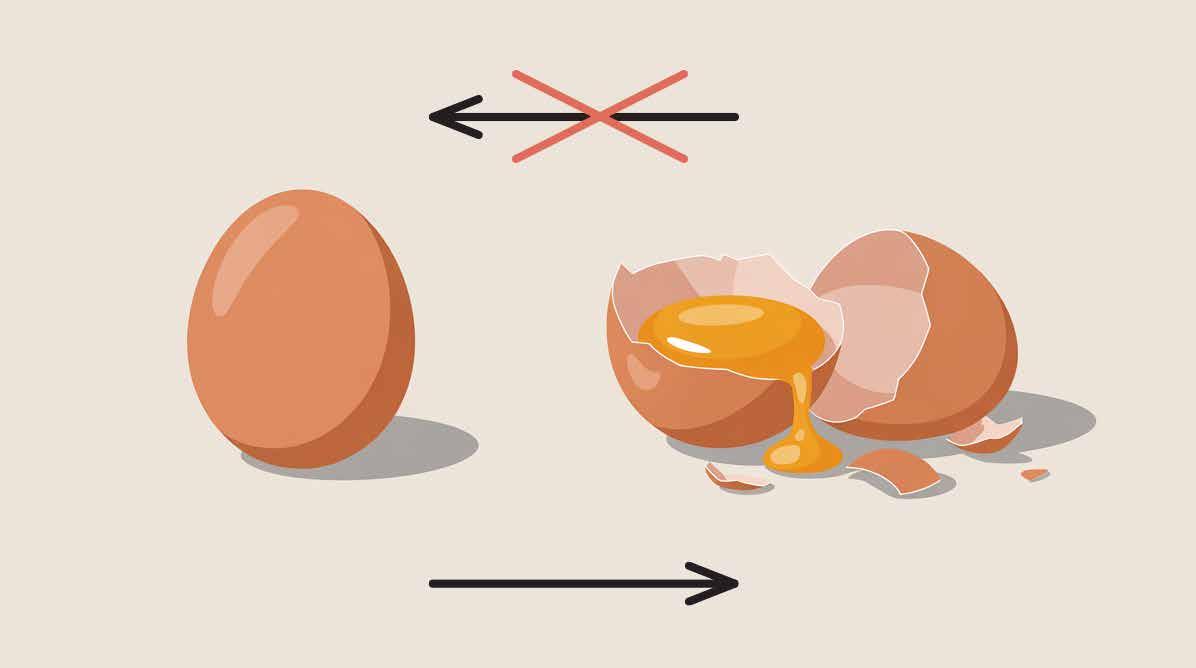
‘Let’s imagine two photographs. One shows a broken egg and the other shows an intact egg. Intuitively, we can all tell which photo was taken first’, explains Jerzy Dajka. ‘Entropy is a quantity that allows us to order the chronology of events. In the case of an unbroken egg, entropy is lower, and in the case of a broken egg, it is higher, and thus we can see that entropy is related to disorder. In other words, it is a quantity that we can use to estimate disorder in a system. What is more, we know that this disorder can only increase. That is not all: systems are not capable of ordering themselves, which means that the broken egg cannot return to its pre-broken state on its own. It was only with the birth of statistical mechanics that we were able to link entropy to the statistical properties of complex systems, and the famous entropy formula describing it is inscribed on the tombstone of its discoverer – the great Ludwig Boltzmann’.
WHAT DOES ENTROPY HAVE TO DO WITH INFORMATION?
Although the concept of entropy was born in relation to heat engines and energy processes, over time it turned out to have a much broader meaning – extending to information theory, computer science, biology, and even cosmology.
In the 1940s, American engineer and mathematician Claude Shannon created the mathematical foundations of information theory. In his 1948 paper, he introduced a measure of uncertainty associated with the transmission of information (signal) from point A to point B, which he deliberately called entropy. In Claude Shannon’s view, entropy emerged as a measure of information encoding and transmission. Shannon considered the source of information to be a random process that generates symbols – for example, letters of the alphabet – with specific probabilities. He showed that information entropy is a measure of the average amount of information per symbol and, at the same time, a measure of the unpredictability of such a process. If all letters appear with equal probability, entropy is at its maximum; on the other hand, if some symbols are much more
Photo: Freepik AI
frequent than others, entropy decreases, which means that the message contains less information per symbol. It is this quantity that determines the limit of data compression: entropy determines the minimum average length of code needed to record a lossless message. In this way, Shannon linked the abstract concept of information to the practical problems of encoding, transmission and effective determination of the information capacity of communication channels.
‘Entropy and its various variations began to be used in encoding, decoding, and transmission of information. Cryptography is a special case of these issues’, adds the physicist. ‘One type of entropy, mutual entropy, plays a key role in cryptography as a measure of the information that can be obtained from encrypted text. This leads to a number of interesting entropy-based security criteria and directly translates into the resistance of a cryptographic system to attacks’.
Entropy can also be a measure of the behaviour of dynamic processes, i.e. those that occur over time. From the point of view of physics, a very important feature of such processes is their ergodicity when the observation of a single system over a long period of time can be replaced by a shorter observation of many of its copies.
‘Entropy-based measures can be used in issues related to risk assessment, prediction of future behaviour and, above all, in distinguishing between processes that are truly chaotic and those that have a certain order or random component’, explains the scientist.
In this sense, entropy no longer describes disorder in the colloquial sense, but rather the degree of our ignorance about the state of the system. The more possible configurations are consistent with the observed data, the greater the entropy – and thus the less information we actually have. In a sense, information turns out to be negative entropy: its increase means a reduction in uncertainty.
INFORMATION IS ALSO SUBJECT TO THE LAWS
Physics shows that information processing has tangible energy consequences. The Landauer principle, formulated in 1961, plays a key role here, according to which the removal of even a single bit of information from the memory of a physical system must be associated with a minimum release of heat, and thus with an increase in the entropy of the environment. In other words, information is not an abstract entity detached from matter – it must always be stored, processed, and deleted in a physical medium subject to the laws of thermodynamics.
‘In fact, every phenomenon we encounter in the physical world is a thermodynamic process’, explains the physicist. ‘Therefore, all phenomena in which entropy would spontaneously decrease must be rejected as non-physical. Otherwise, we would be dealing with a perpetual motion machine of the second kind’.
Taking this into account makes the second law of thermodynamics take on a new meaning. Not only does it limit the efficiency of heat engines but it also sets limits on information processing. Every calculation, every logical operation, and every
act of forgetting has its cost. Contemporary research shows that these limits are beginning to have practical significance in quantum computers.
Thus, entropy becomes a concept that connects energy, information, and time. It is not only a measure of physical irreversibility but also of the amount of information needed to describe the world. Contemporary physics increasingly often treats information as one of the fundamental categories of for the description of reality – and entropy as its natural measure.
ENTROPY IN QUANTUM COMMUNICATION
Contemporary communication is increasingly quantum, and Shannon’s information entropy has a quantum ‘cousin’ in von Neumann entropy, which allows us to assess not only how information-rich a quantum communication channel is, but also whether it is truly quantum in nature, and therefore secure, or whether it only pretends to be so and is vulnerable to classical attacks. Quantum entropies are useful in certifying the quantum nature of information channels, allowing, among other things, an assessment of whether the channel loses any essential information component related to quantum entanglement.
ENTROPY IN THE UNIVERSE
Entropy also plays an important role in many of our attempts to describe the evolution of the Universe. Not only does it determine the thermodynamic arrow of time but it also suggests the direction of processes from the hypothetical Big Bang to possible future scenarios. The early Universe was very dense and characterised by low entropy. Over time, entropy increases, matter and energy become increasingly dispersed, and the Universe becomes thermodynamically dead.
The fact that this reasoning is far from certain is demonstrated by the presence of black holes through which information seems to ‘leak’ somewhere (?) away from our Universe, as suggested by Bekenstein and Hawking, only to later return. The problem will remain unresolved at least until we finally manage to formulate a generally acceptable theory of quantum gravity, as well as the thermodynamics of quantum systems far from equilibrium.
Before Claude Shannon introduced a new measure of information to the scientific world and wanted to give it a catchy name, he visited the great John von Neumann, who advised him to call the new measure entropy, arguing that ‘No one knows what entropy is anyway, and that gives you an advantage in any discussion’.
Today, as Jerzy Dajka argues, our knowledge is far more complete, and entropy has evolved from an intuitive idea used by early physicists into a well-established mathematical concept with properties documented by theorems. However, the concept of entropy is still sometimes misused by those who forget that even the most powerful theorems require certain assumptions to be fulfilled in order to be valid.
Although it may not seem that way, language is not a human invention. Many animal species have the ability to convey information. Humans use language in quite a unique way – they can construct complex narratives, refer to other people’s thoughts (...).