The peer learning in Sao Paulo The focus of the meeting was to boost learning from both cities’ approaches to upgrading and regulating the cities’ informal settlements. The central question was: “What ways are there to legalize the status of inhabitants of poor areas and how can improved and sustainable living conditions for the residents be opened up?” The following report gives a chronological overview of the projects visited at sites in Sao Paulo and summarizes the outcomes of the presentations and discussions during the event.
Site Visits, first day, November 21, 2011 Site visit to Jardim Pantanal The day started with a bus tour to “Jardim Pantanal settlement”. During the tour, various activities and projects aimed at urban upgrading were introduced. Large investments are being undertaken to create parks and cycling lanes along one of the city’s principal streets (Rodovia Ayrton Senna da Silva). One of the major projects is ‘Parque Linear’. This park extends over 75 km and covers 107 km². It has been developed as a means to give inhabitants of the bordering low income living areas possibilities for recreational and sporting activities thereby increasing their identification, responsibility and pride for their neighborhood.
The “Trani Tour” was very well prepared, with loudspeaker, bus, food and drinks, but overall with answers and stories to almost all the questions raised. Thank you Eduardo Trani, Diana Motta Violeta Kubrusly, and Helena Monteiro!!
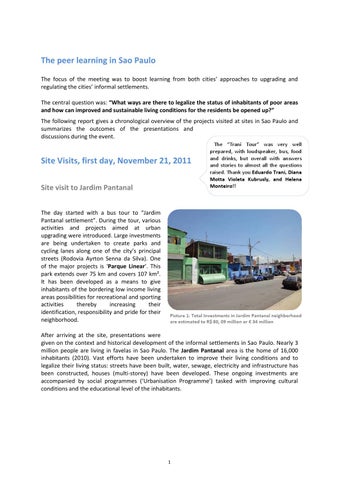
Picture 1: Total Investments in Jardim Pantanal neighborhood are estimated to R$ 80, 09 million or € 34 million
After arriving at the site, presentations were given on the context and historical development of the informal settlements in Sao Paulo. Nearly 3 million people are living in favelas in Sao Paulo. The Jardim Pantanal area is the home of 16,000 inhabitants (2010). Vast efforts have been undertaken to improve their living conditions and to legalize their living status: streets have been built, water, sewage, electricity and infrastructure has been constructed, houses (multi-storey) have been developed. These ongoing investments are accompanied by social programmes (‘Urbanisation Programme’) tasked with improving cultural conditions and the educational level of the inhabitants.
1