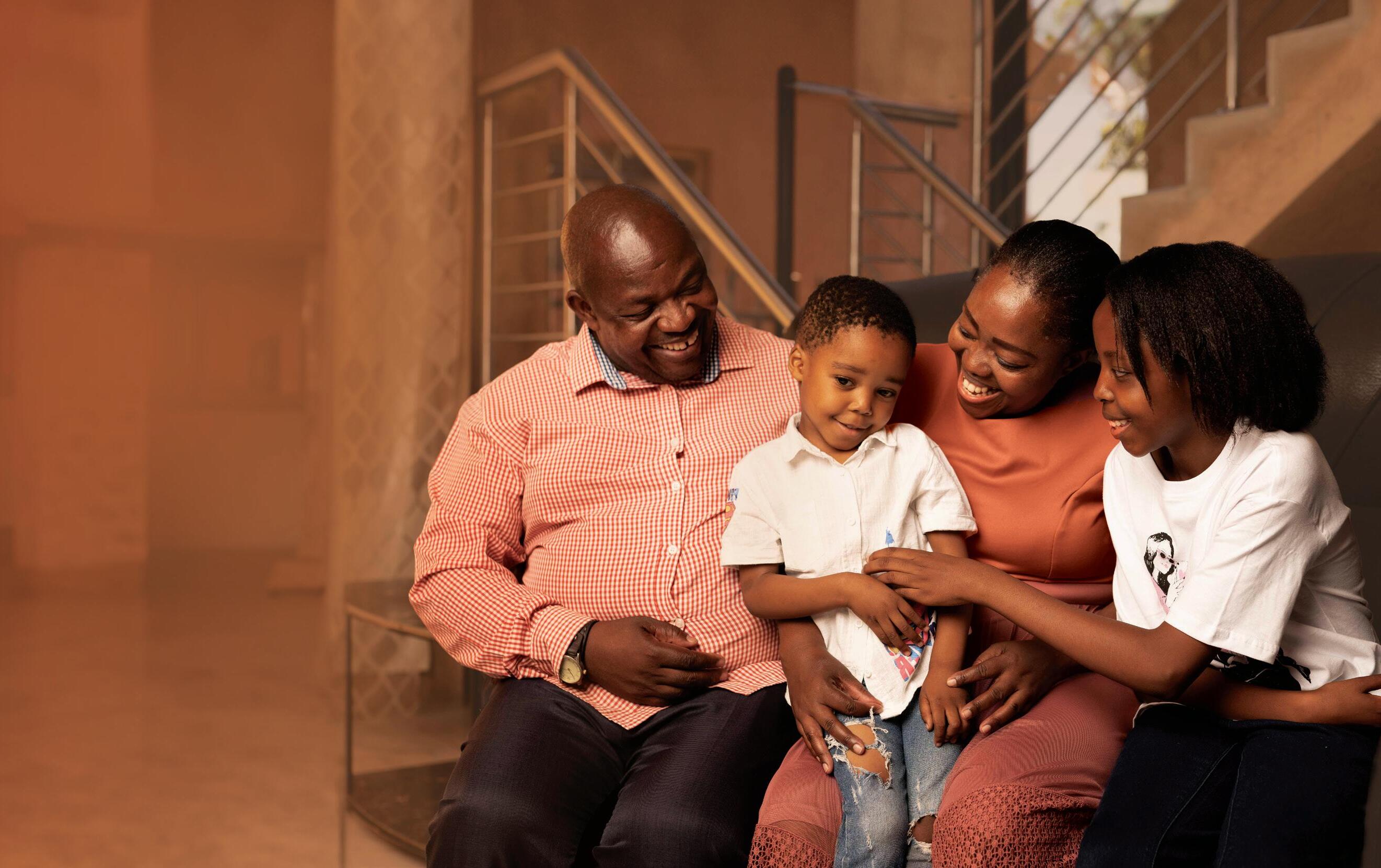
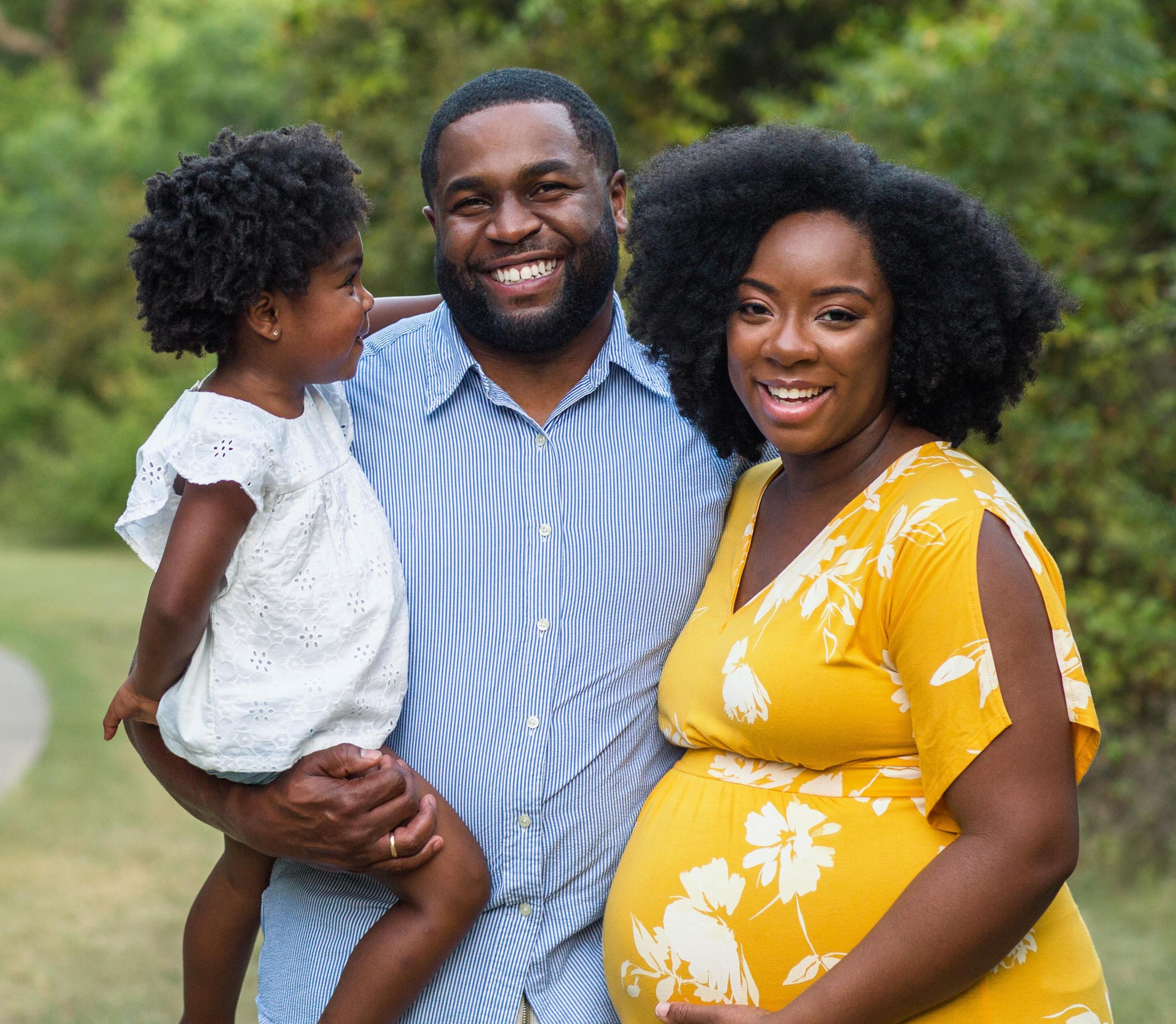
Join a medical scheme that understands the needs of the South African Family and enjoy rich benefits on Tanzanite One and Emerald Value option (EVO).
The Tanzanite One and Emerald Value options are specially designed and aligned with the vision of improving access to quality healthcare. These options provide cost-effective solutions to meet your healthcare needs. On both of these options, you will also have access to a selection of private and public hospitals on the GEMS Hospital Network - without the hefty price tag!
CREDITS
PUBLIC SECTOR LEADERS
The Digimag For Leaders In The South African Public Sector Fully Accredited Member of ABC
Advertising Sales, Distribution and Subscriptions
Top Media & Communications (Pty) Ltd Tel: 086 000 9590 info@topco.co.za | www.topco.co.za
CEO Ralf Fletcher
TOPCO STUDIO
Production Director
Van Fletcher van.fletcher@topco.co.za
Group Editor
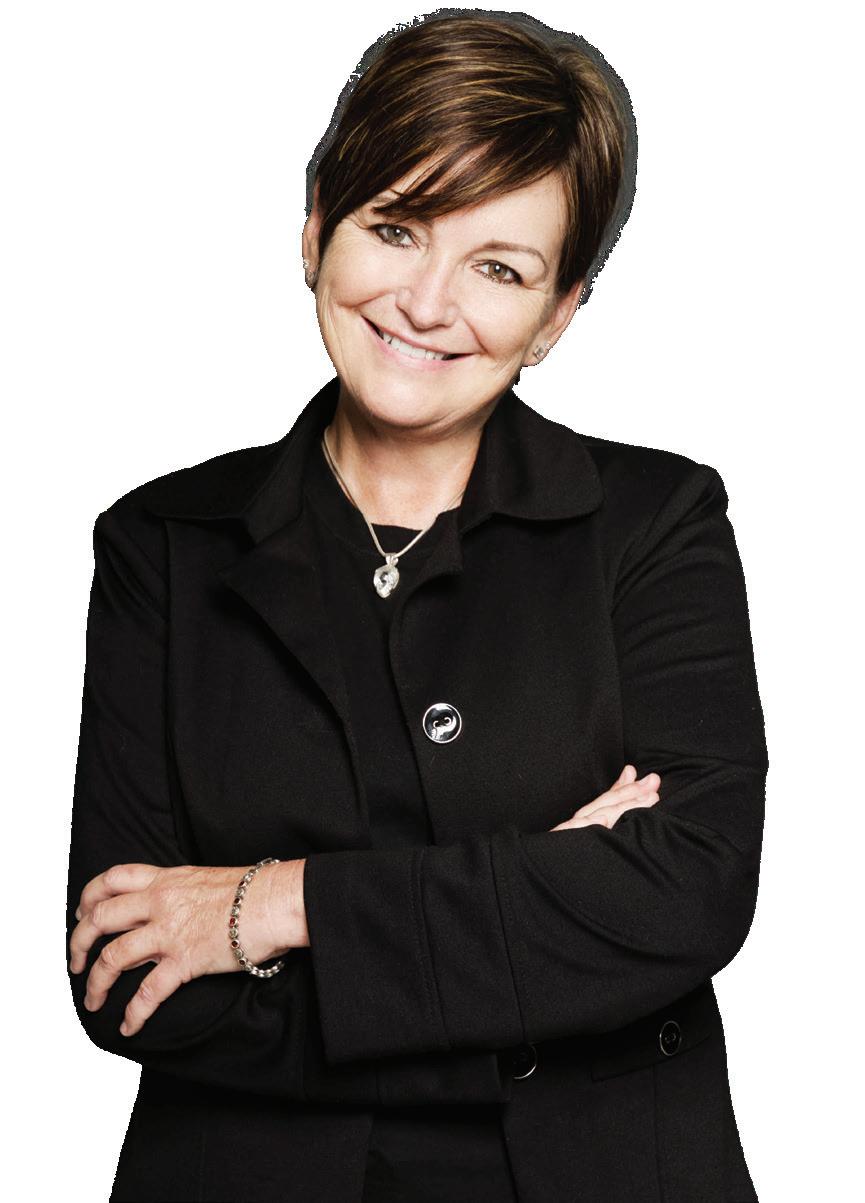
Fiona Wakelin fiona.wakelin@topco.co.za
Assistant Editors
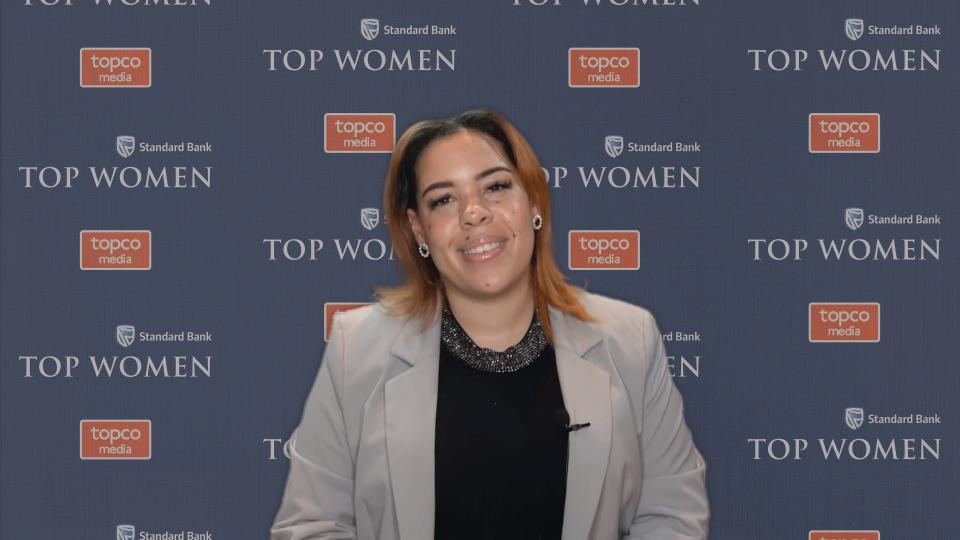
Koketso Mamabolo
koketso.mamabolo@topco.co.za
Naledi Mokoena naledi.mokoena@topco.co.za
Contributors
Jessie Taylor
Ofentse Madisha
Wandile Shihlobo
Design
Sisanda Voko
Traffic Manager
Daniël Bouwer artwork@topco.co.za
SALES
National Project Manager
Emlyn Dunn Tel: 072 1263962 emlyn.dunn@topco.co.za
Brand Coordinator
Sidney Phiri sidney.phiri@topco.co.za
Printers
LAW Print
Images iStock / Unsplash / GCIS | Flickr
Digital Publishing Platforms Issuu Magzter Media Carrier
Head Office
Top Media & Communications (Pty) Ltd T/A Topco Media Elkay House, 186 Loop St Cape Town
All rights reserved. No part of this publication may be reproduced, stored in a retrieval system or transmitted, in any form or by any means, electronic, mechanical, photocopying, recording or otherwise, without the prior written consent of Top Media & Communications (Pty) Ltd T/A Topco Media. Reg. No. 2011/105655/07. While every care has been taken when compiling this publication, the publishers, editor and contributors accept no responsibility for any consequences arising from any errors or emissions.
LEADERS IN CYBERSECURITY OPERATIONS MANAGEMENT
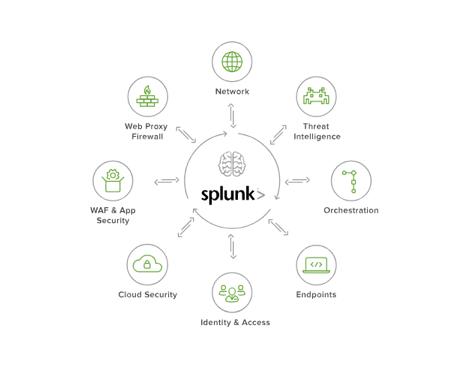
Incorporated in 2014, DataProof Communications is a cybersecurity company specialising in cybersecurity operations, incident management and response best practices and technologies. DataProof’s objective is to provide comprehensive cybersecurity solutions through people, processes and technology to help organisations protect the confidentiality, integrity and availability of their ICT assets.
SERVICE OFFERING
Professional Services
• Design, implementation and intergration
• Network, security, mobility, compute, storage and virtualisation
• Migrations
Cyber Security Operations Centre (CSOC)
BY FIONA WAKELIN
Letter from the Editor
Welcome to the May edition of Public Sector Leaders (PSL)
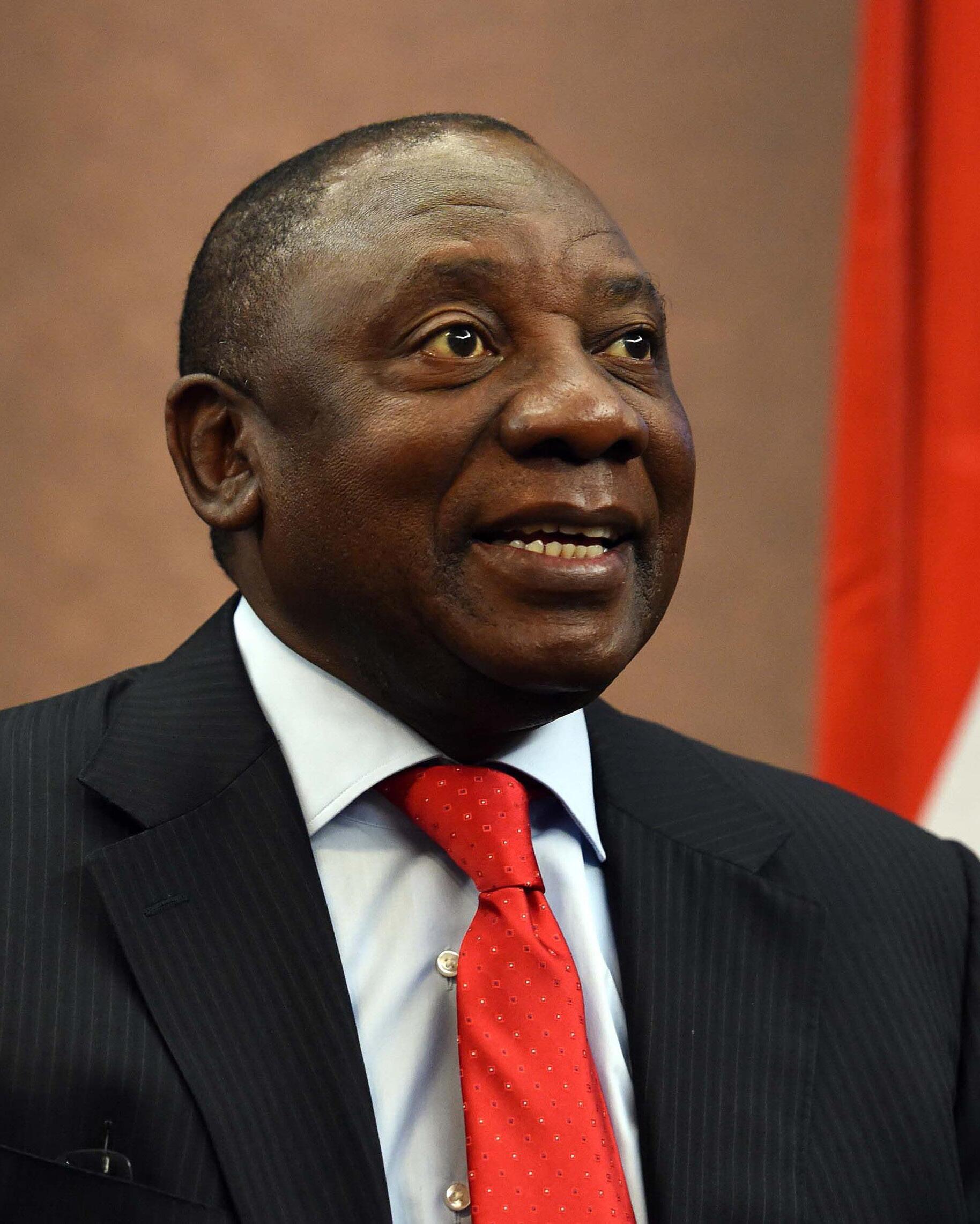
In his letter to the nation on 16 May President Ramaphosa focused on the stabilisation in the availability of electricity and reduction in load shedding across South Africa.
“As of today, the country will have had no load shedding for over a month and a half. This welcome development shows that the Energy Action Plan we announced in 2022 is working. It is too early to say that load shedding has been brought to an end. However, the sustained improvement in the performance of Eskom’s power stations – as well as the new generation capacity we have added to our energy system –gives us hope that the end of load shedding is in sight,” – H.E Ramaphosa.
Fittingly, our front cover focuses on Africa month and all the promises the continent holds.
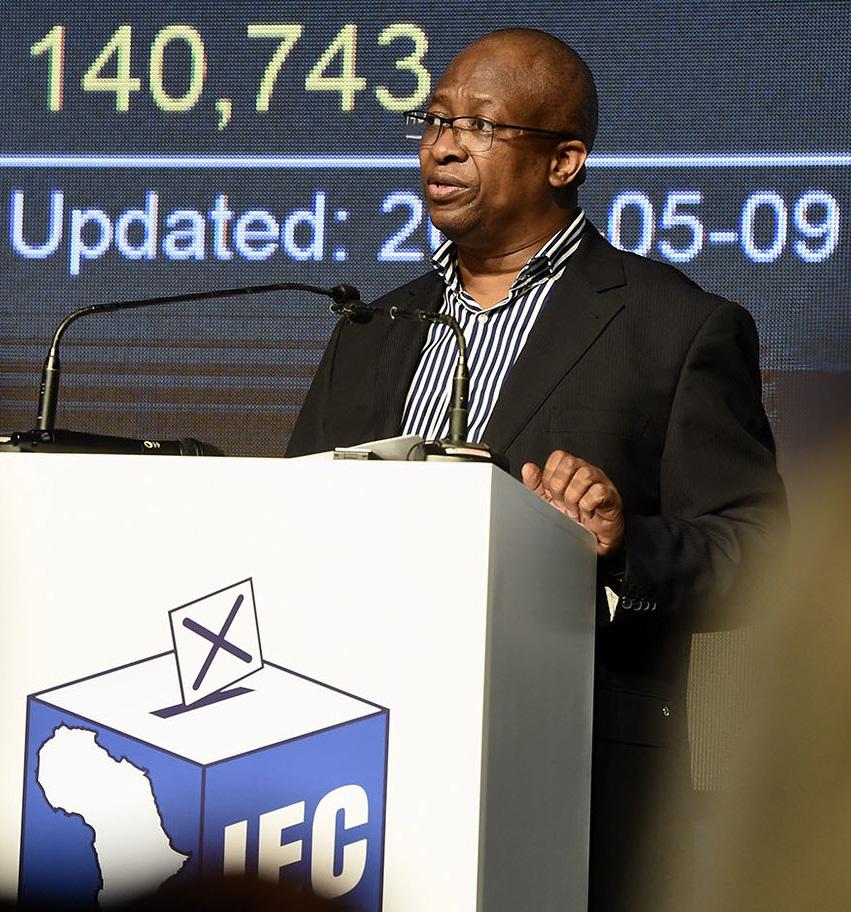
In this May edition of PSL we look at all things related to our elections and our Trailblazer is Sy Mamabolo - Chief Electoral Officer. “The Electoral Commission is an independent constitutional body that manages free and fair elections of legislative bodies and institutions through the participation of citizens, political parties, and civil society in deepening electoral democracy. Sy Mamabolo has guided the organisation since his appointment in October 2017, with a wealth of experience gained over two decades of electoral administration. He is a veteran of eight elections since the advent of democracy in our country.”
Our Woman In Leadership this month is Honourable Thembi Nkadimeng, who became Minister of Cooperative Governance and Traditional Affairs (CoGTA) in March 2023 as part of President Ramaphosa’s cabinet reshuffle.
“Our immediate task at hand is to up the ante and herald a new sense of urgency in how we have been working,” - Honourable Nkadimeng.
The contribution by Ofentse Madisha, Head of Public Policy for South Africa at Uber, on public transport in Africa makes for a really interesting read –“public and private sectors need a clear platform to share notes, develop policies that reform public institutions, business practices and investment decision frameworks. As we set our sights to the century ahead, we need to be intentional about each brush stroke that shapes the future for the next generation.”
“The agricultural sector has an ambitious and unifying vision through the Agriculture and Agro-processing Master Plan (AAMP) launched in May 2022,” – read more in the article by Wandile Sihlobo, chief economist at the Agricultural Business Chamber of SA and a senior fellow in Stellenbosch University's Department of Agricultural Economics.
The Regional Focus is on Free State and - staying with the focus of President Ramaphosa’s
letter to the nation - we take a look at the latest developments in energy and the environment as well as the Central Energy Fund and those African countries leading in the renewable energy and tech space - South Africa, Egypt, Nigeria, Morocco and Kenya.
From all of us at Public Sector Leaders, we hope you enjoy the read.
FIONA WAKELIN | GROUP EDITOR
ADDRESSING THE NATION
BY FIONA WAKELIN
Reduced load shedding shows that collective efforts are working
His Excellency President Ramaphosa penned a letter to the nation on 16 May which focused on the stabilisation in the availability of electricity and reduction in load shedding across the country.
“As of today, the country will have had no load shedding for over a month and a half. This welcome development shows that the Energy Action Plan we announced in 2022 is working. It is too early to say that load shedding has been brought to an end. However, the sustained improvement in the performance of Eskom’s power stations – as well as the new generation capacity we have added to our energy system –gives us hope that the end of load shedding is in sight,” – H.E Ramaphosa.
President Ramaphosa also highlighted the renewed focus by Eskom on maintenance and the return to service of several units. Losses due to unplanned outages were reduced by 9% between April 2023 and March 2024, adding the equivalent of 4 400 MW of capacity to the national grid. Improved maintenance has resulted in more reliable output from power stations - otherwise known as the country’s Energy Availability Factor (EAF). The EAF has been above 60% since April, compared to 53% over the same period last year.
Not only is the system benefitting from improved maintenance, but the dedication of law enforcement agencies, together with the National
Prosecuting Authority, has resulted in great strides being made in rooting out corruption at Eskom.
“The leadership, management and staff of Eskom, particularly the power station general managers and their teams, are to be commended for their efforts. The work of the National Energy Crisis Committee, which coordinates the response across government, has also been vital. The strong partnership with business and the support of other social partners has enabled the deployment of valuable resources and expertise. The stabilisation in the availability of electricity and reduction in breakdowns signal a real trend in improved plant performance.
“Yet, against all the available evidence, some people have claimed that the reduced load shedding is a political ploy ahead of the elections. Some have speculated that there is less load shedding because Eskom is using the diesel-fuelled peaking plants to ‘keep the lights on’ in the runup to the elections.
“This is not borne out by the facts. Eskom is actually using these peaking plants at a much lower rate than the last two years. For example, last month Eskom spent more than half as much on diesel as it did in April 2023,” – H.E. Ramaphosa.
Another key factor driving the reduction in load shedding is the addition of new generation capacity, mostly from renewable energy sources, with a pipeline of more than 130 private energy
projects, representing over 22 500 MW of new capacity, some of which are already starting to connect to the grid.
“As a result of the tax incentives and financing options we introduced for businesses and households, by November last year the capacity of rooftop solar had reached over 5,000MW, more than doubling in just twelve months. This has helped to alleviate pressure on the national grid. More bid windows have been released for new capacity from solar, wind, gas and battery storage, with more than 10,000 MW currently in procurement through public programmes,” –President Ramaphosa.
His Excellency emphasised that the Electricity Regulation Amendment Bill, which we tabled in Parliament last year, will encourage investment and bring down electricity prices and that the transmission network to accommodate renewable energy is expanding in provinces like Northern Cape - with a plan to build over 14 000 km of new transmission lines across the country.
“Just as we note this progress, we must be clear that we are not out of the woods yet. The risk of load shedding remains. We must therefore all continue to play our part by using electricity sparingly and paying for the electricity that we use. What we can say for sure is that our plan is working. We are determined to stay the course and to continue this work until the energy crisis is brought to an end once and for all,” – H.E. Ramaphosa.
FIVE REASONS
YOU SHOULD PARTNER WITH A B2B EVENT
“You can do it yourself - but the experts can do it better.”
Conference Producer Janine Brown breaks down the benefits of partnering with a B2B Event. Scan the QR code to find out more >>>
BY JESSIE TAYLOR
Sy Mamabolo
The man behind the preparations for SA's national elections
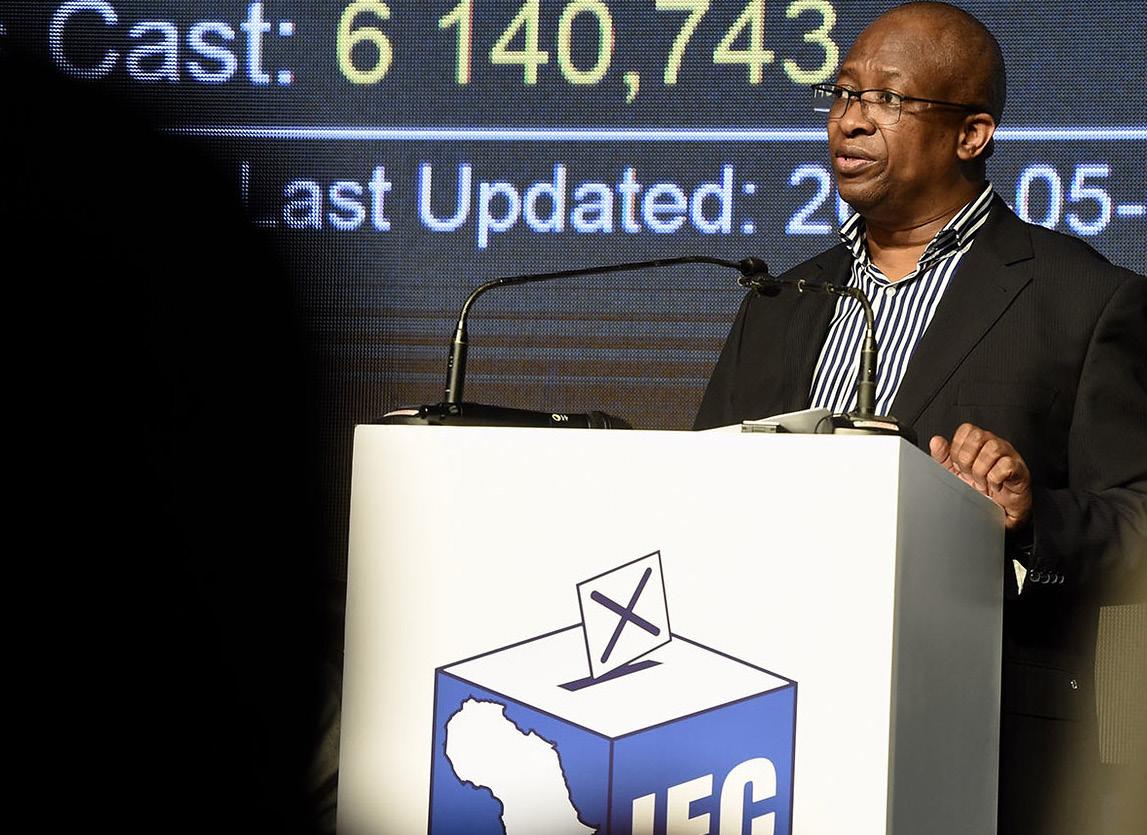
South Africa is approaching its seventh general election, with the preparations under way by the Electoral Commission. At the helm of this organisation is the Sy Mamabolo, the Chief Electoral Officer.
The Electoral Commission is an independent constitutional body that manages free and fair elections of legislative bodies and institutions through the participation of citizens, political parties, and civil society in deepening electoral democracy.
Sy Mamabolo has guided the organisation since his appointment in October 2017, with a wealth of experience gained over two decades of electoral administration. He is a veteran of
eight elections since the advent of democracy in our country.
DECADES IN ELECTORAL ADMINISTRATION
Sy previously served as Deputy Chief Electoral Officer of Electoral Operations for five years, during which he oversaw operations for the 2014 national and provincial elections and the 2016 municipal elections. This position entails the strategic leadership of the entire electoral programme.
He spearheaded the legislative amendments in Parliament for both the last general elections. Before that, he was the Provincial Electoral Officer for Gauteng and has extensive experience in research
and public administration, having completed a Bachelor’s Degree in Arts and a Master’s Degree in Management, both from the University of the Witwatersrand. His interest in public life was influenced by his early involvement in student politics and the struggles of young people in the 1980s. He has served in leadership positions in both the youth and student movement, culminating with election onto the Student Representative Council of the University of the Witwatersrand in 1993.
As part of his professional responsibilities, Sy has travelled extensively on the continent to promote good governance and the conduct of credible elections
and has visited, among others, Australia, Botswana, Brazil, Ghana, Liberia, Mexico, Mozambique, Panama, and Zimbabwe.
NEW BALLOT PAPER ROLLOUT
Sy sees the 2024 general election is a landmark event as it marks 30 years of electoral democracy.
“The Commission reiterates its willingness and ability to deliver this mammoth national project. All staff of the Commission stand ready to fulfil their tasks and thus ensure that the Commission meets its constitutional duties pertaining to the 2024 general elections,” he said.
He said this year’s election introduced novel experiences for
the voters, such as a third ballot in the national and provincial elections and the participation of independent candidates for the very first time.
The 27.79 million registered voters will receive three ballot papers to elect candidates to represent them in the National Assembly and Provincial Legislatures.
The use of the three ballots follows the amendment of the Electoral Act, which was signed into law in April 2023. This amendment revised the electoral system to allow independent candidates to contest in the regional tier of the National Assembly and the Provincial Legislatures.
AMONG SY’S RESPONSIBILITIES IS OVERSEEING THIS CHANGE AND THE ROLLOUT OF THREE BALLOT PAPERS THIS YEAR.
• The national ballot: This ballot will consist of a list of political parties vying for seats for 200 seats in the National Assembly. This ballot will be used to vote for political parties. There are currently 52 parties who will be on this ballot, and the configuration will be a dual column.
• The regional or province-tonational ballots: It will have political parties and independent candidates contesting for the seats reserved for each province in the National Assembly. Voters will use this ballot to elect a political party or an independent candidate to represent them in the National Assembly. The number of contestants ranges from 30 to 44 on regional ballots. The configuration of this ballot is a single column.
• The provincial ballots: This ballot is unique to each province and includes parties and independent candidates competing for seats in each
respective provincial legislature. This ballot will allow voters to choose either a political party or an independent candidate to represent them in provincial legislatures. The number of contestants range from 24 to 45 on the provincial legislature ballots.
"The Commission urges voters to carefully review and mark each of these three ballot papers before depositing them into the ballot box. Our appeal to voters is to remember that they can only put one mark on each ballot, more than one mark will result in a spoiled vote and not counted,"Sy
Mamabolo.
Who's contesting this year's election?
The Commission has issued certificates to the 14 889 candidates who will contest 887 seats in the forthcoming elections. Fifteen political parties are contesting all tiers of the elections which means the compensatory seats in the National Assembly, the nine province-to-national elections as well as the nine provincial legislatures. A total of 31 political parties will contest the national elections for the first time.
An analysis of the list of candidates reflects that at 58% are male, with female candidates at 42%.
Candidates in the age category 40-49 are the majority at 4 361, followed by the 3 708 in the 50-59 age category and the 3 406 in the 30-39 age group. Candidates who are over 60 stand at 1 924 and those between the ages of 18-29 are 1 493.
INDEPENDENT ELECTORAL COMMISSION
BY JESSIE TAYLOR
Preparing for free and fair elections
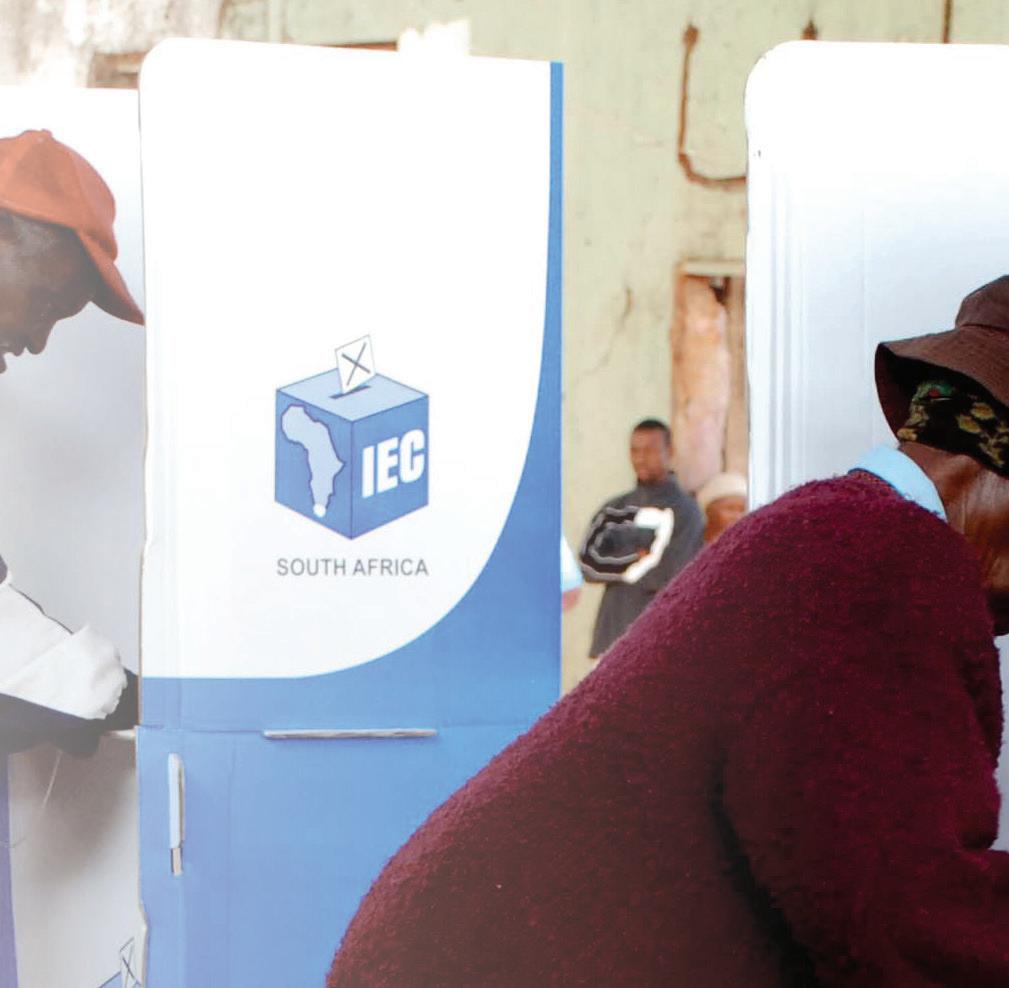
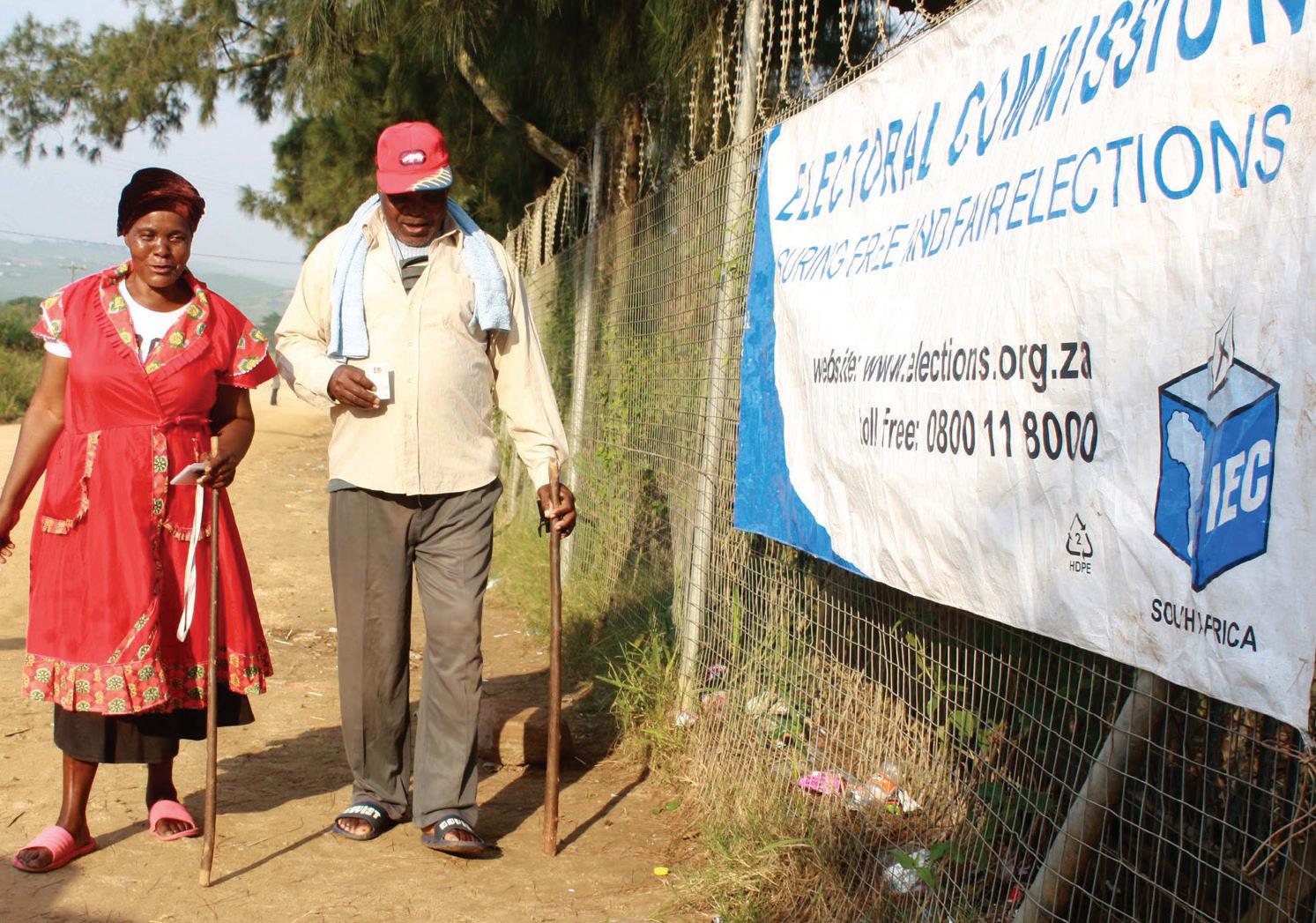
As South Africans head to the polls later this month, the Independent Electoral Commission (IEC) has said that it is prepared for the country's seventh democratic election.
The elections will take place on Wednesday 29 May and more than 27.79 million voters - the highest since the dawn of democracy in South Africa, are eligible to cast their votes in the 2024 National and Provincial Elections.
In preparation for the elections, the ICE has begun printing the ballot papers and has unveiled details such as security plans and the process for special voting.
CANDIDATES AND VOTING STATIONS
Among the work done by the IEC has been to host the signing of the Electoral Code of Conduct by political parties and independent candidates contesting the elections. This year, 70 political parties and 11 independent candidates have been published by the IEC as final contestants in the elections. There are over 14 903 candidates vying for 887 seats in the National and Provincial Legislatures.
“The finalisation of the list of candidates contesting seats in the 2024 National and Provincial Elections means that the Commission can now
go ahead with the printing of ballot papers for the elections. The 27.79 million registered voters will receive three ballot papers to elect candidates to represent them in the National Assembly and Provincial Legislatures," the IEC said.
The Electoral Commission has also published the list of addresses of the 23 292 voting stations that will be used in these elections, as well as the route for mobile voting stations.
The highest number of voting stations will be in Kwazulu-Natal (4 974), Eastern Cape (4 868) and Limpopo (3 216). The full list can be found on the Electoral Commission’s website.
SPECIAL VOTES
The application process for special votes closed on 3 May. These include home visits, which cater for voters unable to travel to voting stations, and special votes at voting stations for those unable to be at the voting station on Election Day. Special voting will be conducted on the two days preceding Election Day, on 27 and 28 May 2024.
Special votes will also be administered at South Africa’s diplomatic missions abroad to service 58 000 registered voters. While the electoral administration
demands that voters cast ballots at the voting station of registration, the IEC's framework allows for voters to vote at other voting stations where they are not registered if such voters notify the Commission.
Notification for this purpose will close on 17 May 2024.
SECURITY FOR VOTERS
The government has assured citizens that the elections will be conducted in a safe and secure environment.
Minister of Defence and Military Veterans Thandi Modise says: "As the government, we want to issue a stern warning to anyone with intentions to disrupt the elections that law enforcement officers will deal with them decisively and will put them behind bars."
Minister Modise assured the public of the readiness of the Justice, Crime Prevention and Security Cluster in executing its mandate of protecting the public, ailing with the country’s strategic installations and infrastructure during the election period.
"We will do everything in our power to protect all those who want to exercise their Constitutional right to vote," Minister Modise said.
CALLING FOR A FREE AND FAIR ELECTION
President Cyril Ramaphosa has called for a free and fair election and for South Africans to uphold the nation's
reputation for electoral integrity. According to the 2023 Electoral Integrity Global Report, South Africa ranks third highest on the continent when it comes to perceptions of electoral integrity. The report is made of up expert assessments of electoral integrity in 169 countries around the world, using indicators such as electoral laws and procedures, voting processes, campaign financing, media coverage and vote counting.
"Over the past 30 years we have held elections that are not only free and fair, but also peaceful and free of intimidation. Dire predictions of South Africa ‘regressing into violence’ or ‘democratic backsliding’ that regrettably remain a common feature of some reportage and analysis have been proven wrong time and again," said President Rampahosa.
The President added that despite its many challenges, our democracy is in good health.
"It is up to us all to ensure that this year’s election is a success in our ongoing journey of democratic consolidation. It is up to us all, whether as government, political parties, candidates, voters, the media or civil society organisations, to play our part by ensuring that our actions and words inspire faith in our democracy. We must continue to work together to ensure that nothing undermines the integrity of our elections," he said.
BY OFENTSE MADISHA
Africa’s prosperity depends on access and mobility
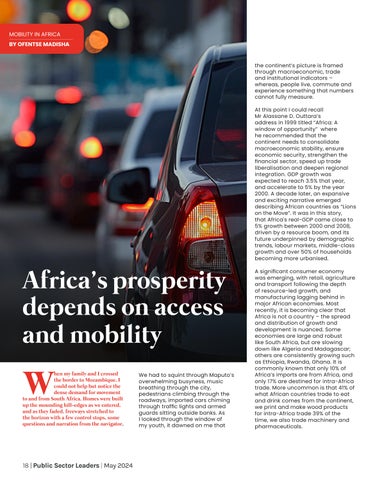
When my family and I crossed the border to Mozambique, I could not help but notice the dense demand for movement to and from South Africa. Homes were built up the mounding hill-edges as we entered, and as they faded, freeways stretched to the horizon with a few control stops, some questions and narration from the navigator .
We had to squint through Maputo’s overwhelming busyness, music breathing through the city, pedestrians climbing through the roadways, imported cars chiming through traffic lights and armed guards sitting outside banks. As I looked through the window of my youth, it dawned on me that
the continent’s picture is framed through macroeconomic, trade and institutional indicators –whereas, people live, commute and experience something that numbers cannot fully measure.
At this point I could recall Mr Alassane D. Outtara’s address in 1999 titled “Africa: A window of opportunity” where he recommended that the continent needs to consolidate macroeconomic stability, ensure economic security, strengthen the financial sector, speed up trade liberalisation and deepen regional integration. GDP growth was expected to reach 3.5% that year, and accelerate to 5% by the year 2000. A decade later, an expansive and exciting narrative emerged describing African countries as “Lions on the Move”. It was in this story, that Africa's real-GDP came close to 5% growth between 2000 and 2008, driven by a resource boom, and its future underpinned by demographic trends, labour markets, middle-class growth and over 50% of households becoming more urbanised.
A significant consumer economy was emerging, with retail, agriculture and transport following the depth of resource-led growth, and manufacturing lagging behind in major African economies. Most recently, it is becoming clear that Africa is not a country – the spread and distribution of growth and development is nuanced. Some economies are large and robust like South Africa, but are slowing down like Algeria and Madagascar; others are consistently growing such as Ethiopia, Rwanda, Ghana. It is commonly known that only 10% of Africa’s imports are from Africa, and only 17% are destined for intra-Africa trade. More uncommon is that 41% of what African countries trade to eat and drink comes from the continent, we print and make wood products for intra-Africa trade 39% of the time, we also trade machinery and pharmaceuticals.
These suggest that there are intra-regional economies which are the backbone of continental trade, potentially accelerating the liberalisation of trade as an undercurrent to growth. However, I am compelled to ask how the average person will see into this window of possibilities, and reap the benefits?
Major and small cities spanning along the West Africa Coast capturing Nigeria, Benin, Togo, Ghana and Cote d’Ivoire will have 51 million people by 2035, signalling a densely inspired urbanising coastline. It will demand new investments in ports, railways, freeways and bulk infrastructure. All of which may be available at a high premium for a built environment that faces “ruinous” misrepresentation of material risk to financing, according to Hoppotyle Fofack, Chief Economist at African Export-Import Bank.
When we zoom past the hills in Mozambique again, and see the freeway stretching to the horizon, African cities are urbanising at a rate of 500 million people over two decades. There are estimates that 12 African cities will have more than ten million people by 2040– by the end of the century 40% of the world's population is expected to be in Africa. There is a drive to develop freeway corridors north-south and east-west that span 1000s of kilometres connecting countries; high-speed railway initiatives; local rail and bus-rapid transit investments. We have also seen significant emphasis on investing in popular transport, such as matatus, minibus taxis, boda bodas in different forms across various countries.
The sheer scale of the mega and micro-projects needed to manage the travel demand, mobility, road safety and accessibility needs in the continent transcend the scope of this reflection. But, I must say that it is in how people will move
to and from work, home, school and other activities where the fabric of opportunity is woven, trade is moulded, tailored to meet the needs of the market. While economic development, trade and investment are key contributions of the transport sector, it is common practice to ignore the role it plays in orchestrating a rhythm of society.
Transportation frames livelihoods, it is the canvas upon which people find a sense of self, community, and security. To get around, passenger transport costs for the poorest 20% of households exceed 10% of their income in Dakar, but can go above 40% for cities like Abidjan, Kigali, Dar Es Salaam and Lagos. This inhibits people's ability to access opportunities to participate in the social and economic spaces of the economy – building a hidden inertia that erodes prosperity. The SSATP reports that Africa has the highest road fatalities per 100 000 people, at 26.6, exceeding the global average by 44%. There are as many pedestrians dying on African roads as there are four-wheel vehicle users, indicating that road users in Africa are disproportionately at risk of road deaths than anywhere else in the world.
The continent has over 80 million people with disabilities, and there is a significant gap between frameworks, transport policies and guidelines for visual, hearing and mobility impairments – countries may make mention of them, but few take action. This implies that there are people who do not have the right of mobility, to self-determine their travel, and experience the surprises hidden in the pockets of a bustling African city. Beyond trade and investment, there is a case to be made for people, their cities, and hues used to fill their lives with colour.
We are therefore compelled to reconcile the hidden tension beneath Africa’s development as a mirror image of “accessibility
to places” and “accessibility for people”. Accessibility to place is a clear measure for where things are located and how far, or what it would take to reach them and participate in activities located there, like schools, jobs and so forth. Mobility infrastructure such as roads, public transport and private cars enable accessibility to places – these fuel Africa’s supply chains.
However, this is not accessible for people. It does not seem that the African transport economy is truly accessible for people in terms of the cost of mobility, the safety of roads, and universal accessibility for people with disabilities. Reflecting again on Maputo, the tiled murals, historical artefacts and how the sun sets over the skyline are moments I remember most. In this sense, when we see the macroeconomic indicators, trade indicators, and city growth numbers – it is important to see that accessibility for people is not only required, it is a key step to a just transport system.
This is a system that makes people feel financially secure, physically safe and is accessible in dignified and meaningful ways. To achieve this, public and private sectors need a clear platform to share notes, develop policies that reform public institutions, business practices and investment decision frameworks. As we set sight to the century ahead, we need to be intentional about each brush stroke that shapes the future for the next generation.
Africa: A window of opportunity
Ofentse Madisha is the Head of Public Policy for South Africa at Uber, a PhD candidate in Civil Engineering at the University of Cape Town. Views expressed are his own.
BY JESSIE TAYLOR
South Africa launches its trade under the African Continental Free Trade Agreement
The latest developments
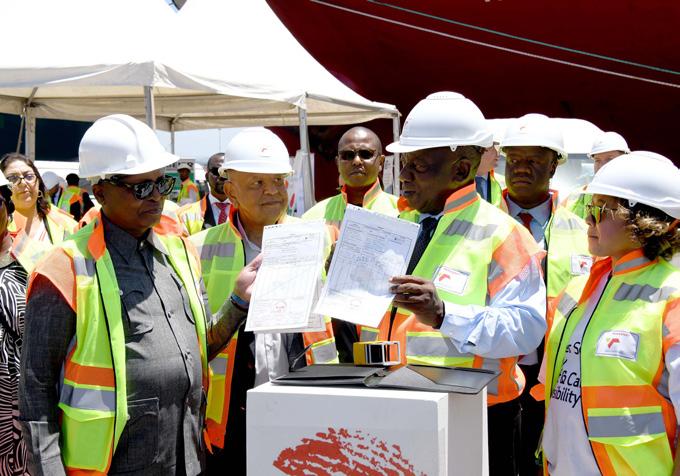
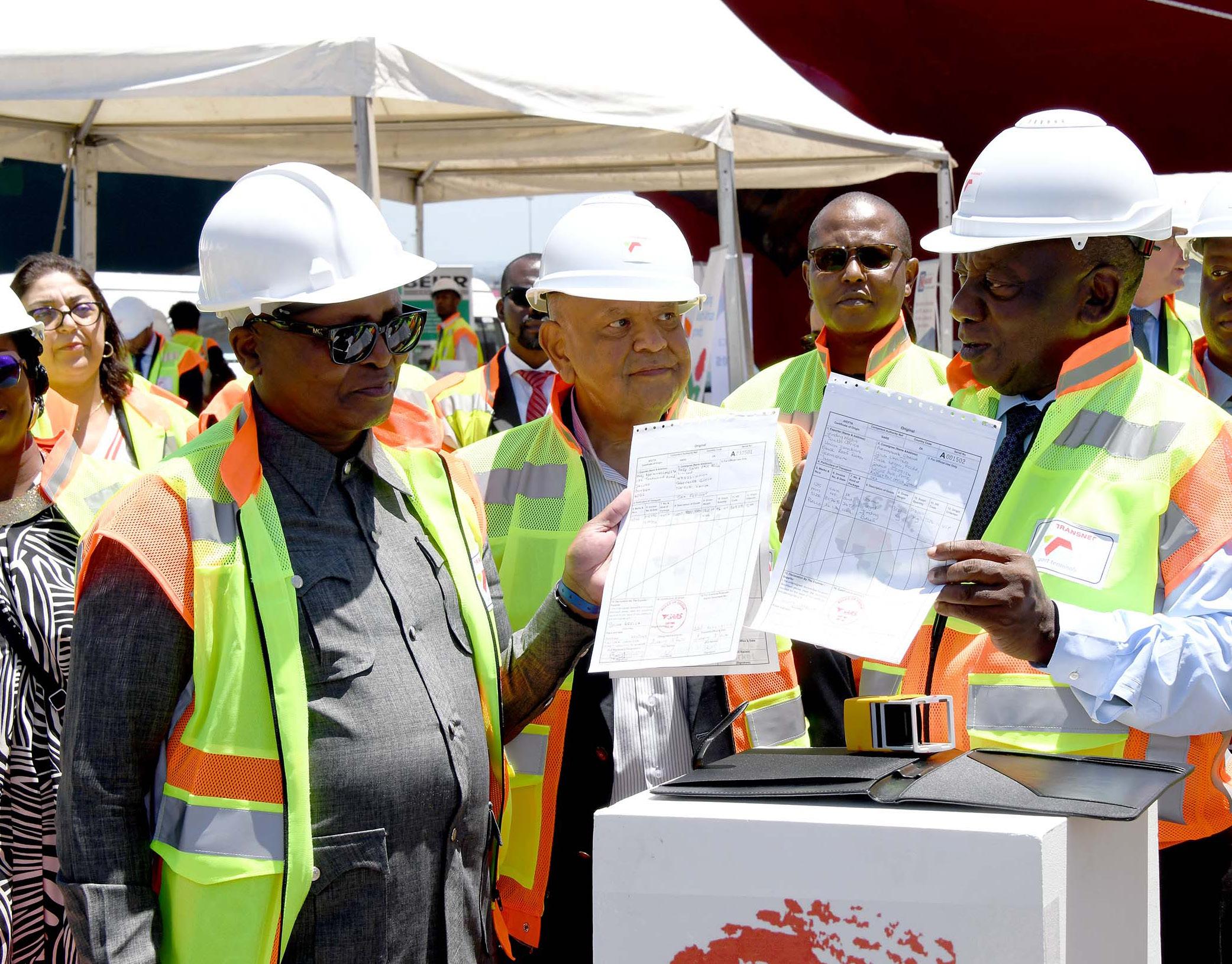
South Africa launched its trade under the African Continental Free Trade Agreement (AfCFTA) with the first shipment dispatched at the start of the year.
This follows the publication in the Government Gazette of the terms under which South Africa will participate in the new free trade agreement.
South Africa is among 12 countries to have finalised their legal modalities that will enable the trade of thousands of product lines, ranging from food and beverages to steel products and equipment,
taxis, pharmaceutical and personal care products, chemical products and household goods such as fridges and televisions.
South Africa is one of four of the five Southern African Customs Union (SACU) countries to practically realise the AfCFTA Agreement.
CHARTING A NEW COURSE FOR AFRICA
The AfCFTA is a trade agreement between all 55 member states of the African Union. The AfCFTA aims to significantly boost intraAfrica trade, particularly in value-
added production and trade across all services sectors of Africa’s economy.
Officially launched in 2021, the agreement has significant potential to unlock economic activity on the continent. The AfCFTA aims to remove several barriers that the region has faced in trade and competitiveness and opens up opportunities for Africa to join regional and global value chains.
The preferential trade agreement aims to increase international exports and intra-African trade, unlocking tremendous opportunities
President Cyril Ramaphosa officiates South Africa first trade shipment under AfCFTA, 31 Jan
for businesses to access new markets across the continent.
The AfCFTA creates a single market, which is projected to grow to 1.7-billion people and $6.7-trillion in consumer and business spending by 2030.
With a GDP of approximately $406billion, South Africa represents one of the largest economies on the continent. The successful implementation of the AfCFTA is likely to provide South African exporters with new market access opportunities to key markets in the continent beyond the Southern Africa Development Community.
This, in turn, is likely to unlock further growth in the economy while providing market access in turn for other African countries to the SA market.
Taking a leading role in trade President Cyril Ramaphosa officiated the dispatch of the first shipment. H.E. said: "For South Africa, as with many other African countries, the start of preferential trade will create great opportunities for growth and development. Not only will it benefit our country’s producers, but it will also see a huge increase in traffic through our ports, our airports and our land-based border posts."
Officiating the launch of South Africa's first shipment and preferential trading under the AfCFTA, the President said the levels of intra-African trade have been growing in recent years, but remain small by global standards. Intra-Africa exports are reported to stand at around 16% of Africa’s total exports, compared to 55% in Asia, 49% in North America and 63% in the European Union.
“African countries trade with the rest of the world but we have limited trade among ourselves. The reason for this is clear: we are principally exporters of raw materials, selling rocks and black liquid to the world, instead of harnessing our oil and the minerals to industrialise our continent. We need to change this," - President Ramaphosa.
“We have a unique opportunity to lift millions of people out of poverty by empowering women and young people to change the continent’s business environment. That is why, as the South African government, we are focused on implementing our Freight Logistics Roadmap to improve the efficiency and competitiveness of the country’s rail lines and ports."
The President said the implementation of the agreement will accelerate the development of regional and local value chains - the opportunities are vast, with prospects in food and beverages, in cars and trucks, in clothing and textiles.
The successful implementation of the AfCFTA is expected to lead to diversification of exports, increased productive capacity, growth acceleration, investment, employment opportunities, and incomes.
The World Bank projection is that AfCFTA has the potential to lift 100 million people out of poverty, 60 million Africans out of abject poverty, and the rest out of moderate poverty. It could also contribute about $450-million to Africa’s overall GDP and could potentially increase wages by close to 9%.
AfCFTA allows the continent to chart its own path, with its citizens able to actively diversify economies, foster regional value chains, and promote the export of home-grown products.
African countries trade with the rest of the world but we have limited trade among ourselves .
BY MARIUS REITZ
Need, innovation and regulation advancing cryptocurrency in Africa
Could cryptocurrency fulfil its decentralised potential in African countries and other developing nations? The experts and the numbers suggest so.
While the US and other Western nations account for the majority of global cryptocurrency trading volumes, Africa is increasingly emerging as a leader in cryptocurrency adoption. Nigeria, for example, ranked second in the 2023 Chainalysis Crypto Adoption Index, with the top spot going to India – another developing nation you don’t hear much about in cryptocurrency conversations. The US ranked fourth, behind Vietnam. Africa has a history of leapfrogging technologies, where the adoption
of a technology solution in a specific region bypasses older, more established ones. The mobile phone market is a prime example, as are digital agriculture and mobile money services such as M-Pesa. But can it do the same in crypto?
CRYPTO AS AN ASSET CLASS IN SOUTH AFRICA
Cryptocurrencies currently form a small portion of total investment capital in South Africa managed by fund managers, wealth managers and financial advisors. The recent approval by the Financial Sector Conduct Authority (FSCA) of several financial service provider licences could change this, which
is one of the key issues explored in a new report by Luno.
The State of Crypto in Africa report asserts that the legitimacy from the FSP licences could open the conversation with fund managers, wealth managers and financial advisors, and this could bring a fresh influx of investors into crypto. Regulatory changes lay the foundation for greater adoption and crossover from traditional financial institutions into the crypto asset space but do not extend far enough to allow crypto’s inclusion as an underlying investment in collective investment schemes such as unit trusts and exchange traded funds. Further legislative changes are required to enable crypto products
to trade on stock exchanges in a similar manner to what we have seen in the United States.
The State of Crypto in Africa report provides a glimpse of the current state of cryptocurrency in African crypto hubs. It paints a picture of a continent primed for financial innovation and with a huge opportunity to leapfrog other regions, but it also reveals serious challenges moving forward that will need work to overcome
OPPORTUNITIES AND HURDLES
Africa’s hurdles are crypto’s opportunities. Kayode Babarinde, the Executive Director of the Africa Blockchain Institute, argued in
the Luno report that “actual use of cryptocurrency in day-today activities such as payments is generally driven by financial exclusion, high volumes and high costs of remittances.”
These are important problems to solve. “By providing a secure platform for financial transactions, decentralised finance applications can extend services to the unbanked and underbanked populations, fostering economic growth and stability,” Babarinde explained.
Philip Adiamah of Chainalysis agreed, noting that “while residents of wealthier nations may buy and sell more cryptocurrency than those of emerging markets, the latter has a greater day-to-day need for cryptocurrency, very much in line with the original vision for Bitcoin and the sector at large.” But does this mean that more people are adopting crypto in these regions? At the moment, the picture is mixed.
The Stellar Development Foundation (SDF) team recently travelled to Africa and met with industry builders in Ghana, Nigeria, and Kenya. According to Jason Chlipala, Chief Business Officer at the foundation, the trip revealed optimism about the technology from the people building these solutions to those using them. “Entrepreneurs said they embrace the opportunity to fail fast and keep moving. On the other side of the equation, customers keep themselves open to financial solutions to find solutions that will work better for them. Whether people realise it or not, this technology is already powering tools that they know and use,” Chlipala noted. “The utility is real.”
THE CHALLENGES
Despite the scale of the opportunity and apparent willingness to realise it, many obstacles stand in
the way of widespread adoption and use. Some infrastructural challenges are unique to Africa and other developing nations, while regulatory challenges are a global phenomenon.
“The absence of traditional financial infrastructure in many African countries has created a demand for alternative financial solutions such as cryptocurrency,” Babarinde explained. “On the other hand, the absence of robust internet and technological infrastructure in certain regions also hinders the widespread adoption and use of blockchain technology. Blockchain networks typically require a stable and reliable power supply to ensure continuous operation. Regions with frequent power outages may struggle to sustain the infrastructure needed for blockchain nodes.”
There’s a growing trend towards Bitcoin and stablecoins for hedging purposes, which may indicate that grassroots crypto adoption in Africa is closer to the decentralised ideals of cryptocurrencies being used for real payments when compared with other regions. So, is Africa primed to be ground zero for the use of crypto in the real world and to lead the decentralised revolution? How close are we to realising this potential? At the moment, the picture is still unclear, but a combination of need and innovation is bringing it into increasingly sharp focus. Luno’s State of Crypto in Africa report aims to track this progress to help investors understand the shifting landscape and what it means for the future of crypto.
largest crypto investment app
“Investing in cryptocurrency may result in the loss of capital as the value can fluctuate. This information is not intended to be nor does it constitute financial, tax, legal, investment, or other advice; nor is it a call to trade. The information is intended as general market commentary for information purposes only. Before making any decision or taking any action regarding your finances, you should consult a qualified Financial Advisor.”
Marius Reitz is the GM for Africa at Luno, a licensed financial services provider (FSP) and South Africa’s
BY WANDILE SIHLOBO
South Africa's agricultural policyLooking forward
In our view, agricultural policy does not require a review. The sector needs a sharper focus on implementing the existing programmes. The focus should be primarily on the execution of responsibilities of the various directorates at the national and provincial levels of the Department of Agriculture, Land Reform and Rural Development.
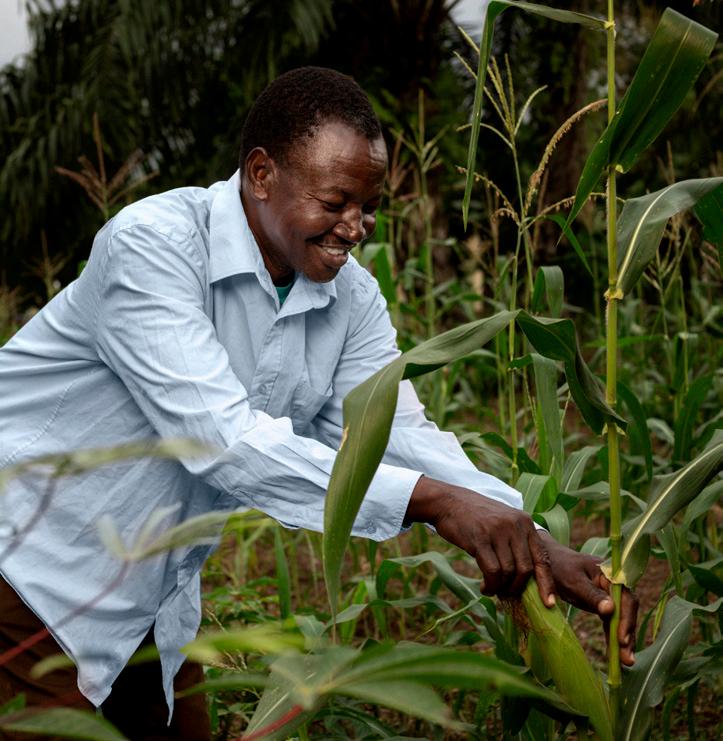
The agricultural sector has an ambitious and unifying vision through the Agriculture and Agro-processing Master Plan (AAMP) launched in May 2022. Indeed, the AAMP is imperfect, and some aspects were contested during its drafting stages. This is expected given the breadth of social partners involved in crafting it. Still, most social partners, such as the business community, government, and labour, agreed that the AAMP offers a framework to grow the agriculture and agro-processing sector, build competitiveness, attract more investment, improve inclusion, and create jobs. These prospects would help to address South Africa's socio-economic challenges, particularly in rural areas and small towns.
Moreover, the Department of Agriculture, Land Reform and Rural Development (DALRRD) has signalled its intention to release the roughly 2.5 million hectares of land that is under the Proactive Land Acquisition Strategy (PLAS) to beneficiaries with title deeds. This land release will be through the yet-to-be-launched Land Reform and Agricultural Development Agency. The launch of this agency has taken longer than we anticipated. However, after informal discussions with the current leadership of the DALRRD, we believe that there is a commitment to the land release with title deeds to beneficiaries.
This land will help increase South Africa's agricultural output across various commodities. Through the promise of this land release, the Bureau for Food and Agriculture Policy (BFAP) and ourselves continue to believe that South Africa's agriculture could continue to grow and expand employment in the coming years.
Admittedly, amongst the industry and organised agriculture stakeholders, there has been growing anxiety about the slow pace of implementing the AAMP. The government and social partners finished the plan at a tricky time.
As the implementation process was set to start, various challenges took focus away from the AAMP. These include the persistent loadshedding in recent years, logistical constraints at ports, protectionism in export markets such as China (wool), EU (citrus), and Africa (vegetables), and the spread of animal disease (foot and mouth disease in cattle, African swine fever in pigs, and avian influenza in poultry). These events meant that the government and various industry stakeholders moved into "crisis" mode, and the attention shifted from the AAMP. Indeed, there has also been a lack of focus and interest in collaborating with businesses at a provincial level of the government, contributing to the slow implementation of the policies.
As is the case in South Africa with engagements between government and private sector engagements, political economy tensions often arise while resolving urgent and near-term issues, as we listed
above. These tensions in political economy tend to strain trust and the collaborative vision, even temporarily. Such an environment is a rich breeding ground for slow action towards implementing the AAMP.
Moreover, we often hear from agribusiness leaders about the cold experience they receive from some provincial and local government offices that are instrumental to the success of the AAMP implementation. This is an area that the national government should focus on to ensure the alignment of vision and urgency with the adopted policies and programmes.
While we present the view that the appropriate policies and programmes for the next administration in South Africa's agriculture need not change drastically, additional matters require nations' focus that has weighed on sentiments in farming and agribusiness.
These include the ongoing El Niño induced drought that devastates the summer grains and oilseed regions, persistent port inefficiencies, poor rail and road infrastructure, and worsening municipal service delivery. Rising incidents of crime, lingering animal disease challenges, security of electricity supply and increased geopolitical uncertainty remain top-of-mind challenges for agribusinesses. In a survey we conducted in March 2024, covering businesses operating in all agricultural sub-sectors across South Africa, the respondents raised these as the most troubling issues they face.
Moreover, the one area that the South African government, working collaboratively with businesses, has seen success in opening the export markets for various products. The latest successes are the avocados in China, beef exports to Saudi Arabia, and grain exports to Egypt.
The effort of the government and industry to deal with the EU's citrus export challenges through the WTO is another commendable step. From now on, widening the export markets should remain a priority for the South African government and organised agriculture. This is even more important in the current environment of the increasingly protectionist world, while South Africa is seeing an increase in production volumes of various products.
Exports would not be a success without an increased focus on logistics. The ongoing collaborative effort at the ports and rail should continue and extend to road infrastructure in the small towns where deteriorating roads have presented major costs and inefficiencies to agribusinesses.
Overall, we believe South Africa's agricultural policy does not require a drastic change from now on, but it is better to focus on implementing current policies and programmes. The one aspect that should be an addition to the toolkit of the Department of Agriculture, Land Reform and Rural Development is continuous engagement and fruitful collaboration with industry stakeholders and organised agriculture.
Wandile Sihlobo is the chief economist at the Agricultural Business Chamber of SA and a senior fellow in Stellenbosch University's Department of Agricultural Economics. His latest book is "A Country of Two Agricultures".
17-18
JULY 2024
The Maslow Hotel, Sandton
Take a journey away from short termism and start looking at a better future. Meet the interesting people changing Africa – and the way we work, think and live.
Stay informed about environmental, social, & governance trends, strategies & best practices. Feature in our publication to join us in shaping a better tomorrow.
BY JESSIE TAYLOR
Africa has mega potential
African countries leading in the renewable energy and tech space
Africa is one of the regions most at risk from climate change. Yet the continent has the world's greatest solar energy potential, according to World Bank Data.
The World Bank’s Global Solar Atlas describes Africa’s solar potential as a “unique opportunity” to provide affordable, reliable and sustainable electricity to “a large share of humanity where improved economic opportunities and quality of life are the most needed”.
The International Energy Agency (IEA) estimates that Africa has 60% of the world’s best solar resources, but only 1% of solar generation capacity. However, this is changing as a number of African nations are pioneering in the renewable energy sector.
A MOVE TOWARDS GREENER ENERGY
According to the World Energy Trilemma 2024, Africa is grappling
with rising demand, security challenges and a transition towards cleaner energy.
The report has been prepared by the World Energy Council annually since 2010. The council's definition of energy trilemma is based on three core dimensions: energy security, energy equity, and environmental sustainability of energy systems. Balancing these three goals constitutes a ‘Trilemma’ and balanced systems enable the
prosperity and competitiveness of individual countries.
It presents a comparative ranking of 126 countries’ energy systems. It provides an assessment of a country’s energy system performance, reflecting balance and robustness in the three Trilemma dimensions.
The report found that amid strong population growth and increased urbanisation, energy demand
across the continent is expected to rise by 30% between 2020 and 2030.
"Africa stands at a critical juncture between two divergent energy models: the conventional, extractive model of the past and an emergent twin transition to clean energy and digitisation. In navigating a complex landscape involving access and equity, investment, sovereignty, institutional capacities, social development, and workforce building, Africa is also confronting
the prevailing divergence between centralised and distributed energy generation," the report found.
"The pursuit of export-driven revenues often takes precedence over the need for universal access, leaving significant segments of the population without modern energy supplies. The rise of new technologies and initiatives to enhance regional energy trade and ensure supply security shapes both institutional priorities and investment landscapes."
BY JESSIE TAYLOR
Mauritius was the highest-scoring African country on the index, followed by Egypt, Algeria, Tunisia and Morocco.
The report added that hydroelectric generation is rising as many countries seek to transition to cleaner and more sustainable energy sources.
"Central Africa holds the largest share (40%), followed by East Africa (28%), but 90% of Africa’s hydropower potential is still unexploited.
African countries have ambitious decarbonisation plans, and upgrading hydropower infrastructure with state-of-the-art technology to improve flexibility services sits at the centre of their priorities," the report said.
Hydropower can play a vital role in accommodating the intermittent nature of wind and solar energy production, and these capabilities are further strengthened through modernisation initiatives.
In addition, nuclear is gaining traction as a low-carbon alternative, with Egypt, Nigeria, Ghana and Morocco already engaged with the IAEA to assess their readiness to embark on nuclear programs. Algeria, Tunisia, Uganda, and Zambia are also studying the possibility of nuclear power. Only South Africa has an operational nuclear power plant, but Ghana and Nigeria have nuclear research programmes. Here are just some of the innovations taking place on the continent:
SOUTH AFRICA
South Africa has embraced a number of renewable energy models, including solar and wind, and the market renewable energy market demonstrated resilience and steady growth in 2023.
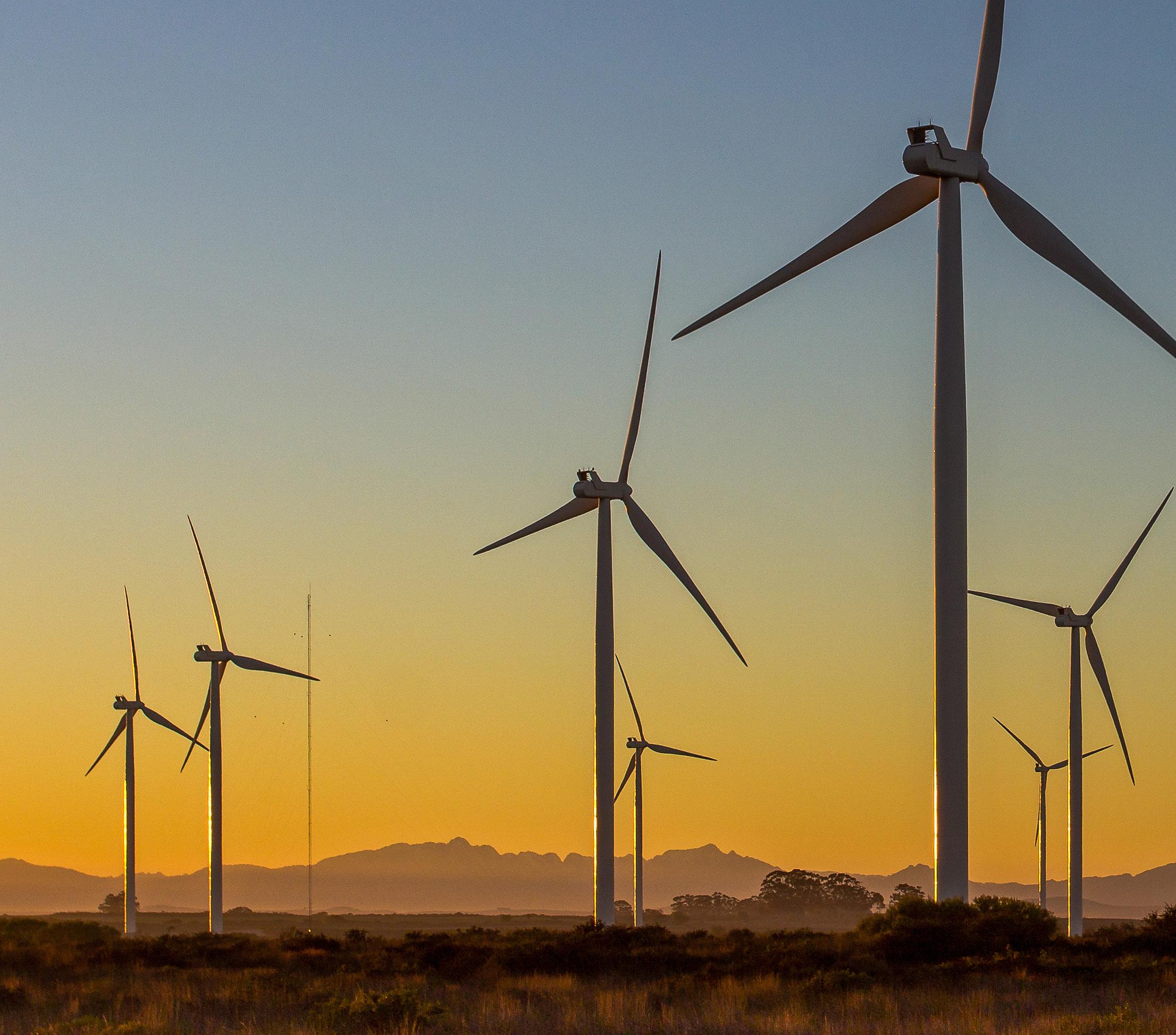
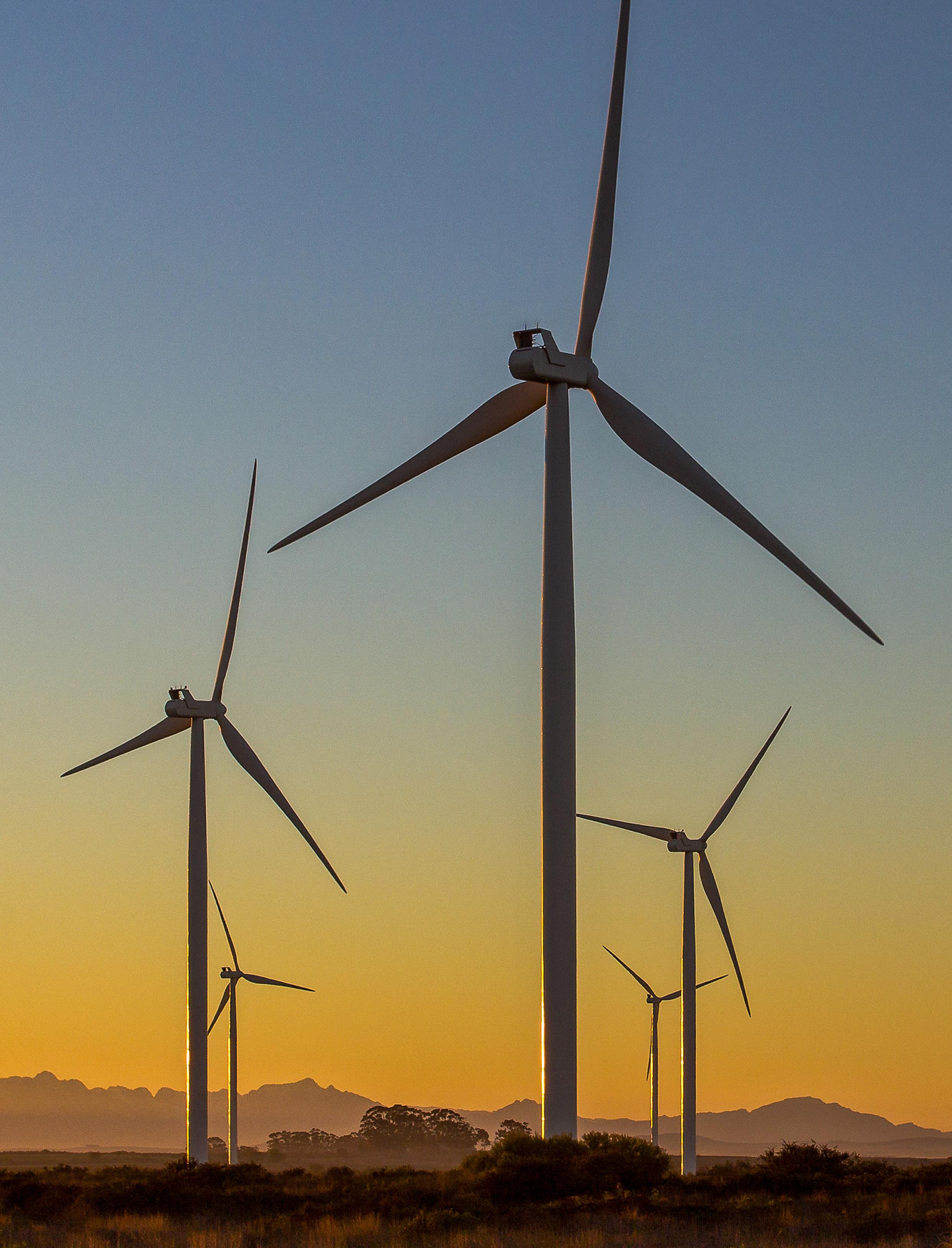
Wind energy already adds up to 2GW of power during peak hours –significantly alleviating the strain on the grid and reducing the effect of load shedding. This can reduce load shedding up to two stages during peak periods. If encouraged, the wind energy sector has the potential to power approximately 3.6 million households annually in South Africa.
Over the past decade, wind energy has not only been a key component of South Africa’s energy mix, but also a driver of resilience and sustainability. Wind energy will continue to play a significant role in the energy mix given the large project development pipeline (32GW) of wind projects in South Africa.
Among the wind energy projects currently under construction are Seriti Green’s Ummbila Emoyeni wind farm in Mpumalanga, which
will generate 155MW as part of the project’s initial phase of the 900MW renewable energy cluster. Additionally, the Impofu cluster of wind farms in the Eastern Cape will generate a combined 336 MW to supply Sasol and Air Liquide. These projects bring a combined 491MW and R 13.5 billion investment in the short to medium term.
EGYPT
Egypt is is home to high levels of solar irradiation and expanses of desert, which offer vast renewable energy potential, especially for solar power. To harness this renewable resource, Egypt plans to build two solar power stations worth $20.60 million, financed by the European Union.
The development will help the government reach it's goal of producing 42% of its power generation from renewables to
2030, a goal brought forward from 2035. This goal will ensure the nation positions itself as a renewable energy hub.
The country has already developed one of the largest solar parks in the world, extending over 37 square kilometres and situated between Aswan and Cairo. The park includes 34 solar power plants, each with a capacity of 50 megawatts. At full capacity, it will produce 3.8 terawatt hours of electricity annually.
Launched in 2018 with the commissioning of the first photovoltaic plant, this megaproject has been integrated into the strategy developed by the Egyptian New and Renewable Energy Authority. The park alone reduces carbon emissions by two million tonnes per year.
NIGERIA
Oil and gas production is Nigeria's most important economic activity. Yet nearly 90 million Nigerians lack access to electricity, according to the country’s Energy Transition Plan, while 80% of the power that is generated in the country comes from diesel or petrol generators.
However, the country also possesses nearly ideal conditions for solar energy, and recently installed a large utility-scale solar project. Multiple companies have entered the market to supply solar systems to businesses or households, while mini-grids that generate power from solar panels and typically serve rural communities are also growing in popularity.
One of the projects already showing success is the ‘Distributed Access through Renewable Energy (DARES)
programme, which aims to provide access to clean and efficient electricity to 17.5 million Nigerians. DARES has installed 125 hybrid mini grids and deployed over a million solar home systems, providing access to electricity to more than 5 million people and creating over 5000 green jobs.
MOROCCO
The Moroccan government is looking to green hydrogen to spearhead its sustainable energy transition. The country has set aside a million hectares of land for green hydrogen projects. Around 30% of this land will be made available to investors, both foreign and domestic. According to the Moroccan government, hundreds of national and foreign investors have already expressed a "keen and real interest" in the project.
Morocco has small oil and gas reserves, but is well-positioned to generate green energy because of its abundant solar and wind resources. The government says it hopes to produce 52% of its energy from renewable sources by 2030, and the government has been heavily investing in infrastructure to meet this target.
In addition, financial institutions such as the World Bank, the European Investment Bank, and the African Development Bank have already provided funding for sustainable energy projects in the country.
Currently, Morocco relies on imports for about 90% of its energy needs, and it is still heavily reliant on fuel sources, with only around 20% of its current energy mix generated by wind and solar and 16.7% from hydroelectricity.
KENYA
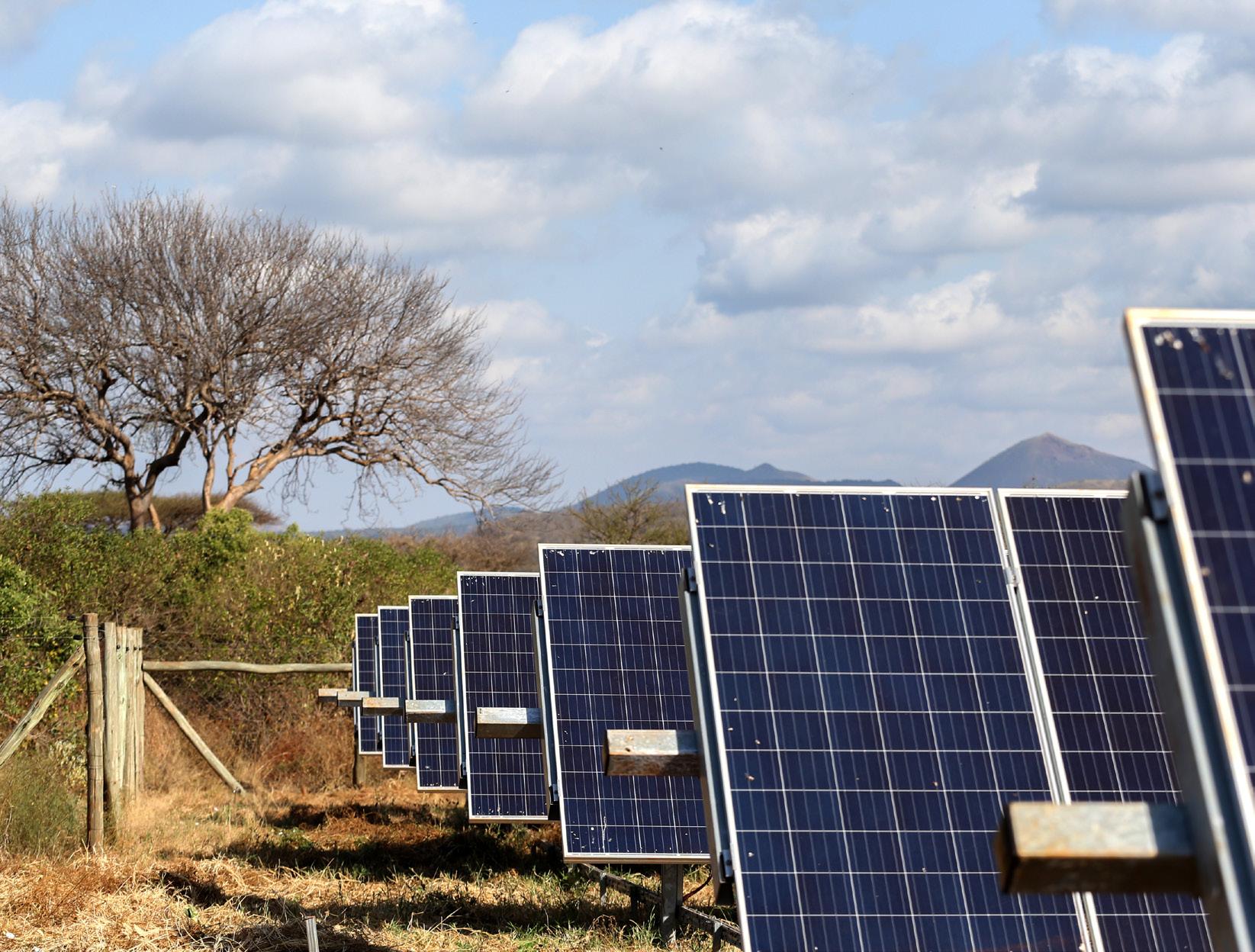
More than 80% of Kenya’s electricity generation is from low-carbon geothermal, hydro, wind, and solar sources. Geothermal energy is the biggest contributor to its energy mix, which accounts for around half. Kenya has an abundance of geothermal resources, and the installed geothermal capacity in Kenya could be increased by at least eightfold.
The solar energy sector is also showing growth, thanks to interventions by the Kenyan government, such as zero rates for the importation of some inputs like solar panels and inverters to encourage sales.
The rollout of renewable energy has substantially improved energy access. In 2013, around 28% of Kenyans had access to electricity. By 2020, this had risen to over 71%. During the same period, the population grew by over seven million and urbanisation rates continued to climb.
The country's 2018 National Electrification Strategy and subsequent government policies have resulted in increases in electrification, with access rates reaching 76.5% in 2021.
Kenyan President William Ruto says: "The continent has enough potential to be entirely selfsufficient with the mixture of wind, solar, geothermal, sustainable biomass and hydropower.
The solar energy sector now has attracted steel manufacturers and factories as some of its biggest clientele. Some companies estimate installations surpassed 25,000 kilowatts in the last six years.
BY KOKETSO MAMABOLO
Hon. Thembi Nkadimeng
Developing a good story
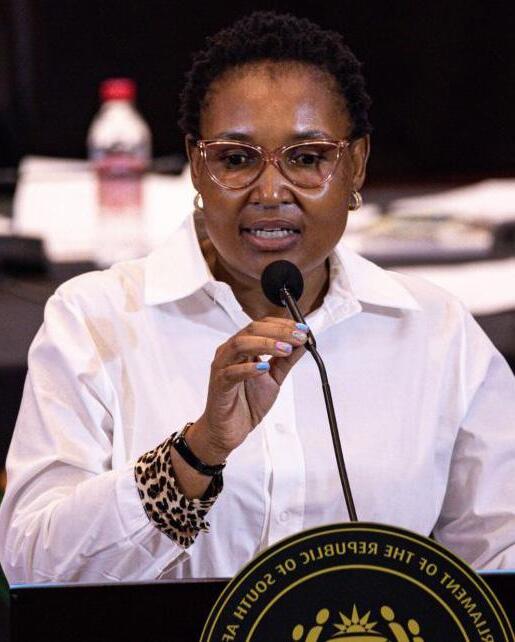
Our immediate task at hand is to up the ante and herald a new sense of urgency in how we have been working,” said Honourable Thembi Nkadimeng, who was announced as the new Minister of Cooperative Governance and Traditional Affairs (CoGTA) in March 2023 as part of President Ramaphosa’s cabinet reshuffle. She was speaking at the CoGTA’s first staff meeting, in early May, following her appointment along with Deputy Ministers Hon. Parks Tau (Department of Cooperative Governance) and Hon. Prince Burns-Ncamashe (Department of Traditional Affairs).
“Our mandate, explicitly clear, is to give meaning to the spirit of cooperative governance and inter-governmental relations as encapsulated in the constitution,” said the Minister, addressing staff, including the directorgenerals of both departments within the ministry, as well as
“Section 154 of the Constitution tacitly articulates our mandate in terms of giving support to the 257 municipalities across the board. And in giving that support, it goes without saying that we must organise ourselves in such a manner that we will make a difference and positively impact the lives of South African citizens.”
Hailing from the Mpumalanga province, Hon. Nkadimeng’s political career began while she was a student. A member of COSAS at the time, she served in different roles, notably as Regional Co-ordinator for what was then known as the Eastern Transvaal. While at the University of the North she was elected as SASCO’s Provincial Secretary as well as Deputy President of the Student Representative Council.
The holder of BPhil in Policy Studies from University of Stellenbosch and an Honours degree from the University of the North, the Minister has served in various leadership roles since the late 1990s, both in the private and public sectors.
Between 1997 and 2009 she held management positions in different spheres of government, including Chief Director of Corporate Services for the Department of Agriculture and Deputy Director for Communication Services in the Department of Public Works. In 2009 she joined Anglo American Platinum as their Corporate Affairs Manager.
Her return to public service in 2014 came when she was appointed Executive Mayor of Polokwane, a position she held for seven years. She also served as the National President of the South African Local Government Association from 2019 to 2021, when President Ramaphosa appointed her as Deputy Minister of CoGTA.
Besides the two departments which fall under the ministry, there are three entities which report to the Minister: Salga, The Municipal Demarcation Board (MDB) and the South African Cities Network (SACN). The Municipal Infrastructure Support Agent (MISA) reports to the Deputy Minister of Cooperative Governance.
“We are a chosen team of men and women of high moral ethical fibre, a 900-plus workforce of mandarins tasked with building a developmental government in South Africa, consistent with the philosophical injunction of the National Development Plan,” said the Minister, at one of her first staff meetings.
“The expectations are high, and the challenges are huge in return, however; not insurmountable. We have the ability to turn around this department and write a good story as part of the 6th Administration.”
“Through our flagship programme, the District Development Model, we are tasked to ensure government [sic] in its entirety works as a coherent machinery.
This can only happen if we are internally organised at the level of strategy, policy, resources, systems, and human capital. We must also ensure that we harness our collective value system of a transformed public service as espoused in section 195 of the Constitution and clearly spell out [sic] in the Batho Pele principles. Our founding father of public service, Prof [Stan] Sangweni always reminded us that Batho Pele principles are not a slogan but represent a policy statement of a truly transformed public service in line with the value system of a democratic state.”
BY JESSIE TAYLOR
Going Green
New study looks to Eastern Cape for green hydrogen feasibility
The Eastern Cape has become the new focus of South Africa's green hydrogen plans. The province is at the centre of a feasibility study to assess the potential for the production and export of green hydrogen.
Green hydrogen is produced through electrolysis using renewable energy sources and is a clean and versatile alternative to conventional fossil fuels. Green hydrogen will be in increasingly high demand as countries aim to reduce carbon emissions.
The study will be carried out by a consortium led by Nelson Mandela University (NMU) and boutique consultancy firm Ikigai Group.
A CONSORTIUM OF INDUSTRY EXPERTS
The consortium has won a grant under the South AfricaUK Partnering for Accelerated Climate Transitions (Pact) programme to deliver an innovative feasibility study to explore the viability of green hydrogen production and export infrastructure from the Eastern Cape to global markets, including the UK, Europe and Japan.
The consortium will be working with the Industrial Development Corporation of South Africa (IDC) in support of South Africa’s wider development and just energy transition plans. NMU Vice-Chancellor Professor Sibongile Muthwa said: "South Africa generally, and the Eastern Cape in particular, experience high levels of poverty, inequality and unemployment. South Africa is committed to delivering economic growth through a just transition from, inter alia, dependence on fossil fuel-based energy production."
The consortium comprises several industry leaders and experts in the energy transition from University College London, DNV, National Gas, University of
Kent, and the Thames Estuary Growth Board.
The feasibility study will evaluate the potential for establishing green hydrogen production facilities in the Eastern Cape and developing the necessary infrastructure for export, including port facilities and transportation networks.
Ikigai co-founder and COO Helena Anderson added that the green hydrogen corridor project is looking at all the "missing links" in hydrogen moving from an inter-regional to an international commodity.
“It's focusing on a large-scale green hydrogen project in South Africa, comparing it with ammonia as a counterfactual carrier, and exploring how we can deliver hydrogen to places like Japan, Europe and the UK. The goal is to show that exporting hydrogen can also boost local demand,” Ms Anderson said.
SOUTH AFRICA'S GREEN HYDROGEN FUTURE
Last year, Cabinet gave the goahead to the implementation of the Green Hydrogen Commercialisation Strategy (GHCS). This strategy aims to ensure South Africa becomes a major producer and exporter of green hydrogen.
The GHCS gives effect to the Hydrogen South Africa Strategy that was approved by Cabinet in 2007 to prepare the country for a hydrogen economy. The strategy is framed within the Hydrogen Society Roadmap developed by the Department of Science and Innovation and approved by Cabinet in 2021.
Green hydrogen has significant potential for South Africa, but the country will need to firm up a supply position in the next two to three years if it wants to become a global green hydrogen supplier to meet the growing demand.
Most of the 90 million tonnes of hydrogen currently produced in South Africa is grey. This will need to become green and grow by around seven times, allowing green hydrogen to become an essential 7% of the energy mix to reach global green energy targets.
South Africa’s Ministerial advisor and Presidency green hydrogen lead Masopha Moshoeshoe says: “From a South African perspective, we’re very well positioned through our energy resources in terms of both solar radiation and onshore wind, our lengthy coastline and ability to desalinate water for hydrogen production, our proximity to both the European and Asian markets, and having places like the Northern Cape, which are significant land masses."
Green hydrogen holds the potential to combat climate change as well as reshape the world’s energy future. In fact, to reach net zero by 2050, which the world is obliged to do to combat climate change, is likely to be impossible without green hydrogen, South Africa is among the countries that have committed to a net zero target.
“Our focus from a country perspective is very much on how we use this transition to a green energy vector to revitalise the economy, to reindustrialise elements that have deindustrialised,” said Mr Moshoeshoe.
According to the World Bank, South Africa has the potential to become a leading producer of green hydrogen and capture a significant share of the global hydrogen market. This will, in turn, generate economic growth and jobs.
The Hydrogen Economy is projected to contribute 3.6% to South Africa's GDP and create 380,000 jobs by 2050. Source: Mining
BY JESSIE TAYLOR
The Central Energy Fund
Ensuring energy security through natural gas
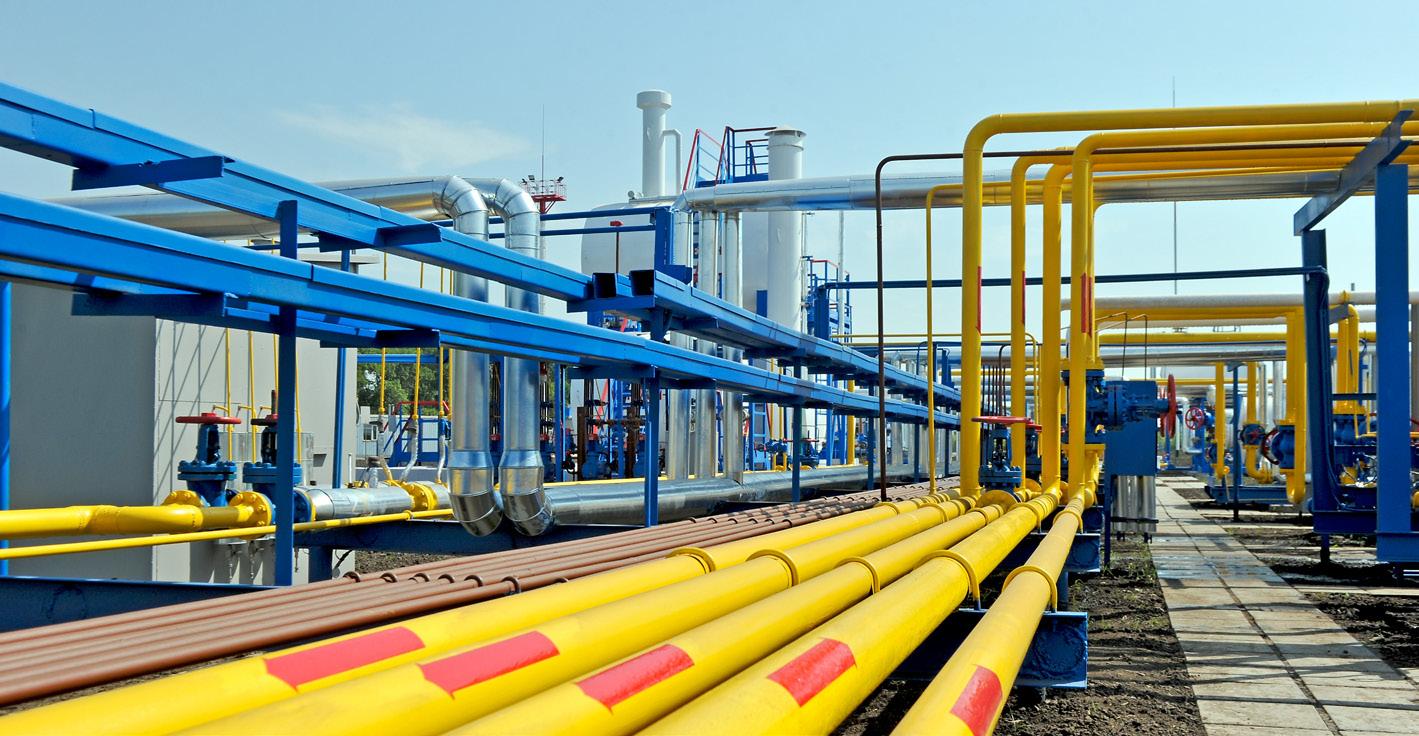
South Africa has developed a plan to increase natural gas usage in its energy mix, and the Central Energy Fund (CEF) will play a key role in ensuring natural gas supply.
The CEF is a state-owned enterprise that reports to the Department of Mineral Resources and Energy. Its mandate is to contribute to the security of the energy supply of South Africa and the region through exploration, acquisition, development, marketing and strategic partnerships.
Cabinet approved the Gas Master Plan in March. It will enable a natural gas economy that is favourable to investors and can provide an alternative source of energy for the country’s electricity sector.
Mineral Resources and Energy
Minister Gwede Mantashe said the plan seeks to ensure a seamless transition and business continuity while mitigating potential job losses in the energy sector.
ADDRESSING ENERGY NEEDS
The Gas Master Plan aims to put measures in place to address the country's energy needs, and lays out the government's intentions to make gas a critical component of South Africa’s energy mix.
Estimates suggest South Africa may run out of natural gas supply in 2026, which could have significant implications for jobs and manufacturing. This has been exacerbated by difficulties in global supply.
To assist in increasing natural gas supply, the Department of Trade, Industry and Competition has established a task team that includes private sector players to develop a joint strategy around natural gas supply.
Minister Mantashe said: "The Gas Master Plan recognises South Africa’s abundance
of primary energy sources which, if commercialised, could drive economic growth, social development and thus benefit the country."
The plan gives policy direction to the industry, considers gas supply options, and facilitates an infrastructure network, including options and contingencies for demand uncertainties, as well as moves to cleaner technologies. It is a policy instrument that serves as a roadmap for strategic, political and institutional decisions for the sector and promises that the country’s natural gas demand is well managed.
The plan has also identified 11 potential ‘gas demand nodes’ across the country and proposes initiatives like converting Open Cycle Gas Turbines into Combined Cycle Gas Turbines, new builds, and the conversation of retiring Eskom power stations into gas power stations.
CRITICAL INVESTMENT IN GAS
The European Union taxonomy has declared both nuclear and gas as sustainable and part of energy transitional activities, making it essential for African nations to invest in gas infrastructure, including expansion of pipelines.
To aid this goal, iGas, a subsidiary of the Central Energy Fund (CEF), has acquired an additional 40% ownership of the Republic of Mozambique Pipeline Investments Company (ROMPCO) pipeline, resulting in both South Africa and Mozambique jointly owning 80% of the pipeline.
South Africa has also entered into a gas sales agreement with the Mozambican State-owned hydrocarbon company which has the potential to deliver up to 200 petajoules of natural gas, and PetroSA, another subsidiary of CEF, has applied for a gas trading licence with the National Energy Regulator of South Africa.
PetroSA is fast-tracking its “Gas to Power” initiative to provide an early power generation solution that will leverage the commercialisation of its tail gas for power generation for Eskom. Through this project, PetroSA is expected to plug approximately 180 megawatts of power into the national grid as a long-term solution to address challenges relating to load shedding.
In addition, the CEF committed R1 billion to a natural gas project, the Virginia Gas Project in the Free State. The field is said to have one of the world’s highest helium concentrations.
The CEF signed a term sheet to invest the funds in return for a 10% state in the project. The project is owned by Renergen, an emerging gas producer listed on the Johannesburg and Australian stock exchanges.
The Gas Master Plan recognises South Africa’s abundance
The Virginia Gas Project holds the first and only onshore petroleum production right in South Africa. It produces around 1,000GJ liquid natural gas (LNG) daily.
Dr Ishmael Poolo, the CEF Group Chief Executive, said: "Energy is the key source of a country’s economic development and this is because many production and consumption activities involve energy as a basic input. Therefore, energy is essential for the functioning of any modern economy and the Central Energy Fund (CEF) does the important job of maintaining adequate energy supply in South Africa."
REGIONAL FOCUS: FREE STATE
BY JESSIE TAYLOR
Free State Changing lives through training and employment
Free State is the latest province to benefit from a government programme that will look to create thousands of employment opportunities.
Through the Unemployment Insurance Fund (UIF), the Labour Activation Programme (LAP) is set up to provide training that will upskill youth for employment and entrepreneurship.
The Labour Activation Programme was recently launched in the Free State by Employment and Labour Minister Thulas Nxesi. The programme offers training for between 12 and 36 months, with participants attached to job posttraining that will allow them to obtain experience.
UPSKILLING AND EMPOWERING
The Minister said that the Department of Employment and Labour has set aside R23.8-billion to fund the training for employment
and entrepreneurship programme. The labour activation programmes run over multiple sectors, including agriculture, services, IT, construction, engineering, wholesale and retail, safety and security, hospitality, social services, textile and transport. Participants who will be hired and trained in the programme will be selected through the Department of Employment and Labour’s Employment Services of South Africa database.
The labour activation programmes are expected to be rolled out in all provinces by the end of May.
The Labour Activation Programme was created under the mandate of the Department of Employment and Labour to stimulate job creation, enhance the employability of the unemployed, preserve existing jobs and improve operational efficiencies of companies in distress.
THE PROGRAMME AIMS TO:
• Create opportunities for employment
• Skill and re-skill of unemployed people
• Combat long-term unemployment
• Alleviate poverty and reduce unemployment
The Unemployment Insurance Fund (UIF) harnesses its partnerships to deliver the Labour Activation Programme on behalf of the department.
The intent is to create two million work opportunities in the immediate future. This is in line with the National Development Plan, which envisions the creation of 11 million new jobs by 2030.
There are currently 25 approved projects committing jobs and enterprise development opportunities to approximately 69 000 unemployed beneficiaries.
Minister Nxesi said that in the face of rising unemployment, all efforts to create employment in South Africa should be welcomed.
“It is very important that we respond to the challenge of unemployment, and plan together to implement strategies to mitigate it on an ongoing basis. We believe that the government, working together with all stakeholders, has a major role to play in mitigating unemployment, and creating and preserving jobs,” said the Minister.
BUILDING THE PROVINCIAL ECONOMY
Free State Premier Mxolisi Dukwana says the province has been working to lessen the burden of unemployment. Unemployment in the Free State fell from 38.5% in the third quarter of 2023 to 37% in the fourth quarter – with much of this due to the interventions brought by government programmes such as the Expanded Public Works
Programme and the Presidential Employment Stimulus.
Premier Dukwana said since 2019, the province has created 282 907 work opportunities against a five-year target of 260 000 work opportunities through the Expanded Public Works Programme (EPWP). Minister Nxesi believes that those who possess appropriate and relevant skills are able to access available job opportunities to sustain themselves and their families.
"The possession of appropriate skills becomes the single most critical asset for individuals, businesses and societies. Many experts agree that building basic skills from early childhood, and developing and improving the quality of skills is essential. The importance of skills is even more important today with the advent of the fourth industrial revolution, which brings
with it increasing automation and digitisation," said Minister Nxesi. He added that the problem of unemployment cannot be solved by the Department alone.
"It is everyone’s responsibility, and we need to continue forging collaborative partnerships. What we’re facing is both an individual tragedy and a community and social tragedy, as well as an economic one. We have a range of government interventions that are very good in cushioning the effect of poverty and unemployment," said the Minister.
"As the Department, we have decided to establish partnerships, to make employment our mission, and to fund interventions that provide training to our youth and to access formal entry-level jobs that will give them an opportunity to grow."
BY NALEDI MOKOENA
The latest on maternity and paternity leave
In a progressive workplace, parental leave is a crucial factor which supports the welfare of families and employees. Shared parental leave is gradually gaining recognition across Africa, however many countries still lack paid paternity leave.
The global average according to the World Economic Forum stands at 21 days compared to 191 days for maternity leave. According to the Top Employers Institute, parental leave refers to time allocated to
parents to take care of their new infant or newly adopted child, for the purpose of parents balancing personal and professional responsibilities. Parental leave also applies in cases where an employee legally adopts a child or is a newly court-appointed parent. In terms of the Basic Conditions of Employment Act of section 25A 1997 (BCEA), an employee is entitled to 10 days unpaid parental leave amidst the birth of an employee's
child. The World Economic Forum also states parental leave addresses imbalanced gender roles, with reference to the unpaid care economy. Hence women shoulder 76 percent of unpaid leave.
A BREAKTHROUGH IN PARENTAL LEAVE
Working mothers can now get the assistance and support
they require from their partners postnatal. Men are entitled by law to be granted parental leave, in accordance with the South African labour law. A breakthrough in judgement took place as of 25 October 2023 stating the Gauteng High Court of South Africa grants both parents parental leave in the case of Van Wyk and others versus the Minister of Employment and Labour Thulas Nxesi. The verdict was a result of the couple's actions against the Labour Department, arguing it was unfair to only permit birth mothers maternity leave when both parents could be the primary income household earner.
Previously, fathers were only provided with 10 days paternity leave. In addition to adoptive mothers who were opposed to the 16 week provision of birth mothers. In the case of the Van Wyks, the mother was a business owner while the father was working in a corporate position. When they welcomed their first child, the current policy did not allow them to divide the leave in a way suitable to their family’s needs, subsequently taking legal action in court.
This ruling is a breakthrough due to the court officially determining the Basic Conditions of Employment Act (which applies to all South African employees and employers except for National defence Force members). The ruling will now allow for the same choice and rights to adoptive parents with children under the age of two and parents whose children may have been born by surrogacy. In addition the ruling works to acknowledge better primary care work and equal access to leave, due to provision to equal rights for all parents irrespective of their gender and circumstances.
Therefore the Van Wyk’s can now divide the four months of leave, (previously only provisioned to new birth mothers) in a manner they see fit, pending the sign off by parliament to make it official.
ACCORDING EMPLOYMENT LAW ALLIANCES HERE IS WHAT YOU NEED TO KNOW ABOUT PARENTAL LEAVE TODAY:
NEW LEAVE PROVISIONS:
South African parents are now entitled to four months of parental leave, despite the circumstances such as adoption, birth or for commissioning parental leave. This a notable rise from the initial ten days allocated for parental leave.
EMPLOYER POLICY ADJUSTMENTS:
This refers to employers adapting their leave policies to comply with the current provisional measures. This is to ensure employees receive at least the minimum stipulated leave. However employers are not limited to offering additional leave days.
CONFIRMATION FROM CONSTITUTIONAL COURT:
The recent changes are not yet in force and the current laws still remain in effect. They will only become effective once the Constitutional Court confirms its decision.
SHARING LEAVE FOR COUPLES:
In the case of couples sharing the four-month allocated leave, they need to decide how they are going to split it evenly according to their immediate needs.
EMPLOYEE RETENTION AND PRODUCTIVITY
Through the provision of parental leave, businesses demonstrate investing in their employees throughout various milestones. In instances where employees feel valued and supported, they are more likely to be more committed and productive. This investment facilitates employee loyalty and ultimately increases retention rates
GENDER EQUALITY
By providing equal parenting leave for both parents, employers can set the standard to equally divide caregiving responsibilities to create a more feasible workplace.
Source: Top Employers Institute / Labour Guide / Employment Law Alliance
According to Top Employment Institute’s Karen Muller the rise of employee wellbeing is accompanied by a key focus on diversity, inclusion and equity, facilitating a platform to have these discussions.
“Supporting gender equality in infant primary care, the most critical period of infancy, will go a long way in empowering women as well. In the world of work, sustainability of policies and practices are deeply considered before recommending them as best practices; this ruling has added yet one more step towards developing a better world of work.”
BY NALEDI MOKOENA
The ins-and-outs of wills
When it comes to wills, the South African legal system is comprehensive and adheres to applicable laws - therefore seeking appropriate legal advice to make and execute wills is a prerequisite, especially if there are complex family relationships. Here is what you need to know:
WHAT IS THE DIFFERENCE BETWEEN A WILL AND ESTATE PLANNING
According to Old Mutual writing a will refers to documented
instructions on how you want your assets to be distributed amongst family members in the event of your death. It can be written or typed to avoid unnecessary confusion regarding your assets. On the other hand, estate planning is creating a plan for the assets you own and still owe. It goes into greater detail regarding the value of property, jewellery, investments and cars. In the case of debt, estate planning ensures there's enough liquidity to remunerate those debts which may include
estate duty, capital gains tax and other expenses. It is advisable to ensure you have the funds to settle all your debts, to avoid leaving others to repay what you owe.
According to the South African Intestate Succession Act 81 of 1987, if you pass away without leaving a valid will, your estate will decline in value and the estate will be divided amongst surviving children, siblings or a spouse in line with a set formula.
ADVANTAGES OF HAVING A WILL ACCORDING TO LEGAL LEADERS:
• You are at liberty to create a trust to ensure your assets are taken care of
• You can choose your executors
• Finalising your estate is more faster and efficient
• You as have complete control over your estate and who receives it
• Your have the authority to create conditions before dependants inherit it
WHY SHOULD AN ATTORNEY DRAFT YOUR WILL AND NOT YOU?
It is possible to draft your own will, however it’s advisable to enlist the assistance of a legal practitioner to avoid making expensive mistakes. According to the Law Society an attorney is a qualified professional who has the expertise to identify any existing or potential problem regarding your estate.
Legal practitioners are mandated to ensure your will is valid and is an
DISADVANTAGES OF NOT HAVING A WILL ACCORDING TO LEGAL WISE:
• The deceased estate will be forfeited to the state within 30 days if no heir comes to claim the funds
• The children of the deceased might be placed under the guardianship of someone the deceased did not trust, in the event both parents are deceased
• The deceased’s wishes might not be executed due to no existing directive
• An unmarried partner whom the deceased cohabited with, will not be recognised as a spouse and will not inherit from the deceased estate under intestate law
• When the deceased fails to update his or her will to reflect current relationships, whomever they are no longer in a relationship with may inherit from the deceased estate
• The deceased might have wanted their children to receive their inheritance when they teach a particular age. However if there’s no will, they can be paid out if the child is 18 years or older
extension of your wishes and will ensure you have all the necessary legal documents taken care of before your will comes into effect considering the strict South African legal system.
ACCORDING TO LEGAL WISE THESE ARE THE LEGAL REQUIREMENTS OF A LEGAL WILL REGULATED BY WILLS ACT 7 OF 1953:
• An individual must be over the age of 16 years
• The will must be typed or
handwritten for it to be valid. The individual who hand writes the will must ensure they are not listed as beneficiary.
• The will must be signed by two separate qualified witnesses on each page, including the last page must be signed by the testator. A person will qualify to be a competent witness if they are 14 years or older.
Workers' Day
Originally born from the protracted struggle for workers’ rights and social justice of the late 1800s, Workers’ Day has been an international holiday in many countries since 1891.
Workers’ Day has been officially recognised and observed in South Africa since the first democratic elections in 1994. The holiday serves both as a celebration of workers’ rights and a reminder of the critical role trade unions, the Communist Party and other labour organisations played in the fight against apartheid.
Worker's Day is a time to reflect on how South Africa’s working classes have been oppressed and as a reminder of the ongoing struggle for better working conditions.
World Press Freedom Day
World Press Freedom Day allows governments to remember the need to respect their commitment to press freedom. It is also a day of reflection among media professionals about issues of press freedom and professional ethics, as well as among the public for the media's essential work.
World Press Freedom Day was proclaimed by the UN General Assembly in December 1993. This year, the commemorative day is dedicated to the importance of journalism and freedom of expression in the current global environmental crisis.
Journalists play a critical role in highlighting the climate change crisis, biodiversity loss, and air pollution; misinformation about these topics can lead to a lack of public and political support for climate action, effective policies, and the protection of vulnerable communities.
World Bee Day
Bees and other pollinators, such as butterflies, bats and hummingbirds, are increasingly threatened by human activities. Yet, without them, our ecosystems cannot exist. Nearly 90% of the world’s wild flowering plant species depend on animal pollination, as well as more than 75% of the world’s food crops and 35% of global agricultural land. Not only do they protect biodiversity, but pollinators such as bees also directly contribute to food security.
World Bee Day serves as a reminder of the importance of pollinators and raises awareness about the threats they face. The commemorative day seeks to strengthen measures aimed at protecting bees, hoping to contribute to food security and eliminate hunger in developing countries.
Calendar of Commemorative Events
21
International Tea Day
International Tea Day is a reminder of the significance of the tea industry and a call to collaborate to strengthen international partnerships in the sustainable production of tea. The commemorative day looks to raise awareness of tea and its importance in fighting hunger and poverty.
Tea is the world’s most consumed drink, after water. Tea production and processing constitute a main source of livelihood for millions of families in developing countries and is the main means of subsistence for millions living in poverty. Tea can potentially contribute to rural development, poverty reduction and food security in developing countries.
South Africa is also home to its own unique tea industry: Rooibos. Rooibos is grown naturally only in the Cederberg area of the Western Cape. The Cederberg Wilderness Area is a protected reserve with World Heritage status and is recognised as a global biodiversity hotspot.
Rooibos provides income and employment to more than 5 000 people and earns an estimated R500 million per year. On average, about 12 000 metric tonnes of Rooibos are produced annually in South Africa.
22
International Day for Biological Diversity
More than one million plant species are now threatened with extinction, and the current negative trends in biodiversity and ecosystems will undermine progress towards 80% of the targets of eight Sustainable Development Goals. With three-quarters of the land-based environment and about 66% of the marine environment significantly altered by human actions, International Day for Biological Diversity is a call for us to re-examine our relationship to the natural world.
Despite all our technological advances, we are completely dependent on healthy and vibrant ecosystems for our water, food, medicines, clothes, fuel, shelter and energy. To secure our future, we need to protect and repair our biological wealth.
This year's commemoration comes with a renewed sense of hope following the adoption of the Kunming-Montreal Global Biodiversity Framework, a historic agreement signed in December 2022 that sets goals and concrete measures to stop and reverse the loss of nature by 2050.
International Day of UN Peacekeepers
For 75 years, more than two million United Nations peacekeepers have worked to help countries transition from war to peace. These peacekeepers work alongside local communities to help advance political solutions, prevent conflict, protect civilians, strengthen human rights and the rule of law, and build sustainable peace.
This year's commemorative day comes with the stark reminder that peacekeepers face the challenges of rising global tensions, more complex conflict, and a proliferation of misinformation and disinformation, which impedes their work and threatens their safety.
The International Day of UN Peacekeepers also serves to remember the more than 4200 peacekeepers who have given their lives under the UN flag and calls on the public to join the global movement for peace.
Corporate Social Investment
Smile Foundation has a multifaceted CSI Programme whereby corporates and individuals can get involved in a number of ways. Our CSI activities branch out to corporate volunteer programmes, direct donations and fundraising events. By aligning your organisation with Smile Foundation you are investing in the future of South Africa’s children.
Our joint efforts will positively affect children’s lives and enable disadvantaged children to face the world with a positive self-image. Together we can transform lives one
Why Partner with Smile
Our governance is overseen by our Executive Chairman Co-Founder Mr Marc Lubner, Medical Director and Co-founder Professor George Psaras, and a Board of
Our NPO is audited by Papilsky Hurwitz Chartered
Smile Foundation is BEE Compliant. A Section 18A Certificate will be provided. There are numerous marketing, branding and PR
We offer interactive educational volunteer projects. We received the Gold Health Care Award as part of the 2018 Premier’s Service Excellence Awards. We received the bronze award from the Gauteng Premier’s Awards in the Innovation category. We were recognised by the South African National
Benefits to Donors
Cash donations qualify for a tax rebate and Smile Foundation will issue you / your organisation with an 18A Certificate.
BEE Certification
Smile Foundation is BEE Compliant.
We care for our natural resources. Not just for nature’s sake, we do it for you. The choices we make about the way we produce and consume energy can transform our economy and improve our quality of life. Visit wwf.org.za to see how every action, big or small, makes a difference.