PEER-REVIEWED
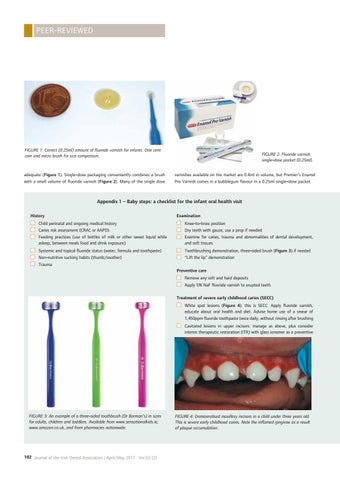
FIGURE 1: Correct (0.25ml) amount of fluoride varnish for infants. One cent coin and micro brush for size comparison.
adequate (Figure 1). Single-dose packaging conveniently combines a brush with a small volume of fluoride varnish (Figure 2). Many of the single dose
FIGURE 2: Fluoride varnish single-dose packet (0.25ml). varnishes available on the market are 0.4ml in volume, but Premier’s Enamel Pro Varnish comes in a bubblegum flavour in a 0.25ml single-dose packet.
Appendix 1 – Baby steps: a checklist for the infant oral health visit History
Examination
n n n
Child perinatal and ongoing medical history Caries risk assessment (CRAC or AAPD) Feeding practices (use of bottles of milk or other sweet liquid while asleep, between meals food and drink exposure)
n n n
Knee-to-knee position Dry teeth with gauze, use a prop if needed Examine for caries, trauma and abnormalities of dental development, and soft tissues
n n n
Systemic and topical fluoride status (water, formula and toothpaste) Non-nutritive sucking habits (thumb/soother) Trauma
n n
Toothbrushing demonstration, three-sided brush (Figure 3) if needed “Lift the lip” demonstration
Preventive care
n n
Remove any soft and hard deposits Apply 5% NaF fluoride varnish to erupted teeth
Treatment of severe early childhood caries (SECC)
FIGURE 3: An example of a three-sided toothbrush (Dr Barman’s) in sizes for adults, children and toddlers. Available from www.sensationalkids.ie, www.amazon.co.uk, and from pharmacies nationwide.
102 Journal of the Irish Dental Association | April/May 2017 : Vol 63 (2)
n
White spot lesions (Figure 4): this is SECC. Apply fluoride varnish, educate about oral health and diet. Advise home use of a smear of 1,450ppm fluoride toothpaste twice daily, without rinsing after brushing
n
Cavitated lesions in upper incisors: manage as above, plus consider interim therapeutic restoration (ITR) with glass ionomer as a preventive
FIGURE 4: Demineralised maxillary incisors in a child under three years old. This is severe early childhood caries. Note the inflamed gingivae as a result of plaque accumulation.