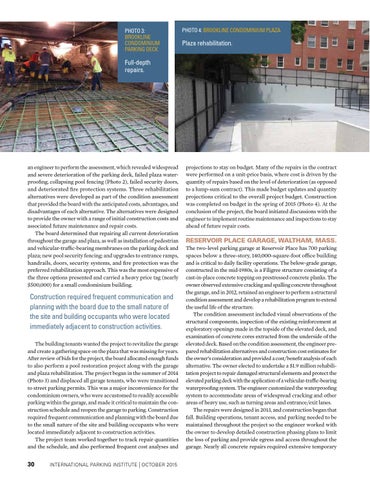
PHOTO 3: BROOKLINE CONDOMINIUM PARKING DECK
PHOTO 4: BROOKLINE CONDOMINIUM PLAZA
Plaza rehabilitation.
Full-depth repairs.
an engineer to perform the assessment, which revealed widespread and severe deterioration of the parking deck, failed plaza waterproofing, collapsing pool fencing (Photo 2), failed security doors, and deteriorated fire protection systems. Three rehabilitation alternatives were developed as part of the condition assessment that provided the board with the anticipated costs, advantages, and disadvantages of each alternative. The alternatives were designed to provide the owner with a range of initial construction costs and associated future maintenance and repair costs. The board determined that repairing all current deterioration throughout the garage and plaza, as well as installation of pedestrian and vehicular-traffic-bearing membranes on the parking deck and plaza; new pool security fencing; and upgrades to entrance ramps, handrails, doors, security systems, and fire protection was the preferred rehabilitation approach. This was the most expensive of the three options presented and carried a heavy price tag (nearly $500,000) for a small condominium building.
Construction required frequent communication and planning with the board due to the small nature of the site and building occupants who were located immediately adjacent to construction activities. The building tenants wanted the project to revitalize the garage and create a gathering space on the plaza that was missing for years. After review of bids for the project, the board allocated enough funds to also perform a pool restoration project along with the garage and plaza rehabilitation. The project began in the summer of 2014 (Photo 3) and displaced all garage tenants, who were transitioned to street parking permits. This was a major inconvenience for the condominium owners, who were accustomed to readily accessible parking within the garage, and made it critical to maintain the construction schedule and reopen the garage to parking. Construction required frequent communication and planning with the board due to the small nature of the site and building occupants who were located immediately adjacent to construction activities. The project team worked together to track repair quantities and the schedule, and also performed frequent cost analyses and
30
INTERNATIONAL PARKING INSTITUTE | OCTOBER 2015
projections to stay on budget. Many of the repairs in the contract were performed on a unit-price basis, where cost is driven by the quantity of repairs based on the level of deterioration (as opposed to a lump-sum contract). This made budget updates and quantity projections critical to the overall project budget. Construction was completed on budget in the spring of 2015 (Photo 4). At the conclusion of the project, the board initiated discussions with the engineer to implement routine maintenance and inspections to stay ahead of future repair costs.
RESERVOIR PLACE GARAGE, WALTHAM, MASS. The two-level parking garage at Reservoir Place has 700 parking spaces below a three-story, 140,000-square-foot office building and is critical to daily facility operations. The below-grade garage, constructed in the mid-1980s, is a Filigree structure consisting of a cast-in-place concrete topping on prestressed concrete planks. The owner observed extensive cracking and spalling concrete throughout the garage, and in 2012, retained an engineer to perform a structural condition assessment and develop a rehabilitation program to extend the useful life of the structure. The condition assessment included visual observations of the structural components, inspection of the existing reinforcement at exploratory openings made in the topside of the elevated deck, and examination of concrete cores extracted from the underside of the elevated deck. Based on the condition assessment, the engineer prepared rehabilitation alternatives and construction cost estimates for the owner’s consideration and provided a cost/benefit analysis of each alternative. The owner elected to undertake a $1.9 million rehabilitation project to repair damaged structural elements and protect the elevated parking deck with the application of a Âvehicular-traffic-bearing waterproofing system. The engineer customized the waterproofing system to accommodate areas of widespread cracking and other areas of heavy use, such as turning areas and entrance/exit lanes. The repairs were designed in 2013, and construction began that fall. Building operations, tenant access, and parking needed to be maintained throughout the project so the engineer worked with the owner to develop detailed construction phasing plans to limit the loss of parking and provide egress and access throughout the garage. Nearly all concrete repairs required extensive temporary