BC Teachers’ Federation March 2026
Teacher
IN THIS ISSUE
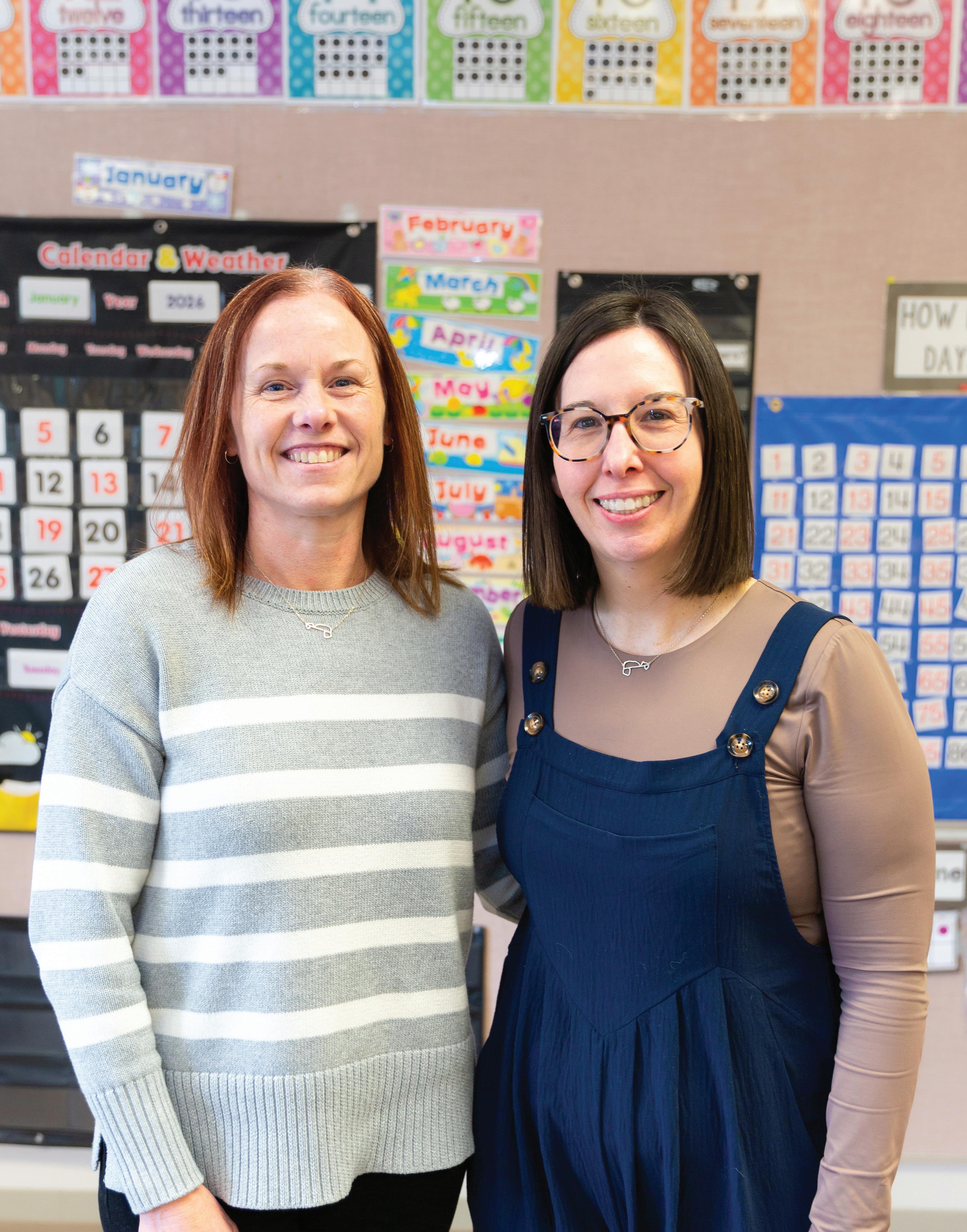
CEA Josalyn Villar (left) and teacher
Helen Park (right) work together to build a Kindergarten classroom that enriches the whole school community. pages 20–21
Truth in Truth and Reconciliation
Educational Board Game pages 12–13
BCTF AGM 2026 pages 24–35
Sara Swinden Photography


22

Articles reflect the views of the authors and do not necessarily express official policy of the BCTF. The BCTF does not endorse or promote any products or services advertised in the magazine.
Advertisements reviewed and approved by the BCTF must reflect BCTF policy and be politically, environmentally, and professionally appropriate.
THIS IS YOUR MAGAZINE
Contact us
BC Teachers’ Federation
Toll free 1-800-663-9163
Email teachermag@bctf.ca
Web teachermag.ca
Editor Sunjum Jhaj, sjhaj@bctf.ca
Assistant Editor/Designer
Sarah Young, syoung@bctf.ca
Advertising
teachermag@bctf.ca
ISSN 0841-9574


Do you enjoy writing? Have a story to tell? Know of a project at your school or in your local you want to share with colleagues? Then consider writing for Teacher, the flagship publication of the BCTF! Submission guidelines are available at teachermag.ca
We also welcome letters to the editor. Send your letter to teachermag@bctf.ca
Teacher reserves the right to edit or condense any contribution considered for publication. We are unable to publish all submissions we receive.
Deadlines
May/June issue
Sept/Oct issue
Nov/Dec issue
Jan/Feb issue
March 2026
July 2026
September 2026
October 2026
BCTF Executive Committee
Jelana Bighorn
Shannon Bowsfield
Brenda Celesta
Adrienne Demers
Carole Gordon
Mary Lawrence
Frano Marsic
Hallan Mtatiro
Chris Perrier-Evely
David Peterson
Trevana Spilchen
Robin Tosczak
Winona Waldron
Teacher Magazine Advisory Board
Nandini Aggarwal
Alexa Bennett Fox
Robyn Ladner
Tamiko Nicholson
Kristin Singbeil
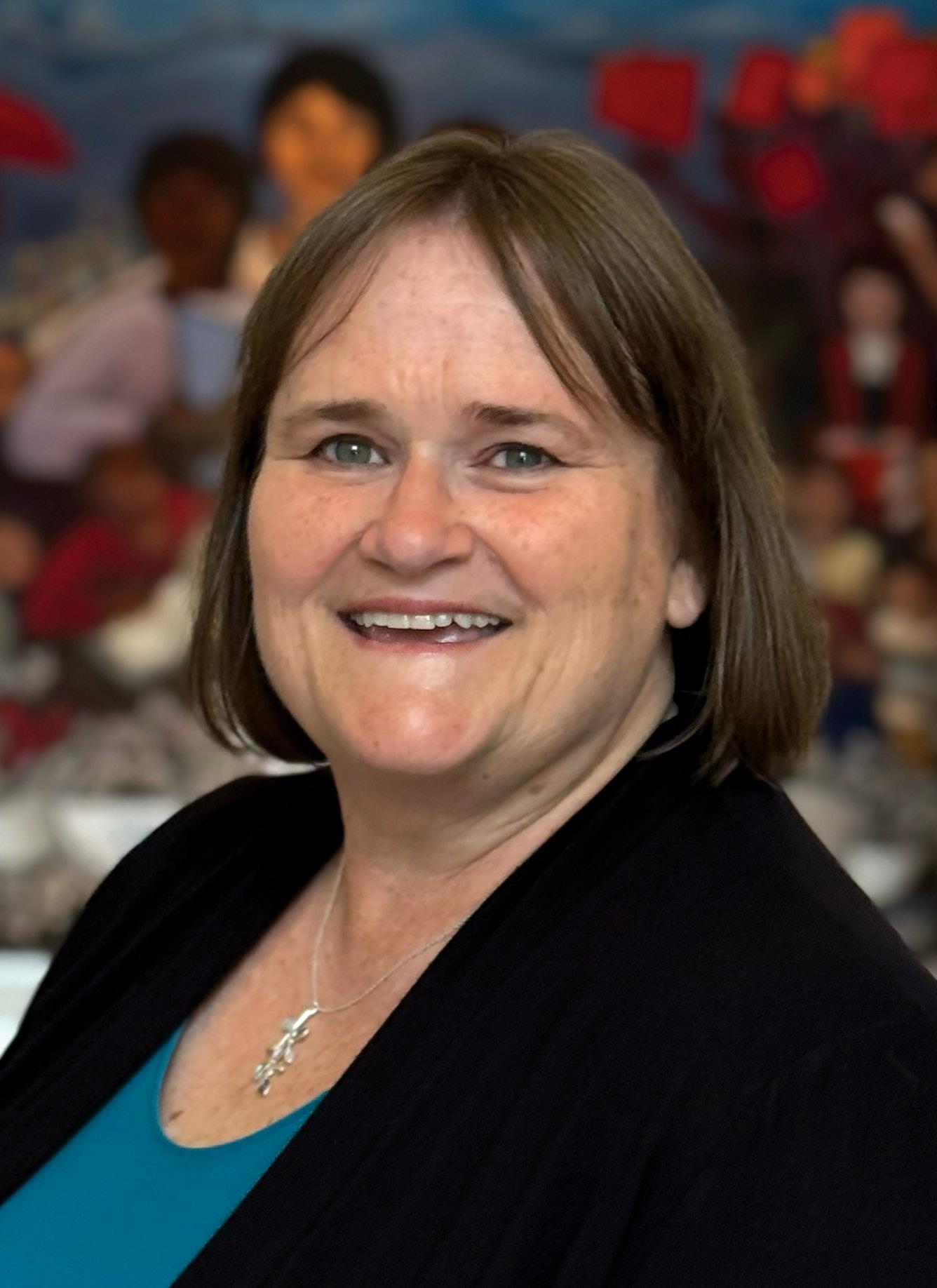
Carole Gordon, BCTF President Rich Overgaard photo
PRESIDENT ’ S MESSA G E
AT THE TIME OF THIS WRITING, our bargaining team is back at the table working hard to secure a fair deal for teachers. Only a few weeks ago, we declared an impasse when it seemed likely that more collective action would be needed to get government to deliver on a fair deal that addresses working and learning conditions. Shortly after declaring impasse, government committed to meaningful investments on shared priorities to address working and learning conditions through collective bargaining.
The credit for additional investments in education goes to the bargaining team and the thousands of teachers who supported bargaining with advocacy and solidarity. The Premier and Minister of Finance received thousands of emails holding them accountable for promised investments in public education. Members also proudly wore Red for BCED, shared their photos on social media, and participated in local rallies and school walk-ins as demonstrations of solidarity from across the province for the bargaining team.
“Your engagement and support strengthen our position at the table, and they do not go unnoticed. So, thank you to each of you who took up our call for advocacy …”
Your engagement and support strengthen our position at the table, and they do not go unnoticed. So, thank you to each of you who took up our call for advocacy and made it known that teachers stand united in our demand for a fair deal. I am hopeful that progress will continue and that we will be preparing for a vote to ratify a new collective agreement by the time you receive this edition of the magazine.
As I read through this edition of the magazine, I am reminded that teachers carry on the inspiring, heartfelt work of building community and educating students every day, despite the turbulence and uncertainty that underlie their professional and personal lives.
Sophie’s story of finding support and strength in teaching English First Peoples during her breast cancer diagnosis is a reminder that the learning that takes place in schools can inspire and enrich our lives as much as it does the students’.
The profile of Helen and her award-winning inclusive practice shows us what is possible when teachers are supported in the classroom by a team, including certified education assistants.
The ideas and resources shared by James and Lynda are excellent for bringing Indigenous art and stories into the classroom, and Naimah’s article reminds us of the ways stories can help ensure all students feel welcomed and included in our classrooms.
In this edition, you’ll also find the special resolutions and candidate statements for the upcoming Annual General Meeting, where members of the Executive Committee for 2026–27 will be elected.
As always, I’d like to extend my heartfelt gratitude for all the work teachers do inside and outside of the classroom to support quality public education in BC. I wish you a restful spring break ahead.
In solidarity,

Carole Gordon, BCTF President
MESSAGE DE LA PRÉSIDENCE
Alors que j’écris ces lignes, notre équipe de négociation est de retour à la table des négociations et travaille d’arrache-pied afin d’obtenir une entente équitable pour les enseignants·es. Il y a quelques semaines à peine, nous avons déclaré une impasse, car il semblait probable qu’une action collective plus importante serait nécessaire pour amener le gouvernement à accepter une entente équitable améliorant les conditions de travail et d’apprentissage. Peu après cette déclaration, le gouvernement s’est engagé à réaliser des investissements importants sur les priorités communes afin d’améliorer les conditions de travail et d’apprentissage par le biais de la négociation collective.
Le mérite de ces investissements supplémentaires en éducation revient à l’équipe de négociation et aux milliers d’enseignants·es qui ont appuyé les négociations par leur plaidoyer et leur solidarité. Le premier ministre et le ministre des Finances ont reçu des milliers de courriels les tenant responsables des investissements promis dans l’éducation publique. Les membres ont également fièrement porté du rouge (Red for BCED), partagé leurs photos sur les médias sociaux et participé à des rassemblements locaux ainsi qu’à des manifestations dans les écoles, témoignant ainsi de leur solidarité de partout dans la province envers l’équipe de négociation.
Votre engagement et votre soutien renforcent notre position à la table des négociations, et nous en sommes pleinement conscient·es. Je remercie donc chacun d’entre vous d’avoir répondu à notre appel à la mobilisation et d’avoir fait savoir que les enseignant·es sont unis dans leur revendication d’une rémunération équitable. J’espère que les progrès se poursuivront et que nous serons prêts à voter pour la ratification d’une nouvelle convention collective d’ici à la réception de ce numéro du magazine.
En lisant ce numéro, je me souviens que les enseignant·es poursuivent chaque jour un travail inspirant et empreint de dévouement, celui de bâtir une communauté et d’éduquer les élèves, malgré les difficultés et l’incertitude qui jalonnent leur vie professionnelle et personnelle.
« Votre engagement et votre soutien renforcent notre position à la table des négociations, et nous en sommes pleinement conscient·es. »
L’histoire de Sophie, qui a trouvé soutien et force dans l’enseignement de la compétence essentielle English
First Peoples pendant son diagnostic de cancer du sein, nous rappelle que l’apprentissage à l’école peut être une source d’inspiration et d’enrichissement pour nous autant que pour les élèves.
Le portrait d’Helen et de sa pratique inclusive primée illustre ce qui est possible lorsque les enseignant·es sont soutenus en classe par une équipe, notamment des aides-enseignant·es certifié·es
Les idées et les ressources partagées par James et Lynda sont excellentes pour intégrer l’art et les récits autochtones en classe, et l’article de Naimah nous rappelle comment les histoires peuvent contribuer à ce que tous les élèves se sentent accueillis et inclus.
Dans ce numéro, vous trouverez également les résolutions spéciales et les déclarations des candidat·es pour la prochaine assemblée générale annuelle, où seront élu·es les membres du comité exécutif pour 2026–2027.
Comme toujours, je tiens à exprimer ma profonde gratitude aux enseignant·es pour tout le travail qu’iels accomplissent, en classe et hors classe, pour soutenir un enseignement public de qualité en ColombieBritannique. Je vous souhaite de bonnes vacances de printemps.
Solidairement,
Carole Gordon, Présidence de la FECB
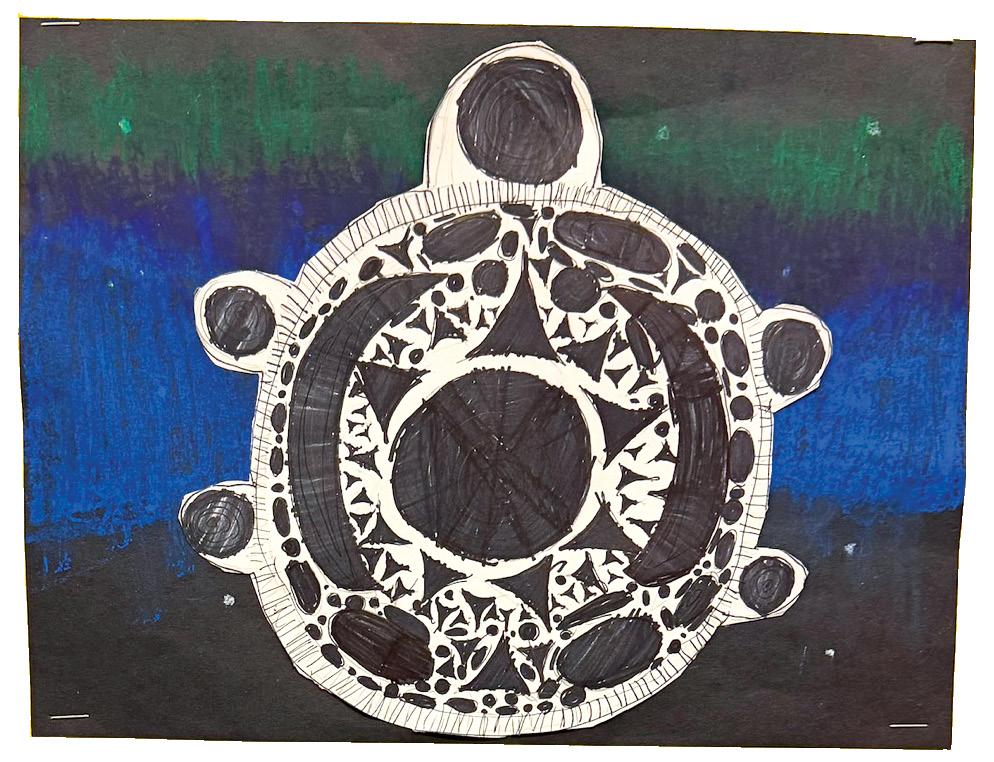
LEARNING ABOUT COAST SALISH ART
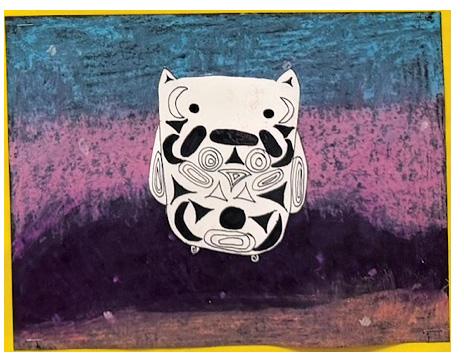
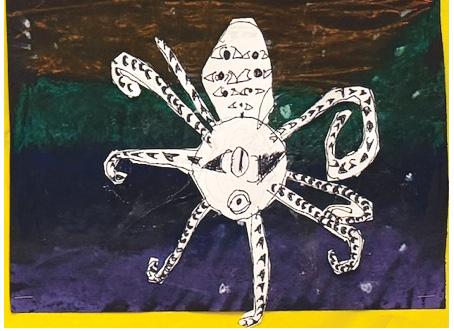
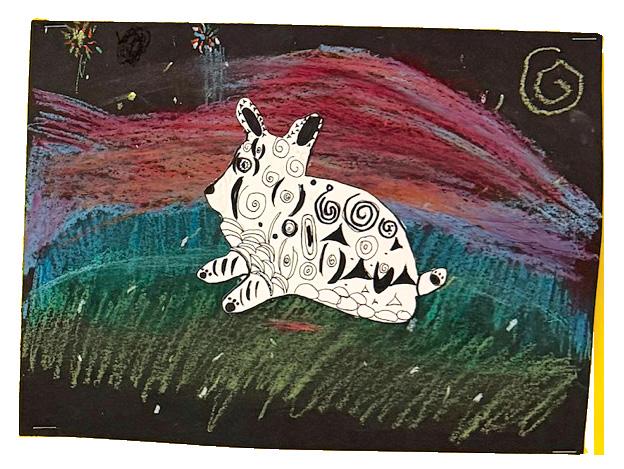
By Lynda Sutherland (she/her), teacher, Vancouver
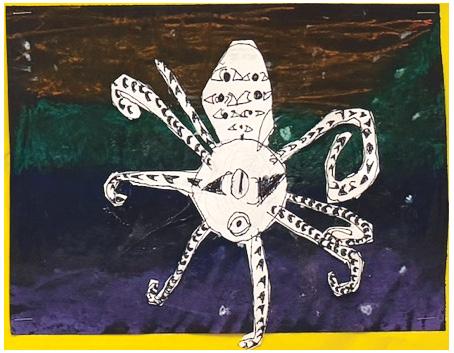
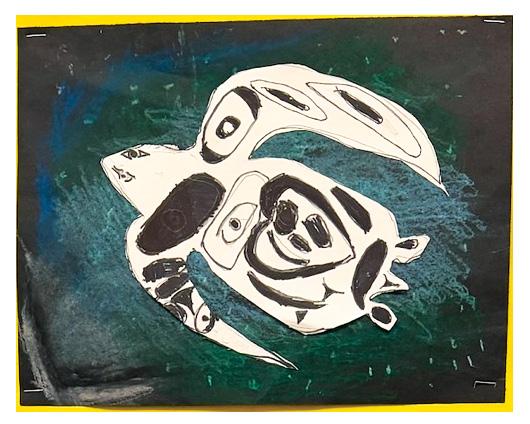
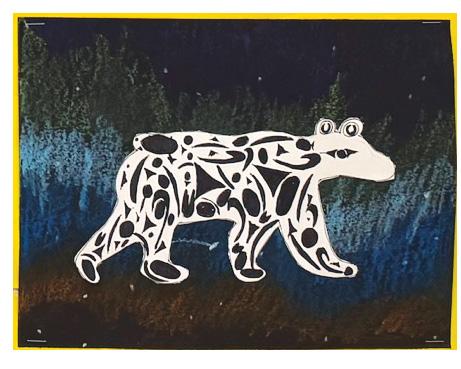
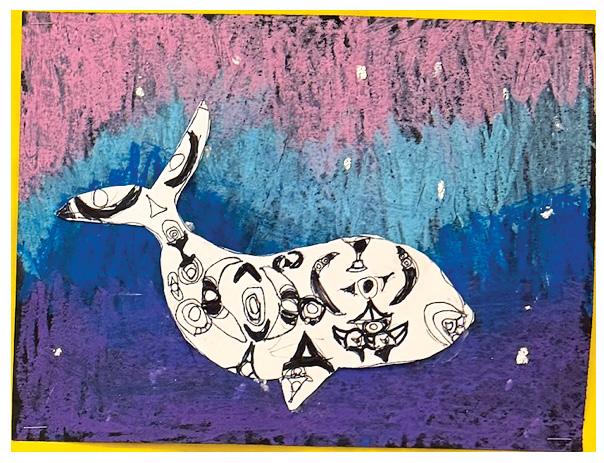
FOR THE PAST SEVERAL YEARS, I have taught a cross-curricular Coast Salish art unit with my Grades 3–4 classes, and this year I adapted it for a Grades 2–3 class. Without fail, it becomes a favourite for students and for me. Each time I teach it, I’m struck by how deeply engaged students are. Even my most energetic learners sit calmly at their desks, focused and immersed in their artwork. The unit offers a meaningful way for students to learn more about the beautiful land we are grateful to live on.
Throughout the unit, students are given multiple opportunities to explore Coast Salish shapes, learn about animals, make cultural connections, and practise their skills through guided drawing, storytelling, and independent art activities. The scaffolded approach allows every learner to feel successful, while adaptations, such as providing preprinted animal shapes, ensure accessibility and success for every student. There are many opportunities to extend these lessons and connect them to other units you may be teaching.
One of the most rewarding parts of this unit is seeing students begin to notice Coast Salish art in their everyday lives. We are lucky to have such incredible Coast Salish art all around Vancouver and its surrounding areas. Many students come to school excited to share the trigons, crescents, ovals, and circles they spotted while out with family or friends, on buildings, ferries, murals, and public art.
Students’ final artworks are always stunning but, more importantly, students leave the unit with a deeper appreciation for Coast Salish art, Indigenous perspectives, and a stronger sense of connection to the land and community where they live.
Please see the opposite page for instructions on how to teach this meaningful and multistep art project with your students.
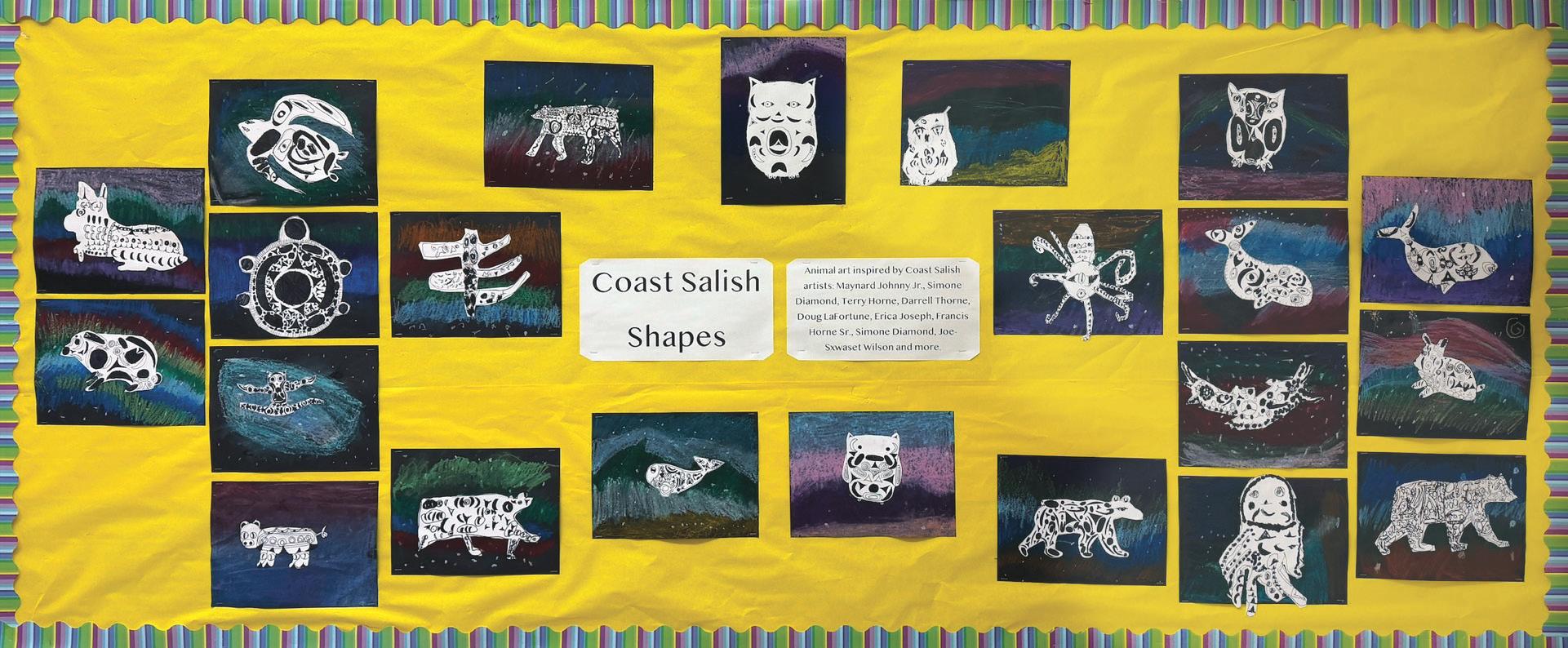
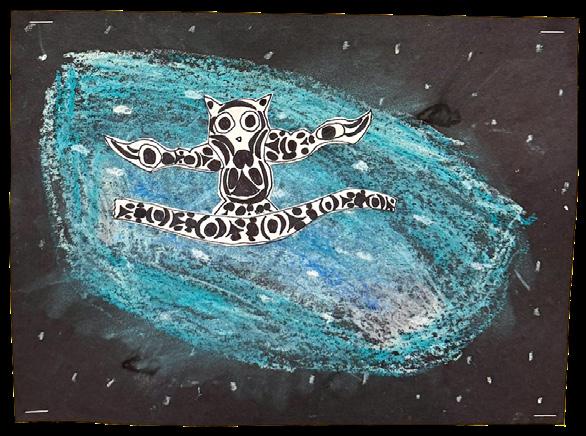
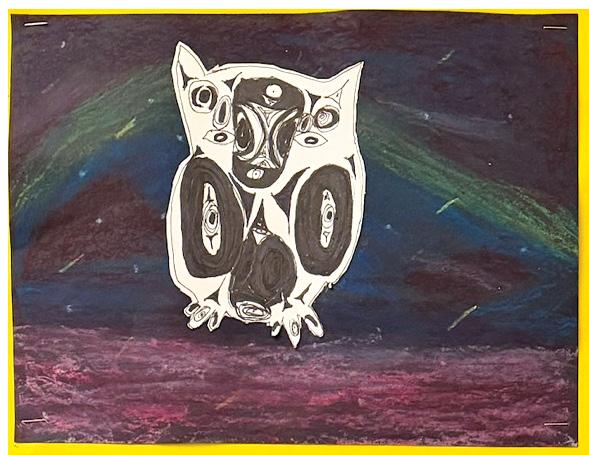
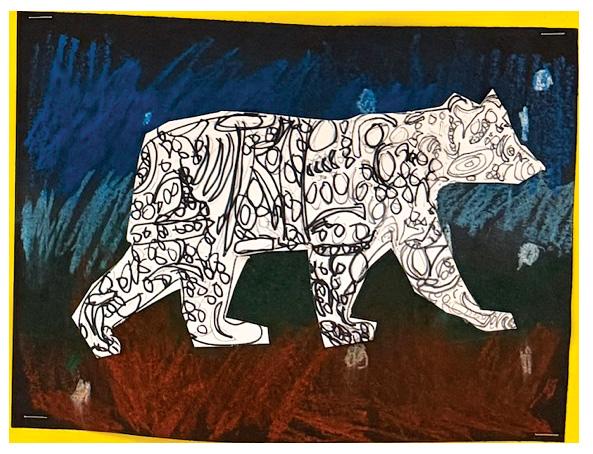
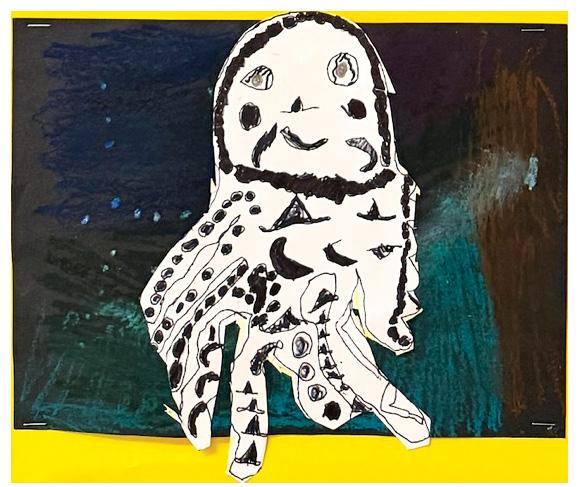
Photos of student art from Lynda’s class. Photos provided by author.
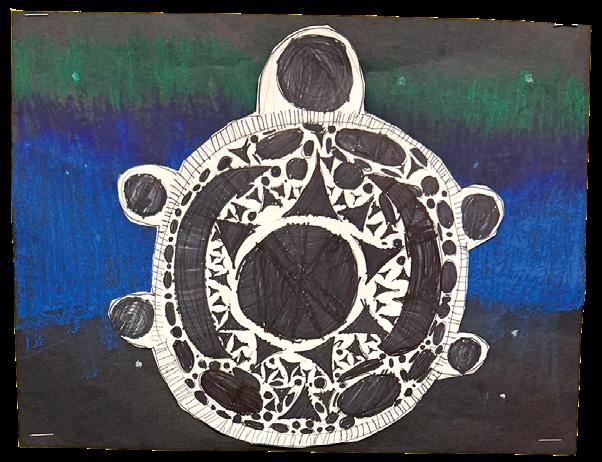
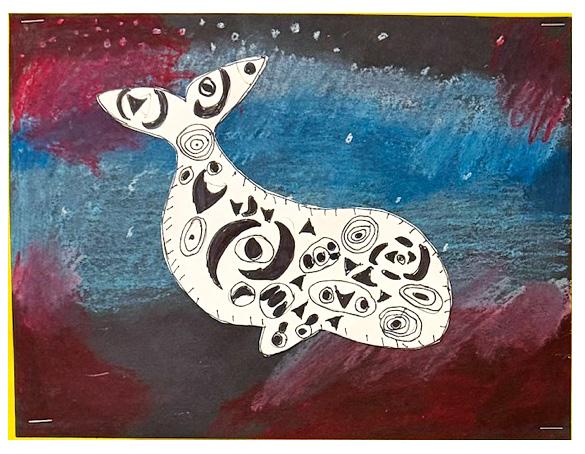
STEP 1: BEGINNING WITH SHAPE AND SYMMETRY
We begin the unit by exploring shape. What shapes do students already know? How do we recognize them? We discuss symmetry and look for examples in the world around us. I then introduce examples of Indigenous art through a PowerPoint of local art pieces and often by pointing out artwork in our school or community. Together, we examine the art for familiar shapes and for new ones. Students quickly notice that there are often shapes within shapes, sparking rich discussion and curiosity.
STEP 2: FOCUSED SHAPE PRACTICE AND CREATIVE EXPLORATION
During our next lesson, we focus specifically on Coast Salish shapes: trigons, circles, ovals, and crescents. Students practise drawing these shapes in different sizes, learning how they flow and connect. Once they feel comfortable, I give them a circle on paper and invite them to create their own design using only Coast Salish shapes. This activity builds confidence while reinforcing foundational skills.
STEP 3: STORY AND MEDIA CONNECTIONS
In our next lesson, we review the shapes and read a story such as Goodnight World or Good Morning World by Paul Windsor (published by Native Northwest). As we read, students search for Coast Salish shapes in the illustrations: the moons, suns, trees, animals, and landscapes are filled with beautiful details of Coast Salish shapes. We also watch short videos, including one about the new BC Ferries artwork designed by Salish and Kwakwaka’wakw artist Maynard Johnny Jr. The Native Northwest YouTube page has been an excellent resource for learning about local artists and their work. Depending on the area your school is in, this can make a great opportunity to take learning outside of the classroom and go for a community walk. Look for Coast Salish shapes and art, and build connections to the land you are on.
STEP 4: EXPLORING COAST SALISH ANIMALS
During lesson four, we use Animals of the Salish Sea flash cards (also available for sale at Native Northwest) that feature designs by Indigenous artists. We explore the animals and discuss their meanings within Coast Salish culture. Each student receives a piece of paper folded into quadrants and chooses animals to copy. After practising drawing in pencil, students share their artwork and learning with a partner.
STEP 5: THE FINAL MULTISTEP ART PROJECT
In the culminating lessons, students choose an animal, local or from elsewhere (this can be a great way to connect to other subjects, like science), and draw the overall shape on cardstock, using images from books or online as references. They are encouraged to use most of the page and fill their animal with Coast Salish shapes, thoughtfully transforming those shapes into eyes, facial features, and body details.
This part of the project takes two to three class periods and always surprises me with how calm and focused students are as they work on their art. When students finish their detailed pencil work, they use fine liners to outline their designs, then cut them out.
STEP 6: CREATING THE BACKGROUND
For the final lesson, we create a backdrop inspired by the northern lights. After a short mini-lesson, students use oil pastels on black construction paper. They follow my guided instruction to add smudged colours throughout their paper. Once blended and smudged, we use white pastel to add some stars, then they glue their cut-out animals onto the backdrop. This backdrop adds a striking contrast to the black and white shapes that fill their animal art. •

OVERTIME Burnout in athletic directors
By Graham Notar-Maclean, athletic director and English teacher, Delta
BURNOUT IS A HOT-BUTTON TOPIC these days. Unfortunately, for us as educators, it is ever-present too, and misunderstandings and misrepresentations about it do more harm than good. Clinically, burnout can be characterized as a stress disorder resulting from a combination of physical and psychological pressures experienced over time. It has three major categories: emotional exhaustion (the typical “burnt-out” experience of being overwhelmed), depersonalization/cynicism (feeling like your work doesn’t matter; feeling disconnected), and reduced personal accomplishment (like you and your work are ineffective, useless, or pointless).
Professionals in human service jobs, e.g., paramedics, doctors, nurses, social workers, and, of course, teachers, are much more likely to experience burnout than people in other professional work because of the nature of our daily stressors. The list of contributing stressors for educators is enormous: multifaceted student needs, ever-increasing class sizes, non-educators making decisions for us, a sense of powerlessness against the forces of political division, cellphone culture, rampant apathy, and dismissal of behavioural expectations.
In the process of researching educator burnout for my master’s thesis, I stumbled upon another subset of teachers who rarely ever get mentioned in these discussions: athletic directors (ADs). ADs are responsible for organizing every single extracurricular athletic program in schools. That includes finding coaches internally or externally for every team; making sure every adult who engages with students has appropriate criminal record checks; ordering, managing, storing, distributing and collecting jerseys; organizing financing for each student who participates in sports at a high school level; student registration; scheduling every try-out, practice, tournament, and game; communicating with parents, coaches, league co-ordinators, tournament hosts, facilities managers, bookings agents; and planning and coordinating end-of-year athletic banquets. This is another incredibly long and by no means exhaustive list.
I surveyed ADs in BC about their experience of workload, time put in outside of contract hours, supports or lack thereof, and general burnout measures. What follows are the survey results and anonymous quotes from some of the respondents.
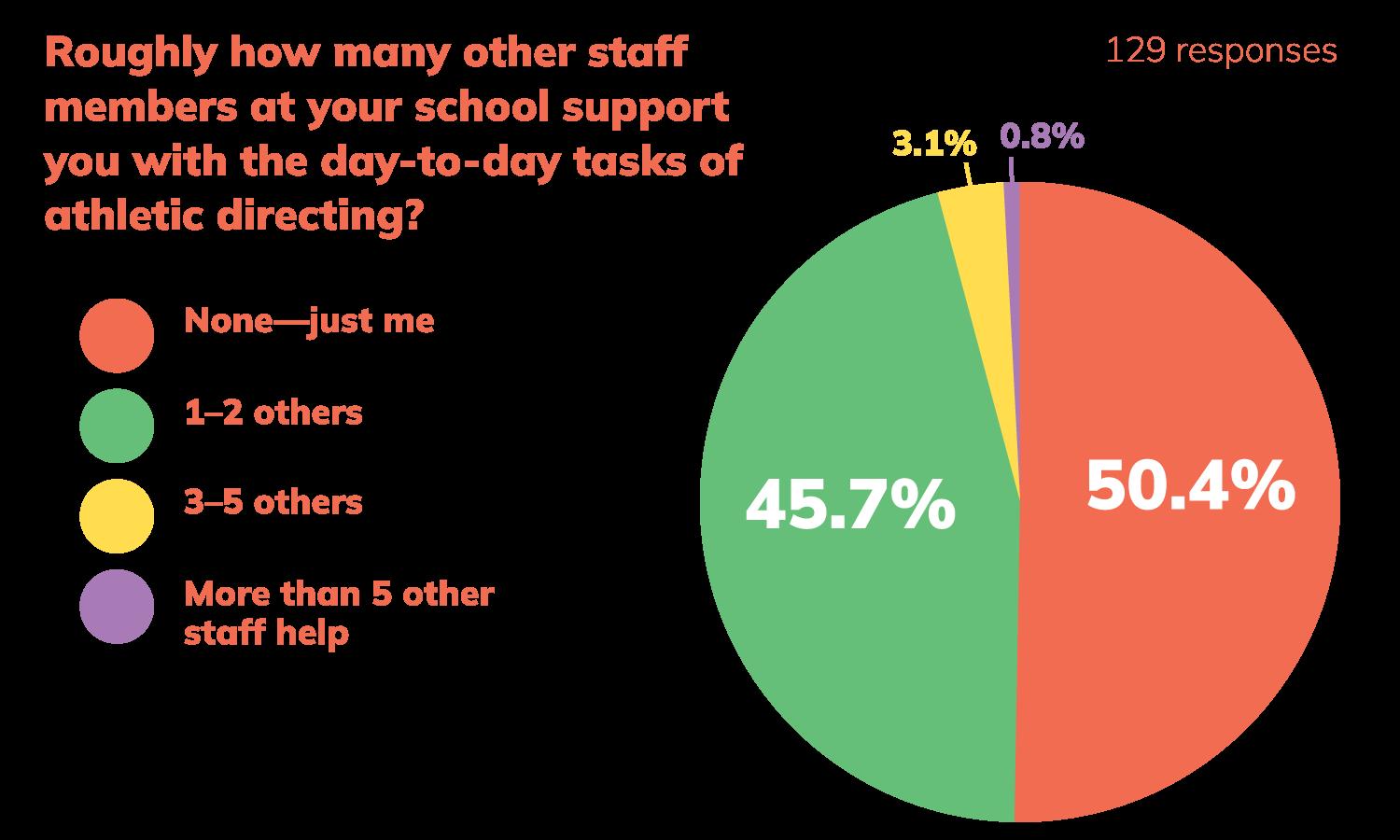
Over half of the ADs who responded do this job alone, 50.4% on the chart opposite, and few schools have supportive networks for athletics. When asked how they go about getting staff members involved, the number one method for getting teachers to support with athletics was a combination of “begging, bribery, guilting, offering athletics merchandise, pleading.” One respondent claimed, “People just don’t want to help anymore.” Another wrote, “I don’t know that I could do the AD role alone the whole year without burning out.”
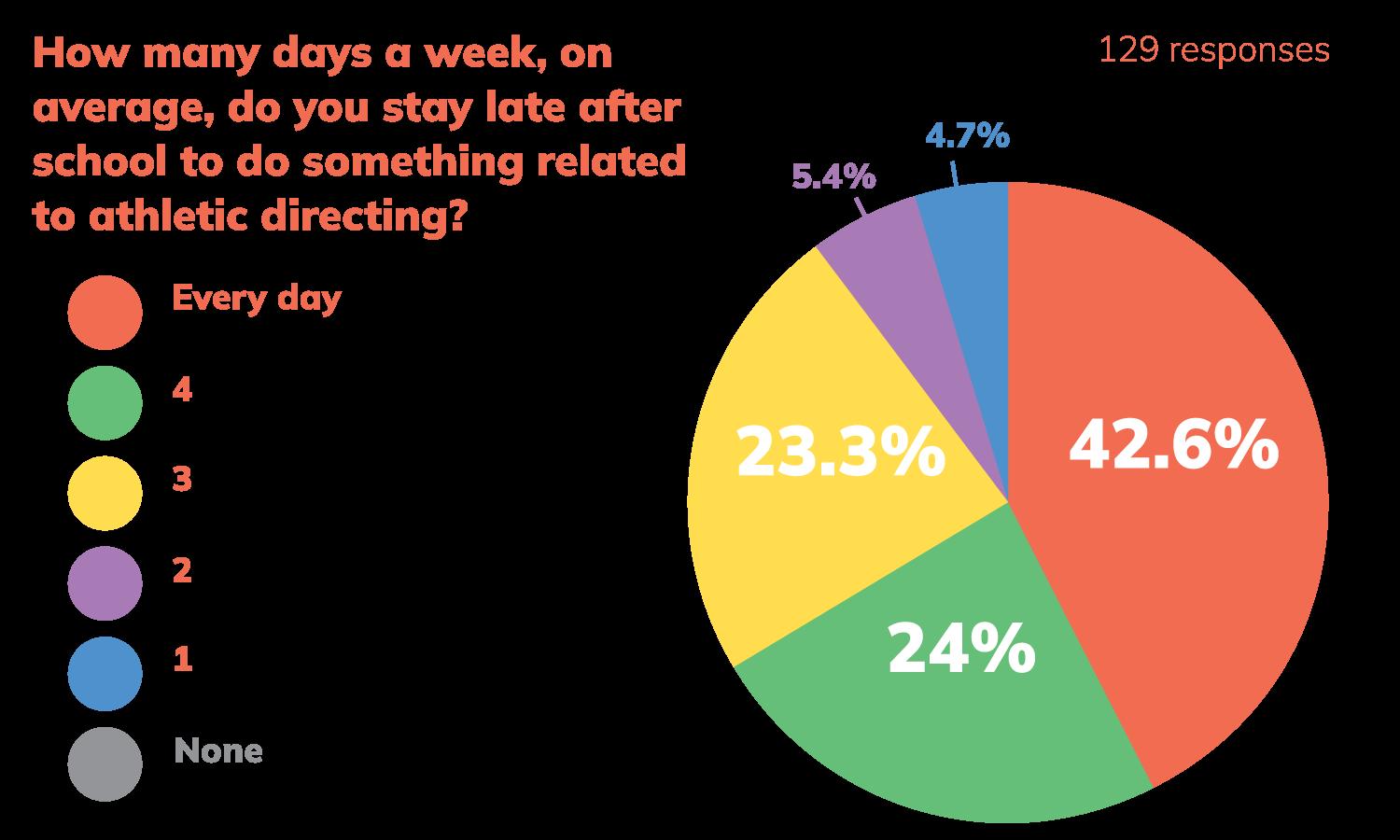
To me, the results above and below are the proverbial canary in the coal mine. Over two-thirds of ADs stay late beyond instructional hours four or more days a week. Almost 43% of them do so every single day in order to complete their required responsibilities. This should raise eyebrows about the workload of these roles. As one respondent shared, “I come in most Sundays for 4–5 hours to get ahead as much as possible for the following week. I currently put in 60–70 hours every week (I coach as well). [A] 60-hour week is a short week that rarely happens.”
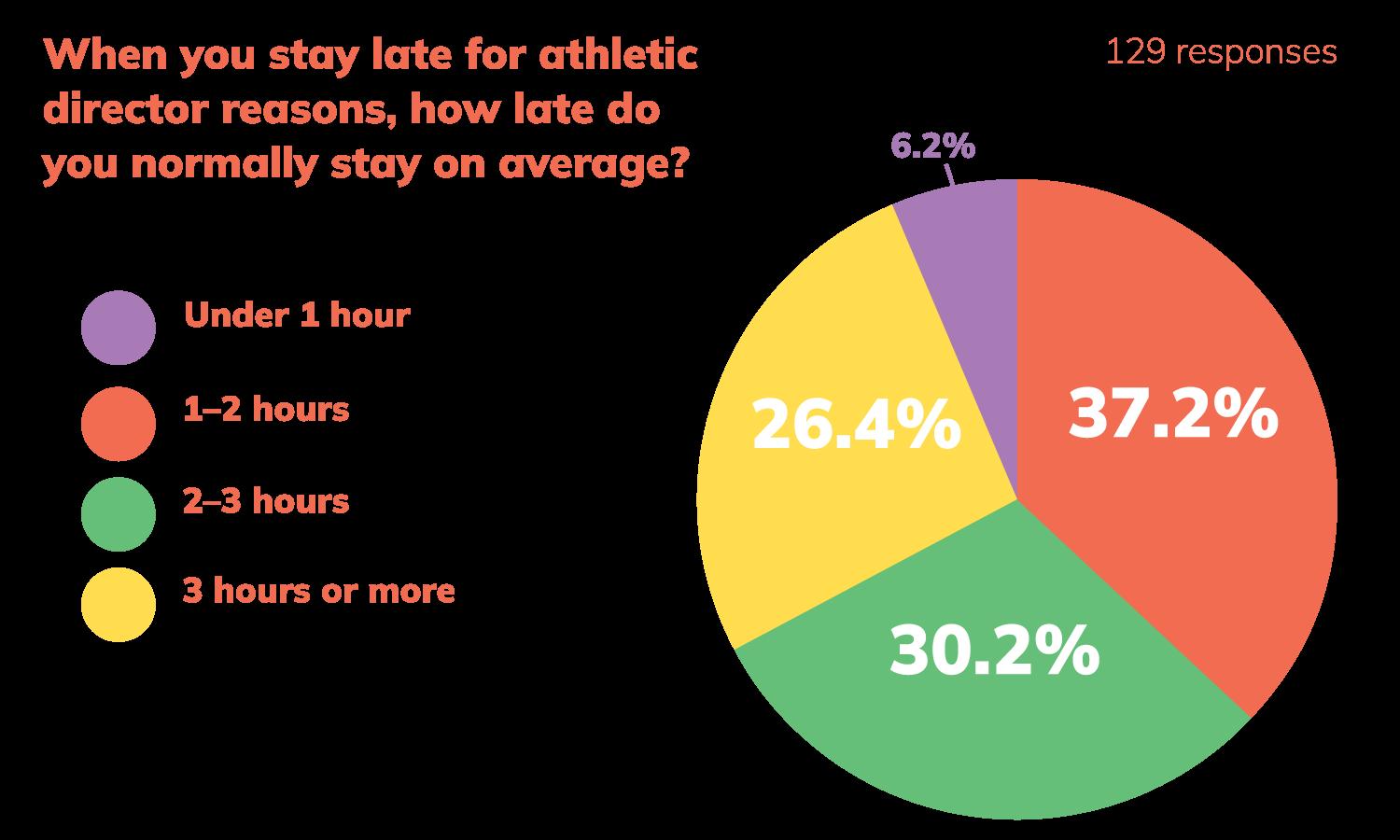
Coupled with the previous question, the above result stunned me most. Over 56% of AD respondents stay, on average, two or more hours beyond their contract hours, with over 26% of them staying three hours or more.
… during volleyball season I am in the building from 6:00 a.m.–9:00 p.m., 3–4 days of the week (not including tournaments)… I think that no one really gets how much it affects my personal life, and that is assuming that everything is running smoothly and there are no major issues.
– Anonymous respondent
I put in just under 16 hours of work yesterday.
I wish I could say that was a one-off, but I would be lying.
– Anonymous respondent
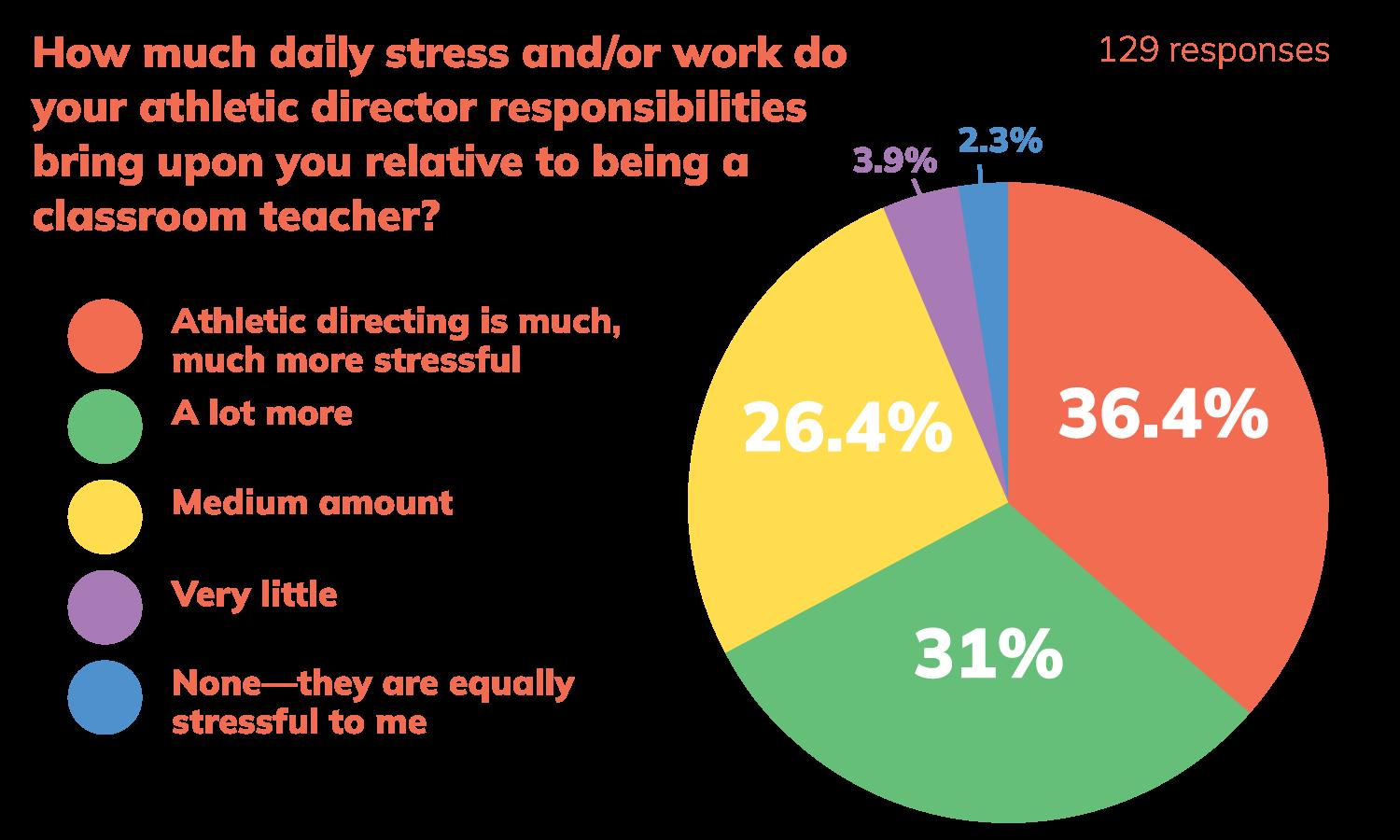
What’s striking in the chart above is that the overwhelming majority—93.8%—of AD respondents feel this role adds a medium or higher level of additional daily stress. Here’s what some respondents had to say:
• The value of sport in schools is inexplainable, yet we are overworked and don’t see an end in sight unless we leave the AD “job.”
• It feels like every AD I talk to is reaching a breaking point, and that our current school sports system is at risk of collapsing under its own weight if the people who are actually responsible for making it happen are not compensated fairly and supported from all levels. So many ADs make the personal and professional sacrifices to make the job happen just because “that’s the way things work” or “it’s the way things have always been done” and that is a totally unsustainable model that can’t lead to a thriving school sports environment in the city or in BC. I wish people knew about just how much time, effort, and sacrifice is necessary to maintain the current system, and how quickly it would all fall apart if we collectively just couldn’t do it anymore.
• One of the struggles is that both teaching and AD [work] are very valuable, but it is extremely difficult to do both well, so it becomes defeating.
While the survey didn’t specifically ask about the impact this work has on personal lives, several respondents shared how significant the effects can be:
• All this workload affects our personal lives, whether it be relationships with significant others, or people’s own children. My friends often joke that I am MIA for a good chunk of the year because of all of the coaching that I do.
… many ADs make the personal and professional sacrifices to make the job happen just because “that’s the way things work” or “it’s the way things have always been done” and that is a totally unsustainable model …
– Anonymous respondent
The survey also didn’t address concomitant illnesses like anxiety, depression, high-risk coping, sleep disorders, or other stress-related mood pathologies. It didn’t specifically ask about the impact this has on classroom teaching roles and on students, how hard it is to do both AD work and classroom work well, or higher than average turnover rates. Nor have we talked about elementary physical and health education (PHE) teachers doing basically all this work without supports of any kind.
I’m tremendously lucky that I have an amazing PHE leadership teacher at my school, supportive administration, and a strong, stable cohort of teachers and community coaches that make my workload more sustainable. Many ADs do not.
So what can you do? Talk to your site AD and ask them what supports they need. The fate of high school athletics may depend on getting more teachers, like you reading this, into the game. You can connect with your local AD and union to advocate and address the unsustainability of this role. Raising awareness about the stressors we all experience makes the suffering we endure for our work lighter, and discussions like this one can help. •
RURAL SCHOOL MAGIC
By Garrett Hamilton (he/him), teacher, Elkford
RURAL SCHOOLS are often beset by unique challenges and opportunities. They are ecosystems all on their own with just the right levels of pH, moisture, and temperature to incubate oddities and quirks. These quirks are more than charming; they shape a powerful learning community rooted in visibility, connection, and shared responsibility. There is a sort of magic to it.
It is hard to explain the magic of a rural school until a person has spent time teaching in one. If you walk the halls in any rural school in British Columbia, it won’t take long for you to feel like Sam Malone in an episode of Cheers because everybody knows your name, even if you’ve only been there for an hour or so. As a newcomer, your arrival will send ripples through the halls, piquing interest and curiosity, and prompting some coincidentally timed walks past your location as people “go to the bathroom” or “pick up their copying.” Anonymity for teachers and students is unknown in these spaces, and this can be both joyous and difficult at times. That student who gets under your skin in the first period? Get ready to see them again at the end of the day. And twice next semester. And next year too. And then you get to teach their little sister for another five years after they graduate! The same applies to colleagues. As a peer, there’s no avoiding them. There are only 12 of you in the whole school, and your kids are the same age and go to all the same birthday parties. And trivia night is the only thing to do in town on Thursdays, so you’re not going to miss it on account of them!
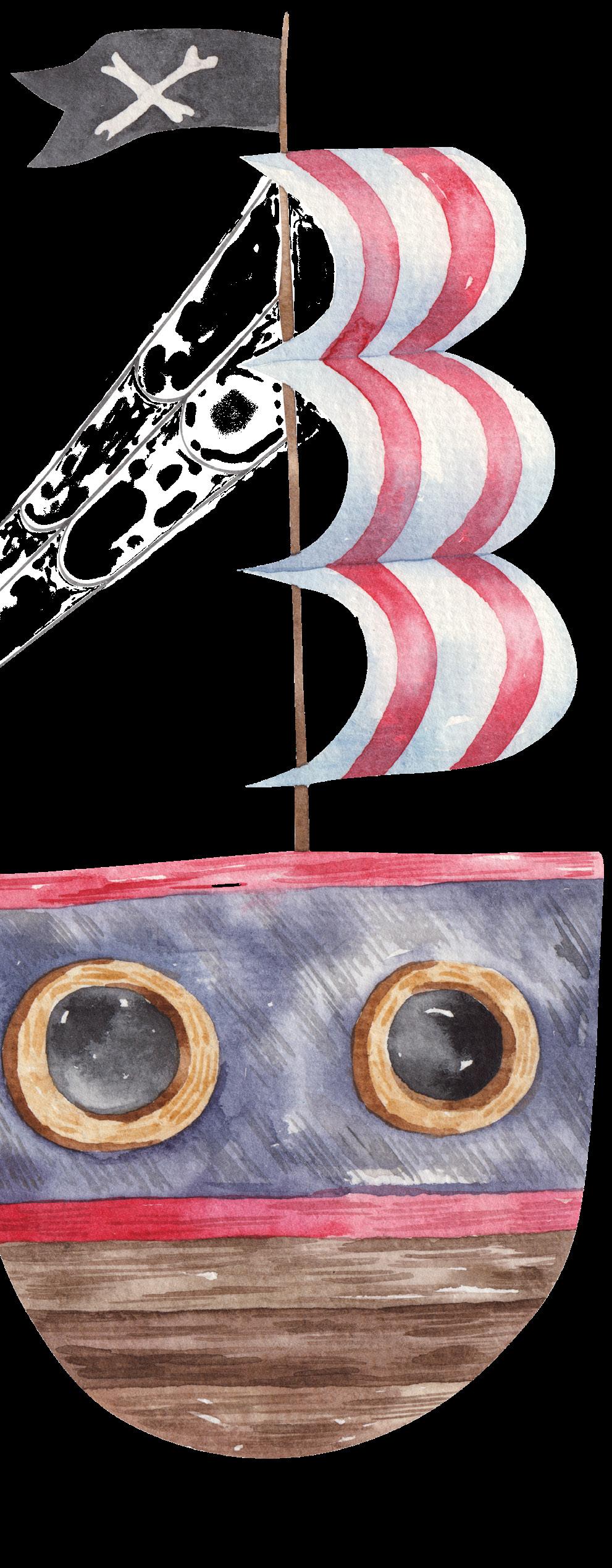
Although this may seem troubling, it is actually quite endearing. Small rural schools breed a familial, pioneering attitude that is often befitting of their remote locations. They are schools on the frontier and develop a level of collegiality commensurate with such a location. Each rural school staff is a pirate ship buffeted around on the turbulent swells of contemporary education. They are crewed by an appropriately eclectic (and lovable) cast of characters who, though they might not know how they got here, are pitching in where they can to best serve their students. Some may be coaching, some running lunchtime programs, and some swabbing the deck. All play a special role. They may not all get along or have the same role, but they are all united under the same flag, as one crew, for a clear purpose: to serve the students.
All schools are transformative places where special things happen, but rural schools just feel different. At my school we have a tradition where the school gathers for a family-style dinner in December. Tables are laid out, food is served, and everyone in the building gathers in the gym to sit down and eat together, Grades 7 through 12. It’s a beautiful and authentic moment of human connection and empathy. In that moment, while we stuff our faces with mashed potatoes and turkey, we are unified by the learning community that we’ve built together, and everyone is shown that they have a place in it. Community bonds are strengthened and so is the magic.
I wish every educator could enjoy a day or two in a rural school just to experience the magic of it. I bet they would walk away with a stronger sense of the role that community can play in the educational experience and an appreciation for the do-it-yourself, problem-solving attitude required in these spaces. There’s also a good chance that they would walk away saying something along the lines of, “My, that was quite odd. All those people were quirky. It was great!”
Quirky is good. Oddities should be embraced. Differences should be celebrated and we should lean into the unique circumstances of our environments. Rural schools remind us of the beauty of community-driven education and just how powerful it can be. •
THE TRUTH IN TRUTH AND RECONCILIATION EDUCATIONAL BOARD GAME
By James Darin Corbiere (Waabi Makoohns), comic book writer, illustrator, and board game creator, Langford
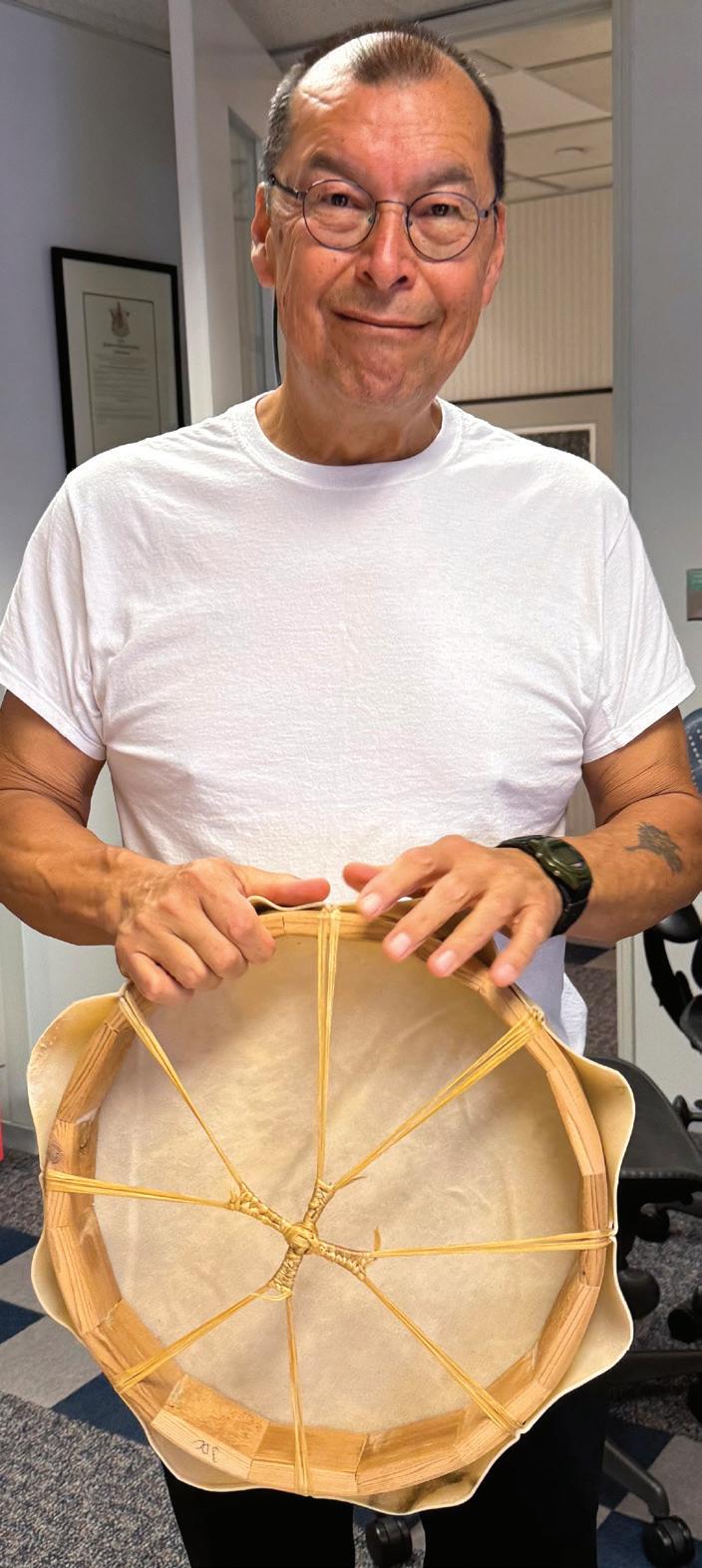
MY NAME IS JAMES DARIN CORBIERE. I am Aanishinaabe, Bear Clan from Wii kwem koong on Manitoulin Island, Ontario.
I am a former police officer and Indigenous language teacher living in Langford on Vancouver Island. I am a comic book writer and illustrator, artist, and the creator of The Truth in Truth and Reconciliation Educational Board Games.
I spent most of my 11-year teaching career in Sault Ste. Marie, Ontario, where I taught Ojibwe language courses, geography, and Canadian history. When the Ontario Secondary School Teachers’ Federation (OSSTF) put a call out in 2016 for Indigenous teachers to help create resources that could be distributed to OSSTF members to support teaching about Indigenous issues, I applied and was accepted.
At first, I created a puzzle intended to show how treaties and purchases over time resulted in the creation of Canada. Each puzzle piece had essential information about various treaties that participants would attach to a precolonial map of Canada. The progress of the transition from Indigenous land to Canada could be seen in this activity.
Over the May long weekend in 2017, I began preparing an exam review for kids in my Grade 10 Canadian Contemporary History class. At first, I wrote up “cheat sheets” of essential historical information. Realizing the study aid would likely end up in the recycle bin or at the bottom of back packs, I upgraded from sheets of paper to flashcards with the same historical information. Even then, the students would get bored, so I leveled up by making a game out of the learning.
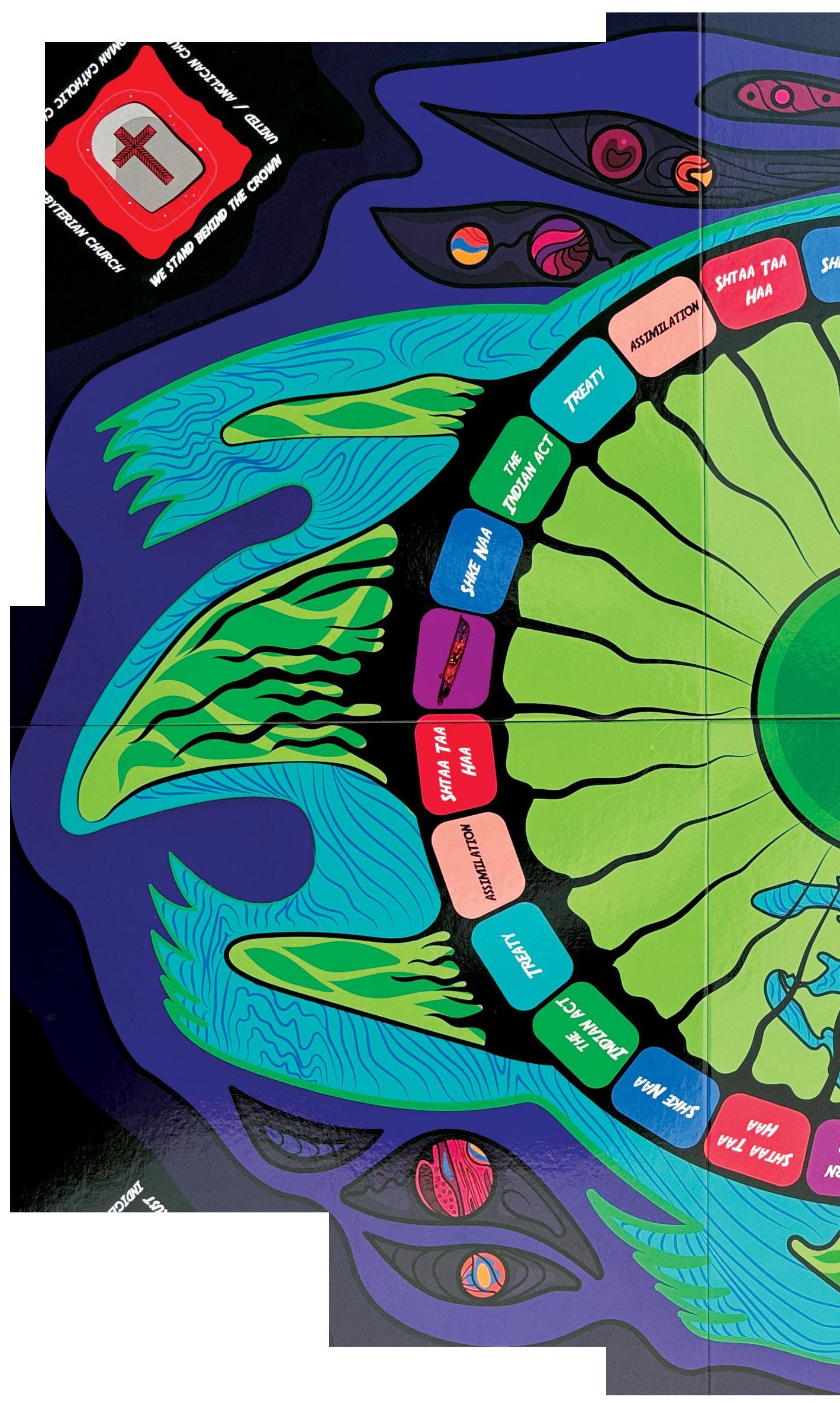
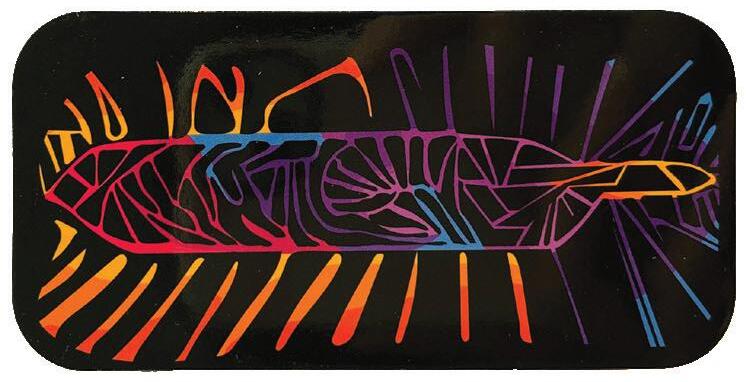
The kids loved the game and did well in exams. They encouraged doing more with the game. That preliminary board game, made from dollar store recipe cards and foam core board, went on to become The Truth in Truth and Reconciliation Educational Board Game.
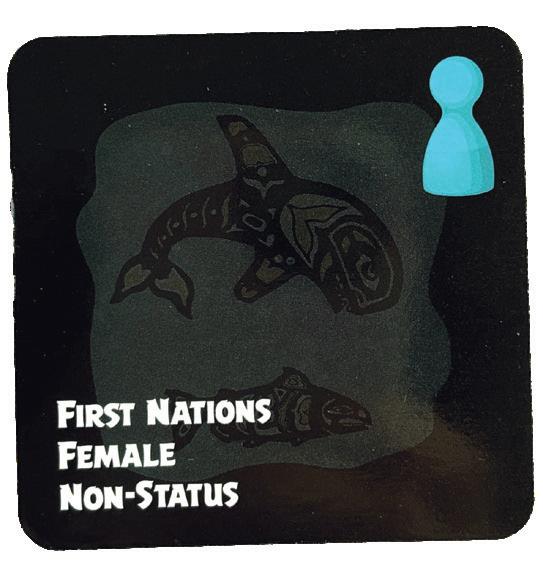
The goal of the game is to collect four Eagle Feather cards and survive. The players in the game are each assigned a Role card representing Indigenous groups in Canada. The Role cards also assign sex and status (for example, non-status First Nations). The categories used to create Role cards are true to divisions used in the Indian Act.
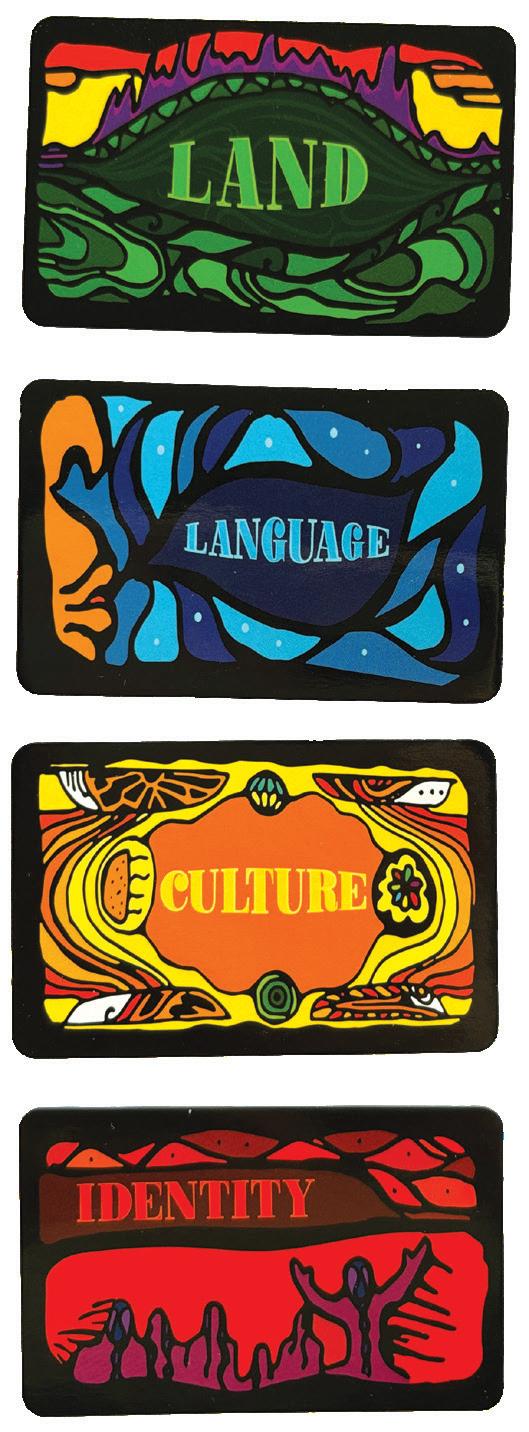
The Truth and Consequence cards describe Indigenous experiences of Canadian history and are based on the real-life impacts on Indigenous Peoples. Value cards are surrendered to the Church and Crown throughout the game based on the information shared on Truth and Consequence cards. Value cards include land, language, culture, and identity. Historically, Indigenous Peoples did not have “money” that was stolen through colonization, but we did have land, language, culture, and identity. When a participant loses all their Value cards, they become Assimilated.
The Church and Crown are not playable characters in the game, but they do receive Shame cards for their dishonourable actions.
Left: An Eagle Feather card. Collect four to survive. Below: Value cards. A player who looses them all is Assimilated.



When I first developed the game, my publisher insisted I remove the Shame cards. I declined and was dropped by the publisher in 2018. That same year, I moved to BC and connected with my local union office in Prince George, who then connected me with the Aboriginal Education office of the BCTF who supported my efforts. We have been working together since then.
I later approached Medicine Wheel Publishing in Victoria who picked up the game and published 3,000 copies. The Truth in Truth and Reconciliation Educational Board Game was released in August of 2024, and it is nearly sold out as of January 2026. The game comes with all components needed to play, plus a guide book. The guide book includes reflection questions to help students think more deeply about Canada’s history.
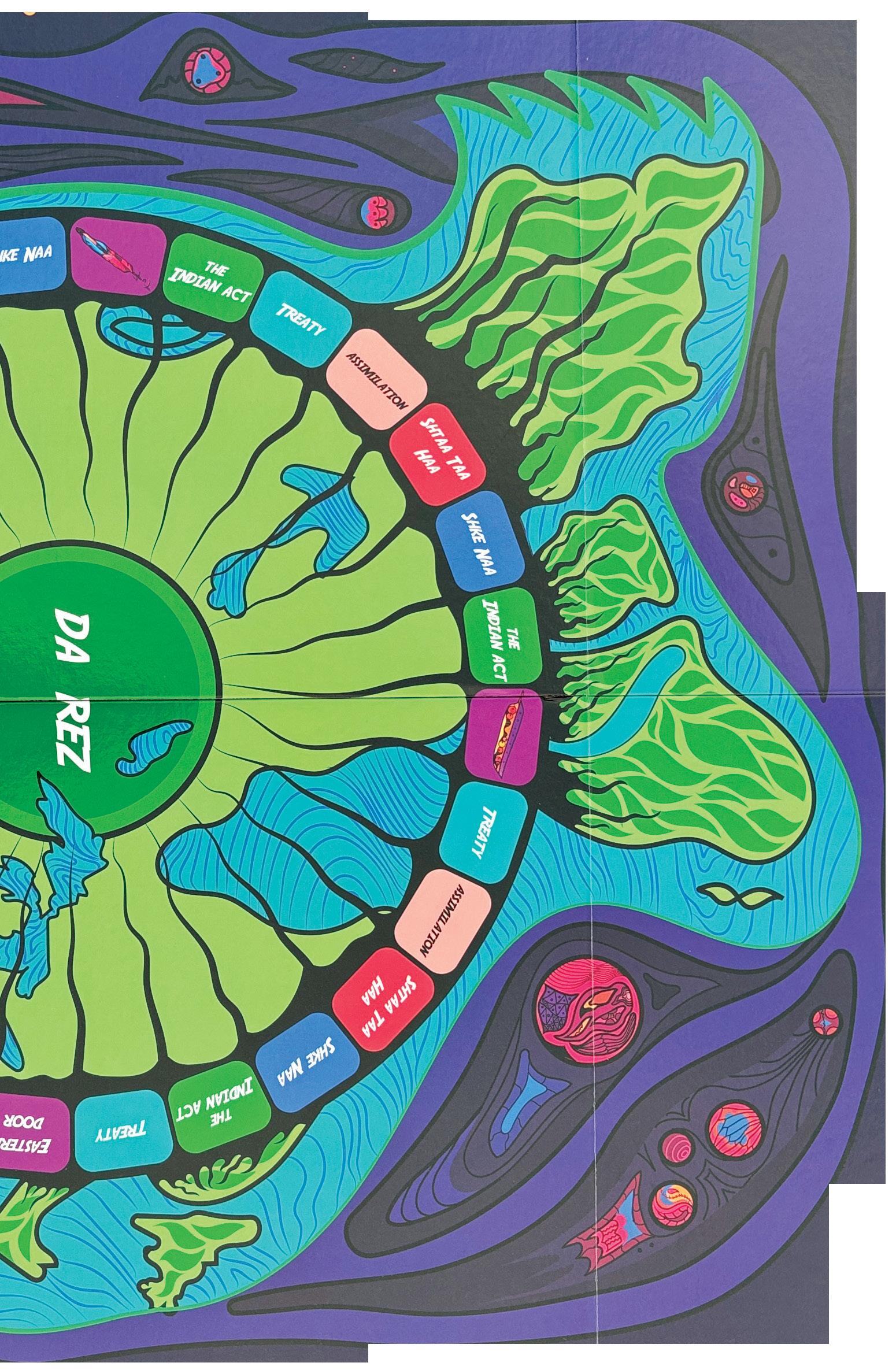
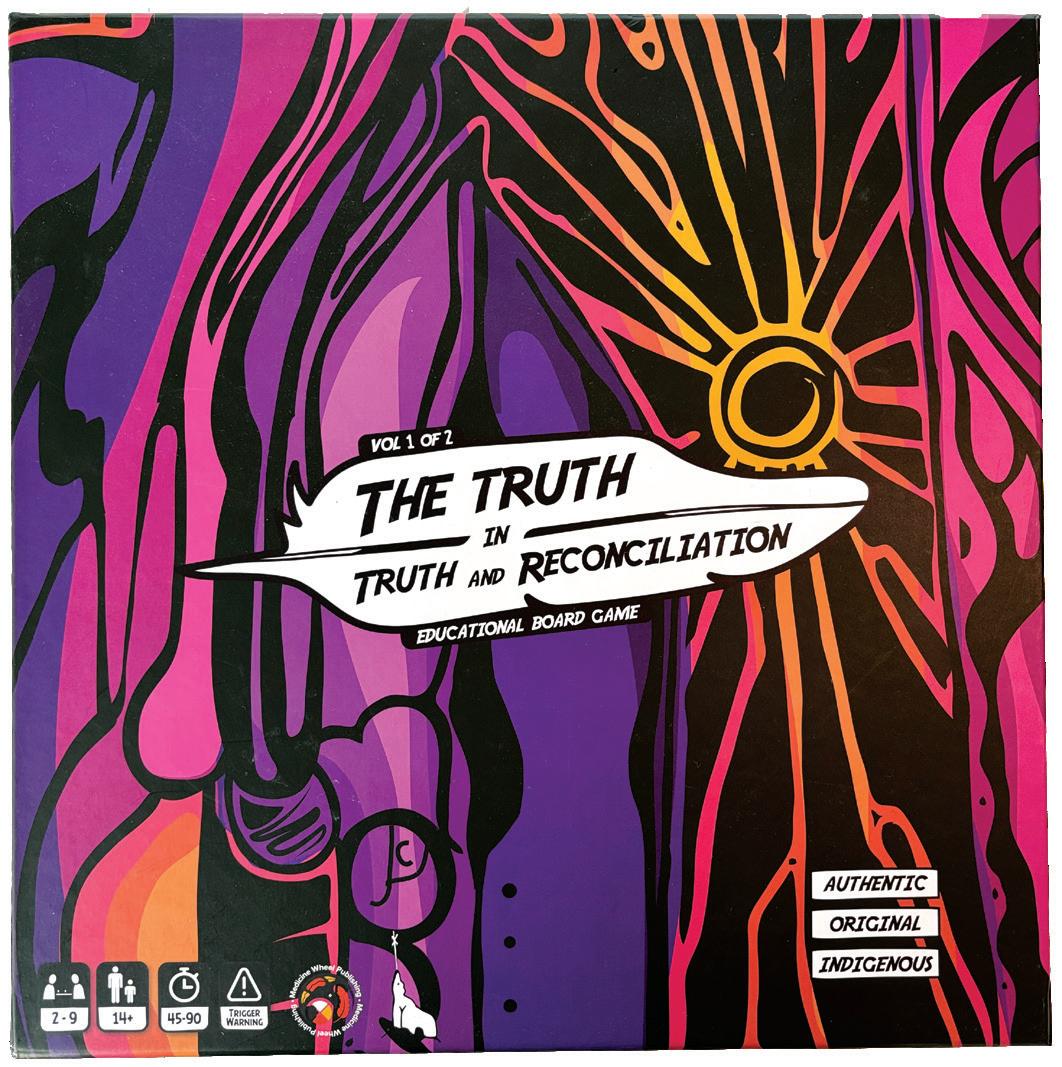
All of the research, writing, and artwork on the cards, board game, and guide book is my own. The box art comes from a piece of mine called Ba-ka-de Ba-ka-de is black on a purple background, and the purple represents healing. If you get hurt, if you bump your arm, or something happens and you get a bruise, that’s the colour of healing.
In addition to the original truth game, we have also published the elementary and middle school version of The Truth in Truth and Reconciliation game, which was released in September of 2025 and is available now through various education resource retailers.
I am very grateful to the BCTF, particularly the Aboriginal Education office who have been strong supporters of both versions of the game
The grand vision, right from the early days in May 2017, is to create a suite of resources for reconciliation, beginning with the truth games, referred to as Volume One, to be followed up by the reconciliation games, or Volume Two. The original truth games contain general information, while expansion decks of Truth and Consequence cards are planned for each province, i.e., one deck for BC, one for Alberta, Quebec, etc., all across Canada. In addition to these efforts, we are working on creating a French language edition.
From the prototype in May 2017 to the published copies in August 2024, it has been a seven-year long journey to see this vision through. From the OSSTF, to the students who first played the prototype game, to the many leads and connections made along the way, I am grateful to everyone who has helped me achieve this goal. •
Miigwetch Miigwetch Miigwetch.
James Darin Corbiere – Waabi Makoohns
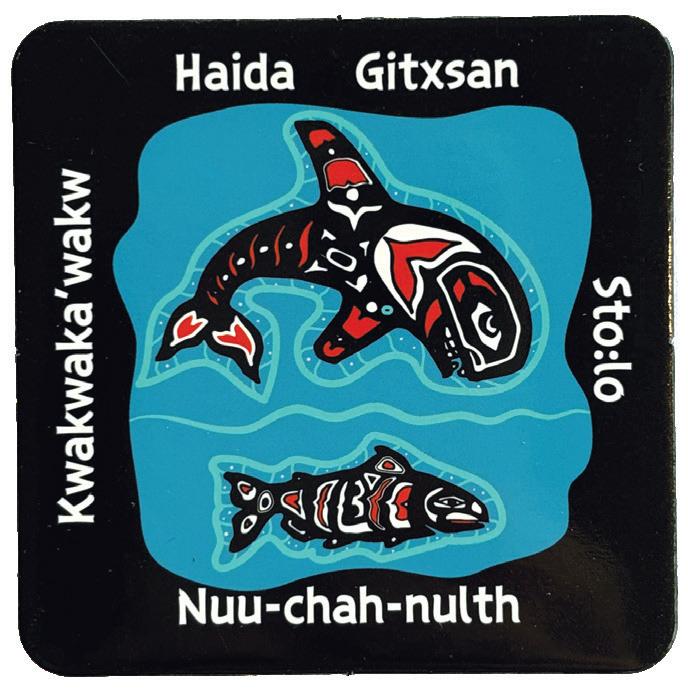
Above left: Church, Shame, and Crown cards. The Church and Crown are not players, but they collect Value cards from players, as well as Shame cards for their actions.
Above: One of the Role cards, which include categories used in the Indian Act on the reverse. Below: The art throughout the game is the author’s own.
THE POWER OF THE ENGLISH FIRST PEOPLES COURSE
How Indigenous philosophies support healing
I was in year three of teaching the EFP course when I was recovering from radiation … Add on the untimely loss of a best friend to the same cancer I’d been fighting, and there were bound to be some challenges with mental health, energy, and spirit.
1 First Nations Schools Association and First Nations Education Steering Committee, compilers, “English First Peoples Grade 10–12 Teacher Resource Guide,” 2018: www.fnesc.ca/publication
2 Richard Wagamese, Keeper’n Me, Penguin, 1994.
3 Squamish Public Arts, “Xwalacktun, Rick Harry,” 2026: squamishpublicart.com/artists/ xwalacktun
4 Dawn Iehstoseranón:nha, “Talking Feathers for Sharing and Restorative Justice Circles,” Pass the Feather, 2024: passthefeather.ca/sharing-circles
By Sophie Boyer (she/her), teacher-librarian, West Vancouver
THERE ARE HEART-STOPPING EVENTS in life that cause us to become more philosophical. A cancer diagnosis; the death of a loved one. In my mid-40s, 20 years into my teaching career, I experienced these events simultaneously.
Many pillars supported me: my family, my school community, my friends. What I didn’t expect was that teaching the English First Peoples (EFP) course would also be one of those pillars.
Indigenous education focuses on the healing strength of communities. Sharing knowledge and lessons through storytelling helps establish strong bonds that allow us to lift one another. We all know that great storytelling is transformative, but how do we quantify this? How do we pass along to others the values of authenticity and vulnerability in the classroom?
I was in year three of teaching the EFP course when I was recovering from radiation, unsure whether I could take on another school year. Add on the untimely loss of a best friend to the same cancer I’d been fighting, and there were bound to be some challenges with mental health, energy, and spirit.
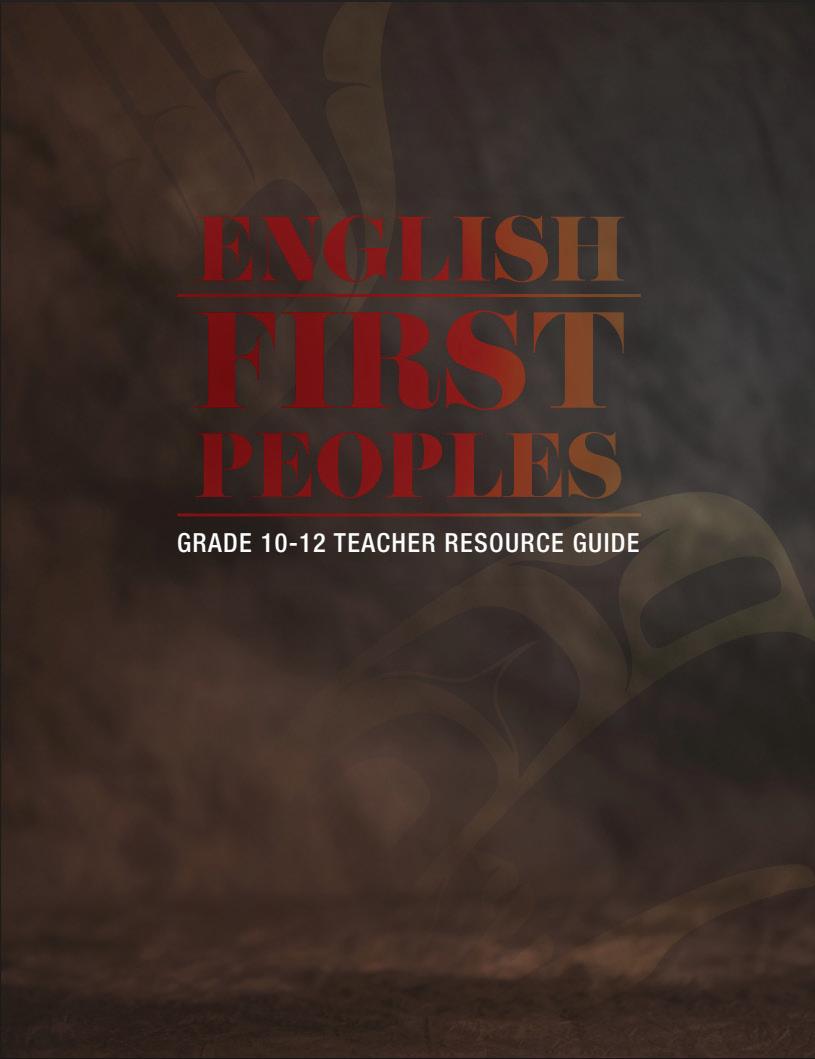
With uncertainty, I prepared to meet a group of 60 new EFP students. I figured that some of them had heard about my diagnosis, so when it came to introducing myself, I alluded to the darker parts of my story. For context, in the first unit of the teacher resource guide for EFP, there is a get-to-know-you lesson where students are encouraged to bring in four artifacts to represent each of the following: family, culture, self, and peer group.1 It creates a safe space to share what makes them unique, celebrate their heritage, and think more deeply about what relationships are important to them. In hearing the students’ stories about their artifacts, I am reminded how grateful I am to have this position. Seeing their eyes light up as they explain an anecdote and connecting with them on similar interests is affirming. This activity is one of the best foundations for building community.
My objects in this particular year highlighted the power of friendship and memories in the face of illness and loss, focusing on the positivity of remembrance. I shared stories about my friend, who had succumbed to breast cancer less than six weeks prior. She has a legacy and I carry it with me. Ordinarily, a student bringing in a bracelet that reads “I heart boobs” as an artifact might raise eyebrows; but I knew it was meant to be a moment of connection—a bracelet bought with the intention to support breast cancer research. I had a good feeling about this new group of students.
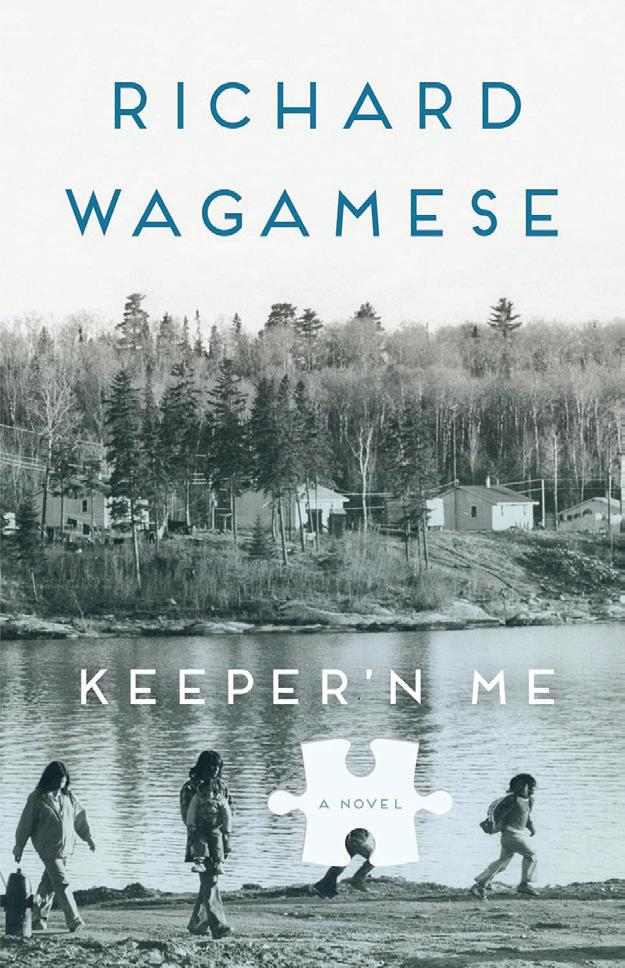
My planning for the course included a new novel study: Keeper’n Me by Richard Wagamese.2 I had taught the text back in 2008 with some success, and I was both curious and apprehensive about how this new generation would connect with it.
I’m glad I trusted my instincts. Together we discussed the magic of the landscape felt by Garnet when he returns home; we examined how external factors influence multifaceted identities; we noticed how characters with imperfect pasts succeeded in the present. The students explored motifs with incredible textual and visual detail. Going back to a text with several years of teaching and life experience provided a fresh and exciting perspective.
The end of the unit was approaching, but with my limited energy reserves, leading and assessing a large final project loomed dauntingly. What would be an authentic way to assess learning and understanding of Keeper’n Me? A sharing circle came to mind: celebrating individual voices while building community. I had shied away from sharing circles as a white educator, fearful of doing something incorrectly. Moreover, the old me would find it difficult to dedicate an entire class to an
KEEPER’N ME FINAL ACTIVITY
activity of this kind: always under the pressure of deadlines and to get through curriculum goals. I’ve learned that slowing things down is more valuable than staying on the express train of written output. Keeper’n Me revolves around the unhurried philosophy of learning promoted by the First Peoples Principles of Learning. Thus, it was the ideal time to go out of my comfort zone by taking things slowly and intentionally.
Students were given the parameters for the activity (see below) a few weeks in advance of the sharing circle. I shared resources on talking circles and we watched a video that featured Xwalacktun, local Squamish artist and Elder, on the significance of the talking stick gifted to our school.3 Xwalacktun is incredibly knowledgeable on the power of symbolism and intention through visual artifacts. He shared that the talking stick was carved from a 1200-year-old yellow cedar from nearby Squamish, and we all felt the privilege of holding this ancient piece—our circle became part of the past and present all at once. As we took turns speaking, I encouraged the students to select a part of the talking stick to hold as indicative of their learning, adding a visceral layer to exploration of themes in the EFP course.
In her “Talking Feathers for Sharing and Restorative Justice Circles,” Dawn Iehstoseranón:nha, Wakhskare:wake (Bear Clan) of Akwesasne, outlines protocols for talking circles, with a focus on the classroom.4 She states, “Determine what is in the middle of your circle. Some circles surround a fire, some surround sacred medicines, pipes or smudging tools. In elementary school circles, often participants are comforted by a bowl of colourful stones or water.” The day before our circle, I asked students to write an intention for the talking circle on small pieces of coloured paper. In the middle of the circle, I put the papers in a basket, elevated it, and decorated it with a string of white lights—our version of a fire.
Give each student two minutes to share something about what they learned in the novel study of Keeper’n Me. Do this in a sharing circle in class. The exercise is part of the self-assessment for this unit. Also ask students to write a reflection in their learning journal about the experience.
Suggestions for students to focus their statements in the sharing circle
•an important lesson you learned from the novel
•a short poem (written by you) inspired by the novel’s themes
•knowledge you learned about Indigenous Peoples that you can use going forward
•a symbol you particularly liked in the novel: what it means and why you chose it
•something of your choice in relation to the novel.
Elements of sharing circles
• equality
• respect
• trust
• honesty
• dialogue
• sense of community
• speak when it’s your turn (talking stick or other object).
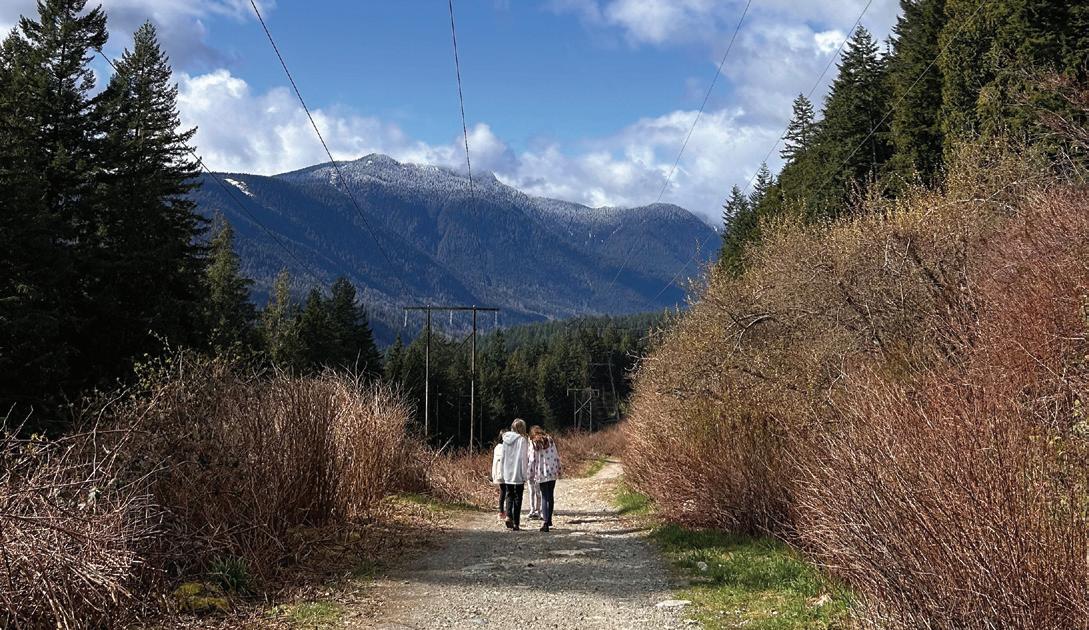
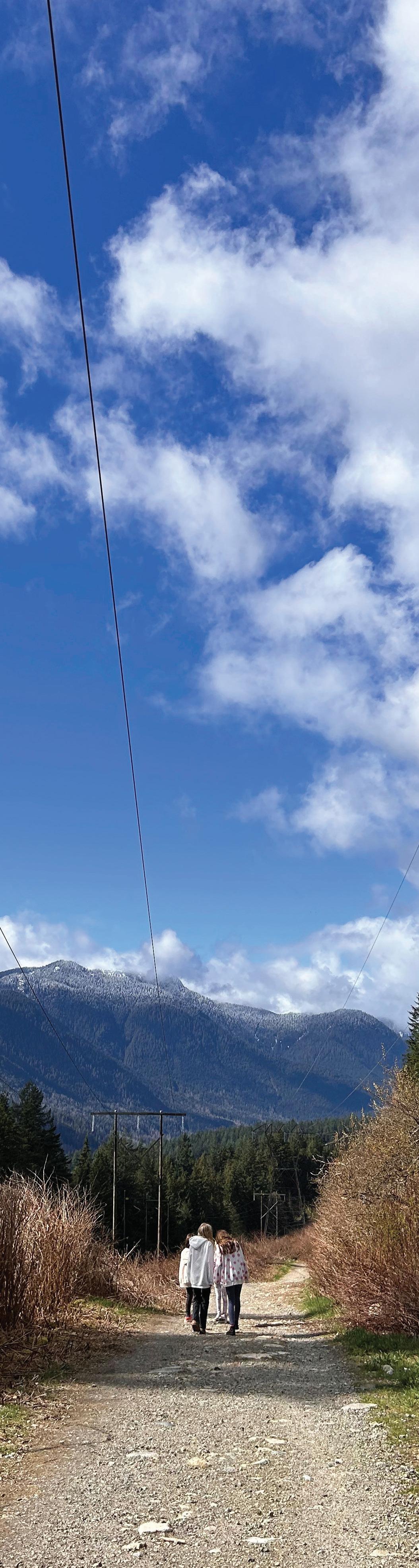
Skyline Drive in North Vancouver, where Sophie saw the flock of eagles. Photo provided by author.
The power of authentic storytelling and of relying on our communities to grow and thrive: these key elements of the English First Peoples course were my survival raft these last few years.
Two days before the sharing circle, I went for a walk with one of my closest friends, someone who shares the heaviness of loss with me. We were finishing up at an incline, which forced us to slow our pace. I looked up to the sky, as I often do, and noticed eagles soaring high above the evergreens. I continued on, keeping an eye on them. What started as a few eagles turned into a throng. I paused and counted: 1, 2 …15 …19. Some had majestically large wing spans, while others looked not far from hatchlings.
Eagles have special significance to the Ojibway in Keeper’n Me. They come to the main character in a dream, representing the masculine and feminine gifts of his ancestors. Garnet is also gifted two eagle feathers by his mentor, Keeper, in recognition of Garnet’s perseverance and personal growth. Eagles and their significance were at the forefront of my mind.
This eagle sighting felt serendipitous. My count landed on 19 eagles, which I equated with 19 women, including the friend who passed away. Friends from high school, from work endeavours, from neighbourly proximity, who over the years have remained in touch regardless of life’s diverse journeys. The flock of eagles reminded me of the powerful community of women in my life. As my walking partner and I rounded the corner to end our hike, a 20th, smaller eagle joined the group from the south. Without a second thought, our dear friend’s daughter came to mind, who we’ve silently pledged to take care of, or keep under our wings, in the tragedy of losing her mother.
With her, we make 20.
This was the story I shared to open the talking circle. Authentically my own, and authentically connected to the learning that my students and I shared. How incredible to have a group of teenagers comment on how my story influenced them—a story made possible by the philosophies of EFP teaching.
Was it coincidence then, that a few days after the sharing circle and my eagle sighting, that I ended up in operating room 20 for the final surgery meant to prevent future cancers? No. It was a spiritual reminder that I was protected and safe, that my community was watching over me.
Before this trio of circumstances—the cancer, the grief, teaching the EFP course— I wouldn’t have described myself as spiritual. Enduring chemotherapy is akin to starting over at the cellular level, while great loss forces us to re-evaluate what is important. How fortuitous to be immersed in the principles of Indigenous philosophy to help me through these hardships.
The power of authentic storytelling and of relying on our communities to grow and thrive: these key elements of the English First Peoples course were my survival raft these last few years. As a non-Indigenous educator, I understand the fears of doing this course injustice. If you’ve felt this uncertainty, I encourage you to keep an open mind. The more you immerse yourself in Indigenous ways of knowing, the more these ideas seep into your bones and become part of your own philosophy. Push yourself to keep learning and growing by sharing the tenets and stories of Indigenous resilience. You never know how it might change your life. •
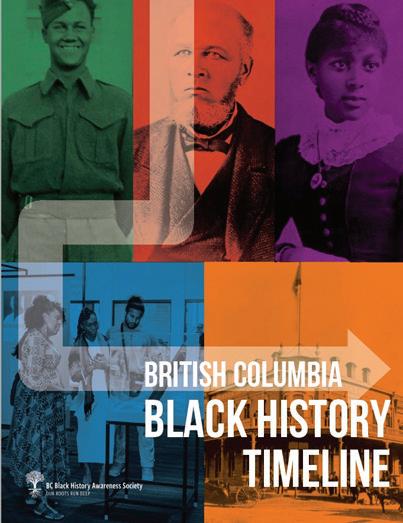
BRITISH COLUMBIA BLACK HISTORY TIMELINE
By Jamila Douhaibi (she/they), Executive Director, BC Black History Awareness Society
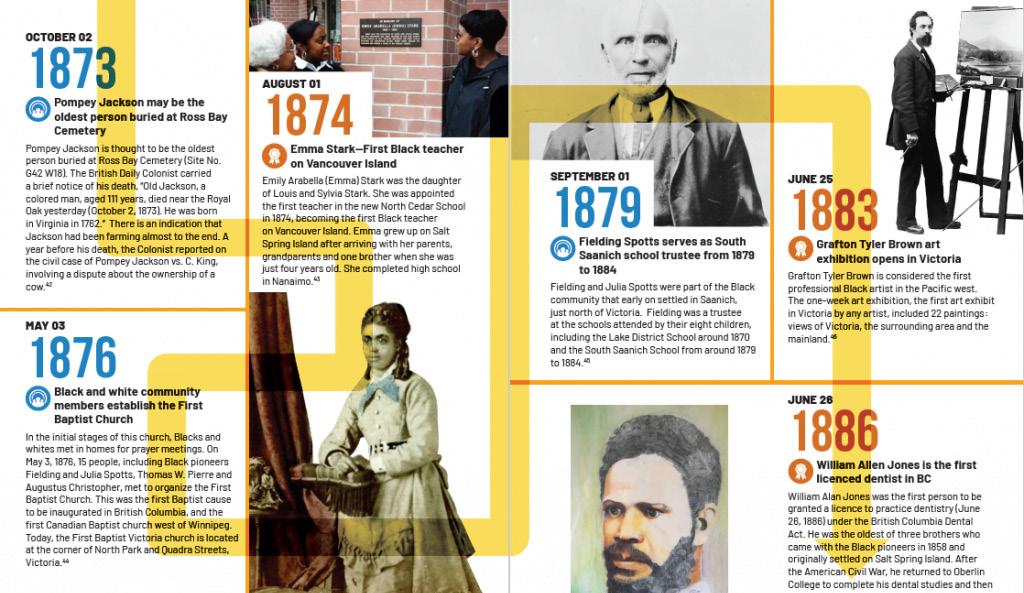
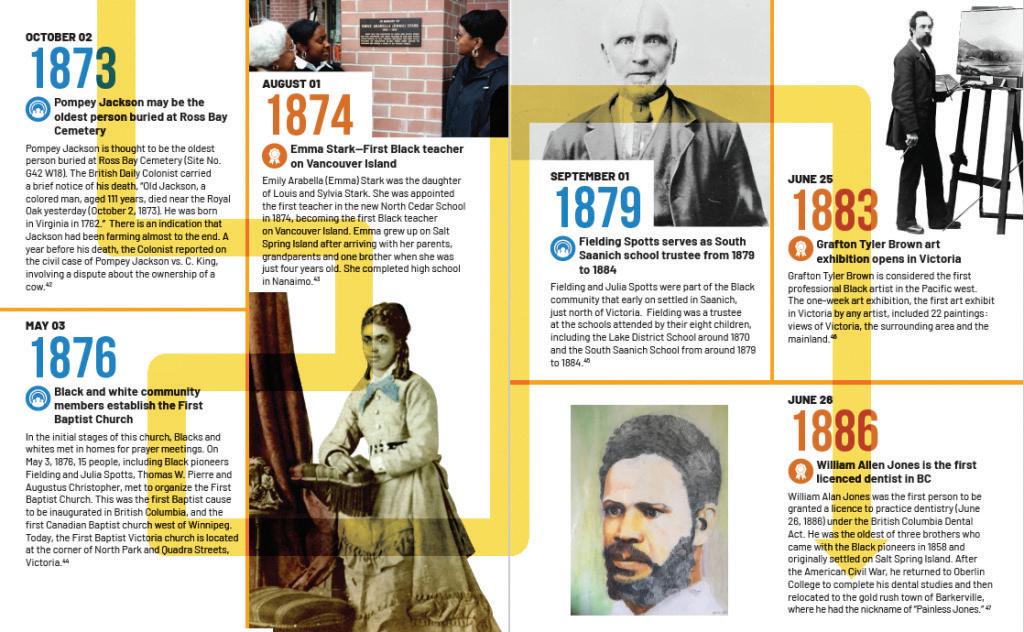
THERE IS A WEALTH OF BLACK HISTORY in our province, from the appointment of Vancouver Island’s Governor James Douglas in 1851 to William Allen Jones becoming the first licensed dentist in BC in 1886. Black people have fought discrimination to accomplish a range of firsts: the first Black person to become a teacher, the first exhibited artists, and the first appointment to the BC Supreme Court. Today that history is alive and celebrated with a thriving Black History Month, permanent and travelling exhibits on Black history, and increased understanding and recognition of Black excellence.
The British Columbia Black History Timeline was created by the BC Black History Awareness Society (BCBHAS) as an educational resource for schools, researchers, government, families, and anyone interested in learning more about Black history. BCBHAS has been offering programs, projects, and events throughout the province since it was incorporated in March of 1994. For 30 years, BCBHAS has been promoting diversity, combatting anti-Black racism, and increasing awareness of Black people’s history and current achievements in BC.
The digital timeline was launched in 2021, with the print publication becoming available in 2023. The book includes 52 pages that cover 190 years of events that affected Black settlement and the experiences of Black people in BC, as well as some significant events in Canada, the United States, and globally. It is not an all-inclusive portrayal of Black people, and it recognizes that there were enslaved Black people entering British North America prior to the first dates included in this resource. The timeline provides the opportunity to engage in broader conversations of identity and shared historical experience. The hope is that readers will learn more about BC Black history and that the community will fill in the missing pieces to continue sharing important Black stories.
There are stories of community, politics, human rights, the military, discrimination, education, and employment placed in a historical and contemporary context. The layout of the timeline is a streamlined view of the contributions of Black people to the province to help with understanding how people and events fit into different eras. The stories proclaim the achievements and contributions of the first pioneers in 1858 and their descendants, as well as the many newcomers and immigrants from African and Caribbean heritage who, through their experiences and resilience, continue to make important and remarkable achievements in all aspects of our society. •
MORE INFORMATION
Visit www.bcblackhistory.ca to see the timeline and find more resources to help bring Black stories into your classroom. You can also visit linktr.ee/bcteachersfederation for previous Teacher magazine stories related to Black history.
ACKNOWLEDGMENT
The British Columbia Black History Timeline was researched, written, and edited by BCBHAS Board members. Fran Morrison was the project manager, with the support of Paul Schachter. The design was by Shanthony Art & Design. Special thanks to the financial support from the Province of British Columbia, First West Foundation—Island Savings Community Endowment, Canucks for Kids Fund, Vancouver Canucks, and individuals who have donated to BCBHAS.

TURNING CLASSROOMS INTO COMMUNITIES Addressing student loneliness
By Gamelle Fitzgibbon (she/her), teacher, North Vancouver
THE SOUNDS that greet the start of the school day have changed dramatically over the 15 years I’ve been teaching. The morning start used to be filled with students chatting or doing dances and silly things. Now… now, sometimes it’s a strange sort of silence in a room full of students with heads down, looking at their phones.
When my class starts, I try to interrupt that silence on purpose. As a high school Spanish teacher, I also see my work as relational. I believe one of our responsibilities as teachers, especially in these times, is to help students connect with one another, accept and celebrate differences, and, ideally, make friends through the environments we create.
Research supports my instinct. Harvard’s Graduate School of Education’s longitudinal Making Caring Common Project found that the strongest predictor of health and happiness is the quality of our relationships.1 Not income. Not even exercise. Relationships. The study, conducted from 2020 to 2024, also revealed that loneliness was widespread even before the pandemic and has only gotten worse. Community, then, is not an optional add-on in our classrooms. It is medicine.
The challenge, of course, is practical. How do we as teachers create community amid packed curricula and ever-growing to-do lists?
The Making Caring Common framework emphasizes fostering cultures that care for and serve others. While the research speaks broadly, I believe classroom culture is where this work becomes tangible. This year, I am teaching four Grade 8 classes in their first year of high school. Despite a full-day Grade 8 retreat, orientation activities, and significant staff support, many students arrived struggling to make friends or find their place. Now several months in, even some of my most gregarious students have confided that they are finding it tricky to make new connections. They don’t know where to start.
With that challenge in mind, I work to make my classroom environment a place to make friends as well as learn. Here are a few simple, intentional ways I work to reduce loneliness and spark connection in my classroom.
1 M. Batanova, R. Weissbourd, J. McIntyre, “Loneliness In America: Just the Tip of the Iceberg?”, Making Caring Common Project, The President and Fellows of Harvard College, October 2024: mcc.gse.harvard.edu/reports/loneliness-in-america-2024

“… communities built on service foster belonging. Contribution creates investment. When students are invited to participate in sustaining the classroom, they feel needed.”
CREATE RITUALS AND ROUTINES THAT CENTRE STUDENTS AS PEOPLE
Rituals give students something predictable to belong to. In my classroom, we cook together at the end of each unit. We begin every class with a palabra del día where we reinforce names and applaud great accents. We do a visual emotional check-in that practices grammar while giving students language for how they are feeling. These routines help students see one another and be seen. The key is creating organic ways of seeing each other as unique people worth knowing.
PAIR ROUTINE WITH LOW-PRESSURE SELF-EXPRESSION
Music. Movement. Shared art projects. While I teach a language, there are many ways to do so, and I’ve found that an abundance of play-based learning helps students lower their guard and get to see other sides of their classmates. For example, during a unit on Mexico’s botas picudas, students design their own shoes as a way to express identity without a vulnerability overload. We share work in a celebratory, nonevaluative way, and I give them chances to talk to one another about their projects. I look for ways to have students talk to each other that are casual and filled with opportunities to get to know the quirks of one another. Expression, when you keep it low stakes, can open doors to students sharing more and making natural connections.
ACTIVELY FACILITATE CONNECTIONS
I sometimes think of myself as the host of a dinner party full of strangers. “Have you met Andrés? He plays soccer too!” Because I take time to get to know my students, I can casually connect them during class based on what I know they have in common. I also try to create opportunities for people to share about themselves, either through storytelling or through games. If we are talking about favourite restaurants and two students both love the same restaurant, I name it. These small moments model how connection happens and give students permission to reach out to one other with a built-in starter.
SWITCH UP THE SEATING OFTEN
I change the seating in my classroom regularly, about every two months, moving between rows, table groups, pairs, and a large U-shape. These shifts gently disrupt fixed groupings and reduce the social risk of sitting somewhere new. When seating changes are normalized, students gain a low-pressure way to sit beside someone different, opening the door to new connections without awkwardness. For example, after a seating change this fall, two students who had barely spoken to one another ended up paired for daily warm-ups and gradually began arriving to class together.
CREATE ROLES THAT INVITE CONTRIBUTION
Perhaps most importantly, I assign roles in my classroom daily. Students help collect materials, support classroom routines, and assist one another. The Making Caring Common study highlights that communities built on service foster belonging. Contribution creates investment. When students are invited to participate in sustaining the classroom, they feel needed. Stewardship builds a strong sense of belonging. I have two Grade 8 girls that do attendance every day in one of my classes, and they said it’s the highlight of their day. Attendance—who knew?!
One of the clearest affirmations of this approach arrived in my inbox just before winter break. A Grade 8 student, who had been resistant and argumentative in class, had struggled all term to connect with peers. Slowly, from September to December, I implemented the strategies above, never forcing interaction but consistently inviting connection through ritual, play, and shared responsibility.
The email subject line read: “Jason Meeting Luna.” The message itself contained only a photo: another quiet student from my class sitting on the floor of the sender’s house, meeting his dog. I smiled for the rest of the day.
Loneliness is not always loud. Often, it sits silently in our classrooms. When we design learning spaces that prioritize connection, we do more than teach curriculum. We help students find one another. •
Inspiration credit to the online Community Leadership Masterclass with Radha Agrawal I took in November 2025.
M E ANI N GFUL INCLUSION Building communities of difference
“Parents of children with higher needs often endure unwelcome stares, unfair judgment, and a general sense of exclusion. Many of us would gladly settle for the absence of negativity, so to instead have the presence of such positivity has been profoundly validating.”
– Parent of a child in Helen’s class
Above:
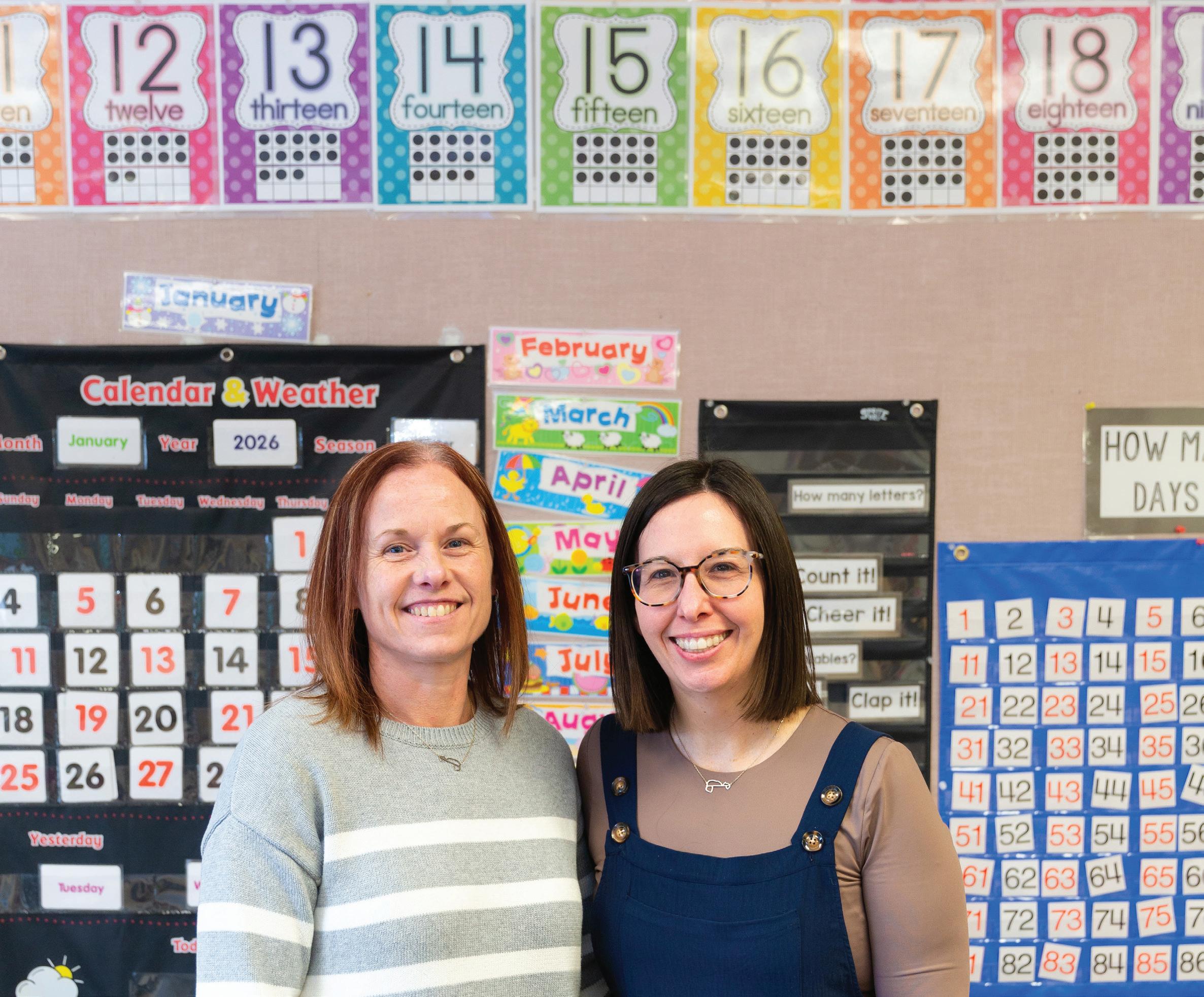
HELEN PARK recalls her upbringing in small-town Saskatchewan fondly. There, she learned what it means to build community. Every teacher in her school knew every student. Check-ins from her teachers helped her navigate grief and change through adolescence. And within the school community, learning differences were nothing notable. “Everyone is on their own learning journey,” says Helen.
Now, teaching at a Kelowna school much larger than the school she grew up attending, Helen draws on her experiences of community to make every student in the school feel welcome. Her classroom is always open to any student or family member from the school community. She ensures everyone in her class can access learning and participate fully. And she makes an effort to learn every student’s name, even if they’ve never been in her classroom.
“She finds something good in everyone. She tries to learn something about everybody to make a connection,” said Josalyn Villar, a certified education assistant (CEA) who has worked with Helen for four years.
Helen and Josalyn, with the support of their colleagues, have created a Kindergarten classroom culture where every student is meaningfully included and celebrated. Early in the year, the class spends time talking about learning journeys and differences. Students learn to approach differences with curiosity, compassion, and
Josalyn Villar (left) and Helen Park (right). Sara Swinden Photography.
“Helen and Josalyn’s years together in the classroom have allowed them to understand each other’s teaching styles, build upon each other’s strengths, and collaborate to create a truly inclusive space. Their practice exemplifies what is possible when classrooms are resourced and supported.”
understanding, rather than judgment or negativity. Students also learn to acknowledge their feelings and find helpful strategies to manage their emotions.
This work sets up a respectful community for the remainder of the school year. Students accept each other’s differences and understand that everyone is on their own learning journey and taking on different learning tasks.
The inclusive nature of the classroom means Helen’s room is regularly used by older students for regulation. In some situations, older students who are working on foundational numeracy and literacy skills join Helen’s students for centres and sensory learning. The Kindergartners know these students are on their own learning journeys and enjoy learning alongside their “big buddies.”
Natalie Morin, vice-principal at Helen’s school, noted that Helen’s approach to inclusion is especially impactful for students who struggle with communication.
“For Kindergartners, their life is their family,” said Helen. So, including families in the classroom is an important strategy to supporting students in finding ways to regulate and communicate.
Siblings from all grade levels frequently participate in the classroom to help build a stronger sense of community and foster connection. Parents are also kept informed about students’ learning with photo and video updates shared at the end of each day.
Digital sharing is especially important for including families of English language learners. Sharing updates about student learning or classroom activities online helps remove language barriers because it allows the use of translation tools, explained Helen. This fosters dialogue at the dinner table about school and ensures there is no confusion or surprises when formal learning updates occur.
Students who are not able to communicate verbally are included in all class experiences through adaptive technology, adaptations to learning materials, and inclusive planning.
For the parents of one of Helen’s students who does not communicate verbally, her class was a type of support they never anticipated. “To have a teacher be so warm and welcoming—I won’t be able to truly articulate the feeling. Parents of children with higher needs often endure unwelcome stares, unfair judgment, and a general sense of exclusion. Many of us would gladly settle for the absence of negativity,
so to instead have the presence of such positivity has been profoundly validating,” said the parent.1
Helen recently received the Prime Minister’s Award for Teaching Excellence Certificate of Achievement as recognition for her work in meaningful inclusion. Helen invited Josalyn to attend the district celebration alongside her to acknowledge that meaningful inclusion requires a team.
“There aren’t many awards for CEAs, but her impact is so big,” said Helen. “I can only do this work because I have support.”
Helen and Josalyn’s years together in the classroom have allowed them to understand each other’s teaching styles, build upon each other’s strengths, and collaborate to create a truly inclusive space. Their practice exemplifies what is possible when classrooms are resourced and supported.
Helen also shared credit for this award with teachers she had the opportunity to learn from as a student and throughout her career. She mentioned her teachers in Saskatchewan, and her mentor teacher, Stephanie French, who showed her what inclusion could look like. Stephanie helped Helen see the value in meeting students where they are and treating all students as capable members of the classroom community.
“I’ve taken pieces from other teachers to build what I have today,” said Helen. And she tries to pay it forward by guiding the next generation of teachers in turn. Helen’s class frequently welcomes student teachers, something Helen views as part of the job. She enjoys their fresh ideas and wants them to take pieces from her practice that resonate with them.
“All teachers coming into the system should have someone like Helen to look up to,” said Josalyn.
The highest praise for the inclusive practice Helen has fostered comes from her students. The parent mentioned above shared the following about his child’s experience in Helen’s class: “While he doesn’t speak (yet), he certainly knows how to communicate—and for one little boy in one little city, Helen’s class is the absolute best place on earth. You can see it in his face as we walk down the hall, the laughter and happy voices coming from her open door growing louder with each step. You can hear it in his giggles and squeals as he sees her face and leans in for a hug. He does not do such things for free. All his expressions are genuine. His love for Helen is conclusive proof of who she is and what she has consistently done for him, and we are so very grateful.” •
1 Names omitted for student privacy.

HOW TO INCORPORATE RAMADAN IN YOUR CLASSROOM
By Naimah Asad (she/her), teacher, New Westminster
WHEN I FIRST STARTED TEACHING, I quickly realized how little awareness there was about Ramadan in many school communities. Even in diverse classrooms, Ramadan was often unfamiliar territory. There were none-to-very-few storybooks in school libraries related to Ramadan and Eid. Explaining Ramadan was challenging due to limited background knowledge and a lack of available resources.
Discussions about fasting during our lunchtime often led to surprise among colleagues. There are two questions that always come up: “You don’t eat all day?” and “Not even water?” The second question, “Not even water?” came up so often that it became a predictable part of every discussion.
WHEN IS RAMADAN CELEBRATED?
Ramadan is the holy month in Islam during which Muslims fast from sunrise to sunset as a time of spiritual reflection, self-discipline, and compassion. It is observed during the ninth month of the Islamic (Hijri) calendar and begins when the crescent moon is sighted. This year, Ramadan began on February 18. Muslims around the world fast for 29 or 30 days, depending on the visibility of the new moon. During Ramadan, Muslims observe a strict daily fast from sunrise until sunset. They are not allowed to eat or drink, not even water, during these daylight hours. The Islamic calendar is lunar and about 10–11 days shorter than the Gregorian calendar. Ramadan occurs earlier each year and cycles through all seasons, allowing Muslims to experience fasting during long summer days as well as shorter winter ones.
However, fasting is not just the act of refraining from food and drink. It is also a form of spiritual cleansing. It is a time for reflection, self-discipline, generosity, and empathy for those who experience hunger regularly.
Ramadan is also a time of increased worship, particularly late at night. If you notice students looking a little bleary-eyed, it may be because they are staying up late to pray or waking up well before dawn to keep their fasts. Children, the elderly, and those who are sick are exempt from fasting.
At the end of Ramadan, Muslims celebrate a major holiday called Eid. Eid lasts for three days and begins with special morning prayers. Families spend time together, share meals, visit friends and relatives, and celebrate the completion of the month.
WHY RAMADAN BELONGS IN OUR CLASSROOMS
Understanding Ramadan goes beyond explaining fasting. It’s about helping students see that religious and cultural practices are layered, intentional, and meaningful. When we make space for Ramadan in our classrooms, we affirm Muslim students and broaden the worldview of all learners.
Incorporating Ramadan does not require elaborate lessons. Simple, intentional practices can make a significant difference. Here are some examples:
• reading inclusive storybooks that reflect Muslim experiences
• acknowledging Ramadan during staff meetings or calendar discussions
• allowing flexibility for students who may be fasting or tired; this could include allowing students to opt-out of food-centred activities or gym activities
• encouraging curiosity and respectful questions

CLASSROOM RESOURCES BOOKS ABOUT RAMADAN
One of the easiest and most effective ways to incorporate Ramadan into the classroom is through literature. Quality children’s books help students connect emotionally while building understanding. Here are some recommended titles:
ELEMENTARY
Moon’s Ramadan by Natasha Khan Kazi
A beautifully illustrated story following a young girl as she experiences Ramadan with her family, ideal for primary classrooms and excellent for discussions around family traditions and reflection.
Lailah’s Lunchbox by Reem Faruqi
A relatable story about a young girl fasting for the first time at school, perfect for conversations about identity, belonging, and peer understanding.
Golden Domes and Silver Lanterns by Hena Khan
A poetic introduction to Islamic culture and traditions, including Ramadan, through colours and imagery.
Ramadan by Hannah Eliot
A simple, accessible board book that works well for early learners and ESL classrooms.
Ramadan Nights by Jenny Molendyk Divleli
This is a story of a little girl and her family who observe different traditions during the month of Ramadan.
The Most Exciting Eid by Zeba Talkhani
This is a story of a girl who is excited for Eid-al-Fitr.
INTERMEDIATE
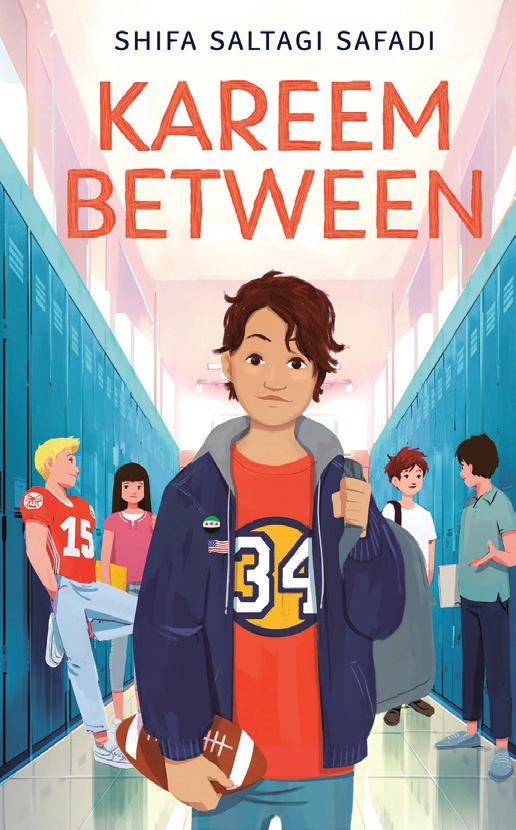
Kareem Between by Shifa Saltagi Safadi
A powerful novel about a Syrian American boy and his struggles in middle school.
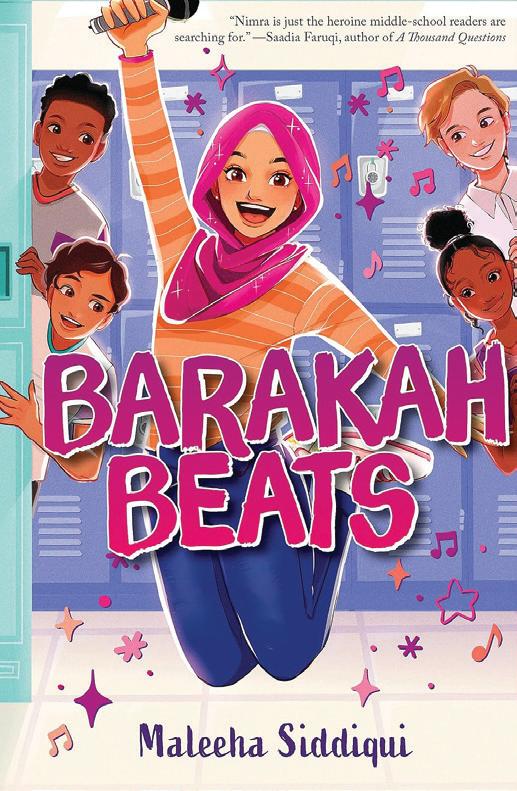
Barakah Beats by Maleeha Siddiqui
This is a sweet novel of a girl who finds her voice on her own terms.
SECONDARY
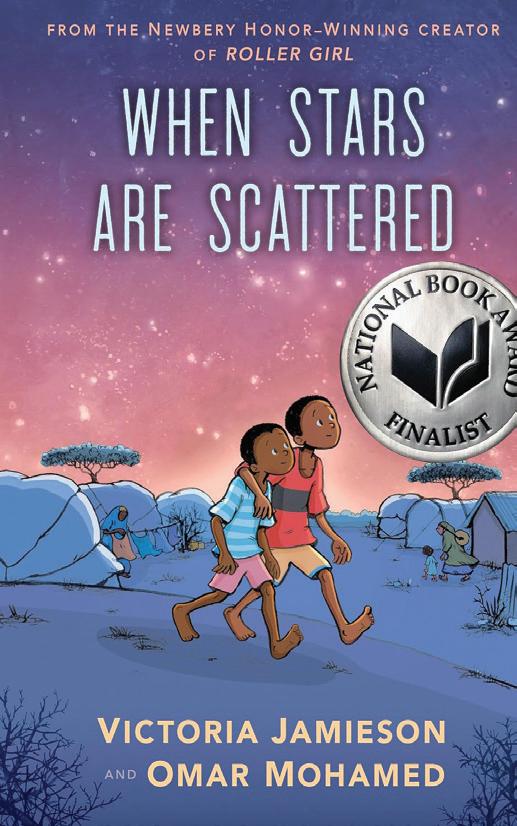
When Stars Are Scattered by Victoria Jamieson
This novel is based on the real-life experiences of a refugee boy.
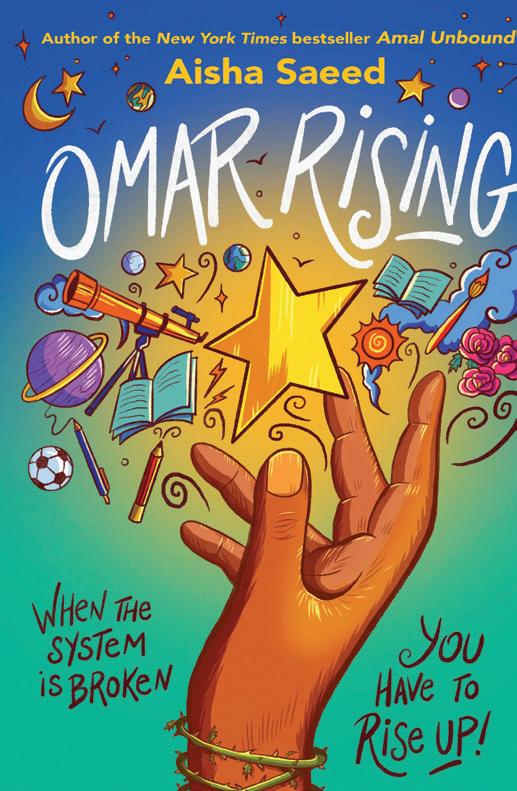
Omar Rising by Aisha Saeed
This is an uplifting novel about working together to make a change.
MOVING FORWARD
Looking back on my early years of teaching, I wish there had been more resources, more conversations, and more visibility around Ramadan. Today, I see progress, but there is still work to do. As educators, we have the opportunity to create classrooms where all students feel seen, understood, and valued. Incorporating Ramadan is one meaningful step toward that goal. •







AGM 2026
BC Teachers’ Federation March 14–17, 2026
Hyatt Regency Vancouver
AGENDA
FIRST SESSION
Saturday afternoon—March 14
3:00 p.m. Traditional Welcome Call to Order
Preliminaries
Report of the President Leadership Report
Publications of the BCTF
4:55 p.m. Announcements
5:00 p.m. Adjournment
SECOND SESSION
Saturday evening—March 14
7:00 p.m. Bargaining
Legal Services/Contract Enforcement
Unfinished Business
8:30 p.m. Report of the Nominating Chairperson
Election Statements from Full-Time Table Officer Candidates
Question and Answer Session for Full-Time Table Officer Candidates
Call for Nominations
9:25 p.m. Announcements
9:30 p.m. Adjournment
THIRD SESSION
Sunday morning—March 15
9:00 a.m. Greetings— Sussanne Skidmore, BC Federation of Labour
9:10 a.m. Finance
11:00 a.m. Research
Technology
Violence Prevention
Unfinished Business
12:25 p.m. Announcements
12:30 p.m. Adjournment
FOURTH SESSION
Sunday afternoon—March 15
2:00 p.m. Membership
Constitution and By-laws
Unfinished Business
3:30 p.m. Salary Indemnity Plan Board of Trustees Report
Health, Welfare, and Safety of Teachers
4:30 p.m. Report of the Nominating Chairperson
Election Statements from Member-at-Large Candidates
Question and Answer Session for Member-atLarge Candidates
Call for Nominations
Unfinished Business
6:25 p.m. Announcements
6:30 p.m. Adjournment
FIFTH SESSION
Monday morning—March 16
9:00 a.m. Greetings— Clint Johnston, Canadian Teachers’ Federation
9:10 a.m. Ministry of Education and Child Care
Political Action
Public Affairs
Unfinished Business
12:25 p.m. Announcements
12:30 p.m. Adjournment
SIXTH SESSION
Monday afternoon—March 16
2:00 p.m. Greetings— Karen Ranalletta, Canadian Union of Public Employees
2:10 p.m. Labour Affairs
Teacher Education
Certification and Teachers’ Council
Unfinished Business
3:00 p.m. Guest Speaker— Judy Darcy
3:45 p.m. Education Policy Organization of the BCTF
4:30 p.m. Awards
5:20 p.m. Report of the Nominating Chairperson
Final Call for Nominations
5:25 p.m. Announcements
5:30 p.m. Adjournment
SEVENTH SESSION
Tuesday morning—March 17
9:00 a.m. Greetings— Linda Watson, BC Retired Teachers’ Association
9:10 a.m. Elections
Unfinished Business
10:15 a.m. Pensions Report
10:45 a.m. In Memoriam
Standing Rules of Order Professional Ethics, Rights, and Standards
11:45 a.m. Questions on Reports
Unfinished Business
12:25 p.m. Announcements
12:30 p.m. Adjournment
EIGHTH SESSION
Tuesday afternoon—March 17
2:00 p.m. Greetings—Tracy Loffler, BC School Trustees Association
Membership Survey Report
Unfinished Business
New Business
5:15 p.m. Retiring Activists
5:30 p.m. Closing
SPECIAL RESOLUTIONS
Special resolutions are motions that include a by-law change or Salary Indemnity Plan Regulation change. They can only be passed by the Annual General Meeting (or a Special General Meeting).
EXECUTIVE COMMITTEE RECOMMENDATIONS
CONSTITUTION AND BY-LAWS
That By-law 5.1(a) be amended as follows: There shall be an Executive Committee, which shall consist of a President, First Vice-President, Second Vice-President, an Immediate Past President (when applicable), and ten Members-at-Large, elected in such a manner as to ensure that at least three Member-at-Large vacancies are filled at each Annual General Meeting. One Member-at-Large position shall be designated to be held by a Member of Colour, one shall be designated to be held by an Aboriginal member, and one shall be designated to be held by a 2SLGBTQ+ member, and one shall be designated to be held by a disabled member/member with a disability. The designated positions shall have the same term and role as the non-designated positions. The Executive Committee positions are elected by the Annual General Meeting and shall take office on the following July 1. Each member of the Executive Committee shall be a member in good standing entitled to vote, in accordance with By-law 1.1. An Executive Committee member may be removed from office under the provisions of By-law 1.7, By-law 5.21, or By-law 7.
That By-law 5.1 be amended by adding a new item (h) as follows with subsequent items renumbered accordingly: The Member-at-Large position designated to be held by a disabled member/member with a disability is open to the election of a member who identifies as a disabled person/ person with a disability.
HEALTH, WELFARE, AND SAFETY OF TEACHERS
That Salary Indemnity Plan Regulations 14.1, 15.1, and 23.1 be amended as follows:
14.1 For a claimant to remain eligible to receive benefits, any return to normal employment duties on a part-time basis must be recommended by a physician or registered professional and approved by the administrative agent.
15.1 For a claimant to remain eligible to receive benefits, any remunerative employment other than the claimant’s normal employment duties must be recommended by a physician or registered professional and approved by the administrative agent.
23.1 For a claimant to remain eligible to receive benefits, any remunerative employment must be recommended by a physician or registered professional and approved by the administrative agent.
That Salary Indemnity Plan Regulation 19.1 be amended as follows:
Subject to Regulation 7.7 7.2, the benefit shall be 65% of the first $40,000 $50,000 of gross annual salary, 50% of the next $40,000 $50,000 of gross annual salary, and 40% of the balance. Notwithstanding Regulation 7.7 7.2, the basic benefit shall never be less than 50% of gross annual salary.
That Salary Indemnity Plan Regulation 11.4 be amended as follows:
The benefit shall be 50% 55% of salary up to the maximum annual insurance earnings (MIE) for that year under the Employment Insurance Act, SC 1996, c 23, plus where needed, an additional amount to bring the total benefit to 50% of salary with the basic benefit never less than Employment Insurance benefits Notwithstanding 7.7 7.2, the basic benefit shall never be less than the benefit which would have been provided by the Employment Insurance Corporation.
LOCAL RESOLUTIONS
CONSTITUTION AND BY-LAWS
Nanaimo
That By-law 5.1 be amended by adding a new item (i) as follows:
Members of the Provincial Bargaining Team may not run for positions as released officers (President, First Vice-President, and Second Vice-President) concurrently.
Comox
That By-law 8.2(a) be amended as follows:
The voting body of an Annual General Meeting or Special General Meeting shall consist of the members of the Executive Committee, the Local Representatives, and additional delegates from each local (“Delegates”) elected in accordance with Bylaw 2. Each local is entitled to one Delegate for each 0.2% 0.25%, or fraction thereof, of the total voting membership of the Federation as of the previous November 1.
Greater Victoria
That By-law 6.9 be amended as follows:
The Representative Assembly shall meet at the call of the President. The President shall call a special meeting of the Representative Assembly upon demand in writing of at least 20% of the Local Representatives. In years when the collective agreement is expiring or has expired, and there is not yet a newly negotiated contract in place, nor an agreement incommittee, the president shall call a special bargaining-focused Representative Assembly between the regular spring and fall meetings.
CANDIDATE STATEMENTS

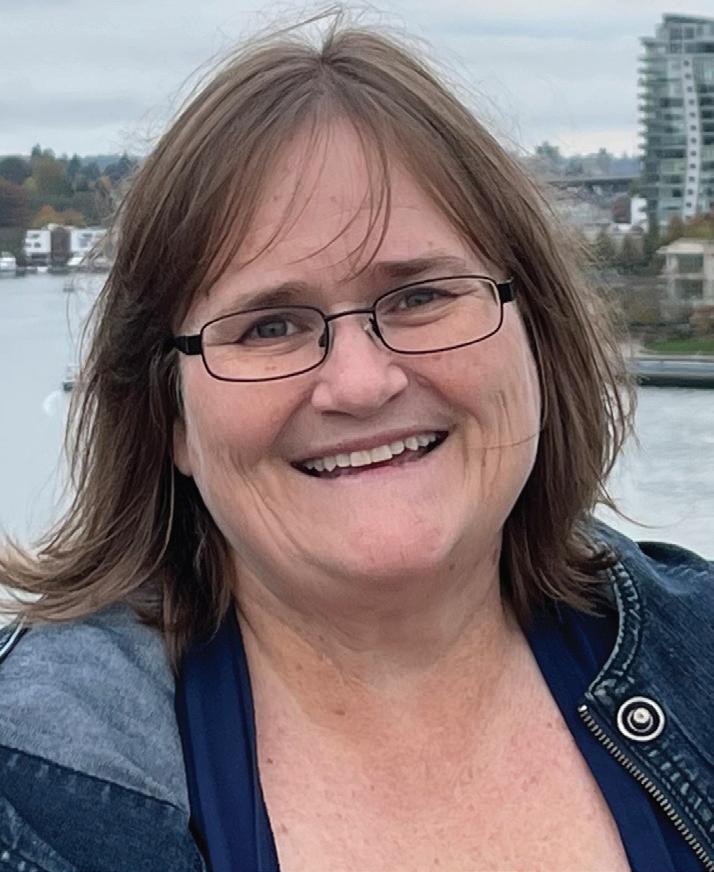
IT HAS BEEN A PRIVILEGE to serve as President of the BCTF this past year, representing members provincially, nationally, and internationally. I have worked to raise the profile, value, and needs of the profession and public education, bringing teachers’ voices to the forefront.
Bargaining has been a priority, and I’m proud of the solidarity shown by members in support of our bargaining team and alongside other public sector unions. That collective strength is essential to advancing fair working and learning conditions. Beyond bargaining, engagement with government on key issues—professional learning, certification, recruitment and retention, meaningful consultation—ensures members are central to policies impacting classrooms and schools. Defending professional autonomy and expertise, and pushing for more employer responsibility, remains critical as global unrest and the rise of far-right attacks affect our communities.
Public education is fundamental to building a society where everyone can thrive. Upcoming school board elections will be integral as we combat regressive policies and austerity measures that erode supports upon which all educators, students, and families rely.
I hope to continue in this role, leading with our values for a strong, inclusive, and well-supported public education system for all who learn and work within it.
EXPERIENCE
Provincial: President, First VP, Second VP 3yrs, Executive 10yrs, Pensions, CTF Trustee, AGM 22yrs
Local: Executive (Second VP, H&S, Bargaining), Staff Rep
Community: Labour Council President, United Way
Teaching: Prep, classroom, TTOC (since 1991)
facebook.com/carole.gordon.921
CANDIDATE STATEMENTS
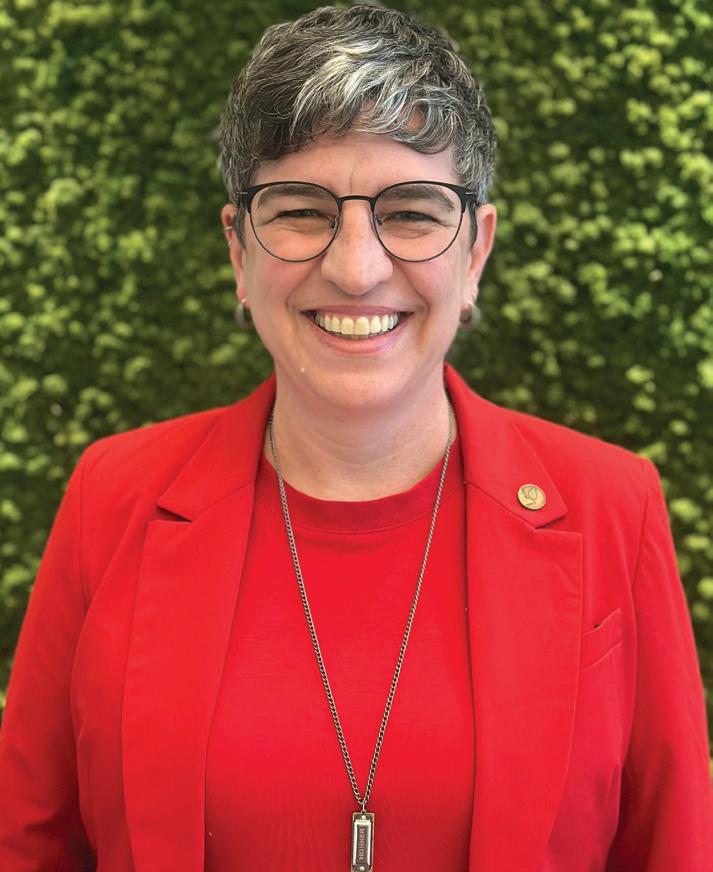
Robin Tosczak (she/her)
Greater Victoria for First Vice-President
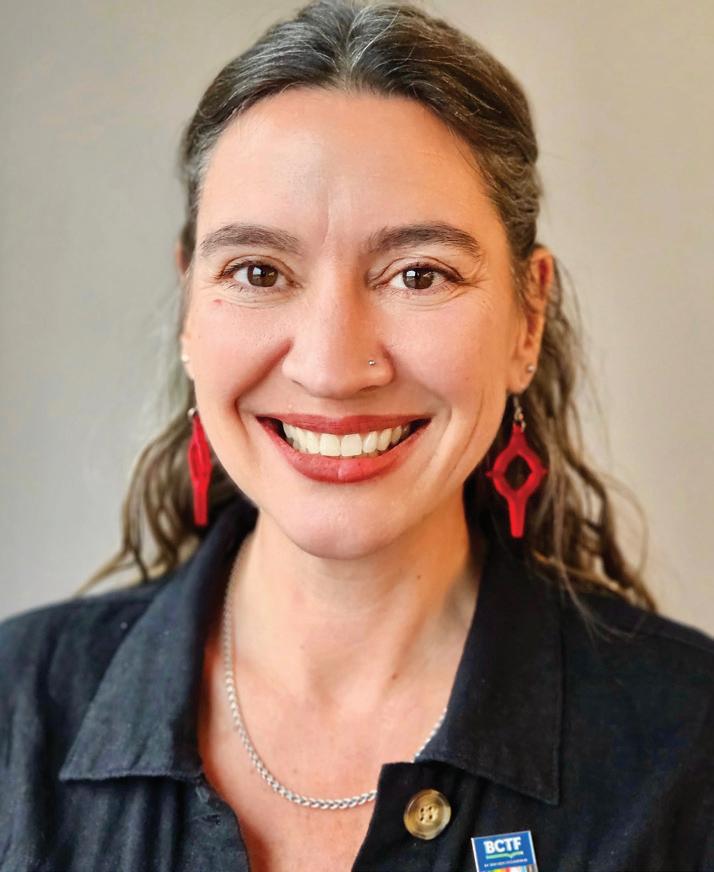
Winona Waldron (she/her)
Greater Victoria for Second Vice-President
REPRESENTING TEACHERS as your First VP, I get to connect with members and local leadership from around BC. I’m inspired by the work you do every day supporting students and advocating for public education. Hearing from you helps me be an effective advocate and negotiator, in meetings with government, with BCPSEA, and at the bargaining table.
Our focus this year has been on provincial bargaining. The bargaining table is a key opportunity for making teaching in BC more attractive and sustainable, and it’s a privilege to talk with teachers, to strategize together, and to represent you at the table. As a vice-president and lead negotiator on the bargaining team, I bring a capacity to synthesize and communicate complex concepts, identify new strategies and opportunities, and a willingness to hold power to account.
Together, our collective strength, professionalism, and solidarity are key to our successes. These are also the values that frame our commitment to reconciliation and anti-oppression, and to combating right-wing ideology and hate rearing up in communities and schools.
Thank you for all you do in your schools, communities, and locals. It’s an honour to serve alongside you in support of a robust and inclusive public education system.
EXPERIENCE
Provincial: First Vice-President, Member-at-Large, Provincial Bargaining Team, Teacher magazine & TTOC advisory committees, workshop facilitator
Local: Executive (First VP, Grievance Officer, H&S, LR, Treasurer), Labour Council, Contract and Bargaining committees
Teaching: Elementary, ELL, inclusive education
LIKE MANY MEMBERS, I came to union work not because it was easy, but because it was necessary. When teachers stand together, we are powerful. When we stand alone, the system counts on our silence. Our Federation is strongest when it is rooted in solidarity, not as a slogan, but as a daily practice.
Over the past year, I have seen the strength of this union at the bargaining table, in locals, at rallies, and in quiet conversations with members who are exhausted but still hopeful. I have seen leadership rise from classrooms into collective action. That experience continues to shape my approach to leadership: collaborative, honest, and grounded in the realities members are living every day.
As Second Vice-President, I have worked to centre member voices, strengthen connections between locals and provincial leadership, and support a Federation that is democratic, strategic,
and prepared to act. Teachers need leadership that tells the truth, refuses to lower expectations, and fights collectively for sustainable working conditions and strong public education.
I am committed to building solidarity across locals and roles, supporting the next generation of union leaders, and ensuring our Federation reflects the diversity and strength of our membership.
EXPERIENCE
Second Vice-President and Co-Lead Negotiator provincially, with local experience as President, Vice-President, Lead Negotiator, Grievance Officer, Staff Rep, and Labour Council Executive; active nationally, including CTF bargaining panelist, Women’s Symposium presenter, and AGM delegate.
facebook.com/winona.waldron instagram.com/winonawaldron bsky.app/profile/winonawaldron. bsky.social
CANDIDATE STATEMENTS
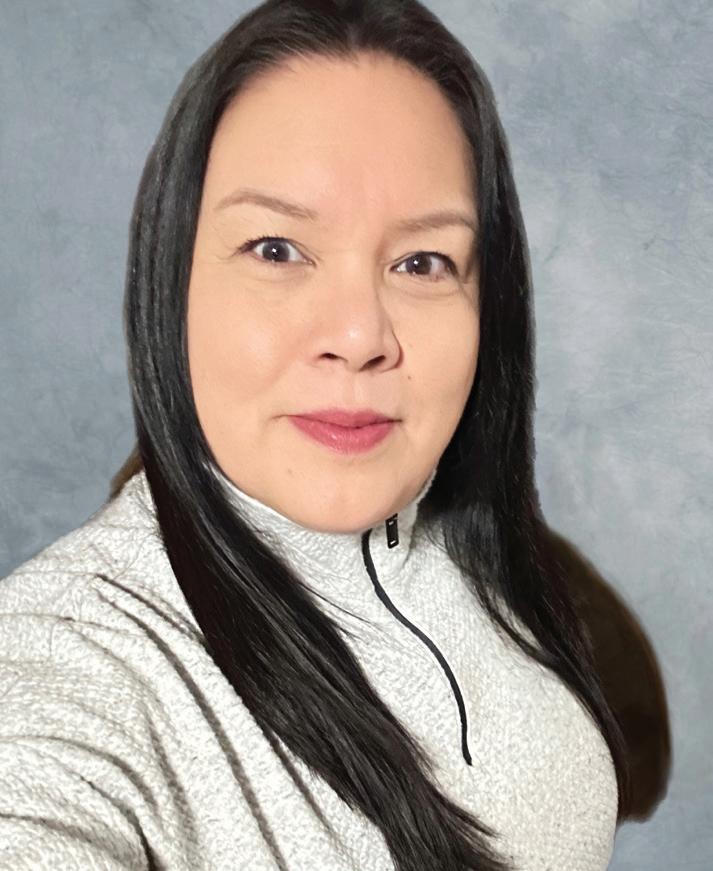
Brenda Celesta (she/her)
Kamloops Thompson for Aboriginal Member-at-Large
BIOGRAPHY
Weytk-p, I am from the Secwépemc Territory, raised at Simpcw First Nation, a part of Secwepemcúl’ecw. I am a mother, teacher, and Knowledge Keeper. I currently teach in Kamloops Thompson and sit on the BCTF Executive Committee.
UNION
During my career, I have taught secondary math and social studies. Currently, I’m a district teacher working with K–12 classrooms implementing Aboriginal content and collaborating on culture, language, and local plant knowledge.
I have several years’ experience on my local executive committee and the BCTF Aboriginal Education Advisory Committee. Through these roles I gained important knowledge as it relates to teachers, the importance of issues, and complexity of our teaching and working
environment. I want to continue to support members and would be honoured to serve again as EC Member-atLarge in the designated Aboriginal seat.
EDUCATIONAL VALUES
I believe teaching is a complex profession and that the union must work to create space for members to talk about classroom challenges and successes, the current workload, and managing changes within public education. It’s our responsibility to ensure the best learning environment possible for students while ensuring that the needs and support for teachers are met. The union allows for a collective voice that protects its members while advocating for members’ rights. I am dedicated to giving back within the profession and working to ensure a strong voice at the table. Please vote for me as Member-at-Large in the designated Aboriginal seat.

CANDIDATE STATEMENTS
Maryam Adrangi (she/her)
Sea to Sky for Member of Colour
Member-at-Large
Jatinder Kaur Bir (she/her)
Surrey for Member of Colour
Member-at-Large
I AM RUNNING for the BCTF Executive because public education is under attack, and teachers can be at the forefront of defending it. As the far-right pushes to defund education and erode trust in teachers, a strong union is crucial to protecting our working environments and students’ learning environments.
I am committed to building political capacity within our union so that teachers feel confident demanding better and safer schools. I believe the BCTF must be rooted in a broader movement for public education—one that builds power and inspires people beyond our membership. This way, when teachers stand up for equity and access to education, we will see students, parents, and entire communities standing with us.
This also means building solidarity and a commitment to equity within our union as well. Just as we care about all students in our classrooms, it is crucial we care for and value all members. I have 20 years of
I AM HONOURED to run for BCTF Executive Committee, as a 2026 teacher and Past-President in Surrey, working on the unceded and ancestral territory of the Kwantlen, Katzie, Qayqayt, and Semiahmoo nations. I’m a proud member and see the power of members’ strong, united defense of public education, teachers’ working and students’ learning conditions. I commit to creating equitable opportunities for all members, within a union that prioritizes the diversity of our needs.
Unions have so much more to offer members as workers and professionals, responsive to the needs of members and students. My leadership is grounded in ethics, collaboration, and advocacy for members at work and in representation. My institutional knowledge and antioppression lens inform my actions and values. I’m committed to lifelong learning and meaningful service to public education.
experience in movements for social and environmental justice, and want to use that experience to build power within our union. This will help us be courageous, ambitious, and make demands that are not compromises.
EXPERIENCE
Provincial: CASJ, Anti-Racism Action Group; SURT facilitator and workshop developer
Local: Local BIPOC/Political Action Representative (SSTA Executive), Staff Representative, AGM delegate 2020 (with BTA)
Teaching: 10 years in BC public and First Nations schools
maryamandeducation.weebly.com
Bluesky: @maryam.bluesky.com
As a racialized woman, special education teacher, and union leader, I have faced and overcome many challenges with resilience, determination, and a commitment to seva—selfless service. Rooted in humility, equality, and solidarity, I strive to ensure every voice is valued and uplifted in our union spaces and am experienced at the local, provincial, national, Ministry, and labour levels.
I humbly ask for your vote to serve all members.
EXPERIENCE
Provincial: BC Teachers’ Council, PBC Board & Committee Chair, AGM/RA/CTF Chairperson, BCTF AGM Resolutions/ Agenda Cmte and Delegate, WIN, Finance Cmte, SURT facilitator/developer Local: Surrey Teachers’ LP/VP, Mediation, Local Bargaining Lead, Local Rep, Labour Council
jatinderbir.weebly.com facebook.com/jatinder.bir.773 facebook.com/profile. php?id=100063985301690
CANDIDATE STATEMENTS

AS A MEMBER of the EC and as a voice for my local, I have stood with teachers through challenging moments, defended our collective rights, and acted decisively when those rights were at risk. I believe in a leadership that listens, a union that acts, and a profession that is respected. We are strongest when we debate with purpose, listen with care, and remain united by our shared commitment to public education. An equitable, safe, and welcoming Federation must always be our priority.
Strong advocacy is needed to address our working conditions: rising violence, increased workload, and teacher shortages continue to affect our profession. Members have the right to a reasonable workload and to be safe at work. Students have the right to attend fully staffed schools.
A resilient Federation depends on strong, autonomous locals. I bring experience in grievances, contract enforcement,

PASSION, COMMITMENT, COURAGE, INCLUSION
Stepping into a school as a highly marginalized person is an act of courage. As a queer trans woman I live this reality every day. I bring my whole self to everything I do, whether that is teaching, union activism, parenting, or music and poetry performance and organizing. As part of the provincial Executive I also bring my whole self to the work. I am honoured to be trusted in serving the membership and hope that you will trust me to continue doing this work.
advocacy, finance, and I have negotiated letters of agreement that support staffing, compliance, remedy, and professional development. For years, I have actively supported SOGI policy implementation within my district and planned and organized network events for queer educators and students.
I would be honoured to earn your trust and to continue this work with courage, care, and purpose.
EXPERIENCE
Provincial: EC Member-at-Large, Local Representative, AGM delegate, BCFED delegate, Summer Conference
Local: Vice-President, Lead Negotiator, Bargaining Chair, Executive, Staff Representative, District SOGI Committee, Social Justice Committee, District H&S Committee
Teaching: 20+ yrs, secondary
for over a decade. I believe in a public education system where teachers’ voices are respected, workloads are manageable, classrooms are safe, and we bargain collectively and courageously. Let’s work together to make our union strong for everyone!
EXPERIENCE
Local: Executive, Local Rep, SJ Chair, AGM Delegate, BCFED Delegate
Provincial: Provincial Executive, Aboriginal Liaison, French Liaison, CASJ Chair, workshop facilitator, poetry performer, Women’s Institute, Bargaining Conference
Teaching: SOGI Co-ordinator, SJ 12, music, English, English First Peoples Trevana Spilchen
I have an unwavering belief in equity; this is the centre of all my work. Our union only reaches its full potential when it becomes a safe space where our most marginalized members’ voices are heard, honoured, and we raise them up. If we do this, all members’ voices are stronger.
As a SOGI co-ordinator and BCTF facilitator, I did the work of raising up queer voices locally and provincially
CANDIDATE STATEMENTS
Alexandra Adhikary (she/her)
Peace River North for Member-at-Large
Jelana Bighorn (she/her)
Vancouver Secondary for Member-at-Large
WHEN WE STAND in solidarity, we are strong! I have stood alongside colleagues fighting and advocating for public education locally, provincially, nationally, and internationally since the beginning of my career.
I started going to BCTF meetings as a kid, alongside my mom, also a teacher and union activist. When I started teaching, I became involved by helping bring early career teachers’ voices into the conversation locally and provincially. Additionally, through governance meetings and committee participation, I have developed an understanding of the structure of our union and diversity of our members.
Being on the Provincial Bargaining Team, I have strengthened my collective agreement knowledge and expanded my understanding of the issues facing teachers not only in northern and rural areas, where I work, but in locals across the province.
BIOGRAPHY
I am Jelana Bighorn (she/her)—daughter of Jacob and Deloria Bighorn. I am an enrolled member of the Fort Peck Sioux Tribes and an uninvited guest on Musqueam, Squamish, and TsleilWaututh nation territories.
STATEMENT
For almost 20 years I have endeavored to strengthen decolonization initiatives within the classroom and throughout school structures. As a current Memberat-Large on the BCTF Executive Committee, I have brought that perspective and experience to the decision-making table in a meaningful way. The knowledge and experiences of my colleagues inform my advocacy, activism, strong values, and principles. I am committed to strengthening our profession; improving the lived experiences of teachers; addressing front-line challenges; and building a sustainable, accessible, diverse union for the future. I believe in transparency,
In a time of continued underfunding and overwhelming workload, it is crucial that the Executive continues to advocate for members to ensure our schools and classrooms are fully resourced and supported.
I am proud we are a union that fights for equity. The work of reconciliation, antiracism, and anti-oppression is a focus of my union activism. I am confident I can represent teachers and bring forward voices from across the province.
EXPERIENCE
Provincial: Bargaining Team, BCECTA
President, WIN, International Solidarity
Local: Social Justice Rep, LR, Bargaining Team, Early Career Teachers’ LSA
President, Staff Rep
National/International: CTF AGM, Trinational Conference
Teaching: 11 years, secondary languages
open and accountable leadership, and member-driven, values-based decisionmaking.
Teaching is a noble, sacred act. Teachers understand that our work is defined by relationships—to our union, to one another, and to our students. I am a human being, a teacher who, like you, wants the very best for their students but desperately needs both the acknowledgment of, and improvements to, our working conditions. I will continue to offer all my energy, knowledge, experience, and determination to the realization of these improvements.
I ask for your support and your trust, and I look forward to connecting with you as we work together for a strong union and a strong membership.
Facebook: Jelana Bighorn for BCTF EC
Instagram: jelanabighorn
Website: jelanabighorn.ca
CANDIDATE STATEMENTS
Prince Rupert for Member-at-Large

I HAVE HAD THE HONOUR and privilege of living, learning, and teaching on the unceded territory of the Ts’msyen people for most of my life. My mother is Haida, and my father is Ts’msyen, and I grew up in Prince Rupert. I am Haida through my matriarchal lineage. I have been teaching for 25 years and, from early on, I have been involved in the union. This has shaped my perspective as an advocate. I stand up for myself, my colleagues, students, and the profession. As a member in a leadership role, I have a responsibility to support and uplift colleagues by listening and ensuring their voices are represented. It is important to foster solidarity in a positive manner that builds awareness and engagement in the BCTF.
Indigenous ways of knowing are woven throughout the curriculum. I work continuously to make this happen in the classroom and the school community.
I look forward to bringing a passionate Indigenous voice to the Executive Committee.
EXPERIENCE
PRDTU: Local Rep, Local Ab Ed Rep, Local Bargaining Committee member, Social Justice Chair, Pro-D Co-Chair, TTOC Rep, School H&S Committee, School Pro-D Rep, North Coast Labour Council Delegate
Teaching: Since 1999, elementary K–7
PUBLIC EDUCATION is the backbone of our society. Our responsibilities as teachers go far beyond the curriculum. We are the support system, the ethical barometer, the safe space, all while navigating increasing challenges of students struggling with dysregulation, Ministry initiatives that lack clarity and support, and the continued frustration of having to do more with less as the “highest funding ever” fails to match inflation and does not even properly fund contractual requirements forcing districts into deficits.
There is an antidote to these ills—the unity and solidarity of the BCTF. There is incredible power in the collective, whether it be in taking action in support of the bargaining team, using the intellect of 50,000 members to brainstorm solutions, or in building relationships with our partner groups to further expand our advocacy power.
In my years of union activism, my focus has been on building relationships, listening to all ideas, and doing everything I can in support of teachers. I have done this as a staff rep, as a local representative, and currently as a local president. With your support, I would love the honour of continuing this approach as a part of the BCTF Executive Committee.
EXPERIENCE
Teaching: High school English/social studies (30yrs)
National: CTF AGM delegate, CTF Bargaining Conference
Provincial: WLC/BAC (4yrs), BCTF AGM (20ish), Summer Conferences, FLIs Local: President, VP, LR (17yrs), Staff Rep, Bargaining Team (five times)
Marla Gamble (she/her)
Shawn Holland (he/him)
CANDIDATE STATEMENTS

Chris Perrier-Evely (they/he) Nanaimo for Member-at-Large
I AM PROUD to run for re-election as a Member-at-Large. Serving our membership for the last two years on the Executive Committee has pushed me to learn and grow in ways I couldn’t have anticipated. My skills have been challenged, honed, and strengthened, and I have worked to bring cohesion and representation into the work so no one is left feeling othered or harmed.
I act with heart, centring the shared stories and lived experience of marginalized members. Diversity makes our union stronger—especially in bargaining, governance, and member engagement.
My approach is colourful, collaborative, and grounded in a deep appreciation for our collective diversity, continually pushing me to think bigger. I work to be a calming influence and bring positivity to our spaces, especially when things feel complex or heavy. When tension arises, I focus on acknowledging the feelings
underneath it and creating space where everyone feels genuinely heard and respected.
In this role, I bring my lived experience as a queer teacher, my willingness to listen to all sides, and my abilities to find ways to meaningfully come together. I will work collaboratively to ensure that our union continues to uphold the value of support and affirmation for all.
EXPERIENCE
BCTF: 2SLGBTQ+ Designated Memberat-Large
NDTA: Full Release Professional Issues Officer
Teaching: 13 years: Prince George, Nanaimo; elementary classroom, resource
Education: B.Ed. Special Education Diploma; M. Ed, Leadership (VIU)
Website: perrierevely.ca Instagram: @mx.perrier
REPORT OF THE NOMINATING CHAIRPERSON
The Nominating Committee presents the following names (in alphabetical order for each position) of BCTF members who have been nominated pursuant to By-law 5.4 (p. 12–13 of the Members’ Guide to the BCTF) for positions on the Executive Committee. Additional nominations may be made from the floor of the Annual General Meeting.
For President—one to be elected
Carole Gordon (she/her), Central Okanagan
For First Vice-President—one to be elected
Robin Tosczak (she/her), Greater Victoria
For Second Vice-President—one to be elected
Winona Waldron (she/her), Greater Victoria
For Members-at-Large:
Designated Aboriginal—one to be elected
Brenda Celesta (she/her), Kamloops Thompson
Designated Member of Colour—one to be elected
Maryam Adrangi (she/her), Sea to Sky
Jatinder Kaur Bir (she/her), Surrey
Designated 2SLGBTQ+—one to be elected
Frano Marsic (he/him), Richmond Trevana Spilchen (they/them), Delta
Non-designated—three to be elected
Alexandra Adhikary (she/her), Peace River North
Jelana Bighorn (she/her), Vancouver Secondary
Marla Gamble (she/her), Prince Rupert
Shawn Holland (he/him), Comox
Chris Perrier-Evely (they/he), Nanaimo
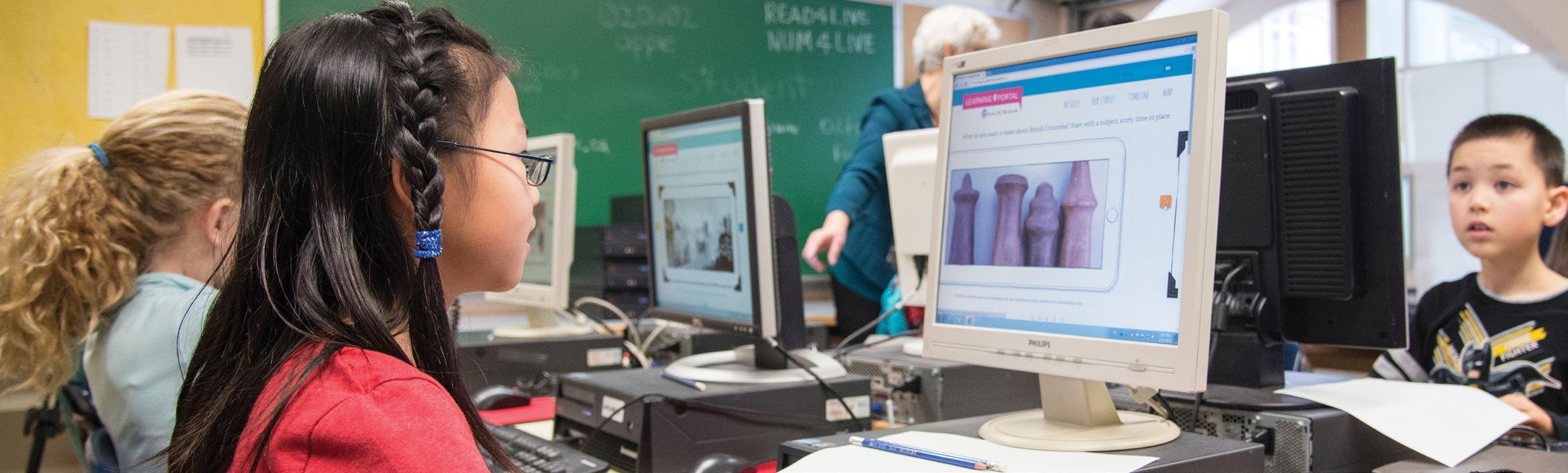
DIVERSE BC ON THE ROYAL BC MUSEUM’S L EA RNING PORTAL
By Liz Crocker (she/her), Learning Program Developer, Royal BC Museum
AS THE PROVINCIAL MUSEUM with a mandate to reach British Columbians across the province, the Royal BC Museum’s location on the southern tip of Vancouver Island is an impediment, especially for students and teachers. That’s why we launched the Learning Portal in 2015.
Despite housing over 10 million objects and specimens representing natural and human history, our museum still has many gaps in its collections and on the Learning Portal. We have worked with community partners to ensure we acknowledge and share a wide range of stories and histories of this province, and to address the gaps in the collections and on the Learning Portal. So many people and communities have contributed to the Learning Portal in our first 10 years. With educators and writers from diverse communities, we have published pathways about the displacement and dispossession of thousands of Japanese Canadians in Canada in the 1940s, early Chinese Canadian experiences in BC, early Punjabi immigrant experiences in BC, and diversity in early Black communities.
In the pathway about Vietnamese Canadian experiences in BC, BC-based artist Chrystal Phan developed content for the Learning Portal related to her art and her identity as a secondgeneration Canadian. Chrystal Phan also worked with former curator of history, Dr. Tzu-I Chung, who recognized the gap in Vietnamese Canadian objects in the provincial collection. On behalf of her parents, Chrystal donated the belongings they brought with them when they fled Vietnam in 1980. The Royal BC Museum now holds several of Phan’s large paintings, which are included on the Learning Portal.
The popular Our Living Languages exhibit, co-created with the First Peoples’ Cultural Council, also has an online component on the Learning Portal so visitors can experience much of that exhibit remotely. Within the Our Living Languages pathway you can watch the powerful film of the same name and listen to recordings of cradle songs in some of the Indigenous languages of British Columbia. There is also a “teach” section of this pathway with a lesson on languages that uses the cradle songs from the exhibit.
That lesson plan, as well as other Indigenous-themed lesson plans (including Simple Machines, Listening for Birds, Native Plants of the South Coast, Something Fishy, and Species at Risk), were created by educator Hannah Morales from Cowichan Tribes. Hannah Morales also developed the residential schools pathway, which includes a lesson plan as well as images and film of residential schools from the BC Archives. For additional Indigenous online content from the museum outside of the portal, you can look through Living Cultures & Archives, where you’ll also find a video about artist Richard Hunt accompanied by a teacher resource guide.
Finally, the playlist section of the Learning Portal is where visitors can present their own content. Science teachers have used this section as a safe online space for students to practise science communication with an authentic audience. Teacherlibrarians have created playlists to pull together content linked to a particular theme. Each year French teachers and students from across Canada participate in the popular J’aime les mots, a French language meme contest in Quebec. The contest uses images from Canadian cultural institutions, including from our very own BC Archives. Making up memes to go with archival photographs is a fun language arts activity that can be done just as easily in English or any other language.
You can start exploring the Learning Portal by sifting through themes or visiting the educators section (top right of the homepage), where you can watch the instructional video and explore curriculum-linked content.
The Learning Portal is a living resource that helps the Royal BC Museum extend our reach across this vast, unique, and diverse province. Access the Learning Portal at www.rbcm.ca/lp •
Above: Students in Victoria try out the Learning Portal on launch day in February 2015. Royal BC Museum photo.

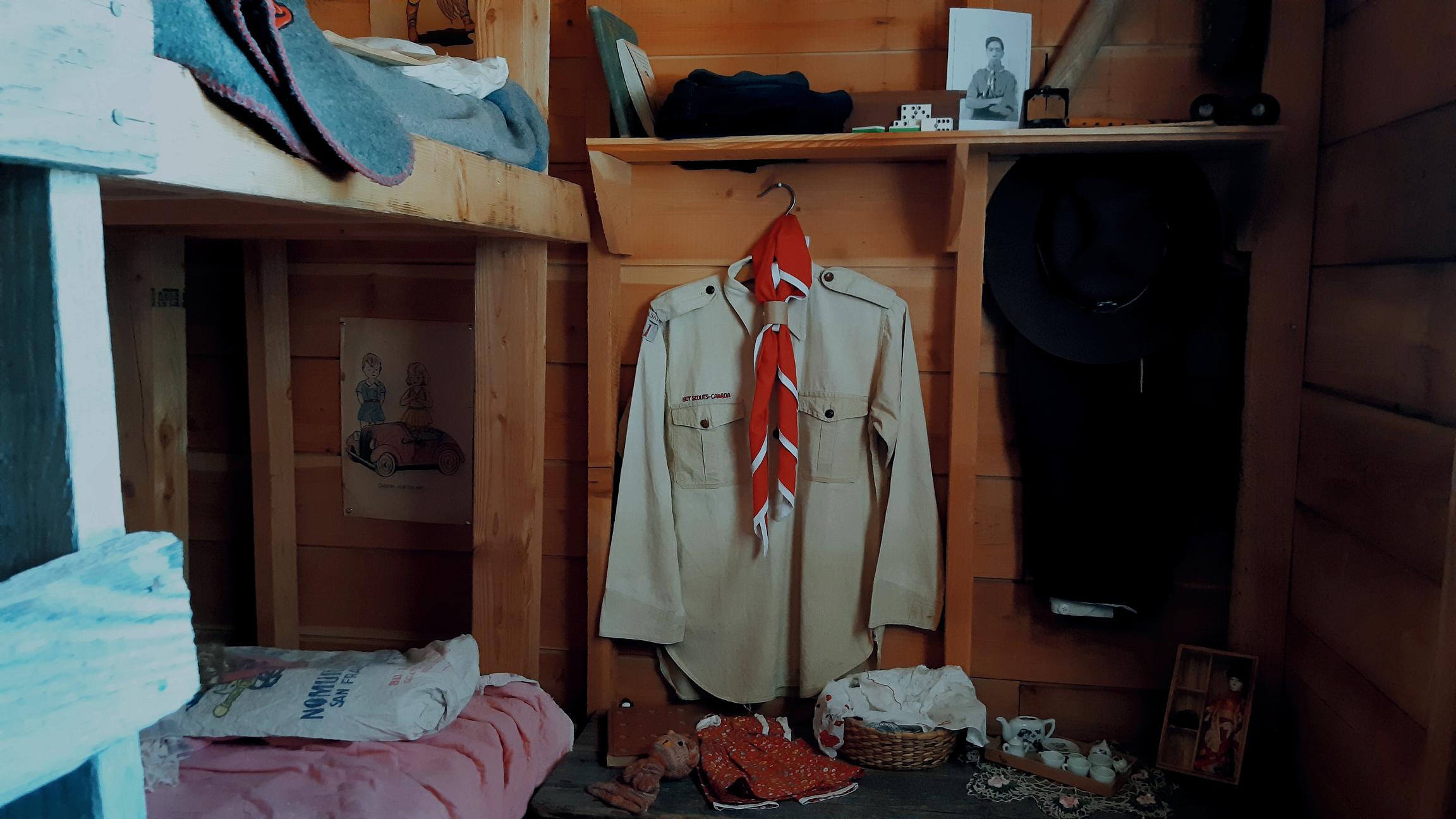
A COURSE CO-ORGANIZED BY THE UNIVERSITY OF VICTORIA AND THE NIKKEI NATIONAL MUSEUM
July 19-31, 2026
Application Deadline April 14, 2026
A Learning Opportunity for Teachers
In the 1940s, Japanese Canadians were uprooted and dispossessed.
British Columbia teachers are now required to address this historical injustice in their classrooms as part of the mandated BC curriculum. This course is tailored to help.
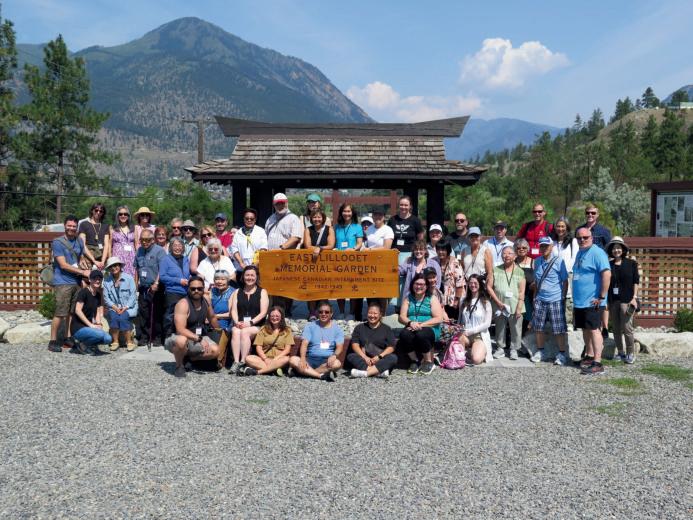
Program costs – Grant funding covers the expenses of in-service teachers participating.
For more information: pastwrongsfuturechoices.com/internment-era-field-school/ Submit applications to:




Empowering Teachers with Macbook







P E E R S U P P O R T SE R V I CE
Peer Support Service (PSS) If you are new to the profession, have a new assignment, are returning from a leave of absence, are in receipt of discipline, or a less than satisfactory evaluation report, and are on a Plan of Assistance, PSS can help. This confidential service is provided, at no cost to you, in your workplace and online.
PSS consultants use a trauma informed approach in their coaching, and the BCTF Aboriginal Lens guides our support to members: respect, relationship, relevance, responsibility, reciprocity, reconciliation and resilience. Consultants collaborate; share resources; help with curriculum, planning, and assessment; help support behavioural and varied learning needs; and much more.
For more information and to access PSS, contact Sherry Payne, Miranda Light or your local union.
Sherry Payne, Assistant Director Professional and Social Issues
604-871-1803
1-800-663-9163
spayne@bctf.ca
Miranda Light, Administrative Assistant Professional and Social Issues
604-871-1807
1-800-663-9163
mlight@bctf.ca

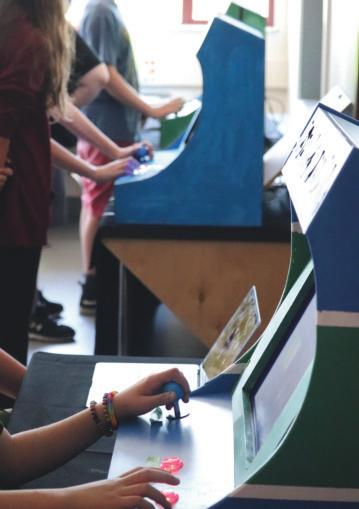
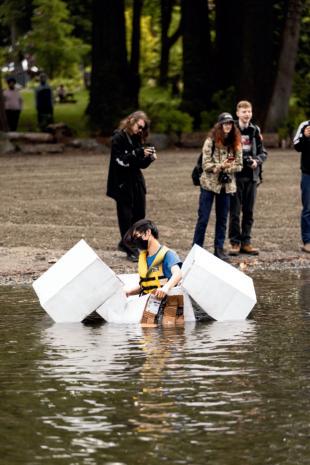
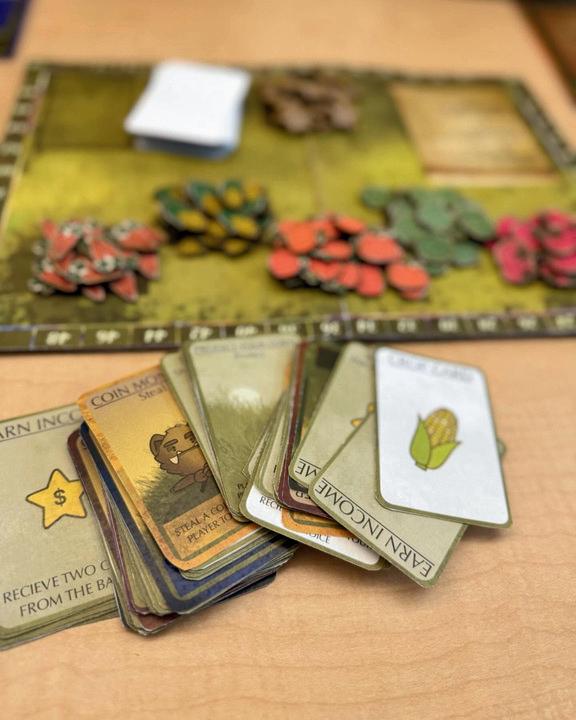
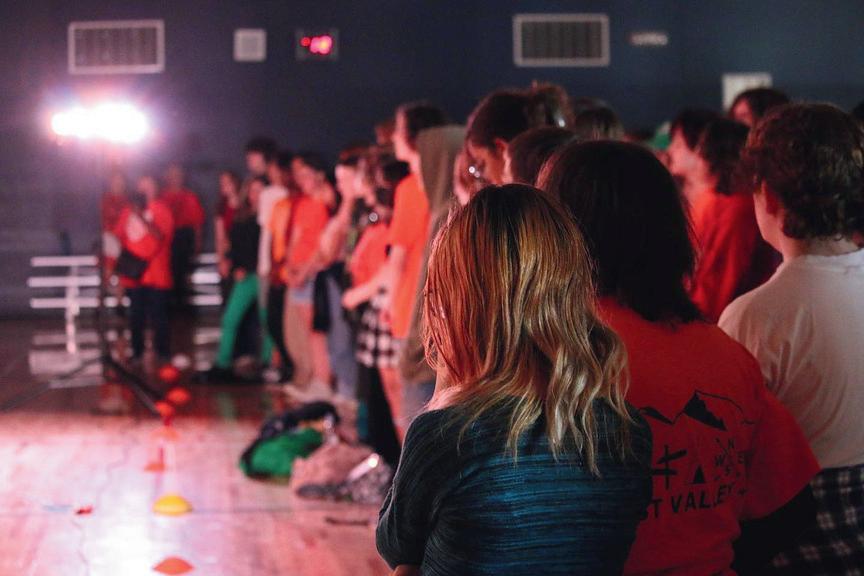





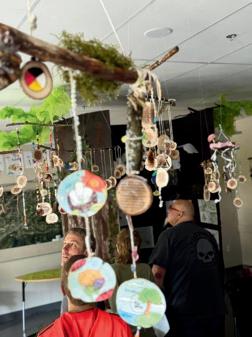






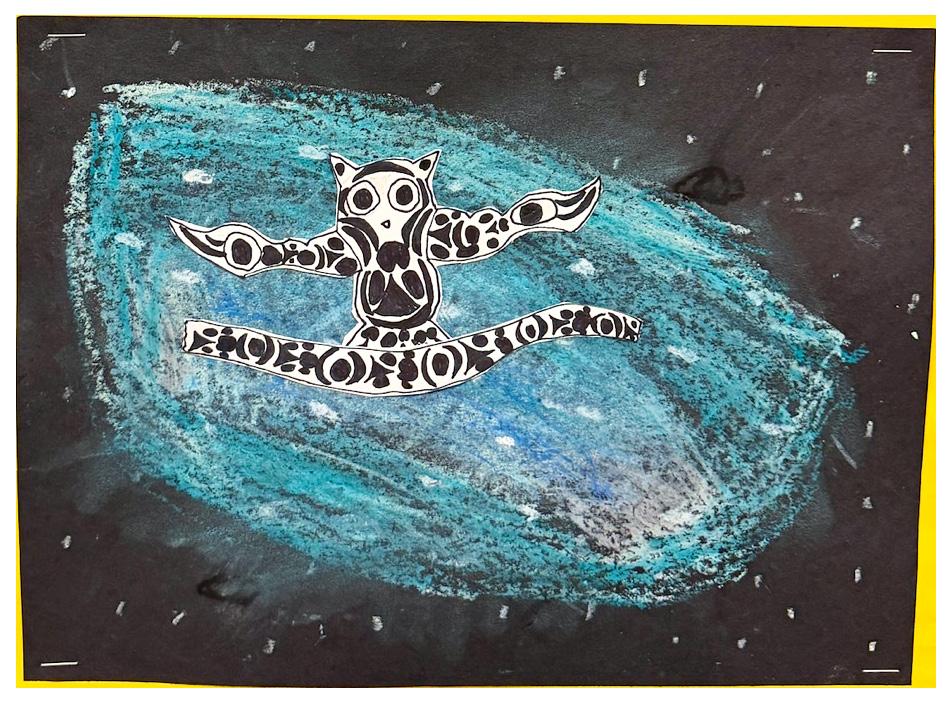
LEARNING ABOUT COAST SALISH ART
Read about how Lynda Sutherland teaches a cross-curricular Coast Salish art unit for elementary students on pages 6–7.