

CATHOLIC RECORD SOCIETY
PUBLICATIONS
(RECORDS SERIES) VOLUME 79


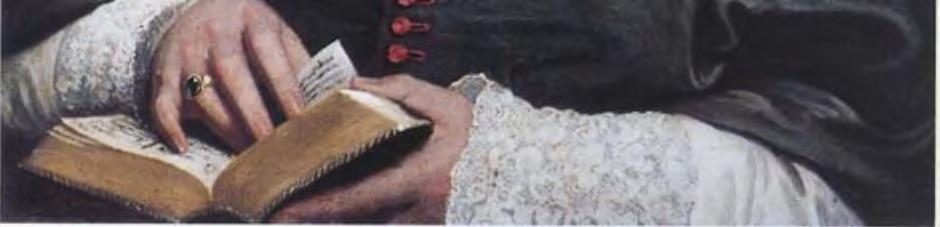
Bishop William Poynter, VicarApostolic ofthe LondonDistrict (Portraitin StEdmund'sCollege, Ware)
The Diaries of Bishop William Poynter, V.A.
(1815-1824)

Edited

CatholicRecord Society

Published2006
Information about the CatholicRecord Society and its publications may be obtained from the Hon. Secretary, c/o 114 Mount St, London WIX 6AH orfrom the Society's web-site, www.catholic-history.org.uk/crs
Printed in Great Britainby Hobbs the Printers Ltd, Totton, HampshireS040 3WX


INTRODUCTION
WhowasWilliamPoynter and what do his diaries tellus of his life and the times in which he lived? Only seven of his diaries, between 1815 and 1824, have survived Yet they cover a period early in the nineteenth century when issues that were critical for the future of the Catholic Church in Britain had to be addressed . For this undertakingWilliam Poynter had been well prepared. His place of birth and upbringing are both significant in the light of his future calling.
1. Early Life (1762-1775)
He was born in Petersfield, Hampshire, on 20 May 1762 , the first child of John Poynter, a coachbuilder, and Mary Todd of Warblington, a village close to Langstone, Havant In East Hampshire Catholic faith and practice had been kept alive throughout the years of persecution, mainly due to the devotion and sacrifices made by the recusant Catholic families who withstood the crippling fines imposed upon them for nonattendance at services at the parish church and who at great risk to their lives housed priests and encouraged them to celebrate Mass and the sacraments secretly in their homes for their households and neighbours. Such centres of the 'old religion' were scattered throughout the region, among them the Shelleys and Vachells in Buriton, the Dormers at Idsworth House, the Carylls of Ladyholt, the Fordes at Uppark, the Cottons of Warblington Castle, the Eystons at East Hendred and the Blounts at Mapledurham
The illegal traffic' in Catholic priests in penal times had been made easier by the access to the sea at Langstone Harbour, traditionally reputed for its trade in smuggling The seminary priests and Jesuits, trained in colleges abroad, could be brought ashore as secretly as any other contraband What is more, by royal charter the whole region had been placed under the jurisdiction of the See of Winchester, thus shielding it from the direct inspection of the Crown officials and priest-catchers in London.

Although Bishop Challoner had visited Petersfield in 1741 , recording 60 Catholics and confirming 31 of them , there was no Catholic chapel in Petersfield in 1762, and therefore William Poynter was baptised at home four days after his birth The priest who baptised him, Ralph Falkner from Maryland, an alumnus of the English College in Rome, failed to record the baptism. It was not until 19 years later, when evidence of his baptism was required before he could receive minor orders , that the priest at Brockhampton , the nearest Catholic mission, some 15 miles south in Havant , where a chapel, 'removed from Langstone & held in the attiks of 3 cottages in Brockhampton' had been built in 1752, made the following entry, in Latin, in the register in 1781:
I MissionaryPriest of the London District attest thatI have received the following sworn statement from William Todd uncle andgodfather and also John and Mary Poynter parents of William Poynter : 'Wethe undersigned attest and swear that William Poynter son of John and his wife Mary Todd, born on 20th May 1762 was baptised by the Reverend Ralph Falkner missionary priest of the London District in his parents' house at Petersfield on 24th May 1762 in our presence . J . Poynter, M . Poynter, W. Todd' I Richard Cornthwaite have witnessed this statement and have setmy seal.?
The importance of the Brockhampton mission in the lifeofthe Catholic Church in the south of England is revealed in a letter written by Benjamin Hoadley, Bishop of Winchester, to a Minister ofState on 22 May 1759 concerning:
a house with a large Chapel, built a few Years ago by one Morgan, a popish Priest, situated in the Manor of Havant in Hants It is opposite Langstone Harbour, and it is a building which cost twelve or fourteen hundred Pounds All the Papists in or about Portsmouth , and all who come from abroad, or go abroad from thence, make no Secret of going to this Chapel: and make generally a Large Congregation. There is a Service twice on Sundays and regularly on Holy days ... This House is certainly more dangerous than any other House of the Same Kind, by reason of its Situation, whichis so perfectly convenient for sending Persons abroad with Intelligence, or receiving Intelligence from abroad.³
The Brockhampton registers record that the Poynter family regularly attended the chapel there and were fully involved in the life of the mission Their names and those of their relations, the Knapps (one ofwhom was ordained priest in the English College
2 Burton, Edwin , The Lifeand Times ofBishop Challoner, 2 vols (1909), 1 , p 149 Hampshire RegistersIII: Brockhampton , CRS 44 (1949), pp 3, 48, 138 .
3 Ibid, p 145

at Douai in 1775) and the Todds appear frequently as godparents at baptisms and witnesses at marriages. The tombstones of William's maternal grandparents are still visible in the churchyard of St Thomas à Becket church in Warblington. The author ofthe Bulbeck MS, which describes the early history of the Brockhampton mission, includes the note, Bp Poynter from Petersfield said his catechism at the Altar rails . After attending the Grammar School at Petersfield, where he was the only Catholic student, at the age of 13 he was sent by Bishop Challoner to the English College, Douai, to study for the priesthood A letter from William Gibson, the President of the College, to Bishop Douglass, the Vicar Apostolic in London , in January 1784 reported his progress and good repute: 'We have one Poynter here. He has one or two brothers, one of which if not both would gladly come If they be like him, we need not care how many we have of them' In fact his two younger brothers, James and John, did not follow William to Douai. Both married, James to Susanna Watts at Brockhampton , John to Sarah Glover at Portsea, and are mentioned in the Diaries.5
2. Douai (1775-1795)
The members at the College at Douai in 1775 were made up of 16 staff (all priests), 31 students of philosophyor theology and 70 studying humanities The College had been founded by William Allen in 1568 as a seminary to prepare priests for the English mission, although over the years sons of many Catholic families joined the College for a Catholic education which was denied them at home. The fees of the clerical students were paid from a grant from the Pontifical College in Rome. Lay students were supported financially by parents and friends Before he was ordained priest in 1786 William Poynter took the solemn College Oath, promising to obey the President and go on the English mission when required and not to join a religious order. In the course of his studies he defended theses in both Moral and Dogmatic Theology, for which he was granted a Doctorate in Divinity. He lectured in logic and theology in the College and was appointed Prefect of Studies And so it happened that his handwritingrecords the dramaticentry:
4 Ibid, p. 139
5 The Gibson letter is quoted in Anstruther4, p 222. For Poynter's brothers , see CRS 44 passim and HampshireRegistersIV: Gossportand Portsea, CRS 49 (1955), passim
THE POYNTER DIARIES
On 12 October 1793 all the College staff and students were led to imprisonment in the Scots College .. . until 16 October, when they were forciblytransferred to the castle at Doullens , where amid many hardships they await their release October 1 , 1794.6
Their imprisonment during the French Revolutionwas a result of the declaration of war between England and France on the execution of King Louis XVI The College was invaded and searched by national guards ( the most ill-looking fellows you ever saw ), though some of the College treasures and relics, includingthe martyred body ofJohn Southworth, were buried by students within or outside the buildings. The Douai 'Prefect of Studies Book' was saved by one of the youngest students, Robert Gradwell, and was held by William Poynter during their captivity. On the way to Doullens some of the party managed to escape and make their way back to England. The prisoners eventually numbered 26 from the English College, including Poynter, Gradwell and John Bulbeck from Havant, and 6 Benedictinesfrom their Douai house They became known as the Douai 'trente-deux' , sleeping in cramped quarters on straw and eating 'whenever we could beg or buy a little bread without regard to its colour, white, brown, black or purple, for we ate all sorts indifferently. The imprisonment in fact sounded thedeathknell of the English Colleges at Douai and St Omer which were confiscated and never returned to their original use During their captivity William Poynter demonstrated his leadership by reciting his breviary in full view on the ramparts of the prison. It was later revealed what encouragement this act brought not only to the English, but also to the French prisoners On 24 November 1794 they were released, and after a night in Arras, they were housed in the Irish College in Douai, before making their way to Calais, where they crossed to Dover in an American ship on 2 March 1795 .

6 Douai College Documents1639-1794 , CRS 63 (1972), p 337 (Latin original)
7 Ward, St Edmund's, p 74
9 Robert Gradwell was ordained in 1802; after working in Lancashire , he was appointed rectorofthe re-opened English College, Rome, in 1818 , where heacted as agent for theV.A.s.He was the first secular priest to be rector. ConsecratedBp of Ludda and co-adjutor in the London District, 1828 , he died in 1833 before succeeding. On 'The Prefect of Studies Book' see CRS 63, pp. 133-4. Ward , St Edmund's, p 82
3. St Edmund's College (1795-1812 )
On arrival in London William Poynter was immediately set to work by Bishop Douglass on the task of planningto replace the English colleges at Douai and St Omer on English soil The Prime Minister, William Pitt, in an interview with Bishop Douglass, advised that the new college be near the existing small Catholic school at the Old Hall in Hertfordshire , which had been bought by Bishop James Talbot in 1769, in the hope that it would attract little attention; the ghastly scenes of the Gordon Riots in 1780 were still alive in people's minds The school had already been earmarked by Bishop Douglass as a possible refuge for students expelled from France at the outbreak of the Revolution With this in mind he had taken advantage of the Relief Act of 1791, which had removed the prohibition of Catholic places of worship10 to replace the hidden chapel in the loft of the Old Hall with a new chapel which was built at the back of the 'Old College' and blessed and opened by him in December 1792. He wrote in his diary: 1793. On the 16th November, the feast of St Edmund of Canterbury , we commenced studies or established a new College there, a substitute for Douai' . 11 Overcrowding in the limited accommodation afforded by the Old Hall and the neighbouring 'Hermitage' soon caused difficulties, and in May 1794 Bishop Gibson, Vicar Apostolic of the Northern District, wrote to say that he had found a place for a College in the north, 'It is called Crooked Hall (sic), a retired place about 11 miles from Durham' , 12 to which the northernstudents weretransferred . It was, however, a fortuitous legacy that enabled St Edmund's to become a major replacement for Douai in the south of England. On a visit to his family in 1795 William Poynter told the story to a gathering of Catholics in Havant of the imprisonment of the 'trente-deux' at Doullens experienced by himselfand a Havant boy John Bulbeck, of the loss ofthe college at Douai and of the plans to replace Douai College at Old Hall in spite of lack of funds One of his audience, John Sone, a wealthy miller and a generous benefactor to the mission, took him aside and asked, 'Sir, would ten thousand pounds help to meet the difficulty?" . 13 And to confirm his offer he left that
10 Provided theywere legally registered, thatthe doors were left unlocked duringthe services , and that the buildingdid not contain a belltower
11 Ward, St Edmund's , p 100.
12
13

Ibid., p. 109.
Ibid, p. 128
THE POYNTER DIARIES
amount in his will to Bishop Douglass for the building of St Edmund's. He died a few months later. The constitutionofthe new College is summed up in the first entry in the Diary of St Edmund's College, again in Poynter's handwriting, thus making him a witness to the death of the College at Douai and to its rebirth in England at St Edmund's:
AD 1795. The Rt Rev John Douglass, Vicar Apostolic in the London District, desirous of repairing the losses which England has suffered by the subversion of our Colleges in France, determined to establish without delay a College in the London District, in which the young men who are called to the Ecclesiastical state might be well formed for every part of their duty, and other Children designed for various employments in life might be prepared by a Catholic, and useful education for the discharge oftheir respective states . .. 14
William Poynter was appointed the first vice-president and in 1802 became president A year later he was appointed titular bishop of Halia and Coadjutor Vicar Apostolic of the London District,15 and consecrated in the chapel at St Edmund's on 29 May by Bishop Douglass He remained president of the College for another 10 years in spite of frequent absences from the College visiting missions and aiding the infirm Bishop Douglass The Diaries reflect his great affection and concern for St Edmund's duringthe rest of his life. There are many references to the College, which he visited regularlyto and from Holborn (a journey of 3 hours each way by carriage), to the Seminary and even to the farms that were part of the College estate Many ordinations mentioned in the Diaries took place at the College including that of Dom Bede Polding 16 He also consecrated his successor, Bishop Bramston, and Bishop Thomas Weld, 17 the future Cardinal, at St Edmund's Each year he blessed the holy oils there on Maundy Thursday. Towards the end of his life he arranged for the annual retreat for priests of the London District to be held at the College In his will he left his heart to the College to be buried in the chapel which he had built and is now a classroom at the end of the ambulacrum.

14 Ibid. , p 144
15 With right of successionon the death of Bishop Douglass
16 Poldingbecamethefirst Archbishopof Sydney, Australia, in 1842 .
17 James Yorke Bramston : Poynter's V.G. Appointed coadjutor in 1823 , he succeeded as V.A. in 1827; he died in 1836. Poynter had requested his appointment as coadjutoras early as 1815. On Weld, see note286 .

4. Vicar Apostolic(1812-1827)
When Bishop Douglass died on 8 May 1812, Bishop Poynter succeeded him as Vicar Apostolic There were at that time four Vicars Apostolic in England & Wales, responsible to Rome for the four DistrictsLondon, Midland, Western, Northern. The London Vicariate embraced London itself, the counties of Middlesex, Essex, Surrey, Kent, Sussex, Hampshire, Berkshire, Bedfordshire, Buckinghamshire and Hertfordshire , with the Channel Islands and the Isle of Wight The London Vicar Apostolic also had responsibility for the British Colonies abroad, as is evidenced by the frequent references in the Diaries to his finding bishops and priests to minister in Australia, the West Indies, Quebec and the Eastern Colonies, and his almost daily correspondence with Propaganda in Rome and many other countries abroad. These letters were despatched to foreign countries via Liverpool It would appear that Propaganda used him as a means of corresponding with bishops in many parts of the world and providing them with funds He enjoyed a close relationship with the Colonial Office in London, and especially with Lord Bathurst,18 with whom he was in regular contact concerning the appointment of priests and even bishops to the colonies and with whom he often dined. In orderto devote his full attention to the pressing problems of the London District and of the Catholic Church in Britain he reluctantly resigned the presidency of St Edmund's in 1813. The College felt his loss enormously and was only to recover its equilibrium years later with the appointment of Thomas Griffiths as president in 1818. An urgent concern at the time was the small number of priests being ordained in spite of the increasing Catholic population By 1812 the number of Catholics in the District had increased to 69,000 , yet the number of priests had fallen to 88.19 One of the reasons for this shortfall in the education of priests was lack of funds and so he set up a fund to educate priests He also made every possible effort to recover the debt that was owed through the confiscation of the English Colleges in France during the Revolution This engaged much of his time, taking him on several occasions to France for long periods to put the claims before the French government. The visits in 1815-16and 1817-18 are recorded in the Diaries. In spite of support from the French King Louis XVIII, the Duke of Wellington, the British Ambassador, and Sir Charles Stuart, the
18 Lord Bathurst, 1762-1834 : Secretary ofState for warand the colonies (DNB)
19 Ward, St Edmund's , p 211.
THE POYNTER DIARIES
chargé d'affaires and half brother of Lord Castlereagh, the Foreign Secretary, he came away emptyhanded. When eventually it was settled that compensation of £ 120,000 should be made, hopes of using the money to educate priests in England were dashed when the English government refused payment to Catholics on the grounds that it was to be used for 'superstitious purposes . Poynter wrote, 'Justice is therefore denied us because we are Catholics' . 20 It is not clear for what purposes the money was used by the government, thoughprojects such as thebuilding of the Regent's Palace in Brighton and Marble Arch in London have sometimes been suggested. It is said that the disappointment shortened Poynter's life.
As Vicar Apostolic he took up residence at 4 Castle (now Furnival) Street, Holborn, in a modest three-storey building, 'a dirty, dingy, shabby-genteel house' , where Bishop Douglass had died. The Bishop and his chaplains who lived there were often called 'the gentlemen of the Castle' . Many of the English martyrs had passed the end of Castle Street as they were dragged on hurdles from Newgate prison to their death at Tyburn. Priests and even bishops were ordained in the small chapel there. After Poynter's death the bishop's residence was transferred to Golden Square, and No 4 became a restaurant
5. Controversies
Poynter's years as Coadjutor had already given him valuable experience of the major problems facing him as Vicar Apostolic, since he frequently had had to stand in for the ailing Bishop Douglass. The first of the surviving Diaries gives an account of his visit to Rome in 1815 in order to obtain an authoritative judgement from the Pope on these issues. They arose from three main causes: the growing desire of the Catholic laity to be freed from the civil disabilities they still endured as a result of the penal laws; the uneasy relationship between the English and Irish bishops; and the irregular religious loyalties among some of the French émigré priests in England. The difficulty in facing these problems was compounded by differences in character and attitude between Poynter and the Vicar Apostolic of the Midland District, Bishop John Milner. These are well expressed in a letter to Poynter from his Vicar General, James Yorke Bramston:

20 Ward , 3, p. 149

INTRODUCTION
I pray that your Lordship may prove to be a Bee, active, with a sting to use only when necessityrequires, but constantly productive of much honey. Avert from us all which is all stir and sting and makes no honey for us I like not Mitred Wasps . 21
These colourful metaphors accurately describe the contrasting characters of the two men. Poynter was renowned for his tact and courtesy, his gentle yet firm way of dealing with delicate situations. Milner, endowed with a very active and discerning intellect, was assertively orthodox in his religious opinions , and even harsh and unbending in the way he expressed them. Their differences were evident in their attitude towards the Catholic laity. Milner resented the role adopted by the laity in ecclesiastical matters, which he regarded as a strictly clerical domain; Poynter on the other hand was conscious of the huge debt owed to the Catholiclaity for their part in the preservation of the faith during penal times and supported their co-operation in striving for Catholic emancipation. Things came to a head after a meeting at the St Alban's Tavern of 'many Catholic Noblemen & Gentlemen' , to which the Vicars Apostolic were invited, in January 1810. The object of the meeting was 'to repeal the severe penalties to which Roman Catholics of England are subjected' so that they may enjoy 'an equal participation in the rights, privileges and immunities of the British Constitution" They drew up a Petition in the form of five resolutions. It was the Fifth Resolution that caused bitter controversy:
That the English Roman Catholics ... are firmly persuaded that adequate provisionfor the maintenance of the civil and religious establishments of this kingdom may be made consistently with the strict adherence on their part to the tenets and discipline of the Roman Catholicreligion; and that any arrangement of this basis of mutual satisfactionand security and extending to them the full enjoyment of the civil constitutionof their country will be met with their grateful concurrence. 22
Poynter and Collingridge of the Western District23 were persuaded to sign the petition Milner declined. In articles in the press he denounced the bishops who had signed for laying our Church, the inheritance of the martyrs, bound and gagged under the feet of an hypocriticalProtestant establishment' . He drew the Irish bishops, for whom he was the agent in England, into the attack, accusing the English bishops of acting the part of a few
21 Ibid , 2, p. 6
22 Ibid . , 1 , p 113 .
23 Peter Bernardine Collingridge OFM (1757-1829), VicarApostolicoftheWestern District 1809-29 .
THE POYNTER DIARIES
tame decoy ducks, in order to lead an immenseflock of wild Irish ducks into a snare prepared for both parties' . 24 The penalties imposed on Catholics in Ireland by the penal laws had not been enforced as rigidly as in England. The Church in Irelandwas still governed by an episcopal hierarchy and Catholics were allowed to worship in houses or chapels of their own making, paying a shilling a week for non-attendance at the parish church and permitted only one priest to minister at each chapel. Yetthe issue of Roman Catholic emancipation was even more keenly felt than in England. The disabilities imposed by the law kept the majority of the population from holding political office The number of Catholics in Ireland was four-fifths of the total population of6 million, with over 2,000 priests, whereas in England at the same time the estimated Catholic population was less than 200,000 and the clergy about 400. Yet as a result of the Act of Union of 1800 the seat of government of Ireland was in London, where the English bishops, being closer at hand, exerted more influence upon Parliament than the Irish bishops. It is understandable that their every political move was watched with some suspicion on the other side of the Irish Sea .
In 1813 a further Catholic Relief Bill was brought before Parliament, which would have granted the franchise to Catholics The vexed question of the veto given to the Crown in the appointment of bishops was not mentioned, but clauses were introduced in the form of an oath and the creation of commissions 'to advise the King of the election of Bishops and deans, and to inspect any bulls or dispensations received from Rome' The reaction to these proposals was almost predictable Poynter was of the opinion that the Bill should not be opposed as a wholeand that the clauses could be made more acceptableto Catholics. Bishop Milner foresaw no such possibility and distributed a pamphlet among members of Parliament before the debate arguing that the proposed provisions were inconsistent with Catholic discipline As a result the Speaker declared that the Bill, far from its intention of putting an end to strife, was producing even more strife within the Catholic body; it was halted at the Committee stage. The Catholic Board then demanded Milner's resignation and he was also excluded from a meeting of the other Vicars Apostolic of England and Scotland in Durham in October 1813. Bishop Poynter wrote to the other bishops:

24 Ibid , p 141 .

I should ask whether, knowing the temper and spirit of our colleague Dr Milner, it would be advisable to invite him to the meeting In the regular course of things he should be there But unless he could be bound to secrecy , he would communicate everything to the Irish Bishops, and even to the public in some pamphlet or letter in a newspaper . 25
The other bishops consulted were of the same opinion. The outcome of the Durham meeting was a Pastoral Letter in which the bishops reflected on 'the temperate, peaceful and consistent conduct of British Catholics in seeking relief ... consistently with the strictest adherence to the tenets and discipline of the Roman Catholic religion'.26 The Pastoral was not read in the Midland District.
Another disagreement betweenthe same parties had arisen after the signing of the Concordat between Pope Pius VII and Napoleon in 1801. Most of the émigré priests in England returned to France as a result, but of the 560 who remained some were infected by the statement of the influential Abbé Blanchard that the Pope had been 'heretical' in signing the agreement and that he therefore refused allegiance to him. In 1810 the English Bishops had ruled that priests who subscribed to the 'Blanchardist Schism' should be refused ecclesiastical faculties. One such priest who had subscribed, l'Abbé de Trevaux, had had his faculties withdrawn by Bishop Douglass, but later after an appeal by the Bishop of Angoulême that Trevaux had been too old and feeble to understand all the implications ofwhat he had signed , Bishop Douglass had restored his faculties Bishop Milner condemned this action as an 'injury to the Communionof the whole Catholic Church 27 and conveyed the news to Ireland The Archbishop of Dublin wrote to Bishop Douglass demanding an explanation . Convalescing in Ealing in 1811 Douglass asked Bishop Poynter to answer on his behalf,
...
being unable to write on account of my eyesight ... I wishyou to write with more than your usual mildness . That I was much surprised at receipt ofthe letter callingme to say ifI had required a retractation and threatening to break communion . 28
Poynter wrote to the Archbishop,
As neither Dr Milner nor the Prelates ofIreland have any jurisdiction over Dr Douglass, we do not conceive that either of you have any
25 Ward, 2, p. 59
26 Ibid ,p. 64.
27 Ibid . , 1 , p 163
28 Ibid , p. 166

THE POYNTER DIARIES
right to call on him to explain his reasons in this affair. To the sovereign Pontiff Dr Douglass is ready to explain his conduct . 29
The Diaries explain that when Poynter reached Rome in 1815 he composed a formula which was approved by thePope:
I the undersigned profess that I am under the submission of the Sovereign Pope, Pius VII, as Head of the Church, and I am in communionwith the same Pope, as members ofthe Church . 30
On his return to England he invited those émigré priests who remained in the District to sign the formula. Most of them complied . Those who refused were asked to return their faculties entitling them to minister in the District. Among the latter was the chaplain to Mrs Fitzherbert
6. Rome (1814-1815)
With the return of the Pope and Cardinals from exile in Fontainebleau to Rome early in 1814 Bishop Milner had made haste to lay his complaints in person before Pius VII against Bishop Poynter and the English Catholic Board. He travelled light, on horseback with two saddlebags , arriving in June Poynter, summoned to France at the same time over the Douai claims, was unable to follow him until the end of the year, when he was urgently summoned to Rome by the Rev. Paul Macpherson, the Roman agent for the English Vicars Apostolic:
Your presence is absolutely necessary. I alone am too weak to stand against Dr Milner and all Ireland at his heels You cannot have an idea of all the calumnies he has given in to the Propaganda against you all ... Bring Mr Bramston with you. There will be work enough for you both . 31
He travelled by cabriolet accompanied by James Bramston and a servant. Thetravelling expenses for each stage of thejourney are recorded in detail in the Diaries.
The 1815 Diary contains a picturesque account of the places they visited on their journey to Rome which they reached on 14 January 1815 and also on their returnjourney from Genoa where they followed the Pope when he fled from Rome on news of Napoleon's escape from Elba There are accounts of their visits
29 Ibid , p 167 .
30 Ibid. , 2, p 225
31 Ibid., p 105. Paul Macpherson was rectorofthe ScotsCollege in Rome; agentfor the English V . As, he tended to be pro-Milner
to shrines and cathedrals, and their impressions of the inhabitants : 'very few poor in the wine country, healthy and stout in the mountains , many beggars in Florence .. . the people very polite and kind but the people generally especially in the towns lounging without anything to do' . There are almost no referenceson either journey to the threat and danger of war, only Lord Bentinck's advice for them to leave Genoa without delay, and on 5 June 1815, twelve days before the Battle of Waterloo, the entry 'From St Trou to Brussellea bad day saw little of the town full ofsoldiers'
They had been met in Rome by Macpherson and were housed in the Scots College and provided with a carriage and coachman paid for by the Pope The audiences with the Pope and meetings with the Cardinals are described in the Diary. Mr Bramston describesthefirst papal audience in his own diaries:
Bishop Poynter expressed the devotion to his Holiness, [of] his colleagues, his Vicars general, his clergy, and the nobility and gentryof England The Holy Father heard him with complaisant attention; expressed his wish that harmony should be restored among the Bishops Bishop Poynter said that perfect harmony reigned, save with regard to one only His Holiness expressed his wish to satisfy the English Government as far as religion would permit, and not meddle in politics, and seemed to allude with some dissatisfaction that some clergy in Ireland had given umbrage to Government . 32
Not all interviews with Cardinals in Rome reflected that 'complaisant attention' . Neither Milner nor Poynter found it easy to understand the subtleties of the Roman practice ofnegotiation Poynter spoke of the 'versatility' of Cardinal Litta, the Prefect of Propaganda, before whom Bishop Milner had voiced his complaints . In a letter to a fellow Vicar Apostolic, Bishop Colllingridge, he describes a meeting withhim:
Mr Bramston and I rose against him, and we spoke as loud as he did. Wetold him that we discovered in some Cardinals a disposition to sacrifice the English Vicars Apostolic to Bishop Milner and the Irish Bishops, and to sacrifice the Catholics of England to the Irish populace Mr Bramston , who by his sensibleand forceful but respectful way of speaking has generally produced more effect than I have , told him that before Dr Milner the character of a Vicar Apostolic was sacredin England; but that he had violated the respect due to that character, and encouraged others to attack us.³33

32 AAW/SEC, Series 15/3, Bramston's Diary
33 Ward, 2, p 126
THE POYNTER DIARIES
Afterwards, in desperation, Mr Bramston exclaimed, 'The Cardinal is a weather-cock' . 34 The agenda included all the matters in which Poynter was in dispute with Bishop Milner, in particular regarding the discussions that had taken place between Cardinal Consalvi, the powerful lay Papal Secretary ofState and Lord Castlereagh, representing the British Government , concerning the possibility of emancipation. As a result Dr Poynter could write in his diary that there was a good understanding between Rome and the British Government' Poynter eventually left Genoa with four copies of a document from the Congregation of Cardinals, which became known as the "Genoese Letter' , to be delivered to the other English bishops and to Ireland. It stated:
Let us now consider the election of Bishops ... His Holiness feels no hesitation in allowing those to whom it appertains, to present to the King's ministers a list of candidates, in order that if any of them should be obnoxious or suspected , the Government may immediately point him out, so that he may be expunged .... 335
This apparent concession by Rome to the right of a form of veto in the appointmentof bishops caused a violent outburst of indignation especially from Daniel O'Connell, the leading Irish layman, who vilified Bishop Poynter in a public speech:
Poor man! ... He exerted every effort to carry this ruinous measure. One of our Northern Prelates who is advanced in life and a good deal deaf, was in the habit in the present synod of mistaking Poynter's name; he constantly called him 'Doctor Spaniel' On being corrected two or three times in the heat of the debate, he exclaimed 'Poynter by name, but spaniel by nature!'36
7. Problems at Home (1815-1827)
Dr Poynter found further problems awaiting him at home , principally what became known as 'the unveiling of the retired ladies' or religious sisters, forbidding them to wear their habits in

34 Ibid ., p 132
35 Ibid , pp 205-19
36 Ibid, pp 147-8 .

public,37 and his refusal to allow the official recognition of the Jesuits (the 'Gentlemen of Stonyhurst') in England without the approval of the Government 38 Both brought him into direct opposition to Bishop Milner, as did his treatment of Peter Gandolphy ,39 a chaplain at the Spanish Chapel, concerning the publication of his book on Apologetics, for which he had been granted a Roman Imprimatur but of which Poynter questioned the orthodoxy. Eventually Gandolphysubmitted to Poynter's wishes He retired from the Spanish Chapel and went to live in retirement. Soon he fell ill and died on 9 July 1821 at the age of 42. It is reported that on hearing of his death Dr Poynter broke down in tears.
It is not surprising that the constant and sometimes violent opposition which he received caused him bouts of despondency A letter to one of his fellow bishops, to whom he bares his soul, reflects his feelings:
Ido not thinkthere is a Bishop in the Catholic Church in so painful a situation as I am in. The Irish Bishops are unjustlyturned against me , Bishop Milner circulating his libellous pamphlets against me in the London District, and over the whole Church; our Catholic gentlemen in their eagerness for Emancipation press the conditions imposed by the legislature, and amid this their eagerness no common prudence, firmness and patience is needed to keep them right. YourLordship has reason to compassionate me; I hope you will pray for me and be ready to instructme and supportme . 40
A letterto Cardinal Litta in Rome conveysthe same sentiment:
The mitre which I wear is become to me a crown of thorns; and ifI have to bear the cross that is laid upon my shoulders until death , by the help of God's grace I will call out with the Apostle, "God forbid that I should glory but in the cross of Our Lord Jesus Christ .... "
37 Ibid. , p. 165. The English nuns expelled from France during the Revolution, in particularthe Benedictines at Hammersmith , the Sepulchrines of New Hall and the Poor Clares of Gosfield , Essex , had been helped financiallyby the British Government When peace was restored this protection ceased However , the Prime Minister, Lord Liverpool, assured Poynter that the nuns could remain teaching in schools provided they did not wear their habit This conditionwas never enforced
38 Ibid . , p. 205. The Jesuits were officially restored in 1814 , but only in those countries 'in which the civil government consent to receive and recall them' Poynter maintained that Parliament did not consent Eventually the Jesuits were formally reinstated in England in 1829 .
39 Ibid . , pp 205-19 . Gandolphywas a successfulmissioner, firstly on the Isle of Wight and then at the Spanish Chapel Poynter suspendedhim in 1816 . Ibid, p 170

THE POYNTER DIARIES
In 1817 he had gone even further and threatened to offer his resignation as Vicar Apostolic of the London District to the Pope Appeals against his resignation were sent to Rome by the other bishops (except Milner), the London clergy and the Catholic laity His offer was not acceptedin Rome . 41
8. Pastoral Work
The Diaries provide a living picture ofthe steady growth ofthe Catholic Church in England in the first quarter of the 19th century In 1814 Bishop Poynter had sent a minutereturn ofthe London Vicariate to Propaganda recording 78 chapels, 104 priests and 68,776 Catholics, ofwhich London itself contained 12 chapels and the counties of Middlesex, Berkshire, Bedfordshire, Buckinghamshire, Essex, Hampshire , Hertfordshire , Kent, Surrey, Sussex and the Islands of Guernsey and Jersey 66.42 Over 60 Missions in the London District are mentioned in the Diaries, most of them visited by Bishop Poynter himselfor by his Vicar Generals, with some details of the resident clergy, times of services, numbers of confirmations and even of their annual financial audit whichwas carried out personally by the Bishop. In 1824 a list of the Estimated Catholic Population in the London District was published, indicating that the population in the London Chapels was 107,000 and 20,000 in the 40 Chapels in country parts' . The numbers may well be exaggerated In the Diaries Bishop Poynter records the opening and blessing of chapels at Hampstead, Chelsea and Horsham and the measurements of the new chapel of St Mary, Moorfields Of all the chapels mentioned only those at Warwick Street, Hampstead and St George's Fields, now reconstructed after war damage as St George's Cathedral, survive for public worship today Places of public worship in the London District and schools were published annuallyin the Laity's Directory It would appear that Poynter used his diaries as an aide mémoire for the appointments and granting of faculties and permissions to individual priests. That he sought constant advice in the administrationof the District is clear from records of his regular meetings with a group of senior priests Pastoral Letters were read before Lent each year and on occasions when matters of importance were drawn to the attention of all Catholics . His anxiety to provide a constant supply of priests for the District
41 Ibid., pp 335-7
42 See Brady 3, pp 187-91 , for theseand other statistics

and for the missions in the Colonies is reflected in details recorded of those offering themselvesfor the priesthood and his attention to their education at St Edmund's , Lisbon, Valladolid or the English College in Rome
His great concern for the education of children and for the poor are shown in the many references in the Diaries to the religious sisters at Hammersmith , Somers Town and New Hall, to the collection of funds for the Aged Poor Society and the Charitable Sisters (consisting of women who were not Religious, founded by Poynter himself ) and for the schools for poor children attached to some missions (Chatham, Lambs Conduit , Somerstown, Poplar, Dartford, East Lane Bermondsey, Hammersmith , York Street, Lincoln's Inn Fields, Tottenham, Virginia St, Wapping) sometimes with details of the salaries paid to the teachers and the numbers of children attending His report to Propaganda records that,
two catholicschools have been instituted in the District, one with 741 boys, of whom 308 are clothed, and 18 orphans are entirely maintained In the other school are 262 girls ofwhom 74 are clothed, and 6 orphans are entirely maintained . 43
Almost every day entries in the Diaries record letters received and answered. The majority of letters were, apart from those to or from Propaganda, correspondence with Paul Macpherson, Roman agent for the English Vicars Apostolic and his successor Robert Gradwell, later rector of the English College in Rome , and with his Vicar Generals Joseph Hodgson, James Bramston and Francis Tuite He and his staff at Castle Street were employed until late at night writing and copying letters
9. Content oftheDiaries
The Diaries contain no references to William Poynter's family life apart from the sale of the Petersfield family 'estate' , and the bald statements of the death and burial of his brother James at Stanmore and of his nephew William's entry into the preparatory school at Sedgley Park. The closest he comes to revealing particulars of his personal life are references to the bouts of ill health that occasionally kept him confined to his room , and laundry lists of his everyday clothes shirts, cravats (red and blue), handkerchiefs, socks, stockings and silk stockings, drawers, waistcoat, night shirt and night cap' - occasionally numbered and
43 Ibid , p. 190
THE POYNTER DIARIES
costed. He gives details also of his episcopal apparel and insignia purchased while he was in France - Mozettaetc (£285), cross and chain (£132), ring (£80) and pectoral cross (130 francs) He was meticulous in entering his personal expenditure and that ofthe District, though nowhere in the Diaries is there any attempt to produce a full financial statement.
Frequent mention is made of three of his successors as Vicars Apostolic of the London District: James Yorke Bramston (182736) and Thomas Griffiths (1836-47), who had been, like Poynter himself , Presidents of St Edmund's College, and one to Nicholas Wiseman (1849-50) who became the first Archbishop of Westminster; he is mentioned in the Diaries as one of the first batch of English students to travel to the English College in Rome in September 1818. There are many references to John Lingard's meetings and correspondence with Poynter, who arranged for the printing of his History of England and for his being granted a Doctorate.
On one of Lingard's visits to London Poynter handed him copies of his own Epistola Apologetica (London 1820).44 However , it was only in 1827 that Poynter's Christianity: or, The evidences and characters of the Christian religion was published His more popular Prayer Book, ... recommended to the Use of Catholics serving in The Fleets and Armies of Great Britain' , was published in 1821 and reprinted in 1826 by Keating and Brown . It relies heavily for its content on Challoner's Garden of the Soul, but includes prayers for 'those engaged in warfare in mortal danger': prayers Before an Engagement': 'If you have leisure to say the Preparation for Death, in the most fervent manner you can, then doyour duty with courage and confidence in God, without whose will not a hair of your head can perish' There are also 'Prayers in a Storm at Sea' and 'Prayers for a Departing Soul, and for the Burial of a Catholic'.45 His concern for the increasing numbers of Catholics serving in the navy or army is also demonstrated in the opening of the Catholic Chapel at Chelsea 'for the use by The Wounded and Disabled Soldiers' and his care in providing a chaplain to the 'hulks' in Gosportand Portsea, housing prisoners from the Napoleonicwar.
Reading the Diaries, one gets glimpses here and there of William Poynter's character his meticulous recording of payments of money and the detailed accounts of faculties and permissions granted to priests of the District; his description of

45
44 Defending himselfto Propaganda against the accusations ofBishopMilner. Copies ofboth'Christianity' and 'Prayersforthoseserving in the Fleetsand Armies ofGreat Britain' are in the museum of St Edmund's College.
the countryside during his travels and especially of the earthquake experienced in Radicofani ;46 his indignation at his treatment by Cardinal Somaglia in Rome:
I asked his leave to hear confessions in Rome . He looked at us in surprise and asked whether we heard confessionsin England .. . Hekept myself and Mr B standing in the door place between an antechamber & the sitting room without inviting me to sit down .. Consider how he who goes for the cause of Religion is treated by a Cardinal in Rome!47
There was also his insistence on borrowers recording what they had borrowed and adding their signature in the diary; his impatience with Dr Kimbell on relinquishingthe Presidency of St Edmund's at, short notice without waiting on his successor , and his concern for the well-being of his priests and consulting them about appointments Above all stands out his strict respect for the letter of the law. Obedience had been instilled into him from his formation at Douai.
10. Poynter's Death (1827)
Like Moses, Bishop Poynter was destined not to witness 'the promised land' the realisation of Catholic Emancipation for which he had striven so long and so hard. In 1827 he presided at the Holy Week and Easter ceremoniesat St Edmund's College as was his wont, but the next day was struck down by the internal complaint that had dogged him most of his life and was taken back to his house in Castle Street After a short attempted convalescence in Cheltenham and Bath he returned to Holborn in easy stages and after prolonged suffering died on 26th November.48 His Requiem and burial took place in the chapel of St Mary, Moorfields, which he had built, and he was buried in the vaults underneath. When that chapel was dismantled in 1899 his body was transferred to St Edmund's and reinterred in the chapel cloister with the inscription:

46 Diaries , January 12, 1815.
47 Diaries, January, 20-31, 1815 .
48 A movingaccount of his last daysbyThomas Griffiths is recorded inWard, 3 , pp 193-4

Gulielmo Poynter, Epo Hal et V.A.L.
Hoc Marmor
Co-adjutor, Clerusque
Dolentes Posuere
Obiit A.D.MDCCCXXVII Aet. LXVI
Nullam Diem Praetermisit Qua Non Aliqua
Praeclara Fidei, Pietatis, Atque Innocentiae
Argumenta Praestiterit49
His panegyric was preached by one of his former students at Douai and St Edmund's, Lewis Havard,50 who quoted a statement which had been made to him about Bishop Poynterby Bishop Milner, his most severe critic over many years. Milner's words are a fitting tribute to the esteem and admirationin which Bishop Poynter had been held:
He entertained the most unbounded veneration for the virtues , piety and edifying character of Dr Poynter, and said that he would givethe universe to possess half his merit in the sight ofGod 51
11. Technical Notes
The Diaries which have survived are in full for the years 1815, 1817, 1818, 1819, 1821, 1822 and 1824, with only three entries for 1816 and two entries for 1820. They are now preserved in the archives of St Edmund's College, housed in the Westminster Diocesan Archives 52 Each Diary consists of a small lightly bound book in a fragile condition, each measuring 7.5 x 4.5 inches, providing 2 facing pages for each week. The left hand page is divided into 2 columns, the first entitled 'Appointments ' with the day of the week and the date of the month in the margin; and the second 'Memorandums & Observations' . The right hand page is
49 His sorrowingco-adjutor and clergy set up this memorial to William Poynter, Bishop of Halia and VicarApostolicof London. He died AD 1827 , aged 66. He allowed nodayto pass inwhichhe did not show outstanding proofofFaith ,Piety and Innocence'
51
50 Lewis Havard (1774-1858), one of the Douai trente-deux' , ordained at St Edmund's , 1800, forthe LondonDistrict. He taught at St Edmund's fora time. Ward 3 , p. 195.
52 Thereference is AAW/SEC, Series 15/2 & 3
divided under the headings 'Account of Cash' , 'Received' and 'Paid' . 53
The present transcript gives the entries for each day without any regard to the headings, following the practice of Bishop Poynter who did not strictly follow them. The original spelling has been followed throughout and also the abbreviations employed by Poynter, except where they have been expanded in translations which are given in square brackets [ ] For punctuation Poynter most frequently used a dash; this has been altered in the transcript to make the entries more readable The spelling of proper names is not always consistent in the Diaries.
Many of the letters written or received by Poynter which are referred to in the Diaries are preserved, or copies ofthem , in the Westminster Archives . 54
Titles in the early 19th Century: 'mission' was the equivalent of the present 'parish' , 'chapel of the present church'; the English secular priests were entitled 'Mr' or 'Revd Mr' , the French émigré priests Abbé or 'M. l'Abbé' It is not always clear whether Poynter is referring to a priest or a layman when he uses 'Mr' Where possible, names mentioned in the text are identified in the footnotes ; for clergy, the lists provided in Bellenger and Fitzgerald-Lombard (see below) have been invaluable . For the many cardinals and bishops mentioned, use has been made of Cardinaux, Bradyand Episcopat(see below).
Money: Poynter was meticulous in listing payments, butit is not easyto keep track of the real sums involved . He used a varietyof denominations , sometimes in the same entry. A napoléon was a gold coin equivalent to twenty francs which replaced the traditional louis while Napoleon was emperor; after 1795 the franc was a silver coin worth about 10d. He also used Roman crowns (worth about 4/6), florins and livres (Poyntervalued this last variously, at 1 franc or 1 penny)
12. Abbreviations
AAW: Archives of the ArchbishopofWestminster
SEC: Archives of St Edmund's College, housed in AAW.

53 The books were commerical publications , entitled The Complete Pocketbook ; or Gentleman's and Tradesman's DAILY JOURNAL ... They contained enough supplementary sections to qualify as mini-almanacs
54 AAW, A58-68
22

THE POYNTER DIARIES
CRS: The CatholicRecord Society.
ECP: 'Estimated CatholicPopulation' of Missions in the London District in 1824.
Anstruther: Anstruther, Godfrey, The SeminaryPriests4 vols. (1968-1977); vol. 4 covers the years 1716-1800
Bellenger, French clergy: Bellenger, Dominic Aidan, The French Exiled Clergy in the BritishIsles after 1789 (Downside 1986).
Bellenger, English Priests: Bellenger, Dominic Aidan, English and Welsh Priests 1558-1800 (Downside 1984)
Brady: Brady, W. Maziere, The Episcopal Succession in England, Scotland and Ireland A.D. 1400-18753 vols (1876-7; repr 1971).
Cardinaux: Berton , C., Dictionnaire des Cardinaux (Paris 1857).
DNB: The Dictionary ofNational Biography (Concise ed. , Oxford 1992)
Episcopat: Bannard, L. (ed.), L'Episcopat Français, Depuis le Concordatjusqu'à la Séparation(1802-1905 ) (Paris 1907).
Fitzgerald-Lombard, English Priests: Fitzgerald-Lombard, Charles, English and Welsh Priests 1801-1914(Downside 1993)
Gillow: Gillow, J. , A Bibliographical Dictionary ofthe English Catholics 5 vols (1885-1902 ).
Kelly: Kelly, Bernard, Historical Notes on English Catholic Missions (1907; 1995 ed. by MichaelGandy).
Ward: Ward , Bernard, The Eve of Catholic Emancipation 18031829 3 vols. (1911-12) Vol.1 covers 1803-12; vol.2, 1812-20; vol.3, 1820-29
Ward, St Edmund's : Ward, Bernard, The History ofStEdmund's College(1893).
[

THE DIARIES
1815
The Diary for the Year 1815 is prefaced by detailed notes relating to the interviews in Rome between Bishop Poynter (accompaniedby Mr Bramston) and Cardinal Litta, Prefect ofPropaganda , concerning controversial matters between Bishop Poynter, supported by the other English and Scottish Vicars Apostolic, and Bishop Milner , agentfor the Irish Hierarchy.]
Complaintsof Cardinal Litta
1. 5th resolution55 unjustifiable in its circumstances 2. Injustice of revenge . 3. Obnoxious clauses of bill consequences of5th resolution 4. The other V . A's (except Dr Milner) had approved of those clauses 5. Several Eng Catholics went by that name 6. The Cisalpine Club. 56 7. Mr Butler. 57 8. My conduct relative to the nuns58 he gave a Theological lecture on the reading of scripture & a lecture against lay-Catholics 9. Our acceptance of Quarantotti'sletter 59 10. Want of Romana fides. 11. Not inviting Dr Milner to our meeting 12. Dr Murray60 complained of Bp Douglass about Trevaux . 61 13. Abbot of La Trappe62complaining of Dr Gibson . 63
55 Resolution of the CatholicLaity in 1810 seeking repeal of penalties imposed on Catholics ; cf. Introduction, p 9
56 Theoriginal title adopted by the Board of CatholicLaity
57 Charles Butler, lawyer for the Board
58 Theaccusation that Poynter had forbiddennuns to wear their habitin public;cf. Introduction, pp 14-15 .
59 Letter from the Vice-Prefect of Propaganda to the English Bishops in 1814 approving that they embracethe Bill ofthe previous year for emancipation . (GB Quarantotti becamea cardinal in 1816; he died in 1820.)
60 Coadjutorof Dublin
61 French priest suspectedof supporting the Blanchardist Schism; cf. Introduction, p 11
62 The Trappists at Lulworth
63 V.A. of theNorthernDistrict.

THE POYNTER DIARIES
Reasons for complaining ofhim
Did not give me the sentences I called for over these charges of injustice & revenge Endeavoured to make me & other V . A's out of order by approving the clauses of the late Bill. Consider [he] reproved me for conduct relative to the nuns before he had heard me. Backward in protecting the English Bishops whom he acknowledged to have been injured& favoured in support& protection of Dr Milner & the Irish who he acknowledged had injured us. Was willing to write a letter Will not at present answer any of the disputed facts given to him, except by giving me a letter
Acknowledgements ofCardinal Litta
1. That the 5th resolution was innocent in itself 2. That my answer to the charges of injustice was positive & that Dr Milner in his reply had not touched the points of the charge 3. That we had nothingto do with the Veto 4. That we did not approve the Clauses of the Bill 5. That my conduct was regular & satisfactory for my calling for Instructions on the Bill 6. That we are not responsible for what might be blameable in the rescript. 7. That the Irish Bishops had done wrong in censuring our 5th resolution . 8. That Dr Milner was chargeable for attackingour conduct, not to trust in his Pamphlets. 9. That Dr Milner had done wrong in attacking our Pastoral Instruction 10. That Dr Milner was forced to go backto England 11. That he had reprimanded Dr Milner. 12. That the Irish Bishops had done wrongin makinghim agent.
[On a fly-leafatthe beginning ofthe Diary is a carefully writtenbut undatedset ofpoints to do with the same issues .]
1. Quarantotti had full power to issue a Rescript: this was the 1st question proposed by the Canonists & Divines & they answered in the affirmative, from his faculties in writing
2. The Cause was deliberately examined & the answer to the different questions proposed upon it were given in writingby the eminent Canonists & Theologians who were consulted.
3. Theform of the letter differed in certain expressionsfrom the language of the answers of the Canonists & from the style of Rome on these subjects Certain terms were new.

4. The letter was not subjected to the Inspection of these Canonists & Theologians before it was sent off to me, but the political letter was
5. When we arrived in Rome we found a general cry against Quarantotti's Rescript.
6. It had been understood by those concerned in drawing up the Rescript that all the Catholics of England would have been banished who should have refused the clauses oftheBill.
7. Card. Litta said he had read all my letters, & that I did not assertany suchthing.
8. Card Litta acknowledged that my conduct was regular& satisfactory in calling for Instructions on the Bill for Emancipation : & in accepting & obeying the orders ofthe Rescript, whichwas sent asfrom a high authority to whichwe were subject.
9. Card. Litta acknowledges that we the Eng V.A.s are not responsiblefor anythingblameable in Q's Rescript: that must rest with those who drew it up.
10. It appears the general wish and most desirable that the Rescript should be no more spoken of.
11. As the spirit of conciliation which that Rescript breathed, & which we could not but approve of, produced a happy effect, we urged the necessityof some other letter written in the same spirit.
C. Pacca64 told us that there was so good an understanding on the conditions of our Emancipation between Rome & the British Government, that if the cause did not now succeed it would be through the fault of the Catholics through a want of union & peaceable dispositions amongst themselves .
[The diaryproper starts here with an account ofPoynter'sjourneyto Rome.]
January 1
From Parma to Reggio At Parma said Mass in St Sepulchre's[?] Church, saw different churches, the Cathedral , ceiling beautifully painted, subterranean chapel, in which the Canons celebrate office, 3 monthly in year Curious Baptisterion , fine walk on the borders & ramparts Parma a poor town, a great many beggars
64 Bartolomeo Pacca (1756-1844), acting Papal Secretary ofState .

THE POYNTER DIARIES
Inn, Post house very cheap Saw Mr Borgo. Arrived at Reggio half past 4. Very superior to Parma, fine Cathedral, beautiful Episcopal Church The country from Parma to Reggio very populous , vines running up the trees, near Castel St Giovani entered the Duchy ofParma.
January 2
From Reggio to Bologna, through a very populous country indeed, from S. Ilario the road has been hedged with houses Near S. Ilario entered the Dutchy [sic] ofModena We breakfasted at Modena, a fine well built city Magnificentpalace, several good churches, good pictures and good streets Arrived at Bologna about 5 oclock. The country covered with Elms, which serve as props for the vines and they say provide food for the numberlessfine oxen employed in drawing carts & other purposes of agriculture . Great many seats of well built houses on the side of the road of this populous and rich country. At Castel Franco we entered on the territory belonging to the Legation of Bologna, now under the Govt ofAustria.
January 3
At Bologna, a very fine city, we saw the Dome, the Basilica in which Cassini's painting was masked. The church of St Catherine of Bologna in which we saw and touched her body which is entire, flexible though exposed to the air St Dominico is a well proportionedchurch in which the body ofSt Dominic is in a rich and exquisite shrine The church of the Barnabites, painting over the choir of the conversion of St Paul St Saviour, fine marble Many fine palaces and princely houses . From Bologna to Pojoli, about4 miles from Pianoro, up a very steep mountain.
January4
From Pojoli to Covigliaio we continued to ascend the Apenines by roads so very steep that besides our horses we were drawn by oxen; six mountains , we went ten miles in four hours & have been this day 11 hours in our carriage going about 30 miles, through a deep snow almost all the way. The ascent from Pianoro was about 40 miles up the Apenines We passed by the Volcano of Petra Mala which we saw blazing The ascent ofthe Apenines more steep in some places than that of the Alps, we were not aware of it Between Filigare & Covigliaio we entered the Dominion ofTuscany.

January 5
From Covigliaio to Florence, Deo Gratias A most hard day's journey of nearly 40 miles in ten hours, snow very deep in places, road very slippery where no snow, up and down very steep hills, dreadfully steep. The passes of the Apenines much worse than that [sic] of the Alps shorter indeed but more difficult We were obliged to walk several miles down very steep hills & through snow; on the whole it may be said that we were going up and down hills crushed with snow almost from Bologna to Florence, nearly one hundred miles, often drawn by oxen & the roads too dangerous in their present state for us to ride in the carriage.
January6
Said Mass in the Church Spirito Santo. Saw the Cathedral encrusted with marble except in the front; the baptisterion near the Cathedral, fine bas relief on the doors St Laurence beautiful altar & St Catherine's Walked about the City, saw the Chev. Cicciaporci
January 7
Saw the Carmes Church, in which is the body of St Andrew Corsini; St Marco or Dominicans' in which is the body of St Antoninus; the Annunciata, a rich altar; the famous Royal Chapel in St Laurence's Church The academy des beaux arts; painting; le travail des pierres dures et la mosaique & La Galleria de Florence .
January 8
Said Mass in the Church Spir Santo Saw the Church of the Holy Cross, St Cajetano & St Philip Neri The Palace & Gardens of the Pitti Dined with Chev Cicciaporci , Lord & Lady Bentinck, the Count & Countess of Baldelli , at the Chev. Cicciaporci's .
January 9
From Florence to Poggibonzi a mountainous Road, steep hills, fine Country. At Poggibonzi was found a Castle, the walls of which are about one & a half miles in circumference. The country very populous The country about Florence was wonderfully populous, houses all over the plain & particularly on the mountains. A great many beggars in Florence In general we found the people in good condition, very few poor in the wine country,

healthy & stout on the mountains, miserably looking at Parma , well looking at Reggio & Piacenza& Bologna.
January 10
From Poggibonzi to Buon Convento, much up & down hill We breakfasted at Sienna, saw the Cathedral, gothic outside, Corinthian inside, pulpit in which St Bernard preached. Beautiful Chapel of the BVM. Saw the church of St Augustine Novello, beautifulpictures
January 11
From Buon Convento to Radicofani a very rough & mountainous country, especially from Terrasini , hills as steep as any we have seen, we were drawn by 4 & 5 horses , Radicofani on the top of one of the highest mountains , the countryin general not susceptible to cultivation, torn to pieces apparently by violent torrents, The people all through Tuscany extremely civil & a great appearance of Religion, in Churches as many men as women, all very attentive to their devotions, many young men as well behaved as the old. We found Dragoons at the Post houses from Buon Convento placed there by order of the Grand Duke to escort Travellers & defend them from Robbers.
January 12
From Radicofani to Viterbo near 70 miles, througha wild, uncultivated, rocky, savage country, as far as Pontrecantano where we entered the Papal territory, road terrible, in the whole area we were shaken & beaten against the sides of the cabriolet & were very much fatigued At Bolsena the country beautiful, vines, divers trees, beautiful lakes . From Bolsena to Montefiascone on the borders ofthe lakes through a wood almost all the way. Near Viterbo a sulphurous lake smoking Viterbo a dirtytown, we saw the body of St Rose of Viterbo & the house in which she was born, lived & died. At Radicofani about Midnight a strong Earthquake, a roof of a house in the town fell in, all the people got up and only we remained in bed; the people in the neighbouring village got up& remained from midnight round a great firein the open air . The earthquake was felt as far away as 57 miles .
January 13
From Viterbo to Baccano up a high mountain, a part of the Ganinas where we were amidst snow & descended round the borders of the lake to Ronciglione ; a great part of the road very rough shaking our carriage much & beating our sides, from

Monterari to Baccano on the Cassian road paved. We have found the people throughout Italy very polite & kind, the Inns especially in the country very good, but the people in general especially in the towns loungingwithout anythingto do
January 14
From Baccano to Rome: the country for the most part quite uncultivated . Mr Macpherson65 met us with a carriage about a mile from Rome We went to the Scotch College, where apartments were furnished for us at the expense of the Pope & a carriage provided with a coachman; our Board also provided by his Holiness.
January 15
We went out to see the Vatican, the Capitol, the Tarpeian Rock, Constantine Triumphal Arch, Titus' ditto, the Amphitheatre , the Forum & Column of Trajan. Rome appears miserable. Saw Mr Eustace . 66 Journey from Londonto Rome £ 197.14s
January 16
We saw St Mary Major. Wrote to Dr Rigby . 67 Saw Dr Conolly & Mr Silvertop . 68
January 17
Saw St John Lateran, the Baptistery, the Sancta Scala , St Antony's Church Hitherto we are ignorant of our object here. Drawn on Callaghan of Paris by Scultheis value of £10 sterling, 44 Crowns Given to Mr Bramston 44 .
January 18
Went to St Peter's, High Mass sung by Card Galeffi, 69 the Pope assisting Went to Card Litta, delivered letters to him, in conversation about 20 minutes. He received me & Mr B very civilly. I told him I was ready to explain everything about the District & our conduct & desired him to say anything that remained on his mind concerning the calumnies against me & my colleagues. He
65 See note 31 above
66 John Chetwode Eustace(?1764-1815 ), a priest ofthe Midland District who knew Rome well (Bellenger, English Priests).
67 Vicar General in Castle Street
68 Senior member of the Catholiclaity, from Ministeracres in Northumberland
69 Pierre-François Galeffi (1770-1837), Bishop ofAlbano.

will appoint a day to receive us. We called on the French Ambassador70 & left letters, he being busy called on us Wedined with MrSilvertop.
January 19
Delivered letters Saw St Martin, Spanish Major Domo; Mgr Mauri; Card Pacca; Mgr Gregorio, Bp of Lithosia. Received a letter from Mgr Doria appointingMonday for a presentation to the Pope. Card Litta called on us; Mr Rossi Saw in evening Galeassi¹& Mr Silvertop. Called on Card Gabriella . 72
January 20
Saw the Duke of Bedford, Card Brancadoro, 73 Card Somaglia, 74 Vicar Card Dagnani & Card Scotti Called on Card Pietro, Ruffo & Saluzza . 75 Ld Wm Bentinck 76 called on us & spoke about General Matters Drawn on Scultheis for 25 Rom Crown, paid Taylor 25, drawn51, paid 51 .
[The following entry is placed at the beginning of the Diary marked 'Memorandums and Observations at the Beginning of the Year 1815' .]
(Jan 20 31) Cardinal Somaglia much prejudiced against me , often visited by Dr Milner. His opinions concerning the power of the Pope in temporals, very confused from want ofdistinguishing between the direct objects of the two powers & spiritual from civil effects. He spoke so much of the necessity of attendingto the Irish Bishops & People in the question of Emancipation & in so little regard to the English, that I told him that themeaning of
70 Marquisd'Osmond
71 The layminute-takingsecretary of Propaganda
72 Cardinal Gabrielli (1748-1822), a very strong supporter of the papacy against Napoleon ; many expected himto becomethenext pope but he died a yearbefore Pius VII
73 CardinalBrancadoro (1755-1837), Archbishopof Fermo .
74 Secretary of the Holy Office and Bishop ofFrascati (1744-1830)
75 Cardinal Dagnani was presumably Antony Dugnani (1748-1818 ), Bishop of Porto ; Scotti was presumably CardinalGalleratti-Scotti (1747-1819); Pietro was Micheledi Pietro (1747-1821 ), a strong supporter of Pius VII; Ruffo was either Fabrizio (1744-1827) or Luigi (1750-1832), Archbishopof Naples; Saluzza was Saluzzo (1744-1816)
76 Commanding Officerof British Forces in Sicilyduring the occupation 1811-14 . His son voted for CatholicEmancipation in Parliament in 1829 (DNB).
what he said was that the English Vicars Apostolic were to be sacrificed to Dr Milner & the Irish Bishops & the body of English Catholics to the advantage of Ireland He has expressed his opinion, as we were informed , that there was neither Morality nor Religion among English Catholics, & I believe he said so . Mr B & I asked his leave to hear confessions of the English in Rome He looked at us in surprise & asked whether we heard confessions in England. I left with him my Notanda concerning the Veto & went to ask him whether he could treat about the affair of our Emancipation , he said No. He told us to go after the Pope to Florence (Soyez tranquille si vous pouvez) that we might perhaps do something. I told him I had reason to complain of the treatment I had received from some Cardinals, of the manifest disposition in Rome to sacrifice the English Vicars Apostolic & Catholics to Mr M & the Irish. I complained that Justice was not done me when I had demonstrated the falsehood of Dr M's charges. He kept myself & Mr B standing in the door place between an antechamber & the sitting room without inviting me to sit down or go into his sitting room tho there was nobody there. There was a servant in his antechamber Consider how he who goes for the cause of Religion is treated by a Cardinal in Rome!
January 21
Saw Card Litta from 11 to 1 about powers of Pope towardsright of Kings, Irish Church, 5th resolution; explained subscription Drawn on Scultheis 240. Paid to clothier240
January 22
Called on Card Braschi . 77 Heard High Mass at Chapel ofEnglish College. Went withMr Silvertop to see the Rotunda& St Peter's
January 23
About 11 Mr B & I with Mr Macpherson were introduced to the Pope who received us most kindly & affectionately . We then called at the Secretariat of the Card Vicar; went to Card Galeffi's who was not returned & went to Card Braschi's Dined at Mr Silvertop's with MrWeld.

77 CardinalBraschi (1753-1817 ), nephew of Pius VI, sometime papal secretary.
January 24
Saw Ld Wm Bentinck. Left Mr Bramston with Card Pacca; called at Card Jos & Ant Doria, 78 & Corelli, saw Albani Mr B saw Mr Dodwell; saw Fr Fontana & Lord Brownlow . 79 In evening saw Mgr Gregorio
January 25
Went to St Paul's extra muros; returning saw the Templum Vestae. I spent much time in conversation with Mgr Galeassi Dined at the Duke of Bedford's with Lord Brownlow, Mr Eustace , Mr Silvertop.
January 26
Went to Card Brancadoro with Mgr Testa, Pope's Secretary; saw Mgr Quarantotti, most respectable & good grace Called Card Litta's, not at home.
January27
Prepared a Sketch of a Letter to Catholics. Went to Card Litta's, were with him above an hour Saw Mgr Devoti, Mr St Martin, Major Domo of King of Spain Dined at French Ambassador's, there saw Archbp of Corfino, Mgr de Gregorio Litta much prejudiced
January28
A very bad day, spent at home 80
January 29
Dined with Card Brancadoro Saw Mr Silvertop . In evening Galeassi brought a copy of the letter to me Weather bitter & cold& very uncomfortable

78 CardinalGiuseppe Doria Pamphili (1751-1816 ), sometime Secretary ofState , and CardinalAntonio Doria Pamphili (1749-1821)
79 Fr. Louis -François Fontana (1750-1822 ) had been in France with Pope Pius VII and laterbecamea key figurein Rome, becoming a cardinal in 1816 and Prefect of Propaganda in 1818; he was a strong supporter of Poynter against Milner (Ward 2, pp 32-3 ; Cardinaux) John Cust became2nd Baron Brownlowin 1815 .
80 Dr Poynter experienced severe stomach pains whichkepthim housebound, often fordays.
January 30
We saw Card Albani81 & Lord Holland,82 with each of whom poor conversations Called at Card Pignatelli's Dined with Mr Silvertopin company with Mr MacDonald, Mr Ward, Mr Hood , Mr Lloyd.
January 31
Saw Card Dagnani ,83 removed his notions concerning the difficulties. Saw Somaglia, appeared to be most prejudiced against Mr Milner most often.
February 1
Mr Bramston went to Card Litta Dined with Ld Brownlow Card Pacca called in the evening & spent more than an hour with us
February 2
Remained at home in morning to prepare my answer to Litta's letter of 3rd July. Dined with Portuguese Minister. Began to employ Jacconci . 84
February 3
Went to Card Litta with my answer to his letter of 31 July. Dined with the French Ambassador Called & left cards at Mr McDonald's, Mr Davenport's & Lord Cunningham's
February 4
Went to French Chapel; went with French Ambassador to the Villa Medici , then with Mr Eustace to the Janaculum (sic) whence a fine view ofRome; to the Church ofSt Cecilia.
February 5
I began the history of 5th resolution Dr Conolly & Abbé Taylor dined with us . Galeassi came in theevening.

81 CardinalGiuseppe Albani (1750-1834)
82 The3rd Lord Holland (1773-1840), a politicianofgenerally liberal tendenciesand pro-Catholic sympathies
83 Seenote75 .
84 An Italian lawyer employed by Poynter in Rome
February 6
Mr Bramston called to Card Pacca. I went to Card Litta, talked about answer to Dr Milner's accusation, on the result, on late Bill 85 Mr Bramston, Mr Clifford86 & Sir Ed Stewart87 called in & returned with us.
February 7
Stayed at home all day writing. Mr Silvertop came, and about 5 o'clock Père Archangelo , a most sensible man, one of the Theologians who gave his opinion before Quarantotti's letter was written. Galeassi never shewed it to the Divines or Cardinals before itwas sent, the other on temporalaffairs.
February 8
Worked at home, took an airing for an hour . In evening saw Mgr Mauri88 to consult him about a particular Congregation.
February 9
Called Card Pietro, found him very kind, on Card Salezzo who was very civil,89 seemed not to have heard about our affairs. I gave him my answer to Litta. Called at Gabrielli's , not at home. Left cards at Ld Holland's, Duke ofWoodford's. Saw Mr Orde.
February 10
Called on Caraffa ; went to Villa Borghese; saw Card Litta, interesting. Dined with French Ambassador, explained to Abbé Samlucy the affair of the Abbot of La Trappe concerning the prayers at Mass for the King. 90

85 The CatholicReliefBill of 1813 ; see Ward 2, pp 23-56
86 The Hon. Hugh Clifford, prominentCatholiclayman and member oftheCatholic Board
87 Chargé d'affaires in Paris, related to Lord Castlereagh
88 Private Secretary to thePope.
89 See note 75
90 The Trappists at Lulworth had caused controversy by refusing to say the customary prayers for the king on Sundays, on the grounds that the king was a heretic Bp Collingridge ordered them to do so See Dockery , Collingridge, pp. 171-2 .

February 11
I remained at home all day, writing Saw Lord Ebrington¹& Mr Silvertop. Recd from Bp Conolly 50 crowns. Gave to Mr Bramston 50 crowns.
February 12
Went to St John Lateran, heard Father Archangelo . Saw the church of St Martin, with the new subterranean church in which St Silvester held a Council Bp Connelly & Abbé Taylor dined with us
[A lengthynote ofexplanationwritten under February 13.]
Mr Macpherson wrote to me at Florence that we were to drive directly to the Scotch College in Rome as none would be at the English College to receive you When he met us about a mile from Rome, as we were going in the carriage, he said we were to lodge with him in the Scotch College, that Card Consalvi92 had written to Card Pacca to say that he had received (or seen) a letter from a person of distinction in England, mentioning that the Pope had ordered apartments to be prepared for us in the English College & this preference shewn to us above Dr Milner would cause a schism; of course Card Pacca ordered the Scotch College to be our place of residence We were certainlymore comfortable in the Scotch than we should have been in the English College where there were no fire places , tho not comfortable in the Scotch.93 Attempts were made, it was said by Card Litta, to get Dr Milner into the English College; it was told us that Braschi had twice refused him Dr Gregorio told us that Dr Milner had himself applied to Braschi & that at last he was allowed to go there. Dr M did not pay us a visit till he had entered the E College. The day after he called upon us at the Scotch College & the day after we returned the visit to him at the English College This altogether had a strange appearance. I mentioned it to Card Pacca, who in explaining it made no reference to a letter from Card Consalvi, but said that the Scotch College being under his protection& on the Quirinal Hill near the Pope, he had thought it more convenient for us to be there See his answer, [it] was found out a little before we left Rome that the expenses of our
91 Parliamentary member for Tavistock
92 A lay cardinal, Secretary of State . He was a good friend ofPoynter and of the British government
93 It would appear that it riled Poynter that Milner had succeeded in obtaining residencein the English College.
THE POYNTER DIARIES
Board, Carriage & Servant were taken out of a sum due from the Pope's government to the English College
February 13
Called on Card Pietro at 10 o'clock, on Card Oppizzoni⁹4 & Card Litta to whom I gave a short account of the proceedings in Parliament with regard to the late Bill. Father Archangelo & Galeassidined with us.
February 14
Staid at home all day to prepare statement for Card Litta. French Ambassador called.
February 15
Employed in morning on finishing Statement I visited the churches ofSt Agnes & St Constantia extra muros
February 16
Went to St Sebastian's Church extra muros, saw the Cimitryof St Callistus, went into the Catacombs as far as St Philip of Neri's cell. Saw the Sepulchre Monument of Cecilia Metella, the church of St Cesarius Dom Lorenzo went with us & dined with us.
February 17
Called on, but did not see , the Archbp Mgr Devoti, Mgr Jassoni, Bp of Orthosia, Mr Ward Went to the Villa Albani.
February 18
Dined with the Fr Ambassador Went first to the top of the tower of the Capitol Sent letter to CardLitta.
February 19
Went to St John Lateran for sermon & High Mass. Saw the church ofSt Prixedes & of St Prudentiana I went to Card Litta's & left my Statement of our public Catholicaffairs. Wentto see St Peter's by moonlight

94 CardinalOppizoni (1769-1855 ), Archbishopof Bologna Poynter obviouslyhad problems with thenamesee 25 Feb. and 18 April- and even Cardinauxspells it in two different ways

[Another lengthynote, positioned under February 20.]
Mr Macpherson said a little before we left Rome, that he took displeasure at something we said the very day or day after our arrival. He introduced us to most of the Cardinals & to the Pope & then left us entirely to ourselves He was displeased at mytelling Card Albani that I was not come to defend this rescript. At our first interview with Card Litta we had excluded Mr Macp in our future interviews with him, signifying that it was on account ofMr Macpherson having misstated his words. It appeared by a conversation with Card Litta at Viterbo or Genoa, that Mr Macpherson had been called before the Secretary ofState Card Pacca was made to sign a declaration that Card Litta had not said that no alteration would be made in Quarantotti's rescript; contrary to what Mr Macpherson had declared in his letters to me & Bp Gibson. Mr Macpherson rendered us no assistance at all, except by translating a few things into Italian We were quite in the dark for a fortnight or three weeks, ignorantforwhat purpose we were called to Rome95 He could not tell us. At last we found enough to do with Card Litta. But Mr Macpherson to whom we communicated everything gave us no directionhow to proceed with those Romans, & in what manner business was to be done After about a month he said we should never do without an avocato. He recommended Jacconci. After we had accepted him, Mr Macpherson told us that we must not let it be known that we employed him, for that he was not in good repute with many on account of something when the French were in Rome, however that Mgr de Gregorio employed him He advised me to go for advice to Mgr M & after I had been with him, told us of some heavy charge that had been brought against him. Mr Macpherson at least from the beginning of Lent left us to ourselves at breakfast & supper, saluting us generally for the first & last time at dinner He was taken up with affairs of his own, but left us entirely to ourselves We could not account for this conduct. A little before we left Rome Mr B spoke to him about it He said we had not followed his advice At the beginning (what we do not know) that if we had, our affairs would have gone on better, & that with the advice of his friends, even of those who generally dined with us on a Sunday, he had left us to ourselves , so we were abandoned to Italian Tricks without help For business we had not one adviser in Rome on whomwe could depend amongst the Italians.
95 Macpherson had written, 'Bring Mr Bramston with you. There will be work enough for you both'; cf. Introduction, p 12

February 20
Went to the Pope at 11 o'clock, was with him three quartersof an hour See an account of conference . 96 Went to St Clement's Church. The rest of the day at work. I left with the Pope a copy ofmy letter delivered to Card Litta on Sunday.
February 21
Called on Mr Eustace, left cards at Mr Clifford's & Mr Dodwell's, went to Card Litta He expressed his satisfaction at the letter I left with him on Sunday, I gave him my Notandawith a copy of my Pastoral Nov 17 1813 & extracts from the Durham meeting Nov 1813.97 We went to the French Ambassador in the evening walked to St Bibiana's Church.
February 22
Called on Mr Eustace, left card at Lord Ebrington, went to Card Litta, gave him an additional clause about the testimony of Bishops & of the project for the change of the laws respecting Catholic marriages & Catholic soldiers & sailors. Dined with Sir Ed Blount98 & Mr Clifford. Saw Mr Silvertop .
February 23
Worked at home
Dined with Hon. Mr Ward in company with Lord Brownlow, Mr Orde, Sir Ed Blount, Mr Clifford, Mr Silvertop, Mr Standish.
February 24
Dined with Fr Ambassador after visiting the Villa Mattai Worked at home a great part of morning Dr Milner called & sat about twenty minutes, appeared much altered, low in spirits. Did not say a word about any business or subject whyeitherofus are in Rome . Spoke only of indifferentthings
February 25
Saw Card Brancadoro gave him a copy of my statement to Card Litta Saw Card Appazzoni & saw him read it. Saw DrMilnerat the English College for ten minutes, no business at all, only talked about architecture, & went to St Peter's after leaving a card at Mgr Gregorio's
96 This is in AAW/SEC , Series 14
97 See Introduction, p. 10
98 Secretary ofthe CatholicBoard.
February 26
At two Sir Ed Blount Heard sermon at Ara Coeli Went to St Laurence's & to FrArchangelo's .
February 27
Saw Mgr Gregorio& Brancadoro, Card Somaglia & Card Litta. Gave Somaglia notanda.
February 28
We were introduced to the King & Queen of Spain Saw Card Litta & gave him a copy ofMr Bramston's explanatory note on my letter to Card Litta. Recd a letter from Card Consalvi from Vienna
March 1
Saw Card Pietro Went to Ara Coeli to hear the Preacher Went to Tre Fontane, St Paul's extra muros, to King of Spain's Villa on Mount Aventin. Recd letters from Bp Collingridge , Abbé Campbell, Mgr Mauri & a parcel without a letter from Mr Hodgson , containing Orthodox Journal, for Dr Gandolphy100 . At 9 saw Card Pacca; he said I came to Scotch College by Mr Macpherson because it was nearer the Quirinial Palace & more convenient, he hoped, because he was the Protector of the Scotch College. Gave Card Pacca a copy of my letter of 18 Febto Card Litta.
March 2
I saw Card Litta & read to him Bp Collingridge's letter; he was struck with it, but not as he ought to be. Saw Mgr Gregorio , left with him my answer to Litta & Notanda I answd Card Consalvi & thanked Card Pacca.
March 3
Dined with Fr Ambassador. Called on Card Brancadoro Recd a letter from Mr Hodgson dated Jan 27 mentioning death of Dr Rigby.

99 100 Joseph Hodgson, vice-president of Douai, imprisoned at the Revolution. Served at St George's Fields before becoming Vicar General at Castle Street. Died 1821 (Bellenger, English Priests). Poynter had unsuccessfully demanded Peter Gandolphy to withdraw hisbooks from publication ; cf. Introduction, p 15

March 4
I staid at home .
March 5
Went to St Ignatius Church to High Mass after seeing the SS Apostles. Mr Clifford called. Father Archangelo & Mgr Galeassi dined with us. Went after dinner out of Porta Pia Drawn on Scultheis 40 crowns Given Mr Bramston 40.
March 6
Workedall the morning. After dinner went to Mons Sacer , as celebrated as the spot where Lord G. Gordon'smob assembled . 101
March 7
Went to Mgr Frosine, saw there Avoc Fea who gaveus copies of his publication. Went to the Minerva Church , to St Bartholomew's , to St John of God, the Ripa Grande, Monks Garden, returned home & worked before & afterdinner.
March 8
Jacconci came & read over the papers I had prepared; took them with him. We went to St Sabina, saw that ancient Basilica for an hour, peeped at Cacus' Den102 returned home & worked after dinner Wrote to Mr Hodgson.
March 9
Went to Frascati Saw there Villa Taverna, Villa Conti or Ludovici, it rained very hard. We went through Marino a beautiful drive by Grotta Ferrata & Castel Gandolfo where we saw the Pope's Palace, to Albano, saw the Cathedral Dined there & returned home.
March 10
Saw the church of St Maria de Cappedinis, St Mary of Egypt with various forms of the HolySepulchre, St Maria in Campitelli. Visited Major Domo of King of Spain. Called at Litta's Went to
101 TheMons Sacerwas a hill about 3 miles from Rome, famous as the place where theancientRomanplebs had gathered to express theiroppositionto the patrician Senate
102 Cacus was a mythologicalfire-eating monster or giant shepherd, killed by Hercules whose sheep he had stolen and hidden in a cave on the Aventine, the 'den' referred to here

St Peter's. Saw the Pope there. Dined with French Ambassador. Recd news ofdeath ofMr Chamberlayne103 & of Mr Green104 , & ofMr MacD105not being appointed.
March 11
Called on Litta; he began by a very brisk attack on me for ordering the nuns to change their habits, 106 but he did not know what the order was, letters had been recd from England by other hands; we explained it. I gave him Gandolphy's letter, he made light ofit, he spoke of the noise it had raised We said that certain agents of Bp Milner would make a noise at everything; we spoke stronglyto him of the effects of their supportingthe Irish in oppositionto English Letterfrom Mr Hodgson.
March 12
Went to Papal Chapel Father Archangelo, Mgr Gayar, Bp Elect of S Irene in the Archipelago & Mgr Galeassi dined with us. Dated Feb 10 , announcing deaths of Mr Chamberlayne, Stephen Green & Mr Bloodworth. 107
March 13
Saw Mgr Mauri, to see him again tomorrow Sent to Card Litta an English & Latin letter on nuns with Gandolphyletter Called on Scultheis (drawn 40 crowns, given to Mr Bramston 20, Recd from Mr B the tin case given to [?] with £20) & on Mr Eustace, who said Card Litta might start the affair about our Emancipation , that it might be long before Consalvi returned 108 . We went to the Pope's Chapel to assist at the Mass for his Election . I wrote to Mauri, see the copy. Mr Macpherson told us
103 George Chamberlayne, member of staff at Castle Street
104 StephenGreen (1772-1815), who had been recommended as rectoroftheEnglish College in Rome.
105 Possibly Rev. Alex Macdonnel , first RC Chaplain in the British army. Appointed Bishop of Kingston, Canada, 1820
106 See Introduction, p 14
108
107 Thomas Bloodworthofthe NorthernDistrict, educated at Valladolid. Ordained 1781. (The last sentence of this entrywould seem to referto Hodgson's letterof the previous day )
108 CardinalConsalvi had visited England in June 1814 and had discussedtheissue ofemancipation with Castlereagh, among others; in 1815 he was in Vienna for the Peace Congress
THE POYNTER DIARIES
what Berni had said Went to Fr Ambassador & Queen of Ituria 109 in evening
March 14
Saw Mgr Mauri, who said Card Consalvi had written that nothing should be done relating to Emancipation till his return. He read the abstract of my charges against Dr Milner & Dr Collingridge's letter Saw Card Pacca.
March 15
Jacconci brought my letter on 5th Resolution & answer to Dr Milner's Encyclical . We went to Palace of Doria, to Villa Borghesi Mr Stewart from Vienna called . 110 Mr Macpherson explained Berni's answer . I signed the letter dated this day to Card Litta.
March 16
Delivered to Card Litta a translation of Bp Collingridge'sletter 10 Jan 1815, & copy of the letter signed by V.V.Eps 22 May 1812, my long history of5th Resol with refutation of Bp Milner's Encyclical Sent to Card Litta copy of Mr Butler's letter to Pope at Durham, Aug 13 1811 , & a copy of his letter to Catholic Gentlemen. We left cards at Mr Cooke's . 112
March 17
Saw Mr Cooke in the morning. Went to Brancadoro Dined with Fr Ambassador where we again met Mr Cooke, very low with news113 . Went [to] Brancadoro , gave him explanation ofmyconduct with nuns & translation of Bp Collingridge's letter Saw the Archbp of Naples Received two letters from Mr Hodgson, one of 17th the other of21st.

109 The referenceis unclear but possibly refers to theshort-livedkingdomofEtruria (Tuscany) set up by Napoleon in 1801; by the time of Poynter's visit it had returned to being a GrandDuchy.
110 Possibly Charles William Stewart , later 3rd Marquis of Londonderry; ambassador to Vienna 1814-15; pro-Catholic in Parliament
The V . As had met in Durham in 1811 and passed a number of resolutions condemning theactions ofMilner and the Irish bishops (see Ward 1 , pp 167-70 , 256-62); Charles Butler had writtento defend himselfagainst Milner'sattacks on him .
112 Under-Secretary at the Foreign Office, despatched to Rome to seek Papal support against Napoleon
113 News of Napoleon's escape from Elba The Pope left Rome 5 days later

March 18
Went to Card Pacca . He mentioned Mr Cooke & we went to Card Litta, who was more gracious & reasonable I delivered to him a letter of that date. Mr B.
March 19
Went to Pope's Chapel, received a Palm from his hands .
March 20
Had an audiencewith the Pope. Went to Mr Cooke. Recd a letter from Bp Collingridge dated Feb . 13 Mr Silvertop called Answered Bp Collingridge's letters Wrote to Card Pacca to thank him for the Cappa
March 21
Went to Pope's Chapel, the anniversary of his Coronation in 1800. Called on Mauri; sent to Galeassi the final Quesita I had prepared Recd a letter from Mr Hodgson dated Feb24 containing an account to Dr Murray's report to the Irish. Wrote to Bp Collingridge .
March 22
Mr Silvertop called, Mr Cooke called, we made our observations on the Bill. I lent him to read a copy of my letter on Emancipation to Litta; sent him the document referred to. The Pope, Card Pacca & Mauri went from Rome to Viterbo.
March 23
Said Mass. Went to Card Litta's, left my Quesita to be sent after him. Went to the Vatican , saw the Galleries Took leave of St Peter's. Mr Cooke said the person to treat with [was] Pietro; went to Pietro, he had no power. I shewed him a copy of the faculties we wanted, he sent us to Quarantotti. Went to Card Somaglia Went to Mr Cooke who told us to stay in Rome till he gave us an answer the next day Drawn of Scultheis 35 crowns Paid for Rochetes 35. Drawn on Scultheis for 40 crowns. Given to Mr B 40. Drawn of Scultheis 120. Paid Jacconci for Mr Smelt 24, for copying & fees 96. From De Souza 40 crowns, drawn from Scultheis 100. Given to Mr B 100. Letter ofCredit Florence for 395:30 crowns.
March 24
Mr Cooke sent a note that Pietro had no powers to treat with him. We seeing we could do nothing in Rome & that the Pope

THE POYNTER DIARIES
would probably be there on Saturday prepared to go to Viterbo with a hope of seeing the Pope & Litta
March 25
We left Rome & went to Ronciglione , where we slept. We there learnt that the Pope left Viterbo on Thursday, it was told us that he is at Aquapendente We met Card Albani.
March 26
Said Mass at Ronciglione Went to Viterbo, called on Litta & the Fr Ambassador, dined with them at the house of Zelli, the Archbp of Florence, Bp of Senez & Mgr Delegato were there. Our conversation with Litta more effectual than all the others. We met Dr Milner in the streets of Viterbo Card Litta said he would order him not to go to England .
March 27
Said Mass. Went to the Cathedral of Viterbo & heard High Mass Went to see the sulphurous lake Visited the Portuguese Minister & the Delegato Mgr Capelletti
March 28
Said Mass Went to the Delegato & Portuguese Minister Left Viterbo about half past one We went into the town of Montefiascone , poor Cathedral; saw the old Cathedral out ofthe town in which the Bishop was buried with the Epitaph 'Est, Est Est propter nimium Est & mortuus est . '114 We arrived at Bolsena about 8 o'clock.
March 29
We went from Bolsena over Radicofani to Riccio . We were much troubled to find horses, there was a body of Tuscan troops just arrived. On Wednesday in Holy Week the Pope left Rome & reached Viterbo late in the evening. He gave his blessing to the people from the Governor's Balcony on Thursday morning; Thursday evening he was at Aquapendente On Friday evening he slept at St Quirico, on Saturday evening he arrived at Florence. On Wednesday he left Florence, arrived at Pisa where he staid a very short time Went to Leghorn where he remained till Friday evening He then returned to Pisa, left Pisa at 7 on Saturday morningto go to Genoa .
114 Bishop Est drank too much est and is dead'; the Latin puns are lost in translation .
March 30
We went from Riccio to Sienna, the roads good, the weather very fine We heard at Buoncovento that the Pope was gone from Florence.
March 31
From Sienna to St Casciano through a beautifulcountry at this season, fine roads ... [sic] various reports about the place to whichthe Pope is gone.
April1
From St Casciano to Florence Saw Chevr Cissiaporci, Mr Silvertop . Went, to Lord Bathurst , heard of Bonaparte's entrance into Paris French Ambassador in the same Inn, he called upon us.
April2
Went to Lord Bathurst at half past 11 , had an hour's conversation with him Dined with him. Called on Cicciaporci . Said Mass at S. Spirito. French Ambassador called on us again Recd of Morelli Giurtini of Florence £56 value of 95 crowns 30 & a Credit on Sig. Gio Gdo [sic] Banca of Genoa, on S. Mirabaud, Milan, for 300 Roman Crowns. Given to Mr B.
April3
Said Mass at S Spirito . Salvietti called & brought bill; Card Baldelli called & Cicciaporci , very low, displeased at some[thing]. Set off with Veturino towards Pisa & went through a very rich & most beautiful country to Ponte Elsa about 22 miles from Florence
April4
We set offfrom Ponte Elsa & went through a delightful country to Pisa, situated on the banks of the Arno We saw the Cathedral,the Baptisterion , the Campo Santo & went to the top of the inclined tower Mr Francesco Avinni was extremely kind to us. Drawn on Wright¹15 for £20 = 4782 livres at 37 to order of Salvietti of Florence Salvietti letter of Credit on I Gerard Banca Genoa for 4872 livres

115 Messrs Wright, Selby and Robinson of Henrietta St., Covent Garden, were the bankers for the LondonDistrict; they failed in 1840
April5
We went to Leghorn , dined with Mr Campbell A small town but well inhabited, the people industrious All in distress & uncertainty on account of the state ofaffairs.
April6
From Pisa to Sarzana through Lucca a rich town & after Lucca through a most delightful country abounding with corn & large forests of olive trees . At Lavagna one wheel broke without any accident to us We came on to Sarzanna in a curatella & left the servant to bring onthe carriage.
April7
From Sarzanna to Levante we took a felucca116 at Lerice & had a most pleasant passage about 25 miles to Levante in the Mediterranean , a very clean, pretty village, the people looking clean & healthy We sailed near the coast . The rough mountains planted with vines & covered with houses & here& there with villages presented a fine prospect. The people were in consternation on account ofthe state ofaffairs.
April8
From Levante to Camogli , a little port The passage became more & more pleasant, the shore being lined with villages We put into a little nook Porto Fino to take somerefreshments
April9
Said Mass at Camogli , a very elegant Parish church on a rock & sailed about 9, most pleasant, shore lined with houses & villages, view ofGenoa beautiful Arrived about 1 o'clockat Genoa .
April10
Went to Card Pacca who said that our affairs might now be attended to because the Cardinals had nothing to do. Then to Card Litta who said that nothing could be done. Much conversation with Litta, very different from his last conversation at Viterbo. Dr Milner was in his antechamber Went to the Spanish Ambassador, to Police for Passport & to Lady Bentinck.

116 A small Mediterranean sailing boat
April11
Dr Milner left Genoa to England. Had an audience with Card Pacca, then with the Pope. Then saw Card Carriaculo 117 & Card Spina Archbp of Genoa & Mgr Mauri
April 12
Saw Card Dagnani Went to Litta, he said Dr Milner was gone without any papers, dissatisfied. He took the faculties I received from Pietro & said he would speak to his Holiness to have them extended. He said Dr M wished to have a Coadjutor & probably would have one He advised me to speak to Pietro about abstinence on Saturday, he objected to the general dispensation. We saw Brancadoro in the evening, he had not spoken to Litta as he had said he would.
April13 I remained at home rather indisposed.
April14
Card Litta called, brought an extension ofcertain faculties; had a long conversation We called on Card Mattail18 & on Father Fontana. Litta said a paper should be given us, that he would give instructions about it to PèreFontana.
April15
Went to Lord Wm Bentinck in the evening, he advised us to be off soon; he was very attentive & open to us. The 300 Roman Crowns taken of Banca of Genoa, vide Ap 2. Yield of Banca the remainder ofthe value ofthe above 300 Roman Crowns-1871[?]
April16
At 1 I saw Ld Wm Bentinck, he repeated the necessity of being off soon, said he would speak to Card Pacca tomorrow to have our business expedited Went to Fr Ambassador, much changed in appearance. Dined at Lord Bentinck's, Lord Lucan at dinner.

117 Presumably Cardinal Caracciolo (1759-1820 ), Bishop ofPalestrina
118 CardinalAlessandro Mattei(1744-1820), ArchbishopofOstiaand doyen ofthe College of Cardinals

April17
Staid at home all day expecting Lord Wm Bentinckaccording to appointment . Recd a note in evening to say he would call upon us in the morningofTuesday.
April18
Lord Wm Bentinck called & told us to speak to Card Pacca, Pacca not at home, if that had no effect, he would employ another means. We called on Litta; he said a Congregation119 would be held on Thursday on our affair We called on Brancadoro , where we saw Card Appizzoni Walked to the gardens.
April19
Called on Prussian Minister; called on Mgr Mauri, he told us we are invited to dine with Card Pacca . Had a good walk to the lighthouse.
April20
Called on Lord Malpas. 120 Went to Banker, took up the remainder of 300 Rom crowns Left a card at Card Gabrielli's. A Congregation was held on our affair, Emancipation .
April 21
Dined with Mgr Mauri & other Prelates & the household of his Holiness at the Palacewhere his Holiness resides.
April22
Called on Mgr Mauri, on Lord Wm Bentinck Saw Litta who said that the answer for us was preparing, that it would be read at a Congregation on Monday, that I should hear from him about it on Monday. Call on Brancadoro . Went to Banker & took up a credit in Milan. I had an audience with the Pope at 7 & gave him my letter to Litta on 18th & explained O'Conor's case . 121 Recd of Banca of Genoa a letter of Credit on Pierre & Frères Marrietti of Milan for value of the sum of 4823 livres pour bank monnaye de Genoa, 1 per cent commission deducted.
119 An official meeting ofCardinals
120 The courtesy title of George Cholmondeley (1792-1870), later summoned to Parliament as Lord Newburgh (1822); he succeeded as 2nd Marquis of Cholmondeley in 1827 (CompletePeerage)
121 Rev. Charles O'Conor had been suspended by Bishop Poynter over doctrinal teaching in his work Columbanus He was reconciled in 1824.See note 383below .
April23
Said Mass in St Marcellina. Staid at home the rest oftheday.
April24
Went to Card Litta. He said he had shewn the letter prepared to the Pope, that I should have it tonight, was gracious Went to Brancadoro; to the Portuguese Ambassador . Recd a note from Mgr Mauri in evening saying that the Pope had inspected the letter himself, that he & Mauri had carried it to Card Litta, that we should have it tomorrow .
April25
Staid at home expecting the letter from Card Litta Mgr Mauri came in evening, said 3 copies were to be taken, one for me one for Dr Troy122 & one for Dr Milner He expressed his astonishment at Dr Milner's conduct especially at his attaching himselfto the Irish, felt the danger of seemingto countenancethe popularity in Ireland. Invited us to dinner with Card Paccatomorrow.
April26
Kept at home for Litta's letter; at 5 I called on Litta, he said I should have it this evening. Saw Pacca & left with him copy of my letterto Litta about Mr Bramston Saw Mauri, left with him O'Conor's letter At 7 presented Lord Malpas to the Pope, then at a particular audience presented my petition for Mr B to be Coadjutor; recd the expected letter from Card Litta. 123 Given to Mr B 6 Nap.
April27
Wrote an answer to Card Litta acknowledging receipt of his letter; to the Pope a farewell letter; called on Card Litta, he called at our lodging soon after. We dined at the Palace of the Pope with Card Pacca, Card Brancadoro there. We visited Card Mattai, Brancadoro , Appizzoni, Spina, Dagnani We left cards at 2 Dorias , Scotti, Saluzzo, Braschi, Gabrielli, Carelli Called on French Ambassador, Portuguese Ambass Card Litta called in

122 Archbishop of Dublin
123 The verycontroversial 'GenoeseLetter' that dealt with questions of the oathof allegiance that English Catholics might be allowed to take and ofthepowers of veto that might be allowed to the British government over the appointmentof bishops Bishop Milner and the Irish Bishops objected vociferously to these 'concessions'and started a long-runningdebate; see Ward 2, pp 135-54, 326-33.

evening & gave me 2 copies to be sent in the Post, one for Dr Troy, the other for Dr Milner.
April28
Called on the Pope at 10 o'clock Read to him & gave him my letter. He gave me his blessing for myself & District & he gave me leave to bless the Holy Oils privately this year. We called on Mgr Mauri & Card Pacca. Went to the house of Lord Bentinck & read him the letter with which he was very much satisfied We left Genoa at 2 o'clock & went to Voltaggio, ascending the Apennines, to the very top for 7 miles, then descendingas many. Given to Mr B 30
April29
We went from Voltaggio to Pavia. The road as far as Novi very hilly & rough indeed, from Novi to Pavia level ground; the scenery of the Apennines most beautiful, the country well cultivated. We crossed the Po & the Ticino before we entered Pavia
April30
Said Mass in church of Gesu , visited the Dome 124 in which the remains of St Augustine are now We left Pavia about 12, called at the famous Chartreuse, most beautifulchurch Came by a very pleasant zone to Milan
May1
Said Mass at St Alexander's ; saw the Cathedral, walked about the city Called on Bankers & saw St Mary& St Celsa Afterdinner walked on ramparts from the gate by St Celsus to the Eastern gate Given to Mr B 15 Nap Repaid Banker 2. Of Bill of Credit on Marietti of Milan for 4823 :15 Genois recd value of 2432:15 100 Nap & a letter of Credit for 2390:5 on Carti J F Augsbourg & Betmann Transport.
May2
Said Mass over the body of St Charles, saw his body, took choc with Mgr Litta. Went to the top of the Dome, called on Count, went to the Mint; saw all the works, very curious & great order of regularity. After dinner walked on the ramparts, returned by St Laurence's Church.
124 The duomoor cathedral; the remains of St Augustine are not there but in the ancient church of San Pietro

May3
Said Mass at St Alexander's ; went to the Cathedralfor High Mass, Ambrosianrite Saw the sacred nail let down by a machine representing a cloud, then placed on the altar, it is enclosed in Crystal in a rich Cross After Mass procession We went to the Hospital of St Ambrose , to St Victor Wrote to Mr Hodgson & Mr Jerningham.
May4
From Milan to Chiary, through a very rich & beautiful country, watered with a great variety of streams . In Chiary there are 16,000 inhabitants & 8,000 are employed in silk manufacture . Given to Mr B 7,Nap.
May5
From Chiary to Verona. We arrived at Brescia at 8, saw in the dome two thorns of a large piece of the + of our Saviour. We passed througha rich & beautifulcountry by the lake ofGarda .
May6
From Verona to Padua. We walked about Verona in the morning, saw the Dome, hitherto entire King of Spain & court in Verona . We passed through a garden of a country all the way We saw the Dome at Vincenza, the mountains all about it beautifully clothed Given Leger 1. Given Mr B 12 .
May 7
Said Mass in the church & on the altar & over the body ofSt Antony of Padua. Saw the church of St Juliana & the dome; saw the tongue of St Antony incorrupt Went from Padua to Mestre , great part of the way with a river one side & many palaces & well built houses on the other A most beautiful drive in the whole Given to Mr B 10 .
May8
We passed over in a Gondolafrom Mestre to Venice, a pleasant morning The Grand Duke John was there, had receivedthe Oath of Fidelity of the city yesterday, 125 The shops in the town were ingeniously ornamented, with their respective articles of trade. We saw St Mark's Church, in which his body is preserved, the Colours ofthe Government Palace, several churches, St George.
125 The GrandDukeJohn ofAustria: Napoleon had given Venice to the Austrians .

May9
Paid 9.126 We went up the tower of St George's Square, from which a fine view of the town, Isles of the Adriatic We went out in a Gondola& saw the ArchdukeJohn embark, severalgondolas ornamented in a tawdry manner, in the whole a pretty aquatic exhibition We saw the churches of the Jesuote, the Jesuits, fine reliefs in the Sodality, the Church of St John & Paul in whichthe Popes were buried & the apartments of the Palace . We returned in a Port Gondolato Mestre Leger 1 Nap Mr B 1. Here finishes the money drawnfor on Callaghan.
May 10
Paid 38. From Mestre to Bassano through Traviso, Bassanosituated at the foot of a chain of mountains that naturally divide Germany from Italy. A romanticsituation.
May 11
Paid 60. We came from Bassano to Pergini, all the way between the Alpine mountains that separate Germany from Italy, the most delightful journey we have had, immense population, continued villages, great industry, high cultivation, variety of scenery, wild, rich & beautiful particularly near Pergini About 3 miles after Primolano began the Southern Tyrol which under the Venetians extended to the first Post after Trent where we entered the Austrian Tyrol, a well populated , well cultivated , religious & happy country. Of the 100 Nap taken up in Milan, given to Leger 2, given to Mr B 18 .
May 12
Paid 50. From Pergini to Botzen, we breakfasted at Trent & saw the Church in which the Council was held. A very long & steep descent into Trent The valley between the mountains on the banks of the Adige most rich & picturesque, the people laborious, as we advanced to Botzen, villages & churches now in view, the mountains cultivated & all alive to the tops. Most beautiful church at Botzen
May13
Paid 50. From Botzen (or Bolsano) to Brixen, between mountains, on the banks of the Eisack all the way, mountains beautifully cultivated , the scenery opening as we approached to Brixen.
126 Records ofmoney (in Napoléons) spent on eachstageofthejourneyfrom Venice to London are recorded in the diary

People apparentlyvery good & religious, everything very edifying in their behaviour in churches The dress of old fashioned people (ofthe greatest number we have seen are such) very curious, hats, waistcoats & ofevery colour.
May 14
Paid 36. Spent this day, Whit Sunday, at Brixen, said Mass in the Cathedral , were at High Mass & Benediction. The Bp too infirm to be seen , the people very edifying in churches & extremely becoming in their whole behaviour We called at the house called Dames Anglaises, because founded by an English Lady (Ward) all German of the same Institute as York, 127 were dependent on Munic, but that house is now united to a house in Ausbourgh. The General is dead & no other appointed.
May 15
Paid 30. Said Mass at 7 Convent called English. Went from Brixen to Brenner, very much up hill all the way, scenery romantic, picturesque & beautiful, a rapid torrent on our side all the way The Brenner an immense mountain 30 miles each way.
May16
Paid 30. From Brenner to Innsbruck, down hill & one descent was very steep & very long, the sceneryromantic& beautiful. We saw the Church of the Norbertines before we entered Innsbruck , we are surrounded by mountains covered with snow Given to Mr B 30 Nap.
May 17
Paid 30. From Innsbruck to Mittenwald up a dreadfulmountain as far as Serfield, then an easy descent through a romantic & pleasant country, between Serfield & Mittenwald we entered the Bavarian Dominions . Wrote to Mr Kimbell128 & Mr Macpherson.
May 18
Paid 24. From Mittenwald to Wolfershausin At Benedictbauren we left the mountains , between which we had been from Bassano about 300 miles At Walsa we found a beautiful lake, fine fir trees on the barren parts of the rocky mountains , good soil & a fine country from Benedictbauren to this place. The dress of the
127 TheInstituteof the Blessed Virgin Mary, founded byMaryWard.
128 President of St Edmund's College, Old Hall

54 THE POYNTER DIARIES
people different here from that of the Tyrolese. They appear to be religious & honest & are well behaved
May 19
Paid 24. From Wolfershausin to Munic, chiefly a woody country from our entrance into Bavaria Fir trees, pasturage. Munic in a marsh. We saw the town, the palace, a dull place, the English garden. From Rome to Munic,1067 miles.
May20
Paid 46. From Munic to Augsbourgh the country very fine, chiefly Pasture ground , some corn & large forests of fir. Augsbourgh a large town, about 305000 inhabitants . The Bishopric is secularised , no Bp, 5 Canons who receive pensions from the State, no security for continuingthese pensions afterthe death ofthe present We were told by a Canon that a Concordat was made between the Pope by Mgr de la Zengar & the King of Wirtemburgh, in consequence of which the King has named an Archbp & 3 Bps, also a Councilfor Ecclesiastical affairs, who are not yet confirmed by thePope.
May 21
We spent this day at Augsbourgh , about a third of the inhabitants Protestant , the Catholics well behaved in the churches We were in the Cathedral at High Mass, in many churches in Bavaria an altar placed in front of the High altar, very inconvenient.
May 22
Paid 55. From Augsbourgh to Ulm the road good, more hilly, the country poor; we crossed the Danube to enter into Ulm, which is in the Dominion of Wirtemburgh . We visited the Cathedral & were surprised to find it Lutheran& still more so to hear that there are not more than 100 Caths in the town; there are 5 Priests . A good view ofthe Danube.
May23
Paid 60. From Ulm to Stuttgart. The two last stages very delightful, with hills covered with trees or vines on each side on the banks of the Neckar. The immediate entrance very pretty Wrote to Mr Kimbell Given to Mr Bramston 30 Naps.
May 24
Paid 3. We rested at Stuttgart, saw the Palace, large & well furnished, the town surrounded with hills covered with vines, streets

broad, about 1500 Catholics, a Catholic Church, the Cath clergy within the Kingdom of Wirtemburgh protected in their possessions, no abstinence on Saturdays except they be fastingdays.
May25
Paid 33. Said Mass in Church Attended High Mass- Procession before, they say the Gospel of St John divided into 4 parts in German at each altar & gave Benediction Went from Stuttgart to Heilbron, the first post to Lewisbourgh , a good palace, the Royal family there.
May26
Paid 66. From Heilbron to Hippenheim soon after Furfield we entered the G. Duke of Baden's territories , the stage to Heidelberg exquisitely beautifulon the banks of the Neckar, with hills on each side covered with vines or firs, at H we saw the ruins ofthe old Castle. A good town, a beautifulview through a garden to Hippenheim . This day we breakfasted in Wirtemburgh, dined in Baden & supped in Damstadts dominions
May27
Paid 36. From Hippenheim to Francfort, the road very good, a large wood before we entered Francfort A good town, the fortifications demolished, a very pleasant walk round city. The Cathedral in the hands of the Caths, three or four other Cath Churches Recd of Messrs Bethmann of Francfort value of2390:5 Banque de Genoa.
May28
Paid 25. We said Mass in the Church of Our Lady, near the Inn, a good church . All very decent people, well behaved, Francfort under the Archbp of Mayence, who is at the same time Bp of Constance [and] of Ratisbone Went from Francfort to Mayence, a bad road.
May29
Paid 20. Saw Cathedral and Magazine, Malpas took us in hiscarriage out of the town to see the views, beautiful , provisionary government, fine situation for a great city, go in a yacht from Mayence to Reidesheim a most delightful sail down the Rhine, the borders fruitful, the river spotted with small Islands. We walked up a high mountain to Nittelwald, vines all about, of excellent quality Paid Mr B 20 + 71 Naps

May30
Paid 40. From Reidesheim to Coblents, most pleasant views on each side, an amazing number of pretty villages, good churches, the right side ofthe Rhine covered with vines, of the best quality. At Coblents the confluence of the Moselle, a good town, Botanic Garden Castle of Erenbreitsen fortifying.
May31
Paid 45. From Coblents to Bonne the wind strong against us , the banks of the Rhine not in the whole so rich or engaging, still a great many well built villages & churches A spot near RolandWerth, a Monasteryin an Island, the most magnificent & delightful we had beheld. In the whole the Banks of the Rhine from Ments [Mainz] to Cologne were beautiful, rich & very populous. There must be about 100 villages, mostly well built & large, good churches, towns, fortifications, the latter mostlydemolished.
June 1
Paid 15. From Bonne to Cologne, the country on the sidesofthe Rhine flat, nothing could exceed the appearance of Cologne from the water. It was first seen as we turned a corner of the bank & the churches etc seemed to move as in procession before us. Cologne a very ancient city. The Cathedral, what there is, Gothic in the highest Style We saw the Chapel of the 3 Magi, rich, was carried to Prayers. We saw the Relics ofSt Ursula
June 2
Paid 50. From Cologne to Aix la Chapelle a bad road. A.1.C a large & well built town, the Cathedral , part of it old said to be built by Charlemagne, whose body reposes in it. The Baths, the Mount, a good town & improvements in environs
June3
Paid 33. From Aix la Chapelle to Liège, a rich & pleasant country on each side of us, the poor children rude. The King of Belgium arrived at Liège to-day, & carricatured in illuminations.
June 4
Paid 28. Said Mass in St Antony's Church . Saw the present Cathedral St Paul's. The old Cathedral was demolished in the revolution. Liège a dirty place, went to St Trou, a pretty town, good Inn

June 5
Paid 50. From St Trou to Brusselle, met Mr Silvertop, a bad day, saw little ofthe Town, full of soldiers.129
June 6
Paid 38. From Brussells to Gand. Met Mr Dossalls Children on the road, very unbecoming in their behaviour Sold carriage for 16-6 Nap. Given to Mr B.
June 7
Spent this day at Gand Saw the Archbp of Rheims, Abbé de la Tille, who refuses validity & canonicity of Concordat Bps act wrong, King acknowledged it wishes the old state of Church of France to be restored, then changes may be made. King might banish those Bps who refuse to submit because they would disturb the peace of his Kingdom, declared against the dependence of the Church on the Civil Power & made the Church of France dependent on the King of France.130
June8
Paid 30. From Gand to Bruges, saw Mr Moor & Co. Recd two letters from Mr Hodgson.
June 9
Paid 20. From Bruges to Ostend by the Barge, engaged to go tomorrow by Packet Saw Mr Silvertop.
June 10
Saw Mr Slater. Sailed from Ostend. Recd from Mr B 50 Nap. Paid to servant, "reçu le total de ce qui m'est du Mr Poynter et jusqu'à ce jour 10 Juin 1815 viz vingt cinq Napoleon" (signed) Legge, 131
June 12
Paid 65. Arrived at Dover Went to Sittingbourne
129 Twelve days before the Battle ofWaterloo.
130 The archdioceseofRheims had been abolished in 1801 and was notrestored until 1817; J-B de Latil (whilein exile in England he had been chaplain to the royal Countd'Artois) becameits archbishop in 1824; it is unclear who this Abbéde la Tille was perhaps the former archbishop? See note 323.
131 A feature of the Diaries is the recorded signature of borrowers of books or recipients ofmoney.

June 13
Paid 40. Arrived in London. Put into the General Post with my own hands, witness Mr Kiernan, the letters from Card Litta to Dr Troy & Dr Milner, also copies of my document, to Drs Gibson, Collingridge & Cameron 132 with a request to Dr Cameron to send one to Dr Chisholm 133 I sent also a copyto Ld Castlereagh, 134 asking an audience.
June 14
I desired Mr Jerningham to call, he proposed Ld Stourton & Sir J . Throckmorton to wait on me.135 I appointed 12 o'clock tomorrow. Sir J. Hippisleycalled, 136 he knew that Lord C had a copy, shewed me two letters of Litta.
June 15
Read the document to Ld Stourton , Sir J Throckmorton & Mr Jerningham. Lord S & Sir J agreed that it would be highly improper to make it public, Mr J & Mr Silvertop agreed to the same. 137
June 16
Letter from Dr Collingridge disapproving of the publication of the document in its present form Dr Conolly called, read the document. Mr Norris138 called on the business of Ross & shewed me letters from Jemmette on French affairs. Letter from Castlereagh to call on him at 12 o'clocktomorrow.
June 17
Called on Lord Castlereagh. It was his opinion thatit was better not to make the document public He advised me to send a copy of it to Lord Liverpool139 & asked me for a copy of my Memorial to Card Litta on Emancipation promising to keep it
132 Alex Cameron, V.A. of LowlandDistrict in Scotland, 1805-25 .
133 Aeneas Chisholm , V.A. of HighlandDistrict, 1814-18 .
134 British Foreign Secretary, sympathetic to CatholicEmancipation
135 Edward Jermingham, Lord Stourtonand Sir John Throckmortonweremembers ofthe CatholicBoard
136 SirJohn Coxe Hippisley(1748-1825) spoke in Parliament and wroteinfavourof the Catholiccause(DNB).
137 See Introduction, p 14
138 EdwardNorris, chaplain at StPatrick's, Soho .
139 Lord Liverpool, Prime Minister 1812-1827 ; opposed Catholic emancipation (DNB).
secret. Recd of Mr Croker for St Patrick's Chapel £2, of Mr Jones for Firby £11 .
June 18
Called on Ld Castlereagh to explain an interpretationof a sentence in the document.
June 26
Letter recd from Old Hall Recd of Mr Norris for St Patrick's Church 2 Excheqr Bills £ 100 each bearing Inst from 15 Dec, £200 Ditto Cash £6.2s Given to charity £1
June 27
Dine with Ld Stourton No 2 Hanover Sq. Proroganturfacultates Dno Carolo Langrenais ad finem Aug. Concessa Dno Congron facultates Missioni [Faculties granted to Mr Charles Langrenais until the end ofAugust and to Mr Congronfaculties for the mission] G . Keating for Aged Poor, for St George's Fields from New Fund for Eccl students no . 18848 May 3 1815 £100 .
June28
Dine Mr Fagan's Wrote Mr White, 140 what I said about Nuns' Superiors was a misdirection . I left it to him & them to judgeof the procedure ofreassuming dress, no order Licentia Missam celebrandi Dno Blaise Alx de Barsse V.G.Arras indefinite [Permission to say Mass to Abbé Blaise Alx V.G. ofArras indefinitely] Given to Prince of Mount Libanus £5
June29
Left a note at Ld Liverpool's. Wroteto Card Litta.
June 30
Facultates ad revocationem [until revoked] Leonardo Pericaund141 et Joa Bap Ones Paid St George's Fields, Paid aged poor, Keating. St Patrick's Chapel from Mr Riley £ 10.10s For St Patrick's Chapel to Mr Norris Oct 24 1815 £200 + £6 2s + £10 10s

140 Thomas White (1764-1826), chaplain at Winchester; see note 441
141 L'Abbé Leonard Pericaud (1743-1818), of the diocese of Sées , Normandy (Bellenger, French clergy)

60 THE POYNTER DIARIES
July 1
Rev Fran Richenet Miss de China licentia Missam celebrandi indefinite. [To Rev Fran RichenetMissioner from China permission to celebrateMass indefinitely.]
July5
Dine Mr Cayme 5 o'clock.
July7
Prorogantur facultates Dno Bonav Gnaut pro Gallis & familia Dno Sorez ad 1 Jan 1816 [Faculties granted to Abbé Bonaventure Gnautfor the French and the family ofMr Sorez until 1 Jan 1816]. To chaplain to hear confessions of all in the house at Peckham till further order
July8
Called on Bp of Aire. Mr Delaney's affair,142 see my letters to him & his letters to Mrs Barry Mr Norris assessed for ad valorem duty on P.H.Branch on Ecclesiastical acct for purchase ofRiggory.143
July9
Revd Walter Furlong asked leaveto say Mass whichI refused till he could produce satisfactory testimonials from Bp Collingridge . On Walter Furlong see my correspondence under the article Woolwich. 144
July 10
Recd answer from Mr Gillow of Ushaw, cannot receive Robert Cullen, wrote Mr Bowlan & Langworth of Slindon.145 Messrs Archer, Wilds, Carpue & Jones 146 dined with me, Mr Hodgson & Mr Bramston
142 143 ProbablyRev. JamesDelaney (1768-1847), ofthe LondonDistrict. A farm at Old Hall Green .
144 AAW/SEC , Series 12. On the troubles at Woolwich, see Ward 2, p 156.
145 Mr Bowlanprobably refers to Rev. John Francis Bowland (1770-1857) of the LondonDistrict Slindon House near Arundel had been a Mass-centre/mission throughoutpenal times (Kelly, p 359)
146 Dr James Archer, William Wilds, Joseph Carpue and John Jones served as chaplains at the Bavarian Chapel James Archer (1751-1834) was famousforhis sermons, which were published William Wilds had been imprisoned with the Douai students; he later taught philosophyat St Edmund's until ministering at Warwick St., where he died in 1850
July 11
12 Mr Stokes, about Peckham Mrs Waterton called about Hammersmith nuns. 147 Recd answer from Mr Stewart, 148 willing to go to Woolwich, answd him & wroteto Mr Eyston.
July12
One o'clock Chaplains of Moor Fields to call. I supplied the ceremonies of Baptism to the son of Mr Bonelli , baptised by Bp Conolly. Retribution Mr Bonelli No 88, on Down £10 10s
July13
Countess de la Bafecque 5 o'clock 36 Manchester St. Wrote to Mr Spain proposing Virginia Street 149 Answer Mrs Dirta, whether her Daughter can go to Ypres, 17 Upper York St, Montague Sq I wrote to Corminau at Paris proposing 400fffor the Cabriolet. Mr Halls from Bovellis will negotiate the business with Corminau.
July 15
IwentwithMr Hodgson to Woolwich & told Mr Early, also Mr Conway & Mr Grady that Mr Furlong had no permission to act as a Priest, that it was unlawful & would be criminal in them to hear his Mass or receive any sacrament from him. Wrote to Mr Kimbell & Mr Horrabin150 appointingMr H to Virginia St.
July16
Go to St Patrick's 151 to meet the Gentlemen on the repairs ofthe Chapel, went. Mr Loughran , Mr Dorrell will go withMr Norris to Mr MacDonnell152 about collecting, the Chapel to be shut up after next Sunday Ordained Mr Shaw Deacon . 153

147 Benedictine nuns from Dunkirk
A mission from 1815; ECP with Greenwich 1000. The priest was probablythe Rev. HenryStewart from Dublin, 1784-?.
A mission from 1790; ECP 10,000 The priest wastheRev. George Spain (17781838) of the London District. Richard Horrabin, from Lancashire, ordained 1808, served the LondonDistrict and theWestminster Archdiocese until his death in 1859 (Fitzgerald -Lombard).
151 A mission from 1792. ECP 7000
152 Mr Loughran& Mr Dorrell were gentlemen of St Patrick's ; Mr Norris & Mr MacDonnellchaplains
153 The Rev. James Shaw (1791-1840 ), ordained priest later in 1815 (FitzgeraldLombard)
July 17
Mr Mosely will call about his boy, called, I can do nothing for him. Mr de la Rue from Portsea called 154 Wrote to Mr Stewart to come immediately to Greenwich Told Mr J Law155 that I should not want him for Virginia Street.
July18
Wrote to Mr Taylor York Place City Road to see him about lease ofhouse at Greenwich Mrs James & Sister Dorothy retired from Peckham. I wrote to Mr Spain to say that I should not want him for Virginia Streetto Mr Delaney to say that he ceases to be Chaplain at Virg St & I appointed him to Gosport. To Mr Horrabin to come to Virginia Street on Friday. Wrote to MrDobson156to inform him that Mr Horrabin is appointed to Virg St & that Mr Delaney's house is to be occupied by him or MrHorrabin. Appointed Rev Tho Griffiths157 to care of Congregation at Old Hall.
July19
Wrote to Mr Early at Woolwich a letter to be communicated to the Catholics there declaring that they cannot hear the Mass of Mr Furlong. Facultates Dno Tho Ringe etiam pro monialibus sex menses [Faculties to administer also to the nuns granted to Mr Thomas Ringe for six months] Sent to Mr Hodgson to Wright's 25 Nap. About this time Revd M Stone called on me to ask ifI would ordain the élèves of Stonyhurst ad titulum Religione Paupertatis . 15158 I told him I must consult the other Vicars Apostolic, that by the letter of Borgia the Vicars Apostolic were forbidden to receive them till official notice was sent by the Apostolic See through the Propaganda [and] that no notice had been sent

154 L'Abbé François de La Rue (1760-1827 ), at Portsea for twentyyears from 1806; also in charge of Gosport for the last twelve of those years (Bellenger, French clergy)
155 The Rev. John Law (1768-1832)
156 The Rev. Thomas Dobson(1787-1835)
157 1791-1847 ; a futurePresident ofSt Edmund's and from 1836 V.A. oftheLondon District
158 Ordained asReligious, inthis case Jesuits; cf. Introduction, p 15.The priest was Fr Marmaduke Stone SJ (1748-1834 ), of the NorthernDistrict
July 21
Wrote to Card Consalvi & Mr Macpherson. Mr Horrabin came to Virginia Street
July22
Went with Mr Stewart to Greenwich & gave him a letter to be read to the people concerning Mr Furlong at Woolwich Facultates Dno Pet Dacheux ad annum, sent to Hendred for a month.159
July23
Revd James Shaw was ordained Priest, Mr Hodgson, Mr Tuite, Mr Broderick assisting. 160
July26
Wrote to Creevey about Mass in St Patrick's Charity School, to Somerstown about Mr Devereux preaching at Westminster.161 Tho Ewart born in Nov 1800. Pat Brickley was 15 last March Ewart in Abbot's place. Brickley to be paid by me . Mr Philips, 1st half year was paid by Mr Gr since which nothing has been pd, has been at SedgleyPark162 2 yrs
July27
Revd Tho Griffiths appointed Pastor ofthe Congregation at Old Hall, 163
July28
Dno Salmon licentia celebrandi bis diebus Domcis & festis de praeceptis ad sex menses [Permissionfor Mr Salmon to say Mass twice a day on Sundays and on days of obligation for six months] Mr Salmon left with me a Bond from Wm Sheldon to him.

159 East Hendred, Oxon An early mission, the home of the Eyston family Pierre Louis Dacheux (1760-1843 ) had worked in Bristol and later built a chapel in King's Lynn
160 Francis Tuite (1768-1838) was appointed titular president of Douai to succeed John Daniel; he served as Vice-President of St Edmund's and Vicar General. RichardBroderick(1771-1831 ), one ofthe Douai students imprisoned duringthe Revolution , spent most of his ministryat Lincoln'sInn Fields.
161 In GreatSmithStreet, a mission from 1813; ECP 2000
162 Preparatory school and junior seminary situated in the Midland District.
163 But see entryfor July 18 above .
THE POYNTER DIARIES

July 31
Recd a parcel from Rome with a letter for Bp Collingridge& one forMr Bramston, sent the letter to Bp Collingridge 9s4d
August 1
Wrote to Dom Augustine 164 to tell him that he could not give powers for St Croix, enclosing my letter to Dom Antoine. Wrote to Mr Macpherson by Abbé Campbell & sent for New Test, Pond's Astronomical Observations (£2.8) & Nautical Almanac (6s) Paid £2.8s
August2
Wrote to Dr Murray about Furlong. Gave Keating165 leave to insert places of public chapels of London District in Directory, appointed Revd John Lee of Warwick St166 to prepare the Directories Facultates antea supra Dno Simoni prorogantur ad annum [Previous faculties for Rev. Simon to be renewed forayear].
August4
Wrote to Mr Macpherson enclosing one to Card Litta Granted faculties to Mr Rolfe167 usque ad revocationem .
August5
Answered Dr Milner about Winchester.168 Wrote to Dom Antoine about Mr Delany. Granted leave for the clothing of Miss Rament at Winchester Prorog facul Dno Maliel ad 1 Jan 1816. [Faculties renewed for Dom Maliel until 1 Jan 1816] Recd of Mrs Thom donation £ 100 for house.
164
165 Dom Augustinewas Abbot of La Trappe in France; he had narrowlyescaped execution and fled to England He resided for a time at Somers Town before trying tofound a monastery in the West Indies . He returned to France afterthe Restoration The monks at Lulworth came under his jurisdiction (Ward, 2, p. 169)
George Keating(1762-1842), son of the founder of the Catholicprintersand publishers Keating, Brown and Keating who were responsible for The Laity's Directory
166 Chapel of the Bavarian Embassy; ECP 5000. Rev. John Lee had studied at Douai; he escapedduring the Revolutionand was ordained 1793; ministered at East Hendred and WarwickSt., where he died in 1839
167 Rev. John Rolfe (1784-1851 ), priest ofthe LondonDistrict
168 A mission from 1674.Milner had been senior chaplain there; ECP 500

August 10
Mr Cary 3 o'clock.
August 11
Sent a letter to Card Pacca Wrote to Fr Archangelo in my letter to Mr Macpherson Facultates prorogantur Dno Fauteuil ad finem huius anni [faculties renewed to Mr Fauteuil to the end ofthis year]. Recd letter from Rome to be forwardedto Revd Jn Baptist Marchini Procuratorofthe Propaganda, Macao £8.17s 4d.
August 14
Mr Rob Clifford left with me 9 copies of New Test Fine , & 9 copies Common Mr Bramston to clergy, Fine copy 7s Common copy 3s 6d, in shops Fine 12s 6d Common 7s 6d. 1 of each Mr Bramston sent , 3 of each Mr Kiernan sent, 1 of each College, 1 ofeach for myself . 169
August 16
Mr Dobson 4 o'clock In Lescher single sum of 30 guineas White Chapel
August 17
Ask Mr Hodgson to search in the London St Chapel170 for a copy ofthe Register ofRobertJustave in Feb 1806 .
August 18
Wrote to Mr Macpherson Recd Mr Gerard for fine copy of New Test 7s, Recd of Mr White for Common copy 3s 6d, for two Common copies Mr Horrabin & Mr Dobson 7s. Paid Mr Norris for Abbé Carron's Chapel £130.17s.171
August 19
Facultates Dno Jacobo Shaw usque ad revocationem.
169 Milner objected to this new editionofthe New Testament; see Ward 2, pp 193201
170 St George's Fields A mission from 1786; ECP 10, 000. Now the site ofSt George's Cathedral , Southwark .
171 At Somers Town, a mission from 1798.ECP 5000. GuyToussaint Julien Carron had ministered in Jersey and Tottenham Court Road providing many social needs among the French His main missionary activity was at Somers Town where he built a chapel dedicated to StAloysius , a small seminary, a 'maison de conférence' for adult classes and four schools, both fee-paying and charity He returned to France and died in 1821 (Bellenger, French clergy, pp 104-9).
August21
Wrote to Lord Sidmouth 172
August22
Mr R Gillow Camden Hale 5 o'clock Omnes facultates Vicaria renovata Dno Grimaldo usque ad revocationem. [All missionary faculties renewed for Mr. Grimaldo until revoked] Changed the obligation of the Little Hours & Compline for the Penit Psalms & acts of F.H.C. to Mr Marsland 173
August23
Mr G. Gillow 4 o'clock.
August24
Mr Norris 12 Clarence Sq 6 o'clock Concessa licentia Dno G. MacDonald Scoto licentia Missam celebrandi in Lond.Dist. ad revocationem [Permission granted to the Scot, Rev. G. MacDonald, to say Mass in the London Districtuntil revoked]
August26
Recd Donation by hands of Revd Mr Gillow to be applied to charitable purposes according to my discretion £400. Givento Mr Kimbell £100 .
August27
Confirmed Miss Carey, Miss MacDermot, Miss Carrounine Renewed faculties ad revocationem to Mr Carissant who lives with Abbé Carron
August28
Mr Lawson Priest of Downside 174 & Mr Barber called, going over to Doway.

172 Home Secretary
173 Rev. John Marsland (1738-1817), an elderly Lancashire priest serving in the London District
174 The Benedictine community from Douai, imprisoned with Dr Poynter in Doullens during the Revolution , eventually founded the Abbeyat Downside
August29
Wrote to Revd Mr Serjeant175 givinghim leave on account ofthe state ofhis health to remain in the North. Placed at Wright's Mr Hodgson, my own £400 , Thompson £100 .
August30
Dine with Miss Doughty. Consider Dover 176 Mr Tribou Ambde Calais.
September 4
For Charitable purpose recd of Mr James Knapp177 £10. applied £ 10
September 8
Mr Courai licentia celebrandi Missam quamdiu in Districtu manet. Adrien Grenam facultates prorogantur ad 6 Jan 1816 [Permission for Mr Courai to celebrate Mass as long as he is resident in the London District Facultiesfor Adrian Grenam extendedto the 6th Jan 1816].
September 11
ConfirmedMr Henry CaryJoseph.
September 12
Licentia Missam celebrandi ad 6 menses .
September 13
Called on Bp of Aire, Bp of Usèz was present, they will affichea notice that after 1 Jan next all the French clergy are to come to me for faculties 178 Dr Murray, Dr Murphy & Mr Blake called, only spoke of Furlong They leave town this evening for Rome. White'schildren one 10-13 No 95 Chancery Lane.

175 ProbablyRev. John Sergeant (1777-1825), educated at Valladolid. A mission from 1820; ECP 500 176
177 A cousin of Bishop Poynter, ordained priest at Douai in 1774 .
178 A formulawas composed byBishop Poynter to be signedbythe émigré priests to ensure that they were free of the Blanchardist schism; cf Introduction, p 11 Poynter had appointed the Bishop ofAire as vicar general forthe French clergy in London ; he returned to France in 1815 (Ward 2, pp 221 , 224) The bishopof Uzéswas Mgr Bethisy (1744-1817)

September 14
Facultates Dno Carolo Alangrenay 179 ad revocationem. [Faculties to Rev. CharlesAlangrenay until revoked ]
September 18
L.T.Deane 22 Orchard St 6 o'clock Signed Mr Lane's certificate for self , J Griffiths & Mr Hodgson the sum due £1258 , Mr Brown attended & Mr France.
September 19
Dno Nerincks facultas audiendi confessionesMonialium [Faculty to Rev. Nerincks to hear the confession of the nuns]. Given Mr Stewart M. ch for Ann Talbot & Risdon from Jan 1 1815.
September 23
Ordained Mr Daniel Deacon, Jn White & Benj Barber subdeacon, Jas Staples, Th Costigan, Riley, Hartley Exorc & Acoly, Scott Tonsure, Porter, Lector.
September 24
Ordained Priest J.L.Daniel 180
September 25
7-8-9, Mr Dobson says more proper now 8-10-11.181 70 when 3chaplain-House-7 Mass at Virg Street. Norman does not say Mass there, Guéné Sold for purchase of Riggory, Smelts 3 consols 4200. Debt to be repaid from New fund money consols 5214
September 26
Authorised Grimouville182 to give leave to say 2nd Mass on a Sunday to a Priest on Jersey. Wrote to Card Litta sending Epistle of Intelligence from O. Joann about Irish Resolutions, of O'Connell's183 speech, also to Mgr Mauri enclosing both to Mr Macpherson to be sent to Paris by Mr Tuite.
179 ProbablyL'Abbé Charles Langreney (1764-1819), who worked in Westminster from 1792
180 Rev. Joseph Daniel, who died in 1818 at the age of 34 .
181 Times ofMass
182 Rev. Charles Grimouville-Larchant (1751-1821), appointed by Bishop Douglass vicargeneral of the Channel Islands
183 Daniel O'Connell , famous leader of the Irish laity. He had studied fora short timeatDouai under DrPoynter, before transferring to the collegeatStOmer;cf. Introduction, p 14

September 27
Recd by Mr Grainger a letter for Mr L. Brosius Prêtre Missionaire, Boston Etat de Massachusetts Amerique Septrinonaire. Martha Toms 26, Mrs White 78 St Thos St, Port
September 28
Wrote to Sister Monica at Peckham to go to Somerstown on Saturday, to Abbess at Peckham, to Mr Gillow, to Cocket, giving him £ 15 . John Hutchinson near 20, Mr Ingo pay £25 pa for 3 & three quarteryears & for pocket money.
September 29
Go to Mr Atkinson 56 Chancery Lane, Stewart of Mount Ag Manor for Court Roll. Geoffroi 31 Evesham Buildings. Prorogantur facultates Fr Morell Somerstown ad 8 Oct 1816 [Faculties renewedfor Father Morrell at Somerstown until 8th Oct 1816 ]
September 30
At 4 o'clock Mr Wood will call to sign the deeds Licentia Dno D Jennings Missam celebrandi ad revocationem [Permissionfor Rev. D. Jennings to say Mass until further notice] Purchased the farm at Riggory for six thousand pounds as the agreement was made last year, & the delay tho not any fault on our side was not to be imputed to Mr Wood I agreed to pay one year's Interest of the money & Mr Wood made over to me one year's rent
October 1
Dine Arundel House Parsons + Fulham.
October2
Ask Mr Hodgson at Ric North's confirmationCherry Garden St 12, Bernard
October 3
Dine with Mr Bonelli at 5 o'clock.
October4
Dine with Mr Jerningham 5 o'clock. Speak to Mr Kimbell about Conver's money.
October5
Dined at Albion, Aldergate Street, for Virginia School184
Executors to Mr Jordan's will, Hon Ed Stuens & Mr Wm Stebbins in Santa Crux. The debt for Haydock has been entered in Mr Jordan's book
October6
Recd a letterfromMr Planguais185 concerning the conductofthe Gov of Grenada Sir J Shipley towards him Sent by Mr Loughnan the letter of J.B.Macin Procurator of the Propaganda at Macao.
October 10
2 o'clock Ld Bathurst Downing St. He objected to such extensive Sec Vicarial power as was given to Planguais over all the West India Islands. He complained of his opposition to the Govt. I explained that the nomination of the Govt could not give spiritual power to the Spanish Priests, he said that the approach of Mr Planguais had made such a noise that if the Council could not let him remain, without making such concessions as his feelings would not permit him to make, that he must be sent to France & some other person found to succeed him Enault might say Mass at V. Street.186
October 11
Mr Norris dine 6
October 12
Revd Charles MacDonnell187 accepted the place at St George's Fields
October 13
Mr Stewart 4 o'clock. Disp 2 & 3 Consang Mister Car Cuite & Eliz Hollington Lee, Hammersmith .

184 There are a number of references to what were obviously Charity Dinners , mainly to raise money for schools
185 Thomas MarieCharles Le Planquais (1753-1816), who had beensentto theWest Indies by Poynter in 1813 as Vicar Apostolic; he died in Martinique (Bellenger, French clergy).
186 There were several French priests named Esnault; it is not clear whichis referred to here
187 Possibly Fr Charles (Francis) MacDonnellOFM (1770-1843)
October 14
Revd Charles MacDonnell accepted Woolwichfor a time.
October 15
I called on Lord Arundel. See my letters. Confirmed Miss Graham Elizabeth & the young Mary.
October 16
188 see letters . Mr Lord Arundel called on me, & Mr Gossier, 18 Archer
October 17
I called on Bp of Aire to desire him to recommend a Clergyman for Grenada Facultates prorogantur Revd Dno Ant Aubry ad finem anni 1816 [Faculties granted to Revd Ant Aubry until end of 1816]
October 18
Wrote to Mr Ch MacDonnellabout Woolwich Mr Archer called to shew me a letter from Dr O'Conor189 threatening me withthe law
October 20
Sent a petition to the King of France to be presented by Bp Cameron, gave a copy to the French Ambassador, sent it in a letter to Mr Tuite Called on Miss Brook 18 Albany Call on Miss Brook on Friday between 12 & 1. Recd a letter from Bps of Usez & Aire resigning all faculties, they have no Priest to recommend for Grenada
October 22
Received a letter from Rev C MacDonnell stating the repentance of Mr O'Conor at Woolwich, on Sunday public reparation was made in the Chapel O'Grady also gave satisfaction.
October25
Facultas Rev. Pet Potier usque ad renovationem. Revd Dno L'Anglois de Southampton ad 1 Nov 1816 .

188 L'Abbé François Gossier (1766-1840), chaplain and tutor tothe Arundelfamily for many years
189 See note 121 above

October 31
Wrote to Card Consalvi Mr Macpherson sent pieces of Italian Newspaper Mr David's speech, 2 pieces on Address. Abbé Machias 75 George St, Spanish Chapel.
November1
I desired Mr Macpherson to send Mr Fine to Paris to succeed Campbell of Crokat at Leghorn for me Thos Murphy in Somerstown.
November2
Mr Malo Sidney transferred the account books of Virginia St Chapel to Mr Dobson Mr Furlong & Mr O'Conor from Hull called . Iwould not see them , to Mr Furlong a letterofmyobservations.
November3
Mr Griffiths died at 1 in the morning.190 Wrote to Maysheron & sent the P's fictitious answer to Irish address . Facultas concessa Dno Broderickdispensandi in 3 consang [Faculty granted to Revd Broderick to dispense from 3rd degree of consanguinity]. NB £698 16. 10. in 3 pc in Mr Griffiths' name alone, belong to John SherrottSenior
November4
Write to Mr Kimbell about Mr Gesbert, Diocese de Mans, Mons de la Roche 19 Blanford St. £155 18s 5d Mr Kimbell's bills against the Sherrotts to 8 Jan 1813
November6
Dined at Albion Charity Schools Dinner, for St George's Fields
The Master of the School at Woodford is Mr Jey, 6 Catholic boys
November8
I and my Brother & his Wife signed the deeds for the sale of Petersfield estate.191 I wrote to Mrs Woollett & give £15 pa towards the education of a poor boy Confirmed Eliz Taylor name in Conf Mary. I called on Mr Talbot to request him to have the concerns of the Sherrotts surrendered to the Lord
190 John Griffith (1753-1815), the much respectedsenior chaplain at Greenwich . 191 A personal reference to the Poynter home in Petersfield.

Chancellor with a request that he will appoint an Administrator. Abbé Bequet with M Picquot, New Road Paddington, says Mass for the Austrian Ambassador Stratfield Palace.
November10
Buried Mr Griffiths in Chapel, I sung Mass considering theextraordinary work he had done. Wrote to Mr Tuite. Rev Wm Fryer192 sent me £420 of which for St George's Fields £240 for College £180 .
November12
Preached at Lincoln's Inn Fields. Pd to Mr Griff& P £455 13 1 . I lent Mr Kimbell £580 viz £400 lent £180 left by Mr Thop for Coll
November14
Taken £10 & sent the same to Mrs Mary Griffiths for attending Mr G during illness & to burial
November16
Visited by Smith & Carey about Rosary, prepared to answer them. Wrote to Mr Gandolphy about sermons, 193 to Dr Milner sending faculties granted to Mr G appointed as V.G, a Receipt of note about it. Sent to Bp Milner a receipt from L Weir for £8.10s paid by Mr Griffiths for Bp M 29 May 1815.
November17
Mr Gandolphycalled. I exposed to him errors, he did not satisfy me on his disposal to suppress the work. I appointed 3 days, his faculties would cease if not done & if he went 20 miles from London without it, he would be suspended He called, said he would suppress the circulation, I sent him an Exeat
November18
Archbp Everard194 called, proposed me to go to Paris, at last thought it would be better for me to wait till he wrote to me from Paris. In the mean time I shall obtain a powerfrom the Vicars Apostolic to ask in their name
192 TheRev.William Victor Fryer (1768-1844), priest ofthe LondonDistrict
193 See Introduction, p 15
194 At this time co-adjutorofCashel in Ireland ;sometime rectorofthe IrishCollege, Bordeaux, and president ofMaynooth; he becameArchbishop ofCashelin 1820 and died in 1822 (Brady 2, p 30)
November 19
Sent a power to Bp Milner TichfieldSt.
November20
Recd a letter from Madras about the disorders caused in that Church by two refractory Priests who had been sent to Madras or St Thomas' by the Archbp of Goa & by the Prefect & Father Joa Fidele da Cunes the Curate of Madras Two of the letters of which these were copies were for the Prefect of the Propaganda one signed by a great number of the Inhabitants of Madras, 195 the other by Fra Eustachio da Fossombrone, Capucino, Mission Apost. Another letter of Fra Eustachio was written to Bp Douglass. I forwarded the whole to Mr Macpherson Rome Jan 1816 , the letters were dated Madras 4th & 10th March 1815 .
November21
From time of Mr Green's death till Mr Griffiths left Greenwich about 3 weeksbefore Mr Stewart went, at the rateof £8 pa
November22
Balance of Duffy Account £246.19.2 Paid Peggy Burke for Mr Griffiths £3.13.4, for Mission 10s. Peggy had the care of the house at Greenwich.
November25
Dispensation in 2 & 3 consang mixt for Rev Car MacDonnell.
November26
Mr Norris 6 o'clock.
November27
Recd from Mr Norris a statement of his accounts with deeds of St Peter house& other propertyat Winton.
November28
Messrs Archer, Fryer, Wilds, Carpue, Broderick. 196 Appointed Mr Archer V.G.forthe French

195 Poynter's involvment with Propaganda on these matters came through his responsibilityas V.A. of the London District which included British Colonies abroad
196 A meeting ofthesenior priests of the LondonDistrict. On Carpue see note 420.
November29
At elevengo to Mr Heal's Proctor Grt Knight, Rider St. Doctors Commons Wrote to Mr Jones of Cliff to draw on for balance of his accounts £70.17.2 Purchased £242.15.3 , 4 pc Poynter & Bew197 for £183.17.10 Ordered £240 to be invested in 3 pc Mr Gowes , Mr Owen for washing £2.3.2
November30
Mrs Ruinart 25 Rue du Maille
December 1
Limousin198 to hear confessions facultas delegandi duo administrandi sacma Parochia quandocumque quotiescumque visum fuerit ad tempus limitatum [faculty of delegating binated Masses and of administering the sacraments whenever and as often as it appears necessary for a limited period] Paid all Mr Norris Bills to this time.
December 3
Gave Mr Horrabin Masses I recd from 1 Sept 1815 all4s each .
December4
At 7 o'clock set off from the Old Bell, arrived at Dover . 199 Paid coach to Dover £ 1.10s Besides paying above, I took with me £55 also 20 Guineas = £21, also in notes £2, also in silver £ 1.9s + £79.9. Enquire for an Ecclesiastic as Tutor to educate & Superintend Barry Callaghan, 17 or 18
December5
Sailed at 1 o'clock & arrived at Calais about four Enquire at St Sulpice about McCarthy. Mr Dunca[n], Hampstead Heath to begin Philosophy

197 Rev. John Bew, D.D., (1784-1829), formerlypresident ofOscott, was invitedto become president of St Edmund's He was heavily involved in the negotiations over the English collegesin France (Ward 2, pp 259-63).
199
198 L'Abbé Mathurin Limousin(c . 1757-1827 ), priest of the Diocese ofTours Poynter was going to Paris to tryto obtainthe compensation due for theclosure oftheEnglish collegesduringtheRevolution ; see Introduction, p 7. TheFrench government had set up a special Bureau to determine the wholeissue
THE POYNTER DIARIES

December 6
Saw the Curate; but gave him no answer about having a French Priest at Dover Went to Samer Recd for Mr Daniel (Chapter), £ 11.11s.
December7
Went to Airaine
December 8
To Noailles
December9
Arrived at Paris about four, went to Hotel de la Vallette 63 Rue des Sts Pères, where Bramston, Cameron & Paterson200 lodged. When I arrived in Paris I had 56:6: 10 Louis = £50.10.6 + 20
Guineas (£21) in notes £2, in silver 6s 6d Total £73.17 £91 brought , £73 17 remaining, £17.3 spent in Paris. Post to England, Monday, Wednesday, Thursday, Saturday
December 10
Preach for Aged Poor at Lincoln's Inn Fields at 6 in the evening201 I wrote to Mr Hodgson by Dr Conwell, I recd a letter from Mr Barrett.
December11
Duke de Richelieu, Rue des Banques, Dr Everard, Mr Long,202 Mr Farquhauson203 dined with us Abbé de la Tile (now Bp of Amiclée) called & saw me in particular, recommending that we should try to give the new Commission a good turn, said he would let me know when I could see the Gd Almoner & the King.
December12
Mr Long called , he & Dr Everard are for subjecting the Colleges to a French administration Bp Cameron & I will not & cannot consent to it.
200 AccordingtoBrady, Alexander Patterson becamea bishop in 1816 , when he was appointed coadjutorto the LowlandDistrict of Scotland; hesucceeded as V.A.in 1825 and moved to the new Eastern District in 1827; he died in 1831
201 Presumably an unfulfilled engagement noted earlier in the diary.
202 Revd Paul Long, recently appointed rector of the Irish College in Douai
203 Rector ofthe Scots College in Douai.
December 13
Dr Everard called & he & Bp Cameron & myself were in conference 3 hours, our general determination was to claim immediate & free possession of our Colleges & to have nothing to do with the new Bureau, the heads of an address to the Gd Almoner to this effect we prepared. Recd letters from Mr Hodgson & Mr Kiernan
December 14
I called on Dr Everard with an address to the Gd Almoner prepared in English, & left it for Mr Long to put it into Parisian French. I called at Mgr d'Amiclée , & at the Gd Almoner's, who invited me to dine with him at six I had a conferencewith him & Amiclée after dinner, the meaning of what they said was that our Colleges etc were to be subject, at least provisoirement, to a French Administration, to this I objected. The Gd Almoner appointed 3 o'clock Friday to receiving Dr Everard, Dr Cameron & myself.
December 15
A Everard, Dr Cameron & myself waited on the Grand Almoner with an address , he advised us to go to Mr Jourdan, we called on him.
December 16
Mr Tuite & I called on Mr Daniel . 204 I wrote to Mr Bramston. Paid for Cassock, Mosetta etc £285 Taken one Louis for private use , £20.
December17
Mr Barrett came & advised me to be cautious in what manner [sic]I demanded possession 205 See his note to me Dec 18
December18
I went to the Police for my Passport, they referred me to Sir Ch Stewart Mr Long called & read some notes he had prepared, I declared that Idid not give my consent or approbationto them .

204 Officially given title as Rector of the English College, Douai, to ensure continuity
205 Bryant Barrettwas an English lawyer workingin Paris at thetime
December 19
We dined at the Irish College with Mr Long, Archbp Everard. Mr Barrett & Mr Daniel spent the morning in my room looking over Mr Barrett's Papers.
December 20
Sent a letter to Mr Hodgson Mr Barrett takes his lodgingin this hotel. NB Mr Tuite brought with him 35 louis, and he has drawn on Wright for £30. He spent on his journey of his own £5.6.3d. Given to Mr Tuite for CommonExpenses 20 louis.
December21
Recd a letter from Mr Hodgson Granted a dispensation for 2 Caths or 1 Cath the other Prot Left my Passport at the Police & obtained a permitde Séjour.
December22
Saw Abbé d'Asteros206 who gave me leave to officiate in Pontificals in his diocese.
December 23
Wrote to Mr Hodgson NB Mr Tuite has drawn on Wright for £30 more & for £40. In all for the £100 for which he had credit.
December26
Wrote to the Minister of the Interior, asking an audience & enclosing a petition to the King
December27
Wrote to the D de Richelieu asking an audience sur les affaires des Catholiques d'Angleterre .
December28
Recd a letter from Mr Cullen Wrote to Mr Bramston. Had an audience with the Minister of theInterior.
December30
Saw Dr Everard. Received an invitation to the Duc de Richelieu at 11 next Tuesday.

206 See note under January 14 , 1818

December31
I met Dr Everard & Dr Cameron, we agreed to go tomorrow to pay our compliments to Gd Almoner & Amiclée, to meet on Tuesday after I had seen Richelieu & then to take measures to obtain an audience of the King Recd a letter from Dr Bramston. Wrote to Mr Hodgson & Mr Cullen
Accounts at end ofYear 1815:
Mr Tuite recd from Mr Hodgson by drafts £100, French gold brought from London £31.18.9. From Mr Hodgson drafts £30 & £50, from Dr P £30.3.2, of his own Mr Tuite £5.3.3 , Mr Tuite has in hand £44.14.10. Spent on the whole £242.10.4. Deduct spent for particulars £13.18.6 Spent in common to be dividedin a certain proportion betweenD.SO. [sic] Sem & Dist, £228.11.10
Drawn on Mr H for bills due to Mr Barrett £200 . Dr P's private expenses in livres: letters to home 17:6, silk stockings 16, gloves 6 & 5. stockings 8, books 55, Taylors bill 13, pens etc 11 :2 = 131:8 livres.
1816

February 20
Mr Tuite drew on Mr Hfor £30
March 11
Mr Tuite drew on Mr H for £50 Given Mr Tuite 14 Louis. Taken to myself halfa guinea.
March 30
Mr Tuite drew on Griffith & Poynter for £40. Paid Sacristy St Sulpice 1 Louis.207
207 Poynter returned to England sometime in April 1816. Thesefew entries for 1816 are in the 1815 Diary.
1817

January 1
Letter written to Revd Thos Griffiths Old Hall Letters received from Revd Fr Tuite Paris dated 24 Dec 1816 enclosing one from Mr Maysleson Rome 7 Dec 1816 .
January 2
Proroganturfacultates Dno Neil ad annum et facultates Dno Le Houp at Somerstown erga Anglos et exteros ad annum quae renovantur singlis annis ipso facto renovantur a Vic G. pro Gallis. ProroganturDno Goudin ad annum Luxitanis, Hispaniis iisdem ipso facto renovatis cum renovantur fac a V.G. Gallis Prorogatur & renovatur eodem modo pro Gallis quibuscumque Dno Vasselin [Faculties are granted to Rev. Neilfor the year and faculties to Abbé Le Houp at Somerstown for the English and foreigners for a year which are automatically renewedeach yearby the V.G. of the French. Faculties are granted to Abbé Goudin to hear confessions of the Portuguese and Spanish to be renewedautomaticallyeach year when granted by the V.G. ofthe French. In the same wayfaculties are granted to Dom Vasselin to all the French]. Revd Mr McDonald of Canada called,208 Ld Sidmouth , Ld Bathurst £100 for each clergyman in Canada. He shewed me Mr Gradwell's letter from Litta 23 Nov announcing the same conditions as mine from Litta 25 Nov.
January 3
Letter to Mr Cassagneau 209 at Romsey to enquire when his faculties were last renewed Given Mr Dion Lud Cottineau testimonials & his being ordained Deacon at St Edmund's Dec 21 1816. Prolonged leave to say Mass to Mr Simon at Winchester till Jan 1818. Prorogantur facultates Dno Mathias ad 6 Jan 1818. Prorogantur fac Abbé Chêne210 pro Anglis ad revocationem [Faculties are renewed for Dom Mathias until 6 Jan 1818 and to Abbé Chêne for the English until revoked ]. Letter from Revd Thos Griffiths acknowledging receipt of 1st Jan. I sent printed copies of the Latin letters & other copies of the letters of Mr
208 Possibly Dr McDonnell, VicarApostolicof UpperCanada
209 L'Abbé Jacques Cassagneau(died 1836), priest of the Diocese of Bayeux.
210 L'Abbé Chêne ofthe Diocese ofBayeux For his involvement in theBlanchardist troubles , see Ward 1 , p 93, and 2, pp 225-6

THE POYNTER DIARIES
Macpherson 23 Nov & Mr Gandolphy to me to Bps Gibson, 211 Collingridge , Cameron, Chisholm & Paterson I wrote another to Mr Gibson.
January4
James O'Leary 21 yrs old, born in London, of Cath parents to go to Coll on Tuesday next 212 Recd a letter from Mr Gandolphy. ProroganturAbbé Pericaux ditto Abbé Chêne
January 5
Preachedat St George's Fields.
January 6
Answd Mr Gandolphy's letter of 4th Wrote to MrArcher to call here on Thursday 3 o'clock Wrote to Mr Bew to come here on Thursday. Recd answer from Mr Cassagneau to mine of3rd.
January 7
Sent Mr Macpherson printed copy of letters to J[?] from Card Litta
January 8
Spoke to Mr Kimbell about Coll . Mr Bew came to town Recd letter from Mr Griffiths. Facultas Dno Bouché des Marais213 admini sac parociae Gallis & exteris Gallis prorogantur ad annum [Faculties granted to Abbé Bouché des Marais to administer parochial sacraments to the French and to visitorsfrom Francefora year].
January 9
Messrs Hodgson, Bramston, Archer, J Bew met me 1. Mr Bew chosen President of St Edmund's. 2. Mr Rolfe go to Coll as assistant to Mr Bew. 3. Mr Kimbell to Virginia Street. 4. Mr Smith of South Street to Brighton214 5. Mr Jones to Sidmouth St. 6. Mr Mouchel to Thorndon, fiat. Facultates extenduntur Dno C Mignoret ad quoscumque exteros qui gallice loquuntur, & renovantursolis annis ipso facto quo renovanturfacultates . Revd
211 The ageing V.A. ofthe Northern District
212 There are many referencesto particulars ofboys and men offering themselvesfor the priesthood .
213 L'Abbé Jacques Bouchet du Marais (1745-1817 ), priest ofthe Diocese of Sées
214 SouthAudley Street contained the Portuguese Chapel, which had 5 chaplains Brightonhad beena mission since 1779; ECP 500.

Dno de la Lorneau apud Ramsey eodem facultates quo Missionis Anglis ad 6 Jan 1818. [Faculties are granted to Abbé Mignoret to allforeigners who speak French -and thefaculties are renewed automatically each year In the same wayfaculties are granted to Abbé de la Lorneaufor the English in the Mission at Romsey until 6 Jan 1818]
January 10
Saw Mr Rolfe, agreed to go to Coll Dr O'Brien willnot admit Mr Langrenais, 215 Mr Langrenais allowed to exercisefaculties for present
January 11
Mr Mouchel dined & agreed to go to Thorndon216 Went to Mr Bramston. Wrote to Lord Petre saying Mr Mouchelwould go to Thorndon on Monday.
January 12
Received a letterfrom Lord Petre wishingnot to see Mr Mouchel nor to receivea foreigner Wrote to Mr Mouchel in consequence .
January 20
Conceditur Dno Salmon facultas binandi ad Pentecostem[Faculty ofbinating to Rev. Salmon until Pentecost].
January 22
Prorogatur Capellinis apud Virginia Street facultas binandi ad 22 Aug 1817, secundum conditiones 22 Aug 1816 designatas [Permission to binate Masses granted to the Chaplains at Virginia Street until 22 Aug 1817, according to the conditions laid down on 22 Aug 1816]
January 23
I wrote to Mr Bew & to Mr Kimbell. Answd Mr Jerningham , note about Gandolphy . A deputation of six or seven from Redriffe217 congreg begging that Mr Langenais might say Mass in a private room for part of the congreg. Mr Jos Delaney desired to come on Saturday. I wrote to Dr O'Brien to call here tomor-
215 See note 179 216 L'AbbéJoseph Mouchel or Mouchet , a priest ofthe DioceseofBayeux;servedat Winchester and Brighton. 217 Rotherhithe A mission from 1796; ECP 9000

THE POYNTER DIARIES
row. Mr Rolfe called, conversation about Coll, he to be Procurator I went to Mr Bramston about Redriffe, we spoke of Costigan . 218 Gandolphy, note sent to me by Mr Jerningham Dr Murray's letter, letter from London Clergy, wait a little. Saw Mr Webster 219
January 24
Iwrote to Card Consalvi sending him a printed copy of letters with Card Litta I wrote also to Card Litta sending him copies of Mr Gandolphy's letter of 21 Dec. Pat Brickley sent back to Sedgley Park. Dr O'Brien called, no disposition to receive Mr Langrenais. Revd Jeremiah O'Flynn220 called. Shewed me Papers: 1. appointinghim Vic Ap of New Holland 2. recommending him to Irish Bps 3. giving him power to confirm 4. releasing him from some obligations of La Trappe. He said he had engaged 3 Irish Priests to go with him, that he had letters to Sir Hen Parnell & the Bp of Norwich, & was anxious through them to get the Sanction of Government. He asked me leave to say Mass, granted, & ifI would supply him withHoly Oils, yes.
January25
Mr Delaney & another from Dr O'Brien's congreg came . I answered I could not agree to Mr Langrenais saying Mass in any place with that congregation, in the present circumstances. Mr Short & 6 or 7 more from Virginia Street Congreg came to expostulate against Mr Rolfe's removal. Fifty will come witha petition on Tuesday. I gave them no hopes Abbé Voyaux221 has declined the appointment of Canon at S Denis, that he may serve his congregation at Chelsea A letter from Mr Kimbell wishingin preference to go to Lincoln's Inn Fields222. A letter from Mr Billington
218 Presumably Rev. Thomas Costigan (1788-1860), ordained 1817 and later of SouthwarkDiocese.
219 Rev. Thomas Webster (1757-1828 ), a priest of the LondonDistrict
220 An Irish priest from the Trappists at Lulworth, who left the monastery and volunteered to minister inAustralia He wasnot recommended byLord Bathurst , quicklyfell out offavourwith the Governorand was deported See note333
221 Jean Nicolas Voyaux de Franous, doctorofthe Sorbonne, arrived in England in 1793 and lived with the Carpue family at Lincoln's Inn He taughtSir Robert Peel as a pupil He opened a chapel at Chelsea, 1812, and was chaplain to the Royal Hospital; died at Chelseain 1840 (Bellenger, Frenchclergy, with portrait).
222 Sardinian Chapel, founded in 1648; ECP 10,000

sending his nephew to Sedgley on Kendal'sfund, for the London District. Facultates Dno Gab Le Chevalier223 pro Anglis in agro Buckinghamiensi proroganturad annum. Conceditur Revd Dmno Jos Mic Le Sacred facultas Missam celebrandi in Dist Lond ad 4 menses [Faculties are granted to Abbé Gab Le Chevalier for the English in Buckinghamshirefor a year. Permission is granted to Abbé Jos Le Sacred to say Mass in the London District for 4 months]
January 27
Mrs Chumley called for a dispensation for Mr G. Recd a letter from Mrs G of New Hall I went to audit accounts at Moor Fields with Messrs Hodgson & Bramston 224 Retrenchments agreed to. Examine whether Ric Chumley 11 old to Sedgley.
January 28
Recd a letter from Dr Bew. Answered Dr, also wrote to Mr Kimbell225 appointing him to Lincoln's Inn Fields & to Mr Broderick informing him of the same See copies Recd deputation from Virginia Street Chapel against Mr Rolfe's removal - I convinced them of the necessityof it. Mrs Tigh called about progress on her estates in Jamaica Answd Mrs Chumley. Mr Tristram226 called to ask for the passage in Card Litta's letter concerning Jesuits . Mr M.M. Delaney, student.
January 31
Mr Hodgson & I went to Mr Bramston's to settle affairs about J.J. Walker.
February 1
I wrote to Dr Bew to settle with Mr Mouchel & come to town nextWednesday.
223 L'Abbé Charles GabrielLe Chevallier (died 1832), master at Penn School, Bucks; foundedby Edmund Burke for French orphaned children and supported for several years by the British government, it closed in 1820 (Bellenger, French clergy)
224 A mission well before 1740; ECP 30,000 Poynter audited mission accounts in person annually
225 Rev. Joseph Kimbell (1778-1835) had succeeded Poynter as president of St Edmund's but had not beensuccessfuland was nowresigning. Dr Bewagreedto replace him at the College but ill-health forced him to give up the idea .Poynter then approached Lingardbefore finally appointing Thomas Griffiths, wholater becameV.A. of the District in 1836
226 Rev. Joseph TristramSJ (1766-1843), from Lancashire

February 2
I went to Old Hall & told Mr Kimbell to stay till I should bring Mr Bew down, to this he objected, then to stay at least till Tuesday when I would take him to town, no Mr K said that when a person has made up his mind to go, it was hard to force him to stay longer
February 3
I received Mr Kimbell's cash book, but observed to him that he was in too great a hurry to go off before all was settled, he was bent on it. Recd of Mr Davies for Mr Kimbell rent of Riggory due March 181 , £200, deduct taxes, £ 10 17s 6d = £189 2s 6d Sent by Mr Kimbell £ 189 2s 6d. Mr Kimbell left Old Hall Green.
February 4
I spent the day examining papers & in entering articles from Mr Kimbell's cash book which he should have entered. Paid Coll £100 on acct for my students .
February 5
I returned to town after having inspected Mr Davies' accounts. A letterfrom Mr Macpherson Jan 11, from Mr Dannery.
February 6
A letter from Mr Mouchel stating that Dr Bew could not travel from indisposition Messrs Bramston, Archer, Rolfe & Haydon met me on the affairs ofthe Coll.
February 7
Wrote to Mr Bowden, Mr Bew, L'Abbé Dannery, Mr Macpherson, Mr Salmon. I signed a statement of distress of Mrs T Clarke recommended by Mr Greenway Continued faculties to Mr Desorville till end ofJan 1818 & to say 2 Masses on Sundays till 1 July 1817, & letter to Mr Salmon.
February 8
Wrote to Bishop Gibson & to Revd T Le MarchandGosport227 .
February 9
Wrote to Bp Collingridge , to Mrs M Mardough, Mrs Storey Garstang to enquire how the money sent to them has been spent.
227 A mission from 1759; ECP 500
February 10
2 o'clock, Mr Fryer. Audited his accounts Sent to Mr Lingard, 228 Feb 12, copy of Consalvi's letter 19 March 1816 to Reinold , mémoire 8 Oct 1814 par M.M. le V.G. de Gand, Jugement Doctrinal, Lettre Pastorale de Namur 15 Aug 1815 , Journal de Gand 3 Sept 1816, De La Promulgation des Bulles Doctrinales Bruxcelles 1816, Représentations respectives 28 July 1815, Instructions Pastorales de Gand 2 Aug 1815, Copies Litt Pie VII 1 May 1816. I told Mr Lingard that the whole of the above must be sent back to me Desire Mr Mayelerson to pay £2, to Mr Windham's niece , I have ordered Mr Macpherson to pay it.
February 11
Mr Bramston & Mr Archer came to consult about Mr Bew's wait. £495 in Mr Lane's (of Arundel) hands left by Mr Wm Booker, £300 for the chaplain's salary at Arundel, £ 195 for Mrs Parry near Wolverhampton , this £195 has gone to ruin in Mr Lane's hands. Executors of Mr Wm Booker were the said John Lane & Revd Ph Wyndham . Mr Booker had originally left five hundred for the Arundel Chapel,229 of this £300 was left in the hands of Mr Lane above. £200 paid to Mr Wyndham & employed by him in building the chapel at Brightonwith an obligation of restoring to the chapel of Arundel NB £50 have been repaid to Mr Wyndhamof the £200 lent to Brighton The £200 of the £300 = £500 left as a foundationfor Masses (viz 26 in block si fieri potest [ifpossible] for Mrs Booker, his Father, Mother & Sister) to be said at Arundel or elsewhereas the Bp may direct
February 12
Recd a letter from Mr Lingard, wrote to him, wrote to Mr Mouchelto enquire about Dr Bew. I went to Old Hall.
February 13
Mr Rolfe came to Old Hall to be Procurator

228 John Lingard (1771-1851 ), former pupil of Poynter at Douai and renowned Church historian . Poynter recommended him as rectorof the Venerabile and invited him to become president of St Edmund's, on both occasions without success . Here Poynter is sending him a number of importantdocuments dealing with current matters.
229 A mission from 1748; ECP 500
February 15
Recd a letter from Mr Macpherson dated 25 Jan. Iwrote to Bp Gibson giving an extract of Mr Macpherson's letter Revd Mr Daniel sent on the Mission to Virginia Street Chapel. Given to Mr Cundel in charityto pay rent £1
February 16
Recd letter from Mr Longsdale of Reading with account ofmurder ofMr Longuet.2230 Recd letters from Dr Bew & Bp Gibson .
February 17
Wrote to Card Litta sending him a printed copy of letters, Bp Collingridge with Lingard's letter, Lingard with Bp Coll's letter of printed correspondence, Mr Kirk231 with printed correspondence. Mr Cawsdale & Mrs Aston saying Iwill go to Reading tomorrow. Rev Jer Flynn 3 Skinner St Snow Hill.
February 18
I went to Reading & buried Revd Mr Longuet in a vault prepared Mr Webster met me. I went to Woodley Lodge. Letters recd from Mr Kirk Feb 19, Lingard 14, Bp Cameron 14 , Mr Bowdon 15 , Mr Marest 18 , Mr Storey 18
February 19
I went to Mapledurham 232 to enquire of Mr Lefebre whether Mr Longuet had made a will, none. Iexamined Papers & returned to Woodley.
February 20
Said Office & Mass for the dead Went to M. Reynard who has £65 of Mr Longuet's , to the Mayor, to Stephens & Co & spoke to Herries, they have a power of attorney for 300 consols in name of Longuet alone.

230 L'Abbé François Longuet , an émigré priest who supported the mission in Reading (a mission from 1780; ECP 500), was stabbed to death on a winter's night , reportedlyout of anti-Catholichatred.
231 John Kirk (1760-1851 ), ordained English College Rome in 1784 , was the author ofBiographies ofEnglish Catholics inthe EighteenthCentury(ed byJ.H. Pollen & E . Burton , 1909). He was a closefriend and confidant ofPoynter
232 Home oftheBlountfamily; Rev. AntoineCharles LeFebre was there 1798-1822
February 21
I returned to London, met Mr Cochet, who cannot go to Grenada Mr Bramston.
February 22
Mr Jones called, shewed me two notes from Lord Petre, one telling him not to go to Thorndon. I went to French Ambassador & gave him an account of Mr Longuet. I went to Mr Talbot of Grays Inn who agreed to undertake the settlement of Mr Longuet's affairs. Mr Gye called on Whitrow's affairs, he will call again, 6/8 in Pound. I called on Mr Taster & on Varley about Walker's £600, will soon be finished I wrote to Lingard, see copy.233
February 24
Recd letters from Bp Coll & Lingard. I sent Mr Longuet's deeds to Mr Talbot
February 25
Messrs Fryer, Wilds, Carpue & Broderick met me. I appointed them with Mr Archer & Card Macioni to examine all my papers concerning Gandolphy & to report on them. Recd a letter from Mr Macpherson dated Feb 1 & one from Mr Tuite.
February 26
I went to Lord Bathurst who sent for me to enquire about Revd O'Flynn, dined with Mr Bramston Appointed Revd C MacDonnellmember of the Committee 23
February 27 234
I wrote to Bps Gibson & Collingridge . I placed £903 in hands of Mr Kiernan to be sent to their destination . Recd a letter addressed al Rmo Signre Dne Il Sgr Gio. Battista Marchini, Proc Gen delle Missione di Cina in Macao. Recommended to me by the Chinese missionaries at Naples, to be forwarded as soon as possible.

233 AAW/SEC, Series 12/3.
234 The Consultative Committee ofsenior priests of the LondonDistrict.

February 28
Recd a parcel Mr Gandolphywith a letter & remonstrance .Isent back the remonstrance without reading it Wrote to Grand Aumônier aboutAbbé Voyaux Answd Mr Tuite of 19 Feb.
March 1
Sent deeds of Peckham house235 to Brown & Goldbed, also an abstract of the Title which I received from Barrett & Co. Recd letter from Mr Lingard dated 26, a letter from Mr Danneret dated 20 Feb, wrote to Bp Cameron about resolutions Ordained Mr Dionysius Ludovicus Cottineau Priest & gave certificate of ordination.
March 2
MacCor, Matron St Peter's 13 Knights Bridge.
March 3
Answd Lord Petre's of 24th Recd letter from Mr Griffiths, sent to Mr Wilds Mr Gandolphy's letter of 28, to Mr Lefebre, to Mr Webster Wrote to Mr Gerard to say that we cannot continue Mr Phillips longer, as he has no inclination to Eccl state . To old Mr Coombes sending him a copy of printed correspondence with Litta, to Mr Cochet with testimonial Pay £7.10s to Mr Hodgson for Mr Tuite for Malpas Cat . Mr Thos Varling has paid on Bond to Walkers Estate Principal £600, Int to 1 March include £34.11s 10d Paid to Bramston £634.11s 10d. Conceditur Dno Berry facultas administrandi omnia sacra parochiala omnibus Gallice loquentibus ad 6 menses [Faculties are granted to Mr Berry to administer allthe sacraments to all who speak French, for6months]. Deplang, 22 Skinner St. Dirty altar Moxley boy year 12 .
March 4
Speak to Mr H about Neilly. Mrs Collier about Joseph George Robson at Sedgley 13 yrs old to remain at Sedgleytwo years paid by his Friends, then to be in the College, his Friends paying £20 pa.
March 5
Wrote to Mr Havard, to Miss Beaver, Moor Hale, enclosing half of £20 bank note No 10701 8 June 1816, sent other half Apr 15
235 The mission of Peckham apparently consisted of a religious house; ECP 500. Kelly says the mission at Peckham only started about 1850 .
1817.Recd letter from Mr Lingard & from Mr Salmon Wrote to Mr Gye referringhim to Mr Norris, to Mr Macpherson sending the last leaf of Orthodox236 for Feb. To Jones of Pontop acknwing that the 1000 is his property, to Mr Stapleton.
March 6
Recd a letter from Bp Gibson & Mrs Aston Appointed Mr Norris to settle Whitrow's business with Mr Gye.
March 8
Recd letterfrom Mr Eccles. Wrote to Mr Rolfe& to Bp Gibson
March 10
Recd letters from Bps Gibson & Collingridge . Answd Bp Collingridge Sent papers with Hayes letterto Bp Gibson
March 11
Recd letters from Bishop Cameron, Mr Rolfe, Mr Webster & Mr Clifford Answd Mr Eccles, wrote to C. Longuet , Caen. To Magehuan with copy of Hayes' letter. Sent paper to Bp Collingridge . S. H. Parnell moves for a Committee to take into account the state of the Realm Laws at present affecting the R.C. in the 3 parts ofthe United Kingdom. Notice was given by Mr Broughan Feb 19 , was not brought on 237
March12
Recd a letter from Lingard with his work Wrote to Mr Griffiths & to Lingard Mr Carr born in Dublin Parish St Patrick in 1797 , has been 8 years in England, says mind made up to remain in England. 238
March 13
Recd a letter from Mr Eccles & Mr Griffiths. Went to Mr Bramston on Lingard'swork

236 The CatholicOrthodox Journal, founded 1813 and stronglypro-Milner; met with papal disapproval and closedin 1820; see Phillips , Lingard Remembered , pp 66-9
237 The Irish MP , Sir HenryParnell (laterBaron Congleton), was a strongadvocate ofCatholicEmancipation ; Mr Brougham (later Baron Brougham and Vaux) was at this time leader ofthe Commons (DNB).
238 William Carr ofDublin was ordained for the LondonDistrict in 1823 .
THE POYNTER DIARIES

March 14
Gave Keating Lingard's work to print. I reprimanded him for two passages in Catholicism 239 Wrote to Mr Griffiths. Sent to French Ambassador the extractofa baptism.
March 17
Sung High Mass at St Patrick's . Mr Rolfe called. Wrote to Bp Milner
March 18
Went to Mr Bramston
March 19
Recd letterfrom Mr Gandolphydated this day.
March 21
Wrote to Mr Tuite & Mr Daniel Sent Observations 240 to Bps Griffith, Gibson & Collingridge
March 22
Recd a letter from Bp Milner Wrote to Mr Lingard & to Mr Rolfe. Philip Scott arrived from Lisbon which he left on 6th , sent to England on account of weak health having broke a blood vessel
March 23
ConfirmedRicd Waterton Christopher [sic] J . Lee
March 24
Recd letter from Rome, Litta dated Mar 1 in answer to mine of 23 Dec, 2 from Macpherson, 1 & 6 March Went to Golden Square. 241
239 Perhaps a reference to the journal Catholicon, launched in January 1816 and edited by Keating
240 Lingard'spamphlet, Observationson theLawsand Ordinances ... RomanCatholic Subjects , Keatingand Brown , London 1817 .
241 After Poynter's death the London Vicars Apostolic moved from Castle St. to Golden Square

March 25
Sent copies of letters from Rome to Bps Cameron & Gibson, & to Bp Cameron a copy of Observations [sic] & ofResolutions 242 Also a copy of Resolutions to Bp Gibson.
March 26
Sent copy of letters from Rome & of Resolutions to Bp Collingridge .
March 27
Recd a letter from Bp Smith243 & Mr White, answd both. Ordered Keating not to issue any Copy either of Observations or Resolutions
March 28
Wrote to Mr Gandolphy& to CardLitta.
April5
Mr J Dannery244 arrived from Joburgh to go to Grenada. Ordained Mr Thomas Costigan Subdeaconat St Edmund's.
April 7
I returned to town.
April8
Went to Lord Bathurst with Mr Dannery , must call on Wednesday 16th at 3 o'clock.
April10
I called on Dr Murray & Dr Everard. I reduced onera M.M. [Mass obligations] to be said by Mr C McDonnell as Provincial
April11
Sir J C Hippisleycalled on me . I went to Mr Bramston.
242 The Resolutions were drafted by Lingard, agreed by the V . As (except Milner) and printed in 1817. Like the pamphlet , they dealt with the relations between State and Church ; Poynter and the other V . As had doubts about them and Poynter withdrew them before publicationsee entry for 27 March (Phillips, Lingard Remembered , pp 4-5)
243 Bishop Thomas Smith, coadjutor to Bishop Gibson, V.A. of the Northern District, whom he succeeded in 1821 (Brady 3 , pp 272-8)
244 Theproposed successorto Le Planquais in the West Indies .

April14
Went to Mr Wilds concerning G's report Speak to Mr Hunt about Jarrettfor the Church.
April15
Wrote to Card Litta Pay to Mr Hodgson Distr Acc for Mr Tuite. 1 Rental pro Cath recd by me from Mr Bramston Jan 22£7.10s . Item Int on money due Ap, £10
April16
Iwentto Ld Bathurst about Mr Dannery.
April17
St Patrick's Dinner to which I did not go because I could not appear there as Patron The church belongs to V.A.245 Recd a letterfrom Mr Gay about his dole.
April18
I sent to invite Mr Gandolphyto come tomorrow at 1 o'clock .I recd a dozen copies of a printed Paper dated Apr 15
April19
Mr Gandolphy came & in presence of Mr H Bight refused to hear the DeclarationI had prepared for him to sign. Mr Lingard came Recd letterfrom Mr Mayaheron dated Mar29 .
April20
I recd a letterfromMr Gand asking ifI required his signature; a copy ofthe Decln to him .
April21
I went to Mr Wilds & heard the remainder of the report I gave Mr Lingard copies of my Latin 'Epistola Apologetica ,246 of the report of Mr Wilds, of the remarks on Ristretto, 247 on Bp Milner, on memoirs, with letters to La Tille, Litta, Consalvi, Brancadoro & Appizzoni
245 The chapel had been handed over by the Irish chaplains to the VicarApostolic; ECP 7000
246 Translated by Butler (London 1820).
247 The 'Ristretto' was a controversial summary by Macpherson of letters he had received from Poynter in 1813 concerning parliamentary Bills on emancipation; see Ward 2, pp 76-9 .

April22
Mr Lingard & Ld Stourton set off. I wrote to Gandolphy& to Litta
April23
Went to Baptist Head Coffee House concerning new chapel of Moor Fields . 248
April24
Went to Mr Bramston & to Mr Wilds to shew them Pastoral concerning Gandolphy , gave it to Mr Keating to be printed. Went to Transport office, & to Mr Goulburn249 at Colonial Gave faculties to Revd Mr Dannery for Grenada Wrote by him to Mr Coquet & to Revd Mr Planguais revoking Mr Planguais' faculties Recd letter from Mr Gandolphy.
April25
Revd Mr Dannery set off for Portsmouth , to sail to Barbados on his way to Grenada
April26
Sent Pastoral Instruction concerning Gandolphyto all the chapels in District, also to Bps Gibson & Collingridge with a letter to Bp Coll.250
April27
The Pastoral was read in all the chapels.
April28
I went to Baptist Head Aldermanburyto meet the Committee for new chapel.
April29
Sent copy of Pastoral to Card Litta & Mr Macpherson.
248Whichwastobecomethe Pro-Cathedral ; details areprovided in the Diaries later 249 The Secretary of State for Ireland.
250 Itwas a verylengthyand detailed account ofthe the disciplinaryprocedures that had been taken regarding the publications of Gandolphy , entitled 'FACTS' Copy in AAW/SEC .
THE POYNTER DIARIES

May 1
Called on Irish Bishops & Lord Fingall 251
May2
Irish Bishops dined with me. Wroteto Card Litta on Bp Milner.
May4
Wrote to Mr Tuite, I gave him a promise of £24 pa from Eccl fund for money sunk by him, viz £511 15s.
May5
Dined at Sir JC Hippisley's with Drs Murray & Everard, Sir H Parnell & Mr Thornley Catholic children in Military Schools , a General Order from the Adjutant Genl's Office directingthat the children of Cath parents shall in no instance be compelled to go to attend during the service of the Established Church nor to learntheProt Catechism.
May6
Recd a letter from Mr Longuet of Caen252 & from Mr Reynard of Reading, answd & wrote to Litta & Macpherson sending British papers to both.
May 7
Ld Dormer253called I pay for Miles Dormer at Old Hall as far as Mrs Heneages money will permit Answd Secretary of Committee for Germ Chapel (M A Martia) approving Mr Jos Lesher as Treasurer Wrote to Mrs Lane saying I want to be mindful of her little boy when I have the means ofputting him to school.
May 12
Dined at Sir J Hippisley's with Drs Murray & Everard , Sir H Parnell & Mr Thornley.
251 The Earl of Fingall, the sole Irish Catholicpeer qualified to sit in the House of Lordsafter Emancipation , wassympathetic to the English Catholicpoint ofview (Machin , p 11) See note270
252 Relation of Rev. François Longuet; see note 230 above.
253 The 11th BaronDormer of Wyng took his seat in the Lords in 1829; the 10th Baron had sat there but onlyafter conformingto the C. ofE. (Gillow; Ward 3 , p. 265).
May13
Wrote to Mr Macpherson sending British Papers & to Litta sending Gandolphy's paper Recd a letter from Mr Longuetof Caen & from Mr Reynard.
May 14
Recd a letter from Mr Gandolphydated 13th .
May 19
Given an order forMr Hodgson at Wright's for £15.15s.
May26
Mrs Catherine Walmesley No 12 North St Pentonville £200 for education (Madgurith & Cooper)
May27
Mat Walms leaves £200 for girls school at Somerstown, £300 for Eccl education at St Edmund's = £500 but to be applied only after the death ofhis wife .
May30
Wrote to Mr Fletcher & to Mr Arundel Sent to Mr Wilds more papers relating to Gandolphy cause .
June 2
Recd a letter from Mr Macpherson dated May 10 & one from Litta includingan answer from Inquisition to certain cases .
June 4
Granted the dispensation to Mr Southworth254 a cultus disparitate [from disparity ofcult].
June 6
Granted dispensation to Mr Delaney Ist degree affinity.

254 Rev. Richard Southworth(1743-1817), of the family of the martyr St John Southworth , was a former teacher of William Poynter at Douai and was frequently consulted by him on important matters For 30 years missioner at Brockhampton , Poynter's native mission, his tombstone is in the grounds ofSt Thomas à Becket Church, Warblington (See November 25 below.)

June 9
The Duke of Norfolk, Sir J Throckmorton & Mr Jerningham came to present to me a resolution of the Board.
June 10
I sold out the £698.16.10 belonging to J SherrottSenior for £504. 8s
June 11
Mr Hunt called to answer on his accounts to Mr Jerningham , Kiernan, King, Power Most unsatisfactory. Last, 13 yrs old, 3 South St Marylebone .
June 13
RJ Greenham died at Bruton RIP. Recd letter from Mr Macpherson of 24 May & from Mr Tuite announcing death of Mr Farquharson at Paris.
June 14
Facultas Dno Capagnan binandi ad 6 menses [Faculty to Rev. Capagnan to binatefor 6 months]. Sent to Mr Archer to look into the state of the altar ofMr Deplang No 22 Skinner Street.
June 15
Gave Confirmation at Mitcham32 .
June 16
Recd a letter from Revd J Gillow of Ushaw relating to Thos Gillow. 255 Wrote to Revd Gillow Chapel Witham Place256 Number 40 children combined Property of house, Chapel & Premises Lord Stourton Salary for Priest £80 pa pd by Lord Stourton, taxes £7.10s paid by him. Poor money £22; for particular objects also paid by him Half year salary £40 taxes £3.18s Poor £11 Total £54.18s pd by Wrights for Ld Stourton.
June 17
I wroteto MrDaniel claiming£601 6s 6d of Prescott's money.
255 Rev. John Gillow (1753-1828) wasthe secondpresident ofUshaw. Rev. Thomas Gillow (1769-1857)ofthe NorthernDistrict declined appointment asV.A. ofthe West Indies in 1818. 256Witham Place, Essex An earlymission, supported by the Stourtonfamily; ECP 500

June 21
Mr Dannet called from Witham Place . Dr Bew, Mr Archer, Mr Broderick dined Dr Bew President Recd the common letter signed by Bp Gibson concerning Collingridge , Chisholm & Paterson to the Pope Revd Dno Georgio Michaeli Adelmann Parocho facultatem Missam celebrandi et omnia sacramenta Parochia administrandi in Distr Lond ad tres menses [To the Rev George Michael Adelmann Parish Priest faculty to offer Mass and administer all parochial sacraments in the London Districtfor three months]. Hic parochus naufragio periit prope Yarmouth de Insula Vectis die 13 Aug RIP [This parish priest was drowned in a shipwrecknear Yarmouth, Isle ofWight, on 13 Aug]
June 23
Proroganturfacultates Dno Joan Bap Fleury ad finem anni 1818 [Faculties to Rev. Jean Baptiste Fleury to the end of 1818].
June 24
Mr Henry, John Barber called with Mr Becker on Cape ofGood Hope Miss Taylor gave £30, St Patrick's School £5, M.M. Mother & family £ 10 , Associated Charities £ 15 Recd from Dr Smith copy of his letter to Card Litta sent to Mr Macpherson, the letter signed by Bps Gibson, Cameron, Collingridge , Chisholm , Smith & Paterson to the Pope. Wrote to Mr Irwin , sent letter to Mr Dannery.
June 26
Mr Hunt257called, I told him he must leave Westminster Chapel . Facultas Dno Marchand apud Gosport binandi usque ad finem anni item Dno Cocker [Faculty to Abbé Marchand at Gosport to binate Mass until the end of the year, also to Abbé Cocker]. At Chatham between 60 & 80 children, about 40 boys 30 girls Schoolmaster Ridey only £20 from 6 to 9 in evening Next house let to Mr Parminster clerk in the Dock yard for £26 5s. From Chatham to Sheerness258 20 miles At Sheerness about 50 Caths. Mr Salmon's intention to establish land for school at Bramston. Mr Salmon has money at Wright's.
June 28
Mrs Hodgson lent £10 to be repaid in 10 months . I wroteto Bps Gibson & Collingridge Licentia Dno Pat Brennan Missam cele-
257 Rev. Joseph Hunt (1765-1841 ), priest of the LondonDistrict. 258 A mission from 1812; ECP 500 .
100 THE POYNTER DIARIES
brandi ad unum mensem [Permission to Rev Pat Brennan to say Massfor one month] He is going to Rome with a recommendation from Dr MacCorcoran Bp of Kildare. 259 Recd a letter from Card Litta to be forwarded to China. It cost £215, enclosing one from Mr Lingard dated June 5. Mr Lingard arrived in Rome May 26, he left Paris May 2.
June 30
Wrote to Mr Wheeler to be Rome agent. Letters from Mr Loquet Grenada & GoffMartinique & Lord Petre. 260
July1
Wrote to Mr Macpherson Went to Mr Bramston , on TJ& M Griffiths affairs, settled
July2
Wrote to Lord Petre about Mr Varley & to Mr Biddulph about Mr Hunt. Dr Gibbons an Irish Dominicanrespectabledinedwith me & Messrs Bramston, Archer, Wilds, Broderick
July3
Wrote to Dr Gibbons concerning Gandolphy affair. Sent to Dr Gibbons Lingard's Observations & 2 razors to Macpherson. Paid Coll for students £950 . From Mr Brown £5 for poor schools.
July4
Wrote to Dr Bew, Mr Shaw, Mr Eyston 261 Recd letter from Litta dated June 14, enclosing a letter for Mr Kirk which I forwarded today.
July5
Went to Mr Bramston& Broderick's on Litta's letter. Wrote to Bps Collingridge , Gibson & Smith
July8
Mr Gandolphy signed his declaration.

259 MichaelCorcoran , Bishop ofKildare 1815-19
260 A leading member ofthe CatholicBoard whosefamily built and maintained the chapel at Thorndon
261 Charles Eyston, sheriffof Berkshire. MissionofEast Hendred.

July9
I conducted Dr Bew to St Edmund's.
July 10
Mr Gandolphy published his retractation.
July 12
I returned to London with Mr Bramston & absolved Mr Gandolphy from his suspension& renewed his faculties.
July23
Returned to town from St Ed's.
July24
Jos Deehy & Mr Tucker called about chaplain of School of Westminster, about 15,000 in Westminster Mr Gandolphycalled, expects that I should have corrected his works Went to St George's Fields to audit accounts.
July25
Mr Stonor called Mr Massey of Coventry called Mr Ch McDonnell called promised Mr Sumner for Westminster. Wrote to Card Consalvi about Gradwell enclosed to Mr Macpherson.
July26
Wrote to Mr Thompson , Bp Smith, Bp Coll , Mr Macpherson, Bp Smith about Mr J O for Colonies
July28
Went to Lord Bathurst about Cape ofGood Hope, he will pay at least for one priest, & about Mauritius he will write about Abbé Charlot to Govnr also about V.A. in West Indies, he consents. Examine if place at Sedgelyfor Mic Stockler 7 yrs old
July 29
Wrote to Mgr Macchi Lisbon. Jos Silveira Lisbon Mr Buckley.
July30
Went to College.
July31
Letter from Mr Gerardern about detention of books at Weymouth Mrs Aubert returning to England Mr Spain. Mr Tasker about Peckham Letter from Mr Macpherson July 12 .
August2
Returned to town. James O'Brien, Dr Tuohy Limerick.
August4
John Clarke born in London, convert, 23 yrs old, baptd conditionally by Mr Underhill of Leeds, parents Prot, go to College as Masterin Prep School Wm Connor 11 yrs old, Mr Broderick.
August5
Laid the first stone of the new Chapel in Moor Fields. Wrote to Mr Cottineau about Cape of GoodHope.
August 6
Dr Brien leaves not before end of month. Thos Duggan will pay £10 pa for boy 7 yrs old, wrote to Dr Bew. Appointed Albanus Danneville Pastor of Crondon Park, faculties ad annum . 262
August 7
Recd a letter from Mr Macpherson dated July 19, a letter from Lord Arundel Wrote to Mr Jn Hill & Mr Gradwell. I went with Drs Fingal & Clifford to pay for Schools. Prorogatur facultas binandi Capillanis de Virginia St ad 22 Jan 1818 [Permission renewed for the chaplains at Virginia St to binate Mass until 22 Jan 1818]
August 8
Wrote to Dr Bew to put Costigan in retreat & about students for Rome, to Mr MacLuson, to Ld Arundel, Mr Langrenais to recall Engl facultiessee opposite Wrote to Mr Langrenais recalling all faculties hitherto given, givingfaculties for the French & telling him to apply to Mr Archer263 next January. Mrs White owes to St Ed's Apr 1815 £363.17s.10d Recd letter from Mrs

262 L'Abbé Danneville's proper name was Aubin Cabart d'Anneville He had workedpreviously in Dumfriesand Carlisle (Bellenger, French clergy) Crondon Parkin Essexwas a mission from the early 1800s; ECP 500.
263 Poynter had appointed ArcherVicar General for theFrench priests

Geraldine New Hall, answd granting leave to profess Mary Teresa Bunery.
August9
Wrote to Bp Gibson, Mr Gillow, Mr Salmon. Facultates Revd Dno Marest264 in Districtu Londonensis [Faculties to the Rev. Mr Marest in the London District] Fowler at School, 12 yrs old, Mr Murry has promised the money forthe school
August 11
Letters from Bp Collingridge , Dr Bew , Mr Cottineau. Wrote to Dr Bew. Mr Martin of East Lane congregation265 called about Langrenais saying Mass there. No. Mr Walsh of Durham called. Mr Ricd Gillow offered to make over house, chapel & furniture to me, answd yes. Mr Angelo calling offered 2 shillings for new ch after 15th. Lord Dormer will repay £43.0s.3d for Master Dormer, acct of Ph&B Misses Keatings have recd £2 for Curate ofWarwick.
August 12
Ansd Mrs Warmesley Dr O'Brien called Letter from Mr Tuite of 29 June, by Mr Bishop of 8 Aug by Post, granted leave to endow the son ofCountJules Polignac
August 13
James O'Brien gone to Coll Mr Lingard returned. Went to School at Lambs Buildings I went with Mr Wollett to value the furniture in house in East Lane. Mr Jarrett will pay £10 pa for his son Remember Js Cobb.
August 14
Letter from Mr Macpherson to Mr Hodgson including one from Galeassi to me Granted dimissorials to Scott to receive orders from Bp of Arras or any other Cath Bishop ad tit mission or Patrimonii266 Archbp of Rheims, Tallyrand, Ancien-Evêque de Landres, Luyorne , Dr d'Alais, Baufret, made Cardinals The
264 L'Abbé JeanBaptiste Marest (1768-1849 ), ofthe Diocese ofCoutances, servedat Wardour 1801-17 and Canford 1817-25
265 Bermondsey, a mission from 1773. ECP 9000
266 Ordination'ad titulum missionis' , i.e. for the secular priesthood; ordination'ad titulum patrimonii' meant an ordinandhad sufficient meansto support himself
THE POYNTER DIARIES
deeds of the freeehold Chapel at Hampstead267were signed by Messrs Lercher, Power, Lund, McCarthy, Coppinger, Armstrong, Whiteside, Kelly See the Chapel book at Hampstead NB my name is in the deeds .
August15
Mr Lingard, Bramston, Archer dined.
August 16
Granted exeat to Mr Law. Wrote to Dr Bew, Bp Gibson & Bp Collingridge . Facultas conceditur Revd Marles & Dno Vick Cappucinio Hispanis Missam celebrandi ad unum mensemcommendatus a Patre Creighton Dominicano Hibernensi Licentia Missam celebrandi et Sac Penit administrandi ad tres menses Suchias Hidaverdi Constalno, et Sergio Theodori Paliasano commendatis, et inspectis literis [Permissionto say Massfor onemonth granted to the Revy Marles & Vick, a Capuchin , Spanish priests, recommended by Fr Creighton an Irish Dominican. Permission to say Mass and administer the sacramentofpenance for 3 monthsgranted to Suchias Hidaverdi Constalnus , and to Sergius Theodore Paliasanus They have been recommended and their papers are in order].
August 17
Thos Costigan, 28 Jan, ordained Priest chapel of St George's Fields
August 18
Recd letter from Mr Dannery of Grenada, with offer of £50 to repay expenses. Mr Wm Witham & Mr P Maxwell called for a dispensation 2nd & 3rd affinities
August 19
Recd a duplicate of £50, with a letter from Mr Lonquet. Wentto Coll with Mr Lingard& Kirk. Miss More died RIP
August20
Returned

267 StMary's, Hampstead, openedand blessed by Bishop Poynter in 1816. Amission from 1796, foundedby AbbéMorel; ECP 500.
August21
Wrote to Mr Chevrollais268 to tell him to send James Henrick on Tuesday next, viz £ 10 pa to include his pocket money. Revd Joa Bap Cubert appointed to Thorndon, facultates Miss. Given to Poplar School £5 received from A.B.
August22
Dr O'Brien called, send Mr Woollett on Monday 8 o'clock Mr James Hill called Paid to Mr Hodgson £50 off from Grenada to repay expenses of Mr Dannery. Signed a deed for Mrs Wacherbath for a piece of ground at Virg Street £5 pa, rent
August26
James Henrick goes to Eccl Seminary. His father pays £10 pa including pocketmoney.
August28
Recd letter from Silveira, Lisbon. Bp Cameron with dispensation for Mr Maxwell Signed the deed of purchase offreehold ground at Poplar for poor school, names Poynter, Hodgson, Tuite & Kimbell Facultates Dno Augusto Hue ad revocationem Southend [Faculties granted to Rev Augustus Hue until revoked at Southend]. Robt Warman Nr Newbury 17 old Granted dispensation to Miss Dorothy Witham 2 & 3 affinities to marry Mr James Maxwell of Hirthcrunell, Bp Cameron having granted a disp to him
August29
Mr Farfan of Trinidad called with a letter from Bp Smith, at Thiols Hotel Bucklersbury near Exchange. Revd Dno Ed Scoti facultates ad annum Conced facult Dno Christiano Schutte licentia Missam celebrandi ad finem anni [Faculties granted to Dom Ed Scottfor a year . To Rev. Christian Schutte to say Mass to the end of the year] Saw Mr Fryer who promised to propose to a lady to invest in my name, his & hers, have 48 in the consols left by late Revd Smythe

268 L'Abbé François Joseph Chevrollais : in England from 1793; in 1803 in Edmonton , Middlesex, and in 1809 at Stratford, Essex He opened a new chapel there (Sts Vincent and Patrick) in 1813, and two schools in 1816 and 1818; he died in 1823 and was buried in StMary's, Moorfields(Bellenger, French clergy).
September 1
Sullivan left Coll ill health. O'Brien left, not fit. Mr Hill arrived at Coll. Dr O'Brien left the chapel at Redriffe . Paid for Dr O'Brien'sfurniture £73.12s.
September 2
Eccl Seminary founded at Old Hall, the Seminarists being led over from the Coll 269 Wrote to Grimouville Jersey, to Dr Bew , to Mr Costigan. Ordered £30 to be placed to Bew & Rolfe.
September 4
Saw Ld Fingall, Killeen, R . Plunkett, Dean, Jones about Woolhampton, either to make it over to us or to give us the value with £1000 principal 270 Wrote to Mr Birch, to Lord Barber, Holland, Rolfe, Everard & Buckley, to Mr Coombes & Lord Deighton, Dr Blount. Harty Blount with £39 pa. Revd Mr Stewart at Greenwich has taken a lease of a house in Dartford for a school at £12 pa rent. The freehold may be purchased with 12 yrs for maximum£250, pd to Master £52 pa, to Mistress £26 pa, 80 boys 60 girls.
September 5
Answd Mr Sherbourne about Serjeant, consider Delaney. Wrote to Mr Jarrett to send his son next Monday, with £10 pa Wrote to Mr Mayshern.
September 6
Wrote to Mr Webster to get certificate of Cat bap, to Bp Smith. Wrote to priests & congregations of Hampshire, of Sussex & Kent, giving notice of my intention to visit them. Wrote to Card Consalvi , Mr Macpherson, Mr Mackenzie at Paris by Sir J Hippisley.

269 The thirteen junior ecclesistical students were taken by the vice-president, Thomas Griffiths, from the main college to live in theOld Hall
270 The Earls ofFingall had lived for a time atWoolhamptonin the 18th centuryand built a chapel and priest's house there When the estatewas sold, thechapel and house were not included and land was left to support the priest It is not clear how the dispute mentioned here arose; perhaps Lord Fingall still claimed ownership and Poynter was keen to get control ofit for the District (Kelly, p. 446; Hadland , Thames Valley Papists, pp 144,147,152 )

September 8
Recd a letterfrom Mr Cottineau in answer to my proposal to go to the Cape of Good Hope, not favourable Agreed to send Mr Corr to the Coll, has paid £30 & promises £ 10 next year & the year after. Attested Mr Hodge's signature to two certificates of baptism of Miss Butler& her Brother.
September 10
I wrote again to Mr Barkerto take the appointment of Peckham Desired Mr Bramston to pay MrSmith £11 10s
September 11
Letter from Mr . Griffiths, Mr Biddulph & Mr Conway. Letters from Rome dated 23 Aug, Card Litta, Macpherson & one to be forwarded to Bombay Dno Godquin271 de Reading facultates ad finem anni [Faculties to Rev. Godquin at Reading until the end of theyear].
September 12
Mr Costigan enters on the Mission , faculties granted him ad revocationem, Ric Sumner OFM ad consuetum tempus renovationis [to Richard Sumner OFM until the usual time of renewal] Letter from Revd T Gillow consenting Mr Fletcher272 about Dr O'Conor. Wrote to Card Litta. Le Telling at Reading & Lande favourable to Blanchard. Mr Le Tellier for a Lady from Liège faculties
September 13
Dno Giles de Waterford licentia Missam celebrandi ad 1 mensem [Permissionfor Rev. Giles of Waterfordto sayMassforonemonth].
September 14
Preached at Mr Costigan's Chapel East Lane. Ordained Mr Riley.
September 15
Left at Ld Bathurst's office state of proposal for West India V.A. Wrote to Mr Lonquet Grenada, to Dr Bew, to Mr Fletcher, Windwood sending Dr O'Conor'sletter.
271 L'Abbé Jean François Nicolas Godquin (1746-1818), priest of the Diocese of Rouen
272 Rev. John Fletcher (1766-1845) published severalvolumes ofsermons

September 16
Went to College Wrote to Mr Tuite & Mr Macpherson. Mic Henry Neale 14 Lincoln'sInn Fields
September 18
Returned from College with Mat Argyle who leaves on account of bad constitution Letter from Macpherson dated 30 Aug. Wrote to Stapleton, de la Rue, & Mr Wyndham Mr Dodwell 84 Wimpole Street
September 19
Facultates Dno Car ad Langrenais administrandiSac Parochia (excepto Matrim) Gallis in Dist Lond morantibus ad finem anni 1818 cum facultate binandi sacra parochia [Faculties granted to Abbé Charles Langrenais to administer the Parochial sacraments (except Matrimony) to the French residing in the London District with thefacultyto binate Masses until the end of1818].
September 22
Mr Gradwell left for Rome
September 23
I went with Mr Bramston to Southampton273 on a visitation of part of the District
September 30
Mr Gradwellleft Paris to go by Dol, Genève , Milanto Rome.
October 14
Returned to London.
October 15
I wrote to Mr Havard to say Kenyon's Masses from deathofMr Williams Wrote to Lieut G Pigott to call on me. Recd a duplicate of Ld Bathurst's answer to me on proposal relating to a Bp in the West Indies.
October 16
Wrote to Mr Stapleton sending him £17 10s Mission & £10 for repairs ofChapel to Mr White
273 A mission from 1816; ECP 500
October 17

274
I saw Mr Archer & recommended charitable donation, portion for vestments to Burton, Greenwich, for repairs Chatham , 21 Brecon, Redriffe, St Patrick's I went to Coll with Mr Sylveira. I wrote to Mr Goulburn to acknowledge receipt of theduplicate.I wroteto Card Litta.
October 18
Mr Tierney sent home for a time on account of bad state of health
[October 20 illegible.]
October21 - 26 written in pencil while on boat to France; now
Allowed reduction of Masses by Dean of Chapter Lent a gilt chalice to Mr Salmon at Brompton to be returned by him when called for.
October27
Wrote to Mr Hodgson. Mr Long275 called, explained the Ordonnance of 17 Sept276 assuring that it subjects the administration of colleges in every respect to the Bureau,277 viz as to the finances of government of them, an account to be given monthly to Bureau, all monies not necessary for current expenses to be put in the hands of the Bureau, only so much to be left in the hands of the superiors as the Bureau thinks proper, an annual state of the acct to be submitted to the Bureau, the observations of the Bureau to be submitted to the Minister of the Interior, besides a satisfactory account to be given of the conduct of the Superior relative to their government in the past. They are
274 Bromptonand Chatham , a mission from 1795; ECP 500
275 Rev. Paul Long, in charge of the Irish College in Paris after the departure of Ferris (see following notes 276, 277)
276
This new royal ordonnance came as a surprise, for a previous one, of January 1816 , had seemed more favourable and had left the issueofcompensation tothe English Commissioners to determine though this also raised problems about whether the uses of the former colleges would be deemed 'superstitious' and therefore illegal under English law See Ward 3 , chap XLI, on the whole complex question
Bureau Gratuit de Surveillance Poynter refuted the claim of this body to administer Douai College, which had been in English hands for over two hundred years. Yet Richard Ferris had cleverly manipulated the officials toallow him the tenure of thebuildings
responsible to the Board for the admission or dismission ofthe Secretary, but that it is particularly to be noted that theSuperiors who do not complypunctually to the conditions & directions of the ordonnance are to be severed from their functions , & when it appears that the ordonnance is nothing else than a measure for the removal ofthe present superiors & the restoration of Ferris& Co278 who will by this means get possession of all our property.I saw the Bp of Chartres who read the ordonnance, said it was a total subjection of us to the Bureau, that it was highly necessary that I should have come over. He talked of the necessity of our being under some surveillance, go to him on Tuesday at 4. I went to Prossigny & Bp of Besançon, he advised to go to Sir C Stuart. Said that the regulation_concerning Instruction publique can & should only regard the Establishment of the subjects of France, that our houses & property are our own under the protection of the Law of France & that we should ask for them put on the same footing as before the Revolution Wrote to Mr Hodgson.
October28
Asked an audience of Sir C Stuart. 279 Went to the consecration ofthe Bp ofSamorate Abbé Quelan.
October29
Went to Sir Charles Stuart's. Left a note of petition
October 30
Called on Sir C Stuart, he had spoken to Richelieu280 who said that the French Government had only used its right of making regulations for houses of education within its dominions . Sir Charles said he did not know what answers to give. I explained the case to him, he said he wished he had understood it before, that if I would state it to him in writing he would go again to Richelieu, he told me to close it with a petition. Given in charity to Sims-24ff.

278 Dr Richard Ferris, former student of the Irish College, had had himself appointed in 1814 Head ofthe Combined English Collegesin France inorderto found an establishment in Paris for the cultivationof arts and sciences He was ejected in 1815 , but reinstated by Napoleon On the restoration oftheKing he was again ejected on a charge offraud (Ward 2, pp 256-68).
279 SirCharles Stuart, half brotherof Lord Castlereagh ambassador to Paris181524 , later Baron Stuart de Rothsay 1845.
280 Duc de Richelieu, French minister

October 31
Paid for new suit of clothes £7.15s.8d. I prepared a full statement for Sir Charles Wrote to Mr Bramston. The Bp of Samorate called & talked in a very friendly [way] offeringof his services to us
November1
I sent the statement & petition to Sir Charles I called on Sir Charles, he said he was perfectly well satisfied with my statement & would send me the answer he should receive from Richelieu. I drew up an exposée in French Bp of St Malo called, read & approved ofmy exposée in French.
November3
Mr Gradwell arrives in Rome Washed cravats 4 + 3, shirts 3, handchiefs 1 , night shirt 1 , socks 2, drawers 1 , waistcoat 1 pd 4s 5d . 281 I went to the Bp of Chartres, he read my exposée & approved of it, advised me to take no other steps till I got an answer from Sir Charles. I left a card for the Cardinal& Bp of Samorate. Went to Card Jules Polignac for Intrd who said it did not engage him, that we could not expect to be exempt from a Surveillance, that the ordonnance was grounded on complaints In the evening I went to the Tuileries, saw the Cardinal, but could not speak to him on business
November4
I called Mr Long & on Mr Ferry, he approved of my exposée, advised me to wait till Sir C Stuart's answer, then to go to Richelieu, Lainé 282 I wrote to Bp Gibson & Mr Bramston . I dined with Sisteron the Archbp of Toulouse, Bp of St Diniz, Abbé des Jardins at les Pêches
November5
Abbé Carron283spent some time with me & corrected the exposée and demande.
November6
I called at Sir Charles Stuart's , he said he had not yet been given an answer , but that he wanted it as soon as possible. I called on
281 The detailed costs of clothes and laundryare a recurringfeature in the Diaries
282 Lainéwas the French Ministerof theInterior .
283 See note 171 above .
112

THE POYNTER DIARIES
Sir Ed Bellow, he said the ordonnance was published in the Irish press with a letter from an Irish gentleman approving of it because now justice would be done to those who had a right to the Burses in the Irish College. Abbé Primord called & mentioned that the University of Paris had required that the élèves of the Little Episque seminaries to be sent to the Lycées & schools of the University & that the seminaries had resisted, that they were supported, 1. by a sentence of the tribunal de instance, 2. by a system of the tribunal of appeal, 3. by one of the tribunal's declarations, but that at last an ordonnance was obtained signed by the King& Minister of the Interior & requiringthem to send their Elèves to theuniversity.
November7
I called on Lançon about our claims, he assured me they had been sent by our English Commissioners to the French Commissioners & that every possible expedition was used
November8
Wrote to Mr Hodgson, sent copy of my statement to Sir C Stuart . Wrote to Card Consalvi Abbé Treverne called, advises me to speak to Card Luzerne 284 Sent two copies of the Exposée to Sir Ch Stuart with a note . Mgr Asteras [Astros285] called
November9
Recd a note from Sir Charles, answeredthe same.
November 10
Wrote to Mr Macpherson by Mr Bonelli , also to Mr Gradwell giving an account ofthe object of my present journeyto Paris, & a copy of my letter to Card Litta of 16 Oct. I went to Mr Parandier, answd that he is gone on the missions till April Recd a letterfrom Mr Hodgson.
November 11
Visit Lord Dormer & he gave Mr Bonelli letters for Mr Macpherson & Gradwell.
284 Luzerne (1738-1821) was Bishop of Langres; he wrote on the office ofthe episcopate; created cardinal in 1817 (Cardinaux).
285 See note 302.
November12
Answered Mr Hodgson Sent to be washed: shirts 3, cravats 5, handker 1 , socks 1 , night cap 1 , stockings & silk 2.
November 13
Wrote to Mr Bullock Cale Hill & Lady Hales to say thatIcould not be back for appointment but would write again. Called on Abbé Carron, on Mr Berthous 15 Notre Dame dans les champs, on Mr Weld, 286 on Bp of Nanci.
November14
Wrote to Mr Collineau, examined Mr Tuite's accounts, & found by a note given me by Mr Marsh from what sources of property the 6088 received as an Inscriptionis derived .
November15
Went to Sir C Stuart , left a note to ask whether the audience is suspended. Called on Lasille & Quelen
November17
I called on Sir Ch Stuart who said that the Fr Govt was very slow in answering, he said he would send my papers to the Eng Govt, advised me to go to Richelieu & to engage Pelisselianto go with me Called also on Cochin who said that as the Bureau had not required its requisitioning there was no urgent necessity of sending in the accounts. To wash: Shirts 4, stockings 1 , socks 2 , cravats 8, handch 2, night cap 1 , silk stockings 1 , draws 1 , waistcoat 1. Paid for a pectoral cross 130ff 60c. 287
November18
Went to Archbp of Besançon & took a letter from him to the Dukede Richelieu asking in advancefor both together.
November19
I went to the Ministère des affaires Etrangères, the letter was delivered . I saw Abbé Chaumont , Archbp of Toulouse At Mannery, dined at Menilmontant, Crémier-Duillac

286 Thomas Weld of Lulworth Castle, a widower, was ordained priest in 1821 and consecrated bishop by Poynter in 1826; coadjutor V.A., Kingston, Canada; created Cardinalin 1830 (Gillow)
287 The pectoral cross is preserved in the museum , St Edmund's College
November20
Dined at Mr Weld's with Bishop of Chartres, talked withthe Bp. about French Priests in England
November21
Recd a note from the Bp of Besançon saying Richelieu will see us tomorrow at midday Wrote to Mr Bramston (Gother, Instrsfor Sundays 5th Sunday after Pentecost.288) Dr Curtis289 & Mr Long called, said Sir C Stuart has told them I had a favourable answer from Ministry. Archbp of Besançon said I had 2 enemies to contend with, Irreligion & the desire of getting the management of all Eccl affairs in their hands. He thoughtit might be best to dispose ofall our property here & transfer it to England, according to the dispositions of ministers.
November22
I went with Archbp of Besançon to Richelieu Lainéthe Minister of Interior came in, the result was that they both desired meto send my observations to the Ordonnance. Recd a packet ofletters from Mr Hodgson for Mr Hotchkis, gave Mr Hotchkis a letter of recommendation to Mr Barrat in Sicily.
November23
I prepared my observations for the Ordonnance & sent them to Lainé . Received a letter from Mr Bramston & Mr Broderick
November24
Delivered my observations on Ordonnance for the Duke de Richelieu Wrote to Mr Hodgson. I called on Card de la Lucerne, he seemed not able to help me, on Besançon , he read my observations on the Ordonnance. Called on La Tuile who will have it determined with answers what to be done with the Blanchardists in England. 290

288 Rev. John Gotherwas a prolific seventeenth-centurywriter ofpopularspiritual and apologetical works; see Anstruther 3, pp 81-4 . The reference here is to his Instructions for the WholeYear ... Sundays & Moveable Feasts (1718).
289 Dr PatrickCurtis , rectorof the Irish College in Salamanca; becameArchbishop ofArmaghin 1819 , someclaimed atWellington'sinsistencebecauseofhelpgiven by Curtis in the Peninsular War (Ward 3 , p. 80)
290 Followersof Blanchard who condemned the concordat between Napoleon and Pius VII; cfIntroduction, p 11
November25
I called on Sir Ch Stuart & gave him an account of my conference with Richelieu & Lainé He desired me to work for the Irish & Scotch as well as with the English. I told him the English had suffered last year by their connection with the Irish. I went to a clothing at the Fossés Recd a letter from Mr Hodgson with account of death ofMr Southworthon 19th RIP.
November26
Saw Poatticenelli Minister au Tibet et Mongol, Hôtel Favert Rue Merivaux, Contessede Coupert.
November27
I wrote to Lainé to say I was ready to give him further explanations. Called at Mr Blount's 27 Rue Ste Darque, on Miss Kiernan. Wrote to Bp Gibson, Broderick , Bramston, Rolfe, Griffiths. Called on Mr Mackenzie, 291 he had had one discussion with the French Commissioners on the claims of communities, chiefly religious, said our particular claim would suffer no difficulty, desired me to furnish him with every argument in favour of communities.
November28
Sent to Mr Mackenzie Commission a letter of observations in French on our right to our property, also the laws of 7 Nov 1790, 8 March 1793, Rapport de Chafret
November29
Went to funeral service of Bp of Aire. Called on Messrs Sheldon & asked Cochin the meaning of Corporate Body [sic] as applicable to our Colleges. Dr McCartan made over to me a promissory agreementfrom Mr SpencerStanhope to be employed forSt Patrick Charity School, Denmark [St?], £500 or as much as can be obtained. Mr Berry.
November30
Wrote to Mr Hodgson & Bp Gibson.

291 One of three English Commissioners workingin Paris and dealing with general English claims to compensation from the French government.
December 1
I called on Besançon, saw Lançon about our claims, explained all the difficulties to him Saw Mr Mackenzie, satisfied with my papers, saw Bp of Chartres, he did not know what to say, called on Bp of Nancy Saw curate St Sulpice.
December 2
Answd Mr Moore of Bruges, Mrs Lynch, Archbp of Ypres. Recd letterfrom Mr Rolfe dated 27 Nov.
December4
I went to the Minister of the Interior at his public audience , he said he was not prepared to answer me, he would write to me tomorrow or nextday.
December5
Dine at Mr Sheldon's. I went to Sir Ch Stuart to communicate the result of my interview with Lainé, Sir C advised me to write to Ld Castlereagh & to make over all to him. I met Mr Mackenzie who invited me to call on him tomorrow, in the meantime he would speak to Sir C. I had called at the Commission office & explained the nature of Doway College to Mr Bialy. I met Ld Wm Bentinck.
December6
I called on Mr Mackenzie & explained to him very fully the nature of our establishment of Doway, & that we were deprived of all in consequence of the war He said it was not clear thatthe circumstances of being a Corporate Body would be a loss to our cause & added that what was recovered for Doway would be placed simplyin Mr Daniel's name & that he would be at liberty then to sell it & transfer it to England. 292
December7
Wrote to Bp Smith& Mr Bramston

292Officially the last president of the English College, Douai, though not in residence.Itwaseasier, legally, toprove the right ofindividuals to compensation than that of a corporate body, especially if that corporate body had been under French administrationfor anylength oftime, as had been trueofthe collegesin France

December 8
Wrote to the Minister of the Int. for an answer or an audience, see copy.
December9
Recd a letter from Mr Hodgson with a copy of a letter from Mr Gradwell dated Rome Nov 3. Wrote to Mr Hodgson & Mr Gradwell
December 11
Took to Duc de Richelieu's a copy of my letter to Mnsr of Int. Saw Miss Kiernan.
December12
Went to Abbé Bertaux, Bp of Chartres, lamentations, Archbishop of Besançon ditto Both approved of my letter to the Minister, thought nothing could be done here, was most opposed to English case. He advised a formula for the French Priests in England Leonard Francis Pranval, born in Herts, to Paul Tharin Senior Seminary[?].
December 13
I went to Archbp of Toulouse & shewed him the formula to be signed by French Priests in England 293
December14
Recd a letter from Mr Hodgson dated 9th. Answd Wrote to Bp Gibson sending copy of letterto Minister of Interior.
December15
Recd a letter from Mr Hodgson dated 11th . I went to Lally Tolendal, not at home. Mr Tuite recd a letter from Mourne President of the Bureau callingfor his accounts
December16
I went with Mr Tuite to Cochin294 who gave a formula of a protest to be added to Mr Tuite's accounts. He advised to join with
293 Declarationof being under submission to the Pope as supreme Head of the Church
294 Gabriel Cochin , curé, died 1818 .
the Irish & Scotch. This does not appear to Bp Paterson295 or any of the English advisable Cochin advised to sell all and send itto England. I went again to LallyTolendal, out.
December17
I called on Mr Mackenzie, he said the Fr Commission called for proofs that what we claim is British property, purchased with British money. He desired me to call him next Saturday. Recd a letter from Mr Hodgson dated 12th & from Broderick I answd Mr Hodgson deputing James Ch McDonnell to execute a dispensation & Mr Hodgson another.
December 18
Dined at Missions Etrangères. I went in evening to Lainé, hesaid he had sent me an invitation to call on me two days ago, he wouldwrite to me to appoint a day earlynext week.
December 19
Recd an answer from Richelieu that he had referred me to Mntr of Itn
December 20
Dr Murray296 & Curtis arrived. Letterfrom Mr Hodgson, 1 from Horrabin Griffiths.
December 21
Saw Dr Murray & Curtis & Mr Mackenzie who told me to prepare proofs that our property is of British origin Answd Hodgson, Bramston & Horrabin
December 22
I worked at home to prepare proofs for our Commission. Recd letterfrom Mr Gradwelldated 6 Dec, from Bp Smith9 Dec.
December23
Dined with Messrs Blount & Weld 27 St Dom At 6 o'clocktook a memorial to Mackenzie's shewing that our property is of
295 Bishop Patterson of the LowlandDistrict was looking afterthe interests ofthe Scots colleges
296 Co-adjutor Bishop ofDublin, he had the task of securing the rights oftheIrish colleges
DECEMBER
1817
British origin. I called on the Bp of Chartres & left with him the declaration to be signed by the Bp. Copy in LondonDistrict.
December 26
Wrote to Mr Griffiths. I called on Dr Murray. Invited him , Curtis & Long to dine on Monday They were going to Sir C Stuart. Icalled on Bp of Chartres, he has left the declaration with the Cardinal Order to transfer £100 from Poynter, Hodgson & Bew to Griffiths
December27
I went to Mackenzie He was perfectly satisfied with my memorial, said our case was as good as any he had in hand . I delivered to him an extract from Chartres "Rapport" 28 Oct 1790.297 I called on Lord Kenmare. Recd letters from Mr Hodgson & Rolfe. Answd Mr Hodgson.
December28
Dr Murray called. Long conversation on our different situations & affairs in general. Answd MrRolfe.
December 29
Went to Bps of Chartres & Samorate who advised me write to Card Perigord Called on Dr Murray about our application. Sir C Stuart
December 30
Mr Turnville 6 o'clock Hôtel at Rue de Paris. Recd a letterfrom Mr Gradwell dated 14 Dec. Answd him & enclosed a letter for Consalvi
December 31
Wrote to Mr Archer & Mr Hodgson sending a copy offormula to be signed by Fr Priests, sending the same to CardPerigord.

297 Thisprobably refers to the French bishops' Exposition des Principes of October 1790 their reply to the Civil Constitutionofthe Clergy (July 1790) that dealt with (among other things) relations between Church and State and the futureof ecclesiasticalproperties.
1818

[Introductory notes:]
John North at East Lane recommended by Dr O'Brien, 13 yrs old. Count O'Mahoney Lieut Gen,298 when joined the army in Champ. 1792 he made Ferris his aide de camp; goes to the Bureau to maintain any thing Ferris wishes. Macdonald signed Ferris' petition. Pensions: Gen O'Shea in Egypt £20, £33 , £13 , Aherne 2nd Lieut £3.11, Cap Corbet £ 14, St Leger to go to Regiment £60.
[January 1 - January 12 1818 are included in the last pages ofthe 1817 Diary.]
January 1
I went to pay respects to the King, Duchess of Angoulême, Duke de Berry, Duchess de Berry; left cards, & a letter at Duke of Wellington's. 299 Card at Sir Ch Stuart's, Card Perigord, Bp of Chartres, Samorate
January 2
Paid visits to the Fr Bps & sent a note to Minister of Interior Recd a note from the Duke of Wellington. Dined with Sir Th Clifford.
January 6
Received an answer from Lainé appointing Thursday 5 o'clock for an audience
January 7
WentwithArchbp Murray & Bp Paterson to Sir Ch Stuart & left with him my Memorial signed this day, & also copies of the Ordonnance, of my Exposées , of my letters to Min ofInt 22 Nov
298 Thenames that follow (except that of Ferris) are of Irish soldiers who foughtin theFrench armyat one timeor another (O'Mahoney , in a very chequeredcareer, also fought against the French in Egypt becauseofhis royalist sympathies) and rose to someprominence Twoor three had been educated at the Irish College in Paris, three had taken part in the 1798 Irish rebellion (R. Hayes, Biographical Dictionary ofIrishmen in France, Dublin 1949). The list also includes twoillegible names . The issue ofthe pensionsmentioned hereis unclear, but seeentryfor Feb. 19
299 In official residencein Paris as Commander of the Army ofOccupation
& 8 Dec & ofmy letter to Commissioners of 23 Dec. Sir Charles desired us to return tomorrow at the sametime .
January 8
I called on Sir Ch Stuart to say that I had recd an invitation to an audience with the Min of Interior this evening & thatArchbp Murray, Bp Paterson & myself wanted to call tomorrow & inform him of the result. He agreed to 12 o'clock. I called on Lainé who said the Ordonnance's name could not be changed & that all must be under the Bureau.
January 9
I went with Drs Murray & Paterson to Sir Charles Stuart & made the report to him of the interview yesterday with Lainé Sir Charles said he would deliver our Papers to the Minister, advised Dr Paterson to ask for an audience with Lainé as Dr Murray is to have one tomorrow. I wroteto Bp Smith& Mr Bramston.
January 10
Icalled on Mackenzie He said he was preparing to send an account of the Claims not yet settled to our Govt distinguishing those which are certain from those that are dubious; he was sorry to say that he must place the Eccl claims amongst the doubtful They depended on a decision concerning the Ypres claims ofthe Irish convent which was taken as an example on which the others were to be decided; it called into the question of its being a Corporation.
January 11
A note was left for me by Lord Conyngham desiring me to call on him tomorrow at 12 o'clock. Archbp Murray called & said that Lainé refused to change the Ordonnance or to exempt the Irish from the Bureau. He lent me Hayes' Report, 300 the letter in Carrick, Dr Troy's letter who refused faculties to Hayes, & Litta's letter to Dr Murray Wrote to Mr Hodgson telling him to grant the same allowance for Lent as lastyear 301

300 An Irish Franciscan priest in Rome protesting against the 'Genoese ' Letter. Dr Troy was ArchbishopofDublin 301 Each year a Pastoral Letter at the beginning of Lent contained detailed instructions aboutfasting; copiesinAAW/SEC .

January 12
called on Dr Murray. Agreed to prepare a Memorial to the King & one for the Duke of Wellington I called on Dr Conyngham, he read me the letter of Sir Ch Stuart to Ld Castlereagh stating ours addressed to Sir C.S. desiring Ld Castlereagh if he is satisfied with our papers on the influence of Govt to procure for us the free administrationof our property in France & the liberty to alienate it & send it to our own country. I wentto the Convent ofthe Temple The Preacher was indisposed. I saw Samorate.
January 13
Dined at the Tuileries
January 14
I called on Abbé Carron & went to Abbé D'astros302 concerning case of Eng Catholic & French lady Catholic married in Prot. Ch in England wishing to be married by Cath priest here . No. Impediment .
January 15
I read the grounds of the rejection of the claim of the Ypres nuns, by which as by a precedent our claims were to have been decided. The grounds were 1. the house at Ypres did not exist as a British establishment when the Rentes were constituted 2. that being a religious community none of the Individuals [sic] could call the property their own, they being a corporate body. 3. that the Decree of Sequest[ration] was not made directlyagainst them , they being at the time out of French territory. 4. that they are now out of France I shewed that none of these reasons affected Doway College.
January 17
Worked at home Wrote to Mr Hodgson.
January 19
I went to the Commissioners Mr Newnham's difficulty was that our Establishments are adopted [sic] in France, under French laws, outside of the laws of England & therefore not included in
302 PaulAstros(1772-1851), appointed Bishop ofSaint-Fleurin 1817 , butexchanged this for Bayonne before his consecration which took place only in 1820 (Episcopat).
the Treaty We must prove that our property was confiscated as of Br. Subjects [sic], that Mr Daniel is President, that as President he has control over the whole and is soleclaimant.
January 20
Bp Paterson had an interview with Lainé Mr of Interior who repeated to Bp P. what he had said to Abp Murray & me, viz that the decree must stand & our Establishments must be subject to the Bureau.
January22
I prepared an answer to Mr Newnham's difficulties & took it to him for his examination He was satisfied with it, desired meto complete it with a full statement of some circumstances.
January23
I worked at home preparing memorial for Mr Newnham . Bp Paterson wentto Mr Newnham, who acknowledged that his ideas were now quite changed on the subject of our claims, which he now sees in a favourablelight.
January 26
I signed a petition to the King with Dr Murray & Bp Paterson & I sent my exposée with theirs to the Duke of Wellington I worked at home at my Memorial
January 27
I heard from Mr Desjardins that on the 10th Lainé signed an arrête [decree] confirming Beaulieu as Treasurer of the Administration of the British Establishments allowing him £2000 pa besides £200 for expenses of Bureau, of which half to the Irish, a quarter to E, a quarter to Scotch !!!!!!!!!!303 Signed my Memorial to the Commissioners in favour ofDoway claims 304
January 28
Saw Archbp Murray & Mr Long, on the arrête .

303 Exclamation marks used byPoynter as a sign ofhis frustrationthat the different collegeswere still being regarded as a unit under the Bureau 304 Copyin Ward, St Edmund's , AppendixG.
January 29
The Bishop of Beziers called & told me that some French clergymen in London had prepared a Remonstration against my formula. Ask Keating, whether the name of Rev Mr Fisher was ever inserted in the Directory.
January 30
Bp Paterson called on Sir Charles Stuart, gave him an account of his interview with Lainé & shewed him the arrête of Lainé
January 31
I called on Dr Murray & Mr Curtis; they approved of my Formula. Went to Missions Etrangères Recd an illegible letter from Bp Gibson 305 Sir Charles Stuart wrote to Richelieu about the arrête.
February 1
I assisted as 2nd Assistant Bishop at the Consecration ofRt Rev Jacques Leonard , consecrated Archbishop of Toulouse , 1st Assistant Bp [was] Archbishop of Arles Dined at Missions Etrangères with Archbishopof Rheims. Arch besides Consecr 1st Assistant , Arch Murray, Bp Paterson, Jeu[?]. I recd a letter from Mr L Pericaud 11 Northland St Paddington informing me that the greater part of the French clergy had signed my formula. I wrote to Bp Gibson Robert Jos Daniel died R.I.P.
February 2
Dine with Callaghan at 6 o'clock, Rec'd a letter from C. Litta dated 9 Jan & fromMr Gradwell dated 17 Jan.
February 3
Wrote to Mr Buckley & to Mr Jones, to send Whalingto Lisbon and Js. Welch to S. Eds . I called on curate ofSt [illegible] about a marriage. [added later:] NB Whaling not sent being of Irish Parents
February 4
I went with Bp Paterson to Mr Newnham ; he desired us to come tomorrow at ½ past one.

305 The V.A. ofthe NorthernDistrict'shandwritingwasnotoriouslydifficulttoread

February 5
I wentwith Dr Murray & Bp Paterson to Sir Ch. Stuart& delivered to him a note signed by us three this day, concerning the arrête of 19 Jany. Sir Charles gave us to read, 1. a letter from Richelieu to him of abt 12 Jan, saying he had referred our case to Minr. of Interior 2. his letter to Richelieu complaining strongly of the arrête as an effect of the Ordonnance, against which he said the British Bps , natural guardians of the property of their establishments had great reason to remonstrate. He concluded by saying that if they were treated in this manner they would transferthe property to England Bp Paterson & I wentto Mr Newnham; he read my remonstrance & said it was very clear & strong. He would send it over to our Govt it might be 2 months before an Answer . Mr Newnham makes unnecessaryand trifling difficulties Mr Mackenzie sees the chose [sic] in its true light & argues well on it [added later:] (NB) Sir Charles charged the French Ministers with malversation of our property.
February 7
John Spencer Stanhope called with Ld. Bolingbroke. I explained the affair of Dr Maccartan's claim . 306
February 8
I said M. at theVisitation.
February 9
Recd a letter from Mr Hodgson dated Feb 5 & from Mr Hunt's letter, also from Mr Gradwell dated 26 Jan. I called on Abbé Treverne, Mgr Maxula, Mr Boyle I gave £ 1 Mrs Elergen returned from Rome with her Daughter being abandoned by her husband
February 10
Answd Card Litta's of 9 Jan & Mr Gradwellwith a copy of my formula Wrote to Mr Hodgson enclosing Mr Gradwell's 2 letters of 17 & 24 Jan. I called on Dr Murray. No news yet from Duke ofNorfolk.
February 11
Dr Murray called & gave me a copy of the Minister of Interior's arrête granting Mr Plowden 900 on the British establishment
306 See theentryfor November 29, 1817 .
THE POYNTER DIARIES
from July 1816 to 1 Jan 1818.307 Mr Tuite drew on me at Wright's £40. He paid for my hat, 22ff, gave me in cash 300ff; paid for chain for cross £ 132.10s; for ring £80.
February 12
Dr Murray, Bp Paterson and I went to Sir Charles; desired to come tomorrow. Dr P and I called on MacKenzie , Dr P gave him his memorial . MacKenzie desired us come another day. Mackenzie told me he would procure accommodation for Bp of Maxula. Dr Curtis saw Wellington who said he saw our cause was good & just & he would do it in a very few days.
February 13
We all three called on Sir Charles and gave him copies ofthe list of offers placed by Fr Govt and British establishment, a copyof arrête of Minister of Interior 13 Jan for Plowden pension & copy of advance 30 Oct 1815. C said all this was too bad; he had spoken to Lainé who said he would call the whole board (nonsense). I called on Bp of Maxula I gave in charity to Mad La Marquise de Douville (Hubert Messling) 1 Louis 5 times, Mandat £2, Hôtel de Nancy, vis-à-vis la Rue de la Chaise, Rue des Grenelles .
February 14
Dr Paterson & I called on Dr Curtis & heard an account of his interview with Wellington. Recd letter from Mr Broderick& from Mr Griffith. Wrote to Mr Hodgson.
February 16
I went with Bp Paterson first to Dr Murray who advised us to inform Sir Charles that the Duke of Wellington had undertaken our cause . We went to Sir Ch & told him. I also gave him a list of Pensionsgranted by order of Fr Govt Sir C said he had delivered in our last papers with a smart note. I went to Latil. The Fr Bps had resisted the attempt last week to divide them . 308 We went to Mackenzie, too busy, said he would very shortly attend to our claims. Went to Missions Etrangères. A Lucifrier came while we were there with a summons to M Desjardins to pay

307 Fr Charles Plowden SJ (1743-1821), was rectorof Stonyhurst and Provincialof the English Jesuitsfrom 1817 .
308 Onthevexed issueof relations between Church and State after the Restoration; see note 311 .

Beaulieu; Desjardins has answered Beaulieu that the demand was unjust & vexatious.
February 17
I called on Dr Murray, gave him an account ofmy interview with Sir Ch . I went to Mr McKenzie with Bp of Maxula. Answered Mr Hodgson & Mr Bramston .
February 18
I called on Mr Duclos Superior of St Sulpice, & on Mr Le Gris about the book on Episcop. Recd a letter from Abbé O'Conor including one from Ferris I wrote to Mr Griffiths giving transfer for £125 4s; tell O'Learyto make a good retreat & go on. Answd Mr Brod& Mr Percy.
February 19
I called on Dr Murray, no news from D. Wellington. Dr Curtis desires to take a copy ofthe officers educated on Brit Ecclmoney & ofthe Pensionsgranted.
February 20
Went to Archb Besançon & Le Gris about lib. Evang. Wrote to Bp Gibson& sent a formula of present & Superior ofSeminary.
February 21
Called in Dr Murray about lib Eccl; at Missions & at Col Keating's & Missions Etrangères Wrote to Mr Norris about French charges for letters Mr Norris placed in Jan £325.3s to P . HgB[?] keeping £30 on account Total £355.3s paid to him by Messrs Butler for value of 12 Hodgsons and one tierce of Muscovado sugar in part of payment to Estate ofFrench.
February 22
Bp ofMaxula leaves Paris to-day for Havre. Recd letter from Bp Gibson dated 16th I answered Mr Meath & Mr Kimbell & wrote in both to Mr Hodgson
February 23
I accepted letters ofrecommendation from Col Keating& forthe Bp of Maxula to Major Barry chief Secy to Gov. [of the] Isle of France. Sir Robt Barclay Bart Port Louis, ditto John Finniss Esq, Paymaster 56 Regiment, ditto William Philips Esq, 1st member of Prince of Wales Island I sent them to Missions Etrangères with a letter to Mr Maxula

February 24
I saw Miss Spencer Went to Mr Newnham, content with him; wrote to Sir H Singlefield about Miss Spencer Wrote to Bp Gibson Recd a letter from Mr Gradwell dated 11th enclosing a letter signed by His Holiness in answer to the letter ofthe Bps of England & Scotland (excepto uno) in June 309 I sent the original to Bp Gibson & copies to Mr Gradwell & Mr Hodgson, with letters to them .
February 26
I dined with Mr Mackenzie & Mr Newnham, Col Keating, Mr Grant, Mr Drummond, Capt Duncan.
February 27
Went to Sir Charles Stuart, he showed us a letter from Richelieu dated 20th in answer to letters of Sir C 14th & 18th accompanied by our Papers Richelieu said in his letter that he had sent these Papers to the Minister ofthe Interior who had answered him that he would look into the business himself (il s'occuperait du dépouillement de leurs affaires) & examine the whole attentively We had heard a short time ago that Lainé had sent for all our papers again from Bedoit, who was said to be charged with the task of answering us.
February 28
I went with Drs Murray & Paterson to see the Ecole Chrétienne . Called on Abbé Chaumont & Abbé Carron Bp Paterson was informedby Mr Desjardins that Beaulieu had made oppositionto (or stopped) the payment of the Rentes of Scottish houses& had sent summons to Mr Desjardins to appear before a tribunal to answer for his conduct in refusing to pay Beaulieu's pension.
March1
Gave Confirmationat Abbé Carron's Called on Dr Murray.
March 2
Dr Murray, Bp Paterson & I went to Sir C. St. He told us to send a memorial relative to the Demand of proceeds of Bracki,
309 The Vicars Apostolic (excluding Milner) had written to complain of Cardinal Litta's treatment of Poynter in the Gandolphycase; theywere supported bythe Catholic Board. The Pope called for a further investigation of Gandolphy's works (Ward 2, pp 213-4)

MARCH 1818
calling it tyrannical , that at all rates Beaulieu should be removed for acting like un perdard [a rogue]. I went with Abbé Chaumont to Col Keating & to Mackenzie Recd a letter from Messrs Hodgson & Bramston.
March 3
I called on Dr Murray & Co & read the memorial for Sir Ch Stuart on Beaulieu's demand. All signed it. I took it witha copy of Bealieu's sommation on Abbé Desjardins to Sir Ch. He recd & ackd it. I saw Mackenzie who said he would bring on our cause tomorrow. I left a card at Ld Pembroke's & at Spanish Ambassador No 40 Rue Montblanc. Recd letter from Mr Rolfe
Ansd H & Mr Bramston .
March 6
Ansd Mr Rolfe
March 9
I called on Drs Murray & Curtis, on Mr Weld Recd Mr Eccles' letter enclosing power of attorney to be signed by me. Paid for postage £6, for expenses of notary's attention £15.12s. Sent back to Mr Eccles Wednesday 11th
March10
I went with Bp Paterson to Sir Ch Stuart, he told us to come tomorrow. Called on Mr Mackenzie, who promised to bring forward Mr Daniel'sclaims tomorrow. Recd a letter signed byAbbé Chêne about theformula.
March 11
I went to Dr Murray. Consulted him & Dr Curtis on French remonstrance & opinion that no explanation to the formula was to be admitted We went (A.M, Bp & myself) to Sir Charles. He had not recd any answer to the remonstrance or memorial given to him on 3rd He was cautioned against Burke; said Burke had asked for an audiencefor Mourne We told him that Mournewas in the ante chamber; said that nothing else than our being free entirely from their administration and having entire disposal of our property would suffice. He said that we were in the right & that he would speak to Mourne accordingly, it was abominable treatment . He advised us to protest and resist payment by legal means

March 12
I called on the Arch of Besançon who read my letter to Mr Archer on the Declaration of the French Priests in London & approved of it. I called on Bp of Chartres, he approved ofit & I left it with him, as also the Declaration . I left cards at Duke of Wellington's, called on Abbé Treverne, saw Drs Murray & Curtis; willing for situationfor the demands & spurning Fr Govt. I wrote to Mr Hodgson about Abbé Chêne's declaration. Mr Desjardins told Bp Paterson that last Sunday Beaulieu was reprimanded by the Bureau & that proceedings against him would be stopped
March 16
Wrote to Revd Lawson, Downside Abbey, about Revd Jolly Recd the parcel by Dover containingOrthodoxy, letters from Mr Hodgson & Mr Buckley.
March 17
Wrote to Bp Smith answering Bp Gibson. Recd letter from Mr Hodgson 13th, answered
March 18
Recd letterfrom Mr Slater310 at Rome dated Feb. 28.
March 19
Recd Anna Marie Ashton.
March 20
Dr Murray called & told me that Sir Charles had learnt from Mourne who was sent officially by Lainé to him, that answer would be proposed to our remonstrations Sir Charles appeared to be shaken by the conference with Mourne & to think that the French Govt might shew itself authorised to act as it had done Sir Charles wished it to be verified that Mourne had said that he was scandalisedthat we had recourse to a Prot. Govt.
March 22
Baptised conditionally Mr M. Sephering Ashton Longuemarre gave the names of Moronet de la ville de Dexlorsen et dans le diocèse de Poitiers. I called on Sir Charles Stuart , he told me it might be 5 months before I got an answer . Recd letters from
310 Recommended to Propaganda as V.A. at the Cape.

Mr Hodgson, Dobson, Broderick , Bp Gibson, saying he had recd letterfrom Litta about restoration of the Jesuits.
March 23
I called on Mourne. He will give me an answer soon to my memorial
March 25 I confirmed Mrs Ashton.
March 26
Prepared observations for Mourne. I called on Cochin & on Mackenzie He said he had not recd any answer from our Govt but that he may deliver Mr Daniel's claims for fundedproperty to the Commission. The Minister of the Interior met 20 French Bps & without any previous advice gave them a paper without any signatures asking whether they would consent to the reduction of Bishoprics to the number of Departments They returned their answer (that they had nothing to say to it, as they had not been consulted on the Concordat) on a paper without any signatures, at which the Minister was displeased. The Cardinal has given a strong letter to the King The Gospel will be preached, but if the Catholic religion is not supported by him the King himselfwill perish . 311
March 27
I left my observations with a sketch with Mourne, which see.
March 28
Wrote to Mr Slater Consecrated altar stone at the Visitation Recd a note from Dr Murray containingDr Troy's answer to a French Priest Feuillet about the formula
March 30
Wrote to Mr Buckley, Lisbon Giving a Confirmation of Mr Winstanleyas Peter Confirmed Mrs Ashton & Mary. Mr Slater proposed to Propaganda as Vic Ap at Cape Recd letter from Mr Gradwelldated 13 March & from Mr Hodgson dated 20thby
311 Breaking the Concordat of 1801 , in 1817 Pius VII increased the number of diocesesfrom 50 to 92, in an attempt to restore the French Church to its preRevolutionarystatus The French government refused to recognise this and a long dispute followed; bishops were appointed to the restored dioceses but not installed In 1821 the Parlement agreedto a total of80 dioceses
132 THE POYNTER DIARIES
Mr Kimbell. Mr Gradwell was appointed Rector by a diploma dated 8th March . 312
March 31
Dine with Mr Weld & others Wrote to Mr Hodgson sending to Mr Archer my answer about the declaration from Abbé Chêne Wrote thanks to Consalvi ditto to the Pope Write to Botticelli to acknowledge 20 copies of Bp Chall's Meditations as a present from the King ofNaples. Write to Mr Brockholes .
April1
I wrote to Mr Gradwell , no copy, to thank him. To Bp Smith, sending him Gradwell's letter to be forwarded to Mr Hodgson & to Mr Broderick Recd a note from Sir Charles with a copy of Richelieu's letter
April2
I went with Dr Murray, Dr Paterson & Dr Curtis to Sir Ch Stuart on the letter from Richelieu Sir C said he did not know what more he could do, for the property of British subjects in France is subject to the laws of France. If we were to put itinto the hands of our Commission, we take it out of his. I shewed him my note; he said this is a good answer, but it relates only to one College;313 he then advised all to make one common memorialin answer to Richelieu's & to address it to him (Sir Ch). We wentto Mgr D'Artois who had spoken to Mourne Mourne had seen Lainé, Minister of Interior who was willing to make a general form of admission for all to be under a Bureau with Archbp of Paris at the head. To this the Superior must be subject. For the agreement of a Superior and three Ecclesiasticsto be presented by the Bps, one to be chosen by Minister.
April3
I went with Mr Tuite to Mourne He had read my observation to the Bureau; he said they had no titles or documents. The Minister to whom he had spoken would do nothing. I heard that Ferris had written to the Cardinal to say that unless I would retract 3 charges against him which he said I had made he would cite me before a court of justice. And ifI went to England beforethe cause was brought he would expose me in all the French Papers.

312 See note8 . 313 TheEnglish College, Douai

April4
I saw Mackenzie He waited instructions from Ld Castlereagh, thought I might do much with Mr Hamilton, was shocked to hear ofour treatment. I saw Samorate, told me not to fearbut to give strong remonstration to Minister of Interior. I received Ferris' insolent threats Letters from Bp Smith, Mr Lawson, Mr Hunt. I wrote to Mr Bramston. A letter from Mr Hodgson.
April5
I saw the Bp of Chartres who advised to write a short note to Ferris to say that I had declared that the Bps had no decision & that I had nothingto do with the rest Bp of Samorate toldmeto go onwithout mindinganything.
April6
I called at Irish College Saw Sir Charles who told me to speak to the Cardinal, and if any other step was taken against me by Ferris to tell him & he would act.
April7
I called on the Cardinal (after seeing Bps of Chartres & Samorate) The Cardinal desired Samorate to prepare a short letter to Ferris to declare that I had not accused him of anything. I went to Cochin who said that the whole was a trick of Ferris, that the letter was not signed by him, that it would be better that the Cardinal should not honour him with a letter, that the whole was to be despised I dined at the Tuileries with the Cardinal.
April8
I prepared a reply to Sir Charles Stuart Dr Gibson called on me from Rome & gave me a letter from CardLitta.
April9
I called on DrMurrayto go with me to Sir Charles, he was out.
April 10
Dr Murray, Paterson & self went to Sir Charles, who recd our common reply to Richelieu of 27th March. He will send it to the Minister & expressed his readiness to do all in his powerfor us . He said he had never recd an answer from Ld Castlereagh to our Papers ; he had taken upon himself perhaps more than might be approved of, we thanked him Dr M says he had asked for a private audience with the King, meaning to ask to place the Irish

134 THE POYNTER DIARIES
Establishment under the Archbp of Paris Wrote to Mr Hodgson & Mrs Woollett.
April11
Dr Murray went to the King & presented a memorial, graciously recd. I prepared a memorial to the King & wrote to the Duke d'Aumont for an audience .
April12
Recd an answer that the audience would be granted at 11 on Monday 2. A letter from Abbé Voyaux by the G Aumônier. Mr Crosbie attached to the English Embassy called to correct a passage in the copyof the letter from Richelieu to Sir C of 27 March In consequenceI had to correct my letter of 10 Aprto Sir C. The corrected copy was signed
April13
I went to the King, gave him my petition This he had recd & said 'Je le ferai examiner' [I will have it looked into] which he repeated twice . I gave him a copy of the Minister's letter 27 March which he has read . I told him that all we asked was just that we might be allowed to employ the remains of our property for the benefit of our missionaries as we had once formerly. That the answer of the Minister had afflicted me & I begged his Minister would do us justice. That the English are on a different footing from the Irish and the Scotch.
April14
Mgr D'Astros called; had recd Ferris' Papers , despised them . 314 I recd a letter from Mr Hodgson & from Mr Cooper ofBrighton. I answered Abbé Voyaux in a letter to Mr Hodgson, also Mr Horrabin about Mr Havard, confirm him in Virginia Street . I wrote to Bp Smith Bp Murray & Bp Paterson signed the note whichI signed yesterday explaining the payment of our demands Dr Paterson & Dr Curtis took it to Sir Charles Stuart & also to Genl Murray. The Duke is determined to speakfor us.
April15
Recd letter from Mr Gradwell ; he took possession of Coll of Rome on 31 March Mr Slater proposed to be Vic Ap. at the Cape; the oath for the Bishop's consecration to be proposed to
314 Probablythe accounts that Ferris was required to submiton his dismissal
Pope. Damiani banished.315 King of Naples; new conduct in Concordat . Wrote to Bp Gibson & Mr Hodgson sending Mr Gradwell's letter to Collingridge .
April17
I called on Bp of Chartres & Samorate, the latter begged I would leave a copy of my memorial to the Kingwith him. TheCardinal had spoken to the King about us, 'Je le ferai examiner' was the King's answer They both (Chartres & Samorate) advised me to be firm on my formula
April18
Archbp Murray brought note from Mourne to Mr Long calling for an account of the alienations since the Revolution of the good[s] ofthe British Establishment, took a copy to Mr Chatirait who thought it might be given but with a protest . I called on Mr Mackenzie, he told me he would take care that nothing passed into the hands ofthe Bureau .
April19
I wrote to Mr Rolfe & to Mr Bew answering Mr Cooper's letter about Brighton. Went to hear Abbé Trasinous.
April20
Recd a letter from Mr Gibson Apr 14, and one from Mr GradwellApr 6 containinga letter to Rt Rev Thomas Gillow316 appointed Bp of Hypsopolis sub Archpat[?] Synadeno or Synadensi I wrote to Mr Gradwell Sent a copy of Litta's letter to BpGibsonof 14 Feb about the Jesuits.
April21
I performed a ceremony at the Visitation (or clothing) & attended to the profession of Miss Jones of N. at the Fossa Iwrote to Mr Gradwell& to Rt Rev Thos Gillow sending Mr Gradwell's letter to him of 6 April

315 Damiani was one of the Roman censors appointed to examine Gandolphy's writings; he was banished for being too supportive of Gandolphy's views See Ward 2, p 218, who implies this happened in July 1818
316 Rev. Thomas Gillow (1769-1857 ) was appointed V.A. of the West Indies in March 1818 , but declined on health grounds Brady, 3 , pp 274-6, hasa colourful account of his escape from Douai

April23
Abbé de Pins Bp of Beziers called & spoke much against my Formula. I called on Dr Asteros concerning the reception of Protestants to the Church I prepared a letter to Mr Gradwellon the formula proposed to the French Recd a letter from Mr Gradwelldated 11th approving formula.
April24
I called on Besançon, he told me to remain firm on my formula. Also the Bp of Chartres, Abbé Desjardins in like manner saying that the French in London refused to hear his confession . I saw Mr Mackenzie, he told me that an arrangement had been made with the Fr Govt relative to dubious claims among which were those ecclesiastical Newnham317 told me they had written to Ld Castlereagh, 1st concerning whether the Religious & Ecclesiastical claims in general were in the treaty considering that they were domiciled in France; 2nd if the Religious were rejected whether the Ecclesiastical would not be admitted ; 3rd whether at least the funded property& Rentes would not be admitted if the landed & real propertywere objected to. He said that a large sum would be transferred to England out of which these claims would be paid, but that my own, Mr Southworth's& Bp Gibson's were certainly independent of what he had said.
April25
I wrote to Mr Bramston . I saw Sir Ch Stuart Thanked him. Answd D of Wellington Called at Commission. I dined at Tuileries. I called on Arch of Toulouse, met Latille (Bp of Chartres) told them of answer from Rome about formula They approved of my conduct; had heard that I had interdicted the French Chapel, false Bp Paterson had an audience of the King. He said notwithstanding his desire of favouring our Establishment it was out of his power, nothing could be done but judiciament et administrativement
April26
Yesterday a law was proposed relative to the claims of Brit Subjects: individual claimants hors du territoire Français were to be satisfied, which I fear excluded us The Duke of Wellington answd my note, he wished to know the object of my discussion with him .I told him I only wished to present a shortnote to him . But I now perceive that he expected I wanted to discuss the
317 Another of the English Commissioners in Paris .

arrangements made with the Fr Govt about our claims, of these arrangements I knew nothing till the law was proposed on Saturday 26th.
April27
Mr Tuite paid me for my expenses of coach hire, 100ff . Mr Tuite gave me for journey 240ff. Mr Tuite paid for the coach to Calais 100ff. I have my own 80. 420ff leaving Paris. I told Mr Tuite to charge 240fffor my journey back& therestto me .
May1
Gave Confirmation atconvent
[Entries for May 2 and 3 are too faint to interpret board ship.]
May4
Arrived in London.
May 5 - written on
Recd a letter from Card Litta about Catholic Board dated 18 Ap & a letter from Mr Gradwell same date addressed to Bp Gibson. I gave the Countess de Front 2 packets relatingto her will.
May 6
I wrote to Mr Jerningham, sent Card Litta's letter callingfor information I recd a letter from Abbé Merinville. Wrote to Bp Gibson sending Mr Gradwell's& to Bp Collingridgesending letter to the Pope
May7
Speak to Mr Jerningham about the réflexions politiques ofAbbé Treverne, 318 Fr & Eng, publishthem in Propaganda
May8
Mr Lambertretracts his name from the letter 16 Jan & signs puré & simpliciter . Mr Dunn319 faculties as long as in the District Facultates Revd Car Brooke ad annum. Licentia celebrandi
318 Jean Le Pappe de Trevern (1754-1842), later Bishop of Aire (1823) and of Strasbourg (1827); he published a work called DiscussionAmicale (Episcopat). 319 Probably the famous "Daddy" Dunn, an ex-Jesuit who served the Preston mission for 51 years; cf. November 29 , 1824 .
138 THE POYNTER DIARIES
Missam BMV Dno Car Forrester ad an Facultates Dno Mathias ad finem anni [Faculties for Rev. Charles Brooke for a year. Permission to say Mass BVM to Rev. Charles Forrester for a year. Facultiesfor Rev. Mathias until the end ofthe year].
May9
I gave Mary Hutchinson leave to renew vows in Benedictine Order. I wrote to Mrs Fains to inform her that I had given leave to Miss Hutch . I ansd Abbé Merinville 320 Keating gave me £10 for Aged Poor, £10 for Mr Bramston Sent £ 10 for Aged Poor 13 May.
May 10
Confirm at Moor Fields. I recd a letter from Abbé Chêne dated this day. Mrs Warmesley widow of Mr Warmesley will give me £200 for education & to receive interest during life Abbé Chêne called, but went without signing formula.
May 11
I answered Abbé Chêne, see copy book . I wrote to Bp of Samorate . I confirmed in my chapel Margaretta Maria Josepha Lynch, wife of Mr Lynch & Elizabetha Maria Anna Ferghusson sister of Cullen.
May 12
I confirmed in my chapel Charles James John Wilkinson. I& Mr Hodgson signed the conveyance to Mr Robins. I wentto Virginia Street321 & Poplar Recd a letter from Litta approvingofthe formula. A letter from Le Tellier of Tottenham.322 The Countess de Front left a packet ofinstructionwithme .
May13
I wrote to Mr Norris to prepare a bond of security to Mrs Winstanley. Mr Moore, Bath Place, Old City Street, Architect Mr Hunt left Mr Riddalph Nov 12 1817. Mr Duval succeeded . Granted to Mr Hunt £26 pa

320 René de Merinville (1742-1829), former Bishop ofDijon.
321 Commercial Road A mission from 1760; ECP 10,000.
322 A mission from 1793; ECP 500. Rev. Pierre Le Tellier, ofthe DioceseofBayeux, served there for many years

May 14
I wroteto Langlois ofSouthampton
May 15
I wroteto Abbé Latil 323
May 17
Confirmation at Brook Green. 324
May 18
Saw Mrs Stavin. Saw Duke of Norfolk325 about Brougham's Bill The Duke had spoken to obtain an exception for Catholic Marriages. Mr Moro called for leave to eat meat, as in Spain.
May 19
I went to Spanish Ambassador, 50 Portland Place, 12 Apt, Duc St Carlos. I signedan attestation for Revd Homer.
May20
Mrs Walmesley about £200 I delivered a note to Ld Castlereagh with a clause to be added to Brougham bill I called on Lord Bathurst; he approves of Mr Slater for Eastern Colonies, but wishes him not to resideat the Cape Granted permission for professions at New Hall. McGuire, town of Bandon of Cork, dip[s] finger in water, make[s] + repeating words then sprinkles water on the face .
May21
Jarrett Near Terrace Tottenham . I called on Ld Castlereagh, too busy. Mic HenryYorke, 14 , born in London, Father English
May22
I saw Ld Castlereagh He acknowledged the hardship ofthe case , promised to speak to Ld Liverpool & advised me to speak to him . I went to Lord Rosslyn, he will speak to several Lords to
323 Jean Baptiste Latil, resident in Edinburgh , Londonand elsewhere ; Archbishopof Rheims from 1824. See note 130
324 Brook Green, Hammersmith , Acton, Isleworth(1675), Richmond (1793); ECP 1000
325 Onthe death ofthe 11th Duke in 1815 (who had conformed to the Established Church), his cousin who had remained a Catholic succeeded to the title On Brougham's Bill, see nextnote.

have a clause inserted in Brougham's bill326 exempting Catholics. I called on Mr Kiernan. He will go to Brougham I wrote to Mr Gradwell & Duke of Norfolk Recd letters from M Legate & Langlois 327 refusing to sign the formula.
May24
Dine at Mr Norris' .
May25
I saw Spanish Ambassador & accompanied Mr Carpavos, first Chaplain . I left a letter at Ld Bathurst's recommending Mr Slater as Vic Ap for Mauritius I called on Dr Clifford. Audited accounts at Lincoln's Inn Fields
May26
1 o'clock Mr Caps, Baglett Coffee House, Aldermansbury . Saw Mr Thos Gillow. I wrote to Mr Gradwell sending letter to Pope, & to C Plowden about Soberton, to La Rue & Le Tellier & L'Anglois telling them to call on me To Mr Conway at Woolwich promising 20th part of Archer's money at Woolwich. The clauses exempting Caths from Brougham's bill were inserted by the Lords
May27
Recd letter from Ld Bathurst approving Mr Slater residing in Mauritius as V.A.
May28
I saw Ld Clifford about the Marriage Act. Duke of Norfolk. Recd a letter from G Guman including one for chaplains at Kg Street. Letter from C. Litta re letter of 14 Feb, Jesuits not restored . Iwrote to Mr Goulburn thankinghim for letter of26th.
May29
Letter from Légier, will not sign the formula Abbé Destables refuses to sign. I approved of the insertion of the clause for our Church.
326 Regarding the laws for marriage in churcha move toexempt Dissenters from thenecessitytomarrybefore a C. ofE. clergyman; see entryfor 26thCatholics were excluded from the exemption despite Poynter's efforts Rosslyn was Sir JamesSt Clair Erskine (1762-1837), 2nd earl ofRosslyn, sometime MP and later Lord Privy Seal (DNB)
327 François Langlois ministered in Southampton . He retiredto Staple Hill.

May30
Dinedwith Mr Maxwell, 33 Hill Street.
June 1
I went to Mr Boswell, Somerset House, recd £20 pa. Saw Mr Wilds & Mr Archer Dined at London Tavern for Borough Schools collection £614.15s. Revd Thos Gillow went to Paris. Mr Girvering Recd letter from C Plowden, cannot send a priest to Soberton. AbbéGonider328
June 3
Broderick about Percy. I called at L.I.Fields, Percy gone out Ansd Ld Stourton, granted faculties as to Eng to Mr Thebault till end of 1819. Abbé Gonidec called, he will not sign the formula. Wrote to Mr White, Portsea, sent Rent of house. Abbé de Brooch, 5 Fitzroy Place, Fitzroy Sqr Recd Mr Marland'smoney. Paid funeral bill £ 37.14s
June 5
Recd letter from Mr Delaney Called on Mr Hugh Powell. Saw the Countess de Front about Bp's letter. Recd a letter from Marechal. 329 Saw Countess de Front, Brighton Wrote to Mr Rolfe Wrote to Lejeais sending him a copy of Cardinal's letter. Examine Maintoney near PortugalChapel.
June 6
Gave Hugh Powell's papers to Mr Norris to draw out release . Also gave Mr Norris 3 bonds on Monmouth Mr Bramston called about Brighton, Woolwich Spoke to Percy in presence of Broderick & Turner. I will go to Br[ighton] next Saturday.
June 7
Confirmation at Somerstown, 75.
June 8
Went 10 o'clock to Ld Clifford at L.I.Fields & Lambs Conduit School Mr Law appointed to catechism in girls' school Wrote to Langlois sending copy of Card's letter to Fr Clergy. To Mr Kimbell granting him personal vicarial powers as Mr Santher had Facultas binandi Dno Cossanganapud Romsey ad 6 menses . 328
142 THE POYNTER DIARIES
Facultates Dmnis P. Potier & Bullock ad tempus usitatum [Faculty to binate to Rev. Cossangan at Romsey for 6 months . Faculties to Revv P. Potier & Bullock for the usualtime].
June 9
Virginia Street 3 & flock Mr Bramston at 10. Audited books of Virg Street. Visited Costigan, discussed the Builder to examine the state of the house & report We, Mr Bramston & self, examined Mr Costigan's accounts .
June 10
Sir J. Throckmorton half past 6.330 Saw Abbé Gonidec, he opposes the formula I wrote to Bp Gibson returning Bp Milner's letter, to be returned with that of 11 May. Write to Rome for dispensation in 1st & 3rd affinities, woman to marry the husband (or widower) of her grandmother's sister, crim[en], property.
June 12
Mr Bramston G.T. accounts Dined at Duke ofNorfolk's.
June 13
Went to Brighton. Mr Gremare of West Grinstead signedthe formula. Faculties to Sept 1819
June 15
Asked Mr Horabbin about PoplarSchool 331
June 14
Baptisms Virginia St, 1817 Jan to Dec, 421. 1816, 437 baptisms.
June 16
Seminary examinations. Returned from Brighton. For Hammersmith Chapel due to Mr Gillow about £500 Seats not paid for. Bellisant 14 yrs. Mr Morris would give £25 pa. Mr Morris receives only for Hammersmith£20 pa (pays for board £30 pa besides coals, candles etc) At Reading Mr Gondré says Mass.332 Mr Togg hears catechism Remember John Hall at 3 Mile Cross near Reading Dalton man & wife still live in kitchen.

331
330 Sir John Throckmorton , educated bythe monks at Douai; died January 1819 Poplar was a mission from 1816; ECP 500
332Jean Nicolas Gondré , missioner at Reading and East Hendred; died 1827 .
June 17
Ansd Mr Thebault Muddiford Ld Stourton's nr Christhurch[?]. Sent powers to Mr Mouchel & to Mr Rolfe. I signed an attestation about the validity of marriage in a Prot church given toMr Dowell. House at Westminster £ 100 offered as free donation. Mrs Tucker, widow Lambeth & £100 to be returned with interest. Recd from Cottam Birdsall of Richmond Yorks £5.
June 18
Recd letter from Mr Gradwell dated June 5. From Michael Hayes, New South Wales, Sydney, 8 Dec 1817.333 From Webbe Weston, 334
June 19
Wrote to Webbe Weston, to Mr Weld, to La Rue at Portsea335 about Lemfrid's effects at Gosport . I saw Ld Bathurst ; shewed him letter from New South Wales, told him Mr Dannery's despair, he desired me to write to him about Mr Dannery . East Lane CatholicCharity School, £5
June 21
Licentia celebrandi Missam ad 3 menses Dno Cauvine, Diocese Niciensi [Nice]
June 29
Sent to Ld Bathurst the letter recd from Michael Hayes, New South Wales Zizlar at Abbé Voyaux wishes to take to church

333 Transported to Australiaafter the Irish Rebellion in 1798 , MichaelHayes wrote tohis brotherin Rome, a Franciscan priest, appealing for priests to besent tothe convict colony Despite the doubts expressed by both Lord Bathurstand Dr Poynter, Propaganda appointed Jeremiah O'Flynn, a former monk from Lulworth, Prefect Apostolicof New Holland When O'Flynn was deported by Governor Macquarie in 1818, Hayes continued to write referring to 'the persecution of our priest' , describing the governor as an 'infernal demon vomitinghis prejudice' against Catholics (PatrickO'Farrell The Catholic Church & Community in Australia [1977], pp. 16-17)
334 On the death in 1782 of the last of the old CatholicWeston family of Sutton Park, near Guildford, the estate passed to a relative, John Webbe, who added Weston to his family name (Kelly, p 384).
335 Portsea, Hants, a mission from the late 18th century; ECP 500
June 30
Agreed to allow Mr Brennan £50 pa; the other to be such at 10 per cent till it mounts to £ 100 pa Told Mr Sidney to purchase chapel at £350 .
July2
Audited accounts at St George's Fields. Prorogatur facultas binandi Capellanis apud Virginia Street ad 22 Janii 1819 [Faculty granted to chaplains of Virginia St to binate until 22 Jan 1819]
July5
Sang High Mass at St George's Fields
July6
Audited accounts at Moor Fields Mr Greenway preparing and explaining catechism to poor girls.
July7
Audited Mr Sumner's accounts at Westminster. Visited his chapel. Poor money 31 years £104 18s 5p Gave Mr Sidney £410 borrowed from workers to be repaid out of Powell's Think of Mrs Kite, 70 East St.
July 12
Ordained a Deacon at Castle Street.
July 13
Poor Boys School at Hammersmith , 8 Mistresses (Johnson) Salary £25 pa. Clovely, Keene, Harting, Moor, de Franc's family, Mr Newn, Mr Hunt Irish. For chapel at Hammersmith , about £500 now remain due to Mr Gillow Interest included. A guinea a seat. Shall we take it ifMr Gillow will give us a release of all for £200.336Girls to be sent in order; speak to Mrs McFranger [?].
July 15
Returned to town Certified to Ambassador of France the signature of Mr Beecham Granted powers for Convent, Hammersmith , during absence of Mr Lee to Mr Wilds.

336 Thechapel oftheconvent in Hammersmith had beenbuilt by Mr JosephGillow in 1812; it served as the mission church until 1853 (Kelly, p 200)
July 17
Mr Rummins, little boy, 9 yrs old, would pay £10 pa; born in London, both parents English. Rev Mr Lee master ofschool.
July18
I wrote to Mr Picquotto go to Spanish Chapel Aug 1 , to De La Rue337 to remain at Portsea, to Edmund Norris338 to go to St Ed's
July 19
I ordained Mr Staples Priest339, he is chaplain to Lord Shrewsbury. Examine whether M Silveria's pension was paid for July 1815
July28
Agreed withMr Chapman to let the arable land ofOld Hall farm for 23s pa 340 He agreed to cast 36 chaldron of coals.
July29
Mr Gandolphy resigned his place as Chaplain to the Spanish Embassy to the Spanish Ambassador & sent me notice of the same
July30
I answered Mr Capagneau of Romsey saying that as he refused to sign the formula he is deprived of his faculties & forbiddento say Mass or perform any Eccles service in the LondonDistrict .
July31
Recd a letter from Mr Tuite I wrote to Ld Dormer Revd Thos Gillow called with Mr Clavering. I gave Mr Gillow his Bulls & papers; consequently my Jurisdictionover the West India Islands ceases from thisday.

337 See note 154
338 Born in 1791 , he was ordained in 1828; died in 1843 .
339 Rev. JamesGeorge AnthonyStaples (1794-1874), educated at St Edmund's , later served in the Westminster diocese
340 TheDiaries mention 3 farms at Old Hall, College Farm, Riggory& HoleFarm .
August1
I sang High Mass in College de Spiritu Sancto & opened the EcclesiasticalSeminary 341
August2
Mr Marc Tierney 23 yrs old ordained subdeacon. Mr Peter Hartley26 yrs old ordained Priest at St Edmund's 342
August3
Mr Masonwho came on Sunday evening approved ofwhat I had done in letting the College farm; saw Chapman, he is to allow 10 loads ofstraw at 15d more .
August4
went to Mrs Hedderlyat Ware. She will transfer the leaseofthe Hole farm. Recd letter from Mr Gradwell July 18 with dispensation from 1st & 3rd affinity Write Gradwell about conveying the students Nothing in Archives in Vatican about St Dunstan's in the West.
August5
Mr Bigg of Stanstead approved the crops on my side in the College farm & Mr Soden for Mr Chapman. I wrote to Mr Billington to ask whether there is any youth of Mr Richard Kendal's family disposed for the Ecclesiastical state. Mr Bramston came .
August7
Mr Bramston went.
August8
I wrote to Bps Gibson & Smith sending Mr Gradwell'sletter of 18th July, requiringit to be returned with the others.
August9
I gave Confirmation & ordained Mr Mark Tierney Deacon in CollChapel.

341 Referencetothe removal ofthe younger students to the Old Hall under Thomas Griffiths
342 He served in theNorthernDistrict; died in 1847

August 11
I wrote to the Pope dated 13 about the formula, see copy, & to Mr Gradwell dated 12
August 12
I saw Mr Mellish about Riggoryfarm. I gave Mr Hartley a testimonial of his ordination as Priest He leaves the Coll to go tohis District.
August 13
I returned to town. Mr Marsh & Mr Wilcock willing to go to Lisbon,343
August 14
I sent my letter to the Pope on the formula with copies ofletters to Card Archbp of Paris & to Mr Gradwell I wrote to Mrs Moore of Bruges Sent Bp Camions letter to Mr Tuite for Bp Paterson. I signed a second attestation for Revd Homer. I spoke to Mr Percy, Mr Campbell about Kenelly.
August 15
Granted leave to profess to Mr Plaid, Kavanagh & Hamill. Mr McCarthy called about pay of Coll bill, about Stratford; willing to give up the chapel to me, as soon as debt paid to him.
August 16
Sent by Chevalier d'Avolas to Mr Gradwell a copy of Cato344 & of Mr Poynter déchouant [?] & of the Orthodox of July, with a letter of thanks to Father Botticelli.
August 17
Mr Roberts, Provincialof Franciscans.345
August 18
Mr Mellish will call between4 & 5. I sent a copy of my letter to Botticelli by Post. Answered Card Perrigord. I gave leave to Mr Stapleton to draw on Mr Hodgson £47.10s , for which £30 for
343 TheEnglish College, Lisbon, where JamesYorke Bramston had studied
344 The pen-name of an unknown priest who opposed Poynter over the antiBlanchardist formula(Ward 2, pp. 227-8)
345 Fr William (Augustine ) Roberts OFM (1763-1827), served as Provincial at various times; there are frequent referencesto him in Dockery , Collingridge.

repairs of chapel & £ 17.10s salary Revv Thos Shimpson, Ch MacDonnell, Sumner, James Tanner.
August20
Mrs Bayly of Brook Green died RIP , leaving me & Mr Kimbell her executors
August22
I returned from College.
August23
I went to Brook Green.
August24
I called on Bp Plunkett (of Elphin, Ireland) but did not remove the restrictionfrom Rev Geo Plunkett . Bp Collingridgein town.
August25
Bp Collingridge dined with me. I sent Cato to Rome Wrote to Mr Tuite. Recd a letter from Mr Gradwell dated Aug 8. Bp Paterson returned from Paris. Mr Bramston repaid Mr Hodgson for Shepherd's draft placed by mistake to Mr Hodgson viz to 1818 inclusive, £60, and for advanced for SedgelyPark, £15. 0. 7.
August26
On St Louis day Abbé Chêne sang L. Mass assisted byArch of Vannier L'Abbé Feuillet says Mass at Broghe. I signed the lease of the School in Somerstown. I called on English Commission at 44 Parliament Street, left with them Mr Daniel's power of attorneyto me, to receive all the moneys claimed in his name.
August27
Mrs Bayly buried. Pay £15 at Eccl Seminary for Mr Daly, 16 yr old born in Portsmouth
August28
I recd a letter from Bp PlunkettwhichI answered. Keating 18 yr old Mr McDonnell, 18 Pavements, Moor Fields, or 33 Fore St, Woolwich.
August29
Revd Geo Plunkett called on me. I answered him in writing, admittingthe testimony of Mr Jones giving faculties to Mr Tours

to absolve him from a censure, but not yet allowing him to say M privately. I recd a letter from Mr Gradwell , enclosing one for Dr Milner, whichI forwarded
August 30
Bp Plunkett of Elphin left with me his will & a Policy of the Hope African Company; placed in a pigeon hole left hand. Returned to him Aug 30 1819.
August31
Recd a letter from Card Perrigord 18 Aug mentioningthatMr de la Rue & Jacques Le Tellier are appointed chaplains instead of Abbé Chêne & Lainé A letter from Mr B announcing the dismissal of Mr Payne.
September 1
Went to Coll Bp Paterson left London Enquire about bed, bedstead taken byMr Potier, value according to memorial £15
September 2
Saw Mr Mellish, agreed him to take Hole Farm, reserving right to Barns & yard till May 1. Mass said Cochin Chardon in his house. Higgin Camden Town Mr Le Coufflé at Mrs Barnes . Mr de la Rue & Mr L Tellier new chaplains of King St presented themselves as new chaplains to say Mass at the ordinary times in KingSt Chapel.346 Abbé Chêne refused to let them say Mass 347
September 3
Determined sale of horse & hay to be on 14th. Recd a letterfrom Mr Jones ofBroons asking leaveto go to Monmouth.
September 6
Preachedat Virg. Street Chapel.
September 7
Allowed Mr Muth to marry two Vagi[vagrants].
September 8
Sent Bps Gibson & Milner copies of rules of Roman Coll. Wrote to Mr Gradwellgiving him copyof Bp Milner's letter Forwarded
346 Hammersmith
347 On theendingofthe Blanchardist schism, see Ward 2, pp. 221-32

150 THE POYNTER DIARIES
a letter to Bp Paterson, forwarded Mr Gradwell's letter to Mr Kirk. Gave orders for £30.10s to be handed to Mr Salmon, Fixtures £25 Insurances £5.10s
September 10
Lent to Mr Barbera Pyx & three oil boxes M . Barber (signed) 348
September 11
John Whelan at Old Hall Seminary, in Rock's place. Mrs Mackneal 15 Cowley St, lodgings for W Riley from 10 to 12s per week .
September 12
Bp Collingridgeextorted Mr Sumner from Westminster & agreed to leave Mr Riley to this District, 6 years if Mr Sumner remains more than 3 years in the Western, therein Mr Riley remains 3 years in the London 349
September 13
Letters from Mr Gradwell & Preston, & from Rome to Bp Gibson Aug 27, sent to Dr Slater I wrote to Bps Gibson , Collingridge , Messrs Gradwell & Preston. Riley at Old Hall to come to Westminster
September 14
Sent to Bp Gibson letters of Pope & Consalvi to be signed. Recd a letter from MrKirk, Revd Rich Sumner left Westminster. Revd Mr Riley.
September 15
A letter from Mr Kirk, sent both to Mr Gradwell with a letter enclosedto Card Consalvi. See Copy Book Rome. 350
September 16
Recd a letter from Mr Lingard & Bp Gibson. I wrote to Mr Gradwell& to Card Litta informing him that I had recd the £264 18s 10d from Coutts. Missionaryfaculties to Revd Hen Riley ad
348 ProbablyRev. Alexius Benjamin Barber (1791-1838), who had been ordained in 1816 at Valladolid
349 ProbablyRichard(Anthony) Sumner OFM (1775-1822); Mr RileymaybeHenry Riley, 1794-1849 , ordained 1818.
350 AAW/SEC, Series 12/4
tres annos Recd from Coutts Banker, from Card Erskine's351 money, for Propaganda, £264 18s 10d Mr Bailly of the English Commission 44 Parliament Street told me that nothing could be done in the claims before the Sanction of Parliament, that the sum given by the Fr Govt would not meet half the amount ofthe claims, that they are now employed in the doubtful claims , that whether the religious claims of Communities , as Communities, are admitted or not, Individuals whether religious or not would be allowed to claim what is their individual propertyamongst the propertyof those Communities . 352
September 17
I wrote to Mr Birch to send Threlsale next Tuesday forOld Hall Recd a letter from Mr Irving of Valladolid dated Aug 23. I agreed to pay for Mitchell at Sedgely Park recommended by Mr Greenway.
September 18
I went to College Jos Siddens sub Diaconate , Ricd Crosby, Ricd Harris & Daniel Rock before going to Rome, took the College oath. 353
September 19
Jos Silveira, Ricd Albery, Dan Rock, recd tonsure, Porter & Lector Jos Siddens, Jn Kearns, Watkins , Doyle & Jos Silveira ordained Exorcists & Acolytes Jos Siddens ordained subdeacon . Mark Tierney ordained Priest . 354
September 21
Returned to town Gowie 17 & half yrs, recommended by Mr Nerincks, Flemish . 355

351 CardinalCharles Erskine (1743-1811), was bornin Rome ofScottish ancestry; he servedin the papal serviceas a skilled canonist and wasin London1793-1801asa semi-offical negotiator ; cardinal in petto 1801, but never ordained priest (D. Bellenger and S. Fletcher, Princes ofthe Church, pp 105-7)
352 See Ward 3 , pp. 133-5
353 The oaththat had been taken atDouaito obeythe President to go ontheEnglish mission
354 Rev. Mark Tierney (1795-1862), well-known historian , became a priest of the Southwark Diocese (DNB)
355 L'Abbé Nerinckx, a Belgian, ministered in Somers Town for over fifty years (Ward 1 , p 194)

September 22
Sent to Bp Collingridge letters of thanks to the Pope & C Consalvi, desiring him to return them immediately
September 23
Recd a letter from Mgr de Montblanc, Ev[eque] de St Die, 356 Missions Etrangères Rue du Bac, whichI forwarded to Dr Walsh Bp of Waterford Nov 10 I sent Dr Walsh's answer to Mgr Montblanc Wrote to Mr Webster about Kingston Licentia Missam celebrandi in Distr Lond PRIVATIM [sic] ad annum
Revd Dno G Plunkett [Permission to Revd G. Plunkett to say private Masses in the London Districtfor a year].
September 24
Prorogantur facultates Revd Dno Danville apud London P ad finem Augusti 1819 [Faculties to Rev. Danville of London granted to the end ofAugust 1819].
September 25
Jos Whitwell arrived from Lisbon Sir J. Hippisley called. Sent Ch Trelfall to the College. 357
September 26
Sir I. Warren Hotel Waterloo Place. Buthomier of Eton declined signing the formula & sent back his faculties .
September 27
By a letter dated 27 Sept Revd Thos Gillow delegated to me all the power of Jurisdiction conferred upon him by the Pope's Briefs on the West Indian Islands until such time as some other person is appointed in his place
September 28
Somerstown, Rose Burke, boy William.
September 29
Mr Barber appointed to care of Congregation at Poplar. Benj Barber licentia binandi ad 3 menses [Permission to binate to
356 Agustin-Louis de Montblanc (1761-1841 ), appointed bishop of St-Die in 1817 , but moved to Toursin 1820 before being consecrated; awarded a doctorateby Oxfordwhilein exile in England (Episcopat)
357 Charles Threlfallwas to beordained in 1828, but hedied at the age of37in 1839 .
Benjamin Barber for three months]. Borrowed of Dr Poynter a gilt chalice & paten & a small ciborium to be returned on demand by me Benj Barber two altar cloths, Mr Barber (signed) Messrs John Kearns, Richd Crosby , Rich Alberry & Daniel Rock358 set offfrom London to Liverpool in their way to Rome, they sail in the Susanna Oct 2 from Liverpool in company with 6 students from Ushaw viz Messrs Gillow, Wiseman,35359 Fleetwood, Kavanagh, Sharples360 & Heptonstall of whom 4 belong to Northern & 2 to the Western District. Paid for ROM. [sic] Students coach from Coll £2.14s.4d, coach to Liverpool £ 13.6s. GiventoAlberry, Crosby , Rock £5 each, Luggage £2, expenses to & at Liverpool & postagemoney £72 14s Total £105 14s 4d
October 1
Spent this day in examining Mr Southworth's effects 361
October2
Ditto in inventory. NB £600 due to Mr J . Knapp362 from that chapel for which £30 pa paid by chaplain at Portsea House at Gosport occupied by Mr Hoskins
October 3
Employed in examining offertories till 11 o'clock Went to Portsea & to Gosport, 3 363 examine the priest's house at Gosport, ordered some repairs to be made Mr L Marchand is returned, still refuses to sign the formula. Returned to Portsea
October4
I preached, sung Mass at Gosport . Mr Barber said Mass in the chapel school at Poplar

358 The first batch ofstudents from St Edmund's sentto the English College, Rome DanielRock becamea renowned archaeologist and author(DNB)
359 The future CardinalNicholas Wiseman was among the students sent to Rome from Ushaw.
360 James Sharples, ordained 1823 , became co-adjutor V.A. of the Lancashire District in 1843; he died in 1850.
361 At Poynter's home mission, Brockhampton , Havant
362 Joseph Knapp (1747-1818) had taught and been ordained at St Omer (1775). Ministered at Portsea and Brockhampton .
363 Bothmissionswerefounded from Brockhampton , Gosport in 1763, Portsea(now replaced byPortsmouthCathedral) in 1791

October 5
Returned to London. Mr Molié364quitted Sutton Place, his faculties cease (Oct 8) & he is as he was before he went to Sutton Place
October 6
Recd letter from Pope, Litta & Gradwell in answer to mine of 13 Aug concerning the Formula for French Recd the lease of the Boys School in Somerstown Grant leave for Miss Reynolds to enter her Noviciate at New Hall 365 Look to the expenses of receipts toMr MacSand's executorship, see June 3
October 8
Mr Bryan, 11 yrs old. Sent a copy of Litta's & the Pope's letterto the Card Le Brigout in Paris. Enquire about the marriage ofMrs Peacock (olim Pinea) baptised at St George's Hanover Square & married in the parish, her being under constraint or her husband not fully consenting. A letter should have been given by Spanish law
October 9
Recd a letter from Mr Gradwell at Preston, students sailed on 2nd, pay £72.14s to Sir Ric Carr, Glynn & Co, 12 Birchin Lane; on J. & G. Gradwell's accounts with Messrs Clayton & Wilson . I delivered to Fr Ambassador copy of Pope's letter. Pay £50 to Wright's. Norman, French Priest, to duplicate 1 Sunday in 4; he says Mass at Mr Moranais , Islington Street. Anthony Magee,16, Irish
October 16
Donation of £30 to new chapel of Moor Fields by Rev. Mr. Howard[?] 2 Masses per ann. I add the obligation of Mass to begin when chapel begins to be used & to continue only as long as it is used as a chapel [illegible] out of receipts of chapel. signedmy resignation of the lease ofHole Farm.
October 19
A letter from Revd Thos Gillow conferring on me powerfor the West Indies 366 Mr Bramston called. Brighton.
364 ProbablyPierre Jean Molie (1755-1829) ofthe Diocese of Rennes
365 Canonessesofthe Holy Sepulchre
366 But see entryfor September 27 above .
October20
I wrote to Mr Gradwell& to Mr Jones to go to Sutton Place.367 Wrote to Mr Tuite.
October 21
Answered Mr Irving at Valladolid giving him leave again to come to England for a short time. Wrote to MrWeld Mr Hill removed from Cotton for engaging my students to leave the College & District & go to America. Mr Rolfe called Asked let him be off from Virg Street.
October 23
I wrote to Mr Cullen to ask whether he is willing to remain fixed at Brighton. Recd a letter from Dr Troy congratulatingme on the Pope's letterconcerning the priests
October24
Recd a large Packet from Rome £7.9s 6d containingletters for Bombay & Macao . I put the letter for Bombay into the Ship Cotter Office this day .
October25
Preached at Westminster Chapel.368
October26
Wrote to Mr Gradwell acknowledging receipt of packet 24th, mentioningGibraltar. Wrote to Mr Cullen to say whether Virg. Street or Brighton.
October27
I wrote to Mr White at Winchester to say that his accounts should run from the balance ofAug. 1816 .
October29
Recd (by Dr Slater) letters from the Card in Perrigord & Chartres Mr Cullen369 appointed to Brighton

367 Near Guildford A mission from the beginning of the Reformation ; ECP 500 (Kelly, pp 384-5). The priest in question was probablyJohn Jones (1780-1850)
368 The chapel was in Romney Terrace, Horseferry Road
369 Rev. Edward Cullen (1777-1850), born in Ireland , educated at St Edmund's.
October 30
Mr Bramston & I were subpoenaed to appear at Marshalsea Court, but were not called in.370 Mr Rolfe appointed to St Patrick's. 371 I signed my name to a Visa to the appointmentof Messrs Chêne et Lainé giving powers till the end of January. I leftMr Southworth'swill & codicil ; also Mrs. Bayly's wills
October31
Recd a letter from Amiens & Mr Tuite & from Dr Troy. Wrote to Bp Gibson (see copy book)
November 1
Recd a letter from Prêtre at St Geneviève No 50 askingfor the address ofMr Cambois.
November2
I went to Brook Green to collect particulars concerning Mrs Bayly's property. I gave leave to Mr Riley to go & see his dying Father He engaged M. Molié to do duty for him. I gave all the usual Missionaryfaculties to Mr Molié to the end ofthemonth
November5
I swore to the will of Mrs Bayly, under 2000. Also I attested the signatures of Mr Griffiths, Mr Nerinks & Mr Hill NB, Mr Nerinks attested simply that the declaration made by Mrs Hill (that she consented for Mr Hill to become an Ecclesiastic or Religious & to take a vow of chastity) was made in his presence & signed by her hand.
November6
I met Sir Tho. Webb at Mr Nic Selby's, about Lady Newb. [sic]372 It was agreed that the Trustees were to interfere. I called at Messrs Wrights about the declaration of Trust of 3,600 to Bp Douglass. I found that this sum & 7,800 of the other trust to the 4 VV.A had been transferred in a sum of 11,400 to the Trustees ofStonyhurst .

370 It is not clear what the issue was possibly the work of the Commissioners regarding the French funds, or the debts of an individualpriest.
371 St Patrick's , Soho A mission from 1792; ECP 7000.
372 SirThomas Webb ofOdstock, Wilts , who had succeeded as 6th baronet in 1797. For Lady Newburgh , see note 473 .
November 9
Mr Fryer called We agreed that Hugh Powell's mortgage was only 400.
November 11
I went to Somerset House for Papers about Mr Southworth373 & Mrs Bayly's wills
November 12
Chapter held at Castle St. Rec'd letter from Mr Gradwell , Leghorn 29 Oct.
November16
Recd a letter from Mr Kimbell dated Brockhampton Nov . 15, 1818 attesting that "Dr Bew makes over to me all the furniture of the house at Brighton for the use of the Chapel He wishes the incumbent should be under the obligation of leaving the house in as good a state, as to furniture, as he found it" .
[From November 17 to December9 there are only occasional references toletters and isolated sums ofmoney .]
December 9
Mr Broderick came about Dan OLeary. I spoke to Mr B. about the imprudent language ofsome in London aboutCollege.
December 11
Wrote to Keating charging him not to publish or circulate the Hist. & Revelation of Soeur Nativité without approval of Ordinary . 374
December12
Letterfrom the Pope about MrPeacock .
December15
Rec'd a parcel of letters from Prop about Gandolphy, etc. Ansd Pope's letter about marriage ofSophie Peacock .

373 Seenote 254. Southworthhad been the executor of Bp JamesTalbot. 374 The referenceis unclear .

December 18
Rev Mr Molié consented to go to Reading but did not go.
December 20
Wrote to Mr Molié & Mr Webster informing him that Mr Molié had accepted Reading & tellinghim to let him have the house .
December21
Sent to Mr Bramston my letter to the Propa to be read & forwarded, dated Dec 18 1818
December 23
Mr Riley went to Virginia Street. Mr Langrenais to Westminster .
1819

January 1
Paid my compliments to the French, Spanish, Austrian, Portuguese, Bavarian Ambassadors, Sardinian, Castlereagh, Lord Bathurst & Duke of Norfolk
January2 to Ld
Wrote to Mr Mortuaire, 375 Stonor Park, that faculties for Lond Dist continue as long as faculties for Mid D. Wrote to Mr Bramston, Mr Ansell to continue as long as Mr Hurst continues to officiatethere according to the agreed arrangement.
January4
Facultates pro Gallis prorogantur Dno Le Tellier ad finem huius anni et facultates similes Dno Joan Nic Gondré ex Reading [Faculties to Abbé Le Tellier for the French until the end ofthis year and also to Abbé Jean Nicholas Gondré from Reading]
January 5
Sent to Propaganda copies of letters & documents relatingtoDr O'Conor with dispensation for a perinde valere [an overallpower of dispensation ], & leave to draw for £50 more.
January 6
Sent Power of Attorney to Mr Tuite. Facultates Dno Jean Etienne le Verré apud Richmond & Dno Chabot376 apud Epsom pro Schola Dni Mylii ad 6 Jan 1820 [Faculties to Abbé Etienne le Verré at Richmond and to Abbé Chabot at Epsom for Dom Mylii's school until 6 Jan 1820].
January 7
Mr Mathiasa school in York Street, manyEnglish
January 8
Wrote to Bp Smith, sent him a copy ofthe Decretum Indicis.
375 L'Abbé Jean Baptiste Mortuaire was at Stonorfor 35 years until his death in 1830.
376 ClaudSébastien Chabottutoredin St Albansand Carshalton , and ministered in Shefford and Epsom where he died in 1852
January 9
Sent to Ld Castlereagh copies of Protest to King of France, Ordonnance, of Papers given to Sir ChStuart. Dno Stewart facultas binandi ad 6 menses .
January 11
Letter from Ld Castlereagh inviting me to come to him in a week's time . I went to Ld Sidmouth 377 to obtain leave for MrDe la rue to attend the Catholics on Board the Hulks at Portsea . Facultates binandi Dno de la Rue ad 29 Jun. Capellanis Virg Street facultates binandi ad 29 Jun 1819 [Permissionfor Abbé de la Rue andfor the chaplains at Virginia Street to binate Masses until 29 Jun 1819]
January 12
Granted a testimonium vitae to Prof Aldani, member of the Int of Bologna; refused permission to say Mass to Ch Praniewiez, Priest
January 14
FinchleyCommon , Holloway, Hornsey, KentishTown.
January 15
I wrote to Mr Gradwell & to the Congregation de Propaganda proposing Mr Buckley for W Indies Wrote to Mr Kimbell to come to town for surrender of Brook Green to me .
January 18
Last378 [to] College.
January 19
Mr Kimbell came to town. Facultates pro Anglis Dno Longuemare ad annum [Faculties to Dom Longuemare to administer to the Englishfor a year].

377 The Home Secretary .
378 ProbablyGeorge Edward Last (1804-1892 ), ordained in 1830
January 20
Recd a letter from Ld Bathurst informing me that the Prince Regent has given his approbation to Mr Buckley 379 The PortugueseAmbassador called on me.
January 21
I finally settled the executorship of Mr Ric Southworth& paid duty.
January 22
Wrote to Card Fontana & to Mr Gradwell I asked for a dispensation ab impedimento criminis I receivedfrom Mr Butler letters from Ld Guildford & C. Lebzeltern[?] petitioning for Mr Wareing to remain with the young Frazers at Lisbon380 Mr Molié declined goingto Reading after having engaged to go.
January 25
I audited the accounts at Moor Fields. Wrote to Mr Thos Gillow to inform him that another Person was proposed for the W Indies. Wrote to Mr Boudon to come away from Brighton.
January 26
Audited accounts Lincoln's Inn Fields Spoke to Mr Percy about not attending the Catechism of the School Returned to Mr Priestly the letter received22nd saying I will write.
January 27
Held St Patrick's audit here .
January 29
Prorogata licentia Missam celebrandi Dno MacDonnell ad mensem [Permission to say Mass for a month granted to Mr MacDonnell].

379 Rev. James Buckleyhad been ordained in 1794 , was president of Lisbon 1806, appointed V.A. ofthe West Indies (1819-28 ) and died in Trinidad 1828. 380 Lord Guildford was Frederick North (1766-1827), 5th Earl of Guildford, who joined the Greek OrthodoxChurch in 1792; he lived for many years in various Mediterranean countries (New DNB)

January 30
Received a letter from Mr Gradwell dated 18 Jan. Sang High Mass at Spanish Chapel for Queen of Spain. Facultates ad annum Dno Buffet R.M, 381 Col Sandhurst no 19 .
February 1
Dined with Portuguese Ambassador Settled affairs at Somerset House, legacy duty for Mrs Bayly's' Will
February 2
Wrote to Mr Daniel about application of legacy left by Mr Le Blanche Dined at Mr Short's. I suggested Mr Varley to go to Rome as Confessor Prorogatur facultas Dno Mathias 1. pro Anglis confessionem iam recipit , 2. pro aliis Dni Carpue [Faculties are renewed 1. for Abbé Mathias to continue to hear the confessions ofthe English and 2. for Mr Carpue to hear the confessions of others]
February 3
Went to Ld Castlereagh, could not see him Wrote to Mr Gradwell
February 4
Called on Mr Mackenzie, recd a letter from Mr Tuite, still in possession 382
February 5
Recd an answer from Ld Castlereagh that his businessprevented him from seeing me. Mr Varley left London for Rome, I sent by him the Orthodox [with] my examination of Columbanus, Gandophy's Expositio Apologetica , Vera Informatio Circa Missionaries to be returned. I told Mr Varley to draw me from Paris (by Mr Tuite) for £5 . I wrote a long letter to Mr Gradwell about Bp Milner's letter in Orthodox concerning parts of New Test, Columbanus ,383 Gandolphy & the Jesuits, also about the V.A.'s out of their Districts.
381 L'Abbé Louis Adrien Buffet ofthe Diocese ofEvreux
382 Rev. Francis Tuite had been made administratorof the affairs of the former English College at St Omer.
383 Poynter's Theological Examinations of Columbanus (London 1811), written in answer to Rev. Charles O'Conor'spamphlet Columbanusad Hibernos , whichhad supported the idea of a government veto on Catholicappointments ; see Ward 1 , pp. 145-7, and 3 , pp 181-3

February 6
Sang High Mass at PortugueseChapel.
February 7
I preached at Spanish Chapel 384 Gregorio Pietro Giarue Archbp ofJerusalem came to procure Syrian types, he has a letter ofrecommendation from Card Litta & letters from Card Perrigord , Archbp ofToulouse, Chaumont, Desjardins 385
February 8
Mr Voze recommends his nephew George to SedgleyPark
February 9
I sent letter of Protest to French King.
February 10
Wentwith Bp Slater386 to Mr& Mrs Butler in the City.
February 11
Received a faculty from Gr Penitentiary sent by Mr Hill, cost 5/9, & a letterfrom Peddicine 1/11d
February 12
Wrote to Mr De Gazes. Sent the letter to Mr Tuite.
February 15
Saw Mr Blake387 about Emancipation Mr Morel388 brought me Mrs Hill's answers to two questions Mr Kiernan sent me a legacy of the Will of Mrs Mary Smith deceased, in which I have a contingent Interest I have put it into the Green book Wrote to Mr Dannevilleto say that no change can be made in the appointment of the Priest who attends the Prison at Chelmsford. NB Lord Petre pays £10 to the Pr who attends the Prison at Chelmsford, £20 to Crondon Park.
384 Manchester Square .
385 Perigord was CardinalArchbishopof Paris; the Archbishopof Toulouse was François de Bovet; the other names are not known.
386 BishopEdward Slater OSB, V.A. of Mauritius.
387 Memberofthe Scripture Committee ofthe Catholic Board
388 L'Abbé Jean Jacques Morel (1769-1852 ), founderof the mission and chapel in Hampstead, where he is buried in the porch; portrait in Bellenger, Frenchclergy, p 223 .
February 16
Wrote to Mr Worey at Lisbon saying Earn to prolong his stay there Wrote to Card Pierto sending back the faculty & also sending Mrs Hill's answers . Wrote to Mr Gradwell.
February 17
Mr Murphy, No 8 Ship Yard, Temple Bar Wrote to BpSmithto procure certificate of Baptism for John Brier.
February 18
Send deeds of farms at Old Hall to Chapman. Mr Varley leaves Paris for Rome. Send to Revd M Morris the Notice of Land in hand fire office Sent to Abbé Grimouville389 at Jersey, thanking him for continuing, sending £20 & a copy of the Pope's letter 16 Sept concerning the formula, with a copy of Paper containing a list of the French Clergy who have signed, ordering the formula to be subscribed by the French Clergy in Jersey & Guernsey before 25 March
February 19
Recd a letter from Mr Gradwell dated Jan 30, & from Mr Tuite dated 15 Feb a draft for DowayColl, £46 2 6.
February 20
Recd a letterfrom Mr Gradwelldated Feb 4 containinga perinde valere to the dispensation of6 Dec.
February 22
Went to Brook Green.
February 23
Concessa Revd Dno Horrabin facultas exegendi dispensationes cum perinde valere 31 Jan 1819 [Faculty to execute the dispensations with overall powers from 31 Jan 1819 granted to Revd Mr Horrabin]. I signed the deed of Mr Rawe's donation of £400 to the Priest at Marnhull, left in trust to RR W. Poynter, Collingridge and Mr Huddleston, & sent the deed to Bp Collingridge with a copy of Bp Challoner's translation of the New Testament 1749. Thos Long: consider Long for seminary,

389 L'Abbé Charles Grimouville-Larchant (1751-1821 ), Canon of Lisieux, V.G. of Bishop Douglass for the Channel Islands (1803).
born in England, but of French parents. Parents domiciled in England
February 24
Mr Goulburn390 sent for me to provide a Priest for Dominica, as Abbé Perron is dangerously ill He knows of the address ofAbbé Bertouin in whom is mentioned the sum given by the French missionaries to the Fr Govt to recover their Islands from us. I spoke ofthe necessityof allowing£1000 a year to educateclergy for the Colonies Answd Mgr Plessis Explanation de Quebec. 391 Recd a letter from Mr Tuite dated 20th, he had delivered the Protest to Card Perrigord , who proposes to put it into the hands of the King. A letter from Pedicini (1/11d) about Leper's marriage.
February 26
Answered Pedicini sending the certificates from Portuguese Chapel; wrote to Mr Gradwell, to Bp Coppinger, toMr Griffiths Recd a letter from Mr Kirk, Sir J C Hippisley, Dr Slater. Facultas intra mensem Dno McDonnell dispensandi in impedimento criminis 392 [Faculty to Mr McDonnell to dispense from the impedimentofcrimen within a month]. NB Jan 17 1818 pd Postage of letter to Card Consalvi to & from England £2.19.7.
February 27
Recd a letter from Mr Gradwell with dispensation from 1 & 3 consang& exsequenda
March 1
Mr Jones gave me Mrs Greaves' note about chalice & church ornaments intended for Dover Went to meeting about new Chapel at Moor Fields. I was requested to ask the Duke of Norfolk to preside at the Dinner I sent baptismal register to Hamburg.

390 The ColonialSecretary 391 Mgr Joseph Octave Plessis(1762-1825); Bishop (later Archbishop ) of Quebec , 1806, was a strong leader of the French nationalists and defender of Catholic rights The 'Explanation ' mentioned by Poynter might have been Plessis' arguments for metropolitanstatus for Quebec, which he took to Rome in vain in 1818.See entry for Aug . 16 below (New DNB) 392 'crimen'a dirimentimpediment to marriage; see note 413

March 2
Recd a letter from Card Fontana 13 Feb. I wrote to Mr Gradwell sending the facsimile of Cork Medal, begging thatthe dispensation consang might be effected & begging for vestments for Moor Fields new chapel.
March 3
I gave an attestation of the authenticityof the signature of Card Litta to the Archbp ofJerusalem I answered Messrs Crowden & Lane that I have no papers of the date they want about Meredith'saffairs Spoke to MrArcher about M Serjeant's allowance, he desired me to call for a fair statement from Mr Thompson. I wrote to Mr Luburn to that effect. I agreed to whatever Mr Archer should think proper concerning Mr Jones removed to Warwick Street 393
March 4
Lord Nugent394 mentioned the petition of the English Catholics to the House of Commons.
March 5
Went to College for ordinations with Messrs Polding 395 & Phillips, English Benedictines from Downside Thos Doyle, Jos Silveira, Dan Whitwell made the profession of Faith & took the College Oath
March 6
Saturday Ember Day ordained Bede Polding, Maurus Phillips Priests, Benedictines, by dimissorials from Bp Collingridge, Joseph Saddens (22) Deacon. Thomas Doyle (25), JamesWatkins (24), Joseph Silveira (24), DanielO'Leary (22), Dan Whitwell (22) Subdeacon ad tit missionis, John Radford (23), Rich Kelly (20), James Luddy (20), John Hutchison (23), John Clark (25), John Welsh (23) Tonsure Porter& Lector
393 TheBavarian Chapel, rebuilt after the Gordonriots; ECP5000
394 The2ndBaronNugent laid before the Commons a petitionasking forrelieffor Catholics; organised by the CatholicBoard in January 1819 it had attracted over 10,000 signatures; no debate took place either in the Commons or the Lords , where EarlGreyhad introduced it (Ward 2, pp 249-50) See also under February 27, 1821
395 Bede Polding becameV.A. ofNew Hollandand Van Diemen's Land in 1834 and Archbishop of Sydney in 1842 (Dom Aidan Bellenger, William Bernard Ullathorne, Birmingham 2002).
March 7
Wrote to Mr Jones of Monmouth accepting CuthbertStubbes & toMr Hunt& Mr Gradwell , to be carried by Mr Carmolli.
March 8
Returned to town.
March 9
Sent to Mr Booker the translationof Baron de Stark Sent to Mr Reardon deeds relating to Moor Fields. Lease Pakeman & Tower to Mr Hunt 7 Jan 1780. Assignment Hunt to James Talbot 31 July 1781. Lease Douglass to Geo Tower for 384. Lease MerchantTaylor's Camp to J Douglass 39 & quarterrent.
March 10
Called on Mr Goulburn about an allowance to Bp Slater to go to Ireland to get Priests for New S Wales, he will answer after speaking to Lord Bathurst
March 11
Wrote to Bp Milner giving an account of my transaction in France; to Bp Collingridge & to Sir J.H.
March 12
Wrote to Mr Gradwellfor a dispensation disp. cultus [disparityof cult].
March 14
Thos Doyle, James Watkins, Joseph Silveira ordained Deacons extra tempora . 396
March 15
Doctor Vitiali Physician (Priest), Antomarchi Surgeon, Abbé Bonavista Priest as Apostolic Missionaryfrom Propaganda: all to St Helena with Lord Bathurst's permission

396 Canon Law laid down certain days for ordinationsto major orders . Frs Doyle and Silveira became priests of the SouthwarkDiocese; Fr Watkins quarrelled with Bp Brampton , went to Australiafor a timeand returned to theDiocese of Newportand Menevia (Fitzgerald -Lombard , English Priests).

March 16
Returned to town. Brought Mr O'Leary to live with us as Secretary clerk in Castle Street
March 17
Sent Mr Clavering's letter about Mr Birdale to Bp Collingridge, Gothic Villa, Cheltenham. Ellen Clavering .
March 18
Recd letter from Mr Thompson. I sent same to Mr Archer. Granted to Mr Horrabin to begin the obligation of the Easter duty for his Penitents from the 4th Sunday of Lent inclusive. Facultates Missionares concessae Dno Joa White apud Old Hall Green [Missionary faculties granted to Rev. John White at Old Hall Green].397
March 19
Mr Westinghaven to call at 1 o'clock about Miss Ricketts 17 Russel Sq Fitzroy Square
March 20
Dr Slater went to Paris to procure church ornaments for the churches in the Mauritius Governor Farquahar ofthe Mauritius & Sir Alex Johnson of Ceylon are very favourable Recd a letter from Mr Brown of Ushaw stating the condition of Bp Gibson, unable to exercise Ep Jurid & begging I would advise Bp Smith to act . From Messrs Minser & Cherbough about Blacker's affairs.
March 22
Recd a letterfrom Ld Clifford about MarriageAct.398
March 23
Recd a letter from Mr Daniel about Blacker's will; from Dr Curtis about Dr Milner & Gandolphy. Gradwell about Gandolphy . Answered Mr Brown of Ushaw that Bp Smith can't act, let 2 or 3 Grand Vic[ar]s take the case to Rome & beg for powers for Bp Smith A packet from Propaganda [with] dispensation about impedimento criminis cost 19/2d. Letters al Molto
397 Rev. John White had been ordained in 1816; he diedin 1842 .
398 Bishop Poynter drew up a short bill dealing with the position of Catholic marriage, but the Catholiccase was not discussedin Parliament (Ward 3, p 93)

Revd Il Sign. D. Carlo M. Rosetti , Philadelphia sent Ap 6th by Post; al Molto Revde . Collins S.J., Raphael Cicala Sacerd del Congn Mission Bombay, sent by ship letter office March24 1819 .
March 24
Went to Mr Butler about Marriage Act. Wrote to Ld Clifford, Sir J Hippisley, Mr Sumner & to Missionary Manser of Cherbourgh to inform them that I had paid Blacker's money All for one Packet, sent to Messrs Butler , Old South Sea House, Mar 24 to be forwarded by them to Macao: al Revmo Sign Macao Dne. Colmo[?], Il Sacerd dom Gio[vanni] Batt[ist]a Marchini, Procuratore della sacra Congregatione de Popra Fide nella China-Macao, at the same address as Marchini al [illegible] Sig D. Raphael Umpierres Admod[um] R[everen]do Dno in Christo , Dno Aloysio Fontana missionario apostolico, Sutchuen in Sinis
March 25
Consecrated a chalice & Paten for Virginia Street. Thomas Transievitch calling himself a Catholic Priest of the Diocese of Vilna called for leave to say Mass, but not having sufficient testimonials, I refused him; 9 Catherine St near Tower; he shewed me his litterae of Feb 3, testimonials , after & I gave him leavefor 3 months
March 26
Went to College
March 27
Thos Doyle, James Watkins ordained Priests399 Returned to town. Recd letter from Bp Collingridge. Mr Varley arrived in Rome.
March 28
Confirmed Mr John Cooper, Justinus [sic].
March 29
Recd a letter from Le Clerc & Singleton at Lisbon expressing their happiness & repelling all the unfavourable reports Duke of Norfolk called with a letter of address of Gandolphyasking for my opinion. I answd His Grace Granted dimissorials to Peter MacCallister born in Jerseyto belong to the Diocese of Rennes
399 See note 396 .

March 30
Letter from Mr Gradwell 13 March Sent copies of Gandolphy's letter & address to Mr Gradwell& answd the letter of 13 March. Answered letter from Sir J Hippisley Letter Packet from Propa, pd 15/4d: Padre Gio Luigi di S Anna, Missario Nell' India Bombay, sent Mar 31 by ship Illmo ac Rev Dno Thoma Scallan, Episcopo Dafancuri, CoadjutorVic Ap. Terra Nova in America, sent by Post Apr 6; Dr Slater appointed to be Vic. Ap. at Mauritius dated 11 March 1819; Illmo ac Rev Dno Ambrosio Marechel, Archbp Baltimoriensis in Amer. Sept.400 sent by Post Ap 6; Raphaele Cicala Pinte de la Cong Ma Mission Bombay India Orientali, sent Mar 31.401
March 31
I went to Lord Sidmouth with papers about Jesuits; he said there is no authority for saying that Govt has no objection to them , see papers Answered Dr Curtis.
April1
Recd a letter from Mr Brown of Ushaw; from Mr Cullen. News of Mr Throckmorton's death RIP Sent the accounts of Ric J White to Mr John Blanchussett, Dublin Answered Mr Brown.
April2
Ld Sidmouth sent for & told me that the Prince Regent & his Majesty's Govt had an insuperable objection to the establishment of the Jesuits in England Recd Lord Sidmouth's letter to that effect. Recd a letter from Ld Clifford announcing death of his daughter CharlotteAnn Langdale Answd Ld Clifford. Wrote to Card Consalvi with a copy of Ld Sidmouth's letter. Iadded a line to Mr Gradwell
April5
Mrs Murphy, 8 Ship Yard, Temple Bar Fielder & Barchley, 22 Duke St, Grosvenor Square.
April6
Wrote to J Hawke St Serven Dept de Morbihan; Mad. Zepphyria; Mr Tuite, Mr Kirk, Mr Gradwell sending copies of my note & letter to Ld Scomaille with a judgement ofLd S's let-
400 North America . 401 The entryis a good example ofhow Poynter acted as postman for Propaganda

ter. Sent bulls Ap 6 1819 Mr Buckley, Episcopus Gemensis . 402 Ant J Macey, born in Somerstown in England, 12 years 16 yrs of age. Recd Packet from Rome pd £ 1.4.1, containingletter for Mr Buckley, dittofor Dr Slater.
April12
Wrote to Card Fontana, sending letter to Mr Gradwell . Recd letter from Mr Gradwelldated March 25.
April13
Returned to town Mr Buckley & Mr Bramston met me at lunch. Sent the letter for Card Fontana to Mr Gradwell Letter from Propa. cost 5/9d; il Reverendissimo P D Ignazio des Bayt, Missionariodi Propa , redeunte dalla China.
April14
MrJulian Lussan from Grenada called, told me Mr Danneryhad left Grenada & was gone to Guadaloupe; 17 Huntley Hotel, Leicester Sq. Mr Addis will go to Sutton Placefor next Sunday.
April15
Dinner at London Tavern for Moor Fields New Chapel; collection, £1239 odd.
April16
I wrote to Mr Gandolphy to admonish him that the 4 months allowed for his signature are expired. I called upon British Commission: the claims of Colleges & Convents are included in the number given in by Ld Castlereagh
April17
Recd a letter from Gradwell with dispensation 1 & 3 affin, dispensation executedAp 20 by Mr Lainé.
April20
Recd letter from Mr White of Winchester Recd a long letter from Mr Gandolphy dated Apr 20. Wrote to Card Fontana to say that Mr Gandolphyhad not sent me his signature ofthe formula Sent to Mr Gradwell copies of letter of Dr Curtis to me & my answer. Revd Dno Raphael Serra, Ordinis Dominici ex insulis Philippinis , ad suum Conventum in Valentia redeunte licentia
402 See note 379
172 THE POYNTER DIARIES
Missam celebrandi in Distr Lond ad 2 menses [To the Revd Raphael Serra of the Dominican Order in the Philippines on his return to his House in Valentiapermissionto say Mass in the London District for two months]; also to Francesco Villacorta Augustina for one month
April22
Called on Mr Grattan . 403
April26
Wm Atchison, 14 last year, baptised & commended by Mr Greenway Sent copies of the new Episcopal Oath404 to Bps Milner, Gibson & Collingridge , with an indult of an Altare Privil. 405
April27
Wrote to Mr Tuite about accounts, ordonnances, Masses To Mr Gradwell sending Gandolphy letter with observations desiring him to enquire about the term of our faculties; to extend my reductio Missarum to June 7; to send the condemnation of Index to Mr Tuite. Wrote a second letter to Mr Gradwellwith copies of Papers of Archbp of Jerusalem & a letter concerning him Archbp of Jerusalem left for Paris this day. Letter from Propa for Dr Slater, paid 11/6d
May3
Recd a letter from Mr Buthomierof Eton. Mr Grattan'sMotion for Emancipation lost by a majority of2.
May4
Sent the Times, with the Debates, to Mr Gradwell; mentioned the salvo meo Ordini in consecration; Bp Milner Let Mr Dobson know Sir H Lawrence's address.

403 He spoke for the Irish Catholics in Parliament ; see Ward 2, pp. 253-4.
404 At this stage the wording of the Oath was still under discussion and despite rumourstothecontraryhad not beencommunicated to the Prime Minister; see Ward 2, pp 251-2 .
405 A Privileged Altar: a Mass said at such an altar carried a plenary indulgence for theperson forwhomMass was offered; a priest could have a personal privilege to the sameeffect
May5
I called on Mr Grattan to thank him, & Ld Nugent to whom I explained spiritual & secular power 406 I blessed a church bellfor a church at New River; Mr Bramston & Mgr Bonavita for St Helena dined with me. Wrote to Mr Buthomier.
May6
Dno L. Gradière facultas binandi ad revocationem [faculty to binate until revoked]
May 7
Wrote to Mr Gradwell sending copies of Sullivan to Bp Milner for Bp of Milan..
May8
Revd Ricd. Thompson, came to Londonfrom Weldbank . 407
May9
Confirmation atPoplar.
May 10
Dinner at Free Masons for AbbéVoyaux; collected £262.10s.
May 11
Sent out of Orthodox Bp Milner's letter to C. Butler, with thanks of meeting 5th April & answer, to Mr Gradwell Letter Packet from Rome, paid 11/6d, including to Mons Antoine Capellani, Sculpteur Genois, Boston;408 sent June 1 , pd 2/2d
May 12
Letters from Rome to Goa sent by favour ofMessrs Butler.
May 14
Wrote to Mr Tuite about Mr Daniel's right to 1200 consols Mr Hunt went to Coll for Ecclesiastical State; Mr Jones furnishes

406 Poynter's main contribution to the wording of the Oath was the distinction between spiritual and secular authority.
407 Richard Thompson (1772-1841 ), grand-vicar of the Northern District, builtSt Gregory's , Weld Bank, Chorley
408 Antonio Capellano , a Genoesesculptor, workingin the United States c . 1815-27 .

May 15
Cuthbert Stubbs came for Eccles State, College,13 yrs old. Recd letterfrom Mr Gradwell dated 29 April
May17
Mr Tierney afternoon Lord Donoughmore's motion, majority of 41 against . 40
May18 409
Recd a letter from Mr Gradwell 1st May, with the faculties relative to Baign Nuns at Somerstown . 410 Wrote to Mr Gradwellasking dispensation, see 15th Langrenais; account of debates of Lords; £5 to Macpherson ; decree about Pontifical; to Winstanley on the Lisbon letter.
May20
Recd Mr Irving arrived from Valladolid Packet from Propa., pd 5/9d. D Gio Rosetti Miss. Ap. di Philadelphia, sent June 1 , pd 4/4d Il Padre Gio Luigi di S Anna Miss Ap. India, Bombay, sent by Messrs Butler May 24 .
May21
Wrote to Mr Gradwellfor dispensation paupertatis voto [dispensationfrom vow of poverty] New Hall Wrote to Mr Hunt about Mr Daniel'sbalance private property.
May23
Preachedat Spanish Place
May25
Letter from Gradwell 8th May, with a rescript about ordinations extra tempora. Facultates Dno Massot411 ad 10 Junii 1820. Letter from Rome sent to Dr Slater, paid 5/9d
May26
I went to Messrs Butler's about the body of a martyr sent from Genoa Facultates Dno Jacobo Staples ad revocationem [Faculties to Mr James Staples until revoked].
409 In the Lords- the sameMotion as Grattan's , see May 3 above
410 French Religious Sisters introduced by Abbé Carronto teach poor childrenin Somers Town
411 Pierre AlexisMassot , sacristan and priest at the Spanish chapel Died 1823
May27
Wrote to Lord Liverpool . 412 Mr Thompson & Mr Irving returned to Lancashire. Mary after crime413 with Peter marries his Brother James; crime known to her Sister, Peter's wife; Mary had a child by James before the marriage in the Prot church, James a Prot, both English; Norris.
May28
Answer from Ld Liverpool Audited Mr Costigan's accounts. Dno Tierney facultates ad 3 menses [Faculties to Rev. Tierneyfor3 months].
June 1
Sent to Ld Sidmouth address to Pr Regent on Marriages, with a draft of a Bill & letter Recd a letter from Mr GradwellMay 15 Law: Maria with W promise of marriage during life of late husband, now married in Prot church Man becomes Catholic , brings child to Cath church, now under instruction Packet from Rome 5/9d: Rev Dr Mareschel Baltimore , sent June 1 , 2/2d; Luis da S Anna Carmel Bombay, sentJune 2.
June2
Wentto Moor Fields on affairs of chapel Mr Gillow
June3
Sent to Lords Liverpool & Castlereagh copies of address to Prince Regent & of draft of Bill with letters Wrote to Mr Thompson & Mr Irving, Lancashire.
June 4
Recd a letter from Bp Smith with a copy of a letter from Card Prefect of Propaganda 8 May 1819, giving him absolute powers of the government of Northern District
June 5
Half past 11 to Lord Liverpool, audience on MarriageAct; not this session .

412 Prime Minister 413 Crime'-technical term in Canon Lawforgrave sexualsin with a futurepartner, creating an impediment to marriage Several 'marriage cases' are mentioned in the Diaries
THE POYNTER DIARIES

June 8
Recd a letterfrom Mr Gradwell 22nd May. Dno Horrabin facultas dispensandi in impediment criminis pro duabus viribus ad 3 menses [To Mr Horrabin permission to dispense from impedimentof crimen on two counts]. Recd Letter from Rome paid 3/10d: Illmo ac Rmo Dno Ambrosio Mareschel, Archbp Baltimoriensi in America Sept. Sent June 30, pd 2/2d.
June 9
Dno Danneville facultas binandi prorogatur ad Jan 1820 [Faculties granted to Abbé Danneville to Jan 1820]
June 10
Lord Grey's debate on Transubstantiation 414 (Corpus Christi day).
June 11
Went to Lord Castlereagh with my letter to him on British claims in France. Sent the debate to Mr Gradwell Extensio facultatum Dno de la Porte ad omnes Externos Gallicos aut latine loquentes et reservatum cum prorogatione facultatum[Extension offaculties to Revd de la Porte to administer to all foreign French and Latin speakers].
June 13
Confirmed at StPatrick's.
June 14
Went to Lord Sidmouth , he will present my petition about Catholic Marriages to the Prince Regent, this week.
June 15
Called on Comfiers 44 Poulian Street, will attend to our claims. Wrote to Mr Gradwell for dispensation, Norris see tray 27 . Spectatis literis obedientibus de Rev Dno Provi[nci]ali et literis testimonibus ab llmo ac Rev Dno Archbp Dubliensi licentiam concedimus Rev Dno Richardo Hayes415 Missam privatam cele-
414
415 A Billto abolish the declaration against Transubstantiation as a qualificationfor office waslost bya majorityof 39. Opponents arguedfrom its status asone ofthe Thirty-Nine Articles
RichardHayes OFM , brotherof Michael Hayes, cf. Diaries, 18 June, 1818 .

brandi in Distr Lond ad 3 menses 15 Junii 1819, G. Ep Hal . 416 Vic Ap Concedo Dno Gulmo Fitzpatrick de Dublin licentiam Missam celebrandi ad mensem [Having examinedhis papers from his Provincial and his credentials from the Most Reverend Archbishop of Dublin we grant permission to Revd Richard Hayesto say Mass privately in the London Districtfor three months William Bp of Halia Vic Ap. I grant to Mr William Fitzpatrick from Dublin permission to celebrateMass fora month].
June 16
Dined with Mr Norris Went to Mr Kiernan to have a form of a will for Mr Daniel, he sent it Called on Mr Greenway. Saw Mr Clark who wished not to have Confession yet.
June 17
Called on Mr Bailey at the Commission; he could not find the legalisation of Francfort's signature to Bishop J Talbot's monies in France . 417
June 18
Went to Greenwich with Marquise & Marquis of San Pietro, nephew & niece of Card de Gregorio , in company with Sir J & Lady Hippisley.
June 19
I attest some papers relating to Phil Horner's cause at Rome , on the testimony of Revd John Sleath, head master of St Paul's School.
June 20
Confirmation at Mr Costigan's, Redriffe .418 Gave full faculties with leave to binate to Mr Travers till Mr Costigan's return Gave Mr Travers £2 for retribution for 8 Masses for Catherine Stuart
June 21
Went to College. Recd from John Lupton £20 Bank Post Billfor Dr Bew , which I forwardedto the Dr this day. Recd a letterfrom
416 WilliamPoynter had beenconsecratedBishop ofHaliaat Old Hall, 29 May 1803
417 Bishop JamesTalbot (1726-90), coadjutorto Bishop Challoner 1759 , succeeded as V.A. 1781
418 Rotherhithe

178 THE POYNTER DIARIES
Mr Thompson saying he is sending 3 boys to Lisbonfor London District
June 22
Exhibition . 419
June 23
Returned to town Went to audit the accounts of Mr Bramston. Mr Costigan order on Dr forMr Hodgson, £15.
June 24
Miss Trelawney Dinner above 400. Mr Weld called Facultates Missam celebrandi concessae ad Dno Jacobo Giles, apud Sutton Place. Licentia Missam celebrandi concessa Revd Dno Joanni Salmon ad 3 menses [Faculties to say Massfor a year to Mr James Giles,at Sutton Place Permissionto say Mass to Mr John Salmon for 3 months]
June 25
Went to meet the Trustees of Westminster Chapel. At Mr Jerningham's
June26
Wrote to Mr Gradwell, sent copies of letters of Dr Troy & Rev Provincial in favour of Hayes, also of my letter to Hayes; with observation of state of Gibraltar, with a copy ofMr Irving's letter in favour ofRev Thos Goughto be V.A. there Also proposed the case of the necessity of Absolution from censures incurred , when the censures are mostly unknown to Propaganda & Bishops.
June 27
Recd a letter from Mr Gradwell dated 10th June
June 28
I answered Mr Barber & Mr Cope of Downside that I cannot receive the young man they offered me for Lisbon Conceditur Rev Dno Gulm Russell e Dublino facultas administrandiSacra Parochialia in Distr Lond ad 1 mensem -3 menses Thos Molloy Missam ad 1 mensem Dno de la Rue fac binandi ad 2 Spt 1820 [Faculties are granted to Mr William RussellfromDublinto adminis-
419 An annual event at St Edmund's College
ter the parochial sacraments in the London District for 1 to 3 months, to Thomas Molloy Mass for one month, Mr de la Rue to binate Mass until 2 Sept 1820]
June 29
Consecrated Mr Buckley Bishop, Mr Bramston & Mr Carpue420 assisting. Letter from Rome, paid 5/9, for Mgr Ambroise Mareschel de Baltimore ; sent 30 June, paid 4/4d.
June 30
Dinedat Old Women's Dinner, Aged Poor . 421
July1
Supplied ceremonies to daughter of San Carlos Spanish Ambassador 422 Facultas binandi Dno Barber ad finemJan 1820.
July2
Went to meet Mr King & Mr Reardon at Mr Hunt's. Gave leave to say Mass to Mr Desmarque nephew ofMr Forrester, provided he subscribe to the formula Consecrated Chalice & Paten for Lord Shrewsbury
July3
Mr Hodgson423 seized with an apoplectic fit. I at Brook Green confirmed Camilla Style (Maria) Isabella Style (Teresa) Anna Style (Sophia) Martha Angelo (Maria) Elizabeth Grant (Maria) Gul Wilds.
July4
Confirmation given Somerstown: 77 .
July5
Went to Brook Green to see Mr Hodgson. Dined at Free Masons for Boro' charity school

420 Joseph Francis Carpue (1766-1849), a senior priest ofthe LondonDistrict. His family were foundingmembers of the first Chelsea Chapel
421 The Aged PoorSociety founded in 1708 .
422 Presumably she had been baptized in danger of death and without the usual ceremonies.
423 Revd Joseph Hodgson (1756-1821) had been Poynter's Vicar General formany years

July 6
Mr Hunt . 424 I told him I would not oppose his going with Dr Slater, but that if he went he had no further connection with the London District Wrote to Mr King ofHavant to send his son to the College; £20 with £2 pocket money. Recd letter from Mr Gradwell without date (about 14 June) Answd & sent copy of Irish Episcopal Oath; wrote about Profession of Faith;about Dr Slater's Conference; about Retreat of Religious ; Gandolphy ; Hayes trial sentcopy.
July7
Letter from Rome, 5/9 Adm[odum] Revd Dno D Didaco Leoni de Villefane, Propa Missionaris Arancanorumin Regno Chiliensi, Buenos Ayres; sent it July 12, pd 5/3. Facultas binandi ad 8 Jan 1820 Dno Hen Stewart, item Dno Salmon ad finem Jan 1820 [Faculty to Mr Henry Stewart to binate Masses until 8 Jan 1820 . Also to Mr Salmon until the end ofJan 1820].
July9
Abbé Burnavita sailed for St Helena.
July10
Write to Mr Rush at 'Swan with 2 Necks 425 about Relic by the ship Marianne. Mr Bramston & I signed a declaration to Miss Neil
July 12
A letter from Rome for Dno Mareschel Archbp Baltimore, sent Aug 3; 5/9 & 4/4.
July14
I went to St Edmund's with MrJones426
July16
Returned from St Edmund's having enquired concerning the advantagesof admittinglay students . 427
424 Joseph Hunt had entered Douai in 1778. He was at Moor Fields before 1800 and forthe rest ofhis life, overseeingthe buildingofthe new chapel. He wasblindfor six years before his death in 1841 .
425 A boarding house and hotel (Chaplin& Horne).
426 Rev. JohnJones (1760-1840), ofWarwickStreet .
427 For afewyearsthere had been a policyfortheCollege to admitonlystudentsfor thepriesthood
July17
Letter from Mr Gradwell dated 1 June. I transcribed & sent to Bp Collingridge the part relating to him. I delivered to Mr Barber, 44 Paul Street, the assignment of Mr Southworth's right to the property in France in Bp Talbot's name, & also an office attestation ofmy being Mr Southworth's Executor
July18
Sent to Bp Collingridge at Bristol the papers relating to Miss Neil.
July19
I called Messrs Archer, Wilds , Leon, Jones Carpue & Hunt428 about the question of the admission of Lay-Students into the College; adjourned to Friday. I introduced Dr Buckley to Lord Bathurst & Mr Goulburn An order was sent from the Treasury to the Custom house on the 11th to deliver the box of relics to me or to my Order unopened.
July20
Dinedwith Lord Clifford Sent my nephew William Poynter429 to SedgleyPark.
July21
Worked at home with Mr Kimbell The meeting took place at Smithfield without me.
July 22
Went to see Mr Hodgson at Brook Green Delivered to young Mr Robinson the power of attorney signed by Mr Daniel & Mr Hodgson the transfer of £ 1881 Recd a packet from Rome, paid 5/9: letter to Dr Conolly New York, sent Aug 3, pd 2/2; & Illmo Monsig Petro Alcantara del Bombay Detained at Messrs Butler till we learn where this is to be sent.
July26
Isley, Dickinson, Stay, Sanderson sent to Lisbon by Mr Thompson for London District

428 A committee of senior priests of theDistrict
429 Son of Dr Poynter's younger brother John and his wife Sarah He had been baptised in Portsea 24 April, 1807 .
July27
I went to College Lay-Students to be admitted as before , tho' not to associatein play time.
July 28
I examined the Divines in their treatises de Actibus humanis, peccatoris conscientia [concerning Human Actions, the conscience of a sinner]. They answered very well Debt of Mr Brennan for Thos to Doway College, £50 due from me to Mr Brennan. NB £73 10s the salary ofMr Brennan from 5 July 1817, at the College.
July29
I settled with Mr Havard that they should study de Sacramentis, Trinitate & the Scripture . 430
July30
I returned to town Saw Mr Salmon about his school Facultates Revd Dno Scott ad revocationem.
July31
Went to Messrs Butler about the remittance of the value of 1000 Romancrowns to Macao .
August2
Mr Rob Walmesley called & pledged himselfthat the £1000 for Dover & the £500 for Portsea & Gosport shall be paid about Sept or October; enquire whether Revd F Avery is living or dead Wrote to Abbé Grimouville Hendred: congregation 220, chapel traced back 522 years , 60 or 70 children for Catechism Mr Hunt's Father pays £ 10 a year to Mr Jones or Mr Griffiths account
August3
Recd letterfrom Bp Montblanc [?], sent to Dr Walsh Waterford. Wrote to Mr Gradwell , Mr Tuite, Fr Plowden at Paris, Mr Griffiths for deeds at Warwick Street, Mr Butler of Paignton [?], Bp Smith . 431

430 See note50 . 431 The English branch of the Canonessesof theHoly Sepulchre (or 'Sepulchrines') had fledfrom Liège in 1794 and eventually settled at New Hall, Essex , where they ran a girls' school
August4
I went with Mr Bramston to New Hall Grant to New Hall, 26 Jan 1819, officia jam aprobata SS [illegible], MM Japon. SS Cordis J. for [?]. S. Cord B.M.V. dom 2 Julii, ritu dup 2 class sine Oct[ave]; of the S.H. of Mary they have one approved for the Dioc. of Rouen in consideration that the chapel is blessed in name ofS.H. ofJ&M; to be 1 class & octave, & plen. indulgence Sac Heart ofMary.
August5
Gave Confirmation at New Hall.
August6
Renewed faculties to Mr Chapon (Missionary) ad annum Went to Mr Eastwood's atStock.
August7
Recd a letter from Mr Gradwell, with a part of his Memorial & faculties for the reduction of the seminary Masses Gave Confirmation at CrondonPark, went to Thorndon . 432
August8
Gave Confirmation at Thorndon
August9
Went from Thorndon to Pilgrim's Hatch,433 where Mr DiosSantos has built a chapel in his estate Returned to town Richard Batchelor, elder Brother of the family Batchelor at West Grinstead, left £200 to Mr John Batchelor with the obligationto pay Interest to Priest at West Grinstead for ever,434 for which20 Masses for Rich Batchelor.
August 11
Went to Horsham with Mr Harting [Red Lion Dorking-crossed out]

432 In Essex, the home of the Petre family; a mission from 1815 .
433 A mission from 1815; closed in 1836. Rev. Emmanuel Dias- (or Dios-) Santos (1765-1834 ), educated in Lisbon, had joinedthe Dominicans for a fewyears and then served in the LondonDistrict
434 A mission from the beginning of theReformation.
August 12
Opened the Chapel at Horsham Dined with Mr Hunt priestfor Horsham . 435
August 13
Recd ofMr Pollard subscription of Duke ofNorfolk, £25 + £25 paid to Mr Hodgson To order of Mr Honywood £135, ditto of Sam Rowland £92.5.9, Greg Page £8.7.7, Mr Clark £10 . Paid to Mr Hodgson Aug 14, £31.12.5.
August 14
The Bp of Quebec called Roughey was paid by Mr Webster £12 annually, had declared he would not pay more after 1820 .
August 15
I preached at St George's Fields . 436
August 16
The Bp of Quebec called & explained the object ofhis journeyto have Canada divided into 5 dioceses, 4 suffragans & one metropolitan. 437 Letter from Propa with a new copy of the Episcopal Oath Mr Hall, 39 Wide St Oxford Street Sarah O'Donnell, 2 Haymarket : speak to Mr Kelly or Mr Morel.
August 18
MrClifford called on the Bp of Quebec. I went with Mr Scottto Ld Sidmouth . Attested the signature of Geo Guillonean , Notary Public, relating to Adamson's certificate ofburial
August 19
Leave to Mr Larne to tackle the scruples of those who speak to him after confession & before solemnity Recd of Mr Wm Riley £800 for building of a chapel. Mr Jones gave £44 to be funded for repair funds

435 Rev. Joseph Hunt (1765-1841 ), ordained priest 1792 for the LondonDistrict
436 The Belgian Chapel since 1817. The present site of St George's Cathedral , Southwark ECP 10,000. 437 See note 391 above The British Government claimed the right to nominatethe Bishop ofQuebec, though it is doubtful that the power was ever exercised

August20
David O'Callaghan leave to say Mass, 3 months I signed the attestation of having supplied the ceremonies to the daughterof Spanish Ambassador.
August21
I called on Mr Scott of Glasgow, & on Bp of Quebec. Ld Bathurst difficult & displeased that he is made Archbp. Letters from Mr Gradwell 5 Aug with dispatch for Langrenais, up to 3rd part ofmorning.
August23
Wrote to Mr Gradwell Cox, recommended by Gen Delaney & Capt Raycroft. Father will pay £50 pa, £3 pocket money. Mr Macpherson has nearly finished Ld Clifford's Masses to the end ofthis year.
August25
Went to Lord Bathurst who complained of Rome in respect to Quebec.
August26
Facultates Dno Marco Tierney ad revocationem.
August27
WroteMr Gradwell, Lord Bathurst complaining against Rome.
August 30
Delivered Sir J Hippisley's letter to Dr Slater Brief for New Holland. Peter Smith Esq, Colonial Office . I delivered to Dr Plunket his Will & Life Insurance which he had entrusted in my hands last year.
September 1
Letterfrom Mr GradwellAug 14 with 2 letters for Mr Norris & Mr Law I wroteto Card Pietro
September 2
I dined with Bp of Quebec , 10 BlanfordStreet .

September 3
Mr Langrenais died RIP . 438 I went to Westminster to see about Mr Langrenais affairs Gave Revd Mr Norris the dispensation to be executed by him.
September 4
Granted leave for Sister Clare Mary Joseph Sales Duignanto be a novice at New Hall
September 6
I went over to Mr Costigan to examine his premises with Mr Bramston Santry & Brian for Valladolid, from Mr Bramston.
September 7
Recd a letterfromMr GradwellAug 23. Wrote to Card Fontana about names of Persons for whomdispensation granted, see copy.
September 9
I signed the deed of lease of Lincoln's Inn Fields439 to Mr Freland: 99 years from Christmas 1818, at £81.15 pa. I only pay Land tax .
September 10
I saw the Bp of Quebec. Joseph Signay: better news . I wrote to Mr Gradwell again about Ld Bathurst's complaints Wrote toMr Kimbell, allowance £20 pa to Miss Ayles while in Winchester. Dno Chabot facultas binandi dum in aedibus Dni Langdale Missam obtinuerit Dno Chourry facultas Missam celebrandi in Diem Land440 [PermissionforMr Chabot to binate Masses while he is in Mr Langdale's house Permissionto Mr Chourry to say Massin Van Diemen's Land]. Mr Irving & his Brother sail for Spain on their return to Valladolid. I sent power of attorneyto Mr Tuite.
September 13
Dined with Bp of Quebec. Conceditur Revd Dno Tho Mahey licentia Missam celebrandi ad 3 menses [Permission granted to
438 Charles Langreney; see note 179 above .
439 The old Sardinian Chapel, greatlydamagedin the GordonRiots In 1798 itwas closed , but re-opened bythe chaplains the next year. Bishop Douglass took over the leaseof the chapel and house, which was supported by subscriptions ECP 10,000
440 VanDiemen's Land (Tasmania)

SEPTEMBER 1819
Rev.Thomas Mahey to say Mass for 3 months] He came recommended for Lady Newburgh.
September 14
Bp of Waterford, Dr Walsh, dined with me Recd a letter from Mr Gradwelldated Aug 28.
September 15
Recd a letter from Bp Smith commenting about the Jesuits Bpof Quebec left London for Paris, & Bp ofWaterford
September 17
Recd a letter from the Bp of Quebec at Dover. Wrote to Mr Gradwellabout late defencein favour of the Jesuits
September 18
Mr L'Artigues dined with me & will be Bp of Montreal
September 19
Mr J Lee & Mr Bramston, to both about Mr Havard for Westminster
September 20
Sent to Dr Smith the papers relating to Jesuits.
September 21
Recd a letter from Rome, Dr Buckley's Decree for Desmondea[?]; of a grant concerning retreats, with a letter from Mr Gradwell Sent to Dr Buckley Mr Mic Bourke's letterfrom St Kitts about penal laws in Colonies.
September 23
Went with Mr L'Artigue to Colonial Office, & to Commissioner. Called on Abbé Voyaux. Dined at London Tavern, Virginia School dinner £84. Revd Piccolomini Spain College
September 24
Mr Wilds called Wrote to Mr Gradwell . Mr John Lee returned from College reporting the wish of Mr Havard to go to Westminster. Dr Slater sailed for the Cape of the Mauritius with Revd Phil Conolly Revd Mr Thierry & 4 Priests, 4 preparing for orders, 2 Priests go from Ireland to New South Wales & 2 Priests from Paris to the Mauritius.

September 25
Mr Scombey, sent to me by Mr White of Winchester , 441 called , no dispensation Wrote to MrWhite at Winchester & Mr Staplet Draw on Mr H for £17 10. Mr Griffiths, Mr Salmon, Crosby, Mrs Lane cannot send her boyto Sedgley.
September 27
Mr MacDonnell going to be Superior at Scotch College at Rome came I invited him to pass a week here . Mr Jones called, had a long conversation about College. Dr Slater sailed on 24th .
September 28
I went to Miss Ryan's funeral Recd a letter from Mr Gradwell dated Spt 11. Recd a packet from Rome, paid 17/3d, containing the Bulls of Dr MacDonnellin the Highlands of Scotland; a letter for Bp Cameron, sent Spt 28 to Edinburgh ; a letter Ambrosio Mareschel Archbp Baltimore , sent Oct 6, 4/4.
September 29
Dined with Dr Collins , Sir J Doyle Junr, 442 Bp Buckley & Mr Carpue Facultates Dno Chêne pro omnibus ad revocationem [Generalfaculties to Abbé Chêne until revoked].
October 1
Wrote to Mr Gradwell; besides the 1000 crowns, 1013 more are to be sent to Marchini, of which 513 in account of Dom Mariano Santucci Superior of the College of Sagra familia & 500 on account of Propa.
October4
Wrote to Bp Smith. Mr James MacDonald went from Londonin his way to Rome
October 6
Revd Father Harrigan, Dominicanfrom Rome who accompanied Mrs Alberry, called on me & gave me a letter from M. Piccolomini ReceivedMr Plowden's Memorial by MrScott.
441 Revd Thomas White, ordained Douai 1791, ministered at Warwick Street, Newport (Isle of Wight) and Winchester, where he died in 1826 (Bellenger, English Priests)
442 Possibly SirJohn Milley Doyle(1781-1856), colonel, later MPforCarlow, 1831-2 (DNB)

October 7
Went to dirge for Miss Joanna Clementa Ryan Send letter from Mr GradwellSpt 20, with an order from Mr Macpherson on Bp Cameron for £417.14s.
October8
Recd a letter from Mr Jones with the Rules of Doway & St Edmund's Revd Alberra arrived from Rome in aid of health Called at Wright's & left Mr Macpherson's bill on Bp Cameron . Went to Treasury about Books for Caversuale & to Commissioners, who were then sitting on our claims. Wrote to Mr Gradwell& Card Fontana.
October9
Went to College. Recd a letter from Mr Gradwelldated Sept 23 & a letter from Bp Smith Forwarded Mr Piccolimini letter to Portsmouth , recd 6th Oct. Mr Birch called on me & explained Dr Milner's conduct.
October 12
Returned to town K Taylor £74.15.7transportto Griffiths.
October 13
Consecrated Chalice & Paten sent by Keating Carlisle's trials[?]. Revd L Havard appointed to Westminster , Revd J White appointed Pastor of Standon congregation. Packet from Rome, 7/8d: Ambrosio Marechel Archbp Baltimore sent, 4/4d; Revd Thos Carbery, Virginia N America, another for Carbery sent 4 Nov, 4/4d.
October 14
Went to meeting for Chapel of Moor Fields. Mr Havard came to Westminster.
October 18
Wrote to Card Archbp of Paris to congratulate him . 443 Wrote to Mr John Lee to sound him about coming to Castle St;444 to Mr Fletcher Recd Bp Smith's packet about Jesuits' decree Gave Ed Fox a letter to Mr Birch, his Father pays £20 pa.
443Thenew CardinalArchbishopofParis wasAlexandre -Angelique de TalleyrandPerigord, 1819-21 .
444 Rev. John Lee (1739-1821), of the LondonDistrict; see entryfor April 16 , 1821
October 19
Went to Bramston about Bp Smith's letter & Papers for Rome . Dubuisson at Chatham.
October21
Went to Weston Underwood for a little repose . 445
October22 =
The Commissioners for Claims on France awarded 38,396 francs Rente perpetuelle on the French Govt for the claims in the name of John Douglass (on this a certificate for 55 p.c. on the Great Book of the public debt of France, viz for 21,118 francs £879.18.4 was delivered to me on the 5th Nov I having signed the Commissioners' books for the same) NB The remaining part of the Rente will be delivered at the conclusion of the work of the Commissioners if the sum in their hands allows it, otherwise a proportion. Nov 9 I signed the award & then gave it to Messrs Wright to be sent to Mr Callaghan Banker at Paris, for him to have my name inscribed in the Great Book by the Commissioners ofthe Deposit.446
October25
Recd letterfrom Fontana apologising to Ld Bathurst, Oct2.
November2
Recd letter from Mr Gradwell, Oct 1st.
November 3
Returned from Western Underwood K. Quin of Lower St, Dublin.
November4
Dno Peter O'Loughlin licentia Missam binandiad 3 menses .
November7
Preachedat St George's Fields

445 The main Catholic presence in Buckinghamshire, home ofthe Throckmorton family
446 Ward(3, pp 133-4) gives somewhat differentfigures and stresses thesepayments were for personal claims, not those in the name ofthecolleges.
November 8
Meeting ofthe Chapter 447
November9
Went to Commissioners, signed my Award; gave order for the inscription of my name Went to Brook Green to see Mr Hodgson.
November 11
Facultate Dno Gremare448 ad finem 1819. Facultate quoquam celebrandi in Distr Lond Georgio Cronin ad 3 menses [Faculties to Rev. Gremareuntil the end of 1819. Permissionfor George Cronin to sayMass anywhere in the London Districtfor 3 months].
November12
I went to Lord Bathurst to explain the conduct of Propaganda relative to appointment of Archbp of Quebec. Wrote to Card Fontana reporting Ld Bathurst's answer, & to Mr Gradwell . Wrote to Ld Arundel sending addressfor Moor Fields Wrote to Mrs Webster to go to Lady Hervey.
November13
Sent to Miss Spencer a subt of Dublin & Saints Lives 1 & 11 vols . 449
November 16
Wrote to Mr Tuite to exercise the execution of the Ordonnance of Dir. 1818. Recd a letter from the Grand Aumônier in answer to my congratulatoryletter Facultas dispensandi ab impedimento omnibus Dno Havard [Faculty of general dispensationfrom impediments to Rev. Havard] Recd a document to be signed by Mr Mousel & me from Revd Dawes, Christopher Attisops Buildings,New Zealand
November17
I went to our Commission for France. They told me that for every £100 I was entitled to £126 & wanted to take Mr Daniels

447 The Chapter of the secular clergy in England and the administratorof the Common Fund appear to have agreedto share inpayingcertain expenses
448 L'Abbé Adrien Gremare, ofthe diocese of Rouen; he died in 1835 449 Presumably Butler's Lives ofthe Saints.
192 THE POYNTER DIARIES
funded claims. Dirge at Sardinian Chapel for late King of Sardinia.
November 20
Went to Hales Place450 with Mr Bramston Confirmation at Hales Place , 21st Sunday.
November22
St Martin's Church on Martin's Hill St, Deal Rd , font Recd letter from Mr Griffiths about O'Leary which I answered Write to O'Leary
November25
Left Hales Place. Went to Sheerness.451
November27
Confirmed at Sheerness Elveria Garry, Mary Harrington, Catherine Fitzpatrick.
November30
Sent the Bishops' letters to Rome on the Somaglian correspon- dence . 452
December3
Wrote to old Mr Coombes453 on the Somaglian correspondence Wrote to Mr Bowles & Mr Gradwell sending part of Orthodox. Gand.
December 4
Went to Pilgrims Hatch 454 Revd Em Dios Santos.
December 5
Confirmation at Pilgrims Hatch.

450 Canterbury , a mission from 1740; ECP 500.
451 A mission from the early 19th century.
452 CardinalSomaglia, Secretary ofthe Holy Office and Bishop ofFrascati, had won the support ofBishop Milner on English matters in Rome He had shown himself uncivil to Bishop Poynter there; cf. entryfor 20 Jan. 1815
453
454 Rev. William Coombes (1743-1822), ordained at Douaiin 1777 . Dorset
December 6
Went to Thorndon. Dined& slept there.
December7
Wrote to Mr Griffiths455 about ordinations . Sent Mr Hunt £25 from Ld Petre Wrote to Ld Arundel to thank him for Pulpit; wrote to Lady Throckmorton Facultates ad annum Revd Dno Jacobo Quin, Hiberno e Diocesi Denensi456 cum licentia Epi Denensis et Archepi Dubliensis in Anglia profecto ad congregationem apud Southend457 celebrandi Missam G . Hal Concedo Revd Dno Jacquino licentiam celebrandi Missam in adventu pro una vice [To Revd James Quinn an Irishman from the Diocese of Derry(?) with permission from his Diocese of Derry and from the Archbishop of Dublin, on arrival in England faculties to celebrate Mass for the congregation at Southend G . Hal. I grant him permission to say Mass on his arrivalfor onevisit].
December 10
Packet from Rome, cost 11/6, to Revd Dno Bourke, Halifax Nova Scotia, sent Jan 10 10/10d; Illmo ac Revd Mgr Fra Pietro d'Alcantarada S Antonio del Bombaino , Vicario Apo da Mogol, Bombay Sent on Dec 11 , paid 10p
December 11
Prorog facultates Dno Joann Fleury apud Maltons Hale, Linton ad finem annum 1820 [Faculties granted to Rev. John Fleury at Maltons Hale, Linton until end of 1820] Wrote to Abbé Grimouville, sent £60
December 13
Mgr Buckley, Mr Bramston, Fryer & Dios Santos met me to deliberate about the choice of a Rector for Lisbon. Revd Edmund Winstanley was considered & chosen . 458 Mr Robinson & Son told me I might safely leave my inscriptionfor the Rentes on the Grand Aire at Paris in the hands of a Barrister there, viz Mr

455 Thomas Griffiths was appointed president of St Edmund's in 1818. He later becameV.A. ofthe LondonDistrict 456 Probablyshould read Derensi, for Derry. 457 A mission in Hampshire, in the parish ofSoberton 458 Rev. Edmund Winstanley (1772-1852) had studied and taught at the English College, Lisbon; see Michael Sharratt (ed ), Lisbon College Register 1628-1813 (CRS 72, 1991), pp 224-5.

194 THE POYNTER DIARIES
Callaghan; that he cannot sell it & that in case of his failure it could not be affected by his cost.
December 14
Facultates prorogatae Dno Beaumone ad annum Granted to Mr Chamberlayne.
December 15
Mr Henry Errington died, RIP.
December 16
Iwent to College forordination.
December 17
Examined the ordinandi Recd news of Mr Costigan having burst a blood vessel.
December 18
Revd Mr Watkins459from College & gave him faculties ad revocationem to assist Mr Costigan Ordained by me 17 Dec: Deacon Dan O'Leary, 23 1 Jan 1820; Tonsure & 2 Minors, Wm O'Brien, 27 last March, Nic Newall, 22 last March; Exorcist, Acolyte, Subdeacon ad titulum Missionis Wm O'Brien, Nic Newall , Joan Radford, 25 last Aug, Ric Kelly, 21 lastSept.
December20
Wrote to Mr White & Vaughan to say that the management of the Estate at Winton in hands of Mr Whelan Dno Foronage 10 Park St celebrandi Missam predicandi ad finem 1820 [Permission to Revd Foronage, 10 Park St., to say Mass and preach until end of 1820]. Remitted to J B Marchini Bills on Canton by Messrs Butler to order of J.B Marchini, 30 days sight, Roman crowns 1500 at 46 & quarter £324.5.6 1365 dollars at 49. 513 Rom cr £110.18.4 = 467 dollars . Total £435.2s Roman crowns 1000 from Dnus Marianus Santucci Supr Col. Sinensis Neapoli 500 , ditto 500 from Sacra Congreg de Prop. Fide.
December22
Wrote to Mr Tuite, & to Bp Smith sending Mr Gradwell'sletter. I answd to Commissioners & delivered a note of the rents D & S
459 See note 396
O Congr Facultates Dno Sciot460 ad finem 1820. Revd Mr Sciot assuredme that he had heard Messrs Marigniez& Desforges say to him at different times that the Bp of Blois had granted them the faculties which I had refused them, in consequence of their refusing to sign my formula, & that in the actual circumstances he is the only lawful Bp from whom they ought to receive their faculties Migoret461 hears confessions. W.P.
December23
Wrote to Mgr Marchini at Macao Sent to Messrs Butler two copies ofmy letter I went accompanied by Mr. Archer, to theBp of Blois, see account of the interview.462 Prorogantur facultates
Dno Kiel ad finem 1820. Mr. McCarthy, born at Durham from Chatham, Father pays £15pa; send first to Sedgley Sent my letter relative to the above (monies) with two bills of Mr Theo Metcalf at Canton for 1365 & 467 hard Spanish dollars
December27
Recd a letter from Mr Gradwell dated Dec. 9. Signed Rev Edmund Winstanley's appointment as President of Lisbon College. Facultates Missionariae Dno Travers ad finem annum 1820 [Faculties of a missionarypriest to Mr Traversuntil the end of 1820].
December 28
Tottenham: 18 children go to school, 20 go regularly to Mass Sunday & holidays Francis Flood aet 14, see for Lisbon Dispensation in 2nd dgr Catherine Power Prorogaturfacultates Dno Bernard, Witham Place.463 Facultates Missionariae prorogantur Dno Danneville ad finem 1820 [Faculties to Rev. Bernard, Witham Place Missionary faculties to Rev. Danneville until end of 1820]. Sent Mr Winstanley's appointment , accompanied by a letter

460 Bernard Amedée Sciot (1746-1822 ), a Carmelite priest 461 L'Abbé Charles Migoret, of the Diocese of Le Mans 462 AAW/SEC , Series2/8. 463 Essex
December 31
Wrote to Mr Gradwell , sent an account of Bp of Blois Sent Lingard's history & other books to Keating to be sent to Rome , viz Butler's Memoirs , Milner's End of Controversy, Stark, Fletcher, Orthodox464 Carolo Jos Horden prorogatur facultas ad finem 1820 licentia binandi Missam [Faculties to Charles Joseph Horden until the end of 1820 withpermission to binate Masses].
[Addresses noted at endof 1819.]
Revd Mr Norris, 33 Little Russel St; Revd B. Barber, 4 Hale St, Poplar; Revd Mr Danneville , 4 Cottage Place, Chelmsford; Revd J Buckley, 11 Gr Quebec St, New Road; Lorrimer, 39 Gloucester St; Russel, 7 Windmill St, Tottenham Ct Rd; Langrenais, 5 Carey St. Vincent Sq; Mrs Constable, 64 Welbeck St; Longue, 39 Gloucester St; Purbattel , 19 Lower Thornhaugh St.

[Two entriesforJanuary 1820 appearhere.]
January 7
Journey £28, Given to Mr Wates £ 1 , Given to John Reeke £1 , Mr Doyle P.P. £2, Mrs Aylett £1 , Poor handout £1 , coach £12 .
January 9
Jos Sidden ordained Priest . 465 Recd letter from Mr Gradwell dated 20 Dec.
464 Among the books referred to are Charles Butler, HistoricalMemoirs, 2 vols (1819), Bp Milner's The End ofReligious Controversy(1801), and the Orthodox Journal Rev. John Fletcher (1766-1845), a priest of the London District, published somevolumes ofsermonsand, later, The Catholic's Prayer-Book(1830) 465 Rev. Joseph Sidden (1796-1875), ordained at St Edmund's , later served in the Diocese ofSouthwark .
1821

January 1
At Trinidad for Priest, salary 425 dollars.
January2
Went to Lord Bathurst about instructions relative to the promotion of bishops and of letters for the seminary at Nicolet I asked the Fondrays to go to Trinidad, no Asked Mr Brière to go to Trinidad, no Wrote to Mr Gradwell & Card Fontana about Hayti
January 3
Wrote to Bp of Quebec& Bp Buckley
January 5
Wrote to Mr Carroll to come over to Mr Daniel
January 8
I signed another deed relating to the stock belonging to the Stourtons in my name & in theirs See State book.
January 9
Letterfrom Rome, pd 3s 9p Sent by ship letter office, pd 10p.
January 12
Wrote to Mr Daniel to inform him that Hebert of the Diocese of Coutances466 had incurred suspension & excommunication for having said Mass and heard confessions Prorogata facultas binandi apud Virginia St ad finem Julii 1821 [Faculties renewed for binating Mass at Virginia St until the end ofJuly 1821].
January 15
I went to Mr Costigan's. I sent to Mr Copping of Devonshire Place a parcel to Mr Callaghan: 1. copy of Protest 10 Jan 1819 , 2. a letter to Quelen, 3. letter to Card Archb, 4. sketch of an ordonnance for repeal of 1815 .
466 There were three priests of this name from the Diocese ofContances .

January 16
Letter from Mr Dannery, Joburgh near Cherbourgh, & answered
January 18
Sent over to Callaghan for Talbot'sInscription.
January 19
Wrote to Carroll to remain & to Gradwellabout Abbé Feuillet's powers from Rome
January22
I signed the deeds for the new purchase in Poplar.
January 23
Wrote to Mr Gradwell and sent him Milner's notes.
January 31
Mrs Wortley Montague who had been an excellent nun at the Ursulines for near 60 years died in that convent last week; her father left her when a child at that convent while on his travels On his return he found her intention not only to be a Catholic but also a nun He gave his consent. He died about 70 years old
February 2
Revd Thos Stewart facultas binandi ad finem Julii [Faculties to Revd T Stewartto binate to the end ofJuly].
February 3
Letter from Mr Gradwell with dispensation for Ricketts dated 18 Jan. Wrote to Abbé Kirgelin467 at Mr Selby's not to say Mass on account ofinfirmities till further permission from me.
February 4
Preachedat Spanish Chapel.
February 5
Answered Lady Tichborne 468 that I would give £12 for Little at Sedgely.
467 PerhapsJ. C. de Kerquellen , a French Capuchin, who diedin 1822 .
468 Presumably Harriette-Felicité, wife ofSir JamesTichborne (1784-1862) the 10th baronet She died in 1868 .

February 7
Attested Mr Dobson's signature to testimony of baptism St Patrick's audit. Recd letters from Bp Buckley, one for Card Fontana, & for Mr Hurst Sent to Rome letter from Capuchins of Madras. Sent to Card Fontana Bp Buckley's letter, 5s . 9p.
February 9
Wrote to A Rodriquez, Secretary to Cath Society, care ofMartin James Clerk in the Military Board Office, Madras.
February 12
Hodgson sent to Coll His father pays £ 10 pa Dno Horrabin facultas dispensandi super impedimenta criminis et simul cogn spiritualis [Faculty to Mr Horrabin to dispense from impedimentsof crimen and spiritualrelationship].
February 19
Returned to town.
February 20
Delivered to Commission legalised receipts of Transfer for the sums seized of Montigny for Doway Coll& Gibson 469 Delivered to Mr Christopher for nuns at Lanherne . 470 Mrs Bailey's bond East India for £100 & £4 interest.
February 23
Isigned the conveyance of the lease of the old chapel of Moor Fields
February 27
Letter from Mr Gradwell with one for Archbp Marechal of Baltimore Lord Nugent for English . 471 Mr Plunkett's debate about the Cath question carried by a majority; to go into a Committee on the laws . 472
469 M. Grandjean de Montigny had taken the Douayrentesfor some years afterits closure; see Ward 3, AppendixM.
470 The English Carmelites from Antwerp had settled at Lanherne in Cornwall
471 On February28 Lord Nugent introduced in the Commons a petitionfromthe English Catholics for emancipation A separate petition from the Irish was introduced at the sametime (Ward 3, pp 59-63)
472 The Hon William Plunkett's Bill for Emancipation See G.I.T.Machin, The Catholic Question in English Politics, 1820-1830(Oxford 1964), pp 24,ff
March 1
Answerfrom Dr Curtis on practice as held baptising sub conditione [conditionally] those who have been baptised by a Prot Minister. Consecrated a chalice for Lady Newburgh . 473
March 2
House of Commons went into Committee on Mr Plunkett's resolutions. Bill to be formed by Mr Plunkett, Ld Castlereagh, Messrs Grant, Turney, Wilberforce , Sir J Newport, Sir H Parnell & Dr Phillimore . 474
March4
Dined at Mr Jn Wright's with Ld Donoughmore ,4475 Ld Hutchinson& Mr Jerningham & Mr Blake I spoke against Act ofSupremacy.
March5
The Duke ofNorfolk& Mr Blake called on me & desired me to go with them to Mr Plunkettin preparing the Bill I explained to them on the oath of supremacy & read to them a paper which I had drawn up to explain the terms ecclesiastical& spiritual & to shew the distinction between spiritual & Imperial power.
March 6
I recd from Mr Gradwell a letter from Card Fontana about the Ionian Islands . I sent to Mr Plunkett the original which I had read to them . I resigned Revd W . Hunt for ever to Bp Buckley, wrote to that effect to Bp Buckley, Mr Hunt left London to go by the mail to Falmouth by Picket to West Indies . 476

473
474
475 Lady Newburgh was Margaret Radcylffe-Livingstone -Eyre, 1800-1889 , an 'archetype of the 19th centurycharitable Catholic lady' and principal patron ofthe Chelsea chapel (New DNB). Probably Joseph Phillimore (1775-1855), distinguished lawyer and M.P., advocate of Catholicemancipation (DNB)
Presumably Richard Hely-Hutchinson , first earl of Donoughmore (1756-1825), formerlyan MP in the IrishParliament ; supporter ofCatholic emancipation The other Lord Hutchinson mentioned was probably his brother John, Baron Hutchinson , who succeeded as earl in 1825 (DNB). 476 Rev. William Hunt (1803-1889 ), ordained in 1820 at St Edmund's , appears to have served later in the Westminster Archdiocese.

March 7
I went to Mr Bramston & made amendment on the explanatory clause of the Bill with notes on the amendment which I left atMr Plunkett's . I recd a letter from the Duke of Norfolk with Mr Plunkett's answer that my amendment could not be adopted. I answered the Duke, and by his agreement was to meet him tomorrow at half past 12. Bill read 1st time.
March 8
I called on the Duke at 12.30 with Mr Bramston . I gave the Duke a copy of my notes to Mr Plunkett. We discussed the words of the explanatory clause & the preamble in the explanatory clause . I wroteto Mr Gradwell
March 9
I went to Hammersmith to see the Dean . 477
March 10
Recd letters from Bp Smith & Bp Collingridge The Duke of Norfolk and Mr Blake called on me. I answered Bp Smith Messrs Jerningham & Silvertop called.
March 11
I wrote to the Duke of Norfolk Ld Donoughmore called Mr Blake called and gave me Mr Plunkett's correction in the explanatory clause .
March 12
I went to Mr Bramston. Prepared a case for Mr Blake to propose to Mr Plunkett, with a correction in the preamble of the Bill. I wrotethe case and a letter to Mr Blake Handley& Lister solicitors for MrsAbbott 6 Grays Inn Square. Jn Bell& Thos Hendley Trustees.
March 13
I wrote to Dr Smith and to Gradwell, sent two Bills. I consecrated the chalice lent to MrAmhurst.
March 14
Phillimore to amend the MarriageAct Wrote to Dr Collingridge . Sent two Bills
477 See entries forApril 11 and 16

March 15
Bp Collingridgecame to town. To Propaganda announcing death of Dr Burke Epi Sionnensis at Halifax, 29 Nov 1820, and the renunciation of the appointment of Dr Maguire who had been appointed Bp of Inconica & Coadj ofDr Burke.
March 16
2nd reading ofMr Plunkett'sBill I went with Bp Collingridgeto Mr Blake & then to Duke ofNorfolk.
March 17
I sent to Ld Bathurst a memorial for the Catholics of the Ionian Isles with a copy of Card Fontana's letter to me recd 6th of this month. Granted Mr Shaw leave to commence Easter from 1 April
March 19
Messrs Bramston, Archer, Wilds , Hunt, Broderick , Fryer, Carpue, Norris, Greenway, with Bp Collingridge, met me. Committee on Plunkett's Bill recommitted An answer from Ld Bathurst to Ionian petition, viz that he will see me after Sir Th Maitland has returned home.4478
March20
Iwent to Commission & to Ld Bathurst's about Bp ofQuebec .
March 21
A letter from Lingard, answered him Wrote to Dr Coppinger479 about H Thomas Wm Beville in orders or married.
March 23
Plunkett's Bill recommitted, to be discussed on Monday next . The Duke of Norfolk, the Earl of Shrewsbury, Lord Arundel & Ld Petre expected third reading to take in new oath . 480 See Bp Milner's Pamphlets.
478 Presumably Sir Thomas Maitland (1759-1824), the capable but rather despotic High Commissioner ofthe Ionian Islands and C.-in-C. the Mediterranean 181524 (DNB). 479
480 William Coppinger , Bishop ofCloyne and Ross in Ireland 1791-1830
An oath ofallegiance to the king approved by all the V . As except Milner, who later the same year suggestedone approved by the Irish bishops The various formsof the oaths contained a denial ofthe papal deposing power Ward 2, pp 358-62, gives the texts, includingthat ofthe oath finally approved in 1829.
March 25
I wrote a Pastoral on the Oath
March 26
Mr Plunkett's Bill discussed , new Oath of Supremacy admitted; progress
March 27
Bill: Parliament open to Catholics , other benefits. I sent to Bp Smith my Pastoral & documents to be signed by him & Scotch Bishops. Freehold premises at Wappingfor school for 500.
March 28
I went to Ld Castlereagh with amendments made in committee . I wrote to Mr Gradwell sending copies of new oath with observations & beggingjudgement ofPropa.
March 29
I attended Dirge at Somerstown Made a discourse on Abbé Carron
April1
Preachedat Spanish Place on Associated Charities . 481
April2
3rd reading of Bill in House of Commons. Majority in favour 19 Letterfrom Bp Smith approvingofPastoral.
April3
I sent declarations to the Board, Stone Buildings; recd copy of resolutions from Mr Jerningham, answered requiringexchange in the post Packet from Rome, £1.3s, missionary in Macao & Bp Buckley. Sent, 12s 8p
April4
Answer the D will not consent to any change. 482

481 The Societyand The Benevolent Society merged in 1812 into the Associated Charities
482 'D' is probablyWellington , an opponent of emancipation
April5
Go to Merle & Son for payment of shares of Lancaster Canal.
April10
Answered Mr Gradwell Wrote about Hayti, Gandolphy, Stonyhurst, Emancipation . 483 Sent Bonelli a baptismal certificate about Alexander Consecravi calicem & patenam [I consecrateda chalice and paten]; Newburgh.
April11
Revd J Lee of Hammersmith died RIP. Letter from Mgr Marchini Canton China acknowledging receipt of money sent by Bp Buckley. Dambrine natus of Arras sent to Col, £20 a yr pocketmoney.
April12
I read my paper about civil & ecclesiastical to Sir J.H. Letter from Archb Coadjutor of Paris about Seminary. Wrote to Card Fontana aboutChina
April16
Went to Hammersmithto bury the Ven. Dean Revd John Lee. Discussion on 2nd reading ofBill.
April 17
Discussion continued; Bill rejected by a majority of 39.484
April18
Went to Coll to consecrateHoly Oils
April19
Returned.
April20
Wrote to Mr Gradwell with paper on Debate of 17th Wrote to Mr Harting allowing him to put my name to a petition for a piece of ground in Brook Green

483 Thematters uppermost in Dr Poynter's mind
484 In the House ofLords where a strong anti-Catholic majority continued toreject moves for emancipation until 1829, despite pro-Catholic majorities in the Commons

April21
Received a parcel from Mr Gradwell by Mr Cloftefor C Butler & myself. The Abbé Duc de Melfort signed the formula, on the testimony of Revd M Devereux . I granted him to say Mass for 3 months, 13 Earl St, FinsburySq
April22
Preachedat St George's Fields
April25
I went to Poplar.
April27
I signed an attestation of T.H.Somers Cock's signature to declaration of the servants of Mr Cranford, who is in Rome
April28
Agreed to allow £10 to Mr Sogg of Reading for teaching a boy Paid it to Mr Bowland for Mr Sogg.
April30
Went to Hammersmithfor executorship of Mr Lee. Recd a bill on Pole, £140, sent to Wright's for Griffiths.
May1
Sent to W. White at Hinton deeds for conveyance of burial ground to Newnam. Luke Bourke 13 , College; Mr Bourke £25 pa Thos West 11 or 12 , for 3 years, connected with Sone's family, 485 Sedgely Park for 3 years, agreed May 4, but not to pay clothingwhen he quits the school.
May2
Packet from Rome, 5s 9p Mgr Plessis Quebec, Mgr Salvatti Vic Ap China Sent to care ofMgr Marchini, Macao.
May4
Revd Dan MacDonnell sent to Jersey, given him £25. Joseph Robson at Sedgley Park 17, London baptised by Delaney Mrs Cauler 53 Cheap Side will pay £25 or £27 pa.
485 John Sone , a miller of Bedhampton, Havant, had told William Poynter that he intended to leave in his will £10,000 for the building of St Edmund's; cf. Introduction, p 5
May5
I went to Cale Hill486 to settle about Mr Percy.
May 7
I returned from Cale Hill
May8
Letterfrom Bp ofQuebecwith letter to Paris Sent , 1s 11p
May9
Sir H Enfield pays £20pa for Reading. Bugden born in London, about 12, Parents pay £25 pa, clothes & extra expenses Speakto C . Butler.
May10
Mr Woodsinformed me May2 that Mr Cornthwaite487 lent £900 to Lord Carroll, that Ld Carroll's debts were to be paid from the estate of Mrs Dudley lately deceased, that Mr Humphreys of 11 Serle St is the attorney , also that Mr White of Liverpool has £900 of Ld Carroll's money. Mr Willock, Golden Square, paid the dividend 3s 4p 16 years ago.
May 14
I called on Mr Goulborn. He has sent a letter to Quebec about Mgr Lartigue. I sent an order to John Page to lease the house at Harting.
May 16
I proved the will of Revd J Lee of Hammersmith under £1000 . I went to Dr Phillimore and gave him the offer of a Bill for Catholic Marriages.
May 17
Buifron, born in London, of French parents called. He has been 12 yrs at Stonyhurst, gone to Abbé Morel He has taken the simple vows at Stonyhurst, from which he was released by the Superior before he left. Revd Dno Horrabin facultas dispensandi

486 In Kent; a mission from 1750; ECP 500.
487 Richard Cornthwaite , missioner at Brockhampton , who sentWilliam Poynterto Douai. He wassent to HarvingtonHall, Worcs , where heregistered thechapel in 1796 and where he died in 1803
in impedimento omnis intra 3 menses [Generalfaculty granted to Revd Mr Horrabin to dispense from impediments for 3 months].
May 18
Messrs King, Reardon & Hunt called, declined advancing anything for Moor Fields
May20
Agreed to send M Ring of Stratford to Sedgley Park Parents paying £10 pa.
May24
Mr G. Thompson , 3 Little Britain, to pay me £50 for Mr John McDonnell Wrote to Mr Gradwell Mr Callaghan, Paris, about claims.
May29
A letter from Propaganda about Irish Missionaries to Malabar.
May30
I went to Shefford . 488
May31
Gave Confirmationat Shefford
June 1
Sent care ofMr Roath a Box for Card Consalvi.
June 4
My BrotherMr James Poynter died at Stanmore 57.489
June 6
Audit of Barnard's accounts with Mr Fryer. Wrote to Archbp Marechal of Baltimore & to Mr Gradwell.
June 7
Mr Bramston elected to Dean. My BrotherJames Poynter buried

488 The Catholicmission in Bedfordshire from 1728; ECP 500 489 William Poynter's elder brother. He married Susanna Watts in Brockhampton . He managed the College farms duringWilliam's presidency at St Edmund's

June 10
Confirmedat Virginia St.
June 11
MrMarsh called from Paris Sent to Dr Curtis a copy of the petition from Paramasibo . 490
June 13
Mr Gomez from Trinidad called-he arrived with Governor Woodford-Royal Hotel, St James St, No 5 Cleveland Row.
June 14
I married in Spanish chapel Charles Neville with Lady Georgina Bingham.
June 26
Charge to Seminary for Carroll £13 10s.
June 29
Facultates Missionariae Revd Dno Carroll in Insulis Jersia et Guersia ad annum [Missionary faculties to Rev. Carrollfor ayear in the Islands ofJersey & Guernsey]
July9
Prorogantur facultates binandi apud Virginia St ad finem Jan 1822. To Gradwellabout Mareschal's Chapter.
July10
John Ring sent to Sedgley Park for a year, 13 in April, born in London Parents from Ireland settled in Stratford Dno de Melford licentia M. celebrandi ad finem Julii 1822. Tillock's Philosophical Magazine for Jul 1820. Reflections on Noah's flood & attempts made at Oxford to reconcile it with the actual appearances of the Globe.
July 12
I agreed to pay £20 for Mrs Ellen Ayles at Manchester after her sister leaves. Messrs Alberry & Hicks went to Havant for
490 Paramaribo was in Dutch Guiana (modern Surinam); what the petition was about is not clear .
health. 491 Facultates Miss Revd Dno Molié ad finem anni [Missionary faculties to Rev. Molie to the end of the year] Letter from Rome for Archbp Mareschal. Letter to Rome for Mr Gradwell . Pd £ 1.11s
July 14
Consecravi calicem & patenam pro sacerdote apud Norwich [I consecrated a chalice and paten for a priest at Norwich]. Granted leave to Mr Riley to act as Sacristan at Warwick St. Henry Stephen Philipps , 14 Mount St, White Chapel Road.
July16
Wrote to Mr White at Portsmouth to become my agent for the House in Warblington Street. Letter from Archbp Mareschal forwarded for D to Rome. 8s 7p.
July 21
Licentia M. celebrandi Revd Dno Armstrong M. celebrandi in Distr Lond ad 6 menses [Licence to Rev. Armstrong to celebrate Mass in the LondonDistrictfor 6 months]
July 24
Packet from Rome containing Bulls for Revd Dno Frederick in novum Episc Cincinnati Sent Aug 1. Revd Jos Hunt gave me two hundred Pounds to go towards a loan of £500 to Moor Fields chapel. I am to pay Mr Hunt interest on this during his life, after his death the principal that is left by him to my disposal. (signedJoseph Hunt)
July27
Granted to the Revd Mr Boudet leave to say Mass faculties for French ad revocationem Authorised Mr Sidden to delegate powers to him occasionally. Revd Thaddeus O'Mealy of the Diocese of Limerick with an exeat and testimonial from Dr Troy & a favourable recommendation from Rev Mr Hanrahan Vicar General of the Diocese was appointed by me to Sheerness; facultates ad annum .

491 The mission near the sea at Brockhampton was used by priests to recuperate from poor health

July29
I consecrated a Chalice & Paten for a chapel at Banbury in Oxford.
July30
Lent to Moor Fields cheque on Int £500, on £200 Hunt, £200 Archer, £ 100 Paris
July31
Went to Brook Green
August3
Returned from Brook Green. Facultas binandi prorogatur Dno Stewart ad finem Jan 1821 [Faculty to binate granted to Rev. Stewartto end ofJan. 1821]
August4
I went to Cale Hill
August 10
Revd M Percy arrived at Cale Hill.
August 16
I returned to town. Packet from Rome, Illmo D H Conwell, sent Aug 31 Philadelphia . Illmo D Jacobo Lartigue, Vic. Gen.
Quebecensis Archbpi [V.G. of Archbishop of Quebec]. For Bp of Quebec sent to Rome, viz Consalvi, L'Abbé L'Ame Superieur de la Maison de St Louis, Mr Gradwell, Card Fontana. I sent awards to Callaghan for Paris Rentes , with particulars .
August 18
An exeat of translationof Sebastian de Laçon born in Londonto the jurisdiction of the Archbp of Paris for orders etc.
August 19
I preached at Moor Fields . I consecrated a small Chalice & Paten given by Mr Rawe for New South Wales .
August22
I called on Ld Bathurst about Quebec. He is satisfied about Ionian Isles . He will write to me. I call [on] Quebec; MP Beaulieu, Rue St Benoit Paris
August27
Packet from Rome, pd 5s 9p Letter to New York forwarded , pd 2s2p.
August28
I recd a letter from Fran Jos de Ridder, Messrs Van Morel& Van Neil au Rotterdam.
August29
I went to Commission, they will liquidate the claim if we (Bps M.S. & self)492 declare that we will not educate in France . I sent a declaration to be signed by BpMilner.
August 30
Iwent to M Goulburn;493 his wife to speak to Ld Bathurstabout Ionian Isles
September 4
Letter from Mr Gradwell with others to Messrs Archer & Fletcher
September 7
Recd backfrom Dr Milner the declaration about Doway money, sent the same to Dr Smith Sent Mr Gradwell's letters to Messrs Archer and Fletcher.
September 10
Large packet from Chinawith large letter for Card Fontana sent by Mr de la Porte to AbbéJaveret at Paris
September 12
Brook Green.
September 14
Returned for dinner.

492 Bishops Milner, Smithand Poynter See Ward 3, pp 137-8 , for theirdeclaration. 493 Presumably Henry Goulburne (1784-1856), Under-Secretary for War and the Colonies, 1812-21 .
September 24494
British Empire 1821
Population of
Great Britain

14,000,000
Ireland 6,500,000
North America 1,500,000
W. Ind Colonies 900,000
In Africa 130,000
In Mediterranean 150,000
Colonies & Dependencies
Rome 1,200,000
Exports
Imports
Gross Rev
Navy lastwar:
£51,000,000
£36,000,000
£57,000,000
Seamen at present in merchant service : Value of land property at present: The Roman Empire in its glory:
September 27
1000 ships of war 174,000
£1,600,000,000
120,000,000 one half slaves
Answer from Mr Goulburn about Ionian Islands.
October2
Letter to Card Fontana aboutIonian Isles , 1s . 11p
October3
Wrote to Dr Conwell, Philadelphia Sent to Ch Butler my answer about Slindon . 495
494 An interesting list of statistics . No reason is given for recording them , nor the 495 source The old Catholicmission in Sussex , datingfrom Reformationtimes .

October4
Abbé Voyaux called with Mr Ash I called on Ld Sidmouth to say that for good reasons I was going to propose Mr B496 for Coadj & mentioned it to his Lordship to know that this person is agreeableto His Majesty's Government He said very agreeable& I might say that in my proposal to R. I wrote to Ricd Davis at Nantes & sent 2 certificates. I wrote to Revd Philip ConollyNew SouthWales with a Box, chalice, vestments& books
October 7
Recd by Father Jos Harrigan OSB the 3 diplomas ofDoctorship for Messrs Lingard, 497 Archer& Fletcher.
October 8
Moor Fields Chapel498
Length ofnave to circularwall 125 feet Breadth
length
Heightofnav
breadth 38 98 12 52 33
Height of aisles Wholelength 125 Whole breadth 50 Height 52.
October9
Packet from Rome, Illmo ac Revd Dno Ludovico Guillelmo Dubourgh, Neo-Aureliensi Epo in America Sep. [to the Most Rev. Ludovic William Dubourgh Bp of New Orleans, NorthAmerica]. 5s 9p & 2s 12p [sic].
October 10
I went to Brook Green Letter from Mr Gradwell Letter from Superior of Cong of St Joseph, 16 Rue Ste Marie Paris, about sending some Sisters to the Hospital of St M, Sierra Leon
October 12
Returned to town Obtained leave to have vestments for Mr Nicholsfrom Rome duty free at Dover
496 MrJames Yorke Bramston; see Introduction, p. 6 497 Pius VII awarded him a triple doctorate in Divinity, Canon Law and Civil Law 498 When completed, the largest chapel in the London District.Amission from 1710; ECP 30,000 .... a large Classical church ... sponsored bylaymen, (it) marked a turningpoint in the sizeand aspirations of Catholicchurches' (Evinson, p 29)

October 13
Obtained leave to send Mr Rawes[?] chalice & Vestments to New South Wales
October 14
Miss Harriet Learsley, 123 High Holborn, recd into the churchat Paris by Abbé Marfin aumônier [chaplain] des Dames du réfuge St Michel Paris
October 15
Wrote to Mrs Bishop at Paris to save Mr Gradwell'svestments. Answered the Superior of St Joseph's.
October 16
Letter from J. Elliott 22 Southville WandsworthRd, concerning the marriage ofJames Carleton & Frances Hospital Dublin, sent to Dr Troy. Answer recd negative Nov 1. Sent to Mr ElliottNov 2. Packet from Rome Letter Al Sig Martino Suwilli Bombaino . All Illmi Signori Cesare et Fratelli Bertelli , Isole Filippini, Manilla, & a letter to me from Card Fontana on Quebec & Montreal business.
October20
Packet from Rome: Letter for D. Conolly New York. Letter for James Weld Shepton Mallet. Sent Nov 3.
October23
Went to Brook Green. Packet from Rome. Illmo ac Rmo Dno Mareschal.
October 25
Returned from Brook Green
October27
Revd John O'Mara with Messrs Taylor, O'Brien , Young & Irish students & priests from Propa, called & brought a parcel from Mr Gradwell They produced papers & I gave them leave to say Mass Revd Mr Taylor brought a chalice for Dr Troy which was stopt at the custom house at Jougn An order was given by the
Gen Director of the customs to forward it to Calais where Sir Fontbanque KGA His Majesty's Consul agreed to receive it & forward it. 499 I sent a petition to Lds ofTreasury.
October 30
Went to Brook Green.
November2
Returned from Brook Green
November3
Gregor McGregor wrote to Revd Mr Scott Procuratorof Jesuits inviting them to send missionaries to Payers near Honduras Bay.
November4
Preachedat St George's Fields
November5
I wrote to Mr Carrol & Mr la Croix at Surrey, the latter is to go to the Col. in Spring; L'Abbé Marial, Vicaire de la Lousclame au Couvent des Religieuses New Orleans; Esquire ofMr Robertson. At New Orleans Messrs Barrow & Peter Dabough; Capt Henry Reading 8 DenmarkStreet .
November6
Letter from D Prendergast, Malabar. He wants Priests and some itinerant Missionaries. He has 130,000 inhabitants in his Vicariate . In Ceylon there are 80,000 inhabitants and only 14 Portuguesepriests. I sent it to Rome.
November9
Mr Radford came to East Lane 500 Mr Costigan appointed to Margate. Mr Anson501 retires on account of infirmity.

499 John de Grenier Fonblanque (1767-1865), served in the Army of Occupation in France after 1815; he was later called to the bar and wrote important legal treatises (New DNB)
500 Bermondsey, a mission from 1773; ECP 9000 .
501 Rev. Joseph Anson(1753-1827), of the LondonDistrict
THE POYNTER DIARIES

November 13
The Administrators of the Old Fund502 allow Mr Anson £25 pa; also the administrators of the new fund allow the Bishops £25 Prorogantur facultates Revd Dno Gremare ad finem anni 1822 [Faculties to Rev. Gremare to the endof 1822]
November15
Wrote to Archbp Mareschal of Baltimore at Paris responsible for £200
November 16
Answered Mgr d'Astros, Bayonne
November 18
Preached at Redriffe Sent my answer by Dr Curtis to Bp Smith , Wigan
November20
Abbé McCawley called, I did not give him faculties nor leave to say Mass, because he had no papers. Consecrated a gilt chalice & paten for Abbé Morel of Hampstead
November21
Went to East Lane to audit Mr Costigan's accounts. Consecrated a chalice onlyforMr Morel.
November22
Proposed to Mr Rolfe his goingto Moor Fields. Wrote to Pope, Consalvi & Fontana, to Archbp of Baltimore forwarded to Dr Mareschal at Paris
November23
Sent by post to Dr Gradwell my answer to Dr Curtis. Wrote to Mr Crestrick of Leicester503 time of Mass ofI. Lodge.
November24
Went to College with Mr Williams.
502 Now the Secular Clergy CommonFund
503 Fr Charles Benedict Caestryck OP (1762-1844), founder of the priory of Holy Cross in Leicester in 1817 (Kelly, pp. 244-5)
November25
Ordained Revd J. Williams of Western District Priest, Revd W. O'Brienditto, J . Hodstock deacon.
November 26
Returned from Col. A meeting of Chapter; at end I received the profession of Faith from Dr Archer & gave him Ring & Cap. 504 Licentia Dno Petro M. Larne matrimonio conjugendi Dnum Carolum Michaelem Maraseal et Dnam Helenam McCarthy [Permissionfor Mr Peter M . Larne to join in matrimony Mr Charles Michael Maraseal andMiss HelenMcCarthy].
November27
Wrote to Dr Troy; orders sent to customs to let his chalice pass duty free. Wrote to Dr Collingridge .
November28
I gave an attestation of Mr Archer's having made the profession of faith on the 26th Went to house warming at Mr Cherollais new house
November29
I called on Mr O'Brien about Dominigo. Sent to Mr Gradwell Dr Curtis' letter to me & wrote about Jesuits Sent to Rome about Domingo.
November30
Mr Hodgson died Facultates Revd Dno O'Brien ad annum, missionario ad Virginia St [Faculties to Rev. O'Brien , missionary at Virginia St, for a year].
December 2
Preachedat Spanish Place .
December 3
Went to Mr Bramston. Letter from Baltimore , from Revd James Whitfield

Emblems of a Doctorate

December 4
A letter from Mr Gradwell 18 Nov. answered today. Answered Mr Thompson . Packet from Rome Mrs Weld, Shepton Mallett, A la Mère Supérieure au Monastère de la Visitation St Marie, George Town, Columbia Unit States. Packet from Rome: D. Jos Oct. Plessis, Quebec; Dr Cameron
December 6
All postagefor Quebec paid till Dec 6 1821 .
December8
Letter from Jersey containing a petition for dispensation between Jn Louis Dupont, son of Mary Letirand , & Ann Angelica Brunet, daughter of Louisa Letirand, both of the parish of Calignyofthe Diocese of Séez in France; signed Godard Rector, + Alexius Epus Sagionis Facultates Missionares Revd Dno Le Tebore ad revocationem.
December 10
Audit ofMr Havard's accounts. I wrote to MrCarroll, answer to letter about dispensation. Mr Gradwell's vestments recd, brought by Revd John Sheehan Golden Cross sent to Mr Bachelor Clapton Letter from Madras Trevor Lloyd Ashe. Born in Bath Father & Mother born in Ireland Was recd into the church 12 months ago by Mr Miher. Facultates Revd Dno Richardo Kelly ad annum Rector at St Patrick's . Mr Rolfe appointed to Moor Fields Facultates duplicandi apud Weston Dno McGrath ad 1 Julii 1822
December 12
Letter from Dr Slater July 14 1821 with printed papers Sent Dr Troy's Box with chalice by Mr Sheehan to Dublin
December 13
Recd from Dr Cameron my letter to Dr Curtis with his approbation
December14
I went to Ld Bathurst about Priests for Trinidad Ld Bathurst desired me to thank Bp Buckley. Sent my answer to Dr Curtis to his letter of 22 Oct. Also by coach a copy of my 'Epistola
DECEMBER 1821
Apologetica' , 505 of my suggestions to Mr Plunkett& ofthe letters of Humphrey & James Weld to me.
December 15
Sent to Bp Collingridge the medical letters of Dr Mays of Falmouth & Dr McDonnell of London about Abbé Gresille. I answered Abbé de Conergh, send me a formula signed by you Answered Mr Kimbell, settlethe business about lettingthe houses in Gosport.
December 18
Revd John Fletcher made his profession of faith (not oath of allegiance by answer from Rome) & received the Cap and ring of Doctor. I delivered to him an attestation. I sent Regulations to Moor Fields. Letter from Mr Gradwell Dec 1. Ansd, sending copy of letters from Madras.
December20
Went toCol for ordinationwithMrPotier.
December22
Ordained James Holdstock & Daniel Whitwell Priests, 506 Wm Carr Deacon. John Hutchison , Geo Rolfe Exorc , Acolytes & subdeacon ad tit Miss Jn Maguire Exorc & acolyte.
December 24
I wrote to Bp Collingridge about Spooner507 & Coneyl To Bp Smith about Stonyhurst & Kendals Sent to Mr Gradwell my petition to the Pope for Mr Bramston & I asked to be freed from the Bull Speculatores'.508

505 Expanded and published as The EvidencesofChristianity in 1827
506 Rev. J. Holdstock(1795-1881) served later in the Southwarkdiocese; Rev. D. Whitwell (b . 1796) served in the LondonDistrict but date of death unknown
507 Rev. Samuel OliverSpooner (1783-1839 ) ofthe Western District; abandoned his ministry and faith about 1818 , but later reconciled. Dockery calls him 'an extremely eccentric character' (p 120)
508 The Bull SpeculatoresDomus Israel had been issued by Pope Alexander VII in 1664. Itannounced the publicationofa definitiveIndex ofForbidden Books that would be bindingon everyone includingbishops, with no exceptions

December 28
Letters from Propa about Hayti & from Mr Gradwellwith letter for Bp of Quebec Answd Mr Potier & allowed him to dispose of 2 small chalices for benefit of chapel.
December 29
A packet from Dr Marechal containing Gazette ofHayti, plan of Cathedral at Baltimore , etc.
1822

January 1
Letter to Propaganda about Hayti, 3s 10p
January2
I wrote to Bp of Bayonne & to Card Fontana sending a Hayti Gazette about Mgr Glory Prorogantes facultates duobus Fratribus Ducoudray ad Jan 1823. Domino Francisco Conceyl (at Mr Nichols, Putney, Surrey)...renovantur a Domino Archer509 [Faculties renewed to the two Brothers Ducoudray until Jan 1823. Also to Dom Conceyl , at Mr Nichols, Putney , Surrey, by MrArcher]
January 3
A letter from Bishop Buckley with dimissorials for MrDe Ridder Aug 28 1821. Sent dimissorials to Mr De Ridder Facultates ad annum Domino Whitall
January4
A letter from Dr Flaget, Bardston [Bardstown , Kentucky] I wrote to Mr Spooner to call for proof of Bp Collingridge'sconsent to his absence & for testimonials "Borrowed from Bp Poynter six vols of Dues Theology in Boards & 2 vols of D Witham's New Test." (signed) Whitwell.
January 6
Preached at Moor Fields.
January 7
Letter from Mr Gradwell Dec 17 1821. Packet from Bp of Quebec £ 1 4s 2p Letter from Rome enclosing one from Mgr L'Artigue. 3s 10p. Power to Mr Larne to hear the confessionsof a convert and also to settle scruples before Communion , ad 6 Jan 1823.
January 8
Revd Dno Havard licentia binandi ad finem 1823. Sent packet from Quebec to Rome 15s 4p.
509 Hehad been appointed Vicar General for the French.
THE POYNTER DIARIES

January 10
Sir Ralph Woodford called. I spoke to him about Bp Buckley's salary stopt during absence, he had one to go to Lord Bathurst. Sent by Nuncio Paris petition for dispensation for Dupont from Diocese of Séez, by Jersey. Wrote to Mr Gradwellfor Priests for West Indies.
January 15
Adam Burton 18 yrs old a convert, recommended by MrJarrett for the Church
January 16
Prorogantes facultates Dno Duclos de Windsor ad annum [Faculties renewed for a year to Abbé Duclos at Windsor]. Marriages by chaplain ofRegiment of English Armyin a country where C. Trent is promulgated ; are they valid 510
January 17
Ask for a dispensation in disparitu cultus, parties married, have issue; woman Catholic, man Quaker cum spe conversionis [with hope of conversion]
January 19
Letterfrom Archbp Baltimore , 1s7p Forwarded to Rome , 3s 10p.
January22
A packet from Bombay, 2s 4p. Prorogantur facultates Dno Jos Beaumont de Twickenham ad annum. Prorogata Dno Forrester licentia celebrandi ad Jan 1823. Prorogantur facultates Dno L.A.Buffet ad finem Jan 1823.511
January 29
Letterfrom Mr Gradwell 12 Jan; answered it sending copy of letter to Fontana about Dublin St ordination Prorogata Dno Barber licentia ad finem 1822. Licentia binandi Dno de la Piard ad finem 1822 .
510 TheCouncilof Trent had decreedthatto be valid the marriages ofCatholicshad to takeplace in church before a Catholicpriest and two witnesses; thisdid not apply in England where the Council's decrees had not been promulgated
511 The annual renewal offaculties to celebrateMass, preach and hear confessionsin the London District.

January 31
Rev Thomas Walsh Augustinian Friar from Rome called Wrote to Mr Gradwell, with copy of Bp Smith's answer about letter relating to Dublin St ordination
February 1
Facultates Revd Dno Fr Muth a Dom. 4 Quadrag.512 concedantur pro Germanis & Italiis et pro uxoribus et filiis Germanorum & Italiorum [Faculties are granted to Revd Abbé Muth from the 4th Sunday of Lent for the Germans and Italians and the wivesand children of the Germans and Italians]
February 6
Wrote to Bp ofQuebec, Bp Buckley, Bp L'Artigues, Bp Conwell.
February 9
I answered Bp Prendagast of Malabar & Father Lewigi, 513 Carmelite, V . Gen Bombay sending the Books he ordered which cost £15; he sent me £10, due by him to me £5 .
February 11
Longhoran for College after a year, parents or Mr Longhoran paying £20 p a for 4 yrs. Thos Bowenen for Coll Parents find clothes and pocketmoney.
February 12
I went to Brook Green I called on Mackenzie about French claims . I signed a procurationrelative to 3 codicils of Lady Mary Eyre
February 15
Sent Bp Milner's Pastoral with a note to Mr Gradwell
February 18
Returned from Brook Green.
February 20
I wrote to Mr Salmon at Brompton514 to go to Sheerness , to examine O'Mealy, givingMr Salmon powers of Grand Vicar with
512 The 4th Sunday of Lent. 513 But see entryfor March 18 where Lavigne is the name given 514 Brompton and Chatham, a mission in Kent.

respect to O'Mealy. Facultates binandi Dno Salmon ad finem annum
February 21
I attested Abbé Chêne's signature to attestation of an extract of Baptismal register
February 25
J. De la Croix & J Fitzpatrick, now John Daniel arrived from Jersey J.D. sent to the Park Vergere signed formula. I wrote to Mr Caroole
February 27
Packet from Rome. Mgr Pietro d'Alcantara, Vescovo Antifellense , Vic. Ap del Mogol Bombay.
March2
Dr Mareschel from Rome. Letter forwarded to Mr Whitfield, Baltimore
March 6
Sent newspapersfrom Dr Conwell to Card Fontana 5s 9p. Gave orders for sale of 410:2:8 Navy 5. Names Poynter & Hodgson Gave orders for power of attorney for sale of 8500 Miss Hicks. Letter from Bp of Quebec with letters for Mons De la Porte, Bp of Kilmore, Rt Rev Dr Doyle of Carlow, Revd David Walsh Cork, Revd Phil O'Reilly Ballymore Sent
March12
Went to Brook Green James Copeland, born Jan 6, Father Prot English, sent to Sedgely Park Mrs Corcoran pays £25 pa. Charles Baggs born in Ireland. His mother has lived 9 years in Somerstown.
March 16
Returned from Brook Green.
March 17
Preachedat Spanish Chapel
March 18
Consecrated a chalice & paten for Canada sent to Abbé Clement. Sent to Revd Father Lavigne, Carmelite Vicar general of Bombay, a Bill of lading of a case ofbooks .
March 27
I desired Mr Norris of Lincoln's Inn to undertake Miss Neil's affairs in Louisiana Packet from Rome: Illmo Patricio Kelly, electo Eps Norfolk in Virginia and à la supérieure du monastère de la Visitation [to the most Revd Patrick Kelly, Bishop elect of Norfolk in Virginia and to the superior of the monastery of the Visitation], George Town, Baltimore
March 28
Sent to Mr Norris of Lincoln's Inn the conveyance of lease for a year of Miss Neil's estate in Louisiana. Dno Pro O'Loughlin licentia M. celebrandi ad 3 menses. Packet from Rome with a large letter to Macao with a request to forward 1800 Roman crowns to Macao; sent by favour ofSir George Stourton.
April1
Hall & Ilsleyat Lisbon, LondonDistrict.
April3
Went to Old Hall.
April4
Consecrated Holy Oils 515 Returned Packet from Rome with letters to Philadelphia & Rio de Janeiro 9s 7p, 1s 10p, 3s 6p.
April8
Packet forwarded to me from nuncio at Paris by French Ambassador for Mexican Archbp. 6s 6p
April16
MichaelMorin 13 yrs old, born Liverpool Irish parents, 10 years in London, fixed residence in London. Delivered to Mr Raphael the two promissory notes of Mr Bunce of Hammersmith £25 each to get the money returned to me.

515 Before the buildingofthe new chapel at Moor Fields Bishop Poynter consecrated the Holy Oils at St Edmund's on MaundyThursdayeach year.
April22
James Morris 12 yrs old born in London.MrMorris willpay £25pa.
April30
Mr Canning's debate for Catholic Peers Majorityfor of 5.516 Revd Dno Mourt easdem facultates & ad idem tempus quas habet in Distr Occid [The same faculties granted to the Revd Mr Mourt andfor the same period that he has in the Western District]
May 1
Recd a letter from the Pope & Card Consalvi in answerto my letters by Archbp Baltimore.
May3
I went to Brook Green .
May6
Returned from Brook Green Sent an order to Mr Healy of Southampton for £50 in part ofpayment ofthe £275 value of old Quakers Chapel
May 11
Went to College.
May 12
Gave Confirmation to congregation at Old Hall.
May 16
Confirmationfor students in College.
May25
Packet from Rome for Cincinnati, Bombay & Malabar
June 12
Letter from Dr Gradwell dated 25 May with Indulgence for Charitable Sisters. 517

516 Billto allowCatholicpeers to sit again in the House of Lords; laterdefeated by 42 votes in the Lords 517 In 1814 Dr Poynter had established the 'Society of Charitable Sisters' to 'distributeclothing to cover the shivering members of the orphan or hapless children. The sisters were not nuns

June 13
I called on Dr Phillimore; Smith's bill on marriages will probably be so framed as to include Catholics
June 15
I sent to Mr Kimbell by Mr Byron the counterpart of lease of Gosport& abstract of Harting deeds .
June 17
Dombrin, born at Avernes le Compte near Arras, of Etienne Dombrine& Catherine Leroux, 21 yrs old last Christmas. I wrote to Boulogne to the Bp of Arras for an exeat for him 24 Feb 1823 .
June 20
Student from Arras, exeat sought from Bp of Arras. Revd Thomas Wild arrived to enter the Missionat Chelsea
June 21
ConcediturRevd Dno Carroll aut alio sacerdoti apud St Helierin Insula Jerseyfacultas binandi in absentia Dni Navetet infirmitate Dni Danielis ad finem anni [Granted to the Revd Mr Carroll or another priest to binate Mass in St Helier in the Island of Jersey until the end of the year in the absence of Abbé Navet and during the sickness ofMrDaniel].
June 30
Confirmation at Sutton Place Jos Savage goes to College. His mother pays pocket money £2 pa & £10 pa besides .
July8
I wrote to Card Consalvi about 1000 Roman crowns & to Mr Gradwell.
July10
Wentto Winchester.
July 11
Preached at convent. Miss Mary Ellen Neil gave a gold watch to the Bishop for the time being, also trinkets for the remonstrance at Old Hall & some breakfast plate.
July12
Went to Southampton , met Mr Kimbell, saw the new chapel.

July13
Went to Cowes & Newport 518
July14
ConfirmationatNewport.
July 15
Went to Cowes
July 16
Mr Pierrepont signed an act of donationof his furniture to me.
July18
Went to Portsmouth
July19
Went to Havant. 519
July20
Returned to London.
July 31
Returned from College.
August2
Iwroteto Card Consalvi about Mr Baines, MrWaring & 52 dollars sent to Macao Mr P J Molié appointed to Stock congregation 520 Faculties ad finem anni.
August 3
Wrote to Mr Stapleton to say that he is relieved ofthe charge of Southampton .
August 13
Wrote to Mr Healyto draw on me at Wright's for £245& to Mr Kimbell to go & negotiate all at Southampton. Revd John Meany appointed to Sheerness with faculties ad annum.
518 Cowes had been a mission from 1796, Newportfrom 1791 . 519 Previously named mission of Brockhampton in which Poynter had 'read his catechism' . A mission chapel (Langstone) from 1733 . 520 A mission near Ingatestone, Essex, dedicated to Our Ladyof Mount Carmel.
August 15
Somerstown preaching from Sardinian Chapel.
August20
A letter from Mr Gradwell dated Aug 3, with grants
August21
Jos Martin Travers appointed to Cale Hill facultates ad annum
August28
Wednesday evening left LondonforParis. 521
August29
Detained at Dover by boisterous weather.
August30
Left Dover , arrived at Calais in 3 hours 8m. Went from Calais to Samer
August 31
From Samer to Beauvais. I took with me to France £8 of my own. I have given £5 to Miss Spencer.
September 1
Spent Sunday at Beauvais .
September 2
Arrived at Paris aux Missions Etrangères, called on Mr Daniel. Cost for journey to Paris £50 Given to William522 £4 and £1 . Dinner at Calais 9ff, for cabriolet to Paris 100ff. Expenses of journey from Calais to Paris £15.5s 4p
September 3
Went to Mr Hunter at the English Consulate who advised me how to proceed. Went to Mr Mahieu at the French consulate. Given William for expenses 40ff

521 See Ward 3, pp 138-40 , for Poynter's negotiations about the Douai claims; he stayed in France for six months until the end of February 1823 but achieved nothing. 522 Probablythe valet who accompanied himto France
September 4
Called at the same places. NB Journey from Calais to Paris 354ff £14.10s Given William for expenses 40ff =
September 6
Archbp of Baltimore called & Abbé Janson. ReceivedforDist. of Archbp of Baltimore for Postage£4 10s 9p
September 7
Received ofthe Archbishop of Baltimore for Mr Wm. Walter 50 louis.
September 8.
Dined with theMarquis of Montmerency .
September 9
I went to see Mr Mahon; he had laid my demand before the Commission, the Commission answered that it could not communicate with any creditors of rentes, but only with the English Commissioners Sent a letter to Mr Bramston & to Mr Staples, directed to Abbé de la Porte A packet from Rome. Sent to Mgr Bonatelli , Bombay, a letter from Revd Ch Neal Georgetown College, United States Sent to Mr Tuite to be forwardedby post. Given William 20ff, taken for coach hire 5ff
September 11
A letter from Mr Gradwell Aug 17, with Diploma for the Academia di Religione Catholica 523
September 12
Paid for Manteau long, 524 53ff. Given William for expenses 20ff.
September 13
I answered C . Consalvi on the 3 letters. Also Bertozzoli aboutthe Academia , sent by post Recd letter from Mr Tuite dated 9th enclosing one from Dr Conwell for Rome & one from Mr Stewart of Greenwich.

523 Founded in 1800, this Roman Academy was dedicated to combattingtheerrors ofthe Revolutionaryera.
524 A long overcoat .

September 16
Sent my letter to Mr Tuite & Mr Stewart.
September 18
Granted Bp of Evreux all right to adopt his nephew Louis Charles de Dion as his subject, who was born in London
September 21
Mr Sherborne arrived with Mr Pilling going to Valladolid. Recd letter from Mr Tuite with 2 for Archbp Baltimore Sent them to his Grace.
September 26
Archbp of Baltimore left Paris.
September 29
Sang High Mass at St Geneviève.
October9
Confirmed Lady Burke (Sidney), at the Duchess de Duras , (Maria) in confirmation
[October 9 is the only entry between September 29 and October 22 except for occasional receipt of letters.]
October22
I went to the Paris Bank & signed a transfer of 50.209 to WP [illegible]. Ditto transfer of 4736 to Fr J. WP. Paid at L'Affittes 50 old Louis d'ors for Mr J. Walter to be remitted by him to Messrs Coutts , for Mr Walter Drawn on Wright's for £200, value left at Callaghans £5009 .
October28
L'Abbé Baradere called when I was writing to Boyer (Abbé Baradere was Pref Apost à Senegal) He is known to Boyer, has the confidence of Boyer & is ready to go to St Domingo in January, with Mr Mayot, Mr Troile, Mr Baradere his nephew & an Irish clergyman Mr Tabando, originally of Genes , missioner at Senegal , gone to England St Louis of Goré at Senegal under French. St Marie under English There are 3 or 4 religious at St Marie Governor McCarthy anxious to have Catholic priests, he invites the French to go over, but they have not faculties. Wrote to President Boyer ofHayti.
November6
Wrote to Rome in answer to letters of 13 & 14 Sept, sending copy of my letter to Pres Boyer of Haiti. Wrote to Mr Gradwell about restriction of correspondence with Propaganda and Addis[?].
November 25
I signed the lease of the Artichoke Public house to Robt. Woolman at Paris Mr Thos . Wright witness.
December
[Mostly a resumé offinances: regular payments of40ff'to William for expenses', for coachhire and 'paidfor PropagandaMissals' Under "Memorandums and Observations for the year" are notes about items of clothing, some legible:]
Shirts 8, new, 6 + WP, 6 best + P, 7 without frills + WP, 8 old setwith frills + 'Castle St-in use-8 shirts + , 6 ditto + WP, 4 cravats red, 5 ditto + WP blue, 4 ditto no marks, 4 neck handkerchiefs'igh Mass [sic] at High Mass 525
[There is no diaryfor 1823.]

525 The + WP' in this entryapparentlyrefers to embroidered marks on the linen .
1824

January 1
Bon Secours à Caen for Insane Persons , from 600 to 1200 francs pa. Wrote to Dr Barnes.
January 2
I wrote to Revd P. Conolly, Hobart Town, Van Dieman's Land, sending a Bill of Lading for Devour. Two articles sent to Mr Coote . I wrote to Mr Gradwell Revd Jos Casque signed a power of attorneyto authorise Callaghan at Paris to sell 20,000 Rentes, the power to be sent to Messrs Kimbell & Griffiths.
January 3
Consecravi calicem pro Dno Lorrymer526 [I consecrated a chalice for Dom Lorrymer]. I wrote to Fr Fidelis da Cuneo, Madras.
January 3
I wrote to Fr James Stewart, Ballygentry Tyrone St about Henry Stewart
January 5
Alphonso Madrano a Spanish Priest of the Diocese of Toledo , who was employed as Chaplain of a Regiment under the Cortes, applied for leave to say Mass . I required testimonials, he declared he was not a Constitutionalist, 527 supposed to belong to Landiburnians , a violent Jacobin & antireligious society.
January 6
Sent to Nuncio at Paris 3 letters from China, one to him, one to Propaganda, one to General of Dominicans at Rome . I wrote to the Archbp of Paris & to Mr Desjardins. I recd a letter from Mr de Ridder from Victor Van Veer of Gent, ready to come for the Missions. I wrote to Mr Stewart & to Mr Daniel Sent John Stacey to Cherbourg to take care of Mr Stewart, he is to have £20 a year besides board & lodging
526 Dom Anselm (Michael) LorymerOSB (1751-1832)
527 The Spanish Constitution of 1812 was strongly anti-clerical; Ferdinand VII (1813-33) restored the Church's rights, but there wasfurther anti-clerical trouble in 1820 when theConstitutionwas re-established; theKing restored hisabsolute rule in 1823
January 7
Licentia binandi capellanis apud St Geo Fields pro recepitate ad unum mensem Revd Dno Danneville in Jersey facultas absolvendi eos , quorum confessiones audierat, quos vero non absolverat ante 1st diem huius mensis etiam licentia Missam celebrandi in Jersey ad finem Junii [Permission to binate Mass is granted to the chaplains at St Georges Fieldsfrom month to month To Abbé Danneville thefaculty of absolving those whose confessions he has heard, but those whom he had not absolved beforethe 1st day ofthis month , also permission to say Mass in Jersey to end ofJune]. Packet from Propaganda, Padre Fidele da Cuneo, Madras
January9
I receivedfrom Rome a power to dispensefor Religious thatthey may make wills to secure propertytotheirorder.
January 12
"Borrowedfrom Bishop Poynter a small silver chalice & paten for Maidstone. " (signed) John Meany. Pamphlet (Hogans) from Bp Conwell.
January 15
Letter from Mr Rock saying the Pope is better, dated 29 December Packet from Rome: Illmo e Rmo Dno Ludovico Gullielmo Du Bourg, Epis Novae Aureliae , 528 All' Illmo Signre & Signae Gaspari de Abbate, Console Generale di sua Maestà Sarda529 negli stati uniti di America , Filadelphia , with an orderto draw Tolania for one thousand Roman crowns to be sent to Mgr Dubourg, dated 27 Dec. Conceditur Revd Dno Horabbin facultas dispensandi in 3 affinitieset Dno Guerry in impedimenta criminis [To the Revd Mr Horrabin is granted the faculty ofdispensingfrom the 3 degrees of affinity and to Mr Guerry of dispensing from the impediments of crimen]
January 17
Charles James Hadnett goes to College, his mother pays £30 pa.

528 A letterto the bishop of New Orleans.
529 A letterto the envoy ofthe Sardinian King in the UnitedStates
January20
Dr Conwell, including letters to Card Somaglia Packet from Rome: Revd Patrick P Harold Vic Gen. Philadelphia; Sardinian Envoy Philadelphia
January26
Lartigue Montreal ditto to Rome. Packet from Bp Quebec, Letter to Rome
January 30
Leave to Mr Moore of Turnham Green to have Mass said in his house Letter from Mr GradwellJan 15
February 2
Revd Hamilton, Revd Mr Gaffney at Paris Letter toMgr Plessis , to Liverpool 11d . From Bardstown ditto postage to Rome. Letter to Dr Conolly New York to Liverpool 11d.530
February 3
Letter from John Rush of Roman College. Letter from Dr Gradwell& from Card Consalvi announcing his being Prefect of Propaganda. I ansd Card Consalvi.
February 4
I certified the signatures of Thos Lowe, Edw Heathcote & Jn Chaloner to certificates of the life of Frances Sgambella at Bradley. Wrote to Mr Gradwell sending Mr & Mrs Butler's petition for 2 Rio de Janeiro Francs
February 6
Dr Gradwell says in his letter to Dr Collingridgedated 24 Jan , "Card Consalvi & Mgr Caprano have told me that nothing is clearer than that the Vicars Apostolic in England cannot employ Jesuitsin their Districts but on the footing ofSecular Priests. "
February 9
I have seen the ordination certificate, a formula of faculties, an exeat, and a form of leave to say Mass & to hear confessions from Bp of Leghorn at Leghorn for Fr Ignatius Trevino.

530 Mailwas sent abroad by sea from Liverpool
THE POYNTER DIARIES

February 10
Mr Staples left Virg St. Letter from Mr Gradwell 24 Jan announcing the death of Card Consalvi on the 24th RIP. Ansd, telling him to call on Propaganda 19:17:11 cf to pay McGee at duoApart £4
February 11
Joseph Ignatio Trevino , No 43 Clarges Str, Piccadilly , licentia Missam celebrandi & faculties administrandi sac pen Hispaniis & Mexicanis Revd Dno Petro Tyrrell licentia binandi ad finem Junii [To Joseph Ignatius Trevino ....permission to sayMass and hear confessions of the Spanish & Mexicans To Revd Mr Peter Tyrrell permission to binate Mass until end ofJune].
February 12
Revd Dno Jos Beaumont extenduntur facultates ad omnes exteros et ad eos quorum confessiones unquam audivit. Renovatur cum renovatione facultatum pro Gallis [Faculties are extended for Revd Mr Joseph Beaumont to administer to all foreigners and to those whose confessions he has ever heard, with renewal offaculties to administer to the French].
February 16
Proroganturfacultates antea Dno Bridge ad 2 Martii 1825 .
February 17
Packet from Rome: Bp Mareschal Baltimore , Mgr Pietro Alcantara Bombay, Bp Smith Durham, Illmo ac Rmo Dno Penswick electo Episcopo Europum . 531
February 18
Sent to Dr Gradwell2 petitions for W.I. Protector& Zurla 532
March 1
Dimissorials granted to Mr Charles Paul Austin Comberback533 of the London District at Mechlin; he is acolyte, 22 yrs old, to
531 Thomas Penswick, Bishop of Europum , Coadjutor to Bishop Smith in 1824; succeeded as V.A. in 1831; died in 1836
532 CardinalZurla (1769-1834), was Prefect ofthe Propaganda College and Cardinal Vicar of Rome, and a noted scholar
533 Rev. Charles Comberbach (1801-1891), ordained 1825, servedin Southwarkand Birmingham dioceses

MARCH 1824 237
serve the London District at Mr Crumps, Greenwich and Woolwich Packet from Rome, Mgr Dubourg, sent to Liverpool
March 3
Dno de la Porte facultas adm sac paroch 534 Dno Maria Santarelli ad revoc
March 9
Dr Mareschal Baltimore, ansd March 16, postage to Liverpool
March 10
Packet from Rome & Propaganda: Dr England Charlestown, Flaget Bardstown, Conolly New York, Mareschal Baltimore, Dubourg St Louis, H Conwell Philadelphia .
March13
Ordained Ian Foley Priest, 535 Francis Aske, Thomas Lavant, Matthew Ryan subdeaconsad tit. Miss.
March 15
Messrs King & Reardon signed the property of Moor Fields Chapel to Messrs Poynter, Bramston & Tuite.
March 16
Bp of Quebec, forwarded to Rome.
March 17
Letter from Madras enclosing one to Il P Guiseppe Ignatio del Cuore di Gesu, Preposito Generale di Carmeliti Scalzi, Roma . 536
March 19
Consecravi 3 calices cum patenis suis pro Abbé Chêne. Letter to Propaganda from Bp Buckley.
March 23
Wrote to Mr John B Cuthbert , St Lucia Packet from Propaganda: letter to Dr Conwell , with an order form to draw for 500 Roman Crowns Cr. Drawn March 23 .
534 'sacramenta parochialia ' -grantofall faculties and permissions necessaryforthe administrationof a mission .
535 ProbablyRev. James Foley (1793-1846 ) from Ireland, trained at St Edmund's . 536 The Discalced Carmelites

March 24
Packet from China, ditto, both for Propaganda. Sent by French Ambassador's mail.
March 25
Licentia binandi ad festum SS Petri & Pauli inclusive Dno Kersy [Permission to binate until Feast of Sts Peter and Paul inclusive to Rev. Kersy].
April5
Jos Maria Moralejo, a Spanish Priest who had been attached to the late Cortes, asked leaveto say Mass . I called for litteraetestimoniales, in the mean time wait. Letter to Propaganda from Bombay
April6
Mark Macheal , 18 in Feb, born in London. Licentiacelebrandi ad 3 menses Revd Dno Xanti Arrighi a Giotatogo de Ampugnani Pro Dioc adjacensiem formulae subscripsit [Permission to the Reverend XantusArrighi of the Ampugnani diocese[?] , who has subscribed to the formula to say Mass for 3 months].537 Packet from Rome, Mgr Plessis, to Liverpool.
April10
Faculties for the London District to Revd Mr Soley so long as he resides in Northampton & has faculties from V.A. of Midland District Revd James Fleetwood, Rain Hill, Nr Preston, Lancashire 538
April12
Other Chapels distressed: Jersey, Guernsey, Reading, Horsham. 539 At a meeting with Mr Bramston & Mr Fryer on Barnard's Estate it was agreed to allow from 1st Jan 1824 £40 to Priest at Burton near Christchurch , £40 to Priest at Sheerness , £40 to Priest serving Mitcham. 540 Letter from Jos Lee in answer to MgrMacchis enquiry, Propaganda; Carshalton , Surrey.
537 See entryfor November 3 below
538 Presumably themission ofRainhill, Prescot, near Liverpool A JamesFleetwood was ordained in 1823 and served in the Western District and the diocese of Liverpooluntil his death in 1862
539 distressed'for want of priests, funds, or congregation?
540 Anindicationof a priest's annual allowance Mitchamwas a mission from 1810; ECP 500
April15
Packet from Rome: Pri Angelo a S Josepho Mariano, Ministro, Provcia Imalta Conceptionis Ord Min Observ Reform , Fluvium Januarii , Rio Janeiro 541 Sent by Munt & Havis, 36 Wood Street, Cheapside.
April21
Licentia Missam celebrandi Abbé Le Gresle ad finem 1825. Licentia Missam celebrandi Revd Dno Malachie Duggan e Diocesi Killaloe ad 6 menses [Permission to say Mass to Abbé Gresle until the end of 1825 and to Rev. Malachy Dugganfrom the Diocese of Killaloe for 6 months]
April23
James Wendham sent to Somerstown Wrote to Dr Gradwell & Mr Langan about students going to Rome .
April27
Sent to Revd John B Cuthbert, Rector of St George's College St Lucia , a parcel with his confirmation as Rector & a letter to Sir W A'Court, Madrid.542 Packet from Propaganda: Ilmo ac Rmo Dno Emanueli a S Galdino, Archiep Goa; Illmo ac Rmo Dno Jos Rosati , Electo Epo Tenagransi, St Luis.
April29
Licentia Missam celebrandi Revd Dnis Joanni Thoma Mooney, et Dominico, Hibern Dominicanis Roma redeuntibus, ad unum mensem [Permission to say Mass to Revv John Thomas Mooney and Dominic, Irish Dominicansreturning from Rome, for one month].
April30
Went to Coll.
May2
Confirmation to students at Coll: King, Brogan, Robson, Baggs. Six students left Londonfor Roman College.

541 A complex address: Presumably PriorAngelo of St Joseph Mariano, Ministerof the Province ofthe Immaculate Conception ofthe Order ofReformed Observant Minims 'Fluvium Januarii ' is a Latinised form of Rio de Janeiro . 542 Sir William A'Court (1799-1860), first Baron Heytesbury, diplomat; envoyto Spain, 1822 , and ambassador to Portugal , 1824 (DNB)

May4
Returned to town.
May7
Met Mr Bramston & Mr Fryer about Mr Tierney's affairs.
May8
Wrote to Mr Thompson to take 4 students for Eccl school.
May10
I wrote to Mr Doyle to visit Bernard McEntee, King's Bench No 16. Letterfrom MatitiaMcCarthy, Taunton.
May 11
Packet from Mr Raphael, superior Macao, to Mgr Macchi; sent by Fr Ambassador.
May12
Mr Meany's expenses pa Lodging £20.16s Food £31 4s Coals, Washing £14 . 4s Clothes £17 . 4s Total £83. 8s Weybridge Catholics diminishin number.
May 14
The times of the Indulgences are extended for Mr Shaw , a week longer than the usual times for those People who live 5 miles from Hendred & a fortnight for those who live more than 5 miles, granted to Pentecost 1825.
May 19
Went with Dr Bramston to Mr Phillimore about Marriage Bill. To Moor Fields & signed Mr Reardon's book Facultas Dno de la Pate audiendi conf Dna Huddleston [Faculty to Abbé de la Pate to hear theconfession ofLady Huddleston].
May31
I wroteto the Bp of Soissons transferring to him & his successors all right to George Marie Windham , born in London.
June 1
Letter from Mr Gradwell dated 15 May & from Mr Rock. Mr Tuite returned from Jersey Revd Dno Whitwell licentia binandi ad 1 Jan 1825 .

June 2
Letterfrom Chinafor Mgr Macchi, sent by French mail June 7
June 3
Packet from Propaganda, letters: Dr Buckley Trinidad, Dr Mareschal Baltimore , Dr Pietro d'Alcantara Bombay Padre Nicola di Gesu Maria, Carmelino Scalzo , Verapoli; one for me to draw on Torlonia for 500 Rom crowns to be sent to Dr Buckley. Letter from Hayti for Propa in answer to mine of Oct 30 1822 , sent the original to the Propa with an accompanying letter, by the French mail June 7.
June4
I wrote to Dr Buckley to draw on me for £ 100 10s 1d . Letter from the Secretary of the President of Hayti, President Boyer 30 Oct 1822 .
June 5
Mr Kearns$43 went to Mr Selby's atActon.
June7
I granted power to the Archbp of Paris to absolve the Refractory French Priests returningto the Unity of the Church, from excommunication& suspensionreserved to me & to dispense them from irregularities with power to delegate the same faculties in the Diocese of Paris.
June 8
John Murphy Esq, Mount Prospect near Killarny, Co Kerr , Ireland
June 9
The books sent to M.C. L'Olivier, Prince Edwards Island, recommended to Mr Arbuthnot at Madras, have been received. Mrs Caulier, 153 Cheap Side, £5 pa for Mark Robson at Rome.
June 10
This day the students who left London 2 May arrived in Rome, for the whole of the expenses paid by me £100.5s.4d, by Dr Gradwell £52.3s 6d total £152.8s10d : £25.8sld each Licentia
543 Rev. John Kearns (1795-1861 ), ordained 1822, had beentrainedin Rome; later served in the diocese ofSouthwark

THE POYNTER DIARIES
Revd Dno Collins (20 Hercules Buildings Lambeth) Missam celebrandi ad 3 menses. One third sand, two fifths Parkin's cement, sufficient scaffolding for the whole within six weeks, ask Mr Newman what the measuring price is.544 Packet from Rome: Dr Jos Rosati electo Epo Tanagensi, New Orleans; Dr Wm Dubourg, St Louis A letter to me with orders to draw on Tolonia for 621 Rom crowns to be sent to Rt Revd Joseph Rosati, Coadjutor to Mgr Dubourg. Letter to Bp Rosati via Liverpool, ditto to Mgr Plessis, Quebec, about UpperCanada.
June 11
Birtha crimen cum Fratre Titio, in Protestante ecclesia postea in conjugem sumpsit, et post attentatum matrm cum eodem Fratre peccavit [Bertha committed sin with Brother Titius, afterwards took him in marriage in a Protestant church, and after the attempted marriage sinned with the same Brother]; wrote to Morell & Mr Gradwell Dispensation obtained & granted Sept 3 1824.545
June 12
Licentia Missam celebrandi Revd Dno Franco Meseques et Emanuel Pitarc Presbyteris Hispanis bene commendatis, ad 3 menses [Permission for Revv Meseques & Pitarc, Spanish priests well recommended, to say Massfor 3 months]. A Mr Couch left a sum of money by will to Bp Douglass after the death of Mrs Couch.
June 15
Wrote to Bp Buckley to drawfor £100 10s 1d on Propaaccount . Wrote to Rt Revd Joseph Rosati, New Orleans, to draw for £124 16s 6d on Propa account .
June 17
Packet from Rome: Mgr Dubourg St Louis ; F . Vincenzo Ma di Monte Torto Minor operanti Missionario Apostolico nella Cina in Sensi et Sansi ; P. Zambi Ma da Firenze, Vescovo di Kerman,
544 Mr Newman was the architect of the new Moor Fields chapel; but see under10 Julybelow
545 That the rule of conduct delivered by Bishop Challoner in 1759, declaring that Catholics should first be married by a Catholic priest before they go to the Protestant minister , is to be observed in all the Districts' (Statement from a synod held at Winchester and Old Hall Green in 1803) See Ward, St Edmund's , p. 319.Titius and Bertha were the traditionalnamesused to ensureanonymitywhen discussing serious (or hypothetical ) cases

et Vic. Apost. Thibet . I wrote to Mgr Raphael at Macao sending the above for China.
June 19
A Spanish Priest Felippe Padierne Ortiz, Franciscan, had been aumônier to the Provincial Regiment of Laredo. He had powers from the Military General Vicar ofSargasso , Don Antonio Allué, Patriarca de las Indias, Vic Gen de las Reales et Executor; at Madrid secularised Facultas Dno Belasio admin Sac Pen Dnae Riego in periculo mortis posita, non autem sacr Viatici aut Extremo unctionis , pro quibus invitetur aliquis sacerdose capella Cadogan Street aut alia Capella Londini [Faculty granted to Mr Belasius to hear the confession of Mrs Riego if in danger of death , but not Viaticum or Extreme Unction, for which any priest from the CadoganStreet chapelor any other London chapelis to be invited].
June 22
Revd Dno Angelo Maria Baldacconi, Iuris utriusque Doctori, facultates ad revoc, in Capello de Lincoln's Inn Fields [Faculties until revokedgranted as a chaplain of Lincoln's Inn Fields to Rev. Dom Angelo Maria Baldacconi, doctor of Canon and Civil Law].
June 23
Went to St Edmund's for Exhibition. Went by mail to Durham. Revd Dno Danneville licentia Missam celebrandi ad 1 Jan 1825.
June 24
Letterfrom Propa for Mexico; Propa for Dr Norman McDonald. Expenses ofjourney £8.8s 2d
June 25
Arrived at Durham
June 26
Went to Ushaw Facultas sac. paroch administrandi (excepto matrimonio) Revd Dno Francisco Mesequer et Revd Dno Emanuel Pitarc Presbyteris Hispanis (11 Richmond Buildings Soho) ad sex menses [Faculties to administer the sacraments (except matrimony) granted to the Spanish Priests Francis Mesequer and Emmanuel Pitarc at (11 Richmond Buildings, Soho) for six months]. 12 BoothCourt, Wells St, Oxford. 546
546 See note 552 below

June 28
3 letters from Father Umpierres at Macao for Propa 9s 3d , ditto to Rome 7s 8d, ditto to Lisbon 2s 6d. Mr Whitwell of Vine Cottage, Sutton Place, says that Lady Lucy Stewart will give £40 pa towards the support of the Priest there and that the Dowager Mrs Weston will make up the rest (to £ 100) by half yearly payments, during the life of Mr John Weston & that after his death there will be money for the supportof a chaplain - Ita [thus]Mrs Whitwell.
June29
Consecrated the Rt Revd Dr Thomas Penswick, Bp of Europus, Coadj to Vic Apost of Northern District
July1
Gave testimonial of consecration; returned to Durham.
July2
Left DurhamforLondon
July3
Prorogata Dno Arrighi fac m. cel ad 15 Aug [Faculties to Rev. Arrighi to celebrateMassuntil 15 August] Arrived in London
July5
John Richd Bennett, 15, + £2 pa for5 years.
July7
MrChabot to leave Shefford nextWednesday.
July8
Packet from Rome: Frederick Reve, Cincinnati, from Liverpool. Letter from Dr Buckley dated June 3rd Wrote to Tabando to say that Dr Buckley does not want him.
July10
Mr Newman resigned being architect at Moor Fields. Faculties to Revd Mr Adamson during absence of Revd P. Potierofa month after his return Dno Vergy licentia binandi ad Michaelmas [Faculties to Rev. Vergy to binate until Michaelmas].547
547 L'Abbé Pierre Robert Vergy (1763-1827), of the diocese of Bayeux, served a number ofmissions up and down the country, including Southampton

July 12
Mr Dennis McCarthy has paid the ground Rent of Stratford Chapel to Midsummer 1824-1825; ten guineas are due to Mr McCarthy for the ground Rent & so on in future . Mr Den McCarthy coal merchant 3 Love Lane.
July13
O'Hara to Sedgley Park, his Brother pays £15 & his Parents will find him in clothes, boy born in London of Protestant Parents.
July14
Wrote to Bp Buckley about students for his mission Facultas binandi clero Virginia St ad finem Jan 1825 [Faculties to binate to the clergy at Virginia St to the end of 1825] Baptist Final de Smyrna
July15
Mr Philipps called me Dec 10th for the ground rent, No 4 Myrtle St Hoxton. Name of Mr Philipps insurance Sun Fire Office. Letter from Dr Conwell, one to be forwarded to Propa Revd Dno Patricio Moore 18 King Street Soho Square a Diocesi Barcinonensi licentia Missam celebrandi ad 3 menses. Licentia binandi Dno Bowland 548 ad finem Januari 1825 [Licence to say Mass for 3 months to Rev. Patrick Moore, 18 King St, Soho Square, of the Diocese of Barcelona Licence to Rev. Bowland to binate to end ofJanuary 1825].
July 17
One house in state of ruin, be repaired.
July 19
Revd Mr Tilt, Curate & external lecturer of All Hallows, Lombard Street, converted and recd into Church 29 July by Mr Rolfe cfMr Cain.
July 22
Revd Dno de la Porte facultas audiendi confessionem Sir Ed Hales, et Monialium [To Rev. Abbé de la Porte the faculty of hearing the confession of Sir Ed Hales, and of the nuns].
548 Rev. John Francis Bowland (17702-1857 ), ordained in 1795 after training at Douai .
July23
John Hearne & Charles Darcy from Dr Kelly of Waterford come to study for the London District, both 20 years old David Cavil from the Diocese of Clone with an exeat from Coppinger dated 30th June 1824, born at Buttervant Mr Arquis subdeacon will go to Coll & pay £20, he has dimissorials from Archbp of Rouen who will grant him an exeat.
July26
I wrote to V.R. Dr Edmund Tharick[?] of Galway sending a Bank Bill of £300 for poor sufferers Charles O'Hara, his Brother will pay £15 pa, born in Wardour St London of Dan O'Hara & Elizabeth. Father died a Catholic on 18 March 1811 , baptised sub conditione , confirmed William Carroll, No 2 Deans Row , Walworth, Father will pay £40 & a quarter of clothes keep LicentiaTho Magauran administandi sacr parochia, Missam celebrandi ad 1 mensem, visis literis [His papers being in order Thomas Magauran is given faculties to administer the sacraments and say Mass for 1 month]
July 27
Letterfrom Dr Gradwell 10 July
July28
Answd Dr Gradwell , asked for an amended dispensation for Mr Morel, & for a dispensation for Mr de la Porta, Genl Aug. Danican 6 Adam St Adelphi Granted , recd Sept 23 1824
July29
Letter from Propa, to pay Postage of letter detained at Post Office Litia binandi Dno De la Rue ad finem Jan 1824 [Licence to binate to Rev. De la Rue to the end ofJanuary 1824].549
August1
Ordained John Maguire & John Clarke Deacons at St Edmund's.550

549 Presumably should be 1825 .
550 The Revv . John Maguire (1801-1865) and John Clark (1793-1853), ordained priests in 1825, laterserved in the diocese ofWestminster
August2
Revd J Lee authorised to clothe M. Abbot Lay Sister at Hammersmith Dno de la Porte facultas admini sac Paroch Duc Acton et familia ad revocationem, 44 Montg Square [Abbé de la Porte is given the faculty of administering the sacraments until revoked for Lord Acton and hisfamily, 44 Montague Square].
August5
I confirmed Dr Cox. Mr Knapp at Brighton Revd Dno Cullen licentia binandi ad tres menses Packet from Propa:letter to Sigr G de Abbate, Console Generale di S M Sarda [His Sardinian Majesty], Filadelphia . 5s9d.
August6
James Thos Neale goes to Coll on Mr Bramston's list Write to Dr Gradwellto pay Mr Wyndham's niece
August 10
Wrote to Zurla & Dr Gradwellfor Dispensation a crimine inter Prot & Coleen, Mr Horrabin Granted, dispensation recd Sep 30. Packet from Rome to Illmo Alcantara Bombay; Raffaele Umpierres, Vic Proc. Macao; Illmo Prendergast Malabar; Illmo ac Rmo Dno D Petro Veleru, Archbp St Dominici in Insula Haitarum, a sua Excellenza Il Sig [?] Boyer Presidente della Rep di Haiti;551 Mgr Dubourg, New Orleans One for me with copies of the letters to Archbp ofS Domingo& Boyer
August 11
Prorogata licentia Missam celebrandi Dno Arrighi ad 6 Jan 1825. Revd Dno Guilo Hogan (non illi a Philadelphia) ex Diocesi Cloyensi & Rossin licentia Missam celebrandi in Distr London ad 3 menses; Revd Dno Jacobo Doyle licia Missam cel ad 1 mensem [Permissionis granted to say Massfor Rev Arrighi until 6 Jan 1825 . To Rev. Mr William Hogan (not he of Philadelphia) from the diocese of Ross & Cloynepermission to say Mass in the London Districtfor 3 months; to Revd Mr James Doyle to say Massfor 1 month].

551 Haiti had gained its independence from France in 1804; Jean Pierre Boyer succeeded as President in 1818 and ruled for25 years The countrywasin schism from Rome until 1860, without any bishops butwith a number ofratherdoubtful clergy

August 18
Packet from Propa to Raffaelle Umpierres , Vic Proc. Macao.
August20
Wrote to Dr Gradwell& to the Curé de Génève . I gave the habit to three novices at Somerstown
August21
Letter from Rome for Dr Mareschal at Baltimore Licentia Missam celeb Revd Dno Joachim Eyalarer Dioces Toled visis professionibus ab Epis Agenen Petrocorisen ad 3 menses [Permission to celebrateMass for 3 months to Rev. Joachim Eyelarer ofthe Diocese ofToledo after presenting his papersfromthe bishops ofAgen and Periguex], John St, Westminster
August26
Packet from China with letterfor Propa.
August27
Letter to Propa about Giarize.
August 30
Packet from Rome, Large letter with parcel for Dr Mareschal Baltimore , letter to Umpierres Macao , Dr Buckley Trinidad, Dr ConwellPhiladelphia.
September 1
Dno Jac Gaynonlicentia Missam celeb ad 1 mensem , Hibernensis e Propa Dno Pitarc licentia Missam celeb ad 26 Dec 1824 [Permission to say Mass for 1 month to Rev. James Gaynon, an Irishman from Propaganda Permission to say Mass until 26 Dec 1824 to Rev. Pitarc]. 12 Boat Court, Wells St, Oxford St.552
September 3
I wrote to Capreno, Secy of Propa, with accounts . The usual Missionaryfaculties to Revd L Simon ofIpswich forthe London District to continue as long as he lives in Suffolk; has faculties from the V.A. of the Midland District. 552 See entryfor June 26, where the address is given as Booth Court, Wells St, Oxford
September 5
Revd Dno Patritio Quin e Paris licentia Missam celeb ad 1 mensem [Licence to Rev. Patrick Quinn from Paris to say Massfor 1 month]. I wrote to R. Inginae, Secretary of President of Haiti, sending a transcriptof Somaglia's letter to Boyer.
September 6
Andrew Quin, at Sem T Picpus, 553 24 yrs old, 2 yrs Phil, 2 Theol; Dr French of Galway. Dr Aeneas B. MacEachern, Bp Rosensis,554 letter including a power of attorney to me; letter to Rt Revd Dr MacDonald Lissom, sent by Oban, N Britain. Mr Troy, 57 Old Broad Street. Packet from Rome: Dr Flaget, Bardstown, letter for Propa to Haiti Letter from Dr Buckley. 6s 6d
September 8
John Hearne recommended by Ld Dunoughmore arrived to go to Coll, 18 years old, with Exeat from Bp Dr Kelly of Waterford. Mr Brown left Polewell, is at Somerstown.
September 9
I gave Mr Tabando a testimonial , he is going to N. District, still willing to serve in foreign missions I presented a petition to Mr Lang about the Franciscans in the Holy Land annoyed by the Biblemen & British Consul in Palestine Revd Mr Scott, Prot Archdeacon ofNew South Wales, called. Mr Thierry moving.
September 13
Revd Dno Norris apud Polewell facultates Missionares ad annum [Missionaryfaculties to Rev. Norris at Polewell for a year].
September 14
Wrote a petition to the Treasury for Sir Wm Gerard's vestments. 555

553 The Congregation ofthe Sacred Hearts ofJesus and Mary had been founded in France in 1800; its priests were popularlyknown as the Picpus Fathers
554 See entryfor Nov. 23 below .
555 Presumably vestments from abroad for the chapel of Sir William Gerard of Garswood , Lancs; there are a number of referencesin the Diaries tohavingto obtaincustoms clearance for sacred items
THE POYNTER DIARIES

September 16
I gave a testimonial offaith& good character to Mr Murdock of East Lane going to study medicine at Paris, on Mr Daylis testimony.
September 17
I gave an attestation that no dispensation had been granted by me or by the Pope, to my knowledge, for a marriage between Jaymes Antonio de Franca Netto a Catholic of Madeira with Elisa Wellinage of Southampton a Pro, from 1812 to 1816 .
September 23
Packet from Rome: Conolly New York, Mareschal Baltimore, Joan England Charlestown, Buckley Trinidad Letterfrom Propa withorders to draw for 500 Rom Crowns for Dr England
September 24
I signed a draft on Torlonia for 500 Rom Crowns for which Messrs Butler Brothers will give Dr England an order to draw on them
[Between September 24 and November 3 there are only very occasional entries about letters andfaculties.]
November3
I forbad[sic] Arrighi to say Mass, ordered him to bring me a certificate of confession Faculties of Grand Vicar granted to Rev. Francis Tuite. Noticeto Vergy to quit Southampton .
November8
Packet from Propa: letter to Baltimore Letter from Dr Mareschal, Inland Postage.
November10
Letterfrom Dr Mareschal, Inland Postageto Rome.
November 13
Mr Geo Rolfe556 appointed to Shefford, his faculties to 7 May. John Copeland to Sedgley Mrs Corcoran pays £18 pa, I the rest Consider Grover- enquire of Mr. Dev. & Mr. H.
556 George Rolfe(1799-1864) was ordained in 1823 after trainingat St Edmund's;he laterserved in the dioceseofWestminster.

November15
Mr Virriat, a Deacon, sent to St Edmund's to prepare for Trinidad He was originally of the Diocese of Strasbourgh, has his exeat. Another coming, Desombres, Deacon from Versailles. I lent the Pope's Encyclical Mr Nerincks preaching.
November16
Letter from Propa: Dr Conwell Philadelphia with a letter to me about the Friarsin the Holy Land. A letter from AbbéPerrinVic Gen ofVersailles about Trinidad; Dr Mareschal with an enclosed for Dr Gradwell
November18
Licia Missam celebrandi in capellis publicis non vero in domibus privatis Dno Joachim Eyaralar ad 21 Feb 1825 [Permissionto say Mass in public chapels but not in private houses granted to Joachim Eyaralar until 21 Feb 1825] vide 21 Aug 1824
November21
Licia Missam cel Dno Antonio Bernaben, Presb Hispano e Diocei Valentiana , visis litteris testimonialibus a Dno Joanne Baptista, Zino Notario & Protonotario Apostolico et Parocho Eccles St Maria la Coronada, Gibraltaria datis die 9 Sep 1824 ad 3 menses in capellis publicis non in domibus privatis [After examination of his testimonial papersfrom John Baptist Zino, Notary and Protonotary Apostolic and Parish Priest of the Church of St Mary Queen of Heaven in Gibraltar, given on the 9 Sept 1824, the Revd Anthony Bernaben a Spanish priest of the Diocese of Valencia is given permission to say Mass in public chapels but not in private houses for 3 months]
November23
Letter from Dr Gradwellwith one (half sheet) for Dr Plessis . Dr Plessis sent by New England Coffee House. Rt Revd Aneas MacEachern, Ep Rosensis , St Andrews , Prince Edwards Island, N America , letterfor me.
November 24
I saw Mr Planta557 on the subject of the Religious in Jerusalem , see letter from Propa 119. Revd D Barnabo de Yrraizos Presb
557 Joseph Planta(1787-1847), diplomat, secretary to Lord Castlereagh and M.P. (DNB)

THE POYNTER DIARIES
Hisp Diocesis Pampelumensis licentia Missam celeb in cap publ non vero in priv dom in D.L. ad 3 menses. Ipse interea lit. testim ab Epo impetrabit. Facultates eius datae sunt mense Apr 1823 [Permission to say Mass for 3 months in public chapels but not in private house is granted to Revd D. Barnabas de Yrraizos a Spanish priest of the diocese of Pamplona. Meanwhile he will obtain testimonial lettersfrom his Bishop His faculties weregiven inApril 1823]
November26
Joachim a Calvo et Dominquez , Presbiter Valesoletanus [of Valladolid] (his permission to say Mass in the Diocese of Toledo was dated 1820. In Cadiz 28 June 1823, in Seville 7 May 1824 , for 4 months) He was at the head of a guerrilla party; No 50 Cromer St, Grays Inn Road
November28
Dr Bramston gives Confirmation at BromptonChatham .
November29
Mr Desombres arrived to go to St Ed's to prepare for Trinidad. Left 19th April 1825 [sic]. Letter from His Holiness to Mr Dunn of Preston Wrote to Mr Conolly Van Diem Island . A letter from Dr Mareschal Baltimore includingone from Rome
December1
Edmund Harding born in London, baptised by AbbéCarronAug 5 last, 16 yrs old, nephew of Miss Trelawny . Dispensation a crimine per Dnum Barber Poplar, cui licentia binandi ad finem Junii 1825.
December 3
Revd Jac Dunn apud London Park licentia binandi ad 6 menses.
December5
Dr Bramston gives Confirmationat Brighton.
December 6
I went to Lord Bathurst who desired me to write to Rome for Dr MacDonnell to be made Bishop in Ordinary of Upper Canada 558
558 Alexander MacDonnell(1762-1840 ), first bishop ofUpperCanada; educated at Scots College, Valladolid and ordained 1787; V.A. in 1819 , Bishop in 1826 (DNB)
DECEMBER
1824
Ld Bathurst agreed to give £70 a year for Eccles student at St Edmund's to be prepared for the Mission under Dr Buckley. He was satisfied with Dr Slater's letter. Packet from Nuncio at Paris with a letterfor Lyons sent back by French Ambass's mail.
December 8
I blessed the new corner stone for the addition to Chelsea Chapel 559 A large packet from Mgr Plessis to be sent to Rom, enclosing a letter for me & one for Dr Gradwell , sent Letter to Rome for Dr Plessis' affair.
December 9
Licentia Missam celebrandi ad 3 menses Revd Dno Paulo McQuade in Hibernia nato [Permission to say Massfor 3 months to Rev Paul McQuade a native ofIreland].
December 12
All faculties & permission to perform any eccles function in the London District cease entirelyto Mr Vergy.
December 13
I wrote to Dr Buckley Packet from Propa: letter to Bp Buckley, sent the 15th , & to Archbp Raphael Umpierres in Macao , Revd Dno Kenrick, Bardstown, two to me, one about Quebec , another about Dr Slater. I wrote to Dr Fenwick sending letter from Madrid
December 14
Wrote to Propa about Dr Buckley.
December 15
I received a letter from Dr O'Conor & wrote to Dr Fletcher to go to see him .
December16
Mr White appointed for the clothing of Miss Mary Heyburnat Winchester.

559 The original Chelsea Chapel had been opened by Bishop Poynter on 29 June 1812
December 17
Wrote to Dr Marsh for PropertyDoway I wrote to Dr Gradwell about Quebec etc. forProp.
December 21
Letter from Mgr Rosati, St Mary's Seminary, Perry, Missouri State, with letter to Card Somalia , forProp.
December 27
Facultates Dno Em Pitau pro Hisp ad 6 menses [Faculties for6 months to Dom Pitau for the Spanish]. Letter from Bp d'Alcantara from Bombay including two to CardSomalia.
December28
I saw Mr W. Horton Ld Bathurst does not consent to Mgr L'Artigues being Ordinary at Montreal. Packet from Propa with letter to Dr Slater, Plessis Quebec , MacEachern Prince Edward Island, Marechal Baltimore . Rev Nic Norman (Moor Fields) facultas Gallis concedi solita ad finem 1825. Licentia binandi Dno Voyaux ad 3 menses [I have granted thefaculty accustomedto be granted to the French to Rev Norman to minister to the French until end of 1825. To Abbé Voyaux to binate for 6 months]. Mr Ferdinand Benedictine at Sawston 560 Leave to duplicate at Waltans for 6 months.
December29
Facultates Dno Tyrrell prorogantes ad revocationem, et licentia binandi ad finem Junii [Faculties to Rev. Tyrrell until revoked , and licence to binate until end ofJune]. I wrote to Lord Bathurst.
December 30
Facultates Dno Bernard apud Witham Place prorogatae ad finem 1825. Facultates prorogatae Dno Conespel ad finem Jan 1826 [The faculties of Rev. Bernard of Witham Place are extendedto the end of 1825. Those ofMr Conespel to the end of Jan 1826] Packet from Rome: Conolly New York, Mareschal Baltimore , Conwell Philadelphia .

560 The Benedictines servedthe chapel at Sawston Hall from 1824-6
December 31
A letter from Mr de Ridder about Trinidad Missions, 1s 4d. Another from Mr Kerr, 2s 8d I sent to Propaganda the accounts of letters.

End of the Diaries
BIBLIOGRAPHY
Anstruther, Geoffrey
Aveling, J.C.H.
Bannard, L. (ed.)
Basset, Bernard
Bellenger OSB, Dominic Aidan

Bellenger, D., and Fletcher, S.
Berton, C.
Bossy, John
Brady, W. Maziere
The Seminary Priests4 vols (Ushaw, Ware, Great Wakering1968-77)
The Handle & the Axe (London 1976)
L'Episcopat Français, Depuis le Concordatjusqu'à la Séparation (1802-1905) (Paris 1907)
The English Jesuits from Campionto Martindale (London 1966)
English & Welsh Priests 1588-1800 (Downside 1984)
The French Exiled Clergy in the British Isles after 1789 (Downside 1986)
William Bernard Ullathorne (Birmingham 2002)
Princes of the Church(Stroud 2001)
Dictionnaire des Cardinaux (Paris 1857)
The English Catholic Community 1570-1850 (London 1975)
The Episcopal Succession in England, Scotland & Ireland 3 vols.
Burton, Edwin
Chinnici , Joseph (Rome 1876-77, repr . 1971)
London Streets & Catholic Memories (London 1925)
The Life & Times of Bishop Challoner 2 vols. (London 1909)
The English Enlightenment1780-1850 (Shepherdstown, VA 1980)
BIBLIOGRAPHY
Concise Dictionary ofNational Biography, The 3 vols
Dick, D.
DockeryOFM, John

Evinson, Denis
Fitzgerald-Lombard, C.
Fuller, R.C.
Gillow, J.
Hadland, T.
Harris , P.R. (ed.)
Hayes, R.
Houseley, C.
Kelly, Bernard W.
Kirk, John
Laity's Directory, The
Little, B. (Oxford 1995)
St Mary's Church , Hampstead18162000 (n.p. 2000)
Collingridge. A Franciscan Contribution to Catholic Emancipation (Newport, Mon. 1954)
Catholic Churches ofLondon (Sheffield 1998)
English & Welsh Priests 1801-1914 (Downside 1993)
Warwick Street Church(London 2nd ed. 1973)
A Bibliographical Dictionary ofthe English Catholics 5 vols. (London 1885-1902)
Thames Valley Papists (n.p. 1992)
Douai College Documents 1639-1794 CRS 63 (London 1972)
Biographical Dictionary of Irishmen in France (Dublin 1949)
A History of the Catholic Churchin Havant (Havant2000)
Historical Notes on English Catholic Missions (London 1907; repr . 1995 ed. M. Gandy)
Biographies of English Catholicsinthe EighteenthCentury (London 1909) (1813-1828)
Catholic Churches since 1623 (London 1966)
Machin, G.I.T.
Milner, Bishop J.
Newton, Douglas
O'Farrell, Patrick

Phillips , Peter (ed.)
Poynter, Bishop W.
THE POYNTER DIARIES
The Catholic Question in English Politics 1820-1830 (Oxford 1964)
Supplementary Memoirs (London 1820)
Catholic London (1950)
The Catholic Churchin Australia: a short history, 1788-1967(London 1969)
Lingard Remembered CRS Monograph 6 (London 2004)
Christianity: or, The evidences and characters of the Christian religion (London 1827)
The Catholic Soldier's & Seaman's Prayerbook (London 1821/1826)
Robinson, John
Scantlebury, R.E. (ed)
Sharratt, Michael(ed.)
Ward, Bernard
Cardinal Consalvi 1757-1824 (London 1987)
HampshireRegisters III, Brockhampton CRS 44 (London 1949)
Hampshire Registers IV, Gosportand Portsea CRS 49 (London 1954)
Lisbon College Register 1628-1813 CRS 72 (London 1991)
Catholic London a CenturyAgo (London 1905)
The Dawn of the Catholic Revival 2 vols (London 1909)
The Eve of Catholic Emancipation 3 vols (London 1912)
History of St Edmund's College, Old Hall (London 1893)
Williams, Michael

StAlban's College Valladolid (London 1986)

INDEX OF PEOPLE
Page spans indicate mentions on each page, rather than unbroken discussion . Some names are undifferentiatedin the diaries, leading to confusionregarding identities and titles. Such names are indexed as given in the text.
Abbate , Gaspari de 234, 247
Abbott, M 247
Abbott, Mrs 201
A'Court, Sir W. 239
Acton, Lord 247
Adamson, Rev. 244
Addis, Rev. Joseph 171
Adelmann, Rev. George Michael 99
Aire, Bishop of 60, 67, 71, 115
Aitchison, Mst. William 172
Albani, Cardinal Giuseppe 32 , 33 , 37 , 44
Alberry, Mrs 188
Albery, Richard 151, 153 , 208
Aldani, Professor 160
Alexander 204
Alexius, Bishop ofSées 218
Amhurst, Mr 201
Angelo, Martha 179
Angelo, Mr 103
Angelo, Prior, St Joseph Mariano 239
Angoulême, Bishop of 11
Angoulême, Duchess of 120
Ansell, Mr 159
Anson, Rev. Joseph 215, 216
Antoine, Dom 64
Antomarchi, Dr 167
Appizzoni, Cardinal 38, 48, 94 see also Oppizzoni, Cardinal
Archangelo, Père 34-6, 39, 40, 41, 65
Archer, Dr James 60 , 74, 82, 86, 87, 89, 98-100, 104, 109, 119 , 130, 132, 141 , 166, 168, 181 , 195, 202, 210, 211, 213, 217 , 221
Argyle, Matthew 108
Arles, Archbishop of124
Armstrong, Rev. 209
Arquis, Mr 246
Arras , Bishop of 227
Arrighi, Rev. Xantus 238, 244, 247, 250
Arundel, Lord 71, 97, 102 , 191, 193 , 202
Ash, Mr 213
Ashe, Trevor Lloyd218
Ashton, Anna Marie 130
Ashton, M. Severing, Mr 130
Ashton, Mary 131
Ashton, Mrs 131
Aske, Francis237
Aston, Mrs 88, 91
Astros (d'Asteros, D'Astros), Abbé Paul (later Bishop of Bayonne ) 78, 122, 134, 136 , 216
Atkinson, Mr 69
Aubert, Mrs 102
Aubrey, Rev. Antony 71
Augustina, Rev. Francesco 172
Augustine, Dom , AbbotofLa Trappe 64
Aumont, Duc d' 134
Austria, GrandDuke John of 51 , 52
Avery, Rev. F. 182
Avinni, Francesco 45
Avolas, Chevalier d' 147
Ayles, Miss 186
Ayles, Mrs Ellen 208
Aylett, Mrs 196

B, Mr see Bramston, Rev. James
Yorke (later V.A.)
Bachelor, Mr218
Bafecque , Countess de la 61
Baggs, Charles 224, 239
Bailey, Mr 177
Bailey, Mrs 199
Bailly, Mr 151
Baines, Mr 228
Baldacconi, Dom Angelo 243
Baldelli, Cardinal45
Baldelli, Count and Countess 27
Baradere, Abbé 231
Barber, Lord 106
Barber, Rev. 66, 68, 99, 150, 152-3, 178, 179, 181 , 196, 222
Barclay, Sir Robert 127
Barker, Mr 107
Barnard , Mr 207
Barnes, Dr 233
Barnes, Mrs 149
Barrett and Co90
Barrett, Mr Bryant 76-8
Barrow, Messrs 215
Barry, Major 127
Batchelor family 183
Bathurst, Lord 7, 45, 70, 81, 89, 93, 94,101,108,139,140, 143, 159 , 161, 181 , 185, 186 , 190 , 191, 197, 202, 210, 211 , 218, 222 , 252-4
Bayly, Mrs 148 , 156, 157 , 162
Bayonne , Bishop of221
Beaulieu, Mr 129 , 130, 210
Beaumone, Rev. 194
Beaumont , Rev. Joseph 222 , 236
Beaver, Miss 90
Becker, Mr 99
Bedford, Duke of 30 , 32
Belasius , Mr 243
Belgium, King of 56, 57
Bell, John 201
Bellisant, Mst. 142
Bellow, Sir Edward 112
Bennett , John Richard 244
Bentinck, Lady 27, 46
Bentinck, Lord William 13 , 27, 30, 32, 47, 48, 50, 116
Bequet, Abbé 73
Bernaben , Rev. Anthony 251
Bernard, Rev. 195, 254
Berry, Duc de 120
Berry, Duchess de 120
Berry, Rev. 90, 115
Bertaux , Abbé 117
Bertelli, Fra 214
Berthous , Mr 113
Bertouin, Abbé 165
Bertozzoli, Mr 230
Besançon, (Arch)bishop of 110, 113, 114, 116, 117 , 127 , 130 , 136
Bethmann , Messrs 55
Beville, H. Thomas 202
Bew, Rev. John 75, 82, 83, 85, 86, 88, 99-104, 106, 107, 135 , 157 , 177
Béziers , Bishop of 124 , 136
Bialy, Mr 116
Biddulph, Mr 100, 107
Bigg, Mr 146
Bight, MrH 94
Billington , Mr 84-5, 146
Bingham, Lady Georgina208
Birch, Mr 106, 151 , 189
Birdsall, Cottam 143
Bishop, Mrs 214
Blacker, Mr 168, 169
Blaise , Abbé 59
Blake, Mr 67, 163, 200, 201, 202
Blanchard, Abbé 11 , 107
Blois, Bishop of 195 , 196
Bloodworth, Thomas 41
Blount family 1
Blount, Mr 115 , 118
Blount, Sir Edward 38, 39
Bolingbroke, Lord 125
Bombay, Vicar General223
Bonatelli, Mgr230
Bonavista, Abbé 167
Bonavita, Mgr 173
Bonelli, Mr 61 , 69, 204
Booker, William 87, 167
Borgo, Mr26
Boswell, Mr 141
Botticelli , Fr 132, 147
Bouché des Marais, Abbé 82
Boudet, Rev. 209
Boudon , Mr 161
Bourke , Luke 205
Bourke, Michael 187
Bourke, Rev. 193
Bowden, Mr 86, 88
Bowenen , Thomas 223
Bowlan, Rev. John Francis 60
Bowland, Rev. 205 , 245
Bowles, Mr 192
Boyer, President of Haiti 231 ,
232 , 241, 247
Boyle, Mr 125
Bramston , Rev. James Yorke
(later V.A.) 6, 8, 12-14, 17, 18,
29, 31 , 33-5, 51-5, 57, 60, 64,
65, 76, 77, 79, 82-7, 89-93, 95, 100, 104, 107, 108, 111, 114–16, 121,127, 129 , 133 , 136, 141 , 142, 146, 148, 149, 154, 156, 158 , 159, 171, 173 , 178, 179, 180, 183 , 186, 187 , 190 , 192 , 193, 201 , 202, 207, 213 , 217 , 219, 230,237 , 238, 240, 252
Brancadoro , Cardinal 30, 32, 38, 39, 42, 47-9 , 94
Braschi, Cardinal 31 , 35, 49
Brennan , Rev. Pat 99-100, 144 , 182
Brian, Mr 186
Brickley, Pat 63, 84
Bridge, Mr 236
Brien, Dr 102
Brier, John 164
Brière, Mr 197

Brockholes, Mr 132
Broderick, Richard 63, 72, 74,
85, 89, 99, 100, 102, 114, 115 , 118 , 126, 127, 131 , 141 , 157, 202
Brogan, Mr 239
Brooch, Abbé de 141
Brook, Miss 71
Brooke, Rev. Charles 137
Brosius , Mr L 69
Broughan, Mr91
Brown and Goldbed90
Brown, Mr 68, 100, 168, 170, 249
Brownlow, Lord 32 , 33 , 38
Brunet, Ann Angelica 218
Bryan, Mst 154
Buckley, Bishop 101, 106, 124 , 130, 131 , 161 , 171 , 179, 181 , 187, 188, 193, 197, 199, 200, 203, 204, 218, 221-3, 237, 241 , 242 , 244,245,248-50 , 253
Buckley, Rev. J. 196
Buffet, Abbé Louis 162, 222
Bugden, Mst. 206
Buifron, Mr 206
Bulbeck, John 4, 5
Bullock, Rev. 113 , 142
Bunce, Mr 225
Bunery, Mary Teresa 103
Burke, Dr 202
Burke, Lady 231
Burke, Peggy74
Burke , Rose 152
Burnavita, Abbé 180
Burton, Adam 222
Buthomier, Rev. 152 , 172 , 173
Butler, Charles 23, 161 , 163 , 169 , 173, 205, 206, 212
Butler, Charles (Paignton) 182
Butler, Messrs 174 , 182, 195 , 250
Butler, Miss 107
Byron, Mr 227

Caestryck , Fr Charles (Crestrick) 216
Cain, Mr 245
Callaghan , Barry 75, 124
Callaghan , Mr (solicitor) 190 , 194 , 197 , 198, 207, 210, 231 , 233
Calvo et Dominquez, Joachim a 252
Cameron , Bishop 58, 76, 77, 79, 82, 88, 90, 91, 93, 105, 188, 189 , 218
Camions, Bishop 147
Campbell, Abbé 39
Campbell, Mr46, 72 , 147
Canning, George (M.P.) 226
Capagnan, Rev. 98
Capagneau, Mr 145
Capellani, Antoine 173
Capelleti, Mgr, 44
Caprano, Bishop 235, 248
Caps, Mr 140
Caracciolo (Carriaculo), Cardinal 47
Caraffa 34
Carbery, Rev. Thomas 189
Carelli, Cardinal 49
Carey, Miss 66
Carissant , Mr 66
Carleton, James 214
Carmel, Luis da Santa Anna 175
Carmolli, Mr 167
Caroole, Mr 224
Carpue , Rev. Joseph 60, 74, 89 , 162, 179 , 181 , 188, 202
Carr, Sir Richard 154
Carr, William 91, 219
Carroll, Lord 206
Carroll, Rev. 197, 198, 208, 215, 218, 227
Carroll, William 246
Carron, Abbé 66, 111, 113 , 122, 128, 203, 252
Carrounine, Miss 66
Cary,Mr65
Caryll family 1
Casque, Rev. Joseph 233
Cassagneau, Abbé Jacques 81 , 82
Castlereagh , Lord 14, 58, 59, 133, 136, 139, 159, 160, 162, 175,176,200,203
Cauler, (Caulier) Mrs 205
Cauvine, Rev. 143
Cavil, David 246
Cawsdale , Mr 88
Cesare, Mr 214
Chabot, Abbé 159, 186, 244
Challoner, Bishop 2, 3
Chaloner , John 235
Chamberlayne , George 41, 194
Chapman , Mr 145 , 146, 164
Chapon, Mr 183
Chardon, Rev. 149
Chartres , Bishop of 110 , 111 , 114, 116, 117, 119 , 120 , 130 , 133 , 135, 136
Chatirait, Mr 135
Chaumont , Abbé 113 , 128, 129
Chêne, Abbé 81 , 82, 129, 132 , 138, 148, 149, 156, 188, 224, 237
Cherbough , Mr 168
Cherollais, Mr217
Chevrollais, Abbé François 105
Chisholm, Bishop 82, 99
Christopher, Mr 199
Chumley, Mrs 85
Cicala, Raphael 169
Cicciaporci, Chevalier27, 45
Clarke, John 102, 166, 177, 184, 246
Clarke, Mrs T. 86
Clavering, Mr 145, 168
Clement, Abbé 225
Clifford, Dr 102
Clifford, Lord 140, 141 , 168 , 169, 170, 181 , 185
Clifford, Mr 34, 38, 40, 91, 184
INDEX OF PEOPLE

Clifford, Mr Rob 65
Clofte, Mr 205
Cochet, Mr 89, 90
Cochin, Gabriel 113, 115 , 117-18, 131, 149
Cocker, Abbé 99
Collier, Mrs 90
Collingridge, BishopPeter
Bernardine 9, 13, 39, 43, 58, 64, 82, 86, 88, 89, 91, 93, 95, 99-101, 103, 104, 137, 148 , 150, 152, 164, 167, 169, 172 , 181, 201, 217, 219, 221
Collins, Rev. 169, 188, 242
Colmo, Mr 169
Comberbach , Rev. Charles 236
Comfiers, Messrs 176
Conceyl, Dom 219 , 221
Conergh , Abbé de 219
Conespel, Rev. 254
Congron, Mr 59
Connelly, Bishop John 35
Connor, William 102
Conolly, Bishop 35, 61
Conolly, D. (New York) 214, 250, 254
Conolly, Dr 29, 33, 58, 181 , 235
Conolly, Mr (Tasmania) 252
Conolly, Rev. Philip 187 , 213, 233
Consalvi, Cardinal 14, 35, 39 , 41, 42, 63, 72, 84, 94, 101 , 106, 119 , 132, 150, 170, 207, 210, 216, 226-8, 230, 235, 236
Constable , Mrs 196
Constalnus , Suchias 104
Conway, Mr 61, 107, 140
Conwell, Bishop Henry 210, 212 , 223,224 , 230,234,235, 237,248 , 251,254
Conyngham , Lord 121 , 122
Cooke, Mr 42, 43
Coombes, Rev. William 90, 106, 192
Cooper, Mr John 134 , 169
Coote, Mr 233
Cope, Mr 178
Copeland , James 224
Copeland , John 250
Copping, Mr 197
Coppinger, Bishop William 165 , 202, 246
Coquet, Mr 95
Corcoran, Bishop Michael 100
Corcoran , Mrs 224, 250
Corelli 32
Corfino, Archbishop of 32
Corminau, Mr 61
Cornthwaite, Fr Richard2, 206
Corr, Mr 107
Cossangan, Rev. 141
Costigan , Mr Thomas 68, 93, 104, 106, 107 , 142, 175, 177 , 186, 194, 197, 215, 216
Cottineau, Rev. Denis Louis 90, 102 , 103 , 107 , 113
Cotton family 1
Couch, Mr and Mrs 242
Coupert, Contesse de 115
Courai, Mr 67
Coutts, Messrs 231
Cox, Dr 247
Cox, Mst 185
Cranford, Mr 205
Croix, Mr la 215
Croker, Mr 59
Cronin, George 191
Crosbie , Mr 134
Crosby , Richard 151 , 188
Crowden , Mr 166
Crumps, Mr237
Cubert, John Baptist 105
Cullen, Robert 60, 78, 79, 155 , 170, 247
Cundel , Mr 88
Cuneo, Fr Fidelis da233
Cunes, Fr Joa Fideleda 74
Cunningham, Lord33

THE POYNTER DIARIES
Cuoredi Gesu , Giuseppe Ignatio del 237
Curtis, Rev. Patrick 114, 118 , 124, 126, 127, 129, 130, 132 , 168, 170,200,208,216,217 218
Cuthbert, John B. 237, 239
DDabough , Peter 215
Dagnani, Cardinal Antony 30, 33, 47
d'Alcantara, Bishop Pietro 182 , 193, 224 , 236, 241, 247, 254
Dalton, Mr and Mrs 142
Daly, Mr 148
Damiani, Mr 135
Daniel, John (Fitzpatrick) 224 , 227
Daniel, Mr (Deacon) 68
Daniel, Mr (Paris) 229
Daniel, Rev. Joseph L. 68, 77 , 78, 88, 92, 98, 116, 123, 129 , 131 , 162, 168, 173, 174, 177 , 197 , 233
Daniel, Robert Joseph 124
Daniels, Mr 191
Danneret , Mr 90
Dannery, Rev. J. 86, 93, 95, 99, 104, 105, 143, 171 , 198
Dannet, Mr 99
Danneville, Rev. Aubin 102 , 152, 163 , 176, 195, 196, 234, 243
Darcy, Charles 246
D'Artois, Mgr 132
Davenport, Mr 33
David, Mr 72
Davies , Mr 86
Davis, Richard 213
Dawes, Rev. 191
Daylis, Mr250
De Gazes, Mr 163
De la Croix, J. 224
de la Pate, Abbé 240
de la Porte, Bishop 176, 211 , 224,230,245,246,247 de la Rue, Mr 62, 108, 145, 149 , 160, 178-9
Dean, Mr 106
Deane, Mr L. T. 68
Deehy, Joseph 101
Deighton, Lord 106
Delaney , Mr M. M. 85
Delaney , Rev. 62, 83, 84, 97, 106, 141 , 205
Deplang, Mr 98
des Bayt, Bishop Ignazio 171
Desforges, Mr 195
Desjardins , Mr 123 , 126-7, 128 , 130, 136, 233
Desmarque, Mr 179
Desombres , Mr 251, 252
Desorville, Mr 86
Destables, Abbé 140
Devereux, Mr 63, 205 , 250
Devoti, Archbishop 32, 36
Dickinson, Mr 181
Dion, Louis Charles de 231
Dios-Santos, Rev. Emmanuel 183 , 192, 193
Dirta, Mrs 61
Dobson , Rev. Thomas 62, 65, 72, 131 , 172, 199
Dodwell, Mr 32, 38, 108
Dombrin, Mr227
Donoughmore , Lord 174 , 200 , 201
Doria, Mgr 30
Dormer family 1
Dormer, Lord 96, 103, 112, 145
Dorothy, Sister 62
Dorrell, Mr 61
Dossalls , Mr 57
Doughty, Miss 67
Douglass, Bishop 3, 5, 6, 7, 8, 11-12, 23, 156, 167, 190, 242
Douville, Mme La Marquise de 126
Dowell, Mr 143
INDEX OF PEOPLE

Doyle, Mr 151, 196, 240
Doyle, Rev. James 247
Doyle, Rt Rev. 224
Doyle, Sir John 188
Doyle, Thomas 166, 167, 169
Drummond, Mr 128
Dublin, Archbishop of 11
Dublin, Frances 214
Dubourg (Dubourgh), Bishop
William 213, 234 , 237, 242, 247
Dubuisson , Mr 190
Duclos, Abbé 127, 222
Ducoudraybrothers 221
Dudley, Mrs 206
Duggan , Rev. Malachy 239
Duggan, Thomas 102
Duignan , SisterClare 186
Duncan, Mr 75, 128
Dunn , Rev. James 252
Dunn, Rev. Joseph ('Daddy' Dunn) 137, 252
Dupont, John Louis 218, 222
Duras, Duchess de 231
Duval, Mr 138
E
Early, Mr 61, 62
Earn, Mr 164
Eastwood , Mr 183
Ebrington, Lord35
Eccles, Mr 91, 129
Elergen , Mrs 125
Elliot, J. 214
Enfield, Sir H. 206
England, Dr 237
England , Joan 250
Errington, Henry 194
Erskine , Cardinal Charles 151
Esnault, Rev. 70
Eustace, Rev. John Chetwode 29, 32, 33, 38, 41
Everard, Archbishop 73, 76, 77 , 78, 79, 93, 96, 106
Evreux, Bishop of231
Ewart, Thomas 63
Eyelarer , Rev. Joachim 248, 251
Eyre, Lady Mary 223
Eystonfamily 1
Eyston, Mr Charles 61 , 100
F
Fagan, Mr59
Fains, Mrs 138
Falkner, Fr Ralph2
Farfan, Mr 105
Farquahar , Governor(Mauritius) 168
Farquharson, Mr 76, 98
Fauteuil, Mr 65
Fea, Avocato40
Fenwick, Dr 253
Ferdinand , Rev. 254
Ferghusson, Mrs Elizabetha 138
Ferris , Dr Richard 110, 120, 127 , 132, 133
Ferry, Mr 111
Feuillet, Abbé 148, 198
Fielder & Barchley 170
Fine , Mr 72
Fingal, Dr 102
Fingall, Lord 96, 106
Finniss , John 127
Fitzpatrick, J. (John Daniel) 224
Fitzpatrick, Mary 192
Fitzpatrick, William 177
Flaget, Dr 221, 249
Fleetwood, Mr 153
Fleetwood , Rev. James 238
Fletcher, Rev. John 97, 107, 189, 211, 213, 219, 253
Fleury, Rev. Jean Baptiste99, 193
Flood, Francis 195
Flynn, Rev. 88
Foley, Ian 237
Fondrays 197
Fontana, Aloysio, Mr 169
THE
Fontana, Cardinal 32, 47, 161 , 166, 171 , 186, 189-91, 197, 199 , 200, 202, 204, 210-12, 214, 216, 221, 222, 224
Fontbanque , Sir John de Grenier 215
Forde family 1
Foronage, Rev. 194
Forrester , Rev. Charles 138 , 222
Fossombrone , Fra Eustachioda 74
Fox, Edward 189
Franca Netto, Jaymes Antonio de 250
France, King of 71, 120, 131 , 134, 136, 163
France, Mr 68
Frederick, Rev. 209
Freland, Mr 186
French Ambassador(to Great Britain) 144
French, Dr 249
Front, Countess de 137, 138 , 141
Frosine, Mgr40
Fryer, Rev. William 73, 74, 87, 89, 105, 157, 193 , 202, 207 , 238, 240
Furlong, Rev. Walter 60-3, 72
G
Gabrielli, Cardinal 30, 34, 49
Gaffney, Rev. 235
Galdino, Archbishop 239
Galeassi, Mgr 30, 32-4, 36, 40, 41, 43, 103
Galeffi, Cardinal Pierre-François 29, 31
Galleratti-Scotti, Cardinal 30, 49
Gandolphy , Rev. Peter 15 , 41 , 73, 82, 89, 90, 92–5, 97, 100, 101, 145, 157, 162, 168-71, 192 , 204
Garry, Elveria 192
Gay, Mr 94

Gayar, Mgr41
Gaynon , Rev. James 248
Geraldine , Mrs 102
Gerard, Mr 90
Gerard, Sir William 249
Gerardern , Mr 102
Gesbert, Mr 72
Gesu Maria, Fr Nicola di 241
Giarue , Archbishop Gregorio 163
Gibbons , Dr 100
Gibson, Bishop William 3, 5, 23, 37, 58, 82, 86, 88, 89, 91, 93, 95, 99, 100, 103 , 104 , 111 , 115, 124, 127, 128, 130, 131 , 133 , 135, 137, 142, 146, 149, 150, 156, 168, 172
Giles, Rev. 107
Giles, Rev. James 178
Gillow, Mr 69, 103, 142, 175
Gillow, Mr G. 66
Gillow, Mr Joseph 144
Gillow, Mr (student) 153
Gillow, Mr (Ushaw) 60
Gillow, Rev. 66
Gillow, Rev. John 98
Gillow, Rev. Thomas 98, 107 , 135, 140, 141 , 145, 152, 154 , 161
Gillow, Richard 66, 103
Girvering, Mr 141
Glover, Sarah (m . John Poynter) 3
Gnaut , Abbé Bonaventure 60
Godard, Rector 218
Godquin, Rev. 107
Goff, Mr 100
Gomez, Mr 208
Gondré , Abbé Jean Nicholas 142, 159
Gonidec, Abbé 141, 142
Gother , Rev. John 114
Goudin, Abbé 81
Gough, Rev. Thomas 178

INDEX OF PEOPLE
Goulburn, Mr 95, 109, 140, 165, 167, 181, 206, 211 , 212
Gowie, Mr 151
Gradière , Rev. 173
Gradwell, Rev. Robert (later V.A.) 4, 17, 102, 108, 111 , 112 , 117-19, 124, 125, 128, 132 , 134-7, 140, 143 , 146-50, 154 , 155, 157, 160-2, 164-8 , 170-6, 178, 180-3, 185-92, 195-201, 203–5, 207-11, 213, 214 , 216-23, 226, 227, 229, 230,232,233,235,236,239, 241, 242, 246-8, 251, 254
Grady, Mr 61
Grainger, Mr 69
Grand Almoner 77, 90, 191
Grant, Maria 179
Grant, Mr 128
Grant, Mr (M.P.) 200
Grattan , Mr 172, 173
Greaves, Mrs 165
Green, Stephen 41
Greenham, R. J. 98
Greenway, Mr 144 , 151 , 172 , 177, 202
Gregorio, Mgr 30, 32, 35, 37, 39
Gremare , Rev. 142, 191 , 216
Grenam, Mr Adrian 67
Gresille, Abbé 219
Gresle, Abbé 239
Grey, Lord 176
Griffith, Rev. John 72, 73, 126
Griffiths, Bishop Thomas (later V.A. ) 7, 18, 62, 63, 81, 82 , 90-2, 107, 115, 118, 119, 127, 165, 182, 188, 189, 192, 193, 205, 233
Griffiths, Mrs Mary 73
Griffiths, T. J. & M. 100
Grimaldo, Mr 66
Grimouville-Larchant, Rev. Charles 68, 164, 182 , 193
Guildford, Lord 161
Guillonean, George 184
Guman, Mr G. 140
Gye, Mr 89, 91 H
H, Mr see Hodgson , Rev. Joseph, Vicar General
Hadnett , Charles James 234
Hales, Lady 113
Hales, Sir Ed 245
Hall, John 142, 184
Hall, Mr 225
Halls, Mr 61
Hamill, Mr 147
Hamilton, Mr 133
Hamilton, Rev. 235
Handley and Lister (solicitors) 201
Hanrahan, Rev. 209
Harding, Edmund252
Harold, Rev. Patrick D. 235
Harrigan, Fr Joseph 213
Harrigan, Rev. 188
Harrington, Mary 192
Harris, Richard 151
Harting, Mr 183 , 204
Hartley, Mr Peter 146, 147
Havard, Rev. Lewis 20, 90, 108, 134, 182, 187 , 189, 191 , 218, 221
Hawke, J. 170
Haydon , Mr 86
Hayes, Mr 91, 178, 180
Hayes, Mr Michael 143
Hayes, Richard 176-7
Heal Mr 75
Healy, Mr 226, 228
Hearne, John 246, 249
Heathcote , Edward 235
Hebert, Rev. 197
Hedderley , Mrs 146
Hendley , Thomas 201
Henrick, James 105
Henry, Mr99
Heptonstall, Mr 153
Hervey, Lady 191
Heyburn, Mary 253
Hicks, Miss 224
Hicks, Mr 208-9
Hill, James 105 , 155
Hill, Mr 163
Hill, Mr John 102
Hill, Mrs 156, 163
Hippisley, Sir John Coxe 58 , 93 , 96, 106, 152, 165, 167 , 169, 170, 177, 185
Hoadley, Bishop Benjamin 2
Hodgson, Mrs 99
Hodgson, Mst 199
Hodgson , Rev. Joseph, Vicar
General 17, 39, 41-3, 51, 57, 60-3, 65, 76-9, 82, 85, 90, 94, 97, 105, 109, 110, 112-15 , 117-19, 121 , 122, 125-7, 129-
35, 138, 148 , 179, 181 , 184, 191 , 217, 250
Hodstock, J 217
Hogan, Rev. William247
Holdstock, James 219
Holland, Lord 33, 34 , 106
Homer, Rev. 139, 147
Honywood, Mr 184
Hood, Mr 33
Horden , Charles 196
Horner, Philip 177
Horrabin, Rev. Richard 61-3, 75, 118 , 134, 142, 164, 168 , 176, 199, 206-7, 234, 247
Horton, Mr W. 254
Hoskins , Mr 153
Hotchkis, Mr 114
Houp, Abbé 81
Howard, Rev. 154
Huddleston , Lady 240
Hue, Rev.Augustus 105
Humphrey, Mr219
Humphreys, Mr206
Hunt, Mr 94, 98, 99, 100, 133 , 138, 167, 173, 174 , 179, 181 , 193 , 202,207,210
Hunt, Mr (senior) 182
Hunt, Rev. Joseph 180, 184, 209
Hunt, Rev. W 200
Hunter, Mr 229
Hurst 199
Hursy, Mr 159
Hutchinson , John 69
Hutchinson, Lord 200
Hutchinson, Mary 138
Hutchison, John 166, 219

Ilsley (Isley), Mr 181 , 225
Inginae, R. 249
Ingo, Mr 69
Irving, Mr 151 , 155, 174, 175, 178, 186
Irwin , Mr 99
Jacconci 33, 37, 40, 42
James , Martin 199
James, Mrs 62
Janson, Abbé 230
Jardins, Abbé des 111
Jarrett, Mr 103 , 106, 222
Jassoni, Mgr 36
Javeret, Abbé 211
Jemmette 58
Jennings, Rev. D. 69
Jerningham , Edward51, 58, 69, 83, 84, 98, 137, 178, 200, 201, 203
Jerusalem, Archbishop of 166
Jey, Mr 72
Johnson, Alex 168
Jolly, Rev. 130
Jones, Miss 135
Jones, Mr 59, 75 , 82, 89 , 106 , 124, 148, 165-7, 173, 184, 188
Jones, Mr John 60
Jones, Mr (of Broons) 149
Jones, Mr (Pontop) 91
Jones, Rev. John 180
Jordan, Mr 70

Joseph, D. 218
Joseph, Mr Henry Cary 67
Jourdan, Mr 77
K
Kavanagh , Mr 147
Kavanagh , Mr (student) 153
Kearns, Rev. John 151 , 153, 241
Keating, Colonel 127-9
Keating, Mr George (printer) 59 , 64, 92, 93, 95, 138, 148, 157 , 189, 196
Keatings , Misses 103
Kelly, Bishop 246, 249
Kelly, Patrick 225
Kelly, Richard 166, 184, 194 , 218
Kendal, Richard 146
Kenelly, Mr 147
Kenrick, Rev. 253
Kerr, Mr 255
Kersy, Rev.238
Kiel, Rev. 195
Kiernan, Miss 115 , 117
Kiernan, Mr 77, 89, 140 , 163, 177
Killeen, Lord 106
Kimbell , Rev. Joseph 19, 53, 54, 61, 66, 69, 72, 73, 82, 83, 84, 85, 86, 127 , 141 , 157, 160, 181 , 186, 219 , 227, 228, 233
King, Mr 179 , 180, 207, 237
King, Mr (student) 239
Kirgelin (Kerquellen), Abbé 198
Kirk, Rev. John 88, 104, 150, 165, 170
Kite, Mrs 144
Knapp family 2-3
Knapp, James 67, 153 , 247
LLa Rue, Mr 140, 143
La Tille, Mr 94
La Trappe, Abbot of23 , 34
La Tuile, Mr 114
Lacon, Sebastian de 210
Lainé, Abbé 149, 156
Lainé (Fr Minister of Interior) 114–18, 120 , 121,123, 126 , 128 , 130-2
Lambert, Mr 137
L'Ame, Abbé 210
Lançon 112 , 116
Lande , Mr 107
Landgdale , CharlotteAnn 170
Lane, Mr 87, 166
Lane, Mrs 96, 188
Lang, Mr 249
Langan, Mr 239
Langlois, Rev. 71, 139-41
Langrenais , Charles see Langreney , Abbé Charles
Langreney , Abbé Charles 59, 68, 83 , 84, 102, 103 , 108, 158 , 185, 186, 196
Langworth, Mr 60
Larne, Mr Peter 184, 217, 221
Lartigue, Bishop Jean Jacques 187 , 206, 210, 221, 223, 235 , 254
Latil 139
Latille see Chartres , Bishop of Lavant, Thomas 237
Law, Rev. John 62, 104, 141, 185
Lawrence, SirH. 172
Lawson, Rev. 66, 130, 133
Le Blanche , Mr 162
Le Brigout, Cardinal 154
Le Chevallier, Abbé Charles
Gabriel 85
Le Clerc, Mr 169
Le Coufflé, Mr 149
Le Gris, Mr 127
Le Tebore, Rev. 218
Le Tellier, Rev. Pierre 107 , 138 , 140, 149 , 159
Le Telling, Mr 107
Learsley, Miss Harriet 214
THE POYNTER DIARIES

Lebzeltern, C. 161
Lee, ChristopherJ. 92
Lee, Elizabeth Hollington 70
Lee, Joseph 238
Lee, Rev. John 64, 144, 187 , 189 , 201, 204-6, 247
Lefebre, Mr 88, 90
Legate, Rev. 140
Leger, Mr 51, 52
Leghorn (Livorno), Bishop of 235
Lègier 140
Lejeais , Mr 141
Lemfrid, Mr 143
Leo XII 234, 252
Leon, Mr 181
Leonard, Rt Rev. Jacques 124
Leper, Mr 165
Lesher, Joseph 96
Lewigi (Lavigne), Fr223, 225
Limousin, Abbé Mathurin 75
Lingard, Rev. John 18, 87-95, 100, 103, 104, 150, 202, 213
Lissom, Rt Rev. MacDonald 249
Litta, Cardinal 13, 15, 23-5, 29-39, 41-4, 46-50, 58, 59 , 64, 68, 84, 88, 92-7, 100, 107 , 109, 124, 125, 131 , 133, 137, 138, 140, 150 , 154
Little, Mst. 198
Liverpool, Lord 15n, 58, 59, 175
Lloyd, Mr 33
L'Olivier, Mr M.C. 241
Long, Rev. Paul76, 77 , 78 , 109-10, 111, 114, 123, 135
Long, Thomas 164-5
Longhoran, Mst . 223
Longsdale , Mr 88
Longue, Mr 196
Longuemare , Rev. 160
Longuet, Mr 88, 91, 96, 97, 104 , 107
Loquet, Mr 100
Lorenzo, Dom 36
Lorneau, Abbé de la 83
Lorrimer, Rev. 196
Lorrymer, Dom Anselm 233
Loughnan, Mr70
Loughran, Mr 61
Lowe, Thomas 235
Luburn, Mr 166
Lucan, Lord 47
Lucerne , Cardinal de la 114
Luddy, James 166
Luigi, Padre Gio di S Anna 174
Lupton, John 177
Lussan, Julian, Mr 171
Luyorne, Cardinal 103
Lynch, Mrs Margaretta 116, 138
M, Dr, Mgr or Mr see Milner, Bishop John
MacCallister 169
MacCartan , Dr 125
Macchi, Mr 101, 238, 240, 241
MacCor, Matron 90
MacDermot, Miss 66
MacDonald, (Mc Donnell) Rev. 81
MacDonald, Mr 33
MacDonald, Mr James 188
MacDonald, Rev. G. 66
MacDonnell, Mr 61
MacDonnell, Rev. Alexander41, 252
MacDonnell, Rev. Charles 70, 71, 74, 89, 148, 161, 188
MacDonnell, Rev. Dan 205
MacEachern , Dr Aeneas 249, 251 , 254
Macey, Antony J. 171
Macheal, Mark238
Machias, Abbé 72
Macioni, Cardinal 89
Mackenzie, Mr 106 , 115 , 116 , 118, 121 , 125, 126, 128, 129, 131 , 133 , 135, 136, 162, 223
Mackneal, Mrs 150
MacLuson, Mr 102
Macpherson , Rev. Paul 12, 13 , 17, 29, 31, 35, 37, 41-2, 53 , 63-5, 72, 74, 82, 86-9, 91, 92, 95-8, 100-2, 106–8, 112, 174, 185 , 189
MacSand , Mr 154
Madgurith and Cooper97
Madrano , Alphonso 233
Magauran , Thomas 246
Magee, Mst Anthony 154
Magehuan , Mr 91
Maguire, Dr 202
Maguire, John 219 , 246
Mahey, Thomas '186-7
Mahieu, Mr 229
Mahon, Mr 230
Maitland, Sir Thomas202
Maliel, Dom 64
Malpas, Lord 48, 49, 55
Manser, Mr 169
Maraseal , Michael 217
Marchand , Mr L. 153
Marchand, Rev. T Le 86, 99
Marchini, Rev. John Baptist 65 , 89, 169, 188, 194, 195, 204 , 205
Mardough, Mrs M. 86
Mareschal(Marechal), Ambrose, Archbishop of Baltimore 141 , 170, 175, 176, 179, 180, 188, 189 , 199, 207, 209, 214, 216, 220, 222, 224, 230, 231, 236, 237, 241 , 248, 250-2, 254
Marest, Rev. 88, 103
Marfin , Abbé 214
Marial, Abbé 215
Marigniez, Mr 195
Marland, Mr 141
Marles, Rev. 104
Marsh, Mr 113, 147, 208, 254
Marsland, Rev. John 66
Martia, M. A. 96
Martin, Mr 103
Mason, Mr 146
Massey, Mr 101

Massot , Pierre Alexis 174
Mathias, Dom 81, 138, 159, 162
Mattai, Cardinal47, 49
Mauri, Mgr 30, 34, 39, 41, 42, 43, 47-50
Maxula, Bishop of 125-7
Maxwell , James 105
Maxwell, Mr 141
Maxwell , P. 104
Mayaheron, Mr94
Mayelerson, Mr 87
Mayot, Mr 231
Mays, Dr 219
Mayshern, Mr 106
McCartan, Dr 115
McCarthy, Governor231
McCarthy, Matitia240
McCarthy, Miss Helen217
McCarthy, Mr 75
McCarthy, Mr Dennis 147 , 245
McCarthy, Mst 195
McCawley, Abbé 216
McDonald, Norman 243
McDonnell, Dr 219
McDonnell, John 207
McDonnell, Mr C 93, 101 , 118 , 148, 165
McEntee, Bernard 240
McGee, Mr 236
McGrath, Rev. 218
McGregor, Gregor215
McKenzie, Mr 127
McQuade , Rev. Paul 253
Meany, Rev. John 228, 234, 240
Meath, Mr 127
Melfort, Abbé Duc de 205
Mellish, Mr 147, 149
Merinville, Abbé 137 , 138
Merle and Sons 204
Meseques, Rev. Franco 242, 243
Metcalf, Theo 195
Mexico, Archbishop of225
Mignoret, Abbé 83, 195
Miher, Rev. 218

THE POYNTER DIARIES
Milner, Bishop John 8, 9, 10-12, 15, 20, 23-4, 30-1, 38, 41, 44,
46, 47, 58, 64, 73, 74, 92, 142, 149, 162 , 167, 172, 173, 189 , 202 , 211, 223
Minser, Mr 168
Mitchell, Mr 151
Molié, Mr Jean Pierre 154, 156, 158,161,209,228
Molloy, Rev. Thomas 178-9
Monastèrede la Visitation St
Marie, Mother Superior218
Monica, Sister 69
Montague, Mrs Wortley 198
Montblanc, Mgr de 152 , 182
Montigny, Grandjean 199
Montmerency, Marquis of230
Mooney, Rev. John Thomas 239
Moor, Mr 57
Moore, Mr 116, 138, 235
Moore, Mrs 147
Moore, Rev. Patrick 245
Moralejo, Jos Maria 238
More, Miss 104
Morel, Mr 163, 184, 206, 216, 246
Morell, Mr 242
Morin, Michael 225
Moro, Mr 139
Morris, James 226
Morris, Mr 142
Morris, Rev. M. 164
Mortuaire, Abbé Jean Baptiste 159
Mosely, Mr 62
Mouchel, Abbé Joseph 82, 83 , 85, 86, 87, 143
Mourne, Mr 129, 130, 131 , 132 , 135
Mourt, Rev. 226
Mousel, Mr 191
Munt and Havis, Messrs 239
Murdock, Mr 250
Murphy, Dr 67
Murphy, John 241
Murphy, Mr 164
Murphy, Mrs 170
Murphy, Thomas 72
Murray, Archbishop 23, 64, 67, 84, 93, 96, 103 , 118,119, 121-6, 128-35
Muth, Abbé 149 , 223 N
Nancy, Bishop of 113 , 116
Naples , Archbishop of42
Naples, King of 132
Napoleon 11
Navet, Abbé 227
Neal, Rev. Charles 230
Neale, James Thomas247
Neale, Mr Henry 108
Neil, Miss Mary Ellen 180, 181 , 225, 227
Neil, Rev. 81
Nerincks (Nerinckx), Rev. 68, 151 , 156, 251
Neville, Charles 208
Newall, Nicholas 194
Newburgh, Lady 156, 187, 200
Newman, Mr(Architect) 242, 244
Newnham, Mr 122-3, 124, 125, 128 , 136
Newport, Sir J, 200
Nichols, Mr 213
Norfolk, Duke of 98, 125, 139 , 140, 142, 159, 165, 169, 184 , 200-2
Norman, Rev. Nicholas 154, 254
Norris, Mr 58-61, 66, 70, 74, 75, 91, 127, 138, 141 , 176, 177, 185, 186, 196, 202, 225, 249
Norris, Mr Edmund 145
North, John 120
Nugent, Lord 166 , 173, 199
Nuncio, Paris 233, 253
INDEX OF PEOPLE
O'Brien , Dr 83, 84, 103 , 105, 106, 214
O'Brien , James 102, 103
O'Brien, Mr 217
O'Brien, Rev. (Virginia) 217
O'Brien , Rev. W 217
O'Brien, William 194
O'Callaghan, David 185
O'Connell, Daniel 14, 68
O'Conor, Rev. Charles 48, 71, 72, 127, 159, 253
O'Donnell , Sarah 184
O'Flynn , Rev. Jeremiah 84
O'Grady 71
O'Hara, Charles 245, 246
O'Leary, Dan 157, 166, 192 , 194
O'Leary, James 82
O'Leary, Mr 168
O'Loughlin , Peter 190, 225
O'Mahoney, Count 120
O'Mara, Rev. John 214
O'Mealy, Rev. Thaddeus 209 , 223-4
Oppizzoni, Cardinal 36 see also Appizzoni, Cardinal
Orde, Mr 34, 38
O'Reilly , Rev. Philip 224
Orthosia , Bishop of 36
Ortiz, Felippe Padierne 243

Pacca, Cardinal 25, 30, 32-5, 37, 39, 42, 43, 46, 48-50, 65
Page, Greg 184
Page, John 206
Paliasanus, Sergius 104
Pamphili, Cardinal Antonio
Doria 32, 49
Pamphili, Cardinal Giuseppe
Doria 32, 49
Parandier, Mr 112
Paris, Archbishop of 133 , 210 , 233 , 241
Parminster , Mr 99
Parnell, Sir Henry 91 , 96, 200
Paterson, Bishop 82, 99, 118, 121 , 123-6, 128, 129, 132 , 134, 136, 148-50
Patterson, Bishop Alexander 76
Payne, Mr 149
Peacock, Mr 157
Peacock, Mrs 154, 157
Peckham, Abbess 69
Pedicini (Peddecine) 163, 165
Pembroke , Lord 129
Penswick , Bishop Thomas 236 , 244
Percy, Mr 127, 141, 147, 161 , 206, 210
Pericaud, Abbé Leonard59, 82, 124
Perigord , Cardinal 119 , 120 , 147 , 149, 155, 165, 189
Perrin , Abbé 251
Perron, Abbé 165
Petre, Lord 83, 90, 100, 163, 193, 202
Philipps, Henry Stephen 209
Philipps, Mr245
Philips, Mr 63
Philips, William 127
Phillimore, Joseph (M.P.) 200, 201,206,227,240
Phillips, Rev.90
Phillips, Rev. Maurus 166
Piard, Rev. de la 222
Piccolomini, Rev. 187, 188, 189
Picquot, Mr 73 , 145
Pierrepont , Mr 227
Pietro (Pierto), Cardinal Michele di 30, 34, 36, 39, 43, 164, 185
Pignatelli, Cardinal 33
Pigott, Lieut G 108
Pilling, Mr 231
Pinte , Raphael Cicala 170
Pitarc, Rev. Emmanuel 242, 243
THE POYNTER DIARIES

Pitau, Dom 254
Pitt, William 5
Pius VII 11 , 31, 38, 43-5, 47, 48, 50, 131n, 132, 137 , 140 , 147, 154, 157, 216, 226
Plaid, Mr 147
Planguais , Mr Thomas Marie 70, 95
Planta, Joseph 251
Plessis, Bishop Joseph 165, 184 , 185, 187, 191, 197, 202, 205, 206, 210, 218, 220, 221 , 223, 224, 235, 237, 238, 242, 251, 253,254
Plowden, Mr 125-6, 140, 141 , 182 , 188
Plunkett, Bishop 148, 149, 185
Plunkett, Hon William 199 , 200, 201 , 202, 203, 219
Plunkett, R. 106
Plunkett, Rev. George 148, 152
Poatticenelli (Fr Minister Tibet and Mongolia) 115
Polding, Dom Bede 6, 166
Polignac, Cardinal Jules 111
Polignac, Count Jules 103
Pollard, Mr 184
Poplar, Barber252
Portuguese Ambassador 49, 159, 161 , 162
Portuguese Minister 33 , 44
Potier, Rev. Peter 71, 142, 149, 219,220,244
Powell, Mr Hugh 141 , 157
Power, Catherine 195
Poynter , James (brother) 3, 207
Poynter, John (brother) 3
Poynter , John (father) 1
Poynter, William (nephew) 17 , 181
Praniewiez, Father Charles 160
Pranval, LeonardFrancis 117
Prendergast, Bishop223 , 247
Prendergast, D. 215
Preston, Mr 150
Priestly, Mr 161
Primord, Abbé 112
Prince Regent 161 , 170, 175
Prussian Minister 48
Purbattel , Mr 196
Q
Quarantotti, Mgr 24, 25, 32, 37, 43
Queen of Ituria (Etruria) 42
Quelan(Quelen), Abbé see Samorate, Bishop of Quin, Andrew 249
Quin, James 193
Quin, K. 190
Quinn, Rev. Patrick 249
R
Radford, John 166, 194, 215
Rament , Miss 64
Raphael, Mr 225, 240, 243
Rawe, Mr 164, 210, 214
Reading , Captain Henry 215
Reardon , Mr 167, 179 , 207, 237
Reeke, John 196
Reve, Frederick 148, 244
Reynard , M. 88, 96, 97
Reynolds, Miss 154
Rheims , Archbishop of 103, 124
Richelieu, Duc de 76, 78, 110, 113, 114 , 118 , 128, 132
Richenet, Rev. Fran 60
Ricketts, Miss 168
Ricketts, Mr 198
Riddalph, Mr 138
Ridder, FrancisJoseph de 211, 221, 233, 255
Ridey, Schoolmaster 99
Riego, Mrs 243
Rigby, Dr 29, 39
Riley, Mr 59, 156, 158, 209
Riley, Mr (ordination) 68, 107
Riley, Mr William 184
Riley, Rev. Henry 150
INDEX OF PEOPLE

Riley, W. 150
Ring, John 208
Ring, Mst M. 207
Ringe , Mr Thomas 62
Roath, Mr 207
Roberts, Fr William 147
Robertson , Mr215
Robinson , Mr 181 , 193
Robson , Joseph 205
Robson, Joseph George 90
Robson, Mark 241
Robson, Mr (student) 239
Rock, Daniel 151 , 153, 234
Rodriguez, Mr A. 199
Rolfe, Rev. George 219, 250
Rolfe, Rev. John 64, 82-7, 91, 92, 106, 115, 116, 119, 129, 135, 141 , 143 , 155, 156, 216, 218, 245
Rosati , Bishop Joseph 239, 242, 254
Rosetti, Carlo 169
Rosetti , Gio 174
Rossi, Mr 30
Rosslyn , Lord 139
Roughey, Mr 184
Rowland, Sam 184
Ruffo, Cardinal 30
Ruinart, Mrs 75
Rummins, Mr 145
Rush, Mr 180
Rush, Mr John 235
Russell , Rev. William 178
Ryan, Matthew 237
Ryan, Miss Joanna 188 , 189
S
S. Anna, Padre GioLuigi, 170
Saddens, Joseph 166
Salmon , Rev. John 63, 83, 86, 91 , 99, 103 , 109, 150 , 178 , 180, 182, 188, 223-4
Saluzza, Cardinal 30, 34, 49
Salvatti, Bishop 205
Salvietti, of Florence45
Samlucy , Abbé 34
Samorate, Bishop of 110 , 111 , 119, 120, 122 , 133, 135, 138
San Domingo, Archbishopof 247
San Pietro, Marquis and Marquise 177
Sanderson, Mr 181
Santarelli, Maria 237
Santher, Mr 141
Santry, Mr 186
Santucci , Dom Mariano 188
Sardinia, King of 192
SardinianAmbassador 159
Savage, Joseph 227
Scallan , Rev. Thomas 170
Sciot, Rev. Bernard 195
Scomaille, Lord 170
Scombey,Mr 188
Scott, Dom Edward 105
Scott, Mr (Glasgow) 185
Scott, Philip92
Scott, Rev. 103, 182, 184, 188, 215, 249
Selby, Mr Nicholas 156, 198 , 241
Senez, Bishop of44
Serjeant, Rev. John 67, 106 , 166
Serra, Rev. Raphael 171-2
Sgambella , Frances 235
Sharples, James 153
Shaw, Rev. James 61, 63, 65 , 100, 202, 240
Sheehan, Rev. John 218
Sheldon , Messrs 115
Sheldon , Mr 116
Shelleyfamily 1
Sherborne, Mr 231
Sherbourne, Mr 106
Sherrottfamily 72-4
Sherrott , J. (Senior) 98
Shimpson , Rev. Charles 148
Short, Mr 84, 162

THE POYNTER DIARIES
Shrewsbury , Lord 179 , 202
Sidden, Joseph 196, 209
Siddens, Joseph 151
Sidmouth, Lord 66, 81, 160 , 170, 175, 176, 184, 213
Sidney, MrMalo 72, 144
Signay, Joseph 186
Silveira, Joseph 101, 105 , 109 , 151 , 166, 167
Silveria, Mr 145
Silvertop, Mr 29, 30-5, 38, 43, 57, 201
Simon, Rev. 64, 81
Simon , Rev. L. 248
Singlefield, Sir H. 128
Singleton, Mr 169
Sisteron , Archbishop 111
Slater, Bishop Edward 57, 130 , 131 , 134, 140, 150, 163, 165 , 167 , 168, 170, 172, 174, 180 , 185, 187, 188, 218, 254
Sleath, Rev. John 177
Smelt, Mr 43, 68
Smith and Carey 73
Smith, Bishop Thomas93, 99-101, 105, 116, 118 , 121 ,
130, 132-4, 146, 159, 164,
168, 175, 182, 187-90, 194, 201, 203, 211, 216, 219, 223, 236
Smith, Mr 82
Smith, Mr(M.P.) 227
Smith, Mrs Mary 163
Smith, Peter 185
Soden, Mr 146
Sogg, Mr205
Soissons, Bishop of240
Soley, Mr 238
Somaglia , Cardinal 19, 30-1, 33, 39, 43, 192, 254
Somers Cock, T.H. 205
Sone, John 5, 205
Southworth, Rev. Richard97, 115, 153, 156, 157, 161 , 181
Spain, King of 39, 51
Spain , Rev. George 61, 62, 102
Spanish Ambassador(to France) 129
Spanish Ambassador (to Great Britain) 139 , 159 , 179 , 185
Spencer, Miss 128, 191 , 229
Spina, Cardinal47
Spooner, Rev. Samuel 219, 221
St Diniz, Bishop of 111
St Malo, Bishop of 111
St Martin, Mr 32
Stacey, John 233
Standish, Mr 38
Stanhope, Mr Spencer 115, 125
Staples, Mr James 68, 145, 174 , 230, 236
Stapleton , Mr 91, 108, 147, 188, 228
Stavin, Mrs 139
Stay, Mr 181
Stephens and Co. 88
Stewart, Fr James 233
Stewart, Henry 233
Stewart, Lady Lucy 244
Stewart, Mr 68-70, 160 , 180 , 230
Stewart , Mr Charles William42, 62, 63
Stewart, Mr (Cherbourg) 233
Stewart, Rev. 106, 210
Stewart, Rev. Henry 61
Stewart , Rev. Thomas 198
Stewart, Sir Edward 34
Stokes, Mr 61
Stone, Rev. M 62
Stonor, Mr 101
Storey, Mr 88
Storey, Mrs 86
Stourtonfamily 197
Stourton, Lord 58, 59, 95, 98, 141 , 143
Stourton, Sir George 225
Stuart, Catherine 177
INDEX OF PEOPLE
Stuart, Sir Charles 77, 110-13, 115, 116, 119-21 , 124-6, 128-30, 133 , 134, 136
Stubbes, Cuthbert 167, 174
Style, Anna, Camilla and Isabella 179
Sullivan, Mr 106
Sumner, Richard 107, 144, 148, 150, 169
Superior , Congregationof St Joseph 213, 214
Suwilli, Mr 214

Tabando, Mr 231 , 244 , 249
Talbot, Mr 72, 89, 177 , 181 , 198
Tanner, James 148
Tasker 102
Taster, Mr 89
Taylor, Abbé 33, 35 , 214
Taylor, Elizabeth 72
Taylor, K. 189
Taylor, Miss 99
Taylor, Mr 62
Tebore, Rev. 218
Testa, Mgr 32
Tharick, Dr Edmund246
Thebault, Mr 141, 143
Thierry, Rev. 187 , 249
Thom, Mrs 64
Thompson , Mr G. 207
Thompson , Rev. Richard 101 , 168, 173, 175, 178, 181 , 218, 240
Thop, Mr 73
Thornley, Mr 96
Throckmorton, Lady 193
Throckmorton, Sir John 58, 98, 142, 170
Tichborne, Lady 198
Tierney, Mr 109
Tierney, Mr Marc 146, 151 , 174 , 175, 185, 240
Tigh, Mrs 85
Tile, Abbé de la 76, 77
Tilt, Rev. 245
Todd family 3
Todd, Mary (mother) 1
Togg, Mr 142
Tolendal, Lally 117, 118
Toulouse , Archbishop of 113 , 117 , 136
Tours, Mr 148
Transievitch, Thomas 169
Trasinous , Abbé 135
Travers, Rev. 177, 195, 229
Trelawney , Miss 178
Trelfall, Charles 152
Trevaux, Abbé de 11 , 23
Treverne , Abbé Jean Le Pappe 125, 130, 137
Trevino, Fr Joseph Ignatius 235 , 236
Tristram, Rev. Joseph 85
Troile, Mr 231
Troy, Dr, Archbishop of Dublin 58, 121 , 131 , 155, 156, 178 , 209 , 214,217,218,249
Tucker, Mr 101
Tucker, Mrs 143
Tuite, Rev. Francis, Vicar General 17, 63, 73, 77, 78, 80, 81, 89, 90, 92 , 96, 103 , 108, 113, 117 , 126, 132, 137, 145, 148, 155, 156, 159 , 162, 164, 165, 170, 172, 173, 182 , 186,
191 , 194,230, 231,237,250
Tuohy, Dr 102
Turner, Mr 141
Turney, Mr (M.P.) 200
Turnville, Mr 119
Tyrrell, Rev. Peter 236
Umpierres , ArchbishopRaphael 169 , 244, 247, 248, 253
Underhill, Mr 102
Usèz, Bishop of 67, 71

Vachell family 1
Van Morel and Van Neil, Messrs 211
Varley, Mr 89, 100, 162, 164, 169
Varling, Thomas 90
Vasselin , Dom 81
Vaughan, Mr 194
Veleru , ArchbishopPeter227
Vergere, Mr 224
Vergy, Rev. 244, 250, 253
Verré, Abbé Etiennele 159
Veturino45
Vick, Rev. 104
Villefane, Rev. Didaco 180
Vincenzo , Fr 242
Virriat, Mr 251
Vitiali, Dr 167
Voyaux , Abbé Jean Nicolas 84 , 134, 173, 187, 213
Voze, George 163 W
Wacherbath , Mrs 105
Walker, J. J. 85
Walmesley , Mat97
Walmesley , Mrs 138
Walmesley , Mrs Catherine97 , 103, 139
Walmesley , Robert 182
Walsh, Bishop 152, 182, 187
Walsh, Mr 103
Walsh, Rev. David 224
Walsh, Rev. Thomas 223
Walter, Mr J. 231
Walter, William 230
Ward, Hon Mr 38
Ward, Mr 33, 36
Wareing , Mr 161
Waring, Mr 228
Warman , Robert 105
Waterton , Mrs 61
Waterton , Richard 92
Wates , Mr 196
Watkins, James 151 , 166, 167 , 169, 194
Watts, Susanna (m. James Poynter) 3
Webb, Sir Thomas 156
Webbe Weston, John 143
Webster, Mr 84, 88, 90, 91, 106, 152 , 184
Webster, Mrs 191
Weld, James 214, 219
Weld , Mrs 218
Weld, Rev. Thomas (later Cardinal) 6, 31 , 113 , 114 , 118 , 129 , 132, 143, 155 , 178
Wellinage, Elisa 250
Wellington, Duke of 120 , 126 , 127,130,136,203
Welsh , John 166
Wendham , James 239
West, Thomas 205
Westinghaven , Mr 168
Weston, Mrs 244
Whaling, Mr 124
Wheeler, Mr 100
Whelan, John 150, 194
Whitall, Dom 221
White, Mr 93, 141 , 155 , 194
White, Mr (Liverpool) 206
White, Mr (Portsmouth) 209
White, Mrs 102
White, Rev. John 68, 168, 189
White, Rev. Thomas 59, 171 , 188, 253
White, Richard 170
White, W. 205
Whitfield, Mr (Baltimore) 224
Whitfield, Rev. James 217
Whitwell, Daniel 166, 219, 221 , 244
Whitwell, Joseph 152
Whitwell, Mrs 244
Wilcock, Mr 147
Wild, Rev. Thomas 227
INDEX OF PEOPLE
Wilds, Mr William 60, 74, 89, 90, 94 95, 97, 100, 141 , 144 , 179, 181 , 187, 202
Wilkinson, Charles 138
William (valet) 229, 230
Williams, Mr 216
Williams, Rev.J 217
Willock, Mr 206
Windham, George Marie240
Windwood, Mr 107
Winstanley, Mrs 138
Winstanley, Rev. Edmund 131 , 174, 193, 195
Wiseman , Rev.Nicholas (later Cardinal) 18, 153
Witham, Miss Dorothy 105
Witham, William 104
Wollett, Mr 103
Wood, Mr 69
Woodford, Duke of 34
Woodford, Sir Ralph 222
Woods, Mr 206
Woollett, Mr 105

Woollett, Mrs 72, 134
Woolman , Robert232
Worey, Mr 164
Wright, John 200, 205
Wright, Messrs 190, 228, 231
Wright, Thomas 232
Wyndham, Mr 108 Y
Yorke, Michael Henry 139
Young, Mr 214
Ypres, Archbishop of 116
Yrraizos, Rev. D. Barnabas 251
Z
Zambi, P. 242
Zelli, Archbishop of Florence44
Zepphyria, Madame 170
Zino , John Baptist 251
Zizlar, Mr 143
Zurla, Cardinal Giacinta 247
INDEX OF ENGLISH MISSIONS/CHURCHES
Acton 241
Aldermanbury95, 140
Arundel 87

East Hendred63 E
East Lane Bermondsey 17 , 103 , 107, 143 , 215,216,250
B
Banbury210
Bavarian Embassy Chapelsee
Warwick Street
Bramston 99
Brighton 82, 141 , 154, 155, 157, 161 , 247, 252
Brockhampton2, 153, 157
Brompton and Chatham 17, 99, 109 , 190, 223, 252
Brook Green 139, 148, 160, 164 , 179 , 181 , 191, 204, 210, 211 , 213-15, 223, 224, 226
Burton 238
C
Cale Hill 206, 210, 229
Camden Town 149
Carshalton 238
Chelmsford 163
Chelsea 16 , 18, 84, 227, 253
Christchurch 143
Cliff 75
Cotton 155
Cowes 228
CrondonPark 102, 163 , 183
D
Dartford 17
Dover 67, 165, 182, 229
Down 61
Downside 66
Finchley Common 160
Firby59 G
German Chapel96
Gosport 62, 86, 143, 153, 219, 227
Greenwich 63, 74, 106, 109, 177
H
Hales Place (Canterbury) 192
Hammersmith 17, 61 , 70, 142, 144, 201, 204-6, 225, 247
Hampstead 16, 75, 104, 216
Harting 206 , 227
Clapton 218 F
Harvington Hall 206n
Havant 208, 228
Haydock 70
Hendred 182, 240
Hinton 205
Holloway 160
Hornsea 160
Horsham 16, 183-4
Hoxton 245
K
Kentish Town 160
King Street 149
L
Lambs Building 103
Lambs Conduit 17 , 141
Langstone2
Lanherne 199
Lincoln's Inn Fields 17, 73, 84, 85, 140, 141 , 161, 186, 225
London Road Chapelsee St
George's Fields
Lulworth 23, 34
M
Mapledurham88
Margate215
Marnhull 164
Mitcham 98, 238
Moor Hale 90
Moorfields (St Mary's) 16, 61, 85, 95, 102, 138, 144, 148 , 154, 161 , 165-7, 171, 175 , 189 , 191 , 199 , 207, 209, 210, 213 , 219, 221, 237, 240, 242, 244
Muddiford 143

New Hall 103 , 139, 154, 174, 183 , 186
New River 173
Newport (Isle ofWight) 228
Norwich 209
Old Hall (St Edmund'sCollege)
62, 86, 87, 96, 106, 145, 150, 151 , 164, 225, 226, 227 P
Peckham 90, 107
Pilgrim's Hatch 183 , 192
Polewell 249
Pontop 91
Poplar 17, 105, 142, 151, 153 , 173 , 198, 205, 252
Portsea 62, 141, 143, 145, 153, 160 , 182
DIARIES
Portsmouth228
Portugal (Portuguese) Chapel 141 , 163, 165
R
Rainhill 238
Reading 88, 142, 158, 161 , 206
Romsey83 , 145
Rotherhithe (Redriffe) 83, 84 , 106, 177, 216
S
SardinianChapel 192, 229
Sawston 254
Sheerness 99, 192, 209 , 223, 228, 238
Shefford 207, 244, 250
Sidmouth Street 82
Slindon 212
Smithfield 181
Snow Hill 88
Soberton 140, 141
Somers Town 17, 63, 65, 69, 81 , 97, 148, 154, 174 , 179, 203, 229 , 239 , 248, 249
South Audley Street (South Street) 82
Southampton 71, 108, 227, 228, 250
Spanish Chapel 15 , 72 , 145 , 162, 163 , 174, 198, 208, 224
Spanish Place 203, 217
St George's Fields 59, 65, 70, 82, 101 , 144 , 184, 190, 205, 215
St Martin's Church 192
St Patrick's 59, 61, 92, 156, 161 , 199
Standon 189
Stock 228
Stonor Park 159
Stratford (London) 147 , 245
SuttonPlace 154, 155, 171 , 227 , 244
INDEX OF ENGLISH MISSIONS/CHURCHES
Weld Bank 173
West Grinstead 183

Temple Bar 164
Thorndon 82, 83, 89, 183, 193
Tottenham 17, 138 , 195
Virginia Street 17, 61, 62, 63, 72, 82-5, 88, 105, 134 , 138 , 142, 149, 155, 158, 160, 169, 197, 208, 236, 245
Wapping 17 , 203
Warblington 1 , 3
Ware 146
Warwick Street (Bavarian Embassy) 64, 166 , 209
Westminster63, 99, 101 , 143 , 144, 150, 155, 158, 178, 186, 189
Weston Underwood190
Weymouth 102
Winchester 1 , 64, 155 , 171 , 188, 227, 253
Winton 74, 194
Witham Place 98, 99, 195
Woodley Lodge 88
Woolhampton 106
Woolwich 60-63, 71, 140, 141 , 148
York Street 17 , 159
GENERALINDEX
Bombay 155 , 170
Bon Secours, Caen 233

Accademia di Religione Cattolica 230
Act of Supremacy200
Act of Union 1800 10
adoption231
Aged PoorSociety 17, 59 , 138 , 179
Airaine 76
Aix la Chappelle56
Albano 40
'Albion' (restaurant) 70,72
Ambassadors 159, 161 , 162 , 179 , 185
anti-Catholicism 1 , 88 see also Catholic emancipation; Marriage Acts
army, Catholics in 18, 38
'Artichoke' , public house232
Associated Charities203
Augsbourgh(Augsburg) 53, 54
Austria 52-4
B
Baccano 28-9
'Baglett' coffee house 140
baptism 130, 142 , 200
Baptisms 61
'Baptist Head' coffee house 95
Bassano 52
Bavaria53-4
Beauvais 229
Belgium 56-7
Benedictbauren 53
Blanchardist Schism 11 , 12, 23, 107, 114, 124, 125, 136, 140, 142, 147, 153 , 154, 164, 171 , 205, 241
Board of Catholic Laity98, 203
Bologna26
Bolsano (Botzen) 52
Bolsena 28, 44
bonds 199
Bonne (Bonn) 56
books 64, 65, 102, 191 , 196 , 221 , 223
Borough Schools 141
Brenner 53
Brescia51
British Commission 171
British Ecclesiasticalfinances 127
British Empire, statistics212
Brixen 52-3
Broons 149
Brougham'sBill see Marriage Act 1818
Bruges 57
Brussels 57, 87
Buenos Aires 180
bulls 171 , 188, 209, 219
Buon Convento28
Bureau Gratuite de Surveillance 109-10, 113 , 121 , 123, 130, 132
Calais 75, 229
Camogli 46
Canada 81, 184, 225, 252
Cape of Good Hope 99 , 101 , 102 , 107, 131 , 134
Cardinals , creationof 103
Castel Franco26
Castle Street 168
Catholic Church , growth in England 7, 16
Catholic emancipation9-10, 23, 25, 30, 41-3 , 48, 58, 91, 94, 163, 172, 174, 199-204, 219
Catholic laity, attitude of V.A.s9
287
Catholic Relief Bill, 1813 10-11, 36
Catholicism (Catholicon) 92
Cato 147, 148
censure, absolutionfrom 149 , 178
Ceylon 215
Chapter 191 , 217
Charitable Sisters 17 , 226
charity 59, 88, 99, 109-10, 125, 126, 138, 141 , 246
Chartreuse 50
Chelmsford prison 163
Cherbourg233
Chiary 51
Chile 180
China 171 , 243
Christianity: or The Evidences and CharactersofThe Christian Religion (Poynter) 18
Coblents(Coblenz) 56
College de Spiritu Sancto 146
College oath 151 , 166
College of Rome 134 , 239
Cologne56
Commissionersfor Claims of France 190, 191 , 202, 211, 230
compensation petitions 110, 111 petitions to King ofFrance 71, 78, 123 , 134 , 135 withheld by English government 8
Complaintsof Cardinal Litta, (1815) 23-5
Concordat, 1801 11 , 131 , 135
conversions 245
Cork Medal 166
Council of Trent 222
Coutances 197
Covigliaio 26
crimen 175 , 247
customs 102, 181 , 217

D
Decree of Sequestration 122
Decretum Indicis 159 deeds signed 197 dimissorials 103, 166, 169 , 221, 236
Dominica 165
donations received 64, 66, 67, 99,138,143,154,164
Douai 3-4, 109-10, 116, 164, 189 , 199, 211, 254 see also English Collegesin France
Doway see Douai
Downside Abbey 130, 178
Durham 12, 38, 243-4
E
Eastern Colonies 139
Ecclesiasticalschool240
EcclesiasticalSeminary 146, 148
Ecclesiasticalstudents , funding of 59, 90, 102, 103 , 105-7 , 145, 148, 150, 151 , 180, 185, 189, 195, 198, 199 , 205-7, 223 , 224, 226, 234, 241, 244-6, 250, 253
Ecole Chrétienne 128 education 17 educationof poor 72 emancipation9-10
Ember Day 166
Encyclical 251
English College in Rome 17 , 102,149,153,241
English Colleges in France 4, 7, 12, 76, 77, 109-19, 121-6, 128-36, 151 , 171 , 176, 223 see also Douai; St Omer
English Commission 112, 115 , 118, 151 , 177
English consulate 229
English government withholdingof compensation 8
Episcopal Oath 172, 184
Epistola Apologetica (Poynter) 18, 94, 218
exile, return from 12
Explanation de Quebec 165
F
Florence 27, 45
Fontainebleu , exile ofPopeand
Cardinals 12
France, church/state relationsin 57, 131
France, governmentauthority over British in France 136
Francfort (Frankfurt) 55
Franciscans 249
Frascati 40
Free Masons 173, 179
French Commission 112
French consulate 229
Frenchpriests 67, 114, 117, 130, 164, 241 see also individual names
fundraising 70, 72, 171, 173 , 179 , 187
funerals 115, 188 , 207
G
Gand (Ghent) 57 , 87
Garden of the Soul (Challoner) 18
Genoa 46-50
Genoese Letter 14
Gibraltar 178, 251
Golden Square 92
Grenada 89, 95, 105, 171
Guadeloupe 171
Guernsey 208

Hamburg 165
Hayes Report 121
Hayti (Haiti, San Domingo) 197, 204, 217, 220, 221 231,241
Heilbron 55
Hippenheim55
History and Revelation of Soeur Nativité 157
history of 5th Resolution33, 42
History of England (Lingard) 18
Hole Farm 146, 149, 154
Holy Oils, leaveto bless 50
hulks (prison ships) 18, 160
Hypsopolis 135
Indulgences 240
Innsbruck 53
Inquisition 97
Inscription 113
Institute ofthe Blessed Virgin Mary 53
Instructions Pastorales de Gand (1815) 87
insurance 150, 245
Ionian Islands 200, 202, 210, 212
Ireland, Catholicism 10
Irish Bishops 31 ,41, 96
Irish College, France 78, 112 , 133
Irish EpiscopalOath 180
Irish missionaries 207
Irish Resolutions68
Isle of France see Mauritius Italy27-9, 46
Jamaica 85
Jersey 205 , 208
Jerusalem, Religious in 251
Jesuits 15, 15n, 62, 85 , 130 , 140, 170, 187 , 189, 215, 217 , 235
Journal de Gant (1816) 87
Jugement Doctrinal (1815) 87
LLaity's Directory (or Directory) 16, 64, 124
Lake Garda 51
Lancastercanal204
leases 167
legacies 162
legal affairs 166 , 168
Leghorn (Livorno) 72
Lent 121
Lerice 46
letters , accounts of255
Levante46
Liège 56
Lisbon 17, 124 , 131 , 147 , 161 , 164, 169, 181 , 193 , 195, 225
Litt de Pie VII (1816) 87
Little Episque seminaries 112
London Tavern 141 , 171
Lucca 46

M
Macao 89, 155, 169, 182, 225, 228
Madras 74, 199
Malabar 215, 223
Marriage Acts 139-40, 168 , 169 , 175 , 201 , 206, 227, 240
marriage , validity 143
marriages 214, 217, 222, 250
marriages, Catholic 38, 176
Marshalsea Court 156 martyr, body of 174
Mauritius 101 , 127, 140, 168 , 170, 187
Mayence55
medical letters 219
Meditations (Challoner) 132
Memorial to the Commissioners 123
memorials 122 , 123
Mestre 51
Milan 50-1
Military Schools, Catholic pupils 96
Ministère des Affaires Etrangères 113
missionaryfaculties granted66, 150, 156, 168, 183, 195, 208 , 209, 218, 249
Missions Etrangères 118, 126 , 127 , 229
Mittenwald 53
Modena 26
Monmouth 141, 149
Montefiascone28, 44
Montreal 254
mortgages 157
Munic (Munich) 53, 54
Naples89 N
navy, Catholics in 18 , 38
New Holland 84, 185
New South Wales 143 , 210, 213 , 214
New Testament , Bishop Challoner's translation 164
Nice 143
Nicolet 197
Noailles 76
Northern District 175
nuns see religious sisters
0
Oath ofAllegiance 202
Oath of allegianceand veto 9-11, 23-5, 172 , 173
Oath of Supremacy203
Observations (Lingard) 100
Observations on the Laws and Ordinances (Keating and Brown) 92, 93
Old Fund (SecularClergy Common Fund) 216
GENERAL INDEX
ordinations 61 , 63, 68, 90, 93, 103, 104, 107 , 144-6, 151 , 166, 167 , 169, 194, 196, 217, 219, 237, 246
Ordonnances 109-12, 114 , 120, 121 , 125, 160, 191
Orthodox Journal 91, 147, 162, 173, 192
Ostend 57

Padua 51
Paramaribo (Paramasibo , Surinam ) 208
Paris 76-80, 164, 229
Parma 25-6
Pastoral Letters 16, 38, 87, 95, 121 , 203, 223
Pavia 50
Peers , Catholic 226
pensions 120 , 126, 127, 145
Pergini 52
Petersfield 1-2, 72 petition of the English Catholics to the House of Commons 166 petitions 110, 111 petitionsto King ofFrance71 , 78, 123, 134, 135
Philippines 171
Pisa 45
Poggibonzi27-8
Pojoli 26
Ponte Elsa 45
Pontrecantano 28
Poor Boys' School, Hammersmith 144
poor schools 100 , 105
Port Louis 127
Porto Fino 46 power 74
power of attorney 148, 159, 181 , 186, 224, 249
Poynter, Bishop William baptism 2 bishops 8, 9-11, 197
blessing from Pius VII 50 character 18-19
291 checks mission accounts 74 , 75, 79 , 85-7, 101 , 113, 117 , 134, 140, 142, 144, 155, 161 , 170, 175, 178, 199, 207, 216, 218, 248
clothingand laundry 75 , 111 , 113, 230, 232
CoadjutorVicarApostolic6 confirmations 66, 67, 71, 92 , 98, 137-9, 141 , 169 , 173 , 176, 177, 179, 192, 207, 208 , 226, 227 , 239, 247, 252
consecrations, religious items 131 , 169 , 179, 189, 200, 201, 204, 209, 210, 216, 225, 233, 237 death and burial 19-20 despondency15-16 dispute with Bishop Milner 8-15, 23-4, 31 , 38, 42 dispute with Peter Gandolphy 15, 73, 89, 94, 100, 101, 128, 171 dispute with Richard Ferris 110 , 132-4 at Douai 3-4 early life 1-3 Fifth Resolution 9, 23-5 illness 32, 47 Irish Bishops, relations with 8–11,15,23–4 30-1 , 49, 115
laity, relations with 9, 15 , 84-5
loans, religious items 109 , 150 , 153,201,234
Paris, visits to 76-80, 109-37,229-31 personal life 17-18 Pope's chapel 41 publications see under individual titles
relationships with V.A.s8
Rome, visits to 12-14 , 29-44
St Edmund's college5-6, 7
see also St Edmund's college threat of resignation 16 threatened with legal action 132-3
Vicar Apostolic, general issues 7-8
Visitation ofdistrict 16 , 108
Prayer Book (Poynter) 18
prayers at Mass for the King 34
priests see also ordinations; St Edmund's college education 17
French 8, 67
lodgings 150 recruitment 146, 167 shortage of 7, 16-17
Spanish 70 training for colonies 165
Prince of Wales Island 127
Privileged Altar 172
Profession of Faith 166 , 180 , 217, 219
Promulgation des Bulles
Doctrinales (1816) 87
Propaganda 7, 13 , 16, 17, 23,
62, 74, 131 , 137, 151 , 170, 174, 191 , 203, 241
Protest, 1819 197
Protest to King ofFrance 160 , 163
Protestants, receptioninto Catholic Church 136

Quarantotti Rescript23-5, 37
Quebec, status of diocese 165 , 184
Réflexions politiques (Abbé Treverne ) 137
Reggio25-6
Reidesheim 55
relics 51, 181
ReliefAct, 1791 5
religious items 113 , 181 , 214, 217 , 218 see alsoPoynter, Bishop William: consecrations ; loans, religious items
religious sisters 17 , 61
prohibition on wearing of habits in public 14-15, 23, 41, 42
remonstrances 90, 130
Remonstration , French 124, 129 'Rentes' in France 122, 128 , 136, 190, 193, 210, 230, 233
Représentations respectives (1815) 87
Resolution of Catholic Laity 9 , 23, 33, 42, 98
Resolutions90, 93
Retreats 180
Rhine 55-6
Riccio 44
Riggory Farm 60, 68, 86, 147
Ristretto (Rev. Macpherson) 94
Ronciglione 28, 44
Radicofani 28
Samer 76, 229
Sarzanna 46 S
Saturday abstinence 47
schools 17, 102 , 106
Scots College, Rome29, 188
SedgleyPark School 63, 84, 85, 90, 101 , 148, 151 , 163 , 195, 198, 207,208 , 224,245,250
Senegal 231
Siena 28, 45
Sittingbourne57
Somerset House 141
Spanish priests 70
Speculatores Domus Israel219
St Casciano 45
St Catherine 26
St Charles 50 GENERAL INDEX
St Edmund's college 5-6, 17 , 82-4, 86, 100-2, 107, 108, 124,142,145,146,151,160, 166, 177, 187-9, 194, 204, 208 , 216, 219, 226, 239, 243, 251 , 252
lay students 180-2
St Helena 167, 180
St Mary's Seminary254
St Omer4, 162 see also English Colleges in France
St Patrick's School 99, 115
St Paul's School 177
St Rose of Viterbo 28
St Trou 56-7
stocks and shares 68, 75 , 88 , 105, 173, 197, 204, 224
Stonyhurst 62, 156, 206, 219
Stuttgart54-5
'Swanwith two necks' hotel 180
Szechuan 169

Theological Examinationsof Columbanus (Poynter) 162
Tillock's Philosophical Magazine 208
tongue of St Antony 51
Transubstantiation debate 176
travel expenses 29, 137 , 229 , 230, 243
Treasury 189, 249
Trent 52
Trinidad 197, 251, 252, 255 U
University of Paris 112
Ursulines 198
Ushaw 98, 168 , 243
Valladolid 17
Vatican 43
Venice 51-2
Verona 51 vestments 77, 213, 218, 249
Viterbo 28, 44
Voltaggio 50 W
Warblington Street 209
West Indies 101 , 107, 108, 145 , 154, 160, 161 , 200, 222
wills 88-9, 97, 156, 157, 161-3, 168, 177, 181 , 206 dispensation for religious 234
Wolfershausin53 Y
Ypres 121 , 122