See pages 9, 16, 17 and the back cover for this month’s featured items!
See pages 8, 9, 16, 17 and the back cover for this month’s featured items!

See pages 9, 16, 17 and the back cover for this month’s featured items!
See pages 8, 9, 16, 17 and the back cover for this month’s featured items!
A trace mineral found in many parts of the body, iron is responsible for a number of vital functions. Perhaps the most important is oxygenation of red blood cells. Iron derived from animal protein (heme iron) is better absorbed by the body than iron from plant sources (non-heme).
Iron deficiency, sometimes called anemia, can cause fatigue and decrease immune function. In the US, young children, teenage girls, and women in their childbearing years are more likely than other groups to suffer from iron deficiency.
Because iron is stored in the body, it is important not to take in too much. Iron overload can cause nausea and constipation and, in severe cases, other symptoms such as rapid heartbeat and confusion. ●

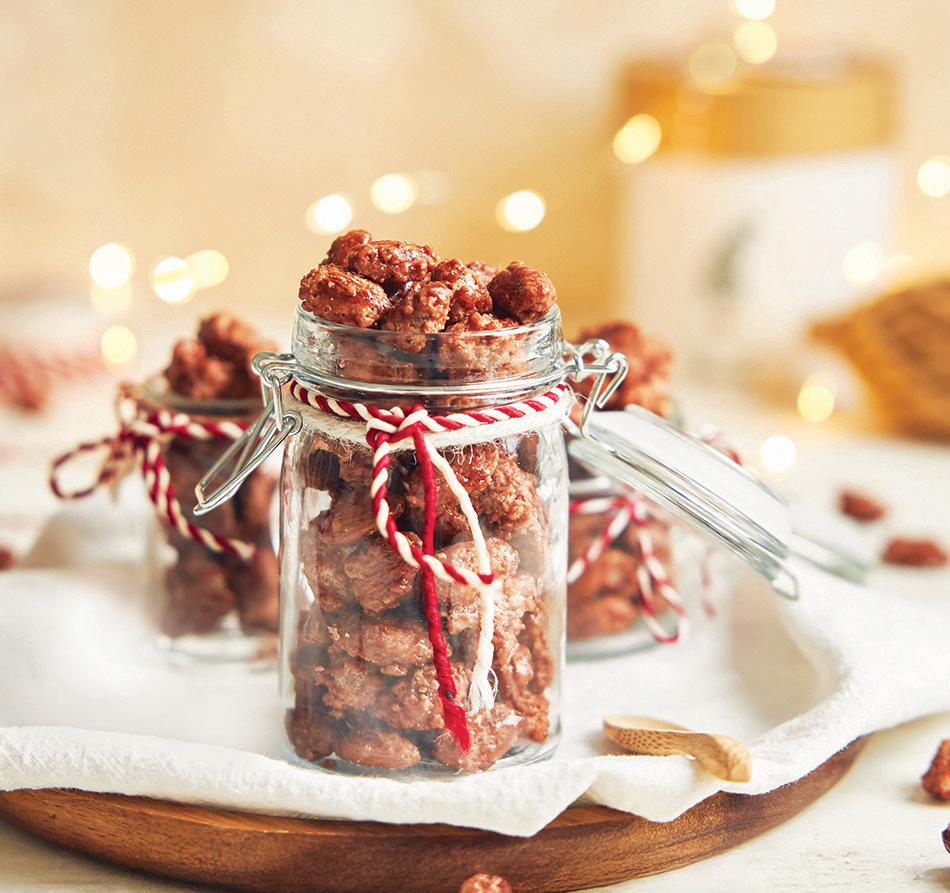






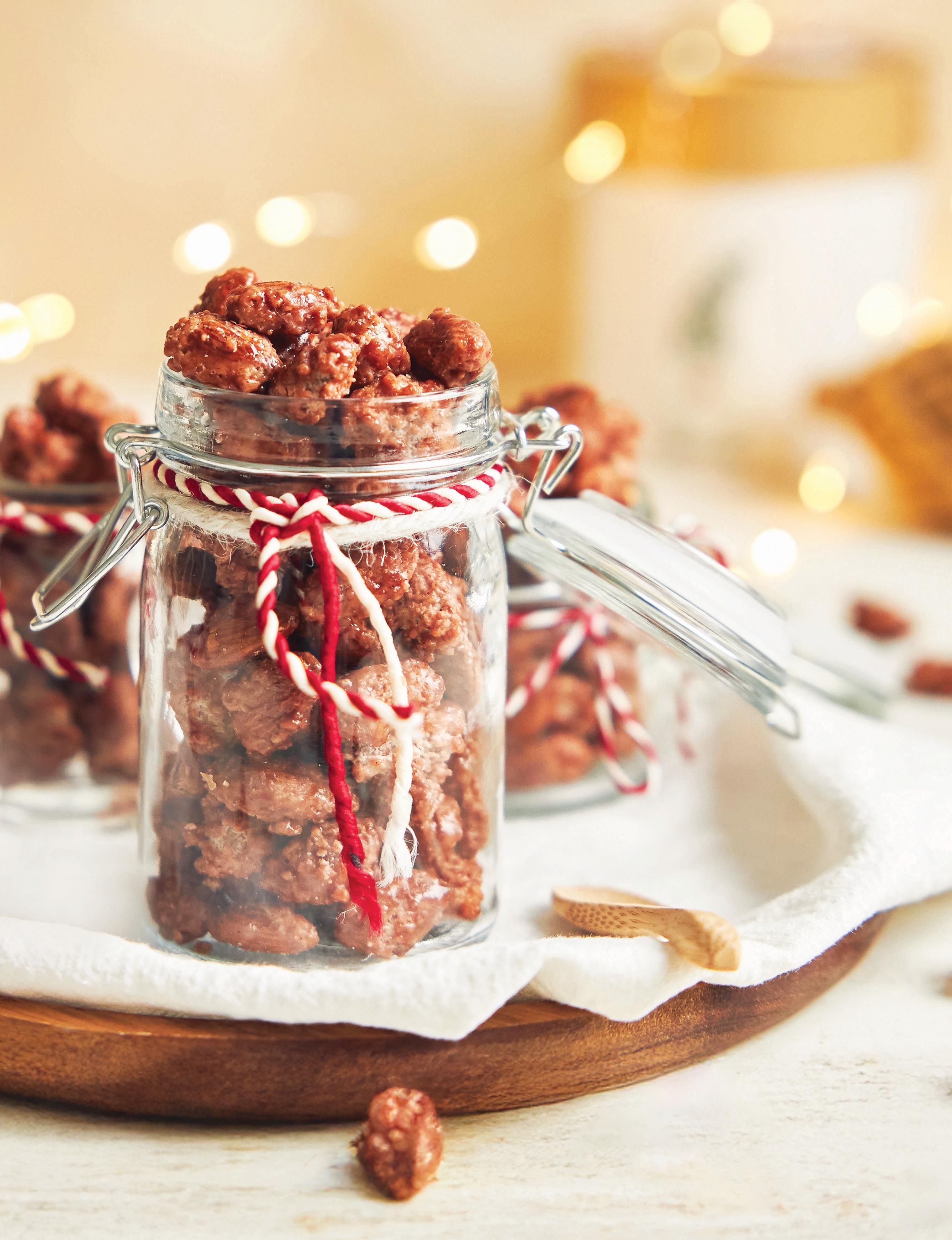
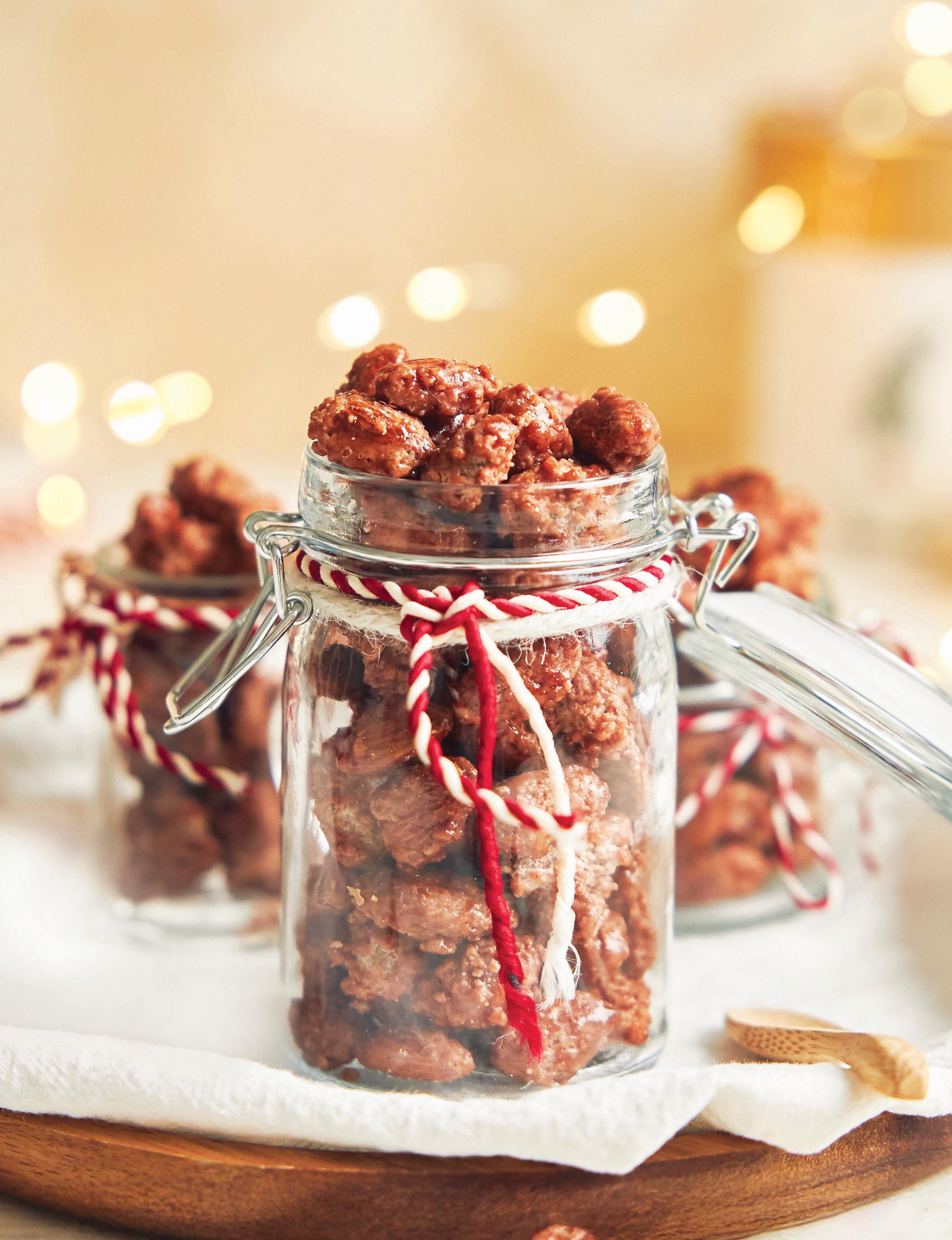
60 min prep time makes 3 cups
From Big Bites: Time To Eat! By Kat Ashmore ($35, Rodale Books, available 1/27/26)
Nonstick cooking spray
1 large egg white
3 Tbsp everything bagel seasoning*
¼ tsp kosher salt
3 c raw unsalted almonds
1. Preheat oven to 300˚. Coat a baking sheet with nonstick spray.
2. In a medium bowl, combine egg white, seasoning, and salt. Whisk to combine until egg white is light and frothy. Add almonds and fold gently to coat well.
3. Spread almonds evenly on prepared baking sheet. Bake, stirring every 15 minutes, for about 45 minutes, or until almonds are dry and lightly toasted. Allow to cool completely before storing.
4. These almonds will keep in an airtight container at room temperature for up to 2 weeks, or in the refrigerator for up to 1 month.
*Most grocery stores sell everything bagel seasoning, but you’re welcome to DIY it. Just mix 1 tablespoon each of sesame seeds, poppy seeds, dried minced garlic, dried minced onion, and salt.
Kitchen Note: Coating the almonds with egg white before adding the seasoning makes them extra crunchy without any extra oil.
Per serving (1/4 cup): 212 Calories, 8 g Protein, 0 mg Cholesterol, 9 g Carbohydrates, 2 g Total sugars (0 g Added sugars), 5 g Fiber, 18 g Total fat (1 g sat), 44 mg Sodium, ★★★★★ Vitamin E, ★★★ Vitamin B2 (riboflavin), ★★ Phosphorus, ★ Calcium, Iron, Zinc
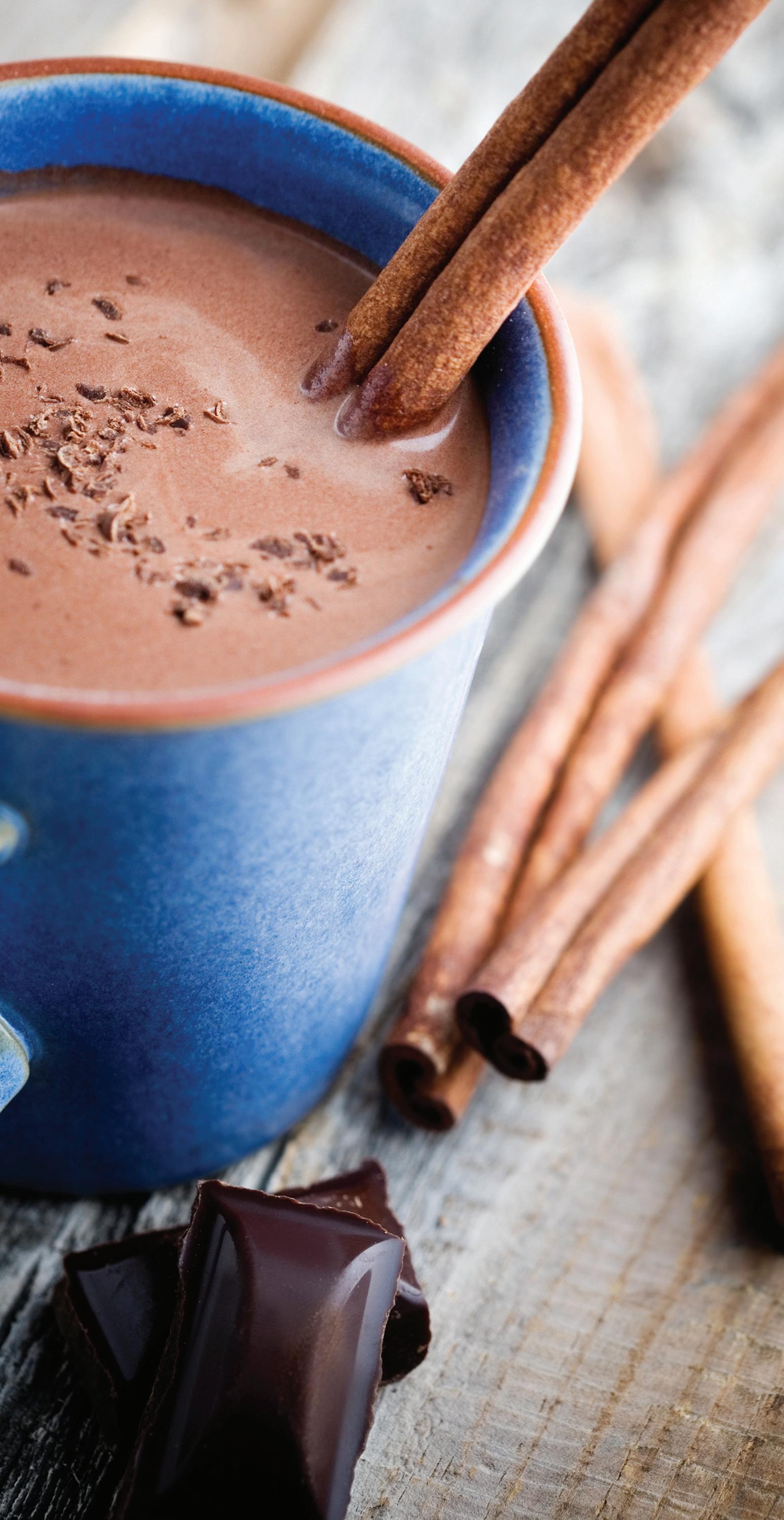
A tasty beverage might help overcome some of the effects of stress.
Recent research has shown that cocoa and tea, which are rich in compounds called flavanols, can protect vascular function (circulation) during periods of stress. And a new study found that drinking cocoa along with a high-fat meal can counteract some stress-inducing effects of the foods.
Researchers fed healthy young adults two butter croissants with 10 grams of salted butter, a slice and a half of cheddar cheese, and about eight ounces of whole milk, along with a high-flavanol cocoa drink or a low-flavanol one. They then administered increasingly stressful math tests while checking blood pressure, cardiovascular activity, and other factors. Participants who drank the high-flavanol cocoa showed better measures of vascular function.
“This research shows that drinking or eating a food high in flavanols can be used as a strategy to mitigate some of the impact of poorer food choices on the vascular system,” said researcher Catarina Rendeiro, PhD. “This can help us make more informed decisions about what we eat and drink during stressful periods.”
The authors recommended buying minimally processed cocoa powder, or rich flavanol sources such as a green tea, black tea, or berries.
SELECTED SOURCES “Cocoa or green tea could protect you from the negative effects of fatty foods during mental stress—study,” University of Birmingham, 11/18/24 • “Cocoa flavanols rescue stress-induced declines in endothelial function after a high-fat meal, but do not affect cerebral oxygenation during stress in young, healthy adults” by R. Baynham et al., Food & Function, 11/18/24
“Refrigerating chocolate causes it to ‘bloom,’ or display a whitish coating from sugar rising to the surface,” according to nutritionists at Tufts University. But while it may look less appealing, the chocolate is still safe to eat.
SOURCE Tufts University Health & Nutrition Letter, 2/24
Contrary to the idea that exercising increases hunger, a new study found that moderate physical activity actually reduced appetite-related hormones in a group of overweight men.
“People understand that exercise helps ‘burn energy,’” said study author Timothy Fairchild, PhD. “A lot of people assume that exercise also increases hunger and energy intake afterwards.” But the research showed that moderate-intensity exercise can have “immediate and beneficial effects” on appetite control.
“Despite a strong focus on weight loss drugs in society at present, this study shows that lifestyle factors still have a strong and relevant role in helping people to live their healthiest life,” Dr. Fairchild said.
SELECTED SOURCES “Acute effect of exercise on appetite-related factors in males with obesity: A pilot study” by S. Asri et al., Physiological Reports, 12/25/24 • “Moderate exercise keeps appetite at bay,” Murdoch University, 1/28/25

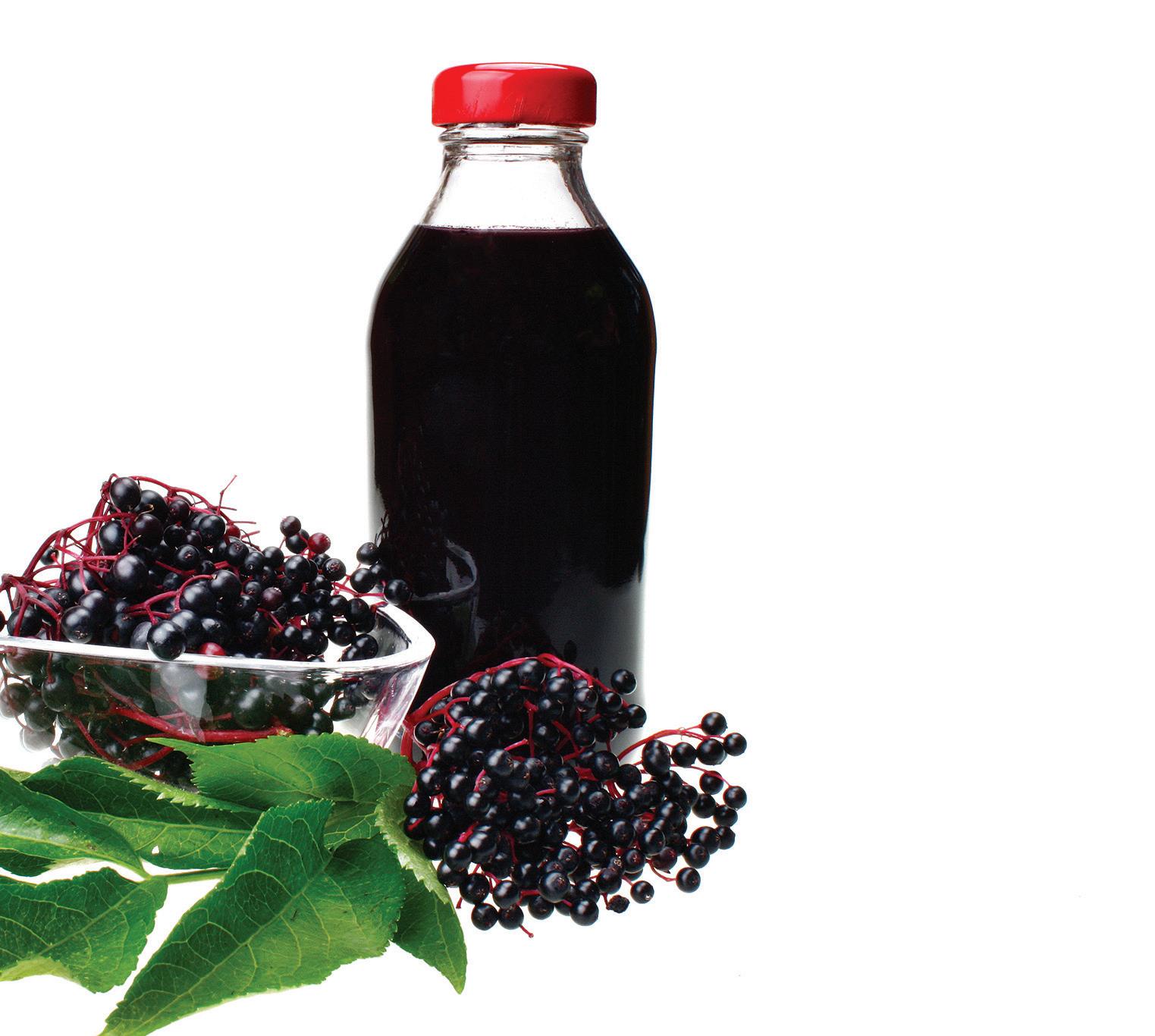
A daily dose of elderberry juice may have considerable health benefits. Researchers determined that drinking 12 ounces per day for a week helped with weight management and glucose tolerance while improving the microbiome in the gut.
“This study contributes to a growing body of evidence that elderberry, which has been used as a folk remedy for centuries, has numerous benefits for metabolic as well as prebiotic health,” said researcher Patrick Solverson, PhD.
Participants saw their blood glucose levels drop by an average of 24 percent, indicating an enhanced ability to process sugars. The juice also seemed to improve the body’s fat-burning ability.
SELECTED SOURCES “Elderberry juice shows benefits for weight management, metabolic health,” Washington State University, 1/8/25 • “A one-week elderberry juice intervention augments the fecal microbiota and suggests improvement in glucose tolerance and fat oxidation in a randomized controlled trial” by C. Teets et al., Nutrients, 10/20/24

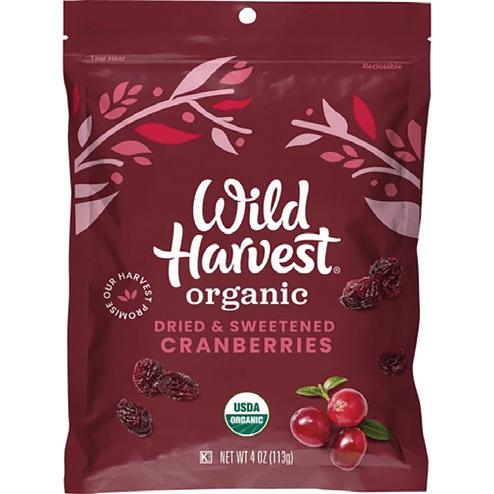
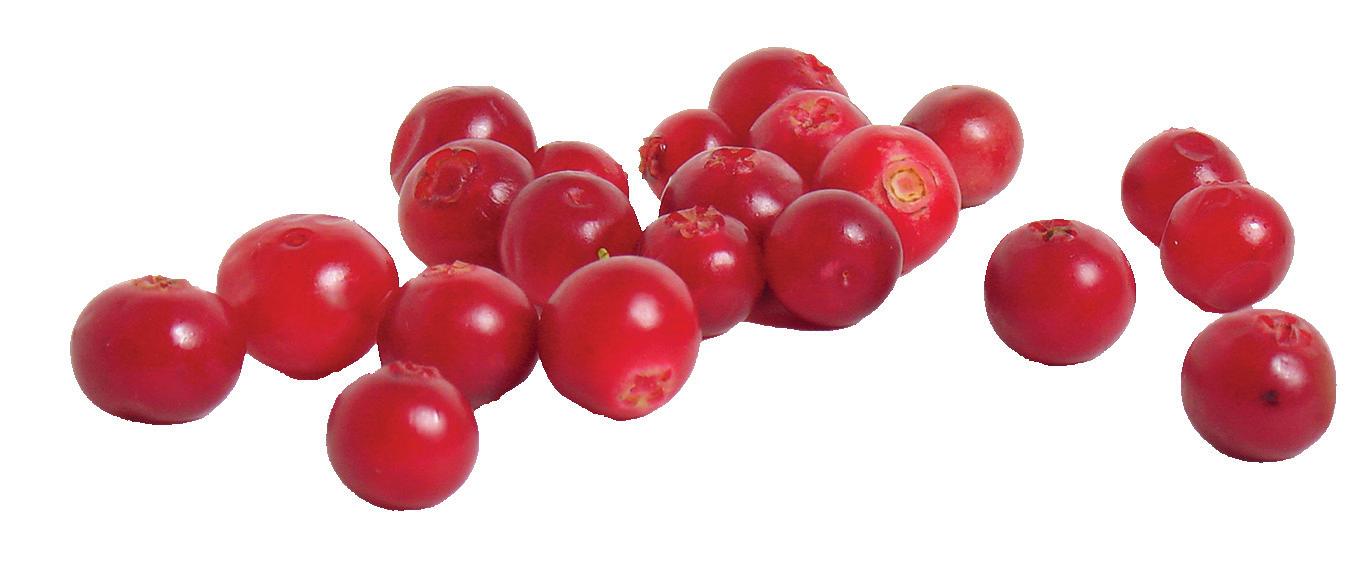
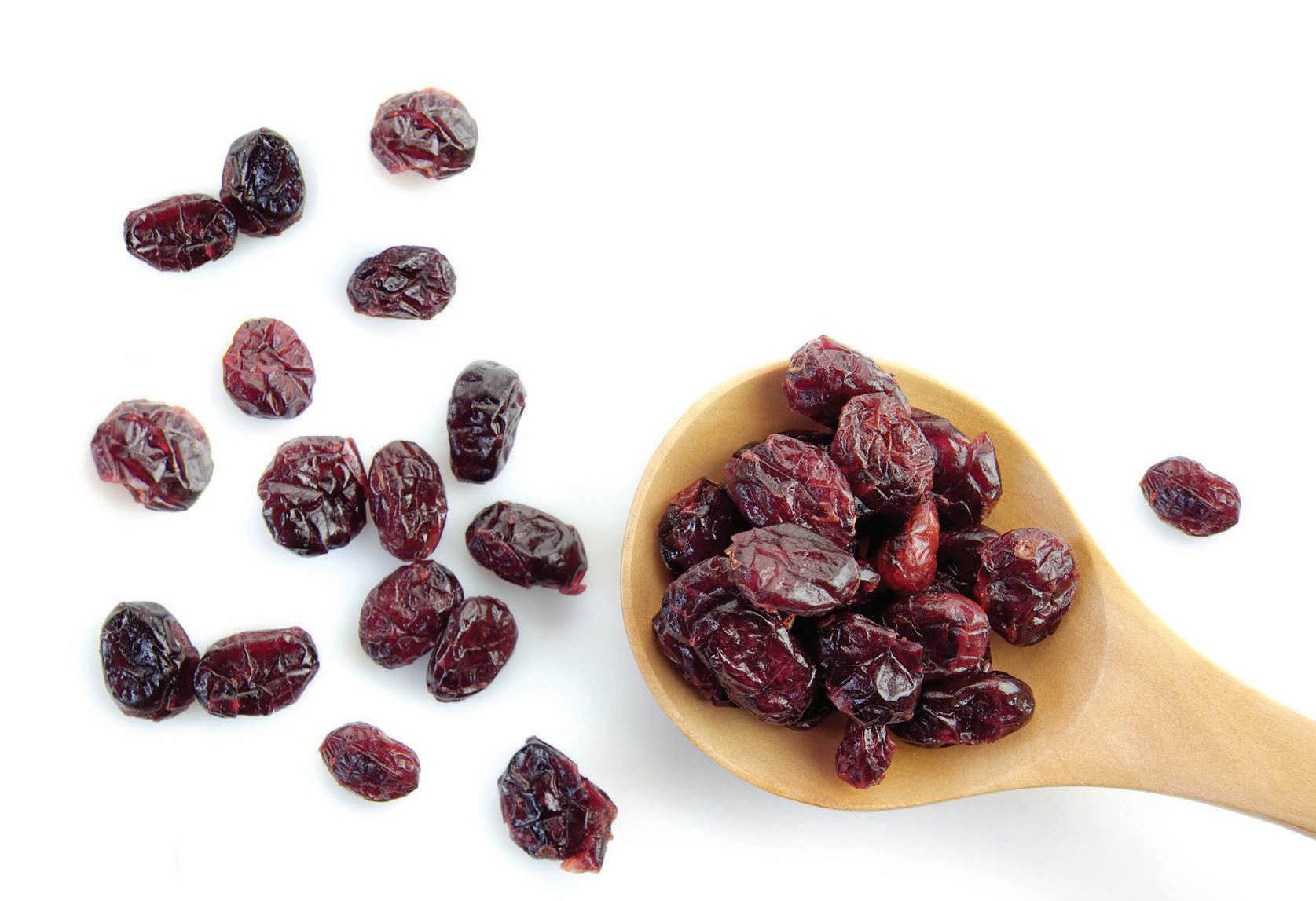
Cranberries are tart, nutrient-rich fruits high in vitamin C, fiber, and phytochemicals. They may help protect against infections, cancer, and heart disease. Fresh, dried, or frozen, cranberries are a versatile ingredient in both savory and sweet dishes. Here are two cranberry recipes to try during the holiday season. ●
SELECTED SOURCES “Are cranberries healthy? 6 surprising benefits,” Cleveland Clinic Health Essentials, https://health.ClevelandClinic.org, 1/26/22 • “Cranberry: Chemical composition, antioxidant activity and impact on human health: Overview” by B.V. Nemzer et al., Molecules, 2/23/22 • Super Foods
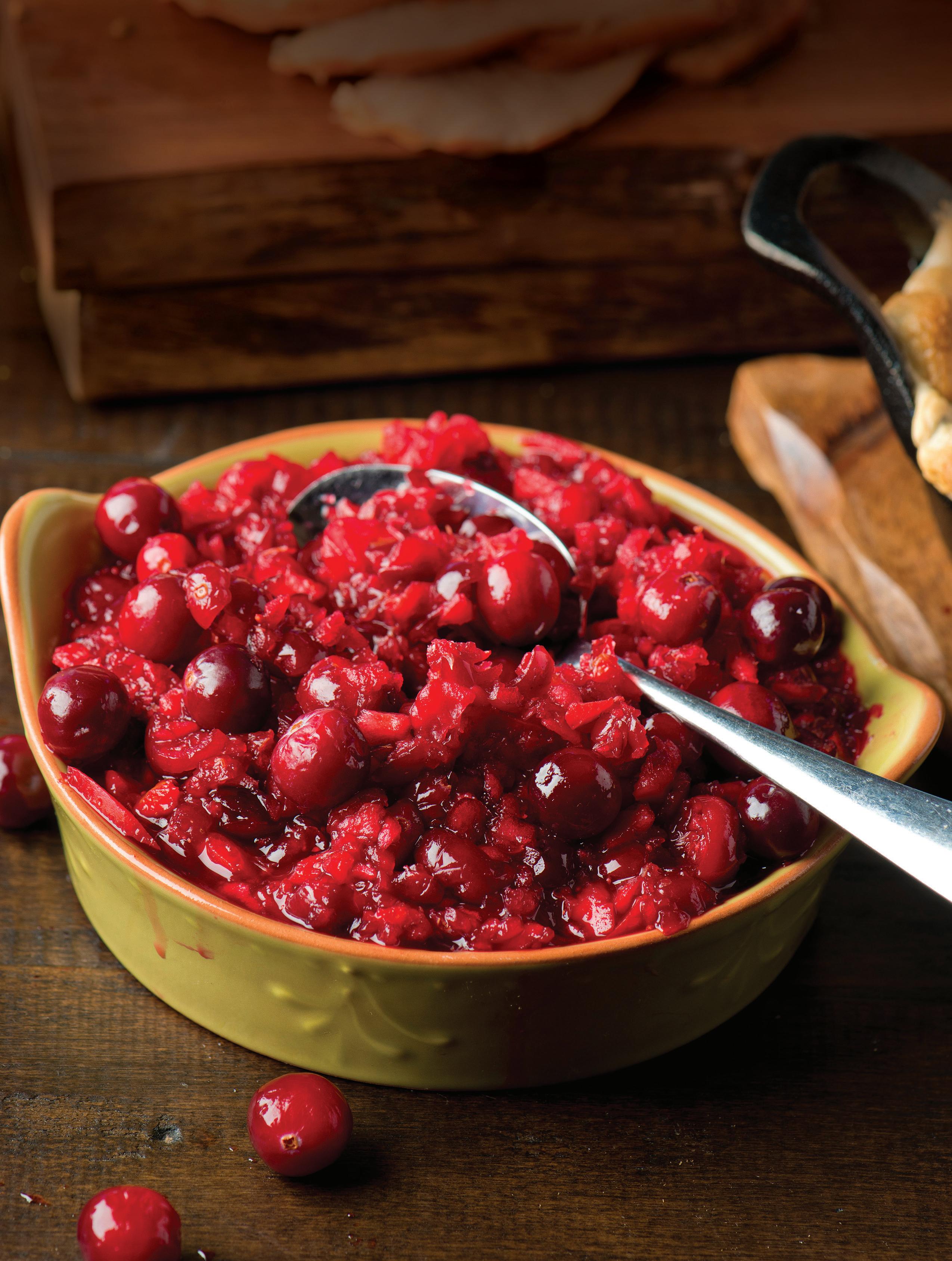
From the Taste for Life test kitchen
10 min prep time serves 8
¹⁄³ c coarsely chopped dried apricots
½ c light brown sugar
¼ c dried cranberries
3 c fresh cranberries
2 tsp grated orange zest
¼ c orange juice
½ tsp ground ginger
1. In a medium saucepan, bring to a boil apricots, sugar, and dried cranberries, along with 1 cup of water.
2. Reduce heat to a simmer. Let mixture simmer for 10 minutes, stirring occasionally.
3. Add remaining ingredients and cook over medium heat until fresh cranberries have popped and mixture has thickened, approximately 8 minutes. Serve chilled or at room temperature.
Per serving: 86
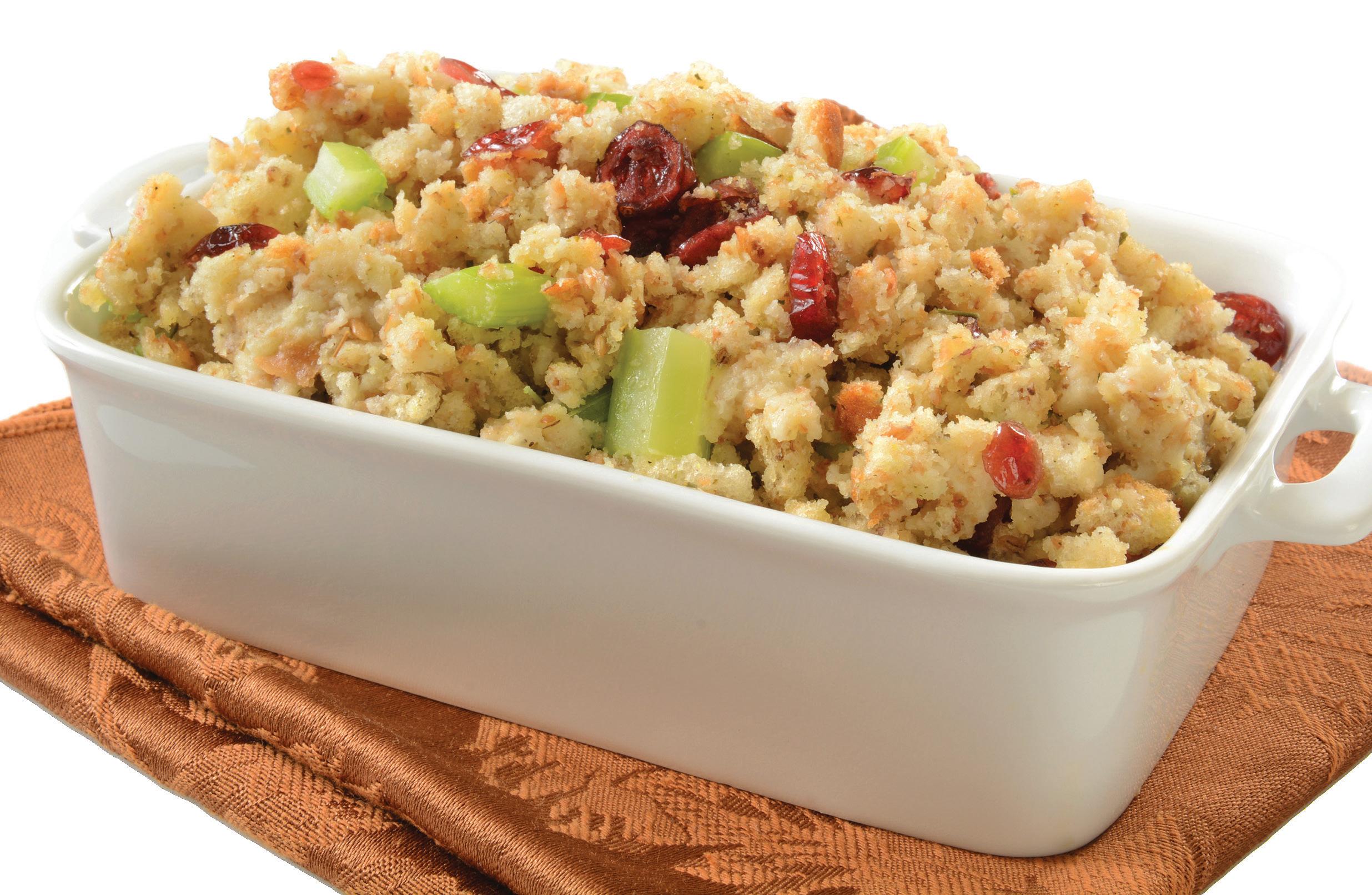
From the Taste for Life test kitchen
Vegetable oil spray
1 9-inch round loaf of whole-grain bread
3 Tbsp olive oil
4 stalks of celery, diced
1 medium yellow onion, diced
1 Tbsp chopped sage Salt and freshly ground black pepper
1 c dried cranberries
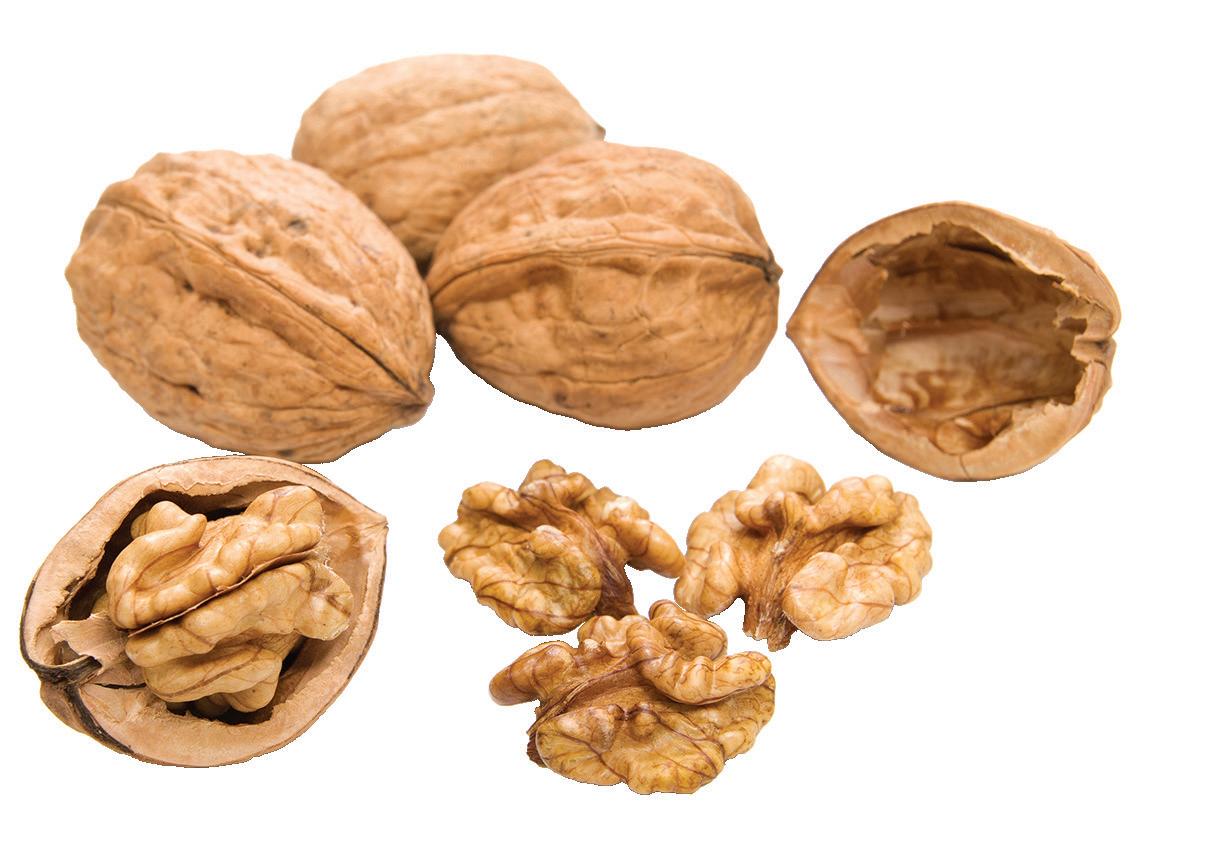
1 c walnuts, chopped
2½ c low-sodium vegetable broth
1 egg, beaten
1. Preheat oven to 350°. Spray a 9x13-inch baking dish with cooking spray. Set aside.
2. Tear or cut bread into approximately 1-inch chunks. Place bread on a large cookie sheet or baking pan. Bake in oven for approximately 15 minutes, or until bread is lightly toasted.
3. In a large pan, heat oil. Add celery and onion and cook over medium heat until tender, approximately 8 minutes. Add sage and salt and pepper to taste. Cook over medium heat for about 1 minute. Transfer
25 min prep time serves 8
mixture to a large bowl. Mix in bread, cranberries, and walnuts.
4. In a medium bowl, whisk together broth and egg. Pour over bread mixture and stir to combine. Transfer stuffing to prepared baking dish. Cover with foil.
5. Bake for 30 minutes. Remove foil and bake an additional 15 minutes, until top is golden brown. Serve warm.
Cream Cheese and Cranberry
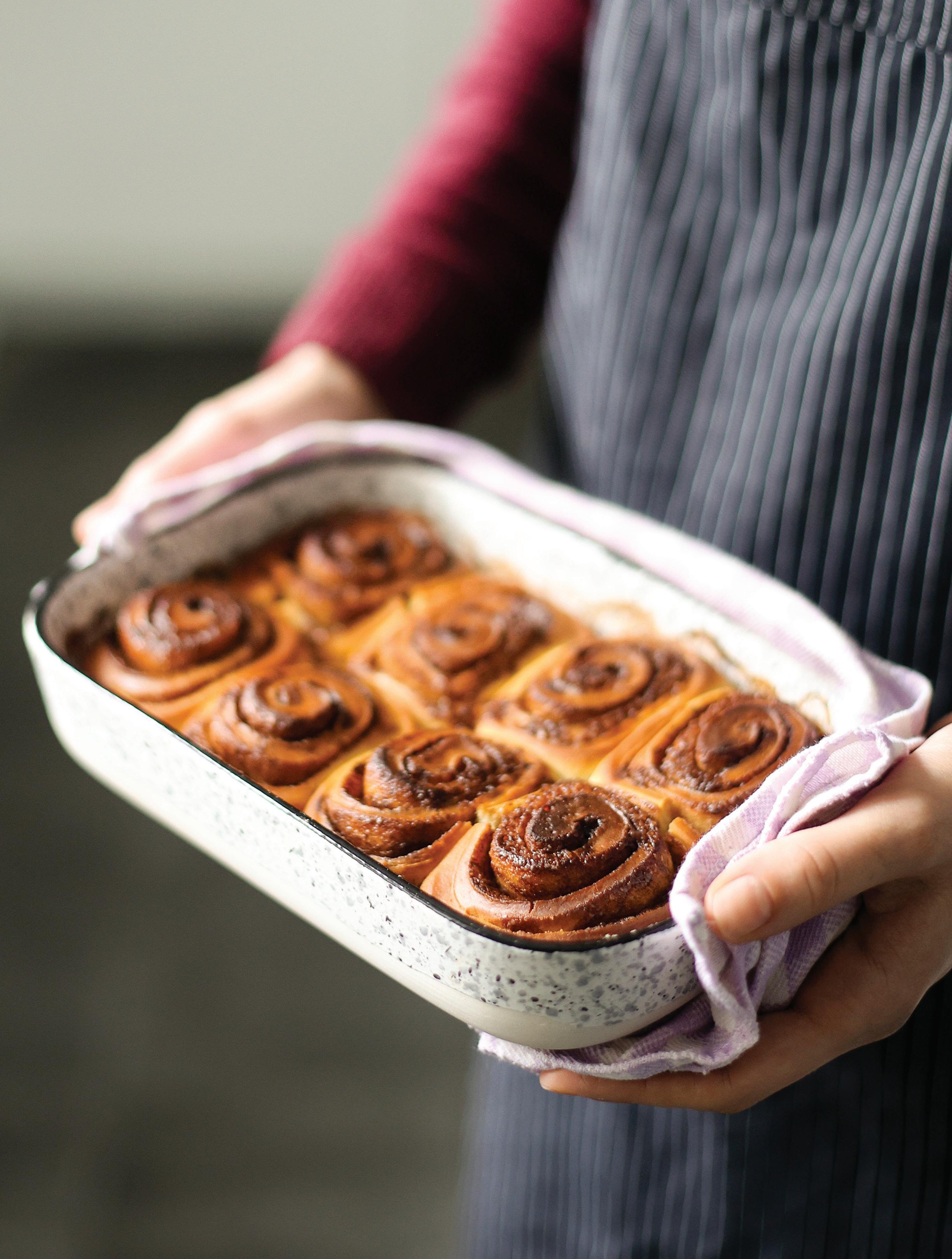
Chocolate Chip Pillows
Recipe page 14
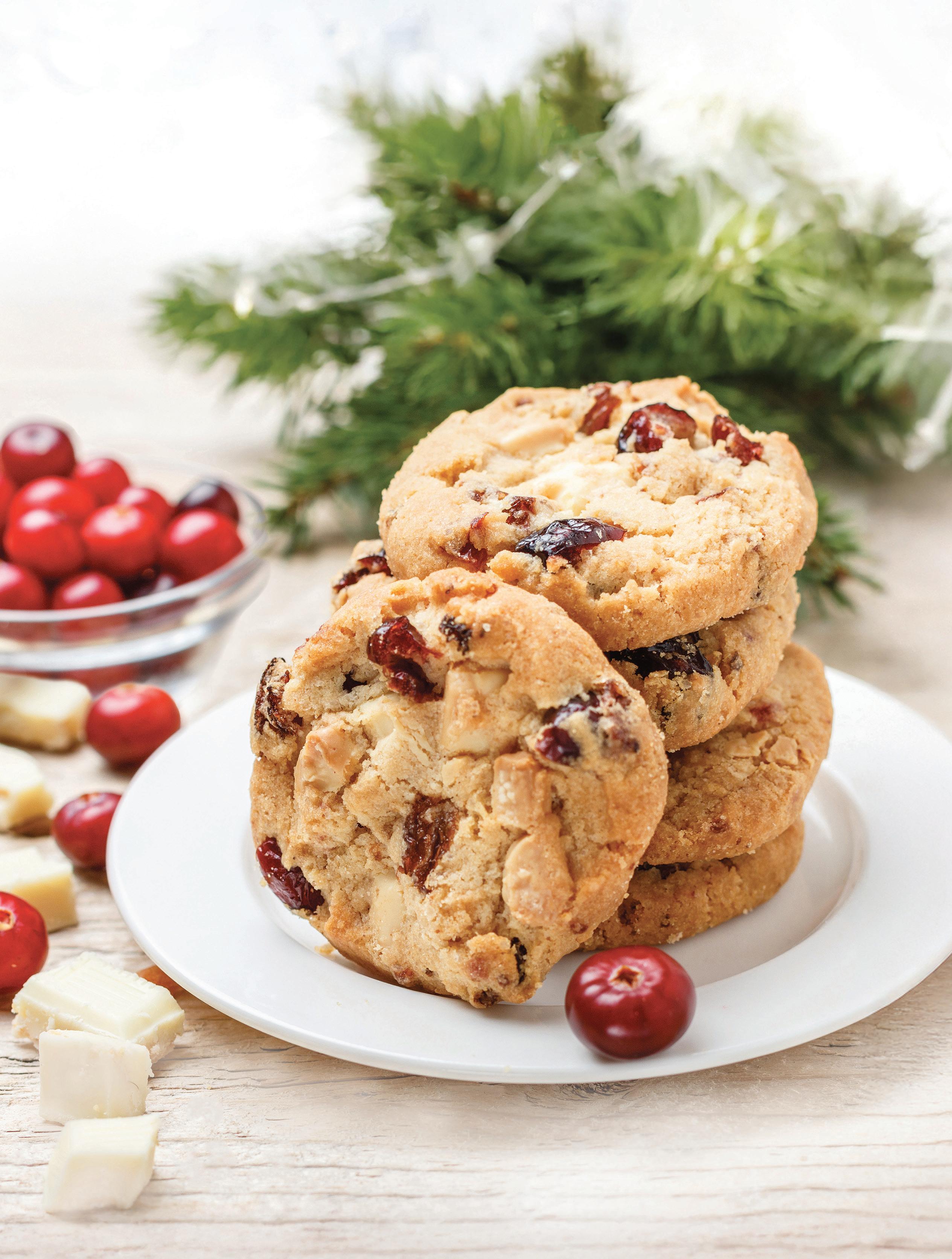
EMBRACE SEASONAL FLAVORS LIKE CRANBERRIES, POMEGRANATE, AND CINNAMON WITH THESE DECADENT, CROWD-PLEASING RECIPES. THEY COME TOGETHER QUICKLY, LEAVING YOU WITH A LITTLE MORE TIME DURING THE BUSY HOLIDAY SEASON.
From The Secret Life of Chocolate Chip Cookies by Marissa Rothkopf Bates ($25.99, Page Street Publishing Co., 2025)
1¼ c all-purpose flour
1 c almond flour
½ tsp baking powder
½ tsp kosher salt
1 stick (8 Tbsp) unsalted butter, room temperature, cut into 8 pieces
20 min prep time makes 3 dozen cookies
4 oz cream cheese, room temperature, cut into 4 pieces
1 c granulated white sugar
1 medium or large orange, washed and dried
1 large egg
1 egg yolk
2 tsp vanilla extract
²⁄³ c dried cranberries
¾ c semisweet chocolate chips
1. Preheat oven to 350°. Line two baking sheets with parchment paper.
2. In a medium bowl, whisk together allpurpose flour, almond flour, baking powder, and salt.
3. In bowl of a stand mixer with paddle attachment (or in a large bowl, using a hand mixer), cream butter and cream cheese together on medium speed until you cannot tell one from the other. Scrape down sides of bowl. Add sugar to mixture, and then grate orange skin over bowl to ensure none of zest or oil from skin is lost. Cream mixture together on medium speed until it’s light and fluffy, about 2 minutes. It should look like fluffy frosting. In fact, if you swapped out confectioners’ sugar for the granulated white sugar, that’s what you’d have!
4. Beat in egg, egg yolk, and vanilla extract on medium speed until fully incorporated. Add flour mixture and mix until just absorbed. Fold in dried cranberries and chocolate chips by hand.
5. Drop batter by tablespoonfuls onto baking sheets. With the back of a just-damp spoon, gently flatten top of cookies to ensure they bake through before bottoms burn. Bake them for 10 to 13 minutes, until light golden brown, rotating the pans top to bottom and front to back once. Let cookies rest for 2 minutes on baking sheets, and then transfer them to a wire rack to cool.
Kitchen Note: These are very elegant chocolate chip cookies. The cream cheese and almond flour ensure the cookies stay ohso-soft and tender. With their tart cranberry and zesty orange flavor, these cookies make a great addition to any holiday cookie platter.
Per serving (2 cookies): 238 Calories, 4 g Protein, 37 mg Cholesterol, 29 g Carbohydrates, 20 g Total sugars (15 g Added sugars), 2 g Fiber, 13 g Total fat (6 g sat), 101 mg Sodium, ★ Phosphorus
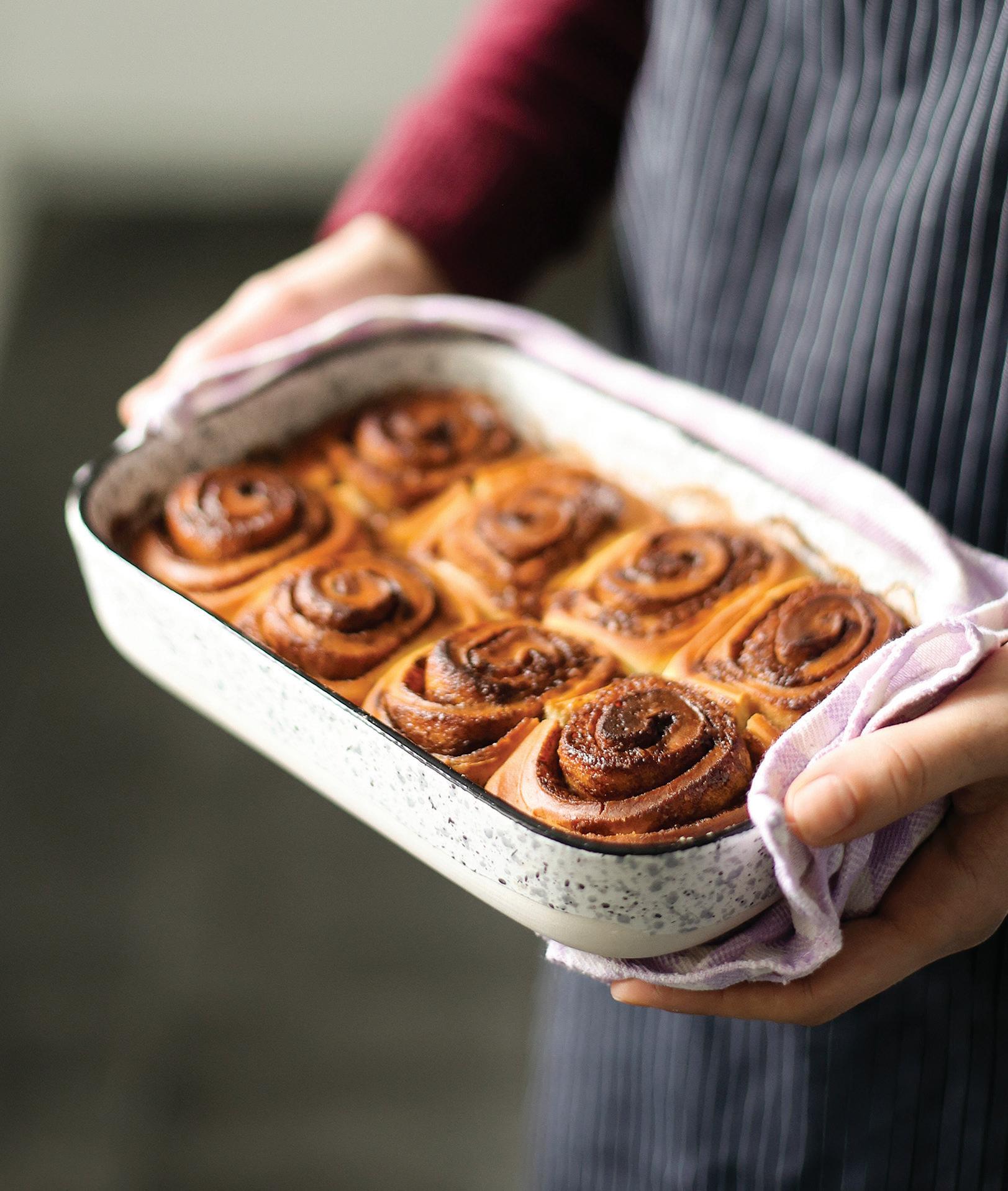
From The Cinnamon Bun Cookbook by Eloise Goode ($12.99, Hamlyn, 2025)
4 Tbsp softened butter, plus extra for greasing
1 (8 oz) can croissant dough
6 Tbsp soft brown sugar
3 tsp ground cinnamon
30 min prep time makes 4 buns
3 oz pecan nuts, roughly chopped (optional)
2 Tbsp confectioners’ sugar, for dusting
1. Lightly grease 2 baking sheets.
2. Unroll dough on a chopping board. Place the 4 tablespoons softened butter, the sugar, and cinnamon in a bowl. Beat well with a wooden spoon until soft and well blended. Spread cinnamon butter blend evenly over dough, right to edges. Sprinkle over pecans, if using, and then tightly roll up dough.
3. Cut log into 4 thick pinwheels and place them well apart on prepared baking sheets.
4. Bake in a preheated oven, 400°, for 15–20 minutes until well risen and golden. Serve warm, dusted with confectioners’ sugar.
Per serving (1 cinnamon bun): 435 Calories, 5 g Protein, 49 mg Cholesterol, 35 g Carbohydrates, 21 g Total sugars (17 g Added sugars), 4 g Fiber, 33 g Total fat (12 g sat), 113 mg Sodium, ★★ Vitamin B1 (thiamine), ★ Vitamin A, Folate, Phosphorus, Zinc
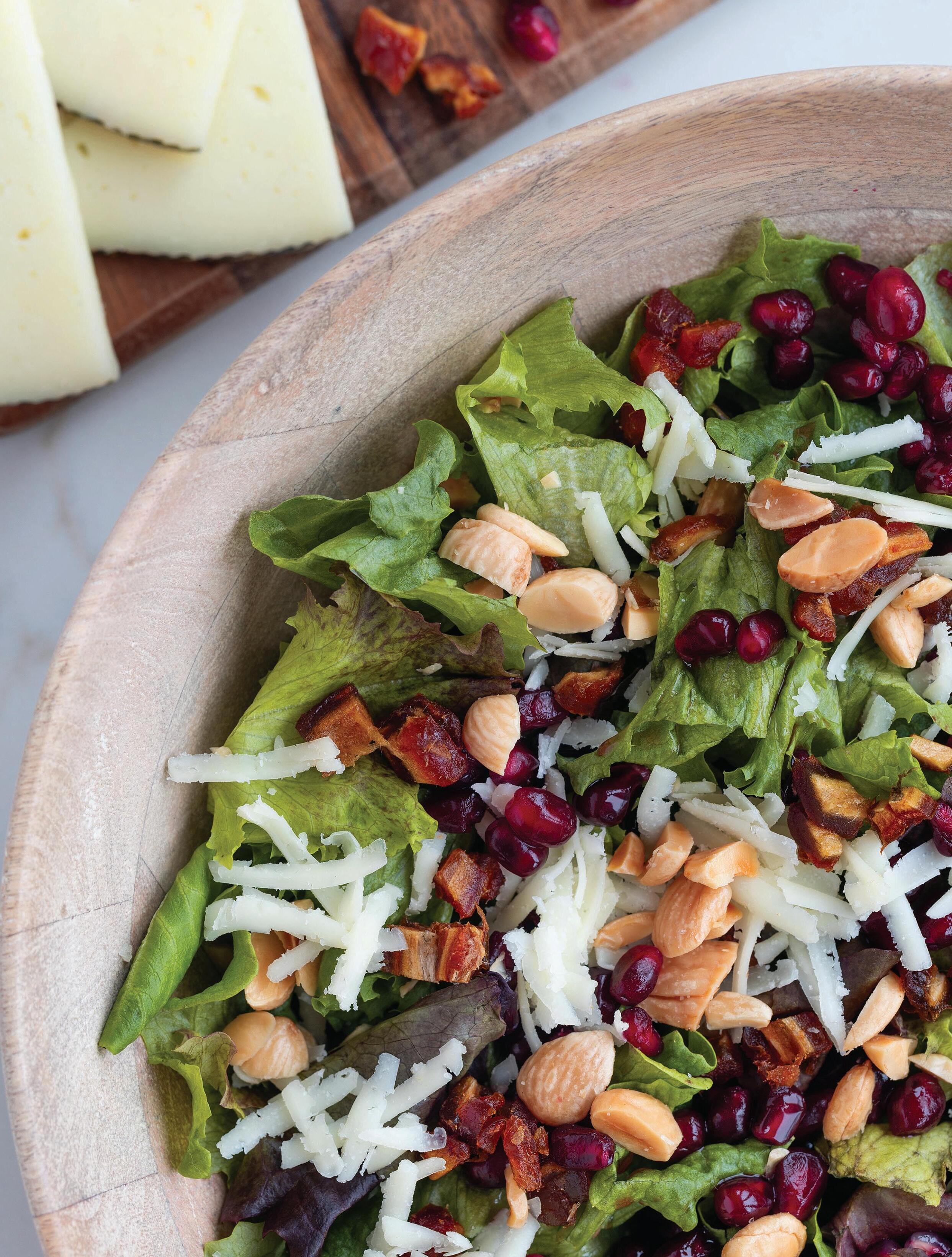
From Real Food. Every Day by Emily Maxson ($38, Family Foundry Publishing, 2025)
6 c spring greens
1 c pomegranate seeds
4 Medjool dates
½ c Marcona almonds
10 min prep time serves 6
½ c shredded Manchego cheese Champagne Vinaigrette (recipe follows)
1. Place greens in a large salad bowl. Place pomegranate seeds on top of greens.
2. Pit and chop dates. Add to salad.
3. Roughly chop almonds and add to salad. Add shredded cheese.
4. Add dressing to taste and toss well.
Kitchen Note: To adapt for dairy-free, paleo, and vegan diets, substitute some diced avocado for the Manchego cheese.
Per serving: 393 Calories, 9 g Protein, 17 mg Cholesterol, 23 g Carbohydrates, 17 g Total sugars (2 g Added sugars), 4 g Fiber, 31 g Total fat (8 g sat), 245 mg Sodium, ★★★★★ Vitamin K, ★★★ Vitamin E, ★★ Calcium, ★ Vitamin A, B2 (riboflavin), Magnesium, Phosphorus
From Real Food. Every Day by Emily Maxson ($38, Family Foundry Publishing, 2025)
½ c olive oil
¼ c Champagne vinegar
1 Tbsp Dijon mustard
2 tsp honey
¼ tsp salt
5 min prep time makes about ¾ cup
1. Add all ingredients to a small jar and seal.
2. Shake dressing until well combined.
3. Store in an airtight container in the refrigerator for up to 1 week.
4. Shake well to re-emulsify before serving.
Kitchen Note: This tangy vinaigrette is easy to make and so versatile. It is wonderful on salads, vegetables, and grain bowls. To adapt for vegan, use agave instead of honey.
Christmas Salad & Champagne Vinaigrette
Recipes page 14

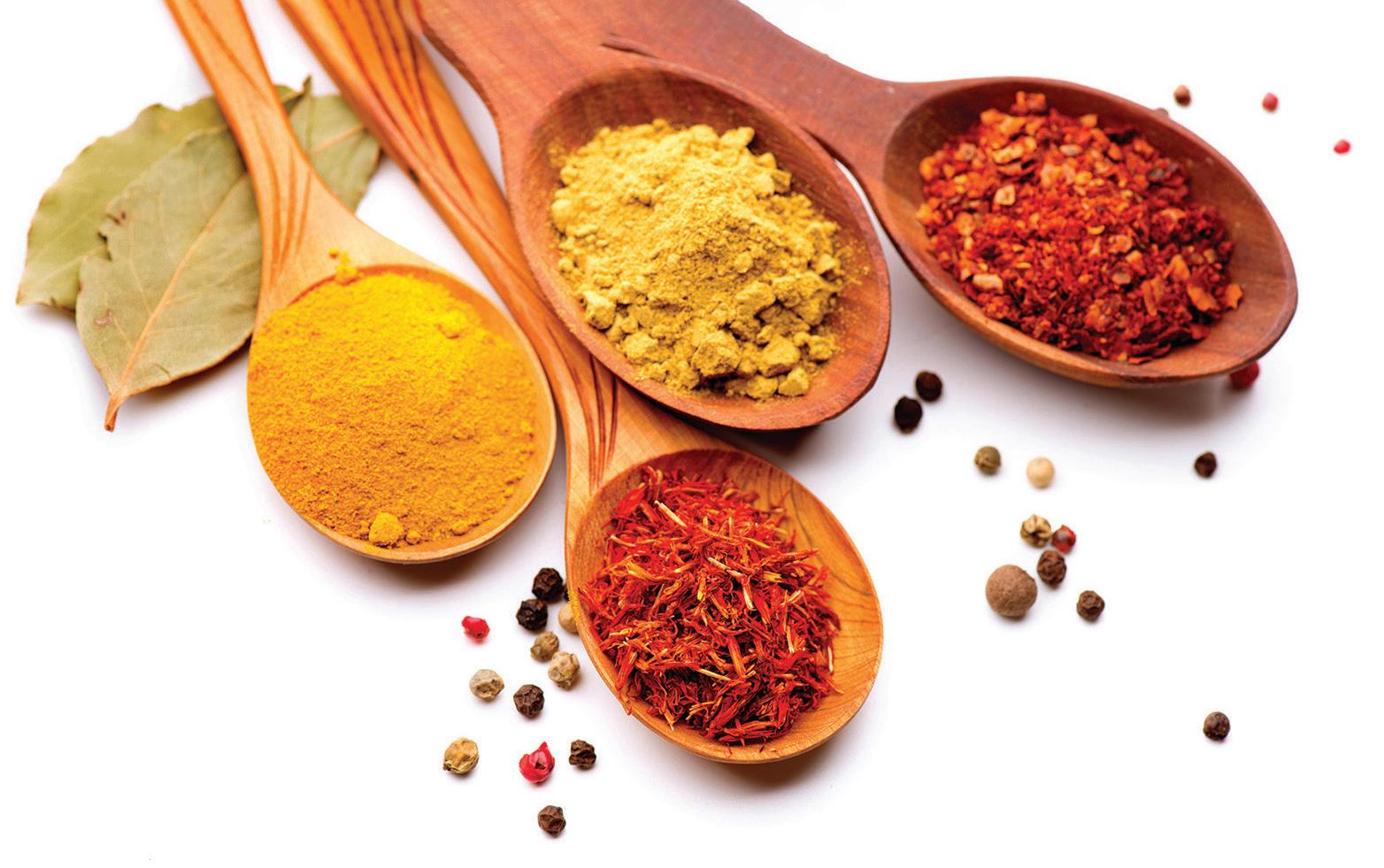
Spices take center stage in cuisines from around the world. They can transform even the simplest ingredients into unforgettable meals. Crafting your own spice blends at home is economical and fun. Here are some classic blends that take home cooking to the next level.
A zesty, aromatic blend perfect for seasoning meat, beans, vegetables, and Mexican-inspired dishes.
1 Tbsp chili powder
1 tsp ground cumin
½ tsp garlic powder
½ tsp smoked paprika
½ tsp oregano
½ tsp sea salt
Pinch black pepper
Pinch ground cayenne pepper or red pepper flakes
1 Tbsp corn starch
A fragrant French blend perfect for chicken, fish, vegetables, and marinades.
2 Tbsp dried thyme
2 Tbsp dried savory (or marjoram)
2 Tbsp dried rosemary
2 Tbsp dried oregano
1 Tbsp dried basil
1 Tbsp dried tarragon
1 Tbsp dried lavender buds (optional but traditional)
A rich blend from India that is best added near the end of cooking time.
1 Tbsp ground cumin
1 Tbsp ground coriander
1½ tsp ground cardamom
1½ tsp ground black pepper
1 tsp ground cinnamon
½ tsp ground cloves
½ tsp ground nutmeg
With deep roots in Eastern Europe, this spice blend can be used for brines, corned beef, and preserving vegetables.
1 Tbsp mustard seeds
1 Tbsp coriander seeds
1 Tbsp dill seeds
1 Tbsp allspice berries
1 tsp black peppercorns
4 bay leaves, crumbled
2–3 whole cloves
1 small cinnamon stick, broken into small pieces
• Whisk and stir all spices together in a small bowl until well mixed.
• Be sure to read recipes carefully. Some spice blends feature whole spices, while others work best with ground spices.
• Store your spice blends in airtight jars, away from heat and light, to preserve flavor.
• Label and date your spice blends to make sure you are enjoying them at peak freshness. Most blends stay potent for 3–6 months.
SELECTED SOURCES “Get to know your spice rack,” Academy of Nutrition and Dietetics, www.EatRight.org, 12/11/23 • “Our guide to storing and organizing spices” by C. Grillo, America’s Test Kitchen, 11/13/20
An aromatic blend that balances sweet, sour, bitter, salty, and umami.
1 Tbsp ground cinnamon
1 Tbsp ground star anise
1 Tbsp ground fennel seed
1 Tbsp ground black peppercorns
1 Tbsp ground cloves
A sweet American classic perfect for adding to baked goods or blending into lattes or oatmeal.
3 Tbsp ground cinnamon
2 tsp ground ginger
2 tsp ground nutmeg
1½ tsp ground allspice
1½ tsp ground cloves
A Middle Eastern favorite for breads, dips, and roasted vegetables.
2 Tbsp dried thyme
2 Tbsp ground sumac
2 Tbsp sesame seeds, lightly toasted
1 Tbsp dried oregano
1 Tbsp dried marjoram

½ tsp salt (optional)

For thousands of years, people have turned to tea for its ability to calm and heal, and tea is particularly suited to the colder months. Here is a selection of herbal teas to warm you up, support your digestion, and help to ward off cold, flu, and other respiratory infections.
Chamomile tea is used to promote relaxation and ease the transition to sleep. Some research suggests that chamomile may help lower heart disease risk, support a healthy immune response, and slow agerelated bone loss. It may also help ease a host of digestive issues, including diarrhea, constipation, acid reflux, and nausea.
Cinnamon bark tea offers a sugar-free way to satisfy your sweet tooth. It also has anti-inflammatory and antimicrobial activity, and it shows promise in helping to slightly reduce post-meal blood glucose levels in adults without diabetes.
Elderberry tea has compounds that may help to block cold and flu viruses from entering cells and reduce their ability to spread. It’s best to take elderberry as soon as you start to feel sick. You can also take it regularly to keep viruses at bay.
Ginger tea has a spicy, warming effect and also works to beat back viruses. Ginger is great for reducing inflammation and pain, and may help to settle an upset stomach.
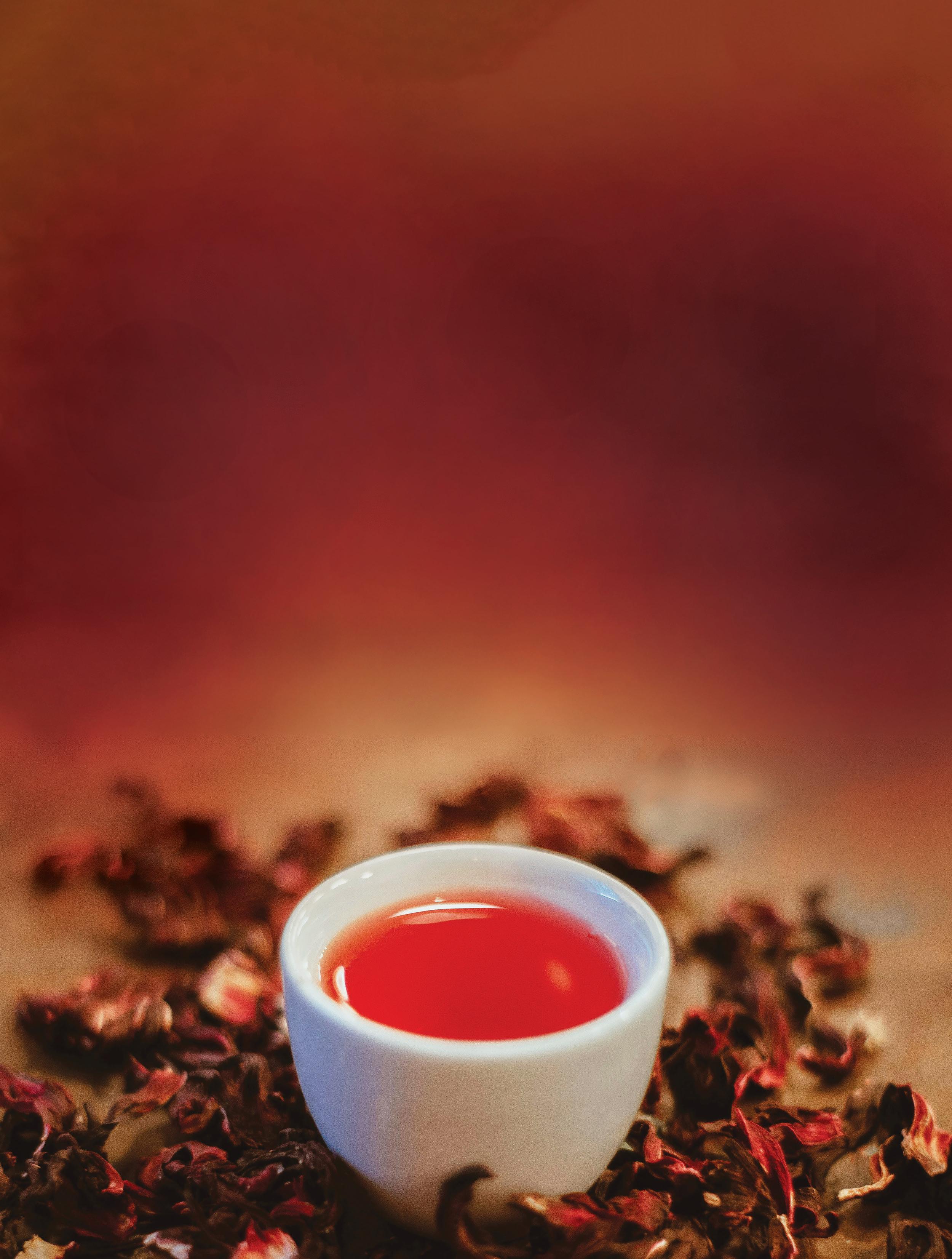
Hibiscus tea is red and fruity, and tastes similar to tart cranberry juice. It contains anthocyanin and bioflavonoid compounds similar to those found in superfood berries.
Peppermint tea is a natural decongestant that can slow the production of histamines and the symptoms that go with them. It also helps heal the entire digestive system, offering relief from diarrhea, bloating, gas, indigestion, and nausea. ●
SELECTED SOURCES “Cinnamon,” National Center for Complementary and Integrative Health, https://www.nccih.nih.gov, 11/24 • “The health benefits of 3 herbals teas,” Harvard Health Publishing, https://health.Harvard.edu • “The best teas to drink for your health,” 8/13/21; “What elderberries can (and can’t) do for your health,” 6/13/25, Cleveland Clinic Health Essentials, https://health.ClevelandClinic.org
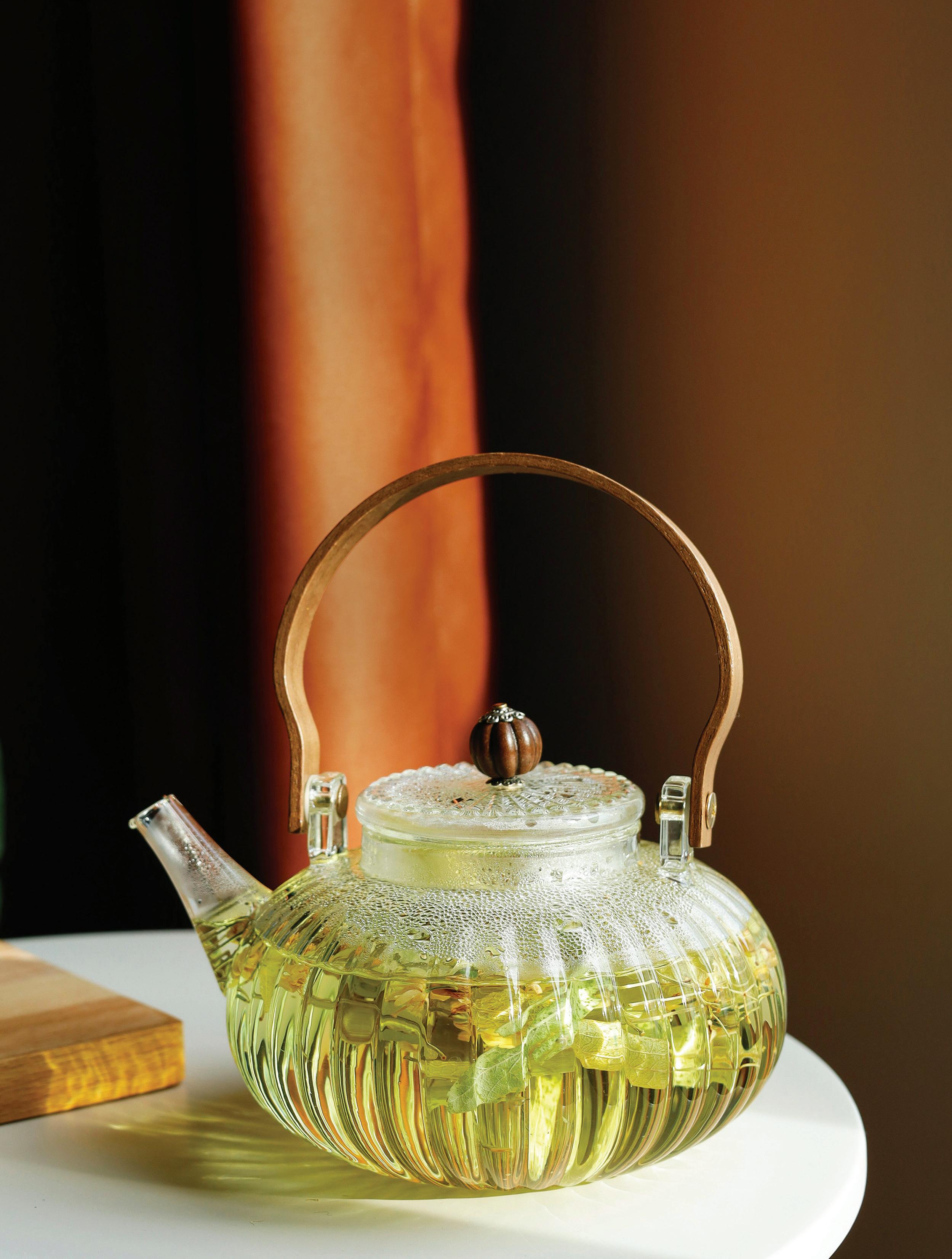
Green tea, brewed from the unfermented dried leaves and buds of the Camellia sinensis plant, is packed with powerful healing nutrients and antioxidants that can potentially help ward off cancer, heart disease, and Type 2 diabetes. Some studies have indicated that green tea can also help improve brain function and aid in fat loss.
The secret is in the leaves, which contain a powerful antioxidant compound called epigallocatechin gallate. EGCG minimizes free radicals, fights inflammation, lowers LDL cholesterol, and reduces your risk of a number of life-threatening diseases.
Green tea has been shown to reduce blood sugar levels and lower the risk of developing Type 2 diabetes and cardiovascular disease.
Green tea may also help when it comes to preventing
cancer. Research has found that women who regularly drank more than three cups of green tea a day had a lower risk of both developing breast cancer and experiencing a recurrence of breast cancer. And 29 different studies found that green tea drinkers were less likely to develop colorectal cancer.
SELECTED SOURCES “Effect of green tea on glucose control and insulin sensitivity: A meta-analysis of 17 randomized controlled trials” by K. Liu et al., American Journal of Clinical Nutrition • “Effects of green tea and its epigallocatechin (EGCG) content on body weight and fat mass in humans: A systematic review” by L. Vázquez Cisneros et al., Nutricion Hospitalaria, 6/5/17 • “An inverse association between tea consumption and colorectal cancer risk” by Y. Chen et al., Oncotarget, 6/6/17 • “Green tea and its relation to human gut microbiome” by S. Pérez-Burillo et al., 6/26/21; “A review on the weight-loss effects of oxidized tea polyphenols” by D. O’Neill Rothenberg et al., 5/14/18, Molecules • “Green tea promotes weight loss in women with polycystic ovary syndrome: Systematic review and meta-analysis” by L. Colonetti, Nutrition Research, 8/22 • “The relation between green tea consumption and cardiovascular disease . . .” by S. Kuriyama, Journal of Nutrition
It’s that time of year when the sniffles sneak in. Alongside a healthy diet, exercise, and supplements, yoga may provide the extra boost needed to feel better through the year’s final stretch.

Modern research affirms ancient wisdom: yoga supports immune health. Through breathwork, movement, and meditation, yoga regulates stress, reduces inflammation, and promotes lymphatic circulation—strengthening the body’s defenses. Studies increasingly link its calming effects to improvements in immune function.
If beginning a practice at your local yoga studio sounds daunting, begin slowly at home. If it seems challenging to start a consistent routine, know you are not alone. Here are some tips to begin.
Be realistic about what time you have available to commit to a yoga practice. If you start with five minutes, that’s fine. You can always increase your time later.
Try this before beginning your day.
1. Find a quiet space in your home to roll out a yoga mat and keep it there.
2. Each morning sit or stand on your mat.
3. Notice the quality of your breath. Is it smooth, shallow, or deep? Allow it to be what it is.
4. Scan your body. Begin at the top of your head and
move through each body part as you work your way down to each toe. Without judgment, notice sensations such as where your body aches or feels tight, and notice what feels open and free.
5. Bring your awareness back to your breath. Without force, regulate your breath by drawing air in through your nose for a count of four and releasing the breath through your nose for a count of four.
6. As you settle into your breathing rhythm, allow your mind to observe any thoughts that arise, letting them drift away like leaves falling from a tree.
This gentle presence prepares your body and mind for the day ahead. Even just a few minutes spent in this state of awareness can foster clarity and resilience, reinforcing your body’s natural defenses.
When ready, add simple stretches that feel nourishing. Consistency matters more than intensity. Over time, this practice can become a cherished ritual for well-being. ●

Jones holds a Master of Science in Yoga Therapy from the Maryland University of Integrative Health. She has provided yoga therapy services in collaboration with clients in Alabama, North Carolina, Maryland, and New Hampshire.
SELECTED SOURCES “The effect on the immune system in the human body due to COVID-19: An insight on traditional to modern approach as a preventive measure.” by J. Sutradhar and B.R. Sarkar, Journal of Pharmacopuncture, 12/31/21 • “The role of yoga in inflammatory markers” by C. Estevao, Brain, Behavior & Immunity Health, 2/1/22 • “Yoga and immune system functioning: A systematic review of randomized controlled trials” by R.I. Falkenberg et al., Journal of Behavioral Medicine, 8/18
Looking for more ways to build up your defenses during cold and flu season? Here are some superstar nutrients to consider adding to your daily regimen.
✔ Elderberry is an antioxidant, antiinflammatory, and antiviral powerhouse that may help reduce the length and severity of a cold or flu. Supplements are available in syrup, gummy, and capsule forms. Elderberry may affect blood sugar levels, so people with diabetes should check with their healthcare practitioner before taking it.
✔ Vitamin A helps to prevent infections by maintaining the body’s physical barriers. Vitamin A is present in many foods, including leafy green vegetables (broccoli, kale, spinach), orange and yellow vegetables (carrots, pumpkin, sweet potatoes, summer squash), beef liver, cantaloupe, eggs, fish oil, mango, milk, tomatoes, and some fortified foods.
✔ Vitamin C plays a role in the body’s immune system by jump-starting white blood cell activity. It can be found in many fruits and vegetables, including bell peppers, citrus (grapefruit, lemons, oranges), cruciferous vegetables (broccoli, Brussels sprouts, cabbage, cauliflower), strawberries, tomatoes, and white potatoes.
✔ Zinc has the potential to enhance immunity, but getting an early start with this cold-busting nutrient is the key to success. The best food sources of zinc include fish, meat, seafood, eggs, and dairy. Fortified breakfast cereals, beans, nuts, and pumpkin seeds are good plantbased sources of zinc.
SELECTED SOURCES “Vitamin A”; “Vitamin C,” Nutrition Source, Harvard T.H. Chan School of Public Health, www.hsph.harvard.edu, 2023 • “Zinc,” Office of Dietary Supplements, National Institutes of Health, http://ods.od.nih.gov • “Elderberry for prevention and treatment of viral respiratory illnesses: A systematic review” by L.S. Wieland et al., BMC Complementary Medicine and Therapies, 4/7/21

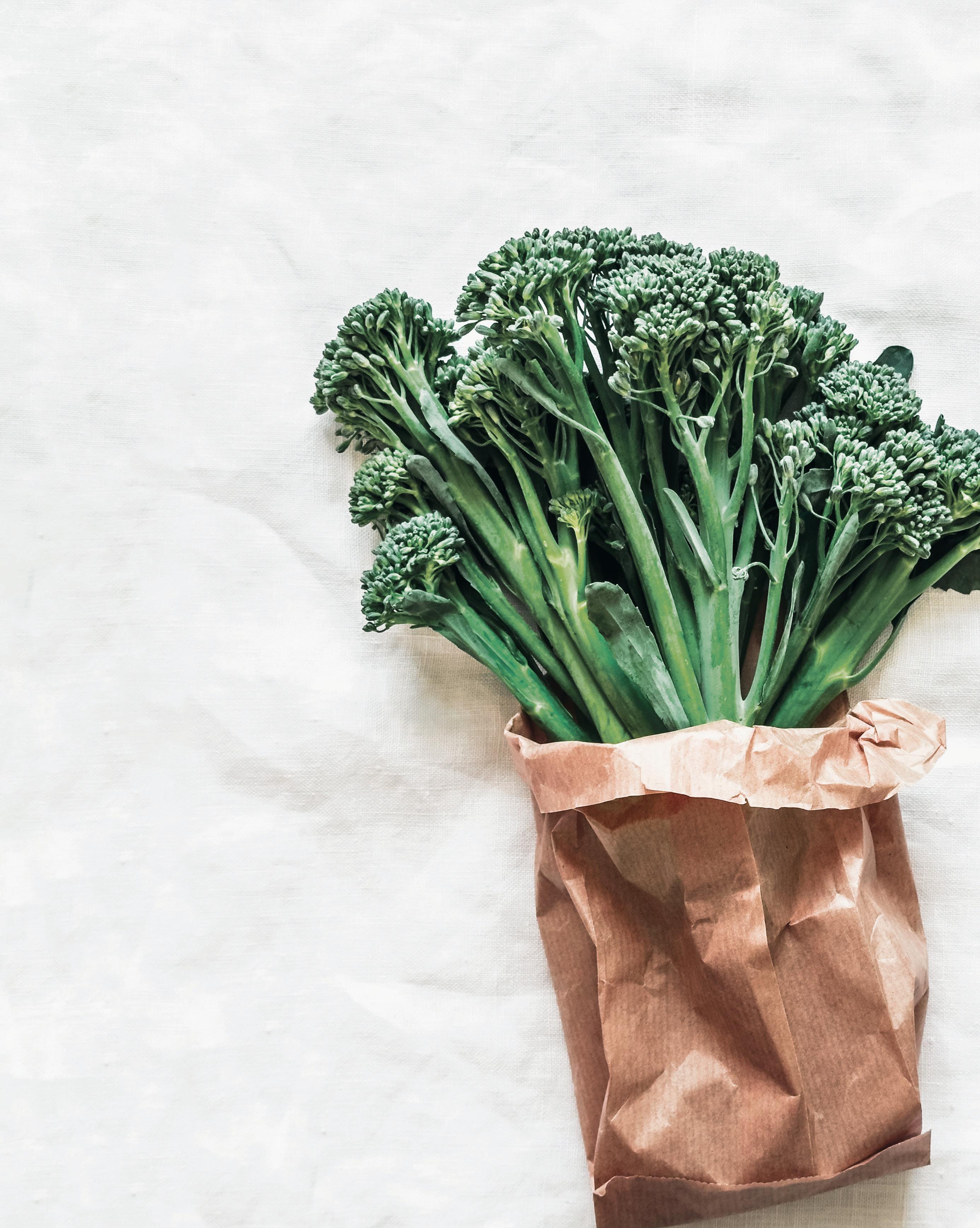
A cross between broccoli and Chinese kale, broccolini has tender stems, small florets, and a mild, slightly sweet flavor. Like other members of the cruciferous vegetable family, broccolini is loaded with health benefits.
Broccolini contains a potent antioxidant called sulforaphane, which supports heart and brain health by helping protect cells from oxidative damage and reduce inflammation. Broccolini may also help lower the risk of certain types of cancer, like breast and colon cancer.
Broccolini is a good source of vitamins A, C, and K, along with folate, calcium, and iron—all important nutrients that promote strong bones, a robust immune system, and healthy skin. Its high fiber content supports digestive health and helps balance blood sugar levels. ●
SELECTED SOURCES “The broccoli-derived antioxidant sulforaphane changes the growth of gastrointestinal microbiota, allowing for the production of antiinflammatory metabolites” by S. Marshall et al., Journal of Functional Foods, 8/23 • “Inhibitory effects of Broccolini leaf flavonoids on human cancer cells” by B. Wang and X. Zhang, Scanning¸ 2/12 • “What are cruciferous vegetables—and why are they so good for you?” Cleveland Clinic Health Essentials, https:// health.ClevelandClinic.org, 6/7/23
Japanese scientists developed broccolini in 1990s by crossing broccoli with Chinese kale (kai lan) to create a more tender, sweet-tasting hybrid. Broccolini is sometimes called “baby broccoli.”

40 min prep time serves 2
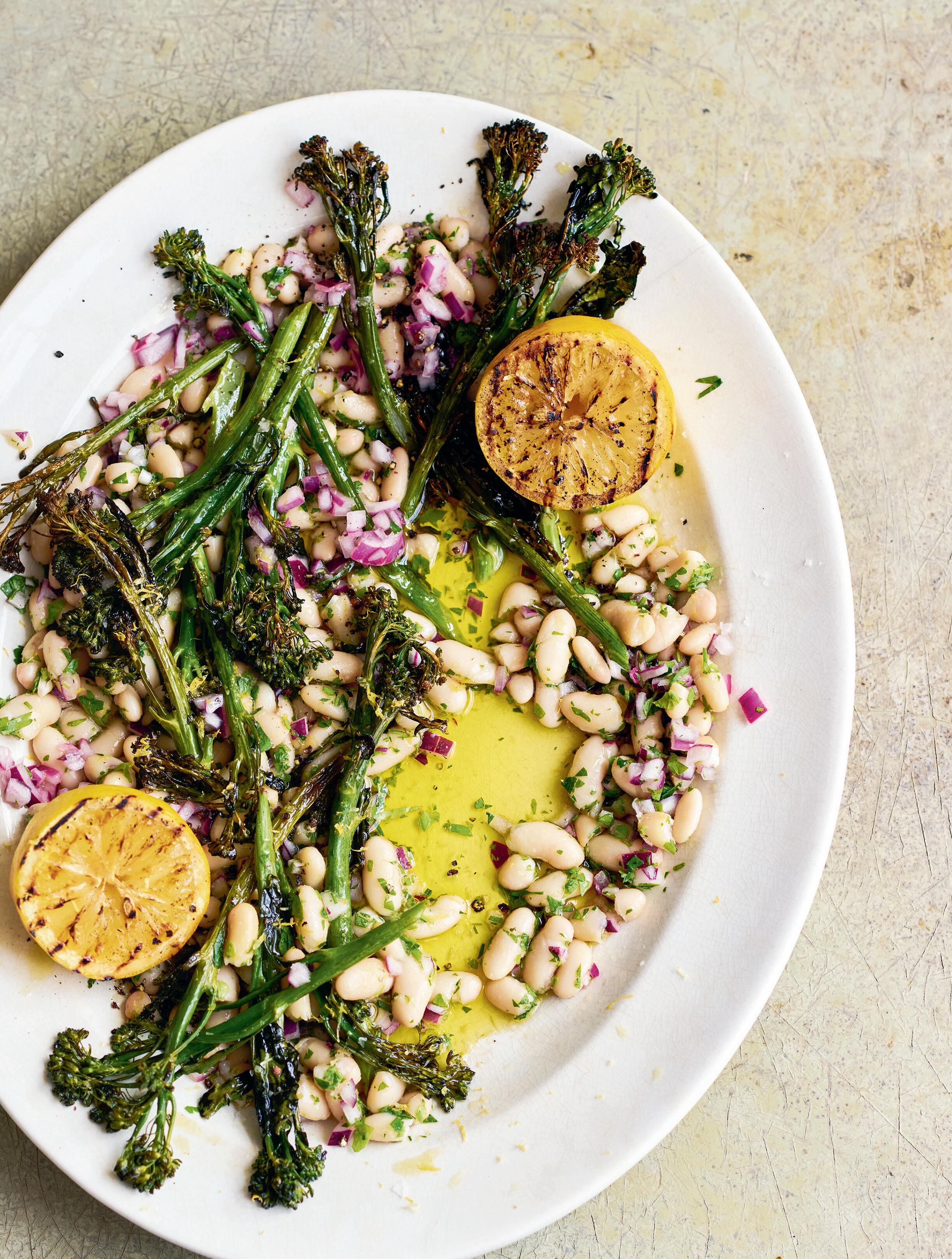
From Cooking Fast and Slow by Natalia Rudin ($30, Ten Speed Press, 2025)
9 oz broccolini, trimmed
2 Tbsp olive oil, plus extra for drizzling
Salt and black pepper
½ red onion, finely diced
1 garlic clove, finely chopped or grated
1½ lemons
2 Tbsp fresh chopped chives
2 Tbsp fresh chopped parsley
1 Tbsp fresh chopped basil
1 (15 oz) can cannellini beans, drained and rinsed
1. Preheat oven to 425°.
2. Put broccolini on a baking sheet, drizzle with some of the olive oil, season with salt and pepper, and roast for 15 to 20 minutes, until charred around edges.
3. Meanwhile, mix diced onion and garlic in a large bowl with juice of half a lemon and some salt. Add chopped herbs along with cannellini beans. Pour in the 2 tablespoons of olive oil, mix well, and season with salt and pepper.
4. Place a griddle pan over high heat. Slice remaining lemon in half and griddle, cut side down, until charred, to serve alongside dish.
5. Pour beans onto a plate and top with crisped-up broccolini and grilled lemon. Enjoy with a hunk of good crusty bread, if desired.
Kitchen Note: The combination of the fresh and zesty flavor from lemony, herby beans paired with the umami from the charred broccolini is enough to tickle anyone’s taste buds. This dish is so easy to whip up and is always a crowd-pleaser. It’s also perfect for entertaining, as you can prep the beans ahead of time and then roast the broccolini right before serving.
Per serving: 534 Calories, 26 g Protein, 0 mg Cholesterol, 72 g Carbohydrates, 6 g Total sugars (0 g Added sugars), 19 g Fiber, 20 g Total fat (3 g sat), 642 mg Sodium, ★★★★★ Vitamin C, K, Iron, Folate, Phosphorus, ★★★★ Vitamin B6, Magnesium, ★★★ Vitamin B1 (thiamine), E, Potassium, Zinc, ★★ Vitamin B2 (riboflavin), Calcium
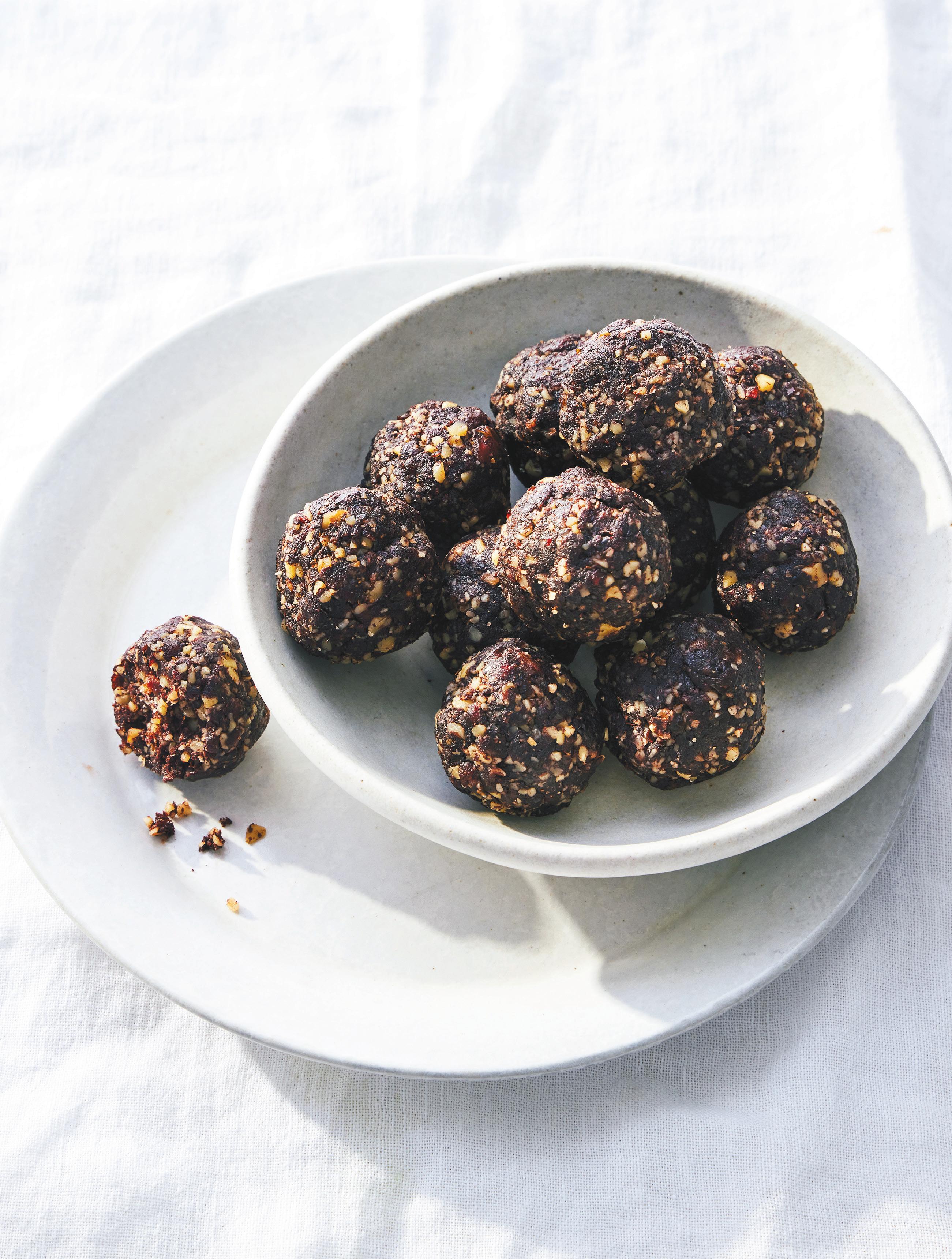
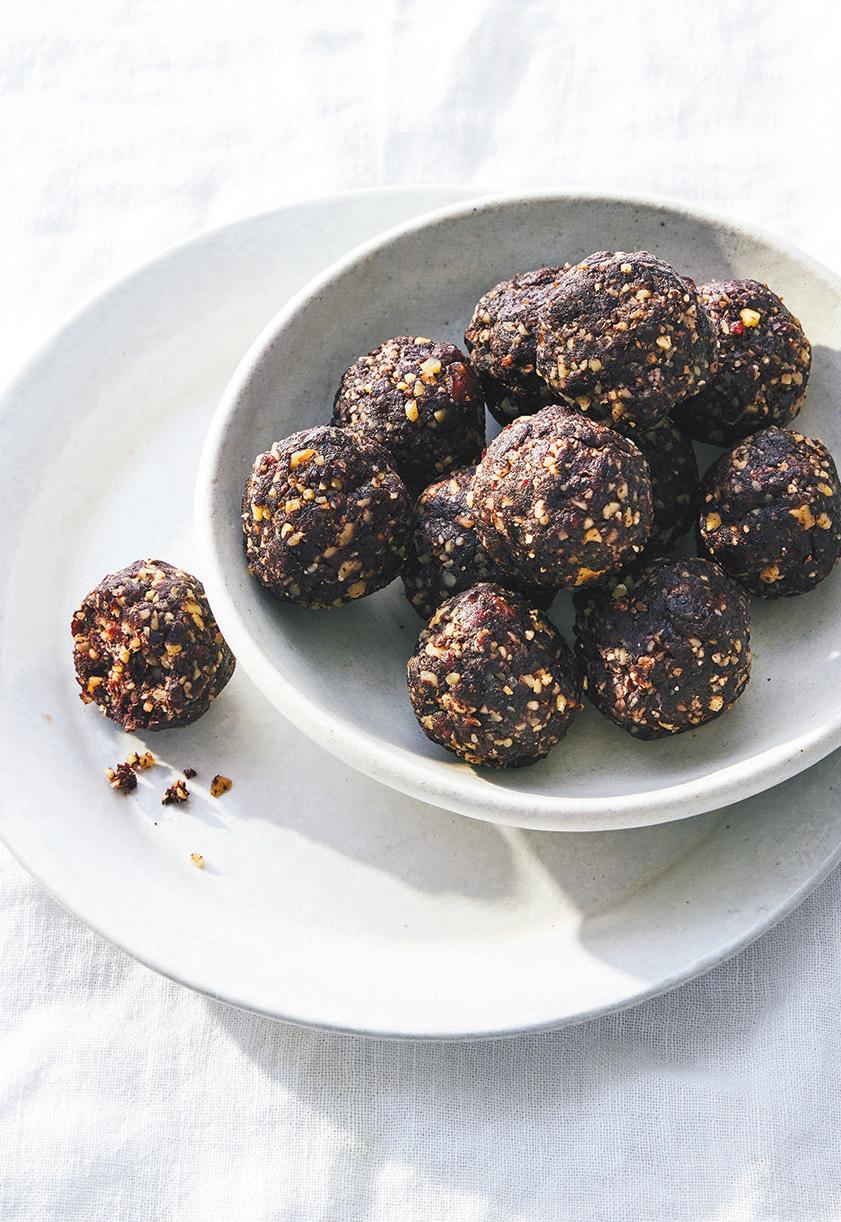
From In Good Health by Rachel Riggs ($34.95, Figure 1 Publishing, 2025)
1½ c toasted walnuts
10 plump Medjool dates, pitted
¼ c cocoa powder
2 Tbsp pure maple syrup
1 Tbsp coconut flour (use a knife to level) Scant 1 tsp salt
1 tsp vanilla extract
1. Combine all ingredients in a food processor and pulse until combined with visible walnut
Are you craving a bite that’s sweet? Or maybe savory’s more your style? When it comes to a midafternoon nosh, these two easy-to-make recipes satisfy just about anyone’s snack preference.
bits. Be careful not to over process mixture, or oils will separate and make balls greasy.
2. Using a medium-size cookie scoop, scoop dough and roll into balls. Place them on a small baking sheet lined with parchment paper, keep uncovered, and freeze them for 1 hour to hold their shape. Transfer to a glass jar and store in fridge for up to 2 weeks or in the freezer for up to a month. (They hold up best when frozen.)
20 min prep time + 1 hr freeze time makes about 13 balls
Kitchen Note: Reach for one of these rich, chocolatey walnut bites when less-thanhealthy treats are beckoning. These energypacked snacks last for a couple of weeks when refrigerated and even longer when frozen.
Per serving (1 ball): 157 Calories, 3 g Protein, 0 mg Cholesterol, 19 g Carbohydrates, 15 g Total sugars (2 g Added sugars), 3 g Fiber, 9 g Total fat (1 g sat), 88 mg Sodium, ★ Magnesium, Phosphorus
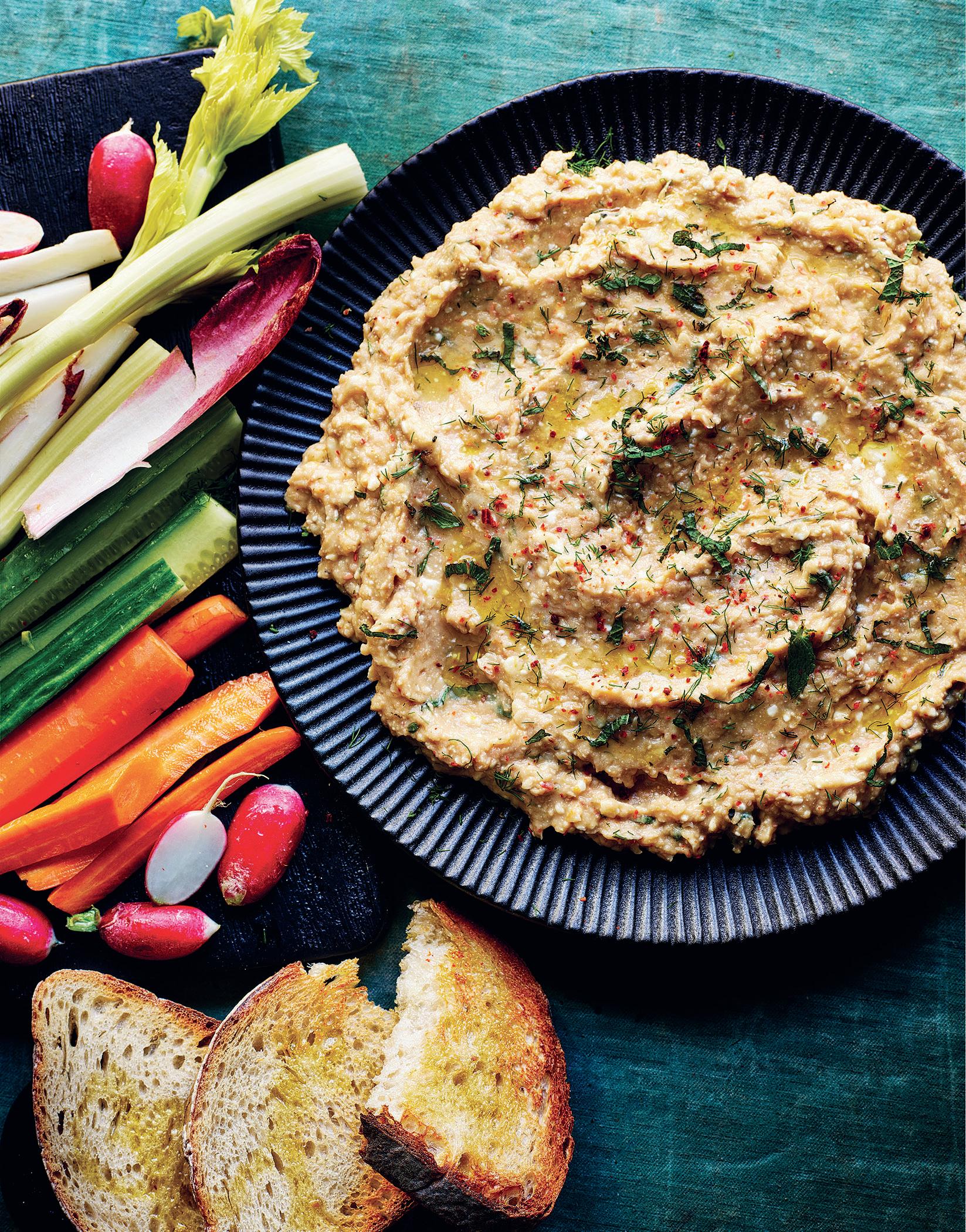
1 tsp cumin seeds
2 (14 oz) cans cannellini beans, drained
2 garlic cloves, crushed
Finely grated zest of 1 small unwaxed orange and juice of ½ of the orange
3½ oz feta cheese, finely crumbled
Olive oil, plus extra for serving
Sea salt flakes and freshly ground black pepper
10 mint leaves (about), rolled up tightly and thinly sliced into ribbons, some reserved for garnish
¼ oz dill, finely chopped, some reserved for garnish
1 tsp chili flakes, plus extra to serve
Toasted bread and/or crudités to serve
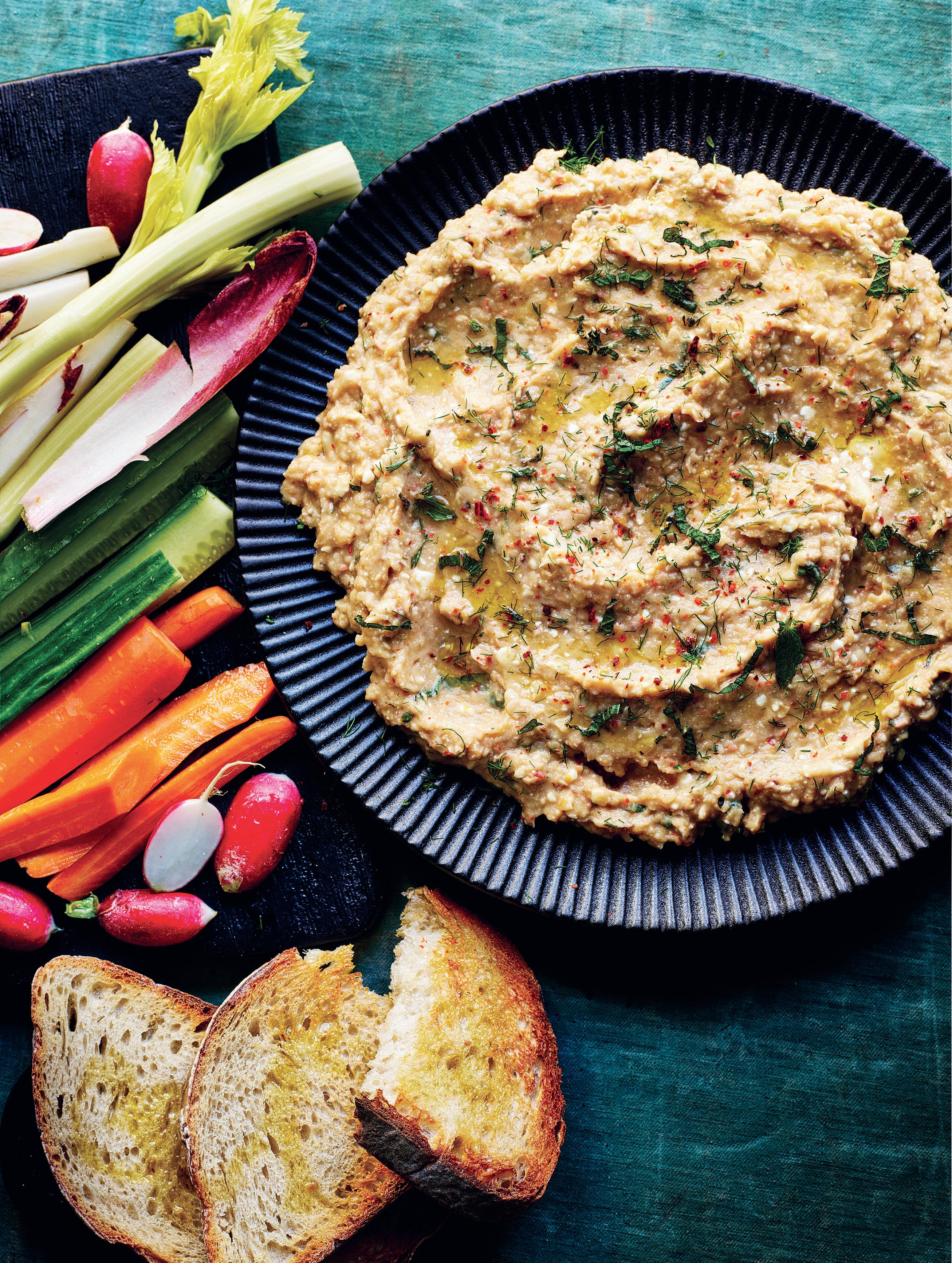
1. Heat a small, dry frying pan over mediumhigh heat. Add cumin seeds and toast for a couple of minutes until they release their aroma, shaking pan occasionally to prevent them from burning. Tip onto a plate and leave to cool, and then roughly crush using a pestle and mortar.
2. Put beans, garlic, orange zest and juice, feta, crushed cumin seeds, and a drizzle of olive oil into a food processor along with a good amount of salt and pepper. Blitz, gradually adding a little warm water or more olive oil to achieve a smooth consistency (don’t add too much to make it watery or runny).
20 min prep time
serves 4
3. Decant mixture into a mixing bowl, stir in herbs and chili flakes. Check and adjust seasoning, if desired. Serve garnished with reserved herbs, chili flakes, and a little drizzle of olive oil, with some toasted bread on the side and/or crudités for dipping.
Kitchen Note: While hummus is fantastic, sometimes you want to serve something a little different. This is just the recipe for you. Great with crudités or crisps, as well as toasted bread for dipping.
Per serving (made with 2 tablespoons olive oil and served with 2 slices of baguette per serving): 469 Calories, 25 g Protein, 22 mg Cholesterol, 64 g Carbohydrates, 3 g Total sugars (0 g Added sugars), 14 g Fiber, 13 g Total fat (5 g sat), 630 mg Sodium, ★★★★★Folate,★★★★Iron,Phosphorus,★★★VitaminB1(thiamine),B2 (riboflavin), Calcium, Magnesium, Zinc, ★★ Vitamin B6, E, Potassium, ★ Vitamin B3 (niacin), B12, C, K
LISA FABIAN
Maybe you have been there: You stick to a diet, lose weight, abandon the diet, and then put the pounds back on.
This yo-yo cycle is not necessarily your fault. Research indicates that it happens to most people who are trying to lose weight.
Long-term dieting can destroy your relationship with food, and it can end up hurting you more than helping you when it comes to your weight-loss goals.
What can you do when faced with such a vicious cycle? Consider approaching food more thoughtfully, that is . . . eating intuitively.
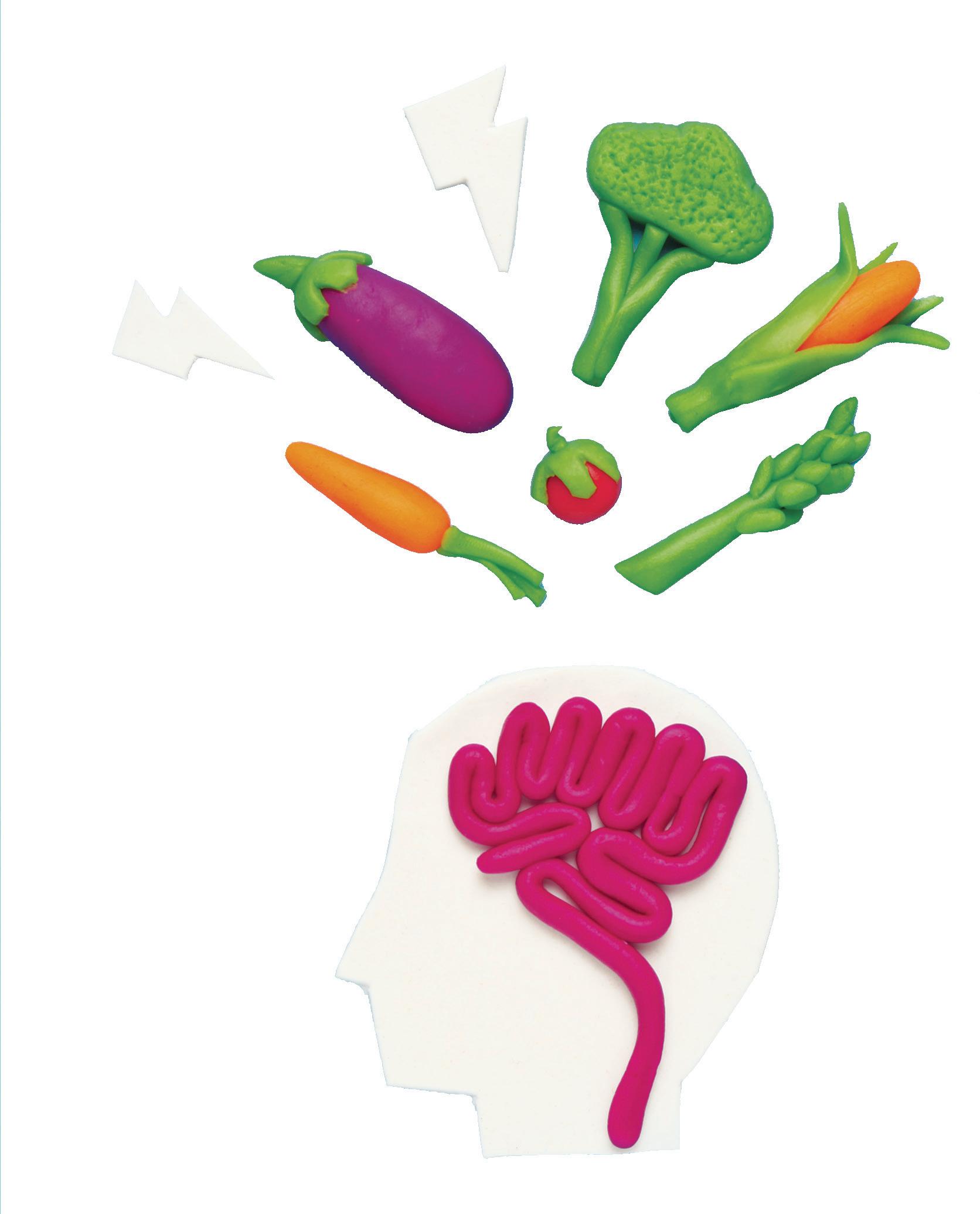
Created by registered dietitian Evelyn Tribole and nutrition therapist Elyse Resch, intuitive eating is about tuning in to your body’s hunger signals and choosing a wide variety of foods that satisfy.
Intuitive eating is not a diet or weight-loss plan. There’s no calorie, fat, or carb counting. Its premise is simple: Eat when you’re hungry; stop when you’re full.
When you give yourself leeway to eat the foods you desire, cravings most likely will diminish. And if you consume what your body truly desires, you’re less likely to overeat and will be able to better recognize feelings of fullness.
To start eating intuitively, listen to your body’s signals to see if you’re physically hungry. Many people may be
used to consuming food whenever they see something tasty or eating at certain set times—whether they’re hungry or not.
The signs of hunger can include a gnawing or empty feeling in the stomach, a headache, feeling irritable, or getting tired.
Consider what you want to eat. Ask yourself: Will this satisfy me? Do I really want this? Is there something else that may be more satiating?
Take time to taste and savor your food. Pause midmeal to assess fullness levels. When you feel satisfied, stop. Be gentle with yourself if you slip up and eat more than intended. ●
SELECTED SOURCES Intuitive Eating by Evelyn Tribole and Elyse Resch ($19, St. Martin’s Essentials, 2020) • “Mindful eating, intuitive eating, and the loss of control over eating” by B.L. Bennett and J.D. Latner, Eating Behaviors, 12/22 • “Trust your gut: A beginner’s guide to intuitive eating” by M. Godoy, www.NPR.org, 11/5/19 • “What is intuitive eating?” by E. Tribole www.IntuitiveEating.org • “What is intuitive eating? 10 principles to follow,” https://health.ClevelandClinic.org 6/8/22
To remove obstacles to body awareness, here are some principles from Evelyn Tribole and Elyse Resch.
• Give yourself unconditional permission to eat. Don’t tell yourself that you can’t or shouldn’t have certain foods. This leads to feelings of deprivation and can lead to uncontrollable cravings and binges.
• Get rid of the articles and diet books that promise false hope of dropping weight instantly and permanently. Clinging to even one small promise that this will be the time it works will prevent the success of eating intuitively.
• Eat in an inviting and calming environment to bring pleasure to the meal and help you feel more satisfied with the food.
• Resist the temptation to eat out of sadness, boredom, loneliness, or anxiety. In the short term, emotional eating provides distraction from pain. But in the long term, you’ll feel worse and will still have to deal with the emotions. Food doesn’t fix feelings.
• Honor the body you were born with. It’s unrealistic to disregard your genetic blueprint. Respect and honor your shape, so you can feel better about yourself.