

THE BIG SUMMER READS ISSUE
OUR STORY
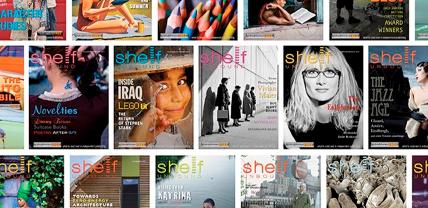
SHELF UNBOUND MAGAZINE
All we wanted was a really good magazine. About books. That was full of the really great stuff. So we made it. And we really like it. And we hope you do, too. Because we’re just getting started.


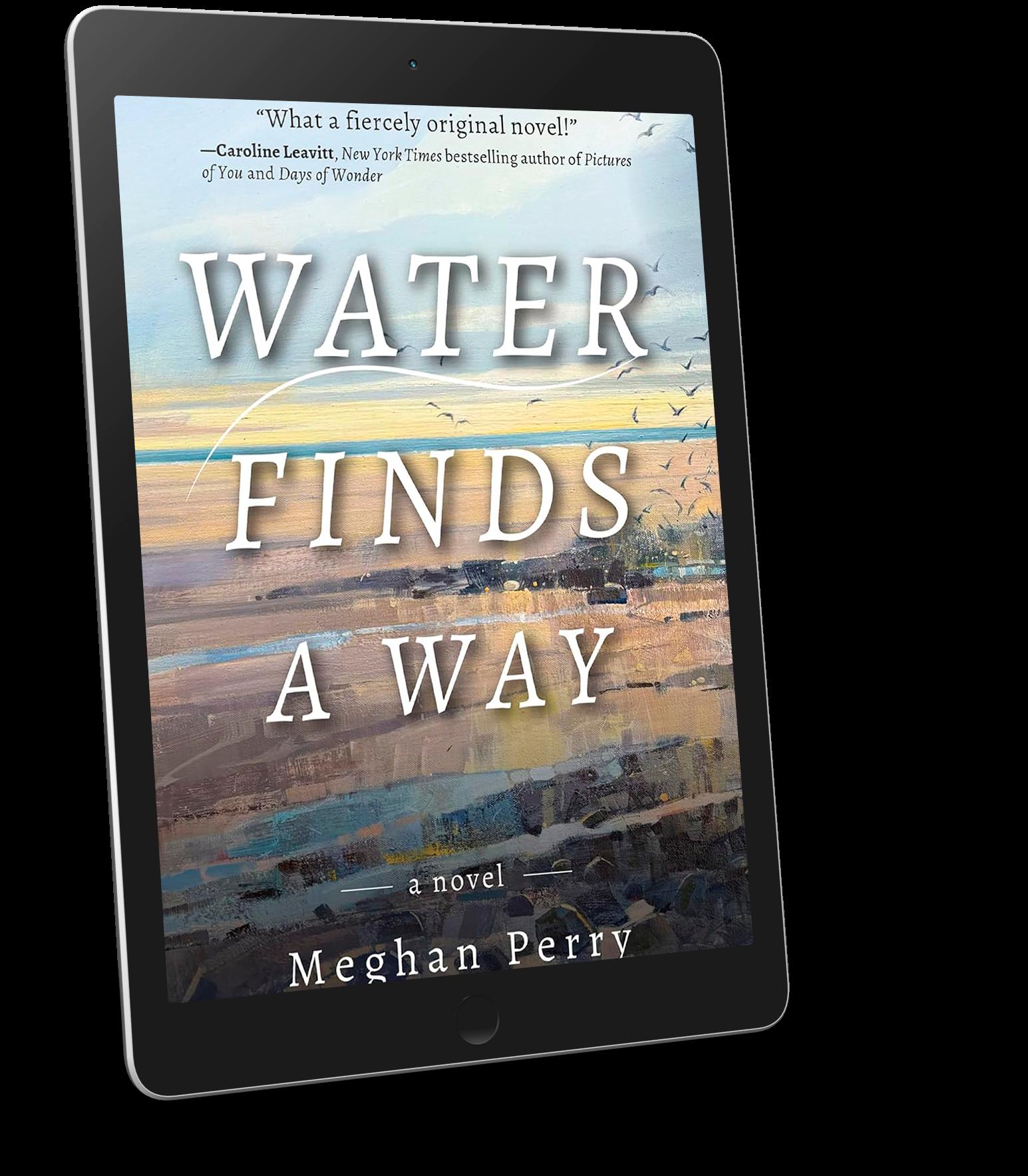
Water Finds a Way
WINNER
OF 2025 Shelf Unbound Indie Book Awards
Blake is coming home. Leland is running from the past. Can they find redemption from their mistakes in their small coastal town?
“Full of grit and atmosphere, suspense and feeling.”
— Kirkus Reviews
“Perry crafts the action with a cinematic scope.”
— Publisher’s Weekly

“What a fiercely original novel!”
— Caroline Leavitt, New York Times
bestselling author of Pictures of You and Days of Wonder
"Water Finds a Way is a richly atmospheric novel of second chances, small-town loyalties, and the hard-earned grace of redemption."
— Shelf Unbound
Shelf Unbound Staff.
PRESIDENT, EDITOR IN CHIEF
Sarah Kloth
PARTNER, PUBLISHER
Debra Pandak
CONTRIBUTING EDITOR
Christina Consolino
Michele Mathews
V. Jolene Miller
Chrissy Brown
Corinna Kloth
Jane Miller
Anthony Carinhas
For Advertising Inquiries: e-mail sarah@shelfmediagroup.com
e-mail media@shelfmediagroup.com
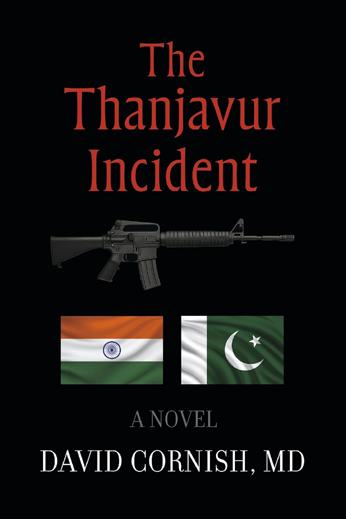
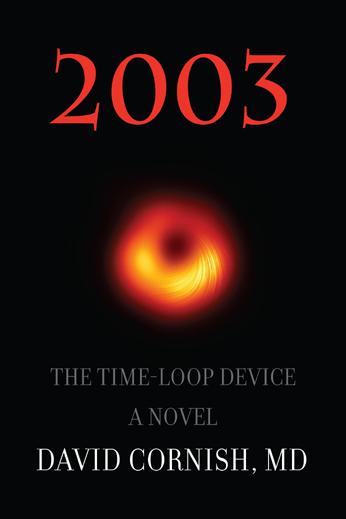


THE THANJAVUR INCIDENT
Commander Aarav Cheran—a renowned nuclear physicist and Indian Naval analyst—is thrust into a crisis that no war game ever imagined. As two nuclear nations edge toward catastrophe, Aarav must navigate a fractured landscape of political power plays, military brinkmanship, and catastrophic technological failure. The fate of millions may rest on his ability to outmaneuver forces poised to plunge the world into chaos.
Nolan Emerson, PhD, is a brilliant young theoretical and experimental physicist who is a professor at the University of Geneva, and the lead scientist at the CERN particle accelerator. He is a leader in the areas of general relativity and quantum mechanics. Dr. Emerson devises an experiment so radical and revolutionary that it seeks to unlock the astounding, complex, and mysterious secrets of Einstein’s space-time. Ultimately, his work challenges the fundamental notions of consciousness and of the concept of reality itself.
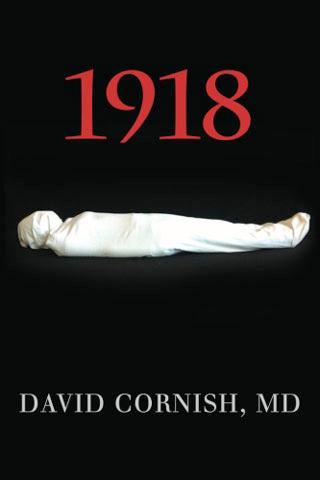
1918: THE GREAT PANDEMIC
Major Edward Nobel’s mission, as a physician, is to help protect American troops from infectious ailments during the First World War. However, his unique vantage point in Boston allows him to detect an emerging influenza strain that is an unprecedented global threat. Eventually, the 1918 influenza pandemic killed up to 100 million people, and became the worst natural disaster in human history.
1877: A NORTHERN PHYSICIAN IN SOUTHERN UNGOVERNED SPACES
Colonel Charles Noble is a US Civil War veteran, and an Army surgeon reservist. Extreme violence in the former Confederacy, in anticipation of a national election, has caused President Grant to send additional federal troops to the Southern states. Terrorists are determined to counter Noble’s good intentions, as they threaten the civil rights, and the very lives, of all who oppose them.
1980: THE EMERGENCE OF HIV
Dr. Arthur Noble is a brilliant first-year medical resident in San Francisco. Noble encounters a strange new ailment that seemingly appears out of nowhere, and delivers its victims a most horrible merciless death. Dr. Noble struggles to find answers to the medical mystery, even as many researchers and society refuse to believe that it is a serious public health hazard, or that it even exists.
CONTENTS
FEATURES
IN THIS ISSUE
SECTIONS
18 Interview: Anna Badkhen, Author of To See Beyond By Sarah Kloth
26 Interview: Sun Yung Shin, Author of Heart Eater: A Memoir of Immigration, Belonging, and How We Find Ourselves in Language By Sarah Kloth
34 Interview: Nina Chayka, Author of Seagulls By Sarah Kloth
58 Interview: Dasha Kelly, Author of Baker’s Dozen By Sarah Kloth
64 Interview: Reena Shah, Author of Every Happiness By Sarah Kloth
82 The BIG Summer Indie Reads List
109 Interview: M E Torrey , author of Fox Creek By Sarah Kloth
126 Interview: Charlene Elsby, Author of Poor Damned Souls By Anthony Carinhas
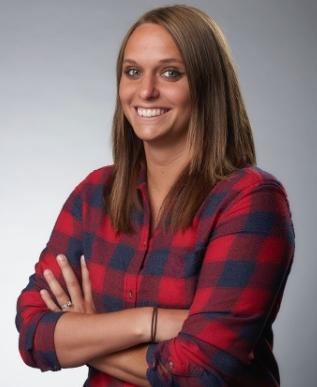
BY SARAH KLOTH, PUBLISHER
I grew up with farm fields on three sides of my house. In the summer, they were alive in a way that felt almost loud — the smell of warm earth, the sound of wind moving through the rows. But my favorite summer memories are quieter than all of that. A picnic table in the backyard, a cup of tea, and a book open in the fading evening light. Or better yet, a sturdy branch high enough to feel like my own private world, a book in my lap and a notebook nearby, in case the words inside me needed out too.
Those summers shaped something in me that I didn't have a name for then. A belief that stillness and story belong together. That a good book and the right perch — whether in the crook of a tree or at a weathered picnic table — could make the whole world feel both very
A Good Perch.
small and very large at the same time. Summer, more than any other season, gave me permission to disappear into a book completely. To read. To write. To wonder.
That feeling is what this issue is about. The writers and stories gathered here carry that same quality — the kind of reading that stays with you long after the season ends, that you remember not just for what happened on the page but for where you were and how the air felt when you turned the last page.
Wherever this summer finds you — up in a tree, at a picnic table, or somewhere in between — we hope it finds you reading.
Enjoy the issue!



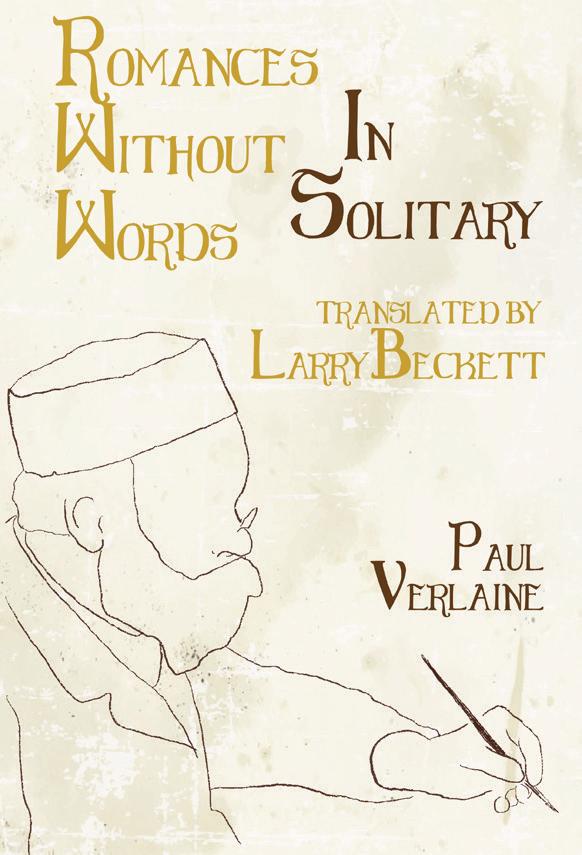
Romances Without Words In Solitary



Translated by Larry Beckett


$22.00






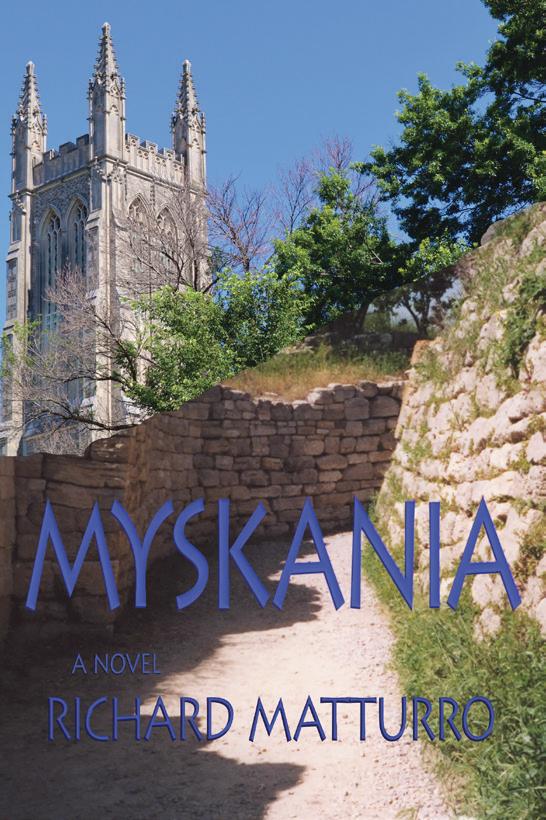
Myskania
A novel by

Richard Matturo


$19.95


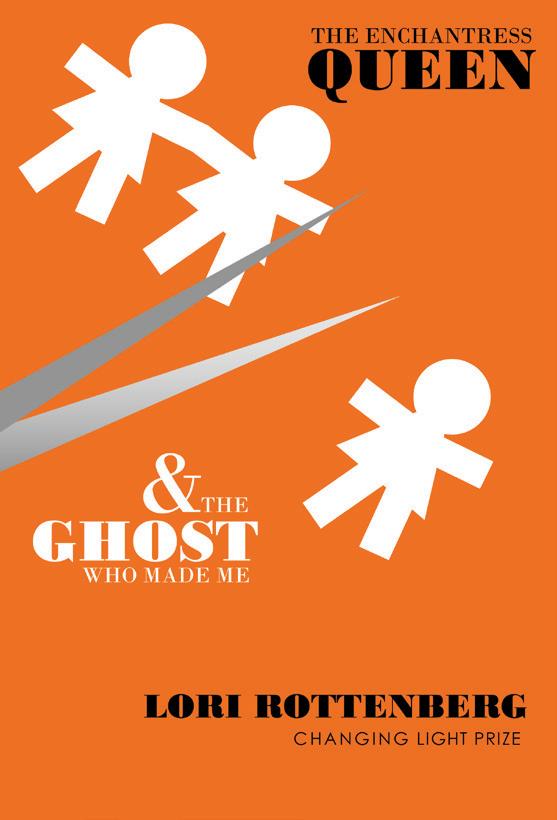
The Enchantress Queen And The Ghost who made me
Changing light winning novel by Lori Rottenberg


$19.95







SUMMER READING AT LIVINGSTON PRESS


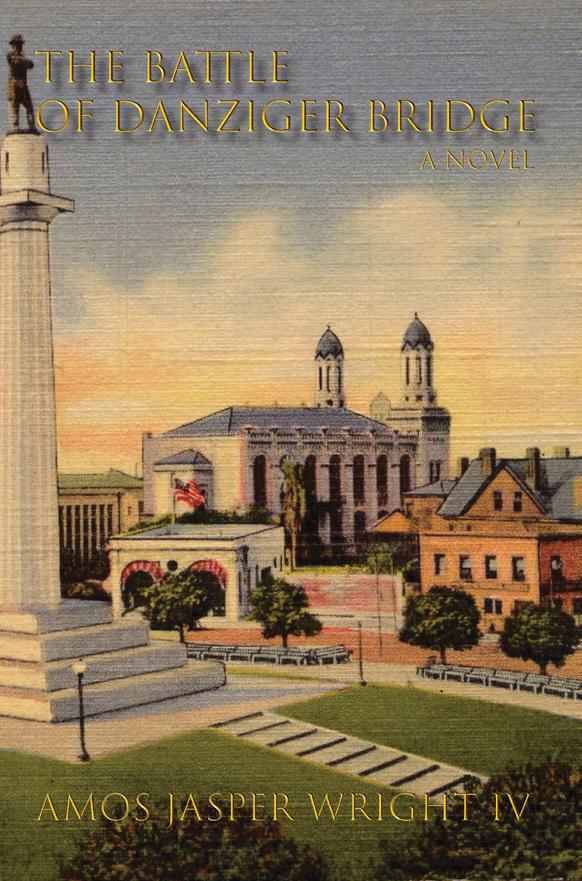
The Battle of Danziger Bridge


A novel by Amos Jasper Wright IV


$22.00



Dr. Rose Mary Stiffin
Bridging Science and Soul in Contemporary Literature
Stories from the Mississippi Delta
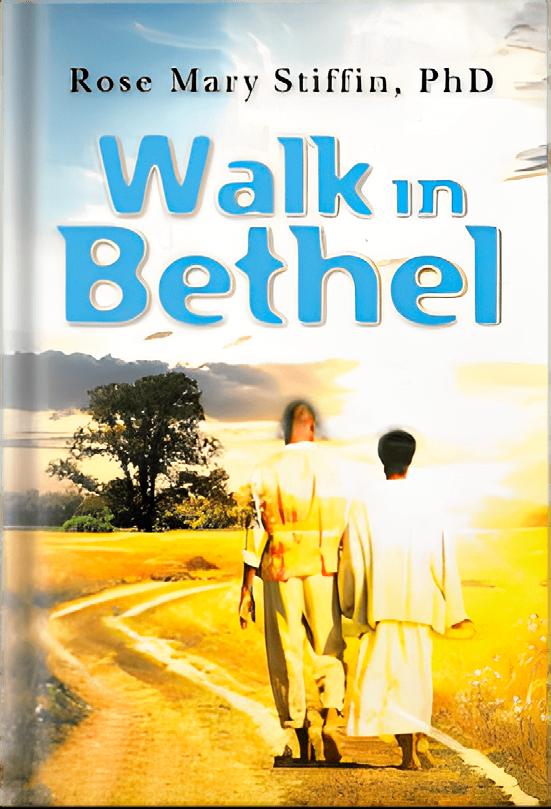
Walk in Bethel
An emotional masterpiece on freedom, forgiveness, and the power of family.
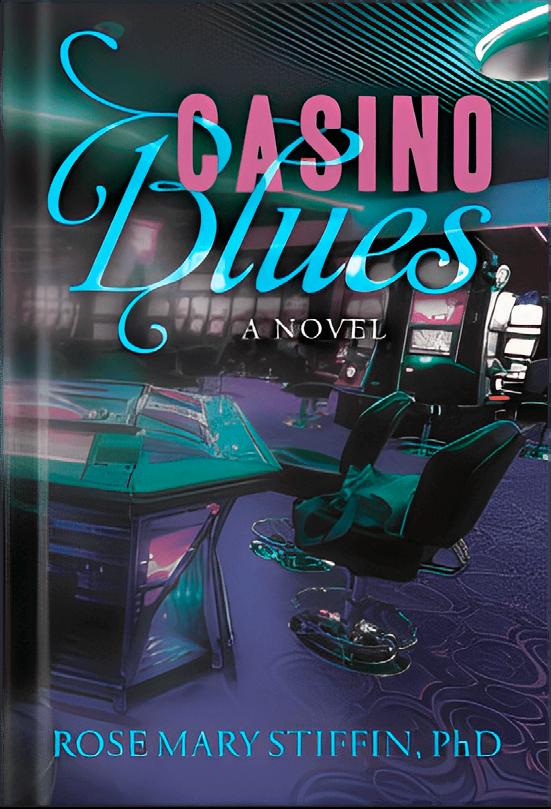
Casino Blues
A captivating tale of love, loss, and the pursuit of redemption.
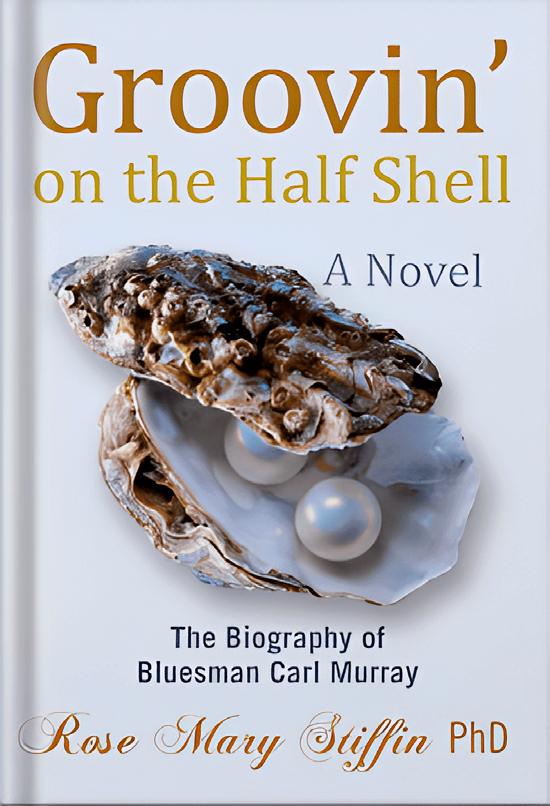
Groovin' on the Half Shell
A provocative novel of love, scandal, and the blues.
A compelling story with insight into our own lives and souls — entertaining, and resonating in the memory long after the last page is read.
Editor, Imagine Magazine for Literature and the Arts
Five Stethoscopes & Six Secrets
Winter Friend
Water Buffalo & The Pink Flamingo
From Helena P. Schrader
★ OVERALL FICTION WINNER – 2026 IndieReader Discovery Awards ★
#1 AMAZON AVIATION BESTSELLER
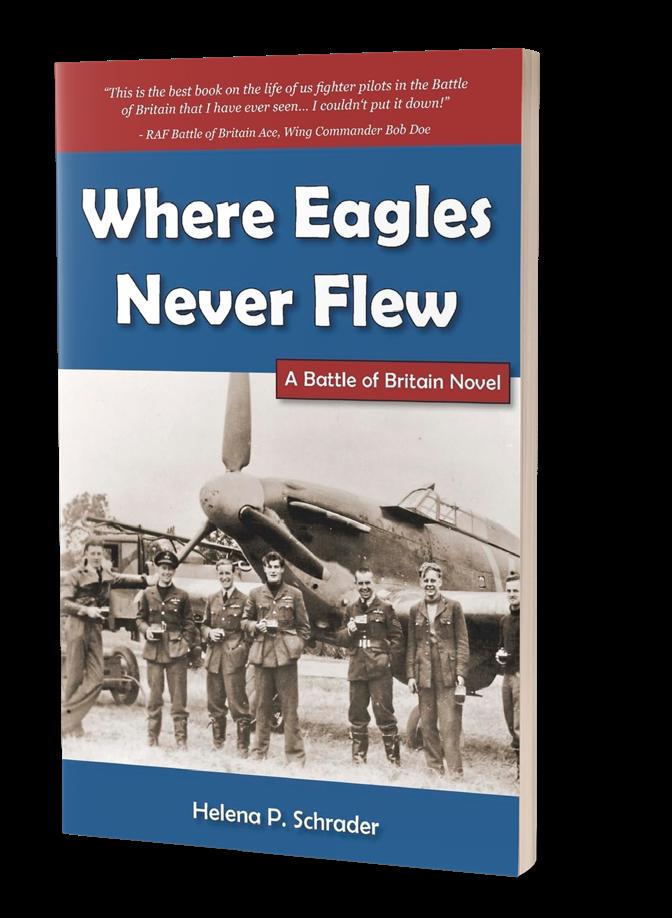
You met Flying Officer Priestman in the Battle of France. You followed Squadron Leader Priestman through the Battle of Britain.
“This is the best book on the life of us fighter pilots in the Battle of Britain that I have ever seen. Refreshingly. it got it smack on the way it was for us. I couldn’t put it down!” - Battle of Britain Ace, Wing Commander Bob Doe “...A painstakingly researched war novel with complex characterizations.” - Kirkus Reviews
BUT THE WAR ISN’T WON YET.
Control of Middle Eastern Oil and the Suez Canal hang in the balance. MALTA MUST BE HELD!
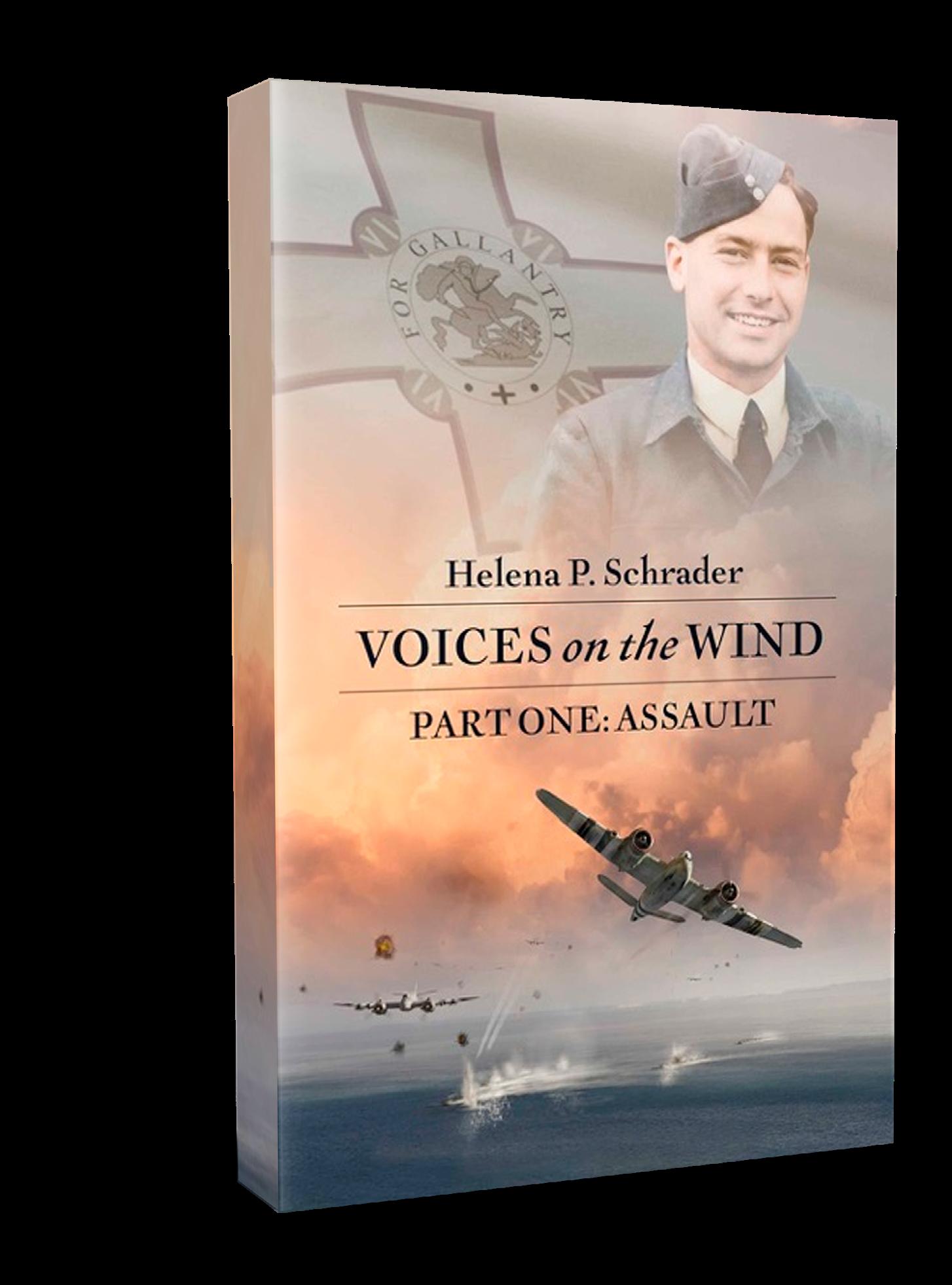
The story continues with VOICES ON THE WIND
Wing Commander Priestman joins the fight to defend Malta - as Senior Intelligence Officer.
On the front line are men like: Flying Officer Ned Nettleton, flying Beaufort torpedo bombers, and Chief Officer Stevie Mackay of the British Merchant.
Discover the series at - Helena P. Schrader, Historian and Novelist

Summer Reading for Every Taste
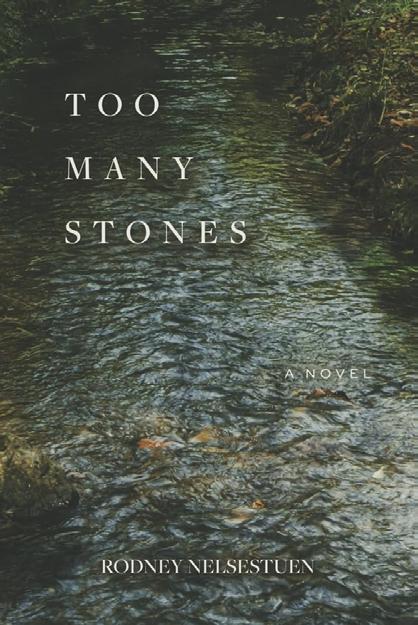
TOO MANY STONES, AN HISTORICAL NOVEL
In 1930 a young farm girl suffers abuse at the hands of an older relative. That experience forever changes the course of her life. While courage sustains her, in the end she searches for a path to reconciliation and the means to embrace both success and failure as a life well lived.
Winner of IndieReader’s 2025 Discovery Awards in the Literary Fiction Category, “A thought-provoking narrative exploring the lasting impacts of trauma and the complex relationships that shape a life… all while tackling a myriad of difficult topics with sensitivity and grace.” - “an emotionally powerful novel... ...luminous, pastoral. …It deserves to be discovered and discussed on many levels.“ IndieReader
5-star review from Readers’ Favorite “for its immense emotional depth and moving storytelling, making it a compelling read that lingers long after the final page.”
Finalist in the 2025 Eric Hoffer Award
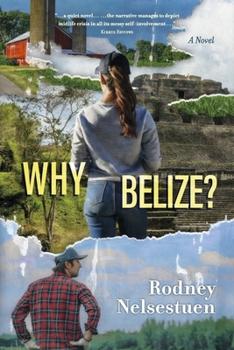
WHY BELIZE? A NOVEL
Elieen Sologoski is overwhelmed by life’s disappointments: a distant husband, a tyrannical father-in-law, and life on a bleak rural homestead. Seeking escape and a reset, she flees to Belize, leaving behind everything – her job, her husband, two children, and even her name. But can we truly reinvent ourselves or are we simply what we are?
Why Belize “manages to depict midlife crisis in all its messy self-involvement…” and offers an “exploration of the existential questions of middle age” through its “musical sense of language.” Kirkus Reviews “Get it” recommendation.
5-star rating from Readers’ Favorite, with “its themes of escape and reinvention” through its main character “Eileen, a woman who shows the need for change, a sense of adventure, and the desire to reset her life” all offered through its “lyrical prose… a “delightful read for fans of literary fiction.”
Finalist in the 2026 Eric Hoffer Awards
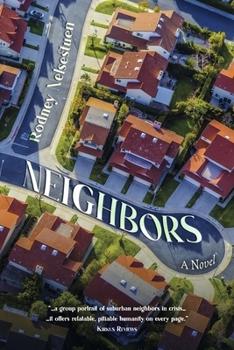
NEIGHBORS, A NOVEL
A story of contemporary America and the continuous and often unseen changes occurring in the everyday makeup of society, whether relational, social, or economic, and their impact on a once comfortable and trusted way of life, all seen through three men whose place in the world is called into question.
“…a group portrait of suburban neighbors in crisis.” “An affecting tragi-comic portrait of white suburban dissatisfaction.” Kirkus Reviews “Get it” Recommendation
The characters’ “struggles reflect the delicate balance between circumstance and personal accountability…” “thoughtful, introspective narratives exploring change from diverse perspectives… A refreshing take rarely explored with such depth and authenticity.” Readers’ Favorite 5-star rating.
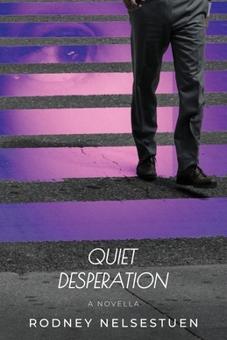
QUIET DESPERATION, A NOVELLA
Winston Williamson grapples with the realization that his personal life has become a fraud, while professionally, he’s always been an imposter as the head of his father’s law firm. His cynicism deepens as his actions lead him down a path of moral and ethical decay. As he approaches a point of no return, Winston must decide whether to cross it or not, both in his professional and personal life. But has that moment already passed? Is redemption, or something akin to it, still possible?
“A deeply thoughtful drama that never condescends with easy moralizing,” Kirkus Reviews “Get it” recommendation
Its main character’s “inner emotional turbulence is compelling…” with “ultimate self-reckoning…” and “ending (though intriguingly inconclusive)” in a “moment of truth.” IndieReader
Honorable Mention in the 2025 Eric Hoffer Short Story/Anthology Awards

Rodney Nelsestuen
MFA, Hamline University, St. Paul, Minnesota
Author of four prize-winning novels and more than a dozen published short works.
Write&Read – Reviews and Writing for Writers
PARIS HAS A HIDDEN CITY.
IT’S TIME YOU MET THE NEIGHBORS.
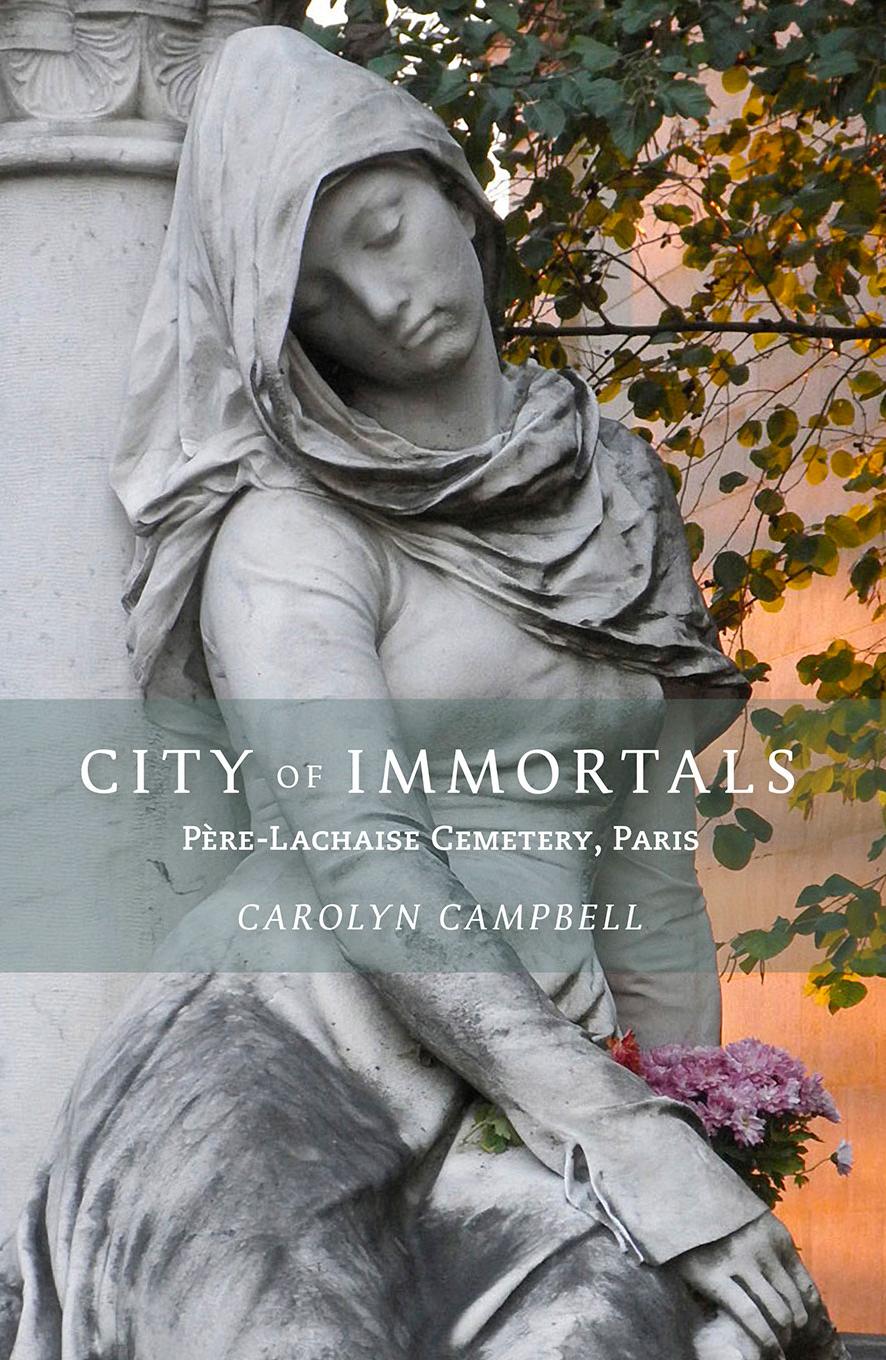
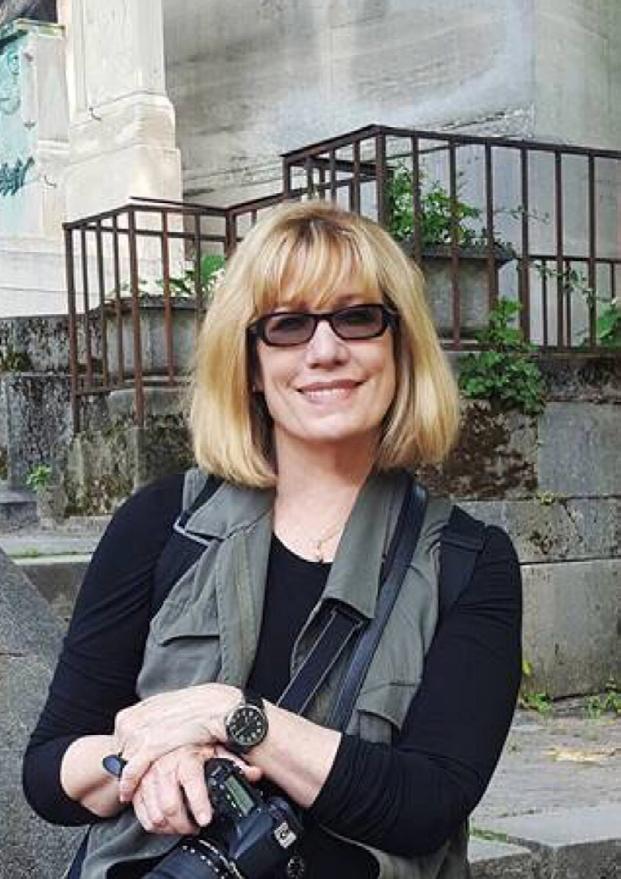
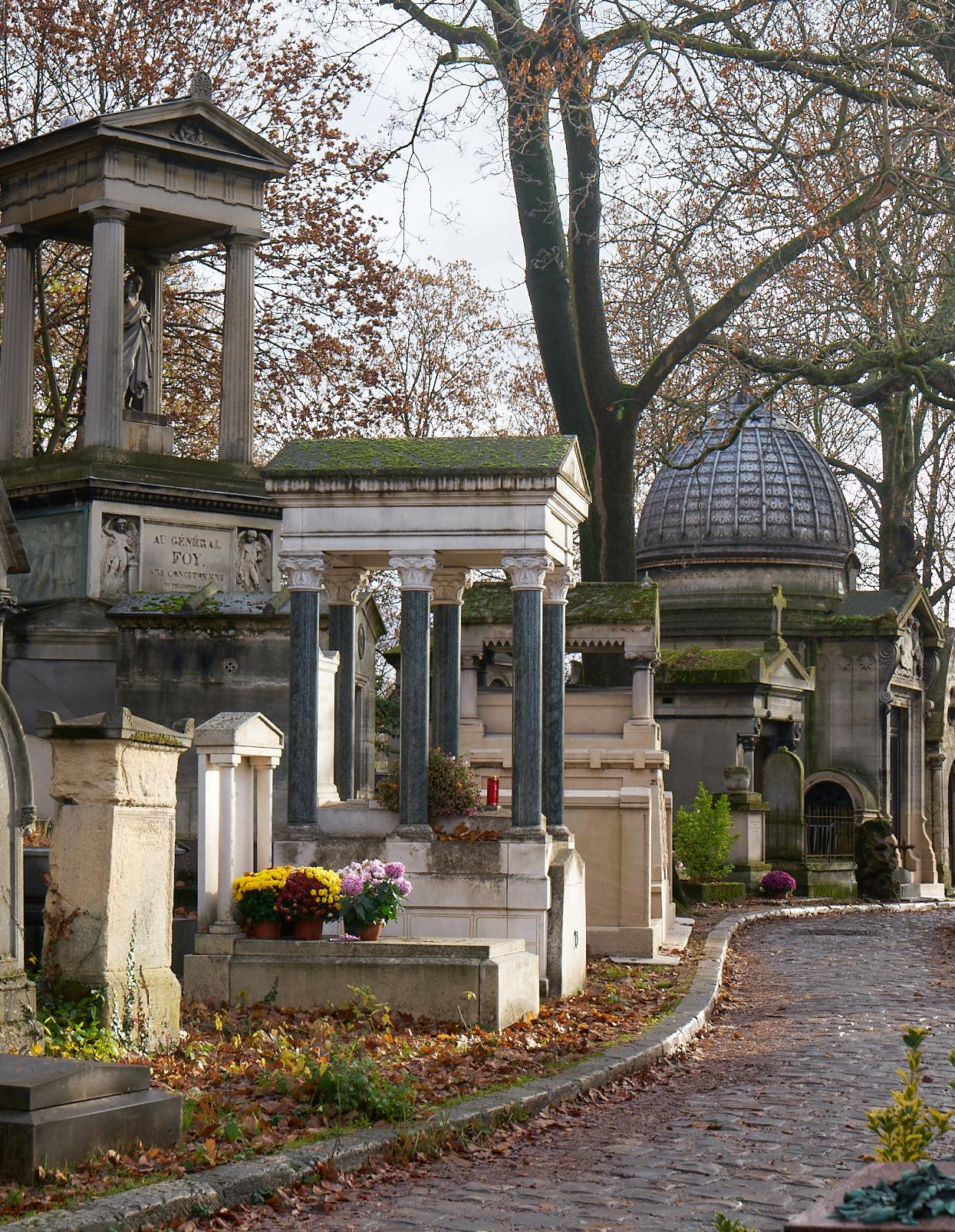
Beneath the romance and grandeur of Paris lies another city entirely. In City of Immortals, bestselling author and photographer Carolyn Campbell guides readers through the winding paths of Père-Lachaise Cemetery, where history, art, music, and memory converge among the tombs of legends. Part travel narrative, part visual exploration, and part historical journey, this richly illustrated book invites readers to meet the artists, writers, and visionaries who continue to shape Paris long after death.
“
EVERYTHING THAT MAKES PARIS SO RICH IN MEMORIES IS DISTILLED IN THE HUNDRED ACRES OF PÈRELACHAISE CEMETERY, WHERE THE DEAD COME TO LIFE.”
— Michael Webb, Form magazine

Download the companion app and explore Père-Lachaise like a local guide in your pocket. Unlock interactive maps, walking tours, and the hidden stories behind Paris’ most legendary residents.




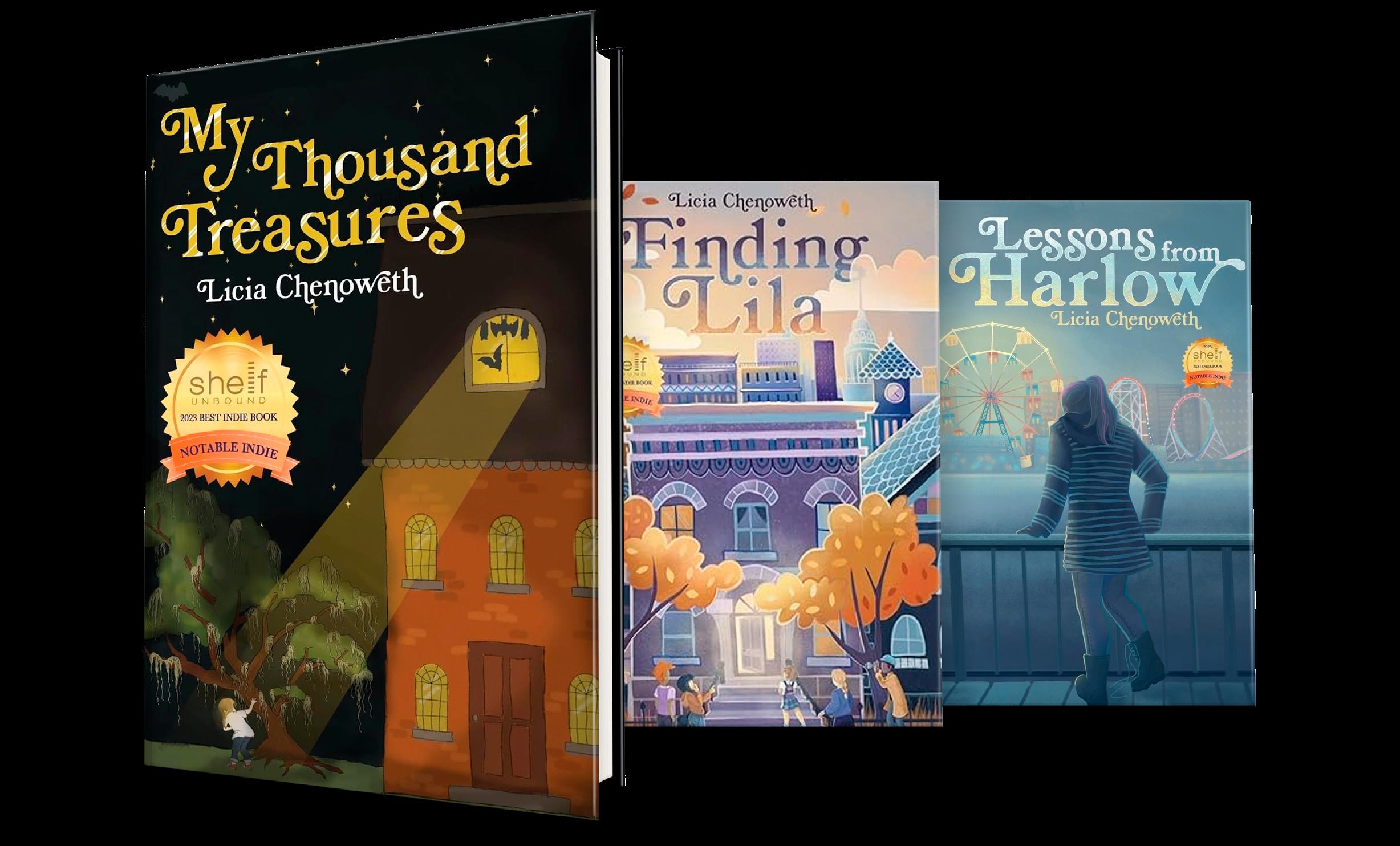
Perfect for readers who love adventure, suspense, friendship, and emotional storytelling, The Adventures of Raini is a heartfelt middle-grade series that explores belonging, bravery, family, and finding light amid uncertainty.
Where treasures are found, and secrets come alive.
Filled with unforgettable characters, a fast-paced mystery, and emotional depth, the series follows a strong, relatable young heroine whose life is shaped by hidden secrets, uncertainty, and unexpected adventures. Each chapter draws readers deeper into Raini’s journey, brimming with courage, humor, friendship, and heart, keeping the pages turning until the very end. With each chapter unveiling a new clue or surprising twist, the story maintains suspense and momentum from start to finish.
the story continues with
Raini’s trip to Scotland for a family wedding and time on her uncle’s sheep farm turns into a gripping mystery. When she and her friends uncover a local legend tied to a weeping girl, forbidden love, and long-buried secrets, they’re pulled into an unexpected investigation. What begins as a quiet visit quickly becomes a fast-paced adventure full of secrets, danger, and new friendships. Three Years Running
INDIE IN THE NEWS
Top News in Independent Publishing
Summer is heating up — and so is the indie publishing world. From a record-breaking awards season to a bookstore boom that's rewriting the retail narrative, there's plenty to celebrate. Here's your roundup of what's making waves in independent publishing this June.
Indie Bookstores Hit a 5-Year High
Next Generation Indie Book Awards Turns 20
The Independent Book Publishing Professionals Group announced 2026 winners of the Next Generation Indie Book Awards — now in its 20th year — honoring outstanding indie books across 80+ categories. This year's top prize went to Of Bloodlines and Blue Notes by Terry Blade (Blade Arthouse Media). The full celebration takes place June 26 at The Newberry Library in Chicago, timed to the ALA Annual Conference.
The American Booksellers Association reports 422 independent bookstore openings across the U.S. in 2025 alone — a 24% jump from 2024 — with overall indie store counts up 70% over the last five years. New models are driving the surge: pop-ups inside community spaces, mobile booksellers, and hybrid café-bookshop concepts are giving entrepreneurs lower-cost ways to enter the market. Meanwhile, stores leaning into author events, book clubs, and neighborhood programming are proving that experience is the new competitive edge.
Direct-to-Reader Sales Cross a Tipping Point
Nearly one in three indie authors now sells directly through their own Shopify store, Kickstarter campaign, or in-person events — bypassing retail algorithms entirely. Industry surveys show another 30% plan to launch direct channels in 2026, signaling a structural shift in how indie books reach audiences.
Print-on-Demand Quietly Booms
Print revenue among selfpublished authors grew 75% year-over-year, according to PublishDrive's 2026 Market Intelligence Report. POD infrastructure has matured enough that indie books are competing on physical quality — with sprayed edges, foil stamping, and premium paperback finishes now accessible at scale.
Audiobooks: Publishing's Healthiest Format
Audio continues to outpace every
other format, and AI-assisted narration is lowering the barrier for indie authors to produce full-cast or high-quality singlenarrator titles without a studio budget. Expect audiobook-first release strategies to become more common in the back half of 2026.
Rent Pressures Threaten Established Stores
Not all the news is good: rising commercial rents are forcing closures and relocations in highcost markets. In San Diego, KPBS reported that several longtime indie shops are searching for new spaces or downsizing. Denver's Petals & Pages — an LGBTQ+focused bookstore and flower shop — closed its doors in April after citing financial strain. The tension between the bookstore boom and escalating real estate costs is one of the sector's defining challenges this year.
“
A rich, engrossing tale about the antebellum South that delivers indelible characters.” - Kirkus Reviews, starred
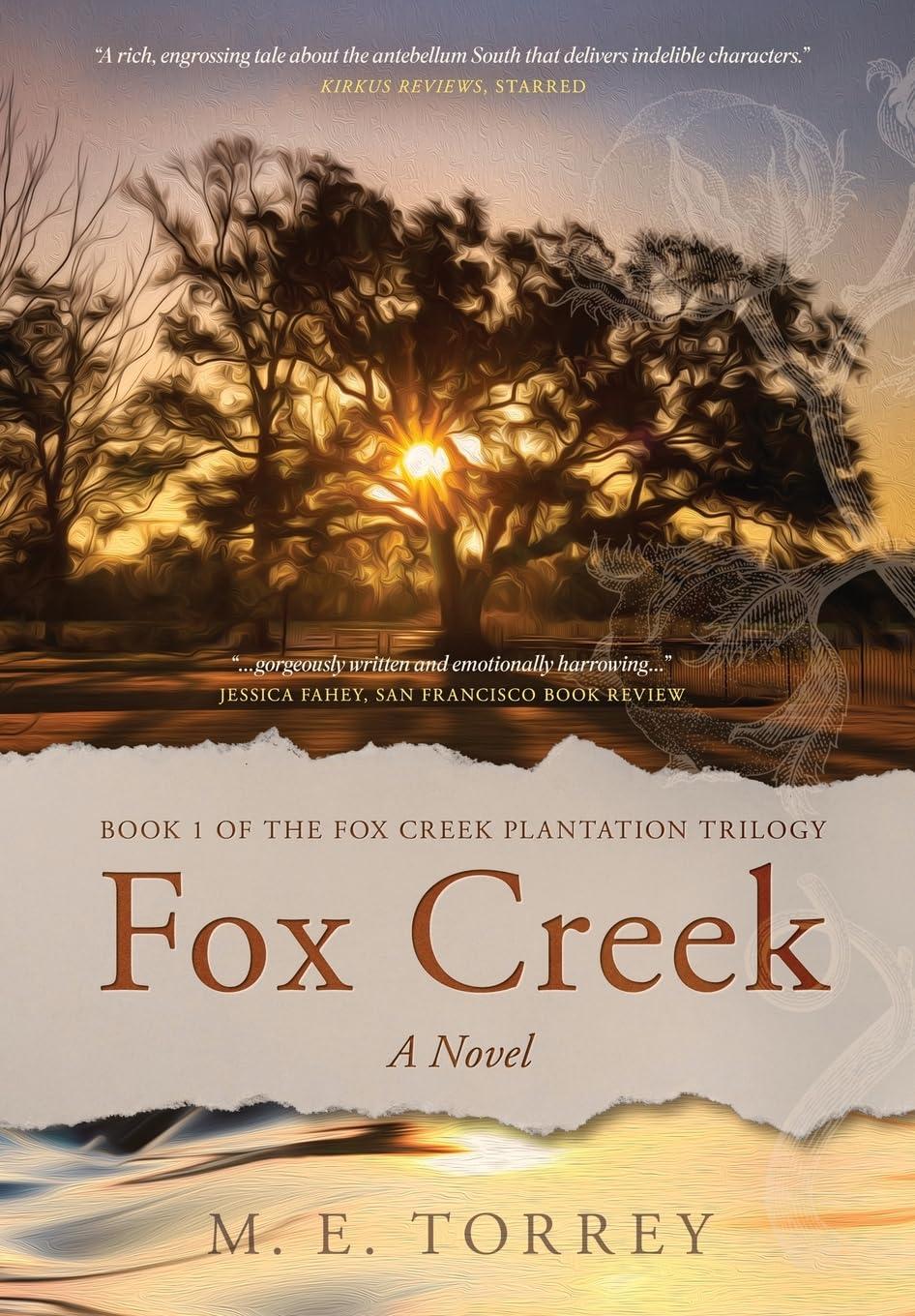
In 1843 Louisiana, Monette, the beloved, biracial daughter of a wealthy planter is sold into slavery along with Cyrus, a boy torn from his mother without a chance to say goodbye. Together they are purchased by the Jensey family, where soon, destinies collide.
Fox Creek is a powerful novel set during one of the most turbulent times in American history. It is a story of race, privilege, the battle of wills, and the denial of freedom. But most of all, it is a story of love, a love that transcends all that threatens to tear it apart.




My Bully, My Aunt, & Her Final Gift
Harold Phifer
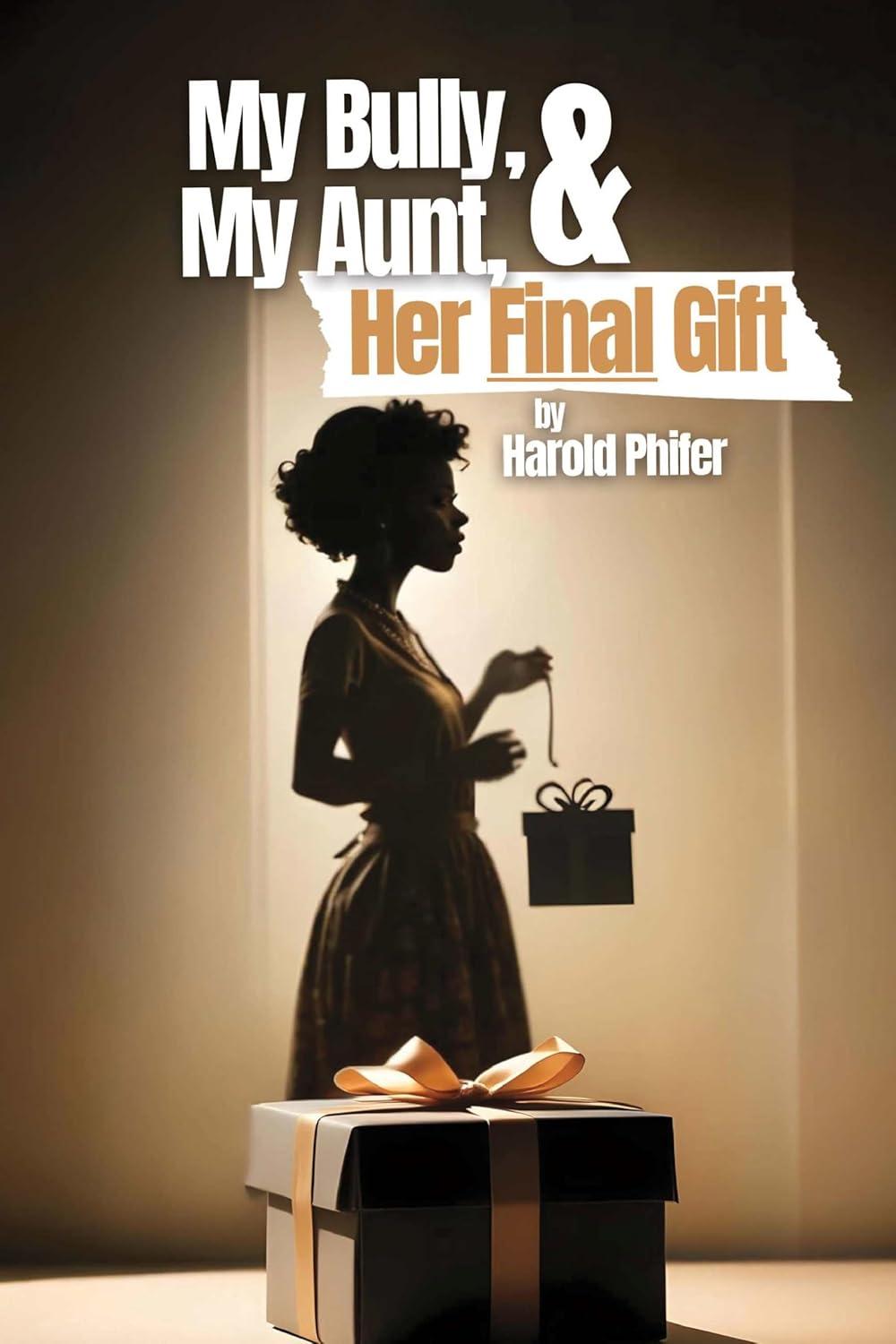
Discover Resilience in the Face of an Unlikely Relationship
In My Bully, My Aunt, and Her Final Gift, Hal confronts the bittersweet memories of his childhood, shaped by his aunt’s unpredictable and often cruel influence. As he plans her memorial—a gathering no one seems eager to attend—Hal is pulled back into a world of twisted philosophies and emotional turbulence.
But amid the chaos, he discovers unexpected lessons that lead to healing, self-discovery, and redemption. Through laugh-out-loud moments and heartfelt revelations, this memoir reveals how even the darkest relationships can leave behind profound gifts of wisdom and growth.


IT IS 2058. Civilization is hanging by
a thread.

NYPD detective Nick Garvey and President Lenora Allison are battling the remnants of the murderous World Council while confronting the forced release of a deadly, man-made plague and the destruction of Friendship City.
President Allison destroyed the first plague — only to learn a second, more lethal one is imminent.
Ishmael, the World Council’s mysterious new leader, now targets Friendship City, the autonomous union of Brownsville, Texas and Matamoros, Mexico, where citizens are building their own protective Bill of Rights.
Called from Houston, where his daughter is recovering from a coma, Nick joins the President in Washington to stop the coming catastrophe.
But Nick searches for Ishmael — and Ishmael finds him first.
Captured alongside the President and their families, surrounded by rifles, they face a final threat.
Ishmael begins his countdown.
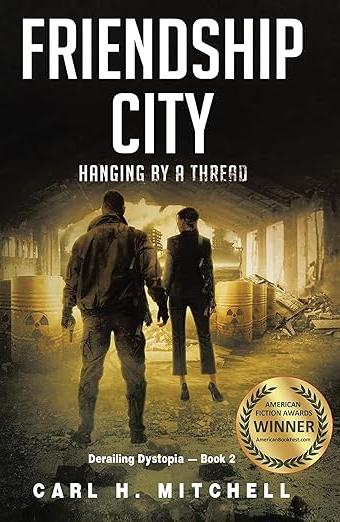
“A familiar but sometimes-offbeat SF action thriller complete with a prospectus of good government.” — KIRKUS REVIEWS
NOW AVAILABLE IN PAPERBACK, EBOOK, AND AUDIOBOOK FORMATS
INTERVIEW
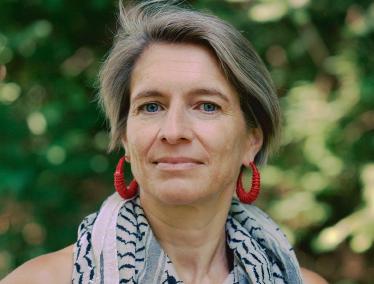
Interview with Anna Badkhen
Author of To See Beyond
BY SARAH KLOTH
TO SEE BEYOND MOVES BETWEEN WAR ZONES, CLIMATE CATASTROPHE, AND INTIMATE PERSONAL MEMORY. HOW DID YOU DECIDE WHAT MOMENTS TO BRING INTO THE ESSAY FORM, AND WHAT TO LEAVE OUT?
AB: This book was born from an obligation to share knowledge. In West Africa I’ve heard elders say, “Knowledge is the only thing you can give away with losing any,” and in many philosophies there is an understanding that knowledge is not something we possess, it is something we are entrusted with in order to pass it on. I am fifty years old, and I am an immigrant, an exile, a former war correspondent, and a writer, and I have seen and learned a lot of things about the world that somehow connect in a way that makes sense to me, connect in a way that sometimes may seem like a warning, and sometimes like a comfort: the way empires rise and fall; the way we sacrifice girls for some imaginary collective wellbeing; the way we, humans, have survived all kinds of cataclysms up till now. On occasion, if I am lucky, these things connect into individual essays.
YOU CONNECT HISTORICAL ATROCITIES LIKE AUSCHWITZ WITH PRESENT-DAY CONFLICTS IN
PLACES SUCH AS UKRAINE AND MALI. HOW DID YOU
NAVIGATE THE RESPONSIBILITY OF DRAWING THOSE LINES WITHOUT FLATTENING THEIR DIFFERENCES?
AB: IWhen I teach young writers, I remind them to never approach human life in general terms. So it is our obligation as writers to respect each individual human life, in its individual context, whether that life is in 1940s Poland or Palestine or Iran or Ukraine today.
THE IDEA OF “MICROLOVE” FEELS CENTRAL TO THE BOOK. WHERE DID THAT CONCEPT EMERGE FROM, AND WHAT DOES IT LOOK LIKE IN PRACTICE IN A WORLD SHAPED BY LARGE-SCALE SUFFERING?
AB: A philosopher friend named Rick Werner taught me about microlove. “You find yourself next to a stranger on an airplane ride, have an intense conversation for a few hours, then go your separate ways,” he wrote me. “That’s microlove. It is far more common than we think. It feeds our well-being.” I am a high-functioning introvert, but I am also an exile, an immigrant, a professional trespasser, and I have made a habit of forging connections with strangers. Think of these as gossamer threads of intimacy we float behind us as we go our separate ways, the kinship that may be fleeting or undone in time but that nourishes us all the same, makes us feel in
community.
THERE’S A RECURRING TENSION IN THE BOOK BETWEEN DESPAIR AND BEAUTY. WAS THAT BALANCE SOMETHING YOU SET OUT TO EXPLORE, OR SOMETHING THAT REVEALED ITSELF DURING WRITING?
AB: Our entire existence exists within this precarious balancing. Our penchant for atrocity and our capacity for care. Our violence and our art. And I think our capacity for wonder is what has sustained us over millennia. So when I find myself thinking of what we leave behind— the poisoned devastation of Gaza and southern Lebanon, scorched forests and submerged farmlands, almost one-fifth of our planet unlivable for humans, the predicted mass die-off of at least a million species, disintegrating factories and mines leeching poison into soil, the Great Pacific Garbage Patch—in my mind, I try to tell my private beads of our aspirations: the ethereal Afrofuturism of Diébédo Francis Kéré’s architecture; the James Webb Space Telescope and the Large Hadron Collider; the artist Katie Paterson’s engagements with deep time and space; the iridescent Blue Mosque in Mazar-e-Sharif, the unflinching bronzes of Simone Leigh; biomedical research advances that will help save hundreds of millions, maybe billions,
of lives; Carlo Rovelli’s playful physics; Alice Coltrane and Ablaye Cissoko; Wole Soyinka; Beethoven; Euripides; Jay Wright
YOU WRITE ABOUT LANGUAGE ITSELF—ITS LIMITS, ITS FAILURES, AND ITS POSSIBILITIES. WHEN DID YOU FIRST START QUESTIONING WHETHER LANGUAGE CAN HOLD THE SCALE OF WHAT YOU’VE WITNESSED?
AB: In Russian, my mother tongue, mourners say about a great misfortune nyet slov, “no words.” In 1939, the Soviet secret police arrested the poet Marina Tsvetaeva’s husband and daughter—he would be shot and she would spend sixteen years in the Gulag, but Tsvetaeva would know neither of these tragedies because she would hang herself a year later, two months after Nazi Germany invaded the Soviet Union. Shortly before her suicide, she wrote, “My difficulty . . . is in the impossibility of my goal, for example, to use words to express a moan: nnh, nnh, nnh.” Why should our words make sense when the world around us does not? PostHolocaust writers contended with the inadequacy of language by displacing it or displacing themselves within it: Elie Wiesel broke away from the German language and chose to write in French and English; Paul Celan broke the German language itself to
unbesmirch it for poetry.
THE BOOK MOVES FLUIDLY BETWEEN AUTOBIOGRAPHY, TRAVEL WRITING, AND SOCIAL COMMENTARY. DID YOU THINK OF IT AS AN ESSAY COLLECTION FROM THE BEGINNING, OR DID THE FORM EMERGE OVER TIME?
ABOUT THE BOOKS
AB: This is my second collection of essays; my previous one, Bright Unbearable Reality, was longlisted for the National Book Award. I have published other nonfiction books, and I write fiction, too, but I like the essay form because it is fluid, because trial and error are inherent to it. After all, the name comes from the French verb for “to attempt.” Here I am, attempting to make sense of our nonsensical world. Really, at this time in the human existence on Earth, this form seems quite honest.
HOW
DO YOU APPROACH WRITING ABOUT VIOLENCE WITHOUT EITHER NUMBING THE READER OR OVERWHELMING THEM?
AB: I don’t know what readers experience when they read my work. I am not sure it is my responsibility to know; honestly, I think my sole responsibility to the readers is to share what I know—what I believe is pertinent for us to survive this time as ethical creatures—in a way that is
most honest, most precise, and most true. Perhaps I hold a greater responsibility to the people whose suffering I witness, people who have entrusted their stories to me: to tell their stories as accurately as I can. Yes, that’s my job. The other day I saw a photograph of an 11-year-old girl in Gaza next to her birthday cake; the cake, blue and white, had Feliz Aniversario piped in cream on top, in Spanish for some reason. The girl was very pretty, piercing blue eyes. She had no limbs: Israeli bomb took them. She was looking at the camera with a very peculiar facial expression: I couldn’t tell if she is smiling or holding back tears. If you are numb to this, this mundane fact of genocide, that’s on you. If you are overwhelmed, that means you have a beating heart.
YOU SUGGEST
THAT ATTENTION ITSELF CAN BE A FORM OF RESISTANCE. WHAT DOES THAT RESISTANCE LOOK LIKE FOR YOU AS A WRITER IN PRACTICE?
AB: Paying attention and using language with utmost precision.
MANY OF THESE ESSAYS FEEL DEEPLY ROOTED IN WITNESSING. HOW HAS YOUR UNDERSTANDING OF “BEARING WITNESS” CHANGED OVER THE COURSE OF YOUR CAREER?
AB: Hmm, maybe, after thirty years
of doing this work, I am feeling the “bearing” part of it a little more acutely. Today, having been watching livestreamed genocide for nearly three years, having been watching videos and photographs of dismembered babies in Palestine and Lebanon and Iran on the daily basis while my government is either paying for or actively participating in the dismembering, the term “unbearable”—that adjective that often precedes the word “grief”—is often at the tip of my tongue. I also think of the line from Michael Herr’s Dispatches: “You were as responsible for everything you saw as you were for everything you did.” Today, everybody with a cellphone is a witness. Everybody is responsible.
WHAT DO YOU HOPE READERS NOTICE IN THEIR OWN LIVES AFTER FINISHING THIS BOOK— ESPECIALLY IN THE QUIETER, EVERYDAY MOMENTS?
AB: Radical hope. What the philosopher Jonathan Lear describes as anticipating “a good for which those who have the hope as yet lack the appropriate concepts with which to understand it.” Hoping is a uniquely human experience—a projection that in the future something good will happen—and that projection is at the center of my book. Radical hope and radical love. So I hope my readers remember to hope against fascism, and love accordingly.
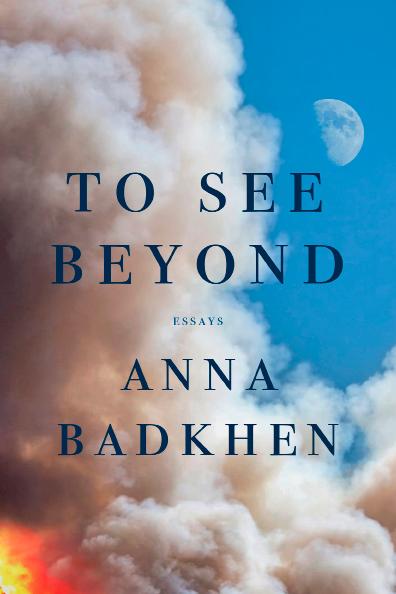
A globe-spanning essay collection on the human condition from the author James McBride calls “one of the most creative and important nonfiction writers in our era” Our hyperinformed digital era of climate catastrophe, historically unmatched migration, and genocide confronts us with a terrible conundrum: the pain and struggles of others are more visible than ever, yet hostility and loneliness persist. It often seems that we are on the edge of ruin, and hope, though necessary, is elusive. How can we reconcile ourselves to the world we have made? In To See Beyond, Anna Badkhen probes the ways we ward off despair as she imagines the language we need for survival. Through engagement with contemporary literature and stories of everyday encounters with people around the world, she brings us closer to understanding how we balance delight and grief, joy and hurt, and choose to embrace life as a form of resistance.

ARGA M
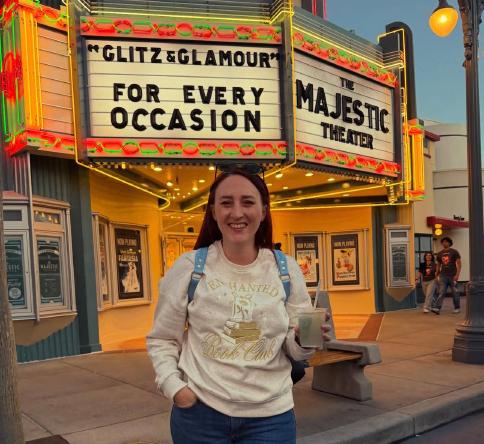
BOOKSTAGRAM
Each issue we feature a new bookstagrammer highlighting some of their amazing work.
NAME: RACHEL
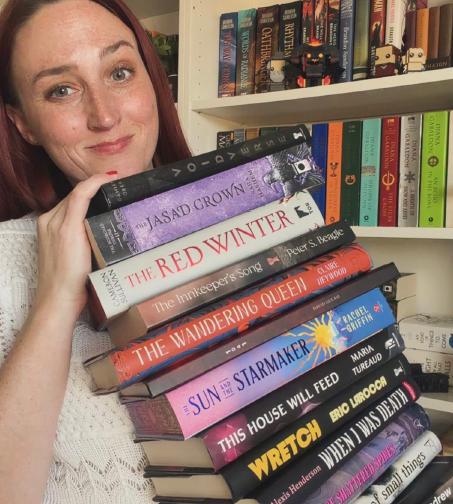
FAVORITE GENRE: FANTASY, HORROR, SCI-FI
BOOKS READ PER YEAR: AVERAGELY 150!
FAVORITE BOOK: OUTLANDER OR RED RISING
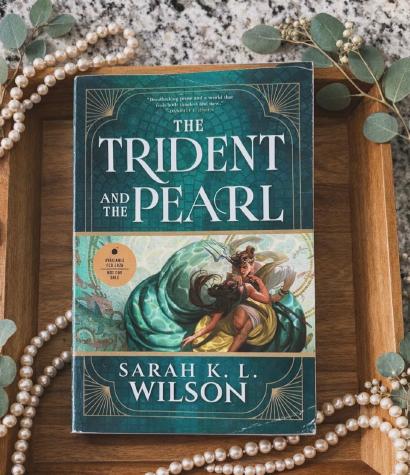
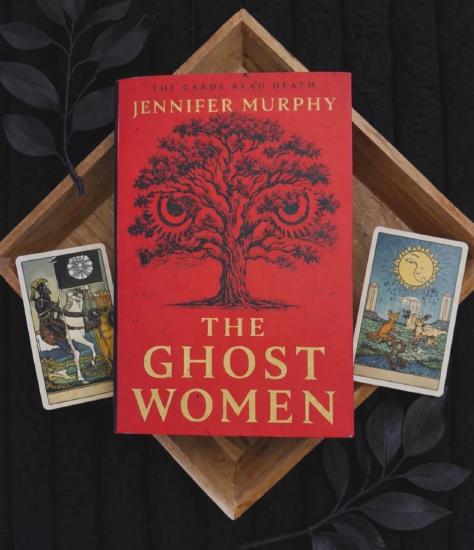
CURRENTLY READING: THE ANARCHIST’S COOKBOOK BY MATT DINNIMAN AND METAL SLINGER BY RACHEL SCHNEIDER
@FullyBookedTBR
TELL US A LITTLE ABOUT YOU.
@FullyBookedTBR: My name is Rachel, and I currently reside in Florida, but I am a born and bred New Yorker from Long Island. I grew up loving to read and wander in bookstores, and still remember the days when you preordered books from Barnes & Noble, you would get it the day of the release and not have to wait. When I am not reading, I am a Disney adult who loves spending time in the theme parks even if it’s just to wonder around. I am what I like to call a “Broadway Snob” and still regularly attend Broadway shows with my mother with famous actors in them. I have seen 52 shows and the likes of Tom Hanks, Cate Blanchett, Denzel Washington, Hugh Jackman, Bette Midler, Jodie Comer and so many more.
TELL US A LITTLE ABOUT YOUR BOOKSTAGRAM ACCOUNT AND HOW IT GOT STARTED.
@ FullyBookedTBR : I started my Booktok/Bookstagram journey back in September of 2024. I was always lurking in the community and being semi-active and I thought to myself “Why can’t I just post about books?”. I am a constant reader; I like to read a little bit of everything so I thought I would try it out and see what happens. I enjoy yapping about books and talking about all thing’s books, and not just the super popular ones. I am a firm believer in talking about all stories.
WHO IS YOUR FAVORITE INDIE/SMALL PRESS AUTHOR AND WHY?
@ FullyBookedTBR : I am expanding on my indie reads this year since I haven’t given much focus which is a shame because there are some wonderful stories out there. Some indie authors I have read recently and really enjoyed their work have been Lindsey A. Hart, E.A. Bard and K.D. Stark.
ALLTIME FAVORITE INDIE BOOK?
@ FullyBookedTBR : The Thorns We Inherit by Lindsey A. Hart
TELL US A BIT ABOUT WHY THE BOOKSTAGRAM COMMUNITY IS IMPORTANT TO YOU.
@ FullyBookedTBR : For someone who is introverted as I am, it can be a struggle to connect with people who have the same interests and hobbies like reading and such. I have found a community of people who share the same interests and ideals. I have met some of the greatest people I’ve ever known on a silly little app and I wouldn’t trade it for the world.

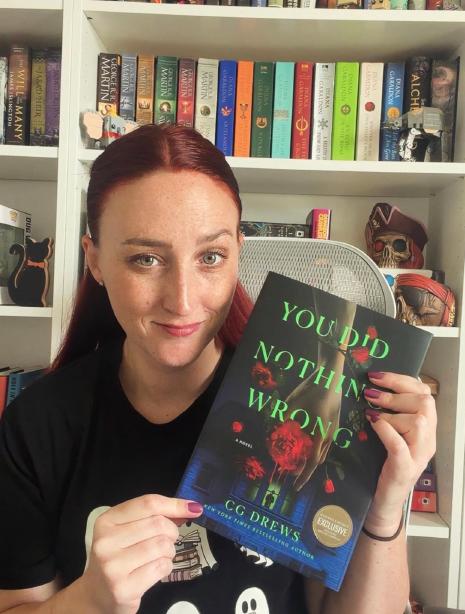
Interview: Sun Yung Shin
Author of Heart Eater: A Memoir of Immigration, Belonging, and How We Find Ourselves in Language
BY SARAH KLOTH

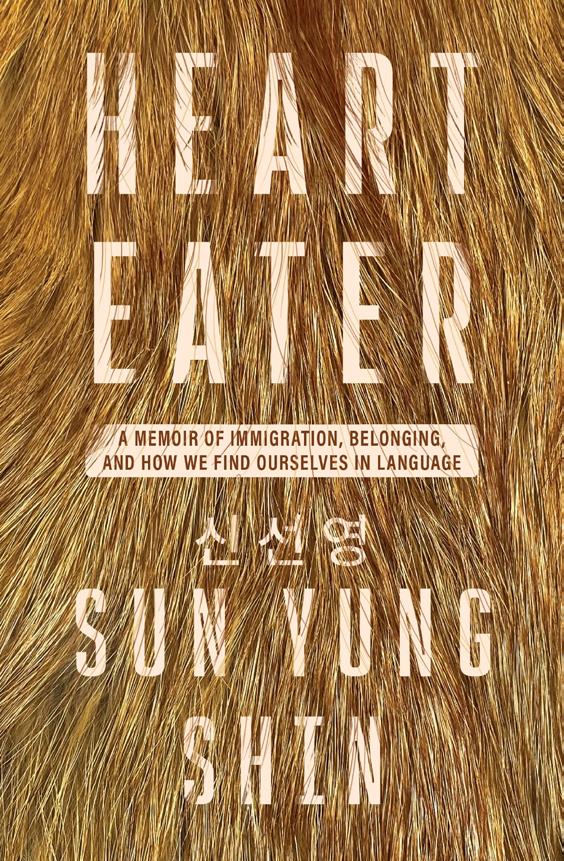
HEART EATER EXPLORES IMMIGRATION, IDENTITY, AND LANGUAGE THROUGH A DEEPLY PERSONAL LENS. WHAT MADE THIS THE RIGHT MOMENT TO TELL THIS STORY IN MEMOIR FORM?
SS: I have edited and written a number of other books, all of which center on intersecting issues of migration, race, nation, culture, identity, kinship, and I felt that there were still a lot of things I wanted to say in a rather straightforward way in prose. I’ve always loved to read personal essays and memoirs, so that ongoing interest combined with the (re)surge in violent rhetoric and politics against immigrants and refugees in this country, and around the world, made it feel like the right time.
THE SUBTITLE REFERENCES
“HOW WE FIND OURSELVES IN LANGUAGE.” HOW HAS LANGUAGE SHAPED YOUR UNDERSTANDING OF SELF, BELONGING, AND MEMORY THROUGHOUT YOUR LIFE?
SS: Language has been so influential for me because of how language
carries attitudes, assumptions, values, and history. Because Korean and English are two totally different languages in different writing systems, it’s been an intricate ongoing puzzle to understand how the U.S. historically has “languaged” Asia and Asians, aka “the Orient.” The history of Western language and discourse is so all-encompassing when you are brought to the US as a child. Language has profoundly shaped my self-concept, and my concept of the world and my place in it.
English, being a colonial language in the U.S. and in the rest of the former British Empire, is a culturally and economically dominant global language (for the time being), and I think making that web of meaning visible, at least in some small ways, has been essential to understanding myself (and others) as a complex subject, and not just an object through the Western gaze.
To be named is to be defined, and to be more concrete and personal, the most daily way language has shaped how I move through the world is through my name(s). Like most Asian
adoptees to the US—throughout the 20th century after WWII, the Korean War, the Vietnam War, and ongoing—my adoptive American parents gave me their last name and a new American first and middle name. I changed my name legally back to my Korean name shortly after I graduated from college, which has all kinds of implications for how I’m perceived, mis/pronounced, etc.
MUCH OF YOUR WORK INTERROGATES INHERITED HISTORY AND CULTURAL DISPLACEMENT. HOW DID WRITING MEMOIR DIFFER EMOTIONALLY FROM YOUR POETRY AND OTHER CREATIVE WORK?
SS: I felt I had to be much more careful because I was often writing about other people, mostly my adoptive family, but also about the other 200,000 Korean adoptees that have been socially and legally constructed since 1954. I never want anyone to think I’m trying to speak for anyone else, and so I examined every emotion and its context that I put on the page. I wanted to be as precise as possible, because I know that every person from any minority
group carries the pressure of being seen as a representative, whether we want to or not. It’s just a fact of being from a lesser known group or subgroup. In poetry, I feel I can be more fluid with emotions because images, symbols, allusions, and other oblique gestures in lyric poetry can carry or evoke a great deal of feeling, affect, mood, atmosphere.
THE BOOK WRESTLES WITH THE IDEA OF BELONGING ACROSS MULTIPLE IDENTITIES AND CULTURAL REALITIES. DO YOU FEEL BELONGING IS SOMETHING WE DISCOVER, CONSTRUCT, OR CONTINUALLY NEGOTIATE?
SS: It seems that belonging is something that is continually negotiated, in the human world and the whole living world. It feels, and I believe is, ecological.
FOOD, LANGUAGE, AND MEMORY OFTEN BECOME INTERTWINED IN IMMIGRANT NARRATIVES. WERE THERE SENSORY MEMORIES THAT BECAME ESPECIALLY IMPORTANT WHILE WRITING THIS BOOK?
ABOUT THE BOOKS
SS: Although sensory memories are so priceless, I didn’t include a great deal of sensory description of my familial and social memories that I used as launching pads for what I wanted to explore about my Korean American adoptee experience, and why I have become the kind of writer I am. I think because I was writing about a lot of Americana, I hoped I could get away with just enough description to set the scene, e.g. saying The Pledge of Allegiance in public school. I think I wrote about food only once or maybe twice, briefly, in this memoir, but I love to think about the role of food, and edited a whole anthology with wonderful contributors titled What We Hunger For: Refugee and Immigrant Stories about Food and Family. If I were writing more about South Korea, which I hope to do, I think I would weave in more sensory description for certain scenes and settings.
THE MEMOIR ENGAGES WITH BOTH PERSONAL HISTORY AND LARGER SYSTEMS SURROUNDING IMMIGRATION AND ASSIMILATION. HOW DID YOU BALANCE THE INTIMATE WITH THE POLITICAL ON THE
PAGE?
SS: I tried to ground each chapter in something personal, because the whole premise of the book is that I’m a creative writer and not a historian, political scientist, or professional journalist. I gave myself permission to be idiosyncratic and follow my own trains of thought, while also giving enough context to show that the personal is political, or that the specific can illuminate something universal that we all share, such as, we all come from somewhere, we all have lineages, we all come from kinship structures, we are all living bound by the laws of nations and so many forces much larger than ourselves. YOU WRITE WITH REMARKABLE ATTENTION TO SOUND AND RHYTHM. DID YOUR BACKGROUND AS A POET INFLUENCE THE STRUCTURE OR VOICE OF THE MEMOIR?
SS: That’s generous, thank you. Yes, my background as a poet and my reading of a wide variety of lyric memoirs and prose poetry influences my sense of freedom to engage in some language play here and there.
I was hoping that my poet-ness would help me stay with emotions as well as the mystery of certain images when and where possible.
HOW DID YOUR UNDERSTANDING OF FAMILY EVOLVE WHILE WRITING HEART EATER?
SS: I learned more about my U.S. adoptive family and their immigrant history, which made me feel like I knew them a little bit more. I was also able to receive some photographs of one of my maternal great uncles of his time as a U.S. Army soldier in South Korea. That made his time there more real to me.
THE TITLE ITSELF IS STRIKING AND VISCERAL. WHAT DOES “HEART EATER” REPRESENT TO YOU EMOTIONALLY OR SYMBOLICALLY?
SS: Because I can tend to be (overly?) abstract in my writing, I wanted a title that was embodied, and reminded me that I’m writing out of lifelong hungers that will remain ambiguous losses as well as opportunities for revelation, recognition, and healing.
THROUGHOUT THE MEMOIR, LANGUAGE FEELS BOTH CONNECTIVE AND ALIENATING. HAVE THERE BEEN MOMENTS IN YOUR LIFE WHERE LANGUAGE CREATED DISTANCE RATHER THAN BELONGING?
SS: Yes, I think the memoir is so much about that, about situations that were made by and for white Americans, while being told that “America is a melting pot,” but to melt means to merge, but it’s impossible to truly “merge” because the U.S. and the postcolonial world is built on historical racial hierarchies, masculinist patriotism, etc. So the overarching pattern has been that certain encounters began as alienating, whether deliberately or not, but understanding the context has helped me in so many ways. Also, I really try to use language as a way to bring people together, because solidarity is the only answer to our collective challenges.
HOW DID YOU APPROACH WRITING ABOUT CULTURAL INHERITANCE, ESPECIALLY THE PARTS THAT ARE FRAGMENTED, INACCESSIBLE,
OR LOST?
SS: I’ve been working on this throughout all my poetry work and in my teaching and community work as well. I think there’s the inside out part, which is getting in touch with the feelings related to the absence, and then there’s the outside in part, which is research and information and context and working one’s way back toward that absence. I also have affirmed, over the last several decades, that community is truly the way regardless of what information can be found or not found. There’s a long answer here about that but I’ll leave it there, that cultural inheritance is dynamic.
ABOUT THE BOOKS
THE MEMOIR EXAMINES THE EMOTIONAL COMPLEXITY OF IMMIGRATION BEYOND THE STANDARD NARRATIVES OF SUCCESS OR ASSIMILATION. WHAT STORIES DID YOU FEEL WERE MISSING FROM THOSE CONVERSATIONS?
SS: Stories about reunion dominate adoption narratives, which makes complete sense, but that’s not part of my story and probably won’t ever be, so I wanted to explore that dimension. I also have discovered
that there were a few unique things about my childhood and my adoptive parents and I wanted to look at those differences in the hopes that I could say something useful about the U.S.
MEMORY IN THE BOOK FEELS LAYERED AND NONLINEAR, ALMOST ASSOCIATIVE. HOW DID YOU DECIDE ON THE MEMOIR’S STRUCTURE AND MOVEMENT THROUGH TIME?
SS: It is definitely associative and also I tried to use an overall chronological structure that would end with college. A lot of essays touch on topics that don’t necessarily need to be in a specific order, so I mostly thought about, and asked early readers, what kinds of historical information a reader might need first. I also thought about the themes and motifs I wanted in the front of the book that I hoped would color a reader’s experience of the rest of the chapters.
WAS THERE A CHAPTER OR MOMENT IN THE BOOK THAT PROVED ESPECIALLY DIFFICULT—OR UNEXPECTEDLY HEALING—TO WRITE?
SS: Discovering my adoptive mother’s father was on a ship at Normandy was surreal, and it helped me feel a little bit closer to him, which was unexpected and welcome. It makes me want to learn more about the Great Depression and how that generation of Chicago immigrants worked hard to live through it.
ABOUT THE BOOKS
WHAT CONVERSATIONS DO YOU HOPE HEART EATER
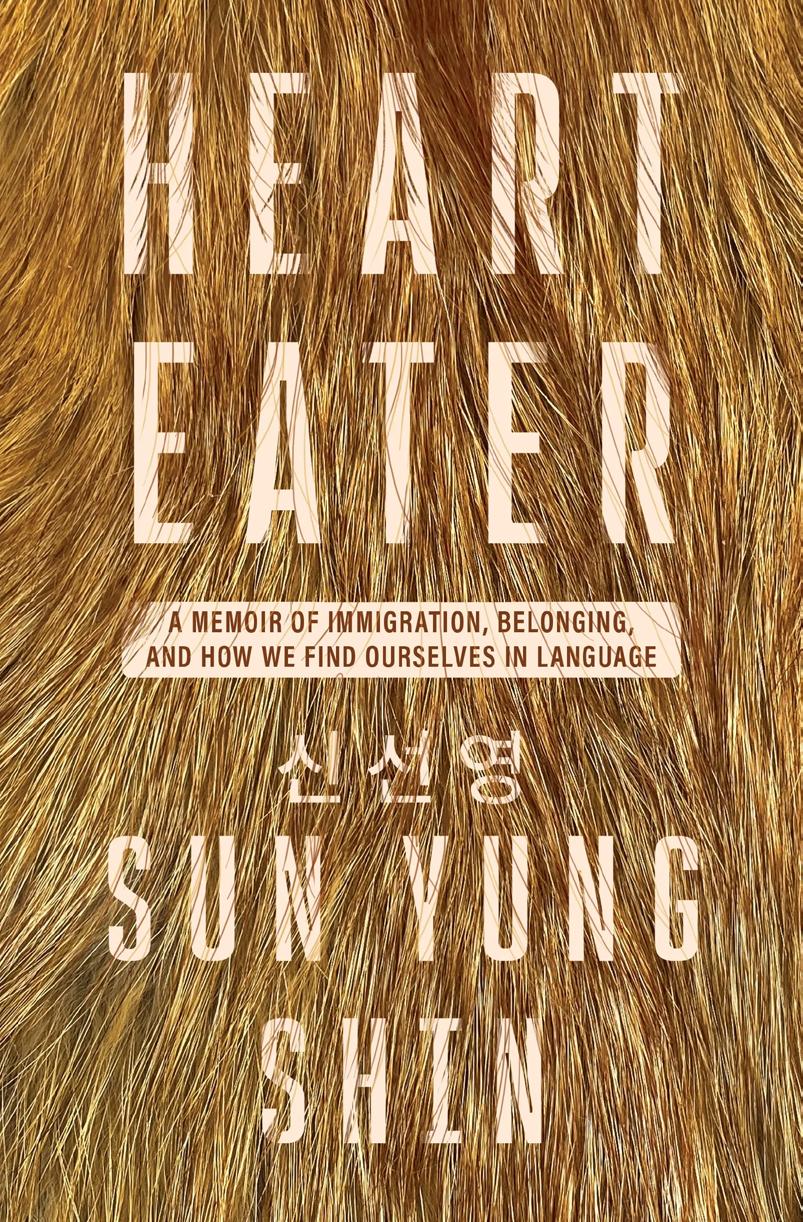
OPENS FOR READERS NAVIGATING QUESTIONS OF IDENTITY, LANGUAGE, FAMILY, AND HOME?
SS: I hope that my work helps readers understand, in general, how important language can be to shaping our sense of belonging, and specifically, that being a transnational adoptee is an everunfolding lifelong existential experience.
Inaugural Selection of the Immigrant Writers on Immigrant Writing Series
Comprised of short essays, or field notes, Heart Eater: A Memoir of Immigration, Belonging, and How We Find Ourselves in Language traces Sun Yung Shin’s journey from her childhood as a nameless, abandoned nine-monthold baby in Seoul, South Korea to an award-winning author.
Raised as a Korean immigrant by a white Christian family in the American Midwest, Sun Yung Shin paid close attention to the power of words—especially those related to race, nation, and kinship. Through these meaningful encounters, Shin developed into a writer enthralled with language’s capacity to imagine, manifest, connect, and even heal.
Through the lens of language and immigration, Heart Eater explores the question that has obsessed Shin since childhood: “What does it mean to be American?”
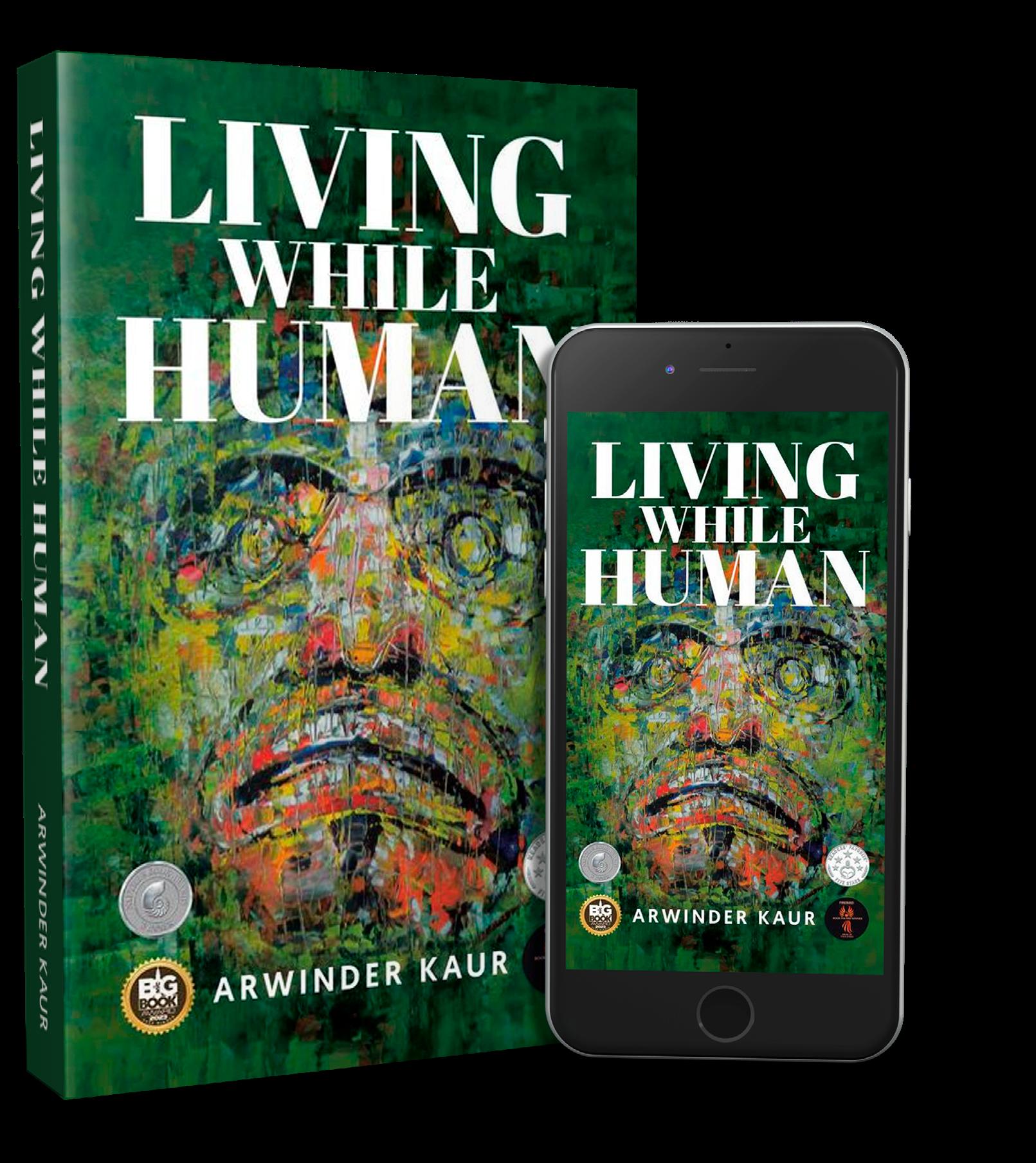
Living While Human
WINNER OF 8 AWARDS AND READERS FAVORITE
“
A powerful wake-up call — I, for one, am awake now.”
— Christy Birmingham-Reyes, When Women Inspire
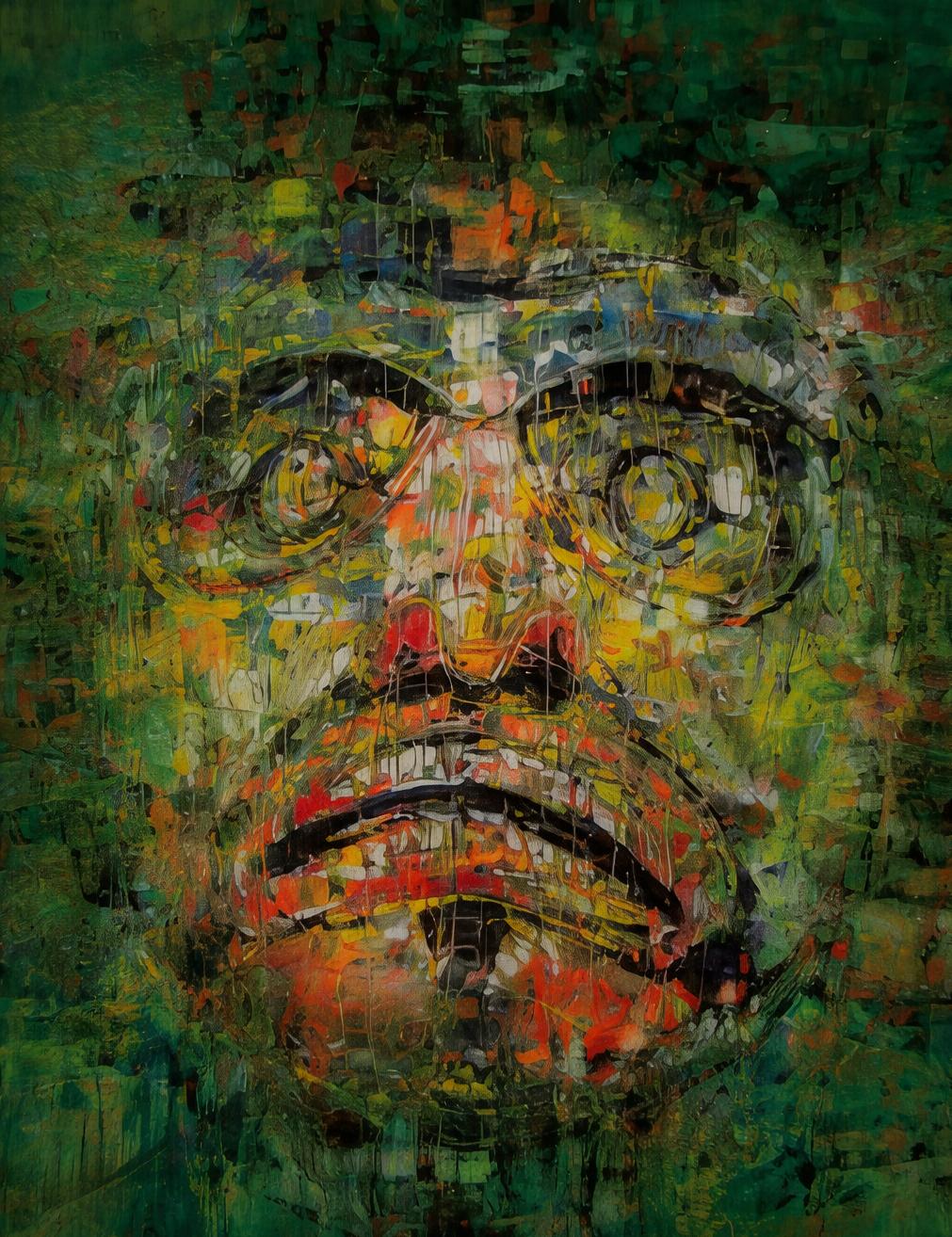
* “A captivating narrative exploring the human psyche and a heartfelt migration story.”
—Tellwell Author of the Month
“Informative, insightful, and potentially life-changing… exceptionally well written and reader-friendly.”
— Mary Cowper, MBR Bookwatch
A bold exploration of how to live consciously, sustainably, and fully human in a world we no longer recognize. A candid description, written in first person, of a South Asian family that migrated to Canada and the trials and tribulations that they faced before settling down and making Canada their home.
INTERVIEW
Interview with Nina Chayka
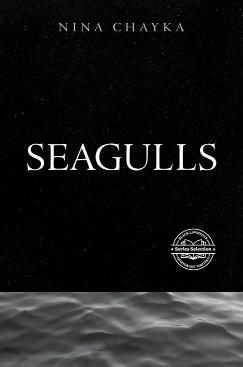
Author of Seagulls
BY SARAH KLOTH
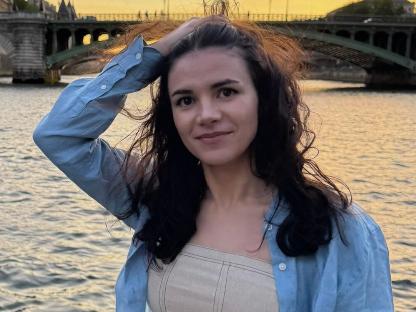
SEAGULLS MOVES ACROSS CITIES, BORDERS, AND PERSPECTIVES WITH AN ALMOST TIDAL RHYTHM.
WHAT FIRST INSPIRED THE STRUCTURE OF THE NOVEL?
NC: I wanted first to show the main characters in the lives they’ve built after the immigration. The first three chapters follow these women after they’ve already left Ukraine or Russia – we meet them in Barcelona, New York, and Istanbul. The sense of loss surrounding events as monumental as immigration, war, or displacement can be overwhelming, so I wanted to give these women the dignity of new beginnings. In a sense, I wanted to reassure the reader – these women are okay, they make it through –before leading the reader to follow them into darker places.
After this initial flash-forward, the stories move chronologically, and we finish more or less where we started. To quote T.S.Eliot...
We shall not cease from exploration And the end of all our exploring Will be to arrive where we started And know the place for the first time.
THE BOOK FEELS DEEPLY CONCERNED WITH DISPLACEMENT, MOVEMENT, AND SURVIVAL. WHAT DREW YOU TO WRITING ABOUT LIVES SHAPED BY MIGRATION AND INSTABILITY?
NC: Seagulls began as my personal way of processing the Russian invasion of Ukraine in early 2022. I wrote a draft of what would later become one of the chapters only a few weeks into the war. As often happens, I didn’t think of it as a book when I started writing it – it was simply something I had to put down on paper, for myself, without any intention of sharing it.
Over time, writing down stories of people impacted by displacement, immigration struggles, and the intensely personal dramas of our lives – divorces, marriages, childbirth, falling in and out of love – unfolding against the backdrop of geopolitical crisis was a way for me to connect with those people, to find resonance between their stories and mine.
PLACE PLAYS AN ENORMOUS ROLE IN THE NOVEL—FROM
BRIDGEPORT TO BARCELONA TO BATUMI TO DNIPRO. HOW DID GEOGRAPHY SHAPE THE EMOTIONAL LANDSCAPE OF THE STORY?
NC: Every character has had to move in the course of the book, often several times, and even the places where they eventually land have a sense of impermanence, whether or not the person has imminent plans to leave. This scattered geography plays an important role in the collection. The places people move to are both highly specific and strangely interchangeable: Batumi, Istanbul, Barcelona. These are distinct cities with vibrant cultures and histories of their own, but since people arrive in these places not entirely by choice, they also become places of alienation, a temporary stop on the way somewhere else.
For Russian immigrants in particular, political constraints often narrow the possibilities to countries like Turkey or Georgia, since visa restrictions make Europe inaccessible unless they manage to secure a work visa, which is rare and difficult. At the same time, there’s a sense that these destinations could as easily be
somewhere else, that tomorrow you might have to pack up and leave for another city, country, life.
THE NOVEL’S FRAGMENTED STRUCTURE CREATES A SENSE OF ACCUMULATING MEMORY RATHER THAN LINEAR NARRATIVE. HOW DID YOU APPROACH PACING AND CONNECTION ACROSS SO MANY PERSPECTIVES?
NC: Frankly, I wanted to let the characters speak for themselves, and, rather than me imposing the structure top-down, to let them guide the narrative, which means that sometimes the narrative is linear, sometimes circular, sometimes more meandering – just like it is in life.
WATER IMAGERY APPEARS CONSTANTLY THROUGHOUT THE BOOK—SALT, TAR, TIDES, SEAGULLS, HARBORS. WHAT SYMBOLIC ROLE DID THE SEA COME TO HOLD FOR YOU WHILE WRITING?
NC: Since the characters are so scattered around the world, I wanted to find something in their environment that would be a kind of
ABOUT THE BOOKS
connecting tissue that would bring them all together emotionally –since they couldn’t all be in the same room together. And without me really planning for it, almost all of the characters had a moment when they are looking at a body of water – the Atlantic Ocean or the Black Sea. So the sea (and, of course, the sea birds) became that connecting element between the characters.
THERE’S A TENSION THROUGHOUT THE NOVEL BETWEEN TENDERNESS AND DANGER. HOW DID YOU BALANCE INTIMACY WITH THE LARGER POLITICAL AND HISTORICAL FORCES SURROUNDING THE CHARACTERS?
NC: I was particularly interested in how people experience situations that from the outside appear ‘dangerous.’ This is not to say that when you’re the one experiencing them, they are not dangerous, more that there’s a certain dissociation that comes over a person in a state of crisis. A kind of clarity –
calmness even. There’s no time for worrying or doubting, only clear and decisive actions. Frequently that state is very clarifying, which is where tenderness and intimacy comes from. Knowing what’s important and what can be trimmed down.
YOUR PROSE OFTEN FEELS POETIC
AND SENSORYDRIVEN. HOW IMPORTANT WAS ATMOSPHERE IN SHAPING THE READER’S UNDERSTANDING OF THE CHARACTERS’ EMOTIONAL STATES?
NC: We catch most of the characters in a very liminal place in their lives, and I wanted the prose to reflect this. There’s a kind of groundlessness that comes after moving to an unfamiliar place – and once you’re disconnected from the environment you live in, it becomes very easy to get lost in your own head. I wanted the characters’ voices, their monologues, thoughts, and feelings, to be equally unrooted.
THE BOOK ENGAGES WITH CONTEMPORARY MIGRATION WITHOUT BECOMING PURELY POLITICAL REPORTAGE. HOW DID YOU NAVIGATE WRITING TOWARD HUMANITY RATHER THAN HEADLINES?
NC: I think this, at the core, is the work of fiction. I had those big themes in mind when I started to write, of course – migration, displacement, war – but more than anything I wanted to tell the stories of people affected by those concepts that in places like New York or Los Angeles can feel very abstract.
LANGUAGE ITSELF SEEMS UNSTABLE IN THE NOVEL, WITH CHARACTERS MOVING BETWEEN CULTURES AND MODES OF COMMUNICATION. HOW DID MULTILINGUALISM INFLUENCE YOUR WRITING PROCESS?
NC: Language is something I thought about a lot, since while most of the characters are in reality
speaking Russian or Ukrainian, I’m writing their stories in English. I felt very strongly about not making the characters speak broken or accented English because that’s not how those characters would have experienced those scenes in real life. I decided that it was more important to communicate their emotional states rather than to use other languages to add ‘texture.’ Treating languages as decoration would have felt frivolous to me. When I wanted to use an expression that felt particularly true to a certain character, I included those phrases in the original Russian.
MEMORY FUNCTIONS ALMOST LIKE ANOTHER CHARACTER IN THE NOVEL. HOW DID YOU THINK ABOUT THE RELATIONSHIP BETWEEN MEMORY, TRAUMA, AND STORYTELLING?
NC: The collection is inspired by Anton Chekhov – the eponymous play, of course, but also the short stories – and it is his relationship
to memory and time I was thinking of the most while writing. There’s a sense of nostalgia for a lost Russia that permeates Chekhov’s work and deeply moves me: nostalgia even for the Russia that still physically exists, but you can feel it already slipping away. A kind of longing that arrives before the loss itself – a sense of remembering something even while you still have it.
WHAT DO YOU HOPE READERS CARRY WITH THEM EMOTIONALLY
AFTER FINISHING SEAGULLS?
NC: Being an immigrant in America, especially outside of an immigrant community, can feel isolating. The geopolitical crises that to Americans seem very far away, feel very close to us, even if we are physically in America. Writing this book was my attempt to share that understanding with readers.
A teenage Olympic champion in Krakow, a stripper in New York, an American professor at Yale, a tech executive, and a doctor turned undocumented nanny—in a stunning collection of linked stories, Seagulls follows these women and men as they navigate exile, marriage, violence, and love in the aftermath of the Russian invasion of Ukraine.
Nina Chayka’s debut collection draws on stories collected by the author from Ukrainians and Russians whose lives were shattered by the war, and from the author’s own experiences as a member of a Muslim minority in Russia, her escape from harassment and threats of the Russian government, and her eventual exile in the United States.
Through these interconnected lives, Seagulls explores how individuals bound by war find the relentless, if sometimes reluctant, need to move forward.

EXCERPTS
Take a bite from your next favorite book.
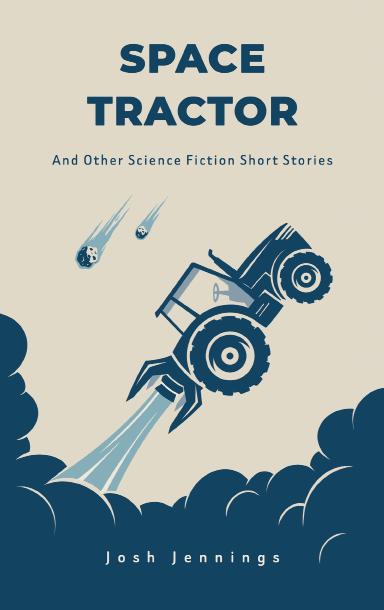
Space Tractor.
BY JOSH JENNINGS
Independently Published | October 2025
So, about five years before the mess I’m telling you about, Arno comes up to me one day and says he’s gonna build this rope bridge. Whatever for, I ask him. Old Dick Rock is a barren hunk of asteroid, not even big enough to build a house on. It ain’t even terraformed, you know – just a big piece that broke off the main rock a hundred million years ago or something. Well, he says, he’s heard it from a “very reliable source” that there’s a whole big vein of Bergamite in there, just waiting for the right fellow to come along and claim it. He says he’s only telling me because he needs a partner to help him mine the stuff, and that we’ll be richer than God’s accountant if we pull it off.
I don’t need to tell you that there ain’t no Bergamite in Old Dick Rock, just like there ain’t none in Whiskey Junction, nor
Mudslide Falls, nor New Ticonderoga. In those days, the closest Bergamite veins was eighty or so million miles away, in the Bayonne Cluster.
And I tried to tell Arno that – of course I did –but he was dead set on the idea and wouldn’t see reason. So, I says that if he wants to build the bridge, I’ll help him look for the Bergamite. I didn’t figure he’d actually go through with it, you see. For one thing, I suspected he’d get tired out before he could finish it and find something else to get obsessed with. For another thing, I thought for sure he’d get it into his moron head that you wouldn’t need a rope bridge, since all there was between us and it was dead space. He could have hauled eighty billion pounds of Bergamite out of there on his back, and he wouldn’t have to worry none about any serious gravity until he hit
Whiskey Junction’s autoplates once he got inside the dome. And none of that was gonna happen anyway, so I didn’t worry about it.
But, wouldn’t you figure it, that crazy son of a bitch did it. Six months later, he comes up to me and tells me he’s got the rope bridge ready. I’d already forgotten about it by then, of course, so I ask him what he’s talking about, and he repeats the whole crazy line about mining Bergamite.
Well, as you know, I’m a man who keeps his promises, even when
they’re dirt stupid. So, I take the day off, not telling Cora Lee where I’m going (and you’d better not ever repeat this part of the story to her, by the way; I’d never hear the end of it, and I got a whole list of things I ain’t never hearing the end of anyway), and me and Arno hoof it out of town in our space suits.
The rope bridge – all five miles of it – looked like it had gone on a bender, gotten sober and found Jesus, then fallen off the wagon again…maybe eight or ten times. But it was strong; I gotta give Arno that much, the damn thing held tight. So, we spacewalked away from Whiskey Junction – just far enough to be over the horizon and out of sight of any nosy residents – and we drove
ABOUT THE BOOK
us a couple of metal stakes deep into the rocks. Then Arno attached the rope, and off we went for Old Dick Rock, he with a Bergometer and me with a pickaxe. We got there and pounded in new stakes. And for a good five minutes, there was an honest-to-God rope bridge connecting the big asteroid with its broken little cousin. During that little time, Arno walked around waiving the Bergometer’s wand back and forth, not findin’ nothin’ of course…but he weren’t discouraged.
Then, all hell broke loose. One of the things he didn’t count on – and to be fair, neither did I – was space junk. I never did get a close enough look to be certain, but I do believe what hit that damn rope bridge was an old Ford
Space Tractor and Other Science Fiction Short Stories is a wild ride of the imagination that lands just about everywhere it’s possible to land. From farmers in space to survivors wandering a blasted American landscape; from aliens looking for exactly the right person to abduct, to a weather-beaten old sheriff having to make a hard decision on a distant world; from comedy to drama, from terror to joy, this book will have you turning pages late into the night, and wanting more when you reach the end. In Space Tractor, Josh Jennings celebrates the diversity of the form, and the pure joy that speculative fiction can bring.
Hoverpod. It had them swept-back lines, you know, what was in fashion thirty or forty years ago. Whatever it was, it was probably hauling more ass as space trash than it ever had back when it ran. It floated right into the bridge at speed, and all I heard in my helmet from Arno was a quick, plaintive, “God-dang!” Then me and Arno was thrown clear free of Old Dick Rock, twisting ass over shoulders in space, watching in horror what happened next.
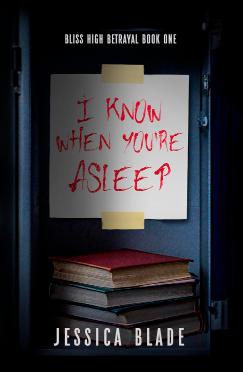
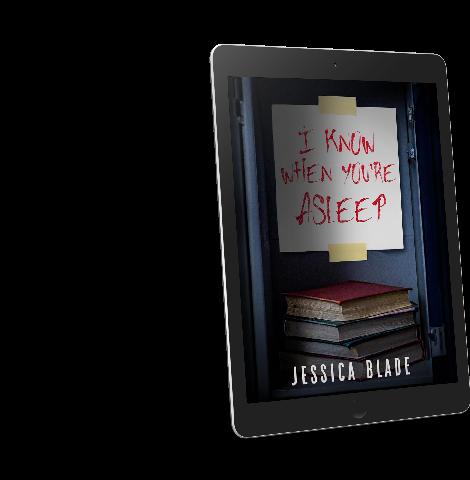
I Know When You’re Asleep.
BY JESSICA BLADE
Independently Published | March 2026
BREAK ALL TIES, OR ONE OF YOUR FRIENDS DIES.
The white piece of paper is taped to the inside wall of my locker. The painted handwritten message is in all caps—large red dripping letters. I squint. The signature line at the bottom reads, Sincerely, The Rogues.
Is this a joke?
Goosebumps tickle the hairs of my arms.
I peer down the hallway. Zoe and Aiden make out near the music room. His tongue is practically shoved down her throat. Gross.
How can two people be that obsessed with each other?
I roll my eyes and move my gaze past them. Students open lockers, swing backpacks, scurry on to class.
No one is acting suspicious. I glance back at the inside of my locker. The word ‘DIE’ almost glows against the metal frame.
I swallow. No. It’s just a joke. It has to be. Isn’t it?
“Hey, babe!”
I jump as Luke wraps his arms around my waist and
nestles his cheek into mine. He lets go. I whirl toward him.
His smile drops.
“Hey, what’s wrong, Mandy?”
“Someone left a cruel warning inside my locker.” His lips twitch. “What?”
“See for yourself.” I rub my arms, more goosebumps covering my skin.
He looks past me. His dark brown eyes spark with amusement as he squares out his broad shoulders.
“The Rogues? Huh. I knew they had to start their jokes at some point, but—” “What do you mean? Who are The Rogues?”
“They made an announcement through our online newspaper last week. It’s apparently some newly formed secret society.” He shrugs. “No one knows who is in The Rogues.”
Worry lodges in my throat.
“I don’t think it’s a joke.” I want it to be, but everything in me is telling me it isn’t. Luke tilts his head at me.
“Mandy, of course it is. No one is actually going to kill one of your friends. . .Wait a minute. How come
The Rogues know your combination when even I don’t?”
The goosebumps on my arm pop.
“I don’t know.” My eyes are glued to the locker, like it will give me an answer to that.
Lately, it seems like Luke never takes me seriously. Like the other day when I had to break our date because I needed to study for history. He tried to get me to go out anyway— “Babe, it’s just one test.”
I finally got fed up and actually yelled at him, saying he didn’t care about
me or about how important my test was to me. He seemed hurt by my outburst, and I was surprised I acted so intensely. He said I took his comment all wrong.
I never lash out like that. Am I going too far? It is just a test.
I glance at Zoe and Aiden. They’ve seemed to have found the key to their lip lock and are on their way outside walking hand-in-hand. They’ve been dating for over a year and still can’t stand to be apart.
Maybe they aren’t obsessed. Maybe they truly care about each other. Like really love each other.
Luke and I have been dating for a year, too, since freshman year started. He’s so tender with me, tells me how beautiful I am, how smart, how wonderful. He makes me
ABOUT THE BOOK
feel like a princess. Opens my door. Kisses my hand. Stops by my house just to cook for me. But this past month, he’s acted a little differently, like with my history test and now this.
We’ve told each other a thousand times how much we love each other. Does Luke still care deeply about me? I can’t tell if he’s trivializing my feelings or if he’s right and just trying to help.
Either way, he thinks I’m taking the note too seriously too. I cross my arms in frustration. I really want to believe him, but how can I when this feels so different? He gently unfolds my arms and takes my hand in his. “They would be stupid to leave handwriting that could be easily analyzed.”
I look at him. “You think so?”
“Of course.” He flicks his head at the locker. “That? Just
their lame idea to get attention.” He shakes his head, like he’s disappointed. “I thought they would at least start out small and build up to something like that.”
Doubt squirms in my gut. Luke takes a step back from me. “Mandy, you’re letting your imagination get the best of you.”
I stare at him. “Huh?” He brushes a hand through his thick black hair. “You like scary movies, reading mysteries, but sometimes you let those things get to you, even if they’re harmless.”
My face heats. He’s doing it again. Making it seem I’m reading too much into this. Does he even care how upset I am?
When pranks turn deadly, Mandy must find a way to win the game assigned to her, where the killer keeps changing the rules.
The ominous note slipped into Mandy Wright’s locker reads like a hoax...until she finds her friend’s body discarded in a dumpster, the victim of a gruesome firework execution.
But obeying the killer’s warning to cut ties with her friends doesn’t stop another one of her friends from being tragically murdered in what everyone insists is merely a “disturbing prank gone wrong.” And when a new note spells Mandy herself as the next target, there’s only one chance of survival: finding a way to outsmart a killer who doesn’t play by their own rules.
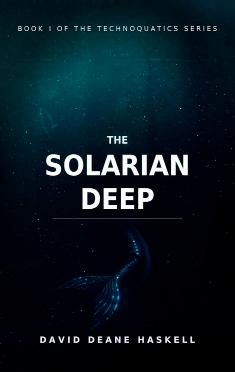
The Solarian Deep.
BY DAVID DEANE HASKELL
Independent | February 2026
Excerpt from Chapter 1, “Coming of Age”:
The trading post hummed with energy, crowds of school-agers eagerly browsing all the comingof-age deals. Off to one side, against a moldy wall dripping from disrepair, Calistya traced the sleek lines of the full-gill, openocean enhancement set. Her pretty reflection along the shimmering edges spoke to its quality, adding contrast to the discount district vibe.
“There’s probably something wrong with it. Must be fake,” she whispered to herself.
But despite her surroundings, the merchandise itself was top-of-the-line, unaffordably so, and she knew it. She felt a knot of anxiety as she thought about what it would take to get her hands on it. To have it installed, and to experience the fullness of life it promised.
Everything would change, if she dared make the decision—the most monumental choice any Technoquatic would ever make. No longer could she spend any time in the dry zones, which encompassed some thirtypercent of their city, including all the youth habitats. She’d never be able to walk again, which meant giving up one of her favorite hobbies— jogging along the merchant’s promenade.
But the tradeoffs… Those were more than worth the struggle. To be able to glide through the open ocean for as long as she wanted. No oxy-tanks to encumber her, no flippers or quasi-gillslits forcing what should be so natural. No more swim instructors—their own flippers full and strong and marvelous—telling her how she needed to take it slow, stop trying to race the full-ones, and remember that she wasn’t a mermaid yet.
Calistya wished her parents could be alive to see it. She’d never known them. They had passed on during the great dying, at a time when nearly half the population had perished. She’d been at school when she received the word, and before she knew it she’d been placed in a care-community with thirty-four others of various ages and backgrounds. It wasn’t a horrid place, but it wasn’t home, and it wasn’t family. Techno-mers weren’t known for having large extended families, so there simply hadn’t been any place else for her to
She often wondered if things might’ve been different up on the surface. There were stories and legends about extended human families up there. Grandparents, aunts and uncles. Hundreds of dancing, running cousins to play with—if the children of the care-community could be believed. Calistya often wondered, since they were so adept at spinning tall tales. But it sounded wonderful.
As life settled down, the great dying passing into memory, then history, some of the children began to get picked up. From well-todo families looking to be charitable, or couples who’d dreamt of having a child but could not. Offers came from proper homes almost
ABOUT THE BOOK
daily. But Calistya, being one of the oldest, was almost always passed over.
She had met with a couple or two, awkward exchanges where she would eagerly tell them about her top marks in school, her dreams about going full-gill so she could ‘help save the seas’ (a vague aspiration she hadn’t quite figured out yet), hypervigilantly feeling them out and trying in vain to impress. Then came the realization that she was getting nowhere, plunging her into an anxious silence. She would float there at a loss, not knowing what to say to save things. Her hopeful dream, that they’d suddenly exclaim, ‘You’re perfect. Let’s go!’, would fade into despair as the minutes passed, and they would finally excuse themselves
without saying much.
Her best friend in the community, and the one she most counted on when times got tough, was a girl named Khrystal. Not much for school life, this girl was a troublemaker and then some. Always teasing about what she’s going to do with her undersea unicorn once she finds it and catches it and tames it for her own. How that was going to be her ticket to get out of here.
The surface world is no longer safe. Beneath the sea, the last Technoquatic humans survive in The Shallows, an underwater city of shortages, rules, and carefully managed survival.
Calistya and Khrystal are two orphan girls who want more than the small future their city has planned for them. When they cross a forbidden boundary and descend into the deep, they discover a hidden civilization, a mysterious boy named Kyle, and a truth that could change everything their people believe about the sea and themselves.
As fear rises between two underwater worlds, the girls are pulled into a conflict over survival, belonging, and what humanity is becoming. First contact may start a war, or it may open the way to something new. go.

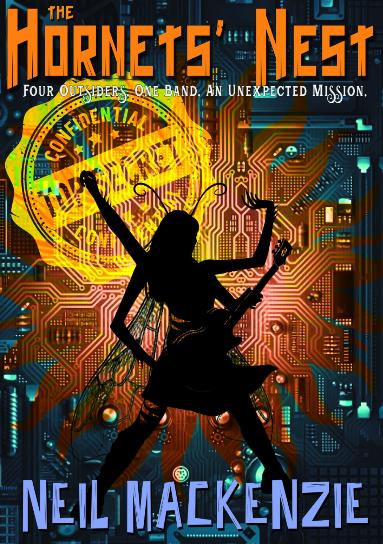
The Hornets’ Nest .
BY NEIL MACKENZIE
Neil Mackenzie | January 2026
Although they didn’t realise it, each of them exuded an effortless cool. Spyder, their head often turned to the side in concentration was in complete command. Four corkscrewing limbs beat out a dancing, driving rhythm that, from time to time, brought out the widest of grins – as if she was celebrating being possessed by some dark melodic presence. Honey stared out to no one and everyone, in control. And then, suddenly, one leg would plant in front of the other. She dipped and recoiled in emphasis to the music before returning upright, statuesque and detached. She wasn’t seeking to charm, but the audience was charmed anyway. And then there was Anton. As the set went on, he played with ever more frantic energy – urgent and unfiltered, his right knee keeping the rhythm while he slammed his guitar, as if the music was trying to burst out of him. Anton wasn’t interested in polish. He snarled and shouted with fire, veins bulging, sweat flying, eyes burning with passion.
“Thank you! Thank you very much!” he shouted over the applause, out of breath and buzzing. “You’ve been an amazing audience, and this has been an
amazing night.
“Before we play our last song, I want to introduce the band. First, on bass guitar, please put your hands and anything else you clap with together… for Honey Beeee!”
The crowd cheered and clapped in time as they shouted, ‘Hon-ey! Hon-ey!’ In return, Honey B gripped her guitar to her chest, bowed slightly and flashed a bashful smile from beneath her fringe.
When the cheering died down, Anton continued. “And on drums, please show your appreciation for…” But before he could finish the sentence, someone shouted, ‘We love you Spyder’, and that started a chorus of ‘Spy-der! Spy-der!’
Spyder wasn’t one for shy glances and modest curtsies. As the applause swelled, they leapt from their stool, punching the air in time with the chants. Unashamedly out there, they vaulted over the drumkit and grabbed the microphone.
“Thank you! Yeah! Hey, y’all.” They slung an arm around Anton’s shoulder. “Hey, you guys, what about putting your hands together
for the guy who brought us all together? Give it up for Ant-awwwn!”
The impassioned applause told it all. They knew Anton had a rare talent – a voice full of storytelling, sometimes gritty and angry, other times soft and vulnerable.
“Thank you! Thanks again,” Anton said, waving. “So, this is our last song of the evening.” He chimed out a riff that the crowd immediately recognised. “Thanks for coming tonight. We are Them Creepy Crawlies,” Anton shouted, his words punctuated by an increasingly loud staccato guitar: “And this is… Them. Creepy. Crawlies!”
The band launched into their eponymous track, and the crowd went wild.
An arthro mosh pit is a terrifying place. Tightly packed legs, arms, pincers, wings, antennae and mandibles shook and pogoed, leapt and lurched. The ants and beetles at the front of the stage shouted the words back. Dressed in black or brown, they moshed with excited good humour. It wasn’t for the fainthearted. You could get hurt if you didn’t commit yourself. Crowd surfing, an ant was hoisted high, passed around, only to drop unceremoniously to the ground, capsized with legs and arms grasping helplessly.
Back from the chaos, a crosssection of more mature arthropods swayed and tapped, enjoying the music but taking a bit more care with their outfits. Ladybugs, dramatic in their red polka-dotted cloaks. Dragonflies, iridescent in blue, violet and purple. Earwigs with clippers securely bound. Caterpillars, outstanding in orange pants and yellow or rose jackets. They all stood tall on strong back legs, singing along with verve.
ABOUT THE BOOK
Further back, bumpy locusts and wide-eyed grasshoppers in green and tan jumpsuits bounced out of time like poorly coordinated trampolinists. And right at the back, butterflies and moths provided the most colourful of backdrops – a kaleidoscope of pink, crimson, gold and violet. Of course, everyone was there for the band, but everyone liked to see their glamorous outfits.
Locked in the moment, the band played as if on autopilot. Unencumbered by their instruments, they were lost in the music. And Anton? Well, it was hard to look away. Eyes closed. A right leg rhythmically stomping. Infected, the arthropods gyrated, shook and sparkled under the spotlights, long ago having surrendered to his spell.
Back out in the front room, the rhythm pulled the grumpy regulars out of indifference and forced a twitch or a
tap. Outside, even the cicadas couldn’t help but scrape their wings in time.
And beyond the venue, where no one had heard of Them Creepy Crawlies, arthropods of all classes and species got on with life’s ups and downs, all bound by something mysterious and arcane. This wasn’t swarms of disorganised insects, myriapods, arachnids and crustaceans –small, insignificant or weak. This was life, most advanced. Organised and strong. Evolved and intelligent.
As the instrumental part of the song came to an end, Anton opened his eyes, smiled at the crowd, and prepared them to yell out the final chorus.
In a world of anthropomorphic insects, four teen misfits form a punk band called Them Creepy Crawlies and quickly rocket to fame. Led by the troubled Anton alongside Honey B, Spyder, and the awkward keyboardist Wiggy, the group lands a headline spot at a legendary music festival. But just before their biggest performance, Wiggy disappears. The band soon discovers he’s secretly a hacker working for the covert agency Insecterpol, and their manager Terry has been using the band as a cover for espionage missions. To save Wiggy and stop a terrifying superweapon from falling into enemy hands, the band must risk everything deep inside hostile hornet territory.
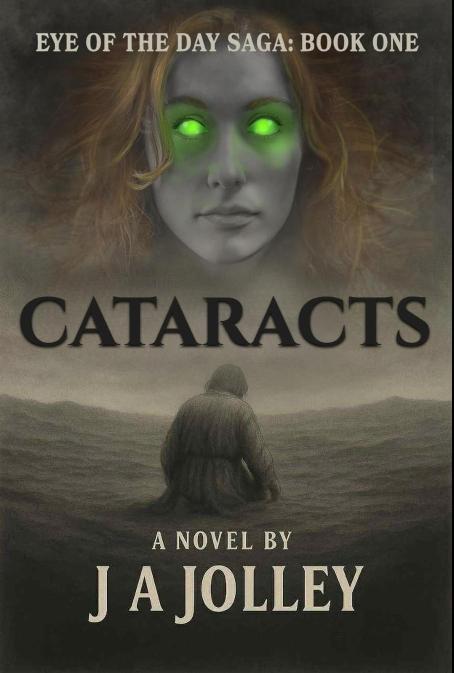
Cataracts.
BY J A JOLLEY
Star Shine Stories | October 2025
Something shifted in the dark, just beyond the fire’s edge. It moved, they moved, creatures in the dark.
Florence cried out behind him as a voice drifted in from the dark. Soft. Familiar.
“Is that you?”
Jacques froze. Every part of him held still.
The voice was warm, shaped by memory—intonation wrapped in old routines. He didn’t need to guess.
“Louis?” he whispered. It slipped out before he could stop it. The name caught in his throat.
Then came another—higher, trembling, unmistakable.
“We’re over here!” He flinched. That one hit deeper. Marie.
The cadence, the rhythm— it was hers. She always sounded like she was about to laugh, even when the world was falling apart. But she’d died five days ago. And there hadn’t been enough left to bury. Behind him, Florence
gasped. Her hand covered her mouth. Her eyes locked on the cave mouth, wide and wet.
“No,” she breathed. “It can’t be…”
A step forward. Her voice cracked.
“They’re alive.” Emerald’s gaze snapped to Saturn. Her expression tensed, but he was already still—hands frozen above the drone, eyes narrowed behind his goggles.
“This is impossible,” Saturn said. “They’re dead.”
A low grunt turned Jacques’s head. U’gah had stepped back from the fire’s edge, arms raised slightly, fingers twitching in staccato bursts. He muttered to himself—no rhythm, no ceremony. There was no control left in the sound.
Jacques moved without thinking.
“That’s not them.” The words came out dry, stripped down. Not a theory—an instinct. But the voices didn’t stop. They multiplied—spilling from every direction, overlapping, almost believable.
“Please help us!” “We’re here—don’t leave us!”
Each cry hit the stone with unnatural timing. Close to human, but flattened. An imitation stripped of understanding. Florence buckled.
She broke from the circle and stumbled toward the cave mouth, arms outstretched, eyes fixed on the dark with a look Jacques had only ever seen in people who had already decided to follow the dead.
“Louis! Marie!” she called. “We’re coming!” Jacques lunged. His boots scraped the stone. He caught her arm and yanked hard.
“No.”
His words cut low and final. She fought him, wrenching in his grip. Her eyes burned, glassy with tears.
“Let me go! They need us!”
“They’re gone, Florence.” His voice didn’t rise, but the weight behind it did. “We saw them die. Whatever’s out there—it isn’t them.”
A sound rumbled in from beyond the firelight. Not speech. Not a howl. It dragged across the stone in a slow, grinding rasp—low enough to be felt inside his chest.
Jacques didn’t flinch. He’d heard that frequency before. Not in tone—but in meaning.
U’gah stepped up onto a raised slab with a force that felt almost ritualistic. The moment hung—just a breath of silence—
Then his body turned.
There was no light show. No cinematic snap of bones. Just a shift, abrupt and final, like the world realizing it had miscalculated the shape of him all along.
His shoulders broadened. Joints swelled. Fur split through skin in wet threads. Mass gathered across his frame in uneven, lurching intervals—arms too thick, torso stretching, face pulling forward into a muzzle. It wasn’t violence. It was correction.
He didn’t grow tall so much as deep. The kind of density that made space seem to bend around him.
The firelight caught in his eyes—not human, not animal, but reflective, intelligent.
He rose onto thick hind limbs, head low, weight balanced with uncanny stillness. Every part of him radiated presence. Intention.
Then he let out a sound. Not a roar. Not a bark. A coarse, chest-worn bellow—cut short, but full of edge. A signal. Florence stopped mid-stride.
Her arms dropped. Her face slackened, locked between recognition and disbelief. The panic hadn’t left her eyes, it had a new direction now.
Jacques pulled her back across the stone, one arm around her waist. She stumbled, but didn’t resist.
The fireline trembled between them and the cave’s mouth. Sparks twisted upward and fell back as ash curling inward.
“Écoutez,” Jacques said. “He’s protecting us.”
ABOUT THE BOOK
After a failed expedition leaves only a few survivors, former soldier Jacques Auclair leads a fractured team across the deadly world of Mu, a land filled with ruined civilizations, engineered monsters, and ancient horrors. Joined by scientists, warriors, and unlikely allies, they uncover the truth behind their mission: they were never sent to explore, but thrust into a hidden war shaped by long-forgotten experiments blending science, magic, and biological terror. As they descend into a buried research facility packed with terrifying secrets, they realize something ancient and parasitic still lives beneath Mu, and it is beginning to awaken.
A Light For The Lost .
BY J A JOLLEY
Star Shine Stories | January2026
“Little warning next time, Mustang?” he said, annoyance plain in his tone and sharpened by the ache.
“Good morning, Sunshine,” the lieutenant said, sarcasm flat and practiced. “Blessing everyone with your brilliance on this delightful Thursday, are we?”
“Still waking up deciding to be everyone’s problem, I see?” Bradley shot back. The bite bled out as he settled too fast. Pain answered; he regretted the movement immediately.
“Not everyone’s problem, sir—just yours.” Mustang’s gaze was cool, almost satisfied. “Seems an animal of some sort was prowling the alley near the dispensary where I get my morning tea.”
Bradley’s scoff died before it formed. The pain returned—part flinch, part dull throb. He pushed to his feet; a grimace pulled at his face and dizziness slid the room a fraction to the left.
“Not funny,” he said, riding it out.
“The only thing funny here is you, ‘sir,’” Mustang managed, the sound that followed more exhale than laugh. “But seriously, I did see something. Looked like a wolf. Or a dog—I don’t know the difference.”
His mind raced; panic welled up, and he tried to swallow it back. The Animal Ban of 2102 filled his thoughts—lecture after lecture, exercise after exercise. How could an animal breach the city’s protocols? And if it carried the virus—another outbreak waiting at the door. The room seemed to drop a degree against the flush of his skin.
Mustang’s mouth twitched as if the whole thing was a joke he was still deciding whether to tell. “Relax. It was an animal. Not exactly common inside the walls, sure, but… it’s not some mutated monster.”
Bradley stared at him. The knot under his ribs
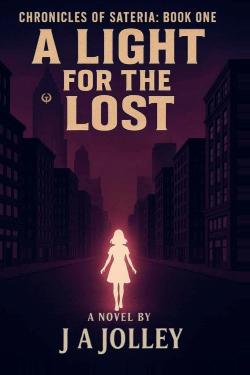
tightened like it had its own hands.
“Just an animal,” Mustang continued, breezy, tossing the word around casually. “Back in the day people kept them. Took care of them. Whole species of emotional support—”
“Stop.” Bradley’s voice came out flat, not loud, but it stopped the lieutenant mid sentence. He felt the heat rise in his face anyway. “Don’t do that.”
Mustang blinked, caught off guard by the tone. “Do what?”
“Turn it into a story you can laugh at.” Bradley
swallowed. His throat had gone dry. His undergrad medical history course was already roaring through his mind—training vids, casualty maps, quarantine failure simulations. He could see the numbers spreading like timelapsed bruises. “The reason the ban exists is because of those same animals.”
Mustang lifted a shoulder. “You’re saying the government outlawed pets because—”
“Because a spillover turned into an epidemic.” Bradley heard the edge in his own voice and didn’t bother sanding it down. “2101. Avian influenza jumped to… everything else. It rode anything that moved—pets, pests, strays.”
Mustang’s sarcasm thinned. “Chicago mustn’t have gotten hit that bad,” he said,
ABOUT THE BOOK
and there was something defensive in it.
“I don’t know if it hit everywhere the same. The outbreak that happened here was enough. Morgues overflowed. Warehouses became holding sites. And—then mass graves.” He pressed his thumb harder into his ribs, willing the pain to anchor him. “They locked down. They culled everything. And then in 2102 they made it law—no companion animals, no exceptions.”
Mustang held up both hands in mock surrender, but his gaze stayed skeptical. “Okay. So what’s the plan, Captain Calm?”
Bradley felt the jab and let it pass. “Five-block quarantine around the sighting.” The words came out procedural— because as long as he said
them like a physician instead of a man picturing fever wards, he could breathe. “No unauthorized movement in or out.”
Mustang’s eyebrows rose. “For one dog.”
“For a vector,” Bradley snapped, then caught himself—wiped his hand over his face, forcing the next words to land like orders, not suggestions. “Standard protocol is elimination on sight. But since it’s been moving freely, we need it alive long enough to test it. If it’s carrying anything—virus, bacteria, something engineered—capture gets us a path. No capture means we guess. And guessing is how you end up stacking bodies.”
In the year 2668, the world is still living in the shadow of the Great Shift, a cataclysm that tore open reality in 1944 and reshaped entire regions of the planet with mythic creatures, altered landscapes, and civilizations the old world was never meant to survive.
Captain Theodore Bradley is a wounded military doctor on light duty in New New York when he uncovers evidence that the official history of the world is built on lies. A buried experiment connected to Telluric Foundation is still active, and the corporate powers that govern humanity have spent centuries hiding the truth, controlling populations, and turning the impossible into weapons. When Bradley’s investigation makes him a target, he is forced into the undercity with a band of unlikely fugitives: Mustang, a brilliant but volatile military specialist; Knight, a hardened soldier; Jorgen, an old bounty hunter with dangerous secrets; Karl, a dwarven trader stranded far from home; Alysha, a Suli operative with the power to manipulate fire and heat; and Pinky, a mysterious child rescued from a corporate lab. Their flight through a buried facility and forgotten tunnels reveals a deeper horror: projects designed to pacify, alter, and weaponize entire populations, all tied to an old experiment that may have opened the door to something far
Fox Creek.
BY M.E. TORREY
Sly Fox Publishing LLC. | September 2025
Chapter 1
March 1843
The year is 1843, and the fertile, sun-drenched lands along the Mississippi River in Louisiana are alive with the rhythms of plantation life. Sugar and cotton fortunes flourish under the hands of planters who have inherited not only land but a social order built on the exploitation of human labor. Among these plantations is Fox Creek, a sprawling estate upriver from New Orleans, owned by William Jensey and his wife, Sarah. The Jenseys are typical of the Southern elite in many ways, proud of their wealth, concerned with appearances, and determined to maintain their family legacy. But beneath the surface of polite manners and carefully managed plantations lies the harsh reality of a society dependent on slavery—a reality that will soon intersect with lives far beyond the Jenseys’ understanding.
Into this world comes Monette, a young, biracial girl born the cherished
daughter of a French Creole sugar planter. Her early childhood is filled with privilege and protection. On her father’s plantation, she knows little of the wider world, shielded from cruelty, attended by devoted servants, and surrounded by the routines of genteel life. She grows up believing she belongs, that her place among the privileged is secure, and that her identity is clear and defined. But tragedy intrudes abruptly: through circumstances she cannot fully comprehend, Monette is seized from the familiar comforts of her home, carried to the bustling, chaotic streets of New Orleans, and sold into slavery.
She is not alone in this devastating upheaval. Alongside her is Cyrus, a boy large and strong for his age, recently torn from his mother and bereft of any farewell. Both are terrified, unmoored from family and home, thrown into a world where their bodies, labor, and very existence are treated as commodities. While Monette clings to the memory of her previous
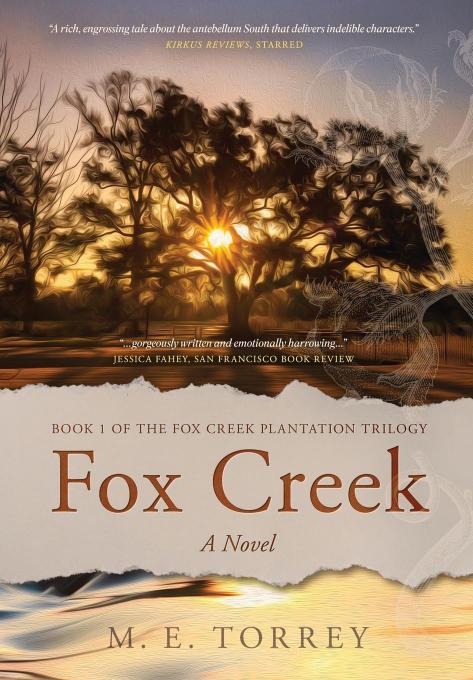
life, trying to maintain the illusion of identity and belonging, Cyrus must confront the harsh physical and psychological realities of slavery. He is resilient and determined, but the lessons of survival come at a high cost.
The children’s new home is Fox Creek Plantation, a place that will shape and define the trajectory of their lives. William Jensey, the patriarch, is a man of his time, proud and hardworking, determined to make Fox Creek prosperous for his heirs. He treats his enslaved workers with what he considers fairness— allowing small freedoms, doling out punishments
only when necessary, and striving to maintain order. Sarah, his wife, moves through the estate with a blend of grace and authority, overseeing the household while adhering to the rigid social norms expected of a Southern lady. Their children, Kate and Breck, inhabit the worlds of privilege and expectation, yet they differ in temperament. Breck is diligent and bookish, anxious to earn his father’s approval, yet uncertain about the path laid out for him. Kate, spirited and romantic, embraces the social life of the plantation with the enthusiasm of youth.
Monette’s place within this world is complicated. She is assigned as Kate’s companion, living in the household, sharing games, lessons, and the intimacies of girlhood. On the surface, she is welcomed, even treated almost as a surrogate family member. But
ABOUT THE BOOK
the line between privilege and oppression is indelible. Monette is never truly equal; her race marks her, her status is defined by ownership, and she must navigate the subtle yet constant reminders that her position in this society is conditional. Pretending life is normal becomes both a strategy for survival and a form of self-preservation. Monette buries her past life and distances herself from Cyrus, who is sent immediately to the fields, forced into the relentless labor that defines the lives of enslaved men and boys.
Cyrus’s transformation is rapid and brutal. The fields are unforgiving, demanding strength, endurance, and obedience. He encounters cruelty both systemic and personal, learning the lessons of survival that will mark him as determined and unyielding. Yet despite the distance, he
Set in 1843 Louisiana, Fox Creek follows Monette, the young daughter of a French Creole planter who is kidnapped and sold into slavery alongside a boy named Cyrus. Sent to Fox Creek Plantation, Monette is drawn into the world of the white planter family while Cyrus is forced into the fields. As they grow older, Monette struggles with identity, privilege, and the brutal realities of slavery, while her bond with Cyrus endures despite the forces trying to keep them apart. Both sweeping and deeply personal, Fox Creek is a story of survival, injustice, and love against impossible odds.
does not vanish from Monette’s consciousness—or from her life. His presence lingers as a reminder of the world they were both forced into, a world that refuses to acknowledge their humanity.
Fox Creek itself is a microcosm of the broader society of the antebellum South. The plantation operates with strict hierarchies and rigid codes, where every gesture, task, and interaction is infused with the weight of race and power. Beneath the veneer of wealth and elegance lies a harsh system in which lives are controlled, families are fragmented, and the threat of violence is ever-present.
My Bully, My Aunt & Her Final Gift .
BY HAROLD PHIFER
BookBaby | February 2025
Next, the secretary advised me to take a seat while she notified the headmaster of my arrival. During those dreadful moments I did everything I could to remain calm. Nervously, I kept patting my foot to the floor and heard each and every tap.
Suddenly, shouts of extreme havoc rung out just like the other times! “Oh God no! Jesus, please help me Lawd! I got you, Sir, I got you,” were screams filling the airwaves. The door opened and a battered female raced right past me with her hands covering her face. She kept mumbling phrases that shouldn’t be repeated by innocent lips. I couldn’t believe those disgusting words coming out of her baby-sized mouth.
Then damn, another nightmare was possibly moments away. I needed an out and fast. Fearing for my life, I formulated my plan of action.
Right before Principal Shellshock steadies his paddle, I was going to blow out all the gas I reserved in my little butt. I was never a fan of the fart game, but I was scheming like a veteran.
That’s all I had, and it was my “A game.” My intentions were to rip a good hard one that opens my belt, ruffles my pants, and sends my new shoes flying across the room. Then all options would be left to the principal. He could chance tearing into me and losing a lung or take cover and let me go. Punishing me will become a hazard to his health.
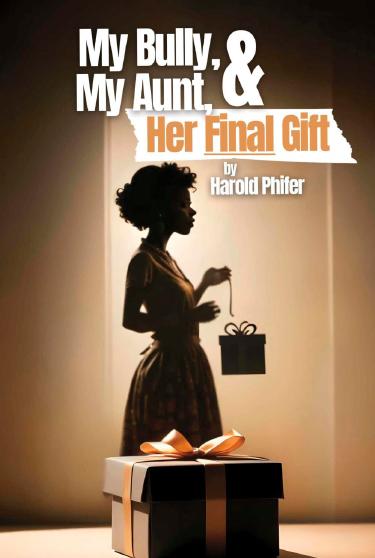
For the moment, I felt really good about that notion. I didn’t have much else to cling to, but I was dangerously packing breakfast from Aunt Kathy. Yes, I was sure my stink bomb defense would win that day. According to past reports, I would be the first and only kid at Mitchell Memorial to get on the scoreboard against the headmaster. Make that, Hal “1” and Principal Shell Shock “0.”
“Well, Aunt Kathy
implored me to settle down. She kept issuing threat after threat with such statements, “Boy, do I need to beat the black off of you,” or “Gorilla will be your name when I’m finish!” Yes, I got the message but beating my butt wasn’t going to be enough. Heck, I had been waiting for three long, long years just to join Jerry. Anything short of a bullet wasn’t going to stop me.”
“Aunt Kathy wasted no time reading me the riot act. She accused me of overstepping my bounds and showing off at church. According to her calculations, “I needed to get my ass snapped back in shape”! Then she said,
ABOUT THE BOOK
“Don’t worry, I plan to cut you a “New Ass” when we get home!”
“Yes Ma’am,” I said. It was just another day in paradise! Yes, I knew I was cooked. I was finished.”
“Once the Reverend was out of sight, Aunt Kathy eyeballed me up and down with a frown more terrifying than ugly on an ape. My life still hung in the balance. As much as I tried, I couldn’t hold my emotions any longer. She started up again, “Boy, for a minute, I was really scared for your ass! But I’m gonna let you slide this time!”
“Yes ma’am,” I said.
She went even deeper, “You may have slipped through the cracks, but if I catch you taking a shit out of turn, I’m beating your ass!”
“Yes ma’am,” I said once again.
In “My Bully, My Aunt, and Her Final Gift”, Hal revisits the complicated relationship he shared with his late Aunt Kathy, a woman who stood as the antithesis of positivity in his life. Despite her domineering and often cruel behavior, her passing left Hal with an unexpected opportunity for humor, healing, and reflection. As he plans her memorial—a gathering that no one seems eager to attend—Hal’s childhood memories resurface, pulling him back into a world shaped by his aunt’s unpredictable rules and twisted philosophies. Blending heartfelt truths with laugh-out-loud moments, Hal weaves a tale of resilience, self-discovery, and ultimately, redemption. This memoir offers a lighthearted yet honest look at how even the darkest relationships can leave behind gifts of wisdom and self-awareness.
INTERVIEW
Interview: Dasha Kelly
Author of Baker’s Dozen
BY SARAH KLOTH
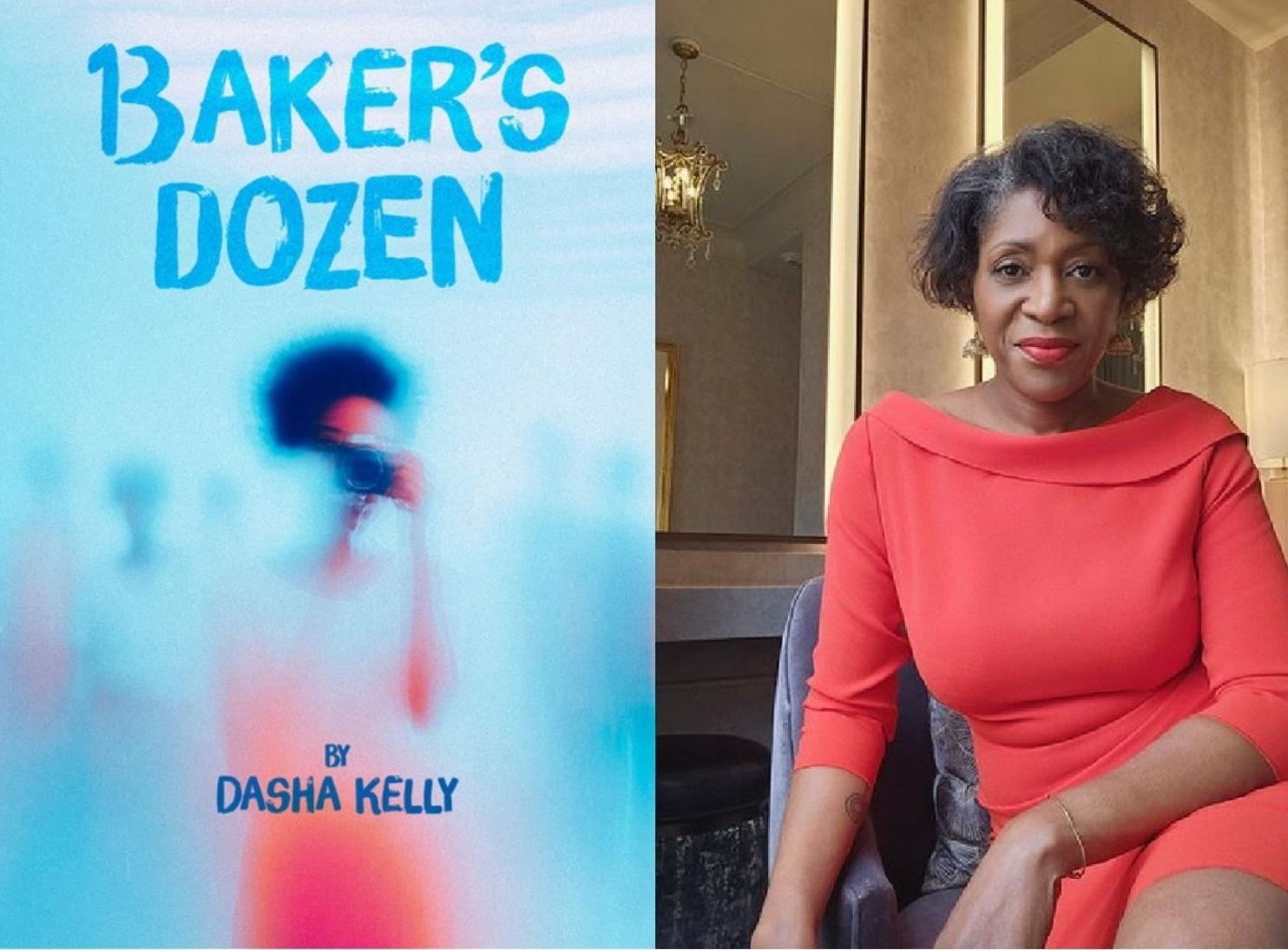
"DASHA KELLY HAMILTON'S BAKER'S DOZEN IS A QUIETLY MASTERFUL RECKONING WITH THE LIVES WE PERFORM AND THE SELVES WE BURY — A WHODUNIT OF THE HEART THAT ASKS NOT JUST WHO SHAY BAKER WAS, BUT WHO ANY OF US ARE WHEN NO ONE IS WATCHING.
—SHELF
UNBOUND MAGAZINE
BAKER’S DOZEN BEGINS WITH SHAY BAKER’S SUICIDE, FOLLOWED BY A SERIES OF LETTERS AND PHOTOGRAPHS SHE LEAVES BEHIND. WHAT FIRST LED YOU TO STRUCTURE A STORY AROUND THESE “GHOSTS OF UNANSWERED QUESTIONS”?
DK: Shay existed between the boundaries of unasked questions –of herself and from those around her. She’d been committed to a life narrative that shaped her walk, her walls and her will. Initially, I wanted to expose her wounds and wreak havoc with her hurt. Having Shay frame a villain from the great beyond could have been a straightforward mystery; in my mind, shame is
the story’s villain. The letters and photographs were answers, but to questions no one had known to ask. Through her loss, I was able to tease out the tension and confusion in a brand of grief that compels those left behind to not just ask “what happened” but also wonder “who was she, really?” The more I wrote and learned the character, I came to understand that picking open her scars was her odyssey inward, to a raw and less digestible truth.
THE NOVEL IS OFTEN DESCRIBED AS A KIND OF “WHODUNIT OF THE
HEART.”
HOW DID YOU APPROACH BALANCING MYSTERY MECHANICS WITH THE EMOTIONAL WEIGHT OF GRIEF?
DK: With her unexpected death, Shay’s family and friends -Royal, in particular- were naturally seized by a fever to understand how and why. Bargaining and rationalizing are part of the grieving process as well as seedlings for doubt and delusion. Royal’s loss, alongside his unexamined emotions, made his character uniquely vulnerable to fixating and searching, leaving him to become the unwitting detective. I fueled his sleuthing and puzzling
with a yearning to absolve himself. Having him gazing into his own navel, the larger mystery could find its way to him.
SHAY IS PRESENT IN THE BOOK THROUGH WHAT SHE LEAVES BEHIND RATHER THAN DIRECT NARRATION. HOW DID YOU THINK ABOUT BUILDING HER CHARACTER THROUGH ABSENCE?
DK: I first wrote this story as a screenplay. A writer friend who works in film and television challenged me to experiment with the genre. “It’s still storytelling,” he coaxed. On my next writing retreat, I tried it out. I floundered! It was like an exercise routine with hand weights that were slightly too heavy. I finished it, but it was a push. I knew that film relies on dialogue and action, on telling the story wholly out in the open. I wrestled with how to create a robust character without utilizing interiority or traditional flashbacks. While I probably didn’t write a blockbuster movie {my friend confirmed as much}, Shay and her story stuck with me. I wanted to transfer the story from a screenplay experiment back to my fiction wheelhouse. I’d already written around her in the screenplay
version, with Royal onscreen doing all the heavy lifting in her name. I wanted Shay to continue haunting the story, as an active ghost and not a sentimental idea. I wrote her in the second person to make her feel distant AND for the reader to feel her story rather than judge her choices.
PHOTOGRAPHY PLAYS A CENTRAL ROLE IN SHAY’S LIFE AND LEGACY. HOW DOES HER VISUAL PERSPECTIVE SHAPE HOW CHARACTERS (AND READERS) INTERPRET HER FINAL MESSAGES?
DK: Portrait photography responds to an expectation, the final image reflecting the goals and intention of the subject. Staged. Curated. Poised. That Shay was a photographer with “an eye” for visual storytelling offers the reader two things: first, as a creative, she has the sensibility to see both nuance and grandeur in the everyday; second, the subjects of her photography work were invited to see themselves in unexpectedly tender ways. Having Shay express herself through photography embodied her lived contradictions -hiding and confronting, exposing and obscuring, document, decorate, love and lament.
ROYAL’S JOURNEY BECOMES A WAY OF RECONCILING THE SHAY HE KNEW WITH THE ONE REVEALED AFTER HER DEATH. WHAT INTERESTED YOU MOST ABOUT THAT KIND OF EMOTIONAL RECKONING?
DK: I'm intrigued by the specter of shame. I've heard it explained that guilt is a feeling about what you've done, while shame is a feeling about who you are. Both emotions can govern behavior, but shame can sour the soul at a cellular level.
The external version of a person is often the projection of internal negotiations — sometimes ruthless battles — about how they want to see themselves and who they believe they are. Royal discovers the distance between the "projected" Shay and the "embattled" version of herself that she lived to hide.
Aren't we all protecting some ugly blemish?
AS ROYAL CONNECTS WITH OTHERS WHO RECEIVED SHAY’S FINAL LETTERS, THE STORY BECOMES MORE COMMUNAL THAN INDIVIDUAL. WHAT WERE YOU EXPLORING ABOUT CONNECTION THROUGH SHARED LOSS?
DK: More than shared loss, the characters were each gifted the experience of being seen — generously and whole — through the most unlikely lens and eyes. As a result, they also shared the weight of Shay's unsilenced scream, the one she'd filtered through pleasure and desire. One by one, they learned how their intimacies had plucked the strings of Shay's trauma, even though she'd been smiling. I was exploring how our passions and interactions amount to a collision of galaxies, each person with their own constellation of scars, hurts, and flares.
THE NOVEL SUGGESTS WE CAN NEVER FULLY KNOW EVEN THE PEOPLE CLOSEST TO US. WHAT DO YOU HOPE READERS SIT WITH MOST IN THAT IDEA?
DK: I hope readers sit with the converse of this truth: the people closest to us can never fully know us, either. To the best of our awareness and ability, we tidy messes and tuck frayed edges in presenting ourselves to the world. We tell ourselves versions of our own stories. Even to those familiar with us, the drivers and forces that move us through these
stories are unknowable outside of ourselves. Sometimes, unknowable even to ourselves.
YOU
SPENT NEARLY A
DECADE
WORKING ON THIS STORY. HOW DID YOUR UNDERSTANDING OF GRIEF, OR “RECOVERING FROM A HEAVY HEART,” EVOLVE DURING THAT TIME?
DK: I've grown to appreciate the difference between grief and mourning — the former as an emotion and the latter as its embodiment. The distinction is important, especially when we find ourselves wanting to authorize or discount how others move through loss or pain. In writing and weaving these stories, I was equally convicted to push beyond episodes, happenings, and scenes. Their decisions are judgeworthy, and their heavy hearts can be seen as a penance. All matters of loss — life, love, ideals — confront our underlying landscapes, exposing the frailties we try hardest to hide.
MUCH
OF YOUR WORK ENGAGES STORYTELLING AS A FORM OF CULTURAL REFLECTION AND CHANGE. HOW DOES BAKER’S DOZEN FIT WITHIN THAT BROADER
CREATIVE MISSION FOR YOU?
DK: I introduce myself these days as a Creative Change Agent. As an author, poet laureate, performance artist, facilitator, educator, curator — and and and … all of my endeavors and initiatives center creativity as both a strategy and tool. Through my fiction, I'm committed to shaping stories around the habits of conversation about mental wellness. My first book, All Fall Down, was a sensational, plot-driven story about a woman with a form of schizophrenia. I wanted the next story to feel less voyeuristic — ironic for a novel, I suppose. With Almost Crimson, I wrote instead about the delayed life of a girl whose mother suffered debilitating depression. I brought the reader closer to the character, and the illness — as in real life — became a key factor but not the sole focus of her world. With Baker's Dozen, I continue to invite readers into an unfamiliar world to confront familiar social conversations, this time to explore and humanize abandonment, desire, grief, and shame.
Interview: Reena Shah
Author of Every Happiness
BY SARAH KLOTH
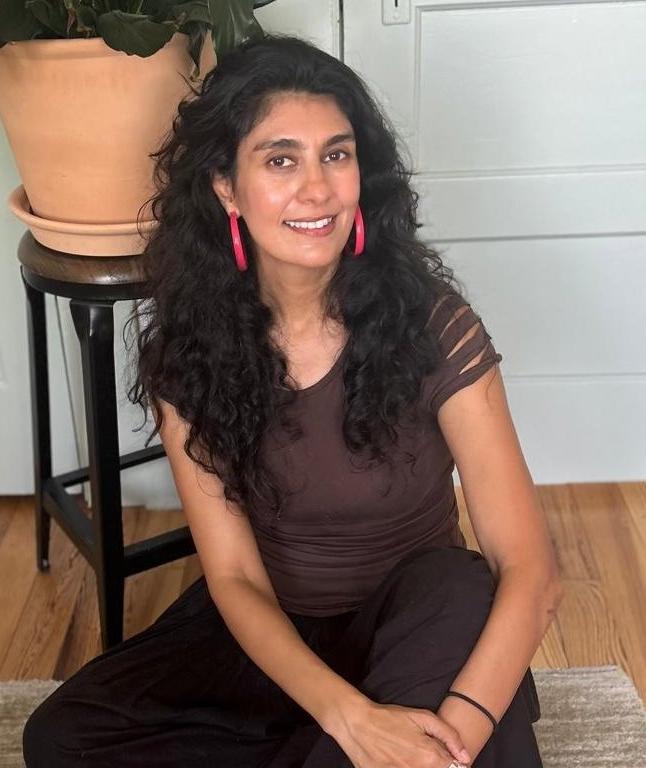
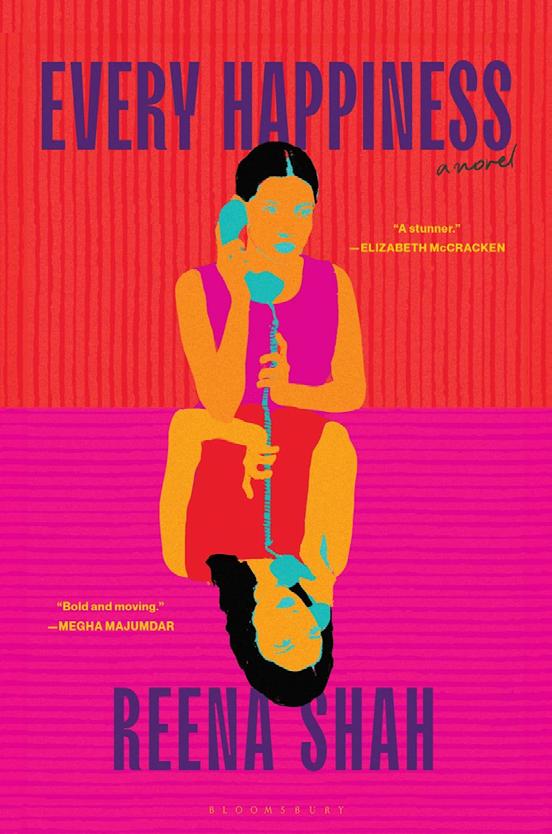
EVERY HAPPINESS SPANS DECADES AND CONTINENTS, BEGINNING IN 1960S MUMBAI AND MOVING INTO SUBURBAN CONNECTICUT. WHAT FIRST DREW YOU TO TELLING THIS STORY ACROSS SUCH A WIDE EMOTIONAL AND GEOGRAPHIC ARC?
RS: I began writing this novel before I knew I was writing a novel. Every Happiness started as a short story that focused on the relationship of a woman and her son. The son is born with cosmetic facial differences and is also an ill-tempered and brooding child who refuses to play into the tropes of Asian American exceptionalism. In the story, he and his mother, Ruchi, are at this party where his mother is consumed with envy for the more successful South Asian families with high-achieving kids. At that point, Deepa, the host of the party, was more of a foil for Ruchi than a fully drawn character. But something about that didn’t feel right. I kept trying to push a narrative on Deepa, this difficult friend, and this narrative kept failing. For years. And then I went to a residency and the instructor there said, “You’re trying to make Deepa a villain, and that’s false. She’s not a
villain here.” I hated this advice for a long time. And then I realized this man was right. That’s when the story began to become more than a story. I began writing other stories about these characters, which became a linked collection that became a novel in stories, and then a novel. I’m not exactly sure what the lines are between these three designations, but I do think that by not setting out to write a novel, I could move around in time and space with more freedom. I didn’t feel bound by linearity and my false notions of what a novel was supposed to do. I was writing the scenes I saw in my mind and following the characters’ lead.
DEEPA
AND RUCHI’S RELATIONSHIP BEGINS IN CHILDHOOD AND EVOLVES THROUGH INTIMACY, RIVALRY, AND WHAT HAS BEEN DESCRIBED AS “SUPPRESSED DESIRE.” HOW DID YOU THINK ABOUT SUSTAINING THAT EMOTIONAL TENSION ACROSS THEIR ENTIRE LIVES?
RS: I didn’t know what would happen until it happened on the page. That sounds a bit woowoo, I know. But in early drafts, I
wasn’t making decisions as much as I was considering Ruchi and Deepa’s choices. Scene by scene, the characters revealed themselves to me and it wasn’t until I was a couple drafts into the book that I realized what was happening to Deepa and Ruchi, how much their friendship was an obsession and a lifeline and full of unrealized desires. While I didn’t set out to do this, Ruchi and Deepa are modeled after women I’d grown up around who struggled with remaking themselves as immigrants, as wives, as daughters, as mothers. At times, I felt suffocated under the weight of their expectations as a child, but as I’ve gotten older, I’ve realized how much they sacrificed of themselves to be a “good Indian woman” or a “good mother” or a “good immigrant”.
And yet, I think the desire and longing between Ruchi and Deepa keep them alive. Without it, what would life be for them? In another life, these women might have lived openly as queer women. They might have gotten together and broken up and remained friends. They might have never spoken to the other again. But they would’ve had some fulfillment. Some resolution.
The push and pull between Ruchi and Deepa, who they are and who they wish they could be, forms the emotional backbone of the story.
WHY WAS IT IMPORTANT FOR YOU TO EXPLORE LONGING AND CONNECTION THROUGH A LIFELONG FRIENDSHIP RATHER THAN A TRADITIONAL ROMANCE NARRATIVE?
RS: I think friendship is a powerful relationship, though the sound of the word, with the short /i/ and the voiceless, fricative /f/ make friendship sound flimsier than it is. It’s a relationship of choice that often doesn’t involve the usual, normative obligations of blood family and romantic partnership. Ruchi and Deepa are girls in the 1960s in Mumbai who don’t have many choices available to them. They can’t choose where they go to school, how they live, and whether to marry. But they choose each other, and that becomes very powerful for them, a touchstone through the course of their lives.
I think friendship can be just as powerful as any romance, and I also think that friendship and romance aren’t entirely mutually exclusive. I
think you can be a little in love with a friend just as you can consider a romantic partner a friend first. Are Ruchi and Deepa a little in love with each other? A lot? I think so. But I also think they’ve been taught to fear their desires and their choices and to distrust their bodies’ impulses.
HOW DOES THE CULTURAL SHIFT FROM POST-COLONIAL INDIA TO SUBURBAN AMERICA RESHAPE THE WAYS THESE WOMEN UNDERSTAND IDENTITY, FEMININITY, AND OBLIGATION?
RS: As girls, Ruchi conjures up lots of fantasies about what their futures might look like, and she tries to get Deepa to buy into these dreams. For Deepa, her fantasy is about being made new in the United States. To move so far away in their early 20s is terrifying to both, but Deepa in particular hides her fears behind utopian images of what America will be like, how much freer they will be there. They are born in 1950, 3 years after the subcontinent’s independence from Great Britain, a time of great upheaval and pressure to be a good, Indian girl. Immigrating to the United States seems to offer an opportunity to “make it”, to prove
that they can be more than what’s expected of them. But the reality doesn’t match the fantasy. The reality is much harsher, much lonelier, much more disorienting than any of the characters can prepare for. Ruchi and Deepa are made new in that they must navigate womanhood, femininity, and their duties in a completely different environment with no guides.
IN WHAT WAYS DO DEEPA AND RUCHI CARRY THEIR CULTURAL UPBRINGING WITH THEM INTO THEIR ADULT LIVES IN THE UNITED STATES, AND WHERE DO YOU SEE THOSE INHERITED EXPECTATIONS BEGINNING TO FRACTURE?
RS: I’m not sure what life would’ve been like for Ruchi and Deepa had they never immigrated, and I think it’s a question that haunts them, too, and a question that was present in my own upbringing. It was like a parallel, ghost life was happening in the homeland that could only be imagined. While both Ruchi and Deepa try to look forward only, the past, and especially their shared past, keeps infiltrating their lives. In different ways, they’ve been taught to see marriage as an antidote
to loneliness and for Deepa in particular, she’s hoping that following the rules—marriage, having a kid, acquiring material wealth—will cure her of desires that she’s ashamed of. Heterosexual life is the only acceptable model that’s presented to her. Even though her own mother is separated from her father and essentially raising her daughter on her own in 1960s Mumbai, which makes her an outlier at the time, Deepa is still expected to be a “normal” woman.
I think Ruchi triggers the fracture. I think of her as deceptively quiet. She seems like the meeker, more submissive girl and then woman of the pair, but it’s Ruchi who makes the boldest, and most honest, choices. She insists on maintaining a relationship with Deepa, and while some might say this is an unhealthy obsession, I think Ruchi also pushes against repression and expectations in ways that charismatic, seemingly outspoken Deepa is too afraid to. I’m interested in characters like Ruchi and Deepa whose exterior contradicts a more complicated interior.
THE IMMIGRANT EXPERIENCE
IN THE NOVEL FEELS DEEPLY LAYERED, ESPECIALLY AS THE WOMEN NAVIGATE ASSIMILATION, MARRIAGE, AND MOTHERHOOD. WHAT WERE YOU MOST INTERESTED IN EXPLORING ABOUT CULTURAL ADAPTATION VERSUS CULTURAL LOSS?
RS: I think it’s a precarious dance between trying to belong in one’s new, adopted home, and giving up parts of yourself to belong, especially when the new place doesn’t accept you as you are, or thinks you’re weird or thinks your food smells or that your names are unpronounceable or that your clothes are costumes. I think Ruchi, Deepa, their children, and their husbands experience these cultural rejections individually and it adds to their shame. As I was writing, I became interested in showing how potent a feeling shame is, and how harmful when left unresolved, when internalized. I also noticed that people find ways to protect themselves from it and survive.
Cultural centers are part of this. I’m fascinated by ones that pop up in places outside of metropolitan areas, like the one Deepa establishes in a strip mall in suburban Connecticut. I think these places are dreamt up as
a form of self-care to protect against erasure and assimilation. Of course, Deepa’s cultural center becomes something very different from what she sets out to create as politics in India seep into the burgeoning community in Connecticut. But it’s still an effort to create a place that feels like home.
BOTH
WOMEN
BECOME
MOTHERS IN VERY DIFFERENT WAYS, WITH CONTRASTING EMOTIONAL APPROACHES. HOW DID YOU THINK ABOUT MOTHERHOOD AS A REFLECTION OF BOTH CULTURE AND PERSONAL HISTORY?
RS: I’m glad you see that both culture and personal history play a role in how Ruchi and Deepa approach motherhood. Both women are haunted by their own mothers as they raise their children, even though by and large those mothers have been left behind. But their upbringings leek into how they parent. Deepa is emotionally distant from her daughter and Ruchi is overly vigilant of her son and yet both women parent from a fierce desire to protect their children from psychic and physical harm. I began writing this book after I became a mother, and
I think that experience has made me interested in the precariousness of motherhood. What is the line between protection and control? How much vigilance is too much? How do you reconcile your own vulnerabilities with your child’s needs?
I think these women also worry about their children becoming cultural foreigners to them. Ruchi whispers Gujarati words to Moksh when he’s an infant, and Deepa insists that her daughter attend prayer ceremonies that she herself hated as a child. Their sense of “Indianness” is stuck in the 1970s, the India they immigrated from. What they pass down to their children is like a cultural time capsule, and their kids have to make sense of it.
I also keep thinking about how young both Ruchi and Deepa are when they become mothers. They’re only in their early 20s. I was in my mid30s when I had my first child, with a whole community around me for support, and I still felt unprepared. For Ruchi and Deepa, I imagine that feeling is amplified by 100.
THE NOVEL ALSO ENGAGES
WITH CLASS DISPARITY AS THE WOMEN’S LIVES DIVERGE IN AMERICA. HOW DID THAT SHIFT AFFECT THE BALANCE OF POWER WITHIN THEIR FRIENDSHIP?
RS: That’s a great question. I think perceived class disparity plays a role in Ruchi and Deepa’s friendship right from the start of their relationship. Deepa gives the appearance that her family has more money than Ruchi’s, when her family’s wealth has crumbled. It’s why both girls attend the same low fee Catholic school. While it’s a reach for Ruchi’s family to send her there, it’s a demotion for Deepa’s family, and this subtle difference is one that Deepa plays to her advantage. Money is as much a part of their origin story as attraction.
When they move to the United States, this disparity grows. Often immigration is tied to the idea of “wanting a better life”. A “better life” involves money and the chance to chase it, grow wealth, and live comfortably. And based on these metrics, Deepa finds this better life in the United States, while Ruchi struggles. Deepa’s husband, a doctor, finds more financial success than
Ruchi’s husband. She has status and power and helps Ruchi pay for groceries and find a job. But I think status and power are also a trap for Deepa. The “better life” is an illusion. She thinks money can cleanse her desires, make her an acceptable woman. She also feels the pressure to keep up with the Jones. “What will people think” becomes a constant concern for Deepa as she climbs the economic ladder. Ruchi has less to lose and maybe this is why she can take more risks in pushing the boundaries of their friendship.
ONE OF THE CHILDREN IN THE STORY STRUGGLES WITH AN EATING DISORDER. WHAT LED YOU TO EXPLORE THIS SPECIFIC VULNERABILITY WITHIN THE BROADER CONTEXT OF DIASPORA, EXPECTATION, AND CONTROL?
RS: Though I didn’t plan for it, food became important in the book. At different times it’s a marker of class differences, a love language, an obsession, and an object to control. For Moksh, Ruchi’s child who develops an eating disorder in his teens, his struggle grows out of all these things. He’s very aware of his appearance and body throughout the
novel. He can’t control the structure of his face or how people view him, but he can control what he puts into his body, and this becomes a secret satisfaction for him. It’s an experience I’m familiar with in that I also developed disordered eating habits in high school. I didn’t realize it then, but I think that, like Moksh, eating became an activity I could have agency over at a time when I felt so out of place in my surroundings.
AS A FORMER KATHAK DANCER,
HOW DOES YOUR BACKGROUND IN MOVEMENT AND PERFORMANCE INFLUENCE HOW YOU WRITE PHYSICALITY, INTIMACY, AND EMOTIONAL EXPRESSION ON THE PAGE?
RS: Kathak is a North Indian classical dance form characterized by intricate footwork, hand gestures, and spins, and I’m grateful that I had a chance to studied it in depth. Movement has always been important to me in that I feel best when my body is in motion, which is perhaps antithetical to being a writer. But I find that engaging in movement helps me write and focus my mind. Kathak, like all Indian classical dance forms, is also storytelling form, though what first drew me to the
form was its aesthetics. Kathak made me attuned to how bodies move in space and how movement conveys emotion. In Every Happiness, the characters pay a lot of attention to physical proximity. As uncomfortable as they are in their bodies and with their desires, they’re also hyper aware of how close they are to others and to the slightest touch. Every physical moment of closeness is charged and catalogued.
WHEN A LONG-BURIED SECRET INVOLVING DEEPA’S HUSBAND IS REVEALED, THE NOVEL SHIFTS IN TONE AND STAKES. WHAT INTERESTED YOU ABOUT TESTING FRIENDSHIP AGAINST MORAL RUPTURE?
RS: I think this moral rupture is connected to the characters’ desire to be good and worthy individuals. As immigrants and children of immigrants, I think all of them, in different ways, feel pressure to prove their worth in America. Often this worth is measured in financial success, chasteness, and achievement. But these standards are impossible to live up to. I was interested in seeing what would happen if a crime, in this case Sanjay’s medical fraud, was committed. Does that kind of
disturbance help each character see what’s important? Or do they double down on chasing a hollow image of goodness? For both Ruchi and Deepa, their sense of right and wrong is challenged. It turns out that being good is easier in the hypothetical. It’s easy to say, I’d never steal or commit fraud when the choice isn’t right in front of us, when the choice isn’t bound together with survival or family or identity or economic precarity. In this scenario, is friendship expendable? Does it become a less essential relationship than familial relationships?
THE TITLE EVERY HAPPINESS FEELS BOTH EXPANSIVE AND SLIGHTLY IRONIC. WHAT DOES “HAPPINESS” MEAN TO YOU IN THE CONTEXT OF THIS NOVEL, ESPECIALLY IN RELATION TO SACRIFICE, CULTURAL EXPECTATION, AND SURVIVAL?
RS: I’m glad you see the irony in the title. I think happiness in this novel is illusive and largely misunderstood. It’s wrapped up in success and appearances and repression, which are false paths. These characters equate achievement to money to happiness and love, which reflects the society
they’re living in, one that conflates contentment with material wealth, status, and power. To different degrees, the characters in Every Happiness feel they must silence their desires to achieve happiness. And yet, they keep trying. They show up for each other. They try to give each other grace.
While I think “Every Happiness” is the right title, it wasn’t the first one. In early drafts, the title was “Just Here Only”, which is a common phrase in India. While asking for directions a person might say the place is “just here only” and give a set of instruction that are wildly off the mark. And yet, I find something comforting about someone trying to reassure me that that’ll get there. I think the characters in this novel are giving each other “just here only” directions to find intimacy and happiness. There’s a lot of love between them, and there’s also a lot of uncertainty and jealousy and shame that complicates their love and their paths to happiness. I won’t give away the ending, which is one of my favorite parts of the novel, but I like to think that some of them eventually find it.
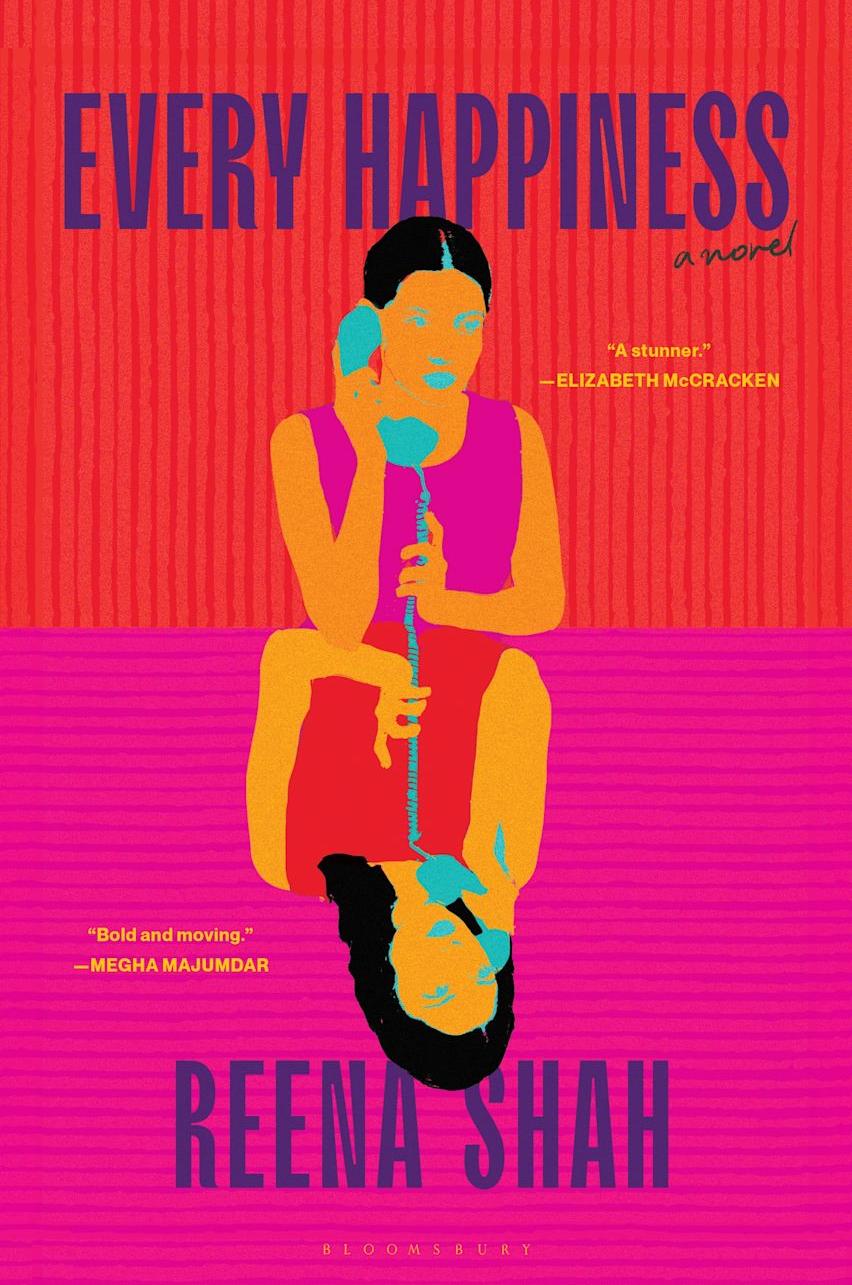
Reena Shah's Every
Happiness is a stunning debut about two women whose lifelong friendship is equal parts obsession, longing, and survival — a quietly devastating portrait of desire, sacrifice, and the impossible cost of being a 'good' woman in a world that was never built for them.
—Shelf Unbound Magazine
Every happiness is a dazzling debut that explores the ties that bind two women across decades and continents despite rivalry, class difference, and the conflicting needs of family and self.
Deepa and ruchi are 12 years old when they meet at their catholic school in india, but their connection is swift and lasting. As the two girls grow up and face their families' expectations and the limits of their ambitions, their friendship is marked by intimacy, jealousy, and suppressed desire.
When, in their twenties, deepa marries a doctor and moves from india to the suburbs of connecticut, ruchi quickly finds an engineer bound for the same state and follows her friend across the world. But life in the united states is different than either woman expects. Deepa's daughter seeks affection deepa refuses to give, and ruchi's son resists her smothering care. At the same time, deepa and ruchi find their closeness tested by a growing class disparity, competing family needs, and the differences in their desires. Ultimately, when ruchi discovers a dangerous secret about deepa's husband's wealth, both women are forced to weigh the tangled bonds of their friendship with their lives, and their families', in the burgeoning indian american community.
Promote your book in Shelf Unbound in our Special Advertising Section for Authors.
Each issue of Shelf Unbound is distributed to more than 125,000 people in the U.S. and 62 countries around the globe. Our introductory ad rate for this section is $350/quarter page as seen here. Contact publisher Sarah Kloth to reserve your space. sarah@shelfmediagroup.com
BOOK SHELF
If They Won't Bend, Break Them!®: Tips, Tactics and Strategies You Need to Negotiate Like a Pro
BY GEOFFREY MICHAEL
This book focuses on time-tested, fundamental negotiation principles and explains the strategies used to maximize results. The author’s hands-on approach developed through four decades of experience is as valuable to the average person as it is to someone who negotiates for a living.

THE SPIRIT DOOR
BY GREG WRIGHT
The key components of the negotiating process are explored, including preparation, determining worth, what to offer, why you should counteroffer, gaining and using leverage, applying psychological pressure, what not to do, avoiding compromise, and closing the deal.
Master in a Minute® Sunflowers
BY JENNET INGLIS
Master in a Minute®️ Sunflowers is a first-ofits-kind coloring/gift book. Why? Because the art is based on original ink drawings not computer generated art. International artist Jennet InglisTM offers her artistic wizardry, her rare autism and scientific approach to life. Master in a Minute®️ Sunflowers also includes blank journal pages for contemplation and creativity. The coloring book is designed for enjoyment, inspiration, education and “leaning into excellence”.
Follow us at www.jennetinglis.com
Two young real estate entrepreneurs are sent to assess a burned-out farmhouse, only to uncover deadly secrets tied to a mysterious portal releasing dark spiritual forces into a small town. With the help of an archaeologist and ancient ceremonial discs, they race to stop the growing influence of the seven deadly sins consuming the townspeople. As hidden truths emerge, they must confront the evil behind the Spirit Door before the town is destroyed.
A Childhood to Remember: Raising Happy, Screen-Free Kids
BY JANE MILLER
What if the greatest gift we could give our children is a childhood unplugged?
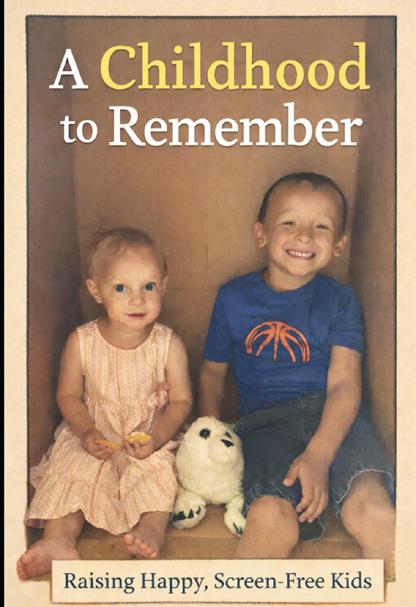
This book invites families to rediscover the magic of growing up without screens — where imagination runs wild, backyards become kingdoms, books open secret doors, and boredom sparks brilliance. Through simple daily habits and meaningful rituals, it shows how ordinary moments can shape extraordinary resilience, curiosity, and confidence. A hopeful guide to raising children who are creative, connected, and fully alive in the real world.
A Portion of Malice
BY LLOYD JEFFRIES
An Ancient Evil Rises. Pulitzer Prize-winning journalist Emery Merrick is ready to end it all when a knock at the door interrupts his plans. Billionaire Thaddeus Drake hires Emery to write his biography, but Drake harbors a dangerous secret. He leads an ancient, secret society bent on fulfilling a prophecy and sacrificing the Earth to a bloodthirsty God. This gripping thriller follows Emery's explosive journey into the apocalypse, as he embarks on an epic quest to confront God as an equal. Deeply stirring, Emery is thrust into a world of darkness, deceit, and brutality.
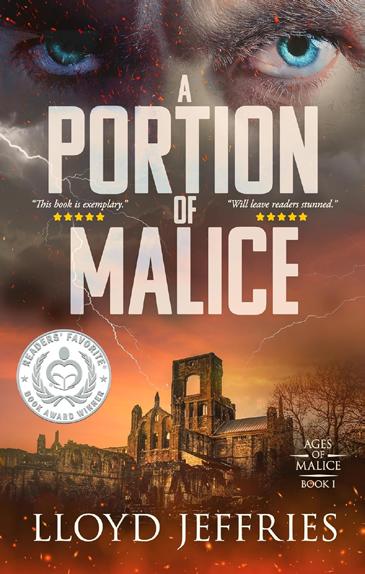
A Trial of Fate
BY J.E. LARSON
Our world is dying.
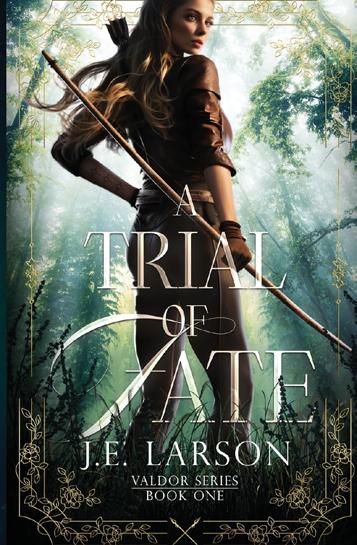
Skylar Cathal is a twentytwo-year-old half-human, half-shifter with a curious mind and knack for bending the rules. Gilen Warrick, Skylar’s childhood friend and the next Alpha of the Solace pack, wants more than just her friendship– but fate has a will of its own. When Skylar is marked as the shifter champion, she must overcome her darkest fears to leave her home and those she loves behind. Daxton Aegaeon, High Fae Prince of Silver Meadows, has sworn to protect Skylar as his ward, but only she can protect her heart.
Thirty-Eight Days of Rain
BY EVA ASPRAKIS
What matters more, your place as a daughter or as a mother?
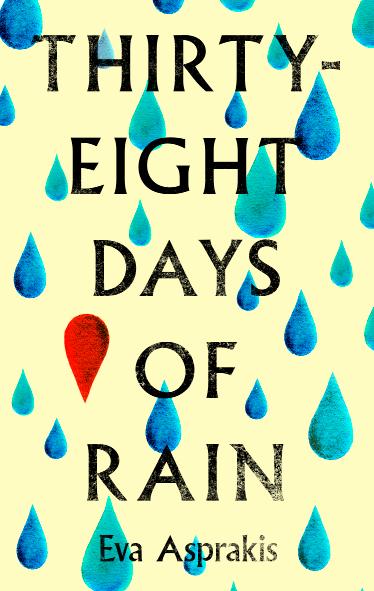
Androulla is twentyfour and newly married when she learns that she is infertile. In a bid for Cypriot citizenship she is undergoing adoption by her stepfather, and wondering if she will have to adopt a child one day herself. As this reality sets in, Androulla’s marriage unravels. Between migration departments and doctors’ appointments, she must question what it means to be from somewhere, what it means to be a woman and, when an impossible choice presents itself, which of those things means the most to her.
Zephyr's Flight
BY MARISA BILLIONS
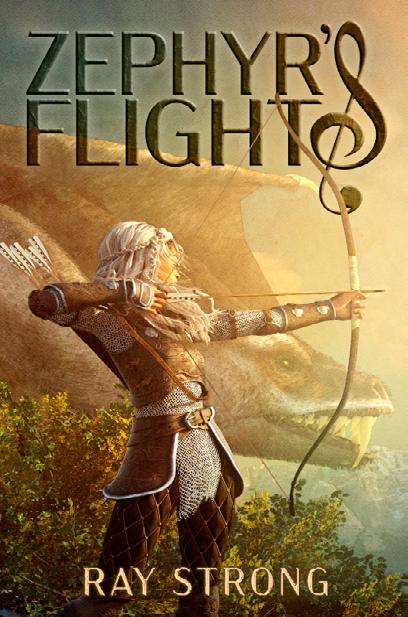
As a thousand years of peace shatters, a rebellious village girl and her dragon stand against an empire. Astria's only dream is to become a Dragon Rider, but the dragons are leaving. All but Zephyr. Crippled and flightless, he refuses to leave Astria’s side after she saves his life. But the Council of Elders forbids their partnership, fearing the End of Times foretold by an ancient prophecy. Defiance of their orders risks exile— and certain death—in the hostile highlands of the Wild. Determined to fly no matter the cost, Astria is quickly embroiled in a conflict between empires, where only one person understands her desires: a warrior from another land.
The Moth
BY SCOTT ARCHER JONES
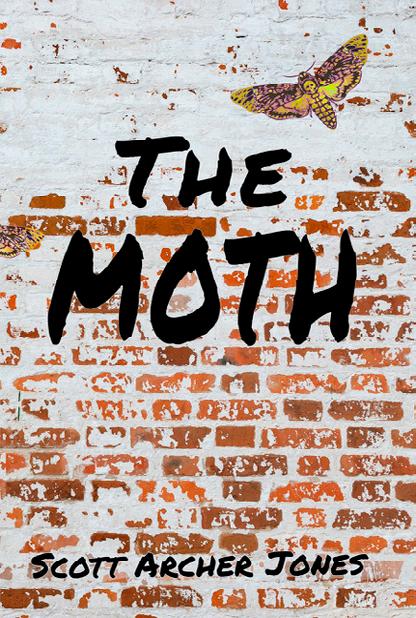
An East L.A. Pawnbroker Aspires to be a Criminal Mastermind -- The Moth has bitten off more of East L.A. than he can chew. On the fringes of serious crime, the Moth reveals himself as a man whose morals are largely good but whose ethics are shaky. He’s battled by local forces — from the Arpias gang to a detective who’s forced him to fink out fellow crooks. Stumble along with the Moth as he serves a tough, ironic world, never quite getting there.
The Pale Flesh of Wood
BY ELIZABETH A. TUCKER
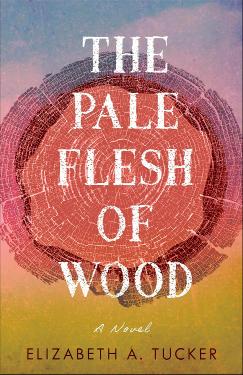
Set among the faultprone landscape of Northern California, The Pale Flesh of Wood explores the rippling effects of trauma following the suicide of charismatic yet emotionally troubled WWII veteran Charles Hawkins. Told by three generations of the Hawkins family, the lyrically told braided narrative exposes the unsettling nature when the ground suddenly shifts beneath their feet and how they must each come to terms with their own sense of guilt in order to forgive and carry on.
The Third Estate
BY D.R. BERLIN
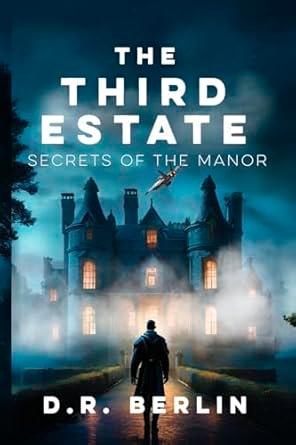
In an outdoor market, an ordinary woman is gunned down by an assassin. Twelve years later, the killer is back with a new target – and a mysteriously sinister employee. A jet pilot cadet at a military academy, Sophie Allard’s world is shattered when she’s summoned to the Commander’s office with devastating news—her estranged father has died in a mysterious lab explosion. A routine investigation soon spirals into something far more dangerous. With an assassin hunting her every step, will Sophie uncover the truth before it’s too late?
Matched in Merriweather
BY MICHELLE COX
When vivacious college student Melody Merriweather is summoned home to run her family's general store after her father suffers a heart attack, she's convinced her life is over. The sleepy mining town of Merriweather, Wisconsin is a far cry from her exciting life in Chicago. With the country deep in the Depression and the Mercantile on the verge of collapse, Melody must rally a quirky staff and try to keep the business afloat. As tensions rise and mysterious strangers arrive in Merriweather, Melody finds herself confronting more than just a failing business. She’ll have to face her own misguided assumptions about love, loyalty, and what it means to truly belong.
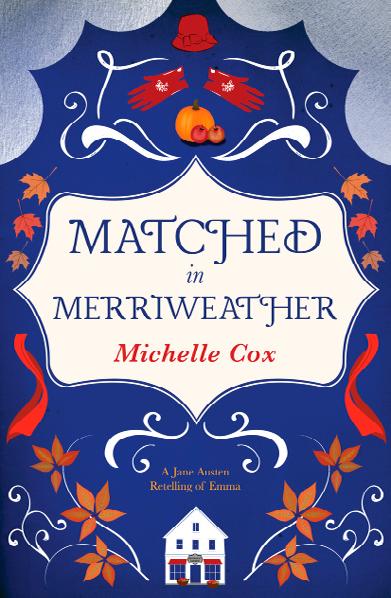
The Secret Song of Shelby Rey
BY RAYNE LACKO
A story of love, music, addiction, and selfdiscovery from the author of A Song For The Road. Eighteenyear-old Shelby Rey can hear people’s secrets as songs—haunting, and painfully honest. After her mom kicks her out, Shelby falls into the orbit of Zac Wyatt, a rock star with a melody she can't ignore. But behind the spotlight lies obsession, rivalry, and a truth that could ruin them all. Caught between love, addiction, and betrayal, Shelby must decide if her gift is a curse—or her only way out.
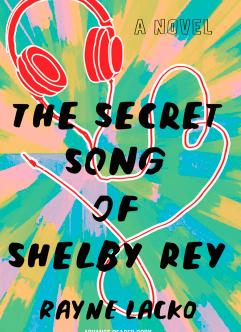
The Murmur of Everything Moving
BY MAUREEN STANTON
When Maureen Stanton's boyfriend, Steve, at 29, was diagnosed with cancer, they embarked on an all-out effort to save his life. Meanwhile, Steve's childhood friend, Joey, a drug addict, sold Steve's pain medication to pay for Steve's experimental treatments. This eloquent memoir is an odyssey through the difficult but exquisite terrain of love in the face of mortality. Winner of the Donald Jordan Prize for Literary Excellence.
Measure of Devotion
BY NELL JOSLIN
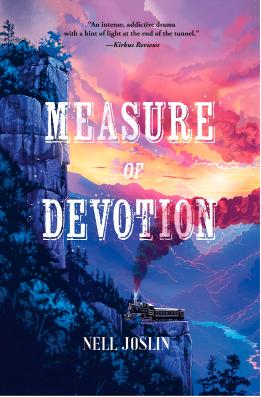
As the Civil War begins, thirty-six year old South Carolinian Susannah Shelburne and her husband Jacob oppose slavery and the Southern cause. Yet their son Francis becomes a Confederate soldier, sparking bitter familial discord. When Francis is wounded near Chattanooga, Tennessee. Susannah embarks on a perilous journey and finds him haunted and delirious; soon thereafter he becomes a prisoner of war. As the war grinds on, Susannah faces impossible choices amidst harrowing revelations from home. This gripping narrative explores themes of sacrifice, resilience, and the profound impacts of war on families; a vivid portrait of a woman's relentless fight for survival and reconciliation in a time of unprecedented turmoil.
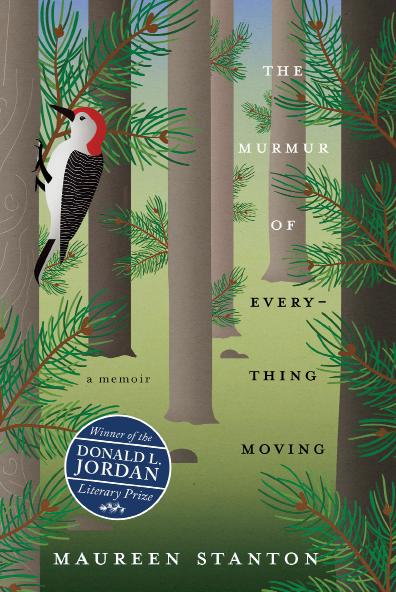
Fox Creek
BY M.E. TORREY
In 1843 Louisiana, the beloved biracial daughter of a wealthy planter is sold into slavery and must survive while caught between the world of the white elite and the brutality of slavery. Sold along with her is Cyrus, a boy big for his age, torn from his mother without a chance to say goodbye. Together they are purchased by the Jensey family, where soon, their destinies will collide. Fox Creek is a story of race, privilege, and destiny. But most of all, it is a story of love, a love that transcends all that threatens to tear it apart.
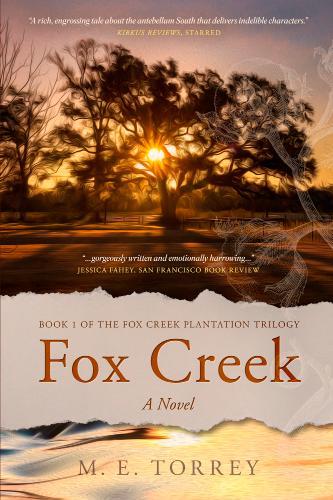
SHELF UNBOUND
BEST INDIE BOOK
COMPETITION

Shelf Media hosts the annual Shelf Unbound Best Indie Book Competition for best selfpublished or independently published book, receiving entries from May 1 to October 1 each year. In addition to prizes, the winner, finalists, and more than 100 notable books from the competition are featured in the December/January issue of Shelf Unbound.
Call For Entries .
Shelf Unbound book review magazine announces the Shelf Unbound Writing Competition for Best Self-Published Book. Any self-published book in any genre is eligible for entry. Entry fee is $100 per book. The winning entry will be selected by the editors of Shelf Unbound magazine.
To submit an entry, Apply Online at www. shelfmediagroup.com/competitions.
THE TOP FIVE BOOKS, as determined by the editors of Shelf Media Group, will receive editorial coverage in the Winter issue of Shelf Unbound. The author of the book named as the Best Self-Published book will receive editorial coverage as well as a year’s worth of full-page ads in the magazine.
The deadline for entry is midnight on October 1, 2026.
2026
The BIG Summer Indie Reads List .
EVERY SUMMER, something shifts.
The light changes. The pace slows — or at least, we give ourselves permission to pretend it has. We carry books to back porches, to beach towels, to the particular quiet of a room with a fan running and nothing pressing to be done. We read in ways we don't always manage the rest of the year: greedily, gratefully, without guilt.
This is the season of the long book finally opened, the genre you've been meaning to try, the author you discovered at an independent bookstore because a bookseller handed you something and said trust me. Summer reading has always been less about escapism than its reputation suggests. The best summer books don't ask you to check out — they ask you to
check in, more fully, to voices and worlds that ask something real of you. They follow you off the page. You find yourself thinking about a character while doing the dishes. You look up from a paragraph because something in it landed too precisely to keep reading without pausing.
What we've assembled here is a list built on that premise. The Big Summer Reading List is an annual celebration of the books coming out of independent and small presses — the publishers who take risks that the larger houses often won't, who champion voices that don't fit neatly into trend reports, who believe that literature is still one of the most powerful tools we have for understanding how other people live. You'll find no algorithm-optimized recommendations here. Every title was chosen by human hands, read by human eyes, argued over with genuine passion.
This year's list spans eight categories — General Fiction, Literary Fiction, Mystery & Thriller, Fantasy, Science Fiction, Poetry, Young Adult, and Non-Fiction — and makes room, for the first time on our pages, for Horror: a genre long overdue for the serious literary attention it has always deserved. Across all of them, you'll notice certain threads. Women navigating the wreckage and the promise of their own lives. Families carrying the weight of what happened before they were born. Communities — small towns, city blocks, bloodlines — shaped by silences as much as by what was said aloud. The past refusing to stay past.
You'll also notice that this year, the list feels stranger and more vital than it has in recent memory. We are living in a cultural moment that has made many readers hungry for fiction that takes the present seriously — not flinching from it, not retreating into comfort for comfort's
sake, but meeting it with the full resources of literary imagination. The books on these pages do exactly that. Philip Fracassi sets a Civil War horror deep in a moral wilderness that feels startlingly contemporary. Gwendolyn Kiste's haunted women resist the structures designed to contain them. Mubanga Kalimamukwento traces the price women pay across generations, quietly devastating. Megan Gannon admits ugly truths in a genre that too often demands beauty from women. P.C. Verrone builds a modern fable from Black American folklore that reads like it was written for right now, even though its roots run far deeper.
We have also, this year, made a deliberate effort to seek out books published for the first time in English — translations that bring new worlds across language barriers — alongside debut collections and first novels from writers whose names you may not yet know but soon won't be able to forget. Tayyba Kanwal. Carla Madeira. Luna Rey Hall. Marlee Jane Ward. These are writers at the beginning of something. Reading them now, before the wider conversation catches up, is one of the real pleasures this list has to offer.
A note on how to use what follows: don't read it as a to-do list. Read it the way you'd read a long letter from a friend who reads obsessively and wants to share what moved them. Some of these books will be for you and some won't — that's the nature of a list this wide. But we'd wager that every reader who picks up these pages will find at least three titles that make them think: yes, that's exactly what I want to read next. Maybe five. Maybe more.
The summer is long. The pages are waiting. Pick something up.
Call It Madness
BY BRETT ANN STANCIU
After her great-grandfather’s death and a failing relationship, Avah Lavoie heads to rural Vermont to confront the fractured family she barely knows. Rumors swirl around a lost farm, a deadly sawmill accident, and her grandfather’s drinking, while a neighbor schemes to buy the valuable lakefront property. As a snowstorm closes in, Avah finds unexpected companionship in the neighbor’s sharp-tongued housekeeper, whose kindness may come with hidden motives. When Avah finally reconnects with her estranged mother, lost in addiction at the Blue Lion Motel, she begins to see the wounded girl beneath decades of pain and absence. Set against the isolation of a frozen Vermont winter, Call It Madness is a story of buried truths, family wounds, and the fragile possibility of forgiveness.
The World To See
BY JESSICA HANDLER
When teenager Nadine Harvey helps her best friend hide a disturbing secret, she’ s also concealing her own deepest truth: she’ ll do almost anything to be wanted. Five years and three thousand miles later, Nadine is thrilled when her idol, Celeste— a rock singer known as “ the oracle” — befriends her. As Celeste’ s career begins to falter, she launches a bold program encouraging women to speak their truths. Nadine eagerly becomes her business partner, but as their ambitions clash, their alliance starts to unravel. Determined to hide their growing rift, Celeste and Nadine invite their mothers to a high-profile awards gala. When painful histories resurface, each woman must confront how she sees herself— and how the world sees her.
The Withers
BY LEE UPTON
In the aftermath of a devastating epidemic, bodies marked with eerie patterns called withers become symbols of a painful past— a past many want to forget. Riatta, one of the marked, finds herself cast out, a survivor of controversial surgeries that saved her life but cost her everything else. Seeking refuge, she recovers in the home of a surgeon who once saved her. But when she learns his wife is pregnant, a shadow falls over this fragile sanctuary. Ruthless organ traffickers roam the streets, and Riatta is drawn into a desperate fight to protect the unborn child and her friends.
When We Were Feral
BY SHASTA GRANT
Thirteen-year-old Maggie lives in a rural New Hampshire trailer park with her withdrawn brother and overworked father after her mother vanishes without explanation. She escapes into the warmth of her best friend Sarah’s family until another local mother disappears, drawing the girls toward Erin, the daughter left behind. Determined to understand why mothers leave, the friends begin searching the woods and backroads for answers, but a dangerous encounter with older boys changes everything. Set in the early 1990s, When We Were Feral is a haunting comingof-age novel about friendship, loss, and the uneasy passage from girlhood into adulthood. As buried truths surface, the girls discover the most dangerous wilderness may be the one
The Water Smith
BY YANCE WYATT
When handyman Jack Calloway discovers an old moonshine still behind a Smoky Mountain cabin he plans to renovate, his teenage son convinces him to bring it back to life. But after a disastrous accident leaves Jack’s wife, Jolene, severely burned and suffering from a rare trauma-induced dementia, Jack becomes consumed with guilt and desperate to help her heal. Learning that scent can trigger fragments of memory, he begins distilling oils from flowers and familiar objects in hopes of bringing her back to herself. As fleeting moments of recognition slip away, Jack risks everything searching for a cure. The Watersmith is a haunting story of love, regret, addiction, and the fragile bonds holding a family together.
Mysteries of Las Vegas
BY ANDREW FARKAS
The Ancient Mysteries of Las Vegas follows Arty and Auggie through a surreal series of shifting realities that blur the line between memory, fantasy, and regret. In one timeline, the two twentysomethings seem trapped in an apartment while imagining a strange road trip to Las Vegas. In another, they are middle-aged gangsters hiding in a Vegas hotel room, waiting for orders from an animatronic crime boss while paranoia and confusion consume them. As the story unfolds, questions emerge about what is real, what is imagined, and whether Arty is using these fractured narratives to hide a deeper personal shame. Strange, darkly comic, and deeply psychological, the novel explores identity, guilt, and the stories people tell themselves to survive.

Immersions
BY KYLE MCCARTHY
Black Swan meets Bluebeard in this novel of sisterly rivalry and obsessive love set in the New York City dance scene. Frances’s older sister Charley was a star of the modern dance world. But just as she was ascending, she fell in love with Johnny, an enigmatic trust fund artist, and married him. A few years into their turbulent marriage, Charley mysteriously leaves her dance company and joins an enclosed convent in Provence. Much to the shock of her family, she changes her name to Sister Anne and cuts off contact with the outside world.
The Changeling
BY JOY WILLIAMS
When we first meet Pearl, she is young but already deep into alcoholism, sitting at a Florida hotel bar with her infant son in her arms as she drinks gin and tonics. She has fled an abusive husband and the Northeastern island tied to his family, but the sense of escape is temporary. Soon, she is forced back to the island, a place she experiences as both oppressive and destabilizing, where her drinking both numbs and amplifies her unraveling. In The Changeling, Joy Williams blends magic realism, folklore, and modernist dread into a haunting story of addiction, motherhood, and psychological disintegration. The result is a surreal and consuming portrait of a woman pushed to the edge of reality itself.
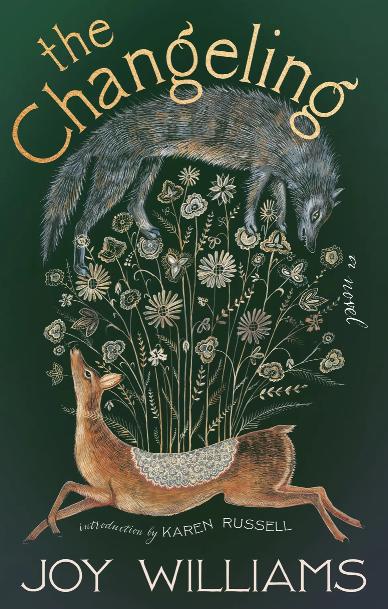
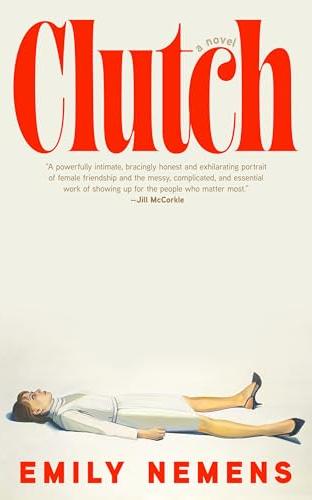
Clutch
BY EMILY NEMENS
Five college friends reunite for a long-overdue trip to Palm Springs — the first time in years they've all been together in person. Careers, kids, marriages, and aging parents make connection difficult, even with a group chat always humming. But as elder millennials hitting a flash point in their fourth decade, the renewed closeness both steadies and rattles them, forcing each to reckon with the times they weren't there for one another. Nemens writes female friendship with perfect pitch — tender, complicated, and fiercely true.
Rabbit, Fox, Tar
BY P.C. VERRONE
When Baby appears in Original Hill, her name is on everyone's lips — a young Black woman is a rare sight in this part of town, and she sits all day on the Foxes' garden wall, swinging her bare feet and speaking to no one. That is, until the charismatic Lucius "Lucky" Foote comes along and sparks their romance, confident he will secure the open city council seat away from Baby's uncle, the back-fromretirement white incumbent. Rooted in Black American folklore and West African principles, this fable-like debut is magical realism that is timely, haunting, and sharply alive.
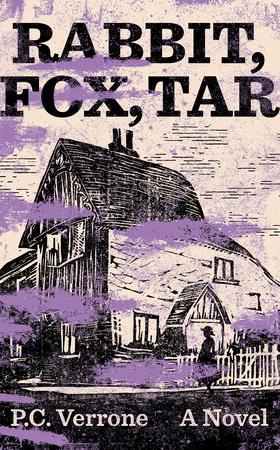
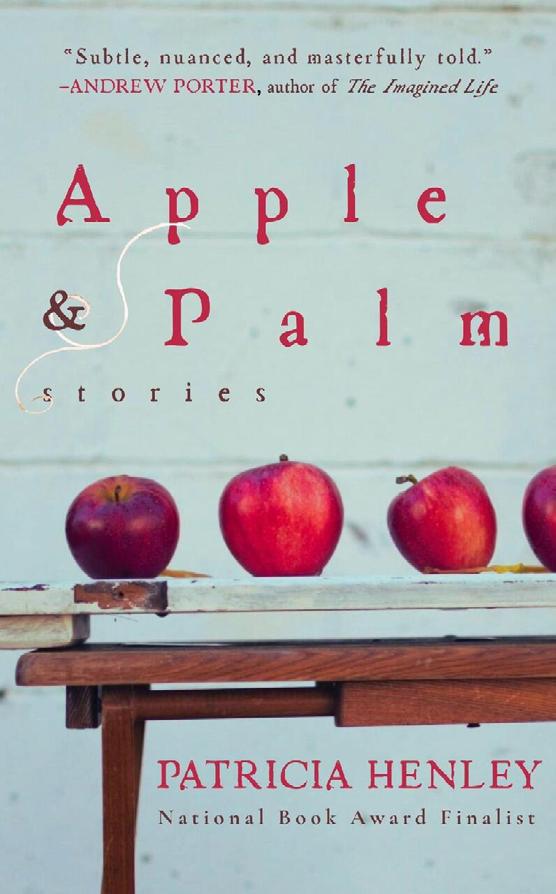
Apple & Palm
BY PATRICIA HENLEY
In the small town of Whistle Pig, lives overlap and recur across these linked stories. Jill Zebrak fetches her aging father from the casino, and appears again later taking in two children after a tragedy. Around her, an artist colony, amorous octogenarians, and a community both insular and inescapably connected. What Henley illuminates is how small-town life hums with frustrating closeness and unexpected grace — and how the choices we make ripple outward in ways we rarely anticipate.
The Shipikisha Club
BY MUBANGA KALIMAMUKWENTO
In this multigenerational novel, Sali — the only child of an evangelical family — stands trial in Zambia for the murder of her husband. Fourteen years earlier, she was pregnant by a married man who died accidentally, and was then wedded to a local officer who swore to raise the child. As the murder trial dominates national headlines, Sali's fifteen-year-old daughter must reconcile what the newspapers say against what she knows of her mother. Gripping, emotionally layered, and deeply human.
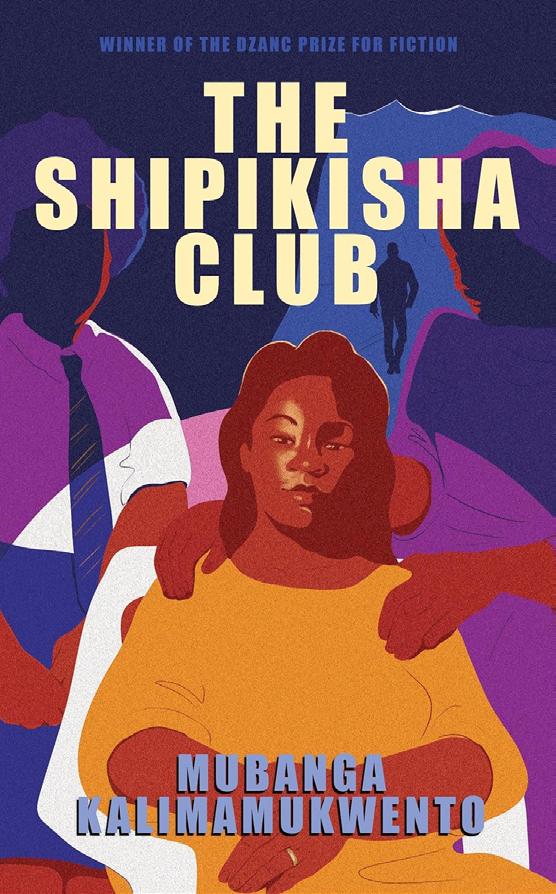
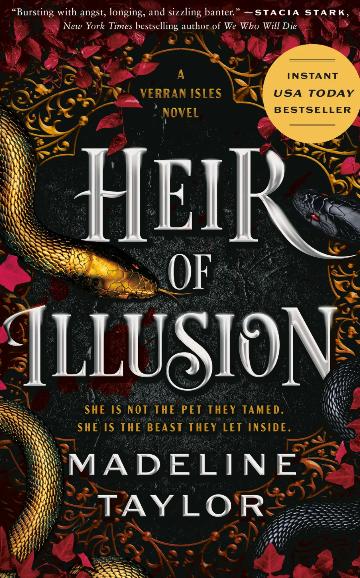
Heir Of Illusion
BY MADELINE TAYLOR
An alliance between enemies. A weapon of untold power. And a bond that could rewrite fate. Fall into the viral, propulsive dark romantasy everyone is reading. A fae assassin with the power of illusion, sworn to a king she despises. An enigmatic grim reaper, searching for freedom. Enemies collide in an unlikely alliance, brimming with desire and destruction. She is not the pet they tamed. Blessed with the power of illusion, Iverson Pomeroy has many tricks up her sleeve. However, none of them are a match for the enchanted collar at her throat that keeps her bound as assassin and mistress to a ruthless king. Forced to play the role of his obedient pet, she plots in secret to destroy him and claim the freedom she has always been denied.
Porcupine
BY NICK HOLDSTOCK
Porcupine recreates the first meeting of pioneering art historian and Renaissance scholar Aby Warburg and philosopher Ernst Cassirer in a Swiss asylum in 1924. Warburg’s mounting fears of political and social collapse and the rise of anti-Semitism during the aftermath of the First World War had fueled a psychotic break that led to his confinement. He sees enemies everywhere, railing against philistines, modern technology, the city of Hamburg, Martin Luther, and Switzerland. As the two men walk in loops through the institution gardens, Warburg, desperate to convince Cassirer of his sanity, struggles between psychosis and a feverish attempt to lucidly convey his core ideas—to talk his way out of a cage of his own making.
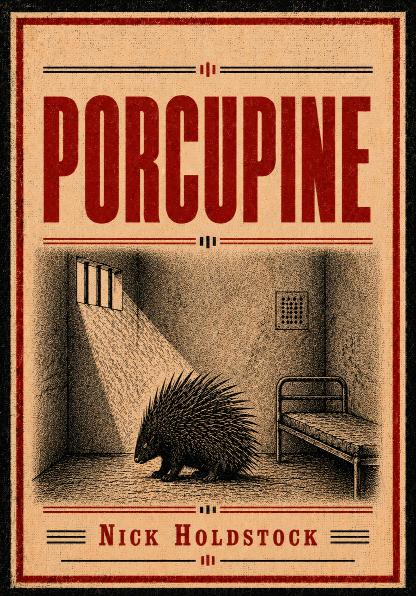
We Meet Apart
BY MARTHA CONWAY
When World War II halts ocean travel in 1940, two American sisters become stranded in Ireland, each living in a different version of reality. In 18-year-old Gaby’s world, Ireland remains neutral as history records, while in 17-yearold Sabine’s, Germany has invaded and she is forced to survive on the run. Both sisters ultimately find refuge at the same remote Irish manor, where their realities overlap for one hour each evening. In that fragile window, they are reunited, even as the divide between their worlds grows more unstable. When Sabine falls for a German officer who appears kind in her world but dangerous in Gaby’s, the sisters must confront what is real, what is imagined, and what it will cost to stay together.
The Train To Santa Fe
BY GINGER PINHOLSTER
In the 1880s, sixteen-year-old Chenoa, a gifted Tewa potter, takes one of the first trains from Española to Santa Fe in a desperate effort to save her family from a harsh winter, setting off a legacy shaped by survival and silence. Generations later, her granddaughter Rose, elderly and in failing health, asks nursing home orderly Jonah to help uncover the truth of her stolen Native heritage before it disappears with her. As Jonah searches for answers, he is also navigating his own struggles with fatherhood and a growing connection to Jemi, a wounded veteran longing to return to Bluebird Mountain. Their intertwined journeys gradually expose long-buried truths about loss, identity, and the lasting scars of colonization. Inspired by historical events,
The Coast of Everything
BY GUILLERMO STITCH
“To find the centre, begin at the edge.” A devoted daughter unknowingly condemns her father and herself, while a soldier’s choices exile his daughter and drive her mother toward madness. Across generations, a sick woman’s final breath and a girl’s fragile strength ripple outward, their stories merging like tributaries toward a shared sea. The Coast of Everything unfolds as a shifting, genre-blurring narrative where noir, space opera, and multiverse drama collide in an endless cycle of beginnings. It is a sprawling, surreal meditation on survival, faith, and the insistence on persistence in the face of collapse.
Tabitha, Stay Up
BY LEE UPTON
After a shattering disappointment, Tabitha must find new ways to get up—and stay up. In this sequel to Tabitha, Get Up, she faces a determined antagonist and a possible new love, or the return of what appeared to be lost love. She must save the world’s best bar, contend with diabolical twins and a persistent mystical vision, survive a former cowboy campground, refuse to count her blessings, and at last walk down the aisle again, although not in the way she anticipated. Tabitha continues her forays into philosophy— how to survive disaster, defy humiliation, and build a life where optimism may be renewed, whenever it needs to be renewed, which is by the minute.
A Splintering
BY DUR E AZIZ AMNA
In a village in rural Pakistan, Tara is watching and waiting. The smell of dung and dust hangs over her world. She is desperate to leave her petty life in the village and escape the iron grip of her violent, unpredictable brother.
Marrying a middle-class accountant allows her to escape to the capital, but she soon finds that life as a respectable housewife is not enough. She wants what the rich mothers at her children’s school have. Her desire for wealth and freedom becomes an obsession—one for which she’ll push her marriage and herself to the brink. When her brother comes back into her life, dragging the specter of all she’s escaped, Tara must decide if there are any lines she won’t cross to live the life she deserves.
The Lonely Girl’s Vegetable Patch
BY GENEVIEVE PLUNKETT
A rural Vermont job at a stable pulls aimless twentysomething Drew into an obsessive spiral of bisexual awakening in 2005. Through her coworker Tristan, she becomes fixated on Cleo, his older, elusive ex who has just opened a coffee shop in town. Drew takes a job there and quickly becomes entangled in a charged, unstable dynamic with Cleo, blurring the boundaries between admiration, desire, and identity. As her fixation deepens, the relationships around them begin to warp, drawing in locals, visitors, and past lovers alike. Set against a wintry rural backdrop, the story tracks Drew’s unraveling sense of self in a web of longing, control, and emotional excess.
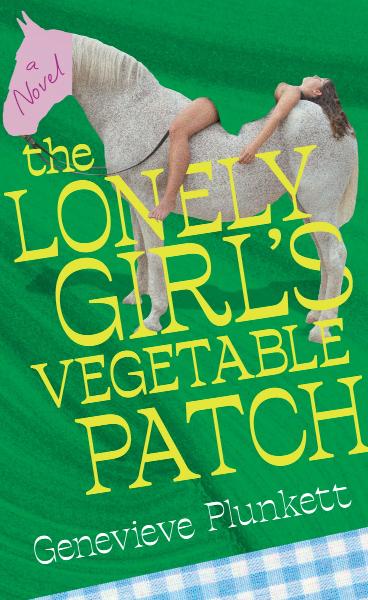
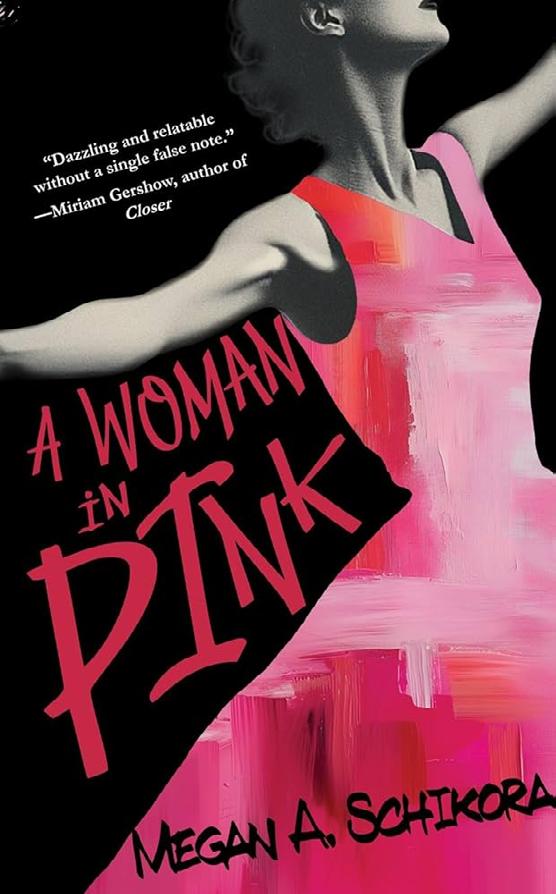
A Woman in Pink
BY MEGAN A. SCHIKORA
After fifteen years entwined, the nameless protagonist and Dutch — the charismatic man she cast as the lead in her love story — ultimately part. But she cannot let him go, even after he marries, even as she tracks their relationship alongside another famous love story: June Carter and Johnny Cash. This novel takes an unflinching look at what healing actually means when love alone isn't enough to make a partnership work, and when obsession wears the costume of devotion.
something out there in the distance
BY GRANT FAULKNER & GAIL BUTENSKY
In this hybrid work, photographs of Joshua trees, Ferris wheels, and desert motels accompany the story of Dawn and Johnny on a road trip across the American West. Dawn, a photographer, has cancer. The effect is chronology by postcard — narrative through mile-markers. Slim in size but enormous in emotional weight, this book captures the desolate beauty of dying western towns alongside the beauty of a life still in motion.
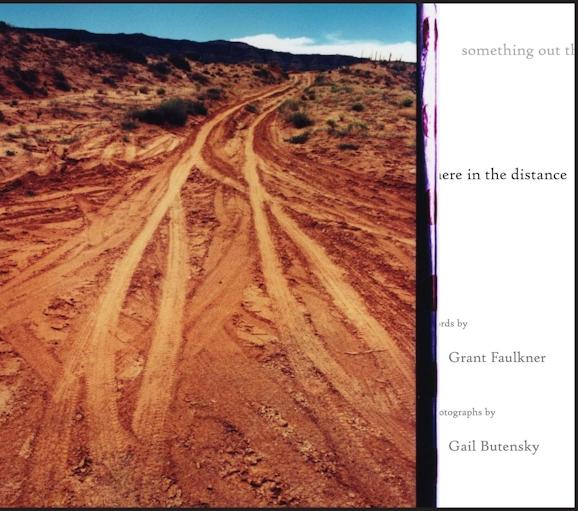
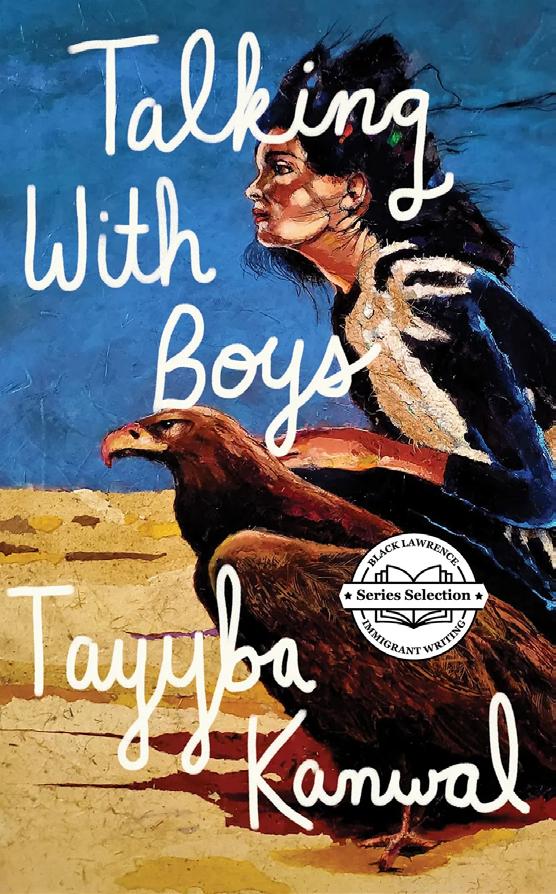
Talking with Boys
BY TAYYBA KANWAL
A domestic worker trapped in a Dubai household of extraordinary wealth schemes for her and the other workers to get out; a Houston family attempts to leverage their nanny's reality-show opportunity to propel their own children to fame; in Lahore, a privileged woman seeks economic agency, only to be rebuked by her husband. Across Pakistan and the diaspora, Kanwal's characters push against custom and convention — and the villain is never quite who we expect.
It's All River
BY CARLA MADEIRA, TRANSL. ALISON ENTREKIN
Playing in the mind like an indie art film with highly saturated colors and manic cinematography, this translated novel features characters — especially Lucy — who will not be easily forgotten. Madeira's prose is hectic and quickly paced, yet Entrekin's translation keeps it flowing without losing any of its ferocity. A novel with teeth: feral and dangerous, while exploring a desperate yearning for love, touch, voice, and power.
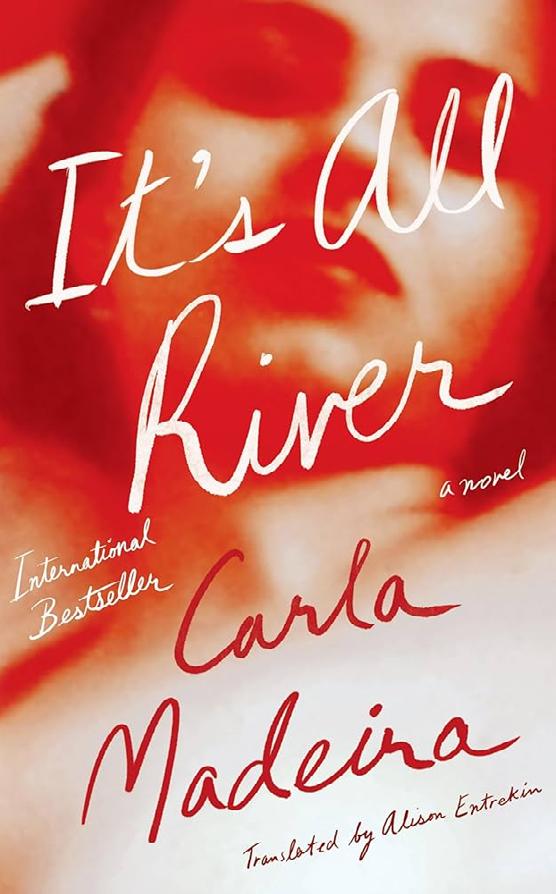

Les Portes
BY MEREDITH NNOKA
Les Portes traces how harm against women and femmes takes root, recurs, and reshapes itself across generations.
Unfolding in three movements—Le Début, Le Passé, and Le Présent—all of which rupture conventional domestic abuse narratives, and drawing heavily from zuihitsu, ekphrasis, erasure, and found forms to mirror the fractured experience of living through and after harm, these poems serve as radical meditations on the power to reflect as resistance. A queer woman caught in an abusive marriage begins to reimagine justice not as punishment but as something restorative, collective, and deeply non-carceral.
Ghost Gravity
BY ISABEL SOBRAL CAMPOS
A ballet-poem, Ghost Gravity is structured as a series of dance numbers in verse form, from the monumental motion of groups to the intimacy of a pas de deux adagio. Staging becomings and metamorphoses, the characters unfold against categorical boundaries, shaping a world of impossible formations—a utopia of earth and sky. Ghost Gravity voices the speech of the organic and of recurrent, reenacted beginnings. It emancipates the hidden beams of light in mud and soil.
/Face
BY WILLIAM LESSARD
What does poetry look like in the age of artificial intelligence, surveillance, and fractured identity? In /FACE, underground poet and digital theorist William Lessard builds poems from Google Patents tied to facial recognition and capture technology, transforming corporate language into unsettling, experimental art. The collection explores digital surveillance, data monetization, and the erosion of selfhood in a world increasingly shaped by algorithms and advertising. Blending avant-garde poetry with sharp cultural critique, /FACE channels the spirit of artists like Warhol and Don Mee Choi while confronting urgent questions about technology, identity, and human value.
Dispatch From Every Second Guess
BY MEGAN GANNON
A verse-memoir spanning the breakdown of a marriage and the resulting wide-open horizon of single motherhood, Dispatch From Every Second Guess explores how we negotiate the present in the light of the past, how our lingering resentments limit our attentions, and how old wounds reopen in new ways. Gannon’s life is layered with tensions. The tension of being a white adoptive mother to a Black son. The tension of healing from a failed marriage. The tension of supporting a partner through mental health crises. The tension of mothering the partner’s child in the shadow of a fraught relationship with one’s own mother. And the tension of admitting ugly truths in a genre that often demands beauty, especially from women poets.
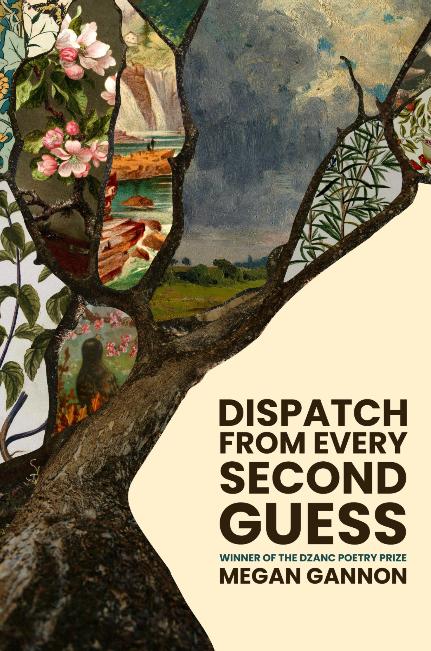
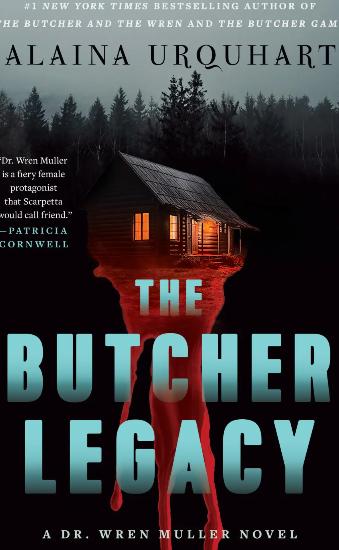
The Butcher Legacy
BY ALAINA URQUHART
Two months after the life-altering events of The Butcher Game, Wren is back in the place she knows best: the New Orleans morgue. She buries herself in routine, surrounded by both familiar and new company, John Leroux and Maya Rodriguez, trying to convince herself that normalcy can be rebuilt. But in the weeks leading up to Halloween, shadows begin to move again as young girls vanish in both cities where Jeremy Rose once ran rampant.
Hundreds of miles away, the pastor to a close-knit congregation in Massachusetts Philip Trudeau is back behind the pulpit. But beneath his practiced composure lies something sinister—gruesome secrets and a hunger that did not die when Jeremy was caged.
Nasty Little Secrets
BY GABBIE HANKS
A decade after her brother was imprisoned for murdering his high school sweetheart, Rose Dearling remains convinced he is innocent. Her belief led her to write a bestselling book defending him, earning both public backlash and a new life far from her Florida hometown. But when her younger sister suddenly goes missing, Rose is forced to return home and confront the family and memories she left behind. As she investigates, disturbing connections emerge between the old murder case and her sister’s disappearance. Rose soon realizes the answers may have been hidden inside her own book all along.
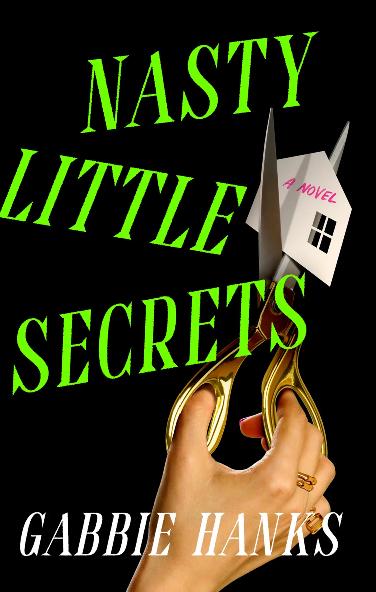
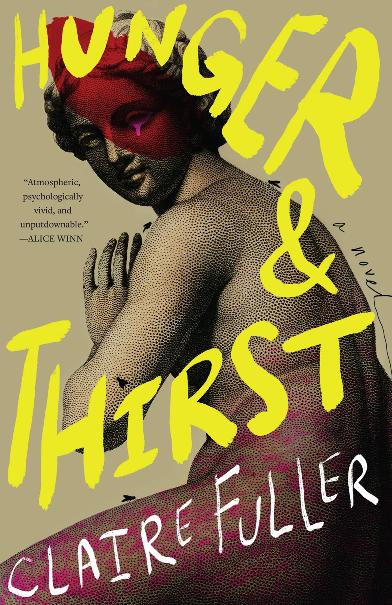
Hunger & Thirst
BY CLAIRE FULLER
In 1987, sixteen-year-old Ursula escapes a traumatic childhood and life in the care system when she finds work at a local art school and a place among a group of young squatters living in the mysterious Underwood house. Drawn to the reckless and charismatic Sue, Ursula becomes desperate for the love and belonging she has always lacked, until a dangerous dare leaves her haunted by both guilt and something far darker. Thirty-six years later, Ursula is a reclusive sculptor living under a false identity in London when a true-crime filmmaker exposes her past while investigating an unsolved disappearance. As old secrets resurface, Ursula is forced to confront whether the real monsters are supernatural, psychological, or the consequences of her own actions.
Forever is the Sweetest Con
BY JOANNA THURLOW
After being financially ruined by her ex, Cleo Des Rochelles joins a reality dating show for a chance to win $250,000 and save her home and family. Expecting glamour but finding herself stranded in the wilderness of Northern Ontario, she teams up with Kei, a charming musician, to fake a romance and split the prize money. Their plan unravels when the production crew mysteriously disappears, leaving them without food, communication, or access to Kei’s insulin. As survival becomes their only focus, Cleo discovers unexpected resilience and feelings far more real than either of them intended. Blending romance, suspense, and survival, the story explores what happens when pretending turns into something genuine.
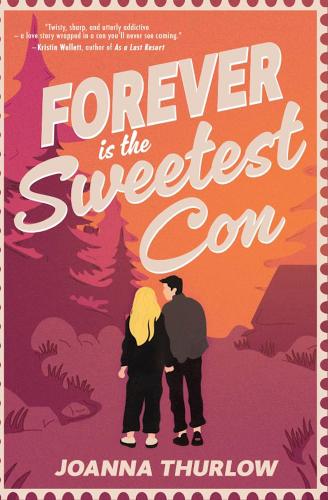
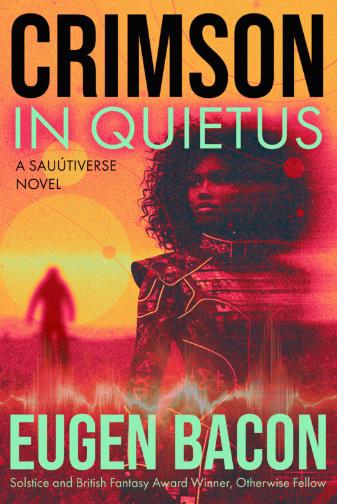
Crimson in Quietus
BY EUGEN BACON
In a world where sound is a tangible force, Muso’mi is a maadiregi, a scientist who studies and consumes sound itself. At the prestigious Mahadum, she researches the mysterious language of silence until a friend disappears after uncovering a dangerous secret. Following clues through strange realms shaped by harvested silence, Muso’mi discovers a horrifying pattern of murders tied to her field of study. As she draws closer to the truth, she becomes the target of a serial killer who understands the deadly power of sound better than anyone. Blending speculative fiction, mystery, and horror, this latest Sauútiverse novel explores silence, knowledge, and the terrifying consequences of obsession.
Teo’s Durumi
BY ELAINE U. CHO
Falsely accused of murdering his family, Teo Anand crashlands on the Moon after surviving yet another attempt on his life. Hoping to clear his name, he joins forces with his closest ally, fearless Korean pilot Ocean Yoon, in the dangerous lunar city of Artemis. As hidden loyalties, buried secrets, and powerful enemies close in, Teo and Ocean struggle to determine who they can trust among a growing circle of allies and rivals. With the help of a thoughtful medic and a charismatic space raider, they are pulled deeper into a web of political intrigue and personal danger. Set in a vibrant lunar society, the novel combines space adventure, found family, and suspenseful mystery.
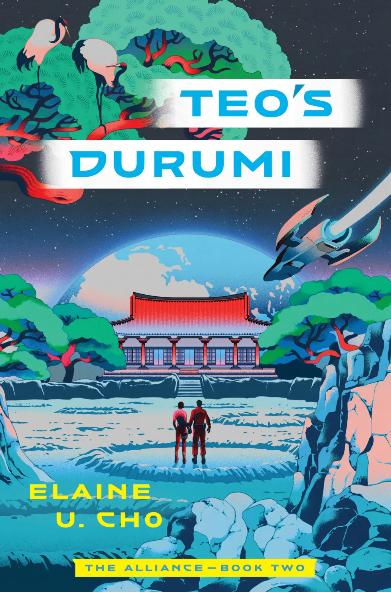
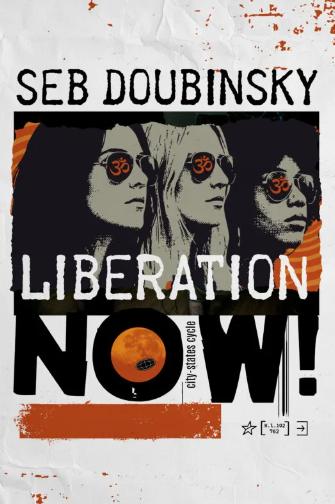
Liberation Now!
BY SEB DOUBINSKY
As the alien Subliminal Empire quietly tightens its grip on Earth, an unlikely group of women becomes humanity’s last chance for freedom. A fugitive city-state president, a former financial advisor, a frustrated academic researching the dangers of A.I., and an undercover alien agent with a past in the music industry join forces to challenge a hidden cosmic regime controlling the planet from the shadows. Together, they navigate political intrigue, rebellion, and interstellar chaos in a fight to reclaim Earth before it is too late. Blending science fiction, satire, and political fable, this action-packed standalone finale celebrates resistance, unlikely alliances, and the power of women to spark revolution.
Make Your Way Home
BY CARRIE R. MOORE
Spanning Florida marshes, North Carolina mountains, and Southern cities, Make Your Way Home follows Black men and women searching for belonging in places marked by history, loss, and inheritance. Across eleven interconnected stories, characters confront family curses, faith, love, climate displacement, and the lingering effects of slavery and generational trauma. A pregnant preteen challenges expectations about family, a young deaconess questions her faith after falling in love, and two sisters dream of escaping a collapsing South in search of stability and freedom. Rich in atmosphere and emotional depth, Carrie R. Moore’s debut collection explores intimacy, identity, and the ways the past continues to shape the future.
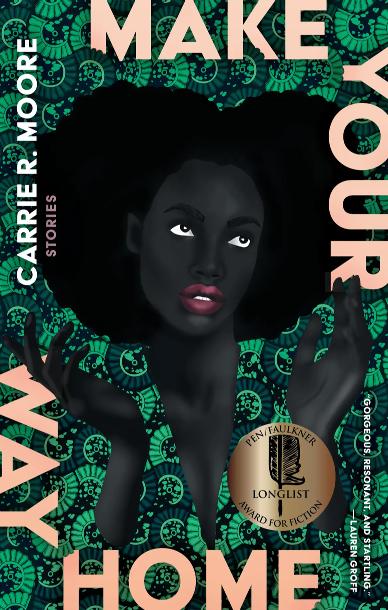
The Forgetting Navigations
BY MARLEE JANE WARD
A chance meeting in the void of space sets the plot into motion. Protagonist Evey is rescued from an uncertain future by a freight hauler named Shirr, and the bond that they form is tested by a series of events that follow. Called "a tapestry of blood, grief, and unbreakable love," Ward's novel is intimate space opera at its finest — small in scale, enormous in feeling, and beautifully told.
Electric Shamans at the Festival of the Sun
BY MÓNICA OJEDA, TRANSL. SARAH BOOKER
This story blends uncanny storytelling with the visionary and disorienting work Ojeda is known for — think Jawbone extended into new mythological terrain. Set at a borderless festival where technology, ritual, and altered consciousness converge, this translation crackles with strange energy. One of the most daring speculative voices writing in Spanish today.
Recursion
BY ARIC MCBAY
McBay has returned to the setting of his novel Inversion for a sequel, also set in a world where the landscape and biome is in a state of constant change. Here, McBay delves more deeply into this planet's origins while also exploring conflicts evolving across the world. A rare breed of science fiction: politically grounded, ecologically imaginative, and written with the urgency of someone who believes fiction can help us think our way to different futures
The Coffin of Honey
BY GEOFFREY D. MORRISON
A story of contact with extraterrestrial life late in this century alongside the commodification of transcendental experiences, blending historical allusions to paranoid observations. Morrison's novel is heady and ambitious — a meditation on what we sell when we sell the sublime, and what the universe might think of us for doing so. For readers who love their science fiction cerebral and internationally minded.
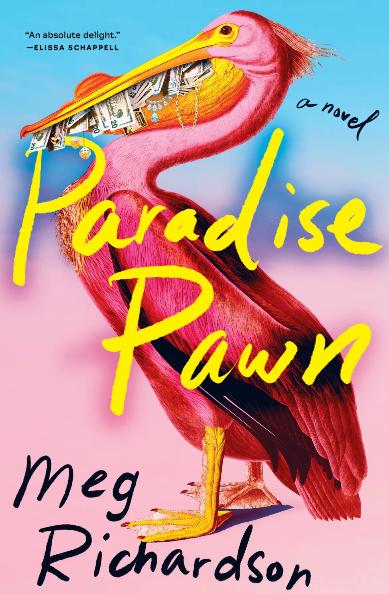
Paradise Pawn
BY MEG RICHARDSON
In the Florida beach town of Cherry Beach, teenage best friends Jackie and Kayla spend their summer working at their families’ pawn shop, where they learn to sell everything from luxury jewelry to power tools. When Kayla risks losing a life-changing private school opportunity because her family can’t afford it, the girls hatch a reckless plan to steal money from the shop to stay together. What begins as a desperate act of loyalty quickly spirals out of control as the stolen cash piles up and suspicion grows. When the truth finally surfaces, Jackie is forced to confront consequences far beyond what she imagined. Warm, sharp, and emotionally grounded, Paradise Pawn explores friendship, family, class, and the lengths people will go to protect the ones they love.
The Very Definition of Love
BY SOPHIA BENOIT
In 1816, Harriet Bancroft is on her fifth season without marriage prospects and perfectly content, more focused on completing her dictionary of modern slang than securing a husband. Fascinated by language—especially the forbidden words men keep from women—she is determined to expand her knowledge at any cost. When she is caught in a compromising situation with the notorious rake Lord Alexander, she is forced into an unexpected arrangement that looks like marriage but is meant to remain strictly in name only. Harriet intends to continue her scholarly pursuits while Alexander follows his own indulgent habits. But as their unusual agreement unfolds, both discover that love has a way of rewriting even the most carefully chosen words.
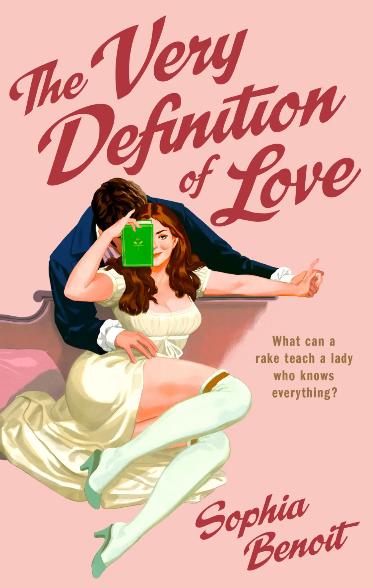
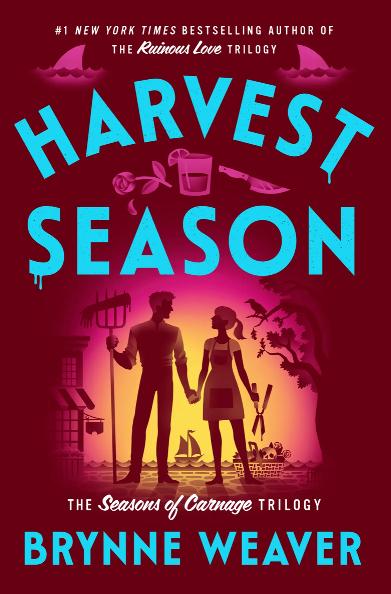
Harvest Season
BY BRYNNE WEAVER
Cape Carnage is a town blooming with secrets, and every time Nolan Rhodes uncovers one, another rises in its place. As he investigates strange deaths and missing people tied to the arrival of true crime fanatics, he begins to realize nothing in the town is what it seems—especially Harper, the woman he is falling for, and Arthur, whose intentions grow increasingly sinister. Even Sheriff Yates appears to be everywhere at once, tightening the pressure around him. Meanwhile, Harper Starling has built a fragile new life in Cape Carnage to escape her past, but Nolan’s digging threatens to destroy it. Caught between love, betrayal, and buried trauma, both must decide who to trust before the town unravels completely.
Puck
BY SAMANTHA ALLEN
Meet Puck: the nonbinary, thirty-year-old mastermind behind Homewreckers, a dating show that puts troubled couples through hell—with a little help from their exes. Used to being the one pulling the strings, it shocks Puck when their life undergoes a plot twist of its own and their college roommate Mia announces her engagement to her ex’s best friend, Damon. Having only recently broken up with longtime-boyfriend Zander, and never having had much in common with Damon (who lovesick Lena has always pined after), Mia’s news leaves her friend group reeling—and Puck’s mind whirling.
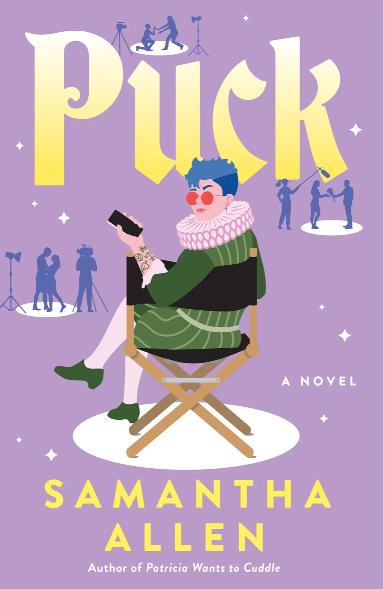
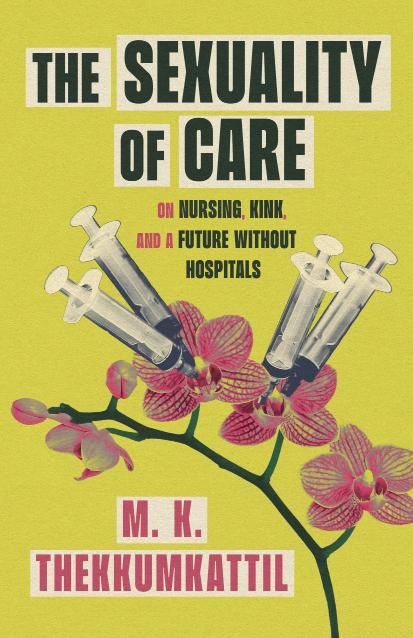
The Sexuality of Care
BY M.K. THEKKUMKATTIL
A unique, conversation-starting essay collection about critical care work, kink practices, and how one might transform the other.
M. K. Thekkumkattil is an ICU nurse looking for ways to show real care for their patients in the age of COVID. When not working in critical care, they struggle with chronic illness, endure controlling partners, and write letters to former patients that wrestle with the violence of professional nursing. At the same time, their slow gender awakening and the new, kink-informed relationships that accompany it begin to shape a way out of the brutalities the hospital system requires.
Chronic
EDITED BY NANCY K. MILLER AND TAHNEER OKSMAN
This special issue of WSQ takes the contemporary experience of long COVID as a starting point for examining the social, political, and emotional realities of living with chronic illness. The collection brings together articles and hybrid works that explore how chronic illness intersects with disability studies, critical race theory, care ethics, affect studies, and feminist eco-theory. WSQ: Chronic considers how health and illness are shaped by culture and power, while also engaging with activism and scholarship in health humanities and graphic medicine. In doing so, it proposes new ways of thinking about care, embodiment, and healthcare systems in a time of ongoing global health challenges.

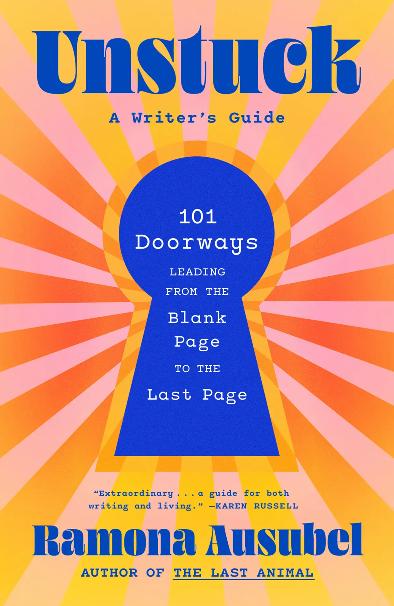
Unstuck
BY RAMONA AUSUBEL
Unstuck: 101 Doorways Leading from the Blank Page to the Last Page is about staying in love with your writing: feeling excited, mischievous, productive, and hopeful—the opposite of being stuck.
Critically acclaimed, award-winning author and beloved teacher Ramona Ausubel offers 101 exercises that promise to welcome you back to the page again and again; to reinvigorate your process and help you see your writing through to the end. Full of personal stories and hardearned wisdom of a veteran writer, Unstuck is written in the first person, human to human, writer to writer. Practical, clear, and welcoming, Unstuck offers immediately useable strategies for beginning, continuing, and finishing a piece of writing.
The Fourth Branch
BY DANIEL SQUADRON
This part handbook, part history, and part personal narrative will open readers’ eyes to the oft-overlooked arm of government that has done more harm and more good than any other in recent years: state legislatures.
After the 2024 election, many voters were left feeling disillusioned with America’s highest governing body. Anxious citizens point to the federal government and national elected officials with growing alarm, but the broken political system they see in Washington is merely a symptom. The site of that break—and the best opportunity to mend it—lies in the states.
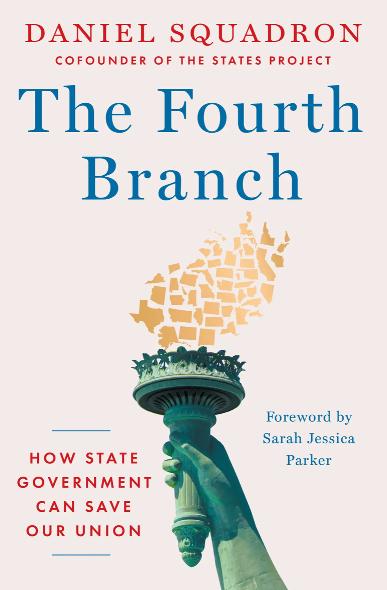
INTERVIEW
Interview with M.E. Torrey
Author of Fox Creek
BY SARAH KLOTH
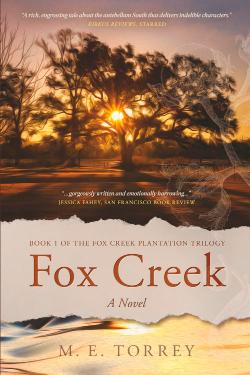
FOR READERS MEETING FOX CREEK FOR THE FIRST TIME, HOW WOULD YOU DESCRIBE THE BOOK IN YOUR OWN WORDS? WHAT SHOULD THEY KNOW GOING IN?
MET: Fox Creek is one of those immersive novels where you feel like you’re actually there—living and breathing the everyday. You’ll feel the rhythm, the pulse of plantation life in 1843 Louisiana. Wisps of cotton floating through the humid air. The whack of the machete as it cuts down the sugarcane. The smell of Cook’s fresh pralines. And the pain of a mixed-race slave girl who realizes that a vast chasm separates her from her white playmates.
Don’t enter Fox Creek thinking it’s one of those quick, summer reads. Instead, enter it with the understanding that you will come to know these characters as if they were your own family, your own blood. Sometimes you’ll cheer them on; sometimes you will be horrified. And through it all, one thing is certain: these characters will live on long after you close the book.
YOU’VE SHARED THAT FOX CREEK ACTUALLY BEGAN AS A
YOUNG-ADULT GHOST STORY SET IN NEW ORLEANS YET TURNED INTO SOMETHING COMPLETELY DIFFERENT ALONG THE WAY. WHAT HAPPENED?
MET: I had an opportunity to visit Louisiana for the first time back in the mid-90s. As a writer of middlegrade and young adult novels, I decided to write a ghost story based in New Orleans. How cool would that be!? To prepare, I researched the city and its myriad of spooky folklore. However, once I was there, no spooky plot or creepy vibes came to me.
Instead, I felt drawn to the subject of slavery, as if I were being pulled in that direction. I rented a car and headed north to “Plantation Alley.” What happened there changed the trajectory of my writing and, looking back all these years later, even the trajectory of my life.
As a Northern girl, I was (naïvely) expecting a balanced telling of plantation life. But in tour after tour, the docents spoke only about the white family and their (wondrous) lives in the “big house.” Not once were slaves mentioned. I remember thinking to myself, “But what
about all the slaves who made that wondrous life possible? What about them?” After each tour, I wandered behind the big house to see the slave cabins, if there were any still standing. Invariably, the cabins were small one- or two-room, wood-slat hovels where entire families were born, lived, and died. Seeing this, and after hearing nothing but the glorification of the plantation past, I returned home on fire. I decided to write a novel which spoke, not only to the white experience, but to the black experience. Of particular interest to me was where those narratives intersect. After much research, I wrote my debut novel for adults titled, Fox Creek.
THE NOVEL OPENS WITH MONETTE—A SIX-YEAR-OLD CREOLE GIRL, THE CHERISHED DAUGHTER OF A FRENCH SUGAR PLANTER—WHO IS SOLD INTO SLAVERY ON THE DAY HER FATHER’S DEBTS COME DUE. WHAT DREW YOU TO HER, AND WHY DID YOU CHOOSE HER AS YOUR WAY INTO THIS STORY?
MET: To write about the intersection of both the black and white narratives, I decided to have a character who is both white and
black. As the beloved daughter of a white man, little Monette is initially raised in extravagance and wealth, believing herself as belonging to those in power—those who are white. But when she is sold, she is suddenly and mercilessly plunged into the world of slavery. Of course, she doesn’t understand what has happened to her. As the novel progresses, Monette must straddle that line between white and black, being part of both, yet belonging to neither. It is through her struggles that we experience that painful intersection, that collision, of realities.
SOME OF THE MOST MOVING SCENES EARLY IN THE BOOK ARE BETWEEN MONETTE AND CYRUS, THE TWO CHILDREN THROWN TOGETHER IN THE BACK OF A SLAVER’S WAGON. THE BOND THEY FORM RUNS THROUGH THE WHOLE NOVEL. HOW DID YOU FIND IT?
MET: Fox Creek is the first book in a trilogy. The trilogy starts in 1843 and ends shortly after the Civil War in 1867. I wanted a love story to be the connective tissue that binds the entire trilogy together, a love
ABOUT THE BOOKS
story between two slaves: Monette and Cyrus. I wanted their bond to begin when they are very young, a bond forged in the fires of a mutual tragedy—their separation from their families and all that is familiar. Because they are the only children in a large slave camp in the frigid winter of the Louisiana swamps, they form an immediate bond, clinging together throughout their ordeal.
ONE SCENE THAT REALLY STAYS WITH READERS IS AT THE NEW ORLEANS AUCTION, WHEN EIGHT-YEAR-OLD BRECK JENSEY BUYS TENYEAR-OLD CYRUS ON THE BLOCK. IT’S A SMALL ACT OF RECOGNITION BETWEEN TWO BOYS, BUT IT HAPPENS INSIDE A TRANSACTION. WHAT WERE YOU HOPING READERS WOULD FEEL IN THAT MOMENT?
MET: By the time they arrive on the auction block, Cyrus and little Monette have forged a bond of love. Their bond is threatened once they are put up for sale; it might be the last time they see each other. While Monette is numb with terror, Cyrus is determined that they stay together. Monette is first on the auction block and is purchased by the Jensey family
as a playmate for their daughter, Kate. Once it’s Cyrus’ turn on the block, he recognizes Breck Jensey as a boy he saw earlier on the streets of New Orleans. In that encounter, Cyrus and Breck had a moment of connection, a fragile bond. Now realizing that Breck belongs to the family who purchased Monette, Cyrus sees his chance and prompts Breck to purchase him, which Breck does. (Breck’s father, William, allows this as he’s trying to teach Breck about plantation management, which includes how to choose which slaves to purchase—what to look for, what to avoid, etc.)
The auction scene is the culmination of the first part in Fox Creek. Up until then, readers will wonder if Monette and Cyrus will get to stay together. After all, they are powerless. Pawns in a system that does not care what they want. Prior to the auction, we’ve come to know both Kate and Breck, the two children of the Jensey family. Once Monette is purchased for Kate, I would hope that the reader will be gnawing their fingernails in the hopes that Cyrus will also be purchased by the Jenseys. (Of course, you know it’s going to happen, but
when it does, there’s still a HUGE relief! Whew!)
THE JENSEY FAMILY—WILLIAM, SARAH, AND THEIR CHILDREN KATE AND BRECK—AREN’T SIMPLE VILLAINS. THEY’RE DEVOUT, WELL-MANNERED, AND BY THEIR OWN LIGHTS, KIND. WAS IT DIFFICULT TO WRITE CHARACTERS WHOSE DECENCY LIVES SO CLOSE TO SUCH CRUELTY?
MET: For me, it wasn’t difficult so much as necessary. I’ve always struggled with villains who are villain-ish through and through (unless we’re talking the James Bond bad guys or the super-villains in the Marvel Universe!). As a writer of history representing people from the past, I think it’s vital to understand the nuances of what it means to be human. Humans are complex; few people are all bad. To me, it was more realistic for the slaveholding family to be “normal” even as they live within the plantation system and all it entails, including cruelty. How they explain away the
cognitive dissonance within their own lives and society is very telling. For me, it is ultimately more chilling when a normal, even likeable person, mainstreams such cruelty. This type of character reveals far more about the human condition than does a villain who is easy to hate.
YOU SPENT THREE YEARS ON RESEARCH BEFORE YOU EVEN STARTED WRITING—INCLUDING A WEEK AT LSU’S ARCHIVES IN BATON ROUGE, AND READING HUNDREDS OF MEMOIRS, LETTERS, AND SLAVE NARRATIVES WRITTEN BY PEOPLE WHO ACTUALLY LIVED THROUGH THAT TIME. WHAT DID YOU LEARN IN THOSE YEARS THAT SURPRISED YOU MOST?
MET: When I began reading the memoirs, diaries, and journals of plantation owners and mistresses, I think I was expecting not to like them as much as I did. What
I learned was that people are the same everywhere, including the owners of slaves. Some were benign, some were psychopaths, while most were just ordinary people getting on with their lives the best they knew how, while living in a society that condoned and normalized slavery.
But it wasn’t until I read a plantation diary called, “Plantation Life in the Florida Parishes in Louisiana, 1836-1846: As reflected in the diary of Bennet H. Barrow,” that this understanding hit me between the eyes. In his diary, Barrow would jot notes about each day: the weather, a party the night before, which fields need hoeing, how many bales of cotton had been pressed, or even loving thoughts of his wife, etc. Everyday life, some of it sweet. But every now and then, punctuating the pages like bolts of lightning, were statements like, “Whiped [sic] all my ploughers –for shallow ploughing,” and “More hands attempting to sherk [sic] for two weeks past than I ever knew, Gave a number of them a good floging [sic],” and “Dogs soon tore him naked, took him home before
the other Negroes at dark and make [sic] the dogs give him another overhauling.”
What I realized was this: even ordinary, “kind” people could become numb to the cruelty around them, especially when such behavior has been present in their lives from the time they were born, is condoned by society, and emulated by their neighbors. What I also realized was, put in a similar environment, most of us would have thought such behavior both normal and necessary. There are few of us who, when everyone else is swimming downstream, try to swim upstream. You will be outcast. This “go with the flow” behavior was also supported by federal law: slaves were legally considered only 3/5ths of a human being. It was accepted knowledge throughout the United States that they were less than. One other thing I learned from my research: Owning slaves was considered the pinnacle of Southern manhood. At the height of the slave market in the South, a male slave in the prime of his life sold for about $1,000. This is the equivalent to $44,000 USD
today. Many white men worked and worked until they could (finally!) purchase their first slave. Owning a slave afforded some respect. Now imagine owning ten slaves. Or one hundred! It was no mistake that those in power in the South were all slaveholding white men. That’s where the wealth was, and, like today, they would do anything to protect their wealth—even send their sons to war.
MOST STORIES ABOUT THE ANTEBELLUM SOUTH ARE SET IN NEW ORLEANS OR ALONG THE MISSISSIPPI’S GRAND PLANTATIONS. YOU SET FOX CREEK IN WEST FELICIANA PARISH, A
LESS-TOLD CORNER OF LOUISIANA. WHY THERE?
MET: Actually, Fox Creek begins at one of the grand plantations along the Mississippi, where little Monette was born. However, we soon move to West Feliciana parish which, together with East Feliciana parish, was known as “English Louisiana.”
While the French settled along the shores of the Mississippi in the late 1600s, the English really didn’t come
along en masse until the Revolutionary War. Loyal to the English king, these wealthy colonists fled inland from the eastern seaboard. Some of them settled in East and West Feliciana, a place of streams, rolling hills, fertile soil, woods, and plentiful wildlife. There, they extracted wealth from the land, building plantation homes that emulated their homes in the east.
“Plantation Alley” is located in West Feliciana. One plantation, Nottoway, boasts 53,000 square feet and is the second largest plantation home in the South. Another, Oak Alley, was Louis’ home in “Interview with a Vampire.” Bennet Barrow, the writer of the diary, was master at Highland Plantation, located in West Feliciana. As he provided such an insightful glimpse into the mind of a slaveholder, this really decided it for me.
FOX CREEK IS YOUR FIRST NOVEL FOR ADULT READERS AFTER WRITING TWELVE BOOKS FOR CHILDREN. WHAT DID WRITING FOR YOUNG READERS TEACH YOU THAT YOU USED HERE,
AND WHAT DID YOU HAVE TO LEAVE
BEHIND?
MET: In writing novels for middle-graders and young adults, I learned the basics of good fiction: characterization, plot, story arc, pacing, setting, imagery, point-of-view, voice, and so on. Without knowing these fundamentals of fiction-writing, I would have floated aimlessly hither and yon like a buoy without a tether.
To answer the second part of this question, I will have to say that I didn’t leave anything behind. In fact, I find writing for an adult audience to be freeing. Often people think writing for children is easier, when, in fact, I find it harder. Why? 1 - You are limited in thematic material. You can’t get too gory. Too sexy. Too graphic. Too esoteric. 2 - The protagonist must solve the problem themselves. You can’t have adults rushing in to save the day. Well, that’s hard plot-wise because that’s what usually happens in real life: we call the police; we call the fire department; we call our parents. Nope! Your thirteen-yearold protagonist has to escape his kidnappers on his own, or only with the help of other kids, and you can’t make it feel contrived. 3 – You have to keep a lid on your language. No
f-bombs for twelve-year-olds. No florid language that puts them to sleep. 4 –Speaking of sleep, you have to grab a young reader from the beginning and never let them go. Your 15-year-old reader? They can watch TV, chat with friends, stream anything, play video games. Why should they sit down and read your four-page exposition on how the land was settled? So, there has to be tension, lots of tension. Keep them hanging. Questions need to be posited but not answered right away. (Will he escape? Will Celia understand the secret message? When will the truth be revealed?)
I could list more, but you get the idea. . . .
FOX CREEK IS THE FIRST BOOK IN A TRILOGY, AND THE ENDING LEAVES READERS WITH A POWERFUL, UNRESOLVED IMAGE. WITHOUT GIVING TOO MUCH AWAY, WHAT CAN READERS LOOK FORWARD TO IN BOOKS TWO AND THREE? AND WHEN THEY CLOSE THIS FIRST VOLUME, WHAT DO YOU MOST HOPE THEY CARRY WITH THEM?
MET: I’ll answer the second part of your question first. Certainly, I hope my readers will have learned something about the antebellum South—as an immersive experience rather than a recitation of facts. I hope that they will feel that they’ve been there, touching the soil and breathing the air. I also hope my readers get a sense of the vast injustice that was perpetrated against a race of people, and even how some of those injustices perpetuate today. But most of all, when readers turn the last page of book one, I would hope that they carry the characters with them in their heart, pondering about them in the days that follow, and imagining how
their stories might continue. In book two, we see Monette and Cyrus’ love story continue. We see what has happened with the Jensey family and with Fox Creek Plantation itself. A few new and vital characters are introduced. Book two ends on the eve of the Civil War.
In book three, we continue the story of the Jenseys and their slaves throughout the Civil War and beyond. While the men go off to war, war eventually finds those left behind. It becomes a story of survival, of justice, and of love.
The year is 1843 when six-year-old Monette, the pampered and beloved daughter of a French Creole sugar planter, is taken to New Orleans and sold into slavery. Sold along with her is Cyrus, a boy big for his age, torn from his mother without a chance to say goodbye.
Together they go to Fox Creek Plantation in “English” Louisiana, home to the Jensey family. While Cyrus is sent to the fields, Monette becomes the childhood playmate of Kate, the planter’s daughter, and catches the eye of Breck, the planter’s son. It’s easier and safer for Monette to pretend life is normal. That she belongs. To forget her past, even to forget Cyrus, whom she’d loved. But as the years pass, it becomes clear that children of color do not belong in the world of the white elite—at least, not as equals. The brutality and powerlessness of slavery begin to take their toll upon Monette.
Who is she now? Who will protect her? And who is that big boy from the fields who keeps pestering her?
The Last Whaler.
Set against the haunting beauty and brutal extremes of the Arctic, The Last Whaler follows Tor Handeland, a beluga whaler, and his wife, Astrid, a botanist specializing in Arctic flora, who are stranded during the dark season of 1937-38 at his remote whaling station on Svalbard when they misjudge ice conditions and fail to rendezvous with the ship meant to carry them home. Beyond enduring the Arctic winter’s eternal night, the couple must cope with the dangers of polar bears, violent storms, and bitter cold—and Astrid’s unexpected pregnancy. The Last Whaler is an elegiac meditation on the resilience of the human spirit, the enduring power of love and remembrance, and the fragile threads that connect us to each other and to our environment.

CYNTHIA REEVES
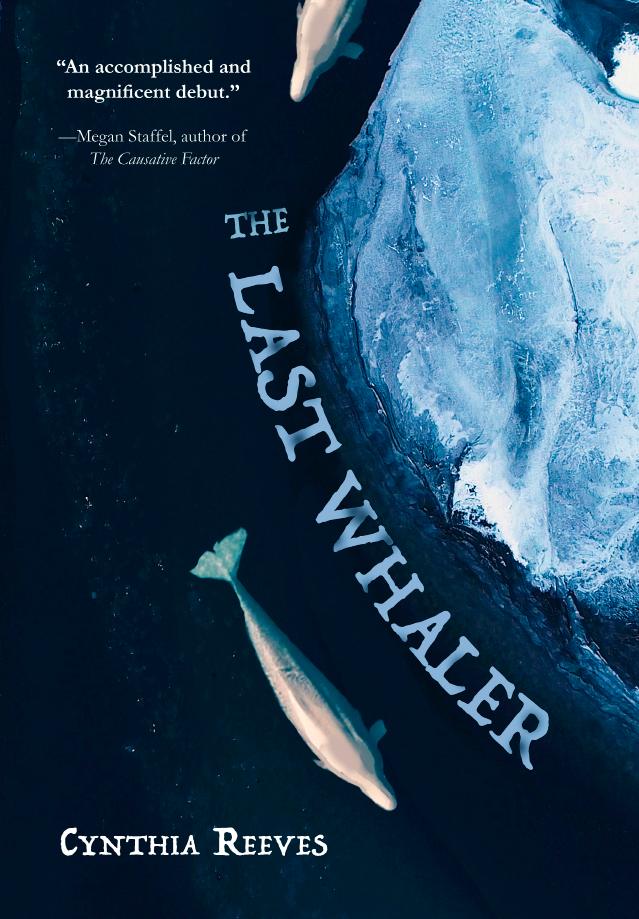
Cynthia Reeves’s fascination with the Arctic began in childhood, reading tales of doomed polar explorers. Her experience on the 2017 Arctic Circle Expedition along Svalbard’s western shores—and three later residencies in Longyearbyen—has since shaped her writing. Her most ambitious work, The Last Whaler (Regal House Publishing), has been praised by the New York Times as "an engrossing historical novel that celebrates ... an icy landscape filled with enchantment and danger." She is also the author of the award-winning Falling Through the New World (Gold Wake Press), inspired by her Italian immigrant roots, and Badlands, winner of Miami University Press’s Novella Prize. A Hawthornden Fellow, Reeves holds an MFA from Warren Wilson College and has taught creative writing at Bryn Mawr and Rosemont Colleges.
ABOUT THE AUTHOR
Never Dull!
“Witty and inspirational. As Will Rogers said, 'Everything is funny as long as it is happening to someone else.'"
- reviewed by Cowgirl Magazine.
This book is a tribute to the author’s remarkable family and the legends of the rodeo world who illustrate life lessons such as:
* Put God first
* You can do anything
* Be honest
* Laugh at yourself
* Stand up for what you believe
* Attitude is everything
* You are never too old
* There is no such thing as easy money
* Stand by your man
* Enjoy the moment
* Know what is important
The reader does not have to be a horse person to enjoy this book. The setting of many stories is the rodeo arena, but the values apply to all of us.
ABOUT THE AUTHOR
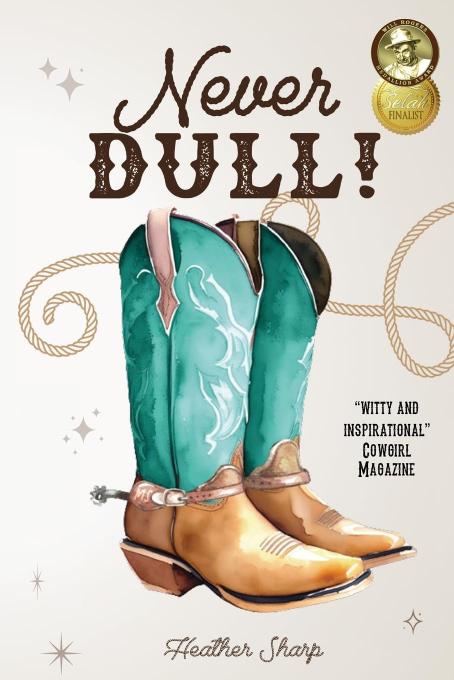
HEATHER SHARP
Heather Sharp entertains audiences with tales of life as a cowgirl, her journey to becoming a military pilot, and over 30 years with the airlines. She recently wrote about her amazing family in a book aptly titled Never Dull!—a family reunion could easily double as a comedy show!
The Silver Squad.
Barry and Beth, high school sweethearts separated by time and circumstance, find themselves reunited at the Blue Loon Village senior living center in Minneapolis. Now both seventy, they rekindle their relationship only to discover how differently time has shaped them. Beth has blossomed into a free spirit with a goth flair, while Barry has transformed into the curmudgeon he swore in his youth he’d never become. Determined to prove you’re never too old to make a difference, they set off on a daring road trip across America as Silver Squad vigilantes. Along the way, they pick up a woman on the run from her abusive husband, confront a mass shooter with only a can of SPAM for defense, and become accidental celebrities along the way.
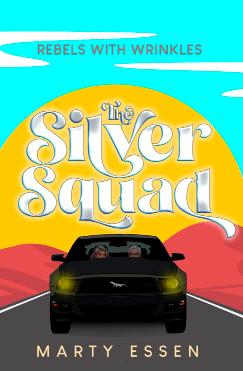
ABOUT THE AUTHOR
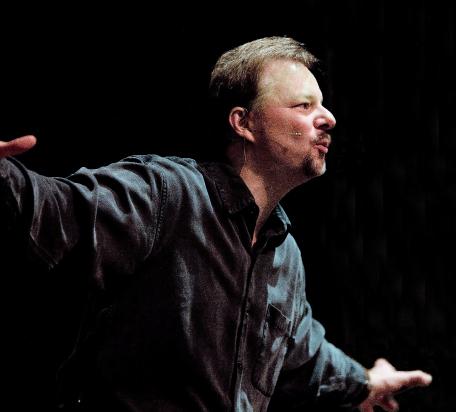
MARTY ESSEN
Marty Essen is the multi-award-winning author of eight books (three nonfiction and five fiction). He is also a college speaker, activist, adventurer, and photographer. He has written about his adventures on all seven continents and spoken on college campuses in forty-five states.
Running As Fast As I Can.
Daniel Robinson was a punching bag for his drunken father and abused by his pastor. He runs aways, wandering the country during the turbulent 1960s. On his journey, he gets caught up in the hippie drug invasion in San Francisco, racial violence in Cleveland and Detroit. Daniel finally finds love with Kate, who was running from her own demons. When asked to find housing for Charles Vickers, a black man who spent twenty years in prison for a rape Daniel is convinced he never committed, they open their own home to him. This enrages the community when a local girl disappears. Violence erupts—with Daniel as the focus of their rage. Should he stay and fight for Charles—and put his family at risk, or run away again?
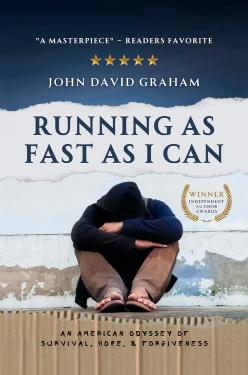
ABOUT THE AUTHOR
JOHN DAVID GRAHAM
JOHN DAVID GRAHAM is the founder of Good Samaritan Home, a housing / mentoring program helping men and women restart their lives after prison. In the past twenty-four years, he and his staff have helped more than 2,500 people get a second chance and reenter the community.
Prior to publishing his debut novel RUNNING AS FAST AS I CAN at age 75, he was a door-to-door salesman, children’s home counselor, substitute school teacher, truck driver, fireman, building contractor, minister and journalist. John says it was those “detours” that helped him develop the “calloused hands and tender heart” needed to write this story.
Relentless.
On the eve of her five-year wedding anniversary, a devastating terrorist attack in Paris shatters former CIA analyst Kate Preacher’s world and thrusts her into a lethal game of kill or be killed. Her husband, retired Navy SEAL Jake Church, is caught in the chaos—his actions spark a media firestorm and awaken enemies from Kate’s past. Drawn back into a world of deception and betrayal, Kate follows a trail of secrets that point to a shocking global conspiracy. As the investigation paints a target on her back, Kate must decide: is she just a pawn in a deadly international plot—or the one person who can bring it down?
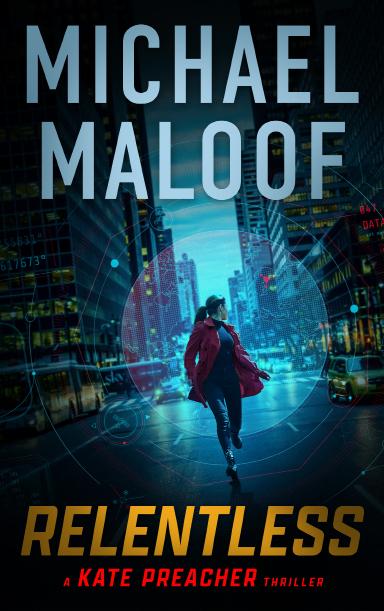
ABOUT THE AUTHOR
MICHAEL MALOOF
Michael Maloof is the award-winning author of Relentless and its highly anticipated sequel Unstoppable. His globetrotting adventures across forty countries—from dredging for gold in Honduras to training alongside Navy SEALs and CIA operatives—infuse his thrillers with unparalleled authenticity. He's not just writing thrillers—he's lived them.
Storrow Drive.
When investigative reporter Joe Dolan gets embedded with the Boston FBI AntiGang Task Force to research a story, he doesn’t worry. But then he’s subpoenaed to appear in court against a ruthless heroin dealer, and he realizes he’s now known to street gangs as a narc.
Soon, Marco, the savage new replacement to the throne, wants to ensure Dolan won’t interfere again. Dolan must rely on his instincts and contacts in the underworld, crossing Boston on the T. His plight becomes a gripping trawl through the seediest underbelly of crime, where a misstep might end your life.
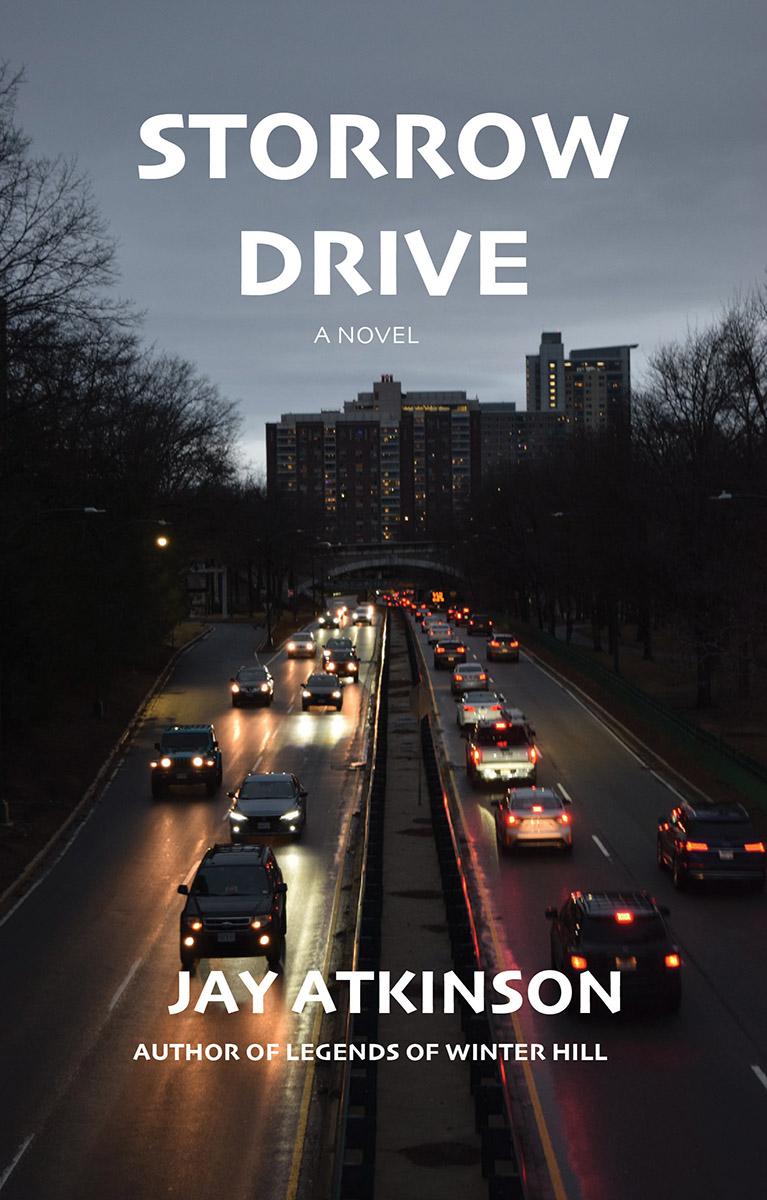
ABOUT THE AUTHOR

JAY ATKINSON
Jay Atkinson is the author of five narrative nonfiction books and five works of fiction. He’s published two nonfiction bestsellers, ICE TIME and LEGENDS OF WINTER HILL (Crown Publishers NY). His first book, the novel CAVEMAN POLITICS (Breakaway Books, New York) was selected for the Barnes & Noble Discover Great New Writers program. Jay’s narrative nonfiction book, MASSACRE ON THE MERIMACK (Lyons Press, New York) won the Massachusetts Book Award for Nonfiction in 2017. His novel City in Amber, and two story collections, TREE STAND, and TAUVERNIER STREET, are available from Livingston Press. A former twosport college athlete with a degree in philosophy, Jay has traveled extensively to pursue adventures in more than thirty countries. He lives in Methuen, Massachusetts, and teaches writing at Boston University.
Allie’s Adventure on the Wonder.
Fourteen-year-old Allie Little lives in a Wonderland with none of the wonder. Diagnosed with Auditory Processing Disorder (APD), whatever she reads, sees, or hears often becomes nonsense, and the time to be “curiouser and curiouser” is a luxury she can’t afford from the impatient people around her.
But one day, on a ferry named the Wonder, Allie meets an odd character named Charlie and sees the creativity and joy that madness can bring.
A semi-autobiography of the author’s personal experiences with APD, reimagined through the lens of Lewis Carroll’s Alice’s Adventures in Wonderland, here is a modern fairy tale about accepting the methods in one’s madness to navigate the real world.
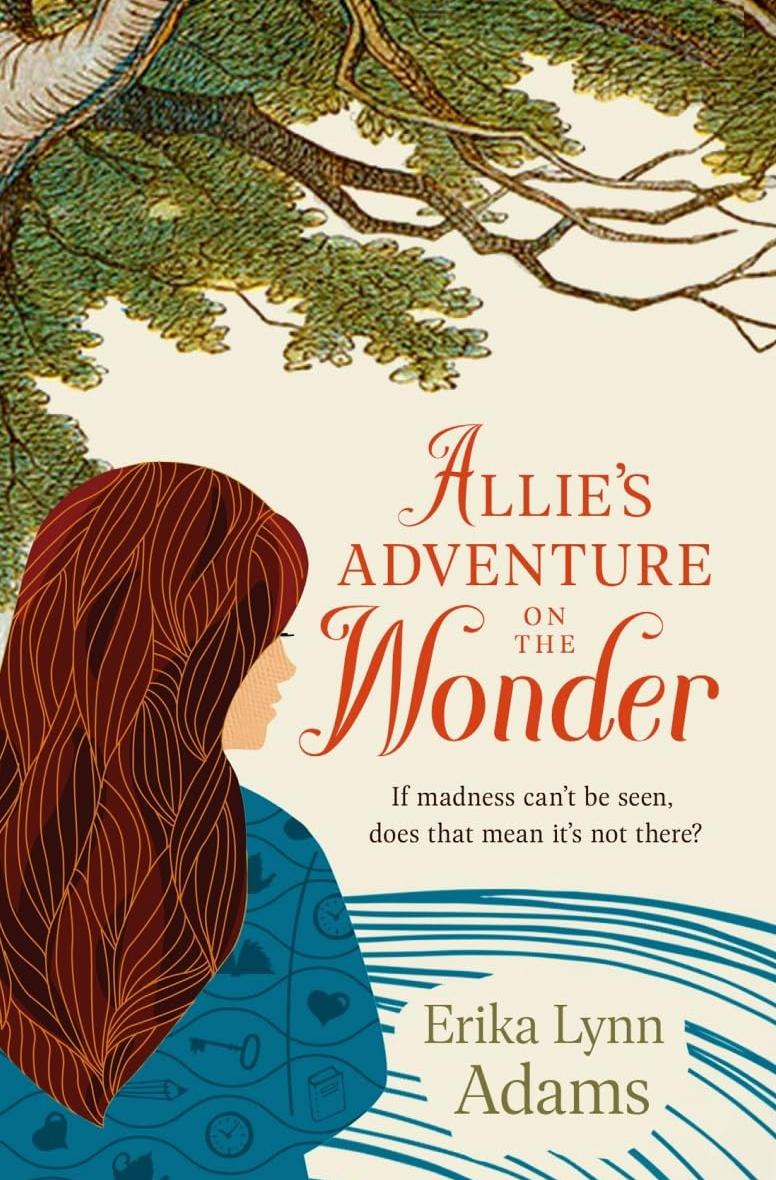
ABOUT THE AUTHOR

ERIKA LYNN ADAMS
Erika Lynn Adams was born in Helmstedt, Germany in 1986 and has lived in the United States since 1988. Diagnosed early with Auditory Processing Disorder, she faced challenges with language processing, memory, and reading comprehension. With support from specialists and special education programs, she steadily built her academic skills and went on to earn an Associate of Arts degree from Lake Superior College and a Bachelor’s degree in English from the University of Minnesota Duluth. Her experiences shaped a strong passion for storytelling across multiple forms of media. She lives in Duluth, Minnesota, where she produces and hosts the nonprofit radio program, The Tale Collector.
Interview with Charlene Elsby
Author of Poor Damned Souls
BY ANTHONY CARINHAS
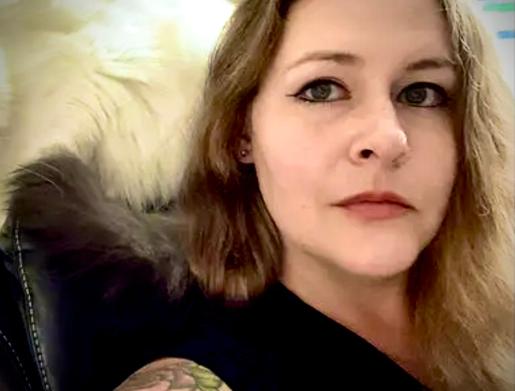
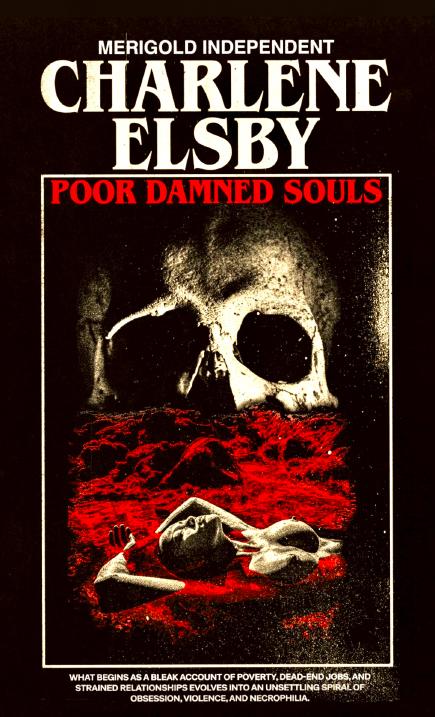
Never a dull moment these days so why not goad it on with a conversation with Charlene Elsby. A fearless author who’s changing the landscape in independent publishing. With a signature style, her work is like stepping into a portal where humanthought flourishes without constraint. What’s even more impressive is that Charlene broke free from the rigor of academia to become an artist. And boy do we welcome that!
YOUR
WORK REMINDS ME OF A FILM CALLED IRREVERSIBLE BY GASPAR NOE. HAVE YOU SEEN IT AND WHAT ARE YOUR THOUGHTS ON THIS LANDMARK FILM?
CE: Yes, incredible film. I saw it ages ago. The last time I thought of it, my friend was trying to pick a movie for a first date, and I suggested they watch Irreversible.
YOU’VE DONE QUITE A BIT OF RESEARCH IN PHENOMENOLOGY. WHAT KIND OF EXPERIENCES EARLY IN LIFE DROVE YOU TO GET A PH.D. IN THAT DISCIPLINE OF PHILOSOPHY?
CE: I have always had the drive to know everything, to figure everything out. I can’t handle uncertainty, and I don’t want to. Phenomenology is the method of examining our experience with the aim of any given phenomenon to its essence. That kind of analysis appeals to me as a way of stripping away all the noise of human existence so we can focus on what matters. I chose to focus
on phenomenology, because of all the philosophical methods, this one leads to correct insights, and the questions that they tend to focus on are the ones that interest me. Art, consciousness, the divine, patterns in the world and how we experience it. Phenomenology requires a heightened capacity for honest self-reflection, which is a quality I aim to embody, and which I admire in others. Now when I’m writing, I engage in a similar method of systematic self-awareness, to expose the raw truths undergirding our experience. I want to reach that moment of insight that phenomenologists refer to as eidetic intuition – when you analyze something so hard that its essence appears to you, clearly and fully. Once one person does that and speaks about it, other people can find the same truth more easily, and the scope of the body of knowledge available to human consciousness grows.
DID YOU EVER GET A COPY OF PEARL DEATH AS A DECK OF CARDS BECAUSE ONLY A WHOPPING 160 COPIES ARE IN EXISTENCE? WHO KNOWS— MAYBE YEAGER SLIPPED YOU A COPY FROM A SECRET STASH OR SOMETHING.
CE: I have a copy of Pearl Death. I cannot reveal where it came from. ;)
TELL US ABOUT LIFE IN OTTAWA, CANADA.
CE: Ottawa is, on its surface, a very bureaucratic city. You can tell by the orderly way things are arranged. We have a reputation for tending away from
extremes. Because it’s the capital, we have to keep up appearances. It’s taken a while to find the right people to be weird with, but they’re here. My life at the moment is pretty standard fare. I work, I pet my cats, I commandeer little bits of the lawn to increase the capacity of my vegetable garden. So far the landlord and other tenants have been understanding. Sometimes I look at my phone and see that someone has said something nice about me on Instagram, then I go back to doing the dishes.
WHAT
AFFECTS YOUR CREATIVITY MORE — HOT SUMMER NIGHTS OR COLD WINTER NIGHTS?
CE: Interesting question. I have noticed I tend to be more productive on cold winter nights, perhaps because it gets darker earlier. Whereas hot summer nights provide the opportunity to live life in a way that feeds inspiration. I think when the cold and the dark sets in, I tend to ruminate more, and that is only expelled in the writing.
WHAT’S
YOUR FAVORITE HORROR SHORT STORY?
CE: I thought about this question way too long. When I read something, it leaves my brain immediately. But one that will never leave me is “Gigi’s Hands” by David Simmons. He performed it at VoidCon 3, and BR Yeager recorded it and put it up on Youtube. The absurdity coupled with sentimentality reflects our mode of being in the joke that is the world, and the way Simmons puts that into text makes me believe that there’s a way to exist with
charm and grace despite the horrors.
WHEN PEOPLE VIBE WITH DERANGED TRANSGRESSIVE FICTION RATHER THAN SEE IT AS GROTESQUE. WHAT DOES THAT SAY ABOUT THE ZEITGEIST?
CE: I think we’re all getting weirder. I don’t know if it’s collective trauma from living in the contemporary world or collective psychosis due to COVID or whether this is just how things are now, because we’re following some divinely ordained path that leads humanity to confront its individual and collective demise, but I’m here for it.
YOUR NEWEST BOOK POOR DAMNED SOULS UNMASKS HOW UNREALISTIC EXPECTATION, PARANOIA, AND ERGONOMIC OVERLOAD CAN THRUST ANY RATIONAL PERSON INTO A CATACLYSMIC FALLOUT. WHAT STEERED YOU TO WRITE THIS STORY WITH A NOTICEABLY EDGIER VIBE THAN PREVIOUS WORK?
CE: Is it noticeably edgier? Probably compared to The Organization, but I’d put it on the same edge level as Musos or The Devil Thinks I’m Pretty or Violent Faculties. I don’t consider edge when I’m writing; it’s just the nature of the demon that needs to get out. Poor Damned Souls is what happens when someone with that set of proclivities has a particular set of formative experiences that, when subjected to constant demoralizing stressors, tip the
balance of an individual into the realm of evil. I use “demoralizing” on purpose here, which we tend to think of as a lack of motivation, when the word actually connotes the degradation of morality –persistent, unmitigated damage makes us worse people. I was grappling with that feeling we get when we realize we can’t control the world, the past, or even know our loved ones.
ABOUT THE BOOKS
AS THE NARRATOR IN MUSOS RATTLES BETWEEN PSYCHOSIS AND CONSCIOUSNESS, IT SEEMS LIKE HE SUFFERS FROM DELUSIONS OF GRANDEUR. THE DIARY FORMAT WORKS REALLY WELL SINCE IT LETS US SEE HOW CONSTRUCTS DISTORT HIS REALITY—THINGS LIKE SOCIALLY PRESCRIBED PERFECTIONISM, MENTAL ILLNESS, INFERIORITY COMPLEX AND MIMETIC DESIRE. IT ALSO CAN’T BE DENIED THAT THERE ARE PEOPLE LIKE THIS WANDERING IN SOCIETY WHERE YOU LEAST EXPECT. SO WITH ALL THE CROSSOVER BETWEEN LAURA, VOID MAN, AND DITCH MAN DANDY—HOW CHALLENGING WAS IT TO KEEP THE NARRATIVE FROM GETTING TOO AVANT-GARDE AND UNCONVINCING?
CE: I can’t say I was too worried about that. I have found that the reader is capable of providing all sorts of context and frameworks that make what they are
reading make sense. Musos was actually my first novel, written years ago, and then I revived it, rewrote and added sections. I remember a publisher I had submitted it to while I was an undergraduate returned it with the comment “unreadable.” Perhaps people have gotten better at reading.
WILL MUSOS EVER BE AVAILABLE FOR PURCHASE AGAIN?
CE: I think not. The void man is dead.
PSYCHROS IS A HUMOROUS PORTRAYAL OF NEUROTICISM ON FULL DISPLAY—A BLEAK CHARACTER STUDY ON SOMEONE HAVING TO DEAL WITH UNRESOLVED ISSUES OVERNIGHT. IT’S NOTEWORTHY TO MENTION HOW FASCINATING IT WAS TO FOLLOW THE TRAJECTORY OF DELUGE THE FEMALE PROTAGONIST PERSONIFIES AFTER HER BOYFRIEND’S DEATH BECAUSE IT ALLOWS US TO SEE HOW GENDER, NORMS, LIFE, DEATH AND THE STATUS QUO IMPACT HER THINKING. SINCE GRIEF ISN’T A MENTAL ILLNESS—WHY IS RAGE OVERLOOKED AS A TOOL TO PROCESS TRAUMA?
CE: I think because we’re scared of it, and rightly so. The acts that a person can perform when even a justified rage is allowed to surface are abominable. It’s a way of externalizing all the shame and helplessness a traumatized person feels.
Like a cornered animal, we go on the attack. One inference from this is how now, more than ever I think, we sympathize with the villains, because they are just people who have been hurt. But another inference is that we need to protect ourselves from those who have suffered. Which doesn’t appeal to our intuitive sense of moral obligation for victims, but becomes necessary as a practical way of protecting ourselves from other people’s pain, which could easily turn against us.
VIOLENT
FACULTIES FOLLOWS A RAVENOUS PROFESSOR THAT TAKES HUMAN EXPERIMENTATION TO A WHOLE NEW LEVEL AFTER MID-LEVEL ADMINISTRATORS CLOSE THE PHILOSOPHY DEPARTMENT (THIS IS LATER CLARIFIED IN THE NOVEL’S APPENDIX.) VERY ORIGINAL TO TURN THIS BLOODBATH INTO A THESISLIKE DOCUMENT AS VICTIMS ARE PULLED INTO A MAKESHIFT TORTURE CHAMBER INSIDE HER HOUSE. BY THIS POINT IN THE STORY IT’S CLEAR THAT ALL THE COERCION ENDS UP BECOMING THE SAME SOULLESS ATTACK THE UNIVERSITY USED TO CLOSE THE PHILOSOPHY DEPARTMENT. IS THIS STORY JUST A CARICATURE TO PEOPLES’ CYNICAL VIEW ON HIGHER EDUCATION’S TRANSGRESSION
THAT VALUES PROFIT OVER KNOWLEDGE?
CE: We are right to be cynical about higher education’s valuation of profit over knowledge. Too many businessmen who conceive of the university as a business and its students as clients have degraded education and its purpose, which ideally would contribute to our human capacity to live a fulfilling and happy life. By nature, we desire to know, and the pursuit of science and philosophy is undertaken for its own sake. To pretend that profit is the goal subverts that purpose, and prevents the academy from contributing to humanity’s happiness. Instead we have businesses that sell degrees they claim will one day be profitable–the goal being to raise the income of the client. But they’re just shifting the responsibility to individuals for the cost of training their ideal employees. Now institutions seek advice from local business councils about what they believe their future employees should know and shape the degree offerings accordingly. The goal is to produce workers, not humans, and the shift in how education is delivered and what it delivers is palpable, and it’s slimy. Ultimately it produces an environment where fundamental truths about the universe are skipped over, because they’re not profitable. But they are valuable, and people live worse lives never having access to that form of knowledge. I made this argument for several years before writing Violent Faculties.
THE ORGANIZATION IS HERE TO
SUPPORT YOU IS AN AMUSING LOOK INTO THE DEGRADING WORLD OF MODERN LIFE. IT’S A CALLOUS LOOK INTO A BUREAUCRATIC BUSINESS THAT CULTIVATES CONFORMITY, AMBIVALENCE, MEDIOCRITY, ANXIETY AND MISOGYNY WHERE CLARISSA KNOWLES WORKS AND LIVES. EVEN THOUGH SHE’S MODERATELY CONTENT WITH THE CONTROLLED COMMUNICATION BETWEEN EVERYONE IN THE COMPANY— FREEDOM SEEMS TO INVOKE OPPRESSION AROUND THE OFFICE. BUT THE REAL HORROR ENDS UP BEING THE MOMENT WHEN THE READER REALIZES THAT THEIR EVERYDAY LIFE IS MIRRORING ALL THE DEMONSTRATE HOW SALACIOUS AND BRUSQUE SHORT FICTION CAN BE—HENCE THE TITLE OF THE BOOK?
CE: Writing The Organization was really fun. I had just read The Village of Stephanchikovo by Dostoevsky, and I decided that I, too, could write a comedy of misunderstandings. I had just left academia and begun work in a more corporate environment, and I figured I’d better write down all the horrors before I changed to the point where it started to seem normal. I had gone from teaching Sartre, and lecturing about how we alienate ourselves
from ourselves in order to adopt a role that is foisted upon us by capitalists to actually taking on one of those roles. And I know that over time, we conform to the role we’re in – we start to care about the things we’re doing, just because we’re doing them, and even feel ways about it. So keeping track of the absurdity became a very important cope that gave me a lot of joy, and now serves as a constant reminder that we need to keep in touch with our core selves and have things to value that aren’t work. It’s been great for work-life balance, which didn’t exist in academia.
BEDLAM IS A COLLECTION OF FOURTEEN STORIES SOAKED IN COPIOUS REALISM. I’D SAY IT’S A SOLID INTRODUCTION TO YOUR MATERIAL IF NO ONE’S READ YOUR STUFF BEFORE. NOTABLE STORIES ARE THE MICE THAT MULTIPLY IN THE AQUARIUM CALLED “SO MANY OF THEM,” AND “DIEU SEUL: THE DEATH SENTENCE,” WHICH IS ABOUT HOPELESS EMPTINESS. THERE’S A LOT TO DEVOUR IN THIS ASSORTMENT OF STORIES WHICH PROVE WHY YOU’RE ONE OF THE MOST OMINOUS AUTHORS IN INDIE LIT TODAY. WHEN YOU PUT THIS ANTHOLOGY TOGETHER, WERE THESE STORIES TOO SHORT AT BEING A NOVEL OR DID YOU WANT TO DEMONSTRATE HOW
SALACIOUS AND BRUSQUE SHORT FICTION CAN BE—HENCE THE TITLE OF THE BOOK?
CE: The stories in Bedlam were all meant to be short stories. Some stories are meant to be short, and others long. They were written as long as they needed to be. When Apocalypse Party opened for pitches, I thought of collecting them into a book. I sent them a selection of stories and they were interested, so I sent them the balance of what I had written over the past few years. They selected which ones were the best and that would make the most cohesive book, and that became Bedlam. I didn’t have a title at the time. That came later, and when it did, I was thinking of the asylum. People have pointed out to me how “bed” + “lam” might be a clever combination that reflects how the stories focus on sexual experiences and the drive to escape, and I like that interpretation as well.
A NEU ERA OF TECHNOLOGICAL OVERREACH HAS WARPED PEOPLES’ REALITIES FOR BETTER OR WORSE THESE LAST FIVE YEARS. ITS TRANSFIGURATION IS FELT EVERYWHERE. WHAT FUTURE DO YOU SEE FOR HUMANITY BY THE YEAR 2076?
CE: Oh wow, this is heavy. The future is something I tend to avoid, just because of its uncertainty. I’m a strong believer in that nothing is determined and free will most certainly exists. At the same time, it feels
like certain events are fated, and no matter what we do, those events will come to pass. I’m looking at AI and how it’s trained on human consciousness, and it looks like a regression. The magic of humanity is our capacity to reject all that’s come before and declare something new, which is something the machines can’t do. I’m waiting for consciousness to emerge from the machine, and I hope it comes in a form that doesn’t ensure our destruction.
ANY
AUTHORS YOU WANT TO SHOUT-OUT RIGHT NOW AND WHY?
CE: You have a lot of them in your intro. Ira Rat is a gem and seems better known for Filthy Loot than his own writing, but we also need to recognize him for his affecting, castigating prose, taking humanity to task for its faults as it reveals the depth of our wounds at its hand. OF Cieri writes like she’s taken possession of the human experience, and I just hope there’s some left for the rest of us. Shane Jesse Christmass is in a class of his own, but I will join that class later this year when our collaborative book is released. BR Yeager’s next book is brilliant, as we have come to expect from the master. I’m going to add Michael Tichy, whose facility in expressing the undulations of the mind can make you feel like you didn’t notice the thousand punches as they were happening, even as they have assured your demise. Also Evan Dean Shelton, as I wait for him to write the novel that will end it all. Elle Nash is someone I cherish, for her extreme talent,
empathy, and force of intellect.
DID YOU READ MOLLY BY BLAKE BUTLER?
CE: Yes, and I talked about it with my therapist. Blake Butler is one of our greatest living writers and a wonderful person.
WHEN DO YOU THINK SOMEONE WILL WRITE A HORROR BOOK ON LOOKSMAXXING?
CE: Now. I’m at the cafe answering these questions and looking at Shelley Lavigne, and they’re doing it now.
WE LOST A TIMELESS TREASURE LAST YEAR—DAVID LYNCH. LIKE OTHERS, DID HIS ART INFLUENCE YOU?
CE: Absolutely. I remember watching Blue Velvet as a teen. I was team Isabella Rosselini, and I hoped she and Kyle McLachlan would end up together. In retrospect, that was probably fucked up of me. When Lynch died, I was invited to write something for a lit mag about his influence, and the piece ended up being rejected. I might have gotten too weird.
Love, suspicion, necrosis...
The ticking of The Money Store’s 15-minute safe, the hum of fluorescents over gray carpet, the afterimage of a browser window, the weight of someone else’s breath in your throat. What is a betrayal and how far can it go? Does it count if you cheat with a dead girl?
Poor Damned Souls is a drowning that never ends, a bleak and violent look into the psychological spiral of a woman convinced her partner is cheating when he’s actually killing, and her subsequent deep dive into murder and the circumstances that lead there.
NEW TO SHELF UNBOUND!

Shelf Media Group's digital young adult community designed to connect readers with YA authors and books.
The Hornets' Nest .
BY NEIL MACKENZIE
Picture this: a world run entirely by bugs, but make it modern. Bees scroll Insectagram. Butterflies are full-blown fashion influencers. And four arthros — a scruffy ant named Anton, the unbothered queen-bee guitarist Honey B, the chaotic-good spider Spyder, and Wiggy, an earwig who could probably hack your school's WiFi in his sleep — accidentally become the biggest indie band on the planet. They call themselves Them Creepy Crawlies, and once their first record drops, life gets loud, weird, and a little bit dangerous.
Meanwhile, way across the map inside The Nest, Queen Vespa is plotting something huge. Years ago, on the day of her royal wedding, her entire family was poisoned at the table. Vespa survived. Vespa remembered. And Vespa has been waiting. When her revenge plan finally crosses paths with our four favorite bandmates, the story shifts gears so hard you'll forget to breathe.
What makes The Hornets' Nest so addictive is how Neil Mackenzie blends two vibes that should not work together — and absolutely do. One half is a glittery, messy comingof-age band story about going viral, finding your people, and figuring out who you actually are when the whole world is suddenly watching. The other half is a slow-burn revenge thriller starring a queen you'll want to root for even when you probably shouldn't. Honey B is the kind of girl-in-aband you'll want to be: quiet power, total style, zero interest in the usual rockstar script. Vespa is the morally gray icon your group chat will not stop arguing about.
The writing is funny, fast, and full of details that make this whole insect world feel weirdly real — algae toast at a music festival, dragonflies as private jets, a café called The Bee's Knees, paparazzi cockroaches yelling outside restaurants. But underneath all the sparkle, the book actually cares about the stuff that matters at this age: friendship, burnout, climate, fame, the people you accidentally hurt, and the people who show up when everything falls apart.
If you love stories with a heroine who bites back, a friend group worth fighting for, and a plot that builds to something you genuinely cannot predict, The Hornets' Nest is about to be your next obsession. It's bold, brave, hilarious, and just a little bit feral — basically the literary equivalent of finding your new favorite band before anyone else has heard of them.

WHAT TO READ IN YA FICTION
Young adult fiction continues to become one of the most popular genres – mostly for adults. Join us each issue to find your next YA read.
THE HORNETS' NEST
BY NEIL MACKENZIE
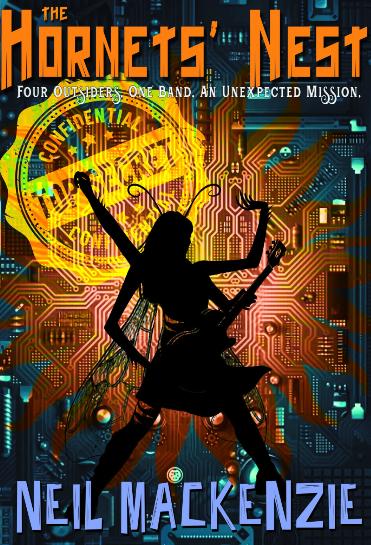
THE HORNETS' NEST.
BY NEIL MACKENZIE
About the Author:
Neil grew up on the shore of Strangford Lough in Northern Ireland, where, having learned to play the guitar, he dreamed of becoming a famous rock star. In 2022, Neil’s role as MD at a company that designed and distributed hair foils was made redundant which allowed him to take stock and consider what was important in life...like writing a book. Neil now combines writing with supporting people with disabilities.
WHAT PEOPLE ARE SAYING ABOUT GIRL
+ BOOK
“Best
YA Blogs And Book Reviewers”
- URBAN EPICS, BLOGGER AWARDS
“Top 100 Book Review Blogs For Book Readers and Authors”
- FEEDSPOT
“The awesome Girl+Book YA book review blog.....I smiled to see Blue Karma recommended for "tom-boys, tree climbers, adventure seekers, and backyard-campers" because I have answered (or still do) to all of these descriptions....The Girl+Book blog continues to make my day.”
- J.K. ULLRICH, AUTHOR OF BLUE KARMA
“I Just Read Girl Plus
Book’s Review Of Revelation, And It Made My Night!”
- ELLERY KANE, AUTHOR OF LEGACY SERIES
RETURN OF PODSTER!


Shelf Media Group's digital magazine about podcasts and podcasters.
Words and Nerds Podcast.
WITH DANI VEE
About the Podcast
Words and Nerds Podcast is an entertaining and conversational podcast that aims to get inside a writer’s mind. We discuss books, the social and political influences of a writer’s work and how literature has the power to change the world.
READ THE INTERVIEW ON THE NEXT PAGE.
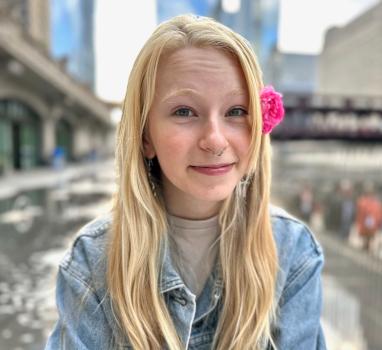
BY CORINNA KLOTH
Podster is a column for podcast listeners and serves as a curator for the best of known and unknown podcasts.
WORDS AND NERDS PODCAST WITH DANI VEE

TELL US ABOUT YOURSELF/ SELVES.
DV: I am an author of children’s books. I’m focusing on writing books for kids with ADHD and anxiety so kids can see themselves and feel confident about who they are. I have a book coming out later this year titled ‘I am not too much!’ for all the kids who have been told that they should be smaller.
I’m currently wrangling an adult fiction novel, this is actually where my writing began.
I’ve hosted the Words and Nerds podcast since 2017. I am also a publisher at Larrikin House, an ex-high school English Head Teacher, a parent of a teen and a tween, I have ADHD and love books!
HOW DID YOU GET STARTED WITH THE WORDS AND NERDS PODCAST?
DV: I’ve always been involved in writing and books, either reading, writing or teaching. When I was on mat leave, I missed having nerdy chats about books and so I started the podcast in a study in my house while my kids were very young and just hoped for the best! I had no experience
or expectations, I just wanted to have cool conversations.
HOW WOULD YOU DESCRIBE YOUR PODCAST?
DV: It’s been described by others as a fire-side chat! The conversations are cosy, relaxed chats about books, writing, process, publishing and we always go on tangents about what influences the writing. We support all creatives in the industry, chatting to authors, illustrators and publishers. We have spin offs such as Date with a Debut hosted by Nick Wasiliev, Queer Session Writes hosted by Troy Hunter promoting LGBTQI creatives and RADelaide Reads hosted by Adam Cece. I love going on tangents and having real, fun, vulnerable conversations about books and hot topics such as feminism, parenting, neurodiversity and whatever influences the writing.
WHAT’S THE MOST CHALLENGING AND MOST SATISFYING PART OF RUNNING A PODCAST?
DV: The most challenging aspect is the time it takes. I created a post recently, that with the time it takes to read the book, formulate questions, record, edit, upload and create social media posts, it takes up to 9 hours to create each episode.
The most satisfying thing is to give something back to the industry by allowing creative people to discuss their work at length and all aspects of writing and publishing.
Personally, it has been incredibly satisfying to have created something from nothing, with 800 episodes and 2 million downloads, it’s still very surreal.
WHAT’S ONE OF YOUR FAVORITE EPISODES?
DV: That’s very hard to choose! I’d say the Publishing Insider series was a favourite because we learnt so much about the publishing industry. I love episodes where I’ve built a relationship with the author and we can continue chatting. I love our NaNoWriMo episodes because we are good friends and enjoy chatting on the podcast and having a good time.
The most popular episodes in the last 12 months are always Trent Dalton, listeners love takeovers, and the series Everything I’ve Learnt About Publishing was popular.
Episode 801 with Dervla McTiernan was such a great chat and she gave some
wonderful writing advice which I’m taking on board.
WHAT’S YOUR UPLOADING SCHEDULE, AND WHAT CAN WE EXPECT FROM TALKING BOOK PUBLISHING IN THE UPCOMING MONTHS?
DV: I’ve just uploaded my 800th episode which was pretty special. I’ll usually upload two episodes per week starting on Friday when people have time to listen over the weekend or for the week ahead.
There will always be the usual episodes with creatives but I’m always coming up with ideas for a series. If listeners have any ideas, send them through!
WHERE CAN LISTENERS FIND TALKING BOOK PUBLISHING?
DV: Anywhere you listen to your podcasts! I love Instagram, so you’ll find out about all the episodes there too.
Thank you for listening!
Bob’s Beach Books.
LINCOLN CITY, OR
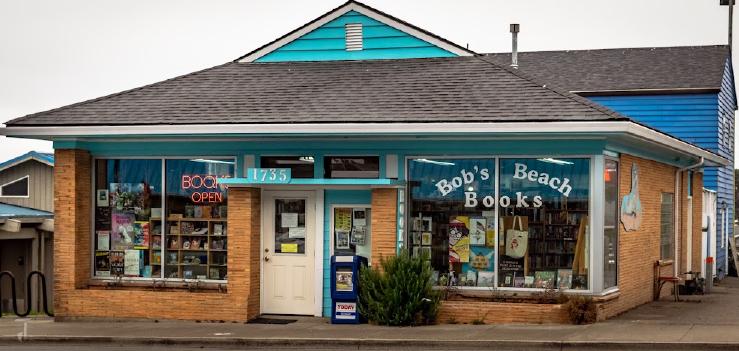
FEATURED INDIE BOOKSTORE
TELL US A LITTLE ABOUT YOURSELF AND YOUR INDIE BOOKSTORES, ROBERT’S BOOKS & BOB’S BEACH BOOKS:
RP: I opened Robert’s Bookshop 38 (or so) years ago. A story in itself. I had planned on being open several evenings a week, continuing my construction business full time. Well, that idea quickly disappeared. Took no time at all to learn I truly enjoyed buying books. It was, and still is, great fun. I also found I enjoy dealing with the public. Trying to engage people in talking about books, or most anything else, was a surprising benefit of having my shop. In particular, I have met some wonderful people. World War 2 vets, Jay Leno, David Ogden Stires (hope I spelled it right), etc. Everyone has a story. My shop has evolved from one small building to a block long, block deep conglomeration with over 200,000 books on the shelves, & ??? in storage.
Eventually I wanted to also sell new books. The result is Bob’s Beach Books. I had intended it to be a casual buy-abook-to-read-at-the-beach shop. It was pretty much floundering until my eldest daughter, Diana, took it over. She totally turned it around. Little experience at retail, or with books, she just dived in and made it work. Of course, I already knew she was an amazing person. Our youngest, Emily, is taking over managing Robert’s. Worth mentioning that my wife, Margaret, is the only reason we were able to have the stores. She paid bills and supported the family for years. Best guess, it took nearly 7 years for RBS to become self supporting.
WHAT KIND OF READING TRENDS DO YOU SEE WITH YOUR CUSTOMERS?
RP: While there was an obvious downturn in book sales in the past, as electronic readers of all types became
popular, that trend seems to have reversed. We are as busy as we ever were, including sales to owners of all types of e-readers.
WHAT OTHER SERVICES/ PRODUCTS DO YOU PROVIDE FOR YOUR CUSTOMERS?
RP: We have web pages for both shops. We list on our own page, as well as through Biblio.com. While we have discussed among ourselves putting all of our inventories online, we haven’t do so, or felt the need. Primarily we list more expensive, fragile, and books with out-of-town topics.
WHAT DO YOU FORESEE FOR THE FUTURE OF INDIE BOOKSTORES?
RP: The future of independent shops would seem to depend on how the mega sellers (eg. amazon) are dealt with, and how small shops keep their presence in the minds of the public. Indies need to be present and accessible to the public as an alternative to the internet offerings Joe Q sees constantly. The ability for the customer to physically hold the book before purchase is a tremendous advantage, if that experience is conveyed to any potential purchaser.


Self-Published & Small Press Book Reviews
The St. Paul Phantom.
BY GERARD GIBBONS

PUBLISHER: GERARD GIBBONS
PAGES: 532
ISBN-13: 979-8218782092
Adult
In the spring of 1910, twenty-three-year-old Mike Gibbons and his nineteen-year-old brother Tommy stand sparring in a clearing outside St. Paul, Minnesota, while Halley’s Comet drags its blue tail across the sky overhead. They are sons of County Mayo by way of Frogtown—Irish-Catholic boys who have grown up ducking the beatings of a particular English bully named Catherwood, riding the back bumper of the Selby Avenue streetcar to escape him. They have made vows, of the kind boys make when comets pass. Tonight, Mike makes a new one. “You and me, Tommy,” he says, painting dreams in the starlight. “The first brothers in history to be crowned champions of the world.” That promise opens The St. Paul Phantom, the first volume of Gerard Gibbons’s family-history trilogy and a sweeping recovery project—equal parts biography, sports epic, and immigrantAmerican chronicle—devoted to two of the early twentieth century’s most extraordinary fighters.
The book has unusual provenance and unusual force. Gerard Gibbons is Tommy’s grandson; for decades after his father’s death, he kept “sealed cardboard boxes and a large locked trunk” of family papers, photographs, diaries, and love letters in storage—moving them from house to house, unsure of what to do with them. In 2016, he finally opened the vault. The St. Paul Phantom is the result of years of archival immersion: galleries, libraries, museums, and memorabilia collections worldwide, pieced together with primary newspaper accounts and the brothers’ own writing. The seams do not show.
This is the ambition, and the gift, of the book: the Gibbons brothers’ story is also the country’s. Across more than five hundred pages and three Parts spanning 1850 to 1920, Gibbons walks his readers from the howling desperation of post-Famine Ireland to the rise of the great American cities; through race riots, presidential assassinations, suffragette marches, the world’s first global pandemic, and a world war in which both brothers enlisted among Minnesota’s first volunteers. The book sits comfortably on the shelf with Seabiscuit and The Boys in the Boat, and the comparison is not hyperbole—Gibbons writes with the same braided ambition: a single American story told with such care for its world that the world becomes the story.
The St. Paul Phantom is a generous, radiant work of American history—written with a descendant’s love and a journalist’s discipline, alive with men and women you will want to know, and wise about the kind of victory that does not come with a crown. It is the rare family story that is also a national one, and the rare boxing book that has nothing to do with violence and everything to do with grace. Read it for the fights. Stay for the humans. Pass it on.
Amoura Awakened.
BY MEG KRAMER
PUBLISHER: CANDID CROW PRESS
PAGES: 453
ISBN-13: 979-8988676645

Adult
Meg Kramer’s Amoura Awakened is a charming YA novel in the Harry Potter vein, in which a 16-year-old girl learns that she is a witch—and that tensions inside the magical world are on the rise.
Adopted as an infant, Amoura is a clever but lonely teen. As the story begins, she receives a postcard inviting her to take an entrance exam at “a school for the magically inclined.” Thinking it a joke, she pushes it out of her mind. But when a bully earns her ire at school and flames suddenly burst from her palms, causing an explosion that destroys the classroom, her magical abilities can’t be denied. She soon enrols at the Elderwood School for the Magically Inclined in San Francisco.
Amoura makes friends quickly, but she also attracts the enmity of Ingrid Mallory, scion of a prominent witch family who doesn’t think someone like Amoura belongs. Ingrid is also not happy that Amoura has attracted the interest of Kjell, a handsome older witch.
As she navigates friendships, magic, and her feelings for Kjell, Amoura learns that there’s division in this new world. History has been suppressed, and a secret group called the Champions means to keep it that way.
The world-building in Amoura Awakened is well-conceived and executed. Elderwood exists under the streets of San Francisco; it’s a place where scissors can fly across the classroom, students use magic to change each other’s hair styles, and the witching world has a complex history that Amoura gradually uncovers with the help of her new friends.
The story flows seamlessly, charting Amoura’s emerging skills and understanding of this world. Themes of acceptance, trust, and otherness are explored through authentic teenage relationships that readers will recognize from their human world. Kramer includes a storyline that features sexual assault that’s appropriate to the context and sensitively handled.
Overall, Amoura Awakened is an irresistible read that will enchant fans of magic, identity, and coming-of-age stories.
Behind the Scenes.
BY IAN POH JIN TZE
Adult
PUBLISHER: SINGAPORE
NATIONAL LIBRARY BOARD
PAGES: 132
ISBN-13: 978-9811888298
Ian Poh Jin Tze’s coffee table book is an unusual, refreshing hybrid of travel writing, food journalism and something approaching immersive documentary photography.
The Singapore-based freelancer takes readers on a guided tour of Southeast Asia’s agricultural and hospitality worlds, focusing — with genuine curiosity and an eye for telling detail — on the people who make those worlds spin.
The author journeys from misty melon fields in Malaysia’s Port Dickson to a Balinese coffee plantation, with stops at a durian farm where the fruit drops like “guillotines” overhead, a Perak hot springs resort, and a Kuala Lumpur luxury residence where the author finds a welcoming home during the COVID-19 pandemic.
Each chapter follows a similar rhythm, with the author arriving as an outsider and leaving with a sharper picture of how invisible labor becomes something beautiful: “Despite the long hours they dedicated to the fields,” he writes of a crew picking melons, “they shared the smiles on their faces at the end of the day. The glistening field may have seemed amazing in the morning, but it was this final moment that really took my breath away.”
The writing is confident and sensory, with a self-deprecating comic touch. (In the durian chapter, the author recalls careening down a muddy hill in a fluorescent-pink helmet while the farm manager’s eyes bulge.) The coffee chapter, narrated from a bean’s perspective, is a risky conceit that mostly pays off.
The photography is captivating, with stunning shots of a melon harvest mid-toss or workers lined across a field passing fruit down a human chain. The food photography is sensual and precise, particularly the steaming scallop dish at the Banjaran resort, looking like something conjured rather than cooked.
Some chapters, particularly the luxury residence section, slide into promotional territory, and the book’s intimate warmth occasionally crowds out its critical distance. But these are minor complaints.
This book is a genuine and affectionate act of attention toward people who don’t often receive such notice.
Never Tell A Soul.
BY DARLENE PIERRE-LOUIS
PUBLISHER: DARLENE PIERRE-LOUIS
PAGES: 402
ISBN-13: 979-8234041944
Adult
Darlene Pierre-Louis’s novel, Never Tell a Soul, centers on a close-knit circle of friends, examining the complexities of their lives and how their marital relationships and friendships evolve over time.
The novel features four couples: Terri and Keith, Angela and Ethan, Denise and Clark, and Ava and Wyatt. They meet for a retreat at Martha’s Vineyard to celebrate their decades-long friendship. However, after the event, the couples drift apart and experience major life changes. Denise and Clark divorce; Angela and Ethan move to the Midwest; and Ava and Wyatt die in a tragic accident. Still, the remaining friends are intent on maintaining their bonds and communicate from time to time.
The issues the characters face as their lives progress are recognizable and, hence, relatable. Workplace demands drive a wedge between Terri and Keith, while Angela’s marriage is strained by secrets and dishonesty. Denise struggles with infertility and with finding love after divorce. During their meetings, the friends keenly feel the absence of Ava and Wyatt. Their friendship supports and anchors them when they face challenges.
There is much to enjoy here. The characters’ unique personalities and backgrounds make the story feel fresh and each individual is drawn distinctly. The scenes are tension-filled, as emotionally charged conversations erupt when secrets are revealed. And the novel concludes with a gripping ending.
However, some flaws detract from the narrative. Many subplots compete for attention, including developments within the individual marriages and among the four women, who are friends with each other outside of the men’s sphere. These numerous complications can make the story difficult to follow. There’s also a supernatural element that involves Ethan and Angela’s nanny and her involvement with witchcraft, and another thread about Denise’s work life.
Despite its crowded plot, Never Tell a Soul is an engaging novel that readers will appreciate for its emotionally rich scenes and life-like characters.
Kaleidoscopic Quill.
EDITED BY DEMI MICHELLE SCHWARTZ & ANDIE SMITH
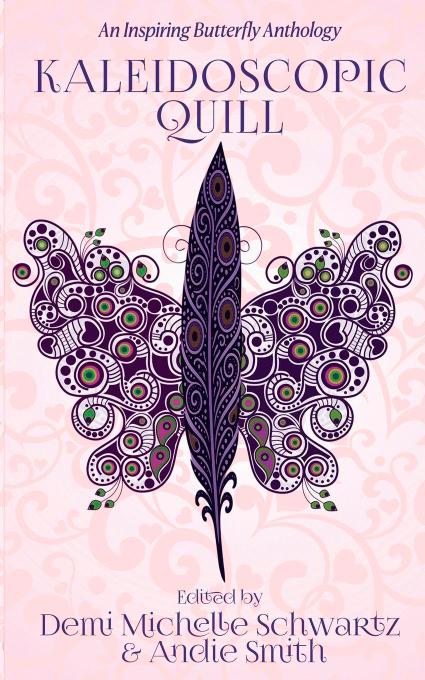
PUBLISHER: WILD INK
PUBLISHING
PAGES: 274
ISBN-13: 978-1964885575
It can be called a rabble, flutter, swarm, or wing. Yet the most common word for a group of butterflies soaring in a colorful swirling pattern is kaleidoscope. This is the inspiration for Kaleidoscopic Quill, an anthology of poems, prose poems, and short stories centered on butterflies.
In some of the work, the connection is literal, such as Michelle Sanchez’s “Uncocooned,” where the speaker is a caterpillar narrating the process of transforming and bursting free. Others use butterflies more subtly, as mise en scene or plot device. In A. N. Griffith’s “The Book of Wings,” a highlight of the collection, a woman examines her dead mother’s book of butterfly specimens, remembering the shelf where it sat as “the one spot, the one thing, in our house that was beautiful.” Her mother had written a note beside each specimen, culminating with the last: “I wanted more for AnnaMae. She’ll break her chrysalis. I never could.”
Still other stories seem to force the butterfly connection. Bri Eberhart’s “An Email Never Sent” is an intriguing epistolary tale that ends with this out-of-nowhere analogy: “If you do see this, I hope you’re well […] Don’t mind me. I’ll be fine—just like the butterfly, I’ll find my new beginning.” It’s as if Eberhart suddenly realized she needed a nod to the anthology’s theme.
Change is the obvious theme of most of the poems. Some are accomplished; others less so. The first poem, “Who Will I Be?” by Dana Gricken, opens with “The future is unwritten/ A blank page in a history book/ But I wish I could peek ahead/ And take a quick look,” which feels unmetrical and clichéd. More proficient is E. H. Perry’s “Things With Feathers.” Written in quatrains, its slightly offbeat meter recalls Emily Dickinson’s work, to which Perry’s title refers.
Overall, Kaleidocopic Quill is an uneven collection. Still, with its inclusion of many styles — fantasy, romance, horror, magical realism, slice-of-life — it offers something for everyone.
A Heart That’s True.
BY MARK GUILLERMAN
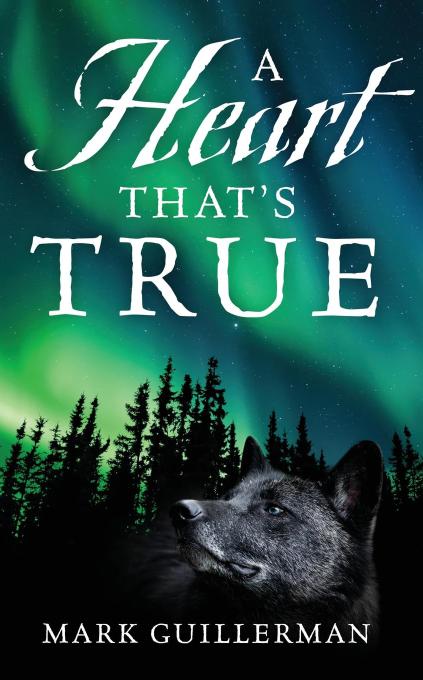
PUBLISHER: OUTSKIRTS PRESS
PAGES: 256
ISBN-13: 978-1977290243
Adult
Author Mark Guillerman skillfully interweaves multiple storylines in this compelling YA novel combining the quest of American Indians to preserve their heritage with the tale of a mixed-breed wolf/dog who embodies the legend of Lakousa, the Wolf King.
In 1910, 12-year-old Joseph Cross and his 14-year-old cousin, Elizabeth White Cloud, are traveling with the Lakota Sioux from Montana to Pennsylvania’s Carlisle Indian School, whose stated mission is to “Kill the Indian to save the Man.” En route, they stop at the Johannsen ranch, where Joseph bonds with Big Black, a Newfoundland/wolf pup.
At the school, the cousins are separated but both strive to retain their Indian hearts even while forced to adapt to white ways. Joseph works with horses and meets the legendary athlete Jim Thorpe, while Elizabeth is trained as a domestic servant. But prejudice and danger lurk everywhere.
Meanwhile, Big Black, who ran away from the ranch seeking freedom and has joined a wolf pack, has a bounty on his head and a slew of hunters eager to kill him, especially Clyde Baxter and Moondog Burrows, who have ice running through their veins. But Big Black has other plans, and those looking to capture him have no idea what they’re fighting.
Varying viewpoints and storylines keep the action moving. The story is respectful of Lakota Sioux culture while also depicting the discrimination Indians faced. The anthropomorphized Big Black, his search for where he belongs, and his mission to defend himself and his family against the bounty hunters is riveting.
Some timeline issues are puzzling; for example, 25 pages after Elizabeth and Joseph arrive at the school, readers learn that a month has passed. Narrative discussing the same scene on the next page, though, indicates that six months have passed. Name Inconsistencies also distract, with both villain Dexter Talbot and Moondog referred to as Jake on different pages.
Regardless of these minor issues, readers will enjoy this historical adventure and its wellwrought, compelling characters.
I Know When You’re Asleep.
BY JESSICA BLADE
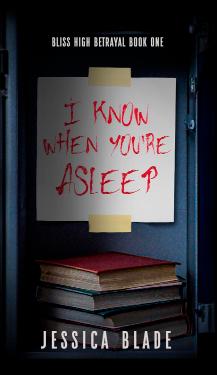
PUBLISHER: INDEPENDENT
PAGES: 373
ISBN-13: 979-8253172032
Adult
A locker, a red-painted note, and a small-town high school that doesn’t want to believe it has a problem—Jessica Blade’s I Know When You’re Asleep is a sleek, classroom-bell-paced YA thriller that grabs you in the hallway and refuses to let go.
Mandy Wright is a careful girl in a careless place. She studies hard, loves her boyfriend Luke a little more than he loves her tests, and runs in a tight circle of friends—Robin, Hannah, Tabitha, Justine, Brian. Then a piece of paper appears inside her locker: BREAK ALL TIES, OR ONE OF YOUR FRIENDS DIES, signed The Rogues. Bliss High thinks the new “secret society” is just another stunt by a graduating class with too much time on its hands. Principal Thomas waves it off as paint. Luke laughs it off as a joke. And then a friend turns up dead in the most public, most theatrical way a small town has ever seen, and the notes keep coming, and the rules keep changing, and Mandy realizes the only person taking the threat seriously is her.
Blade writes the way the best YA suspense writers do—on the line, in the locker, at the kitchen table where a mother quietly slips an emergency siren into her daughter’s hand. The chapters are short, the cliffhangers are sharp, and the dread builds in the kind of small, specific details that turn an ordinary high-school day into a haunted house: the splotch where a thumb smudges red ink, the blacked-out skull grinning from inside a folded note, a Christmas song playing too brightly over a P.A. The killer’s game is the engine of the plot, but the real engine is Mandy herself—watchful, smart, sometimes too proud to ask for help, learning in real time what it costs to be the one who believes the threat first.
The supporting cast crackles. The spiteful Mazzy and her shadow Dre make for a pair of suspects you want both to be guilty and to be wrong. Donna, the unexpected ally with a brother on the basketball team, is the kind of sidekick a thriller is lucky to find. School Resource Officer Cole Benson hovers at the edge of every scene with the question every adult in the book seems to be ducking: who is going to actually believe the kids?
If your shelf already holds Karen M. McManus, Holly Jackson, the gleefully tense YA of Diana Urban, and the early Christopher Pike paperbacks you swore you’d never grow out of, slot this one right beside them. I Know When You’re Asleep is a propulsive, smartly plotted ARC that proves the high-school slasher is alive, well, and writing better notes than ever.
Baker’s Dozen.
BY DASHA KELLY
PUBLISHER: JADED IBIS
PRESS
PAGES: 244
ISBN-13: 978-1938841453
Adult
A luminous mosaic of a novel that turns one woman’s death into a love letter to the friends she chose, and the secret she left them to solve.
When the artist Shay Baker dies, she sends a final, deliberate package out into the world: a brown box, mailed to land days after her funeral, addressed to her closest friends. Inside, each of them finds a printed photograph and an encircled gold lapel pin, the letter B at its center, with a single phrase in Shay’s handwriting—Shay Baker’s Dozen. Royal, her oldest male friend, opens his at the curb outside her favorite reggae bar. Bug, in feathered bolero and leather skort, opens hers in the trunk of her car. From this single, devastating premise, Dasha Kelly builds something rarer than a grief novel: a portrait of chosen family in full, contradictory bloom.
Baker’s Dozen unfolds in vignettes, each titled with a single word—Immaculate, Float, Colony, Hither, Owls—and Kelly slips fluently between perspectives, between third person and a sensual, second-person hush that puts the reader inside skin. The cast is what stays with you. Royal, the “good guy” still negotiating his thirties. Bug, prickly and emphatic. QueenAnne with her stubborn aspirations. Sherman in his office doorway. Renata, Royal’s retired mother, who lets a small piece of trivia about French bread crack the entire book open: a baker’s dozen is thirteen. So who, exactly, is the thirteenth?
Kelly writes with a poet’s ear—she is, in fact, one of the country’s most acclaimed performance poets—and the novel’s sentences carry that lift. There are pages here that read like the inside of a song; there are scenes of eros and grief that braid so closely you cannot pull one strand without the other. Her Black women are vast and specific, her men complicated, her cities textured with weather and music and the snap of cold air outside a wake. The mystery of the dozen plus one is the engine, but the real discovery is how a community keeps loving someone after she has stopped being available to be loved.
Readers who treasure Brit Bennett, Jesmyn Ward, Bryan Washington, and the chosen-family electricity of Akwaeke Emezi will find their next favorite book here. Beautifully designed by Jaded Ibis Press and printed with Nicole Roberts’ illustrations, Baker’s Dozen is the rare debut novel that arrives feeling like a classic in its first cover.
The Solarian Deep.
BY JESSICA BLADE
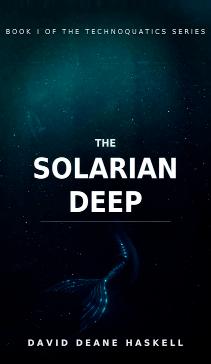
PUBLISHER: DAVID
DEANE HASKELL
PAGES: 302
ASIN: B0GPN8DBJS
Adult
An exhilarating, big-hearted dive into a future where humanity didn’t escape to the ocean—it was rebuilt for it.
Two generations after the great dying, the city of The Shallows hums along the continental shelf: high-tech, half-amphibious, beautifully engineered for a species that has chosen evolution by scalpel. To grow up here is to choose. Stay a “groundwalker” and keep your legs, your jogging routes, your dry rooms—or commit to the Full-Gill Enhancement, surrender the surface forever, and glide free through the open sea. Calistya is sixteen, orphaned, and priced out of the choice she most wants to make. Her best friend Khrystal is restless, mouthy, and determined to know why the techno-mers ever stopped expanding. And then, on a forbidden swim near the lip of the abyss, Calistya sees a boy. No oxy-tank. No surgical scars. No implants. Just skin and a shouldn’t-be-possible body, watching her from water that no Shallows citizen is supposed to enter. He looks at her once. Then he is gone.
David Deane Haskell has built one of the most genuinely fresh science-fiction settings in recent indie publishing.
The Shallows is no dystopia and no utopia; it is a place, and a place with politics—surgery costs, hydrogrid blackouts, riot histories, color-coded alerts that ripple through the water like weather. The world-building is detailed without ever being airless, and the technological set-pieces (the merchant promenade, the youth habitats, the sentinel-patrolled drop-offs) feel lived-in from page one. Calistya’s grief, her hunger, and her instinct that the city is hiding something at the edge of its own map are what give the novel its propulsive heart.
The Solarian Deep is the kind of opener that keeps reaching for the next chapter. Haskell’s prose moves like a current—clean, fast, occasionally beautiful—and his teenage leads are drawn with the kind of care that lets a YA crossover work for adults too. Fans of Mary Doria Russell’s anthropological wonder, the speculative ache of Becky Chambers, and the curiositydriven adventure of T. Kingfisher will find this an immediate keeper. Book one of the Technoquatics Series, and a series worth following.
Down in the dark, evolution didn’t wait for surgery—and Haskell is just getting started.
A Light for the Lost .
BY J A JOLLEY
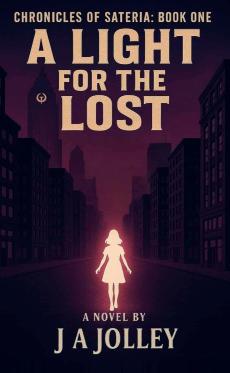
PUBLISHER: STAR SHINE STORIES
PAGES: 650
ISBN-13: 979-8999665133
Adult
A propulsive, genre-blurring debut that slams science fiction’s gleaming dystopias against high fantasy’s whispered magic and finds, in the collision, an irresistible new world.
Set in the year 2668, A Light for the Lost—book one of The Chronicles of Sateria—opens on a continent run by the Telluric Foundation, a quasi-corporate empire whose skyscraping arcology, New New York, has scrubbed the wild from the world right down to the Animal Ban that turned dogs and wolves into a memory. Captain Theodore Bradley, soldier-medic and reluctant scion of the Bradley dynasty, is recovering from a “landslide” that nobody quite believes was an accident. Across the continent, a Rocky Mountain operative named Jorgen rappels over a fortified wall to warn him. In a penthouse a hundred floors up, an infiltrator named Alysha—cool-eyed, weaponised in white silk and gnome-forged tech—prepares to bring a weapons designer’s empire down by torchlight. By the time their orbits intersect, J A Jolley has already laid the dynamite.
What sets this book apart is the genre fluency. Jolley writes the chrome and surveillance grit of cyberpunk with the same authority as the woodland courts and rune-cut pendants of an older fantasy tradition, and the seam between them is where the story breathes. A girl named Pinky—neon hair, violet eyes, a tan coat far too big—isn’t quite a child, isn’t quite human, and is one of the most arresting characters in recent indie SFF. The cast crackles: Mustang’s contraband techtinkering, Knight’s wary loyalty, Jorgen’s bone-tired tenderness toward a kid who didn’t ask for any of this.
The prose is muscular and pleasure-bringing in equal measure. Jolley has a gift for the small, knuckle-bruised image—a knot under a rib, the rasp of rope through gloves, dust palmed up a sleeve as camouflage—that grounds the high-concept set pieces in real bodies feeling real things. And the political scaffolding is sneaky-good: this is a book about how empires manufacture their own enemies, how heroes are made by accidents that aren’t, and what magic can still do in a world that has forgotten it.
Fans of Pierce Brown, Becky Chambers, and the early Mistborn books will find a new world worth the climb. A series opener that delivers on everything book one is supposed to do—and leaves the reader hungry for book two.
The Body that Floats.
BY JAYNE CHARD
PUBLISHER: CHAPTERS
CRIME PRESS
PAGES: 289
ISBN-13: 978-1068325021
Adult
A buttery cream-tea-and-corpse cozy that proves the deadliest currents in an English seaside village run beneath its bunting.
When retired headmistress Julia Fortnam and her chaosmagnet sister Frankie pack the family Riley and roll down to Cornwall, they’re chasing nothing more sinister than a friend’s invitation, a stretch of harbour, and the inaugural Morgawr Festival—Portscatho’s affectionate puppet-parade tribute to its mythical sea monster. But Jayne Chard’s Berkshire-and-Cornwall sleuths are the sort of women who attract trouble the way wisteria attracts bees. By the time the parade reaches the slipway, somebody else has been pulled out of the harbour.
The Body That Floats is the second outing for the Fortnam sisters, and Chard has settled into the cadence that makes the series so quietly addictive: a gallery of pin-sharp village portraits—the smoulderingly handsome Tom Dancey, the weather-beaten birdwatcher Birdie Trelawny, the welltailored property developer with too much money and too few scruples—stitched together by genuinely funny domestic friction between two sisters who can hardly share a hallway without knocking the lamp over. Julia’s nose for deception (sharpened, she insists, by years of teaching) and Frankie’s inability to stay in any one lane very long are the engine of every scene.
What Chard does so well is texture. Portscatho rises off the page in colour and salt: the pink awning of Scatho’s ice-cream parlour, the hum of the Plume of Feathers at low tide, a ninemetre papier-mâché sea serpent winding through the Cove Café garden. The setting is so meticulously placed that even the village’s gossip feels topographic. And once the body is found, Chard tightens the line beautifully—red herrings flick past like sand-eels, and the mythical Morgawr begins to feel less like festival kitsch and more like something the village would do well to fear.
If your shelf already groans with Richard Osman, M.C. Beaton, and the kinder, sharper end of Agatha Christie, this one belongs on the same row. It’s funny without ever winking, suspenseful without ever leaning grim, and so warmly populated you’ll be sorry to leave the harbour.
Cataracts.
BY J A JOLLEY
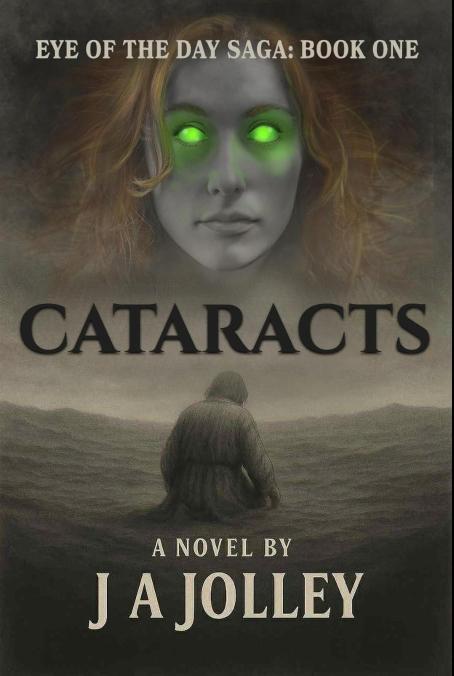
PUBLISHER: STAR SHINE STORIES
PAGES: 689
ASIN: B0FT41LC8S
Adult
A literary survival tale stitched out of dread, daylight, and the things people will carry for one another when the world goes dark.
Cataracts opens with a small, fraying expedition trapped underground. Of the four hundred-and-eighteen who set out, only four still answer to their names, and the engineer holding the lantern—Jacques, French-accented, equation-bound, faith-haunted—is running out of working transmitters and unbroken comrades. When a single shaft of impossible sunlight finally cuts the cavern, it is less rescue than commandment: follow this corridor through the jungle of Mu, do not stray from its edge, and pray it leads somewhere worth reaching. So begins the first volume of J
A Jolley’s Eye of the Day Saga, an alternate-Earth survival fantasy with the bone-deep moral weight of the best literary post-apocalyptic fiction.
What makes Cataracts so quietly thrilling is its texture. Jolley writes physical exhaustion better than almost anyone working in indie SFF right now—locked jaws, eyes raw in their sockets, a colleague dissociating in a corner with her ledger pressed to her sternum—and then sets that exhaustion against a world that keeps offering small, terrible miracles. The unmoving sun. Birdsong returning to a place it had no business reaching. Something long and slick moving just beyond the canopy. Each reprieve in this book is a question, and the answers come at a cost.
The ensemble is the prize. Jacques and the loyal, loose-tongued Emerald; the methodical Saturn and the cracked, prayerful Florence; U’gah, who speaks in grunts and laughter and may understand more than any of them. Their dialogue is salt-and-pepper sharp, their dependencies are real, and the slow shifts in who can carry whom are what give the novel its heartbeat. Jolley writes faith and reason in the same paragraph without flattening either.
Readers who loved Emily St. John Mandel’s atmospherics, the patient peril of Jeff VanderMeer’s Annihilation, or the pilgrim-grit of Cormac McCarthy’s The Road will find Cataracts an immediate, immersive cousin. It’s a book that earns its title twice over—what blinds us, and what we claw our way out of—and it announces a series whose next chapter cannot arrive fast enough.
Fox Creek.
BY M.E. TORREY
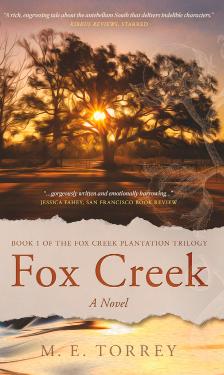
PUBLISHER: SLY FOX
PUBLISHING, LLC
PAGES: 495
ASIN: B0DWGW5Q39
Adult
The morning the wagon comes for six-year-old Monette, the air is biting crisp and a sheen of frost covers the cane. Her nurse Heloise has woken her without a kiss, without the usual mug of chocolat chaud, telling her only to dress quickly while the fire catches. From this small domestic withholding—a child noticing, before anything else, that comfort has gone—M. E. Torrey opens a 1843 Louisiana, and 1843 Louisiana opens onto everything that will follow.
Fox Creek is Torrey’s first novel for adult readers after a dozen books for children, and the discipline of the children’s writer is everywhere in it: the patient attention to a single ribbon, a doll’s wet hair, the precise weight of a blanket folded across another child in the back of a slaver’s wagon. What is new—or rather, what is allowed to be new—is the unsparing reach of the gaze. Monette, the cherished mulâtresse daughter of a French Creole sugar planter, is sold into chattel slavery by her own white halfbrother on the day their father’s debts come due. The wagon rolls away from the Grande Maison; the journey carries her, eventually, to a plantation in the Feliciana parishes east of the Mississippi, and to the people whose lives will twine through hers for years to come.
The novel that follows is a slow, accumulative immersion in the life of Fox Creek Plantation—its land, its sugar, its house, its quarters, and the people on every side of its many lines. Torrey works in close third person, rotating the consciousness from chapter to chapter: Monette’s, the field boy Cyrus’s, the planter William Jensey’s, his wife Sarah’s, his bookish son Breck’s, his tantrum-prone daughter Kate’s, even the iron grandmother Mehitable. The plantation is rendered not as a single moral object but as a system of intimate compromises lit from many sides at once. It is an old technique, almost Tolstoyan, and Torrey trusts it: she lets every character think themselves the protagonist of their own decency, and waits for the reader to do the arithmetic. This is also a novel that has done its homework. Three years of full-time research—a week in the LSU archives in Baton Rouge, the West Feliciana Historical Society, hundreds of memoirs, letters, ledgers, and interviews—sit underneath the prose without ever announcing themselves. Set pieces feel less invented than recovered: the rotunda of the St. Charles auction; the slave pens of Gravier and Baronne; the kitchen of a planter’s house in midsummer; a winter so cruel the plantation bell tolls into a frozen field. Torrey has the rare gift of letting research disappear into atmosphere. You do not feel taught. You feel there.
Fox Creek is patient, unsparing, and beautifully made—a debut that earns every page of its scope. M. E. Torrey writes about the antebellum South with the patience of an archivist and the heart of a witness, and Fox Creek belongs on the shelf with the historical novels we keep returning to.
DISCOVERIES
BY M.E. TORREY
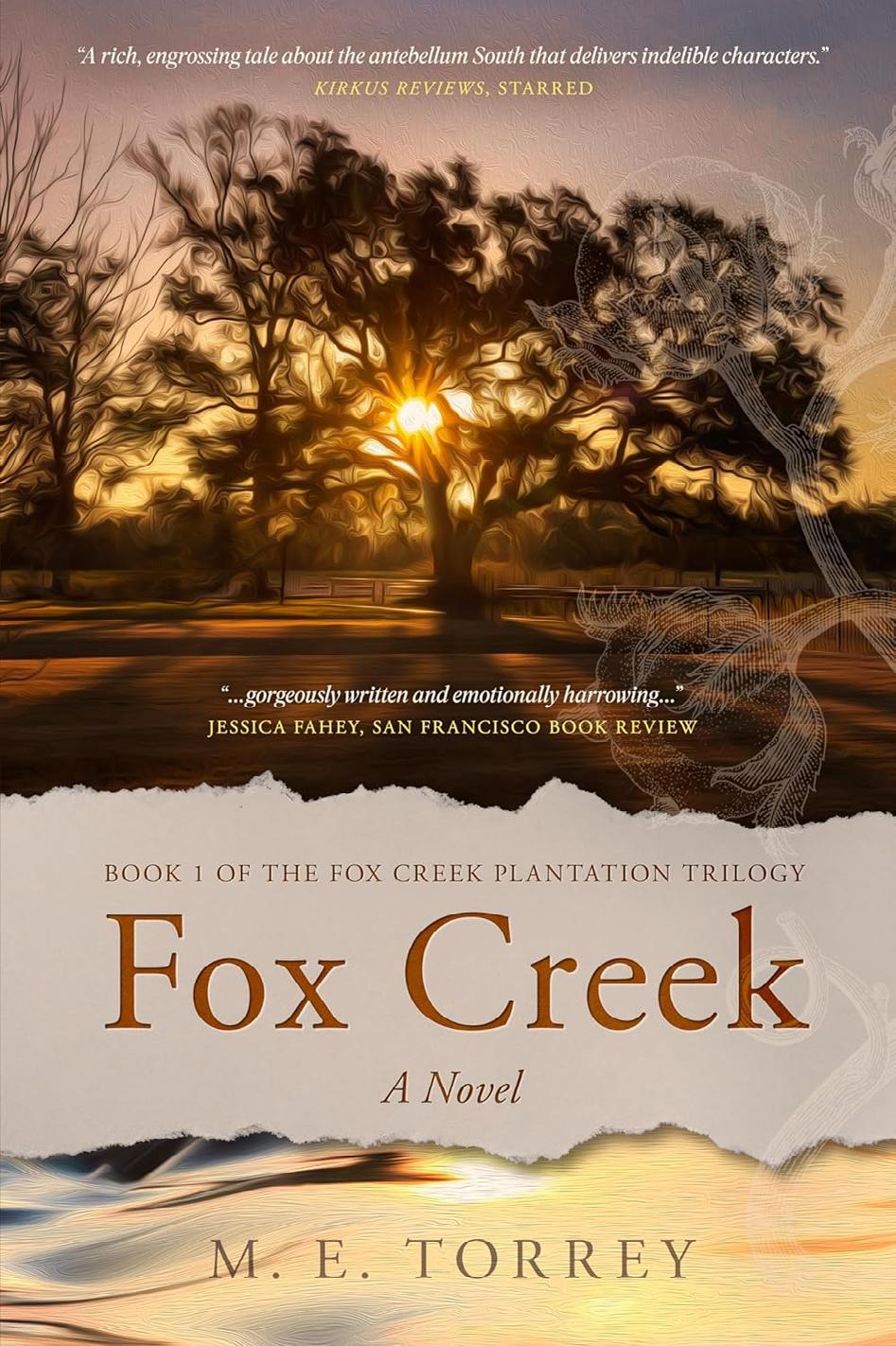

Fox Creek
DISCOVERIES
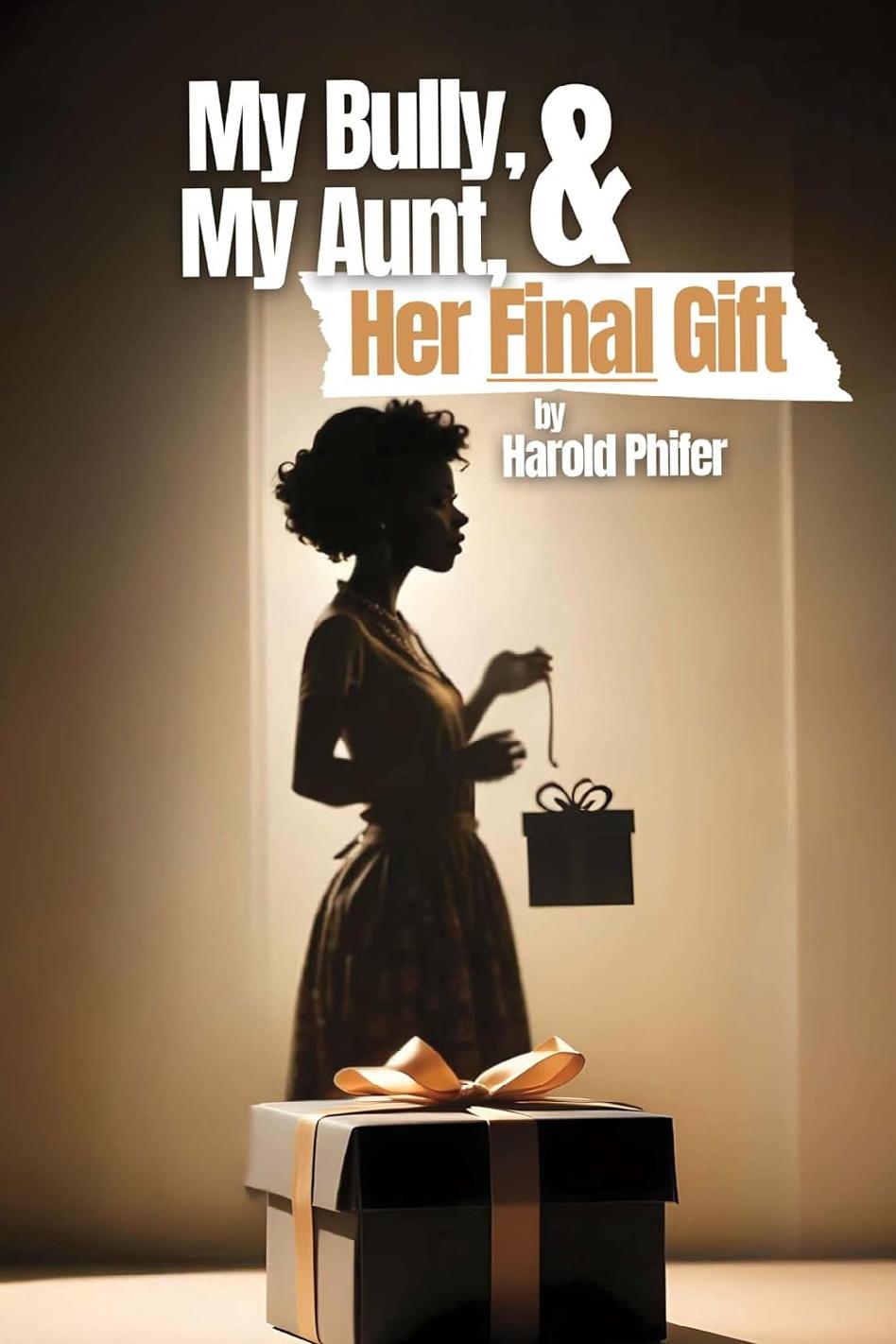
BY HAROLD PHIFER
CHECK OUT What's On Our Shelf
Nobody loves books more than us. We're a team of readers with broad interests and strong feelings about the books on our shelves.
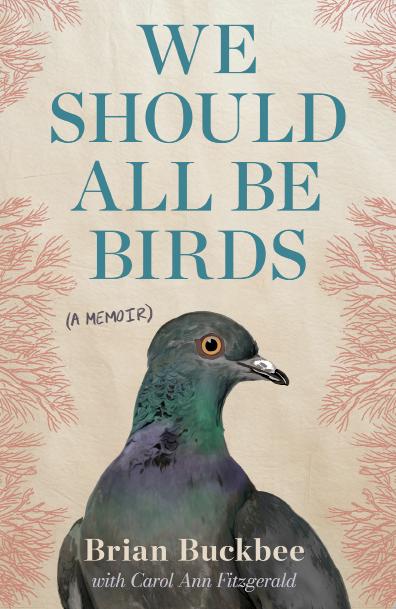
WE SHOULD ALL BE BIRDS by
Brian Buckbee
On a spring evening in Montana, Brian Buckbee encounters an injured baby pigeon. Heartbroken after the loss of the love of his life and increasingly isolated by a mysterious illness that overtook him while trekking through Asia, Brian is unaware that this bird—who he names TwoStep—will change his life. Brian takes in Two-Step, and more injured birds, eventually transforming his home into a madcap bird rehabilitation and rescue center. As Brian and Two-Step grow closer, an unexpected kinship forms. But their paths won’t converge forever: as Two-Step heals and finds love, Brian’s condition worsens, and with his friend’s release back into the world looming closer, Brian must decide where this story leaves him.
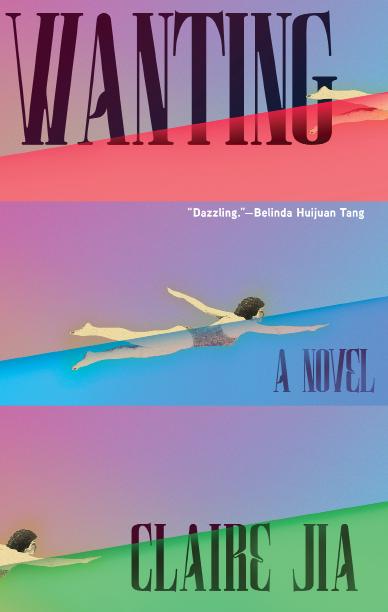
WANTING by Claire Jia
A searing debut novel of envy, longing, and regret across three lives and two countries that asks how far we’ll go for a friendship, a romance, a dream.
Ye Lian is thriving in Beijing. She has a well-paid job, a nice boyfriend, and plans to marry and move into a luxury high-rise apartment. She’s wanting for nothing—until her childhood best friend, Luo Wenyu, comes whirling back into her life after a decade in California with seemingly everything—a successful career as an influencer, a millionaire American fiancé, and a bespoke mansion in the Beijing suburbs—throwing Lian’s own reliable choices into high relief.
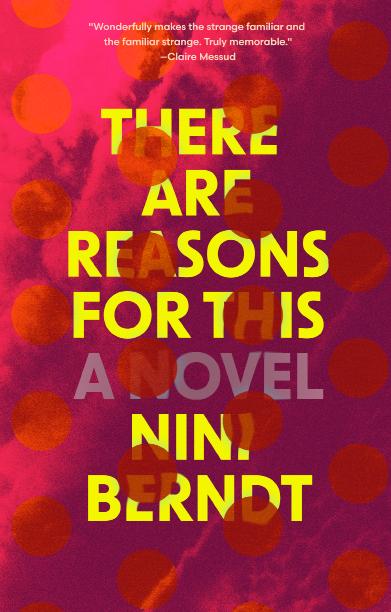
THERE ARE REASONS FOR THIS by
Nini Berndt
Lucy’s brother, Mikey, is dead. Two years ago, when he left their small Eastern Colorado town and moved west to Denver, he’d intended to bring Lucy along. But Lucy has only just arrived, and too late. She arrives in search of Helen, a woman Mikey loved. But when Lucy moves in across the hall, she finds nothing is as she expected: the city is crumbling; the weather is tempestuous; a predator is on the loose; the old woman in the attic needs company; desire is being compressed into pills and distributed like candy; and, most distressing of all, she finds herself becoming obsessed with Helen, who is nothing like she expected—and who has no idea who Lucy really is.
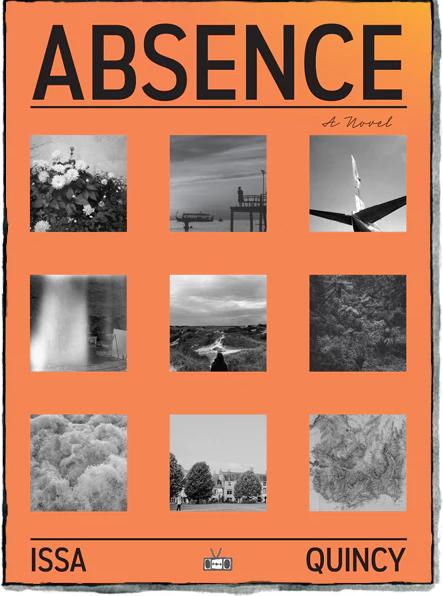
ABSENCE by Issa Quincy
As a child, an unnamed narrator’s mother reads to him a poem. Throughout his life, the poem reappears mysteriously, in the affecting life experiences of others as they are recounted to him. An eccentric and beloved schoolteacher leaves behind a dark secret after his death. An elderly woman returns to the same hotel on the Tunisian coast every year as an act of remembrance for a disappeared brother. The son of a wealthy Indian businessman, the pariah of his family, finds solidarity and the distant pang of freedom within the letters of an estranged Aunt.
As we follow characters on their journeys of self-discovery through the jungle of Thailand, as a child in the British countryside, or as an aging doctor on the island of Cyprus, Absence evocatively builds a compassionate symphony of nostalgia, attuned to the drama of everyday and the phantoms that linger with us.
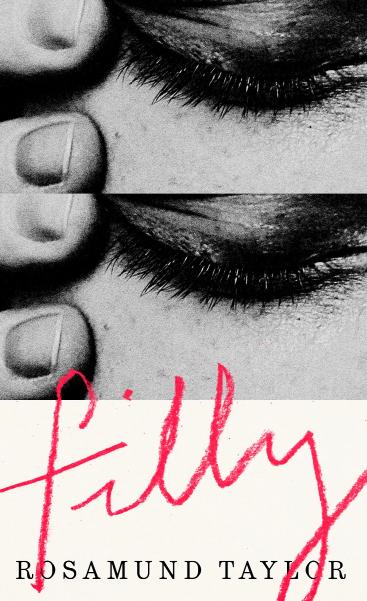
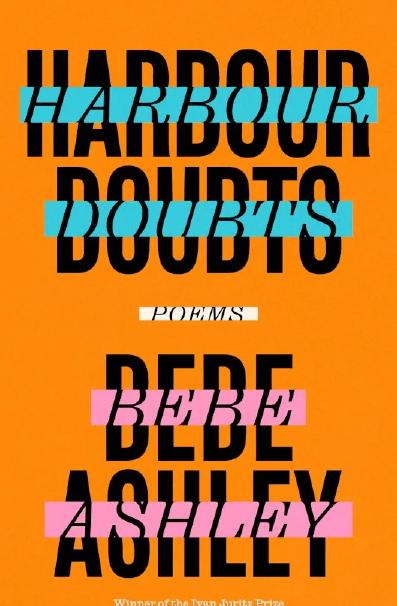
FILLY by Rosamund Taylor
From acclaimed poet Rosamund Taylor comes a compelling, genre-bending coming of age story. In the hostile world of Ireland’s secondary school system, Orla is discovering her burgeoning sexuality. When her friend Muireann rejects her advances, Orla turns to her online community for support, and to her charismatic English teacher Irene Wall for a love affair both passionate and annihilating.
A novel in verse about sexual awakening, masochistic love, and the transformative possibilities of community, Filly introduces two unforgettable characters in Orla and the complicated and magnetic Irene Wall. Written with Taylor’s trademark earthy lyricism, Filly is an exploration of intergenerational love and trauma, and an explosion of queer joy.
Bebe Ashley’s prizewinning second collection charts the poet’s efforts to qualify as a British Sign Language interpreter. Intershot with enquiries into the nature of language as it is spoken and signed, and the process of leaving and finding home, Harbour Doubts is a collection that tangles with the burning desire to communicate in the isolation of a late capitalist, post-pandemic world. It’s also a love letter to the delights of linguistics and language, a threedimensional exploration of words and the body. Bringing together meditations on language as mediated through sound, sign, vision, and film, this exciting sophomore collection cements Bebe Ashley’s reputation as a fearless experimenter.
HARBOUR DOUBTS by Bebe Ashley
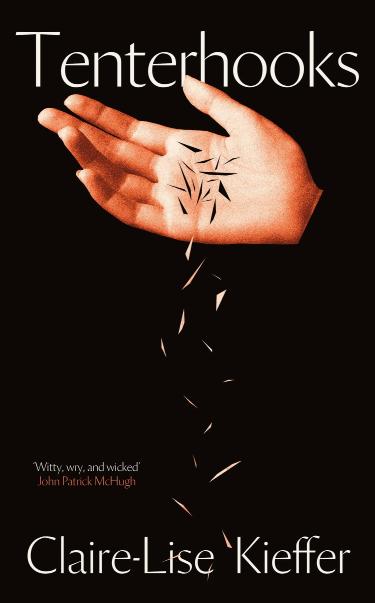
TENTERHOOKS by
ClaireLise Kieffer
An eerie discovery at a building site triggers a crisis for a garda and his family. A grieving woman comes to believe that she is being possessed by the spirit of her mother, and seeks an unusual exorcism. A brave new world is established as Galway City disappears slowly underwater. And a young woman experiences the morning after the night before in a strange, condemned midlands town.
In these stories of an Ireland both strange and achingly familiar, Claire-Lise Kieffer animates our collective past, present and future. Humorous, off-kilter, savage and surreal, she depicts the bonds that hold couples, families and communities together with a sharp, humane and deeply original slant.
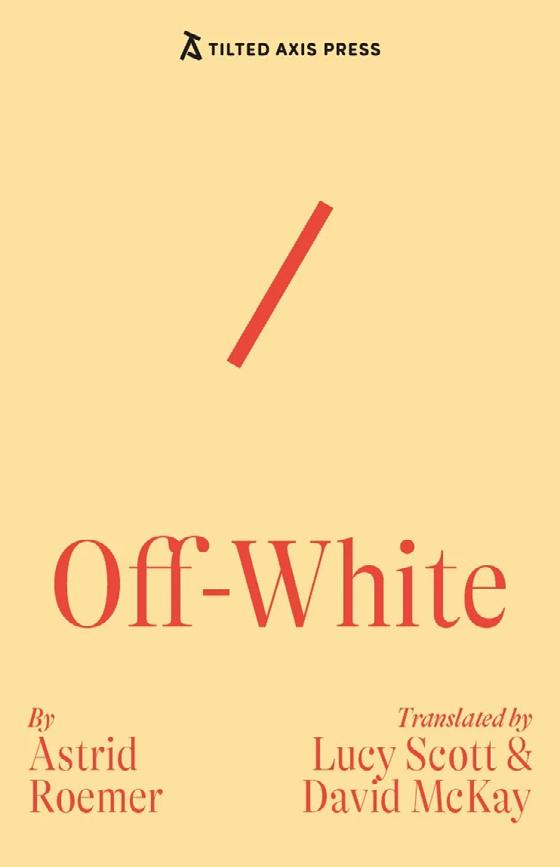
OFF-WHITE by Astrid Roemer, translated by Lucy Scott & David McKay
In 1966 Suriname, the Vanta family, an intricate blend of Creole, Maroon, French, Indian, Indigenous, British, and Jewish heritage, is led by Grandma Bee, a proud, cigar-smoking matriarch facing her final days. As she reflects on her scattered family and the loss of her favourite granddaughter, Heli, exiled to the Netherlands for an affair with her white teacher, Bee grapples with one question: What truly binds a family? Off-White offers a moving exploration of Bee’s legacy amid themes of male violence, colonialism, and the dismantling of racial identity, marking the return of a celebrated Surinamese author after two decades.
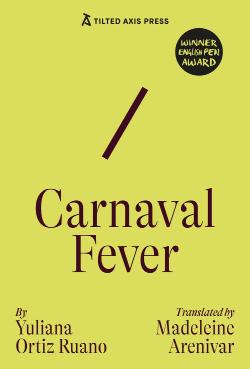
CARNAVAL
FEVER by Yulina Ortiz Ruano, translated by Madeleine
Arenivar
Sheltered within her grandmother’s fiercely protective household, Ainhoa blossoms under the guidance of her constellation of aunts—women who become her teachers, guardians, and spiritual anchors. Through Ainhoa’s keen observant eyes, readers experience how music and dance – particularly during the explosive energy of Carnaval – don’t merely entertain but form the very heartbeat of existence, a pulsing testament to Afro-Ecuadorian identity and resistance.
Yet beneath this tapestry of warmth and celebration, Carnaval Fever fearlessly confronts the shadows: crushing economic hardship, the heartbreak of migration, and the ever-present threat of male violence hovering at the community’s edges. At its luminous core, however, this novel stands as a defiant celebration of women’s resilience, collective power, and the unbreakable bonds of sisterhood that sustain communities through generations.
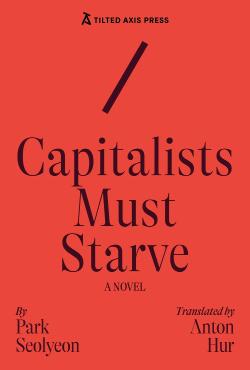
CAPITALISTS MUST STARVE by Park Seolyeon, translated by Anton Hur
Set against the backdrop of Japanese-occupied Korea, Capitalists Must Starve follows a sharp-tongued, big-hearted heroine who dares to love, rebel, and carve out space for working-class women in a world determined to silence them. Echoing the unflinching narratives of Alias Grace and the sweeping historical vision of Pachinko, this feminist historical novel balances raw grit with unexpected tenderness and a defiant streak of dark humour.
A stirring portrait of resistance from below: fierce, funny, and full of fight.
SCHOOL GIRL by Rie Qudan, translated by Haydn Trowell
In Schoolgirl, a wealthy housewife, dogged by ennui, struggles to connect with her teenage daughter, who turns to YouTube to vent her frustration with the climate crisis and muse about her dayto-day life in Tōkyō. Through the fog of generational tension and unresolved ethics, mother and daughter find a shared connection in Osamu Dazai’s 1939 novella Schoolgirl.
Darkly funny and stunningly mysterious, these two novellas pinpoint the effects of technology, conflicting desires, and the shifts and rifts in relationships. Rie Qudan, winner of one of Japan’s most prestigious literary awards, the Akutagawa Prize, explores the affectation and compromise required of us all, providing a disquieting view of the many faces of modern life.
THE STRANGE MATTER by Ali
Jane Smith
The Strange Matter invites you into a world both familiar and strange, capturing the moments in between — catching the bus, looking up at the moon, baking bread, listening to music, spotting onionweed, and snacking on Jatz. These poems span streets and gardens, books and films, people and things, creating a landscape that feels both close and surreal.
Sometimes the language is sharp, sometimes lavish, each poem a document of life as a waking dream, a relentless exploration of the everyday. Ali Jane Smith writes, ‘It is a relief to turn thoughts and feelings into a poem. Sometimes it is like making a chair, and sometimes it is like smashing concrete with a crowbar.’ Here, the chair might wobble, the cracks in the concrete twist like rivers. They take you somewhere, or they tell you something.
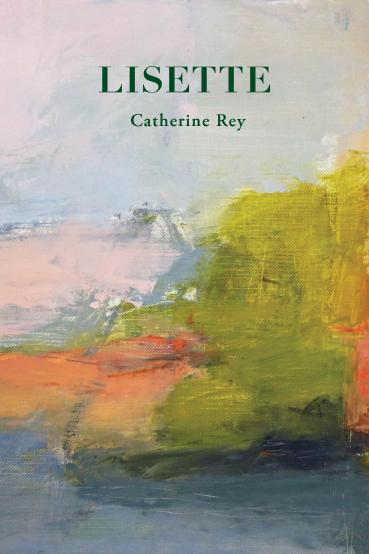
LISETTE
by Catherine Rey
In the early 1990s Catherine Rey formed a deep bond with Lisette Nigot, a kindred spirit whose colourful past and sharp humour made her an invaluable confidant and mentor. As Lisette aged and faced mounting discomfort, she became determined to end her life on her own terms.
This book is Catherine Rey’s heartfelt tribute to their unique relationship, honouring their rare connection through candid honesty and empathy. In exploring their bond and the sorrow of its loss, Rey delves into profound questions about the nature of death and the autonomy we seek in our final moments. With a refusal to settle for conventional wisdom on grief, Rey examines what it means to remain connected to others and ourselves, and the ethical complexities of euthanasia.
Lisette is both a moving homage to a vibrant woman and a reflective meditation on how time shapes our understanding of what is truly significant. It offers an intimate look at the details that become precious as life progresses and challenges us to consider how death influences our lives and the choices we make about our end.
WEDDING OF THE FOXES
by Katherine Larson
Raising two children, coping with pandemic isolation, and grappling with the magnitude of the current extinction crisis, Katherine Larson finds herself in need of an antidote for despair. This is when Larson encounters kintsugi—the art of repairing broken pottery with golddusted lacquer. Wedding of the Foxes borrows from this ancient practice to create a new interpretative framework, one that seeks beauty in both breakage and unexpected connections. Here, Larson juxtaposes the elaborate courtship dance of sandhill cranes with scientific reports on diminishing avian populations to shed light on the urgency of climate crisis. She braids the wisdoms of a wonderfully varied range of forebears and predecessors—Gaston Bachelard, Tawada Yōko, Francis Ponge—who share her dream of a liberated consciousness. Each of these disparate parts come together to highlight the beauty in “what falls through the cracks and blurs into other moments.”
THE
WAY AROUND by Nicholas Triolo
Growing up in northern California, in a family of high-achieving athletes, Nicholas Triolo was imbued with a particularly acute form of our intensely goal-oriented culture. “Do the reps,” he internalized. “Commit to the work. Grind for your dreams.” Shortly after graduating from college, he embarked on a solo circumnavigation of the globe. And then after returning to the States, he threw himself into ultrarunning, all to combat a deepening discontent. While traveling around the world, it was in Kathmandu that Triolo first encountered kora, a form of moving prayer in which pilgrims walk in circles around a sacred site or object—a kind of “ritualized remembering” birthed by place. Unable to shake this initial encounter with circumambulation, he sets out here on three such extended walks. First, he completes the sacred thirtytwo-mile revolution around Tibet’s Mount Kailash, in search of a cultural counter to Western linearity. Then, following his mother’s diagnosis with breast cancer, he returns home to California and takes part in an annual circuit of Mount Tamalpais, tracing a route made famous by Beat poets Gary Snyder, Philip Whalen, and Allen Ginsberg.
THE
SALT STONES by
Helen Whybrow
Set in Vermont’s Green Mountains, a profoundly moving meditation on the lessons and wisdom that come from raising a family, tending sheep, and living close to the land.
In the heart of Vermont’s Green Mountains, Helen Whybrow and her partner set out to restore an old two-hundredacre farm. Knowing that “belonging more than anything requires participation,” they begin to intertwine their lives with the land. But soon after releasing a flock of Icelandic sheep onto the worn-out fields, Whybrow realizes that the art of shepherding extends far beyond the flock and fences of Knoll Farm.
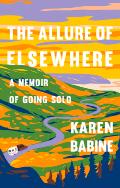
THE ALLURE OF ELSEWHERE
by Karen Babine
In her mid-thirties and happily single, Karen Babine hitches up her tiny Scamp camper and sets out with her two unenthusiastic cats, Galway and Maeve, on a journey from her home in Minnesota to Nova Scotia to explore the place where her French-Acadian ancestors settled in North America some four centuries ago.
As the miles roll by, she wonders: “Why do we carry this need to belong to an established history? What happens when that can’t—or shouldn’t—happen?” The road reveals more questions than answers about her history, identity, and belonging, about the responsibilities of stories and silence, about her life choices as a solo woman, and what it means to be driven by both a strong sense of kinship to a very close-knit family on one hand and a deep desire for independence on the other.
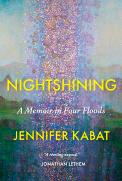
NIGHTSHINING
by
Jennifer Kabat
Floods, geoengineering, climate crisis. Her first year in Margaretville, New York, Jennifer Kabat wakes to a rain-swollen stream and her basement flooding. As she delves into the region’s fraught environmental history, it becomes clear that this is far from the first— and hardly the worst—disaster in the region. Tracing connections across time, she uncovers Cold War weather experiments, betrayals of the Mohawk Nation, and an unlikely cast of characters, including Kurt Vonnegut’s older brother, Bernard— all reflected through grief brought on by her father’s recent passing.
Inquisitive and experimental, Nightshining uses place as a palimpsest of history. With lyrical incision, Kabat mirrors her own life experience and the essence of being human—the cosmos thrumming in our bodies, connecting readers to the land around us and time before us.
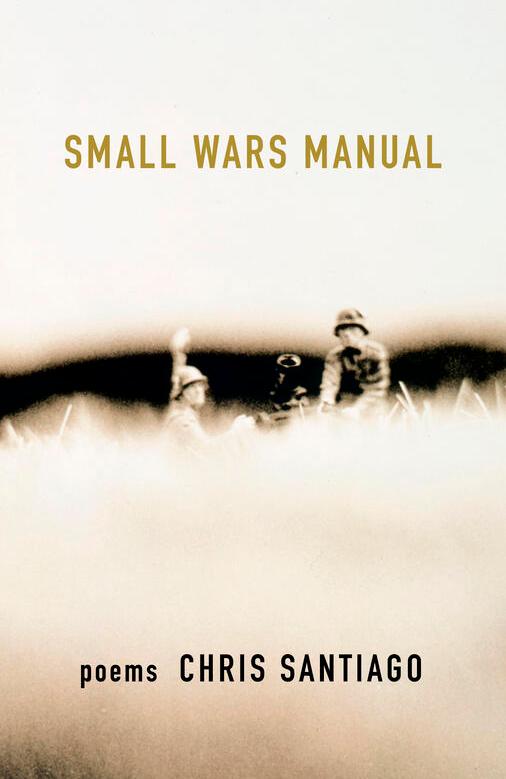
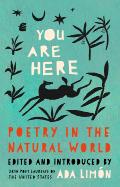
SMALL WARS MANUAL
by Chris Santiago
Stemming in part from a disturbingly mundane military document of the same name, Small Wars Manual is a how-to for imperialism that critically dismantles itself with each passing line, “a pidgin // containing elements // of animus and // insubordination.”
In its wake, the very boundaries of oppression and resistance, art and justice, and power and truth are exploded.
Highly conceptual yet gutwrenching, this meticulous and visionary masterpiece of erasure poetry and other forms sinks into the cold mechanics of American warfare in the Philippines and Vietnam to reveal a brutal rhetoric. In more autobiographical sections, Chris Santiago’s own Filipino immigrant background reveals hard-lived experiences, where “stars can guide // either bayonets // or refugees” and “even small wars waged // on the living room floor” cause trepidation and harm.
In recent years, our poetic landscape has evolved in profound and exciting ways. So has our planet. Edited and introduced by the twenty-fourth Poet Laureate of the United States, Ada Limón, this book challenges what we think we know about “nature poetry,” illuminating the myriad ways our landscapes—both literal and literary—are changing.
You Are Here features fifty previously unpublished poems from some of the nation’s most accomplished poets, including Joy Harjo, Diane Seuss, Rigoberto González, Jericho Brown, Aimee Nezhukumatathil, Paul Tran, and more. Each poem engages with its author’s local landscape—be it the breathtaking variety of flora in a national park, or a lone tree flowering persistently by a bus stop—offering an intimate model of how we relate to the world around us and a beautifully diverse range of voices from across the United States.
An irreverent, darkly comic novel dissecting the misjudgments, hypocrisies, and occasional good motives that drive our politics and our journalism, as well as our most intimate personal relations.
At his desk one day, prominent Washington commentator Adam Zweig receives a text message. “Btw want to give you a heads-up abt some breaking news,” it reads. “Call soonest.” These are the early rumblings of an eventual media storm generated by small-town reporter Valerie Iovine, who has gone public with her account of sexual harassment at the hands of esteemed editor and liberal icon Max Lieberthol. Twenty years have passed since the incident, and though Adam wasn’t directly involved, he quickly finds himself implicated and entangled, his career under imminent threat.
YOU ARE HERE by Ada Limon
A HOLE IN THE STORY by Ken Kalfus
THE END OF CHILDHOOD by
Wayne Miller
A tender and provocative collection of poems interrogating the troubles and wonders of both childhood and parenthood against the backdrop of global violence.
From accomplished poet Wayne Miller comes a collection examining how an individual’s story both hews to and defies larger socio-political narratives and the sweep of history. A cubist making World War I camouflage, a forlorn panel on the ethics of violence in literature, an obsessive litany of “late capitalist” activities, a military drone pilot driving home after work—here, the awkward, the sweet, and the disturbing often merge. And underlying it all is Miller’s own domestic life with two children, who highlight the hopeful and ingenious aspects of childhood, which is “not // as I had thought / the thicket of light back at the entrance // but the wind still blowing / invisibly toward me / through it.”
MAKING A LIVING
by
Rosalie Moffett
A brilliant and lithe collection of poems making space for the resolve and hope of motherhood amid consumerist dreams and nightmares.
Consumerism—its privations and raptures—seeps into all aspects of contemporary life. “Who knows me / as the search bar does, which holds / sacred its grasp of me / as a creature of habit?” probes Rosalie Moffett, reckoning with algorithms, with marketing and capital. But Making a Living isn’t just about the trappings of materialism— it’s also about the fraught trials of trying to bring forth life in a double-dealing America where all sources are suspect.
HOUSE OF CARAVANS by
Shilpi Suneja
Lahore, British India. 1943. As resentment of colonial rule grows, so do acts of rebellion. Seduced by idealistic visions, at seventeen Chhote Nanu is imprisoned for planting a bomb on behalf of the resistance, leaving his brother Barre to fight for his freedom. But Chhote is consumed not by thoughts of family and liberation, but by the beautiful half-English woman he met before his arrest. Who was she really, and who was the child with her?
Kanpur, India. 2002. Karan Khati is studying in the States when his younger sister, Ila, informs him that their grandfather Barre Nanu has died, and asks that he return home. When he arrives, he finds their estranged mother at odds with their embittered granduncle, Chhote. As hard truths and harmful legacies of familial and religious prejudice resurface, an already-fractured family must learn to heal after being driven apart by years of contentious secrets and unresolved heartache.
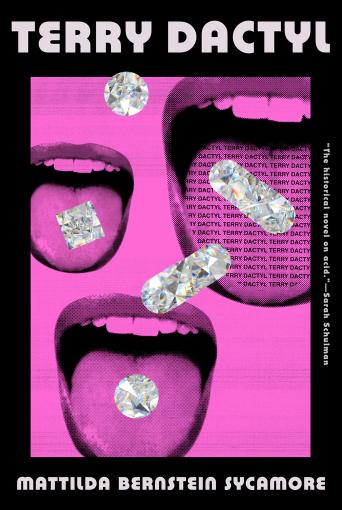
TERRY DACTYL by
Mattilda Bernstein Sycamore
Terry Dactyl has lived many lives. Raised by boisterous lesbian mothers in Seattle, she comes of age as a trans girl in the 1980s in a world of dancing queens and late-night house parties just as the AIDS crisis ravages their world. After moving to New York City, Terry finds a new family among gender-bending club kids bonded by pageantry and drugs, fiercely loyal and unapologetic. She lands a job at a Soho gallery, where, after partying all night, she spends her days bringing club culture to the elite art world.
Twenty years later, in a panic during the COVID-19 lockdown, Terry returns to a Seattle stifled by gentrification and pandemic isolation until resistance erupts following the murder of George Floyd, and her search for community ignites once again. In propulsive, intoxicating prose, Terry Dactyl traces an extraordinary journey from adolescence to adulthood, delivering a vital portrait of queer identity in all its peril and possibility.

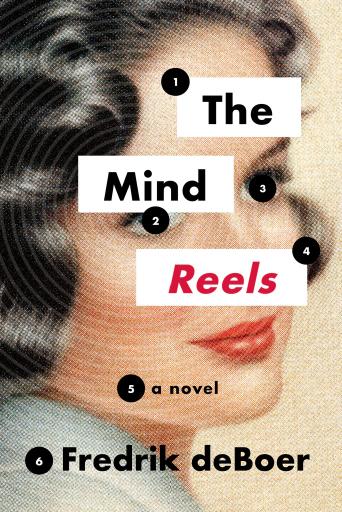
ANALOG DAYS by Damion Searls
Acclaimed translator damion searls’s exuberant debut novella navigates the bittersweet tugof-war between nostalgia and living life meaningfully in a world buzzing with information overload.
Analog Days is a snapshot of a circle of friends living through the sorrows and joys of a particular inflection point in history. Amid the ever-present news cycles, watching the world shift around them, they fall back on film and friendship and art as the last bastions of meaning in their fragmented lives. Moving from coffee shops to bars, from New York City to San Francisco, Analog Days immerses us in the individual lives set adrift among the pivotal events of our recent history.
In a dorm room at her safety school, surrounded by corn-fed boys and contemptuous girls, Alice is losing her mind. Her first semester is spent clinging to middling grades between drunken hookups and roommate fights. The next brings sleepless nights, extreme weight loss, and effortless, compulsive energy, paused only by an unexpected summoning from the RA for evaluation. Thus begins an endless march of lithium, antidepressants, and Klonopin; doctors and therapists—when health insurance allows—along with overwhelmed parents and well-intentioned friends; all helpless bystanders as Alice descends deeper into chaos.
As chilling as a psychiatric case study, as wry and precise as Flaubert, The Mind Reels peels back society’s polite trappings to portray the experience of mental illness in all its complexity.
THE MIND REELS by Fredrik deBoer
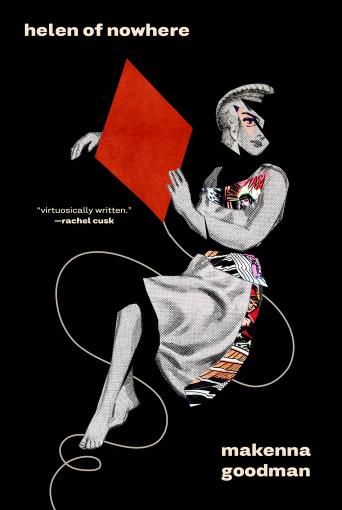
HELEN OF NOWHERE by
Makenna Goodman
In the middle of the countryside, a realtor is showing a disgraced professor around an idyllic house. She speaks not only about the home’s many wonderful qualities but about its previous owner, the mystifying Helen, whose presence still seems to suffuse every fixture. Through hearing stories of Helen’s chosen way of living, the man begins to see that his own story is not actually over—rather, he is being offered a chance to buy his way into the simple life, close to the land, that’s always been out of reach to him. But as evening fades into black, he will learn that the asking price may be much higher, and stranger, than anticipated.
Philosophically and formally adventurous, at once intimate and cosmic in scope, Helen of Nowhere asks: What must we give up in exchange for true happiness?
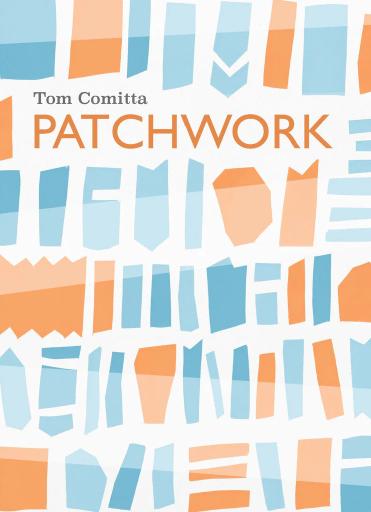
PATCHWORK by Tom
Comitta
Tom Comitta returns with a novella that is at once a picaresque quest for a stolen snuffbox and a marvel of literary découpage, equal parts love story, old-fashioned thriller, and absurdist romp.
To whom does a story belong? Who is its author? What is an author? Does it matter? These questions and more populate the subversive and audacious Patchwork, a comical tragedy that highlights the connective tissue that joins stories to themselves as well as to the grand history of storytelling itself. Celebrating the tropes and clichés of classical novels while simultaneously forging them into an original narrative, Patchwork ultimately shows us that the stories produced by hundreds of writers past—celebrated or obscure, reverent or hilarious, factual or fantastical—may, in the hands of a master, become a single, seamless whole.
AUDITION by Pip
Adam
A genre-defying novel—part science fiction, part social realism—from one of the most powerful voices in new zealand literature today.
A spaceship called Audition is hurtling through the cosmos. Squashed immobile into its largest room are three giants: Alba, Stanley, and Drew. If they talk, the spaceship keeps moving; if they are silent, they resume growing.
Talk they must, and as they do, Alba, Stanley, and Drew recover their shared memory of what has been done to their former selves— experiences of imprisonment, violence, and disempowerment.
Pip Adam’s transcendent new novel sets its eye firmly on our current justice system and asks what happens when those in power decide someone takes up too much room?
A TOAST TO ST MARTIRIA
by Albert Serra
The town of Banyoles, an hour and a half from Barcelona, hosts a festival every year named after its patron, Saint Martyrianus (or, in Catalan, Martirià). There are horse races, there are local delicacies and dances, and there is always someone elected to be the festival’s pregoner––literally, “town cryer.” This person is given the signal honor of opening the fair with a celebratory speech, and in 2022, the controversial and acclaimed filmmaker Albert Serra, born in Banyoles, was handed the microphone. He opened his mouth. . . and this book emerged, whole and entirely improvised. Puckish, confrontational, subversive, and always dripping with Serra’s impulsive lust for life, A Toast to St Martirià is a headlong journey through the director’s formative years and early relationships, all played out against the nightlife of his hometown. These are the experiences that have shaped his own peculiar conception of the movies, art, and life, focused not on metropolitan glamor but the slower pace of the countryside, the little moments lost between edits.
Set around a foster home in Kilburn and in the squares of Bloomsbury where its protagonist Hannah sleeps, The Seers chronicles the first weeks of a young Eritrean refugee in London. As Hannah grapples with her own agency in a strange country, her sexual encounters become an unapologetic expression of self—a defiant cry against the endless bureaucracy of immigration.
In a single, gripping, continuous paragraph, The Seers moves between past and present to paint a surreal and sensual portrait of a life being burned up in search of refuge. For Hannah, caught between worlds in the UK asylum system, the West is both savior and abuser, seeking always to shape her, but never succeeding in suppressing her voice.
NO NAMES by Greg
Hewett
Inspired by the iconic punk scene of the late ‘70s, no names blurs the lines of affection and sexuality in a haunting tale of desire, hope, and loss.
Mike and Pete were “no names,” two working-class boys lost in the shuffle of their stratified town, brought together by their love of music. By 1978, their punk band was blazing across the underground scene. Now, in 1993, Mike is a hermit living alone on a dot of an island in the North Atlantic. When a mysterious letter from an unlikely fan named Isaac arrives, he’s pulled right back into the pain he’s spent over a decade running from.
Isaac longs for an escape from his lonely teenage life. A chance discovery of the No Names’ only album catapults him into an obsession with the godlike rockers and the tantalizing possibility of connection.
As their stories collide, mistakes breed consequences that echo through the decades like the furious reverberations of a power chord.
THE SEERS by Sulaiman Addonia
And so with the sunshine and the great bursts of leaves growing on the trees, just as things grow in fast movies, I had that familiar conviction that life was beginning over again with the summer."
—
F. SCOTT FITZGERALD, THE GREAT GATSBY

SHELF UNBOUND WHAT TO READ NEXT IN INDEPENDENT PUBLISHING