ALSO INSIDE: Building an Inclusive Mindset in Preservice HPE Teachers Society of Health and Physical Educators Fall 2023 InTHEclusiveClassroom INSIGHTS FROM THE National Teachers of the Year
(reflects members as of August 11, 2023)

SHAPE America Partners provide annual financial contributions that support a variety of SHAPE America initiatives, programs and special projects that promote effective health and physical education.
In return, these organizations benefit from valuable insights, engagement opportunities, and exclusive perks such as year-round exposure of their brands and services and boosted additional savings on exhibit space and advertising.

BOARD OF DIRECTORS
PRESIDENT
Sarah Benes
PRESIDENT-ELECT
Cara Grant
PAST PRESIDENT
Kymm Ballard
CEO
Stephanie Morris
DIRECTORS
Joe Deutsch
Tari Garner
Andy Milne
Will Potter
Victor Ramsey
Robin Richardson
Luciana Zuest
MANAGING EDITOR
Larissa Brickach
DESIGNER
Kathleen Dyson
DEADLINES
Winter – December 1
Spring – April 1
Fall – August 1
SHAPE America
PO Box 225
Annapolis Junction, MD 20701

momentum@shapeamerica.org
800-213-7193
Momentum (ISSN: 2329-1516) is published three times a year by the Society of Health and Physical Educators (SHAPE America), PO Box 225, Annapolis Junction, Maryland 20701.
Copyright © 2023. All rights reserved. This magazine may not be reproduced in whole or in part without written permission of the publisher. Opinions expressed in signed articles are those of the authors and do not necessarily reflect official policy of SHAPE America.

SHAPE America offers advertising opportunities in this publication. For more information on the advantages of advertising as well as rates please email advertising@shapeamerica.org
SHAPE America does not verify or substantiate the claims of advertisers. As a matter of law, it is the responsibility of an advertiser, not the publisher, to substantiate its claims.
his fall issue marks the start of my sixth year as managing editor of Momentum. During the past five years, we’ve shared the stories and reflections of numerous health and physical educators, while also exploring many of the critical issues that impact the HPE community.
This issue of the magazine is no exception. In our cover story, “The Inclusive Classroom,” SHAPE America’s 2023 National Teachers of the Year talk about culturally relevant instruction and creating an inclusive classroom in health and physical education. I hope you enjoy their insights … and their favorite inclusion-related resources!
In our second feature article, “Building an Inclusive Mindset in Preservice Health and Physical Education Teachers,” SHAPE America member Kanae Haneishi shares strategies from the PETE program at Western Colorado University, where she is an associate professor in the Department of Recreation, Exercise & Sport Science.
I also invite you to read the Reflection column in this issue, written by SHAPE America member Ronny Rodriguez, an elementary physical education teacher at Dos Puentes Elementary School in New York City. As Ronny explores the significance of embracing an anti-racist approach in physical education, he shares the personal journey that led to him to where he is today. Ronny’s passion for his work and the world around him are evident in his reflection. I hope you are inspired by his story!
This issue also includes fundraising success stories, new HPE activities, and lots more! I hope you find at least a few ideas, tips or resources in this issue of Momentum that are useful in the year ahead.
Thanks for all you do!
Larissa Brickach Managing Editor


Your year to win an award … receive a scholarship … become a volunteer leader … or get elected to the Board!
DEADLINE: October 15
Don’t miss out on these SHAPE America opportunities — act before the October 15 deadline!
AWARDS
SHAPE America awards recognize member contributions and service in many different areas. Make this the year you nominate a colleague — and maybe they’ll do the same for you! Find nomination forms and detailed awards criteria
SCHOLARSHIPS
If you are a full-time undergraduate or graduate student majoring in an HPERD discipline, you may qualify for a SHAPE America scholarship! Learn more.
PROGRAM COUNCILS
Help carry out SHAPE America’s mission by joining one of five program councils: School Health Education, Physical Education, Physical Activity, Research, and Professional Preparation. Learn more
DISTRICTS
Volunteering at the district level can be a great first step! Learn more about your district’s awards and leadership opportunities — and deadlines — at shapeamerica.org/districts.
JOURNALS
Contribute to the profession by serving on the editorial board of one of SHAPE America’s four journals — or as a reviewer for either JOPERD or Strategies. Learn more
Would you like the opportunity to serve on SHAPE America’s national Board of Directors? SHAPE America is committed to advancing equity, diversity and inclusion in the field of health and physical education. We are seeking new and diverse voices to join us in these efforts as true representatives of excellence in the profession and the students we serve! Find eligibility criteria and nomination forms
You can make a difference in HPE! Learn more and apply at shapeamerica.org/getinvolved.


This is the time of year when many of us are beginning (or have already begun) a new school year. Even if you aren’t working in a school right now, the transition of the seasons is a time to “begin again” and there are many elements of our day-to-day lives in which we “begin again.” So, we are all beginning again … together.
This is an opportunity to pause and reflect on any number of things, but I’d like to share the two things that I am focusing on: how I am caring for myself and others, and my purposes.
I recently watched a keynote in which the speaker, Nicole Tucker-Smith, said something to the effect of “our self-care is only as good as our community care.” This got me thinking about both self-care and community care — and here are some questions I have been reflecting on:
And then the idea of community care ... What and who are my communities? How are we showing care for each other in those spaces? How are we creating communities of care (or are we at all)? What can I be doing to create and support communities of care?
Tucker-Smith’s statement reminded me of the importance of our relationships with each other and the necessity of the support systems our communities created, especially those rooted deeply in “value, care and zeal for others” as described by authors Landi, Lynch, and WaltonFisette
I invite you to pause and take time to consider your self-care practices, to prioritize and lift yourself up, and to make a commitment to keeping your health and well-being at the forefront as you enter a new beginning. I also invite you to find
has encouraged me to be explicit about naming my purposes so I can organize with clarity and intention. Some examples of my purposes: my family, teaching, wanting to make a difference in the world, being out in nature, and my well-being.

When we begin a new phase, it is a good time to name what is most purposeful, think about priorities, and reflect on how to organize in ways that lead to fulfillment and wellness (which also connects back to self-care).
I hope this column serves as an invitation to pause, reflect and begin again with clarity and intention. I’ll end with an excerpt from John O’Donohue’s poem “For a New Beginning”:
Awaken your spirit to adventure; Hold nothing back, learn to find ease in risk;
Soon you will be home in a new rhythm,
For your soul senses the world that awaits you.
Ask, Listen, Learn empowers kids to say “YES” to a healthy lifestyle and “NO” to underage drinking with science- and evidence- based lessons to help them understand:
• What the developing brain does,



• What alcohol does to it,
• And what that does to them.
Ask, Listen, Learn also uses social and emotional foundations to aid in setting goals, making good choices, and practicing refusal strategies.
Informed kids make better decicions. Over the past decade alcohol consumption has declined 36% among teens. Lets keep the progress moving in the right direction.
(Monitoring the Future, 2022)


Irecently h ad the opportunity to attend meetings convened by the Office of Disease Prevention and Health Promotion, the President’s Council on Sports, Fitness & Nutrition, and the National Fitness Foundation. The meetings covered a variety of topics, including a revitalized, reimagined Presidential Youth Fitness Program (PYFP).
SHAPE America has a deep history with this program. In 1956, President Eisenhower created the President’s Council on Youth Fitness. Soon after, SHAPE America (then known as AAHPER) established the Youth Fitness Project, which conducted an initial study on the fitness of children nationwide and ultimately developed a fitness test that included pull-ups (boys), modified pull-ups (girls), situps, shuttle run, standing broad jump, 50-yard dash, 600-yeard run-walk, and softball throw for distance.
In 1966, President Lyndon B. Johnson created the Presidential Physical Fitness Award Program, which recognized youth who excelled at the test. Over the years, the program evolved to focus less on rewarding individual exceptionalism by instead encouraging a healthy lifestyle for every individual student.
The program was last revised in 2012 (ironically the year before SHAPE America’s revised National Standards & Grade-Level Outcomes for K-12 Physical Education were published) and launched as the Presidential Youth Fitness Program (PYFP). It was meant to take an inclusive approach as a “comprehensive school-based program” for every student. Created through a partnership between the President’s Council on Sports, Fitness and Nutrition, the Centers for Disease Control and Prevention, the National Fitness Foundation, SHAPE America, and The Cooper Institute, it focused more on overall health and emphasized individual progress over exceptionalism.
past mistakes and successfully move the needle in achieving health and physical literacy for all students. As we work with our partners to evolve and rethink the PYFP, we must simultaneously advocate for increased funding for physical education as well as professional development.
We know PE teachers want to do the very best they can for their students — to teach them needed skills and prepare them to lead healthy, physically active lives. But teachers need proper facilities and equipment, and they deserve the opportunity to receive training to understand a new, more inclusive approach where the PYFP is concerned.
The timing is fortuitous. In spring 2024, SHAPE America will launch the revised National Health Education Standards and National Physical Education Standards. To achieve a successful adoption of these standards, we are gearing up, staffing up, and preparing to produce resources, training, professional development, and more.
President John F. Kennedy took up the importance of this test by advocating for youth physical fitness in his Sports Illustrated article, “The Soft American,” where he attempted to draw connections between the country’s security and the fitness levels of the nation’s youth.
There were good intentions behind the new approach taken with the PYFP, and SHAPE America was proud to be a partner in this renewed effort. Although many schools did adopt the new program, there were some challenges with successful implementation due to lack of funding to support robust physical education programs in schools.
This brings us full circle to today and what we need if we are to learn from
We are enthusiastic to do all of this with an eye toward what’s happening with the PYFP, but we also call upon the federal government to do its part.
To be successful, PYFP must be facilitated through effective physical education programs. It needs strong support and an investment in PE programs and teachers if we truly want a successful outcome. We owe it to our amazing teachers — and their students — to make this investment.
I’d love to know what you think about all of this and your feelings about a revised PYFP when you have an opportunity to share them. Reach out to me at @ShapeAmericaCEO
We owe it to our amazing teachers — and their students — to make this investment.


 By Karen Johnson, Advocacy Consultant, and Carly Wright, VP of Advocacy and EDI









After suffering deep cuts and the elimination of several federal education programs by U.S. House Republicans, members of the Senate Appropriations Committee moved to reinstate and increase federal education funding for FY 2024 in late July. As a result of the Senate committee’s actions, the U.S. Department of Education would get $79.6 billion in discretionary funding, equal to the current level for FY 2023.
The Senate bill includes a $175 million increase for Title I of the Every Student Succeeds Act (ESSA). In contrast, the House Appropriations Committee bill, which was lambasted by House Democrats, proposes to cut Title I grants by nearly $15 billion. House Republicans also zeroed out Title II, Part A of ESSA, vital funding for educator professional development; the Senate committee reinstated that funding to its current level of nearly $2.2 billion.
The bipartisan Senate bill also included $1.4 billion for Title IV, Part A, Student Support and Academic Enrichment Grants — a $20 million increase over FY 2023.



U.S. Sen. Tammy Baldwin (D-WI), chair of the Appropriations Subcommittee on Labor, Health and Human Services — which oversees education funding — applauded the Committee’s bipartisan approval of the FY 2024 appropriations bill. The legislation passed by a bipartisan vote of 26-2. Only Sens. Deb Fisher (R-NE) and Bill Hagerty (RTN) voted against the bill.
Baldwin was joined by her colleague Sen. Shelley Moore Capito (R-WV), Ranking Member of the Appropriations Subcommittee, who stated:
“I’m proud that in my first year as the top Republican on the Labor-HHS Appropriations Subcommittee, we have crafted an effective, responsible bill … This bill maintains provisions critical to the departments overseen by the subcommittee and does not include controversial policies that have derailed similar legislation in the past. Addressing the health, education, and labor needs of our country should not be partisan, and I believe this effort reflects that.”
The two bills should be negotiated between the Senate and House committees when Congress returns from its August recess in September. Given the compressed legislative calendar before the end of the year, it’s speculated that agreement between the two chambers may be difficult to achieve. If Congress cannot agree on spending levels for FY 2024, they may instead opt for a continuing resolution, which means funding would remain at FY 2023 levels.




As always, we encourage SHAPE America advocates to reach out to their members of Congress via the SHAPE America Legislative Action Center to express their support for robust federal education funding, particularly for Title II, Part A and Title IV, Part A of ESSA. We also know the power of “backyard advocacy” — meeting with your members of Congress in their local district offices. Use our SPEAK Out! Day ESSA Toolkit resources to guide your own backyard advocacy efforts, and be sure to reach out to us to amplify your efforts or for any support on Twitter at @SHAPE_America or @CWrightHPE

marines ad page 10





SHAPE America task forces are nearing the end of the multiyear collaborative process to update both the National Physical Education Standards and the National Health Education Standards
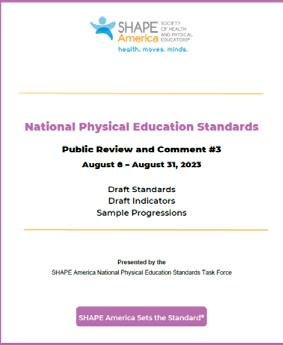
When completed, both sets of national standards will speak to current best practices and research-informed curriculum. They will be relevant, inclusive and culturally affirming. Throughout the process, members of the HPE community provided feedback through:
Virtual Town Halls
In-Person Feedback Sessions at the SHAPE America National Convention & Expo
Formal Surveys During Multiple Rounds of Public Review and Comment
Members of the National Physical Education Standards Task Force are in the final stages of completing the revised national standards. During the third and final round of Public Review and Comment, which was open August 8-31, members of the HPE community were invited to provide feedback on the proposed Draft Standards, Draft Indicators, and Sample Progressions.
Be on the lookout for new resources and professional learning opportunities to prepare you for implementing the revised standards! Learn More
The National Health Education Standards Task Force spent the summer incorporating feedback from the first round of Public Review and Comment, in addition to the wonderful feedback provided at #SHAPEseattle through breakout sessions and Coffee Talks.
The second and final round of Public Review and Comment will be open September 6-30. During this time, we invite members of the HPE community to provide feedback on the Draft Standards, Rationale, and Performance Indicators. Learn More
Mark your calendars for the 2024 SHAPE America National Convention & Expo in Cleveland (March 12-16), where we will launch both sets of national standards!
The 2024 health and physical education convention you don’t want to miss!
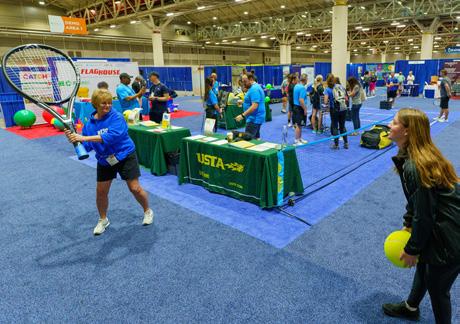
Join your peers at the 2024 SHAPE America National Convention & Expo — the nation’s leading convention for health and physical education professionals!
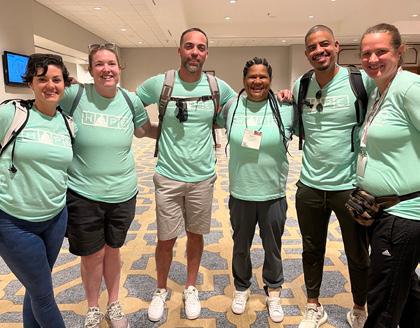

The energy and excitement will be unmatched as we come together in Cleveland and release the National Physical Education Standards and National Health Education Standards. This is the first time both sets of standards will be released in person, together! You definitely don’t want to miss it!
1 DISCOVER dynamic ideas to create and deliver a skills-based health education and standards-based physical education curriculum.
2 LEARN best practices for integrating social and emotional learning and trauma-informed instruction in health and physical education.
3 IMPLEMENT an inclusive, whole-child approach at your school to ensure students are healthy, supported and ready to learn.
4 UNCOVER more ways to foster equity and inclusion within your classroom and school community.
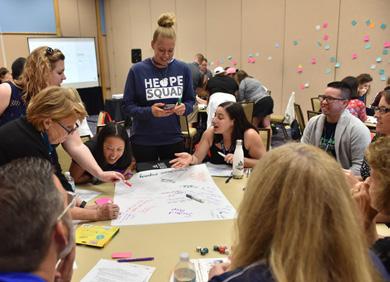

5 NETWORK with dedicated health and physical educators ... and meet exhibitors offering the latest HPE products and classroom solutions!
For more information visit shapeamerica.org/convention #SHAPECleveland
Educator Ronny Rodriguez reflects on embracing an anti-racist approach in teaching PE
“We can disagree and still love each other, unless your disagreement is rooted in my oppression, and denial of my humanity, and right to exist.” —James
BaldwinAs American society and schools experience growing diversity and interconnectedness, our responsibilities as physical educators must embrace pedagogical approaches that nurture, advocate, and celebrate diversity, inclusion, and empathy.
As an anti-racist physical education teacher, I am committed to being an anti-racist human being beyond the gymnasium. Being anti-racist requires the development of empathy, courage, discipline, and a rebellious spirit. I actively challenge systemic racism and co-create inclusive learning environments that celebrate humanity, empathy, diversity, and inclusion.
This reflection explores the significance of embracing an anti-racist approach in physical education and how I developed this disposition.
Being an anti-racist educator requires continuous learning, self-reflection, and advocacy. As a lifelong learner, I am perpetually learning about myself as a human being. I spend countless hours in critical self-evaluation to identify and examine my biases, assumptions, and prejudices. I am a cisgender, heterosexual, Afro-Latino male in my mid-30s — an immigrant from the Dominican Republic who was raised in a working-class environment in New York City from the age of 8.
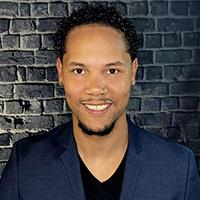
As a child, I was privileged and fortunate to have attended elementary school and middle school in one of New York City’s most diverse districts. My third-grade PE teacher, an African American male, introduced me to literature beyond the PE curriculum, which made an indelible impression on my psyche, self-esteem, and confidence as a recently arrived Afro-Latino student in the United States.
Throughout my student-athlete career, from grade school to graduate school, I had the privilege of being in integrated environments. In these settings, I interacted with peers, teachers, staff, and community members from diverse racial backgrounds, various social economic classes, different genders, abilities, and cultures.
I have come to the anti-racist disposition that I embody because of the amazing human beings throughout my life who have directly and indirectly nurtured my growth through the power of their presence, empathy, insights, words, actions, and deeds. Teaching the next generation is a way of paying forward what has been fostered inside of me.
Throughout my 15 years as an anti-racist PE teacher, I have actively sought input from parents and guardians, students, and colleagues alike, recognizing the valuable insights they bring to the educational process. In this way, there is shared responsibility in addressing inequities and other systemic barriers.
Making connections with key stakeholders in the school community has allowed me to become an integral part of the school community. From this position, influence and change are possible, as I am “at the table.”
Ronny Rodriguez is an elementary physical education teacher at Dos Puentes Elementary School in New York City. He wholeheartedly believes that his very existence serves as inspiration to those who want to live a life invigorated by the vitality that the loving joy of movement, physical activity, and sports can foster in every human being.
Ronny loves to share his knowledge and expertise with fellow educators. He was a physical education instructional coach for the historic PE Works initiative in NYC schools and a national trainer for the Let’s Move! Active Schools program, which helps schools implement a CSPAP. He is currently the EDI section president for NYS AHPERD. Recently, Ronny was part of a panel presentation during SHAPE America’s Back to School Summit
I have been fortunate throughout my educational career both as a studentathlete and as a teacher-coach to learn and work in environments that welcomed and supported my stances about physical education being an academic subject and my propensity for social justice.
By embracing an anti-racist approach in PE, educators can empower their students to challenge injustice, promote equity, and foster inclusive communities. The impact of anti-racist physical education extends beyond the gymnasium, transforming society by nurturing generations of empathetic, socially conscious individuals committed to dismantling systemic racism and building a more equitable world.
Many K-12 health and physical education (HPE) teachers recognize the importance of promoting inclusion (as well as equity and diversity), but not many of them prioritize the concept in daily physical education lessons.
First, teachers face a challenge with time. We often hear comments like “I only have two hours per week with students and don’t have time to teach inclusion. Other subjects’ classes can cover inclusion. I need to get students moving and exercising.”
Second, many teachers see the value of inclusion, but they aren’t sure how to get started. It’s common to hear “I want to teach inclusion in my class, but I do not know how to do it.” They may also think they need to develop whole new lesson plans for inclusion. That’s not the case. They can simply begin by making a commitment to embed intentionality into their existing lessons.
Changing the mindset of HPE teachers is the first step for implementing inclusion in physical education — and building an inclusive mindset with preservice teachers during PETE/ HETE programs is one of the best ways to shift the culture in physical education.
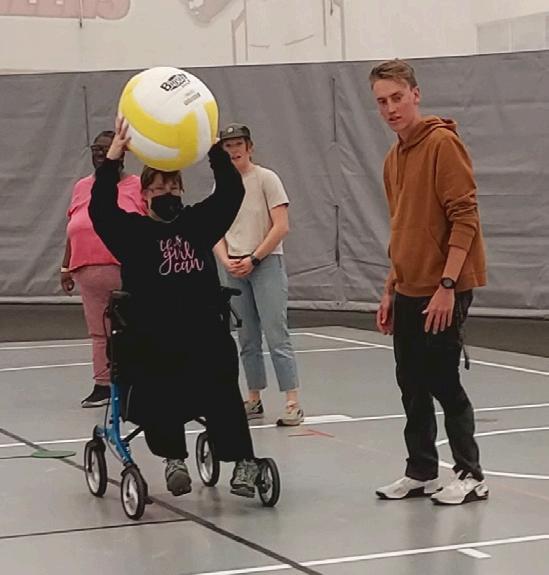
At Western Colorado University, our undergraduate students engage in discussions, reflective practices, and numerous field-based experiences to support them in developing an inclusive mindset.
The message at our university is clear — we teach for inclusion. For example, we apply justice, equity, diversity, and inclusion (JEDI) concepts throughout the PETE curriculum. We have
discussions about JEDI topics at various points in our classes. I found that most current college students are open to these ideas and support JEDI concepts. Many of them, though, have never had opportunities to examine their privileges and learn unconscious bias.
Therefore, in our program we start with a self-analyzing process. Students are often surprised by how unintentionally they have been excluding some people
and treating them unfairly based on differences, such as race, age, gender, sexual orientation, (dis)ability, religion, ethnicity, and socioeconomic status.
We also spend time introducing pedagogical strategies of how teachers can intentionally implement JEDI in physical education lessons, so students can gradually apply JEDI concepts throughout the PETE program. Our goal is to ensure that when students are ready for student-teaching, the JEDI mindset shift is intentional in their teaching.
There are many proud moments toward the end of our students’ education. For example, I was extremely pleased when one of my students who identifies as a white, middle-class male taught a creative dance class combined with boxercise (combination of various boxing movements) during his field-based learning experiences. His thoughtfulness and intentionality on inclusion was demonstrated beautifully during the fun and inclusive class.
For example, he encouraged students to use dance movements they are familiar with (such as cultural dance) and are comfortable with (such as sport moves). Some Hispanic girls who usually do not want to participate in the class had big smiles on their faces during group discussion and creation of the group dance. The group showed beautiful Mexican dance movements in front of the class. Some boys who did not
consider dance as something boys should do (influenced by the social stereotype) enjoyed the boxercise dance moves because they are open to the boxing movements (i.e., sport moves), which is often considered a male-dominated sport.
Our PETE students have an opportunity to work with the Special Olympic athletes in Gunnison, CO. The athletes have a wide range of abilities, ages and personalities. Our students were assigned to lead a weekly physical activity session with their partner. At the beginning, students were confused and struggled to come up with activities that could include all participants.
However, after continuous critical discussion and feedback with peers, the Special Olympics coaches and staff — as well as all participants — were pleased with the individual consideration and inclusivity demonstrated during the physical activities.
Below are some of the pedagogical strategies that PETE students learn within our curriculum at Western Colorado University. Students explore — in depth — how to modify the learning environment for inclusion (and JEDI) and how to ask questions to guide students through critical thinking and dialogue by using gamebased approaches such as the Teaching
Games for Understanding (TGfU) Model and the Tactical Games Model (TGM).
As preservice teachers, our PETE students modify rules, number of students, playing area, and equipment to ensure all participants feel motivated, comfortable, included, and empowered. We also apply the Universal Design for Learning (UDL) concept in the process.
Throughout a lesson, the preservice teachers ask their students critical questions, such as:
• Did you include all teammates in the discussion?
• Did you listen to everyone’s idea?
• What is consensus building?

• Who took the most power in making these decisions?
• Who benefited? Who did not?
• How does this help people of different abilities play together?
• Did everyone agree on this? How did your group make decisions?
• Do you think it is important for us to always try to include everyone/ listen to different perspectives? What makes you say that?
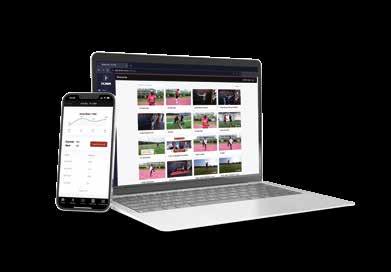
You can find more detailed information about how to promote JEDI through game-based approaches in Teaching Games and Sport for Understanding
When applying game-based teaching models, our students also use Spectrum of Teaching Styles to
(continued on next page)
break down the lessons and ensure intentionality in every part of the lesson. The Spectrum includes 11 Landmark Styles of teaching, each with its own set of objectives. Our PETE students learn each style and the importance of using a variety of teaching styles in their lessons to promote inclusion (and JEDI) for all students.
Our program also started introducing the new curriculum model — Thirdspace Movement Model — which focuses on movements as well as inclusion and social justice in physical education. It is an eye-opening experience for our students to learn the new teaching model, and we look forward to exploring it in depth and including it in our curriculum.
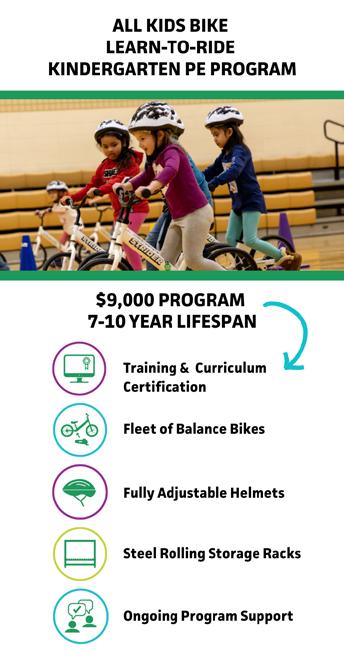
If interested, you can learn more in “The Thirdspace Movement Model for Inclusion and Social Justice in Physical Education,” published in a recent issue of the Journal of Physical Education, Recreation & Dance (JOPERD).
Physical education literature maintains that the curriculum in physical education continues to be Eurocentric, elitist, individualist, masculine, and competitionfocused (Quest), reproducing a culture of gendered, racist, sexist, and ableist practices (Journal of Teaching in Physical Education) operated by privileged White, able-bodied, Christian males (Physical Education and Sport Pedagogy).
Making inclusion (and JEDI) a norm for all physical education teachers will take time. Change takes time — and it starts with changing the culture toward curriculum for all. A great place to start shifting the culture is developing an inclusive mindset with preservice teachers and embedding the JEDI concept within the PETE curriculum.
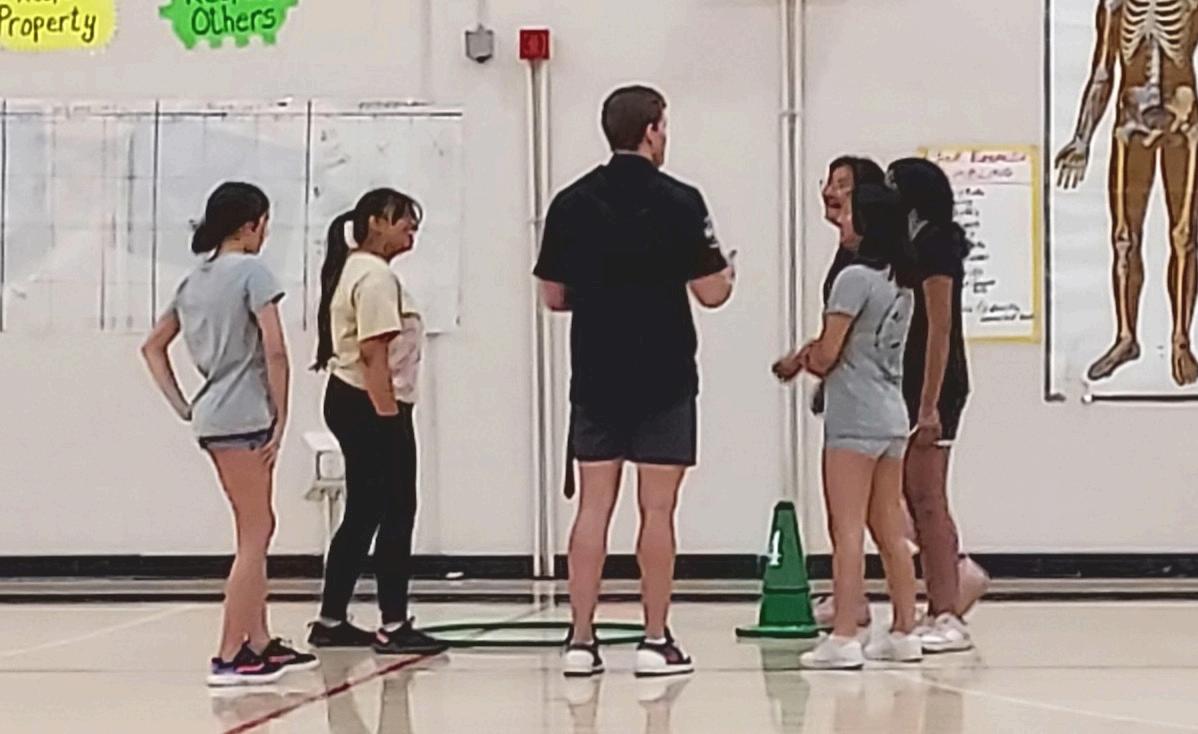
On the following pages, SHAPE America’s 2023 National Teachers of the Year talk about culturally relevant instruction and creating an inclusive classroom in health and physical education. They share their top tips — and links to some of their favorite inclusion-related resources!
Stewart
Newbury Park High School
Newbury Park, CA
Conejo Valley Unified School District
@coach_sammi_APE
Q: What does culturally relevant instruction look like in your classroom?
Sammi: In my classes, I encourage inclusiveness by including a range of cultural perspectives and traditions in our lessons. I use relatable examples, considerate language, and customized teaching to involve students from diverse backgrounds and abilities. Working with families, embracing diversity, and nurturing a safe setting enhances the exploration of various cultures.
Thoughtful teaching guarantees continual adaptations for cultural significance,
fostering an environment where all students feel respected and connected. Some of my recommendations for developing culturally appropriate teaching include integrating diverse games, activities, and sports from various cultures. Employ visuals to attract and engage students, and embrace inclusive language, including person-first phrasing.
Q: What are your top strategies for creating an inclusive adapted PE classroom where every student feels valued? Any resources to share?
Sammi: My top strategies for creating an inclusive classroom are:
• Universal Design for Learning: Design lessons for various learners, using multiple ways of teaching, engaging, and expressing. Define SUCCESS for each student to meet the objective.
• Clear Communication: Provide instruction visually, verbally, and tactically, especially by frontloading students and staff before implementation.
• Collaborate: Work with special educators, direct/related service providers, paraeducators, and teachers to create personalized strategies and build seamless support.
• Equipment: Ensure accessible gear, aiding all students’ participation and engagement to support each student’s defined SUCCESS.
• Cooperative Instructional Activities: Include all in team-based, noncompetitive games, stations, etc.
• Professional Growth: Continuously learn about inclusive teaching and adaptive strategies. Go to conferences!
Special Olympics is at the forefront for Inclusion. Please check out these resources:
• Unified Classroom (Classroom resources)
• Special Olympics — Fitness (Create visuals for students and staff)
• HIGH 5 for Fitness (Includes an Educator’s Guide)
(continued on next page)
As an educator and a parent of a disabled adult son, I find myself navigating the contrasting realms of the neurotypical and neurodiverse worlds. These two spheres rarely intersect, and when they do, inclusivity is often lacking. However, I am determined to bring about a transformation. In my role as a teacher, I am sowing the seeds of inclusivity in the minds of my neurotypical students. I firmly believe that they hold the power to drive the change towards inclusivity.
These students of mine are the future change makers, the ones who will occupy roles as hiring managers, business owners, government workers, and even politicians. It is my aspiration that they recognize the value and potential of individuals with disabilities as valuable contributors to society. They will comprehend that these individuals deserve fair opportunities for employment and decent wages.
I envision a world where these students become the driving force behind an inclusion revolution, serving as the driving force on the ground. The dichotomy that separates us must no longer persist. My goal is for my son and my students to be embraced and esteemed by their community, allowing them to not only contribute meaningfully but also to thrive within an inclusive environment.
Q: What does culturally relevant instruction look like in your classroom?
Melissa: Culturally relevant instruction is making sure to connect with every student, every class period. I integrate a lot of student voice and choice into my studentcentered lessons. Within each skills-based
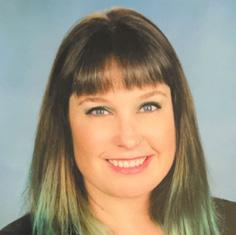
unit, students have choices about looking through the lens of other people.
For example, when we are working on how food environments influence what you eat, students can choose any area of the world or a specific culture to compare that area’s food influence compared to their own. This opens up their eyes to different cultures and locations and allows all students to see themselves in the curriculum.
Q: What are your top strategies for creating an inclusive health education classroom where every student feels valued? Any resources to share?
Melissa: In my high school health education classes, I spend a lot of time at the beginning of each semester with community-building activities. The first day, students fill out a Google Form that tells me their preferred name, pronouns, how they learn best, and what they like to do in their free time. I use this information to start conversations with them when I do check-ins while they work.
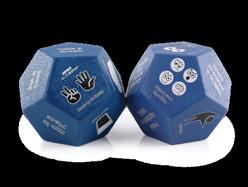
This is an easy way to get even the quietest students talking and feeling more comfortable in the class. I also spend 5-10 minutes at the beginning of every class for the first two weeks creating activities for students to feel welcome and to get to know each other without putting them in the spotlight. Simple games like This or That, tower-building challenges, and rolling the dice with simple questions are just a few of the activities that I do.
Throughout the semester, I use a seating chart/attendance sheet that I can put tally marks next to every time I talk to a student one-on-one, to ensure I am reaching all of them equally. My lessons are student centered with a lot of small group activities, so not only can they learn how to use the health skills together but they all work together cooperatively and in the safe space we created in my classroom.
We are also a Special Olympics Unified Champion School, and I teach a Unified course. Within that course, the students
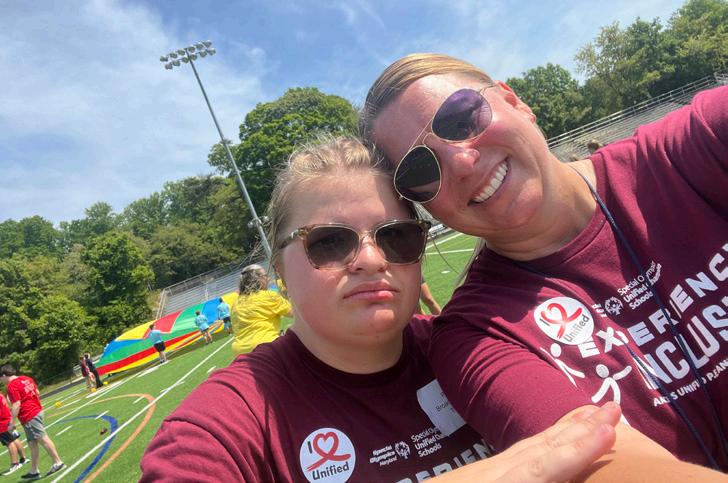
all learn to work together with the goal of being inclusive and learning the importance of inclusion. They also create a school-wide advocacy project to promote inclusion to the student body each year.
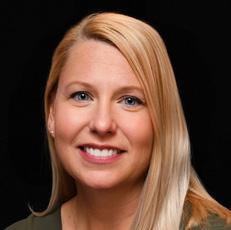
• Class Mosaic Activity: All of my classes participate in the class mosaic each semester, and it is not only a way for them to get to know each other, but they also create a mosaic on one of my walls collaboratively across all of my classes as a piece of art and reflect on why a mosaic is representative of the students in the school.
The topic of inclusion is very close to my heart. One of my three daughters has a rare genetic disorder, Kleefstra syndrome, and autism. I have worked tirelessly to advocate for inclusion so she and everyone else can be a part of their school and community and feel a sense of belonging, create friendships, and feel like they are in a safe space.
Randy Spring
Liberty Ridge Elementary School
Woodbury, MN
@ MrSpringPE
Q: What does culturally relevant instruction look like in your classroom, and what are your top strategies for creating an inclusive elementary PE classroom where every student feels valued?
Randy: The single greatest privilege I have as an elementary physical educator is getting to teach and connect with all 900+ students in my building, four days a week. What comes with this privilege is the huge responsibility to help all my students feel seen, heard and understood — every day. If done with a lack of awareness and responsiveness, large numbers of my students could be left feeling isolated, unnoticed and unvalued.
This is why I created a 6'x10' banner in my classroom that states: “I notice you. I care about you. I want you to succeed. Love, Your PE Teacher.” This banner, which I reference every day in my teaching, reminds me to be intentional and to prioritize making each of my students feel loved, valued and proud of who they are, just the way they are.
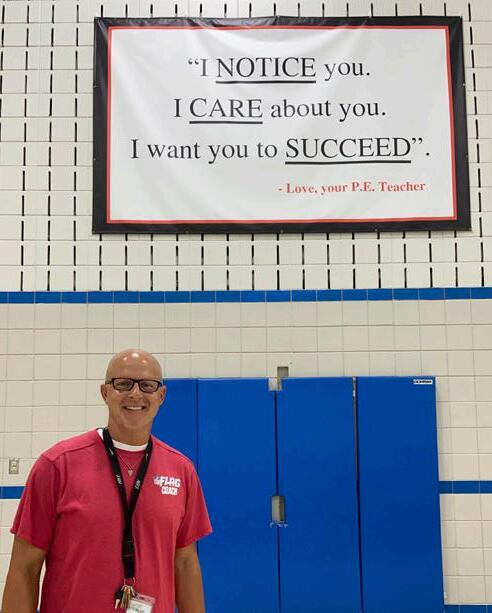
The banner in my classroom is also the foundation from which I teach my students what it looks like and feels like to show their peers, regardless of background, ability and appearance, that they are noticed and cared for. Students also learn to help their classmates succeed through the act of being a T.E.A.M. player
The letter T in this acronym stands for trust, E for effort, A for attitude, and M, manners. To help my students build these T.E.A.M. player traits within themselves, I put them on specifically rostered rainbow-colored teams 5-6 times a year to give them opportunities to practice and enhance these skills. Each time I create new teams, I immediately engage them in culturally responsive activities that build culture, connection and cooperation.
To continue to build a T.E.A.M. player culture, I celebrate students who go above and beyond to be the best teammate, classmate and friend. Each month, I announce “T.E.A.M. Players of the Month” at a mini-assembly, where I hand out personalized certificates to students who have grown immensely in their ability to build others up in my classroom. I also share examples of what that student did throughout the month to make themselves a teammate someone wants to be on a team with. During these celebrations, I often hear classmates cheer loudly with genuine encouragement for those being recognized. I relish this time like no other.
Another impactful practice I use to help all my students feel seen and heard is creating more opportunities for student choice and voice in my lessons, including:
• Pick Your Play: In large-group, traditional sport play units, I build time and space for students to pick a “spice level” to meet their desired level of competition. Then, they can play in an atmosphere
(continued on next page)
that makes them comfortable and confident.
• Pick Your Music Playlist: Another opportunity to create a culturally responsive learning environment.
• Conference Presentation on an Inclusive Game Model and My “I Notice You...” Banner
• My Personal Website (tons of free, impactful resources)
I fully believe, no matter the age, all of us thrive when we feel connected to others.
When we lack interaction that connects us socially, emotionally, or physically, we feel alone. Loneliness is the hardest place to be for anyone, let alone a child. When I was four years old, I was diagnosed with alopecia, an autoimmune disease that caused and still causes my hair to fall out. My entire K-12 educational experience I chose to run from the emotions that came with this condition by hiding under a baseball cap. I had tons of friends and a loving family that supported me, but something deep inside of me always left me feeling different, not normal, and sometimes very much alone. Except during elementary PE class.
When I stepped into PE, those feelings of anxiety and isolation fell from my shoulders like broken chains. When we played, when we laughed, when we competed in PE, I felt normal. I think that led me to where I am now as an educator. Going through what I did as a child ignited an awareness and passion inside of me to make sure as many
kids as possible, no matter what they carry into my classroom, can feel normal, included and seen by me and their peers.
Q: What does culturally relevant instruction look like in your classroom?
Matthew: Culturally relevant instruction begins with my own presence and curiosity as I develop relationships with students. To acknowledge and celebrate the diversity among the class, I must first learn about my students, while providing opportunities for them to learn about, and from, each other. At the beginning of the year, we make giant name tags with our preferred name and gender identity on the front. On the back includes optional information, including birthdate, birth place or places lived, languages spoken, religion, traditions or holidays, passions, and other information one may feel is important to share. Throughout the year, we utilize the name tags as a quick way to learn about and make connections with our partners.
Another critical step is releasing my teaching power to the students, providing them with more agency. For example, I had a new eighth-grade student from Jordan this past year, and fencing was a big part of his life. We ate lunch together one day and began planning a modified fencing unit. He instructed most of the lessons while his peers and I learned skills and knowledge about both fencing and Jordan.
Q: What are your top strategies for creating an inclusive PE classroom where every middle school student feels valued?
Matthew: There are so many amazing strategies for creating an inclusive classroom where every student feels seen, valued, loved, and successful. A few of my most consistently used strategies include:
• Greetings: It is a top priority of mine to greet every student by name within the first moments of them entering the gym. I continue to greet students throughout the day, by name, wherever I see them. This develops a consistent feeling of being seen.
• CPR (Circle of Power and Respect): After an instant activity, I use a CPR to deliver the learning outcomes as well as provide an opportunity for student greetings and shares. The critical components of a CPR include a greeting, a share, and an activity. This provides an opportunity for all students to be seen and heard by one another within the first 10 minutes of class. Utilizing CPRs consistently can help build a foundation for the use of restorative practice circles.
• Shout-Outs: These are a great way for peers to fill each other’s buckets with compliments and positive statements. Here’s an example: Student A: “I have a Shout.”
Whole class: “Out.”
Student A: “I want to give Sandy a shoutout for noticing I didn’t have a partner at the start of class and inviting me into their group. Throughout the class, Sandy kept cheering me on and supporting me, even when I made a mistake.”
• Asking and Listening: I ask a lot of questions to my students about their
thoughts and opinions, whether it be in a survey, closing discussion of a lesson, exit slips, or a casual conversation at lunch. Questions like: “What would you do to make this activity better?” “What would you change about today’s lesson?” Asking the right questions is important, but more importantly we must listen to the answers and make use of the information provided.

• My PE Partners - Template: Using these worksheets throughout the year ensures everyone has a partner to work with. It is predetermined, so students don’t feel the anxiety and stress of finding their own partner. Pairs are encouraged to welcome individuals who have an absent partner.
One of the biggest barriers to inclusion for me at the middle school level is student “buyin.” While the majority of students can and do display the willingness and skills to be kind and inclusive, the few that don’t can really alter the learning environment in a negative way. I put extra time into developing relationships with these students as well as their close peers. If the student won’t accept my support in developing an inclusive and growth mindset, maybe they will accept their peers’ support.
We spend our lifetime navigating and exploring connections and relationships to ourselves, others, and the world around us. If we are to treat others how they want to be treated, we must connect with them authentically and listen in order to learn how it is they desire to be treated (or included).
Q: What does culturally relevant instruction look like in your classroom?
Jordan: At STEAM Academy, culturally responsive teaching is at the core of our approach to physical education. By actively engaging students in decision-making processes and engaging students in daily reflection, I create an inclusive environment that values their diverse backgrounds and interests. This can involve offering a range of activities and games that reflect different activity preferences, collecting students’ thoughts about different experiences, and adapting the curriculum to accommodate various learning styles and identities.
I also believe it is important to expose students to activities that challenge them to learn about other identities,
cultures, and activity preferences. Learning about physical activity through a critical lens can introduce young people to new perspectives and open their curiosity to the diverse movement culture that exists in the world. Through this approach, I aim to empower my students to explore physical activity beyond PE, foster a sense of belonging and community in my classroom, and promote a positive, safe learning experience for every child.
Q: What are your top strategies for creating an inclusive PE classroom where every high school student feels valued?
Jordan:
• Value Relationships: Getting to know and valuing each student is the single most important skill a PE teacher can possess. Not only will students be more engaged in your daily lessons, but they might also begin to form deep, positive emotional responses to physical activity because they feel safe enough to be vulnerable. Greet students at the door. Say every student’s name at least once per class period. Show up
(continued on next page)
to extracurricular events. Talk to their adults. Take selfies with them. Every student has an emotional bank account. Make deposits daily.
• Co-Design the Community: Involving students in the process of designing the community within the classroom is another game changer. There really are no limits, so long as you are comfortable. Allowing students to assist in setting up the physical layout can earn their ownership in the civic responsibility of the classroom. Involving students in determining the class rules, norms, or agreements can help create a culture where students own their behavior and hold each other accountable for their actions and participation. Start small. Find your quick wins.
• Collect Student Voice and Measure Qualitative Impact: Using technology efficiently and effectively to learn about the student experience in PE is another game changer. I use the

miMove app for this. The data I can pull from miMove tells me the stories about how students are feeling emotionally, interacting socially, and perceiving their physical competence in and out of the classroom. Having access to this street-level data influences my short-term and long-term pedagogical decision-making to ensure an inclusive, effective, and empowering physical education program.
• Infuse Student Choice to Personalize PE: Set up the classroom so students have choices for how they learn and demonstrate learning. It is possible for students to take different paths to achieve a learning target. Setting up opportunities for students to collect their own baseline assessment data, choose from a variety of practice activities, and benchmark their progress is learner-centered, and an easy way to engage learners across the spectrum of physical ability.
• Racquet Skills Mastery Scale (An example of integrating student choice into skill development)
MORE FROM JORDAN … Humanize yourself. You are a valued member of your community. Make sure your students know that — and feel it too. Share about yourself, your family, what you do on the weekends, your aspirations, and your failures. All of it. Every time you share about yourself you drop them an invitation to share their commonalities.
Every time you are vulnerable enough to admit your struggles and failures, they learn that even superheroes can fall. Sing happy birthday to your students. Cry with them on their worst days. I know it seems like you will never have enough time to teach them the lessons you’ve planned. That’s okay. It can wait. Acknowledging the humanity trusted unto us comes first.
KRISTI BIERI
Physical Education Teacher, Odessa Upper Elementary School (Odessa, MO)
Ihave been doing fundraisers at my school for 23 years. For 18 of those years, I did Hoops for Heart through the American Heart Association. In spring 2019, Odessa Upper Elementary was one of the pilot schools for the health. moves. minds. FUNdraiser, and 2022-2023 was our fifth year of participation.
I started participating in health. moves. minds. because of the lessons (and there are a lot of them) and because I receive a lot more giveback to my school. I alternate each year between the option that gives our school the full 50% back and the option where we get 25% and our chosen charity gets the other 25%. So far, we have supported our local Police Canine Unit (helping them get a new dog) and our Parks and Recreation Department. We are looking to help multiple charities in our community over time.
I use the lessons throughout the school year. They are detailed and ready for a teacher
Total Amount Raised: $12,717
Gopher Gift Card Received: $6,358.50
Best Year Yet Incentive VISA Gift Card: $100
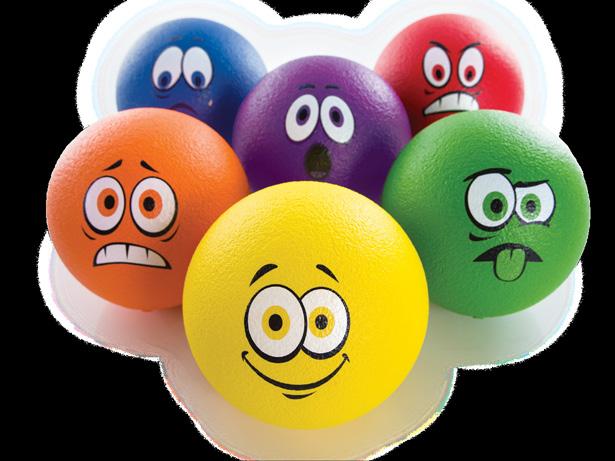
Items Purchased With Gopher Gift Card: Outdoor Adventure Curriculum K-12; Rainbow PEmoji Balls; ACTION! Barrier Battle; GaGa Pit Balls; Go Rings Set; UltraPlay Basketballs. In addition, gifted over $1,500 to grade levels 3, 4, and 5 for alternative seating, brain break activities, and stand-up desks.
to use — and I am blown away with what they do for my school community. While it is primarily me and the school counselor that implement the actual lessons, our entire building uses the lessons and fundraiser theme in some way.
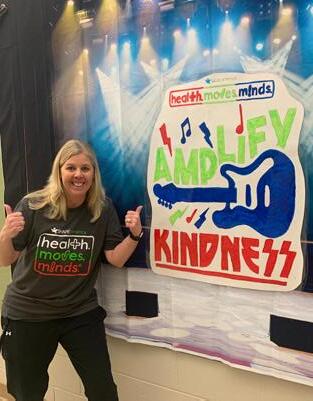
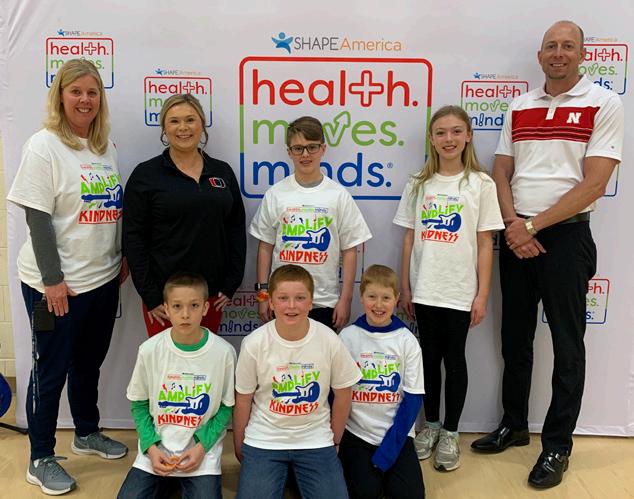
Last year’s health. moves. minds. theme was Amplify Kindness. Our art class made their own guitar and posters, and some of the teachers used the Emoji Rating Scale to build relationships with students by asking how they were doing and then talking later one-on-one if needed. Almost every hallway had bulletin boards using the theme. One class was learning math multiplication facts that translated into making a “Be Kind” quilt artwork board with those multiplication facts in them.
Throughout the school, students are learning to be mindful, kind and respectful because of health. moves. minds. Respectful listening is an important lesson that has carried over into classrooms because of the impact it had during assemblies. We celebrate our custodians, lunch attendants, and resource officers by making cards and posters showing appreciation. By spreading the lessons and theme throughout the school, we hope it carries over into the community.
The health. moves. minds.® FUNdraiser brings together the lessons, activities, and community-building ideas that help students live their best life.
You can share your success with your health. moves. minds. FUNdraiser — and shine a light on how it is bringing positive change to your school — by contributing to In the Zone! If interested, email sjumps@shapamerica.org.
During our health. moves. minds. FUNdraiser, I don't make it about the rewards or incentives. I emphasize that it is a community service project — we are building things up in our school and community. I like that the program is such an eye opener to students. For example, in the lesson From Here to There, each team doesn’t get the same equipment and some students don’t realize it until they are done because they are so focused on the activity. When the activity is over, we talk
I teach in a building with banners from 2003 for Jump Rope For Heart. The history and tradition of Jump Rope For Heart is strong, so I was hesitant to try health. moves. minds., but I set up a meeting with Stephanie Jumps and communicated with my state representative Tom Roberts. After chatting with them, it honestly appeared again too good to be true. I felt there had to be a catch with getting 50% of the fundraising efforts back to the school, but I decided to go for it!
With our event, we ended up raising $2,870. Our school ended up receiving $717.50 back for our PE program and $717.50 went towards a charity of our choosing.
I decided the best way to increase buyin for our school would be to include the student council in the decision-making process as well as the advertising efforts. The student council chose the nonprofit from the list provided by me. As a school, we chose an organization called 360 Communities. This organization is also the group we were holding a canned food drive for during the same four-week period.
I chose to run our event along with our “I Love to Read” month 4-week celebration. Each week focused on a different superhero. As I think about next year, I plan to hold my event separately, during October/November. As much as I want our school to be successful in fundraising efforts for our physical education program, I also want us to make a big impact for the non-profit organization. I feel by late February/March, families have been requested to donate to many other fundraisers, so they may turn away.
After diving into the resources available through the SHAPE America health. moves. minds. site, I decided my theme would be around heroes. As a specialist team, we were already focusing on four character traits that were divided throughout the school year: Kindness, Respect, Responsibility, and Safety. I found some
character images available on Canva and gave them names: Captain Kindness, Mr. Responsible, Dr. Safety, and Respectra. I focused on one hero per week over a span of four weeks.
The lessons and activities I came up with were found/created after looking through the health. moves. minds. resources. Personally, I found the mini-lessons easier to blend into my unit without disrupting the students’ learning, as well as maintaining their interest in class.
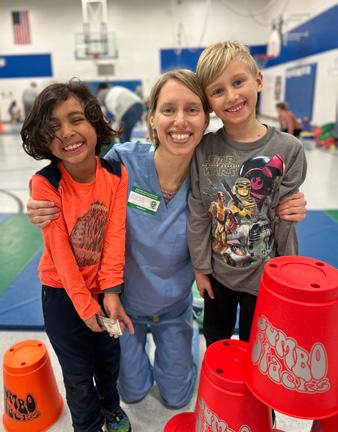
As a celebration of the work our students did through learning with our Fantastic Four Character Heroes, I held a “Hero Week.” I invited every student in every class to invite someone they value greatly to their PE class period.
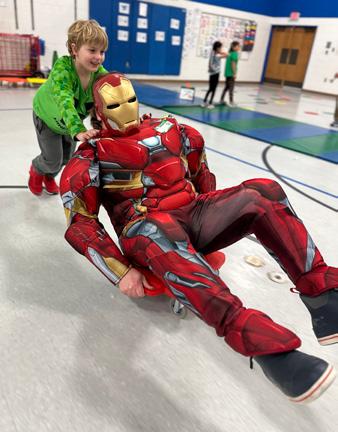
What started off as an idea quickly became an event that long-time veteran teachers in the building were raving about as the best thing our school has ever done. Since my students receive PE once per week, in total we had over 360 guests visit from Monday to Friday in the 6 classes per day.
The health. moves. minds.® FUNdraiser provides flexibility in how you fundraise. You can choose to receive all the giveback funds back to your school or share a portion of those giveback funds with a 501(c)(3) charity your school has a passion for!
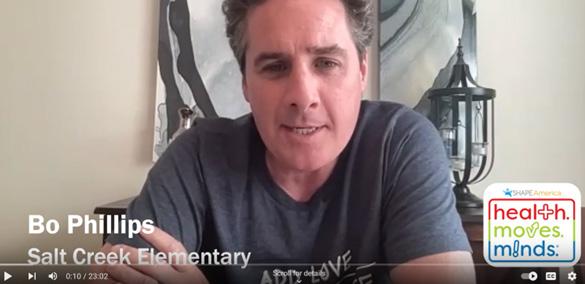
In this issue, we’re shining a spotlight on PE teachers Bo Phillips in Illinois and Kelsey Cook in Kentucky. Both share the fundraising options they chose and much more!
Bo Phillips Salt Creek Elementary SchoolElk Grove Village, IL
I had done another fundraiser for about 15 years and decided to try the health. moves. minds.
FUNdraiser last year because I had heard a lot about it from other schools and had seen a lot of positive feedback on social media. Everyone said it was a unique fundraiser and you could put your own spin on it. What was more important was that the program benefits all my students, not just those who do the fundraising. That got me hook, line and sinker. I decided to hold the fundraiser over three weeks leading up to our spring break in March, focusing each week on a different aspect of the fundraiser name: Week 1 was health; Week 2 was moves; and Week 3 was minds. Along with the provided fundraiser incentives, I offered incentives for my students to keep it fun and engaging. In all, we raised $1,685 and received a Gopher gift card for $842.50!
If I had to tell someone why they should participate, it would be because you are impacting your students and community in a whole different way — and there’s great support from SHAPE America and other PE teachers that have participated in the health. moves. minds. FUNdraiser in the past that can help you.
Kelsey Cook Briarwood Elementary School Bowling Green, KY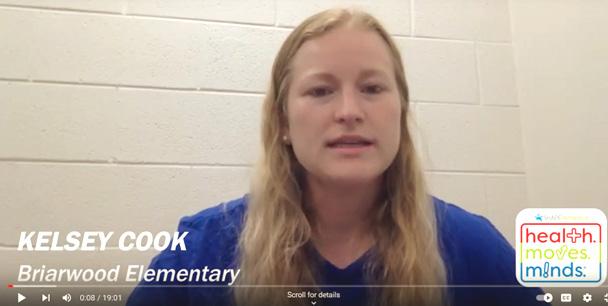
I lead fundraisers at my school because I want to find ways to get more back for my kids — to give them the opportunity to have the PE equipment and resources they deserve. Having funds to get new PE equipment is a challenge for many PE teachers with the limits of their program budgets. Finding ways to get new equipment and experiences is important because it affects kids’ overall health and their future lifestyle. At Briarwood Elementary I have a budget of $400, which is more than some schools that have $100 or less for the year. At our school we have over 700 kids, so realizing that our budget provides less than $1 per student for resources in my class inspires me to fundraise. As a result of participating in the health. moves. minds. FUNdraiser last year, I was able to supplement my budget by receiving a $1,547 Gopher gift card.
What makes this fundraiser so appealing is that I didn’t have to stop supporting a charity our school has a passion for. Along with our gift card we were able to support the American Heart Association last year and give them $1,547 too. The lessons within the health. moves. minds. FUNdraiser tie in with giving back and teach students about leadership.
Thanks to our national partner, Gopher, students can earn these exciting rewards when they raise funds online or offline!
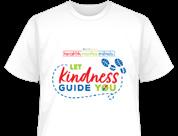
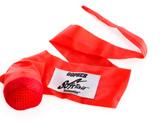
$25 Rainbow SoftTail
$100 Rainbow SkyBlazer Foam Disc

$50 Limited Edition T-shirt
$200 Rainbow SofTek Soccer Ball
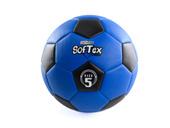
Rewards are cumulative. Color shown not guaranteed. T-shirts are pre-shrunk. If any item becomes unavailable, SHAPE America reserves the right to offer an alternative item of equal value. These rewards meet the requirements, where applicable, of the Consumer Products Safety Improvement Act and other product safety regulations.

about the fact that one team had to finish with fewer items to help them and how that relates to students who all come to school, that not everyone has the same resources to help them do things they need to. We talk about what those items in the activity might represent, like not having enough food or sleep.
Raising donations during the fundraiser period (which lasts about four weeks at my school) is a game changer for my school. My equipment closet is now busting at the seams, so I’ve started gifting classroom teachers with a portion of the funds I get back. This year, I gave each neighborhood (grade level) $1,500 so they could get alternative seating, brain break activities, and stand-up desks. By doing this fundraiser, we are getting things we don’t have a budget for and wouldn’t normally have the chance to purchase.
I like to make it FUN when we are fundraising. I ask the students what school incentives they would like to see (beyond the four rewards they can get from SHAPE America). It’s important to get the students’ feedback about what they want the fundraiser to look like and what they think we need.
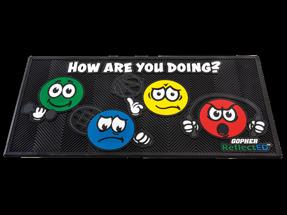
Last year we had a dunk tank, students could have their picture taken in front of the Amplify Kindness Wall, and we gave away a guitar (because of the musical theme). The parent of the winning student shared that he is really trying to learn to play, so this may be a new musician who may not have tried it without our
fundraiser. I also let the top fundraising student take the Gopher catalog home and bring back suggestions on what PE equipment to order with the funds we received back to our school.
If there is one thing I would tell a school to encourage them to participate in the health. moves. minds. FUNdraiser, it’s this: The program is really a great way to help your PE program, help a charity if you choose to, and change the environment in your school.




SHAPE America recommends that all schools implement a Comprehensive School Physical Activity Program (CSPAP). This position statement addresses how schools can rise to the challenge of creating a positive school culture through a relationshiporiented school climate with physical education and physical activity as cornerstones. Read Now
SHAPE America offers training and support to help educator preparation providers complete the PETE/HETE accreditation process. Learn More

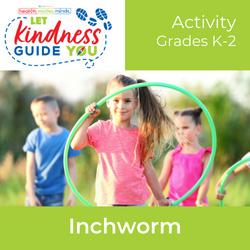
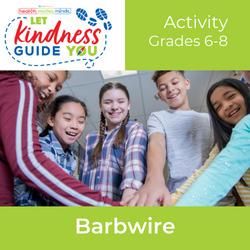
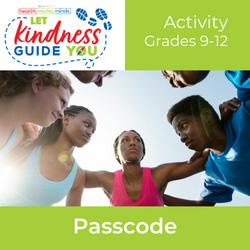
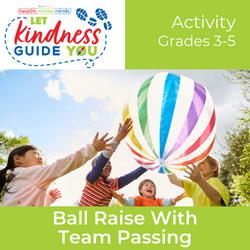
Start the new year off right with all-new resources from SHAPE America’s health. moves. minds.® FUNdraiser.
Download any of these sample activities, then head to the health. moves. minds. website to learn more and register for the 2023-2024 school year.
The Adapted Physical Education Assessment Scale (APEAS II) is a longitudinal data system easily used by teachers to:
• Develop IEP goals;
• Assess and track student performance;
• Share reports with parents, administrators and colleagues.
The test now includes improved functionality and valid, reliable norm tables. Teachers have found it to be one of the more user-friendly Adapted PE tests!


The SHAPE America YouTube channel includes exclusive HPE content, including these popular playlists:











TOY Talk Tuesday: Tips from SHAPE America’s National and District Teachers of the Year
View Now
Unplugged: SHAPE America CEO Stephanie Morris interviews health and physical educators who are shaping the profession.
View Now
SHAPE America’s EDI Podcast explores a variety of topics relating to equity, diversity, and inclusion in health and physical education. Each episode features insightful interviews and discussion with invited guests. Watch or Listen Now
The SHAPE America Blog shares insights, ideas and resources for the health and physical education community. Read Now



Membership to SHAPE America includes a subscription to the periodical of your choice:
• American Journal of Health Education (AJHE): Covers today’s health education and health promotion issues head on with timely, substantive, and thought-provoking articles.


• Journal of Physical Education, Recreation & Dance (JOPERD): Appeals to practitioners and academics alike and provides a variety of information on health, physical education, recreation, and dance issues.
• Strategies: This popular bimonthly journal delivers practical ideas, how-to information, and tips for sport and physical educators.
• Research Quarterly for Exercise and Sport (RQES): RQES publishes research in the art and science of human movement that contributes to the knowledge and development of theory.





All webinars are free for SHAPE America members and available on demand on or after their release date. Register and watch whenever your schedule allows! Upcoming webinars:
September 22: Increase Student Engagement in Your Classroom With Intentional Humor
October 12: The Reluctant Phys Ed Student — It’s Not a Power Struggle
October 26: 10 MORE Ways to Create an SEL-Focused, SkillsBased Health Classroom
November 9: Manipulatives for Mindful Movement
December 14: The Parallel Pandemic: Investigating Student Self-Esteem


View All BYFY Webinars