All rights reserved. No part of this publication may be reproduced, duplicated, stored in any retrieval system or transmitted in any form by any means without prior written permission of the Publishers.
The next issue of IPI will be published in Spring 2025. ISSN No.International Pharmaceutical Industry ISSN 1755-4578.
The opinions and views expressed by the authors in this journal are not necessarily those of the Editor or the Publisher. Please note that although care is taken in the preparation of this publication, the Editor and the Publisher are not responsible for opinions, views, and inaccuracies in the articles. Great care is taken concerning artwork supplied, but the Publisher cannot be held responsible for any loss or damage incurred. This publication is protected by copyright.
06 Investing in Women: Driving Change Through Ethical Investment
Explores how ethical investment can help dismantle gender disparities in the pharmaceutical industry by supporting women-led companies, promoting diverse leadership, and ensuring equitable hiring and pay practices. Featuring insights from Pooja Majmudar of KELES, it highlights the importance of measurable impact, intersectional approaches, and investor accountability in driving long – term structural change for gender equity and women’s health.
WATCH PAGE
08 All Things Sustainable Manufacturing
Shivaji Jadhav of Aragen discusses how the company integrates sustainability into every facet of its operations. From renewable energy adoption to responsible supply chain practices, the article outlines practical strategies for Contract Development and Manufacturing Organisations, to reduce emissions, manage waste and water, and embed ESG principles into daily operations and lead meaningful change in the pharmaceutical sector.
10 Driving Sterile Innovation at Scale: A Conversation with PCI Pharma Services
Interview with John Ross of PCI discussing strategic expansion through the acquisition of Ajinomoto Althea and significant global investments in sterile fill-finish, prefilled syringe technology, and drug-device combination product capabilities. He outlines how these initiatives enhance PCI’s end–to-end CDMO services, accelerate clinical readiness, support complex biologics, and position the company as a leader in patient-centric injectable therapies.
REGULATORY AND MARKETPLACE
12 IDMP Readiness & FAIR Data Adoption:
Where Are Life Science Organisations Now?
Pharma companies vary in readiness to implement ISO IDMP standards and adopt FAIR data principles for better data findability and reuse. MAIN5’s Michiel Stam explains how a new benchmark study shows large firms value IDMP for data integration but face challenges like silos, manual data handling, and unclear ownership.
16 Uderstanding the UK’s International Recognition Procedure
Pharmalex’s Aashni Shah and Claire Stevenson explores the UK’s new International Recognition Procedure (IRP), introduced by the MHRA to streamline medicine approvals by recognising trusted global regulatory decisions. They outline eligibility, application pathways, benefits such as faster market access, and key metrics from the IRP’s first year of implementation.
18 Welcome Relief for PV Scientists:
A Fresh Take on Local Literature Monitoring
Nicole Baker of Biologit discusses how intelligent automation is transforming the traditionally manual, costly, and error-prone task of local literature monitoring in pharmacovigilance. With advanced tools now capable of navigating language barriers, disparate formats, and regulatory variation, pharma companies can streamline processes, reduce risk, and enable PV scientists to focus on high-value safety assessments.
DRUG DISCOVERY, DEVELOPMENT & DELIEVERY
20 Developing Approaches for mRNA Vaccines in Oncology
mRNA vaccines offer a flexible and personalised approach to cancer treatment by targeting tumour-specific antigens and activating robust immune responses. Dr. Daniel Kavanagh of WCG examines the advances in delivery systems, such as lipid nanoparticles, and combination strategies with checkpoint inhibitors are helping overcome immune suppression and improve therapeutic outcomes.
22 Life Cycle Assessment:
A data-driven Approach to Drug Delivery Device Sustainability Explores how life cycle assessment (LCA) is helping drug delivery device manufacturers identify environmental hotspots and make informed decisions
to improve sustainability. Alex Fong of Owen Mumford analyses a data-driven approach to drug delivery. From material selection to circular design strategies, LCA enables eco-design across the entire product life cycle, supporting regulatory alignment and industry-wide progress.
24 Putting the Patient First:
Optimising Injectable Drug Development for Clinical Success
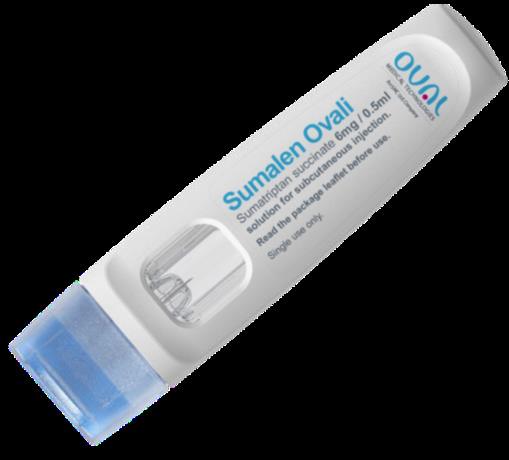
Explores how combining formulation and device design early in development can improve ease of use, patient comfort, and trial outcomes. Travis Webb and Oliver Eden for Pii, examine practical factors such as excipients, viscosity, and injection force, with a focus on supporting effective self-administration and faster clinical progress.
CLINICAL & MEDICAL RESEARCH
32 The Digital Health Revolution is Reshaping Clinical Operations
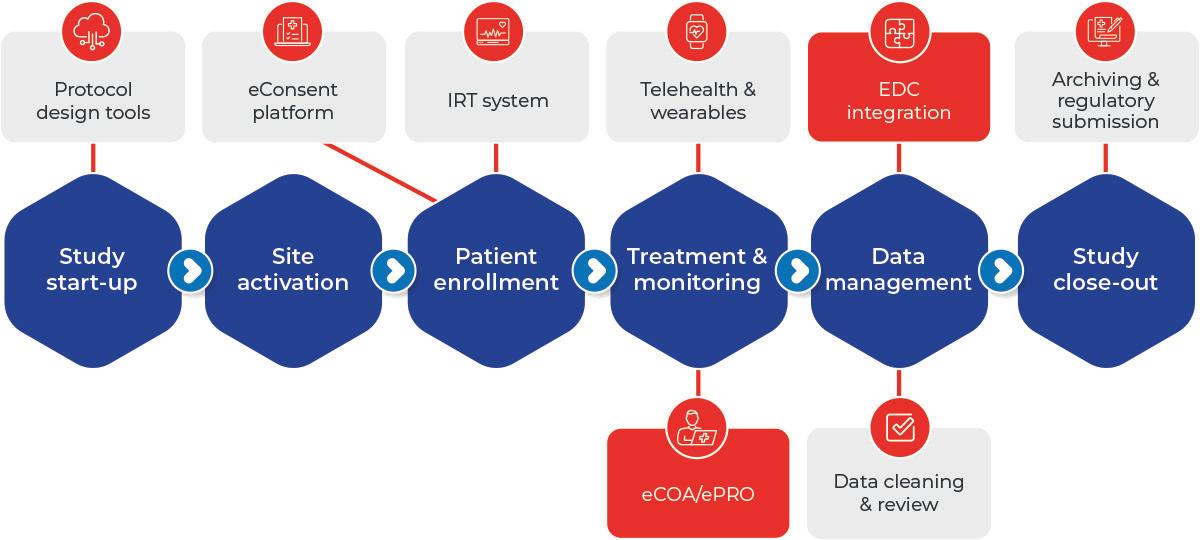
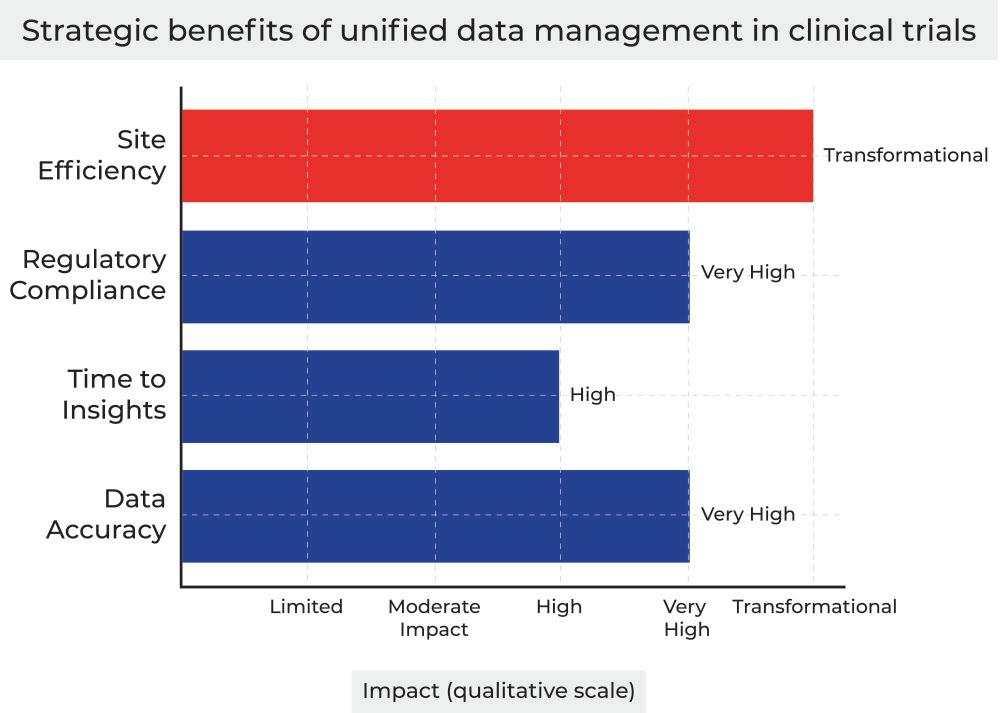
Digital technologies are transforming clinical trials by enabling decentralised models, remote monitoring, and enhanced patient engagement. Cheryl Kole from Almac explores examines how technologies like AI, wearables, and interoperable platforms are improving efficiency, broadening access, and streamlining trial management. Ultimately emphasising the importance of unified data systems and patient-focused design.
36 Survey of Obesity Developers Suggests Multi-Indication Approaches are Vital but Demanding Martin Jack, Bruce Simon and Alan Baldridge summarise findings from an ICON survey of 155 drug developers, highlighting the growing adoption of multi-indication strategies in obesity drug development. It explores the drivers, challenges, and evolving trial design approaches. Including endpoint selection, patient stratification, and use of real-world data needed to address the complexity of targeting obesity and related comorbidities like CVD and diabetes.
MANUFACTURING
38 Outsourcing:
The Key to Navigating Fill-Finish in Pharmaceutical Manufacturing BCMPA’s Emma Verkaik examines the growing importance of outsourcing in the pharmaceutical fill-finish process, which has become increasingly complex due to the rise of biologics, gene therapies, and patient-centric treatments. She highlights how Contract Development and Manufacturing Organisations (CDMOs) play a critical role by providing technical expertise, regulatory compliance, automation, and scalable solutions.
42 The Importance of Uniform, High-quality Containers for Effective Drug Manufacturing
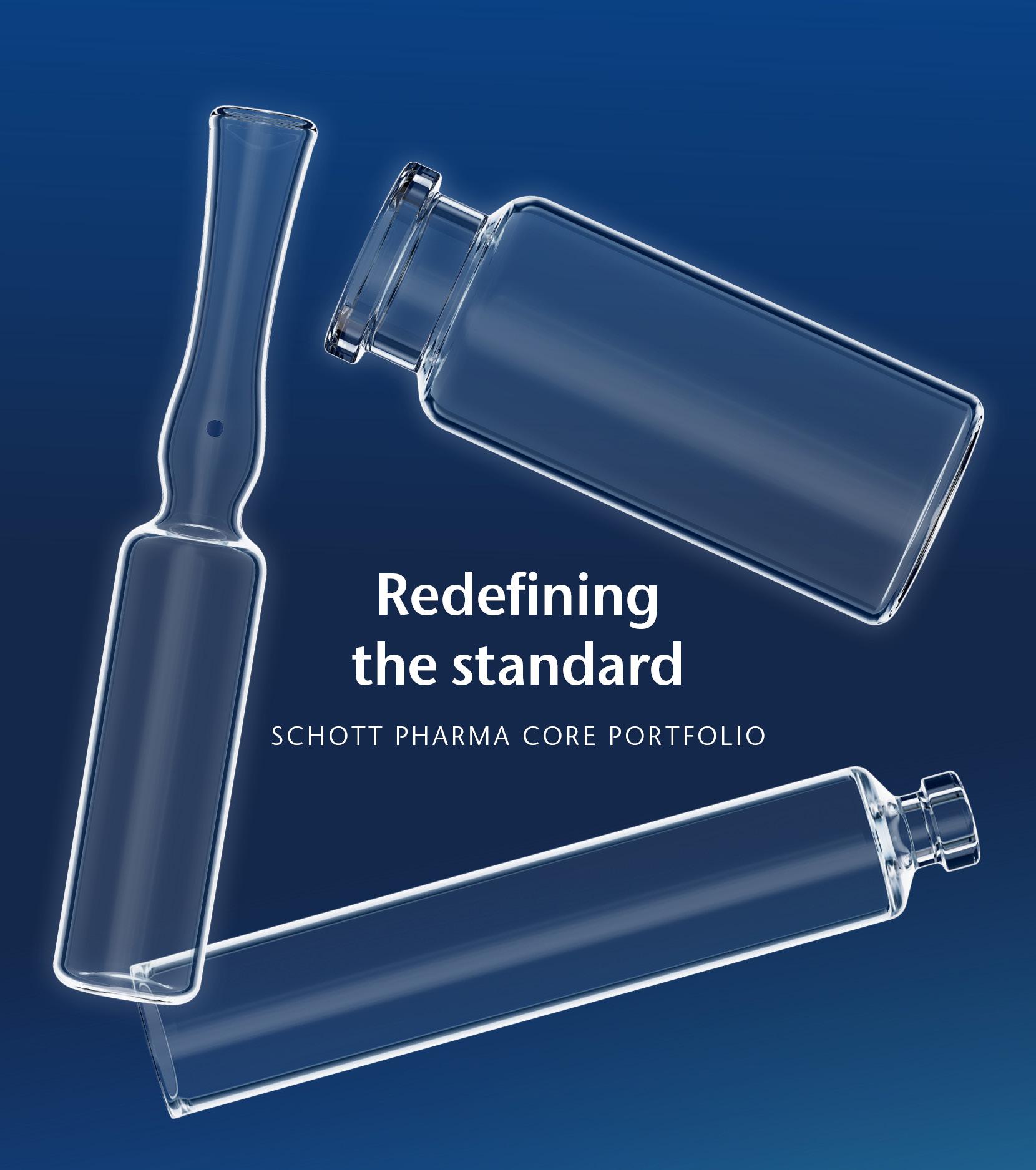
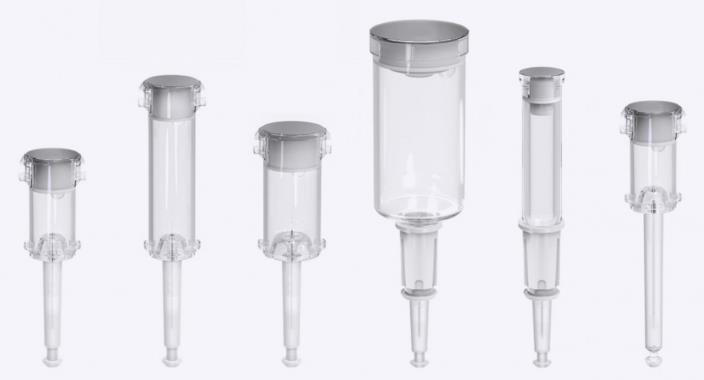
This article explores the critical role of high quality, uniform containers in pharmaceutical manufacturing, emphasising their impact on drug safety, production efficiency, and long-term cost effectiveness. Anne Lofi of SCHOTT Pharma highlights the company's Core portfolio of packaging options including vials, ampoules and cartridges that are engineered for dimensional accuracy, sterility, and compatibility with automated fill-finish lines.
46 Depot Injection Formulation and Modelling – Part B
Continuing from his contribution to IPI’s Winter 2024 issue, Pii’s Travis Webb covers the principles of formulating oil-based depot injections, including excipient selection, drug release modelling, and optimisation. It explains key experimental methods for measuring solubility and partition coefficients, and highlights how biological factors and injection site influence drug release and effectiveness.
TECHNOLOGY
50 Successfully Transforming Regulatory Affairs Through Technology and Innovation
Nick Littlebury of Coronado Research predicts 2025 as a year of transition and highlights how emerging technologies like AI are revolutionising Regulatory Affairs. Examining how technological advances can be used to assist in streamlining processes, reducing workloads, and enhancing strategic focus. The piece highlights the importance of collaboration, regulatory alignment,
and human oversight in driving innovation while ensuring patient safety and improved healthcare outcomes.
52 AI Isn’t Replacing Doctors – It’s Making Their Prescriptions Smarter AI and graph technology are transforming diabetes care by supporting more precise, context aware treatment decisions. Dominik Tomicevic of Memgraph explores how companies, like Precina Health, are combining AI tools, knowledge graphs, and human oversight to deliver personalised, realtime care. With particular focus on patients with Type 2 diabetes.
56 From Data Silos to Streamlined Connectivity: How Biopharma Can Prepare for ESMP
Stephan Ohnmacht of Veeva explores how centralising product data can help biopharma companies meet ESMP requirements, prevent drug shortages, and strengthen internal and external collaboration. The piece highlights how modern RIM platforms, structured data, and connected systems enable more accurate forecasting, faster regulatory change management, and improved patient access.
PACKAGING
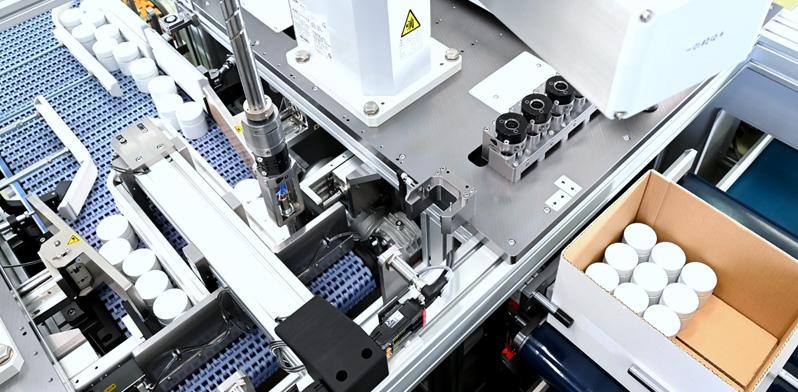
58 Smart Custom Automation for Pharma: Enhancing Secondary Packaging Through Flexibility and Compliance
Sinergo’s Elisa Buso examines the company’s tailored automation solutions for secondary pharmaceutical packaging, focusing on flexibility, precision, and compliance through custom engineering, advanced handling systems, and seamless MES integration.
60 Tracing the Source: Using AI to Unmask Counterfeiters in Real Time AI-driven systems use unique certificates and behavioural analytics to detect and trace counterfeit products back to their source. Charles Garcia at Cypheme analyses how Cypheme’s technology combines certificate verification, geographic mapping, and forensic markers, and turns anti-counterfeiting into a proactive investigative tool.
LOGISTICS & SUPPLY CHAIN MANAGEMENT
62 Cold Chain in the Context of Global Warming Unpredictable weather patterns and increased temperatures due to global warming have led to challenges in supply chain distributions. Niklas Adamsson of Envirotainer explains the integral role packaging providers play in delivering lifesaving medicines and examines the need for more adaptive solutions to combat environmental changes and extreme weather conditions.
SUBSECTION: NASAL & PULMONARY (PART B)
66 Expert Insight: Adapting Valves for Greener Propellants
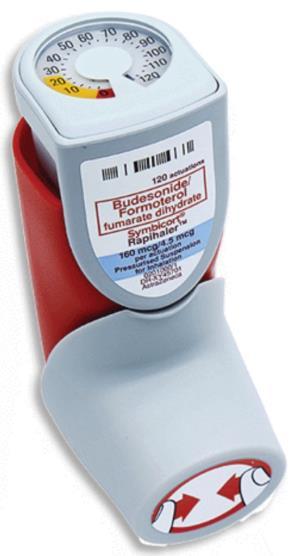
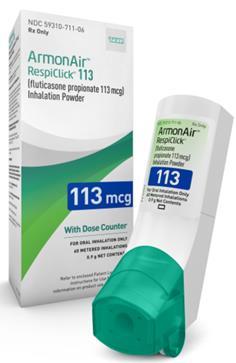
Bespak’s Tony Mallet and Andy Sapsford discusses the challenges and solutions in adapting pMDI valves for low-GWP propellants, focusing on material and design changes to maintain product quality. It also stresses the value of partnering with experienced developers like Bespak to navigate the green transition smoothly.
70 The Next Frontier for Inhaled Therapies: Low Global Warming Propellants and the Future of pMDI Development
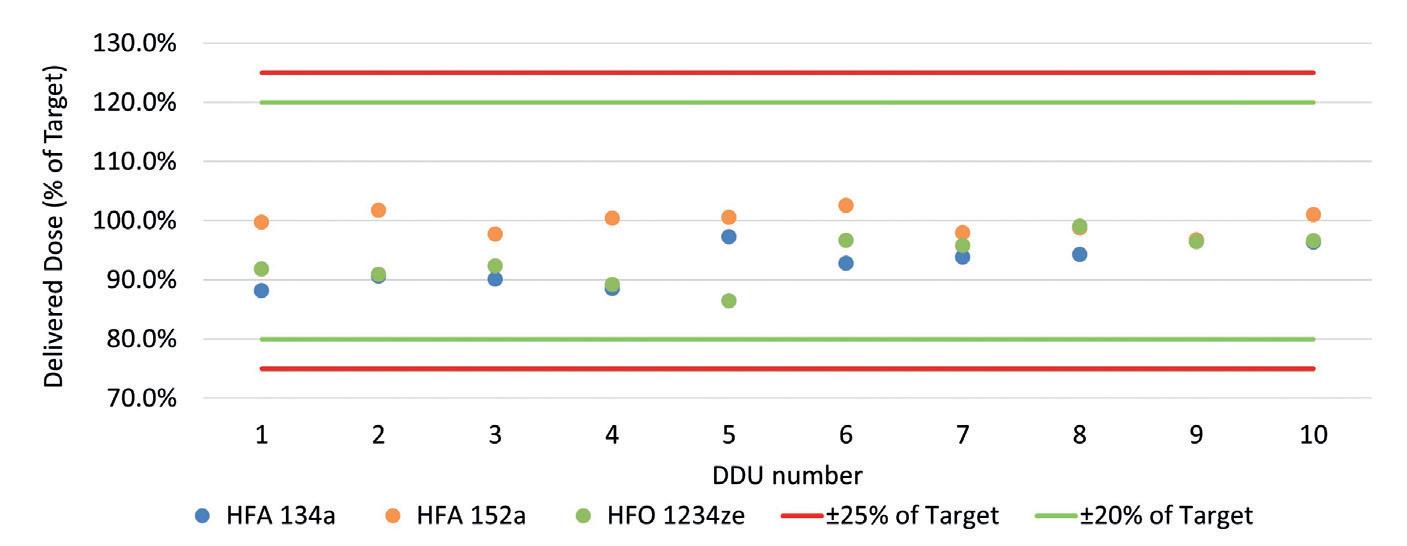
Joanne Mather of Proveris looks at the shift to eco-friendlier propellants in inhalers, driven by the need to reduce their environmental impact. It covers how new propellants like HFA152a and HFO-1234ze are performing in tests, what challenges manufacturers face, and how the industry is adapting to bring greener inhalers to patients more quickly and safely.
APPLICATION NOTE
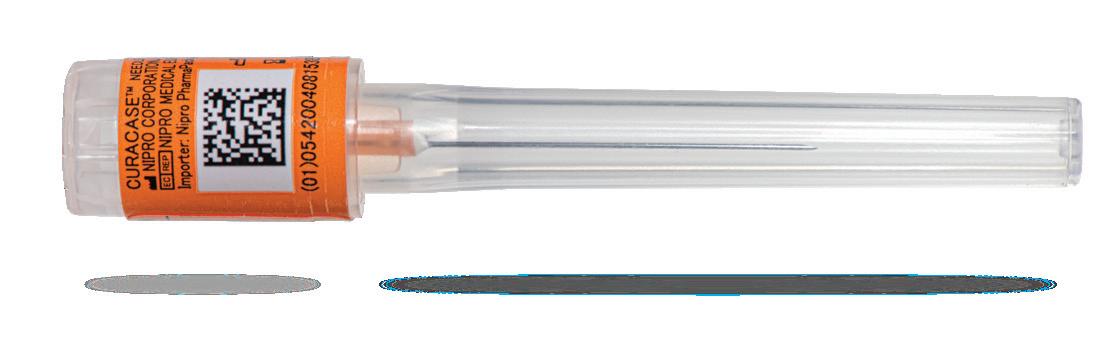
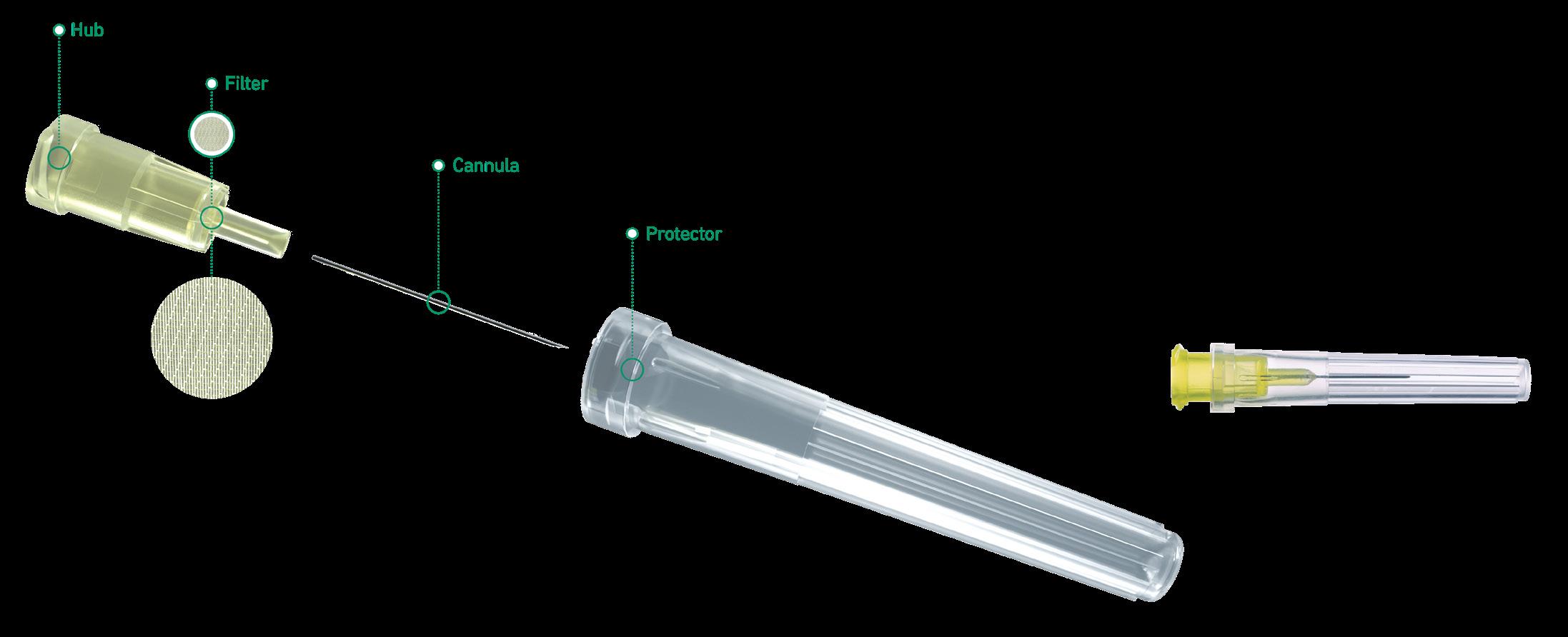
28 A First Step of the INFINO™ Development Programme – Terumo Terumo’s Thomas Isaac analyses a high precision injection solution designed for hypodermic and intravitreal use. Featuring an integrated 5 µm mesh filter and extra – thin 30G cannula, the needle supports safe, particulate-free delivery to sensitive areas like the eye. Developed to meet rising clinical demand and regulatory standards, it enhances both patient safety and injection performance.
Editor's Letter
As we welcome the Summer of 2025, we also welcome significant shifts in the pharmaceutical industry. This IPI issue highlights how the pharmaceutical industry is s evolving rapidly, with a clear focus on sustainability, digital innovation and patient centricity.
In this edition, we explore how companies are incorporating environmental responsibility across manufacturing, packaging and logistics. As well as how the use of artificial intelligence and digital tools are transforming regulatory processes, clinical trials, safety monitoring and chronic disease management.
This issue also highlights a growing focus on equity, ethical investment and inclusive innovation in the pharmaceutical industry. A rise in women led businesses, applying intersectional approaches to healthcare and developing therapies that better reflect patient needs. Regulations around the world are becoming more consistent and focused on sharing data and using automation. These changes support a more connected, efficient and responsible approach to developing medicines.
We open this journal with a fascinating talking point from Pooja Majmudar of KELES. This call-to-action highlights the need for ethical investment strategies that prioritise gender equity as the pharmaceutical industry continues to evolve. Although women make up the majority of the sector’s workforce, they remain vastly underrepresented in leadership and technical roles. This article addresses how targeted investment in women-led companies and diverse teams can help break down systemic barriers, improve workplace
Editorial Advisory Board
Bakhyt Sarymsakova, Head of Department of International Cooperation, National Research, Center of MCH, Astana, Kazakhstan
Catherine Lund, Vice Chairman, OnQ Consulting
Deborah A. Komlos, Principal STEM Content Analyst, Clarivate
Diana L. Anderson, Ph.D president and CEO of D. Anderson & Company
Franz Buchholzer, Director Regulatory Operations worldwide, PharmaNet development Group
Francis Crawley. Executive Director of the Good Clinical Practice Alliance – Europe (GCPA) and a World Health Organisation (WHO) Expert in ethics
inclusion, and advance women’s health. Her perspective offers a powerful reminder of the role investors can play in creating meaningful, lasting change.
Our Drug Discovery, Development & Delivery section features a piece I found particularly interesting. Alex Fong of Owen Mumford writes a compelling article on how the drug delivery device industry must address sustainability challenges like single-use plastics and energy-intensive manufacturing. Life Cycle Assessment provides a data-driven method to reduce environmental impact across a product’s entire life cycle. Early integration of this approach helps manufacturers make informed decisions on materials and recycling while avoiding unintended effects. This progress towards sustainable healthcare is a key topic of discussion in this IPI edition.
Our Technology section has various thought-provoking contributions on advancements in technology and its effects on the pharmaceutical and medical industries. A standout article for me, addresses the fears many readers may be experiencing with rise in artificial intelligence. Dominik Tomicevic of Memgraph explains how artificial intelligence is changing the face of healthcare by enhancing, rather than replacing, clinical expertise. Through the integration of AI with knowledge graphs, intelligent search and real-time data systems, healthcare providers are gaining richer insights that support more
accurate and individualised care. In the case of long-term conditions like Type 2 diabetes, this shift is already enabling more tailored, accessible and patient-focused treatment.
In my opinion, one of the standout features of this edition is an in-depth discussion on global warming and its effects on pharmaceutical cold chain logistics. Delivering temperature-sensitive medicines safely across regions with varying climates is becoming more complex. Niklas Adamsson of Envirotainer explains how integrating artificial intelligence and data-driven planning can help predict risks, optimise routes and reduce environmental impacts. Collaboration across manufacturers, logistics partners and packaging providers will be essential. As the climate continues to shift, those who adapt early and invest in coordinated, intelligent strategies will lead the way in ensuring reliable access to life-saving treatments.
This edition of IPI offers valuable insights into the evolving landscape of the pharmaceutical industry, emphasising the importance of sustainable practices and strategic expansions in enhancing drug development and manufacturing capabilities. I hope you find these discussions both informative and inspiring as we continue to navigate the complexities of the global healthcare environment.
Alice Phillips, Editorial Manager
Rick Turner, Senior Scientific Director, Quintiles Cardiac Safety Services & Affiliate Clinical Associate Professor, University of Florida College of Pharmacy
Jagdish Unni, Vice President – Beroe Risk and Industry Delivery Lead – Healthcare, Beroe Inc.
Jeffrey W. Sherman, Chief Medical Officer and Senior Vice President, IDM Pharma
Jim James DeSantihas, Chief Executive Officer, PharmaVigilant
Mark Goldberg, Chief Operating Officer, PAREXEL International Corporation
Maha Al-Farhan, Chair of the GCC Chapter of the ACRP
Steve Heath, Head of EMEA – Medidata Solutions, Inc
Patrice Hugo, Chief Scientific Officer, Clearstone Central Laboratories
Heinrich Klech, Professor of Medicine, CEO and Executive Vice President, Vienna School of Clinical Research
Robert Reekie, Snr. Executive Vice President Operations, Europe, Asia-Pacific at PharmaNet Development Group
Stefan Astrom, Founder and CEO of Astrom Research International HB
Hypodermic Needles in Hard Plastic Unit Packaging
Each needle is sterile packed individually
•
Packaging design supports compatibility with automated pick-and-place systems/feeders •
Color-coded labels and barcode on label enable in-line product identification
Investing in Women: Driving Change Through Ethical Investment
Despite making up over half of the workforce in the pharmaceutical industry, women hold only about 25% of executive-level positions. In the lead-up to International Women's Day 2025, IPI Magazine spoke with Pooja Majmudar, Investment Partner at digital health VC firm KELES, to explore how ethical investment can dismantle structural barriers and drive genuine gender equality in pharma.
Pooja's message is clear: investors bear an ethical responsibility to champion women-led companies and diverse teams, ensuring equitable hiring, promotion, and pay policies are not just empty promises but concrete realities.
What Metrics or Frameworks do You Use to Assess the Impact of Ethical Investments on Gender Disparities?
Ethical investment is not merely about avoiding harm but actively promoting positive change. It can play a crucial role in dismantling structural barriers that perpetuate gender inequality in the pharmaceutical industry, where these disparities are particularly acute, hindering progress and innovation. Any approach to tackling gender disparities must be underpinned by key metrics and robust frameworks to be effective and deliver lasting change.
Several factors are critical to consider: the company's founding team composition, e.g., is there genuine gender diversity and representation? The strength and diversity of the board advisory team are also critical, as this significantly influences the company's strategic direction and culture. Moreover, a company's ESG focus, ethos, as well as the overall makeup of its employee base, are important considerations to embed cultural change on a structural level. We need to ask whether talented women from STEM backgrounds are being consistently hired. In STEM-heavy industries like pharma, women are often underrepresented in technical positions, despite broader workforce representation.
Gender ratio levels should be assessed holistically across all levels of an organisation to establish the full picture. This should include the percentage of women on the Board of Directors (a critical indicator of toplevel influence); those in Executive C-Suite leadership roles, such as CEO, CFO, COO, not to mention senior management (VP and Director levels); as well as those in middle management level roles. While general workforce diversity is important, focusing on leadership and technical roles is key to addressing power and influence disparities that lie at the heart of the matter.
When assessing gender diversity, we should always focus on outcomes by measuring tangible results like improved representation and a reduced pay gap – rather than simply having DE&I policies that don’t lead to real change. Any approach adopted must use an intersectional perspective. Gender equality efforts must be inclusive of all women, addressing diverse identities, including race, ethnicity, and disability on a deeper structural level. Measuring the direct impact of these investment strategies on gender equality in pharma is complex. Therefore, implementing metrics to track intersectional data, wherever possible, is crucial. The way I see it, progress is likely to be incremental. It's more realistic to look for evidence of meaningful progress and sustained commitment.
At the end of the day, investment strategies are one piece of the puzzle. Policy changes, cultural shifts within the industry,
and broader societal changes are also essential to achieve true gender equality in pharma.
What are Some Key Structural Barriers to Gender Equality in the Pharmaceutical Industry That Ethical Investments Can Help Address?
A well-known issue in the investor ecosystem is that female founders often take twice as long to raise capital as their male counterparts, even for equally promising technologies. This highlights an inherent bias in the system that needs to be quickly addressed. Lack of mentorship is also another barrier as historically we have seen women having fewer senior female role models and mentors to guide their career progression.
The concentration of power at the top shapes company culture, strategic priorities, and resource allocation, often perpetuating existing biases. Therefore, strong female leadership is vital as it creates more visible role models. Ethical investments can help address leadership imbalances by directly investing in women-led companies, improving board diversity, building strong, diverse teams through intentional capital allocation.
No one wants to be the token woman because it doesn’t signal progress. Unfortunately, there are many examples of this in the investment industry. That’s why increased female representation needs to be matched with a meaningful ability to influence
decision-making. At KELES, diversity is not just a moral imperative but also a strategic advantage. Our team comprises individuals from diverse backgrounds, cultures, and genders, that inform our investment decisions and drive innovation.
Looking at this more holistically, ethical investments can address many challenges including gender representation in leadership and power structures, funding and investment biases, career progression and talent pipeline bottlenecks, equitable workplace environments and women's health issues to create a more gender-equitable pharmaceutical and healthcare industry.
As an immigrant and woman of colour, I've seen firsthand how difficult it is to gain a seat at the table. My personal experiences have instilled in me a profound commitment to uplift women and create a more equitable future for all. So, using my platform to drive change means a lot to me. Having strong women champions and partners is something I’ve worked hard to develop.
How do You Evaluate Whether Pharmaceutical Companies Have Equitable Hiring, Promotion, and Pay Policies for Women?
Evaluating hiring and pay policies ties directly to the ESG policies adopted by businesses. It's easy to talk the talk about equality, but it's much harder to walk the walk by implementing strategies that truly deliver a cultural shift. Are the initiatives promised to new hires put into practice? Are there accessible facilities that promote equitable practices?
In this regard, women shouldn't be pigeonholed into categories based on their age or life stage. The right policies should be in place to support women throughout all stages of their lives. By promoting diverse leadership teams and equitable workplace policies, pharmaceutical companies can foster a more inclusive and supportive environment for women to thrive and contribute their full potential.
In the pharmaceutical industry, there's an urgent need for more equitable solutions for women in the workplace and for women as patients. From an investor's perspective, gender-equitable healthcare outcomes should be made mainstream in the investment decision-making process. In addition, investors can incentivise addressing biases in diagnosis and treatment for women.
Regulatory & Marketplace Talking Point
Historically, women have been marginalised in the clinical trial process leading to inaccurate reflections of population health and ineffective or inaccurate treatments for women; a great example from recent history is that menstrual health data was not collected as part of the clinical trials for the COVID-19 vaccines.
I have a unique perspective on these issues. In fact, in my previous role at Silicon Valley Bank, I co-authored "The Innovation in Women’s Health Report," which became the bank's most downloaded report and was widely cited, including by former First Lady Dr. Jill Biden. I am currently a Council Member for the Women’s Health Council for Springboard Enterprises, a global accelerator program for high-potential women entrepreneurs. These experiences have provided me with valuable insights into the women's health ecosystem, which inform my work around ethical investing.
Are There Ethical Investment Strategies That Can Improve the Women’s Health Ecosystem?
Having worked in women's health for 20 years – from graduate research on ovarian cancer therapeutics to collaborating with top founders and investors – I believe passionately that ethical investment strategies must be coupled with a deep commitment to structural change, accountability, and inclusive practices that uplift women at all levels to deliver lasting change.
To differentiate their investment strategy, investors should focus on emerging technologies led by groups supporting women across the healthcare and life sciences spectrum. This involves examining the types of companies and teams involved through the lens of technology, as well as team diversity. With only 2 percent of the $41.2 billion in venture funding in the US in 2023, invested in women’s health companies (according to a report from Deloitte), there is a need to identify companies that will have a significant impact on the women's health ecosystem.
While March is a time to celebrate women and gender diversity, we must acknowledge that women in the US still face barriers to accessing healthcare, and that investors play an important role in improving patient access by supporting innovative solutions. Growth-stage investment funds can collaborate with payers and providers, engage with policymakers, support research
and innovation to make tangible and lasting impact on women’s health.
Are There Any Challenges in Aligning Financial Returns with Gender-EquityDriven Investments in Pharma?
There is an inherent bias against womenfocused companies, even when their company technology is scientifically sound and has a significant market demand.
With only 1–2% of funding going to womenled startups in the healthcare and pharma sectors, it's clear that a real structural bias continues to exist. That's why team diversity at investment firms is crucial; building a representative team helps avoid this trap and spot untapped opportunities in the market. Diversity needs to be embedded into the very DNA of organisations from the start and assessed empirically on an ongoing basis to ensure compliance.
Without a diverse team, we risk missing crucial perspectives and viewing things through blinkered eyes. A diverse team can identify issues we might otherwise overlook, leading to better decision-making and reduced cognitive bias. In an investment industry that is still heavily male-dominated, diversity is a true differentiator.
Call to Action
On this International Women's Day, let's commit to investing in a future where women are equally represented and empowered in the pharmaceutical industry. By embracing ethical investment principles, we can drive positive change, unlock innovation, and create a healthier and more equitable world for all.
Pooja Majmudar is a Ph. D in molecular biology, seasoned healthcare and life sciences executive, digital health investment professional and well recognised thought leader. Pooja is known for her extensive network across the healthcare venture capital and startup ecosystem in the US and strong track record bridging groundbreaking research to enabling real market success. As Investment Partner, Pooja is a core member of the KELES team, leading transatlantic expansion initiatives.
Pooja Majmudar
All Things Sustainable Manufacturing
The IPI team spoke to Shivaji Jadhav from Aragen, an India-headquartered CDMO that recently received a Platinum rating from EcoVadis, placing it among the top 1% of assessed companies for sustainability practices. Shivaji discussed the practical steps CDMOs can take to advance their sustainability goals, reduce carbon emissions, and integrate responsible practices across their operations.
Sustainability has evolved from a compliance obligation to a strategic priority within the pharmaceutical industry. As global regulatory frameworks tighten and societal expectations shift, it has become increasingly clear that sustainable manufacturing is no longer optional but essential for long-term success. This article explores how CDMOs can embed sustainability practices into their manufacturing operations and provides a roadmap for others seeking to follow suit.
For forward-thinking pharmaceutical companies, sustainability is now deeply intertwined with growth strategies. Rather than treating it as a separate initiative, leading organisations have integrated environmental responsibility into their core values and operations. Embedding sustainability ensures operational efficiency, cost savings, and enhanced corporate reputation while also addressing the urgent need for global environmental stewardship.
Investment in sustainability initiatives – such as achieving zero waste to landfill targets, increasing renewable energy transitions, and committing to sciencebased emissions reductions – signals a commitment to long-term value creation. Beyond meeting regulatory requirements, these efforts strengthen stakeholder trust, enhance employee engagement, and align with evolving industry standards. A company-wide focus on sustainability can also inspire innovation, attract top talent, and drive competitive advantage. Long-term sustainability in manufacturing demands a structured, strategic approach. Companies must first articulate a clear sustainability vision, supported by actionable roadmaps and dedicated resources, including Environ-
mental, Social, and Governance (ESG) teams. Comprehensive sustainability reporting, transparent communication, and thirdparty certifications are essential tools for demonstrating commitment and progress.
Aligning efforts with global frameworks such as the United Nations Sustainable Development Goals (SDGs), the Global Reporting Initiative (GRI), and the Carbon Disclosure Project (CDP) ensures that efforts are both credible and impactful. Companies that embed these frameworks into their strategies can effectively measure success, identify improvement areas, and maintain accountability at all levels.
Key areas of focus should include investments in renewable energy, sustainable product development, responsible material sourcing, and ongoing stakeholder engagement. Sustainability ratings and third-party assessments, such as EcoVadis, can help measure progress, set benchmarks, and drive continuous improvement across operations.
Making Sustainability a Daily Practice
Sustainability must be more than a stated goal; it needs to be woven into the organisation's culture and embedded into every business process. Leading pharmaceutical companies achieve this by making ESG performance an integral part of their governance structure, often reviewed at the board level and monitored monthly by senior leadership teams.
Clear internal policies, employee training programs, and strong leadership commitment help ensure that sustainability objectives permeate the entire organisation. Initiatives such as "green teams," sustain-ability champions, and employee-driven innovation challenges create a culture of ownership and responsibility toward sustainable practices.
Additionally, setting measurable internal targets – for energy consumption, emissions reductions, waste management, and water conservation – enables companies to monitor daily practices and make sustainability a lived experience rather than a distant aspiration.
Building Sustainable Supply Chains
Pharmaceutical companies face a significant
challenge – and opportunity – in greening their supply chains. Implementing supplier sustainability programs that set measurable goals, conducting regular assessments, and promoting supplier participation in industrywide initiatives, such as the Pharmaceutical Supply Chain Initiative (PSCI), are critical.
Supply chain policies must prioritise responsible sourcing, transparency, and environmental stewardship. Companies can develop and enforce Responsible Procurement Guidelines that evaluate suppliers based on their environmental certifications, use of green chemistry principles, and life cycle assessments of their products.
Collaboration, rather than compliance policing, should define supplier relation-ships. By working together to share best practices, co-invest in sustainable technologies, and build mutual account-ability frameworks, companies can amplify their positive environmental impact.
Innovative Carbon Reduction Strategies
Reducing carbon emissions across pharmaceutical manufacturing operations requires a comprehensive and innovative approach. Aragen is committing to Science-Based Targets initiative (SBTi) to reduce Scope 1, 2, and 3 emissions significantly by the early 2030s and achieve net-zero emissions across their value chains by mid-century.
Transitioning to renewable energy sources is a primary strategy. We have set ambitious targets, such as sourcing 50% or more of our total electricity from renewable sources within a defined timeframe, to drive measurable progress.
Beyond energy transitions, companies are innovating through green chemistry awards, promoting sustainable R&D practices, and incentivising the development of lowimpact production methods. We are also embedding sustainability into research and development. Green Chemistry Awards have been introduced to encourage scientists to apply green chemistry principles in new molecule development.
Electrification of vehicle fleets, sustainable packaging innovations, and use of bio-
based materials further enhance emissions reduction efforts. For example, we have moved from a coal-based boiler to a biobriquette system, significantly reducing our environmental footprint. At our Bengaluru site, we have shifted from diesel-fired boilers to cleaner, more sustainable piped natural gas (PNG) cutting down our emissions significantly and are steadily working towards transitioning to 100% renewable energy across all operations.
Partnering with logistics providers that offer carbon-neutral shipping solutions and investing in energy-efficient manufacturing facilities also demonstrate leadership in sustainable transformation like our partnership with DHL Express India to utilise their GoGreen Plus service, helping lower emissions from international shipments.
The Role of Water and Waste Management
Water conservation and waste management are critical components of sustainable manufacturing. Leading companies are setting aggressive goals to achieve water neutrality, particularly in regions facing water scarcity.
Advanced water recycling systems, rainwater harvesting, zero liquid discharge plants, and improved wastewater treatment protocols help minimise the industry’s water footprint. Similarly, ambitious zerowaste-to-landfill programs, coupled with expanded recycling initiatives and use of biodegradable materials, can substantially reduce environmental impact.
Monitoring water and waste metrics regularly and setting site-specific goals
ensures continuous improvement and alignment with broader sustainability targets.
Maintaining and Advancing Sustainability Standards
Achieving a prestigious sustainability certification marks a significant milestone, but maintaining and advancing these standards requires relentless focus. Companies must embed continuous improvement mechanisms into their ESG frameworks.
Expanding renewable energy sourcing, replacing high Global Warming Potential (GWP) refrigerants with low-GWP alternatives, adopting internal carbon pricing mechanisms, and consistently updating procurement standards ensure ongoing progress.
Moreover, ambitious social sustainability goals, such as increasing workforce diversity, supporting community health initiatives, and improving workplace equity, must complement environmental efforts.
Third-party assessments, regular reporting, and transparent communication with stakeholders help maintain momentum and demonstrate ongoing commitment to sustainability leadership.
The pharmaceutical industry stands at a critical inflection point. The companies that embed sustainability into their core strategies, culture, supply chains, and innovation agendas will be the ones that thrive in the evolving global landscape.
Sustainability is no longer a peripheral concern; it is foundational to building a
resilient and future-ready industry. By aligning with global standards, integrating sustainability into daily operations, collaborating with supply chains, and continuously innovating, pharmaceutical companies can drive meaningful change and secure a sustainable future for all.
The journey demands steadfast leadership, a willingness to embrace change, and an unwavering commitment to long-term goals. Those who act decisively today will be tomorrow's industry leaders, setting benchmarks not just for environmental stewardship, but for holistic, responsible business success.
Shivaji Dashrath JadhavSVP & Head, EHS & Sustainability. Shivaji Jadhav is responsible for driving EHS and sustainability functions across Hyderabad, Visakhapatnam and Bangalore, at Aragen. He has 25+ years of experience across pharmaceutical and chemical manufacturing industries, with expertise in EHS management, process safety management, regulatory compliance, emergency management and risk mitigation. Prior to joining Aragen, Shivaji worked with Atul Limited, TEVA API, Watson Pharma and Dr. Reddy’s Laboratories.
Shivaji Jadhav
Driving Sterile Innovation at Scale: A Conversation with
PCI Pharma Services
PCI recently announced the acquisition of Ajinomoto Althea. How does this acquisition enhance PCI’s sterile fill-finish capabilities and strategy?
The acquisition of Ajinomoto Althea in San Diego, CA significantly augments PCI’s sterile fill-finish offering in North America. With proven expertise in clinical and commercial supply of sterile vial, prefilled syringe and cartridge filling, this strategic addition expands our capabilities, capacities and technologies, including isolated lines, for the aseptic manufacturing of biologics, including mRNA, mAbs, LNPs, oligonucleotides, peptides, and other complex modalities.
The San Diego site has a rich history of high-quality performance with a broad portfolio of globally approved commercial products. The depth of talent represents a step change in the added breadth of PCI’s North American SFF services.
These new facilities complement our existing global network and positions PCI as a premier partner for clinical and commercial-scale sterile manufacturing, including an end-to-end advanced drug delivery offering. The acquisition also brings rare capability in high potent vial filling with lyophilisation in the United States.
Can you share more details on PCI’s recent investments in PFS capacity and technology?
We are seeing strong demand for prefilled syringes (PFS) and cartridge-based delivery systems, driven by patient-centric therapies and self-administration trends. To meet this demand, alongside the acquisition of Ajinomoto Althea, PCI is investing in new high-speed isolator-based PFS and cartridge technology at our European sterile fill-finish facility in León, Spain.
These investments enable scalable clinical-to-commercial production while maintaining the highest standards of sterility, drug substance yield, and quality.
With true flexibility, our San Diego facility can scale from processing 20,000 syringes per batch up to 200,000 syringes. In Europe as part of a $25M investment, our new fully automated PFS isolator-based filling technology can deliver up to 12,000 units per hour, with a maximum batch size of 300,000 syringes.
Our global expansion is guided by client needs for flexibility, reliability, and regional access. By strategically expanding sterile fillfinish capacity in both the U.S. and Europe, we provide our clients with multiple pathways to efficiently supply clinical and commercial markets. From Bedford, NH, Madison, WI and San Diego, CA in the U.S. to León, Spain in Europe, PCI offers harmonised, quality led services of scalable sterile filling solutions for patient-centric drug-device combination products, including PFS, autoinjectors, and on-body delivery systems.
In the area of advanced injectable drug delivery systems and drug-device combination therapies, PCI is a worldleader in the assembly, packaging and testing of these patient-centric treatments and through our recently announced investments, this latest acquisition, as well as building upon our legacy skills, we are delivering an even more comprehensive full end-to-end CDMO service offering.
Part of the global expansion includes new pharmaceutical development laboratories – how will these accelerate formulation and clinical readiness?
Globally we are investing over $10M to expand our global pharmaceutical development capabilities. Briefly, at our Bedford, NH and León, Spain SFF facilities we are re-purposing existing footprint into standalone Development Centers of Excellence (CoE) where we will deliver phase appropriate formulation, analytical, and process development. The purpose of these investments is to provide agility, technical partnership and modality-agnostic sterile development services with a particular focus on biologics. The new Pharmaceutical Development Centres of Excellence at
in Bedford and León are expected to be operational early 2026.
This investment is an important step towards PCI Pharma Services offering integrated development and sterile manufacturing to our clients. These scienceled centres of excellence will provide clients with rapid, expert-driven development support. By integrating formulation science with manufacturing readiness, we will help clients de-risk technical challenges, optimise scalability, and accelerate clinical trial supply timelines, ensuring a smooth transition from development through commercialisation.
To meet the growing demand for complex formulation solutions, particularly for poorly soluble molecules, how is PCI evolving its pharmaceutical development offering?
Across the industry more and more molecules present solubility and bioavailability challenges, particularly in the case of novel modalities like targeted protein degraders (TPDs), PROTACs, and molecular glues.
To better support these needs, PCI has expanded our development offering through strategic collaborations with expert formulation partners who specialise in enabling technologies. These include advanced particle size reduction techniques, amorphous solid dispersions, spray drying, and lipid-based delivery systems that enhance the bioavailability of poorly soluble molecules.
The goal is to integrate these early development solutions directly into our broader CDMO services. Acting as the primary point of contact for our clients and managing the development process in close collaboration with our partners ensures the molecule is optimised for manufacturability, scalability, and therapeutic performance. Once the optimal formulation is achieved, the molecule transitions smoothly into PCI’s GMP manufacturing and packaging services, without the handoffs or delays that often occur between disconnected providers.
This integrated approach not only addresses the technical complexity of modern drug candidates but also simplifies the supply chain, shortens development timelines, and reduces overall project risk, ultimately accelerating the path to clinic and to market for our clients’ most challenging compounds.
Previously you reported a $100M investment at your Bedford, NH facility, can you provide an update on the current state of readiness and the capabilities it provides?
With site construction and infrastructure installation now complete, we have commenced qualification activities for our latest, Annex 1-compliant sterile fill-finish facility named 7 Commerce. Among other highlights, the facility houses a late-phase clinical and large-scale commercial isolated aseptic vial fill-finish line with twin 430-sqft lyophilisers featuring automated loading and unloading systems.
Providing additional capacity to accommodate our recent and anticipated growth, the robust, high-speed integrated filler can produce batches of up to 300,000 vials at nominal speeds up to 400 vials per minute. Other best-in-class production infrastructure at the new site includes Smart Fill modules that maximises product yield and prevent underfills, SKANFOG® decontamination technology, and comprehensive quality control systems such as 100% check-weighing and inline camera inspection.
This high-throughput operation enables robust support for lyophilised and liquid fill formulations and is the fifth highthroughput, commercial sterile fill-finish facility that we have built in the last five years. As it comes online, the new facility further bolsters our capacity and capabilities for the sterile fill-finish of latephase clinical and large-scale commercial small molecule and biologic drugs –including life-changing, high-value drug products such as mAbs, fusion proteins and peptides.
As the line approaches GMP production this summer, we are actively onboarding client programmes, delivering end-toend support for sterile injectables, from formulation and lyophilisation cycle development to commercial launch.
What are PCI’s capabilities in final assembly, packaging, and device integration for combination products?
PCI offers comprehensive, scalable solutions for drug-device combination products, from aseptic filling to final device assembly, testing and packaging. Our device-agnostic approach allows us to support a wide variety of delivery systems, including autoinjectors, wearable injectors, and pen devices. We ensure regulatory compliance through robust device assembly validation and human factors considerations. Our investment in advanced packaging auto-mation, labelling, and serialisation capabilities ensures supply chain security and market readiness for combination products across global markets.
PCI has made significant investments to expand its injectable manufacturing and packaging capabilities across its global network. How do these investments position PCI as a leader in delivering end-to-end solutions for patientcentric therapies, and what are the key innovations that differentiate your approach in this space?
At PCI, our purpose is to support the development and delivery of life-changing therapies. Over the past several years, we’ve made strategic, global investments to significantly expand our sterile fill-finish capabilities and advanced drug delivery / drug-device combination product packaging infrastructure, enabling us to meet the increasing complexity and scale required by today’s injectable drug products.
These investments include the addition of advanced isolator-based aseptic filling lines, a high-capacity lyophilisation suite, and the expansion of prefilled syringe and cartridge capabilities across both the U.S. and Europe. Additionally, we’ve built dedicated infrastructure to support final
assembly, labelling, and packaging for a wide range of drug-device combination (DDC) products, such as needles safety devices, pens, autoinjectors and wearable systems. This ensures we can manage everything from early clinical studies to global commercial launch, all within a fully integrated end-toend model.
What truly differentiates PCI is our ability to align pharmaceutical development, aseptic manufacturing, and device integration. By embedding human factors engineering, regulatory foresight, and scalable technology into our model, we help clients de-risk development while accelerating time-to-market.
PCI’s strategic expansions both through acquisitions like Ajinomoto Althea and organic investments in PFS, lyophilisation, and drug-device assembly ensures we can offer scalable solutions from earlyphase development through to commercial launch. Our integrated service approach, combined with global reach and technical depth, enables PCI to support our clients and accelerate their path to market with speed, quality, and confidence. Ultimately, these investments reflect our commitment to patient-centric innovation delivering therapies in formats that promote ease of use and improve health outcomes for patients globally.
John Ross, SVP, Drug Product Development & Manufacturing at PCI Pharma Services is a member of the strategic leadership team at PCI focused on drug product pharmaceutical development, clinical trial materials manufacturing, and ongoing commercial supply for sterile fill-finish (vials, syringes, opthalmics) and novel oral dose formulations. Spanning over 25 years in pharma, including both commercial and operational roles, John has spent most of his career in the CDMO sector including as Chief Operating Officer of Contract Pharmaceuticals Limited and President of Mayne Pharma US (parent of Metrics Contract Services). Early in his career, John worked at Eli Lilly in Finance and in Sales and at PwC as a supply chain consultant.
John Ross
IDMP Readiness & FAIR Data Adoption: Where Are Life Science Organisations Now?
Pharma companies remain at differing levels of readiness for implementing ISO IDMP product data standards, and in their maturity around adopting FAIR data principles, geared to making data more Findable, Accessible, Interoperable, and Reusable. Here, MAIN5’s Michiel Stam unpacks the findings of new research which benchmarks the industry’s progress, as well as plans to adopt Pistoia Alliance’s IDMP-Ontology to optimise standardised data use.
Although ISO IDMP standards, designed to harmonise the way the life sciences industry records and manages data about its products, have been more than a decade in the making, companies’ state of readiness to implement and harness IDMP still varies considerably.
The same is true of their relative maturity in supporting FAIR data principles, geared to making data more Findable, Accessible, Interoperable, and Reusable. These are goals that are actively promoted by Pistoia Alliance, a nonprofit industry coalition working to lower barriers to innovation in life science and healthcare R&D through pre-competitive collaboration. Its IDMPOntology (IDMP-O) project, launched in early 2024, aims to create a shared ontology (a representation of data properties and the relations between them), to encourage uniform adoption of the IDMP standards and, by extension, consistent information exchange.
With renewed momentum around EMA’s IDMP implementation in Europe, FDA’s own related plans in the US, as well as the crossindustry initiatives outlined above, MAIN5 recently partnered with Pistoia Alliance and data registry specialist Accurids to conduct new benchmark research to determine companies’ latest progress and planning around IDMP implementation.
Silos and a Lack of Standardisation Have Compromised Companies’ Digitalisation Ambitions
Large pharma companies now generally have good awareness of the value of IDMP-based
product data standardisation as part of wider process digitalisation ambitions, the survey confirmed. More than 70% of those surveyed identified IDMP’s value as an enabler of cross-functional data integration; only 11% saw compliance as the primary goal of IDMP projects.
Companies generally plan to integrate IDMP data from Regulatory, Manufacturing, Pharmacovigilance, Supply Chain, and Quality functions within the next three years. Research, (pre-) Clinical, and Commercial data integration will follow in the mid-term (within five years). This phased approach indicates that companies are initially prioritising data that supports regulatory submissions and compliance, followed by broader data integration to support product development and commercial strategies to maximise the benefits of IDMP.
As things stand, however, product data management continues to pose a challenge for companies across the board. The benchmark study identified particular issues with manual data collection, data silos, and a lack of data integration across systems. An unclear source of truth and insufficient use of trusted external sources were also flagged as barriers to harnessing product data more strategically.
Those actively striving toward more seamless data integration across and between functions felt that a lack of resources and issues with ‘ownership’ were the main barriers to achieving this (indicated by 44% and 41% of respondents), beyond a current lack of data standardisation (the main obstacle, cited by 56%). Surprisingly, the quality of data (and therefore its usefulness) was ranked below these factors (cited by 33%).
Master Data Alignment & IDMP-O
When asked if companies currently use IDMP as the master data model for their product information, many respondents were unsure how well aligned their existing model is. Just 40% felt confident that they possess an IDMPcompatible model, although 75% use IDMP to guide product information. This is one of the gaps addressed by Pistoia Alliance’s IDMP-O project, in that it allows the exact measurement of how compatible existing
data models and ambitions are with IDMP.
Promisingly, 43% of the large pharma companies taking part in the benchmark research expressed a willingness to take IDMP-O into production within their organisations within the first year of its release. (IDMP-O production release 1.0 was published in January 2024; version 1.3 is now live.) Although an encouraging observation, many of the organisations that participated in the survey are inherently closer to IDMP-O than others in the industry, so the finding may not be representative.
Respondents were then invited to express, in their own words, where they anticipated deriving the most value from IDMP-O. Their open-ended responses confirmed good awareness of the ontology’s strategic benefits, including the associated scope to enhance the integration and exchange of product data – with regulators and industry partners, among other stakeholders.
Operationally, respondents recognised that the Pistoia Alliance ontology supports crossfunctional alignment on data ownership, standardisation of data definitions, and adoption of a shared data model to enable system interoperability, and improve overall data quality. These factors pave the way for improved efficiencies in data management, decision-making, submissions, and compliance. (The IDMP-O can drive and facilitate master data management, automation, and AI – positively impacting analytics, and ultimately reducing costs.) There is still work to be done before companies can harness those benefits, however.
IDMP Project Momentum Now Needs to be Reignited
Where early enthusiasm around IDMP programmes had waned in response to slow progress from EMA in Europe toward clarifying specific requirements, reigniting momentum behind IDMP-based projects should be a priority now – both among life sciences companies, and the supporting vendor community.
A raft of recent developments will help companies define concrete next steps and
Regulatory & Marketplace
avoid potential rework. These include the EMA’s go-live of the Product Lifecycle Management portal (with Product Management Services and electronic application forms), as well as improved clarity on implementing SPOR services and integrating with EMA systems and processes. Certainly, for companies with larger product portfolios, advanced technological capabilities will be needed to efficiently prepare data in bulk for what could be thousands of registrations. Manual updates per product by re-entering data in the PMS system is not feasible.
Defining the right strategy, implementing supportive system capabilities, recruiting and training a workforce to collect, transform, and submit data according to specific requirements is a significant undertaking that requires careful planning and execution.
The survey does suggest that many companies are now actively working toward enterprise-wide integration of data and
IDMP-related processes. Harnessing Pistoia Alliance’s IDMP-Ontology offers them their best chance of cross-functional alignment on data ownership, standardisation, and adoption of a common data model to enable interoperability and improvement of data quality in line with FAIR data principles.
Ultimately, robust IDMP compliance lays the foundation for a more interconnected and streamlined regulatory landscape, benefiting pharmaceutical companies, regulatory authorities, and patients worldwide. It is an opportunity to revolutionise how pharmaceutical data is managed and used – toward a more sustainable future for healthcare.
RESOURCES
1. The IDMP benchmark survey of 18 pharma companies was conducted in Q3 2024 by Pistoia Alliance, MAIN5, and Accurids, and supported by the IDMP-Ontology project with participants from Abbvie, Amgen, AstraZeneca, Boehringer Ingelheim, Bayer, and Novartis.
Michiel Stam is a management consultant and senior regulatory expert at MAIN5 with 15 years of experience in Regulatory Information Management (RIM) and IDMP. MAIN5 is a European consulting firm specialising in digitally-enabled change for Life Sciences R&D organisations. Its customised, high-value services and solutions span the product lifecycle – from regulatory affairs and data governance, to quality management and systems validation.
Michiel Stam
discuss topics important for the profession of medical writing
Brought to you by the Masters of Medical Writing
Regulatory & Marketplace
Understanding the UK’s International Recognition Procedure
Since the United Kingdom’s exit from the European Union in 2020, there have been numerous changes in the procedures implemented to ensure that there is access to medicines for UK patients. One area of interest and a growing topic of discussion in the pharmaceutical industry is the International Recognition Procedure (IRP) which was introduced by the Medicines and Healthcare products Regulatory Agency (MHRA) on 1 January 2024, replacing and expanding on the EC Decision Reliance Procedure (ECDRP).1
The introduction of the IRP has brought opportunities for faster market access for manufacturers by enabling the MHRA to conduct more targeted assessments by taking into account the expertise and decisionmaking of trusted regulatory partners.
The IRP also allows the MHRA to perform product lifecycle activities utilised for post-approval submissions including line extensions, variations (Type IB and Type II) and renewals for a medicinal product with an existing Marketing Authorisation (MA) provided by one of MHRA’s acceptable Reference Regulatory (RR) which include:
The IRP may also be used for Access Consortium approvals that did not include MHRA as part of the work-sharing procedure.1
IRP Process
New IRP Marketing Authorisation Application (MAA)
A new MA may be achieved via one of two possible recognition pathways:
• Recognition A – Is applicable if the reference regulator MA has been granted within the previous 2 years (60-day procedure, no clock stop).1
• Recognition B – Is applicable if the reference regulator MA has been granted within the previous 10 years and fulfils at least 1 of the 24 listed criteria (110-day procedure with no more than 1 clock stop. If there are outstanding Major Objections at Day 110, formal advice on approvability will be sought from CHM and the timetable will revert to the national 210-day timetable.1
Post-authorisation IRP Applications: Variations and
Renewals
The IRP can be used during the lifecycle of products that have been initially authorised or
subsequently varied via standalone national, MRDCRP or ECDRP routes. Conversely, where a product has been authorised via IRP, it is acceptable to submit standalone national post-authorisation procedures including variations.1
Who Can Apply?
To ensure that the applicant/Marketing Authorisation Holder (MAH) can fulfil the submission requirements as well as all their legal obligations as holder of an MA, such as the obligations stated in Regulations 74 and 75 of the Human Medicines Regulations 2012, the applicant/MAH must be established in the UK (Great Britain or Northern Ireland) or in the EU/EEA and it is anticipated that the applicant for an IRP application is the same company or belongs to the same (legal) group of companies as the MAH of the RR procedure.1
In some situations, it may be possible to accept applications from third parties if the applicant can demonstrate and provide written assurance that all the legal obligations can be met at submission, during the assessment process and throughout the life of the MA.1
Key Advantages of Using the IRP? Expansion of International Collaborations
The IRP allows the MHRA to consider the decisions of trusted regulatory partners both from the EU and globally; expanding international collaborations and reducing repetition of work for the health authorities and MAHs alike.1
Fast Market Access
Switzerland
Singapore Health Science Authority Singapore
Japan Pharmaceuticals and Medical Devices Agency
United States Food and Drug Administration
European Union/European Economic Area
European Medicines Agency and Member State Competent Authorities of the EU, Norway, Iceland and Lichtenstein. (This includes approvals through the centralised, MRP/DCP and individual member state national routes)
Navigating the regulatory processes in the lead-up to the submission can be challenging and submitting a marketing application is a significant undertaking process, involving multiple stakeholders over a period of up to 2 years (if all goes to plan).
Expedited approval with review times of 60 days (Route A) and 110 days (Route B) are significantly shorter than the MHRA national route for MAA which has a 210-day timetable.2 This will allow quicker market access for medicines authorised outside of the EU and reduce assessment pressure and time burden on the MHRA.
Regulatory & Marketplace
MHRA Support
For MAAs, the MHRA require an online eligibility form which determines the suitability for recognition pathway A or B. Applicants intending to submit via the IRP have the option of requesting pre-submission advice through a form and returning this to presubmission@mhra.gov.uk.3
The IRP has been operational since 1 January 2024. In May 2025, for all Medicine licence applications through the IRP, 100% were approved within the statutory timeframe.
MHRA Metrics for May 20254
Work type
OTHER CONSIDERATIONS
Eligibility Constraints
IRP is only applicable to:
• Chemical and biological new active substances and known active substances
• Generic applications
• Hybrid applications
• Biosimilar applications
• New fixed combination product applications
It is not applicable to:
• Bibliographic applications
• Traditional herbal registrations
• Homoeopathic registrations
Average time to determination in days* Target time to determination in days % granted within statutory time
Medicines licence applications via the national route
Licensing applications: National (Established) 176 210
Licensing applications: National (new active substance; NAS) N/A
*MHRA will determine 95% of medicines licence applications within 210 days via the national route.
***MHRA will determine 95% of medicines licence applications within 60 days via recognition Route A and within 110 days via Route B through the International Recognition Procedure (IRP)
The IRP has been operational since 1 January 2024. In May 2025, for all Medicine licence applications through the IRP, 100% were approved within the statutory timeframe.
Best use of IRP
What is your understanding of the IRP and have you used it for marketing applications? We are interested in hearing about your experiences around this topic and are happy to offer guidance on managing IRP submissions in the UK.
REFERENCES
1. International Recognition Procedure - GOV.UK Updated 29 Jan 2024
2. The International Recognition Procedure – The United Kingdom’s new route for accelerated marketing authorization – Voisin Consulting 6 February 2024
3. https://www.gov.uk/guidance/pre-submissionadvice-support 13 August 2024
4. MHRA Performance Data - GOV.UK Updated 16 June 2025
5. https://www.abpi.org.uk/media/blogs/2023/ september/mhra-s-new-internationalrecognition-procedure-irp-how-does-it-shapeup/ 20 September 2023
Full details of the IRP submission process and requirements are provided on the MHRA website: https://www.gov.uk/government/publications/ international-recognition-procedure/internationalrecognition-procedure
Aashni Shah is a Senior Specialist, Regulatory Affairs at PharmaLex and sits within the UK and Ireland Regulatory Strategy and Procedure Management Team. Aashni has 4 years of experience in regulatory affairs and has a background as a Pharmacist.
Dr. Claire Stevenson is a Manager, Regulatory Affairs at PharmaLex and sits within the UK and Ireland Regulatory Strategy and Procedure Management Team. Claire has 10 years of experience in regulatory affairs across industry and consultancy.
Aashni
Shah
Dr. Claire Stevenson
Regulatory & Marketplace
Welcome Relief for PV Scientists: A Fresh Take on Local Literature Monitoring
Pharmacovigilance is by its nature a detail-driven undertaking, and within it monitoring medical literature for safety signals is notoriously labourintensive. Nowhere more so than at a local level, where barriers including language, format, subscriptions and paywalls can hamper access to what may be modest yet critical findings. Intelligent automation potentially easing this essential work comes as a huge relief, as volumes of content –and costs – continue to multiply, says Biologit’s Nicole Baker.
The monitoring and prevention of adverse drug events, the essence of pharmacovigilance, or PV, is vital to patient safety across a medication’s lifecycle. Whatever pains have been taken to mitigate risk during product development and clinical trials, adverse events from medications are relatively common. The earlier drug companies can detect problems, the sooner they can take appropriate action to maintain and heighten patient safety.
Medical literature monitoring – the systematic review of published reports of adverse events in published materials – is a core activity within PV. At a worldwide level, the practice is relatively straightforward, involving systematic scanning of highprofile, indexed journals via large databases.
Screening local literature, on the other hand, is relatively inefficient and errorprone. Critical for identifying adverse events relevant to specific countries or populations, the practice involves the manual tracking of region-specific sources, including nonindexed journals and country-specific publications.
This resource-intensive activity is often outsourced yet, without efficient and reliable processes, costs can run high despite the comparatively low yield in terms of relevant, reportable findings.
An
Expectation, but of Onerous Proportions
The challenge of local literature monitoring has been an accepted frustration up to now;
something that simply cannot be avoided. Local literature monitoring is the only way to ensure that adverse drug reactions and safety signals published in regional or countryspecific journals are identified and reported. These sources often contain critical safety data that may not appear in global databases.
Sufficient local literature monitoring is largely expected, if not mandated, by health authorities as part of PV reporting. It completes the global picture and is a way of identifying population-specific adverse events – important trends which otherwise might be missed. Local sources including journals, websites or print sources provide crucial insights at the country level. If gaps in routine monitoring are discovered during inspections or audits, this could have implications for ongoing licensing and sales, as well as brand reputation.
Strategically, local insights enable better decision-making, allowing pharmaceutical companies as well as healthcare systems to respond proactively to emerging safety concerns, and adapt labelling or guidance at a country level. By extension, discrete local findings can also serve as an early warning system, providing insights for ongoing product development.
Frustratingly, however, while traditional approaches to local literature monitoring might deliver relevant findings, they do so at immense cost and manual burden.
The Risks of Continuing in the Same Vein
In spite of its critical importance, local literature monitoring is still highly inefficient when the activity is carried out in the traditional manual way. The screening process is time-consuming, often requiring dedicated staff at an affiliate or regional level, potentially with local language capabilities and journal access. In addition, despite the large volume of data being reviewed, local monitoring typically yields only limited safety information. Errors and omissions are common.
Because of its intense administration burden, local literature monitoring is usually outsourced to clinical research organisations, to alleviate the drain on
internal PV experts. Usually, the numerous designated sources are listed in multiple, long, and unwieldy Excel spreadsheets, with assigned teams expected to monitor several thousand different websites on a weekly or monthly basis. Each row in each spreadsheet contains a web link which needs to be searched, the results are then captured and populated in the same Excel file. At the completion of each cycle the various Excel files are consolidated and distributed as required.
The problem is compounded by huge variances in the literature format, literature access issues and language barriers. Local sources often lack consistency in format, indexing, and language, making it difficult to implement a simple unified process. Meanwhile many local journals require paid subscriptions or may be only available in print.
On top of this, regulatory reporting timelines vary by country, something else that has had to be tracked manually to ensure respective adherence. In the EU and Australia, MAHs are expected to conduct a literature review at least once a week. Within Europe, individual countries have differing expectations. Some EU competent authorities have a required list of local sources to be reviewed; others have recommended lists; and others don’t (yet) specify which sources should be monitored.
The Enablers of Disruption: Data/Tech Advances
All of these challenges present a regulatory risk, and a risk to patient safety, because of the potential to miss safety events, in addition to carrying a costly administrative burden for companies. With the growing focus on specialty drugs including more personalised and targeted treatments in oncology and for rare disease, including new therapeutics such as CAR T-cell therapies, strong drug safety/ PV oversight is essential, not least linked to new mechanisms of action. Many regulators are striving to accelerate access to important new drugs too, making real-world monitoring even more crucial.
It is for all of these reasons that the pharma industry and its service provider
community are looking to next generations of automation technology for an answer, both to improved cost-efficiency in local literature monitoring and to increased accuracy and reliability.
Processes powered by advanced technology, including large language models (LLMs), are proving instrumental in structuring data, for instance – enabling “normalisation”, unification, centralised management, and governance, as pharma transitions to “datafirst” ways of working. In addition to improved data structuring, advanced “crawling” techniques are transforming automated browsing, “scraping”, and indexing of content from target websites and publications. AI then adds a layer on top of that, making it possible to search all of that content and very quickly and identify safety events, in one fell swoop, via a single unified database.
Thresholds for Advanced Technology Use –and the Risk of Inertia
Not every pharma company will need to harness automation. For a small organisation that wants to search just three countrieswith up to 10 journals in each, say - manual searches are unlikely to be onerous. But once that burden multiplies, to become hundreds or thousands of sources which need to be reviewed weekly or monthly, the workload soon becomes untenable without the help of robust automation to ensure cost-efficiency, speed, and accuracy – as well as instant reporting.
Technology is evolving in leaps and bounds, but where patient safety is concerned there will always be an important role for human oversight and process governance. Technology-assisted human ingestion is another option, where companies are more hesitant about immediate technology reliance. But persisting without automation is hard to justify now.
Most pharma companies have come to recognise that, unless they buy into technology-enabled process innovation, they will struggle to keep pace with the competition, and with soaring operational costs in a challenging market. Even regulators have been accepting of this, becoming increasingly open to automation as a means of improving compliance and patient outcomes.
Certainly, PV workloads are not diminishing, PV scientists are already overstretched and keen to have more time to perform actual safety assessments – instead
Regulatory & Marketplace
of searching websites, performing manual data entry tasks, and trying to decipher messy spreadsheets. With easy, rapid access to the data they need, they could skip to the more fulfilling and higher-value activities that form the core of their role. Automation further enables PV scientists to better manage the ever-growing workload associated with the increase in publications year on year.
Maintaining Purpose
This isn’t about adopting technology for its own sake (e.g. because of the promised performance gains alone). Organisations seeking an advantage through automation in local literature monitoring must do so in the context of this being a regulated activity. In other words, process innovation must be introduced in a balanced way that will not compromise delivery timelines, future audits, or other fundamental requirements.
Looking ahead, as companies do transition away from laborious manual processes in all aspects of their literature monitoring, the strategic potential lies in the new, richer, data-driven insights they will gain about safety trends. Ultimately, this is an opportunity for companies to better understand the safety trends around their drugs, and at a more discrete level. Gaining earlier visibility into trends in different patient populations, in different countries and regions, offers its own value. In addition
to informing ongoing drug discovery and development, such insights could also benefit the respective healthcare system and patient journey in a given region, with wider societal advantages.
Baker, PhD, is CEO and Co-Founder of Biologit. She is an Immunologist and Pharmacovigilance Professional, with a strong focus on innovation and extensive knowledge in global legislation and guidelines for Medical Affairs, Regulatory Affairs, Pharmacovigilance and Clinical Trials, gained by leading and managing global, multi-disciplinary teams. Biologit is a specialist in advanced, technologyenabled safety surveillance solutions for life sciences.
Developing Approaches for mRNA Vaccines in Oncology
A key challenge in developing therapeutic vaccines against cancer is getting the correct vaccine target delivered to the correct immune cells in the correct cellular context. A variety of mRNA-based approaches are showing great promise in achieving these goals. mRNA vaccines can be integrated into flexible and modular immunotherapeutic strategies designed to address the specific needs of persons with cancer. Flexible approaches make mRNA vaccines ideal for the development of personalised precision approaches to drive immune responses to neoantigens from the patient’s own tumour.
Every form of cancer originates from a healthy cell. The developing immune system is educated to tolerate protein antigens expressed by healthy cells as “self” antigens. Cancer occurs when healthy cells start to break free from multiple layers of genetic mechanisms that restrict and suppress cellular replication, leading to uncontrolled and inappropriate proliferation. As a tumour develops, the malignant cells often begin to express proteins that serve as potential anti-tumour immune targets, or Tumour Associated Antigens (TAAs).
As part of this process, malignant cells generally lose the quality control mechanisms that ensure high-fidelity DNA replication, such that growing tumours can express increasing quantities of proteins representing genetic mutations. These mutations often encode peptide sequences or “neoantigens” that are different enough from the self-sequence that the immune system may recognise them as “non-self.” Aside from neoantigens, TAAs may include unmutated self-proteins expressed in an inappropriate context.
Immune responses to neoantigens play a significant role in preventing malignant disease in humans. Indeed, many healthy people have circulating memory T cells specific for potential neoantigens, indicating a likely previous immune response to cancerous or precancerous cells that were successfully eliminated. A clinical diagnosis of cancer indicates that the natural
antitumour immune response has failed, and a key goal of immunotherapy and vaccine development in oncology is finding ways to induce or restore those protective immune responses.
One mechanism for generating these protective immune responses is to express neoantigen sequences in a context that activates and stimulates the immune system. Another mechanism is to block suppressive factors expressed by tumours that turn off the immune system; for example, blockade of immune “checkpoints” represented by the PD-1 and CTLA-4 pathways has led to monumental success in the field of immunotherapy, with drugs such as Nivolumab and Ipilimumab. As a general strategy, there are obvious benefits for engaging both mechanisms at once, such as priming of neoantigen responses and de-suppression of the immune system. mRNA-based approaches are showing significant promise by engaging one or both mechanisms of action.
Neoantigens can be divided into two categories, “public” and “private,” with public neoantigens being frequently found in a significant percentage of cancer patients, and private neoantigens being unique to the respective tumour of one individual. Immune responses to both public and private antigens are capable of suppressing tumours and even curing cancer in some individuals.
mRNA is an essential part of the most basic biological process in all living cells. In every human cell, natural mRNA carries genetic messages encoded in DNA from the nucleus and supports translation of that message into a protein in the cytoplasm. With current synthetic biology techniques synthetic mRNA can be routinely engineered to encode any arbitrary protein sequence. For immuno-oncology, this creates an opportunity to express any public or private antigenic sequence in cells transfected with the desired mRNA sequence.
A variety of vaccine technologies can be used to deliver TAAs to the immune system.1 Aside from mRNA, these can include engineered viral vectors and adjuvanted
recombinant protein vaccines. A specific advantage of the mRNA approach is that unlike with viral vectors, there is usually minimal off-target immune response to non-TAA vaccine components. Unlike most protein-based vaccines, mRNA-encoded TAAs are expressed within the cytoplasm or secretory pathway of transfected cells, resulting in the processing and presentation of the TAA components to the immune system in a manner that mimics natural TAA processing in the tumour.
A “naked” RNA molecule will usually be rapidly broken down in the environment or the human body by ubiquitous RNAdegrading ribonuclease (RNase) enzymes. Therefore, mRNA vaccines and therapeutics are generally packaged in nanoparticles that protect and deliver mRNA cargo to target cells. The most commonly used nanoparticles are lipid nanoparticles, or LNPs, that can encapsulate mRNA for protection from RNases and facilitate delivery across a cellular membrane into the cytoplasm. After arrival in the cytoplasm, an mRNA molecule can immediately serve as a translational template for protein production. TAAs expressed in the cytoplasm are processed via the Class I endogenous pathway for stimulation of CD8+ T cells, often known as “killer T cells.” TAAs expressed in the secretory pathway can be processed via the Class II exogenous pathway for stimulation of CD4+ T cells, often known as “helper T cells.” Cooperative engagement of CD4+ and CD8+ T cells usually leads to an optimally effective immune response.
Important considerations for using mRNA to fight cancer can include selecting the best TAA sequence to include in the vaccine, creating a mechanism for delivery of antigenic mRNA to the cytoplasm of the optimal target cells, and reversing immune suppression associated with many cancers to enable induced immune responses to drive robust antitumour effects.
For the selection of TAA, mRNA vaccines have a distinct advantage in that RNA products encoding any novel sequence can be manufactured relatively quickly (within weeks). This makes mRNA vaccines especially suited for developing individualised vaccines
Regulatory & Marketplace Drug Discovery, Development & Delivery
against private neoantigens. Several promising approaches use genetic sequences derived from a person’s own resected tumour DNA for generating a personalised TAA vaccine.
A challenge of LNP-mediated delivery is the tendency of LNPs to transfect liver cells, generally not considered an optimal target. A variety of approaches are being tested for
delivery to professional antigen-presenting cells (APCs) of the immune system.2 The most important type of APC for priming novel immune responses is the dendritic cell (DC). New lipid formulations are showing promise for enhanced DC delivery of LNPs. In some experimental approaches, LNPs are coated with antibodies specific for DC surface markers, potentially leading to
TAA delivery directly to the most potent immunostimulatory cell types.
In many clinical contexts, presenting antigens to T cells is insufficient to generate a robust antitumour response. This is because proliferating tumours generally create an immunosuppressive environment, through the expression of cell-surface “checkpoint” molecules such as PD-1 ligand (PD-L1) or soluble anti-inflammatory cytokines. To counter these effects, an mRNA vaccine may be delivered in conjunction with a checkpoint inhibitor monoclonal antibody, such as pembrolizumab, which binds to and blocks the inhibitory PD-1 receptor on T cells. Aside from a recombinant protein antibody product, an mRNA formulation may include mRNA that actually encodes a checkpoint inhibitor and/or a pro-inflammatory cytokine such as IL-12. If these mRNA therapeutics can be effectively delivered to the tumour microenvironment, this approach has the potential to be efficient and cost-effective, while minimising potential adverse sideeffects of systemic delivery of checkpoint inhibitors and cytokines.
Due to relative simplicity, flexibility, and potential combinatorial use, mRNA-based immunotherapies are a promising avenue for future cancer vaccine treatments.
REFERENCES
1. Taibi, T., Cheon, S., Perna,F., & Vu, L.P. mRNAbased therapeutic strategies for cancer treatment. Molecular Therapy 32, 2819-2834 (2024).
2. Żak MM, Zangi L, Clinical development of therapeutic mRNA applications. Molecular Therapy (2025).
Dr. Daniel Kavanagh is Senior Scientific Advisor, Gene Therapy, Vaccines, and Biologics at WCG, working with clinical trial sponsors and sites, with a focus on human gene transfer research. Prior to joining WCG, Dr. Kavanagh was a member of the faculty at Harvard Medical School and the Massachusetts General Hospital. He is also certified in regulatory affairs for drugs, biologics, and devices (RAC-US) by the Regulatory Affairs Professional Society.
Dr. Daniel Kavanagh
Drug Discovery, Development & Delivery
Life Cycle Assessment: A data-driven Approach to Drug Delivery Device Sustainability
The drug delivery device industry faces a number of significant challenges with regard to sustainability, from reliance on single-use plastics to resource-intensive manufacturing processes. In the waste hierarchy, where waste prevention is most favourable and disposal the last resort, the industry has some way to go before ‘prevention’ – i.e., using fewer resources to make a product, and enabling reuse – is the default.1 Yet this route has significant benefits for the environment.
For instance, according to an Owen Mumford analysis, one single-use disposable auto-injector has a carbon footprint of approximately 400 g CO₂e. It is possible, by modifying a number of product characteristics, to potentially reduce this footprint to only 19 g CO₂e through a reusable and remanufacturable device. This solution also aligns with the Centre for Sustainable Healthcare’s guidance for the sector, which advocates for lean service delivery to minimise wasteful activities and the prioritisation of low-carbon treatments and technologies.2
At the same time, pharmaceutical companies – close partners with device manufacturers – face mounting pressure to prioritise sustainability, from regulatory bodies, consumers and investors alike. And they are committing to ambitious targets in this area: nineteen of the twenty biggest pharmaceutical companies have committed to reducing greenhouse gas (GHG) emissions, ten to carbon neutrality and eight to net zero emissions between 2025 and 2050.3
Yet despite the pressing need to meaningfully reduce the device industry’s carbon footprint, the lack of any widely accepted industry-wide methodologies for eco-design and circularity continues to result in missed opportunities for improving sustainability. In this context, frameworks like life cycle assessment (LCA) are beginning to gain traction as tools for understanding and minimising environmental impact.
Sustainability Throughout the Product Life Cycle
When considering the sustainability of
medical devices, a holistic methodology is essential to fully comprehend the environmental impact of each stage of the product life cycle, from raw material extraction and processing, through to product manufacture, distribution and use, then recycling and final disposal.4 A framework for such analysis is provided by LCAs, which can be used to identify environmental hotspots and provide a foundation for sustainable design strategies.
However, despite the existence of ISO Standards 14040 (14) and 14044 (15), which specify requirements and provide guidelines for carrying out an LCA, reporting remains fragmented due to a lack of industry-wide methodologies and impact measures. To counter this lack of uniformity, Owen Mumford worked with a specialist sustainability consultancy to develop a lifecycle-based eco-design tool to autonomously model any product concept across any supply chain, from conception to disposal. Using information taken from the Ecoinvent database and taking into account seventeen potential impact categories, the tool is specifically designed to be easily used by non-experts and provide results that are easy to communicate across departments.
Applying LCA in the Drug Delivery Device Industry
The rising prevalence of chronic diseases, technological progress, and the growing biopharmaceutical market are all contributing to rapid growth in the drug delivery device market. However, these products present unique sustainability challenges: reliance on single-use plastic, complex manufacturing processes and strict regulatory requirements surrounding end-of-life disposal. Without reliable data, such as that provided by an LCA, it is difficult to know where the highest impacts can be achieved – and thus where efforts to challenge the status quo should be concentrated.
Addressing sustainability at all stages of device development can help drive innovation, but it’s vital that any modifications are properly analysed to ensure that they will not have unintended consequences at other points in the complex global supply
chain. By building scenarios in the LCA tool to compare potential product concepts and configurations, it is possible to unlock a wealth of data that can be used to guard against this ‘environmental burden shifting’.
Data-driven Insights for Strategic Decision-making
To maximise its impact, an LCA must be integrated from the earliest stages of product development. If devices are designed with sustainability in mind, decisions can be made to achieve substantial reductions in environmental impact. Key sustainable design strategies include:
1.
Rethinking Materials
In this highly regulated industry, material choices are limited. Legitimate safety concerns mean that only approved ‘medicalgrade’ materials that have been rigorously tested for biocompatibility, sterility and zero chemical leaching may be used – in many cases meaning single-use plastics. But if an LCA reveals that the raw materials used for a device are driving its carbon footprint, measures can still be taken to attenuate the impact. Replacing metal components with suitable polymers, for example, does not compromise the device but can significantly reduce its weight, influencing the carbon impact of processing and shipping. However, caution should be exercised regarding bioplastics made from renewable feedstocks to ensure they offer a real environmental benefit over other materials.5
2. Harnessing Renewable Energy
It is no secret that drug delivery device manufacturing processes are energyintensive, and improving efficiency in this area can result in easy gains for reducing emissions – as can simple changes such as LED lighting and movement sensors. Transitioning to renewable energy is another possibility for reducing the overall carbon impact of the manufacturing process without impacting products themselves. However, beyond the simple fact of choosing suppliers who report using renewable energy, it is important that close attention is paid to the mechanism through which the energy is obtained, and whether purchasing from the supplier will
Regulatory & Marketplace Drug Discovery, Development & Delivery
lead to further green investment. In terms of sustainability, on-site renewable energy generation and direct power purchase agreements (PPAs) offer greater gains than sleeved or virtual PPAs supported by renewable energy certificates.
3. Sustainability by Design
When sustainability is considered from the early stages of product design, it is possible to ensure efficient use of the ‘greenhouse gas budget’ by making careful choices regarding device dimensions and materials, optimising the interplay between emission factor per unit mass, strength and stiffness per unit mass, manufacturing-related mass constraints and mass-and-process-related manufacturing emissions. Product size and weight also have significant impact on the carbon impact of downstream aspects such as packaging, distribution and endof-life, so simplifying devices can make them cheaper and easier to recycle. Every element of a delivery device brief should be analysed, including the drug formulation itself: if a lyophilised version can be used, the longer shelf life and increased stability can all have positive impacts throughout the supply chain. Innovative approaches to device flexibility, allowing compatibility with a range of formulations, fill volumes, needle sizes and primary containers is another possibility, with streamlined manufacturing
offering improved efficiency and reduced environmental impact.
4.
Promoting Circularity
For regulatory and safety reasons, most drug delivery devices currently require a disposable element. However, end-of-life recycling and disposal considerations can be built into the product design stage, with the aim of striking a balance between product longevity and manufacturing footprint. Here, an LCA can reveal the optimal choice of recycling method in terms of overall sustainability, taking the impact of processing into account. In some cases, this may mean choosing the ‘next best’ (i.e. as components or assemblies) or even ‘least best’ (i.e. as raw materials) option over the highest value (i.e. reuse in the same or similar applications). User information is also crucial to encourage proper waste sorting and disposal, ensuring that the device is not simply thrown away.
Prioritising Sustainability at Every Stage
Ultimately, LCAs empowers manufacturers to make data-driven decisions rather than implementing seemingly obvious modifications that are ineffective at best, counterproductive at worst. Comparing scenarios and product characteristics allows eco-design to be considered from the earliest stages of device development,
ensuring that sustainability is prioritised every step of the way.
Nevertheless, it is critical that the assessment techniques and impact measures used conform to universally recognised standards, or we risk undermining progress and complicating collaboration. By aligning on global frameworks like ISO standards for LCAs and leveraging shared tools and data, the industry can ensure transparency, comparability, and credibility in its efforts to increase sustainability.
Alex Fong is the Insights and Sustainability Lead at Owen Mumford. He is an experienced senior manager in the Insight, Analytics and Strategy fields. He has applied these skills in a broad range of Industries including the FMCG/CPG, tourism, Investment banking, telecoms and management consulting sectors. For the last 8 years Alex has been leading the market research drive at Owen Mumford, with an ever-increasing focus on sustainability.
Alex Fong
Drug Discovery, Development & Delivery
Putting the Patient First: Optimising Injectable Drug Development for Clinical Success
As injectable drugs continue to expand across therapeutic areas, designing patient-centric clinical trials is critical for success. This article explores the intersection of formulation science and device design – highlighting how formulation development and advanced autoinjector platforms like Jabil’s Qfinity+™ autoinjector can improve patient experience, adherence, and outcomes. Key formulation and usability factors such as excipient selection, viscosity, administration force, and usability testing are discussed in the context of clinical trial design and patient engagement.
Injectable drug development is experiencing a profound shift toward patient-centricity, reshaping how therapies are formulated, delivered, and regulated. One of the most notable trends is the rise of selfadministered injectable therapies. Driven by the growth of biologics and the increasing need for chronic disease management outside traditional healthcare settings, patients are seeking treatments that fit into their daily lives. Pharmaceutical companies are responding with safety syringe devices, autoinjectors, which commonly comprise a pre-filled syringe, and wearable devices designed to simplify administration and improve adherence.
In parallel, regulatory agencies like the FDA and EMA have intensified their focus on patient experience and usability. Recent FDA guidance emphasises the need to consider human factors early in development to ensure that combination drug products (i.e., products combining a formulation with a drug delivery system) are intuitive, safe, and effective in the hands of patients. The agencies increasingly expect manufacturers to demonstrate not just clinical efficacy, but also ease of use, accessibility, and minimal burden on the patient during regulatory submissions.
Given these shifts, integrating formulation and device development early in the pipeline has become critical. Formulation scientists and device engineers are collaborating
from the outset to design products that are bio-available, stable, user-friendly, and compatible with delivery systems optimised for real-world use. This cross-disciplinary approach is essential for meeting regulatory expectations, enhancing patient satisfaction, improving patient outcomes, and ultimately ensuring market success in an increasingly competitive injectable landscape.
Formulation Considerations for Pre-filled Syringes
Formulating drug products for prefilled syringes demands a nuanced approach that balances chemical and physical stability, device compatibility, and patient usability. Compared to conventional vial-based systems, prefilled syringes expose the drug product to longer periods of storage in contact with elastomeric components, lubricants, and silicone oils, increasing the complexity of stability assessments.
The selection of excipients in prefilled syringe formulations affects drug stability, device performance, and patient usability. For biologics, excipients like sucrose and trehalose stabilise proteins but can also increase viscosity, impacting injection force and influencing device selection, such as requiring autoinjectors with higher drive capabilities or larger needle gauge. Buffers like histidine and citrate help maintain pH stability, but they must be compatible with syringe materials to minimise risks like silicone-induced aggregation. Surfactants such as polysorbate 20 and 80 prevent surface adsorption; however, they can degrade into particulates, which may clog fine needles and disrupt dose delivery reliability.
In small molecule formulations, excipients like glycerin and PEG 400 improve solubility and osmolality but may also raise solution viscosity, impacting injection force and influencing device selection, such as requiring autoinjectors with higher drive capabilities or increasing needle gauge. Throughout development, excipient selection must align with regulatory expectations under ICH Q8(R2) and the FDA’s guidance on container closure systems, ensuring not only chemical stability but also mechanical compatibility with the final delivery device.
Addressing the impact of high concentration drugs or highly viscous formulations is another major challenge. As an example, many modern biologics require concentrations exceeding 100 mg/mL to achieve therapeutic dosing in manageable injection volumes (≤2.25 mL for subcutaneous administration). As viscosity increases exponentially with protein concentration, above a critical concentration (i.e. nonNewtonian behaviour) formulations may become difficult to administer through standard gauge needles. Many long-acting injectable formulations (LAIF) also rely on high viscosity, slow dispersion of the bolus, as well as drug release. The high viscosity directly affects usability, device selection, and patient comfort. Developers often assess options such as viscosity-reducing excipients, alterations in pH or ionic strength, warming protocols to reduce viscosity prior to administration, increased needle gauge, or increasing injection volume to lower viscosity below circa 70% of the critical concentration that demonstrates non-Newtonian behaviours – all within the framework of mechanical performance testing required by ISO 11608 standards for needle-based injection systems.
Finally, simulation and stress testing are critical for establishing clinical readiness and regulatory compliance. According to ICH Q1A(R2) and EMA guidelines on stability testing of biologics, prefilled syringes must undergo accelerated and real-time stability programmes, including freeze-thaw cycling, agitation stress, and device actuation testing. These simulations are designed to predict long-term behavior under manufacturing, shipping, and storage conditions. Moreover, extractable and leachable studies must be performed on all syringe components, per FDA recommendations, to ensure that interactions between the drug product and packaging materials do not compromise safety or efficacy.
Device Choice
The first autoinjectors were developed in the 1970s for the administration of emergency drugs such as atropine and antidotes for military personnel. In recent years, the device has become an industry standard and a preferred self-administration method for
Regulatory & Marketplace Drug Discovery, Development & Delivery
patients suffering from a range of chronic diseases and severe allergies. The rise of biologics and GLP-1s has certainly spurred the growth of self-administered autoinjectors. In this competitive landscape, the successful development of a prefilled syringe product hinges on early and integrated collaboration between formulation scientists, device engineers, and regulatory experts to ensure that both the drug product and delivery system are optimised for stability, usability, and patient satisfaction.
Formulating a drug product to achieve the desired therapeutic target often necessitates a compromise in the way that the drug product is physically delivered into the patient’s body. Drug delivery devices, such as autoinjectors, must be able to accommodate these difficulties by offering a broad operating window of dosing volume and viscosity. Jabil’s Qfinity reusable autoinjector is an example of such a device. With its broad dosage range of 0.3 mL to 2.25 mL, and its ability to deliver highly viscous drugs, the Qfinity platform offers formulators a possibility to utilise the correct range of
excipients without compromise. Even with most boxes checked, it’s advantageous to consult among drug developers, device designers, and manufacturers to ensure the optimal solution for medical effectiveness, cost considerations, and manufacturability.
Integrating Formulation & Delivery in Clinical Trials
Integrating formulation properties with delivery device design early in the drug development process provides significant long-term advantages. Matching device capability with formulation properties is critical in the development of robust, differentiated, patient-centric combination drug products. Such an approach allows the device to be customised for the specific requirements of the drug product while ensuring that the device is allowed to operate in the intended way, with the desired performance and reliability. The benefits of such an approach from early development throughout the product lifecycle is in minimising the number of design cycles, development timelines, and associated costs.
Furthermore, integrating formative human factors studies early and throughout the development programme, incorporating both the drug delivery system and proposed “Instruction for Use,” can lead to the development of more patientcentric solutions that mitigate the risk of poor patient adherence and compliance in clinical development and real-world use. For example, Novo Nordisk (Wegovy®) incorporated comprehensive training programmes for patients using their prefilled pen device during clinical trials. This proactive approach helped ensure correct injection technique, reduced variability in the trial data, and helped speed their time to market.
The use of real-world data collection from connected devices such as the Qfinity+ autoinjector (the connected version of Jabil’s autoinjector platform) further enhances these early integrations. Connected devices remove reliance on patient self-reporting by automatically monitoring and reporting data on self-administration practices, compliance, and device performance. This real-time data
Drug Discovery, Development & Delivery
not only helps detect and correct potential issues early in clinical trials but also provides ongoing feedback that informs future device improvements, ensuring the product is more patient-friendly when it reaches the market.
Onsite Kit Assembly & Fill-finish Integration
As injectable therapies grow more complex and patient-centric, the need for a more effective strategy is emerging – one that integrates device design, fill-finish manufacturing, and onsite clinical kit assembly into a single, unified process. This approach rethinks the traditional development model, aligning key technical functions early in the product lifecycle to improve clinical readiness, reduce risk, and streamline execution.
By customising the delivery device in parallel with formulation development and integrating it directly into the fill-finish and assembly process, developers can ensure that the final presentation is optimised for both the product and the patient. This model eliminates late-stage surprises, such as device incompatibility or packaging challenges, that can lead to costly delays. Instead, drug product and delivery system are developed as one coordinated solution – enhancing consistency, accelerating trial startup, and improving the patient experience.
Onsite assembly of final clinical kits further strengthens this strategy by reducing handoffs and compressing timelines. With device-specific fill volumes, actuation mechanics, and packaging formats accounted for from the outset, clinical supply becomes more agile and reliable. This level of integration also supports more robust usability testing and human factors validation, allowing real-world handling considerations to shape both design and delivery.
As the self-administration of injectable drugs continues to expand across thera-
peutic areas, designing patient-centric clinical trials is critical for success. We have explored the intersection of formulation science and device design – highlighting how formulation development and advanced autoinjector platforms can improve patient experience, adherence, and outcomes. Key formulation and usability factors such as excipient selection, viscosity, administration force, and usability testing are critical factors in the success of both clinical trial design and patient engagement. A streamlined collaboration between drug and device developers becomes ever more important as patient self-administration becomes more common. Ultimately, this integrated approach offers a smarter, faster, and more patient-aligned path to clinical trials and commercialisation. It’s not just a shift in process, but a strategic advantage for injectable drug developers.
Top 5 Patient Experience Factors for Injectable Trials
1. Injection force and ease of administration
2. Needle gauge and pain perception
3. Device usability and instructions
4. Volume and viscosity of drug product
5. Confidence and comfort during self-injection
REFERENCES
1. ICH Q8(R2): International Conference on Harmonisation of Technical Requirements for Registration of Pharmaceuticals for Human Use — Pharmaceutical Development (2009). https://database.ich.org/sites/default/files/ Q8_R2_Guideline.pdf
2. FDA Guidance for Industry: Container Closure Systems for Packaging Human Drugs and Biologics (July 1999). https://www.fda.gov/ media/70788/download
3. ISO 11608: Needle-Based Injection Systems for Medical Use — Requirements and Test
Methods (multiple parts, latest revisions 2022–2023). https://www.iso.org/standard/77091. html
4. ICH Q1A(R2): International Conference on Harmonisation — Stability Testing of New Drug Substances and Products (2003). https://database.ich.org/sites/default/files/ Q1A%28R2%29%20Guideline.pdf
5. EMA Guideline: Guideline on Stability Testing of Existing Active Substances and Related Finished Products (CPMP/QWP/122/02, rev 1, 2003). https://www.ema.europa.eu/en/ documents/scientific-guideline/guidelinestability-testing-existing-active-substancesrelated-finished-products_en.pdf
Oliver Eden, Sr. Business Unit Director, Pharma Solutions, Jabil, based in Malmesbury, Great Britain, is currently a Senior Business Unit Director at Jabil for their Pharmaceutical Solutions division. Oliver brings experience from previous roles at Nypro (now Jabil) and Catalent Pharma Solutions. He holds a Ph.D. in biomaterials engineering and master’s in mechanical engineering from the University of Exeter. His robust skill set includes pharmaceuticals, forecasting, new business development, product development, biotechnology and more.
Travis Webb, Chief Scientific Officer, Pii, a Jabil company, comes to Pii with over 17 years of experience in both analytical and formulation contract development across multiple dosage forms including injectables, liquid pulmonary, oral solids and liquids, and topical drug products. During his career he has developed over 20 approved drug generic and NDA drug products and helped bring numerous INDs to various clinical stages. Travis also has extensive experience with QBD and pediatric drug product development for both the U.S. and Europe, supporting IND/NDA filings and communicating with regulatory agencies. Travis holds an M.S. in Pharmaceutical Chemistry from the University of Florida and a B.S in Biochemistry from Troy University.
Oliver Eden
Travis Webb
Application Note
A First Step of the INFINO™ Development Programme
Introducing the Terumo Injection Filter Needle – indicated for hypodermic and intravitreal injections.
Injection into sensitive areas such as the vitreous body calls for exemplary formulation purity and gentle, controlled ejection. Find out how the Terumo Injection Filter Needle is designed to support these goals…
Successful drug delivery by injection relies on the selection of a needle well-matched to application requirements, with some therapeutic regimes more exacting than others. Sensitivity to foreign particulates may be particularly acute in some instances, while higher potential for discomfort and tissue damage is also influential. Improved designs and features can offer safer treatment and an improved patient experience.
These challenges are exemplified by injection into the vitreous body (eye) for the treatment of diseases of growing prevalence such as neovascular age-related macular degeneration, diabetic macular oedema, diabetic retinopathy, and retinal vein inclusion.17 Estimates suggest that over 7 million intravitreal injections are delivered annually in the US alone. The scarcity of regulated needles for the application presents an obstacle to market access and means that many of these injections may be performed with disposable needles neither developed nor validated for ophthalmic use, as evidenced from several recent field safety notices designed to warn against off-label use.18
In this paper, we consider issues associated with injection to highly sensitive areas such as the vitreous body, and the potential to optimise needle design and features to address these issues. Key features of the Injection Filter Needle, a new addition to Terumo’s portfolio indicated for both hypodermic and intravitreal injections, are discussed within this context.
Reducing Risk for High Sensitivity Injection
Parenteral drug delivery is routine practice for the treatment of diseases ranging from diabetes to rheumatoid arthritis with
daily injection a reality for many. Needle choice plays an important role in defining patient experience, not only at the point of administration but also with respect to subsequent and long-term complications. The prevention of particulate matter transfer and the need for precise and aseptic delivery are focus points within device development.
The level of visible and sub-visible particles in injectable formulations is a critical quality attribute since, other than the geometry of the needle and the device, there is usually no barrier to prevent their administration to the patient. The associated clinical risks are difficult to fully assess given the range of possible particulates and the difficulty of carrying out robust studies. However, cited complications include phlebitis, granuloma and the obstruction of pulmonary capillaries, the smallest of which are in the region of just 7µm in diameter. For intramuscular and subcutaneous delivery to healthy adult patients, the risks associated with particulate injection are judged to be relatively low but for immune-compromised patients or those suffering from diseases of the major organs, and for neonates and infants, concerns may be considerably higher.2,3 Particulate injection into confined volumes – the eye, a joint or the spine – is also potentially more problematic.2
The drive to minimise the negative clinical impact of injected therapeutics makes particulate contamination an important focus for regulators. Standards and test methods for detection are defined in the US Pharmacopoeia, but particulate control is challenging.5,6,7 Despite considerable efforts it is likely that millions of particles are injected or infused into patients every day, possibly exacerbating illness and health outcomes.3 Our literature research indicates that the use of filters at the point of delivery may be effective in preventing injected-particulaterelated complications but hypodermic needles with embedded filters are far from common.12
When it comes to other aspects of the injection process, understanding how to improve both safety and the patient experience continues to evolve. For example, the needles used for insulin injection have become progressively shorter and finer –
shorter needles help to prevent intramuscular, as opposed to subcutaneous, injection –while thinner needles are associated with less discomfort, within the constraint of necessarily using larger bores for higher dosage.8,9 Together, the bore and length of the cannula, along with formulation viscosity (given same syringe specification), determine extrusion force required, with wider bores and shorter cannulas associated with lower injection force.10
Know Your Particulates
Particulate contamination is typically classified as either intrinsic, which means that it arises from a material relating to the formulation, its packaging or the manufacturing/assembly process, or extrinsic which means it is foreign and unexpected. Glass lamellae resulting from interactions between formulation and primary packaging are a good example of intrinsic particles; for biologics there is also the possibility of unexpectedly high levels of protein aggregates. Extrinsic particles might include hair, clothing fibres and paint and are effectively “unknowns”. These, therefore, tend to present the higher risk, especially for aseptic drug delivery.
Focusing on Intravitreal Injection
Injection into the vitreous body provides a very specific example of the challenges that can face physician and patient alike with respect to minimising complications, discomfort and tissue damage.
Common issues associated with intravitreal injection include discomfort during the procedure, subconjunctival haemorrhage (a broken blood vessel in the eye), vitreous reflux (the leakage of vitreous humour and drug product) and transiently elevated intraocular pressure. In addition, the injection of particulates into the vitreous body, including silicone oil droplets, has been specifically linked with floaters (spots that impair vision), sustained increases in intraocular pressure, and endophthalmitis, a rare but severe ocular inflammation that can lead to loss of sight in the eye. The fact that patients typically require regularly repeated injection to maintain vision
increases the likelihood of long-term damage from such complications, focusing attention on equipment and practice that can mitigate risk.
There are frequent references in the literature to the suitability of a 30-gauge needle (or thinner) for intravitreal injection.8,13,14 Wider outer diameter 26- and 27-gauge needles (given same wall type) were shown to increase vitreous reflux compared to 29- and 30-gauge needles and were also associated with higher levels of discomfort.8 Reducing discomfort is helpful not just from the perspective of patient experience but also with respect to sudden eye movement during the procedure and long-term compliance. Both larger and smaller bore cannulas have been linked with lower intraocular pressure though comparative studies and are complicated by the physical properties of the formulation under test and the dose delivered.15,16
With respect to cannula length, longer needles increase the risk of retinal injury and also the injection and insertion forces required, making them less conducive to gentle, controlled administration.10,11 Needles in the range 8–12mm are routinely referenced with an upper limit of 18mm indicated for safe administration.8,10,11
Though prefilled syringes are available for some therapeutics, the process of intravitreal injection typically involves the physician drawing up or transferring the formulation from a vial using a relative wide bore needle before switching to a finer disposable one for administration. In the absence of needles validated for intravitreal use, standard hypodermic needles are routinely used offlabel.18 Ensuring aseptic delivery, protection
from the ingress of particulates, and precise dosing can therefore be challenging.
Introducing the Terumo Injection Filter Needle by Terumo Terumo has set the specifications of its Injection Filter Needle in collaboration with a leading pharmaceutical company, drawing on extensive in-house experience from past developments. Key features include:
• A needle hub with an embedded polyamide 5µm mesh filter designed to retain particles in the fluid delivery path.
• A 30G – 12mm extra-thin wall cannula (compliant to ISO 15510 and EN 10088-1) – which used for Terumo’s K-Pack II Needles offers a higher flow rate compared to regular wall needles at equivalent injection pressure.
• Soft blister packaging to support aseptic presentation and the packaging of drugs in prefilled syringes.
• PMMA (polymethylmethacrylate) hub with threaded flanges – compatible with syringes compliant with ISO 80369-7
These features may help healthcare providers to more effectively protect patients from injected particulates, reduce tissue damage at the injection site, avoid interruptions to the injection process, ensure adequate priming, and safeguard aseptic processes. Importantly, Terumo has carried out the necessary verification and validation processes to support a complete solution for intravitreal injection, when combined with a similarly validated syringe.
In conclusion
Innovations in hypodermic needle design have an important role to play in meeting evolving
requirements for drug delivery by injection. With its embedded filter, 30-gauge extra thinwall cannula, threaded high transparency hub and blister packaging, the Terumo Injection Filter Needle is an important advancement within this context. Indication for intravitreal injection is particularly valuable given the scarcity of options for this application and growing clinical need. By working with Terumo to robustly assess the capabilities of the Injection Filter Needle within the context of a target application, product developers and healthcare practitioners can quantify safety and efficacy in use, and capitalise on the potential benefits of this new solution.
REFERENCES
1. BMJ Open Ophthalmol. 2022 Dec 19;7(1):e001188. doi: 10.1136/bmjophth-2022-001188 – Quantifying burden of intravitreal injections: questionnaire assessment of life impact of treatment by intravitreal injections (QUALITII) – Rui Wang 1, Cynthia K McClard 2,3, Stephen Laswell 4, Raziyeh Mahmoudzadeh 5, Mirataollah Salabati 5, Michael Ammar 5, Jordyn Vannavong 6, Aamir A Aziz 7, Amy Ewald 8, Allison V Calvanese 8, Erik B Lehman 9, Sagit Fried 10, Victoria Windham 11, Adriana Strutt 11, Namrata Saroj 12, Arshad Mohammad Khanani 6,7, David A Eichenbaum 8,13, Carl Regillo 5, Charles Clifton Wykoff 4,14
2. Parenteral Drug Association ‘Industry perspective on the medical risk of visible particles in injectable drug products’ 2014, Available to view at: https://www.pda.org/docs/ default-source/website-document-library/ publications/industry-perspective-on-medicalrisk-of-visible-particles-in-injectable-products. pdf?sfvrsn=2
3. M. Perez et al ‘Particulate Matter in Injectable Drugs: Evaluation of Risks to Patients.’ De Gruyter, June 14th 2016
4. S. Tawde ‘Particulate Matter in Injectables: Main Cause for Recalls’ J. Pharmacovigil 2014 3:1
The Terumo Injection Filter Needle does not contain components made from natural latex.
in Therapeutic Protein Injections.
6. USP Chapter <788> Particulate Matter in Injections
7. USP Chapter <789> Particulate Matter in Ophthalmic Solutions
8. L. Heinemann ‘Needle Technology for Insulin Administration: A Century of Innovation’ J Diabetes Sci Technol 17(2) 2023 Mar
9. NHS ‘Guidance on choice of needles for Hypodermic Insulin devices’ available to view at: https://formularymk.nhs.uk/docs/ formulary/06/07082020%20Insulin%20 Needles%202020%20Final.pdf
10. X. Feng et al ‘Understanding syringeability and injectability of high molecular weight PEO solution through time-dependent forcedistance profiles’ Int J of Pharmaceutics Vol 631, 25 Jan 2023, 122486
11. University of Iowa ‘Intravitreal Injection Technique: A Primer for Ophthalmology Residents and Fellows’ Jan 6 2015. Available to view at: https://webeye.ophth.uiowa.edu/ eyeforum/tutorials/intravitreal-injection/index. htm
12. S. M Dounce et al ‘Particulate Matter from Syringes used for Intravitreal Injection’ Retina Apr 2021 41(4): 827-833
13. Z. Oztas et al ‘The short needle intravitreal injection technique’ Int J Ophthalmol 2016 9(6): 929-930
14. L.A. Lam et al 'Intravitreal Injection Therapy: Current Techniques and Supplemental Services' J. Vitreoretin Dis. 2021 Jul 22;5(5): 438-447
15. M. Loureiro et al ‘Intravitreal Injection of Bevacizumab: the Impact of Needle Size in Intraocular Pressure and Pain.’ J Curr Glaucoma Pract 2017 May-Aug 11(2) 38-41.
16. T. Muto et al ‘Vitreous Reflux Frequency and Intraocular Pressure After First-Time Intravitreal Aflibercept Injections: Comparison of 30- and 32-Gauge Needles’ Clin Opthalmol 2020; 14: 625 – 634
18. BD_Field Safety Notice_1ml and 30G NN_200112DM3 (005)
19. Particulate Matter in Injectable Drugs: Evaluation of Risks to Patients
Thomas Isaac, Product Manager for Injection Devices at Terumo Pharmaceutical Solutions, graduated at the FH Aachen University of Applied Sciences, Germany, as an engineer for chemical processing. He started his professional career at Terumo in November 1997 and held various positions in relation to Terumo's medical products, working on several product developments and launches. During his assignments, he managed a significant number of portfolio changes, joining the Pharmaceutical Solutions' team in January 2019.
Thomas Isaac
Terumo Injection Filter Needle is designed to retain intrinsic & extrinsic particles inside the injection fluid path. Validated for hypodermic and intravitreal injections when used in combination with a suitable syringe.
The Digital Health Revolution is Reshaping Clinical
Operations
Digital health technologies are revolutionising clinical trial operations –transforming how studies are designed, conducted, and experienced by patients. From improving patient accessibility to enhancing data integrity and operational performance, these innovations are driving a more interconnected, efficient, and patient-centric research ecosystem.
Accelerating Change in Clinical Research
The clinical research industry has undergone a profound digital transformation over the past decade. Spurred by advances in mobile technology, cloud computing, wearable sensors, and most recently artificial intelligence (AI). Digital health solutions are enabling more agile, efficient, and data-driven clinical trial execution.1,2
Remote data capture, decentralised trials, and virtual interactions between stakeholders are quickly becoming the norm. While this shift has been catalysed by operational pressures and regulatory evolution, it also reflects a broader industry goal: to make clinical trials more inclusive, efficient and accessible, without compromising scientific rigor or patient safety.
Digitally enabled clinical trials support increased inclusivity by reducing geographic
and logistic barriers to participation. Patients from underserved or rural populations can now more easily engage in trials with fewer travel burdens. These approaches enhance recruitment and retention, strengthen study outcomes and enhances data generalisability across diverse demographics.
Real-time patient engagement tools, such as mobile apps with reminders and visit feedback mechanisms, have been shown to improve protocol adherence and reduce dropout rates. These capabilities also build trust by giving patients greater visibility into their role and expectations – often a key barrier to engagement and retention.
Key Trends Driving Digital Health Adoption
Several trends are defining how digital health technologies are being integrated into clinical operations:
• Telehealth and Remote Monitoring: Telehealth platforms support virtual consultations, real-time physiological monitoring, and decentralised trial models.1 They reduce the need for frequent in-person visits, improving convenience and retention while preserving data quality. The expansion of 5G infrastructure and growing comfort with telemedicine is accelerating this adoption. Investigators can now monitor treatment in real time, receive alerts
when vitals fall outside predefined thresholds or via patient reported outcomes for timely intervention.
• Digital Endpoints and Artificial Intelligence (AI): Technology advances, regulatory openness and patientcentred approaches are accelerating the use of digital endpoints. AI-powered analytics are being used to optimise study design, patient matching, and predictive modelling. Combined with wearables and real-world data, AI supports the development of novel digital endpoints.2 It is also being applied to automated image analysis, natural language processing in ePRO responses, and anomaly detection in operational data.4 Some sponsors are piloting AI-driven protocol simulations to identify patient burden and potential trial bottlenecks before studies begin.
• Data Interoperability and Integration: As digital health adoption grows, new and specialised systems are added into the ecosystem. Standards like FHIR, HL7, and CDISC are enabling real time data exchange across platforms.3 Integration of multiple data streams into a single source of truth enhances oversight, accelerates safety signal detection, and supports seamless collaboration among stakeholders.
Decentralised trials, digital endpoints, patient-reported data, and cross-platform harmonisation are at the forefront of the evolving digital health ecosystem. Cloudnative platforms are making it easier to integrate new data sources without overhauling infrastructure.
Foundational Drivers Behind Digital Integration
Several foundational forces are accelerating digital health adoption in clinical operations:
• Regulatory Shifts
Regulatory agencies like the FDA, EMA, and ICH are modernising guidance to support decentralised models, digital tools, and real-world data. These shifts validate the use of wearables, digital endpoints and remote monitoring, encouraging patient-centric and scalable trial designs. As compliance frameworks evolve to emphasise flexibility, transparency, and interoperability, sponsors and CROs can reimagine operations with technology at the core.
• Technological Maturity
Today’s digital tools are more reliable, user-friendly, and validated. Devices such as wearable biosensors, smart packaging, and ambient monitoring technologies enhance data quality and patient comfort. These innovations have moved beyond pilots and are being used in late-stage trials and regulatory submissions.
• Operational Efficiency and Cost Containment
Digital solutions streamline workflows, automate tasks, and support remote monitoring, reducing trial costs and timelines. These efficiencies also improve data quality and patient engagement-key outcomes for sponsors under pressure to deliver faster, more affordable research.
• Patient Expectations and Digital Fluency
Modern patients expect convenience, transparency, and personalisation. Tools like eConsent, mobile health apps, and virtual communication improve satisfaction and trust. Meeting these expectations is now a competitive advantage and a core element of patientcentric design.
Strategies to Realise Digital Health Potential
To implement digital tools successfully, organisations must align technology
Clinical and Medical Research
integration with interoperability and user experience:
• System-wide Digitisation
Effective communication across platforms is critical to unlocking the full value of digital transformation. By ensuring that digital systems seamlessly integrate and communicate, organisations can eliminate data silos, reduce redundancy, and significantly enhance workflow efficiency. Integrated platforms that connect data and stakeholders enable unified trials. Each system within clinical trial operations plays a pivotal role. Systems like Electronic Data Capture (EDC) ensure accurate and efficient data collection directly from study sites. Interactive Response Technology (IRT) manages randomisation and medication logistics. Electronic Patient Reported Outcomes (ePRO) enhance participant engagement and provide rich, continuous health data. Safety and Pharmacovigilance platforms are crucial for managing risk and regulatory compliance. Integrating these specialised systems into a unified digital ecosystem enables end-to-end visibility, improves trial speed and quality, enhances patient experiences, and ultimately accelerates the pathway from research to clinical application. Systems syncing helps ensure each tool contributes to the endto-end lifecycle.
• Interoperability and Standardisation
The increasing adoption of standards like CDISC (Clinical Data Interchange Standards Consortium), HL7 (Health Level 7), and FHIR (Fast Healthcare Interoperability Resources) supports seamless data flow. Greater emphasis on APIs (Application Programming Interfaces), cloud-native architecture, and modular plug-ins accelerates timeto-implementation while reducing customisation overhead. Standardisation also supports scalability, ensuring that trial tools can adapt as the study scope expands. Regulatory bodies are increasingly advocating and mandating interoperability and data standardisation practices, accelerating the widespread adoption of standardised frameworks and supporting collaborative industry alignment.
• Workflow Redesign and Training
Integrating digital tools to simplify and streamline operations involves mapping existing processes, identifying
inefficiencies, and eliminating redundant tasks to accelerate data collection and analysis, thereby improving overall trial agility. Concurrently, investing in training ensures that staff are confident and capable users of new digital platforms, fostering successful adoption. Training must extend beyond basic tool usage to include workflow change management, data interpretation, and cross-functional collaboration. Engaging various user types in the design process ensures higher buy-in. Sponsors that provide ongoing support through digital help desks or virtual communities often report higher adoption rates.
• Patient-centric Platforms
Platforms that prioritise ease of use, accessibility, and personalised experiences are instrumental in realising the full potential of digital health. These platforms enable participants to conveniently report symptoms, track medication adherence, and interact remotely with trial teams. By giving patients greater transparency and control over their health data and trial involvement, these platforms foster stronger patient-trial relationships and increased trust. These factors are critical to accelerating trial completion and reducing participant dropout rates.
The Imperative to Unite Study Data Management Workflows
Unifying data workflows is essential to unlocking the full benefits of digital health and achieving operational excellence. Currently, disconnected systems, manual processes, and fragmented data management lead to reduced compliance, errors operational inefficiencies and delayed timelines. Harmonising data flows into a unified ecosystem enhances the speed, accuracy, and reliability of clinical operations through:
• Standardised Data Collection
Streamlined, consistent capture of clinical data across EDC, ePRO, and remote monitoring solutions to ensure data completeness and accuracy.
• Seamless System Integration
Efficient interoperability across key clinical systems – EDC, CTMS, EHR, IRT, Labs, and RPM – using APIs and standardised data models.
• Automated Data Validation
Robust data cleaning, automated edit checks, and real-time quality controls
Clinical and Medical Research
to maintain data integrity and reduce manual effort.
• Secure Data Management
Centralised, secure storage with stringent data governance protocols, ensuring compliance, privacy protection, and audit readiness.
• Real-time Analytics and Reporting
Integrated analytics platforms that enable rapid insights, data-driven decisionmaking, and proactive issue resolution.
• Enhanced Stakeholder Collaboration
Unified platforms to improve real-time communication, data transparency, and alignment among sponsors, CROs, clinical sites, and regulators.
Conclusion
As clinical research continues its digital transformation, uniting technology, patient needs, and operational excellence is no longer optional – it is essential. Digital health is reshaping the way trials are designed, conducted, and scaled, offering powerful tools to enhance accessibility, data quality, and trial efficiency. By embracing systemwide digitisation, fostering interoperability, and prioritising patient-centred platforms, organisations can unlock new levels of agility and insight across the trial lifecycle.
Realising this potential requires more than just adopting new tools; it demands rethinking workflows, investing in change management, and aligning with evolving regulatory frameworks. As the industry moves forward, those who integrate digital health thoughtfully and strategically will be best positioned to accelerate innovation, improve outcomes, and deliver on the promise of more
inclusive, efficient, and responsive clinical trials.
REFERENCES
1. Sujan, M. (2023). Integrating digital health technologies into complex clinical systems. BMJ Health & Care Informatics, 30(1), e100885. https:// informatics.bmj.com/content/30/1/e100885
2. Davenport, T., & Kalakota, R. (2019). The potential for artificial intelligence in healthcare. Future Healthcare Journal, 6(2), 94–98. https://www.ncbi. nlm.nih.gov/pmc/articles/PMC6616181/
3. Higman, R., & Pinfield, S. (2015). Research data management and openness. Program: Electronic Library and Information Systems, 49(4), 364–381. https://www.emerald.com/insight/content/ doi/10.1108/PROG-01-2015-0005/full/html
4. Zhang, R., Li, X., & Wang, H. (2024). AI-Enhanced Healthcare: Integrating ChatGPT-4 in ePROs for Oncology Patient Symptom Monitoring. JMIR Cancer, 10, e57361. https://www.ncbi.nlm.nih.gov/ pmc/articles/PMC11763811/
Cheryl Kole is Vice President of Solution Strategy and Commercialisation at Almac Clinical Technologies. With 20+ years of experience, she leads the development of strategies that enhance digital and physical supply chains. Her expertise spans complex study designs, site enablement, and technological innovation in clinical research.
Cheryl Kole
Figure 2. Strategic benefits of unified data workflows across clinical trials. Visualised by perceived impact, with qualitative descriptors ranging from high to transformational.
Survey of Obesity Developers Suggests Multi-Indication Approaches are Vital but Demanding
Following the rapid label expansion of drugs such as semaglutide and tirzepatide in recent years, drug developers have broadly adopted multi-indication strategies for obesity and related comorbidities. An ICON survey of 155 developers focused on these therapeutic areas reflects this growing trend.
Survey respondents – whose work spans obesity, cardiovascular, hepatic, and renal comorbidities, as well as neurological and behavioural indications – reported that the widespread adoption of multi-indication development is being driven by compelling market forces and a deeper understanding of interrelated disease mechanisms. Overall, 95% reported experience with multi-indication development, and 83% are actively implementing such strategies. More than three in four believe multi-indication drugs would ultimately reduce healthcare system costs.
Historically, label expansion was typically pursued only after a drug was successfully developed for a single indication. However, respondents indicated a shift: now the majority of developers are pursuing multiple indications simultaneously, early in clinical development. This approach is more likely to create pipeline efficiencies and cut costs, as long as the candidate's multi-indication potential is well established.
Despite widespread adoption, not all developers are pursuing multi-indication strategies, particularly those not specifically focused on the metabolic triad of obesity, cardiovascular disease (CVD), and diabetes. Several factors inform the decision to pursue or avoid this approach, including:
• A pre-established understanding of a generalisable pathophysiologic process underlying multiple diseases.
• Preliminary data from preclinical or Phase 1 safety trials showing a strong potential for efficacy across more than one indication.
• A clear market incentive for multiindication development.
The success of GLP-1 receptor agonists (RAs), initially for diabetes and subsequently for obesity and CVD, laid the groundwork for a continued multi-indication focus on these conditions. This success also created market demand for future agents targeting the metabolic triad in an effort to stand out in a crowded field by demonstrating efficacy across multiple indications.
The higher perceived value of multiindication strategies among developers focused on the metabolic triad is reflected in their reported priorities. In the ICON survey, 51% of metabolic triad developers with agents that have multi-indication potential cited establishing efficacy across multiple indications as their top priority, compared to just 17% of respondents focused on other areas, whose pipelines have multiindication potential. By contrast, 31% of those developers cited minimising upfront development costs as their primary goal.
While multi-indication development strategies help increase a drug candidate's overall value, particularly in a crowded market, clinical trials remain complex and increasingly expensive, requiring significant clinical, administrative, and site monitoring costs. A multi-indication approach can sometimes exacerbate these preexisting challenges. To effectively pursue multiindication development and demonstrate value, improve efficiencies, and cut costs, developers may need to move away from traditional clinical development paradigms designed for single indications. Identifying and adopting these new trial design strategies can be challenging for sponsors.
For instance, despite their potential to make multi-indication development more efficient, master protocol designs are adopted by only 12% of respondents who are actively pursuing multi-indication development. The rest continue to rely on traditional clinical development approaches that typically involve separate studies for each indication, often delaying approval for secondary uses.
Master protocols – including umbrella, basket, and platform trials – offer an alternative by allowing the simultaneous
evaluation of multiple indications and/or assets within a unified framework, which reduces startup time and operational costs. They can also be used to recruit from overlapping patient groups and, in some cases, share control arms, creating opportunities for expedited recruitment and enriched trial populations. As an added benefit, using a single placebo arm for multiple indications can improve patient retention by limiting participants' exposure to placebo, thereby reducing dropout risk.
Additionally, traditional obesity trials rely on broad inclusion criteria based on simple metrics such as body mass index (BMI). However, this approach fails to capture the heterogeneous nature of obesity, including its diverse underlying causes, varying risk profiles, and different treatment responses.1 Sponsors can benefit from adopting a precision approach to patient enrolment and stratification that goes beyond BMI and waist circumference by accounting for relevant comorbidities and related factors.2
Trials focusing on high-risk populations, such as obese individuals with type 2 diabetes, chronic kidney disease, or CVD, help identify patients most likely to benefit from early interventions and targeted therapies. They also help identify the effect of a targeted obesity treatment on these interconnected conditions.
Stratified recruitment can enhance the clinical and commercial success of obesity therapies by pinpointing subgroups most likely to benefit, strengthening the evidence base for label expansions, and potentially improving payer and physician acceptance of multi-indication approvals. However, the benefits of stratified patient recruitment with appropriate inclusion criteria will be lost if endpoint selection doesn't reflect this targeted approach.
Endpoint selection directly influences the likelihood of regulatory approval and the drug's commercial value. The importance of selecting correct endpoints was reflected in the survey: 43% identified endpoint selection as the most critical factor in successful multi-indication drug development, second only to preclinical
R&D. For multi-indication trials, developers sometimes need to balance endpoints that align with regulatory requirements and those that provide clinically meaningful outcomes for patients. For example, the current primary endpoint for obesity, BMI, doesn't differentiate between losing fat versus lean muscle mass.
As the definition of obesity evolves, a 2024 Lancet Commission paper noted that BMI/weight alone provides an incomplete picture of obesity and its impacts.3 A narrow focus solely on primary, regulatory-accepted endpoints can hinder the commercialisation potential of obesity treatments that also positively affect other health outcomes relevant to patients' quality of life, function, and survival. However, sponsors must also be cautious about adopting endpoints that add unnecessary trial complexity or lack clear benefits for regulatory approval or long-term commercialisation.
Finally, the use of real-world data (RWD) – which can include general clinical and laboratory records, insurance claims, and natural history studies – offers sponsors an opportunity to demonstrate real-world evidence (RWE) of a therapy’s benefit across a broader range of indications than is feasible in randomised clinical trials. The role of RWE in regulatory considerations is increasing. Most recently, the FDA’s 2024 guidance on RWE discussed how RWE studies can supplement and, in limited circumstances, replace randomised controlled trials.4
RWD collected from long-term patient follow-up and ongoing post-market surveillance provides continuous data on therapeutic performance and helps identify long-term effects or rare adverse events. By leveraging longitudinal data and RWE,
Clinical and Medical Research
sponsors can make more informed decisions about multi-indication clinical development, potentially accelerating timelines and bringing effective therapies to patients more quickly. However, the significant logistical and statistical expertise needed to collect longitudinal data and generate RWE can be considerable and may help explain why adoption of long-term follow-up and RWE generation was not higher among survey respondents.
Overall, the survey revealed that developers focused on obesity and related comorbidities anticipate an increasingly dynamic market in which multi-indication therapeutic development and clinical studies play a key role. These developers realise that trial design is of paramount importance in devising a multi-indication approach, but may benefit from the support of experienced partners for strategic planning and implementation.
REFERENCES
1. Tahrani AA, Panova-Noeva M, Schloot NC, et al. Stratification of obesity phenotypes to optimize future therapy (SOPHIA). Expert Rev Gastroenterol Hepatol. 2023;17(10):1031-1039. doi:10.1080/17474124.2023.2264783
2. Franks PW, Sargent JL. Diabetes and obesity: leveraging heterogeneity for precision medicine. Eur Heart J. 2024;45(48):5146-5155. doi:10.1093/eurheartj/ehae746
3. The Lancet Diabetes Endocrinology null. Redefining obesity: advancing care for better lives. Lancet Diabetes Endocrinol. 2025;13(2):75. doi:10.1016/S2213-8587(25)00004-X
4. FDA C for DE and. Real-World Evidence: Considerations Regarding Non-Interventional Studies for Drug and Biological Products. April 8, 2024. Accessed March 14, 2025. https://www. fda.gov/regulatory-information/search-fdaguidance-documents/real-world-evidenceconsiderations-regarding-non-interventionalstudies-drug-and-biological-products
Simon Bruce
Dr. Simon Bruce is an endocrinologist trained at the NIH, where he conducted clinical research in internal medicine. He has over 19 years of experience in clinical development across pharma and biotech, leading programs from pre-IND through Phase 3. His work spans small molecules, peptides, and biologics, with notable contributions to DPP4 inhibitors, metreleptin, Bydureon®, and combination diabetes therapies. Before joining ICON in 2021, he held leadership roles at Kinexum, Adocia, Halozyme, and Novartis, focusing on metabolic and diabetes therapies.
Jack Martin
Dr. Jack Martin is board-certified in Cardiovascular Diseases and Interventional Cardiology. He has over 35 years of clinical practice and investigational experience and is an experienced consultant for pharmaceutical and medical device companies. This includes all phases of product development including device design, trial design, FDA pre-sub and panel meetings.
Alan
Baldridge
Dr. Alan Baldridge is a board-certified Paediatric Gastroenterologist and Paediatrician working in pharmaceutical drug development. He joined ICON in 2020 as a Medical Director and switched to the role of Senior Development Director in 2022. His current role involves medical monitoring and safety management where he assesses regulatory reporting requirements and reviews notification letters to regulators, whilst also providing analysis and summaries to regulatory bodies, IRBs and/or ethics committees. He is licensed with the State Bar of Michigan and the Board of Medicine in Minnesota.
Manufacturing
Outsourcing: The Key to Navigating Fill-Finish in Pharmaceutical Manufacturing
The fill-finish phase in the pharmaceutical manufacturing industry is undergoing a significant transformation. Once primarily focused on the aseptic filling of vials and syringes, it has now evolved into a multi-faceted process requiring a high degree of technical precision, regulatory awareness and strategic foresight. This change is not incidental, it reflects the broader transformation in pharmaceutical development itself, as the industry moves toward more intricate, sensitive, and personalised medicines.
Against this backdrop, the fill-finish process presents both operational challenges and strategic advantages and, as such, thirdparty outsourcing companies have become central partners for pharmaceutical brands. For the BCMPA, the UK’s trade association for contract manufacturing, packing, fulfilment & logistics, many of its members are at the centre of this evolution. The capabilities of Contract Development and Manufacturing Organisations (CDMOs) spans formulation, aseptic fill-finish, advanced packaging, and logistics, and are critical in scaling up production for new biologics, gene therapies, and other high-value treatments. And as these therapies become increasingly sophisticated, so too must the infrastructure and expertise required to prepare them for patient use.
Post-Pandemic Pressures
At its core, fill-finish involves taking a bulk pharmaceutical product – whether a vaccine, biologic, or small molecule – and precisely filling it into its final container for distribution. For some products, such as biologics, the complexity is amplified due to their sensitive nature. These treatments require highly specialised, sterile environments and precise handling to maintain their potency and safety. The demand for biologics, gene therapies, and cell therapies has rapidly accelerated, and so has the need for innovative solutions in fill-finish packaging and manufacturing.
The COVID-19 pandemic served as a major catalyst, prompting a global effort to produce and deliver billions of vaccine doses, which placed unprecedented pressure on fill-
finish infrastructure. While the urgency for COVID-specific treatments has eased, the vaccine market was already on a growth trajectory prior to the pandemic, and with the increased focus on other diseases, there is now a global shortage of capacity in the development, manufacture and further commercialisation of these much-needed new therapies.
Growth has been seen in several other areas, including oncology and specialty drugs for rarer conditions, as well as the continued expansion of interest in “digital health” to enhance remote patient care. In addition, the rapid growth of GLP-1based therapies for diabetes and obesity management has seen a new wave of demand take hold. These products have increased the need for advanced, highcapacity fill-finish operations to keep pace with an expanding market and meet both clinical and commercial demands.
BCMPA member Flexible Medical Packaging (FMP) has responded to this shift by offering a turnkey approach that includes formulation, fluid blending, and bespoke packaging. With over 30 years of experience, FMP supports clients from feasibility consultation through to manufacturing and delivery, reflecting the sector’s move toward complete, customer-focused solutions.
A New Age of Patient-Centric Packaging
In parallel with more complicated medicines, there is also a growing expectation that treatments should be easier to use –particularly for patients who self-administer in domestic settings. This has pushed the industry toward more intuitive packaging designs, including prefilled syringes, autoinjectors, and devices that simplify the treatment process. These innovations can play a pivotal role in ensuring that the final product meets practical usability standards.
One packaging trend gaining ground is topload packaging, which organises components such as syringes, instructions, and safety caps, so that everything is clear and accessible. This not only improves the patient experience but can also reduce errors and support better treatment adherence.
Packaging is no longer just a matter of protecting the product, but is also part of the treatment itself. As a result, pharmaceutical manufacturers are increasingly seeking packaging partners who understand the full picture: regulatory requirements, usability, materials sustainability, and international logistics.
Regulatory Compliance and Operational Effectiveness
Of course, compliance to regulatory standards is vital, especially in fill-finish operations where sterility and precision are non-negotiable. The 2023 revision of the EU Good Manufacturing Practice (GMP) Annex 1 has introduced comprehensive updates to improve aseptic processing and contamination control. Key changes include the implementation of a robust Contamination Control Strategy (CCS), expanded guidance on the use of isolators and Restricted Access Barrier Systems (RABS), and stricter monitoring requirements.
The evolving regulatory landscape underscores the necessity for pharmaceutical companies to partner with fill-finish providers and CDMOs that not only meet but exceed compliance standards. Such collaborations are crucial for maintaining market credibility and ensuring the safe and efficient delivery of next-generation therapies.
Technology, Automation, and Risk Mitigation
To meet these rising demands, many companies are investing in technologies that improve reliability, reduce errors, and increase production. The integration of automation and robotics has allowed contract manufacturers to improve agility, scale operations flexibly, and maintain consistently high standards of quality. These developments are especially important as the industry balances the need to produce large quantities of high-demand drugs while also accommodating the smaller, tailored batches required for precision therapies.
Automated systems and robotic handling have also helped reduce human intervention, significantly lowering the potential for contamination – a key priority
PYROSTAR™ Neo+
Recombinant Endotoxin Detection Reagent, Plus...
PYROSTARTM Neo+ is based on a genetically engineered approach to produce reactive factors required for endotoxin detection at pharmaceutical and medical equipment manufacturing sites. With greater stability of the negative control and better
endotoxin recovery in heparin and heparin-based compounds, Neo+ facilitates the same sensitivity of endotoxin detection as our traditional limulus amebocyte lysate (LAL) reagent, through a more sustainable and environmentally friendly method.
• Colorimetric method, can be used with an absorbance plate reader
• 3-Factor system mimics the same cascade reaction as traditional LAL
• Endotoxin-specific reagent eliminates the risk of false positives from (1-->3) ß-D-Glucan
• 100% free of horseshoe crab blood
• Quantitative range: 0.001 to 50EU/mL
• High sensitivity with less lot-to-lot variation
• Stable storage after dissolution (4 hrs. at 2-8°C and 2 weeks at -30°C)
Recombinant Protein-Reagent
in the production of sterile injectables. In addition, the widespread use of RABS has improved the industry's ability to maintain aseptic conditions, ensuring compliance with increasingly rigorous global regulations.
But meeting industry demands isn’t just about having the latest equipment – it’s equally about collaboration. For pharmaceutical companies, working closely with experienced co-packers and manufacturers creates effective partnerships that bring together technical knowledge, compliance expertise, and scalable infrastructure, enabling faster routes to market and more reliable supply chains.
Moreover, packaging must now deal with additional layers of complexity: cold-chain logistics, cross-border regulatory nuances, and, increasingly, sustainability. Smart packaging featuring live tracking, tamperevidence, or thermal condition monitoring, is gaining purchase.
As a result, outsourcing fill-finish operations has become a strategic choice for many pharmaceutical brands. With products coming to market quicker than ever before, few companies have the internal capacity to manage every aspect of fill-finish operations in-house. Outsourcing to thirdparty specialists with experience in sterile
processing, is increasingly seen as a strategic imperative. It enables them to concentrate on core research and development efforts while leveraging the specialised capabilities of contract partners to manage the complex demands of sterile production and packaging. In today’s competitive market, the value lies not only in execution but in expertise – particularly when CDMOs can offer endto-end solutions that integrate technical precision with deep regulatory understanding.
BCMPA members such as Central Pharma have highlighted the need for early-stage partnerships to optimise packaging designs and ensure regulatory alignment before commercialisation. This proactive engagement helps avoid costly delays and supports faster, more efficient product launches.
Outsourcing in an Intricate Market
Indeed, outsourcing is no longer a transactional decision. It is a long-term partnership that must account for shared risk, collaborative quality oversight, and geographic alignment. According to Roots Analysis, the global biologics fill-finish outsourcing market is expected to continue its upward path, driven by the need for agility, capacity, and technical depth. For contract packers and manufacturers, this means investing not only in resources
but also in talent, digital infrastructure, and regulatory affairs.
BCMPA members are increasingly embedding themselves earlier in the product lifecycle, offering consultative input on packaging design, container closure systems and extractables and leachable testing. This comprehensive approach ensures that downstream fill-finish considerations are integrated from the outset, which reduces the risk of costly delays or rework at the commercialisation stage.
Embracing Strategic Partnerships
In today’s fast-evolving life sciences landscape, forming strong and strategic outsourcing partnerships is also a critical driver of innovation and long-term success. As companies seek to bring products to market faster and navigate increasing complexity, trusted outsourcing collaborations offer the agility, expertise, specialised capabilities, and scalability needed to stay ahead and mitigate risk.
By aligning with the right co-pack and manufacturing partners early and throughout the development lifecycle, organisations can streamline operations, access specialised capabilities, and better manage risk. These alliances not only enhance operational efficiency but also
Manufacturing
foster innovation by leveraging external talent and infrastructure.
For BCMPA members, and the wider outsourcing sector, this means staying at the
forefront of both capability and compliance. By building fast-response operations, maintaining high standards of safety and quality, and working in close alignment with clients, the UK’s contract manufacturing and
packaging sector is well positioned to help bring the next generation of medicines to market safely, efficiently, and with patients in mind.
And as demand continues to rise –driven by ageing populations, an increase in R&D, and a steady stream of breakthrough therapies – the fill-finish process will be more than just a final thought. It will be a foundation of pharmaceutical success in the years to come.
Verkaik is the CEO of the BCMPA – The Association for Contract Manufacturing, Packing, Fulfilment & Logistics. With a career that began in advertising and marketing for blue-chip companies, Emma transitioned into a leadership role within the contract manufacturing and packing industry. Her deep understanding of thirdparty outsourcing and extensive industry knowledge have been instrumental in driving membership development and strategic marketing for the BCMPA. Appointed CEO in June 2023, Emma is passionate about connecting brands and retailers with the right outsourcing partners and championing the capabilities of BCMPA members across the supply chain sector.
Emma Verkaik
Emma
Manufacturing
The Importance of Uniform, High-quality Containers for Effective Drug Manufacturing
To maintain efficiency and profitability in competitive marketplaces, pharmaceutical companies must adjust to ever-increasing complexity, stricter regulations, and growing costs.
Ensuring drug quality is crucial. If a drug’s effectiveness is reduced or safety issues arise, it can endanger patient health, erode trust, damage the brand’s reputation, and incur significant costs to address contamination problems. For instance, in 2024, there were nine recalls due to contamination issues, highlighting the serious impact foreign particles in a closed container can have on patients (Source: U.S. Food and Drug Administration).
A factor that impacts both the cost and overall quality of finished drug products is their containers, which are crucial for maintaining the sterility, stability, and efficacy of the drugs. However, with increasing cost pressures, some manufacturers might be tempted to choose cheaper alternatives. While these may seem cost-effective in the short term, they can lead to significant long-term issues.
So how can you choose drug containers that maximise product quality while maintaining cost efficiency?
Reducing the Costs of Pharmaceutical Manufacturing
The pharmaceutical sector is extremely competitive, and cost constraints are a continual reality. Global competition, regulatory monitoring, and consolidated buyers all put pressure on the price of generic drugs, which frequently sell for a fraction of their branded equivalents. Similar to this, biologics need significantly greater R&D expenditure, but producers are under continuous pressure from biosimilars to implement cost-cutting measures that preserve compliance and quality requirements.
Key approaches to cost reduction in pharmaceutical manufacturing are similar to those in other industries:
• Scaling up production to achieve economies of scale, which lowers unit costs as output rises.
• Improving operational efficiencies with the use of cutting-edge equipment or simplifying procedures to cut expenses through waste reduction, increased productivity, and improved quality control.
• Sourcing Lower-cost Raw Materials and Packaging to reduce expenses.
Among these strategies, drug packaging materials and containers are frequently proposed as cost-saving initiatives, and procurement departments regularly assess ways to reduce production costs by evaluating these components.
The Hidden Costs of Low-quality Containers
In pharmaceutical manufacturing, it’s a frequent but dangerous misconception that reduced initial costs translate into better value. Although using cheaper containers may seem like a sensible method to save money, doing so frequently results in unanticipated expenditures that, over time, can cause disruptions and reduce profitability.
Pharmaceutical manufacturing always prioritises patient safety, so it is imperative that containers preserve the stability and sterility of medical supplies.
To protect patients’ health, it’s vital to avoid interactions between a drug and its glass container, so the material used for the container is extremely important.
SCHOTT FIOLAX®, a Type I Borosilicate Glass, minimises the risk of such interactions, with excellent chemical resistance and optional UV protection. In addition, a controlled conversion process ensures that the interior quality of the pharmaceutical containers remains high.
As well as safety, two other important factors that should not be disregarded are production process efficiency and Total Cost of Ownership (TCO). The use of poorquality containers can lead to production line interruptions, due to their frequent inability to satisfy the specifications of current fill-andfinish machinery. These inefficiencies have a
major influence on operational productivity because they lead to unscheduled downtime, reduced throughput, and increased manpower requirements. Furthermore, greater rejection rates during quality checks result in a loss of time and resources, raising overall costs.
By investing in highly uniform containers that meet precise tolerances, manufacturers can optimise processing efficiency by increasing automation, minimising downtime, and reducing waste – all of which lead to indirect cost savings that far outweigh the initial cost savings from lower-priced goods.
Key Attributes of High Uniformity Drug Product Consumables
Selecting the correct drug container should be viewed as an investment rather than a cost, and the use of high-quality containers has several important advantages that gradually reduce the TCO. Despite the potentially higher initial investment, these containers lower long-term costs and improve operational efficiency.
Production-line problems, such as trembling, sticking, or climbing, which exponentially increase as machine speed rises, can be resolved by high uniformity containers. Quality glass containers reduce the possibility of breakage, which frequently halts production since all impacted areas and equipment must be cleaned to remove shattered glass and product spills.
To illustrate the magnitude of the situation, consider a new fill-and-finish machine that can fill small glass containers (1–3 millilitres) with a generic drug at a rate of approximately 36,000 pieces per hour. If production needs to be stopped for one hour each day, five days a week, this results in 180,000 unfilled containers per week or 8.6 million unfilled containers per year.
Containers that don’t satisfy the strict quality standards of the pharmaceutical business are rejected throughout the inspection process, whether that’s done manually or with the use of a camera. The risk of drug contamination or cosmetic flaws in the container is reduced by employing superior quality containers, which also prevent unnecessary waste and related expenses.
Using high-quality containers greatly reduces the risk of expensive disruptions, while increasing operational output and product quality. Since fewer finished drug products are thrown away, the increased cost of superior containers is frequently offset, thereby lowering the TCO and increasing profitability.
Selecting the Ideal Containers
Highly uniform drug containment solutions that are tailored to the exacting specifications of contemporary drug manufacture are a priority to pharmaceutical companies. To guarantee smooth integration with automated filling lines, reduce delays, and cut down on waste, pharmaceutical packaging prioritises uniform dimensions and excellent cosmetic quality.
SCHOTT Pharma uses a highly standardised procedure to make its glass containers, which involves inspecting the empty containers both during and after production to ensure consistent internal and external container quality.
Precise measurements are crucial for efficient fill-and-finish processes and patient safety. The most important dimensions are automatically measured by visual inspection
equipment, which compares the results to the specification. For instance, height differences in vials may jeopardise container closure integrity (CCI). In addition, vial movement on the filling line is significantly influenced by the heel radius, particularly in cases where surfaces are uneven. For the vial to remain stable, the bottom depth and stamp are essential. Therefore, a vial with imprecise dimensions may cause serious issues during filling or post-fill procedures.
In order to identify and classify a variety of defects such as surface scratches, airlines, and scuffs, as well as critical defects such as cracks, chips in functional areas, glass particles, and inside particulates, the final visual inspection step is cosmetic inspection. These defects can pose a serious risk to the patient by compromising the sterility or functionality of a drug.
Core Portfolio
SCHOTT Pharma’s Core portfolio offers a wide range of packaging options that are designed to satisfy the demands of the whole pharmaceutical sector. These vials, ampoules and cartridges are all manufactured with an emphasis on quality and dependability to maintain both product integrity and operational effectiveness.
Our StandardLine quality products ensure dependability and safety in pharmaceutical applications by strictly complying with the latest industry standards. They adhere to the guidelines in PDA Technical Report 43 to support their suitability for pharmaceutical packaging and fulfil the strict Accepted Quality Limits (AQL) listed in the Defect Evaluation List (DEL), offering minimal faults and excellent performance.
TopLine quality products embody SCHOTT Pharma’s commitment to redefine industry standards. With improved dimensional accuracy and cosmetic quality, TopLine containers have stricter AQL requirements than DEL. Strict quality controls and adherence to cGMP standards also result in all TopLine products having flaws deemed “critical” removed to ensure uncompromised quality.
The Core portfolio features three types of containers:
Core Vials
Core Vials are a trusted choice for injectable drugs, including generics, chemicals, and traditional vaccines, and feature StandardLine quality with the option of enhanced cosmetic improvements through TopLine quality. The
vials are engineered for ease of filling and administration, and designed to provide safe, long-term storage by using high-quality glass and stoppers, which are the only materials that come into direct contact with the drug products.
Core Ampoules
Core Ampoules are available in StandardLine quality, providing excellent AQL levels and reliable performance for use with anaesthetics, emergency drugs, and a broad range of chemicals. Made exclusively from pharma-grade glass, the container is sealed directly on the filling line. The ampoules eliminate the need for rubber closures and seals, without compromising on product integrity. With pre-defined breakage systems at the constriction, they enable precise and reliable drug administration.
Core Cartridges
Core Cartridges are available in StandardLine and TopLine quality, offering advanced reliability and performance for a variety of drug formulations, including generics, chemicals and emergency drugs, and insulin. Cartridges require a rubber stopper, seal, and
plunger to enable easy self-administration through pen injectors or on-body devices, enhancing patient comfort and compliance. Their uniform dimensions and high cosmetic quality enhance fill-and-finish line efficiency, resulting in lower reject rates of finished drug products.
SCHOTT Pharma also provides an expert technical team, which offers personalised and ongoing support along the value chain to optimise processes and address individual challenges. Their global and local infrastructure ensures smooth integration of containment solutions across various manufacturing steps at the pharmaceutical company. Their extensive knowledge and experience also positively impact the production of premium drug containment solutions.
Integrating Sustainability into Drug Manufacturing
SCHOTT Pharma places a high priority on investments in green technologies in order to provide environmentally friendly packaging solutions that meet manufacturers’ ESG goals while maintaining environmental
responsibility without compromising performance or quality.
The company’s worldwide manufacturing network is essential to lowering its operational carbon footprint. With production plants strategically located around the world, transportation-related greenhouse gas emissions can be kept to a minimum.
Another noteworthy development in lowering the overall carbon footprint of pharmaceutical products is the launch of FIOLAX® Pro vials, ampoules, and cartridges. For instance, SCHOTT Pharma’s 10 ml vials are manufactured using climate-friendly melting technologies and achieve a 50% reduction in emissions when compared to conventional methods. Higher yields are produced in conjunction with FIOLAX® Pro’s improved manufacturing efficiency, which reduces the waste of carbon-intensive raw materials.
The Value of Quality: Enhancing Efficiency and Integrity in Drug Manufacture
In pharmaceuticals and drug manufacturing, the stakes are too high to compromise on quality.
Although cutting costs is crucial in markets with intense competition, short-term cost savings from using cheap containers can result in long-term hazards and inefficiencies that will compromise overall profitability. By lowering rejection rates, cutting waste, protecting medicine integrity, and promoting regulatory compliance, the use of high-quality glass containers is essential to production efficiency.
Anne Lofi is the Global Product Manager for Core Vials at SCHOTT Pharma. She started her career in international management and marketing in the automotive industry before transferring to the pharmaceutical industry and joining SCHOTT Pharma in 2018. Currently, she is responsible for the Core Vial product strategy. Anne holds a Master of Science in Business Economics (University of Applied Sciences Hannover).
Peer Reviewed, IPI looks into the best practice in outsourcing management for the Pharmaceutical and BioPharmaceutical industry.
www.international-pharma.com
JCS
Peer Reviewed, JCS provides you with the best practice guidelines for conducting global Clinical Trials. JCS is the specialist journal providing you with relevant articles which will help you to navigate emerging markets.
www.journalforclinicalstudies.com
IAHJ
Peer Reviewed, IAHJ looks into the entire outsourcing management of the Veterinary Drug, Veterinary Devices & Animal Food Development Industry.
www.international-animalhealth.com
IBI
Peer reviewed, IBI provides the biopharmaceutical industry with practical advice on managing bioprocessing and technology, upstream and downstream processing, manufacturing, regulations, formulation, scale-up/technology transfer, drug delivery, analytical testing and more.
www.international-biopharma.com
PNP
Pharma Nature Positive, is a platform for all stakeholders in this industry to influence decision making by regulators, governments, investors and other service providers to achieve Nature Net Positive Results. This journal will enable pharma the ability to choose the right services to attain this goal.
www.pharmanaturepositive.com
PHARMA POD
‘Putting science into conversation, and conversation into science.’Join some of the most esteemed and integral members of the Drug Discovery & Development world as they give insights & introspect into the latest movements, discoveries and innovations within the industry.
senglobalcoms.com
Depot Injection Formulation and Modelling – Part B
Application for Formulation Scientists
In developing an oil-based depot formulation, formulation scientists can leverage the understanding of diffusion principles and partition coefficients to optimise drug release profiles and ensure effective therapeutic outcomes.
This information is utilised to:
1. Select the Right Excipients:
The oil-water partition coefficient (Kow) is crucial for choosing appropriate excipients that will influence the drug’s release rate. If a slow, sustained release is desired, a high Kow indicates that the drug is more lipophilic and will remain longer in the oil phase, so formulators should select oils or lipids that enhance this property. Conversely, for a faster release, a low Kow is preferable, and formulators would choose excipients that facilitate rapid partitioning into the aqueous phase.
Tip: Some co-solvents and surfactants may also diffuse out of the depot into the surrounding tissues. This in turn can impact drug release. If the primary impact is on the saturation solubility, then the result will most likely be an increase in the drug release rate as long as the concentration of dissolved drug is not impacted. Conversely, if the solubility is reduced to the point where precipitation occurs then the overall drug release would be expected to slow. The impact may be derived from changes to Kow or the diffusion kinetics. Because of this it is a good idea to understand the solubility and partition coefficient of your excipients when making formulation selections, and to evaluate this aspect of the formulation as part of the formulation design space.
2. Design the Depot Structure:
Understanding diffusion coefficients and Fick’s laws helps scientists design the depot’s physical structure. By predicting how the drug diffuses through the oil phase and into surrounding tissues, they can adjust the viscosity of the oil, the drug particle size (if in suspension), and other
formulation parameters to control the release rate. For instance, increasing the viscosity of the oil phase can slow down the drug's diffusion rate. Conversely reducing the drug’s particle size can increase how quickly it is released from the depot.
3. Prototype Selection:
Mathematical models, including Fick’s laws and partitioning relationships, can be used to predict how the drug will be released. Formulation scientists can use these models to simulate drug release profiles and adjust formulation parameters to achieve the desired release kinetics. This includes setting up experiments to measure actual release rates and compare them with predicted models to fine-tune the formulation.
4. Address Biological Factors:
While biological factors like blood flow, tissue permeability, and enzymatic activity can be challenging to control, understanding their impact helps scientists anticipate how these variables might affect drug release. By simulating different biological conditions and incorporating potential variations into their models, scientists can develop formulations that are robust and effective under various physiological conditions.
5. Route of Administration
The selection of the target injection site significantly impacts the pharmacokinetics and effectiveness of longacting injectable (LAI) formulations.5 Intramuscular (IM) injections generally offer faster absorption and better depot stability compared to subcutaneous (SC) injections, due to higher blood flow and tissue characteristics. However, the site can also influence the variability in drug release, with factors like body composition, muscle activity, and local blood flow playing crucial roles in how the drug is absorbed and released over time.
Additionally, the choice of site affects patient comfort, risk of local reactions, and
long-term consistency of drug delivery. Injection site considerations must align with the drug's formulation properties, such as viscosity, release mechanisms, and dose volume, to ensure optimal therapeutic outcomes. By carefully selecting the injection site and tailoring the formulation to the target route the formulator can better control the release profile and efficacy of the drug, while minimising adverse effects and improving patient adherence.
6. Optimise Drug Loading:
The partition coefficient and diffusion models guide scientists in determining the optimal drug concentration in the oil phase. They ensure that the drug loading maximises therapeutic efficacy while maintaining the desired release profile. This involves balancing the drug’s solubility in the oil phase with its intended release rate.
7. Designing for Specific Therapeutic Needs:
For chronic conditions requiring steady drug levels, scientists can use their understanding of diffusion and partitioning to design formulations that provide controlled release over weeks or months. For situations requiring rapid therapeutic action, they can adjust the formulation to facilitate quicker drug release into the bloodstream.
Experimentally there are several ways to tackle the formulation approach. The following example outlines one approach for development of an oil-based solution.
Evaluating the Saturation Solubility
For selecting suitable candidate solvents, the saturation solubility must be known. The most obvious reason is that the target drug concentration (or load) must be supported by the drug solubility in the selected solvent. Typically, the target drug load should not exceed 85% of the saturation solubility; drug loading too close to the saturation solubility limit can lead to precipitation on long term storage. The drug concentration relative to saturation can also impact drug release because the concertation gradient which drives passive diffusion is impacted by the relative solubility in each phase.
To measure the saturation solubility an excess of drug is added to each solvent and mixed continuously until equilibrium is reached, typically 24 to 48 hours. The samples are centrifuged or filtered to remove the undissolved drug, and the samples are assayed for the content of dissolved drug. To assess all aspects of the formulation this study should be performed twice. For relevance to the drug product storage stability this should be performed at the temperature specified for long term storage. For relevance to the drug release the solutions should be maintained at 37°C to mimic the biological conditions.
Tip: It is a good idea to design the experiment with at least ten candidates consisting of pure solvents (oils) as well as complex solvent systems which include varying types and compositions of co-solvents and surfactants. This will not only save time compared to an iterative approach, but if designed correctly using multivariate analysis, the solubility effects may be used to identify more optimal candidates or compositions which may not have been included in the experimental design. Additionally, if the target dose is known then performing the screening based on target concentration will narrow down the list of solvents, cosolvents and surfactants and will help to design a robust composition.
Determining the Oil/Water Partition Coefficient
The most common method for estimation of the partition coefficient is the “shake flask method.” But for the context of formulation development the procedure is altered compared to the traditional LogP or Kow which is typically performed using pure water and an immiscible solvent such as Octanol. To simulate the biorelevant conditions the drug is dissolved in the candidate solvent(s) at the target concentration for the drug product. The solvent is added in equal portions with phosphate buffered saline (pH 7) in an appropriate shaker flask. The flask is mechanically shaken for a period sufficient to allow equilibration and then allowed to stand undisturbed for at least 2 hours which allows the phases to separate. Samples are collected from both the oily and aqueous phases and assayed for the content of dissolved drug. The partition coefficient (K) is calculated as the concentration of drug in the oily phase divided by the concentration of drug in the aqueous phase. It is typically calculated as the mole/L ratio, but for the purposes of formulation assessment the mass/vol (g/L, or mg/L) may also be used.
Tip: The partitioning must reach equilibrium to accurately determine the Kow. To ensure equilibrium is reached it is best to test multiple shaking times using separate samples. The relative concentration in each phase can be compared between time points to determine when equilibrium is reached.
Estimating Steady-State Diffusion/Drug Release
Experimentally, the flux can be measured as the change in total drug release over time per unit surface area. Using USP dissolution apparatus II with semi-solid enhancer cells has demonstrated discriminatory capability and biorelevance for drug release of long-acting injectable formulations (LAIF).1,2 The drug product is added to the enhancer cell dosing chamber and covered with a hydrophilic filter member (0.45 µm) which simply retains the dose inside the cell.3 Biorelevant media, simulated interstitial fluid or PBS pH 7, maintained at 37°C is used as the receiving media. The enhancer cell is submerged in the dissolution vessel and drug release is monitored with constant stirring (25 or 50 RPMs) by taking samples of the receiving media at specified time intervals. Some screening may be required to determine the best sampling interval and total analysis time. Drug release presents as an intrinsically curved line. As the total concentration of the drug in the applied dose is released, the concentration gradient decreases, and thus the flux also decreases; this gradually tapers to zero as drug release reaches equilibrium. The sampling interval and total analysis time needs to be sufficient to identify and capture at least five points of the linear portion of the profile for analysis of steady state diffusion.
The flux can be estimated from the drug release as single point from the total drug diffused/released into the receiver cell at a specified time point. Given the equation:
Where:
• dca is the measured concentration (µg/ mL) of drug in the receiver media at time (t) in minutes.
• V is the total volume of the receiving vessel in mL (cm3).
• A is the surface area of the drug product exposed to the receiving media (cm2).
The flux can also be determined from multiple points along the drug release profile. There must be several points, preferably at least five, along the linear portion of the profile,
and prior to the asymptote. The slope of the line represents the change in concentration over time (dc/dt). This method also allows you to evaluate the linearity of the drug release and should be ≥ 0.95. From the example graph (Figure 2) the flux may be estimated as per the equations below where the drug release concentration at 240 hours is measured at 1.2138 µg/mL, the total volume is 500 mL, and the exposed surface area is 2 cm2
Figure 2: Typical pk profile for a long-acting injectable formulation
Single Point:
Or where multiple points are used to determine the slope of the line for the total drug release.
Multi-Point:
The data obtained from this type of experiment are indicative of the combined diffusion and partition characteristics of the drug in the specified system. This also assumes that the drug is rapidly cleared away from boundary interface. Because the diffusion and partition characteristics cannot easily be separated, they can be combined and considered together in terms of the drug’s diffusion coefficient relative to the specific formulation. These data can then be used to compare solvents/solvent systems or prototype formulations. While additional modeling might be required to develop IVIVC for direct evaluation of in vivo drug release, the relative in vitro drug release can be used to maximise or minimise drug release rate. Or assess potential changes in the drug release resulting from formulation changes.
Tip: The clearance can be investigated by altering the stirring speed of the receiving media to more closely simulate static distribution/diffusion in the aqueous phase. It should be noted that in vivo that body movement can aid in distribution of the drug so the target injection site should be considered when selecting the in vitro conditions.
Optimising Prototypes
By applying these mathematical principles and diffusion models, formulation scientists can develop oil-based depot injections to target specific therapeutic needs, offering controlled, sustained, or rapid release as required. During the preformulation phase these data may be used to select solvents and co-solvent/surfactant compositions by assessing the primary effects on Kow, and solubility; and translating those effects to the impact on drug release through regression analysis.
After the initial prototype formulation has been identified, optimisation can be performed through DOE(s) by altering critical formulation parameters such as Kow, viscosity, density, or drug load. The resulting impact on drug release is evaluated. The primary effects and/or interactions are used to develop formulation models, optimise drug release, evaluate the formulation design space, or develop the IVIVC if in vivo drug release data are available to reference. This approach ensures that the drug is delivered effectively and safely, optimising patient outcomes and compliance.
Conclusion
The diffusion of a drug from an oil-based depot injection is a complex process influenced by the drug’s physicochemical properties, the characteristics of the oil, and the biological environment of the injection site. Understanding these factors helps in designing depot injections that provide a controlled and sustained release of the drug. The mathematical models discussed, including Fick's laws of diffusion and the oil-water partition coefficient are invaluable for excipient selection and formulation development in oil-based drug delivery systems. Fick's laws help predict the rate at which a drug diffuses from the oil phase into the aqueous environment, which is crucial for controlling release profiles. The partition coefficient indicates how the drug distributes between the oil and water phases at equilibrium, informing choices that optimise drug solubility, stability, and release rate. By integrating these models, formulators
Figure 3: Example LAI drug release profile
Figure 4: Example 2-level split factorial formulation design space DOE
Manufacturing
can select excipients that maintain the desired drug concentration gradient, achieve targeted release rates, balance solubility and stability, and predict in vivo behaviour. This
ensures that the developed formulations meet specific therapeutic goals, providing controlled and sustained drug release or rapid onset as needed.
REFERENCES
1. Quanying Bao, Xiaoyi Wang, Yuan Zou, Yan Wang, Diane J. Burgess, In vitro release testing method development for long-acting injectable suspensions, International Journal of Pharmaceutics, Volume 622, 2022.
2. Jie Shen, Stephanie Choi, Wen Qu, Yan Wang, Diane J. Burgess, In vitro-in vivo correlation of parenteral risperidone polymeric microspheres, Journal of Controlled Release, Volume 218, 2015, Pages 2-12.
3. Krutika Meena Harish Jain, Tien Ho, Susan Hoe, Bo Wan, Anumeha Muthal, Raju Subramanian, Chris Foti, Accelerated and Biopredictive In Vitro Release Testing Strategy for Single Agent and Combination Long-Acting Injectables, Journal of Pharmaceutical Sciences, Volume 113, Issue 7, 2024, Pages 1885-1897.
4. Janine Wilkinson, Damilola Ajulo, Valeria Tamburrini, Gwenaelle Le Gall, Kristof Kimpe, Rene Holm, Peter Belton, Sheng Qi, Lipid based intramuscular long-acting injectables: Current state of the art, European Journal of Pharmaceutical Sciences, Volume 178, 2022.
5. Tim V, Olivia M, The Right Route: Injection Site Matters. Emerg. Phys. Monthly, Nov 2016.
7. Bao Q, Zou Y, Wang Y, Choi S, Burgess DJ. Impact of Formulation Parameters on In Vitro Release from Long-Acting Injectable Suspensions. AAPS J. 2021 Mar 11;23(2):42.
8. (2024). Fick’s Law of Diffusion. In: Dictionary of Toxicology. Springer, Singapore. https://doi. org/10.1007/978-981-99-9283-6_958
9. Correll CU, Kim E, Sliwa JK, Hamm W, Gopal S, Mathews M, Venkatasubramanian R, Saklad SR. Pharmacokinetic Characteristics of Long-Acting Injectable Antipsychotics for Schizophrenia: An Overview. CNS Drugs. 2021 Jan;35(1):39-59.
Travis Webb
Travis Webb comes to Pii with over 17 years of experience in both analytical and formulation contract development across multiple dosage forms including injectables, liquid pulmonary, oral solids and liquids, and topical drug products. During his career he has developed over 20 approved drug generic and NDA drug products and helped bring numerous INDs to various clinical stages. Travis also has extensive experience with QBD and pediatric drug product development for both the U.S. and Europe, supporting IND/NDA filings and communicating with regulatory agencies. Travis holds an M.S. in Pharmaceutical Chemistry from the University of Florida and a B.S in Biochemistry from Troy University.
Successfully Transforming Regulatory Affairs Through Technology and Innovation
Nick Littlebury, EVP, Regulatory Affairs at Coronado Research, discusses the latest trends in regulatory affairs and how companies can unlock the full potential of new technologies to reduce regulatory burden and help them focus on what matters most – the patient.
The pharmaceutical industry is undergoing a period of transformation as it embraces new technologies and artificial intelligence (AI). Until now, there has been a lack of focus on specific areas like Regulatory Affairs, but that is about to change. AI and automation are reshaping the way we work, allowing us to complete tasks not just more quickly and cost effectively but more comprehensively.1
We are already seeing practical examples of how AI is being used to create pieces of evidence for the regulatory process. The use of generative AI (GenAI) to write Clinical Study Reports (CSRs) at Novo Nordisk is reportedly reducing creation time from 12 weeks to 10 minutes, with high quality outputs and lower staff resource.2
New technologies are also reducing staff burden and unlocking new possibilities in personalised medicines.3 However, to fully seize the opportunities on offer, companies and regulatory teams need to combine science and technology, while also keeping humans in the loop. Cross collaboration and innovation will be fundamental if we are to continue to ensure we are doing everything we can to get medicines to patients as quickly as possible.
Doing More with Less
Post COVID-19 has been a testing time for the pharmaceutical industry, with less funding overall. While there are signs of improvement, year-on-year companies must complete more regulatory activities with either the same or less resource.4,5 Regulatory professionals are resilient and have stepped up to the plate, but we cannot keep asking them to do that. We must find new ways of working. The answer often lies in innovation.
This is where new technologies offer a huge opportunity for the industry. AI and large language models (LLMs) free skilled professionals up to do more of what they should be doing rather than just keeping their heads above water. They allow people in Regulatory Affairs to do what they do best – the science – rather than focusing on scientific administration.
Instead of high operational burdens caused by repetitive tasks, AI allows us to apply greater strategic oversight. This allows regulatory professionals and teams to make even more of a positive impact which will ultimately benefit patients.
Embracing technology will allow organisations to work more effectively than they have in the past. Efficiencies enabled by new technologies like those outlined above may have a particularly significant impact on biotechs which are operating with limited budgets to get their medicines to patients.
Accelerating Personalised Medicines
The move to new technologies offers opportunities to accelerate the development of personalised medicines even further. While the blockbuster model still has its place, it is vital we support smaller biotechs to make sure they can get the medicines they are developing to patients in the best way possible.
We expect to see an increase in regulatory engagement and flexibility to ensure medicines are available to patients who need them. This support is already happening to some degree with the MHRA’s Early Access to Medicines Scheme and the relaunch of the Innovative Licensing and Access Pathway (ILAP).6,7 The European Medicines Agency (EMA) also provides support for promising new medicines through the PRIME initiative and has begun joint ways of working between regulators and health technology assessments for promising therapies through the new joint clinical assessment (JCA) regulations coming into force since January, initially for oncology and advanced therapy products.8,9
Working with Regulators
When working with pharmaceutical and
biotech companies, regulatory teams and professionals should always consider how they can add value. That can be through strategic oversight and the use of technology tools, but it is also vital to stay up to date with the latest guidance and engage regulators early on to ensure provisional buy in for regulatory developments.
The EMA recently updated its AI workplan guiding the use of AI in medicines regulation.10 The FDA has also issued draft guidance for the use of AI to support regulatory decision making.11
We are expecting to see more oversight in the coming years as regulation catches up with activity. As companies try new ways of working, health agencies and health authorities will look at what is being done and what guidance might be needed to ensure patient safety is protected and pharma companies are operating with optimal practices.
Keeping Humans in the Loop
There is still some reticence about the use of AI throughout the pharmaceutical industry. People have concerns about job displacement, privacy and accuracy. However, when deployed effectively, AI can reduce repetitive tasks and allow staff to focus on activities where humans can add more value.
Any innovation must be balanced against the need to maintain, or even improve, patient safety. A fundamental component of this is that humans remain in the loop to provide oversight of new technologies. There is a need for supervision.
The final review will always be with the human expert – even if AI has supported them to get to that point in a faster, more comprehensive way.
Training and Cross-collaboration
There are some simple steps companies can take to overcome initial reticence about the use of AI tools and other new technologies.
Firstly, having basic digital fluency training and positive early interactions with regulatory teams is important. This means
Technology
going in and explaining what the available tools are and how they work. Second is having a clear AI policy at an organisational level.
Lastly companies should be asking how we can use these tools to improve how we work across our industry. Regulatory teams and regulatory professionals will increasingly need access to technology experts and AI data scientists as part of their day-to-day working – cross collaboration is key.
There will also be a mindset shift. Regulatory professionals will begin asking themselves a straightforward question for each activity they work on- is this still the best way? As questions like this get asked more often the wheel starts to churn.
Once we reach a place where people are working in more effective ways and sharing best practice, AI ceases to be this big unknown and instead becomes a tool to be embraced.
Conclusion
Regulatory Affairs is constantly evolving. We have already seen some of the changes outlined above to some degree in big
pharma with large-scale transformation teams. However, we are now expecting more widespread adoption across companies of all sizes in 2025 and beyond.
2025 is going to be a year of transition from purely manual to more automated ways of working. To do this successfully, we need to ensure staff engagement, the correct organisational structures are in place, and there is adequate support for implementation. Regulatory professionals can work hand-in-hand with technology experts such as data scientists to achieve these goals.
When new technologies are deployed effectively alongside science and human experts, they have the power to optimise the drug development pathway, increase efficiency, and, ultimately, deliver better outcomes for patients.
Nick Littlebury is a senior regulatory leader for life sciences with 18 years’ experience in the industry and is currently working as EVP Regulatory Affairs at Coronado Research. He has spent the last 13 years managing teams and client projects in global regulatory consulting environments across medicines and devices. Prior to this he worked for both niche and global pharmaceutical companies in regulatory affairs as well as the UK government regulator (MHRA). Nick has a wide breadth of strategic and operational experience across the drug development lifecycle including Centralised Procedure, Decentralised Procedure, Mutual Recognition Procedure & National Procedure, working in multidisciplinary environments which makes him well suited to integrated working across data science, clinical development, market access, medical information and digital health. Nick has acted as the regulatory lead for health authority GvP inspections and is a qualified ISO 9001 internal auditor. He has a strong focus on innovation including integrated Regulatory Affairs & Artificial Intelligence Technology solutions and is a member of The Organisation for Professionals in Regulatory Affairs (TOPRA).
AI Isn’t Replacing Doctors –It’s Making Their Prescriptions Smarter
While AI doesn’t diagnose or treat patients directly, database expert Dominik Tomicevic says its growing use, alongside graph technology, is transforming how healthcare systems deliver safer, more precise care.
According to the U.S. Centers for Disease Control, nearly 1 in 6 American adults now live with diabetes – 95% with lifestylerelated Type 2 – while globally, over 589 million people are affected. Preventing these numbers from rising is a top priority for health systems worldwide – because no one wants to see themselves or their loved ones facing a long-term, chronic condition if it can be avoided.
The urgency of doing so is reflected in the fact that the global diabetes drug market was valued at more than $88 billion in 2024.
Now, humanity may have a powerful new ally in this fight, built on silicon, in the shape of AI. But the real breakthrough isn’t AI on its own; it’s the way healthcare providers and researchers are combining all kinds of AI with advanced software tools, intelligent search, and graph technologies – especially knowledge graphs and graph algorithms –to focus AI’s power where it matters most: tackling chronic disease.
Graph technology – designed from the ground up to store and navigate relationships between data points – is uniquely suited to uncovering hidden patterns and connections that enhance AI’s capabilities. Unlike traditional databases that store data in isolated tables, knowledge graphs create a network of connected information, designed to capture real-world knowledge in a way that machines can understand and process.
In practice, these tools are starting to deliver context-rich, accurate insights that go far beyond what AI can achieve on its own.
The Challenge of Insulin Delivery for a Wide Class of Real-world Patients
One compelling example of innovation, based on a commitment to interrogating complex data in all its forms, comes from a tele-
medicine start-up in Texas called Precina Health, which is using multiple forms of AI to optimise insulin treatment for patients who might struggle with more conventional clinical pathways.
Managing (in this cohort’s case) Type 2, typically requires careful insulin use alongside ongoing lifestyle adjustments. But that’s a tall order, especially for older adults living in rural parts of the Southern U.S., those managing on a low income, or anyone who either struggles with technology or doesn’t really trust it. For many in this group, even accessing basic support via a smartphone or tablet can be a significant hurdle.
To better support these communities, Precina is leveraging technology to completely reimagine diabetes outpatient care. Working closely with direct healthcare providers, it’s building highly responsive and personalised treatment pathways that combine daily support, continuous monitoring, help with medication adjustments, lifestyle coaching, and virtual consultations into a cohesive model of care that uses AI coaching to make each patient’s individual life and needs the focus.
“We’ve deconstructed the traditional approach to managing Type 2 diabetes and instead built a model that’s designed to work for every single patient,” says Josiah Bryan, the company’s Chief Technology
Officer and lead AI researcher. “We’re not just prescribing medicine or addressing behaviour in isolation; we’re consciously taking a holistic view, factoring in everything to help each individual more effectively”.1
Using Machines to Ensure the Human Side of Patient Care
Bryan is quick to clarify that at Precina, technology is central, but it’s a catalyst for better outcomes, not the sole solution here. “I'm not legally allowed to practice medicine. And neither is my technology,” he states. “When we say we’re optimising insulin management, that doesn’t mean the AI is doing some sort of linear regression or tweaking the prescription up and down; what we want is a way to manage the high-touch environment you need to get great progress with Type 2 over the long-term”.1
In terms of patient care, the staff liaising and caring for patients remotely rely on a highly-responsive digital assistant called P3C—the Precina Provider-Patient CoPilot. This AI-powered system joins voice or video calls, offering real-time prompts and suggestions to the healthcare provider, helping guide the conversation and ensuring timely, personalised support for patients.
The role of P3C is not only to provide the latest evidence-based guidance but also to offer a personalised view of each patient's health journey, enabling more meaningful,
informed care in real time. One of the most striking examples of this AI-driven approach is how the system seeks information that goes beyond basic metrics, like daily step count. Instead, it consistently prompts providers to consider broader aspects of the patient's context – such as how they're feeling at home, whether they've had a difficult night, or even if their pet is doing well.
Complexity Hidden, but Patient Insight
Clarified
These levels of dual medical and treatment pathway insight cannot be derived from a single data stream but can only be derived from a way to integrate a profound understanding of the condition with realtime knowledge of the individual.
Bryan and his team have achieved this through a complex but fully integrated stack of a relational database (MySQL), a custom Large Language Model based on GPT-4o mini that’s been trained on a vast range of medical literature, a knowledge graph queried using Cypher, and the extensive use of modern techniques like vector search, as well as more classical approaches such as Monte Carlo tree search (MCTS) and other heuristic algorithms.
Sounds like a complex mix? Bryan says he needed all these different ways of working with data at scale, in real-time, and with nuanced inference capabilities to meet the demands placed on P3C by both his CEO and Chief Medical Officer. But what really makes
it all tick like medical software clockwork, he says, is the extensive use of a knowledge graph as the central organising layer.
Central to all this is how his team has combined graphs with RAG (retrievalaugmented generation) to use an approach called GraphRAG. “When a provider and a patient chat in Google Meet,” he says, “we have a plugin that extracts the audio, immediately transcribes it and in real-time is constantly extracting anything useful by performing a GraphRAG lookup.
“Importantly, that‘s against both the past things you've talked about with them as well as their medical file, but also thousands and thousands of pages of documentation that’s all been indexed and sorted to give medical advice too.
“All that’s implemented with graph technology to give a holistic view of where their patient is at in not just their medical journey but their emotional state”.1
Is RAG the key that unlocks the AI medicine cabinet of the future?
What makes this approach particularly compelling for Bryan and others is how generative AI, when combined with the power of knowledge graphs and intelligent search across vast amounts of medical data, enhances the human aspects of care while simultaneously equipping caregivers with the most up-to-date and comprehensive medical insights.
Even more impressive, this is just one of the ways Precina is harnessing AI to assist patients. The company has also deployed a voice-driven AI assistant that can be accessed from any device – yes, even a rotary phone. This means it’s been designed to support anyone who prefers minimal digital interaction, including older patients and those with conditions like Alzheimer’s.
Put all of this together, and a clear picture emerges of how developers are increasingly turning to graph technology and approaches like GraphRAG to unlock the full potential of big medical data and AI. This isn't some distant, abstract vision; it's happening right now, in ways that are already making a tangible difference in patient care.
The ultimate question is: Can AI help us overcome the scourge of diabetes? Based on this compelling use case, there’s every reason to believe it can at least make living with it – a reality many of us may need to plan for – a lot easier than it would otherwise have been.
Dominik Tomicevic is the Founder and CEO of knowledge graph leader Memgraph. Today, Memgraph boasts an open-source community of 150,000 members and a portfolio of global 2000 customers, including NASA, CedarsSinai, and Capitec Bank. The company's mission is to deliver knowledge graphs with unprecedented integration and ease of use, setting a new benchmark for knowledge graph solutions. In 2017, Forbes recognised Dominik as one of the top 10 Technology CEOs to watch.
Dominik
Tomicevic
SOLVING TODAY’S CHALLENGES, LEADING TO TOMORROW’S ADVANCES
August 18-21, 2025 | Boston, MA
Omni Boston Hotel at the Seaport + Virtual NEW VENUE!
From Data Silos to Streamlined Connectivity: How Biopharma Can Prepare for ESMP
Sponsors that centralise their product information will not only help pre-empt drug shortages but also improve their own capacity for collaboration through connected systems and data.
New Platform Accelerates Move to Single View of Product Information
Improving patient access to life-enhancing treatments is a central mission of companies ranging from the world’s largest biopharmas to early-stage biotechs. Each pursues its own path to get there. For some, the focus is responsibly-priced medicines. Others are amplifying patient voices during the medicine life cycle or using ESG bonds to reach underserved communities.
Patient access to life-enhancing treatments is a struggle without being able to ensure the timely delivery of medicines. Between 2000 and 2018, Europe experienced a 20-fold increase in drug shortages. On average, each pharmacy in the European Union spends more than six hours a week dealing with scarce supplies of medicines; in some countries, they spend as much as 20 hours per week.
The European Medicines Agency (EMA) has responded to the lack of a standardised EU-wide registry, by launching the European Shortages Monitoring Platform (ESMP). In reality, the failure to meet patient demand for specific drugs is not limited to Europe. Healthcare systems worldwide are straining under rising costs. In the U.K., intermittent supplies are causing a medicine shortage crisis that risks harming patient outcomes as physicians ration medicines in short supply or switch to less effective alternatives.
Biopharmas have limited influence over many of the contributing factors obstructing patient access like transportation issues, physician availability, or healthcare funding. Although these may be out of companies’ scope of impact, what they can improve is how quickly they communicate and make decisions when managing supplies. Robust product definitions used consistently across functions, greater control of their data and documents, and an organisation-wide
understanding of regulatory approval status in each market would all help. Companies that centralise their product information will not only ensure regulators receive timely indicators of imminent shortages but also improve their own capacity for internal and external collaboration.
Earlier Warning Signs on Critical Shortages
Drug shortages have many complex and interdependent causes, ranging from biopharma sector consolidation and a limited number of suppliers to government pricing strategies and patent laws for innovative medicines. Such complexity makes it difficult for regulatory authorities to anticipate shortages, with few warning signs when stocks of critical medicines run low. Having launched the ESMP in January 2025, EMA should soon be able to monitor drug supply, demand, and availability continuously. Marketing authorisation holders (MAHs) are playing their part by providing product supply forecasts, availability, manufacturing details, and production plans to both national competent authorities (NCAs) and the ESMP.
To ensure that the product data currently held by EMA is accurate, biopharma sponsors will have to correct and enrich their authorised product datasets, either through direct data entry into the Product Management System UI (PMS) or by completing data loading templates with relevant information. As product data still sits across different functions (including clinical, regulatory, and pharmacovigilance), sponsors are getting ready to share information with ESMP by locating relevant data sources within their organisations –and, sometimes uncovering too late that their product information is inconsistent.
Sponsors need full transparency and control of their data to provide accurate sales and supply forecasts for critical medicines to ESMP. Data used to be copied and pasted as text when shared between departments; it should now be captured once at the source and then stored securely in the right format and place. In many instances, this means taking data out of documents and converting it into structured formats. As sponsors increasingly rely on outsourcing partners
such as contract research organisations (CROs) and contract development and manufacturing organisations (CDMOs), they need to connect seamlessly when exchanging information externally.
Single Source of Product Information for Regulators
In the past, major stockouts in key markets were more common than they should have been, partly because some biopharmas did not know which regulatory information management (RIM) systems held the correct dates for approval and supply. Some companies tried to compensate for the limited connectivity between regulatory, packaging, and logistics by preparing product supplies before receiving the regulatory goahead, which could mean an extra step of reworking labels and product packaging if only partial approvals were eventually obtained.
Recent regulatory developments are making a single source of product information a priority for sponsors. Modern RIM platforms can centralise registration data: including marketing status (and dates), product information, active substances, pack sizes, packaging details, and packaging medicinal product identifiers (PCID). Once companies license a product in a market (done by pack), its registration data will be recorded in RIM and become easier to share with ESMP. This can mitigate potential shortages. For instance, if a manufacturer has issues with a product, the regulator can see alternatives containing the same active pharmaceutical ingredient (API).
Post-approval manufacturing changes also lead to drug scarcity. Typically, a large biopharma may manage as many as 200 post-approval changes per product a year – or thousands across its global portfolio. Processing and preparing each change submission can take six months to two years for a company to complete because key systems (QMS, RIM, LIMS, ERP) and data are disconnected. Bringing together the systems underpinning quality and RIM would make it easier to identify which countries and internal documents are affected across multiple markets during a post-approval manufacturing change.
Technology
During a drug shortage event, manufacturing sites would not lose time trying to find which specification is registered in each market for each product. Because regulatory and quality teams would see the same product data and documents, quality change controls automatically trigger when a regulatory event occurs affecting multiple markets. Market authorisations in each country would be tracked in real time, ensuring quality teams learn of Health Authority (HA) approvals as soon as they are received.
When different functions and authorities can efficiently exchange the latest data, they can make confident decisions for faster delivery of medicines to patients. As Juhi Saxena, associate director of regulatory and clinical platforms at Moderna Therapeutics, explains: “After connecting quality and regulatory, the data and information required for change control doesn’t have to be requested or sit in someone’s inbox for two days. This has significantly reduced the time required to perform regional impact assessments and send that information on to supply chain and quality departments."
Centralising access to data and documents would also improve external collaboration between sponsors, CROs, and CDMOs. Given accountability lies with sponsors, some are consolidating their system landscape and prioritising partners that can provide immediate access to live data. Contract partners are also doing their part by eliminating manual activities and non-secure external communication (such as email and shared drives) for greater traceability. For example, CDMO Forge Biologics moved toward a connected quality management platform for better compliance and faster turnaround on reviews and approvals with its clients.
Finally, sponsors with a good handle on data quality, ownership, and governance will drive business benefits beyond ESMP. At one global enterprise that initiated regulatory change through its master data management initiative almost a decade ago, the result is that the organisation “now speaks one language.” Data integration means quality, regulatory, and safety will all work from the same set of product definitions across the value chain. Having standardised product definitions sets the stage for accelerated batch release decisions by making them traceable to quality and regulatory data.
One Shared Record, Systemic Benefits
EMA’s enhanced monitoring of drug
availability through the ESMP has rightly shifted the focus to accurate and consistent product data. Getting this data in order sets the foundation for the strategic use of predictive analytics. Sponsors, their partners, and regulators will be capable of predicting shortages and mitigating their impact proactively.
For this to work, greater automation when interacting with regulatory bodies will be essential, both for ESMP and CTIS (the platform underlying EU CTR). That’s because automation supports data integrity by minimising the chance of human error during data entry or other manual activities.
Seemingly intractable problems can be overcome by breaking them down into their constituent parts. By focusing on what they can control, biopharma companies and regulatory authorities will do their part in helping the industry meet its patient access goals and ensure timely delivery of medicines to those waiting for them.
REFERENCES
1. ISPE, ‘European Shortages Monitoring Platform (ESMP): Essentials and Industry Reporting Requirements Webinar’, June 2024
Stephan Ohnmacht VP, R&D Business Consulting at Veeva Europe. With over twenty years of experience in the healthcare and life sciences industry, Stephan began his career as a researcher and scientist, and holds a PhD in Organic Chemistry from the University of Edinburgh. For the last 14 years, he has brought his in-depth industry knowledge and expertise to the consulting sector. In his current role as VP, R&D Business Consulting at Veeva Systems, Stephan heads up Veeva's consulting offerings, which is based around Veeva's products and software, combined with its unique industry data.
Stephan Ohnmacht VP
Smart Custom Automation in Pharmaceutical Secondary Packaging: A Technical Perspective
Automation continues to be a key enabler in pharmaceutical manufacturing, not only in upstream processes like formulation and primary packaging but also in secondary packaging—where finished units are grouped, boxed, and prepared for distribution. This phase is critical for ensuring product traceability, integrity, and compliance with regulatory standards.
Tailored Automation for Handling and Packaging Needs
Unlike standard automation systems, customengineered handling and packaging solutions are increasingly used in pharmaceutical environments to address diverse production needs. These systems are designed around specific container types – such as vials, bottles, and creams – and adapt to varying packaging formats, available space, and throughput targets.
Precision end-of-arm tooling, including grippers and suction-based devices, can be designed for gentle handling of even the most fragile or irregularly shaped containers. This ensures product quality is maintained throughout the packaging cycle. Soft-touch mechanisms and adjustable tooling help minimise surface damage and support compliance with pharmaceutical quality requirements.
In addition to container handling, automation often includes modules for placing paper or cardboard dividers between product layers inside cartons. Systems with integrated feeder units and robotic grippers allow for the precise placement of these dividers, supporting structural integrity during transit and storage.
Case Insight: Smart Handling and Packaging of Fragile Units
In one application scenario, a pharmaceutical manufacturer required a solution for inserting multiple fragile glass vials into cartons with paper dividers between each layer. A custom robotic Pick & Place unit was developed by Sinergo, integrating an automatic feeder for dividers, a precision gripper system, and a synchronised conveyor belt. The system ensured accurate alignment of both vials and
separators, reducing packaging defects and increasing cycle efficiency. The flexible design also allowed the same equipment to process different carton formats and container types without minimal manual adjustments. This system can achieve cycle times as low as 2 seconds per unit, enhancing throughput without compromising on precision. Flexibility is a key feature, as many systems support a broad range of container shapes and carton sizes, reducing the need for frequent reconfiguration.
Moreover, these custom automation platforms are designed to work in both automatic and semi automatic modes, making them suitable for fluctuating batch sizes or pilot-scale runs. The integration of smart control software and user-friendly HumanMachine Interfaces (HMI) allows for intuitive management of recipes, maintenance schedules, and format changes with minimal operator training.
These systems are often integrated with Manufacturing Execution Systems (MES), allowing them to receive production data in real time. This facilitates automated labelling and serialisation based on batch information and product specifications, ensuring full traceability in compliance with global standards.
Modular Architecture for Scalability
To future-proof operations, many manufacturers opt for modular packaging systems that can be integrated into existing production lines with minimal disruption. Modular architectures allow for upgrades and extensions over time, supporting long-
Packaging
term scalability and reducing total cost of ownership.
Additionally, the design of such systems increasingly considers energy efficiency and sustainability. By aligning automation with specific production needs, companies can optimise resource consumption while maintaining high performance and regulatory compliance.
Custom automation in pharmaceutical secondary packaging offers a strategic advantage by aligning technological solutions with precise production requirements. From handling fragile containers to enabling traceability and format flexibility, tailored systems support both operational efficiency and regulatory compliance. As manufacturing evolves, the integration of modular, scalable, and smart automation will continue to play
a pivotal role in ensuring consistent product quality and adaptable workflows across pharmaceutical lines.
Elisa Buso is Marketing and Communication Manager at Sinergo S.r.l., a leading Italian company specialising in custom automation also for the pharmaceutical and medical industries. She holds a master's degree in Languages and Communication and wrote her thesis on the technical translation of a medical textbook. Fluent in multiple languages, she bridges the gap between engineering expertise and market communication, helping to convey complex automation solutions to a global audience. Her work focuses on strategic communication, international publishing, and the promotion of high-tech, compliancedriven manufacturing systems.
STEAMING SOLUTIONS FOR ALL INDUSTRIES
Elisa Buso
Tracing the Source: Using AI to Unmask Counterfeiters in Real Time
Counterfeiting is no longer a crude affair. Today’s fake products can closely mimic legitimate ones, infiltrating supply chains with concerning precision. Yet, for all their sophistication, counterfeiters often leave digital fingerprints behind. By harnessing the power of artificial intelligence, it's now possible not just to block fake goods – but to trace them back to their source.
This white paper outlines how AIdriven certificate tracking, behaviour analysis, and anomaly detection form a comprehensive framework for identifying the origin of counterfeit goods. Drawing on years of experience and advanced data systems, this methodology goes beyond protection: it becomes an investigation tool capable of dismantling criminal supply networks.
Unique Certficates and AI Recognition
Each product protected by Cypheme's technology carries a unique certificate featuring both a unique ID code and a chemically unique « fingerprint ». The codes are algorithmically generated in an encrypted format, while the fingerprints are recorded in a database alongside their associated codes. When a user takes a photo of a Cypheme certificate, the AI looks up the code, retrieves the corresponding fingerprint from the database, and verifies whether the fingerprint in the image matches.
But that’s just the beginning. When a counterfeiter attempts to clone a label, the system doesn’t just detect the fake – it starts building a case.
Since every scan of a certificate is logged, AI can detect anomalies immediately. If copies appear in the supply chain, they are instantly flagged. The system recognises both the legitimate origin of a code and the irregularities of a fake. Distribution patterns, scan behavior, and even the timing of verification attempts provide strong forensic indicators.
Tracing the Source of the Fake Cypheme is fully compliant with the strictest
laws in the world when it comes to privacy: European GDPR. As such, all scan data is perfectly anonymised. Yet even without personal data, useful insights can be drawn from behavioural patterns. For instance, someone who scans a single product over a long period is likely a consumer, while someone scanning dozens of items is likely a shop owner. Similarly, we can figure out with a high degree of confidence which individual nod on the network is a distributor, or a logistics partner.
This behavioural distinction allows the system to infer which parts of the distribution chain are operationally relevant. A counterfeit detected by a consumer may simply be an endpoint failure; it offers no actionable trace. An individual scan is never relevant. But a fake found during a highfrequency scan suggests a professional node – and a possible entry point for further investigation.
Linkage Through Duplication and Batch PaBerns
Because each certificate is unique, any duplicated code can be traced to its original source. When a fake uses a copied code, investigators can identify who originally received that code and when. This data helps pinpoint the breach – whether it’s a missing batch, a compromised factory, or an insider leak.
In many cases, counterfeit products are distributed alongside genuine ones, often through the same channels. By examining the overlap between real and fake shipments, the investigation can narrow down potential culprits. Early detection of a fake, especially before the legitimate product is released, suggests insider access – valuable intelligence for targeting internal threats.
Geospatial and Behavioural Mapping
With enough scan data, AI can generate a
Example of authentic certificate (A) Example of fake certificate. (B) Defining trait for this family of certificate:
Printed directly on the package rather than as separate stickers – Low resolution – Colour printed in quadrichromy
"Certificate" is 95° sideways
geographic 'cloud' showing where fakes appear first. The denser the cluster, the closer investigators are to the origin. Even without identifying individual users, anonymous usage data can show regional distribution trends and suspicious activity zones.
Combined with batch information and shipment records, this spatial mapping allows authorities to zero in on likely sources – whether a warehouse, a rogue reseller, or a clandestine print operation.
Forensic Signatures and the Families of Fakes
Every counterfeiting operation leaves behind a signature. This could be the type of ink used, the resolution and method of printing, or the physical materials applied. These subtle indicators are difficult to fake consistently –and serve as valuable forensic clues.
Over time, Cypheme’s AI has learned to classify these markers and cluster fakes into “families” based on their similarities. A particular kind of ink, print grain, or adhesive behaviour might indicate that multiple counterfeit items were produced by the same entity, using the same process or equipment.
These families often emerge across geographic areas, and by identifying the overlapping distribution of such products, investigators can triangulate the source – whether it’s a factory, an insider operation, or a subcontractor.
In some cases, deeper forensic analysis – such as identifying whether the print technique is flexographic, digital, or offset –can suggest the scale and professionalism of the counterfeit operation. Industrial printing methods imply a large, organised effort. In contrast, low-end inkjet counterfeits may indicate a more amateur, decentralised attempt. Each clue narrows the search.
Conclusion:
Counterfeiting as a Traceable Crime
What was once an invisible crime has become traceable. With AI-powered systems like Cypheme’s, the presence of counterfeit goods is no longer a passive threat but an active investigative lead. Each scan, each anomaly, and each inconsistency becomes a data point that sharpens the focus on counterfeit networks.
The future of anti-counterfeit protection lies in proactive intelligence – not only
stopping fake products but unmasking the operations behind them. Through a combination of certificate verification, behavioural analytics, geographic mapping, and forensic evidence, modern systems can transform product security from a reactive protocol to a forensic science and finally be able to fight back.
Charles Garcia
Charles Garcia is a technologist and entrepreneur. Since graduating 2011, he has lived in four countries and co-founded several ventures in the emerging smart-tech space. In 2015, he co-founded Cypheme, an AI-powered product authentication company. Cypheme has since become a leader in the European anti-counterfeiting space, receiving recognition from Station F and the European Union’s Horizon 2020 programme.
Cold Chain in the Context of Global Warming
Global distribution of life-saving pharmaceuticals is incredibly complex, with several different components from warehouse to final delivery. At each stage, providers must make sure strict temperature requirements are met across varying climates and infrastructures.
As a result of global warming, the increase of unpredictable weather patterns and increased temperatures is making distribution even more challenging. To combat this, manufacturers, logistics providers and distributors are having to work together to implement new strategies and routes whilst trying to keep costs down. However, someone vital is often being missed out of the conversation.
As witnessed during the pandemic, packaging providers play a crucial role in the delivery of lifesaving medicines. By building relationships with these providers now, logistics can adapt to ensure continued effectiveness of cold chain distribution as we prepare for the increase of extreme weather.
Cold Chain Needs to be Smarter, not Just Stronger
Supply chain disruptions can easily cause issues with the delivery of supplies and treatments. Global warming will create unpredictable conditions, with flooding, landslides and storm damage. These extreme weather fluctuations will impact routes and mean that future packaging may need to handle freezing temperatures, extreme heat and humidity all in one journey.
Ensuring reliability and efficiency is vital. Availability of packaging solutions must be successfully managed, and the industry must position themselves to be able to predict and prepare for all disruptions. The extreme weather fluctuations will mean a one-size-fits-all approach will no longer be viable. Instead, data-driven risk analysis and route-specific adaptation will be key. Manufacturers will need to factor in seasonal and regional climate risks when planning distribution.
One solution to these evolving challenges is integrating AI into the cold chain. AI-driven insights can help optimise routes, reduce waste and lower costs. By analysing historical data and predicting climate patterns, the most efficient, reliable and unaffected delivery routes can be determined. This not only cuts costs but also supports the timely and reliable delivery of medicine and minimises environmental impact. AI will need real-time data on transportation conditions, such as weather patterns and temperature fluctuations, to determine the correct route and solution type needed for a successful delivery.
Sustainability Matters, but it Must be Balanced with Efficiency
Although reducing the environmental impact of cold chain logistics is essential, it cannot come at the cost of efficiency and patient safety. AI also plays an important role here, through not only determining the best routes and solution choice, but by unlocking
efficiencies to help meet sustainability requirements. There must be a focus on minimising waste through forever-use packaging, making sure it is returned and re-used wherever possible. Adopting lighter, space-efficient packaging can lower fuel consumption and reduce emissions, as well as optimise the amount of product shipped to reduce cost. However, to truly have an impact, sustainability requires collaboration across the entire supply chain.
Global Warming's Impact on Cold Chain Infrastructure
As temperatures increase, so will the demand for enhanced cold chain infrastructure. Packaging solutions with significant autonomy will be required to maintain temperature and safe delivery, even in the face of extreme conditions. Additionally, climate-related supply chain disruptions may call for alternative backup routes, meaning redundancy will need to be built into distribution systems.
More frequent extreme weather events, such as heatwaves, flooding, wildfires, and landslides, will significantly disrupt supply chains. These events can lead to road closures, disrupted shipping lanes, and airport shutdowns, making it difficult to maintain consistent transportation routes. To address this challenge, it is crucial to collaborate with partners who have a wide global network to mitigate the risk of delays.
These partners must also demonstrate agility and proactivity in adjusting plans as needed to ensure that patients receive their vital medicines without disruption.
Handling Global Warming Requires a Delicate Balance
As learnt from any previous crisis, collaboration is key. Only by fostering collaboration between manufacturers,
logistics partners and packaging providers can the pharmaceutical industry hope to balance sustainability, cost and reliability in the face of global warming. New technology and AI will be key drivers of this, along with the agility to react fast to any potential disruption. Companies that prepare now and find the right balance will be more efficient and gain a competitive edge in a market that demands both resilience and responsibility.
Niklas is the CEO Interim and COO at Envirotainer. Niklas brings more than 15 years of international leadership experience from various roles. Before joining Envirotainer, he held the position as Technical Director Northern Europe at Dassault Systemes. Furthermore, he has also worked within the Operations and Supply Chain domain at Accenture in Sweden.
Niklas Adamsson
Subsection: Nasal and Pulmonary (Part B)
Nasal & Pulmonary
Expert Insight: Adapting Valves for Greener Propellants
Sustainability initiatives have brought the problematic carbon footprint of propellants in pressurised Metered Dose Inhalers (pMDIs) into sharp relief. A shift to low carbon pMDIs that incorporate alternative, low Global Warming Potential (GWP) propellants is underway. However, successfully transitioning to new propellants is not as simple as swapping one ingredient out for another. Drug formulations and device components go hand in hand and must be considered holistically to ensure Critical Quality Attributes (CQAs) for the product are met.
This is especially true for the metering valve, which is crucial for delivering consistent doses and protecting the formulation. Optimising valve design for compatibility with low GWP propellants is a key step in the industry’s green transition, and one that can be significantly accelerated by an experienced partner. Bespak, a CDMO with a long legacy of developing and manufacturing pMDIs, has been working hard to optimise its valve technology ahead of the transition.
Learning from the Past Valves are at the heart of a pMDI device, ensuring accurate doses of therapeutically effective drug are administered throughout the shelf life of the product and across the label claim number of doses. At the same time, because valves are effectively a weak point in a closed, pressurised container, they must be developed carefully to minimise propellant leakage and ingression of atmospheric moisture. Additionally, as a component that comes into direct contact with the formulation, valve materials must be designed to keep extractables and leachables within product specifications.
Due to their integral role in the pMDI device, updating valve design and materials for compatibility with new low GWP propellants requires careful consideration. Fortunately, the current green transition is not the first time the pharma industry has faced this challenge. In 1987, the global adoption of the Montreal Protocol resulted in the discontinuation of industry-standard chlorofluorocarbon (CFC)
propellants due to their potential to deplete the ozone layer. Subsequently, Bespak’s BK356 valve evolved into the BK357 platform valves that we know today, which are compatible with the hydrofluoroalkane (HFA) propellants that came to replace CFCs. The main adaptation required for the CFC-HFA propellant transition was a change to the elastomers used for the chamber seats and neck gaskets in the valve. Black nitrile components in the BK356 were swapped for a cleaner nitrile and ethylene propylene diene monomer (EPDM) – a synthetic rubber – in the BK357 design.
Since then and until the current green transition, Bespak valves have changed remarkably little – a testament to the effectiveness and robustness of the design.
Preparing for New Propellants
While the standard design of pMDI valves is consistent, minor changes to components, such as core side hole sizes, seat dimensions, spring strengths and chamber volumes, are made on a case-by-case basis to meet the needs of different drug formulations. Because propellants make up a significant proportion of the formulation, evolving the BK357 valve for compatibility with HFA-152a and HFO1234ze goes a step further, necessitating an update to the elastomers in the device. These changes are essential to reduce propellant leakage from the inhaler, presenting a good barrier internally and also externally to moisture ingression. A further benefit that can be achieved is a reduction in the extractables and leachables burden.
When selecting a new elastomer material, compatibility with the physical properties of the low GWP propellant is a key factor. For example, HFA-152a has a relatively low molecular size that can penetrate plastic and rubber components more easily than existing propellants. This means that in an all-EPDM valve, leakage rates for HFA-152a could be expected to exceed those of the same valve with HFA-134a – the current industry-standard propellant – and the leachables burden would be higher. Additionally, due to its higher dipole moment, moisture ingression for HFA152a exceeds that seen for HFA-134a. In the context of valve design, the higher observed leakage and moisture ingression rates mean that, in order to be compatible with HFA-152a,
the valve neck gasket needs to be made of a good barrier material, such as bromobutyl.
On the other hand, the near-zero GWP propellant option, HFO-1234ze, has physical properties such as density, boiling point, and vapour pressure that are much closer to the currently used HFA-134a than those of HFA-152a. This allows greater flexibility in the choice of elastomer materials when using this propellant.
Bespak has developed a new hybrid BK357 valve with EPDM seats and a bromobutyl neck gasket that has been found to work particularly well with the new low GWP propellants.
Exploring Valve Performance
Bespak has been leading the way towards making low carbon pMDIs a reality, including by leveraging advanced simulation technology. Virtual simulations were critical in the development of the hybrid EPDM/ bromobutyl BK357 valve for low GWP propellants. To verify the simulation data and better understand the performance of the hybrid valve, it was tested in the lab with placebo propellant only and placebo propellant / 15% ethanol mixtures.
The hybrid valve exhibited good shot weight reproducibility, low leakage and low moisture ingression throughout the study for both novel propellants. As a result, Bespak recommends the use of the hybrid EPDM/ bromobutyl BK357 valve for compatibility with HFA-152a and HFO-1234ze propellant systems. It has already progressed outside of the lab, with BK357 hybrid valve samples currently under evaluation with industry partners developing their own low GWP propellant formulations, as well as Bespak’s pMDI formulation team. Bespak has also developed pilot plant filling and clinical manufacturing capabilities for pMDIs incorporating low GWP propellants and optimised valves, setting the stage for further uptake.
Seeking a Partner with End-to-end Expertise
Now that valve technology has evolved and manufacturing infrastructure is in place, the next step for pharma companies embarking on the transition to low carbon pMDIs is
DISCOVER pMDI VALVES FOR THE NEW ERA
TRUST THE LOW CARBON p MDI LEADER
Driving sustainability beyond low GWP propellants with our first Life Cycle Assessment of the BK357 pMDI valve.
Scan the QR code to learn more.
Nasal & Pulmonary
to select a partner who can guide them effectively. When seeking out a valve supplier, a partner with end-to-end capabilities across pMDI development from formulation to manufacture is of great benefit to ensure the device performs well holistically.
From a formulation perspective, an expert understanding of how to tailor valves to solutions or suspensions is beneficial. Which formulation type is chosen – solution or suspension – is a choice driven at the outset by the drug’s solubility in the propellant. Solutions confer enhanced dose-to-dose reproducibility, since the drug is completely dissolved in the propellant in these cases. On the other hand, suspensions often deliver improved fine particle mass or, in other words, a greater proportion of drug that is therapeutically effective in the lungs.
However, suspensions may cause more issues than solutions as the suspended, insoluble drug particles can become trapped in low flow areas of the valve or canister. The valve design, therefore, needs to allow for this possibility. Partnering with an expert can help you to select and tailor your valve according to the needs of your formulation, whether solution or suspension.
Applying Expertise Across Device Design
The valve can be thought of as the engine of the pMDI device – it is absolutely integral. However, the valve does not work in isolation. Expertise across the other components of the pMDI device – such as the actuator, dose counter, and canister – should also be sought, as components can interact,
and the best result is achieved when all device components work well together in a system. For instance, the valve influences drug particle size distribution, which ensures particles are of the correct size for deposition in the therapeutically effective areas of the lung. However, optimisation of actuator dimensions, such as the jet orifice diameter, also impact the resultant fine particle mass from a delivered dose. Bespak can offer expertise in matching actuator dimensions to the desired product performance. Advanced models are of assistance here too. A 1D model developed by Bespak allows the team to not only predict the performance of the formulation and the expected particle size distribution, but also to identify a specific actuator that will perform well with the constituents of the formulation.
Additionally, the presence of a dose counter on some products can slightly increase the force needed to fire the inhaler. The spring strength, level of silicone oil lubrication used, elastomer materials and dimensions must ensure that the finished inhaler, complete with dose counter, does not require excessive force to actuate and that the return of the valve to rest after firing is not too slow. Meanwhile, most canisters are made of aluminium or occasionally stainless steel. Internal canister coatings may be applied to prevent too much drug depositing on the can walls from the formulation, which in turn could have a detrimental effect on the delivered drug dose.
Every component has an important role to play and can interact in ways that impact the
final product performance, so seeking out a partner with end-to-end expertise for device and system development will help to ensure high performance against CQAs.
Preparing for the Future
Low GWP propellants mark a new chapter in pMDI development, and the industry is gearing up to fully transition in the coming years. However, the work is not over after updating valves for compatibility with the new propellants.
There is also potential to innovate further with more sustainable materials and to make greater use of virtual simulation technologies to streamline development. Device design is fluid and evolves according to industry needs, so keeping an eye on new valve design opportunities that can enhance performance or reduce the carbon footprint of the product even further, is a must. Moving forward, it is clear that there will be many exciting possibilities to refine low carbon pMDI device components and product development. Valves work holistically in pMDI devices, so seeking out a partner with end-to-end development and industrialisation expertise and a demonstrated track record of success will be crucial in making the switch to low carbon pMDIs.
Tony Mallet is a Chartered Engineering Manager at Bespak with over 23 years of experience within medical device development. Tony’s expertise encompasses pMDIs, dose counters, DPIs, IVDs, patch pumps, gas and spring powered auto injectors, and NRT devices.
Andy Sapsford
Andy Sapsford is a Technical Advisor at Bespak who guides the development of Bespak’s pMDI valves, with reference to their interaction with active formulations and low GWP propellants. Andy’s prior experience includes 32 years in pharmaceutical R&D at GSK, where he played a leading role in developing GSK’s HFA pMDI portfolio.
Tony Mallet
Scientific expertise and testing strategies for innovator and generic OINDPs
• Human Usage Studies
• Nasal Cast Studies
• Device and Formulation Screening
• Method Development
Alternative BE Studies
• Plume Front Velocity
• Regional Drug Deposition
• Evaporation Fraction
• In Vitro Testing
• Drug Product Characterization
• Priming/Repriming
• Device Robustness
• Device Reliability Studies
• Development Stability Studies
• Root Cause Analysis
• OOS/OOT Investigations
• Product Consultation when Design, Supply Chain or Manufacturing Changes Occur
The Next Frontier for Inhaled Therapies: Low Global Warming Propellants
and the Future of pMDI
Development
The pharmaceutical inhalation industry stands at a pivotal crossroads. After decades of relative stability following the phase-out of CFCs in the 1990s, a second major transition is underway — this time driven by the urgent need to mitigate climate change. The move toward low-global-warming-potential (LGWP) propellants such as HFA152a and HFO-1234ze(E) represents not just an environmental imperative, but also an enormous opportunity to rethink how we develop, evaluate, and deliver pressurised metered-dose inhalers (pMDIs) to patients worldwide.
This article explores the significance of the shift to LGWP propellants, early performance data generated through the pioneering work of Proveris Laboratories and H&T Presspart, and the broader implications for product development, regulatory strategies, and patient access.
A Turning Point for pMDIs
pMDIs have long been a cornerstone of respiratory care, offering portable, fastacting relief for asthma and chronic obstructive pulmonary disease (COPD) patients. However, their environmental impact, stemming primarily from their hydrofluoroalkane (HFA) propellants –notably HFA134a and HFA227 – has come under increased scrutiny. These HFAs, although ozone-safe compared to CFCs, have high global warming potentials (GWP >1300), far exceeding carbon dioxide.
Enter the next generation: LGWP propellants, such as HFA152a and HFO1234ze, have GWPs below 150, making them ecofriendly alternatives for inhalers. While they address critical environmental concerns, their adoption demands careful evaluation of their physical properties and effects on inhaler performance to ensure effectiveness and safety.
These new propellants have distinct physicochemical profiles compared to legacy HFAs. As a result, they influence critical pMDI attributes, including aerosol generation,
droplet size distribution, spray force, and patient deposition patterns, all of which directly impact drug delivery efficiency and therapeutic outcomes.
The Challenges of LGWP Propellants
Despite promising data, transitioning to LGWP propellants presents real technical hurdles, including increased volatility. HFA152a has a boiling point of -24.7°C, compared to -26.2°C for HFA134a, but its lower molecular weight (~66 g/mol vs. ~102 g/mol) affects vapour pressure and aerosolization behaviour. This can influence Plume Geometry, droplet velocity, and drug particle size – factors critical for efficient lung deposition.1
In making the transition to the LGWP inhaler, it is important to consider material compatibility and the propellant’s safety profile, as well as to understand the regulatory uncertainty. Swelling behaviour refers to how certain materials, particularly elastomers (rubber-like materials used in gaskets, seals, and valve components of inhalers), interact with propellants. When exposed to a propellant, elastomeric materials can absorb it, causing them to swell, soften, or change in physical properties. This can affect the integrity of seals, leading to potential leaks, or alter the performance of valve components, which are critical for consistent drug delivery in metered-dose inhalers (MDIs). Different propellants, such as HFA152a or HFO1234ze, have unique chemical properties (e.g., polarity and solubility) that may cause more or less swelling compared to traditional propellants like HFA134a. This necessitates rigorous testing to ensure that all components remain compatible and
maintain performance over the inhaler’s shelf life.
Although HFA152a is safe for inhalation at intended doses, its flammability at certain volumes – unlike the non-flammable HFA134a – requires enhanced safety measures in the manufacturing process, such as explosion-proof manufacturing equipment, inert gas storage systems, and compliance with hazardous material transport regulations. These measures, while feasible, increase operational costs. In contrast, HFO1234ze is a non-flammable LGWP propellant with a GWP of less than 1, offering significant advantages for manufacturing and logistics. Its nonflammability aligns with HFA134a’s safety profile, allowing manufacturers to leverage existing facilities without costly upgrades for spark-proof environments or specialised transport protocols. Additionally, in Europe, HFO1234ze faces potential classification as a per- and polyfluoroalkyl substance (PFAS) under REACH regulations due to its environmental persistence, which could lead to regulatory restrictions and impact its adoption. While HFA152a avoids PFAS concerns, its flammability makes HFO1234ze an attractive alternative for manufacturers prioritising operational simplicity, provided regulatory hurdles are resolved.2
Understanding how LGWP propellants behave in real-world inhalers is crucial for successful transition. Proveris Laboratories and H&T Presspart have been at the forefront of this effort, deploying innovative as well as traditional evaluation methods to study the performance of HFA152a and HFO1234ze formulations compared to standard HFA134a.
Figure 1: Delivered Dose Uniformity Data of Ipratropium Bromide pMDI by Propellant Type
In recent studies, both Proveris and H&T Presspart labs evaluated3:
• Delivered Dose Uniformity (DDU) testing
• Nozzle Design Assessments (orifice diameter and jet length)
• Aerodynamic Particle Size Distribution (APSD) using Next Generation Impactor (NGI)
• Inhalation Deposition with a humanrealistic breathing simulator
During the DDU study, the impact of three propellants – HFA134a, HFA152a, and HFO1234ze – on the DDU of an Ipratropium Bromide solution formulation was assessed. Figure 1 shows the DDU for all three formulations. The DDU is calculated as a percentage of the target value of 18 µg/dose. The results for all three propellants were consistent through-life and within allowable limits for each pMDI.
In an initial study done jointly between H&T Presspart and Proveris Laboratories, a comparison of the commercially available Atrovent was made to an inhaler of Ipratropium Bromide 20 µg/actuation with a 15 % w/w ethanol cosolvent and a citric acid excipient with HFA152a propellant.4 Three different actuator geometries were examined for inhaler deposition testing and APSD. Actuator geometries tested looked at varying the Orifice Diameter (0.25, 0.26 and 0.29mm OD) and Jet Length, (0.35, and 0.75mm), as shown in Table 1.
APSD testing revealed comparable aerodynamic profiles between the HFA134a
Regulatory & Marketplace Nasal & Pulmonary
and HFA152a propellants, with most deposition occurring in the induction port – a behaviour typical of pMDIs as shown in Figure 2. The effect of actuator geometry is illustrated in the levels of drug deposition measured in the NGI. Actuator 3 with a larger Orifice Diameter gave a higher Induction Port and a lower inter-stage deposition than A1 and A2 actuators. The Fine Particle Mass (FPM) of actuator A3 showed an agreement with Atrovent (p=0.857) while actuators A1 and A2 had higher FPM results than Atrovent.
Regional deposition of the inhalers was performed using the In Vitro Inhaled
Drug Analysis Platform (INVIDA® Platform), (Proveris Laboratories, USA). INVIDA is a groundbreaking, human-realistic inhalation deposition simulation testing service offered through Proveris Laboratories that mimics human-realistic testing of aerodynamic deposition, shown in Figure 3.
Drug deposition was measured across four anatomical regions using a realistic airway model: the mouthpiece adapter, mouth-throat, tracheobronchial region, and deep lung (captured by a downstream filter). INVIDA, offered as a service by Proveris Laboratories, pairs with the Proveris
Human Breathing Simulator to replicate a human flow rate vs. time profile during inhalation. Three inhalers were tested per group – Atrovent and Ipratropium Bromide HFA-152a formulations – with six actuations per inhaler.
The inhalers were manually actuated into the INVIDA mouthpiece adaptor with one inhalation cycle and a peak inspiratory flow rate of 74.71 LPM, with an inhaled volume of 1.5L. The regional deposition stages were extracted, and Ipratropium Bromide was quantified by HPLC. Deposition results for all 4 regions of the mouth-throat, trachea, and lungs indicated similar regional distribution between HFA134a and HFA152a. Results showed no statistically significant difference (p>0.05) for total drug delivered for any of the 3 HFA152a actuators tested. Slight differences in deposition were observed in the mouth/throat and lung regions (Figure 4).
Table 1: Actuator Geometries and Tests Performed
Figure 3: In Vitro Inhaled Drug Analysis Platform
Figure 2: APSD – Atrovent Versus Ipratropium Bromide HFA152a
Nasal & Pulmonary
Most notably, the INVIDA platform delivered performance insights comparable to traditional APSD testing, but in one-fifth of the time – demonstrating a powerful path toward faster and more efficient inhalation product development.
A key regulatory question for the pharmaceutical industry is whether transitioning an approved pMDI from HFA-134a to an LGWP propellant like HFA-152a requires submission of a new drug application (NDA), or whether the change can be managed through a Prior Approval Supplement (PAS).
Requiring full NDAs could lead to drug shortages, delay patient access to environmentally friendly inhalers, and significantly increase development costs. The PAS pathway, supported by robust analytical, performance, and clinical data, offers a scientifically sound and patient-centered approach to facilitate the transition to low global warming potential propellants like HFA152a.
A related question arises when developing a generic version of a previously approved product: can an LGWP propellant be used, and what regulatory pathway would that entail? According to the FDA’s draft guidance on quality considerations for metered dose and dry powder inhalers, and insights from industry experts, a PAS may be sufficient for reformulated pMDIs – provided the new formulation meets specific criteria5:
• Demonstrates equivalence in critical quality attributes (CQAs) such as delivered dose, particle size, Spray Pattern, and Plume Geometry.
• Establishes bioequivalence through pharmacokinetic bridging studies or in vitro – in vivo correlations (IVIVC).
• Confirms no new safety concerns arise from changes in formulation or device.
While regulators like the FDA have signalled support for science-driven approaches, definitive guidance on equivalence testing, clinical bridging requirements, and reformulation pathways continue to evolve. This creates ambiguity for sponsors planning their transition strategies.
Conclusion
The Future is LGWP, Human-Realistic, and rapid analysis. The pharmaceutical inhalation industry is poised for a once-in-a-generation shift. LGWP propellants like HFA152a and HFO1234ze are essential for meeting global climate goals, but their adoption demands innovation across formulation science, device engineering, analytical testing, and regulatory strategy. Early evidence – work combining DDU, APSD, and INVIDA testing – shows that performance equivalence is achievable, albeit with a need for careful optimisation. Human-realistic testing platforms, faster workflows, and data-driven development models are not just desirable – they are now essential. Companies that embrace this change proactively will not only deliver better environmental outcomes but also emerge as leaders in respiratory care for the next decade and beyond.
The future of pMDIs is lighter, faster, greener – and above all, better for patients and the planet.
REFERENCES
1. Buttini F, Glieca S, Sonvico F, Lewis DA. Metered dose inhalers in the transition to low GWP propellants: what we know and what is missing to make it happen. Expert Opin Drug Deliv. 2023 Jul-Dec;20(8):1131-1143. doi: 10.1080/17425247.2023.2264184. Epub 2023 Oct 16. PMID: 37767756.
2. HFO-1234ze(E): A Near-Zero GWP Propellant Supporting Sustainability Transition in Metered Dose Inhalers, Mark Boelens, Nilesh Wagh, Paul Giffen, Stefan Platz, Drug Delivery to the Lungs (DDL) – Edinburgh, UK – 11-13 Dec 2024
3. A Tale of Three Propellants: Understanding the In-Vitro Characteristics of a Solution pMDI Ameet Sule, Lynn Jordan, Lauren Liddle, Amala Xavier, John Howard, Sunita Sule, Ramesh Chand, Mohamed Eldam, & Ashaleni Tharmarajah Drug Delivery to the Lungs (DDL) – Edinburgh, UK – 1113 Dec 2024
4. Investigation of In Vitro Techniques for Evaluating Ipratropium Bromide Formulations, Ameet Sule, Deborah Jones, Lynn Jordan, Ramesh Chand, Naveen Madamsetti, Sunita Sule, Lauren Liddle, John Howard, Amala Xavier, Steve McGovern Respiratory Drug Delivery (RDD) – Lisbon Portugal – 6-9 May 2025
5. U.S. Food and Drug Administration. (2018). Draft Guidance for Industry: Metered Dose Inhaler (MDI) and Dry Powder Inhaler (DPI) Drug Products – Quality Considerations. Available at: www.fda.gov
Joanne Mather, Senior Director, Marketing, Proveris Scientific Corporation. Joanne Mather is a scientific marketing leader with many years of experience in the analytical science space. As senior director of Marketing at Proveris Scientific, she focuses on translating complex scientific and regulatory challenges into practical solutions that help companies in the OINDP space accelerate development and ensure product quality. With a strong background in analytical science and a customer-centric approach, she is dedicated to supporting the industry in bringing effective and reliable aerosolised drug products to market.