2024 ANNUAL SUSTAINABILITY REPORT
LETTER TO STAKEHOLDERS
Dear Stakeholders,
We present the third edition of SDF’s Sustainability Report, which documents the results achieved in 2024 and the progress made on our journey towards a responsible and resilient development model.
In 2024, we took a significant step towards integrating sustainability into our operating model. For the first time, we have adopted the principle of double materiality, a tool that allows us to analyse in greater depth both the environmental and social impacts generated by our activities and the implications that these aspects may have on our business. This approach represents an important starting point for aligning our business priorities with the expectations of the context in which we operate, laying the foundations for our future sustainability strategy.
In line with the new European regulations, we are preparing for gradual adaptation to the European Sustainability Reporting Standards (ESRS), with the aim of ensuring increasingly comprehensive and comparable reporting. This commitment reflects our desire to integrate sustainability into our industrial and management model as a solid lever for competitiveness and long-term value creation.
SDF continuously invests in technological innovation to support the transition towards more efficient and sustainable agriculture, and its solutions are designed to meet the real needs of farmers, improving productivity and reducing environmental impact.
The 2024 Sustainability Report is a tool for transparency and accountability, the result of a collective effort involving all our offices and departments.
Thank you for your trust and cooperation.
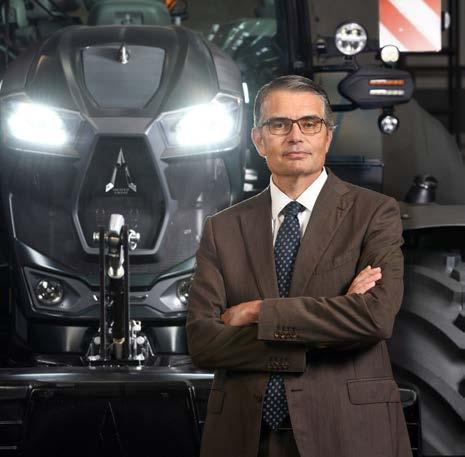
Lodovico Bussolati Chief Executive Officer, SDF
1,638
TURNOVER (MILLION EUROS)
29,472
70 NET PROFIT (MILLION EUROS)
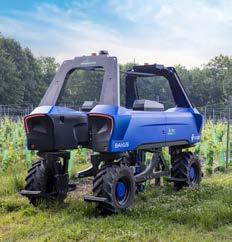
48 ROBOTS
187 EBITDA (MILLION EUROS)
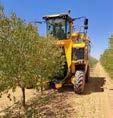
834 HARVESTERS
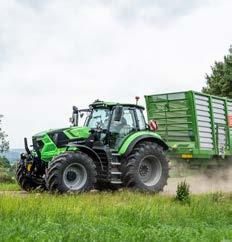
44 TRACTORS

4,165 NUMBER OF EMPLOYEES (AS AT 31/12/2024)
INVESTMENTS (MILLION EUROS)
THE MATERIAL TOPICS FOR SDF
1. THE MATERIAL TOPICS FOR SDF
1.1 Preface
In recent years, the regulatory framework for sustainability has undergone significant changes, redefining the criteria by which companies address environmental, social and governance (ESG) topics. In this context, the introduction of the Corporate Sustainability Reporting Directive (CSRD) by the European Union represents a turning point: the Directive aims to increase the transparency and comparability of ESG information by requiring companies to fully integrate sustainability into their corporate strategy and reporting processes.
As of today, SDF is still under a voluntary regime; it will be obliged to report under a mandatory CSRD regime, in accordance with the European Sustainability Reporting Standards (ESRS), starting in 2028, with reference to data from the financial year 2027.
The evolution of the European regulatory framework in the ESG field
A key element introduced by the CSRD is the principle of Double Materiality, which requires an integrated analysis from two perspectives: on the one hand, the impact of the enterprise on the environment and society; on the other hand, the risks and opportunities related to sustainability that may affect the company’s economic and financial performance.
The methodological approach adopted by SDF was divided into several phases.
Firstly, material topics were identified with the aim of mapping the main areas of ESG impact and identifying emerging risks in the regulatory and market context.
Subsequently, each topic was assessed based on its significance, considering both environmental and social implications, as well as economic ones.
The results of the analysis will be progressively integrated into strategic decision-making processes, guiding the development of high-impact sustainability initiatives.
1. THE MATERIAL TOPICS FOR SDF
1.2 Value chain and stakeholders
Recognising the value chain structure through which SDF’s direct activities extend is another crucial element in measuring the Group’s impacts, risks and opportunities. Its value chain comprises a series of processes that contribute to the provision of services and underpin the company’s ability to create value.
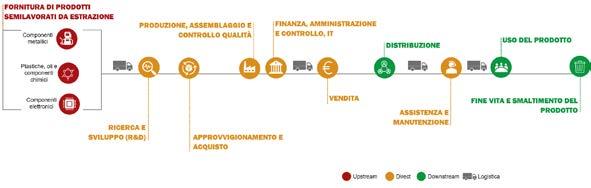
This chain is segmented into three distinct phases:
1
The upstream phase includes activities that are not managed directly by the company and that are upstream of the value chain. For SDF, these activities include the procurement of incoming components and the extraction of raw materials, their processing and transformation into semi-finished products, as well as the management of transport for procurement.
2
The Direct phase: includes activities managed internally by SDF, including administrative activities, all product development and quality improvement processes, purchasing, production and assembly activities carried out at the plants, sales activities to retailers, and after-sales support and maintenance for product management.
3
The Downstream phase: refers to activities managed by third parties, downstream of the value chain. This phase includes sales activities carried out by dealers to private individuals or companies, use and, finally, end-of-life and disposal of the product.
1. THE MATERIAL TOPICS FOR SDF
1.2 Value chain and stakeholders
Stakeholder identification
Engagement and feedback
The Group maintains ongoing relationships with a variety of stakeholders, promoting transparency, fairness and participation through multiple communication channels. Engagement activities are conducted in accordance with the European Sustainability Reporting Standards (ESRS) (ESRS 2 – SBM-2) and are structured through diverse methods of interaction tailored to the type of stakeholder and the nature of the topic addressed.
EXTERNAL STAKEHOLDERS ENGAGEMENT CHANNELS
National and international institutions
Awareness raising, communication and incentives. Integration of sustainable corporate policies. Socio-economic development.
Trade unions
STAKEHOLDER ESTERNI COINVOLGIMENTO
Communication campaigns. Complaint management.
End customers
Participation in industry meetings and events. Staff protection. Social dialogue.
Financial institutions Risk assessment. Business growth.
Trade and industry associations
Local authorities and communities
Periodic communications. Informative meetings. Integration of sustainable corporate policies.
Media Periodic communications.
Events and awareness-raising projects. Press releases.
Dealers and Importers
Suppliers
Stakeholder analysis is conducted by mapping the main groups relevant to the Group’s activities in order to identify the expectations, needs and priorities of key stakeholders in relation to sustainability topics. Subsequently, a process of listening and discussion is initiated with the aim of gathering requirements, expectations and any critical issues in order to strengthen our commitment to sustainable and responsible management of stakeholder relations.
Participation in industry meetings and events. Regular dedicated meetings. Skills development and innovation.
Participation in industry meetings and events. Qualitative and quantitative responsibilities.
Research centres and universities
Events and awareness-raising projects. Press releases.
Regular dedicated meetings.
Group website.
Periodic communications.
Engagement/awareness-raising events and projects. Socio-economic development.
Code of Conduct.
Corporate social responsibility (CSR).
Research & Development.
Events and awareness-raising projects. Press releases.
Regular dedicated meetings.
Dissemination of information.
Social and occupational development. Technological development.
INTERNAL STAKEHOLDERS ENGAGEMENT
CHANNELS
Employees and collaborators
Board of Directors and corporate bodies
Code of Conduct.
Training.
Group website.
Regular dedicated meetings.
Shareholders’ meetings and periodic communications. Sustainability report. Code of Conduct.
Direction and management of activities.
1. THE MATERIAL TOPICS FOR SDF
1.3 Double Materiality Analysis
Working towards the requirements of the CSRD
The double materiality analysis process2 was structured according to a methodological approach consistent with the requirements of the European Sustainability Reporting Standards (ESRS). In particular, Impact Materiality was assessed by considering the actual and potential impacts generated by the Group along the value chain, while Financial Materiality analysed the external dependencies and dynamics that may influence the organisation’s economic and financial performance. The operational phases, common to both approaches, included the identification, assessment and prioritisation of material topics.
1. THE MATERIAL TOPICS FOR SDF
1.3 Double Materiality Analysis
The following is a list of sub-topics and their related impacts, risks and opportunities:
IMPACT MATERIALITY
1. THE MATERIAL TOPICS FOR SDF
1.3 Double Materiality Analysis
IMPACT MATERIALITY
S2 - Working conditions (Health and safety) Harm to the health and safety of workers in the value chain due to inadequate working conditions (Highly material)
S2 - Equal treatment and opportunities for all Discrimination in the workplace and lack of equal opportunities upstream and downstream of the value chain (Material)
S2 - Other work-related rights Violation of the human rights of value chain workers due to unfair labour practices (Highly material)
S3 - Economic, social and cultural rights of communities Distribution of value to stakeholders and contribution to the economy and local communities upstream and downstream of the value chain (Highly material)
S3 - Economic, social and cultural rights of communities Distribuzione del valore agli stakeholder e contributo all’economia e alle comunità locali a monte e a valle della catena del valore (Molto rilevante)
S3 - Economic, social and cultural rights of
Contribution to local cultural enhancement (Highly material)
S4 – Health and safety Improvement in consumer health and safety conditions as a result of technological advances in the product (Highly material)
S4 –
FINANCIAL MATERIALITY
1. THE MATERIAL TOPICS FOR SDF
1.3 Double Materiality Analysis
FINANCIAL MATERIALITY
E1 – Adaptation to climate change
E1 – Adaptation to climate change
Economic and reputational risk linked to requests from partners and customers to set decarbonisation targets (Material)
Operational and economic risk linked to a decline in demand due to extreme weather conditions preventing the proper conduct of agricultural activities (Material)
E3 – Water and marine resources Operational risk of disruption to operations along the value chain due to water scarcity (Material)
E5 – Resource inflows, including resource use
S1 - Working conditions (Health and safety)
S1 - Working conditions (Health and safety)
Legal and reputational risk due to the use of conflict minerals upstream in the value chain (Material)
Economic and operational risk linked to labour shortages and high insurance costs due to high workplace injury rates (Material)
Opportunities to improve the safety level of production processes through technological development (Material)
S1 - Other work-related rights Reputational and legal risk due to failure to respect the human rights of its workers (Material)
S2 - Working conditions (Health and safety)
Reputational and operational risk associated with failure to protect the health and safety of workers upstream in the value chain (Material)
S2 - Other work-related rights Legal and reputational risk due to the non-respect of human rights along the supply chain (Material)
S3 - Economic, social and cultural rights of communities Opportunity linked to the implementation of local community development initiatives (Material)
S4 – Health and safety
Legal, reputational and operational risk due to potential damage to customer health and safety caused by unsafe products (Material)
G1 – Corruption and bribery (incidents) Operational, reputational and legal risk due to the occurrence of corruption or improper business practices (Material)
Analysis results
The analysis highlighted several strategic areas on which to focus efforts, including reducing greenhouse gas emissions through progressive improvement of practices along the value chain, with particular attention to optimising business logistics and energy efficiency. The latter is pursued through the modernisation of facilities, the integration of renewable sources and the adoption of innovative solutions for consumption management. This integrated approach not only enables SDF to meet its regulatory obligations, but also strengthens its position as a responsible leader in the agricultural machinery manufacturing sector, helping to build a sustainable and resilient future.
REIMS (FR)
2. SDF: ABOUT US
2.1 Our history
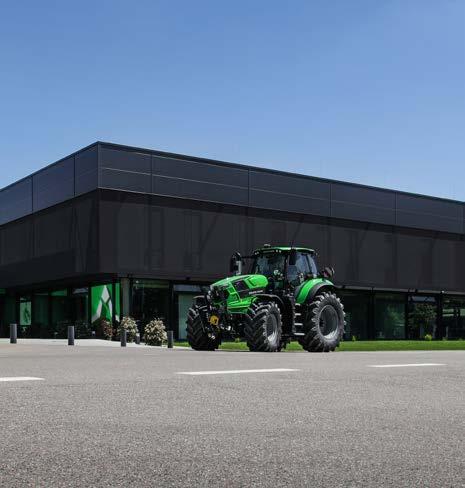
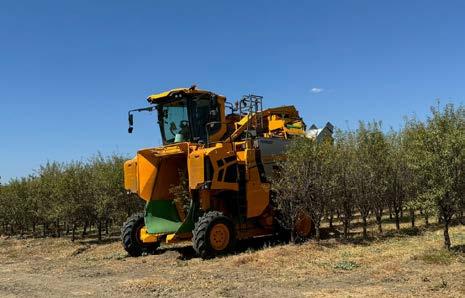
SDF is one of the largest tractor, autonomous electric tractor and diesel engine manufacturers in the world. Its products are commercialised under the SAME, DEUTZ-FAHR, Hürlimann, Grégoire and Vitibot brands, including Lamborghini trattori special edition as part of DEUTZ-FAHR brand.
TRACTORS
HARVESTING MACHINES
AUTONOMOUS ELECTRIC TRACTORS FOR VINEYARDS ENGINES
GRAPE AND OLIVE HARVESTING MACHINES
CHATEAUBERNARD (FR)
LAUINGEN (DE)
TREVIGLIO (IT)
BANDIRMA (TR)
1942
ESTABLISHMENT OF SAME (Società Accomandita Motori Endotermici)
1927
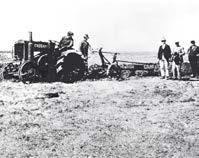
CASSANI TRACTORS
One of the world’s first tractors with a diesel engine
1952
SAME D.A. 25
World’s first tractor with four wheel drive
RANIPET (IN)
The Group’s headquarters are located in Treviglio, in northern Italy, where the company was founded in 1927 by brothers Francesco and Eugenio Cassani. It was here that they built the Cassani tractor, one of the world’s first examples of a tractor equipped with a diesel engine.
Product development, production, sales, after-sales service and spare parts distribution are managed by eight production plants (located in Europe and Asia), 16 sales branches (in Europe, Asia and America), two joint ventures, 155 importers and over 3,100 dealers worldwide.
LINSHU (CN)
1973
ACQUISITION OF LAMBORGHINI TRACTORS
2011
ACQUISITION OF GREGOIRE IN FRANCE 2014
ESTABLISHMENT OF SDF IN TURKEY
2006
ESTABLISHMENT OF SDF CHINA
1979
ACQUISITION OF HÜRLIMANN IN SWITZERLAND
1996
1995
ACQUISITION OF DEUTZ-FAHR IN GERMANY
ESTABLISHMENT OF SDF IN INDIA
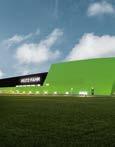
2016
ACQUISITION OF MAJORITY STAKE AND CONTROL OF CHINESE BUSINESS
2017
NEW DEUTZ-FAHR LAND PLANT IN GERMANY
2022
ACQUISITION OF MAJORITY STAKE IN VITIBOT
2. SDF: ABOUT US
2.2 The governance model [GRI 2-1; GRI 205-3] [ESRS 2; ESRS G1-3, ESRS G1-4]
Presentation of SDF’s corporate structure, with a description of the composition of its governance


SDF stands out for its governance approach based on a series of fundamental principles aimed at ensuring ethical and transparent operations. The robustness of this system is essential for the effective management of business activities, with the aim of protecting the long-term interests of all stakeholders involved. Thanks to this structure, the company prevents its performance from being influenced by random factors, instead promoting continuous improvement, supported by assessments and measurable results.
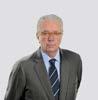
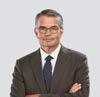
During 2024, SDF S.p.A. adopted a new governance structure, choosing the traditional model, which provides for the presence of a Board of Directors and a Board of Statutory Auditors. Within the Board of Directors, Vittorio Carozza holds the position of Chairman Emeritus, Lodovico Bussolati has been appointed Chairman and Chief Executive Officer, while Fabio Gaggini holds the position of Deputy Chairman. The Board is completed by Directors Alessandro Maritano and Filippo Simonetti.
The Board of Statutory Auditors consists of Andrea De’ Mozzi (Chairman), Emanuele Chieli and Aronne Colombo.
At the organisational level, the main corporate functions of the SDF Group report directly to the CEO and include Research and Development, Purchasing, Quality, Production and Logistics, Human Resources, Product and Business Development, Sales, Marketing, Communications, Sales Administration, Accounting, Finance and Control, Service and Spare Parts. These are complemented by the Business Units in India, Turkey and China, as well as Grégoire and VitiBot.
Another fundamental aspect of SDF’s governance is the constant expansion of its product range and commercial network in strategic and emerging markets. The company is also committed to internationalising its production capacity and maintaining control over its technological knowhow through the in-house development of key components.
Vittorio Carozza
Chairman Emeritus
Consiglio di Amministrazione
Lodovico Bussolati Chairman and Chief Executive Officer
Alessandro Maritano Director
Filippo Simonetti Director
Fabio Gaggini Deputy Chairman
2. SDF: ABOUT US
2.2 The governance model
In this context, SDF’s Code of Ethics are the Group’s guiding principles, defining the rules of conduct for all members of the Board of Directors, the Board of Statutory Auditors, executives, employees, consultants and suppliers. Through this document, the company defines its ethical and social responsibilities, helping to prevent misconduct and maintain alignment with the company’s mission.
It outlines the general principles, procedures for dealing with third parties, use of information systems, communication obligations and procedures for implementing and monitoring the Code itself. This tool actively contributes to preventing non-compliant conduct and promoting a corporate culture based on integrity and transparency. Furthermore, SDF has implemented the ‘Organisation, Management and Control Model’ (MOGC) required by Legislative Decree 231/2001, which reduces the risk of unlawful conduct and promotes transparency. The Model, first adopted in 2009, has been updated periodically over the years and is currently under review. This update also includes a new risk mapping process, which requires the involvement of all company departments. SDF Italy (Same Deutz-Fahr Italy S.p.A.) has updated its contracts with collaborators and suppliers, integrating them with principles of ethics and diligence to be observed in the performance of services. The supervision of the Model’s effectiveness and its continuous evolution are entrusted to a body with the necessary authority to intervene and monitor.
In accordance with Model 231, SDF has adopted a Whistleblowing Procedure to manage reports, regulating the protection of whistleblowers and establishing common minimum standards. This tool is essential for reporting unlawful conduct and helping to prevent risks and situations that are harmful to the organisation and the collective public interest. The procedure establishes the operating methods for receiving, analysing and managing reports. Specifically, in 2024, there were zero incidents of corruption within the Group.
Finally, SDF is actively committed to creating long-term sustainable value for all stakeholders, with the firm belief that respect for fundamental human rights and basic working conditions is essential to achieving these goals. The mission of governance is therefore aligned with the objective of maintaining high standards of excellence in the sector, ensuring continuous improvement in terms of social responsibility and environmental protection.
2. SDF: ABOUT US
2.3 Company certifications
Overview of the group’s ISO certifications
SDF continues to invest by adopting various management systems, recognised both nationally and internationally, through the attainment of various certifications and standards. These initiatives not only highlight the Group’s commitment to providing high-quality and increasingly reliable products, but also the priority given to the health and safety of employees, environmental protection and rational energy management.
Each plant, in agreement with the headquarters, establishes its own policy on Quality, Health and Safety, Environment and Energy, defines specific internal procedures and identifies the certifications best suited to its needs.
SDF Italy (Same Deutz-Fahr Italy S.p.A.) has implemented an integrated system that includes ISO 9001, ISO 14001, ISO 45001 and ISO 50001 certifications (planned for 2024 and obtained in July 2025), ensuring high standards in all business processes. Furthermore, SDF Italy has obtained AEO (Authorised Economic Operator) certification, which certifies compliance with customs regulations and facilitates international trade operations.
SDF Germany (Same Deutz-Fahr Deutschland GmbH) operates in accordance with ISO 9001 and ISO 50001 standards, and is also implementing (in 2025) an environmental management system compliant with ISO 14001.
SDF India (Same Deutz-Fahr India (P) Ltd) and SDF Turkey (Same Deutz Fahr Traktor Sanayi ve Ticaret A.Ş) are certified according to ISO 9001.
SDF China (Deutz-Fahr Machinery Co. Ltd) is certified according to ISO 9001 and ISO 14001 standards.
2. SDF: ABOUT US
2.3 Company certifications
The implementation of these International Management Systems represents a crucial step for SDF, as it enables the company to achieve high performance in line with global standards. Furthermore, the integration of systems improves operational effectiveness and efficiency, optimising processes and reducing waste.

ISO 9001
International standard for quality management systems, which helps organisations improve their performance, meet customer expectations and demonstrate their commitment to quality.

ISO 14001
International standard for environmental management systems, demonstrating proactivity in minimising environmental footprint, complying with legal requirements and achieving environmental objectives.

ISO 45001
International standard for health and safety management systems, which provides organisations with a framework for managing risks and improving health and safety performance, preventing injuries and health problems.

ISO 50001
International standard for energy management systems, enabling companies to integrate energy management into their overall efforts to improve quality and environmental management.

International partnership programme between customs authorities and economic operators that demonstrates a company’s compliance with standards set by the World Customs Organisation or equivalent supply chain security standards.
The Group promotes innovation and product development in accordance with the principle of continuous improvement, through processes that are organised and analysed in terms of their various risk components. It is committed to protecting the environment not only by complying with current regulations, but also through prevention strategies aimed at reducing environmental impact and promoting the responsible use of natural resources. Protects and promotes the health and safety of employees and stakeholders, including through consultation and participation of workers, both by providing safe and healthy working conditions and by eliminating hazards to ensure the prevention of injuries and illnesses. It also undertakes to achieve energy efficiency targets and improve energy performance in compliance with the relevant legislative requirements.
2. SDF: ABOUT US
2.4 Economic performance and key investments [GRI 201-1]
Economic
value generated and distributed, and description of key investments
SDF plays a fundamental role in the regions in which it operates, helping to create value and benefiting all stakeholders with whom it interacts. The creation of shared value between the company and the local area is essential for defining a sustainable and long-lasting business model. This approach focuses not only on economic growth, but also on the development of surrounding communities and the local area.
To achieve these objectives, SDF has based its strategy on several lines of action. It has established partnerships with local suppliers, launched research and development projects in the area, and implemented Corporate Social Responsibility policies. The aim is to build fruitful and lasting relationships with the local community.
From an economic standpoint, SDF recorded a decline in value generated over the past year compared to the previous year’s results, a trend that was expected after the boom in 2023 and was also linked to a global market contraction. Specifically, in 2024, SDF generated an economic value of approximately 1.7 billion euros, recording a decrease of 18.8% compared to the previous year but remaining fairly in line with the results for 2022. This downturn, the result of global dynamics, has simultaneously affected all markets worldwide, especially in the United States.
In 2024, 97% of the economic value generated by SDF was distributed to the various stakeholders with whom it interacts, while only the remaining 3% was retained within the company. This percentage is up compared to 2023, when the economic value distributed by the company was 93%.
2.4 Economic performance and key investments [GRI 201-1]
Most of the distributed value, corresponding to 79.5% and amounting to approximately 1.3 billion euros, was allocated to operating expenses. Operating expenses include an extraordinary item relating to the liquidation of the Croatian branch, scheduled for 2025. The stake in this subsidiary was deconsolidated and written down to reflect the expected liquidation value, generating significant extraordinary charges.
However, the decision to devalue the Croatian subsidiary is independent of the negative trend recorded in 2024. In fact, as early as 2023, the subsidiary had ceased its production activities, as its operations were not part of the group’s core business and were not considered sufficiently profitable. The liquidation procedure was initiated in mid-November 2024, with the company expected to be definitively closed down in 2025.
10.7% of the distributed value (equivalent to approximately 177 million euros) was allocated to employees in the form of remuneration, benefits, pension and welfare costs, and severance pay.
Meanwhile, 5.8% was distributed to capital providers, marking an increase from 44 million in 2023 to 95 million in 2024 (+112%), mainly due to the increase in interest expense of the Turkish subsidiary and the application of IAS 29 on hyperinflation.
3. OUR PRODUCTS
3.1 The product range
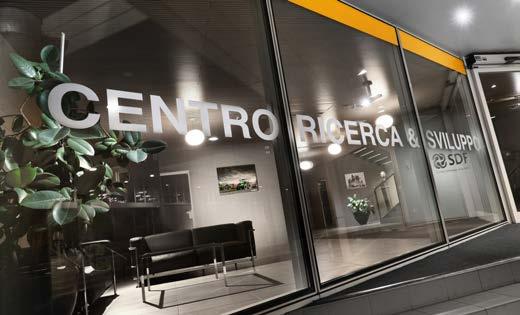
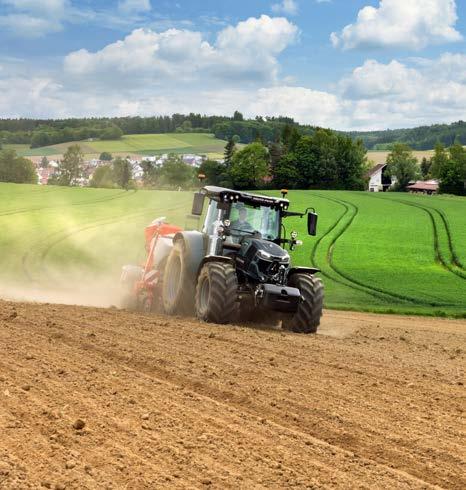
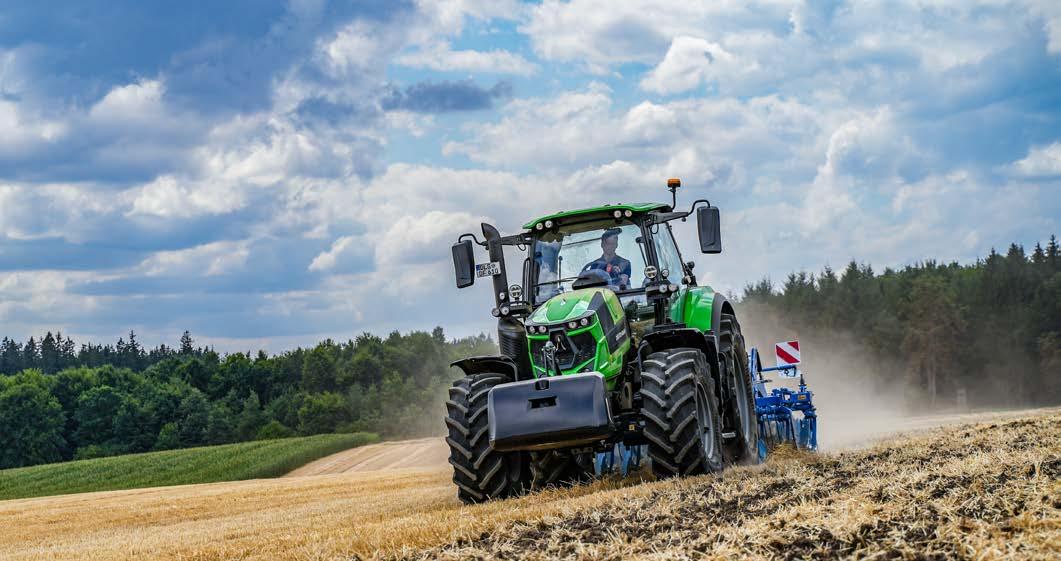
Treviglio. Research and Development activities focused on completing SDF’s product portfolio offering. These developments include the introduction of a range of additional options on the Frutteto range with Stage V platform and the addition of the 75hp model to the 5D Stage V family. The list of new developments is completed by the expansion of the 6C range in unregulated export markets.
Lauingen. Product development was mainly linked to the update of the 6.4 | 6 TTV range. The models in the 160 to 180 hp power range feature new TTV transmissions, increased maximum permissible weights, new torque curves that allow for working at lower engine speeds, increased fuel tank capacity and a general improvement in driving comfort.
Bandirma. The activities carried out at this production plant can be grouped into two main categories: completion of the process of introducing technologically advanced transmissions with hydraulic reverser and power-shift on the Keyline 5D platform, and adding a Stage I motorised version to the 4E product range for export markets. The installation of the hydraulic reverser on the Keyline 5D platform (a process that began in 2023 for Stage V models for the European market) has now been completed for all major reference markets, including Stage II and Stage IIIB engines for export markets and North America.
Ranipet. Activities focused on the introduction of technologically advanced transmissions with hydraulic inverters on the 4E footstep product range for the European, American and export markets (activity previously started in 2023).
3. OUR PRODUCTS
3.2 Production sites
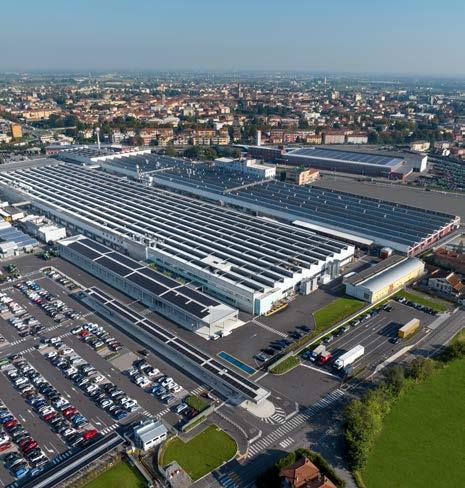
In 2024, the Treviglio site produced 6,675 tractors, 8,165 transmissions and 9,923 axles.
Improvements in workplace ergonomics and safety, increased product reliability for end customers, and progressive digitisation of processes remain the three main guidelines on which the company focuses its industrial investments and related activities.
During the year, new software was introduced in the mechanical processing area which, in addition to digitising work cycles and ensuring the recording and traceability of tool changes, allows for more accurate monitoring of all machine parameters, including Overall Equipment Effectiveness (OEE). Also in the field of mechanical processing, the process of digitising dimensional checks has been initiated. Thanks to the use of gauges and electronic instruments interconnected with the quality laboratory’s measuring stations, it is now possible to collect data accurately and systematically within a dedicated database. The project will also be gradually extended to the mechanical processing department at the Bandirma production site, thus enabling the creation of a single machining centre, operating in synergy to serve the Group’s various production units.
At the same time, the Smart Labels project was launched, which allows for immediate visual verification of the progress of sub-groups in the production process through the use of electronic labels, improving overall efficiency and promoting greater integration between the various stages of production.
Finally, the Digitest software, now a well-established project extended to almost all production departments, continues to support testing activities, ensuring complete traceability of all stages of the final testing process for both tractors and macrocomponents.
Kaizen projects aimed at improving the organisation of workstations and related operational flows are continuously being implemented within the various departments. In 2024, the project to improve critical tightening stations continued with the introduction of electronic torque-controlled tightening tools, which not only guarantee the quality of the tightening process but also allow for the accurate collection of data for traceability purposes. The use of these tightening stations results in a significant improvement in the ergonomics of tightening processes.
During 2024, the re-engineering process of the logistics and production flows of line 1 cabs was completed, resulting in the optimisation of the main manufacturing processes for sub-components. With this in mind, the roof assembly was integrated with the cab structure (an operation initially carried out in two separate production departments, far removed from the main process). Two new cab tilting stations have also been installed, equipped with the most sophisticated sensor systems to ensure maximum safety during cab rotation, significantly reducing critical lifting activities and greatly improving the ergonomics and efficiency of the workstation. Finally, the re-layout of line 1 of the transmission department was completed with the integration of pre-assembly areas into the main production flow, ensuring greater standardisation and better balance in the assembly process.
Treviglio
3. OUR PRODUCTS
3.2 Production sites
Lauingen
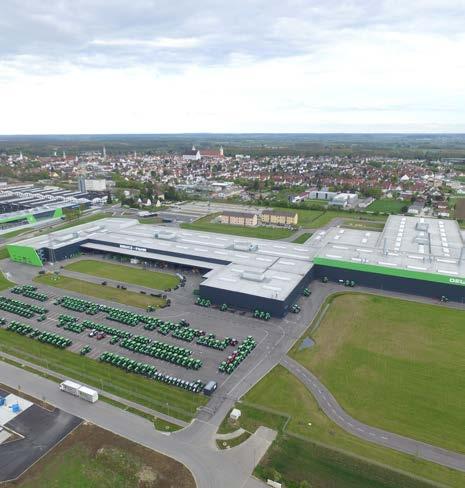
In 2024, the Lauingen site continued to demonstrate strong performance in both production and sustainability. The plant produced a total of 3,107 tractors alongside with impementing a series of strategic and operational improvements.
Significant investments were made to enhance the organization’s IT infrastructure, reinforcing the commitment to operational resilience and sustainable digital transformation. Key initiatives included the deployment of a new advanced storage systems and new virtual client servers, significantly expanding capacity, improving storage redundancy and safeguarding business continuity.
Additionally, a state-of-the-art document management system was activated within the Human Resources department. This system enables the secure digital handling of payroll-related documentation, reducing reliance on paper-based processes and streamlining interactions with social security and tax authorities. It is fully compliant with current GDPR and GoBD regulations, ensuring both legal integrity and user-centric efficiency.
In addition, targeted upgrades to both hardware and software across core strategic production systems have been executed. These enhancements align with the latest technological standards, reinforcing the organization’s digital foundation and readiness for further future innovation.
The digitalization of onsite maintenance and facilities management has been successfully completed through the implementation of a cloud-based ticketing system, integrating all production assets. This transformation improves responsiveness and enhanced transparency across operational workflows.
In addition, the tractor finishing process has been further optimized by extending the digital solution previously applied to quality control. This integration enables a fully digital, paperless workflow, improving process efficiency, traceability, and overall resource utilization.
Energy efficiency measures have also been advanced through the intelligent segmentation of spare parts logistics and production areas, allowing for targeted heating based on specific operational requirements. As part of this initiative, the steam supply system has been optimized to further reduce energy consumption and improve thermal efficiency.
Beyond these strategic initiatives, a series of targeted operational improvements have been successfully implemented. Among them, the integration of advanced hand spray systems in the Powertrain paint shop has resulted in a measurable reduction in material waste and improved precision in coating application reinforcing both sustainability ambitions and commitment to manufacturing excellence.
Looking ahead, the Lauingen site remains committed to integrating sustainable practices and technological innovation across all operations.
3. OUR PRODUCTS
3.2 Production sites
Bandirma
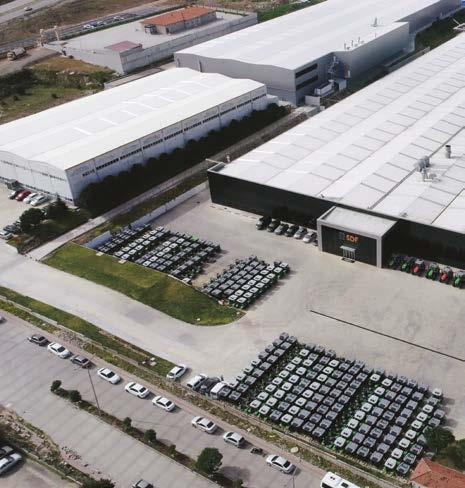
In 2024, the Bandirma plant produced 11,679 tractors, 8,845 transmissions and 2,724 engines.
After a record year in 2023, with 77,800 units, the total tractor market in Turkey reached 63,608 units in 2024, a decline of 18%.
In 2024, market share remained stable at 13.5%, consolidating SDF’s position as the second largest operator in the market. 2024 marked a record year for the Bandirma plant in terms of exports, with 3,635 units exported.
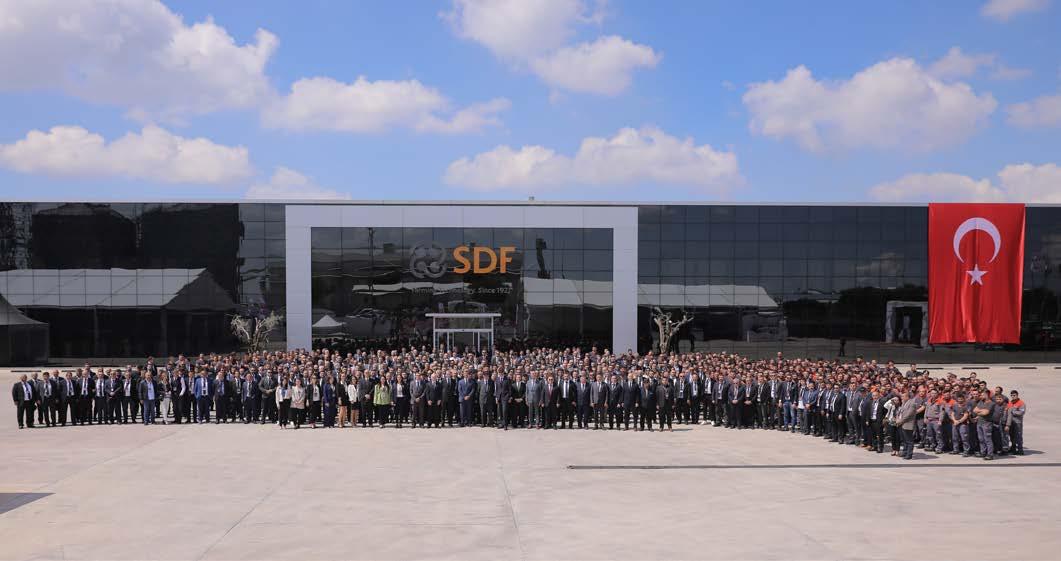
2024 was a key year in the history of the production site, which has been the subject of constant investment over the last decade, aimed at meeting the growing production demands of the local market as well as European markets: in May, the new plant for the production of FARMotion engines was inaugurated and is now fully operational. The plant covers a covered area of 10,000 m² and is dedicated to the production of 3, 4 and 6-cylinder engines (the latter currently in the industrialisation phase), plus a mechanical processing area with 6 horizontal multi-axis numerically controlled machining centres dedicated to the manufacturing of front and rear gearboxes for transmissions. In terms of workstation organisation and ergonomics, layout and material handling flows, quality standards and data traceability, the Bandirma engine department represents excellence and a benchmark in the world of agricultural machinery engine production.
The tractor and sub-component manufacturing plant underwent improvements and expansions in all production departments during the year. The introduction of new internal logistics flows has led to a reduction in material along the assembly lines, resulting in better organisation of the remaining material and refinement of assembly conditions. This has meant raising the quality and ergonomic standards of the workplace in order to meet the required increases in production.
In light of these profound changes and the industrial investments made in recent years, by 2024 the SDF production plant in Turkey had become one of the group’s most integrated sites. In Bandirma, mechanical work is carried out on gearboxes, hoods are painted and assembled, gearboxes and engines are produced and 100% tested, and cabs and platforms are assembled and completed. A spare parts warehouse and a training centre complete the plant’s facilities.
3. OUR PRODUCTS
3.2 Production sites
Ranipet
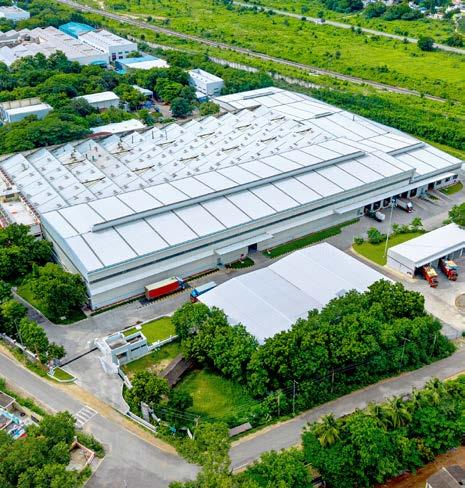
Ranipet continues to play a vital role as both a production site and a strategic supply hub for the SDF Group. In 2024 year 3,797 CBUs (Complete Build-up Units) and 1,780 SKDs (Semi Knocked Down) units were produced, as well as 16,145 engines. In addition, components worth €50.2 million were supplied to other SDF Group plants, with an impressive 23% increase compared to the previous year and with a plan to further increase in 2025.
Throughout the year, to be aligned with the highest operational and quality standards in preparation to the new products launch, some significant technological and infrastructural upgrades have been implemented both in the tractor and engine plants, maintaining the expected production efficiency. The Agrofarm 5 model industrialization was successfully completed with various enhancements integrations such as the upgrade of the end-of-line transmission test benches. A new robotic cleaning machine for the major aggregate components such as front and rear gear boxes, wheel supports, and cylinder heads has been designed and commissioned -at the supplier’s site directly- resulting in improved quality and efficiency in terms of both space and time. Production of 4 and 6 discs hydraulic power shuttle assemblies has been started in 2024, supported also by newly installed endof-line testing machinery. This assembly line is fully digitalized, enabling complete traceability of all critical processes. Substantial efforts were also made, in 2024, to improve the working environment and employee well-being with the offices and meeting rooms renovation. Alongside this, employee engagement and training programs were implemented, focused on both skills’ development and technical awareness on products. These training courses are often delivered with the support of some colleagues who share their knowledge and experiences. Specific training session dedicated to the soft skills development were organized and various wellness and health initiatives were launched. Demonstrating its commitment to environmental sustainability, SDF India also planted over 300 trees of various species around the factories area. This initiative supports biodiversity, promotes cleaner air and reflects the company’s commitment to creating a greener, healthier, and more resilient environment for future generations.
3. OUR PRODUCTS
3.2 Production sites
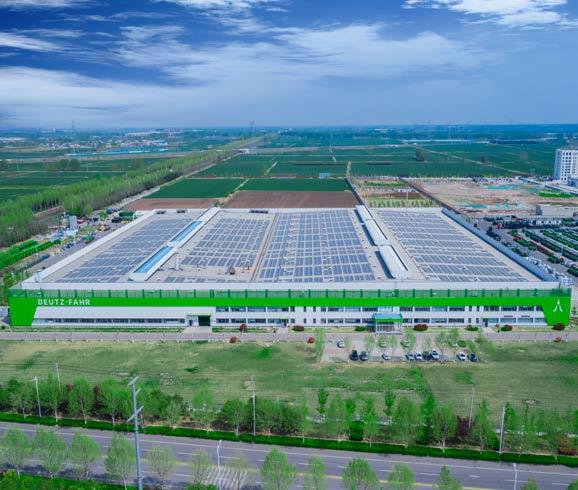
In 2024, the Linshu plant produced 5,018 tractors, 4,889 transmissions, 434 combine harvesters and 453 high-end cabs for the domestic and export markets.
The new Powershift product portfolio, including the 5W HD and 7W HD designs, reached start of production (SOP) in 2024, establishing the widest range of Powershift products on the Chinese market, with power ratings ranging from 140 to 300 hp. The Power Shuttle 4W tractor has entered full production with mature and technologically advanced solutions. Customised narrow-track models and updated cabs have been introduced to suit a wider range of working scenarios.
Model updates included the 3W-A, equipped with the V38N engine, and the 6W-A EGR version, to quickly align with market changes. Market needs have been further explored through the launch of new projects, such as Powershift 7WD, which is helping to win over customers looking for low operating costs and driving comfort.
At the same time, the plant continued to integrate sustainable practices into production, focusing on waste reduction and energy efficiency optimisation. Workstation ergonomics have been the subject of specific projects, which have also led to improved productivity. The design of new products aims to meet customer needs while minimising environmental impact.
Linshu
3. OUR PRODUCTS
3.2 Production sites
Gregoire
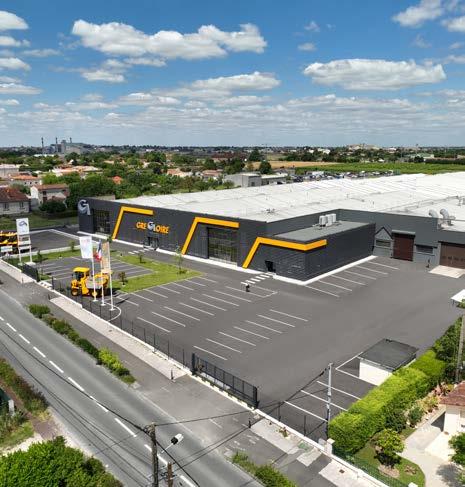
In 2024, the Chateaubernard plant produced a total of 262 harvesting machines.
For Grégoire, 2024 was a year focused on implementing several logistical and production improvements within the manufacturing process. A first major improvement was achieved thanks to a systematic analysis of component stock sizing processes, both within central warehouses and at workstations. By clearly classifying materials based on procurement lead times and comparing this with material requirements at various stages of the production process, we were able to define a more streamlined management of logistics flows, as well as significantly improving the space available within each workstation. The new component flow management system has enabled us not only to improve the organisation of our workspaces, but also to optimise many aspects of the production process. One of these was the reduction in the storage period for parts to be painted: this reduces the time needed to prepare parts before painting, resulting in a significant reduction in the consumption of painting materials, water and paints, with a major impact in terms of waste management and emissions into the environment.
To support improvement projects and enhance the operational management of the factory and the flows entering and leaving the production process, a vast digitisation project has been launched, involving the introduction of a new ERP system, the implementation of a PLM system and the digitisation of human resources processes, which will be introduced in early 2025. Continuous improvement plans, through the implementation of countless Kaizen projects in various areas of the manufacturing process, have led to a marked improvement in both factory equipment and the layout of certain key workstations, laying the foundations for a significant increase in production efficiency and better levelling of production peaks in 2025.
NATURAL CAPITAL
4. NATURAL CAPITAL
4.1 Energy and greenhouse gas emissions
SDF products are the result of a development process focused on constant technological innovation, which in recent years has seen significant advances in digital connectivity and software development. Our ongoing commitment to research and development allows us to introduce increasingly reliable and efficient technical solutions, aimed at creating products characterised by high standards of safety, operational comfort and ease of use.
The development process begins with prototyping, a phase in which thorough testing is carried out to ensure reliability, safety and performance. Once the models have been validated, the next step is industrialisation, which includes the selection and qualification of suppliers, the definition of procurement methods and the organisation of production lines. Some mechanical work is carried out in-house, followed by special processes such as welding the cab frame and painting the vehicle chassis.
During product assembly, engines, transmissions, axles and cabs are integrated until the vehicle is complete. Each stage undergoes rigorous quality checks to ensure compliance with company standards. At the end of production, each product undergoes comprehensive functional testing, including configuration testing, electronic diagnostics, and performance checks. Once the production cycle is complete, the products are distributed through the SDF sales network, reaching dealers and importers and then end customers all over the world. The Group provides technical support services, distribution of original spare parts, and scheduled maintenance packages.
to climate change
4. NATURAL CAPITAL
4.1 Energy and greenhouse gas emissions
[GRI 302-1; GRI 302-3; GRI 305-1; GRI 305-2; GRI 304-1; GRI 304-2] [ESRS
Energy consumption
Operational efficiency and the quality of the final product go hand in hand with a growing awareness of the environmental impact of the production process. Liquid fossil fuels, such as diesel and fuel oils, are used both internally, for research and development and testing, and externally during transport operations. Furthermore, the SDF Group uses electricity and natural gas for its production activities and, in general, for the management of its buildings. In 2024, the Group’s total energy consumption is 325,086 GJ, down 5% compared to 2023, when consumption was 343,348 GJ. The share of energy from renewable sources, coming from Guarantees of Origin and photovoltaic plants, was 12% in both 2024 and 2023.
In 2024, the SDF Group’s energy consumption mainly involved the use of natural gas, amounting to 146,866 GJ (-10% compared to 2023), used primarily for heating. Electricity consumption, both purchased and self-generated, represents the second most significant source, with 85,687 GJ, confirming its central role in business processes. Diesel, used both for the company fleet and for equipment and generators, is another significant source.
Energy consumption 2023-2024 in GJ
SDF is actively committed to monitoring and reducing its environmental impact by pursuing energy optimisation strategies, exploring renewable energy sources and adopting sustainable environmental management practices.
In particular, the SDF Group’s Indian plant has launched an energy conservation project, implementing a high-efficiency ventilation system that replaces 30 traditional fans with a single low-speed fan, not only contributing to significant economic savings but also significantly reducing electricity consumption. Furthermore, in 2024, the offices of the Indian branch in Ranipet underwent several changes, with the creation of workspaces designed to be more efficient and welcoming. In the tractor plant, the roof panels have been replaced with modern Galvalume panels and transparent polycarbonate sheets, which maximise the use of natural sunlight. This intervention has reduced the need for artificial lighting during the day, leading to annual energy savings of approximately 27,800 kWh and a significant reduction in energy costs. Furthermore, the adoption of LED lighting in production departments has further contributed to optimising energy consumption.
During 2024, other plants also made progress in the area of energy efficiency. In particular, structural work was carried out on the roofs of the buildings at the French production plant with the aim of increasing the amount of natural light, thus helping to reduce the need for artificial lighting. Furthermore, both the French and Italyn production plants have seen the installation of high-efficiency LED lighting systems, with a positive impact on reducing overall electricity consumption.
In support of these initiatives, the SDF Group’s energy intensity provides a practical measure of the efficiency of business processes, correlating energy consumption with the economic value generated. This parameter allows trends and potential areas for improvement to be identified, especially in relation to operating costs and environmental impact. Its importance is also growing in terms of regulatory compliance and competitiveness, making it an important tool for guiding future sustainability initiatives.
In 2024, there will be an increase in energy intensity (GJ/€k net revenue), rising from 0.17 to 0.20. This change is mainly attributable to a significant decline in revenues, against essentially stable energy consumption with a minimal reduction of 5%, as highlighted above.
Energy intensity, in GJ/€k net revenues
Intensity ratio
Greenhouse gas emissions
The SDF Group’s production activities, as well as the upstream and downstream activities in its value chain, generate atmospheric emissions as a direct and indirect consequence of industrial processes. In line with the Greenhouse Gas Protocol (GHG Protocol), these emissions are divided into three main categories:
• Direct emissions - Scope 1: These include emissions generated by the consumption of natural gas and other fossil fuels, refrigerant gas emissions and emissions from fuel used both for the Group’s fleet of vehicles and for equipment and generators.
• Indirect emissions related to purchased electricity - Scope 2: These emissions result from the consumption of electricity purchased from the national grid.
• Other indirect emissions – Scope 3: This category includes emission sources that are not under the direct control of the company, but whose emissions are indirectly linked to the company’s activities. Scope 3 includes emissions upstream and downstream of the value chain, i.e. those produced by suppliers and customers, for example: transport, use of products sold, business travel, etc.
In summary, SDF’s energy consumption translates into direct emissions (Scope 1) of greenhouse gases from emission sources owned or controlled by the company, in addition to indirect emissions (Scope 2) associated with the use of purchased electricity or thermal energy in line with the GHG protocol. At present, Scope 3 is not included in the analysis.
As shown in the graphs below, the ratio between Scope 1 and Scope 2 emissions remained virtually constant over the three-year period, despite the fact that the total absolute value decreased over the years for both direct Scope 1 emissions (from 16,303 to 15,183 tCO2e) and indirect Scope 2 emissions, location based, (from 8,794 to 7,768 tCO2e).
Breakdown of GHG emissions (2022) Breakdown of GHG emissions (2023)
Breakdown of GHG emissions (2024)
Furthermore, in 2024, most production sites experienced a slowdown in activity, which contributed to a reduction in indirect emissions (Scope 2) and affected the overall distribution of emission sources.
With regard to Scope 1 emissions, equal to 15,183 tCO2e in 2024, a comparison with the previous year’s data shows a significant change in the distribution between the various energy sources. There has been an overall reduction in emissions from all sources except for diesel used for the company fleet. This is due to an increase in privately owned vehicles in the Turkish plant. This trend reflects a reorganisation in energy consumption, with a direct impact on climate-changing emissions.
In particular, at its Indian and Turkish plants, SDF is actively committed to providing a company bus service, which is used by 90% of staff to get to work. This initiative not only facilitates access to the workplace for employees, but also reflects the company’s responsibility to reduce its environmental impact related to travel by promoting the use of public transport.
For Scope 2, the emissions associated with electricity purchased by the organisation from the grid were calculated in two different ways, according to the GHG Protocol:
• The location-based method calculates emissions using average emission factors from the local electricity grid’s energy mix. It reflects the physical impact of the energy consumed, regardless of the company’s contractual choices.
• The market-based method calculates emissions on the basis of specific contractual instruments, such as energy certificates of origin (e.g. GOs, RECs), Power Purchase Agreements (PPAs) or supplier-specific tariffs. This approach allows emissions to be attributed based on the origin of the energy purchased, if supported by documentation that complies with the GHG Protocol quality criteria.
Scope 2 emissions 2022,
2023 and 2024 (in tCO2e)
In the two-year period 2023-2024, SDF recorded a reduction in Scope 2 emissions, both in location-based and market-based modes. Location-based emissions fell from 8,794 to 7,768 tonnes of CO₂ equivalent (-13%), while market-based emissions fell from 7,941 to 7,584 tonnes (-5%). The reduction in indirect emissions observed in 2024 reflects both technical interventions on plants, aimed at improving energy efficiency, and a general slowdown in production at most of the Group’s sites. In 2024, measures were implemented on the plants to improve energy efficiency and promote a more rational use of resources. In fact, the collection and analysis of energy data are useful tools for guiding future interventions and promoting greater consistency with long-term environmental objectives.
In 2024, several SDF Group plants implemented specific solutions to improve energy management and reduce emissions associated with electricity consumption. In Italy, electricity demand was entirely covered by renewable sources certified through Guarantees of Origin (GO). In China, part of the energy used comes from photovoltaic systems installed on site, contributing to selfproduction from renewable sources. In Germany, the plant uses a natural gas-fired cogeneration unit for the combined production of electricity and heat, with the aim of increasing energy efficiency.
The same German site has seen the construction of new offices designed according to sustainability criteria, with the integration of a high-efficiency cooling system and the installation of a photovoltaic system. In France, the plant underwent renovation work that led to the creation of new spaces equipped with double-layer panels and integrated insulation, with positive effects on energy consumption.
SDF Italy is working with the Politecnico di Milano on a project that analyses the condition of industrial buildings with the aim of identifying possible solutions to improve their envelopes and climate control systems. With the implementation of the SAME Campus project, photovoltaic panels have already been installed and are undergoing further expansion. These panels generate their own electricity, reducing dependence on the grid and thus contributing to greater energy sustainability. Furthermore, in 2025, following a process that began in 2024, SDF Italy obtained ISO 50001 certification for energy management, an important step towards ensuring efficient use of resources and further strengthening its commitment to sustainability.
Protecting biodiversity and ecosystems
SDF Company’s commitment to reducing emissions and safeguarding the environment is intrinsically linked to its dedication to preserving natural habitats. Globally, the operational sites of the Group are positioned away from any protected regions or areas of significant biodiversity value, with the sole exception being the plant located in India. SDF India operational site, located in Tamilnadu and involved in tractor and engine manufacturing, covers a surface of 128,528 square meters in proximity of one protected area. The proximity to this reserve highlights the importance of sustainable activities to ensure minimal impact on these ecologically sensitive areas. The company’s awareness of these locations reflects a recognition of the need to consider environmental conservation in their operational planning.
SDF is aware of the impact its business operations have on biodiversity and each plant is dedicated to recognizing these effects as part of their environmental responsibility.
SDF China, for example, identifies two main origins of impact on biodiversity: the construction and use of manufacturing plants, which reduce space for surrounding wildlife, and pollution from noise and exhaust emissions, which may affect the migration of wild animals. These impacts suggest that the plant’s operations could have a more direct influence on local biodiversity, particularly in terms of habitat disruption and pollution.
SDF India outlines several pollution-related impacts on biodiversity, including soil and water contamination, water scarcity, and air pollution. The plant uses an Effluent Treatment Plant (ETP) to treat and recycle wastewater, aiming to prevent soil and water contamination and avoid water table depletion. Additionally, hazardous waste from the paint shop is treated and disposed of through certified agencies to mitigate soil and water pollution. The plant also acknowledges its indirect contribution to greenhouse gas emissions through reliance on power from thermal power plants. Initiatives such as installing solar panels, solar streetlights, or wind turbines are considered to reduce dependency on conventional energy and increase the use of non-renewable energy. In India, the company has also planned to plant 300 trees within its plant grounds, a significant step towards a greener and more sustainable future. This initiative will not only help improve air quality, but will also have a positive impact on the local ecosystem.
At the SDF production site in Turkey, the protection and enhancement of the local area is reflected in various initiatives carried out during the industrial expansion. During the construction of the new FARMotion Plant, a cherry laurel hedge approximately 100 metres long was planted, flanked by native olive trees in pots. In addition, tree-lined avenues have been created along the footpaths, contributing to the expansion of green areas, which now cover approximately 5,000 m². With regard to water resource management, the plant adopts specific measures for the treatment of industrial waste water, entrusting its collection and disposal to authorised operators, in compliance with current regulations. Attention has also been paid to limiting atmospheric emissions through the installation of air extraction and filtering systems in the engine testing rooms and in the painting plant, which are subject to periodic monitoring by the competent authorities.
Similarly, both in the German plant and the Italyn plant, new green areas for employees. In particular, the recent project to construct a new office building in Germany, which involved demolishing the previous building, saw the expansion of the existing outdoor green area, making the environment healthier and more welcoming. Similarly, in Italy, thanks to the SAME Campus project, new green spaces have been created to beautify the areas adjacent to the buildings, which employees can enjoy during their lunch breaks.
These actions reflect SDF’s commitment to promoting sustainable practices and protecting the environment, emphasising the importance of preserving biodiversity for future generations.
4. NATURAL CAPITAL
4.2 Responsible resource management
Materials purchased in 2024 for functional groups
The materials used
The selection of materials and the management of waste generated by production activities are key aspects of quality control and reducing environmental impact. The materials used influence both the technical performance of the products and the overall environmental balance, particularly with regard to emissions and resource management. In this context, SDF adopts selection criteria geared towards durability and efficiency, with the aim of ensuring economic and environmental sustainability in the medium to long term. The procurement process is managed on a global scale, with an organisational structure involving several purchasing teams distributed across the main markets. The headquarters in Treviglio coordinates activities in Europe, ensuring strategic consistency and process optimisation. In India, China and Turkey, local offices operate in line with central directives, adapting operational choices to the specific conditions of regional markets.
Supplier assessment also includes criteria related to environmental sustainability, with the aim of promoting responsible practices throughout the supply chain. This approach allows environmental considerations to be integrated into decision-making processes, contributing to a reduction in the overall impact of business activities.
In 2024, as in previous years, most of the materials purchased were used for the assembly of transmissions and gearboxes, which represent the largest share with 43% of the total. Another significant portion was used for the assembly of the tractor and engine (20%) and for wheels and tyres (16%). Other materials include components for braking systems (1%),bodywork (5%), and other items such as screws, bolts, steel components, oils and glues.
At SDF production plants, purchased materials are used for the internal manufacture and assembly of functional units and sub-units such as electrical systems, hydraulic systems, bodywork and lifts. Engines, transmissions, cabs and axles can be manufactured internally within the group or purchased from external suppliers. Their final assembly, together with the functional units, forms the complete tractor.
Overall, the range of components purchased from suppliers remained stable compared to 2022, confirming continuity in the procurement and production strategy.
The waste produced
However, the management of materials and raw materials within a company is a process that goes beyond simply selecting and purchasing high-quality resources. To ensure a sustainable and responsible approach, it is crucial to integrate effective and environmentally friendly practices in waste management. This implies that the selection of materials must be supported by a waste management strategy focused on waste reduction. This plan aims to reduce the amount of waste produced by optimising production processes, using raw materials more efficiently and designing products that require fewer materials or are more durable. The following graph shows the amount of waste produced in the three-year period 2022-2024:
Total waste generated in tonnes (2022-2023-2024)
combination of factors, including measures aimed at prevention, material reuse and production process optimisation. However, a significant part of this reduction is linked to the slowdown in production activities recorded in 2024 at various Group sites, which led to lower overall waste generation.
SDF places significant emphasis on developing and implementing tailored waste management strategies across its various plants. In 2024, waste management at international facilities continued to follow criteria of environmental responsibility, regulatory compliance, and traceability.
At its German plant in Lauingen, SDF is already implementing waste recovery practices. In particular, SDF Germany reuses almost 80% of cardboard as packaging material, giving this material a new lease of life. Wood is resold externally in the form of pallets and boxes, preventing it from becoming waste, while metal materials are reused during shipments, thus contributing to more sustainable resource management. In Germany, waste generated by internal activities, supplier packaging and shipping packaging is collected in dedicated containers and managed on a weekly basis. The material is then transferred to large containers and entrusted to a certified external operator, ensuring full compliance with current regulations. Following the recycling operations, the external organisation provides detailed monthly reports that are systematically archived, ensuring transparency and traceability.
In 2023, the increase compared to 2022 is mainly due to demolition work for the construction of a new office building in Germany, which generated almost 3,000 tonnes of concrete waste. Without this, the trend would have been in line with the previous year.
In 2024, there was a reduction, with a total of 10,311 tonnes. This decline is attributable to a
SDF India has continued to invest in packaging circularity, using recyclable metal and plastic pallets and crates, replacing polyethylene with paper, and adopting corrugated cardboard boxes. Waste is collected in a centralised storage facility, supervised by an internal committee, weighed and managed by authorised agencies. Operations are tracked using a management system that guarantees data integrity and accessibility. Specifically, over 97% of the waste generated during the assembly, testing and shipping of tractors and engines is recycled, while less than 3% is disposed of through certified government agencies, minimising the environmental impact. In China, waste management is complex and includes both hazardous waste (such as electrophoresis sludge, paint residues and chemicals) and general solid waste. Hazardous waste is stored in dedicated warehouses with specific safety measures and is tracked on entry and exit, before being disposed of by qualified operators. Recyclable waste is sorted and entrusted to third
parties, while non-recyclable waste is collected daily by the municipal service. This approach enables precise control and effective financial planning.
In Turkey, all waste, whether solid or liquid, hazardous or non-hazardous, is managed by companies authorised to recycle or dispose of it in accordance with national environmental legislation (Law No. 28723). The site has dedicated storage areas and adopts a zero-waste management system. In addition, emissions are measured by accredited laboratories and domestic and liquid waste is managed through the industrial area’s sewerage system.
In France, waste classified as hazardous follows specific control procedures, while nonhazardous waste is treated in accordance with current regulations. Furthermore, SDF France has strengthened its commitment to staff training, aimed at promoting correct waste sorting practices.
In Italy, the Treviglio plant collects industrial waste in separate containers along the production line, which are distinguishable by colour and signage. A project launched in 2023 has improved separate waste collection in catering areas as well. The waste is then divided into approximately 50 identification codes before being sent for recovery or disposal, while hazardous waste is managed in a dedicated area with the support of third-party organisations. During this process, traceability is guaranteed by the forms required by current regulations, as well as by a dedicated management system and, from 2023, by a Business Intelligence dashboard that allows monthly monitoring of disposal, costs and revenues.
Furthermore, SDF Italy is a registered member of CONAI, CONOU, and COBAT, three prominent Italyn consortia that play a crucial role in sustainable waste management. Together, these memberships demonstrate SDF Italy’s proactive approach in sustainable waste management, aligning with national efforts to protect the environment and conserve resources through effective recycling and recovery initiatives.
In summary, although each SDF plant operates within its own regional context and according to local regulations, they all share a strong commitment to waste management and reducing environmental impact. Differences between plants concern the types of waste generated, the intensity of recycling efforts and the specific measures taken to prevent pollution and comply
3 Environmental Law No. 2872 of the Republic of Turkey, promulgated on 11 August 1983.
with environmental regulations.
In 2024, SDF achieved an average of 92.7% of waste recycled in its factories, confirming its strong commitment to responsible resource management. Five production sites exceeded 96% recycling, with Treviglio, Bandirma and Ranipet reaching 100%, and Lauingen reaching 99.8%. Linshu also performed well, with 96%. The only plant with room for improvement is Chateaubernard, which recorded a value of 60.1%, which is still significant. These results demonstrate the effectiveness of the environmental policies adopted and the spread of good circular economy practices globally.
Recycled waste in 2024
(IT)
(DE)
Ranipet (IN)
Bandirma (TR)
Linshu (CN)
Chateaubernard (FR)
Treviglio
Lauingen
Water consumption
Another fundamental aspect of environmental impact concerns the efficient management of water resources. The SDF Group uses water for industrial purposes, and its various plants are taking steps to improve water efficiency in all production activities. This commitment translates into a series of initiatives aimed at reducing consumption and promoting sustainable practices.
A second osmosis system has recently been installed in the painting plant at the Treviglio plant. This recovers the water from the first plant and, by treating the concentrate and removing contaminants through a high-pressure filtration process, makes it reusable in subsequent rinses prior to the painting process. In addition, as part of the SAME Campus project, a tank has been built to collect rainwater for reuse in irrigating the new green areas.
In Lauingen, Germany, residual water from internal painting processes is collected in special tanks and samples are checked daily. Once the test results are obtained, the process water is pre-treated and neutralised. After a second random check, it is discharged into the sewer system as waste water.
At the Ranipet plant in India, various measures are in place to recycle and reuse water efficiently.
Two wastewater treatment plants recover water from both the canteen and the washbasins in the toilets. Following a special treatment process, which is carried out in accordance with the procedures prescribed by the Pollution Control Board, the water is then reused for gardening. Furthermore, as part of sustainability initiatives, rainwater collection pits have been installed, allowing rainwater to filter into the ground. Although this water is not used in the production site’s activities, it helps to replenish the aquifer in the surrounding area.
In Bandirma, Turkey, innovative projects have been launched to reuse clean water, contributing to a circular economy aimed at minimising waste.
In Chateubernard, France, an autonomous treatment system has also been implemented to ensure water reuse, particularly for cleaning operations. This circular system allows water to be continuously recycled and reused, avoiding the need to draw on the public system. Furthermore, the water used mainly for cleaning and painting is managed through a system equipped with pumps that optimise consumption of this resource.
HUMAN CAPITAL
5. HUMAN CAPITAL
5.1 SDF employees
SDF considers the health, safety and well-being of its employees to be a priority, recognising that their contribution is essential to the Group’s success. For this reason, the company is committed to creating a strong sense of community among its employees, aware that a positive and stimulating work environment is essential for achieving common goals and individual growth.
Management continues to invest resources and expertise to ensure the health and safety of workers, with a particular focus on improving individual well-being and enhancing opportunities for professional growth.
SDF is committed to promoting a corporate culture based on ethical and sustainability principles, focused on respecting the personal and professional needs of each employee. With this in mind, the company actively promotes work-life balance, contributing to the creation of an inclusive, equitable and diversity-friendly working environment.
The composition of the company’s staff reflects its commitment to fair, transparent and meritocratic resource management. Selection procedures are conducted according to criteria of impartiality, equal opportunities, publicity and transparency, ensuring access to work on the basis of professional skills and aptitudes, without discrimination on the grounds of gender, age, origin or personal circumstances. The induction process includes follow-up meetings between the manager and the new employee, structured around an assessment form that takes into account parameters such as the ability to integrate into the team, adherence to company values and operational flexibility. At the end of this period, the assessment is a decisive factor in determining individual development paths. The composition of the workforce is therefore the result of a rigorous selection process geared towards enhancing human capital, in line with GRI standards on responsible human resource management.
In the three-year period 2022-2024, employment at the six company sites shows a trend that is generally affected by production trends, with particular declines in the last year.
Specifically, the Treviglio (IT) office shows slight growth between 2022 and 2023, followed by a contraction in 2024, resulting in a slight overall decline for the three-year period. Lauingen (DE) follows the trend of the Treviglio site, with an increase in the two-year period 2022-2023, followed by a slight contraction in 2024. In contrast, Ranipet (IN) has seen a steady decline in its workforce, mainly due to reorganisation and automation processes. Bandirma (TR) represents the most marked growth case due to a significant expansion of production and logistics activities.Linshu (CN) shows a fluctuating trend, with a peak in 2023 followed by a decline in 2024. Finally, Chateaubernard (FR) remains largely stable, with minimal variations indicating a consolidated structure.
The gender distribution within SDF shows a marked prevalence of males in all countries analysed. This data is consistent with the characteristics of the manufacturing and mechanical sector, which has historically been characterised by a greater presence of male workers, especially in operational and technical roles. In particular, the percentage of women varies from 3% in India and Turkey to 22% in China, with intermediate values in Italy (approximately 10%), Germany (approximately 16%) and France (approximately 12%). Although female representation is still limited, there are signs of greater inclusion in some areas, indicating a possible shift towards greater gender diversity, even in traditionally male-dominated fields.

Treviglio (IT)
The gender distribution 2024
Lauingen (DE)
Ranipet (IN)
Bandirma (TR)
(CN)
(FR)
Chateubernard
Linshu
Total employees by age group 2024
The demographic composition of the workforce shows a significant prevalence of employees aged between 30 and 50, who represent almost 60% of the total workforce. The under-30 and over-50 age groups are very similar, both with a share of around 20%. This balance between younger and more experienced resources is a positive indicator in terms of generational turnover and skills transfer, which are fundamental elements for ensuring continuity and innovation in business processes.
At the regional level, there are significant differences: In Italy, 58% of employees are between 30 and 50 years old, a sign of a consolidated and mature corporate structure. while in Turkey there is a strong youth component: 53% are under 30 years of age, indicating a dynamic and expanding environment. Germany shows a generational balance, with 47% in the middle age group and 24% under 30. In contrast, India and China have a predominantly experienced workforce, with higher percentages of people aged between 30 and 50 and a very limited presence of young people. These variations reflect local specificities related to the labour market, the average seniority of staff and the recruitment strategies adopted in different contexts.
Overall, the age distribution shows that the organisation is balanced and capable of integrating established skills with new energy, in line with the principles of inclusiveness and sustainability relating to human capital management.
Chateaubernard (FR)
Linshu (CN)
Bandirma (TR)
Ranipet (IN)
Lauingen (DE)
Treviglio (IT)
The distribution of employees by contract type shows a clear prevalence of permanent contracts, which account for approximately 81% of the total. This figure reflects SDF’s commitment to job stability and the long-term development of human capital. The presence of fixed-term contracts and other forms of contract, although a minority (19%), responds to specific operational needs and local labour market dynamics. Furthermore, it should be noted that 98% of workers are employed full-time.
Employees by professional category 2024 (%)
Employees by professional category 2024 (%)
As regards the distribution of employees by professional category in 2024, in line with previous years, there is a clear prevalence of manual workers, who represent 67.8% of the workforce. Employees follow with 29%, while managerial positions are significantly less numerous: Managers account for 2.8% and directors for just 0.4%. This composition reflects the operational and productive nature of the organisation, with a streamlined, efficiency-oriented pyramid structure.
The distribution among the various professional categories is consistent with an industrial model in which technical and operational skills are central, supported by management and strategic functions in proportionate measure.
Overall, the structure adopted promotes inclusion, continuity and accountability in human resources management.
Chateaubernard (FR)
Linshu (CN) Bandirma (TR)
(IN)
(DE)
With regard to non-employees, in 2024, the Group collaborated with a total of 361 temporary workers and 54 interns, highlighting its focus on the recruitment of young talent and training. The data also shows a significant presence of personnel from external companies, such as those dedicated to security and cleaning services.
Total non-employees for 2024
With regard to recruitment, SDF is committed to investing in the potential of young talent, such as the hiring of recent graduates. However, the Group also recognises the need to hire people with greater experience, who can bring new skills and approaches to the company, together with the ability to guide and develop young people.
At the heart of the Treviglio production plant, an onboarding programme has been launched to facilitate the integration of new recruits. This programme includes follow-up meetings during
the first year, technical and general training sessions, and the opportunity to receive support from a dedicated psychologist. At the end of this initial period, employees have the opportunity to undertake multidisciplinary training covering topics such as leadership, communication and emotional intelligence, followed by more in-depth financial training.
Thanks to a computerised system already in place for recruitment, talent management and training, SDF is implementing an integrated strategy across its various branches, which will be finalised in 2025 and will make human resources management even more efficient and aligned with the Group’s ambitions. This approach not only improves the employee experience, but also helps to build a dynamic and stimulating work environment.
Turnover 2024
New hires
Employees who have left the company
With regard to resignations, during 2024 there was a fairly natural turnover affecting various age groups. SDF is committed to attracting and retaining talent by ensuring compliance with legal and industry standards regarding employee benefits and protections. The company offers competitive salaries that reflect market rates, with a remuneration policy that incorporates fixed and variable components. These components are designed to be measurable and aligned with corporate objectives, supporting a culture of fairness and equal opportunities.
(IN)
Bandirma (TR) Linshu (CN)
Chateaubernard (FR)
5. HUMAN CAPITAL
Average hours of training per employee (annual)
5.2 Well-being and professional development
[GRI 404-1; GRI 401-2; GRI 401-3] [ESRS S1 - Other work-related rights]
SDF recognises the unique value of each individual and is dedicated to providing opportunities for training and professional development.
The company aims to enhance the technical and soft skills of its employees, thereby creating an environment of continuous learning. This approach not only enriches people’s professional careers, but also helps to create a stimulating and productive working environment. The initiatives promoted by the Group are part of an integrated vision of organisational well-being, in which investment in human capital and skills development are considered key elements in building a harmonious and dynamic working environment. In this way, SDF aims to foster a working environment that stimulates creativity and efficiency, contributing to collective success.
The graph shows the evolution of average training hours per employee per year at SDF’s various international locations between 2022 and 2024.
The Chinese site in Linshu stands out for its higher average number of hours, with steady growth peaking in 2024. Châteaubernard (France) and Lauingen (Germany) also show strong growth, indicating increasing investment in staff training. Treviglio (Italy) and Bandirma (Turkey) maintain high and stable levels. Overall, the group demonstrates a widespread and growing commitment to skills development.
Chateaubernard (FR)
Linshu (CN)
Bandirma (TR)
Treviglio (IT)
Ranipet (IN)
Lauingen (DE)
At the headquarters in Treviglio, training sessions dedicated to biodiversity and artificial intelligence were organised and open to all employees. In particular, a seminar entitled “The crucial role of biodiversity” was held, which explored the concept and its importance for the planet. The functioning of ecosystems and the value of the different species within them were explored in depth, and the fundamental reasons why it is essential to preserve them for our future were discussed. The seminar on artificial intelligence aimed to present these technologies, explaining how they are already part

In addition, a series of informational events have been planned as part of the SDF Well-being project, focusing on topics such as the importance of sleep, stress management, and support for carers. These sessions, led by health specialists, offer participants the opportunity to interact directly with speakers for further discussion or assistance, if they wish. In particular, in April 2024, a meeting was held dedicated to the management of sleep disorders with the aim of raising awareness among workers about the importance of sleep for physical and mental health, promoting actions to improve its quality. Another meeting addressed the topic of managing stress and daily tension, offering practical suggestions for reducing stress and exploring strategies for regaining calm and recovering energy. Finally, on World Alzheimer’s Day, a meeting was held to promote awareness and disseminate information about the disease, highlighting the fundamental role of carers and the support services available.
In addition, SDF Italy organised a training course on addictive behaviours. This initiative aims to raise awareness among participants about the risks associated with addictive behaviours, such as alcoholism and gambling, and to provide information on how to access support services available in the area.
of employees’ daily lives. The origins of artificial intelligence and its potential to make a difference were analysed through practical examples and best practices to help participants understand the change that affects them. Furthermore, in November 2024, training sessions were also held for employees at the Chinese plant on the use of artificial intelligence, highlighting the company’s commitment to ensuring that all employees, regardless of their geographical location, can benefit from modern skills that are relevant to their professional development.In 2024, in line with previous years, the Italyn plant offered all employees the opportunity to voluntarily enrol in language, digital and technical training courses, further enriching the offering with the introduction of communication courses.

Workplace Health Promotion (WHP) at SDF


Attività in ambito alimentazione e benessere
Attività in ambito alimentazione e salute
Programma SAME as YOU Psicologa aziendale
2022
Formalizzazione carta dei servizi dei dipendenti
2023
Attività in ambito salute benessere.
Nuove convenzioni aziendali Biblioteca aziendale SAME Campus
2025
2024
Since 2018, SDF has launched a structured programme in Italy in the field of Workplace Health Promotion (WHP), with the aim of ensuring a healthy working environment that is attentive to people’s well-being.
WHP activities are based on four fundamental pillars:
Active involvement of the entire company population
Continuing training
Effective and transparent communication
Targeted and inclusive support activities
Attività in ambito di sostegno alle famiglie, formazione e salute Azienda libera da fumo
2020
Attività in ambito formazione
2021

The initiatives launched have been developed along various lines of action, described in greater detail in the following paragraphs, including:
Healthy eating, through information campaigns and dedicated initiatives;
Physical and mental well-being, with activities aimed at improving the quality of working life;
Support for families, the introduction of a birth kit for new parents;
Training and health, with awareness and prevention programmes, including a campaign to help employees quit smoking;
Active mobility, through initiatives aimed at promoting daily movement and an active lifestyle
HEALTH AND WELL-BEING
Since 2020, SDF Italy has been officially smoke-free, demonstrating its solid commitment to the health of its employees.
Starting in 2023 and continuing into 2024, the Treviglio office will offer the opportunity to consult with a company psychologist, with the aim of supporting workers belonging to protected categories, new hires and new parents. All employees may also access this service on a voluntary basis.
SDF Italy, further contributing to the health and well-being of its staff, provides space at the new infirmary to give employees access to a range of specialist consultations provided by the S. Chiara Polyclinic. Among these: dermatology, pulmonology, ophthalmology, allergology, postural assessments, physiotherapy, nutritional counselling and ultrasounds. Employees pay a fixed, affordable price directly to the specialists. .
To promote the physical health of its employees, SDF Italy has launched a series of recreational and physical activities that encourage active participation and enjoyment. Among these, participation in the tenth edition of Strafara 2024 and the fiftieth edition of StraTreviglio stands out, two running events that offer employees the opportunity to register for free and join the SDF team. In addition, SDF took part in the 38th cycling tour in the countryside around Treviglio, an event that saw the SDF team cover 18 km in a natural and stimulating setting. These initiatives not only promote physical activity, but also encourage socialisation among employees, helping to create a more cohesive and healthy working environment.
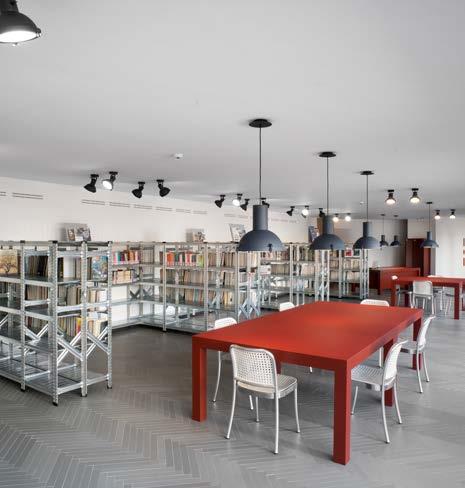
Among the initiatives for SDF Italy employees, the opening of the SAME Library at the Treviglio headquarters stands out. This service allows workers to borrow a wide selection of books and magazines free of charge, including bestsellers, classics, novels and publications on agricultural mechanisation. The library is part of the Bergamo Library Network (RBBG), giving users access to over 245 libraries in the province, linked together by an interlibrary loan service.
With a collection of over 1,300 books and a target of gradually reaching 5,000, the SAME Library offers an important cultural resource that promotes reading and the personal well-being of employees.
In recent years, SDF Italy has introduced greater flexibility for its employees, allowing them to organise their work according to a short working week. This initiative aims to promote corporate well-being and facilitate work-life balance. The standard working week for production workers is 38 hours, divided into 8.5 hours from Monday to Thursday and 4 hours on Friday. However, the short week can vary from a minimum of 34 hours per week (with 0 hours of work on Fridays) to a maximum of 42 hours (with an 8-hour shift on Fridays). Since 2023, this flexible working time has been extended to a larger number of industrial employees, while for non-industrial areas, such as sales, purchasing, R&D, HR, AFC, etc., a short working week with a fixed 39 hours has been implemented, with employees working half a day on Fridays. Furthermore, from 2024, clocking in during lunch breaks has been abolished, allowing employees to manage their time more flexibly and independently. In France, SDF has also adopted a four-day working week, thereby improving staff well-being and making a tangible contribution to reducing transport-related CO₂ emissions. This choice allows employees to enjoy a work-life balance, thereby contributing to a more satisfying work environment.
In addition, in September 2024, some of the new spaces related to the SAME Campus were opened, benefiting the entire company population. Further information can be found in Chapter 6.3 Initiatives to protect and support the local community.
The SDF Group values the well-being of its employees, recognising that a positive and collaborative working environment contributes to improved productivity and promotes balanced professional relationships. Therefore, the well-being of employees is a key element in the company’s strategy. To support this vision, SDF has launched several initiatives aimed at improving the quality of working life.
Among these, parental leave stands out as an important tool offered by all Group companies, highlighting their deep commitment to supporting employees during significant moments in their lives. In 2024, 163 employees took parental leave, 88% of whom were men. At the end of the leave period, most employees returned to work, with a return rate of 92% at Group level.
Pension planning is also a crucial element of the Group’s overall pension package. Several companies within the Group offer pension benefits ranging from comprehensive pension plans to partial provisions, reflecting the Group’s commitment to the long-term well-being and security of its employees and highlighting the importance of financial stability and peace of mind during retirement.
In some countries, such as France, India and China, Group companies extend their support further by offering disability and invalidity insurance, providing an additional level of protection for those who may experience unexpected health problems.
SDF France and SDF India have introduced a subsidy to ensure employees have access to quality meals in a comfortable and convenient environment, with the aim of promoting healthy eating and encouraging socialisation among workers during lunch breaks, helping to create a community atmosphere.
Furthermore, in order to promote a safe, welcoming working environment that is attentive to people’s different needs, a welfare portal has been set up for employees in Treviglio, offering a variety of agreements and discounts. These benefits include both general offers provided by the platform, which enters into agreements with various brands, and customised solutions for employees, introduced starting in 2024.
The L&P Scorecard project, launched in Italy in 2023, continues with the aim of evaluating employees in two main areas: Performance and Leadership. Performance assessment focuses on aspects such as a sense of responsibility, ability to adapt to change, results orientation and humility. Leadership, on the other hand, is analysed using parameters such as emotional intelligence, agility in learning, motivation and aptitude for innovation. This process is led by managers who, together with their staff, set annual targets with the aim of stimulating new motivation and encouraging improved individual performance. The project has recently been expanded, first in Germany and then in Turkey, with plans to extend it to other branches in the future. Furthermore, in 2024, a section dedicated to motivation and engagement was introduced in the assessment form, which collects information on training needs, thus contributing to improving staff skills and involvement.
Finally, most employees are covered by a collective labour agreement and supplementary company agreements, which are managed locally by each plant. However, the percentage of employees covered varies from country to country, depending on national regulations.
In 2024, SDF launched its global mobility policy, allowing employees to work for periods of time at the Group’s foreign offices. This initiative, which responds to workers’ requests to gain international experience, began with initial experiences in Turkey, with the aim of extending it to other branches of the group by 2025. The duration of the mobility scheme is two years, during which employees remain employed by their parent branch. This initiative is an important step towards enhancing the international skills and experience of employees, contributing to their professional and personal development.
Finally, team-building activities are organised at all Group facilities with the aim of strengthening bonds between employees and promoting a collaborative and cohesive working environment. For example, in China, a culinary initiative was organised in which employees had the opportunity to learn how to make dumplings, a traditional dish, to celebrate the arrival of the new year in January 2024, strengthening the sense of community among team members. Also in China, during the Dragon Boat Festival, employees participated in the preparation of a traditional meal associated with this holiday, celebrating local culture and encouraging collaboration and teamwork. Through these activities, the Group demonstrates its commitment to promoting cultural traditions and fostering positive relationships among employees.
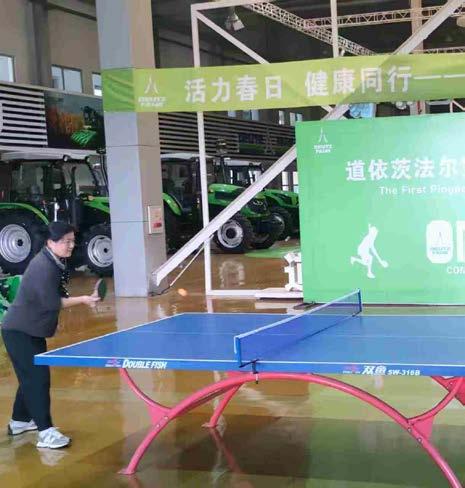
5. HUMAN CAPITAL
5.3 Health and safety of employees and consumers
[GRI 403-1; GRI 403-2; GRI 403-3; GRI 403-4; GRI 403-5; GRI 403-6; GRI 403-7; GRI 403-9; GRI 403-10; GRI 416-2]
[ESRS S1 - Working conditions (health and safety); ESRS S4 Health and safety]
The SDF Group has implemented a comprehensive, integrated process relating to Health and Safety at Work, applicable to all its sites. In line with its ongoing commitment to employee health and safety, SDF Italy adopted a Health and Safety Management System compliant with ISO 45001:2023 several years ago, which helps to ensure safe working environments and prevent injuries and occupational illnesses. To monitor the effectiveness of this system, SDF Italy also conducts internal audits carried out in collaboration with a cross-functional team that includes HSE officers, department managers, maintenance representatives, worker safety representatives and department technicians.
A dedicated database manages all reports received regarding health and safety, including injuries and near misses. These reports are systematically shared and discussed during monthly safety team meetings, which are attended by all relevant staff, including employee representatives. The results of these meetings are carefully documented and contribute to data analysis and trend monitoring. A dedicated system allows all reports to be monitored, both open and resolved, broken down by department and type, including injury rates. The objective is to ensure that every report recorded in the database is handled and brought to a conclusion. Each meeting is also recorded in the database and, upon resolution, the closure of the report is recorded with all relevant details.
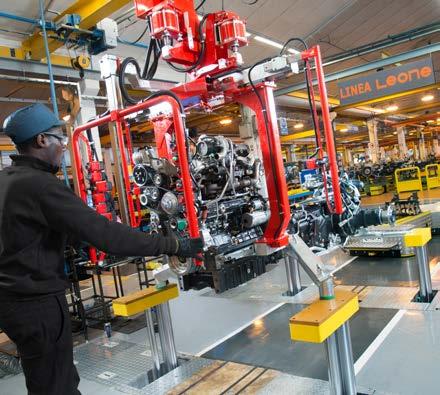
5. HUMAN CAPITAL
5.3 La salute e la sicurezza dei dipendenti e dei consumatori
[GRI 403-1; GRI 403-2; GRI 403-3; GRI 403-4; GRI 403-5; GRI 403-6; GRI 403-7; GRI 403-9; GRI 403-10; GRI 416-2] [ESRS S1 - Condizioni di lavoro (salute e sicurezza)]
In 2024, the analysis of safety reports led to the implementation of corrective actions, adopting specific and targeted approaches in each country in which it operates.
The SDF Group, always attentive to issues concerning the health and safety of its employees, implemented several initiatives in 2024. In Italy, in order to further optimise the efficiency of firefighting operations, the firefighting system has been upgraded with two new tanks that pressurise the firefighting ring, thus ensuring effective water distribution in an emergency and improving the system’s response capacity. In France, investments have been made in protective equipment to further improve workplace safety. In recent years, noise studies have also been conducted with the aim of strengthening operating conditions to protect employees. These measures not only demonstrate a commitment to safety, but also a desire to create a healthier and safer working environment. In Germany, first aid equipment has been made more accessible, allowing every worker to easily access these resources when needed. Finally, in Turkey, investments were made in machinery to improve safety, and a team was set up which helped to reduce the number of injuries through regular meetings and the automation of certain processes. This team actively works to identify and resolve safety issues, ensuring that preventive measures are always in place.
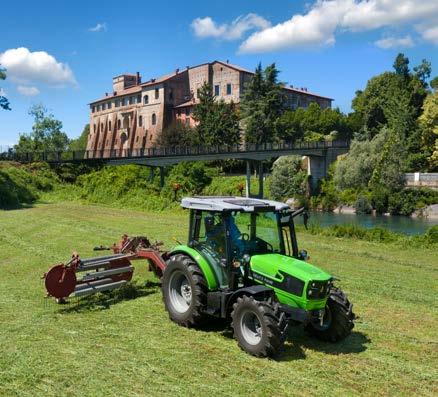
The SDF Group also recognises that training and awareness are key to reducing risks and promoting a culture of safety, thereby contributing to the well-being of its employees. In Italy, in addition to safety training for all employees, the company organises additional specific training courses for production staff to raise awareness of the risks present in the production environment. These courses not only provide theoretical information, but also include practical training to make workers more aware and prepared to deal with any risky situations. In Germany, there is a dedicated team of trained personnel who act as the point of contact for safety issues along the production line. This team has received additional training to deal with any emergency situations and improve safety practices. First aid courses have also been increased and employees also receive individual training. In India, healthcare is provided through a dedicated doctor and specific training courses to ensure that workers are well informed about safety protocols.
Work-related injuries (GRI 403-9)
Total number of injuries recorded at work
of which commuting incidents (only if the transport has been organized by the organization)
of
In 2024, there were no cases of occupational illness, and while the total number of injuries involving employees fell from 67 (in 2023) to 60, the injury rate rose from 9.5 to 10 due to fewer hours worked. As for non-employees, the number of injuries fell from 8 (in 2023) to 4, as did the injury rate, which fell from 11 to 6 during the two-year period.
The company recognises that training and awareness are key to reducing risks and promoting a culture of safety, thereby contributing to the well-being and productivity of its employees.
With regard to consumer health and safety, the SDF Group has developed a structured and proactive system for product safety management. This system involves the systematic collection, continuous monitoring and in-depth analysis of any non-conformities, reports or opportunities for improvement, in order to guarantee high standards of quality and safety for its products. To this end, the cross-functional Safety Team, composed of experts from various areas of the company (such as quality, production, research and development, and after-sales technical support), actively collaborates to assess risks, identify the causes of problems, and propose effective and sustainable solutions.
This approach allows critical issues to be addressed in a timely and targeted manner, promoting a corporate culture focused on continuous improvement and responsibility towards the end user. The aim is not only to resolve existing issues, but also to anticipate potential risks, strengthening reliability and contributing to the creation of increasingly safe products.
6.1. QUALITY
[GRI 416-2] [ESRS S4 HEALTH AND SAFETY; ESRS S2 WORKING CONDITIONS (HEALTH AND SAFETY); ESRS S2 EQUAL TREATMENT AND OPPORTUNITIES FOR ALL; ESRS S2 OTHER WORK-RELATED RIGHTS]
The objective is to expand and refine our product range, offering machines that are increasingly reliable, safe, productive, comfortable and easy to use. The quality of the final product is the result of careful design, controlled production processes, the technical expertise of our staff and efficient supply chain management. This includes a thorough supplier validation process.
Quality control is a process that begins with the selection of suppliers and continues throughout all stages of production. Before leaving the production facilities, each product undergoes rigorous testing to ensure compliance with company standards. The company adopts an integrated approach to continuous improvement, combining ongoing staff training, preventive maintenance of equipment and systematic analysis of customer feedback in order to guarantee the excellence of its products and services.
SDF continuously invests in advanced technological solutions designed specifically for the agricultural mechanisation sector.
The importance of product quality: control and management
The quality of the products, guaranteed by rigorous management and careful controls, is confirmed as a key element in establishing oneself in the competitive international landscape. The SDF Group adopts a structured management approach aimed at optimising operational efficiency and consolidating the soundness of its processes. The company’s strategy also incorporates a strong awareness of environmental and social topics, with the aim of operating in a responsible and reliable way over time.
To ensure the effectiveness of processes and the quality of results, SDF identifies and implements corrective actions aimed at eliminating the causes of any critical issues.
CURRENT AND FUTURE QUALITY OBJECTIVES AND RESULTS
Each year, SDF sets specific targets to improve quality compared to the previous year, with the aim of raising reliability standards, reducing the percentage of defective components and offering consumers the best possible product.
Constant focus on improving business processes and reducing waste in various areas of production led to the following significant results in 2024:
In 2024, the Group achieved its goal of improving the quality of the products it supplies, despite challenges related to component sourcing and delivery delays. This result was made possible by initiatives implemented to optimise supplier processes, which led to a significant reduction in line waste. Furthermore, there has been an overall gradual improvement in the quality of output products, with a decrease in operational problems encountered during the decisionmaking phase. During 2025, the Group intends to further improve its results despite the persistent challenges related to the supply chain.
At the end of 2024, customer satisfaction showed a further improvement compared to the previous year, as evidenced by the score obtained in Dealer Tractor Management, an indicator that assesses the condition of the machine at the time of delivery by the dealer. The Group achieved a score above 4 (on a scale of 0 to 5, where 5 represents excellence), thanks to the initiatives implemented that helped reduce the operational problems encountered at the end of the line.
From an environmental perspective, the Group achieved its waste sorting targets by completing awarenessraising projects and optimising ecological areas. By 2025, the company aims to achieve further improvements in this area, in addition to implementing new ISO management systems in various production plants to support operational management.
In terms of workplace safety, there was an overall decrease in the number, frequency and severity of injuries compared to 2023. This improvement has also been achieved thanks to safety training initiatives and the promotion of reporting at all levels. For 2025, the Group aims to continue further reducing the number of accidents.
n 2024, SDF launched major product updates, introducing new models in the HHP segment and improving the Low/Mid range with innovations such as the hydraulic reverse shuttle and updated engines. New models have been released for the European market and the 6C range for export markets has been completed. In the specialist segment, new options have been implemented for the orchard range and regulatory adjustments have been made for the Turkish market. For 2025, SDF plans to launch the new Agrofarm 5 range and make significant updates to the 6C and Frutteto ranges.
In general, SDF has defined a series of strategic objectives for 2025 aimed at strengthening its competitiveness and sustainability. SDF is committed to constantly monitoring and improving every aspect related to quality, integrating this principle into all stages of its activities, considering quality not as a static goal, but as a continuous path of growth.
RELATIONSHIPS WITH SUPPLIERS
In 2024, the Group continued to strengthen its ties with local suppliers, a key aspect of its procurement strategy.
All SDF plants prioritise collaboration with suppliers located nearby. This strategy not only supports local economies, but also contributes to operational efficiency and supply chain sustainability.
SDF Group operates mainly in Italy, Germany, France, China, India and Turkey, with occasional supplies from Korea and Mexico. However, Turkey is emerging as a growing supplier country, and the Group is determined to further develop this network, ensuring that every supplier complies with the established quality standards. Turkey, in particular, has seen significant development since it began supplying more recently. This has enabled the SDF Group to support the regional economy and maintain more direct control over the quality of the materials used.
The Group has a thorough supplier qualification process in place, which defines objective methods and criteria for selecting and evaluating both new and existing suppliers. The Group is adopting a gradual approach to integrating sustainability criteria into the supplier selection and evaluation process. In addition to the existing quality, environmental and occupational safety parameters, energy aspects have also been included this year in line with the ISO 50001 certification process.
This process includes the proactive sending of preliminary questionnaires, which allow us to gather detailed information about the company, the presence of certified management systems and the practices adopted in relation to quality, the environment, health and safety at work and energy. The results of the questionnaires are shared with the HSE department, which liaises directly with suppliers for any clarifications. Subsequently, the audit team carries out an assessment at the supplier’s premises, assigning an overall score based on parameters such as quality system, documentation, corrective actions implemented, etc. Qualified suppliers are then monitored monthly using dedicated KPIs.
The supplier qualification process is uniform across all plants, and audits are conducted by the Supplier Quality team, in collaboration with buyers, using an assessment form that takes into account various aspects, including any ISO certifications, the publication of a Sustainability Report, the traceability of raw materials and processes, the protection of workers throughout the value chain, etc. The quality of the process is a crucial element in this qualification system.
This reflects a growing commitment to evaluating suppliers based on European regulations as well. In this way, the SDF Group not only builds strong relationships with its suppliers, but also ensures that every part of its supply chain contributes to a more sustainable and responsible future.
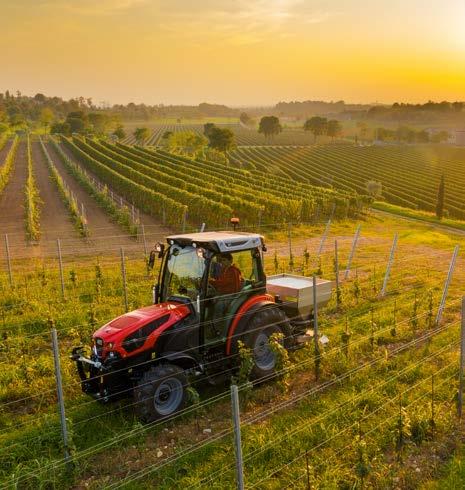
6.2 INNOVATION AND R&D
In 2024, SDF continued its consolidation process, further strengthening its focus on customers and optimising its products. The primary objective remains to offer high-performance technical solutions that are reliable and consistent with market needs. To support this approach, the company has formalised an integrated project evaluation and approval process and a process management system that uses key performance indicators (KPIs) to monitor the various project phases. This system involves all company departments across the board, promoting an integrated and shared vision.The project approval process involves strategic analysis at a dedicated meeting (Product Strategy Board), the collection and analysis of market requirements (Product Market Analysis Committee) and, finally, the presentation of the technical feasibility of market requirements and the economic sustainability of the project (Product Development Executive Committee).
The group’s constant drive for technological innovation.
Project management is based on a structured framework that allows for the supervision and monitoring of the entire product life cycle: from initial conception to industrialisation and maintenance.
The Research and Development area is divided into two main sections: Design and Validation. Within the design process, the functional groups work in close collaboration, with constant coordination ensuring alignment between R&D activities and other company functions. The Validation department, which also works in constant and close coordination with the Design department, manages the functional testing of new vehicles, ensuring complete validation of the solutions released and compliance with typeapproval, safety and reliability requirements.
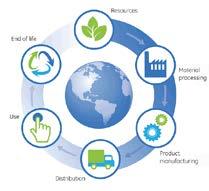
The organisation has adopted a matrix structure, in which Project Leaders are responsible for overseeing the entire product lifecycle. Function managers and product managers work together to develop technical solutions that meet the performance standards required by the market and legislation.
The structural reorganisation undertaken in recent years has been a significant strategic evolution. It has improved internal communication and created more effective synergies, with a positive impact on the quality, reliability and overall performance of the products.
FUTURE OBJECTIVES
In 2024, in line with previous years, SDF continues to pursue a strategy of synergistic goal setting, with the Treviglio headquarters playing a crucial role in this process, ensuring coordination and cooperation between teams globally.
A key aspect of SDF’s strategy is maintaining a process of continuous improvement. In terms of sustainability, the Research and Development department has set itself the future goal of optimising the material management process through better integration of this information into company systems and, therefore, into product databases.
SDF’s Smart Farming Solutions assist farmers and contractors with a wide and customisable range of digital solutions. Precision farming (also known as smart farming) is a set of technologies and tools applied to agricultural production processes, created with the aim of improving production, minimising environmental impact and raising the quality standards of agricultural products. These solutions therefore enable speed, precision and profitability to be optimised according to different business needs.
PARTNERSHIPS
In the context of a constantly evolving market, SDF has recognised the importance of forging strategic partnerships to ensure innovation and competitiveness. Partnerships with component suppliers are fundamental to the Group’s operations, as even components not developed in-house require careful integration into vehicles. Partnerships are not limited to suppliers, but also extend to engineering companies and research and development centres.
Finally, SDF has established several partnerships with universities and higher education institutions in the fields of digitalisation and innovation, and with secondary schools through work experience programmes, organising meetings to explain vehicle development and production processes and introduce students to the agricultural mechanisation sector.
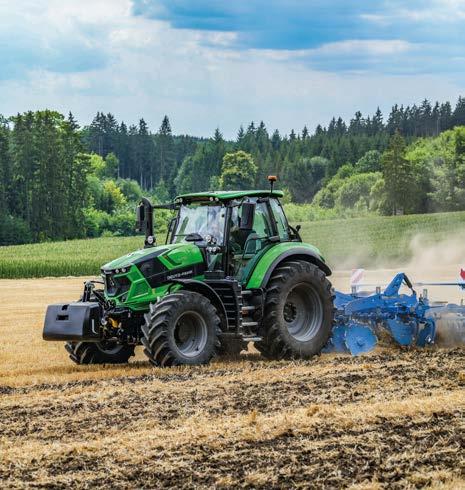
6.3 INITIATIVES TO PROTECT AND SUPPORT THE LOCAL COMMUNITY
[ESRS
S3 ECONOMIC, SOCIAL AND CULTURAL RIGHTS OF COMMUNITIES]
The SAME Campus project, launched at the end of 2022 and scheduled for completion by 2027, was created with the aim of increasing worker well-being, improving the functionality and accessibility of existing facilities, and reducing environmental impact.
The project saw the completion of the first phase in 2024, with the construction of a building to house new changing rooms with over 1,000 changing stations and a new infirmary equipped with five clinics and two treatment rooms which, in addition to meeting occupational health needs, offers employees specialist services in partnership with external clinics.
Another important development is the construction of a new car park for employees and visitors, completed in 2024, including a large covered area for motorcycles and bicycles, new green spaces that enhance the surrounding area, and a gatehouse for employee and visitor access and material supply.
With sustainability in mind, a 150 kWh photovoltaic system connected to the grid has been installed. The plant is expected to be upgraded to a total capacity of over 500 kWh. Charging stations (for bicycles and cars) have also been set up with the aim of encouraging the use of alternative, low-environmental-impact means of transport.
Near the campus, SDF has also built a new cycle path to promote alternative and sustainable micro-mobility and a new roundabout to help ease daily traffic congestion in the city. These infrastructures were designed and agreed upon with the Municipality of Treviglio, with a careful urban planning approach to integrate them with the neighbouring districts.
The architectural redevelopment of the old changing rooms is underway, involving their demolition and the creation of a green area with a footpath leading to the company canteen and a place to relax in the greenery during breaks. In the same area, there will be outdoor parking spaces for visitors and indoor parking spaces for employees, equipped with electric charging stations. Extraordinary maintenance work is also underway on the historic gatehouse, with the aim of updating it to fit its new surroundings. Finally, the process of renovating the company canteen has begun. This involves replacing all fixtures to improve the internal microclimate, brightness and heat consumption.
The next steps include the modernisation of the “Academy” technical training centre, completing the renovation of the canteen, redesigning the Auditorium, adding further pedestrianised green areas and, above all, constructing a three-storey office building that will house over three hundred workstations with the aim of ensuring a modern, efficient and energy-efficient working environment that allows for maximum integration between the various company departments. This new facility will also be equipped with a photovoltaic system, contributing to the improvement of the site’s overall energy efficiency.
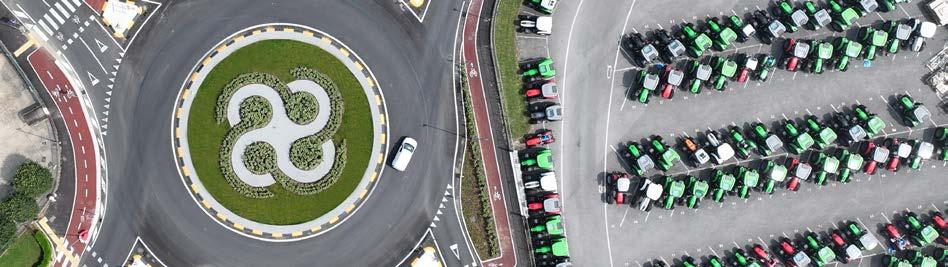
6.4 SAME FOUNDATION
[ESRS S3 ECONOMIC, SOCIAL AND CULTURAL RIGHTS OF COMMUNITIES]
Established in 2017 by the SDF Group on the occasion of the ninetieth anniversary of the company’s creation by Francesco and Eugenio Cassani, the SAME Foundation is a philanthropic organisation set up to promote social and cultural initiatives. During 2024, the SAME Foundation strengthened its commitment to social, health, educational and international issues, as documented in the new edition of the Social Report. The document reports a total of €1,319,255 allocated to support projects already underway and new initiatives. Among institutional developments, we also note the appointment of the new Board of Directors, whose term of office was due to expire with the approval of the 2024 financial statements.
Description of the Foundation and its main activities
Tutela de patrimonio storico e ambientale
Ricerca scientifica
Sostegno e promozione della formazione agraria
Lotta alla fame e alla povertà in Africa
In the healthcare sector, one of the main initiatives involved supporting scientific research conducted at the San Raffaele Hospital. The three-year project focuses on identifying new antiviral drugs against the SARS-CoV-2 virus and preventing viral hepatitis infections. The Foundation’s contribution has made it possible to create biosafety environments and install the scientific equipment necessary for carrying out research activities.
In response to the humanitarian emergency linked to the war in Ukraine, the Foundation continued its commitment to asylum seekers through reception and inclusion projects. Activities carried out in 2024 included the organisation of summer camps, training courses and summer holidays. The Foundation covered the running costs of accommodation, transport and daily support for refugees, as well as providing school supplies for children and after-school support, with a total contribution of over €30,000 during 2024. These initiatives have provided a safe and welcoming environment for families in need.
In the field of heritage and land conservation, the Foundation continued its collaboration with FAI in 2024, donating a further contribution of approximately €100,000 for the renovation of Fontana Secca, in the Monte Grappa massif. Following progress made in 2023, construction work resumed in 2024 and continued until November. The aim was to revive the mountain pasture and regenerate pasture and forest areas.
Also in 2024, the Foundation actively participated in improving local infrastructure, contributing to the renovation of CasChina Ganassina, a structure dating back to the second half of the 19th century consisting of a rural building and over 15 hectares of agricultural land. The Municipality of Treviglio has issued a certificate of satisfactory completion of the works, recognising the Foundation’s role as a strategic partner in the project.
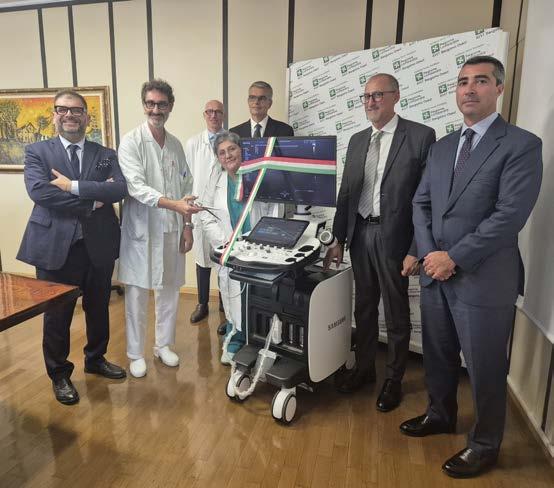
There have also been numerous initiatives to support the most vulnerable sections of the population. The “La Quercia di Mamre ODV” soup kitchen for the vulnerable continued to be a focal point for the community, providing approximately 121,000 meals and 5,200 food parcels each week to 100 families. The Associazione Volontari del Trasporto Solidale (Transport Volunteers Solidarity Association) provided transport services for people in need, carrying out 5,309 trips for a total of 122,805 kilometres travelled. In July, the Foundation also financed the purchase of a new vehicle equipped for transporting people with reduced mobility.
In the residential care sector, the Margherita Housing Community, managed by the Monsignor Portaluppi Foundation, continued to offer support to minors in difficult situations, hosting six children and one young adult who had recently come of age. The Foundation’s contribution has made it possible to furnish the common areas and rooms, improving the quality of the accommodation.
In the healthcare sector, the Foundation supported the purchase of a new ultrasound scanner for the Clinical Breast Unit and Mammography Screening Unit at Treviglio Hospital, with the aim of increasing diagnostic accuracy and operational efficiency. At the same time, it continued to support the Il Tetto Association in managing the Pane Quotidiano project, with a donation of €15,000 that contributed to the distribution of food to around 70 people in need in the city of Brescia.
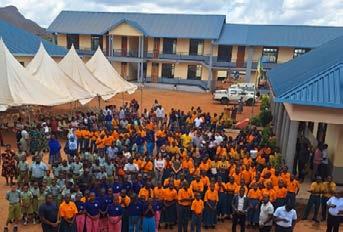
In the field of education and social reintegration, the Foundation has renewed its support for the “Adopt an Educator” project at the San Patrignano cooperative, contributing to the constant presence of professional educators to support young guests.
Internationally, the Foundation has consolidated and expanded the projects launched in previous years in Africa. In Tanzania, work continued with the Solidarietà Passionista non-profit organisation for the construction of a hospital, which in 2024 was equipped with an eye clinic for specialist examinations and diagnoses, a laboratory for the production of glasses, and a house for guests and volunteers. In the Democratic Republic of Congo, it supported the creation of a women’s agricultural cooperative in Kaniola, with the aim of promoting women’s economic independence. Local young agronomists, trained in Tanzania, have begun training the 50 women involved. In September, land was purchased for growing vegetables, and in October, community farming activities began, culminating in the first sale of produce in January.
Also in Tanzania, the Foundation continued to support St. Jacobus Secondary School, contributing
to the construction of a boys’ dormitory, the expansion of the kitchens and the construction of new wells. In previous years, the support had already enabled the construction of a library, a workshop, two classrooms, a guest house and the purchase of vehicles for the school.
In 2024, the Foundation also awarded merit-based scholarships to students at the Cantoni Agricultural Institute and funded an educational trip to Tanzania for 12 students and 2 accompanying adults, which took place from 2 to 15 November. During a ceremony held in February, participating students were awarded the “Madonna delle lacrime” (Our Lady of Tears) award.
Finally, a new academic project has been launched: a Bachelor’s programme in Agricultural Economics and Development, developed in collaboration with the University of Milan and Ruaha Catholic University in Iringa. In July, meetings were held between lecturers from the two universities to establish a scientific coordination committee. In November, online classes began, accompanied by seminars and preparatory activities for theses, with the aim of harmonising teaching content and methods between Italy and Tanzania.
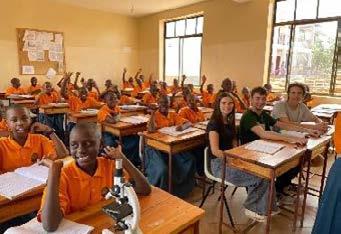
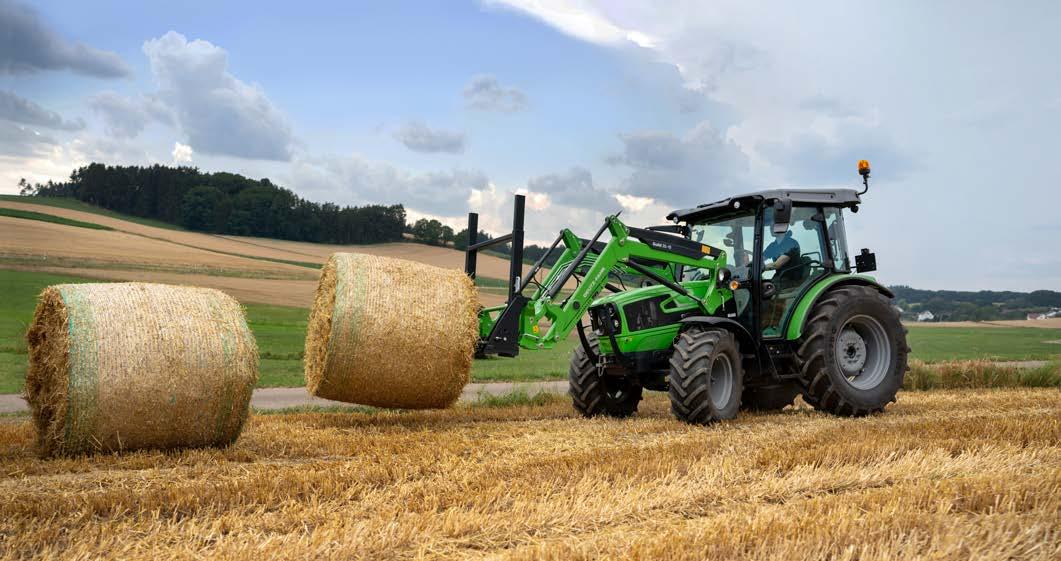
ANNEX
3.1 ENERGY AND GHG EMISSIONS
GRI 302 - Energy
GRI 302 - Energy
NOTE: The data for 2022 and 2023 have been re-evaluated following an update of the calculation bases by the organisation in order to ensure greater accuracy and methodological consistency. In particular, with regard to the 2022 data, the values relating to fuel consumption for the company fleet and the energy intensity ratio have been updated. The values relating to energy intensity and diesel consumption have been updated for 2023.
These updates reflect a more accurate interpretation of the original data and do not entail any substantial changes to the environmental performance reported.
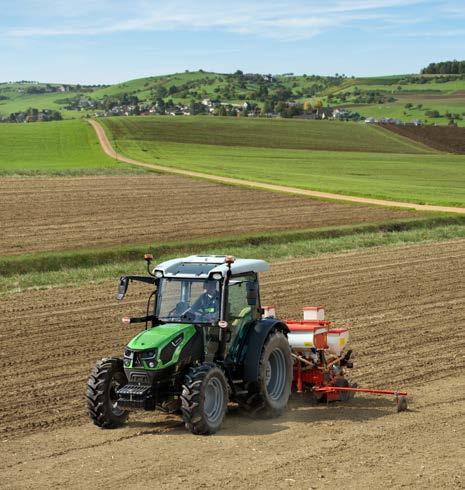
3.2 RESPONSIBLE MANAGEMENT OF WASTE
- MATERIALS (IN TONNES)
NOTE: The data for 2022 and 2023 have been re-evaluated for all Plants following an update of the calculation bases by the organisation in order to ensure greater accuracy and methodological consistency. In particular, the data relating to GRI indicator 301 – Materials used 2023 have been updated. These updates reflect a more accurate interpretation of the original data and do not entail any substantial changes to the environmental performance reported.
3.2 RESPONSIBLE MANAGEMENT OF WASTE
Waste generated (GRI 306-3) in Tons Treviglio (Italy) Lauingen (Germany) Ranipet (India) Bandirma (Turkey) Linshu (China) Chateaubernard (France)
Waste generated (GRI 306-3) in Tons Treviglio (Italy) Lauingen (Germany) Ranipet (India)
(Turkey)
NOTE: The data for 2022 and 2023 for the Indian Plant in Ranipet have been re-evaluated following an update of the calculation bases by the organisation in order to ensure greater accuracy and methodological consistency. In particular, the data relating to GRI indicator 306 - 3 Waste generated have been updated. These updates reflect a more accurate interpretation of the original data and do not entail any substantial changes to the environmental performance reported.
Waste generated (GRI 306-3) in Tons Treviglio (Italy) Lauingen (Germany) Ranipet (India) Bandirma (Turkey) Linshu (China) Chateaubernard (France)
4.1 WORKFORCE
NOTE: The data for 2022 and 2023 have been re-evaluated following an update of the calculation bases by the organisation in order to ensure greater accuracy and methodological consistency. These updates reflect a more accurate interpretation of the original data and do not entail any substantial changes to the performance reported.
4.1 WORKFORCE
NOTE: The data for 2022 and 2023 have been re-evaluated following an update of the calculation bases by the organisation in order to ensure greater accuracy and methodological consistency. These updates reflect a more accurate interpretation of the original data and do not entail any substantial changes to the performance reported.
4.1 WORKFORCE
NOTE: The data for 2022 and 2023 have been re-evaluated following an update of the calculation bases by the organisation in order to ensure greater accuracy and methodological consistency. These updates reflect a more accurate interpretation of the original data and do not entail any substantial changes to the performance reported.
(Italy)
(Germany)
(India)
(Turkey)
(China)
(France)
4.2 EMPLOYEE WELL-BEING AND PERSONAL DEVELOPMENT
NOTE: The data for 2022 and 2023 have been re-evaluated following an update of the calculation bases by the organisation in order to ensure greater accuracy and methodological consistency. These updates reflect a more accurate interpretation of the original data and do not entail any substantial changes to the performance reported.
Parental leave (GRI 401-3) in 2023 Treviglio (Italy) Lauingen (Germany) Ranipet (India) Bandirma (Turkey) Linshu (China)
Chateaubernard (France)
4.3 HEALTH AND SAFETY OF EMPLOYEES AND
CONSUMERS
number of recordable work-related injuries, including fatalities
of which commuting incidents (only if the transport has been organized by the organization)
of which high-consequence work-related injuries (>6 months of absence), excluding fatalities
Treviglio (Italy) Lauingen (Germany) Ranipet (India) Bandirma (Turkey) Linshu (China)
Work-related injuries - EMPLOYEES (GRI 403-9)
Chateaubernard (France) Treviglio (Italy) Lauingen (Germany) Ranipet (India) Bandirma (Turkey) Linshu (China)
Chateaubernard (France) Treviglio (Italy) Lauingen (Germany) Ranipet (India) Bandirma (Turkey) Linshu (China)
bernard (France)
NOTE: Total employee hours worked for 2023 have been re-evaluated following an update of the calculation bases by the organisation in order to ensure greater accuracy and methodological consistency. These updates reflect a more accurate interpretation of the original data and do not entail any substantial changes to the performance reported.
Chateau-
4.3 HEALTH AND SAFETY OF EMPLOYEES AND CONSUMERS
worked by workers who are not employees
Total number of recordable work-related injuries, including fatalities
of which commuting incidents (only if the transport has been organized by the organization)
of which high-consequence work-related injuries (>6 months of absence), excluding fatalities
Treviglio (Italy) Lauingen (Germany) Ranipet (India) Bandirma (Turkey) Linshu (China)
Work-related injuries – WORKERS WHO ARE NOT EMPLOYEES (GRI 403-9)
Chateaubernard (France) Treviglio (Italy) Lauingen (Germany) Ranipet (India) Bandirma (Turkey) Linshu (China)
Chateaubernard (France) Treviglio (Italy) Lauingen (Germany) Ranipet (India) Bandirma (Turkey) Linshu (China)
Chateaubernard (France)
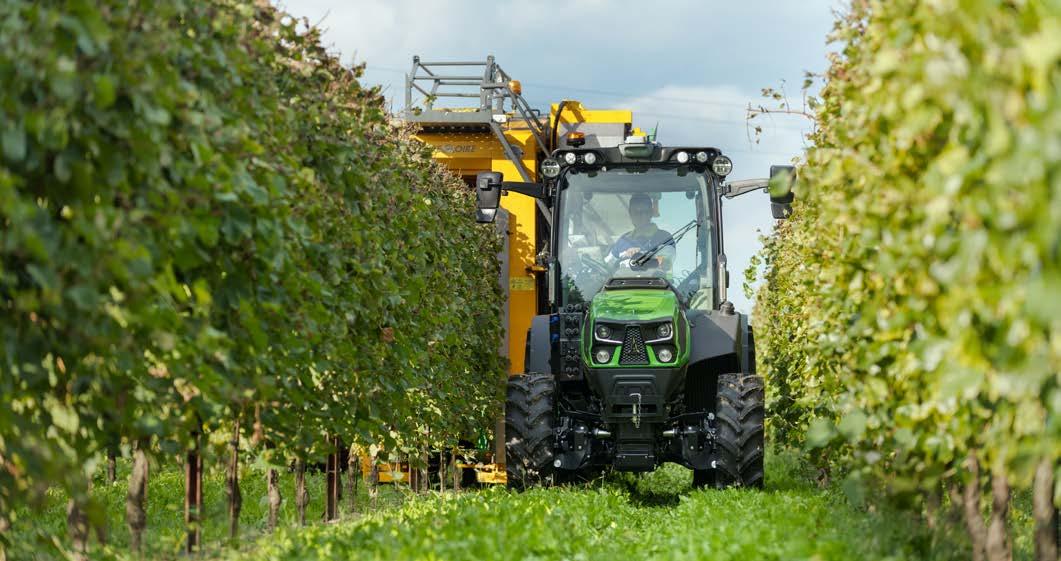
METHODOLOGICAL NOTE
METHODOLOGICAL NOTE
The SDF Sustainability Report includes a description of the initiatives and activities carried out from 1 January to 31 December 2024, as well as the related key performance indicators of the Group presented for the period 2022–2024, where available. The data collection process and report publication activities are carried out on an annual basis.
The Report has been prepared using the GRI Sustainability Reporting Standards 2021, defined by the Global Reporting Initiative, according to the “with reference” option. In addition, although not currently subject to legislative requirements in this area, the Group has decided to follow the European Sustainability Reporting Standards (ESRS) adopted in 2023 and provided for by the Corporate Sustainability Reporting Directive (CSRD), with the aim of anticipating compliance with future regulatory requirements and facilitating a gradual transition to mandatory reporting.
This Report considers the main environmental, social and economic aspects that characterise the SDF Group, headquartered in Treviglio (Bergamo, Italy) in Viale F. Cassani, 14, 24047. The scope of this Report includes the production facilities of: SAME DEUTZ-FAHR Italia S.p.A. (Italy), Grégoire SaS (France), Same Deutz-Fahr Deutschland GmbH (Germany), Same Deutz-Fahr Traktor Sanay Ve Ticaret A.S. (Turkey), Same Deutz-Fahr India Private Ltd (India), Deutz-Fahr Machinery Co. Ltd (China). Commercial branches are not included. These can be consulted at the following link on the Group’s website: https://www.sdfgroup.com/it-it/presenza-globale.
This document includes information relating to both the Financial Statements and the Sustainability Report. At the date of publication of this Report, no significant events have occurred in 2024, except as already reported in the text. The document has not been verified by an independent third party.
EVOLUTION OF THE REGULATORY FRAMEWORK
In recent years, the European and national regulatory framework for sustainability reporting has undergone significant changes, with the aim of enhancing the transparency and comparability of environmental, social and governance (ESG) information provided by companies.
In Italy, the Corporate Sustainability Reporting Directive (CSRD) was transposed into national law by Legislative Decree No. 125 of 6 September 2024, published in the Official Gazette No. 212 of 10 September 2024. The decree implements Directive (EU) 2022/2464, which amends Regulation (EU) No. 537/2014 and Directives 2004/109/EC, 2006/43/EC and 2013/34/EU, introducing new requirements for corporate sustainability reporting.
Subsequently, on 26 February 2025, the European Commission presented the ‘Omnibus Package’, divided into two separate initiatives: Omnibus I and Omnibus II. This legislative package aims to reconcile the objectives of sustainable transition with the need to protect the competitiveness of European businesses. The main new features proposed include:
Redefinition of the scope of the CSRD: The reporting obligation will only apply to large companies with more than 1,000 employees and which exceed at least one of the following thresholds: 50 million euros in turnover or 25 million euros in assets.
Revision of the ESRS (European Sustainability Reporting Standards): the Commission intends to simplify the standards by reducing the number of data points, clarifying ambiguous provisions and improving consistency with other regulations.
Introduction of a voluntary standard: for companies excluded from the scope of the CSRD (fewer than 1,000 employees), a simplified voluntary standard (VSME) developed by EFRAG will be available.
Extension of deadlines (Wave 2 and 3): a two-year postponement is proposed for the entry into force of reporting obligations for large companies that have not yet started to apply the CSRD and for listed SMEs.
Amendments to the Taxonomy Regulation: the reporting obligation under the EU Taxonomy will be limited to companies with more than 1,000 employees and a turnover exceeding 450 million euros, with the aim of reducing reporting requirements by up to 70%.
To complete this process, Directive (EU) 2025/794, known as the ‘stop-the-clock Directive’, was published in the Official Journal of the European Union on 16 April 2025, formalising the two-year postponement of the application of the reporting requirements under the CSRD.
In light of these changes, SDF will be required to report under the CSRD, in accordance with the ESRS, starting in 2028, with reference to data from the 2027 financial year.
DOUBLE MATERIALITY ANALYSIS
The Double Materiality Assessment process, one of the relevant elements voluntarily introduced by SDF Group, has made it possible to identify the ESG topics that are material to the Group through the process of mapping and prioritising the IROs (Impacts, Risks & Opportunities) contained in the ESRS.
The Impact Materiality analysis process was structured in four main phases:
Understanding the Group’s operating environment: analysis of the sector, considering various sources both internal and external to the Company, including activities, commercial relations, the sustainability context and stakeholders.
Identification of SDF’s actual and potential impacts: distinguishing between impacts that have already occurred and those that may occur in the future.
Assessment of the significance and relevance of impacts: examining all impacts according to the ESRS Standard criteria, assessing them as positive or negative, actual or potential for its operations and for the entire value chain.
Prioritisation of the most significant impacts for reporting: establishing the priority of the most significant impacts to guide the identification of material topics.
With regard to Financial Materiality, the process is divided into four main phases, which follow an approach similar to that of Impact Materiality, but with a specific focus on financial aspects and the impact that external dynamics, including those related to natural and social resources, may have on value creation and the Group’s economic and financial performance:
Identification of dependencies on natural and social resources: the natural and social resources on which the Group depends for its operations are analysed, considering access to resources, sustainability and the economic impacts resulting from the availability of these resources.
Assessment of the relevance of these dependencies: the importance of each dependency for the Group’s financial performance is examined, assessing how changes in these resources could affect the company’s costs, stability and growth.
Classification of dependencies as risks or opportunities: the dependencies identified are classified according to their potential impact, distinguishing between factors that could generate risks or create opportunities for the Group.
Identification of significant risks and opportunities: thresholds are defined that reflect the probability and magnitude of effects, in order to identify significant risks and opportunities to be monitored and managed in the Group’s strategy.
The material topics covered in the SDF Sustainability Report are based on the results of the double materiality analysis conducted by the Group:
Reporting Principles
In line with the requirements of the GRI Standards 2021, the general principles adopted by SDF in this Sustainability Report include:
Accuracy: The information is reported correctly and with sufficient detail to enable the organisation’s impacts to be assessed.
Balance: The positive and negative impacts are presented in an objective and fair manner.
Clarity: The information is presented in a comprehensible and accessible manner.
Comparability: The information is selected and reported in a consistent manner to enable analysis of changes in the organisation’s impact over time and comparison with other organisations.
Comprehensive: The information provided is sufficient to enable an assessment of the organisation’s impacts during the reporting period.
Sustainability context: Information on the organisation’s impacts is reported in the broader context of sustainable development.
Timeliness: The Sustainability Report is prepared on a regular basis so that information is available in time to enable users to make decisions.
Reliability: Data must be collected, recorded, compiled and analysed in such a way as to enable the quality of the information reported to be assessed.
The Reporting Process and Calculation Methodologies
The qualitative and quantitative social, environmental and economic-financial information contained in the Sustainability Report was gathered through interviews with managers from various company departments and the subsequent completion of specific data collection forms. The main calculation methods and assumptions used for the performance indicators are listed below, in addition to those already indicated in the Report:
For the calculation of materials used, the quantity was classified into clusters that make up the final product. Where precise data could not be obtained, estimates were made based on size and weight ratios compared to similar products.
With regard to employee health and safety:
The rate of recordable work-related injuries is calculated as the ratio between the total number of recordable injuries (including fatalities) and the total number of hours worked during the same period.
The rate of recordable high-consequence work-related injuries is calculated as the ratio of the total number of serious injuries (excluding deaths) resulting in an absence from work of more than 180 days to the total number of hours worked during the same period.
Employee data is presented as the number of persons as at 31 December of the reference periods and not as FTE (Full-Time Equivalent).
The new hire turnover rate was calculated by considering the number of new hires as a percentage of the total number of employees.
The leavers turnover rate, expressed as a percentage, corresponds to the number of terminations out of the total number of employees.
GHG emissions – Scope 1
Scope 1 emissions were calculated as follows:
consumption (petrol and diesel)
(natural
UK Department for Environment, Food and Rural Affairs (DEFRA), Conversion factors – complete series 2023, 2024
equivalent was considered.
UK Department for Environment, Food and Rural Affairs (DEFRA), Conversion factors – complete series 2023, 2024 CO2 equivalent was considered.
Warming Potentials (GWPs) are taken from the IPCC’s Sixth Assessment Report (AR6).
GHG emissions – Scope 2
Scope 2 emissions resulting from the consumption of electricity purchased from the national grid are calculated using two different methodologies:
The location-based approach reflects the average intensity of emissions from electricity grids in places where energy is consumed.
The market-based approach reflects emissions from the electricity source intentionally chosen by companies.
Scope 2 emissions avoided – market-based approach:
For renewable electricity purchased, reference is made to the AIB’s European Residual Mixes: 2022, 2024 editions.
Scope 2 emissions were calculated as follows:
Electricity purchased from the national grid – Location-based Electricity consumption (kWh) Terna international comparisons based on Enerdata data, 2019
Ministry of Ecology and Environment of the PRC
European Environment Agency 2022, 2023 Sono state considerate solo le emissioni di CO2
Electricity purchased from the national grid - Market-based Electricity consumption (kWh)
AIB, European Residual Mixes 2023, 2024
Terna international comparisons on Enerdata figures, 2019
Ministry of Ecology and Environment of the PRC CO2 equivalent was considered.
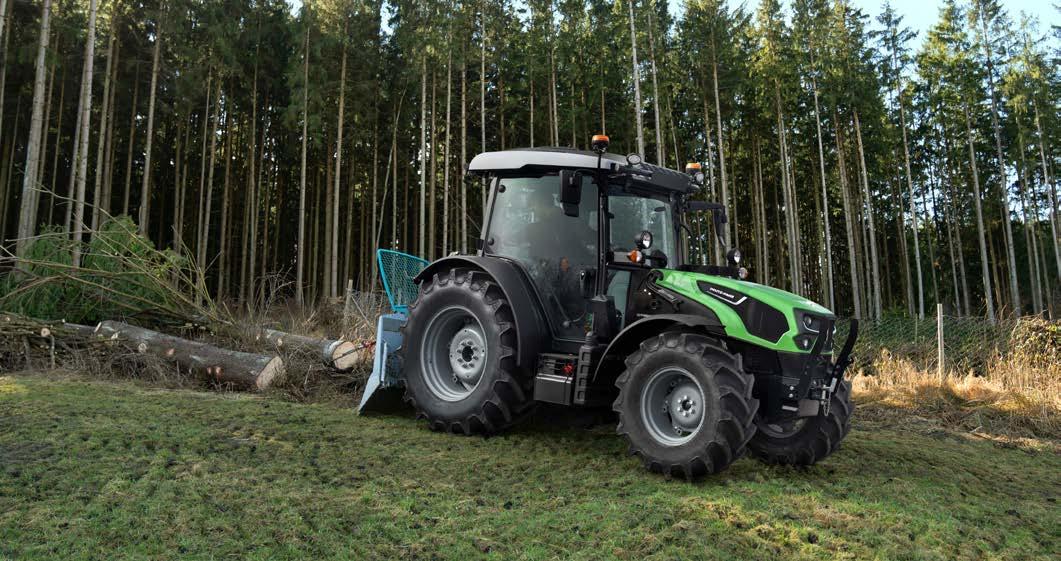
GRI CONTENT INDEX
The material in this Sustainability Progress Report refers to the following GRI Disclosures.
STATEMENT OF USE
SDF has prepared the report in accordance with GRI Standards for the period from 1 January 2024 to 31 December 2024.
GRI 1 USE
GRI 1: Foundation 2021
APPLICABLE GRI INDUSTRY STANDARDS
Currently not available
2-1 Organizational details
2-2 Entities included in the organization’s sustainability reporting
2-3 Reporting period, frequency and contact point
2-4 Restatements of information
2-5 External assurance
GRI 2: Informazioni generali 2021
2-6 Activities, value chain and other business relationships
2-7 Employees
2-8 Workers who are not employees
2-22 Statement on sustainable development strategy
2-26 Mechanisms for seeking advice and raising concerns
2-29 Approach to stakeholder engagement
2-30 Collective bargaining agreements
The report has not been subject to external verification.
No significant changes were recorded in the organization’s supply chain during the period under review. GRI 3: Material topics 2021
3-1 Process to determine material topics
3-2 List of material topics
Methodological note
Methodological note
ECONOMIC PERFORMANCE
BIODIVERSITY
BUSINESS CONDUCT: CORRUPTION
CIRCULAR ECONOMY
GRI 306: Waste