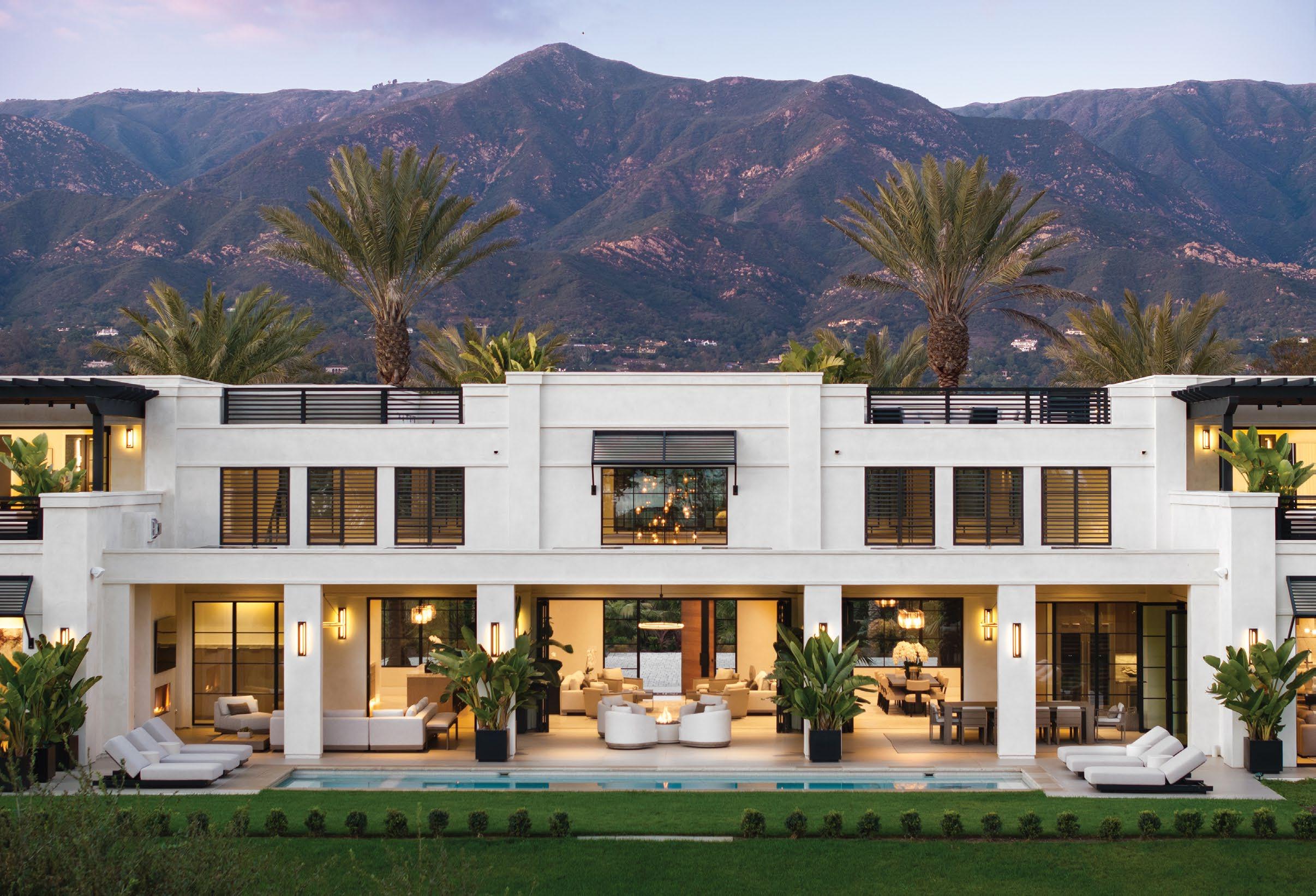
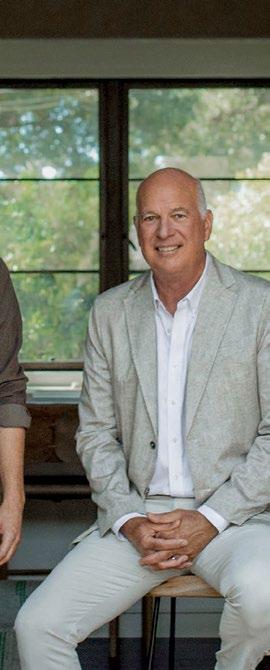
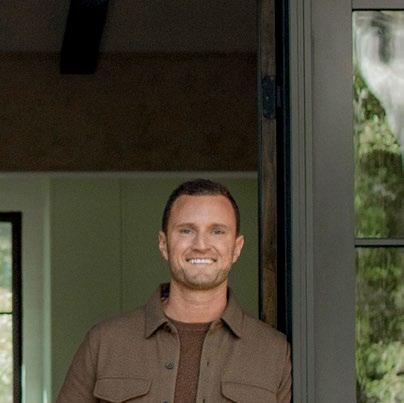
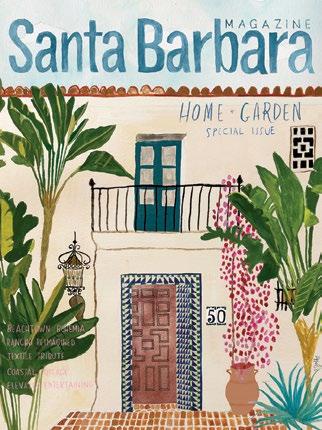
We congratulate Santa Barbara Magazine on their 50-year anniversary for unwavering diligence in delivering quality and relevant content to our beloved community!
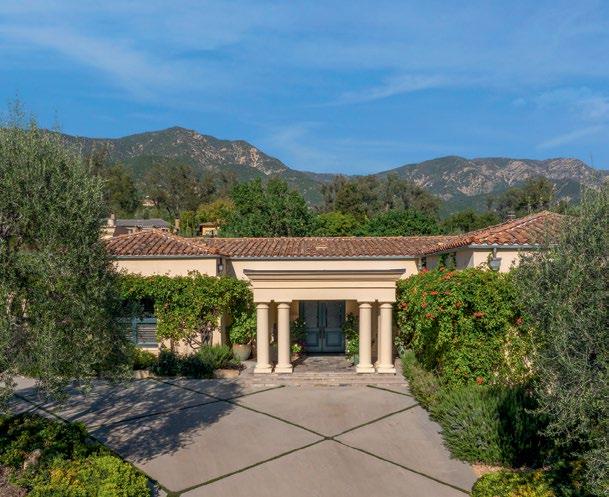
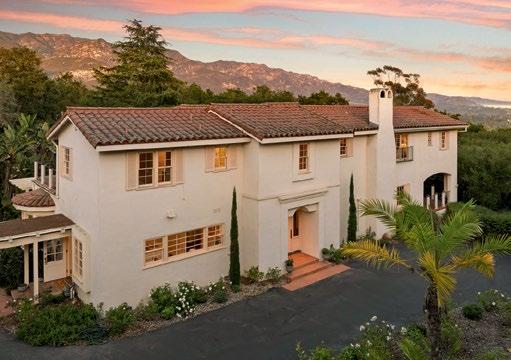
We at Randy Solakian Estates Group are proud of our partnership showcasing our passionate dedication to the important role real estate plays enriching our shared experience in this special part of the world.
We look forward to discovering the next 50 years of important news, events, culture and design as curated by the incomparable Santa Barbara Magazine..... Bringing People & Properties Together
BUILDING PEACE OF MIND
Sotheby’s Dusty Baker
Village
- Kellenberger
Photography: Matt Wier
DESIGN CONTRIBUTORS
Fabulous finds for the home
GARDEN
Gorgeous greenery
GETAWAY
Stylish places to stay
WE LIVE HERE
Written by Lorie Dewhirst Porter. Photographs by Dewey Nicks
HOUSE OF MIRTH
Written by Lorie Dewhirst Porter. Photographs by Sara Prince
COURSE CORRECTION
Written by David Nash. Photographs by Trevor Tondro
A WOMAN’S WORTH
Written by Joan Tapper
LOCATION, LOCATION, LOCATION
Written by Josef Woodard. Photographs by Alex Noble
BACK PAGE
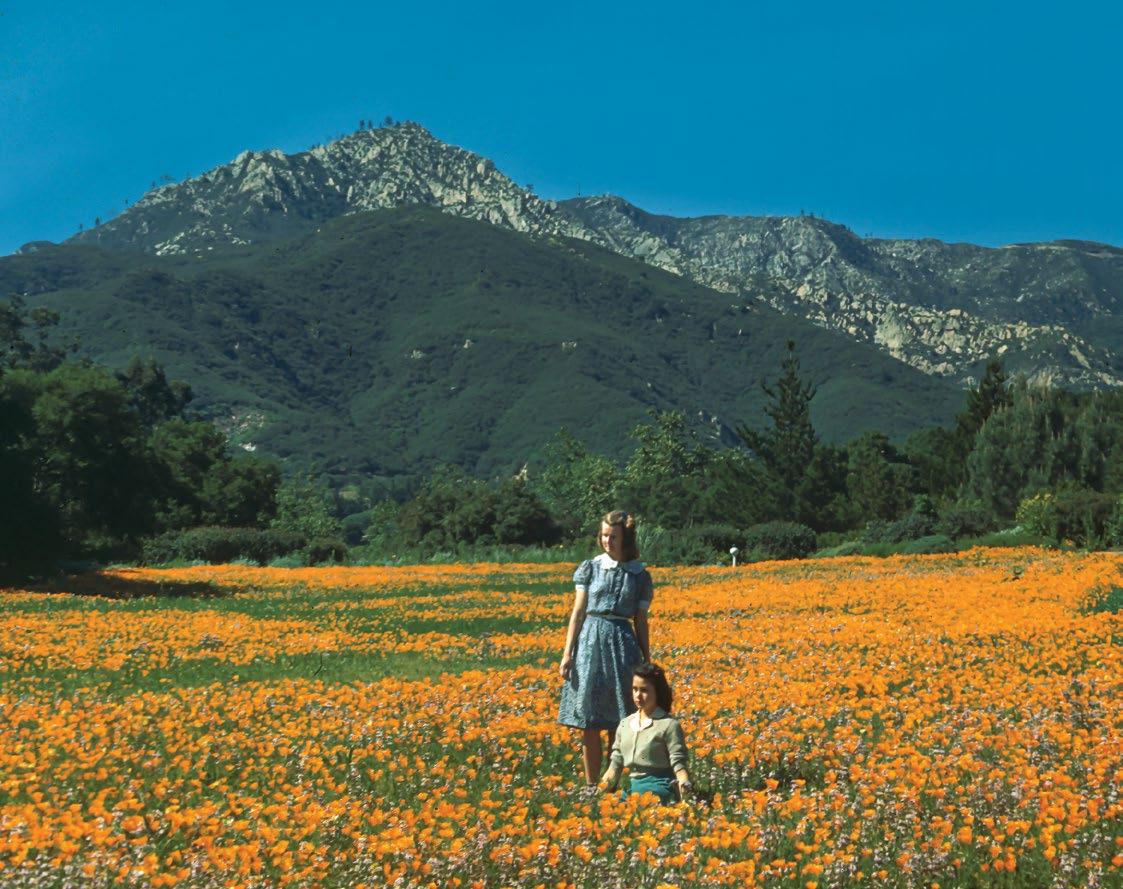
SB Botanic Garden celebrates 100 years
SEIMANDI & LEPRIEUR
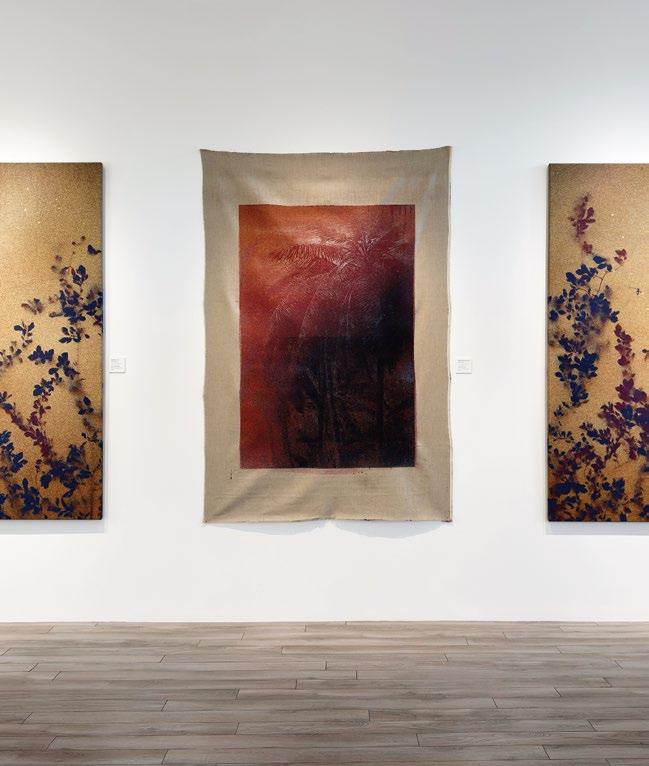
SHAPES OF SURREALISM
On View March 5 – April 26, 2026
EDITORIAL DIRECTOR + CEO
Jennifer Smith
EXECUTIVE EDITOR
Gina Tolleson
CREATIVE CONSULTANT
James Timmins
MANAGING EDITOR
Sarah Rutledge
SENIOR DESIGNER
Charlotte Bryant Medina
CONTRIBUTING WRITERS
Anna Ferguson-Sparks
Amelia Fleetwood
Seimandi / Masthead
Jennifer Blaise Kramer
Lorie Dewhirst Porter
Jessica Ritz
Gabe Saglie
Hana-Lee Sedgwick
Katherine Stewart
Joan Tapper
Caitlin White
CONTRIBUTING PHOTOGRAPHERS
Ingrid Bostrom
Blake Bronstad
Sam Frost
Blue Gabor
Tierney Gearon
Michael Haber
Gray Malin
Elizabeth Messina
Dewey Nicks
Victoria Pearson
Sara Prince
Jessica Sample
Mariana Schulze
Trevor Tondro
ILLUSTRATION
Olivia Joffrey
Allen
Maravilla / Masthead
All rights reserved. No part of this periodical may be reproduced in any form or by any means without prior written consent from Santa Barbara Magazine
TO OUR READERS
Santa Barbara Magazine invites you to share with us your reactions to our latest stories. Letters are not for publication, but please include your address in case we need to contact you. By mail: Reader Response Department, Santa Barbara Magazine, 2064 Alameda Padre Serra, Ste. 120, Santa Barbara, CA 93103. By e-mail: editorial@sbmag.com.
SUBSCRIPTIONS
Single copies and subscriptions are available at shop.sbmag.com. Domestic rates are $19.95 for one year. For Canada, add $49 postage; for rest of the world, add $69. Subscriber Customer Service: please contact subscribe@sbmag.com
ADVERTISERS
For advertising inquiries, contact Amy Lipson, publisher, at amy@sbmag.com.
Sotheby’s McDermut
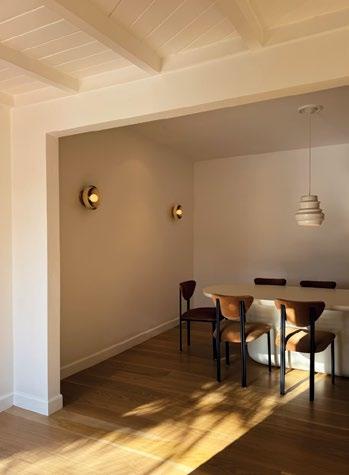
f you call Santa Barbara and its surrounding environs home, life is good. How do you create an abode that is on par with paradise? Ideally, with great vision and a wonderful team to execute. Our annual nod to Home and Garden in this special issue has all you need for inspiration, with dream-worthy projects, resources galore, and locals who graciously admitted us into their inner sanctums. You can’t help but take notes. Our Design, Garden, and Getaway sections (starting on page 35) are chock-full of our editors’ eyes on all the 2026 trends and ones to watch, including exclusive enclaves, emerging designers, retail compounds, color palettes, and mood boards. Mediterranean influences abound…
they didn’t last long before heading back to Montecito. In-demand photographer Trevor Tondro shot their hilltop contemporary home for “Course Correction” (page 114).
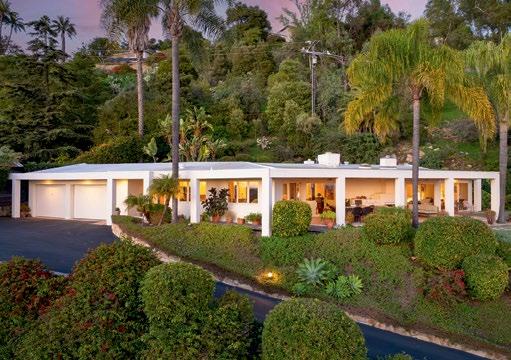
The 2.0 California experience Marks and his husband, Greg, have created is as cool as it gets, with walls that open up to the sky and rooms centered around the pool.
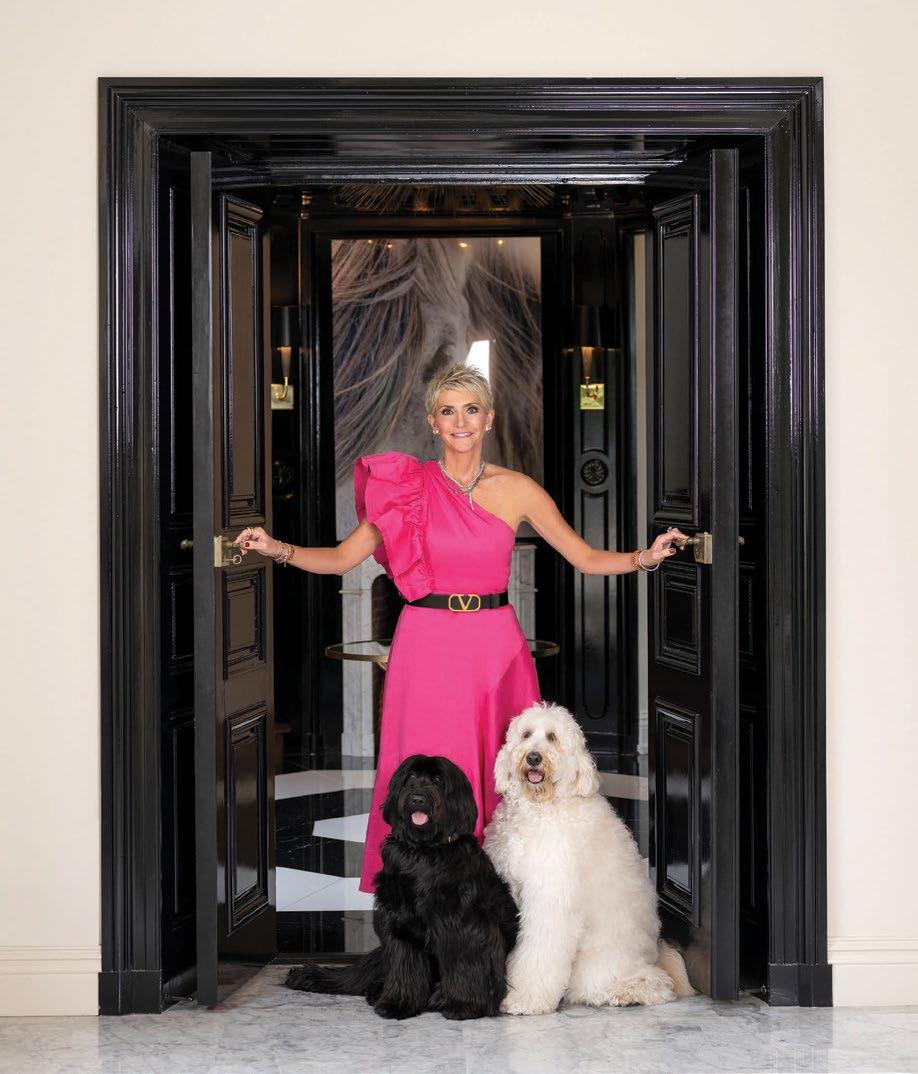
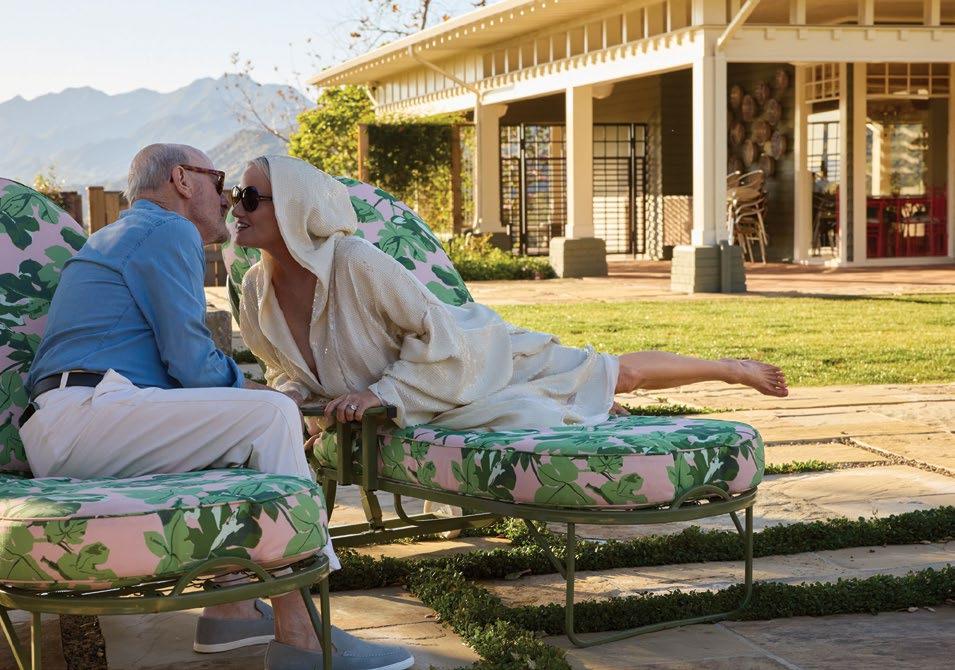
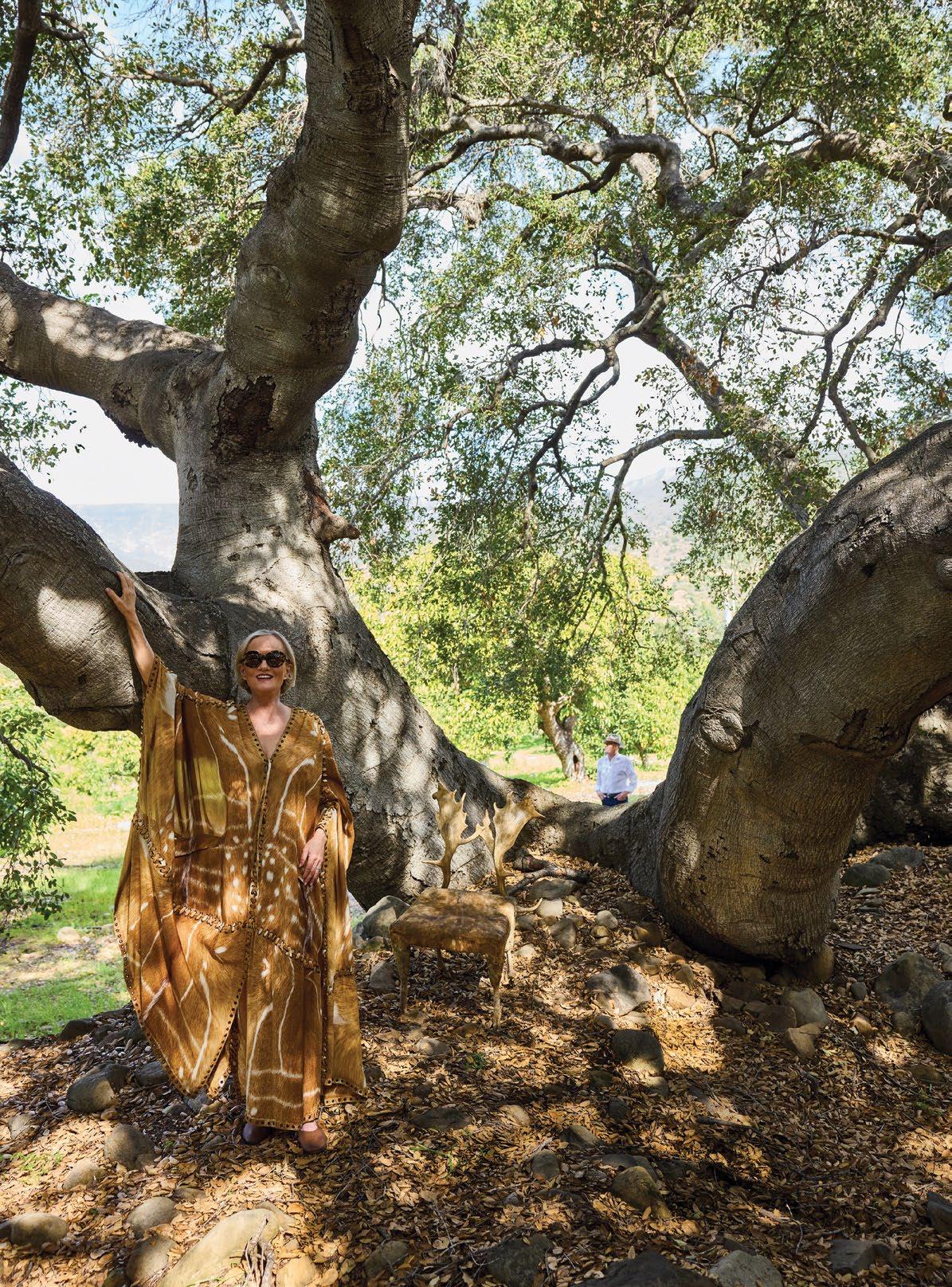
Our cover story sets us among the Ojai orchards and Pink Moment mountains with Anne Crawford and her husband, Dudley DeZonia. Crawford has always been the epitome of chic, and she has floated among the artistic, fashionable crowd for decades.
Edit Letter
The legendary couple says pinch us, “We Live Here” (page 92) as they share with contributing writer Lorie Dewhirst Porter about how their sprawling home showcases their shared penchant for collecting, curating, and decorating. When friend and famed photographer Dewey Nicks captured it for us, we knew the images would leap off the page with personality and embody their spirit perfectly.
And isn’t that the point, that a home should reflect the people and their passions within? We hope you enjoy this issue full of all the love and life these homes and gardens add to our already wonderful part of the world.
Ashley Underwood’s cozy Hedgerow cottage in “House of Mirth” (page 104) can be deceiving because it feels so warm, inviting, and intimate, but it also flows so easily that you don’t realize how grand it actually is. A collaboration with interior design legend Madeline Stuart was the pièce de resistance to bring its traditional charm to the next level, and the women bonded over the vision seamlessly. When designer Jeffrey Alan Marks and his family moved east a couple of years ago,
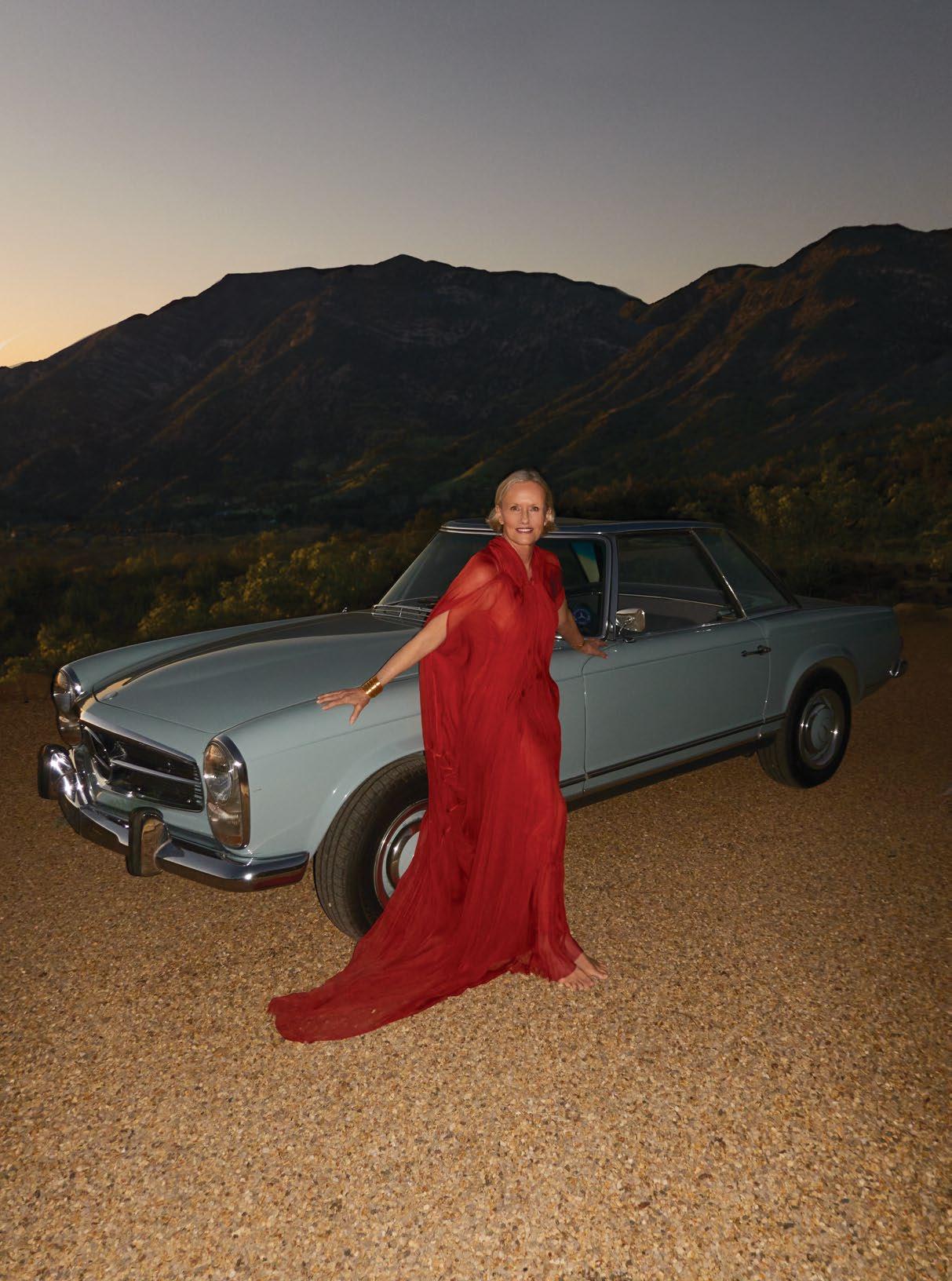
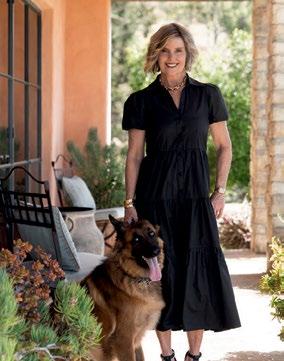
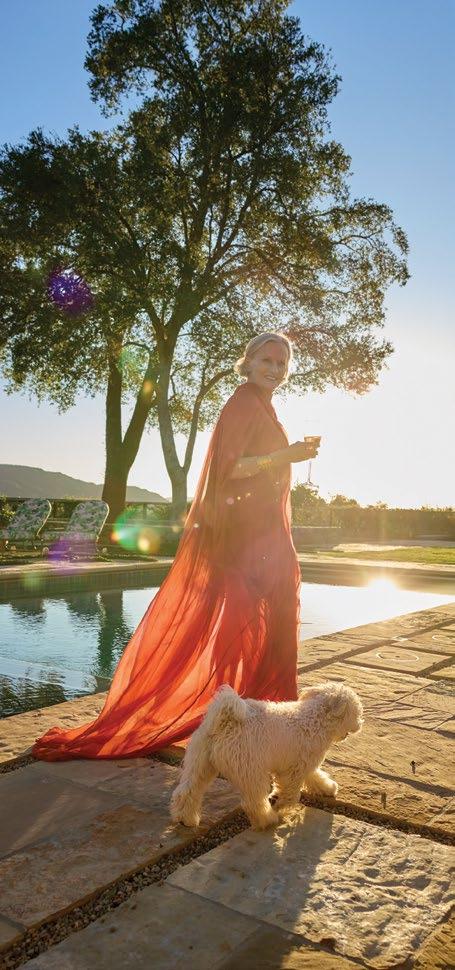
Anne Crawford and her vintage Mercedes in front of her Ojai home.
Photographed by Dewey Nicks. Makeup by Gina Brooke. Hair by Miranda Martinez. Caftan by Rick Owens.
LORIE DEWHIRST PORTER
The regular contributor to Santa Barbara Magazine for more than 16 years penned two features for this issue: “We Live Here” (page 92) and “House of Mirth” (page 104). S.B. MUST DOS • Scanning the bookshelves at Lost Horizon • Consuming curry at Bibi Ji • Devouring delicacies at Chocolats du CaliBressan.
TIANA MOLONY
The author of several design and garden stories is an assistant editor at Santa Barbara Independent and a freelance writer. S.B. MUST DOS • Hiking in Rattlesnake Canyon • Browsing at Godmothers Books • Exploring finery at Rosewood Miramar.
ALEX NOBLE
The photographer and filmmaker behind “Location, Location, Location” (page 130) is based in Santa Barbara and has spent more than a decade shooting the light and the character of the American Riviera. S.B. MUST DOS • Morning coffee at Dune • Thai food at Your Choice • Sunset up Gibraltar.
Contributors
TREVOR TONDRO
The photographer who captured Jeffrey Alan Marks’s home in “Course Correction” (page 114) has collaborated with magazines, designers, architects, and brands. S.B. MUST DOS • The pool at Coral Casino • Tacos at Mony’s • Los Arroyos for chile rellenos.
JOSEF WOODARD
The writer of “Location, Location, Location” (page 130) is a seasoned music-arts journalist and critic who has also published three books. S.B. MUST DOS • Lotusland, a waking dream • Elings Park, the largest private park in the U.S. • Beauty at the Botanic Garden.
BEVERLY HILLS FASHION ISLAND MONTECITO
COMING SOON: BRENTWOOD COUNTRY MART
The Invaluable Asset
Montecito Bank & Trust
Montecito Bank & Trust marks 50 years of reinvesting in local communities on the Central Coast
By Jenn Thornton
Defining excellence in relationship banking for 50 years, MONTECITO BANK & TRUST is the largest locally owned community bank on the Central Coast, serving clients and communities with integrity, trust, and the most priceless assets of all, consistency and commitment.
Born from bold ambition, the originally named Bank of Montecito was founded on March 17, 1975, by a group of local businessmen including Michael Towbes, Jerry Parent, and John O’Keefe to deliver exceptional and personalized customer service, build lasting relationships, and contribute to the economic vitality of the local community. Among this core group, it was the late Michael Towbes, a prolific Santa Barbara County real estate developer and philanthropist, who most influenced the bank’s longterm, conservative approach that has sustained the institution through decades, economic downturns, and a global pandemic.
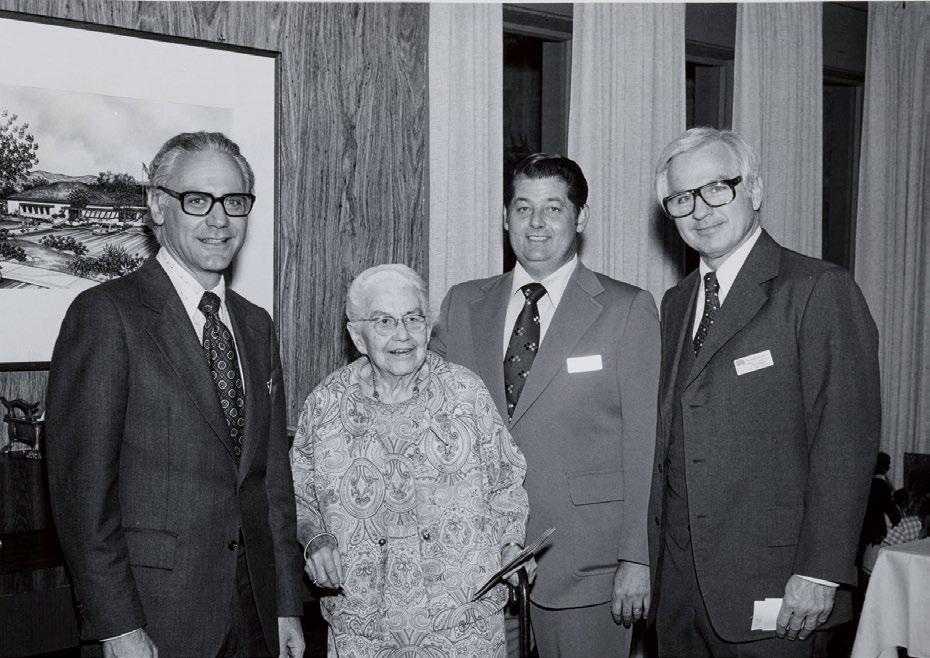
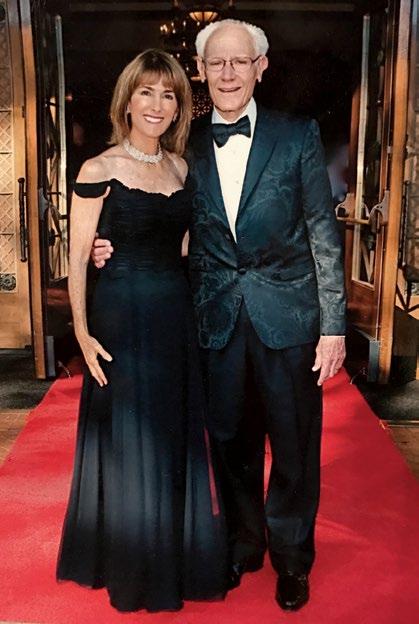
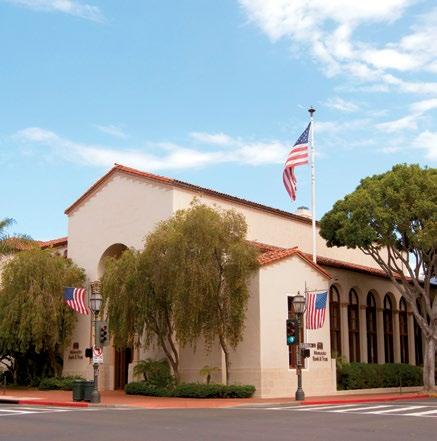
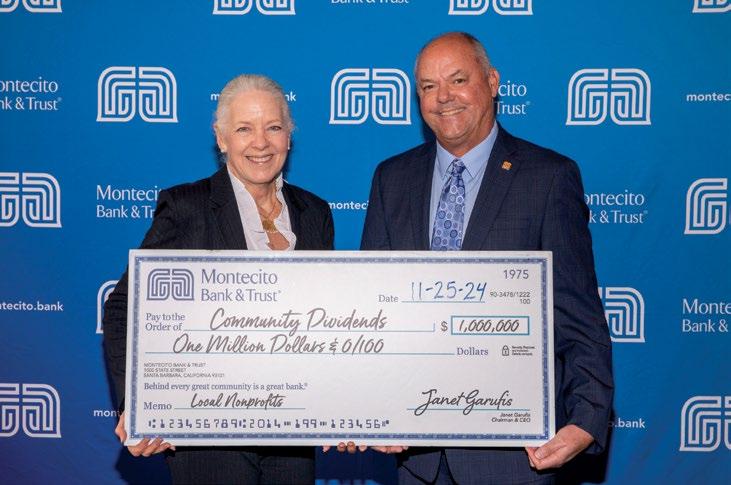
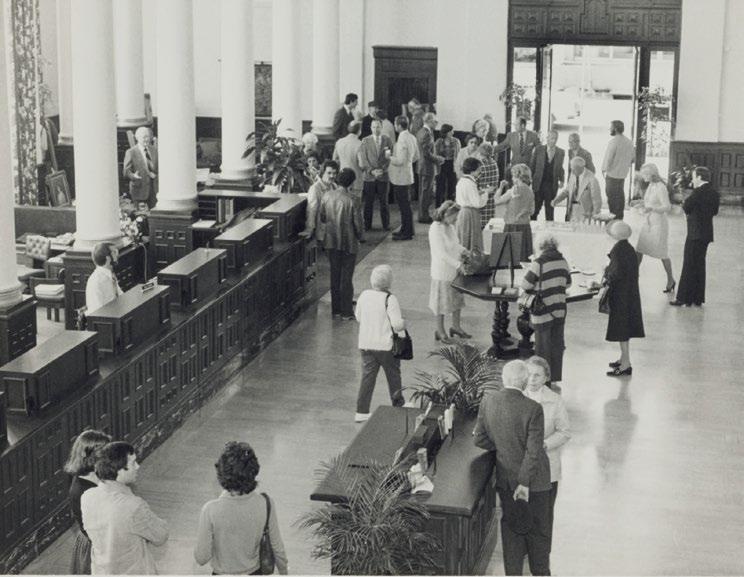
CLOCKWISE FROM TOP LEFT:
Founder Michael Towbes, Pearl Chase, inaugural Bank President Perry Carter and Founder John O’Keefe (1975); Downtown Santa Barbara branch; Bank CEO & Chairman Janet Garufis and CFO/ CAO Bruce Stevens (2024); customers visit the bank’s second location, the 1000 State St. branch, during its grand opening on February 5, 1979; Anne and Michael Towbes.
“Mr. Towbes’ mission, values, and integrity drove the bank,” says Santa Barbara-bred CFO Bruce Stevens, who joined the institution as an ATM Assistant in 1985 while attending college at UCSB. “He was a visionary.” Eventually becoming the bank’s sole shareholder, Towbes never took money out of the bank. He did, however, savvily convert it to an S corporation to enhance his own philanthropy, setting the stage for MB&T’s extraordinary record of corporate giving.
“Being a bank is really the vehicle for us to be able to give back to the community, it fuels everything,” says CEO & Chairman Janet Garufis, who joined MB&T in 2004 and was appointed Chairman in 2017. “Our vision, to make the communities we serve better places to live and work, is our motivation—and our guiding star.” It is the Bank’s legacy, too.
In the 1990s, the Bank launched the inaugural Anniversary Grants®
program celebrating its anniversary by making awards to non-profits chosen by bank associates. In the 2000s, Montecito Bank & Trust, which changed its name with the opening of a Trust division in 1996, marked its silver jubilee with the acquisition of Valley Oaks National Bank, expanding into Solvang, and holding the first of its much-loved Community Dividends® events, a
“Being a bank is really the vehicle for us to be able to give back to the community, if fuels everything.”
Janet Garufis , MB&T CEO & Chairman
program that gifts over $1 million to nearly 200 local non-profits annually—a stunning amount for an institution with a local footprint, especially considering that its giving is equal to, and often exceeds, the local philanthropy of much larger national banks.
Montecito Bank & Trust
The extensive layers of philanthropy that make MB&T a local touchstone are tightly woven into
its organizational culture, too. “Mr. Towbes used to say, not everybody can give away a million dollars, but everybody can do something— whether it’s time, treasure or talent,” says Stevens. To that end, MB&T offers its associates paid volunteer time monthly; supports training that allows them to teach financial literacy and prepare tax returns for individuals without resources; and more. “We hire people who understand and embrace our values,” Garufis says of cultivating a culture of giving within the organization. “Every person has the ability and responsibility to lead and there are many ways to do that— volunteerism, mentoring, coaching, providing exceptional service. Our associates live and work in their communities, they serve clients who they know as friends, new and old, and neighbors. Those connections are incredibly important to us.”
In building community inside and outside the bank, MB&T—now with 134 branches, over 265 associates and over $2 billion in assets—reached its 50-year mark with the distinction of being ranked #3 Best Places to Work in the nation for 2026, the latest in a series of accolades and awards it has received. All reflect the bank’s broader commitment to Michael Towbes’ mantra to do the right thing even when nobody’s looking. “We do that every day,” Janet says.
In an unpredictable world, create your own space
Exterior of Villa Magnolia, part of the Paraíso collection of retreats in Montecito.
Live - Design
AMERICAN RIVIERA RESTORATION
A luxurious enclave is a well-kept secret getaway
By Hana-Lee Sedgwick
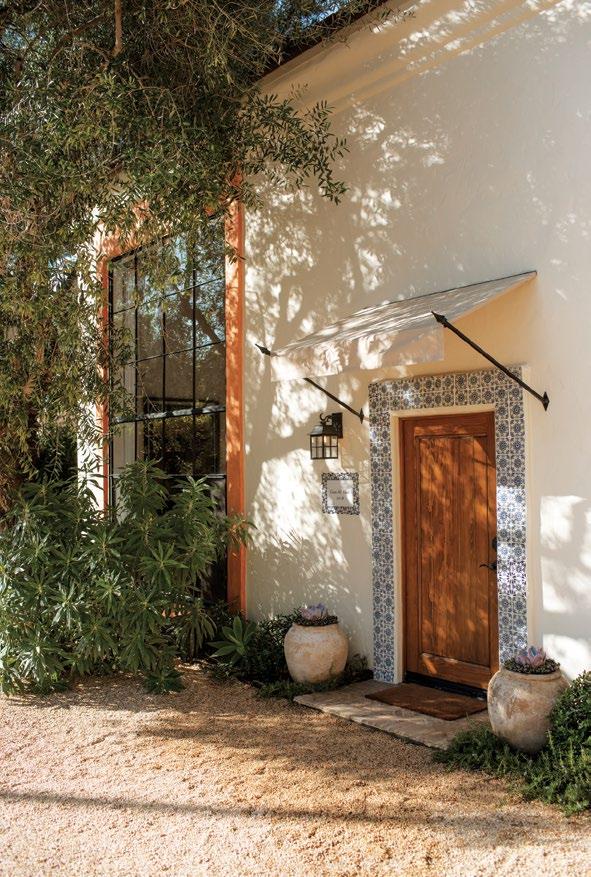
he moment you step into PARAÍSO, a collection of six vacation cottages in Montecito, it feels like you’ve discovered a well-kept secret. Tucked at the end of a quiet street near Miramar Beach, this private retreat embodies understated luxury and coastal refinement, channeling an earlier chapter of Montecito through a modern lens. Paraíso is the vision of Michael Hurst and Ian Harrison, partners in work and life, who transformed the former family compound of architect William Painter into a thoughtfully designed short-stay enclave. Seeking to honor Montecito’s Spanish-Andalusian architectural heritage, they spent more than two years preserving and restoring the original buildings and handcrafted details while adding contemporary furnishings and original paintings to give each residence its own character.
With a discerning eye for design, the duo shaped each space to feel elegant yet livable, pairing tranquil hues and abundant natural light with contemporary comforts, such as fully equipped kitchens, Sferra bed linens, and fireplaces. “Our goal was for each residence to offer a unique expression of thoughtful California living but to do so
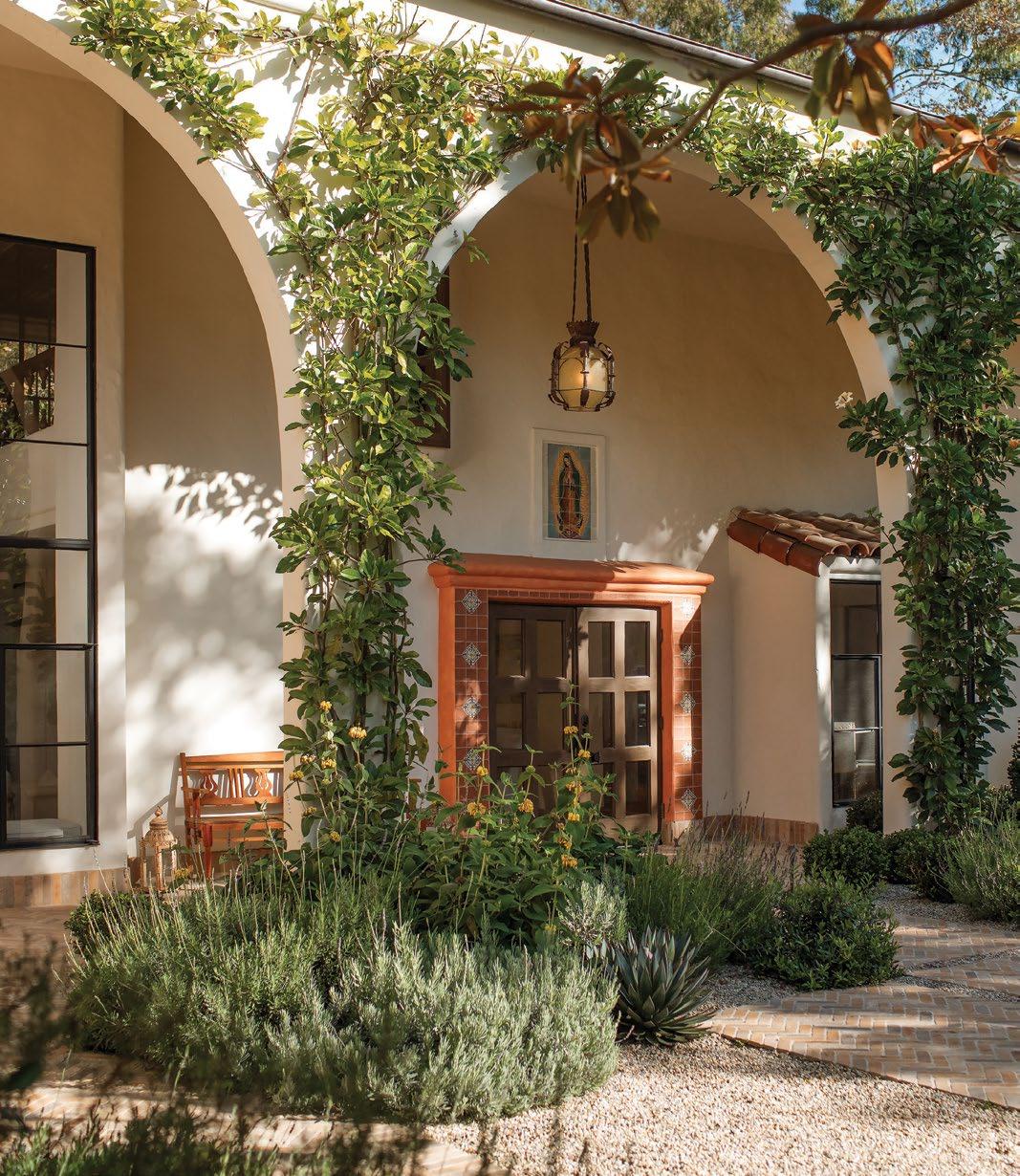
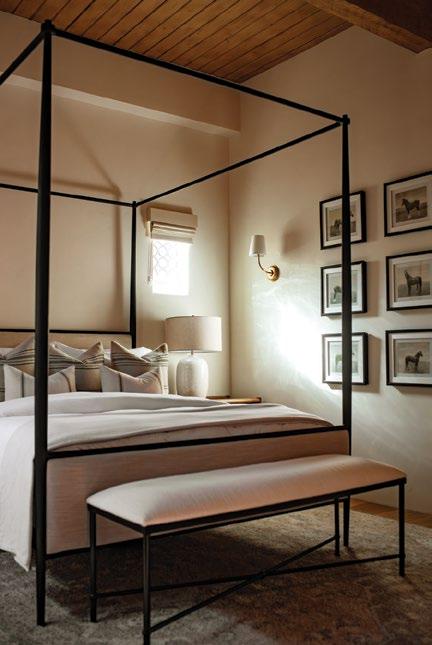
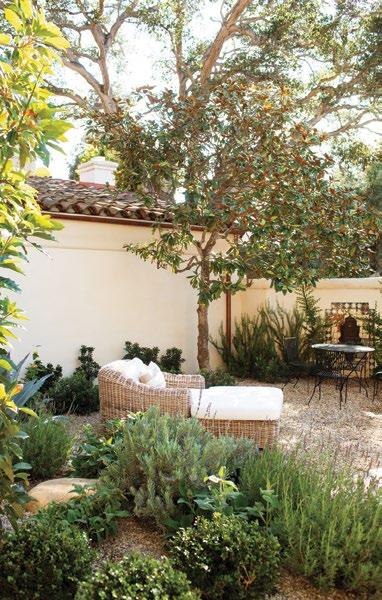
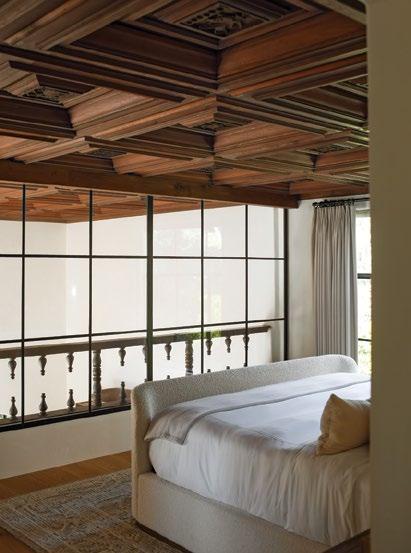
CLOCKWISE FROM TOP LEFT: An iron canopy bed inside Terraza del Sol; Casa del Olivo’s charming entrance; the original wood ceiling in Villa Magnolia; owners-designers Hurst and Harrison; soothing earth tones abound; a Scott Shrader landscape garden.
SARA PRINCE
in a cohesive way,” Hurst says.
The collection includes one- and two-bedroom casitas, such as the cozy Terraza del Sol, two-story Casa del Olivo, and coastal-influenced Cabaña de Playa, among others. The largest, Villa Magnolia, features four bedrooms, four bathrooms, and multiple indoor and outdoor gathering spaces. Intricate design elements—from the serene private courtyard to the carved original wood ceilings and intricate tile work—lend architectural interest to the home.
Outdoors, natural and reclaimed materials (including stone, gravel, and brick), antique fountains, and hand-carved benches are set among native and imported plantings, including a century-old olive tree brought from Northern California. “We took inspiration from the courtyards and gardens of landscape architects like Scott Shrader but adapted that sensibility to fit Montecito’s landscape,” Harrison says. “When guests step outside their casita or villa, we want them to feel immersed in nature—whether they hear the creek running behind the property, admire the redwood and magnolia trees, or smell the scent of lavender in the air. It’s about creating a sensory experience, indoors and out, that will stay with them.” Collectively, the six residences, with optional concierge services, can accommodate up to 24 guests, making the property well suited for intimate retreats.
Balancing privacy and style with a strong connection to its surroundings, Paraíso offers a quiet expression of a luxury getaway— one grounded in the enduring charm of Montecito. 150 Loureyro Rd., Montecito, paraisomontecito.com.
Live - Design
“When guests step outside, we want them to feel immersed in nature.”
Ian Harrison
“If it feels like we’re trying too hard, we probably are.”
David Cameron
CLOCKWISE FROM TOP
LEFT: Inside a David Cameron Studio–designed Montecito ranch house; David Cameron; it’s all in the mix with material choices.
Live - Design
RENAISSANCE MAN
David Cameron demonstrates the art of the pivot
By David Nash
here’s no pigeonholing DAVID CAMERON, but there are more than enough adjectives to describe the California-born creative. He’s an aesthete of the highest order, having launched a ready-to-wear line in the mid-1980s that appeared on the pages of Vogue and Harper’s Bazaar (with clients including Bianca Jagger and Paloma Picasso frequenting his atelier). He’s an advertising revolutionary who was commissioned by Absolut Vodka in 1988 to create its first fashion-inspired advertising campaign, shot by Steven Meisel (and featuring top model Rachel Williams). He’s an auteur who directed music videos for artists such as Sheryl Crow and Eric Clapton, and a lensman who’s shot television
Los Alamos California Ranchette
Set on 4± private acres with sweeping vineyard-to-mountain views.
Just moments from the heart of Los Alamos and the Michelin star–rated Bells Restaurant, this gated residence offers a main house, guest house, and timeless wine country living less than an hour from Santa Barbara. 95 StJoseph com
and print brand campaigns featuring everyone from Kate Moss to Halle Berry. For his latest act we find him at the helm of DAVID CAMERON STUDIO, a residential and retail design-focused creative consulting agency. Founded in 2020, the studio is an amalgamation of his achievements in fashion, film, photography, and branding that showcases a West Coast spirit through interior design, architecture, and restoration. Projects like the complete refresh of a classic ranch house in Montecito, originally built by famed local architect Chester Carjola in 1948, bring his wide-ranging talents into view. He says, “With restoration especially, I ask a simple question: What’s worth keeping, and what’s just in the way? We preserve the soul, upgrade the function, and try not to overcomplicate it. If it feels like we’re trying too hard, we probably are.” davidcameronstudio.com.
Live - Design
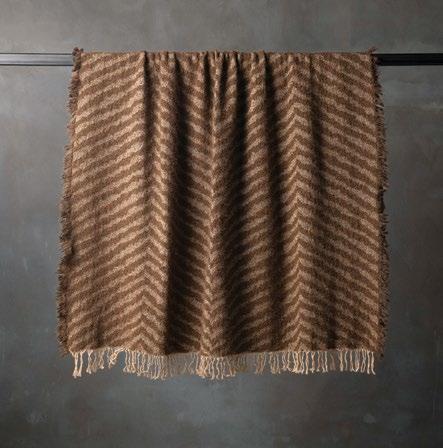
This textured mohair blanket will keep you cozy on cool evenings. Price upon request, abeautifulmesshome.com.
FROM LEFT: Light streaming into the Montecito project creates ever-changing patterns; vintage and contemporary pieces are effortlessly juxtaposed.
CLOCKWISE FROM TOP LEFT: Rounding the curve with Veronica Beard’s latest accessories; founders Veronica Swanson Beard (left) and Veronica Miele Beard; layered with texture, the boutique’s design is specific to the region.
REGIONAL DETAILS
Live - Design
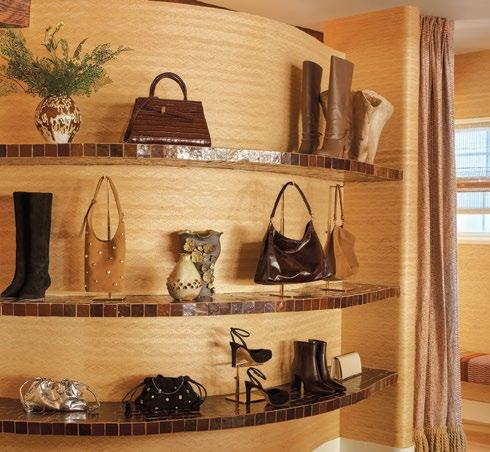
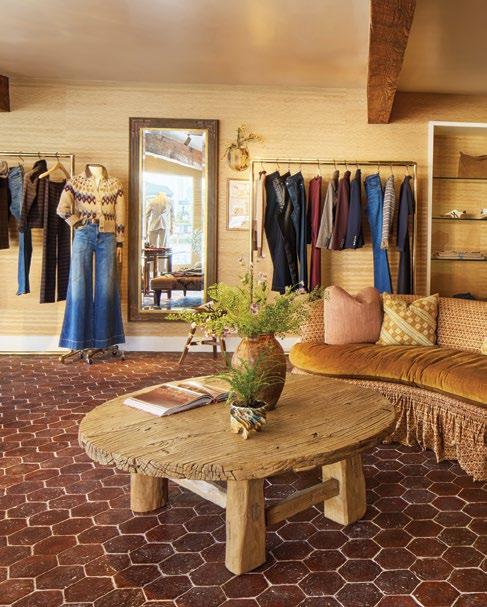
Evocative of its coastal surroundings and the area’s laid-back lifestyle, the new VERONICA BEARD boutique in Montecito captures the 16-year-old lifestyle and fashion brand’s modern aesthetic through a richly layered mix of organic materials, rich finishes, and finely crafted design details that are carefully tailored to each outpost’s region. Complete with hexagonpatterned terra-cotta floors, braided raffia wall coverings, a vintage wooden console and coffee table, curvaceous glazedtile shelving, and a cozy seating area anchored by a bespoke two-toned skirted sofa, the warm welcome is as stylish as the community it serves. The shop is stocked with all your favorites, including a full selection of seasonal and classic items, as well as denim, footwear, handbags, and accessories. Founded in 2010 by sisters-in-law Veronica Miele Beard and Veronica Swanson Beard, this boutique is their ninth in California and 46th global location, part of an expansion mission to redefine effortless, everyday dressing for a clientele whose active lives are lived with elegance and ease. 1269 Coast Village Rd., Santa Barbara, veronicabeard.com. D.N.
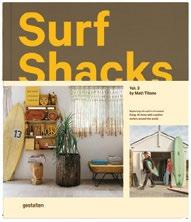
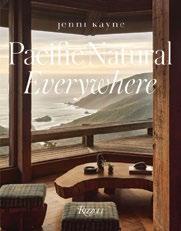
1. Matt Titone, Surf Shacks Vol. 3 (Gestalten, $75). 2. Nate Berkus, Foundations (S&S/ Simon Element, $45). 3. Jenni Kayne, Pacific Natural Everywhere (Rizzoli, $50). 4. Jane Hall, Making Space (Phaidon, $60).
GAME ON
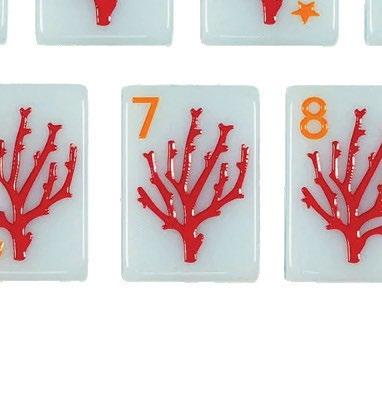
Mahjong madness has taken over, so why not dedicate a magnificent and maximalist room to your addiction?
CLOCKWISE FROM TOP LEFT:
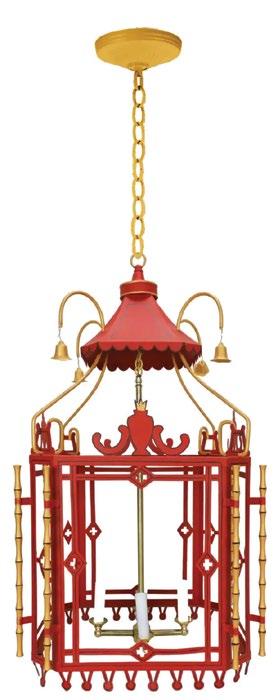
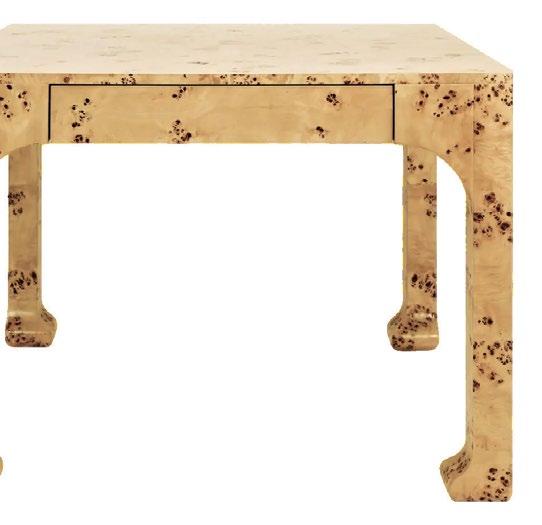
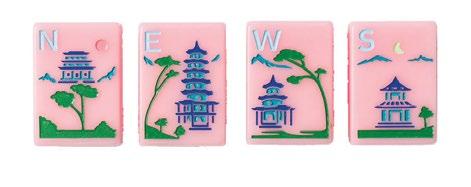
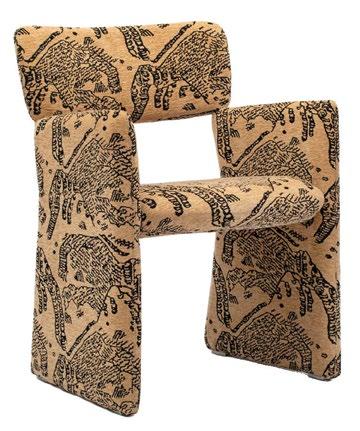
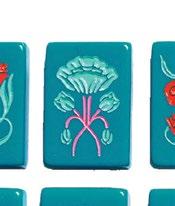
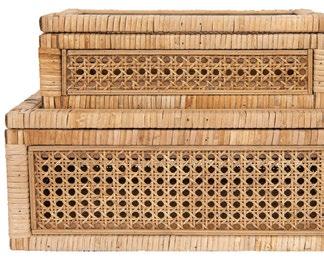
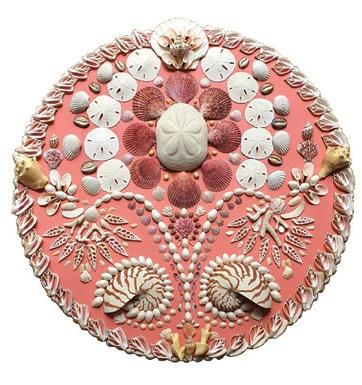
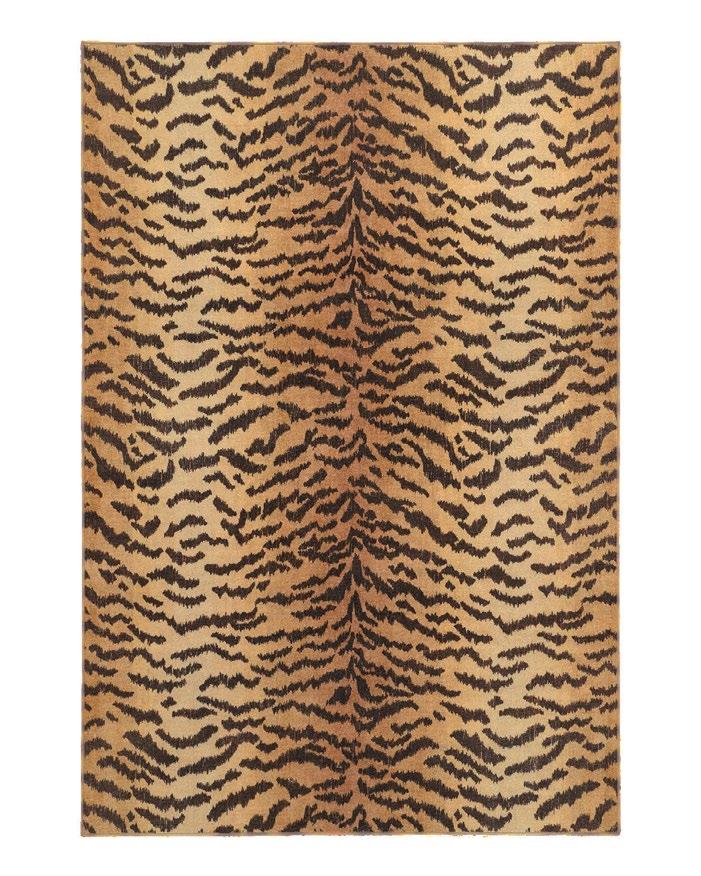
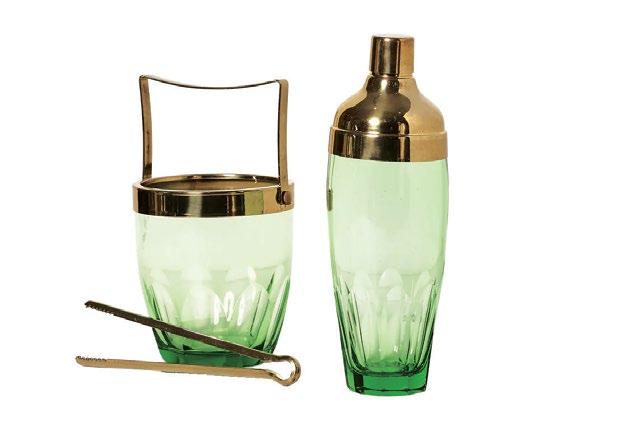
Various mahjong sets, from $425, themahjongline.com. Scarlet and Gilt Tole Hall Lantern, $3,000, chairish .com. Crown Armchair in Tiger Mountain Chenille, $1,600, interioricons.com. Scalamandré Tigre Gold Rug, from $139, ruggable.com. Woven Rattan and Wood Boxes, $149, potterybarn.com. Shell Panel, $3,500, luludk.com. Green Cocktail Set, $888, foundbymaja.com. Worlds Away Burlwood Game Table, price upon request, at Cabana Home.
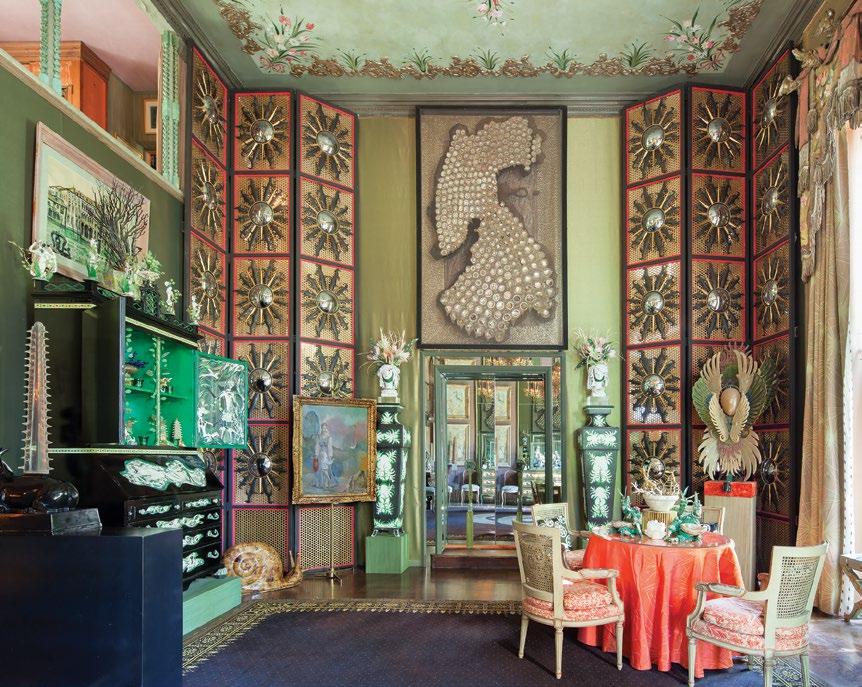
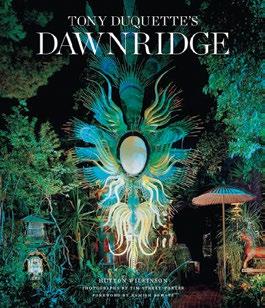
Tony Duquette’s elaborate Dawnridge serves as a spectacular inspiration for the ultimate game room.
CLOCKWISE FROM TOP LEFT:
Balancing European influence with California soul; Bailee Roberts; elegant spaces honor architectural integrity.
Live - Design
HOUSE RUPERT is a full-service interior design studio founded by Santa Barbara native Bailee Roberts. After more than 15 years in London working in fashion and traveling extensively, Roberts returned to Santa Barbara with her young family during the pandemic—a transition that transformed her long-held passion for interiors into a deeply loved profession. Encouraged by a friend at a respected design firm, she enrolled in an interior design course at Santa Barbara City College and quickly found her calling. While pursuing her interior design degree, Roberts worked with a top local designer before launching her own firm in 2022. “Design and architecture were interests of mine from a young age, but it wasn’t until moving back to Santa Barbara that this passion resurfaced,” says Roberts. “Once I committed, things fell into place organically, and I feel incredibly fortunate to create spaces that are both beautiful and functional for my clients.” Focusing primarily on residential projects, House Rupert’s design aesthetic blends European sensibility with California chic. Roberts and her team are careful to honor the integrity of a structure while thoughtfully reflecting each client’s taste and vision. houserupert.com. H.L.S.
WE WANT
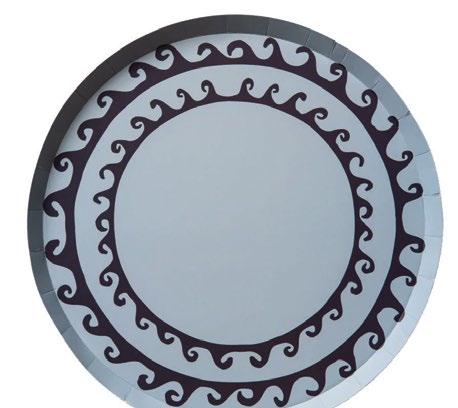
Breaker Dinner and Hors d’Oeuvres Plate Sets, from $14, tabletwostudio.com.
MUST HAVE
The World of Peter Dunham: Global Style From Paris to Hollywood (Vendome, $80).
Interiors dynamo Diego Monchamp shares his layered go-tos for 2026
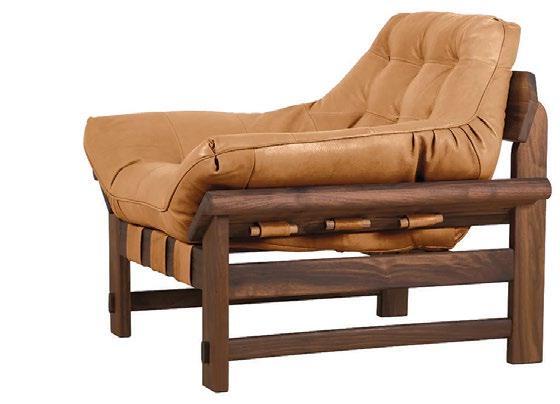
Ojai Lounge Chair, from $4,275, lawsonfenning.com.
Live - Design
Varda three-piece dinnerware set, from $141, heathceramics.com.
Manifattura is around the corner from our studio, but feels as if is around the world. If it’s full (which it usually is), I walk over to Aperitivo, their other outpost.
A coveted bar spot at Loquita for El Facil cocktail and Jamón Tasting.
I’m so happy to see more men’s stores opening in Santa Barbara. Clothes by NN.07, Samsoe Samsoe, and Scaglione are now at The Optimist at The Post.
$360, dwr.com.
Tortoise sunglasses by Salt from Cynthia Benjamin at Montecito Country Mart.
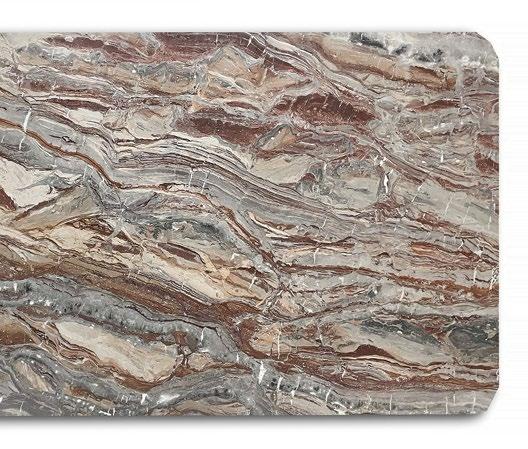
Arabescato Rosso Honed stone, walkerzanger.com.
PAGE TURNER
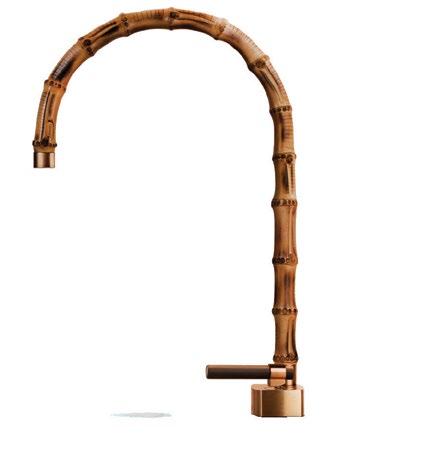
Jacqueline bamboo and metal faucet, gessi.com.
Live - Design
From the reimagining of a client’s ‘90s Malibu beach house that eschews the “playedout coastal look” to a tropical penthouse in Singapore on a road that serves as the city’s version of Park Avenue, NATHAN TURNER’S I LOVE DECORATING (Abrams, $50) is more than an anthology about interiors; it’s an inside look at Turner’s unique design process. Throughout the 288-page book, he offers solutions to tricky spaces that include dividing a narrow space visually with two different wallpaper patterns, achieving high-low harmony when working on a budget, and finding the “playful tension between polished and relaxed” to make a room feel inviting. Says Turner, “Everything is infused with color and fun.” nathanturner.com. D.N.
SMART COOKIE
After years of feeling tired, bloated, and “off” while living with Hashimoto’s disease, jewelry designer and Santa Barbara native JENNIFER FISHER decided to reclaim her health through intentional dietary changes. In her new cookbook, Trust Your Gut (Abrams, $40), Fisher shares her philosophy for living more vibrantly. Filled with 100 anti-inflammatory recipes, the book proves that finding balance can be attainable and enjoyable. Many of the recipes also incorporate her signature JENNIFER FISHER SALT blends, including the garlic- and onionfree Universal Salt and Curry Salt, the Spicy Salt, and Everything Spicy Salt. jenniferfisher.com. H.L.S.
Design inspiration leaps from the pages of Nathan Turner’s new book.
The jewelry designer shares her antiinflammatory approach to wellness with a new cookbook and line of gourmet salts.
28865 Agoura Road, Agoura Hills, California
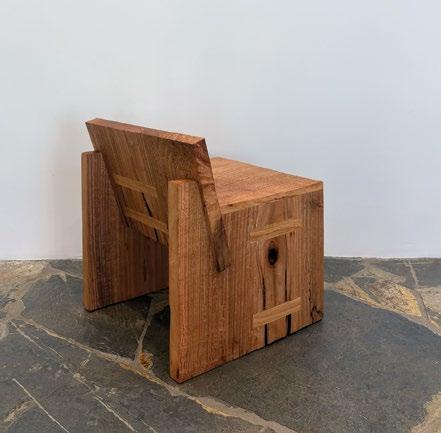
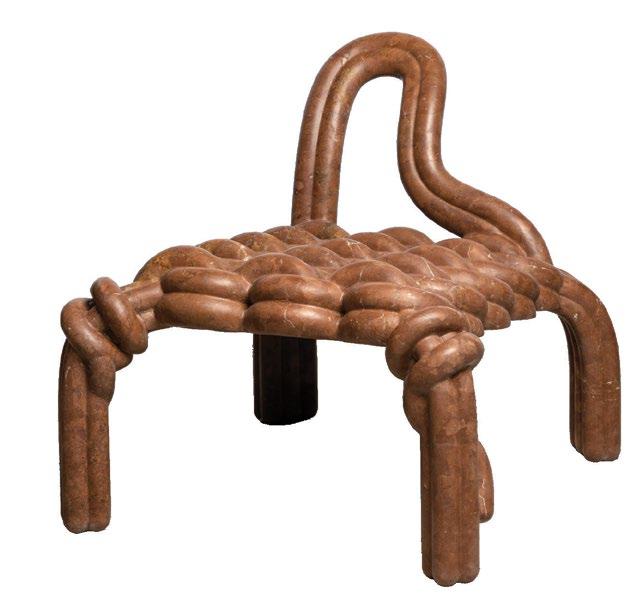
Everything Led Here, an exhibition of Chet Taylor’s paintings and furniture at Separate Reality gallery. separatereality.info.
Chet Taylor, Double Post Stool 1 (2026).
THREE’S COMPANY
Live - Design
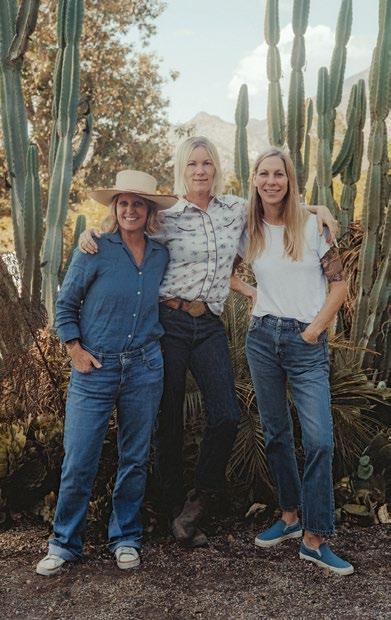
OBSCURA ESTATES founders Shelly Robertson, Kellie Bolton, and Amelia Simpson are something like the Charlie’s Angels of estate sales, each with their own individual expertise. Founded in 2020, the estate-sale enterprise was a natural progression, particularly for Bolton and Robertson, whose families had worked in antiques for decades. “My dad was a big collector, so I grew up going to swap meets and auctions,” Bolton says. For Robertson it was much the same. “My family has been in antiques dating back to the 1950s,” she says. “Then I became a dealer myself and even had a booth in Cominichi’s antiques for a while.” Simpson, a Vogue alum and fashion-industry veteran, complements her partners’ contributions through a penchant for narrative: “What really attracts me to this are the stories that come with each house we’re lucky enough to work in.”
Aside from traditional estate sales—which can take place at a client’s property or in a privately owned barn in Ojai—the dream team also takes consignments, offers appraisal services, and organizes moves. But no matter the job, sensitivity and a deft touch are paramount, because, as Robertson points out, it’s often an emotional experience for their clients. “I refer to it as the four Ds: divorce, death, disease, and downsizing,” she says about the situations they tend to encounter. “You’re usually getting people at their worst moments, but that’s our gift— helping them move through that difficult time.”
@obscura_estates. D.N.
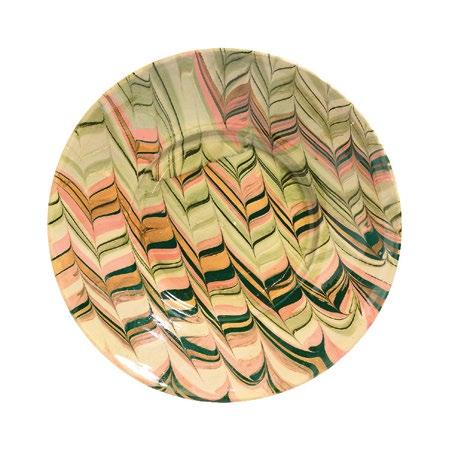
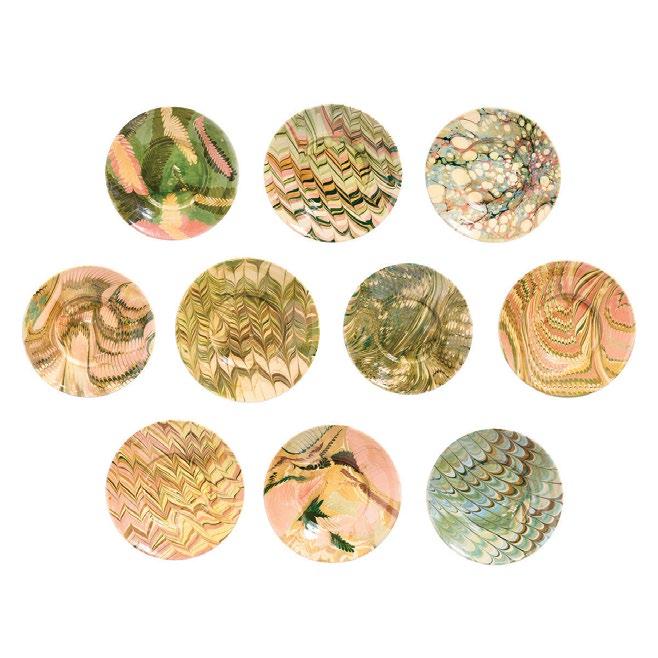
Marbelized Dinnerware, set of 10, $5,800, foundbymaja.com. MUST HAVE
FROM LEFT: A curated selection of offerings at an estate sale; founders Shelly Robertson, Kellie Bolton, and Amelia Simpson.
Jodi G Designs
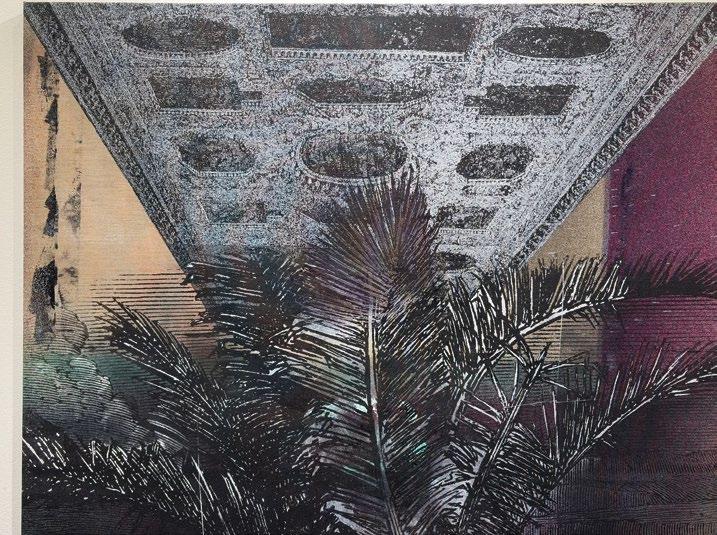
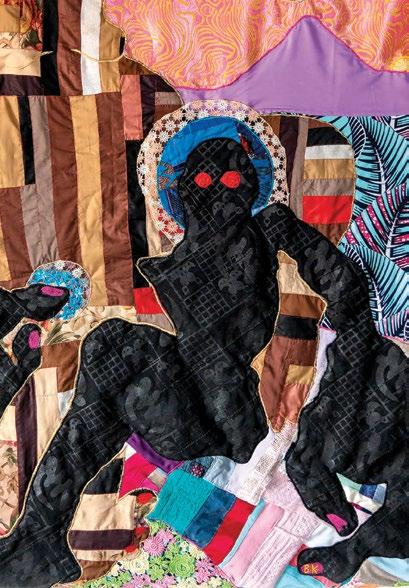
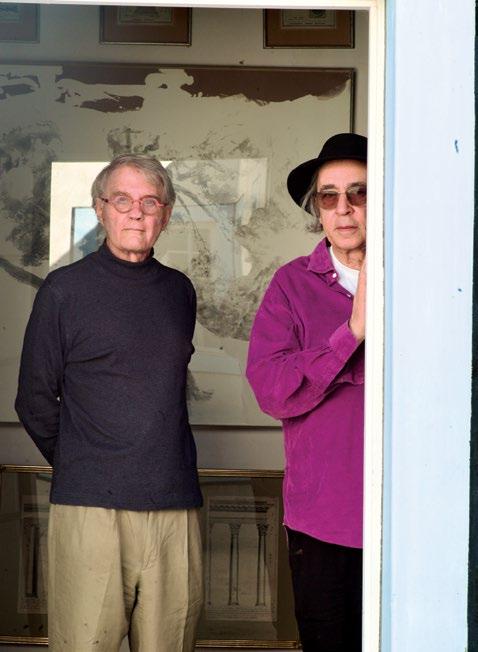
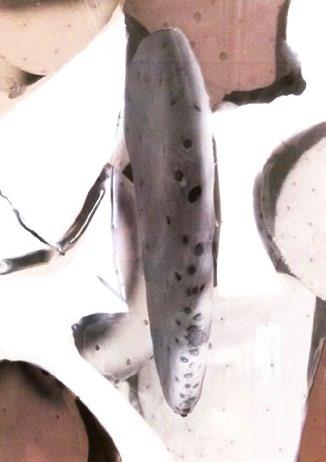
The Shapes of Surrealism—think automatic drawing, illusionistic imagery, and imagined vegetal worlds—are the subject of the new group exhibit at SEIMANDI & LEPRIEUR gallery. Local painter Cynthia James, who creates dreamlike aquatic realms, joins five French artists who are the usual focus of the shows here. Their work includes sinuous black-and-white figures by Ricardo OzierLafontaine; hand-embroidered mirage-like images by Pierre RoyCamille; a photographic series by Anabell Guerrero; a memoryinspired work by Karine Taïlamé; and vivid floral drawings by Dora Vital. Through Apr. 26. 3 3 W. Anapamu St., Santa Barbara, seimandileprieur.com. JOAN TAPPER
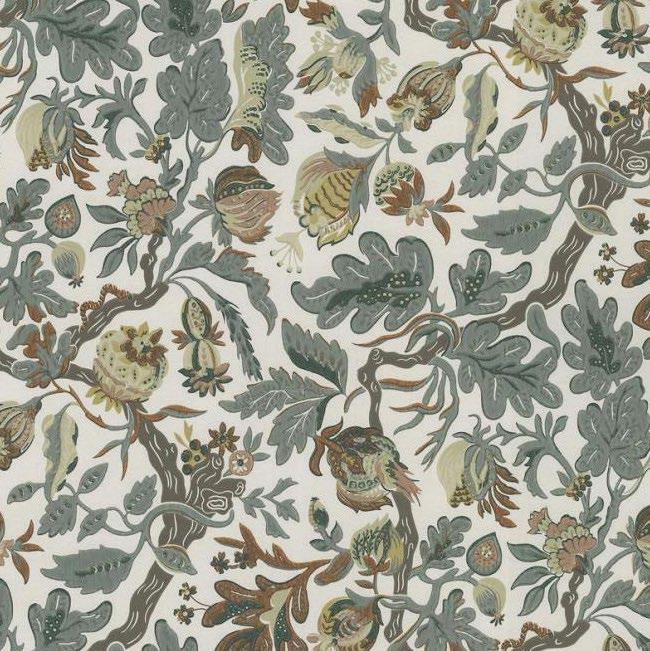
Bright and happy prints bring a coastal bohemian vibe from Ventura-based artist Daniella Manini. Wallpaper, from $129, spoonflower.com.
Live - Design
HAVE A SEAT WE LOVE
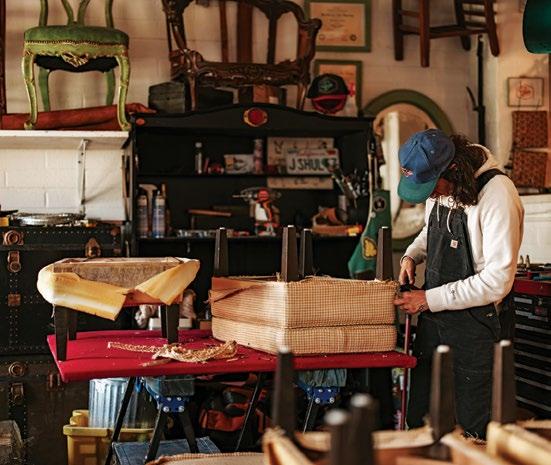
Joanna Beatrice is an artist-turned-upholsterer whose work bridges art, design, and function. Since launching BEA FURNISHINGS in 2017, she has been driven by a dedication to her craft. You can find her pieces in local businesses like the Rosewood Miramar Beach hotel, Carhartt Winery, and Augie’s of Santa Barbara restaurant, but it’s the passion projects— wrapping someone’s personality into a piece of furniture—that fuel her. As she puts it, “I want my art to at least make people slow down and think about things.” Face-to-face with her work, you immediately know who or what it represents. Right now, she’s working on a project for Tyler, The Creator. Beatrice is making two benches with fabrics and cast-iron sides that reflect his style, and she hopes he’ll see them. “I’m putting all my eggs in this basket,” she says. beafurnishings.com. TIANA MOLONY
TK
Pierre Roy-Camille, Toxic Tropic (2022).
RE-VISION QUEST
Founded by Dan Weber in 2008 as Dan Weber Architecture, the Santa Barbara firm was reborn eight years later as ANACAPA ARCHITECTURE , a sustainability and innovative-solutions-focused architecture and interior design firm. With more than 20 years of experience in creating engaging environments, Weber has assembled a diverse team of architects and designers who transcend their professional, multidisciplinary roles to create immersive, narrative-driven experiences that seamlessly blend traditional and modern elements.
From a modern farmhouse in the Santa Ynez Valley with its stone exterior sourced from nearby quarries (and installed by local stonemasons) to a custom home in Montecito inspired by the region’s traditional hip-roofed homes, each project is an exercise in raising the bar of aesthetics and function through design. As for the Dawn Café and Dusk Bar on the ground level of Santa Barbara’s popular Drift hotel, those boast contemporary interiors that, according to the firm, “celebrate the dance between light and darkness, offering a space where every moment is an opportunity to savor the beauty of life’s daily rhythm.” anacapaarchitecture.com. D.N.
Form and function are the two key elements of every Anacapa Architecture project.
COCOONING IN CARAMEL
Live - Design
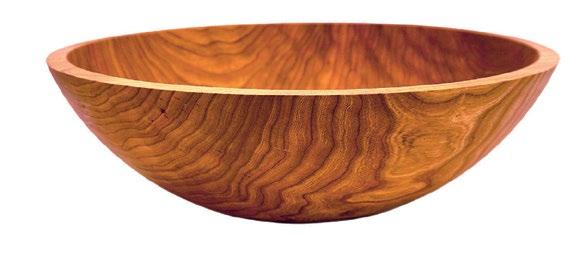
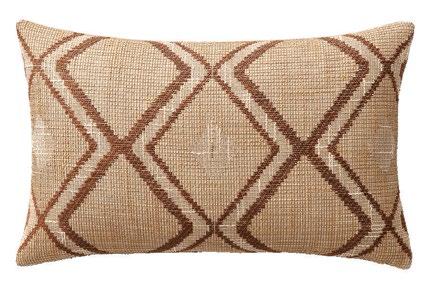
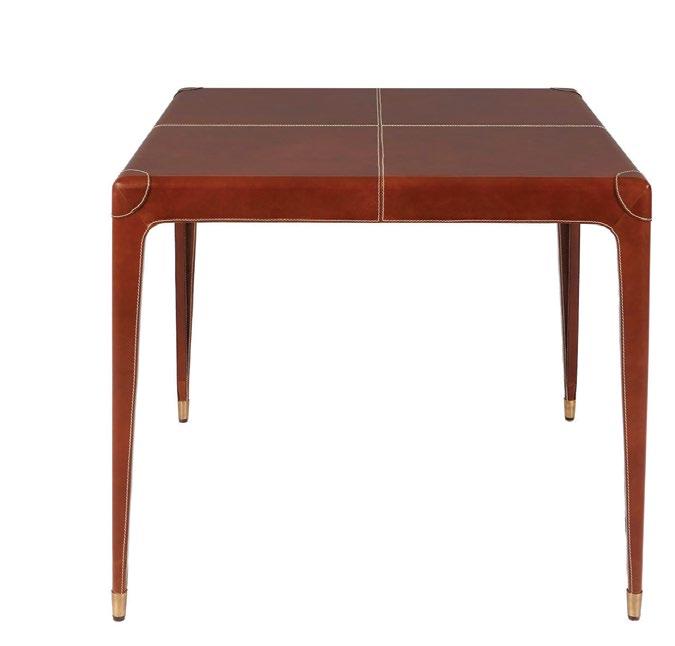
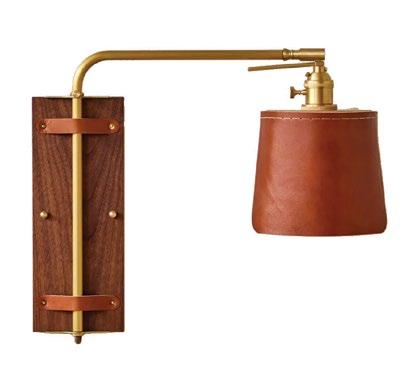
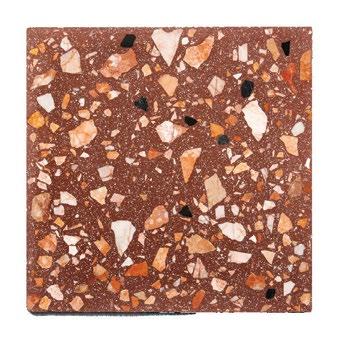
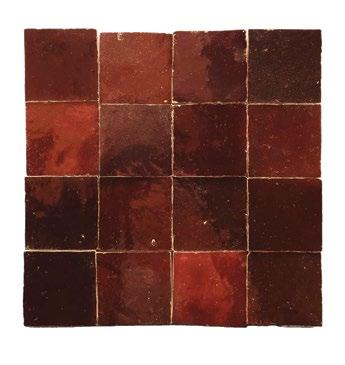
CLOCKWISE FROM TOP LEFT: Serha Diamond Outdoor Pillow Cover in Camel, $175, rh.com. Cherry Wood Bowl, $250, eiderstudio.com. Parker Stripe Fabric in Tobacco, price upon request, raoultextiles.com. Kelly Wearstler x ARCA Nudo Low Chair, kellywearstler.com. Mocha Brown Faux Blooming Vanda Orchid Plant, $68, afloral.com. Lostine Ava Wall Sconce, $1,240, shoppeamberinteriors .com. Zellige Tile in Burnt Sugar and Terrazzo Tile in Date Palm, ziatile .com. Ann Vincent Sole Candle Set, $60, thefrankieshop.com. Leather Game Table with stitching, $2,250, williamlaman.com.
There’s nothing more Santa Barbara than indoor-outdoor living
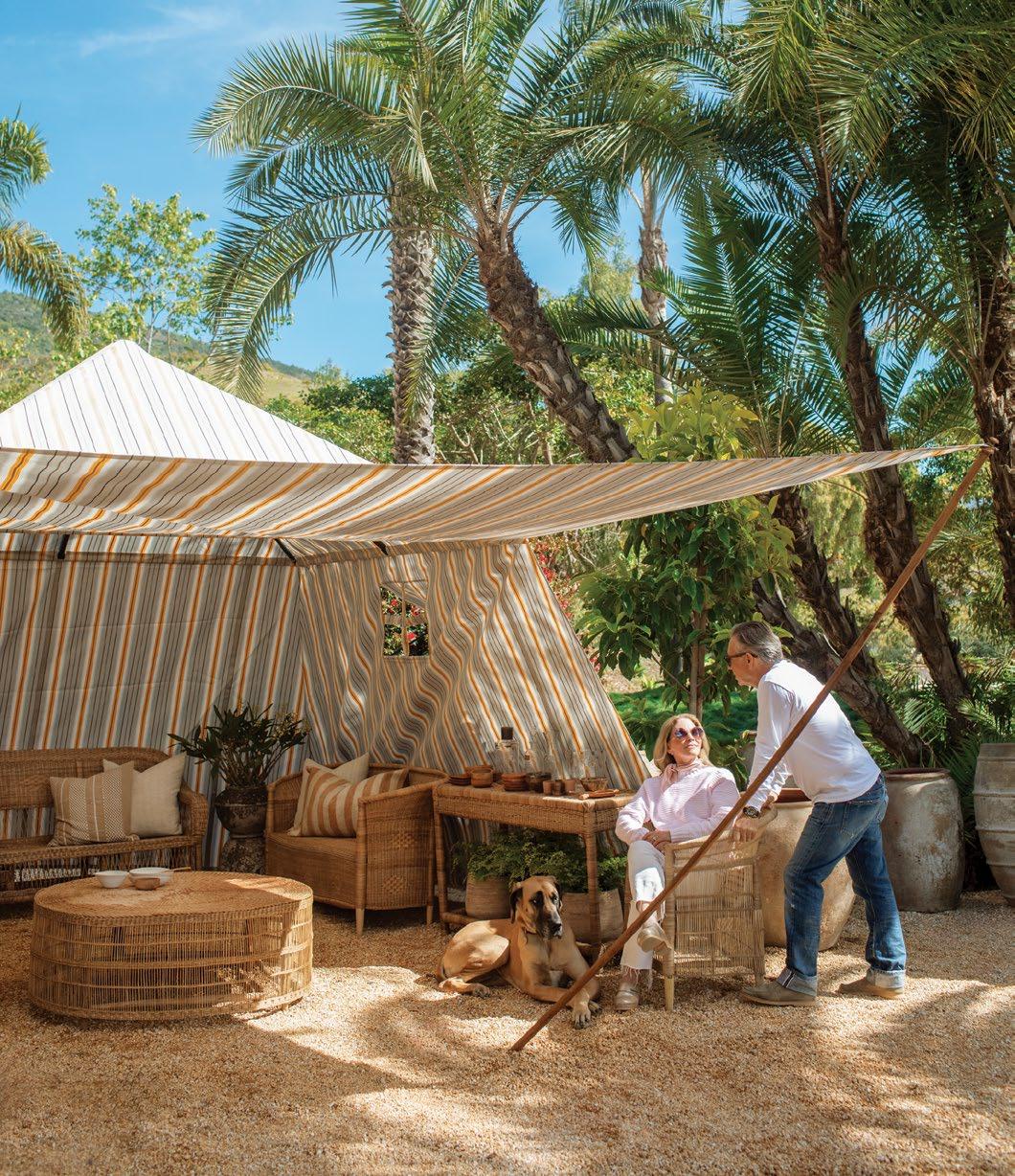
Patina-rich antiques lend warmth and character to Shane Brown’s curated outdoor living spaces.
Live - Garden
CHANGE OF SCENERY
Well, he’s gone and done it again
By Tiana Molony
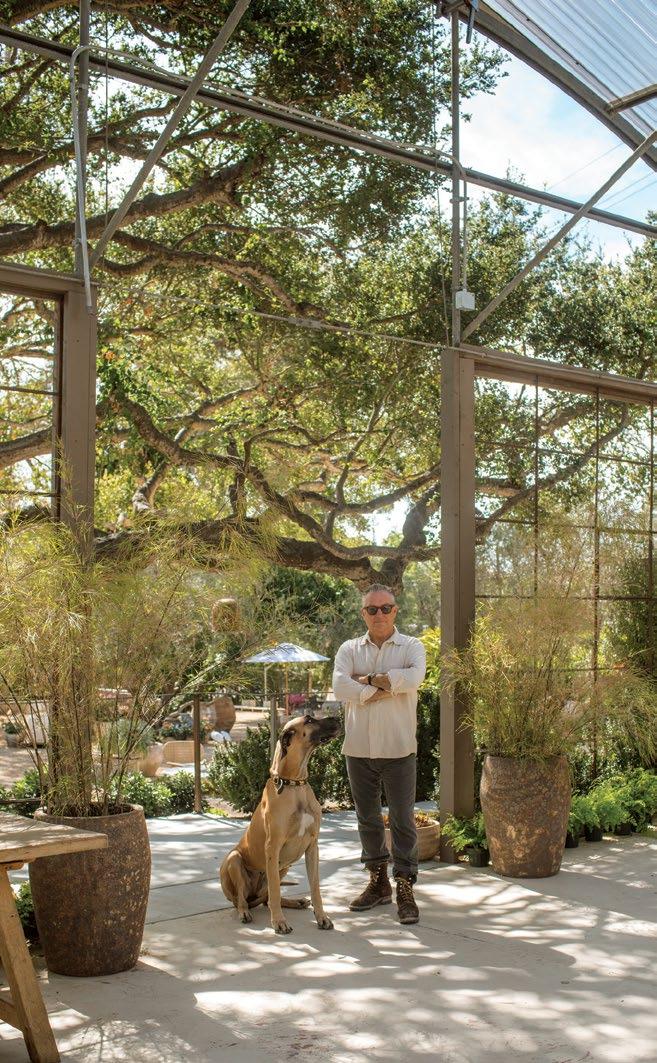
alking into THE WELL in Summerland or Montecito, one thing is immediately clear: Owner Shane Brown of Big Daddy’s Antiques has mastered the art of creating immersive environments. Rather than modeling his stores after conventional furniture shops, Brown designs interiors that shift the focus from a single item to the room as a whole, inspiring patrons to re-create that feeling at home. “When people walk into the store, I’m looking for that immediate ‘Wow,’ ” he says. “Not a day goes by without someone saying, ‘I want to live here,’ or ‘I want my own property to look like this.’ ” In April, Carpinteria becomes home to Brown’s newest outpost: THE WELL GARDENS. With nine acres of land (including more than two acres of greenhouse space), olive trees, coastal plants, and landscapes featuring water elements and gathering areas, The Well Gardens is envisioned as both a retail space and a community hub focused on botanicals, design, and California outdoor living. Says Brown, “As Big Daddy’s roots expand along the California coast, the mission remains unchanged: to design a living, timeless story—yours and ours— with a palette of historic antiques binding human experience with botanical life.” 3376 Foothill Rd., Carpinteria, thewellbybdantiques.com.
“When people walk into the store, I’m looking for that immediate ‘Wow.’”
Shane Brown
Live - Garden
Shane Brown’s newest offering, The Well Gardens in Carpinteria, offers trees, plants, water features, and more on nine gorgeous acres.
COUP DE JARDIN
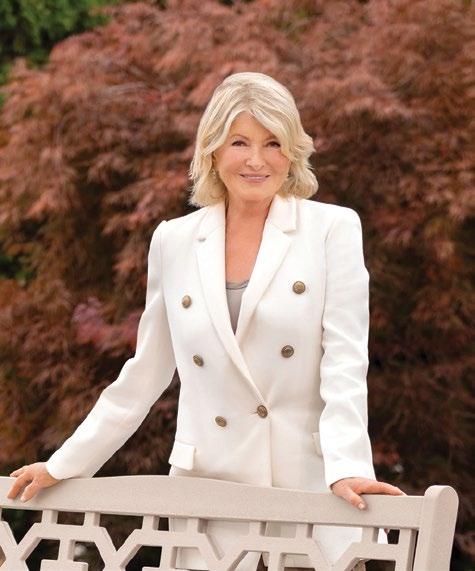
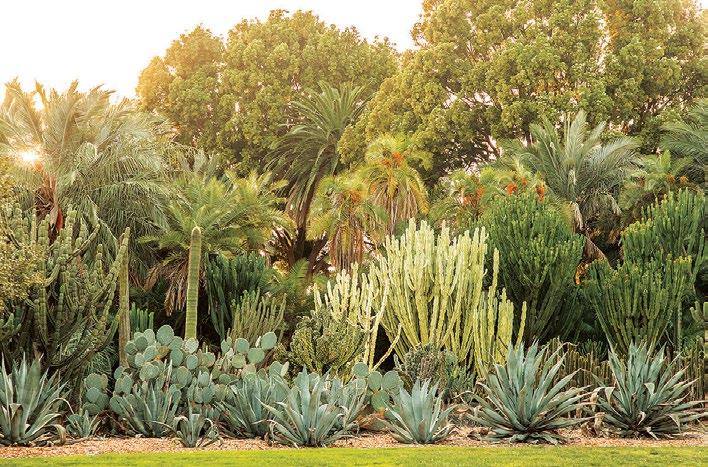
Author, TV personality, and gardener Martha Stewart is the special guest at this year’s LOTUSLAND CELEBRATES: BOTANICAL SPLENDOR gala on July 18. Hosted by actor Jane Lynch, the always sold-out event is a fundraiser for Ganna Walska Lotusland to support plant conservation and its horticultural education mission. The festivities begin with cocktails and a garden walk—with surprise performances and installations—and continue with an alfresco dinner and a lively auction with one-ofa-kind items. lotusland.org/celebrates. J.T.
Live - Garden
Mark your calendar for July 10, when the online auction for Lotusland Celebrates: Botanical Splendor goes live. The curated selection features some 30 unusual art, objects, and experiences and will continue to be open to bidders worldwide until July 19. The live auction at the gala on July 18 will highlight no more than eight exceptional lots—all as awe-inspiring as the garden itself. lotusland.org/ celebrates. J.T.
FROM TOP: Martha Stewart; a planting of agave, cacti, and other greenery at Lotusland.
DOUBLE TAKE
Two books published this spring come from the same household, the work of a couple whose achievements are well known on both coasts: artist Gerald Incandela and garden aficionado George Schoellkopf, who split their time between Summerland and Connecticut. Incandela’s photography-based painterly works reside in numerous public collections, including the Museum of Modern Art in New York and the Santa Barbara Museum of Art. Schoellkopf is the founder and creator of Hollister House Garden in Connecticut, a garden property he has nurtured since 1979 that affiliated with the nonprofit Garden Conservancy.
Live - Garden
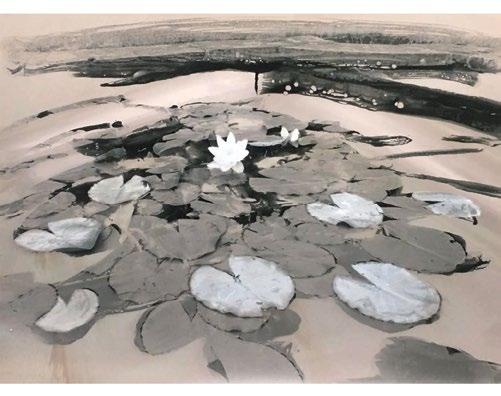
The recent solo show of Incandela’s work at the Wadsworth Atheneum Museum of Art in Hartford provided the impetus for GERALD INCANDELA (12 Candles Press, $52), a monograph on the artist’s oeuvre. The large-format book is packed with glorious images of art created over five decades, showcasing his singular technique of painting developer on photographic paper in the darkroom while using multiple negatives. This groundbreaking method became his trademark in the early 1970s, and he has continued to refine it. James Glisson, the chief curator at Santa Barbara Museum of Art, notes that Incandela’s work “stretches out time for longer than a photograph’s paltry fraction of a second . . . Incandela slows us down to the speed of reading poetry or listening to music.”
In HORTICULTURAL HERETIC ($45), Schoellkopf relates how the classic English gardens of Great Dixter, Sissinghurst, and Hidcote inspired him to become an impassioned self-taught gardener. He dispenses realistic advice for plant lovers gleaned from 40 years of patient trial and error. His tone is that of an enlightened theater director, describing plants as players in an ongoing drama, including a special variety of evening primrose that opens at precisely the same time each evening, providing entertainment for dinner guests. His ongoing struggles with unruly plants—dubbed “swashbuckling thugs”—and frustrations over low-performing but adored prima donna plants are delightfully portrayed, and the book’s lush color photographs of Hollister House Garden belie his self-described amateur gardener status. Both books are available at Tecolote Book Shop, 1480 E. Valley Rd., Santa Barbara, tecolotebookshop.com. LORIE DEWHIRST PORTER
GERALD AND GEORGE: MIA KIERA
SWEENEY
Gerald Incandela, Water Lilies #4 (2015).
Gerald Incandela, Cactus (2015).
BLOOMING BUSINESS
When Emma Lauter designed the florals for a friend’s wedding a decade ago, she wasn’t planning on starting a business. But when guests began to ask her to create arrangements for their events, “I realized this passion could become something far greater than I imagined,” she says. The result was EMMAROSE FLORAL . When it comes to floral design, Lauter lets the blooms set the tone. “I have found that simple can be best, and a few varieties are often all you need,” she says. “I love the idea of allowing natural beauty to speak for itself.” Her arrangements
WE LOVE
When printmaker, artist, floral designer, and candlemaker Louesa Roebuck talks about beeswax, she does so with reverence. Her love and appreciation for the balm produced by honeybees is tied to her family’s beekeeping heritage in Ohio, including apiarist and beeswax candlemaker
Live - Garden
A. I. Root. “Everyone has a nostalgic sensory response to the scent of beeswax,” Roebuck says. “It’s comforting, golden, warm, and ancient.” Rather than work with synthetic aromas, she makes candles that celebrate the smell of beeswax and, she says, “occasionally the botany adorning each candle.” The majority of her candles have a gothic look, but Roebuck refuses to be typecast. Her custom creations Wicked cast party included one for Ariana Grande—a springy and feminine candle reflective of her character Glinda. louesaroebuck.com. T.M.
Candle in the Wind, $175,
®
CRUZ CONTROL
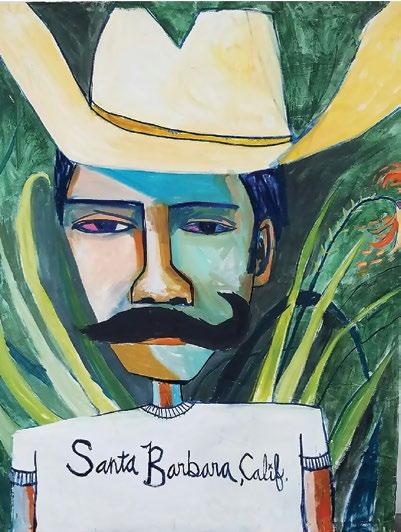
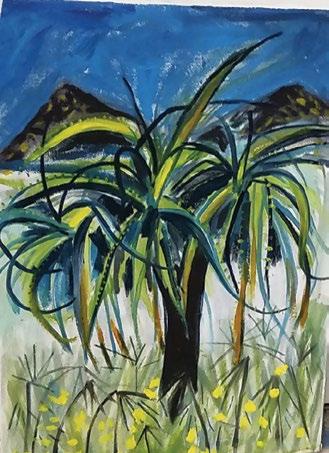
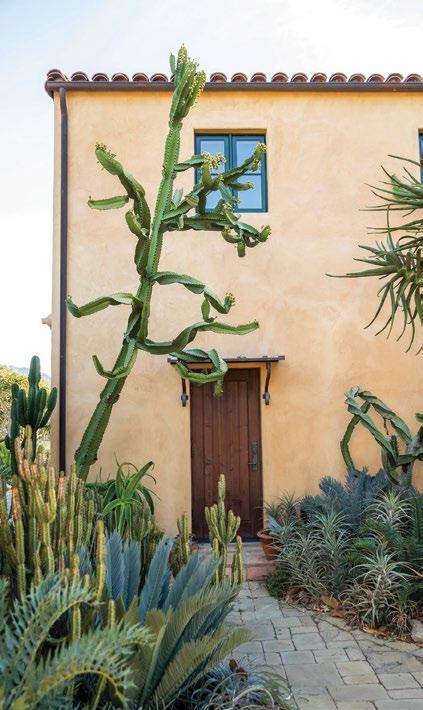
For his residency at the Museum of Contemporary Art, Santa Barbara, San Antonio artist CRUZ ORTIZ used plein air and portrait painting to document social history in and around Santa Barbara. He painted at Leadbetter Beach, the Douglas Family Preserve, and a spectacular private garden of succulents, aloes, and cacti on the Riviera that became one of his key subjects.
“I often think about painting in the Barbie [Santa Barbara]—especially when I’m painting in plein air,” he says. “The first thing I noticed was how clean and blue the light is there. Painting here in Tejas, there’s a yellow pinkish light that hangs in the air into evenings. But in Santa Barbara it’s a super clear, even light throughout the day— even as the paint lies out on the canvas, the colors seemed not to have to work as much in producing the hues.”
Through this residency, Ortiz continued his practice of honoring important figures in social justice and the places they inhabit, translating local beaches, preserves, and private gardens into vividly observed scenes that link personal experience, landscape, and broader social narrative. T.M.
Live - Garden
“In Santa Barbara it’s a super clear, even light throughout the day.” Cruz Ortiz
Cruz Ortiz’s time in Santa Barbara inspired paintings like Santa Barbara Boy (2017) and Oakley Aloe Tree (2017). See these extraordinary plant specimens at Aloes in Wonderland; make a reservation at aloesinwonderland.com.
PERFECT SETTING
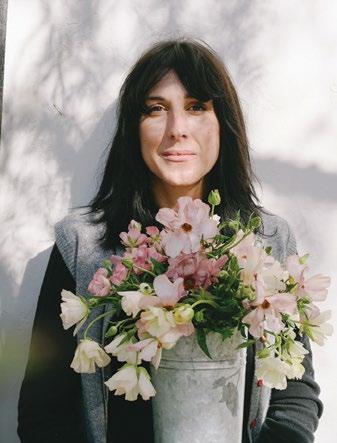
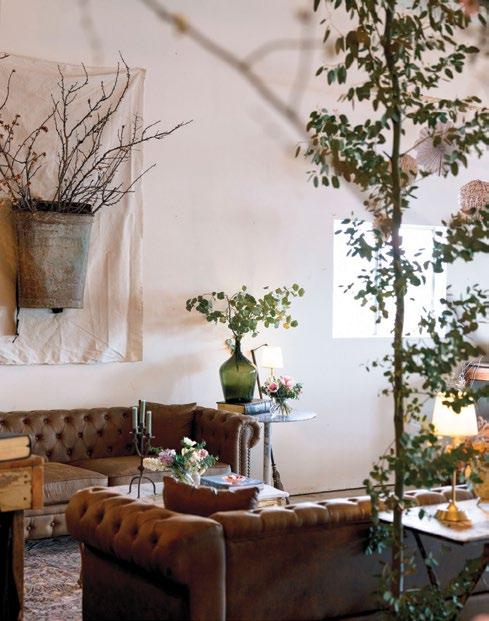
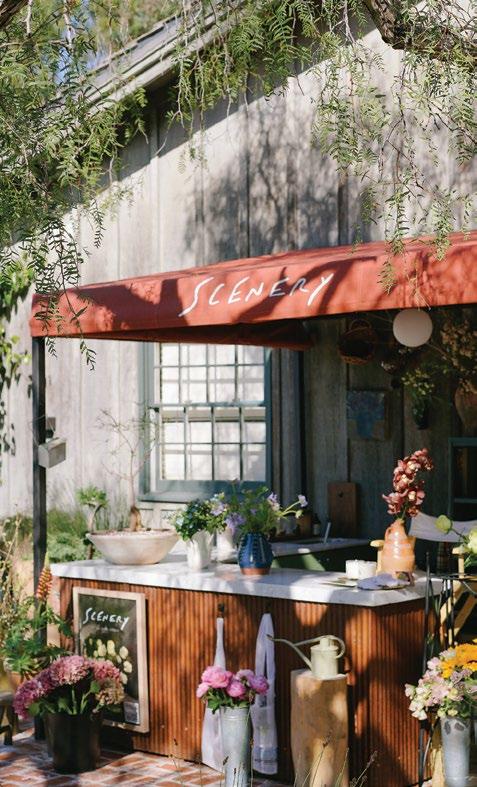
Tucked into a corner of The Post, Montecito’s boutique shopping center, you’ll find SCENERY, a floral design studio founded by Tedde Minogue. The art historian approaches her arrangements with a discerning eye, often incorporating ceramics into the work, which she calls “vessel-forward florals.” The result is a deliberate interplay between bloom and container, with florals and vases in harmony. “Scenery is here to cultivate beauty, and the ritual is a part of our process, but our customers [are] as well,” Minogue says. “I love seeing what people create from blooms we’ve selected or what a certain vase looks like in their home.”
1809 E. Cabrillo Blvd., Santa Barbara, sceneryflorals.com. T.M.
Live - Garden
GATHER YE ROSEBUDS
FORAGE FLORALS in Santa Ynez started in 2014, “from a love of working with natural materials and creating arrangements that feel organic and artful rather than overly structured,” says founder Jill Redman. Staying true to its namesake, Forage believes in being “collaborative with nature,” creating locally sourced arrangements that embrace imperfection. The flower studio also functions as an event space, hosting private parties, receptions, corporate events, retreats, and more. “The goal is to create arrangements that feel effortless and natural,” Redman says, “as though they belong exactly where they are.” forageflorals.com. T.M.
FROM LEFT: Founder Tedde Minogue; the Scenery Florals stand at The Post in Montecito.
Forage Florals embraces local blooms.
AN EYE FOR STYLE
Destinations for the aesthetic traveler
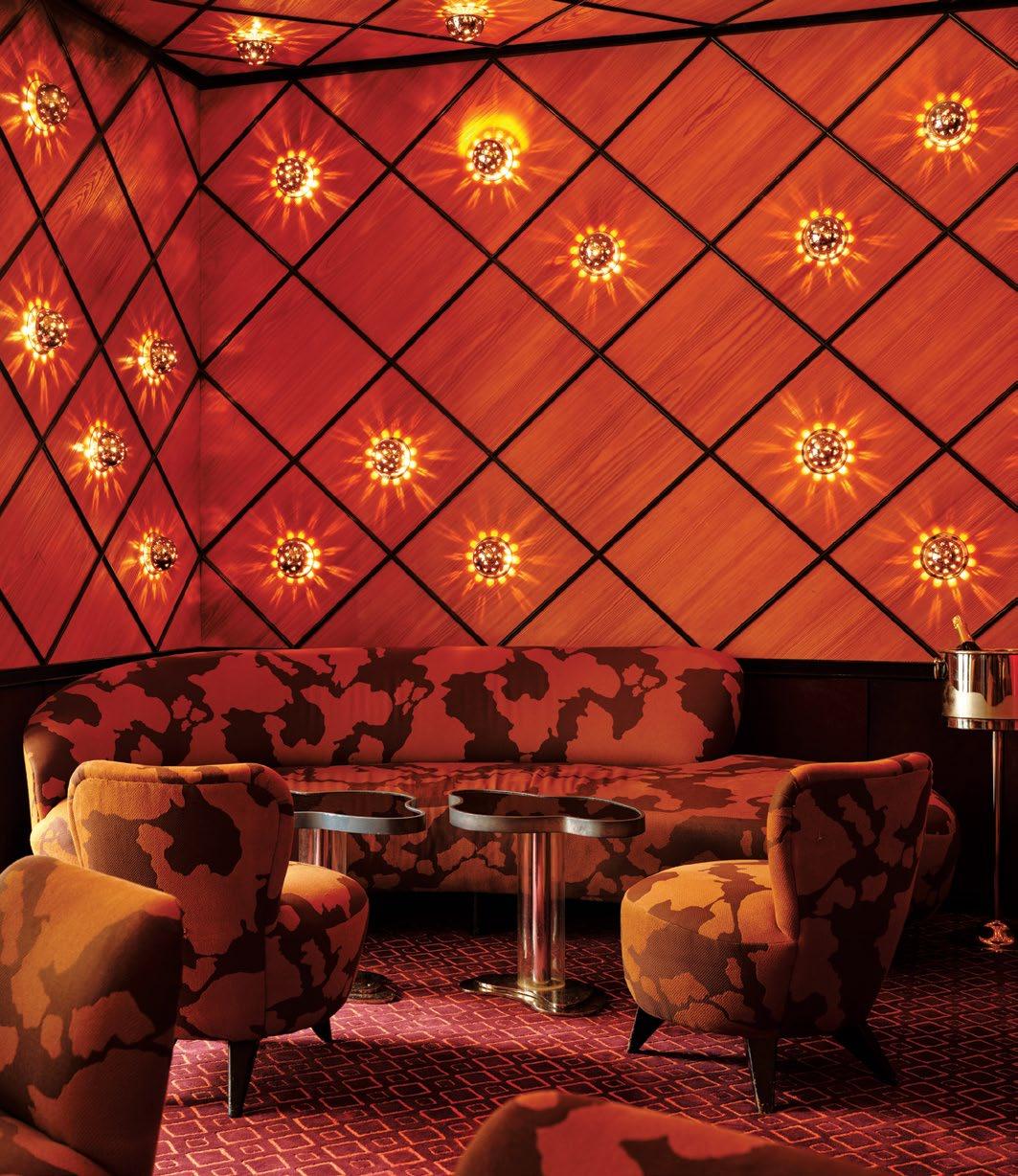
Custom furnishings by Guy de Rougemont and Vladimir Kagan define The Mark Bar, a chic spot on Madison Avenue for drinks, snacks, and after-dinner delights.
EAST SIDE STORY
For more than a century, The Mark has defined NYC chic
By Caitlin White
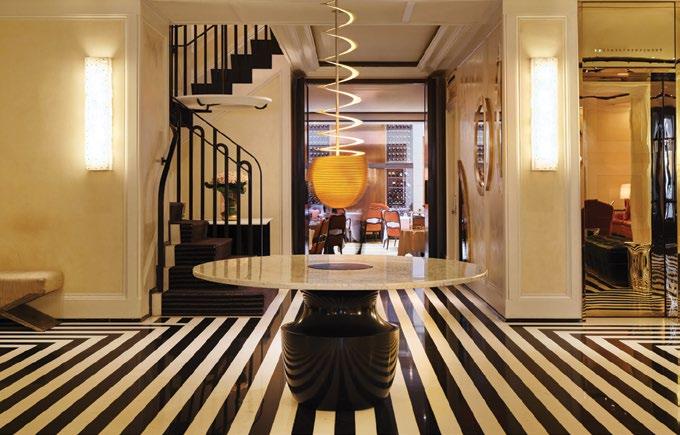
n a city where hundreds of hotels vie for the chance to host luminaries for a night, this New York City landmark has welcomed celebrity guests for nearly a century, since it opened in 1927. One block off Central Park, THE MARK is steeped in the elegance of the Upper East Side and frequently touted as the unofficial fashion headquarters for the annual Met Gala at the nearby Metropolitan Museum of Art. In 2005 the hotel underwent a complete renovation helmed by French designer Jacques Grange, who designed the signature black-andwhite striped floors; the property also showcases work by Ron Arad, Vladimir Kagan, Mattia Bonetti, and Karl Lagerfeld, among other artists and artisans. The luxurious 106 rooms, 44 suites, and three penthouses feature heated towel racks, fine Italian linens, and Crestron panels that control temperature, lighting, and entertainment. A spa is slated to be added for summer 2026, and a recent coffee table book, The Mark (Assouline, $120) captures the exclusive hostelry in all its glory. The Mark Restaurant by Chef Jean-Georges serves breakfast, lunch, and dinner and also offers 24/7 inroom dining. themarkhotel.com.
Live - Getaway
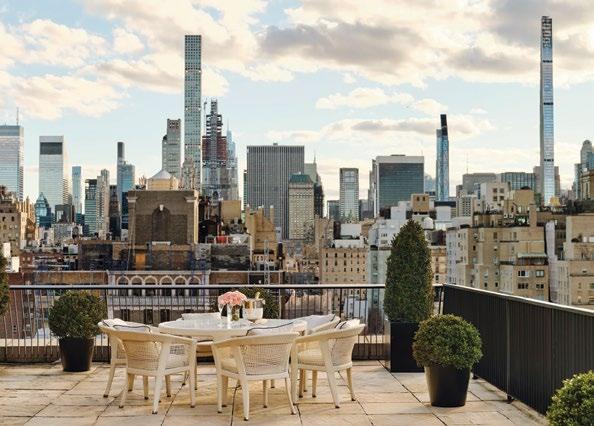
FROM TOP: Signature black-and-white striped floors are synonymous with the hotel’s style; Art Deco–inspired interiors are lush yet zen; three penthouses include terrace access with sweeping views.
In 2005 the hotel underwent a complete renovation helmed by designer Jacques Grange.
Live - Getaway
LOWCOUNTRY HIGHLIGHT
Coastal setting, historic architecture, and the eternal appeal of Lowcountry cuisine make Charleston, South Carolina, a prime destination. John Dewberry’s namesake luxury hotel, THE DEWBERRY CHARLESTON, has consistently been recognized as one of the best in the region. “The Dewberry honors Charleston’s historic architecture and culture through a disciplined, contemporary lens,” he says. “I assembled a team of architects and designers, and together we were able to combine locally sourced materials, custom craftsmanship, and enduring finishes to create a setting that’s warm, refined, and distinctly Charleston. Every detail reflects intentional design, functional luxury, and a modern interpretation of Southern hospitality.” Furnishings have been sourced at auctions worldwide, and custom Stickley-style armoires and Vermont Danby marble bathrooms impart glamor to the 153 guest rooms. thedewberrycharleston.com. C.W.
FROM TOP: John Derian designed the Derian suite at The Dewberry; even the bathrooms include unique vintage art; the Citrus Club offers fabulous cocktails.
Subscribe to Santa Barbara Magazine
The region’s premier luxury lifestyle magazine since 1975
Featuring the latest in style, arts, food and wine, design, travel, wellness, and more.
SHOP.SBMAG.COM/SUBSCRIBE
8/27/25 1:44 PM
Live - Getaway
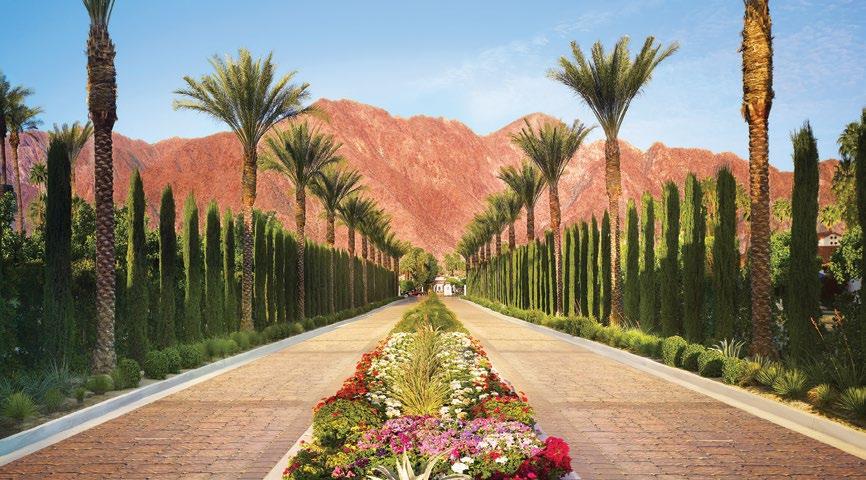
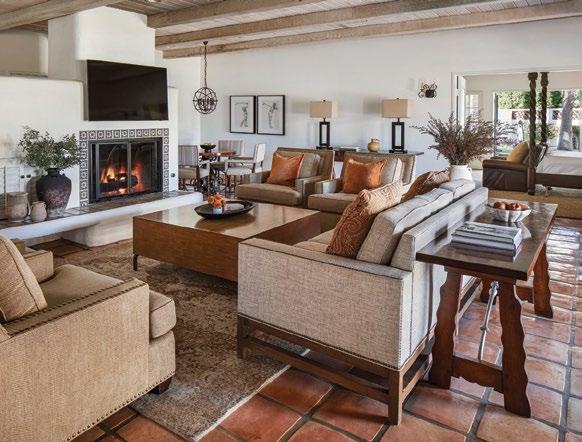
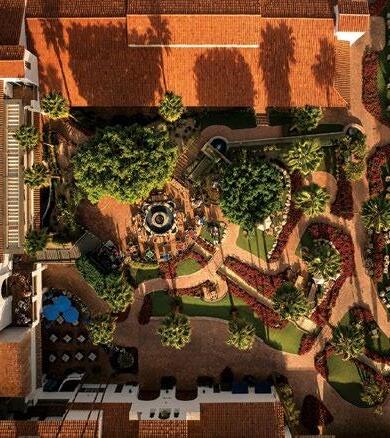
CLOCKWISE FROM TOP LEFT: The landscaping on this vast estate has been updated to feature a local drought-tolerant plants; this wellness sanctuary is one of the finest spas in the Coachella Valley; more than 30 climate-controlled pools dot the resort; hand-painted tiles, exposed wood beams, and travertine-bordered fireplaces define the common spaces; red-tiled roofs create a soft, signature glow under the desert sun.
DESERT DREAMING
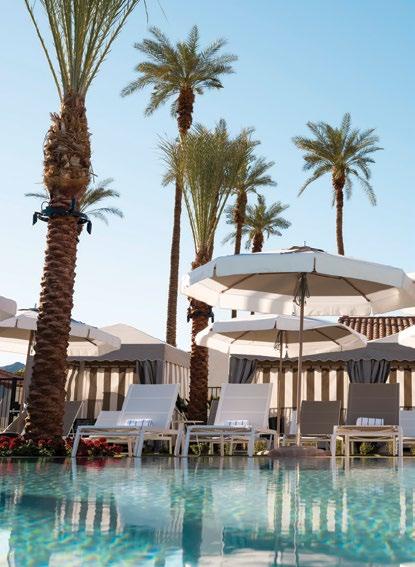
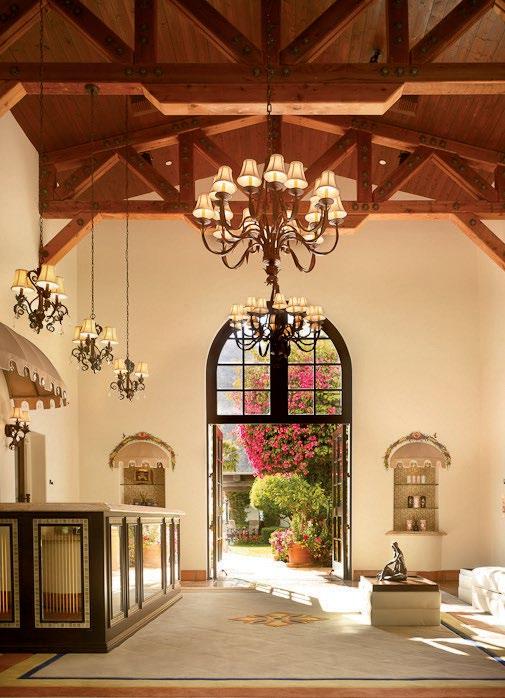
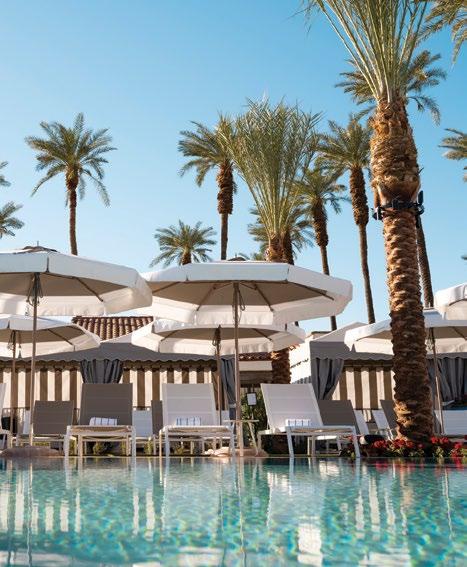
Celebrating its 100th birthday this year, the status of LA QUINTA RESORT AND CLUB as a stylish escape in the California desert has only become more established with time. An extensive renovation, led by architectural firm Leo A Daly, was completed last year to update and refresh the structures with contemporary comforts. Contrasting with the cream-colored stucco of the architecture are plentiful fuchsia bougainvillea, and the 45 acres of this desert oasis are planted with citrus groves, cypress trees, and cacti. As for amenities, the resort boasts 5 golf courses, 42 pools (some at private villas), 21 tennis courts, and 6 restaurants. Body renewal treatments, massages, and facials are available at the 23,000-square-foot Spa La Quinta, and a new adults-only plunge pool is another recent update. On-site dining options are a highlight, particularly at the Adobe Grill, a Oaxaca-style Mexican restaurant with award-winning tamales and free-flowing margaritas. At Morgan’s in the Desert, the iconic steakhouse atmosphere serves as a reminder of why this hotel became a Hollywood retreat in the first place. laquintaresort.com. C.W.
Live - Getaway
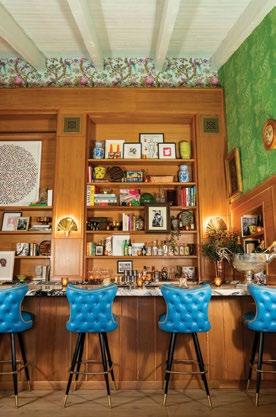
From the legendary $50 martini to the Warhol painting on the wall, Bar Cecil continues to surprise and delight Palm Springs with its endless cachet, impeccable service, and showstopping cocktails. If you can get a spot, there’s no better place for a drink, dinner, and fascinating people watching—except maybe its brand-new sister bar next door, Beaton’s. barcecil.com. C.W.
British photographer Cecil Beaton played muse for the restaurant’s spirited design.
STAR POWER
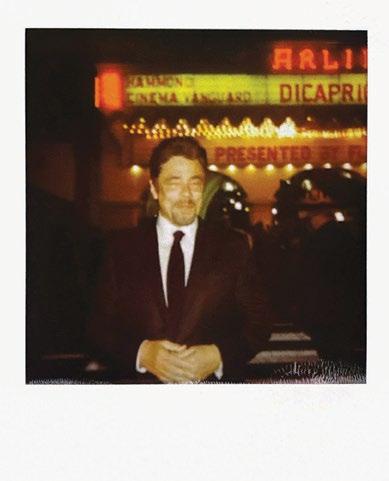
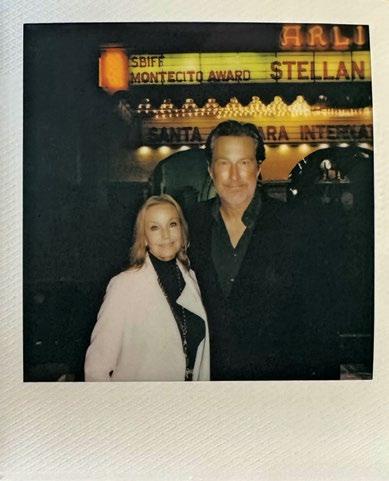
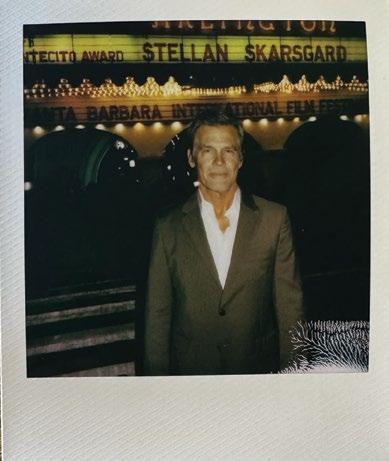
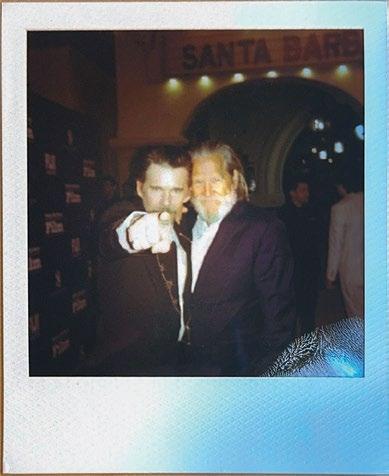
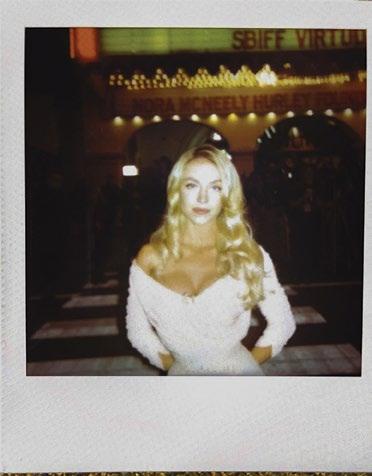
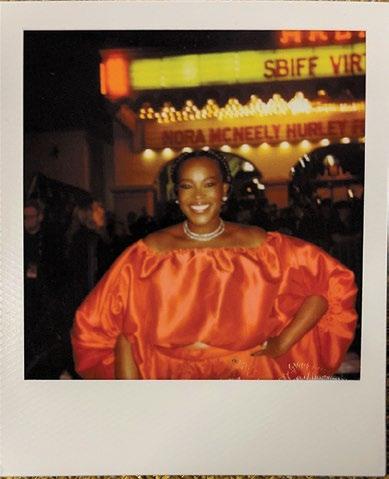
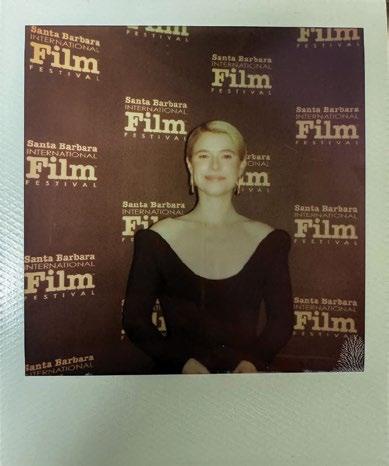
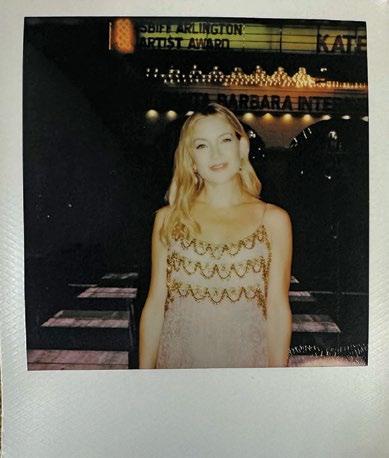
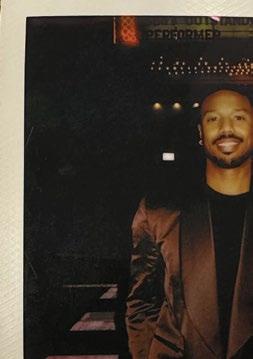
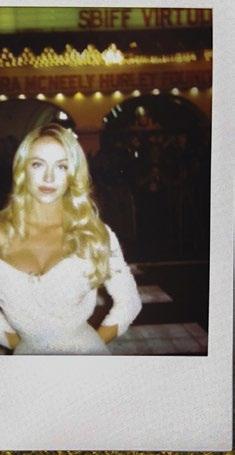
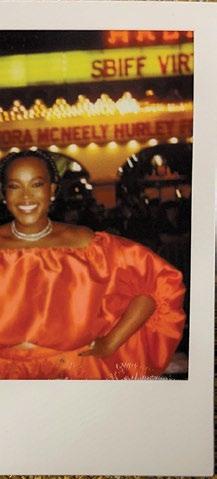
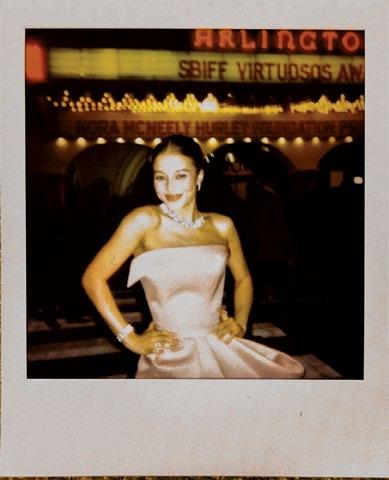
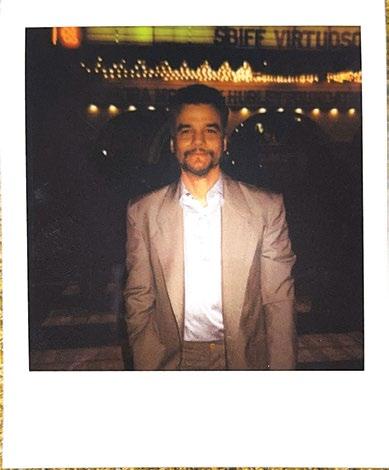
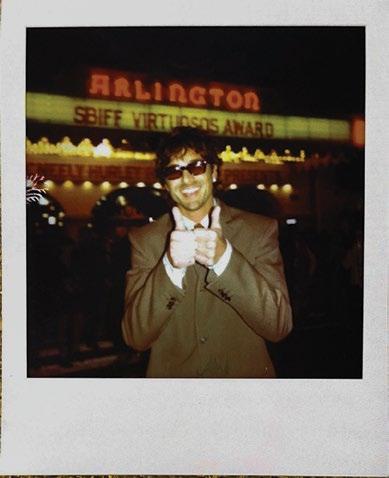
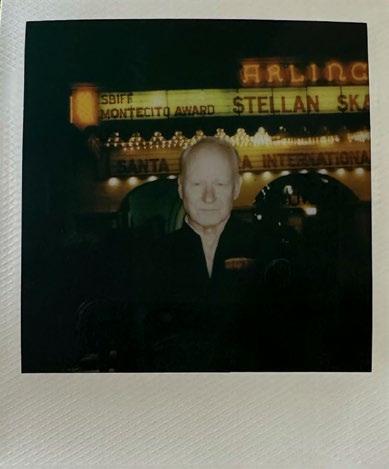
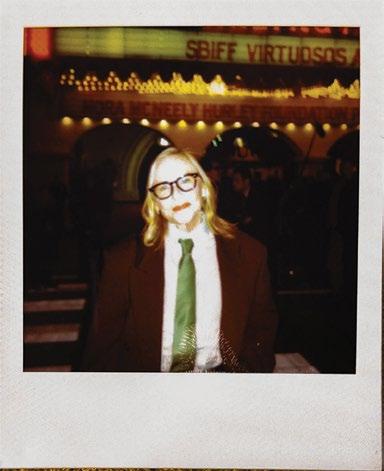
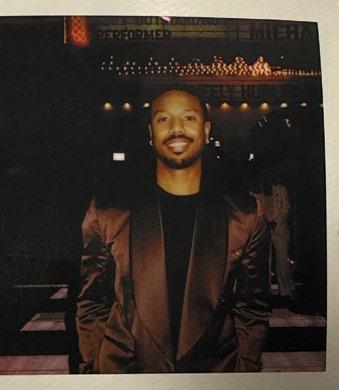
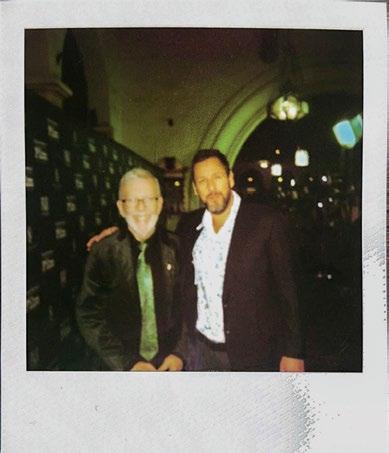
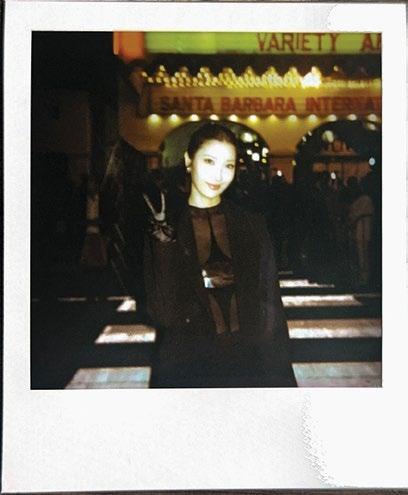
The Santa Barbara International Film Festival, the flagship cultural event of the season, satisfies the public hunger for face time with celebrities during the awards-season publicity circuit and champions the cause of lending a broadminded showcase to cinema from around the world and across the spectrum of genre and taste. Star talk landed almost nightly in the Arlington, with mostly full houses. Kate Hudson,
TOP ROW, FROM LEFT: Benicio del Toro, Bo Derek and John Corbett, Sydney Sweeney, Wagner Moura, Jacob Elordi, Stellan Skarsgård. SECOND ROW, FROM LEFT: Teyana Taylor, Josh Brolin, Wunmi Mosaku, Chase Infiniti, Chloé Zhao.
whose award presenter was her longtime friend and Santa Barbara resident Gwyneth Paltrow, asserted, “Now, more than ever, I really want to make movies that put people in the theater. … There’s nothing better than this industry, and the fact that I get to work in it is such a privilege.” Leonardo DiCaprio spoke about his transition from childhood acting on television to his breakout role in the film What’s Eating Gilbert Grape in 1993. “I really didn’t necessarily understand the culture of making movies, the seriousness that goes into it,” he said. “I gave myself almost a big yearlong selftutorial on cinema and film history. I want to somehow stand on the shoulders of the giants.” On the Outstanding Directors panel, Oscarnominated directors showed up to talk about the art and their prize-worthy projects.
Sometime Ojai resident Chloé Zhao, whose Hamnet is an acclaimed Shakespeareonce-removed film, said, “I believe actors are modernday shamans. They channel spirits, as medicine…. Filmmaking is a sacred ceremony.” That could serve as a mantra for SBIFF, 41 and counting, and with a new artful multiplex to call home.
THIRD ROW, FROM LEFT: Ethan Hawke and Jeff Bridges, Jessie Buckley, Amy Madigan, EJAE. BOTTOM ROW, FROM LEFT: Kate Hudson, Michael B. Jordan, Adam Sandler and Leonard Maltin.
LIGHTING THE WAY
Santa Barbara Lighting Company glows with legacy Written by Jennifer Blaise Kramer
Photographs by Kim Reierson and Candace Fox
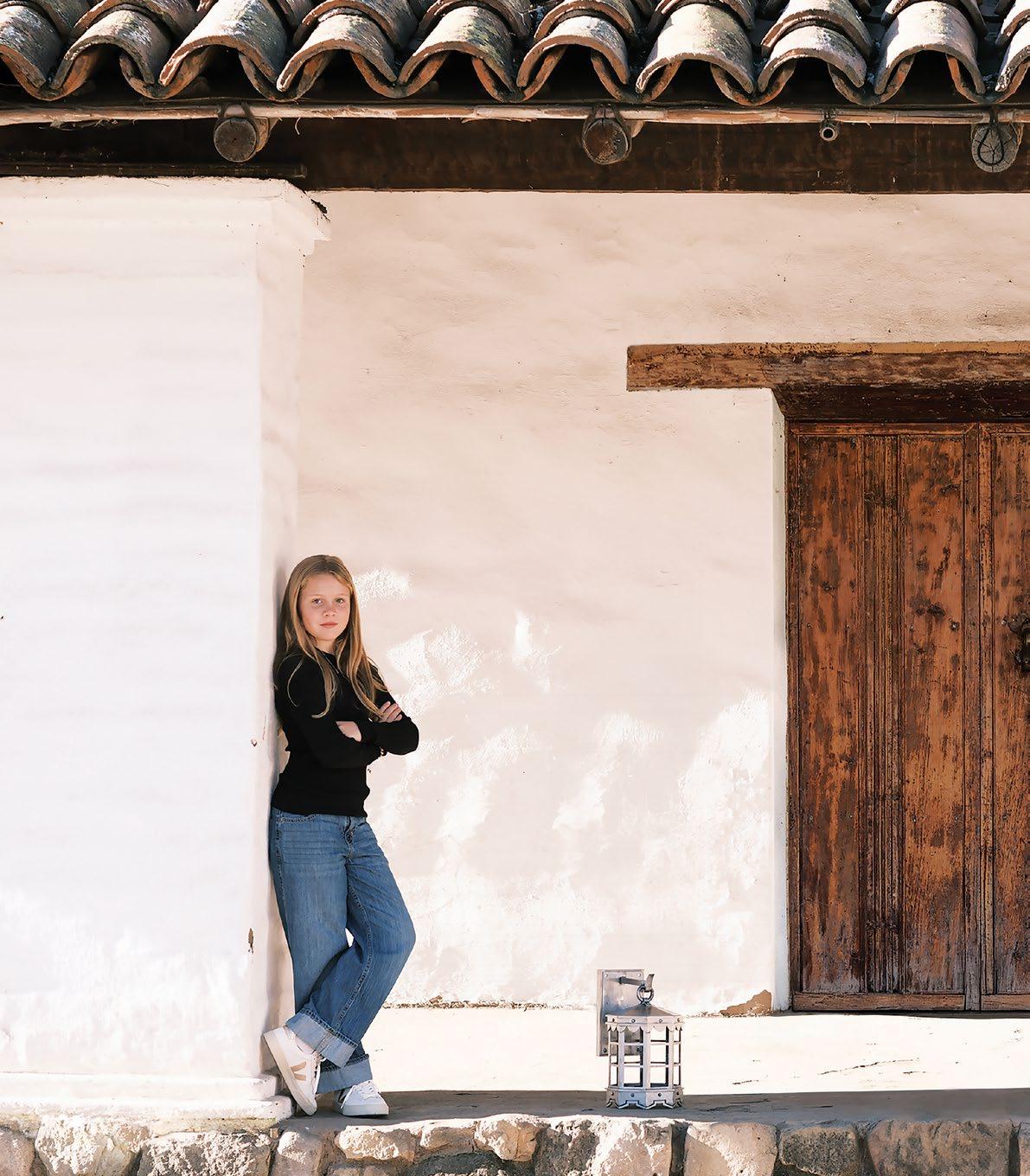
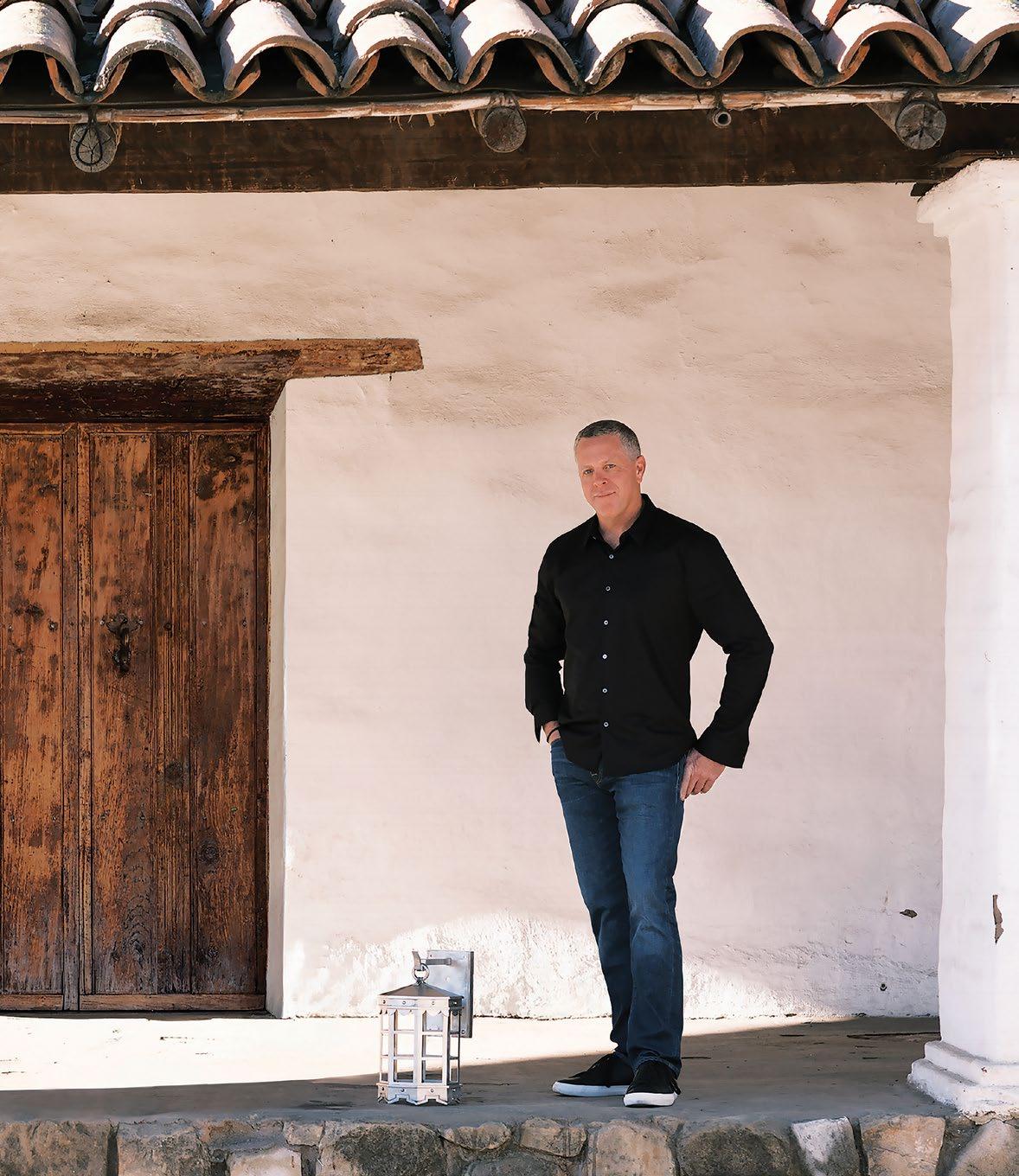
Santa Barbara Lighting Company founder Jimmy Rickard has created a legacy that he shares with his daughter, Marion Rickard, photographed at Casa de la Guerra.
SB Lighting Company
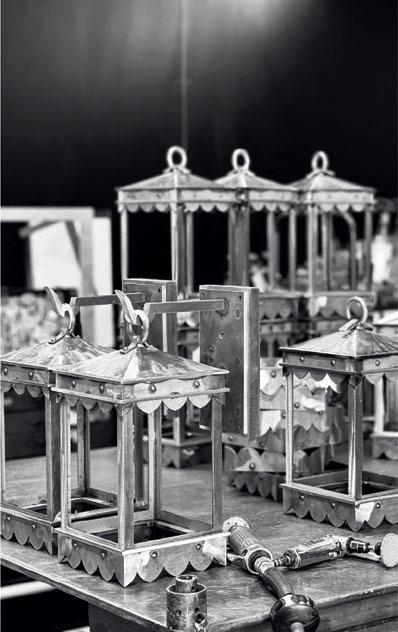
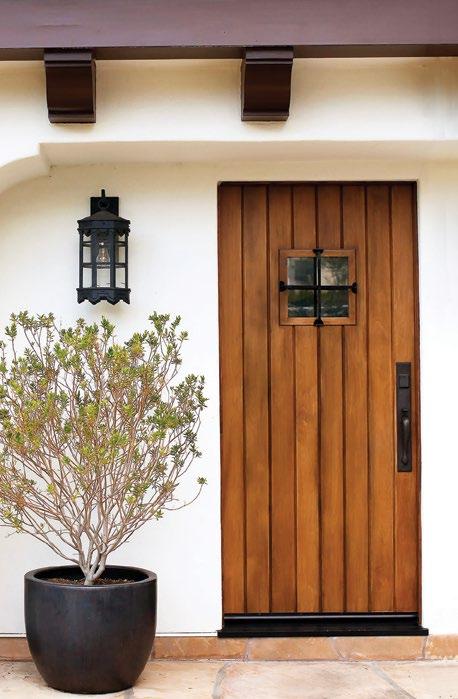
For a lot of homes and landmarks in Santa Barbara, the finishing touches are as important as the foundation. Light fixtures are one way to speak to a structure’s heritage, and when created authentically, they can blend in timelessly. The handcrafted, eight-sided De La Guerra sconce, for example, is a modern icon from Santa Barbara Lighting Company (SBLC). Even brand new, it looks like it has belonged here forever. The lantern is part of a line of legacy products designed to withstand decades to come and, built by a sixth-generation Santa Barbarian, paves the way for future generations to keep the brand’s glow alive.
Jimmy Rickard, founder of SBLC, has deep roots in this city. His great-great-great-grandfather José de la Guerra was widely considered the first citizen of Santa Barbara. Jimmy’s grandfather, John T. Rickard, was a Superior Court judge of California and the city’s mayor. (The Santa Barbara
CLOCKWISE
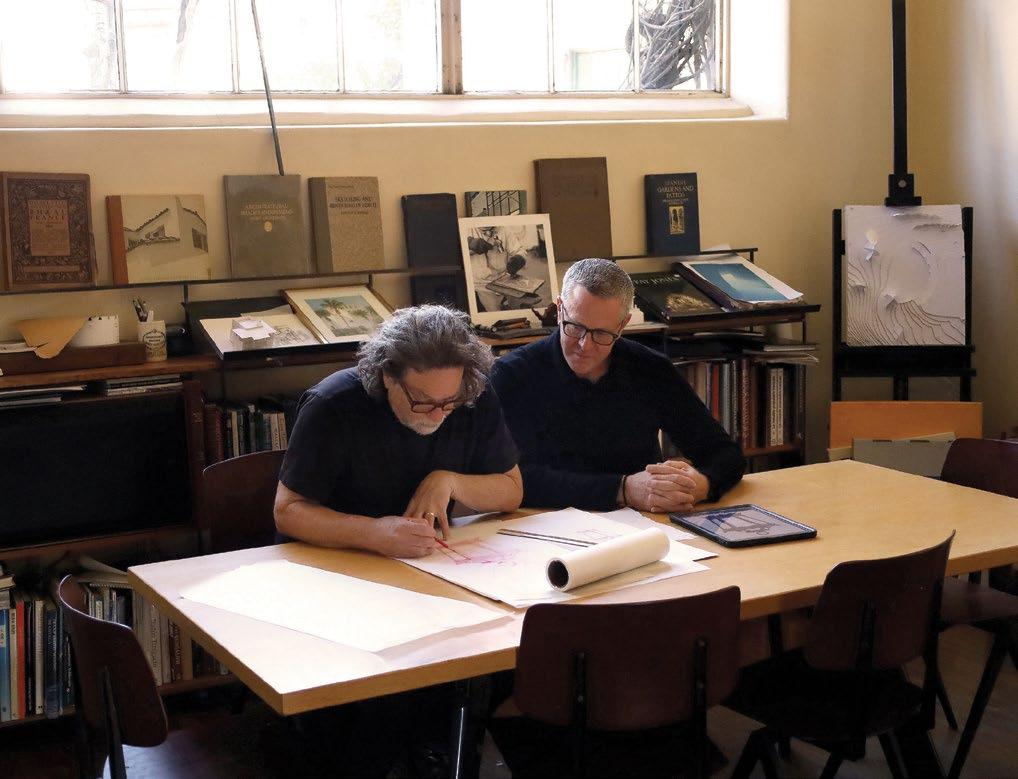
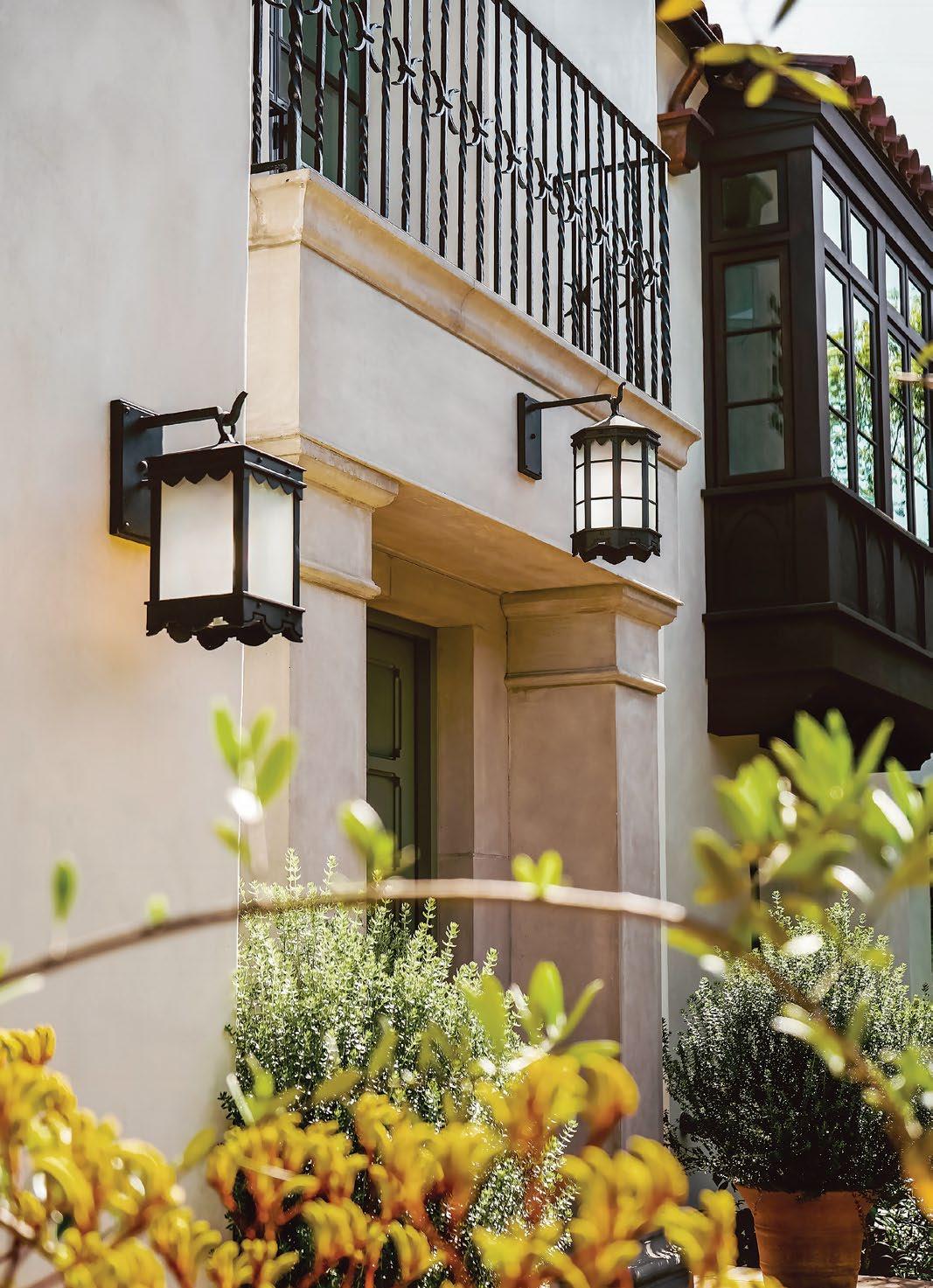
lighting designer and architect Britt Jewett and Rickard sketch future lighting designs; the De La Guerra 04 in its production phase; the signature handmade De La Guerra 08 fixture.
SANTA BARBARA LIGHTING
Airport terminal is named after him.) He married Marion Foster from Des Moines, Iowa, who was so full of elegance and charisma that Jimmy named his own daughter after her. But it was John T. Rickard and his encouragement that would lead Jimmy into this career.
into development. “I loved building and being creative and would put everything I made right into the next house,” he says. As his homes got bigger, the finishes got nicer—except for one element: lighting.
“I found myself carefully choosing and investing in high-end finishes for my homes, yet I couldn’t find many options for well-designed, quality-made exterior lights,” he says. “What I wanted was something unique and timeless, and I couldn’t find it. I had this thought: I should create a lighting company—I saw the window.”
Shortly after this epiphany, two things happened. First, 2008 came; real estate crashed, and development halted. Next, Jimmy met architect Britt Jewett and took one look at his hand-drawn sketches, and that window got wider. The two quickly teamed up— Britt drawing and Jimmy building— to create prototypes of the types of lights they felt should exist in Santa Barbara.
days of collaborating, designing, and sketching with Britt gave Jimmy a chance to quietly hone the look and feel of what he wanted to put out in the world, something that would also feel very much at home.
“In every one of our lights there’s something that feels familiar, with methods and materials of early metal craft,” says Britt, who has dozens of pattern books in his Meridian Studios office on 1920s Revivalist and Spanish Colonial Revival ironwork, railings, and architectural accents that he applies to the lighting designs.
SB Lighting Company
“My grandfather was known as a fair person and a judge, and his many accomplishments as mayor that have preserved Santa Barbara’s beauty and character over the years have been a tremendous inspiration to me,” Jimmy recalls. “He instilled in me the message to accomplish my goals and create something meaningful.”
And so he has. But like the best business stories, the road to SBLC wasn’t a straight line but more of a connect-the-dots path toward problem solving. After graduating from the University of Arizona and working in New York, Jimmy felt the pull back to his hometown and started in real estate before shifting
“I enlisted local artisans and finished and shipped the lights from my garage on Pedregosa,” Jimmy says. Armed with a nothing-to-lose mentality, Jimmy was determined to build something and grow it from the ground up, which he did independently, without partners, reinvesting every dollar he earned back into the company, while putting his head down and getting to work alongside Britt. “I have an engineer’s mind, and Britt has an architectural mind. He’s always considering how artisans built things without modern-day production methods.” Together they devised a small line of architecturally designed, handcrafted lighting authentic to Santa Barbara heritage, first sold under the name DLG Lighting, nodding to the De La Guerra family.
“The Santa Barbara name feels a part of me; it translates to the country and all around the world as a place of beauty and quality,” Jimmy says. Those early garage
“It’s not just a light, it’s a piece of art. It’s the jewelry of the house that makes it really special.”
Jimmy Rickard
As each penny was poured back into the business and the roster of clients steadily grew, one very special customer changed the course of the company. In 2014 producer Ryan Murphy found them on their website and reached out along with his designer, Stephen Shadley. While it was just one light that initially caught Murphy’s eye, he ended up ordering more than 250 custom and collection pieces. An avid art collector, Murphy saw something distinctive and began customizing options to fit his home.
“I have all this art in my other homes,” Murphy told Jimmy. “In this house, I want your lighting to be the art.”
The collaboration (which is still ongoing) catapulted the business to
Finished lanterns (De La Guerra 04 and 08) hang on a home in Montecito.
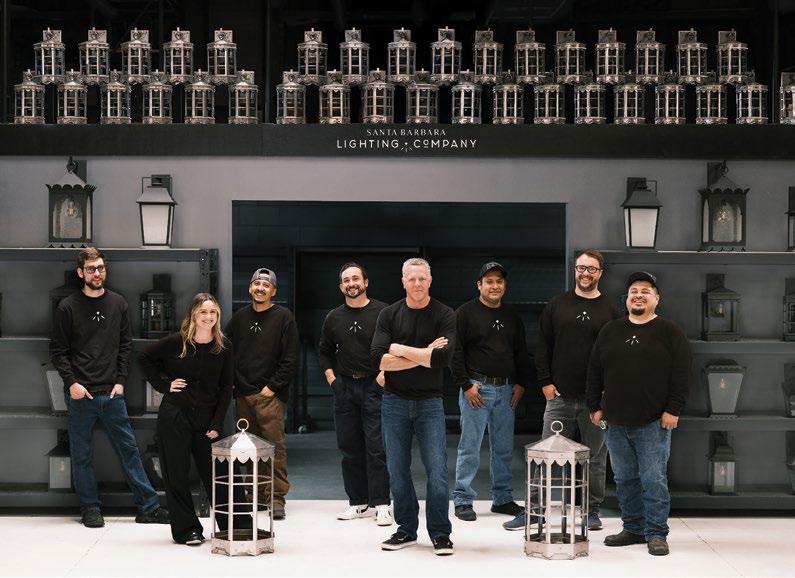
OPPOSITE: The Santa Barbara Lighting Company team at their Southern California facility; The De La Guerra 08 Arm Mount photographed by Heidi Lancaster.
new heights. “That statement gave me the confidence and motivation to make that project the very best it could be, and in many ways, it became the catalyst for Santa Barbara Lighting’s success,” Jimmy says.
By 2020, the company rebranded into Santa Barbara Lighting and created an extensive online store. Jimmy expanded the team to 12 people, with reps across the country. He also opened a 10,000-squarefoot advanced production facility just south of Santa Barbara, with in-house design and engineering teams ready to create, modify, and customize lighting while maintaining a high level of quality control.
“From the beginning, it was extremely important to me that we could manage all aspects of production under one roof,” Jimmy says.
Gratitude runs deep for his clients’ loyalty, as well as for the stepping-stones it took to get here.
As both the labor and love for SBLC continue to grow, so does his vision. Jimmy joined The Makers Alliance, founded by Dave Dawson of Urban Electric, composed of like-minded founders and CEOs of luxury home goods manufacturers; he joined round tables around the country where he gets to bring a bit of Santa Barbara to others and collaborate with the best. SBLC now has clients across the country, including Hawaii, with iconic designers such as Stephen Shadley, Michael Smith, Mark Sikes, Ken Fulk, and Jacquelynne Lanham, to name a few. SBLC has created lights for these designers’ own homes, as well as for their clients and creative homeowners looking for unique finishing touches. SBLC collaborations include Stephen Shadley and Una Malan, adding to the SBLC collection. The company’s engineering and technology have evolved with detailed 3D renderings that allow designers and clients to see fixtures from every angle,
explore finishes and glass options, and see the lights illuminated digitally.
SB Lighting Company
“It’s not just a light, it’s a piece of art,” Jimmy says. “It’s the jewelry of the house that makes it really special.” And for a city that loves to celebrate its special heritage, Santa Barbara is seeing sparks of SBLC around town, including Lotusland with Harrison Design, the Santa Barbara Museum of Art, restaurants Los Arroyos and Bibiji, and the renovation of the historic entry lanterns at the Santa Barbara Mission, where the fixtures look every bit original.
“I want to make my family and legacy proud,” Jimmy says. Looking forward, he includes his daughter, Marion, in all of his visions, while staying true to his grandfather’s inspiration as he continues to achieve his goals and build something meaningful.
View the collection at SantaBarbaraLighting.com or contact the team to schedule an in-person visit at the Meridian Studios office.
PHOTO: MARC BERNARDUS
WE HERE
Anne Crawford and Dudley DeZonia embrace Ojai
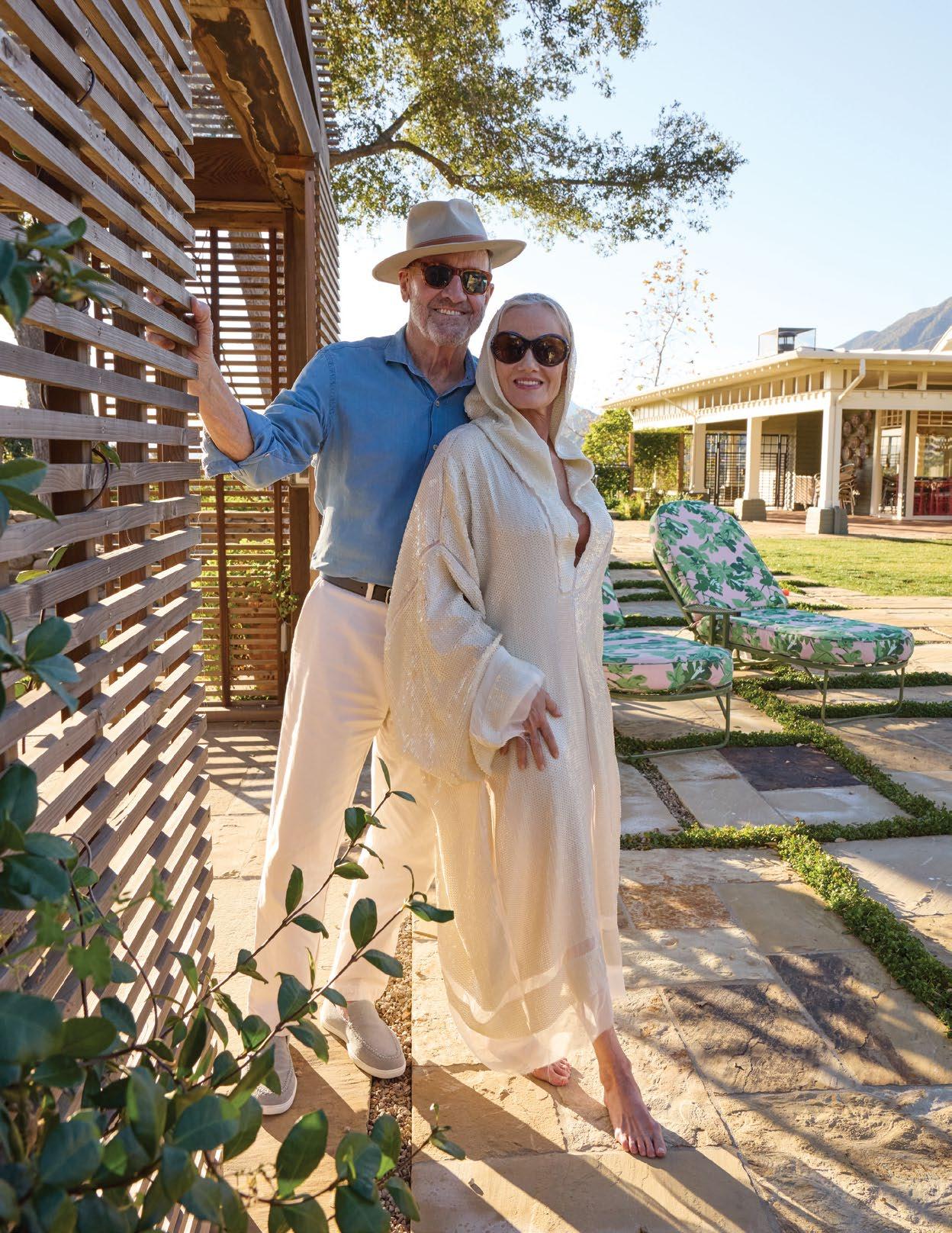
Anne Crawford and Dudley DeZonia at their historic home in Ojai. Caftan by Rick Owens.
Lorie Dewhirst Porter
Dewey Nicks ce
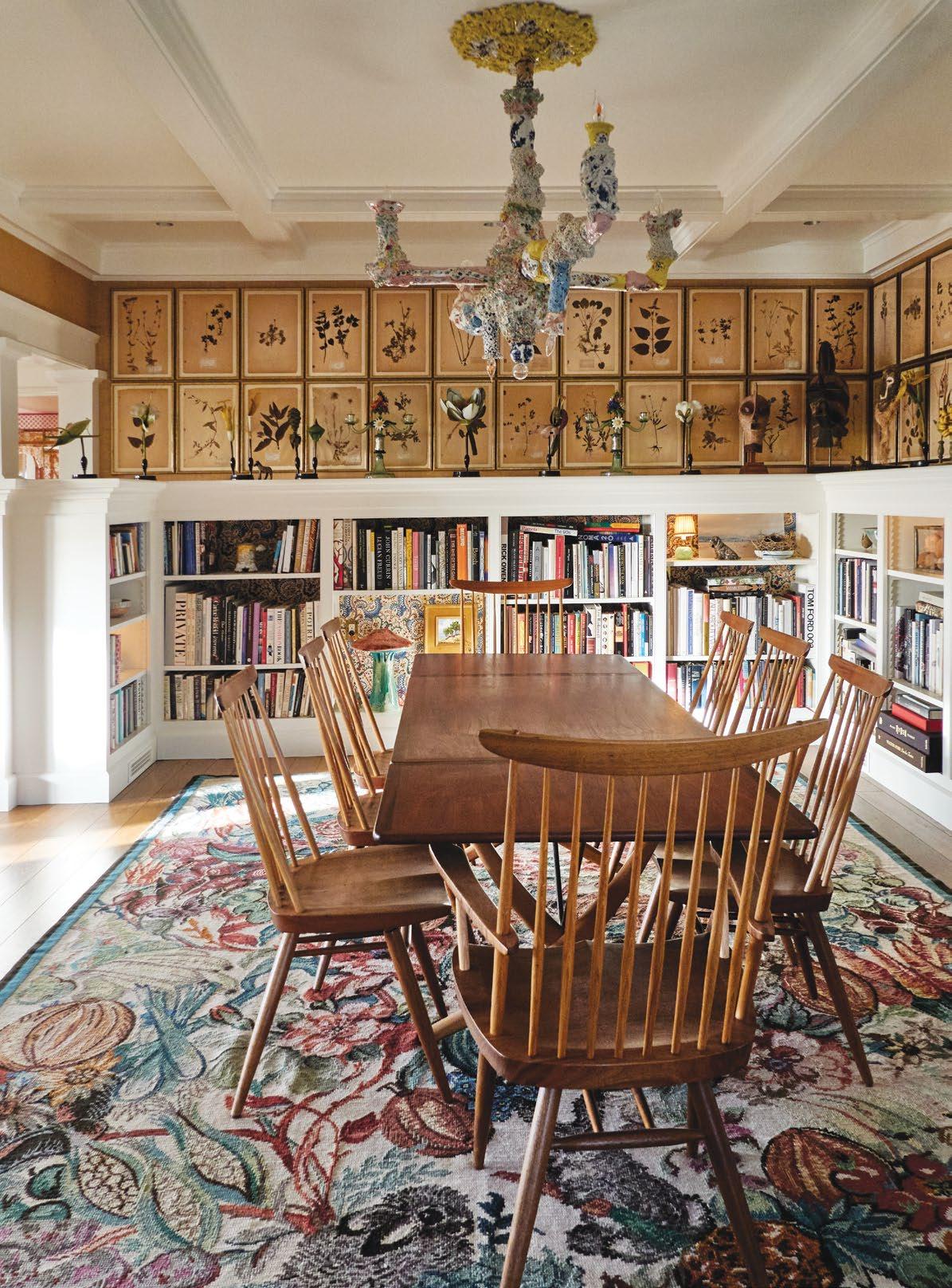
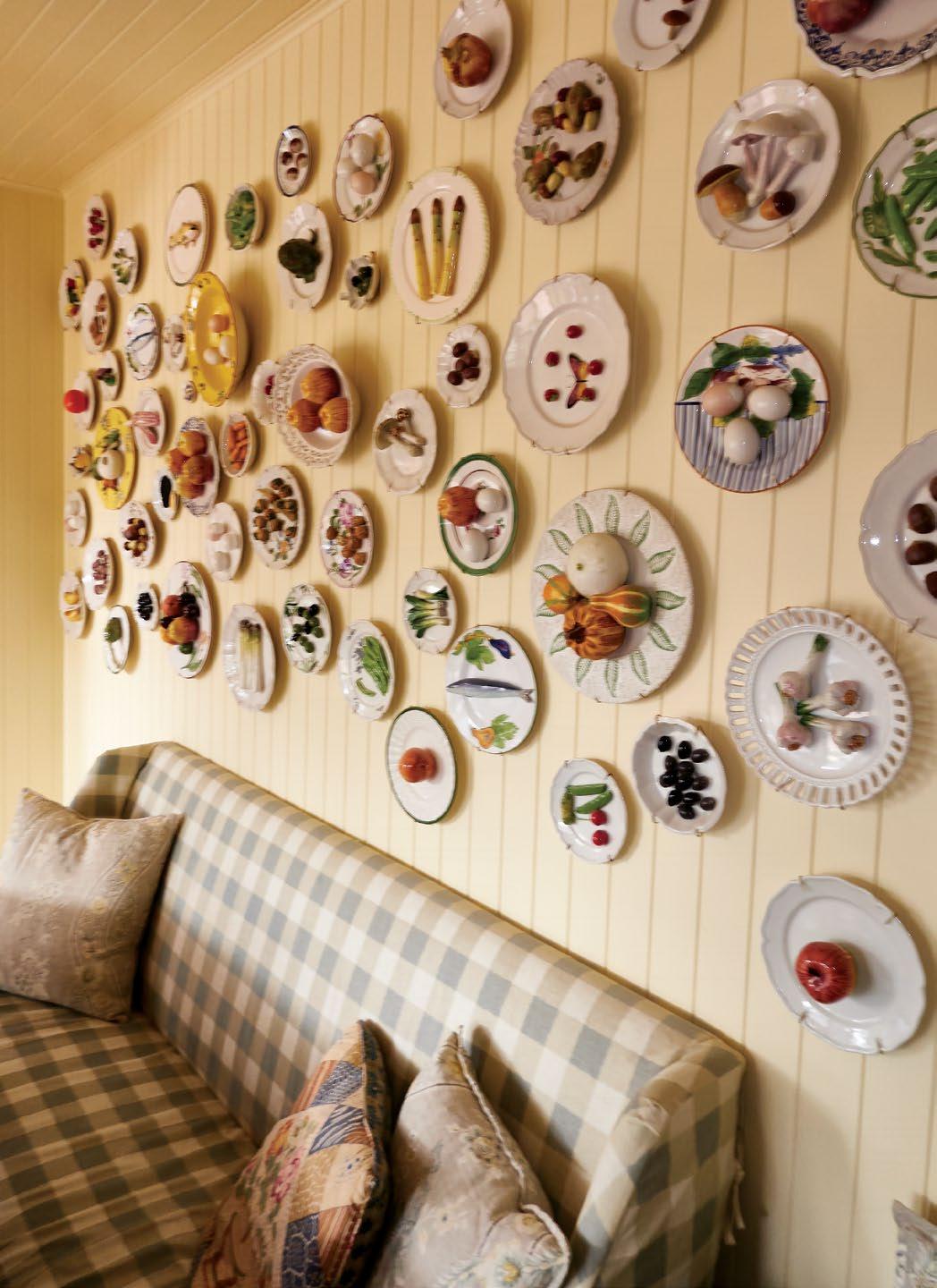
An intricate chandelier by New York artist Francesca DiMattio presides over the sleek Hans Wegner dining table surrounded by minimalist wooden chairs by George Nakashima. OPPOSITE: The creamy walls of the breakfast room are overlaid with Italian trompe l’oeil ceramic plates Crawford has collected for more than 30 years.
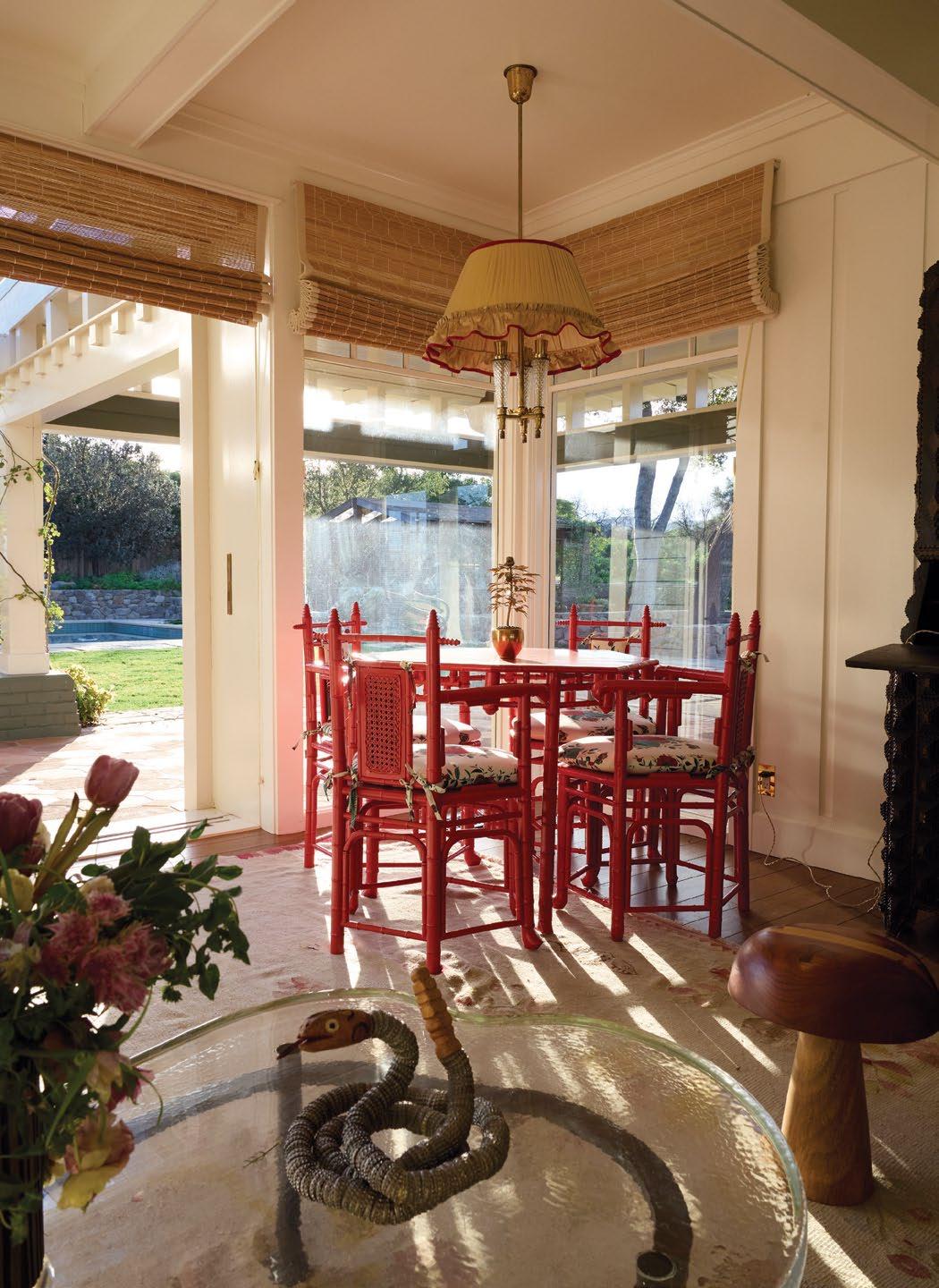
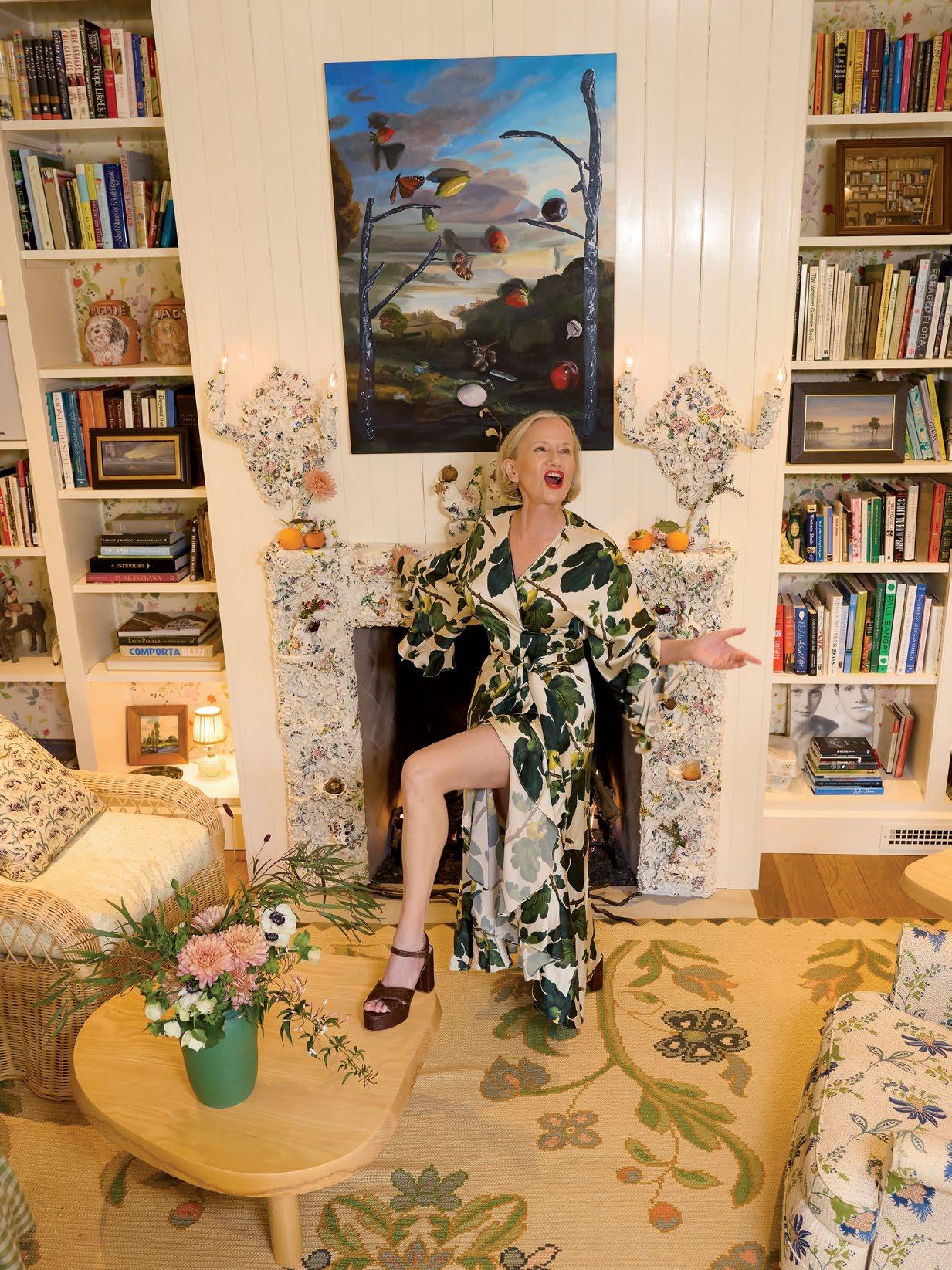
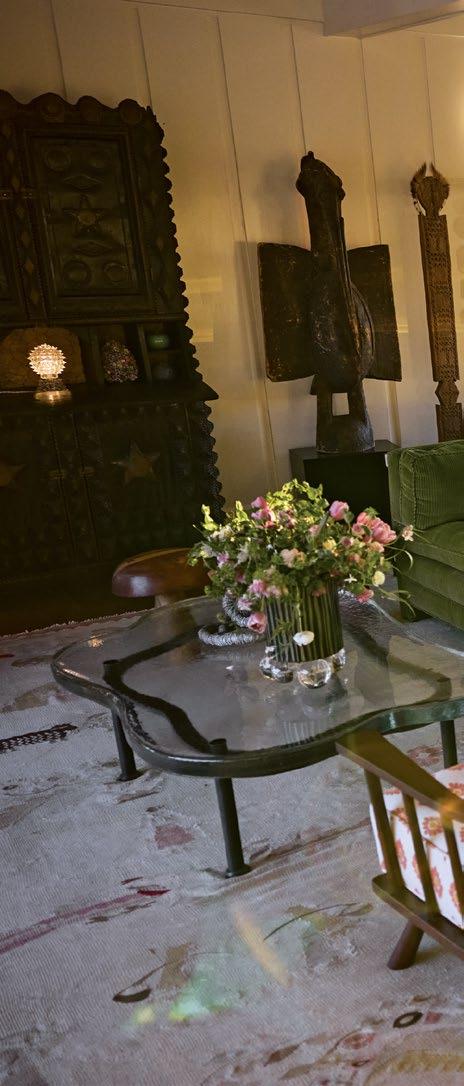
A contemporary glass table by Marie-Rose Kahane for Yali Glass in Venice topped by a whimsical snake by Gabriel Orozco shares space with a bright red game table and matching chairs. OPPOSITE: A study in glamour: Crawford in the bedroom. Painting by Emma Webster; fireplace surround and sconces by Francesca DiMattio; flower arrangement by Amalgam Flora; dress by Libertine.
Feature - Crawford
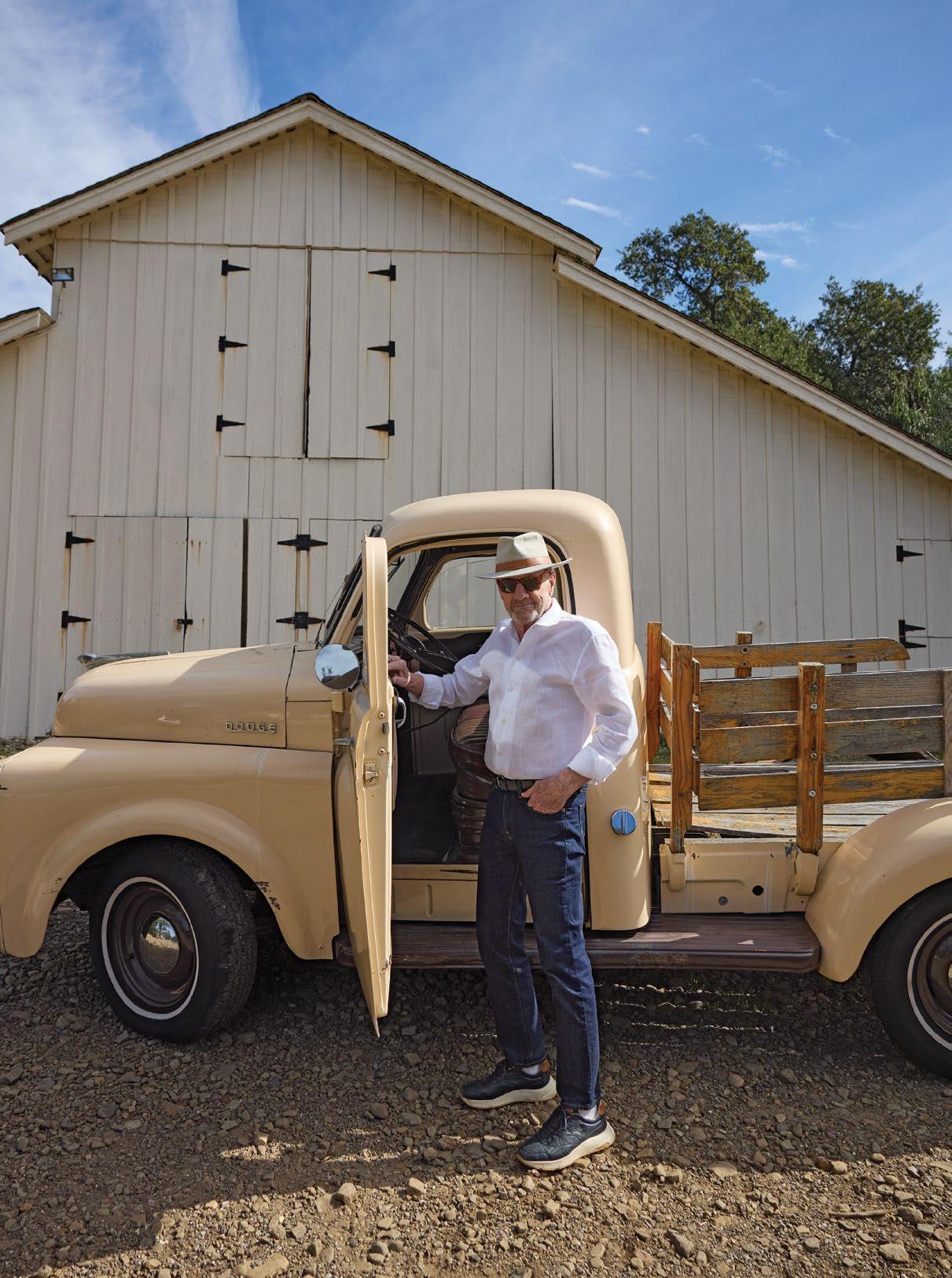
he historic Ojai residence of Anne Crawford and Dudley DeZonia is chock-full of fascinating objects, but one small watercolor painting sums it all up: artist Ed Ruscha’s depiction of an Ojai sunset emblazoned with the words WE LIVE HERE in all caps. “Every day we look at that and just pinch ourselves,” Crawford says. “We are so enjoying our lives here.” Their two-story wood-frame building, constructed in 1910, is surrounded by 20 acres of oak, avocado, and citrus trees and features a generous wraparound porch with a drop-dead panoramic western view of the Ojai Valley. “The porch hooked me,” says DeZonia, who first viewed the property in 2019 after Crawford, a self-described hunter-gatherer, discovered it online.
Equally urban and urbane, Crawford and DeZonia are both fifth-generation Californians. Crawford grew up in Santa Monica; DeZonia in Whittier. They were
introduced in 2000 by fashion icon Michèle Lamy at Les Deux Café, Lamy’s ultrahip L.A. boîte. DeZonia was a successful entrepreneur and widower with a young son, and Crawford was consulting for luxury brands like Roger Vivier Paris and, later, Rick Owens, following stints at LA Style, Los Angeles Magazine, and Town & Country. The match was meant to be. They married and moved into a distinctive Roland Coate–designed home in Hancock Park, which became ground zero for movie-industry stylists gathering annual Oscar outfits and accessories for their celebrity clients. The couple’s move to Ojai nearly two decades later coincided with the sale of DeZonia’s business. Crawford also had fond memories of attending summer school at Ojai Valley School, and close friends—designer Paul Fortune and his husband, ceramicist Chris Brock—had relocated from L.A. to Ojai several years earlier.
For the Ojai house, Crawford and DeZonia enlisted architect Odom Stamps of Pasadena’s Stamps &
Stamps to renovate the kitchen, adding a breakfast room, wine room, laundry, pantry, and closet. (“The important things in life,” Crawford says.) Leland Walmsley of everGREEN Landscape Architects reimagined the garden, adding a swimming pool and native sycamore and oak trees, changes that required installing a quarry with a conveyor belt to break up the numerous rocks on the property. “Dudley and I had just come back from Egypt, and we pulled into the driveway, and there were two giant [gravel] pyramids in our driveway,” Crawford says.
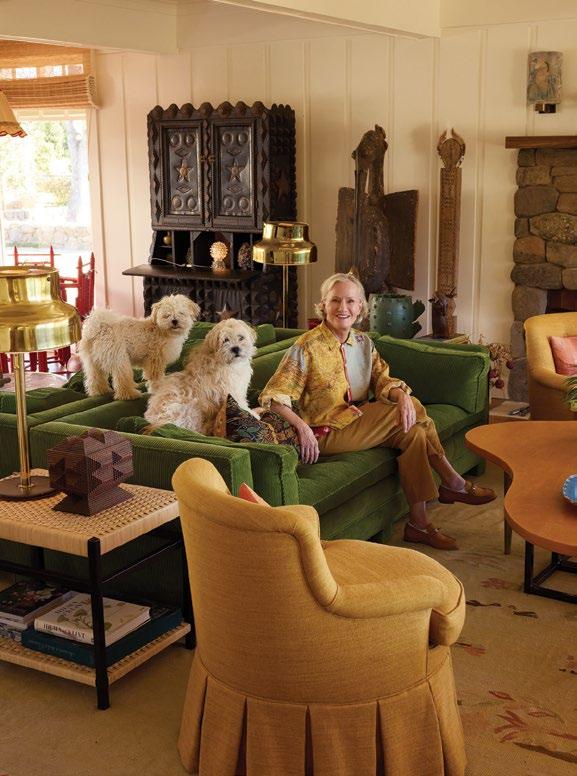
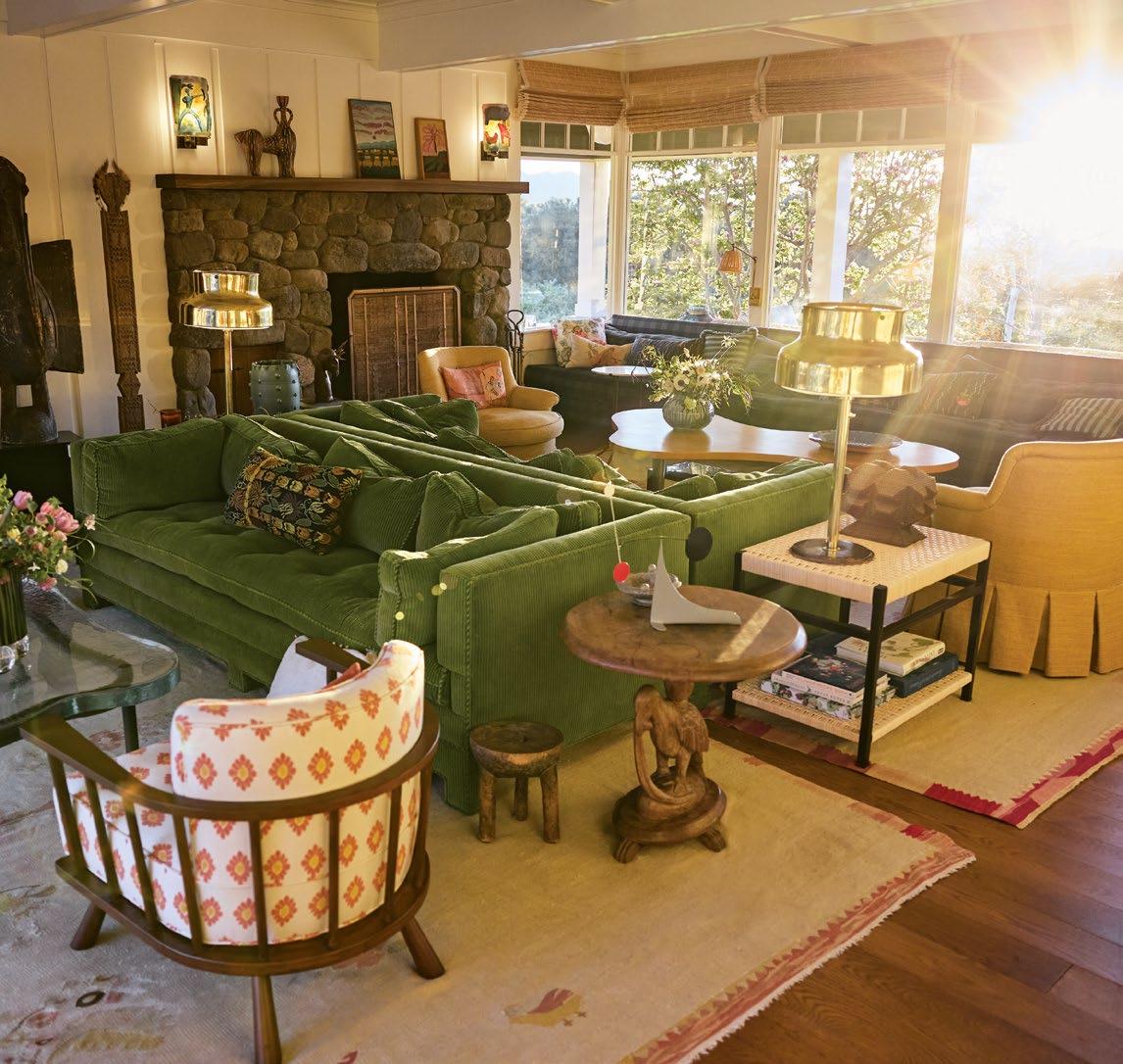
FROM LEFT: Crawford relaxes in the living room with Fanny and Hugo; the spacious west-facing living room features a Senufo bird sculpture and two vintage T. H. Robsjohn-Gibbings sofas re-covered in green wide-wale corduroy from Dries Van Noten.
“They are totally committed to living life to the fullest with graciousness and gratitude.”
Rodman Primack, designer
To reinvigorate the interiors, the couple chose designer Rodman Primack. This was no accident. Years earlier Crawford and DeZonia had hired Primack for their Hancock Park home; in fact, they were Primack’s first interior design clients. Since that time the designer and his husband, Rudy Weissenberg, formed AGO Interiors, which has become a global design firm with clients in the United States, Europe, and Latin America. Primack was thrilled to work with his former clients again. “They are totally committed to living life to the fullest with graciousness and gratitude,” he
says, likening them to the couple Nick and Nora Charles of the 1930s Thin Man film series.
Primack’s interiors often include site-specific art commissions, and the Ojai house is no exception. The primary bedroom boasts a fireplace surround and sconces by Francesca DiMattio, a New York contemporary artist noted for her ceramic sculpture. “I like to give artists lots of leeway,” Primack says, adding that Crawford and DeZonia share a similar view, encouraging artists to create without restraints. DiMattio was also responsible for the dining room’s
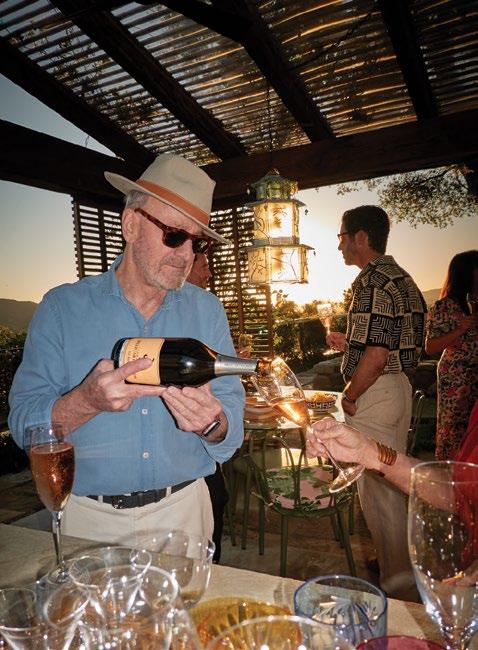
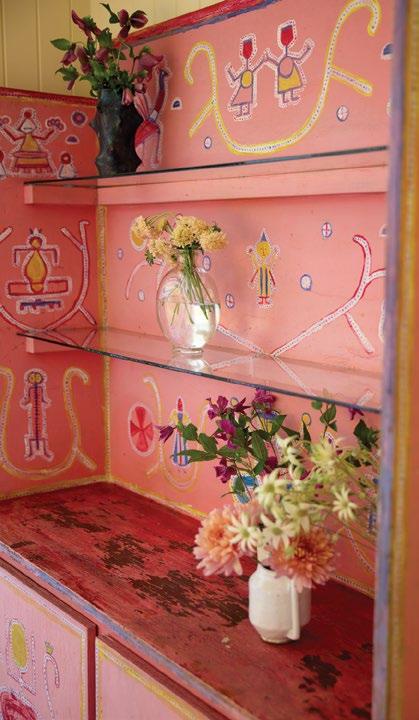
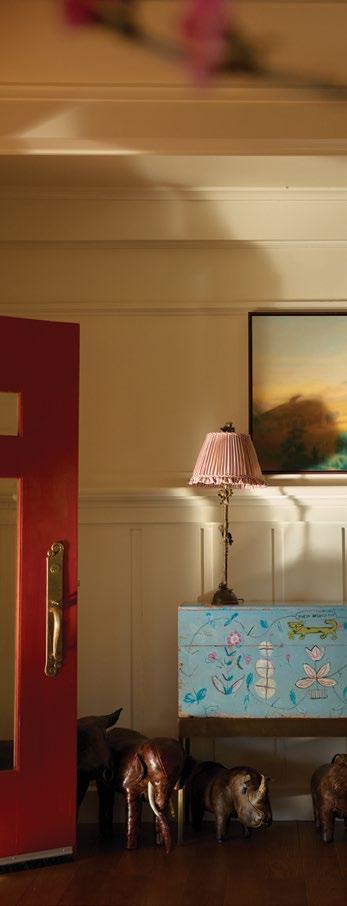
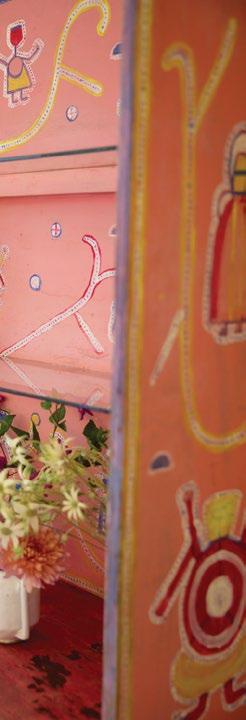
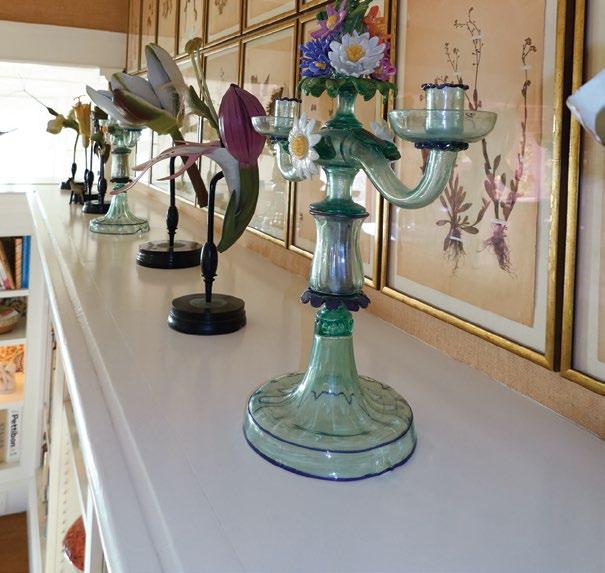
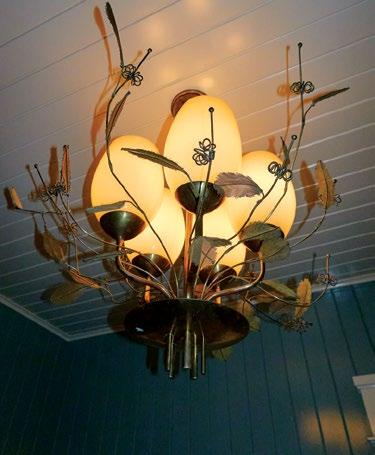
CLOCKWISE FROM TOP LEFT: DeZonia pours bubbly in the gazebo; the laundry room boasts colorful storage by Ojai artist Beatrice Wood and flower arrangements by Amalgam Flora; a rare collection of framed herbarium specimens is fronted by Venetian glass candelabras; Crawford in the kitchen with Anna Oster of Amalgam Flora; DeZonia’s home office is located just outside the wine room; chaise lounges from the Beverly Hills Hotel; inside the front door, a Beatrice Wood chest hosts two bronze lamps by Sally Albemarle below a
graceful chandelier, an intricately detailed counterpoint to the sleek Hans Wegner wooden dining table and George Nakashima’s minimalist wooden chairs.
Crawford’s innate talent for sourcing and collecting is evident throughout. For the living room, Crawford found two identical vintage T. H. Robsjohn-Gibbings sofas and had them re-covered in a brilliant green wide-wale corduroy from Dries Van Noten. The creamy paneled walls of the breakfast room are overlaid with Italian trompe l’oeil ceramic plates of all sizes and colors that she has collected over 30 years. “I had never assembled them together on one wall,” Crawford says. “We were kind of flabbergasted at how many we had.” In the adjacent kitchen, the Lacanche Citeaux range is surrounded by antique blue-and-white Delft tiles mixed with custom tiles depicting the family dogs (Archie, Bailey, Lady, Hugo, and Primack’s dog Chapo) by ceramicist Aviva Halter. “We laid out the tiles on the floor and chose the patterns and order before installing them,” Crawford says.
Feature - Crawford
In the end, Crawford and DeZonia’s Ojai home is a visual portrait, a fascinating reflection of the couple’s shared existence. “One of our goals in all the homes we’ve lived in together is that nothing is too precious,” Crawford says. “We want our lives to be totally at ease, and we want it to project that. So we’ve tried to make that our motto. We’re just really lucky.” •
painting by Matthew Brown; Crawford and Hugo by the pool (caftan by Rick Owens); a whimsical chandelier by Paavo Tynell; the wellstocked butler’s pantry.
Feature - Crawford
“One of our goals together is that nothing is too precious. So we’ve tried to make that our motto.” Anne Crawford
Urban and urbane, DeZonia is a fifth-generation Californian with style to match.
OPPOSITE: Crawford and DeZonia with one of the many magestic oak trees on their property. Vintage caftan by Tom Ford for YSL; antler chair from the estate of French designer Madeleine Castaing.
HOUSE OF
MIRTH
Traditional taste with a twist of wit
Written by Lorie Dewhirst Porter
Photographs by Sara Prince
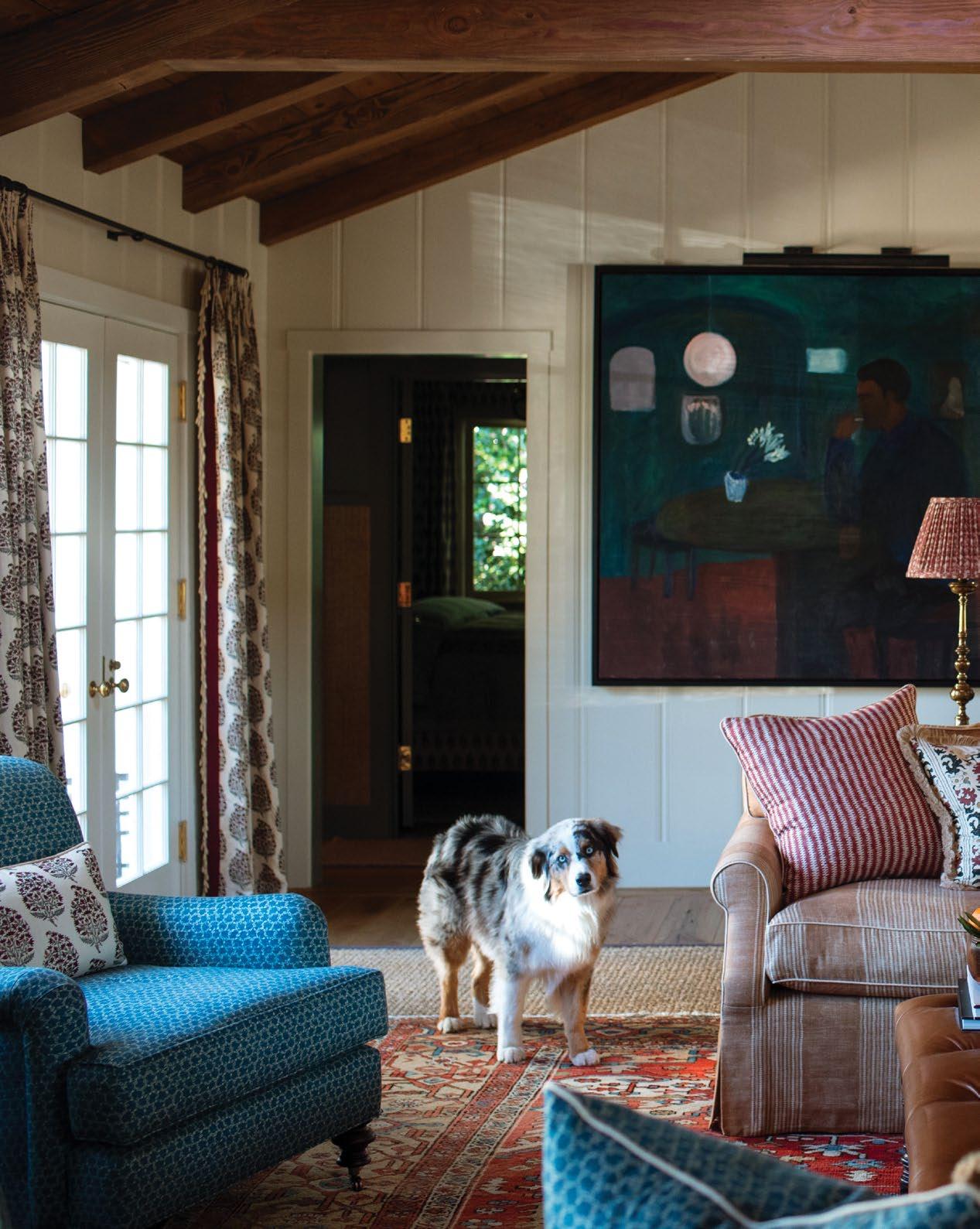
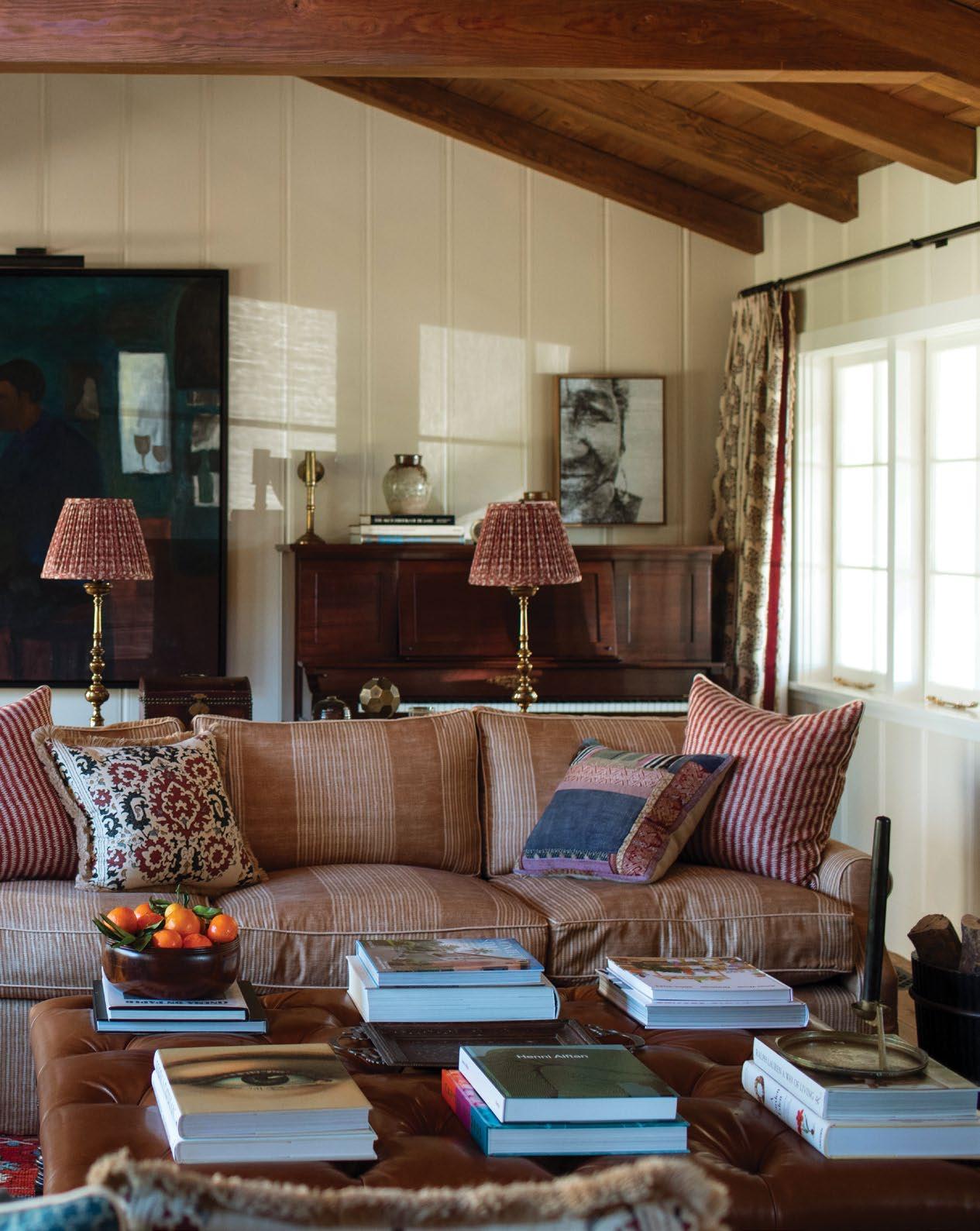
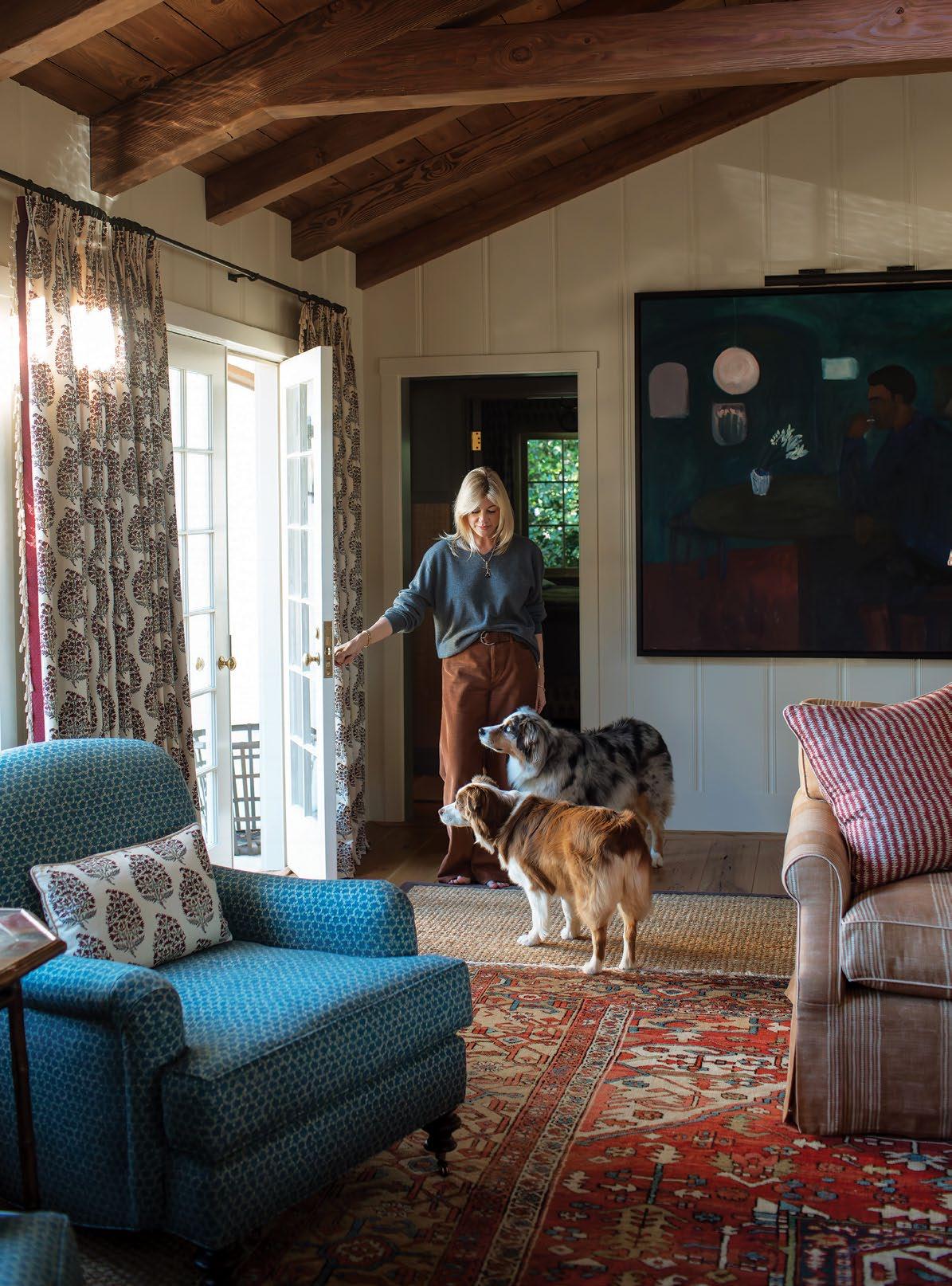
Bernie, an Australian shepherd, greets visitors to Ashley Underwood’s Montecito home. A painting by Patrick Eugène provides a dramatic backdrop for the cozy couch and lamps covered with fabric by Robert Kime; a blackand-white portrait by French artist JR anchors the piano.
welcoming
includes
The
entryway
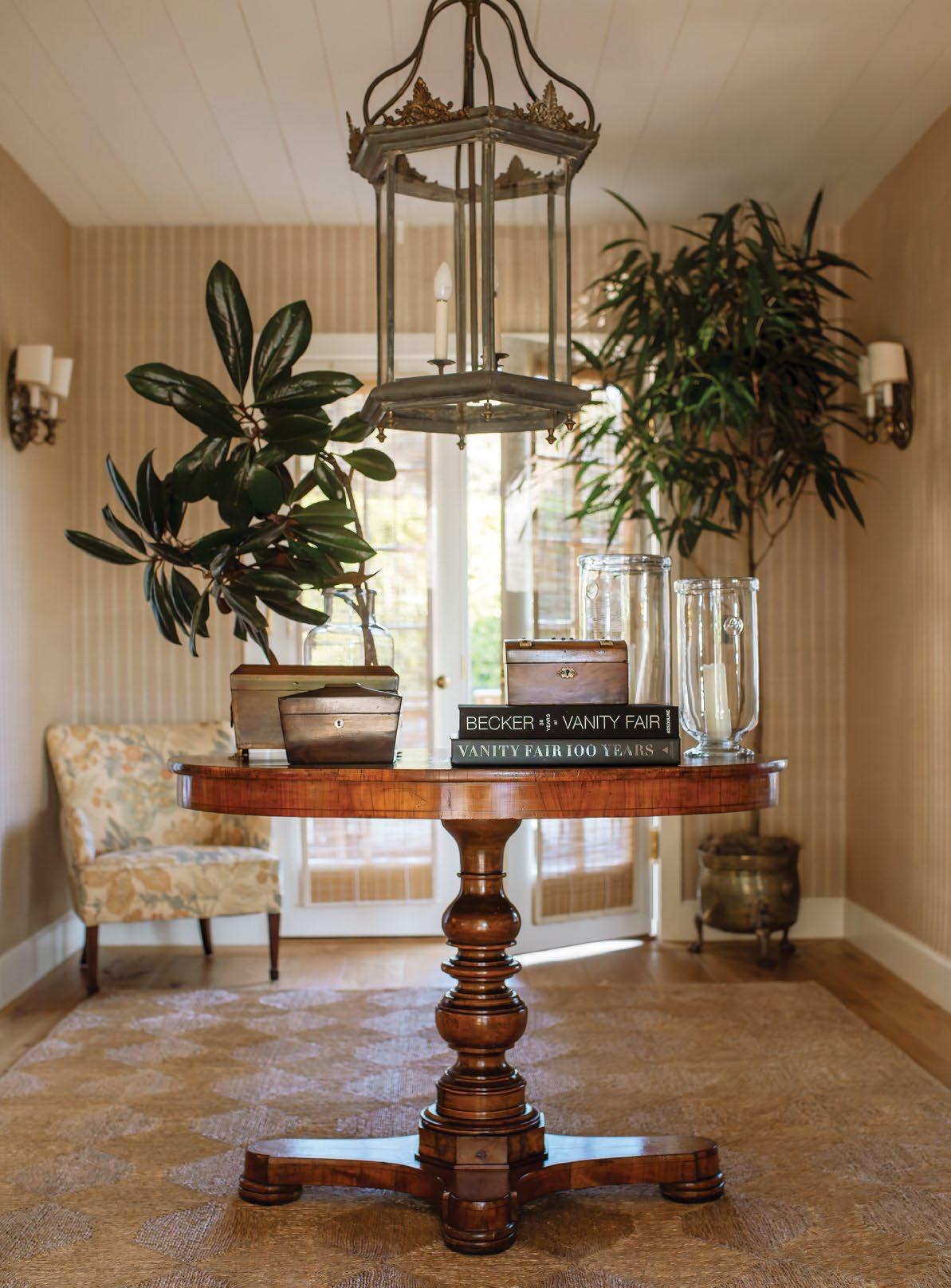
a 19th-century walnut and inlaid oval table graced by a 17th-century leather and walnut tea caddy from Lee Stanton Antiques, a 17thcentury neoclassical brass lantern from Roebuck Antiques, 1920s bronze scones from Carlos de la Puente, and a vintage Danish chair.
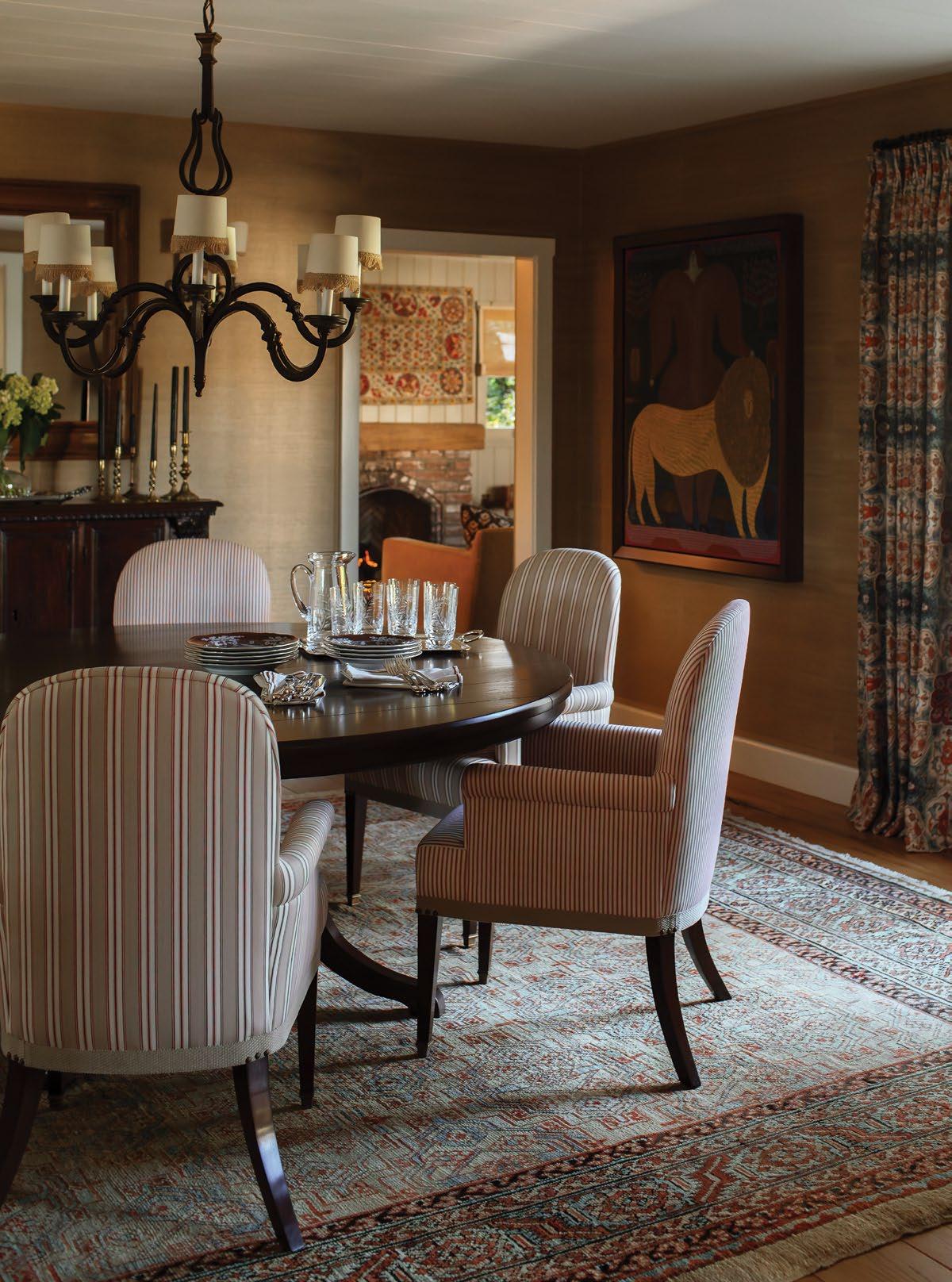
In the dining room, an Italian 17thcentury chandelier from Provenance Antiques hovers over the custom walnut pedestal dining table and custom upholstered dining chairs by Madeline Stuart Associates.
Painting by Annie Hémond Hotte.
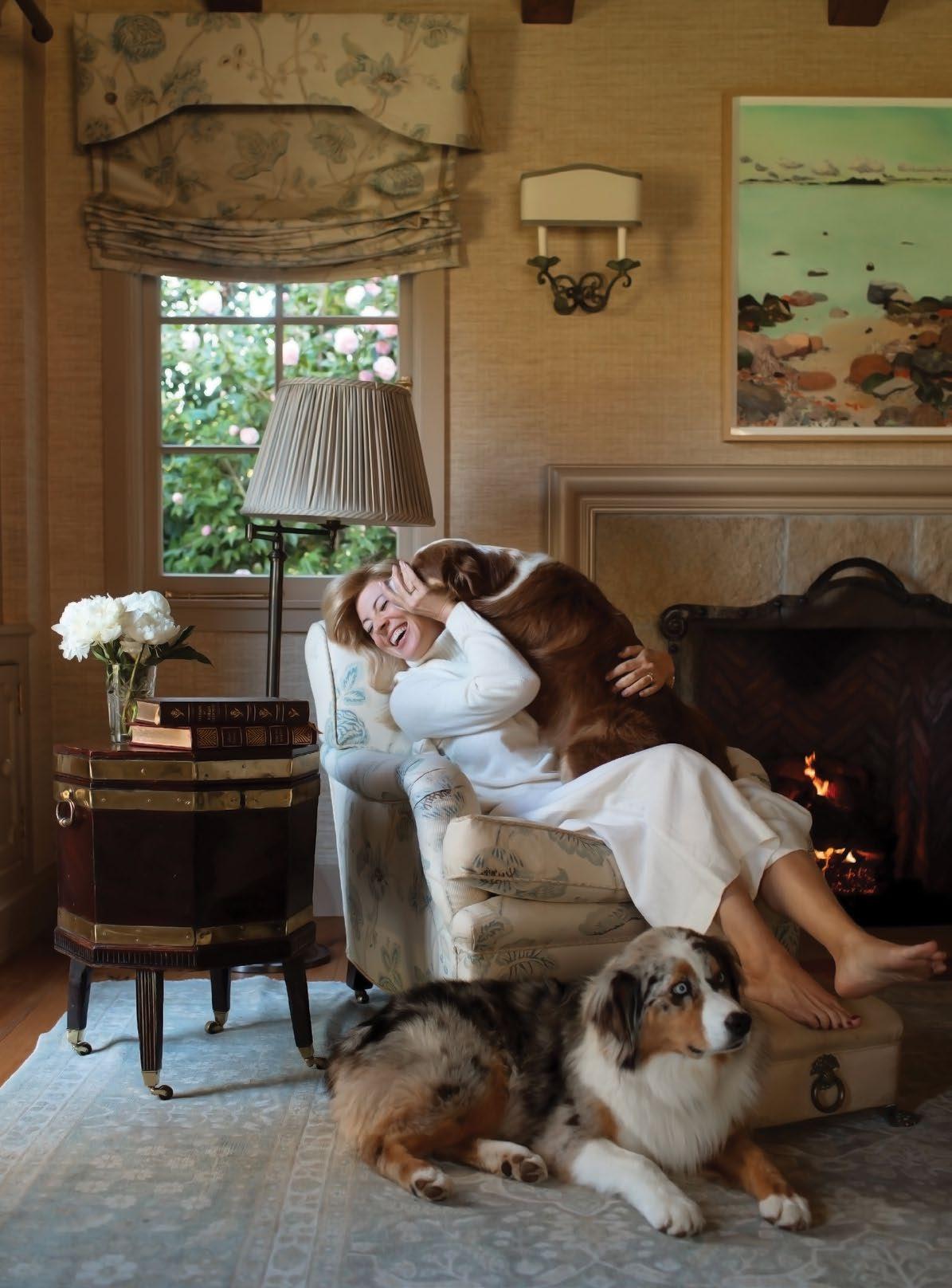
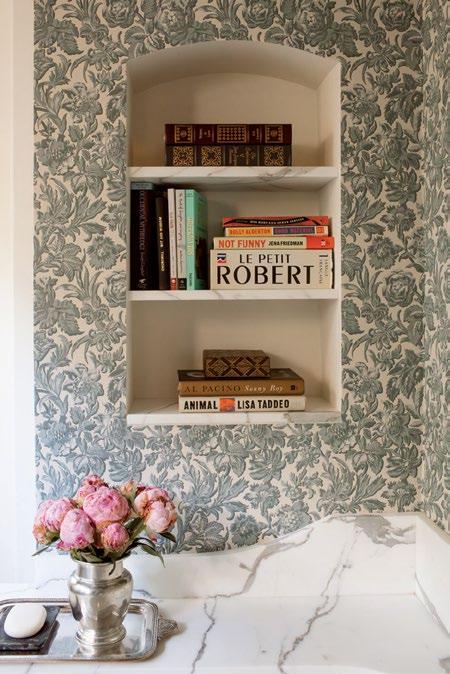
Ashley in a fireside chair receives a kiss from Rosie while Bernie sits patiently at her feet. OPPOSITE: A bookshelf adjacent to Ashley’s tub holds a French dictionary from her college days in Paris. Wall covering by Scalamandré.
reat interior design is like great food: Both require talent, exceptional ingredients, and a touch of je ne sais quoi or umami. For this Montecito home, two women provided the umami: the client, Georgia-born polymath Ashley Underwood, and the acclaimed Hollywoodpedigreed designer Madeline Stuart. Both are whip smart and sharpwitted (emphasis on wit).
The pair teamed up in 2022, when Ashley was in the midst of producing and directing her documentary, Dreambreaker: A Pickleball Story, in tandem with her house renovation. According to Ashley, “I had never done a house before, and I was just getting recommendations here and there. I really needed help. Madeline walked in looking like Miranda Priestly in The Devil Wears Prada, and I felt like Anne Hathaway. We had the spark.” Madeline concurs, adding “everything we did was absolutely collaborative. It’s really Ashley who had the vision for this, who knew what she wanted in terms of feeling—a level of ease, a traditional spirit—and it was up to me to find things that could harmonize with her vision.”
fireplace in every room?’
But my mom said, ‘We have to have a fireplace in every room.’ ” And so they did. Fortunately, Madeline was on hand to redesign Ashley’s fireplaces, down to the antique fire screens and fireplace tools. In fact, the residence reflects Ashley’s Southern roots, despite the fact most of her life has been lived elsewhere.
Feature - David
Now, after spending two years on the house project, their conversations resemble the comedic banter of sisters:
Ashley: I grew up with real hardwood floors. So I was so particular about the floors.
Madeline: Very.
Ashley: To the point I drove everybody nuts.
Madeline: To the point of nausea.
The floors in question are hand-painted and run throughout the ranch-style home. Before Madeline, the walls of Ashley’s living room were covered in MDF, a cheap wood-fiber paneling quickly replaced with what Madeline dubs the “Bringing Up Baby paneling,” after the 1938 screwball comedy starring Katharine Hepburn and Cary Grant. This deceptively simple solid wood paneling required custom milling “because it needed to be right,” Madeline says. “And when you walk in, you feel it.”
The reference to old Hollywood design is no accident; Madeline’s father, Mel Stuart, was a film director and producer. (As a child, Madeline convinced him to make her favorite book into the film Willy Wonka & the Chocolate Factory.)
Ashley had fallen in love with this house because of its fireplaces. (There are five.) Her childhood home, built from architectural plans sold by Southern Living magazine, had included multiple fireplaces. “My dad was like, ‘It’s 80 degrees and humid here. Why do we need a
Growing up in Albany, a small town in Georgia, Ashley cheerfully admits, “My childhood dream job was to be a Waffle House waitress.” But her parents had other ideas, and they sent their teenage daughter to boarding school in Maryland. For college, she studied literature at the American University of Paris. After graduation, Ashley moved to Los Angeles, hoping to break into the entertainment industry. She held a series of odd jobs, often working three at once. Suddenly, she was homesick. “I wanted to know my family,” she says. “I wanted to know my Southern roots.” She returned to Georgia and applied to law school. “Everybody in my family is a lawyer,” Ashley says. “I used to joke that you have to have a law degree to sit at the dinner table.” She attended John Marshall Law School in Atlanta, her father’s alma mater. But law school, a judicial clerkship, and an internship at the Carter Center couldn’t quash Ashley’s innate talent for comedy, and after writing humorous essays for the HuffPost, Ashley returned to Los Angeles. She landed a job with actor-comedian Sacha Baron Cohen, who was married to Isla Fisher, with whom Ashley had lived in Paris. (The couple also introduced Ashley to her husband, a comedian.) Following her stint with Cohen working in television and film, Ashley became a producer
“This room is like a hug.” Ashley Underwood
In the sitting area adjacent to the kitchen, a bold painting by Lauren dela Roche commands attention; vintage bronze sconces from Carlos de la Puente Antiques; 19th-century bronze table lamp from Remains Lighting; 19th-century upholstered bench from Roebuck Antiques. OPPOSITE: A bedroom in the English style with wall covering and fabrics by Robert Kime; the throw on the bed is kantha from Anchal.
The living room walls are covered in custom milled wood paneling.
OPPOSITE,
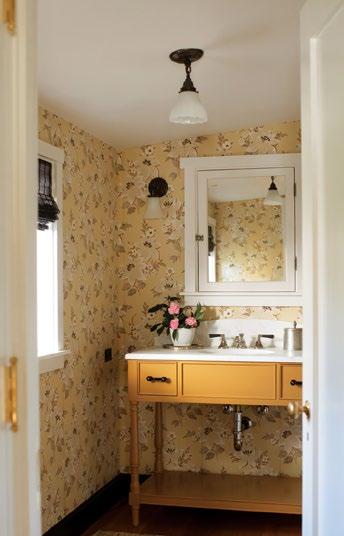
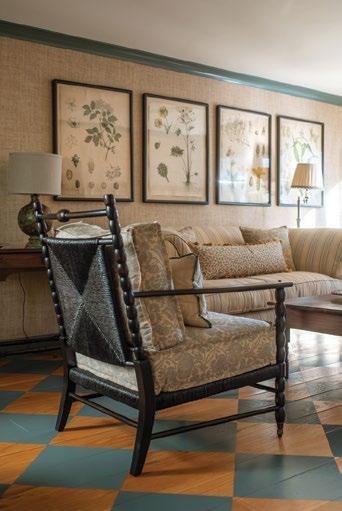
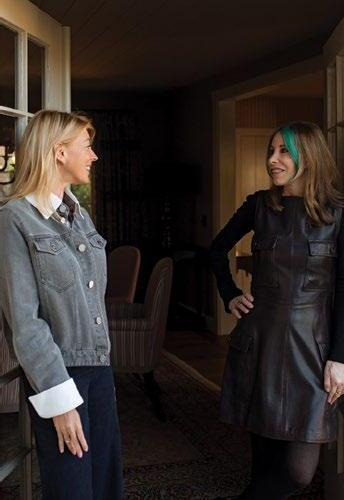
FROM TOP: A sunny bathroom features 1940s floral walllpaper and vintage sconces from Santa Barbara Lights; custom hand-painted floors and German 18th-century botanicals from Cache Antiques adorn the guest quarters; Ashley and designer Madeline Stuart.
with Dreambreaker, a documentary about two billionaires who form competing professional pickleball leagues. Ashley also has several potential projects in play, including one involving the Southern Center for Human Rights, a nonprofit that helps individuals affected by the criminal legal system.
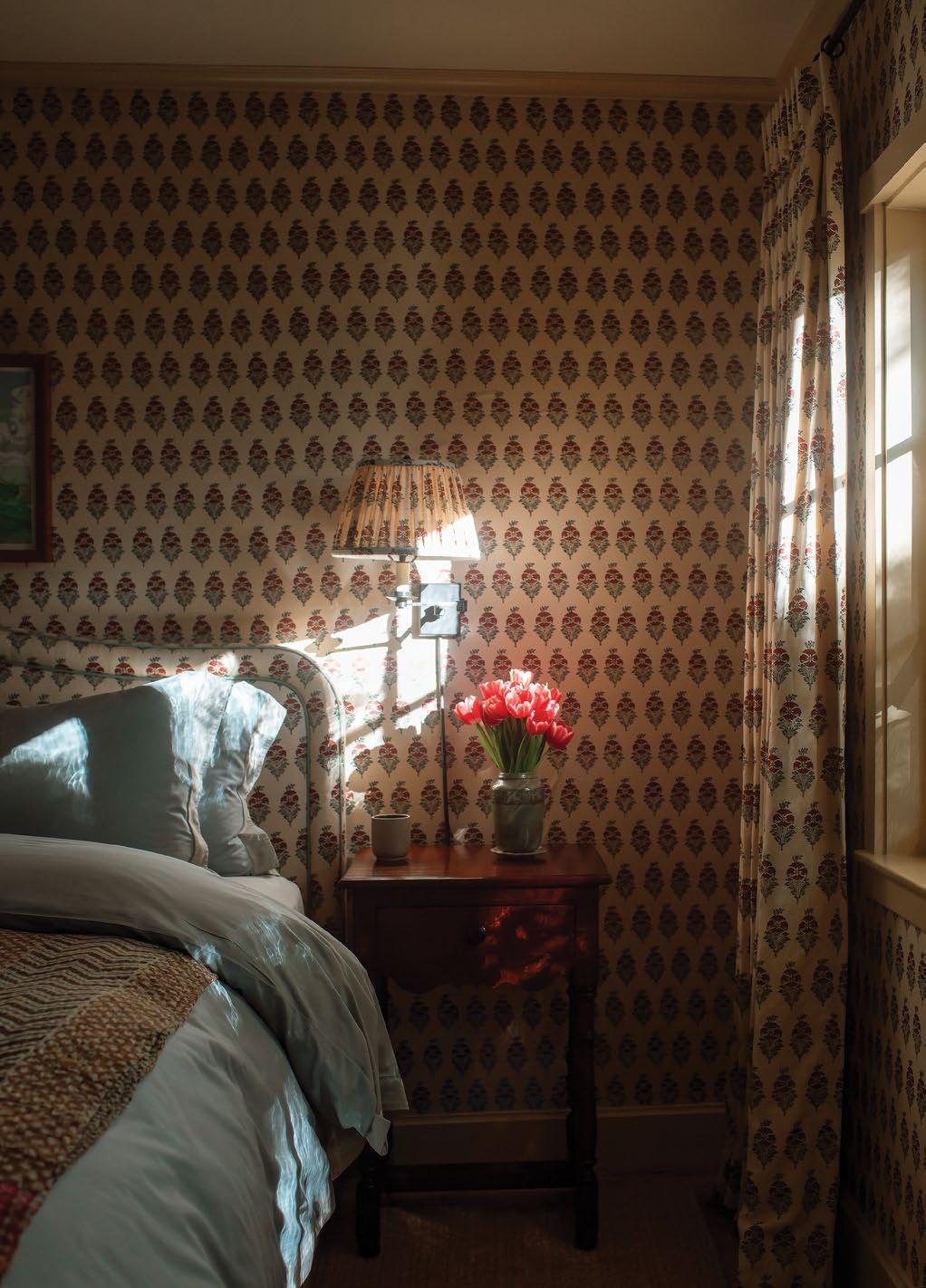
In the meantime, Ashley and her husband are enjoying their comfy Hedgerow home along with their two Australian shepherds, Bernie and Rosie. The private wing of the house boasts several bedrooms, including Ashley’s favorite, which is decked out with colorful fabrics by British designer Robert Kime. “I really wanted that English look,” Ashley says, “where you have the fabric on the walls and the curtains, the lampshades, and the headboard. This room is like a hug.”
The room also has a wonderful view of the garden, planted with a serene combination of gardenia and camellia plants. The latter have been a point of concern—and source of humor—for Ashley. “I kept calling Lisa Zeder, who designed the garden, and I was like, ‘The camellias, when are they going to bloom? You said they would bloom all year long.’ And she said, ‘Well, they take breaks.’ And I said, ‘All at the same time? Did they get together and have a meeting?’ ”
Ashley’s passion for color extends to her fondness for contemporary
art, which she collects with assistance from Sadie Kirshman at The Pit gallery in Los Angeles. Coveted works include pieces by French photographer–street artist JR, Haitian American painter Patrick Eugène, and Canadian artist Annie Hémond Hotte, whose painting anchors the dining room. The circular dining table was inspired by a special dinner at the San Ysidro Ranch. “There were eight of us,” Ashley says, “and it was the perfect conversation. There weren’t any side conversations. I really like a round table; it encourages everybody to have one conversation.” Armed with a tape measure, she returned to the ranch the next day, and Madeline had the table custom made to those dimensions and then also designed the chairs. There’s only one catch, Ashley says: “Every time I have a dinner party, I’m like, Well, darn, I can only have eight people!” •
Feature - David
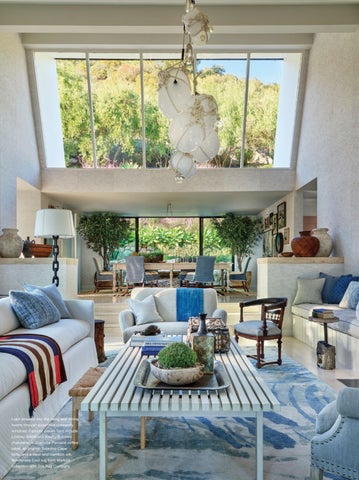
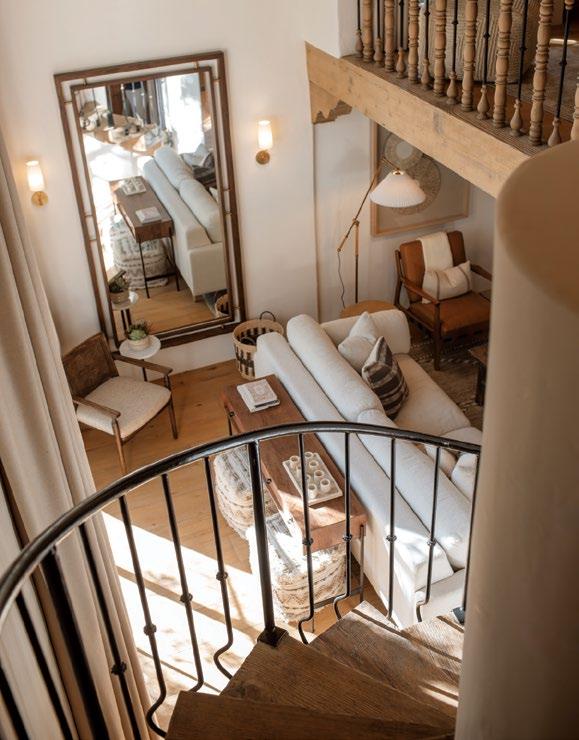
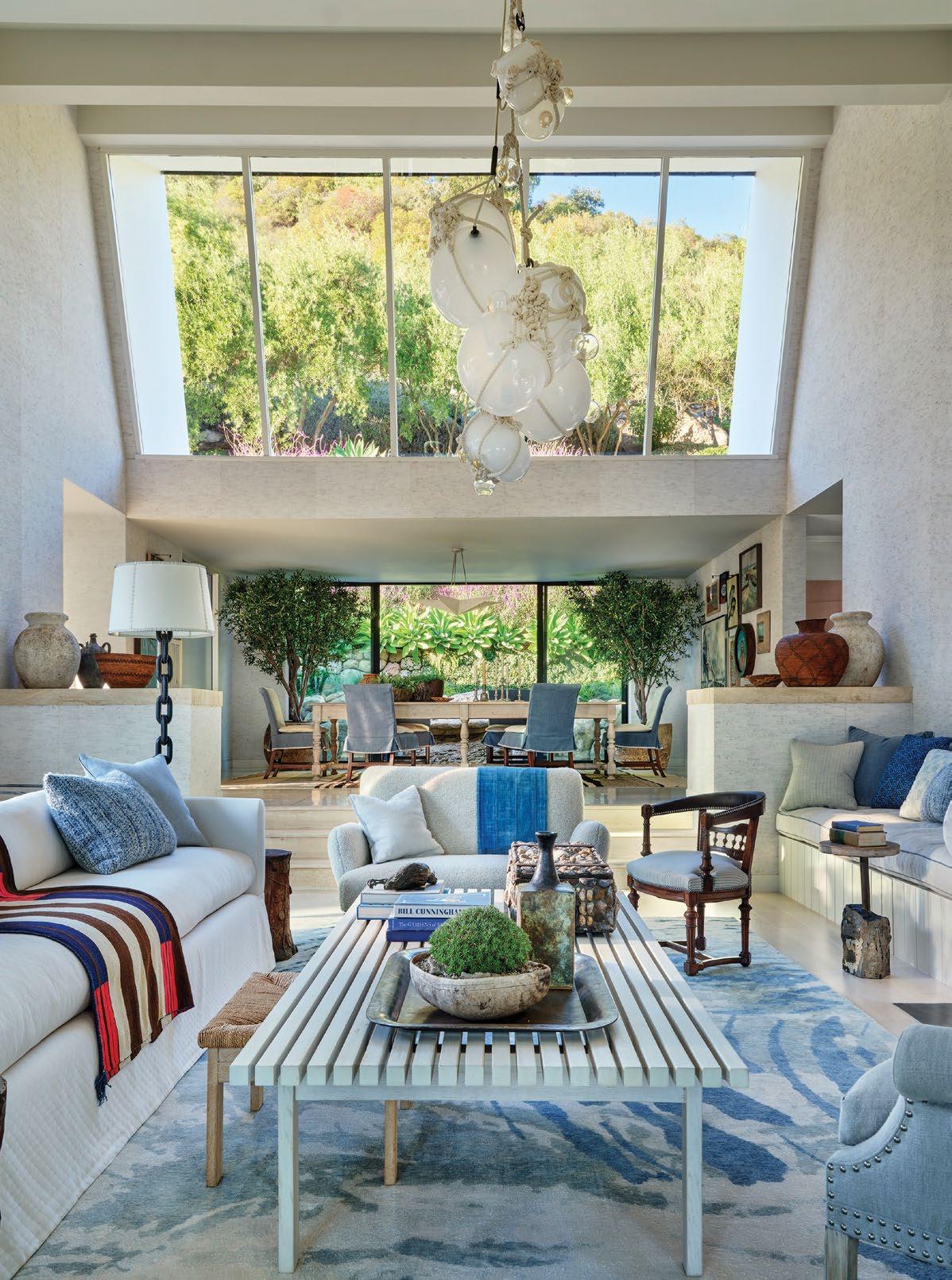
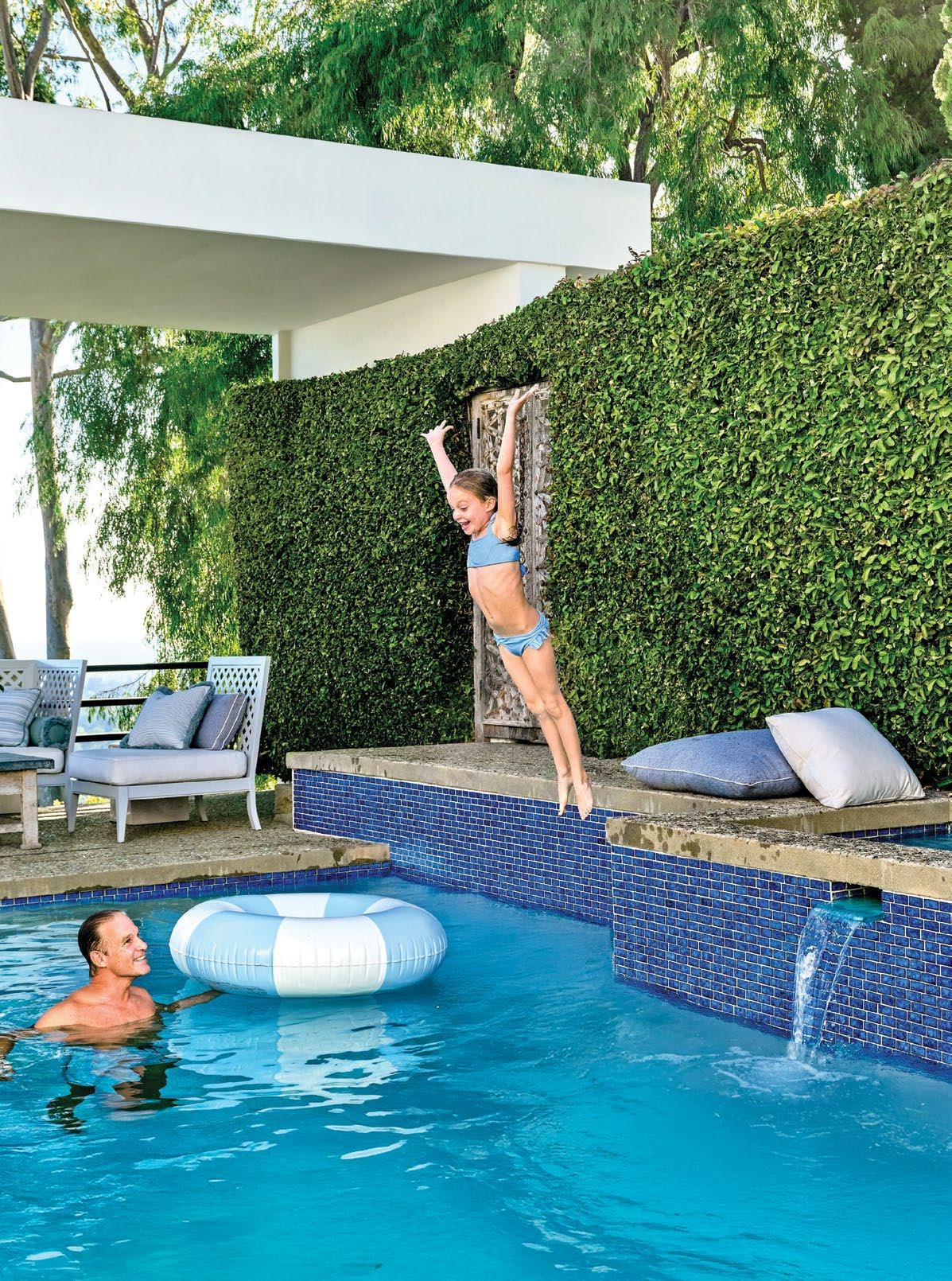
Light streams into the living and dining rooms through expansive clerestory windows. Favorite pieces here include Lindsey Adelman’s Knotty Bubbles chandelier, a Charlotte Perriand coffee table, an original Saladino Cape Sofa, and a wool-and-bamboo silk Windansea Cool rug from Marks’s collection with The Rug Company.
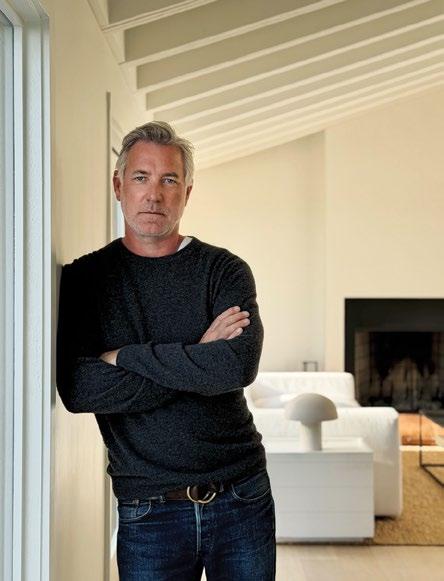
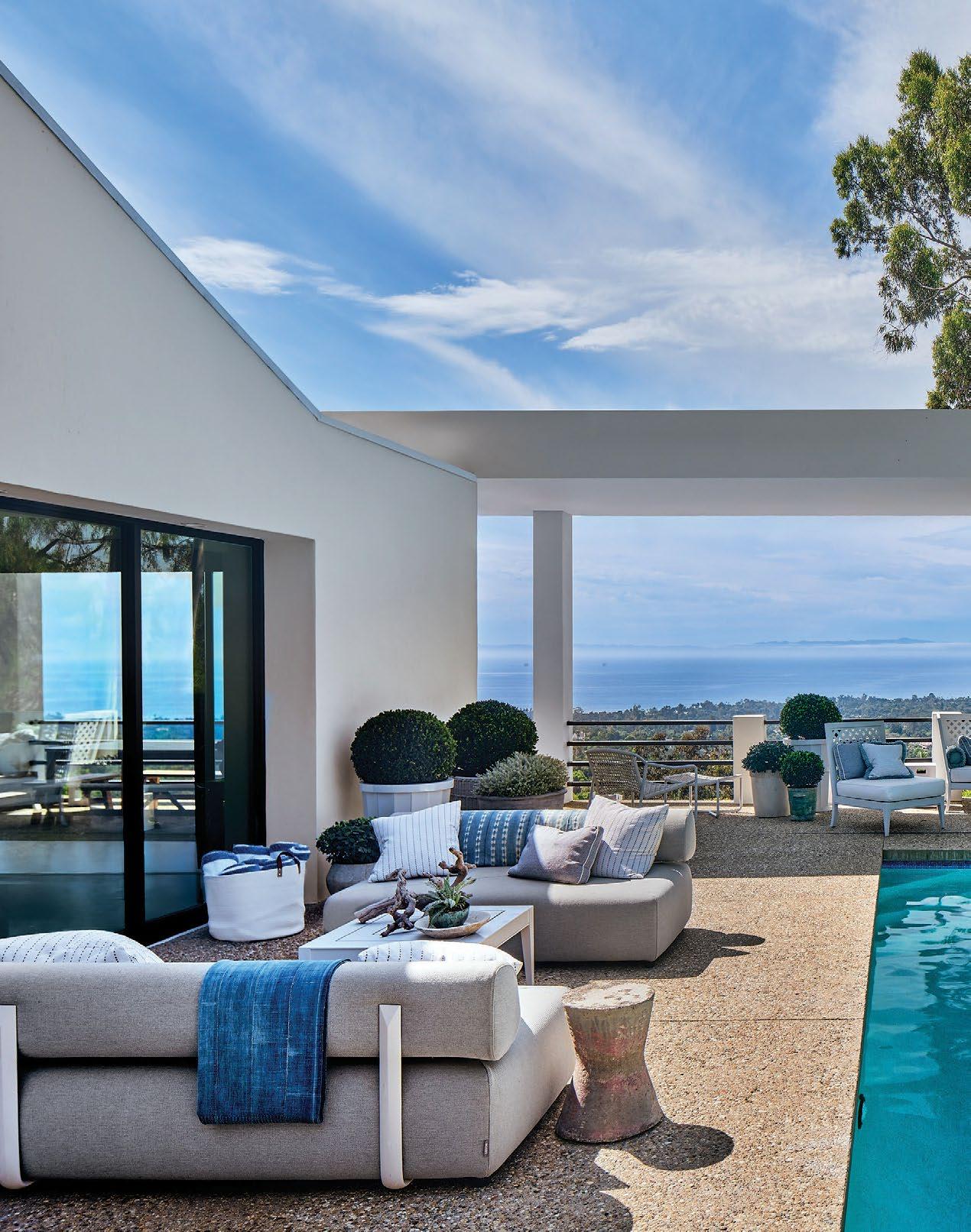
After trying 12 months in the Northeast, designer Jeffrey Alan Marks and family hightailed it back to California
COURSE CORRECTION
Feature - Marks
Written by David Nash
Photographs by Trevor Tondro
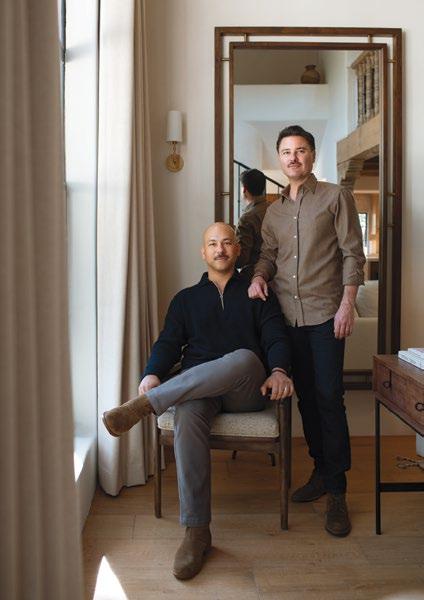
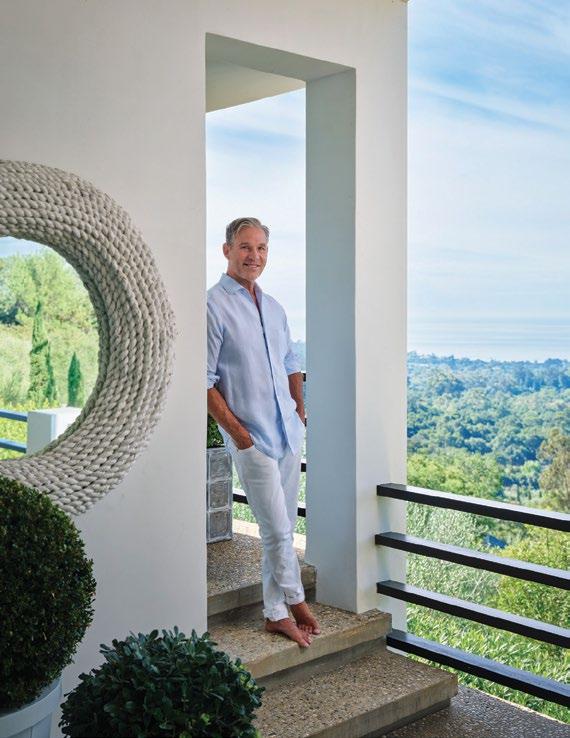
Designer Jeffrey Alan Marks and his family have jumped feet first back into California coastal living after a yearlong hiatus. OPPOSITE: The designer has once again found his light in Montecito.
homas Wolfe got it wrong: You can most definitely go home again. And had the novelist been raised in Santa Barbara instead of Asheville, North Carolina, one could easily imagine the sunsoaked impression it might have made on his literary output.
For prolific interior designer—and Southern California native—Jeffrey Alan Marks, it took only a year away from the coastal town, where the Santa Ynez Mountains connect to the Pacific Ocean, to appreciate what his family was missing. “We took a sojourn, as it were, with our then-4year-old daughter to Connecticut,” he says. “And we were sort of going between there and the Hamptons trying to live the East Coast life.” But Marks; his husband, Greg; daughter James, now 6; and the yellow lab, Sister, had a collective change of heart. “I mean, the summers there are great and all, but, yeah, we decided we needed to be back in California for all our sakes.”
Feature - Marks
Before long—with their real estate agent on speed dial, a moving truck at the ready, and visions of Santa Barbara sunsets glistening in their minds’ eyes—the couple zeroed in on a modest slice of West Coast paradise. “It was very quick—we bought the house last fall and moved in by May,” Marks says of the whirlwind return. What they found, perched on just over three and a half acres at the top of Montecito, was wholly different from the more traditional properties they’d owned before.
Designed and built in 1974 by Jack Lionel Warner and Paul Gray’s newly formed architecture firm, Warner & Gray, the 4,200-square-foot, three-bedroom, four-bathroom
contemporary retreat was the kick in the pants the family needed. “It wasn’t very much of a family house,” Marks says, noting it had been conceived for a very private couple. But after seeing the property, “going traditional wasn’t in our vocabulary.”
Energized by the challenges the unfamiliar layout presented, Marks took a relatively short seven months to reimagine the home. “I had never lived in something this contemporary before,” he says about the home’s strict modernist lines. “My first instinct was to wallpaper the whole thing, soften it a bit, lighten the floors, and expand some rooms.”
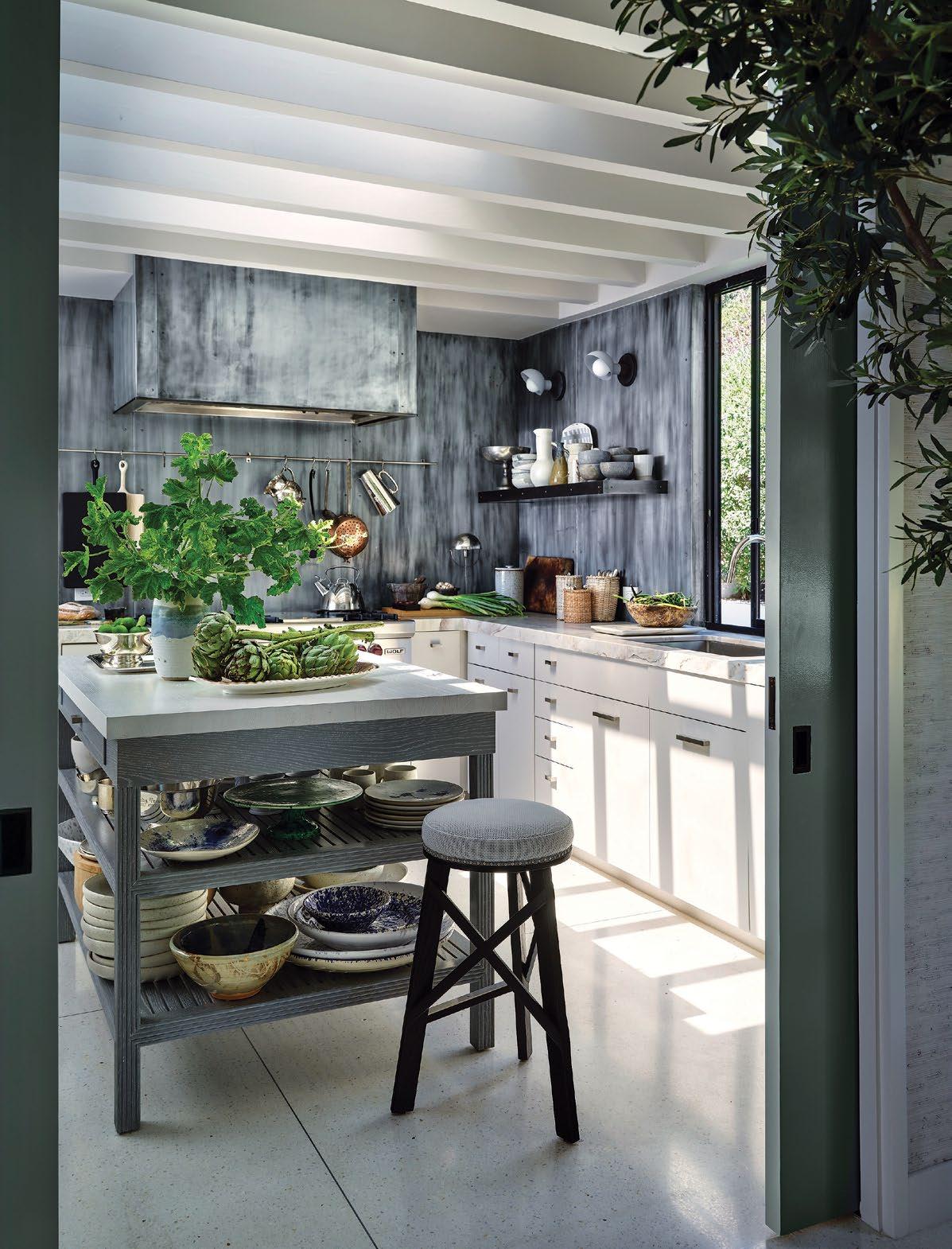
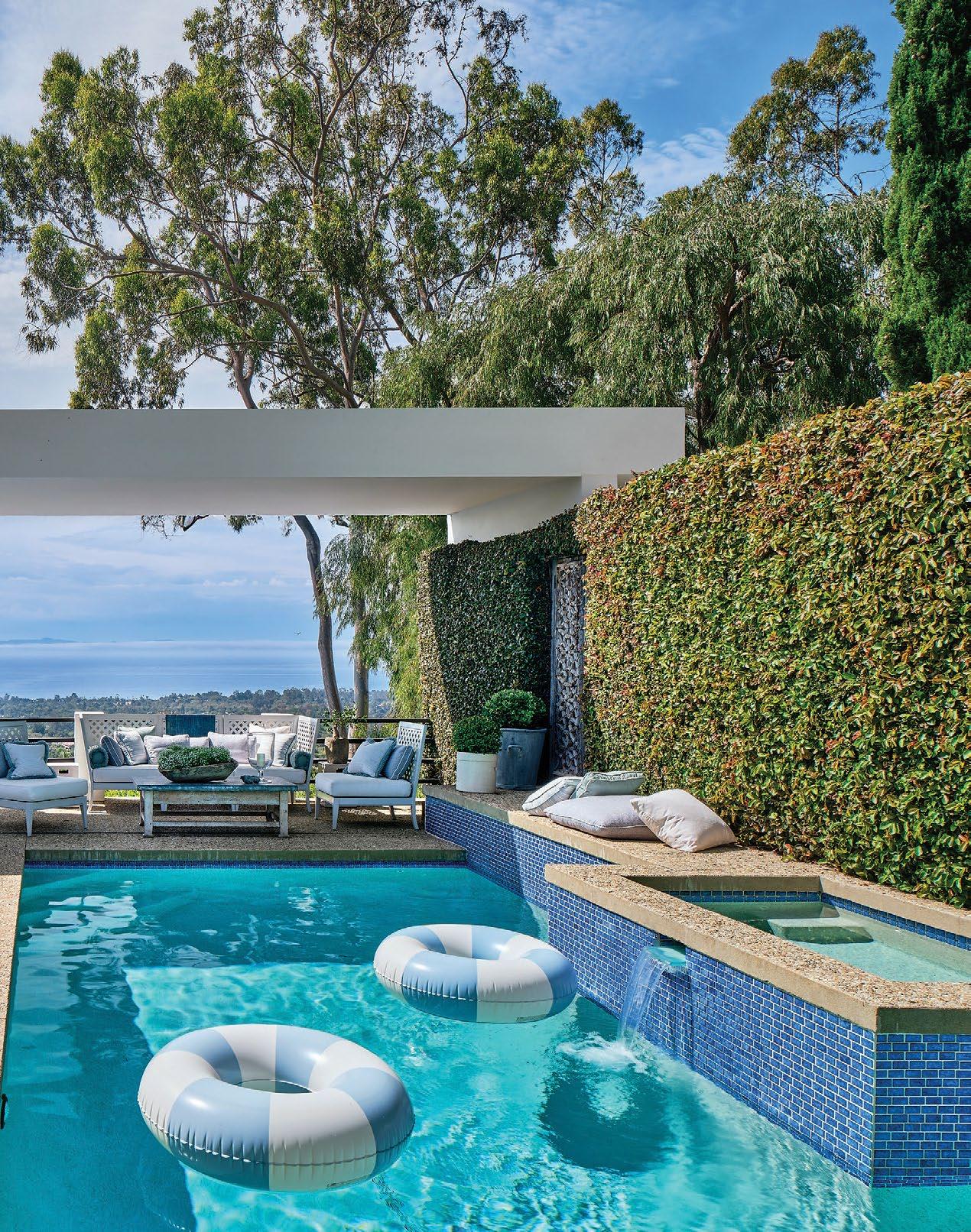
One of the biggest transformations was to the heart of the home. “We completely gutted the chef’s kitchen—which is not the way we live—and opened it up to the pool area,” he says. “You almost feel like you’re in an indoor-outdoor home because the windows are always
“We decided we needed to be back in California for all our sakes. Traditional is not in our vocabulary.”
Jeffrey Alan Marks
with a
the
and
a
Marks worked
metal fabricator to create
kitchen’s patinated zinc walls, shelving,
backsplash for
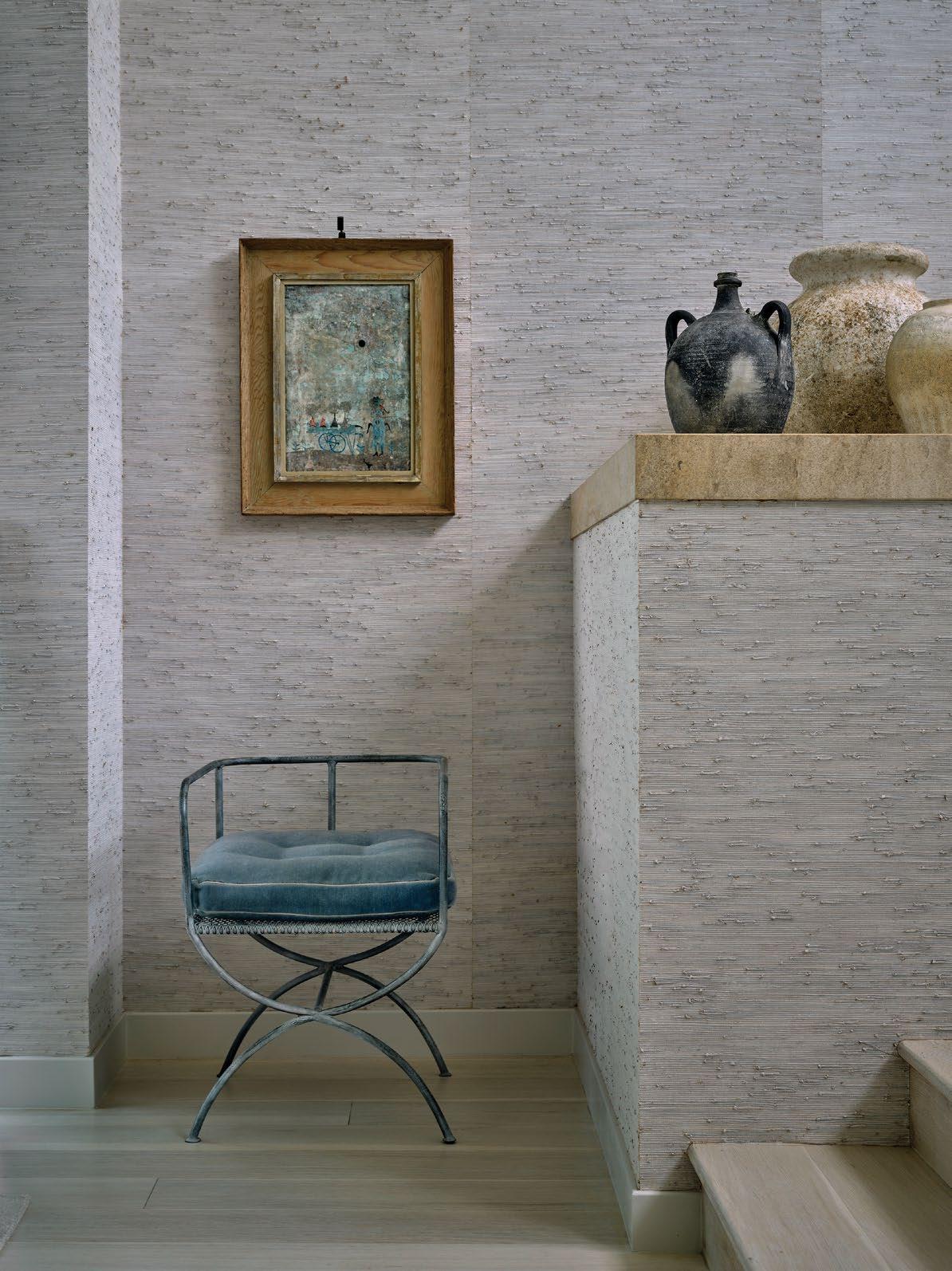
less traditional look. OPPOSITE: Marks added texture throughout the home by using a Phillip Jeffries grass cloth wall covering.
“You almost feel like you’re in an indoor-outdoor home, [and] we’re basically in the pool every afternoon when James gets home from school.”
Jeffrey Alan Marks
From the pool deck, the family has
bird’s-eye view of the town below and out to the Pacific Ocean.
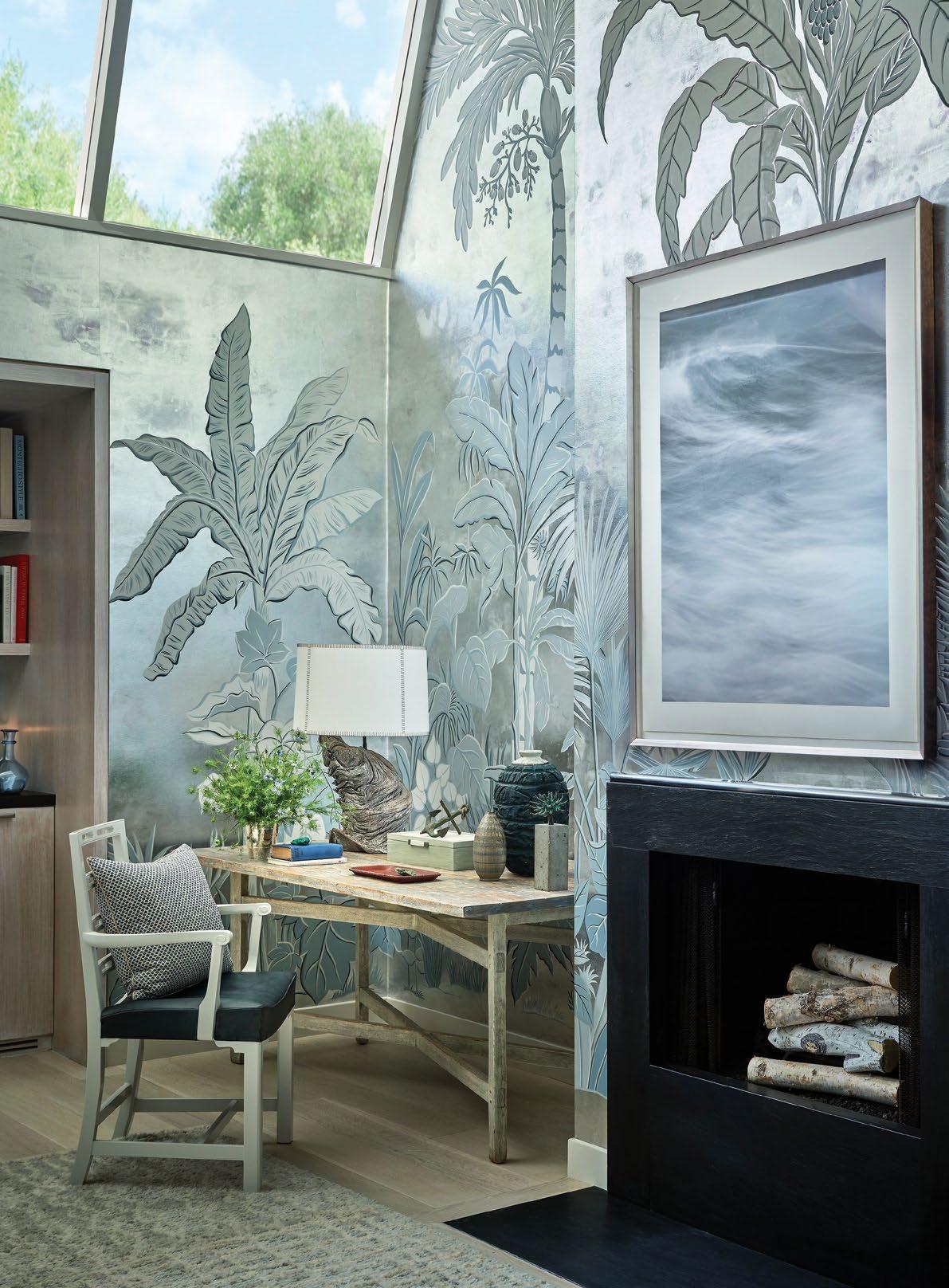
The designer collaborated with de Gournay to create Bohemian Jungle, a reflective foil wallpaper print cladding the sitting room walls. OPPOSITE:
A peek into the airy spa-like primary bathroom and the couple’s cozy, welllayered bedroom.
open, and we’re basically in the pool every afternoon when James gets home from school.” To keep the kitchen from looking too stark, Marks worked with a metal fabricator to create the culinary epicenter’s “wonderfully patinated” zinc walls, shelving, and backsplash, which make the space feel a bit edgier than a typically pristine kitchen. “We’re not great chefs, but we do spend a lot of time here, so I wanted something a little more playful and different.”
work from home, and it’s great to be inspired by the view and the light.”
Elsewhere, the home is connected living and dining spaces—lit by expansive clerestory windows on one side and opening to sweeping ocean views on the other—that are the repository for favorite family pieces that complement the modern setting. In the main gathering spot, a Knotty Bubbles chandelier by Lindsey Adelman is suspended over a mid-‘60s Charlotte Perriand coffee table, while a hand-knotted wool-and-bamboo silk rug from Marks’s collection with The Rug Company, aptly named Windansea Cool (after the legendary La Jolla beach he frequented growing up), softens the cozy vignette.
In a fitting homage to a great mentor, there’s an original Cape Sofa
by John Saladino. “I think [the sofa] adds a very casual element to the room, and I thought it was important, given we were friends and where we live,” Marks says about the famed designer, who died in Montecito last summer at age 86 (but not before writing the foreword to Marks’s recent book, This is Home).
Ultimately, when making the decision to return to their roots, the family realized it all came down to perspective. “The house is at the very tip-top of the hill overlooking San Ysidro Ranch, and we love having this experience after living in the forest of Connecticut,” Marks says. “We needed to get out—and up.” Don’t expect a descent from the clouds anytime soon. “We’re here to stay for a while,” he says. “This is definitely home.” •
Feature - Marks
In the sitting room that leads into the primary bedroom suite, Marks collaborated with de Gournay to develop Bohemian Jungle, the reflective foil wallpaper print that envelops the space where “we pile up before bed to watch television or read a book—it’s just aglow at night.” He adds, “I thought it was a perfect way to get my beachy vibe into this house and not make it feel too traditional.” The designer’s home office also benefited from a coastal influence—with a textural Phillip Jeffries grass cloth wall covering and a lacquered ceiling evocative of watery reflections—that was anything but literal. “I do a lot of
A WOMAN’S WORTH
Honoring the architectural legacy of Mary McLaughlin Craig
Written by Joan Tapper
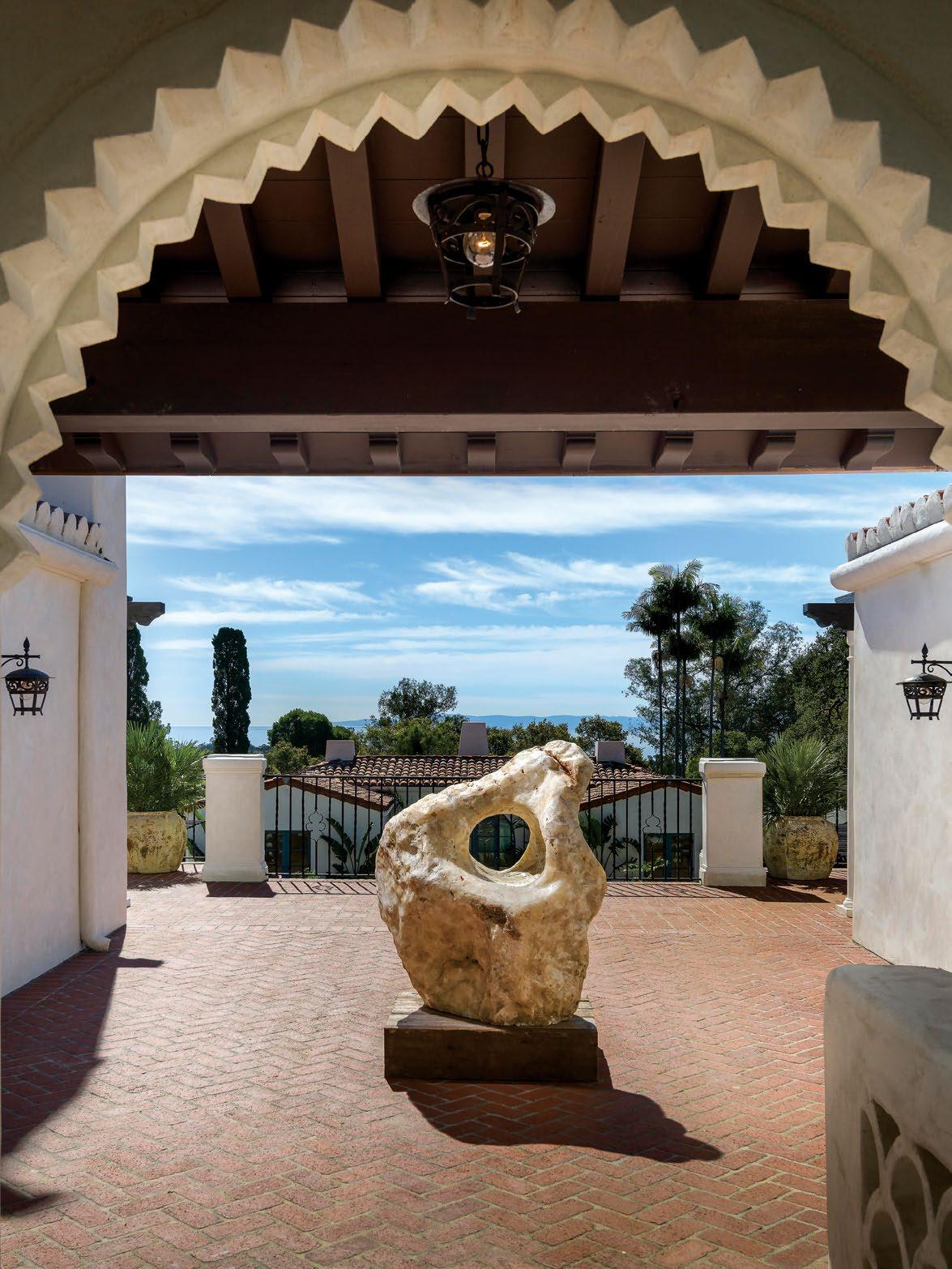
Framed by a characteristic sawtooth arch in the home designed by Mary McLaughlin Craig, an abstract stone sculpture dominates its space on a terrace that looks out to the Pacific.
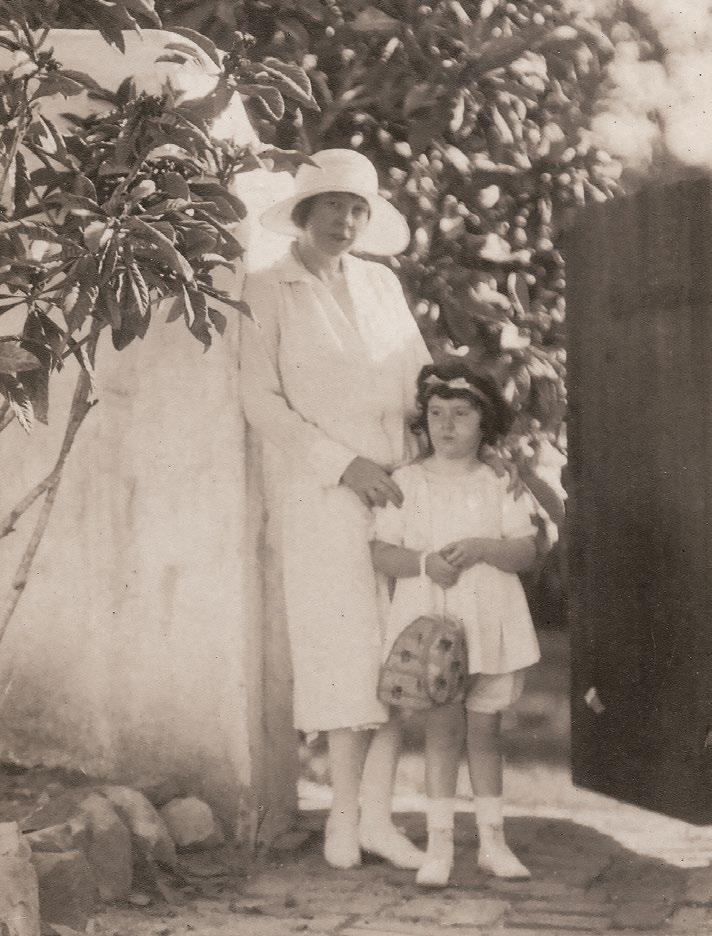
OPPOSITE: Mary McLaughlin Craig with her daughter, Mary, in 1925.
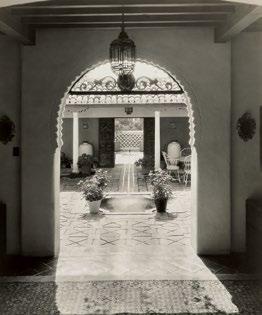
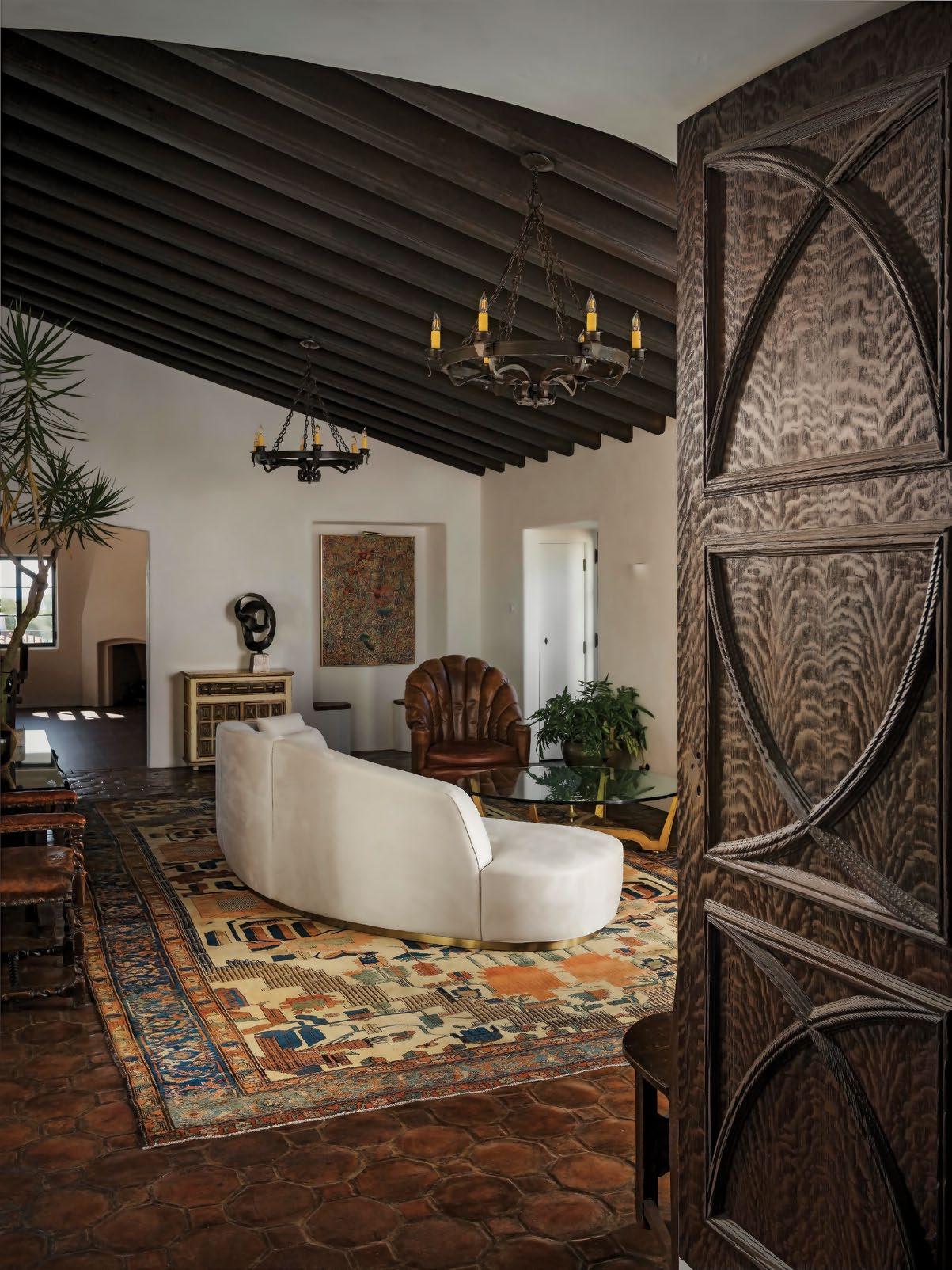
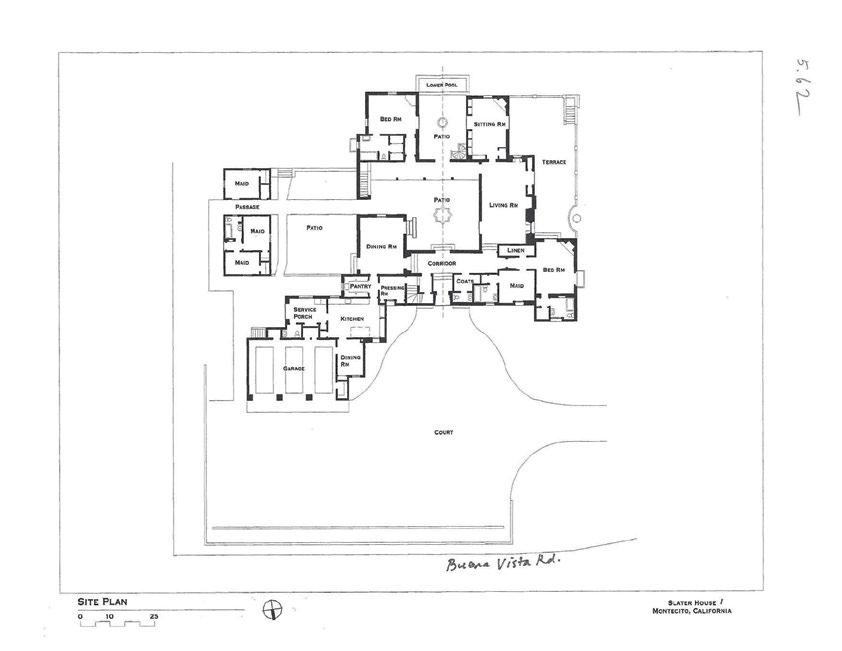
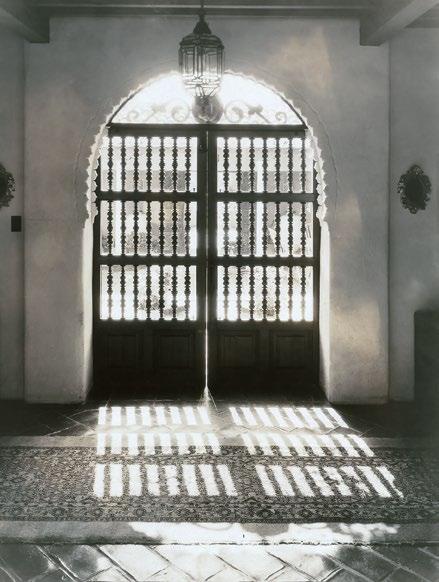
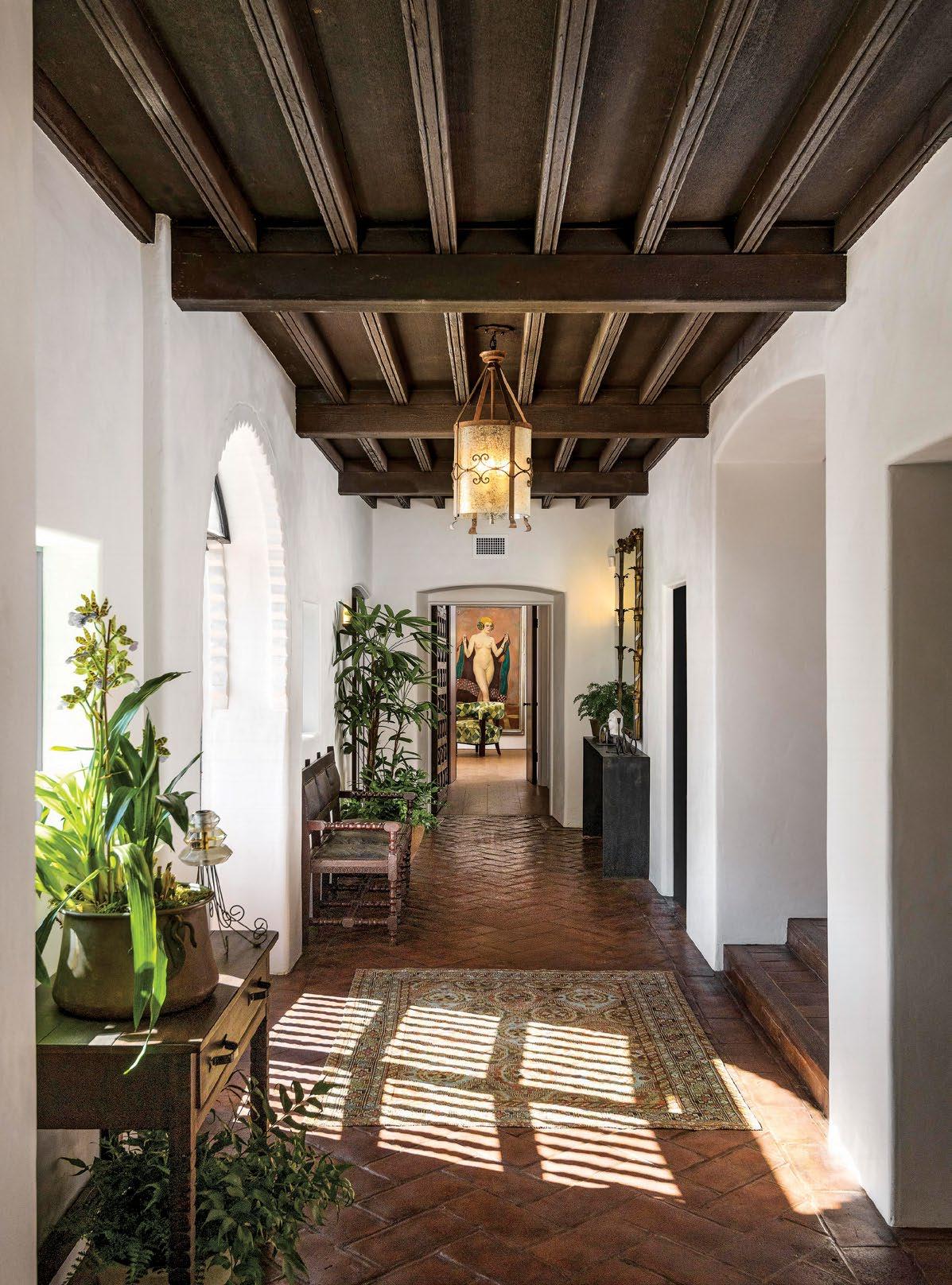
A restored wooden door, originally imported from Portugal, opens to a view of the office. OPPOSITE, FROM LEFT: The floor plan of the Slater House; in a vintage photo, an ornate wooden grille casts shadows at an entrance to an interior patio.
hink of the quintessential Santa Barbara style, and it’s undoubtedly Spanish Colonial Revival architecture that pops into your mind: white stucco walls punctuated by arched openings, red tile roofs, and decorative wroughtiron details, put together in an asymmetrical layout with grace and charm. Among the less-known creators of this architectural legacy is Mary McLaughlin Craig, who came into her own as a designer after the death of her husband, James Osborne Craig, at age 33. Born in 1889 in Deadwood, Dakota Territory, Mary had come to Pasadena with relatives in 1913, but she visited Santa Barbara often, and by 1918, she was essentially settled there. She had already made the acquaintance of James, a Scottishborn architect who was designing houses in Montecito and elsewhere in the newly popular Spanish style, and the couple married a year later.
Feature - Craig
James had a thriving practice; among his most notable projects—and still a highlight of downtown Santa Barbara—was the El Paseo complex, but it was unfinished when he died in 1922 and was completed by others.
Undaunted, Mary used her connections, her unerring good taste, and her innate talent to launch her own career, designing ranch houses, mansions, and eventually, from 1924 to 1926, the eight lovely Plaza Rubio houses across from the Santa Barbara Mission. They cemented her professional reputation.
In 1927 Mary was commissioned by Mrs. William A. Slater to build a house for herself and her son on Buena Vista Drive in Montecito. Her design featured an axis that led from the main entrance through two patios—one in the center of the home and the other overlooking a pool and the ocean beyond. The living room and dining room were on
opposite sides of the central patio, while a corridor led across to Mrs. Slater’s bedroom. Mary made sure to take advantage of the location, making the most of the mountain and ocean views.
Although she never became a licensed architect—she worked with architect Ralph Armitage for drafting, construction, and engineering—Mary would design many other projects in the decades that followed, before her work slowed down after 1940. She died in 1964.
In 1976 her papers were acquired by the Art, Design, and Architecture Museum at the University of California, Santa Barbara, providing an invaluable resource for the study of local architecture. And with Spanish Colonial Style: Santa Barbara and the Architecture of
An image of An Exotic Standing Nude, by Henry Caro-Delvaille, beckons from the primary bedroom at the end of the long corridor that crosses the main axis of the residence. OPPOSITE: The same viewpoint, sans painting, in earlier years.
“I admired the rawness and simplicity of Mary’s design. I wanted to honor the work she had done and expand it with a similar sensibility.”
Xorin Balbes
James Osborne Craig and Mary McLaughlin Craig (Rizzoli, 2015), the Craigs’ granddaughter Pamela Skewes-Cox and Robert Sweeney have filled in the story of the couple’s lives and details about their many creations.
Fast-forward to 2024. Architect and designer Xorin Balbes, known for his work on historic properties, had acquired the house, and he began a two-year renovation meant to preserve the uniqueness of the home and ready it for 21st-century life. “I admired the rawness and simplicity of Mary’s design,” he says, as well as her architectural characteristics, such as the antique terra-cotta floors, the sawtooth arches, and especially the “cozy feeling in each space that holds you so intimately. I wanted to honor the work she had done and expand it with a similar sensibility”—to make sure that it was hard to see what was old and what was new.
Feature - Craig
“The layout of the house still worked,” he says, “but everything needed to be upgraded…all the systems, the roof, and obviously the kitchen and the bathrooms.” Balbes also added to the layout, including enhancing the grandeur of the primary bedrooms and building a new terrace that segues into an entertainment pavilion with a gym, a sauna, and a theater.
But certain elements of classic contemporary living were there from the outset. Balbes points to the way the home “cascades down the hill and how each courtyard has a fireplace and basically becomes outdoor rooms and extensions of the interior.” The original design also conveyed “a sense of living in a village,” rare in a residential offering. “This is what everyone thinks about when they think of Montecito.”
He adds, “I love honoring the creativity of the past and marrying that with my creativity and the needs of today. It’s a challenge, and I enjoy making sure it is seamless.” •
LOCATION,
LOCATION, LOCATION
The Kruger house stands alone
Written by Josef Woodard
Photographs by Alex Noble
OPPOSITE:
The redwood of the house is striking against the ocean background.
The upstairs atelier showcases the contrast of cedar interior walls and the shingled exterior.
ne of the more intriguing dwellings in Summerland is hiding in plain sight—if you’re a beachcomber walking along the coast north of Lookout Park. Gazing upward toward the railroad tracks, you’ll notice the dreamlike vision of an elegantly rustic structure perched close to, but high above, the sand and water.
Unique and isolated from the local coastal neighborhood, the dwelling, actually a duplex, was built by Santa Barbara architect Kenneth Kruger in 1971. It remained in the Kruger family until 2018, and new owner J. P. Knapp finished a renovation of its Unit B in 2025. The dwelling is fairly small—a large living room blending into a kitchen, with two small bedrooms upstairs. But the most dramatic feature is an enveloping ocean view, with a “you are there” impact visible from every room, especially on the ample deck.
Stylistically, the design resembles 1970s funky chic with echoes of Northern California architecture common to the dwellings in Sea Ranch: dark wood-shingle exteriors and a generously fenestrated ocean-facing facade.
“We wanted to stay true to the original vision and bring it into today but not lose what makes it special.” J. P. Knapp
Feature - Summerland
The best vantage point for taking in the outside of the house would be from a boat, on a surfboard, or on foot from Lookout Park to the thin—and thinly populated—strip of beach before the seawall below the stilt-reliant structure on high. But from inside the living room/open kitchen, the view-endowed splendor of the place is almost staggering. A kind of out-of-mind and out-of-place sensation can take hold, especially for longtime Santa Barbarians who have never experienced such intimate and close-up ocean access in the 805.
Knapp was similarly bedazzled upon finding the location. “It’s basically a boat on the water at that point, with your proximity,” he says. As for the remodeling, “We just wanted to stay true to what the original vision was and bring it into
Feature - Summerland
CLOCKWISE FROM TOP LEFT: The reclaimed kitchen table was refinished by Danis Painting and panes by Lincoln Windows were installed by Bottenfield; in a sitting arrangement that maximizes the ocean view, the wraparound couch is designed by Bottenfield, with new cushions in a vintage frame; the kitchen corner has custom bench seating; the upstairs bedroom is small but inviting; a custom copper hood, shelves of reclaimed oak by Valley Millwork, and soapstone counters add luster.
A nook in the
features an
OPPOSITE: A detail of the wood-lined living room intersecting with a staircase leading to the second floor, with color provided by an organic abstract painting.
downstairs living room space
Akari spherical lantern light overhead and the warm touch of blue custom couch fabrics by Sunbrella.
today but try hard not to lose what makes it so unique and special.”
Knapp was keen on “keeping a sense of place. With the globalization of design,” he says, “so many things look similar. It’s nice to have something that’s unique and textural. You can feel the tile, the wall, the surfaces—all very tactile.” That scene-stealing view, amply showcased from the bedrooms and especially the redone kitchen, with its large corner-angled panes, blends in with strong ambience of ‘70s design—right down to the bright orange plastic chairs on the deck. The renovation took about a half year and was realized through the efforts of architect Ryan Brockett, contractor Jordan Bottenfield, and designer Amanda Chappell. Knapp points out that Kruger was no doubt “inspired by the Sea Ranch school of architecture. It is very typical to that style, with the open second story, the vertical cedar siding, the shingled exterior. And as with Sea Ranch, for the most part, it is designed as a weekend home or for fun or peace, not for a primary residence.”
the original tile, but we found a very similar style. We tried not to change anything stylistically. We wanted to keep it true to what it was.”
He adds, “It’s rare to do a project like this. Usually, projects are more modern, or more Spanish in town, compared to a project like this [with a] ‘70s mystique. It takes a bit of an adventurous mindset. That was [Knapp’s] goal. They wanted to kind of have fun, protect the architecture from the original, and use it the same way that he used it.”
The structure’s status as a distinctive slice of life in the architectural fabric of the area can’t be denied. Kruger, a Santa Barbara native AIA Fellow who founded Santa Barbara’s AIA architectural archives and was part of Kruger Bensen Ziemer (KBZ) Architects, had an impact on the area’s profile. His own Riviera home, built in 1961, is a historic landmark.
handleless doors, like in the medicine cabinets.
“And there are a lot of hidden compartments. Playing hide-and-goseek as a child in that house was like a dream. There were just endless places to hide,” he says. For Knapp, the renovated house is mostly used “with family, birthdays, hanging out, friends going the beach—a lot of time with friends and family, basically. We’ll probably do some rentals on it. We don’t have enough time to use it, and it’s definitely a special place that we like to share with people.”
And do first-time visitors generally have a bedazzled response?
“I don’t think I’ve ever seen someone walk in and not be, ‘Wow!’ ” Knapp says. “Anyone who walks through the door can tell it’s a super unique and special property.”•
Feature - Summerland
On a blue-sky late February afternoon—an ideal crystalline atmosphere in which to appreciate the beauty of the Pacific seemingly a stone’s throw away—Bottenfield gives me a short tour of the place. “My wife was in here,” he says, “and she said she almost felt like she was getting a little seasick. It’s like you’re on the water.” In the primary bedroom upstairs, with the huge window showcasing the ocean outside, Bottenfield says, “It feels like you’re looking at a picture. It’s hard to feel the reality, a little bit.”
The project included new windows, kitchen cabinets, cushions, and a couch, but Bottenfield says “pretty much everything that could be preserved was preserved. We couldn’t preserve
His son Eric has strong memories of the Summerland retreat house. He points out that his father secured the permits just two weeks before Coastal Commission restrictions set in, which would make such a project impossible.
“For my family,” says Eric, whose brother, David, is a contractor in town, “it was a gathering place for celebrations, like birthdays and those kinds of events. I think back fondly as it being a kind of a sanctuary my dad created.”
The design is something of a departure from much of the elder Kruger’s work “because my dad was very much of the international and Frank Lloyd Wright school,” Eric says. “The roof doesn’t conform to that—it’s more pitched. It feels Scandinavian, or like a Swiss chalet or a sea lodge. My cousins all called it the ‘beach cabin’ because of the wood. There are so many wood built-ins, which conforms to the midcentury style. There are a lot of
GARDEN GLORY
his year the SANTA BARBARA BOTANIC GARDEN celebrates its centennial of championing native plants. Founded in 1926 by Anna Dorinda Blaksley Bliss with a focus on California species, the garden has grown from 13 acres in Mission Canyon to more than 78 acres, including new paths and family features in a Backcountry section. More important, its mission has expanded from showcasing the 1,000 indigenous species on its grounds to carrying on extensive conservation, preservation, and research programs throughout California.
Visiting the garden—with its sections of redwoods, desert flora, manzanitas, meadow, and more—remains a delight in any season, but there’s also vital work behind the scenes in the Pritzlaff Conservation Center, home to laboratories, the Clifton Smith Herbarium (with more than 230,000 specimens), and the Seed Bank, a repository of more than 4 million examples of 424 rare plants. How better to honor a century of success than by ensuring the future of native spieces for centuries to come? 1212 Mission Canyon Rd., Santa Barbara, sbbotanicgarden.org. J.T.
Over the decades, visitors have reveled in the sight of brilliantly blooming poppies in the Meadow, where the backdrop of Cathedral Peak provides one of the quintessential vistas at the Santa Barbara Botanic Garden.