Inside the Planning of the SAEM Annual Meeting
A Conversation With SAEM25 Program Committee Co-Chair
SPOTLIGHT Pulse
Patrick Maher, MD, MS Annual Meeting Preview: Be Part of Something Special at SAEM25
2024 –2025 SAEM BOARD OF DIRECTORS
EXECUTIVE COMMITTEE
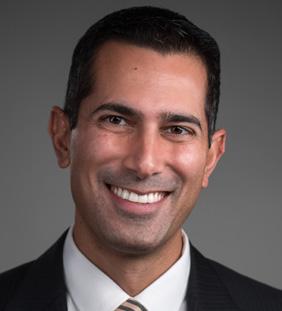
Ali S. Raja, MD, DBA, MPH SAEM President Massachusetts General Hospital
Harvard Medical School
Board Liaison to:
• Bylaws Committee
• Telehealth Interest Group
• Wilderness Medicine Interest Group

Pooja Agrawal, MD, MPH
Member at Large
Yale Department of Emergency Medicine
Board Liaison to:
• Ethics Committee
• Research Committee
• Academy for Diversity and Inclusion in Emergency Medicine (ADIEM)
• Informatics, Data Science, and Artificial Intelligence Interest Group
• Research Directors Interest Group
• Sex and Gender in Emergency Medicine Interest Group
• Tactical and Law Enforcement Interest Group
• Guidelines for Reasonable and Appropriate Care in the Emergency Department (GRACE)
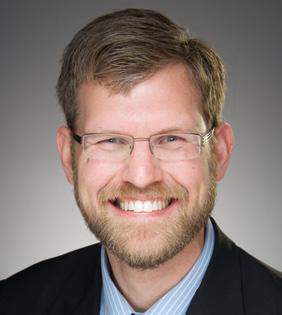
Nicholas M. Mohr, MD, MS
Member at Large University of Iowa Carver College of Medicine
Board Liaison to:
• Equity and Inclusion Committee
• Program Committee
• Simulation Academy
• Disaster Medicine Interest Group
• Evidence-Based Healthcare & Implementation Interest Group
• Transmissible Infectious Diseases
Interest Group
• Advanced Research Methodology Evaluation and Design (ARMED)
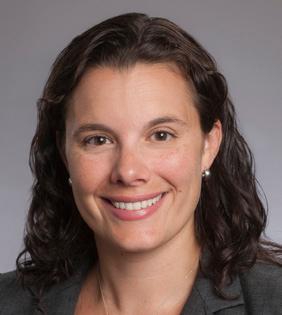
Michelle D. Lall, MD, MHS SAEM President-Elect Emory University
Board Liaison to:
• RAMS Board
• Nominating Committee
• Committee of Academy Leaders (COAL)
• Academy of Geriatric Emergency Medicine
• Educational Research Interest Group
• Operations Interest Group
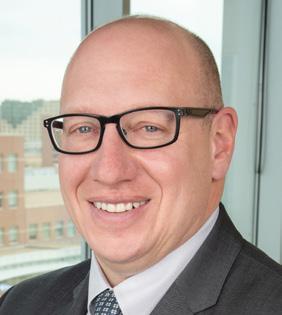
Jeffrey P. Druck, MD
Member at Large University of Utah School of Medicine
Board Liaison to:
• Awards Committee
• Clerkship Directors in Emergency Medicine
• Academic Emergency Medicine Pharmacists Interest Group
• Toxicology/Addiction Medicine Interest Group
• Certificate in Academic Emergency Medicine Administration (CAEMA)

Ava Pierce, MD
Member at Large UT Southwestern Medical Center, Dallas
Board Liaison to:
• Education Committee
• Workforce Committee
• Academy of Women in Academic Emergency Medicine
• Behavioral and Psychological Interest Group
• Oncologic Emergencies Interest Group
• ARMED MedEd

Jody A. Vogel, MD, MSc, MSW SAEM Secretary-Treasurer Stanford University
Board Liaison to: • Global Emergency Medicine Academy • Finance Committee • Airway Interest Group
• Social Emergency Medicine and Population Health Interest Group
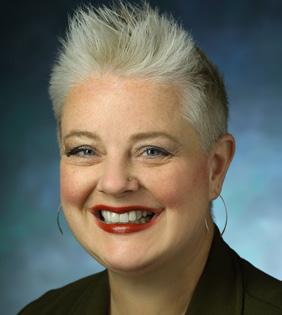
Julianna J. Jung, MD, MEd
Member at Large
Johns Hopkins University School of Medicine
Board Liaison to:
• 2025 Consensus Conference Committee
• Fellowship Approval Committee
• Grants Committee
• Academy of Administrators in Academic Emergency Medicine (AAAEM)
• Clinical Researchers United Exchange (CRUX) Interest Group
• Palliative Medicine Interest Group
• Emerging Leader Development Program (eLEAD)
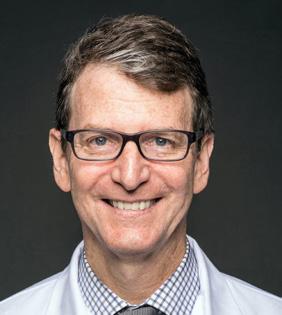
Lewis S. Nelson, MD, MBA Chair Member
Rutgers New Jersey Medical School
Board Liaison to:
• Consultation Services Committee
• Quality and Patient Safety Interest Group
• Vice Chairs Interest Group
• Chair Development Program
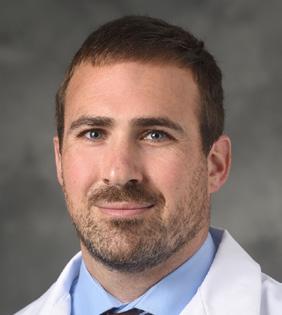
Daniel N. Jourdan, MD
Resident Member Henry Ford Hospital
Board Liaison to:
• Wellness Committee
• Climate Change and Health Interest Group
• Innovation Interest Group
• Neurologic Emergency Medicine Interest Group
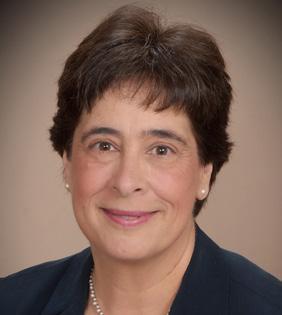
Wendy C.
MD SAEM Immediate Past President UCLA Department of Emergency Medicine
David Geffen School of Medicine at UCLA
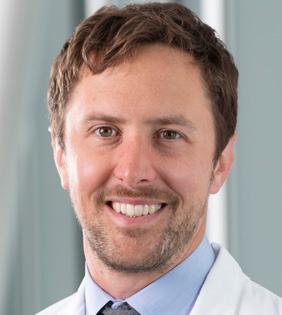
Ryan LaFollette, MD
Member at Large University of Cincinnati
Board Liaison to:
• ED Administration and Clinical Operations Committee
• Faculty Development Committee
• Membership Committee
• Academy of Emergency Ultrasound (AEUS)
• Critical Care Interest Group
• Emergency Medical Services Interest Group
• Pediatric Emergency Medicine Interest Group

to:
• SAEM Executive Committee
• Association of Academic Chairs of Emergency Medicine (AACEM)
• RAMS Board
• SAEM Foundation

Megan Schagrin, MBA, CAE, CFRE SAEM Chief Executive Officer Liaison
Coates,
Spine Trauma in Rural Settings
the Gap: Detecting Diaphragm Rupture With FAST
Our Lane: Improving Longitudinal Care for

PRESIDENT’S COMMENTS
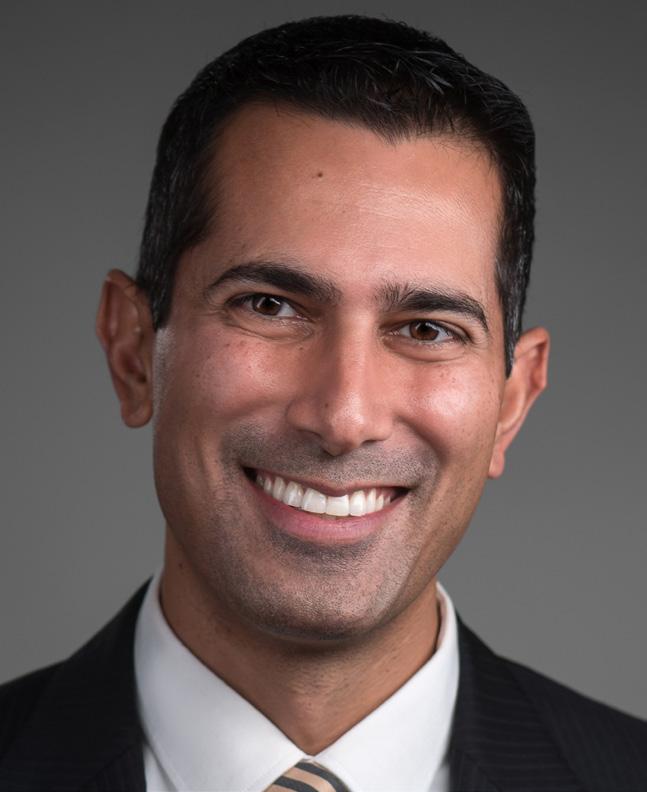
Ali
S. Raja, MD, DBA, MPH
Harvard Medical School/Massachusetts General Hospital
2024-2025 President, SAEM
Breaking Records and Advancing Emergency Care: SAEM Heads to Philadelphia!
Get ready for an extraordinary SAEM Annual Meeting in Philadelphia—a city that embodies our values of innovation, education, and service! From Independence Hall to the nation's first hospital, Philadelphia's legacy of breaking new ground makes it the perfect setting for SAEM's most dynamic meeting yet.
I'm thrilled to report that we've shattered records across the board! Our abstract submissions soared past 1,400, and over 5,700 reviews were completed in just two weeks—a testament to our community's dedication. We've received over 150 innovation submissions and the same number of clinical images, reflecting the cuttingedge work and excellent diagnoses happening in our emergency departments nationwide.
Speaking of innovation, we’re refining our review process. We’ve developed and published a groundbreaking algorithmic approach to detect abstract overlap, making the source code publicly available in Academic Emergency Medicine—because that’s how we roll at SAEM! Additionally, we are piloting new methods to provide abstract reviewers with insights into their scoring patterns, helping to ensure consistency and academic rigor.
However, we're also taking action beyond the conference walls. Through partnerships with Philadelphia
organizations, attendees will have the opportunity to help assemble and deliver naloxone kits to local residents— because academic emergency medicine isn't just about education and research; it's fundamentally about saving lives.
The future of emergency medicine looks brighter than ever, with our Medical Student Symposium and Chief Resident Forum continuing to attract tomorrow's leaders. Our Medical Student Ambassador program has received another record number of applications, showing that the next generation is eager to carry forward our tradition of excellence in academic emergency medicine.
Philadelphia won't just be a meeting place, it'll be where we showcase how data-driven innovation, cutting-edge education, and community service come together to advance emergency care.
See you in the City of Brotherly Love!
P.S. Early bird registration closes March 11. Don't miss out on special rates for what promises to be an unforgettable meeting!
ABOUT DR. RAJA : Ali Raja, MD, DBA, MPH, is a professor of emergency medicine at Harvard Medical School and the executive vice chair of the department of emergency medicine at Mass General Brigham.
“Philadelphia will not only be a meeting place, but a showcase for how data-driven innovation, cutting-edge education, and community service come together to advance emergency care.”
RAMS PRESIDENT'S REPORT

Ly Cloessner, MD, MSPH
Washington University in Saint Louis
2024-2025 RAMS Board President
Spring Brings New Beginnings: Celebrating The Match and Our Growing Specialty
Spring has arrived, bringing with it one of the most exciting events of the academic year: the Match! On March 21, RAMS will celebrate the matriculation of approximately 3,000 new emergency medicine residents into our specialty. If you are finalizing your rank list, be sure to check out our webinar for helpful tips on what to consider before making your final choices. I’m eager to meet the new physicians who match to my program and excited to see how our specialty continues to grow as we welcome new members into the fold. For our members navigating the transition from medical school to residency, be sure to explore these resources for RAMS members
In addition to the new physicians joining the SAEM community, I would like to congratulate the members of the RAMS Board for 2024-2025. Our incoming board is composed of a qualified and energetic group of individuals who are deeply invested in SAEM, its mission, and its members. I look forward to seeing all they will accomplish in the coming year.
While we eagerly anticipate the new RAMS board beginning its work in May, the current RAMS board
remains dedicated to supporting and working for our members. As physicians who care for patients anytime, anywhere, and for any reason, our field is highly adaptable, offering diverse fellowships and unique career pathways. Recently, the board has been updating our Career Roadmaps and is working on creating five new roadmaps for hyperbaric medicine, addiction medicine, informatics, community medicine, and sports medicine. These roadmaps are valuable tools to help you identify the experiences needed to build your career in academic emergency medicine at every stage of your career—from medical student to faculty member.
As we prepare for SAEM25 in Philadelphia, be sure to check out this issue for my list of "RAMS Can’t Miss" list of events and didactics, including the RAMS Party on Thursday, May 15!
ABOUT DR. CLOESSNER: Emily “Ly” Anne Cloessner, MD, MSPH, is a current PGY-4 and chief resident at Washington University in Saint Louis.
“I’m eager to meet the new physicians who match to my program and excited to see how our specialty continues to grow as we welcome new members into the fold.”
Inside the Planning of the SAEM Annual Meeting
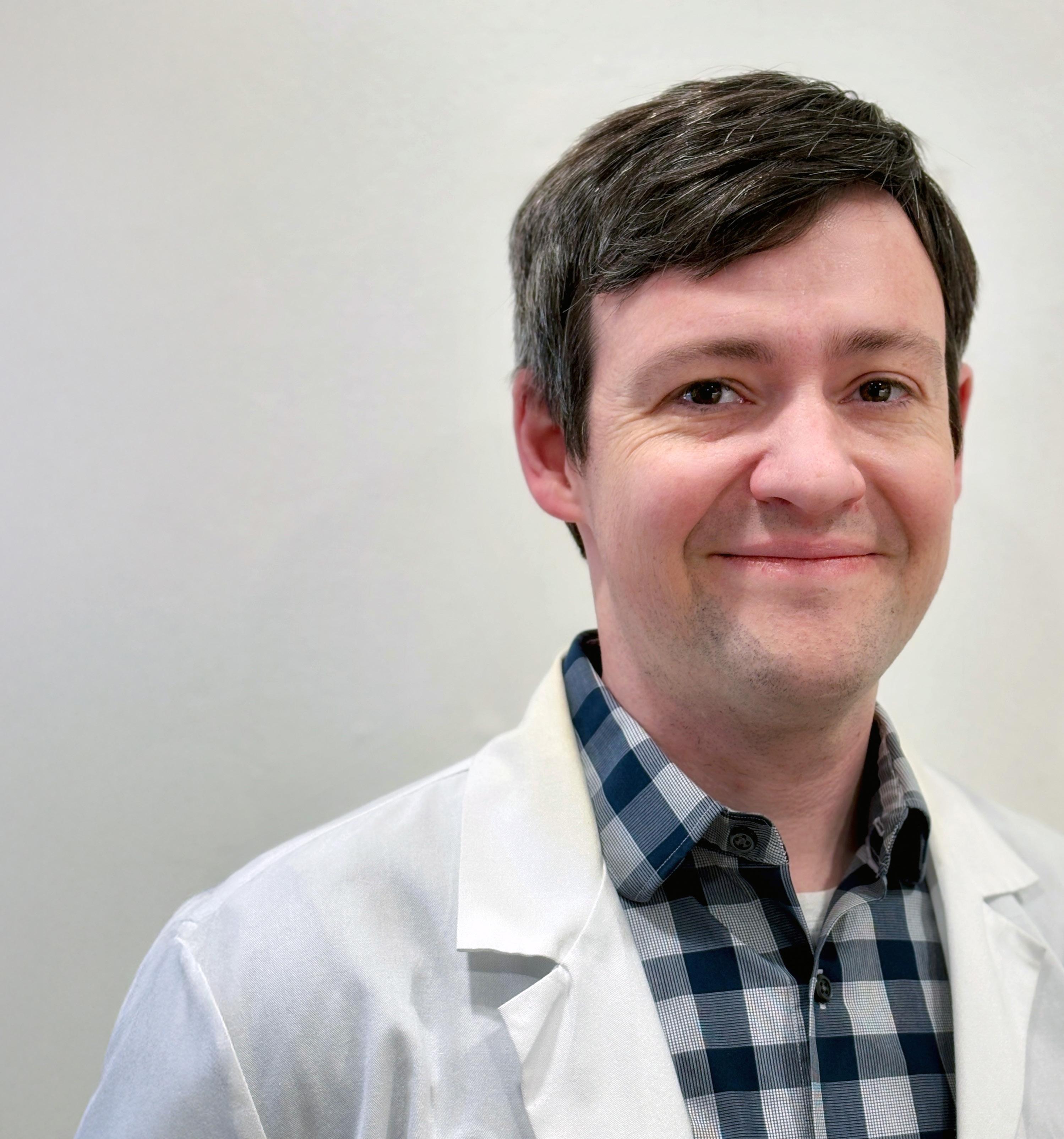
A Conversation With Patrick Maher, MD, MS, SAEM25 Program Committee Co-Chair
Patrick Maher, MD, MS, is an adjunct associate professor at the Mount Sinai Hospital in New York. He received his undergraduate degree from the University of Georgia in Athens and his medical degree from Georgetown University School of Medicine in Washington, D.C. He completed his emergency medicine residency at the University of Washington in Seattle, where he also completed a critical care medicine fellowship.
After his clinical fellowship, Maher joined the faculty at Mount Sinai through the emergency medicine research T32 program funded by the National Institutes of Health and the National Heart, Lung, and Blood Institute. As part of this program, he earned a Master of Science in biostatistics from Columbia University Mailman School of Public Health. At Mount Sinai, he co-chaired the hospital cardiopulmonary resuscitation committee and served as head of the Mount Sinai Hospital emergency medicine–critical care medicine division, leading a group of attendings with similar fellowship training in critical care medicine. He currently works in both emergency and intensive care in San Jose, California.
Dr. Maher is the co-chair, along with Dr. Sanjey Gupta, of the SAEM25 Program Committee.
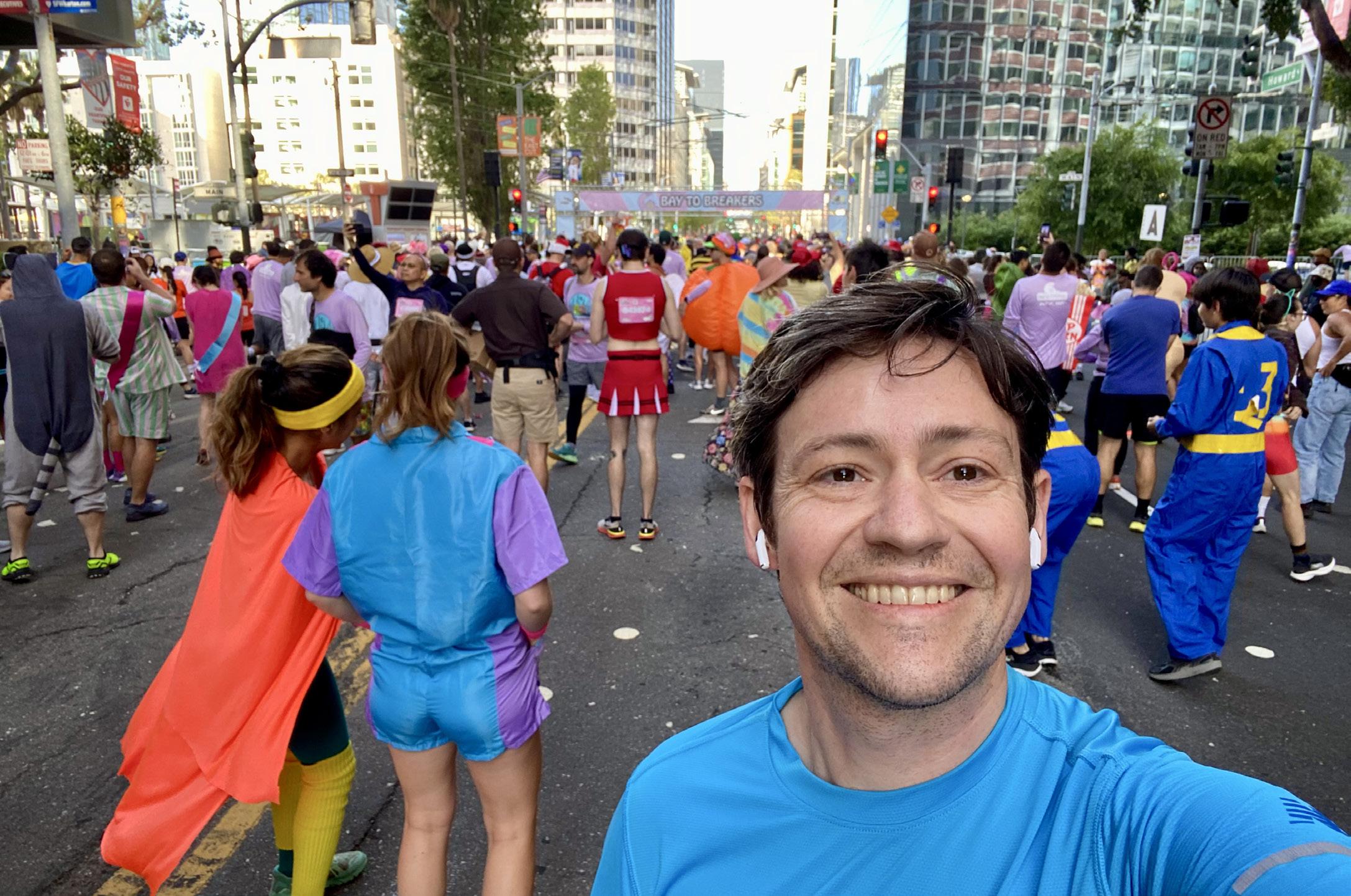
Running, whether marathons or fun-runs, is a source of pleasure for Dr. Maher.
“Only at the SAEM Annual Meeting do didactics regularly tackle niche yet critical topics, presented by experts with essential subject matter knowledge.”
Can you share your journey to becoming the program committee chair and what inspired you to take on this leadership role for the SAEM Annual Meeting?
I first joined SAEM during residency and have remained involved ever since. Over the years, I have primarily served on the SAEM Research Committee and the SAEM Program Committee. On the Program Committee, I spent many years reviewing didactics and abstracts, developing a deeper interest in the behind-the-scenes process of selecting content for the Annual Meeting. Eventually, I was invited to serve as co-chair of the Didactics Subcommittee, where I introduced a new feature for this group giving feedback to our graders. After developing broader improvement concepts for similar groups, I was honored to be selected as chair of the Program Committee to help roll out these projects.
What does serving as the program committee chair mean to you, both personally and professionally?
SAEM plays a unique role in advancing academic emergency medicine at all levels. The Annual Meeting has always been when I feel most connected to the organization and most aware of its impact on our field. Serving as part of the leadership team has been a tremendous personal honor, allowing me to form new professional connections that have expanded my own horizons.
What unique perspective or skills do you bring to the role, and how do they shape your approach to planning this event?
After completing fellowships in critical care medicine and research following my residency, I felt I brought both a clinical perspective different from that of colleagues working exclusively in the emergency department, as well as new perspectives for analysis that could help shape the structure of the SAEM program. Like any large organization, SAEM serves an audience with diverse subinterests, and I have aimed to use my background to support the organization’s growth without playing favorites.
What excites you most about this year’s SAEM Annual Meeting, and what are you personally looking forward to experiencing in Philadelphia?
At this stage of my career, the SAEM Annual Meeting excites me most for the in-person opportunities to connect with colleagues from committees across the country and stay up to date on academic advances from experts in the field. Each year, the Program Committee receives a growing number of high-caliber submissions, making the selection process both challenging and rewarding. The best part of the meeting is removing the barriers of virtual discussions and distance learning and coming together in person.
How do you define a successful Annual Meeting, and how will you measure the success of SAEM25?
For me, a successful meeting means every attendee feels like they have learned something new, met someone who could impact their career, or felt inspired to start a project they might not have pursued otherwise. In academic medicine, the daily demands of work that can sap our energies falls away when we’re at the Annual Meeting surrounded by people who are excited about learning, teaching, and breaking new ground in science.
continued on Page 8
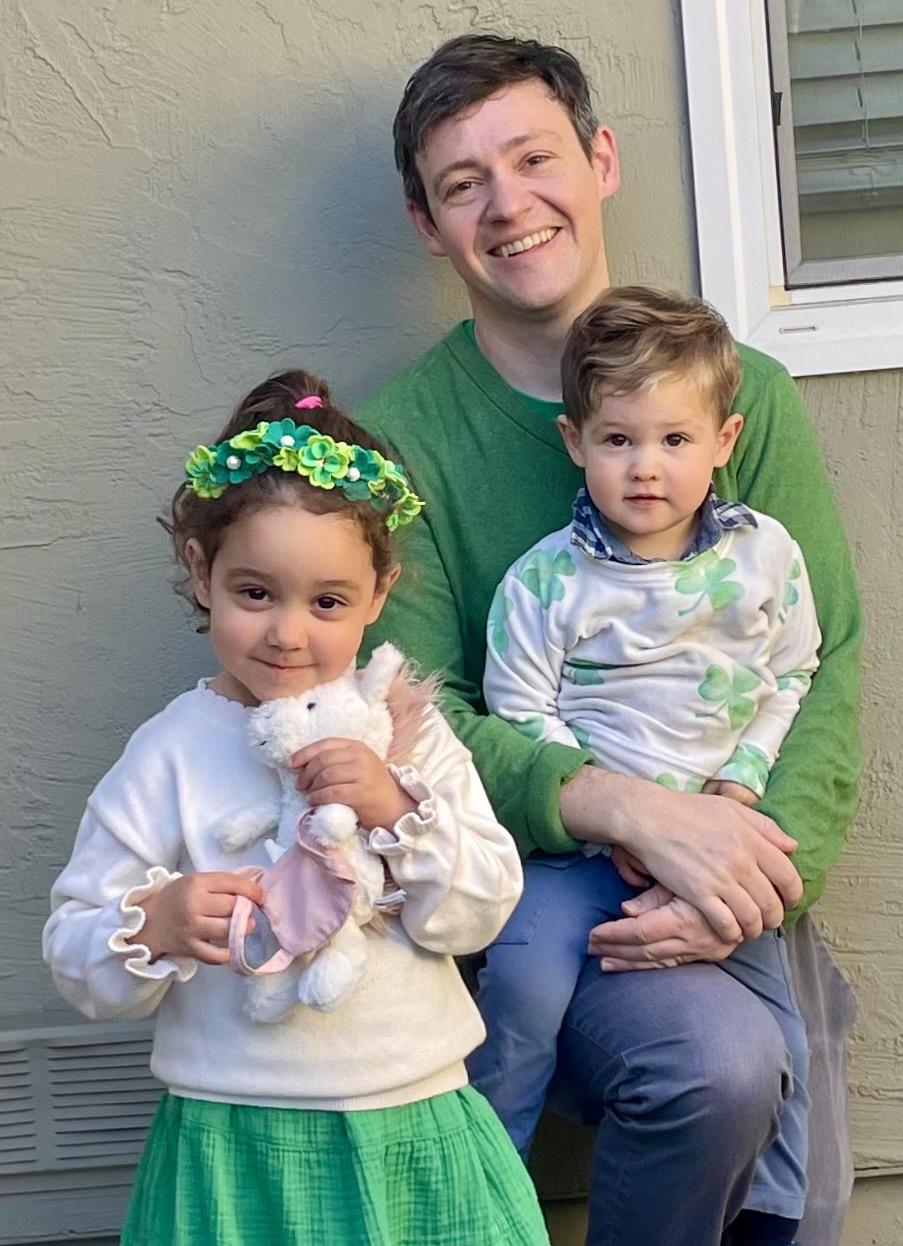
Dr. Maher and his two children in their St. Patrick’s Day outfits.
In your opinion, what sets the SAEM Annual Meeting apart from other conferences in academic emergency medicine?
Although emergency medicine benefits from multiple organizations with annual meetings, SAEM sets itself apart by its meeting content and the audience it serves. Only at the SAEM Annual Meeting do didactics regularly tackle niche yet critical topics, presented by experts with essential subject matter knowledge. Only here are abstracts evaluated using the most stringent rubrics to present the best science. And only at the SAEM Annual Meeting do we routinely bring together the field’s most profound thought-leaders to foster the most meaningful discussions.
For first-time attendees, what advice would you offer for making the most out of SAEM25?
Two words: Plan ahead. The conference schedule is published in advance, and without preparation, you risk missing important presentations and activities. I recommend reviewing the program thoroughly beforehand and scheduling the sessions you don’t want to miss. Also, the habit of skipping early morning or late afternoon lectures should have ended in college—you won’t want to miss these at the SAEM Annual meeting!
Why should academic emergency medicine professionals consider the SAEM Annual Meeting a “must-attend” event, and what key takeaways can they expect?
The plenary addresses and plenary abstracts should clearly be the main events on any agenda. Major highlights include the SAEM president’s speech, which outlines SAEM’s progress and plans for the past and coming year, the keynote addresses from carefully selected experts who distill their insights into a single talk, and the best science, chosen by our own experts, that is likely to change your practice or shift your perspective on the field. This year, we are fortunate to have Charles Cairns delivering the keynote on Advancing Precision Emergency Medicine and Kamna Balhara presenting the Education keynote on Health Humanities.
What are your top priorities when organizing the Annual Meeting, and how do you ensure these align with SAEM’s mission and values?
The Annual Meeting prioritizes high-quality content and expert presenters, innovative and rigorous research, and ample opportunities for professional development for attendees. I would say that the SAEM mission and vision have guided my approach in selecting the individual items that shape our meeting program.
How do you ensure the Annual Meeting stays innovative and forward-thinking while still addressing the current and evolving needs of academic emergency medicine?
SAEM has been a pioneer in meeting the needs of academic emergency medicine. Over the years, we have introduced various formats for educational
“A successful meeting means every have learned something new, met their career, or felt inspired to start have pursued otherwise.”
presentations, implemented open and transparent methods for content selection, and studied their effectiveness. We have also embraced new technology to stay current with the times. Our members are incredibly resourceful and relentlessly curious, consistently inspiring us to renew our efforts to innovate for the Annual Meeting.
Are there any new initiatives or innovative elements you’re introducing this year to enhance the meeting experience?
This year, we plan to continue our commitment to local volunteerism by supporting an outreach effort in Philadelphia in collaboration with local partners. We have also implemented a new technological solution in our abstract selection process to expedite decisions and ensure a diverse range of presentations from multiple groups with highly scored research submissions. The Program Committee continues its efforts to increase attendance and enhance the value of all parts of the conference, with a particular emphasis on the latter days of the event.
What makes Philadelphia an ideal location for this year’s SAEM Annual Meeting?
Philadelphia offers significant advantages for our Annual Meeting. The city is rich in historical significance and boasts a long list of exciting attractions. Its central location on the Northeast Corridor makes transit to and within the city convenient for our attendees. The concentration of multiple medical schools and hospitals in the area has also increased our expected attendance. Hosting the conference in a close-knit, urban environment encourages the spontaneous meetings and gettogethers that attendees at SAEM value so much.

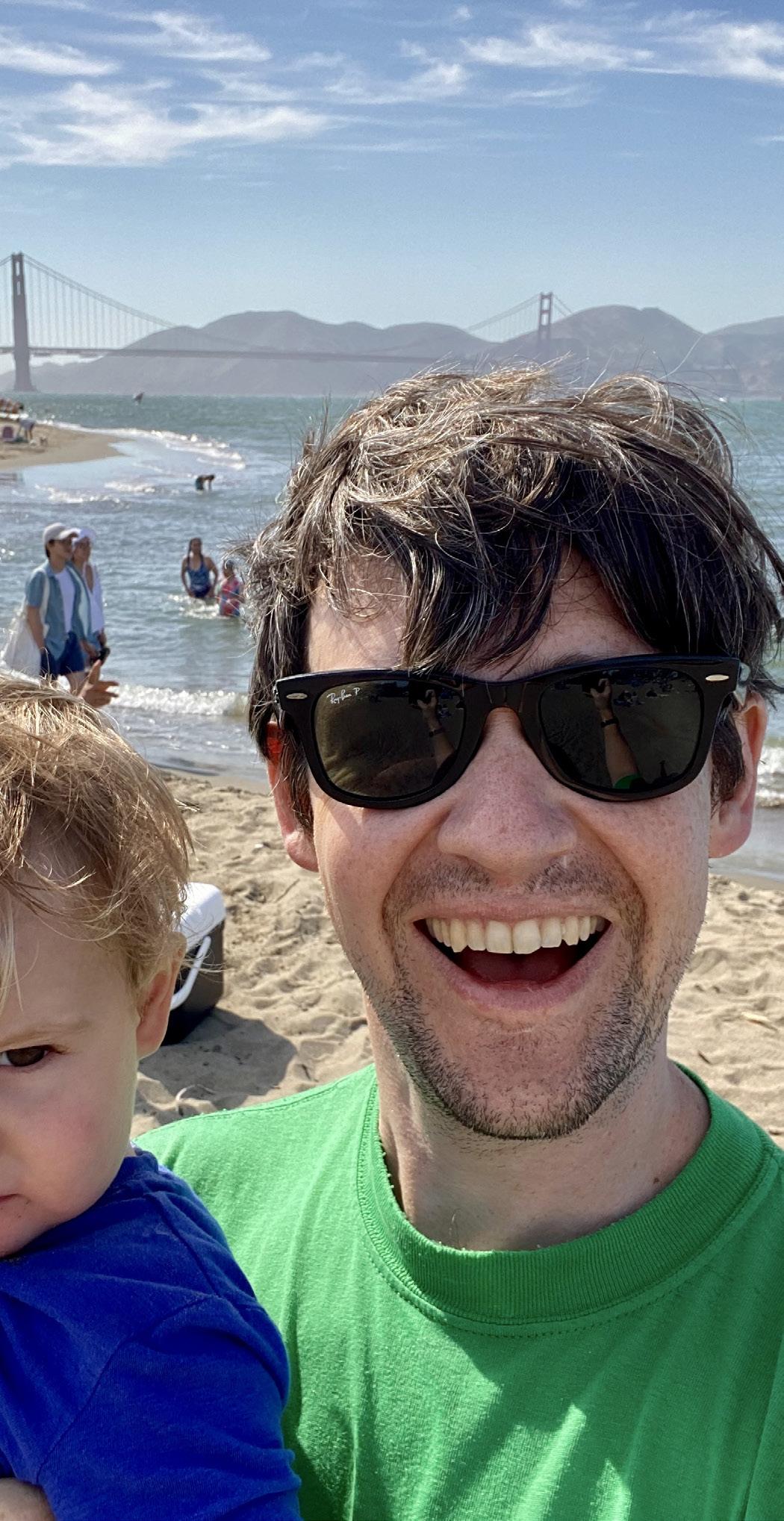
Dr. Maher enjoying the sights around the Bay Area.
every attendee feels like they met someone who could impact start a project they might not otherwise.”
Up Close and Personal
What one thing can you not do without while on shift?
An ultrasound. When in clinical doubt, an ultrasound of the patient never hurts.
What is your “go to” work/on-shift hack?
Eating a meal right before starting. You can never guarantee there will be time to have food again during the shift.
What is a favorite FOAMed resource?
I’ve been a regular listener to the EMCrit podcasts from Scott Weingart for many years.
Who would play you in the film of your life and what would that film be called?
I suppose that I would play myself, and it would have to be called “Luck of the Irish.” Every day I think about how lucky I’ve been to make it this far in life already, and my Irish identity (my parents immigrated here along with my sibling, and all my family have remained citizens) has been very important to me.
Who would you invite to your dream dinner party?
George Washington. I’d love to hear his opinions on how the world has changed, and how we compare to what he thought the country would be like so many years after he was around.
What’s the best concert or live performance you’ve ever been to?
I spent four nights seeing Der Ring des Nibelungen in Seattle during residency, and it was the best that I’ve ever seen.
Do you have a favorite book, movie, or TV series that you recommend to everyone?
Regardless of whether you have kids or not, everyone needs to be watching “Bluey.” It’s touching and funny on all levels.
If you could instantly master any skill, what would it be?
I’d love to learn languages more quickly, particularly having fluency in Spanish. It would make travel and my clinical work so much better.
nice weather in California and seeing some local Area.
25 PREVIEW

Be Part of Something Special at SAEM25
A
Message From Patrick Maher, MD, and Sanjey Gupta, MD, SAEM25 Program Committee Co-Chairs
Every May, our academic emergency medicine community gathers for an event that feels like coming home. It’s a time to connect with familiar faces, make new friends, and share our expertise and experiences with one another.
This year’s program is packed with hands-on workshops, thought-provoking discussions, and groundbreaking research presentations designed to expand your skills and refresh your passion for emergency medicine. From interactive learning sessions to energizing competitions, SAEM25 offers something for everyone, at every stage of their career.
But SAEM25 is more than just learning — it’s about connection. Dedicated networking events, mentorship opportunities, and collaborative forums create a welcoming space to build relationships and foster growth within our vibrant community.
What sets the SAEM annual meeting apart from all other conferences is its unique meeting content and the audience we serve. Only at SAEM will you find didactics covering niche yet critical topics, presented by experts
with deep subject matter knowledge. Our abstracts are evaluated using the most stringent rubrics to showcase the best science. And only at SAEM do we consistently bring together the field’s foremost thought leaders to inspire the most meaningful discussions.
Set against the vibrant backdrop of Philadelphia, SAEM25 offers an experience that goes beyond the sessions. Dive into learning by day, and by evening, enjoy a walk along historic streets, savor local flavors, and enjoy the unique spirit of the City of Brotherly Love.
Join us this May in Philadelphia for an experience like no other. Come for the learning, connect for a lifetime, and be part of something special. Whether you're deepening your expertise, building lasting relationships, or gaining fresh inspiration, SAEM25 is where it all happens. Don’t miss the chance to be part of our vibrant community as we continue shaping the future of emergency medicine. See you in Philadelphia, where great minds and a great city come together.
Register by March 11 to lock in the lowest rate for SAEM25!
Announcing the Top 8 Plenary Abstracts
Abstracts present research data, including study background and methodology, research limitations and results, and the conclusions/significance of the study. Abstract session lengths vary depending on the presentation type: plenary (15 minutes), full oral (12 minutes), lightning oral (eight minutes), ePoster (seven minutes). The SAEM25 Program Committee is pleased to announce the top eight abstracts selected to be presented during a special plenary session to be held immediately following the keynote addresses on Wednesday and Thursday. These eight abstracts were chosen as the best from among a record 1,426 submissions.
Opening Session Plenaries
Wednesday, May 14, 10:00 AM – 11:00 AM
Following the Dr. Peter Rosen Memorial Keynote.
1. Comparing Extended-Release Injectable vs Sublingual Emergency Department-Initiated Buprenorphine on Treatment Engagement
Gail D'Onofrio, Kathryn Hawk, Jeanmarie Perrone, Ethan Cowan, Ryan P. McCormack, Shara Martel, Patricia Owens, Abigail Matthews, James Dziura, Edouard Coupet, Michelle R. Lofwall, Sharon L. Walsh, Andrew Herring, David Fiellin, Jennifer Edelman, Kristen Huntley
2. Proteomic Biomarker Discovery for Acute Pulmonary Embolism
Drew A. Birrenkott, DR Mani, Michael A. Gillette, Finale Doshi-Velez, Isabel Dhar, Matthew Freitas, Christopher Kabrhel
3. Resuscitation From Out-of-Hospital Cardiac Arrest: When is End-Tidal Carbon Dioxide Reliably Associated With Return of Spontaneous Circulation?
Michelle Nassal, Rachel Smith, Andoni Elola, Elisabete Aramendi, Xabier Jaureguibeitia, Ahamed Idris, Ashish R. Panchal, Henry E. Wang
4. Reduced Functional Bed Capacity Due to Boarding Predicts Increased Left Without Being Seen Rates
Yosef Berlyand, Timmy Lin, Taylor Marquis, Jared S. Anderson, Daniel J. Shanin, Alexis C. Lawrence, Frank L. Overly, David C. Curley, Janette Baird, Anthony M. Napoli
Dr. Charles B. Cairns, Leader in EM and Critical Care Education, Training, and Research, to Present the Dr. Peter Rosen Memorial Keynote
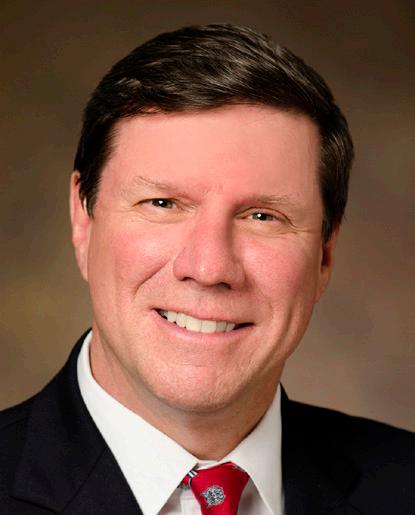
Charles B. Cairns, MD, the Walter H. and Leonore Annenberg Dean of the College of Medicine and Senior Vice President for Medical Affairs at Drexel University, will deliver the SAEM25 Dr. Peter Rosen Memorial Keynote, "Advancing Precision Emergency Medicine: Innovations in Translational Medicine and Population Health," on Wednesday, May 14, 2025 at the opening session of the 2025 SAEM Annual Meeting in Philadelphia.
In his address, Dr. Cairns will explore how biomedical innovation, population health management, and precision emergency medicine intersect to shape the future of emergency care. He will examine the historical impact of emergency medicine on patient outcomes, highlighting its critical role in treating time-sensitive, life-threatening conditions and advancing population health initiatives. The presentation will discuss the forces driving population health management and define precision emergency medicine, including individualized patient phenotyping through systems biology and its relationship to population health outcomes. Attendees will gain insight into the challenges of integrating new discoveries, technologies, and care models into health care systems while considering how the genetic revolution and digital transformation can shape emergency medicine education, research, and clinical practice.
A leader in emergency medicine and critical care education, training, and research, Dr. Cairns previously served as dean of the College of Medicine and Health Sciences at the United Arab Emirates University and dean of the College of Medicine and assistant vice president for clinical research at the University of Arizona. A leader in emergency medicine and critical care education, training, and research, Dr. Cairns previously served as dean of the College of Medicine and Health Sciences at the United Arab Emirates University and dean of the College of Medicine and assistant vice president for clinical research at the University of Arizona. He has also been chair of the Department of Emergency Medicine at the University of North Carolina, associate chief of emergency medicine at Duke University, and director of emergency medicine research at the Duke Clinical Research Institute, the world’s largest academic research organization.
Dr. Cairns has served as director of the National Institutes of Health United States Critical Illness and Injury Trials Group and as principal investigator of the Department of Homeland Security National Collaborative for Biopreparedness. He has led COVID-19 research and innovation efforts to understand the acute and longitudinal immune response to severe SARS-CoV-2 infection, including as clinical lead for the National Institute of Allergy and Infectious Diseases COVID-19 Immunophenotyping (IMPACC) study, a member of the Data and Safety Monitoring Board for the National Heart, Lung, and Blood Institute convalescent plasma study, and principal investigator of the Bill & Melinda Gates Foundation project on predicting COVID-19 community infection and recovery.
Honoring Dr. Rosen’s legacy, this keynote offers a forward-thinking perspective on how emergency medicine continues to evolve and drive innovation, education, and patient care.
Charles B. Cairns, MD
Dr. Kamna Balhara, Leading Innovator in Health Humanities, to Deliver Education Keynote

Kamna Balhara, MD, MA
Kamna Balhara, MD, MA, associate professor of emergency medicine at Johns Hopkins University and an expert in health humanities, will present the SAEM25 Education Keynote, "The Health Humanities: The Next Great Frontier in Emergency Medicine Education," on Thursday, May 15, 2025, at the 2025 SAEM Annual Meeting in Philadelphia.
In her keynote, Dr. Balhara will explore the growing integration of arts and humanities into medical education, an area increasingly recognized by leading healthcare organizations like the Association of American Medical Colleges (AAMC) and the World Health Organization (WHO). She will discuss how emergency medicine (EM), a specialty known for its innovation, is uniquely positioned to lead this movement. Dr. Balhara will delve into the health humanities, a field that leverages the arts and humanities to understand health and healthcare by addressing broad historical, cultural, and societal factors that impact both care provision and patient experiences.
The presentation will examine the growing evidence supporting the value of the health humanities in enhancing clinician communication, advocacy, critical thinking, and career resilience. Dr. Balhara will also address the pressing challenges faced by 21st-century health care, including technological advances, persistent health care disparities, and clinician well-being, and how the health humanities provide innovative solutions to these issues. Attendees will gain insight into how EM can advance medical education through this interdisciplinary framework for the benefit of learners, educators, and patients alike.
A respected leader in health humanities, Dr. Balhara has led initiatives in social justice and humanities-based programming for medical students, residents, and faculty across specialties. She is the founder and co-director of the Health Humanities at Hopkins EM initiative and has been instrumental in implementing a longitudinal health equity and humanities track for residents and fellows. Her work, which focuses on equity and inclusion in clinical and learning environments, has been supported by organizations such as the AAMC, the Josiah Macy Foundation, and the National Endowment for the Humanities. Dr. Balhara has authored numerous publications and developed educational tools for applying the humanities in health care, and she serves on various leadership committees, including the steering committee for the National Health Humanities Consortium.
This keynote will offer valuable perspectives on how the health humanities can be a transformative tool for EM education and practice, shaping the future of healthcare and enhancing patient care.
Education Plenaries
Thursday, May 15, 10:00 AM – 11:00 AM
5. Exploring “Home Field” Advantage: Do Interns From the Same Institution Perform Better on the Milestones?
Sierra A. Hajdu, Sean O. Hogan, Sally Santen, Luan Lawson, Pholaphat C. Inboriboon, Edward B. Bunney, Yoon Soo Park
6. Unveiling Unwritten Curricula: Enhancing Junior Faculty Development in Academic Emergency Medicine
Abby Bierowski, Casey Morrone, Erin Hoag, Ridhima Ghei, Julie Anne Blaszczak, Dimitrios Papanagnou
7. What You See Is What You Learn: National Variation in Emergency Medicine Clinical Environments
Carlisle Topping, Cameron Gettel, Craig Rothenberg, Katja Goldflam, Wallace A. Carter, Arjun Venkatesh
8. A Multicenter Study on Extended Focused Assessment With Sonography in Trauma Longitudinal Learning Curves for Emergency Medicine Residents Using Cumulative Sound Analysis
Lynn P. Roppolo, Samuel Newman, Nicholas A. Saltarelli, Judy Lin, Whitney Potomac, Jeremy Hsu, Joseph Yoon, Vietvuong Vo, Emma Tierney, Sarah Merchant, Michael Cooper
Educational Sessions
Advanced EM Workshop Day
Tuesday, May 13

Advanced EM Workshops are intensive educational sessions that focus on techniques, skills, and practical aspects of the specialty. This year’s Advanced EM Workshop Day offerings includes 16 half- and full-day sessions that cover specialized areas in emergency medicine and strengthen knowledge and skills in specific topic areas. Add any workshop when you register for SAEM25
Full-Day Workshops, 8:00 AM – 5:00 PM
• World Health Organization Basic Emergency Care Training of Trainers Course
• SAEM Grant Writing Workshop
Half-Day Morning Workshops, 8:00 AM – 12:00 PM
• Be the Best Teacher: Clinical Teaching Educational Bootcamp
• Emergency Department Operations Workshop
• Figuring Out the Fiberoptic
• Reaffirming Diversity, Equity, and Inclusion in Medical Education: Cultivating Community, Sparking Change, and Driving Progress
Half-Day Afternoon Workshops, 1:00 PM – 5:00 PM
• Active Learning Skills Workshop for Medical Educators: Briefing, Feedback, and Discussion Techniques
• Empowering Women in Emergency Medicine Leadership
• Ultrasound-Guided Nerve Blocks
Two Hour Workshops
• Innovations in Trauma Resuscitation and Management, 8 – 10 AM
• The Health Equity Skills Simulation Workshop, 10 AM –12 PM
• So You Want to Be a Better Peer Reviewer?, 1 – 3 PM
• Mastering the Art of Clinical Feedback: When to Debrief and When to Direct, 3 – 5 PM
Evening Workshop, 6:00 PM – 9:00 PM
• Bridging Gaps in Understanding Older Adults to Improve Care
Details, including the time, location, and presenter(s) for each workshop, are available in the SAEM25 Program Planner. Didactics
SAEM didactics feature instructional presentations in various formats, from traditional lectures to flipped classrooms and small group discussions. These sessions aim to impart knowledge and skills, creating a dynamic learning environment. SAEM25 offers 147 innovative sessions covering diverse topics like administration, career development, education methodologies, clinical practices, and research advancements.
Wednesday May 14, 8:00 AM – 5:20 PM
View Wednesday’s Didactics
Thursday, May 16, 8:00 AM – 5:20 PM View Thursday’s Didactics
Friday, May 17, 8:00 AM – 12:50 PM View Friday’s Didactics
IGNITE!
Wednesday, May 14, 2:00 PM – 3:50 PM
Friday, May 16, 8:00 AM – 9:50 AM
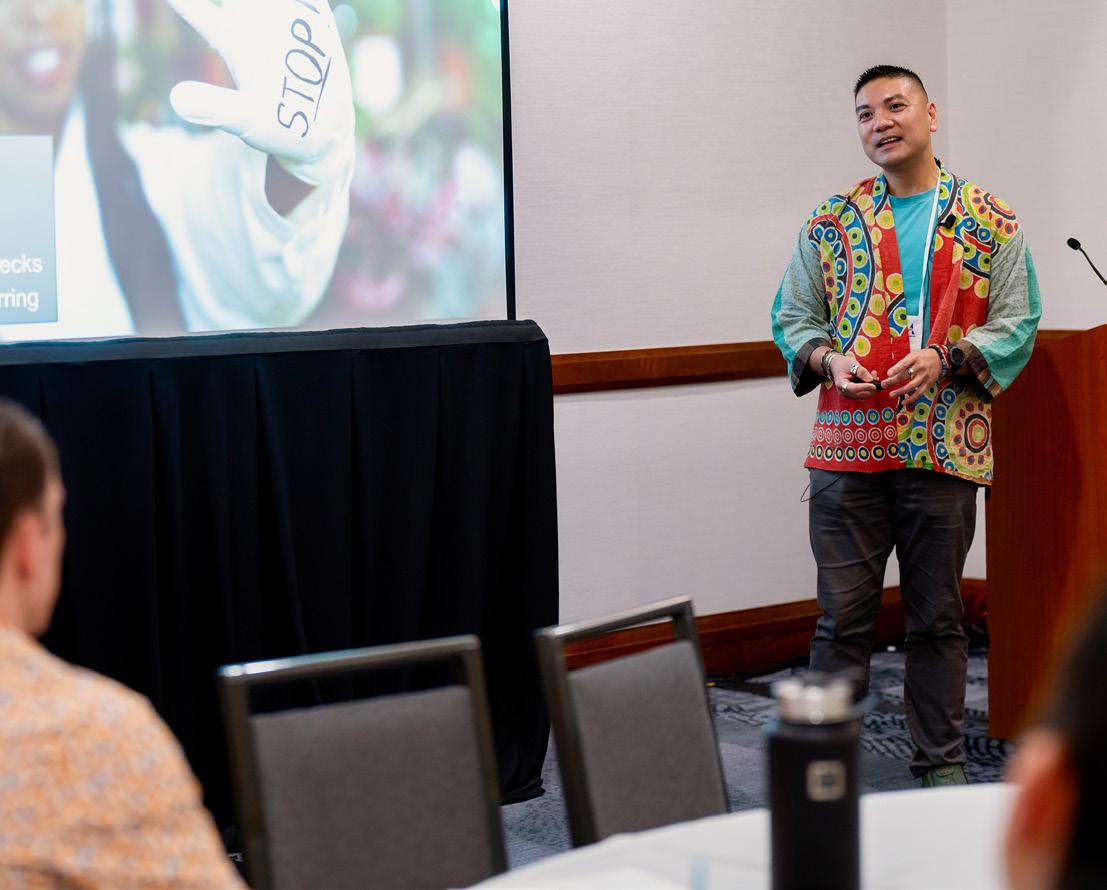
In this fast-paced event, speakers have five minutes and 20 auto-advancing slides to deliver dynamic talks on diverse EM topics—from disaster relief to machine learning. Judges select a “Best of IGNITE!” winner, while live polling determines the “Audience Choice Award.” With no topic restrictions, IGNITE! offers an exciting showcase of insights and innovation from speakers nationwide.
Featured Workshop
2025 Consensus Conference— Competency-Based Training and Certification: The Future of Emergency Medicine Education
Friday, May 16, 8:00 AM - 5:00 PM
The SAEM25 Consensus Conference is dedicated to the critical task of establishing a sustainable and diverse pipeline of federally funded clinicianscientists in the field of emergency medicine. The primary goal is to collaboratively develop a comprehensive toolkit, addressing barriers and implementing strategies at various career levels, from undergraduates to mid-career faculty. By fostering diversity and sustainability, the conference aims to propel emergency medicine research towards achieving or surpassing its strategic goals for the year 2030. It is an opportunity for participants to actively contribute to shaping the future of emergency medicine.
Featured Affiliate and SAEM Academy Events
• AWAEM and ADIEM Luncheon
• AACEM Annual Reception and Dinner
• ADIEM LGBTQIA+ Mixer
Register for these events through the SAEM25 registration portal.
Innovations
Wednesday, May 14, 11:00 AM – 5:20 PM (tabletop)
Thursday, May 15, 11:00 AM – 3:50 PM (oral)
Thursday, May 15, 11:00 AM – 4:50 PM (tabletop) Innovations showcases advancements in medical education and nonclinical areas such as faculty development, wellness, operational excellence, and patient care. This event offers a unique platform for presenting visionary ideas through dynamic presentations or hands-on demonstrations.
Forums
Leadership Forum
Tuesday, May 13, 8:00 AM – 5:00 PM
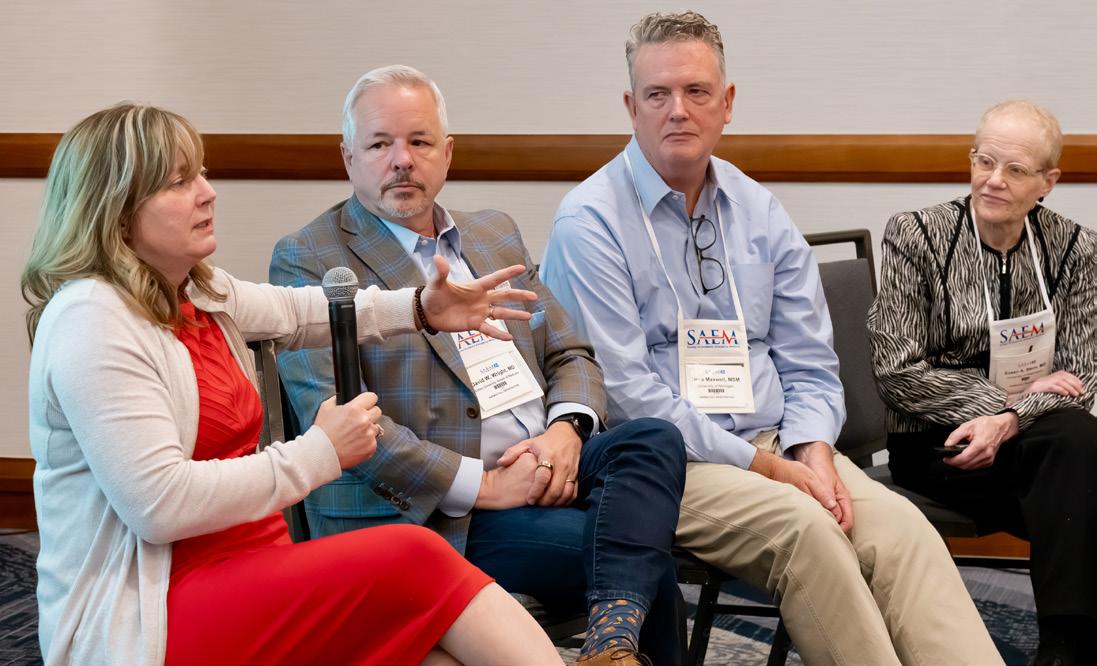
SAEM Leadership Forum offers experiential learning on core leadership topics, led by seasoned experts. Sessions cover wellness, leadership strategies, visibility, and conflict management, providing practical insights for aspiring leaders looking to enhance their skills.
Chief Resident Forum
Thursday, May 15, 8:00 AM – 3:00 PM
Chief Resident Forum prepares aspiring chief residents to lead with confidence. Through expert-led sessions and peer networking, participants gain essential leadership skills and practical strategies for managing residency programs and advancing in academic emergency medicine.
Medical Student Symposium
Thursday, May 15, 8:00 AM – 3:00 PM
Medical Student Symposium prepares applicants from all backgrounds for the EM residency process. Led by EM experts, it covers clerkships, away rotations, personal statements, interviews, and the match. Attendees gain program insights and connect with program and clerkship directors.
Register for forums through the SAEM25 registration portal.
Explore the SAEM25 Program
Take a deeper dive into each of the SAEM25 Advanced EM Workshops in our helpful SAEM25 Program Planner.
Team Activities
SAEM RAMS Hunt
Tuesday, May 13, 6:00 PM to 9:00 PM
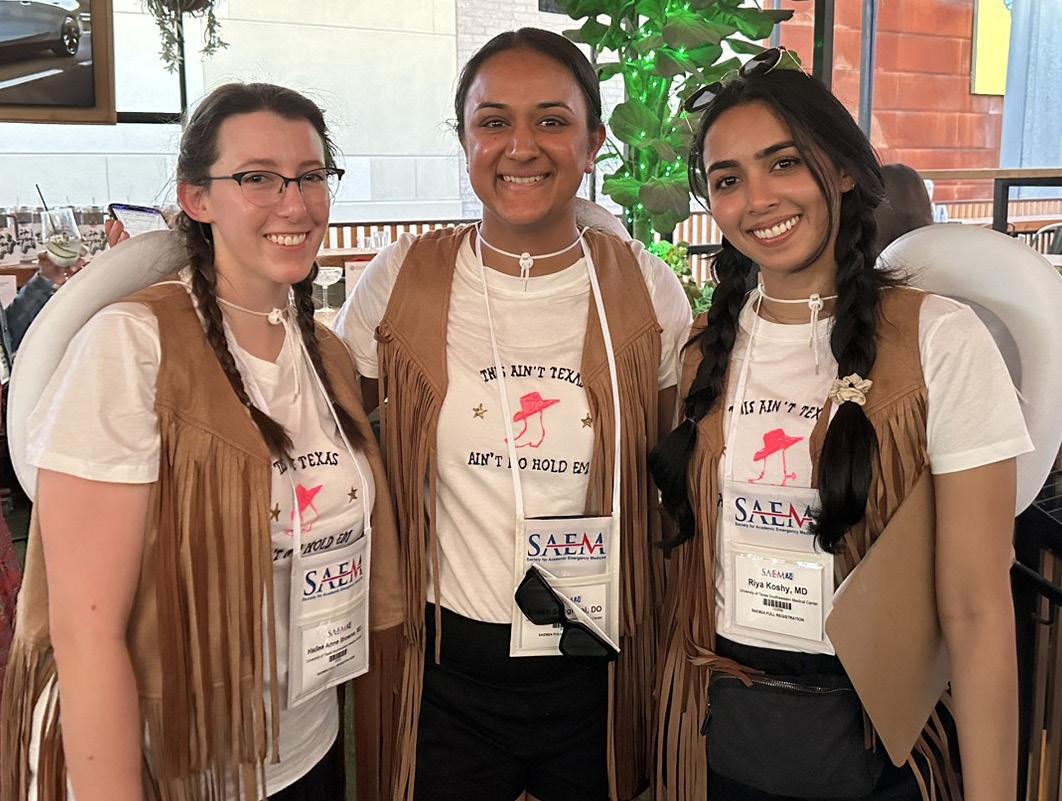
SAEM RAMS Hunt brings together residency teams of three to explore Philadelphia's iconic landmarks while tackling challenges related to patient care, education, and diversity, with a focus on biological sex and gender. The event culminates in food, drinks, and networking with academic EM stakeholders. Prizes will be awarded for the best time, team name, and social media picture.
Register for this event through the SAEM25 registration portal.
Reserve Your SAEM25 Childcare by March 11!
Enjoy the full benefits of SAEM25 while Jovie’s professional team cares for your child(ren) (infant through age 12) at our onsite childcare/day camp
Reserve your spot by March 11 to ensure a worry-free experience for both you and your little ones.
General Information
Taking place May 13-16, 2025, SAEM25 will be held in Philadelphia, Pennsylvania. With more than 1,000 educational sessions, presentation opportunities, and valuable networking, you won’t want to miss this essential event. These links will help you navigate the general information you need to know.
• Pricing and Registration
• Schedule-at-a-Glance
• SAEM25 FAQs
• Accessibility
• For International Travelers
• Essential Tips & Insights
Simulation Academy SimWars
Wednesday, May 14, 1:00 PM to 5:20 PM
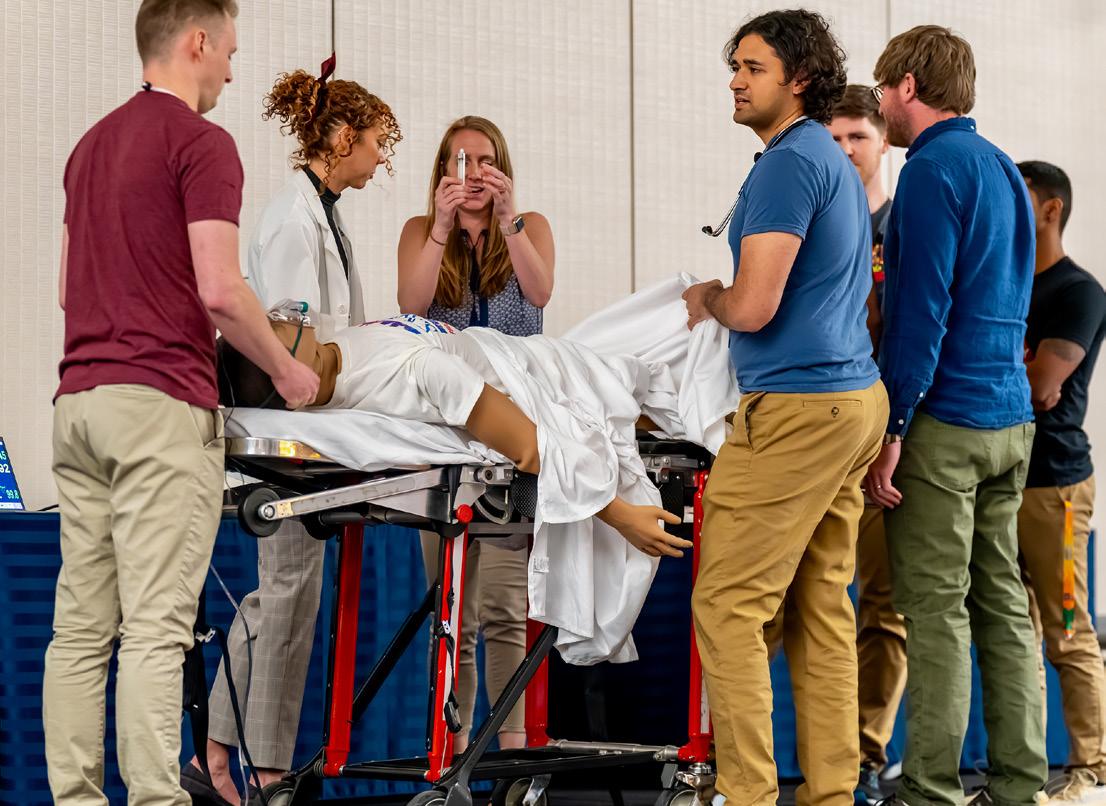
Simulation Academy SimWars is the leading national simulation competition for emergency medicine residents, where teams face patient care challenges in immersive scenarios. The event fosters collaboration and learning, allowing participants, observers, and instructors to gain insights from diverse decision-making and practice variations.
Dodgeball
Thursday, May 15, 6:00 PM to 8:00 PM
Dodgeball brings emergency medicine residency teams together for an epic face-off! Watch as we transform a ballroom into a lively court with bleachers, hot dogs, cold brews, and enthusiastic fans. Whether you're a player or spectator, don’t miss the action as EM’s best “dodgers” compete for the championship title!
Now Accepting "In Memoriam" Submissions for SAEM25 Tribute
At SAEM25 in Philadelphia, we will honor and remember our SAEM colleagues who have passed away since April 1, 2024. Please submit names, institutions, and photos for inclusion in the "In Memoriam" video tribute, which will be showcased during the SAEM25 opening session. Send submissions to Stacey Roseen at sroseen@saem.org by April 1, 2025.
SonoGames®
Friday, May 16, 8:00 AM to 1:00 PM
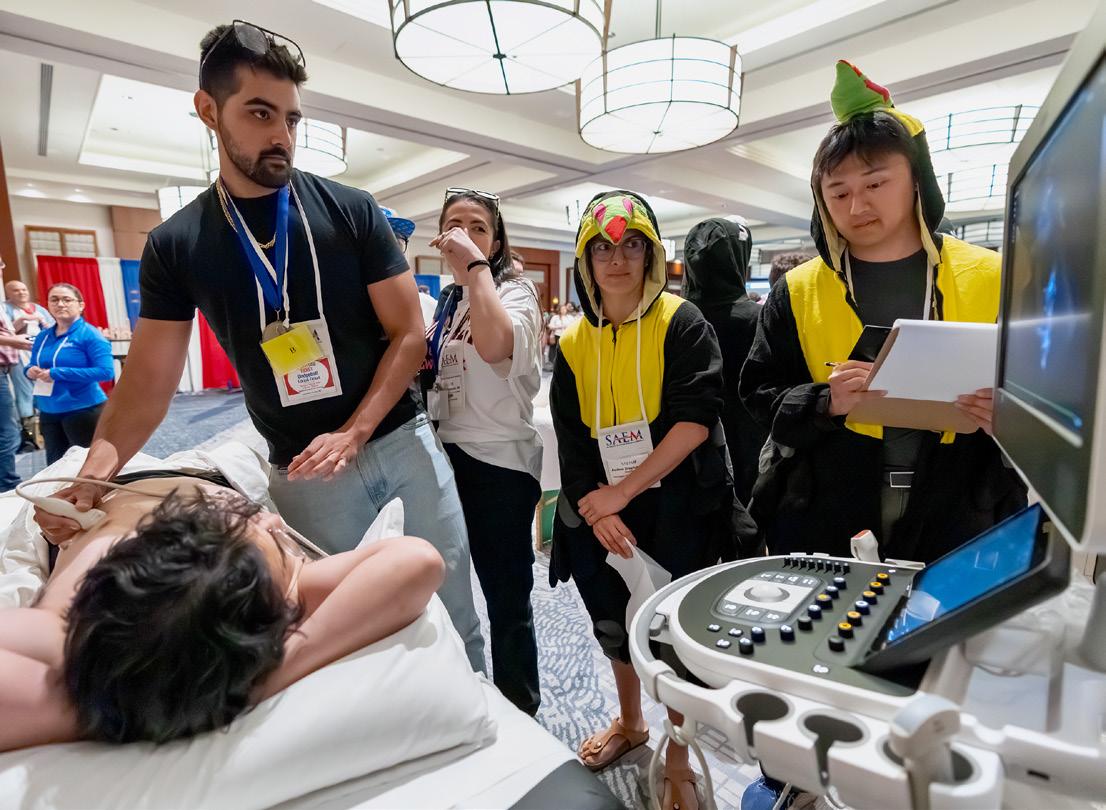
SonoGames® is a national ultrasound competition where emergency medicine residents showcase their point-ofcare ultrasound skills in an exciting, educational battle of expertise and camaraderie. Watch as over 300 residents in creative costumes compete for the title of "SonoChamps" and the coveted "SonoCup" in a thrilling, winner-takes-all showdown!
Clinical Images Exhibit
May 13-16, 2025
At the Clinical Images Exhibit, emergency medicine comes to life in stunning high-definition visuals. Showcasing carefully selected cases for their educational value, relevance, and quality, each image presents a diagnostic challenge waiting to be solved. Attendees can examine case notes, analyze key details, and test their clinical reasoning before revealing the diagnosis. This interactive exhibit not only underscores the practical aspects of emergency medicine but also provides an engaging and immersive learning experience.
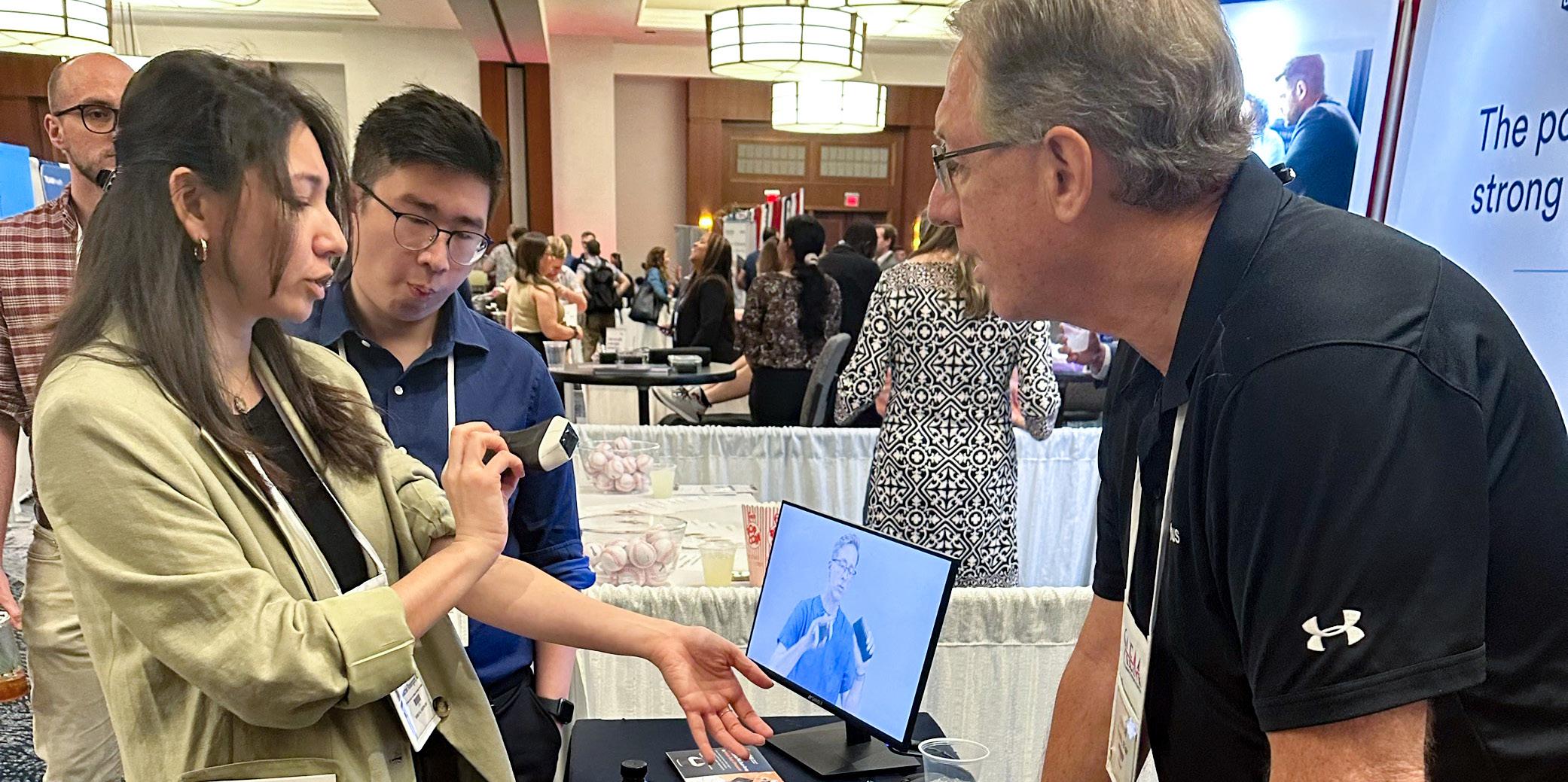
SAEM25 Exhibit Hall
Exhibit Hall Hours
All of the following events take place inside the SAEM25 exhibit hall.
Tuesday, May 13
5:00 PM - 6:00 PM
Exhibitor Showcase
Wednesday, May 14
7:00 AM - 9:00 AM
Exhibit Hall Open
11:00 AM - 4:00 PM
Exhibit Hall Open
5:30 PM - 7:30 PM
Opening Reception
Thursday, May 15
7:00 AM - 1:00 PM
Exhibit Hall Open
View the SAEM25 Exhibitor Prospectus for all the details, including information about add-ons and sponsorship opportunities to increase your visibility and maximize your exhibitor experience. Questions? Questions? Contact exhibitors@saem.org or call David Perez at (847) 257-7224.
3,900 (+ 4) Reasons Why You Should Exhibit at SAEM25!
The SAEM Annual Meeting is the ultimate gathering of emergency medicine's brightest minds! This May 13-16, in Philadelphia, be a part of this premiere event as we welcome 3,900+ thought leaders, innovators, and early adopters to the SAEM Annual Meeting. Reserve your exhibit space today!
1. Unparalleled Exposure: Connect with influential minds from prestigious medical schools and teaching institutions, all eager to explore cutting-edge research, educational content, and the latest innovations.
2. Academic Excellence: SAEM is the academic powerhouse of emergency medicine, leading the way in research, education, and professional development. Our 9,000+ members, including department chairs, residents, fellows, researchers, and educators, are influential leaders shaping the future of emergency medicine worldwide.
3. Premier Networking: Engage with decision-makers and influencers who publish scholarly articles, serve on governing bodies, and act as role models for the next generation of emergency medicine practitioners. The SAEM Annual Meeting is where academic emergency medicine gathers to learn, connect, and advance the specialty.
4. Proven Growth: The SAEM Annual Meeting has steadily grown each year, now attracting over 3,900 attendees. This premier venue is where professionals seek high-quality research, education, and innovations in products and services. Don't miss the opportunity to be part of this thriving community!
Career Building Opportunities
Speed Mentoring
Wednesday, May 14, 3:30 PM to 5:20 PM
Speed Mentoring offers residents and medical students the opportunity to connect in small groups of 5-10 attendees with shared interests. Through quick, 10-minute sessions, participants build valuable mentoring relationships, network with professionals nationwide, and socialize with peers.
If you'd like to mentor at this event, sign up through the SAEM25 registration portal.
SAEM25 Housing Block Is Filling Up Fast!
The Philadelphia Marriott Downtown, located in the heart of City Center, is the official host hotel for SAEM25 meetings and events. Just steps from Independence Hall, Reading Terminal Market, and the Fashion District, this hotel blends modern style with Philly charm. Enjoy newly renovated rooms with stunning downtown views. Rooms fill quickly, so reserve yours soon!
Speed Mentoring for Medical Educators
Thursday, May 15, 11:00 AM to 11:50 AM

Speed Mentoring for Medical Educators offers faculty members the chance to engage in focused discussions with experienced mentors in medical education. This event helps participants explore potential mentoring relationships, guiding them to find a mentor whose expertise, career path, and personality align with their professional goals.
If you'd like to mentor at this event, sign up through the SAEM25 registration portal.
Residency and Fellowship Directors: Elevate Your Program at the 2025 SAEM Residency & Fellowship Fair
The 2025 SAEM Residency & Fellowship Fair (RFF) offers a streamlined, cost-effective recruitment opportunity to connect with hundreds of potential candidates in one event. Engage in interactive discussions where candidates can ask questions, gain program insights, and help you assess their suitability. Choose from three options: 1) Live event at SAEM25 on May 15, 2025, 2) Virtual event, July 21-24, 2025, or 3) Both, with a discount! Learn more and register your program today!
Residency & Fellowship Fair
Thursday, May 15, 3:00 PM to 5:00 PM
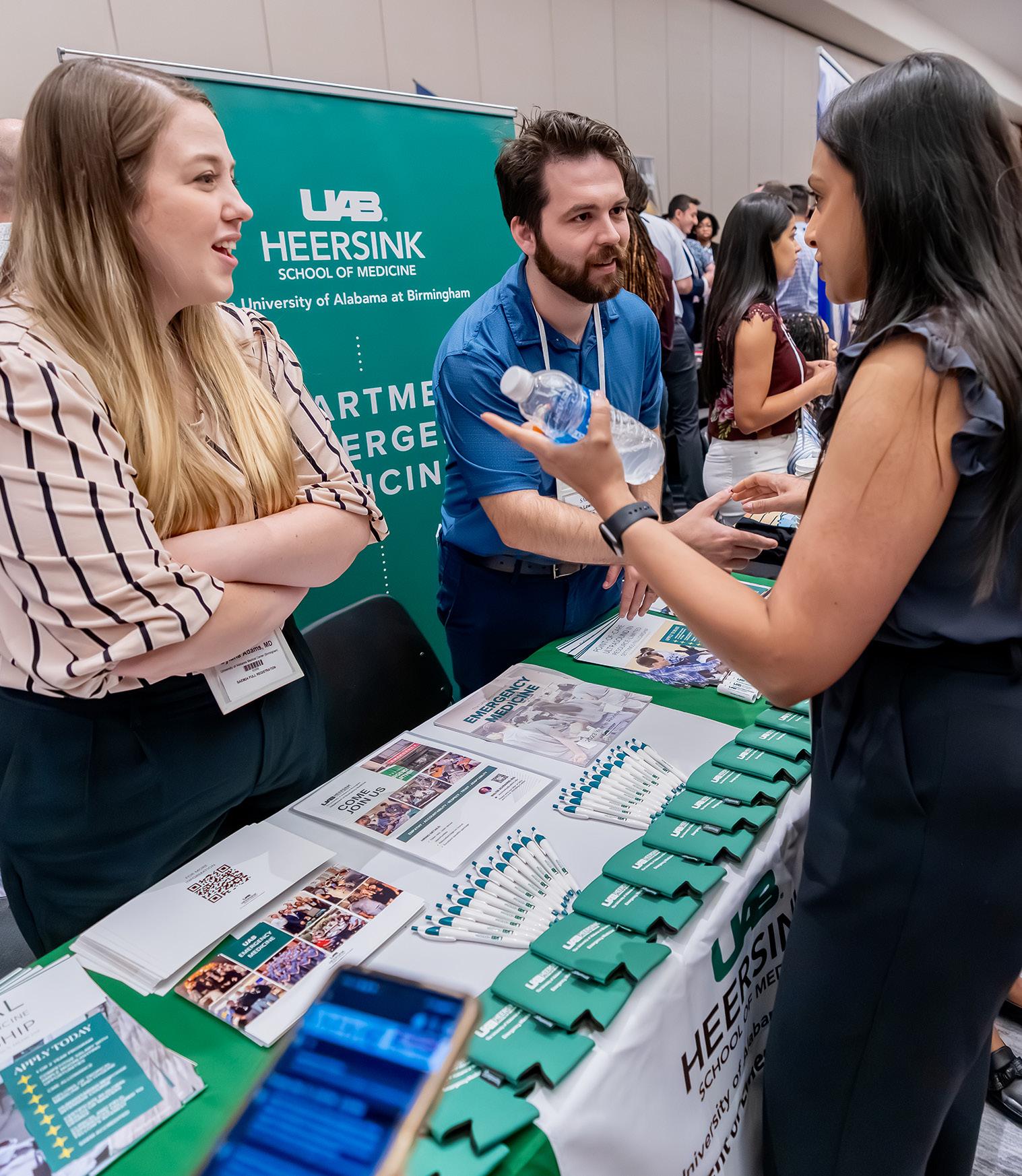
Explore dozens of top residency and fellowship programs all under one roof at the 2025 SAEM Residency & Fellowship Fair (RFF). Connect with program representatives, current residents, and fellows for valuable insights and advice to guide your application process and career journey. This event is free for SAEM25-registered residents and medical students, so take advantage of this opportunity to visit as many programs as your schedule allows!
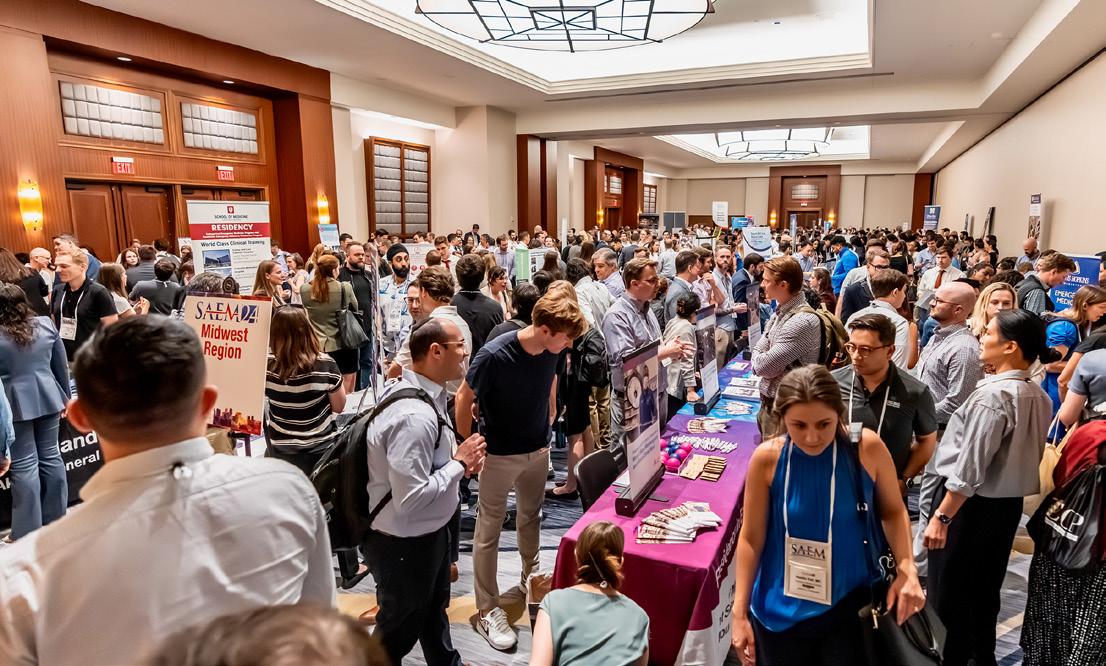
The RAMS Annual “Don’t Miss” List!
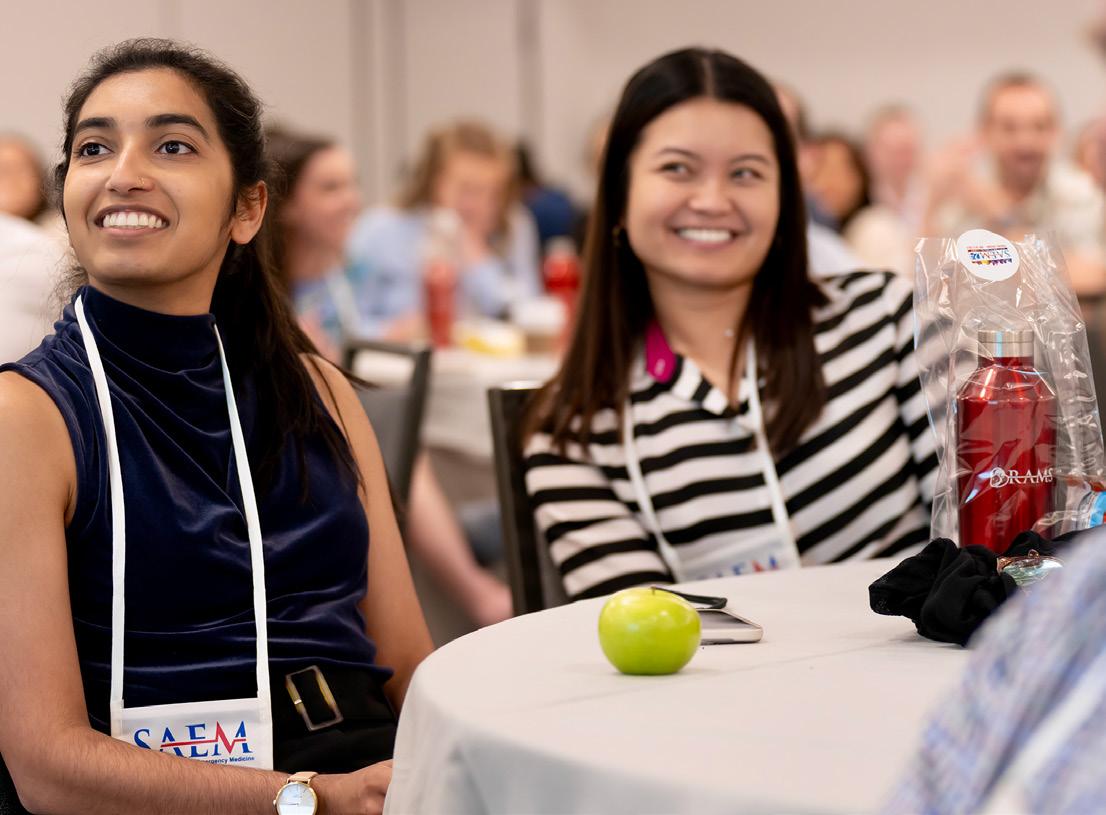
To help you get the most out of SAEM25, RAMS Board President Ly Cloessner, MD, MSPH, has curated a list of must-attend events and activities that she’s most excited about. Whether you're looking to expand your knowledge, network with peers, or get inspired by industry leaders, these events are sure to make your meeting experience unforgettable. Check out her top picks below and start building your personalized agenda!
Make Friends, Have Fun...
• RAMS Party at the Concourse Dance Bar
• Dodgeball
• Simulation Academy SimWars
• SAEM RAMS Philadelphia Hunt
• SonoGames® and the SonoGames® after-party
• ADIEM LGBTQIA+ Mixer (ticketed event)
Improve Your Time on Shift…
Advanced EM Workshops
There are more than a dozen half- and full-day Advanced EM Workshops that focus on techniques, skills, and practical aspects of emergency medicine in specific areas. Here are some you may want to explore:
• Figuring out the Fiberoptic
• Ultrasound-Guided Nerve Blocks
• Mastering the Art of Clinical Feedback: When to Debrief and When to Direct
• Innovations in Trauma Resuscitation and Management
• The Health Equity Skills Simulation Workshop Didactics
SAEM25 features nearly 150 didactic sessions covering a broad range of topics. Here are a few worth considering:
• So You Want to Be a Better Peer Reviewer?
• Building and Sustaining Peer Support Programs
• Considering a Fellowship? What Residents Should Know: Fellowship Roundtable Discussions
• She’s Quiet, He’s a Good Listener: Ensuring Equity in Verbal Feedback on Clinical Performance
• Reigniting Your Motivation: A Practical Approach to SelfDetermination Theory
• Tabletop Drill: Responding to a Pediatric Mass Casualty Incident
• Game Day in the Emergency Department: Sharpening Skills With Mental Practice
• Find that Fracture: Musculoskeletal Imaging as the New Frontier in Emergency Ultrasound
• Laryngoscopy in 2024: What the Evidence Reveals
Networking
• Medical Student Symposium
• Speed Mentoring
Prepare for the Next Steps in Your Career…
• Chief Resident Forum
• Grant Writing Workshop
• Reaffirming Diversity, Equity, and Inclusion in Medical Education: Cultivating Community, Sparking Change, and Driving Progress (Didactic)
• World Health Organization Basic Emergency Care Training of Trainers Course (Workshop)
• Residency & Fellowship Fair
Remember to register by March 11 to take advantage of early-bird discounts!
Pro Tip
Check out the SAEM25 Program Planner to view the full event lineup. Look for the RAMS head icon next to a listing—these are the events tailored specifically for residents and medical students that you won’t want to miss!
SAEM25: Top 10 Reasons Residents and Med Students Should Be There!
1. Network with Experts
Connect with leading professionals, mentors, and peers in the field of emergency medicine. Build valuable relationships that can open doors to career opportunities and collaborations.
2. Enhance Your Learning
Access a wide range of educational sessions, workshops, and didactic courses designed to expand your knowledge and sharpen your clinical and academic skills.
3. Discover Cutting-Edge Research
Stay ahead of the curve by engaging with groundbreaking research and innovations in emergency medicine. Get inspired to explore new areas for your own research or future career.
4. Boost Your Career Development
Take advantage of mentorship opportunities, career advice, and resources to help guide you through the challenges of navigating academic emergency medicine.
5. Engage with Thought Leaders
Get direct access to emergency medicine experts and thought leaders. Ask questions, gain insights, and deepen your understanding of the field from those who are shaping its future.
6. Stay Updated on Industry Trends
Keep up with the latest developments, policies, and trends in emergency medicine. Staying informed is essential as you prepare for your future in this dynamic specialty.
7. Explore Residency & Fellowship Options
Learn about the variety of residency and fellowship programs available in emergency medicine. This is a great opportunity to gather information and make well-informed decisions about your next steps.
8. Collaborate with Peers
Engage with fellow residents and medical students from around the country. Share ideas, collaborate on projects, and build lasting professional relationships that can enhance your career.
9. Get Inspired
Surround yourself with passionate individuals who are as committed to emergency medicine as you are. The energy and enthusiasm at the meeting will inspire and motivate you to make an impact in the field.
10. Have Fun!
From networking events to exciting social gatherings, the SAEM Annual Meeting is known for its vibrant and engaging atmosphere. It's an unforgettable experience with a perfect balance of learning, collaboration, and fun.
SAEM RAMS Party at Concourse Dance Bar
Thursday, May 15, 10:00 PM

Get ready for the most exciting night of SAEM25—the annual RAMS Party at Concourse Dance Bar! Residents and medical students are invited to join us for an unforgettable evening at Philly’s ultimate underground dance club, known for its positive vibes and eclectic, retro flair. Dance the night away to a mix of today’s hottest hits and nostalgic throwbacks spun by a guest DJ. With concert-level sound, a state-of-the-art light system, and an open bar (with no cover charge!), this is the event you’ll be talking about long after the conference ends. Take a break from the dance floor and dive into the 20-person Ball Pit, chill out in the Ice Bar, or explore the mind-bending Infinity Room. Concourse Dance Bar is the perfect place to unwind, socialize, and make memories with friends and peers. Don’t miss out on this legendary night!
Accepting VIP Table Reservations
Everyone is invited to the party, but our special VIP tables for faculty and residents are limited and go fast, so reserve your table soon by contacting David Perez at dperez@saem.org or (847) 257-7224.

Emergency Psychiatry and Behavioral Health Fellowships: Faculty and Fellow Perspectives
By Katherine Dowdell, MD; Heather Henderson, PhD; and Michael Wilson, MD, PhD, on behalf of the SAEM Behavioral and Psychological Interest Group
Mental health and substance userelated emergency department (ED) visits have increased substantially in recent decades, underscoring the need for innovative clinical and educational approaches. In response, several dedicated fellowship training programs have emerged, including the Rush Emergency Behavioral Health Fellowship in Chicago, the Emergency Care Specialists Behavioral Health Emergency Medicine Fellowship in Grand Rapids, Michigan, and the Emergency Psychiatry Fellowship at Denver Health. These programs aim to equip emergency physicians with the specialized training necessary to manage behavioral health crises
effectively. This article explores the motivations behind these programs and the experiences of those involved.
The Need for Emergency Behavioral Health Fellowships
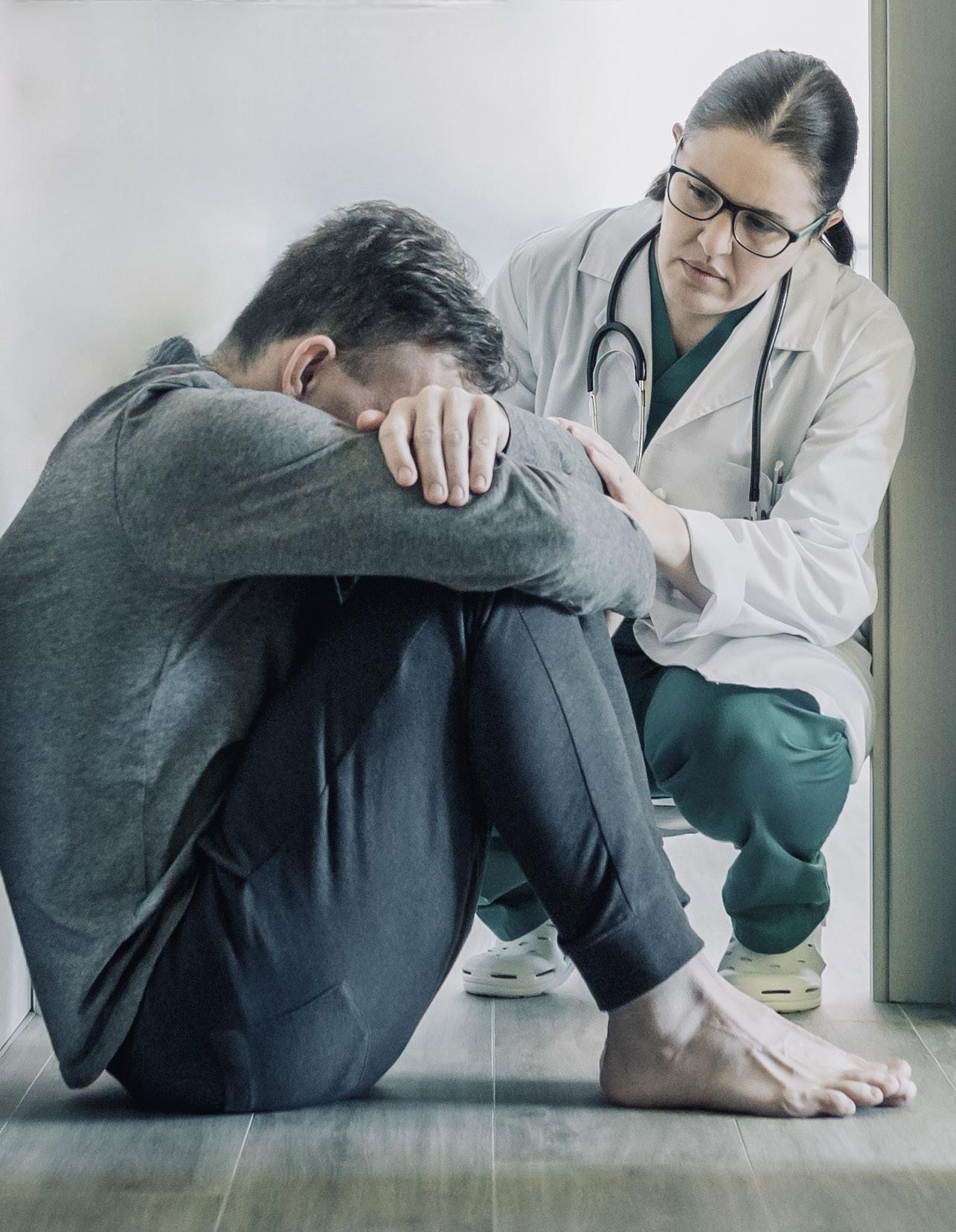
EDs have become de facto mental health crisis centers, often serving as the first and only point of care for individuals experiencing acute psychiatric or substance use emergencies. The persistent lack of inpatient psychiatric beds, gaps in outpatient follow-up, and workforce shortages in psychiatry have placed increasing demands on emergency physicians to manage complex behavioral health cases with limited specialized training.
Recognizing these challenges, leaders in emergency medicine and psychiatry have developed structured, interdisciplinary training programs to prepare emergency physicians to provide high-quality acute psychiatric care, improve patient outcomes, and address system inefficiencies. These fellowships aim to cultivate a new generation of physicians skilled in managing behavioral health emergencies, advocating for system-wide improvements, refining ED-based psychiatric protocols, and bridging the divide between emergency medicine and mental health services.
Faculty Perspective: Dr. Scott Simpson
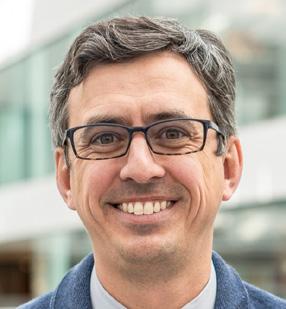
Scott Simpson, MD, MPH, is a professor of psychiatry and director of the Division of Community, Population, and Public Mental Health at the University of Colorado School of Medicine. He also serves as director of research for the American Association for Emergency Psychiatry.
Q: What inspired your work in developing this training pathway?
A: I have been passionate about practicing and improving emergency psychiatry throughout my career. As I worked with trainees and recruited new faculty, it became apparent that the lack of clearly defined career pathways into emergency psychiatry was a challenge to improving the field. Talented faculty did not know how to pursue expertise in this subspecialty, and from the outside, the lack of a career pathway made it difficult to demonstrate the unique nature of this practice setting. We launched our fellowship in 2019. Once we began recruiting psychiatrists into our program, I immediately began hearing from emergency medicine physicians who also wanted to participate. That was very encouraging and led us to diversify the fellowship.
Q: What do you envision for the future of this specialty?
A: Emergency psychiatry can improve behavioral health care in emergency departments, but there is also a growing recognition that pre-hospital spaces—paramedics, police, community outreach, and crisis services—engage with behavioral emergencies daily. And who knows what is happening in urgent care? This specialty is an opportunity to develop physicians with interest and expertise in improving clinical care across these diverse spaces.
Q: What are you looking for in future applicants?
A: Oftentimes, it feels as though emergency medicine physicians and psychiatrists have learned entirely
“Emergency departments have become de facto mental health crisis centers, often serving as the first and only point of care for individuals experiencing acute psychiatric or substance use emergencies.”
different ways of treating the same patient. Fellows will grow comfortable being interventional, team-oriented, and community-oriented. They must be creative, both because they are joining young fellowships and because so much of the field is new. How do we define stabilization in behavioral health? What are the best ways to triage psychiatric patients in an emergency department? What outcomes should be prioritized? I'm not satisfied that we have great answers to any of these questions yet.
Q: What else should readers know?
A: As a psychiatrist, I have learned so much from my colleagues in emergency medicine, including the centrality of compassion and respect for all patients, regardless of their background or how difficult the circumstances. Regardless of personal opinions, emergency medical systems are now a vital and routine part of behavioral health care in this country. Psychiatrists' voicemails often instruct patients to call 911 or go to an emergency department in a crisis, yet psychiatrists frequently have little knowledge of what care happens in these clinical settings. Fellowship programs bring together teachers and trainees from different backgrounds to improve patient care.
Fellow Perspective: Dr. Savannah Benko
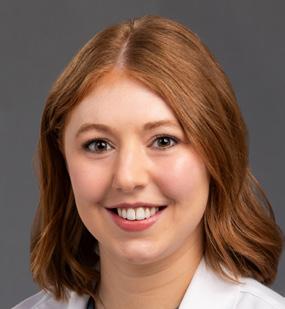
Savannah Benko, MD, is the inaugural Emergency Psychiatry and Behavioral Health Fellow at Rush University Medical Center.
Q: What is your background?
A: I was born in Chicago and grew up just outside the city. I earned undergraduate degrees in biochemistry and biology with a minor in Spanish at Providence College in Rhode Island. Moving back to Chicago, I began my undergraduate medical training at Rush, where I became interested in emergency psychiatry. I created an elective within the Department of Psychiatry for fourth-year medical students to rotate with our emergency psychiatry consult service. I remained at Rush for my emergency medicine residency, where I continued to foster this interest by serving as the resident champion on our hospital-wide multidisciplinary quality committee alongside my mentor, Dr. Corey Goldstein. During residency, I completed elective time with Dr. Craig Bilbrey and then-fellow Dr. Austin MacKenzie at Emergency Care Specialists in Grand Rapids, Michigan.
Q: Tell us about your fellowship. How do you spend your time?
A: As a fellow, I work eight shifts per month as an emergency medicine attending physician at either Rush University Medical Center, an urban academic tertiary care center, or Rush Oak Park Hospital, a suburban community hospital. My psychiatric duties include both longitudinal experiences and discrete rotations. I spend one day per week seeing psychiatric consults in the emergency department and one half-day per week in an outpatient psychiatry continuity
continued on Page 23
Dr. Scott Simpson
Dr. Savannah Benko
care clinic, seeing patients as their primary provider. Specific rotations include:
• Eight weeks with the adult inpatient psychiatry service, caring for patients on the General Adult Inpatient Unit and the Mood Disorders Unit.
• Eight weeks with the consultationliaison psychiatry service, seeing psychiatry consults for patients admitted to non-psychiatric units.
• Four weeks with the addiction medicine service, involving both inpatient consults and outpatient care.
• In addition to clinical duties, I continue to serve on the quality committee and participate in medical student and resident education.
Q: What do you see for your future career?
A: Education, even before medicine, has always been a passion of mine. I plan to practice where I can be closely involved with resident education, using my training to empower emergency medicine residents to evaluate, manage, and disposition psychiatric patients appropriately and with confidence. In addition to resident education, I will continue my work with national and local organizations to provide emergency medicine physicians with accessible and accurate information to help care for psychiatric patients. Furthermore, I am hopeful that the Focused Practice Designation proposed by ABEM will be approved allowing for greater opportunities to practice clinically.
Q: How will your fellowship shape your career?
A: My fellowship training has already advanced my career and will likely influence it in ways I have yet to anticipate. It has equipped me with the knowledge and experience to enhance patient care and advocacy in the emergency department while also improving how I educate residents. Beyond clinical practice, the fellowship has provided opportunities to contribute to advancement in this burgeoning field through my work with the American College of Emergency Physicians (ACEP) and the American Association for Emergency Psychiatry (AAEP). Additionally, this training has given me valuable insight into psychiatric practice and training, allowing me to serve as a liaison between emergency medicine and psychiatry to strengthen collaboration between the two specialties.
Q: What else should readers know?
A: Emergency psychiatry and behavioral health is a rapidly growing field. The community is extraordinarily supportive, and the work is incredibly rewarding. I strongly encourage interested individuals to consider this area of focus within emergency medicine.
Conclusion
Emergency medicine has long been a dynamic and adaptive field, evolving to meet the changing needs of patients. The emergence of Emergency Psychiatry and Behavioral Health Fellowships reflects a strategic and urgent response to the growing mental health and substance use crises in emergency departments. These programs address critical
• Training in the Management of Psychobehavioral Conditions: A Needs Assessment Survey of Emergency Medicine Residents
• The Case for Fellowship Training in Emergency Psychiatry
• Emergency Psychiatric Fellowships
gaps in care by equipping emergency physicians with specialized skills in behavioral health management, crisis intervention, and interdisciplinary collaboration—areas often lacking in traditional medical training.
Beyond direct patient care, these fellowships are reshaping the role of emergency physicians by integrating them into prehospital crisis response, law enforcement partnerships, and community mental health initiatives. They provide a comprehensive foundation in emergency psychiatry, inpatient psychiatry, and addiction medicine, enabling fellows to manage complex behavioral health cases with greater confidence and efficiency.
The impact of these fellowships extends beyond the bedside, driving systemic improvements in emergency mental health care. Graduates emerge as leaders and advocates, working to enhance triage models, improve psychiatric stabilization strategies, and strengthen interdisciplinary partnerships between emergency medicine and psychiatry.
ABOUT THE AUTHORS


Dr. Dowdell is an instructor in emergency medicine at Harvard Medical School and the Department of Emergency Medicine at Beth Israel Deaconess Medical Center.
Dr. Henderson is director of the Division of Social Emergency Medicine, Population, and Global Health and an assistant professor in the Department of Emergency Medicine at Morsani College of Medicine, University of South Florida. She is also program director of IDEA Exchange Tampa at Tampa General Hospital.
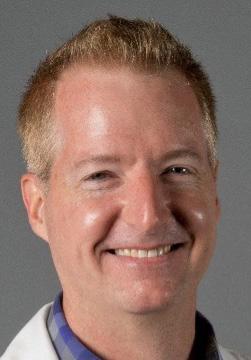
Dr. Wilson is a tenured associate professor in the Division of Research and Evidence-Based Medicine at the University of Arkansas for Medical Sciences, with appointments in the departments of emergency medicine and psychiatry. He is the immediate past chair of the Coalition on Psychiatric Emergencies and serves on the board of directors for the American Association for Emergency Psychiatry.
CAREER DEVELOPMENT

Professional Coaching: A Game-Changer for Your Career in Emergency Medicine
By D. Mark Courtney, MD, MSci; Jeremy Branzetti, MD; and Kiersten Diercks on behalf of
"Am I spread too thin?"
"How can I start off on the right foot in a significant leadership role?"
"What steps can I take to get promoted when I see roadblocks at every turn?"
"Should I take a promising new job, and how do I decide?"
"How can I balance being both a good parent and a good faculty member?"
"What can I do to improve my communication after receiving complaints from nurses and consultants?"
"Why do I no longer feel satisfied with my role, and how can I change that?"
"How can I be more organized with my time?"
At some point in the long arc of an emergency medicine career, it
the SAEM
Vice Chairs Interest Group
is nearly certain that you will ask yourself one—or many—of these questions. These challenges do not have one clear right answer; instead, they require weighing the relevant factors to make the best possible decision. How we obtain answers or guidance can be the difference between finding fulfillment or sliding into despair.
These questions are not unique to emergency medicine. They are
“How we obtain answers or guidance can be the difference between finding fulfillment or sliding into despair.”
common throughout the knowledge worker economy, where productivity is measured inconsistently, often self-defined, and variably attained. Success is frequently equated with activity—responding to emails, attending meetings, and satisfying clinical metrics—rather than intrinsic meaning. So, how do we determine what is meaningful? How do we set meaningful career goals, foster creativity, and realize our full potential?
The Role of Professional Coaching
Medicine has a rich history of developmental interactions. Mentors use their experience to guide you, but their advice is based on their perspective of what is best for you. Supervisors can provide opportunities through sponsorship but have their own professional agendas that isn’t always aligned with your best interests. Advisors offer specific expertise, but their guidance may not align with your personal preferences and needs. Friends may know you well but may tell you what they think you want to hear.
Ultimately, you are the foremost expert on yourself. However, personal biases, self-limiting beliefs, and distractions can make it difficult to see the bigger picture. A professional coach is a partner that helps you navigate these limitations. A coach is a partner who listens intently, asks thought-provoking questions, and helps develop new insights to address challenging career and personal questions.
Professional Coaching Defined
Coaching is a structured, forwardthinking process that helps individuals clarify goals, identify obstacles, and develop strategies for personal and
professional fulfillment. According to the International Coaching Federation (ICF), coaching is:
"Partnering with clients in a thoughtprovoking and creative process that inspires them to maximize their personal and professional potential."
Unlike mentorship (which relies on guidance from a more experienced physician, researcher, or educator) or therapy (which addresses past trauma and maladaptive thought patterns), coaching is action-oriented, futurefocused, and designed to unlock potential.
Coaching is not...
• Problem-focused – It does not dwell on what is wrong or assign blame; rather, it focuses on solutions and what can be achieved.
• Directive – Coaches facilitate selfdiscovery rather than prescribe solutions. A person who arrives at their own solution is more likely to follow through on action and build on success than someone told what to do. This approach may be slowgoing and effortful at first, but over time a quality coaching relationship yields trust in oneself and awareness of one’s inner voice and needs.
• Therapy – Coaches do not diagnose psychiatric conditions or prescribe interventions. However, gaining new insights and perspectives, experiencing growth and wellbeing, and simply feel less “stuck” can feel therapeutic.
• A performance improvement plan –Coaching is voluntary and designed for growth, not punishment. It might be part of a remediation plan if the participant is willing and engaged; otherwise, it will not work.
Coaching is...
• Person-focused – It centers on uncovering and honoring individual values, strengths, and goals.
• Nondirective – Coaches listen and ask clarifying questions to help physicians gain insights about themselves they may not receive from colleagues or family.
• Action-oriented – It helps transform vague feelings and frustrations into actionable strategies.
• Connection-driven – It fosters accountability and progress through relationships.
• Designed to unlock potential – Coaching helps physicians rediscover or redefine their core motivations and optimize their professional paths.
How Coaching Can Help Emergency Physicians
Overcoming "Miswanting" and Hedonic Adaptation Research in positive psychology suggests that people often misjudge what will make them happy. Physicians may assume:
• More money will increase happiness.
• Career advancement equals personal fulfillment.
• External validation (titles, promotions) leads to satisfaction.
Coaching helps physicians challenge these assumptions, focus on their own unique intrinsic motivators, and align their daily work with personal values rather than external rewards.
“Coaching helps on their own unique work with personal

continued from Page 25
Goal Alignment and Actionable Change
Emergency medicine physicians manage multiple priorities, often in high-pressure environments. Clinically, they handle a wide range of cases, juggle constant interruptions, and oversee the critical first hours of patient care. This fast-paced nature makes it challenging to dedicate time to intensive reflection or longterm planning. As a result, short-term priorities frequently take precedence, sometimes at the expense of broader career goals and professional vision. Coaching can help with:
• Goal setting and strategy development – Breaking down aspirations into concrete, achievable steps.
• Accountability structures – Regular check-ins to track progress and maintain momentum.
• Confidence-building – Reframing setbacks as learning opportunities rather than failures.
Enhancing Work and Life
Instead of struggling to "balance" work and life, coaching encourages physicians to:
• Maximize what they love in both domains.
• Set boundaries that protect personal time without guilt.
• View work as an integrated part of life rather than in opposition to it.
How to Get Started With Coaching
If you feel burned out, stuck, or want to explore ways to maximize
“A coach is a partner who listens intently, asks thought-provoking questions, and helps develop new insights to address challenging career and personal questions.”
your potential for impact, success or fulfillment, consider professional coaching as a career development tool. Steps to get started:
• Self-reflection: Ask yourself, "What do I need to change to feel fulfilled in my work?"
• Find a coach: Look for ICF-certified coaches or those specializing in physician well-being. Be cautious of "life coaches" or programs that promise overly simplistic solutions.
• Commit to the process: Coaching is not a quick fix—it is an investment in long-term personal and career satisfaction. While progress on complex issues may take 3-6 sessions, some focused topics may require only 1-2 sessions.
• Apply insights in daily life: The true impact of coaching happens between sessions when physicians implement their insights.
Conclusion
Professional coaching provides a structured, empowering process for physicians to regain a sense of purpose, redefine goals, and build a
physicians challenge these assumptions, focus unique intrinsic motivators, and align their daily personal values rather than external rewards.”
sustainable career path. By investing in coaching, emergency physicians can move from feeling stuck to taking charge of their professional and personal well-being. Are you ready to explore what’s next for your career— and your life?
The Authors are in the process of conducting a qualitative study exploring the potential value of professional coaching in academic EM. If you are a person who has been coached and are willing to anonymously share your beliefs and attitudes about coaching, OR if you are a Chair, Vice-Chair, Division chief or other stakeholder leader who may be in a position to advocate or fund or support (or not) coaching we also want to hear from you. Please contact jeremybranzetti@gmail.com to learn more about the study if interested or sign up for a brief virtual interview.
ABOUT THE AUTHORS
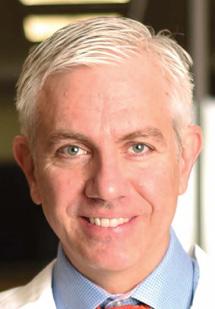
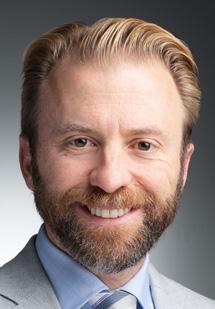
Dr. Courtney is a professor and vice chair of academic affairs in the Department of Emergency Medicine at UT Southwestern Medical Center. He is also chair of the SAEM Workforce Committee and a certified professional coach.
Dr. Branzetti is the founder of Academic Educator Coaching and an associate professor in the Department of Emergency Medicine at Yale School of Medicine.
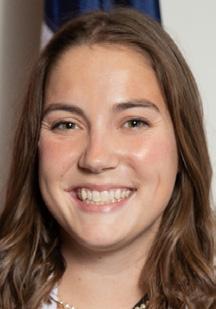
Kiersten Diercks is a third-year medical student (Class of 2026) at UT Southwestern Medical Center, a RAMS member, and the principal investigator on an SAEM/EMF medical student grant on coaching.
CLIMATE CHANGE & HEALTH

Tularemia on the Rise: A Growing Concern for Emergency Medicine
By Venkatsai Bellala and Kyle Denison Martin, DO, MPH, on behalf of the SAEM Climate Change and Health Interest Group
Tularemia is a zoonotic disease caused by the gram-negative bacterium Francisella tularensis. A fastidious coccobacillus that can lead to severe illness and airborne transmission, tularemia has been classified as a potential bioterrorism agent by the Centers for Disease Control and Prevention (CDC). A recent CDC report highlights a 56% increase in tularemia incidence in the United States from 2011 to 2022 compared with the previous decade, underscoring the need for heightened awareness among health care providers. The spread of tularemia is likely influenced by multiple factors, including a warming climate and land-use changes that increase human-animal interactions.
This resurgence makes it critical for health care professionals to recognize, diagnose, and treat this potentially fatal infection early to reduce the risk of severe complications and fatalities.
What Is Tularemia?
Tularemia, also known as "rabbit fever," is caused by Francisella tularensis, a small, hardy gramnegative bacterium capable of surviving and replicating within human cells, particularly macrophages. This intracellular survival allows the bacterium to evade the immune system and persist in the host, making it highly resilient. Francisella tularensis is typically found in wildlife, including rodents, rabbits, and hares, as well
as in arthropod vectors such as ticks and mosquitoes. These animals and insects play a crucial role in the transmission of the disease as the bacterium can survive in soil, water, and animal carcasses, contributing to ongoing exposure risks in endemic areas.
Transmission to humans occurs through several routes: tick and mosquito bites, direct contact with infected animals, ingestion of contaminated food or water, and inhalation of contaminated aerosols. The airborne transmission route raises concerns about its potential use as a bioterrorism agent, but human-to-human transmission has not been documented.
Who is Most at Risk?
While tularemia can affect anyone, certain populations are at greater risk. The CDC identifies children aged 5–9 years, older men, and American Indian or Alaska Native individuals as more vulnerable due to higher exposure to wildlife or outdoor activities in endemic areas. Health care providers should maintain a high index of suspicion for tularemia in these populations, particularly when symptoms align with potential exposure history.
Clinical Manifestations
The clinical presentation of tularemia varies depending on the route of exposure. Symptoms typically appear within three to five days after exposure, though the incubation period can range from one to 14 days. Most cases present with nonspecific symptoms such as fever, chills, and muscle aches.
The most common form is ulceroglandular tularemia, which occurs after an infected tick or mosquito bite or contact with an infected animal. It is characterized by an erythematous lesion with a black eschar, typically on the upper extremities, along with marked regional lymphadenopathy that is tender to touch. Other clinical forms include:
• Glandular tularemia –Lymphadenopathy without ulcers.
• Oculoglandular tularemia –Conjunctivitis with preauricular lymphadenopathy.
• Oropharyngeal tularemia –Pharyngitis, stomatitis, and cervical lymphadenopathy.
Severe forms include pneumonic tularemia, which presents as bilateral pneumonia with a mortality rate of 30% to 60%, and typhoidal tularemia, characterized by fever, septic shock, and hepatosplenomegaly. If untreated, tularemia can progress to lifethreatening complications.
Diagnosis and Treatment
Diagnosing tularemia can be challenging due to its nonspecific symptoms and varied presentations that overlap with other febrile
illnesses. A detailed exposure history, including potential contact with ticks, wild animals, or endemic areas, is crucial. Tularemia is geographically widespread in the United States, making it a consideration in febrile illness cases.
Laboratory confirmation includes serologic testing for F. tularensis antibodies, bacterial cultures, and polymerase chain reaction (PCR) assays to detect the bacterium's DNA in clinical samples. Culture is the gold standard for diagnosis of F. tularensis, but requires biosafety level 3 laboratory facilities and specialized safety precautions due to the bacterium’s infectious nature.
Once diagnosed, tularemia is treatable with antibiotics. Milder cases can be managed with ciprofloxacin or doxycycline; however, tetracyclines have a higher risk of relapse and should be used cautiously. In some cases, drainage of affected lymph nodes may be required. Prompt treatment is essential to prevent severe complications and improve patient outcomes. For severe cases, such as pneumonic tularemia, gentamicin is the preferred firstline treatment. It is administered intravenously for seven to 14 days, depending on illness severity and the patient’s response to therapy.
What Can Emergency Medicine Providers Do?
Emergency medicine providers are often the first to evaluate tularemia cases, making early recognition and treatment essential. A high index of suspicion is necessary for patients presenting with fever, swollen lymph nodes, ulcers, or respiratory distress, particularly with relevant exposure history. Awareness of the diverse clinical presentations of tularemia is essential, as the disease can easily be misdiagnosed as other febrile illnesses.
Prevention efforts should also be emphasized. Providers should educate patients—especially those at higher risk—on protective measures such as using insect repellent, wearing protective clothing, and avoiding direct contact with wild animals. Ensuring
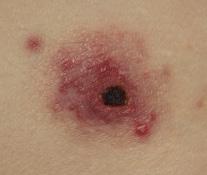
The characteristic skin lesion of ulceroglandular tularemia. Note the erythematous circumference with necrotic central eschar.
access to clean drinking water and promoting safe water practices are additional preventive strategies. Collaboration with public health officials and veterinarians is key for effective surveillance and disease control, especially in areas with frequent outbreaks of tularemia.
Conclusion
Tularemia is a resurgent and potentially fatal infection that emergency medicine providers must be prepared to identify and treat. Early diagnosis and prompt intervention are crucial for reducing severe outcomes. By staying informed about its clinical presentations, transmission routes, and treatment options, emergency medicine providers play a vital role in managing this zoonotic threat. As tularemia continues to emerge in certain areas, proactive prevention, education, and collaboration will be essential in mitigating its impact.
ABOUT THE AUTHORS

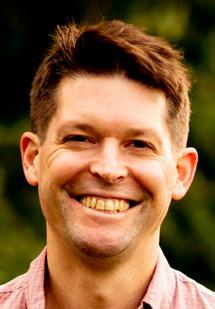
Venkatsai Bellala is a first-year medical student at the Warren Alpert Medical School of Brown University. Dr. Martin is an assistant professor of emergency medicine and co-director of the Planetary Health Initiative at Brown University.
CULTURAL AWARENESS

The Power of a Name: Why Pronunciation Matters in Professional Spaces
By Rmaah Memon, MD
What’s in a Name?
I first asked myself this question in high school when my teacher hesitated during roll call, pausing exactly where my name should be. He gave an exasperated look, searching the classroom for the student behind the unfamiliar name. His eyes landed on a few of us who might be the culprit, and I immediately raised my hand, saying, “It’s okay, it’s ‘rum’ like the drink, then ‘ah.’” He nodded in understanding, my name suddenly clicking in his mind. Yet, he continued to mispronounce my name for half a year—until I finally worked up the courage to correct him again.
For years, I used a more Americanized pronunciation of my name to avoid puzzled looks, drawn-out pauses, and the inevitable
follow-up question: “What does it mean?” I didn’t mind explaining, but I always found it amusing that I was usually the only one asked. Those of you with “unique” names know the struggle—you’ve probably used a simpler, more easily pronounced name when ordering at coffee shops. Probably something with two syllables, just like mine, but more palatable to a Western audience.
Despite my efforts to blend in, the comments never stopped. Attendings asked whether my parents knew how to spell in English. Classmates emphasized the way my name was spelled—never in a complimentary way.
Finally, when I started residency, I decided to reclaim my identity and culture by using my real name, pronounced the way my parents say
it—the way I felt most comfortable with. I thought the transition would be simple. I was wrong. Attendings avoided saying my name altogether (disclaimer: we can always tell). Others defaulted to my Americanized name, even after I actively corrected them. Curiously, I noticed that certain names, particularly those from nonWestern backgrounds, were treated differently than European names of similar complexity.
This realization led me down a rabbit hole of research on how names influence professional perceptions. The findings were eyeopening.
What the Research Says
A study by Ge and Wu on doctoral economics candidates found that individuals with “less fluent” names had lower callback rates for
“Continuously mispronouncing someone’s name is a microaggression —but how you choose to say your own name is just as important.”
academic and tenure-track positions. Name difficulty was negatively associated with job attainment.
Another study found that people had more positive impressions of those with easy-to-pronounce names compared with difficult-to-pronounce names. Laham et al. labeled this phenomenon “the name pronunciation effect.” Their research showed that individuals with easily pronounceable names were more likely to win political races, and attorneys with such names tended to obtain higher positions in their law firms.
These studies confirm what many of us with difficult-to-pronounce names already know—name fluency has realworld consequences. While this issue often affects people with names from non-Western backgrounds, it’s not exclusive to them. Many individuals with uncommon or regionally unfamiliar names, regardless of their ethnicity, have faced similar challenges in professional and academic spaces.
What’s Next?
We know that mispronouncing a name can be harmful—but what can we do about it? A better understanding of the importance of name pronunciation, rooted in respect and inclusion, is long overdue. Here’s how we can start:
1. If you don’t know how to pronounce someone’s name— ask. Mispronunciations are rarely malicious, and we know that. Taking the time to learn and say a name correctly is a simple yet powerful act of respect.
2. If your name is frequently mispronounced—don’t be afraid to correct people. Your name is a key part of your identity, and you deserve to be addressed correctly. Continuously mispronouncing someone’s name

is a microaggression—but how you choose to say your own name is just as important. Whether you prefer to use its full pronunciation, adapt it to a different accent, or modify it for ease, that decision is yours—and it should be respected.
3. Be an ally by fostering an environment where name respect is the norm, not the exception. If you’re in a leadership position, use your influence to implement policies that prioritize correct name pronunciation as part of professional respect and inclusion. Adding phonetic spellings on name badges, institutional websites, and rosters is a low-cost, high-impact solution that can make a significant difference.
4. Incorporate name respect into cultural competency training. Many hospitals and residency programs already host diversity, equity, and inclusion workshops— name pronunciation should be an integral part of these
discussions. Small-group sessions on cultural competency can help providers understand how name mispronunciations contribute to implicit bias and professional inequities. Encouraging open conversations about personal experiences with name pronunciation can foster awareness and make respectful introductions the standard, not the exception. So, what’s in a name? A lot. Our names shape our identities and, in many ways, influence what we can accomplish. Moving forward, the best way to foster respect and inclusion is simple—say people’s names the way they want them to be said.
ABOUT THE AUTHOR

Dr. Memon is a global emergency medicine fellow at the University of Pennsylvania. She has worked in refugee care, emergency medicine capacity building, curriculum development, and digital health and education in multiple countries throughout her training.
DISASTER MEDICINE
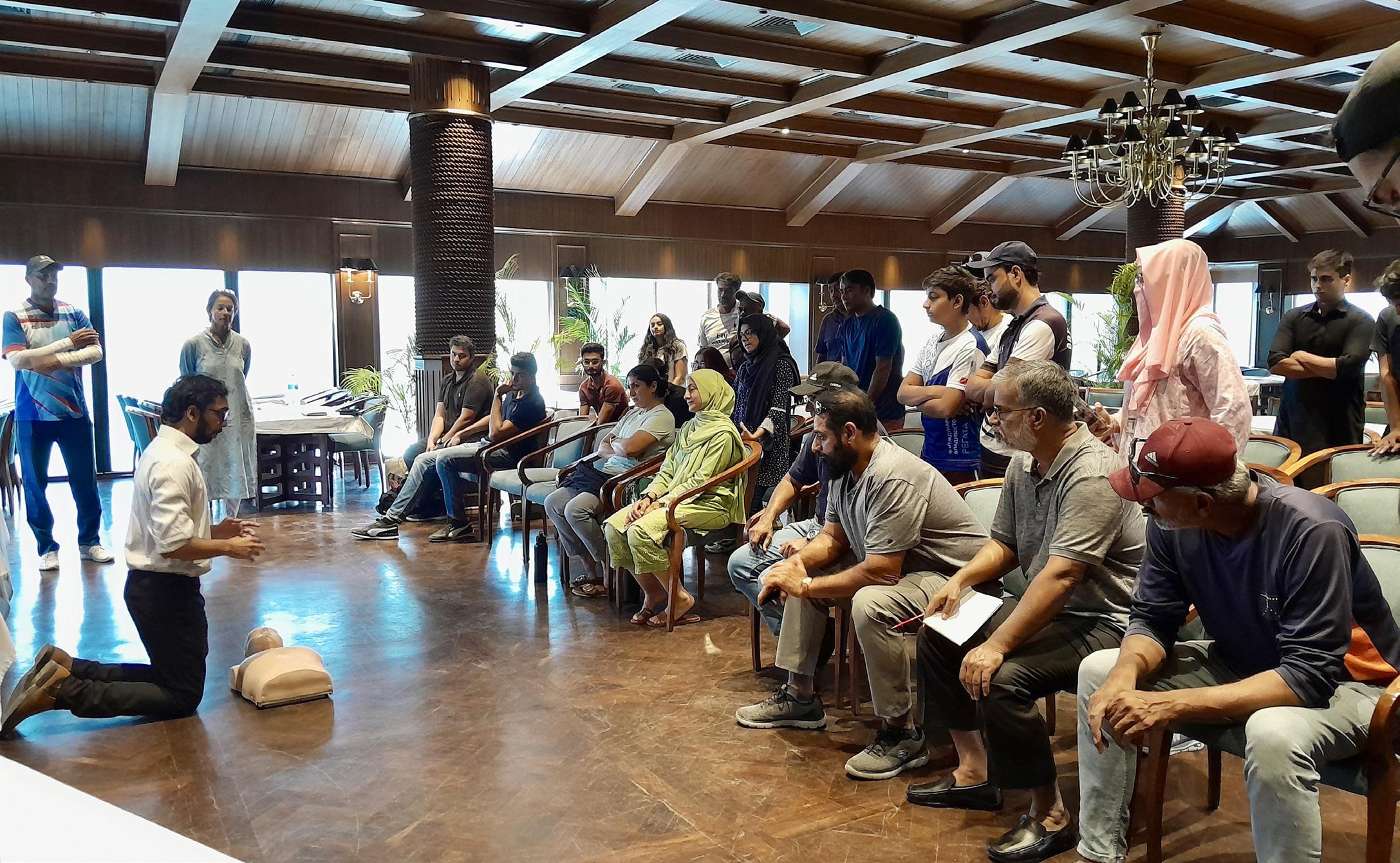
First Response Initiative of Pakistan: Training Civilians to Save Lives
By Hashir Al Awan, MBBS, on behalf of the SAEM Disaster Medicine Interest Group
“I lost my father to a heart attack, and that’s why I am here,” said Rehman, one of the participants in the Bano Zimmedar Pakistani (“Become a Responsible Pakistani”) workshop. This is the first time an organization in Pakistan, a country of nearly 250 million people, has allowed anyone to register for and attend a workshop on basic lifesaving skills for free. Participants like Rehman learned first aid techniques for minor cuts, burns, and abrasions, as well as prehospital management of fractures and choking. Later in the day, they practiced chest compressions on manikins while an instructor coached them on adjusting their position or
pace for greater effectiveness.
These workshops are part of the latest series rolled out by the First Response Initiative of Pakistan (FRIP), a nonprofit organization founded in 2012. FRIP operates from its hub, the Centre on Resuscitative Education (CORE). The organization was established after a series of suicide bomb attacks in Karachi, Pakistan’s largest city, led to mass casualty incidents and prompted the federal government to declare Karachi a disaster zone. A group of medical students recognized that the country’s underfunded emergency medical services system and charity-run paramedic services were overwhelmed. In response,
they launched FRIP as a community engagement initiative to equip ordinary Pakistanis with basic lifesaving skills.
Twelve years later, FRIP has become a household name in Karachi, having trained nearly 50,000 people across Pakistan. In 2024 alone, FRIP trained 12,343 civilians in more than 345 workshops—an average of 34 people per day, including weekends. FRIP instructors have taught in settings ranging from schools to corporate offices, mass transit systems to airports. Instructors, all medical students, undergo training in essential lifesaving procedures and public speaking before joining FRIP’s
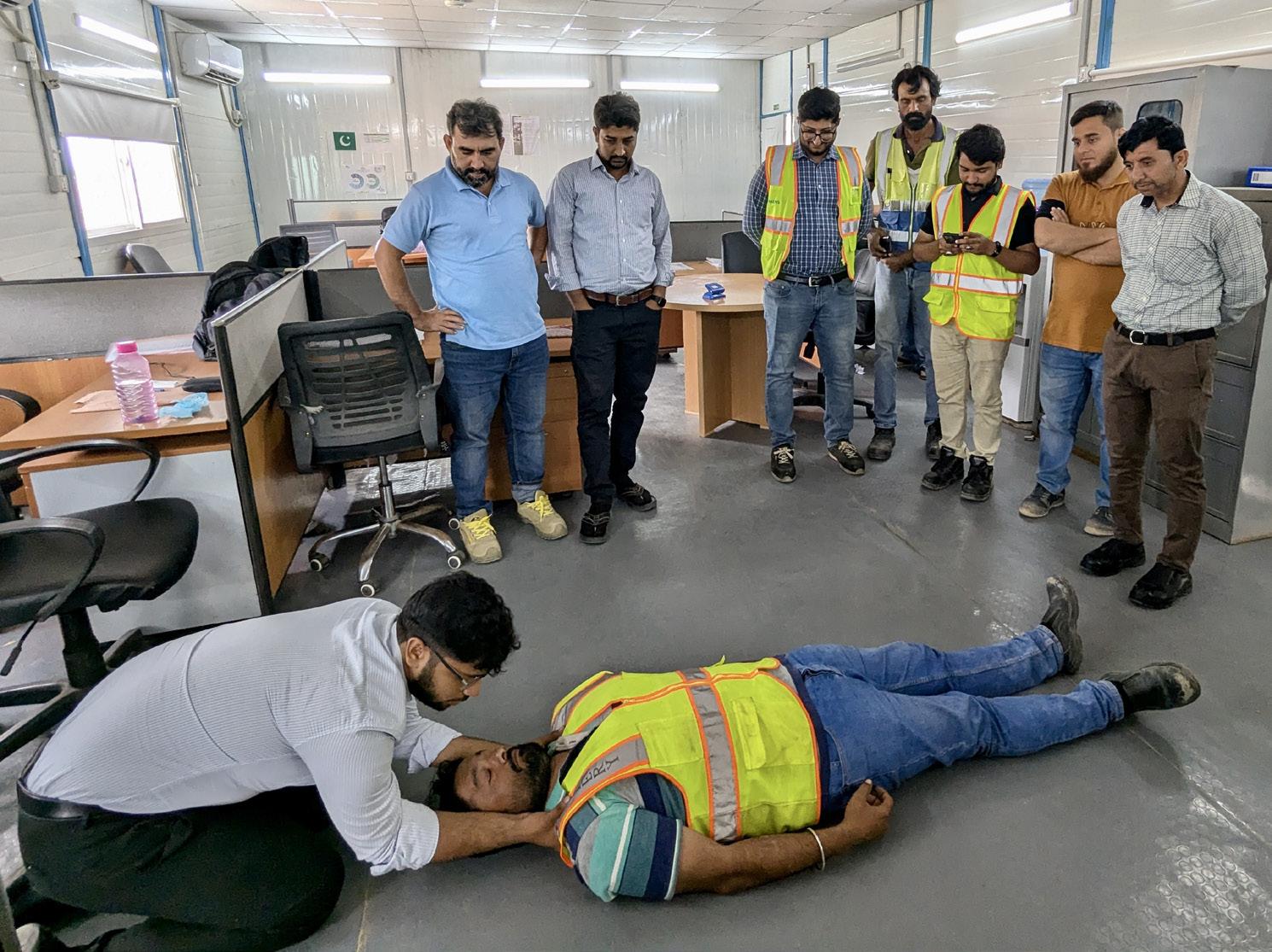
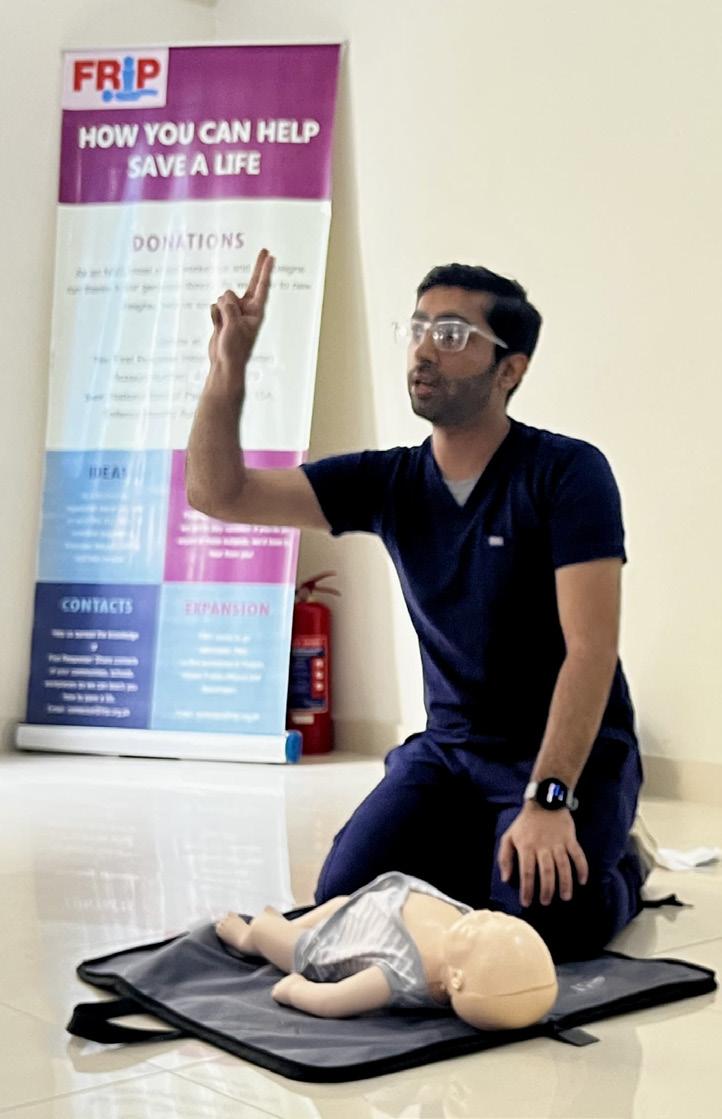
“Twelve years later, FRIP is a household name in Karachi, having trained nearly 50,000 people across Pakistan in life-saving skills.”
800-strong team spread across Karachi. This initiative fosters collaboration among students from different medical institutions; for example, Rehman attended a workshop that included instructors from five different medical schools in Karachi.
FRIP’s work extends beyond training workshops. A key initiative is the creation of a Mass Disaster Task Force (MDTF) to coordinate medical students’ responses to largescale disasters. Given Pakistan’s vulnerability to natural and humanmade disasters, the MDTF mobilizes students to spread awareness, raise funds, and provide on-site assistance during crises. During the COVID-19 pandemic, Karachi was particularly at risk due to its dense population, inadequate sanitation, and an underresourced health care system. This was further compounded by the collapse of supply chains and lack of
personal protective equipment (PPE) available to frontline physicians.
The MDTF responded by raising 2.5 million Pakistani rupees to procure and distribute personal protective equipment (PPE) to public- and private-sector hospitals across Sindh, reaching as far as Umerkot near the India-Pakistan border. Similarly, during Karachi’s severe urban flooding in 2020, FRIP was at the forefront, ensuring supplies reached affected civilians and first responders while running awareness campaigns throughout the city.
FRIP is a unique organization in Pakistan, operating entirely on a voluntary basis from its leadership to its instructors. With no financial incentives, medical students dedicate their time and take extraordinary measures to to arrange logistical support for workshops across the country, serving communities of all socioeconomic backgrounds. This
initiative thrives on goodwill and a shared passion to making Pakistan safer, more disaster-resistant, and self-reliant.
FRIP exemplifies the potential impact of medical students when guided in the right direction. The organization highlights the power they hold to drive meaningful change at both regional and national levels. Medical students must recognize this privilege, and FRIP stands as a testament to what they can achieve.
ABOUT THE AUTHOR

Dr. Awan is a current match applicant and an international medical graduate from Dow Medical College in Karachi, Pakistan. He is a teacher at Beaconhouse School System and a former president and advisory board member of the First Response Initiative of Pakistan.
EDUCATION & TRAINING

Beyond the CV: Elevating Your Emergency Medicine Career Through Medical Student Education
By Monique Graf, MD; Vivek Medepalli, MD; Timothy Palmieri, MD; and Dustin Williams, MD, on behalf of the SAEM Faculty Development Committee
Medical student education offers a variety of opportunities for faculty involvement that can advance an emergency medicine physician’s academic career. Participating in undergraduate medical education can open doors to a medical school position, foster educational scholarship, and better prepare a clinician for academic promotion. In addition to enhancing a curriculum vitae, faculty participation in
medical student education strengthens the department’s relationship with the medical school and creates excitement and interest in the specialty. Your emergency department may already have established educational opportunities within your affiliated school of medicine, but there may also be opportunities to develop new initiatives.
Clerkship Opportunities
A great place to start is within your own emergency medicine clerkship rotation. Talk with your clerkship directors to learn about available opportunities. Many clerkships incorporate simulation activities and hands-on skills labs where faculty can serve as instructors. In addition, small group teaching sessions and didactics often need facilitators. Simulation-based cases and
“Consider involving medical students in summer research projects, which not only enhance scholarly productivity but also provide emergency medicine faculty with valuable mentoring experiences and another great addition to their CVs.”
procedural training provide valuable hands-on experience for students in both preclinical and clinical years, offering spaced repetition, soft-skill development, and faculty feedback on clinical acumen. These teaching opportunities facilitate interaction with medical students and foster mentorship relationships.
Undergraduate Curriculum
Many medical schools have transitioned from traditional lecturebased teaching to more active learning strategies, creating new opportunities for clinicians to engage in undergraduate medical education. Emergency medicine physicians can serve as facilitators for case-based learning, problem-based learning, and team-based learning activities. They can also lead workshops on bedside ultrasound and procedural skills or facilitate and debrief simulation-based activities. These experiences provide exposure to innovative educational modalities that can be utilized for resident education.
American Heart Association Certifications
Another often already exists within medical student education is instruction in Basic Life Support (BLS) and Advanced Cardiovascular Life Support (ACLS). Before beginning clinical rotations, most medical schools require students to obtain these certifications. As experts in patient resuscitation and stabilization, emergency medicine faculty are wellpositioned to teach these courses and ensure proper technique is learned.
Mentorship and Shadowing
Serving as a student mentor is a valuable addition to a curriculum vitae. Early exposure to emergency medicine
helps students appreciate the breadth of the specialty. Many preclinical students welcome the opportunity to step away from the classroom and experience clinical practice firsthand, seeing how their academic knowledge is applied in real-world scenarios. Early experiences in the emergency department can encourage students to pursue emergency medicine and thus grow the specialty. Consider offering preceptorship and shadowing opportunities to medical students at your institution. If your medical school has an emergency medicine interest group, there may already be a system in place for involvement. If not, there is an opportunity to develop one. Additionally, plenty of virtual mentorship opportunities exist, such as the SAEM LGBTQIA+ Mentoring Program, SAEM Speed Mentoring, and various webinars, allowing aspiring mentors to become involved quickly.
Research
Academic emergency medicine provides abundant research opportunities. Many medical students are required to complete scholarly projects, and emergency medicine research can help fulfill this requirement. Consider involving medical students in summer research projects, which not only enhance scholarly productivity but also provides EM faculty with valuable mentoring experiences and another great addition to their CVs. Supporting students in research can further spark interest in emergency medicine. When funding is a limiting factor, SAEM research grants—including the Academy for Diversity and Inclusion in Emergency Medicine (ADIEM)/ Residents and Medical Students (RAMS) Research Grant and the David
E. Wilcox Scholarship—can provide essential financial support.
By actively engaging in medical student education, emergency medicine faculty can contribute to the academic development of future physicians while simultaneously advancing their own careers. Whether through clerkship involvement, curriculum development, mentorship, or research, these opportunities enrich both educators and learners alike.
ABOUT THE AUTHORS
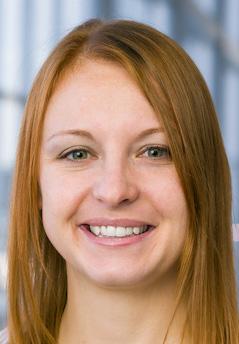
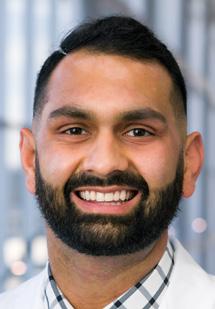
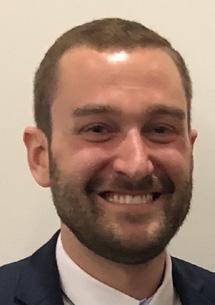
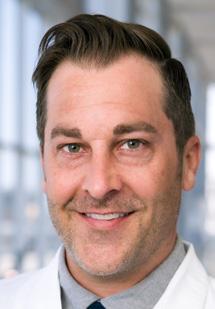
Dr. Graf is currently a medical education fellow and an assistant instructor at UT Southwestern in Dallas, Texas.
Dr. Medepalli is a medical education fellow and assistant instructor at UT Southwestern Medical Center in Dallas. Dr. Palmieri is an associate professor of emergency medicine at Albany Medical College. He serves as an associate program director for the residency program and as the associate course director for the medical college’s course in evidence-based health care.
Dr. Williams is the program director for the emergency medicine residency at Parkland Memorial Hospital and an associate professor at UT Southwestern. He serves as chair of the SAEM Membership Committee and is actively involved in ADIEM as a past chair of the LGBTQIA+ Committee.
EDUCATION & TRAINING

The Role of Assistant Program Director in Emergency Medicine: Insights From 3 APDs
By Aaron D’Amore, MD, on behalf of the SAEM Education Committee
Assistant program directors (APDs) play a crucial role in the development and career growth of young doctors in emergency medicine. While the APD job title is well known to residents, the full scope of the job is not always fully understood. This article, based on an interview with three APDs from Indiana University, aims to demystify the role and highlight the many hats they wear and responsibilities they juggle.
Kyra Reed, MD, is an assistant professor of clinical emergency medicine and pediatrics and an assistant program director for the Indiana University emergency medicine residency. Her focus is
on wellness and mental health in residency training, gender disparities, and medical education research.
Sara Manning, MD, is an assistant professor of clinical emergency medicine at Indiana University School of Medicine and an assistant program director for the Indiana University emergency medicine residency.
Ashley Satorius, MD, is an assistant professor of clinical emergency medicine and an assistant program director for the Indiana University
emergency medicine residency. Her professional interests include graduate and undergraduate education, mentoring, bedside teaching, and communication.
Responsibilities and Workflow
All the APDs agreed that there are no “typical” days in the life of an APD. No single day is the same. Rather than operating on a daily schedule, their responsibilities are often structured around weekly or monthly tasks that follow a cyclical pattern, including recruitment season, job and fellowship application season, and graduation season. Additionally, the job requires significant flexibility, as urgent issues can arise quickly and take priority.
Much of the work APDs do goes unseen by the residents, including
Dr. Kyra Reed
Dr. Sara Manning
Dr. Ashley Satorius
running resident didactics, ensuring adherence to duty hours, advocating for high-quality training, and curriculum planning—all accomplished in addition to their clinical work. The only consistent aspect of their role is achieved through scheduled meetings; otherwise, their duties must be managed between shifts, sleep, and personal time.
Balancing and prioritizing these responsibilities requires considerable effort and a genuine passion for the work. The learning curve can be steep but improves over time. Having a good team helps. When discussing how APDs can overcome that learning curve to better manage clinical and administrative responsibilities, Dr. Reed noted, “Education is hard because sometimes it feels like your job is everything. A big part of the learning curve is figuring out where your role should end and where tasks should be delegated.” The role of APD demands skills that align with those of an emergency physician—delegation, prioritization, and leadership.
Role in Resident Development
A key responsibility of APDs is developing residents into skilled emergency medicine physicians. Many APDs are drawn to the role for this reason. They must balance collegiality and friendship with their roles as mentors and supervisors in their relationships with residents. Addressing this difficult balance, Dr. Manning emphasized, “Knowing people is the first and most important step… [more specifically] understanding what each resident needs and wants and what they envision their career to be.”
APDs have successfully built trust with residents through structured mentorship programs and bonding activities at residency retreats. It is essential for APDs to recognize their role in each interaction—whether as a mentor, supervisor, or colleague—to provide tailored guidance that supports residents’ personal and professional growth. The APDs interviewed for this article find that using motivational interviewing techniques helps them better understand residents' areas for growth and development.
“Balancing and prioritizing these responsibilities requires considerable effort and a genuine passion for the work.”
APDs also interact with medical directors and program directors at various clinical sites, such as community emergency departments, intensive care units, and off-service rotations, to optimize resident training experiences at each site. In addition, there is frequent cross-collaboration with APDs from other programs on educational, research, and operational projects, often connecting at national conferences like the SAEM Annual Meeting and the CORD Academic Assembly.
There are no strict prerequisites for becoming an APD. While a fellowship is not required, medical education fellowships are a common path for those who choose to pursue additional training. Gaining a few years of clinical experience before stepping into an APD role is highly recommended, as it enhances an APD’s ability to guide residents through their clinical development and job search.
Work-Life Balance
As with most careers in medicine, work-life balance is an ongoing challenge for APDs. Given the cyclical nature of the job, some periods— such as recruitment season—are particularly demanding. Over time and with experience, APDs develop strategies to manage their responsibilities more effectively.
Despite the workload, APDs often find the role deeply rewarding. While the additional administrative work is not always proportionate to the buydown in clinical hours, the fulfillment comes from witnessing residents find their passion, seeing clinical breakthroughs, and receiving messages of gratitude from former trainees.
Having mentors is a key factor in an APD’s professional growth. Offering advice to residents interested in an APD role, Dr. Reed emphasized, “Be genuine to yourself.” She emphasizes the importance of self-reflection and finding ways to augment your role within your team or residency. This approach not only helps prevent burnout but also allows you to leverage your strengths to become a valuable team member.
Future Goals
When asked about their future aspirations, the APDs’ responses varied. Dr. Satorius reflected, “It’s okay not to know exactly what you're going to do in the next 10 to 20 years, as your priorities are likely going to change.” Career paths are rarely linear, and unforeseen challenges often shape long-term decisions.
Many APDs aspire to become program directors or advance in graduate medical education leadership. However, others choose to remain in the APD role for years. Dr. Reed noted, “You do not have to be the program director to do a lot of good work and have a lot of impact.” Taking the time to learn, reflect, and determine what aligns with one’s personal and professional priorities is key to making informed career decisions.
ABOUT THE AUTHOR
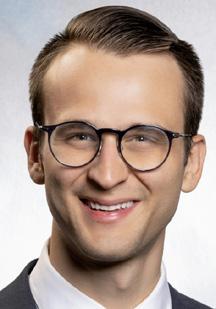
Dr. D’Amore is a second-year emergency medicine resident at the Harvard-affiliated emergency medicine residency program, Mass General Brigham. He also serves on the RAMS board as a member-at-large and as the RAMS representative on the education committee.
EDUCATION & TRAINING

Emergency Medicine Partners with ResidencyCAS to Streamline Application Process
By Jose V. Nable, MD; Bradley S. Hernandez, MD; and Liza Smith, MD, on behalf of the SAEM Clerkship Directors of Emergency Medicine academy
Background
The Association of American Medical Colleges’ (AAMC) Electronic Residency Application Service (ERAS) has served as the primary system for processing residency applications, letters of recommendation (including the EM SLOE — emergency medicine standardized letter of evaluation), medical student performance evaluations, and other key components of the residency application process for decades. In recent years, some specialties, including obstetrics and gynecology (OB/GYN), anesthesiology, and plastic surgery, have transitioned
away from ERAS for various reasons.
Using ERAS, program directors often must navigate multiple systems to process applications, send interview invitations, and conduct interviews. Although the addition of Thalamus to the Program Directors Workstation has attempted to reduce some of this complexity, it has not been universally adopted, and technological challenges persist. In addition to the administrative burden, the AAMC retains ownership of all application data, and timely access to this information has not always been consistently readily available.
Beginning with the 202425 application cycle, OB/GYN transitioned to ResidencyCAS in place of ERAS. The Association of Professors of Gynecology and Obstetrics has predicted that this transition will lead to a more efficient and cost-effective experience for students while reducing administrative burdens for program directors and enhancing holistic application review. The Council of Residency Directors in Emergency Medicine (CORD) has communicated with OB/GYN leaders to learn from their transition and has received favorable reports.
“CORD anticipates the adoption of ResidencyCAS for the 2025-2026 Application Season, aiming for a uniform approach to minimize confusion for applicants.”
In fall 2024, CORD’s Application Process Improvement Committee (APIC) announced a partnership with Liaison International to develop an emergency medicine-specific application through Liaison’s ResidencyCAS service. APIC noted that the main goals of this partnership include improving technology to streamline program directors' workflow and enhance holistic review, reducing costs and simplifying the application process for applicants, customizing the application to meet the specific needs of emergency medicine, and providing real-time access to application data for both programs and applicants.
ResidencyCAS will offer a holistic review tool that integrates data analytics and specific competencies, including data from the standardized letter of evaluation, to support streamlined application review. This tool will be customizable to individual programs, allowing them to maintain ownership of their review process. ResidencyCAS also offers consistent customer support and will reinvest a percentage of its profits—initially 10%—into emergency medicine and the Council of Emergency Medicine Residency Directors to support membership and specialty initiatives. Additionally, ResidencyCAS is available at no cost to programs or institutions.
Under the current system, applicants must navigate multiple platforms. They apply to emergency medicine (EM) through ERAS, direct letter writers to CORD’s website to access the latest version of the SLOE, and manage interview invitations through individual program portals.
Additionally, the application process involves substantial costs. In comparison, the tiered pricing system provided by ResidencyCAS offers about a 20% savings, with need-based financial assistance available.
Next Steps
CORD anticipates the adoption of ResidencyCAS for the 2025-2026 Application Season. While individual programs may choose whether to transition to the new platform, CORD is working toward a uniform approach to minimize confusion for applicants. APIC has gathered input from the broader emergency medicine community through town hall meetings to design an application that meets the needs of both programs and students. SLOE writers will likely be among the first users of the system, as CORD anticipates integrating the eSLOE portal with ResidencyCAS.
CDEM has provided stakeholder input on behalf of clerkship directors and undergraduate medical education students. As with other representatives, CDEM has advocated for a transition that allows sufficient time for students, advisors, and faculty to familiarize themselves with the new application system before fall. Faculty who advise medical students can stay informed through CORD’s website. This site includes opportunities to participate in focus groups and webinars and provide feedback on the transition.
Clerkship directors and emergency medicine faculty frequently advise students from special populations, including dual applicants, military scholarship students, those applying to combined programs, and applicants
in the Supplemental Offer and Acceptance Program. Stakeholder groups are addressing these situations as part of the transition. As the emergency medicine application landscape evolves, the CDEM and SAEM will continue to keep members informed, including providing dedicated time for updates at the SAEM annual meeting, May 13-16 in Philadelphia and CORD’s Academic Assembly. Clerkship directors are encouraged to participate in discussions by attending CDEM’s business meeting at SAEM25, May 14 at 3:30 p.m. at the Philadelphia Marriott Downtown.
ABOUT THE AUTHORS
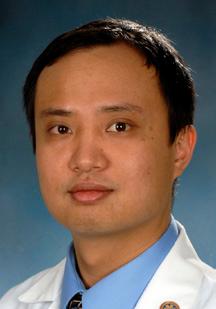
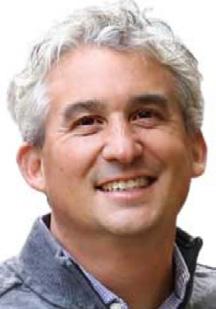
Dr. Nable is an associate professor and director of undergraduate medical education in the department of emergency medicine at Georgetown University/MedStar Health in Washington, D.C. He is a member-at-large on CDEM’s executive committee.
Dr. Hernandez is a senior staff physician at Regions Hospital in St. Paul, Minnesota, and an assistant professor in the department of emergency medicine at the University of Minnesota Medical School. He is an assistant residency director, clerkship director, and gameday physician for the Minnesota Vikings. He is a member-at-large on CDEM’s executive committee.

Dr. Smith is an associate professor, clerkship director, and associate program director in the department of emergency medicine at UMass Chan Medical School - Baystate in Springfield, Mass. She is chair of CORD’s Application Process Improvement Committee.
ETHICS IN ACTION
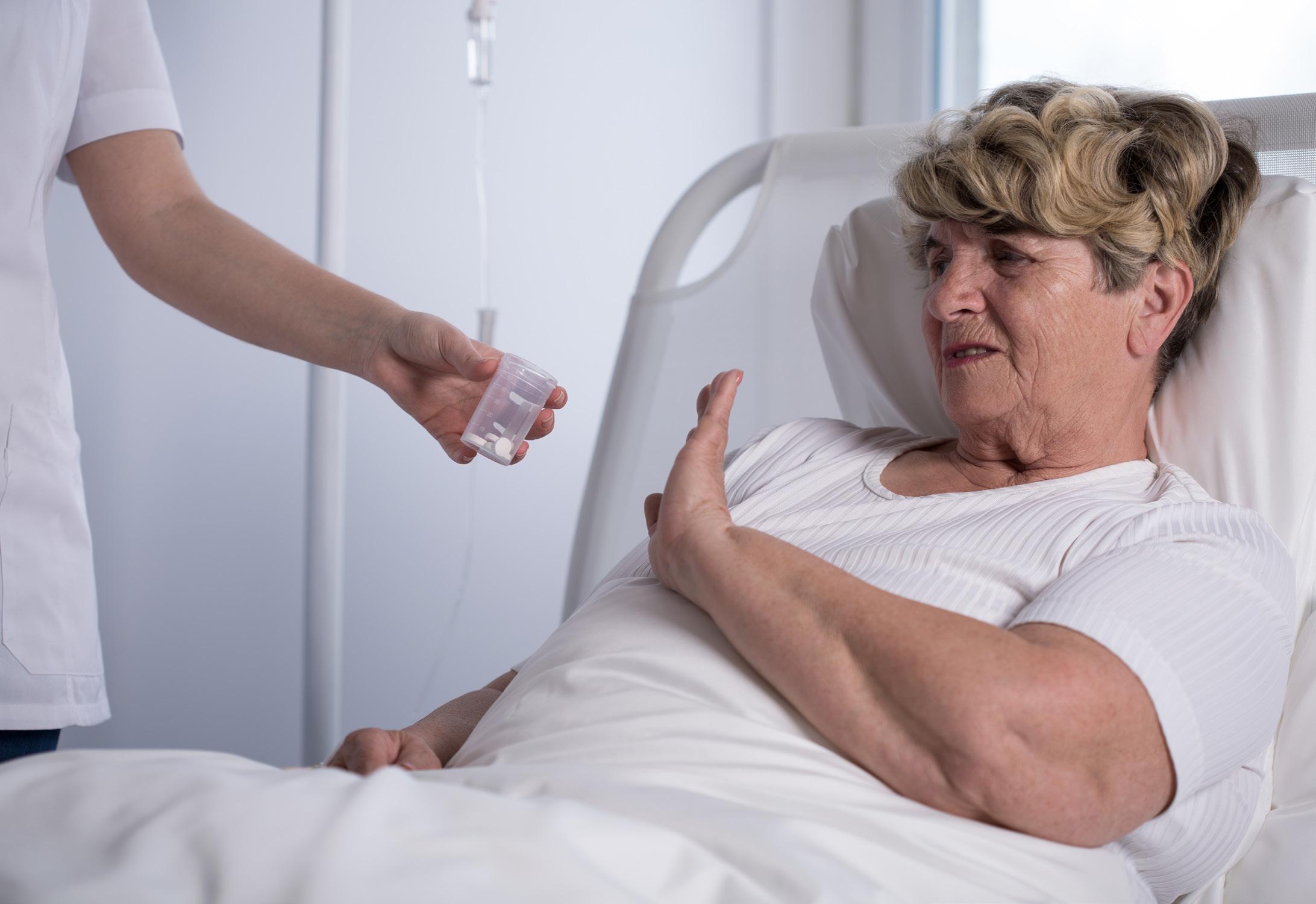
Can Patients Legally Refuse Care?
By Jeremy R. Simon, MD, PhD
One of the most challenging encounters in emergency medicine occurs when a patient refuses care that seems clearly necessary for their health, or even their life. Allowing patients to refuse care in these cases can result in significant moral distress. At times, we may even feel tempted not to accept their refusal.
When can patients refuse care, why do we allow it, and why should we be comfortable with their decision? The answers to all three questions are closely related
When Can Patients Refuse Care?
Patients can refuse care only if they have the capacity to make that
decision. Since capacity must be assessed in relation to a particular decision at a particular time, we can say, "If the patient has capacity to make this decision now." But what does it mean to demonstrate capacity?
Many mistakenly believe that any patient who is alert and oriented— meaning they do not appear to have any obvious cognitive difficulties— can simply refuse treatment, possibly after hearing about and repeating back the risks involved. However, this is an incomplete understanding of capacity. The patient must not only register the risks but also understand them.
Perhaps the most critical aspect of demonstrating capacity is the
patient's ability to provide a coherent reason for refusing care, given the associated risks. Why is the patient refusing treatment, and how does this refusal align with their personal beliefs and goals? The ability to provide a clear rationale is essential because it demonstrates the patient’s ability to be autonomous, respecting their right to make choices that align with their values.
Respecting Autonomy
Autonomy, in this context, refers to the ability to live in accordance with one’s values and goals. Patients demonstrates autonomy when they can explain how a decision fits with their personal values and goals. If they cannot do this, the principle of autonomy carries less weight,
“Respecting autonomy refers to the ability to live in accordance with one’s values and goals.”
and other ethical principles, such as beneficence (acting in the patient’s best interest) and non-maleficence (avoiding harm), take precedence.
We allow patients to refuse care because we respect their right to live according to their own values. This principle extends beyond medicine. In Western society, we believe individuals are free to make their own choices, as long as they do not harm others. This is not a mere laissez-faire attitude but an acknowledgment that everyone has different values and goals. Each person is best suited to decide what aligns with those values. Even in cases where the risks seem unreasonable to others, we generally allow individuals to take on those risks. For example, people who engage in dangerous sports, such as free solo rock climbing, do so with the understanding that a single mistake could be fatal. Similarly, individuals participate in risky sports like boxing or football, even if their primary motivation is financial gain rather than enjoyment. Society does not typically intervene to dictate how much risk a person should take on. Only the individual can determine where that balance lies.
Autonomy in Medical Decisions
The same principle applies in medicine. Almost all treatments carry some degree of risk, and these risks may or may not be outweighed by the potential benefits. Some of these risks, such as hospitalization, cost, pain, or debility, are immediately apparent, while others may become clear only after further explanation from the patient. For example, a Jehovah's Witness might refuse a life-saving blood transfusion because they believe it would prevent them from reaching heaven and result in exclusion and ostracism from

their community. Even after this explanation, many may still struggle to understand the decision.
Although our mandate as physicians is to help patients live longer and healthier lives, our mandate as members of a free society obligates us to support individuals in living according to their own beliefs and values. Generally, these two duties align. Extending life and improving health do indeed help the patient achieve their goals. However, sometimes a patient may feel that a treatment conflicts with their values and refuse it. In these cases, it is
crucial to remember that our true goal is not necessarily to heal, but to help. Sometimes, that help comes not by providing treatment, but by respecting the patient’s informed decision to refuse care.
ABOUT THE AUTHOR
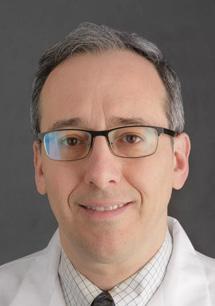
Dr. Simon is a professor of emergency medicine at Columbia University, where he is also a member of the hospital's ethics committee and ethics consultation service.

ABEM's 2024 Key Advances: Evidence-Based Recommendations for Emergency Medicine
By Giovana Landal de Almeida Lobo, MD; Pon-Hsiu Yeh, MD; Bryan Kane, MD; Carly D. Eastin, MD; and Sangil Lee, MD, MS, on
behalf of the SAEM Evidence Based Healthcare &
Members of the SAEM’s EvidenceBased Healthcare & Implementation (EBHI) interest group submitted recommendations in 2024 for the American Board of Emergency Medicine (ABEM) Key Advances articles. These Key Advances are part of ABEM’s MyEMCert process and provide concise, up-to-date summaries of evidence relevant to emergency medicine. These summaries often draw from clinical practice guidelines, policies, or highquality peer-reviewed research. The 2024 recommendations focused on two categories: Clinical Policy Alerts and Suggestions from the Literature.
Implementation Interest Group
As part of the selection process, the EBHI interest group collaborated with Best Evidence in Emergency Medicine (BEEM), an international knowledge translation group whose mission is to “provide emergency physicians with the best clinical evidence to optimize patient care.” BEEM uses a validated seven-point rating scale to evaluate evidence and determine which articles are most likely to be practice-changing. Drawing from BEEM’s top-rated articles from the past year, recent emergency medicine clinical practice guidelines, and select high-impact publications, the EBHI group used
an iterative voting process to finalize the recommendations for ABEM’s Key Advances articles. Highlights of these recommendations are summarized below.
Clinical Policy Alerts
Clinical Policy: Critical Issues in the Evaluation and Management of Adult Out-of-Hospital or Emergency Department Patients Presenting With Severe Agitation: Approved by the ACEP Board of Directors, October 6, 2023
This clinical policy, developed by the American College of Emergency Physicians (ACEP),

“ABEM's Key Advances are concise, up-to-date synopses of evidence pertaining to emergency medicine, including clinical practice guidelines and high-quality peer-reviewed research.”
addresses the evaluation and acute management of adult patients with severe, undifferentiated agitation in the emergency department. Recommendations are based on a systematic review and analysis of the medical literature. The policy outlines the following stepwise approach:
1. Verbal de-escalation is the recommended first-line intervention and should always be attempted before pharmaceutical management.
2. If verbal de-escalation is ineffective, oral or sublingual medications are preferred when safe to administer.
3. If neither verbal de-escalation nor oral/sublingual medications are feasible, parenteral medications should be considered.
The articles included in this policy focused on the parenteral administration of medications, due to their central role in severe cases of agitation. Severe agitation was defined using the Richmond AgitationSedation Scale (+4) or the Altered Mental Status Score (4). Most patients studied were between the ages of 20 and 50, with caution advised when sedating adults over age 65.
Choice of Parenteral Medication
• Evidence Level B: A combination of droperidol or an atypical antipsychotic such as olanzapine and midazolam is recommended due to their efficacy in sedation and side effect profiles. If a single agent is required, droperidol or an atypical antipsychotic is preferred over midazolam alone.
• Evidence Level C: Ketamine (administered intravenously or intramuscularly) may be considered in situations where patient, staff, or visitor safety is at significant risk due to its rapid onset of action. However, these recommendations do not apply to elderly patients (over age 65), pediatric patients, pregnant patients, or those treated in out-ofhospital settings. Potential benefits of ketamine include reduced time in restraints and improved safety, while risks include extrapyramidal effects, QT prolongation, Torsades de Pointes, and oversedation with benzodiazepines
Suggestions From the Literature Noninvasive Diagnostic Work-Up for
“The Best Evidence scale to determine emergency

Evidence in Emergency Medicine group uses a validated 7-point rating determine which evidence is most likely to be practice-changing, ensuring emergency physicians have access to the best clinical tools.”
EVIDENCE-BASED continued from Page 43
Suspected Acute Pulmonary Embolism During Pregnancy: A Systematic Review and Meta-Analysis of Individual Patient Data
This systematic review examined studies enrolling a minimum of 50 pregnant patients prospectively and consecutively. Both inpatient and outpatient studies were included. Studies involving patients on therapeutic anticoagulation for more than 24 hours prior to enrollment were excluded. After an initial review of 47 studies, 45 were excluded, leaving data from two prospective studies. These were analyzed to evaluate the safety and efficiency of noninvasive diagnostic strategies for suspected acute pulmonary embolism (PE) in pregnant women. The diagnostic strategies assessed included the Wells rule (with fixed and adapted D-dimer thresholds) and the YEARS algorithm, both combined with compression ultrasonography (CUS).
Key findings:
• Both the Wells rule and the YEARS algorithm were effective in safely ruling out PE, with low failure rates (0.37%-1.4%).
• Efficiency improved significantly when using pretest probabilityadapted D-dimer thresholds.
• The Wells rule with a clinical pretest probability-adapted D-dimer threshold was the most efficient strategy.
• Bilateral CUS had limited efficiency, particularly in patients without symptoms of deep vein thrombosis.
Opioid Analgesia for Acute Low Back Pain and Neck Pain (the OPAL Trial): A Randomized Placebo-Controlled Trial
The OPAL trial was a large, triple-blinded, placebo-controlled randomized study conducted in Australia, investigated the efficacy and safety of short-course opioid analgesia (oxycodone-naloxone) compared to placebo for acute low back and/or neck pain. Patients with moderate neck pain (occiput to base of the cervical spine) or low back pain (12th rib to buttock crease) for up to 12 weeks were included. Numerous exclusion criteria were applied, such as high-risk back pain, recent or scheduled surgery, and patients considering pregnancy. Opioid screening was performed before enrollment.
Key findings:
• At six weeks, no significant difference in pain severity was observed between the opioid (174 included; 151 analyzed) and placebo (173 included; 159 analyzed) groups.
• A small difference favoring placebo emerged at 12 weeks, with a larger difference observed at 52 weeks; however, these findings lacked statistical significance at the primary endpoint. That said, it appears that a non-significant trend towards placebo existed throughout the study period.
• The opioid group experienced a higher rate of opioid-related adverse events (e.g., constipation) than the placebo group.
• By 52 weeks, the opioid group demonstrated a significantly higher risk of opioid misuse.
The study concluded that shortcourse opioid analgesics provide no significant benefit over placebo for acute low back and/or neck pain and should not be recommended due to the associated risks of misuse.
Emergency medicine professionals interested in staying at the forefront of evidence-based care can consider becoming BEEM raters. This role offers the opportunity to critically evaluate research, remain informed about the latest evidence, and contribute to shaping future recommendations. For more information on becoming a BEEM reviewer, complete the interest form on the BEEM website.
ABOUT THE AUTHORS
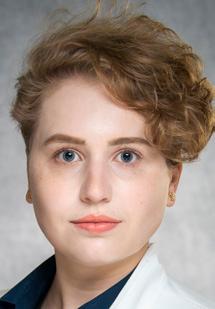

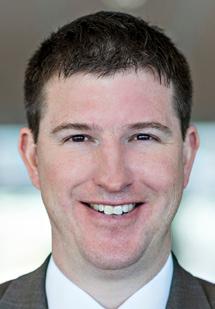


Dr. Lobo is chief resident physician in the department of emergency medicine at the University of Iowa Carver College of Medicine.
Dr. Yeh is clinical associate professor of emergency medicine at New York Presbyterian Weill Cornell.
Dr. Kane is medical staff president and associate program director at Lehigh Valley Health Network and professor of medicine at MCOM, University of South Florida.
Dr. Eastin is clinical professor of emergency medicine at the University of Iowa Carver College of Medicine.
Dr. Lee is clinical associate professor of emergency medicine at the University of Iowa Carver College of Medicine.
GERIATRIC EM

Constipation in Older Adults: A Common Complaint With Serious Implications
By Ari Friedman, MD, PhD, and Michael Adjei-Poku, MS, on behalf of the SAEM Academy of Geriatric Emergency Medicine
In the hustle and bustle of the emergency department (ED), complaints like chest pain or abdominal pain in older adults immediately heighten our diagnostic vigilance. However, when constipation is the chief complaint, it is sometimes met with a sense of relief — it feels low-risk, possibly even suitable for discharge or triage to lower-acuity care. Recent data, however, suggests that that this approach may need rethinking. While constipation is often benign, it can mask serious underlying conditions, particularly in older adults, and demands thoughtful evaluation.
A Familiar but Multifaceted Presentation
Abdominal pain is one of the most common reasons older adults visit the ED, and constipation as a chief complaint is frequently seen. Age-related physiological changes, polypharmacy, and comorbidities like Parkinson’s disease contribute to this increased susceptibility. Nearly one in three adults over age 60 experiences constipation.
For older adults, constipation is not just about discomfort. It can indicate more serious issues, much like atraumatic back pain in younger adults. While most cases are benign,
a small percentage reflect significant pathology that requires timely diagnosis and intervention.
Constipation generally refers to infrequent or difficult stool passage. However, as a chief complaint, it may also encompass abdominal pain that the triage nurse deemed less serious. Since older adults often present with less typical signs and symptoms of serious abdominal pathology, and because constipation itself can lead to severe conditions like stercoral colitis and subsequent perforation, we hypothesized that constipation would show fewer complications than abdominal
pain but still carry risks that warrant vigilance.
The Data: What We Know About Constipation in the ED
A recent analysis of data from the National Hospital Ambulatory Medical Care Survey (NHAMCS) (2013–2020) provides valuable insights into this often-overlooked chief complaint. Among ED patients presenting with constipation, older adults were more likely to have serious, treatable conditions compared to younger patients.
Key findings include:
• Hospital Admission and Intervention Rates: About 10% of older adults with constipation were admitted to the hospital. Though lower than the admission rate for abdominal pain, this reflects a significant burden of disease hidden behind this seemingly benign complaint. One in four patients required intravenous fluids.
• Emergency General Surgical (EGS) Diagnoses: Approximately 15.2% of older adults with constipation were diagnosed with conditions that historically require surgical intervention, such as ileus, diverticular disease, or intestinal obstruction. While many of these conditions were managed medically, 4% of older adults presenting with constipation required surgery.
• Imaging: Nearly half of older adults with constipation underwent an X-ray without cross-sectional imaging, with one in four receiving a CT scan. Most of these X-rays were likely abdominal plain films ("KUB"), which are known to have low sensitivity and specificity in older adults. While clinical judgment in these cases is important, physicians should maintain a high index of suspicion and consider cross-sectional modalities when more than simple constipation is suspected.
Serious Diagnoses to Consider
The data reinforce the need for emergency physicians to approach constipation in older adults with the same systematic vigilance applied to abdominal pain. Potentially serious diagnoses include:
1. Intestinal Obstruction or Impaction:
More common in older adults due to reduced bowel motility, medications, or structural issues.
2. Ileus: Often secondary to medications, recent surgery, or underlying disease processes.
3. Diverticular Disease: While often chronic, acute exacerbations or complications, such as perforation, can present with constipation.
4. Malignancy: Particularly colorectal cancer, which may initially present as constipation.
5. Stercoral Colitis: Fecal impaction from constipation can lead to stercoral colitis, which may progress to perforation—a condition with high mortality.
Practical Takeaways for Emergency Physicians
While most older adults with constipation do not require hospitalization or invasive intervention, about one in ten will. The challenge lies in identifying those at risk while avoiding unnecessary tests.
Here is a practical approach to evaluating constipation in older adults in the ED:
1. Thorough History and Physical Exam: Just as a "migraine" complaint can mask a history of sudden onset, atypical headache, "constipation" can represent a variety of symptoms. Avoid premature diagnostic closure. Take a detailed history to differentiate between painless stool retention, painful straining, and abdominal pain. Ask about changes in bowel habits, unintentional weight loss, and the presence of melena or hematochezia.
2. Beware of Muted Presentations: Older adults may underreport pain or view their symptoms as less severe. A triage label of "constipation" may conceal abdominal pain or another serious issue.
3. Use Imaging Judiciously: Routine imaging is not necessary, but clinical suspicion of serious pathology should prompt CT imaging, as plain films can be misleading.
4. Consider Underlying Causes:
Look beyond the stool. Is there a medication side effect, an electrolyte imbalance, a structural issue, or possibly a malignancy? Tailor your workup accordingly.
5. Coordinate Follow-Up: For patients discharged from the ED, ensure clear follow-up instructions. Constipation may be a manageable outpatient issue, but close monitoring of symptom progression and timely escalation of care is essential to prevent complications.
Constipation Is Not Always Benign
Much like back pain in younger adults, constipation in older adults is often low-risk, but sometimes signals serious pathology requiring further investigation. While most cases are straightfoward, a small subset of patients presents with urgent or lifethreatening conditions that demand attention.
Constipation in older adults can be a sign of significant underlying disease or can itself cause serious complications. By performing a systematic evaluation, maintaining a high index of suspicion, and using diagnostics judiciously, emergency physicians can ensure that opportunities for timely intervention are not missed.
Constipation may never carry the urgency of chest pain or shortness of breath, but by approaching it with clinical curiosity and rigor, we can better serve older patients, ensuring that serious conditions hiding beneath the surface are not overlooked.
ABOUT THE AUTHORS
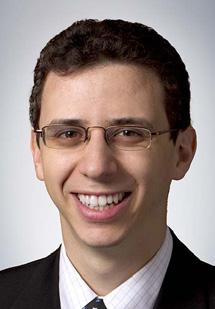
Dr. Friedman is a health economist and emergency physician who leads the University of Pennsylvania Innovative Designs in Emergency Acute Care for Aging (IDEAA) Lab, which studies the care and outcomes of older adults in acute care spaces. BlueSky: @abfriedman.com

Dr. Adjei-Poku, MS, is a research coordinator in the University of Pennsylvania IDEAA Lab.
GLOBAL HEALTH

United by Curiosity and Discovery: Insights from International Research Collaborations in Emergency Medicine
By Jessica Pelletier, DO, MHPE; Bethel Mwenze, EMT-P; Kamoga Dickson, MD; Kakande Reagan; Nicholas Maxwell, MD; and Moses M. Kitakule, MD, on behalf of the SAEM Global Emergency Medicine Academy
Emergency medicine has been a well-established field in the United States for many years, but it remains a developing specialty in many parts of the world. There is a critical need to expand emergency medicine in low- and middle-income countries (LMICs), where more than half of deaths could be prevented with access to emergency care As the international emergency medicine community grows, so does the potential for research collaborations across borders. These partnerships allow for the recruitment of larger and more diverse patient populations into clinical studies Beyond improving patient care,
collaboration between researchers in high-resource and low-resource settings can provide essential funding that might not otherwise be available. With approximately 60% of the world’s population owning smartphones, global digital communication has never been easier. Given these advancements, researchers must understand how to navigate the unique challenges of international research partnerships.
Before the Research Begins: The Planning Stage
Determining the preferred mode of communication during the planning stage of a study is essential. WhatsApp and Telegram offer free
texting, file sharing, phone calls, and video calls over Wi-Fi. Their ability to create communities, groups, and subgroups facilitates communication within large and small teams. Because these platforms are widely used worldwide, collaborators are more likely to engage with them than with email.
One of the greatest challenges in planning an international study is coordinating across time zones. Free tools such as Time and Date can help collaborators identify meeting times that accommodate all participants. Additional scheduling tools, such as Doodle, allow users to select up to 20 time slots with
the free version and integrate scheduling with Google or Outlook calendars. However, users must remember to manually select their time zone from a dropdown menu, which can be easily overlooked. Another tool, When2meet, is free, but does not offer calendar integration.
Navigating to a scheduling link and selecting availability can create barriers, making meeting coordination a challenge. A simpler alternative is WhatsApp’s “Poll” feature, though the poll creator must manually list the date and time options in all relevant time zones using another app such as Time and Date.
Regardless of the method chosen, frequent reminders via WhatsApp and email help ensure participation. Given the difficulty of scheduling across time zones, live meetings should be held only when absolutely necessary. Asynchronous communication, such as back-andforth voice texting on WhatsApp, can serve as an effective alternative.
Logistical considerations for meetings should be decided in advance of the first group session. Noninstitutional or free Zoom accounts may limit meeting durations, whereas Google Meet does not. However, Zoom offers greater control over meeting access and screen sharing. Researchers in high-resource settings should keep their cameras off whenever possible to reduce data usage and improve accessibility for collaborators in lower-resource settings, with limited internet bandwidth.
A key issue in international research is determining necessary permissions and obtaining the necessary approvals. Ethics board approval is often required in the country where the research will first take place, followed by approval from the principal investigator’s (PI) institution. A local PI in the partner country, where the research is taking place, may need to be identified before applying for approval. Before proceeding with ethics board applications in other
countries, researchers in highincome countries should consult their institutional review board (IRB) for policies on international collaboration. Additionally, national research policies in the partner country where the research will occur may require clearance from a national ethics committee before applying to an academic institution’s ethics board. These processes often involve costs, which should be factored into funding considerations.
During the Research Process: The Active Stage
Having a local stakeholder facilitates communication when questions or issues arise. The local PI is well-positioned to engage inperson with team members, which can help overcome communication challenges caused by internet or electricity disruptions.
When collaborators are spread out across geographic barriers, frequent check-ins are essential, particularly when responsibilities are divided unevenly among team members. Updates via email or Wi-Fi-based messaging ensure transparency and help track progress.
Data storage presents another challenge in international research. U.S. researchers are typically required to store all data containing protected health information (PHI) on a secure server in compliance with institutional regulations. Although these requirements may not apply to all institutions involved, researchers must adhere to the policies of the IRB of record—the institution that employs the PI. Additionally, maintaining data backups is critical to prevent the loss of valuable information.
A unique challenge of multinational research is ensuring that application renewal deadlines for all involved institutions are met. Setting calendar reminders well in advance of expiration dates for study approval at each site helps prevent delays in project completion.
Conclusions
International emergency medicine research is expanding rapidly
due to the growth of the specialty, the globalization of patient populations, and technological advancements. Understanding potential hurdles and implementing strategies to overcome them will strengthen cross-border partnerships and advance high-quality research that shapes the future of emergency medicine
ABOUT THE AUTHORS

Dr. Pelletier is an assistant professor of emergency medicine and assistant residency program director at the University of Missouri-Columbia.
Bethel Mwenze, EMT-P, is the training site coordinator at Samaritan Health Systems, an American Heart Association training site in Uganda. She also serves as the assistant African medical coordinator for Techies Without Borders.
Dr. Dickson is a final-year resident of emergency medicine at Makerere University in Uganda and has previously worked as an EMS supervisor at the Uganda Red Cross. He currently serves as a student ambassador for the Royal Society of Tropical Medicine and Hygiene and an associate member of the Royal College for Emergency Medicine. He is also a reviewer for the Global Emergency Medicine Literature Review (GEMLR).

Kakande Reagan is a final-year medical student at Mbarara University of Science and Technology with a strong passion for emergency medicine. He is a member of the GEMINI (Global Emergency Medicine Innovation and Implementation Research Center) at Duke University. serves as the social media handler for the Global Emergency Medicine Literature Review (GEMLR) group, and is the outgoing president of MUST-EMIG.
Dr. Maxwell is a chief resident in emergency medicine at Washington University in St. Louis. He worked as a paramedic before attending medical school at the University of Rochester School of Medicine and Dentistry. He currently also serves as director of U.S. partnerships for the Friends of Joseph Ukpo Hospitals and Research Institutes and is a medical education coordinator for Techies Without Borders.

Dr. Kitakule is a pulmonary and critical care medicine consultant at Iberia Medical Center and Our Lady of Lourdes Regional Medical Center in Lafayette, Louisiana. He is the medical director of Samaritan Health Systems.

Rwanda’s Response to the Marburg Virus Outbreak: A Story of Success, Sacrifice, and Resilience
By Seraphina Negash, MPH; Robert Gakwaya, MD; and Joseph Birahamire, MD, MMed
In October 2024, Rwanda faced its first known outbreak of Marburg Virus Disease (MVD), a dangerous hemorrhagic fever. The Rwandan government swiftly mobilized the health sector in response. Contact tracing was implemented to identify and isolate potential cases, and health care workers across the country were organized to provide efficient and effective care for the infected. Global partners provided doses of a trial MVD vaccine to health care workers, along with remdesivir for treatment. The response proved successful. The World Health Organization (WHO) declared the outbreak over on December 20, 2024, after no new
cases were reported in the previous 42 days. The Rwanda Biomedical Center reported 66 confirmed cases, with 15 deaths. The case fatality rate was 23%, lower than in previous MVD outbreaks. Several patients who were placed on ventilators in the Intensive Care Unit (ICU) were eventually extubated and experienced full recoveries.
This public health achievement was years in the making. Lessons learned from the COVID-19 pandemic, combined with improved protocols for Ebola and Mpox outbreaks, strengthened Rwanda's contact tracing system and infrastructure for procuring and distributing personal protective
equipment (PPE). Additionally, the Rwandan government made significant efforts to expand its health care workforce, including specialists in anesthesia, emergency medicine, and critical care. The government also fostered a wellinformed public that diligently followed health recommendations and established clear channels for rapid and effective global collaboration during outbreaks, working with organizations such as the WHO, the Africa Centers for Disease Control and Prevention, and regional government partners.
Rwanda's success in controlling the Marburg outbreak was made possible by the heroism, sacrifice,
and altruism of health care providers. Every case of MVD is challenging, and each death is a tragedy. This outbreak particularly affected health care workers, with estimates indicating that they accounted for 80% of reported MVD cases.
The initial MVD cases were identified in the ICU at King Faisal Hospital (KFH), a renowned tertiary hospital in Rwanda. KFH attracts the country's most skilled health care professionals, and its ICU is known for providing expert care to critically ill patients. Unsurprisingly, the ICU team at KFH was heavily impacted by the virus. Many staff members became infected, while others were placed in quarantine for extended periods.
Faculty and trainees from the University Teaching Hospital Kigali (KUTH) were also mobilized to care for MVD patients. Among those who died from MVD was Dr. Francois Ntawuruhunga, a young emergency medicine and critical care resident from the University of Rwanda. Dr. Ntawuruhunga is survived by his wife and infant son. His peers remember him as a man of few words but great wisdom, known for his humility and dedication. Despite the chaotic and demanding environment of the emergency room, where patient volume and acuity were overwhelming, he remained calm and composed. Dr. Ntawuruhunga was actively treating patients in the ICU at KFH when the outbreak began.
Dr. Ntawuruhunga, along with other health care workers who lost their lives during the outbreak, will be remembered for their resilience throughout their demanding years of medical training and for their expertise in medicine. Above all, they will be honored for their unwavering commitment to their patients, even in the face of the unpredictable challenges that only those dedicated to medicine can truly understand.
Other health care providers, while fortunate to survive, have shared their harrowing experiences of battling the deadly illness as patients. They were acutely aware of the risks they faced, describing their ordeal as both
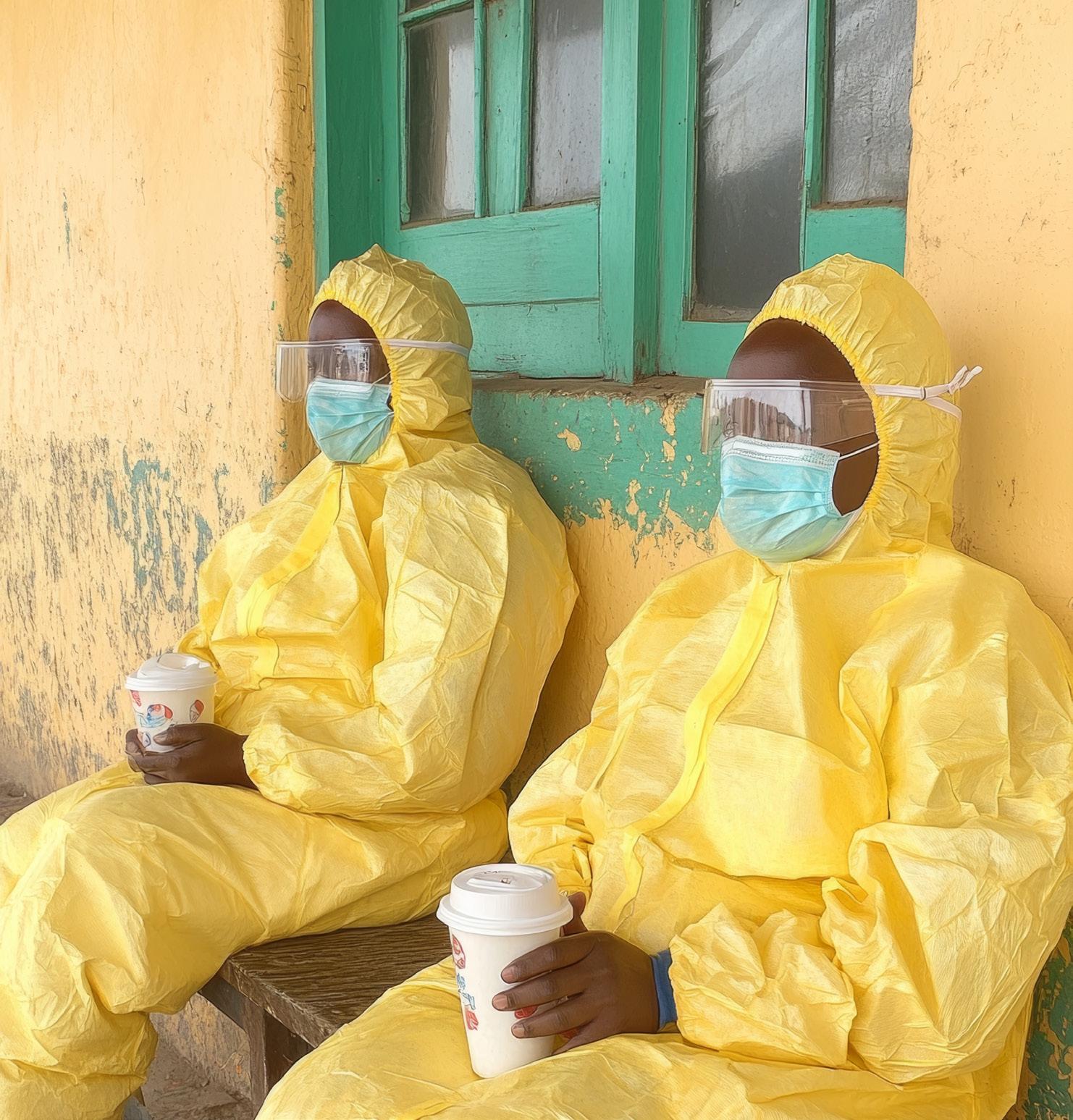
terrifying and life-altering. These experiences have reshaped their perspectives on medicine, resilience, and the fragility of life. These health care heroes continue to show up daily to treat patients throughout Rwanda. The emotional and physical toll of the MVD outbreak is immeasurable, and their recovery will require perseverance, resolve, dedication, and much-needed community support, both locally and globally.
Rwanda’s response to the MVD outbreak is a story of success, demonstrating the critical importance of health care preparedness and resilience. However, it also underscores the physical and emotional toll on health care providers, especially during outbreaks of deadly diseases like MVD. The sacrifices made by health care workers, such as Dr. Ntawuruhunga, reflect true altruism. Their actions saved lives and prevented further suffering
ABOUT THE AUTHORS

Seraphina Negash is the 2024-2025 Brown Emergency Medicine (BEM) Rwanda Research & Development Fellow. Seraphina works closely with residents in the emergency medicine and critical care department at CHUK to build their research capacity and intends to pursue a doctoral degree in medicine after this fellowship.

Dr. Gakwaya is a senior fellow in pediatric emergency medicine at Brown University/Hasbro Children’s Hospital. Throughout his medical training, Gakwaya has traveled to Rwanda multiple times to teach and learn from healthcare providers, particularly at CHUK, in both the emergency medicine and pediatrics departments.

Dr. Birahamire is head of the accident & emergency department and chairperson of integrated disease surveillance and response at Kibagabaga Level II Teaching Hospital in Kigali, Rwanda. He provided patient care during the Marburg outbreak in October-December 2024.
INFORMATICS, DATA SCIENCE & AI

The Role of Artificial Intelligence in Advancing Emergency Medicine Education
By Mark Olaf, DO; Jessica Pelletier, DO, MHPE; Christopher Awad, MD, MBA; Arwen Declan, MD, PhD; and Moira Smith, MD, MPH,
on behalf of the SAEM Informatics, Data Science and Artificial Intelligence Interest
Artificial Intelligence (AI) is a promising tool and adjunct in many disciplines, and medical education stands to benefit immensely from its impact. AI refers to the simulation of human intelligence in machines programmed to learn and generate outputs similar to those produced by humans. In medical education, AI can support learners and educators by enhancing learning experiences, increasing efficiency, and providing personalized educational opportunities. However, its implementation also presents challenges that must be addressed to ensure responsible and effective
Group
use in graduate and postgraduate medical education.
AI encompasses a range of technologies, including machine learning, generative AI, and intelligent agents. Machine learning is a subset of AI that involves training algorithms on large datasets to recognize patterns and make predictions or decisions without explicit programming for each task. Generative AI, such as ChatGPT and Bard, creates new content, including text, images, and audio, based on its training data. Intelligent agents are autonomous systems designed
to observe and interact with their environment to achieve specific objectives, such as simulating patient interactions or managing administrative tasks.
AI tools can significantly benefit learners in graduate and postgraduate medical education. Clinical decision support tools, such as the "Queen of Hearts," assist in decision-making by analyzing patient data and suggesting potential diagnoses or treatment plans, which can be especially useful for rapid decision-making and complex triage situations. AI can also provide quick

“Artificial intelligence can support learners and educators by enhancing learning experiences, increasing efficiency, and providing personalized educational opportunities.”
access to clinical information for rare cases, aiding medical educators and trainees during shifts. Additionally, AI-powered scribes can improve efficiency in composing professional emails, patient communications, and medical documentation. AI tools can streamline social media content creation for resident recruitment, save time on email and interest letter drafting, and ensure consistent, high-quality communication across various platforms. Furthermore, AI can help organize and analyze data for medical education by creating and
maintaining spreadsheets for resident procedure logs, enhancing recordkeeping accuracy, and generating insights into learner progress and program effectiveness. Tools such as Open Evidence can leverage AI to generate targeted clinical questions and compile relevant literature more efficiently, supporting research and evidence-based practice.
For clinical educators, AI resources can enhance both educational and administrative tasks. AI tools facilitate research activities, from literature reviews to data analysis, improving
efficiency and accuracy. They can assist in drafting clear, measurable learning objectives for medical education programs and individual learners. AI can also help create engaging, targeted, and informative presentations, saving time for both educators and students. Applications such as Adobe Firefly and ChatGPT 4.0 can generate visual content to illustrate abstract concepts, improving the salienceand impact of
“Artificial intelligence tools resident recruitment, ensure consistent, high-quality
“Despite its advantages, presents several concerns, and the

tools can streamline social media content creation for save time on email and interest letter drafting, and high-quality communication across various platforms.”
INFORMATICS
continued from Page 53
presentations. Tools like Whisper and Abridge automate documentation tasks, enabling medical professionals to focus more on patient care. AI can also customize learning plans based on individual learner data and patient outcomes, fostering a personalized education experience. Additionally, AI can serve as a fact-checking tool, helping learners verify information and enhance their understanding.
In clinical learning environments, AI supports complex data management and analysis. It can monitor trainee progress, duty hour compliance, and clinical experience. AI-generated patient scenarios can be used in mass casualty simulations, providing realistic training for medical students and residents. Virtual patient scenarios can also facilitate the practice of rare and low-frequency but high-yield medical cases, although these technologies can be costly, particularly at scale. AI tools can streamline assessment and training by personalizing educator feedback and summarizing application components to enhance recruitment efficiency. However, safeguarding applicant confidentiality is essential
when using AI for such purposes.
Despite its advantages, AI in medical education presents several challenges. Academic dishonesty is a major concern, as students and residents may misuse AI to appear competent in curricular or non-curricular assessments. There have been instances of educators using AI to detect AI-generated content, leading to false accusations of academic misconduct. These challenges highlight the importance of implementing AI responsibly while maintaining academic integrity. Ethical concerns also arise when AI is used to generate research manuscripts without proper clinical understanding or contextual considerations. AI systems can produce inaccurate or misleading information, known as "hallucinations" or "confabulations," making it essential to verify AI-generated data. Additionally, reliance on AI tools may hinder skill development, potentially leading to "de-skilling" among advanced users. Therefore, while AI improves workflow efficiency, it is crucial to ensure that medical students and residents continue to develop fundamental documentation and reflective practice skills.
Implementing AI in medical education also incurs financial costs,
advantages, artificial intelligence in medical education several challenges, including academic dishonesty, ethical the potential for 'de-skilling' among advanced users.”
including licensing fees, integration expenses, data management, and infrastructure maintenance. Furthermore, AI can generate biased content due to various contextdependent factors, necessitating careful oversight to ensure accuracy and fairness.
In summary, AI has the potential to revolutionize medical education by enhancing learning experiences, improving efficiency, and personalizing education. However, addressing ethical, financial, educational, and accuracyrelated challenges is critical to ensuring responsible and effective implementation. By balancing these benefits and challenges, AI can serve as a valuable tool in shaping the future of medical education
ABOUT THE AUTHORS
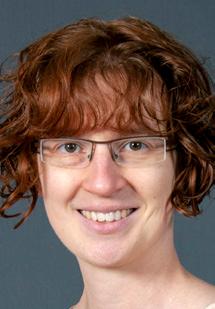
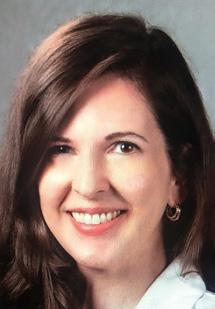
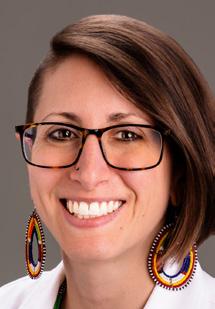
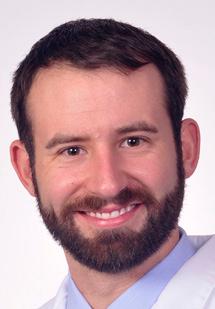
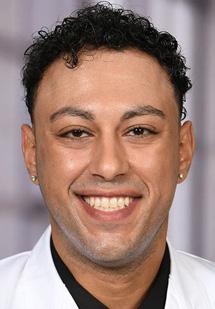
Dr. Declan is the assistant research director at Prisma Health Upstate and clinical assistant professor at the University of South Carolina School of Medicine – Greenville and Clemson University.
Dr. Smith is the director of digital clinical workflows and assistant emergency medicine informatics director at the University of Virginia.
Dr. Pelletier is an assistant professor of emergency medicine and assistant residency program director at the University of MissouriColumbia.
Dr. Olaf is an associate professor of emergency medicine, regional campus associate dean, and vice chair of emergency medicine education at the Geisinger Commonwealth School of Medicine in Danville, Pennsylvania.
Dr. Awad is a first-year resident at The Ohio State University in emergency medicine.

Harnessing the Power of Artificial intelligence in Academic Medicine: Copilot vs. ChatGPT
By Hannah Mishkin, MD, MS; Laura Walker, MD, MBA; Neha Raukar, MD, MS; Wan-Tsu Wendy Chang, MD; Wendy Sun, MD; and Lindsay MacConaghy, MD, on behalf of the SAEM Academy for Women in Academic Emergency Medicine Leadership Committee
Introduction
A colleague recently asked, “What’s the difference between Microsoft Copilot and OpenAI’s ChatGPT?” If your institution uses Microsoft 365 (Word, Excel, PowerPoint, etc.), you may have noticed the Copilot icon. But what is it, and how can it help academic emergency physicians in their daily work?
This article explores the differences between these two tools to help academic emergency medicine physicians determine how best to incorporate them into their workflow. We will focus on three critical aspects: functionality, grounding, and privacy/security.
Functionality: What Can These Tools Do?
Both Copilot and ChatGPT use large language models (LLMs) powered by transformer-based neural networks to recognize patterns in data and interact with users using natural language. However, their strengths differ in integration, security, and usability.
Administrative Tasks & Integration
If your workflow involves meetings, emails, document writing, lecture creation, and spreadsheet organization within a Microsoft ecosystem, Copilot may be the better choice. It seamlessly integrates with Word, Teams,
Outlook, and PowerPoint, accessing organizational data within Microsoft 365 to tailor responses and automate tasks based on your work context.
By contrast, ChatGPT is a standalone platform accessible through OpenAI’s website or API. While excellent for brainstorming and content creation, it lacks direct integration with organizational systems, making it less effective for workflows requiring institutional data. For example, if you are tasked with running a faculty meeting on the promotions process, both Copilot and ChatGPT can help create an agenda and organize information.
“If your workflow involves meetings, emails, document writing, lecture creation, and spreadsheet organization within a Microsoft ecosystem, Copilot may be the better choice.”
Both can generate a PowerPoint slide template for the meeting. However, if you work within a Microsoft environment, Copilot offers key integration advantages:
• It can generate a Word document agenda.
• It can create a PowerPoint slide deck.
• It can draft an email to your team in Outlook.
Key point: Both tools assist with workflow, but Copilot’s integration within Microsoft tools makes it a more practical choice for institutional workflows where Microsoft is preferentially used.
AI Integration in Meetings and Productivity
One of Copilot’s biggest advantages is its integration within Microsoft Teams:
• Automatic meeting transcriptions and summaries
• Filtering of extraneous conversation to highlight key points
• Task tracking and follow-up recommendations
ChatGPT does not have built-in meeting integration, requiring users to manually input meeting notes to generate summaries. However, if you are unfamiliar with these functions, you can ask Copilot how to use them. Keep in mind that some institutions have policies on recording meetings, and certain functions could be disabled.
Key point: For meeting documentation and efficiency in a Microsoft environment, Copilot is superior.
Creativity and Customization in Writing
While both tools utilize GPT-based technology, ChatGPT offers greater customization for users looking to build chatbots, integrate with thirdparty apps, or work beyond the Microsoft ecosystem. If you require versatile, non-enterprise-specific applications, ChatGPT provides more flexibility.
Key point: ChatGPT is more versatile for advanced users who need customization beyond Microsoft’s ecosystem.
Grounding: How Reliable Are Their Responses?
In medicine, our “output” is grounded in medical references. In computing, the term “grounding” refers to the references upon which data outputs are based.
Organizational Context and References
Both Copilot and ChatGPT can provide references and links, but Copilot is grounded in an organization’s internal documents, whereas ChatGPT relies on publicly available training data and does not have access to internal institutional information.
Since LLMs can generate incorrect information (“hallucinations”), users must verify outputs before relying on them. Copilot, when used within an institution, provides more contextually relevant and accurate responses.
Customization and Adaptability
ChatGPT allows for more customization and extensibility, making it ideal for users who need to
“Since Large Language incorrect information (‘hallucinations’), verify outputs before

Language Models can generate (‘hallucinations’), users must before relying on them.”
INFORMATICS
continued from Page 57
train AI models on specific prompts or workflows outside the Microsoft ecosystem. However, Copilot’s ability to securely access institutional documents within Microsoft 365 ensures more reliable grounding for work-specific tasks.
Key point: If organizational context and internal document access are priorities, Copilot is the better choice. If you need a tool that can be adapted beyond institutional data, ChatGPT offers more flexibility.
Privacy & Security Considerations
While GPT (Generative Pre-Trained Transformer) technology used in large language models (LLMs) is initially trained on a vast dataset, some models continue to learn from user inputs. Users should be cautious when entering data into these programs, as inputted information may influence future responses and could potentially be accessible beyond intended security limits. Understanding the platform’s data handling policies is essential to ensuring sensitive information remains protected.
Data Security and Institutional Use Privacy concerns exist for both tools, but their security models differ significantly:
• Copilot (institutional license): Operates within Microsoft 365’s secured enterprise environment, making it safer for internal data handling.
• ChatGPT (OpenAI platform): Works on a public platform, meaning users should avoid uploading sensitive organizational documents, as stated in OpenAI’s Privacy policy
Neither Copilot nor ChatGPT is compliant with the Health Insurance Portability and Accountability Act (HIPAA), meaning neither should be used to process protected health information (PHI). However, Copilot offers security compliance with the Family Educational Rights and Privacy Act (FERPA) when used through an institution. Due to its built-in Microsoft security, Copilot is the safer option for handling internal administrative data.
Key point: For professional data security, Copilot is preferable as it operates within an enterpriseprotected environment, whereas ChatGPT requires extra caution when handling confidential information.
Practical Tips
AI Service Tiers and Cost Considerations
If you are considering purchasing an AI tool for yourself, both Copilot Pro and ChatGPT Plus cost $20 per month. They also offer free versions with reduced functionality.
• Microsoft Copilot: Offers tiered AI services:
- Full Copilot access: Comprehensive AI capabilities across Microsoft applications.
- Lower-tier AI services: Limited features at a reduced price, including meeting transcriptions.
• ChatGPT: Offers a free version and ChatGPT Plus ($20 per month) but lacks an enterprise-tier structure for organizational needs.
General Usage Recommendations
• Use Microsoft Copilot for internal meetings, document creation, and securely accessing institutional data.
• Use ChatGPT for brainstorming, drafting articles, and creating medical education content.
• Avoid entering PHI or other highly sensitive data into either platform.
Conclusion: Choosing the Right AI Tool
For academic emergency medicine physicians, Copilot excels in institutional integration, document security, and meeting productivity, making it ideal for internal workflows. Meanwhile, ChatGPT offers more flexibility for custom content creation
and noninstitutional applications.
Understanding the strengths and limitations of both tools ensures responsible, efficient AI use in academic emergency medicine.
Acknowledgement: The authors acknowledge the use of both Copilot and ChatGPT for providing editorial assistance and refining this manuscript.
Disclosure: The authors have no financial interests, proprietary relationships, or affiliations with Microsoft Copilot, OpenAI ChatGPT, or any related services. This article is intended solely for educational and informational purposes.
ABOUT THE AUTHORS
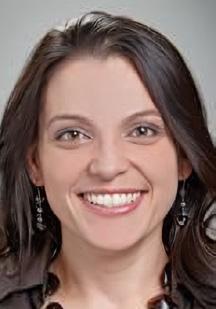
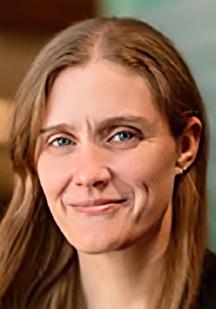
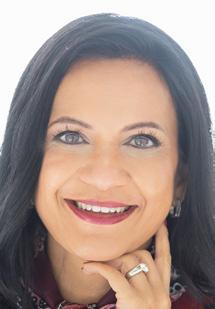
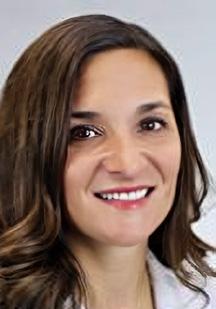


Dr. Mishkin is the emergency medicine residency program director at Reading Hospital, Tower Health, in West Reading, Pennsylvania.
Dr. Walker is an assistant professor of emergency medicine at Mayo Clinic. She is a leader in emergency medicine and hospital operations, focusing on health systems, equity, and quality improvement.
Dr. Raukar is an associate professor and vice chair for academic advancement and faculty development at Mayo Clinic Rochester.
Dr. MacConaghy is an assistant professor of emergency medicine at Geisinger Commonwealth School of Medicine and assistant residency program director at Guthrie Robert Packer Hospital in Sayre, Pennsylvania.
Dr. Sun is an administration fellow at the Yale School of Medicine.
Dr. Chang is an associate professor of emergency medicine at the University of Maryland.
INNOVATION

Leveraging Artificial Intelligence to Enhance Residency Evaluations
By Jeanne Rabalais, MD, MHA; Andrew Mittelman, MD; and Chelsea N. Allen, DO, on behalf of the SAEM Education Committee
Introduction
Integrating artificial intelligence (AI) into medical education represents a significant advancement for medical educators, proving to be especially beneficial for resident evaluations. Generative AI can play a significant role in streamlining the process of data assimilation for the assessment of clinical competency of emergency medicine residents. By analyzing a vast array of data points, including on-shift evaluations from attending physicians, AI systems can provide more objective, consistent, and comprehensive assessments while being more efficient for the medical education team. This technology
can help identify specific areas where residents excel or need improvement, ultimately enhancing the overall quality of training and patient care. It has the added benefits of speed, portability, and minimal cost, making it an attractive option for widespread and rapid deployment.
Benefits of Utilizing AI in Resident Evaluations
AI systems can revolutionize the evaluation process through several key mechanisms:
1. Objectivity: AI can mitigate the inherent biases that naturally occur during human evaluations,
providing a more balanced and equitable assessment framework that ensures fair and impartial evaluations across all residents, regardless of background or circumstances.
2. Consistency: By implementing standardized protocols for evaluation summarization, AI systems maintain uniform assessment criteria throughout the program. This ensures that every resident receives comparable evaluations regardless of the evaluator or timing, creating a more reliable and equitable learning environment.
“Generative artificial intelligence can play a significant role in streamlining the process of data assimilation for the assessment of clinical competency of emergency medicine residents.”
Comprehensiveness: AI systems excel at synthesizing extensive datasets from multiple evaluation sources, including clinical performance metrics, procedural competencies, and interpersonal assessments, creating a comprehensive and nuanced understanding of each resident's capabilities and progress throughout their training.
4. Pattern Recognition: Machine learning algorithms can identify patterns in resident behavior and performance, highlighting areas of strength and opportunities for improvement that might not be immediately apparent to human observers.
5. Timeliness: Through sophisticated real-time data processing and analysis capabilities, AI can deliver instantaneous feedback to both residents and faculty members, enabling immediate learning opportunities and allowing for rapid adjustments in training approaches while the experiences are still fresh and relevant.
Implementation Considerations
Successfully integrating AI into resident evaluation requires careful consideration of several factors:
1. Technical Infrastructure: Health care institutions require a robust technological infrastructure encompassing high-performance servers, powerful data networks, and secure data storage systems to support AI-driven evaluation tools and enable effective real-time analytics processing.
2. Faculty Training: Medical educators require thorough and ongoing
professional development to utilize AI tools effectively, interpret their outputs accurately, and integrate these insights into their teaching methodologies. This includes understanding the underlying algorithms, recognizing potential biases, and maintaining appropriate oversight of the evaluation process.
3. Integration with Existing Systems: AI evaluation tools should be thoughtfully integrated to complement and enhance, rather than replace, traditional evaluation methods, creating a harmonious blend of technological innovation and established educational practices while maintaining the human element in resident assessment.
Potential Applications
AI can be applied in various aspects of resident evaluation:
1. Procedure Logging and Analysis: AI systems can log and analyze resident procedures, tracking competency development, identifying gaps in experience, and ensuring balanced exposure across different types of medical interventions.
2. End of Block Summaries: AI can synthesize data from multiple sources to generate comprehensive block rotation summaries, highlighting key achievements, areas for improvement, and progress toward milestone requirements.
3. Clinical Competency Committee: AI can generate detailed reports summarizing resident performance across all required competencies, utilizing input from
shift evaluations, procedure logs, simulation performance, and milestone assessments
4. Letters of Recommendation: AI tools can assist in drafting preliminary letters by analyzing performance data, milestone achievements, and narrative feedback to generate comprehensive and data-supported recommendation letters that faculty can then personalize and refine.
Challenges and Considerations
1. Data Privacy: Protect resident and patient information through robust security protocols and data safeguards. Ensure all AI analysis data is anonymized, encrypted, and compliant with HIPAA regulations and institutional policies. Maintain data protection through regular privacy audits and security updates.
2. Accuracy: Establish rigorous validation processes and continuous monitoring systems to regularly assess and refine AI algorithms. This includes implementing systematic quality checks, conducting periodic algorithm reviews, and incorporating feedback from multiple stakeholders to ensure the evaluation system maintains optimal accuracy and reliability over time. Regular calibration against established benchmarks and expert assessments helps maintain the system's precision.
3. Acceptance: Develop a comprehensive change management strategy to foster widespread acceptance of AI
“Artificial intelligence can mitigate the inherent biases that naturally occur during human evaluations, providing a more balanced and equitable assessment framework that ensures fair and impartial evaluations across all residents.”
INFORMATICS
continued from Page 61
evaluation systems among residents and faculty. This strategy should involve conducting thorough training sessions, providing transparent documentation of system benefits, sharing success stories, and creating opportunities for stakeholder feedback. Building trust requires demonstrating the system's reliability through pilot programs and gradual implementation while maintaining open communication channels to address concerns and incorporate user suggestions.
4. Potential Biases: Extensive literature has shown that humans generate evaluations and summarizations that are prone to extensive bias. From Standardized
Letters of Evaluation (SLOEs) to shift evaluations, faculty are known to use language that reflects discrimination based on gender, race, and ethnicity. It is not yet clear what biases AI algorithms may be prone to.
Future Implications
The future of AI in resident evaluation holds exciting possibilities:
1. Predictive Analytics: AI could identify early indicators of resident struggle or excellence, allowing for proactive intervention or advancement.
2. Personalized Learning: AI systems could generate customized assessments based on individual resident performance data.
3. Cross-institutional Collaboration: Standardized AI evaluation systems could facilitate comparison and
“Artificial intelligence systems could generate customized assessments based on individual resident performance data, paving the way for personalized learning and proactive intervention.”
collaboration across different training programs.
Conclusion
The integration of AI into resident evaluation systems represents a significant opportunity to enhance emergency medical education. While challenges exist, the potential benefits of more objective, comprehensive, and efficient evaluation processes make this a worthwhile pursuit. Success will depend on thoughtful implementation that balances technological capabilities with the fundamental human elements of medical education. Educators will need to practice methods of incorporating - not relying exclusively upon - AI generated feedback and evaluation.
ABOUT THE AUTHORS
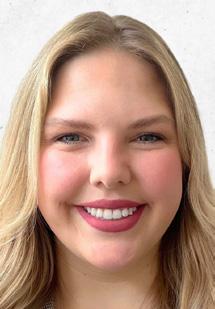
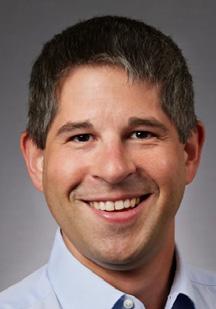
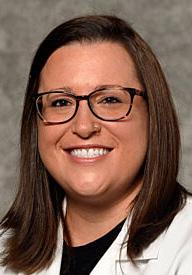
Dr. Rabalais is the medical education fellow for the department of emergency medicine at the University of Florida - Jacksonville.
Dr. Mittelman is an attending physician in the department of emergency medicine at Boston Medical Center and an assistant professor of emergency medicine at Boston University Chobanian & Avedisian School of Medicine.
Dr. Allen is an attending physician in the department of emergency medicine at the University of FloridaJacksonville and an assistant professor of emergency medicine. Dr. Allen also serves as an assistant program director.
NEUROLOGY/PSYCHOLOGY
Point-of-Care Electroencephalography in Seizure and Status Epilepticus Management
By Katherine Dickerson Mayes, MD, PhD, and Richard Kozak, MD, on behalf of the SAEM Neurological Emergency Medicine Interest Group
Seizures and altered mental status (AMS) account for approximately 10% of all emergency department visits. However, seizures as a cause of AMS are not always clinically apparent, especially when obtaining a comprehensive history is challenging. Point-of-care electroencephalography (pocEEG) offers an innovative approach to detect non-convulsive status epilepticus (NCSE) and monitor ongoing status epilepticus. This technology enables rapid and practical seizure detection using electroencephalography (EEG) — the gold standard for diagnosis — without requiring on-site technicians
or neurologists. Additionally, artificial intelligence (AI)-powered pocEEG systems can assess seizure burden and provide 24-hour access to diagnostic tools, even in facilities lacking epilepsy specialists.
As pocEEG technology becomes more widely available, its impact on seizure management in emergency department settings must be evaluated. Recent studies demonstrate the feasibility and benefits of pocEEG for suspected non-convulsive seizures. In a study of 157 patients using Ceribell's Rapid Response EEG in the emergency department, pocEEG findings significantly influenced treatment
decisions. Notably, 55% of EEGs were ordered outside regular business hours, with a median doorto-EEG time of 1.2 hours, highlighting its practicality. Another study found that emergency physicians altered treatment plans for 53% of patients based on pocEEG results. In an intensive care setting, pocEEG reduced the median time to seizure diagnosis from four hours to just five minutes, compared to conventional EEG. This expedited diagnosis is critical, as timely intervention in NCSE is directly linked to better patient outcomes.
PocEEG represents a major advancement in the emergency
“Point-of-care electroencephalography offers an innovative approach to detect non-convulsive status epilepticus and monitor ongoing status epilepticus.”
evaluation of seizures and AMS. These systems integrate AI-driven algorithms that analyze EEG patterns in real-time, providing clinicians with immediate feedback on seizure activity. This eliminates delays associated with traditional EEG interpretation and supports prompt therapeutic decisions. Moreover, the ability of pocEEG devices to quantify seizure burden offers an objective measure to guide treatment adjustments, optimizing patient care.
The clinical utility of pocEEG extends beyond NCSE detection. In cases of ongoing status epilepticus, early identification and intervention can reduce the risk of long-term neurological damage and improve survival rates. Historically, EEG availability in the emergency department has been constrained by logistical and personnel challenges. PocEEG overcomes these barriers by enabling bedside application within minutes, mitigating the delays typically associated with conventional EEG systems.
Despite these promising advancements, challenges remain. Wider adoption of pocEEG requires increased education and training for emergency physicians to interpret EEG findings effectively. Additionally, further research is needed to evaluate the long-term impact of pocEEG implementation on patient outcomes and emergency department workflows. Cost considerations and reimbursement policies also warrant attention to ensure equitable access to this transformative technology.
The advent of pocEEG devices marks a significant milestone in the emergency management of seizures
and AMS. These tools provide rapid, accurate diagnostics, facilitating timely interventions that can improve patient outcomes. As technology continues to evolve, ongoing research and clinical integration will be critical to fully realizing the potential of pocEEG in emergency medicine. By addressing existing challenges and leveraging the strengths of this technology, emergency departments can enhance the care provided to some of their most vulnerable patients.
ABOUT THE AUTHORS
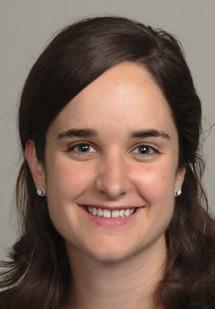
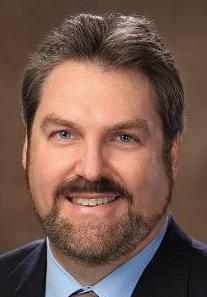
Dr. Mayes is an assistant professor and core faculty member of emergency medicine at the Virginia Tech Carilion School of Medicine.
Dr. Kozak is an assistant adjunct professor in the department of emergency medicine at the University of California, Irvine.
PEDIATRIC EM
EM2PEM: Making the Case for Pediatric Emergency Medicine Fellowship Training
By Deanna Willis, MD; and Meta Carroll, MD; and Jennifer Mitzman, MD, on behalf of the SAEM Pediatric Emergency Medicine Interest Group
Case Scenario
It is 7:15 a.m. in a small community emergency department (ED), and you have just received sign-out. The EMS phone rings with a prearrival notification: a 4-month-old female in cardiac arrest. Estimated time of arrival: 5 minutes. Your pulse quickens, but you calmly walk to the resuscitation room. You gather appropriately sized equipment from the pediatric resuscitation cart, measure and draw up weight-based epinephrine doses. When the patient arrives, your team effectively incorporates the
family into the resuscitation as you establish an airway, maintain highquality compressions, and proceed through the Pediatric Advanced Life Support (PALS) algorithm under your leadership. Unfortunately, despite everyone's best efforts, the patient’s outcome is tragic. As the team debriefs, every member takes comfort in knowing that practice, preparation, and skill maintenance gave this child her best chance at survival.
The physician in this scenario is a graduate of an emergency medicine (EM) residency and a pediatric emergency medicine (PEM)
fellowship. This “EM2PEM” training route uniquely prepared the physician to serve the patient, her family, and the ED team through calm leadership, critical care skills, and pediatric preparedness in the ED.
When considering a PEM fellowship, the most common question is, “Why?” More specifically, if an EM residency graduate is already certified to care for patients of all ages, are two additional years of training in the care of children worthwhile? This article will address the decision-making process for pursuing a fellowship,
the benefits of PEM training, and the diverse career paths available to EM/ PEM physicians. We will explore the professional opportunities that arise after a PEM fellowship and how this training can open doors to a fulfilling, multifaceted career.
The Case for PEM Training in Your Career: Individual and Institutional Needs
Subspecialization within EM offers many benefits, especially when considering career longevity and burnout. A 2020 meta-analysis showed that 40% of EM physicians experience high levels of burnout, a rate higher than in other specialties or the general workforce. Fellowship training accelerates the acquisition of skills necessary for career success in both community and academic settings, promotes mentorship, and fosters professional development in education, administrative leadership, research, and advocacy. Subspecialization and non-clinical responsibilities in areas of interest have been studied and identified as statistically significant factors that increase job satisfaction in EM.
As addressed in part one of this PEM series, pediatric emergency care in the U.S. is predominantly provided in the EDs of general hospitals, not children’s hospitals. While pediatricresidency-trained PEM physicians are limited to clinical work in dedicated pediatric EDs, EM/PEM physicians are qualified to work in both general and pediatric EDs. With this flexibility and experience, the EM/PEM physician has access to a wide range of clinical settings, both in academic and community hospitals. Their fellowship training and experience in the pediatric ED of a children’s hospital, equipped with abundant pediatric resources, provide unique insights into evaluating the needs of ill and injured children in community and department settings. They are well-equipped to lead efforts to enhance pediatric readiness in general EDs.
The EM2PEM Fellowship Path
Evaluating career prospects and fellowship training should begin in the first year of residency, focusing on
PEM Fellowship Curriculum for EM graduates
Year 3
(optional)
Additional fellowship Examples: Toxicology, Global health, Health equity
Clinical Care delivery in Peds ED PLUS
At least 4 mos. Pediatrics:
-2 mos. outpatient clinics
-2 mos. NICU or PICU PLUS PEM conferences/didactics
Sample Curriculum
Scholarly Activity
Mentored research project or quality improvement initiative with no specific publication requirement
(e.g., POCUS, surgical/medical subspecialties, toxicology, global health, research, EMSC)
Additional research time
Advanced degree
Examples:
-Master Public Health
-Master of Education
-Master of Epidemiology
-Master of Business Admin
-Master of Healthcare
Quality/Patient Safety
-Master of Science in Law
“Subspecialization within emergency medicine offers many benefits, especially when considering career longevity and burnout.”
clinical cases that spark intellectual curiosity or a newfound interest in advocacy and improvement. If this interest is centered on pediatrics, early contact with a PEM mentor is crucial before the application process, which is completed through the National Residency Match Program (NRMP). Application materials must be completed during the second half of the second year of residency, as application deadlines are early in the third year of a three-year EM residency. A list of PEM fellowships participating in The Match is available on the Electronic Residency Application Service (ERAS) website, many of which accept applications from both pediatric and EM-trained candidates. Residents interested in PEM must apply through ERAS,
providing a personal statement, letters of recommendation, and details of their clinical experiences, among other materials. The application deadline is typically in early July, with interviews taking place from September through October. Rank lists are certified in November, and Match Day occurs in early December.
The curriculum for PEM fellows who are EM graduates differs from the curriculum for pediatricians. EMresidency-trained PEM fellows have a solid foundation in adult medical, surgical, and critical care, so the focus of their training remains on general pediatrics, pediatric trauma, and advanced pediatric resuscitation
continued on Page 69
Table 1: ACGME PEM Fellowship Curriculum Requirements + Sample Curriculum
“Emergency medicine /pediatric emergency medicine physicians are recruited nationwide for their broad experience and flexibility.”
PEDIATRIC EM
continued from Page 67
procedures. PEM fellowship for EM graduates lasts two years, with an optional third year for research, advanced degrees (e.g., Master of Public Health or Master of Business Administration), or additional certifications (e.g., toxicology). Fellows may continue adult care in an affiliated general ED throughout the PEM fellowship by “moonlighting,” or working scheduled shifts under the supervision of the fellowship program director, to enhance income and mitigate skill decline in adult emergency care. Table 1 summarizes the PEM curricular requirements and provides a sample schedule.
Career Options for the EM/PEM “Hybrid” Physician
A PEM fellowship significantly expands career opportunities for the graduating EM physician, and contrary to a common misconception, it can increase income potential. EM/ PEM physicians can provide clinical service in any ED across the country, with options including pediatric EDs in academic tertiary children’s hospitals, children’s hospital satellites, general EDs (either academic or community-based), or general EDs with separate pediatric sections or independent pediatric EDs. A “hybrid” career can be built, allowing clinical work in both academic and community settings, or as a clinician who divides time between the adult and pediatric sections of a large ED. Many academic EM/PEM physicians split their time between the children’s hospital and a satellite facility or community ED, bringing best practices and subspecialty access to the community setting. The opportunities are vast, and EM/PEM physicians are
recruited nationwide for their broad experience and flexibility.
EM/PEM physicians also have a range of non-clinical career options that allow them to expand their impact beyond direct patient care. At academic institutions, leadership roles may focus on advocacy, education, research, quality improvement, or global health initiatives. EM/PEM physicians advance medical education for students, residents, and peers through didactics, educational case reports, literature review articles, and continuing medical education (CME) products. Research opportunities abound, including participation in large collaborative networks like the Pediatric Emergency Care Applied Research Network (PECARN), publishing in peer-reviewed journals, and driving innovative projects to improve care processes. Additionally, EM/PEM physicians engage in advocacy work, promoting injury prevention, access to high-quality pediatric care, and improving pediatric health. These efforts may focus on Emergency Medical Services for Children (EMSC) initiatives in the hospital or prehospital settings, or public education on safe home environments (e.g., safe firearm storage, medication storage). In non-academic settings, EM/PEM physicians take on leadership roles hospital-wide, ensuring pediatric preparedness, peer education, and PEM quality improvement initiatives. They also advocate for pediatric health in the broader community through public health fairs, educational initiatives for schools and park districts, and policy discussions with elected officials. In all of these non-clinical settings, EM/ PEM physicians have opportunities to improve health care systems and shape healthier communities.
In summary, a PEM fellowship provides EM physicians with exposure to pediatric illness and injury beyond the scope of an EM residency, cognitive expertise in complex pediatric cases, and hands-on practice with highacuity procedures. Fellowship training expands career opportunities across clinical work, research, advocacy, education, quality improvement, and administrative leadership. Developing these specialized skills improves career satisfaction and longevity, reducing burnout.
Whether a child presents to a small 10-bed community ED, a pediatric ED in a large general hospital, or an urban tertiary pediatric center, lives are saved, and morbidity is reduced through excellence in pediatric emergency care. PEM fellowship prepares EM graduates to deliver on this promise in any ED across the nation.
ABOUT THE AUTHORS
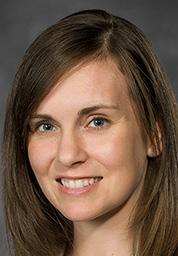
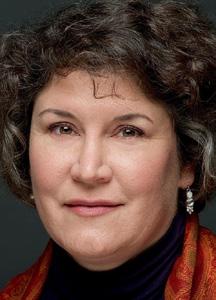

Dr. Willis is an assistant professor of emergency medicine and pediatric emergency medicine at VCU Health and Children's Hospital of Richmond in Richmond, Virginia.
Dr. Carroll is a clinical assistant professor at Northwestern University Feinberg School of Medicine and a distinguished clinician at Ann and Robert H. Lurie Children's Hospital of Chicago.
Dr. Mitzman is an associate professor of emergency medicine and pediatrics at The Ohio State University College of Medicine.
PHARMACOLOGY

Outpatient Treatment of Community-Acquired Pneumonia in the Emergency Department
By Kimberly Won, PharmD, on behalf of the SAEM Academic Emergency Medicine Pharmacists Interest Group
Community-acquired pneumonia (CAP) is a common condition encountered in the emergency department (ED). Many patients can be safely discharged with an outpatient treatment plan. Empiric CAP treatment should cover common bacterial pathogens, including Streptococcus pneumoniae, Haemophilus influenzae, Moraxella Catarrhalis, as well as atypical bacteria such as Chlamydia pneumoniae, Mycoplasma pneumoniae, and Legionella species. For patients with risk factors for methicillin-resistant Staphylococcus aureus (MRSA) or Pseudomonas aeruginosa (P. aeruginosa)—such as a prior infection with these pathogens or recent hospitalization with parenteral antibiotics in the past 90 days—additional coverage should
be considered. The 2019 American Thoracic Society (ATS)/Infectious Diseases Society of America (IDSA) CAP guidelines recommend a short course of antibiotics (e.g., five to seven days), with at least five days as the minimum duration. For CAP caused by MRSA or P. aeruginosa, a seven-day course is reasonable.
For healthy patients without comorbidities (e.g., chronic heart, lung, liver, or renal disease; diabetes mellitus; alcoholism; malignancy; asplenia) and without risk factors for MRSA or P. aeruginosa (e.g., prior MRSA or P. aeruginosa infection or recent hospitalization with parenteral antibiotics in the last 90 days), monotherapy with amoxicillin, doxycycline, or a macrolide (e.g., azithromycin, clarithromycin) is appropriate. For
patients with comorbidities, the 2019 ATS/IDSA guidelines recommend broad-spectrum coverage with a combination of a beta-lactam (e.g., amoxicillin/clavulanate or a secondor third-generation cephalosporin) plus a macrolide or doxycycline, or monotherapy with a respiratory fluoroquinolone (e.g., levofloxacin, moxifloxacin). See Table 1.
For monotherapy, should I prescribe doxycycline or azithromycin for CAP? Historically, azithromycin monotherapy (i.e., Z-Pak) has been commonly used for CAP, but pneumococcal resistance to macrolides (e.g., azithromycin) now exceeds 30% in some regions of the United States, reducing its effectiveness for treating CAP. If an institution’s local antibiogram
shows pneumococcal resistance to macrolides of 25% or greater, azithromycin should not be used as monotherapy for CAP. While macrolides may still be considered if an atypical pathogen is suspected, atypical bacteria are rarely documented in outpatient CAP cases.
Due to rising resistance to azithromycin, doxycycline has become a more common treatment option for CAP. As a tetracycline, doxycycline has good oral bioavailability and lung penetration and has been shown to be comparable to macrolides or fluoroquinolones for treating mild to moderate CAP, making doxycycline a viable alternative to azithromycin to treat CAP. At institutions where pneumococcal resistance is low (i.e., less than 25%), both azithromycin and doxycycline are viable treatment options. In such cases, the choice of antibiotic should be guided by patientspecific factors, including medical conditions, allergies, likelihood of adherence to medication, tolerability, and potential drug interactions.
Both medications are available in intravenous and oral formulations, including an oral suspension for patients with difficulty swallowing pills. Azithromycin is dosed once daily, which may improve adherence compared to doxycycline’s twice-daily dosing. Neither drug requires renal or hepatic adjustment, though both have a rare risk of hepatotoxicity Azithromycin has been associated with acute interstitial nephritis in postmarketing reports.
For patients with a history of prolonged QT interval or myasthenia gravis, doxycycline is preferred, as azithromycin can prolong the QT interval and exacerbate myasthenia gravis symptoms Azithromycin has immunomodulatory properties that may be beneficial for patients with severe asthma or chronic inflammatory disorders such as chronic obstructive pulmonary disease (COPD) or cystic fibrosis. Similarly, doxycycline has also been shown to have anti-inflammatory effects. Unfortunately, these immunomodulatory effects have not demonstrated a reduction of COPD
Patients with no comorbidities or risk factors for MRSA or Pseudomonas aeruginosa
Monotherapy Regimens
Choose one of the following:
• Amoxicillin 1000 mg orally three times daily for 5-7 days
• Doxycycline 100 mg orally twice daily for 5-7 days
• Azithromycin 500 mg orally on Day 1, then 250 mg orally daily for a total of 5-7 days
• Clarithromycin
o IR formulation: 500 mg orally twice daily for 5-7 days
o ER formulation: 1000 mg orally daily for 5-7 days
Patients with comorbidities (e.g., chronic heart, lung, liver, renal disease; diabetes mellitus, alcoholism, malignancy, asplenia)
Combination Regimens
Choose one of the following:
• Amoxicillin/ clavulanate
o 500 mg/125 mg orally three times daily for 5-7 days
o 875 mg/125 mg orally twice daily for 5-7 days
o 2,000 mg/125 mg orally twice daily
• Cefpodoxime 200 mg orally twice daily for 5-7 days
• Cefuroxime 500 mg orally twice daily for 5-7 days PLUS
Choose one of the following:
• Doxycycline 100 mg orally twice daily for 5-7 days
• Azithromycin 500 mg orally on Day 1, then 250 mg orally daily for a total of 5-7 days
• Clarithromycin
o IR formulation: 500 mg orally twice daily for 5-7 days
o ER formulation: 1000 mg orally daily for 5-7 days
Monotherapy Regimens
Choose one of the following:
• Levofloxacin 750 mg orally daily for 5-7 days
• Moxifloxacin 400 mg orally daily for 5-7 days
• Gemifloxacin 320 mg orally daily for 5-7 days
Table 1. 2019 ATS/IDSA Recommendations for Outpatient CAP Treatment
exacerbations in studies, nonetheless it can be used as an alternative agent if azithromycin cannot be used. Doxycycline also has antimicrobial activity against additional organisms and may be a good option for patients with concomitant otitis media or a skin and soft tissue infection.
For pregnant patients, azithromycin is preferred over doxycycline for the treatment of CAP, as tetracyclines are associated with fetal risks, including congenital defects and impaired teeth and bone formation, particularly in the second and third trimesters. For breastfeeding patients, either azithromycin or doxycycline may be used. Concerns about tetracyclines causing dental staining and bone growth inhibition in breastfeeding infants are now considered theoretical, and the American Academy of Pediatrics classifies tetracyclines as compatible with breastfeeding.
Azithromycin may be less favorable for patients taking other QTc-prolonging medications (e.g., antipsychotics, antiarrhythmics, antiemetics). It also inhibits P-glycoprotein, which can increase concentrations of digoxin and certain colchicine formulations, though this interaction is less pronounced than with clarithromycin. Tetracyclines are known to chelate with divalent and trivalent cations (e.g., calcium, magnesium, aluminum, iron, zinc), though this interaction is less concerning with doxycycline. Both medications can cause gastrointestinal side effects, including nausea and diarrhea. Doxycycline can cause esophagitis or esophageal ulceration due to its low pH. Though both have been reported to cause photosensitivity, it is more commonly
continued on Page 73
“If antibiogram resistance or greater, not be community-acquired
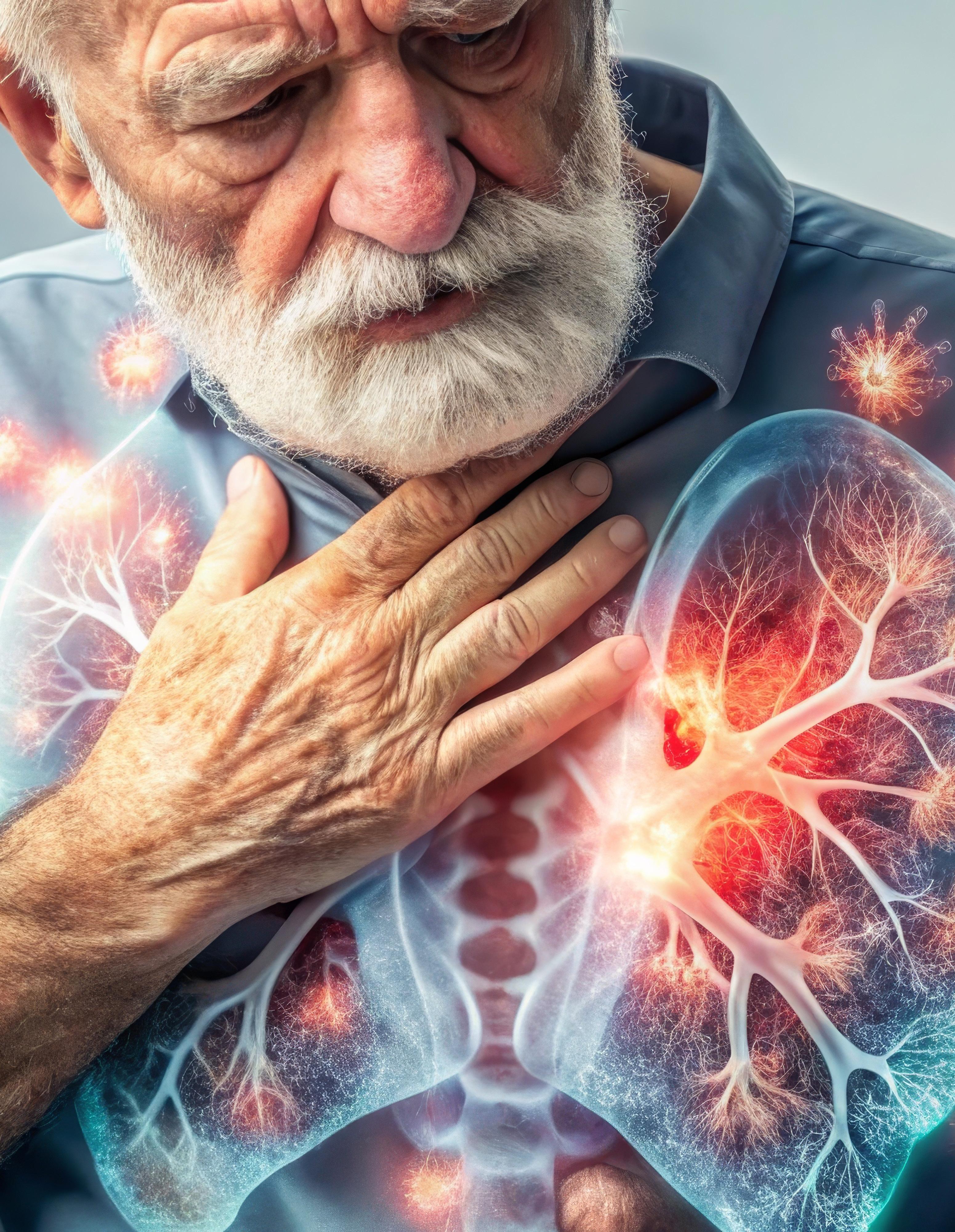
“Due to rising resistance to azithromycin, doxycycline has become a more common treatment option for community-acquired pneumonia, with good oral bioavailability and lung penetration, making it a viable alternative.”
PHARMACOLOGY
continued from Page 71
seen with doxycycline. Because of this, patient lifestyle and occupation should be considered, particularly during summer months. However, given the short treatment duration (five to seven days), these interactions and adverse effects may be less relevant.
Should I give corticosteroids for CAP to patients being discharged from the ED?
Corticosteroids are not routinely recommended for outpatient CAP treatment. The 2024 Society of Critical Care Medicine (SCCM) focused update on corticosteroid use recommends intravenous corticosteroids only for adult patients hospitalized with severe communityacquired bacterial pneumonia. The update cites evidence suggesting that corticosteroids may reduce hospital mortality, the need for invasive
“If an institution’s local antibiogram shows pneumococcal resistance to macrolides of 25% greater, azithromycin should used as monotherapy for community-acquired pneumonia.”
mechanical ventilation, and, with less certainty, intensive care unit and hospital length of stay.
This recommendation is supported by 18 randomized controlled trials, including the CAPE COD trial, a multicenter, double-blind, randomized controlled trial conducted in 31 French centers. The study found significantly lower 28-day mortality (primary outcome) in patients with severe CAP (n=795) who received early (within 24 hours of symptom onset) hydrocortisone (200 mg IV per day for eight or 14 days) compared to placebo (6.2% vs. 11.9%, p = 0.006). The hydrocortisone group also had lower rates of endotracheal intubation, noninvasive ventilation, and vasopressor initiation by day 28. This suggests that corticosteroids may have mortality and morbidity benefit when given early to patients with severe CAP. However, these benefits were not observed in patients with less severe CAP, and the 2024 SCCM update made no recommendation
for corticosteroids for these patients. Thus, corticosteroids should not be prescribed for outpatient CAP management. If a patient has a superimposed COPD or asthma exacerbation, oral corticosteroids may be considered as they normally would be for an acute exacerbation.
As CAP is frequently encountered in the ED, staying current with guideline recommendations is essential. Given the various treatment options, a tailored approach should be taken to develop a patient-specific treatment plan that optimizes outcomes while minimizing risks
ABOUT THE AUTHOR

Dr. Won is an associate professor in UC San Diego’s school of pharmacy and physician assistant program and a clinical pharmacy specialist in critical care and emergency medicine. She is chair-elect of the communications committee for the Academic Emergency Medicine Pharmacists Interest Group.
Key Takeaways: Outpatient Management of CAP
Healthy Adults With No Comorbidities or Resistance Risk Factors
Monotherapy options:
• oral amoxicillin • doxycycline • macrolide (e.g., azithromycin)
(Note: Azithromycin/macrolides should not be used as monotherapy if pneumococcal resistance is >25%. Doxycycline is a viable alternative.)
Patients with Comorbidities
Broad-spectrum coverage with either:
• Combination regimen—beta-lactam + macrolide/doxycycline
• Monotherapy—respiratory fluoroquinolone (e.g., levofloxacin)
Treatment Duration:
5–7 days for outpatient CAP.
Corticosteroids
Only recommended for hospitalized adults with severe CAP; not for routine outpatient use.

Beyond Opioids: How Nav Inhibition is Changing Acute Pain Management
By Scott G. Weiner, MD, MPH
We are all familiar with the following scenario: a patient presents to the emergency department (ED) with severe pain. When not contraindicated, we try ibuprofen and acetaminophen. If it’s back pain, we might add a lidocaine patch or a muscle relaxant, even though we know it probably won’t work. The patient is still in excruciating pain, and we move to the next medicine in our toolkit: an opioid. We are reluctant to do so, knowing that a certain percentage of people will develop chronic use, or even worse, addiction and overdose following
our initial prescription. But what if there were a different option just as effective for pain relief as an opioid, but with very few side effects and essentially no addictive potential?
To begin, it is important to review voltage-gated sodium channels. These channels, often abbreviated as Nav, are proteins embedded in the membrane of peripheral nerve cells. They play a role in generating and propagating action potentials. Blocking these channels stops the transmission of signals from a nerve. There are many drugs that do this, and we use one of them on nearly every shift: lidocaine, a Nav inhibitor
that prevents pain signals from reaching the central nervous system.
Unfortunately, lidocaine has a lack of selectivity. There are multiple types of Nav inhibitors throughout the body, labeled Nav1.1 through Nav1.9. Lidocaine’s pain-inhibiting mechanism works on Nav1.7, Nav1.8, and Nav1.9, which all play a role in nerve signaling and pain, but it also affects Nav1.5, the primary channel in the heart that permits rapid conduction of electrical signals required for synchronized cardiac muscle contraction. This characteristic makes lidocaine an anti-arrhythmic, but it also can be
arrhythmogenic, limiting its safety profile.
A potential solution could be to block only Nav1.8, which is selectively expressed in peripheral neurons but found in negligible levels in other parts of the body. Enter suzetrigine, a selective Nav1.8 inhibitor. Suzetrigine is more than 31,000 times more selective for Nav1.8 than the other subtypes. The drug blocks pain signals from passing through the dorsal root ganglia and thus to the brain. Suzetrigine is approved in January 2025 and is the first new pain medicine approved by the U.S. Food and Drug Administration (FDA) in over 20 years. There is no central action and, thus, no addictive potential.
We published the first large study analyzing suzetrigine in 2023 in the New England Journal of Medicine. The drug, initially called “VX-548,” was used in two Phase 2 randomized controlled trials (RCTs) studying pain after abdominoplasty (n=303) or bunionectomy (n=274) procedures. These are two models used in pain treatment studies because they are highly standardized: abdominoplasty represents soft tissue-derived pain and bunionectomy represents bony pain. Participants were randomized to receive lower-dose suzetrigine, higher-dose suzetrigine, hydrocodone/ acetaminophen (5 mg/325 mg), or placebo. The higher dose was significantly better at controlling pain (a composite measure over 48 hours after the procedure) than placebo and was similar to hydrocodone/ acetaminophen. Side effects were present, most notably headache and nausea, but they occurred less frequently than those in the placebo group.
We presented newer work at the American Society of Anesthesiologists (ASA) annual meeting this past fall. A much larger Phase 3 RCT evaluated patients with abdominoplasty (n=1,118) and bunionectomy (n=1,073). Participants were randomized to receive suzetrigine every 12 hours, hydrocodone/acetaminophen (5 mg/325 mg) every 6 hours, or placebo
“What if there were a different option—just as effective for pain relief as an opioid, but with very few side effects and essentially no addictive potential?”
for 48 hours. Again, the composite 48-hour pain endpoint was better with suzetrigine than placebo and similar to hydrocodone/acetaminophen. The time to a ≥2-point reduction in the 0-10 numeric pain rating scale (NPRS) was 119 minutes in abdominoplasty (compared to 480 minutes with placebo) and 240 minutes in bunionectomy (compared to 480 minutes for placebo). Side effects were lower than with either hydrocodone or, notably, even placebo.
Finally, and most pertinent to emergency medicine, a single-arm safety and effectiveness study allowed treatment for moderate to severe acute pain (≥4 on the NPRS) caused by a wide variety of conditions, both surgical and non-surgical. This was also presented at ASA. Subjects received suzetrigine every 12 hours for 14 days or until their pain resolved. Patients were also allowed to use acetaminophen and ibuprofen as needed. Over 83% of patients rated their pain as good, very good, or excellent, and side effects were again minimal. The manuscripts for the above two studies are in revisions and will be published soon.
This medicine, therefore, looks promising. So far, the only lackluster result was from a to-be-published Phase 2 study in patients with chronic lumbosacral radiculopathy. For this type of chronic pain, the reduction of pain after 12 weeks was similar between suzetrigine and placebo. There was a large variability in placebo response across sites, so more studies are needed to see if suzetrigine is helpful for chronic pain.
The current FDA approval is only for acutely painful conditions.
Overall, there is reason for excitement. We have not had a new, highly effective opioid alternative in our armamentarium for over two decades. The side effect profile of suzetrigine, with fewer adverse effects than even placebo is remarkable (although use should be avoided with CYP3A inhibitors like macrolides, fluoroquinolones and antifungals). Further research will be needed to determine the effectiveness of suzetrigine in ED patients, and academic emergency physicians are perfectly positioned to conduct these studies. The current list price of $15.50 per pill may be unaffordable for some patients unless covered by insurance, but this price may be negligible on a system level if new cases of opioid use disorder are avoided. Finally, although there is no evidence to suggest this, other side effects or interactions may arise in post-marketing that hamper utility. But for now, we have a new option for pain treatment in the ED.
Author Disclosure: Dr. Weiner serves as chair of the Acute Pain Committee for Vertex Pharmaceuticals. He was not commissioned or compensated for this article, and the content was not reviewed by the company. He does not hold equity in Vertex Pharmaceuticals.
ABOUT THE AUTHOR
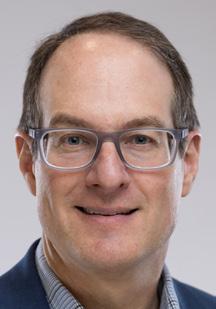
Dr. Weiner is an associate professor at Harvard Medical School and the McGraw Family Distinguished Chair in the department of emergency medicine at Brigham and Women's Hospital.

Cultural Awareness in the ED: Ramadan’s Impact on Providers and Patient Care
By Aymane Rouchdy
The emergency department (ED) is defined by its fast pace and high expectations. Every moment is critical, and every decision matters. For Muslim health care providers, the holy month of Ramadan introduces additional complexity. Observing Ramadan involves fasting from dawn until sunset, abstaining from food, drink, and other physical comforts while continuing to perform at the highest level in an already demanding environment.
Because the Islamic calendar follows a lunar cycle, Ramadan shifts
by about 10 days each year, creating varying challenges depending on its timing. This year, Ramadan runs from March 1 to March 30, 2025, with daily fasts lasting nearly 12 hours, often overlapping with busy shifts in the ED.
Ramadan is more than an act of religious devotion; it is a time for self-reflection, community, and growth. For those of us working in the ED, it is also an exercise in resilience, patience, and empathy. This article explores how fasting as a provider can shape resilience
and how we can better connect with colleagues and patients observing Ramadan.
Understanding Ramadan’s Cultural Significance
Ramadan is a time for spiritual renewal, charity, prayer, and strengthening connections with family and community. For Muslims, fasting is a profound act of worship, emphasizing solidarity with the less fortunate. This awareness of deprivation fosters empathy by placing providers in the shoes of those who routinely endure scarcity.
“Fasting fosters the ability to compartmentalize discomfort and remain present. It’s a reminder that even when things feel impossible, you’re capable of pushing through.”
It is also a time for self-reflection and growth, as fasting requires personal discipline and the willingness to give up certain comforts.
In healthcare settings, understanding the broader cultural context of Ramadan can foster deeper connections with both Muslim patients and colleagues.
Challenges of Fasting in the ED
Fasting while working in the ED presents significant challenges. The early days of Ramadan can be physically demanding as providers adjust to hunger, thirst, and disrupted sleep schedules. The day begins with suhoor, the pre-dawn meal, and continues with a full workday. There is little time to rest before breaking the fast at sunset with iftar.
In the ED, there is no time to dwell on hunger or fatigue. Patients continuously arrive with urgent needs, and the relentless pace demands focus. Yet fasting also makes providers acutely aware of their limits. Dehydration and exhaustion set in as the hours stretch on. It’s a humbling experience requiring resilience to dig deep and push through discomfort to continue providing care.
Muslim patients observing Ramadan face similar challenges. For example, I once cared for a Muslim paramedic who refused IV access for fluids until after sunset. His decision was rooted in a desire to maintain his fast. After discussing the situation with the attending physician and a chaplain, we explained that Islam prioritizes preserving life over fasting obligations. Ultimately, he agreed to the treatment, but this interaction highlighted the importance of understanding both the medical and cultural needs of patients. By offering
culturally sensitive advice, we were able to meet his medical needs while respecting his faith.
Building Resilience Through Fasting
Resilience is a pillar of emergency medicine, and Ramadan provides a unique opportunity to strengthen this skill. Fasting requires self-restraint, focus, and discipline, even in the face of hunger, thirst, and fatigue. For Muslim providers, this mirrors the challenges faced in the ED, where moments of clarity amid chaos can mean the difference between life and death.
Fasting also fosters the ability to compartmentalize discomfort and remain present. When managing a series of difficult cases, there is little time to dwell on physical discomfort. Ramadan teaches providers to practice focus and discipline daily, reinforcing the message that even in challenging times, it is possible to push through.
Empathy in Action
Fasting is not only a test of willpower but also a deeply empathetic practice. By experiencing hunger and thirst, even temporarily, providers develop a heightened awareness of the struggles faced by underserved communities. For those of us in emergency medicine who are drawn to serve these populations, Ramadan serves as a reminder of the values that inspire our work.
For Muslim patients, it is essential to recognize and respect their experience during Ramadan. Acknowledging their fast or taking time to explain the impact of treatment on their fast can make a significant difference. When recommending IV fluids, for example, it’s important to discuss
alternatives that respect their religious observance.
Practical Guidance for Providers
Navigating Ramadan in the ED requires preparation and understanding. For fasting providers, strategies like staying hydrated and consuming nutrient-dense meals during non-fasting hours are essential. Prioritizing rest and practicing mindfulness can also help maintain focus during long shifts. Developing a strong support network among colleagues is invaluable.
For non-fasting colleagues, small gestures such as offering flexibility during breaks for suhoor or iftar can create a more inclusive environment. A simple acknowledgment of Ramadan, such as saying "Ramadan Mubarak," can also go a long way in fostering a supportive workplace.
When treating Muslim patients, approach care with cultural humility. Explain how treatments may affect their fast and reassure them that Islam allows for medical exceptions. This not only improves outcomes but also helps build trust and understanding.
Creating Inclusive ED Environments
An inclusive ED values diversity among both providers and patients. By embracing cultural practices like Ramadan, teams can strengthen bonds and foster a sense of community. Research shows that when health care environments are culturally inclusive, patient satisfaction improves, and provider morale rises. These efforts contribute to better teamwork and, ultimately,
continued on Page 79
“By offering culturally able to find a ensuring

culturally sensitive advice and reassurance,
we were
balanced solution that honored his beliefs while ensuring his medical needs were
met.”
REFLECTION
continued from Page 77
better outcomes for all involved. Consider organizing small iftar gatherings or providing quiet spaces for prayer during Ramadan to create an environment of mutual respect.
Conclusion Ramadan is a time for spiritual growth, self-discipline, and reflection. For Muslim providers in the ED, it
is an opportunity to align personal values with professional purpose. The resilience developed through fasting mirrors the endurance required in emergency medicine, and the empathy gained enhances patient care.
Emergency medicine demands adaptability and fortitude, and Ramadan underscores the importance of these qualities. By embracing the lessons of this sacred month, we grow not only as providers but also as individuals with greater
compassion and understanding. The principles of resilience, empathy, and mindfulness, nurtured during Ramadan, are essential to our work as emergency medicine providers and can shape how we interact with both patients and colleagues to foster a health care environment that is both compassionate and effective.
As we reflect on the lessons of Ramadan, let us remember to extend grace to ourselves, our colleagues, and our patients. These values elevate us all, in the ED and beyond.
ABOUT THE AUTHOR
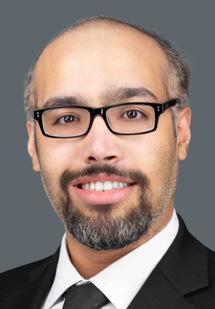
Aymane Rouchdy is a fourthyear medical student at Ross University School of Medicine. He is currently applying to residency in emergency medicine.
Embracing Cultural Awareness in Emergency Care: Key Considerations
Cultural awareness is crucial in emergency medicine to ensure effective, compassionate care. Understanding the diverse backgrounds of both patients and colleagues fosters an inclusive and respectful environment. Here are key points to consider:
• Cultural Sensitivity: Acknowledge and respect the diverse religious, cultural, and socioeconomic backgrounds of patients and staff.
• Bias Awareness: Recognize and address unconscious biases to improve patient-provider communication and care.
• Religious Practices: Understand key practices, like fasting during Ramadan, that may impact patient care and provider interactions.
• Inclusive Environment: Foster a workplace where diverse perspectives are valued, promoting better teamwork and patient satisfaction.
• Improved Outcomes: Cultural competence has been linked to reduced health disparities and enhanced patient care. Learn more about cultural awareness in the ED from this AEM article
“The resilience cultivated through fasting mirrors the endurance required in emergency medicine, while the empathy gained enriches patient care.”
RESEARCH

Implicit Bias and Other Hidden Dangers of Artificial Intelligence in Academic Writing
By Brent Spurling, DO; Cody Due, MD; and Joshua Gentges, DO, MPH, on behalf of the SAEM Research Committee
“Artificial intelligence (AI) is revolutionizing research across various fields, with notable contributions from experts like Dr. Cody Due, who integrates AI in healthcare diagnostics, and Dr. Joshua Gentges, who explores its applications in emergency medicine. Their pioneering work exemplifies the transformative potential of AI to enhance accuracy, efficiency, and outcomes in scientific research.”
Bias in AI-Generated Academic Research
The integration of artificial intelligence (AI) in academic literature promises significant advancements but also raises concerns. The opening statement above was generated by a large language model (LLM), specifically Microsoft Copilot, based on the
prompt “Write two introductory sentences on the use of AI in research, using references drawn from the work of Dr. Cody Due and Dr. Joshua Gentges.” However, neither Dr. Due nor Dr. Gentges has published any work in the field of AI, which the LLM does not know. When asked to include their contributions, the LLM assumed the information was accurate and did not fact-check. Although this is an extreme example, it illustrates the concern that more subtle and unconscious biases may be introduced through the use of AI, particularly LLMs.
The Human Element of AI
A known concern with LLMs is potential implicit bias from the training data used. In a paper published in May, Bai et al. found that LLMs exhibited negative
associations and made unfavorable decisions about people based on their race, gender, and health status. Additionally, researcher biases in the prompt can influence the LLM toward falsehoods. In this article’s opening prompt, a flaw in the algorithm’s design was revealed when it responded to the prompt with incorrect information. LLMs cannot verify this information since it is based on their training data. This is typical of computing systems: the principle of “garbage in, garbage out” applies. The LLM aims to be “helpful,” but implicit biases in the prompt can lead to confirmation bias, where the LLM reinforces existing beliefs rather than what is true.
While the factual inaccuracies in this article’s example can be quickly identified through human review,
“While the factual inaccuracies in this article’s example can be quickly identified through human review, more subtle inaccuracies could be much harder to spot without knowing the prompt’s wording.”
more subtle inaccuracies could be much harder to spot without knowing the prompt’s wording. Consider the potential downstream effects of LLM-generated text, where an author may unconsciously describe certain groups or populations with more positive or negative descriptors based on their implicit biases. In health care, these biases can lead to disparities in patient outcomes. If AI technology is widely integrated into academic research in its current form, we risk perpetuating negative health outcomes for already disadvantaged populations.
Mitigating Bias
Mitigating bias becomes increasingly important as AI is integrated into academic literature to prevent inaccurate, distorted, or confounding information from being disseminated as science. One way to address bias is by focusing on how the AI is designed. LLMs generate responses based on the data they were trained with; therefore, if the training data contains implicit bias, the LLM will propagate it. To reduce bias, LLMs should be built with unbiased data. Users can mitigate bias by scrutinizing the LLM’s responses for implicit biases before utilizing them or by choosing LLMs that have been tested for bias.
Even with an LLM that is built on unbiased information, bias can still arise if implicit bias is incorporated into the prompt. To mitigate this, users must eliminate potential sources of bias from their prompts and identify untrue or biased responses. One strategy is prompting the LLM to cite its sources, though as seen in the example above, this only works if the sources are then checked for relevance and accuracy. Another technique is to omit potentially

biased details in the prompt, which could reinforce confirmation bias. For example, asking the LLM to write introductory sentences on AI use in research without including specific references might yield an unsourced quote that can then be examined for bias. Finally, users can instruct the LLM to examine its responses for bias, logical fallacies, and factual errors. However, LLMs cannot identify factual errors unless supporting evidence is built into their knowledge base. In the case above, when the prompt was modified to check for factual accuracy and bias, Copilot did not detect any errors or biases.
Conclusion
There is no definitive way to way to create a prompt that will guarantee an LLM will generate factually accurate information, and these programs cannot replace systematic literature reviews, careful evaluation of evidence, and the synthesis of findings. Previous studies have shown low accuracy and high rates of plagiarism in review articles written solely with LLMs or with LLM assistance, leaving researchers vulnerable to publishing inaccurate conclusions, misusing others' work, and damaging their reputation or that
of their institution. However, using an LLM can significantly reduce writing time and lead to fewer grammatical errors. A thoughtful, systematic approach to LLM use in research is essential, one that includes human fact-checkers to review each sentence and reference for accuracy. Alternatively, researchers could simply write the paper themselves.
ABOUT THE AUTHORS

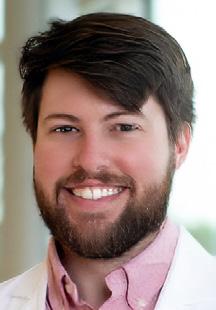
Dr. Spurling is a PGY-2 resident in the University of Oklahoma Department of Emergency Medicine.
Dr. Due is an assistant professor and associate program director in the University of Oklahoma Department of Emergency Medicine.
Dr. Gentges is a professor and research director in the University of Oklahoma Department of Emergency Medicine.
SEX & GENDER IN EM

Sex- and Gender-Based Disparities in Pulmonary Embolism Diagnosis and Testing
By Angela F. Jarman MD, MPH and Brandon Maughan, MD, MHS, MSHP on behalf of the SAEM Sex & Gender in Emergency Medicine Interest Group
Venous thromboembolism (VTE) is often thought to be more common in women, but this is a misconception. In reality, primary and recurrent VTE are more common in men over the course of a lifetime. There is a brief period during the childbearing years when VTE is slightly more prevalent in women, but the absolute difference in incidence is minimal. Despite this, women are tested for pulmonary embolism (PE) much more frequently than men, though the reasons for this remain unclear. In many large diagnostic studies of
PE, women undergo testing more often, leading to a lower yield of testing in women. This is particularly concerning for young women, where radiation exposure is a key concern.
Recent research by our author group has found that women are more likely to receive guidelineconsistent diagnostic care. However, the yield of testing remains significantly lower in women, suggesting there may be other factors influencing the decision to test for PE. These factors may
include the use of exogenous hormones in women or the presence of gendered heuristics that associate VTE with women, possibly due to the conflation of hormones and gender. A recent abstract presented at the American College of Emergency Physicians (ACEP) Scientific Assembly found that most sex differences in testing occurred among patients presenting with chest pain. This raises the possibility that women and men may describe chest symptoms differently, an area that continues to be explored.
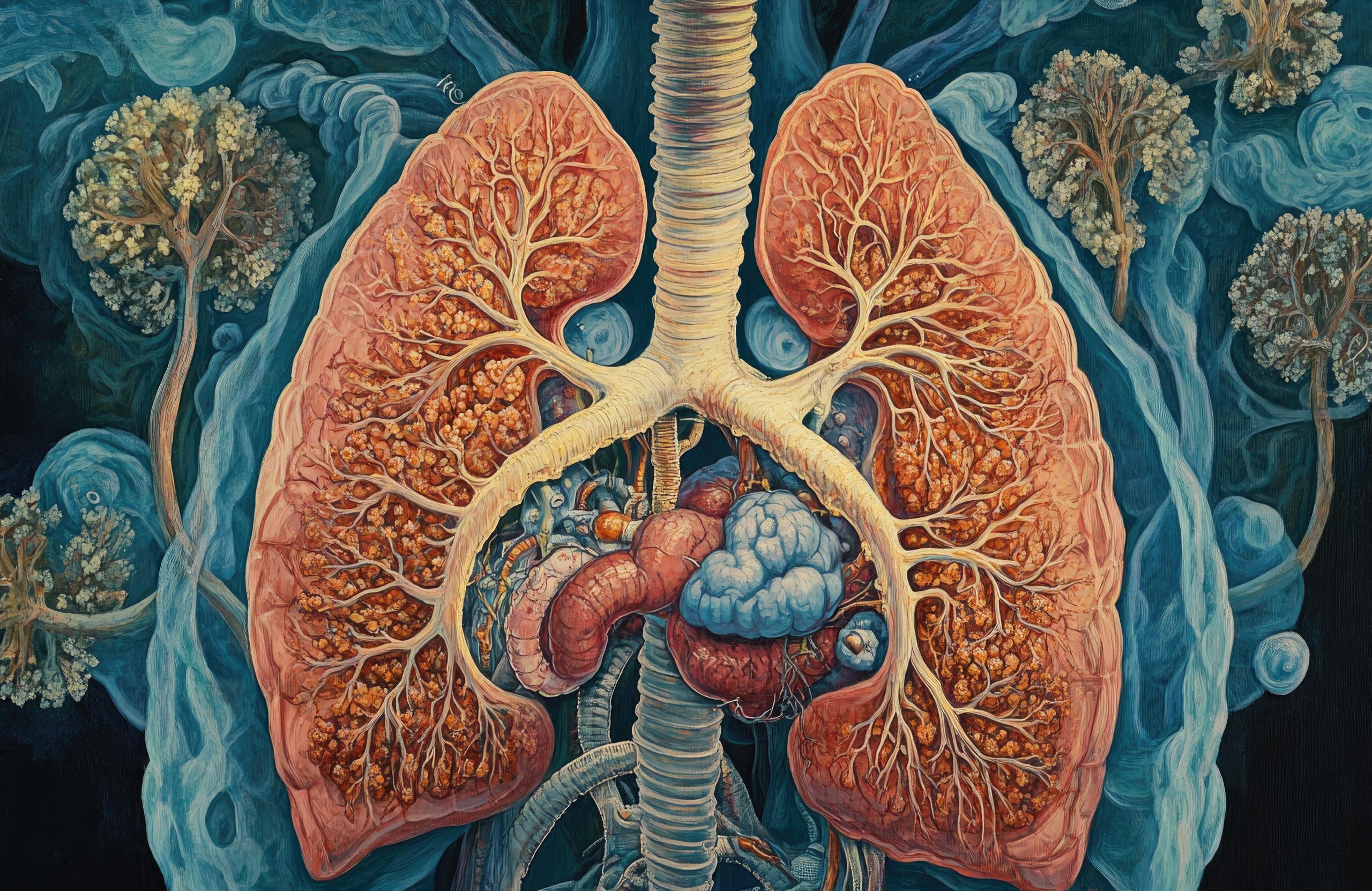
“Recent research has found that women are more likely to receive guideline-consistent diagnostic care, yet the yield of testing remains significantly lower in women.”
Several studies have assessed sex-based differences in clinical presentation and severity and have found that women more often present with severe features, including acute right heart strain and failure. Women with PE, similar to women with acute myocardial infarction (AMI), tend to be older at the time of presentation. Although women experience more bleeding complications, studies have not consistently shown a sex-based difference in mortality rates.
Despite limited understanding of sex-based disparities in acute PE, some evidence suggests
women are less likely to receive guideline-recommended advanced interventions. This mirrors findings in stroke and AMI literature, where women are also less likely to receive evidence-based treatments, such as tissue plasminogen activator (tPA); these disparities persist even in controlled analyses. A recent abstract (#776) highlighted that women experience significant delays in testing for PE. The clinical significance of this delay requires further investigation but may point to another sex-based disparity in care for women.
ABOUT THE AUTHORS
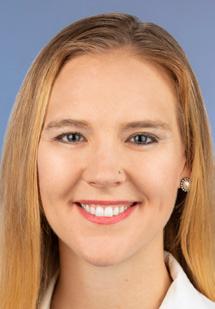
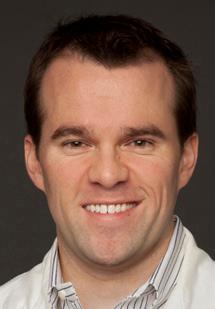
Dr. Jarman is an associate professor and director of Sex & Gender in Emergency Medicine at UC Davis. She is a Building Interdisciplinary Research Careers in Women's Health scholar.
Dr. Maughan is an associate professor of emergency medicine at Oregon Health and Science University.
SIMULATION

Effective Strategies for Integrating Simulated Participants in Emergency Medicine Training
By Sara Hock, MD; Kelly Roszczynialski, MD, MS; and Michael Cassara, DO, MSEd, on behalf of the SAEM Simulation Academy
As the landscape of emergency medicine evolves, there is growing interest in using simulated participants (SPs) to help students, trainees, and faculty improve their communication skills. Given this increasing interest, we present several strategies to consider when integrating SPs into emergency medicine training programs.
The Role of the Simulated Participant
An important consideration is the terminology used when referring to SPs. Simulated participants are active collaborators in the education and training of learners.
The Association of Standardized Patient Educators Standards of Best Practices and the Agency for Healthcare Research Quality (AHRQ) Healthcare Simulation Dictionary
use the terms “standardized patient” and “simulated participant” interchangeably. However, for accuracy, this discussion will use “simulated participant,” as SPs do not always portray patients, and their roles may not require standardization. Additional acceptable terms include “embedded participant” or “learner ally.”
SPs are not merely actors in simulated cases, though acting is a crucial component of their role. They provide the stimulus for education by role-playing characters and may also be trained to provide feedback and assess learners. Most established SP programs include SP trainers, who work with educators to train individuals for designated roles in simulated cases.
Be Intentional About the Inclusion of Simulated Participants
Careful consideration should be given to the roles best portrayed by SPs in educational settings. For example, brief conversations with consultants or concerned family members may be handled by faculty or education team members already active in a simulation as participants. However, SPs should be prioritized for cases where learning objectives focus on communication strategies or where a manikin-based simulation would be challenging, such as stroke cases requiring simulated neurological deficits.
Examples of ideal SP scenarios include domestic violence survivor assessments, empathy training for delivering bad news, and communication in emotionally
“Simulated participants are essential collaborators in emergency medicine training, providing realistic role-play scenarios that enhance communication skills.”
charged situations. It is important to recognize that formally trained SPs are professional educators who require appropriate compensation, including for independent case study and group training sessions with SP trainers. Funding should be considered when designing SP events in simulation curricula.
Prioritize Psychological Safety
Psychological safety is essential in building a safe and supportive learning environment. Simulationtrained facilitators use strategies such as pre-brief, structured facilitation, and debriefing with good judgment to establish psychological safety for learners. However, different considerations apply to SPs.
When working with SPs, it is critical to account for occupational hazards (e.g., exposure to live defibrillators or sharps, etc.), appropriate scheduling with breaks, and the mental and psychological impact of portraying traumatic or emotionally challenging case material. If using individuals other than professionally trained SPs, refer to Association of Standardized Patient Educators (ASPE) guidelines for role preparation. For sensitive case content, a simulation-trained faculty member should be available to support SPs through debriefing, should unexpected emotions arise.
Understand the Components of a Simulated Participant Case
The development, training, and implementation of SP scenarios differ from high-fidelity manikin simulations familiar to many emergency medicine simulation faculty. Case authors should become familiar with the ASPE case template, which includes non-medical details to provide background to help SPs and trainers understand the scenario.
Case materials should be written in non-clinical language to ensure clarity and authenticity in SP portrayals. Additional background information is often necessary, particularly if the case requires a full history and physical discussion. Unlike faculty working in high-fidelity simulations, SPs rely on scripted responses and do not have the flexibility to improvise medical knowledge.
The development of SP cases is an iterative, collaborative process that requires coordination with SP centers to achieve a shared understanding, so several months of preparation time may be required. Emergency medicine simulation faculty who recognize and anticipate these adaptations will be better prepared to incorporate SPs into their simulation programs successfully.
Conclusion
This article introduces key considerations for using SPs in emergency medicine simulation. For further guidance, refer to best practices from the Association of Standardized Patient Educators or attend specialized training through the ASPE
Foundations courses or conferences hosted by the Society for Simulation in Healthcare. The authors are available to share template SP cases and other resources upon request for use in training programs.
ABOUT THE AUTHORS
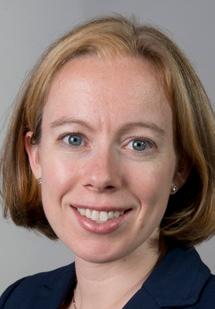
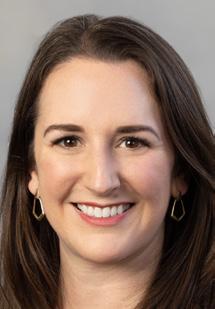
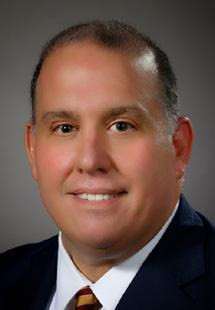
Dr. Hock is an associate professor of emergency medicine at Rush University Medical College. She is the program director of the Rush emergency medicine simulation fellowship and the assistant dean of assessment for Rush Medical College.
Dr. Roszczynialski is an assistant professor of emergency medicine at Stanford University. She is the assistant simulation director for the department and associate program director for the residency.
Dr. Cassara is an associate professor of emergency medicine and science education at Northwell Health and the Zucker School of Medicine. He was the founding director of Northwell’s EMSL simulation fellowship and is currently the director of simulation research and scholarship.

Identifying Human Trafficking in the ED: Screening and Intervention Strategies
By Christa Pulvino, MD, MPH, MBA, and Kelli Jarrell, MD, MPH, on behalf of the SAEM Social EM and Population Health Interest Group
Human trafficking (HT) is defined by the United Nations Office on Drugs and Crime as “the recruitment, transportation, transfer, harboring or receipt of people through force, fraud or deception, with the aim of exploiting them for profit.”
Approximately 50 million persons worldwide are victims of human trafficking, generating hundreds of billions of dollars in illegal revenue. The Ohio Human Trafficking Task Force identified over 1,000 people who were being actively trafficked between 2013 and 2018 in Ohio and 4,000 people who were at risk for trafficking.
Christa Pulvino, MD, MPH, MBA, was awarded one of two inaugural SAEM Social Emergency Medicine
Research grants to implement a pilot screening and intervention program for HT in the emergency department (ED) at the University of Cincinnati Medical Center. She collaborated with the Early Intervention Program (EIP), a grant-funded organization embedded within the ED, to design and implement the screening program. The program uses the Rapid Appraisal for Trafficking (RAFT) tool, a validated four-item screening tool designed to identify labor and sex trafficking in health care settings.
The EIP screens for diseases of public health interest, such as substance use disorders and HIV, and provides linkage to care as well as resources for food insecurity,
housing, and other social needs. The EIP screens approximately 5% of the total ED population, typically composed of high-risk individuals. In the first eight months, the pilot program identified 84 individuals who screened positive for trafficking risk. Many of these patients have been linked to social services compiled through collaboration with social workers and community partners. Data collection continues to describe the broader social needs of this population.
One of the key challenges in combating HT is identifying individuals who are being trafficked. The ED is a common entry point to the healthcare system in the United States. As such, trafficked
“Our experience demonstrates that it is feasible to implement a rapid human trafficking screen in a busy urban emergency department at an academic Level I trauma center.”
individuals often seek care in the ED, making ED providers uniquely positioned to identify patients who may not seek care in other healthcare venues. One national study reported that almost 90% of survivors of trafficking seek healthcare at some point, with over 60% visiting an ED while actively trafficked. Identifying high-risk patients allows ED providers to intervene by addressing immediate needs and the underlying social vulnerabilities that may put patients at risk. A key advantage of the EIP program is its integration across healthcare, public health, and community-based settings for broad access and coordination with other existing services. EIP staff are embedded in the ED and work with social workers and ED providers to perform public health screening.
Additionally, the EIP works closely with community partners such as Caracole and the Hamilton County Safe Services Program. The EIP aims to meet people where they are through participation in local health fairs and events such as National Black HIV/AIDS Awareness Night and National HIV Testing Day. By extending its reach beyond the ED, the EIP team actively engages with the Greater Cincinnati community and provides health education and screening, as well as linkage to care for HIV, hepatitis C virus (HCV), and other needed resources. Much of EIP’s success stems from its ability to interact with marginalized populations in a nonjudgmental manner. EIP staff undergo comprehensive training in topics such as trauma-informed care, addressing racism in medicine, strategies to build trust and overcome medical trauma and mistrust, and LGBTQ+-affirming health care. They

are trained in motivational interviewing and employ Peer Recovery Support Specialists, all of whom are in recovery from substance use and many of whom have experienced associated consequences such as incarceration or human trafficking.
Some of the early successes of the pilot project include the linkage of 65 patients to local resources and the development of an online resource database to improve patient access to community services. Implementation challenges have included natural disruptions in screening and intervention due to the nature of emergency care, as well as difficulty obtaining information about the effectiveness of resources after patients are referred.
Our experience demonstrates that it is feasible to implement a rapid HT screen in a busy urban ED at an academic Level I trauma center. Our team found that HT was prevalent among the high-risk population screened by the EIP. Patients identified a variety of needs and were linked
to necessary resources via a QR code and handout at the time of the encounter. Although the EIP is unique to our ED, with extensive training in motivational interviewing and specialized team members (Peer Recovery Support Specialists), implementing the screening pilot using the previously validated RAFT tool was effective and could be reproduced in other EDs without the EIP.
ABOUT THE AUTHORS
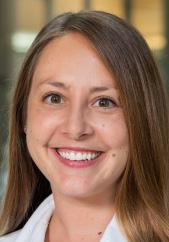

Dr. Pulvino is an assistant professor of emergency medicine at the Warren Alpert Medical School of Brown University, where she directs the social emergency medicine fellowship.
Dr. Jarrell is an assistant professor of emergency medicine at the University of Cincinnati, where she directs the social emergency medicine fellowship.
TOXICOLOGY/ADDICTION
Debunking Common Toxicology Myths
By Mary Margaret Maddox, PharmD, on behalf of the SAEM Toxicology and Addiction Medicine Interest Group and the SAEM Academic Emergency Medicine Pharmacists Interest Group
Clinical toxicology is not known for producing well-rounded, robust, multi-center clinical trials. Due to the patient population and clinical circumstances, such trials are not always feasible. This is where clinical experts and toxicology enthusiasts play a crucial role. Often, the literature in clinical toxicology is based on individual patient case reports or, at best, small sample sizes, with each patient being unique in terms of demographics, co-ingestants, timeline, and other factors. However, broad conclusions are frequently drawn from these limited cases. Before we know it, a single, hot-off-the-press case
report can evolve into protocols that clinicians in emergency departments follow for years. Let’s explore a few examples.
Toxic Myth #1
Activated charcoal only works in the first 1-2 hours post-ingestion.
The position paper from the American Academy of Clinical Toxicology and the European Association of Poisons Centres and Clinical Toxicologists states, "Activated charcoal may be considered if a patient has ingested a potentially toxic amount of a poison within one hour following ingestion." However, it also notes
that "the potential benefit after one hour cannot be excluded." The paper further addresses activated charcoal’s dosage regimen, reporting that the optimal dose is unknown, but data suggest that larger doses tend to yield better outcomes. Therefore, much of the way we use activated charcoal in practice lacks firm, evidence-based guidance.
Unfortunately, many clinicians in emergency departments across the United States believe that activated charcoal is ineffective beyond the 1-2 hour window, despite the paper's caveat that benefit beyond one hour cannot be ruled out.
“Droperidol’s black box warning was based on flawed studies and post-marketing reports, yet its stigma persists, leading to restrictive protocols that are not supported by critical evaluation of the literature.”
Pharmacokinetics (PK), the study of drug absorption, distribution, metabolism, and elimination, must be considered, especially since toxicokinetics (TK) complicates this otherwise predictable process. Toxicokinetics models help predict how much of a substance remains in an organ and could lead to toxicity. As a result, what used to be a straightforward 1-2 hour absorption window can become extended due to slowed absorption. Another complicating factor is the formation of pharmacobezoars, which result from undigested pills that accumulate and coalesce in the gastrointestinal (GI) tract. Endoscopic studies, such as the one by Miyauchi et al., have shown that unabsorbed pills may remain in the stomach for more than 24 hours. Activated charcoal’s window of effectiveness is tied to how long a drug remains in the gastrointestinal system, which can vary. It does not
hurt to try administering activated charcoal beyond the typical 1-2 hour timeframe.
Although there is no consensus on the optimal dose, several guidelines suggest doses ranging from 0.5 g/kg to 100 g. As noted earlier, larger doses are associated with more favorable outcomes. Activated charcoal is often given by mouth as a liquid, and if a patient is willing to drink more, encourage them to do so. If a patient is willing to take 100 g over 50 g, let them.
The Bottom Line
• A patient who is asleep is not a contraindication for use—wake the patient.
• A patient who vomits is not a contraindication for use—consider administering ondansetron and reassess.
• Activated charcoal can be effective beyond 1-2 hours post-ingestion.
• The more charcoal administered, the more drug it can adsorb to prevent absorption and potential toxicity.
• While drug pharmacokinetics are generally predictable, toxicokinetics are not.
Toxic Myth #2
QTc prolonging drugs are deadly. Droperidol, first introduced in 1970, quickly gained widespread use for preventing postoperative nausea and vomiting, managing acute agitation, and treating acute migraines. However, in 2001, the U.S. Food and Drug Administration (FDA) issued a black-box warning for droperidol, citing risks of QT prolongation and torsades de pointes (TdP). The warning was based on two flawed European studies that used much

continued on Page 91
Table 1: Droperidol dosing and pharmacokinetics
“Many pharmacokinetics absorption, beyond
TOXICOLOGY
continued from Page 89
higher doses than are typically administered in North America (e.g., 0.25 mg/kg versus 0.625 mg to 10 mg), with a mean increase in QTc of 24 milliseconds. This was compounded by an increase in MedWatch reports from 1997 to 2002, 83% of which came from outside the U.S., where standard doses were much higher (e.g., 49% reported fatalities at doses over 50 mg). Many of the reports were duplicates, and more than 70 reports were filed on the same day. Nevertheless, these studies and reports were used as the basis for the black-box warning, which significantly impacted the use and availability of droperidol in emergency departments across the country. It wasn’t reintroduced to the market until 2019, by a different manufacturer.
Even today, droperidol is often stigmatized in U.S. emergency departments due to these poorly interpreted and misapplied studies. As a result, droperidol use is often accompanied by strict protocols, patient population restrictions, and electrocardiogram (EKG) monitoring requirements that are not supported by a thorough evaluation of the literature. Droperidol is frequently replaced by haloperidol or benzodiazepines, which are
less effective for managing acute agitation. Haloperidol has a slower onset of action than droperidol (see Table 2). While benzodiazepines are preferred for agitation unrelated to illicit drug use, they can lead to oversedation, respiratory depression, and suboptimal pharmacokinetics compared to droperidol (see Table 2). The use of these less effective medications for acute agitation can result in unnecessary intubation, increased costs to patients, higher levels of care, physical restraints, and a greater burden on nursing staff.
Droperidol was one of the first drugs to receive a black-box warning based on post-marketing surveillance, long after its initial FDA approval. In the early 2000s, drugs were increasingly scrutinized for their potential to prolong the QT interval. In 2005, the FDA published guidance for clinical studies on QT prolongation, known as the "Thorough QT/QTc Study," which aimed to determine whether a drug had a significant effect on cardiac repolarization, as detected by QT/QTc prolongation.
"The threshold level of regulatory concern is around 5 milliseconds." — FDA
But is regulatory concern always clinically significant? Like droperidol, methadone was given a black-box warning in 2006 for QTc prolongation, despite being on the market for
“Many clinicians fail to consider how individualized pharmacokinetics and toxicokinetics can significantly alter drug
making activated charcoal potentially effective well the commonly cited one- to two-hour window.”
over 30 years. The methadone warning stemmed from a 17-patient retrospective case series, which reported that patients developed TdP on average methadone doses of 397 mg. Based on this case series alone, authors concluded that methadone was associated with TdP.
Fortunately, in 2003, a prospective study examined EKGs before and after two months of methadone maintenance treatment. The mean QTc prolongation was 10.8 milliseconds (P<0.001), with a maximum methadone dose of 150 mg. No cases of TdP were observed. While the outcome was statistically significant, it did not correlate with a clinically significant increased risk of TdP. Unfortunately, this prospective study did not receive the same attention as the retrospective case series, and methadone continues to be stigmatized.
The Bottom Line
• Droperidol should be considered a safe medication for its approved indications, despite its controversial black-box warning.
• QTc prolongation, as defined by the FDA, can be as short as 5 milliseconds.
• Methadone has not been shown to cause clinically significant QTc prolongation.
• Correlation does not imply causation.
• Critically evaluate the literature
ABOUT THE AUTHOR

Dr. Maddox is a clinical pharmacy specialist in emergency medicine at Nebraska Medicine in Omaha, Nebraska. She serves on AEMP’s career development committee.
Table 2: Pharmacokinetics of other commonly used medications for acute agitation
TOXICOLOGY/ADDICTION MEDICINE

Tusi: Not 2C-B? That Is the Question — A Look at the Novel Psychoactive Substance
By Deepika Sivakumar, PharmD; Reem Alsultan, PharmD; and Kyle Suen, MD, on
behalf of the SAEM Toxicology/Addiction
Medicine Interest Group and the SAEM Academic Emergency Medicine Pharmacists Interest Group
Tusi, also known by names such as "Tuci," "2C," "tucibi," "tusibi," and "pink cocaine," is an emerging compound used recreationally by people who use drugs. The name "Tusi" originates from the 2C series of psychedelic phenethylamines, which were initially developed in the 1970s, specifically 4-bromo-2,5dimethoxyphenethylamine (2C-B). However, despite its name, this novel recreational drug does not structurally resemble the 2C series. Instead, Tusi is often a mixture of several substances.
Will the Real 2C-Series Please Stand Up?
The 2C series of drugs are described in detail in Alexander Shulgin's book
Phenethylamines I Have Known and Loved (PIHKAL). In this book, Shulgin documents his experiences with the recreational use of various psychoactive substances, including 2C-B. He describes 2C-B as "a rich experience in every possible way" and notes that "unlike MDMA, this one heightens all the senses. You'll enjoy food, smells, colors, and textures."
While some users report pleasurable experiences, others have described adverse effects and overdose from the 2C series. These users often “express discomfort with 2C-B, and seem to lean more to the ketamine form of altered state, one which dissociates body from mind.” Some reports also suggest
that combining 2C-B with MDMA can produce an optimal psychedelic experience. The current association of 2C-B with other recreational drugs like ketamine and MDMA may stem from early reports of the 2C-B experience, which were shared by recreational drug users, including Shulgin.
Chemistry and Pharmacology of the 2C-Series
The chemical structures of 2C-series substances are similar to other phenethylamines, such as MDMA. They have specific substituents: methoxy groups at positions 2 and 5 on the phenyl ring, along with a hydrophobic substitution at position 4. (Figure 1) These substituents likely
Drug Mechanism of Action
Ketamine
MDMA
Caffeine
NMDA antagonist and can interact with many other receptors such as opioid, monoaminergic, and muscarinic receptors
Strong stimulant of serotonin release and mild sympathetic stimulant
Acute Clinical Effect and Toxicity
Dissociative effect
Mild: euphoria, hallucination, hypersalivation
Severe: adrenergic hyperactivity such as tachycardia, hypertension, rigidity, convulsion and coma
Entactogenic effect
Severe: serotonin toxicity, hallucination, sympathomimetic toxidrome, agitation, dysrhythmias, rhabdomyolysis, and hyponatremia
Mild-moderate: anorexia, tremor, restlessness, GI disturbance, agitation, tachycardia
Adenosine antagonist and increase catecholamine release


explain the hallucinogenic effects of these substances. Substituting different groups at various positions on the phenylethylamine ring can significantly alter the drug’s effects. For example, adding a methyl group to the α-carbon position, as seen in MDMA, enhances stimulant properties. Conversely, substitutions at the para position of the phenyl ring typically produce hallucinogenic or serotonergic effects. In overdose situations, however, these effects can become nonselective.
Information on the mechanism of action of the 2C-series drugs suggests partial agonist activity at serotonin receptors 5-HT2A and 5-HT2C, as well as alpha-1 receptors. Clinical effects observed in users include hallucinogenic and entactogenic experiences, which are generally less potent than those produced by other recreational drugs such as MDMA or LSD. In overdose cases, sympathomimetic effects and serotonin toxicity may occur. Fatalities associated with the 2C series have been linked to symptoms such as delirium, hyperthermia, and cardiac arrest.
Severe: delirium, seizures, supraventricular and ventricular tachyarrhythmias, hypokalemia, and hyperglycemia; Hypotension may occur due to B2 overstimulation

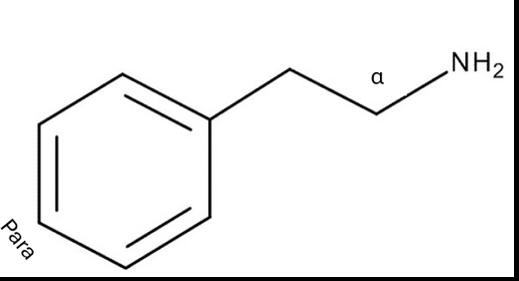
The Misnomer: What Is Tusi, Anyway?
Tusi has gained popularity as a novel psychoactive substance in Europe, South America, and North America, with increasing use in the United States. In the 1990s, the 2C series gained popularity in European nightclubs, where it was considered an "elite drug" due to its high price. Small quantities of 2C-B eventually were introduced to Columbia; however, when vendors could not meet demand, they began using bulking agents to mix 2C-B, an original 2C-series drug, with cheaper European imports such as ketamine and 3,4-methylenedioxymethamphetamine (MDMA), as well as caffeine. To make the product more appealing, the substance was mixed with food dye to give it a pink color and sweet aroma, ultimately leading to the compound now commonly known as Tusi. Today, most Tusi contains little to no 2C-B. Instead, it often consists of ketamine and other substances like cocaine, methamphetamine, MDMA, and caffeine. Synthetic opioids such as fentanyl and tramadol have also
been detected in products sold as Tusi.
Tusi is available on several continents and has been sold online under various names, some of which inaccurately claim the substance is 2C-B. It is sometimes sold under names like "Pink Powder" or, more concerningly, "Pink Cocaine," which misleads consumers into thinking the product contains cocaine, though it typically does not. The variation in contents and nomenclature is widespread. According to data from the Erowid Drugs Data website, common ingredients in Tusi include ketamine, MDMA, caffeine, and ketamine precursors. The most common names under which Tusi is sold include 2C-B, Tusi, Tuci, and Pink Cocaine. Samples have been reported from multiple continents, with locations in the United States including Florida, Massachusetts, New York, and California.
Chemistry and Pharmacology of Tusi Since most tested samples of Tusi
continued on Page 94
Table 1. Mechanisms and their clinical effects.
Figure 1. Chemical Structures of 2C-B, ketamine, MDMA, and phenylethylamine.

TOXICOLOGY
continued from Page 93
contain ketamine (greater than 90%), MDMA (around 80%), and caffeine (over 40%), this section will focus on the chemistry and pharmacology of these substances. Previously, we explored the chemical structure of 2C-series compounds, a subclass of phenethylamines, and compared their similarities and differences with MDMA. In contrast, ketamine and caffeine have entirely different chemical structures and classifications: ketamine is a cyclohexanone, while caffeine is a methylxanthine. These substances differ in their mechanisms of action and clinical effects.
The pharmacological mechanism of Tusi and its acute clinical effects are complex and may involve multiple receptors and mixed toxidromes based on its specific drug content. Table 1 summarizes the different mechanisms and their clinical effects of the most common content.
Health Risks of Tusi
The pharmacokinetics and pharmacodynamics of Tusi can differ from person to person. These differences are influenced by factors such as the drug's specific composition, individual enzyme metabolism, method of administration, co-ingestion of other substances, and potential drug interactions. Long-term use of Tusi may result in serious and unpredictable effects, especially due to the common adulteration or mislabeling of the substance. Prolonged exposure to its common components can pose the following risks:
• Ketamine: Long-term use can result in dependence, tolerance, memory impairment, difficulty concentrating, and depression. Chronic use has also been associated with urinary complications, including bladder wall fibrosis and cystitis.
• MDMA: Prolonged use may cause cognitive and memory deficits, mood instability, sleep disturbances, impaired impulse control, and an increased risk of cerebrovascular accidents.
• Caffeine: Chronic high intake can lead to "caffeinism," which includes symptoms such as nervousness, irritability, anxiety, tremors, muscle twitching, insomnia, palpitations, and hyperreflexia.
These health risks underscore the dangers of repeated Tusi use.
Management of Tusi
Because Tusi's composition is highly variable, management of overdose cases is complex. Based on the limited available data, most samples tested contain
“Tusi, also known by various names including 'Tuci,' '2C,' 'tucibi,' 'tusibi,' and 'pink cocaine,' is an emerging compound that is used recreationally.”
ketamine, MDMA, caffeine, and only small amounts of actual 2C-B. Other substances, such as bath salts, methamphetamine, cocaine, opioids, lidocaine, and acetaminophen, have also been detected. The toxidrome associated with Tusi can be unpredictable and may present with a mix of symptoms linked to these substances. Furthermore, as Tusi is commonly used as a party drug, its coingestion with other recreational drugs such as cocaine and ethanol frequently complicates the clinical picture.
Treatment should focus on supportive care and stabilization, tailored to the patient's symptoms. Close monitoring and symptom management are essential due to the diverse pharmacological effects of the compounds found in Tusi.
Initial Assessment and Stabilization
• Airway, breathing, circulation
• Vital signs monitoring: Check for hyperthermia, tachycardia, hypertension, and respiratory status
• Level of consciousness: Monitor for sedation, agitation, or altered mental status
• Cardiac monitoring and ECG: To detect dysrhythmias
Symptom-Driven Management
Hyperthermia: Seen with severe MDMA toxicity and other stimulant components. Management includes cooling, IV fluids, and possibly benzodiazepines and intubation along with extended paralysis, if necessary.
Agitation, Psychosis, Excited Delirium: Common with MDMA and ketamine. Treatment may involve sedation with benzodiazepines, in possible combination with antipsychotics such as droperidol, and possible intubation for severe cases.
Seizures: Can occur with MDMA toxicity, caffeine, and ketamine toxicity. First-line treatment is benzodiazepines, with attention to potential electrolyte abnormalities such as MDMA induced hyponatremia.
Serotonin Toxicity: Associated with MDMA toxicity and other serotonergic agents. Benzodiazepines are first line agemts, and cyproheptadine should be avoided due to its anticholinergic effects.
Tachycardia and Hypertension: Seen with severe MDMA toxicity and other stimulants, caffeine,
and severe ketamine toxicity. Management includes IV fluids and benzodiazepines. Avoid non-selective Beta agonist agents as these can lead to unopposed alpha-adrenergic stimulation which may worsen hypertension. Use esmolol and labetalol cautiously with low dose, and up titrate slowly.
Supraventricular and Ventricular Tachycardia: Seen with caffeine, severe MDMA toxicity, ketamine, and other stimulants. Management includes benzodiazepines, esmolol (starting with a low dose and titrating up slowly), and repletion of magnesium (Mg²⁺) and potassium (K⁺). Adenosine may not be effective for supraventricular tachycardia if caffeine was ingested, as caffeine blocks adenosine. If vasopressors are required, use vasopressin or phenylephrine to avoid additional beta receptor activation.
Respiratory Depression: Can result from polydrug use or ingestion of multiple sedative agents. Supportive care with oxygenation and ventilation is key, and naloxone should be given if opioid toxidrome is suspected.
Due to the unpredictable and varied composition of Tusi, treatment should focus on comprehensive supportive care and interventions based on symptoms. Clinicians should be alert for potential co-ingestions, as Tusi is frequently mixed with other substances. In addition to addressing the clinical signs already mentioned, it’s recommended to test for common co-ingestants like salicylates, acetaminophen, and ethanol to rule out other toxicities. Given the increasing presence of opioids like fentanyl in recreational drugs, opioid ingestion should also be considered, and naloxone should be administered if an opioid toxidrome is suspected. A thorough toxicological assessment and continuous patient monitoring are essential for ensuring the best possible outcomes in these complex cases.
Public Health Concerns
The U.S. Drug Enforcement Administration (DEA) reports that "pink cocaine" is not a commonly trafficked substance. Since 2000, approximately 1,000 seizures of "pink powders" have been made, with only four containing 2C-B, and the remaining containing “other substances.” The DEA cautions that
pink cocaine is a mixture of various substances, and every batch is different. Poison control centers in the U.S. have reported five cases of pink cocaine exposure across four states, all of which required medical treatment, with three cases involving life-threatening symptoms.
The media has also taken note of "pink cocaine," mentioning it in connection with a high-profile lawsuit involving a famous rapper and the recent death of a popular English singer-songwriter. The drug's pink hue, low price, and association with luxury have contributed to its use in nightclubs. Given its misnomer and unpredictable contents, users may not fully understand the risks of purchasing and using the substance.
Conclusion
The body of research on Tusi, a novel psychoactive substance, is expanding. However, the substance’s confusing naming conventions and regional variations in its composition may cause misunderstandings among both drug users and the medical community. The toxicity of Tusi varies depending on its specific composition. Medical toxicologists and other health care providers should stay informed about emerging psychoactive substances and understand their potential clinical implications.
ABOUT THE AUTHORS



Dr. Sivakumar is an emergency medicine pharmacist at Massachusetts General Hospital in Boston. She is currently pursuing a master’s degree with a concentration in clinical toxicology.
Dr. Alsultan is a clinical pharmacy specialist in emergency medicine at Brigham and Women’s Hospital in Boston.
Dr. Suen is an assistant professor of emergency medicine in the Henry JN Taub Department of Emergency Medicine at Baylor College of Medicine. He is also a medical toxicologist and associate director of the medical toxicology service at Ben Taub Hospital and Texas Children’s Hospital.
When Ultrasound Is All You Have, It’s
All You Need: A Vital Tool for Cervical Spine Trauma in Rural Settings
By Ricardo Soubelet, DO
Introduction
Ultrasonography has become an essential tool in emergency and trauma care, particularly in resourcelimited settings. The Focused Assessment with Sonography for Trauma (FAST) exam—along with its extended variant (E-FAST)—has significantly improved trauma decision-making by correlating imaging findings with clinical presentations and vital signs to determine the need for emergent intervention.
Emerging Applications
A promising yet underexplored application of ultrasound in trauma care is the evaluation of cervical spine injuries, specifically for assessing vertebral fractures and step-off deformities. While research on the sensitivity and specificity of this modality continues, its potential utility in rural and underserved areas cannot be overlooked.
Challenges
Computed tomography (CT) remains the gold standard for cervical spine imaging due to its
superior sensitivity and specificity. However, rural and underserved areas often face significant barriers to CT access, including equipment limitations and prolonged transport times for definitive imaging. This disparity underscores the need for alternative diagnostic tools such as ultrasonography to facilitate timely patient care.
Ultrasound Technique for Cervical Spine Evaluation
In resource-constrained environments, ultrasonography can serve as a viable diagnostic
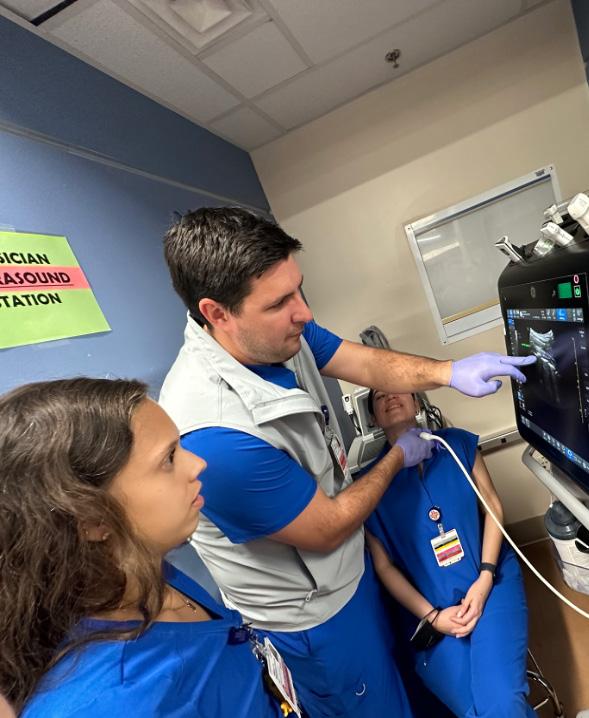
tool for cervical spine assessment. This procedure requires minimal equipment: a linear or curvilinear probe and two trained practitioners.
1. Preparation: One practitioner provides inline cervical traction while the anterior portion of the cervical collar is briefly removed to allow anterior access with the ultrasound probe.
2. Identifying Landmarks: Using a curvilinear probe in a transverse orientation, the thyroid cartilage and cricothyroid membrane are identified.
3. Lateral Movement: Sliding the probe laterally reveals the great vessels, similar to imaging during central line placement.
4. Cervical Spine Visualization: Rotating the probe longitudinally and angling slightly midline brings the anterior surface of the cervical vertebral bodies (C2–C7) into view. A curvilinear probe can visualize five to six vertebral bodies, while a linear probe provides a clearer but
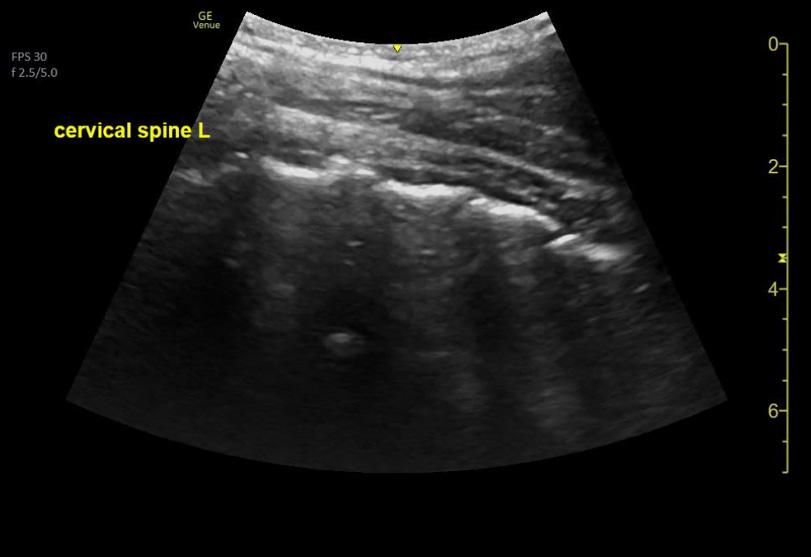
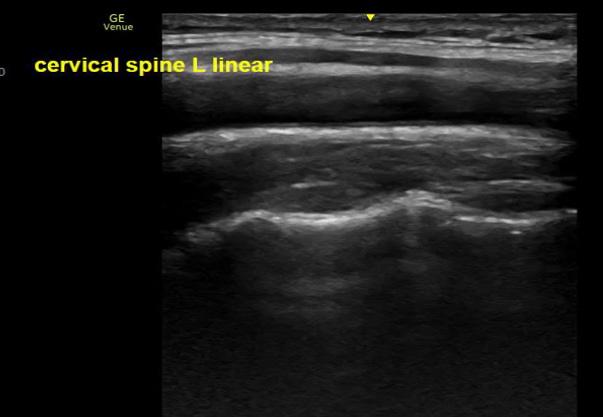
more limited view of two to three vertebral bodies.
Findings and Utility
With this technique, practitioners can assess cervical vertebral body alignment and symmetry, as well as identify potential deformities. Limited studies indicate that ultrasound can detect step-off deformities with a sensitivity of 84.5% and specificity of 89.7%. For vertebral body fractures, ultrasound demonstrates a sensitivity of 40.9% and specificity of 96.8% compared to CT.
Relevance and Future Directions
In a well-equipped Level 1 trauma center, rapid access to advanced imaging often minimizes the need for alternative diagnostic modalities. However, for physicians in rural or resource-limited environments, ultrasonography can serve as a critical tool. With proper training and standardized protocols, ultrasound can help clinicians implement cervical spine precautions and optimize patient transfers to higher-level care facilities.
To fully integrate this approach into clinical practice, further research and training are essential. Future studies should focus on refining techniques, improving diagnostic accuracy, and developing protocols tailored to rural health care settings.
Conclusion
Ultrasound's portability, versatility, and relatively high specificity make it an invaluable diagnostic tool, particularly in resource-limited settings. By leveraging this modality, rural practitioners can enhance the initial assessment and stabilization of trauma patients with suspected cervical spine injuries, ultimately improving patient outcomes.
ABOUT THE AUTHOR
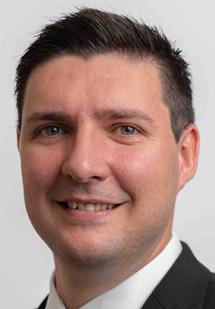
Dr. Soubelet is a first-year resident in the HCA Kendall emergency medicine residency program.
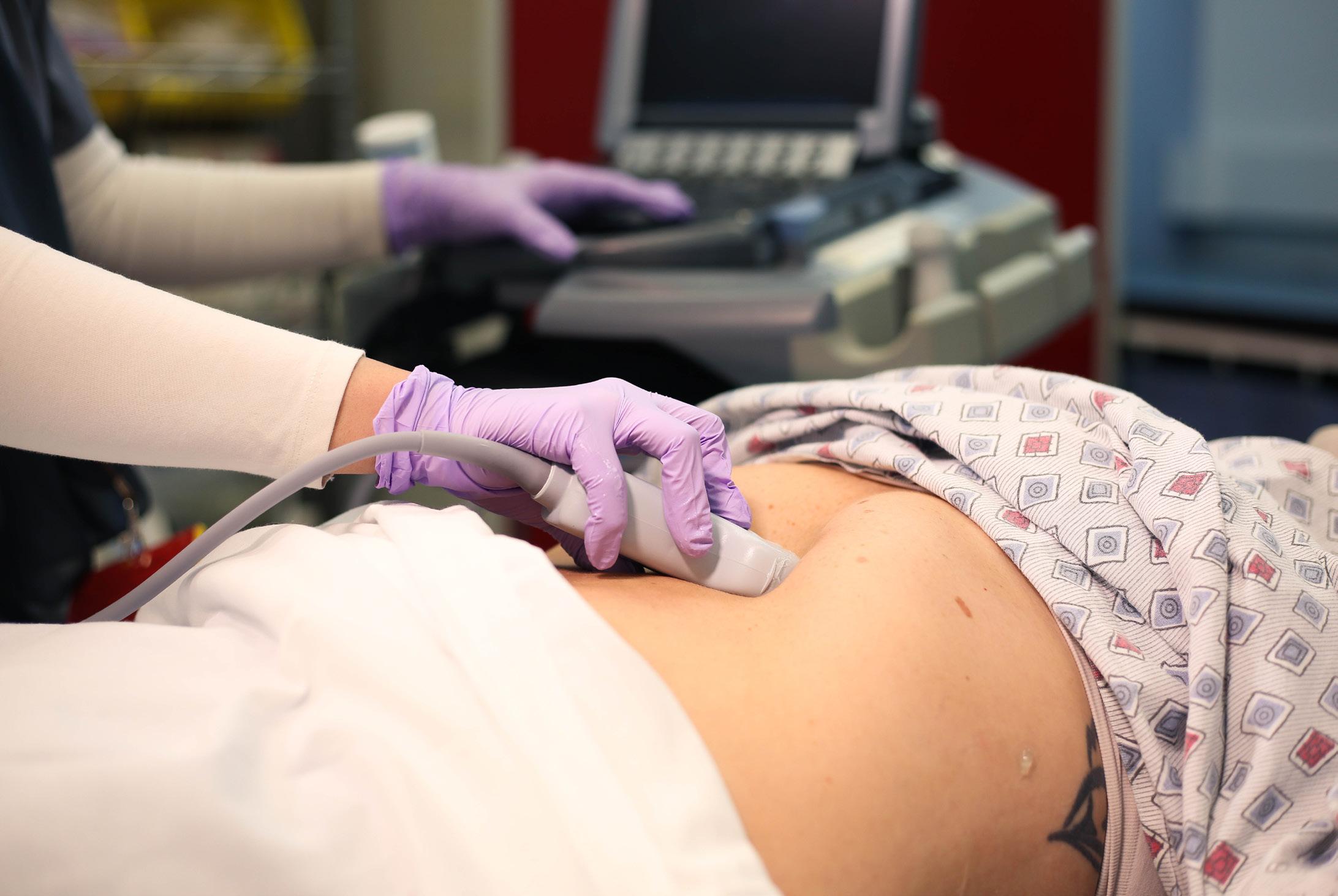
Mind the Gap: Detecting Diaphragm Rupture With FAST
By Jennie Xu, MD, and Josh Bodnar, MD, on behalf of the SAEM Academy of Emergency Ultrasound
Introduction
Most emergency physicians are adept in performing the extended focused assessment with sonography for trauma (eFAST), a rapid bedside exam that aids in identifying pneumothorax or free fluid following trauma resulting from traumatic injury. These findings often dictate the immediate next steps in management. While clinicians are trained to detect specific abnormalities in each view, eFAST can reveal additional, valuable diagnostic information. This case highlights a less common but
significant finding that may expedite a patient’s path to definitive care.
Case Presentation
A 19-year-old male bicyclist was transported to the emergency department as a level two trauma activation after being struck by a car. On arrival, he was alert and oriented but reported pain throughout his left side. His initial vital signs were: blood pressure 133/85 mmHg, heart rate 140 beats per minute, respiratory rate 18 breaths per minute, and oxygen saturation 97%. The primary trauma survey revealed an intact airway, bilateral breath
sounds, symmetric distal pulses, and a Glasgow Coma Scale score of 15. An eFAST examination was performed. The secondary survey identified abrasions on his forehead, left torso, and left pelvis, as well as tenderness of the left chest wall.
The eFAST revealed no pneumothorax bilaterally and no gross free fluid in the right upper quadrant (Figure 1) or pelvis. Views of the left upper quadrant and subxiphoid region were limited. Notably, the spleen and left kidney were not visualized in their expected location beneath the diaphragm
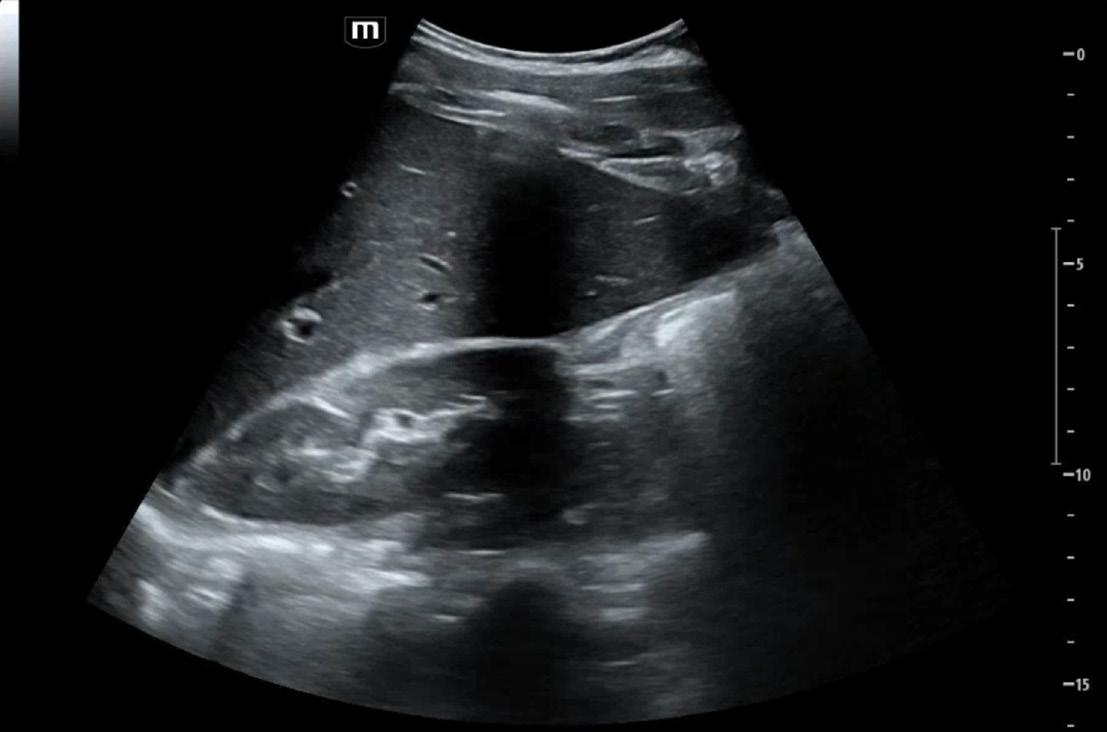
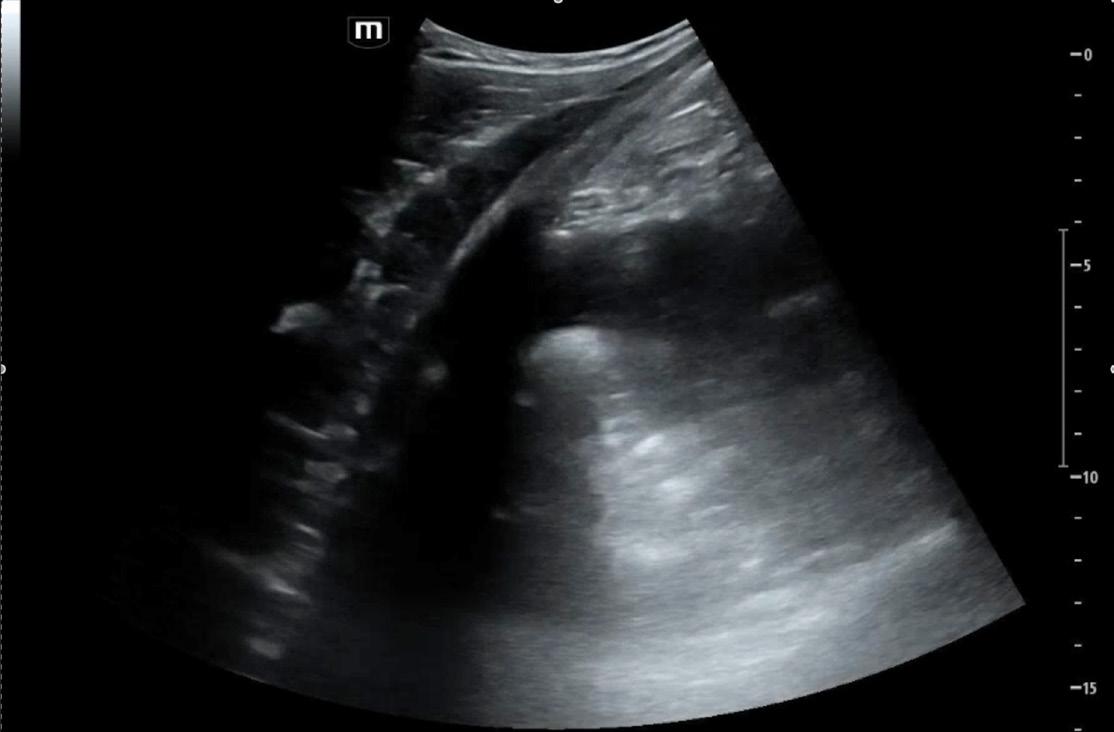
“The severity and complexity of this patient’s injuries highlight the importance of ultrasound in prompt diagnosis and serve as a reminder to look beyond free fluid when interpreting eFAST findings.”
(Figure 2), and a discontinuity of the diaphragm was observed (Figure 3). In the thorax, solid organs were seen adjacent to the muscles of the back, above the diaphragm (Figure 4). The subxiphoid view was also limited, possibly due to mediastinal displacement by air-filled organs. These findings suggested the dislocation of abdominal contents into the thoracic cavity.
Case Conclusion
Despite crystalloid administration, the patient remained tachycardic, prompting the initiation of an emergent blood transfusion for suspected hemorrhage. A computed tomography (CT) scan confirmed a large defect in the left hemidiaphragm with herniation of the stomach, splenic flexure, spleen, partial pancreas, and multiple small bowel loops. The patient was taken emergently to the operating room for an exploratory laparotomy and primary repair of the diaphragmatic injury. A large-bore chest tube placed intraoperatively was removed two days later. Additional
imaging revealed multiple sacral and pelvic fractures, which required external fixation and surgical repair by the orthopedic team. The patient was also diagnosed with bladder perforation and underwent repair by urology. He was ultimately transferred to a children’s hospital for further treatment and rehabilitation.
Discussion
The severity and scope of this patient’s injuries highlight the importance of ultrasound in prompt diagnosis and serve as a reminder to look beyond free fluid when performing and interpreting eFAST findings. Traumatic diaphragm rupture typically occurs following highimpact injuries such as motor vehicle collisions, falls from significant heights, or penetrating trauma like stab wounds. In some cases, the rupture can be subtle and remain undiagnosed, making early recognition crucial for appropriate management.
The eFAST is widely utilized in trauma settings to detect pneumothorax and free fluid within the peritoneal,
pericardial, and pleural cavities. Additionally, experienced clinicians may identify sonographic signs suggestive of diaphragm injury. While ultrasound is not definitive for diagnosing diaphragm rupture, it provides valuable information that guides further evaluation. The eFAST requires minimal additional time and may detect diaphragmatic rupture in cases where physical examination and chest radiography are inconclusive.
Sonographic Findings of Diaphragm
The first case report describing the use of bedside ultrasound for diagnosing traumatic diaphragm rupture was published in 1982. Some cases present with abdominal organs, such as the liver, stomach, or bowel, visualized within the thoracic cavity or a discontinuous, irregular diaphragmatic contour.
“Rip’s absent organ sign,” first described in 2010, refers to a FAST
Figure 1. There is no free fluid visualized in the hepatorenal recess in the right upper quadrant view.
Figure 2. The spleen and kidney are not visualized where expected in the left upper quadrant view.
“Early identification and and mortality
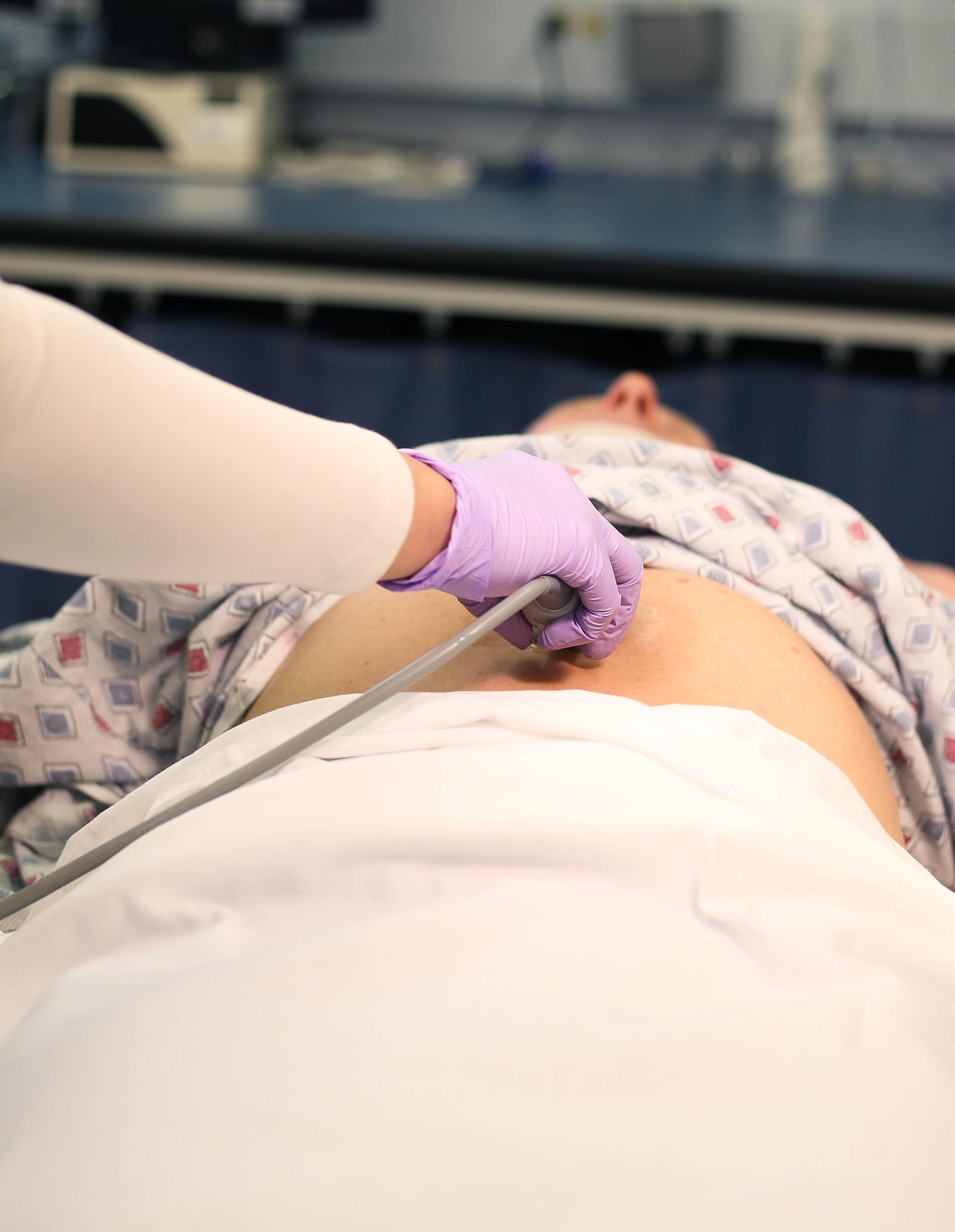
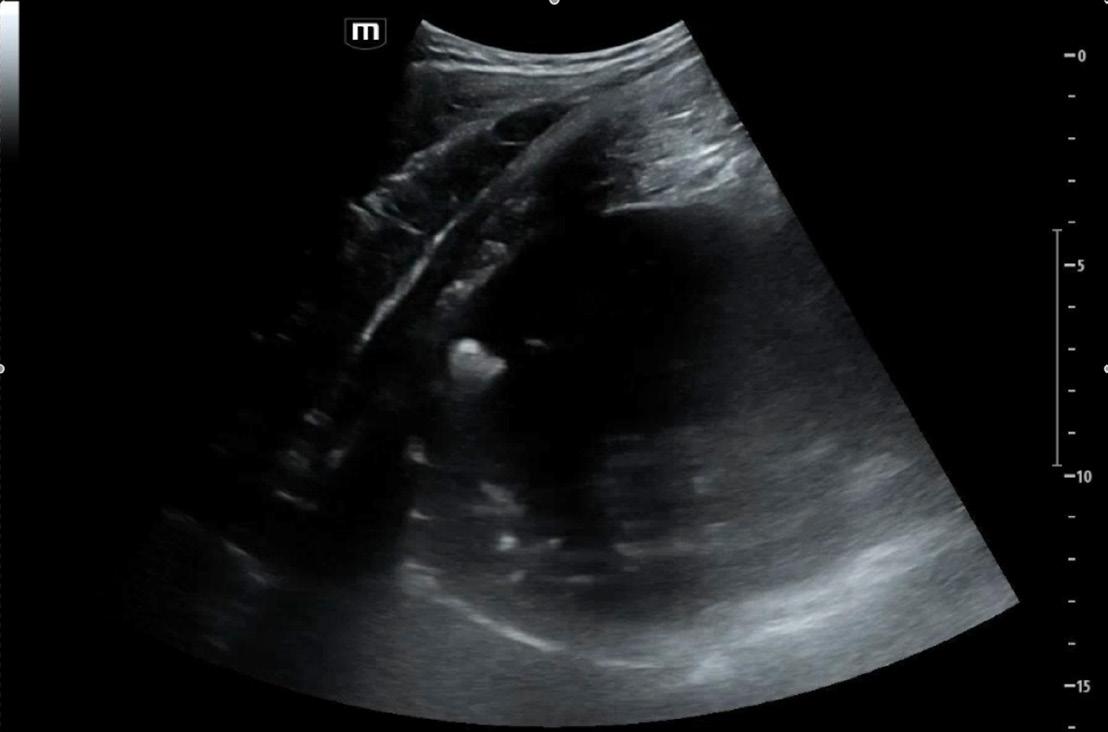
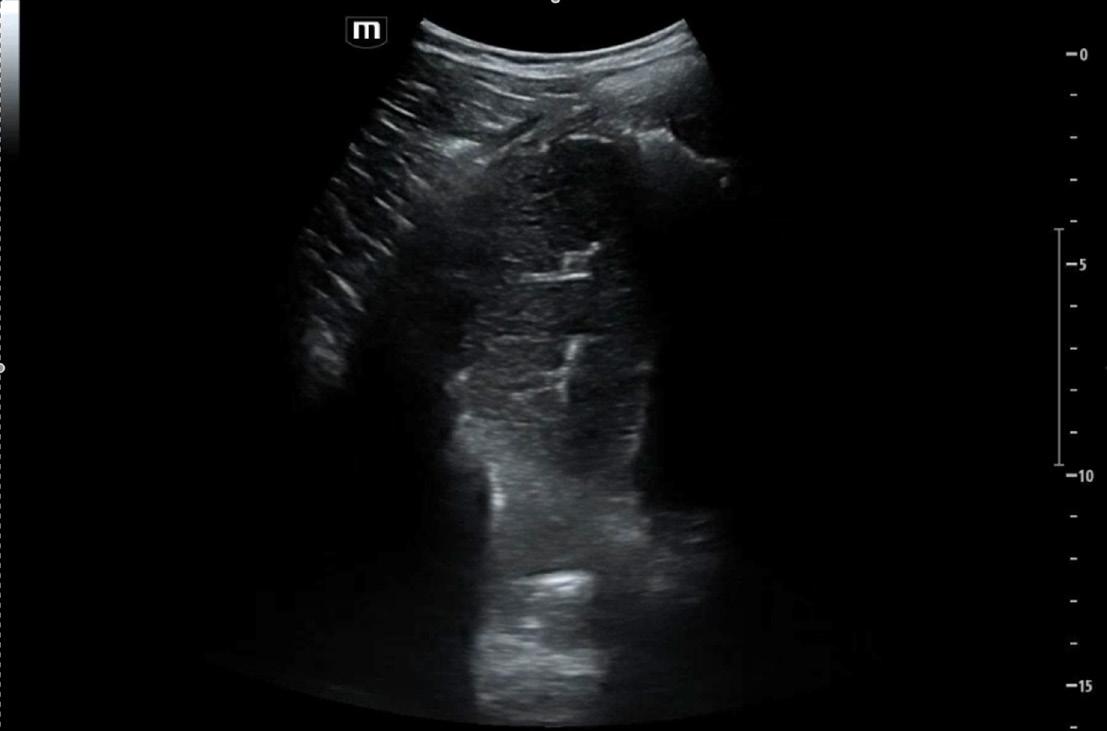
“’Rip’s absent organ sign,’ described in 2010, refers to the absence of the spleen or liver in its expected anatomical location, suggesting herniation through a diaphragmatic defect.”
ULTRASOUND
continued from Page 99
finding of the absence of the spleen or liver in its expected anatomical location, suggesting herniation through a diaphragmatic defect. Compared with X-ray, ultrasound offers the advantage of dynamic imaging, aiding in distinguishing rupture from similar pathologies such as congenital diaphragmatic hernia, pleural effusion, or atelectasis. The sliding liver sign, in which the liver is seen moving into the right hemithorax, may also be observed. Using B-mode or M-mode, abnormal diaphragmatic motion, such as paradoxical elevation
with inspiration, can further support the diagnosis.
Although ultrasound is generally more specific than sensitive for detecting diaphragmatic rupture, smaller tears may be missed, particularly in cases of penetrating trauma. A negative ultrasound does not rule out diaphragmatic injury; findings should be interpreted alongside X-ray images, and further evaluation with CT imaging or surgical exploration may be warranted if clinical suspicion remains high. CT remains the preferred imaging modality for diagnosing diaphragm rupture due to its superior sensitivity and specificity, but ultrasound serves as a valuable rapid screening tool, particularly in
and intervention are critical in reducing the morbidity mortality associated with this condition.”
hemodynamically unstable patients. This case underscores the utility of ultrasound findings in the early diagnosis of diaphragm rupture while performing the eFAST in trauma. Early identification and intervention are critical in reducing the morbidity and mortality associated with this condition. Surgical repair is typically required, and outcomes are generally favorable when injuries are recognized promptly and managed appropriately
ABOUT THE AUTHORS

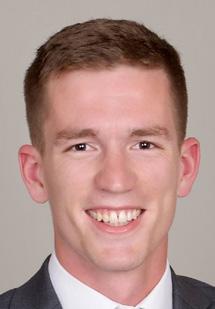
Dr. Xu is an ultrasound fellow at Maimonides Medical Center in Brooklyn, New York, where she also completed her emergency medicine residency.
Dr. Bodnar is a third-year emergency medicine resident at Maimonides Medical Center.
Figure 3. The hyperechoic diaphragm appears discontinuous in the left upper quadrant view.
Figure 4. Cranial to the left upper quadrant view, solid organs are visualized intrathoracically above the diaphragm.
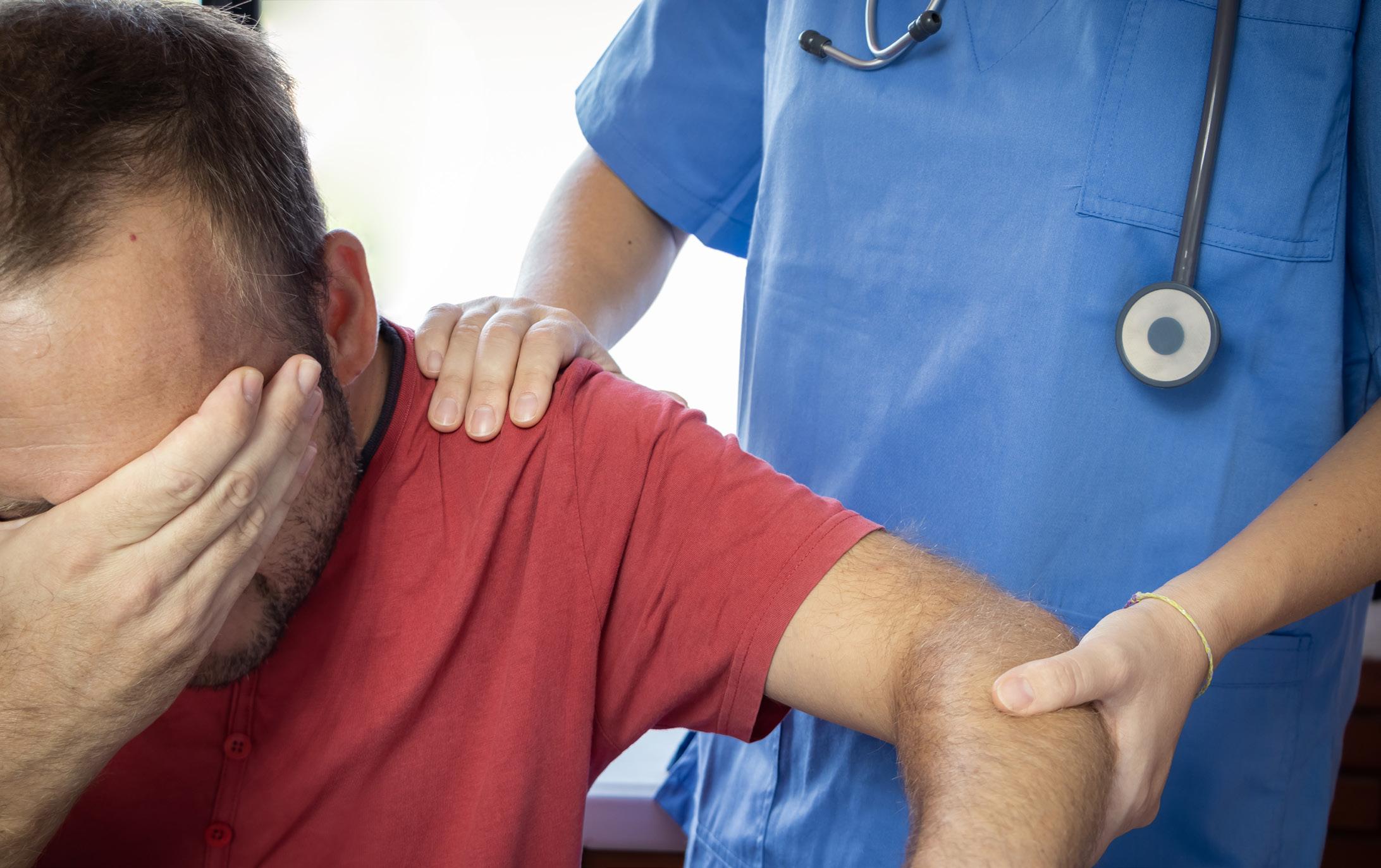
Point-of-Care Ultrasound: A Key Tool in Shoulder Dislocation Diagnosis and Treatment
By Aileen Virella, DO, and Tanya Bajaj, DO
A 30-year-old male presented to the emergency department (ED) with left shoulder pain after falling backward while playing indoor volleyball. On physical examination, he was holding his left arm in flexion, supporting his shoulder, with restricted abduction. A void was palpated by the anterior shoulder. With an estimated two-hour wait for an X-ray, the decision was made to proceed with ultrasound for further evaluation.
Traditionally, radiographs have been the gold standard for diagnosing shoulder dislocations, evaluating for associated fractures, and confirming successful reductions. However, point-of-care ultrasound (POCUS) has emerged
as a valuable alternative, offering the potential to reduce diagnostic time, radiation exposure, and healthcare costs while maintaining high sensitivity and specificity in diagnosing shoulder dislocations.
Image Acquisition
POCUS via the Posterior Approach (Figure 1):
1. Use either a linear or curvilinear probe depending on the patient’s body habitus.
2. Position yourself behind the patient’s injured shoulder and align the probe in the transverse plane just inferior to the scapular spine, with your probe marker directed to the patient’s left side.
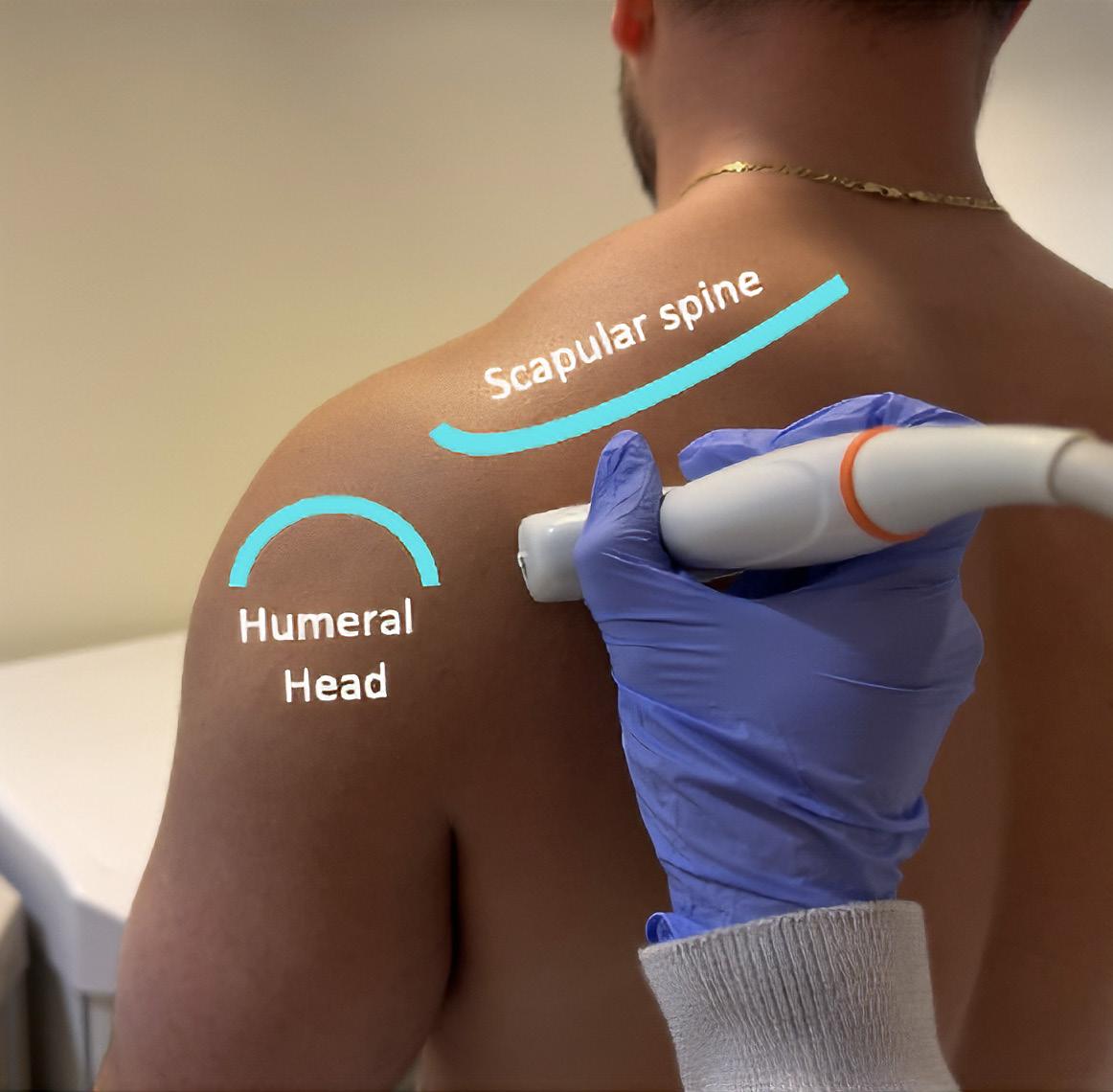
Figure 1.
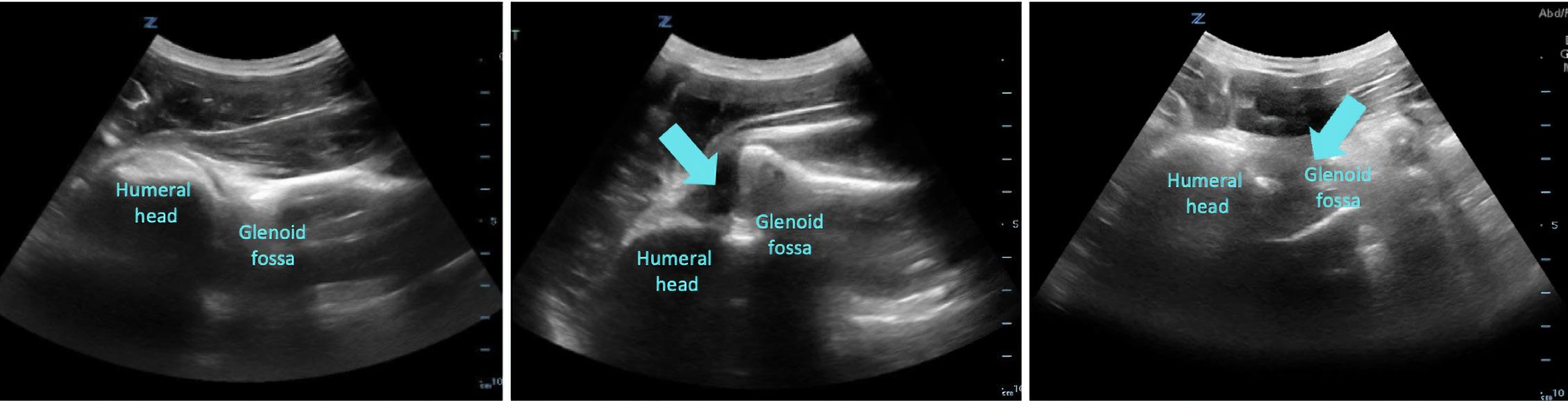
3. Slide the probe laterally until both the glenoid fossa and humeral head come into view.
When the shoulder is in its normal anatomical position, the humeral head should align closely with the glenoid (Figure 2A). When the shoulder is dislocated, the humeral head will no longer articulate with the glenoid fossa.
Using the posterior approach, anterior and posterior dislocations can be easily distinguished. In an anterior dislocation, the humeral head is positioned deeper than the glenoid fossa, appearing farther from the probe on the ultrasound screen (Figure 2B). In contrast, a posterior dislocation shows the humeral head positioned more superficially to the glenoid, appearing closer to the probe on the ultrasound screen (Figure 2C).
Pain Control
Ultrasound-guided intra-articular blocks have emerged as potential alternatives to traditional intravenous procedural sedation for shoulder reductions.
To perform an intra-articular glenohumeral block, follow the posterior approach to identify the glenoid and humeral head (Figure 3). The target area is the glenohumeral joint space, located between the glenoid labrum and the humeral head. Once the target image is obtained, insert a 25-gauge needle (1.5–3.5 inches long) in-plane and administer 20cc of 1% lidocaine into the joint space. Allow approximately 20 minutes for the anesthetic to take full effect before attempting joint reduction.
Ultrasound facilitated the successful diagnosis and reduction in this 30-year-old male. Ultrasound confirmed the reduction without the need for radiographs, thereby saving time and resources. The patient was discharged promptly with orthopedic follow-up.
Pearls and Pitfalls
Pearls
• Ultrasound enables real-time monitoring of reduction progress, eliminating the need for radiologybased X-ray imaging or the administration of additional analgesics while awaiting radiographs.
• POCUS-guided intra-articular lidocaine block may provide effective pain control without the need for procedural sedation during reduction attempts.
Pitfalls
• Ultrasound is highly operatordependent and typically requires a skilled operator to accurately identify the position of the humeral head relative to the glenoid fossa.
• Ultrasound may lack sensitivity for detecting subtle tears or partial dislocations.
• The operator may misinterpret anisotropy (when the ultrasound beam is not perpendicular to the tissue being imaged, causing the sound waves to scatter and resulting in a dark appearance on the screen) as a tear.
• Ultrasound is not as accurate in identifying fractures as an X-ray, so additional imaging may be necessary to rule out underlying fractures.
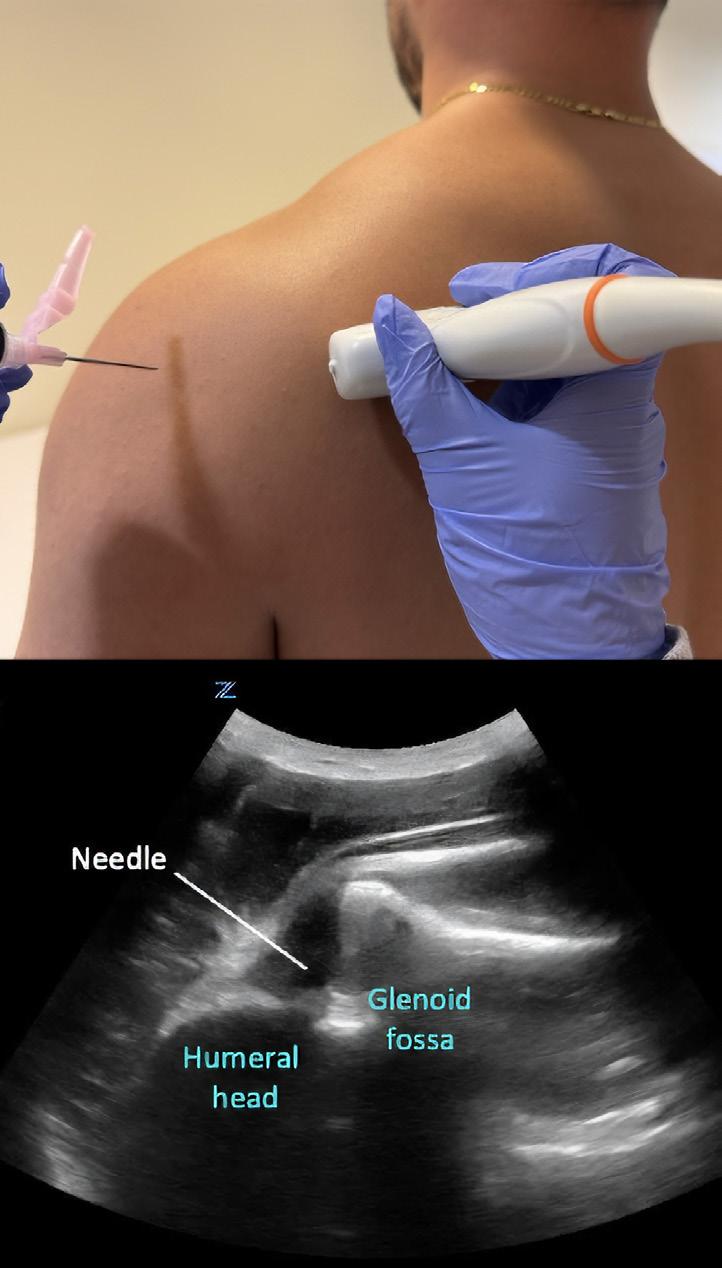
ABOUT THE AUTHORS


Dr.
is an ultrasound fellow at North Shore University-LIJ Hospital at Northwell Health.
is the co-director of the ultrasound fellowship at North Shore University-LIJ Hospital at Northwell Health.
Virella
Dr. Bajaj
Figure 2A
Figure 2B
Figure 2C
Figure 3
VOICES & VIEWPOINTS

Expanding Our Lane: Improving Longitudinal Care for Survivors of Firearm Violence
By Lakshmi Kirkire, MD; Michelle Patch, RN, PHD, MSN; and Nathan Irvin, MD, MSHPR
On particularly challenging days, my team is called into multiple trauma resuscitations, caring for patients injured by gunshot wounds (GSWs). We may rush from room to room with the trauma surgery team or divide our team to cover more ground. The frequency of these cases can make the violence seem almost commonplace, but the emotional toll of caring for these patients remains profound. I often breathe a sigh of relief when the injury isn’t fatal, though I remain acutely aware that it is still lifealtering.
A few years ago, U.S. physicians boldly declared, "This is our lane," in response to the National Rifle Association’s statement advising us to stay out of the gun violence prevention debate. We are on the front lines, witnessing and treating the immediate aftermath and lifelong consequences of gun violence. The
devastation we encounter cannot be fully conveyed in words. Since then, several medical specialty organizations have united to advance gun violence prevention through research, education, and knowledge-sharing campaigns, equipping physicians to engage in critical conversations with patients at risk for firearm injuries.
While much of our advocacy focuses on prevention, it is also crucial to understand the experiences of survivors and the long-term impact of their injuries.
In 2021, Centers for Disease Control and Prevention (CDC) data revealed that over 20,000 people were killed by firearm violence. For every homicide, two additional individuals are shot and survive. A 2021 scoping review of long-term outcomes in Annals of Surgery found that firearm survivors face significant challenges post-trauma, including
high rates of post-traumatic stress disorder (PTSD), increased disability, greater health care utilization after discharge, and poor social health outcomes.
As emergency physicians, we are trained to be the first line of defense for acutely injured patients. However, as part of the broader health care system, we also play an important role in addressing the ongoing needs of patients beyond their immediate injuries. Survivors often return to the emergency department (ED) when their chronic pain, wounds, mental health, medical supply, transportation, and other social and medical needs are not adequately addressed. These patients, compounded by structural inequities and social determinants of health, become a critical focus in our emergency care practice.
Just as we strive to prevent firearm violence, we must also consider how
“We are on the front lines, witnessing and treating the immediate aftermath and lifelong consequences of gun violence. The devastation we encounter cannot be fully conveyed in words.”
to support these patients after their initial injury. Implementing traumainformed care pratices is a vital first step in understanding their unique needs and building more effective systems of support.
Although community- and hospital-based resources have been established to support survivors of firearm violence, they remain insufficient in meeting the full range of patient needs. This gap is partially due to our limited understanding of the survivor experience. A national survey by Everytown for Gun Safety and a Chicago-based study highlighted dissatisfaction with current resources, including mental health services, follow-up care, and financial and legal support.
Existing studies are predominantly based on male participants, who represent the majority of gun violence victims—87% in 2021. However, female survivors, who make up 13% of victims, have distinct and underexplored needs that have yet to be adequately addressed in the literature.
To better support these patients, we must continue to expand our understanding of their experiences through research that actively engages survivors and allows them to voice their needs. Community-based participatory (CBP) approaches offer a promising avenue to partner with survivors, enabling them to inform the development of services that truly meet their needs. Collaboration across sectors is essential to ensure that resources are used effectively and efficiently to support these patients.
As physicians and health care leaders, we recognize our role in improving not only the immediate

treatment of GSW patients but also their long-term recovery. We have made significant strides in GSW prevention and acute care, but to continue advancing, we must also focus on post-GSW support and long-term outcomes. This can be achieved by fostering a collaborative environment that listens to patients' lived experiences and incorporates those insights into clinical practice. Through education, research, and systemic improvements, we can create a more supportive, holistic approach to care that enhances the quality of life for survivors.
The views and opinions expressed in this article are those of the author and do not necessarily reflect the official policies, positions, or opinions, of the Society for Academic Emergency Medicine or its members.
ABOUT THE AUTHORS

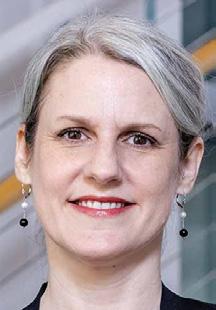
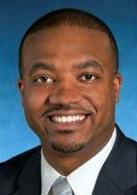
Dr. Kirkire is a hospice and palliative medicine fellow at UC San Diego and Scripps Health. She is also a recent graduate of the Johns Hopkins emergency residency program.
Dr. Patch is an assistant professor at the Johns Hopkins School of Nursing.
Dr. Irvin is an associate professor in the Johns Hopkins Department of Emergency Medicine and the assistant dean for medical student diversity, equity, and inclusion at the Johns Hopkins School of Medicine.

Breaking Barriers: Reforming Credentialing to Support Mental Health in Emergency Medicine
By Al’ai Alvarez, MD; Tristan Brennan; Diann Krywko, MD; Stefanie Simmons, MD; and Amanda J. Deutsch, MD, on behalf of the SAEM Wellness Committee
Coping with trauma in emergency medicine shouldn’t depend solely on personal resilience—it, too, can be depleted like any other resource. We are not broken. Emergency physicians are inherently resilient, but resilience has its limits. Many of us were not trained to handle vicarious trauma or moral distress; we were told to “suck it up” or simply didn’t talk about it—until we could no longer bear it. Relying on resilience alone is not enough. Mental health care is crucial for our well-being, yet outdated credentialing practices
discourage clinicians from seeking support, continuing to perpetuate stigma.
The #StopTheStigmaEM campaign, in partnership with the Lorna Breen Heroes’ Foundation, seeks to eliminate questions about mental health history for emergency medicine physicians. This one-year initiative, running through October 2025, will culminate in #StopTheStigmaEM Month. Progress will be tracked via a leaderboard that recognizes EM physicians and institutions making
meaningful changes, with highlights to be presented at SAEM25 in Philadelphia.
The key to achieving this goal is to make it easy. A key takeaway from a recent #StopTheStigmaEM webinar with the Well-being First Champion Challenge was the creation of a checklist outlining action steps for hospitals and health systems to reform credentialing. By streamlining processes and adopting best practices, we aim to increase the number of hospitals prioritizing clinician well-being. Join this effort
“Relying on resilience alone is not enough. Mental health care is crucial for our well-being, yet outdated credentialing practices discourage clinicians from seeking support, continuing to perpetuate stigma.”
to help yourself and your colleagues access mental health care without stigma or career consequences.
Checklist to Address Mental Health Questions in Credentialing Applications
Step 1: Register and Access Resources
• Create a free login: Visit the Lorna Breen Heroes’ Foundation website to register for and account. (You must be registered in order to access the remaining links in this article.)
• Access learning materials: Complete the relevant training module on removing intrusive questions from credentialing forms.
Step 2: Audit Credentialing Language
• Review credentialing documents: Examine credentialing applications, peer review forms, and addendums to identify language that creates unnecessary barriers to accessing mental health care.
• Identify key documents and contacts: Determine the source of credentialing forms and their oversight in your hospital. Contact the medical staff office, credentialing department, or executive leadership for necessary forms. If unsure, ask your department chair, medical director, or human resources representative.
• Utilize free expert assistance: The Lorna Breen Heroes’ Foundation offers free expert assistance to streamline this process. After you obtain the credentialing, recredentialing, and peer reference forms, submit them through the foundation’s portal. Their team will review your submission and provide feedback, including recommendations to ensure compliance with the Joint
Commission, National Committee for Quality Assurance, and Utilization Review Accreditation Commission. They will also suggest revisions to improve clarity and align the language with industry best practices.
• Work smart: Work efficiently by taking advantage of free resources. While your organization may choose to review changes before submitting them through the portal, the Lorna Breen Heroes’ Foundation recommends submitting the original forms first. This allows their team to identify potential issues early in the process. Some organizations make independent revisions and unintentionally overlook critical updates. Reviewing and incorporating the foundation’s suggestions can help prevent delays.
• Focus on what can be changed: Some questions are required by federal regulations, accreditation bodies, or hospital policies, while others can be adjusted at the local level. Rather than attempting to change everything at once, identify revisions that align with compliance requirements. If you’re unsure, seek guidance from your legal or compliance team or consult the Lorna Breen Heroes’ Foundation for support.
• Create a central repository: Consolidate all credentialing forms into a single document to track mental health language. Identify and note the page numbers and specific questions that could be simplified, clarified, or made less stigmatizing. This approach makes it easier to spot patterns and recommend changes in an efficient manner.
- Questions about past mental health care or treatment: Avoid asking about an applicant’s mental health history unless it directly relates to job performance. Instead, focus on assessing current impairment.
- References to “breaks in practice” or “time off”: Eliminate or adjust language that negatively or stigmatizingly portrays career interruptions (e.g., medical leave). Keep these questions neutral and focus on professional readiness rather than personal health history.
- Questions about historical substance use: Remove questions about past substance use or drug history. Focus on current issues that may affect job performance. For instance, avoid asking, “Have you ever used drugs or substances?”
- Use of vague definitions or unclear language regarding “current impairment”: Avoid using asterisks, footnotes, or fine print to define “current impairment” with time frames like “within the last 5 years.” Focus on questions that address current conditions affecting the ability to provide care.
• Review language for compliance with national standards: Compare the language with the national standards outlined on page 10 of the Audit and Change for Hospitals
• Look for Problematic Language: Review credentialing applications for language that creates unnecessary barriers to accessing mental health care. Focus on the following issues:
continued on Page 108

WELLNESS
continued from Page 107
and Health Systems PDF. Replace any intrusive or stigmatizing phrases with more appropriate language.
Step 3: Revise Credentialing Language
• Replace intrusive questions with supportive language.
- Instead of: “Have you ever used drugs or substances?
- Use: “Are you currently experiencing any untreated condition that may impair your judgment or otherwise adversely impact your ability to practice medicine in a competent, ethical, and professional manner?”
• Ensure questions focus on the present: Only ask about current conditions affecting safe patient care.
• Use neutral, non-stigmatizing language: Replace words like “suffering” with “experiencing.”
• Emphasize support and confidentiality: Clearly state the organization’s commitment to maintaining confidentiality and encouraging help-seeking.
• Offer a Path, Not an Accusation: Shift from punitive questions to resource-based questions:
- Instead of: “Have you ever failed to disclose…?”
- Use: “Are you aware of available support resources?”
• Affirm Accountability: Emphasize the clinician’s responsibility to seek care when necessary and
“Removing mental health barriers in credentialing is vital Notably, accessing mental health care does not indicate illness; rather, it provides resources to manage the daily emergency medicine physicians face, fostering resilience
to maintain safe practices in their work.
• Implement an attestation model that emphasizes health workers’ accountability for their well-being, while safeguarding confidentiality and ensuring safety.
- Example: “[Organization] acknowledges that staff may experience health issues such as career fatigue, burnout, mental health challenges, and substance use disorders. [Organization] fully supports applicants in addressing these health concerns and prioritizes patient safety.”
Step 4: Empower Individuals to Act
• Take the First Step: Advocating for change doesn’t require a formal title or leadership role. By reading this, you’ve already taken the first step— keep moving forward.
• Form Partnerships: Collaborate with peers, faculty, or mentors who can help eliminate obstacles and guide you through the process. Build a team of like-minded colleagues who share your commitment to improving access to mental health care.
• Engage Key Stakeholders: Identify important individuals, such as credentialing staff, human resources personnel, or communications team members, who can offer support. Start by reaching out to those who are easily accessible, and, when possible, involve senior leaders like the chief medical officer or chief wellness officer.
• Leverage Support Systems: Collaborate to align credentialing
questions and advocate for changes at the state level. Sustainable improvements require a coalition of human resources, legal, and medical leaders to ensure consistency and long-term success.
• Ensure Long-Term Success: While the first three steps take time, maintaining changes is just as important. Identify key personnel to ensure credentialing aligns with updated standards. Regular checkins during committee meetings can help maintain progress and ensure the changes have a lasting impact.
Step 5: Communicate the Changes
• Promote a Culture of Safety: Announce the changes to your workforce, emphasizing that it is safe for health care workers to seek mental health care.
• Measure Impact: While announcing the changes is important, follow-up is crucial. Six to twelve months later, conduct a simple poll to assess clinicians’ comfort with the updated language, such as asking, “How comfortable are you seeking mental health support here?” Collecting clear feedback will help ensure the changes are effective and guide any necessary adjustments.
• Celebrate Your Team’s Work and Gain Recognition:
- Celebrate your team’s efforts by promoting the #StopTheStigmaEM Campaign through hospital-wide announcements, grand rounds, and social media.
- Apply for recognition through the Lorna Breen Heroes’ Foundation to become a Well-being First Champion.
• Share Your Badge: Display the Well-being First Champion Badge to showcase your institution’s commitment to mental health. This will help recruit health care professionals and build trust within your organization.
Removing mental health barriers in credentialing is vital for clinician well-being. Notably, accessing mental health care does not indicate impairment or mental illness;
rather, it provides resources to manage the daily trauma and stress emergency medicine physicians face, fostering resilience and helping us thrive. Hospitals can play a key role in fostering a safe, stigma-free environment where seeking help is encouraged. Achieving this goal requires ongoing collaboration, regular check-ins, and constructive feedback.
The #StopTheStigmaEM campaign, in partnership with the Lorna Breen Heroes’ Foundation, leads this initiative, but real progress depends on individual action. By getting involved, you and your colleagues can access support, prioritize well-being, and help build a system that values both patient safety and clinician well-being. Together, we can create meaningful change. Let’s advocate for our mental health in emergency medicine!
ABOUT THE AUTHORS
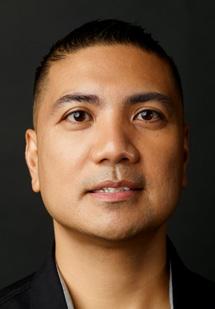
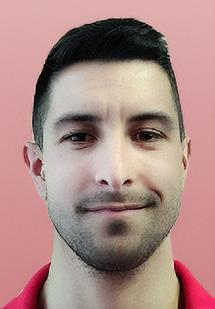
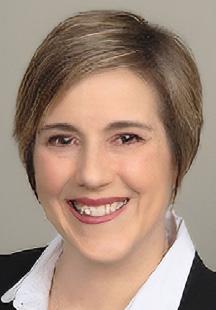
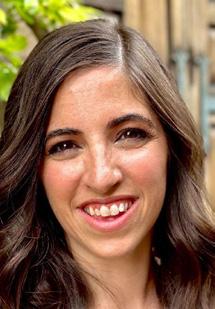
Dr. Alvarez is chair of the SAEM Wellness Committee #StopTheStigmaEM Subcommittee and director of well-being at Stanford emergency medicine.
Tristan Brennan is a neuroscience research assistant at the Department of Veterans Affairs and Stanford School of Medicine.
Dr. Krywko is chair of the department of emergency medicine at the Medical University of South Carolina.
Dr. Simmons is chief medical officer at the Dr. Lorna Breen Heroes' Foundation.
Dr. Deutsch is chair of the SAEM Wellness Committee and director of well-being at Thomas Jefferson University.

Rethinking Productivity in Emergency Medicine: A Smarter Approach to Efficiency
By Mia L. Karamatsu, MD; Al’ai Alvarez, MD; and Christine R. Stehman, MD, on behalf of the SAEM Wellness Committee
Cal Newport, author of Deep Work and Digital Minimalism, recently published Slow Productivity: The Lost Art of Accomplishment Without Burnout. Newport argues that traditional productivity measures for knowledge workers are ineffective, as they rarely reflect essential metrics and merely create busyness without improving output. In emergency medicine, these measures include patients per hour, relative value units (RVUs), return visits to the emergency department (ED), and patients who leave without being seen. Newport's slow productivity
philosophy combines the principles of doing fewer things, working at a natural pace, and obsessing over quality. Though some physicians struggle to adopt these principles— often avoiding the term “slow” due to its negative connotations—this philosophy is vital for emergency medicine, potentially addressing some contributors to burnout.
Do Fewer Things
The book advocates for reducing obligations to enable tasks to be completed with extra time, minimizing the "tax” of projects (such as managing details and
collaboration costs), taking on fewer tasks while focusing on them individually, and transferring thoughts to a trusted system to save mental energy. Some of these principles are directly applicable to emergency physicians, while others require creativity. At their core, the EP’s mission is to think critically to provide high-quality patient care and communicate effectively with those involved in ongoing care. Keeping this mission in mind helps emergency physicians incorporate these principles daily. Here are some examples:

“Doing less and completing tasks at your natural pace creates space for applying knowledge, pausing before critical decisions, and prioritizing self-care during shifts.”
1. Utilizing electronic health record (EHR) efficiency tools, including smart templates, voice-to-text dictation, and a scribe system to streamline documentation and allow physicians to focus on patients rather than computers.
2. Engage support staff for minor tasks that accumulate, such as documenting the clinic and preferred pharmacy, locating the ultrasound machine, cleaning wounds, suturing, or applying splints. Identifying tasks that physicians needlessly handle enables more effective delegation.
3. Minimize disruptions and avoid multitasking. Studies show that emergency physicians face frequent interruptions, including phone calls, staff queries, and an endless stream of electrocardiograms (EKGs). Creating a workflow with staff input to reduce these interruptions, especially during handoffs, can decrease multitasking and improve patient safety.
4. Set boundaries. While emergency physicians are capable of doing many tasks, they should not have to handle everything alone. Leveraging hospital resources and delegating tasks that do not require
specific expertise allow emergency physicians to focus on areas where they can make the most significant impact on patient care. Overcommitting leads to frustration, burnout, and diluted effectiveness.
5. Utilize Standardized Nursing Protocols (SNPs) and order sets for common complaints. Starting workups with SNPs reduces cognitive load, freeing physicians to focus on patients requiring nuanced evaluations.
Work at a Natural Pace
Once emergency physicians learn to “do fewer things," they can then embrace the next principle. Streamlining time and energy shouldn't change our pace, which may seem counterintuitive. However, doing less and completing tasks at your natural pace creates space for applying knowledge, pausing before critical decisions, and prioritizing self-care during shifts. Discovering a natural rhythm in the ED helps recharge cognitive strength and allows emergency physicians to serve patients more effectively.
1. Take breaks. Humans need food, water, rest, and community to function, and emergency physicians are no exception. After tough
cases, taking a moment to breathe and decompress supports health, energy, and focus.
2. Triage tasks. Most emergency department tasks can wait. Emergent tasks, like caring for critical patients, take precedence over lower-priority tasks that can be addressed when mentally available. Providing quality care, themost vital responsibility on shift, takes time.
3. Professional achievements are just one aspect of a fulfilling life. Reserving time for personal interests outside the emergency department enhances resilience and productivity within it.
4. Take control. While it may feel as though others control one’s time, emergency physicians have more control than they think. they can leave on time and should feel comfortable saying no.
5. Embrace the emergency medicine schedule. Though the unusual hours may disrupt sleep and health, they also offer the freedom to engage in activities like visiting museums or seeing movies during the week. Academic emergency physicians
“By slowing down the


The Burnout Crisis in Emergency Medicine: Causes, Consequences, and Solutions
By Al’ai Alvarez, MD, and Jeffrey Druck, MD, on behalf of the SAEM Wellness Committee
Burnout is a persistent issue across health care, and emergency medicine consistently ranks among the most affected specialties—a trend that will likely appear again in the Medscape Physician Burnout & Depression Report. The International Classification of Diseases (ICD-11) defines burnout as a syndrome caused by chronic, poorly managed workplace stress. It is marked by emotional exhaustion, detachment from work or cynicism, and a diminished sense of personal accomplishment. Tools such as the Maslach Burnout Inventory (MBI) aim to measure burnout but often fail to account for the unique challenges emergency physicians (EPs) face, potentially skewing results. More critically, burnout in emergency medicine (EM) stems from specialty-
specific factors, emphasizing the need for targeted systemic solutions.
The Unique Pressures of Emergency Medicine
Emergency physicians work in highstress, unpredictable environments with no control over patient volumes, which fluctuate daily and often overwhelm resources. During a single shift, Eps may manage critical traumas, cardiac arrests, and minor complaints simultaneously. This The strain is compounded by vicarious trauma and morally distressing decisions that take a toll on mental and emotional reserves. Systemic issues, such as hospital boarding and work compression, often force physicians to compromise patient care. Combined with physical risks, including
exposure to respiratory illnesses, these challenges further wear down emergency physicians.
Adding to the pressure, emergency physicians must make rapid, highstakes decisions with incomplete information and no room for error. Managing multiple emergencies under these conditions is mentally and emotionally draining. While some physicians use compartmentalization as an adaptive strategy to stay focused during intense shifts, prolonged stress can lead to depersonalization—a maladaptive coping mechanism in which physicians emotionally distance themselves from patients and their work. Over time, this erodes empathy and contributes to burnout.
Chronic resource shortages
“Burnout in emergency medicine is not a failure of individual resilience but a consequence of systemic inefficiencies that demand institutional solutions.”
exacerbate these challenges. Many emergency departments (EDs) lack adequate staffing, equipment, or space, forcing EPs to do more with less, often at the expense of patient care. This disconnect between effort and outcomes can erode physicians’ sense of accomplishment, leaving them feeling ineffective despite their best efforts.
The lack of a standardized shift schedule and the demands of a 24/7 work environment, including long and irregular hours, disrupt circadian rhythms and lead to chronic sleep deprivation. Even when physicians avoid reverse circadian shifts, personal commitments often stretch their waking hours further. With insufficient rest, managing stress and recovering from the demands of the job become even more difficult, worsening the physical and emotional toll.
The Impact of Burnout
The effects of burnout are profound. Emotionally exhausted physicians often feel disconnected from their work and patients, which can also strain their personal relationships Many lose their passion for the field, with mid-career physicians and women particularly at risk of leaving. Attrition is common, with some transitioning to nonclinical roles, reducing hours, or leaving medicine altogether.
The COVID-19 pandemic magnified these issues. Patient volumes surged, stress levels spiked, and personal risks grew. Early in the pandemic, emergency physicians often worked without proper protective equipment, heightening anxiety. Financial and administrative burdens also increased, further driving burnout rates. These challenges exposed the fragility of the health care system and
Systemic Solutions to Burnout
Addressing burnout in emergency medicine requires systemic change. Individual interventions, such as stress management workshops, offer limited benefits because the root issue lies in systemic inefficiencies, not a lack of resilience. Targeted solutions are needed to effectively address burnout, including increased staffing and resources for patients throughout their inpatient stay and follow-up care. Emergency physicians alone cannot fix a broken system. Ensuring sufficient staffing and equipping emergency departments to meet patient demand would significantly alleviate the pressure on physicians to simply make things work..
Hospitals must also prioritize work-life balance. Creative, flexible scheduling that allows for adequate recovery time between shifts can help physicians protect their well-being. Safeguarding time off is critical for sustaining performance in such a high-stakes environment—a standard practice in other high-performance fields such as the military, commercial aviation, and elite athletics.
Because vicarious trauma is inherent in emergency medicine, cultivating supportive workplace cultures is essential. Peer support programs, access to mental health resources, and engaged leadership are crucial for fostering healthier environments. Normalizing proactive mental health care, where physicians develop skills to process the emotional toll of their work before stress compounds into mental illness, is key to long-term well-being.
Performance metrics also need reform. Instead of focusing solely on patient volume, hospitals should prioritize quality of care and patient
outcomes. Rewarding thoughtful care and teamwork, rather than speed, can help reduce stress and better align incentives with the profession’s goals.
Despite progress in equity, gender and racial disparities remain significant challenges in emergency medicine. Women and individuals historically underrepresented in medicine face higher burnout rates and are more likely to leave the field mid-career. Supportive policies, such as mentorship programs and equitable parental leave, are essential for improving retention and fostering long-term professional fulfillment.
Conclusion
Burnout in emergency medicine is a systemic issue that requires systemic solutions. The specialty’s unpredictable workload, rapid decision-making, and resource shortages make it uniquely vulnerable. The COVID-19 pandemic underscored the urgency of change, adding new layers of strain to an already overburdened workforce. By addressing these challenges directly, we can create a sustainable future for emergency physicians—and, in turn, improve care for patients.
ABOUT THE AUTHORS
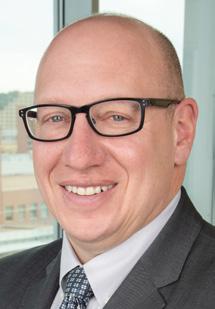
Dr. Alvarez is chair of the SAEM Wellness Committee #StopTheStigmaEM Subcommittee and director of well-being for Stanford Emergency Medicine.
Dr. Druck is a member of the SAEM Board of Directors and vice chair for faculty advancement, transformation, and wellbeing for University of Utah Emergency Medicine.
WELLNESS REFLECTION

Forged in Crisis: A Year of Resilience in Emergency Medicine
By Madelyn Aittama, MD
In February 2024, attending physicians in our emergency department (ED) began wearing union pins on their scrubs. We first heard about the strike through local news and the hospital “grapevine.” Residency is already an inherently unstable time in a young physician’s life, and this news threatened to further disrupt and destabilize the environment in which my colleagues and I had chosen to complete our training. But this was just the beginning.
Emergency medicine (EM) physicians pride themselves on adaptability. EM residency typically spans three years, and from day one, residents are expected to be flexible. Mastering medicine before graduation is a challenge, but learning the skills necessary to thrive in this dynamic field is equally important. The average EM resident must gain knowledge
and clinical experience in an everchanging environment, often with unpredictable shifts. My colleagues and I met this challenge throughout our first two years of training, only to face an unprecedented wave of change during our final and most formative year. How did we not only cope but also turn this overwhelming change to our advantage? Through reflection, I believe the answer lies in two factors: exceptional program leadership and a commitment to compassionate, patient-centered care, supported by a strong, tight-knit cohort of residents.
Training under attending physicians who are deeply committed to their patients and to emergency medicine has been invaluable. Our ED and unionized attendings gained national attention for their strike—the first of its kind in the United States. We were there, caring for patients while watching it unfold, both literally and figuratively. Learning what it means
to enact change in health care is an opportunity we will not take for granted as we prepare to practice on our own.
During this period of unionization, and immediately following the 24-hour strike, our emergency department went offline due to a cyberattack that affected all hospitals in our system. The attack forced us to rely on fundamental clinical skills, critical decisionmaking, and teamwork, reinforcing the adaptability required in emergency medicine. Each shift required learning an entirely new way of operating. Instead of logging into the electronic medical record (EMR), we arrived at work to find tables piled high with paper charts—each stack taller than the last. Yet another unprecedented challenge had emerged, forcing us to adapt while continuing to care for patients. We rose to the occasion and emerged stronger.
Before the cyberattack had even fully resolved, we learned that our attendings’ employer would be terminating its contract with our ED. As leadership navigated changes in departmental contracts, we remained focused on delivering high-quality care and learning from every challenge.
Amid these transitions, the true test of our training came on July 7, 2024, when our ED responded to Michigan’s largest mass shooting to date. Within a 45-minute period, 21 gunshot victims arrived at our ED. A gunman had targeted a block party just down the road, sending carload after carload of otherwise healthy teens and young adults our way. Residents who were not working that day came in to help triage, irrigate wounds, and administer tetanus-diphtheria-acellular pertussis (Tdap) vaccines. Nonemergency and nonsurgical residents from throughout the hospital arrived to assist. Pediatric nurses stepped in to help on the adult side, while pediatric floor nurses covered the pediatric ED. Working on the east side of Detroit, we are no strangers to penetrating trauma, but this event was truly shocking. Debriefs have helped us process the experience, but it will remain a defining moment in our training.
Five weeks later, we received an email from our institution announcing an imminent merger with another large local health system. Our first physician e-newsletter from our new employer provided instructions on enrolling in new health care benefits, updating corporate IDs, and managing ongoing IT updates—all taking significant time away from our primary focus on education and patient care. Around the same time, we learned of a new physician group assuming our ED contract. Fourteen new attending physicians would join us starting September 1, alongside our core faculty. Fortunately, by then, our interns had stopped secondguessing basic orders like Tylenol and potassium.
Throughout these upheavals, new interns were learning how to be doctors; second-year residents were independently managing critically ill patients in an eight-bed
“When I reflect on how we, as a residency program, have navigated these challenges so gracefully, the answer is clear: we are emergency physicians. Adversity is what we do.”
resuscitation bay and rotating through every intensive care unit (ICU) in our hospital. Third-year residents were deep into job searches, preparing for life as attending physicians and framing every clinical decision with the question: “What would I do if I were on my own?”
Despite all these changes, we remained united. We found time to enjoy cider and donuts at a Michigan cider mill, shared homemade pizzas in each other’s homes, and relished early morning beers and breakfast burritos after the first night shift of the cyberattack, alongside our attendings and nursing staff. We sang karaoke in Las Vegas between plenary sessions at an emergency medicine conference, auditioned for EM critical care fellowships in ICUs across the country, and explored Alaska’s remote EDs with our ultrasound director after a shift. We engaged, educated, and inspired eager EM-bound medical students at our urban, Level 1, trauma center. We renovated our resident lounge and rehomed our famous 15-year-old residency couch to a needy intern’s living room. And when we weren’t engaged in these outside endeavors, we performed life-saving procedures, including a resuscitative hysterotomy, a lateral canthotomy, and an emergent ultrasound-guided pericardiocentesis for a patient with tamponade—while continuing to provide the highest quality patient care to more than 250 patients a day in our ED.
This job is a privilege. We are privileged to learn from our resilient faculty and to have strong program leadership guiding us through these
challenges. Viewing every obstacle as a learning opportunity can be difficult, especially when our responsibilities as residents often conflict with family time, leisure, and outside interests. Our program leadership has helped us navigate this balance with grace, and many of my colleagues have made it look effortless. That leads me to my next point: our residents— my friends and colleagues—have developed into excellent physicians, and we could not have survived this year without one another. Whether it was tag-teaming procedures after a busy shift, assisting each other during mass casualty events, moving interns into new apartments, or offering daily shout-outs in our group chat and weekly newsletter, the support and encouragement we share have only grown stronger.
When I reflect on how we, as a residency program, have navigated these challenges so gracefully, the answer is clear: we are emergency physicians. Adversity is what we do. These experiences have reinforced the importance of adaptability, teamwork, and patient-centered care—lessons that will shape our careers. Has it been tiring? Absolutely. But one thing is certain: cider and donuts have never tasted so sweet.
ABOUT THE AUTHOR

Dr. Aittama is chief resident at Henry Ford St. John Hospital emergency medicine residency in Detroit.
WILDERNESS MEDICINE

Evaluating the Accuracy of Plant and Mushroom Identification Apps
By Kevin Watkins, MD, on behalf of the SAEM Wilderness Medicine Interest Group
As more people explore the outdoors, interest in foraging has grown. Some plant and mushroom species are relatively easy to identify and do not have toxic lookalikes. However, many toxic species require expertise for proper identification. Individuals with limited botanical or mycological knowledge often rely on external resources as they learn, seeking guidance from selfproclaimed experts, books, or websites. Increasingly, many turn to smartphone applications for plant and mushroom identification, sometimes relying solely on these
digital tools. Popular identification apps include PictureThis, PlantSnap, Pl@ntNet, and Seek. These apps analyze the morphology of submitted photographs by comparing them to a database, often providing results within seconds. They may also be useful to health care providers treating individuals who become ill after consuming foraged plants or mushrooms.
Overview of Popular Identification Apps
PictureThis, developed by Glority Global Group Ltd., claims an accuracy rate exceeding
98%. PlantSnap, created by an independent entrepreneur, reports recognition of 90% of all known plant species. Pl@ntNet, developed by Cirad-France, uses a network of voting users to validate identifications. Picture Mushroom was created by Next Vision Ltd., while Mushroom Identificator was developed by AnnapurnApp Technologies. Seek, created by iNaturalist—a joint initiative of the National Geographic Society and the California Academy of Sciences— provides a confidence level for its identifications. PictureThis,
“Although many apps claim high accuracy, only a few studies have evaluated their performance.”
PlantSnap, Picture Mushroom, and Mushroom Identificator are free to download but offer in-app purchases. Pl@ntNet and Seek are entirely free. Many of these apps depend on usersubmitted photographs to enhance accuracy. Other paid apps exist, but they have not been as extensively studied.
Accuracy of Identification Apps
Although many apps claim high accuracy, only a few studies have evaluated their performance. These studies found identification accuracy ranging from 69% to 76% across multiple apps, with significant variability. PlantSnap demonstrated lower accuracy, around 50%, in different studies. In contrast, Pl@ntNet, PictureThis, and Seek performed better, with accuracy rates between 50% and 90%. PictureThis performed best overall. Google Lens, included in one study, performed the worst. The discrepancies across studies highlight challenges in using these apps effectively.
Fewer studies have examined mushroom identification apps. One study found that Picture Mushroom was the most accurate, at 49%, while Mushroom Identificator and Seek each achieved 35%. When identifying poisonous mushrooms, all tested apps performed poorly.
Challenges and Considerations
Accurate identification requires clear photographs that display all distinguishing features. However, plants and mushrooms are not always in ideal condition due to weather, disease, or other factors. Some studies intentionally included toxic species, and these were occasionally misidentified as edible. Given that many foragers lack sufficient expertise, these findings

should concern health care providers managing patients exposed to toxic plants or mushrooms.
While identification apps may improve in accuracy with increased user submissions, they should not replace expert consultation. Botanists and mycologists are not always available to frontline medical providers, meaning toxicologists often rely on descriptions of ingested substances, which may be inadequate for proper identification. Whenever possible, consulting toxicologists, mycologists, or botanists is essential for accurate identification and effective patient management.
ABOUT THE AUTHOR
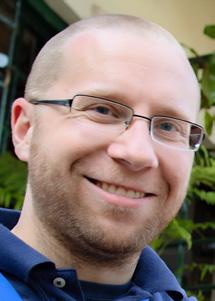

Dr. Watkins is an associate program director at Cleveland Clinic Akron General and an assistant professor of emergency medicine at Northeast Ohio Medical University. He serves as division head of wilderness medicine, associate research director for the Cuyahoga Valley Wilderness Medicine Group, and vice chair of SAEM's wilderness medicine interest group.
SAEM Foundation (SAEMF) Annual Alliance Donors Are Transforming the Future of Emergency Medicine
Last year, SAEMF Annual Alliance donors made it possible for SAEMF to:
• Invest over $1 million in research and education grants awarded to SAEM members!
• Encourage more emergency medicine research – a 58% increase in 2024 SAEMF grant applications.
• Prepare more SAEM members to serve as grant reviewers – over 100 members now participate in the Grants Committee.
• Train future researchers – dozens participate in the Resident Reviewer Program and attend the Grantee Workshop each year.
Join the SAEMF Annual Alliance for a Chance to Enjoy SAEM25 As Never Before!
Your SAEMF donation in any amount this year leads to year-round recognition as an Annual Alliance donor!
DONATE to receive special SAEM25 thank-yous based on your Annual Alliance level. Not only will your donation support emergency medicine research and the brilliant minds behind it, but it could also open the door to a very special SAEM25 experience*:
• A special Annual Alliance keepsake;
• your name in lights on the SAEMF Donor Digital Display;
• an opportunity to mingle with grantees and leaders at SAEMF's Coffee and Networking event;
• VIP Lounge access;
Join a community of academic emergency medicine leaders who are passionate about improving emergency care. As a member of the Annual Alliance, you will be a part of an esteemed network of leaders in emergency medicine who strive to advance emergency medicine! Donate Now!
• even sedan transportation from the airport!
*Recognition varies by donor level, click on image!
Annual Alliance Benefits
Celebrating the 2025 Annual Alliance Donors
Thank You to Our Enduring Donors!
As we continue to strengthen and diversify the financial support necessary to elevate research and education grants funding, we see even more generosity from SAEM members who have accepted the invitation to become Annual Alliance Enduring Donors. Together with the strength of our endowment — and our entire cadre of Annual Alliance Donors — our Enduring Donors are positioning us to sustain a thriving grants program that now funds over $1 million in research and education grants annually.
We are grateful to the following Enduring Donors who are leading the way to a stronger specialty through their generous giving.


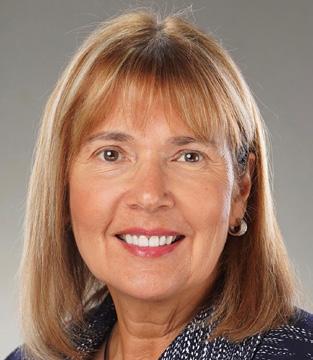
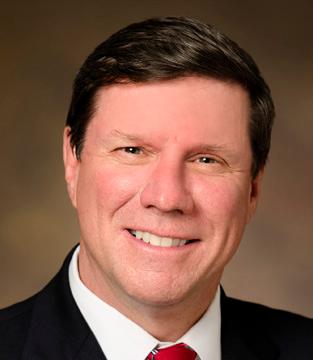
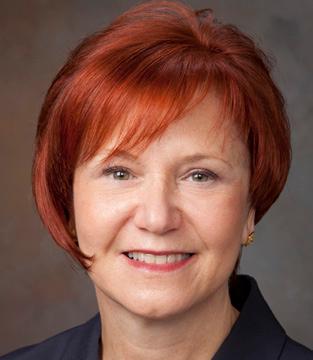
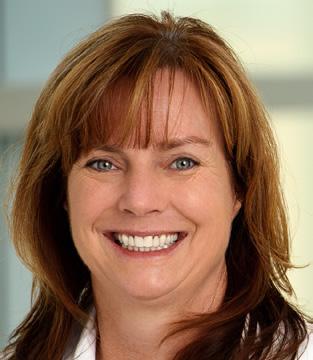
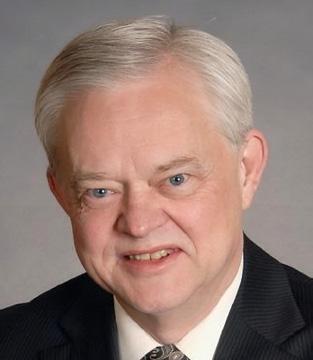
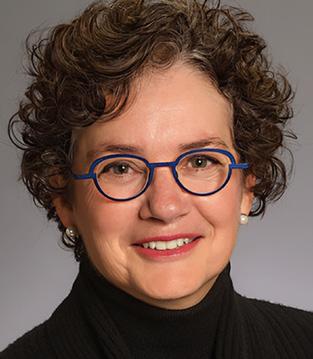
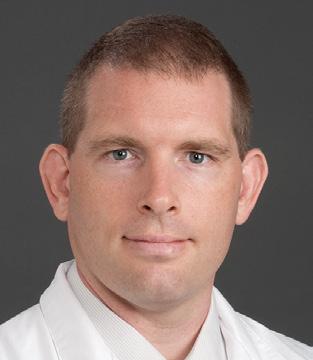
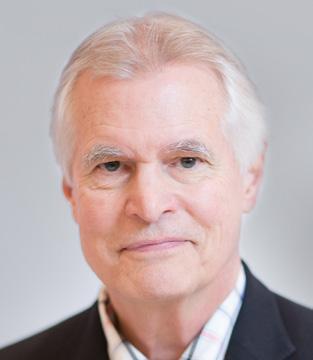

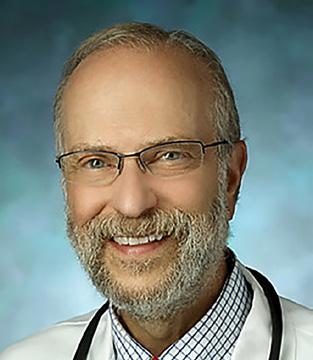
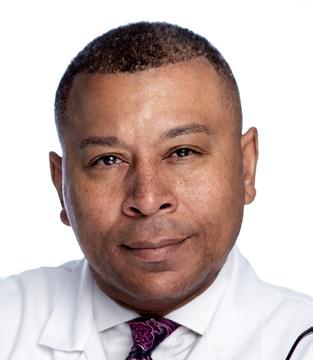
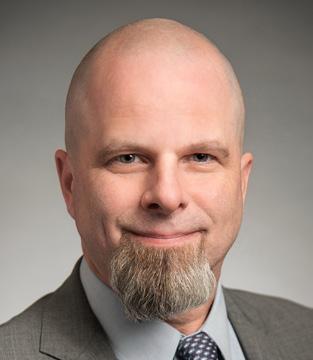
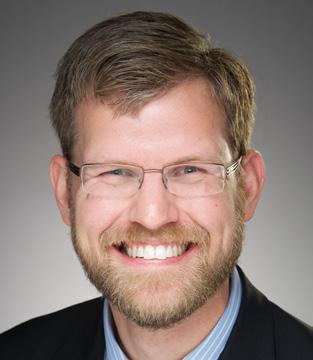
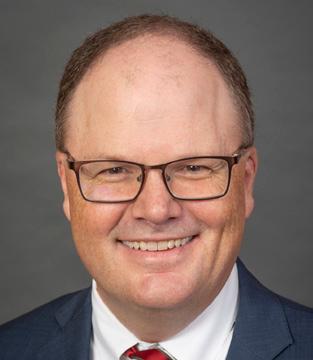
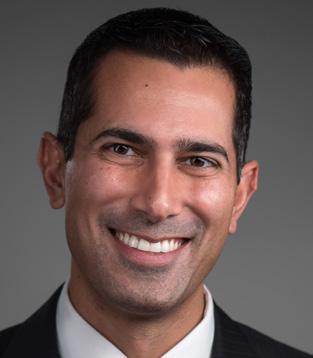
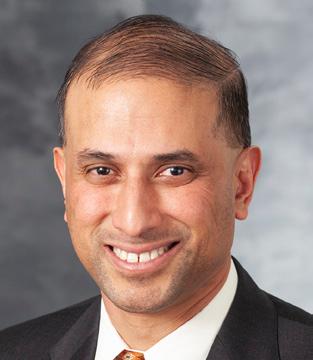
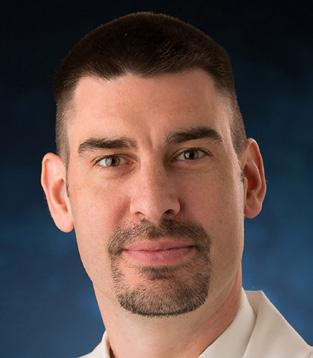
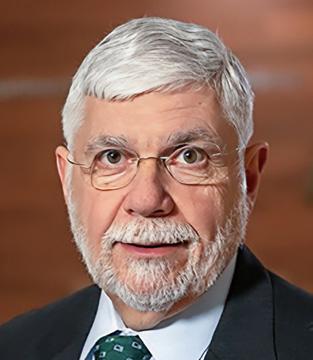
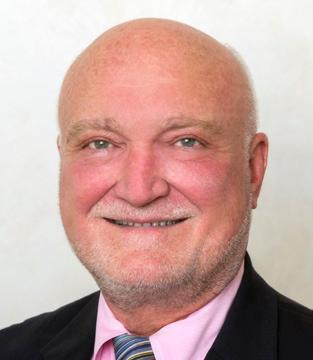
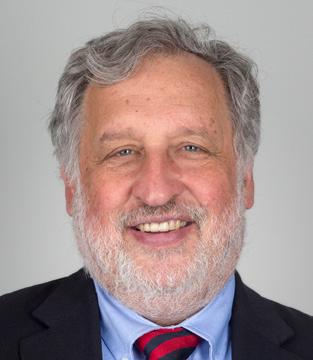
The Henry Family – In Memory of Gregory L. Henry, MD
Deborah B. Diercks, MD, MSc, MBA
Brian Hiestand, MD, MPH
Katherine L. Heilpern, MD
Robert S. Hockberger, MD
Nicholas M. Mohr, MD, MS
Andrew S. Nugent, MD
Ian B.K. Martin, MD, MBA
Gabor D. Kelen, MD
Ken Kaji, Eugene Kaji, and Jining Wang — In memory of Amy H. Kaji, MD, PhD
Jamie J. McCarthy, MD, MHA
Ali S. Raja, MD, DBA, MPH
Manish N. Shah, MD, MPH J. Scott VanEpps, MD, PhD Gregory A. Volturo, MD
Richard E. Wolfe, MD
As of February 18, 2025
David E. Wilcox, MD
Michelle Blanda, MD
Charles B. Cairns, MD
Steven L. Bernstein, MD
Steven B. Bird, MD
Gail D'Onofrio, MD
Thank You to Our Sustaining Donors!
On behalf of the SAEMF Board of Trustees and our grantees, we extend gratitude to our Sustaining Donors who have made a significant gift to ensure more and larger grants are possible in the future.
Sustaining Donors


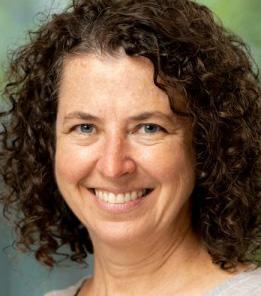
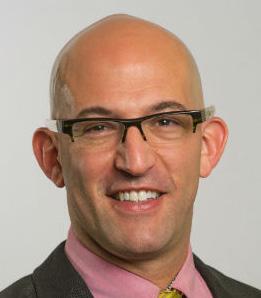
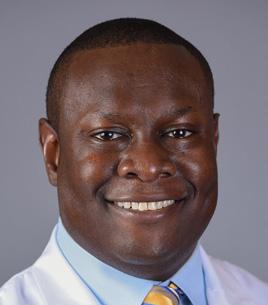
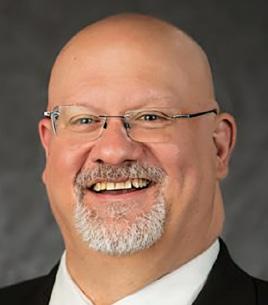
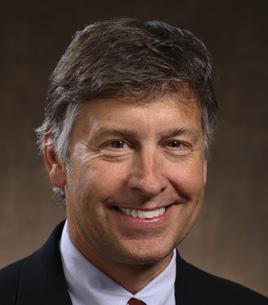

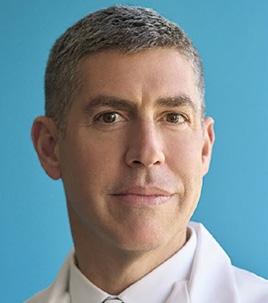


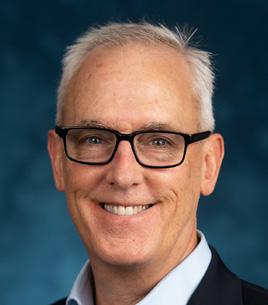
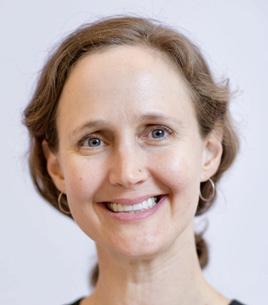
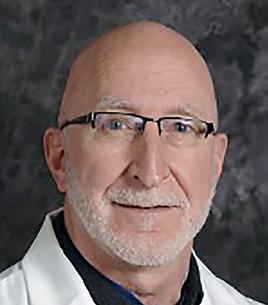
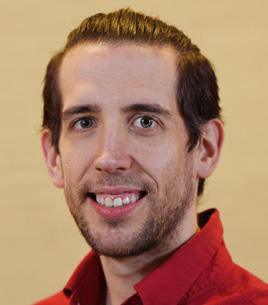

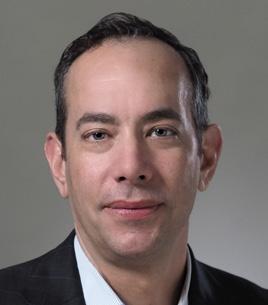
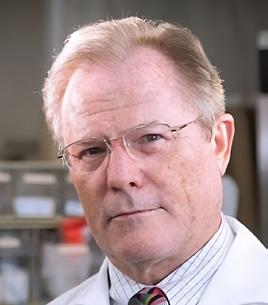
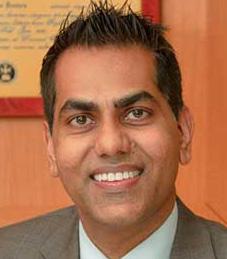
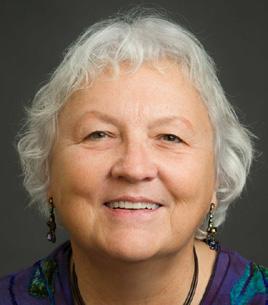
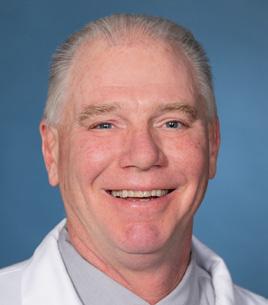



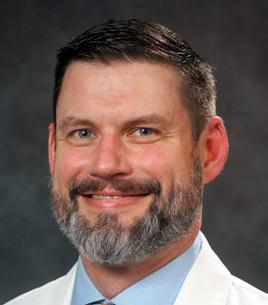
Please join us in saluting the generosity and visionary spirit of philanthropy of our Annual Alliance Donors!
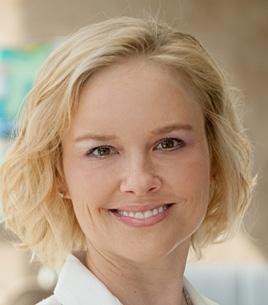
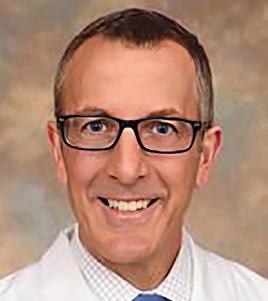
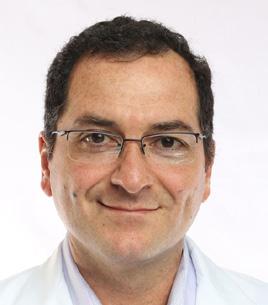
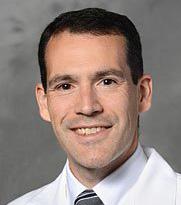
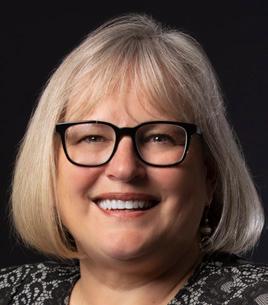
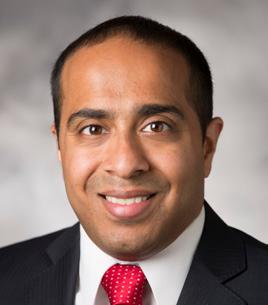
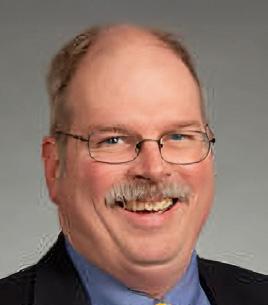
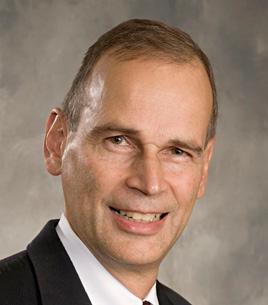
and my Emory EM family, ADIEM, AWAEM for their support through the
As of February 18, 2025
*Chad M. Cannon, MD — In honor of University of Kansas Department of Emergency Medicine
*Sheryl L. Heron, MD, MPH — In honor of my husband Boniface Thomas, Basil & Amy Heron
years
*Zachary F. Meisel, MD, MPH, MSHP — In memory of Suzanne Shepherd, MD
Pooja Agrawal, MD, MPH
Opeolu M. Adeoye, MD
J. Jeremy Thomas, MD, MBA
Brian J. Zink, MD
Arjun Venkatesh, MD, MBA, MHS
Rahul Sharma, MD, MBA
Thomas C. Arnold, MD
Michelle H. Biros, MD, MS Andra L. Blomkalns, MD, MBA
Charles "Chuck" J. Gerardo, MD, MHS
Corita Reilley Grudzen, MD, MSHS
Chad M. Cannon, MD*
Joshua Davis, MD
Eric W. Dickson, MD
Gregory J. Fermann, MD
Brendan G. Carr, MD
Zachary F. Meisel, MD, MPH, MSHP
Paul I. Musey, Jr., MD, MS
Robert W. Neumar, MD, PhD
Angela M. Mills, MD
Joseph Miller, MD
Roland C. Clayton Merchant, MD, MPH, ScD
Edward A. Panacek, MD, MPH
Ula Hwang, MD, MPH
Sheryl L. Heron, MD, MPH*
Michelle Lall, MD, MHS
Namita Jayaprakash, MB Bch BAO, MRCEM Babak Khazaeni, MD
Phillip D. Levy, MD, MPH Robert F. McCormack, MD
Susan B. Promes, MD, MBA
Ava Pierce, MD
Niels K. Rathlev, MD
Elizabeth Schoenfeld, MD, MS
Ralph J. Riviello, MD, MS
James E. Brown, Jr., MD
Jody Vogel, MD, MSc, MSW
Thank You to Our Advocate Donors!
Annual Alliance Advocate Donors provide a three-year commitment that is essential to sustaining our grant funding and education programs year-after-year. Many of these generous donors have stepped up this year to increase their commitment to help address challenges facing emergency medicine.
Can we count on you to become an ally for EM research? Donate Today!
• Benjamin Abella, MD, Mphil
— In honor of William G. Baxt, MD
• Elizabeth Burner, MD, MPH, PhD
• Danielle Campagne, MD
• Christopher Robert Carpenter, MD, MSc
• Jeffrey M. Caterino, MD, MPH
• Ted Chan, MD
• Andrew K. Chang, MD, MS
• Douglas M. Char, MD
• Carl Chudnofsky, MD and Keck School of Medicine of the University of Southern California
• Wendy C. Coates, MD
• James E. Colletti, MD
• Ted Corbin, MD, MPP
• John DeAngelis, MD, FAEMUS
• Harinder S. Dhindsa, MD, MPH, MBA
• Jeff Druck, MD
• Petra Duran-Gehring, MD
— In Honor of G. Catherine Duran
• Rollin J. Fairbanks, MD, MS
• Seth Gemme, MD
• Katrina A. Gipson, MD, MPH
• Steven Andy Godwin, MD
• Shayne Gue, MD, MSMEd
• Richard J. Hamilton, MD, MBA
• Ramsey Herrington, MD
• Erik P. Hess, MD
• Christy Hopkins, MD, MPH, MBA
• Kevin Kotkowski, MD, MBA
• Ryan LaFollette, MD
• Luan Lawson, MD
• Michael Lozano Jr., Jr., MD, MSHI
• Timothy J. Mader, MD
— In honor of Dr. James Irving Raymond
• Adrienne N. Malik, MD
• Chad Miller, MD
• Bryn Mumma, MD, MAS
• Lewis S. Nelson, MD, MBA
• Marquita S. Norman, MD, MBA
• Brian J. O'Neil, MD
• Arthur M. Pancioli, MD
• Peter S. Pang, MD
— In honor of the women faculty and leaders at IU Emergency Medicine. Their dedication to patients, colleagues, learners, and the specialty inspires me every day.
• James Paxton, MD, MBA
• Samuel J. Prater, MD
• Scott W. Rodi, MD, MPH
• David C. Seaberg, MD
• Peter E. Sokolove, MD
• Michael J. VanRooyen, MD, MPH
• Laura Walker, MD MBA
• James R. Waymack, II, MD
• Scott G. Weiner, MD, MPH
• Sandy Werner, MD
• Dustin Blake Williams, MD
• Taneisha Wilson, MD
— In honor of ADIEM and Brown Emergency Medicine
• David W. Wright, MD
As of February 18, 2025
A Very Special Thanks to Our Mentor Donors
The Annual Alliance’s Mentor Donors generously support our work through a gift of $1,000. Join this group of donors in their support of developing the pathway of future EM researchers and educators by donating today!
• Mike Baumann, MD • Marie-Carmelle Elie, MD
• Nicholas J. Jouriles, MD • Philip A. Mudd, MD, PhD
• Meagan R. Hunt, MD
• Vicki E. Noble, MD
• Carl Ravin — In memory of Dr. Greg Henry • Robert W. Schafermeyer, MD
• Robert Shesser, MD • Mary E. Tanski, MD, MBA
Thank you to ALL of our Annual Alliance Donors. Without your support, SAEMF could not make such a significant impact on EM’s future. See the full list of donors.
Celebrating SAEMF’s Legacy Society Donors

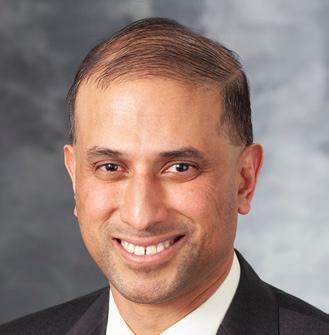
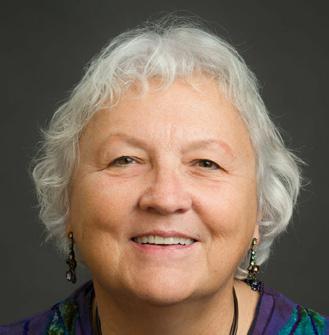

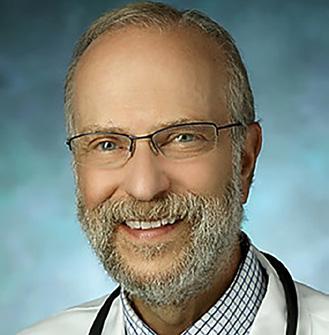
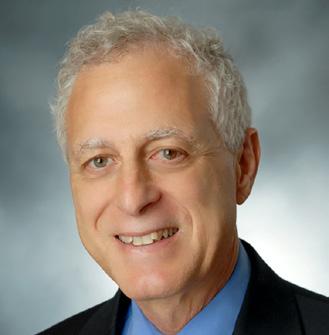
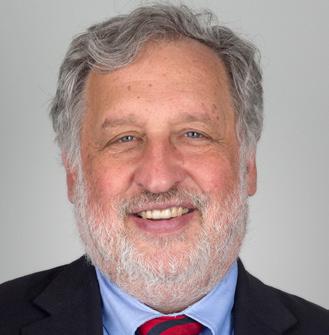
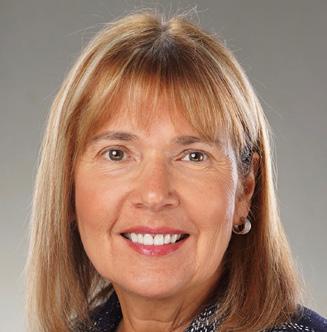
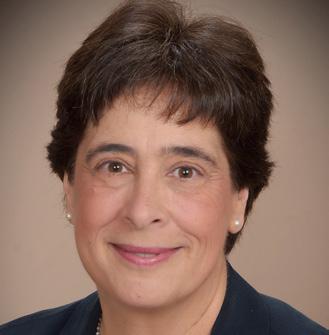
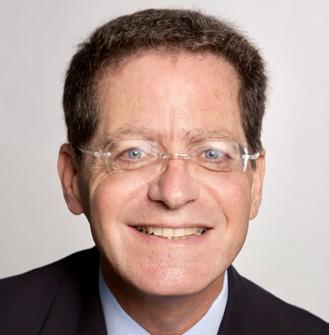
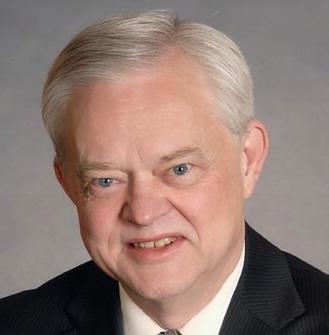
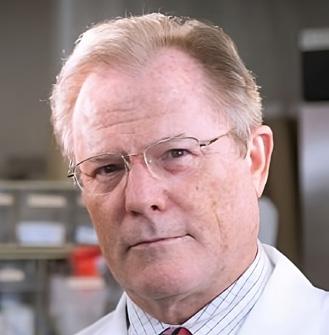
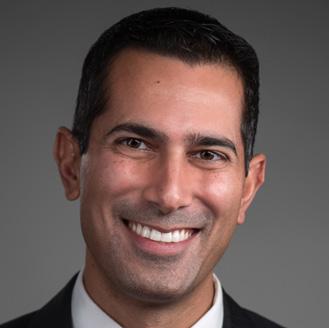
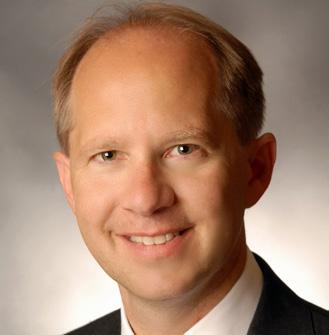

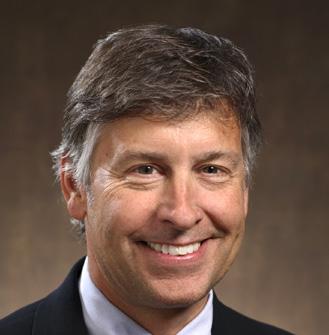
SAEMF is grateful to these SAEMF Legacy Society Donors who are strengthening the resources available for tomorrow’s emergency medicine (EM) researchers and educators through their legacy giving. Each of these Donors has generously supported SAEMF throughout their careers, and now they have shared that they have made thoughtful, visionary planned gifts by including SAEMF in their estate plans. Through the Legacy Society, you, too, can solidify future support of this organization that’s been so important to you during your career.
If you are interested in learning more about legacy giving or the Legacy Society, please let us know. We will coordinate time for you to visit with one of your fellow members who has already made this decision. It may be easier than you think to make such a gift.
Several longtime SAEM members have already included the SAEMF in their estate plans. If you are one of these donors, please let us know by completing the SAEMF Legacy Society Declaration of Intent and returning it to foundation@saem.org so that we can recognize your generosity.
Robert S. Hockberger, MD
Cherri D. Hobgood, MD
Paul S. Auerbach, MD, MS
Michelle H. Biros, MD, MS
Wendy C. Coates, MD
Gregory L. Henry, MD and the Henry Family
Ali S. Raja, MD, DBA, MPH
David E. Wilcox, MD
Michelle Blanda, MD
Andy S. Jagoda, MD
Edward A. Panacek, MD
Peter Sokolove, MD
Gabor D. Kelen, MD
David P. Sklar, MD
Brian J. Zink, MD
Ken Kaji, Eugene Kaji, and Jining Wang — In memory of Amy H. Kaji, MD, PhD
Manish N. Shah, MD, MPH
Richard E. Wolfe, MD
BRIEFS & BULLET POINTS
FEATURED NEWS
Meet Your Newly Elected Leaders for 2025-2026!
The results are in, and we are thrilled to announce your newly elected representatives for SAEM, SAEM Academies, Association of Academic Chairs of Emergency Medicine (AACEM), SAEM Foundation (SAEMF), and Residents and Medical Students (RAMS). Thank you to everyone who took the time to cast their vote, and congratulations to this year’s chosen leaders! The 2025-2026 leadership will officially take office at SAEM25 in Philadelphia, Pennsylvania—get ready for an exciting year ahead!
Remembering George Greaves, SAEM Senior Manager of Membership

George Greaves
SAEM is deeply saddened to share the passing of George Greaves, SAEM’s Senior Manager of Membership, on January 26, 2025, after a tragic car accident. George’s warmth, kindness, and dedication left an indelible mark on SAEM and everyone who knew him. His big smile, infectious laugh, and uplifting presence were a daily gift to his colleagues and friends. Whether assisting members, staffing the registration desk at annual meetings, or refereeing dodgeball games, George brought joy and heart to everything he did. He will be profoundly missed. Our thoughts are with his loved ones. Read the full tribute
REGIONAL MEETINGS
Register Now for These Upcoming 2025 SAEM Regional Meetings!
Registration is open for three exciting 2025 SAEM Regional Meetings:
• NERDS25 (New England) Regional Meeting): Join us on April 2 at the College of the Holy Cross in Worcester, MA, for a dynamic meeting featuring poster sessions, lightning orals, plenary orals, innovations, and a keynote address.
• Western Regional Meeting: Taking place April 10-11 at UC Irvine, this meeting offers interactive workshops on critical care, social determinants of health, and more, along with dedicated tracks for residents, medical students, and educators.
• Southeastern Regional Meeting: Save the date for July 12 at the University of Central Florida in Orlando, FL, for an “EM Madness” competition, top abstract presentations, and a keynote address. Don’t miss these valuable opportunities to connect, learn, and grow in academic emergency medicine— register today!
SAEM WEBINARS
Check Out These Upcoming Webinars!
Springtime brings 10 must-attend webinars to add to your watch list! Dive into our SAEM Webinar Library to discover our full lineup of live and recorded webinars on essential EM topics.
• Social Emergency Medicine Journal Club, March 11
• The Future of Emergency Medicine: How Technology and Clinical Informatics are Transforming Care, March 12
• How to Get Published in an Education Journal: Tools for Success, March 13
• Biostats Made Simple, March 18
• From Emergency Department to Afterparty: The Pharmacist’s Role in Culture Follow-up, March 19
• Building the Ideal Mentor-Mentee Relationship: Strategies for Successful Resident Research, March 25
• Pathways to Emergency Medicine: Hands-On Learning for Undergraduates, March 26
• Leadership Essentials: Organizing and Running Effective Meetings April 2
• Financial Transition from MS4 to PGY1, April 8
• Myth Busters: The Real Life of Emergency Medicine, April 24
SAEM FOUNDATION
Attention Academic EM Department Chairs: It’s Almost Time for the Chairs’ Challenge
Each year, the AACEM/AAAEM Annual Retreat in March kicks off this important challenge that raises vital funds to help strengthen the pipeline of emergency medicine (EM) researchers who will advance this specialty in the future. Since 2019, you and generous AACEM members have raised over $560,000 to support your own researchers and educators through SAEMF’s grants. Last year alone, you raised over $160,090! The Challenge has resulted in a vibrant annual grant funding campaign which has led to SAEMF awarding over $1 million back to your departments last year by way of SAEMF grants! In 2025 we hope to turn the challenge map green by achieving 100% participation from AACEM chairs in each state.
Browse our website to learn about SAEMF’s impact, our researchers and the work they are doing, and how you can join your colleagues in supporting a bold vision for EM research. Then donate today to be one of our first 2025 Chairs’ Challenge donors! No need to wait until the Retreat; donate $1,000 today at www.saem.org/donate or by emailing Julie Wolfe at jwolfe@saem. org to pledge.
continued on Page 126
BRIEFS & BULLET POINTS
continued from Page 125
Apply Now to Become an SAEMF Resident Reviewer
Are you an aspiring researcher currently in residency? If so, the SAEM Foundation (SAEMF) Resident Reviewer Program (RRP) will provide invaluable experience for you! The RRP is an indispensable way for residents to gain insight into the grant review process, which will help you prepare for writing your own grant proposals in the future. Selected candidates will participate in the SAEMF grant review process, receive mentorship on evaluating and scoring grants, and can participate in other SAEM Grants Committee meetings and objectives. Multiple resident reviewer positions will be appointed for the 2025-2026 cycle. Apply by April 4. Contact Grants@ saem.org for more information.
JUST FOR RAMS
Coming March 21: Celebrate Match Day With SAEM and RAMS!
Match Day is right around the corner and we invite all medical students to
join SAEM and RAMS as we celebrate this significant milestone in your professional lives. On Friday, March 21 — the big day — be sure to connect with SAEM on social media. Throughout the day we’ll be featuring congratulatory videos from residency program directors and chairs across the country, offering their words of wisdom and welcome to all the medical students who have matched.
Insights From Drs. Venkatesh, Miner, and Kellen in the Latest RAMS Ask a Chair Podcasts
In the latest RAMS Ask a Chair podcasts, host Daniel Jose Artiga, MD, interviews Arjun Venkatesh, MD, MBA, MHS, chair of emergency medicine at Yale; James “Jim” Miner, MD, chair of emergency medicine at Hennepin Healthcare; and Gabe Kelen, MD, chair of emergency medicine at Johns Hopkins University.
Dr. Venkatesh discusses the role of mentorship in leadership, engaging with national EM organizations, and key quality metrics for faculty and residents. Dr. Miner offers insights on balancing operations with resident
training and examines generational challenges in EM. Dr. Kelen reflects on trends in EM over the past 30 years, exciting subspecialties, and lessons learned from COVID-19.
Tune in to gain valuable perspectives and expert advice on the future of academic emergency medicine.
SAEM NEWS & INFO
Maximize Your Career Search
With SAEM’s Comprehensive Fellowship Directories
Discover the most comprehensive and powerful resources for finding emergency medicine fellowships with SAEM’s fully searchable directories. These directories are your go-to tools for finding the perfect fellowship to elevate your career. Start your search today!
• Fellowship Directory
• Global EM Fellowships Consortium (GEMFC) Directory
If you would like your institution listed in one of our directories, email us at SAEM Directories.
Congratulations to Our 2024 SAEM-Approved Fellowships!
The SAEM Fellowship Approval Program grants official SAEM endorsement to eligible fellowships. Apply by March 31, 2025. Congratulations to this year’s approved fellowships!
Administrative Fellowships
• Massachusetts General and Brigham and Women’s Hospitals
• The Ohio State University Wexner Medical Center
Education Scholarship Fellowships
• Prisma Health Upstate
• University of Central Florida/HCA Florida Healthcare GME
• University of Colorado Department of Emergency Medicine
• University of Missouri — Columbia
Global Fellowships
• Loma Linda University
• Weill Cornell Medicine
Simulation Fellowships
• Medical College of Wisconsin
• University of Wisconsin Simulation Fellowship
Social EM Fellowships
• The George Washington University
• University of Cincinnati Medical Center
IN OTHER NEWS
Neuro-EM Scholars Program Announces 2025 Cohort
The Neuro-EM Scholars Program has selected four scholars for its 2025 cohort. These scholars secured funding through a competitive process that included submitting a K12 grant proposal and interviewing with program leaders at the inaugural Neuro-EM Retreat in December 2024. Each scholar will receive up to three years of K12 funding, dedicating 75% of their effort to research and training.
The December retreat in Ann Arbor, Michigan, brought together more than 50 participants from nearly 30 institutions nationwide, including Neuro-EM Co-Directors, National Advisory Committee members, K12 applicants, Pipeline Program participants, National Institutes of Health (NIH) representatives, and invited speakers. National Institute of Neurological Disorders and Stroke (NINDS) Director Walter Koroshetz, MD, delivered the keynote address. The event featured nearly 20 presentations and panels on research, grant writing, and career development. Recorded sessions will be available on the Neuro-EM website later this year.
The Neuro-EM K12 Program and three of the 2025 scholars are funded by NINDS, while one scholar is supported by the National Institute on Aging (NIA). Future scholars may also receive funding from the National Institute on Drug Abuse (NIDA). The NeuroEM Pipeline Program is supported by the National Foundation of Emergency Medicine.
Get Involved
Neuro-EM research and career development webinars will begin this spring and are open to all. Interested individuals can sign up for updates at www.neuroemscholars.org.
Early career emergency medicine physicians—senior residents, fellows, or first- or second-year faculty—interested in research on neurological disorders in prehospital and emergency settings may be eligible for the Neuro-EM Pipeline or K12 Scholar programs. Applications for the next cycle will be due in fall 2025, with the next retreat scheduled for Dec. 2-5, 2025.
For those attending the SAEM Annual Meeting in May, contact Neuro-EM Program Manager Meagan Ramsey (maramsey@ med.umich.edu) to arrange a meeting with a Neuro-EM CoDirector.
Submitted by Meagan Ramsey, PhD, and Robert W. Neumar, MD, PhD. Dr. Ramsey is the program manager for the Neuro-EM Scholars Program and the manager of proposal development at the Max Harry Weil Institute for Critical Care Research and Innovation at the University of Michigan. Dr. Neumar is a professor of emergency medicine and molecular and integrative physiology at the University of Michigan. He is the contact program director for the NeuroEM Scholars Program.
SAEM REPORTS
ACADEMIES
Academy of Geriatric Emergency Medicine
President: Katie Hunold Buck, MD
Join AGEM for Special Events at SAEM25 in Philadelphia! Mark your calendars for AGEM sessions and events at SAEM25:
• Tuesday, May 14, 6–9 p.m. – Dinner & Didactic Session: “Understanding Older Adults to Improve Care.” This is a free event, but registration is required.
• Wednesday, May 15, 1:30–3:20 p.m. – AGEM Meeting
• Wednesday, May 15, 7–9 p.m. – AGEM Annual Networking Dinner. Registration and payment required.
All times are EST. Event registration can be completed when you register for SAEM25. Don’t miss this opportunity to connect and learn with AGEM!
INTEREST GROUPS
Evidence-Based Healthcare & Implementation
Chair: Sangil Lee, MD, MS
Your Implementation Science Abstract May Be Eligible for the 2025 Engineer Award!
Did you submit an abstract on implementation science for SAEM25? It may be eligible for the 2025 Engineer Award, which honors the late Dr. Rakesh Engineer. All abstracts accepted for the 2025 SAEM Annual Meeting in Philadelphia will be screened for eligibility for the Engineer Award. To qualify, abstracts must focus on projects or studies that evaluate the implementation or de-implementation of processes that lead to evidencebased improvements in patient care. The top three finalists will be judged live at SAEM25.If you believe your accepted submission meets these criteria and wish to ensure it is considered, please email Sangil Lee, MD, at sangil-lee@uiowa.edu
Academic Emergency Medicine Pharmacists
Chair: Megan Rech, PharmD, MS
Help AEMP Reach Academy Status – Join Us!
The AEMP is growing, and we need your help! Our goal is to reach 300 members to petition for SAEM academy status. Whether you’re an EM pharmacist or an advocate for EM pharmacy, we invite you to join us. Be part of this exciting journey—sign up today at SAEM. org/AEMP! Follow us on social media for updates!
• X/Twitter: @SAEM_AEMP
• Instagram: @SAEM_AEMP
• BlueSky: @saemaemp.bsky.social
Upcoming AEMP Webinars – Save the Dates!
Join the AEMP Education and Career Development Committees for two insightful sessions:
• March 4, 1 p.m. CT – Melioidosis: More Than Just a Dirty Problem
• March 19, 2 p.m. CT – From Emergency Department to Afterparty: The Pharmacist’s Role in Culture FollowUp
Join AEMP at SAEM25 in Philadelphia!
We can’t wait to see you at AEMP25 at SAEM25, May 14–16, 2025! Don’t miss these exciting events:
• May 14, 1–5 p.m. & May 15, 11 a.m.–3 p.m. – AEMP PharmERgency Conference
• May 15, 6–8 p.m. – Cheer on our dodgeball team!
• May 16, 8–9 a.m. – AEMP Business Meeting
• May 16, 9–10 a.m. – EM Pharmacy Resident Research Presentations
A networking event is also in the works—stay tuned for details!
Disaster Medicine
Chairs: Samuel Sondheim, MD, MBA and Marta Rowh, MD, PhD, MPH
Disaster Medicine IG Members Publish Critical Position Statement on No-Notice MCIs
The SAEM Disaster Medicine Interest Group recognizes and applauds 14 of our members from across the U.S. and abroad for their recent publication highlighting the vulnerability of our health care system in responding to no-notice mass casualty incidents (MCIs) amid the current unprecedented boarding crisis. Their work underscores the urgent need for further research, funding, and system improvements to ensure emergency departments can manage rapid surge influxes as intended. Read the full position statement here.
Social EM & Population Health
Chairs: Laura Janneck, MD, MPH, Timothy Gallagher, MD
Advancing Social Emergency Medicine: Join Us!
The SAEM Social Emergency Medicine and Population Health Interest Group examines how social factors— such as housing, food security, and violence—affect emergency care. We provide a forum for discussing curriculum development and shaping a research agenda to address these critical influences in emergency medicine. Get involved and help shape the future of Social EM!
• Introducing SEMINAR – A new research collaborative/network to coordinate and promote multi-site research in social emergency medicine.
•
Social EM Journal Club – Monthly sessions, typically Wednesdays at noon CT, for in-depth discussions on key topics in Social EM.
• Upcoming Survey – We are designing a national survey to assess the state of Social EM education in U.S. emergency medicine residencies.
COLLABORATIONS
SGEM, RAMS, ADIEM, and AWAEM
Join the SAEM RAMS Hunt at SAEM25!
Did you know there are significant sex-based differences in health outcomes? For instance, females are more likely to experience adverse drug reactions, while males are at a higher risk for certain cancers. These differences, compounded by other sociocultural factors like race and sexual preference, shape clinical care, research, and professional development.
The SAEM RAMS Hunt is your chance to explore how biological and sociocultural attributes influence health outcomes through a fun, educational competition.
Sponsored by SAEM’s Sex and Gender in Emergency Medicine Interest Group, RAMS, ADIEM, AWAEM and supported by US Acute Care Solutions, the event will be held on Tuesday evening, May 13, 2025, at SAEM25 in Philadelphia. This team-based scavenger hunt will take you to iconic city landmarks where you’ll tackle challenges designed by experts in the field.
Compete, learn, and connect with the best in emergency medicine. The Hunt ends with a networking event, offering opportunities to meet senior academy members, mentors, and peers, enjoy food and drink, and earn prizes.
Assemble your team and get ready to navigate Philadelphia in this unique event that promises growth, collaboration, and plenty of fun! Registration is now open.
Submitted by Drs. Jeannette Wolfe and Neha Raukar on behalf of SAEM’s Sex and Gender in Emergency Medicine Interest Group, RAMS, ADIEM, and AWAEM.
AWAEM-GEMA Global Health Travel Award: Advancing Women’s Careers in Emergency Medicine
Emergency physicians are critical to managing the “acute physical and psychological crises of humans,” often in challenging conditions with limited resources. Emergency medicine (EM) is now practiced in more than 50 countries, with varying models of care delivery tailored to each region’s unique needs. Despite the widespread expansion of EM, women in the field continue to face significant barriers to career advancement.
To address this, the Academy for Women in Academic Emergency Medicine (AWAEM) Global Health Committee was established, initially led by Drs. Mindi Guptill and Alison Hayward, to support and foster collaboration among women in low- and middle-income countries (LMICs). This initiative began as an open-access discussion forum and evolved into the AWAEM-GEMA Global Health Travel Award, created in partnership with the Global Emergency Medicine Academy (GEMA), to provide financial support for women from LMICs to attend the SAEM Annual Meeting, where they gain exposure to cutting-edge education, mentorship, and networking opportunities.
Since its inception in 2017, the award has recognized 12 outstanding women EM physicians who have contributed significantly to the field. Recipients have engaged in research, education, and leadership roles, helping to advance EM in their home countries. The award continues to grow under the leadership of Drs. Rachel Shing and Rmaah Memon,
prioritizing applicants from LMICs who have had limited access to professional development in highincome settings.
For 2025, AWAEM and GEMA are pleased to announce the newest award recipients: Dr. Sweta Giri of Bhutan and Dr. Xiang Yun Yang of Malaysia. They will be honored at SAEM25 and will present the scheduled didactic session, “Navigating New Terrain: Building Emergency Medicine in Bhutan & Malaysia.” This session will highlight the unique challenges and progress in establishing EM in their respective countries, offering valuable insights into global emergency care development.
The AWAEM-GEMA Global Health Travel Award has proven more than a scholarship—it’s a catalyst for professional growth, empowering women in EM across LMICs. By offering access to international conferences, promoting networking, and amplifying the voices of women in EM, the award is bridging gender gaps and advancing leadership opportunities for women in LMICs. As the program grows, its impact will continue to strengthen EM systems worldwide, inspiring future generations to pursue and excel in this essential field.
Submitted by Drs. Rachel Shing, Rmaah Memon, Mindi Guptill, Amy Zeidan on behalf of the SAEM Academy of Women in Academic Emergency Medicine and the SAEM Global Emergency Medicine Academy
New Endowed Chair of Emergency Medicine at WMed Named in Honor of Dr. David Overton
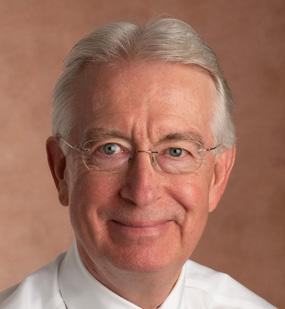
David T. Overton, MD, has given a generous gift to Western Michigan University Homer Stryker M.D. School of Medicine (WMed) to establish an Endowed Chair of Emergency Medicine. In recognition, the medical school has named it the David T. Overton Endowed Chair of Emergency Medicine.
With a career spanning more than four decades, Dr. Overton has made a lasting impact as a physician, educator, and leader in graduate medical education. In 1990, he joined the faculty at Michigan State University College of Human Medicine, where he built an emergency medicine residency program from the ground up at the MSU Kalamazoo Center for Medical Studies, the predecessor to WMed. The program welcomed its first class of residents in 1993. Under his leadership, the program grew into a nationally recognized training center, welcoming over 15 new residents and fellows annually.
Dr. Overton directed the residency program for 25 years, later serving as chair of emergency medicine at MSU College of Human Medicine and becoming the founding chair of WMed’s Department of Emergency Medicine in 2012. He was named associate dean for graduate medical education in 2015. His leadership extends to national organizations, including the American Board of Emergency Medicine and the Accreditation Council of Graduate Medical Education, earning him numerous accolades for his contributions to the field.

In Memory of Dr. Joseph Moellman: A Legacy in Emergency Medicine
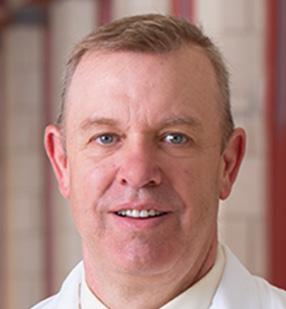
Joseph Moellman, MD, a respected faculty member in the Department of Emergency Medicine at the University of Cincinnati College of Medicine, passed away unexpectedly on February 17, 2025. A dedicated physician, educator, and researcher, he leaves behind a profound impact on emergency medicine.
A Cincinnati native, Dr. Moellman earned his medical degree from the University of Cincinnati College of Medicine in 1992, where he was elected to Alpha Omega Alpha. He completed his emergency medicine residency at the University of Cincinnati/University Hospital, serving as chief resident in his final year.
Over his 32-year career, Dr. Moellman played a key role in expanding the department’s reach, increasing patient visits to more than 180,000 annually across four sites. Recognized as a Top Doc by Cincinnati Magazine, he was named the 2022 Emergency Physician of the Year by the American College of Emergency Physicians, Ohio Chapter.
A national leader in emergency allergy treatment, he contributed to over 50 peer-reviewed publications and helped develop clinical consensus pathways. His mentorship and dedication to patient care will have a lasting influence on the field.
Dr. David T. Overton
Dr. Joseph Moellman
NOW HIRING
POST YOUR OPEN JOBS IN FRONT OF OUR QUALIFIED CANDIDATES!
Accepting ads for our “Now Hiring” section!
Deadline for the next issue of SAEM Pulse is April 1.
For specs and pricing, visit the SAEM Pulse advertising webpage.


EMERGENCY MEDICINE EDUCATIONAL RESEARCH FACULTY

The University of California, San Francisco (UCSF) Department of Emergency Medicine is recruiting for an experienced Educatio nal Research faculty member (nonclinical) to join our dynamic team. The ideal candidate will have a proven track record of securing grant funding and conducting groundbreaking research with a focus on medical education. This individual will be expected to develop an independent research agenda and secure extramural fundin g to sustain their work.
We seek an individual who can lead large-scale projects, drive forward our research agenda, and facilitate education scholarship for faculty and trainees. Required qualifications include: 1) doctoral degree in Education or a related field (i.e., Psychology or Sociology), and 2) substantial experience obtaining and managing research grants. Candidates are preferred to have at least 5 years of experience in a research leadership role, including mentorship of other faculty and trainees. The successful candidate will have excellent leadership, communication and organizational skills, as well as a proven ability to work collaboratively in a multidisciplinary team environment. Academic rank and series will be based upon the candidate’s academic accomplishments.
The Department of Emergency Medicine provides comprehensive emergency and trauma services to large local and referral populat ions at multiple academic hospitals across the San Francisco Bay Area, including UCSF Hellen Diller Medical Center, Zuckerberg San Francisco General, and the UCSF Benioff Children’s Hospitals in San Francisco and Oakland. Our department serves as the primary teaching site for a fully accredited, 4-year Emergency Medicine residency program and offers 10 fellowship programs, including multiple research and medical education training programs.
Research is a major priority of the department with over 100 peer-reviewed publications each year. We have a highly successful health services research group, participate in multiple clinical research networks (i.e., PECARN, SIREN), and have research exper tise in several other disciplines within EM. There are substantial opportunities for leadership and growth within the Department and UCSF School of Medicine. The University of California, San Francisco (UCSF) is one of the nation’s top five medical schools and demonstrates excellence in basic science and clinical research, global health sciences, policy, advocacy, and medical education scholarship. The San Francisco Bay Area is well-known for its great food, mild climate, beautiful scenery, vibrant cultural environment, and its outdoor recreational activities.
PLEASE APPLY ONLINE AT: https://aprecruit.ucsf.edu/JPF05458 Applicants’ materials must list current and/or pending qualifications upon submission.
The posted UC salary scales set the minimum pay determined by rank and step at appointment. See [Table 5]( https://www.ucop.e du/academic-personnelprograms/_files/2024-25/oct-2024-scales/t5- summary.pdf). The minimum base salary range for this position is $118,000-$309,800. This position includes membership in the [health sciences compensation plan](https://ucop.edu/academic-personnel-programs/_files/apm/apm-670.pdf) which provides for eligibility for additional compensation. UC San Francisco seeks candidates whose experience, teaching, research, or community service has prepared them to contribute to our commitment to diversity and excellence. The University of California is an Equal Opportunity/Affirmative Action Employer. All qualified applicants will receive consideration for employment without regard to race, color, religion, sex, sexual orientation, gender identity, national origin, disability, age or protected veteran status. For additional information, please visit our website at http://emergency.ucsf.edu

Associate Professor / Professor, Geo, Vice Chair of Research, Department of Emergency Medicine
Founded in 1819, the University of Cincinnati ranks among the nation’s best urban public research universities. Home to 53,235 students, more than 11,000 faculty and staff and 350,000+ living alumni, UC combines a Top 35 public research university with a physical setting the New York Times calls “the most ambitious campus design program in the country.”
With the launch of Next Lives Here, the Cincinnati Innovation District, a $100 million JobsOhio investment, three straight years of record enrollment, worldwide leadership in cooperative education, a dynamic academic health center and entry into the Big 12 Conference, UC’s momentum has never been stronger. UC’s annual budget stands at $1.85 billion, and its endowment totals nearly $1.8 billion.
Job Overview
The Department of Emergency Medicine at the University of Cincinnati College of Medicine is seeking an accomplished and visionary leader for the position of Vice Chair of Research. This role will provide strategic oversight of all research initiatives within the department, fostering a collaborative, innovative, and impactful research environment. The Vice Chair will work closely with faculty, fellows, and residents to elevate the department’s research portfolio, secure external funding, and promote the department’s national reputation in emergency medicine research. Faculty Appointment Rank, Endowed Chair and tenure – track will be commensurate with experience.
Essential Functions
• Develop and implement the department’s strategic research vision, aligned with institutional goals and national priorities.
• Promote a culture of mentorship by guiding junior faculty and trainees in developing research skills, securing funding, and achieving scholarly success.
• Identify, pursue, and secure external funding opportunities, including NIH, foundation, and industry grants.
• Collaborate with the Office of Research to support sponsored programs, budgeting, and regulatory approvals.
• Strengthen the department’s partnerships with other research entities within the College of Medicine and UC Health.
• Build and maintain relationships with external partners, including other academic institutions and funding agencies.
• Promote research innovation through partnerships with clinical trials, translational research, and community-based initiatives.
• Lead the development of research curricula for residents and fellows.
• Mentor faculty and trainees to advance their scholarly activity, publications, and grant submissions.
• Provide leadership and oversight of research infrastructure and resources, including budget management and compliance.
• Represent the Department of Emergency Medicine at national conferences and meetings, promoting the department’s research achievements.
Minimum Requirements
• M.D., D.O. or foreign equivalent.
• Successful completion of an Emergency Medicine Residency.
• A demonstrable record of success in academic achievement, with incrementally increased regional and national reputation and funding.
Compensation and Benefits
UC offers a wide array of complementary and affordable benefit options, to meet the financial, educational, health, and wellness needs of you and your family. Eligibility varies by position and FTE. Competitive salary range dependent on the candidate’s experience.
For full description and to apply, please visit https://bit.ly/3ZooK8J
To learn more about why UC is a great place to work, please visit our careers page at https://www.uc.edu/careers.html
FOR ALL FACULTY HIRES OFFICIAL ACADEMIC TRANSCRIPTS WILL BE REQUIRED AT THE TIME OF HIRE
For questions about the UC recruiting process or to request accommodations with the application, please contact Human Resources at jobs@uc.edu
The University of Cincinnati is an Equal Opportunity Employer.
Job Flash™ Email!


Employers, are your recruiting efforts effective?
Specific targeted career websites, like EM Job Link, deliver the most highly qualified talent and have the best return on investment. Our candidates are made up of the specific professionals you want to reach. If you want the best and brightest candidates, you need to go where they job search – EM Job Link. Along with posting your jobs in front of qualified candidates at EM Job Link, you can search our resume bank for talent as well. Post today or speak to an expert who can help create a customized recruiting solution to get you great candidates.
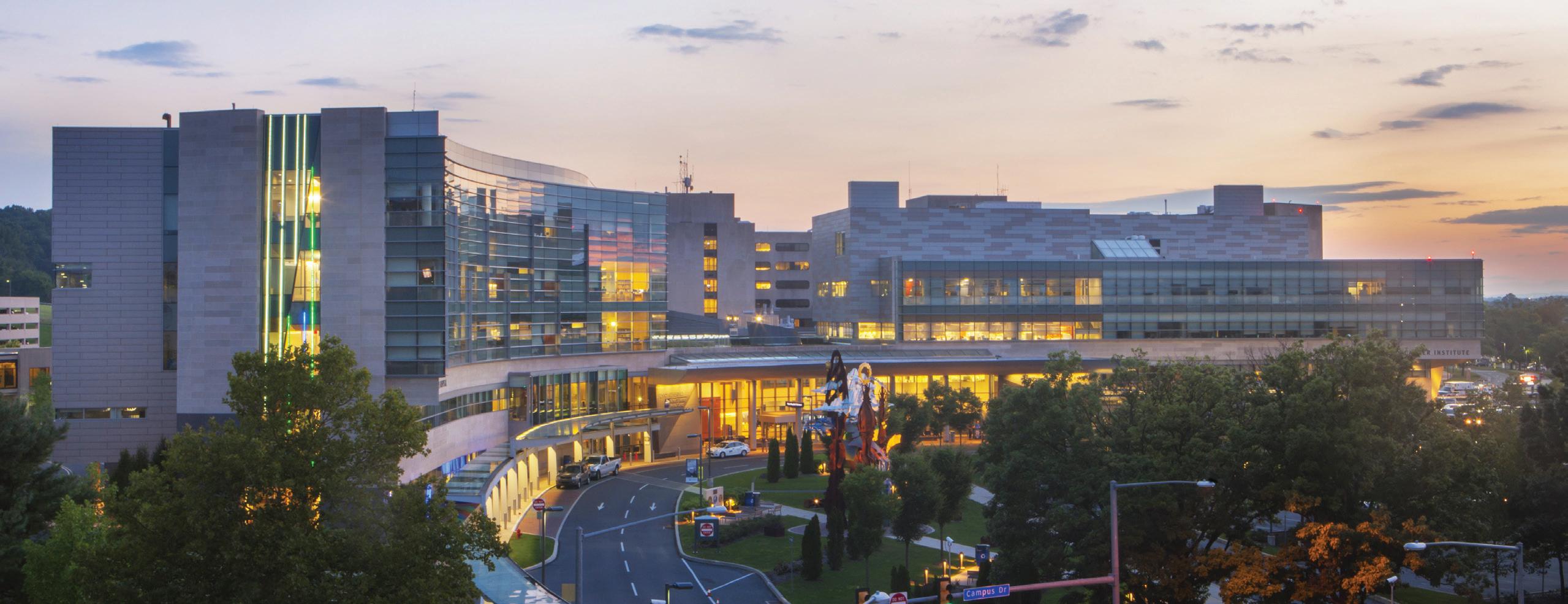

Penn State Health Emergency Medicine
About Us: Penn State Health is a multi-hospital health system serving patients and communities across central Pennsylvania. We are the only medical facility in Pennsylvania to be accredited as a Level I pediatric trauma center and Level I adult trauma center. The system includes Penn State Health Milton S. Hershey Medical Center, Penn State Health Children’s Hospital and Penn State Cancer Institute based in Hershey, Pa.; Penn State Health Hampden Medical Center in Enola, Pa.; Penn State Health Holy Spirit Medical Center in Camp Hill, Pa.; Penn State Health Lancaster Medical Center in Lancaster, Pa.; Penn State Health St. Joseph Medical Center in Reading, Pa.; Pennsylvania Psychiatric Institute, a specialty provider of inpatient and outpatient behavioral health services, in Harrisburg, Pa.; and 2,450+ physicians and direct care providers at 225 outpatient practices. Additionally, the system jointly operates various healthcare providers, including Penn State Health Rehabilitation Hospital, Hershey Outpatient Surgery Center and Hershey Endoscopy Center.
We foster a collaborative environment rich with diversity, share a passion for patient care, and have a space for those who share our spark of innovative research interests. Our health system is expanding and we have opportunities in both academic hospital as well community hospital settings.

Benefit highlights include:
• Competitive salary with sign-on bonus
• Comprehensive benefits and retirement package
• Relocation assistance & CME allowance
• Attractive neighborhoods in scenic central Pennsylvania
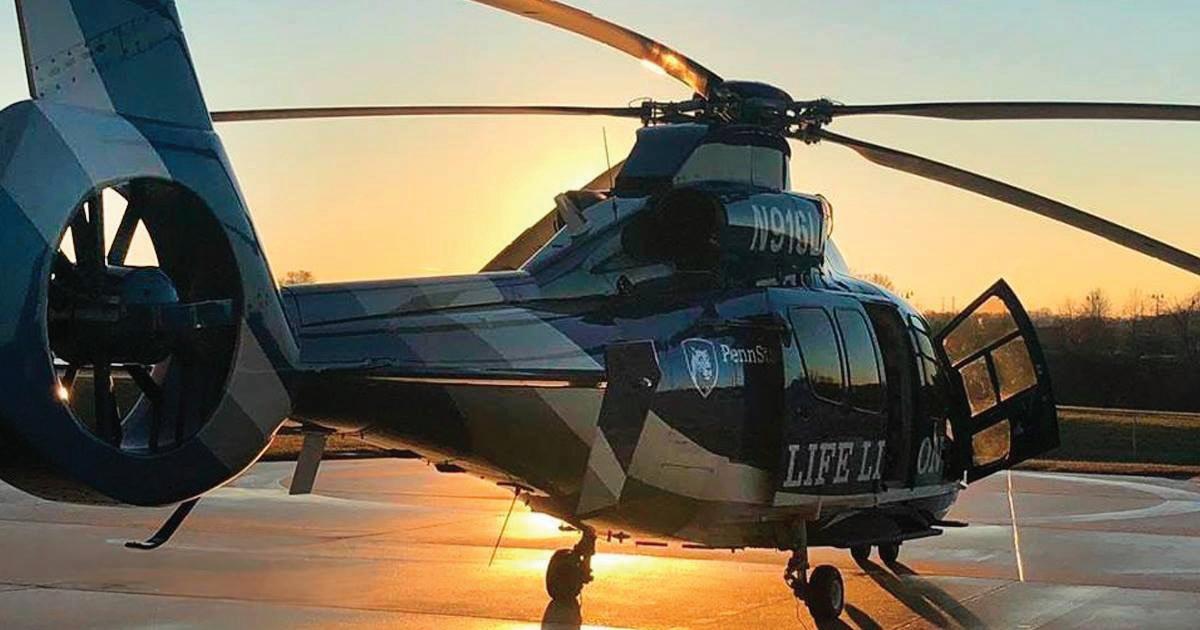


May 13-16, 2025 | Philadelphia Marriott Downtown