COMING SOON!


The
Center Established over 50 years ago, The Plastic Surgery Center doctors have served over 150,000 patients. SACRAMENTO • 95 Scripps Drive • (916) 929-1833 GRANITE BAY • 8723 Sierra College Blvd. • (916) 773-5559 SACPLASTICSURGERY.COM • SACPLASTICA.COM
Plastic Surgery
INTRODUCING OUR NEWEST ADDITION DR. GEORGINA NICHOLS (SPANISH, FRENCH, ENGLISH) CHECK WEBSITE FOR UPCOMING SEMINAR DATES Drwayneyamahata Scottgreenmd Drrudycoscia Drgeorginanichols
(l to r): Scott D. Green, M.D., Georgina Nichols, M.D., Wayne I. Yamahata, M.D. and J. Rudy Coscia, M.D.
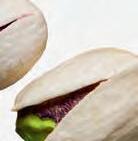
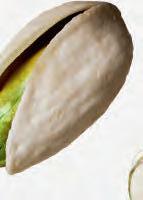
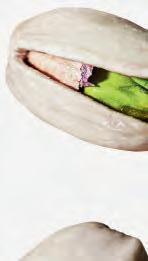
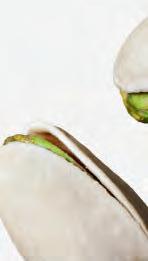
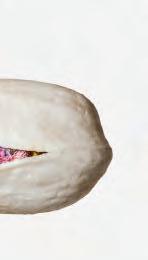
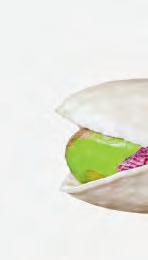
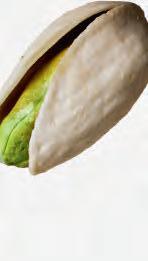
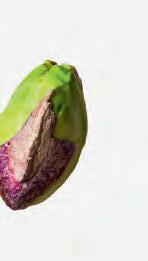
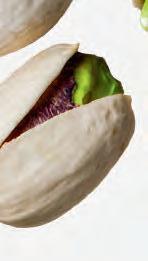
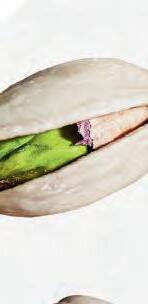
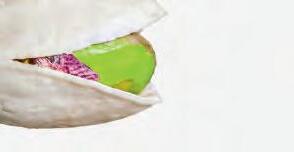
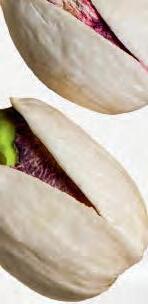
SHOCKING FACT PISTACHIOS ARE LOADED WITH ANTIOXIDANTS







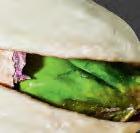



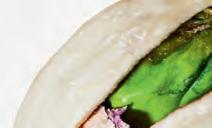




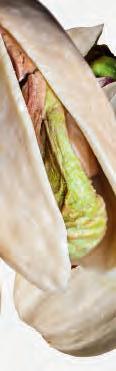


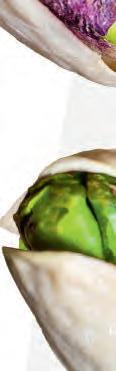






































In a recent study conducted by Cornell University and published in the journal, Nutrients, the antioxidant power of American-grown pistachios was measured using the Oxygen Radical Absorbance Capacity (ORAC) and Cellular Antioxidant Activity (CAA) testing protocols. For more information, visit AmericanPistachios.org









































































© 2023 American Pistachio Growers
LILY PATIENT – NEPHROLOGY/ENT











When Lily was born with branchio-oto-renal syndrome, a condition that quickly began to deteriorate her kidneys and hearing, her family turned to the pediatric specialists at UC Davis Health. Lily’s team repaired her inner ears and continues to support her kidney health to ensure a future in which she can hear her calling.


Find a UC Davis Health doctor you connect with today.
























SILENT SOUNDS FILL HER FUTURE

CHOOSE THE CARE THAT CHANGES YOUR STORY.
ChooseHealth.ucdavis.edu





960 FULTON AVENUE SACRAMENTO, CA 95825 916.448.8120 | www.benningdc.com |









SACMAG.COM July 2023 7 Table of Contents / Staff Box / Editor’s Note / Contributors July 36 HOLY TOMATO! Here’s how to celebrate Sacramento’s delightful summer bounty. By Marybeth Bizjak 50 NEW INTERPRETATIONS Local state parks reexamine their history. By Erika Mailman 58 COMING FROM TIGRAY Refugees want people to know what’s happened in their homeland. By Sasha Abramsky 64 WILDLIFE WONDER Natomas Basin teems with flora and fauna. By Brad Branan 68 A SPORT ON THE RISE Cricket is alive and well in our region.
francisco chavira
By Mark Billingsley
)
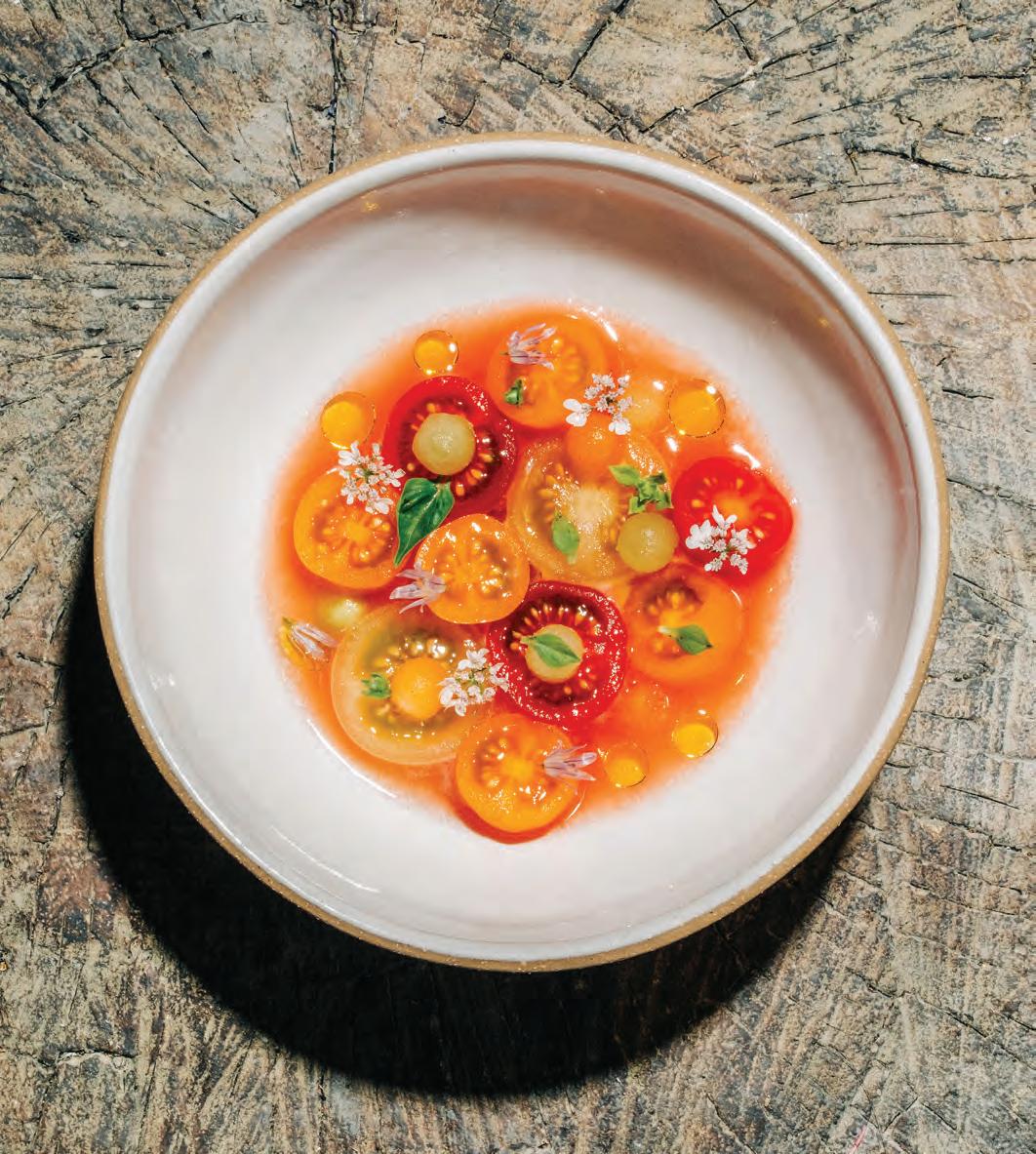
Cherry Tomatoes With Lemon Verbena Tomato Water from Hawks
Wellness

Bravo
81 BRINGING SHAKESPEARE’S WORDS TO LIFE Summertime festival

Taste
88 SUPERSIZING THE SALAD Where to get a BAS
90 THAT’S A GOOD BAKE Through the Looking Glass Cakes
90 A NEW WAY TO DO TAKEOUT Food halls
92 DINE Restaurant guide
Re�ect
98 WOMEN’S WEAR Wearing pants at the Capitol
8 SACRAMENTO MAGAZINE J uly 2023 Contents 27 58
20 DAY TRIP: MOKELUMNE HILL Teeny town 21 IN THE BAG Backpacks and purses at events 22 COLLECTED: ADDICTED TO TICK TOCK Raimond Irimescu’s watches 23 MADE FROM GRASS AND FLOWERS Baskets from Mateko’s Portico 24 SUSTAINABLE SAC Things That Go Boom 88
The 916
)
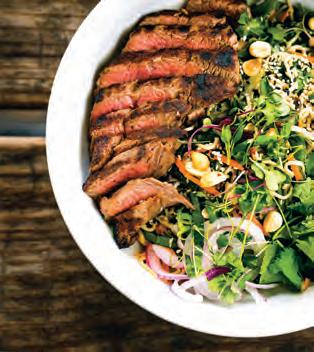
50 Steak salad from Sibling )
Rivka Hagos Bahta from Tigray
27 IT’S WORKING OUT Personal training
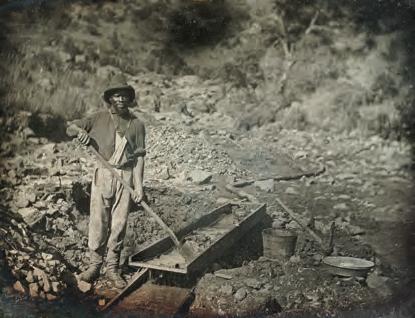
Black miner in 1852 )
Experience That Leads To Excellent Results




At The Natural Result / Center for Aesthetic Artistry, we understand that making the decision to undergo cosmetic surgery is a big one, which is often associated with a little anxiety. We want you to feel warm and welcome, and will do anything we can to make you feel at home.



Aside from decades of combined experience and our deep passion for helping people become the best versions of themselves, our greatest asset at The Natural Result, is the dedicated team of caring professionals who make up our staff. Through this cohesive group we deliver meticulous, gentle, and compassionate care to our patients and strive to exceed their expectations.










FROM YOUR FIRST CALL TO YOUR LAST POST-OPERATIVE VISIT…WE VOW TO TREAT YOU LIKE PART OF OUR FAMILY.

1841 Iron Point Rd, Folsom, CA 95630 916.907.1464 | TheNaturalResult.com Revitalize • Refine • Rejuvenate To learn more about our practice




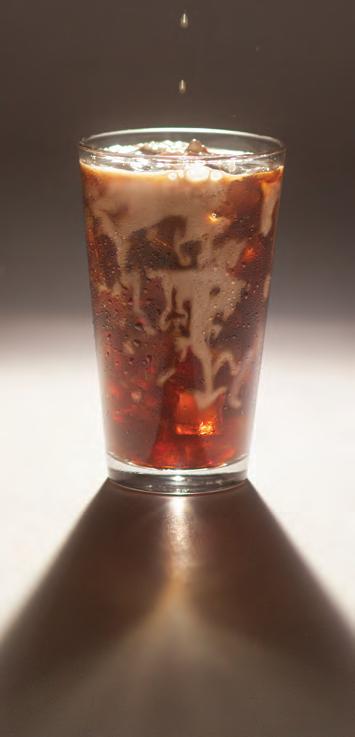

10 SACRAMENTO MAGAZINE July 2023 WELL BY AM CONCIERGE MEDICAL CARE Aly Johnston, FNP-BC is a Nurse Practitioner who offers Mobile Concierge Direct Primary Care visits in the comfort of your home. SPECIALIZING IN MEDICAL WEIGHT AND HORMONE MANAGEMENT AND OFFERING IN PERSON VISITS OR VIA TELEHEALTH. Whether you’re sick or only need some routine health maintenance, we’re here for you! SAME OR NEXT DAY APPOINTMENTS, 602-FORM COMPLETION, PPD AND COVID TESTS, MEDICATION REFILLS, AND URGENT CARE. 916-633-2030 WELLBYAMNURSING.COM In this issue and online / July 2023 SACMAG.COM Senior Living A Sacramento resource guide for your aging loved ones. Beginning on page 72. ai168357576873_230508-Temple-SACMAG-1.6V_2.125x4.88in-ColdBrewAbstract.pdf 1 5/8/2023 12:56:27 PM







PUBLISHER

Dennis Rainey
EDITORIAL DIRECTOR

Krista Minard
ART DIRECTOR
Gabriel Teague
EDITORIAL
MANAGING EDITOR
Darlena Belushin McKay
DINING EDITOR

Marybeth Bizjak
CONTRIBUTING WRITERS
Sasha Abramsky, Luna Anona, Mark Billingsley, Diana Bizjak, Cathy Cassinos-Carr, Kara Chin, Sena Christian, Marcus Crowder, Ed Goldman, Dorsey Griffith, Angela Knight, Elena M. Macaluso, Reed Parsell, Kari L. Rose Parsell, Bill Romanelli, Thea Marie Rood, Nora Heston Tarte, Mari Tzikas Suarez, Catherine Warmerdam, Sara E. Wilson
ART
GRAPHIC DESIGNER

Debbie Hurst
CONTRIBUTING PHOTOGRAPHERS
Kat Alves, Gary and Lisa Ashley, Mike Battey, Beth Baugher, Francisco Chavira, Debbie Cunningham, Wes Davis, Terence Duff y, Tim Engle, Kevin Fiscus, Kevin Gomez, Aniko Kiezel, Ryan Angel Meza, Tyler Mussetter, Stephanie Russo, Rachel Valley, Susan Yee
ADVERTISING
NATIONAL ACCOUNTS MANAGER



Lisa Bonk
ADVERTISING MANAGERS
Duff y Kelly, Victor Obenauf
SENIOR ADVERTISING DESIGNER


John Facundo
MARKETING & WEB

DIRECTOR OF MARKETING AND DIGITAL MEDIA
Dan Poggetti
CIRCULATION
CIRCULATION MANAGER
Riley Meyers
SENIOR CIRCULATION COORDINATOR
David Benvenuto
PRODUCTION
PRODUCTION DIRECTOR
Stephen Rice
SALES OFFICES
SACRAMENTO
1610 R Street, Suite 300 Sacramento, CA 95811 info@sacmag.com


12 SACRAMENTO MAGAZINE July 2023
unique, fun, and eclectic fare created by Executive
Reservations available through OpenTable or host stand. Reservations available through OpenTable or host stand.
Discover
Chef Ravin Patel.
sip
revitalized
cocktails at
lounge.
STREET, SACRAMENTO the7thstreetstandard.com claytonclub.com
(916) 371-7000 sac.centric@hyatt.com Restaurants are located inside the Hyatt Centric Sacramento | Private dining and buyouts are available on social media for up to date info on what’s new at Lighting U! Visit our showroom Mon-Fri 9 am–5 pm
Nosh on light bites and
on
vintage
our swanky rooftop
1122 7TH
DOWNTOWN SACRAMENTO

SAVE THE DATE!
PUBLISHED BY SACRAMENTO MEDIA LLC







CEO Stefan Wanczyk

PRESIDENT
John Balardo
FOR ISSUES OF THE MAGAZINE
To establish a subscription or make changes to an existing subscription, please call (866) 660-6247 or go to sacmag.com/subscribe.
SUBSCRIPTIONS
SINGLE COPIES AND BACK ISSUES
To purchase back issues, please call (866) 660-6247.
TO SUBMIT MATERIAL
STORY IDEAS Have you spotted something appropriate for editorial coverage in Sacramento Magazine? Please submit as much information as possible about the subject to Darlena Belushin McKay at darlena@sacmag.com. Keep in mind that we maintain a relatively strict local boundary— Sacramento, El Dorado, Placer and Yolo counties— and our lead times run long, with most issue lineups completed four months prior to publication.
WRITERS, PHOTOGRAPHERS AND ILLUSTRATORS
If you are interested in contributing to Sacramento Magazine, please send information to (writers) Krista Minard, krista@sacmag.com or (photographers and illustrators) Gabriel Teague, gabriel@sacmag.com. Include a cover letter, résumé and links to previously published work.
ADVERTISING Interested in advertising or a digital media package? Please visit sacmag.com/advertise
ALSO PUBLISHED BY SACRAMENTO MEDIA LLC:
14 SACRAMENTO MAGAZINE July 2023
PRINTED BY JOURNAL GRAPHICS A MEMBER OF CIRCULATION VERIFICATION COUNCIL
THE PARTY IS BACK AT SAFE CREDIT UNION CONVENTION CENTER NOVEMBER 9, 2023
SPONSORED BY will o SALONS
IRG + Black & White Marble
The classic and classy look of black and white can be used in adventurous new ways. An example is this gorgeous primary bath combining IRG’s Kenya Black and Dover White Marbles.

Interior Design by Emily Deter | © Margaret Austin Photography www.marblecompany.com 916.387.0481 Sacramento 415.657.0280 Brisbane 925.829.1133 Dublin MARBLE | GRANITE | ONYX | QUARTZITE | PORCELAIN | PENTAL QUARTZ | SOAPSTONE | SEMI-PRECIOUS STONE THE stone destination. Discover More About Marble. IN STOCK NOW
Tomato Almighty
Idon’t want to tempt too much fate, but this summer (I’m pretty sure) it’s going to happen: My backyard garden will provide. After years of failure, I’ve managed this season to grow a massive tomato bush, thick with blossoms and already tugging on the cage. I’m trying not to count the Red Cherry 100s before they fruit. I’ve got two other tomato plants, full-size beefier varieties, that aren’t growing quite as fast, but if they can emerge from the shade of the huge zucchini plant that’s taking over the garden box, they too might give forth.
Our cover story this month celebrates the fabulous Sacramento tomato. Food/dining writer Marybeth
Bizjak dug into the subject, gathering locals’ input on their favorite tomato dishes in local restaurants, asking chefs for insight (and recipes), and researching the history of the glorious red vegetable-like fruit and its connection with this region. Marybeth also interviewed Ray Yeung, whose farm supplies tomatoes to many area restaurants. I might rip a page from his encyclopedia of tomato knowledge and cut back on watering my plants. (He says a little stress makes for better fruit.) But I’m also nervous to do that. What works for Ray Yeung might just mean another dead garden for me.
Photographer Francisco Chavira worked his magic with a camera and the calendar. The chefs really stepped up, too, custom-creating the featured tomato dishes so they were fresh and gorgeous for the shoots. As beautiful as these dishes are, with tomatoes they were able to access early enough to meet our production schedule, the plates set before you at restaurants later this month and into August and September will be even more enticing. By the time this issue hits the newsstand, tomatoes all around Sacramento will be ripening. They’ll be bright and juicy, tasting of Central Valley sunshine. (Nothing like those mealy, anemic ones with white centers that sit on too many grocery shelves or get slipped into deli sandwiches when we’re not paying attention.)
Marybeth shares nine ways to eat a ripe Sacramento tomato. Here’s an easy one: With fresh basil, extra-virgin olive oil (the local stuff from Séka Hills, for example), a sprinkle of flake salt and a drizzle of balsamic. To get a mush-free slice or dice, you’ll need a good serrated knife or at the very least one with a wicked-sharp blade.
Another way to eat tomatoes, and even easier: Pluck them straight off the vine and pop them in your mouth. With continued good luck, that’s what we’ll be doing at my house this summer.
KRISTA MINARD krista@sacmag.com
AND THERE’S MORE . . .
Sacramento Media is proud to publish a number of magazines for other organizations. One of those is Serrano, released three times a year for Parker Development Company. Out soon, the summer issue includes stories about the fentanyl crisis and how it’s affecting families, Fig Barn Coffee Cafe in Plymouth, day trips in the foothills, Barber Jon’s in El Dorado Hills and the First Tee youth golf program.
Sacramento Magazine’s free newsletter goes to email subscribers every weekday. Catch the latest updates in dining, arts and entertainment, wine, recreation, health and more. You’ll also find links to other community news and resources and social media posts that have caught our eye. Subscribe at sacmag.com/newsletters.

CONTRIBUTORS
Brad Branan
Brad Branan has assumed many different roles in his 30-year journalism career. He was the California cannabis reporter, one of a few beats he had, at The Sacramento Bee. He was an investigative reporter at The Fresno Bee and the Tucson Citizen, winning awards for best projects reporting three years in a row in Arizona and once in California. Now he is taking on another role: freelance photographer-writer, as shown in his photo essay about the Natomas Basin Conservancy. He has found that persistence pays off in photography as well as reporting.
Erika Mailman
Erika Mailman is an El Dorado Hills-based freelancer and novelist.


Born in Vermont, she has become entranced with Gold Rush history. For this issue, she looked into the changes state parks are making to their presentations and programming as part of the Reexamining Our Past Initiative. “It’s uplifting to see how the state parks are now telling the story of colonization, (which includes some) ugliness that had been buried under the concept of white gold miners and their bonneted wives having a tough but rollicking time,” she says.
Ryan Angel Meza
“My day started around 4:30 a.m.,” says Ryan Angel Meza, who photographed the story about Ethiopia’s Tigrayan refugees. He was invited to the Tigrayan church’s 6 a.m. Sunday celebration (although he couldn’t actually take photographs until after the ceremony outside the church). “They are certainly passionate about what is going on in their home country as well as being outraged that no one is doing anything to investigate or stop this genocide,” he says. As a longtime contributor to Sacramento Magazine, Ryan regularly photographs human interest stories.
16 SACRAMENTO MAGAZINE J uly 2023
Editor’s Note

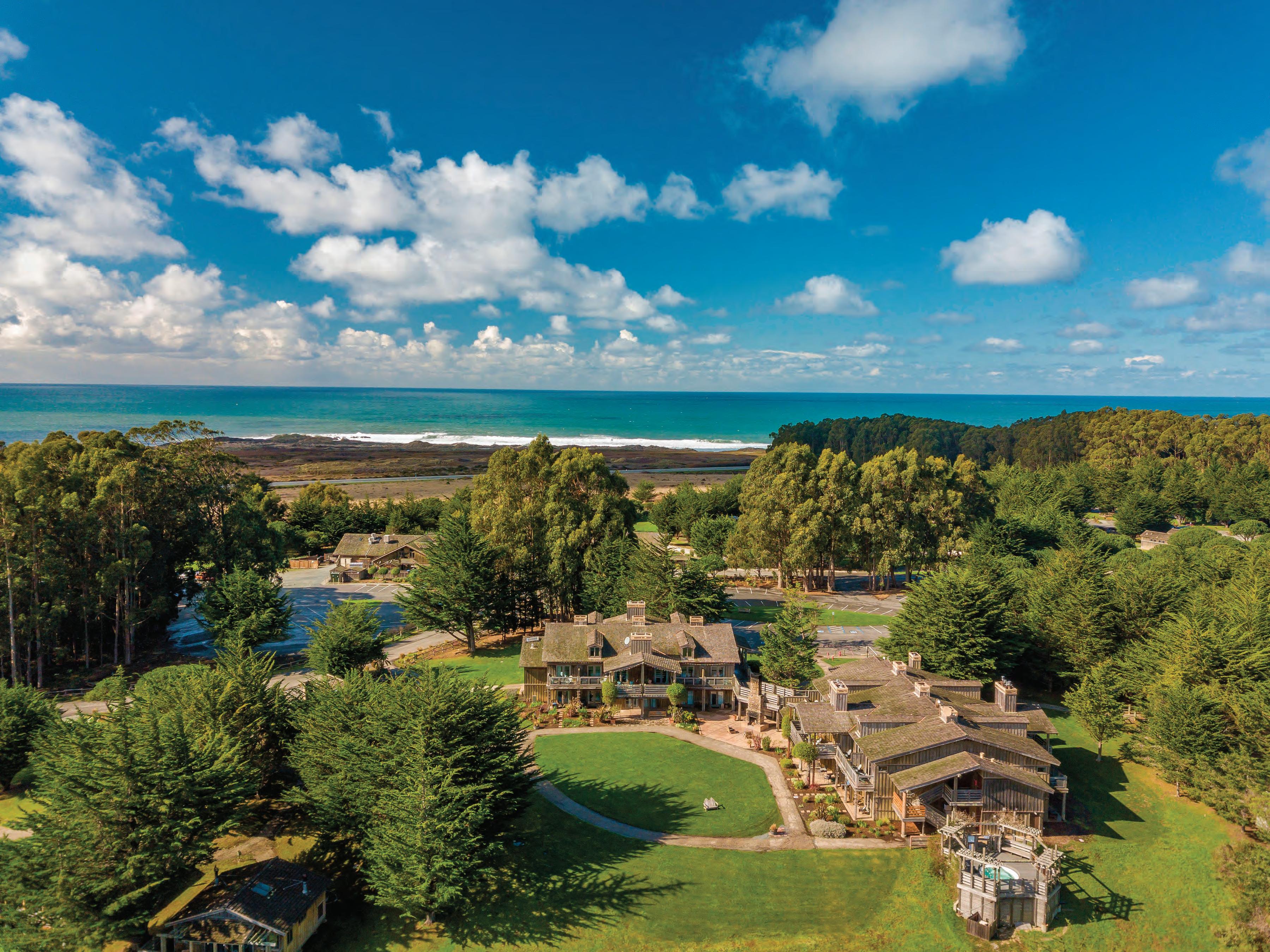










It’s Fair Time!
Get ready for snacks—and more! The California State Fair & Food Festival gets underway July 14 with all the fun favorites including concerts, competitions, livestock pavilions, exposition halls, giveaways, art and photography exhibits, beer and wine, cooking (and eating) challenges, tastings (so much food!) and, of course, wild rides (gentle ones, too). The fair runs through July 30. calexpostatefair.com/fair
The 916
SACMAG.COM July 2023 19
inside: Very Small Town / Bag Requirements / Tick Tock Addict / Grass Basketry
07 23
Photo courtesy of California State Fair
Day Trip: Mokelumne Hill
This little—very little—Calaveras County Gold Rush town beckons with history and haunts.
 BY NORA HESTON TARTE
Mokelumne Hill is a small town in Calaveras County with a Gold Rush origin story. Like many of the surrounding areas, the town peaked around 1850, boasting a diverse population of about 15,000. Today, 700 people call Mokelumne Hill home.
The town covers just over 3 square miles. You can grab a free parking spot anywhere along Main Street and walk the attractions from there. It will likely take just an afternoon, but if you want to immerse yourself in the small-town life enjoyed by locals (and those from nearby communities), stay for the weekend—it’ll feel like home.
STAY
Mokelumne Hill, fondly referred to as Moke Hill, comes alive on weekends, so plan your trip accordingly. Your home base should be Hotel Léger Restaurant and Saloon, the big, yellow centerpiece of downtown. Like most of the buildings in Moke Hill, it has a storied history—and perhaps a few ghosts.

The 13 rooms are like relics of the past, fi lled with antique furnishings. Many people come here for the ghost stories, and sta -
ers are happy to share their own encounters with the hotel’s main players. From George Léger and his mistress, who both died at the hotel, to a gaggle of playing children, the spirits at Hotel Léger are allegedly seen, heard and felt—often.
Hauntings aside, the charming hotel looks and feels historic, but it’s also one of the town’s main gathering spots for lunch and dinner Thursday through Sunday (when it’s open). The menu includes contemporary favorites: sandwiches and burgers plus entrées such as chicken marsala and lemon beurre blanc salmon. The saloon serves seasonal cocktail specials along with the classics.

SHOP AND STROLL
A smattering of shops populate downtown. We suggest starting with co ee and a light breakfast at Moke Hill Nuts & Candies. Inside, Moke A Java serves up steaming cups of specialty brew and pastries, while the store specializes in candy and nuts by the bag.
Next, go shopping. From a plant shop dubbed For Succ Sake to one of Calaveras County’s most beautiful art galleries (Petroglyphe Gallery), you can walk away with everything from fi ne art to a desk cactus for your home o ce.


The 916 20 SACRAMENTO MAGAZINE July 2023
Mokelumne Hill Library
Hotel Léger Restaurant and Saloon
In the Bag
This past October, I was one of thousands of giddy ticketholders for The Who’s concert at Golden 1 Center. While I stood in line to enter the venue, however, my excitement turned into mild panic when I spotted this sign: “Bags larger than 8” x 6” x 1” are not allowed.”
Oh, dear. Would my cute DKNY purse make the cut? (It did, but barely.)
Enter the new world of increased security measures. Though requirements vary, bag policies are becoming increasingly common—not just at sports stadiums and arenas, but at smaller performing arts facilities, festivals and fairs. Searches are nothing new (and still can happen, along with X-ray screening), but it’s now more than that: A clear bag, or at least a smaller one, is becoming de rigueur.
“It’s the new reality,” says Doug Elmets, spokesperson for Thunder Valley Casino Resort in Lincoln. While bag requirements do not apply to the casino itself, patrons attending shows at The Venue, the resort’s new 4,500-seat performing arts center, are expected to comply with policies outlined on the website, thundervalleyresort.com. Clear bags of all types are acceptable, as are solid-colored bags and purses 8 inches by 8 inches (or smaller). Those out of compliance may stash their satchel on-site (or return it to their car) or purchase a $10 clear backpack, conveniently available at The Venue, according to Elmets.
The reason for such policies, says Elmets, is self-explanatory, and for the greater good. It’s about safety, pure and simple. “It provides an extra level of protection for all of our guests, our team members and the artists themselves,” he says. Such measures are becoming the norm, notes Elmets. “It’s not like we’re breaking new ground here.”

A quick survey of Sacramento-area sites revealed that while some, like The Sofia, merely encourage patrons to limit bags to a certain size, others are implementing policies that may prompt you to break out the measuring tape. (Yes, there’s an app for that.) In addition to Thunder Valley and Golden 1 Center (whose guidelines were driven by the NBA), others following suit include Hard Rock Live, SAFE Credit Union Performing Arts Center, Ace of Spades and Punch Line Sacramento.
You’ll also encounter bag restrictions at festivals and fairs, including the California State Fair & Food Festival, in full swing July 14–30.
FROM GEORGE LÉGER AND HIS MISTRESS, WHO BOTH DIED AT THE HOTEL, TO A GAGGLE OF PLAYING CHILDREN, THE SPIRITS AT HOTEL LÉGER ARE ALLEGEDLY SEEN, HEARD AND FELT OFTEN.
While you’re out and about, stop by the library. Its front porch is packed with shelves of donated books available to purchase on the honor system (and for cheap). The librarians inside are a great source of information if you have questions about Moke Hill’s past. A colorful mosaic mural of a large tree decorates the side of the building. It was designed in memory of the real tree that had grown around an old shutter left propped against it. The shutter is still part of the vibrant wall, and the park—appropriately named Shutter Tree Park—is a gathering place for families with small children.
IMBIBE
Renegade Winery hosts live music and serves a full menu, including weekend breakfast. Open Friday through Sunday, it’s on an expansive corner lot with a patio, a draw for locals and visitors to partake in small-lot wines and a collection of beers selected by the owner.
Down the road is Prosperity Ciderworks, which specializes in small-production runs of unfi ltered, sulfate-free products. The fi nal sips don’t taste like the overly sweet ciders you might typically fi nd. These varieties are made largely from local fruit trees, many of which go back more than 100 years (think old vine wines) and get funky—in a good way. The end o erings are diverse and high in alcohol content, resembling an ABV more akin to an IPA than a traditional grocerystore cider.
Summer offers a ton of fun in the Sacramento region. But before you bolt out that door, check the appropriate website to find out whether you should ditch your duffel at home.


I wish I had!
CATHY CASSINOS-CARR
SACMAG.COM July 2023 21
Room at Hotel Léger
Petroglyphe Gallery
Shutter Tree Park
Clear bags: Courtesy of California State Fair
Addicted to Tick Tock
BY CATHERINE WARMERDAM
hen fourth-generation watchmaker and collector Raimond Irimescu peers at the intricate inner workings of a timepiece, he sees a miniature world in motion. “A tiny watch could have 180 to 300 parts,” he says. “All those moving parts work together to do something beneficial for someone: tell time.”
W
Watches are a way of life for Irimescu, who began apprenticing in horology at age 11 and today runs Paul’s Watch Repair with his father, who started dismantling clocks and watches at the tender age of 8. Irimescu’s great-grandfather began the tradition in Romania more than a century ago. “It’s a trade unlike any other,” he explains. “Because you’re around it from the time you’re born, you fall in love.”
Collecting, says Irimescu, “can become addictive. It’s not like cars; watches are easy to collect. You end up wanting to research more and more about them. You can look at them, wind them up, change the bands around. It brings a lot of joy and fun.”
He’s partial to Omega and Zodiac watches. “They are both very good-quality brands that last forever,” he says. “An Apple watch has a lifespan of about three years. An Omega wristwatch has a lifespan of 140 years. That puts it in perspective.”
Irimescu doesn’t chase after watches as a show of wealth or status. (Though plenty of collectors do: The Rolex Daytona famously worn by Paul Newman fetched $17 million at auction.) Instead, he hangs onto nostalgic pieces: a 1980s Raymond Weil gifted to him by his father when he was 12; a Zodiac Sea Wolf purchased from a Vietnam vet (“It was a tool that people actually used in war”); a Citizen his wife gave him in 1998, “our first Christmas together.”
Irimescu has handled thousands of timepieces over the years, both at his Marconi Avenue shop and at collector shows, but one brand remains his holy grail: Richard Mille. “They make maybe 3,000 watches in a year, all by hand. No one in my family has ever owned one, but I would love to have one someday.”

The 916 22 SACRAMENTO MAGAZINE J uly 2023
COLLECTED gabriel teague
IRIMESCU’S GREATGRANDFATHER BEGAN THE TRADITION IN ROMANIA MORE THAN A CENTURY AGO.
WHO: Raimond Irimescu COLLECTION: Watches
Raimond Irimescu
Made From Grass and Flowers
Imagine someone DMing you on Instagram, asking if you would be interested in selling hand-woven baskets. Imagine the person was from Bolgatanga (known as Bolga) in West Africa. Imagine the person sends you the baskets purely on faith and trusts you will pay if you decide to keep them.
That is what happened to Freda Narh, owner of Mateko’s Portico. Narh was shocked—and immediately smitten. “I was not expecting baskets to show up at my door, but they did, and I was in love,” she says. “I love these baskets.”
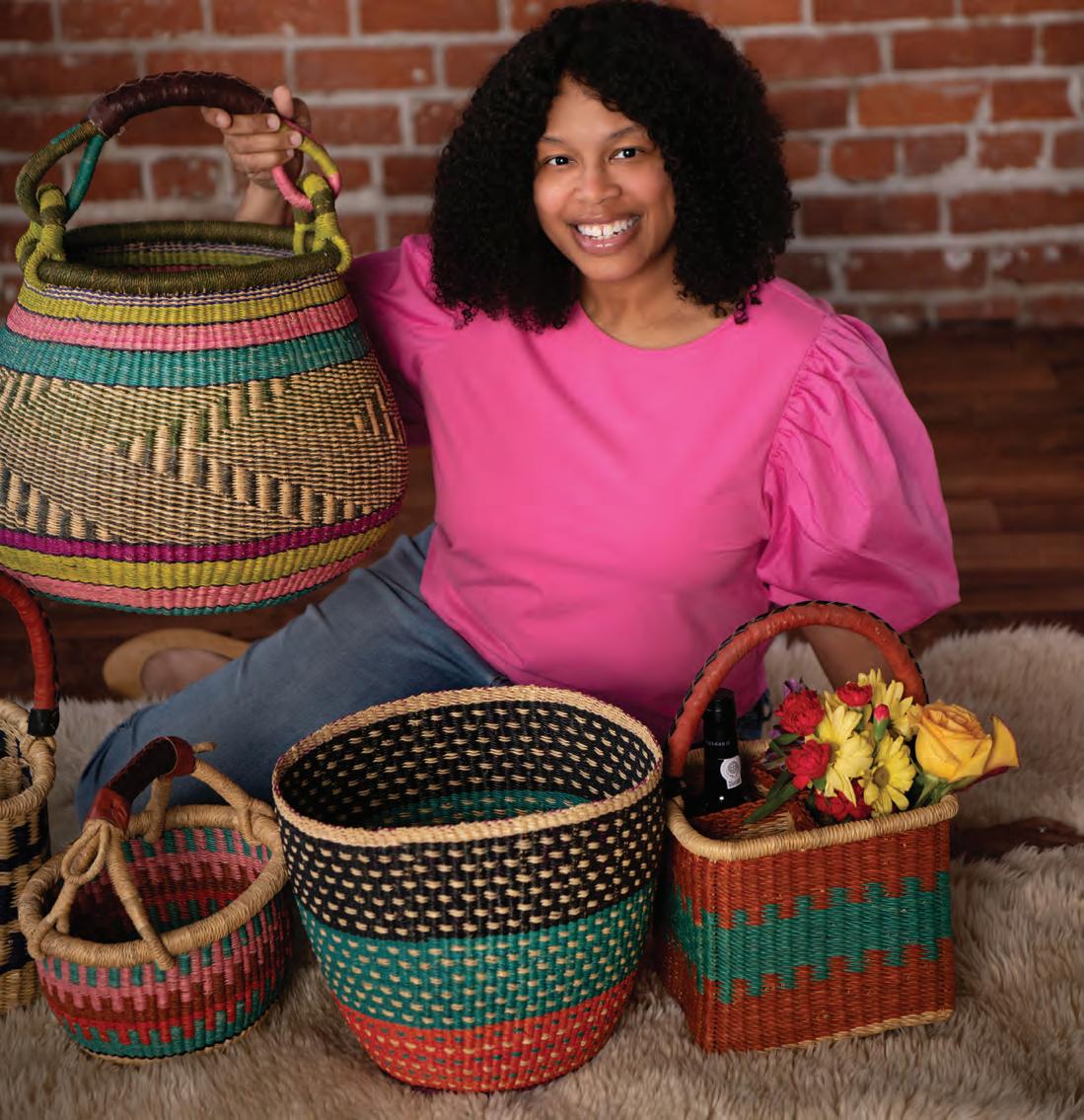
Made of elephant grass and dyed with flow-
er petals rather than chemicals, the baskets— which can be used for shopping, carrying wine (her wine baskets are the most popular) and more—were an instant hit with customers who follow Mateko’s Portico on Instagram (@Matekosportico).
Narh likes knowing that proceeds from the baskets as well as her in-demand shea butter moisturizer—the makings for which she also procures from women in West Africa—help support other women. “I could not be more proud of that,” she says.
Nahr shares her work with her 7-year-old
daughter, Merrit, whose middle name is Mateko. She feels she’s setting an example for her. “It’s all for Merrit Mateko,” says Nahr. “I want her to have that entrepreneurial drive like me.”
It seems to be working. Merrit can be found working alongside Narh making moisturizer, setting up for events or attaching labels on items. “She’s a part of it all,” says Narh.
In July, Mateko’s Portico will be at the Greenhaven Pocket Farmers Market on Saturdays and at Moonraker Brewing Co. events in Auburn. Narh also makes deliveries within the Sacramento area.—ELENA M. MACALUSO
SACMAG.COM July 2023 23
beth baugher
Freda Nahr
Green Tip of The Month


BEFORE YOU POUR!
You’re likely using too much laundry detergent. Use less by marking the appropriate cap line with a sharpie for your family to easily see and follow. (CALL

(916) 426-2757
Want your best relationship? We are the only Sacramento area counseling center who specializes in the renowned marriage researcher’s Gottman Method of Couples



SUSTAINABLE SAC
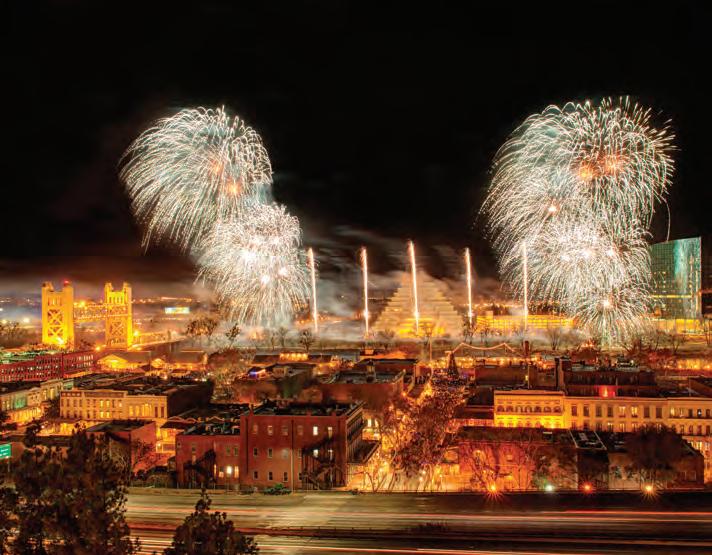
Things That Go Boom
Fireworks are fun, but is the environment celebrating?
 BY REED PARSELL
Fireworks do a bang-up job of entertaining us, but they also have an explosively awful impact on the environment.
And a Happy Fourth to you, too!
Yes, as you go about your patriotic or simply traditional business watching the holiday sky shows and patronizing one of the many fi reworks booths scattered about the capital region before July 4, please take a moment to consider how pleasure and gunpowder can be a problematical mix.
Writer Jessica Han does a thorough job in outlining fi reworks’ dark side in an article she wrote this spring for the international sustainability-gazing organization earth.org, “Crowd-Pleasing Fireworks Are Not So Pleasing to the Planet.” She begins by explaining that gunpowder (aka black powder) is composed of 75% potassium nitrate, 15% charcoal and 10% sulfur. Contained and ignited, it blows up.
“Mineral elements are mixed with black powder, providing color to these explosions,” Han elaborates. “Some colors simply require one element to produce the targeted color. For example, only strontium is needed to make red, sodium for yellow, and barium for green.” Copper, carbon, aluminum and manganese are also used to craft the fi reworks’ palette.
What do such minerals do upon airborne detonation?
“The temporary enjoyment of fi reworks releases a host of contaminants that a ect air quality and can contribute to climate change, including carbon dioxide, carbon monoxide, nitrogen, sulfur dioxide and particulate matter,” Han writes. She points out that the air in New Delhi, during a 2017 fi reworks-soaked celebration of Diwali, recorded a particulate-matter measurement of 900 micrograms. Anything above 5 micrograms is considered unhealthful.
The 916 24 SACRAMENTO MAGAZINE July 2023
1828 29TH ST. SACRAMENTO, CA (916) 382-4823 REFILLMADNESSSACRAMENTO.COM
“SACRAMENTO’S
PREMIER SOAP REFILLERY & ZERO WASTE HEADQUARTERS”
OR TEXT)
Certified and trained
Gottman
sacrtc.com
Counseling.
by the
Institute for Real Results.
The article also points out that fi reworks displays can:
• Prompt wildlife to leave their habitats or abandon their migratory routes, sometimes permanently. They also become susceptible to ingesting some of the explosions’ toxic debris.
• Widely distribute perchlorate, which “is often associated with contaminating soil and water. This chemical remains in the environment for long periods, easily absorbed by neighboring flora.”
• Increase microplastic pollution in waterways.
Science Daily provides more specifics on fi reworks’ deleterious e ects on wildlife. Research has shown “fi reworks in Spanish festivals impacting the breeding success of House Sparrows, July fi rework displays being implicated in the decline of Brandt’s Cormorant colonies in California, and South American sea lions changing their behavior during breeding season as a result of New Year’s fi reworks in Chile.”

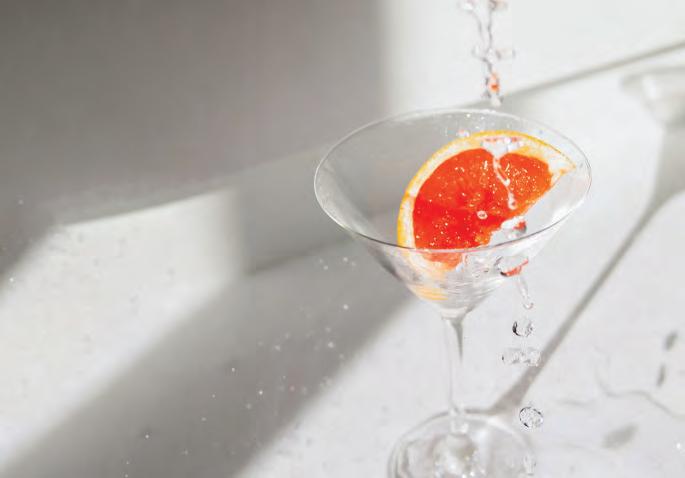
Well, how about some of the tamer domestic-use fi reworks, such as good old sparklers? Kristine Nguyen blogs on brightly. eco that the little hand-helds “involve an iron rod, an oxidizer
to produce the color, a fuel that keeps the sparkler burning, and a binder to hold everything together.” None of that is environment nurturing. As too many children and their parents have learned, sparklers can instead be injury inducing. Are there alternatives to fi reworks shows? Certainly. The website DW.com (whose slogan is “Made for minds”) reports: “In South Korea, where fi reworks usage is largely limited to o cial events, drone shows have gained traction in recent years, often producing brilliant and beautiful results.
“The German city of Landshut, where fi reworks have been banned at New Year’s Eve for several years, has become renowned for its impressive laser light shows. And in the Irish capital Dublin, previous years have been welcomed in with a mixture of traditional pyrotechnics and laser shows.” Perfect solutions, drones and lasers are not. But they are less destructive than fi reworks.
Hey, at least this month’s sustainability column didn’t set out to make you feel guilty about beer and hot dogs. Wait until next year!
SOMETHING FRESH IS COMING TO DOWNTOWN SAC
SACMAG.COM July 2023 25
“The temporary enjoyment of fireworks releases a host of contaminants that affect air quality and can contribute to climate change.”
Every Wednesday 4–7 PM July 5–August 30

It’s Working Out
A personal trainer can make your time at the gym more efficient and enjoyable. We asked five trainers to share their fitness philosophies and debunk some myths about the field.

Wellness
SACMAG.COM July 2023 27 0723
inside: Individualized help for getting fit beth baugher
Tanya “Ty” Rendlich-Texidor emphasizes training for strength and longevity.
BY LUNA ANONA
hen you close your eyes and picture a personal trainer, what comes to mind? A person who wakes up every morning and meditates to the mantra “no pain, no gain”? An individual whose arms, no matter the angle, are so sculpted that they appear to be their own topographic map of mountains and valleys? Someone whose veins are so prominent that they cast their own shadows, and who barks reps with the intensity of a rocket launch countdown? These stereotypes, and versions of them, have long pervaded pop culture, but personal trainers aren’t really like that. They don’t yell at you, don’t push you until you feel ill and don’t look like statues. They’re more like your fit and supportive best friend whose biggest care in the world is for you to be the best version of yourself you can be.
Competitive athletes and celebrities have long known about the benefits of a trainer, but what about the average person? Aren’t personal trainers mainly for the super fit to somehow get even fitter? Not really. Most clients of personal trainers are a) completely new to exercise, b) were once athletic, but life has gotten in the way or c) exercise occasionally or regularly but have hit a wall in making progress or just don’t feel motivated. Nearly all clients have some sort of injury, whether it’s current or old (and recurrent), and personal trainers are skilled at not just modifying exercises but restoring pain-free mobility. Nowadays, you can find a trainer specializing in anything from postpartum fitness to powerlifting, and you don’t even need to leave your home: Many trainers are set up for private live sessions via Zoom (although you may eventually be unable to progress after a certain point unless you invest in more equipment). On average, personal training sessions can range from $75 to $175 each, but trainers typically offer packages that bring the cost down to $100 to $135 per session. Do you need a personal trainer? No. Will they make your time in the gym more efficient, effective and dare we say fun? Unequivocally yes.
We talked to five local trainers and asked them to share their fitness wisdom, debunk some myths, clear up some stereotypes and discuss their unique approaches to fitness.
TAYNA “TY” RENDLICH-TEXIDOR
@ty_training
Certified Personal Trainer, NATA
Where to train with Ty: ĒVO Training Collective, 317 33rd St., coowned with her wife, Tovah Rendlich-Texidor (@tovahfit)
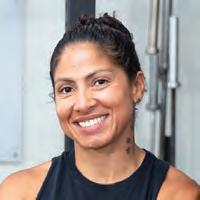
“Most individuals could use a major increase in muscle mass after years spent doing cardio or boot camps.”
What’s your approach to fitness? Do what you need to do in order to do what you want to do. Our bodies want to be healthy and feel good. We need to nourish, rest and challenge our bodies so that they can perform for us the best that they can.
What one exercise do you think everyone should be doing? Single leg anything. I don’t think enough emphasis is placed on the need to minimize strength and mobility issues in the hips and lower extremities. Back pain? Do more single leg work. Knee pain? Do more single leg work. Balance issues? Do more single leg work. If one leg is significantly more capable than the other, it can cause a whole host of problems.
Who is your ideal client? The parent who has put their career and/or their family first for far too long, and now feels out of touch with themselves physically, but
are finally ready to put themselves higher up on their to-do list.
How do you work around injuries and pain? I don’t work around them. I attack them! Unless you have a broken bone, you have to get in there and fix it. I’m not a big believer in just modifying exercises forever. The body actually responds really well to movement, so if you’re stuck in the “rest it until it gets better, but then the second I get back to training again, it hurts” cycle, just know that there is more that can and should be done. I’m here to help you figure that out.
What’s a stereotype about personal trainers that you think is false? That it’s a temporary career or side gig. Many of us have dedicated our lives to perfecting our craft. We’ve studied and put in thousands of hours honing our ability to understand the human body, learning how to navigate mental hurdles that could be holding you back, and researching how to deconstruct and rebuild longstanding habits so that you can progress. For many like myself, this is our life’s work. We pour ourselves into each and every one of our clients that we have the privilege to work with. We’re not there to just count reps for you and send you on your way. We’re there to help you change your life.
What nugget of wisdom do you wish you could share with others? When you are 80 years old, you will be much happier with your time spent in the gym if you train
28 SACRAMENTO MAGAZINE J uly 2023 Wellness
W
Beth Baugher
for strength and longevity rather than working out just to be a certain size.
MAXIMILLIAN SULLIVAN
@milliwap.fit
Certified Personal Trainer, NASM, NFPT
Where to train with Maximillian:
NorCal Health Works, 920 21st St.
“Do what you can now and watch yourself blossom—small changes create huge results over time.”
What’s your approach to fitness? I look at fitness as the result of small changes being made on a consistent basis. I collect data by analyzing their current lifestyle as a whole and suggest changes that will feel natural paired with the cadence of a client’s day-to-day routine. I strategically build onto what’s already working. Who is your ideal client? My ideal client is simply someone who is curious. I like my clients to be ready to work toward “documenting without shame.” We identify metrics that either they connect with or that are relevant to their particular training program. Data is the best way to establish a baseline.
What Do All Those Letters Stand For?
Personal trainers rely on several organizations for training and certification. Here are some:
l NATA—National Athletic Trainers’ Association
l NASM —National Academy of Sports Medicine
l NFPT—National Federation of Personal Trainers
l AFAA—Athletics and Fitness Association of America
l CSCS —Certified Strength and Conditioning Specialists
l SITA—Size-Inclusive Training Academy
What does an initial session with you look like? It varies. I give the option of meeting at the fitness studio, or we can chat over coffee. Some folks are ready to jump into the consultation and get the ball rolling with a fitness assessment, while others would rather meet and get a little more information before we start working out. Both are great and give me good insight into their communication styles!
What one exercise do you think everyone should be doing? Stretching. One very overlooked benefit to stretching is injury prevention. You’ll often notice certain muscles are tight or flaring up before you injure or re-injure what I call “sticky spots” during movement.
What do you think the role of a personal trainer is? I like data. I acknowledge the small (and, more importantly, new) wins. Over time, I help people build on those wins, and they realize they’re much closer to their goals than they thought they were. What a twist!
What is a misconception that you think the general public has about personal training? That we yell at you to make you push yourself. Most of us are nerds that love anatomy. If we aren’t a match for you, we most likely can recommend a good fit.
WENDY WELSHER
@jimjamm_wendy
Certified Personal Trainer, AFAA, SITA Where to train with Wendy: joyfulinclu sivemovement.com
“I’ve experienced fatphobia and weight bias firsthand and understand how traumatic this is in a movement space.”
What’s your approach to fitness? I’m a fat-positive personal trainer who specializes in functional strength and conditioning. I teach the foundations of functional movement, weightlifting and power training, including safe practices and recovery methods, which my clients use
in their everyday lives to improve their activities of daily living.
Who is your ideal client? I created My Joyous Adaptive Momentous Movement, or MY JAMM, and Joyful Inclusive Movement, or JIM , as movement spaces that are authentic, accessible, inclusive, safe and effective. The programs are designed for larger-bodied folks who may have experienced trauma around body movement. It’s about access, treatment, folks with disabilities and body size. There is not a lot of community support for disenfranchised individuals seeking to embrace movement. When there is, it is usually short-lived before given the chance to be commercially successful. For the underrepresented, there are very few safe, effective and inclusive spaces for them to celebrate movement.
What is a misconception about personal training you’d like to clear up? Some people think a trainer’s body is their advertising, and a “fit” body indicates a successful personal trainer. Diet culture is a billion-dollar industry that brainwashes society to believe that skinny is the only way to be healthy. When people start looking for a personal trainer, they often make the mistake of thinking that a “skinny” or “fit” trainer is the healthiest trainer, and they can make you look like them. If you look at me from head to toe, I am none of those things. I am fat and healthy, and fat and fit. Living in a larger body in our culture means that I am not always taken seriously in the fitness industry. I’ve been an athlete since 2009, and my body has fluctuated. This doesn’t make me a bad trainer: I have the education and the experience, and I can relate to my clients because of fatphobia, weight bias and how diet culture sees me.
What is something that you wish more people knew about fitness? Big box gyms don’t adequately accommodate larger bodies. Their equipment has low measurement and weight restrictions that are not suitable or safe for larger bodies. Binary locker rooms aren’t accessible for the 2SLGBTQIA+ community to feel safe


SACMAG.COM July 2023 29
“BIG BOX GYMS DON’T ADEQUATELY ACCOMMODATE LARGER BODIES,” SAYS WENDY WELSHER.
Tips for Finding a Trainer
If you’re thinking about hiring a personal trainer, here are some tips to make sure you start your training journey off on the right foot:

l Ask for certifications and credentials. In the age of social media, when everyone’s an expert and the facts don’t matter, it’s easy to take a wrong turn when researching personal trainers. There are fitness professionals who happen to be influencers, and then there are fitness influencers. Fitness influencers are generally just attractive people with gym memberships who often find themselves in optimal lighting. They sell “plans” that are no different from Googling “basic full-body workout.” They are not trainers, and the only way that their plans would help you look like them is if their plans were for building a machine that would allow you to go back in time and be born to their parents so that you could share their DNA. There is a big difference between going to the gym yourself and safely and effectively programming a workout plan for another person and coaching them through it. Before you buy a service, make sure it’s from a certified fitness professional.
l Make sure you vibe with your trainer. Finding a personal trainer can be a lot like finding a therapist or a hair stylist or a favorite coffee shop in the sense that you’re going to be spending a lot of time together. The first one you try may not be the right fit. Don’t be afraid to meet with several and ask plenty of questions to make sure they’re the right match for you.
l Communicate. Trainers are trained to do a lot of things, but ESP is most likely not part of their repertoire. If something doesn’t feel right, tell your trainer. If you feel personally victimized by a particular exercise and would prefer to never do it again in order to live a happier life, tell your trainer. If you’re confused, tell your trainer. If you’re feeling discouraged, tell your trainer. If you’re really in the mood to just do something completely different today, tell your trainer. If you tell your trainer all of those things on the same day, you might be certifiably high maintenance, but your trainer needs your feedback to program the best workouts for you.
l Set a performance-based goal. When most people visit trainers or gyms, their goal is just to lose a certain amount of weight. The problem with weight-loss goals is that they can often have very little to do with health or fitness, and the question that usually arises once they’re obtained is “Now what?” You can’t keep losing weight forever. Set a different goal instead: Maybe you want to do a certain number of pullups, increase the distance you can run, or lift a certain amount of weight. As you focus more on what your body can do and how it feels instead of how it looks, you’ll find that how it looks becomes secondary. And as you meet your performance goals, you’ll become more grateful and satisfied with your mirror reflection.
l Use metrics other than a scale to measure progress. Your weight can be highly variable depending on what you have (or haven’t) eaten recently, your current proclivity for happy hour, where you are in your menstrual cycle (if applicable), how hydrated you are and a host of other variables. Your weight is not necessarily indicative of progress. Throw away the scale and simply monitor how your clothing fits. Let your performance-based goal dictate how you measure progress: Are you able to lift more weight? Run longer? Swim faster? Those numbers are more meaningful.
l Just show up. The biggest difference between you and Simone Biles is probably not just consistency, but it’s certainly a factor. If you keep putting in the work and you keep showing up, the results that you’re looking for tend to, too.
l If personal training seems like a lot, consider a small group class. If you aren’t completely sure if you need 1:1 training but you’re nodding along to being new to working out and feeling overwhelmed, you want to get back in shape but you aren’t sure where to start, or you’re feeling unmotivated or like you can’t make progress, you might consider a small group class. Less expensive than personal training sessions, small group classes still offer a big payoff with a motivational community atmosphere and more individualized attention than a typical fitness class has to offer.
and included. There are many more examples of people who identify with various marginalized communities, and all of them have the same recurring theme: “You’re not welcome here.” This is why I created MY JAMM and JIM , which are designed for and directly serve these underserved marginalized populations.
CONOR FOLEY @cfconorfoley
Certified Personal Trainer, NSCA CSCS, NASM
Where to train with Conor: Get Fit Davis, 1809 Picasso Ave., Davis

“Personal trainers are just the people who didn’t want to come inside after recess and liked to learn while moving.”
What does an initial personal training session with you look like? We’ll chat about their goals during a warmup and work on mobility around their problem areas before moving onto pattern-based resistance training. Then we’ll cool down and review the session to set the tone for the next appointment.
How would you describe your approach to fitness? Client centered: Whatever goals and expectations they have as a client, I do my best to meet or exceed those. Who is your ideal client? Someone with a clear goal that we can establish, and someone who has the ability to recognize that attaining that goal will be challenging and require an investment in time and effort.
What do you think the role of a personal trainer is? To support the client in accomplishing whatever their individual goal is in a safe and sustainable way. We are necessary to provide accountability and help people discover the most direct path for them to accomplish their goal.
How do you work around injuries and pain? I refer them to physical therapy if necessary, but if it isn’t, I educate them about their injury and we start with isometric exercises to evaluate painful positions. Then we can work on beginning to load the joint safely.
What is a stereotype about personal training that is false? That we’re sadistic, narcissistic, dumb meatheads, or the direct opposite and we’re some sort of authority figure.
30 SACRAMENTO MAGAZINE J uly 2023 Wellness
MELANIE
LEVY
@melanielevy fitness
Certified Personal Trainer, NASM
Where to train with Melanie: The Academy Training & Performance Center, 1116 F St.

“Many people come to me with the belief that pain is just something they have to deal with for the rest of their life. This is simply and fortunately not true.”
How would you describe your approach to fi tness? I strive to make fitness accessible to everyone. I create an environment for beginners to feel comfortable and confident in a space that is typically intimidating for someone just getting started.
What do you think the role of a personal trainer i s? It’s about meeting your clients where they are. Anyone can pull up a free workout on YouTube, but a good trainer is going to create a program for their client that aligns with their goals, their energy and their personality.
I have a male client who has always gone to the gym and just used the treadmill in fear or not knowing how to do exercise properly. He has benefited from a personal trainer for helping to build that confidence he needs in the gym, and has also experienced that confidence spreading far outside the walls of the gym as well. How do you work around injuries and pain? Part of rehabilitating and preventing injuries and pain involves examining their lifestyle. Injuries and pain are normal with so many people living sedentary lifestyles. Recently, I had a client come to me with low back pain. I realized that it had a lot to do with her poor posture, so we focused on correcting that as well as building core strength, and now we’ve eliminated her pain. I also include exercise and movement patterns that align with their day-to-day: For example, I train some fi refighters, and we incorporate a lot of rotational movement into their workouts because it mimics a lot of what they are doing on the job. You could call it “functional training,” which carries a lot of meanings, but to me, it means that we need to train for our life, our life-

style and the lifestyle we strive to keep for many years to come.


What’s a stereotype about personal training? Some people think they have to be “in shape” before hiring a trainer. They think that it’s going to be this ultra-intense crazy boot-camp-style experience, which isn’t what you want. A good trainer will have a great understanding of their client’s goals, energy levels, experience and limitations or injury/pain, and build a program based on that. If your trainer isn’t truly diving into who you are as a person, what your mindset is around exercise, what your day-to-day life is like outside of the gym, and what you truly enjoy doing, then you need to fi nd another trainer.

What’s a fi tness myth you want to debunk? Being incredibly sore the next day or feeling like you died after your workout means you had a great workout is not the truth. The truth is that feeling confident and creating a sustainable movement practice that makes you feel great and gets you living pain-free while having fun is the way to go.

SACMAG.COM July 2023 31 Top 1.5% of all Agents & Teams Nationwide Individuals Bv Transaction Sides Individuals By Sales Volume Tanya Curry Sierra Oaks Office Realtor® DRE 01375328 (916) 698-9970 TCurry.GoLyon.com
Top 1.5% of all Agents & Teams Nationwide Individuals Bv Transaction Sides Individuals By Sales Volume Tanya Curry Sierra Oaks Office Realtor® DRE 01375328 (916) 698-9970 TCurry.GoLyon.com
AS ONE OF SACRAMENTO’S TOP DENTISTS*
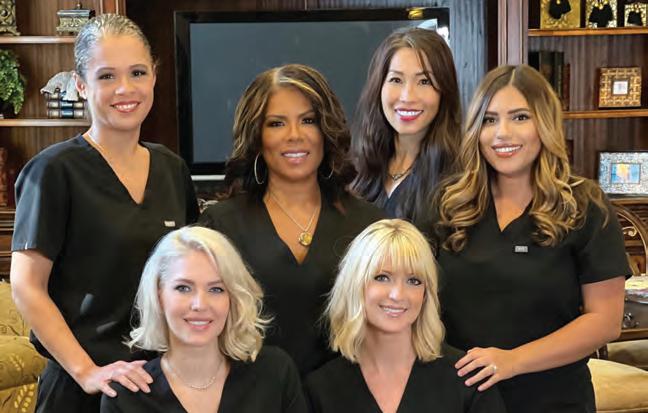
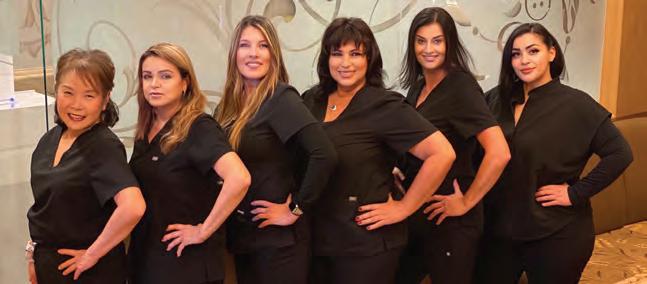
Your HEALTH and SAFETY is our top priority…
Many things have changed, but one thing has remained the same: our commitment to your safety. Infection control has always been a top priority for our practice. While we have always had high standards regarding infection control, we have incorporated additional CDC recommendations to keep our patients safe and healthy. The care and quality that our patients have come to appreciate remains a source of pride for our o ice.

Having loyally served the Sacramento community for the past 25 years, Doctors Amy Woo, Kristine Balcom, Kelly Brewer and Patricia Murphy look forward to continuing in our tradition of putting the health and safety of our patients first.

ADA/CDA/CDC PPE COMPLIANT
Dr. Amy Woo Dental Care
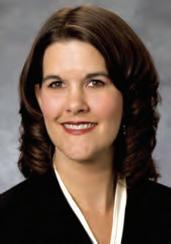
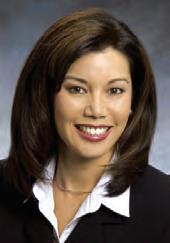
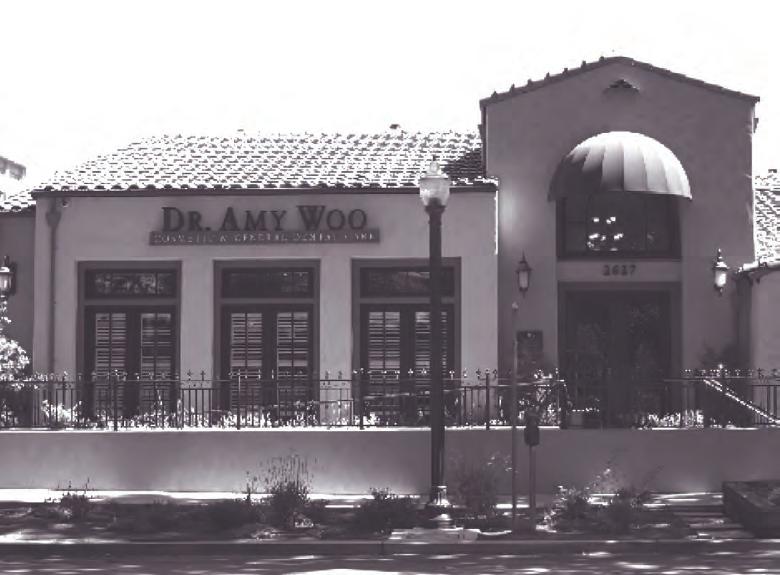
2627 K Street, Sacramento


916.443.8955

www.DrAmyWoo.com
 HONORED
Clinical Support Team
Administrative Team
Hygiene Team
Amy M. Woo, DDS
Kristine E. Balcom, DDS
Kelly A. Brewer, DDS
Patricia Murphy, DDS
HONORED
Clinical Support Team
Administrative Team
Hygiene Team
Amy M. Woo, DDS
Kristine E. Balcom, DDS
Kelly A. Brewer, DDS
Patricia Murphy, DDS

















A SPECIAL ADVERTISING SECTION
Only one place comes to mind when it comes to cosmetic surgery in Northern California: Ideal Plastic Surgery. The modern facility has quickly risen to the top among cosmetic surgery providers in the state. Ideal Plastic Surgery offers a comprehensive range of cosmetic and reconstructive surgery procedures in a state-of-the-art facility. The clinic spans over 21,000 square feet and features six fully equipped operating rooms, a medical spa and consultation rooms. The experienced team of surgeons and medical professionals are committed to delivering exceptional care and personalized treatment plans to help patients achieve their Ideal goals. From facial to body procedures, Ideal Plastic Surgery is dedicated to providing safe and effective results to help clients look and feel their best. Ideal Plastic Surgery is becoming a destination for clients from all over California. Did you know that over 80% of our patients travel from more than 75 miles away?
The board-certified surgeons at Ideal Plastic Surgery have over 40 years of combined experience serving the Sacramento area and beyond. Our dynamic team is focused on helping you look your Ideal! Ideal Plastic Surgery leads the way as the area’s only bilingual facility that attends to the needs of our growing community.
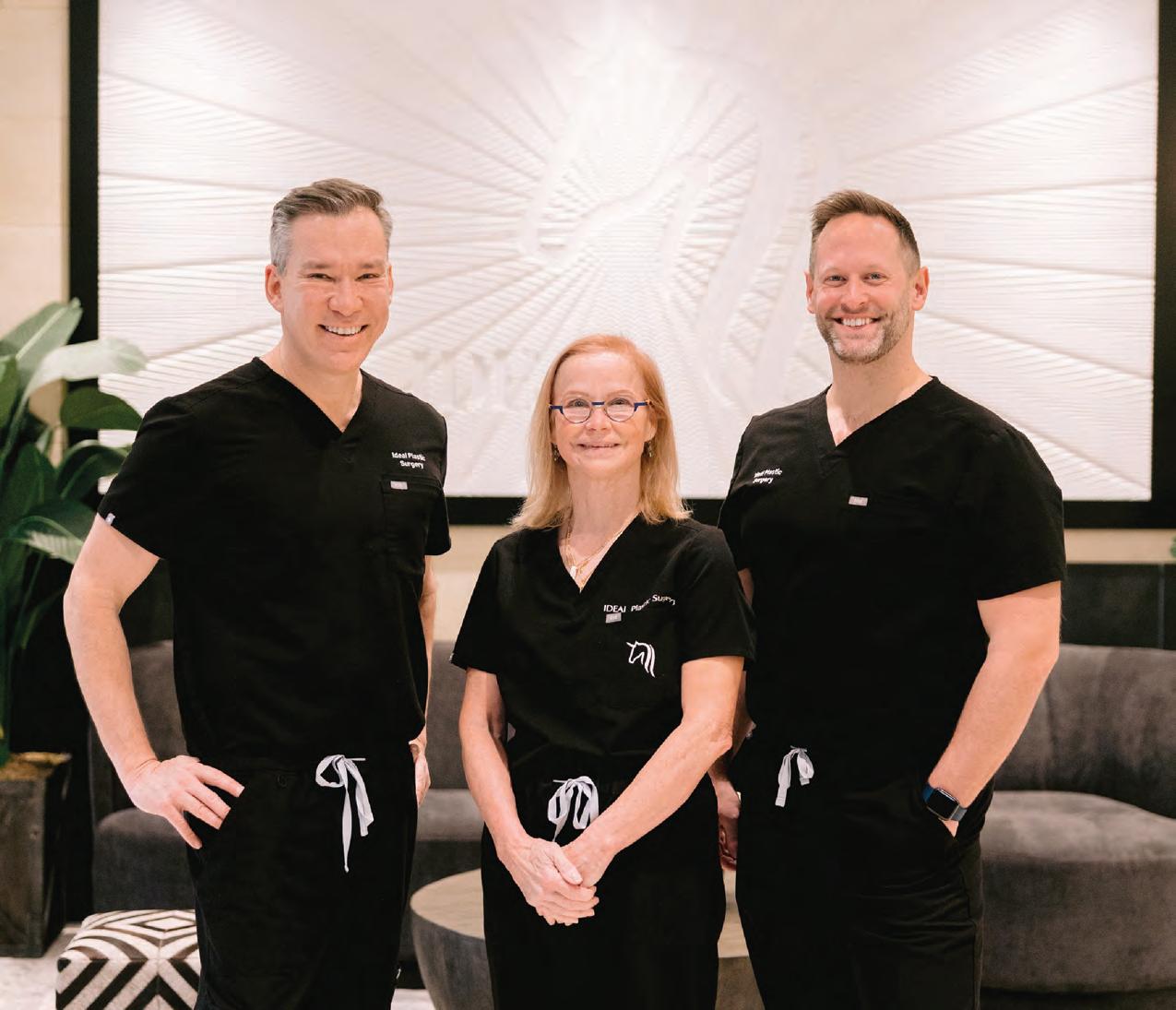
Dr. Boone Dr. Deb Dr. Pirko Ideal Plastic Surgery 77 Cadillac Dr. #170 Sacramento, CA 95825 (916) 664-3391 www.idealplasticsurgery.com
SPECIAL ADVERTISING SECTION
Le hablamos en su idioma!
Laser & Skin is one of the world’s most comprehensive cosmetic and laser dermatology facilities, founded by renowned laser expert Suzanne L. Kilmer, M.D. Having done more than 300 clinical trials on-site, Laser & Skin’s research led to the development of many popular devices, including laser hair and tattoo removal, laser resurfacing, Fraxel, Thermage, Ulthera, Sofwave, CoolSculpting, Emsculpt, and more. Laser & Skin’s team of five board-certified dermatologists has more than 100+ years of experience. The doctors are joined by a physician assistant, seven registered nurses, five estheticians, and more to provide state-of-the-art care and expertise to each patient. With nearly 50 lasers and devices, plus dozens of injectables, Laser & Skin has one of the world’s most wide- ranging collections of industry-tested, leading-edge treatments to best cater to each patient’s individual skin needs.
Experience the Art & Science of Ageless Beauty at Laser & Skin!
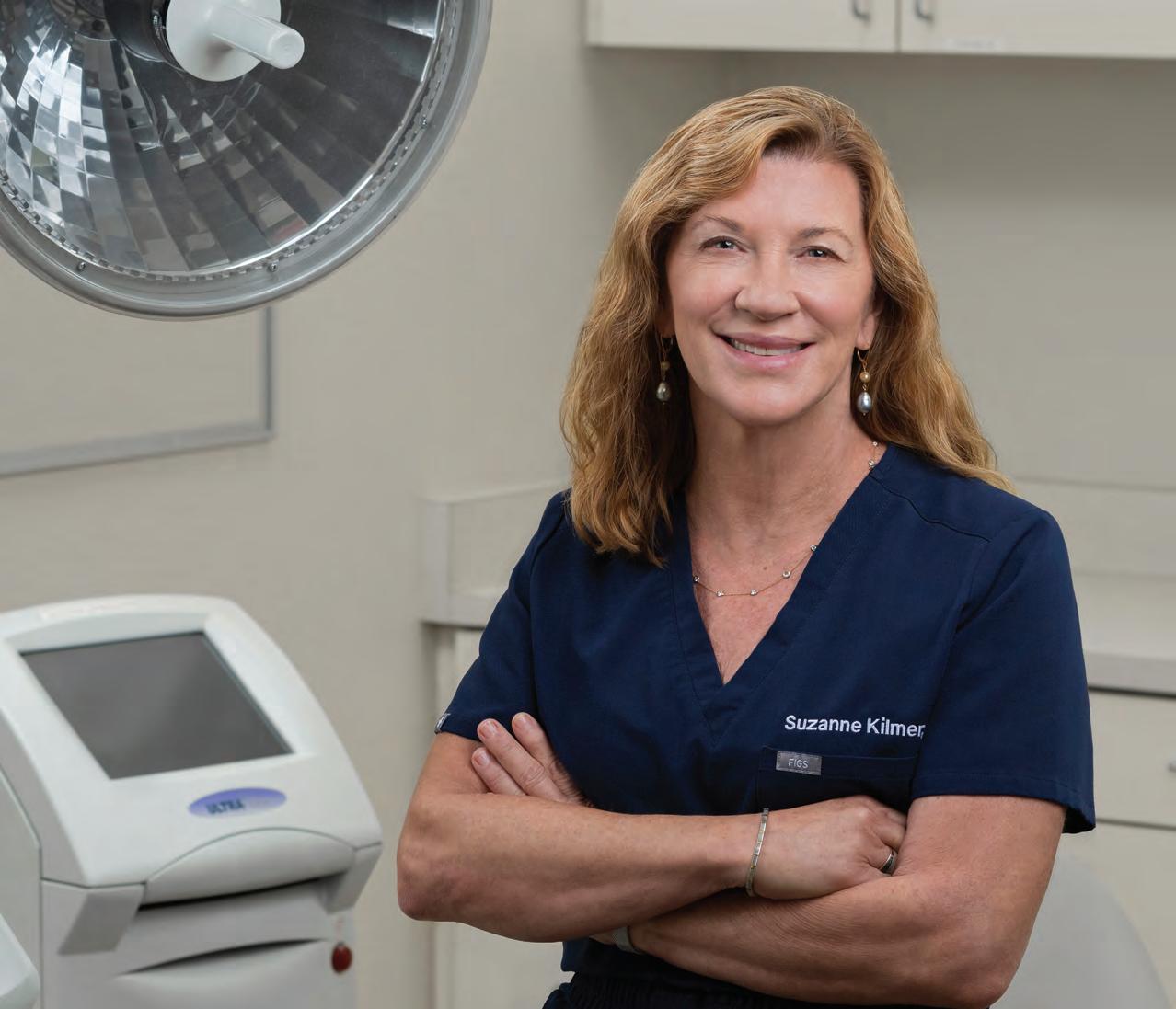
Suzanne L. Kilmer, M.D. Laser & Skin Surgery Center of Northern CA 3835 J Street, Sacramento (916) 456-0400 lasercenter@skinlasers.com WWW.SKINLASERS.COM
HOLY TOMATO!

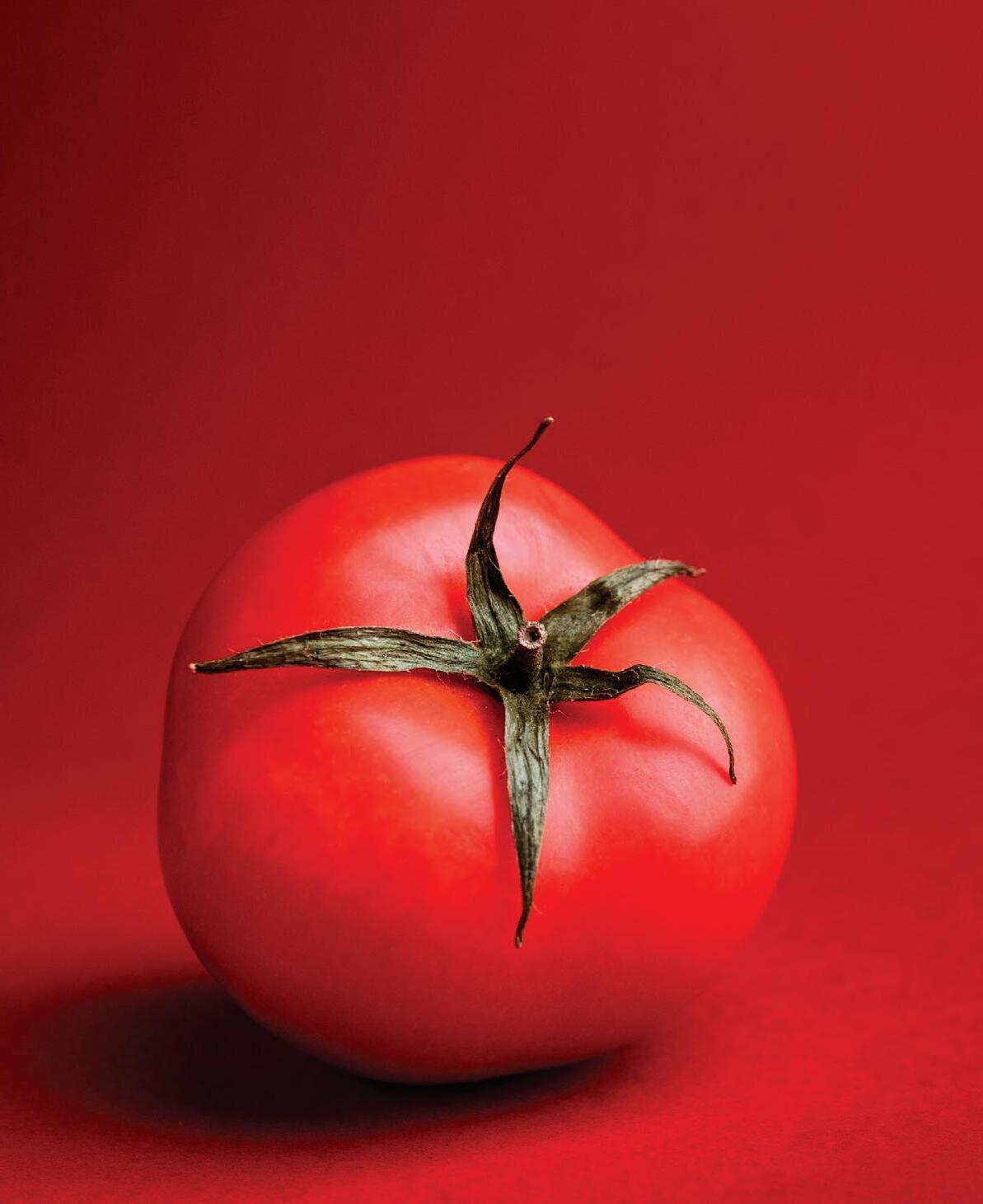 BY MARYBETH BIZJAK
PHOTOS BY FRANCISCO CHAVIRA
BY MARYBETH BIZJAK
PHOTOS BY FRANCISCO CHAVIRA

36 SACRAMENTO MAGAZINE July 2023
A love letter to Sacramento’s indispensible summer gift
It was the summer of 2006, the year that Mulvaney’s B&L opened in a historic firehouse on 19th Street in midtown Sacramento. A local farmer was growing amazing heirloom tomatoes in a range of colors, shapes and varieties, and Patrick Mulvaney, the restaurant’s chef and owner, wanted to celebrate those spectacular tomatoes. He knew just the dish for the job.
First: tomatoes, some cut into wedges, others into slices, arranged in a circle around the plate’s perimeter. A kiss of extra-virgin olive oil. An artful swirl of aged balsamic vinegar. A few torn basil leaves. A sprinkle of sea salt and freshly ground pepper. Finally, the pièce de résistance: a knob of freshly made mozzarella, its curds just pulled from the refrigerator and dropped into warm water, then hand-pulled, twisted, knotted and deposited, still warm from its watery bath, into the center of the plate. It was simplicity itself. It blew people’s minds.
That fateful summer, plate after plate of heirloom tomatoes with freshly made mozzarella came out of B&L’s open kitchen. Nearly two decades later, Mulvaney still remembers the magic that dish created at his fledgling restaurant. Diners oohed and ahhed as they watched the cheese being made to order. Sometimes, Mulvaney invited curious customers back into the kitchen to pull their own mozzarella.
Almost two decades later, the dish—now called Uncle Ray’s Heirloom Tomatoes With Hand-Pulled Mozzarella, after West Sac tomato farmer Ray Yeung—still draws crowds
to the B&L. People start calling the restaurant in March to ask if it has appeared on the menu yet. Alas, they learn they will have to wait at least until the middle of July for heirloom tomato season to start in the Sacramento region.
That dish just may be the thing that started it all, cementing Sacramento’s intense love affair with the tomato. Rarely has a foodstuff become so intimately identified with a place. Georgia may have its peaches, Jersey its corn, and New York City is known as the Big Apple. But here in Sacramento, we don’t ever let anyone forget that we have the country’s— maybe even the world’s—very best tomatoes.
In the pantheon of produce that grows well here, nothing is as exalted as the tomato. With a long growing season that stretches toward Halloween and sometimes even edges into Thanksgiving territory, the tomato is emblematic of our region. We even have not one but two tomato nicknames: the Big Tomato and Sacratomato.
The tomato is the very essence of summertime in Sacramento. Which is why we love it, why we wait for it with breathless anticipation and why we just can’t stop eating it.

SACMAG.COM July 2023 37
SACRAM ENTO’ S BEST tomato dish
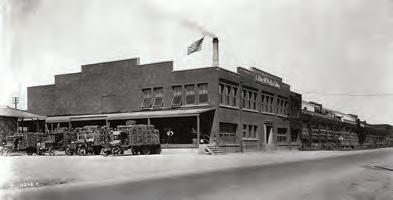
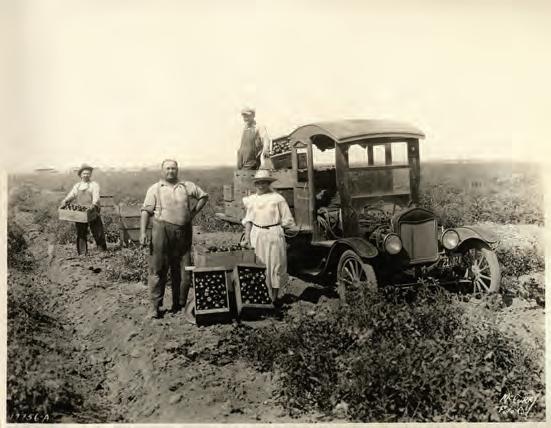
Sacramento’s relationship with tomatoes goes back a long way—to the 1920s, when the region was home to two of the largest canneries in the world: Calpak Plant #11 and Libby, McNeill & Libby. They and other, smaller canneries packed many farm products, but tomatoes were the best known. Those tomatoes made their way into tomato sauce, tomato soup, ketchup and other processed tomato products. To this day, processing tomatoes remain an important crop in the Sacramento Valley. As summer fades away, you’ll see those tomatoes piled into big trucks that trundle along I-5, on their way to feed America.

Gazpacho
THE WATERBOY may be one of the region’s leading special-occasion restaurants, but that doesn’t mean its food is stuffy or highfalutin’. Owner Rick Mahan makes a mean gazpacho, a cold Spanish soup that is generally sipped from a frosted glass or tumbler like a beverage. Mahan purees a combination of heirlooms—his favorites include Brandywines and Cherokee Purples—with cucumbers, a touch of onion and some day-old bread for texture and body. Then he adds a dash of vinegar and some smoked paprika for heat. The chilled soup is served not in a glass but a bowl, where it is garnished with a big drizzle of extra-virgin olive oil, fresh herbs and more of those delicious heirlooms. Mahan has also been known to use the soup as a cold sauce with fish or scallops. “It’s pretty simple, but it’s lovely,” he says, “and there’s nothing quite as refreshing on a hot July day.” 2000 Capitol Ave.; (916) 498-9891; waterboyrestaurant.com

38 SACRAMENTO MAGAZINE J uly 2023
Above left: Women working at Del Monte Corp. (originally Calpak) canning plant during the 1930s.
Above right: Libby McNeill & Libby Building. Sacramento, California: McCurry Foto Co., 1922. Print. The two-story brick plant was on Stockton Boulevard.
Right: “Growing Tomatoes in the Sutter Basin.” Sacramento, California: McCurry Foto Co., 1924. Print.
Farm and plant: Courtesy of the California History Room, California State Library, Sacramento, CA / Cannery: Courtesy of Del Monte Corp.
Panzanella

In Italian, “pane” means “bread,” but don’t get it twisted: Tomatoes are just as important as the bread in the classic Tuscan bread salad served at East Sac’s ONESPEED . House-made rosemary focaccia is cut into cubes, drizzled with olive oil and toasted until the squares are golden brown and crisp on the outside, delightfully chewy on the inside. Those cubes go into a big bowl along with heirloom tomato wedges, thinly sliced cucumber, pickled red onion and basil. The whole shebang gets dressed with a zingy red wine vinaigrette that soaks into the bread’s crevices and turns the tomatoes soft and pulpy. According to owner Rick Mahan, customers start clamoring for the salad in February. As if! They have to wait until tomatoes come into season sometime in July. On the plus side, the salad usually stays on the menu at least through September. 4818 Folsom Blvd.; (916) 706-1748; onespeedpizza.com
AND... Every summer, OneSpeed’s sausage pizza gets a seasonal update: Instead of tomato sauce, the kitchen tops the pie with heirloom tomato slices. SACRA M ENTO’ S BEST tomat o d i s h
Customers start clamoring for the salad in February. As If! They have to wait until tomatoes come into season sometime in July.
SACMAG.COM July 2023 39
“Heirloom Tomatoes”
Brad Cecchi, the chef and co-owner of CANON in East Sacramento, doesn’t overthink the tomato. Every summer, he comes up with a simple preparation that pays homage to tomatoes without gussying them too much. This summer, he plans to put on the menu a dish he calls, simply, “Heirloom Tomatoes.” (Air quotes included!) First he’ll make a tomato shrub—a vinegarbased liquid that’s typically served as a beverage. Then he’ll take some heirloom tomatoes, delicately remove their skins using a blowtorch, chop them and drizzle with the shrub and a little olive oil. “Dressing tomatoes with tomatoes,” he calls it. For garnish, he’ll roast the kitchen’s vegetable trimmings over high heat, turning them into an ash that he’ll sprinkle over the tomato-squared mixture. “With the cost of food going up, it’s good not to be so wasteful,” he explains. “It’s total utilization.” 1719 34th St.; (916) 469-2433; canoneastsac.com
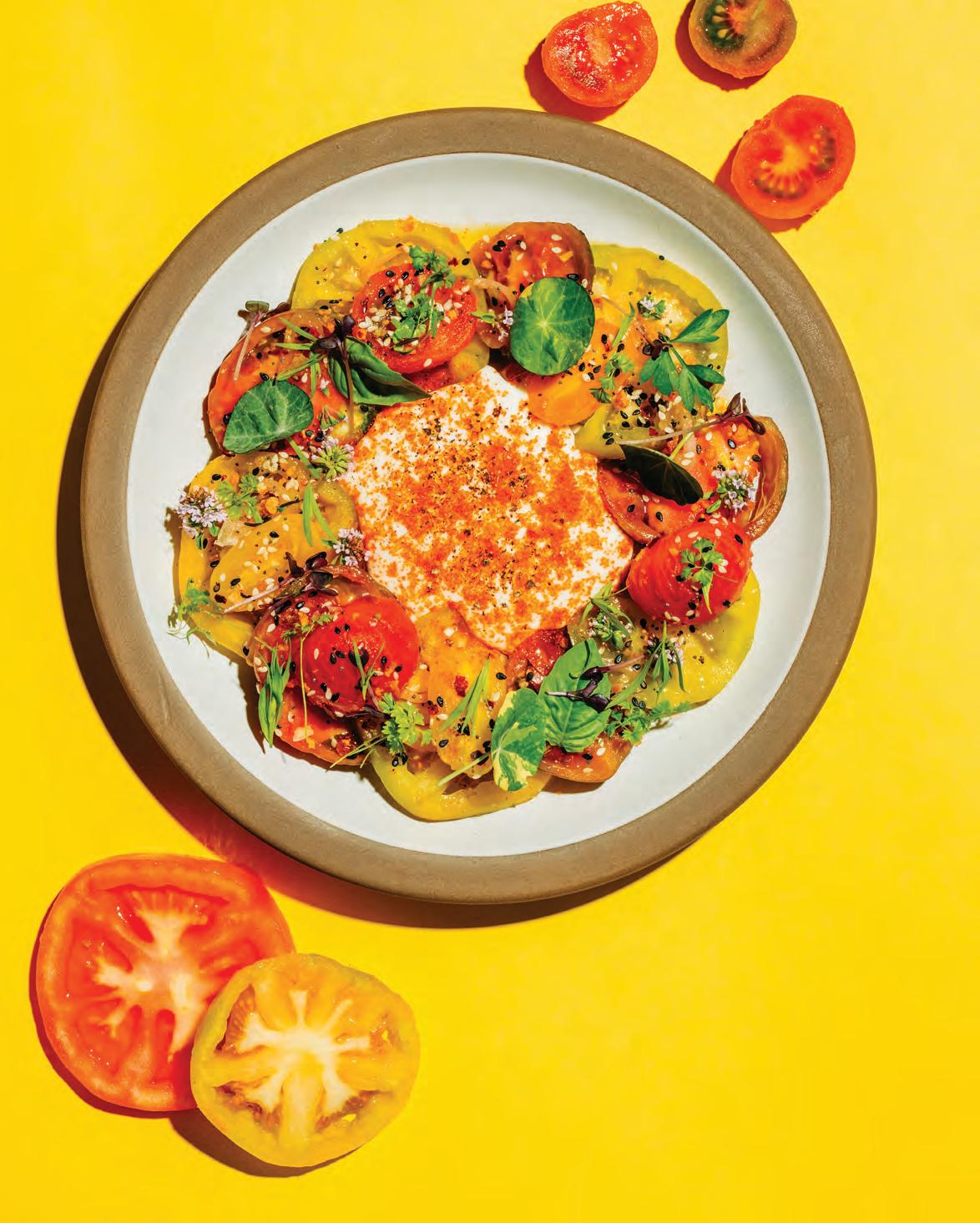
40 SACRAMENTO MAGAZINE J uly 2023
SACRAM ENTO’ S BEST tomato dish
Fried Green Tomatoes









































And now, for something completely different: a tomato dish that doesn’t rely on the juiciness of a tomato picked at the exact moment of perfect ripeness. That’s right, we’re talking about fried green tomatoes. Green tomatoes are a contradiction; who could possibly want to eat an unripe tomato? Taste the ones served at East Sac’s POPPY BY MAMA KIM and you’ll be a convert. For this traditional Southern dish, chef/owner Kim Scott uses big tomatoes—usually Early Girls or Beefsteaks—that are picked while still green. She slices them, dusts them in flour, dips them in seasoned buttermilk, then coats them in panko breadcrumbs seasoned with a secret blend of herbs and spices. Then they’re fried till gold and crispy and served with a citrusy roasted pasilla remoulade sauce that’s piquant without being too spicy. At Poppy, fried green tomatoes are offered as a zesty appetizer at dinner and also accompany crab eggs Benedict at weekend brunch. 533 53rd St.; (916) 515-9971; poppysutterpark.com







SACMAG.COM July 2023 41
SACRA M ENTO’ S BE ST t o m a t o d i s h
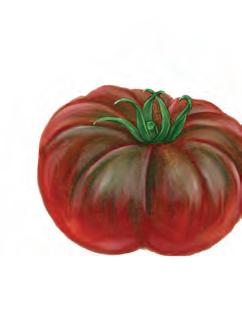
BETTER BOY SUN GOLD EARLY GIRL DINNERPLATE SWEET100 PURPLE CHEROKEE SUPER MARZANO ORANGEBANANA TIE DYE BLACKCHERRY PINEAPPLE Top Varieties in sacramento
seasoned
mariah quintanilla
42 SACRAMENTO MAGAZINE July 2023
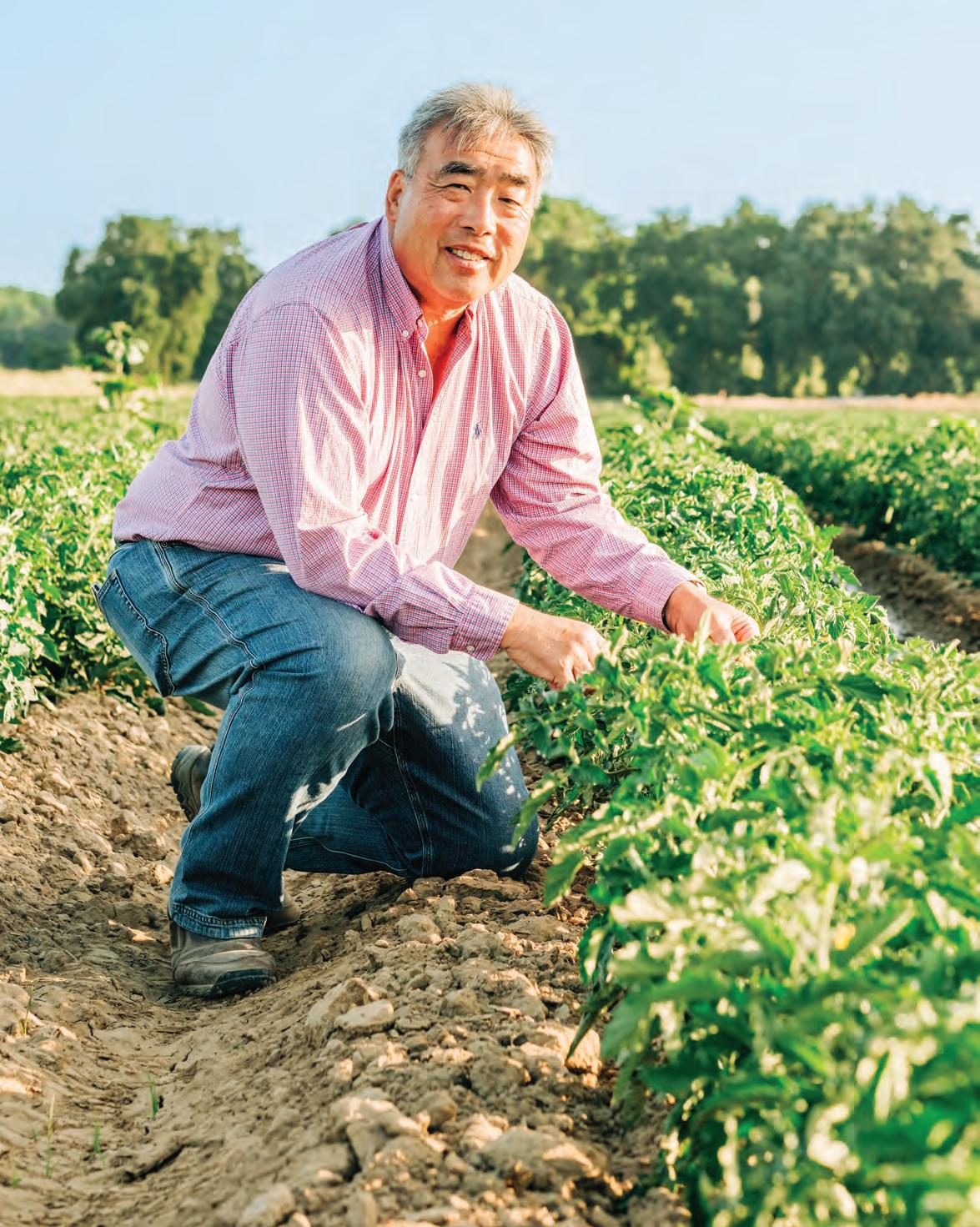
Ray Yeung at Yeung Farms
“Growing tomatoes is like a fashion show. You don’t know what the fashion’s going to be this year. You always want to come up with something new.”
King of the tomato
If you’ve ever dined at a top restaurant in Sacramento, chances are good you’ve eaten one of Ray Yeung’s tomatoes.
Yeung owns Yeung Farms, which produces some of the most prized heirloom tomatoes in the Sacramento region. You could call him a tomato nepo baby: He was born into the business. His father, Joe Yeung, emigrated from China in the 1950s and worked as a farm laborer in the Delta. A farmer took Joe under his wing and eventually co-signed a loan allowing Joe to start growing processing tomatoes for canneries.
In the ’80s, young Ray got a degree in plant pathology pest management from UC Davis and went to work for his dad. In the late ’90s, he started a side project, growing “eating tomato” transplants for other farmers. When he had a few extra transplants, he planted them himself, even though, he says, “I had no clue what I was doing.” Yeung took some of his Marvel Stripe tomatoes to Jim Mills, then the sales manager at Produce Express, which wholesales foodstuffs to restaurants. Mills took one bite and told Yeung that he would find buyers for every single tomato Yeung could grow. Yeung planted 20 acres.
And thus a beautiful partnership was born. Mills has since
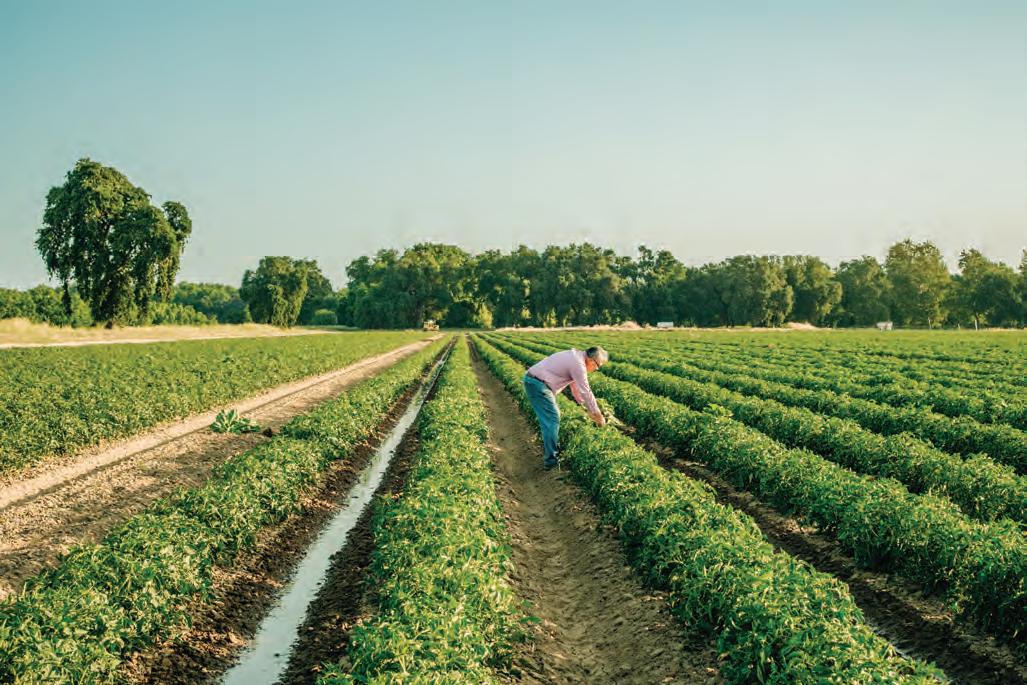
retired, but Produce Express still supplies Yeung’s tomatoes to restaurants in Sacramento, Lake Tahoe and the Bay Area. (Ikeda’s in Auburn and Davis are the only markets that sell them.) In the spring, Yeung decides what varieties will end up on restaurant plates later that summer. He grows more than 20 varieties on about 45 acres of farmland near Sacramento Airport. Every year, he experiments with a new variety. One year, he grew blue tomatoes, which were a bust. This year, he’s introducing a variety called Black Beauty, which has startling blue-black skin and meaty red flesh. “Growing tomatoes is like a fashion show,” he says. “You don’t know what the fashion’s going to be this year. You always want to come up with something new.”
Yeung doesn’t believe in coddling his tomatoes. Treat ’em rough and they taste better, he says, so he cuts their water off early. He predicts this year’s heavy rains and long, cold spring could mean good news for tomato lovers. Planting was delayed by two weeks because of the weather, “but Mother Nature catches up,” he says.
Yeung takes pleasure in knowing that a tomato he picks one evening will end up on someone’s plate the next. “I like seeing people happy,” he says.
SACMAG.COM July 2023 43
Garden Party
When it comes to happy hour, tomatoes aren’t just for Bloody Marys. Brett Heyer, the bar manager at Camden Spit & Larder, shares this recipe for a zippy gin-forward summer cocktail that uses cherry tomatoes as both an ingredient and a garnish.

½ ounce simple syrup
3 cherry tomatoes, plus more for garnish
2 cilantro sprigs
1¼ ounces Moletto gin
¾ ounce St. George Green Chile vodka
¾ ounce lime juice
Add simple syrup to shaker along with 3 cherry tomatoes and 2 cilantro sprigs. Muddle the mixture. Add remaining ingredients with ice and shake vigorously. Doublestrain up into a martini glass. Garnish with freshly picked cherry tomatoes. Makes 1 cocktail.
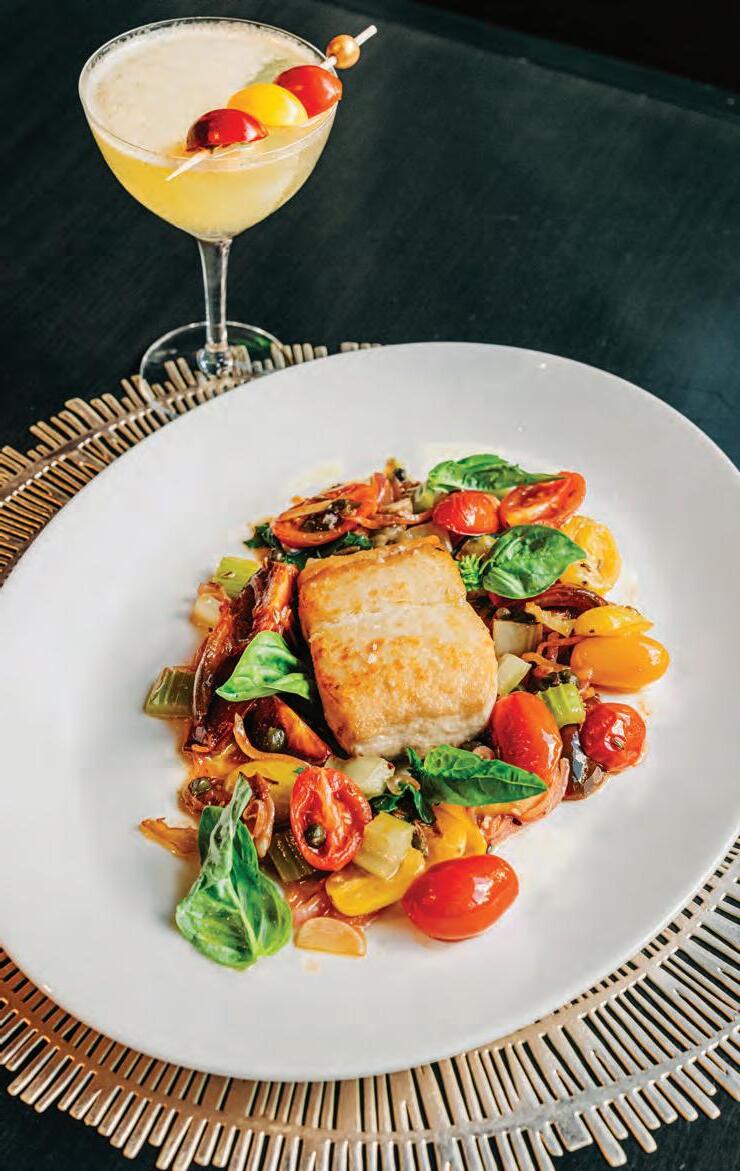
Halibut With Fresh Tomato Relish
This recipe from Oliver Ridgeway, the chef/ owner of downtown’s CAMDEN SPIT & LARDER , highlights Sacramento’s heirloom tomatoes in all their glory.
HALIBUT
2 tablespoons olive oil
4 halibut fillets (6 ounces each)
Salt and freshly ground black pepper
3 tablespoons extravirgin olive oil
6 garlic cloves, finely chopped
2 shallots, finely diced
1 tablespoon fennel seeds, toasted in a dry skillet
4 celery ribs, sliced
¼-inch thick
1 tablespoon drained, chopped capers
Grated zest and juice of 1 lemon
½ bunch thyme sprigs
¼ cup dry white wine
1 tablespoon red wine vinegar
Grated zest and juice of 1 lemon
3 pounds mixed local heirloom tomatoes, cut in wedges
1 cup tightly packed, hand-torn fresh basil leaves
To make the fish, preheat oven to 350 degrees. In a large ovenproof nonstick skillet, heat olive oil over medium-high heat. Season fish liberally with salt and pepper and sprinkle with lemon zest and juice. Once oil begins to shimmer, gently place fillets in the pan and let them cook, without moving them, until fillets are golden brown on one side, 45 seconds to 1 minute. Give a light push to loosen fillets from pan. Add thyme sprigs to pan. Transfer pan to oven and bake until fish flakes easily with a fork, 6 to 8 minutes. Remove fish from oven and transfer to paper towels.
To make the relish, heat olive oil in a large skillet over medium-high heat. Add garlic, shallots and fennel seeds and cook, stirring frequently, until shallots are translucent, about 2 minutes. Add celery and capers and cook until celery has softened, about 2 minutes. Add wine to pan and cook until reduced by half, about 1 minute. Add vinegar, lemon zest and juice, tomatoes and basil and cook for 1 to 2 minutes to incorporate the flavors and heat the tomatoes through.
Serve halibut with tomato relish. Serves 4.
44 SACRAMENTO MAGAZINE J uly 2023
FRESH TOMATO RELISH
Peach Tomato Burrata Salad

Tomatoes at a Japanese restaurant? Yes, it’s a bit unorthodox, but this summery salad—a Japanese take on the classic tomato burrata salad—is one of the most popular dishes at BINCHOYAKI in the city’s Southside Park neighborhood. “We’re in Sacramento, where we live and breathe farm to fork, so a seasonal dish like this is normal for us,” says Craig Takehara, who owns Binchoyaki with his wife, Tokiko Sawada. To make this beautiful composed salad, Takehara cuts colorful heirloom tomatoes into wedges and fans them out on the plate, along with sliced peaches from Twin Peaks Orchards in Newcastle. (“The best peaches in the world,” says Takehara.) The tarter the tomato, the better the contrast with the sweet peach. A ball of creamy burrata cheese goes into the plate’s center. To bring it all together, the dish is drizzled with a reduction of balsamic vinegar that gets a hint of salt from the addition of soy sauce. A final sprinkling of fleur de sel and the dish is off to the table. 2226 10th St.; (916) 469-9448; binchoyaki.com
AND... Binchoyaki’s Craig Takehara also uses heirloom tomatoes to make smoked tomato vinaigrette to accompany oysters, instead of traditional mignonette sauce. He keeps the smoky condiment on hand until mandarins come into season in November, when he switches to a citrus mignonette.
SACRA MENTO’ S BEST tomato dish
SACMAG.COM July 2023 45
“We're in Sacramento, where we live and breathe farm to fork.”
Pasta With Trapanese Pesto
Jonathan Kerksieck is a tomato purist: As the chef and co-owner of CACIO Italian restaurant in the Pocket, he’ll serve them only when they’re in season and at their peak of ripeness. Last summer, he hit culinary gold with a little-known sauce known as Trapanese pesto. “Everybody thinks of pesto being basil, basil, basil,” he says. Trapanese pesto—from the Sicilian city of Trapano—uses cherry tomatoes instead of basil, and almonds instead of pine nuts. Kerksieck blends those two ingredients along with olive oil, garlic and basil to a consistency similar to gazpacho. At Cacio, he serves the sauce on busiate pasta, a twisted noodle that’s also from Trapano. The dish started out as a special, but customers were so taken with it that it ended up on the regular menu for the entire summer. “People are blown away by it,” says Kerksieck. “It’s super fresh and refreshing, and you get a great little crunch. It’s completely different and unexpected.” 7600 Greenhaven Drive; (916) 399-9309; caciosacramento.com

46 SACRAMENTO MAGAZINE J uly 2023
SACRAM ENTO’ S BEST tomato dish
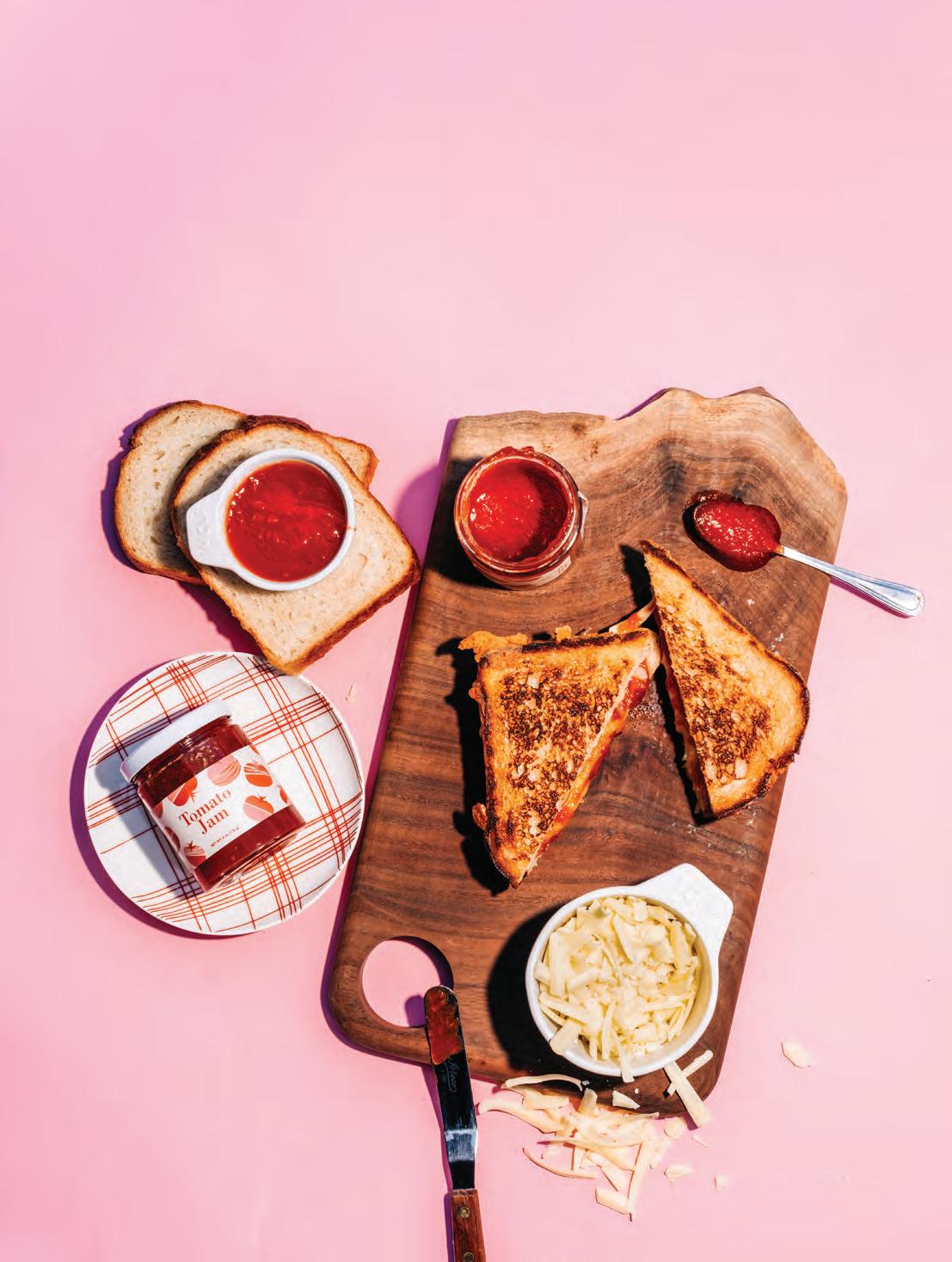
Sacramento Summer in a Jar
Tomatoes don’t always have to be the star of a dish; sometimes they play a supporting role. Take GINGER ELIZABETH ’s tomato jam. Made from locally sourced San Marzano-style tomatoes, the jam is cooked in large batches in a copper kettle, then finished with Banyul’s French vinegar. Owner Ginger Hahn calls it “the best ketchup ever” and says it goes great on grilled cheese sandwiches as well as the usual suspects: burgers and hot dogs. Better get it fast; the seasonal jam generally sells out by the end of December. $9.75. Available at Ginger Elizabeth Patisserie. 2413 J St.; (916) 706-1738; gingerelizabeth.com
SACMAG.COM July 2023 47
Tomatoes don't always have to be the star of a dish; sometimes they play a supporting role.
tomato dish
Hand-Cut Tagliarini With Heirloom Tomatoes and Basil
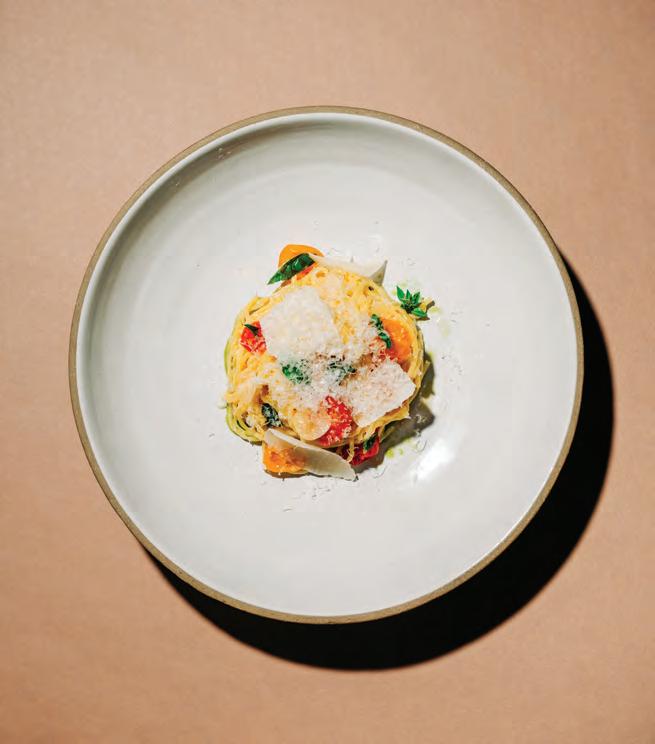
Molly Hawks and Mike Fagnoni, the married-couple owners of HAWKS in Granite Bay, always await tomato season with eager anticipation. “It feels like it never comes soon enough,” says Molly. “Everybody says July 4, but it’s really the end of July,” adds Mike. One of their favorite tomato preparations is this dish, which combines ribbons of egg yolk pasta with a sprightly, lightly cooked fresh tomato sauce. Using heirlooms sourced from Chili Hill Farms in Newcastle, they peel and dice the tomatoes and cook them in EVOO with sliced garlic, chili flakes and a bouquet of basil and thyme. The sauce stays on the heat for only a couple of minutes, just until the tomatoes release some of their liquid. Then they toss the pasta with the sauce, allowing the noodles to soak up some of that tomato water, and serve it up, garnished with baby opal and green basil leaves and a healthy dose of Parmesan. 5530 Douglas Blvd., Granite Bay; (916) 791-6200; hawksrestaurant.com
AND... Molly Hawks’ favorite heirloom varieties for pasta sauce: Bull’s Heart and Tie-Dye. They’re dense, meaty and don’t have big pockets of water and seeds.
How To Eat a Sacramento
Straight off the vine. Just pop in your mouth. (Works best with cherry tomatoes.)
Cut a tomato in half and smash it, cut side down, onto a piece of bread. Place tomato slices between two pieces of your favorite bread moistened with mayo. Sprinkle with salt and pepper.
Mix chopped heirlooms with olive oil, balsamic vinegar, basil and salt. Use to top bruschetta.
In fresh salsa.
Tomato
Alternate tomato slices, fresh mozzarella and basil leaves, then drizzle with olive oil and balsamic vinegar.
Toss 1-inch cubes of rustic bread in olive oil, bake until brown and crunchy, then combine with chopped tomatoes, cucumbers, red onion, red bell pepper, basil and red wine vinaigrette.
In a tomato galette. SimplyRecipes.com has a great version.
Saute whole cherry tomatoes in a little olive oil until they begin to split. Toss with pasta and serve hot or room temperature.
48 SACRAMENTO MAGAZINE J uly 2023
SACRAM ENTO’ S BEST
BLT
The BLT just may be the perfect summer sandwich, an ineluctable combination of salty bacon, crisp iceberg lettuce, meaty tomato slices and soft white bread. Nobody does it better than downtown’s MAGPIE CAFE
Owners Ed Roehr and Janel Inouye first started serving their iconic BLT more than two decades ago as owners of a catering company. When they started Magpie Cafe 18 years ago, they put the BLT on their opening menu. Their version features a healthy amount of thick-sliced applewood smoked bacon, watercress in lieu of iceberg (it stays crisp longer) and a generous schmear of mayo flavored with capers and fresh herbs, all contained within a fresh ciabbata roll from the Bay Area’s Acme Bread. But let’s be honest: The star of this sammie is really the tomato. Roehr and Inouye source organic heirlooms from local farms, with an emphasis on Amish cultivars like Brandywine. Some are big, some small, some oddly misshapen, but never you mind: They don’t have to be pretty; they just have to taste great. For Roehr, the perfect tomato has the rounded flavor of big, bright fruit, with a bit of natural salinity and minerality. And it can’t be too juicy, or it will run all over the place, resulting in a soggy sandwich. Magpie’s BLT has stood the test of time. “It’s the one sandwich that fits us forever,” Roehr says. 1601 16th St.; (916) 452-7594; magpiecafe.com
AND... When tomatoes aren’t in season, Magpie Cafe serves its “Winter BLT,” made with sundried tomatoes instead of fresh.

SACMAG.COM July 2023 49
SACRA
M ENTO’ S BEST tomato d i s h
For Ed Roehr, the perfect tomato has the rounded flavor of big, bright fruit, with a bit of natural salinity and minerality.
New Interpret
BY ERIKA MAILMAN
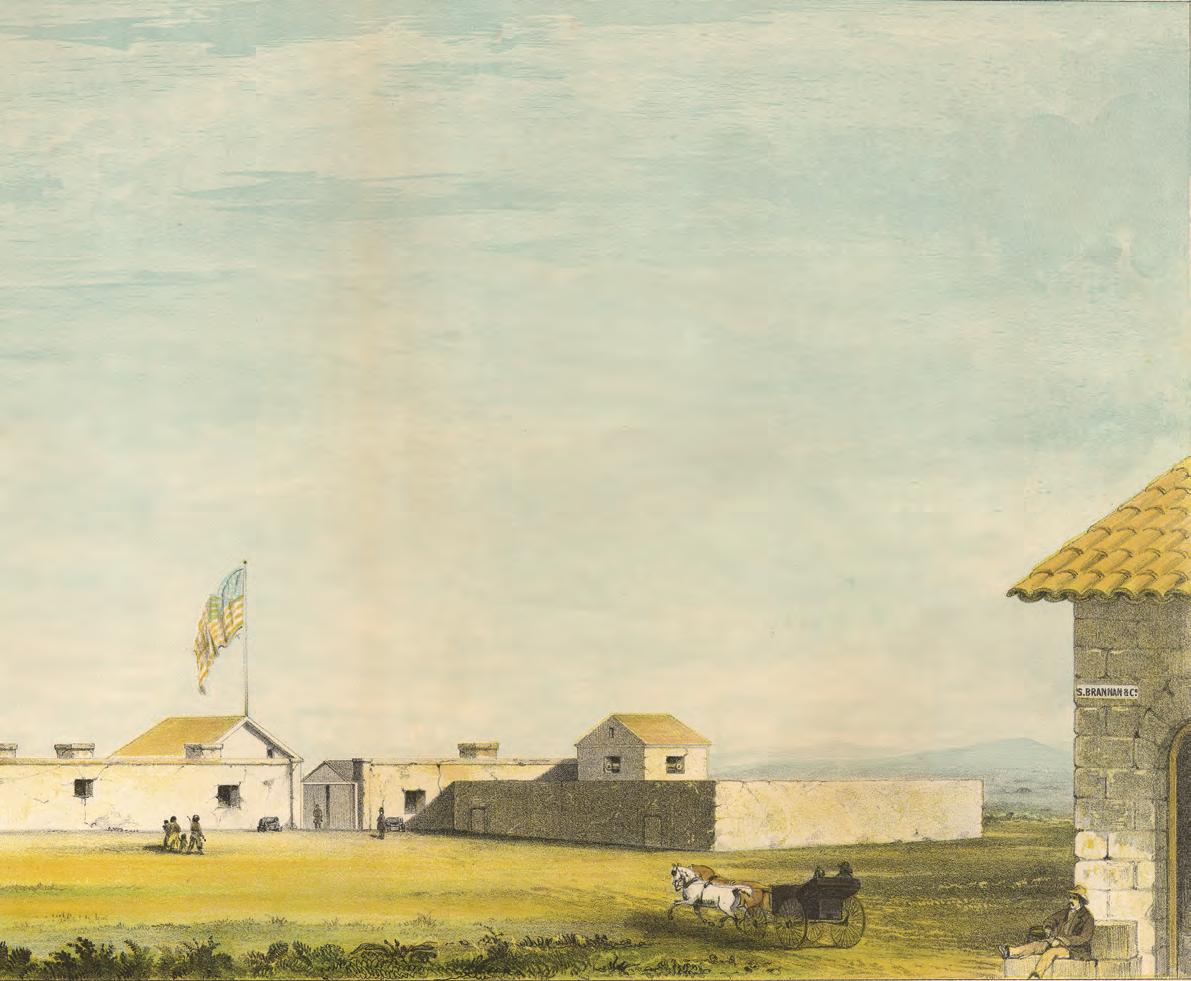
On a recent Tuesday at Sutter’s Fort, school-aged children were busily puffing bellows for the blacksmith, hand-dipping candles in a vat of tallow and practicing lassoing a wooden longhorn, all while the smell of smoke from open fires drifted across the fort’s interior courtyard. An adult volunteer encouraged the children to chant “Super rope!” as they twisted twine to make rope. It was all a wholesome look at jobs of the past. But the history of the fort, established by Swiss immigrant John Sutter in 1839, is a troubled and even traumatic story.
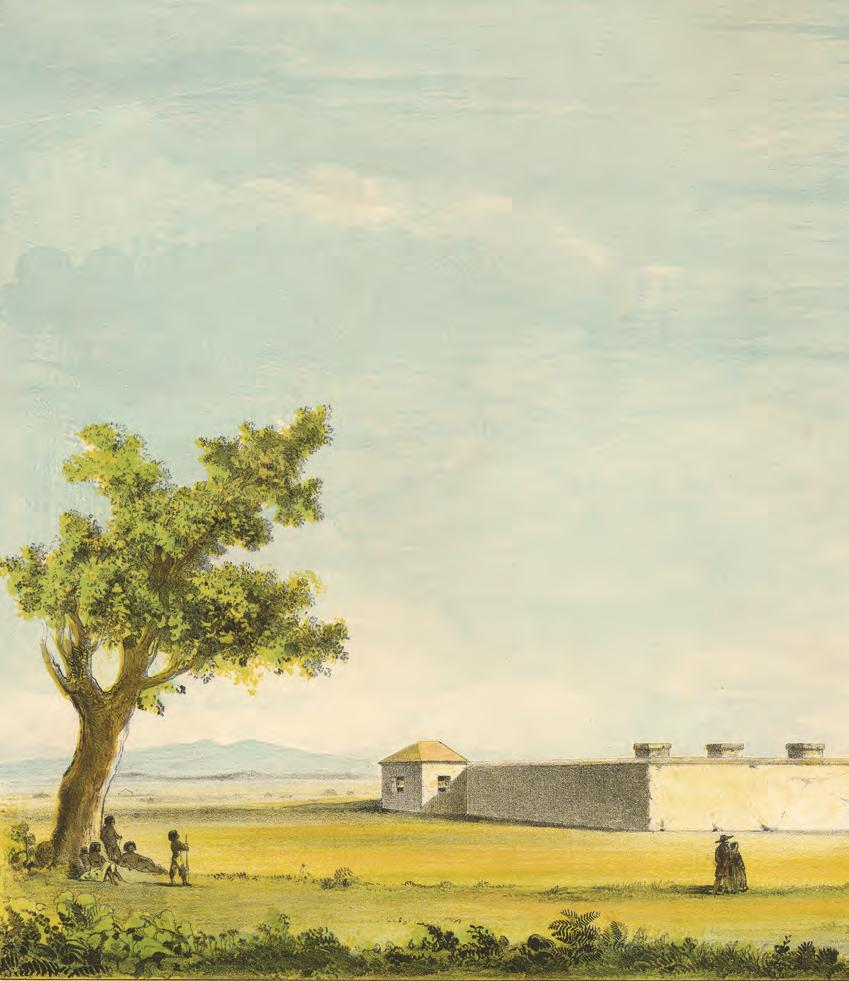
California’s historical sites have sometimes placed a rosy glow on things for fourthgraders and other visitors by implying the Gold Rush brought courageous people out to populate California. In recent years, the focus has shifted to better interpret the sites to address the dark and painful history of colonization. Meanwhile, the idea that the Gold Rushers were mainly bearded white men is also getting closer scrutiny.
The state parks system has been contemplating changes for decades, says John Fraser, capital district superintendent of California State Parks. But after the 2020 murder
50 SACRAMENTO MAGAZINE J uly 2023
SOME AREA STATE PARKS HAVE MADE CHANGES TO THEIR LANDMARKS AND CURRICULUM AS PART OF THE REEXAMINING OUR PAST INITIATIVE.
ations
of George Floyd, he says, “everyone knew we couldn’t take baby steps. 2020 was a catalyst moment when you had protests in the street and Native American activists who were protesting the presence of the Sutter statue.” He is referring to the lifelike, 8-foot-tall statue of John Sutter that stood in front of Sutter Medical Center, across the street from the fort Sutter established, and that was voluntarily taken down by hospital officials in 2020 amid complaints of racism.
When the statue was removed, Fraser says, that same anger was turned toward state parks. “We had to commit to fundamental change,” he says. In 2020, the state parks system created the Reexamining Our Past Initiative, which focuses new scrutiny on interpretations of historic sites, monuments and place names throughout the state. Fraser stresses that it’s a continuing process. “It’s not a one-stop change. We’ll continue to evolve. It’s an honor for us to help make some of these changes. It’s really important.”
Following are a few of the ways the initiative is being applied locally.
SACMAG.COM July 2023 51 Courtesy of the California History Room, California State Library, Sacramento, CA
Above: View of Sutter’s Fort in 1847 with Native Americans in left corner, published by Britton & Co., 1847. Print.
Sutter’s Fort
For some residents of Sacramento, a city with a health care system, hospital, school, park, minor league baseball field, social club, fort and more named for Sutter, it may come as a surprise that this founding father enslaved, abused and supplanted Native Americans. A 2021 video that is played at the fort, called “John Sutter: What We Didn’t Learn in School,” points this out. An interpretive panel at the fort euphemistically notes that Sutter sometimes “gave” children to other ranchers to use as servants, but the truth is far worse. “Basically, there was sexual trafficking of Native girls used at the site. It’s been discussed in scholarship,” says Fraser. In the video, Dahlton Brown, executive director of administration at Wilton Rancheria, and Jesus Tarango, tribal chairman of Wilton Rancheria, talk about how Sutter would set fire to villages and use force to make Native Americans work for him. “You can imagine how you would feel being awakened at dawn with someone shelling your house,” says Albert L. Hurtado, Ph.D., in the video. He’s professor emeritus at University of Oklahoma and the author of “John Sutter: A Life on the Northern American Frontier.” “That was how Sutter introduced himself to some of the people of the Sacramento Valley.”

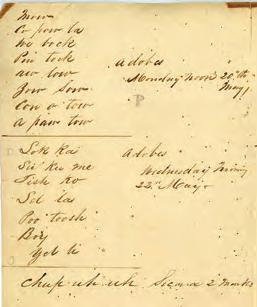
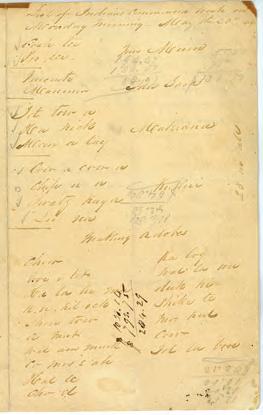

How can today’s fort reconcile this history of violence while showing how important the fort was to California’s joining the United States? The 64-page Sutter’s Fort State Historic Park Interpretation Master Plan draft lists 11 goals for the park. No. 1 is “Represent an inclusive, complex and accurate history of Sutter’s Fort’s role in the colonization of California.” According to the plan, the primary theme the park now wishes to convey to visitors is “The Western landscape dramatically changed when perceptions of economic opportunity brought both greed and immigrants to California, creating immediate and lasting conflicts between Native and non-Native people.”

52 SACRAMENTO MAGAZINE J uly 2023
Above: “View of Sutter’s Fort—Raising the American Flag, 1845.” Sacramento: Barber & Baker, 1855. Print. Native Americans observe under a tree on the left.
Left: “View of an Indian Rancheria, Yuba City, California” by Frederick Gleason in Gleason’s Pictorial illustrated newspaper, Jan. 3, 1852.
Native American women and children in Sacramento area, 1890.
Indian
Archive
Above: A handwritten list from 1844 titled “List of Indians Commencing Work on Monday Morning May the 20th ’44” at Sutter’s Fort.
rancheria: The Internet
Schoolchildren watch the video upon entering the fort. Then, after visiting stations based on tasks in the 1840s, each child receives a cookie and cinnamon roll from the bakery and is given time for reflection. “They’re asked to think about what it would be like to work 10 hours a day, six or seven days a week,” says Jared Jones, a park interpretive specialist. “They also learn about colonization.” He says that at the fur trapper station, they hear about how the arrival of Western trappers caused the demise of 90 percent of fur-bearing animals in the Pacific Northwest, which also spelled demise for the Native Americans who relied on them for food, clothing and fur trading. “They also introduced disease,” says Jones, referencing an 1833 malaria bout that killed off 70% of the Native population in Sacramento in just one year.
Jones says that the video, largely made in 2020, is already dated because it references the hope that Native voices will be consulted in changes at the fort. Now, he says, seven local tribes are officially working with fort staff.

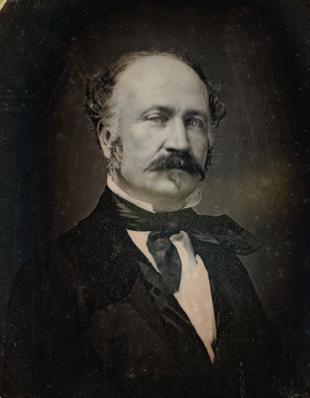
Another small but powerful change: In the past, fort docents wore 1800s gear, often Western pioneer garb. Carol Toyama, a docent at Sutter’s Fort since 2007, says, “We’ve been pulling back from [historical costuming] until we can present a more balanced picture.” In the past, she would wear a long dress with petticoats. “Some would go so far as to wear full corsets.” Today, staffers wear park service uniforms.
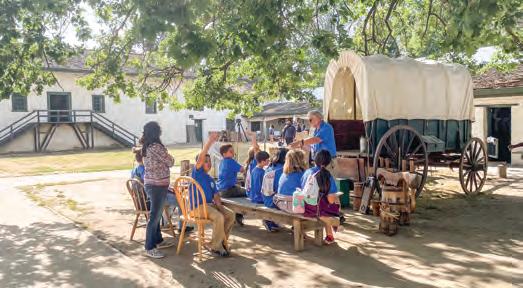

SACMAG.COM July 2023 53
Left: John A. Sutter, n.p., 1850. Print. Swiss immigrant John Sutter was born in Germany, and his name is really Johann Suter. His contemporaries pronounced his last name “Sooter,” as emigrant diaries render it that way phonetically, or “Suitor.”
Below: A statue of John Sutter that once stood in front of Sutter Medical Center (facing Sutter’s Fort) was removed in 2020.
SEVEN LOCAL TRIBES ARE OFFICIALLY WORKING WITH THE FORT STAFF.
Sutter's Fort (left page) and photo of John Sutter: Courtesy of the California History Room, California State Library, Sacramento, CA / Statue: Daniel Kim/The Sacramento Bee Native Americans: Special Collections of the Sacramento Public Library / Handwritten list (left page): Courtesy of California State Parks, Sutter's Fort SHP
Current view of Sutter’s Fort
Black Miners
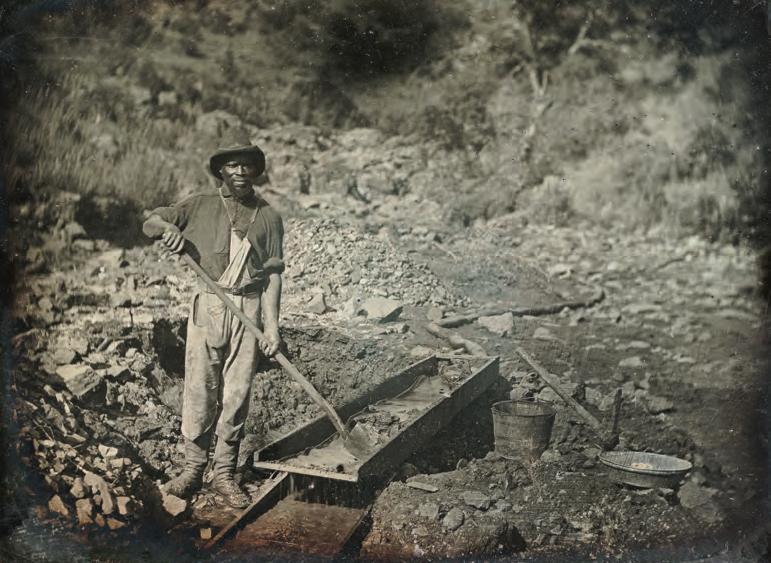
A move forward has taken place in Folsom, where a state recreation area formerly called Negro Bar is now Black Miners Bar. Here you can swim, kayak and launch a boat into Lake Natoma, which narrows into the American River, so important to the Gold Rush. The “bar” of the title refers to a sandbar where Black miners in 1848 earned a jaw-dropping $300 a day. A settlement sprang up near the diggings called Little Negro Hill, and then a second camp called Big Negro Hill formed. At the Gold Rush’s beginnings, the Black population in the state was just a few dozen; it swelled to several thousand within a year. By 1853, just within the small Black communities near Negro Bar, the population was 1,200. We know a few of the men’s names: August B. Newhall and a Methodist preacher named Kelsey.
Steve Hilton, acting district superintendent for the state’s Prairie City SVRA Gold Fields District, says that the U.S. Board on Geographic Names had been asking the state parks to address the site’s name even though it’s a federal authority and the park is state run. “They came to us,” says Hilton. He says that a group of stakeholders was assembled, again referencing the sense of urgency that arose after the murder of George Floyd. More than 100 people attended each stakeholder meeting to discuss naming options. “We were trying to find a name that held the same value of acknowledging the African American and Black miners there during the Gold Rush,” he says. He estimates that at the stakeholder meetings, 25% to 30% of attendees were Black, while Gold Fields District Superintendent Barry Smith believes more than 50% were Black. “We didn’t change the name,” says Smith. “We were just there to mediate and have a conversation and listen. It was the stakeholders that instigated the name change; this was the people of California doing this. It wasn’t about us.”

54 SACRAMENTO MAGAZINE J uly 2023
“IT WAS THE STAKEHOLDERS THAT INSTIGATED THE NAME CHANGE; THIS WAS THE PEOPLE OF CALIFORNIA DOING THIS. IT WASN’T ABOUT US.”
— Barry Smith,
Gold Fields
District superintendent
Above: Auburn Ravine, 1852. View of African American gold miner holding a shovel at sluice box.
Left: Old road sign for Negro Bar, 1960.
Opposite page top right: Judah, Theodore D. (Theodore Dehone). “Map of the Town of Folsom, California,” n.p., 1855. Print. Shows original site of Negro Bar.
Black
and Folsom map (right page):
the California History Room, California State
/ Negro Bar sign:
State Parks
Opposite page bottom: The boat launch area at Black Miners Bar.
miner
Courtesy of
Library, Sacramento, CA
Courtesy of California
Hilton points out that the historic Negro Bar was actually across the lake from the current site, so the old park name wasn’t historically accurate anyway. Part of it is now underwater, and the remainder lies scattered across the city of Folsom, the state parks system and Bureau of Reclamation land. “In the 1850s when they were gold mining, the river at times was dry enough to cross from both sides. We don’t think about that now because there’s a lake in the middle,” says Hilton.
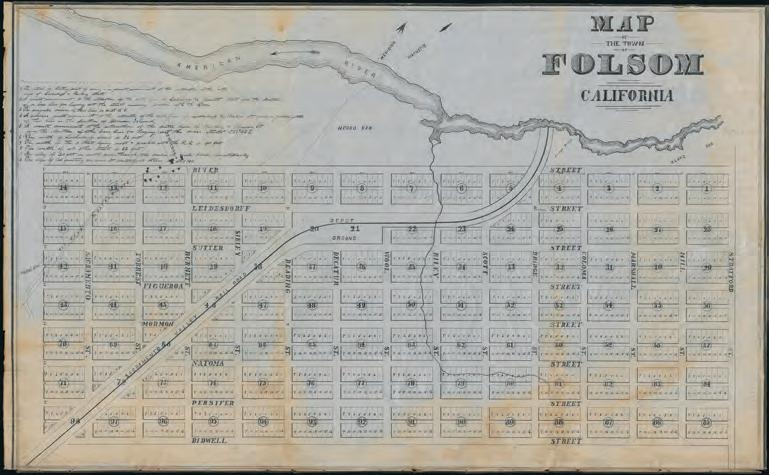
“Nobody was exactly excited about the name, but it was a good compromise,” he says. According to the state parks website, other names that were considered were African American Bar, Black Freedom Bar, Eagle Bar, Freedom Bar, Historic Negro Bar, Leidesdorff Bar, Main Bar and Miners Bar.
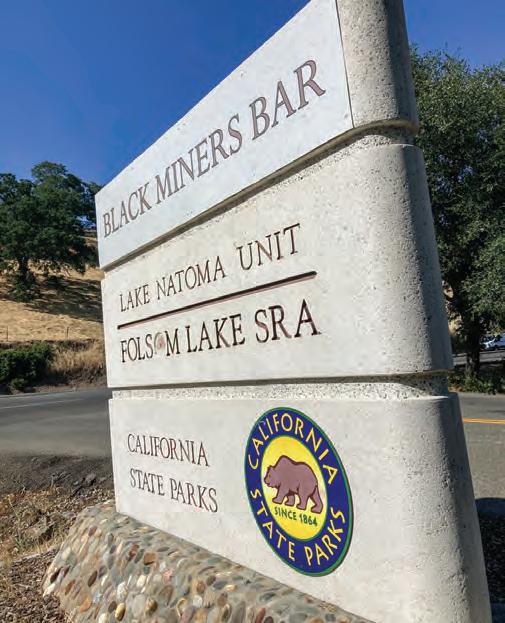
A large concrete sign marks the entrance to the park. Right before Juneteenth 2022, a vinyl wrap on the sign announced the new name. It was vandalized and cut off a few weeks later. There’s now a metal sign attached to the concrete. Smith says, “Someone sent me an email last month that thanked us, saying they felt like they were able to visit the location and it brought access to them.”
For those who want to pay homage, graves of those who lived in these Black settlements are in the Mormon Island Cemetery in El Dorado Hills, created in the 1950s to hold relocated remains when Folsom Dam was built.
The Polo’Oo Boat Launch
This boat launch is part of the Black Miners Bar and once bore the name Negro Bar Boat Launching Facility, also with a fairly large concrete sign. “We’re currently working with Native American groups to change the name to Polo’Oo, which means Buckeye Rock,” says Hilton.

SACMAG.COM July 2023 55
Bar
Marshall Gold State
The relationships forged through stakeholder meetings for Black Miners Bar transferred to the Marshall Gold Discovery site, says Smith. This site is “engaging in formal government-to-government tribal consultations, conducting archival research, and meeting with families whose history is connected to the Coloma Valley,” reads the state parks website. That includes ensuring that the narrow vision of who came here to pan for gold better defines their broad diversity. “It doesn’t matter where you come from, you can find your culture here,” says Smith. “We want anybody to come here and realize they played a part. This place speaks to that. People rushed here from all over the world.”
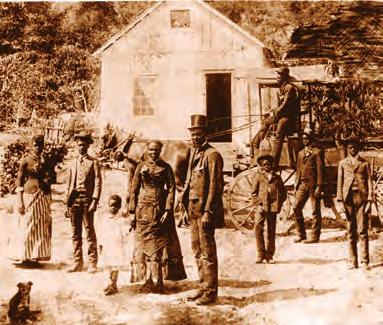
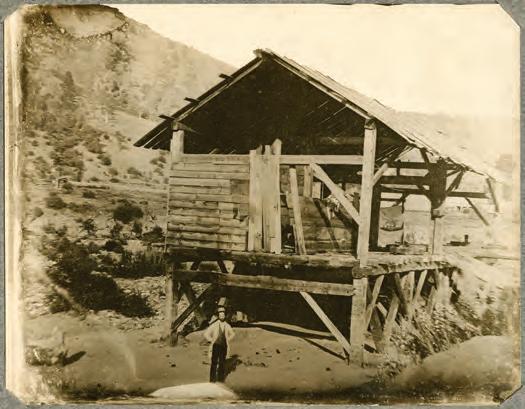
This past February, park staff worked with partners in the Chinese community to create a new trail named Gam Saan, or “Gold Mountain” in Cantonese. It is the name Chinese ’49ers gave California’s gold fields. The 2.5-mile trail runs between Henningsen Lotus Park in Lotus and the state park in Coloma.
Smith explains that when Chinese immigrants died here, it wasn’t possible to send their bodies home for burial because of the length of the voyage. Instead, they were temporarily buried pending decay, then unearthed, their bones scraped clean and the remains put into a ceramic pot for going home to China for a proper burial. The land between Coloma and Lotus that Chinese miners owned provided a path for the spirits, while physical bodies rested in the soil beneath. A new interpretive trailhead sign explains the meaning of Gam Saan.
Left: "A road scene in California" by Charles Christian Nahl. San Francisco: Anthony & Baker, 1856. Shows a variety of travelers on a California road, including Native American, Chinese, African American, Chilean, Mexican and Hawaiian miners.

Opposite page top: Nahl, Hugo Wilhelm Arthur. Sutter’s Mill, 1851. San Francisco: Houseworth & Co., 1851. Print. View of
by
Mill
56 SACRAMENTO MAGAZINE J uly 2023
Sutter’s
photographed
Houseworth & Co. from Arthur Nahl’s painting. Shows the mill and two trees (center), side of a building at right, Indians in grass at left, buildings in the distance across the river.
Top: Sutter’s Mill, n.p., 1918. Print. James Marshall standing in front of the mill in 1848.
Right: MonroeGooch family on their farm in Coloma in the late 1800s.
From left: Sara Ellen, William, James (in white), Nancy Gooch, Andrew Monroe (top hat), Garfield, Grant (on wagon), Pearley and Andrew Jr. Sutter's Mill (both pages): Courtesy of the California History Room, California State Library, Sacramento, CA Monroe-Gooch family: Courtesy of California State Parks / Road scene: California Historical Society
Discovery Historic Park
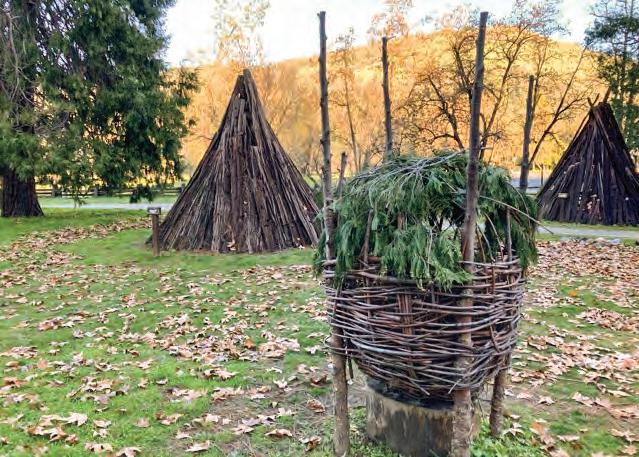
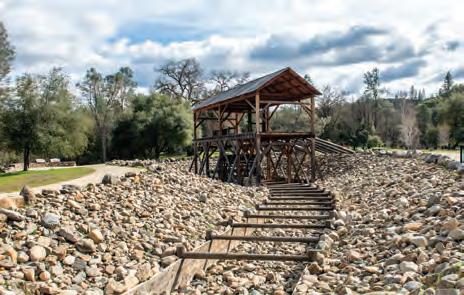
Coloma’s campus includes Gold Rush-era buildings (including Chinese and Mormon structures), a reconstruction of Sutter’s sawmill, and a Native American area with bark tepees and a large, sacred grinding rock. Inside the museum are exhibits on Native Americans and diverse gold seekers. Its newest exhibits focus on the contributions of Black people to the history of Coloma Valley.
Along the roadway, lots that once held Black family homes, as well as a historic African church, are now marked with interpretive panels describing the families’ history and achievements. One family in particular plays a pivotal role in the fact that we can even visit the Gold Rush site today. According to one of the panels, Nancy and Peter Gooch were brought to Coloma as enslaved people, gained their freedom and saved enough money to bring their adult son and his family out from Missouri. That son’s son, Pearley, bought plots in Coloma to preserve Gold Rush history, later purchased by the state of California to form this park.
“There are hundreds and thousands of people who we don’t tell the stories of,” says Smith. “Every inch of land tells a story.”
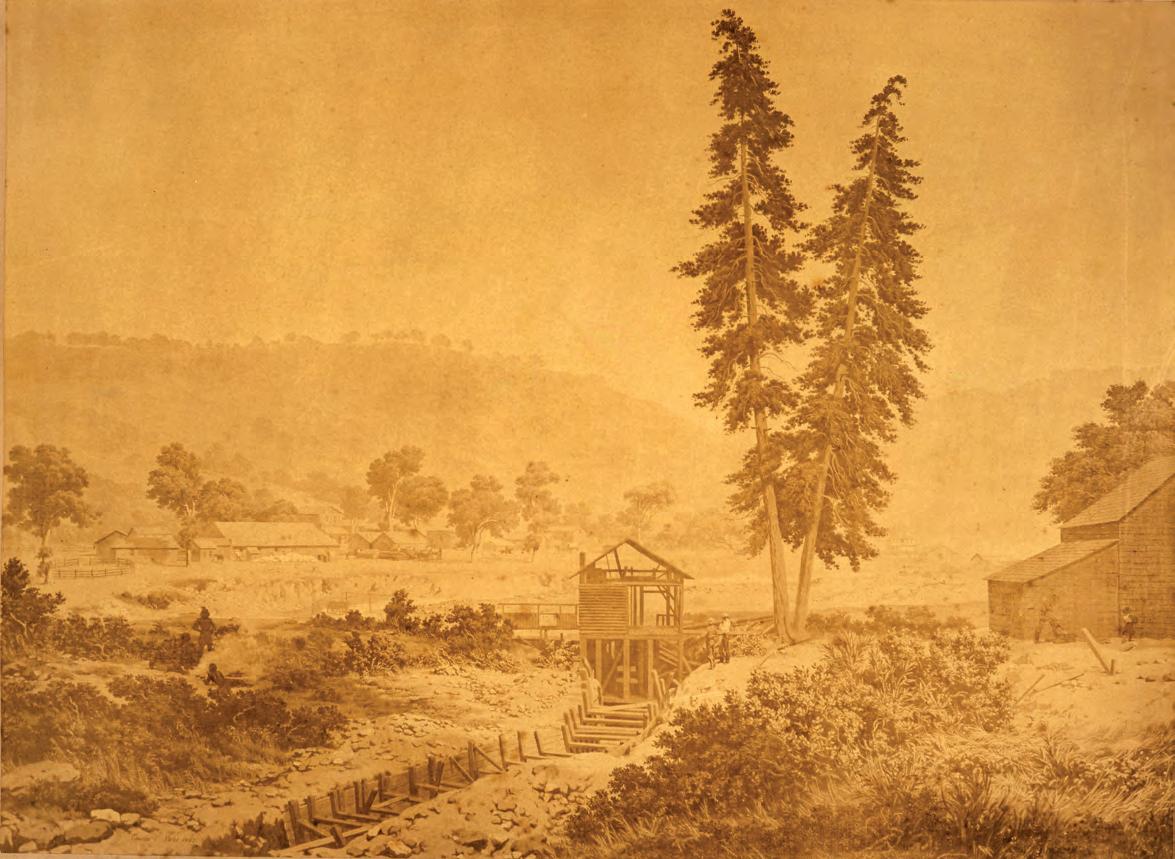
SACMAG.COM July 2023 57
“IT DOESN’T MATTER WHERE YOU COME FROM, YOU CAN FIND YOUR CULTURE HERE.”
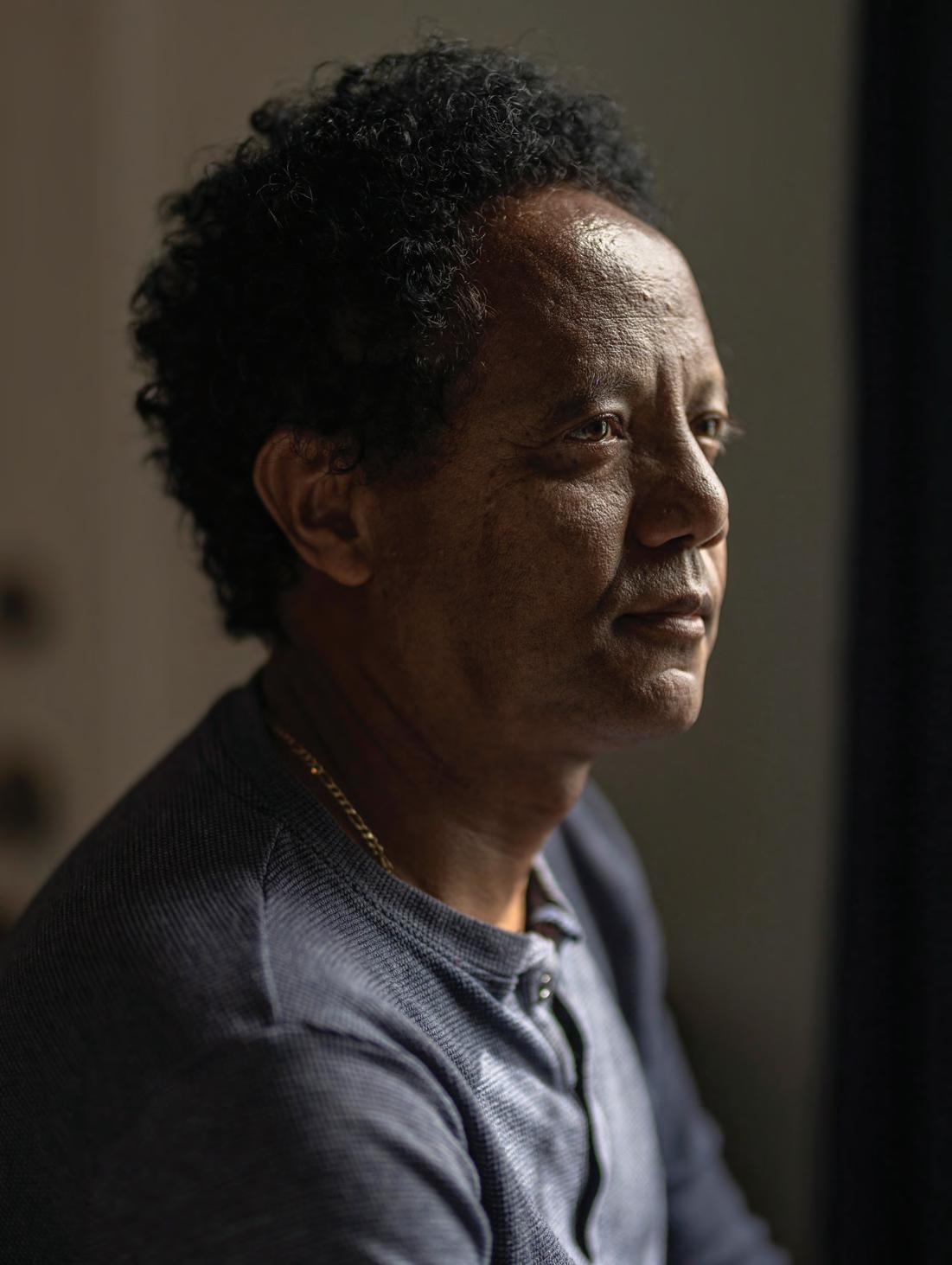
58 SACRAMENTO MAGAZINE J uly 2023
Daniel Hagos Males
Coming From Tigray
BY SASHA ABRAMSKY PHOTOS BY RYAN ANGEL MEZA
REFUGEES FROM THE WAR-RAVAGED NORTHERN ETHIOPIAN REGION HAVE COME TO SACRAMENTO FOR PEACE AND A NEW LIFE. BUT THEY WANT THE WORLD TO KNOW WHAT HAPPENED IN THEIR HOMELAND.
In a little church on a side street off of El Camino Avenue, its walls adorned with beautiful oilpainted panels portraying biblical stories, one of the oldest Easter rituals in the Christian church unfolded. Starting at 7 a.m. on Easter Sunday, several dozen Tigrayan worshipers arrived to hear their priest, Tetemke Abba, dressed in ornate goldembroidered robes, deliver the Easter prayers. The language was Tigrinya, which sounds similar to Hebrew. (In its Ge’ez script, it looks a bit like Hebrew, too.) The ancient ritualistic prayers were rhythmic, soft, with hints of the cadences of Old Testament psalms and Gregorian chants.
The men, women and children entered, almost all swaddled in white muslin over their outdoor clothes—the men with their heads exposed, the women with the muslin wrapped tightly over their hair as well. They slipped out of their shoes, which they left on a prefab metal bookshelf at the rear of the church, and entered the pews, prostrating themselves to kiss the red-embroidered carpet before sitting down. The men gathered
in the pews on the left, the women on the right.
By 8:30 that morning, on those metal shelves at the Tigrai Orthodox Tewahdo Church’s rear, there sat upward of 70 pairs of shoes: Crocs, sandals, designer sneakers, a smattering of formal dress shoes, some heels—all accouterments of California, temporarily cast aside for a ritual that has been a part of Tigrayan life for 1,700 years, since the church in Tigray was established in the fourth century. (This took place not long after the Syrian evangelist Fromentius had been shipwrecked off the coast of what is now Eritrea and had taken the opportunity to journey south to the powerful kingdom of Aksum, centered in land that is now Tigray, to spread the gospel.) Today, Tigray’s church is one of the oldest Christian communities on earth.
Pretty much every Tigrayan in Sacramento, as well as a number of Eritreans, had shown up for the Easter morning service. The theme of death and rebirth or resurrection weighed heavily on their minds as they contemplated the colossal levels of
violence unleashed against modernday Tigray in recent years.
In Northern California, small Tigrayan communities exist in the Bay Area (including San Jose) and Sacramento. Some Tigrayans have been here for decades, but many others are more recent arrivals, affected by the war that, between 2020 and late 2022, ravaged Tigray. People already here worked to bring loved ones to safety in the United States. The growing local community, centered around the Tewahdo Church, has attempted to shine a spotlight on a war that few in the United States know about. While overseas news coverage has fixed on Ukraine, the tensions between China and Taiwan, and other more familiar foreign policy hot spots, Tigray’s war has gone largely unreported. Now, with a tenuous peace taking hold (following U.S.-mediated peace negotiations in South Africa, a peace agreement was signed this past November), Sacramento’s Tigrayan residents are looking to tell the story of the ethnic cleansing and mass slaughter that, for more than two years, terrorized their home region.
SACMAG.COM July 2023 59
Two and a half years ago, Rigva Hagos Bahta and her husband were living in the Ethiopian capital, Addis Ababa. She was a businesswoman with an MBA from a university in Uganda; he was an engineer. Both were ethnic Tigrayans, originating from Tigray, a region of Northern Ethiopia that had long generated many of the country’s political and business leaders. Tigrayan political parties had played an important role in opposing the Marxist military Derg dictatorship in the 1980s; they were an essential part of the coalition that governed Ethiopia from 1991, following the ouster of the
Derg regime, to 2019. Yet after 2019, the Tigrayan leaders had a series of fallouts with the central government, and their political parties were squeezed out of power. By late 2020, Tigray was in direct confl ict with the central government.
In the months leading up to the hostilities, Bahta’s husband had spent much time in the Tigrayan regional capital of Mekelle, working on engineering projects. In the evermore paranoid interpretations of the Ethiopian security apparatus, this made their family disloyal—and therefore targets for arrest and torture.

As the confl ict intensified, a brutal campaign, aimed not just at eradicating Tigrayan separatist forces but, say activists, at destroying the Tigrayan people and culture, was launched by Ethiopian leader Abiy Ahmed.
When he had fi rst come to power in 2018, when members of parliament elected him prime minister, Ahmed had presented himself as a modernizer, a man of peace, an institution builder with grand visions for reforming his country. A year after his accession, fêted by rights groups from around the world for his perceived willingness to think outside the box to lessen age-old political and military tensions in the region, he was awarded the Nobel Peace Prize. But months later, with the Tigrayans in revolt, he formed an alliance with Eritrean forces to the north in an e ort to carry out a pincer movement against Tigray, to invade it and to destroy its political and military infrastructure.
Human rights groups estimate that, in the ensuing two years, more than 800,000 Tigrayans, out of a total population of just over 7 million, were killed, thousands of women raped and a lot of infrastructure destroyed. Many have used the word genocide to describe these bloody events. Human

60 SACRAMENTO MAGAZINE July 2023
Rigva Hagos Bahta
Rights Watch documented the displacement of more than 2 million people. Amnesty International has reported on what it calls crimes against humanity.
Once the fighting spread, Ethiopian security forces started harassing, arresting, torturing and sometimes killing Tigrayans living in Addis Ababa. They fi rst came for Bahta back in November 2020, while her husband was away, accusing the family of providing fi nancial support to the Tigray People’s Liberation Front. When her husband returned, they arrested him as well. The couple spent weeks incarcerated in a local police station, being beaten repeatedly. Eventually, they were released. Six months later, Bahta recalls, as they were celebrating an Orthodox Christian holiday, “three
course of a number of weeks. Finally, her four daughters managed to flee to Turkey. Then her husband followed. At last, bribing security forces at the airport to turn a blind eye, she too managed to escape. Others, overwhelmingly from Tigray’s economic elites (people who can a ord air tick-
MAYBE THE NEXT TIME THEY WERE ARRESTED THEY WOULDN’T BE FREED AGAIN.
security o cers came to our house and said we were celebrating the taking of Mekelle by Tigrayan forces.” For six days, the couple was held, unable to communicate with each other. “They tortured me. They insulted me. They beat my back,” Bahta says softly.
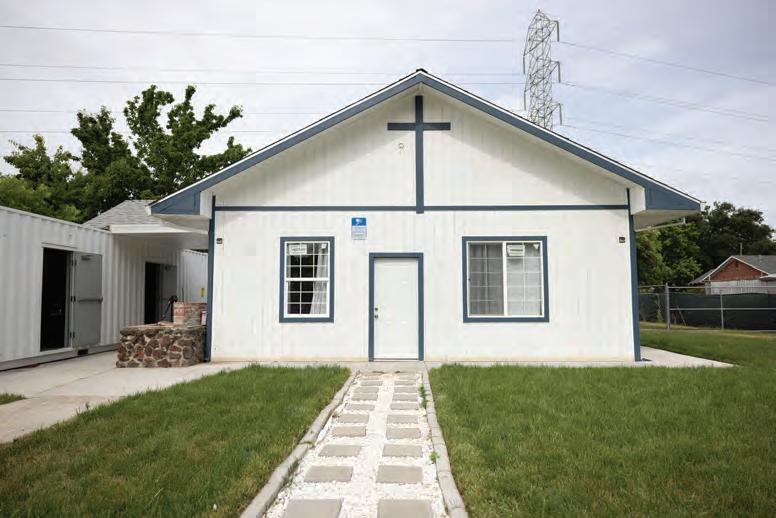

Once again, they were eventually released, she says. This time around, thinking their luck was running out and that maybe the next time they were arrested they wouldn’t be freed again, they decided to flee, hoping to make it to the United States and start afresh.
Over several months in late 2021 and early 2022, Bahta, her husband and their four daughters attempted to leave the country. They were repeatedly turned back at the airport by security forces. Bahta says she again was arrested and tortured over the
ets and who had already gotten, from past travels, tourist visas to Western countries) have made similar journeys via Djibouti and Kenya. Some have come directly to the United States from those countries; others have flown to Mexico and then, like so many Ukrainian refugees in 2022, presented themselves at the U.S. border and claimed asylum.
A month later, Bahta, her husband and the youngest of their daughters continued on to the United States. Their three other daughters, older than 18 and lacking their own entry visas into the United States, had to stay in Turkey. “As a parent, as a mother, it’s very di cult to be separated from them,” says Bahta. “I’ve applied for asylum. I got my work permit in January. I’m looking for a job now. I’ll do
SACMAG.COM July 2023 61
Tigrai Orthodox Tewahdo Church
Daniel Hagos Males with his wife
any job I can. I don’t want to go back to Ethiopia. It’s very difficult. They don’t treat us as citizens. They want Tigrayans erased from the land. They don’t want Tigrayans in the country.”
Bahta’s brother-in-law, Daniel Hagos Males, agrees. Sitting in a suburban Starbucks, his eyes shaded by dark glasses, he tells the story of his life, or at least some of the highlights: a high school teacher in the 1990s; an importer of building materials from Turkey and China in the aughts; a factory owner in the more recent past. A longtime resident of Addis Ababa. And, when war broke out, a prisoner at a makeshift detention center with no regular supplies of food and no space for inmates to sleep.
“The aim of the war is to humiliate, embarrass and eliminate the Tigrayans,” he says. “This was the basic objective of the war. I’m a successful businessman, and my wife is a successful businesswoman. Their aim is to eliminate this elite group.”
By spring 2021, Males’ wife had taken their three young sons and fled to the United States, where she had
a sister living in Sacramento. Once here, they filed their asylum applications and went through the bureaucratic processes of securing a work permit, getting a Social Security number and so on. Months later, Males managed to follow, calling in favors from friends to, as he euphemistically puts it, “manage a relationship” with the security forces. In June 2021, he flew to New York and, from there, to Sacramento. He had left his properties behind—his factories, his residences, his businesses—and started anew, doing DoorDash work and other side jobs to create an income stream for his family. But at least he was alive, and that, he realized, was no small miracle given what was happening to Tigrayans in Ethiopia.
For Sacramento’s longtime Tigrayan residents, watching from afar their homeland’s descent into slaughter was a slow-motion nightmare.
Yared Teklu, who migrated from Ethiopia to Canada in 2009, then moved to California, where his wife is from, for an engineering job in 2020, says that his grandmother in Tigray died of shock after witnessing massacres in the city of Axum. Since then, he and his fellow community members
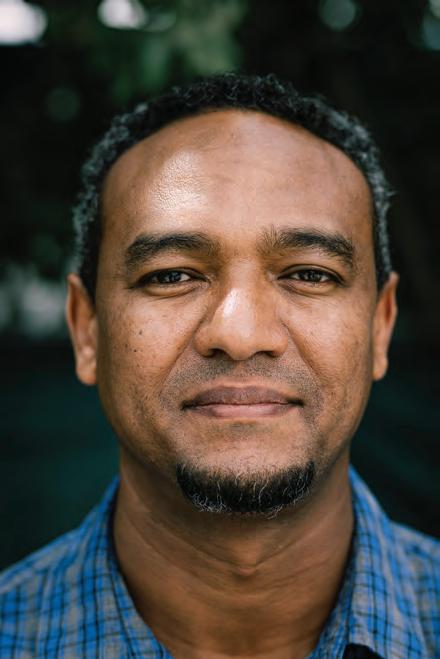
volunteers cook meals—flatbreads and vegetables during days of fasting, meats on other days—after services end and people come together to talk about their traumas and try to find rays of hope about the situation.
“If you review the 10 stages of genocide, there is clear evidence that is what took place,” argues Diana Mekonnen, who emigrated from Ethiopia as a high school student in the early 1990s, shortly after the overthrow of Ethiopia’s longtime hard-line Communist regime, leaving behind family members who still live in Tigray. Mekonnen subsequently went to UC Davis, where she majored in biological sciences with an emphasis on microbiology. Mekonnen explains how the Ethiopian regime dehumanized Tigrayans by referring to them as “daytime hyenas, not worthy of respect or humane treatment.” She talks about rape, mass executions, soldiers throwing victims off cliffs. “This was not war; it was something different. And the weaponized famine, blocking all aid from coming in. Soldiers burning crops, attacking hospitals.”
There is, among members of the Tigrayan expat community, a shared sense of horror at what their homeland has undergone. Some talk in disbelief about soldiers mutilating women’s reproductive organs so that they cannot bear children.
have been trying to spread the word about the atrocities that took place in Tigray. The church, he says, is where everyone gathers to share their pain; it has become, he says, something akin to a “trauma center,” a place where
Gebrehiwot Abraha, who has been in the United States for 38 years— he arrived after fleeing the Derg dictatorship—and who recently retired from his job as an accountant with the state of California, set up the
62 SACRAMENTO MAGAZINE J uly 2023
AS SACRAMENTO’S SEVERAL DOZEN TIGRAYANS PUT DOWN ROOTS IN THEIR NEW WORLD, THE TRAUMAS OF THE PAST CONTINUE TO HAUNT THEM.
Yared Teklu
Sacramento Tegarus Community, a 501(c)(3) nonprofit organization, to promote Tigrayan culture and raise awareness of the ghoulish horrors of the recent past.
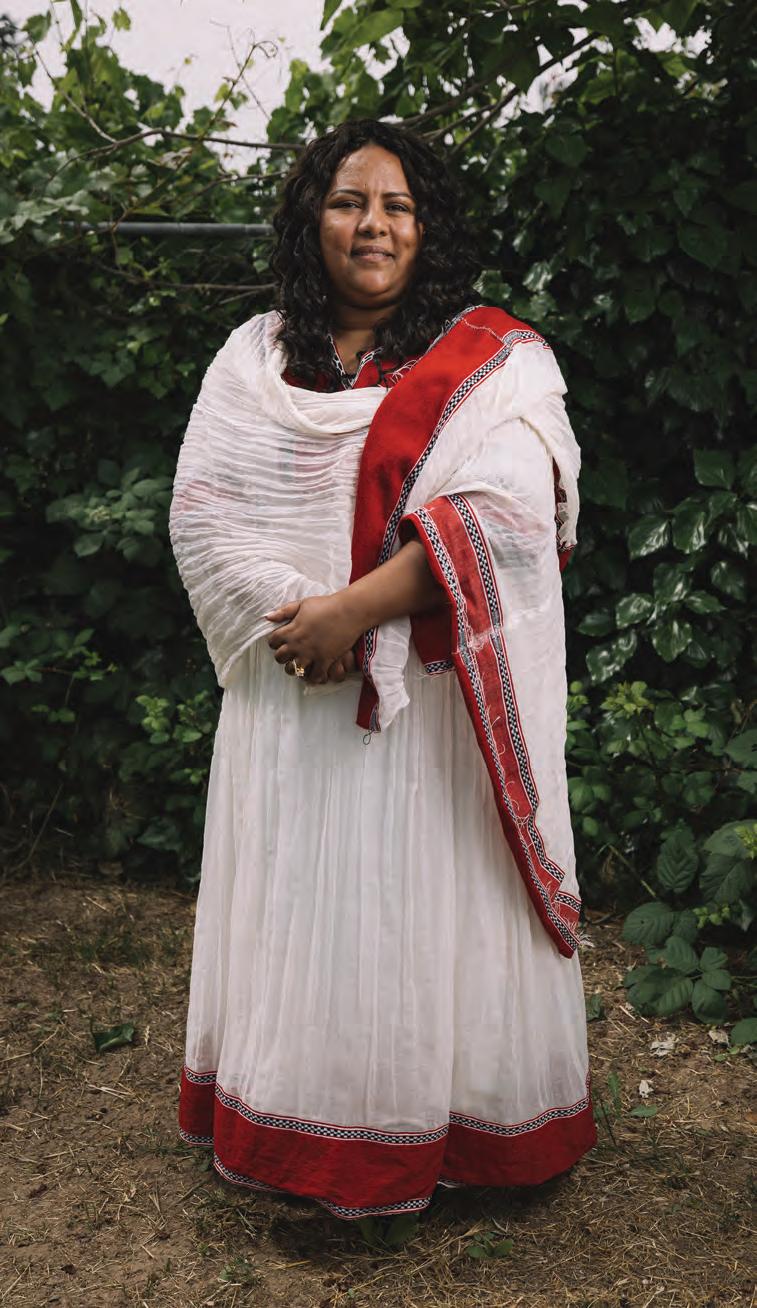
“Have you read books about the Holocaust? About Rwanda?” he asks. He speaks fast, with a sense of urgency; he has to tell stories that he knows people don’t want to hear. “Compare it to that. The war between Ukraine and Russia started recently. [But] in Tigray, 800,000 people died and the world didn’t care much. It was silent. We’re asking for the world to break its silence.”
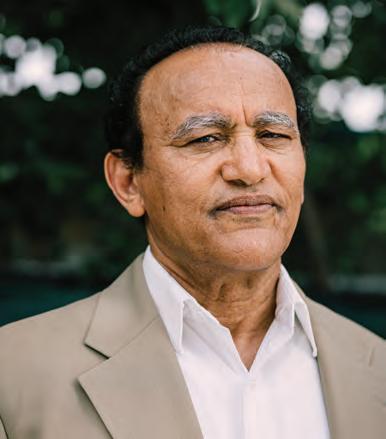
As Sacramento’s several dozen Tigrayans continue to put down roots in their new world, the traumas of the past continue to haunt them.
“I’m planning to establish a business here—if it’s possible, in real estate,” says Daniel Hagos Males. In the meantime, as he tries to rustle up steady work, he has been getting to know his new city, walking its streets, going to the gym with his kids, sometimes eating out at local restaurants. Does he want to return to Ethiopia now that a peace deal seems to have taken hold? He thinks about it, silent, brow furrowed.
“In Ethiopia, anything can happen at any time,” he finally says. “I don’t want to be there; it’s not secure.”
SACMAG.COM July 2023 63
Gebrehiwot Abraha
Diana Mekonnen


64 SACRAMENTO MAGAZINE July 2023
WORDS AND PHOTOS BY BRAD BRANAN
A common sight in the basin: a red-winged blackbird fl ying over a fi eld of wild mustard.
WILDLIFE WONDER

Just past the subdivisions of Natomas lies a world completely different from the fast-growing suburban community. It is a place with fields of rice and alfalfa, canals and a river, where animals (including protected species such as the Swainson’s hawk and giant garter snake) roam free.


It is the world that suburban development replaced in Natomas. But suburban development also helped protect some of these areas, through the Natomas Basin Conservancy. For 28 years, the conservancy has collected fees from local governments and land donations from developers to protect habitat.
The nonprofit conservancy owns more than 5,000 acres in the Natomas Basin, which runs from Sacramento to Sutter County. Under a plan approved by government officials and environmental groups, the conservancy focuses on 22 animals and plants. To attract protected animals, the conservancy has done things like convert land to marsh and grow crops that attract rodents, which in turn draws the Swainson’s hawk. Conservancy property is not open to the public, but people are free to view it from the roadside. Bird watchers can often be seen with spotting scopes or cameras doing just that.
SACMAG.COM July 2023 65
THE NATOMAS BASIN IS HOME TO MULTITUDES OF CREATURES, AND FOR 28 YEARS A CONSERVANCY HAS HELPED PROTECT IT.
1. A double-crested cormorant takes flight from the Sacramento River.

2. Western kingbird

3. Protecting the Swainson’s hawk and its nesting sites along the Sacramento River is a primary reason for the Natomas Basin Habitat Conservation Plan.
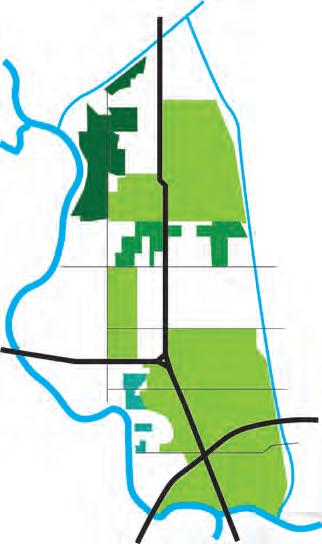

4. A great egret searches a canal on conservancy property for aquatic creatures to eat.

5. Snow geese and a white-fronted goose gather on conservancy property to roost (rest or sleep). Migratory birds often roost on conservancy land.
6. A field of wheat on conservancy property— grown primarily to attract the Swainson’s hawk.

7. Thousands of snow geese fly in unison over conservancy property in Sutter County. The conservancy has its greatest concentration of property in this area.
8. An osprey carries a stick to add to its nest on a utility pole in the Natomas Basin. Ospreys often nest atop utility poles.
9. The American kestrel, North America’s smallest falcon and a frequent sight in the Natomas Basin.
10. The Natomas Basin is defined by agricultural fields and wide-open skies.

66 SACRAMENTO MAGAZINE J uly 2023
1 3 2 4 5 6 CrossCanal Natomas East Main Drainage Canal Sacramento River FeatherRiver Sacramento River AmericanRiver Sacramento International Airport Elkhorn Blvd. Del Paso Rd. Elverta Rd. San Juan Rd. Power Line Rd. 5 5 80 99 70 North Basin Central Basin NBHCP/MAPHCP Permitted Acres Fisherman’s Lake N

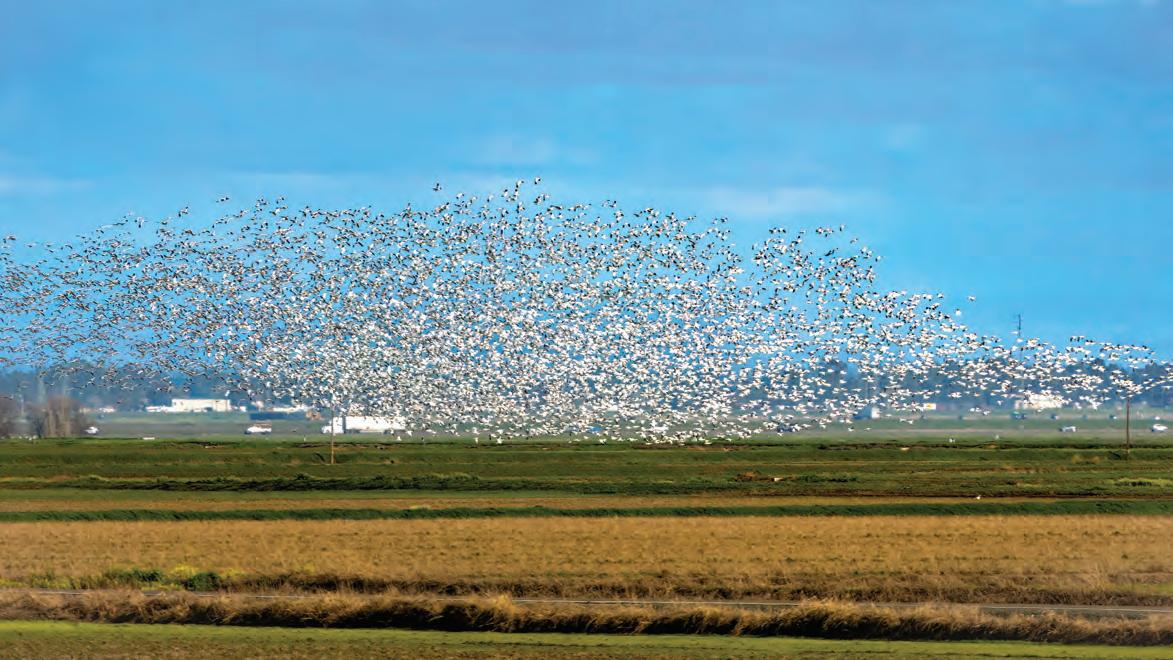


SACMAG.COM July 2023 67 7 8 9 10
A SPORT


68 SACRAMENTO MAGAZINE July 2023
Said Faqir is a right-handed batter for Tarbiya CC, a member of the Sacramento Cricket Association.
ON THE RISE
Cricket is alive and growing in the Sacramento region.
BY MARK BILLINGSLEY PHOTOS BY TIM ENGLE
THERE’S A STRANGE-LOOKING PATCH OF ARTIFICIAL TURF IN THE MIDDLE OF AN ACRE OF LUSH GREEN GRASS AT NORTH SACRAMENTO’S RICHARDSON VILLAGE PARK. The patch is 66 feet long and 10 feet wide. Three wooden sticks jut out of the turf on opposite ends of the patch. It’s not part of a dog park or a children’s playground. It’s the home of the Sacramento Valley Cricket Club, which is part of a burgeoning cricket explosion in the Sacramento metropolitan area.
“(Most) of the Indians, Pakistanis and Bangladeshis and the Nepali in the Sacramento area play,” says Fouad Ziaa, the club’s program manager and coach. “The other former British Commonwealth countries, you can take 25 percent of them and say they play cricket.”
But it’s the Americans whom Ziaa and other cricket enthusiasts must attract if the sport is to take a foothold and grow, he says. Ziaa compares cricket in the United States now to where soccer was in the 1960s. Sure, there were some professional players from America back then, but the average American had little to no experience with the sport. Youth soccer leagues were almost nonexistent. The same is true with cricket in 2023, and the vast majority of people who play in Northern California were born in India, Pakistan, Australia and New Zealand, all formerly part of the British Commonwealth. The recent influx of refugees from Afghanistan has brought their love of the sport to Sacramento, as well.
“When the British played, only the elite were allowed to play. It was known as ‘the gentleman’s game,’” Ziaa says. “People with brown skin couldn’t play. Hundreds of years ago, in the Commonwealth, there was lots of oppression, a slave trade. The best t hing to do to fight (the British), these communities said, was to beat them at their own game. Harm their pride and ego and there wouldn’t be a better feeling than that because the English took their cricket seriously.”
Ziaa says England was “cursed,” and it wasn’t until the last men’s Cricket World Cup, in 2019, that England finally won. The Cricket World Cup started in 1975 and is typically held every four years. The 2023 men’s World Cup will be held in India in October and November. India has two World Cup titles, winning in 1983 and 2011.
“Wherever (the English) took cricket, those countries eventually beat them,” Ziaa says. “And on that 2019 English World Cup team, there was only one player who was born and raised in England. The rest were from South Africa, or India and Pakistan.”
Ziaa came to the United States from Pakistan at age 17 to study engineering at the University of South Alabama. He worked in Virginia and Florida before coming to Sacramento to work for Caltrans. He’s a pied piper of sorts, playing a cricket tune for anyone willing to listen and follow him to the pitch for pickup games at 5 p.m. every Wednesday at Richardson Village Park.
SACMAG.COM July 2023 69
CRICKET IS PLAYED BETWEEN TWO TEAMS WITH 11 PLAYERS EACH. There are many similarities to baseball. There is one pitcher, called a bowler, and one player at bat. Unlike baseball, there is no foul ball area in cricket. Skilled batters can use their bat, made of willow wood, turn 180 degrees and direct the ball behind them as long as the ball does not hit the wicket, the wooden sticks on either end of the pitch. On top of the wickets are two smaller pieces of wood called bails. If the wickets are hit and displace the bails, the batter is out. An innings (yes, the word is plural) is made up of 50 overs (yup, that word’s correct, too). An over involves six deliveries from the bowler, so one team has 300 bowls (pitches) in their over. The team at bat tries to score as many runs as possible from their 50 overs. Hitting the ball through the boundaries is worth four runs and over the boundary on the fly is worth six runs. One run is scored if the person at bat hits the ball safely and runs back and forth between the wickets before the fielding team throws the ball to the bowler. Games last for two innings; some games can last as long as five days. A typical runs total for a team is between 250 and 300, Ziaa says.
The ball is approximately the same size as a baseball, and both are made of cork covered with cowhide, although the cricket ball seems to be much harder, almost as if it’s made of wood. Bowlers throw the ball overhand like baseball pitchers but are allowed a running start. Unlike baseball, the bowler purposefully skips the ball o the ground to the batter. This adds a lot of movement, especially from a skilled bowler able to get a lot of spin on the ball. Because of the speed of the bowled balls, sometimes hitting 100 mph, and the imprecise spin, batters are required to wear leg guards, padded gloves and helmets with face shields.
A newer version of cricket has taken hold, called tape ball. The only major di erence is the ball, as the name suggests. A tennis ball is typically wrapped in electrical tape. The bowling speeds are lower, which enables beginners and children to enjoy the sport.

Caleb Lawrence is an adaptive physical education teacher with Twin Rivers Unified School District. He plays tape ball as often as he can with a dedicated group at Cardinal Oaks Park in Carmichael.
“You don’t need padding, and the only expense is a bat and the ball,” Lawrence says. “It’s more for recreational play, although we do have tape ball leagues.”

Tape ball is played in the Capitalcity Cricket League at Rossmoor Park in Rancho Cordova.
Lawrence says he grew up in the West Indies, whose team won the fi rst two Cricket World Cups in 1975 and 1979. He says he was more into soccer as a youth, but once he saw people playing cricket in Sacramento, childhood memories came flooding back and he started playing again.
“I was exposed to the game at a young age,” Lawrence says. “Cricket is a special game. In the cricket world, connections are always good to fi nd because it’s not easy to fi nd each other. But when you do, you’re ready to play.”
Lawrence is one of the few Caucasians playing cricket in Sacramento, but that’s changing, he says. He says the recent influx of Afghan refugees to the area has swelled the ranks and added some top talent to leagues and even to pickup games.
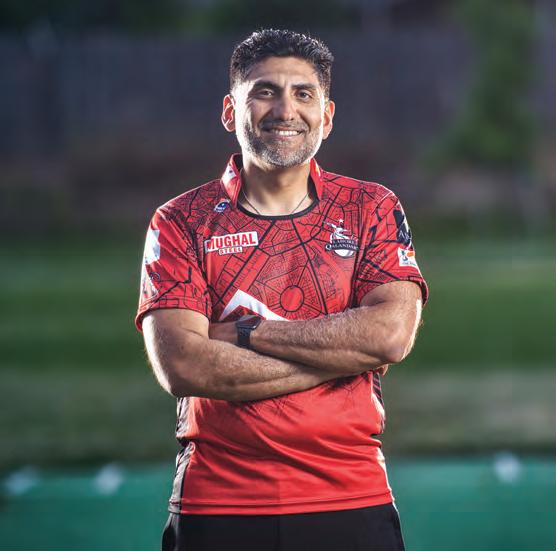
“With the growing population of Afghans, it’s not surprising the game is growing in Sacramento because of what cricket means to them,” he says. “When you see their love of the game, it’s just them needing an outlet, where to play and with whom.”

70 SACRAMENTO MAGAZINE July 2023
Sacramento Valley Cricket Club founder Fouad Ziaa
Cricketer Harshit Thakur, a player for Sacramento Lightning U-19
Ezatullah Rajakhil, 19, was born in Afghanistan and came to Sacramento four years ago after his father received a Special Immigrant Visa. He says the local cricket scene is improving every year. During one Wednesday game at Richardson Village Park, Rajakhil was by far the best player on the pitch, ripping bowled balls all over the field, some over the boundary on a fly. With a deft twist of the wrist and a hip pivot, he directed balls behind him into empty space for single runs.

“I played for Afghanistan’s Under-16 National Team and a couple of games for the U-19 team.” Rajakhil says. “I was drafted and played for a Minor League Cricket team in Michigan that played in a league in Houston, Texas, and I play for the Stanford Strikers now. Sacramento cricket is starting to be really good. We’ll see more people from Afghanistan playing soon.”
They’ll have plenty of opportunities to fi nd a team. The Sacramento Cricket Association has 13 teams that play at five di erent parks from Roseville and West Sacramento to Yuba City. The Sacramento-based Golden State Grizzlies formed in 2020 and are members of Minor League Cricket. Home games are played at Arroyo Park in Davis. Major League Cricket’s San Francisco Unicorns play
in the inaugural season that starts in July. Ziaa says the Unicorns are trying to build grounds in Santa Clara.
Young players are popping up, Ziaa says. One of his jobs as program manager is to grow youth teams and eventually start local leagues, much like Little League and youth soccer leagues have done.
“There’s a lot of things happening now,” Ziaa says. “The Northern California Cricket Association does a lot for youth cricket. USA Cricket, the governing body for the sport in the country, just started a program for Under-15, so now those players have a pathway and hubs geographically around the country to play. Regional, state and national networks are starting, and then [USA Cricket] will pick kids for the national youth teams as they develop and get older.”
Eventually, the hope is to field a team strong enough to not only make the Cricket World Cup but to win it all. The USA Cricket men’s national team is one round away from qualifying for the fi nals in October. The women’s national team has been more successful than the men on the international stage, Ziaa says, mirroring the U.S. women’s national soccer team.

Ziaa invited a 13-year-old girl to a recent pickup game at Richardson Village Park. There, Neerja Choudhari impressed people, particularly with her bowling skills.

She says she knows of only two other teen girls in the area who play cricket, so having a local girls’ team is still impossible until more are exposed to the sport.
“Introducing them to the sport is the hard part,” says Choudhari, who lives in Roseville. “Most haven’t seen or don’t know what cricket is. If they see it being played, maybe they’ll like it and play.
Playing pickup games against men can only further her skills.
“I want to play internationally, and I came out here for the experience,” she says. “The way the men bowl, playing against them will help me as a cricketer if I play against people better than me.”

SACMAG.COM July 2023 71
EVENTUALLY, THE HOPE IS TO FIELD A TEAM STRONG ENOUGH TO NOT ONLY MAKE THE CRICKET WORLD CUP BUT TO WIN IT ALL.
Tarbiya CC cricketer Ajmal Khaksar
As your aging loved ones begin to make lifestyle changes, here are some of Sacramento’s best resources to help you navigate it all with them.





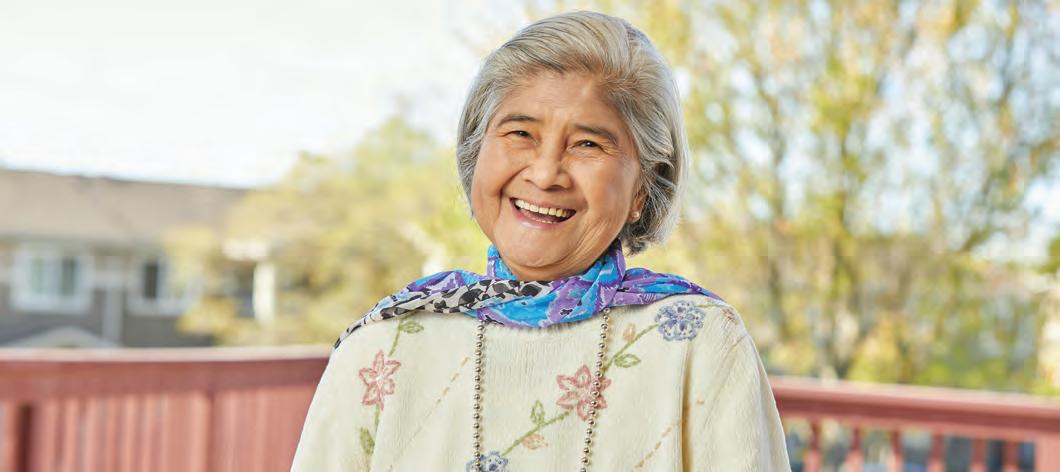

Eskaton Believes in the Beauty of What Time Can Teach Us








At Eskaton, our residents inspire us. ere is wisdom that only comes from life’s experiences and we are passionate about celebrating the stories of our incredible residents. Doing so allows us to continue building each other up, sharing in wisdom, respect and resiliency. Eskaton communities are designed to support purposeful, passionate living and we provide endless opportunities for connection and growth. Our continued commitment to the well-being of our residents and exceptional standards of care have made Eskaton a trusted provider of care to older adults in Northern California for over 50 years.
To discover what life could be like at Eskaton, visit Eskaton.org




A Special Advertising Section
From learning to play piano as a child, to performing at Carnegie Hall, Jacqueline Hairston never wavered in the pursuit of her greatest passion. To this day, she pours her heart into every note she plays.


Jacqueline Hairston, 90








eskaton.org/aib













 Accomplished Pianist and Composer
Experience Our Community of Caring

Founded in 1972, ACC Senior Services has become one of the most responsive and dynamic non-profit service providers for older adults and their family caregivers. Whether you’re looking for residential care, transportation, social services, or somewhere to call home, we’re here for you.


At ACC, we see aging as a multi-generational activity, where you’re able to develop supportive relationships with others through every stage of life.
Call Scott Okamoto at 916-393-6399 or email info@accsv.org to tour our community.
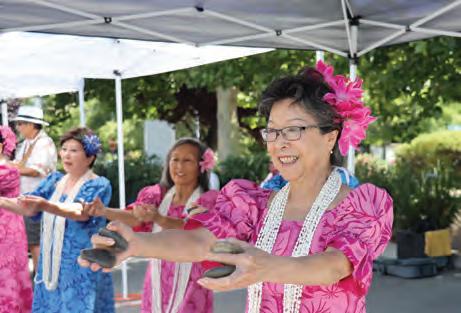
 Congresswoman Doris Matsui celebrated ACC’s 50th anniversary last year.
accsv.org
ACC Care Center received the highest rating from U.S. News & World Report and is Five Star rated by the Centers for Medicare & Medicaid Services.
ACC Rides celebrates 20 years of providing transportation services to home-bound seniors in the Sacramento Region.

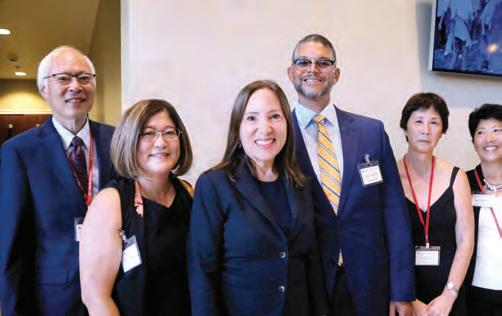
Moni Kondos, shown with ACC’s Scott Okamoto, donated a collection of Gregory Kondos and William Gatewood artwork to ACC Maple Tree Village.
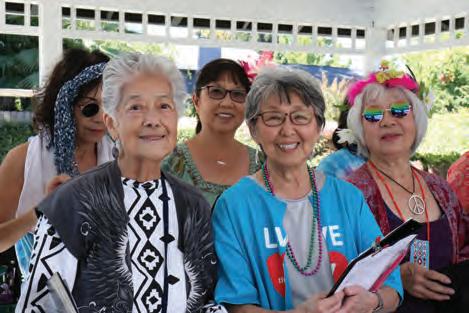
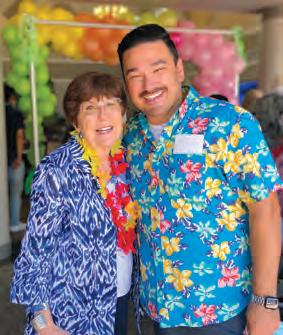
WE’RE HERE FOR YOU!
ACC Maple Tree Village Assisted Living and Memory Care 18 Kado Court
Sacramento, CA 95831
Phone: (916) 395-7579 Lic. 342700683
ACC Greenhaven Terrace
Independent and Assisted Living 1180 Corporate Way
Sacramento, CA 95831
Phone: (916) 395-0210
Lic. 347005257
ACC Care Center Skilled Nursing 7801 Rush River Drive
Sacramento, CA 95831
Phone: (916) 393-9020
Lic. 03000311
ACC Rides 7334 Park City Drive
Sacramento, CA 95831
Phone: (916) 393-9026
ACC has offered hundreds of free enrichment classes in-person and online. Raeselle Lourdes makes ube chocolate chip brownies. Visit accsv.org/classes to view the class schedule.

Maeley Tom performs regularly at ACC’s Big Day of Giving in May.

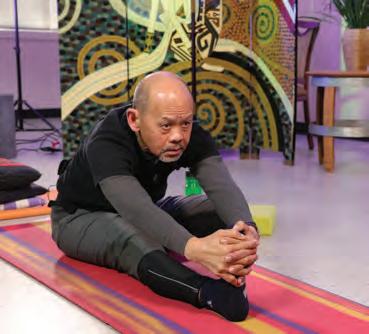
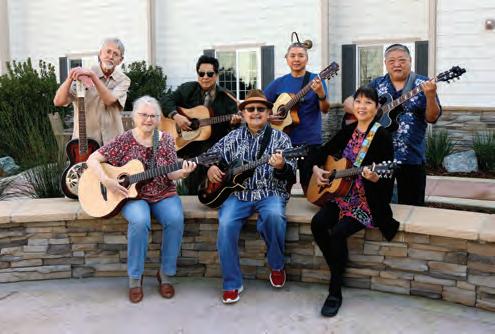

Facebook: facebook.com/accsv

YouTube: youtube.com/user/accseniorservices

ACC Home and CommunityBased Programs 7334 Park City Drive
Sacramento, CA 95831
Phone: (916) 393-9026
Meals on Wheels by ACC 7375 Park City Drive
Sacramento, CA 95831
Phone: (916) 444-9533
The Lifestyle You Deserve
It’s summertime in California and here, at the base of the Sierra foothills, we’re more than ready to celebrate it. e area around us is beautiful this time of year, and our surroundings a ord us the opportunity toenjoy each day. We’re lucky to be in an area that has so much to o er, from rodeos, to state fairs, to carshows, to nature hikes—you truly can have it all. At Ansel Park Senior Living, we’re here to help you maximize each day and spend time enjoying all that life has to o er. We’re here to support your independence and help with some of your daily chores—the cooking, the dishes and the cleaning, letting you spend your days doing the things you’ve alwayswanted to do. And this summer, there’s certainly no shortage of options. Will you go to Folsom and watch the cattle drive and rodeo? Will you take a trip to Sacramento and enjoy the State Fair? Or perhaps you’ll cross the Sierra to take in Nevada’s famous car show, Hot August Nights, in “ e Biggest Little City in the World.” At Ansel Park Senior Living, the world is at your ngertips. You control each and every day. Life is easy when you live at a luxurious, social community.
Call us today to arrange your tour andeverything that Ansel Park has to o er!

You Can’t Always Be There But We Can
In-home caregiver services like those provided by JB Homecare o er an array of supports for older adults living independently.




JB Homecare deploys caregivers who perform a variety of personalized, nonmedical long- or short-term services ranging from light housekeeping, meal prep and hygiene assistance to joyful companionship, live-in or overnight care and hospice care. If your loved one’s goal is to safely maintain their independence and remain in their homes, JB Homecare may be an essential component.
Call us today at 916.489.6941 or 310.566.7515
SENIOR LIVING : A Special Advertising Section
Ansel Park Independent Living: 1250 Orchid Dr., Rocklin, CA 95765 • (916) 713-5434 • AnselPark.com Ansel Park Assisted Living & Memory Care: 1200 Orchid Dr., Rocklin, CA 95765 • (916) 545-1537 • AnselPark.com
Mention thisadforaFREEin-home estimate Quality In-Home Care Hourly & Live-In 2100 Watt Ave. #130 • Sacramento CA 95825 916.489.6941 EST. 1996 J.B. Homecare “WE SPECIALIZE TO PERSONALIZE”™ Referral Agency

CountryHouse Memory Care


Expert care for Alzheimer’s or dementia.
CountryHouse provides exceptional care for those with Alzheimer’s or related dementias. We’re dedicated to creating moments of joy for your loved ones with purposeful community design, customized care provided by our expert team and life enriching activities. Learn more by visiting CountryHouse.net.
2005 Iron Point Road, Folsom (916) 836-8022

“I
of
CountryHouse resident
SENIOR LIVING : A Special Advertising Section 2024 FIVE STAR AWARD WINNERS TELL US ABOUT YOUR HOME PROFESSIONAL TODAY — THEY COULD WIN THE FIVE STAR AWARD! Go to www.fivestarprofessional.com/homesurvey or call 651-259-1865. Check out our special section in the FEBRUARY issue for a list of award winning real estate agents, mortgage professionals and home insurance professionals!
8485 Barton Road, Granite Bay (916) 899-6565 www.countryhouse.net made the right choice for my parents AND for me!”
Learn more and schedule a tour at our Granity Bay or Folsom locations. 8485 Barton Road, Granite Bay, California (916) 899-6565 2005 Iron Point Road, Folsom, California (916) 836-8022 CountryHouse.net RCFE #312700033 RCFE #342700902
Nancy, Daughter





Design Services Gifts 10,000 SQFT of curated furnishings Let us help design your story THE FEATHERED NEST It’s more than Furniture, it’s The Story of Home 3264 Taylor Road in Loomis 916.633.2711 info@thefeatherednest.store thefeatherednest.store

Bringing Shakespeare’s Words to Life
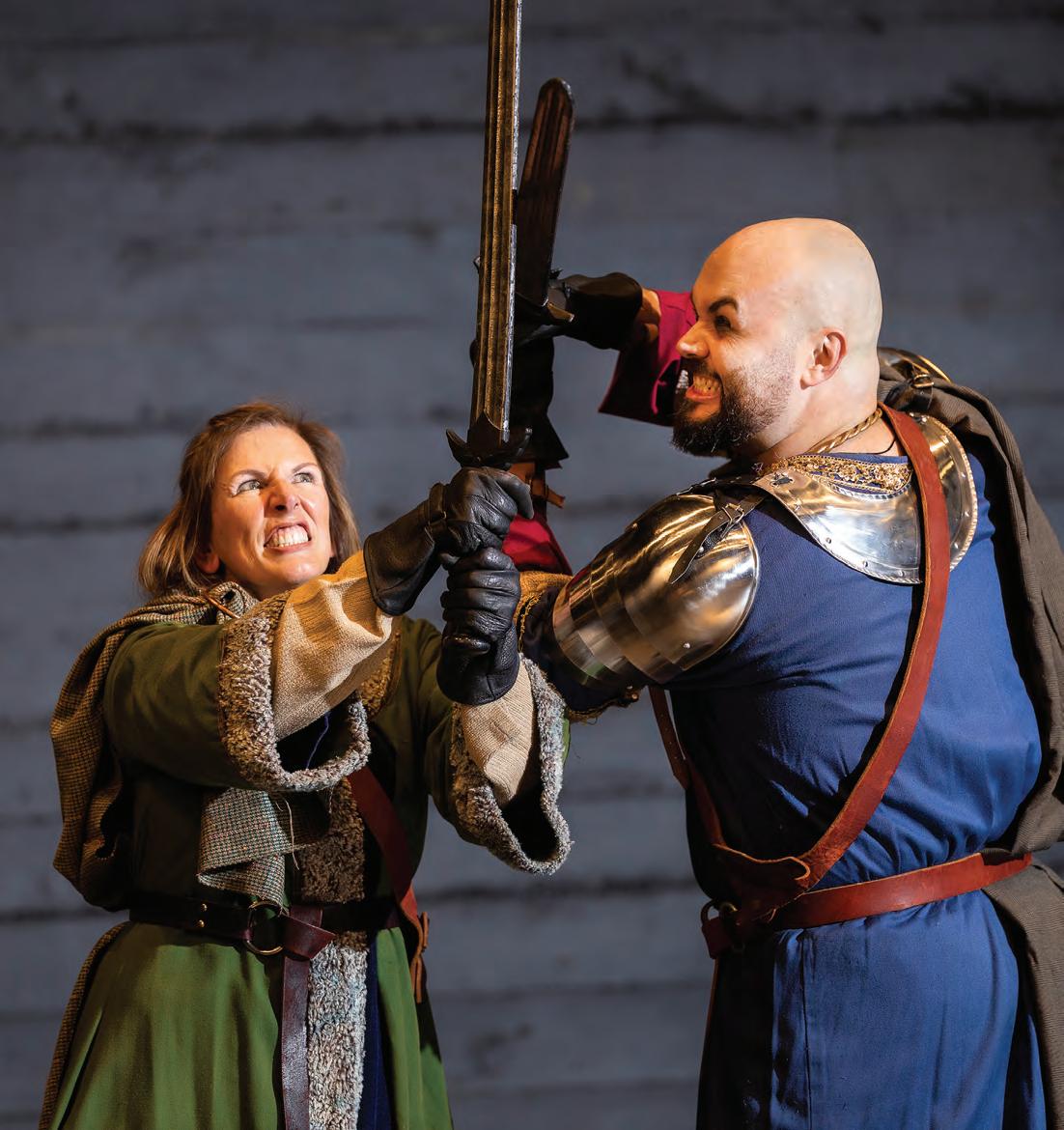
SACMAG.COM July 2023 81
Sacramento Shakespeare Festival is coming back strong, after pandemic challenges and a venue change, with “Macbeth.” Bravo 07 23
A play for a midsummer night
Kathleen Poe as Macduff and Brandon Lancaster as the title character in Sacramento Shakespeare Festival’s “Macbeth.”
inside:
tyler mussetter
BY SENA CHRISTIAN
Theater co-directors Lori Ann DeLappe-Grondin and Christine Nicholson faced a dilemma. They spent weeks trying to come up with a new treatment of “Macbeth” to be produced by the Sacramento Shakespeare Festival this July. Yes, three witches will inform the Scottish general that he will become king. Will Macbeth be egged on by his wife to kill the king? Yes. And, inevitably, civil war will erupt.
“We don’t really want to theme it anything other than Scottish rise to power and greed,” DeLappe-Grondin says. But, they wondered, could a change in the era in which the tragedy is set bring the story to life in a new way for the audience?
As a festival a liated with City Theatre at Sacramento City College, SSF produces plays people enjoy. “We’re not going to be doing ‘Titus Andronicus’ or ‘Coriolanus.’ People say they’ll come out and see ‘Titus’ and I’m like, yeah, it’s not what you think it is,” DeLappe-Grondin says. The company rotates through a series of plays, and like anything done repeatedly, the directors can get a bit tired of doing the same thing. “People always think it’s a sacrilege to say you get tired of Shakespeare, but I get tired of Shakespeare,” says DeLappe-Grondin, who is SSF’s associate festival director with Nicholson.

This fatigue often compels innovation. The local Shakespeare company has found itself in a position of much change and innovation in recent years, not only from the need to enliven cherished works of the greatest playwright in history, but also because of pandemic challenges and SSF’s departure from an outdoor amphitheater in Land Park—its home for decades. Nicholson deems this their “coming back” period, regrowing their audience, actors and creativity. “We’ve had to become really flexible, and I don’t think that’s a bad thing,” she says. “I think that’s a really good thing.”
A SACRAMENTO “INSTITUTION” FACES CHANGE
William A. Carroll Amphitheatre in Land Park will sit empty during the hot evenings this July. The heat is a major reason why. It isn’t safe for Sacramento Shakespeare Festival crews to be out at 4 p.m. in 100-
degree weather setting up for evening performances
In 2019, the theater company moved its productions of the comedy “Twelfth Night” and an adaptation of the movie “Shakespeare in Love” to an indoor theater on the City College campus due to this safety concern.

In summer 2017, the heat was so unbearable, Nicholson put ice on her head under her hat one night to get through a performance of “The Comedy of Errors.” “The audience really fell o that year,” she says. “Because normally about 7:30, 8 o’clock, the temperature really dropped. By the time the show would start, it would be pretty pleasant sitting in the bowl, but it didn’t that summer at all. It stayed hot and humid and people were just dropping.” She says moving indoors was “the smart move in the long run, but sad.”
The college had produced Shakespeare plays in the Land Park amphitheater since the late 1960s before returning to campus in the 1970s. In 1985, productions moved back outdoors and the festival took on the name Shakespeare in the Park, the name many people continue to use today, even though it has been named Sacramento Shakespeare Festival since the late 1990s.
In summer 2020, the stage went dark due to the pandemic. The following year, SSF produced a livestream version of “Hamlet” in a courtyard on campus. Director DeLappe-Grondin set the play in a modern-day Danish court threatened by a pandemic. Cast members had to be vaccinated. “I don’t know what the experience was for the community . . . but
Bravo 82 SACRAMENTO MAGAZINE July 2023
“Love’s Labour’s Lost,” 2016
from our position and our point of view, it kept us hopeful and kept us alive and kept the connection, and I think it kept the festival itself alive and ready to come back,” Nicholson says.
In 2022, SSF produced “Romeo and Juliet,” and a staged reading of longtime festival coordinator Luther Hanson’s original work inspired by “As You Like It,” in person and inside the college’s main auditorium.
The festival coordinators express a desire to return to Land Park someday. For that to happen, the coordinators say they need a cover over the stage for overhead lighting and some heat protection. Misters would also help moderate high temperatures. Additionally, the amphitheater needs ADA bathrooms and improved accessibility.
Developed as a Works Project Administration project between 1935 and 1942, the amphitheater features a semicircular concrete stage and stone-clad backdrop added in 1960, according to the city of Sacramento’s website. There’s bench seating for attendees and a lawn area in front of the stage, where people put lawn chairs and blankets and enjoy picnics brought from home.
The city’s website describes the amphitheater as “primitive,” and plans are underway to make it a regional attraction for outdoor events through facility improvements such as better acoustics, more comfortable seating, better handicap access and other upgrades. Historic and unique landscape features will
be preserved, including the stone seat walls and the Italian cypress trees that form a backdrop to the stage. While the city has set aside $750,000 for the f irst phase of renovation, the project is currently on hold.
“We do want to go back,” DeLappeGrondin says. “Yes, we absolutely do. We think it is an institution in Sacramento that really needs to go back to the park, and the renovation is a part of it.”
Putting on plays in the park created a tangible connection to the community that has suffered with the move indoors, Hanson says. “In addition to those who attended the festival, there are hundreds of folks who drive by that venue all day long, so that during the day they would see our signs, and at night they would see that something exciting is happening right in their very own park.”
Michael Sicilia has been an audience member of SSF for about 20 years and a member of the acting company. He played Brutus in “Julius Caesar” and Cardinal Richelieu in “Ken Ludwig’s The Three Musketeers,” both about a decade ago. He says brutal heat spells in both seasons caused the cancellation of some rehearsals and performances. And while Sicilia says he understands the need to move indoors, as an audience member he misses the outdoor atmosphere.
“I’ve been once or twice, but it lacks the magic of a summer evening, as the lights take effect and the crickets merge with the actors and audience, who’ve been picnicking and drinking wine, enjoying a classic story in a relaxed park setting,” Sicilia says. “There’s simply nothing like it when the moon rises over the set, or when a wandering raccoon upstages a dramatic scene.”
Even on campus, SSF is located in an accessible part of town in the middle of several neighborhoods. And Hanson says when they resume Shakespeare Lite (their traveling 45-minute performances), that will once again connect the theater company to people in other communities who may not normally see a Shakespeare performance.
Still, Nicholson says, in her “heart of hearts” she hopes they one day return to Land Park.
BRINGING NEW EYES TO OLD WORKS— Despite the discomfort of that hot and humid summer of 2017, Nicholson looks back at the production of “The Comedy of Errors” with fondness. She and actress Kathleen Poe played twins: two women performing tradition-
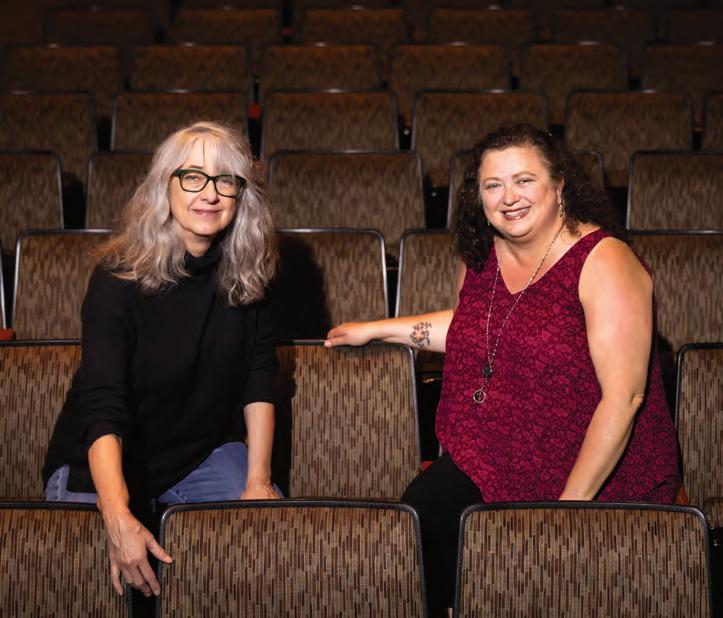
SACMAG.COM July 2023 83
Tyler Mussetter
Christine Nicholson and Lori Ann DeLappe-Grondin
“THE THEMES STILL RESONATE THIS IDEA OF POWER AND AMBITION AND CORRUPTION, AND GULLIBILITY AND BETRAYAL,” SAYS CHRISTINE NICHOLSON.
ally masculine roles. “It was pretty exciting to be able to do that,” she says.
Two of DeLappe-Grondin’s favorite memories involve “Romeo and Juliet.” First there was the 2006 production, in which the connection between the star-crossed lovers was “just magical,” she says. (She played the nurse.) The other was in 2015, when she and Nicholson struggled to come up with a new treatment to spark a big interest. They decided to do an all-male cast for “Romeo and Juliet,” directed by Nicholson, and an all-female cast for “As You Like It,” which DeLappeGrondin directed.
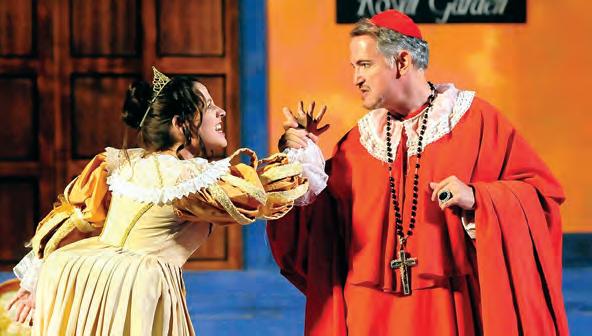
“That is an epic moment in my life,” DeLappe-Grondon says. “Totally changed the direction of where I was heading, and my passion for Shakespeare just really reignited again.” It led her to launch the Wildflower Women’s Ensemble, which gives women the chance to perform traditionally male roles.
says. “The ‘Twelfth Night’ I just did was my seventh . . . and I’ve done 10 ‘Midsummers.’ So that comes up: How do you bring new eyes to it? I’m also hoping that the very act of having two of us is going to bring a new snap to it, but the themes still resonate—this idea of power and ambition and corruption, and gullibility and betrayal.”
According to Hanson, one advantage of running a theater program attached to a community college is it gives them the flexibility to cast anyone from current students and alumni to local professional actors.
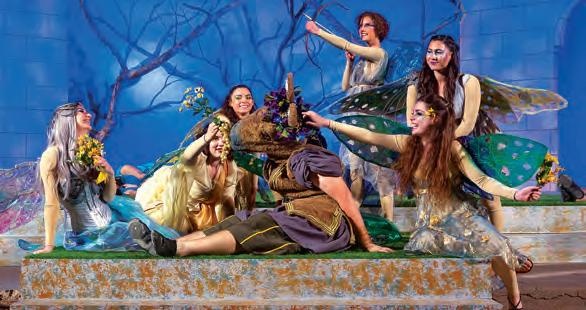
“That practice has always been one of the things we are most proud of, because it allows us to do excellent work with experienced actors in larger roles, and folks of all levels of experience to fi ll in the rest of the cast,” Hanson says. “Besides the fact that this works artistically, it creates an excellent environment for our theater students, because they get to work with actors who really know what they’re doing.”
SACRAMENTO SHAKESPEARE FESTIVAL’S “MACBETH”
July 7–23
Art Court Theatre, Sacramento City College campus
For this summer’s “Macbeth,” the co-directors considered the 11th or 12th century as the time period, marking the early centuries of Scotland’s formation. “I think this will be my fi fth ‘Mac,’” Nicholson
Tickets $10–$18
Poe developed a liking for Shakespeare in ninth grade when her English teacher had students memorize the balcony scene from “Romeo and Juliet.” “I loved the sound of the language, and how poetic, rhythmic and lovely it was coming out of my mouth.” Sophomore year, she became “slightly obsessed” with “Macbeth.” Then about 13 years ago, a life experience prompted her to try some things she had always wanted to, like Shakespeare.
Poe has now been in eight SSF productions. (Her day job is music professor at City College.) Her fi rst role was the abbess in “The Comedy of Errors” in 2012, and her most recent was Lady Capulet in “Romeo and Juliet” in 2022. Her favorite role was Jaques in “As You Like It.”
“Even though they were written 500 years ago, the themes are universal and can appeal to everyone,” Poe says. “And even if not everyone speaks Elizabethan English, it’s such a thrilling challenge as an actor to speak the language in such a way that makes it accessible and understandable to all audiences.”
Hanson says the theater company is good at bringing in a modern audience by setting the Bard’s works in modern situations and locations. Through the decades, it seems to have worked. Typically, SSF in the park would get 20 to 300 attendees most nights. On a really good night, 400 folks might show up, fi lling up the bowl. One night, they had 845 people in attendance. “We still don’t know how that happened, but I will never forget it,” says Hanson, describing it as one of his fondest memories.
“We set it in modern-day New Orleans,” Hanson says. “And because we had one of those lucky times when the set and lighting and set painting all came together perfectly, and we had a brilliant solo saxophone player onstage between scenes, and the sun goes down halfway through the play, it was beautiful.”
Bravo 84 SACRAMENTO MAGAZINE July 2023
“The Three Musketeers,” 2001
“A Midsummer Night’s Dream,” 2016
Events
BY KARI L. ROSE PARSELL
Patriotic Party—

Celebrate the USA at Rancho Cordova Fourth of July. Festivities include a youth marching band showcase, carnival rides and games, food trucks, a parade, paddle boats and mini train rides, nightly concerts (Hip Service on the 3rd, David Brighton’s Space Oddity on the 4th) and nightly fireworks. At Hagan Park. rancho cordovajuly4th.com
Global Grooves— Bliss out to world music at California Worldfest . From African diva Angélique Kidjo to local folk trio Dear Darling, this year’s lineup includes Afro-pop, tropical AfroLatin, Venezuelan-Appalachian, Americana, reggae, indie Korean folk, and indie jazz and rock artists on eight stages, plus food and drink, artisans and a kids fest. At Nevada County Fairgrounds, Grass Valley. worldfest.net
A Little Night
Music—Nightly concerts are a staple at the state fair, but this year’s CA State Fair Toyota Concert Series has seriously upped its game.


Among the artists on tap: Fitz and the Tantrums, Ashley McBryde, Queen Nation, Ginuwine, LeAnn Rimes, Scotty McCreery, SantanaWays, 38 Special, Ashanti, Gin Blossoms and Trace Adkins. Free with fair admission; reserved seats $25. At Cal Expo. calexpo statefair.com
Practically
Pearfect—Since 1972, the tiny Delta town of Courtland has celebrated the Bartlett pear harvest in a big way at Pear Fair. Treat the family to this classic ag fest, featuring a pancake breakfast, parade, baking and eating contests, live music, 5- and 10-mile runs and kids’ ½-miler, artisans and an array of food and drink, including pear-infused treats. pearfair.com
Impressions in Print—
Explore the important role of prints in Chicano art in Estampas de la Raza: Contemporary Prints From the Romo Collection and Royal Chicano Air Force , a collection of 73 screen prints and lithographs by U.S. Chicanx and Latinx artists from the McNay Art Museum in San Antonio and by Sacramentobased RCAF members from the Crocker Art Museum’s permanent collection. At the Crocker. crockerart.org
SACMAG.COM July 2023 85
JULY 3–4 JULY 13 – 16 JULY 14 – 30 JULY 30 THROUGH OCT. 1 Below middle: “Mickey Muerto,” 2005,
by
Artemio Rodriguez, Collection of the McNay Art Museum, Gift of Harriett and Ricardo Romo, 2009.79.
©
Artemio Rodriguez
JULY
Get in My Belly!
Known for his namesake vegetarian restaurant on Broadway, Andy Nguyen has expanded his empire with BUDDHA BELLY BURGER , where all the burgers are vegan. In addition to the All American Cheese Burger made with a meatless patty, there’s the Country Fried Steak Burger, the Lion’s Mane Burger (made with lion’s mane mushrooms) and the Banh Mi Burger, featuring cucumber, pickled carrots and jalapeños, red onions, cilantro and garlic mayo. Who needs beef when you have all that?
1901 S St.; (916) 594-7646
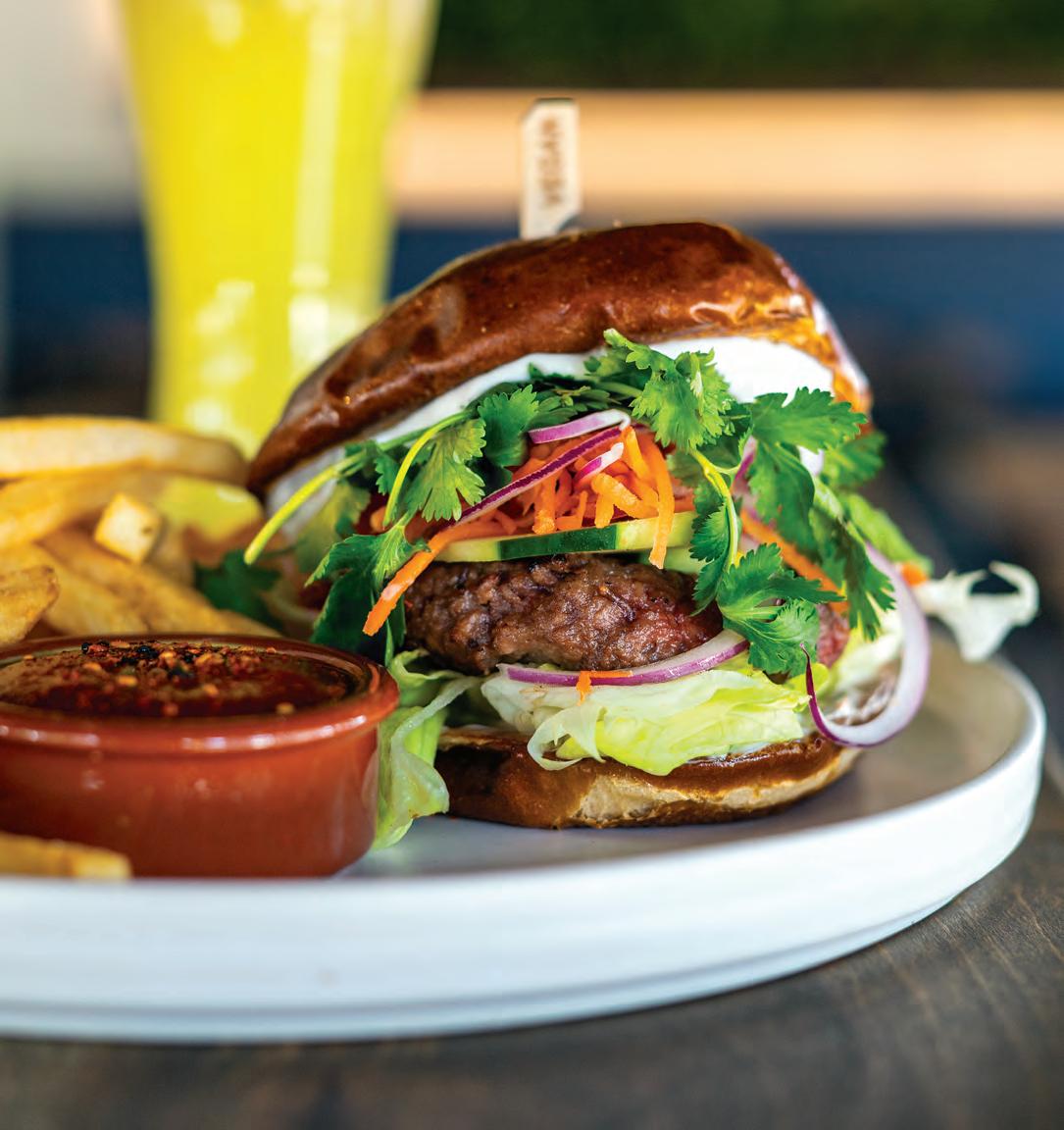
SACMAG.COM July 2023 87
07 23 gabriel teague
inside: Bigger Is Better / No Soggy Bottoms / Choices Galore
Taste
Supersizing the Salad
Lettuce is the least interesting thing in these entrée-style salads.
 BY MARYBETH BIZJAK
If you think restaurant salads are getting bigger, you’re not mistaken. They are.
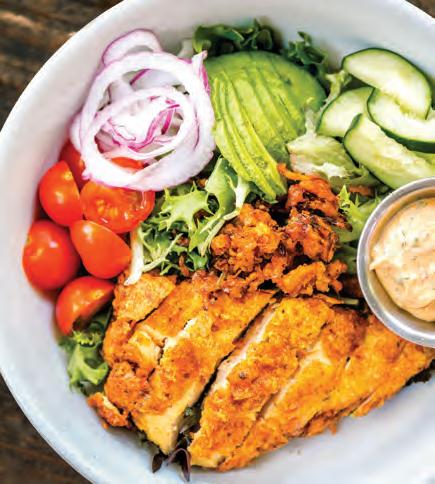
These days, restaurant salads are bigger not just in size but in fl avor, texture, number of ingredients and sheer creativity. New York Magazine, always on the lookout for the latest and greatest, recently waxed poetic about the beauty of the Big-Ass Salad.
Sacramento restaurants have jumped on the bandwagon, serving interesting takes on the Big-Ass Salad (henceforth to be referred to as BAS). Generally, a BAS includes everything but the kitchen sink: at least one protein (meat or seafood), a grain, a market basket of colorful produce, perhaps some cheese, a handful of nuts, something like croutons that crunches, an intriguing dressing and of course greens of some sort. It often comes in a massive vessel that clearly announces, “This salad is BIG.”
Betty, the hip wine bar and bottle shop in downtown Sacramento, is one of the city’s foremost practitioners of the BAS. Its Chopped Italian is essentially a deconstructed hoagie, with two lettuces (iceberg and romaine), marinated chickpeas, mozzarella, salami, red onion, Castelvetrano olives and peperoncini, all dressed with a red wine vinaigrette. Another big Betty salad, Il Cavolo Nero, features inky-dark dino kale tossed with quinoa, rainbow carrots, cucumber, cherry tomatoes, avocado and roasted almonds in a tangy lemon-turmeric-ginger dressing
“The Big Salads are flying out of the kitchen at Betty because they are entrée size, light on carbs, full of flavor and deeply satisfying,” says owner Colleen Fleming. While Betty also serves big deli-style sandwiches, the salads have found a constituency in diners looking to cut back on carbs, gluten or meat. “I think the enormous size of our salads helps satisfy people’s appetites and desire to eat some-
thing that doesn’t skimp on flavor,” Fleming adds.

A few blocks away, at the gluten-free restaurant Sibling by Pushkin’s, all the salads on the menu are BAS, says co-owner Olga Turner. When Sibling expanded its operating hours to include dinner this past spring, meal-sized salads joined the menu. The Peanut Ramen Steak Salad— slices of grilled steak served in a capacious bowl with Asian noodles, bok choy, arugula, carrots, onion, micro greens, mint, cilantro and roasted peanuts in a peanut dressing—hardly seems like a salad at all. Salad adjacent is more like it. A salad with so many flavors and textures forces you to slow down when you’re eating, says Turner. “You can eat a sandwich and fries really fast,” she notes. “With a big salad, you’re going to be happy and leave full.” But not too full, she says: “A big salad is a lighter alternative to a steak and potato.”
GENERALLY, A BIG-ASS SALAD INCLUDES AT LEAST ONE PROTEIN, A GRAIN, A MARKET BASKET OF COLORFUL PRODUCE, PERHAPS SOME CHEESE, A HANDFUL OF NUTS, SOMETHING LIKE CROUTONS THAT CRUNCHES, AN INTRIGUING DRESSING AND OF COURSE GREENS OF SOME SORT.
Old-fashioned composed salads such as the Cobb, the Waldorf and the Chopped lend themselves to the BAS treatment. Cafe Bernardo’s version of the Chopped Salad is a plate-sized mound of romaine lettuce, cut into small pieces and mixed with grilled chicken chunks, crisp bacon lardons, hard-cooked egg and avocado in a blue cheese vinaigrette. With each bite, you get something rich and tasty along with the greens.
In these inflationary times, the BAS is a defi nite win for the budget-minded. As everything else seems to be shrinking, the salad just keeps getting bigger and better.
SIBLING BY PUSHKIN’S 1813 Capitol Ave.; siblingsacramento.com
CAFE BERNARDO Multiple locations; cafebernardo.com
Taste 88 SACRAMENTO MAGAZINE July 2023
lyda mock/go gold media BETTY WINE
BAR 1103 T St.; betty-wine.com
Sibling’s crispy chicken salad
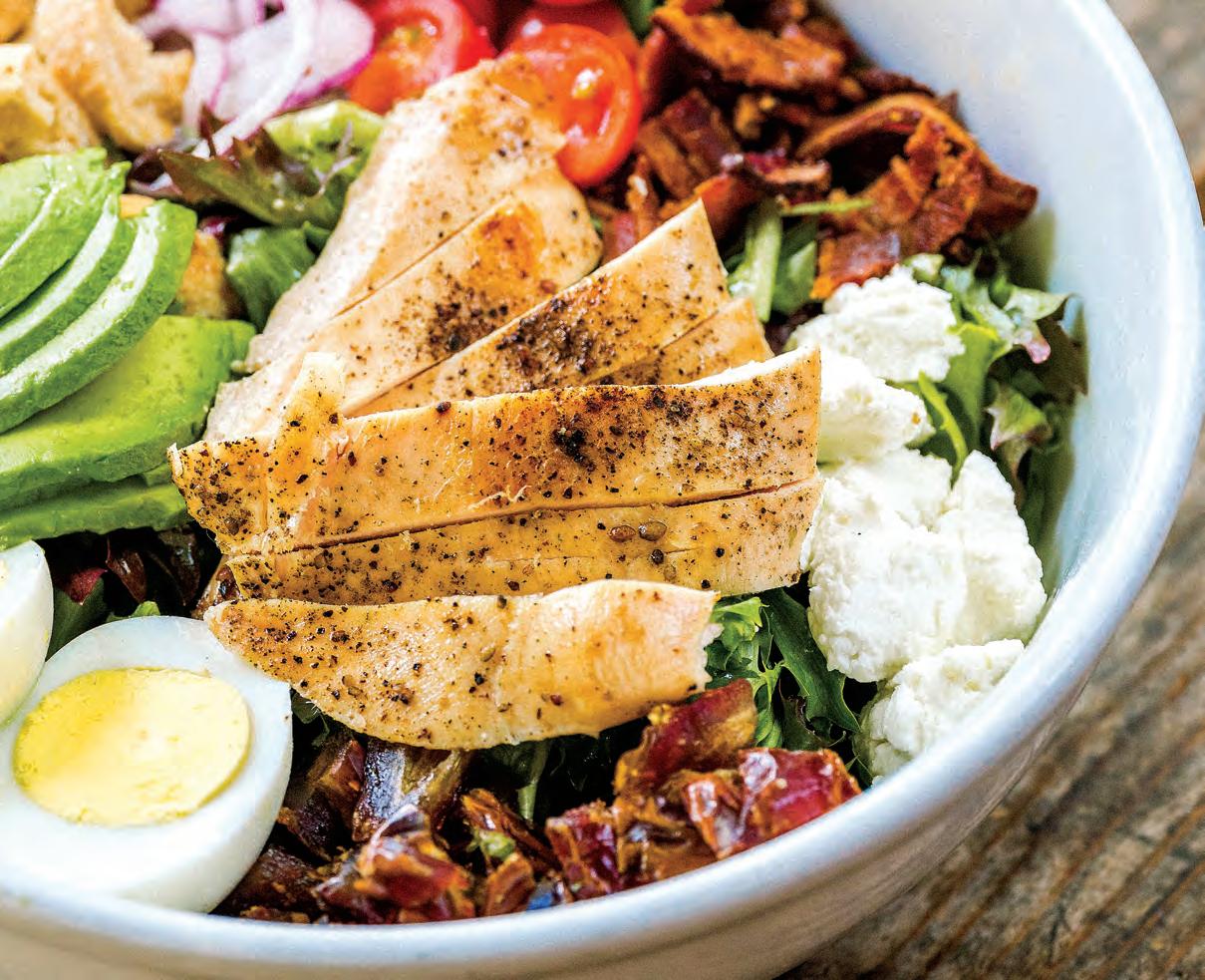
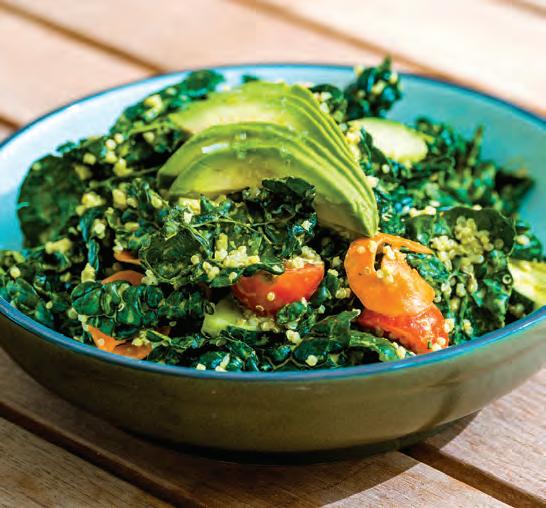
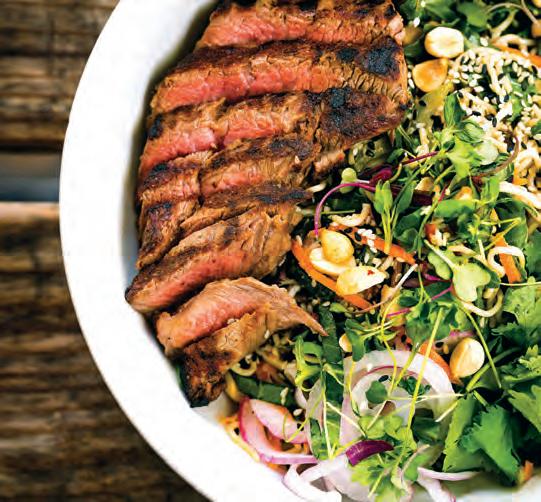


SACMAG.COM July 2023 89
Peanut Ramen Steak Salad from Sibling
Il Cavolo Nero at Betty
That’s a Good Bake

Fans of “The Great British Baking Show” will find lots to love at a darling new bakery in Sacramento’s Pocket neighborhood. Through the Looking Glass Cakes is a baking studio that o ers classes to cooks of all ages in addition to selling whimsical custom cakes worthy of a Paul Hollywood handshake.
The bakery is the brainchild of Shanna Martinez, a selftaught baker who was inspired by “an amazing cake lady” she used to buy birthday cakes from in Oakland. “I have an artsy background and am a very visual person who loves to dream big, so I just threw myself into it,” says Martinez.
Once she perfected her craft, Martinez set out to teach others. The studio, which hosts group classes, camps and parties, is modeled after the iconic tent, located on an English estate, that is the setting for the beloved amateur baking contest. Bakers can refi ne their frosting skills or learn the secret to flu y dinner rolls at tidy stainless-steel stations outfitted with candy-colored stand mixers and personal cooktops.
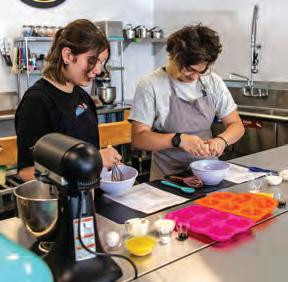
Martinez sells baked goods—mostly bars, cookies and breads— out of the space on weekend mornings only. “It’s my way of getting people in the door to see the studio so that they’ll be inspired to take a class,” she says. Custom cakes, which start at $125, are available by special order. 372 Florin Road; looking glassbakingstudio.com; (510) 677-6990—CATHERINE WARMERDAM
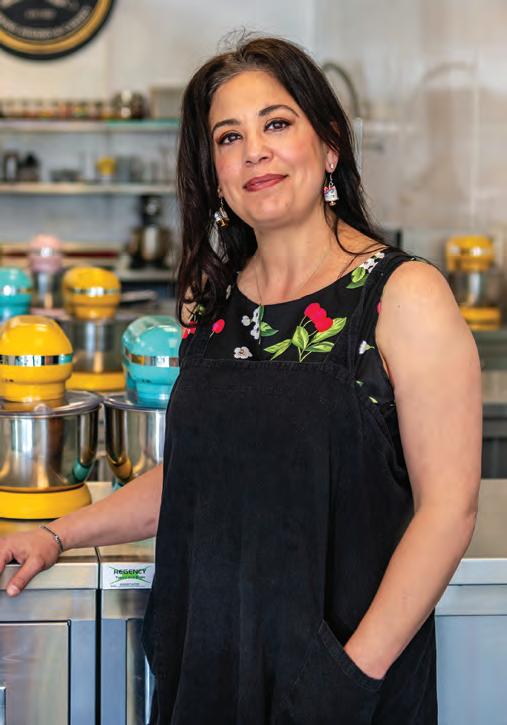
A New Way To Do Takeout


Just how many restaurant concepts can fit under one roof? Two food businesses new to the Sacramento region are attempting to find out.
At The Line , which co-founder Kamiar Nejad describes as a “virtual food hall,” more than half a dozen tenants occupy a suite of 200-square-foot kitchens from which they prepare takeout-only meals available for pickup by diners or delivery drivers at their East Sacramento location. The Line is currently home to to-go kitchens for Kru restaurant and Kizuna by Binchoyaki as well as vendors selling everything from Chinese dumplings to Mexican tortas. Customers enjoy the convenience of ordering from multiple kitchens on a single tab, solving the conundrum of what to do when one person in a party is craving sushi but another has a hankering for a Cuban sandwich. “We provide a service for people looking for a convenience factor,” says Nejad. Moving takeout business to a separate location also takes the pressure off of brick-and-mortar restaurants that don’t have the capacity to fulfill a high volume of to-go orders.
At Local Kitchens , which was founded by DoorDash veterans and has locations in Davis, Roseville and Granite Bay, the concept is slightly different: Established restaurants license their recipes to the company, which hires culinary teams to prepare dishes from multiple eateries in a single kitchen. Customers can order off several menus at once—including tikka masala burritos from Curry Up Now, a barbecue bacon burger from The Melt and Christina Tosi’s famous pie from Milk Bar. Co-founder and COO Andrew Munday says the experience of dining at Local Kitchens “reminds me of Thanksgiving,” where everyone gets to sample a little of everything.
Arguably the main drawback to these newfangled versions of a food court is that they lack the charm and personal touches of a traditional restaurant. They are built for an efficient grab-andgo experience, not lingering. “That’s probably where we have the most room for improvement in our journey,” admits Munday. “We’ve been so focused on getting the food right. I think we can do a better job of making it more comfortable and homey.”
DINING AT LOCAL KITCHENS, SAYS COFOUNDER ANDREW MUNDAY, “REMINDS ME OF THANKSGIVING,” WHERE EVERYONE GETS TO SAMPLE A LITTLE OF EVERYTHING.


Nejad says his team plans to add a beer garden with fire pits and other amenities next door to The Line so that diners have an inviting spot to gather. “We see that there’s a need for more ambience.”
Nevertheless, the food hall model has been a boon to Nash & Proper chef and co-owner Cecil Rhodes, who has a presence at both The Line and Local Kitchens. The set up allows his brand of hot chicken sandwiches to reach more diners without overextending him in terms of labor and other expenses. “In the beginning with Local Kitchens, the idea of letting someone else make my recipes was hard, but seeing how they could scale the business with more manpower and more money has been a blessing,” says Rhodes. “It’s a really good partnership.”—CATHERINE WARMERDAM
Taste 90 SACRAMENTO MAGAZINE July 2023
Above: Debbie Cunningham (2)
Gondo Fusion Sushirrito
Kru Nash & Proper
Shanna Martinez

Dine
As a reader service, Sacramento Magazine offers the following list of noteworthy restaurants in the Sacramento region. This is not intended to be a complete directory, and not all restaurants profiled appear every month. Before heading to a restaurant, call or check its website to make sure it’s open.
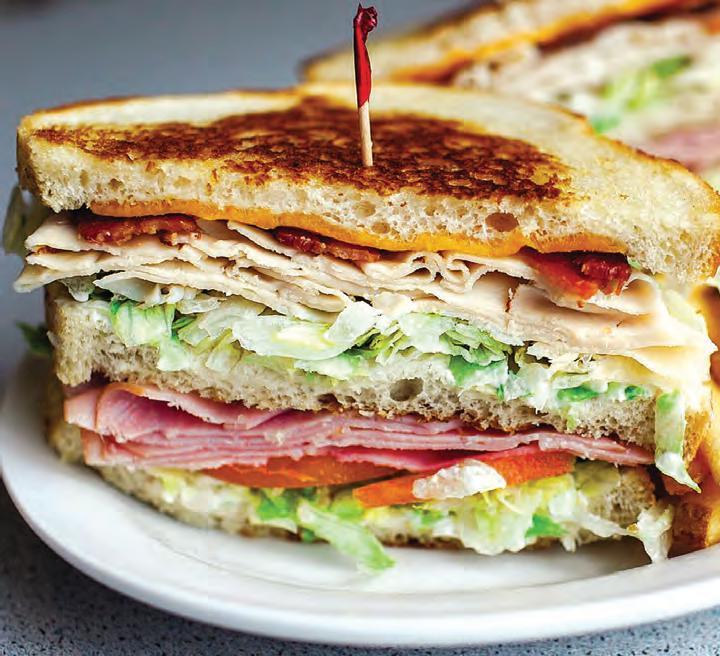
ARDEN
BENNETT’S AMERICAN COOKING At this comfortable neighborhood hangout, the food is like homemade, only better: things like braised short rib with mashed potatoes, lasagna Bolognese and chicken enchiladas. There’s something for every taste, from avocado toast, available all day long, to prime rib (weekends only). 2232 Fair Oaks Blvd.; (916) 515-9680; bennettsamer icancooking.com. L–D–Br. American. $$$
CAFE BERNARDO AT PAVILIONS The menu offers straightforward fare guaranteed to please just about everyone. Breakfast includes huevos rancheros and eggs Bernardo, while lunch and dinner feature chewycrusted pizzas, burgers, sandwiches and substantial entrees such as pan-seared chicken breast with mashed potatoes. 515 Pavilions Lane; (916) 922-2870; cafebernardo.com. B–L–D. New American. $$
LEATHERBY’S FAMILY CREAMERY Go for the ice cream, all made on the premises and used in shakes, malts and towering sundaes. 2333 Arden Way; (916) 920-8382; leatherbys.net. L–D. Sandwiches/ice cream. $
LEMON GRASS RESTAURANT This chic eatery serves delicious, upscale Asian fare such as salad rolls, green curry and catfish in a clay pot. Everything tastes fresh, light and clean. 601 Munroe St.; (916) 486-4891; lemongrassrestaurant.com. L–D. PanAsian. $$$
THE KITCHEN Part supper club, part theatrical production: This is like no other restaurant in Sacramento, and it’s Michelin starred. You need to make reservations months in advance for the multi-course dinner. The food is complex and mind-blowingly creative. 2225 Hurley Way; (916) 568-7171; the kitchenrestaurant.com. D. American. $$$$
WILDWOOD RESTAURANT & BAR At this restaurant, New American and global cuisine shares the menu with an all-American burger. The spacious patio is a great place to grab a drink and listen to live music. 556 Pavilions Lane; (916) 922-2858; wildwoodpa vilions.com. L–D–Br. American/global fusion. $$$
ZÓCALO This Mexican restaurant is one of the best places to while away an evening with friends over margaritas. The menu has regional Mexican specialties such as tacos de cazuela, a casserole-ish concoction of steak, chorizo and cheese served with house-made tortillas. 466 Howe Ave.; (916) 2520303; experiencezocalo.com. L–D–Br. Mexican. $$
AUBURN
RESTAURANT JOSEPHINE The seductive aroma of food roasting over a wood fire is one of the first things you notice at this French dinner house. The menu has a bistro bent, with mainstays such as steak frites, French onion soup, duck liver mousse and escargots and mushrooms “en cocotte.” 1226 Lincoln Way; (530) 820-3523; josephineauburn.com. D. French. $$$
BROADWAY
ANDY NGUYEN’S VEGETARIAN RESTAURANT This bastion of Buddhist-inspired vegetarian cuisine serves food that is fresh and flavorful. 2007 Broadway; (916) 736-1157; andynguyensvegetarian.com. L–D. Vegetarian/Asian. $
KATHMANDU KITCHEN This restaurant envelops you in a cocoon of exotic fragrances. Order the lal maas (lamb curry with chili sauce) or chicken saagwala (stir-fried chicken, spinach and curry). 1728 Broadway; (916) 441-2172; kathmandukitchensac ramento.net. L–D. Indian/Nepalese/vegetarian. $
SELLAND’S MARKET-CAFE Choose from an array of appetizers and hot items along with crowd-pleasing side dishes and pizza. This high-quality takeout food can be a real lifesaver on nights when you’re too busy to cook. 915 Broadway; (916) 732-3390; sellands.com. L–D–Br. Gourmet takeout. $$
TOWER CAFE This place is a hot spot on weekend mornings. Regulars swear by the New Mexico blueberry cornmeal pancakes and the thick-cut, custardy
French toast. Breakfast is all-American, but lunch and dinner have a global flavor. 1518 Broadway; (916) 441-0222; towercafe.com. B–L–D. World fusion. $$
CARMICHAEL
D’MILLER’S FAMOUS BBQ Ribs, hot links, tri-tip and more are served with traditional accompaniments such as cornbread, coleslaw and baked beans. The food, simple and hearty at this casual eatery. 7305 Fair Oaks Blvd.; (916) 974-1881. L–D. Barbecue. $$
MATTEO’S PIZZA & BISTRO The menu is compact, and there’s no skimping on first-rate ingredients. The pizza crust is damned good, attaining that chewy-crispy-airy trifecta. You also can order pasta, steak or a burger. 5132 Arden Way; (916) 779-0727; pizzamatteo.com. L–D. Pizza/American. $$
CAPAY
ROAD TRIP BAR & GRILL This family-friendly joint serves up classic roadhouse fare, from salads and
92 SACRAMENTO MAGAZINE J uly 2023
Club sandwich at Leatherby’s Family Creamery
burgers to chops. 24989 State Highway 16; (530) 796-3777; roadtripbg.com. B–L–D. American. $–$$
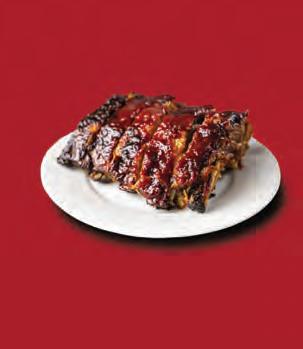
CITRUS HEIGHTS


LEATHERBY’S FAMILY CREAMERY For description, see listing under “Arden.” 7910 Antelope Road; (916) 729-4021; leatherbys.net. L–D. Sandwiches/ ice cream. $

CURTIS PARK
PANGAEA BIER CAFE While it’s known as a beer cafe and bottle shop, this casual spot also serves up tasty bar food, including a burger that has taken home top honors more than once at Sacramento Burger Battle. 2743 Franklin Blvd.; (916) 454-4942; pangaeabiercafe.com. L–D. American. $$
DAVIS
CAFE BERNARDO For description, see listing under “Arcade.” 234 D St.; (530) 750-5101; cafebernardo. com. B–L–D. New American. $$
KATHMANDU KITCHEN For description, see listing under “Broadway.” 234 G St., Davis; (530) 756-3507; kathmandukitchendavisca.com. L–D. Indian/Nepalese/vegetarian. $
MIKUNI JAPANESE RESTAURANT AND SUSHI BAR
This hip sushi bar serves its sushi with a side of sass. The dense menu o ers appetizers, rice bowls, bento boxes and sushi rolls. 500 First St.; (530) 756-2111; mikunisushi.com. L–D. Japanese/sushi. $$
PASTE THAI This hidden gem, located in a busy strip mall, o ers the cleanest, freshest Thai around. Everything is made in-house, including the pastes that go into the exquisite curries. 417 Mace Blvd.; (530) 564-7051. L–D. Thai. $$
SEASONS This attractive, upscale restaurant showcases seasonal products; the menu changes every three months. Pizzas are great; so are the bountiful salads. But you’ll fi nd the kitchen’s real talent in its creative appetizers and limited entrees. 102 F St.; (530) 750-1801; seasonsdavis.com. L–D. New American. $$–$$$



DOWNTOWN

BINCHOYAKI Small plates of grilled meats, fi sh and vegetables are the stars at this izakaya-style restaurant. But you can also order ramen, tempura and other Japanese favorites. 2226 10th St.; (916) 4699448; binchoyaki.com. L–D. Japanese. $$–$$$
CAFE BERNARDO For description, see listing under “Arden.” 1431 R St.; (916) 930-9191; cafebernardo. com. B–L–D. New American. $$
CAMDEN SPIT & LARDER This swank brasserie in a modern, glass-walled building near the Capitol appeals to lobbyists, lawyers and legislators with its gin-forward cocktails and a menu that’s an interesting mash-up of British chop-house classics, English schoolboy favorites and elevated pub fare. 555 Capitol Mall; (916) 619-8897; camdenspitand larder.com. L–D. Steakhouse. $$$–$$$$
THE COCONUT ON T With Thai dishes made from fresh ingredients, this little restaurant is a popular
spot for creative twists on staples such as pad thai or drunken noodles, as well as curries, rices and rolls. Sweet potato fries and fried calamari are house favorites, too. 1110 T St.; (916) 822-4665; coconutont.com. L–D. Thai. $
DAWSON’S STEAKHOUSE Located within the Hyatt Regency, Dawson’s has dark-paneled walls, elegant linen-draped tables and a convivial bar. It’s a great spot for a martini and a New York steak. You can’t help but enjoy the lavish attention showered on you by the professional wait sta , and the food is undeniably sophisticated. 1209 L St.; (916) 321-3600; daw sonssteakhouse.com. D. New American. $$$–$$$$
ECHO & RIG Situated in the lobby of The Sawyer hotel, this outpost of a Vegas steakhouse is sleek and unstu y. Prices are considerably gentler than at most other steakhouses, but the quality of the meat is high. In addition to standard cuts like fi let, NY steak and rib-eye, you’ll fi nd butcher cuts such as hanger, bavette, skirt and tri-tip. 500 J St.; (877) 678-6255; echoandrig.com. B–L–D–Br. Steakhouse. $$$
ELLA This stunning restaurant is an elegant oasis compared to the gritty hustle and bustle outside. From the open kitchen, the sta turns out innovative dishes and old favorites. The emphasis is on seasonal, local and artisanal. 1131 K St.; (916) 4433772; elladiningroomandbar.com. L–D. New American. $$$$
FRANK FAT’S Downtown Sacramento’s oldest restaurant, Fat’s is a favorite of the Capitol crowd. The restaurant is well known for its steaks—especially Frank’s Style New York Steak—and its brandy-fried chicken. This is Chinese cuisine at its most sophis-
SACMAG.COM July 2023 93
ticated. 806 L St.; (916) 442-7092; frankfats.com. L–D. Chinese. $$$
GRANGE RESTAURANT & BAR Located in The Citizen Hotel, Grange proves that a hotel restaurant doesn’t have to be pedestrian. The menu changes frequently and spotlights some of the area’s best producers. At dinner, the ambience in the stunning dining room is seductive and low-lit. 926 J St.; (916) 492-4450; grangerestaurantandbar.com. B–L–D–Br. Californian/American. $$$$
KODAIKO RAMEN & BAR This below-ground ramen shop takes the Japanese noodle soup to a whole new level. Ingredients are organic, and almost everything is made in-house. For a fun experience, sit at the six-person ramen counter and chat with the chefs. 718 K St.; (916) 426-8863; kodaikoramen.com. L–D–Br. Japanese/ramen. $$–$$$
MAGPIE CAFE This restaurant has a casual, unassuming vibe, and its hallmark is clean, simple fare that tastes like the best version of itself. 1601 16th St.; (916) 452-7594; magpiecafe.com. B–L–D. Californian. $$
MAJKA PIZZERIA + BAKERY This little takeout shop offers only one style of veggie pizza per day. But oh what a pizza it is! It features organic, whole-grain sourdough crust and toppings sourced from local farmers markets and small farms. When the weather’s nice, pick up a pizza, a bottle of natural wine and a couple of chocolate chunk miso cookies and head across the street to Fremont Park for an alfresco meal. 1704 15th St.; (916) 572-9316; lovema jka.com. L–D. Pizza. $$
MIKUNI JAPANESE RESTAURANT AND SUSHI BAR For description, see listing under “Davis.” 1530 J St.; (916) 447-2112; mikunisushi.com. L–D. Japanese/sushi. $$
THE 7TH STREET STANDARD Located inside the Hyatt Centric, this is an unabashedly big-city restaurant. Chef Ravin Patel’s menu has a modern California sensibility, using fresh ingredients, classic French techniques and a healthy dash of South Indian flavors. 1122 Seventh St.; (916) 371-7100; the7thstreetstan dard.com. B–L–D. Modern American. $$$
URBAN ROOTS BREWING & SMOKEHOUSE At this brewery, a massive smoker turns out succulent meats—brisket, ribs, turkey and sausage—in the tradition of the great barbecue houses of Texas, Louisiana and Tennessee. Sides include collard greens, mac and cheese, yams and poblano cheese grits. Sit indoors or out at long picnic tables. 1322 V St.; (916) 706-3741; urbanrootsbrewing.com. L–D. Barbecue. $$
WILLOW Located in The Exchange hotel, this elegant restaurant specializes in southern Italian and Mediterranean Sea cuisine, with a focus on pastas (all made in-house). 1006 Fourth St.; (916) 938-8001; willowsacramento.com. B–L–D–Br. Italian. $$$
EAST SACRAMENTO
ALLORA Modern Italian fare with a heavy seafood bent is the focus at this sophisticated eatery. Tasting menus come in three, four and five courses, with caviar service and in-season truffles offered at an additional cost. Extensive vegetarian and vegan options are also available. 5215 Folsom Blvd.; (916) 538-6434; allorasacramento.com. D. Italian. $$$$
CANON With Michelin-starred chef Brad Cecchi at the helm, this breezily chic restaurant offers an ambitious menu of globally inspired sharable plates. Much of the menu is vegetarian, vegan or gluten free, but you can also order from a small selection
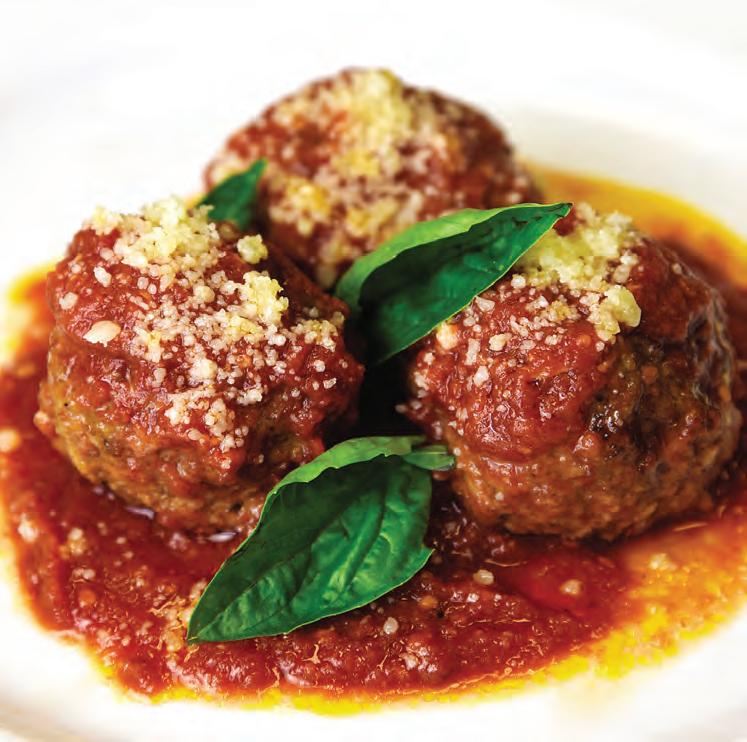
of hearty meat, poultry and fish dishes. 1719 34th St.; (916) 469-2433; canoneastsac.com. D–Br. Global/New American. $$$–$$$$
THE HOUSE OF AUTHENTIC INGREDIENTS The food here is simply first-rate. Everything from soups and salads to curries and stir-fries is made with care and precision. 4701 H St.; (916) 942-9008; thaiat sac.com. L–D. Thai. $$–$$$
KAU KAU Hawaiian soul food is on the menu here, with island faves such as loco moco, house-made Spam musubi and lomi-lomi salmon bowl. 855 57th St.; (916) 431-7043; kaukau916.com. L–D–Br. Hawaiian. $$
KRU Chef/owner Billy Ngo produces high caliber, exciting Japanese fare. The restaurant has a craft cocktail bar, outdoor patios and an omakase bar. (An omakase cocktail pairing is also available.) 3135 Folsom Blvd.; (916) 551-1559; krurestaurant.com.
L–D. Japanese. $$$–$$$$
MATTONE RISTORANTE When Sacramento’s famed Biba restaurant closed its doors, a few alums struck out on their own to open this Italian eatery. It’s a worthy successor to Biba, serving freshly made pasta and classic Italian fare such as calamari fritti, veal marsala and chicken cooked under a brick. 5723 Folsom Blvd.; (916) 758-5557; mattonesac.com.
L–D. Italian $$$–$$$$
THE GREEN ROOM This lounge from the owners of Bacon & Butter caters to the happy hour crowd with a menu of craft cocktails and noshy small plates such as roasted mushroom toast and cauliflower poppers. It’s fun food for a fun time of day. 3839 J St.; (916) 475-1801; thegreenroomsac.com. D. Gastropub. $$
THE MIMOSA HOUSE This local chain offers a comprehensive lineup of breakfast fare: omelets, Benedicts, crepes, waffles, burritos and, of course, mimosas. The rest of the menu is similarly broad, with burgers, salads, grilled sandwiches and Mexican “street food.” 5641 J St.; (916) 400-4084; mimo sahouse.com. B–L. American. $$
OBO’ ITALIAN TABLE & BAR This casual Italian eatery is beautifully designed and efficiently run. There are hot dishes and cold salads behind the glass cases. But the stars of the menu are the freshly made pastas and wood-oven pizzas. There’s also a full bar. 3145 Folsom Blvd.; (916) 822-8720; oboitalian.com. L–D. Italian. $$
ONESPEED Chef Rick Mahan, who built his stellar reputation at The Waterboy in midtown, branched out with a more casual concept at his East Sac eatery. The bistro has a tiled pizza oven that cranks out chewy, flavorful pizzas. 4818 Folsom Blvd.; (916) 706-1748; onespeedpizza.com. B–L–D. Pizza. $$
ORIGAMI ASIAN GRILL This fast-casual eatery serves Asian-flavored rice bowls, banh mi, salads and ramen, along with killer fried chicken and assorted smoked-meat specials from a big smoker on the sidewalk. 4801 Folsom Blvd.; (916) 400-3075; ori gamiasiangrill.com. L–D. Asian fusion. $–$$
SELLAND’S MARKET-CAFE For description, see listing under Broadway. 5340 H St.; (916) 736-3333; sellands.com. L–D–Br. Gourmet takeout. $$
EL DORADO HILLS
AJI JAPANESE BISTRO This casually elegant restaurant offers an innovative menu of Japanese street
Dine 94 SACRAMENTO MAGAZINE J uly 2023
Meatballs from OBO ’ Italian Table & Bar
food, interesting fusion entrees, traditional dishes such as teriyaki and tempura and—yes—sushi. There’s a short, approachable wine list, sakes and a full bar serving handcrafted cocktails. 4361 Town Center Blvd.; (916) 941-9181;ajibistroedh.com. L–D. Japanese/sushi. $–$$
ALMIGHTY BISTRO This-gluten-free restaurant has a large menu that includes salads, sandwiches, small plates and lots of meatless options. You’ll find bluefin tuna poke, baby kale Caesar salad, grass-fed burgers, short ribs, falafel, shiitake beans & rice—a tremendous variety for every dietary need. 4355 Town Center Blvd.; (916) 510-1204; almightybistro.com. L–D–Br. Gluten-free global. $$
MILESTONE This unstuffy eatery serves great takes on comfort-food classics like pot roast and fried chicken. It’s straightforward, without pretense or gimmickry. The setting is like a Napa country porch, and the service is warm and approachable. 4359 Town Center Blvd.; (916) 934-0790; milestoneedh. com. L–D–Br. New American. $$–$$
THE MIMOSA HOUSE For description, see listing under East Sacramento, 2023 Vine St.; (916) 9340965; mimosahouse.com. B–L–D. American. $$
SELLAND’S MARKET-CAFE For description, see listing under “East Sacramento.” 4370 Town Center Blvd.; (916) 932-5025; sellands.com. L–D–Br. Gourmet takeout. $$
SIENNA RESTAURANT The menu includes a playful melange of global cuisine, including fresh seafood, hand-cut steaks, stone-hearth pizzas, inventive appetizers and a stacked French dip sandwich. 1006 White Rock Road; (916) 941-9694; siennarestau rants.com. L–D–Br. Global. $$–$$$
ELK GROVE
BOULEVARD BISTRO Chef/owner Bret Bohlmann is a passionate supporter of local farmers and winemakers, and his innovative food sings with freshness and seasonality. 8941 Elk Grove Blvd.; (916) 6852220; blvdbistro.com. D–Br. New American. $$–$$$
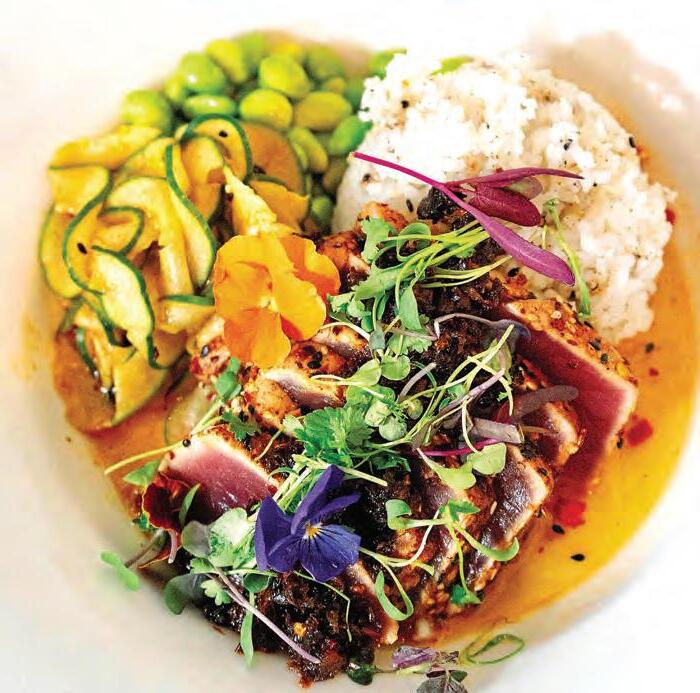
JOURNEY TO THE DUMPLING This Elk Grove eatery specializes in Shanghai-style dumplings, along with Chinese dishes such as green onion pancakes, garlic green beans and salt-and-pepper calamari. 7419 Laguna Blvd.; (916) 509-9556; journeytothedump ling.com. L–D. Chinese. $$
LEATHERBY’S FAMILY CREAMERY For description, see listing under “Arden.” 8238 Laguna Blvd.; (916) 691-3334; leatherbys.net. L–D. Sandwiches/ice cream. $
MIKUNI JAPANESE RESTAURANT AND SUSHI BAR
For description, see listing under “Davis.” 8525 Bond Road; (916) 714-2112; mikunisushi.com. L–D. Japanese/sushi. $$
FAIR OAKS
MIKUNI JAPANESE RESTAURANT AND SUSHI BAR
For description, see listing under “Davis.” 4323 Hazel Ave.; (916) 961-2112; mikunisushi.com. L–D. Japanese/sushi. $$
SHANGRI-LA A fun restaurant reminiscent of Palm Springs in the ’50s, this establishment boasts an expansive, resort-style patio and a menu teeming with inventive cocktails. Come for Baja fish tacos, ahi poke or a towering burger, and find plenty of other vibrant dishes made from local, seasonal in-
gredients. The space was formerly a mortuary, and the owner, Fair Oaks native Sommer Peterson, saw to its transformation. 7960 Winding Way; (916) 241-9473; shangrilafairoaks.com. D. American. $$
FOLSOM
BACCHUS HOUSE WINE BAR & BISTRO With a seasonal menu packed with innovative, globally influenced dishes, this restaurant has plenty to choose from. 1004 E. Bidwell St.; (916) 984-7500; bac chushousebistro.com. L–D–Br. New American. $$–$$$
BACK BISTRO A warm pocket of coziness and urban sophistication, this place offers an appealing menu of casual nibbles and swankier entrees. But it’s the wine program that really knocks this charming little bistro out of the park. 230 Palladio Parkway, Suite 1201; (916) 986-9100; backbistro.com. D. New American/Mediterranean. $$–$$$
CHICAGO FIRE Oodles of melted cheese blanket the pizzas that fly out of the kitchen of this busy restaurant. Here, you get to choose between thin-crust, deep-dish and stuffed pizzas. 310 Palladio Parkway; (916) 984-0140; chicagofire.com. L –D. Pizza. $
FAT’S ASIA BISTRO AND DIM SUM BAR The menu focuses on Asian cuisine, from Mongolian beef and Hong Kong chow mein to Thai chicken satay served with a fiery curry-peanut sauce. 2585 Iron Point Road; (916) 983-1133; fatsasiabistro.com. L–D. Pan-Asian. $$
LAND OCEAN The menu hits all the steakhouse high notes: hand-cut steaks, lobster, seafood and rotisserie, entree salads and sandwiches. 2720 E. Bidwell St.; (916) 983-7000; landoceanrestaurants.com. L–D–Br. New American/steakhouse. $$$–$$$$
THE MIMOSA HOUSE For description, see listing under “East Sacramento.” 1002 Riley St.; mimosa house.com. B–L. American. $$
THE MIMOSA HOUSE For description, see listing under East Sacramento, 2023 Vine St.; (916) 9340965; mimosahouse.com. B–L–D. American. $$
SCOTT’S SEAFOOD ROUNDHOUSE This restaurant offers a solid menu of delicious seafood, from crab cakes and calamari to roasted lobster tail. 824 Sutter St.; (916) 989-6711; scottsseafoodroundhouse. com. L–D. Seafood. $$$–$$$$
GARDEN HIGHWAY
CRAWDADS ON THE RIVER This riverfront restaurant draws crowds looking to party on the water during warm-weather months. Boats pull up to the restaurant’s deck, where you can sip a cocktail. The Cajuninspired menu includes fish tacos and several fun entrees. 1375 Garden Highway; (916) 929-2268; sac crawdads.com. L–D–Br. Cajun/American. $$
THE VIRGIN STURGEON This quirky floating restaurant is the quintessential Sacramento River dining experience. In summer, a cocktail pontoon is connected to the restaurant, where you can drink and enjoy the breezy proximity to the water below. Best known for its seafood, The Virgin Sturgeon also offers weekend brunch. 1577 Garden Highway; (916) 921-2694; thevirginsturgeon.com. L–D–Br. Seafood/ American. $$
GRANITE BAY
HAWKS Known for its elegant cuisine and beautiful interior, this restaurant features framed photos of
SACMAG.COM July 2023 95
Togarashi-crusted ahi tuna from Scott’s Seafood Roundhouse
farmscapes that remind diners of owners Molly Hawks and Michael Fagnoni’s commitment to lo cally sourced ingredients. The seasonal menu is full of delicious surprises, such as seared scallop and sea urchin. 5530 Douglas Blvd.; (916) 791-6200; hawksrestaurant.com. L–D–Br. New American/ French. $$$–$$$$
GREENHAVEN/POCKET
CACIO This tiny restaurant has only a handful of tables. The fare is high-quality Italian comfort food, with an emphasis on pasta. Service is warm and homey, prices are gentle, and reservations (even at lunch) are a must. 7600 Greenhaven Drive; (916) 399-9309; caciosacramento.com.
SCOTT’S SEAFOOD ON THE RIVER
Westin Sacramento, Scott’s has a patio and a view of the river. For dinner, splurge on a lobster tail or choose a more modestly priced grilled salmon. 4800 Riverside Blvd.; (916) 379-5959; scottsseafoodon theriver.com. B–L–D. Seafood. $$$–$$$$
LINCOLN
HIGH STEAKS This Thunder Valley Casino restau rant is a meat lover’s paradise, offering up everything from an 8-ounce prime filet to a 26-ounce bone-in New York steak. Side dishes range from sweet po tato casserole to five-cheese macaroni. 1200 Athens Ave.; (916) 408-8327; thundervalleyresort.com. Steakhouse. $$$$
LEATHERBY’S FAMILY CREAMERY
see listing under “Arden.” 610 Twelve Bridges Drive; (916) 209-3757; leatherbys.net. L–D. Sandwiches/ice cream. $
MIDTOWN
BEAST + BOUNTY The beating heart of this chic restaurant is its open hearth, where meats and veg etables are roasted over a wood fire. The meaty ribeye, served over potatoes roasted in the meat’s fat, is meant to be shared. So is the pizza, thin, flat and seductively charred from the wood-burning pizza oven. 1701 R St.; (916) 244-4016; eatbeastand bounty.com. L–D–Br. American. $$$
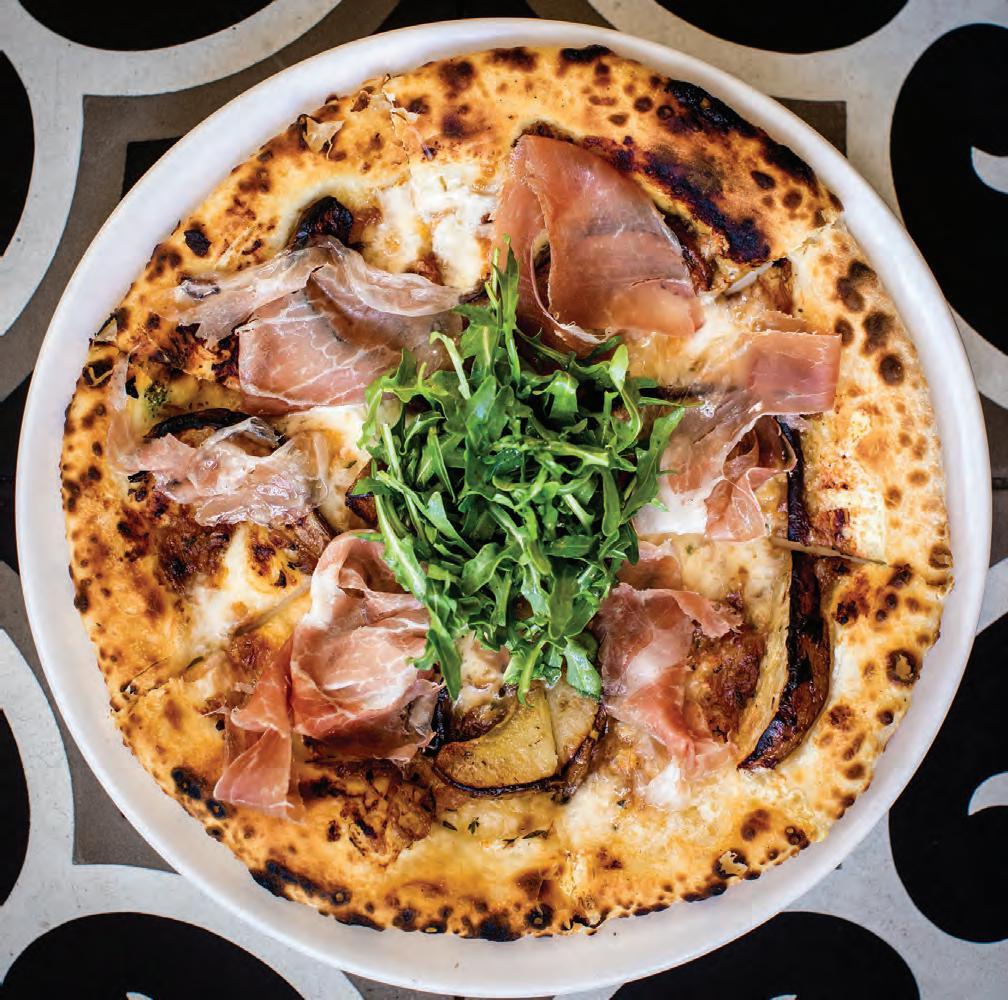
CAFE BERNARDO For description, see listing under “Arden.” 2730 Capitol Ave.; (916) 603-2304; cafe bernardo.com. B–L–D. New American. $$
CENTRO COCINA MEXICANA Owned by the Paragary group, this is the restaurant that introduced Sacramento to authentic regional Mexican cuisine. Standout main courses include cochinita pibil, vegetables in pipian verde sauce and Oaxacan enchiladas. 2730 J St.; (916) 442-2552; centrococina.com. D–Br. Mexican. $$$
LOCALIS Only the second restaurant in Sacramento to receive a coveted Michelin star, this little restaurant is known for its prix-fixe menu of inventive, ingredient-driven dishes. Chef Christopher BarnumDann works with local farms to source most of the menu within 100 miles. 2031 S St.; (916) 737-7699; localissacramento.com. D. Californian. $$$–$$$$
LOWBRAU BIERHALLE This chic yet casual watering hole serves house-made sausages, duck fat fries and stand-out beers. Long communal tables make for an experience that’s noisy and convivial. 1050 20th St.; (916) 706-2636; lowbrausacramento.com. L–D–Br. Beer hall. $
MAYDOON This eatery offers wonderfully fresh Persian food, from hummus and dolmeh to shish kebob,
L–D. Mediterranean. $$–$$$
MULVANEY’S B&L This top-flight restaurant exudes the generous affability of its owner, chef Patrick Mulvaney. It’s housed in a brick firehouse from the late 1800s, and the lush patio is a popular spot. The menu changes frequently and is focused on locally sourced, seasonal ingredients. 1215 19th St.; (916) 441-6022; mulvaneysbl.com. L–D. Californian. $$$
PARAGARY’S This legendary restaurant focuses on elegant, Mediterranean-inspired cuisine. During the warm months, the serene patio behind the restaurant is the place to be. 1401 28th St.; (916) 4575737; paragarysmidtown.com. L–D–Br. New American/Californian. $$–$$$
THE WATERBOY This Mediterranean-inspired restaurant produces perhaps the finest cooking in the region. Chef/owner Rick Mahan honors local farmers with his commitment to simply prepared, highc aliber food. You can’t go wrong if you order one of the lovely salads, followed by the gnocchi or a simple piece of fish. You’ll also find French classics such as veal sweetbreads. 2000 Capitol Ave.; (916) 498-9891; waterboyrestaurant.com. L–D. Mediterranean. $$$$
ZELDA’S ORIGINAL GOURMET PIZZA Zelda’s is lege ndary for the greatness of its pizza and its attitude. But that’s part of Zelda’s charm, along with the dark atmosphere. It’s all about the food: old-school, Chicago-style deep-dish pizza that routinely wins “best pizza” in local polls. 1415 21st St.; (916) 447-1400; zeldasgourmetpizza.com. L–D. Pizza/Italian. $$
NATOMAS
HIMALAYA VEGAN ORGANIC RESTAURANT This fast-casual eatery offers a side of peace with your vegan meal. The owner, a former Buddhist monk, changes the menu twice daily; you get a combination plate with six separate vegetarian dishes, plus a cup of soup. Everything is fresh, simply prepared and clean tasting. 4160 Northgate Blvd.; (916) 622-5728; himalayavegan.com. L–D. Vegan. $$
MEZCAL GRILL This excellent restaurant offers regional cuisine that draws from all 32 Mexican states. In addition to tacos and burritos, you’ll find “platillos especiales,” such as mole, and shareable “mocajetes”: volcanic rock bowls filled with protein, rice and beans. 1620 West El Camino Ave.; (916) 6464826; mezcalgrill.net. L–D. Mexican. $$–$$$
YUE HUANG The dim sum here made Michelin Guide inspectors sit up and take notice. They gave this Cantonese restaurant a Bib Gourmand award, calling it a “hidden treasure.” The extensive menu includes pork buns, dumplings, shrimp balls and much, much more. 3860 Truxel Road; (916) 621-3737; yuehuangdimsum.com. L–D. Chinese. $$–$$$
OAK PARK
THE BUTTERSCOTCH DEN You’re the chef at this dimly lit supper house, where you cook your own steak on a massive grill in the middle of the dining room. Prices are gentle and the action wild as you
Dine 96 SACRAMENTO MAGAZINE J uly 2023
Roasted pear and prosciutto pizza from Paragary’s
compete with your friends to see who can cook a perfectly medium rare hunk of meat. 3406 Broadway; thebutterscotchden.com. D. Steakhouse. $$
FIXINS SOUL KITCHEN This bustling place serves up friendly Southern hospitality along with delicious Southern fare, including chicken and waffles, gumbo, fried catfish, and shrimp and grits. 3428 Third Ave.; (916); 999-7685. fixinssoulkitchen.com. B–L–D–Br. Southern. $$
OLD SACRAMENTO
THE FIREHOUSE This is Sacramento’s go-to restaurant for romantic atmosphere and historic charm. Located in a 1853 firehouse, it’s white tablecloth all the way, and the outdoor courtyard is one of the prettiest in town. The food is special-occasion worthy, and the wine list represents more than 2,100 labels. 1112 Second St.; (916) 442-4772; firehouse oldsac.com. L–D. Californian/American. $$$$
PILOTHOUSE Housed in the history-steeped Delta King riverboat, this is one of the most romantic restaurants in the city. 1000 Front St.; (916) 4414440; deltaking.com. B–L–Br. American. $$–$$$
RIO CITY CAFE Located on the riverbank, the bustling restaurant offers stunning views of Tower Bridge. The menu changes seasonally and offers a wide selection of solid dishes. 1110 Front St.; (916) 442-8226; riocitycafe.com. L–D–Br. New American. $$
RANCHO CORDOVA
CATTLEMENS This classic Western steakhouse serves up big slabs of prime rib, porterhouse, T-bone
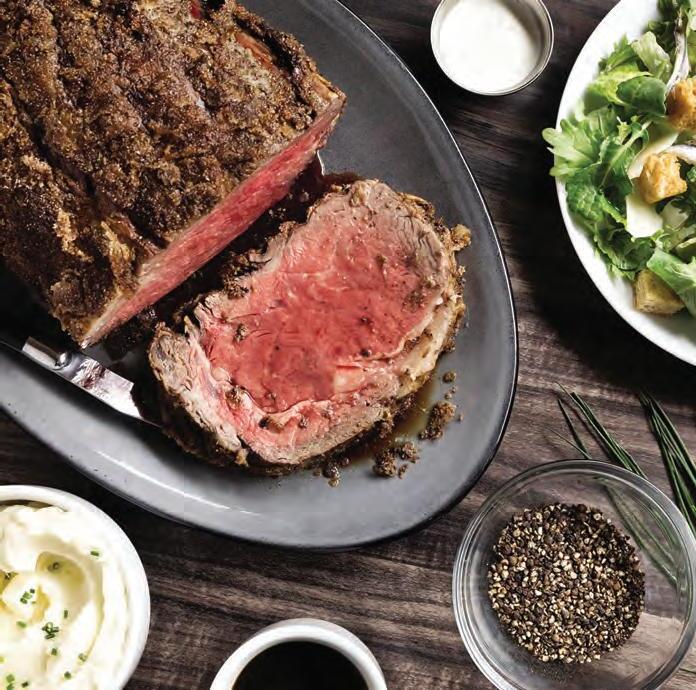
and cowboy steaks, plus all the trimmings: shrimp cocktail, loaded potato skins, deep-fried onions and more. 12409 Folsom Blvd.; (916) 985-3030; cattle mens.com. D. Steakhouse. $$$
J.J. PFISTER RESTAURANT & TASTING ROOM In addition to a tasting room where you can sample locally made premium gin, vodka and rum, this family-owned distillery also operates a restaurant serving lunch and dinner. The all–day menu features salads, sandwiches, tacos and boozy desserts. 9819 Business Park Drive; (916) 672-9662; jjpfister.com. L–D. Casual American. $$
ROSEVILLE
FAT’S ASIA BISTRO AND DIM SUM BAR For description, see listing under “Folsom.” 1500 Eureka Road; (916) 787-3287; fatsasiabistro.com. L–D. Pan-Asian.
$$
LA PROVENCE RESTAURANT & TERRACE This elegant French restaurant offers some of the region’s loveliest outdoor dining. The seasonal menu features items such as bouillabaisse and soupe au pistou. 110 Diamond Creek Place; (916) 789-2002; laprovence roseville.com. L–D–Br. French. $$$–$$$$
THE MIMOSA HOUSE For description, see listing under “East Sacramento” 761 Pleasant Grove Blvd.; (916) 784-1313; mimosahouse.com. B–L. American.
$$
NIXTACO Singled out by The Michelin Guide for a Bib Gourmand award, this taqueria is known for its authentic nixtamalized blue-corn tortillas (made fresh in-house), high-quality ingredients and inventive taco fillings such as octopus, short rib barbacoa
and sweet potato. 1805 Cirby Way; (916) 771-4165; nixta.co; L–D. Mexican. $$
PAUL MARTIN’S AMERICAN GRILL A local favorite, the restaurant offers a great list of small plates and robust, approachable entrees. 1455 Eureka Road; (916) 783-3600; paulmartinsamericangrill.com. L–D–Br. New American. $$$
RUEN THAI Simple and serene, Ruen Thai is a family-owned restaurant that offers a surprisingly large selection of fresh-tasting food. 1470 Eureka Road; (916) 774-1499; ruenthai.net. L–D. Thai. $
ZÓCALO For description, see listing under “Arden.” 1182 Roseville Parkway; (916) 788-0303; zocalosac ramento.com/roseville. L–D–Br. Mexican. $$
TAHOE PARK
BACON & BUTTER Lively and delightfully urban, the place is packed with fans of chef Billy Zoellin’s homey flapjacks, biscuits and other breakfasty fare. 5913 Broadway; (916) 346-4445; baconandbuttersac. com. B–L. Breakfast/American. $–$$
MEZCAL GRILL For description, see listing under “Natomas.” 5701 Broadway; (916) 619-8766; mez calgrill.net. L–D. Mexican. $$–$$$
WEST SACRAMENTO
DRAKE’S: THE BARN Located in a stunning indooroutdoor structure along the river, Drake’s serves thin-crust pizzas, along with a few salads and appetizers. You can get table service indoors or on the patio. But if you prefer something more casual, grab a lawn chair, find a spot at the sprawling outdoor taproom and order a pizza to go. 985 Riverfront St.; (510) 423-0971; drinkdrakes.com. L–D. Pizza. $$
FRANQUETTE This French café from the owners of Canon is an open-all–day, drop-in-for-a-glass-ofwine kind of place. You can order a croissant or tartine at breakfast, a salad, quiche or baguette sandwich for lunch, and something a little more filling—say, a crock of boeuf bourguignon—at dinner. 965 Bridge St.; hellofranquette.com. B–L–D. French. $$–$$$
WINTERS
L’APERO LES TROIS This chic, French-inspired wine tasting bar offers simple little bites, such as gougeres and black olive tapenade, to enjoy with locally made, small-batch aperitifs. 22 Main St.; (530) 402-1172; laperolestrois.com. Wine bar. $$
PUTAH CREEK CAFE Settle into a cozy booth and order from a menu of elevated American fare, from country-fried steak to pan-seared cod. There’s also a massive oven out on the sidewalk pumping out fine pizzas. 1 E Main St.; (530) 795-2682; putahcreek cafe.com. B-L–D. American. $$–$$$
Subscription rates: $19.95 for one year, U.S. only. All out-of-state subscribers add $3 per year. Single copies: $4.95. Change of address: Please send your new address and your old address mailing label. Allow six to eight weeks’ advance notice. Send all remittances and requests to Sacramento Magazine, 5750 New King Drive, Suite 100, Troy, MI 48098. Customer service inquiries: Call (866) 660-6247. Copyright 2023 by Sacramento Media LLC. All rights reserved. Reproduction in whole or part without written permission from the publisher is prohibited. Prices quoted in advertisements are subject to change without notice. Sacramento Magazine (ISSN 0747-8712) Volume 49, Number 7, July 2023. Sacramento Magazine (ISSN 0747-8712) is published monthly by Sacramento Media, LLC, 1610 R St., Suite 300, Sacramento, CA 95811. Periodical postage paid at Troy, MI and additional offices.
Postmaster: Send change of address to Sacramento Magazine, 5750 New King Dr., Suite 100, Troy, MI 48098
SACMAG.COM July 2023 97
Prime rib from Paul Martin’s American Grill
Women’s Wear
California Assembly messengers Deborah Williamson, Kathy Freimann, Sue Rock and Lu Usher, from left, take advantage of a new policy from the Assembly Rules Committee allowing women employees to wear pants at the Capitol in this Sacramento Bee photo from Oct. 15, 1970.
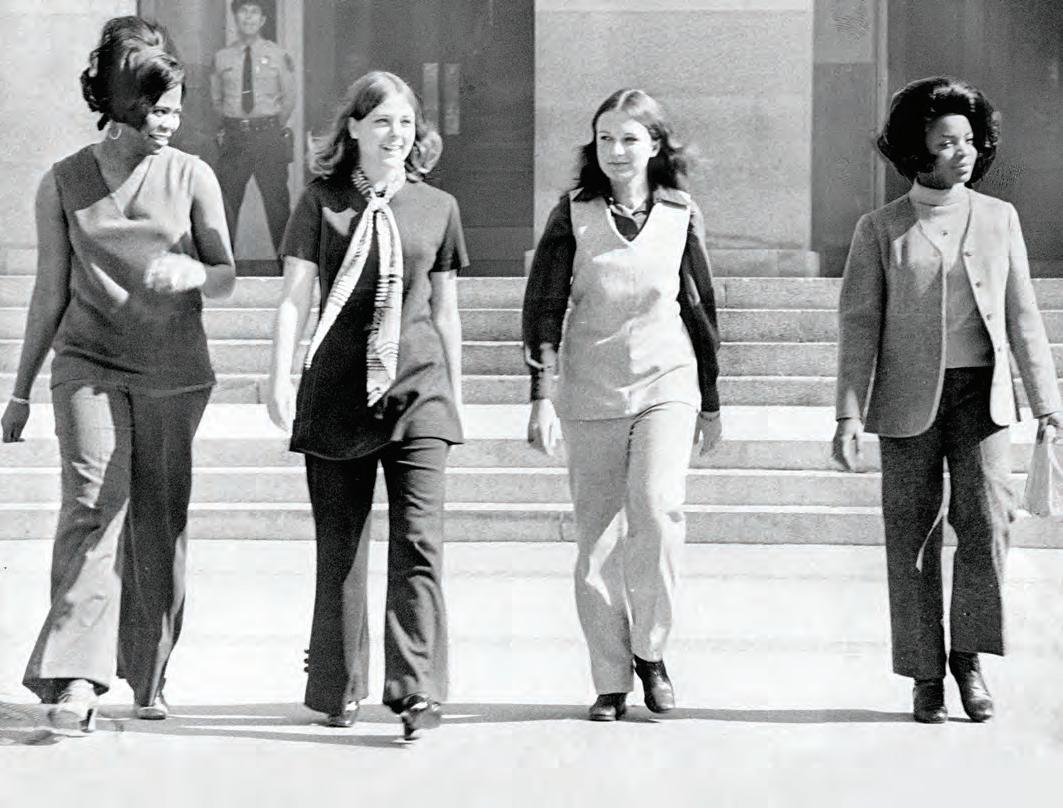 —DARLENA BELUSHIN MCKAY
98 SACRAMENTO MAGAZINE J uly 2023 Center for
1983/001/SBPM05408 Reflect
Sacramento History, Sacramento Bee Collection,