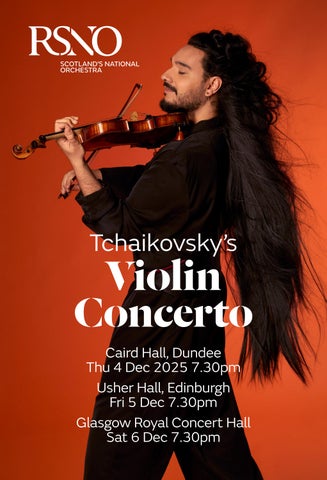
Violin Concerto Tchaikovsky’s
Caird Hall, Dundee
Thu 4 Dec 2025 7.30pm
Usher Hall, Edinburgh
Fri 5 Dec 7.30pm
Glasgow Royal Concert Hall Sat 6 Dec 7.30pm









Violin Concerto Tchaikovsky’s
Caird Hall, Dundee Thu 4 Dec 2025 7.30pm
Usher Hall, Edinburgh Fri 5 Dec 7.30pm
Glasgow Royal Concert Hall Sat 6 Dec 7.30pm
Imagine the sound of silence: 90 musicians creating a sound so still, and so quiet, that the air itself seems to be alive. That’s how Mahler begins his First Symphony: an incredible opening for an incredible adventure as a young genius explores life and death before rallying all his strength to shout for joy. Giedrė Šlekytė is our guide tonight, and the wonderful Nemanja Radulović is the star in the heart-rending love song that is Tchaikovsky’s ever-popular Violin Concerto.
BARTÓK Romanian Folk Dances (Movements 1, 4, 5, 6 and 7) [4’]
Side-by-Side with Big Noise Douglas (Dundee only)
TCHAIKOVSKY Violin Concerto in D Major Op35 [33’]
INTERVAL
MAHLER Symphony No1 in D Major Titan [55’]
Giedrė Šlekytė Conductor
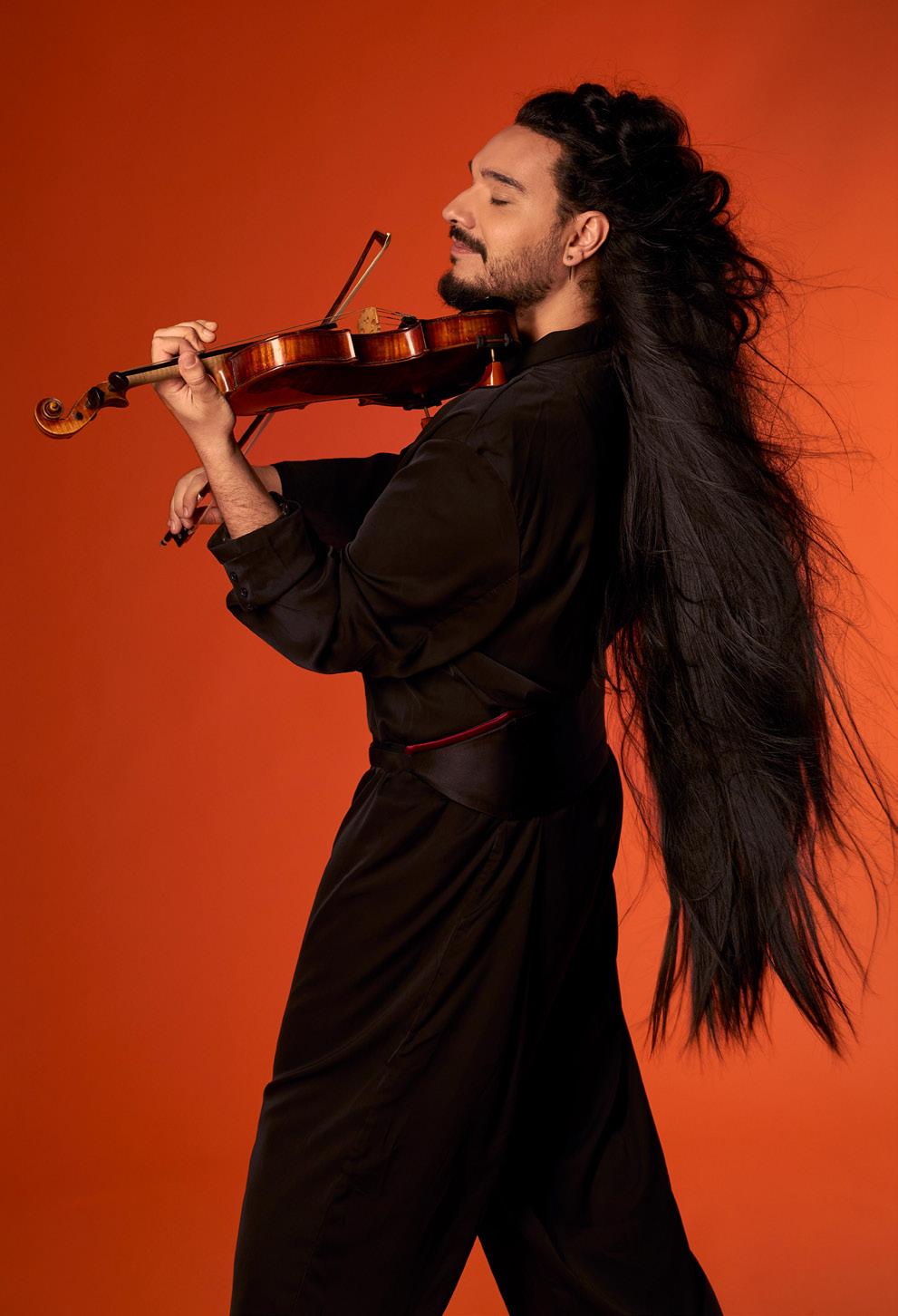
Nemanja Radulović Violin
Big Noise Douglas
Royal Scottish National Orchestra


The Dundee concert is supported by Leisure and Culture Dundee, Leng Charitable Trust, Northwood Charitable Trust and Tay Charitable Trust.
If viewing these notes at the concert, please do so considerately and not during performances. Please silence all mobile telephones and alerts, and refrain from taking photographs, without flash, until the end of each piece.

Presented by Josie Long
CAIRD HALL, DUNDEE
Thu 18 Dec: 6.30pm
USHER HALL, EDINBURGH
Fri 19 Dec: 6.30pm
GLASGOW ROYAL CONCERT HALL
Sat 20 Dec: 6pm

Welcome
Welcome to the RSNO’s last Season concert of 2025.
Tonight we are joined by our newly appointed Associate Leader, Shlomy Dobrinsky, a superb musician who recently performed with us on tour in China and throughout Europe. I’m so pleased to introduce Shlomy to you, our dedicated Scottish audiences. I’m sure you’ll give him a very warm welcome.
Our Dundee audience will notice a few extra faces on the stage tonight – those of the young musicians from Sistema Scotland’s Big Noise Douglas. I never tire of seeing these brilliant young people performing side-by-side with the Orchestra and seeing the joy it brings to everyone involved.
Ending the first half of the 2025:26 Season, Mahler’s First Symphony is one of the major orchestral showpieces. In fact, it was the first piece I played with the National Youth Orchestra of Great Britain and the Philharmonia, so I have some great (and some terrifying) associations with it. With Giedrė Šlekytė conducting –and making her RSNO debut – we will definitely be in safe hands. And with Nemanja Radulović – also making his RSNO debut –performing Tchaikovsky’s Violin Concerto too, it’s going to be a fantastic evening.
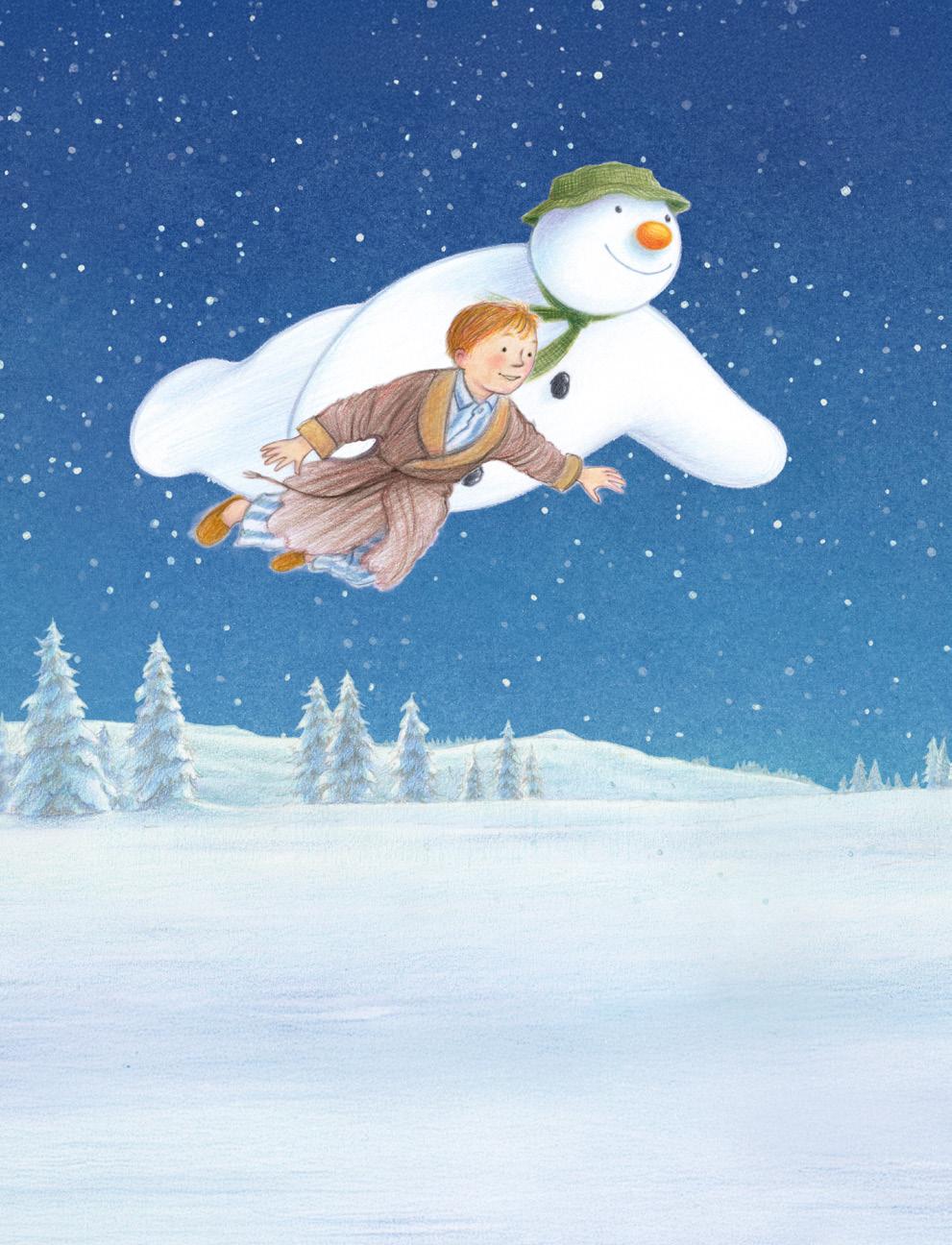
Before we wrap up 2025 completely, we have our family-favourite Christmas concerts, featuring the ever-popular The Snowman, in Aberdeen, Dundee, Edinburgh and Glasgow, plus A Festive Celebration with the RSNO Chorus Academies in Glasgow and Dundee. Our recent jazz-infused Gershwin and Rachmaninov concert will also be broadcast on BBC Radio 3 on Tuesday 16 December, so do tune in to that.
On behalf of all our musicians and staff, thank you for your support in 2025. I hope you all have a lovely festive period and we’ll see you again in the new year.
Alistair Mackie CHIEF EXECUTIVE
Keep in touch with the RSNO Royal Scottish National Orchestra 19 Killermont Street Glasgow G2 3NX T: +44 (0)141 226 3868
Royal Scottish National Orchestra
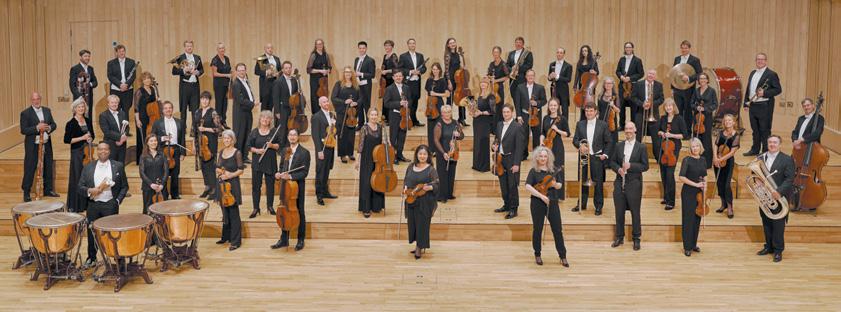
Formed in 1891 as the Scottish Orchestra, the company became the Scottish National Orchestra in 1950 and was awarded Royal Patronage in 1977. Many renowned conductors have contributed to its success, including Sir John Barbirolli, Walter Susskind, Sir Alexander Gibson, Neeme Järvi, Walter Weller, Alexander Lazarev and Stéphane Denève.
The Orchestra’s artistic team is led by Danish conductor Thomas Søndergård, who was appointed Music Director in 2018. In March 2024, Austrian-born conductor, composer and musician Patrick Hahn became the Orchestra’s Principal Guest Conductor.
The RSNO is supported by the Scottish Government and is one of the Scottish National Performing Companies. The Orchestra performs across Scotland, including concerts in Glasgow, Edinburgh, Dundee, Aberdeen, Perth and Inverness, and appears regularly at the Edinburgh International Festival and BBC Proms. The RSNO has made recent tours to China and Europe.
The RSNO has a worldwide reputation for the quality of its recordings, receiving a 2020 Gramophone Classical Music Award for Chopin’s
Piano Concertos (soloist: Benjamin Grosvenor), conducted by Elim Chan, two Diapason d’Or awards (Denève/Roussel 2007; Denève/Debussy 2012) and eight GRAMMY Award nominations. In recent years, the RSNO has cultivated an international reputation for world-class film, television and videogame soundtrack recording. The Orchestra has recorded for BAFTA-winning series Silo (Apple TV) and worked with the likes of GRAMMY Award-winning composer Lorne Balfe on Life on Our Planet (Netflix). Other notable titles include Nuremberg (Sony Pictures), Now You See Me: Now You Don’t (Lionsgate), Horizon: An American Saga (Warner Bros) and Star Wars Outlaws (Ubisoft). The Orchestra records at its bespoke in-house facility in Glasgow.
The RSNO believes that music can enrich lives, and aims to inspire, educate and entertain people throughout Scotland and beyond with its performances, recordings and engagement programmes. Supporting schools, families, young professionals and wider communities, the RSNO delivers high-quality initiatives for all ages and abilities.
FIRST VIOLIN
Igor Yuzefovich LEADER
Lena Zeliszewska
ASSOCIATE LEADER
Shlomy Dobrinsky
ASSOCIATE LEADER
Patrick Curlett
Liu-Yi Retallick
Caroline Parry
Ursula Heidecker Allen
Elizabeth Bamping
Lorna Rough
Susannah Lowdon
Alan Manson
Liam Lynch
Veronica Marziano
Helena Rose
Fiona Stephen
Kate Migguda
SECOND VIOLIN
Anna Smith
GUEST PRINCIPAL
Marion Wilson
Jacqueline Speirs
Emily Nenniger
Paul Medd
Anne Bünemann
Sophie Lang
Robin Wilson
Kirstin Drew
Colin McKee
Sharon Haslam
John Robinson
Elana Eisen
Sophie Hamilton
On Stage
VIOLA
Tom Dunn
PRINCIPAL
Felix Tanner
Asher Zaccardelli
Lisa Rourke
Nicola McWhirter
Claire Dunn
Katherine Wren
Francesca Hunt
Beth Woodford
David McCreadie
Elaine Koene
Nicola Boag
CELLO
Pei-Jee Ng PRINCIPAL
Betsy Taylor
Kennedy Leitch
Yuuki Bouterey-Ishido
Rachael Lee
Sarah Digger
Robert Anderson
Gunda Baranauskaitė
Neil Slid
Susan Dance
DOUBLE BASS
Nikita Naumov
PRINCIPAL
Carlos Navarro
Michael Rae
Yat Hei Lee
Moray Jones
Alexandre Cruz dos
Santos
George Podkolzin
Kirsty Matheson
FLUTE
Katherine Bryan PRINCIPAL
Oliver Roberts
Siobhan Grealy
Alyson Frazier GUEST PRINCIPAL PICCOLO
OBOE
Adrian Wilson
PRINCIPAL
Peter Dykes
Fraser Kelman
Henry Clay
PRINCIPAL COR ANGLAIS
CLARINET
Timothy Orpen
PRINCIPAL
William Knight
Rebecca Whitener
Duncan Swindells
PRINCIPAL BASS CLARINET
BASSOON
David Hubbard
PRINCIPAL
Jamie Louise White
Paolo Dutto
PRINCIPAL CONTRABASSOON
HORN
Amadea Dazeley-Gaist
PRINCIPAL
Alison Murray
Andrew McLean
David McClenaghan
Martin Murphy
Stephanie Jones
Alec Ross
Nicole Linning
TRUMPET
Christopher Hart
PRINCIPAL
Emily Mitchell
Jason Lewis
Mark Elwis
Leo Brychta
TROMBONE
Dávur Juul Magnussen
PRINCIPAL
Cillian Ó Ceallacháin
Alastair Sinclair
PRINCIPAL BASS TROMBONE
Emma Close
TUBA
John Whitener
PRINCIPAL
TIMPANI
Tom Hunter
GUEST PRINCIPAL
Murray Sedgwick
PERCUSSION
Simon Lowdon
PRINCIPAL
Simon Archer
Stuart Semple
HARP
Pippa Tunnell
Giedrė Šlekytė Conductor
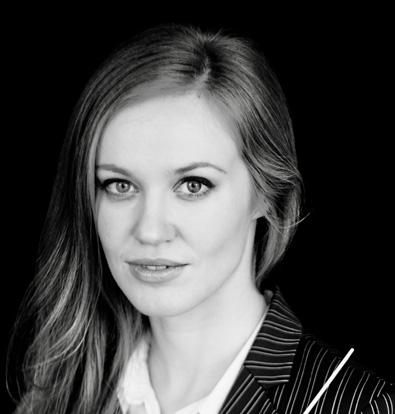
Born in Vilnius, Lithuania, Giedrė Šlekytė began her musical education at the National M K Čiurlionis Art-School in Vilnius. She went on to study conducting at the University of Music and Performing Arts in Graz, the Academy of Music and Theatre in Leipzig and the Zurich University of the Arts.
In the 2024/25 season, Šlekytė made her debuts at the Wiener Staatsoper (La bohème) and Royal Opera House (Hansel and Gretel), as well as returning to Musiktheater an der Wien for a new production of Das Paradies und die Peri and Staatsoper Berlin with The Pearl Fishers and Sacre. Symphonic projects encompassed debuts with the Dallas Symphony (marking her debut in the USA), Philharmonia and Tokyo’s NHK Symphony, as well as returns to the Münchner Philharmoniker, SWR Symphonieorchester, Rundfunk-Sinfonieorchester Berlin and Lithuanian State Symphony Orchestra.
In 2016 Šlekytė was appointed Principal Conductor of Stadttheater Klagenfurt, where she led her first production, Mozart’s The Abduction from the Seraglio. Finishing her
appointment in Klagenfurt in 2018, Šlekytė chose a freelance career as a conductor and has since been successfully combining operatic and symphonic projects.
In November 2023, jumping in for Daniel Barenboim, Šlekytė conducted a highly acclaimed Brahms symphony cycle in Toronto with the Berlin Staatskapelle, marking both her Canadian and North American debut. Memorable opera productions including Janáček’s Cunning Little Vixen at Musiktheater an der Wien and Kát’a Kabanová at the Komische Oper Berlin, Richard Strauss’ Ariadne auf Naxos Royal Danish Opera, Dvořák’s Rusalka Ballett Vlaanderen and Poulenc’s Dialogues des Carmélites at Oper Frankfurt.
In 2015 Šlekytė was a finalist of the Salzburg Festival Young Conductors Award and a prize-winner of the Malko International Young Conductors Competition in Copenhagen. In 2018 she was nominated in the ‘Newcomer’ category of the International Opera Awards.
Šlekytė is an active ambassador for Lithuanian music and has performed works by Raminta Šerkšnytė, Bronius Kutavičius, Osvaldas Balakauskas, Justė Janulytė, Mikalojus Konstantinas Čiurlionis and other Lithuanian composers in Austria, Sweden, the Czech Republic, Germany and Israel. With conductor Mirga Gražinyte-Tyla, she recorded an album of Šerkšnytė’s music, which was released by Deutsche Grammophon, as well as the highly acclaimed Žibuoklė Martinaitytė album for Ondine.

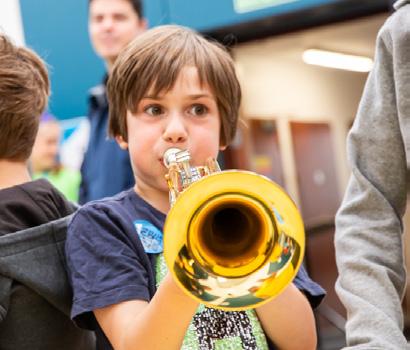


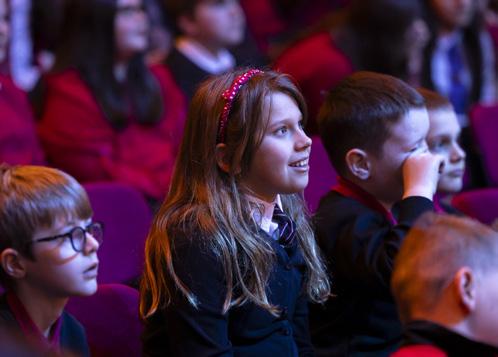
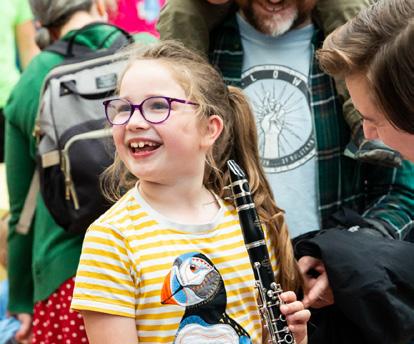

Your support can brighten a child’s day. Will you help us bring the joy of music to children across Scotland?
Scan the QR code to be taken to our donate page or visit rsno.org.uk/every-child

Béla Bartók (1881-1945)
Romanian Folk Dances
Movements 1, 4, 5, 6 and 7

FIRST PERFORMANCE
Piano version: 1915
DURATION 4 minutes
Jocul cu bâta (Stick Dance)
Buciumeana (Horn Dance)
Poarga Româneasca (Romanian Polka)
Mâruntel (Fast Dance)
Mâruntel (Fast Dance)
In the early 1900s, Bartók came to realise that what had until then generally passed as Romanian and Hungarian folk music was actually the rather meretricious collection of gypsy melodies that Brahms, Liszt and others had arranged. The real folk music, he discovered, had a harder texture, was cruder in technique, more severe in line, more austere in spirit. The melodies, written in modal scales, had an exotic character; the rhythms were irregular. He was also attracted to the variety and colours of instruments used: violins, peasant flutes (panpipes), guitars and bagpipes.
His interest and curiosity aroused, Bartók – along with fellow composer Zoltán Kodály – set about systematically collecting and analysing the folk music of the region in expeditions that took them from the Carpathian Mountains to the Adriatic, and from Western Slovakia to the Black Sea. This collaboration resulted in the unearthing of several thousand folk songs and dances eventually published in 12 monumental volumes. Bartók’s intensive study of this music greatly influenced his own creative work, as he became convinced that the folk art he had helped to discover could, as he said, ‘serve as the foundations for a renaissance of Hungarian art music’. The Romanian Folk Dances, written originally for solo piano in 1915, were some of the first fruits of this new approach to composing. A number of the dances were later arranged for string orchestra by the Czech composer Arthur Willner. The dances are played without a break, the last three in particular forming a coda of increasing energy and excitement.
© Mark Fielding
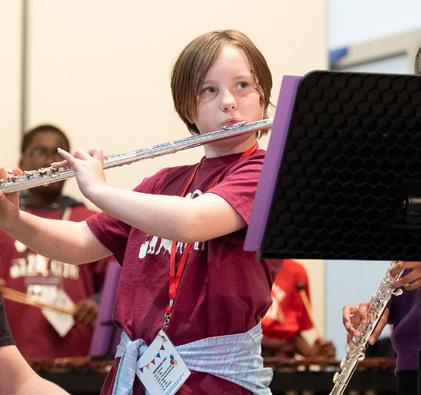
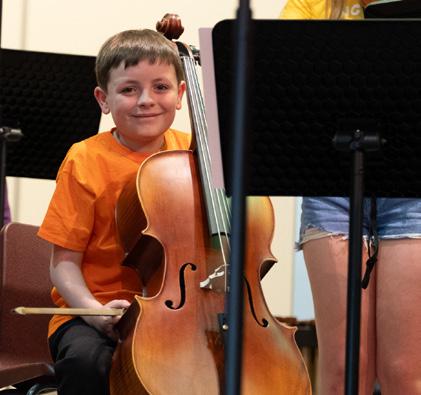
Big Noise Douglas
Ailidh Sinclair Viola
Amy Douglas Cello
Artemii Bondar Percussion
Ava Campbell Cello
Ava Tait-Lamont Viola
Bethany Rodger Violin
Cara Stott Viola
Cole Johnstone Violin
Danny Guild Violin
Emily Savery Violin
Freddie Soutar Cello
Freya Jones Double Bass
Jayden Forster Double Bass
Jessie McConnell Cello
Karis Nugent Violin
Kesja Zglinicka Violin
Laura Bednarska Violin
Lena Bednarska Violin
Logan Stewart Percussion
Tobi Adekoya Percussion
Toni Ryce Violin
Tyler Thompson Percussion
Xander Dallas Viola
Zoe Collier Violin

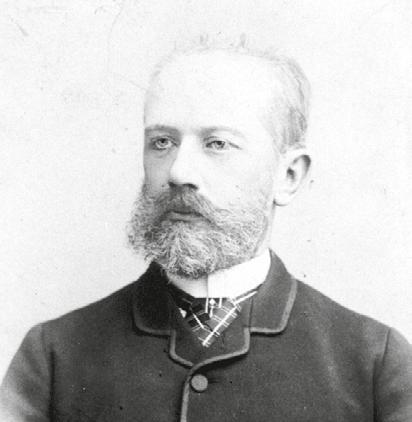
Pyotr Ilyich Tchaikovsky (1840-1893)
Violin Concerto in D Major Op35
FIRST PERFORMANCE
Vienna, 4 December 1881
DURATION 33 minutes
1. Allegro moderato
2. Canzonetta: Andante
3. Finale: Allegro vivacissimo
Tchaikovsky had something of a phobia when it came to violins. The instrument featured in one of his most vivid nightmares and during the first performances of Swan Lake a violinist reportedly punched the composer in the face.
But in the spring of 1877, it was a violinist who came to Tchaikovsky ’s rescue. Earlier that year, Tchaikovsky had received a letter from a former pupil he barely remembered. The young woman poured out her heart to Tchaikovsky, begging him to be her lover. For whatever reason – perhaps to divert attention from his homosexuality –Tchaikovsky went to meet her and proposed to her a day later. The marriage was doomed from the start.
When the couple separated after three months, Tchaikovsky attempted suicide. He escaped first to St Petersburg, then to Italy, and eventually to Clarens in Switzerland. There, he was visited by a friend named Yosif Kotek, who brought with him a suitcase full of music, including the score for Édouard Lalo’s new Symphonie espagnole for violin and orchestra.
Tchaikovsky was enchanted by Lalo’s piece, and its focus on beauty rather than process. The composer sketched out a violin concerto in just 11 days. ‘From the day I began to write it, a favourable mood has not left me,’ wrote the composer. Nothing, it seemed, was a problem. When Kotek and Tchaikovsky ’s confidante Natascha von Meck criticised the slow movement, the usually hypersensitive composer simply wrote another. It only took a day.
The Violin Concerto felt different to the music Tchaikovsky had written up to 1880, and even the turbulent Symphony No4 composed at the same time. The Concerto is neither stormy nor angst-ridden. It is a testament to Tchaikovsky ’s gift for melody.
The key of D Major resounds with particular splendour on the violin, which plays almost continuously throughout the first movement, introducing most of those melodies (the tune we hear first, from the orchestra, is actually a red herring and won’t be heard again).
If there’s a sense of anguish in the opening movement, it shows even more of itself in the elegiac slow movement, for which the soloist dampens the strings with a rubber mute. Even here, the mood is never doleful. The music has momentum deep within it, which the dovetailed Finale picks up and runs with. This launches almost by surprise, with the soloist’s intricate, folksy idea that is continuously interrupted by drone-like effects on lower strings. A dazzling array of tricks follows, but Tchaikovsky ’s fingertwisting violin part only serves the tunes already heard. A final game of contrasts between the soloist and the orchestra forms the Concerto’s final spectacle.
© Andrew Mellor
If you enjoyed Tchaikovsky’s Violin Concerto, why not try his Fifth Symphony (5-7 Feb 2026).
What was happening in 1881?
1 Mar Cunard’s SS Servia, the first large steel transatlantic liner, was launched at Clydebank
13 Mar Emperor Alexander II of Russia was killed in St Petersburg in a bomb attack committed by the revolutionary socialist group Narodnaya Volya
23 Mar The First Boer War between the UK and the Boers of the Transvaal ended with a Boer victory
16 May The world’s first electric tram service started in Berlin
2 Jul US President James A Garfield was shot by lawyer Charles J Guiteau in Washington, DC, and died on 19 Sep
14 Jul Billy the Kid was shot and killed by Pat Garrett near Fort Sumner, New Mexico
10 Oct Richard D’Oyly Carte opened the Savoy Theatre in London, the world’s first public building to be fully lit by electricity
26 Oct The Gunfight at the OK Corral in Tombstone, Arizona, between lawmen and the Cochise County Cowboys resulted in three dead
9 Nov Brahms’ 2nd Piano Concerto premiered in Budapest, with the composer as soloist
Nemanja Radulović Violin
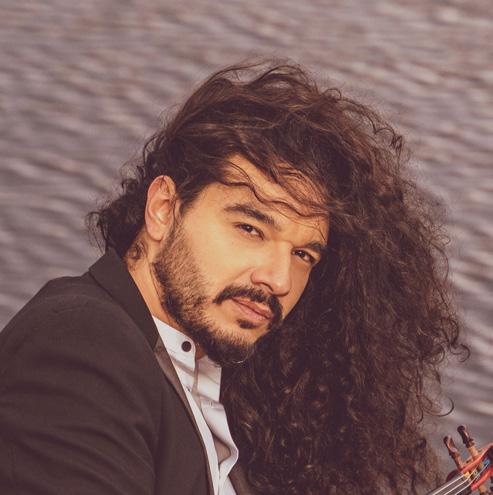
together with his unique energy and candour, electrifying virtuosity, depth of expression and adventurous programming. He was the winner of the 2024 OPUS KLASSIK Award for Concerto Recording of the Year (Beethoven: Violin Concerto and Kreutzer Sonata).
During the 2025/26 season Radulović brings Khachaturian’s Violin Concerto to the Opening Concert of the Enescu Festival with Cristian Măcelaru, Baltimore Symphony with Marin Alsop and Melbourne Symphony with Jaime Martín. With the Tchaikovsky Violin Concerto he reunites with Krzysztof Urbański for his return to the Warsaw Philharmonic and debut with the Bamberger Symphoniker, and begins new collaborations with the RSNO (Giedrė Šlekytė), and with the Belgian National Orchestra (Antony Hermus) at BOZAR Brussels and the Philharmonie de Paris. His season concludes with returns to Australia and Japan, collaborating with the Melbourne, Tasmania and Yomiuri Nippon Symphony orchestras, and a recital tour across Japan.
During the 2024/25 season, Radulović was Featured Artist with the Philharmonia Orchestra, performing the Khachaturian and Shostakovich Violin Concertos with Principal Conductor Santtu-Matias Rouvali, as well as play/directing a chamber music programme with Philharmonia musicians. He made an acclaimed return to the BBC Proms (Martín, BBC National Orchestra of Wales), in North America debuted with the Pittsburgh Symphony and Orchestre symphonique de Québec, and continued his relationship with the Los Angeles Chamber Orchestra.
Radulović’s recordings, including his critically acclaimed Beethoven album (2023) and second Bach album (2024) with his ensemble Double Sens, reflect his restless curiosity and desire to explore. Signed exclusively to Warner Classics in 2021, Radulović’s debut album on the label, ROOTS, represents a beguiling sonic journey inspired by his many influences. His previous album, Baïka, one of nine successful recordings with Deutsche Grammophon and Universal Music Group, was awarded five stars and the coveted Critics’ Choice Award by BBC Music Magazine
Radulović maintains an equal passion for the intimacy of chamber music and is an increasingly active recitalist on the international stage. He regularly undertakes a play/directing role with Double Sens, recently celebrated for their unprecedented musical film Unique, featuring selections by Bach, Vivaldi’s Four Seasons and a new arrangement by frequent collaborator Aleksandar Sedlar of Rimsky-Korsakov’s Scheherazade, filmed and recorded live at the Neolithic site in Carnac.
Born in Serbia in 1985, Radulović studied at the Faculty of Arts and Music in Belgrade, Hochschule für Musik Saar, Stauffer Academy with Salvatore Accardo and the Conservatoire de Paris with Patrice Fontanarosa.
Gustav Mahler (1860-1911)
Symphony No1 in D Major Titan
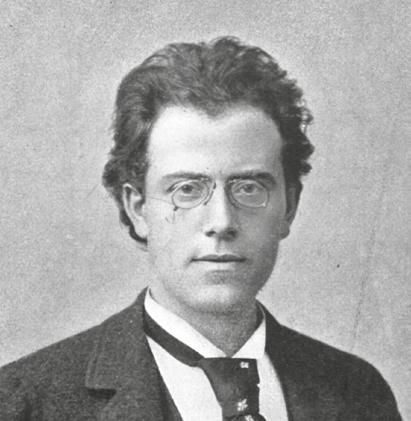
FIRST PERFORMANCE
Budapest, 20 November 1889
DURATION 55 minutes
1. Langsam, schleppend [Slow, dragging] –Immer sehr gemächlich [Always at a very leisurely pace]
2. Kräftig bewegt, doch nicht zu schnell [With strong movement, but not too fast] – Recht gemächlich [Quite leisurely] – Trio
3. Feierlich und gemessen, ohne zu schleppen [Solemn and measured, without dragging]
4. Stürmisch bewegt [Stormy]
When Gustav Mahler began his First Symphony in 1884, ‘modern music’ meant Wagner, while the standard by which new symphonies were judged was that of Brahms, the arch ‘classicalromantic’. In a Brahmsian symphony there was little room for Wagnerian lush harmonies, or sensational new orchestral colours. In fact, the orchestral forces Brahms employed were basically the same as those used by Beethoven and Schubert in their symphonies, threequarters of a century earlier.
So for audiences brought up on Brahms, hearing Mahler’s First Symphony would have been like stepping into a new world. The opening can still surprise even today: one note, an A, is spread through almost the entire range of the string section, topped with ghostly violin harmonics. Other unusual colours follow: distant trumpet fanfares, high clarinet cuckoo-calls, a plaintive cor anglais, the bell-like bass notes of the harp. All this would have been startlingly new in Mahler’s time. And there’s nothing tentative or experimental about this symphonic debut: at 24, Mahler knows precisely the sound he wants, and precisely how to get it.
Still, there’s much more to Mahler’s First Symphony than innovative orchestral colours and effects. When the Symphony was first performed it had a title, Titan, taken from the once-famous novel by the German romantic writer Jean Paul (the pen name of Johann Paul Richter). For Richter the ‘Titan’, the true genius, is a ‘Heaven-Stormer’ (Himmelsstürmer), an obsessive, almost recklessly passionate idealist. The idea appealed strongly to Mahler, but so too did Richter’s descriptions of landscapes. For the premiere, Mahler set out his version of the Titan theme in an explanatory programme note, which told how the Symphony progressed from ‘the awakening of nature at early dawn’, through youthful happiness and love, to the sardonic gloom of the funeral march, and then to the
finale, subtitled From Inferno to Paradise. And it was clear that Mahler’s interest in Richter’s theme was more than literary. Behind the Symphony, he hinted to friends, was the memory of a love affair that had ended, painfully, at about the time he began work on the piece.
But Mahler soon began to lose faith in programmes. ‘I would like it stressed that the Symphony is greater than the love affair it is based on,’ he wrote. ‘The real affair became the reason for, but by no means the true meaning of, the work.’ In later life he could be blunt: when someone raised the subject at an evening drinks party, Mahler is said to have leapt to his feet and shouted, ‘Perish all programmes!’
But for most listeners, music that is so passionate, dramatic and so full of the sounds of nature can’t be fully explained in the detached terms of ‘pure’ musical analysis. Fortunately the First Symphony is full of pointers to possible meanings beyond the notes. The main theme of the first movement – heard on cellos and basses after the slow, intensely atmospheric ‘dawn’ introduction – is taken from the second of Mahler’s four Lieder eines fahrenden Gesellen (Songs of a Wayfarer), written as a ‘memorial’ to his affair with the singer Johanna Richter (no relation of the novelist, but the name-connection is striking). In the song, a young man, jilted in love, sets out on a beautiful spring morning, hoping that nature will help his own heart to heal. For most of the first movement, Mahler seems to share the young man’s hope. The ending seems cheerful enough. But at the heart of the movement comes a darkly mysterious passage, echoing the ‘dawn’ introduction but adding sinister new sounds: the low, quiet growl of a tuba, ominous drum-beats and a repeated sighing figure for cellos. For a moment, the music seems to echo the final words of the song: ‘So
will my joy blossom too? No, no; it will never, never bloom again.’
Dance music dominates the second movement, especially the robust, earthy vigour of the Ländler (the country cousin of the sophisticated urban Waltz). There are hints here of another, earlier song, Hans und Grete, in which gawky young Hans finds a sweetheart at a village dance – all innocent happiness. But the slower, more reflective Trio brings more adult expression: nostalgia and, later, sarcasm (shrill high woodwind).
The third movement is in complete contrast. This is an eerie, sardonic funeral march, partly inspired by a painting by Jacques Callot, The Huntsman’s Funeral, in which a procession of animals carry the hunter to his grave. One by one, the orchestral instruments enter quietly, playing a famous old nursery tune, Frère Jacques – which sounds like another interesting nameconnection, except that Austrians like Mahler would have known the tune to the words ‘Brother Martin, are you sleeping?’ At the heart of this movement, Mahler makes a lengthy quotation from the last of the Lieder eines fahrenden Gesellen. The song tells in soft, gentle tones of how a young man, stricken with grief at the loss of the girl he loves, finds consolation in the thought of death. This is the dark heart of the First Symphony.
But this is not the end of the story. In the finale Mahler strives onward – in the words of the discarded programme, From Inferno to Paradise. At first all is turbulence, but when the storm has died down, strings present an ardent, slower melody – unmistakably a love theme. There’s a brief memory of the first movement’s ‘dawn’ music, then the struggle begins again. Eventually massed horns introduce a new, radiantly hopeful
theme, strongly reminiscent of ‘And he shall reign’ from Handel’s Messiah. More reminiscences and still more heroic struggles follow, until dark introspection is finally overcome, and the Symphony ends in jubilation. Mahler’s hero has survived to live, and love, another day.
© Stephen Johnson
Listen again to the RSNO Mahler Symphony No1 Plus Blumine
Neeme Järvi Conductor
More information rsno.org.uk/recordings
The Arts in 1889
In Music
Symphony No8 by Antonín Dvořák
Symphony in D Minor by César Franck
The Gondoliers by W S Gilbert and Sir Arthur Sullivan
In Literature
Three Men in a Boat by Jerome K Jerome
The Master of Ballantrae by Robert Louis Stevenson
The Kreutzer Sonata by Leo Tolstoy
A Connecticut Yankee in King Arthur’s Court by Mark Twain
In Art
The Burghers of Calais by Auguste Rodin
Ellen Terry as Lady Macbeth by John Singer Sargent
Self-Portrait with Bandaged Ear, Bedroom in Arles and The Starry Night by Vincent van Gogh
In Architecture
The Eiffel Tower, Paris
Sistema Scotland
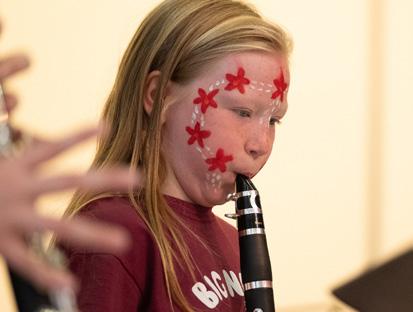
Sistema Scotland is the charity that delivers the Big Noise social change and music education programmes, working with almost 4,000 children and families to improve lives and strengthen communities across Scotland. Its immersive and long-term Big Noise programmes use music and nurturing relationships to help children and young people fulfil their potential.
At Big Noise the symphony orchestra becomes a community which supports young people to gain an invaluable range of life skills. Independent evaluation shows that Big Noise supports children to improve their learning, wellbeing and confidence, bringing communities together and paving the way for positive futures. The programmes are delivered by inspirational staff musicians who act as role models and mentors, and foster supportive, long-term relationships.
Big Noise Douglas is Sistema Scotland’s fourth Big Noise programme. First established in 2017, the programme now works with more than 600 children and young people and their families.

Big Noise is delivered by Sistema Scotland with support from a range of public partners, trusts, foundations and individuals. Sistema Scotland runs Big Noise programmes in the targeted communities of Big Noise Raploch & Fallin (Stirling), Govanhill (Glasgow), Torry (Aberdeen), Douglas (Dundee) and Wester Hailes (Edinburgh).
Please support Big Noise by visiting www.makeabignoise.org.uk or by scanning the QR code.



Messiah Handel’s
FRI 2 JAN: 3pm GLASGOW ROYAL CONCERT HALL
Laurence Cummings Conductor
Anna Devin Soprano
Claudia Huckle Alto
Nick Pritchard Tenor
George Humphreys Baritone
RSNO Chorus
Stephen Doughty Director, RSNO Chorus
Paul Whittaker BSL Performer BSL







Tchaikovsky’s Fifth Symphony
PERTH
THU 5 FEB: 7.30pm
EDINBURGH
FRI 6 FEB: 7.30pm
GLASGOW
SAT 7 FEB: 7.30pm
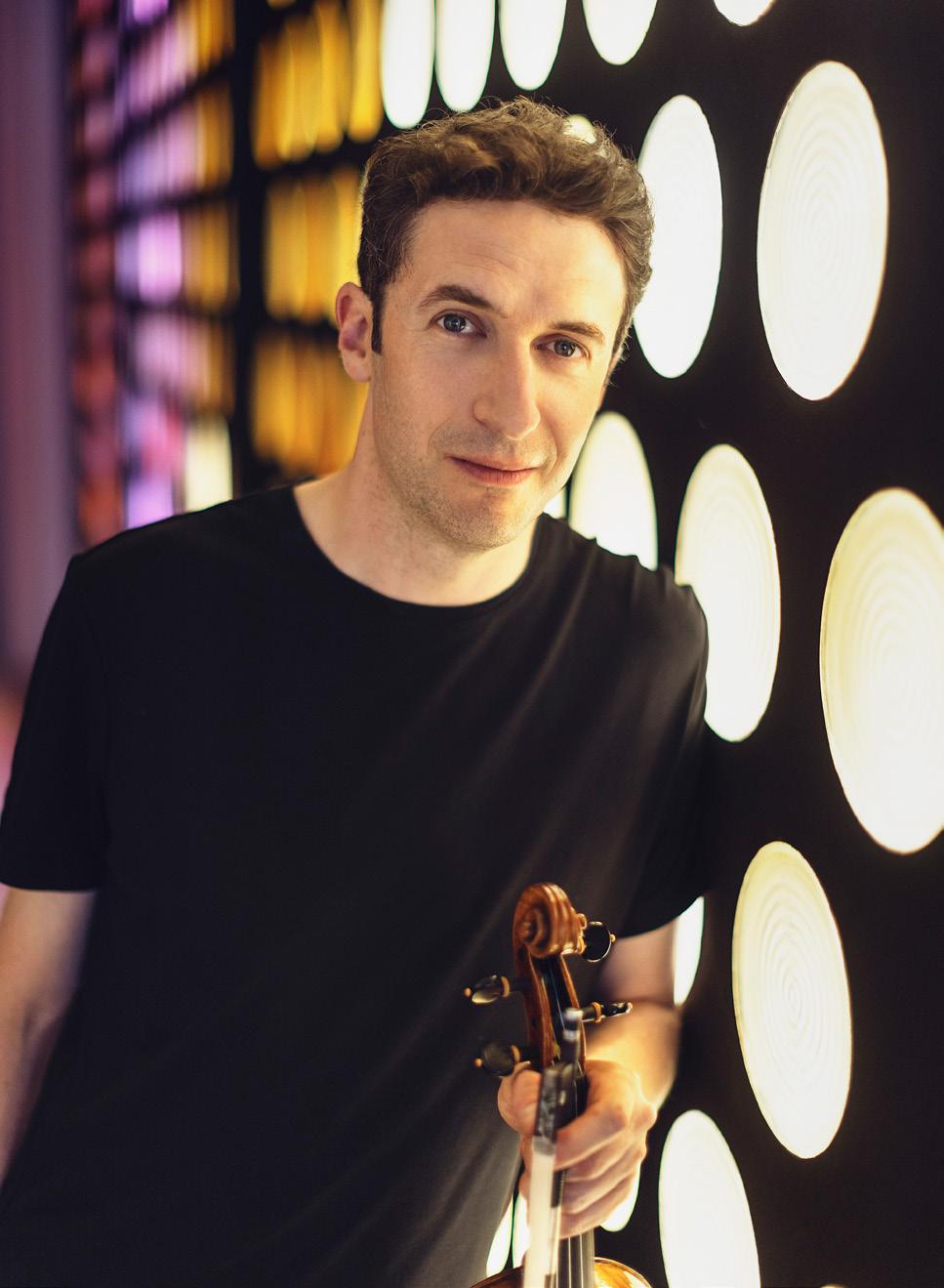
Book online at
Brahms Double Concerto for Violin and Cello
Tchaikovsky Symphony No5
Thomas Søndergård Conductor
Noah Bendix-Balgley Violin
Bruno Delepelaire Cello
RSNO Benefactors, Patrons and Circle members
We are grateful to all our individual supporters for their generous philanthropy and loyalty. Your support enables the Orchestra to achieve its most ambitious goals and to continue inspiring people across Scotland both on and off the concert stage.
RSNO Benefactors
Sir Ewan and Lady Brown
Gavin and Kate Gemmell
Kat Heathcote and Iain Macneil
Ms Chris Grace Hartness
RSNO Patrons
Geoff and Mary Ball
Lady Rebecca Fraser
George Ritchie
Stephen Sweeney
Valerie Wells
Chair Patrons
Assistant Conductor
Celia Llácer
The Solti Foundation Chair
First Violin
Maya Iwabuchi LEADER
Dunard Fund Chair
Tamás Fejes ASSISTANT LEADER
The Bill and Rosalind Gregson Chair
Ursula Heidecker Allen
The James and Iris Miller Chair
Elizabeth Bamping
The WL and Vera Heywood Chair
Alan Manson
The Hugh and Linda Bruce-Watt Chair
Liam Lynch
Mr Kyle Anderson Weir
Lorna Rough
The Sir Richard Dunbar Chair
RSNO Conductors’ Circle
Ardgowan Charitable Trust
Stina Bruce Jones
Ian and Evelyn Crombie
Kenneth and Julia Greig
Shirley Murray
David and Alix Stevenson
Rolf and Celia Thornqvist
Eric and Karen Young
Learning and Engagement Patrons
William Brown, W.S
The Dundee RSNO Circle Committee
Neil and Nicola Gordon
Professor Gillian Mead, FRSE
Nicholas and Alison Muntz
Maurice and Nicola Taylor Charitable Trust
Second Violin
Marion Wilson ASSOCIATE PRINCIPAL
The Nigel & Margot Russell Chair
Sophie Lang
The Ian & Evelyn Crombie Chair
Emily Nenniger
Mr Jamie & Kyle Anderson Weir
Viola
Tom Dunn PRINCIPAL
The Cathy & Keith MacGillivray Chair
Lisa Rourke SUB PRINCIPAL
The Meta Ramsay Chair
Francesca Hunt
The Rolf and Celia Thornqvist Chair
Beth Woodford
Mr Jamie & Kyle Anderson Weir
Cello
Pei-Jee Ng PRINCIPAL
Mr Jamie & Kyle Anderson Weir
Betsy Taylor ASSOCIATE PRINCIPAL
The Maxwell Armstrong Chair
Kennedy Leitch ASSISTANT PRINCIPAL
The David and Anne Smith Chair
Rachael Lee
The Christine and Arthur Hamilton Chair
Double Bass
Nikita Naumov PRINCIPAL
The Gregor Forbes John Clark Chair
Michael Rae ASSISTANT PRINCIPAL
James Wood Bequest Fund Chair
Flute
Katherine Bryan PRINCIPAL
The David and Anne Smith Chair
Oboe
Adrian Wilson PRINCIPAL
The Hedley Wright Chair
Peter Dykes ASSOCIATE PRINCIPAL
Witherby Publishing Group Charitable Trust Chair
Cor Anglais
Henry Clay PRINCIPAL
In memory of a dear friend, Fiona H
Clarinet
Timothy Orpen PRINCIPAL
The Shirley Murray Chair
William Knight
The Turcan Connell Chair
Horn
David McClenaghan SUB-PRINCIPAL
The Springbank Distillers Chair
Alison Murray ASSISTANT PRINCIPAL
Mr & Mrs Pierre and Alison Girard
Martin Murphy ASSISTANT PRINCIPAL
The Gordon Fraser Charitable Trust Chair
Andrew McLean
The Catherine McLagan Chair
Trumpet
Christopher Hart PRINCIPAL
Ms Chris Grace Hartness
Timpani
Paul Philbert PRINCIPAL
Ms Chris Grace Hartness
Staff
Chiko Parkinson
COMMUNITY SINGING ASSISTANT
Supported by ScotRail
We are also grateful to those who give but who wish to remain anonymous.
If you would like to discuss how you can become an RSNO Patron, please contact Constance Fraser, Head of Development (Individuals and Partnerships), at constance.fraser@rsno.org.uk
RSNO Circle
Virtuoso
Ms Catherine Y Alexander
Mrs A M Bennett
Mr Alan and Mrs Carolyn Bonnyman
Dame Susan and Mr John Bruce
Stephen and Morny Carter
Francesca and Eoghan Contini Mackie
Dr Clive Criper
Scott and Frieda Grier
Judith and David Halkerston
Iain MacNeil and Kat Heathcote
Martin and Carola Gordon
Miss A McGrory
Miss M Michie
Mr James Miller CBE
Mrs Abigail Morrison
Nicholas and Alison Muntz
Meta Ramsay
Mr and Mrs W Semple
Gregor and Lesley Stewart
Mr Ian Taft
Claire and Mark Urquhart
Raymond and Brenda Williamson
Margaret Duffy and Peter Williamson
Symphony
Mr John Brownlie
Mr A Campbell
Dr K Chapman and Ms S Adam
Sir Sandy and Lady Crombie
Mr W G Geddes
Elizabeth Gibb
Dr Robert Gibb
Mr I Gow
Mr J D Home
Christine Lessels
Katharine M E Liston
Mrs A McQueen
Mr Iain Percival
Mr and Mrs David Robinson
Ian and Janet Szymanski
Dr C Cradock and Dr S Todd
Nelson and Barbara Waters
Philip Whitely and Robert H Mackay
Concerto
Neil Barton
Miss D Blackie
Dr C M Bronte-Stewart
Dr F L Brown
Mr and Mrs Burnside
David Caldwell
Ms H Calvert
Ross Cavanagh
Myk Cichla
Terry and Joan Cole
Dr J Coleiro
Mr and Mrs B H Cross
Christine and Jo Danbolt
Mr P Davidson
Steven J Davis
Mr and Mrs K B Dietz
Mr C Ffoulkes
William Findlay
Mr and Mrs M Gilbert
Simon and Fiona Guest
Lord and Lady Hamilton
Mrs S Hawthorn
P Hayes
Dr and Mrs P Heywood
Ms H Kay
Mr and Mrs W Kean
Nicholas Kilpatrick
Christine Lessels
Morag MacCormick
Mr and Mrs Marwick
Mr S Marwick
Mrs Sandra Maxwell
Mr and Mrs G McAllister
Mrs M McDonald
Dr A H McKee
Mr Rod McLoughlin
Morag Millar
Mrs B Morinaud
Dr and Mrs D Mowle
Mr K R and Dr C C Parish
Ms A and Miss I Reeve
Mrs E M Robertson
Dr and Mrs G K Simpson
Mrs Henrietta Simpson
Dr Norma Smith
Mr and Mrs A Stewart
David and Helen Strachan
Mr I Strachan
Mr G Stronach
Dr G R Sutherland
Mr and Mrs J B Watson
Mr and Mrs D Weetman
Helen and Peter Wilde
David W Wren
Roderick Wylie
Sonata
Mr and Mrs G H Ainsley
Mr K Allen
Dr A D Beattie
Jenny Beattie
Mrs H Benzie
Mr R Billingham
Lord and Lady Borthwick
John Bradshaw and Shiona Mackie
Mrs Bryan
Andrew Burrows
Mrs C M Campbell
Miss S M Carlyon
Amanda Carter-Fraser
Alan Clevett
Lady Coulsfield
Adam and Lesley Cumming
Mrs C Donald
J Donald and L Knifton
Mr John Duffy
Mr R M Duncan
Brigadier and Mrs C C Dunphie
Mrs E Egan
Mr R Ellis
Mr R B Erskine
Dr E Evans
Dr A Ewing
David Ferrier
Kenneth Forbes
Mr D Fraser
Ms J Gardner
Philip and Karen Gaskell
Mrs M Gibson
Mrs M Gillan
Mrs J K Gowans
Dr J and Mrs H Graham
Professor and Mrs A R Grieve
Dr P J Harper
Dr N Harrison
Mr and Mrs R J Hart
Bobby and Rhona Hogg
Mr and Mrs F Howell
Mrs A Hunter
Inez Hutchison
Professor R N Ibbett
Thomas Jakobsen Burns
Geoffrey and Elizabeth Johnston
Ms K Lang
Dr D A Lunt
Mrs Jean C Martin
Mr and Mrs J Martin
Ms S McArthur
Jean McCutcheon
Mr M McGarvie
Mrs S McGeachan
Hon Lord McGhie
Dr Colin McHardy
Ms H L McLaren
Margaret McLay
Libby McLean
Mr and Mrs B Mellon
Kathryn Michael
Mr I Mills
Mrs P Molyneaux
Kenneth M Murray
Bruce and Christine Nelson
Alastair Ogilvie
Mr and Mrs K O’Hare
Mr and Mrs K Osborne
Dr G Osbourne
Mr A Ownsworth
Mr R Parry
John Paterson
Misses J and M Penman
Mr J W Pottinger
Miss J A Raiker
Mr M Rattray
Alastair Reid
Ms F Reith
Dr and Mrs D Robb
Anne Robertson
Mr I Robertson
Ms A Robson
Sheriff Linda Ruxton
Mrs J Shanks
Mr J A Shipley
Dr M J and Mrs J A Shirreffs
Richard and Gillian Shirreffs
Ana Smith
Mrs E Smith
Mr M Smith
Dr and Mrs B Stack
Mrs Lorna Statham
Mrs R F Stewart
Mr and Mrs B Tait
Lisbeth Thoms
Dr and Mrs T Thomson
Mr C Turnbull
Dr Morag Ward
Dr Alex Watson
Mr W Watters
Alan Weddell
Mr and Mrs D Weetman
Mr R Young
Thank you to all our members of the Circle, including Overture members and those who wish to remain anonymous.
If you would like to discuss how you can become an RSNO Circle member, please contact Polly Lightbody, Individual Giving and Partnerships Officer, at polly.lightbody@rsno.org.uk

Charitable Trusts and Foundations
Charitable trusts and foundations have a distinguished history of supporting the RSNO, both on and off the stage. From one-off donations for specific concerts and musicians’ chairs, to multi-year funding for our community engagement initiatives, including our Schools Programme, every grant in support of our work is truly appreciated. We are grateful to the following trusts and foundations for their generosity:
Aberdeen Endowments Trust
ABO Sirens Fund
Adam Mickiewicz Institute
Alexander Moncur Charitable Trust
Alma & Leslie Wolfson Charitable Trust
Adam Mickiewicz Institute
Balgay Children’s Society
Boris Karloff Charitable Foundation
Brownlie Charitable Trust
Castansa Trust
CMS Charitable Trust
Common Humanity Arts Trust
Cookie Matheson Charitable Trust
Cruden Foundation
David and June Gordon Memorial Trust
Dunclay Charitable Trust
Educational Institute of Scotland
Ettrick Charitable Trust
Fidelio Charitable Trust
Forteviot Charitable Trust
Gannochy Trust
Gaelic Language Promotion Trust
Gordon Fraser Charitable Trust
Harbinson Charitable Trust
Hobart Charitable Trust
Hugh Fraser Foundation
James Wood Bequest Fund
Jennie S Gordon Memorial Foundation
Jean & Roger Miller’s Charitable Trust
Jimmie Cairncross Charitable Trust
John Scott Trust Fund
John Mather Trust
Jones Family Charitable Trust
JTH Charitable Trust
Leach Family Charitable Trust
Leng Charitable Trust
Lethendy Charitable Trust
Marchus Trust
McGlashan Charitable Trust
Meikle Foundation
Mickel Fund
Miss E C Hendry Charitable Trust
Miss Jean R Stirrat’s Charitable Trust
Murdoch Forrest Charitable Trust
N Smith Charitable Settlement
Nancie Massey Charitable Trust
Noel Coward Foundation
Northwood Charitable Trust
Nugee Foundation
Pear Tree Fund for Music
PF Charitable Trust
Pump House Trust
Q Charitable Trust
R J Larg Family Trust
Ronald Miller Foundation
Rowena Alison Goffin Charitable Trust
Russell Trust
Scops Arts Trust
Scott Davidson Charitable Trust
Scottish Enterprise
Solti Foundation
Souter Charitable Trust
Stanley Morrison Charitable Trust
Stevenston Charitable Trust
Sylvia Aitken Charitable Trust
Tay Charitable Trust
Thriplow Charitable Trust
Tillyloss Trust
W A Cargill Fund
W M Mann Foundation
W M Sword Charitable Trust
Walter Scott Giving Group
Wavendon Foundation
Weir Charitable Trust
Zich Trust
We are also grateful to a number of trusts that wish to stay anonymous.
If you would like more information about our work and how you can make a difference, please contact Niamh Kelly, Trusts and Projects Manager, at niamh.kelly@rsno.org.uk
A big Thank You to our supporters
FUNDERS





PRINCIPAL MEDIA PARTNER



CORPORATE SUPPORTERS



PRINCIPAL TRANSPORT PARTNER


BROADCAST PARTNER

PARTNERS
Adelaide Place • Age Scotland • Black Lives in Music • Charanga • Children’s Classic Concerts
Children’s Hospices Across Scotland • Classic FM • Douglas Academy • Dundee Science Centre
Dunedin Consort • Edinburgh Zoo • Education Scotland • Fanzclub • Gig Buddies • GMAC Film
Heads of Instrumental Teaching Scotland • Hebrides Ensemble Kibble • Luminate • Marine Conservation Society
MARSM • Music Education Partnership Group • ParentZone • The Pyramid at Anderston
Royal Conservatoire of Scotland • Scottish Book Trust • Scottish Chamber Orchestra
Scottish Refugee Council • Sistema Scotland • St Mary’s Music School • Tayside Healthcare Arts Trust
Trees for Life • University of Glasgow • V&A Dundee • Visible Fictions
With thanks to Mr Hedley G Wright and the Springbank Distillery for their support of the RSNO
If you would like more information about sponsorships, corporate partnerships or fundraising events with the RSNO, please contact Constance Fraser, Head of Development (Individuals and Partnerships), at constance.fraser@rsno.org.uk
Royal Scottish National Orchestra
PATRON
His Majesty The King
ARTISTIC TEAM
Thomas Søndergård
MUSIC DIRECTOR
Patrick Hahn
PRINCIPAL GUEST CONDUCTOR
Celia Llácer
ASSISTANT CONDUCTOR
Ellie Slorach
ENGAGEMENT CONDUCTOR
Kellen Gray
ASSOCIATE ARTIST
Neeme Järvi
CONDUCTOR LAUREATE
Alexander Lazarev
CONDUCTOR EMERITUS
Stephen Doughty DIRECTOR, RSNO CHORUS
Patrick Barrett DIRECTOR, RSNO YOUTH CHORUSES
CHIEF EXECUTIVE
Alistair Mackie
CHIEF EXECUTIVE
Dr Jane Donald
DEPUTY CHIEF EXECUTIVE
Charlotte Jennings
EXECUTIVE ASSISTANT (MATERNITY LEAVE COVER)
Nicola Kelman
EXECUTIVE ASSISTANT (MATERNITY LEAVE)
PLANNING
Tammo Schuelke
DIRECTOR OF ARTISTIC PLANNING
Xander van Vliet
ARTISTIC PLANNING MANAGER
Rachel Pullin
ARTISTIC PLANNING OFFICER
Richard Payne
HEAD OF LIBRARY SERVICES
Megan Bousfield
LIBRARY ASSISTANT
Christine Walker
CHORUS MANAGER
ORCHESTRA MANAGEMENT
Matthias Van Der Swaagh
HEAD OF ORCHESTRA MANAGEMENT
Brodie Smith
DEPUTY ORCHESTRA MANAGER
Megan Walker
ORCHESTRA AND PROJECTS OFFICER
OPERATIONS AND PRODUCTION
Craig Swindells
HEAD OF PRODUCTION
Ashley Holland
STAGE MANAGER
RSNO BOARD OF DIRECTORS
Elected Directors
Gregor Stewart
CHAIR
Gail Blain
HONORARY TREASURER
Ruth Binks
Kayla-Megan Burns
Ken Hay
Kat Heathcote MBE
Don Macleod
David Robinson
John Stewart
David Strachan
Cllr Edward Thornley
NOMINATED DIRECTOR
Julia Miller
COMPANY SECRETARY
Dylan Findlay
ASSISTANT STAGE MANAGER
Ted Howie
FACILITIES MANAGER
LEARNING AND ENGAGEMENT
Andrew Stevenson
DIRECTOR OF ENGAGEMENT
Anna Crawford
ENGAGEMENT DELIVERY MANAGER (MATERNITY LEAVE)
Rachel Naismith
ENGAGEMENT DELIVERY MANAGER (MATERNITY COVER)
Maisie Leddy
ENGAGEMENT PRODUCER
Chiko Parkinson
COMMUNITY CHORUS AND PARTNERSHIPS
COORDINATOR SUPPORTED BY SCOTRAIL
EXTERNAL RELATIONS
Dr Jane Donald
DIRECTOR OF EXTERNAL RELATIONS
Carol Fleming
HEAD OF MARKETING
Constance Fraser
HEAD OF DEVELOPMENT (INDIVIDUALS AND PARTNERSHIPS)
Kirsten Reid
HEAD OF DEVELOPMENT (TRUSTS AND PROJECTS) (MATERNITY LEAVE)
Lisa Ballantyne
PARTNERSHIPS OFFICER
Keilidh Bradley
GRADUATE ANIMATOR
Ian Brooke
PROGRAMMES EDITOR
Fred Bruce
TRUSTS AND PROJECTS ADMINISTRATOR
Clara Cowen
MARKETING MANAGER
Player Directors
Katherine Bryan
Christopher Hart
David Hubbard
William Knight
David McClenaghan
Lorna Rough
SCHOOLS ADVISORY GROUP
Ruth Binks
Pam Black
Norman Bolton
Martin Greig
Mae Murrary
Seonaid Eadie
EXTERNAL RELATIONS OFFICER
Katie Kean
COMMUNICATIONS AND MARKETING OFFICER
Niamh Kelly
TRUSTS AND PROJECTS MANAGER
Polly Lightbody
INDIVIDUAL GIVING AND PARTNERSHIPS OFFICER
Graham Ramage
GRAPHIC DESIGNER
Sam Stone
INFORMATION SERVICES MANAGER
Ross Williamson
VIDEO PRODUCER (MARKETING)
AUDIO
Hedd Morfett-Jones
STUDIO MANAGER
Sam McErlean
MEDIA MANAGER AND AUDIO ENGINEER
Ahan Sengupta
TRAINEE AUDIO ENGINEER
FINANCE AND CORPORATE SERVICES
Susan Rennie
HEAD OF FINANCE
Jade Wilson
FINANCE OFFICER
Abby Dennison
FINANCE ADMINISTRATOR
Phoebe Connolly
FINANCE ASSISTANT
Contents © Copyright RSNO and named authors.