Robert Finch: How HR Strengthens
Safety and Stability in Healthcare Organizations

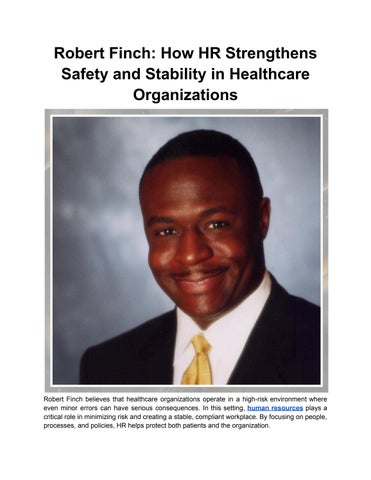
Robert Finch believes that healthcare organizations operate in a high-risk environment where even minor errors can have serious consequences In this setting, human resources plays a critical role in minimizing risk and creating a stable, compliant workplace By focusing on people, processes, and policies, HR helps protect both patients and the organization.
One of the primary ways HR reduces risk is through effective hiring practices Bringing in qualified, well-trained professionals ensures teams can deliver safe, reliable care. Thorough background checks, credential verification, and structured interviews allow HR to identify candidates who meet both technical and ethical standards. As a result, organizations reduce the likelihood of errors caused by underqualified staff.
In addition, HR supports ongoing training and compliance. Healthcare regulations constantly evolve, so employees must stay informed HR teams design training programs that address safety protocols, legal requirements, and ethical practices Regular updates and certifications ensure that staff remain compliant, which lowers the risk of violations and penalties.
Another important function involves fostering a culture of accountability HR establishes clear policies and expectations that guide employee behavior. When organizations promote transparency and responsibility, employees are more likely to follow procedures and report concerns. This proactive approach helps prevent issues before they escalate into serious problems
Moreover, HR plays a key role in managing workplace conflicts and employee well-being. Stress and burnout can lead to mistakes, especially in high-pressure healthcare environments By addressing concerns early, offering support programs, and encouraging open communication, HR helps maintain a healthier workforce. A supported team performs better and contributes to safer patient care
Risk management also depends on proper documentation and policy enforcement. HR ensures that procedures are clearly defined and consistently applied Accurate records of training, performance, and incidents provide a strong foundation for accountability. These records also protect the organization in case of audits or legal challenges
Finally, HR collaborates with leadership to identify potential risks and implement preventive strategies By analyzing workforce data and trends, HR can anticipate issues such as staffing shortages or compliance gaps This forward-thinking approach allows organizations to act before risks become crises.
HR serves as a vital safeguard in healthcare settings. Through strategic hiring, continuous training, strong policies, and employee support, HR reduces organizational risk while promoting a culture of safety and excellence