HOW THE ARTHUR CHILD’S PALLIATIVE ONCOLOGY PHARMACY TEAM IS RESHAPING CARE
THE REDEFINING SUPPORT ISSUE
In Alberta, support comes in many forms. It comes from health care providers, practical programs and caregivers. But it’s also so much more than physical assistance or presence. Support is power, change and hope. Meet Albertans who redefine what support looks like and how it impacted their cancer journeys, elevated their research to provide better care and shaped world-leading innovations.
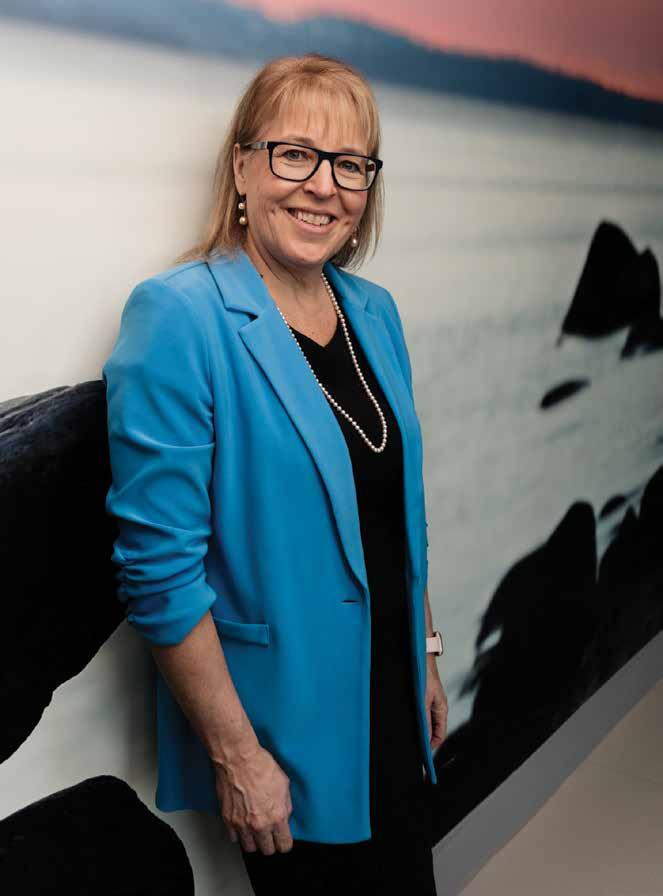
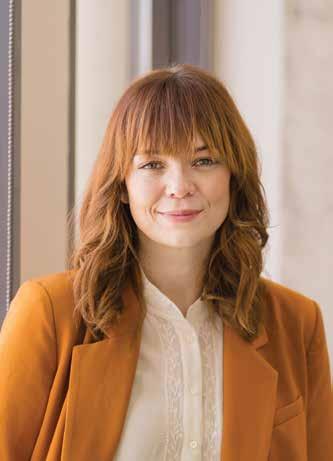
Dr. Safiya Karim helps redefine cancer journeys through integrative oncology care.
8 EVERY STEP OF THE WAY
Patient support programs ensure Albertans’ needs are met.
Why eating protein-rich food matters and how it can boost your health.
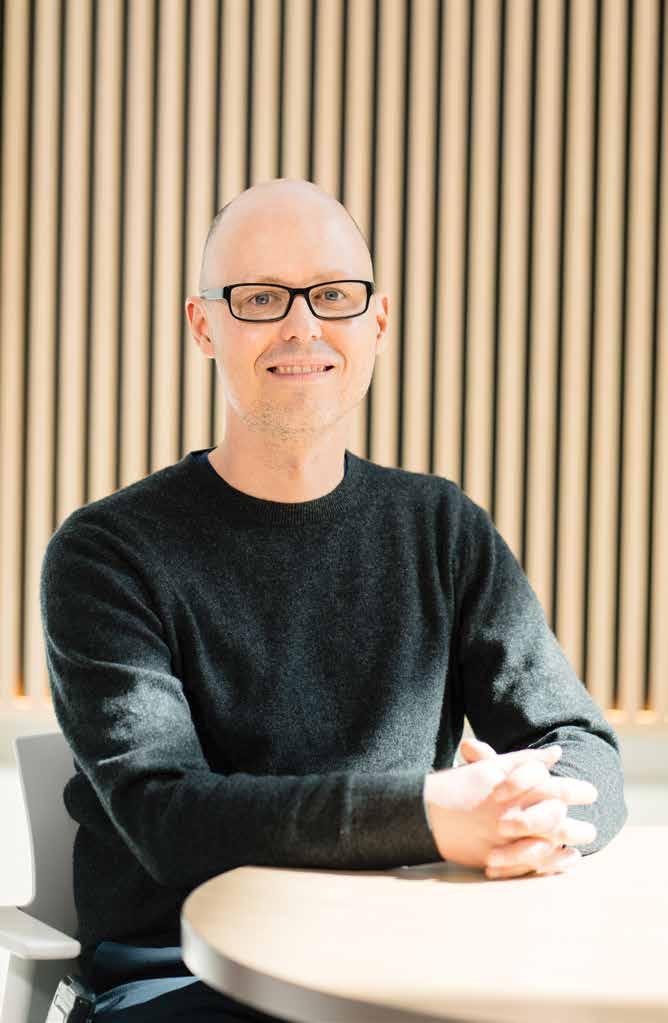
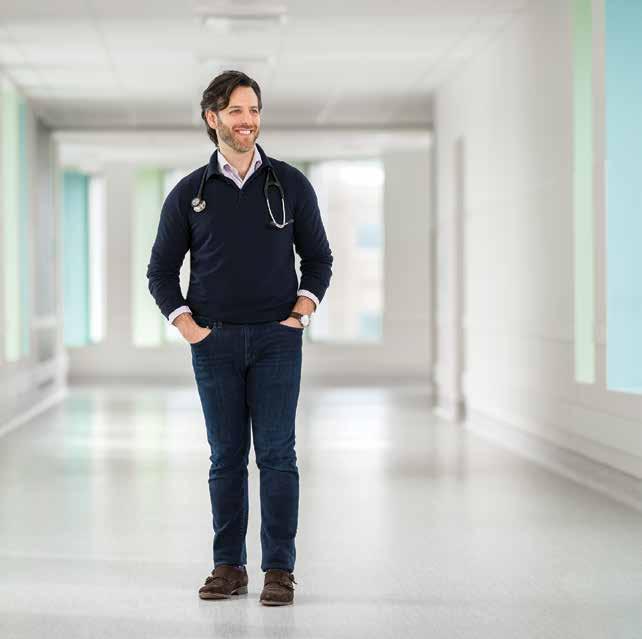
Dr. Matthew Anaka explains immunotherapy, making the treatment understandable for all.
30 TENACIOUS AND AUDACIOUS
Dr. Ana Nikolic is advancing glioblastoma research through new tools and technologies.
33
BEACON OF HOPE
Sharon McMinn honours her late husband by generously giving back.
34
TRUE CALLING
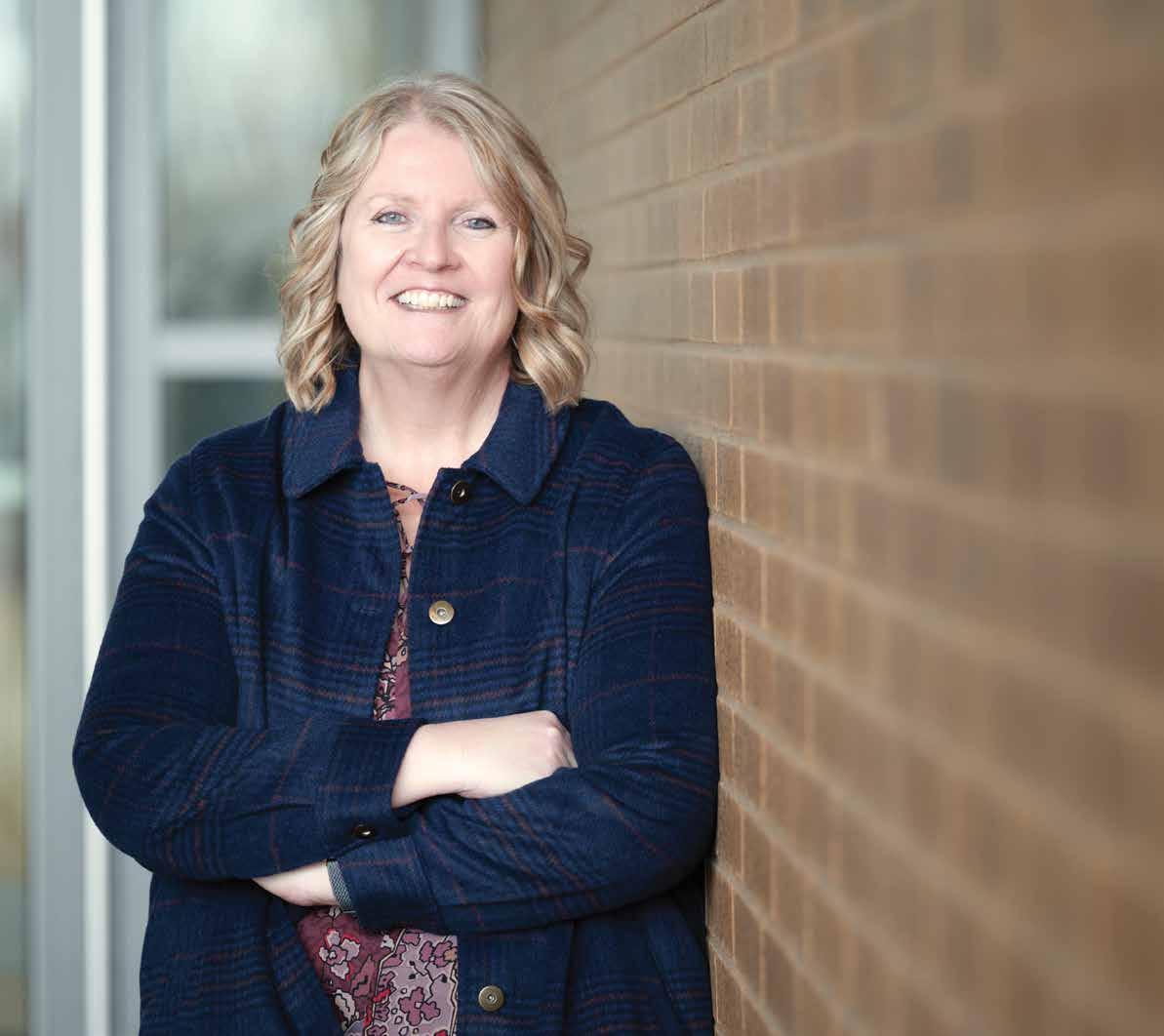
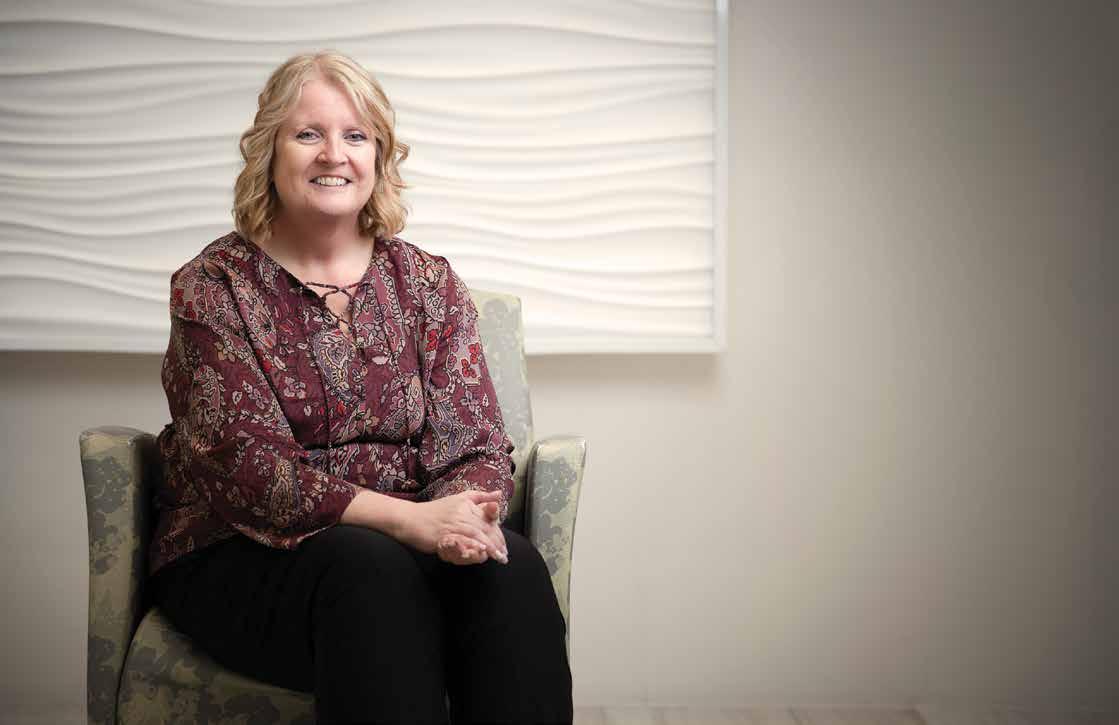
As an advanced disease navigator, Laurie Laughren makes sure no one faces cancer alone.
37
LIGHT IN THE DARKNESS
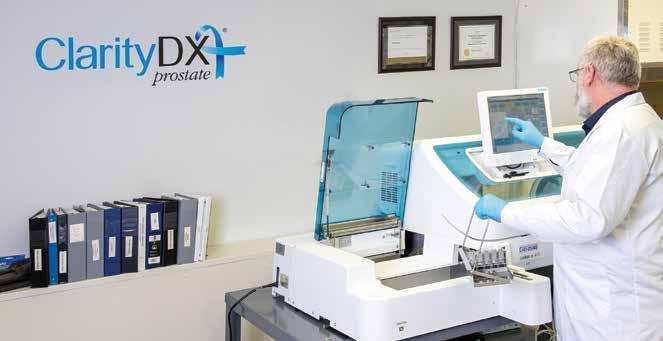
Nanostics has created an innovative prostate cancer test, thanks to donor generosity.
38
ALBERTANS FIRST
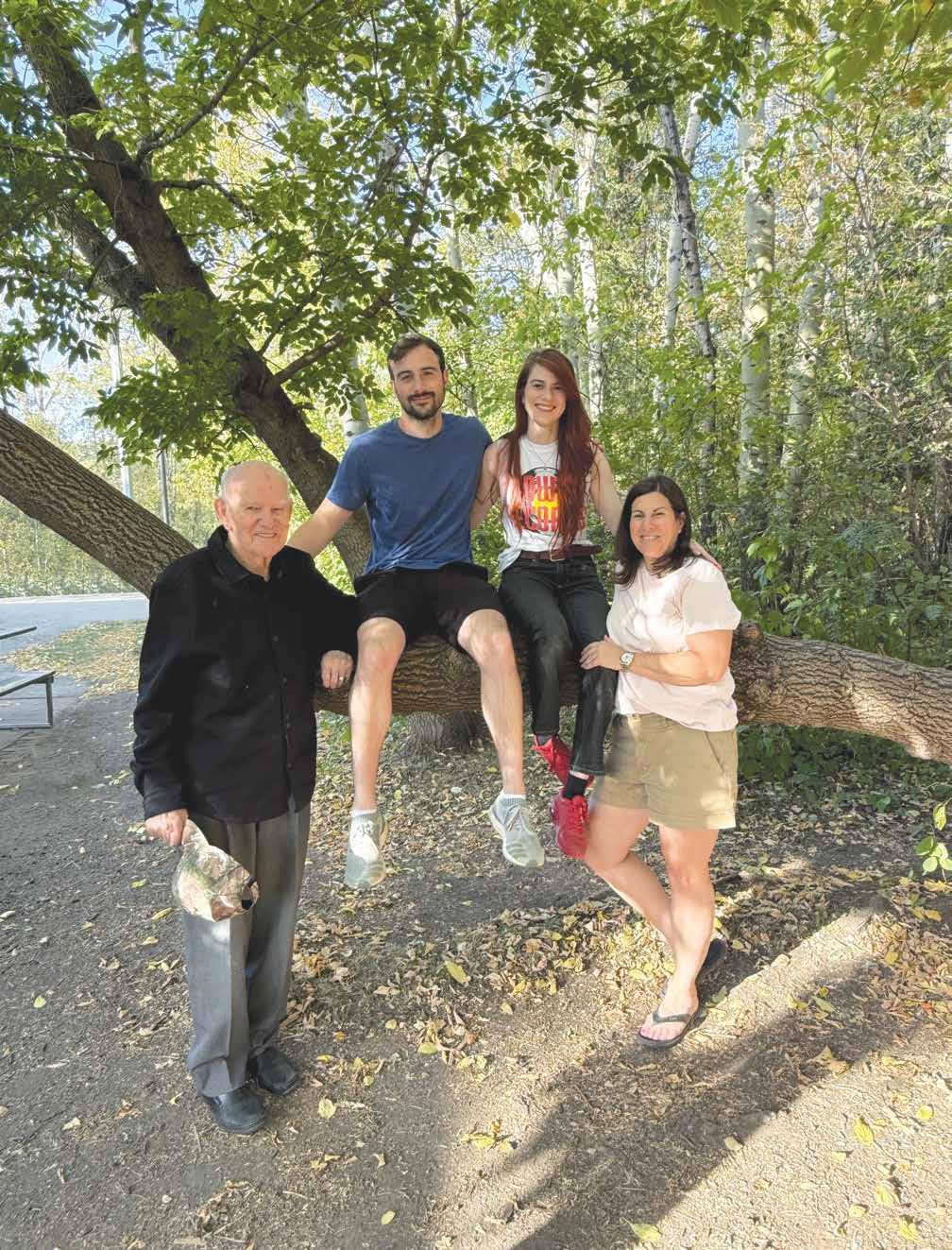
The Kossowan family’s journey with cancer inspired decades of donations.
41 APPLAUSE, PLEASE
A radiation oncology fellowship allows Dr. Zarmina Alam to do both clinical work and research.
42 COMMUNITY CHAMPION
Barrie Stafford shares his cancer journey and aims to offer others hope.
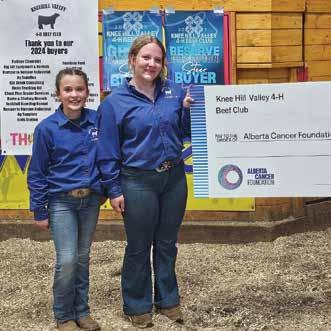
Young fundraisers planned a steer raffle auction and raised big money for the Alberta Cancer Foundation.
Maeve Wickham
MESSAGE
TRUSTEES
Max Chan (Board Chair)
Tom Valentine (Vice Chair)
Darren Baumgardner
Mark Blackwell
Scott Budau
Kathryn (Kate) Chisholm
Rajko Dodic
Mark Fitzgerald
Joan Forge
Brenda Hubley
Shenaz Jeraj
Sandra Lau
Lynn Mandel
Pete Merlo
Shelley Powell
Dr. Dean Ruether
Kiren Singh
Wayne Steinke
Danielle Thorkelsson
Trustees list current at time of publication.
In This Together
A cancer diagnosis changes everything in an instant — and it’s the support that rallies behind every Albertan facing cancer that makes all the difference. In this issue of Leap, you’ll see it in the science, care teams and communities working to ensure no Albertan faces cancer alone.
Support is care. You’ll meet Laurie Laughren, a cancer patient navigator in Medicine Hat who sits with patients and families during their hardest moments, guiding them through what comes next (pg. 34). You’ll hear from Terry Grant, who moved his family to Alberta to undergo a complex head and neck surgery that offered a new path forward (pg. 22).
And you’ll discover a new virtual care centre at the Cross Cancer Institute that allows rural patients to see a specialist in Edmonton from their local clinic (pg. 27).
Support is science. You’ll see how Dr. Safiya Karim gives patients tools to manage the full weight of a diagnosis through integrative oncology (pg. 6).
You’ll learn about a blood test that gives doctors a clearer picture of prostate cancer risk before a biopsy is on the
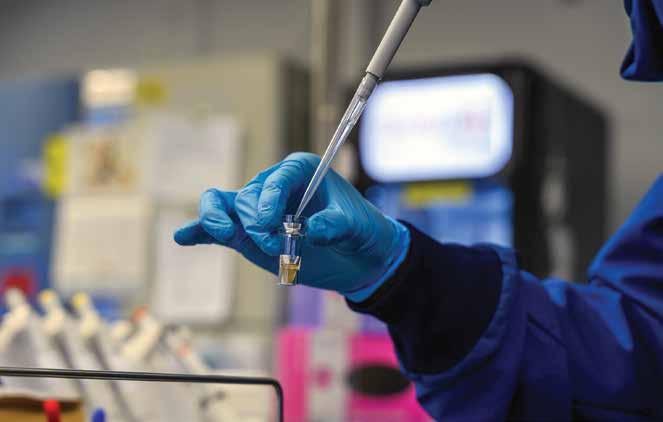
table (pg. 37). And you’ll meet the pharmacy team at the Arthur J.E. Child Comprehensive Cancer Centre, who have spent years uncovering what each patient needs to manage their pain and stay as comfortable as possible through treatment (pg. 20).
And support is community building — made possible by people like Nhi Ha, who rides in the Enbridge Tour Alberta for Cancer in memory of her late spouse (pg. 23) and Peter Kossowan, whose family’s decades-long commitment to this Foundation reflects hope for a future where families facing cancer will have more options and more time (pg. 38).
You’ll also hear from members of the Knee Hill Valley 4-H Beef Club, who raised $20,000 for the Alberta Cancer Foundation in support of their club leader after her cancer diagnosis (pg. 42).
Because of your generosity, researchers can pursue new ideas, clinicians can offer care that goes beyond what the system provides on its own and Albertans across this province can access the support they need when and where they need it.
We are deeply grateful to be in this work alongside you. Together, no Albertan has to walk alone on their cancer journey.
With gratitude,
WENDY BEAUCHESNE CEO
CANCER FOUNDATION
Spring/Summer 2026 | VOL. 16 | NO. 1
ALBERTA CANCER FOUNDATION EDITORS
Laurie Callsen, Mariko Macken
DIRECTOR, STRATEGY & CONTENT
Meredith Bailey
MANAGING EDITOR
Karin Olafson
ART DIRECTOR
Veronica Cowan STAFF PHOTOGRAPHER
Jared Sych CONTRIBUTORS
Elizabeth Chorney-Booth, Jason Dziver, Buffy Goodman, Nathan Iles, Cailynn Klingbell, Nathan Kunz, Adam Moser, Mateusz Napieralski, Evelina Pak, Rylie Perry, Olivia Piché, Colleen Seto
PUBLISHED FOR
Alberta Cancer Foundation
Calgary Office
300-1620 29 St. NW Calgary, Alberta T2N 4L7 Provincial Office 710-10123 99 St. NW
Edmonton, Alberta T5J 3H1
Toll free: 1-866-412-4222
acfonline@albertacancer.ca
PUBLISHED BY
RedPoint Media Group
cSPACE Marda Loop
375-1721 29 Ave. SW Calgary, Alberta T2T 6T7 (Letter mail only)
Tel: 403-240-9055
Toll free: 1-877-963-9333
Fax: 403-240-9059
info@redpointmedia.ca
PM 40030911
Return undeliverable Canadian addresses to the Edmonton address above.
CEO, CO-OWNER
Roger Jewett
PRESIDENT, CO-OWNER
Käthe Lemon
A WholePerson Approach
Dr. Safiya Karim goes beyond conventional treatment methods, offering individuals with cancer the chance to redefine their journey through integrative oncology care.
by NATHAN KUNZ photographs by JARED SYCH
When Albertans enter into treatment, they’re often eager to clear the road ahead and find ways to live longer and better. To help them do that, Dr. Safiya Karim began exploring integrative oncology.
Karim’s road to oncology began while she was in medical school
at the University of Calgary in 2008. She took an elective class taught by an oncologist, which introduced her to the potential of cancer care and oncology’s fast-evolving treatments, medications and outcomes. She saw the chance to create lasting connections with patients. Karim knew she had found her calling.
Nation-wide education and training followed. After three years of internal medicine training at the University of Saskatchewan and two years of medical oncology training at the University of Toronto, she earned a master’s degree and completed a fellowship in health services research at Queen’s University.
In 2018, Karim was called back to Calgary, the city where she was raised, by an opportunity to practice oncology. Ultimately, it was the city’s cancer care community that sealed her return.
“It’s the best place for me to practice, with a group that is really supportive, engaging and collegial,” she says. “I love it here.”
“Hopefully I can have some type of positive impact on every patient I come in contact with.”
–DR. SAFIYA KARIM
Karim settled into her role as a medical oncologist and clinical associate professor at the University of Calgary’s Cumming School of Medicine. She noticed that, after diagnosis, patients would frequently ask her: “What can I do to help myself through this?”
That’s where integrative oncology comes in. It involves complementing conventional treatment — such as chemotherapy or immunotherapy — with evidence-based mind and body practices, natural products and lifestyle modifications. These can include practices like meditation, acupuncture, yoga and tai chi, with the goal of improving overall health and quality of life before, during and after a cancer diagnosis. As the medical director of the Alberta Complementary Therapy and Integrative Oncology (ACTION) Centre, Karim is at the forefront of recommending these patient-centred care therapies in Calgary.
“It’s a way to empower patients to be able to do something for themselves and get that autonomy back,” says Karim. “It’s really motivating to see how we can help patients in different ways.”
Karim splits her time between clinical work, teaching and research. She cares for individuals with gastrointestinal and genitourinary cancers at the Arthur J.E. Child Comprehensive Cancer Centre (Arthur Child) and conducts research projects, including those at the ACTION Centre.
One such research project was an innovative pilot study she led from 2022 to 2024 at the Tom Baker Cancer Centre (formerly Calgary’s cancer centre, which was replaced by the Arthur Child). The study saw roughly 100 individuals with cancer receive integrative oncology support. After learning about diagnosis, treatments, health history and lifestyle, Karim and her team created personalized lifestyle modifications and mind-body therapies, along with recommendations for external
BRIGHT MIND
support and connections to partner organizations.
Karim explains that, in some cases, integrative oncology may offer an alternative to pharmacological treatment, as it avoids cycles of treating side effects with more drugs. “It’s a wholeperson approach to their care, versus individually managing a variety of symptoms with different medications.”
While final results from the study are expected later this spring, early feedback included significant reductions in pain, fatigue and anxiety. Another data point showed improvements in overall health.
The positive results should come as no surprise. Integrative oncology programs are now found in top US institutions, including MD Anderson and Memorial Sloan Kettering Cancer Center. Adoption in Canada has been slower. Calgary’s ACTION Centre, established in 2018 under Dr. Linda Carlson, was the first integrative program embedded into a Canadian cancer centre.
While more clinics and programs are now emerging across the country, Karim still represents something novel in her leadership — namely, her training. Karim explains that patients often turn to alternative health practitioners, but having a medical oncologist with appropriate integrative oncology training leading the way creates more cohesion between conventional cancer treatment and complementary support.
Karim adds that Albertans with cancer don’t need to choose between conventional or complementary approaches; integrative oncology is about combining these treatment styles together in a safe manner.
“Hopefully I can have some type of positive impact on every patient I come in contact with,” says Karim. “If I can be someone who made a contribution in their journey, I’ll be happy.”
Answering the Call for Comprehensive Support
Patient support programs ensure Albertans’ needs are met to help ease their cancer journey.
by OLIVIA PICHÉ | photograph by JARED SYCH
Once an individual receives the news of a cancer diagnosis, they are quickly thrown into a new, often-overwhelming world, adding to the already existing challenges of life.
“The complexities that people with cancer deal with are so enormous,” says Dr. Linda Watson, the executive director of supportive care services and patient experience for Cancer Care Alberta. “That’s why supportive care programming is so important.”
Getting through a cancer journey requires more than treatment and surgery, and that’s where Alberta’s robust support programs come into
play, such as the psychosocial oncology department and rehab programs. To further enhance cancer outcomes, the Alberta Cancer Foundation helps fund supportive initiatives beyond the core services, including the Patient Financial Assistance Program and the Cancer Patient Navigation Program.
Support programs offer a personalized approach to cancer care, providing resources, education and assistance in whatever unique capacity the patient may require. That might include counselling, physiotherapy and care coordination.
“How someone experiences cancer is as unique as [their] fingerprints,” explains
Watson. “We have to understand who the person is, beyond their disease.”
PERSONALIZED CARE
Watson helped lead the implementation of the Cancer Patient Navigation Program back in 2012. She recognized that certain populations have particularly complicated cancer experiences, such as adolescents and young adults, Indigenous peoples, those living in rural communities and patients with advanced cancers. These individuals require complex care, coordination and support on their cancer journey. Yet oncologists’ roles are often very scheduled, which doesn’t always permit for that extra time or navigation. So the program created a new navigation role to fill that gap, which has since grown to five navigation focus areas that support Albertans across the province.
Navigators — who are often specialized nurses — help spark conversations and coordinate care around specific needs, such as cultural barriers, travel and cost, symptom management and end-of-life care. In this extra layer of support, they can help ensure various patient needs are acknowledged and met.
A COHESIVE NETWORK
Another core service that offers support for Albertans with cancer is the Patient Financial Assistance Program. The program can support financial barriers such as travel costs from rural areas to Alberta’s larger cancer centres for treatment, or indirect expenses such as groceries or utility bills.
“We need quick, reliable access to resources to help those patients,” says Watson. “No Albertans should miss out on cancer treatment because they can’t afford to travel from their home to the specialist.”
Watson adds that “patients feel hopeful when they’ve had access to the supportive care programs. With support, they can believe it’s possible to make it through their cancer treatments.”
Dr. Linda Watson understands that support during a cancer journey includes a personalized approach to care that goes beyond treatments and surgery.
5 Ways to Support the Enbridge Tour Alberta for Cancer
The Enbridge Tour Alberta for Cancer brings together riders, volunteers, donors and corporate partners from across the province to fuel progress in cancer care and research in Alberta. Supporting the Tour is a powerful way for organizations and individuals to rally their communities and create meaningful impact for Albertans facing cancer.
CREATE OR JOIN A TEAM
Ride alongside colleagues, friends or community members.
Teams train, fundraise and ride together, building camaraderie while supporting life-saving cancer initiatives.
Corporate teams can showcase their brand on custom jerseys and amplify impact through workplace giving and fundraising programs.
ENGAGE YOUR COMMUNITY
Invite people you know to be part of the Tour by donating, riding or volunteering.
Internal fundraisers or awareness activities help build momentum, spark participation and deepen connection through shared purpose and stories of impact.
DONATE PRODUCTS OR SERVICES
This helps enhance the rider and volunteer experience while highlighting your business. In-kind contributions increase visibility, foster community goodwill and decrease costs associated with the event.
SPONSOR AN ACTIVATION
Partner activations create memorable moments for riders and volunteers while strengthening the event experience.
Corporate, volunteer-led activations offer hands-on ways to show support and contribute to the energy and success of the Tour weekend.
PROVIDE A MATCHING GIFT x 2
Matching gifts motivate donors and accelerate fundraising by doubling the impact of every dollar raised.
These campaigns encourage generosity and help riders reach their goals. They also directly support patient care, research and innovation.
Healing Through Music
How music therapy can help you navigate difficult emotions and challenging experiences.
by EVELINA PAK | illustrations by MATEUSZ NAPIERALSKI
Many of us listen to music daily and recognize how it shapes our mood. It is a companion during workouts, long drives and household chores. The emotional challenges that accompany health issues and diagnoses like cancer can be difficult — and, for some, music therapy might strike a chord.
WHAT IS MUSIC THERAPY?
According to the Canadian Association of Music Therapists, music therapy is a clinical discipline where certified music therapists (MTAs) use music purposefully within a therapeutic environment to support development, health and well-being. Unlike passive listening, trained therapists combine music with counselling to help individuals work toward specific goals: emotional regulation, communication, expression, relaxation and focus.
Some may feel skeptical about music therapy. “It’s natural — especially in medical settings where interventions are expected to be tangible and measurable,” says Jennifer Buchanan, a certified music therapist and founder of JB Music Therapy.
Buchanan explains that music activates emotional and memory centres in the brain and influences heart rate, breathing and stress response. She adds that when individuals understand that music therapy sessions are structured and evidence-informed, they typically become more open to trying it.
MUSIC THERAPY IN ONCOLOGY
Buchanan highlights several approaches that make music therapy particularly effective in cancer care; all of them support nervous system regulation, emotional processing and identity stability. She also emphasizes that music therapy complements, but does not replace, medical or psychological treatment.
Receptive music therapy
During active treatment, individuals with cancer often live in chronic stress, so structured music experiences can promote physiological settling and emotional grounding. Receptive music therapy involves guided listening (to live or recorded music) with breathing and reflection.
Song-based identity work
This approach helps individuals reconnect with who they are beyond a cancer diagnosis by identifying meaningful songs across life stages, reinforcing narrative continuity and resilience.
Lyric analysis and meaning-centred dialogue
A process to allow individuals to explore feelings of fear, grief, anger or hope indirectly. The music carries emotional weight first, making it easier to enter into difficult conversations.
Active music-making
MTAs lead individuals through singing, gentle instrument play or collaborative songwriting, which can restore agency and create connection during isolating periods.
Later this year, Buchanan and her team will launch a study to examine whether a music therapy–informed digital platform can support emotional regulation and meaning-making (the process of understanding life’s events and one’s self) for individuals with cancer during outpatient treatment.
CREATING MUSIC AND INSPIRING HOPE
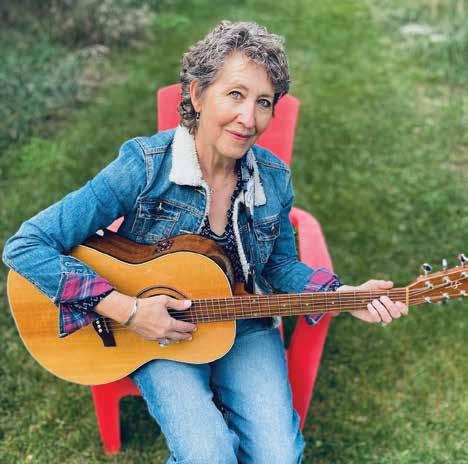
Lucinda Warnock was diagnosed with breast cancer in April 2023. The diagnosis was quickly followed by surgeries and months of chemotherapy, which came with the common side effect of insomnia. When she was awake late at night, Warnock was flooded with thoughts about her cancer journey. So, the Airdrie-based multi-instrumentalist decided to turn those nighttime thoughts into a song. “It became my fight song,” says Warnock, who is now in complete remission.
5 WAYS TO USE MUSIC INTENTIONALLY
Not everyone has access to formal music therapy, but structured, intentional engagement with music can provide meaningful support. Jennifer Buchanan, certified music therapist, suggests several simple practices that anyone can try. These are not a substitute for therapy, she notes, but they can help strengthen emotional well-being.
1. REGULATE FIRST
Create a short playlist of three to five songs that you know will calm you. Use it before appointments or sleep. Notice shifts in breathing or muscle tension.
2. MAP MEANING
Choose three songs from different chapters of your life. Write briefly about what each song represents. This strengthens narrative identity and perspective.
3. MOOD MATCHING AND SHIFTING
Listen to music that validates your current mood. Emotionally matching music can help people feel understood before gradually shifting toward a more grounded state.
4. SHARE A SONG
If words feel difficult, send someone a song that reflects how you’re feeling.
5. JOIN A GROUP
For those looking to move beyond solo listening, community organizations can provide structure, routine and social connection.
The catchy tune “Gone” was recorded in September 2024 and released across streaming platforms a month later, just in time for Breast Cancer Awareness Month. Since then, the song has been shared with others going through a cancer journey, inspiring them to keep going. For Warnock, and those who have listened to “Gone,” music has provided a sense of hope and strength.
PHOTOGRAPH COURTESY OF LUCINDA WARNOCK
Power Up on Protein
Why eating protein-rich food matters and how it helps your health.
by RYLIE PERRY
Considering your protein intake isn’t just a trendy fad. After all, protein plays a fundamental role in how the body is built and maintained. Protein is needed for muscle growth and tissue repair, it provides the amino acids required to make some hormones and it’s needed to make many enzymes that are involved in digestion and metabolism. In short, protein is an essential addition to your diet.
But how do you know if you’re getting enough? Dr. Carla Prado, professor and registered dietitian at the University of Alberta, says protein intake isn’t about extremes or following trends. Meeting your dietary needs is simply about incorporating the right amount of protein for your own body and lifestyle from the right sources.
PRIORITIZING PROTEIN
If we don’t eat enough protein, the body struggles to grow, age well and recover from illness, injury or weight loss. Foods like lean poultry, legumes and fish are an important addition to a balanced diet, with whole food providing the highest levels of protein.
Canada’s recommended dietary allowance (RDA) is the average daily dietary intake level for essential nutrients we should eat — including protein. The generalized table shows the average amount of nutrients nearly all individuals need to survive, as well as the amount of carbohydrates, fats and protein we should be consuming daily. The RDA recommends that
the average adult get 0.8 grams of protein per kilogram of body weight per day, with seniors, pregnant women, people living with illness and adults who lead active lifestyles typically needing more to prevent muscle loss.
“The RDA is a minimum designed to prevent deficiency, not to support muscle maintenance, performance or healthy aging,” Prado says. “Most adults technically meet the RDA, but many do not meet their optimal protein needs.”
If the RDA is the minimum, then how do we know if we are eating enough? Prado explains that while nutritional needs should be addressed on a case-by-case basis, a good starting point is moving beyond the minimum recommendations and prioritizing a mix of high-quality protein daily.
For individuals living with cancer, protein is integral in preserving muscle mass. Prado says that cancer treatment increases the rate of muscle mass depletion, which can reduce
A SNAPSHOT OF DR. CARLA PRADO’S RESEARCH
Dr. Carla Prado’s research works to understand how muscle mass (with or without high fat mass) affects health outcomes in patients with diverse chronic conditions like cancer. She is currently developing targeted, individualized nutrition interventions to improve body makeup and enhance health outcomes.
PHOTOGRAPHS (LEFT) BY MAGONE, FROM i STOCK; (RIGHT) BY RAFAELLA RORIZ
treatment tolerance and outcomes. Adding protein to every meal can support an individual with cancer’s resilience to side effects like reduced strength and impaired immunity, and is one of the reasons registered professionals recommend targeted nutrition intervention and protein inclusion.
HOW TO ADD PROTEIN TO YOUR MEALS
Incorporating protein into your meals doesn’t have to be challenging. And most people don’t need large portions or a day full of proteinlabelled snacks.
“Many ultra-processed foods now advertise protein content, but still contain high amounts of sugar, sodium or refined starch,” says Prado. “Adding protein to junk food does not automatically make it healthy.”
And sometimes, more isn’t always better. Knowing the difference between high-protein and high-quality is essential to staying satiated and nourished throughout the day.
“The most effective approach is small, practical upgrades using familiar foods, rather than drastic changes or reliance on supplements,” she affirms. “The goal is steady distribution across meals.”
DR. CARLA PRADO’S HIGH-PROTEIN RECIPE: SALMON TOSTADA
This recipe is from Prado’s cookbook The High Protein Cookbook for Muscle Health During Cancer Treatment
Easy substitutions include choosing Greek yogurt or cottage cheese over plain yogurt, and adding legumes, tofu or lentils to soups, salads or bowls. You can also try protein-rich pastas, wraps or breads to replace refined versions. Another simple way to meet daily intake goals is to pair fruits and vegetables with peanut butter or hummus.
“Whole food protein sources should form the foundation of intake,” she adds, recommending lean meats and poultry, fish and seafood, eggs and dairy products like milk and cheese. Plantbased options like beans, lentils, soy food nuts are also good sources of protein.
Prado recommends that individuals living with cancer take a few extra steps to ensure their protein goals are met.
“Oral nutritional supplements and medical protein shakes are not highly processed food,” she says. “They are evidence-based clinical tools designed to help patients meet their needs when eating enough is difficult.”
PHOTOGRAPHS BY ANISSA ARMET
Ingredients:
Prep time: 10 minutes | Total time: 20 minutes
1 tsp chili powder
1/2 tsp ground cumin
1 tbsp lime juice
4 oz (113 g) fresh or frozen and thawed salmon fillet
2 5-inch soft corn tortillas
2 tbsp fresh cilantro, chopped
1 medium tomato, chopped
2 tbsp red onion, sliced
Coleslaw:
1/2 cup savoy cabbage, shredded
1/4 cup plain 2% Greek yogurt
1 tbsp lime juice
Instructions: Preheat oven to 400°F (200°C). Line a baking sheet with parchment paper. Mix together chili powder, cumin and lime juice in a bowl. Spread over salmon and place it on a baking sheet. Cook for 8-10 minutes or until the fish flakes easily with a fork. Mix together cabbage, Greek yogurt and lime juice in a bowl. Warm the tortillas in the microwave for about 20 seconds to help prevent them from cracking. Flake salmon and place half onto each corn tortilla. Top each with half of the coleslaw mix. Divide cilantro, tomato and red onion between the two tostadas.
Immunology 101
Dr. Matthew Anaka explains what immunotherapy is, how it works and whether there are side effects, making this cutting-edge treatment option understandable for all.
by ELIZABETH CHORNEY-BOOTH | photographs by BUFFY GOODMAN
There are treatment terms within cancer care that are immediately recognizable to the general public. Think surgery, radiation and chemotherapy. Immunotherapy is an increasingly common treatment option for individuals living with different types of cancer, but for many, the first time they hear the word is often while sitting in their oncologist’s office. For individuals for whom immunotherapy is an option, this relatively new treatment can be a game changer.
“Immunotherapy is like the discovery of chemotherapy 50 years ago,” says Dr. Matthew Anaka, an oncologist at the Cross Cancer Institute in Edmonton. “It's a whole new type of treatment that's made an impact across cancer care.”
Anaka, who specializes in advanced skin cancers, including melanoma, has more experience with immunotherapy than many oncologists because it is the primary treatment type for these cancers. The idea of using the immune system to cure cancer has existed for over a century. Anaka says current forms of immunotherapy clinical trials for skin cancer only began about 25 years ago; phase 1 clinical trials began in 2001 and the first FDA-approved trials started in 2011. They've since become standard of care for many individuals with cancer. However, it’s still not widely understood by people outside of the cancer community.
What
is immunotherapy and how is it administered?
Anaka explains that while chemotherapy acts to kill cancerous cells, immunotherapy helps a person’s own immune system to eliminate cancer cells. Certain types of cancer cells carry a signal or “checkpoint” that essentially hides the cells from the natural immune system. The breakthrough with immunotherapy is in giving power back to the immune system to protect the body from cancerous cell growth.
“The type of immunotherapy we use most commonly is called a checkpoint inhibitor,” Anaka says. “These drugs block the signal cancer uses to tell the immune system not to attack. That allows
the immune system to become active against the cancer and try to remove it.”
He adds that, like chemotherapy, immunotherapy is typically delivered intravenously, usually with multiple doses given over the course of several weeks. It’s often used in conjunction with chemotherapy and other traditional cancer treatments.
Who is eligible for immunotherapy?
While immunotherapy was first used for individuals with skin cancer who didn’t respond to chemotherapy, Anaka explains it is now regularly used to treat lung, bladder, kidney and many other kinds of cancer. Since clinical trials for new cancer treatments are often for individuals with stage 4 cancer, immunotherapy was once only used on individuals with advanced cancer. But now, it is often applied earlier in an individual’s prognosis, specifically for cancers like melanoma, where there is a good track record of success.
“There are many situations in which we will recommend immunotherapy,” Anaka says. “It’s really based on whether or not there has been a clinical trial done that shows that it's helpful.”
Are there side effects?
Anaka says immunotherapy doesn’t cause the hair loss and nausea associated with chemotherapy, which makes it an attractive option for individuals struggling with those side effects. While Anaka describes immunotherapy as generally being “gentler” than chemotherapy, he warns it can come with side effects of its own. While negative reactions to immunotherapy are not universal, it might cause symptoms similar to autoimmune diseases such as rheumatoid arthritis or Crohn’s, which might require additional medication.
“Chemotherapy is at least somewhat predictable,” Anaka says. “With immunotherapy, side effects might happen after the first treatment, or they can start three or six months after the
treatments are finished.”
Anaka says there’s much more work to be done in order to further investigate the possibilities of immunotherapy. This includes continuing to expand its use in other cancer types and combining it with other drugs to optimize the benefits. So far, though, Anaka has seen immunotherapy drastically improve the prognosis of Albertans with melanoma, which is cause for significant optimism.
“The average survival time for metastatic melanoma used to be six months because we didn't have any treatments that worked. Now, half of people with immunotherapy treatment can have a durable remission that can go on for many years,” he says, noting that similar stories are starting to emerge with other types of cancer. “It is the biggest thing to have impacted cancer outcomes in quite some time.”
SUPPORT
IN CANCER SUPPORT REDEFINING
In Alberta, support shows up in many forms. Donor support accelerates game-changing treatments, research and programs. Health care providers’ support is an essential part of the cancer journey, as they help individuals with cancer, and their family members, through the complexities and challenges of a cancer diagnosis. Support comes from caregivers, from practical programs and from a network of caring, understanding people.
Yet support is more than assistance or physical presence. Support is progress. Support is power.
Thanks to the generosity of Albertans, no one has to face cancer alone. Together, we’re working to redefine what support looks like across the entire spectrum of cancer care.
Learn more about the physicians, pharmacists and scientists elevating and reshaping how Albertans are supported through their cancer journeys.
by ELIZABETH CHORNEY-BOOTH
DR. JOHN WALKER
Finding immunotherapy solutions for more individuals with cancer
In the world of cancer care, immunotherapy is often considered revolutionary. Over the past 15 years, the treatment — which empowers a person’s own immune system to attack cancer cells — has gone from an experimental therapy to a scientifically proven, life-saving one that oncologists can prescribe to treat a wide range of cancers. Immunotherapy has had a particularly dramatic impact on the survival rate of people with melanoma, with roughly half of individuals with the diagnosis now surviving 10 years or more, as opposed to a five per cent survival rate before the therapy was introduced.
But for Dr. John Walker, an oncologist specializing in melanoma at the Cross Cancer Institute (Cross) in Edmonton, those survival rates are still not high enough.
“These immune therapies are game changers,” Walker says. “As a doctor who treats melanoma, we have this powerful tool in our armament, but we don't have much after that. About 40 per cent of patients don't respond adequately to immune therapy, and we don't have good options for them.”
Luckily, Walker and his colleagues have the opportunity to trial treatments for those patients who don’t respond to immunotherapy. Walker and his melanoma group work to maintain the Cross as a centre of excellence known for its participation in large-scale clinical trials. They’re also focusing on in-house investigator-initiated trials, researching the long-term impacts of immunotherapy on people who have survived melanoma.
Many of the most exciting developments are coming through the team’s investigator-initiated trials, which are led by in-house clinicians rather than a pharmaceutical company. Within the next year, Walker
and his team will start trialling an already-approved cholesterol drug with melanoma patients who didn’t respond well to immunotherapy, to test the theory that the medication will increase the immune system’s ability to target cancer cells. Walker says it will give individuals a “second chance” at successful immunotherapy. Another investigatorinitiated trial coming up involves restoring melanoma patients’ gut microbiomes by administering fecal transplants through capsules full of powdered freeze-dried stool collected from donors. This could also improve the chances of a successful second chance at immunotherapy.
In both cases, Walker believes the Cross to be the first centre in Canada to trial these strategies. Having seen immunotherapy already provide such incredible therapeutic support and provide huge impacts on cancer outcomes, Walker is hopeful Alberta-based research will extend the treatment’s full benefits even further.
“Our investigator-initiated trial program is an absolute jewel, and I don’t believe the majority of cancer centres in Canada or the world have this opportunity,” he says. “There is still very much an Alberta advantage when it comes to academic medicine.”
MAEVE WICKHAM
Using AI to improve system flow and wait times
Over the years, scientific advancements have drastically improved cancer outcomes. Yet people living significantly longer after a cancer diagnosis means there are more people than ever needing access to cancer care in Alberta. Oncologists are not only facing a rise in demand for appointments, but they’re also seeing more complex cases and can now consider a range of different treatment options, affecting physician workload within the system.
While more oncologists and nurses are needed, that alone isn’t enough to solve the issue. Changing needs means unpredictable appointment lengths — and that can affect a doctor’s schedule. The team at Cancer Care Alberta’s Precision Analytics program is tackling these system flow problems by using AI to interpret provincial administrative and clinical data. The goal is that AI will help better predict and schedule appointments so individuals spend less time in waiting rooms and have adequate time with doctors, while also leaving doctors feeling less rushed so they can address all of their patients’ needs.
“We’re really trying to improve system flow by determining the right care for the right patient at the right time,” says Precision Analytics program senior epidemiologist Maeve Wickham. “If we can understand the amount of time patients require for different types of appointments
or activities, we can schedule it so clinics aren't running overtime and avoid those ripple effects that happen when appointments run overtime.”
The process is more complicated than an average ChatGPT user may imagine. Wickham and her team identify any potential biases reflecting current system inequities in their data, such as socioeconomic status, and decide which numbers are relevant to their models. They then use unsupervised machine learning models to identify different complexity groupings of patients. From there, they work to predict clinical complexity and forecast workload planning. With clear data in hand, the team can present data-based evidence to the health care system’s decision makers.
While AI is increasingly making its mark in the medical world, it is unique for an advanced analytics program that combines epidemiology and machine learning to be embedded within a health authority, rather than an academic setting. Wickham says part of what makes the Precision Analytics program work is Alberta’s wealth of health care data, which can lend a powerful and accurate picture of the cancer care landscape.
“We hear cancer care has gotten more complex,” she says. “We hear care delivery is more complex. When we actually plot that on a graph, we're using the data and these methods to tell that story.”
DR. JORDAN ZEPPIERI
Providing specialized in-hospital cancer care
Many Albertans receive cancer treatment as an outpatient. But sometimes, complications arise and individuals find themselves admitted to hospital with issues related either to their treatment or their cancer. Besides working with an oncologist, many Albertans facing cancer rely on hospitalists — medical doctors who work on-site at specific hospitals — for their day-to-day care during a hospital stay.
Traditionally, hospitalists are general physicians rather than specialists, but that is starting to change. Zeppieri spent several years working as an oncology-specific hospitalist at Sunnybrook Hospital in Toronto, initiating his specialty after noticing some gaps when his mother went through cancer care. He moved to Calgary in 2024 to build a similar program at the Arthur J.E. Child Comprehensive Cancer Centre. There are now 23 hospitalists working at the centre, all offering oncology-centred care.
“We’re sort of your one-stop shop. You come in, and we will guide you from the moment you’re in the ER all the way through to discharge and hand over the care back to your oncologist afterwards,” Zeppieri says. “We have a team of hospitalists here — 24/7, 365 days a year — to look after patients.”
Zeppieri and the rest of the hospitalist team don’t replace or override the role of an individual’s primary oncologist, but work in tandem with
those doctors to help manage cancerrelated side effects, treatment side effects and other illnesses or infections cancer patients might encounter. The hospitalists’ presence relieves pressure on cancer clinics, allowing oncologists to stay focused on their regular outpatient appointments while still offering inpatients cancer-specific expertise. The hospitalists fully understand the acute complications of cancer, side effects of cancer treatments and have direct connections to the centre’s oncologists.
“We’re not here to treat cancer. We’re here to support you through the complications of cancer,” Zeppieri says. “Our job is to get patients well enough through their journey in the hospital so they can return to the clinic.”
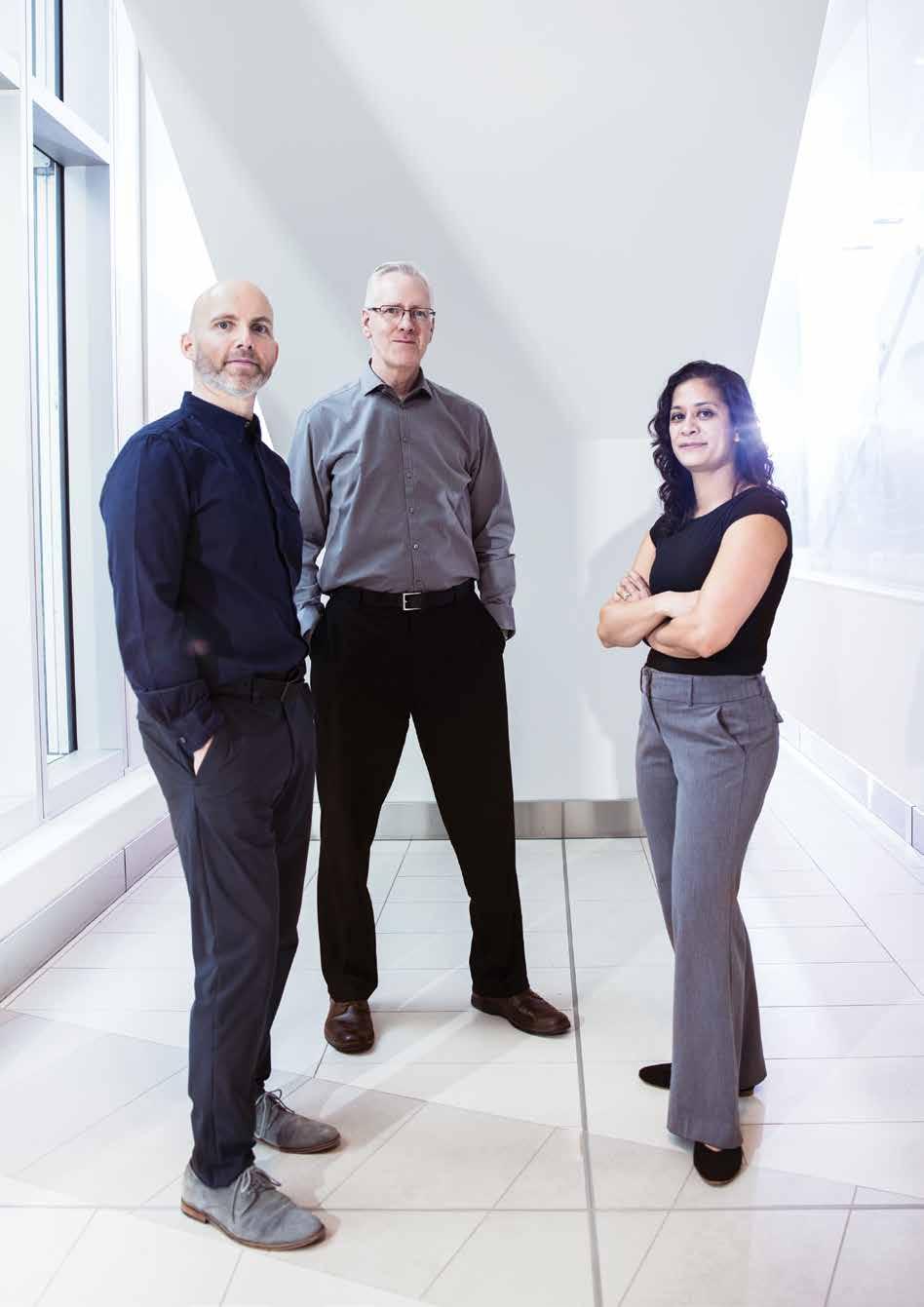
PHOTOGRAPHS
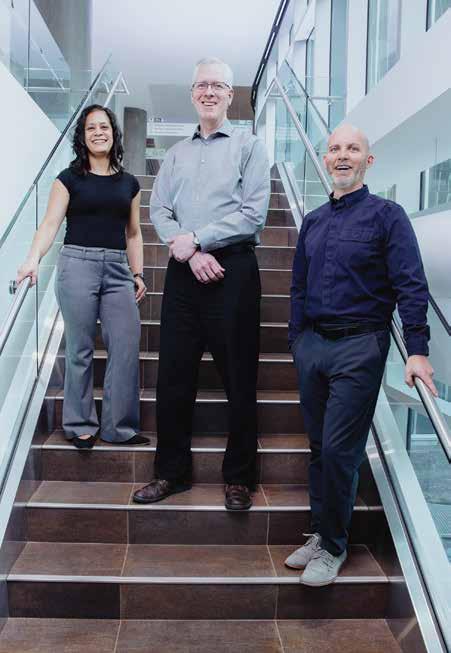
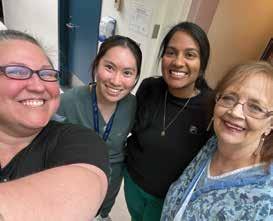
Left to right: Christopher Ralph, Dean England and Tatiana Hales.
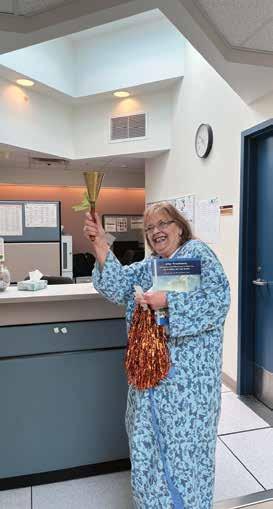
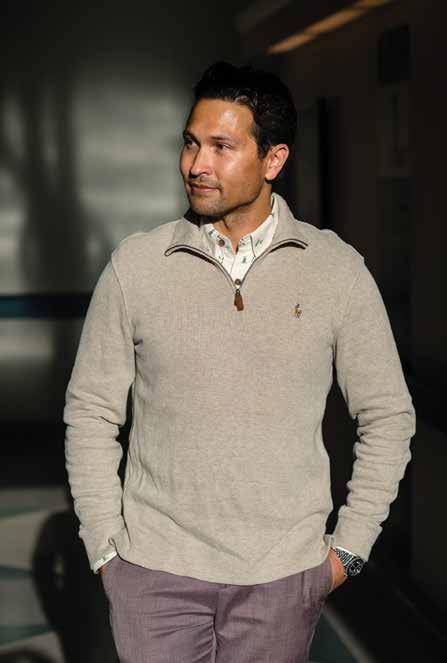
ARTHUR J.E. CHILD COMPREHENSIVE CANCER CENTRE PALLIATIVE ONCOLOGY PHARMACY TEAM
Treating complex pain with compassion
For individuals facing cancer at the Arthur J.E. Child Comprehensive Cancer Centre in Calgary who experience heightened levels of pain, relief may come with an extra dose of care.
When people think about pharmacists, they probably think about the professionals who provide medication. While the Arthur Child’s palliative oncology pharmacy team certainly does dispense drugs, this three-person crew offers much more. Clinical pharmacist Dean England joined the palliative oncology pharmacy program in 2003, hoping to support people experiencing complex, cancer-related pain. His team has since grown to include fellow pharmacists Tatiana Hales and Christopher Ralph. Together, they support outpatients who are receiving active cancer treatments, and who have extreme pain or other symptoms stemming from their cancer or cancer treatment that is so great that standard medication is not sufficient. The pain management compiled by the pharmacy team is offered in collaboration with the individuals’ palliative care physicians and nurse practitioners.
The pharmacy team works with patients to find effective pain management solutions. This may include opioids as well as different combinations of drugs, nonopioid medications or interventional options like nerve blockers, radiation or other procedures. They then monitor responses and continue to tweak the plan as needed to keep individuals with cancer as comfortable as possible over the course of their treatment.
“A lot of our doctors use the analogy of every patient having a recipe,” Hales says. “We’re trying to figure out the ingredients and what the right doses are."
While the number of individuals with cancer that the team works with is relatively small (England speculates they see less than five per cent of all patients who come into the cancer centre for treatment, representing only the most complex and challenging cases), the support and impact is profound. The pharmacists can spend much more time with their assigned patients than oncologists can, meaning England, Hales and Ralph are a familiar support system, helping guide individuals through their
pain. Since the team may follow people all the way from their initial days of cancer treatment to either remission or their admittance to hospice over the course of many years, they provide continuity, advocacy and reassurance in a deeply connected patient/provider relationship.
“One of the biggest things we do is create meaningful relationships. A lot of our patients will tell us their pain just feels better after they're done talking to us,” says England, explaining that this connection is a powerful form of support.
THE ART OF CARING
Three Albertans share what support can look like throughout a cancer journey.
by CAILYNN KLINGBEIL
TERRY GRANT
THE SUPPORT OF A HEALTH CARE TEAM THAT DOESN’T GIVE UP
Terry Grant was diagnosed with head and neck cancer in 2017 and began chemotherapy and radiation in Ontario, where he and his wife, Laureen, lived at the time. With their daughter and granddaughter in Alberta, the couple decided to move west. After moving, they learned that Alberta is known for its leadership in head and neck cancer care. In Edmonton, a surgeon reviewed Terry’s case and told them, “I can do this,” referring to a 14-hour surgery that their Ontario physicians told them had poor outcomes.
Since 2018, Laureen has counted more than 80 trips from their home in Red Deer to Edmonton for treatment and follow-up care. Following his head and neck cancer journey, Terry was diagnosed with prostate cancer, then two bouts of skin cancer — he’s now in remission from all three. “It would have been far more frightening if I hadn’t had so much support,” Terry says.
That support includes his wife and daughter, along with the care he received at the University of Alberta Hospital during his lengthy surgery. Following surgery, Terry relies on a PEG tube (a feeding tube inserted directly into the stomach) to eat and drink, and Laureen learned to manage it all to support him — even replacing the tube herself when needed.
Laureen explains that having access to information that teaches her how to care for Terry, whether from clinicians, therapists, printed materials or online resources, has helped her feel supported and
“IT WOULD HAVE BEEN FAR MORE FRIGHTENING IF I HADN’T HAD SO MUCH SUPPORT.”
have some power over the disease.
Now in their seventies, the Grants continue to navigate remission and the long-term effects of treatment. For them, support extends beyond treatment. The skill, compassion and knowledge of their health care team have carried them forward through an unimaginable journey.
Through multiple cancer journeys, Terry Grant and his wife, Laureen, were supported by their compassionate health care team.
NHI HA
FINDING STRENGTH THROUGH PEOPLE, GOALS AND GIVING BACK
When Nhi Ha reflects on her late spouse Shaun Marcia’s experience with testicular cancer, it’s the people who stand out.
“Every single nurse, every single doctor, every porter,” she says. “The people during that time were what mattered, and they were so supportive of us on our journey.”
Ha describes Marcia as an avid athlete who others loved to be around. He was the glue within his close circle of friends, many of whom had known him for decades. “You just couldn't find somebody that was kinder than him when it came to supporting his friends and his family,” she says. Marcia was close with his numerous godchildren and Ha’s son, graciously embracing the role of stepfather.
Marcia died on December 10, 2020, at the age of 38, six months after his diagnosis. Much of that time was spent in and out of the hospital in Calgary during the COVID-19 pandemic. So many people provided care during that time, says Ha, especially the nurses.
“There was just something different about them and how they cared for everybody,” she says. She felt especially supported by the steady presence of a nurse practitioner from Marcia’s doctor’s office. “She was there literally from day one until the day he passed,” Ha says.
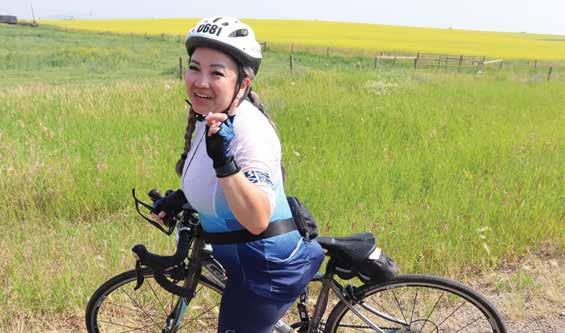
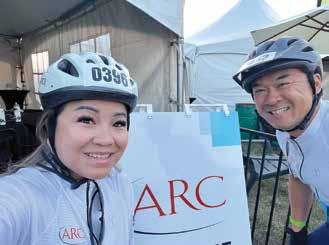
After Marcia’s death, Ha’s network was filled with people wanting to offer support. In 2023, she was invited to participate in Enbridge Tour Alberta for Cancer through her employer, ARC Resources. Ha was initially hesitant; she hadn’t ridden a bike in years. But she was inspired by Marcia, who had participated in the ride nearly five years before his death. If he could do it, she thought, so could she.
“YOU DON’T REALIZE HOW MUCH A FOUNDATION DOES UNTIL YOU ACTUALLY HAVE TO [RELY ON] IT.”
Ha’s first ride didn't come easy, but she dug deep. With support from volunteers and other riders, she successfully completed the ride. She was so proud of the accomplishment that she joined the Tour again the next year — and challenged herself by cycling farther than the year before. She continues to ride in the Tour each year, drawing strength from the people supporting her fundraising efforts.
“Every year gets better and better. The individuals in my life have been a huge support, raising awareness with me and supporting me in my fundraising campaign,” says Ha.
This summer will mark Ha’s fourth Tour and her first as team captain. She has set her largest fundraising goal yet — $50,000 for the Alberta Cancer Foundation — and plans to shave her head if she reaches it.
“You don’t realize how much a foundation does until you actually have to [rely on] it,” Ha says. “I can still feel those impacts, no matter how much time has passed.”
With the support of friends and colleagues, Nhi Ha has participated in the Enbridge Tour Alberta for Cancer since 2023.
AMANDA GARCIA
THE POWER OF NURSING, PRACTICAL PROGRAMS AND ADVANCING TECHNOLOGY
Amanda Garcia’s connection to cancer care began 25 years ago, when her mom was diagnosed with lymphoma, a blood cancer, and underwent a radical neck surgery and aggressive radiation treatment. The experience shaped Garcia’s career path. She was in nursing school at the time, and after seeing the support her mom received during her treatment, set her sights on working in the operating room alongside surgeons removing cancer.
“The operating room was something I really wanted to be part of,” she says. “I wanted to be able to help people. I wanted to see what this nasty, nasty disease looks like in every capacity. And I wanted to meet the surgeon who saved my mom.”
Twelve years later, Garcia worked as a scrub nurse alongside her mother’s surgeon. She remembers thanking him for saving her mom and expressing her hope that she could continue to help him treat and support others living with cancer.
Garcia stepped away from frontline nursing three years ago and now works as a case manager for an insurance company, where she helps people undergoing cancer treatment navigate insurance, benefits and other support. She is also caring for her mother-in-law, who was diagnosed with breast cancer last October and had surgery in January.
For Garcia, all these experiences reinforce how powerful practical support can be. She remembers how financial assistance was offered through the Patient Financial Assistance Program, in case her family needed help managing travel and accommodation costs during treatment. A volunteer driving program was also offered. Now, while balancing full-time work and
“I’VE WATCHED THE PROGRESSION, FROM HOW AGGRESSIVE THE TREATMENTS WERE… TO WATCHING THE TECHNOLOGY EVOLVE AND CHANGE THROUGH RESEARCH.”
raising two kids, Garcia is grateful for the supportive options her and her family have.
Another form of support stands out to Garcia, shaped by her years in the operating room: the steady advancement of technology and equipment that has transformed cancer care.
“I’ve watched the progression, from how aggressive the treatments were… to watching the technology evolve and change through research,” she says. Donor-supported advancements expand treatment options, improve prognoses, influence post-treatment care and ultimately enhance quality of life for Albertans living with cancer.
Seeing the power of support during her mom’s and many others’ cancer journeys motivates Garcia. She is a long-time supporter of the Alberta Cancer Foundation Lottery — and a back-to-back Win Daily Cash lottery winner. This is her way of contributing to cancer research that continues to shape the future of cancer care.
PHOTOGRAPHS
OF AMANDA GARCIA
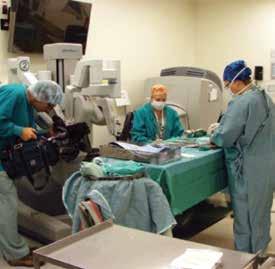
(Clockwise) Garcia’s motherin-law received support from radiation nurses; Garcia used to work as a nurse in the operating room alongside her mother’s surgeon; Garcia’s mother-in-law celebrates the end of radiation treatment.
DEVELOPING THE FUTURE OF CANCER CARE THE e SIM PROGRAM
World-leading research and innovations help shape Alberta’s cancer care landscape for the better.
by OLIVIA PICHÉ
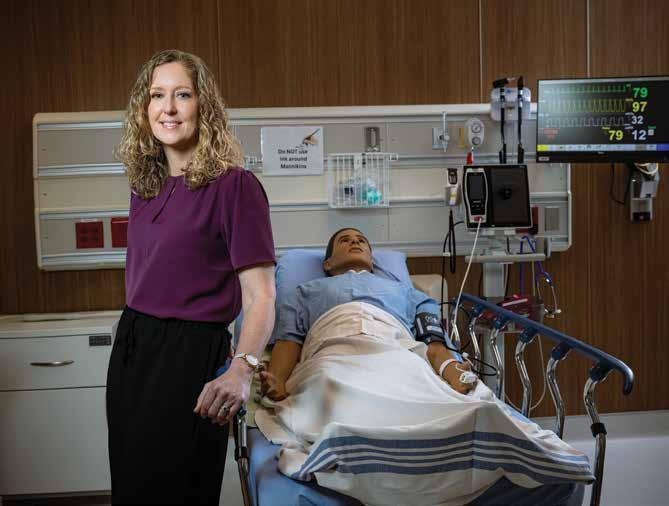
Ongoing training and education are vital to help health care providers deliver the best care — and the Alberta-wide eSIM program is one initiative that offers ongoing education. It recreates real-life scenarios with manikins and equipment, allowing health care providers to learn in a supportive and controlled environment.
Jillian Gautschi-Nicol is the simulation consultant at the Arthur J.E. Child Comprehensive Cancer Centre (Arthur Child) eSIM Lab. She leads participants through different simulation scenarios, where manikins replicate patients in real-life health care situations. Participants elevate their skills in patient care, practicing everything from using different pieces of equipment to crisis responses in urgent situations. The simulations focus on scenarios that replicate processes and workflows, such as delivering a new cancer treatment or identifying and responding to a deteriorating patient. Health care teams run through the processes during a simulation exercise, identifying any misunderstandings or safety issues along the way, ensuring everything flows as smoothly as possible.
SINCE 2024, THE ARTHUR CHILD e SIM LAB HAS:
Facilitated
simulation sessions Trained
participants Provided
hours of training
“Health care teams have a wealth of knowledge and experience. Through simulation-based education, they are able to apply that knowledge into practice, which can lead to safer patient care areas,” says Gautschi-Nicol.
The simulation scenarios represent stressful situations while simultaneously ensuring participants’ psychological safety. For example, in the radiation therapy department, the education team aims to have all its staff participate in a code blue simulation, replicating an in-hospital emergency alert where a patient is experiencing a lifethreatening emergency.
“The simulation allows the staff to practice using the equipment, strengthen communication skills, clarify roles and increase their medical knowledge when caring for patients who require enhanced care,” explains Gautschi-Nicol. “I've gotten a lot of feedback from staff that participated in those simulations about how when they've had to activate a [real] code, they felt more confident and prepared.”
Gautschi-Nicol adds that the biggest benefit “is when you have staff that feel supported in their education, and they're given opportunities to practice clinical events that will improve the care they're providing, helping to create safer work environments which benefit patients.”
Jillian Gautschi-Nicol in the eSIM Lab at the Arthur Child.
SELF-ADMINISTERED CHEMOTHERAPY
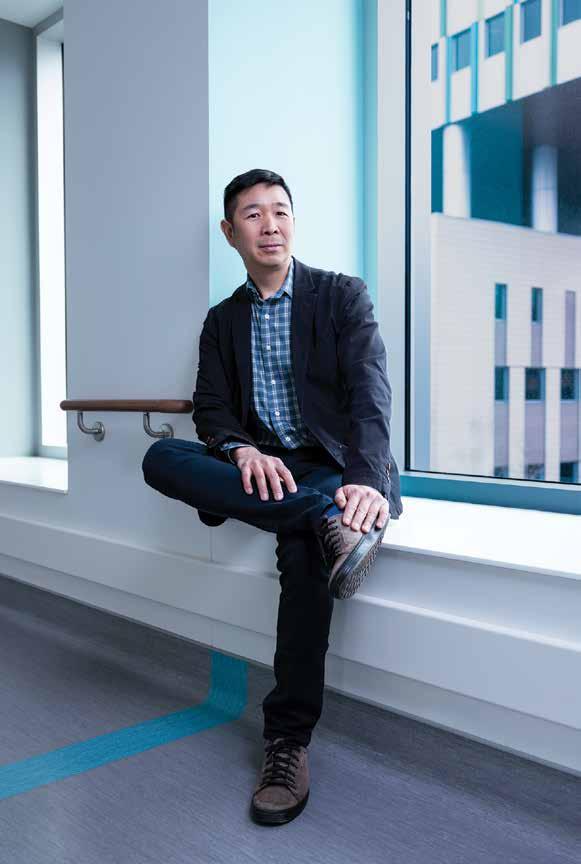
Typically, chemotherapy is administered at a cancer centre. It’s a potent treatment that can have side effects and is not widely thought of as something patients can give themselves at home. Dr. Jason Tay, a hematologist at the University of Calgary, is challenging this notion and suggesting that a certain chemotherapy — a drug called bortezomib — can be self-administered.
Tay led a research study where patients selfadministered this chemotherapy drug from the comfort of their home through a subcutaneous injection. The study was specifically for patients with myeloma, a blood and bone marrow cancer, who are receiving bortezomib. Historically, patients receiving this drug would usually need to commute to a cancer centre once a week to receive the injection. “We thought that we should try this in a self-administered setting, because the injection itself takes a couple of seconds to give. It's a small syringe and we thought that folks could potentially give it to themselves at home,” says Tay.
Thanks to funding from the Alberta Cancer Foundation, Tay and his team opened two sites for this study, one at the Arthur J.E. Child Comprehensive Cancer Centre and one at the Cross Cancer Institute, “to allow folks who are supported by their primary cancer doctor and wanting and capable of giving themselves these injections to do so,” says Tay.
The study ran from May 2020 to May 2025. Although it’s no longer open to new patients, the Alberta Cancer Foundation funding supported patients who enrolled in this study to continue selfadministering the drug.
Tay explains the benefits of selfadministered chemotherapy are twofold: it could empower individuals with cancer to take control of their health and it could save cancer centres the costs and resources of a patient visit.
“If we’re able to save [people with cancer from] those weekly visits for injections, this system can potentially save the cancer centre money, but also provide more time and space for our increasing population in Calgary,” explains Tay. “It’s even more pertinent in places that are more rural, where the travel times are longer.”
While self-administering is only available for the one type of drug for now, the study’s success points to a hopeful future, considering many other cancer treatments can be injected.
Dr. Jason Tay led a research study that empowered myeloma patients to selfadminister chemotherapy.
THE TRIFFO VIRTUAL CARE CENTRE
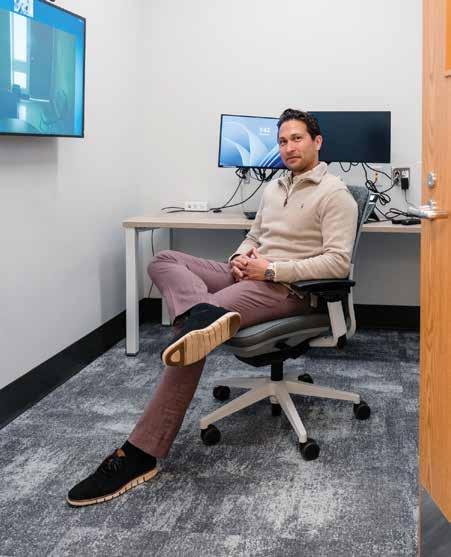
A new five-room virtual care centre has opened at the Cross Cancer Institute (Cross), improving access to care for rural patients. Thanks to a generous donation from Ron Triffo, the Triffo Virtual Care Centre was established last summer.
In the centre, the five rooms are used by many oncologists and health care providers that deliver virtual care services. One of them is hematology nurse practitioner Allan Black, who connects with his patients at their local clinic through a TV screen. He’s able to conduct assessments, plan future treatments and answer questions without requiring patients to travel to the Cross.
Prior to the centre’s opening, Black held his telehealth and virtual clinic in the Cross’s basement, using dated equipment. Now, the process has been streamlined. Black just needs to walk into the room and his patient is already on the screen.
“It’s really just optimized the way I deliver my care, both in its efficiency and efficacy,” says Black.
The virtual care model at the Cross was the first of its kind in Alberta, servicing Lloydminster as the province’s first clinic under this model. Although Black holds a telehealth and virtual clinic once a week through the Lloydminster site, with this new centre, he’s hoping to expand the service to other rural sites so more Albertans can access improved virtual care.
The new setup offers clearer images, advanced equipment and greater efficiency, increasing the number of rural Albertans he can care for virtually. And since the virtual care process is now much easier, Black has more than doubled the number of patients he sees from one or two a day to five or six.
For rural patients, the Triffo Virtual Care Centre saves them a trip to Edmonton — yet they still get great care. Telehealth is instrumental in enabling individuals with cancer to see their health care provider, even if virtually. “It allows for optimized care that comes with seeing a person face to face,” explains Black. “[Being face to face] allows patients to get in that headspace to tell me and show me everything they need to, and be as transparent as possible, so that my care can be complete.” He adds that patients can have their loved ones with them if they wish — something not always possible with a long commute. Fewer in-person patient visits can help save resources and dollars, and for those facing cancer, not having to visit a cancer site far from home can benefit their well-being.
“The virtual clinic made me feel supported between appointments,” says a patient at the Lloydminster clinic. “I could get help with symptoms quickly, ask questions without waiting weeks and feel reassured knowing my care team was still closely involved — even from home.”
“I can’t say enough good things about the centre,” adds Black. “It’s been a game changer.”
Black says the Triffo Virtual Care Centre has optimized how he delivers care.
IN THIS LEAP SERIES, WE CAPTURE THE BRAVERY, STRENGTH, HONESTY, HOPE AND RESILIENCE OF ALBERTANS LIVING WITH CANCER.
PHOTOGRAPH COURTESY OF ALBERTA CANCER
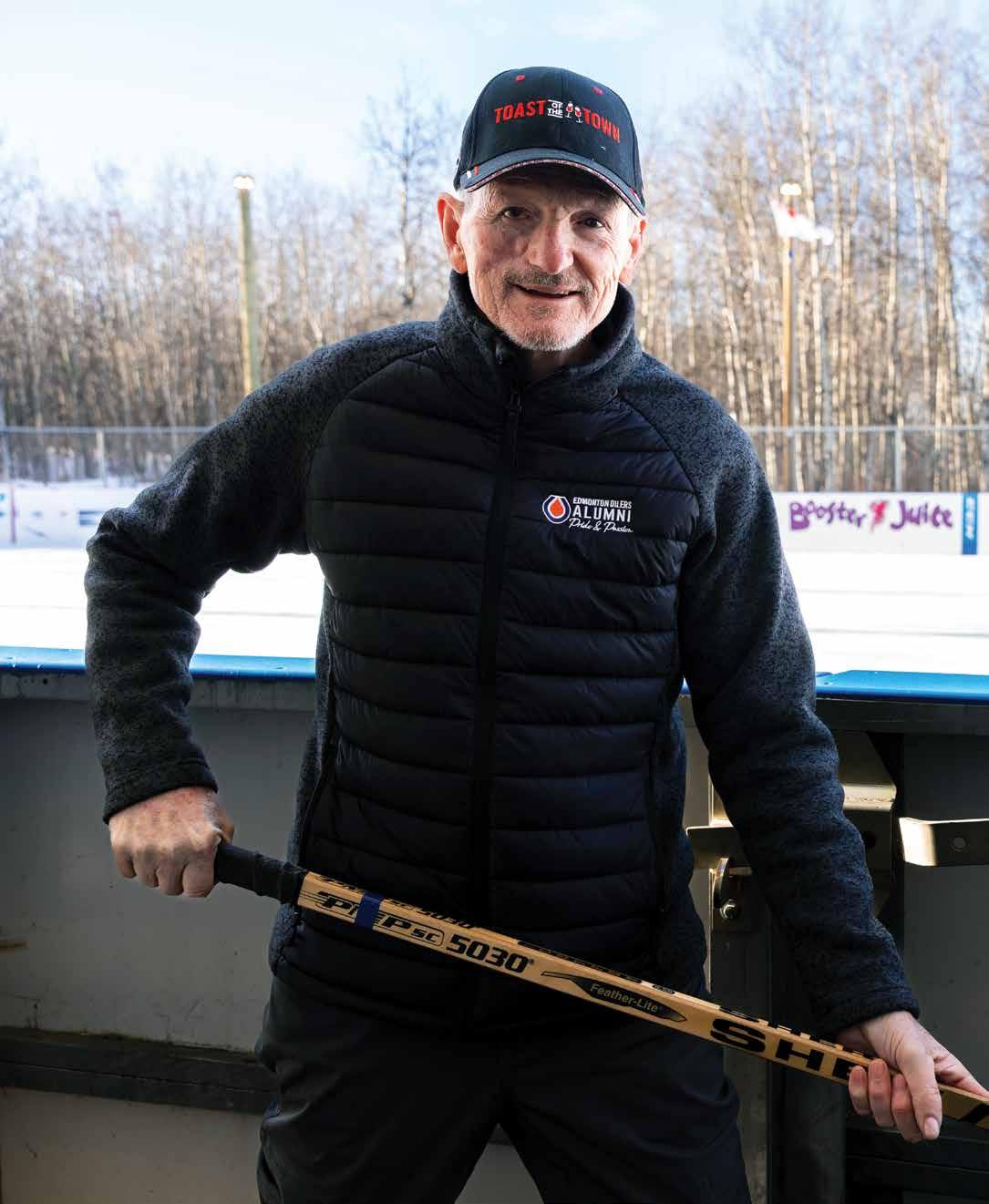
Barrie Stafford stops by the World’s Longest Hockey game at Saiker’s Acres, just outside of Edmonton.
LIVING WITH CANCER Meet BARRIE STAFFORD
As told to ALBERTA CANCER FOUNDATION, compiled by COLLEEN SETO
Barrie Stafford has always held a positive team mentality, whether as the Edmonton Oilers’ head equipment manager for 28 years, heading up philanthropy initiatives with Oilers alumni, as a director with the Cure Cancer Foundation or on his personal cancer journey.
Following injuries and illness, Stafford was diagnosed with multiple myeloma (a rare blood cancer) in 2011. He underwent four months of chemotherapy and a stem cell transplant that put his cancer in remission for 10 years. In 2022, he relapsed and had a completely different treatment experience — an immunotherapy clinical trial had him back in remission in just two months. Stafford later developed skin cancer on his face that required surgery in November 2025. After three cycles of immunotherapy, he is currently showing no evidence of disease.
Stafford shares his cancer journey to offer hope to others and help raise funds for immunotherapy research and treatment through Edmonton’s Toast of the Town event. He’s an active co-chair of the event, raising funds and making a difference for Albertans facing cancer.
“I was lifting a chair and I felt a tweak in my back. Oh man, I was in pain. I had a compression fracture in my T5.
[After] a couple of scans and within a couple of hours, the doctor pulled me into a back room and closed the door. I heard those words that I hope nobody ever has to hear: ‘You have cancer.’
I didn’t know if I was going to live or die. That gets your attention. [I later met with] Dr. Irwindeep Sandhu, who is my oncologist to this day, and just a wonderful person. He said, ‘Barrie, you have multiple myeloma.’
But then he said, ‘I think I can help you.’
Well, that changed everything. He told me I wasn’t going to die. I spent a month in the hospital. When I got discharged, I had lost 20 pounds. I had no hair. I’d been through a rough go with that stem cell transplant.
But I was back at work in less than four months. I like to say I’m a cancer thriver, not a survivor.
Getting cancer is not necessarily a death sentence. We have the highest rate of survival right across the country because of cuttingedge treatments like immunotherapy, advancing cancer care in Alberta.
When I relapsed in 2022, I was in the hospital for only a few days [to receive immunotherapy]. Within two months, without any symptoms or side effects, I was back in remission. I thought, ‘I like this immunotherapy.’
We’re at a turning point that is changing the way cancer patients are being treated today, right here in Alberta. It’s just amazing what’s happening. The Toast of the Town mandate is to honour the Cross Cancer Institute staff and try to raise some money to help them do their job.
I’ve learned how important it is to help the next patient in line. It’s a typical thing for Albertans — they roll up their sleeves, they go to work, they just get the job done. And that’s why I’m proud to be an Albertan as well.”
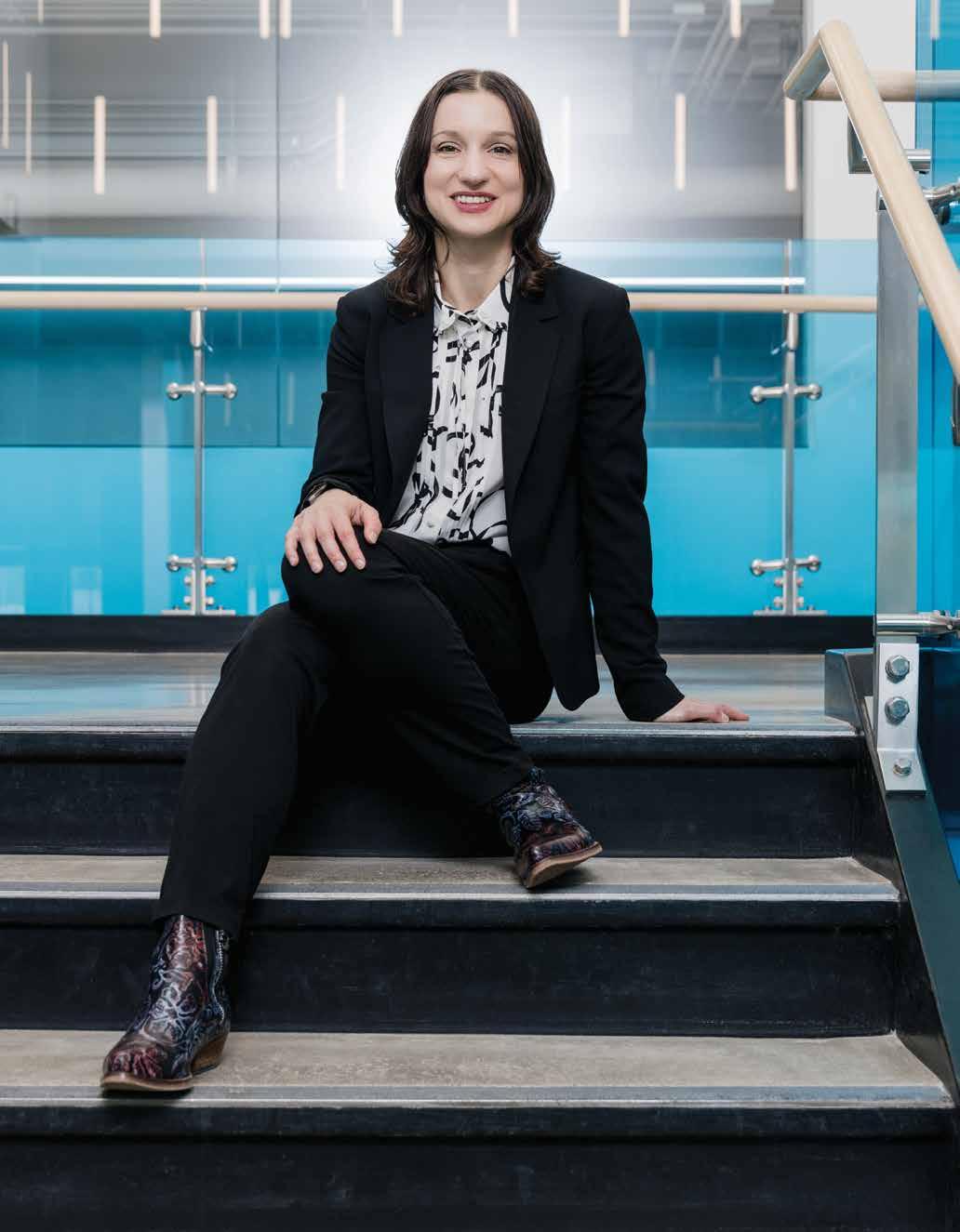
Dr. Ana Nikolic
She’s advancing the understanding of glioblastoma by building new tools and integrating computational techniques.
by COLLEEN SETO | photographs by JARED SYCH
Ever since Dr. Ana Nikolic was a kid, she learned to think like her father, a computer engineer. He gifted her a copy of Learn Visual Basic, a how-to guide to programming, when she was only 11 years old, which kick-started her analytical thinking. “Learning how to code so early in life imparted in me a love for problem solving and programming logic,” says Nikolic.
Now, as a neuropathologist, researcher and an assistant professor at the University of Calgary, she puts those skills into practice to advance the understanding of glioblastoma, a hard-to-treat form of brain cancer in adults. In fact, her coding background gives her a unique perspective and skill set in the field of brain tumour biology and neuropathology in Canada, as she can apply new computational methods to her research. She also has a PhD in glioblastoma stem cell biology and epigenetics (the study of how behaviours and environment can cause changes that affect how genes work), where she explored cutting-edge experimental and computational methods.
“That analytical mindset makes me very comfortable building new scientific tools and integrating computational and experimental techniques to find answers,” Nikolic explains.
“As an MD PhD clinician scientist with expertise in brain tumour neuropathology, cell biology, molecular genetics and genetic engineering, Dr. Nikolic is exceedingly well positioned for this work and for gaining new insights into this devastating disease,” agrees Dr. Jennifer Chan, director of the Arnie Charbonneau Cancer Institute in Calgary.
FROM CODING TO BRAIN TUMOUR RESEARCH
Though Nikolic is gifted in coding and won awards for her skills while still in high school, she decided to pursue medical school. “I first became interested in medicine when I spent a summer doing cancer biology research as an undergraduate student,” she recalls. “Realizing I could combine science with patient impact is what drove me to pursue medicine, with the goal of becoming a clinician scientist.”
And that’s just what she’s doing in her lab today — analyzing brain tissue samples to diagnose neurological conditions and help guide treatment.
Her research focuses on glioblastoma because, despite scientific advances, treatments and outcomes for glioblastoma patients have not improved. Most patients still die within a year of diagnosis. “Seeing how devastating brain tumours were for patients and families, and how limited our treatments were, made me want to do something to change that,” Nikolic says. “One of my relatives also passed away from glioblastoma when I was in medical school, which further motivated me to pursue this research as a career.”
TENACIOUS & AUDACIOUS
THE CHALLENGE OF BRAIN TUMOUR CELLS
Through the Calgary Brain Tumour Research Program at the Arnie Charbonneau Cancer Institute, Nikolic and her research team aim to better understand cellular evolution in glioblastoma — what controls how glioblastoma cells behave and adapt to different environments. Making this even more challenging is that every patient’s tumour has a unique mixture of cells.
“Glioblastoma tumours are remarkable in their adaptability,” Nikolic says. “These tumour cells are very good at changing their stripes to blend into different kinds of environments within the brain and evade our therapies. The tumour cells’ ability to change and evolve, which we call plasticity, limits many treatment approaches.”
“Seeing how devastating brain tumours were for patients and families, and how limited our treatments were, made me want to do something to change that.”
—DR. ANA NIKOLIC
Once they’ve determined what controls how and when glioblastoma tumour cells change their state, Nikolic and her team aim to stabilize them so they can be effectively treated. They’re doing so by developing tools to help characterize the inter-patient variability at the molecular level, in order to help build the next generation of targeted treatments, ideally with fewer side effects.
“What makes our approach unique is our toolkit,” she says. “We have developed tools that allow us to monitor the state of individual living tumour cells in real time, allowing us to directly see when and how they change, and how we can change them with therapy.”
“Cancer charities and non-profit organizations have been key to supporting my research. Especially for uncommon tumours like glioblastoma, community support is essential to helping us keep this research going.”
—DR. ANA NIKOLIC
“These epigenetic changes have been challenging to study due to a lack of tools that can track the rapid cell state changes,” adds Chan. “By developing unique molecular tools, Dr. Nikolic can now visualize key adaptions in real time — allowing next-level understanding of the mechanisms underpinning glioblastoma response and resistance. Her work is unique in its development and use of cutting-edge, integrated, molecular and computational approaches that can capture the dynamic changes in cancer cells.”
ALL IN A DAY’S WORK
On top of her research, Nikolic has built an impressive publication record: 21 peer-reviewed publications, including three in frequently cited journals as a lead author. She is one of the first people worldwide to use a method called single-cell ATAC-seq (a fast laboratory technique that maps DNA protein structure) to study glioblastoma cells. She’s been at the forefront of this technology, building and publishing an open-source computational method, Copy-scAT, which allows scientists around the world to identify different types of DNA abnormalities in cancer cells through single-cell ATAC experiments.
All of this means that an average workday for Nikolic can include a wide range of activities. She might go from preparing an experiment in the lab to mentoring trainees and coding scripts on a high-performance computing cluster to e-mailing neuroscientists, computer engineers and brain tumour scientists across Canada to build collaborations.
In recognition of her work, Nikolic received a number of prestigious awards that have allowed her to follow her passion and advance her research.
Though much of Nikolic and her team’s research is still at the early translational stage — likely 10 to 15 years away from any large-scale clinical trials — she is very hopeful that the work will result in the ability to reprogram glioblastoma cells and treat patients.
In the meantime, Nikolic continues to meaningfully contribute to the scientific understanding of glioblastoma biology and is thankful to be able to do this work. “Cancer charities and non-profit organizations have been key to supporting my research,” she says. “Especially for uncommon tumours like glioblastoma, community support is essential to helping us keep this research going.”
When Sharon McMinn reflects on memories of her husband, Jeff Goin, the first word that comes to mind is “magic.”
“Jeff had an extraordinary ability to connect with people. He was deeply caring and had the ability to make anyone in his presence feel really special,” says McMinn, who lives in Sherwood Park. In 1992, Goin was diagnosed with B-cell lymphoma, a blood cancer. He was declared cancer-free after treatment, but 13 years later, he was diagnosed with a different, rare and aggressive blood cancer: peripheral T-cell lymphoma. Goin was admitted to the Cross Cancer Institute (Cross) for care, but died nine months later on August 13, 2005.
Before Goin passed, McMinn had planned a party for him, scheduled for August 20. Instead of cancelling the event after he died, McMinn decided to pivot and Goin's party became a wake. McMinn made sure the event was one that her husband, a musiclover who was always the life of the party, would’ve loved. There were musicians, a silent auction, ponies and magicians, and ample
Gifts Fuelled by Love
In 2005, Sharon McMinn lost her husband, Jeff Goin, to cancer when he was 54 years old. Now, she works through her grief by giving back, showing an amazing commitment to Albertans facing cancer.
by KARIN OLAFSON
food. It was also a moving and memorable fundraiser that raised more than $30,000 for the Alberta Cancer Foundation.
Roughly 500 people attended to celebrate Goin’s life and raise funds.
“We’d had such a tough experience, but the people at the Cross were just wonderful. They made the whole experience so much better. From the moment we went inside the Cross, everybody there was just so compassionate, so kind, so gentle — they knew we were terrified and hurting and scared, and they were all amazing,” says McMinn.
After the wake, McMinn continued her generous giving as a way to remember Goin. The following summer, McMinn hosted a second fundraiser in memory
of her husband: the Goin Strong Blues fundraiser in a rented hall. While McMinn became a monthly donor in June 2001, after Goin’s passing, those monthly contributions were given in his memory. In total, McMinn has raised a total of almost $40,000 in tribute gifts. McMinn has also left a gift to the Foundation in her will, an act she says is a final gesture of kindness and support for Albertans with cancer.
“Giving back is, for me, a way to honour Jeff for the rest of my life, and anyone else that I love that is fighting cancer,” says McMinn.
Her philanthropy also provides her with a sense of hope.
“I feel like I’m making an impact. I really do hope that by the time my children are old, cancer is just something that happened in the past,” says McMinn. “It would be wonderful to imagine that my donations are saving many lives. Really, if I could spare one person from this devastating disease, it would all be worth it.”
PHOTOGRAPHS COURTESY OF SHARON MCMINN
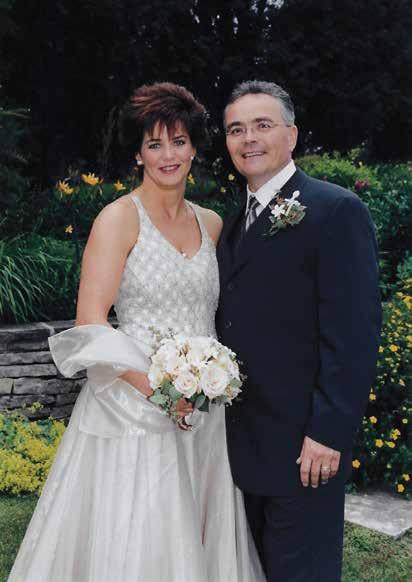
Sharon McMinn and Jeff Goin on their wedding day in July 2001.
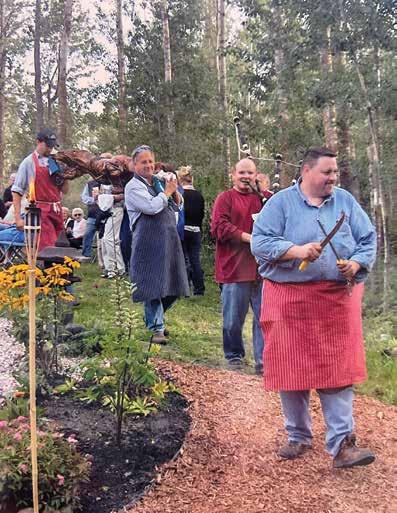
Here and right: Roughly 500 people attended Goin’s wake in 2005, a party he would have loved with plenty of food and entertainment.
A Companion in Care
As an advanced disease navigator, Laurie Laughren ensures individuals with advanced cancers don’t have to face their journey alone.
by NATHAN KUNZ | photographs by ADAM MOSER
Life after a cancer diagnosis looks different for everyone.
Prognosis and treatment are one thing, but there are also conversations around money, transportation, mental health and other important, sometimes difficult, topics. The result can be dizzying and, in many cases, isolating — especially when facing an advanced disease.
That’s where Laurie Laughren comes in.
“A cancer diagnosis can leave people feeling vulnerable. For anyone unfamiliar with how the health care system works, it’s confusing and frightening,” says Laughren. “I’m ready to step in and do whatever it takes to help and support.”
Laughren’s job as an advanced disease cancer patient navigator at Medicine Hat’s Margery E. Yuill Cancer Centre
is all about support. The relatively new position sees her accompany individuals with cancer and families during advanced cancer journeys — typically stage three or four diagnoses in noncurative situations.
These supports differ by situation. Typically, individuals are referred to Laughren at the same time they’re connected with an oncologist. Soon after
diagnosis, Laughren meets the individual and their family to explain tests, wait times and treatments. She also explores individual needs, connecting them with social workers, dietitians, financial supports and palliative care providers. For many patients at the Margery E. Yuill Cancer Centre — a regional site that also supports surrounding rural communities — coordinating transportation
to Lethbridge, where the nearest oncologists are based, is another key form of support.
After the initial connection, Laughren follows up regularly during waiting periods, checking in on her patients by phone and ensuring they never feel lost in the system. Additionally, Laughren connects with patients by supporting them as their cancer progresses and as individuals transition to a stage where treatments are no longer available, when they are discharged from the cancer centre to care in the community.
“Representing oncology in those moments and explaining things, I think, has made a big difference,” Laughren says.
LIFELONG LEARNING
The advanced disease navigator role is new — Laughren is the first to hold the title at the Margery E. Yuill Cancer Centre since the program began in March 2025. But her connection to health care runs deep.
Growing up in an air force family, Laughren moved around Canada throughout childhood. She began her career working as a cook and a dietary aide for the Heartland Health Region (now the Saskatchewan Health Authority) in Rosetown, Saskatchewan.
It was Laughren’s next role in environmental services — a specialized form of housekeeping — that really inspired her. The job had Laughren interacting with patients and families regularly, checking in during her rounds and watching interactions with nurses and doctors.
“I had nurses say to me, ‘You would be a good nurse. You should go into nursing,’” Laughren says. “I just thought, ‘You know, maybe they're right. Maybe I need to try it.’ And I'm glad I did.”
Laughren has now held a career in care for more than 25 years.
Laughren earned her licensed practical nurse (LPN) diploma through Edmonton’s NorQuest College, before attending the University of Saskatchewan to complete a registered nurse (RN) degree. It was during this program that Laughren was first exposed to oncology through a
practicum in Saskatoon.
While her first position in Medicine Hat was in palliative care, Laughren was called to cancer care shortly after. She transferred to the Margery E. Yuill Cancer Centre, where she has “done every role you can think of” including navigation, triaging and administering chemotherapy.
A return to palliative care followed, as well as certification in both oncology and palliative care through the Canadian Nurses Association and a master of nursing through the University of Regina. After a year managing the medicalsurgical unit at the Medicine Hat Hospital, Laughren returned to palliative care in a consultant capacity for six months before taking leave to help develop the advanced disease navigator position.
“The role brought together everything I value in nursing: oncology, palliative care and proactive, relationship-based support,” Laughren says.
PUTTING PEOPLE FIRST
At its core, the advanced disease navigator role exemplifies the human side of health care.
Laughren says she always makes a point to understand individuals’ support networks during initial meetings, whether that be family, friends, pets or religious communities. She also asks about their personal goals — she recalls empowering one individual to take a dream train trip to Vancouver after his cancer progressed. These interactions also often mean exploring palliative care options, a topic that carries its own stigma. Laughren says challenging misconceptions is an important part of her job, explaining that in many cases, prioritizing pain management, relief and quality of life through palliative care represents the best care available. In fact, studies show coordinating oncology care with early palliative care leads to longer lives, shorter treatment delays and greater support.
“By bridging oncology, palliative care and community services, I can support quality of life,” she says, “while helping patients feel informed, supported and never alone.”
SHARING THE MOMENT
Supporting individuals with cancer on a human level is something Laughren prioritizes. And according to those she works closely with, it’s something she excels at.
“Laurie has this calming way about her that really connects with patients,” says Melissa Linkson, an oncology social worker at the Margery E. Yuill Cancer Centre. “She's just really good at focusing on the needs of the patients and making sure it's patient-centred care, from beginning to end.”
Linkson regularly collaborates with Laughren, both in providing counselling services for individuals with cancer via Laughren’s referrals and working alongside Laughren to find external supports and ease cancer journeys.
In one such case, Linkson recalls accompanying Laughren to meet an individual before his transfer to hospice.
LAURIE LAUGHREN’S CAREER HIGHLIGHTS
2001
Laughren’s career begins in non-nursing roles in the Heartland Health Region (now called Saskatchewan Health Authority). She works in Dietary and Environmental Services and gains firsthand experience in patient support and hospital operations.
2006
Inspired by earlier patient interactions, Laughren earns her licensed practical nurse diploma and begins working in the Biggar and District Health Centre in Saskatchewan.
2011
Entering the dimmed room, Laughren knelt by the bedside, took the patient’s hand and explained to him what was happening, never breaking eye contact during the interaction. Linkson says she was in awe of Laughren’s ability to connect completely with them, all in a matter of moments.
Laughren expands her scope and impact through a bachelor of science in nursing degree at the University of Saskatchewan.
“It was just such a tranquil experience to be a part of,” says Linkson. “It was almost breathtaking, the way that she focused all of the attention on this patient. He was the centre of the room.”
In an advanced disease-focused role, the days are rarely easy. Tough conversations and outcomes come with the title, though Laughren says she makes a conscious effort to never
2012
She relocates to Medicine Hat, working for 10 years in both palliative care and oncology nursing.
2022
Laughren completes her master of nursing as a clinical nurse specialist with a focus in palliative care.
2024
After serving as medical surgical unit manager at the Medicine Hat Regional Hospital, she takes on the role of palliative care nurse consultant.
2025
Laughren becomes the first advanced disease cancer patient navigator at the Margery E. Yuill Cancer Centre.
make the news of someone’s passing feel routine.
Instead, she takes a moment to reflect on the journey. Then, she looks around her to find hope — there’s hope in her colleagues at the Margery E. Yuill Cancer Centre, in the treatment area where Albertans with cancer are seeing improvements and in the support systems she helped to empower.
“Everyone's life is worth acknowledging,” she says. “As a nurse, we want to fix. And unfortunately, there are things you can't fix. But you can always provide support.”
Progress in Prostate Cancer Screening
Generous philanthropy led to the creation of an innovative prostate cancer test.
by KARIN OLAFSON
Prostate cancer is one of the most commonly diagnosed cancers in Alberta, affecting one in eight men. Prostate cancer screening and treatments have seen great advancements, with fiveyear survival rates as high as 99 per cent when cancer is detected early.
Prostate cancer screening begins with a PSA test, which accurately confirms when patients have the disease, but doesn’t always accurately identify those who don’t. This can lead to unnecessary biopsies, which involve removing a small sample of prostate tissue, meaning they are invasive and come with risks. Alberta researchers are continually looking at innovative ways to improve early detection of prostate cancer. ClarityDX Prostate is just one example of this — and its creation is only possible because of the significant generosity of donors.
Catalina Vasquez is the co-founder and chief operating officer of Nanostics, the Edmonton-based company behind ClarityDX Prostate. She explains that
Nanostics uses artificial intelligence to predict whether a patient has a disease. ClarityDX Prostate is its first ground-breaking test, and it is changing how prostate cancer is diagnosed and treated. The simple blood test uses biomarkers, clinical data and a machine learning algorithm to create a risk score for disease, which is personalized for each patient. It is up t o 47 per cent more accurate than a PSA test, which can require follow-up biopsies to get more data.
“Globally, up to 80 per cent of men have their biopsy results come back negative. ClarityDX Prostate has the potential to reduce up to 50 per cent of unnecessary biopsies,” says Vasquez. “Providing a more accurate risk assessment of disease can help patients make more informed decisions about whether to biopsy.”
Vasquez adds that the company has been around for almost a decade. “We have seen tremendous support from the Alberta Cancer Foundation and philanthropists from day one.”
She explains this groundbreaking test is possible because of the late philanthropist Frank Sojonky, who developed metastatic prostate cancer in 1992. He wanted to help develop a new screening test, so other men wouldn’t be diagnosed with late-stage prostate cancer as he had. Ten years later, he moved from Vancouver to Edmonton, where he saw that his philanthropic efforts could make a big difference for men with prostate cancer by supporting lab-based research.
To raise funds and make the creation of this new test a reality, Sojonky created a fundraising group called the Bird Dogs, which raised millions for the Alberta Cancer Foundation. Some of the funds were used to recruit Dr. John Lewis, a prostate cancer researcher, as the Bird Dogs Chair in Translational Oncology in the Department of Oncology at the University of Alberta and the CEO of Nanostics. Because of donor generosity, ClarityDX Prostate is changing outcomes for men across Alberta — and beyond.
“This is getting us closer to Sojonky’s vision: ensuring men across Canada have access to tests that can help diagnose prostate cancer early, but also prevent biopsies for men who don’t need them,” says Vasquez.
ClarityDX Prostate’s innovative testing is changing how prostate cancer is diagnosed and treated.
Chief scientific officer Desmond Pink in the Nanostics Clinical Lab.
Turning Tragedy Into Hope
The
Kossowan family’s journey with cancer inspired decades of donations for the Alberta Cancer Foundation.
by NATHAN ILES
Few families understand as well as the Kossowans that, when it comes to progress in cancer research, it takes decades of support. This family’s ongoing donations for the Alberta Cancer Foundation stemmed from grief, and now, two generations of the Kossowan family are helping shape cancer care in Alberta through generous giving.
Peter and Millie Kossowan got married in 1959. Five years later, the Edmonton couple welcomed their first son, Bradley John. When he was just 18 months old, the Kossowans noticed strange symptoms in their toddler: Bradley was persistently fatigued and bruised at the slightest touch. The young parents took Bradley to their pediatrician, and a diagnosis of acute lymphoblastic leukemia shattered their world. In 1965, there were no dedicated cancer facilities like the Cross Cancer Institute, which opened three years later. As such, treatment options for children with cancer were limited.
“My mother taught me that helping a neighbour was more important than helping yourself.”
–PETER KOSSOWAN
When Millie became pregnant again, the Kossowans consulted a geneticist. The odds of having another child with leukemia, they were told, were “about as likely as winning the lottery.” In 1966, they welcomed their second son, Peter Cameron. Yet when he was just 18 months old, the same signs of leukemia appeared. Once again, the Kossowan family received another leukemia diagnosis. They had two young sons with cancer.
Bradley passed away in August 1967. In 1968, the family adopted a daughter, Carmelle. It was a decision shaped by the desire to escape a “relentless cloud of worry.” Peter Cameron lived with cancer for a few years, but died in May 1971.
Peter and Millie worked through their grief by helping others. They joined parent advocacy groups to support other parents whose children had diseases with poor outcomes, worked to improve the pediatric care system in Edmonton and brought a sense of kinship to families walking the same road of cancer treatment.
“We had already been through loss,” Peter says. “To provide hope for others and bring community to these families was our personal mission.”
Yet the Kossowan family’s experience with cancer wasn’t over. In 2003, Millie was diagnosed with an aggressive,
metastasized colon tumour. She passed away in 2005, leaving Peter determined to turn loss into legacy.
Peter’s employer, Great-West Life (now Canada Life), spearheaded a memorial golf tournament in Millie's honour. Over three years, the tournaments raised more than $140,000 for the Alberta Cancer Foundation.
“My mother taught me that helping a neighbour was more important than helping yourself,” says Peter.
That commitment to give back continues with Carmelle, who worked in the Foundation from 2012 to 2017 as vice president of communications and marketing. “This wasn’t [just] a job,” says Carmelle, who has been a monthly donor since 2017. “It was an opportunity to ensure that progress continues to be made and that, someday, we will have a future that is cancer-free.”
In the ‘60s, the survival rate for acute lymphoblastic leukemia was less than 10 per cent. By 2019, that number had climbed to over 90 per cent. That drastic leap in prognosis was not accidental — it’s the result of decades of research, supported by generous, sustained financial contributions from families like the Kossowans.
Now 95 years old, Peter Kossowan has watched cancer research transform and outcomes have greatly improved.
“I’m not a doctor or a researcher,” he says. “I can’t discover the cure for cancer. But I’m ever hopeful that I will see [cures], so no family ever has to endure the heartbreak we did.”
PHOTOGRAPH COURTESY OF CARMELLE SLY
Left to right: Peter Kossowan with his grandson Jameson, granddaughter Evyn and daughter Carmelle.
Honouring Excellence in Cancer Research
We are proud to celebrate the exceptional individuals currently holding philanthropically funded fellowships, professorships and endowed chairs. These roles are made possible through the generosity of our donors, whose support empowers leading minds in cancer care. This research is driving innovation, advancing discoveries and creating more hope for Albertans facing cancer.
RECIPIENT
AWARD
Dr. Fred West Allard Research Chair in Oncology
Dr. John Lewis Bird Dogs Chair in Translational Oncology
Dr. Frank Wuest Dianne and Irving Kipnes Chair in Radiopharmaceutical Sciences
Dr. Linda Carlson Enbridge Research Chair in Psychosocial Oncology
HOST INSTITUTION CATEGORY
University of Alberta
University of Alberta
University of Alberta
University of Calgary
Dr. Paola Neri Engineered Air Chair in Cancer Research University of Calgary
Dr. Adam Kinnaird Frank and Carla Sojonky Chair in Prostate Cancer Research
Dr. Chen-Han Lee Sawin-Baldwin Chair in Ovarian Cancer Research
Dr. Tasneem Dawood Ernest and Gladys Archinuk Clinical Research Fellowship in Oncology
Cristina Rai Fred C. Coles Cancer Research Fellowship
University of Alberta
University of Alberta
University of Alberta
University of Calgary
Dr. Kiran Paskalice Michael J Hutchison Fellowship in Radiation Oncology University of Alberta
Dr. Zarmina Alam Papadopoulos Fellowship in Radiation Oncology University of Alberta
Dr. Maxime Mermod Papadopoulos Head & Neck Surgical Fellowship in Oncology University of Alberta
Dr. Egiroh Omene Wayne Foo & Lynne Marshall Clinical Research Fellowship University of Alberta
Dr. Kevin Hay Dixon Professorship in Clinical Hematology
Dr. Oliver Bathe Wayne Foo Professorship in Surgical Oncology
Recipient list current at time of publication.
CHAIR
FELLOWSHIP
University of Calgary
University of Calgary
Improving Radiation Treatment Options
A fellowship in radiation oncology allows Dr. Zarmina Alam to do important clinical care and conduct innovative research — and she has only just begun her medical career.
by KARIN OLAFSON
When Dr. Zarmina Alam was completing her medical degree in India’s Aligarh Muslim University, choosing to specialize in radiation oncology for individuals with head and neck cancers was an easy choice. Because there is so much potential for new treatment, for her, it was a clear way to make a difference.
“In head and neck cancers, there are a lot of emerging treatment options that can improve patient outcomes. At the same time, we have a lot more space to improve the outcomes for patients,” says Alam.
She completed her medical degree in 2020 and, in 2024, was awarded the Papadopoulos Fellowship in Radiation Oncology at the University of Alberta. Today, she is an integral part of the research improving the treatment experience for people diagnosed with head and neck cancers.
The fellowship-funded role — which she will hold until September 2026 — allows Alam to spend half of her time working directly with individuals with head and neck cancers at the Cross Cancer Institute. Working under the supervision of Dr. Rufus Scrimger, Alam helps assess individuals who are beginning their head and neck cancer journey and plan their treatment trajectory.
The other half of her role is dedicated to research and, already, her work is having an impact on health care in Alberta. During the first year of her fellowship, Alam researched optimal radiation techniques.
“For head and neck cancer patients, typically the [radiation] treatment targets the primary cancer site as well as the neck. My research found that we don’t need to treat both sides of the neck with radiation. It’s not necessary if the disease isn’t on both sides. We can treat just one side, which gives an equal result and minimizes toxicities for the patient, like dry mouth and neck fibrosis,” explains Alam. She PHOTOGRAPH COURTESY OF ALBERTA CANCER FOUNDATION
shared her findings nationally, presenting them at the Canadian Association of Radiation Oncology annual scientific meeting in Calgary in September 2025.
Currently, she’s researching how nutrition impacts radiation outcomes. Alam explains that during radiation treatment, it’s not uncommon for individuals to experience symptoms that impact how much they eat, like sore throats and altered taste sensation. Alam’s research examines the benefits of providing individuals with nutritional supplements, such as protein shakes or protein juices, during and after radiation treatment. She’s interested in whether the supplements can slow weight loss and improve outcomes compared to those who receive supplements only after treatment is over.
Alam is grateful that donor-funded fellowships support earlycareer doctors and provide the chance to balance work across two much-needed areas: clinical care and research.
Steering Change
Out in Red Deer County, young fundraisers planned a steer raffle auction and raised a whopping $20,000 for the Alberta Cancer Foundation.
by KARIN OLAFSON
When youth members of the Knee Hill Valley 4-H Beef Club first join the group, they take a pledge. Meredith Hoar, who leads the group with her husband Greg, says a big part of that pledge is promising their “hands to larger service.” And that’s something the kids take seriously — fundraising is a significant part of what the youth club is about.
The club is made up of 25 children from different municipalities in Red Deer County, and while they’re only ages six to 18, they’re making a big difference by bringing their community together. Every
year since 2021, the young members have organized the Knee Hill Valley 4-H Charity Steer Fundraiser.
“A beef calf is purchased or donated and then is raised by 4-H members,” explains Hoar, whose role as leader, in part, involves helping the kids with their fundraising efforts. The kids raffle off auction tickets, and in May each year, the chosen winner gets the finished animal — and can pack their freezer with beef.
Since 2021, the club has raised $91,545 for various charities and community needs, which are selected by the children through a vote. In 2025, the funds raised were donated to the Alberta Cancer Foundation, a choice that was meaningful to Hoar. In 2022, she was diagnosed with breast cancer. She was 38 years old, and her youngest of four children was just one year old.
“Hearing that the kids chose to donate the funds to the Alberta Cancer Foundation was really emotional for me. I couldn't hold back the tears,” says Hoar, who has gone through mastectomies and completed her
chemotherapy rounds. She adds that for each fundraiser, the children select a name for the calf that reflects the chosen charity. In 2025, the steer was named Bell Ringer, symbolizing a tradition where individuals facing cancer ring a bell to mark treatment milestones.
The four Hollman brothers are part of the Knee Hill Valley 4-H Beef Club and were instrumental in choosing the Foundation as the 2025 fund recipient.
“It means a great deal to me to be able to support the Alberta Cancer Foundation, as I know a couple of people personally who have [had] breast cancer, such as our leader Meredith and my grandma,” says Colby Hollman, who is 17. His 16-year-old brother, Kaden, adds, “People of all ages came out to support the Alberta Cancer Foundation, and it shows how much the community cares about helping others.”
In total, Bell Ringer raised $20,000 for the Foundation.
“We’re all trying to make a difference and see change,” says Hoar. “This just unifies us.”
PHOTOGRAPH
OF MEREDITH HOAR
Knee Hill Valley 4-H Beef Club president, Colby Hollman, presents Bell Ringer with the rest of the 4-H club members.