TTC OPERATED BY ENSCO
Decision Making from Software and AI Using Track Inspection Technologies to Inform Maintenance Planning Rafael Maldonado, Deputy Division Manager, ENSCO, Inc., Charlottesville, VA Ivan Aragona, Data Management and Digital Solutions Director, ENSCO, Inc., Tampa, FL
T
he Transportation Technology Center (TTC), operated by ENSCO, is a hub for testing and developing cutting-edge railway maintenance solutions. In an industry facing increasing demands for higher speeds, greater tonnage, and enhanced safety, data-driven asset management has become essential for maintaining infrastructure reliability. Traditionally, track maintenance relied on manual inspections, consolidating information into spreadsheets, and following pre-planned maintenance schedules. Decisions were often based on experience and routine rather than real-time data. With the integration of predictive analytics, advanced track inspection systems, and machine learning, railroads are shifting toward condition-based and predictive maintenance models. This transition enables more targeted maintenance, extends asset life by addressing issues before they become critical, and reduces costs through optimized capital planning. Track Asset Management System The ability to maximize the value of track inspection systems and implement a predictive, condition-based maintenance strategy hinges on the development of a well-defined asset register. A comprehensive asset register serves as the foundation for effective track infrastructure management, enabling railroads to integrate real-time condition data into 4 Railway Track & Structures // March 2025
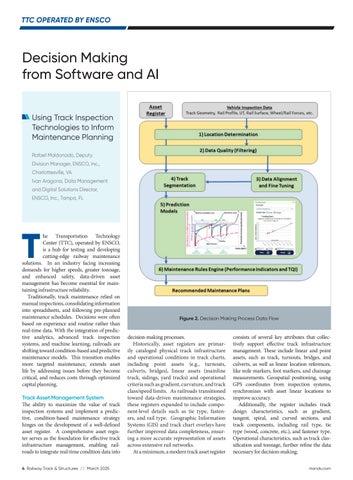
Figure 2. Decision Making Process Data Flow
decision-making processes. Historically, asset registers are primarily cataloged physical track infrastructure and operational conditions in track charts, including point assets (e.g., turnouts, culverts, bridges), linear assets (mainline track, sidings, yard tracks) and operational criteria such as gradient, curvature, and track class/speed limits. As railroads transitioned toward data-driven maintenance strategies, these registers expanded to include component-level details such as tie type, fasteners, and rail type. Geographic Information Systems (GIS) and track chart overlays have further improved data completeness, ensuring a more accurate representation of assets across extensive rail networks. At a minimum, a modern track asset register
consists of several key attributes that collectively support effective track infrastructure management. These include linear and point assets, such as track, turnouts, bridges, and culverts, as well as linear location references, like mile markers, foot markers, and chainage measurements. Geospatial positioning, using GPS coordinates from inspection systems, synchronizes with asset linear locations to improve accuracy. Additionally, the register includes track design characteristics, such as gradient, tangent, spiral, and curved sections, and track components, including rail type, tie type (wood, concrete, etc.), and fastener type. Operational characteristics, such as track classification and tonnage, further refine the data necessary for decision-making. rtands.com