

Term 1, 2025


From reality TV to tuckshop success

where team work makes the dream work
A strategic investment

for a healthy business to the volunteer shortage


Term 1, 2025
From reality TV to tuckshop success
where team work makes the dream work
A strategic investment
for a healthy business to the volunteer shortage

Tuckshop Day was another great success story, with our hearts warmed to see the outpouring of love through flowers and certificates, special morning teas and assemblies, and beautiful artwork from students to recognise and support the hard work of tuckshop workers across the state.
We also welcomed the news of further State Government funding to support school food programs, which aim to provide healthy and nutritious meals for students during the school day.


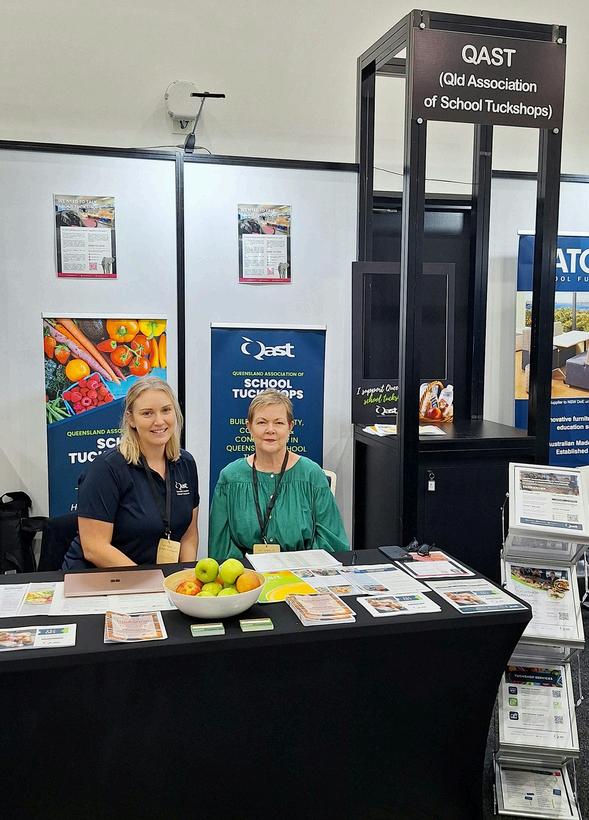
Principals School Leadership Conference in May, as well as Health and Wellbeing Queensland’s Prevention Symposium in September.
We were sad to wrap up our Creating Connections Through Cooking Program but were thrilled for it to be nominated for a Queensland Volunteering Impact Award. While we didn’t come away with a win, it was inspiring to hear about and recognise so many amazing volunteers doing wonderful things for Queensland communities
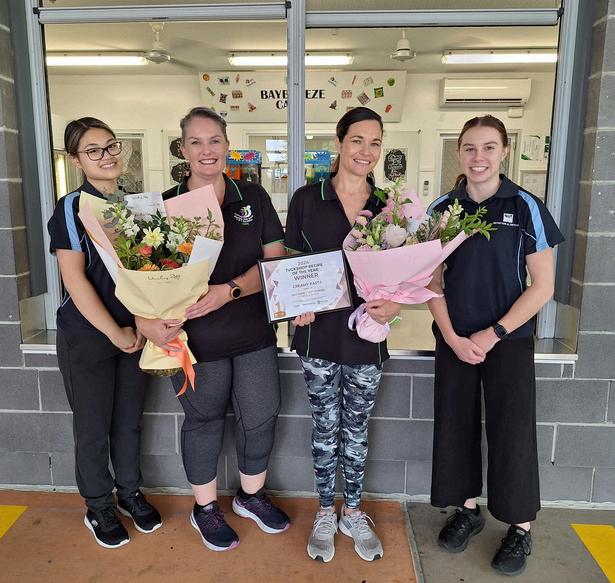
The amazing work being done p again spotlighted at a national level with our 2024 Recipe of the e

On a member services-front, QAST continued to deliver key training for tuckshops, including 4 Pathway to Profit Courses, 5 Convenor Courses and 18 Food Safety Supervisor Courses Our Menu Health Check, Tuckshop Tune-ups and Book-a-Chat services were well-used, while downloads of our online resources and use of the QAST website continued to rise.
Our network meetings throughout the year attracted tuckshops from across the state and we saw some great engagement and

QAST membership is an invaluable business investment
While experienced convenors have many skills, it’s vital to keep learning. For new convenors, who have to hit the ground running, having a dedicated team behind them can make all the difference.
Who better to have your back than an organisation that exists to support tuckshops
We provide services to empower tuckshop staff and make your tuckshop a place of pride in the school community.
How does membership work?
When you’re a member of QAST, everyone at your school is a member! That means tuckshop managers and assistants, P&C members, Principals, teachers and the school admin team can access the benefits.
Members can take advantage of exclusive access to a firstclass range of services and online resources, as well as tailored training opportunities to help convenors stay ahead of the curb and sharpen their skills

What's in it for my school?
TANGIBLE BENEFITS
Achieve higher profits and better financial accountability, more efficient operations, and superior food safety practices Your tuckshop menu will improve and increase in popularity, and your tuckshop staff will be supported and heard.
SAFEGUARD
Being a member of QAST is a safeguard; if you don’t have it, it may not be there when you need it When a problem arises, we are your go-to
PEAK BODY
We’re the primary source of professional development, training, and resources. We have your back, and our large membership base puts us in a strong position to influence outcomes
QAST is a trusted source of information We solve complex issues around running a tuckshop, working collaboratively with everyone involved
All employers are responsible for ensuring their staff have access to professional development and skills growth We offer tailored training for members at a significant discount
Through our social media platforms, networking opportunities, training courses, events and large member database, we can put you in touch with your peers to learn, share, celebrate and even vent when you need to. We’re also here to support and help new convenors as they find their feet
OUR CHILDREN MATTER
We believe tuckshops are an essential service to busy families, and offering healthy food to children is the right thing to do.
We offer advice beyond the Smart Choices guidelines because there is more to delivering a nutritious foodservice than just complying with a policy.
Like what you've read and keen to join the community?
Head over to our website and sign up to become a QAST member today.


Have you heard about the Healthier Tuckshops Support Program?
A proud partnership between QAST and our funding partner, Health and Wellbeing Queensland, the Healthier Tuckshops program offers support to ALL Queensland schools, helping tuckshops serve healthy foods and drinks, in line with the Smart Choices strategy.
FREE to anyone working in and around a tuckshop, the Healthier Tuckshops Program is a great way to learn more about what makes a tuckshop, its menu, and its people, healthy.
The program offers free networking opportunities, online resources and recipes, and communications, plus a food and drink classification service for manufacturers, industry members and suppliers
It also makes our popular Recipe of the Year competition and the Talking Healthier Tuckshops Podcast possible
Learn more or get involved!
Tuckshop Network Meetings
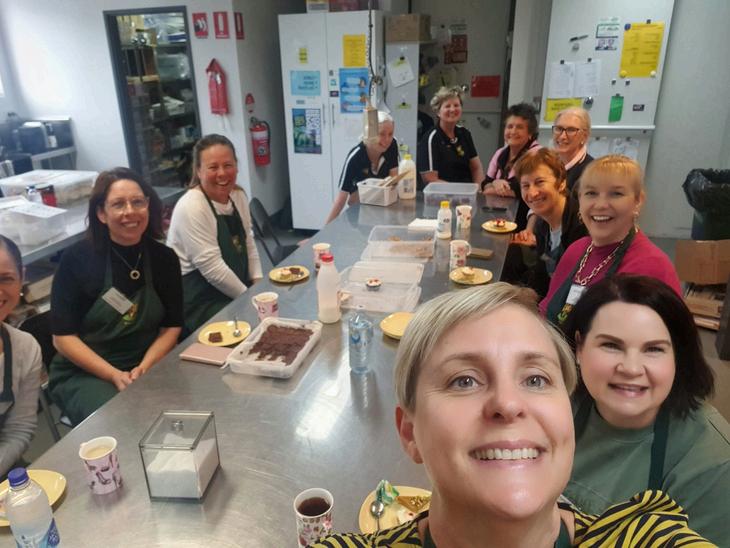
Our regular tuckshop network meetings give convenors, volunteers and P&Cs the chance to connect and share ideas

Healthy Menu Planning training
Provides you with the skills and confidence to develop a healthy tuckshop menu that meets the needs of your school community

Menu Planning Resources
Creating a healthier menu is easy with our range of menu planning resources for your school tuckshop

Distributed to all Queensland schools, the quarterly Healthier Tuckshops newsletter informs and inspires, sharing tips on creating healthier menus.

We're always making, tasting and uploading new recipes for you to try You can even filter by ingredient, meal type or dietary requirement

The Talking Healthier Tuckshops Podcast talks all things school tuckshops, family health and wellbeing We explore topics that matter to parents and people working in tuckshops
Case Studies
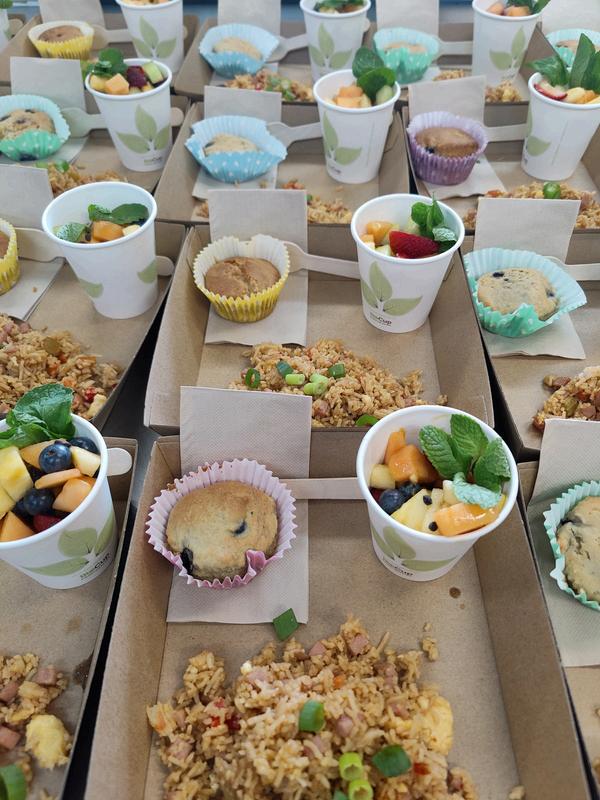
Success stories from schools using the Healthier Tuckshops Support Program to make healthy changes to their tuckshop menu
Recipe of the Year
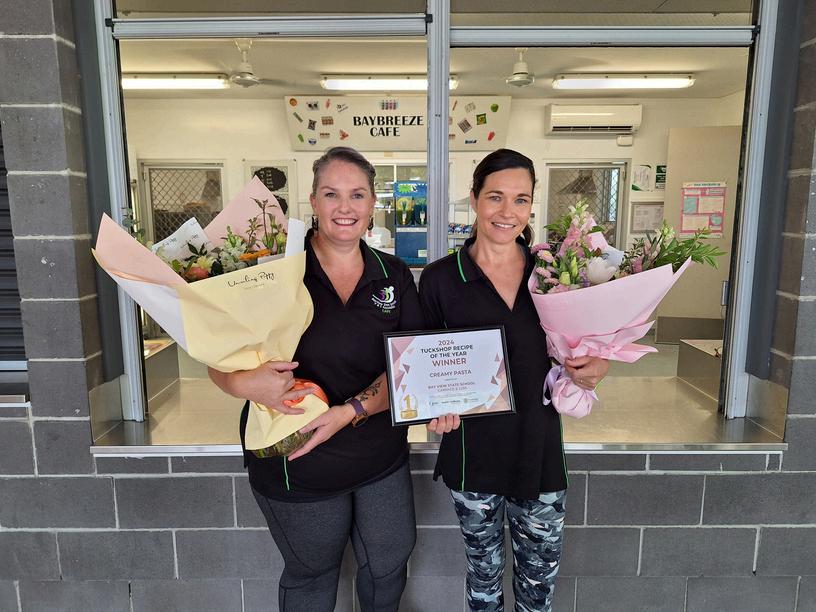
Celebrates the wonderful recipes produced by school tuckshops The competition shows how resourceful and innovative tuckshop convenors are
The Healthier Tuckshops Program is funded by the Queensland Government through Health and Wellbeing Queensland


QAST is fortunate to have a Management Committee full of passionate people who bring with them a wealth of knowledge and experience.
As a group they are responsible for the administration and strategic planning of QAST's activities on behalf of the Association’s members.
The Committee members come from diverse backgrounds and include current and former tuckshop convenors, community

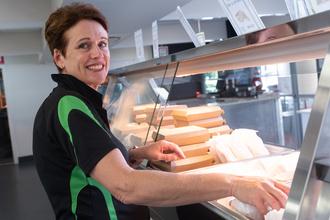
MADONNA JARDINE President LORIE ROBINSON Vice President


members, and representatives from parent and government bodies
This group provides valuable insight into all aspects of tuckshop operations and their role in the community to ensure the Association remains representative of its members and relevant to current issues in the sector.
In 2025 QAST is thrilled to inaugurate several new members and welcome back long-serving members


AMANDA COXALL Tuckshop Convenor Representative
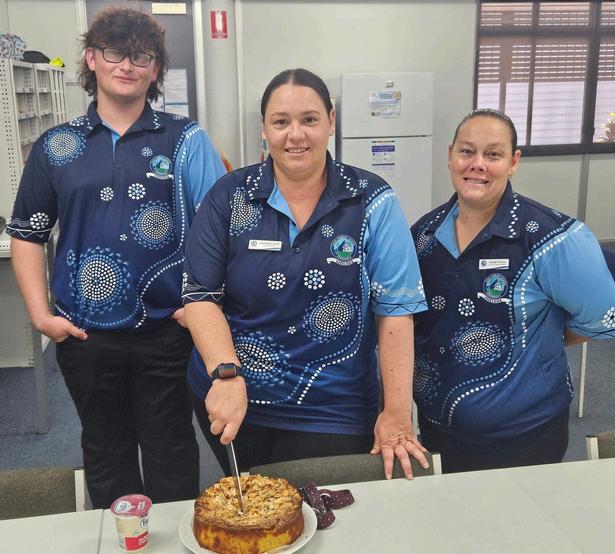
MEGAN TOWNER Vice President
BARBARA RADCLIFFE Treasurer
RAELENE AKERS Tuckshop Convenor Representative
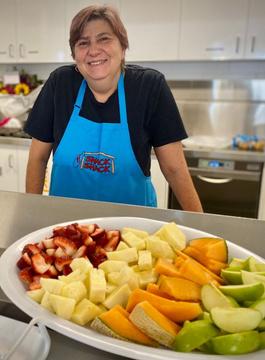

ANGELIQUE SCARPIGNATO Tuckshop Convenor Representative
KATIE JORSS Community Representative

CATHY CONDON Catholic School Parents Qld
Keryn O’Neill – Executive Officer
We’re pleased to welcome O’Neill as our new Executive Of Keryn joined our team in early as our Senior Training Man training tuckshop staff throug Food Safety Supervisor Course.
Before joining us, Keryn spent seven years teaching Health and Nutrition, plus Business Studies at The University of Queensland.

She has a long career in the food and education industries, is a qualified nutritionist, and has a passion for healthy eating in a safe and sustainable environment.
Plus, she has worked as a tuckshop volunteer for 15 years so knows a thing or two about tuckshops
Naomi Blines – Project Officer
We kicked off 2025 by welcoming Naomi Blines to the QAST team as our new Project Officer.
Naomi has a Master of Dietetics, Bachelor or Medical Science (Nutrition Specialisation) and Bachelor of Nursing,

shifting into the nutrition and dietetics space after a long and rewarding career as a Registered Nurse
Most recently, Naomi worked as Health Promotions Team Leader for the Queensland Country Women’s Association Country Kitchens program, supporting members to deliver health promotion activities within their communities As a busy mum of three, Naomi is passionate about working with Queenslanders to improve their health and the health of their communities.
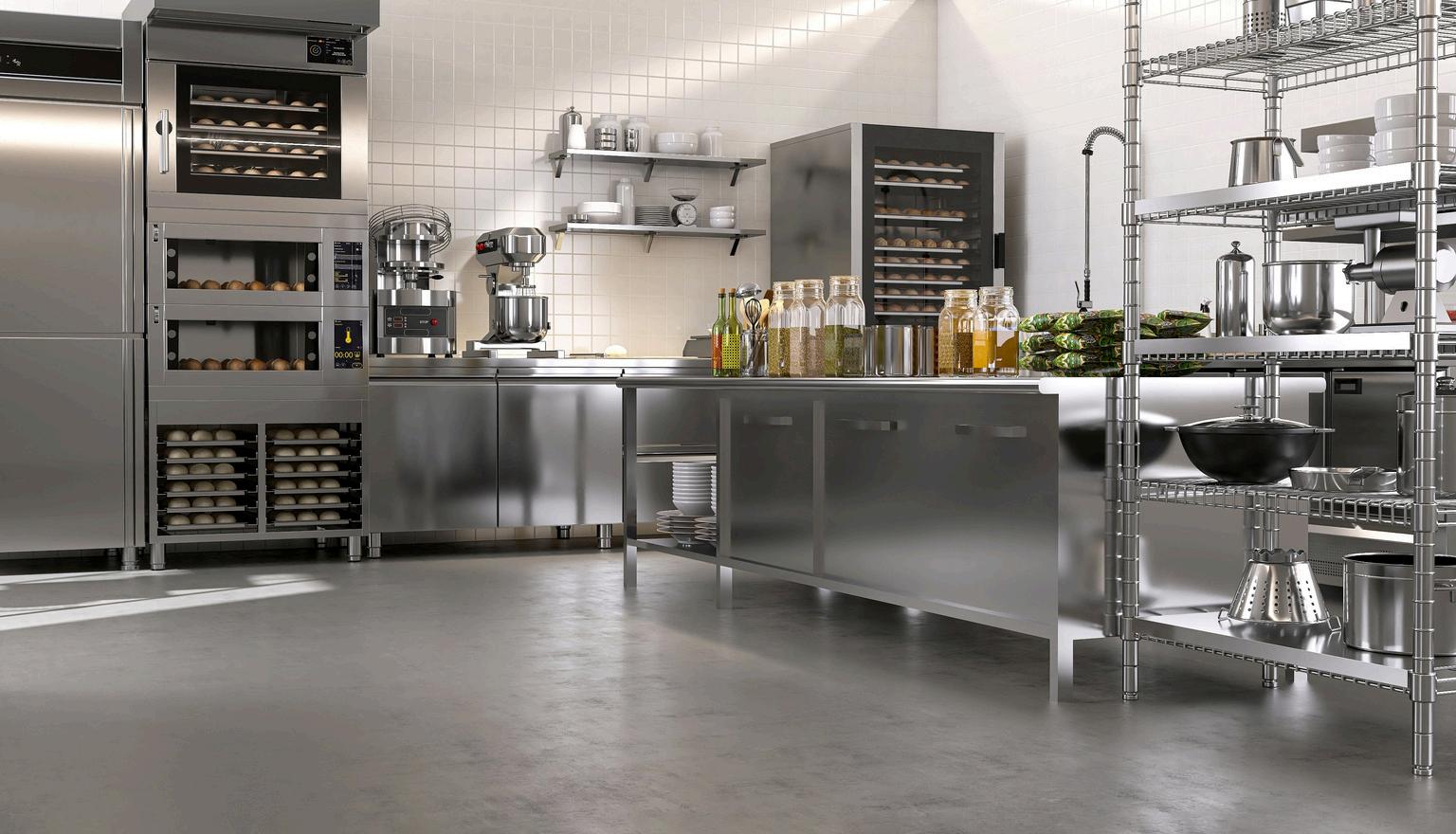
The design and layout of a primary school tuckshop differs significantly from that of a high school tuckshop, yet the core principles of food handling and hygiene remain consistent
The key differences don't lie in food preparation or handling, but rather in the delivery and service of the final product, which is what distinguishes the two food service operations
A primary school tuckshop with a pre-ordering system and either classroom delivery or counter pick-up has its advantages.
The process of food preparation and delivery can be planned ahead, helping to smooth out the busy periods that come with a traditional model where food is ordered on the spot.
The design for this system works best with convection ovens, a braising pan, and island benches for pre-packing orders While the layout might sound simple, careful consideration must be given to keeping food properly separated hot from cold, cooked from uncooked, and clean from dirty when setting out the space.
In contrast, a high school tuckshop has evolved into a grab-andgo service model, which can experience dramatic fluctuations in demand, with high peaks and low troughs. Managing these numbers is crucial for the tuckshop convenor, as mismanagement can lead to potential food wastage.
The design for a high school tuckshop ideally includes combiovens, sous-vide equipment and some larger schools also opting for a braising pan The service model is managed with passthrough hot and cold cabinets, allowing students to quickly grab their meals and go
A quick lane and a slow lane are designated to reduce potential bottlenecks associated with having just one service lane This setup functions similarly to the old drive-in cafés, where students enter at one end and exit at the other Teacher supervision and the risk of theft are minimised by having a single exit point after the student has completed the checkout process
When designing a tuckshop, student numbers and engagement are key factors. A re-design often results in an increase in usage, and it's essential to calculate appliance specifications based on these numbers.
When working with a food service designer, ensuring an efficient layout that maximises space and incorporates the right appliances for profitability should be a priority Proper design avoids costly errors from over or under specifying equipment
It’s crucial to consult with schools that have already undergone tuckshop refurbishments and gather recommendations on foodservice designers. Take advantage of appliance demonstrations and attend trade shows to educate yourself
Be critical of designs and always question if there’s a better way to achieve the desired outcome. The traditional tuckshop model has evolved, and with the right design, the results can be outstanding.
This article was supplied by the team at Com Kit Plan. Learn more about their services at https://www.comkitplan.com/

Providing healthy catering at school events is a fantastic way to promote health and wellbeing in your school and to support staff, parents, and students to make healthy choices.
It can also be a great way to attract new volunteers who are keen to contribute to the health and wellbeing of the school
When it comes to organising catering, ensure you factor in the following:
Budget and time
Specific requirements for health, cultural and dietary requirements
Food safety
Be realistic about what you can achieve; don’t bite off more than you can chew.

BUDGET AND TIME
Consider the time you will spend planning and preparing for each event and factor this into your cost per head, while also allowing for a profit (if required)
Plan a menu that meets the needs of your client, but that is also achievable and realistic
If dietary requirements are not known, ensure you have a range of options, including vegetarian and gluten free options
Ensure these items are separated from the rest of the food and are in easily identifiable packaging
FOOD SAFETY
All food service and catering facilities are required to fulfil their regulatory responsibilities for food supply under the Food Act 2008 and Food Regulations 2009
Always supply tongs and other serving utensils with catering Ensure hot food is kept hot (above 60◦C) and cold food is kept cold (below 5◦C)
When catering for an event you need to make sure there is enough food, so people are satisfied. However, you also need to avoid too much wastage, particularly if the items do not have a long shelf life and you are on a tight budget.
The amount of food you need will depend on a number of factors such as, the demographics of the group, the size of the items offered, time and length of the event and the type of catering (e g morning or afternoon tea, lunch, or main meal)
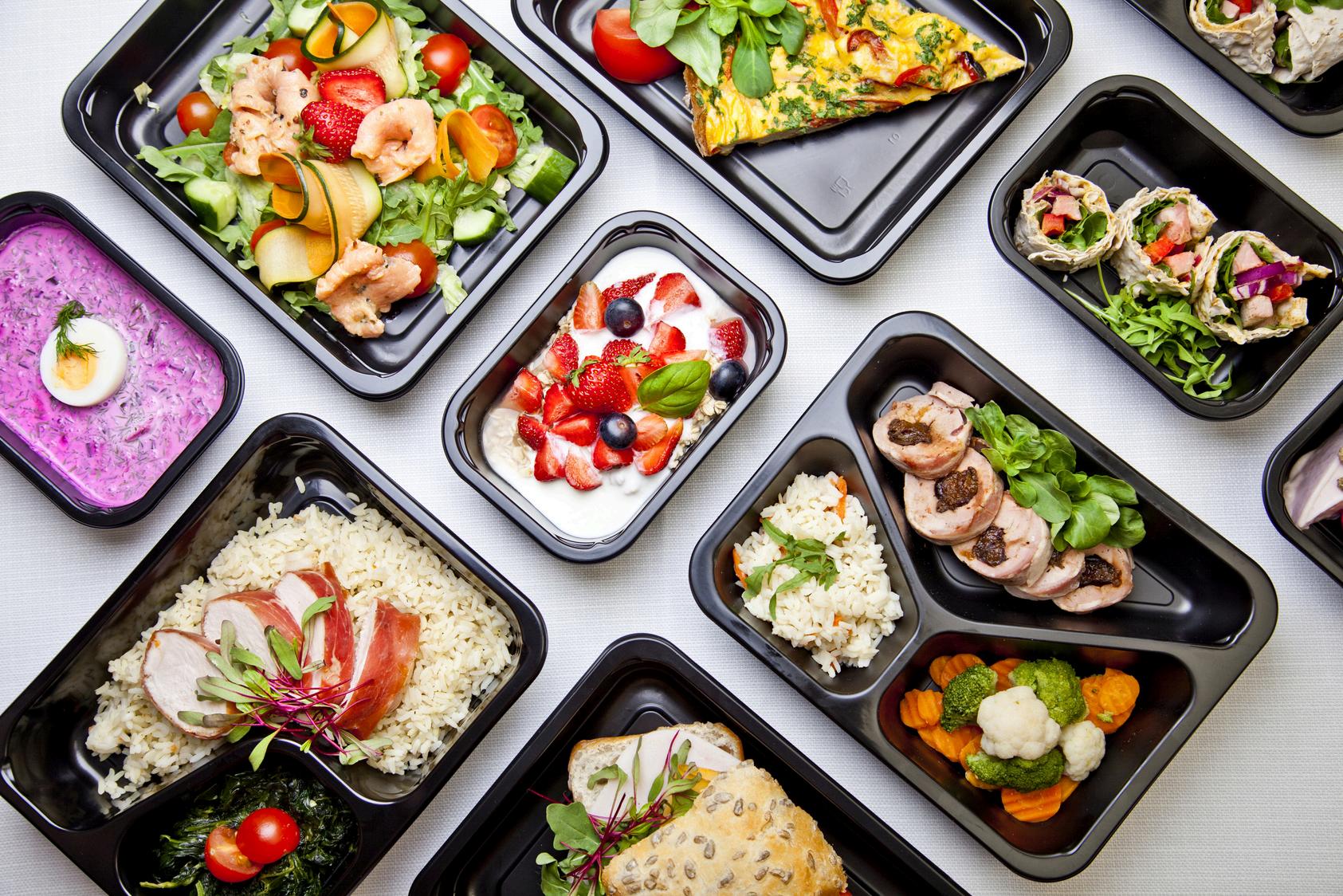
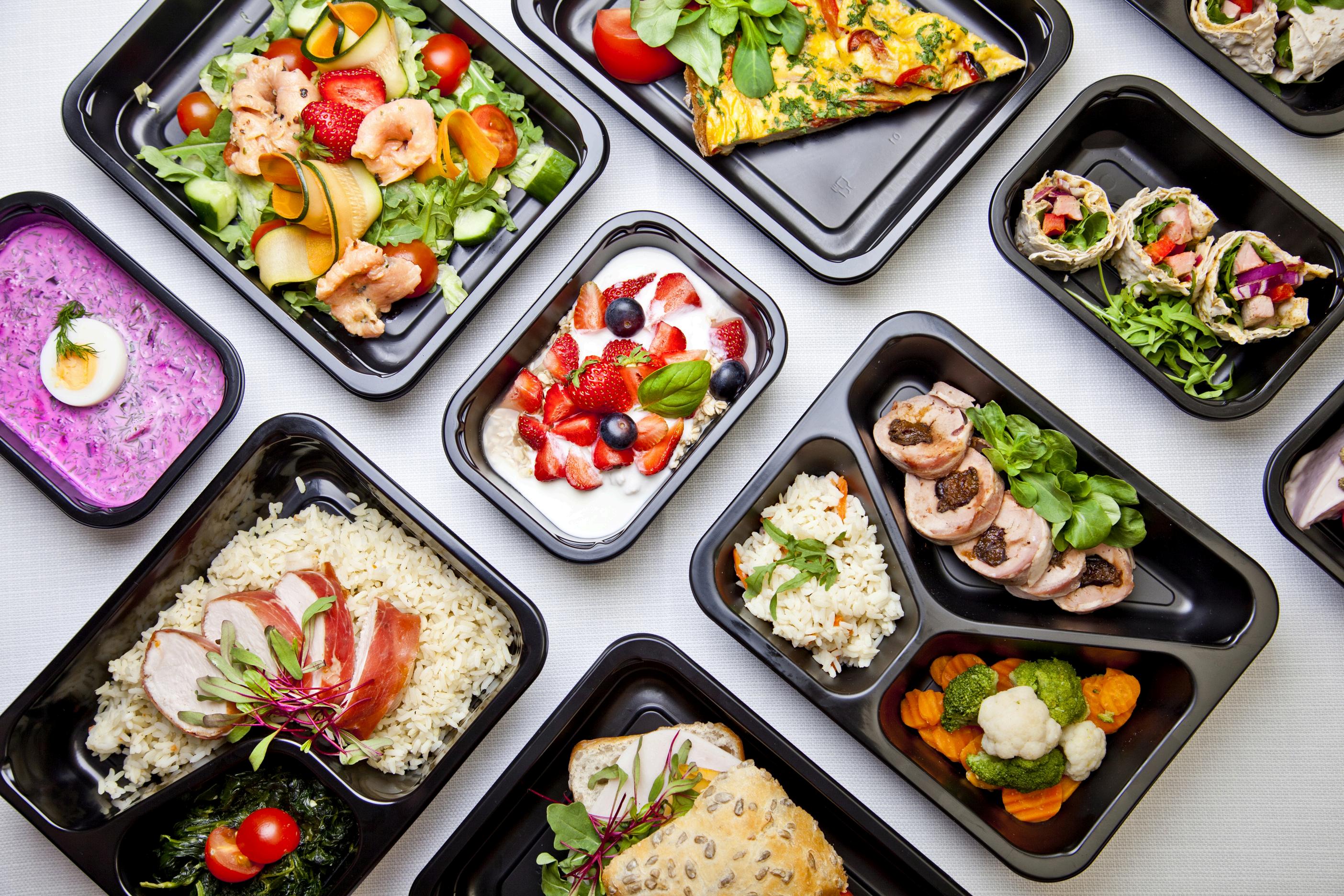
As a general guide, aim to provide the following for each person:
One sandwich or wrap
One cup green leafy or raw salad vegetables, or a half cup of cooked vegetables
One medium piece of fruit (such as apple, banana, pear), two small pieces (apricot, plum, kiwifruit) or a cup of diced or canned fruit
40 g cheese (two slices)
Catering costs depend on the client’s choice of menu and service, including special requests and additional items.
If the client specifies the budget, it is important to cost up your menu options to consider how much profit you will make Make a detailed ingredient list with quantities and add up how much the food will cost you Be sure to include costs for packaging, napkins and required cutlery.
Then, factor in the time it will take you to prepare the food. Make sure you include the time for delivery, setting up, packing up, and cleaning
For more detailed instructions on how to mark-up your menu items, we recommend completing our Pathway to Profit course

BREAKFASTSAMPLEMENU
BreakfastWraps
Leanham,spinach,scrambledeggs,tomato,and reduced-fatcheese
BircherMuesliCups
Toppedwithfresh,seasonalfruit
SelectionofMuffins
Savourybreakfastmuffins+Bananayoghurt muffins
FruitPlatter
Freshseasonalfruitselection
MORNING/AFTERNOONTEA SAMPLEMENU
MiniScones
Raspberryscones+Pumpkinscones
CruditéCups
Selectionofvegetablestickswithbeetroot hummus
FruitPlatter
Freshseasonalfruitselection
Quiches
Minicheeseandvegetablequiches
LUNCHSAMPLEMENU
SelectionofFreshSandwiches
Shavedleanham,reduced-fatcreamcheese, carrot,tomato,andlettuce
Eggsaladandlettuce
Chicken cheese andavocado
Roastedcapsicum,hummus,sprouts,andbaby spinach
SelectionofFreshSalads
Couscous,chickpeas,currents&springonion
Asiannoodlesalad Coleslaw



Beef Burger
Fresh wholemeal bun, with a lean beef patty, lettuce, tomato, and beetroot
Chicken Burger
Grilled chicken breast with lettuce, tomato, carrot, and pineapple
Snags on Bread
With a side of coleslaw and corn on the cob
Grilled onion, mushroom, capsicum,zucchini, and pineapple

ZucchiniSlice
CheeseandCrackers
FruitPlatter
Freshseasonalfruitselection


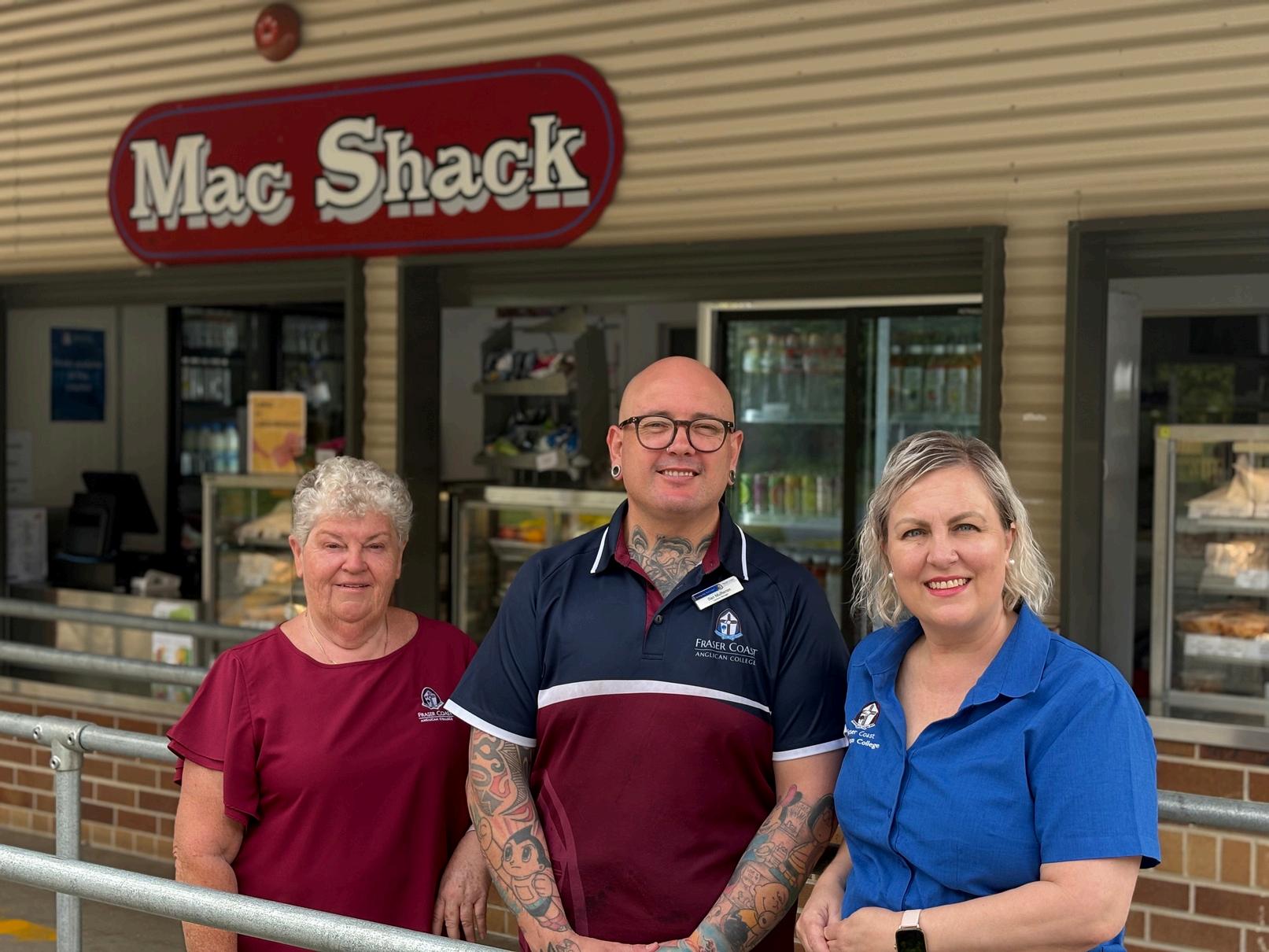
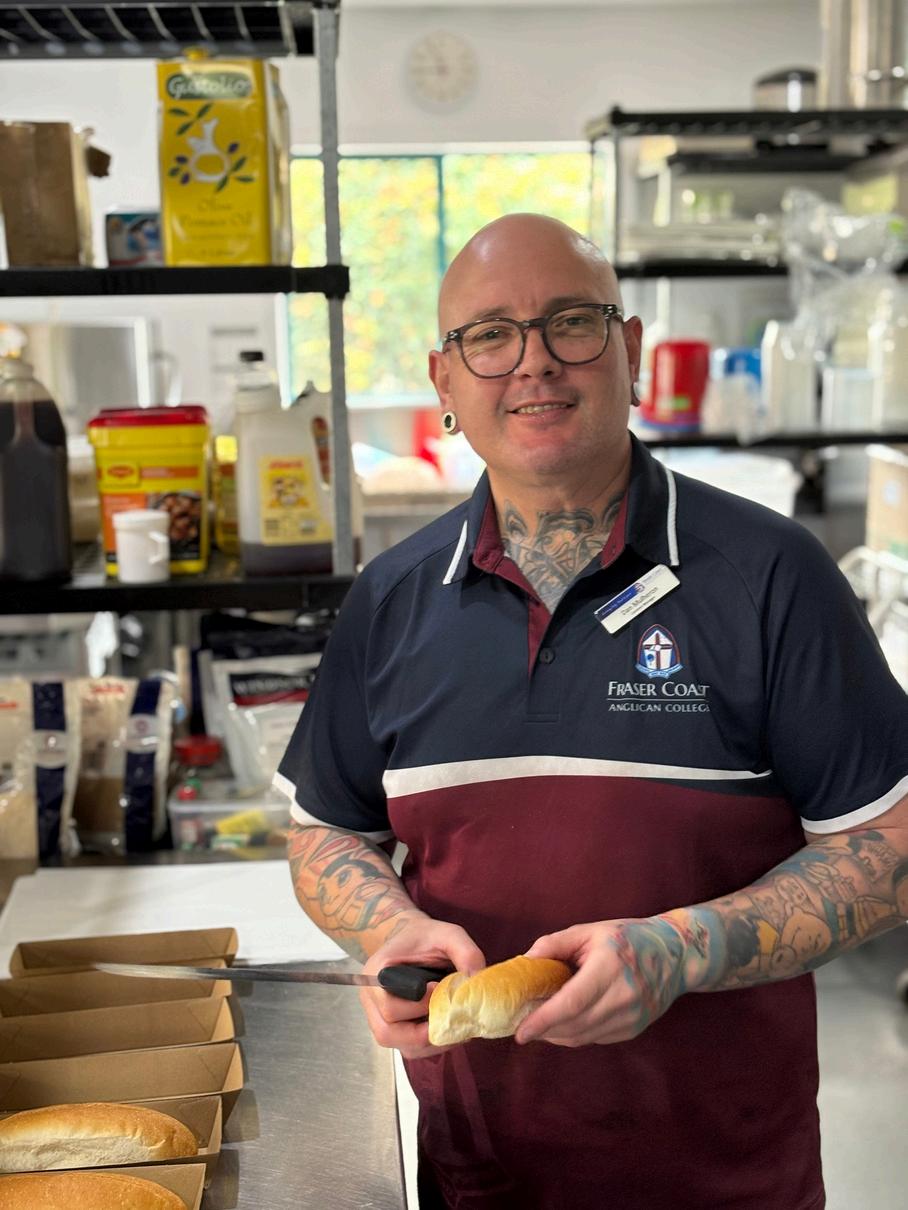
From reality TV fame and travelling the world, to the four walls of the Fraser Coast Anglican College tuckshop, former My Kitchen Rules winner, Dan Mulheron has finally found his true calling.
For the past 10 years, life for Dan and his wife Steph, has been hectic to say the least
After being crowned the MKR winners in 2013, a whirlwind journey began They set up their first restaurant in Hervey Bay, EAT at Dan & Steph’s, hosted their own travel show, published two cookbooks, ‘EAT @ Home’ and ‘Meat & Sweet’, and most special of all, welcomed their daughter Emmy.
After selling their restaurant in late 2023, Dan took on a job at the local RSL, and Steph jumped into real estate.
But the Business Manager at Fraser Coast Anglican College had different plans for Dan
Having used Dan and Steph’s restaurant for school catering over the years, the local celebrity chef’s name was the first to come to mind to take over running the canteen when the long-time convenor took some extended long-service leave
While the timings didn’t work out initially, when the convenor ended up retiring, the school made Dan an offer too good to refuse

out of the kitchen and move into the school, and Steph and I went and there were no cons,” Dan
w approach and do more cooking p
a year was also a selling point ustry I have never had Christmas ortunity for my family.
hen I leave in the afternoon I get me, and suppliers aren’t on my
role from day one. He has put d workflow, costed menu items dream team in Kirsty and Deb.
e and we get on so well Deb is a ‘til noon, Monday to Friday and f her,” Dan said
aken time I couldn’t just come in is and you’re doing that”, because a long time
“Over the ten years of managing people, you get to understand how people operate And once you work them out, it gets easier
“Kristy and Deb have their own menu item each week. Kirsty does a salad of the week, and Deb will do a dessert of the week. They absolutely love it.”
“They both watch MKR and the day after each episode I get peppered with questions I blew their minds when I told them they film two different endings ”
The canteen services the entire 900-student strong college and is open five days a week for breakfast and lunch. The junior school uses My School Connect to order online, and the senior school, self-serve. Kindy students are also able to access a special menu on Wednesdays and Fridays
“Fridays are without a doubt our busiest day We’ll prepare 400500 meals on a Friday. The kids can’t get enough,” Dan said.
So, what spoils do the kids enjoy from one of the town’s most notable cooks?
“I make a mean Bolognese, and the kids absolutely love it We used to do it with a spiral pasta, and we would go through around 5kg of that pasta a day Just by switching to penne, which is a bigger cut of pasta, we’ve basically cut the serving size in half. It still looks big, but there’s a lot less pasta to it,” Dan explained
“I made the pizza sauce for our Pizza Tuesdays from scratch, using a lot of herbs from the school garden.
“I also do a lot of pulled pork… pulled pork and gravy rolls, pork and salad wraps, etc I mean who doesn’t like pulled pork? You can do anything with it... burgers, wraps, salads, nachos, anything Mexican
“ t o
“I slow cook everything. I have the kitchen working for me when I’m not even there
“We also do a daily special and a weekly special, which my team comes up with. It keeps it interesting... and uses everything up!”
Unlike hospitality, the timeframes in a canteen can prove a challenge, but it’s one Dan has taken in his stride
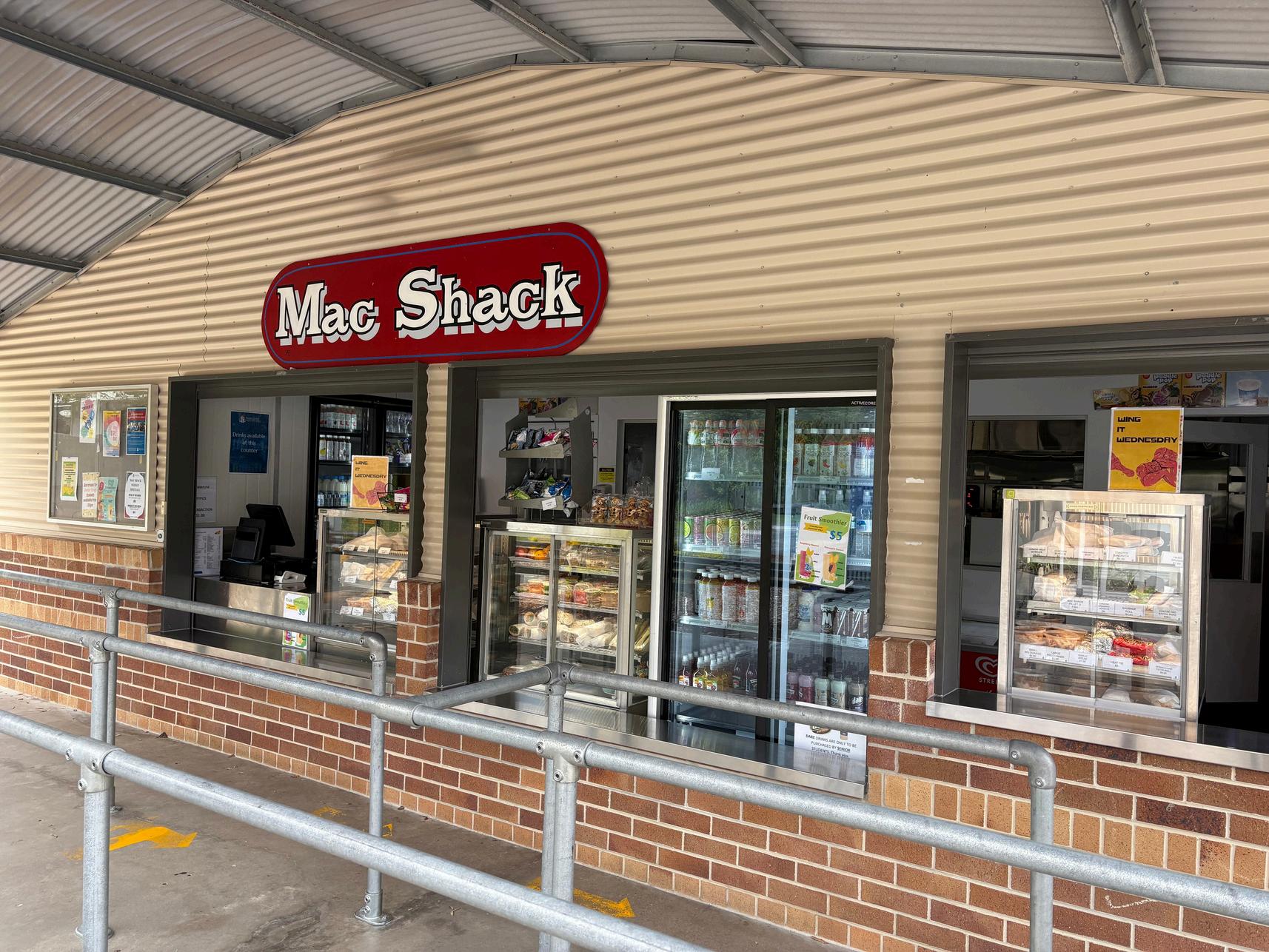
“I enjoy the tight timeframes You need a lot of food prepared in advance and everything must be timed It needs to go out fresh, so the kids enjoy it,” Dan said.
“Working out how to get fresh produce on the menu in such a large volume, without having to get in at 4am, is something I’ll be working on more next year.
“I also really care about shopping local I stay away from the big chains and source from local suppliers I want to do well, and I want the canteen to do well ”
When asked if he has any regrets about leaving the hospitality industry for the local school, Dan’s response was concrete
“100% this was the right move It’s the best job I’ve had to be honest.
“My wife said I’m a different person. I’ve always had a bit of a short fuse I have no worries anymore
‘I’m not worried about my staff members turning up They all love coming to work
“All the local chefs are now even trying to get in on the canteen gig now
“I would be so happy if this was my last job. 100%.”


Monday | Mexican (tacos or burritos)
Tuesday | Pizza – Veggie, BBQ Chicken, and Ham & Pineapple
Wednesday | Chicken Wings
Thursday | Sushi
Friday | Loaded Spuds

Ingredients
500gofporkmince
1onion,diced
1largecarrot,peeled&diced
150gofmushrooms,slicedfinely
2tbsofoliveoil
3tbstomatopaste
2tinsofchoppedtomatoes
4garliccloves,inched
2tbsofbrownsugar
1⁄4bunchofparsley
1⁄4bunchofbasil
Pinchofsalt&pepper Choiceofpasta
Inalargehotpot,addsomeoliveoilto coatthebottom,oncehot,throwin onions,carrot&mushrooms-sauté untilsoftbutnotbrown
Addgarlicthencookforafurtherone minute.
Addporkmince&cookuntiljust turningcolour
Addallthetomatopaste,&tinned tomatoes,stirthrough&reducethe heattoaslowsimmer.
Placealidonthebolognaise&allowto simmerfor1hour Theporkmincewill becomeveryplump 5.
6. 10minsbeforeserving,addchopped freshherbs&stirthrough.
Seasonwithsalt&pepper–thisisvery important;youwillstarttotastethe differencewhenyouaddlittlebylittle salt.Ifnotbalanced,addsomebrown sugar&stirthrough.


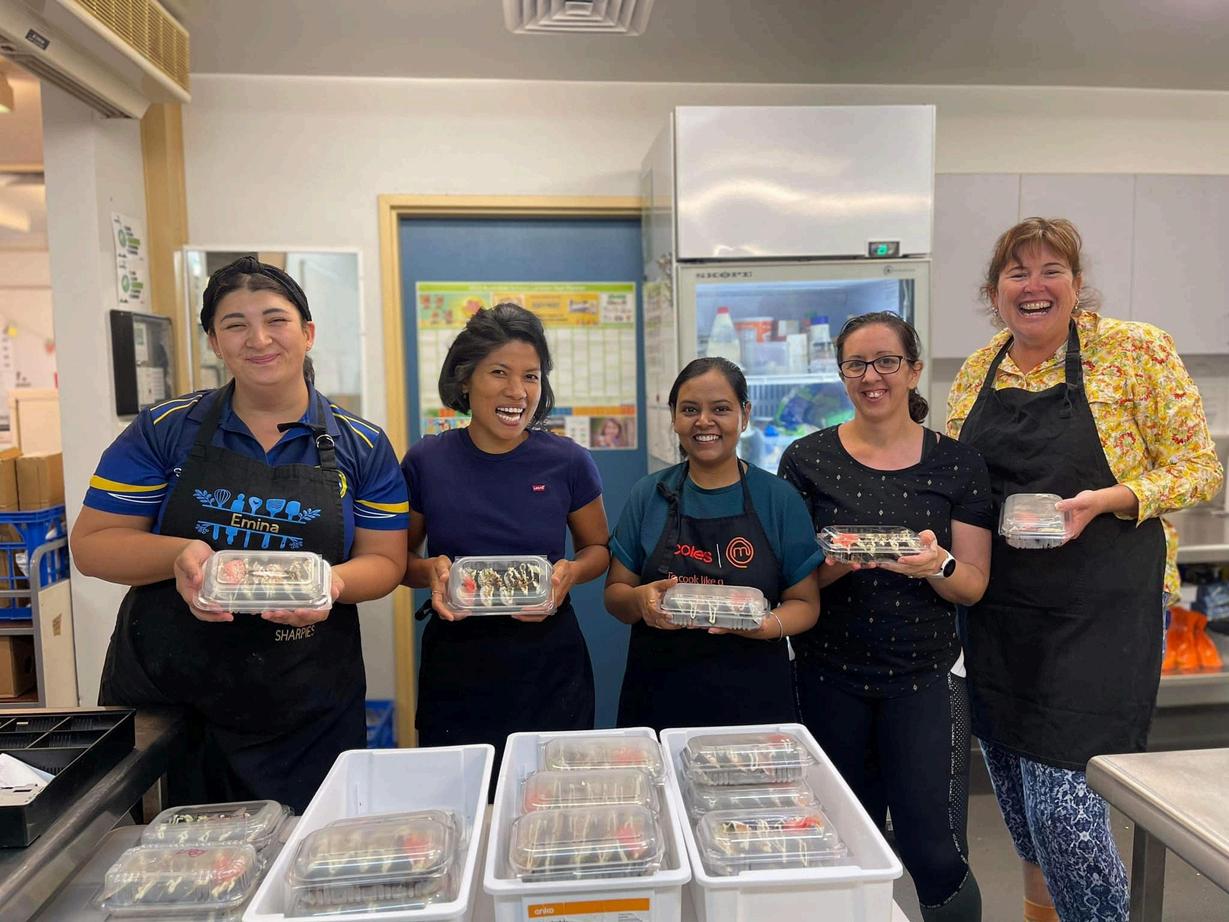
THERE’S something very special about the tuckshop at Oonoonba State School in Queensland's north… and it’s not just the delicious food on offer.
Behind the roller doors every Wednesday, Thursday and Friday, you’ll find friendly faces that greet you with a smile, a kitchen that has a warm, homey feel, and a hive of activity that goes beyond making a profit
Leading the charge is convenor, Emina Shailer, who took on the role in 2022 after initially starting out at the school as a teacher aide
She was immediately drawn to the potential of the tuckshop and since taking it over, hasn’t looked back

CONVENOR: EMINA SHAILER DAYS OPEN/WEEK: 3
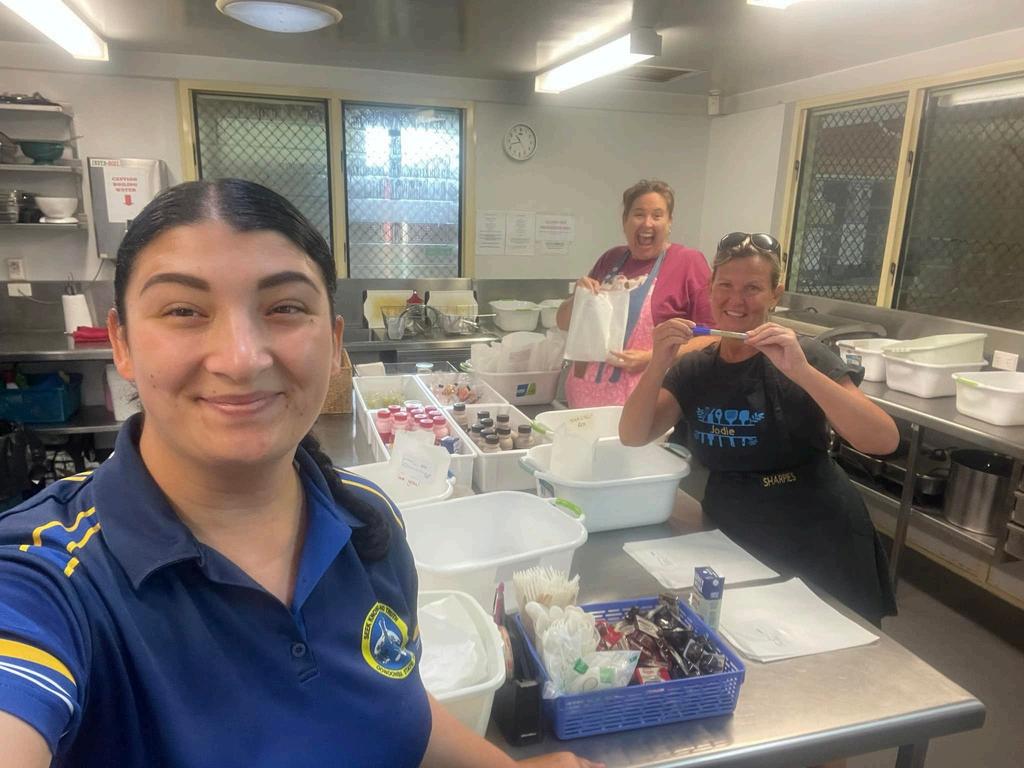
NUMBER OF STUDENTS: 506
ORDERING METHOD: FLEXISCHOOLS AND OVER THE COUNTER OPERATED BY: SCHOOL
Emina hit the ground running from day one, making changes to help improve productivity and timings, and adjusting menu items to create an offering to students and teachers that is as healthy as possible
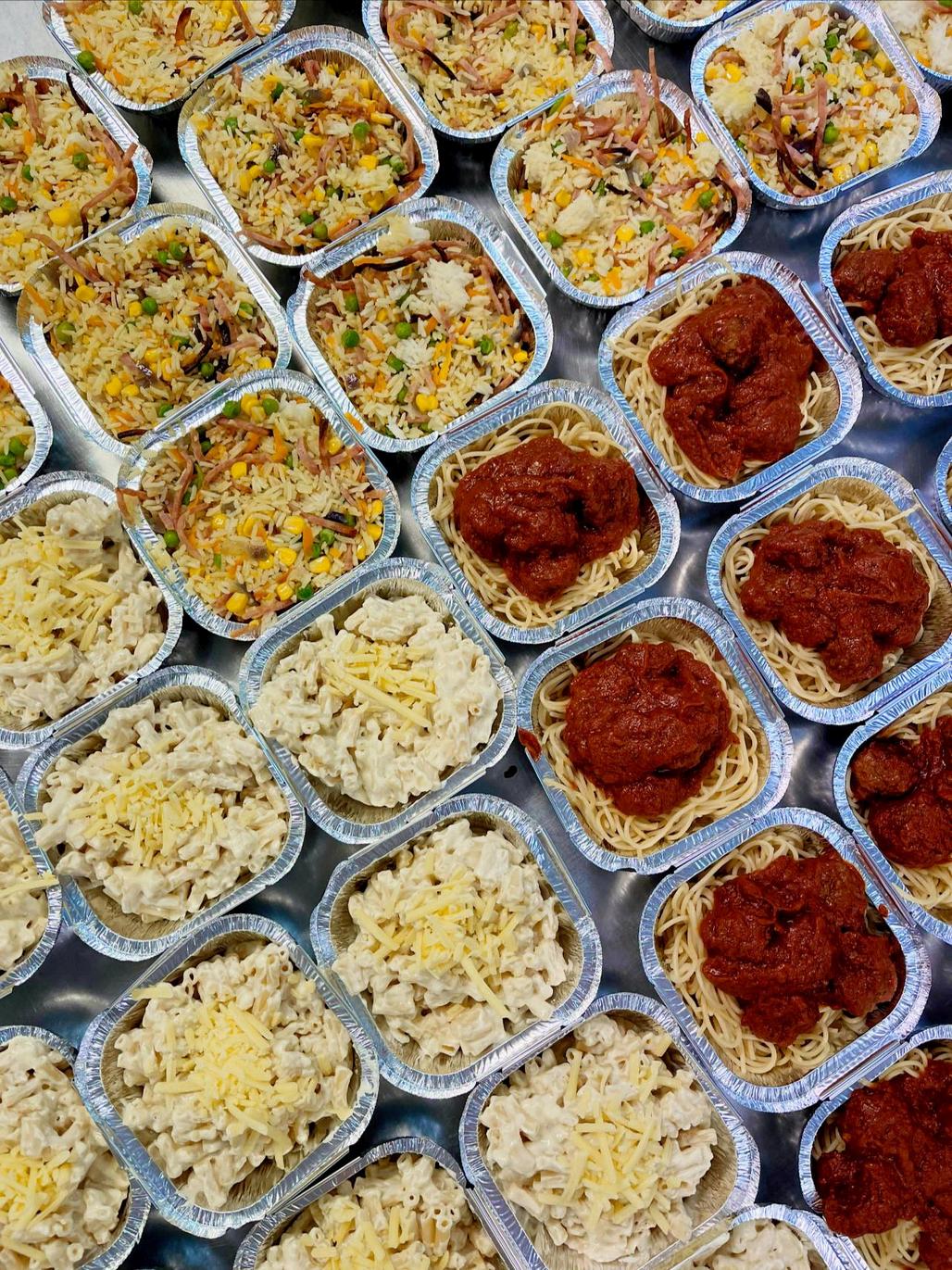
The food is the beating heart of this tuckshop, and Emina puts her heart and soul into creating appealing, healthy, homemade and delicious meals and snacks for the school community
“Our signature dishes would have to be the mac ‘n’ cheese, quiches, zucchini slice and our muffin surprise,” Emina said.
“When I first started, orders were slow with the mac ‘n’ cheese and the zucchini slice, but with a little tweaking of the ingredients to remove the pork and add more hidden vegetables, orders started to increase
“I introduced the quiches as a way of ensuring all our fresh ingredients, like milk and eggs, were consumed each week They were instantly a hit We provide three options: chicken and cheese, ham and cheese, and a vegetarian option They are also very popular with our staff, and served with a side salad are perfect for a hot summer’s day
“The muffin surprises have also proven to be very popular with the children, and unbeknownst to them, contain lots of hidden fruit and vegetables I ensure that our leftover fruit is puréed and used up, which has transformed them from red to amber menu items as well ”
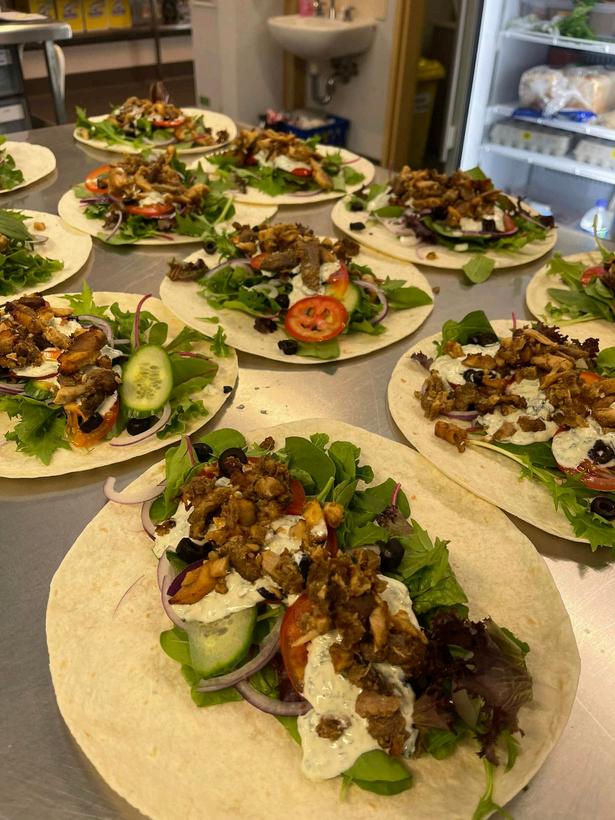
Recently, Emina has also introduced chicken poke bowls, chicken burrito bowls, and homemade chicken, cheese and pesto scrolls
The tuckshop also benefits from the fresh produce growing in the school veggie patch, with the fresh tomatoes incorporated into Emina’s spaghetti and meatballs, lasagne, and fresh wraps and sandwiches
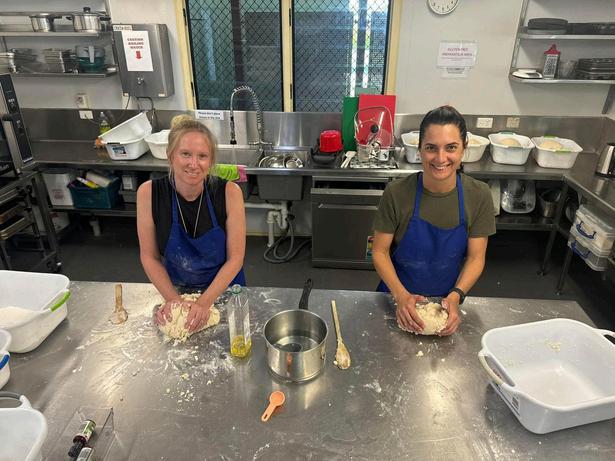
A lot of this wouldn’t be possible without Oonoonba’s trusted team of tuckshop volunteers.
Emina has a volunteer program that would be the envy of many tuckshops throughout Queensland, and says that being yourself, providing a welcoming and fun environment, and seeking input and feedback have been the key to its success.
“It’s important that volunteers don’t feel pressured to have to turn up every week It’s all about ensuring they don’t overcommit,” she explained.
“I ensure that our volunteers know that I’m grateful if they can contribute 15 mins to pop labels on lunch bags once a week, or stay for the duration of the day, knowing that there is no pressure to commit to a set duration of time

“I also have a group chat which allows us to share our weekly experiences which reinforces that everyone is part of the team.”
“I also feel it’s important to seek volunteers’ input and ideas to create a sense of team and community ”
In terms of recruitment, Emina regularly advertises callouts in the school newsletter, via their social media channels and class rep pages, and group text messages when they need volunteers for big school events
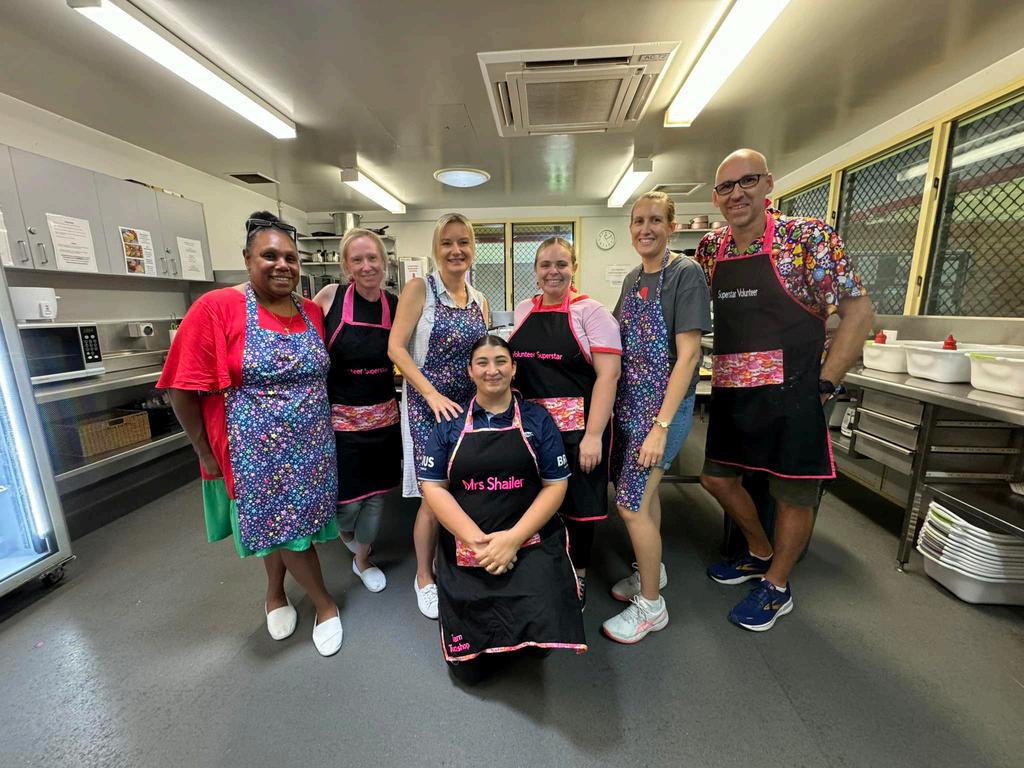
The Oonoonba State School P&C Association is also supportive in Emina’s recruitment endeavours, with members regularly helping in the tuckshop too
A strong relationship with the Principal, Business Manager and school staff has also contributed to the winning formula
But the role isn’t without its challenges, many of which are experienced by all convenors working within school tuckshops.
“My biggest challenge is not being able to do it all. There are days where you are all by yourself and the pile of orders can seem overwhelming,” Emina said.
“I have had days where thankfully our school team will step in to assist, if possible, when we have been unable to get volunteers, and their support means a lot.
“It can also be challenging in having to put the manager hat on and advocate for the tuckshop’s needs while understanding that budgets are tight, and negotiating is necessary ”
But the good far outweighs the challenging, with Emina recalling many wonderful moments and memories throughout her tenure.
“Creating long lasting connections and lifelong friends has been an absolute highlight.”
“Also, the children They continue to make me smile and receiving their hand-written cards delivered to tuckshop is something that will stay with me forever ”
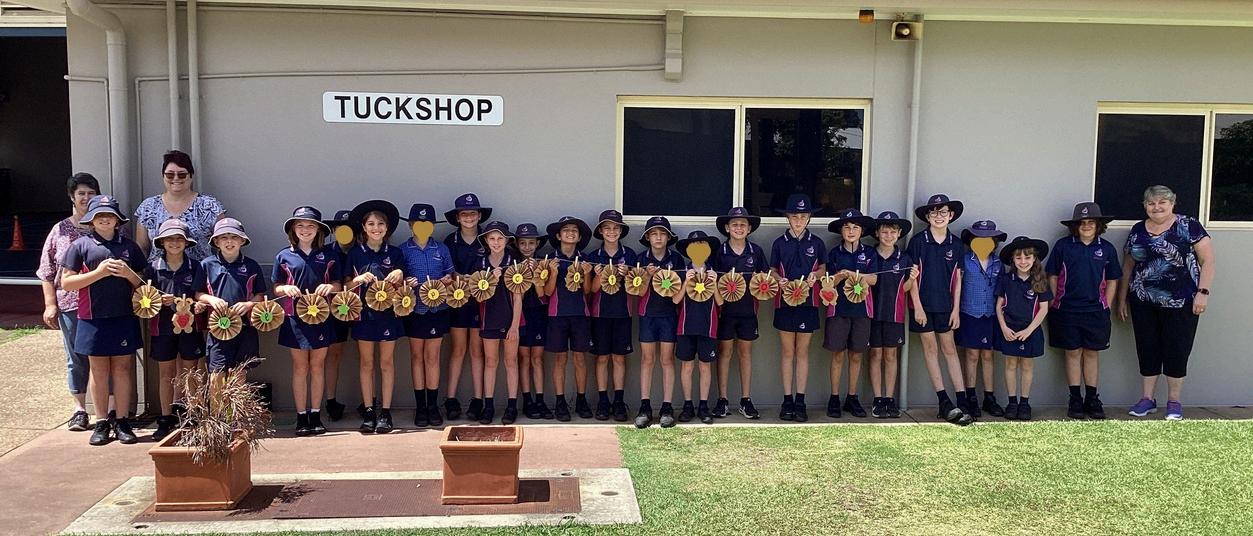
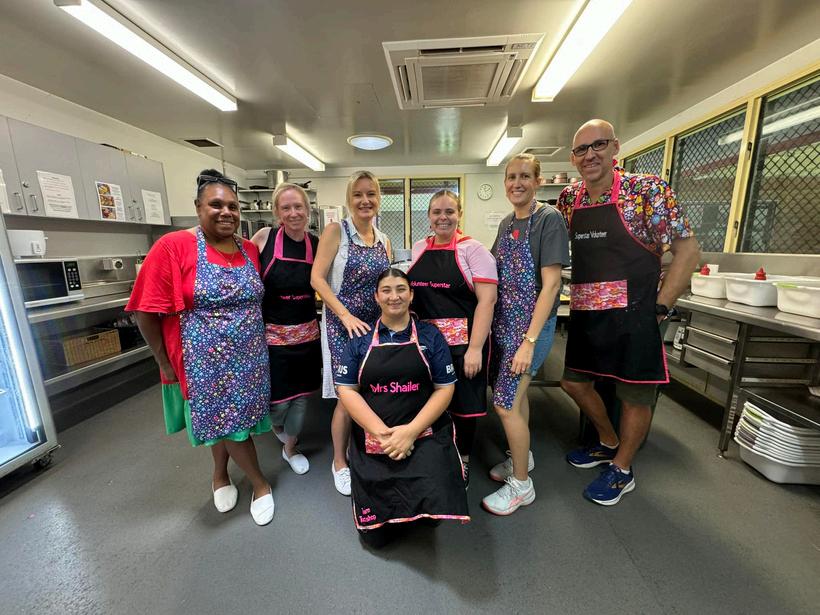
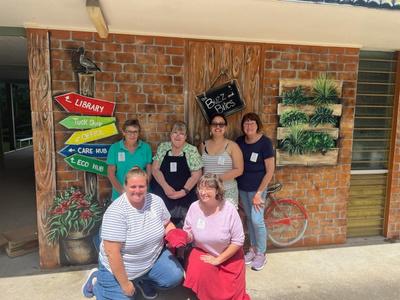
This team goes above and beyond every week to give back to their community at Birkdale South State School! I stepped into a well-oiled team of mostly Grandparents who come in each week with newfound energy to give back selflessly to a community!
Thank you for your kindness as I learnt the role and always turning up with a smile and making the tuckshop possible, without you all the tuckshop would not be the same!
Jane, Jennie, Jen, Katie, Helen, Michael, Julie, Glenda, Ariana and everyone else who pops in and helps when available make this a great tuckshop to work in
~ Tanya (Tuckshop Convenor)
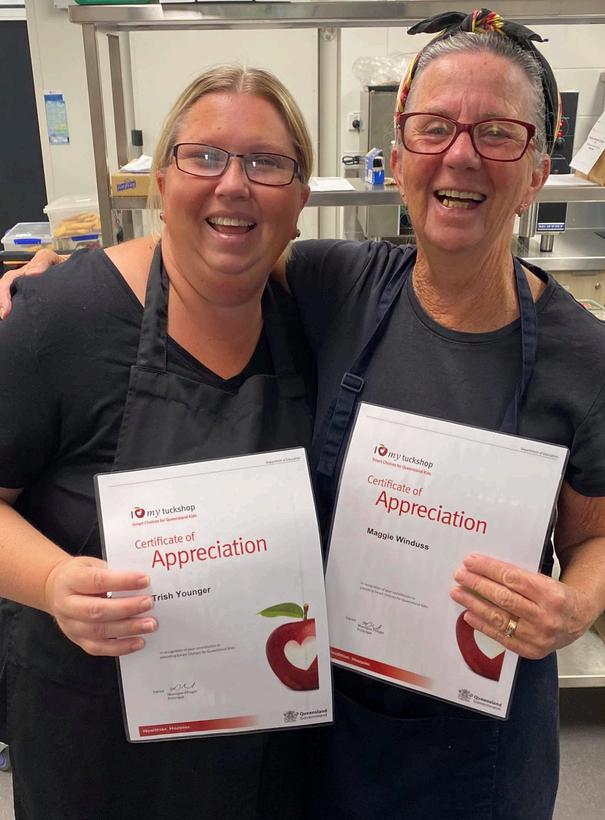
Trish is doing an exemplary job at Burnside State School. She took on the convenor role in 2023 after stepping down as the President of the P&C, managing the role while also helping the new President transition into the role.
Known for her organisational skills and dedication to providing healthy, delicious meals for the students, Trish fosters a welcoming atmosphere, encouraging both staff and volunteers to collaborate effectively, ensuring that the tuckshop runs smoothly and efficiently
Her ability to connect with the school community and her enthusiasm for creating a positive lunch experience make her an invaluable asset
The Kawungan State School tuckshop, The Lunchbox, had some great successes in 2024, including a 20% profit increase from 2023
The tuckshop is a success because of the dedicated and diligent, committed and kind, generous and joyful, fun and friendly people that run it
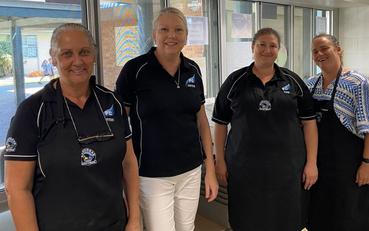
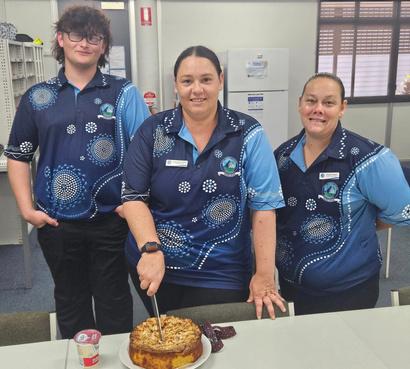
We take our hats off to Amanda and her team at Gordonvale State School
They produce some seriously amazing food, including some epic staff meals and stunning spreads for school events
In addition to this, Amanda is a qualified chef and has her Certificate IV in Training and Assessment so has just taken on new apprentice Jack, who previously attended the school, as well as some work experience students from the local high school.
The name Karen Hoult is a familiar name within the Aura community Whether you are a parent, business owner, or student from our local Primary or Secondary College Her name, her smile, her compassion towards our families and beyond is how Karen wakes up and lives each day
The café is named ‘Wunya Café’ (Wunya = welcome) Karen is exactly that, her welcoming smile and inclusivity with students and staff has been a large part of the success of their growing school.
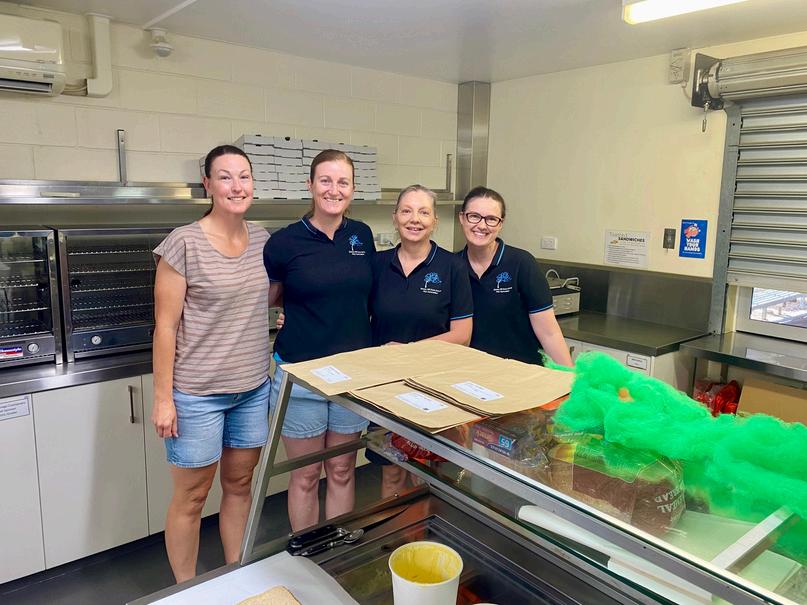
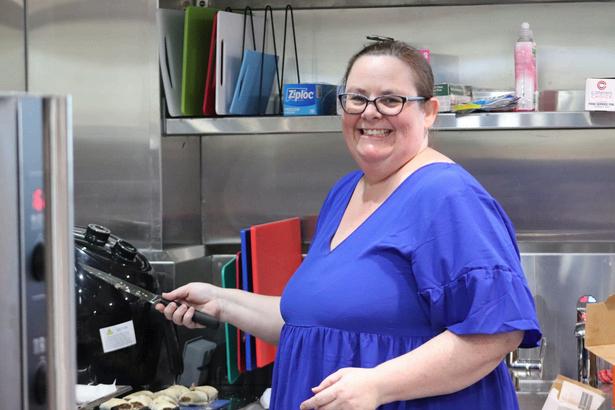
Since stepping into the role last year, Michele has transformed the menu, adding irresistible staff lunch options that have become a hit among teachersher nacho bowls are an absolute favourite!
Michele’s commitment to the community shines through, whether she’s managing the P&C food stall at the school carnival or preparing delicious treats for World Teachers’ Day.
Deanne has been with the tuckshop for 16 years now and her dedication to her school community is nothing short of spectacular
Deanne is the heart and soul of the tuckshop, and her P&C and school Community are very grateful for her and all that she does
The successful tuckshop she has built and maintained is all a credit to her and her very hard work.
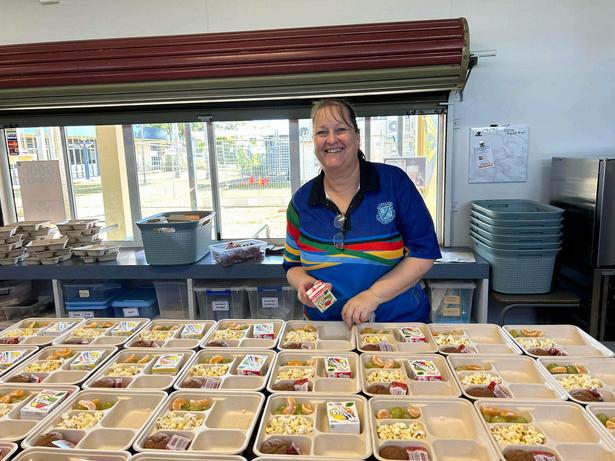
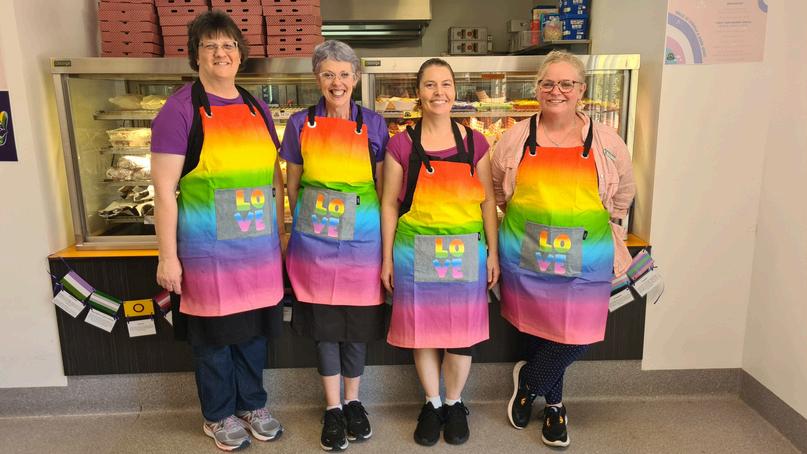
Megan’s passion is endless to ensure students and staff are well looked after both in food and drink options
Megan and her team love to dress up and have the canteen/café involved in many events across the school, including Mental Health week, Oktoberfest, LGBTIQA, NAIDOC, Indonesian Day and Halloween
This hardworking tuckshop team love the chance to dress up and embrace fun events throughout the school year
They challenge themselves by reinventing their menu and decorating their tuckshop, purely to bring joy to the kids.
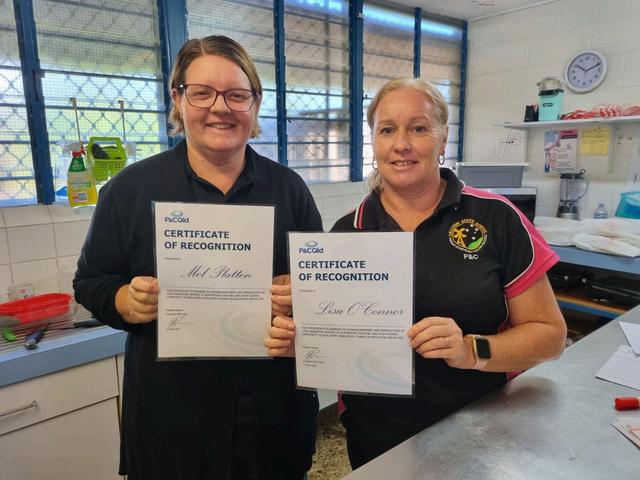

Hats off to Lisa from Calliope State School who leads a small team of volunteers from Tuesday to Friday to feed the 500+ student body
She kicks off the day running Breakfast Club, before whipping up healthy, homemade meals that the kids just love!
Lisa’s contributions to the school community certainly don’t go unnoticed, with the P&C applauding her passion and beyond appreciative of everything she does for her school community.
Janelle is always working hard to keep our menu healthy, and affordable for our families We laugh every day, and work hard to provide a 5-apple menu for students and staff. We have the best team!
~ Kirsty (Tuckshop Assistant)


Volunteers are the backbone of many tuckshops, providing invaluable support and energy.
Valuing your volunteers goes beyond just saying thank you; it involves creating an environment where they feel appreciated, respected, and integral to your mission
Here are some suggestions on how you can truly value the volunteers you have
1. Personalise recognition
Generic acknowledgements can fall flat Take the time to understand each volunteer’s contributions and recognise them personally
A quick chat at the end of the shift, a personalised email, or even a quick phone call can make a big difference
Mention specific actions and the impact they’ve had on the tuckshop to show that you genuinely appreciate their efforts
2. Highlight volunteer contributions
Public recognition can boost morale and show volunteers that their work is seen and valued by the boarder community
Feature volunteers in the school newsletter, social media, and present certificates of appreciation at school assemblies. Share stories of their contributions and the difference they’re making
Highlighting their work not only makes them feel valued but also inspires others to volunteer
3 Offer development opportunities
Volunteers often seek personal and professional growth
Providing opportunities for training and skill development not only benefits your tuckshop but also value to the volunteer experience.
Investing in their growth shows that you care about their personal development
4. Create a welcoming environment
A positive, inclusive environment where volunteers feel welcomed, and part of the team is crucial
Foster a culture of open communication, respect, and collaboration Ensure that new volunteers are greeted warmly and integrated smoothly into the team.
A friendly and supportive atmosphere can significantly enhance their volunteer experience
5. Celebrate milestones and achievements
Celebrate volunteer milestones such as hours contributed, anniversaries, and major achievements. Recognise these achievements at an awards ceremony to honour their dedication
Celebrations not only recognise individual contributions but also build a sense of community and shared purpose among volunteers.
6 Ask for and act on feedback
Show that you value your volunteers by seeking their input and acting on it
Regularly ask for feedback on their experiences and suggestions for improvement
Give them a voice in decision making Implementing their ideas demonstrates that you respect their insights and are committed to enhancing their experience
7. Ensure effective communication
Keep volunteers informed about organisational updates, changes, and successes
Regular communication through newsletters and meetings helps volunteers feel connected and informed.
Transparency about how their efforts are contributing to the tuckshop’s goals can reinforce their sense of value
8. Provide clear roles and expectations
Volunteers need to know what is expected of them and how their work fits into the tuckshops overall mission
Providing clear role descriptions, guidelines, and expectations can help them feel confident and purposeful in their tasks This clarity ensures they can contribute effectively and feel a sense of accomplishment.
9. Express gratitude regularly
Regular expressions of gratitude are essential. Make it a habit to thank volunteers frequently and sincerely
Small consistent gestures of appreciation can go a long way in making volunteers feel valued and motivated to continue giving their time
Valuing your volunteers is about creating a culture of appreciation, respect, and inclusivity
By personalising recognition, highlighting contributions, offering rewards and development opportunities, fostering a welcoming environment, celebrating milestones, seeking feedback, ensure effective communication, providing clear roles, and regularly expressing gratitude, you can show your volunteers how much they mean to your tuckshop.
Remember, when volunteers feel truly valued, they are more likely to remain committed and enthusiastic about contributing to the tuckshop.

If you would like to enhance your volunteer program, our Volunteer Management Course is for you. This self-paced, online course will help you develop a strategic approach for engaging volunteers in your school community.
We recommend you complete this course as a group where possible and invite all tuckshop staff, parent body members and school staff that manage volunteers
What is covered in the course?
The course covers five modules and takes approximately 90 minutes to complete, working through a Volunteer Action Plan as your progress A Volunteer Induction Kit is provided as part of the course fee.
Module 1 – Introduction and the Role of the Volunteer Coordinator
Module 2 – Planning for Volunteer Involvement
Module 3 – Volunteer Recruitment and Selection
Module 4 – Volunteer Support and Development
Module 5 – Volunteer Retention and Recognition
Course details
Cost: $50 (inc. GST) (member-only) Note: This is a flat rate, regardless of how many people from your school attend
Method: Online, self-paced
Completion time: 2 hours approx
How to complete: Visit our website to get started


Recruiting and retaining volunteers is a critical challenge faced by many tuckshops.
Despite the altruistic nature of volunteering, many tuckshops and schools struggle to attract and keep dedicated volunteers.
Let’s look at some of the reasons behind this issue and explore potential solutions
Understanding the problem
Lack of awareness
Many potential volunteers simply aren’t aware of the opportunities available Many tuckshops often rely on methods of communication which might not reach your whole audience.
Time constraints
In today’s fast-paced world, many parents struggle to find time to volunteer Between work, family responsibilities, and personal commitments, free time is a luxury for many
Perceived lack of impact
Potential volunteers want to feel that their efforts will make a difference. If the impact of their contribution isn’t clear or communicated effectively, they may be less motivated to get involved.
Poor volunteer management
Once volunteers are recruited, retaining them can be a challenge if the management and organisation are lacking Poor communication, lack of appreciation, and inadequate support can lead to volunteer dissatisfaction and dropout
Mismatch of skills and opportunities
Sometimes, volunteers are not matched with tasks that suit their skills or interest, leading to frustration and disengagement
Finding solutions
Enhance visibility and outreach:
Utilise social media e.g. school, parent body, tuckshop Facebook page
School newsletter and notice boards
Community notice boards
Community groups such as QCWA, Lions Club etc.
Hold meet and greet sessions at the tuckshop and offer samples of the delicious food you prepare
Be present and speak at school open days and orientation sessions
Encourage grandparents to volunteer
Word of mouth
Flexible volunteering options:
Offer flexible volunteering schedules to accommodate parents’ busy lives
Micro-volunteering opportunities, which require a small time commitment, can be particularly appealing
Clear communication of impact:
Regularly update your volunteers on how their efforts are making a difference
Share success stories, progress reports, and personal thankyou notes to highlight their impact
Engaging storytelling and showcasing the positive impact of volunteering can attract more parents
Effective volunteer management:
Invest in proper volunteer management training for your team.
Ensure that volunteers feel welcomed, supported, and appreciated.
Regular chick-ins, feedback opportunities, and recognition events can go a long way in retaining volunteers.
Skill-based volunteering:
Align volunteer opportunities with the skills and interest of your volunteers This not only makes the experience more fulfilling for them but also ensures that your tuckshop benefits from their expertise.
Create a positive experience:
Make volunteering a rewarding and enjoyable experience. This could be through social events, networking opportunities, cooking sessions and recipe swaps.
Don’t forget the power of a heartfelt ‘thank you’, after every volunteer shift
To wrap things up
While attracting and retaining volunteers can be challenging, understanding the underlying issues, and implementing strategic solutions can make a significant difference.
By enhancing visibility, offering flexibility, communicating impact, managing effectively, and aligning skills, tuckshops can build a dedicated and motivated volunteer base
Remember, volunteers are the heart of many schools and tuckshops, and investing in them is investing in your tuckshop’s success
Visit our website to access resources to help you with your volunteer recruitment, training and retention.
As an employee, volunteer, or employer, it is important to understand the benefits of participating and offering professional development

For employees and volunteers’ professional development is an essential aspect of continuing your career growth and striving to reach your goals; as an employer it is crucial to recognise your obligations to your staff and volunteers, and the many benefits offering professional development can have on your tuckshop operation
Enhanced Skills and Knowledge
Providing professional development opportunities ensures that employees continually enhance their skills and stay updated with the latest industry trends, technologies, and best practices This helps to maintain a high level of competency within the tuckshop team.
When employees acquire new skills and knowledge, they can perform their tasks more efficiently and effectively This can lead to increased productivity, better quality of work, and innovation within the tuckshop
Employee Satisfaction and Retention
Investing in professional development shows everyone that their efforts are valued and that there is an interest in their growth and career progression This can lead to higher job satisfaction, loyalty, and lower turnover rates
Employees are more likely to stay with an employer that invests in their future.
Industries and technologies are constantly evolving, even in tuckshops Continuous professional development helps employees and volunteers stay adaptable and prepared for changes, whether that involves new software, regulatory updates, or changes in customer usage of the tuckshop
Leadership Development
Professional development can include leadership training, which helps identify and cultivate future team members and managers within the tuckshop This can assist with smooth succession planning.
Professional development opportunities can increase employee engagement by providing them with challenges and opportunities for personal and professional growth.
Engaged employees are more committed and motivated to contribute to the tuckshop's success
It doesn’t happen often in tuckshops, but regulatory changes do come along When this happens, it is necessary to provide training to ensure compliance with regulations and standards.
Exposure to new ideas, practices, and perspectives through professional development can spark innovation and creativity among employees. This can lead to new solutions, products, and improvements in processes

Well-trained employees are better equipped to meet customer needs and provide high-quality service This can lead to higher customer satisfaction, including students, teaching staff, and parents; an increase in orders, which in turn boosts profits; and can also lead to an increase in volunteer numbers.
Professional development is a strategic investment that benefits employees, volunteers and the employer It enhances skills, productivity, and job satisfaction while also ensuring long-term success for the tuckshop
Consider some professional development options for your team members; QAST offers a number of tuckshop relevant training courses for both members and non-members

Schools have a role in supporting children to develop healthy lifestyles and habits.
But what happens when students walk out of a health lesson where they have learnt about the importance of enjoying vegetables every day, only to order from a tuckshop menu that is devoid of vegetables?
The tuckshop should be an essential part of a whole of school approach to supporting good health outcomes for children, alongside healthy food approaches in curriculum activities, and at other school events, reinforcing what they are learning in the classroom
Planning a healthy menu is not as simple as choosing a few healthy recipes that may be popular with students The tuckshop is a system, and the menu is a key driver within that system
Changes to the menu will have repercussions in other areas, such as workflow, equipment required, procurement, food safety practices, sales, and profit potential
Understanding the interplay between the menu and related aspects of tuckshop operation is essential for creating a healthy menu that is profitable, achievable, and sustainable over time
Our FREE Healthy Menu Planning training course will help you:
Understand the role of the tuckshop in supporting health outcomes for children.
Understand the menu as a key driver in tuckshop operations.
Plan a tuckshop menu that: Meets policy obligations
Caters appropriately to special dietary requirements and cultural needs of the school community
Is responsive to the labour, equipment, skills and facilities available
Is affordable but profitable, achievable and sustainable over time
If you’re a convenor or P&C Executive who wants to develop a healthy menu that meets the needs of your school community and you’re keen to understand the role the tuckshop can play in supporting health outcomes for children, this is the course for you
The course can be completed online at your own pace, at any time, in around an hour and a half. Plus, all participants receive a Certificate of Completion after completing the final quiz
View and complete the course on the QAST website
“The course framework was logical and as someone who is new to the world of tuckshop it gave me a great base As a parent and food lover, the upfront evidence set a great tone for the rest of the course content”
“The course gave a very good overview of the factors that come into designing a healthy tuckshop menu ”
“I was excited to learn new facts. Very informative with lots of good advice and tips.”
“The course worked wonderfully I didn’t have any issues at all and it was smooth and easy to navigate It was very informative and I enjoyed this course ”
This course was developed and is delivered with funding by the Queensland Government through Health and Wellbeing Queensland
QASToffersarangeofaffordable,qualitytrainingcourses tohelpyourunasuccessful,safeandprofitabletuckshop.


This popular course covers basic financial terms and concepts, calculating recipe costing, mark-up schedules, menu changes, and understanding tally sheets and profit and loss statements
This course is recommended for convenors, operations managers, and business managers, and is perfect if you want your tuckshop to make a profit in 2025
DELIVERY: Face-to-face and Virtual COST: $200 (inc GST) for members, $300 for non-members
This comprehensive course covers menu design, how to run an organised kitchen and working with your school community.
It's ideal for new convenors or experienced convenors wanting to brush up on their skills
DELIVERY: Face-to-face and Virtual COST: $200 (inc GST) for members, $300 for non-members

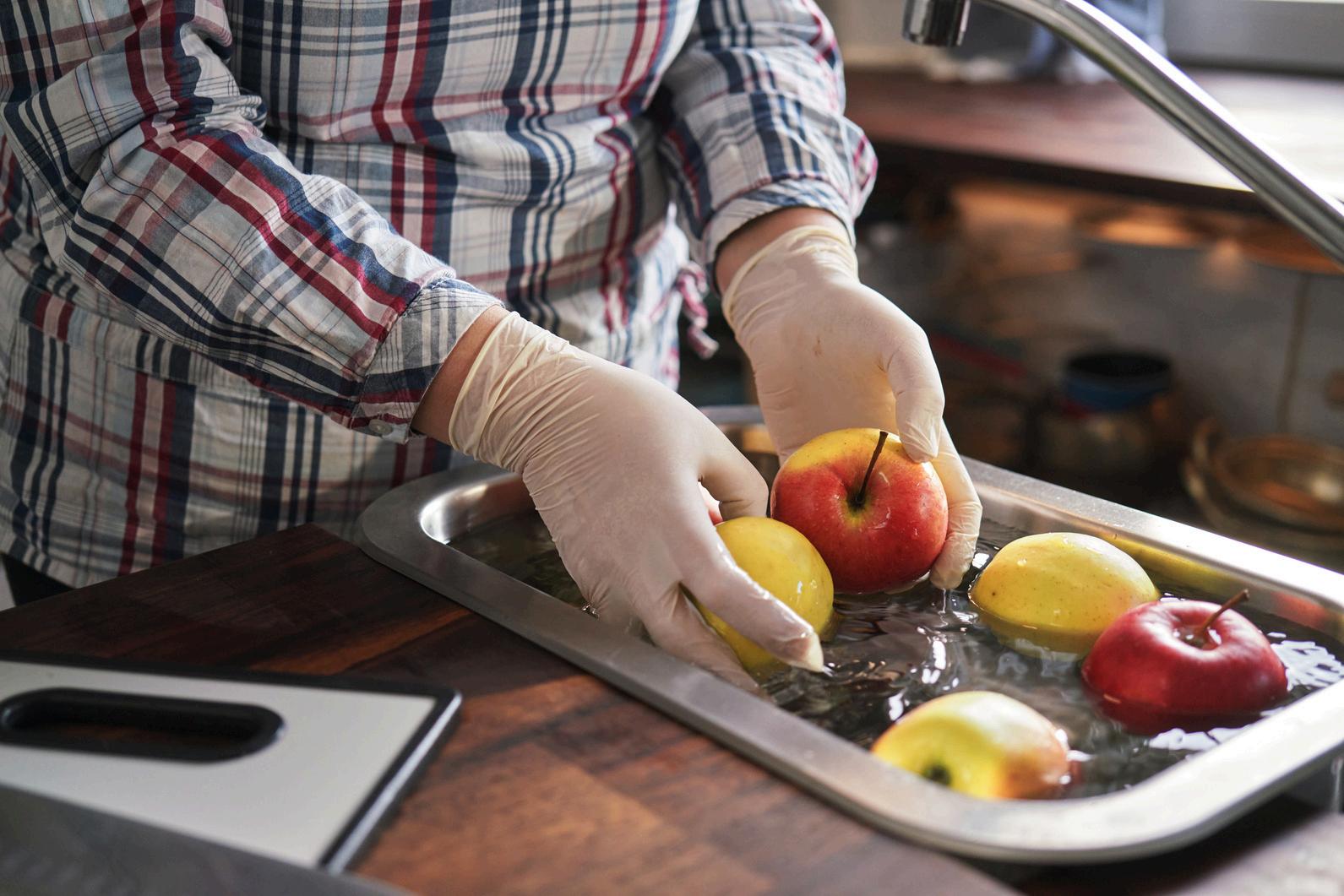
Gain the skills you need to work hygienically when handling food and to ensure the safety of food during its storage, preparation, display, service and disposal
Units covered in our Food Safety Supervisor course meet the prescribed certification requirements under the Queensland Government’s Food Safety Act 2006, and other Australian State and Territory food safety laws, for individual food premises and to ensure the safety of food during its storage, preparation, display, service and disposal
QAST staff deliver this course as a third party for NAQ Nutrition Training (RTO Code: 110074)
DELIVERY: Face-to-face
COST: QAST member: $275 (inc. GST), non-member: $350 (inc GST)
Keen to upskill on how to efficiently manage your volunteers?
Our Volunteer Management Course will help you develop a strategic approach for engaging volunteers in your school community
For this online, self-paced course, we recommend you complete it as a group where possible and invite ALL tuckshop staff, parent body members and school staff that manage volunteers.
DELIVERY: Virtual
COST: $50 (inc. GST) (member-only)
Note: This is a flat rate, regardless of how many people from your school attend


Our FREE Food Handlers Course covers food handler and legal requirements, hand washing, health and hygiene expectations, food safety, allergens, cleaning and sanitising, and pest control
The course can help your tuckshop meet the new requirements for Standard 3.2.2A (Clause 10) and is recommended for all casuals and volunteers It can be completed online at your own pace, at any time and takes less than an hour to complete
The course can be completed online at your own pace, at any time, and in under an hour
DELIVERY: Online COST: Free (available to anyone with QAST membership, including those with a free non-member account )
This training has been designed as a refresher course for Food Safety Supervisors (or tuckshop staff) who have completed an accredited Food Safety Supervisor Course
DELIVERY: Virtual COST: $150 (inc. GST) (MEMBER-ONLY)

Keen to learn more or enrol in QAST training? Get in touch with the QAST team on (07) 3324 1511 or email enquiry@qast.org.au