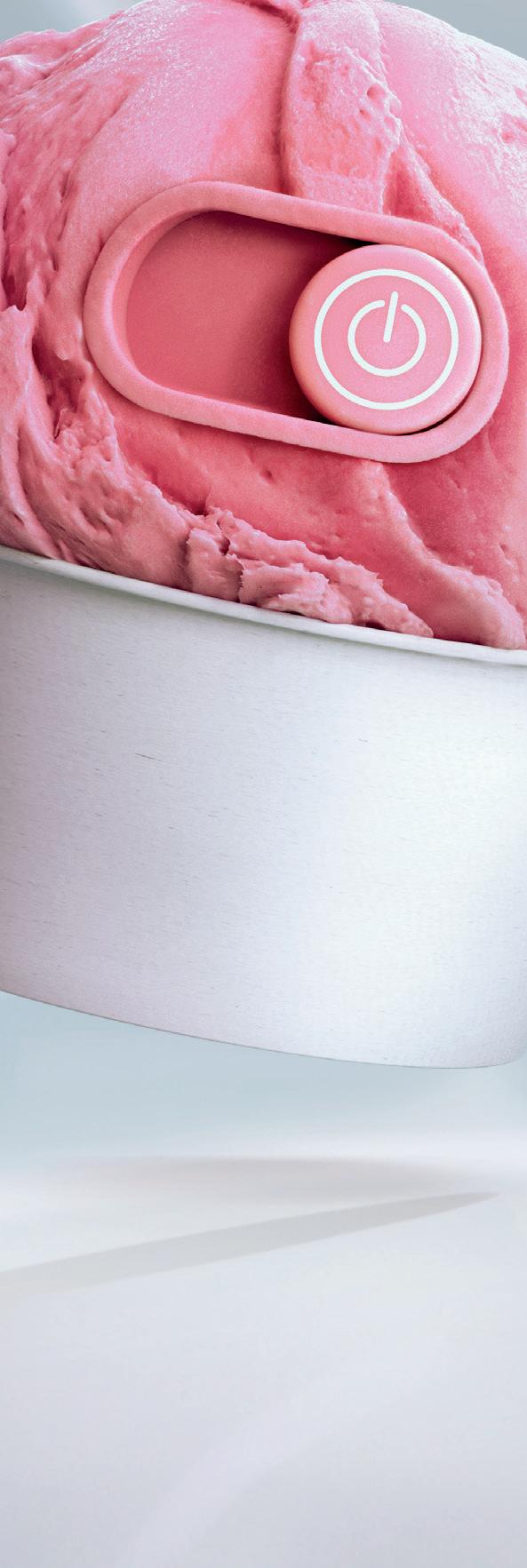
Turning off and simple is as instant sensitivity pain as a flick of a switch
Turning
off and simple
is as instant sensitivity pain
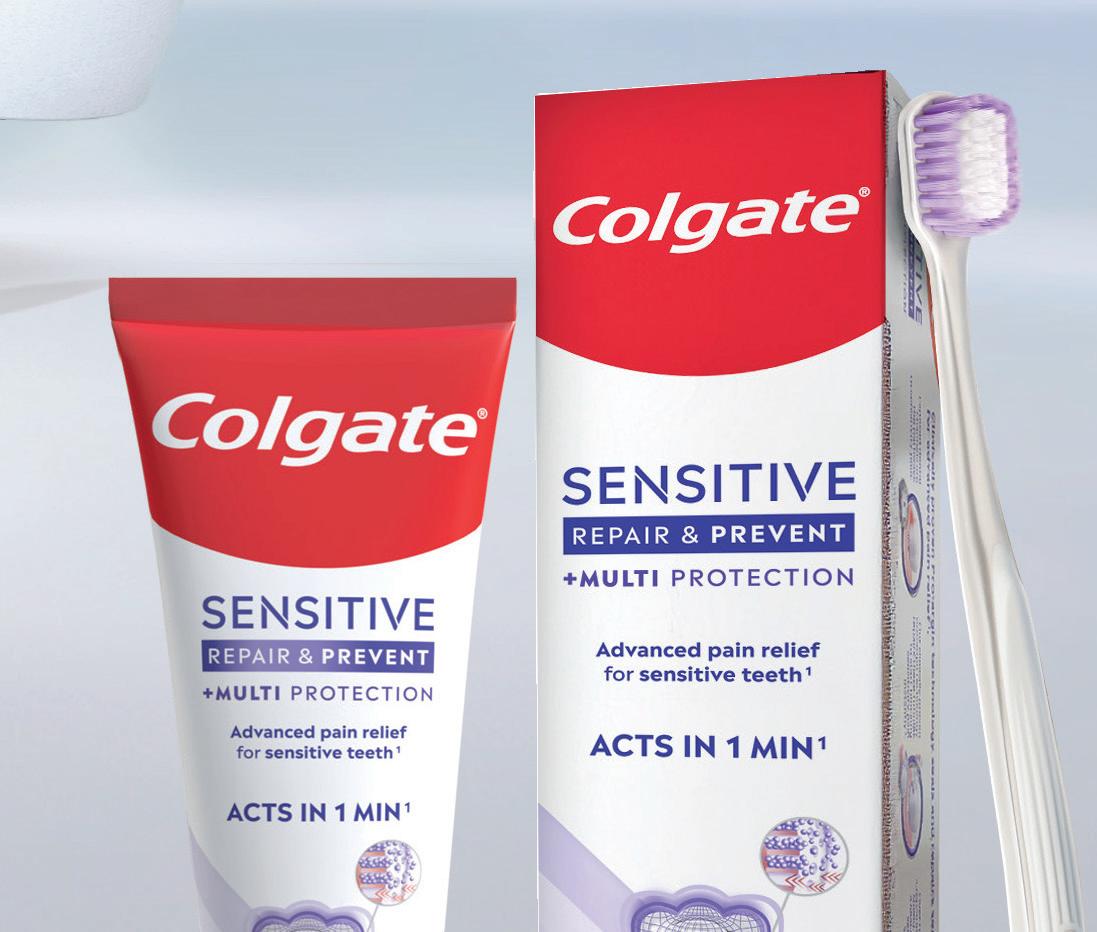
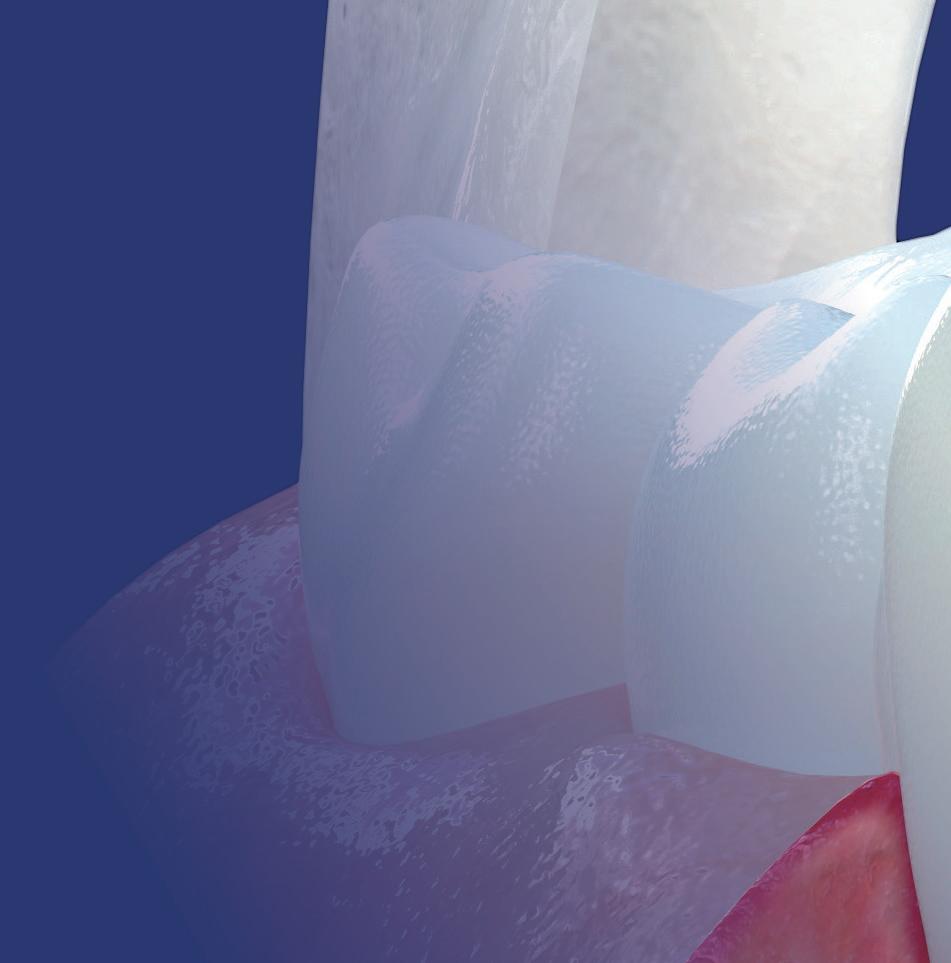
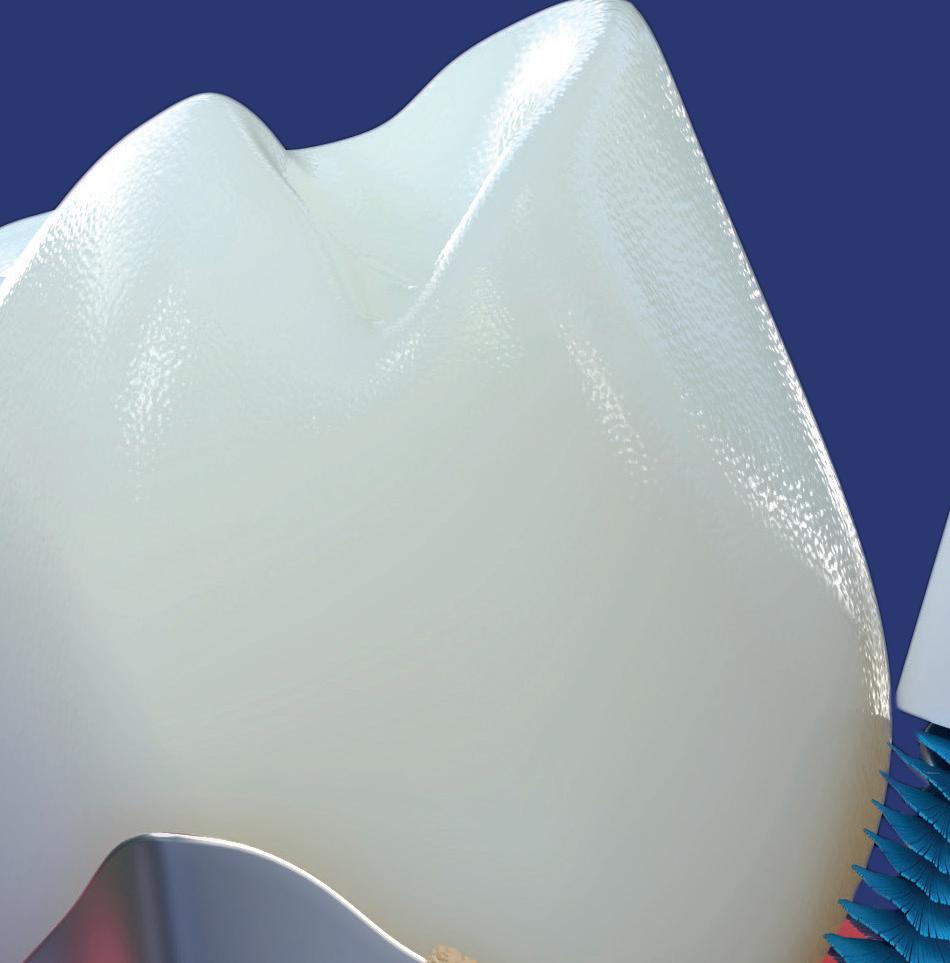
as a flick of a switch of patients experienced instant1,* & long-lasting pain relief2,# with PRO-ARGIN technology Lasting gum protection with zinc compounds 3,‡ with Colgate ® SENSITIVE
References:
1. Subanalysis of Nathoo S, et al 2009. Nathoo S, et al. J Clin Dent. 2009;20(4):123-30).
2. Subanalysis of Docimo R, et al. J Clin Dent. 2009;20 (Spec Iss):17-22. 3. Lai HY, et al. J Clin Periodontol. 2015;42:S17.
*For instant relief, apply directly to the sensitive tooth with a fingertip and massage gently for 1 minute, up to twice a day and for children 6–12 years once a week or less frequently. #With continued use 2x per day. For lasting relief, apply with a gentle toothbrush making sure to brush all sensitive areas of the teeth. ‡With continuous use.
Colgate ® Partnering for Prevention –From Evidence into Action
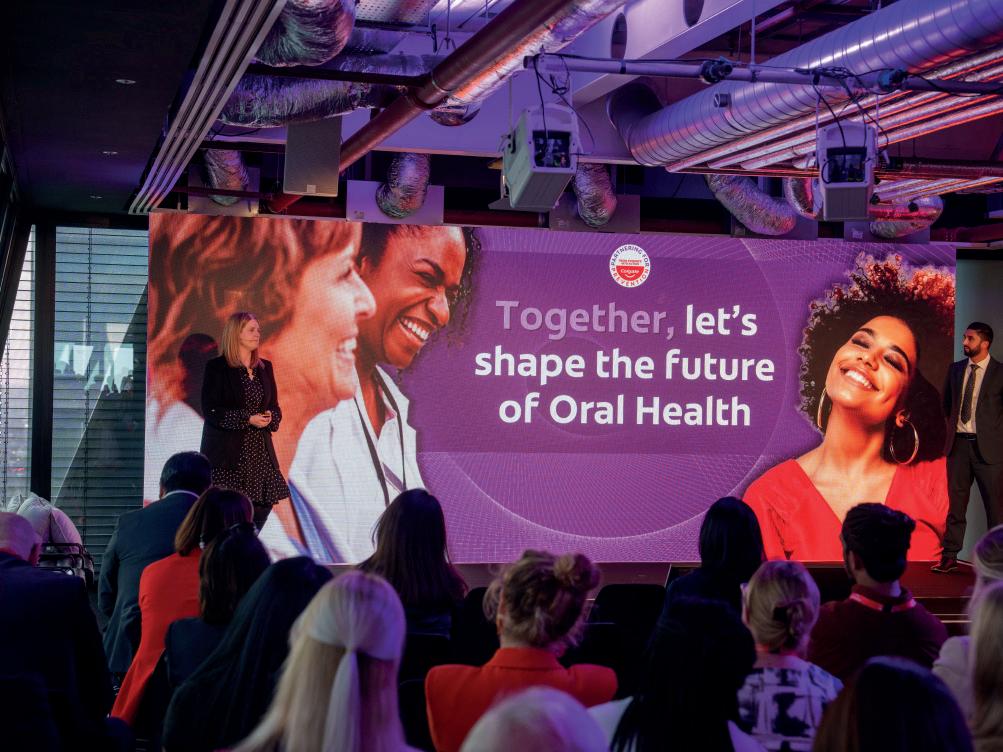
Landing Forty Two in London provided a fitting backdrop for Colgate®’s recent thought leadership event, Partnering for Prevention: From Evidence into Action. The event brought together dental professionals from across the UK for an inspiring networking event, exploring how to bridge the gap between clinical and chairside reality.
The audience heard insights from a range of stakeholders focusing on caries prevention including moving beyond clinical data to put them into their patients shoes to better understand real world challenges.
Simon Petersen, Senior Vice President and General Manager at Colgate®, Northern Europe welcomed the audience, sharing that Colgate®’s leadership position is driven by their purpose of reimagining a healthier future for all. Simon said Colgate® understands the significance and importance of evidencebased prevention and Delivering Better Oral Health guidance; including increasing fluoride availability and stating that Colgate® is proud to have supported the dental profession with medically licensed evidencebased high fluoride products to prevent, control and arrest caries. Simon concluded that he was delighted Colgate® had brought together insights from the dental profession, consumers, researchers and academia to explore prevention and how we best translate evidence into action to improve oral health.
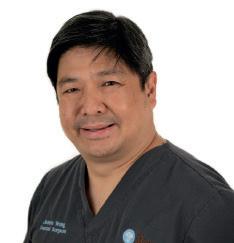
Dr Jason Wong, Chief Dental Officer, England gave the opening keynote address themed ‘A call to action to improve the oral health of the nation’, sharing updates on the 10-year health plan and the dental quality and payment reforms. This included increased support for preventive care, risk assessment and oral health stabilisation, promotion of good quality evidence-based care, minimally intervention oral care and the appropriate
use of skill mix. Jason commented that he was aligned with the theme ‘Partnering for Prevention’ and supported the shared vision of taking knowledge, evidence and the right people delivering care at the right time to improve the oral health of the nation.
Katie Mitchell, Senior Insights Lead at Colgate®, explored three pathways of prevention. Katie introduced the views and perceptions of real world patients who had been unsuccessful, partially successful and fully successful across the pathways. This took the audience through the resulting impact of each, along with the patients suggestions of how their real world challenges could be better overcome to help them to improve both their compliance and oral health outcome.
Professor Jan Clarkson, Chair of Clinical Effectiveness, University of Dundee shared the REFLECT study, a NIHR clinical trial, which commenced back in 2016, looking at the effectiveness and cost benefit of prescribing high dose fluoride toothpaste in preventing and treating dental caries in highrisk older adults. The results are expected to be published later this year. However, Jan was able to share some key points including: dentists can identify patients at risk, caries experience is considerable and costly, 5000ppm fluoride toothpaste is part of the solution, however dentists must know who, when and how much to prescribe, and finally, patient behaviour change is possible,
but this must be personalised and focus on oral hygiene and diet.
Professor Jo Hart, Chair of Health Professional Education, University of Manchester explored professional behaviour change to better understand clinical habits.
Jo expressed how hard change can be and for change to happen, it needs to happen at multiple levels including dental professionals, patients and policy makers.
Jo shared the Capability, Opportunity, and Motivation Behaviour (COM-B) framework as part of the Behaviour Change Wheel. This helps us to understand that unless what we do is behaviourally focused, it is less likely to change routine practice. Capability, motivation and opportunity must be enhanced to change practice.
This event brought together a group of insightful contributors covering expertise across contract reform, research, skill mix, behaviour change and general dental practice. A fireside chat session created the perfect opportunity to discuss a number of themes to help transform insights into a tangible road map for the entire dental team including keeping healthy teeth healthy across the life course, applying the evidence base in practice, the role of prevention in supporting the shift from treatment-focused to prevention-led care and the effective use of skill mix.
The final session was delivered by Emma van Eyssen, Scientific Affairs Lead
at Colgate® and Dr Mohsan Ahmad, General Dentist and LDN Chair for Greater Manchester. Emma started the session with highlighting a number of resources Colgate® provides to help dental professionals with the prevention, management and control of caries, in line with the evidence-base. Emma went onto introduce Colgate® Duraphat® as the only complete and clinically-proven high-fluoride range, medicinally licensed to prevent, control and arrest caries.1-4 Mohsan then took the audience through some real life cases studies on how he and his wider dental team provide individually tailored optimal care for the prevention, management and control of caries across the life course. The event concluded with a lively networking session allowing for great discussion which perfectly captured Mohsan’s final comment that together, we can shape the future of oral health. Adverse events should be reported. Reporting forms and information can be found at www.yellowcard.mhra.gov.uk. Adverse events should also be reported to Colgate-Palmolive (U.K.) by calling 00-800-321-321-32.
Intended for Dental Professionals only References
1. Baysan A et al. Caries Res 2001;35:4146, 2. Schirrmeister JF et al. Am J Dent 2007;20. 212-216, 3. Ekstrand et al. 2008 Gerod 2008; 25:67-75, 4. Ekstrand et al. Caries Res 2013;47:391–8. ■
Scan the QR code for more, including prescribing information.
A welcome from the editor
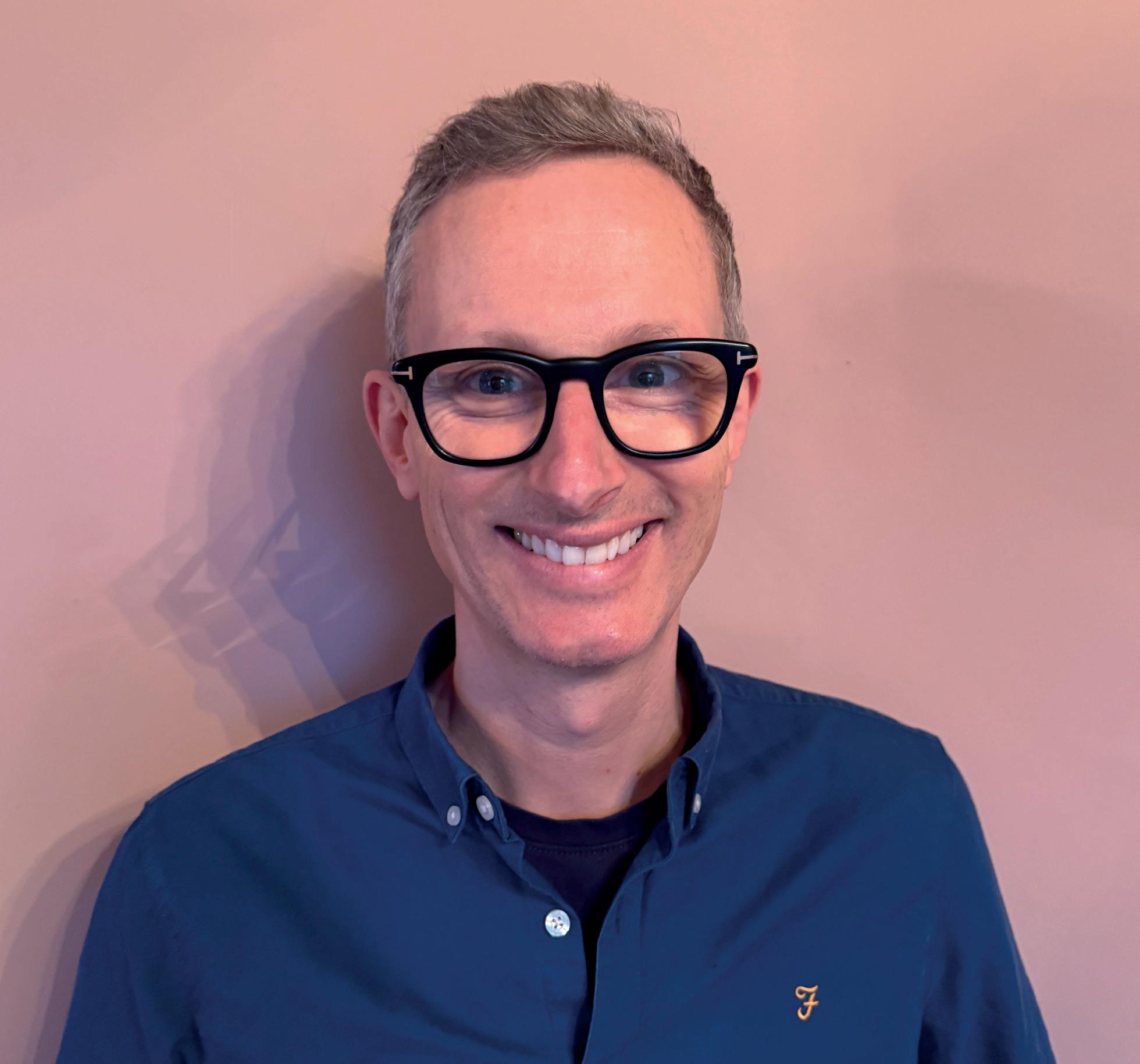
April and May typically feel like the months that the year has reached full swing. The profession is busy, in the thick of it, as are we here at The Probe . It’s always an exciting time of year. With that said, there are two dates for your diaries in the middle of May. The first is Smile Month, now sans ‘national’, which kicks off for the 50th time on 11th May and runs until 11th June. You can read more on page 50 (see what we did there?) and get involved at https://www.dentalhealth.org/national-smile-month Secondly, on Thursday 21st May at midday, we’ll be broadcasting the 2026 Dental Awards results at the-probe.co.uk and via our YouTube channel – youtube.com/@theprobemag
Until then, we have a great issue in store for you. Highlights this month include a look into orthodontics and sleep medicine from founder of the London Lingual Orthodontic Clinic Asif Chatoo (page 10), and an explanation of why hearing protection in dentistry shouldn’t be overlooked by The Hearing Clinic UK’s Dominique Stone (page 12), as well as the usual array of CPD, financial and business analysis, and case studies. Enjoy the magazine!
The Probe is published by Purple Media Solutions.
Registered in England. Registered number 5949065
Managing Editor: James Cooke
Commercial Director: Gary Henson
Divisional Administrator: Francesca Smith
Production Designer 1 : Lorna Reekie
Production Designer 2: Rob Tremain
Digital Content Manager: Stephen Wadey
Circulation Manager: Andy Kirk
Managing Director: Ed Hunt
Regular Contributors: Lisa Bainham, Nigel Carter, Barry Cockcroft, Ollie Jupes and Pam Swain
E-mail news, stories or opinion to james.cooke@purplems.com
liability for any consequential loss or damage, however caused, arising as a result of using information printed in this magazine.
The views expressed in The Probe are not necessarily the views of the magazine, nor of Purple Media Solutions
Editorial Advisory Board: Dr Barry Oulton, B.Ch.D. DPDS MNLP; Dr Graham Barnby, BDS, DGDP RCS; Dr Ewa Rozwadowska, BDS; Dr Yogi Savania BChD, MFGDP; Dr Ashok Sethi, BDS, DGDP (UK), MGDS RCS; Dr Paroo Mistry BDS MFDS MSc MOrth FDS (orth); Dr Tim Sunnucks, BDS DRDP; Dr Jason Burns, BDS, LDS, DGDP (UK), DFO, MSc; Prof Phillip Dowell, BDS, MScD, DGDP RCS, FICD; Dr Nigel Taylor MDSc, BDS, FDS RCS(Eng), M’Orth RCS(Eng), D’Orth RCS(Eng); Mark Wright BDS(Lon), DGDP RCS(UK), Dip Imp Dent.RCS (Eng) Adv. Cert, FICD; Dr Yasminder Virdee
Scan to explore The Probe’s back catalogue online or visit the-probe.co.uk/issues
Dominique Stone Lead Audiologist The Hearing Clinic UK
Preetee Hylton President BADN
Jason Wong Chief Dental Officer England
Asif Chatoo Founder, London Lingual Orthodontic Clinic
Jamie Kerr Cosmetic dentist
Dr Prav Solanki Managing Director The Fresh at Agilio Software
Martina Hodgson 2025’s Dentist of the Year
Dr Amit Mohindra Dental implant expert
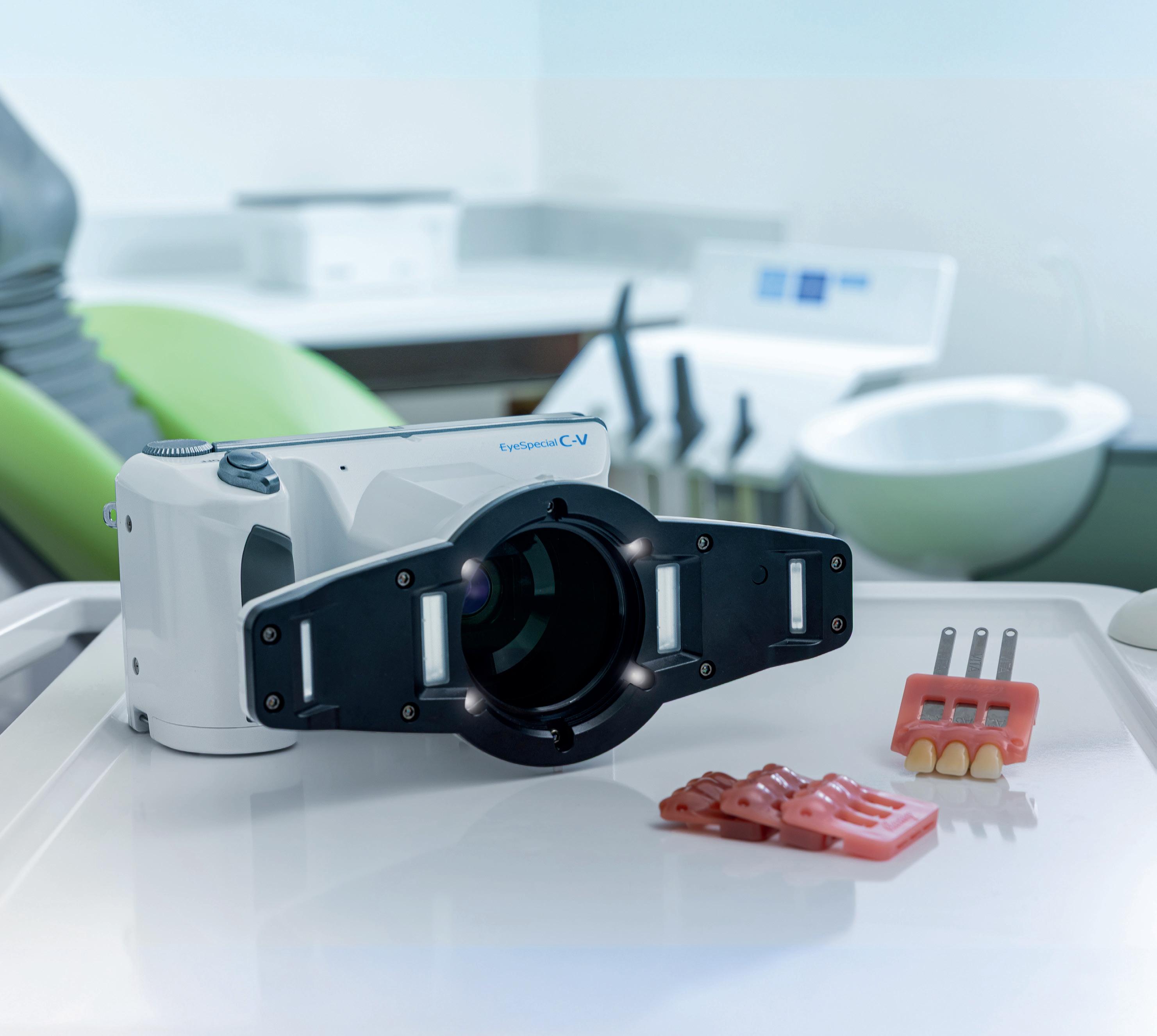
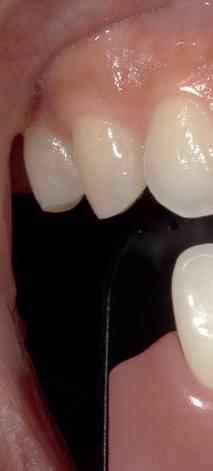
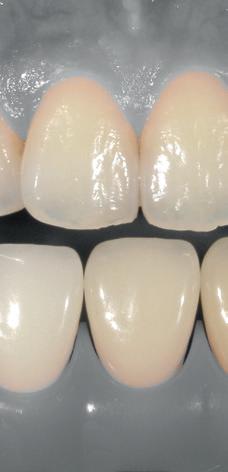
Bis-GMA-free formulation: for better biocompatibility
Easy stocking: only 1 shade for economic sustainability
Structural shade without artificial colour pigments: adapts seamlessly to any tooth shade from A1 to D4
Samples & More
Dental Nurses: Prevention needs recognition
From April 2026, NHS dentistry in England has entered a period of significant reform; these changes are intended to improve access, strengthen quality of care and place a clear emphasis on prevention. For many of us in the profession, prevention has always been central to our work; for dental nurses, however, it has often been undervalued, hidden or remained unacknowledged.
Among the reforms taking place, one development stands out for dental nurses. For the first time, a preventive intervention delivered by a suitable trained, competent, indemnified and registered dental nurse will generate its own Units of Dental Activity (UDAs); specifically, a 0.5 UDA course of treatment has been introduced to allow fluoride varnish to be applied to children between routine examinations. At first glance, half a UDA may appear modest yet, for those of us putting in the work, it signals recognition of the expertise, skills, and responsibility dental nurses bring to preventive oral healthcare.
As a practising dental nurse, I witness the profound impact preventive strategies can have. I see an anxious patient who hesitates to open their mouth, a parent trying to navigate confusing or conflicting advice from online sources, social media and commercial campaigns, and families who do not know where to turn to for consistent support. Prevention is not a single procedure or a brief conversation; it is a series of interactions built on trust, reassurance and consistent support. Dental nurses are often the oral healthcare professionals bridging the gap between clinical guidance and meaningful behavioural change.
Dental nurses have been delivering preventive interventions for some time; we are uniquely positioned to design, implement and deliver oral health education across diverse populations and settings –from dental chairs to schools, community outreach and public health programmes. What has been missing is visibility and formal recognition. Whilst our work has
been and is essential, the UDA framework has historically captured activity in ways that largely overlook the contribution of dental nurses. The introduction of fluoride application as a course of treatment is a critical step as it acknowledges that prevention is not just supportive work, it is a skilled, evidenced-based, and professional contribution to patient care.
The evidence supporting fluoride varnish is robust. Systematic reviews show that fluoride varnish reduces dental caries in children by approximately 37% in primary teeth and 43% in permanent teeth . Its safety, efficacy, and cost-effectiveness have been well established, and national guidance such as “Delivering Better Oral Health” recommends its use as a cornerstone of preventive care .
Yet, despite the evidence, preventable disease remains widespread. Over one in five five-year-olds in England experience dentinal decay , and tooth decay is the leading cause of hospital admissions among young children . Poor oral health is rarely just a clinical issue; it reflects inequalities, access challenges, and inconsistent support across communities.
For the NHS, prevention offers more than clinical benefit. Timely, targeted preventive interventions can reduce future treatment demand, improve patient experience, and lower system costs. But this requires both visibility and structured delivery, not ad hoc activity.
Currently, NHS activity reporting largely attributes clinical interventions to the prescribing dentist, which means that while dental nurses perform significant preventive work, it is often invisible to commissioning systems, workforce planners, and policymakers. Introducing individual clinical identifiers for dental nurses would address this gap; these identifiers would allow preventive care to be accurately attributed, creating data that shows both who delivers care and what outcomes result. Measurement of impact would then be possible; the reduction in caries, improvements in oral health
literacy, and longer-term effects on patient behaviour could all be monitored and linked to interventions.
This approach aligns with the NHS’s growing emphasis on data-driven commissioning. If policymakers can see the contribution of dental nurses to prevention, they can plan services more effectively, allocate resources where they are most needed, and reward professionals for measurable impact.
The opportunity to expand preventive care comes at a time when dental nursing faces recruitment and retention challenges. Many experienced nurses leave the profession due to workload pressures, limited progression opportunities, and a lack of recognition for their skills. While remuneration is often described as an employer-employee matter, it cannot be ignored when national policy assigns new responsibilities to a regulated workforce. If dental nurses are expected to deliver more preventive care, the system must consider how this is acknowledged, measured and rewarded, whether through enhanced pay, structured progression, or other forms of professional recognition. Without this alignment, there is a risk of increasing pressure on a workforce already under strain. Prevention cannot succeed if it depends solely on goodwill; it requires a sustainable, valued, and supported workforce.
For prevention to succeed, reform must be both strategic and implementable. A sustainable model could be built on three pillars:
1. Visibility: Individual clinical identifiers for dental nurses ensure that preventive activity is measurable, recognised, and linked to outcomes.
2. Structured pathways: Integrating fluoride varnish with oral health education, diet advice, and risk-based recall intervals allows preventive care to be delivered consistently rather than opportunistically.
3. Alignment of responsibility and recognition: Expanded roles
BADN Past, Present, and Future
must be paired with meaningful acknowledgment, whether through pay, career pathways, or professional development.
There is also an opportunity to make better use of existing funding. Recent reports show that around £900 million in NHS dental funding was returned due to under-delivery of contracted activity . While this is not “extra money,” it reflects underutilised capacity. Targeted reinvestment into prevention, especially through better deployment of dental nurses, could expand access, improve outcomes, and reduce long-term treatment costs. Designing preventive care in this way allows the NHS to be both clinically effective and cost-efficient. It also ensures that dental nurses, who are already central to delivery, are recognised as professionals with measurable impact.
As a practising dental nurse, I see the impact of prevention every day, not as a statistic, but in human terms. I see the child who avoids pain because someone took the time to intervene early. I see parents who gain confidence and understanding through clear guidance and advice. I see how small, consistent interventions can change long-term outcomes and reduce inequalities. The introduction of a fluorideonly UDA is a welcome step. It signals that prevention matters, but if prevention is to be truly central to NHS dentistry, the system must support, measure, and recognise the professionals delivering it. The future of NHS dentistry will be defined not by the volume of treatment delivered, but by the effectiveness of prevention, and by whether the workforce enabling it is valued, visible, and supported. n
About the author preetee Hylton is president of the British Association of Dental nurses (BADn).
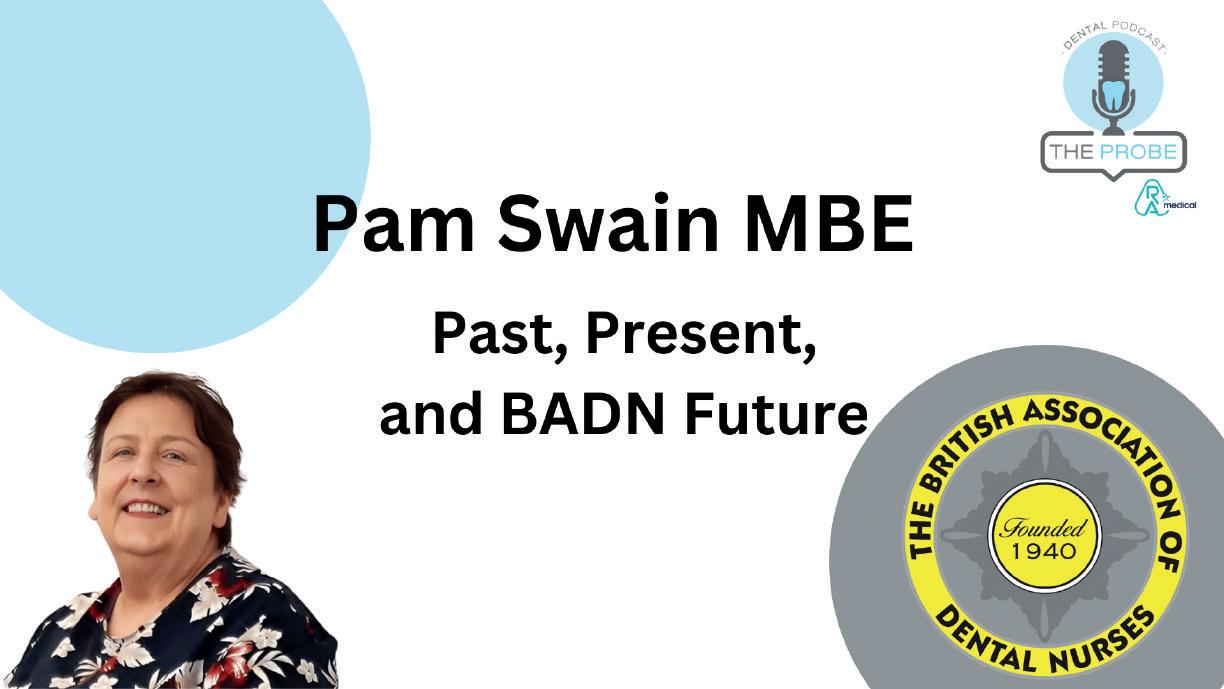
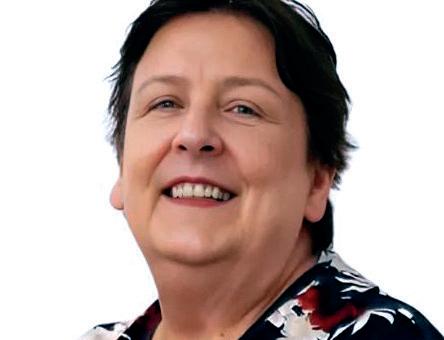
Pam Swain MBE, Chief Executive of the British Association of Dental Nurses (BADN) recently joined us for this episode of The Probe Dental Podcast, sponsored by R
Medical,
the association’s history and what’s next as it looks to merge with trade union Community, as well as the current
Pam tells us about the changes she’s witnessed and choppy waters she’s helped navigate with the BADN team over the course of three decades of steering the BADN ship, while we also dive a little into Pam’s background prior to joining the UK’s dental nursing association, which includes work at NATO.
Watch or listen at the-probe.co.uk/podcast or by scanning the QR code.
The Probe Dental Podcast is also avaiable on YouTube and Spotify.
Thank you to our sponsor, R A Medical: https://ramedical.com/
R A Medical is a specialist company for the supply, installation, repair, and maintenance of Inhalation Sedation and associated equipment.
A
to discuss
state of dental nursing in the UK.
Being contacted by the police
Leo Briggs, DDU dento-legal adviser explains what to do if you are contacted by the police in relation to criminal activity
Thankfully it is not common, but it can sometimes be the case that dental professionals are contacted by the police in relation to criminal activity. This can be extremely difficult and worrisome so it’s important to know what to do if you are contacted by the police.
What to do if you are contacted by the police in relation to your conduct.
GDC Standard 9.3 in ‘Standards for the Dental Team’ states that, “You must inform the GDC if you are subject to criminal proceedings or a regulatory finding is made against you anywhere in the world.”
You need to tell the GDC if you are charged with a criminal offence, convicted of a criminal offence or accept a criminal caution. The GDC sets out in detail what you must inform them about in its ‘Guidance on reporting criminal proceedings’. This also clarifies when the GDC does not need to be informed - for example, if you have received a fixed penalty notice for a road traffic offence.
1. Call your dental defence organisation straight away if you are being investigated by the police about an allegation arising from your clinical practice. This is vital if you have been arrested and have been, or will be, interviewed under caution.
2. Remember, the DDU’s advice line is available 24 hours a day to all members for situations like this.
3. If you are contacted by the police, ask for the officer’s name and contact details so your dental defence organisation can liaise with them.
4. If you might be a suspect, don’t give an account to the police without seeking advice first.
5. If you’re asked to attend for an interview on a particular date, say that you are willing to cooperate but would like to speak to your defence organisation first, to ask if they can provide representation.
6. Don’t make contact with anyone who might be a witness in the police investigation, and do not discuss the allegations with anyone before speaking to your dento-legal adviser or legal team.
If you are being investigated by the police, you shouldn’t admit or accept anything until you have spoken to a solicitor. This solicitor should be aware of the potential consequences for your career. Fortunately, it is very rare for a dental professional to be contacted by the police regarding their care of a patient - but if you are being investigated by the police about an allegation arising from your clinical practice, call your dental defence organisation immediately. This is vital if you have been arrested and have been or will be interviewed under caution.
What to do if you are contacted by the police in relation to a patient.
In some cases, the police investigation may focus on a patient and as such, the police may contact dental professionals requesting information about a patient. Usually, it is reasonable to ask if the police have sought the patient’s consent. If not, you could ask whether they are willing to do so (or whether they’re happy for you to seek this) or if not, why they believe the patient shouldn’t be made aware of the request. This might occur, for example, because approaching the patient for consent might prejudice an investigation or would increase the risk of harm to others.
Where consent can’t be sought, dental professionals will need to consider if the disclosure is required by law. This might be in response to a valid court order, or there are various laws which compel the sharing of information.
For example, in England and Wales, dental professionals have a legal duty to inform the police if they discover an act of female genital mutilation (FGM) which appears to have been carried out on a girl under the age of 18.
Sometimes, the police quote exemptions stated in the Data Protection Act 2018 when information is required for the ‘prevention or detection of crime’ or ‘the
apprehension or prosecution of offenders’. It is important to be aware that this is a permissive provision and does not oblige you to disclose the requested information but rather means it would not be a breach of the DPA to do so. Therefore, your ethical duty of confidence still applies.
To read further guidance and advice from the DDU visit: theddu.com/guidance
About the author Leo Briggs, DDU dento-legal adviser.
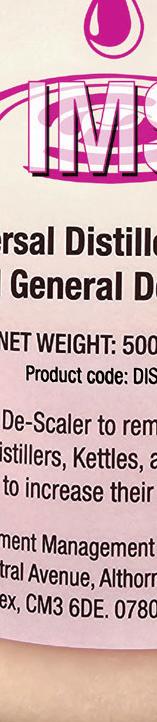
NEW Universal Distiller De-scaler
Orthodontics and sleep medicine
Asif Chatoo, founder of the London Lingual Orthodontic Clinic, former Chair of the European Society of Lingual Orthodontics and the London Dental Fellowship, and a guest lecturer at Harvard University, offers insights on the newly updated White Paper on Sleep Disordered Breathing and Orthodontics from the American Association of Orthodontists (AAO)1
Sleep-disordered breathing (SDB) encompasses a range of conditions, from mild snoring to obstructive sleep apnoea (OSA). While physicians are responsible for diagnosis and treatment, dental professionals now play a crucial role in screening, risk assessment, and collaborative care, emphasising the importance of an integrated approach.
In 2024, I began a master’s programme in sleep medicine, deepening my understanding of the complexities and challenges of managing SDB. I realised that debates about the dental role in SDB often stem from misinterpreted evidence. Claims by some that they can “open the airway” or treat SDB are concerning, particularly when aimed at parents of young children. Medical evaluation and intervention may often be more appropriate.
These varying interpretations have led to a wide range of diagnostic and treatment approaches. Some advocate for cone beam CT or craniofacial imaging to assess SDB risk, while others suggest procedures such as frenectomy. However, the updated AAO white paper and recent publications clearly define the limitations of such approaches and outline what current evidence does, and does not, support.
This is reflected in recent publications, including an opinion piece2 and a systematic review3. These studies found little evidence that maxillary expansion or growth-modification protocols significantly lower the long-term risk of OSA. Consequently, current research does not strongly endorse orthodontic intervention as a primary approach for SDB.
Poor sleep in children can cause daytime issues such as inattention, hyperactivity, and behavioural problems similar to attentiondeficit hyperactivity disorder (ADHD). A meta-analysis of 18 studies revealed a moderate link between SDB and ADHDrelated symptoms, especially concerns with
attention and behaviour4. Treatment of SDB, including adenotonsillectomy, has been shown to improve these symptoms in some children5, but the link remains complex. Although clinical improvement is often seen, it is unclear whether sleep disturbance directly causes or worsens ADHD.
The updated AAO white paper addresses scientific and clinical uncertainties, providing practical guidance for clinicians. Its main conclusion is clear: current evidence does not support claims that orthodontic interventions, such as maxillary expansion or functional appliances, prevent SDB, nor does it support concerns that routine orthodontic procedures, such as extractions, increase the risk of SDB.
Key points from the white paper for dental teams:
• No SDB-related intervention should occur without a formal diagnosis and treatment plan from a physician. Polysomnography and clinical assessment remain the gold standards for OSA diagnosis.
• Referral to a physician should follow a structured risk assessment, including a comprehensive history and examination, and validated questionnaires such as the Paediatric Sleep Questionnaire for children or the STOP-Bang for adults.
• Cone beam CT and cephalometric imaging should not be used for SDB screening, diagnosis, or assessment of treatment outcomes—an important change from 2019 guidance.
• Routine frenectomy is not recommended for SDB prevention or treatment, and current consensus does not support ankyloglossia as a direct cause of OSA.
• No validated craniofacial phenotype alone can identify SDB, and airway size or volume on imaging should not be used as a diagnostic surrogate. Given these recommendations, dentists and orthodontists should prioritise careful
screening with validated tools and refer to sleep physicians when appropriate, rather than relying on radiographic airway measurements. The primary responsibility, when treating children, is to manage dental and orthodontic issues on their own merits. Once SDB is diagnosed, dental professionals can contribute within an interdisciplinary care pathway.
In adults with OSA, oral appliance therapy, usually a custom mandibular advancement device, remains an effective treatment, especially for those who cannot tolerate CPAP. Dentists experienced in this therapy should work closely with sleep physicians to select suitable patients, adjust appliances, and monitor side effects. The AAO notes that mandibular advancement devices can lower apnoea–hypopnoea indices in many adults; however, they should only be provided within a supervised care pathway, with clear discussion of benefits, limitations, and potential bite changes.
The AAO’s consistent message is that dental and orthodontic treatment should be driven by dental and craniofacial needs, not promoted as stand-alone therapies or prevention for sleep-disordered breathing. In the UK, it remains uncertain whether regulators will issue guidance as explicit as the AAO’s. Our system progresses more gradually, requiring broader consensus and a stronger evidence base before formal recommendations are made. Nonetheless, UK practice is likely to align with similar principles: maintaining clear professional boundaries, establishing safe referral pathways, and practising within recognised competence.
Meanwhile, a balanced approach is crucial. National frameworks that outline roles and referral procedures, combined with dental professionals who remain cautious about unsupported airway claims and dedicated to staying updated with advancements in sleep medicine, will help ensure patient safety and evidence-based practice. n
London welcomes SprintRay Midas World Tour
Advancing Chairside Dentistry | exclusive one-day masterclass with Dr wally Renne London, UK – 22 May 2026 | park Hyatt London River thames
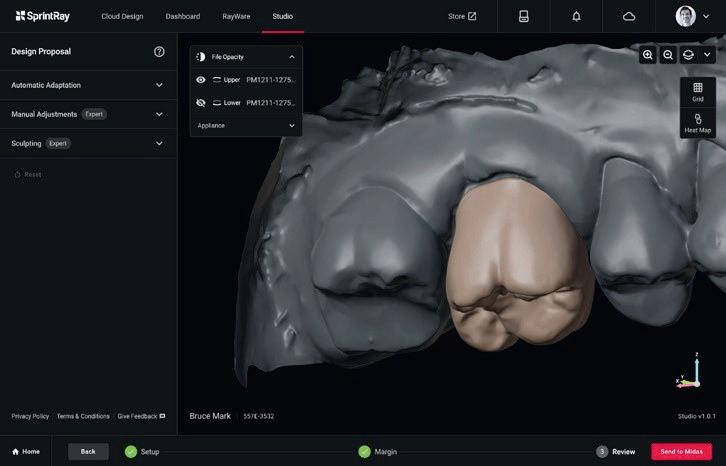
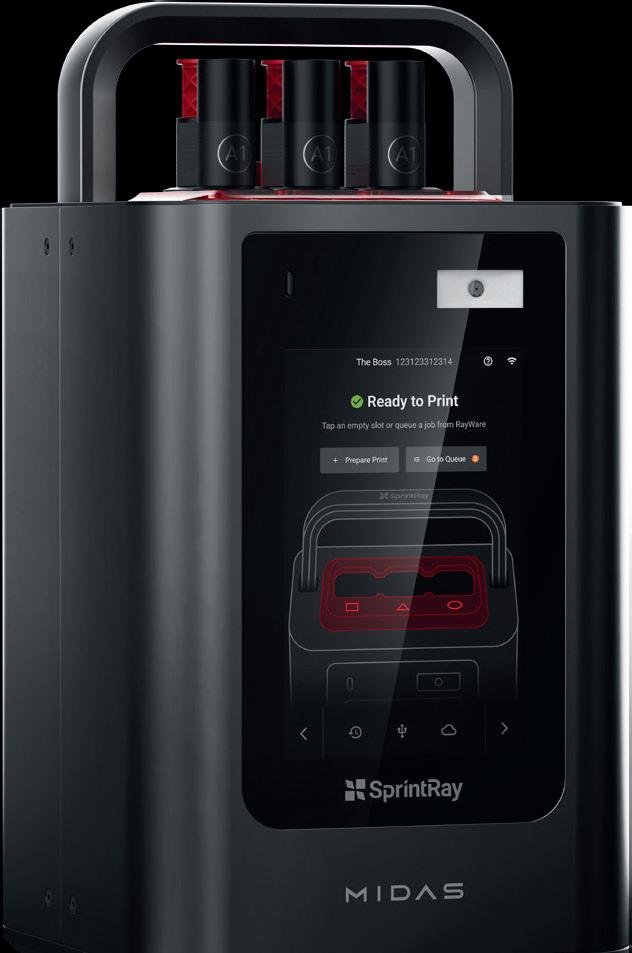
SprintRay is hosting the Midas World Tour in London, an exclusive hands-on educational event showcasing same-day chairside 3D-printed restorative solutions, developed in collaboration with Align Technology, GC, and Meisinger Dental. The programme focuses on singleunit restorations using the Midas Digital Press, while also giving clinicians a glimpse of the multi-unit workflows that will soon be available in Europe.
Led by Dr Wally Renne, founder of the MOD Institute, the one-day masterclass guides participants through the full workflow, from tooth preparation and digital scanning to design, 3D printing, finishing, polishing, and bonding. Attendees gain a comprehensive introduction to the Midas ecosystem through expert-led presentations and practical hands-on training, enabling predictable clinical results while maximising efficiency and profitability.
The London stop also features a Pro 2 lecture and live printing demonstration, offering clinicians the chance
to explore complementary workflows and advanced applications. This bonus session highlights how Pro 2 can expand chairside capabilities alongside the core Midas workflow.
Patrick Thurm, SprintRay Europe CEO, said: “For many years, single-visit restorative dentistry has been confined to a relatively small number of practices. By bringing together developments in scanning, additive manufacturing and material science within a coherent workflow, it is now becoming more accessible to a wider group of clinicians. The emphasis is on establishing a reliable and reproducible pathway to same-day restorative care, supported by education and clear clinical protocols.”
Dr Wally Renne added: “3D printing isn’t the future – it’s happening now. Clinicians who master these workflows today will influence the next decade.”
The London event is part of a global tour spanning over 30 cities worldwide, providing hands-on expertled lectures. Attendees will experience how intraoral
References
1. Palomo JM, Cohen-Levy J, Flores-Mir C, Khosravi R, Levine M, Pickard M, Hittner J, Callahan J, Siegel SM. Sleep-disordered breathing and orthodontics: An American Association of Orthodontists white paper update. Am J Orthod Dentofacial Orthop. 2026 Apr;169(4):419-427. doi: 10.1016/j.ajodo.2026.01.014. Epub 2026 Mar 2. PMID: 41770191.
2. Kandasamy, S. ‘Obstructive sleep apnea and early orthodontic intervention: How early is early?’, American Journal of Orthodontics and Dentofacial Orthopedics, 2024 165(5), pp. 500–502. https://doi. org/10.1016/j.ajodo.2023.12.005.
3. Bucci R, Rongo R, Zunino B, Michelotti A, Bucci P, Alessandri-Bonetti G, Incerti-Parenti S, D’Antò V. Effect of orthopedic and functional orthodontic treatment in children with obstructive sleep apnea: A systematic review and meta-analysis. Sleep Med Rev. 2023 Feb;67:101730. doi: 10.1016/j.smrv.2022.101730. Epub 2022 Dec 2. PMID: 36525781.
4. Sedky K, Bennett DS, Carvalho KS. Attention deficit hyperactivity disorder and sleep disordered breathing in pediatric populations: a meta-analysis. Sleep Med Rev. 2014 Aug;18(4):349-56. doi: 10.1016/j.smrv.2013.12.003. Epub 2013 Dec 24. PMID: 24581717.
5. Ivanov I, Miraglia B, Prodanova D, Newcorn JH. Sleep Disordered Breathing and Risk for ADHD: Review of Supportive Evidence and Proposed Underlying Mechanisms. J Atten Disord. 2024 Mar;28(5):686698. doi: 10.1177/10870547241232313. Epub 2024 Feb 14. PMID: 38353411.
About the author
Asif Chatoo is Founder of the London Lingual orthodontic Clinic, former Chair of the european society of Lingual orthodontics and the London Dental Fellowship, as well as a guest lecturer at Harvard University.
scanning, additive manufacturing, restorative materials, and finishing protocols integrate into a single, predictable workflow for same-day chairside restorations.
For more information and registration, visit https://sprintray.com/en-uk/the-midas-world-tour-london/ n
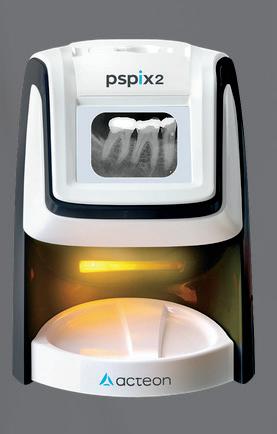
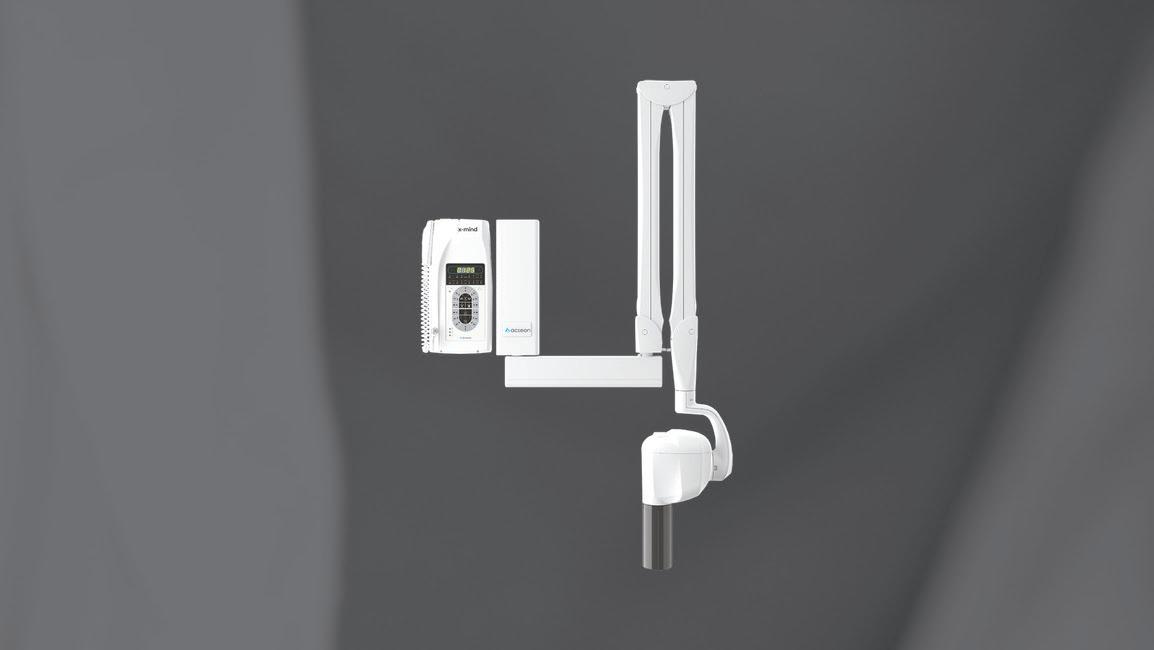
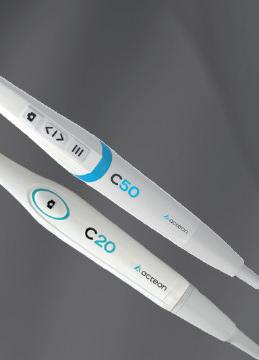
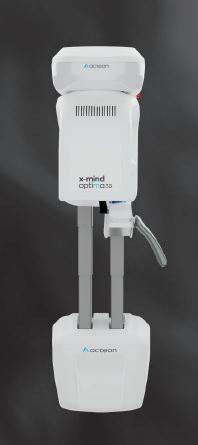
Save £££ with our imaging bundles - including X-Mind DC, PSP!X² and intra-oral cameras
For more information or to speak to your local representative, scan the QR code.
The patients are there. So why aren’t they coming back?
Over the past 18 years I have worked with more than 500 dental practices across the UK and beyond. In that time, one thing has stayed remarkably consistent: practices are rarely short of patients. What they struggle with is staying connected to the ones they already have.
Someone says they will call to book and does not. A treatment plan gets discussed, agreed in principle, and then quietly stalls. A recall date passes and nobody follows up. None of these moments feel significant on their own. But I have seen them play out thousands of times across hundreds of practices, and the cumulative effect is significant. A growing gap opens between the care a team wants to deliver and what actually happens.
And here is the thing most practice owners do not fully appreciate: the revenue needed to close that gap is almost certainly already sitting in your patient base. This is not a new patient problem. It is an engagement problem.
Where engagement breaks down
Every practice already holds the insight it needs. Your patient records contain attendance patterns, treatment history, plan status, outstanding work, financial information and communication preferences. The intelligence is all there. The challenge, and I have seen this in practice after practice across my 18 years working in this industry, is knowing how to act on it consistently and actually finding the time to do so.
In most practices, patient engagement still depends on someone finding the time. Lists get built manually. Messages go out when the diary allows. Follow-ups happen if someone remembers to come back to them. Conversations happen across SMS, email and phone with no single view of where each patient actually is in the process. The result is uneven: some patients hear from you repeatedly, others drift away without a single prompt. It is a quiet inefficiency, not dramatic but persistent, and over time it affects both patient outcomes and practice
performance in ways that are easy to underestimate. Revenue that already exists within your patient base remains unrealised, not because there is no demand, but because there is no consistent, structured follow-up to convert it.
What changes when nothing is left to chance?
Everything runs more smoothly when follow-ups no longer depend on someone remembering to pick them up. When there is a clear, consistent structure around who to contact, when and how, engagement becomes reliable rather than reactive.
Patients get reached at moments that actually make sense, through channels they are more likely to respond to. Conversations continue rather than resetting with every interaction. The team’s attention goes where it matters most, rather than being absorbed by manual admin that could be handled automatically.
Importantly, this does not require going out and finding new patients. It is about making better use of the relationships a practice has already built. Patients who already know and trust you often just need a timely, relevant nudge to continue a conversation they had already started.
imagine being the master of your own marketing campaign Here is what I want you to picture. You open your system and simply tell it what you want to achieve. “I want to fill my hygiene lists.” “I want to convert more one-off hygiene patients into active plan subscribers.” “I want to follow up everyone with an outstanding treatment plan from the last six months.”
And then it takes care of the thinking. It identifies the right patients. It works out the most appropriate message. It selects the channel most likely to get a response, whether that is SMS, email, WhatsApp or an AI voice call. It manages the replies, follows up when needed, and carries the context of every conversation forward so nothing gets lost and no patient falls through the cracks.
That is not a hypothetical. That is what Agilio’s iGrow has been built to do. Having
spent nearly two decades helping practices grow their revenue and improve patient retention, I know exactly how much time and energy gets lost to fragmented, inconsistent follow-up. It is a problem I have watched practices struggle with for years. iGrow is the most compelling answer to it I have seen.
I have seen a lot of patient engagement tools over the years. The honest truth is that most of them help practices send more messages. iGrow does something fundamentally different: it helps practices make better decisions about who to reach, when and how, automatically, at scale and in plain English. Rather than relying on pre-built campaigns or complex manual segmentation, iGrow continuously analyses your patient data to determine what action matters most right now. You stay in control of the outcome you are working towards. iGrow takes care of the execution.
What makes this different
Most patient engagement tools help practices send messages. iGrow helps them decide what matters next. Rather than relying on pre-built campaigns or manual segmentation, iGrow continuously analyses patient data to identify:
• Who is most likely to disengage
• Which treatment conversations are at risk
• Where timely follow-up will make the biggest difference
Practices do not need to build lists or configure complex filters. They simply describe the patients they want to reach in plain English and iGrow identifies the right people and initiates the right conversations. Whether a patient responds via SMS, email, WhatsApp or voice, the context is carried forward so engagement feels continuous rather than fragmented. The result is not just more outreach. It is better-timed, more relevant conversations that actually move patients forward.
the opportunity is already in your practice
After 18 years working with hundreds of practices, I am convinced that the single biggest untapped opportunity in most dental businesses is not new patient acquisition. It is the value sitting dormant in the existing patient base. The question is whether that value is being realised consistently or being left to chance. iGrow is designed to make sure it is not left to chance. In a working day where there is already a lot to manage, having the thinking, messaging and channel decisions around patient engagement handled intelligently and automatically is not a luxury. It is the kind of infrastructure that makes a tangible difference to patient care and practice performance alike. iGrow has just come to market and early access places are limited. If you want to be among the first practices to put this kind of intelligent engagement to work, now is the time to register your interest. n
Find out how much treatment value is sitting dormant in your patient base and be among the first to put iGrow to work: https://tinyurl.com/agilio-igrow
about the author Dr prav Solanki is Managing Director of the Fresh at agilio Software.
Why hearing protection in dentistry shouldn’t be overlooked
Dental clinics are busy, highenergy environments where the sound of drills, conversations, cleaning equipment and patients coming and going creates a constant background noise.
Unlike a traditional industrial setting, like a building site, these sounds may be less obvious but their cumulative impact on hearing can be just as significant. It’s a risk many dental clinicians, dental hygienists, dental therapists and dental nurses don’t fully consider until symptoms appear.
Despite growing awareness, noiseinduced hearing loss remains an under-recognised occupational risk in dentistry. Many younger dental clinicians re becoming increasingly aware of the danger and are now turning to off-theshelf solutions such as Loop earplugs to protect their hearing.
Sources of high noise exposure in the profession include continuous highfrequency sound from dental drills and ultrasonic scalers, and a mixture of background hum and intermittent louder noise from equipment like suction devices and polishers. Dental clinicians also face the challenge of operating at very close range to equipment, often throughout their shift in open-plan clinics with hard, reverberant surfaces that likely don’t help matters.
This level of exposure can impact dental clinicians in other ways too. Mishearing instructions or patient concerns during urgent procedures can increase the risk of errors. Constant listening effort across the day can also lead to fatigue, stress and reduced confidence in clinical decisions.
Even though the environment may feel ‘normal’, sustained exposure, especially above 85 decibels (dB), can gradually
damage hearing. The louder the sound, the shorter the ‘safe’ exposure time.
Even early signs, like temporary ringing in the ears or difficulty understanding speech in noisy settings, can indicate the beginning of permanent damage. Left unaddressed, these changes can impact both professional performance and quality of life.
Hearing protection is essential, but only if it fits well and is used consistently. Custom-moulded earplugs are ideal, providing a comfortable, secure fit while allowing speech and warning sounds to remain audible. They can also be fitted with filters that enhance speech clarity, which is particularly useful in this setting
Regular hearing assessments are equally important. Establishing a baseline test and monitoring changes over time allows early intervention, helping dental clinicians maintain long-term hearing health
and professional confidence. Addressing concerns early – through amplification or hearing aids – can significantly improve communication, particularly when staff are wearing masks and other PPE. Protecting hearing in dentistry is not merely a regulatory requirement, it is a matter of long-term health, safety, and quality of life. This type of hearing damage may be permanent, but with the right measures, it is largely preventable. n
about the author
Dominique Stone is Lead audiologist and clinical Governance Lead at the Hearing clinic UK, based at the practice’s Milngavie office in Glasgow.
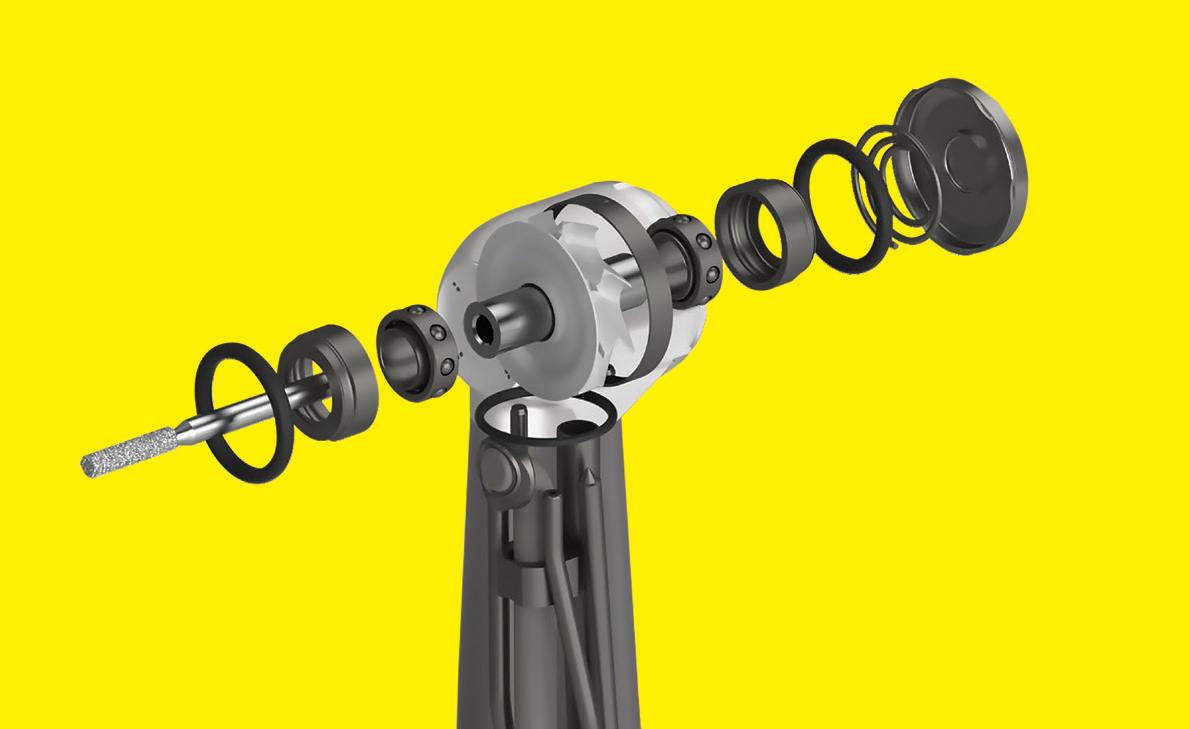
reliability
From now on, the past speaks for itself ; the future is guaranteed.
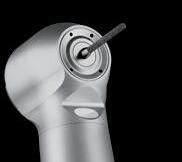
Over its 30-year history, the BORA turbine has continued to reaffirm the quality of its engineering. Its reliability and service life are self-evident. Because of the trust you have placed in it, we wanted to ensure that this legacy continues. The new design of the BORA 2 turbine provides even better performance, whilst retaining the legendary reliability which has characterised previous versions since 1991.
The 3 W’s of equipment upgrades
What? Why? When?
Modern society is wellaccustomed to the need for technology changes and upgrades. From our mobile phones to our computer software packages, we are all constantly swapping our products for newer, more capable versions. The same principle is applicable in dentistry, where technology is rapidly being developed to deliver ever-better outcomes and experiences for both practitioners and their patients. The challenge for practice principals in this fastpaced industry is making the right investment, at the right time, in the right equipment. To ensure you spend your time, money, and efforts wisely, it’s crucial to consider why, when, and how you might introduce some changes to your surgery set-up.
Material motivations
There are many reasons to motivate equipment upgrades. The first is an improvement in the standard of patient care that is provided. New equipment, especially in today’s digital world, is often designed specifically to enhance accuracy, precision, reproducibility, and predictability of clinical treatment. For example, digital impressions have been shown to generate more accurate impressions compared to conventional workflow in key clinical situations.
The literature also shows that digital dentistry can improve the treatment experience for patients and professionals, reducing the
working time and simplifying the professional workflow, while also leading to higher success rates and increasing patient satisfaction.
By eliminating conventional steps, the digital approach also shortens the lab process for fabrication of fixed prostheses, for example, further reducing the time to teeth for patients. Though more research is needed, initial findings suggest a cost benefit to digital dentistry in the long-term, with solutions like teledentistry introducing an innovative new way to conduct initial patient consultations and reviews.
As such, the motivation for new equipment can be varied between practices. The key to a good investment is identifying the problem you want to overcome and exactly what you hope to achieve by introducing new technology.
a question of timing
Once you are confident about why you are considering new equipment, it’s important to think about when would best suit you. This is rarely about deciding a point in the calendar year to go shopping – although this might be a contributing factor if you’re looking to make use of tax relief on capital equipment as part of managing your tax efficiencies. Instead, it’s more about your business situation, your financial preparedness, and your immediate, short- and long-term practice ambitions. For instance, you might have set a target for the next 12 months to increase your orthodontic delivery by 10%, or to improve your patient
satisfaction scores from an 8/10 to a 9/10. As such, you may need to plan for an investment in equipment that streamlines orthodontic treatment or elevates patient comfort with some urgency. If you are planning for a surgery expansion in the next 2 years, then you may instead look to upgrade your equipment in line with the building work.
Another aspect to review is the state of your current equipment. Treatment centres with holes in the fabric, temperamental imaging units, or outdated software programmes that don’t support your current clinicians’ preferences, should all be replaced as a priority. If your existing technology does not support your patient care, then it is working against you – which can prove costly in terms of time, patient satisfaction, downtime due to breakdowns, and more.
a systematic approach
When you are ready to make a positive change for your business, it’s crucial to approach the project logically and realistically. Do your research to really understand the options available to you, their benefits, their potential, and their limitations. Look for brands you trust and that have a reputation for quality – both in terms of product and customer support. You may also wish to explore different payment solutions, with several equipment manufacturers and suppliers offering finance plans that help to spread the cost of equipment and make it more manageable.
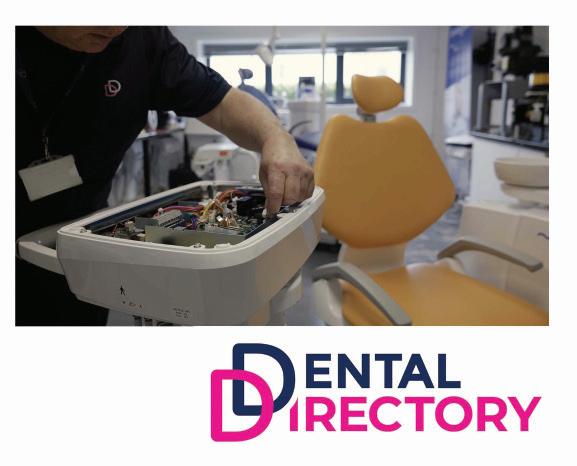
It can also be hugely advantageous to seek the support of experts in the field who can help you assess your current situation, determine your needs, and find the right equipment to upgrade your dentistry. At Dental Directory, we offer a full-service solution with a comprehensive portfolio of industry-leading dental equipment and product brands, each complemented by exceptional customer support. We also provide on-going technical assistance to keep your equipment functioning efficiently and ensure your team makes the very most of its features, in turn helping you to maximise the return on your investment.
Be the best you can be Upgrading your dental equipment and technologies is an essential part of practice development. It allows enhancement of both the professional working environment and the quality of patient care. By understanding why you need it, when it is appropriate, and how you can make the change successful, you will be ready take practical steps towards a better future. For more information on the products and maintenance services available from Dental Directory, please visit ddgroup.com or call 0800 585 586 n
about the author Dean Hallows,
Managing Director of Dental
Directory.
Not all water flossers are equal. Recommend by name.
Industry leader
Recognised as the #1 selling water flosser brand in the UK and in the world.
Recommended by experts
The most recommended water flosser brand by dental professionals and the only one approved by the Oral Health Foundation.
Bring premium flossing to centre stage. Sign up on our website for the advocacy programme www.waterpik.co.uk The stand-out performance patients need. The name professionals recommend.
Backed by science
Supported by over 80+ clinical research studies. Removes up to 99.9% of plaque bacteria in treated areas* and clinically proven to be 2X as effective as string floss for improving gum health.
*in vitro, data on file
Standing the test of time
With 60 years of innovation, WaterpikTM has been committed to a professional- level clean for over half a century. Based on 2025 independent survey of Dental Professionals; among those who recommended branded water flossers
Decision fatigue in dentistry
Dentistry is a profession that demands continuous decisionmaking. This applies from the very beginning of a dental professional’s career to the very end; from choosing a specialty or navigating geographically where is best for their career, to within specific treatments or managing CPD –each decision is a long-lasting commitment.
Patient care involves a plethora of choices: treatment planning, material selection, time management, patient communication, and more – clinicians must make effective decisions throughout the working day. While many of these are compulsory and routine, the collective demand it holds on a clinician can grow to become significant, particularly in busy practice environments.
the hidden cognitive load of clinical dentistry
Decision fatigue refers to the gradual decline in decision-making quality after prolonged periods of cognitive effort. In clinical settings, this can present as hesitation, reduced confidence, or reliance on habit rather than judgement. Although often discussed in relation to healthcare more broadly, decision fatigue is highly relevant to dentistry, where procedural complexity and time pressure frequently intersect.
Typical clinical requirements are far more than solely technical skill, but an amalgamation of assessments and decisions throughout the day and within individual workflows. Dental professionals must constantly assess risk as a continuum and adapt to varying patient needs, whilst being prepared to respond to the unexpected challenges that often arise. Each additional choice, even those that seem minor, contributes to overall cognitive load.
Quite often, it is not the complexity of one singular procedure that causes difficulty and strain, but the accumulation of such decisions across multiple workflows or hours within a day. When clinicians are required to frequently switch between materials, techniques, tools, or patient expectations, there is an inevitable likelihood of increased stress and of reduced focus.
Why endodontics amplifies decision fatigue
Endodontic treatment is renowned for its requirements of extreme skill and technique, often feared by patients due to its intricate nature. It is for these reasons that professionals carrying out root canal therapy are also particularly susceptible to decision fatigue. Root canal treatments require a series of sequential judgements, often made under time pressure and with limited visual information. Decisions around access, working length, instrumentation, irrigation, and further steps require sustained concentration.
Furthermore, for general dental practitioners, performing endodontic treatment might not be common, further increasing the cognitive demand. Limitations in experience or familiarity can increase stress and causes clinicians to focus more
energy on decisions within the process than focusing on the execution of treatment.
the impact of too much choice
Modern dentistry offers an extensive range of materials, tools, and techniques. Though this might seem like a benefit of advancements in the field – supporting personal reference and adaptability – the excess of variation can posit uncertainty. Clinicians that rely on multiple systems or work with a plethora of materials within similar workflows might find that decision making overshadows the treatment. This adds to complexity, particularly when plans don’t go exactly to plan.
For example, pausing to reconsider instrument selection can break concentration, subsequently increasing stress, and chair time for the patient. The snowball effect might leak onto other appointments, which augments anxiety even further as the work-load accumulates.
the role of systems and tools in reducing
mental load
Well-designed and organised clinical systems can support decision-making by ensuring structure and clarity. Tools that are arranged around the logical sequences associated with root canal therapy reduce the number of active decisions that must be made during treatment. Instead, they offer predictability so that choices are already pre-made. This allows clinicians to focus on clinically-specific present time changes or variations, rather than external issues.
applying structure
Structured instrumentation can hugely improve decision-making, and make the task in-hand far more efficient and simplified –augmenting both patient and practitioner satisfaction. The HyFlex EDM OGSF sequence from COLTENE is engineered for endodontic excellence, created for predictability, control, and consistency in every treatment. The four stages are cleverly structured into four stages: The Opener, Glidepath, Shaper, and Finisher, each step supports the next. The natural progression throughout the workflow facilitates decision-making greatly.
Supporting sustainable clinical practice
The effects of decision fatigue in endodontics will never be solved by attempting to eliminate complexity altogether, but rather about recognising methods of management that reduce complexity without compromising care. The field comes with a constant cognitive demand, making mentally-preserving strategies integral for the best clinical results and professional wellbeing. Utilising the best tools for the job offers simplicity without affecting the outcome success, ensuring that decision-making never has to be prioritised over clinical focus. For more information, visit https://colteneuk.com/HyFlex-EDM email info.uk@coltene.com or call 0800 254 5115. n
about the author Vik Sharma, Sales
Director,
coltene Group.
Building the foundations for an impressive patient experience
It is crucial to consistently deliver an excellent dental patient experience. Not only does this influence patient satisfaction with the care and treatment they receive, but it also impacts the business – happier patients lead to an improved reputation, increased loyalty, and accelerated growth. There are many aspects to how the patient will perceive their interactions with the practice, and each step of their journey should be carefully considered and optimised for the best results. The technology you implement will be integral to delivering an impressive experience.
a quality indicator
The standard patient experience achieved has become an indicator for the quality of care provided overall. It is positively linked with both patient safety and clinical effectiveness, and improvements have been shown to enhance public accountability and promote patient choice.
Among the aspects most commonly associated with patient satisfaction are waiting times, quality of the physical facilities, accessibility of care, overview perceived hygiene and cleanliness of the practice, and the educational background of the professional team. Some of these are easier to change than others and some may be assessed subjectively by patients, with their personal expectations playing a role in how happy they are with the service they receive. However, there are ways to measure patient experience and, therefore, identify any areas that are currently lacking.
assessment and monitoring
The patient journey can and should be monitored closely over time. Useful data can be collected in a number of ways, including via patient surveys and questionnaires, a Net Promoter Score (NPS), or Customer Effort Score (CES).
The latter two options are a great place to start if you have little time or just need to establish a baseline. An NPS offers a quick and straightforward overall of patient satisfaction with their overall experience at the practice. It very simply asks individuals to rate the service they received out of 10. Those who give a score between 0 and 6 are known as detractors – they are unlikely to recommend your practice to others, and may harbour negative emotions towards the business. Scores of 7 or 8 represent passive people, who are not unhappy but still less likely to actively promote the practice. Patients who report a score of 9 or 10 are your promoters: they are very satisfied and highly likely to refer family and friends. As would be expected, the more promoters you have, the better. However, this system does have its limitations in that it’s impossible to gain further information about why individuals chose their scores, as well as any specifically positive or negative aspects of their experience.
More comprehensive patient satisfaction or experience surveys are necessary to really understand what people like about your practice, what the major pain points are, and where the practice could make genuine improvements. It’s important to repeat them over time, allowing you to monitor progress, compare against your starting point, and give patients a constant opportunity to share their views. This is the bedrock of effective communication and shows patients that you are going the extra mile to optimise their time in your practice.
taking action
When you are aware of any areas that could be enhanced to produce a better patient experience, it’s important to take action. This begins with a review of your current processes and technologies. Do you have protocols in place to encourage a standardised approach to care across the dental team so every patient is greeted and treated in the same way? Have you designed the surgeries to ensure patient comfort and create a calming or welcoming atmosphere? Are you using dental products and technologies that streamline treatment procedures, elevate outcomes, and enhance patient communication?
An excellent place to start, before you even get into the surgery and the clinical equipment available, is to consider your practice management software. When you implement Sensei Cloud, the cloudbased practice management solution from Carestream Dental, you gain access to simpler, more convenient, and more seamless workflows. The Patient Bridge feature delivers highly efficient patient communication and engagement every step of the way, helping them feel more cared for and keeping you in control of their entire experience. Ultimately, modern dental practices offer so much more than dental treatment. They are a source of support and advice, a place that patients can come to enhance their health and wellbeing. Understanding the experience you are providing patients, monitoring it, and making positive changes is integral to the long-term success of your business.
To learn more about how Sensei Cloud can help your practice thrive, visit gosensei.co.uk.
For the latest updates, follow us on Facebook and Instagram @carestreamdental.uk. n
A CES works in exactly the same way, asking patients to score how they feel about the service received numerically. It offers similar ease of implementation and a great overall impression of patient satisfaction, but it once again lacks depth or meaningful insights to inform change.
about the author
claire Mccarthy, Senior Director of
program & process excellence, carestream Dental.
Find out how we made 30 years of success just the start
Experience our treatment centres on Stand F40 at the Dentistry Show Birmingham 15th & 16th May
Perfecting the art of dentistry
From ‘AI Receptionist’ to ‘AI Front Desk’:
Why the distinction matters
John King argues that the term ‘AI receptionist’ has been hijacked by voice bots, and that the dental market deserves a clearer way to talk about what this technology actually does
AI receptionist has become one of the most misunderstood terms in UK dentistry. Over the past twelve months, a wave of voice bot companies has flooded the market using exactly that phrase, and within months it became synonymous with a single thing: an AI that answers the phone. For practices exploring this space for the first time, the term now sets an expectation before they’ve even seen the product. And in most cases, that expectation is pointing them in the wrong direction.
The problem isn’t the technology. It’s the category. When every product in a space shares the same name, buyers stop distinguishing between them. A practice owner hears “AI receptionist” and immediately pictures a robot answering calls. That’s the mental model the market has built, and it’s remarkably hard to shift.
I know this because we walked straight into it.
Last October, we stood on a stage in Soho and announced our AI Receptionist. We’d spent years building it: a conversational AI that handles patient enquiries across every channel, books appointments, answers questions about treatments and pricing, triages urgent cases, and works around the clock. We launched the beta in February with one of the UK’s most commercial dental groups, and the results have exceeded even our best expectations.
But every time we said, “AI Receptionist,” the person on the other end heard “voice bot.” It happened
on demo calls. It happened at trade events. And it happened in meeting rooms with DSO leaders. We’d get thirty seconds into the conversation before someone would say, “Oh, we’ve heard about those. Patients don’t like them.” We hadn’t even shown them our product yet, and we were already on the back foot.
The thing is, our product was never a voice bot. It doesn’t answer the phone. It handles everything else: website chat, WhatsApp, SMS, social media, email, all in real time, with responses trained on the practice’s own treatments, pricing, and availability. Every patient gets a specific, relevant answer, not a generic “thanks for your enquiry, we’ll get back to you.” It books directly into the diary. It works at 3am. It’s a completely different proposition from a voice bot answering the phone.
But the market didn’t care about the distinction, because the market had already decided what “AI Receptionist” meant. And it didn’t mean us. We were guilty by association with a product we’d never built.
a naming problem we’d seen before
This wasn’t the first time we’d been through this. Boxly started life as a lead management system. Nobody knew what that meant. The market kept calling us a CRM, so we leaned into it. Not because CRM was a perfect description, but because it was a category dental practices already understood. It gave them a frame of reference. It worked.
So we applied the same logic when we named our “AI Receptionist.” That term was already warm in the market. Practices had heard of them. We figured we’d ride the recognition and let the product speak for itself. What we didn’t anticipate was that the definition would be claimed by voice bots before we could shape it ourselves.
Why the name matters
Your market category sets every expectation a buyer has before they’ve even seen your product. If you’re in the wrong category, you’re losing the argument before it starts. When we looked honestly at where we sat, the conclusion was clear. There is no existing technology label, chatbot, virtual receptionist, AI receptionist, that accurately describes what a multi-channel, always-on, practicetrained AI platform actually does. The closest options all undersell it or point buyers somewhere else entirely. Every dental practice has a front desk. Every practice owner knows the front desk is more than just the phone. It’s bookings, enquiries, follow-ups, triage, patient communication across every channel. A receptionist sits at the front desk. The front desk is bigger than the receptionist.
That’s why we landed on AI Front Desk.
“Other companies sell AI receptionists. They answer the phone. We built the AI Front Desk. It handles everything.”
What this means for the wider market
The rename isn’t cosmetic. It’s a reframe. When a practice owner hears “AI Front Desk,” the mental model shifts from a single-channel phone tool to the entire patientfacing operation, handled by a team of specialist AI agents working across every channel, around the clock.
That distinction matters for the whole sector, not just for Boxly. Practices doing high-value treatments with more inbound demand than their team can handle aren’t looking for another voice bot. They’re looking for something that takes the pressure off the whole front desk, not just the phone line. And right now, the language the market is using doesn’t help them find it.
If you’ve been put off by “AI Receptionist” because it sounds like a robot answering your calls, look again. The technology in this space is broader, more capable, and more useful than the name suggests. It just needs a better way to describe itself.
To find out more about AI Front Desk, visit ai-frontdesk.boxly.ai/ n
about the author
John King, co-founder & cOO, Boxly
Understand AI to unlock its potential
Artificial intelligence (AI) is now closely entwined with every aspect of modern life. It influences how we communicate with people, manage our money, run our homes, engage with personal interests, and so much more. It also heavily influences business success, whether it is utilised for marketing, financial management, quality assurance or other purposes. The healthcare sector has not escaped the AI revolution either, with new technology driving risk assessments, diagnostics, treatment planning, and more in various medical settings. In dentistry, AI is being used to streamline workflows, elevate the patient experience, and deliver more predictable outcomes. For the best and safest implementation of the technology, it is crucial that we as dental professionals understand how it works, its benefits, and its limitations.
The LLM explained Large Language Models (LLMs) are neural networks that use deep learning. They access massive datasets to identify patterns and extract information, allowing them to predict future patterns or answer questions. Simpler forms of the technology have been used in the form of predictive text on our mobile phones for decades. More advanced versions, like transformer models, are capable of unsupervised training, using information from billions of web-based sources to learn from. It’s important to realise that LLMs do not ’think’ in the way that humans do; they simply interpret data or deduce outcomes based on the past data available.
Today, LLMs are utilised in a broad range of indications, from copywriting and text clarification to code generation, and more. Different types of models exist, classified according to their primary function. Autoregressive models, for example, generate text – think OpenAI ChatGPT and Meta LLaMA. Masked language models fill in missing words rather than generating content from scratch, while general encoder-decoder models can read texts and produce new versions like translations, summaries, or rewrites. Finally, retrievalaugmented generation models can access search engines or specific databases to retrieve facts that help them respond to questions asked. Each type of LLM has its own strengths and weaknesses, and appreciating this is the key to using the right platform for specific tasks.
Success stories
In dentistry, AI-driven technologies have been successfully deployed. For example, they have been instrumental in improving the treatment journey and elevating the quality of patient care.
In endodontics, AI has been shown to improve the accuracy and efficiency of treatment procedures, with more precise diagnostics, enhanced treatment planning, and supported clinical decision-making. In particular, AI programmes have proven their worth in situations like automated canal
morphology detection, caries diagnosis, pulpal condition assessment, and more.
In addition, emerging applications for AI include remote treatment monitoring and teledentistry, which are changing the way dentistry is delivered. Initial evidence suggests these systems to be particularly useful in orthodontics, detecting debonded brackets and assessing oral hygiene as part of ongoing care.
Still learning
Despite its enormous potential to benefit dentistry, AI still comes with its limitations and challenges. When using its capabilities to care for patients, it is essential that dental professionals understand what these are and how to manage them.
The first is a question of ethics, which is a highly complex subject. AI-related ethical issues can be split into three main categories – epistemic (when dealing with misguided, inconclusive or inscrutable evidence); normative (when managing unfair outcomes); and concerns about traceability. Challenges around technical reliability, accountability, and data security are often cited as barriers to AI adoption by medical facilities. This emphasises the need for meticulous regulations, monitoring, and user training, ensuring that AI-assisted technologies are implemented in the safest, most effective, and compliant way.
I was also interested to discover that not all LLM platforms are equal. A comparative study published in early 2026 found that, while most of the 11 evaluated LLMs demonstrated high accuracy and reproducibility, they still varied significantly in performance. The authors highlighted that the technology continues to require strict validation and expert oversight to support safe and effective clinical intervention. They tested the models with endodontic-related questions and noted considerable progress, though further refinement is needed before the technology can be confidently relied upon.
Stay safe
There is clearly a place for AI in modern dentistry, with its ever-evolving applications continuing to transform the delivery of patient care. For dental practices committed to operating at the cutting-edge, AI-driven technology will be an unavoidable stepping stone to business growth and development. To take advantage of its extraordinary capabilities, it’s vital to have at least a basic understanding of what it does and how it works. Only then can you maintain adequate data protection, patient safety, and clinical quality.
For further information about the endodontic referral services available from EndoCare, please call 020 7224 0999 or visit www.endocare.co.uk
About the author Dr Michael Sultan, Clinical Director of EndoCare.
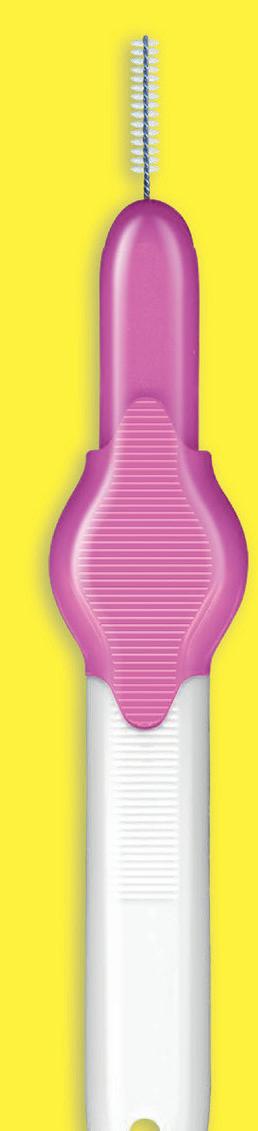
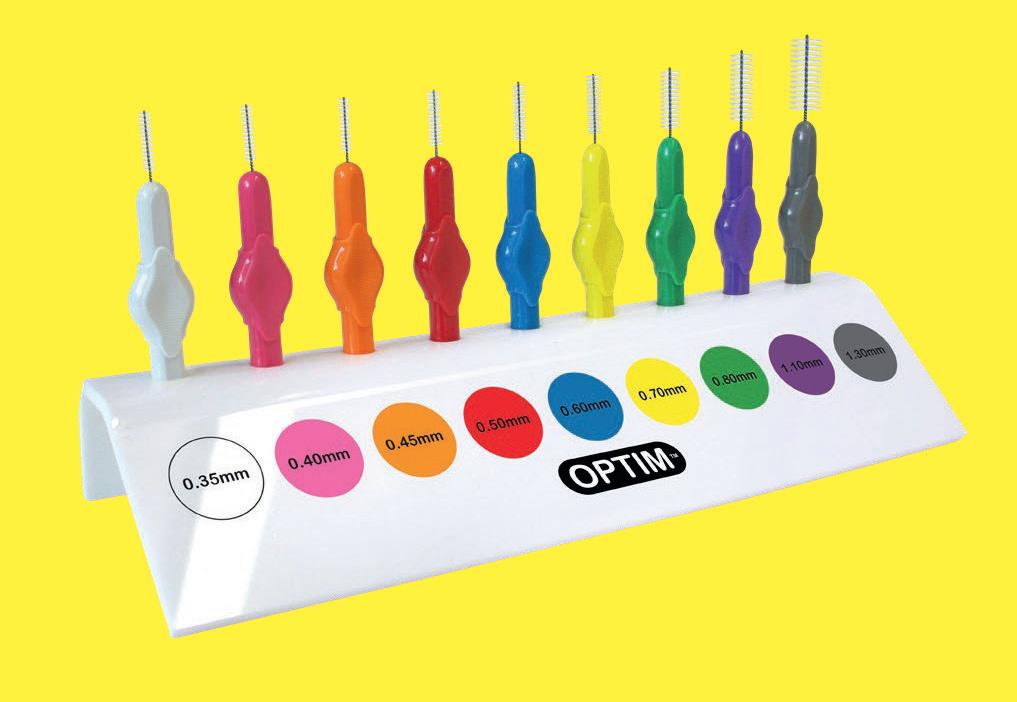
OPTIM Interdental brushes are precision made in the UK, using high tensile strength, plastic-coated, stainless-steel wire at the core, which helps to prevent the brushes from buckling, even on the smallest sizes. They are the same colour coded sizes that practices/ patients are already familiar with and are very competitively priced.
For more information or to request a sample, simply speak to your dealer, scan the QR code or visit https://optim-idb.uk/survey/
Protecting your team as patient aggression in cosmetic dentistry rises
The rise in patient aggression across healthcare is no longer something dentists can afford to ignore.
Recent data reveals complaints to private dental practices increased by 133% between 2023–24. Meanwhile, research is showing that 96% of dentists have reported dealing with demanding or aggressive behaviour, while 45% have experienced physical violence during their career.
For cosmetic dental practices, the situation has some complexity. The elective nature of treatments, combined with high patient expectations shaped by media, has created a pressure point where expectation meets clinical reality. And sometimes disappointment can turn into hostility.
the cosmetic dentistry challenge
Cosmetic dentistry operates at the intersection of art, science, and subjective expectation. Patients arrive with Instagram images, celebrity smiles, and often unrealistic timelines for transformation.
When results don’t match the image in their mind, some patients respond with anger, accusations, and in extreme cases, threats or violence. The dentist who carefully explained any treatment limitations initially may face an entirely different side to the patient if they find themselves unhappy with the results.
This issue is intensified further because cosmetic work is rarely covered by insurance. Substantial costs always heighten emotional stakes, and can fuel an expectation of ‘perfection’, which is subjective and often unattainable.
Setting expectations
The most effective protection against this form of patient aggression begins before any treatment: comprehensive discussion, as well as expectation management. This should include all positives and negatives, explained clearly, which is the only way informed consent can be gained. Good practice in general, but this can also be considered a first line of defence.
It’s important to document everything. Photographs, written treatment plans, signed consent forms detailing realistic outcomes and any potential complications. If a patient shows you an image of a celebrity’s smile, document that conversation and explain why their anatomy or tooth structure may not lead to an identical result.
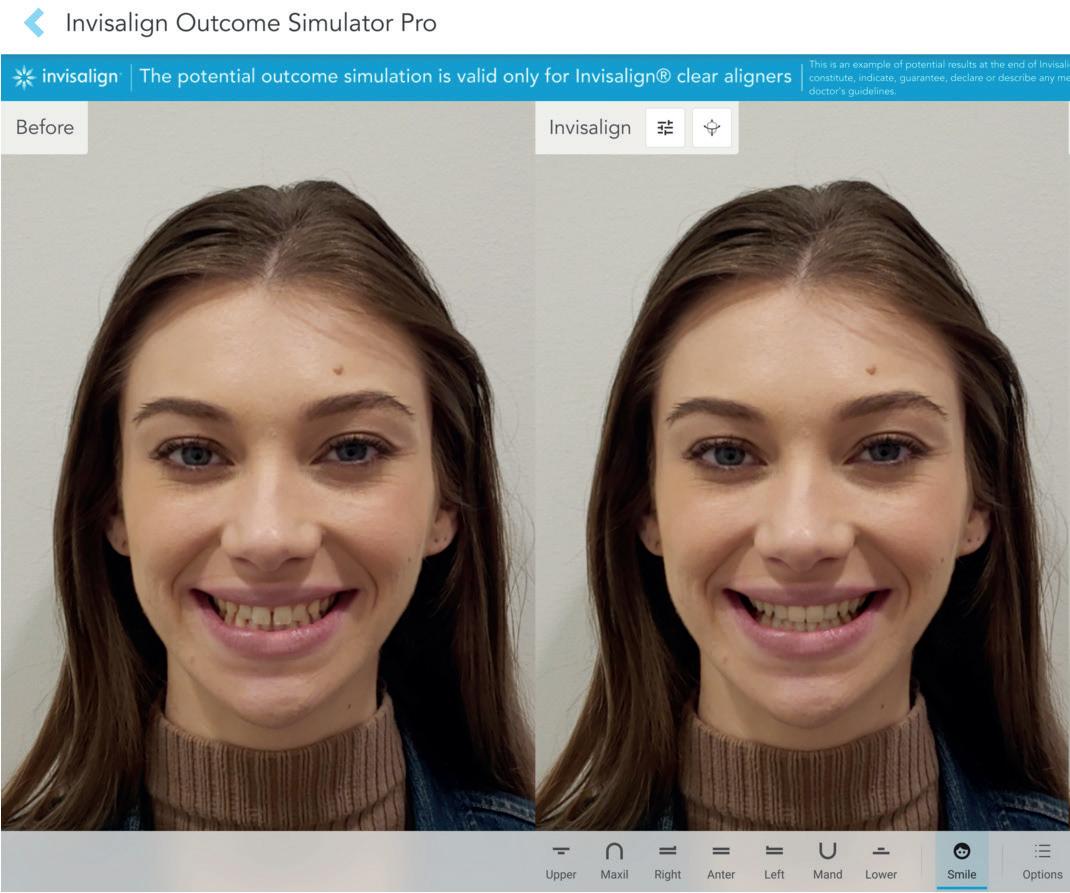
Visual aids are helpful: before and after images from previous cases showing realistic outcomes can always aid in calibrating expectations, and can be more helpful than simple verbal descriptions. Digital smile design technology (DSD) or smile simulations, where available, allow patients to preview potential results – but, crucially, it should be understood that these are estimates and not guarantees. Investing time during this phase is not wasted. A patient who truly understands the limitations of treatment, as well as any possibility for further refinement, is far less likely to respond with aggression when reality doesn’t meet expectations.
recognising warning signs
Some patients may present red flags during initial consultations: unrealistic demands,
Simpler Recycling – is it so simple?
When a piece of legislation is implemented in the UK that affects both businesses and homes – as the Simpler Recycling policy has done – it’s vital to interpret it through the lens of dentistry, and understand how pre-existing regulations will marry with it.
For many businesses, the new rulings on waste workflows will affect miscellaneous items such as coffee cups and waste paper. In the dental practice, a wider variety of waste items produced fall under critical clinical waste regulations. All dental teams need to be aware of their responsibilities.
Understanding the requirements
The Simpler Recycling rules came into practice on 31 March 2025, affecting all businesses with 10 or more full-time equivalent employees. Practices that do not meet this number of team members still have until 31 March 2027 to enact the rules. This directive ensures waste items are better separated at the source, improving recycling opportunities which, in turn, benefits the environment. The rules build on current waste responsibilities, and impact all businesses, charities and public sector organisations – a wide umbrella that dental practices inevitably fall under.
The changes made by the guidance require further separation of waste generated into residual (non-recyclable) waste, food waste, paper and card, and all other dry recyclable materials (including plastic, metal and glass). Any waste produced by visitors to a dental practice also needs to be separated in this way before collection by a waste service team.
timeline or results-wise; dismissal towards clinical advice, or even aggressive responses to cost discussions. Practitioners should remain conscious of when it is appropriate to refer, should a case surpass their current skill. This extends beyond technical capability. Some cases may exceed your practice’s capacity to manage safely because of patient behaviour. Declining a case should never be considered a failure, especially when it could come down to the safety of your staff.
When aggression occurs
Despite all best efforts, some situations escalate. Clear protocols can help protect your team and practice:
• Establish a zero-tolerance policy, communicated clearly via practice information and displayed in waiting areas
• Outline unacceptable behaviours and their consequences, such as removal from patient list, or police involvement
• Train all team members in de-escalation techniques. Receptionists and dental nurses often face the first wave of patient anger and need skills to defuse situations safely
• Never leave team members alone with aggressive patients
• Document any incident when it occurs, even if small
• Consider practice modifications, such as panic buttons, clear sight lines from staff stations, security if necessary
Legal protection?
Even with the best preventive measures, having a good indemnity insurance is always recommended.
The British Academy of Cosmetic Dentistry (BACD) supports all members in practising safe, ethically driven treatments through access to professional resources and guidance. BACD membership includes a 10% discount with leading indemnity provider Densura, providing reliable legal protection when patient relationships break down. Ultimately, protecting your team requires safety as a core practice value. Regular team meetings discussing challenges, sharing de-escalation tactics, and reviewing policies will ensure everyone feels prepared and supported. This rise in patient aggression is concerning, but not insurmountable. The majority of patients remain delighted by the results they see when pursuing cosmetic dentistry. Through clarity during consultation, careful documentation, and staff preparation, cosmetic dentistry practices can maintain an environment where the whole team feels safe.
For further information about BACD membership, professional development, and accessing member benefits including indemnity insurance discounts, visit www.bacd.com n
about the author
Dr carol Somerville president of BacD.
Recycling contamination is an issue that must be contended with when organising this updated waste workflow. If items are incorrectly placed into an alternative waste stream, for example, food waste is placed into the dry recyclable bin, all items in the container may no longer be recyclable. Contamination also applies to items that are not clean enough, for example, plastic containers with residual food or liquid. To reduce the risk of recycling contamination, clear signage should be placed at waste sites throughout the practice. Team members should also be reminded of their responsibilities, and how they fit within current waste workflows.
clinical contamination
Another prominent set of waste regulations for the dental practice is Health Technical Memorandum 07-01 (HTM 07-01). This guidance, which applies to all healthcare spaces and those that deal with healthcare related products, including dental laboratories, defines the correct protocol for managing a range of everyday waste items. It includes directions on the handling of clinical waste items, such as infectious, amalgam-contaminated, offensive and medicinal waste, and much more. When an item that would otherwise fall within the Simpler Recycling guidelines becomes contaminated in a dental setting, there is a chance that its waste management falls under protocols in HTM 07-01, or similar regulations. For example, dental bibs could be considered a simple waste item that would fall into dry recycling materials. If a box of these were sufficiently
damaged in storage and no longer suitable for use with patients, they could be placed into a simple dry recycling container.
However, once used in care, a dental bib may be contaminated by aerosols produced during scaling and polishing. Now unpleasant, but not necessarily hazardous, the bib should be placed in the offensive waste stream, signified by a yellow and black (tiger stripe) container. If the patient has an infection and still requires care, and the dental bib is contaminated, the item would then be placed in the orange waste stream for known infectious items.
Clinicians should understand the context around the production of each waste item and be able to segregate appropriately with this knowledge.
preparation makes perfect
The dental practice should be prepared to manage a wide variety of waste items. This can be facilitated with appropriately labelled containers throughout the premises, located at common points of disposal. Alongside these, choose clear posters that aid professionals with elements such as the waste colour code – this can streamline each decision, for safer disposal.
Initial Medical, a leading waste management service, provides dental professionals with support and an array of clinical solutions for everyday care. This includes a full range of simpler waste disposal options for glass, dry mixed recycling, paper and even general waste, supporting correct waste segregation throughout your practice. Alongside them, find free-to-download colour coding posters on the Initial Medical website, for clear information at a glance.
The Simpler Recycling workflows aren’t complex – and clinical waste management doesn’t have to be either. Understanding how contaminated items are segregated helps clinicians recycle safely, and this can begin with clear communication, signage and containers throughout the practice.
To find out more, get in touch at 0808 304 7411 or visit www.initial.co.uk/medical n
about the author rebecca Waters, Head of Marketing at rentokil initial.
The Perfect Partnership ...together they disinfect and descale
Perfect partners – Orotol & MD 555 work together to preserve the life of your suction unit
Effective against all enveloped viruses including Coronavirus (SARS-CoV-2)
Peace of mind – ensures safety and performance of your suction unit
MD 555 – Use 1-2 times a week to prevent deposits, scaling and siltation
Over 190 years of continuous innovation
Practice principals and their dental teams need equipment they can rely on. This means sourcing their essential equipment from long standing companies who have a passion for excellence and development.
Eschmann was founded in 1830 and has been continuously innovating for over 190 years. For stringent adherence to HTM 01-05/SHTM 01-05 regulations, autoclaves are a key piece of equipment in any dental setting and, with the first autoclaves invented in 1879, Eschmann has seen and contributed to the development of autoclave technology since its inception. Having been at the forefront of this innovation, Eschmann is able to provide its customers with high quality equipment, and high-level service and support for long term solutions.
autoclave development over time
Today, Eschmann is proud to produce highquality autoclaves, used by dental practices across the country every day. Its technology has a long history, which has enabled it to grow into the company it is today.
The SES Matron autoclave was launched to the market in 1978, available in three different versions with various capacities and a lab version which had a 121°C cycle. This led the way for Eschmann following autoclave solutions, and established it as a leader in this area – with the Matron remaining in production until 2000.
The Merlin autoclave was then launched in 1981, which boasted a 134°C cycle, followed by the launch of the Little Sister 2 in 1985 – a momentous step in Eschmann’s journey. The introduction of Little Sister 2 established Eschmann as a leader in healthcare solutions worldwide, and became the foundation for further developments, including the Little Sister 3 and SES 2000 non-vacuum autoclaves in 1993, which continued for many years to be the most popular small autoclaves in the UK.
Today’s solutions
Today, Eschmann provides its customers with the highest standard solutions based on decades of research and development, as well as support. This includes a range of dental autoclaves including:
• Little Sister SES 3020B: 23 litre vacuum autoclave, offering a choice of both N and B type cycles to accommodate every type of instrument and load
• Little Sister SES 3000B: 17 litre vacuum autoclave, also offers both B and N type cycles
• Little Sister SES 2020N: 17 litre nonvacuum autoclave, delivers fast N type cycles, meeting the needs of a busy practice
• Little Sister SES 2010 Touchscreen: 11 litre non-vacuum autoclave, offers N type cycle
Each offers practices a range of unique benefits, enabling different settings to select the most appropriate solution for their space.
The MyEschmann Hub constantly monitors autoclave cycle data, keeping records of daily and weekly test cycles, retaining records wirelessly in the Cloud. This saves the dental team considerable time, and reduces practice costs for a more effective workflow. In addition to automatically recording cycles, users can also upload test strip images and export an e-logbook of weekly records via MyEschmann Cloud.
Eschmann supports its customers when it comes to compliance too, ensuring the high-quality infection control solutions used in the practice are working to their full potential. The team at Eschmann are always on hand to support clinicians across the country.
a reputation that speaks for itself Eschmann prides itself on both reliable equipment and customer service. That’s why our customers return time after time. Dawn Saunders, Practice Manager at Clark Dental Studio shared her feedback:
“Throughout these years, we have consistently received outstanding service from Eschmann. Their maintenance of our sterilisers has been exemplary, characterised by professionalism, attention to detail, and prompt response times. The team’s knowledge and efficiency ensure that our equipment always operates at peak performance. We highly recommend Eschmann for their exceptional service and reliability.”
Eschmann strives to provide its customers with solutions that last, and service and support they can rely on. Built on a long history of innovation, and decades of experience working with the profession, its capabilities are unmatched, ensuring customers and their patients are happy, and practice downtime is kept to an absolute minimum.
For more information on the highly effective range of infection control products from Eschmann, including the industryleading autoclave range, please visit eschmann.co.uk or call 01903 753322 n
EQUIA Forte™ HT
Long-term, cost-effective restorative alternative
“The clinical studies cited... indicate that the recently introduced glass hybrid material, Equia Forte (HT), shows promising results in Class I restorations and in small/medium Class II restorations ... with better cost-effectiveness than equivalent resin composite restorations because it is quick and easy to use.”
Burke TFJ, Sands P, After dental amalgam: the battle of the bulk fills, Dental Update, Volume 53, Issue 1, January 2026, Pages 8-18
Ingenious bottle design
Precise nozzle and ergonomic flip-top cap
Advanced glass hybrid technology Strong, durable and biocompatible
Protective ion exchange Prevents demineralisation and stimulates remineralisation
Wear-resistant nano-filled self-adhesive coating
Surface smoothing and protection during maturation
GC UNITED KINGDOM Ltd info.uk@gc.dental +44 1908 218999
Read the full article here
Find out more about EQUIA Forte HT
“A renewed enthusiasm for dentistry”
Dr Ben Goode and Dr Ursula Mulholland of 18 Dental were looking to reduce the pressure of running their practice, but retirement was never the goal. Both remained deeply passionate about dentistry; they simply wanted to regain time and headspace to focus on patients and professional development.
When exploring their options, Ben and Ursula had significant reservations about the traditional sales market and the type of buyers they might encounter.
Ursula commented: “We were keen to free ourselves from certain aspects of running the practice, but we still loved dentistry and didn’t want to completely step away from what we had spent so long creating. We were proud of the practice and to simply hand it over to someone who wouldn’t appreciate its value, we felt, would be scandalous.
“We were hesitant about selling to a traditional corporate, because we believed they would focus only on the bottom line, dismantling the ethos of the practice and everything that it stood for. We were also very protective of our team – many of whom had been with us for 10 years or more.”
At this point, Ben and Ursula were introduced to DeNovo Dental Partners – a forward-thinking organisation committed to building something unique in the dental market.
Ben shares their initial impressions: “Our dental broker advised that DeNovo was operating a different model that was very interesting. We were excited by the prospect of getting involved with something innovative and new to dentistry,
although we were initially unsure what to expect. It was particularly interesting to learn that we could help shape policy for both the future of our practice and the entire DeNovo parent company – we would be part of something bigger, and no longer working on our own.”
Ursula added: “We initially met Mark Aichroth and Brian Southward and felt immediately comfortable with them. They were clearly great business people, but cared sincerely about remaining ethical and ensuring open communication with real collaboration. As dentists, we prioritise building relationships, and we felt that a very good rapport could be established with DeNovo. They reassured us that we would remain as involved in running the practice as we wanted, handing over the aspects we were less keen on.
There was a shared understanding of how we wished to progress the practice, with clear access to the support we needed. We would still have skin in the game as Partners in the practice and the wider company – it was a new venture in the business that I loved so much and that was exciting.”
Once they had made their decision to proceed, Ben and Ursula were reassured when this open dialogue continued during the transition phase.
Ben comments: “DeNovo remained very open to our ideas – they didn’t require us to fit into their format, and were receptive to our suggestions. They also actively sought feedback so that they could improve the process for others, demonstrating their humility and real interest in supporting their Partners from the very beginning.
“They also remained accessible throughout the transition process and beyond. Having never sold a practice before, we hadn’t been aware of how much work and time it would involve. But DeNovo helped us through it all and we never felt alone.”
Since completing the transaction, Ben and Ursula have been pleased to realise just how little changed in their day-to-day routines.
Ursula says: “DeNovo doesn’t micromanage the practice; they let us get on with what we are good at, but are in the background and ready to help whenever we ask for it. They have been transparent and worked with us to overcome any challenges. Changes haven’t been made for the sake it, only where they improve the practice, which is an important part of developing the business. DeNovo’s promises have been delivered post-sale.
“It is a pleasure to be working with people who share our vision for the practice, our team, our patients, and our dentistry. I like how they operate, and the model allows us to remain as involved as we want in the management of the practice. They are not dictating
anything from on high; there’s real collaboration. This has also made it easier to tell the team that we’re selling, because we really believe in what we’ve become a part of. We have confidence that they will be supported long into the future.”
For any other principals considering a practice sale, Ben shares some advice about what he feels helped them: “Firstly, I would definitely recommend finding a solicitor with dental experience. We also really appreciated working with a broker, when we found the right one for us. They understood our needs and aspirations, and constantly acted in our best interests, which made us feel even more comfortable. I appreciate some principals would rather manage everything directly, but I believe the more people you have in your corner, the better!
“I have a renewed enthusiasm for dentistry,” Ben adds. “Working with DeNovo has cleared space in my head and my diary for dentistry. We run the business as much as we want, but there is time again to attend training courses, which is really exciting.”
www.denovo.partners n
Dr Ben Goode
Dr Ursula Mulholland
The best of A-dec® .
Performer eVo™ brings you legendary A-dec reliability and performance at an impressive value. Get the essential features you want, the comfort your patients deserve, and the dependable quality A-dec is known for. Performer eVo is a solution made to fit more practices, more workflows, and more budgets. Including yours.
Visit unitedkingdom.a-dec.com to explore all the benefits of Performer eVo.
Choose Performer eVo with confidence. Chair, stools, and delivery have a 10-year warranty; the LED light has a 5-year warranty.
A new age of customisation
Treatment planning for orthodontic care requires incredible time and thought to be dedicated to each patient.
In more complex cases, traditional fixed appliances may be preferred, but for many cases clear aligners will be appropriate. The use of both in one comprehensive plan is not unheard of, and can combine the ability to complete complex orthodontic tooth movements with the advantages of improved aesthetics and oral hygiene access, at different stages of treatment.
No matter the chosen treatment approach, clinicians should be aware of the solutions available to them that aid the customisation of care, and ensure patients receive predictable, effective treatment plans.
Understanding hybrid care
The advantages of both fixed and removable orthodontic appliances are recognised by dental professionals. The latter often create improved aesthetics and comfort throughout active treatment, improving patient confidence, but exemplary compliance is crucial. Conventional fixed brackets and wires, however, are helpful when improving movement accuracy in complex cases.i To use both in a hybrid approach allows professionals the ability to maximise results and treatment experience, increasing success in a variety of clinical and non-clinical parameters. It must be noted, however, that this isn’t always necessary, or appropriate – effective case selection is vital, and is down to the discretion of the dental practitioner.
Further customisation of each technique will come with individualised appliances and accessories, such as attachments for clear aligners. These aid orthodontic tooth movement by guiding the forces created by clear aligners. Traditionally, these are made of composite, and are placed onto the tooth with the help of an attachment template. Professionals need to accurately produce an appropriate amount of composite at the site for the best possible outcomes. Unnecessary excess will create flash, which can cause irritation of the gingiva, increase plaque retention, and increase the incidence of white spot lesions. This, of course, must be removed. Too little composite, and there is the risk of the attachment not being sufficient for controlling the forces applied. Clinicians must also design the shape and placement sites of the
attachments with care, as these will each affect the control of the forces that affect the dentition.
In the age of digital dentistry, it is no surprise that the provision of attachments has been optimised to increase predictability. Innovative 3D printing processes create new opportunities for accurate attachment creation, and personalised attachment trays may help to ensure that placement is even closer to a digital plan. To optimise the final outcomes, however, this plan must be consulted throughout the process.
Streamline with digital
Digital orthodontic planning uses leading software to design more effective courses of care for patients. Used frequently today, the digital approach enables improved communication, as plans can be simply shared amongst professionals – for example, the leading clinician and a dental technician, or a referral dentist. The insights provided have proven impact on clinical decision-making; one study in the literature found that access to a digital setup significantly changed treatment plans in 9.2% of cases, and prompted a partial change in 14.4% of cases.
For hybrid orthodontic cases, digital treatment planning allows professionals to closely track the progression of treatment, understanding when fixed and removable appliances will play an effective role in the overall level of care. This creates wellinformed treatment plans, which may be presented to patients prior to the first bracket or attachment being placed. This plan can then be used for the fabrication of high-quality aligners, and accurate bracket and attachment placement systems.
Find effective solutions
When choosing upgrades to the orthodontic workflow, it’s important to find workflows that optimise predictability and efficiency in everyday care.
Solventum presents Clarity™, with a range of orthodontic solutions designed to shape future smiles with improved efficiency. Clarity™ Portal helps to streamline treatment planning workflows, with the ability to craft personalised cases with ease. Additional solutions such as Clarity™ Digital Bonding allow for fullarch bracket placement in a single step, and Clarity™ Precision Grip Attachments use innovative 3D-printing software for accurate attachment placement without risk of composite flash.
With the latest advancements in orthodontic solutions, professionals have the ability to provide more predictable, personalised treatments with confidence. The use of hybrid approaches can optimise outcomes and the patient experience, and the development of a digital workflow makes each step – from planning, to monitoring, to finalisation – completely seamless.
To learn more about Solventum, please visit solventum.com/en-gb/home/oral-care/ For more updates on trends, information and events follow us on Instagram at @solventumdentalUK and @solventumorthodonticsemea n
Peri-implantitis: a growing concern?
Dental implants have transformed restorative dentistry in recent history. Long-term survival rates are impressive, and understanding of clinical indications continues to expand. But as the implant-bearing population grows and ages, a parallel challenge is emerging. Peri-implantitis – a progressive inflammatory disease that causes bone loss around osseointegrated implants – is not a rare complication of the procedure.
Recent data suggests approximately 20–22% of adults with dental implants have peri-implantitis, with more than half of implant patients affected by peri-implant diseases over a 10-year period. This is a challenge for practitioners – one that will have a continuing effect on everyday dentistry as long as patients still seek these restorations.
Peri-implant mucositis vs peri-implantitis
Though peri-implant mucositis can be a precursor to peri-implantitis, this does not necessarily mean they call for the same clinical responses. The difference between the deceptively similar presentations is an important one, as what works for the former is generally insufficient for the latter, and periimplantitis can be an extremely destructive condition leading to implant failure.
Peri-implant mucositis is reversible inflammation confined to soft tissues without bone loss: the warning sign of a more serious problem. Identified and managed early on through non-surgical means and risk factor control, peri-implant mucositis can be reversed and the restoration could be preserved for long-term success.
Peri-implantitis involves progressive marginal bone loss alongside soft tissue inflammation. It is, therefore, considered to be a more severe disease, despite featuring the same inflammatory symptoms, due to the irreversible loss of supporting bone it causes. This in turn risks the stability of the implant. As the disease advances, the task of the practitioner becomes significantly harder.
Who is at risk?
There are several significant risk factors that can be identified at assessment. A history of periodontitis is a well-documented one, with studies indicating a four times greater risk of peri-implantitis in patients with a chronic history compared to one without. Smoking carries a relative risk of almost three times as much, and uncontrolled diabetes and obesity bring additional risk, alongside local factors such as poor implant positioning, and designs that impede access for oral hygiene purposes.
Many high-risk patients are identifiable before implant placement. Appropriate case selection, optimised periodontal health, and good maintenance habits are primary prevention strategies, not optional extras. Patients with poor maintenance habits or compliance face substantially higher rates of disease progression.
recognising problems in practice
Peri-implantitis has an inconveniently silent early phase. Patients are often asymptomatic
until disease is well established. At review appointments, practitioners should assess bleeding on probing, increased probing depths, and radiographic bone levels.ii
Without baseline radiographs and probing records taken at or shortly after placement, quantifying bone loss is estimation rather than measuring. When baseline records don’t exist, establishing new data immediately remains clinically valuable for future comparison.
Any patient presenting with discomfort around an implant, or gingival inflammation that may be disproportionate to their oral hygiene, warrants careful investigation.
When conservative management isn’t enough
The consensus in current research is that peri-implant mucositis may be effectively managed with non-surgical debridement and risk factor control – and this is also the first step for peri-implantitis. However, for established disease, non-surgical approaches have a more limited effect when significant bone loss has already occurred. Surgical management, from access flap debridement to regenerative approaches, becomes necessary for moderate to advanced disease. A 2025 review found disease resolution in approximately 60% of cases under supportive care, with bone loss stopped in around 70%. These are encouraging numbers, but the predictability of success declines drastically as severity increases. Early surgical intervention consistently outperforms delayed treatment.
the case for expert referral
Managing peri-implantitis beyond the early disease often calls for expert referral. Referring early, with full clinical documentation, gives expert teams the best opportunity to halt progression.
The One to One Dental Clinic offers combined periodontist and implant surgeon expertise. Critically, for referring practitioners, patients are returned to the referring practice following treatment. The referral therefore bolsters the overall longterm patient relationship whilst ensuring individuals receive critical treatment.
To learn more about referrals to the One to One Dental Clinic, visit https://121dental.co.uk/referrers/ or contact 0207 486 0000 n
about
the author
Dr Fazeela KhanOsborne is the founding clinician of the FaCe dental implant multidisciplinary team for the One to One Dental Clinic.
Dental Protection
We’ve been there.
The pressure.
The pile up of problems.
the days when it feels too much
The long running battle with burnout.
And then a patient complaint, or a claim, or a disciplinary, gets thrown into the mix.
As dentists, solicitors, case managers and more, we bring our experience to helping you navigate whatever follows.
Our discretionary indemnity gives us the flexibility to help even in the most unusual circumstances. And whatever it takes, no matter how complex the legal challenge, you can depend on us to support you through it.
Cleft lip and palate – the oral health impact
Cleft lip and palate is the most common congenital disorder, affecting one in 700 UK babies. The condition, defined as a gap or split in the upper lip and/or the roof of the mouth, is present from birth. Whilst surgery can correct this, it can continue to impact a child’s life as they grow into adulthood.
For dental practitioners, cleft lip and palate represent an enduring challenge for maintaining oral health standard in affected patients. By understanding the possible risk factors of a cleft lip and palate, the effect they can have on the patient’s oral health, and how treatment can help, dental practitioners are better prepared to manage specific cases.
random beginnings
While developing in the womb, the embryonic facial fusion process may be unsuccessful, resulting in a complete unilateral or bilateral cleft lip and palate. A degree of randomness is involved in who this affects, but several risk factors exist. These include smoking and drinking during pregnancy, a lack of folic acid, the consumption of certain medicines and genetics – a child born to a parent who had a cleft lip and palate has a 2-8% chance of having one too. Cleft lip or palate can be picked up during the 20-week pregnancy scan, otherwise it is diagnosed after birth.
The immediate impact of a cleft lip and palate is difficulty feeding, with the gap preventing a tight seal. As such, cleft lip surgery is typically performed on infants around 3-6 months, reuniting the lip and better allowing the baby to feed. Cleft palate surgery is often performed at 6-12 months, closing the gap in the oral cavity and better supporting feeding and, later, speech. Other complications, such as hearing problems caused by a build-up of fluid in the more vulnerable ears, also hinder a child’s quality of life. Whilst treatment helps, it doesn’t solve many of the problems that the child will grow up facing.
Dental problems
Continual oral health maintenance is important for all children, but paediatric patients with a cleft are at a higher risk of caries and periodontitis. 71.9% of cleft lip and palate children reported caries; the disruption to the continuity of the maxillary arch and the subsequently impacted tooth structure, shape, eruption, number and maxillofacial growth leads to an accumulation of dental plaque.ii The narrower, more crowded arches increase the difficulty in accessing the teeth and gingivae to clean them. As orthodontic treatment may be required for cleft lip and palate patients when of age, continual maintenance of the oral cavity ensures that the teeth, gingivae and bone remain strong.
Drying out
Another major area for concern is xerostomia. A survey on people born with a cleft reported that 54% were regular snorers, with many sleeping in a different room to their partner. iv As such, 61% of the participants stated that they awoke with a dry mouth more than three times a week. Mouth breathing, especially for long periods at night, dries out the oral cavity, depriving the teeth and gingivae of the naturally protective powers of saliva and allowing trapped food particles and harmful bacteria to fester. This leaves the oral microbiome exposed to disease.
Impacted diet is also a cause for concern. 27% of patients born with a cleft avoid certain foods, especially hard, small or spicy options.iv This limits food choice and can also lead to a deficiency in certain vitamins or food groups. An unhealthy diet increases the risk of health complications, whilst sugary foods further damage the teeth. To combat the risk of oral diseases, a consistent oral hygiene routine must be encouraged in cleft lip and palate patients from a young age, and their first dental appointment should be as early as possible.
excellent outcomes
Treatment of the cleft lip and palate can improve the oral and overall health of a child. To improve surgical outcomes, consider the DynaCleft system from Total
TMJ. The result of a collaboration between plastic surgeons, cleft palate teams and orthodontists, the system guides facial tissues to enhance symmetry, supporting and better positioning a cleft. Easy to use at-home, the system maximises comfort and doesn’t interfere with feeding, ensuring a smooth experience ahead of surgery. Cleft lip and palate remain an ongoing challenge – one that is rarely spotlighted. Armed with the knowledge on how the condition affects oral health, dental practitioners can better support their patients before surgery and in the many years after. For more details about Total TMJ and the products available, please email info@totaltmj.co.uk n
about the author Karen Harnott, total tmJ Operations Director.
Why case selection matters in clear aligner therapy
For dental practitioners beginning their journey with clear aligners, or those seeking to refine their approach, proper case selection is the foundation of success.
Though the technology driving modern aligner systems continues to advance, even the most effective treatment planning cannot account for poor initial case assessment. Having a clear understanding of cases to accept, which to approach with caution, and which to refer onwards to other practitioners or orthodontic specialists represents one of the most critical skills for clinicians.
the diagnostic framework
Comprehensive diagnosis forms the cornerstone of appropriate case selection. A thorough diagnostic approach must consider facial aesthetics, occlusal relationships, periodontal health, as well as the patient’s expectations. This assessment relies on both digital records, including photographs, radiographs, and intraoral scans, and a meticulous clinical examination to identify subtle issues that may complicate treatment. This assessment should evaluate the patient’s chief complaints, including aesthetic concerns. It should consider what the realistic outcomes may be. For example, a patient seeking minor anterior alignment may be an excellent candidate for clear aligners, while one expecting more dramatic changes may require alternative treatments.
arch evaluation and space analysis
Critical to case selection is careful evaluation of the upper and lower dental arches. Practitioners must assess whether adequate space exists for alignment, whether interproximal reduction (IPR) can create
the required space, or whether extraction may be indicated. Simple cases with mild crowding (typically under 4–5mm) often respond excellently to clear aligner therapy combined with strategic IPR. However, severe crowding, significant rotation –particularly of the canines – or cases requiring substantial skeletal changes, often call for additional considerations and a different treatment approach.
The evaluation must also review the root position, attachment points and periodontal health. Compromised periodontal health and short or otherwise non-ideal root positions may not respond as predictably to a clear aligner treatment as when used for patient with healthy structures and roots.
Similarly, assessing the occlusal scheme, particularly the posterior support and anterior guidance, is crucial for ensuring that the proposed treatment will lead to a result that is both stable and functional.
Identifying suitable cases
For practitioners new to clear aligner therapy, starting with simple to moderate cases allows skills to develop while maintaining predictability of outcomes as well as patient satisfaction. Ideal cases typically involve mild to moderate anterior crowding, space closure, minor rotations of incisors and premolars, and Class I malocclusions with good skeletal relationships. These cases allow practitioners to become familiar with treatment planning software, IPR and attachment placement without the complexity of dramatic tooth movement or bite corrections.
Conversely, certain presentations should prompt referral. These include severe skeletal discrepancies, impacted teeth, significant vertical dimension problems,
severe rotations, cases requiring en masse retraction, and patients with poor compliance indicators. Understanding these boundaries protects both practitioner and patient, ensuring that treatment remains within the scope of experience and avoiding potentially suboptimal outcomes.
a minimally invasive philosophy Modern clear aligner therapy fits the principles of minimally invasive aesthetic dentistry. By addressing malocclusion before considering more invasive procedures, practitioners can often preserve tooth structure. The ‘align, bleach, bond’ philosophy exemplifies this approach: orthodontic alignment creates an improved foundation, whitening enhances aesthetics, and composite bonding addresses remaining discrepancies. A sequential approach like this frequently delivers transformative results while maintaining maximum tooth structure.
This philosophy extends to case selection and treatment planning. A pragmatic approach ensures that treatment objectives remain achievable.
Occlusal planning and retention
The most successful case selection stems from solid forward planning. Assessment must include occlusal planning from the diagnostic phase, considering how all functional movements will be affected. Cases ending in unstable occlusal relationships carry a high relapse risk.
The retention strategy influences case selection in other ways too. Patients unable to commit to long-term retention may not be suitable candidates. Similarly, cases with high relapse potential require careful discussion about lifelong retention needs.
Continuing development
For practitioners considering building their confidence with clear aligners, structured mentorship and clinical support prove invaluable. Many experienced clinicians have found that formal training programmes offering case mentoring and assessment, and troubleshooting support significantly shorten the learning curve.
The IAS Academy’s Clear Aligners Level 1 certification course provides exactly this framework, combining theoretical foundations with hands-on experience and ongoing mentorship through monitored cases. The course is designed so that dental practitioners with any level of expertise in orthodontics can get started immediately, with support every step of the way. IAS Academy is committed to combining a holistic and ethical approach to minimally invasive dentistry with academic rigour, and this ethos is reflected throughout all courses. Excellence in clear aligner therapy begins with pragmatic case selection. Comprehensive assessment and an honest appraisal of case complexity form the foundation successful outcomes are built on. For practitioners committed to offering orthodontic treatment, investing time in developing case selection criteria will prove far more valuable than any technological advancement.
For more information or to book the course, visit courses.iasortho.com/courses or call 01932 336470 (Press 1) n
about the author
Dr tif Qureshi, Founder and a Clinical Director of IaS academy.
A charitable collaborative
Dental Directory is thrilled to support Dentaid once again for 2026, working alongside Bupa Dental Care to help deliver essential dentistry to global communities most in need.
Anna Russell, Director of the Bupa Foundation, commented: “This partnership is something we’re incredibly proud of. It reflects our purpose of helping people live longer, healthier, happier lives and making a better world.
“Over several years, we’ve been able to help increase access to dental care for people who often have no other options. From funding the new Northern Hubs near Leeds and in the North East of the UK to supporting a solar powered mobile clinic, we’re proud to back projects that break down barriers to
essential healthcare, reduce impact on the environment and help create healthier communities.
“We’re delighted that this relationship has evolved to include the support of Dental Directory, who are kindly providing items to support Dentaid’s international volunteer trips in Uganda, Malawi and Cambodia.”
Both clinical and non-clinical professionals from Bupa Dental Care have been involved with Dentaid projects, with the below kindly volunteering their time for 2026:
• Emily Gill
• Cristina-Maria Pop
• Abigail Firmin
• Cody Drury
• Julie Pavey
• Summer Wilson
• Leonie Cappleman
• Sandar Win Wade
Dr Neil Sikka, Director of Dentistry at Bupa Dental Care, added:
“We’ve seen a growing number of clinicians who work with us getting involved in Dentaid projects. Volunteering with Dentaid gives our teams the chance to support vulnerable and hard to reach individuals in the UK and abroad. Volunteers often come away with new skills and fresh perspectives.
“Working with Dental Directory has been excellent. Their donation of supplies for international trips in 2025 and 2026 has equipped our volunteers to provide care in more challenging settings.”
Enabling this year’s volunteers to deliver crucial dental care, Dental Directory has once again donated thousands of pounds worth of products. These will enable the above professionals to perform essential procedures and get hundreds of people out of dental pain.
For information about Dentaid or to get involved, please visit www. dentaid.org/
For more information on the products and maintenance services available from Dental Directory, please visit ddgroup.com or call 0800 585 586 n
neil Sikka
anna russell
Cancer survivorship and oral health
Recent years have provided both better treatment options and faster, improved detection of cancer – leading to a significant increase in cancer survival rates. This has contributed to a greater chance of longterm health and improved quality of life post-treatment.
However, though a patient’s oncological care might be complete, the consequences for their oral health continues. Studies show an increased risk of caries, periodontal disease, and denture use for patients who have survived cancer.
Acute oral risks and complications of both radiotherapy and chemotherapy are well understood, allowing for effective management techniques. Unfortunately, the long-term oral health consequences for cancer survivors are not as well recognised, researched, and addressed within routine dental care. As the rates of survival increase, dental professionals are in a unique position to monitor and support patients in managing the long-term issues.
oral health changes after treatment
Cancer survivors often experience a continuum of oral health changes long after treatment is complete. Firstly, xerostomia is a common long-term issue associated for cancer survivors, particularly those patients who have received radiotherapy for head and neck cancers which often leads to permanently damaged salivary glands. Research shows that up to 90% of head and neck cancer patients who were treated with radiotherapy develop this irreversible damage that impacts everything from mastication and altered taste to speaking and sleeping.
The reduced buffering capacity and transformation of saliva composition means that even if it partially recovers, the protective function can still be compromised. These alterations increase the build-up of plaque, worsen gingival inflammation, and ultimately increase the risk of caries. The consequences are bidirectional too, when these oral symptoms arise, gingival sensitivity becomes greater, making patients hesitant and unmotivated when it comes to oral hygiene, leading to a reduced level of plaque control through inconsistent and inadequate hygiene routines. With prompt intervention, dental professionals have the ability to manage the disease and reduce its progression further. Beyond the changes in saliva composition, the lasting impact of cancer treatment can have further effects on the oral environment itself. The balance of bacteria in the mouth changes significantly, which increases patients’ vulnerability to infection and chronic inflammation. Furthermore, the body’s ability to naturally heal can become compromised, meaning that even the most minor oral complications can be difficult to resolve if left unaddressed.
Certain medications prescribed during treatment – such as for pain management, inflammation, or bone health – can have secondary effects on oral tissues. These changes include increased sensitivity, delayed healing, or changes in the supporting structures of the teeth, which all contribute to increased vulnerability of oral health. These
subtle changes are not always recognisable to patients, making professional intervention vital – taking a proactive role in the ongoing oral health of patients.
Behavioural and compliance challenges
As well as biological risks, behavioural influences contribute to the oral health consequences of cancer survival. Amongst the continued effects of cancer are increased fatigue, reduced manual dexterity, altered sensory perception, and health-related discomfort which each share a role in a patient’s reduced ability to maintain healthy oral hygiene routines.
Interdental cleaning is important for all patients, making it vital for those post-cancertreatment. With the additional challenges, interdental cleaning can often become neglected, ultimately causing the deterioration of oral health. This emphasises a major challenge in survivorship care – ensuring that preventive advice is both clinically appropriate and realistically achievable long-term.
Supporting interdental cleaning
Though patient compliance can pose a challenge in attaining and maintaining interdental cleaning, it is vital that dentists encourage it, particularly for patients who have experienced lifechanging health events. Achieving consistent and effective interdental cleaning requires the right tools for the job – that balance efficiency and oral hygiene success.
One such product is the range of FLEXI interdental brushes from TANDEX, designed for a thorough clean and a gentle delivery. Clinicians can work with the patient to recommend the right size with the FLEXI interdental brushes designed to support controlled, gentle cleaning between the teeth – reducing the risk of trauma. The brushes are also extendable by using the cap included – making them perfect for those with limited dexterity. For cancer survivors experiencing sensitivity or fatigue, this approach can support better long-term compliance than many other oral hygiene methods.
the role of dentistry in holistic survivorship care
As cancer survival increases, so do the post-treatment challenges, particularly regarding oral care. Dental professionals have the ability to support patients in managing and navigating something they have never experienced before. By recognising these challenges, encouraging preventive strategies, and recommending the right tools for the job, patients can gain both confidence and satisfaction in their oral hygiene routines – working towards a brighter future for both their smile and systemic health. For more information on Tandex’s range of products, visit https://tandex.dk/n
about the author
Jacob Watwood on behalf of tandexrodericks Dental Partners associate dentist at Fieldside Dental Practice.
Pain perception in dental patients
Pain is the sensation created by the body when it detects damaging stimuli. It is a reaction within the nervous system that is interpreted by the brain. The severity of the pain perceived will depend on the type and duration of stimuli, as well as the individual response – everyone experiences pain differently and to a different extent, making it a highly subjective and a difficult field for scientific analysis and comparison.
the science
The physiology of pain involves a number of complex pathways and multiple interrelated processes that affect the neuronal, endocrine, and inflammatory systems in the body. In most cases, nociceptors in the skin, muscles, or organs detect damage, inflammation, or other stimuli, transmitting signals through the nervous system to the brain, which determines the response. Pain is often referred to as acute or chronic. The former describes pain that is experienced only temporarily, often not lasting longer than a few months and resolving upon healing of the injury. Chronic pain is more persistent and can be felt by individuals for prolonged periods of time. Neither one of these alone indicate the severity of pain or the danger posed by the injury or disease causing the discomfort.
To facilitate a standard approach to assessment and diagnosis, pain can be further classified according to aetiology, pathophysiology, anatomical location, intensity, or duration. Pain can also be categorised as nociceptive, triggered by physical damage to the non-neural tissue; neuropathic, arising as a result of a lesion or disease affecting the somatosensory system; or nociplastic pain, which is commonly used for those experiencing unexplained or unclassified pain.
to feel or not to feel
Further complicating the assessment, classification, and comparison of pain between individuals is the subjectivity with which pain is reported. As such, two people in a similar situation will rarely report the same level of discomfort.
This is, at least partly, because several neurological aspects influence how pain is perceived. For example, there is evidence that not knowing what to expect can actually increase the intensity of pain experienced.
The study postulated that the brain uses a probabilistic modelling technique that predicts required reactions to set stimuli, and sets expectations. In the absence of the data needed to make these calculations, the brain errs on the side of caution by signalling greater discomfort than may actually be occurring.
The literature also shows that cognitive and emotional control of pain can influence
how it is experienced. Focusing on the pain increases its perceived unpleasantness, as does a negative emotional state. Distraction techniques may also be useful in reducing the pain reflex, although further research is needed in this field to determine the exact mechanisms at play.
Pain management in the dental setting
All of this is important because the duration and severity of pain experienced during dental treatment can substantially influence a patient’s oral health-related quality of life. Reducing the amount of physical and emotional discomfort they feel with each visit is also important for enhancing their overall treatment journey. How this is achieved may differ between practices, practitioners, and patients. Distraction techniques, for example, may be useful for implementing alongside dental treatment for patients who are nervous about an upcoming procedure. Music therapy has been shown to lower stress and anxiety prior to dental care, in both adult and child patients. There is also initial evidence that indicates listening to music they enjoy can significantly affect a person’s pain threshold, improving the pain-related response. A positive attitude and warm demeanour by the clinician may also impact the patient’s perception of pain during dental procedures – once again, this is especially true for anxious individuals. It can also help to clearly communicate the proposed treatment procedure and expected outcomes, allowing patients to visualise the process so they know what to expect. It is just as important that clinical steps are taken to reduce pain and discomfort before, during, and after treatment. In addition to minimally invasive techniques and preventive strategies, clinicians must be prepared to help patients address sudden toothache or dental pain even before they are able to visit the practice. Recommending a topical local anaesthetic that is proven to deliver safe, fast and effective pain relief is important in these crucial moments. Orajel® Dental Gel is an ideal solution, containing 10% benzocaine to deliver rapid pain relief in just 2 minutes. Patients simply apply the gel to any painful area in the mouth to benefit from rapid relief. For those with a high perceived level of pain, the Orajel® Extra Strength solution contains 20% benzocaine and affords even more powerful relief.
enhancing the patient experience Pain is a complex and highly subjective experience that has a significant impact on a person’s daily life. Understanding how to help patients manage any pain relating to the mouth is an important aspect of the modern dental professional’s remit. For essential information, and to see the full range of Orajel products, please visit https://www.orajelhcp.co.uk/ n
about the author Sumera Bashir,
Medical affairs
& Scientific engagement lead at orajel.
“
I chose Eschmann, as amongst my peers, it was repeatedly recommended as being the best company for quality & reliability
”
Chris Pritchard, Principal Dentist
Call in the experts. Contact us for your FREE Care & Cover package quotation.
With no hidden fees, Care & Cover offers:
• Annual Validation and PSSR certification
• Annual service & software upgrade
• On-site support from our team of over 50 specifically trained engineers
• Unlimited breakdown cover
• Unlimited Eschmann parts & labour
• Technical telephone support
• Enhanced CPD User training
Experience Eschmann excellence at www.eschmann.co.uk, or call us on 01903 753322.
Between the margins
Effective oral hygiene routines displace plaque biofilm from the oral cavity, reducing the risk of infection and disease. Whilst visible plaque may be easily targeted, subgingival biofilm poses an equally unwanted threat to oral hygiene.
Almost half of all adults in the UK have a degree of periodontitis that is not reversible, and between 50-90% of the adult population has some degree of gingivitis. Dental plaque biofilm has a known causative effect on this, and subgingival plaque is recognised as playing a key role by creating a hypoxic environment that allows anaerobic bacteria to thrive.
Peri-implantitis, a destructive infection of the tissue surrounding an implant restoration, has a wide-ranging prevalence. One 2022 systematic review suggests it affects 20% of patients and 11.5% of implants, but prevalence could be as large as 28-56% according to a consensus report from the 6th European Workshop on Periodontology.
For implant bridges and dentures in particular, an inability to remove plaque and biofilm from below the restoration can lead to widescale adverse oral health outcomes.
Understanding how subgingival plaque operates, and the oral hygiene advice that should be provided to patients, helps to improve oral health outcomes.
hidden threat
When patients are subject to biofilm-induced gingivitis, changes in the subgingival microbiota provoke the continued growth of pathogenic species. This results in inflammation of the periodontal tissue. At this stage, a continuous cycle of destructive microbe production begins. The subgingival biofilm population gradually changes to one dominated by gramnegative anaerobes, with the literature noting the prevalence of Capnocytophaga, Selenomonas, Veillonella, Campylobacter, Fusobacterium and Prevotella.iii The inflammatory process creates products that gram-negative bacteria can use as a source of nutrients, and so these continue to thrive, perpetuating an environment that supports its continued growth.
The literature finds that subgingival dental plaque and peri-implant plaque differs, with the latter having more aerobic organisms. Dental plaque at sites of standard gingivitis also presents more diverse microbe populations, with a higher plaque index and an increased proportion of strict anaerobes. It’s thought that inflammation throughout peri-implant tissue can be triggered by a thinner and healthier biofilm, with the implant itself being a partial cause of this biological response. With this in mind, patients with these restorations (including single- and multi-unit implants) need to be further engaged with effective oral hygiene routines, and consistently debride subgingival plaques from implant sites.
taking action
Given the prevalence and effects of anaerobic bacteria that thrive below the gingival margin, professionals have the responsibility to remind patients to remove this biofilm regularly. Clear instructions and advice are imperative, and patients should understand that professional support may be needed at points from the dental team.
Toothbrushes can be angled to improve access to subgingival spaces, helping to remove some of the biofilm from here. This may be difficult in the posterior dentition, however, especially for those with limited dexterity. The use of traditional dental floss to access subgingival spaces is also heavily reliant on a patient’s technique, and improper approaches may leave biofilm untouched.
For patients with implant bridges and dentures, it’s vital that patients achieve effective access between every point of contact with the periodontal tissue. Toothbrushing is imperative, and traditional string floss can be helpful, however additional solutions may be recommended to ensure maximum removal of plaque.
New additions to effective routines
Interdental brushes and floss aid subgingival plaque removal, with the ability to reach deeper below the gingival margin and into spaces around dental implant restorations. The efficacy of each is difficult to ascertain, with some in the literature declaring an advantage to interdental brushes, whereas others find little difference.
The use of an oral irrigator, especially with a specially-designed tip to access the spaces around restorations, may be more consistently beneficial for many patients. Whilst the literature notes that oral irrigators may help to facilitate subgingival biofilm removal up to 6mm, with pulsations also reducing inflammation, patients need to be directed towards clinically-proven alternatives. This includes the Ultra Professional water flosser from Waterpik™, the #1 water flosser brand recommended by dental professionals. The oral hygiene adjunct reaches below the gingival margin where brushing and traditional flossing cannot access, and is able to remove up to 99.9% of plaque from treated areas. Patients can receive extra support with the Waterpik™ Implant Denture Tip, which is specifically engineered to clean around fixed implant bridges and dentures. Compatible exclusively with the Ultra Professional water flosser, the Implant Denture Tip uses a unique curved design for improved access to treatment sites, enabling patients to confidently look after their restorations.
Subgingival plaque presents a risk to oral health and restoration success, so patients and the dental team need to work together to effectively remove biofilm. Doing so will remove anaerobic bacteria from around the gingival margin, and breathe new life into a smile.
For more information on WaterpikTM water flosser products visit www.waterpik.co.uk. WaterpikTM products are available from Amazon, Costco UK, Argos, Boots and Tesco online and in stores across the UK and Ireland. n
about the author
Charleane McInally is a professional educator for Waterpik, and dental hygienist.
A male problem
Men face significant health challenges. It is no secret that, on average, women live longer than men – by almost 4 years.
The prevalence of severe conditions like heart disease, strokes, diabetes and more is much higher among men, with the UK government identifying several explanations for this:
• Socio-economic factors
• Protected characteristics
• Behavioural and psychological factors
• Health-seeking behavioursi
Many chronic health conditions have associations with oral disease, and similar disparities between men and women also exist in dental care, with male patients visiting their dentist less frequently and, when they do, it is because they have an acute problem, rather than an annual check-up. Because of this, dental professionals must identify the risk factors affecting male patients and how best to manage them.
leaving it late
Men are less likely than women to take care of their physical health, and pay even less attention to their oral hygiene. Even when they might have a serious problem, 60% of male patients avoid care and are less likely to adhere to any recommended treatment when they are seen.
The main problem facing dental professionals is that, on average, male patients do not engage in preventive care as much as female patients, meaning that any healthcare sought is for a ‘fix’ rather than an ongoing push to reduce the risk of such a problem happening in the first place. This is reflected in how women are 26% more likely than men to floss on a daily basis and men are more likely to smoke, use harder toothbrushes (which can aggravate the gingivae), use less recommended fluoride toothpastes, and spend shorter amounts of time in appointments. As such, male patients are at a higher risk of periodontal disease, oral cancer and dental trauma.iii
Breaking traditions
Psychologically, there are some explanations as to why men are not as motivated to seek help with their health unless there is a physical complication.
Traditional masculinity champions strength, independence, invulnerable and stoicism – a sense of being in charge and avoiding emotion. There has been a great deal of coverage on how maintaining these values make men reluctant to seek mental health treatment – or any type of support. As such, many simply endure their problems, rather than tackle them or, even better, prevent them in the first place.
Educationally, male patients may also take their oral health for granted and are unfamiliar with how the mouth can affect the body’s overall health. It has been found that men and women have the same level of knowledge on oral health, but have different interests and behaviours that lead to the disparities in dental hygiene habits and oral diseases. This is where dental professionals can help by encouraging behaviour change.
Never too late to learn
Getting male patients to maintain regular appointments can be a challenge, but encouraging them to be proactive in their oral hygiene will make a difference; a preventive action that ensures their daily dental care reaches a high standard of cleanliness. As every patient is unique, dental professionals must tailor their guidance to match the individual’s needs and experiences. If a patient attends the practice with a problem, such as inflamed gingivae, then this can be a great learning curve by showing how preventive actions can reduce the risk of it happening again. By giving them the skills and knowledge needed to look after their oral health, and therefore their overall health, male patients can feel empowered in protecting their teeth and gingivae.
The iTOP programme from Curaden provides dental professionals with a comprehensive breakdown in correct brushing technique and the significance of preventive action. Dental professionals who complete the two-day iTOP Advanced seminar will gain deeper expertise in individual oral prophylaxis and how to show their patients the best ways at reducing the risk of caries and periodontitis, supporting a healthier smile for a healthier body.
reduce disparities
There are many gaps between male and female patients, from the prevalence of oral diseases to how often they visit a dentist. By educating male patients on the impact oral health has on the rest of the body, and how preventive action can change this, dental professionals can narrow the disparities in health that affect men.
To arrange a Practice Educational Meeting with your Curaden Development Manager please email us on sales@curaden.co.uk
For more information, please visit curaprox.co.uk and curaden.co.uk n
about the author andrew turner, Curaden UK head of Marketing, UK & Ireland.
Dental photography made easy
Compact and ultralight dental camera
(approx. 540 g)
Ease of use thanks to 9 shooting modes
Water resistant and easy to disinfect
With video feature and optional cross polarizer
Easy and precise shade determination
Support for photo documentation using the “Isolate Shade” mode of the EyeSpecial C-V
Guidance for gingival reproduction
Shade taking without external influences
See the EyeSpecial in action!
A few thoughts on thinking…
“The quality of everything we do depends on the quality of the thinking we do first,” – Nancy Kline
We spend a lot of time thinking – and very little time thinking deliberately. Dentistry trains us to act quickly, decide confidently and keep moving. What dentistry – and life – doesn’t teach is how to stop and think properly, with intention.
Good quality thinking is something we might feel inclined to do if we’re facing a challenge or a big decision. I think, mostly, that we allow thoughts to happen to us passively or unconsciously as we go about our daily lives.
Active thinking requires a different kind of attention – one that is uninterrupted, unhurried and allowed to go beyond the obvious first answer. It’s important to understand that thinking isn’t linear, it doesn’t necessarily follow an orderly sequence, so we might need to harness our thoughts, capture the essence of them, and note them so we can look at them collectively. A visual mind map works well.
When is a good time to think? How do we organise ourselves to create the right environment for productive thinking? It’s less formal than you might imagine but you can create habits that allow you to have some unhurried, regular time to focus on your internal dialogue. ideas for carving out quality thinking time:
1. Take a regular walk without a podcast
2. Use your drive-time or commute without calls or music
3. Allocate 10 minutes to write in your notebook before bed
4. Sit alone in your favourite park or coffee shop without a book or distractions
5. Drink your first coffee of the day without doing anything else at all
An interesting way to approach this comes from Nancy Kline, whose work centres on creating the conditions for clear thinking. At its core is a simple idea: better thinking happens when we remove interruption, urgency and the pressure to respond quickly. In practice, this means allowing yourself to think a thought all the way through – and it shows up as active thinking, not passive thinking.
Passive thinking is familiar. It happens while we’re distracted, often repeating the same conclusions. It feels like thinking but it rarely leads us anywhere new.
Passive thinking, for me, shows up as a sort of running narrative of what I’m doing, seeing, feeling in the moment. It’s an internal planner and a way of noting reactions or observations.
Active thinking is more deliberate. It needs you to stay with a question or challenge for slightly longer than is comfortable. A simple starting point is to take one question and give it your full attention. For example: What part of my work do I want more of? Don’t answer immediately. The first response is often predictable. Keep thinking about the question from all angles. Let the second and third thoughts surface. This is where something more useful tends to appear. Explore and challenge the thoughts that come to you in the same way.
Writing can help. Not structured reflection, just capturing thoughts fluidly as they come. It slows thinking down enough to create some clarity. It also stops you forgetting your thoughts and allowing them to get away. Over time, this kind of time becomes a signal to shift into a different mode of thinking - one that isn’t reactive or timepressured. You won’t resolve everything in one sitting. The value is in noticing patterns - what consistently energises you, what feels heavy, what you can change. These kinds of observations build quietly and make decisions easier when they are needed. Without this kind of thinking, it is easy to continue on a path shaped by habit, opportunity or expectation. With it, direction becomes clearer. I like to write things down, not specifically as a journal, but as a prompt, idea or reminder of something I’d like to think through. If my thinking isn’t taking me somewhere new or challenging me, I probably need to think again. n
About the author Dr Dhiraj Arora BDs MJDf rCs (eng) Msc (endo) pG Cert Ce owner of evo endo, with three practices (limited to endodontics) in Twickenham, Gerrard’s Cross and slough. Dhiraj is a passionate teacher and ambassador for all things endo. follow him on instagram: @drdij_evoendo
Lessons learned in the kitchen
We are having work done here at Rees Acres.
After owning our home for more than 20 years, first as a holiday home, then as our permanent residence, it’s hardly before time. The most recent project was the kitchen and, after several recommendations from friends, and not a little radio advertising of New Year deals, we chose a company and paid them a visit.
The first stages were good – very good in fact. The consultants (another euphemism for sales people) were friendly, knowledgeable and open to our specific needs and wants. The quality of build was high, the choices
more than met our needs, and there was no pressure whatsoever.
We returned a fortnight later, when all our individual “needs and wants” questions were dealt with to our satisfaction, and decided to proceed. The time frame was discussed and agreed. Their fitter would contact us to arrange a sitevisit for final measurements and talk us through the complexities of the fitting process; this would help us anticipate the inconvenience of being without a kitchen for a few days and how they would work in conjunction with our local tradesmen.
So far so good. Skip ordered. Electrician and plumber advised.
The fitter’s first visit seemed to go OK. They had that air of confidence that almost borders on arrogance but I put that down to a language thing as English wasn’t their mother tongue. Careful examination and measurements encouraged confidence. Disparaging comments on the old kitchen, and other workmen in general, should have made me wonder. He emphasised the fact that he didn’t “do” electrics or plumbing, which we already understood, and dates for the removal of the old kitchen units etc., delivery of the new units and
fitting them were arranged. A time frame for the installation of two days with a “possible need for a third” was agreed. You can guess where this is going… If you have never had major kitchen work done then you have something to look forward to. This was our third time in three decades and we thought we knew what to expect. How wrong can you be?
He arrived late to start the installation. Three hours late. Apparently his satnav was having problems; the first in a long litany of excuses. Highlights of the first week included his discovering the fuse box, a feature of every home on the grid, which meant that one of the cupboards for which he had measured would require “adaptation”. We were left without water because of a leak as he didn’t “do plumbing” and, after his fifth day on the job, he departed leaving us without a functioning kitchen, saying he would see us on Monday for another couple of days’ work.
Long story cut short: thanks go to our electrician and plumber, who were also messed about but lived with it, and were fantastically flexible. The (eventual) “rescue” fitter, after we refused to let the first one back in the house, was fine but he is due to return
to put a few things right. The saga continues but we are 95% there.
My clients know that I have misgivings about sales people and trainers who espouse the “sales process”. The standard “prospecting / qualifying / presenting / handling objections / closing” process can make huge presumptions and has no place in professional services and little role in any but the most basic transactions.
Take aways (on which we lived for a week):
• A chain is only as strong as its weakest link, and no end of good salespeople are let down by poor deliverers.
• Under promise. Over deliver.
• A warning ahead of time is seen as a professional or courteous act of taking responsibility. Explanations after the fact are often perceived as shifting blame. Anticipation and communication is better than excuses. There is ambivalence in current dental practice where want can overlap need, where good outcomes must be agreed and understood, and the need for a clinician to steward the decision must not be forgotten. n
Accelerate your career in endodontics
The British Endodontic Society (BES) is open to all clinicians with an interest in endodontics. It is a specialism society, rather than a specialist society – meaning that clinicians do not need to be specialist endodontists to become members. It is a supportive environment that encourages the sharing of information, advice, and research to uplift the field as a whole, and in turn the wider profession.
Dr Petros Mylanos describes his experience of BES membership, and the advantages the Society offers: “I joined the BES many years ago so that I could develop and grow within the speciality and take advantage of the fantastic networking opportunities with professionals who share a similar mindset and passion as myself. My favourite aspect of BES membership is getting to work with colleagues from across the UK who I wouldn’t otherwise have had the opportunity to meet or get to know, and being able to receive sage advice from experienced clinicians across the UK.”
Supporting
research excellence
The BES offers members the opportunity to enter for a range of awards and prizes, each of which aim to recognise the achievements of clinicians working across various aspects of endodontology – including those who are just beginning their careers and those who teach endodontology. In addition, there are a number of research grants available to apply for, which support endodontic researchers in their work.
Dr Sadia Niazi shares her insights into BES membership, and how research grants have impacted her: “This membership has been instrumental in my professional journey, and I’m grateful for the support and community it has offered. It allows me to network with leading endodontists both in the UK and internationally, showcasing both clinical and research work. Additionally, it opens doors to apply for BES funding opportunities, which has been invaluable to enhance my research and academic growth and contribute to the advancement of endodontics.”
Annual meetings to update your knowledge
The BES delivers a number of annual educational and networking events for those interested in endodontics. These are valuable opportunities to socialise with friends and colleagues, and further knowledge and skills in the area based on the latest research
and developments. The annual events include the Regional Meeting, Spring Scientific Meeting, and Early Career Group Study Day, alongside various masterclasses and hands-on workshops held throughout the year.
These are key events in the endodontology calendar, with Dr Marian Vallina discussing the benefits they offer her: “The BES provides a great space to meet up with colleagues who enjoy endodontics and discuss the challenges we have as clinicians in practice. Having the insights of such esteemed friends and colleagues is an invaluable benefit of the society. Many of the best endodontic discussions happen in the breaks between lectures, an intangible element that sits alongside the great scientific programmes that are organised by the BES.”
Dr Philip Mitchell, current president of the BES, adds: “My favourite benefit offered by BES membership is the social aspect of the annual meetings. It is great to meet up with old friends a couple of times a year to chat and catch up.”
The importance of community
One of the aspects that stands out the most about BES membership is the community. The BES is made up of clinicians with a shared passion for endodontics, eager to improve their knowledge and support each other in their achievements.
Dr Sanjay Ardeshna discusses the community offered by the BES: “Membership of the BES allows me to meet like-minded members of the dental profession with an interest in endodontics, which is comparatively rare! There is a great camaraderie within the Society and I really enjoy the meetings to catch up with old friends and hopefully make new ones.”
Boost your career
In addition to the above, members of the BES also gain access to a wide range of membership benefits including subscription to the International Endodontic Journal, reduced rates at conferences, discounted access to Kiroku with bespoke endodontic templates, and a monthly newsletter to stay up-to-date on the latest from the BES. For more information about the BES, or to join, please visit britishendodonticsociety.org.uk or call 07762945847
More than your money’s worth
By the time you are reading this, our member ballot to decide whether BADN should merge with Community will have closed. Hopefully, members will have done the sensible thing and voted for the merger, so that BADN can continue to support dental nurses and the dental nursing profession long into the future! If not, the Association has a year or two at the most before it has to close and dental nurses will be left without anywhere to go for support.
It is not only BADN that is suffering from the apathy of the younger generation of dental professionals – I’ve heard that one professional association is down to fewer than 100 members, and even the BDA is struggling. We increasingly get calls from young dental nurses who haven’t bothered to join their professional association but, as soon as they have a problem, expect us to assist them. These individuals seem to think they can benefit from the Association without making any contribution to it themselves. But it costs money to run an Association and BADN is funded solely by dental nurses’ membership fees. We do not receive funding from the Government or from any other source. So, expecting us to assist you when you don’t contribute by joining is unrealistic! Why should you benefit from the membership fees paid by fellow dental nurses when you don’t contribute yourself?
BADN Full Membership currently costs £55 per year – just £1.06 per week. What else can you get for £1.06? Not even a cup of coffee. But £1.06 per week to BADN gives you free legal advice, free CPD, a free CPD Activity Log/ Personal Development Planner, a quarterly online Journal, free advice sheets/advice, discounts on courses, special member rate indemnity, discounts and special offers on home/car/travel insurance, holidays, travel, shopping, cinema, days out, eating out, motoring, white goods and
more. It’s a no-brainer! Not to mention that BADN represents dental nurses’ interests in discussions with the GDC, the BDA, HMRC etc. – so all dental nurses benefit.
Essentially, if you are working in dentistry –whether you are a dental nurse, a dentist or one of the other DCP groups – and you are not a member of your professional association, you are riding on the bus without paying your fare; being carried by those who do bother to support their professional associations! n
About the author pam swain MBe is Chief executive of BADn
What else can you get for £1.06 a week?
• A pack of 20 cigarettes costs an average of £15 in the UK – which works out at 75p per cigarette – so just under 1 ½ cigarettes.
• An 360g bar of Cadbury’s Dairy Milk costs around £4.50…. so about 106grams of chocolate
• A 175ml glass of wine costs around £6 (at least, it does where I live – in London it’s much more than that!), which equates to about 35ml of wine for £1.06
• A cheese sandwich (in our local bakery) costs £2, so half a cheese sandwich
Pam Swain MBE, Chief Executive of the British Association of Dental Nurses (BADN) recently joined us for this episode of The Probe Dental Podcast, sponsored by R A Medical, to discuss the association’s history and what’s next as it looks to merge with trade union Community, as well as the current state of dental nursing in the UK. Pam tells us about the changes she’s witnessed and choppy waters she’s helped navigate with the BADN team over the course of three decades of steering the BADN ship, while we also dive a little into Pam’s background prior to joining the UK’s dental nursing association, which includes work at NATO.
Watch or listen at the-probe.co.uk/podcast or by scanning the QR code.
The Probe Dental Podcast is also avaiable on YouTube and Spotify.
Thank you to our sponsor, R A Medical: https://ramedical.com/
So, what are you going to do about it?
Working with dental teams across different practices – whether that’s supporting growth, helping restructure, or sometimes managing the more difficult process of letting people go – you start to notice a pattern. Most of the challenges in practices don’t arrive overnight. They creep in slowly and, more often than not, they’re things people have been aware of for a while but haven’t quite tackled properly.
That’s where the real question often sits: so, what are you going to do about it?
It’s easy to talk about standards, behaviour, culture and expectations. It’s a lot harder to act on them when it involves people you know, or people who have been around a long time, or when you’re already stretched and trying to keep everything else moving.
Most owners and managers I work with genuinely care. They want to be fair. They want to be decent employers. They want to follow the right processes and do things properly. But sometimes
that desire to be kind ends up tipping into avoidance, and that’s usually where issues start to settle in and grow.
Lateness is a good example. Not the odd genuine situation, but the regular pattern of people arriving late with very little explanation, and even less awareness of the impact it has. What often stands out isn’t just the behaviour itself, but the fact the person involved doesn’t really see it as an issue. Because, in their experience, nothing has ever really been said about it.
And that’s where culture starts to shift.
If something is not challenged, it slowly becomes acceptable.
The individual often isn’t thinking they’re being disruptive. They’re just working within the boundaries they’ve been given. If no one has raised it, and there haven’t been any real consequences, it’s easy to assume it’s fine.
What sometimes gets missed is the ripple effect this has on everyone else.
Lateness, poor attitude, lack of ownership – these things don’t just
affect the rota or the workflow. They affect how the rest of the team feels.
People notice. They notice who is pulling their weight and who isn’t. And, over time, that starts to chip away at morale.
Your stronger team members are usually the first to feel it. The ones who are consistently on time, who take pride in their work, who care about standards. When they see poor behaviour being ignored, it doesn’t go unnoticed. It sends a message, even if no one says it out loud.
This is where leadership can’t just sit back and hope things improve on their own.
Being a supportive, kind and fair manager doesn’t mean avoiding difficult conversations. If anything, it means having them sooner, not later. It means being clear about expectations and following through when those expectations aren’t being met.
There are processes to follow, of course, and they matter. But within those processes there’s still leadership. Still judgement. Still the responsibility to protect the culture of the practice.
And sometimes, even with support and opportunity to improve, things don’t change. At that point, it becomes less about one person and more about the wider team. Because allowing poor behaviour to continue doesn’t just affect performance—it starts to shape what everyone else thinks is acceptable.
That’s the part that often gets overlooked. So, when you ask, “What are you going to do about it?” it’s not just about dealing with an individual issue. It’s about deciding what kind of culture you want to maintain, and whether you’re willing to step in and protect it when needed. Because in the end, culture is built less on what we say, and more on what we allow to continue. n
About the author Lisa Bainham is president at ADAM and practice management coach at practice Management Matters.
Financial pressures and practice sustainability
Why practice managers are now strategic leaders
In an increasingly complex mixed care environment, practice managers are moving beyond operational oversight to shape long term sustainability, culture, and resilience.
For mixed care dental practices, sustainability has always depended on balance. Balancing NHS commitments with private care, short term financial pressures with long term patient relationships, and operational demands with clinical values. In today’s climate of rising costs and economic uncertainty, that balance is becoming increasingly fragile, and the role of the practice manager has inevitably shifted.
In mixed-care settings, income streams may be varied, but costs are not. Staffing, consumables, laboratory fees, compliance, and utilities apply across the entire practice, while NHS remuneration remains fixed and private income is influenced by patient confidence and perceived value. As running costs continue to outpace income growth, even well established preventive care models are feeling the strain. As a result, practice managers are spending increasing amounts of time developing a detailed understanding of the true cost of care delivery, including reviewing capitation levels, recall structures, and preventive activity to ensure they remain aligned with current financial realities. Sustainability now depends on clarity and the early identification of pressure points, rather than retrospective adjustments once difficulties have become embedded.
Staffing remains the single greatest financial commitment for most practices, but it is also fundamental to delivering consistent, high quality
care. Mixed-care models, particularly those focused on prevention and continuity, rely heavily on stable, experienced teams who know their patients well. In this context, productivity is about value rather than volume. Practice managers are therefore focusing on skill mix, effective diary planning, and ensuring that clinicians and dental care professionals work at the top of their scope. Investment in training, development, and staff wellbeing is increasingly recognised as a protective strategy, reducing turnover, safeguarding experience, and supporting efficient care delivery across both NHS and private pathways.
Did Not Attends (DNAs) and late cancellations remain a persistent challenge for mixed practices, with impacts that extend beyond immediate income loss. They disrupt preventive care pathways, place additional pressure on NHS access, and undermine continuity for private patients by breaking the ongoing, relationship based care on which private dentistry is largely built. Managing attendance effectively therefore requires clear systems and consistent messaging. Practice managers frequently lead the development of fair and transparent policies, supporting teams to communicate expectations confidently and ensuring that processes are applied consistently. Reminder systems, short notice lists, and flexible rebooking all play a role, but their effectiveness depends on staff feeling supported rather than exposed when boundaries need to be set.
As financial pressures increase, sensitivity around private treatment discussions following NHS care
also grows. In mixed-practice settings, trust is foundational; patients must feel confident that recommendations are driven by clinical need and long term benefit rather than financial motivation. Practice managers are often central to maintaining this balance, supporting teams to use clear, consistent language and ensuring that options are explained in a way that genuinely supports informed choice. Ethical transparency not only protects professional integrity but also strengthens patient relationships and supports long term sustainability. The cumulative effect of these pressures is clear: practice management in mixed care dentistry is no longer purely operational. Practice managers are increasingly involved in financial planning, workforce strategy, and service development, working alongside owners and clinicians to navigate competing demands. Sustainable mixed care dentistry is not achieved through short term fixes. It requires thoughtful planning, aligned values, and strong leadership behind the scenes. In an increasingly complex financial environment, practice managers are playing a vital role in maintaining stability for practices, teams, and patients alike.
About the author Lianne Scott-Munden, Clinical Services Lead at Denplan.
Designed to help soothe the mouth on the go – an ideal solution for patients with dry and sensitive mouths
Soothes and provides comfort as they slowly dissolve in the mouth
Perfect for on-the-go use –convenient and discreet
Sugar-free and contains xylitol to help stimulate natural saliva as well as protect teeth and support a healthier mouth
Refreshing lemon-lime flavour
Achieving valid consent with communication
Consent is an on-going communication process that needs to involve the patient in a process of shared decision making and take into account their values and preferences in order to respect autonomy.
Autonomy means that it is the patient’s decision, and that decision should be made without coercion. Coercion comes not just from external sources. It may come from within the patient, driven by irrational fears, or it may come from the dental professional manipulating a patient towards one form of treatment or another. It is important to consider whether a patient may be vulnerable and if any other external influences might be affecting their decision. framing refers to the way in which we present information to the patient. Be aware that strongly held views can introduce bias or affect the patient’s decision making. Message framing can be a persuasive strategy to present information that promotes a particular action or behaviour by describing the consequences of acting or not acting as a gain or loss. Many of our patient’s decisions are based on biases and mental shortcuts. Consider root canal treatment (RCT) v extraction. If you inform the patient that RCT is complex, unpleasant and without a guarantee then they are less likely to choose RCT.1 Loss aversion makes patients less likely to choose something when it is presented in terms of harm rather than benefit. There is a difference between convincing a patient and presenting fair and balanced information to assist a patient to make a shared decision.
The exchange of information is a central part of the consent process. For consent to be valid, patients must first be given all the information they need about the proposed treatment, and this should be presented in a way that is easy for them to understand. One of
the hardest problems for any clinician involved in a consent or shared decisionmaking process is to decide how much information should be given to the patient. Information that should be considered includes the purpose, nature and likely effects of treatment or no treatment, anticipated outcomes, complications and material risks, alternatives, and costs –including costs of complications.
Clarifying and understanding what is most important to the individual is essential. As a dental professional, you have an ethical duty to “find out what your patients want to know as well as what you think they need to know.”2
The literature on shared decision making would suggest that patients have greater satisfaction when they are more involved in their care and when they have more information. A perceived lack of information is a key source of patient dissatisfaction3
The process of shared decision making
Some patients may well have preconceived (and possibly uninformed) views about treatment and part of our role as clinicians is to help them arrive at a decision based on informed preferences.
1. Develop trust. Building trust may be the single most important task of the whole shared decision-making process. Connect with the patient and demonstrate your wish to involve them, show empathy, use active listening skills, and summarise/ clarify the patient’s opinions and perspectives.
2. Discover the patient’s views and values. It is vital to know what matters
Dr elaine Cook and Dr noel Kavanagh, Dentolegal Consultants at Dental Protection, outline the need, process and benefits of valid consent
to the patient and establish the extent to which the patient wants to be involved in decision making. This is also the time to manage unrealistic expectations.
3. Discuss options, benefits, and risks. List the available options including the ‘no action’ option. Discuss the risks that apply to any reasonable patient and also particularly to this patient. You can then make recommendations with this patient’s values in mind.
4. Discuss concerns. Establish any concerns the patient might have and answer questions truthfully.
5. Double-check understanding. It is important to check that the patient has an accurate understanding of the information provided. Kemp et al (2008) looked at which approach to assessing understanding patients most prefer and perceive to be most effective. They found the deliberate verbal repeat back of information allowed the patient to process the information by verbalising back out loud the key content, while increasing recall/ retention to enhance compliance and reduce misunderstandings. It provides reassurance to both clinician and patient about what has been understood and it also gives an opportunity for the dental professional to reflect on the information given and amend it if required.
6. Decide. Unless an urgent decision needs to be made on clinical grounds, it is important to check if the patient is ready and comfortable to make a decision. Alternatively, the decision may be deferred to allow them more time to consider, discuss things with family and friends or seek a second opinion.
7. Document. It is crucial that the essential elements of the discussions with the patient are documented in the patient’s record to show they were
given all the information they needed to make a considered decision. You are not obliged to provide treatment which goes against your clinical judgement.
The benefits of valid consent
Valid consent decreases risk through better patient satisfaction and involvement4. It also enhances a practitioner’s professional relationship with the patient, and allows for more realistic patient expectations5 Valid consent also ensures increased patient ownership of decisions taken about their care6
Dental Protection’s Online Learning Hub hosts Consent modules and a wide range of resources aimed at helping dental professionals manage their risk and support professional development. These can be accessed at any time at no extra cost for Dental Protection members, and can be used to count towards a dental professional’s CPD.
references
1. Dean et al., 2017; Kahneman & Tversky, 1972; McKenzie et al., 2006
2. GDC Standards for the dental team. General Dental Council - Obtain valid consent
3. Beckman et al 1994
4. Edwards and Elwyn 2006
5. Levinson et al 2005, Chung et al 2011
6. Chapple et al 2003
About the authors Dr elaine Cook and Dr noel Kavanagh are Dentolegal Consultants at Dental protection.
EthOss® is a revolutionary bone graft material combining beta-TCP and calcium sulfate to encourage rapid natural bone growth. Fully resorbable, it regenerates bone without the need for membranes, making surgeries simpler, quicker, and more predictable. Ideal for those who demand performance, reliability, and outstanding results.
A real shame
Dental shame is a widespread phenomenon that quietly exists in the shadows, with inadequate research and awareness of what it is and how dental practitioners can support affected patients. Whereas dental anxiety is a well-covered topic, online searches for dental shame reveal many posts and discussion forums where people are looking for advice, but finding limited academic research or professional solutions. A dental implant can restore function and aesthetics to patients, giving them a second chance at their dream smile, particularly those ashamed of their current dentition. But dental shame may also discourage patients from attending a dental practice, making it essential that clinicians understand the factors and consequences of the mindset. This way, vulnerable patients may be better supported and guided towards treatments that restore their smile and their self-confidence.
Causes and consequences
Dental shame can present in three ways:
• As a direct consequence of poor oral health issues or the aesthetic appearance of the teeth – this covers carious, stained or edentulous smiles
• As part of a broader social vulnerability, compounded by economic deprivation, trauma, abuse, food poverty and low health literacy (it is not exclusive to low-income areas, however)
• As a relational phenomenon –
dental shame can be experienced on behalf of others, such as a parent with their children
Because of the various manifestations of dental shame, dental practitioners and patients may struggle with how to address oral health issues. This can build a stigma around poor dentition; an unspoken problem that impacts relationships, self-esteem, access to the labour market and potentially social services.
Dental shame can have a considerable knock-on effect on a patient’s life. A deeper understanding can alleviate some of the devastating consequences of oral health problems, especially those that impact general health. Moreover, if dental shame is an explanation for dental avoidance, it may also mean broader healthcare avoidance, putting patients at risk of unaddressed harm.
shame competence
Restorative dental treatments give patients a fresh start, but they cannot be successful unless the patient’s oral hygiene is at an acceptable, stable level. Dental practitioners may unintentionally incite shame in their patients when motivating them to follow a consistent daily oral hygiene routine and improve their oral health. However, this may only demoralise patients further and must be avoided. Shame competence is required; dental practitioners should position themselves as collaborators – rather than instructors – and guide patients
to the recommended outcomes, as well as showing emotional support and belief in the patient’s journey.
older worries
Dental shame as a treatment barrier also extends to older patients, who may have a greater need for restorative treatments. An investigative case study on an elderly patient found that, rather than use the word ‘shame’ or ‘ashamed’, the patient expressed more regret and a feeling of stupidity in the way they neglected their oral health. The patient then divulged their dental narrative, implying the role that social relations, healthcare encounters, economic implications and aesthetics all had in causing their oral hygiene to crater. Whilst not representative of all patients who may feel dental shame, the case underlines the variety of emotional experiences that, layered on top of one another, leads to the neglect of their oral hygiene.
Older patients are a notable demographic for restorative treatments. Improvements in oral hygiene quality means teeth are kept for longer, increasing the frequency of oral diseases – particularly when somatic or cognitive illness inhibit daily dental care. As a dental implant can restore function to edentulous smiles, reducing diet restrictions, dental practitioners must highlight the role of consistent oral hygiene in readying the teeth and gingivae for such a treatment and protecting the implant afterwards. This will empower
patients with their new smile, boosting self-esteem and eliminating feelings of regret and shame.
Decision-making support
To promote the positive impact dental implants can have on a patient, the Association of Dental Implantology (ADI) provides its members with free information leaflets. ‘Titled ‘Considering Dental Implants?’, they illustrate the treatment process in a clear and concise way. As well as clarifying the risk factors, myths and FAQs around dental implants, the leaflets stress the role of posttreatment care and add an extra layer of interaction to the dental practice, allowing less confident patients to discover the treatment option in their own way.
Dental shame is a major issue, increasing the risk of healthcare avoidance. By boosting their shame competency, dental practitioners can better understand their patients and evaluate their treatment options – providing emotional and physical support that can lead to first-class restorative outcomes and a restored sense of self-confidence.
For more information about the ADI, visit www.adi.org.uk n
About the author
Dr pynadath George, GDC-registered specialist oral surgeon and president of the ADi (Association of Dental implantology).
YOUR TRUSTED EXPERTS IN DENTAL PRACTICE SALES
Received 59 offers IN Q1 2026 OUR DENTAL TEAM HAS:
Advised on, agreed, or sold 165 practices with a combined value of £167,054,194
Received 42 new practice instructions to sell
Arranged over 110 viewings
The Dental market and buyer confidence has rebounded significantly and we have seen a similar start to Q2
the QR code If you are lookin to buy, grow or sell your business It is vital that sellers seek trusted and professional advice when considering the sale of their practice.
Align Technology’s ClinCheck® Live Plan enables doctorready initial Invisalign® treatment plans in minutes
Align Technology has announced the launch of ClinCheck ® Live Plan which represents an advancement within ClinCheck ® signature experience. This will enable Invisalign ® treatment providers to generate initial treatment plans in minutes, helping streamline the path from consultation to treatment start. This new capability within the Invisalign digital treatment planning software automates the generation of initial doctor-ready treatment plans, with plans delivered in as little as 15 minutes for eligible cases.
ClinCheck Live Plan is built on Align’s proprietary data and algorithms, informed by decades of research and development and the clinical experience of doctors who have treated more than 22.1 million patients with the Invisalign System worldwide. With ClinCheck Live Plan, doctors can plan treatment while the patient is still in the chair, helping keep the consultation fresh in mind and maintain momentum from consultation to case acceptance. Initial plans can be delivered in as little as a quarter of an hour for eligible cases and reviewed while the patient is still in the practice. Status notifications and a countdown timer on the Invisalign ® Doctor Site and Invisalign ® Practice App provide real-time visibility into plan progress, enabling doctors to track when a plan is ready for review. Initial plans can also be reviewed and discussed chairside
to support patient understanding and treatment acceptance.
By reducing the time required to generate and review treatment plans, ClinCheck Live Plan helps decrease time spent in the overall ClinCheck ® process with the aim of improving practice efficiency. This combination of speed, automation, and real-time visibility enables doctors to make confident choices more quickly, while maintaining control over their treatment approach. A survey conducted amongst users found that 83% agreed that ClinCheck Live Plan allows them to spend less time in the overall ClinCheck process. 1
ClinCheck Live Plan uses automated workflows that apply a doctor’s preferences template and perform quality checks to help ensure accuracy before plans are returned for review. For cases that require additional support, Align’s CAD designers can make updates if needed*.
“ClinCheck Live Plan marks a significant point in Align’s multi-year initiative to reimagine the Invisalign digital treatment planning experience, with the aim of improving practice growth and efficiency, giving more time back to doctors” said Sreelakshmi Kolli, Executive Vice President, Chief Product and Digital Officer at Align Technology. “I am excited by our continued progress and excited by the measurable impact we are beginning to see with treatment quality, practice workflow efficiency and doctor and patient experiences.”
Over the past several years, Align Technology has introduced a range of treatment planning enhancements, including preferences templates, the Flex Rx prescription form, and real-time 3D controls, all designed to enhance consistency, doctor control, and speed in treatment planning.
ClinCheck Live Plan is available in the UK and Ireland now for Invisalign trained doctors who use the ClinCheck signature experience with a preferences template and Flex Rx submission form for eligible cases. However, certain case types and workflows may not be eligible.
about align technology:
Align Technology designs and manufactures the Invisalign® System, the most advanced clear aligner system in the world, iTero™ intraoral scanners and services, and exocad™ CAD/CAM software. These technology building blocks enable enhanced digital orthodontic and restorative workflows to improve patient outcomes and practice efficiencies for approximately 295.6 thousand doctor customers and are key to accessing Align’s 600 million consumer market opportunity worldwide. Over the past 28 years, Align has helped doctors treat over 22.1 million patients with the Invisalign System and is driving the evolution in digital dentistry through the Align™ Digital Platform, our integrated suite of unique, proprietary technologies and services delivered as a seamless, end-to-end solution for patients and consumers, orthodontists and GP dentists, and lab/partners. n
*If additional CAD designer support is required, plans will be delivered using standard turnaround times
References
1. Based on a survey of Invisalign trained doctors (n=84) who have used ClinCheck Live Plan in at least one Invisalign case between Nov 2024 and Jul 2025 and were asked their agreement with the statement “ClinCheck Live Plan, part of the ClinCheck Signature Experience, allows me to spend less time in the overall ClinCheck process”. Agreement scale was 1-4 with 1 being “strongly disagree” and 4 being “strongly agree”. Data on File at Align Technology, as of October 27, 2025.
2. Based on a survey in Dec 2020 to Mar 2021 of n=275 Invisalign Orthodontists who have used at least one digital Align solution over the past 12 months in their workflow (**My Invisalign App, Invisalign SmileView, Invisalign Virtual Appointment, iTero and/or Invisalign Outcome Simulator, Invisalign Photo Uploader, ClinCheck Pro 6.0 and/or ClinCheck In-Face Visualization tool, or Invisalign Virtual Care), who were asked, how much do you agree or disagree with the following statement: “Adopting Align Technology’s digital solutions has made a huge difference in my practice – it provided ways to improve our efficiency and productivity.” in an agreement scale of 1-4 with 1 being ‘strongly agree’ and 4 being ‘strongly disagree.’ Doctors were surveyed in NA, EMEA, APAC and LATAM. Data on file at Align Technology, as of July 20, 2021
Space, comfort, technology
How to choose the right dental chair for your practice
Choosing the right dental chair shapes almost every part of how a practice works. It affects patient comfort, the flow of the surgery, how efficiently the team can move and how well modern patient dentistry is applied in day-today treatment. The best dental chairs are the ones that feel natural to work around and support the way modern dentistry is delivered.
making the most of your space
For many practices, space is the first constraint. A compact footprint helps you get the most out of smaller surgeries, and a knee break design makes a noticeable difference. As the chair looks and feels like a normal chair, patients can sit and stand more easily. The team gains valuable room around the unit, and it also creates a more natural seated position for quick conversations or treatment plan explanations without having to reposition the patient.
Why side lifting design makes such a difference
Ergonomics is where the right chair can transform the working day. A side lifting design, like the one used by Planmeca, opens up the space around the patient far more effectively than a traditional central lift chair. With the lifting mechanism positioned to the side, the base is slimmer and less intrusive, giving the dentist and nurse:
• Clearer access from multiple angles
• More freedom to move in smaller rooms
• Better posture during four handed dentistry
• Easier integration of delivery arms and accessories
It’s a design that feels noticeably easier to work with and around, especially in surgeries where every element of space matters. Even in a side lifting design, the chair’s weight limits provide no compromises as Planmeca chairs are tested to 185kg and beyond, giving piece of mind also.
comfort that supports longer treatments
Comfort isn’t just a nice to have, with longer appointments becoming more common, Ultra Relax upholstery helps patients stay calm and supported throughout the procedure. A relaxed patient is easier to treat and contributes to a smoother clinical experience for everyone involved.
Digital features that simplify daily routines
Modern chairs now play a role in compliance and workflow. A touchscreen with multiuser profiles keeps settings consistent across the team, while handpiece flushing cycles and the ability to link to practice software help maintain CQC-friendly records automatically. These small efficiencies add up over the course of a busy week.
Integrating
imaging into the workflow
The option to mount an intraoral X ray unit directly onto the chair reduces patient movement and speeds up diagnostics. In small rooms, it frees up wall space for storage; in larger or awkwardly shaped rooms, it allows you to position the X ray exactly where it works best without compromising access.
lighting that supports precision
Lighting is often overlooked, but it is an essential working tool and has a huge impact on clinical accuracy. A high-quality LED dental light provides consistent, shadow free illumination, helping clinicians maintain clarity and colour accuracy throughout procedures. This reduces eye strain and supports precise, detailed work.
Support from JGS Dental
A dental chair is a long-term investment, and having the right support behind it matters just as much as the features themselves. Dave Robinson, Sales Director at JGS Dental, leads a team that specialises in helping practices choose, install, and maintain Planmeca chairs across the UK. JGS Dental provides full sales, service, and technical support, giving practices confidence that their equipment will perform reliably for years to come.
If you have a challenging surgery layout or want a supplier who truly understands surgery design, it’s worth giving Dave and the team at JGS Dental a call on 07813 951 114 to explore what’s possible. m ore information about their products and services is available at www.jgsdental.co.uk. n
AWARDS
Dentist of the Year: Martina Hodgson
2026’s Dentist of the Year, Martina Hodgson, discusses life lessons, the patient journey, and barrier breaking
You spent two decades at the same practice before opening The Dental Architect. What are the most significant “real-life” lessons you learned during that time, that would impart upon other dentists?
Wow – in 20 years I have learnt hundreds, if not thousands, of life lessons! I think the defining moment for me as a leader was during Covid, when I had to make tough decisions, quickly, whilst having my team and patients’ best interests at heart. It taught me how much the team love strong leadership and that, although you may sometimes make unpopular choices, if it’s always done with the best intentions, you can rest easy, knowing that you have done the right thing. I’ve also learnt to not take things personally. Your team will come and go and, if you’ve helped them grow and move on, then that is a success. Always do the right thing, no matter how you feel. Always be true to yourself and your values and don’t compare yourself to others (tricky though that might be). You will be the most successful when you just do you. And never be scared to take risks!
After refining a world-class patient journey at a single practice for 20 years, you opened The Dental Architect. Starting a new, luxury practice is a significant risk – what were the most difficult elements of implementing a five-star patient journey from scratch?
It’s so important to have great systems and processes in place, but the real key to an amazing patient journey is putting together an all-star team. This has taken several years to refine but I’ve now got the most amazing team, who genuinely care about patients and delivering the best care possible.
With a fully digital workflow and an in-house lab, how do you ensure that hightech dentistry doesn’t lose the “human touch” that your patients frequently praise in their testimonials?
I speak a lot on how digital dentistry and the exciting tools we have available are absolutely incredible ways to INCREASE the rapport and trust we build with our patients, elevate patient communication and consent processes, and certainly do not take away from it.
As a co-founder of Inspiring Women in Dentistry, what do you see as the biggest remaining barriers for women looking to transition from associates to practice owners?
I think women can be their own worst enemies when it comes to having the confidence to take big leaps. Then, when you factor in traditional role expectations that society and women themselves
put upon the female gender, it’s no surprise there are more male than female practice owners. I think it’s so important for women to have great role models and mentors, and it is our duty as more experienced women in dentistry to be that for the next generation.
Your Business Manager, Amanda Reast –who previously won the award for Practice Manager of the Year – described your mentorship as life-changing. For a somebody just starting out in the dental professions, what is the first step they should take to find – or become – a great mentor?
I think that finding a mentor should be something that happens organically. You can’t make someone passionate about mentoring you unless they want to, as a mentor’s key role really is to see and bring out in you the things you can’t see in yourself. If there’s someone you admire, reach out to them, start that conversation and build that relationship naturally. All my great mentors have also been my friends.
Which of your four core values – Honesty, Excellence, Fun, or Growth – is the hardest to maintain on a busy Monday morning?
Ooooh I’m not a morning person, especially on a Monday, so I would say that’s probably not first
on the list on a Monday morning! But I never take myself too seriously and think that’s so important. Hopefully, I strike the right balance of having fun and a laugh while ensuring we always maintain our other three core values.
Part of your patient care journey is to arrange an end-of-treatment celebration appointment with a treatment coordinate. What does this entail and what is the benefit?
At the end of a treatment, it’s always a great moment to celebrate with the patient and thank them for trusting us. We give them a gift, take their photos and ask for a testimonial. We then send them a presentation with their before and after photos, which they can share with their friends and family.
How did it feel to win the award for Dentist of the Year?
It was quite an unreal feeling, and I guess I still have massive imposter syndrome about it! It’s so lovely to receive such an amazing accolade but, at the end of the day, all I want is a happy team and patients, and to do the best for everyone that I can. And to any dentist who does that, they’re already a winner!
CanalPro Calciseal
Compatible with all obturation techniques (single-cone, warm, cold).
The high radiopacity allows for immediate quality control and ensures adequate documentation.
Creates an antimicrobial environment during early setting.
Fast, clean dispensing with preloaded 2g syringe.
Supports periapical healing with alkaline biocompatibility.
Streamlined work ow with direct intracanal placement.
Easy access in narrow or curved canals thanks to bendable tip.
Minimised waste through controlled material usage.
Why CanalPro Calciseal?
Crossing the divide as NHS practices reach a tipping point
The conversation around NHS and private dentistry is shifting. Across the UK, NHS practices are managing pressures that are becoming harder to sustain, from contract constraints and financial realities to the challenge of delivering high-quality care within limited time and flexibility.
For many NHS practice owners, 2026 is prompting a closer look at how sustainable the current model really is. Recognising this, a new flagship insight report, The State of NHS Conversion 2026 from Patient Plan Direct, brings together brand-new survey data and real-life conversion experience to provide a clearer view of how NHS practices are responding.
For those thinking seriously about going private, the question is no longer simply whether change is coming, but how to make an informed decision about what comes next.
a profession reassessing its position
Findings from Patient Plan Direct’s survey, conducted in April 2026, highlight the scale of change. A significant proportion of NHS practice principals are now actively considering, planning or exploring a move away from NHS provision this year, with many saying the current NHS landscape has either made them more open to conversion or accelerated their thinking.
Mounting pressures and new insight suggest many NHS dental practices are not only questioning the future, but also reassessing how care can be delivered, writes Kim rimmer, Business Development Manager at Patient Plan Direct
Financial sustainability remains central, alongside a growing need for clinical autonomy and the ability to deliver care in a way that supports long-term patient outcomes. Very few respondents say recent NHS changes have made them more committed to staying within the system, reinforcing how few see the current model becoming easier to work within.
Recent NHS contract reforms or revisions, introduced from April 2026, are also prompting many to take a broader view.
External indicators reinforce this position, with a BBC investigation in March reporting that £900 million of NHS dental funding was returned as clawback over two years, equivalent to £1 in every £7 allocated. Against this backdrop, many practice owners are not simply asking whether they can continue as they are, but whether there is now a more sustainable way to protect their patients, their teams and the longterm future of their business.
From uncertainty to informed decision-making
Despite many NHS practices’ desire for change, the decision to move away from NHS provision is often perceived as complex, particularly in the absence of clear guidance.
For many principals, the biggest questions are practical as much as
philosophical. What level of financial risk is involved? How many patients need to stay? How will the team respond? How should the change be communicated? And what does a successful conversion actually look like in practice?
Patient Plan Direct’s report explores these questions in detail, using real conversion data to challenge some of the assumptions practice owners often make about patient retention, financial risk and what it takes to build a sustainable private model.
The insight also points to the importance of communication. Patient engagement is strongly influenced by how and when the transition is explained, with clear, well-timed communication helping patients understand the reasons for change and the value of continuing their care through a private plan.
The report also explores what realistic conversion timelines can look like, and why the process is often more structured, manageable and predictable than many practice owners expect.
Taken together, these findings reframe NHS to private conversion. Rather than a high-risk leap into the unknown, it becomes
a process that can be planned, tested and managed with greater confidence.
choosing a route that works NHS practices are approaching this decision in different ways. Some are moving towards full conversion, while others are starting with a phased approach. But the common thread is a need to understand what works in practice and what is achievable for their patients, team and long-term plans.
The State of NHS Conversion 2026 brings that into focus, combining survey insight, real-life experience and practical guidance to show how conversion works in practice, and what NHS contract holders need to consider before making their next move. For practices at a crossroads, the report offers a timely starting point - not to push them towards one route, but to help them make a more informed decision about their future.n
the State of nHS conversion 2026 will launch on 15th May at the dentistry Show. to register to receive your copy as soon as it goes live, visit tinyurl.com/ppd-conversion-report-2026 n
NHS reform is here. This report uses real conversion data to guide your next big career move.
Register to receive your copy on 15th May.
patientplandirect.com/NHS
info@patientplandirect.co.uk
Smile Month at 50
David Arnold, Director of Communications at the Oral Health Foundation, outlines
why prevention campaigns
still matter
This year’s Smile Month is more than a milestone moment for the Oral Health Foundation. It is a chance to reflect on 50 years of public engagement, education and advocacy, while asking a more important question: in 2026, why do preventive campaigns still matter so much?
The answer is simple. Because oral disease remains widespread, unequal and, in many cases, avoidable. Because too many people still receive support only once pain, infection or visible damage has already taken hold. And because if we are serious about improving population health, prevention cannot sit at the margins of the system. It must be part of how the system thinks, communicates and acts.
Prevention in a treatment-led system
For half a century, Smile Month has provided an answer to that challenge. It has taken oral health messages beyond the dental practice and into communities, schools, workplaces and homes. It has created a platform that is positive, practical and public facing. In doing so, it has helped make oral health everyone’s business, not just the responsibility of dental teams. That matters because, despite progress in clinical care and greater understanding of risk factors, the wider health system still tends to place its greatest emphasis on treatment after disease has emerged. Dentistry is far from alone in facing this problem. Across healthcare, services remain under pressure to respond to demand, manage backlogs and treat increasingly complex need. Yet in oral health, the consequences of that imbalance are especially stark. We know that many of the most common oral diseases are preventable. We know the value of early habits, regular advice, fluoride exposure, healthier diets
and timely intervention. We know that oral health is shaped not only by clinical access, but by education, confidence, culture and everyday behaviour. And yet, too often, prevention is treated as secondary to service delivery, rather than recognised as one of the most effective ways to reduce future burden.
This is where campaigns like Smile Month retain their relevance.
Preventive campaigns do something formal systems often struggle to do on their own. They reach people before they become patients in crisis. They create repeated exposure to simple, memorable messages. They help normalise healthier behaviours. They give professionals tools and language to start conversations. And, importantly, they make oral health visible in the public space.
That visibility should not be underestimated. Population health is not improved by treatment capacity alone. It is improved when people understand why oral health matters, how it links to general health and what practical steps they can take to protect it. Awareness is not the whole answer, but without awareness, education and reinforcement, preventive ambition will always be limited.
Fifty years of smile month Smile Month has shown the value of this approach over decades. What began as a smaller campaign has grown into a recognised platform for engagement, enabling dental practices, schools, community groups and wider partners to take oral health messages into settings that traditional services do not always reach. That breadth is one of its greatest strengths. Campaigns work best when they do not simply broadcast information but invite participation.
This year’s 50th campaign does exactly that.
Smile Month marks its golden anniversary, it offers both celebration and reflection. It is a moment to acknowledge how far oral health promotion has come, but also to recognise how much work remains. Prevention has long been described as the right approach. The challenge has been turning that principle into something visible, valued and sustained.
The anniversary campaign therefore carries a significance beyond branding or heritage. It is a reminder that lasting improvement in oral health depends on consistency. Public understanding is not transformed in a single burst of activity. It is built over time, through trusted messages, local action and repeated opportunities for engagement. In that sense, 50 years of Smile Month is not just an achievement. It is evidence that prevention needs persistence.
The campaign’s focus on smiles themselves is also timely. In a healthcare environment often dominated by targets, contracts and activity, the smile is a powerful symbol of what oral health really means to people. It speaks to confidence, communication, identity and quality of life. A healthy smile is not cosmetic shorthand. It reflects comfort, function, wellbeing and self-esteem. It shapes how people eat, speak, socialise and present themselves to the world.
That is why, as part of this year’s campaign, we are inviting people across the UK to share their smiles. We are collecting smiles from communities around the country to celebrate their power, importance and individuality as part of Smile Month’s 50th year. It is a simple but meaningful idea: to put real people, real expressions and real oral health at the heart of the campaign.
We would love the profession to help bring that to life. Upload yours at www.smilemonth.org and be part of this national celebration.
A role for the profession
For dental professionals, there is a wider point here too. Preventive campaigns are not a soft addition to “real” dentistry. They are part of the infrastructure of better health. They support earlier intervention, improve health literacy, strengthen patient relationships and amplify the messages delivered in practice. They also help shift the narrative around oral health, from one centred only on disease management to one focused on long-term wellbeing. If the future of healthcare is truly to be more preventive, more communitybased and more person-centred, oral health campaigns should be seen as essential, not optional. They are one of the clearest ways to bridge the gap between what we know clinically and what happens in everyday life. At 50, Smile Month stands as both a celebration of progress and a challenge to the future. It reminds us that prevention works best when it is public, consistent and human. And it underlines a truth the profession has always known: when we invest in awareness and education early, we do far more than prevent disease. We help create healthier lives, stronger communities and more reasons to smile. n
As
How a dental practitioner exceeded all expectations when he seized the chance to boost his business
Align Technology is delighted to bring you this article, with the aim of supporting the ongoing Enhanced CPD needs of dental healthcare professionals in improving and maintaining the oral health of their patients
Aims
The aim of this article is to demonstrate how a connected digital ecosystem and structured professional development can overcome barriers to dental practice growth. It focuses on the practical application of digital scanning, remote monitoring, and team training to improve clinical ef ciency and patient conversion.
Learning objectives:
• Identify the core components of the Align 360 Growth Programme, including clinical education, tailored training, and mentoring.
• Explain how digital tools like the iTero scanner and outcome simulator pro® can improve patient communication and treatment acceptance for both orthodontic and restorative cases.
• Discuss the role of remote monitoring tools in reducing in-practice appointments and increasing practice capacity.
• Recognise the importance of team-wide digital literacy, such as scanning pro ciency, in establishing a repeatable and scalable clinical work ow.
• Evaluate the bene ts of professional support roles, such as Clinical Liaison Specialists and CAD designers, in optimising digital treatment planning.
Learning Outcome: B, C
Dental practice development and growth can be stifled by a combination of clinical, business, regulatory, and marketing-related problems, and finding a way through them can mire practice owners who are already stretched and need help to approach and unpick a myriad of challenges.
The Align 360 Growth Programme is a free of charge professional development and practice growth initiative offered by Align Technology. It was developed to help dental practitioners build and expand their practices through structured support, education, training, and resources which target both clinical skills and business growth.
“Working with Align Technology on this programme we were able to identify the problems, come up with the solutions and implement them immediately,” says Dr. Mohammed Motter, explaining the secret to the exponential growth in Invisalign® case starts his practice achieved in 12 months.
This end-to-end approach enabled the practice to pinpoint and resolve inefficiencies at every stage - from patient acquisition to treatment delivery - using a connected suite of tools and support. By removing friction across the workflow, the team improved conversion, accelerated decisionmaking, and drove sustained growth in case starts.
He’s referring to the way Cobham Dental managed to start 36 new Invisalign treatment cases against a target of just three in the first quarter after joining the Align 360 Growth Programme. This rapid acceleration
saw the practice move from a low-volume Invisalign provider to becoming a high performer in just six months. In the following two quarters, the practice achieved 54 and 53 Invisalign case starts respectively. This wasn’t a one-off spike, but the result of Dr Motter embedding a repeatable, scalable workflow across the practice, creating a consistent pipeline of Invisalign patients, improving conversion rates, and enabling sustained growth in case starts.
The right team
His decision to exclusively offer Invisalign treatment was based on his view that “It’s the clear aligner pioneer. Most of the patients who want clear aligners ask for Invisalign treatment by name. We wanted to offer a system with brand recognition.”
Success was not without its challenges, however. For Dr. Motter having the right people in place to help shape practice growth was particularly testing. “With growth came a lot of demands,” he says,
“From getting patients booked in to managing treatment journeys. So, we went on a hiring quest to find the right team members, and then with Align support, trained them to be a great fit for our practice.” The training helped them to understand the intricacies and benefits of the Align ecosystem, and how to implement them and how to communicate them to patients.
“We also identified that some of our original clinicians were struggling a little with scanning, but the iTero™ digital scanner bootcamp, which is
Dr. Mohammed Motter
ECPD: ALIGN TECHNOLOGY
part of the 360 programme, got them scanning easily and quickly, utilising the scanner day-to-day for orthodontic and restorative treatments.”
This training, which is also available more broadly to GDC-registered clinicians using iTero scanners, played a key role in embedding scanning into every patient consultation. By building confidence and consistency across the team, the practice was able to fully integrate digital scanning into its dayto-day workflow, enhancing patient understanding, supporting clinical decision-making, and driving more effective treatment conversations.
Addressing the challenges of increased capacity
Rapid growth placed new demands on the practice, requiring both additional treatment rooms and a sharper focus on efficiency. To sustain this, Dr Motter prioritised “streamlining the whole process” to create a more scalable patient journey.
“Using tools such as Invisalign Virtual Care™ means we can limit the number of in-practice appointments: We’ve managed to get it down to five visits per patient; the first consultation, the first fit and IPR review, the debond at the end of treatment and the retainer fit - everything in between is covered by Invisalign Virtual Care, which has enabled us to increase our practice capacity. Plus, we’ve introduced a streamlined formula where every patient journey is efficient and follows the same process again and again, ensuring each patient receives an exemplary experience.”
Brought to you by
By reducing in-practice visits without compromising quality, the practice unlocked additional capacity. Combined with a repeatable workflow and digital tools, this improved efficiency, strengthened conversion, and established Invisalign as a scalable growth driver.
The iTero scanner: a commercial conversion engine Technology plays a pivotal role in driving treatment acceptance, with the iTero scanner transforming consultations into visual, data-led conversations which improve conversion. As Dr Motter explains, his ‘right hand’ is the iTero digital scanner: “I don’t think I could survive clinically without it. It essentially does everything for me; all I have to do is take a scan, take a wide-smile photo, show the patient their predicted treatment outcome with the outcome simulation.” The widesmile photo, captured via the Invisalign Practice App, feeds into the Align™ Oral Health Suite, including Invisalign® outcome simulator pro, generating realistic chairside simulations that help patients clearly see the value of treatment. Adds Dr. Motter: “And iTero scanning doesn’t end with Invisalign treatment acceptance, it can also demonstrate restorative options which has been great for case uptake.” By turning consultations into visual, personalised experiences, the practice has strengthened engagement and driven higher acceptance across both orthodontic and restorative cases.
Dr. Motter adds that support from the Align team has been an important part of the practice’s success. He has drawn on guidance from his Territory Business Manager, a team of clinical CAD designers who support treatment planning, and a Clinical Liaison Specialist who advises on the effective use of digital tools. This support, which is available to Invisalign providers as part of the wider ecosystem, has helped the practice optimise workflows and maximise the impact of the technology.
“Anyone considering it, should definitely do it. The growth you can achieve is absolutely immense”
Having initially begun with the Align Boost programme before progressing into the Align 360 Growth Programme, Dr. Motter would strongly encourage other practitioners to follow a similar
CPD Questions
CPD Questions
1. What was the primary impact on Invisalign case starts at Cobham Dental within the first quarter of joining the growth programme?
A) Case starts remained stagnant at three per quarter.
B) The practice achieved 36 case starts against a target of three.
C) Case starts decreased due to hiring challenges.
D) The practice immediately became a high-volume provider in one month.
2. How did the practice use Invisalign Virtual Care to improve capacity?
A) By replacing all in-person consultations with video calls.
B) By limiting in-practice appointments to approximately five essential visits per patient.
C) By allowing patients to fit their own retainers at home without supervision.
D) By eliminating the need for a debond appointment at the end of treatment.
3. According to Dr. Motter, what role does the iTero digital scanner play in patient consultations?
A) It is used exclusively for final impressions for crown and bridge work.
B) It replaces the need for a wide-smile clinical photograph.
C) It acts as a “conversion engine” by providing visual simulations of predicted treatment outcomes.
D) It is only used by the dentist and not the wider clinical team.
4. Which element is cited as a key benefit for staff within the Align 360 Growth Programme?
A) Guaranteed salary increases for all scanning nurses.
B) Mandatory transition to exclusively private dentistry.
C) Tailored training, such as the iTero digital scanner bootcamp, to build confidence and consistency.
D) A reduction in the number of staff members required to run the practice.
approach when starting their Invisalign journey. “Anyone considering it, should definitely do it. The growth you can achieve is absolutely immense, and if you get certain key points rightspeed of execution in response to challenges, the right team and not fearing setting goals and striving to achieve them - the sky is the limit,”
Dr. Motter urges.
Key
Benefits of the Align 360 Growth Programme
The Align 360 Growth Programme enables practices to adopt a connected ecosystem, where clinical tools, digital workflows and expert support work together to drive both efficiency and improved patient outcomes.
Education and Professional Development
• Clinical Education: A variety of on-demand and in-person courses help sharpen technical skills.
• Tailored Training: Courses can be selected for participants and their staff to align with the practice’s specific goals and needs.
• Treatment Planning and Support:
Professional mentoring services and case review support (such as ClinCheck® reviews) are included.
Practice Marketing and Resources
• Social Media and Marketing Materials: Resources on leveraging marketing tools to grow patient interest and engagement.
• Downloadable Assets: Resources such as flyers, social posts, and planning tools help promote Invisalign offerings and practice services.
Dedicated Support
Through regular engagement with CAD designers, Clinical Liaison Specialists and a Territory Manager, the programme supports practices in implementing and continuously refining their approach. Where patient journeys may previously have been less structured and reliant on in-practice visits, this support helps create a more standardised, digitally enabled and scalable workflow, combining diagnostics, simulation and remote monitoring to shift practices from reactive treatment delivery to a more proactive, data-driven model of care.
Looking ahead
The future of dentistry and the power of the profession
Dentistry in England is at a pivotal moment. The profession has faced extraordinary challenges in recent years, from recovering after the pandemic to addressing longstanding issues around access, workforce pressures and system reform. Yet despite the headlines that often focus on the difficulties, I remain optimistic about the future of dentistry and the opportunities ahead for both patients and professionals.
When I speak at the British Dental Conference & Dentistry Show in Birmingham this May, my aim is to share an update on the most significant developments affecting dentistry right now, such as contract reform, workforce policy and the direction of travel for dental care in England.
Perhaps more importantly, I want to share a message of positivity. While challenges remain, there is a great deal happening across the profession that we should recognise and build upon.
Meeting the needs of patients
The most important issue shaping the future of dentistry is how we meet the needs of the population.
Over the past few years, much of our focus has been on rebuilding services following the pandemic, which hit dentistry harder than any other area of healthcare. As the sector has recovered, the priority has been to ensure that the care available reaches those who need it most.
One important step has been strengthening urgent dental care. No one wants to see a society where people feel they have no option but to try and treat themselves. By increasing commissioning for urgent care services across the country, we have worked to create a safety net for patients who need immediate treatment.
The next stage is improving access and ensuring that those with the greatest need are prioritised.
Children’s oral health has long been a key focus for governments, and it is encouraging that access figures for children receiving routine dental care are now returning to pre-pandemic levels. That progress shows what can be achieved when policy, commissioning and professional commitment align.
Reforming the NHS dental system
Many in the profession have been waiting for meaningful reform of the NHS dental system, and I recognise that progress can sometimes feel slow.
However, the payment and quality reforms now being introduced represent the most significant changes to the dental system since 2006. These reforms are not the final destination, but rather the beginning of a longer process.
We are already working on the next phase of reform, which aims to fundamentally reshape the relationship between the NHS and the profession. The government has committed to delivering further reform within this Parliament, and our focus is on ensuring that any changes support both patients and the dental workforce.
There is always a balance to strike between implementing change quickly and ensuring reforms are sustainable. What we want to avoid is introducing large-scale change that disrupts the system without delivering genuine improvement.
Our focus in recent years has been on ensuring that the funding available for dentistry is directed towards those patients who need care the most and who may otherwise struggle to access it.
The power of the wider dental team
One of the most important developments for the future of dentistry will be how we utilise the wider dental team.
For many years, the vast majority of clinical work has been carried out by dentists. NHS statistics suggest that around 95% of dental care is still delivered by dentists rather than dental hygienists or dental therapists.
See Jason Wong MBE at the Clinical Excellence Theatre at the British Conference & Dentistry Show at 10.15am on Friday 15th May 2026. For more information and to register for free visit
Visit birmingham.dentistryshow.co.uk for further information and to register for free.
This raises an important question: is that the most effective model for delivering care in modern dentistry?
I believe the answer lies in a stronger team-based approach. Delegating appropriate work to other members of the dental team can improve efficiency while allowing dentists to focus on more complex care and professional development.
Whenever I speak with younger dentists, they tell me they want opportunities to progress and develop their careers. If they are spending most of their time delivering routine treatments, those opportunities can become limited.
A more balanced use of the dental team can help address this challenge while improving access and patient care.
Technology and the digital future Digital innovation will also play a significant role in shaping the future of dentistry. Across healthcare, technology is increasingly recognised as essential to improving efficiency and patient outcomes. Dentistry has enormous potential in this area.
Artificial intelligence, voice technology and digital diagnostics are already beginning to influence how practices operate. AI-assisted tools could support clinicians with record-keeping, diagnostics and patient communication, freeing up time for dental professionals to focus on patient care.
At a system level, greater digital integration is also needed. Dentistry remains one of the most analogue parts of the NHS. For example, we still rely heavily on paper prescriptions, around five million each year, which limits efficiency and makes auditing more difficult.
Better integration between dental practices and wider NHS digital systems, including electronic prescribing and shared patient records, could significantly improve patient safety and clinical workflows. Within practices, digital dentistry including scanning and 3D printing, is also likely to expand rapidly in the coming years.
Supporting the future workforce
The future of dentistry also depends on the strength of the workforce.
We have recently announced an increase in training capacity, including 50 additional UK dental school places, alongside measures to support international recruitment. Over time, this should help address the longstanding issue that the UK has fewer dentists per population than many comparable countries. At the same time, we must ensure that the NHS remains an attractive place for dentists to work, particularly for those at the start of their careers. Creating opportunities for career progression and professional development will be essential.
Events such as the British Dental Conference & Dentistry Show (BDCDS) play an important role in bringing the profession together. Dentistry can sometimes feel like a collection of individual practices working in isolation. Conferences create an opportunity to share ideas, build networks and strengthen communities of practice. For me personally, BDCDS also offers an opportunity to hear directly from colleagues working on the frontline. Those conversations are invaluable in helping to shape the future direction of policy and ensuring that the voices of practising dentists remain central to decision-making.
Final thoughts
Despite the challenges, dentistry remains a fantastic profession with enormous potential for innovation and impact. By working together across the profession, across the dental team and across the healthcare system, we can continue to shape a future that improves care for patients and creates fulfilling careers for dental professionals. I look forward to discussing these topics in more detail when I speak at BDCDS in Birmingham, and I hope many of you will join the conversation.
About the author
Jason Wong MBE, Chief Dental Officer, England.
Shape the future of dentistry
The British Dental Conference & Dentistry Show is the event where over 10,000 dental professionals meet to shape the future of dentistry. With 400+ exhibitors, 11 theatres, 200+ expert speakers and 150+ hours of free Enhanced CPD, this is the place to unite with your dental community. Embrace new ideas, explore the innovations of tomorrow and take your practice to the next level.
Same-day smiles
dr amit Mohindra presents a restorative workflow that can be replicated to assist patients in visualising permanent outcomes with temporary solutions
FFig.
Fig.
Fig.
Fig.
or many dental patients, personal aesthetic goals are often surrounded by the anxiety of what is achievable.
Restorative dentistry traditionally involves treatment with multiple stages, only worsening these inhibitions. However, the modern dental workflow now allows for previews of outcomes within a shorter timeframe, reducing dental anxiety and creating better patient reception and compliance.
Patient presentation
A male individual presented as a new patient to the practice for an implant consultation. His routine dentist had already suggested that – to achieve the aesthetic he wanted – his treatment options were limited to the extraction of all the upper teeth and full-arch implant rehabilitation.
assessment
Oral hygiene was fair with gingivae under control and no other underlying gingival concerns. It became apparent that although some teeth had hopeless prognosis, most of them were restorable. He also had a deep bite that brought him discomfort (see figures 1-3).
The patient had previously undergone restorative work, with existing restorations in place. He expressed that the main issues for him were aesthetic, including: receding gums, dark lines on crowns, and a missing upper right lateral incisor. Despite efforts to close the gap from the missing tooth, the result was the disproportionate widening of bordering teeth in the process.
Planning
Firstly, regular hygiene visits were planned to maintain oral health.
Initial scans were captured using IOS (Medit) and then transferred into Exocad
Fig.
Fig.
Fig.
Fig.
for smile design (see figures 13-17). This design function allowed the exploration of treatment options, determining that the UR lateral could be replaced without closing the gap completely. This meant the incorporation of a dental bridge was necessary, which although a compromise, was still aesthetically and functionally acceptable.
After being shown his smile simulation, the patient still struggled to comprehend the proposed smile design, unable to visualise the result in his mouth. Therefore, the SprintRay Pro S 3D printer was used to create a temporary bridge that would assist in physically demonstrating the prospect more clearly and tangibly.
The use of digital workflows was convenient and advantageous: The SprintRay Pro S 3D printer reduced the fabrication process to just a single day, rather than the usual multiple week process. The streamlined workflow established more efficient communication both with the patient and internally.
The design software also afforded the opportunity to open the patient’s deep bite. This procedure was mildly traumatic, but was significantly reduced, improving comfort.
treatment phase
A bridge was 3D printed chairside using the SprintRay Pro S and the SprintRay OnX Tough resin as a temporary solution. This was placed immediately to readily restore the function and aesthetics (see figures 4 and 5).
The characterisation of the temporary bridge was minimised, as the priority was to determine whether it was feasible regarding appearance, functionality, and patient acceptance. The patient’s concern was primarily to minimise costs, which is why the SprintRay 3D printer allowed him the ability to “trial” the look before making a huge investment into something
he might potentially be unsatisfied with. This test period also allowed the patient to make a more informed decision on his new look by seeking the opinions of family and friends and taking more time to consider the look away from the dental chair.
Once successful, the digital scan was sent off for laboratory-made zirconia bridge.
Outcome and reflections
This treatment journey gave a “wow factor” to the patient, who was particularly pleased to have such a remarkable result in a single visit (see figures 6 and 7). The streamlined workflow and communication increased the patient’s trust in the process – allowing him to progress with the permanent solutions.
The speed of the SprintRay 3D printer allowed for full control over tweaks and duplicates to be made as necessary. This meant that every amendment could be made in a cost-effective “trial period” before permanent restorations were made – with patient involvement too. For practices, this modern workflow is a huge practice builder as patients feel you are genuinely listening and carefully assessing their situation –involving them in, but not rushing them through their decisions.
Due to the temporary smile, any inhibitions could be readily altered during this temporary stage, which together, led to a better patient journey reinforced by trust and shared control – and facilitating expectation management.
The patient was also very happy with the comfort that opening his bite brought him.
The chairside 3D printed temporaries are far superior to other options such as wax ups. They are more cleansable, make it easier to maintain gingiva heath, longer lasting with higher quality material, and offer service that supports the entire process.
supporting evidence
This workflow is applicable to various clinical scenarios. A new female patient presented with a misaligned bite, periodontal disease, and multiple missing teeth. She requested the removal of all her teeth, and replacement with a denture to avoid implants. An assessment indicated that she had 4 remaining salvageable teeth and the rest were of a hopeless prognosis (see figures 8 and 9).
Following a similar workflow to the above patient, a temporary bridge was designed and printed with the SprintRay Pro S 3D printer (see figure 10). The patient was extremely satisfied with her new look, and left with a full set of teeth without a denture and was able to progress with a full zirconia bridge (see figures 11 and 12).
The patient journey is built on trust in their practitioner, which is enhanced with modern technology for same-day solutions. These workflows are easily repeatable and enable patients to see and feel what is achievable. These transformations deliver complete patient satisfaction, at every stage of the treatment.
For more information, please visit https://sprintray.com/en-uk/ n
References available upon request
about the author
Dr Amit Mohindra
is a highly skilled clinician based in Oxford. His areas of expertise include dental implants, tooth replacement, and sedation procedures. He has a passion for digital innovation and aesthetic restoration, particularly digital dental implantology
What’s Your Dental Practice Really Worth in Today’s Market?
Get your copy of the 2025/26 Goodwill Report
Built on real valuations from across the UK marketso you can make confident decisions.
Scan to download in seconds.
Helping patients smile for the big day
d r Jamie Kerr presents an immediate implant case, restoring a patient’s smile and confidence in time for a major family event
Introduction
When providing dentistry in the anterior region of the mouth, it is crucial to achieve both aesthetics and function. The former can often be a major motivational factor for patients who are looking for more than a replacement for a missing or failing tooth – but who often seek an increase in self-confidence too. The literature confirms the suitability of immediate placement in the anterior zone, demonstrating that good aesthetics can be achieved. Favourable aesthetics are documented for several years post placement, supporting both survival of implants and longevity of the outcomes.ii There is also evidence that patient satisfaction remains high after receiving this treatment modality.iii
The below case details the treatment pathway for an anterior immediate implant, highlighting how well this step can integrate within a comprehensive treatment plan that enhances aesthetics of the entire smile.
Case presentation
A female patient in her mid-30s presented having issues from an existing post crown on the UR1. She also felt it looked darker
Fig. 1 Patient smile on presentation
Fig. 2 Pre-operative anterior view
Fig. 3 Pre-operative radiograph
Fig. 4 Pre-operative radiograph
Fig. 5 Surgical guide and pre-milled provisional crown with locator wings provided by lab
Fig. 6 UR1 extracted atraumatically
Fig. 7 Immediate implant placed ensuring palatal positioning in socket
Fig. 8 De-epithelialised CTG to create optimal soft tissue contour
Fig. 9 CTG secured under labial tissue to improve soft tissue contour
Fig. 10a Provisional crown (with locator wings) connected to abutment
Fig. 10b Provisional crown after shaping and polishing
Fig. 11 Temporary crown fitted in the mouth
Fig. 12 Immediately post-operative smile
Fig. 13 Immediately post-operative radiograph
Fig. 14 Provisional Crown removed showing good soft tissue contour prior to restorative stages for final restoration
Fig. 15 Good healing four months post-operatively
Fig. 16 Final crown providing optimal final aesthetics
Fig. 17 Final crown with custom abutment in situ
and made her very self-conscious, and her own GDP had advised that it was unlikely to last due to a short post and presence of infection. She was to be a bridesmaid at her sister’s wedding two years later and was looking to improve the appearance of her teeth so that she felt confident to smile in photographs. A comprehensive assessment was completed to identify if the patient was suitable for dental implant treatment. A low smile line was noted with no extraoral pathology present. Intraoral examination was completed, and the patient was found to have good general dental health, good periodontal health with minimal bleeding on probing, and no other abnormalities were revealed. Both incisal Class I and skeletal Class I relationships were recorded, with dynamic canine guidance present and posterior support was considered adequate. A thick, low-scalloped biotype was noted, with a lower zenith height above UR1 compared to the adjacent central incisor. Medically, the patient was fit and well, was a non-smoker and reported low consumption of alcohol.
Radiographs were taken to assess for caries and pathology, with periapical radiolucency noted at the UR1 indicating chronic infection and a guarded prognosis. The post in situ was short and unlikely to remain stable for much longer. Clinical photographs were taken for treatment planning purposes. A CBCT scan was taken, identifying a thick buccal plate which the localised periapical periodontitis lesion affecting UR1 had not yet perforated.
treatment planning
The treatment options discussed with the patient included:
• Do nothing
• Provide resin-bonded fixed bridgework – although this would come with an increased risk of debonding and shinethrough of metal
• Conventional fixed bridgework –would require the loss of 15-20% healthy tooth structure and may lead to loss of tooth vitality
• Partial denture
• Implant restoration with a single crown
Despite the anterior location of the proposed implant, the aesthetic risks were considered low and resulted in the decision to proceed with an immediate implant placement protocol. This treatment modality was chosen due to the available surgical techniques and the patient’s realistic expectations, together with the presence of an intact thick buccal plate, low lip line and favourable soft tissue height.
Treatment would begin with oral hygiene and dietary advice to improve daily routines, with a referral to the dental hygienist for oral hygiene phased therapy. This would be followed by digital intraoral scan and a wax up, in preparation for an immediately placed implant and provisional crown. Also discussed were tooth whitening and composite restorations on the UR2, UL1, and UL2 post-whitening to enhance general aesthetics.
All the clinical challenges, risks, and benefits of immediate implant treatment were explained to the patient to ensure informed consent. The digital scans were used to fabricate digital surgical guides.
surgical treatment
Pre-operative antibiotics were provided and a chlorhexidine mouthwash was used to rinse the mouth and create an optimal environment for surgery prior to local anaesthetic being administered.
The UR1 was elevated and extracted atraumatically using a combination of luxators and forceps ensuring the buccal bone remained intact. Any remaining granulation tissue was curettaged and the socket was disinfected.
The osteotomy was prepared using a fully guided protocol and the drill sequence recommended by the manufacturer. A 4.6mm x 12mm BioHorizons Tapered Plus, 3.5mm platform implant was placed and torqued to 35Ncm using a motor, and then hand-torqued to the required depth of 4mm from the planned zenith height. Good primary stability was achieved.
Soft tissue regeneration was performed by harvesting a free gingival graft from the palate in the premolar/molar region, to a depth of 0.5mm. The donor tissue was de-epithelialised with a scalpel and the connective tissue graft placed under the buccal tissue at the implant site. GBR was conducted by mixing autogenous bone, collected during the osteotomy preparation, with MinerOss Allograft (BioHorizons), and placing this into the jump gap.
To provisionalise the implant, a provisional abutment was placed, onto which a pre-milled acrylic shell, with locator wings, was connected using flowable composite. This was then removed, shaped and polished to provide the immediate provisional restoration. Verbal and written postoperative instructions were given to the patient to facilitate healing and recovery.
A radiograph was also taken to confirm the implant position, ensure full seating of the provisional crown, and establish baseline bone levels.
Review and treatment conclusion
The patient returned two weeks later for suture removal and to review healing. The patient reported no abnormal discomfort or concerns, and the surgical site appeared to be progressing as expected. Impressions were taken for whitening trays.
A month later the patient was given the whitening trays and instructions on how to use them. She was advised to use the 10% carbamide peroxide Enlighten Whitening system at night for two weeks, followed by the 16% solution for another two weeks. Desensitiser swabs were provided to help with any sensitivity experienced. Starting shade recorded was B2, which lightened to B1.
Anterior composite restorations were placed on the UR2, UL1, and UL2 as planned, designed to match the new brighter shade for seamless aesthetics.
The implant was reviewed to confirm successful osseointegration after three months of healing, where the ISQ (Implant Stability Quotient) was recorded. Small additions of flowable composite were then applied to the provisional crown over the following few weeks. This was performed to place light apical pressure and shape the tissue to match the adjacent central incisor zenith height, and achieve optimal aesthetics. Restoration of the final implant restoration then commenced, using an intraoral scan to capture the implant position
and soft tissue emergence created by the provisional crown. This final restoration was then fitted approximately one month later, providing the patient with a screw-retained crown on a custom abutment. The total treatment time was approximately five and a half months from initial assessment to final restoration. The patient was delighted with the result and was able to enjoy her sister’s big day with a smile she was proud of.
For product information from BioHorizons and Camlog, please visit https://theimplanthub.com/ n
References available upon request about the author Jamie graduated from the University of Glasgow and has continually developed his skills in order to become a highly skilled cosmetic dentist. He has a particular interest in both implant dentistry and oral surgery and has gained membership to the Faculty of Dental Surgery, completing his post-graduate Diploma in Restorative Dentistry with the Royal College of Surgeons of England, after completing a further 2 years of studying from 2016-18. In 2020, he was awarded the post-graduate Diploma in Implant Dentistry from The Royal College of Surgeons of Edinburgh. He has also received several professional awards for Best Young Implant Dentist and Best Young Dentist.
Journal to success
Journals keep dental professionals up to date on new scientific breakthroughs, and the Association of Dental Implantology (ADI) promotes their value with an exclusive discount.
ADI members can save £500 every year on access to reputable journals like the British Journal of Oral & Maxillofacial Surgery, highlighting the latest breakthroughs in orofacial surgery. Also included is access to the EDI Journal in hard copy, showcasing the newest developments in dentistry across Europe for a truly comprehensive understanding.
Dental Update is the third journal available ADI members, though this can be switched for Orthodontic Update, Aesthetic Update, or Dental Nursing, depending on practice
preference. For even further member benefits, there’s 20% off the International Journal of Oral Implantology and the International Journal of Oral Maxillofacial Implants.
With superb access to some of the leading publications in dentistry, ADI members can continue developing their skills and knowledge whilst making fantastic savings at the same time. Join the ADI today for more savings on educational resources.
For more information about the ADI, visit www.adi.org.uk.Join today!
Long-lasting aesthetics with BrILLIANt EverGlow from coLtENE
BRILLIANT EverGlow from COLTENE is a universal composite that delivers durable restorations with lifelike aesthetics.
The product delivers excellent polishability, with a long-lasting, high lustre. Better yet, the impressive shade system offers three translucency levels and enhanced Duo Shades, supporting both single- and multi-shade layered restorations.
The well-designed colour stability of the BRILLIANT EverGlow also allows restorations to maintain their appearance over time. This, as well as the composite’s long-term gloss retention reduces the requirement of repolishing – guaranteeing clinical efficiency and patient satisfaction.
open as usual
If essential equipment is allowed to fail, your practice will be thrown into disarray and your team and patients will pay the price. Don’t run the risk – keep your equipment covered with Dental Directory. We have more than 140 dedicated and local engineers across the UK who provide both pre-planned and emergency services to dental practices. Our flexible service plans will keep your equipment running efficiently for longer, including regular servicing, testing, and calibration to identify potential issues and repair them before bigger problems develop. Should you experience an unexpected malfunction or breakdown, we also offer rapidly reactive services with an
BRILLIANT EverGlow from COLTENE delivers strength, aesthetics, and efficiency in one material. Find out more by contacting the team today!
For more on COLTENE, visit https:// colteneuk.com/BRILLIANT-EverGlow email info.uk@coltene.com or call 0800 254 5115.
dental care made pure and simple
Intuitive and individual, Axano Pure makes patient care simple. The treatment centre is the heart of the dental surgery, and the experienced team at Clark Dental can help you to make the most of your new equipment.
With an intuitive 10.3” touch display and expansive user interface, customisation and user-friendliness are key features of the Axano Pure treatment centre. Plus, its ErgoMotion function syncs the backrest and seat movements of the chair for ergonomic positioning of the spine –automatically moving the patients mouth point to the position that is right for you. Plus, with a 5-year warranty, you have complete peace of mind.
Discover more about Axano Pure on the Clark Dental website, as well as the full range of treatment centres available. For more information call Clark Dental on 01268 733 146, email info@clarkdental. co.uk or visit www.clarkdental.co.uk.
Interdental cleaning with confidence
The CPS 07 from Curaprox offers effective and comfortable interdental brushing. Designed for easy use, it can reach into and clean the narrowest interdental spaces. The CPS 07 offers exceptional plaque from the interdental spaces where regular toothbrushes simply can’t get to helping preventing bad breath and gingivitis. Plastic waste is minimised with reusable, ergonomic handles and refill packs and its innovative click system, meaning that any Curaprox interdental brush will fit any holder. Additionally, the ultra-fine, longer bristles have an umbrella effect that, combined with the finer, longer, stronger patented surgical wire, offer much more effective interdental cleaning even in the most intricate spaces. With the CPS 07, Curaprox makes it more
comfortable to include interdental cleaning as part of a daily oral care routine and reduce gingival inflammation for a healthier, happy mouth. Recommend today.
To arrange a Practice Educational Meeting with your Curaden Development Manager please email us on sales@curaden.co.uk
For more information, please visit www. curaprox.co.uk and www.curaden.co.uk.
impressive 92% firsttime fix rate.
To keep your practice open as usual and avoid the disruption that comes with equipment failure, contact Dental Directory today.
For more information on the products and maintenance services available from Dental Directory, please visit ddgroup.com or call 0800 585 586.
“delivers on their promises”
Dr Ben Goode and Dr Ursula Mulholland of 18 Dental joined DeNovo Dental Partners to reduce the pressure of running a practice while continuing to practise the dentistry they love. They commented:
“We initially met Mark Aichroth and Brian Southward from DeNovo and felt immediately comfortable with them. They were clearly great business people, but cared sincerely about remaining ethical and ensuring open communication with real collaboration.
“DeNovo doesn’t micromanage the practice; they let us get on with what we are good at, but are ready to help whenever we ask for it. Their promises have been delivered post-sale. It is a pleasure to work with people who share our vision for the practice, our
team, our patients, and our dentistry.
“We have a renewed enthusiasm for dentistry. Working with DeNovo has cleared space in our heads and diaries for dentistry.”
DeNovo’s shared ownership model enables practice owners to realise the full value upfront, while retaining full clinical and business autonomy, with access to central support when they choose to use it.
A smooth, stress-free process
Dental Elite makes taking the next step in your dental career easy. In what can be a stressful time for candidates, the experienced team supports professionals, helping them to take opportunities that align with their unique strengths and their personal and professional goals.
With opportunities available across the country, and for numerous positions in the practice, the team is backed by decades of industry knowledge to present candidates with the best choices for them.
A professional shared her recent positive experience with Dental Elite, commenting in her 5-star Google review:
“I had a fantastic experience with Kerry Dunn, Dental Elite. She is very professional, supportive, and truly listened
to what I was looking for. The whole process was smooth and stress-free because of Kerry’s dedication and professionalism. I felt supported in every step of the way. I highly recommend her and her team.”
To take the next step in your dental career, contact the team today.
For more information on Dental Elite visit www.dentalelite.co.uk, email info@ dentalelite.co.uk or call 01788 545 900.
Enjoy comprehensive service and support from the expert team at Eschmann through the exclusive Care & Cover package. Care & Cover offers peace of mind that your decontamination equipment is fully compliant to HTM 01-05/SHTM 01-05, fit for purpose and working as it should. Plus, the technical team are on-hand to answer your questions and offer advice when you need it. With no hidden charges, it includes Manufacturer’s Annual Validation & Pressure Vessel Certification (PSSR/PVI), annual service and software upgrades, unlimited breakdown cover, unlimited Eschmann parts and labour, nationwide on-site support, technical telephone support, and annual Enhanced CPD user training for your
dental team. For unrivalled expertise and support, visit the Eschmann website to find out more about the Care & Cover package today! For more information on the highly effective and affordable range of decontamination solutions available from Eschmann, please visit www.eschmann.co.uk or call 01903 753322.
deNovo
Beyond wireless digital scanning
Primescan II is powered by DS Core, and allows you to produce impressions quickly and with confidence. Highquality impressions are the foundation of restorative dentistry, and the experienced team at Clark Dental support dentists to select the best intraoral scanning equipment for your needs.
Primescan II capabilities enable you to provide seamless chairside milling services or easily transfer digital impressions to the dental lab. It is beyond wireless, giving you complete freedom to scan with any device connected to the internet – allowing you to initiate a scan anytime and anywhere. Find out more about Primescan II, and
the full range of complementary solutions from Clark Dental by visiting the website today. For more information call Clark Dental on 01268 733 146, email info@ clarkdental.co.uk or visit www.clarkdental.co.uk
Go with the flow with Easy Match
The new Solventum™ Filtek™ Easy Match Flowable Restorative from Solventum brings the intuitive shade selection system to even more workflows, for enhanced aesthetic and functional results.
Now in a flowable system, clinicians need only pick between three shades – Bright, Natural and Warm – to match the entire classical Vita shade guide. With a naturally adaptive opacity, the composite provides enamel-like translucency at the bevel and incisal edge, and dentin-like opacity everywhere else – without the need for a blocker.
Its introduction uses the effective Solventum flowable composite syringe design to create virtually bubble-free delivery, with the system also indicated for warming.
For straightforward care using intuitive solutions, look no further than Solventum.
To learn more about Solventum, please visit https://www.solventum.com/en-gb/ home/oral-care/
For more updates on trends, information and events follow us on Instagram at @solventumdentalUK and @ solventumorthodonticsemea
solventum.com/en-gb/home/oral-care/
“I wholeheartedly recommend Endocare” sharp thinking with Initial Medical
Dr Linda Cartwright from Kingston Hill Dental often refers patients to EndoCare for specialist endodontic care. She shares her experience:
“Our practice has been referring patients to EndoCare for many years. Michael [Sultan] and his team are professional, knowledgeable, and caring, and the treatment is of an extremely high standard.
“Patients report being given a thorough examination to ensure intervention is necessary, and all options for treatment and success rates are discussed. The practice is always helpful in providing appointments for patients as soon as possible, particularly those with pain.
The Fixed Braces Course from IAS Academy provides dental practitioners with comprehensive training in traditional orthodontic treatment, combining theoretical knowledge with the necessary hands-on skills.
This two-day certification programme covers all essential aspects of fixed appliance therapy, from diagnosis and assessment through to case completion and retention. Participants gain the expertise to handle anterior alignment cases confidently, reducing the need for specialist referrals while working safely within their competence.
This ethical, non-extraction approach to Anterior Aesthetic Orthodontics (AAO) includes detailed instruction on case selection, treatment planning, biomechanics, and clinical techniques. Practical sessions ensure practitioners can immediately implement learned skills upon returning to
“I can wholeheartedly recommend the team at EndoCare for advice and specialist treatment.”
For further information about the endodontic referral services available from EndoCare, please call 020 7224 0999 or visit the new website.
Specialist waste management services provided by Initial Medical include the provision of safe sharps waste bins, colour-coded to suit your dental practice’s needs.
With a range of sizes available, scaling from 0.5 litres to 32 litres, you are guaranteed to find a solution that suits your practice. Initial Medical focuses on sharps safety and provides wall and trolley-mounted sharps brackets for pointof-use disposal, as well as dedicated trays for user-side injections and a safer sharps cabinet for high-risk areas.
Sharps bins from Initial Medical are made in line with sustainable practices, with at least 40% recycled plastic used in the production of each container.
Colour-coded lids ensure you maintain compliance with all regulatory needs. Get up to date with your sharps workflow when you talk to the Initial Medical team today.
To find out more, get in touch at 0808 304 7411 or visit the website today.
practice. Led by the expert IAS faculty, the training is academically rigorous and always up to date.
Following course completion, practitioners receive lifelong access to the IAS online mentoring forum, where guidance and support are always available from expert mentors. Transform your orthodontics. Provide lasting results with the support of IAS Academy.
For more information on upcoming IAS Academy training courses, please visit www.iasortho.com or call 01932 336470 (Press 1)
Versatility with the cs 8200 3d Access
As a 4-in-1 system, the CS 8200 3D Access from Carestream Dental is the ideal addition to any practice looking to diversify its support for patients.
With CBCT imaging, panoramic imaging, 3D model scanning and cephalometric imaging included in an intuitive system, clinicians can find multiple ways to inform their treatment plans. This can also generate referrals by supporting local practitioners who do not have access to such solutions. Clinicians don’t have to trade versatility for reduced quality or safety, as a 75-microns CBCT resolution displays the tiniest clinical details, being perfectly suited for endodontic indications. Plus, the low-dose imaging mode helps to deliver high-quality 3D images at the same or lower dose as a standard panoramic
exam, reducing patient exposure with every scan result.
Designed to make an immediate impact in your practice, contact the Carestream Dental team today to learn more about the CS 8200 3D Access. For more information, contact Carestream Dental on 0800 169 9692 or visit www.carestreamdental.co.uk
For the latest news and updates, follow us on Twitter @CarestreamDentl and Facebook.
SprintRay continues to lead digital dentistry with an efficient and predictable chairside solution for clear retainer production.
Designed to integrate seamlessly into practice workflows, the process is straightforward and requires minimal training — enabling your team to adopt it quickly and confidently.
Step 1: Scan - capture upper and lower scans, including the bite registration, and submit the case via SprintRay.
Step 2: AI Design - SprintRay Cloud Design uses intelligent AI technology to create a printable upper and lower clear retainer design within minutes.
Step 3: Print and Finish - print the retainer in under 20 minutes. Once printed, wash, post-cure, remove supports and polish to your preferred finish.
The resulting retainer is biocompatible and engineered for durability and everyday wear. With no thermoforming, trimming or physical models required, the workflow is significantly simplified — reducing manual steps while enhancing efficiency and patient satisfaction. To learn more about bringing clear retainer production in-house, visit: Direct 3D Print Retainers - SprintRay UK
For more information on the 3D printing solutions please visit https://sprintray.com/en-uk/
relief when and where its needed
Dental pain can have a significant impact on patients’ wellbeing. As such, it’s important that practitioners recommend pain relief that works quickly to provide targeted care.
Orajel® Dental Gel is the ideal solution for patients with dental pain – delivering rapid relief when and where it’s needed most.
It’s formulated with 10% benzocaine, a powerful local anaesthetic ideal for reducing pain associated with a broken tooth or in a tooth that may require a filling. Perfect for recommending to patients in pain whilst they wait for their appointment.
Recommend Orajel® to your patients for relief of pain in under 2 minutes, that lasts
for up to 2 hours. Please contact the Orajel® team for more information about the full range. For essential information, and to see the full range of Orajel products, please visit https://www.orajelhcp.co.uk/
Based on extensive consultation with dental employers, the programme develops confident, capable Dental Receptionists who can support patient care, navigate clinical pathways and drive measurable benefits for practices.
Learners gain an understanding of key organisational policies, relevant dental legislation, and essential internal procedures.
Delivered online
Government funded apprenticeship* 12 months
Scan for full details
*Government funded for eligible practices. Please contact Tempdent for more information.
Earning well but feeling broke
A dentist’s guide to better financial choices
Some of the highest-earning dentists I’ve met over the years have had the least money. It sounds ridiculous, but it’s true. Dentists often earn healthy incomes, yet many still feel financially stressed, underprepared for retirement or unable to build long-term wealth.
Over time, I’ve realised that one of the key reasons behind this is mindset. Money is as much about behaviour as it is about numbers.
Lifestyle inflation
The first trap is a common one, which is inflating your lifestyle as fast as your income grows without increasing the amount you save – or even saving at all.
You can suddenly find yourself in a bigger house (with bigger bills), driving a shinier car and eating at more expensive restaurants. However, unless you are also increasing your savings proportionately, your wealth isn’t actually growing.
Overconfidence in future earnings
A related trap is the belief that future earnings will always increase. What often happens is that a dentist overspends today in anticipation of higher future income, accumulating significant debt while delaying or investing for retirement.
However, dentistry has a habit of throwing curveballs. Private patient volumes can fluctuate, NHS contracts may change, partnerships can run into difficulty and health issues can significantly impact your ability to work.
Future income is never guaranteed – it can only be hoped for.
emotional spending and “retail therapy”
Another risk is emotional spending. After a particularly stressful day of clinical pressure, patient anxiety, complaints and long hours, the dopamine hit of buying something expensive (but unnecessary) “because you’ve earned it” can be very tempting.
That’s why it’s called retail therapy. Stress reduces willpower and pushes us toward short-term rewards, but repeated patterns like this can undermine long-term wealth.
Over-reliance on property
Many dentists favour investing in property over other types of investments. Property feels safer because it’s physical, tangible and familiar, whereas stock marketbased investments, such as pensions or ISAs, can seem complex and unpredictable. After all, people say things are “as safe as houses” don’t they?
However, relying solely on property (whether buy-to-let or practice premises) can actually increase risk by concentrating everything in one asset class. Property is also illiquid and selling or releasing equity takes time. This can be a disadvantage if funds are needed quickly.
On top of that, property comes with significant taxes (for example, Capital Gains Tax and income tax on rental income) which can erode returns.
A more balanced approach is diversification. This involves spreading investments across different asset classes and time horizons, while also improving taxefficiency.
fear of making financial mistakes
Dentists are trained to minimise mistakes and this mindset often carries over into financial decisions. This can show up as:
• Avoiding investing because the stock market feels intimidating
• Holding excessive cash that loses value due to inflation
• Postponing pension contributions because markets seem uncertain Avoiding risk can feel safe, but over the long-term, doing nothing can be just as risky. Inaction may provide short-term comfort, but it can undermine long-term financial wellbeing.
The comparison trap
The final, and very human, risk is social comparison. The lifestyle choices of other dentists can subtly influence your own. Whether it’s a more expensive car, a larger house or buying a practice, it’s easy to feel that you may appear less successful if you’re not doing the same.
But what you don’t see is behind the curtain. Are they carrying significant debt? Are they experiencing financial anxiety? Have they compromised their retirement planning and will therefore need to work longer?
awareness leads to better choices
All of these factors can impact a dentist’s financial health, which is why awareness is so important. There is real value in stepping back, reviewing your financial decisions and ensuring that you are looking after tomorrow just as much as today. Sitting down with a financial
adviser can help bring clarity, structure and confidence to your long-term financial plan. n
To speak to a Specialist Financial Adviser from Wesleyan Financial Services, visit wesleyan.co.uk/dental or call 0808 149 9416. Charges may apply. You will not be charged until you have agreed to the services you require and the associated costs. Learn more at wesleyan.co.uk/charges.
Remember, the value of investments may go down as well as up and you might get back less than you invest.
Wesleyan Financial Services Ltd (Registered in England and Wales No. 1651212) is authorised and regulated by the Financial Conduct Authority. Registered Office: Colmore Circus, Birmingham B4 6AR. Telephone: 0345 351 2352. Calls may be recorded to help us provide, monitor and improve our services to you.
about the author
Having vast experience as a dental specialist financial adviser (sfa) over the years, simon cosgrove is now a Dental Regional Manager at Wesleyan financial services, guiding a team of dental sfas to support dentists, their families, and their practices with financial planning to secure their financial future.
DENTAL 3D PRINTING HAS NEVER BEEN THIS
SMART AND SIMPLE
3D Print Crowns, Inlays, Onlays and Veneers in a Single Print.
Meet Midas, the all-new solution for chairside restoration fabrication. Patented Digital Press Stereolithography™ combines tank, resin, and platform in a single capsule, enabling printing with materials up to 10× more viscous than conventional 3D printers.
Sell, stay, or start again?
Modern exit strategies in dentistry
For years, the expected path for dental practice owners was simple: build the practice, hold onto it, and sell when retirement came into view. That route still exists, but it no longer reflects what many owners want, or what the market now allows.
More dentists are choosing to sell earlier than previous generations would have considered. Some want to step away from the operational burden of ownership but continue working clinically. Some want a clean break while they still have the energy to do something different. Others are selling not to stop altogether, but to reset, releasing capital from one practice so they can build a second chapter on better terms.
The old idea that you build once, sell once and walk away at retirement is becoming outdated. Today, the strongest dental practice exit strategy is often the one that reflects personal goals, lifestyle priorities and financial timing, rather than tradition. That matters because many owners still assume there is one “right” way to leave. In reality, there is not. And the earlier you start thinking about your options, the more control you are likely to have over the outcome.
a changing mindset around exit Historically, the ownership model was straightforward: build steadily, grow value, then sell at the end of your career.
But ownership has changed. The operational burden is heavier. Recruitment remains difficult. NHS pressures continue to affect many practices. Even successful owners are questioning whether the rewards of ownership still justify the responsibility that comes with it. At the same time, good practices continue to attract strong buyer demand, and valuations remain appealing for many owners. That has encouraged a different kind of conversation. If the value is there now, why wait until the point of burnout to consider selling a dental practice?
Exit planning for dentists is no longer simply about deciding when
to stop. It is about deciding what comes next and choosing a route that supports that.
four realistic exit routes
1. s ell to an associate
For some owners, the most natural option is to sell internally to an associate already working in the practice.
The appeal is obvious. There is continuity for patients and staff, the buyer already understands the culture of the business, and the transition can feel more personal than an external sale. But it is not always the simplest route. Internal succession can take time, and the associate needs to be ready, financially and personally, to take on ownership.
Still, for owners who want a gradual transition and a sense of continuity, this can be a very effective dental practice exit strategy.
2. s ell and go
At the other end of the spectrum is the owner who wants a clean break.
Not every seller wants a long handover or an ongoing connection to the practice. Some are simply ready to move on. I remember one seller who was so determined not to linger after completion that he planned his exit to avoid being seen around the practice once the handover was done. He did not want the awkwardness of still being treated like the owner when he no longer was.
That captures something many owners feel but do not always say. Sometimes selling a dental practice is about freedom as much as finance. It is about closure, relief and space to focus on something else.
3. s ell and stay
Then there are owners who still enjoy dentistry but no longer want the demands of ownership.
In those cases, selling and staying on clinically can work very well. The owner sells the practice, steps away from management, staffing issues and compliance pressure, but remains as an associate. For many,
that is the best of both worlds. They keep the part of the job they still enjoy while losing the part that drains time and energy.
This can be structured in different ways, from a light-touch associate agreement to a performance-linked earn-out. Either way, it can provide continuity, income and a more manageable role after sale.
4. s ell, then reinvest
This is one of the most interesting options, and one that still does not get enough attention.
Some owners are choosing to sell not because they are finished with ownership, but because they want to own differently. A recent case we advised on involved an owner of a larger NHS practice who had built significant value but felt worn down by administration, contracts and operational complexity. They sold the practice through Lily Head and then purchased a smaller-scale private practice that better suited the life and style of ownership they wanted next.
That is not indecision. It is a strategic reset. For the right owner, it can be one of the smartest of all dental practice sale options.
Match the strategy to the goal
Before thinking about valuation alone, it is worth being honest about what you actually want after the sale.
If you want to reduce workload and pressure, a clean break may be the right choice, or a sale that allows you to stay on clinically but lose the burden of ownership.
If you want to maintain income, selling and staying can make sense.
If the issue is not ownership itself but the kind of practice you own, then selling and starting again may be the better move, applying a proven blueprint for what works when buying, building and eventually selling a practice.
If your aim is to maximise value, market timing becomes important. Selling at a strong point in the market can create more options and a better financial outcome.
There is also a more personal side to this. Many owners quietly worry about
losing control, or even losing part of their identity, after a sale. That is why exit should not be treated as a purely financial event. The best outcomes come when the strategy reflects the life the owner wants afterwards, not just the headline price.
earlier exits are becoming more common
There is still a tendency in dentistry to associate exit with winding down. In reality, earlier exits are becoming far more common.
That is being driven by strong market conditions, changing lifestyle priorities and smarter financial planning. Owners in their 40s and 50s are increasingly asking not just whether they can keep going until retirement, but whether they want to. And in many cases, they are recognising that exiting earlier does not mean being done forever. It may mean continuing clinically. It may mean stepping back for a period. It may even mean buying again in a way that better suits the next chapter of their career.
final thought
There are more options available to owners than many realise. The best dental practice exit strategy is not necessarily the most traditional one, and it is rarely the same for everyone. For some, building, holding and selling at retirement will still be right. But for many, the stronger answer may be more flexible: sell sooner, stay on clinically, or use the sale as a springboard into a better kind of ownership.
If you are considering your options, even if a sale feels some way off, it is worth understanding what your exit could look like. Starting that conversation earlier can give you more clarity, more choice and ultimately a better outcome. n
about the author
abi Greenhough, Managing Director of Lily Head Dental Practice sales.
For more information visit https://tandex.dk/ To request samples and place orders, please visit
at https://dhb.co.uk/
Can you afford to buy a second practice?
You’re already a practice owner. Things are going great and you want to start building your empire. But you’re not sure if it is too soon to buy another practice. Often the decision is determined by the financials and if you can achieve funding for the second practice. Understanding how lenders assess dental acquisitions is the key to making a realistic decision. Here are some things to consider:
How banks view dental practices
From a lender’s perspective, dental practices are generally seen as strong, stable businesses. They benefit from recurring revenue, relatively predictable patient demand, and good margins when managed well. Because of this, banks typically have a good lending appetite for dental practice purchases.
However, that doesn’t mean funding is automatic—especially for a second practice. Once you move beyond your first acquisition, the bank’s focus shifts from “Can this practice work?” to “Can you successfully run multiple sites?”
Your existing financial position
Just as they did for your first practice purchase, a lender will want to review your current financial position. They will look at the performance of your first practice – is it profitable, is turnover stable/growing. For your personal income and drawings – are you generating enough after tax and existing loan repayments to cover your personal expenses. What debt is outstanding on your first practice? High debt levels will make additional funding more difficult, although not impossible.
affordability and debt service coverage
One of the most important metrics banks use is the Debt Service Coverage Ratio (DSCR). This measures whether income comfortably covers loan repayments. Lenders typically want to see a DSCR of 1.25 – 1.5x which means that there needs to be a 25%-50% buffer left over after drawings and stressed loan repayments. To calculate this, existing and proposed loan repayments will be reviewed against combined profit and your personal expenses/living costs.
The strength of the second practice
The type of practice you buy as your second practice makes a huge difference to the success of obtaining bank funding. Is the target practice already profitable or does it require work to turn things around? Practices which are already profitable will be easier to finance, providing you can run it under the same profit model. Is the income stable – are NHS targets being hit, is private income stable and reliable year on year or is continued marketing and close management required. If the target practice relies on the current owner who plans to leave, lenders will want to know that this income can be maintained under your ownership. The target practice needs to stand as a viable business in its own right.
Management capacity
This is often the biggest hurdle when you start to expand beyond one practice. Lenders will want to know who will run each practice dayto-day, do you have capacity or is there going to be a practice manager at one or both sites? Is the practice owner or associate led – can one or both practices work financially without you working there clinically or do they rely on you being there?
Deposit and loan structure
For a second practice, funding structures may differ slightly from your first purchase. If you have existing equity in your first practice, you may be able to leverage this to achieve higher funding for the second practice. However you should bear in mind that to achieve the best rates and terms, many lenders will ask you to refinance your first practice with them alongside your new purchase.
Warning signs that may limit funding
You may struggle to secure a loan if:
• Your first practice has inconsistent or declining profits
• You already have a high loan to value ratio
• You lack management infrastructure
• The second practice is underperforming or unstable These don’t automatically disqualify you, but they make approval more difficult.
signs you’re ready to expand
Banks are far more likely to support you if:
• Your first practice is profitable and stable
• You’ve reduced reliance on your own clinical time or the target practice is fully associate led
• You have strong associates and management in place
• There’s clear surplus cash flow after all debts
Once you reach this stage, lenders see you operating as a business owner with a scalable model.
final thoughts
Even if a bank will lend to you, the more important question is whether you should proceed.
Before moving forward, it’s worth stepping back and asking if you have the time and systems in place to manage two sites? Some practice owners find that they struggle to run more than one site efficiently whereas some owners continue to expand over the course of their career.
If the answers are clear and the numbers stack up, bank funding is often achievable. But the strongest applications are those where both the borrower and the business demonstrate stability, scalability, and a margin for error.
If you would like to discuss a new purchase opportunity, practice expansion or refinance, Samantha Hodgson at PFM Dental can help. n
about the author
samantha Hodgson is a finance broker and practice valuer at PfM Dental.
Better
Communicate
Detect
For
NHS contract reform: What does it mean for you?
The latest reforms to the NHS contract adjust requirements for urgent care and treatment value, aiming to ensure fair remuneration and encourage enhanced skill mix. These changes represent a break away from the existing UDA system, moving towards a tariff-based system. It’s important for clinicians to understand the potential impact that contract changes could have on their practice management, patient flow, and finances going forward.
urgent care
From 1st April 2026, dental providers with mandatory service contracts of 100 UDAs or more will be required to deliver 8.2% of their contract value as unscheduled care. A payment of £75 per patient will replace the previous 1.2 UDAs for unscheduled care. Currently, the average provided across the UK is 9.2%. At first glance, it doesn’t appear to be much of a shift. However, in reality, much of this urgent care is delivered by a modest cohort of practices – new practices who are happy to open their doors to new patients with urgent need, or practices who are deliberately set up in places where demand for urgent care is greater. Depending on the area, the impact of this change will vary. In regions where practices tend to have a very stable NHS patient base and closed lists, urgent care is not carried out very frequently. This type of practice will now be expected to deliver 8.2% of their contract as urgent dental care, potentially having to open their books to new patients with urgent care needs.
Conversely, in other areas with an overprescription of dental practices, there may be the opposite problem – not enough patients require urgent treatment to meet this target. The government has not yet outlined what might happen if this target is not hit, with many questioning whether there will be clawback if practices are in a position where they have not got the patients, or if there will be some flexibility to allow for these circumstances.
What this means for associates Previously, a practice which earned £35 per UDA would receive 1.2 UDAs (valued at £42) for an urgent care appointment. The new system will mean they’ll now earn £75 – essentially raising their pay. However, it’s important that we consider what this might mean for associate dentists, who would have previously earned 1.2 UDAs credit. For example, an associate on a £15 UDA would be paid £18. We are yet to see what associate dentists now expect – if they carry out a treatment valued at £75, will they be happy to accept the same £18 payment?
The reformed contract does not dictate this and, whilst there will be guidance to come, the standards for this will likely be set by the bigger groups. If this results in associate dentists continuing to be paid £18 for this type of treatment, for example, the profitability of NHS practices will improve, thus improving valuation and ultimately becoming more popular amongst groups. We are beginning to see this already, with bigger groups expressing increased interest in NHS practices.
supporting skill mix
Suitably trained dental nurses will now be able to apply fluoride varnish for children up to 16 years of age, under prescription.i We expect to see this being carried out more widely as a result, particularly where practices can do this as a set clinic – during half terms, easter breaks, and Friday afternoons, for example – enabling dental nurses to provide fluoride varnish at the value of 0.5 UDA. This is potentially a cheaper way of delivering the contract, with dental nurses likely receiving a modest pay uplift to reflect the direct contribution they make to practice profit.
Expected to come into effect from June 2026, are band 2 complex care pathways which are designed to support skill mix over time, with a focus on high need patients. Enrolling patients on these pathways will attract set rates paid as monthly credits:
• Pathway 1: £284
• Pathway 2: £709
• Pathway 3: £248
This might mean an overall reduction in the number of band 3 treatments provided, as clinicians choose to prescribe a pathway instead – removing the previous incentive of band 3, valued at 12 UDAs. Long term, this could improve practice profitability, due to a reduction in lab-based work and an increase in complex care pathway work.
future of nHs dental practices
For many years, banks have been nervous about practices which have enjoyed higher UDA rates, due to the possibility of unilateralisation or standardisation of UDAs.
There has been an apprehension of what the future might bring, including whether practices would be required to complete more NHS treatment for the same money. This led to concerns about whether there would physically be the space to do this, and whether this would be at the detriment of private care also carried out in the practice. However, in reality, this change means that practices with a higher UDA value are not getting as much of an uplift as those with lower – giving practices a safety net.
The new contract changes may make practices with a lower UDA rate more attractive to buyers, with the experienced team at Dental Elite able to effectively support and offer tailored recommendations to those who are considering a sale in the future.
Practices must adapt to the new requirements in order to fulfil their NHS contracts, however these reforms aim to improve skill mix within practice, meet patient’s diverse and complex health needs, improve access for urgent treatments, and in turn increase dental practice revenue in the long term.
For more information on Dental Elite visit www.dentalelite.co.uk, email info@dentalelite.co.uk or call 01788 545 900 n
about the author Luke Moore, founder and Director of Dental elite.
What dental practices get wrong about email marketing
The most common mistake dental practices make with their marketing isn’t overspending on paid ads or neglecting social media – it’s their decision to entirely overlook email marketing. In my work with dental practices, I see patterns. The practices that implement consistent, wellstructured email communication tend to have stronger patient retention, better recall attendance, and higher overall engagement. This is rarely a coincidence. The reason is simple: email provides a direct line, whereas, thanks to algorithms, social media platforms decide who sees content and when. An email lands in someone’s inbox because they said it could. This establishes a different kind of relationship from the start. An email does something no boosted post really can. It builds a quiet but gradual level of trust. A patient who hears from their practice regularly, not with pushy offers but with genuinely useful information, starts
to feel looked after. For example, a short piece on the link between gum health and stress, a heads-up that hygiene appointments fill up quickly in January, or a follow-up after a treatment to check how they’re getting on, none of it is dramatic, but it all matters. This is really what touchpoints are about. Patients don’t make decisions after one interaction; they make them after ten. The newsletter, the recall reminder, the post-appointment email –each one is a small, consistent nudge that the practice is present and paying attention. Over time, that accumulates into something patients actually feel, even if they couldn’t name it.
One thing I always come back to when talking to dentists is the difference between reactive and proactive patients. Most people only think about their teeth when something hurts. Regular email communication can help shift that behaviour gently in the other direction. It keeps oral health visible
without being intrusive. That move, from patients who attend when in pain to patients who book because they value prevention, is one of the most significant changes a practice can make, and email plays a key role in getting there.
Segmentation makes this even more effective. A family practice serves completely different needs across its patient list. Parents of young children require different information from someone considering Invisalign or cosmetic treatments for the first time. When emails feel relevant to the person, they are read. When they don’t, they are ignored. It’s not complicated, but it does require some intention.
The other thing that often surprises dentists is the return on investment. Email is low-cost compared to most marketing channels, and a well-run campaign, even just a monthly newsletter, can improve appointment bookings and reduce gaps in the diary. Not through hard selling, but through staying visible and providing value consistently.
That final point is worth dwelling on. The practices that miss the mark with their email correspondence are usually sending too much, too often, and without enough substance. The ones who excel treat every email as an extension to patient care, offering content that is clear, considered, and worth opening. The goal isn’t about volume. It’s about showing up consistently and saying something worth reading. Email marketing in dentistry isn’t a trend or a tactic to revisit every quarter. When it’s done with care, it becomes part of how a practice communicates. And in a profession built on trust and long-term relationships, that’s not a small thing,
https://connectmymarketing.com/ n
about the author
stacey Michael, Marketing assistant at connect My Marketing.
Professional dental prophylaxis solutions deliver effective plaque removal and support consistent clinical performance.
Patients
Aesthetics with a system –composites from TOKUYAMA
Specialists & all-round performers: The ESTELITE family is a unique system for modern restorative dentistry based on spherical fillers.
Individual application options thanks to the wide range of viscosities
Excellent polishability & handling repeatedly honoured by The Dental Advisor
High load-bearing capacity thanks to optimally engineered spherical fillers
Rapid depth curing thanks to controlled refractive indices and RAP technology