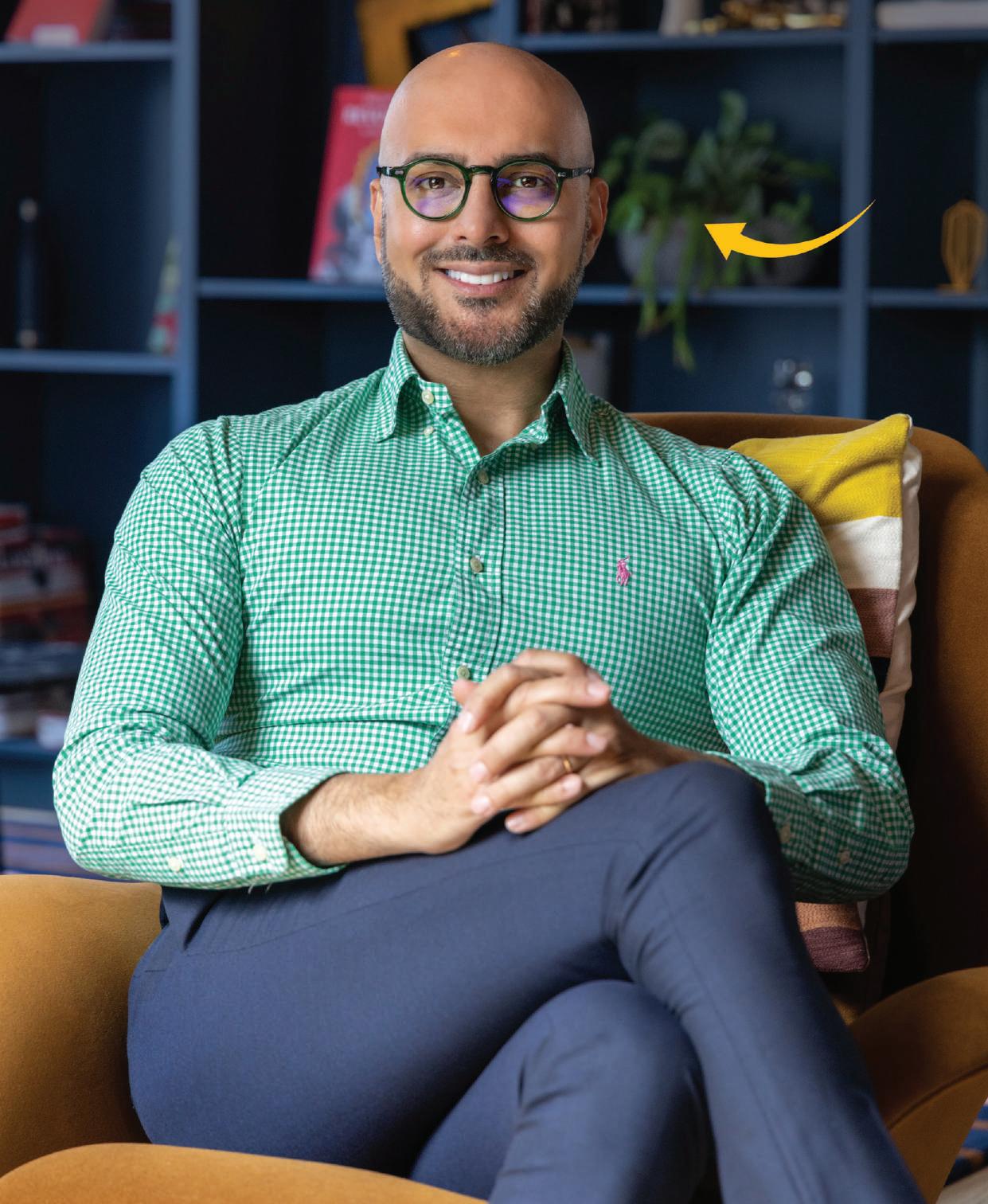
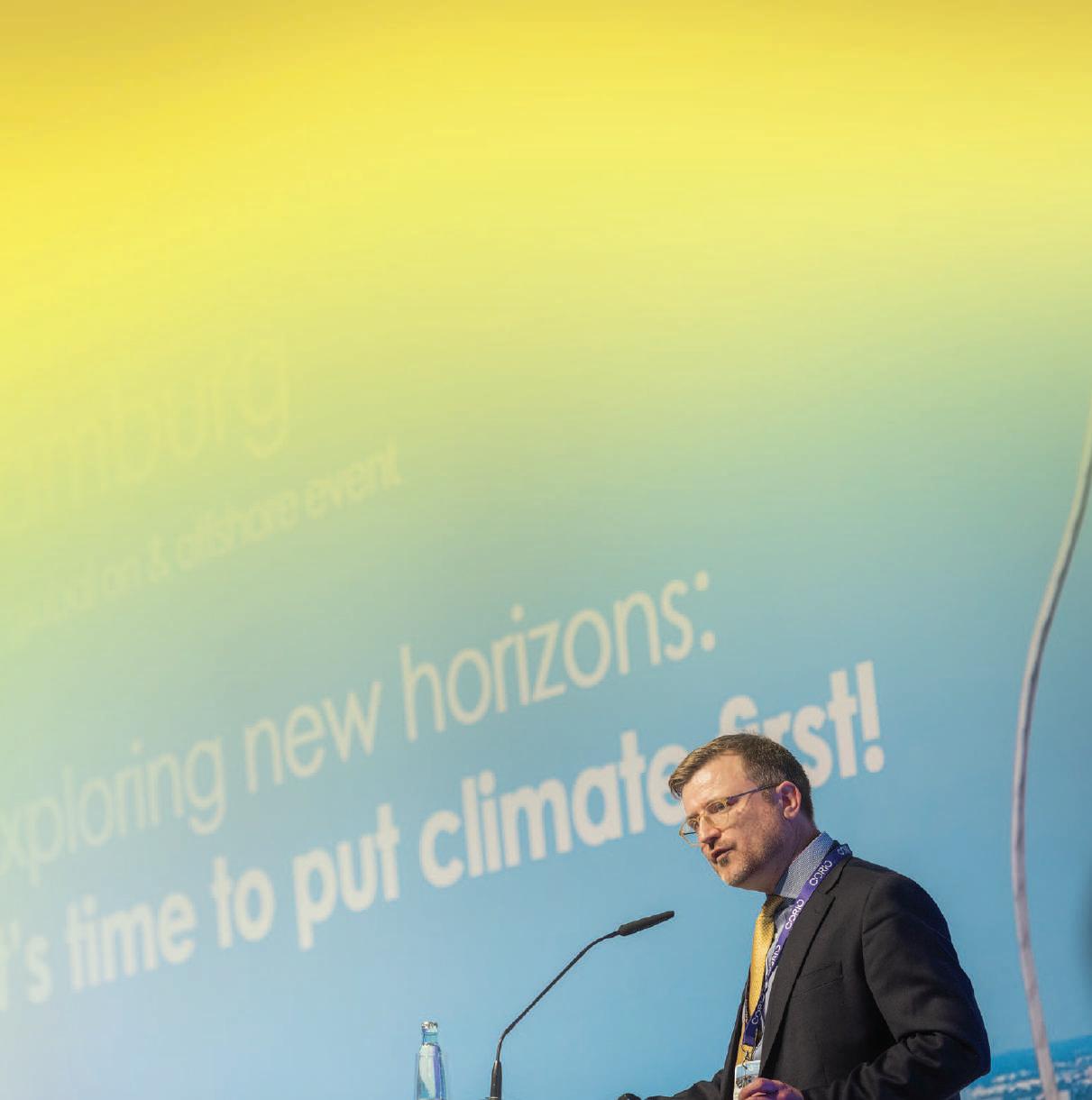
As we push forward with another busy year of magazines, I am pleased to share that we have taken one more step on our own sustainable journey. Watch this video for an outline of a green New Year’s resolution from the team at Proactive Publications.
Managing Director
John White
Editor Phil Nicholls
Feature Writers
Imogen Ward
Hannah Barnett
Antonia Cole
Finance Director
Filomena Nardi-Smith
Accounts
Chloe Frosdick
Angel Esherwood
Business
Development Manager
Darren Foiret
Research Editors
Mark Simmonds
Judi Wheaton-Mars
Ginelle Lorenzo
Tony Ingrouille
Kristel Hitter
Natalie Martin
Becky Scrivens
Tarjinder Kaur
Matt Spalding
Sales Director
Richard Brightmore
Sales Manager
Helen Leisi
Project Managers
Alexander Paterson
Kym Hamilton
Chris Renicar
David Earl
Mika Warner-Wright
Dennis Morales
Loretta Smith
Studio Manager
Philip White
Webmaster
Michael Stamp
Designers
Sarah Jones
Sam Moyse
Operations Manager
Gavin Bellward
Marketing Manager
Adam White
Administration Manager
Joanna Wartacz
EDITOR’S Comment
– Phil Nicholls Editor –
New trees for a new year
Editor Phil Nicholls begins 2025 with a green New Year’s resolution from the team at Proactive Publications.
Hello, and welcome to the latest edition of Inside Sustainability. As we push forward with another busy year of magazines, I am pleased to share that we have taken one more step on our own sustainable journey.
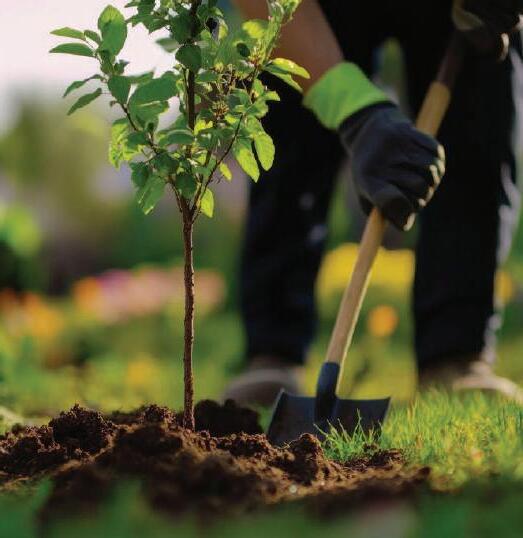
One of the features in this issue is an overview of Evertreen, a UK-based company that offers tree planting services with online satellite tracking. In just four years, Evertreen has already planted over two million trees, supporting more than 50,000 users. Evertreen has a global network of active reforestation projects enhancing biodiversity, mitigating climate change and fostering sustainable ecosystems.
I am very pleased to share that Inside Sustainability is partnering with Evertreen in 2025. According to American essayist Ralph Waldo Emerson, ‘The creation of a thousand forests is in one acorn.’ This partnership is one such acorn, as Managing Director John White is signing us up to plant trees on behalf of our employees and to commemorate customer projects through the coming year.
Thus, despite being a digital magazine, from 2025 Inside Sustainability will have a heart of oak. Or perhaps a heart of birch, or maybe even a heart of acacia. Our Marketing Team will share the progress of our partnership through the year.
Indeed, one theme for this issue is about building the foundations for a greener future, one acorn at a time. Our extended review of bauma highlights the opportunities within the construction sector. We also have a section exploring the delivery of sustainable logistics. The remainder of the issue is a veritable forest of companies branching out into new projects and generally embracing a sustainable future. Maybe one of these will be the acorn for a future forest of opportunities for you. n
To have your company’s latest news included online or in our Inside Sustainability magazine contact us.
Latest developments from the UK’s industry
UNITED
UK unveils funding boost to help forest nations fight climate change KINGDOM
The world’s forests will be better protected after support announced by the UK to help countries with vital tropical forests conserve nature, livelihoods and wildlife.
ATthe COP29 summit in Baku, the UK pledged £239 million to tackle deforestation in countries, including Colombia and Indonesia, recognising the critical role of forests in those countries as ‘carbon sinks’ that absorb more CO2 from the atmosphere annually than the UK and USA emit combined.
The last government’s commitment to £11.6bn of climate finance from 2021/22 to 2025/26 will continue to be honoured. This includes at least £3 billion on nature, from which £1.5 billion will be dedicated to protecting and restoring forests.
Halting and reversing forest loss is essential to keeping global heating under 1.5°C, delivering the UK’s global commitments to protect biodiversity, and meeting the UN Sustainable Development Goals.
Tropical forests are home to two-thirds of the world’s biodiversity and 80% of global terrestrial biodiversity. Wildlife such as orangu-
tans, tigers and jaguars are under threat, and 1.6 billion people depend on forests for their livelihoods. During COP29, the government highlighted the value of forests in ensuring a liveable climate, where people, animals and flora can thrive. The pledge was made alongside representatives of the presidencies for COP29 in Azerbaijan and COP30 in Brazil.
These measures will unlock private and public financing to safeguard forest ecosystems, drive restoration efforts and create sustainable opportunities for the communities who rely on them. This also reflects the government’s commitment to the COP26 forest pledge, which aims to reverse forest loss by 2030.
The government has also announced 20 projects which will receive funding from Round One of the Ocean Community Empowerment and Nature Grants Programme. These projects will deliver lasting change to the marine environment and coast communities across the world. n
USA
Morgan Stanley partners with Climeworks to remove 40,000 tons of CO2 from the air
Climeworks, the global leader in carbon removal, signed a long-term agreement with Morgan Stanley to remove 40,000 tons of CO2 from the air.
The partnership, lasting until 2037, is Climeworks’ second-largest contract to date and will accelerate its scale-up in the US. The company has already developed a strong presence in the country as the anchor technology provider for the Direct Air Capture Hub Project Cypress supported by the US Department of Energy. The purchase of Climeworks’ high-quality carbon removal service reflects Morgan Stanley’s commitment to supporting the development of new climate technology.
Morgan Stanley has set an ambition to achieve net-zero financed emissions by 2050 and mobilise USD one trillion in sustainable finance by 2030. The financial services institution has partnered with Climeworks to secure a sizable volume of carbon removal credits, representing the firm’s first purchase of Direct Air Capture credits.
The global economy will face significant challenges in reducing CO2 emissions to ab-
solute zero, even when implementing the most ambitious reduction measures. On top of historic CO2 emissions already emitted into the atmosphere, these residual CO2 emissions will continue to heat the planet, which is why large-scale carbon removal is necessary.
In 2023, the global average temperature reached a record-breaking 1.45°C above pre-industrial levels and the damages from extreme weather events were estimated to be at least USD 92.9 billion in the US alone.
Climeworks already operates two Direct Air Capture plants in Iceland and delivers third-party certified carbon removal services to its customers. As the anchor technology provider for Direct Air Capture Hub Project Cypress in Louisiana, the company is on a trajectory to establish one of the nation’s first megaton Hubs, incentivised by the US government’s Bipartisan Infrastructure Law. n
Latest developments from the South Korean industry
Busan protects the Earth through MICE sustainability KOREA SOUTH
Busan commits to improving Meetings, Incentives, Conferences and Exhibitions (MICE) sustainability.
The air and ground travel that brings visitors to MICE events around the world contributes to carbon emissions, while the waste generated at MICE events is another major pollution factor.
Recognising these issues and understanding the need for sustainability, Busan and the BTO CVB are striving to operate MICE events in alignment with ESG management principles. The goal of Busan’s sustainable MICE approach is to prepare environmentally responsible events, while maximising community participation and overall impact. Fulfilling social responsibilities during MICE events and reporting the effectiveness of ESG at MICE events are also key objectives.
In 2022, the ‘2022 Busan Sustainable MICE Event Management Guidelines’ were released, capturing the attention of the MICE industry. These guidelines offer a range of useful measures for protecting the environment while hosting successful MICE events. The guidelines provide detailed examples and recommendations to assist companies that may encounter challenges when establishing ESG strategies and goals for events, as well as assistance in preparing operational manuals.
As they are presented in a checklist format, the guidelines list key considerations for sustainability practices, enhancing their usability. Practices include selecting eco-friendly accommodations within walking distance as the official lodging, minimising food waste and carbon emissions, and using reusable materials in exhibition halls.
In line with agreements made with MICE businesses, government offices and other companies, the BTO CVB held a sustainability management declaration ceremony and conducted environmental campaigns. In addition, the BTO CVB is actively conducting sessions for MICE companies in Busan on ESG management through initiatives such as MICE Alliance Day and meetings with the Busan MICE Alliance.
With the hope of establishing itself as a MICE city known for sustainable growth, Busan – at the forefront of the MICE industry – will continue to strive to make all visits to the marine city truly memorable, further enhancing the broader sustainable commitments of South Korea. n
Latest developments from the Belgium industry
BELGIUM
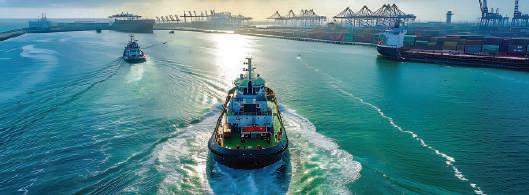
Six new energy-efficient tugboats arrive in Antwerp
The delivery of six new tugboats marks a new milestone in the greening of Port of Antwerp-Bruges.
Volta 1, Europe’s first fully electric RSD (Reversed Stern Drive) tugboat, exemplifies the port’s ambition to achieve climate neutrality by 2050. With a bollard pull of 70 tonnes and powerful batteries that can fully recharge in just two hours via a 1.5 MW charging station, this tugboat is completely emission-free. In addition to Volta 1, five diesel-powered tugboats also arrived in Antwerp.
All six vessels are of the RSD type, designed with a dual-bow principle, making them exceptionally manoeuvrable and versatile for both forward- and backward-towing operations. Thanks to an advanced exhaust gas after-treatment system and energy-efficient design, the new vessels contribute to reducing emissions and fuel consumption.
Damen Shipyards Group began construction of the tugboats in 2023, following the order from the Antwerp-Bruges Port Authority. Built at the Damen Song Cam Shipyard in Vietnam, the tugboats underwent extensive commissioning, port tests and sea trials after their launch between April and August last year.
In October, the vessels were loaded onto the heavy-lift ship Jumbo Kinetic, renowned for transporting exceptional cargo. After a journey of more than 10,000 kilometres, with stopovers in Singapore and Las Palmas, the tugboats safely arrived in Antwerp. In the coming months, the vessels will be prepared for full deployment in the port, including technical start-up, crew training and testing of Volta 1 in collaboration with new charging infrastructure installed at the Nautical Operational Cluster.
The six new tugboats are part of the comprehensive greening programme of the port authority. This initiative focuses on the renewal and sustainability of the fleet, which accounts for nearly 85% of port-related CO2 emissions. Together with earlier projects like Hydrotug (the first hydrogen-powered tugboat) and Methatug (the first methanol-powered tugboat), these new tugboats underline the port’s innovative approach. n
In the same month that London became the first city in the world with 1,000 sustainable B Corp certified companies, several more businesses were awarded the title and earned prestigious medals from EcoVadis. Here at Inside Sustainability, we are shining the spotlight on those going the extra mile to be green. Report by Imogen Ward.
November was a month for celebration for businesses across London, as the capital broke the world record for the number of sustainable B Corp companies in one city. Now the first city globally to host 1,000 certified B Corps, London is home to a diverse range of green enterprises, from startups to established firms. And with almost half the UK’s certified companies based in the capital, 500 of which being small businesses, this is a movement that resonates industry wide.
B Corp’s newest members
One such company is Enfuse Group, an award-winning digital transformation consultancy firm. After being recognised as one the top 100 fastest-growing private companies in Britain by the Sunday Times, Enfuse Group took home B Corp status after an eye-opening certification journey. Not only did the process help highlight areas in need of improvement, but it also provided the business with the opportunity to reflect on every positive change
it had already made to become a cleaner, greener company.
Another company adding its name to the list is natural ingredient producer COSUCRA. After an 18-month journey, the company achieved an overall score of 80.2, which puts it almost 30 points above the median score for ordinary businesses. As a company committed to the planet, which continuously strives to reduce its environmental impact and promote a future in harmony with nature, this achievement is huge.
Of course, B Corp is not the only organisation hard at work assessing the world’s greenest companies. EcoVadis is another exceptional assessor striving to encourage a positive change.
EcoVadis’ latest victories
Back in August, global pigments and additives manufacturer Venator was awarded the EcoVadis Gold Medal rating, placing it within the top 5% of all companies assessed by the sustainability ratings organisation. Having
made significant improvements in sustainable procurement and ethics, the company is incredibly proud to not only receive the Gold rating, but to have also improved upon its scores from previous years.
In October last year, Signify, the world leader in lighting, also earned its own EcoVadis medal, proudly securing Platinum and placing itself within the top 1% of all EcoVadis users. The company was awarded an amazing score of 84 points out of a possible 100, which also happened to be its highest rating since its first assessment back in 2016. Some of the company’s latest initiatives include the integration of a new climate transition plan, which features Signify’s climate strategy, ambitions and future plans as it works towards a 2040 net zero target.
During the same month leading intellectual property company Mewburn Ellis became the world’s first IP business to gain the Platinum Medal. Having previously been awarded Silver just three years ago, this incredible achievement proves what can be possible when businesses prioritise sustainability and take proactive steps toward environmental responsibility. And with Mewburn Ellis committed to operating with as little environmental impact as possible, it has set a powerful example for the rest of the industry to follow.
Finally, taking Silver in November was BÜCHI Labortechnik AG, a leading provider of laboratory equipment and solutions. The company has managed to retain its place within the top 15% of all EcoVadis assessed companies for a second year running. BÜCHI even improved its score in comparison to the previous year. n
one planet – one chance – one voice
EVENT
PARTNERSHIPS
A selection of future events, a preview of WindEurope followed by a detailed preview of bauma.
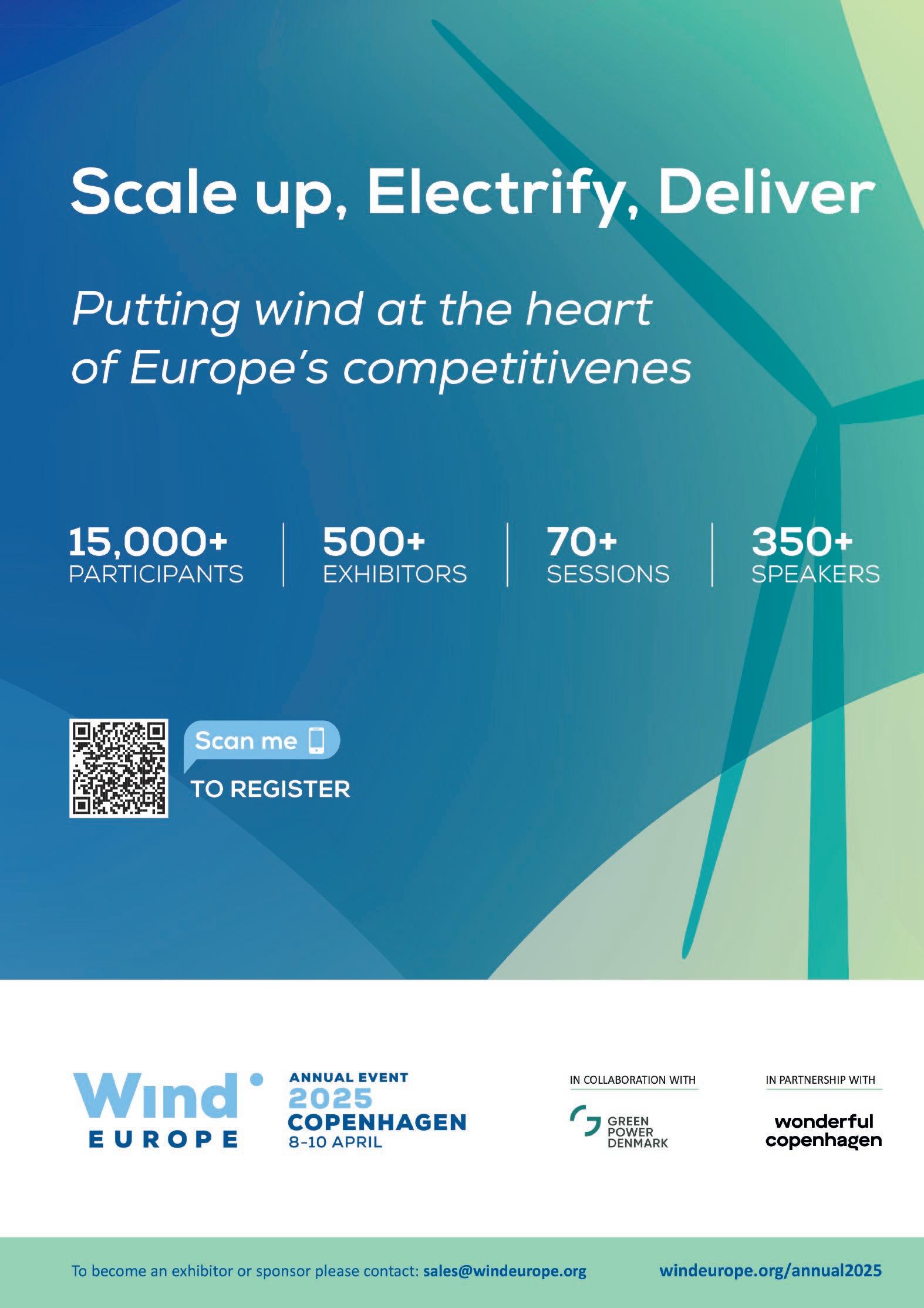
08-10 April 2025 WindEurope
WindEurope unites with the city of Copenhagen and its Danish partners to deliver another wide-ranging industry gathering. The event broke attendance records in 2023 with close to 16,000 participants and expects to confirm this trend in 2025. The 2030 targets are looming – and Europe is looking to transform its energy system.
click here for weblink
07-13 April 2025 bauma
The world’s leading trade fair for construction machinery will once again be held at the Messe München centre in Munich. From the digital construction site to alternative drives and tomorrow’s construction methods, the most important topics will be discussed, and innovative solutions will be presented.
click here for weblink
World Hydrogen
The landmark World Hydrogen the largest and most is returning to Rotterdam. Summit, the largest world and much more.
31 March HANNOVER MESSE
click here
– 04 April
HANNOVER MESSE 2025 will shape industrial energy supply. The lead a Sustainable Industry’ – brings together turers and solution providers from the fields fuel cells, Energy 4.0, and power engineering.
click here for weblink
Hydrogen Summit
landmark event in the industry’s calendar, Hydrogen 2025 Summit & Exhibition is most senior global hydrogen event and Rotterdam. The event features the C-Level largest hydrogen-focused Exhibition in the more.
click here for weblink for weblink
June 2025
InstallerSHOW
InstallerSHOW 2025, taking place at the NEC, Birmingham, features 800 exhibitors and 30,000 installers, specifiers and decision-makers from the heat, water, air and energy sectors. This is the top spot in the UK for finding new products, networking, connecting with manufacturers and learning from live sessions.
2025 shape the future of lead theme – ‘Energizing numerous manufacfields of hydrogen and engineering.
Why not give your event exclusive coverage to thousands of readers and connections globally? Contact us: events@insidepublication.com
A short preview of WindEurope.
WindEurope 2025
WindEurope unites with the city of Copenhagen and its Danish partners to deliver another wide-ranging industry gathering, from 8th to 10th April 2025. The event broke attendance records in 2023, with close to 16,000 participants, and expects to continue this trend in 2025. The 2030 targets are looming – and Europe is looking to transform its energy system.
Denmark is the birthplace of wind energy, and the Danes are still breaking new wind power records right across the board. This is the only country in Europe to source more than half of its electricity from wind – up to 55%.
With the 2030 targets approaching, Europe needs big decisions and a determined push to reach these goals. WindEurope is the chance to come together as a sector – to set the industry on the road to success. The 2025 event is anticipated to bring over 15,000 participants to see more than 500 exhibitors.
A busy exhibition hall
The WindEurope exhibition has been sold out for months. Visitors can expect an exhibition floor bursting with the latest products and full of companies ready to do business. The event will also host a selection of startup companies, as the wind industry needs fresh voices and new ideas to fulfil
its potential. The Startup Pavilion, located in Hall C1, is where visitors will be able to meet the newest names and faces driving innovation and leading breakthroughs right across the sector.
The Startup Pavilion at WindEurope is organised to allow visitors to network with the start-up community. This is the perfect opportunity for everyone to find out about exciting developments in a number of cross-industry areas.
A welcoming conference
WindEurope organises an active programme of more than 70 sessions and events to run alongside the exhibition hall. This programme will feature more than 350 speakers, covering all aspects of onshore and offshore wind technology, from designing turbines and planning wind farms to operations, all the way to decommissioning and recycling.
This extensive programme will also keep the focus on how wind can support and
drive the electrification of the wider economy. Of particular interest will be contributions on how to accelerate the scale-up, automate both manufacturing and operations, plus how the industry can better understand fatigue and faults in larger turbines, in order to prevent them.
Topics under discussion are expected to include concrete examples of already–implemented operational solutions, experience and feedback from the field, including real-world
data, as well as innovative research, concepts and ideas that can bring the sector forward.
Additionally, WindEurope believes that women can break the glass-ceiling in the wind energy industry. The event is therefore encouraging as many women as possible to submit work for presentation. WindEurope is eager to hear from a wide range of voices working on interesting wind-related projects and issues, in academia, the wind industry or other sectors interacting with wind. n
An overview
overview of bauma
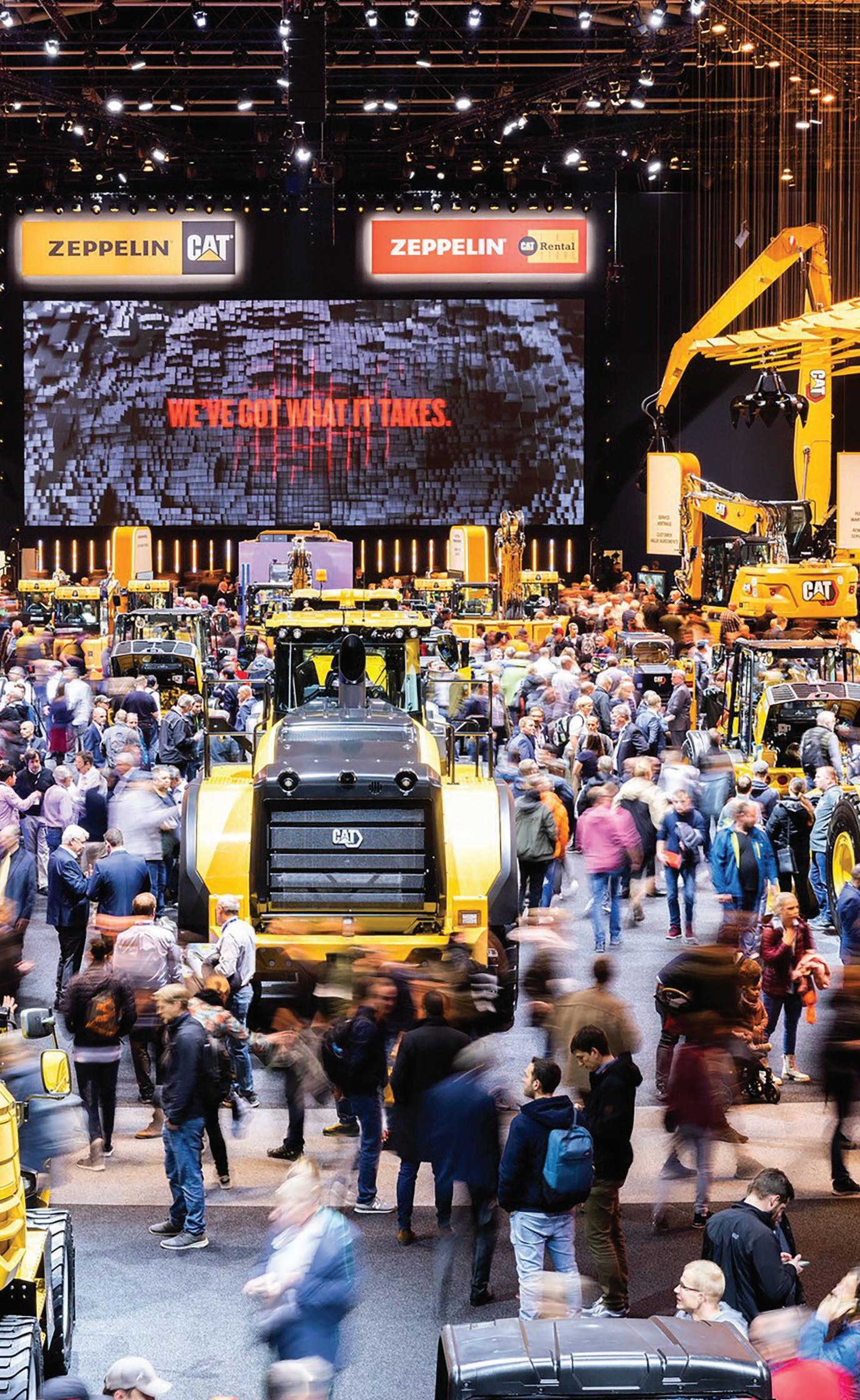
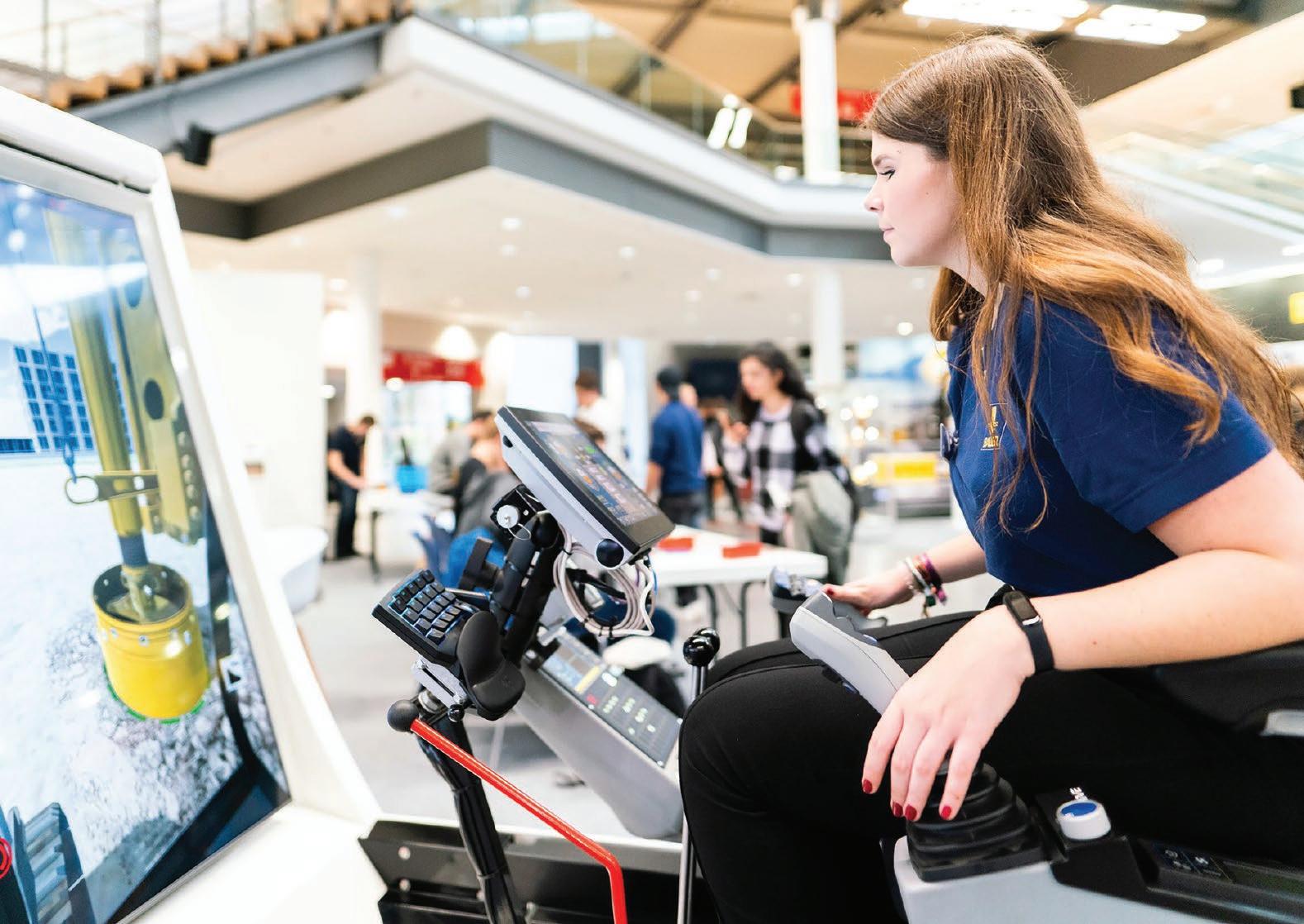
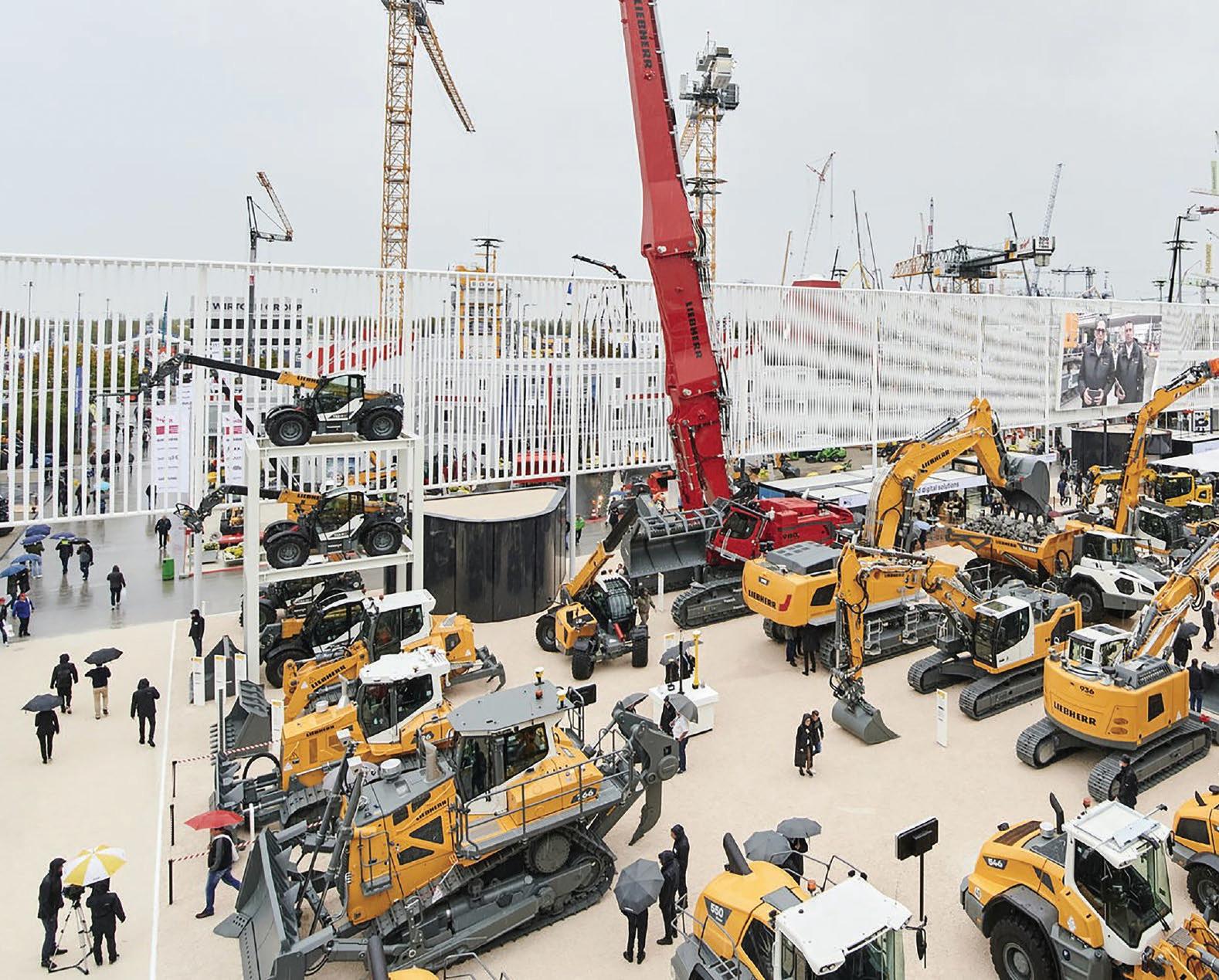
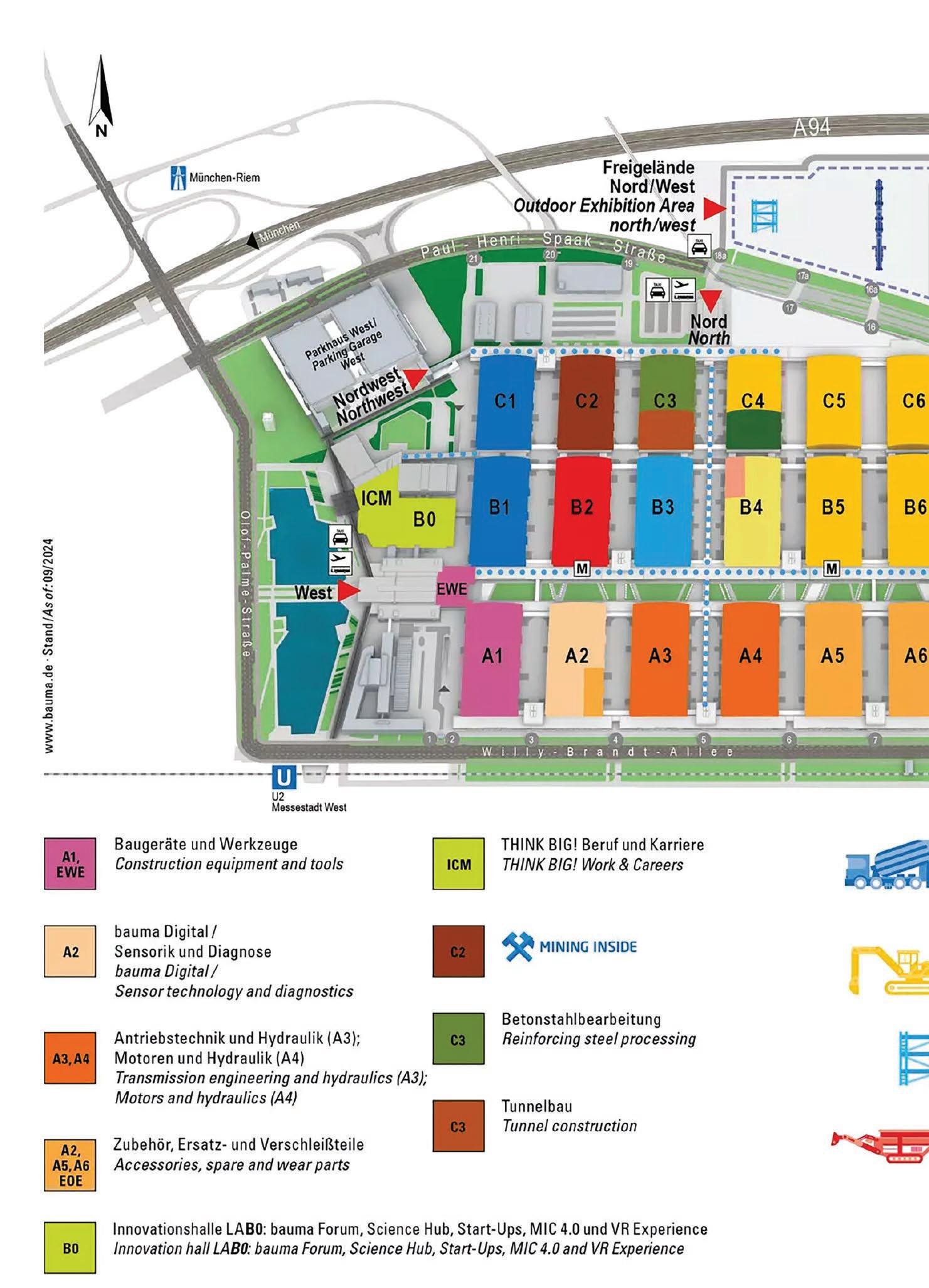
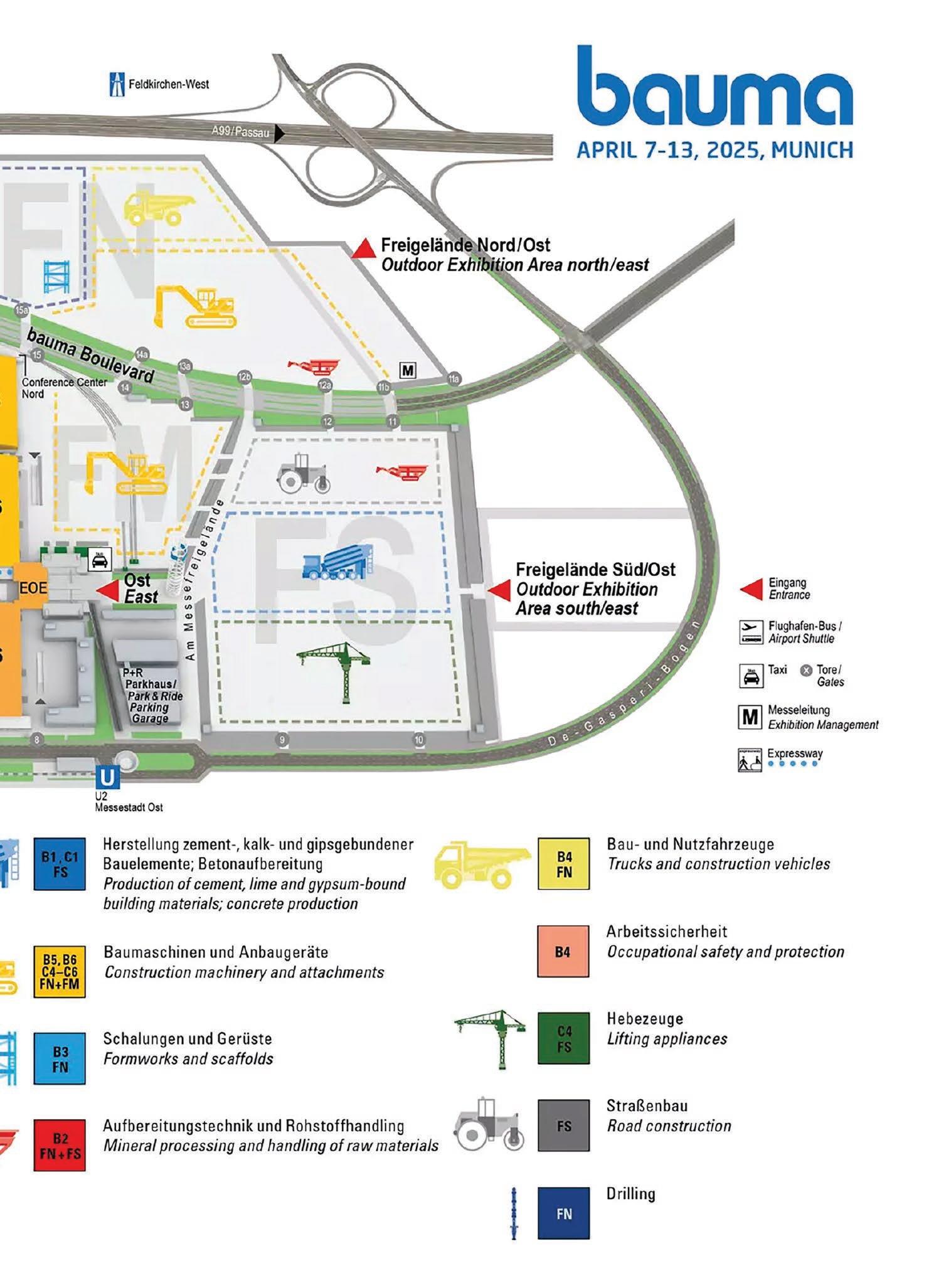
The world’s leading trade fair for construction machinery will once again be held at the Messe München centre in Munich from the 7th to the 13th of April 2025. From the digital construction site to alternative drives and tomorrow’s construction methods, the most important topics will be discussed, and innovative solutions will be presented. Inside Sustainability presents the inside scoop on the sustainable construction exhibition of the year.
The bauma event is the world’s most important meeting point for the construction machinery, building material machining and mining machine industry.
The famous exhibition is where key players, innovations, target groups and trends can all meet in one place. As the world’s leading trade fair, bauma reflects the entire industry in all its variety and detail.
This week-long event was last held in 2022, when the 200,000 square metres of hall space at Messe München become the centre of the construction machinery industry. A total of around 3,200 exhibitors from 60 countries and more than 495,000 visitors from over 200 countries came to Munich for the show. International visitors were in attendance from
around the world including the United States, China, Turkey and across Europe.
Alongside the more than 3,000 exhibitors already booked for bauma 2025, there is a supporting programme as diverse as the main event itself. This includes live demonstrations, the bauma FORUM, the innovation hall, the bauma LAB and lots of experience areas.
Every bauma event is centred around five key topics and bauma 2025 looks set to exceed the standards set by the previous show. The topics for this year are climate neutrality, alternative drive concepts, networked construction, sustainable construction and mining challenges. We looked into what these topics mean, and how they will be explored at bauma.
Climate neutrality
Approaches to achieving climate-neutral construction in the future include greater machine efficiency, more intelligent design of construction processes, optimised machine operations and the use of alternative energy sources.
In December 2019, the EU Commission presented the ambitious goal of making the European Union climate-neutral by 2050. This is particularly relevant for those attending and exhibiting at bauma, as it is estimated that the construction value chain is currently responsible for around 36% of carbon emissions within the EU.
The vast majority of greenhouse gases are emitted during the production of building materials and during decades of operating the completed buildings. Nevertheless, everything must also be done during the construction phase itself to achieve maximum decarbonisation.
Process optimisation in the use of construction machinery promises particularly good results with regard to climate neutrality. At bauma, the emission-related possibilities offered by digitisation and automation will become particularly clear.
These include better scheduling of machines and the resulting avoidance of idle times, machine-to-machine communication for more efficient production chains, early detection of increased energy consumption for technical reasons thanks to machine condition monitoring using smart sensors.
Alternative drive concepts
Another contribution to decarbonising the construction site can come from alternative drive concepts. Construction machinery worldwide emits several hundred million tons of CO2 every year, while more and more countries and municipalities are committing to a carbon-free future. In light of this, the industry is increasingly switching from traditional diesel engines to more environmentally friendly drives.
Electric motors have been a mainstay among alternative drives for construction vehicles and machines for several years now. Whether it was excavators, wheel loaders, rollers, dumpers, or vibratory plates, many manufacturers have already presented new solutions from their ever-growing e-portfolio at previous bauma events.
And the trend will likely continue in 2025. For example, one leading European OEM announced that from 2040 it will only supply vehicles that are powered entirely without fossil fuels, while the analysis and consulting firm IDTechEx predicts that the global market for electric construction machinery will be worth 105 billion dollars by 2042.
Many companies and research institutes are also focusing on developing and testing hydrogen powered construction machinery. One manufacturer presented prototypes
of two hydrogen combustion engines at bauma 2022 and series production was announced for 2025.
Networked construction
A key element of future-oriented construction is that the machinery used is becoming increasingly digitised. As a result, users gain a growing amount of data, which not only shows them the condition of the machines, but also provides valuable information on their performance and work quality.
Attachments are also playing an increasingly important role on construction sites. They are becoming smarter, providing more and more digital process data, and communicating with the respective carrier devices. The MiC 4.0
BUS protocol, which was awarded the innovation prize in the field of digitalisation at the last bauma in 2022, laid the foundation for a uniform digital language required for this. Version 1.0 of this protocol is now freely usable with full-functional security.
Sustainable construction
Construction consumes significant amounts of resources and is one of the largest producers of greenhouse gases. For these reasons alone, social development aimed at sustainability is inconceivable without the essential contributions of the construction industry. bauma will present the diverse approaches in the construction machinery world for sustainable construction.
Every bauma also presents new ideas from the construction machinery industry to further improve safety on the construction site and the working conditions for employees. These also include ergonomic and intuitive controls, vibration-damping technologies, as well as driver assistance, telematics and overload indicator systems.
Mining challenges
The global mining industry faces the challenge of securing the economic supply of raw materials while minimising negative impacts on the environment, climate and people. At bauma, exhibitors will showcase the latest technology solutions to overcome the challenges mining faces.
On the one hand, developments such as urbanisation and industrialisation, as well as the energy transition, create a huge international hunger for raw materials. On the other hand, investors and regulatory authorities increasingly demand that mining companies comply with ESG criteria. In order to make supplying raw materials even more efficient, secure and sustainable in the future, the industry is pursuing various innovative
approaches that will be presented in detail in the Mining sector area at bauma.
In the interest of climate protection, but also to reduce exhaust emissions underground, thus benefiting operations, switching to alternative drives has long been one of the measures for environmentally friendly raw material extraction. Every three years, bauma provides a complete overview of the use of and new developments in battery and wired electric vehicles, diesel-electric hybrids, and hydrogen drives.
A comparatively new, smart solution for generating energy for excavators, screening machines and conveyor belts at gravel pits, with no emissions and right at the extraction site, are photovoltaic power plants that float on the quarry ponds. Germany is regarded as one of the international pioneers in implementing these floating solar systems.
In conclusion, as bauma 2025 approaches, the global stage is set for transformative discussions and groundbreaking innovations that will define the future of construction and mining. With a spotlight on climate neutrality, alternative drive concepts, networked construction, sustainable building practices and solutions to evolving mining challenges, the event promises to inspire a new era of resilience and sustainability in the construction industry.
bauma 2025 is not just a trade show; it is a catalyst for change, uniting thought leaders and innovators to pave the way for a smarter, greener, and more connected future. n
one planet – one chance – one voice
ENGINEERING & MANUFACTURING
An introduction to the engineering and manufacturing sectors, with innovations and a special report about ethical food labels, followed by company profiles.
latest innovations from around the engineering and manufacturing industry
Eurocell leads the way in sustainable innovation
Eurocell is the first systems house to incorporate Neovyn, a low-carbon PVC resin, into its premium window system, underscoring its continued commitment to sustainability.
Eurocell, the UK’s leading PVC-U building products manufacturer, distributor and recycler, offers several advanced window systems. However, it has chosen its Modus windows and doors system – already the most sustainable in its range – to spearhead the journey to Net Zero for both Eurocell and its customers.
This new material not only reflects Eurocell’s commitment to reducing the carbon footprint of its products and advancing innovations in sustainable building products, but also marks an important milestone towards meeting both Eurocell’s, and its customers’, legal obligations in sustainable building practices.
Modus, known for its energy-efficient profiles with U-values as low as 0.76W/m²K, is the ideal choice for both new build and commercial sectors.
Eurocell is absorbing the increased costs associated with the introduction of Neovyn, ensuring that these benefits come at zero cost to its fabricators, as it continues support for its customers and the wider supply market.
Neovyn’s GHG footprint is set at 1.3kg CO2 eq/kg PVC, 37% lower than the EU industry average, directly reducing scope 3 emissions for customers who supply and install the Modus system. The addition of Neovyn into the manufacturing materials does not alter the ability to recycle the PVC-U profile at end of life.
Eurocell’s extensive PVC-U recycling programme reintroduces post-consumer materials into its supply chain, reducing waste and conserving resources. As a leader in PVC-U recycling, Eurocell continues to pioneer sustainable building solutions while aligning with regulatory standards and minimising environmental impact. n
Driving sustainability and innovation with tattooed mangoes
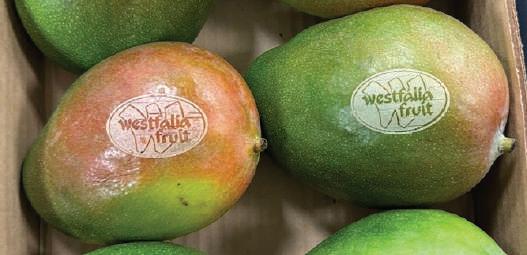
Westfalia Fruit, a leading multinational supplier of avocados and a range of fresh vegetables and fruit, has launched laser etching on mangoes.
Driven by its Netherlands-based operations, this initiative eliminates the need for individual plastic PLU stickers. After extensive testing and trials, the uniquely lasered mangoes have been introduced to customers in Europe.
Mathijs Benard, Head of Operations Central Europe, joined the Netherlands-based team in March 2024 and has been heavily collaborating with the German operations team, said: “Since joining Westfalia, my focus has been on improving collaboration and efficiency.
“The introduction of laser etching, which is almost like a tattoo on the mango, has been an exciting project. Not only does it make the fruit stand out in-store, but it also has the potential to save up to 10 million plastic stickers a year. What we can laser on the fruit is only limited by our imagination and customer needs. Currently, we are etching the fruit origin, customer branding and product reference.”
The laser project was a collaboration between Westfalia’s capabilities in The Netherlands and in Germany to ensure the fruit’s quality and shelf life were preserved. Customer feedback has been very positive, and the plan is to expand the range further across Europe in the near future.
Westfalia’s Poeldijk production facilities showcase diverse capabilities. While the company is renowned for its expertise in avocados, these facilities also offer year-round packing solutions for sprouts, capsicum and other vegetables. n
An overview of sustainable labelling
Exploring ethical food labels
Food labels exist to inform consumers on specific products’ ethical claims. Whether a company has guaranteed fair pay for workers or engages in regenerative agriculture, food labels recognise the positive efforts that have gone into production.
With consumers becoming more conscious of the social and environmental impacts of their shopping decisions, food labels help shoppers to navigate responsible purchasing quickly and easily. Meeting certain criteria, such as animal welfare standards or buying direct from growers, is important to many consumers. Food labels allow the customer to identify products that adhere to specific ethical standards with a trusted certification. However, with so many different labels, a system made to simplify ethical buying has become complicated. The level to which certain standards are guaranteed now varies and the specific meanings of each label add
a layer of complexity. Here are some of the industry’s most trusted labels and what they mean, so that shoppers can easily engage in ethical consumerism.
Fairtrade
One of the most recognised food labels is Fairtrade. From fruits and nuts to juices and chocolates, the Fairtrade mark can be seen on a variety of products throughout the supermarket. The mark shows that international standards have been met between producers and distributors, standards that have been independently audited and certified.
When a product holds the Fairtrade mark, it means that the company has paid a fair wage to producers. This involves covering the cost of production, as well as a Fairtrade premium paid to the growers’ cooperative. This supports farmers’ businesses or community projects.
The Fairtrade mark guarantees that stringent social, economic and environmental standards have been met for each ingredient in a product, rather than a minimum
percentage. Since 1992, when the scheme was launched, Fairtrade has pioneered the movement for ethical trading systems and continues to be a trusted label for consumers.
EU Organic
The EU Organic label can be found on any food or drink product in the European Union. The certification shows that the item has met standards that restrict the use of chemicals, antibiotics and artificial additives in production. At least 95% of the product’s ingredients must be organic and the remaining 5% must meet strict environmental standards.
The label takes into account how the product was produced, processed, transported and stored, with an authorised control agency ensuring specific conditions have been met at each stage.
Also, food from the UK can carry an additional Soil Association label. This expands upon the EU Organic certification, with higher standards for organic production. The Soil Association has the highest regulations for animal welfare in the UK and farms with the label have shown to increase wildlife by 50%.
Food Security Standard
With the mission to end hunger and improve sustainability, the Food Security Standard promotes responsible food production. The label enforces the monitoring of
human rights in agricultural production and encourages better working and living conditions for workers.
The organisation has created a system that guides companies in fulfilling human rights measures. The certification educates companies on appropriate conditions for workers and offers measurable criteria and audit tools to help them to provide a compliant working environment.
Food Security Standard-approved companies ensure that workers are paid enough to live well, with access to food, water and medical care. As consumers demand more transparency on the conditions in which their food was produced, food labels like this allow companies to stand out for the right reasons. n
GOING GREEN:
flexible packaging reimagined
InterFlex Group has developed a solid portfolio of packaging solutions for the US, UK and European markets. With 50 years’ experience, the group is now gearing up for growth following several key acquisitions. Commercial Director Alex O’Connor and Marketing Director Dan Richards explained more, during an in-depth interview with Inside Sustainability. Report by Imogen Ward.
Originally established in 1975, InterFlex Group provided flexible packaging to an array of food-based sectors. With two sites based in the UK and two in the US, the group developed significant demand in core markets, such as bakery, snacks and confectionery.
Since then, InterFlex has developed strong partnerships with many Fortune 1000 companies across North America, the UK and Europe – making it a highly appealing asset when it came up for sale in 2022.
“Two years ago, we were acquired by TOPPAN,” said Commercial Director Alex O’Connor. “Being a huge global packaging business, TOPPAN was interested in InterFlex’s prime locations, which aligned perfectly with its desire to establish a flexible packaging
production network in America and Europe (two key markets it had yet to penetrate).”
Alongside Toppan, Interflex has continued to strengthen its position within the marketplace, reinforcing its reputation for innovation and excellence. Vertical integration swiftly became a top priority as part of the inter-company amalgamation, which is something that both businesses are still collectively working towards today.
Coming together
From designing and laminating right down to the regranulation of its own waste, InterFlex has worked hard to bring every element of its production process in-house. This has better-solidified lead times, improved efficiency and guaranteed quality.
Although InterFlex had done a fantastic job of becoming a vertically integrated business, there was still one area of the process that remained evasive: extrusion. In order to bridge that gap, InterFlex went in search of a company suitable for acquisition.
Being an expert in cast and blown extrusion (alongside printing, laminating, bag conversion and line slitting) Scunthorpe-based company Skymark was deemed an ideal addition to the InterFlex brand, and the sale was completed in Q3 of 2023.
Not only did this sales agreement bring extrusion in-house, but it also provided InterFlex with an additional manufacturing facility, further bolstering its presence within the UK market.
“The addition of the Scunthorpe site has been instrumental to InterFlex’s integration goals,” explained Marketing Director Dan Richards. “The facility’s casting capabilities,
in particular, have become a distinctive advantage for our customers.”
The acquisition of Skymark also fits in well with the overarching goals of parent company TOPPAN. As a global packaging business, TOPPAN prides itself on having an excellent synergy across all its businesses, and Skymark has slotted perfectly into that model of collaboration – enhancing the parent company’s capabilities while also supporting InterFlex’s other UK facilities.
To ensure Skymark is as efficient as possible, the site has seen significant investment post-acquisition. These improvements have helped maintain the site’s operations and upgrade its bagging capabilities, with the inclusion of two new lines, new slitters and new ways to further enhance its extrusion capabilities.
“The first slitter was ordered during the crossover from Skymark to InterFlex, and
has been installed as of the start of 2024,” revealed Mr Richards. “We now have an additional machine ordered for installation further down the line.”
A greener vision
Another key area of synergy within the organisation is the shared dedication to sustainability. Following TOPPAN’s formulation of Vision 2050 – a framework of ambitious goals designed to accelerate its green agenda – the company directed its focus to three key areas: People, Environment and Communities as detailed within the TOPPAN Sustainable Transformation (Sx) agenda.
Inspired by these commitments, InterFlex is channelling that same green ethos through its own core product lines.
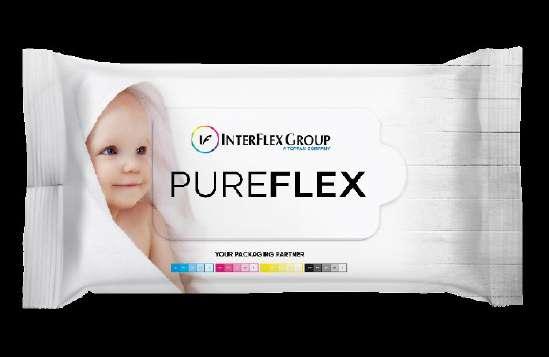
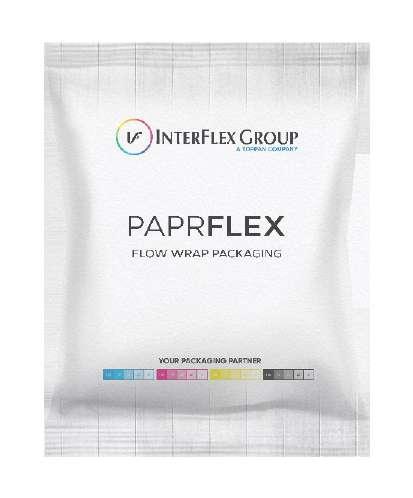
“Our Sustainable Transformation agenda is really driven from the top, with aspirations to reduce carbon emissions, minimise water intake and give back to the community,” said Mr Richards. “What InterFlex has done is funnel all those ambitions through our lines RECYFLEX, PUREFLEX and PAPRFLEX, whilst maximising our vertical integration.”
All three lines are thoughtfully designed to add sustainability to customers’ needs, while also improving recyclability rates across InterFlex’s entire portfolio – a statistic that now sits at 86%, proving the effectiveness of this model.
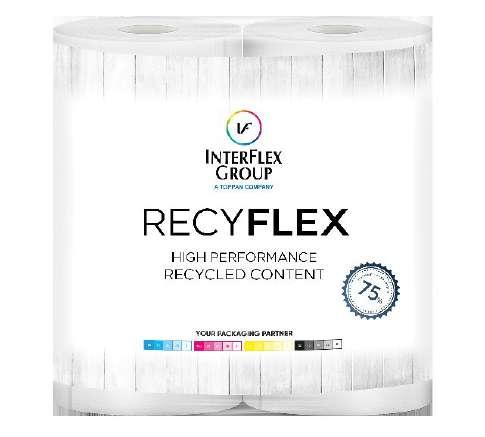
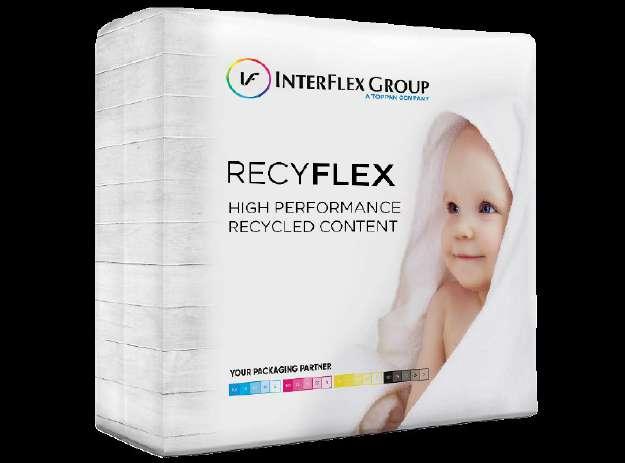
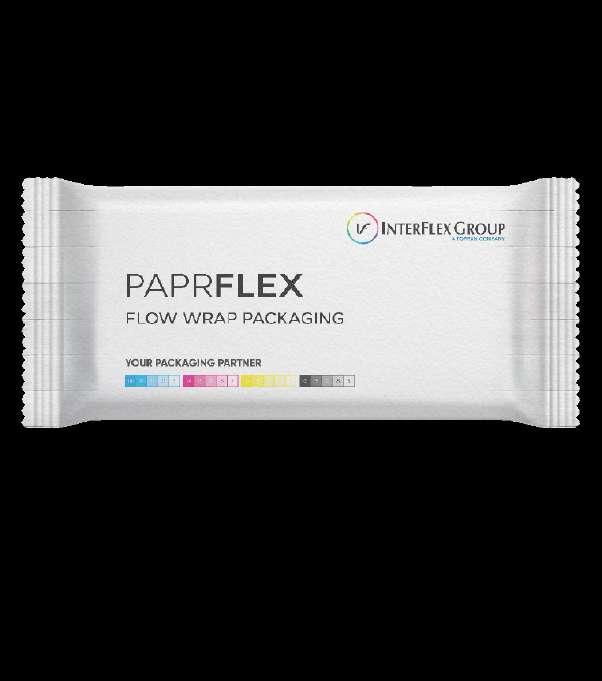
RECYFLEX, InterFlex’s innovative solution for reducing virgin polymer consumption, integrates recycled content into a diverse array of packaging applications. Whereas PUREPLEX seeks to introduce fully recyclable mono-materials to the portfolio, which are ideal for flow wraps and pouches.
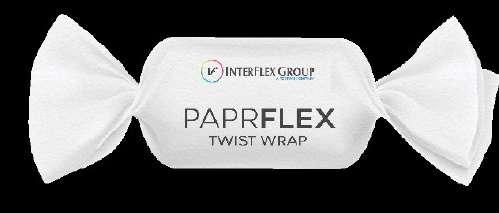
The third sustainable solution, PAPRFLEX, features kerbside recyclable paper twist wrap, heat seal paper overwrap and barrier paper solutions.
Mr Richards added: “Building on this momentum, we are excited to announce that we will be exhibiting at Packaging Innovations at the NEC in February 2025, where we will showcase these innovative sustainable solutions and more.”
In order to ensure an increased recyclability rate, InterFlex fully utilises its in-house process of regranulation. Not only does this ensure its
waste production is minimal, but it also helps cut down the company’s reliance on virgin materials. Already utilised in products such as dry tissue overwrap, this exciting development has also extended to wet wipe packaging for the personal care sector, for both PE and PP solutions with 30% recycled content.
“We have focused a lot of our R&D towards integrating our recycled content into laminate structures for non-food applications,” explained Mr Richards. “However, as the supply chain continues to strengthen and new legislation changes come into effect, we will be able to reassess the food contact side of the business.”
The next steps
As the company focuses on the future, it intends to continue pouring its energy into improving brand sustainability. To support
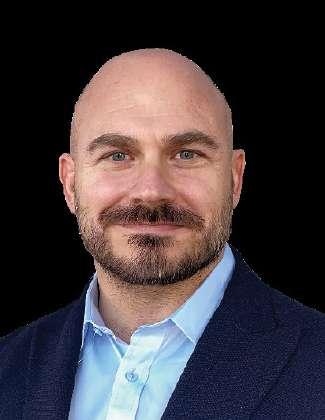
Commercial Director, Alex O’Connor
this effort, TOPPAN has recently relocated a Senior Packaging Specialist to InterFlex’s Dalkeith site. In doing so, the companies work collaboratively to ensure seamless communication and enhance the production of their packaging solutions.
“The specialist is expected to work across all three sites for a minimum of two years, where she will contribute valuable feedback and expertise, fostering collaboration and sharing insights with TOPPAN in Tokyo,” explained Mr O’Connor. “This is an important step in our development, and we look forward to seeing where it will take us over the next five years.”
At the same time, InterFlex remains dedicated to product development and aims to continue its market penetration through a collaborative approach, working seamlessly across
the group alongside trusted, long-standing suppliers. “Our supply chain is our life blood; without them we would not be able to function,” said Mr Richards. “We pride ourselves on having long-established partnerships with suppliers that are innovative, resourceful and always up for a challenge.
“Being on the marketing side of the business, I am incredibly passionate about creating these partnerships and supporting our team to success.”
“These companies will play a key role in helping shape InterFlex into a sustainably driven globalised business,” added Mr O’Connor, in conclusion. “We are on a journey that is going to take time and effort, but it is one that I know we can achieve thanks to the continued support that surrounds us.” n
Marketing Director, Dan Richards
SAUDI CONSTRUCTIONEERS I PROFILE
Established in 1972, Saudi Constructioneers has a long history of delivering complex projects with highly-specialised specifications. CEO Bashir Al-Azem discussed the company’s commitment to quality and sustainability, in conversation with Antonia Cole.
Saudi Constructioneers (Saudico) is committed to quality, CEO Bashir AlAzem said: “Our projects from 50 years ago are still standing strong today because of how well they were built. Over the decades, Saudico has evolved from a small construction
Over the years, Saudico has increased its expertise and capabilities to effectively manage multiple large-scale projects simultaneously. From high-rise buildings, commercial complexes and shopping malls to hospitals, warehouses, transportation and infrastructure projects, the company has completed developments all over Saudi Arabia.
Providing both contracting and engineering services to governmental and commercial clients, Saudico generates a turnover reaching 800 million SAR. The company has an active workforce of over 8,000 people.
“We are really proud of our work,” added Mr Al-Azem. “Many of our projects have been very large, but we do not compromise on quality. For us, offering a detailed and dedicated approach is what creates projects that really enhance the region. We want to make our country better and are passionate about building the infra-structure to achieve this.”
Building standards
Maintaining high standards throughout the company is a priority for Saudico. Recently, its labour camp was recognised by the Ministry of Housing and Public Works as the best labour camp for safety, quality and environmental measures. The company is also ISO 9001, ISO 14001 and ISO 45001certified, guaranteeing the consistent implementation of best practices in all areas of operations.
“Additionally, we have delivered a few projects that are LEED certified, highlighting our commitment to making green buildings and contributing to a more sustainable future,” explained Mr Al-Azem. “We take the necessary steps to operate at the best standard possible, whether that be in terms of safety, the environment or quality. It is vital that we deliver projects that fully satisfy the client and represent our commitment to exceptional construction.”
Saudico utilises Building Information Modelling (BIM) in projects, delivering more streamlined and accurate results. Including 3D spatial coordination, 4D sequencing, site logistics planning and more, this process represents a project’s full lifecycle digitally. By visualising the building process, this technology reduces errors and makes construction significantly more efficient.
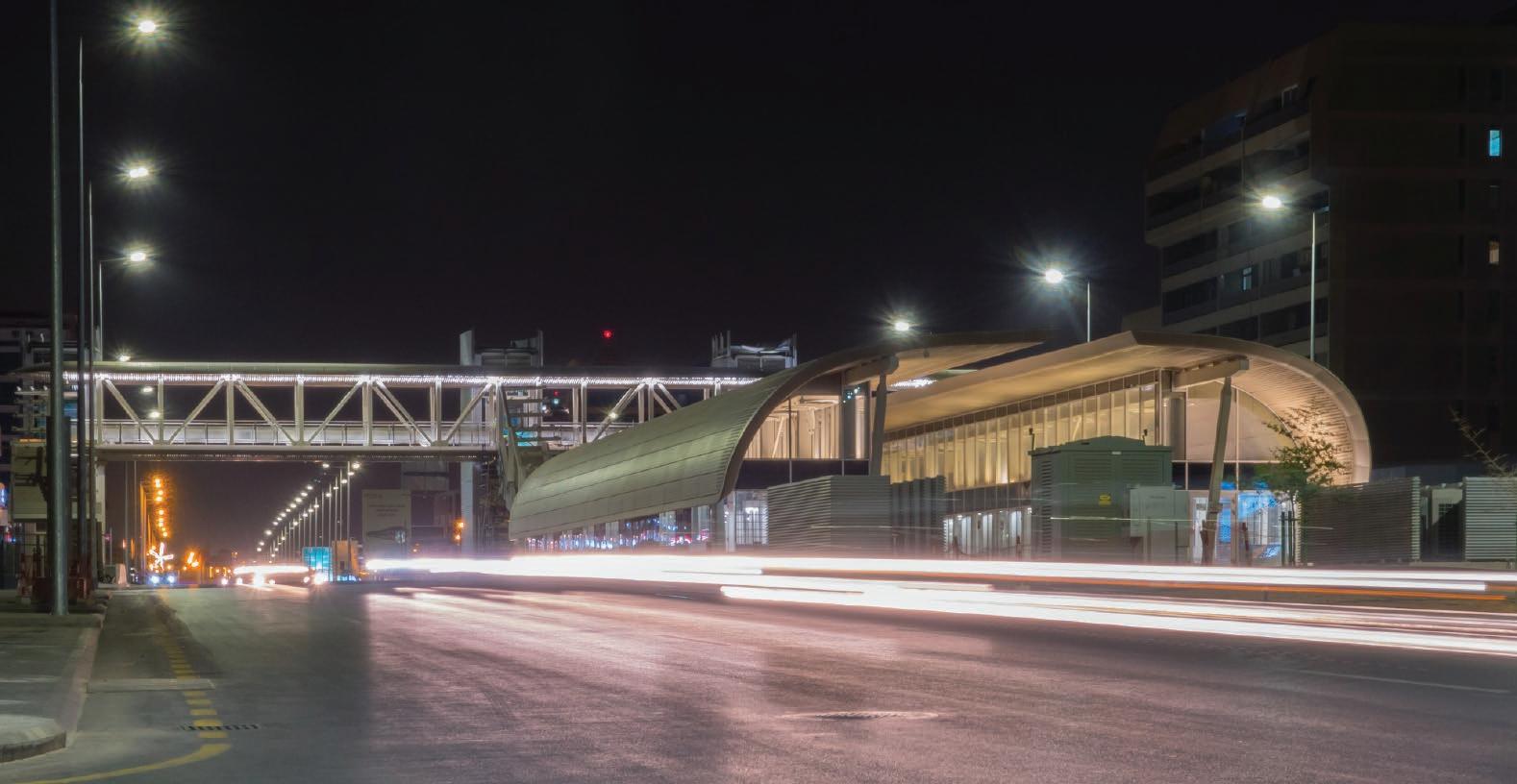
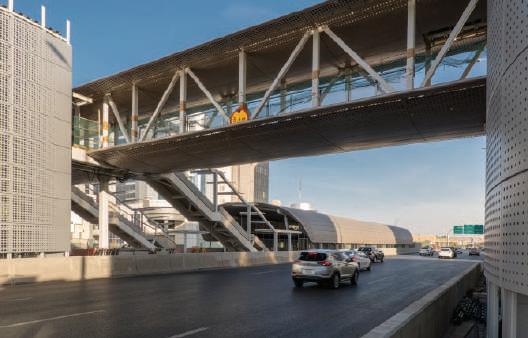
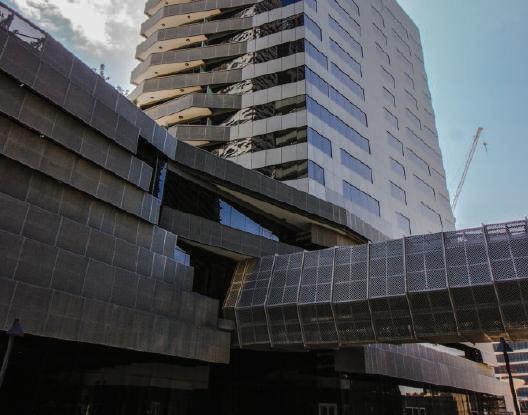
One of the company’s major projects was the Riyadh Bus Stops and BRT System. This is a key part of the transportation facilities being developed for the city and included 16 bus lines comprising of around 1,500 bus stations of different sizes, 28 pedestrian bridges and three terminals. Additionally, Saudico was the contractor that executed King Abdullah Financial District’s (KAFD) Conference Center, which remains one of the most impressive projects within the region.
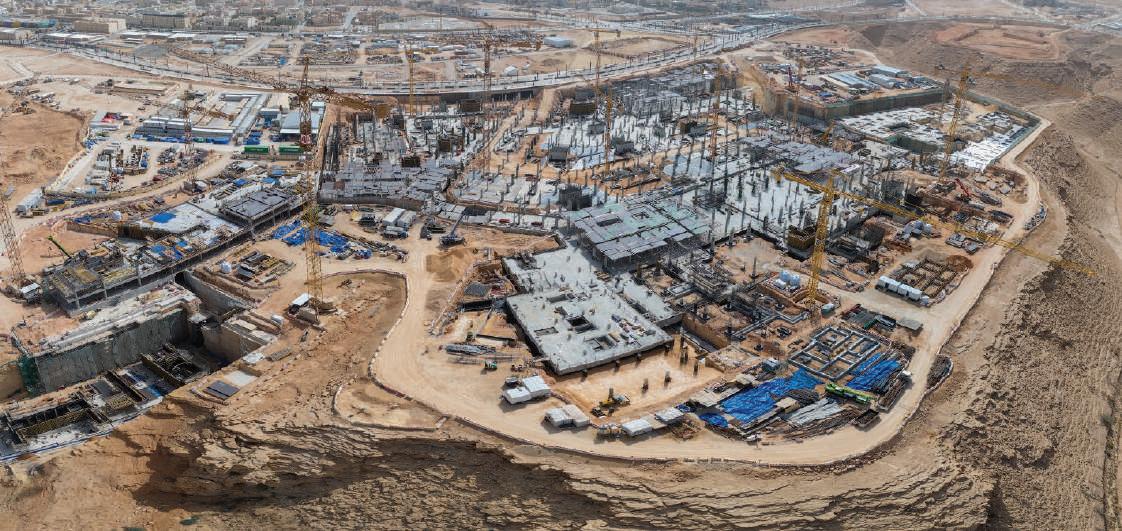
Currently, in the western district of Riyadh, Saudico is in the process of completing the DGDA Infra infrastructure project. This involves the construction of infrastructure and approximately 2.4 km of tunnels to facilitate the creation of a cultural hub in the city.
“In addition to the DGDA Infra project, we currently have two projects in Misk City (Mohammed Bin Salman Nonprofit City): the Misk City Al Mishraq, and the MISK Art Institute Gallery and Studio Buildings,” continued Mr Al-Azem. “The former includes low-rise residential and office buildings, with retail
spaces and a food court with around 280,000sqm in built up area. Then, the Art Institute is a unique gallery and studio.
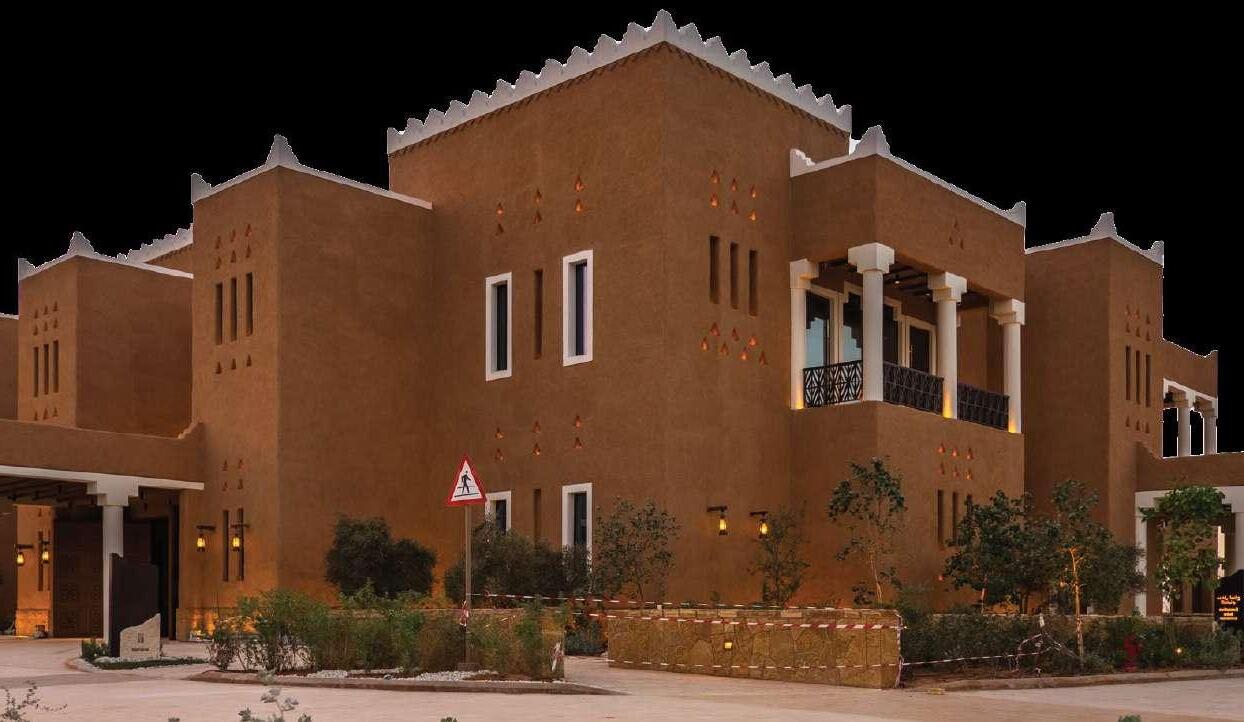
“We are also undertaking the fit-out design and build of KAFD’s W Hotel jointly with our partners at ALEC Fitout. Another project I’m excited about is the Ritz Carlton Residences, in which we are building 106 high-quality residential villas. The project will span approximately 33,000m2 in GFA, with features like car parks, retail facilities and other amenities.”
Sustainable vision
Having attained ISO 14001 certification, environmental protection is a priority for Saudico. The company has developed procedures for water, waste and emission management on site. This involves minimising water use, appropriately disposing of materials and reusing excess materials.
“With Saudi Arabia moving towards Vision 2030, most of the project (if not all)
“By setting clear expectations and delivering projects to the best possible quality, we are able to effectively promote sustainability to our clients.”
will adopt renewable energy solutions across construction operations, and target minimizing carbon emissions,” said Mr Al-Azem. “Saudico will ensure that we align with the ambitious local standards and environmental responsibility.”
Saudico implements sustainability into projects by creating open lines of communication with clients. The company works closely with clients to identify green solutions and make any environmental improvements where possible.
“By setting clear expectations and delivering projects to the best possible quality, we are able to effectively promote sustainability to our clients,” added Mr Al-Azem. “Whether it’s the materials we are using, how they are sourced or how we use them, we aim to make the entire process as environmentally friendly as possible.”
With Saudi Arabia’s 2030 vision, sustainability is central to the future of
the country. Environmental awareness is increasing, making it easier for Saudico to implement sustainable solutions into more projects. The company always aims to be transparent with clients, taking the time to understand requirements and developing creative solutions.
Saudico works with its supply chain to deliver high-quality and sustainable projects. Ensuring that materials are effective and sourced sustainably guarantees client satisfaction.
Growing capabilities
The company maintains longstanding relationships with suppliers to facilitate reliable and trustworthy services.
Saudi-co achieves this by offering the same transparency and communication it provides to clients to suppliers. By fostering positive supplier relationships, the company can then serve customers better.
Saudi Constructioneers CEO Bashir Al-Azem
“When our suppliers succeed, so do we,” said Mr Al Azem. “Our partnerships are very important to us, and we do our best to support them. If there are any issues, we can rely on our partnerships to solve challenges and deliver results. There is also a large element of respect in our relationships. We always pay on time and make ourselves available to engage with partners.”
Moving forward, Saudico plans to keep achieving significant annual growth. However, the company will still concentrate on delivering the best quality services whilst taking on large projects that improve the region’s economy and environment.
“Everyone as Saudico has a really inspiringpassion for what we do,” continued Mr Al-Azem, in conclusion. “It makes working in this environment really rewarding. I am very excited for the future of the company, and I believe we will achieve a lot. Having the opportunity to build projects that benefit the country and align with Saudi Arabia’s 2030 Vision is very important to us.
“We hope to create a sustainable planet for future generations and highlight the beauty of our region to the world.” n
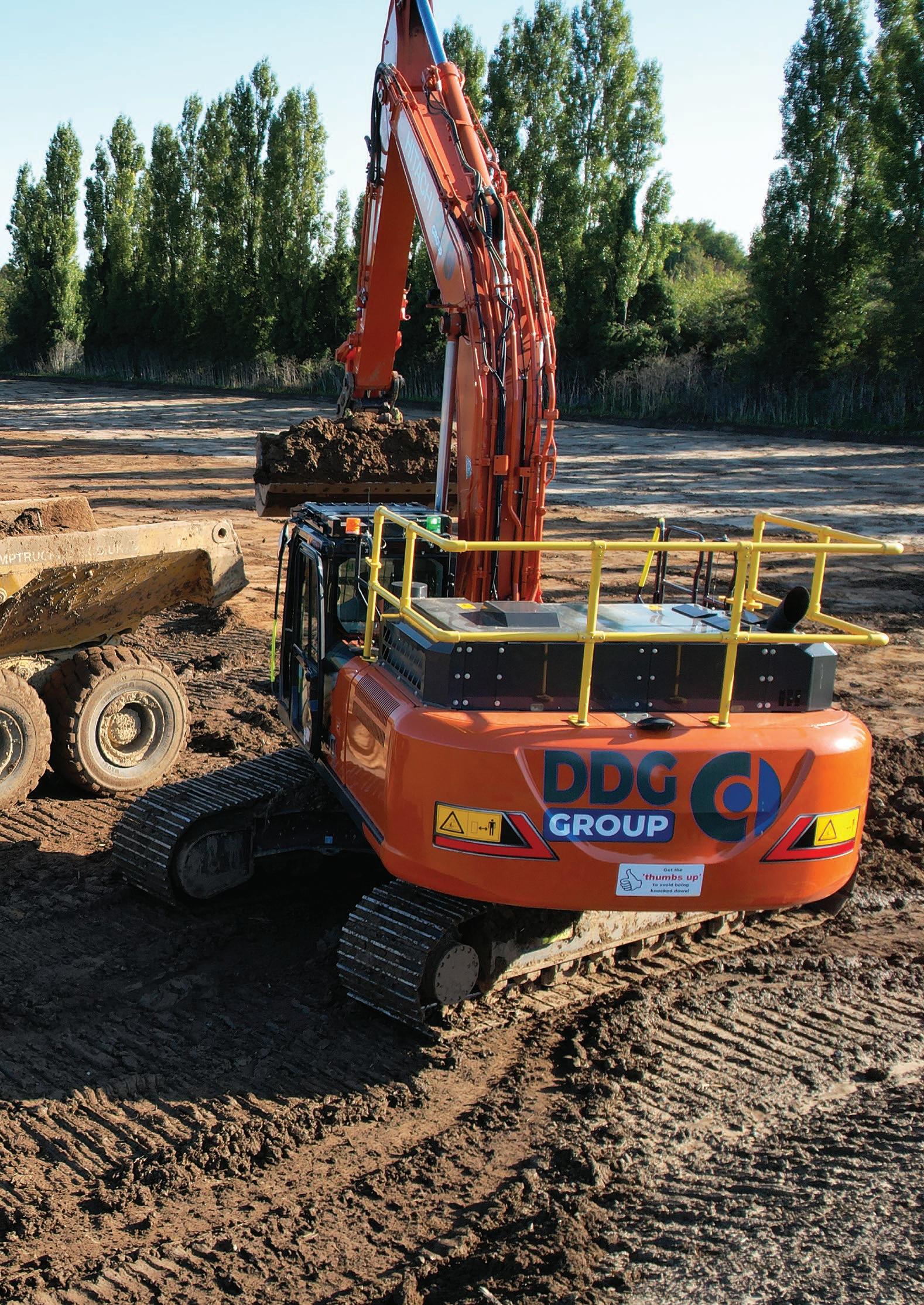
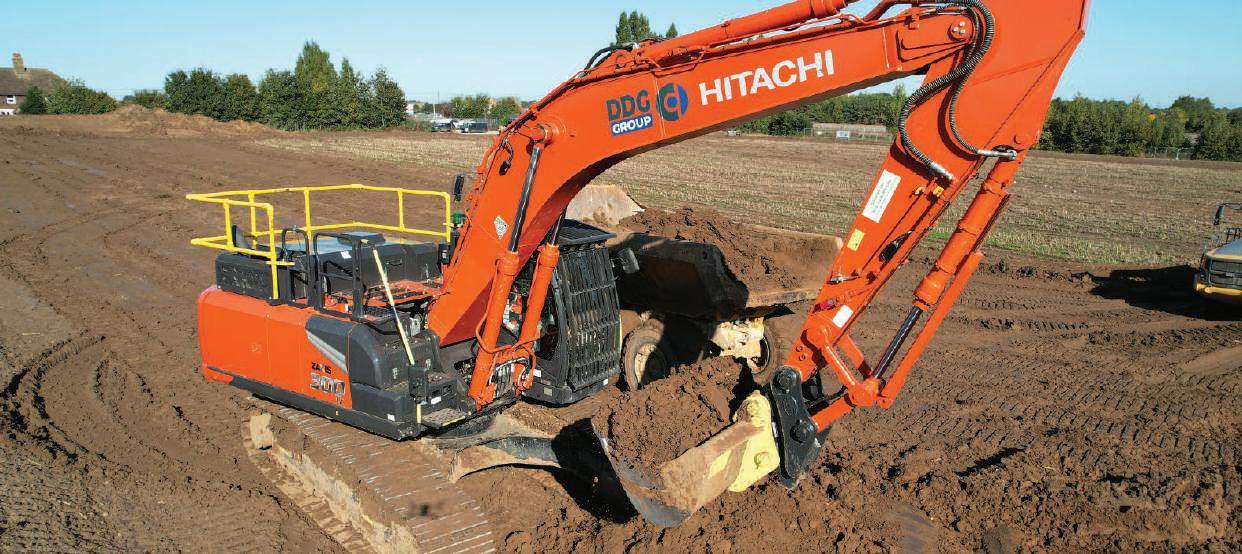
OOffering groundworks, construction and infrastructure development for commercial, industrial and largescale residential projects, DDG Group is a UK-based company dedicated to delivering high-quality services. UK Contracts Manager Edward Kizalas discussed the company’s turnkey packages and sustainability efforts, in conversation with Antonia Cole.
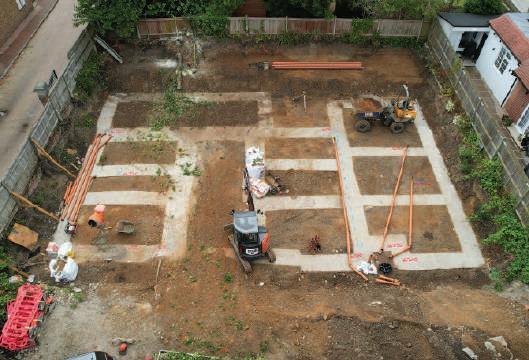
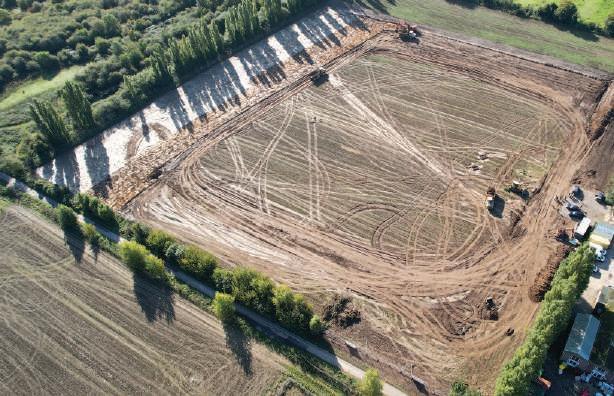
ffering a comprehensive range of services, DDG Group has expanded its portfolio over the years, UK Contracts Manager Edward Kizalas said: “Originally, the company specialised in groundworks. Now, we have the capability to lead a project from start to finish. Providing pre-construction advice, new builds and refurbishments, we bring a full package to our clients so they can trust one source for all their needs.”
As well as construction, DDG delivers drainage, deep excavation and the installation of low to extra-high voltage power distribution and transmission cables to take each project to the next
level. The company is experienced in demolition work, from partial dismantling to full ground clearances, and has an in-house design team to manage utility and infrastructure development.
DDG is dedicated to using its wealth of knowledge and experience to deliver projects that exceed client expectations. By offering a turnkey package of services, the company makes project management significantly easier for the customer.
“Completing larger jobs has driven forward our progress as a company,” added Mr Kizalas. “Working with big Tier-1 contracts and setting up a European office has really proven our ability to provide high-quality services. We are flexible, efficient and knowledgeable, which has made these projects a success.”
Environmental protection
To further drive success, DDG has been incorporating sustainability into operations. With environmental preservation becoming an increasingly essential demand from many clients, it is important for the company to continue adapting to new standards and implementing sustainable policies.
DDG regularly replaces machines at end-of-life to maintain optimum efficiency.
With newer equipment, the company is able to minimise fuel and energy consumption, as well as reducing costs. Additionally,
DDG encourages clients to incorporate solar energy and green spaces into project designs. This helps to limit the environmental impact of the finished project, whilst also promoting sustainably focused design.
As the company offers both hard and soft landscaping, it is able to advise customers on how green spaces can provide functional benefits, such as for drainage.
“We also always try to source our supplies locally,” explained Mr Kizalas. “Not only is this more cost- and time-effective, but it is also much better for the environment and the communities we work within. Using local suppliers means we limit pollution generated through transportation and support the economy. Our fleet itself is relatively new too. We recently purchased two new tippers, which are much more economical and sustainable. Making a conscious effort to improve our equipment highlights our dedication to sustainability.”
The company holds weekly meetings to discuss plans and initiatives around sustainability in operations. This includes encouraging the efficient use of machinery and materials throughout the company, as well as collaborating with partners to develop sustainable practices.
“Working with, and supporting, the community is really important to us,” continued Mr Kizalas. “That is why we run our DDG Sports Sponsorship Programme. The purpose of this initiative is to encourage the sporting talent of people connected to our community. We are associate partners of Crystal Palace Football Club and we sponsor many local teams too, buying resources such as football kits for them. As well as football, we also support other sports like motocross and rugby.”
Complex projects
Implementing sustainable initiatives has enabled DDG to complete works outside of the UK, meeting stringent European
standards. The company has finished a variety of data centre construction projects across both the UK and Europe, which involve highly regulated security measures and regulations.
By collaborating closely with clients, DDG was able to fully understand the needs and expectations for each project and work to meet them. All engineers are given full security clearance for every job and the company’s refined quality assurance process makes sure operations are carried out to the highest standard.
“There was no margin for error in these projects,” commented Mr Kizalas. “We were able to provide a seamless service according to strict deadlines in challenging environments. Now, we are very experienced in this sector and are prepared to deliver more complex construction projects across the UK and Europe.”
DDG has been involved in many significant projects, including long-term works at the Wimbledon Tennis Club. Hosting royalty, celebrities and tennis fans at one of the most prestigious tennis tournaments in the world, it is important that the site is developed to high standards. DDG strives to preserve
the history of the club whilst preparing it for the future with expert services.
“Completing large projects like these really demonstrates our capabilities as a company,” added Mr Kizalas. “Not only are we able to deliver expert turnkey packages, but we are also able to adapt to specific requirements and offer specialised services.”
Successful partnerships
To deliver these complex projects, the company works closely with suppliers, many of which have been collaborating with DDG since its establishment. MBS Materials and Days Aggregates are companies that have worked with DDG for many years, supporting it in providing high-quality services.
“It has been great to grow alongside our suppliers and encourage mutual success,” said Mr Kizalas. “As well as our long-term suppliers, we connect with companies local to our projects. We are always as flexible as possible, which means we can deliver the best options for our clients quickly and reliably.”
Moving forward, the company hopes to grow the business whilst maintaining stringent quality standards. Last year, DDG established a lifting division to further
expand its portfolio. Increasing its range of services means that the company is able to provide a more streamlined and comprehensive package to clients. DDG plans to continue developing these divisions and improving options for customers.
“It’s really rewarding to have a significant involvement in every stage of a project,” continued Mr Kizalas, in conclusion. “Being able to see the progression of a site and how our services are improving it is what really drives us to continue evolving. We have a great team here who are all incredibly skilled and talented. Everyone is committed to providing high-quality services and completing projects that leave clients happy.
“DDG doesn’t just improve spaces, we make developments that stand the test of time. It is great when you get to see a completed project that will continue to stand there for many years to come.”
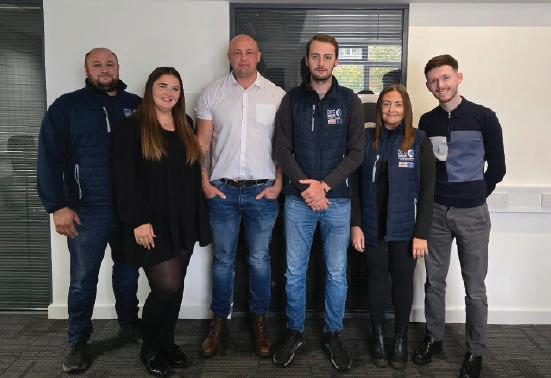
The DDG Team
The home of Creativity
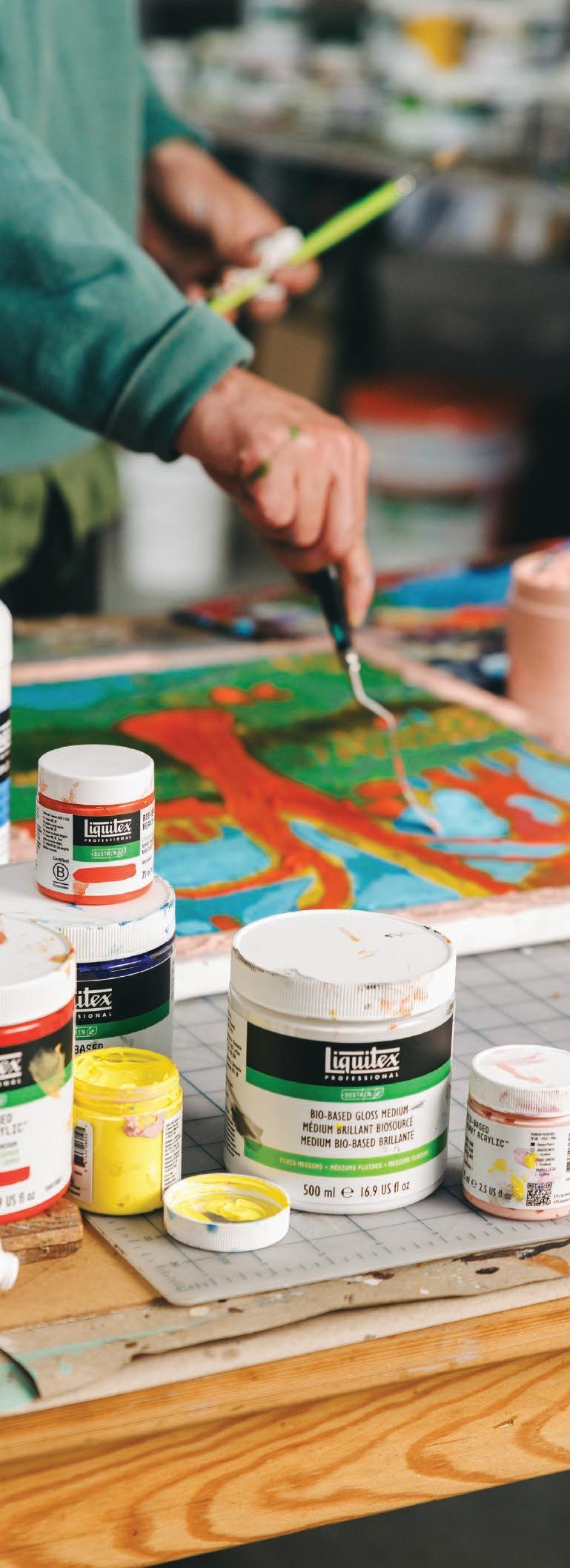
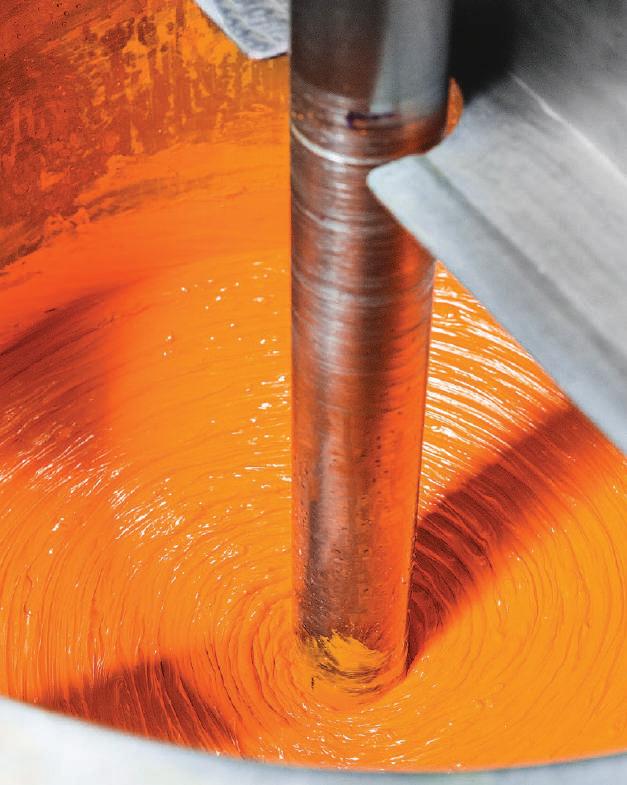
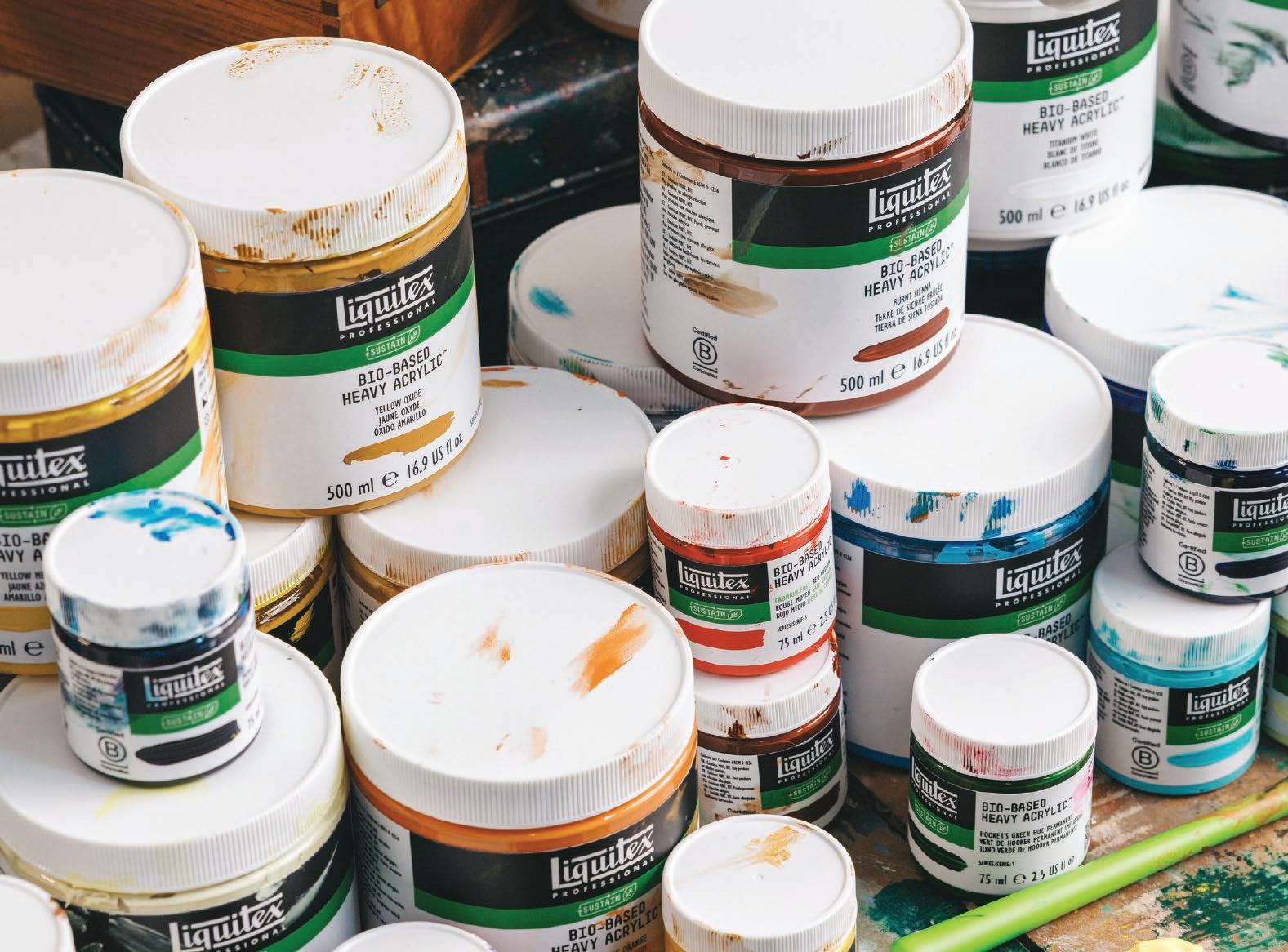
Colart, the world’s leading manufacturer of art materials, is championing a greener approach to creativity. Now B Corp certified, the company has solidified its commitment to balancing people, planet and profit. In an exclusive interview with Inside Sustainability, Chief Sustainability & Innovation Officer Sara Brennan and Global Sustainability Manager Ajita Chamberlin shed light on this transformative journey. Report by Imogen Ward.
Backed by five inspiring fine art brands and a rich history dating all the way back to the 18th century, Colart is globally renowned within the art scene. This reputation affords the company a unique platform to drive meaningful change.
“As manufacturers of art materials, we understand our business and products impact society,” explained Sara Brennan, Chief Sustainability & Innovation Officer. “We embraced the B Corp Impact Assessment to gain a clearer understanding and push ourselves further.”
Despite no art company achieving B Corp certification before, Colart’s confidence in its sustainability journey sets it apart.
Colart’s path to certification began with its parent company Lindéngruppen’s Value Creation Model, which measures the balance of economic, social and environmental impact.
“This model allows us to quantify our true value,” Ajita Chamberlin, Global Sustainability Manager explained. “It’s helping us to think differently about ESG and integrate these conversations across the business. The industry often focuses on just profitability, we hope to reach the point one day that, by being more sustainable, our company will be more profitable as well.”
Starting in mid-2022, Colart completed its B Corp certification by May 2023, including all five brands (Winsor & Newton, Liquitex, Lefranc Bourgeois, Conté à Paris and Charbonnel) in the process. “This was a real achievement for us,” said Ms Chamberlin.
“We made meaningful improvements, such as aligning our employee benefits across the business and formalising governance processes to take things to the next level,” Ms Brennan said. “Of course, sustainability is
something we are still considering as we move forward; with every department taking respon sibility for their individual roles in our goal to be greener, we want it to be embedded in the business rather than its own silo.”
The certification process was collaborative, involving stakeholders across operations, finance and other teams. “Like any major business initiative, we built a case with clear return-on-investment metrics,” added Ms Brennan.
Innovating for the Future
Looking ahead, Colart is set to launch its ‘Creating Impact’ sustainability roadmap in 2025. This ambitious plan will focus on exploring the ways in which Colart can create value, nurture a more sustainable culture and establish circularity. In doing so, the company intends to evolve and enhance its current goals setting science-based targets for carbon reduction, the first in its industry to do so.
The company is also aware that a significant portion of its carbon production occurs externally, with its suppliers and partners. To overcome this, Colart has begun formally requesting data from these companies to identify opportunities for improvement together. This will also remain an important focus throughout 2025, as Colart continues to help its partners become greener.
“A lot of our suppliers already consider ESG and already have to comply with CSRD requirements,” explained Ms Chamberlin. “That makes it easier for us to collect this information, because it is already there.”
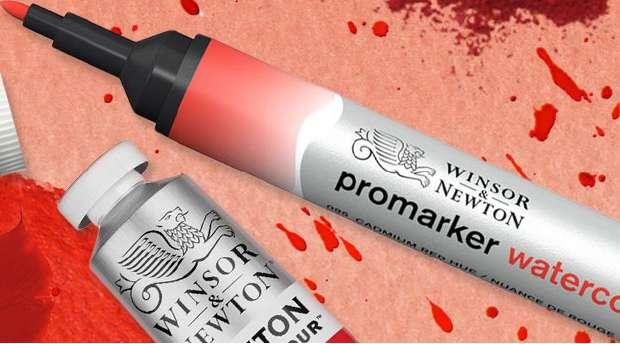
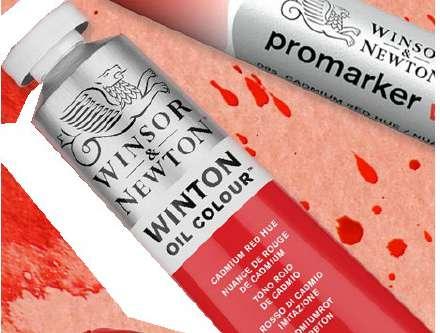
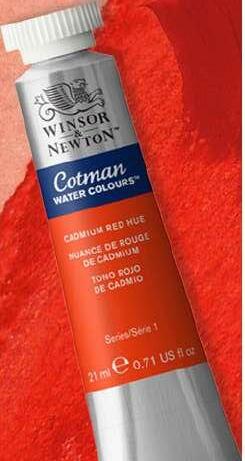
acrylic paint line - an industry first - proving sustainability doesn’t have to mean compromising quality. Winsor & Newton has transitioned from virgin plastic to FSC-certified carboard packaging for its Promarkers, Fineliners and Studio Collection sets, while its pan sets now use 100% recycled content plastic.
“As a business, we have always been proud of our ability to innovate,” said Ms Brennan. “Several of our brands have been around since the 1800s, or earlier, and they are still here because of that innovative streak. Not only does this heritage allow us to stand out from the crowd, but it is also what is going to help us lead the way to a greener future.”
Impact Beyond Products
Colart is also keen on making a difference to people across the globe and has contributed to several important initiatives. In 2023 alone, the company donated nearly £500,000 worth of products to communities through its brands.
“Winsor & Newton developed a partnership with the mental health charity Hospital Rooms, which aims to bring creativity, colour, and kindness to mental health hospitals,” said Ms Chamberlin. “In 2023, we contributed more than £400,000 in art materials to fill boxes for more than 750 secure and day mental health hospitals across the UK.”
Adding to this, Ms Brennan said: “There’s a real credible link between art and mental health. It is so important for us as a company to get involved with a charity that is helping improve people’s wellbeing.”
Through its charity donation programme, which was set up in 2017, Colart also supports schools and other organisations, reinforcing its mission to inspire creativity globally.
The Road Ahead
With B Corp recertification on the horizon in 2026, Colart intends to continue donating to charitable organisations and initiatives, while also retaining its focus on the path to net zero.
“Everything we are implementing will help ensure that the recertification is achieved,” commented Ms Brennan. “Until then, I am really excited for the roll out of Creating
Impact, our new sustainability roadmap. Working collectively to embed sustainability is really going to make all the difference.”
“I am also incredibly enthusiastic about the road ahead, having dedicated many years to enhancing Colart’s sustainability,” said Ms Chamberlin, in conclusion. “We are now at a place where we are ready to take things to the next level, with an ambitious roadmap that we will roll out next year.”
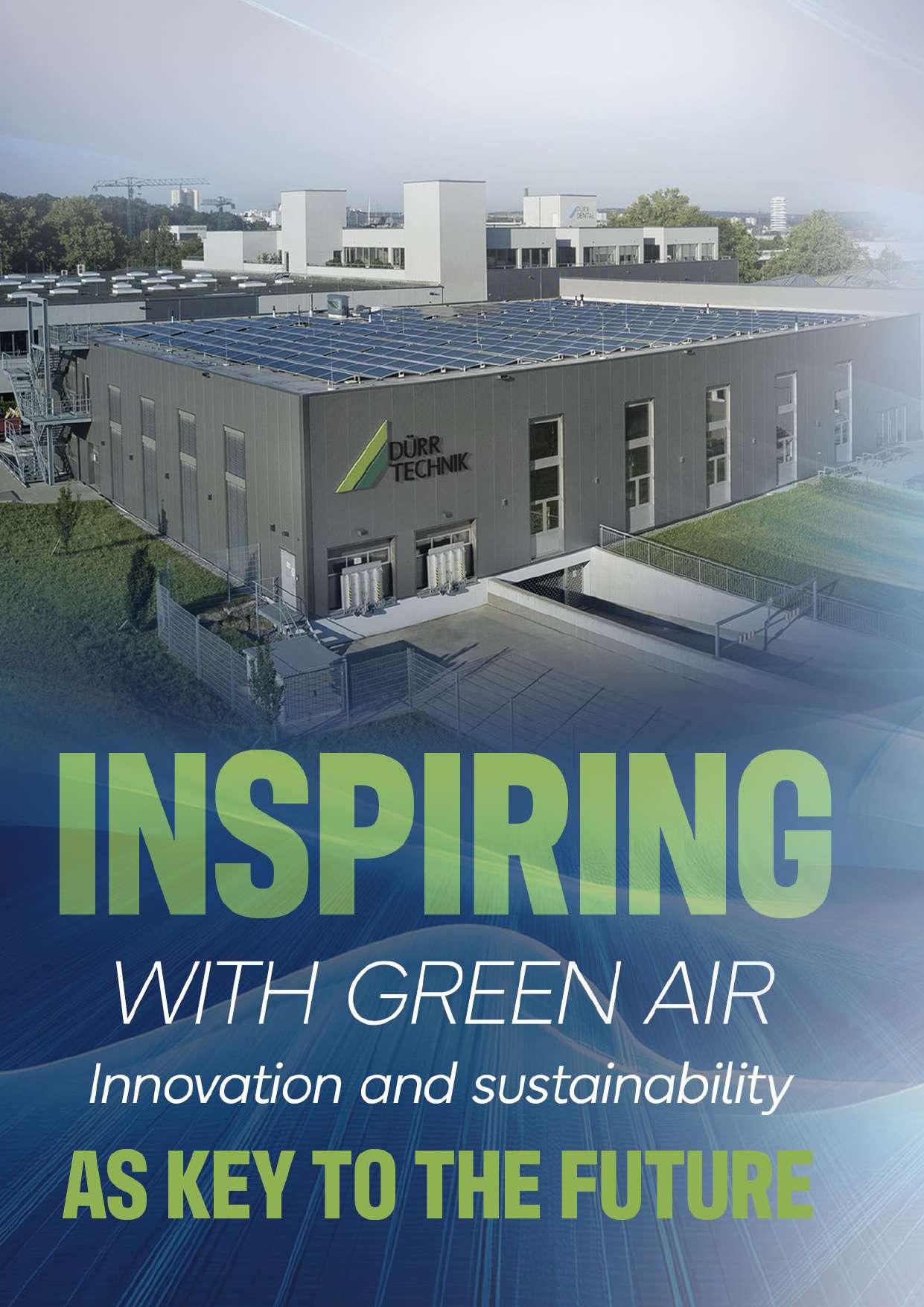
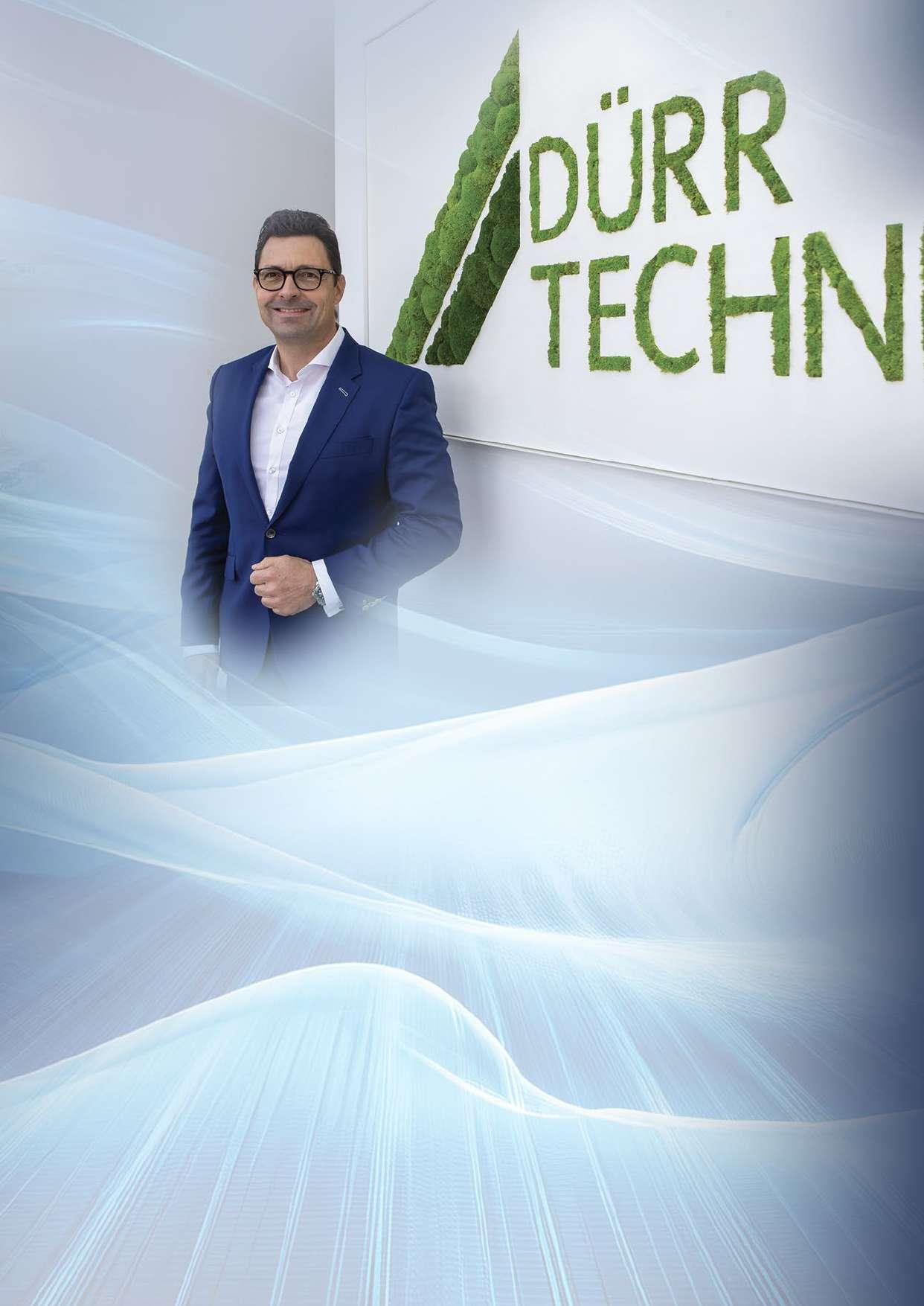
A part of the Dürr Group, Dürr Technik is a supplier of compressor and pump technology. The company specialises in oil-free applications, offering sustainable solutions. Managing Director Andreas Ripsam discussed unique products and innovative technology, in conversation with Antonia Cole.
Dürr Technik was the first company in Europe to produce oil-free piston compressors, Managing Director Andreas Ripsam said: “Our technology is essential for a sustainable future. Having oil-free equipment means there is no oil filter required or any necessity to manage the use and disposal of oil. This means there are fewer resources used, less contaminated air and there is a reduction in hazardous waste.”
Founded in 1981, Dürr Technik holds extensive experience in the production of oil-free compressor and pump technology. The company is headquartered in BietigheimBissingen, Germany, a hub for industrial innovation. The medium-sized company has subsidiaries around the world in the UK, US and China.
These different locations enable Dürr Technik to offer local engineering and production services, fulfilling the individual requirements of customers. The company can be more reactive and adaptable through these facilities, tailoring solutions to meet specific needs.
With an innovative development department, state-of-the-art production facilities and a certified quality management system, Dürr Technik delivers high-quality equipment that is able to satisfy complex demands. The company is ISO 9001, ATEX and ISO/TS 22163 certified, guaranteeing high standards through every level of production.
“One of our first major milestones was with our vacuum pump for petrol stations,” added Mr Ripsam. “This enabled vapour to
Managing Director Andreas Ripsam
DÜRR TECHNIK I
be collected as a car was filled up, reducing damage to the atmosphere. In the hospitality sector, our compressors replaced CO2 cylinders in pubs and massively reduced our customers’ CO2 consumption. In the laboratory field, we offer compressors and gas generators, in the railway sector our technology is used for electric trains. The versatility of our oil-free equipment means it can benefit any industry.”
Durable solutions
Dürr Technik designs products to operate with a long lifecycle. All components are designed for a long service life. Spare parts and wearing or expandable parts can be replaced at component or individual part level, so there are fewer parts to dispose of compared to the competition, where complete assemblies sometimes have to be replaced. This minimises waste, resource use and emissions from production. Equipment is specifically designed to be easily upgraded with extra parts, ensuring customers are able to operate as efficiently as possible.
“We offer lifecycle cost calculations to our clients,” explained Mr Ripsam. “This takes into account the initial investment and any additional costs over the lifecycle of a product. Then, the customer is able to accurately compare the product with other options and find the best solution for them. We are committed to customer service and want our clients to be fully satisfied with their purchase. This additional service offers greater transparency and a more accurate view of the effectiveness of our equipment.”
Typically, Dürr Technik’s main components are able to operate for more than 10,000 running hours, which is up to double the
amount of time compared to some of its competitors. This gives clients a durable and reliable solution to their needs. Each product is also customisable, enabling the client to adjust equipment features to fit any specific needs. Dürr Technik’s expertise allows it to offer individual engineering solutions, illustrating its dedication to customer satisfaction.
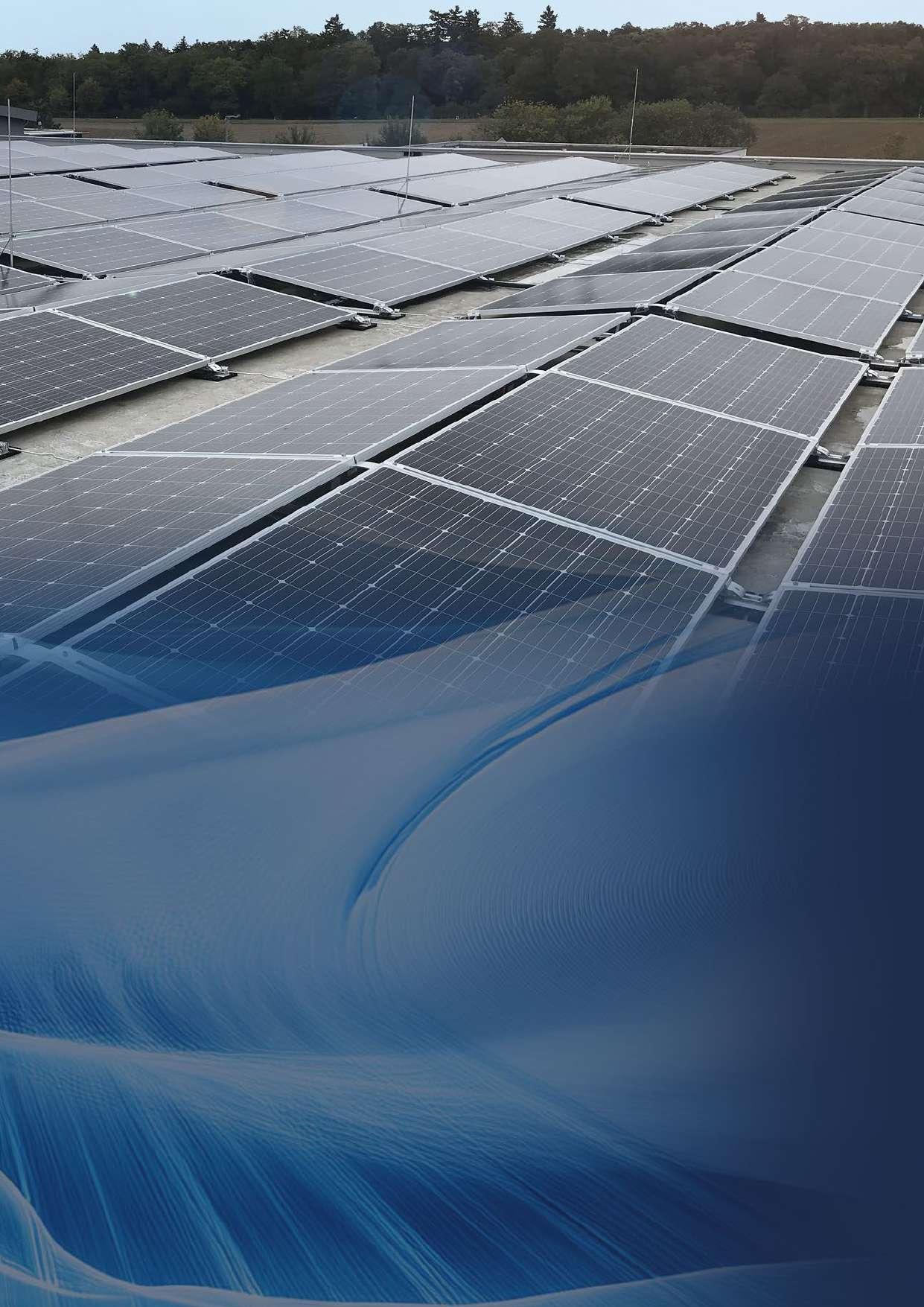
“We are taking further steps to limit our own environmental impact,” continued Mr Ripsam. “We have reduced the amount of packaging we use, specifically foam, and have implemented recycled materials instead. At our fabrication and manufacturing facility, we have installed solar panels, which now provides up to 40 per cent of our energy requirements. We have energy-saving LED lights and so far, over half of our cars are electric, making us much more energy efficient.”
Specialist knowledge
The company operates in four main branches adjusted to fit the needs of specific markets. In each sector, Dürr Technik has specialists with knowledge of the market. This allows the company to offer expert advice and fully understand customer requirements. The business units include the laboratory and medical, mobility (including railway and automotive), energy, and industry sectors.
Currently, Dürr Technik is working on a main air supply system for a client in the railway industry. This system features two compressors to deliver efficient redundancy and is also very compact. The company has already successfully introduced four of these projects to the market and is expecting to offer more in the near future.
“Another major growth area for us at the moment is the increasing market of electric vehicles,” commented Mr Ripsam. “Our
oil-free compressors fit the requirements for specialised electric vehicles, offering a sustainable and effective solution. With more industries switching from combustion engines to electric motors, our electric-driven compressors support the braking systems.”
Dürr Technik is preparing to continue investing in the development of its products, specifically into electronics and monitoring systems. This will allow the company’s products to be linked to the internet, upgrading the versatility of the equipment. Customers will be able to integrate different products into one control system, delivering more efficient and reliable operations.
“We have already made massive investments into our products to be able to achieve this,” added Mr Ripsam. “Going forward, we will continue to invest in software to make the connections between our products seamless and effective for the client. We aim to stand at the forefront of innovation and are constantly looking for ways that we can improve our products to meet the needs of clients better.”
Future strategy
Dürr Technik also involves its suppliers in its plans for the future. By setting out a clear vision of the company’s strategy, Dürr Technik is able to build partnerships that strive towards the same targets. The company expects to grow both economically and in terms of sustainability, encouraging its supply chain to do the same. By building open and reliable relationships with partners and suppliers, Dürr Technik plans to expand its capabilities and advance into the future.
“As well as communicating our future plans to suppliers, we also discuss our goals with clients,” said Mr Ripsam. “This facilitates conversations around sustainability and gives us a greater understanding of our customers’ environmental requirements. It is important for us to build up strong relationships in all our partnerships. That is
how we can collaborate to accelerate the transition to more sustainable action.”
Moving forward, Dürr Technik expects to continue growing into its core markets. The company plans to expand its oil-free technology into more industries, contributing to a more sustainable future. Dürr Technik will keep evolving its customisable solutions, tailoring features to specific applications and guaranteeing customer needs are met.
“I feel proud to be a part of a company that really benefits its customers,” continued Mr Ripsam, in conclusion. “Our technology improves operations both economically and environmentally, supporting industries around the world. It is great to work with my talented team and collaborate to develop new solutions. I am excited for what the future holds and to see how our products can transform businesses.”
Established in 1972, Sheerwater Glass is a leading provider of highquality glass, glazing and door solutions for both residential and commercial properties. Offering installation, repair, maintenance and cut glass services, the company aims to meet all client needs. Director Mark McCluggage discussed sustainability and recent investments, in conversation with Antonia Cole.
Sheerwater Glass has the expertise and experience to meet specific requirements, Director Mark McCluggage said: “What sets us apart is our level of service. We use the highest quality materials and latest technologies to guarantee we are delivering the best possible results. If something goes wrong, then we make sure to put it right and go that extra mile for our customers. We pride ourselves on offering exceptional service.”
Headquartered in Guildford, Sheerwater Glass is a family-run company operating across Surrey, Middlesex and the surrounding counties. The company tries to limit its area of operation to approximately an hour’s drive. This enables its engineers to easily reach customers and provide necessary services quickly and efficiently.
With five dedicated service engineers, as well as its installation teams, Sheerwater Glass is able to provide reactive and reliable repair operations. This reduces wait times for clients and guarantees satisfaction with the end result.
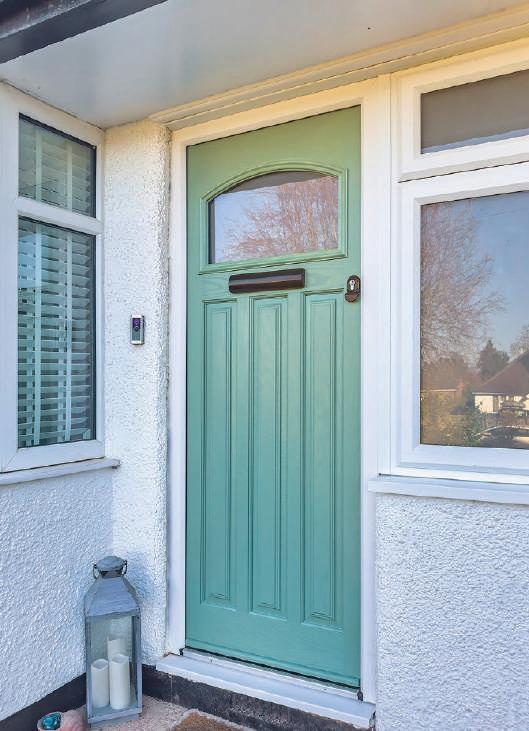
“Our company is structured to put our customers first,” added Mr McCluggage. “With our high level of service and flexibility, we understand their needs and meet them quickly. We also invest in innovative products that provide better results, such as our exclusive range of Slimline uPVC Windows. It is important to us to offer the best solutions on the market.”
Innovative investment
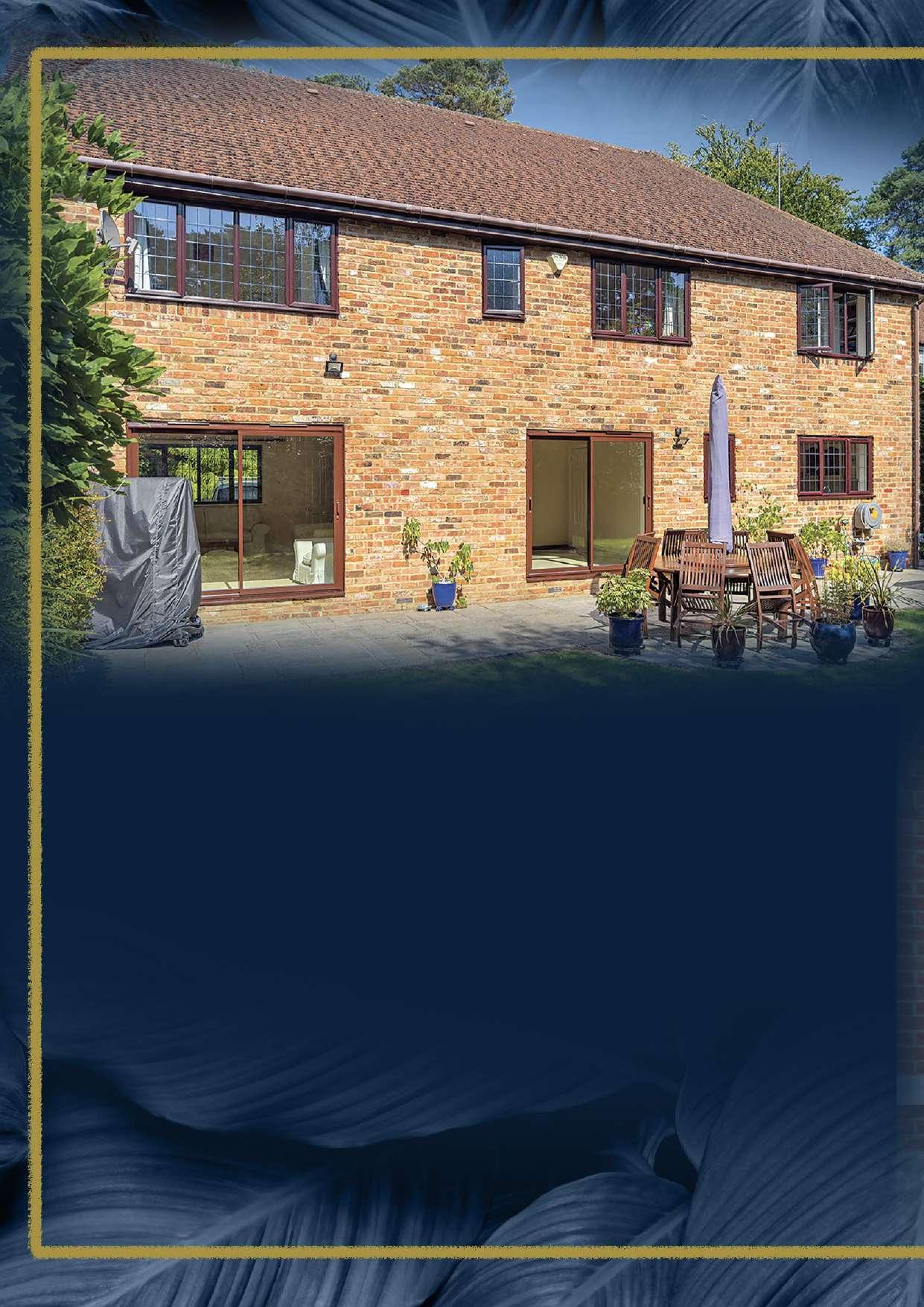
One of Sheerwater Glass’ most recent investments was into its new showroom in Slyfield, Guildford. The new facility is larger and allows the company to display its full range of products, including different colourways and sizes. Having traded out of the previous building for the past 50 years, the new showroom was a substantial capital investment for the company.
“It was a big change for us, but one that will facilitate steady growth into the future,” explained Mr McCluggage. “Although we limit our products to the ones we truly believe in, we still have a wide range to display. This
new showroom allows us to demonstrate our entire portfolio, enabling better customer experiences and results.”
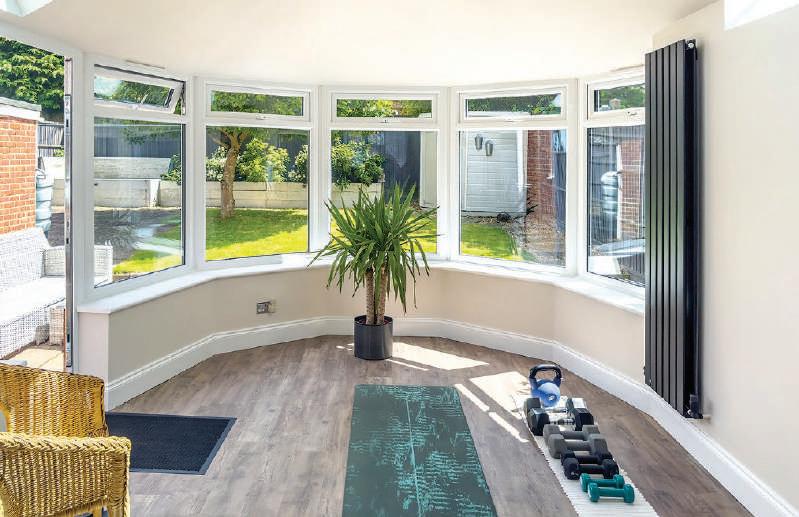
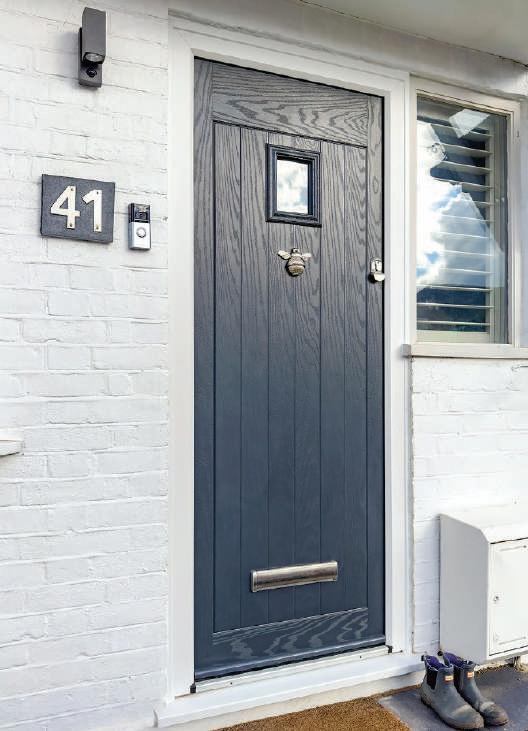
The showroom features Sheerwater Glass’ unique products, including the Slimline uPVC windows. Typically, PVC windows are large and bulky, but the Slimline range offers a sleek and technically impressive solution. They have 12% more glass than a standard window while also being the thinnest uPVC windows in the UK. The company has designed the Slimline products to integrate with its full range, from doors to windows.
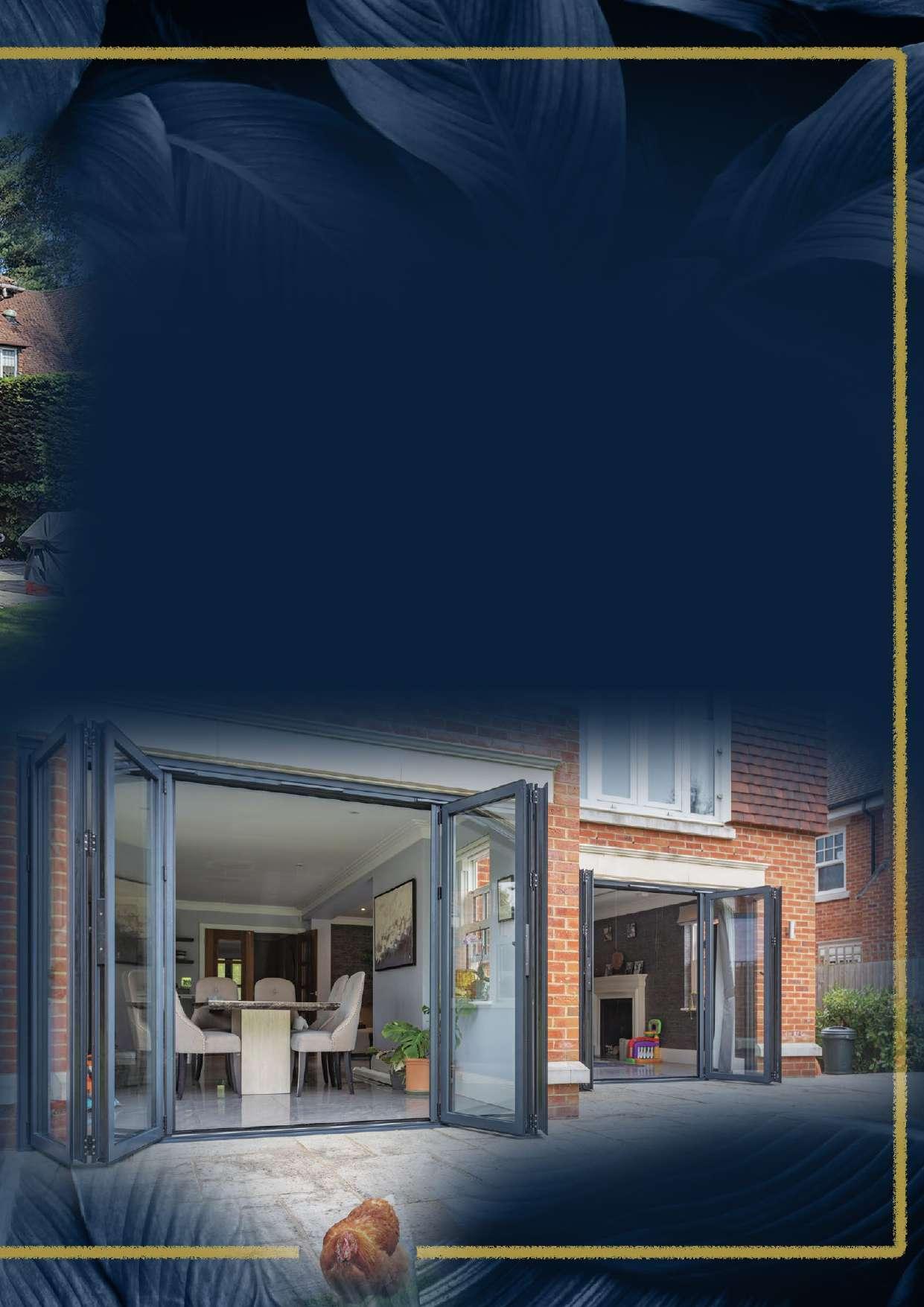
Sheerwater Glass has a wealth of experience in providing a wide range of glass and double-glazing products, from custom mirrors and glass banisters to replacement greenhouse glass. The company recently completed a project for a local school with a broken glazed roof light. Sheerwater Glass carried out the lifting risk assessment, organised a crane and replaced the window in a safe and cost-effective way for the school.
“We are able to manage anything to do with glass,” continued Mr McCluggage. “From simple installations to complex repairs, we adapt our services to meet our clients’ needs. Our customers are the most important part of our business, so it is essential that we are able to provide solutions that improve the quality of their building. As a local company, we aim to help the community with our services and make the area even better.”
Energy-efficient
As well as helping the community to live better, Sheerwater Glass is committed to sustainability in operations. With its own
waste carrier’s license, the company is able to recycle all uPVC and metal frames, as well as any excess glass. All waste is separated and recycled, resulting in fewer resources being used and less damage to the environment.
“Many of our projects involve replacing a full set of windows on a house, or new doors,” commented Mr McCluggage. “It is important in these cases that we don’t let the materials go to waste and dispose of them appropriately. Our repair services, however, are inherently sustainable. They minimise resource use and, due to the high quality of our services, the final product lasts long into the future.”
Additionally, Sheerwater Glass has adapted its facility to be energy-efficient with a range of sustainable appliances. The company uses an efficient heating system and has replaced
all lighting with LED bulbs. Features like this combine to limit the environmental impact of Sheerwater Glass’ operation.
The company’s products enable customers to be more sustainable as they offer a more energy-efficient option for home improvements. Double Glazed windows, doors and conservatories retain thermal energy, making clients less reliant on heating systems. This minimises greenhouse gas emissions and saves customers money on energy bills.
“As people want to bring more views of nature into their home with bigger windows, it is essential that the glass is energy-efficient,” commented Mr McCluggage. “Using glazing and specialised coatings, we are able to help our clients live more efficiently and protect
the environment. With our sister company, Sheerwater Solar, we are also able to offer solar panels to customers, which promotes renewable energy sources.”
The company plans to install solar panels on its own facility, minimising its carbon footprint. As well as this, Sheerwater Glass already has four electric vehicle chargers installed at its sites and is looking to transition its fleet to being fully electric.
Prioritising people
Moving forward, the company intends to maintain sustainable growth. As a local business, Sheerwater Glass hopes to keep developing its product range and services to provide the best solutions for its client base.
“We are not focused on rapid growth,” said Mr McCluggage. “We will continue developing our product portfolio to better suit the
individual needs of our customers, growing steadily. As a company, we are more interested in long-term goals and building a business that lasts far into the future.”
The company has built many long-term relationships with suppliers and partners, enabling it to deliver high-quality products. By maintaining integrity, honesty and transparency, Sheerwater Glass is able to build positive relationships throughout the industry.
“Partnerships are what really drive a company,” said Mr McCluggage, in conclusion. “Having great supplier relationships where we really trust the products allows us to deliver the most effective results to our clients. Our company really focuses on people, both our customers and our team. It’s great to work with kind, likeminded people. We all support each other to get each job done right.” n
Leading chocolate brand Tony’s Chocolonely is a company with a commitment to make all chocolate 100% exploitation free. From bean to bar, Tony’s Chocolonely is committed to the production of ethical and sustainable chocolate. Chief of Impact & Operations Pascal Baltussen discussed the company’s goal to transform the chocolate industry, in conversation with Antonia Cole.
Tony’s Chocolonely is committed to eradicate all exploitation from the cocoa industry, Chief of Impact & Operations Pascal Baltussen said: “After discovering the true reality of the cocoa industry, a team of journalists founded the company to prove that great tasting chocolate can be made fairly.
“Today, there are still 1.56 million children working illegally and at least 30,000 victims of forced labour on cocoa farms in Ghana and Côte d’Ivoire, where 60% of the world’s cocoa comes from. We don’t believe that millions of cocoa farmers should be exploited for us to enjoy chocolate, so we set out on a mission to change that.”
To establish equal business relationships with suppliers in West Africa, the company operates under the Tony’s five sourcing principles. From bean traceability with Tony’s Beantracker to education initiatives, these principles work to provide cocoa farmers with a living wage and end modern slavery.
As the company grows and sells more chocolate, it needs to buy more beans. This means that more farmers are supported and earn a living wage. The introduction of Tony’s Open Chain in 2018 and Tony’s Mission Lock in 2023 have significantly reduced the prevalence of child labour in the supply chain and supported ethical practices within the chocolate industry.
In a cocoa shell In 2019, Tony’s five sourcing principles were proven to reduce the rate of child labour in cocoa growing communities from 46.7% to 4.4%. The company exists to create a more equal supply chain, leading by example to show that chocolate can be made ethically.
The first of Tony’s sourcing principles is traceable cocoa beans. Tony’s Open Chain uses a software system built with ChainPoint technology, called BeanTracker. This digitally records the beans’ journeys and enables each bean to be traced, ensuring sustainable sourcing.
“We work with a Child Labour Monitoring and Remediation System (CLMRS) to identify and remediate cases of child labour,” said Mr Baltussen. “With support from the International Cocoa Initiative and Tony’s, the partner cooperatives implement CLMRS in all member households at the community level.
“Sometimes, simple interventions such as providing bicycles or birth certificates is all that is required to enable children to go to
school. Tony’s Open Chain is unique in that we take full responsibility by having 100% of our supply chain covered by CLMRS.”
The second principle is a higher price, where Tony’s bridges the gap between Fairtrade price and the living income reference price with Tony’s premium. Paid directly to cocoa cooperatives, this addresses the root cause of illegal labour – poverty.
This links to the next principle: strong farmers. Tony’s works to make cocoa farming safe, sustainable and more profitable through education and resources. With the fourth principle, long-term relation-ships, the company enables farmers to make better choices.
“We engage in five-year commitments with cooperatives, investing for the future,” continued Mr Baltussen. “We also have a long-term partnership with Barry Callebaut that has a segregated supply chain for beans and couverture. Working with one of the biggest global cocoa processors is crucial to our model, as it proves it is scalable to larger chocolate companies.”
The last principle is quality and productivity, where Tony’s invests in agricultural knowledge and skills to improve yield and enable farmers to optimise their income. The company hopes to inspire the world’s biggest chocolate companies to adopt these principles via Tony’s Open Chain and change the industry for the better.
Growing fairly
Every year, Tony’s produces an annual FAIR report, detailing the company’s goals and progress. This transparent approach demonstrates Tony’s commitment to ethical and sustainable improvement.
The report shows that partner cooperatives within Tony’s Open Chain have a lower prevalence of child labour at 10.5%, in comparison to the industry average of 46.7%. Partners of three years or more were shown to have an even lower rate of 4.4%, which highlights the effectiveness of implementing Tony’s 5 sourcing principles.
“We are the fourth biggest chocolate bar brand in the UK, as well as being the fastest growing with an 82 per cent brand awareness,” explained Mr Baltussen. “Tony’s has expanded significantly in recent years,
specifically in our four key markets where we have offices and teams – the Netherlands, UK, US and Germany.
“Tony’s sells to many other markets such as Australia, Japan and Ireland through distributors too. This proves that big chocolate brands don’t need to rely on exploitation to be successful, and that you can achieve global success ethically.”
Also, 17,740 farmers are benefitting from living income cocoa prices due to Tony’s Open Chain, which is 20% more than the previous year. Tony’s was able to achieve this whilst generating a record €28m (+23% YoY) rise in chocolate revenue, reaching an annual revenue of €150m.
“Our efforts have been recognised through multiple awards, such as the Chocolate Scorecards Achievement Award,” added Mr Baltussen. “In the Netherlands, our biggest market, we have also won the Most Sustainable Brand Award for the sixth year in a row, awarded by the Sustainable Brand
Index. Additionally, our new product, Lil’ Bits, was announced as winner of the Wheel of Retail’s chocolate category.”
Locked in
Due to Tony’s international success, the company now has 18 mission allies for Tony’s Open Chain from all across the globe. The most recent being Waitrose, which is the first UK retailer to join the initiative.
Waitrose has now committed to operate using Tony’s 5 Sourcing Principles, as nine own-brand chocolate bars, including Cooks’ ingredients bars, are now sourced via Tony’s Open Chain. Through the collaborative initiative, Mission Allies are encouraged to compete on chocolate, but collaborate on cocoa.
Tony’s hopes to see a world with exploitation-free chocolate through its 5 Sourcing Principles. Also, by campaigning for governments to update legislation,
for retailers to change how they source cocoa and for consumers to purchase more consciously.
“Existing UK legislation is outdated and ineffective, as over 40 per cent of companies fail to comply,” commented Mr Baltussen. “Tony’s is campaigning for better legislation so that products sold on British shelves don’t harbour environmental harms or human rights abuses in their supply chains.”
The introduction of Mission Lock last year is protecting Tony’s work into the future. Tony’s Mission Lock is a legal structure with a golden share to prevent any legal changes to the definition of Tony’s mission, Tony’s 5 Sourcing Principles or any other missionrelated articles.
“We are an impact company that makes chocolate, not a chocolate company that makes an impact,” added Mr Baltussen, in conclusion. “Mission Lock demonstrates the dedication to our mission – even if the team or ownership structure changes at Tony’s in the future, the mission cannot be diluted.” n
one planet – one chance – one voice
SERVICES & TECHNOLOGY
An introduction to the services and technology sectors, with a special report reviewing Evertreen’s services, plus news items, followed by company profiles.
Reforestation simplified
As the world seeks greener solutions to stave off climate change, an increasing number of organisations are working to provide the answer. One such company is UK-based Evertreen. Here at Inside Sustainability, we have taken a deep dive into the company’s fundamentals to decipher how exactly it can help businesses think greener. Report by Imogen Ward.
Following the completion of COP29 (during which countries were asked to transition away from fossil fuels, scale up renewable energy and protect forests), the race to reduce carbon emissions and secure global net zero goals feels more crucial than ever.
But for some companies tackling this challenge is no easy feat. That’s why entities like Evertreen are providing world class solutions to help offset emissions while businesses focus on reducing their carbon footprint and transitioning to more sustainable practices.
About the company
Established in 2020, Evertreen quickly became a partner of choice for many major businesses across the globe. An achievement that was made possible thanks to its USP as the world’s only platform simultaneously offering tree planting and satellite tracking online.
In just four years, Evertreen has achieved remarkable milestones: planting over two million trees, supporting more than 50,000 users, and setting its sights on an ambitious target for 2030.
Driven by its desire to help make a positive difference to the environment and its users, Evertreen offers a simple but effective service that promises transparency and prioritises sustainability at every stage. With this green-centric approach, Evertreen expects to plant an additional fifty million trees by 2030 – driving meaningful change for the planet and its community.
But what role can companies play in ensuring this ambition becomes a reality?
The process
Companies, big or small, can sign up to Evertreen’s reforestation programme with contributions starting at just £1 per tree. In doing so, they can select from a variety of locations and tree species or choose one of three tailored packages, each designed to offer varying levels of carbon offsetting. Companies have the flexibility to make a one-time payment or set up monthly contributions, ensuring ongoing support for the planting and nurturing of trees, while helping to drive meaningful environmental impact.
Once sponsored, the trees are then planted by local farmers to ensure the very best environmental and social impact. From there, customers gain access to Evertreen’s satellite monitoring tool, which provides constant updates on tree growth, health and weather risks.
The company also offers IFRAME capabilities, enabling users to embed their Evertreen profile into their own webpages. This provides businesses with the perfect way to showcase their incredible commitment.
Anyone that takes part in Evertreen’s programme is guaranteed a certificate as proof of tree plantation and can suggest new locations for future tree plantation projects. In order to be considered, these locations need
to demonstrate both environmental and social benefits and be managed by a party that has proven project experience and a deep understanding of the intervention area.
All of the reforestation projects currently being undertaken by Evertreen have undergone this assessment, from the rainforests in Indonesia to the sea-forestation in Spain. Evertreen has carefully picked these locations for their ecological benefits, climate resilience and cultural and economic impact.
If you are interested in getting involved with Evertreen’s reforestation efforts, then you can find out more at https://www.evertreen.com n
Formula 1 expands Sustainable Aviation Fuel investment
Formula 1 is expanding investment in Sustainable Aviation Fuel (SAF) through a new programme developed with Global Partner Qatar Airways. This builds upon the previously announced investment alongside Global Logistics Partner, DHL, and creates a broader framework for Formula 1 teams and the FIA to participate.
In total, the combined investment in the two programmes in 2024 will reduce related emissions by more than 8,000tCO2e. This is an approximate 19% reduction in related emissions, compared to traditional aviation fuel, for the air freight charter programme operated by Formula 1 across the flyaway events of the 2024 season.
The investment in SAF is a key part of Formula 1’s ultra-efficient logistics strategy and will be significant in keeping the sport on track to meet its Net Zero by 2030 commitment, which requires at least a 50% reduction in emissions, vs the 2018 baseline. SAF demonstrates Formula 1’s ongoing shift towards alternative fuels across all aspects of the sport. On the track, the cars will use 100% advanced sustainable fuel from 2026,
with F2 and F3 reaching this standard by next season, having been at 55% since the start of 2023. The FIA Safety and Medical cars also currently use 40% advanced sustainable fuel. Off-track, European Grands Prix have been delivered alongside DHL, using biofuel-powered trucks since 2023. Starting next season, key operational areas at all European Grands Prix, such as the Pit Lane and Paddock, will be powered by a lower-carbon solution provided by Aggreko, reducing emissions in these areas by more than 90%. Globally, events across the calendar continue to increase the use of alternative energy solutions, such as biofuels, green tariffs, and on-site renewables in operations.
“Today’s investment is the next step in our alternative fuels strategy which is central to delivering our Net Zero 2030 target,” said Ellen Jones, Head of ESG, Formula 1. n
New £1bn low-carbon heating infrastructure project unveiled in Westminster
Anew £1bn low-carbon infrastructure project has been launched in Westminster, signifying a major step towards driving investment and creating well-paid, secure jobs.
This large new heat network in Westminster will become one of the UK’s first ‘heat network zones’ – places where heat networks are the cheapest and best way to decarbonise compared to each building having its own air source heat pump. On average, heat networks are 40% cheaper for customers than building-level heat pumps.
The heat network will supply low carbon heating, sourced from within the local area. The heat will need to come from innovative sources such as the London Underground, the Thames and the sewer network. It might even be brought down the river on barges.
For many buildings in the area, connecting to the South Westminster Area Network (SWAN) should be the most cost-effective way to decarbonise heating, according to the Energy Department’s National Zoning Model.
One of the core benefits of heat networks is the ability to harness waste heat from within the local area and make use of it.
This makes them low-carbon, efficient and resilient, not relying on imported fuel.
Heat will then be distributed via a network of underground, insulated pipes filled with hot water. The zone will stretch from around Victoria Station, up to Temple Underground Station near the Strand, bounded by St James’ Park.
Over time, this significant new investment is expected to save 75,000 tonnes of CO2 every year, create 500 jobs, improve local air quality by reducing nitrogen oxides emissions by 99% and create 100 opportunities for UK businesses.
SWAN was brought to life by the Department for Energy Security and Net Zero, and Westminster City Council. To deliver the network, they have brought in the SWAN Partnership, a joint venture between Hemiko and Vital Energi. London Heritage Quarter and AECOM have also been key partners, supporting the network’s growth. n
IN2027, milkrite | InterPuls will be celebrating 100 years as liner manufacturers, Commercial Vice President EMEA/APAC João Pereira said: “We have been producing solutions for the dairy industry for decades, but this is a significant milestone for us. We have a wealth of experience in the industry and our longevity as a company is a testament to our level of customer service.”
Originally, milkrite | InterPuls was two separate companies. milkrite focused on producing liners and other consumables, whereas InterPuls concentrated on milking equipment. In 2015, these companies joined
A provider of milking solutions to farmers around the world, milkrite | InterPuls supports the livestock industry with innovative products, services and training. Commercial Vice President EMEA/APAC João Pereira discussed the company’s dedication to customer satisfaction and investments into innovation. Report by Antonia Cole.
together to offer comprehensive solutions for milking parlours and farmers. Then, in 2020, milkrite | InterPuls was acquired by the DeLaval Group. As a major player in the industry, this accelerated the company’s growth by providing a much larger investment capacity.
milkrite | InterPuls has seven sites around the world, three of which are manufacturing plants, and the others are commercial facilities. With over 300 employees, the company runs a very efficient and profitable operation. From South Africa to Thailand, milkrite | InterPuls serves customers all over the world through a network of professional distributors.
“A very important and game-changer milestone was the launch of our Cluster Exchange Service in 2010,” added Mr Pereira. “This allows farmers to rent a part of milking equipment, which is a completely new concept to the market. We really focus on customer experience and providing the most
effective solutions. Services like this allow us to meet specific client needs and offer tailored solutions.”
Optimising performance
As a company, milkrite | InterPuls has a major focus on improving the performance of the farms of clients. With a highly-skilled research and development team, the company is able to build innovative and fully-integrated systems to support farmers in operating more efficiently. milkrite | InterPuls is committed to helping farmers achieve their goals in the most effective way possible.
The Impulse Air liner demonstrates the company’s dedication to providing comprehensive solutions to farmers. This liner utilises state-ofthe-art technology to allow cows to be milked quickly and comfortably. As opposed to a conventional liner, air is introduced into the system above the milk. This creates a process that is more efficient, prevents splash-back and is safer for the cow. With a triangular shape, suction is distributed more evenly, which is more secure and gentler on the cow. These technologies combined to enable a smoother milk flow, as well as keeping the teat dry, reducing the risk of cross-contamination.
“We are in the process of launching another solution,” explained Mr Pereira. “It is called MIPulse and it will allow farmers to get the best possible results from their parlours, in addition to maintaining the health of their cows. Issues that arise during milking can be very difficult to detect. Our new system helps farmers identify issues before they become problem, or they damage the milking process or cows’ health.”
With constant pulsation and vacuum monitoring,
MIPulse provides detailed information on milking performance. The system includes customisable notification features that can be adjusted to fit the farmer’s needs, ensuring the parlour is running at optimum efficiency.
“Our product development starts by listening to the customers and farmers that use our products,” continued Mr Pereira. “We are attentive to their demands and the evolving trends of the dairy market, then we develop our solutions based upon that. We don’t focus on product development, but on creating solutions. This makes a big difference for both our customers and the farmers.”
Strong partnerships
Recently, milkrite | InterPuls has invested in its manufacturing site in Poland. This is a modern liner factory, allowing the company to advance its operation in terms of efficiency and quality. The improved factory will help drive milkrite | InterPuls’ growth ambitions and support it in providing the best possible products and services to customers.
“In the current climate of the industry, quality is not really a differentiating factor as high standards are already the expectation,” commented Mr Pereira. “What really makes us stand out in the market is the relationships that we build. We focus on a human approach, connecting with, and making time to fully understand, our customers and farmers. For us, communication is key in driving our success.”
milkrite | InterPuls extends these values into its partnerships with suppliers. This involves engaging in face-to-face meetings with partners to establish stronger connections and facilitating responsive and open communication. From this, suppliers can better understand the company’s needs and milkrite | InterPuls can clearly communicate expectations. By fostering relationships based on transparency and
integrity, the company has been able to create many longstanding relationships.
“What I’m most passionate about is helping people to achieve their goals,” added Mr Pereira. “I’m focused on developing the people around me, identifying what they want for their future and helping them take the steps to make it a reality. Encouraging self-development and personal growth is a key part of what motivates me in my work. This is what I love most about working at milkrite | InterPuls.”
Advancing efficiency
The company is also focused on the future in terms of promoting sustainability. milkrite | InterPuls has invested in solar panels installed at its Italian site in order to reduce its reliance on the main grid and by using a clean energy source, limits its carbon footprint. Within operations, milkrite | InterPuls promotes the recycling of excess materials and reports carbon emissions. Currently, milkrite | InterPuls is developing strategies to become carbon neutral.
“Our services aim to assist farmers in operating more sustainably,” said Mr Pereira. “With
our interactive approach, we often visit farmers directly on their farms. Through this, we can really assess what their needs are and support them in becoming more efficient. We discuss performance and optimisation to give operational advice that improves the milking process. Our team work as consultants, providing full solutions that streamline practices.”
The core focus of milkrite | InterPuls is to help farmers feed the planet in the most efficient way possible. By achieving more whilst using less, the company supports people and the planet simultaneously. milkrite | InterPuls
is constantly exploring innovative ways to advance milking technology and create solutions that make a difference to the world.
“As well as making sure that our company is a great place to work for our team, we believe in making the right decisions to support society as a whole,” continued Mr Pereira, in conclusion. “Having our values of quality and innovation instilled as part of who we are, we are set in the right direction to support customers, suppliers, key stakeholders and each other.” n
Enviroo was established in 2018 to help combat the UK’s plastic packaging and waste problem. With the development of the company’s bottle-to-bottle recycling facility well underway, CEO Ahmed Detta discussed the latest developments, during an in-depth interview with Inside Sustainability. Report by Imogen Ward.
Recycling expert Enviroo is on a mission to make a difference to the management of waste within the UK, and it has been ever since it was established six years ago.
“Enviroo is fully focused on addressing the plastic packaging challenges within the food and beverage sector,” explained CEO Ahmed Detta. “We have spent the last five years completing research and development to create what will be the purest form of recycled polymer on the market. In order to achieve this though, we had to design a recycling facility that could deal with the variances of this unstandardised, inefficient industry.”
Relying on a more circular approach to plastic recycling, the minds behind Enviroo took it upon themselves to develop a viable method that could recycle 100% PET plastic waste in order to create food-grade polymers perfect for food packaging and drinks bottles.
The process
Once fully operational, the company’s highly advanced system will wash and segregate all of the waste taken in by Enviroo, before turning it into flakes that are extruded into a new food-grade polymer. From here, the polymer is ready to be transformed back into packaging, ensuring that none of the plastic waste is sent to landfill.
“Currently, 50 per cent of our waste is being exported to other countries as there is a huge lack of recycling infrastructure within the UK,” said Mr Detta. “Unsurprisingly, the UK is also still the number one worst country within Europe for recycling rates, and we want to change that.”
Enviroo has dedicated a lot of time to sampling and testing its waste polymer within laboratory settings to ensure it withstands varying environmental conditions and meets the needs and expectations of different brands in the market.
As a result, it has taken longer to bring both the recycling process and polymer to the market. However, according to Mr Detta, this is beneficial as it increases the longevity of the technological solutions and reduces the likelihood of needing any future upgrades.
The plant
Enviroo’s new recycling plant is expected to be operational in 2026, with an initial annual recycling capacity of 30,000 tonnes of waste plastic. Utilising state-of-the-art technology and its circular approach to plastics recycling, the facility is expected to produce around 18,000 tonnes of polymer per year.
“Ultimately, our aim is to create the most advanced recycling facility in the UK for PET plastic, which can be used as an operational
blueprint for future projects,” explained Mr Detta. “We intend to take that model and upscale it both nationally and internationally.”
The facility has been reversed engineered to ensure it accepts different waste compositions. It has also been designed to feature a highly advanced wastewater treatment facility. Given the nature of Enviroo’s recycling process, this is a necessary step to reduce excess water consumption.
“Our system captures microplastics and filters them out of the water,” continued Mr Detta. “This water is then recirculated multiple times, before it is discharged back into the waterways in a cleaner condition than when it arrived.
“From a water resource perspective, we expect this plant to be one of the most efficient in the country.”
Enviroo CEO Ahmed Detta
The recycling plant will also utilise laser scanning technology, which alerts to (and removes) any contaminants in the polymer.
“Occasionally, contaminants such as PVC and other materials end up in the flake, which can’t be seen by the naked eye,” Mr Detta explained. “The laser technology scans all of the material and removes any unwanted debris, ensuring we are only left with pure polymer.”
Once the plant is up and running, Enviroo also intends to introduce bottle collection programmes that could have a positive impact on local communities. One such initiative would include helping to rehabilitate and employ rough sleepers.
The partnerships
All of Enviroo’s plans have been implemented with the aid of local suppliers and partners to help support the local economy and
minimise carbon emissions. From contractors to consultancy firms and materials suppliers, Enviroo works with companies that know the area and can use local knowledge and practices to make sure its facility aligns with regional and council expectations.
“Working with local partners helps establish our reputation as a regional business,” explained Mr Detta. “We want to actively contribute to our community, and this is one way of doing that. We also intend to employ people from within the region. Once successful, this model can be replicated in other facilities across the globe.”
Enviroo intends to start a recruitment drive in June of next year, ready for when the plant is commissioned in the months following. All going well, once the new plant is operational, the company hopes to implement a deposit return scheme with government backing. If successful, this could help completely
transform the way the UK handles its packaging waste.
“I have always been driven to help make a difference in the industry, and while being a part of Enviroo, that ambition has become
a reality,” said Mr Detta, in conclusion. “Capitalism without payback is a concept I have always struggled with, but this job allows me to give back while making money. It’s a win-win situation that everyone benefits from.
“It is also important to remember, however, that one facility isn’t going to be enough to fix the system. People tend to turn a blind eye to the UK’s plastics crisis – perhaps because it is no longer headline news – but it is still a prevalent issue. And it’s one that won’t go away until enough infrastructure is in place to resolve it. Bringing awareness to that fact is incredibly important.”
CHEMICAL NEEDS FULFILLING
REDA Chemicals is a leading distributor for speciality chemicals and ingredients, serving clients from across the Middle East, Asia and Africa. Sales Manager Rahul Roy discussed the company’s sustainability initiatives and decarbonising operations with Inside Sustainability.
ASa company, REDA Chemicals is committed to delivering exceptional value to clients while making a positive impact on the environment, Sales Manager Rahul Roy said: “Our focus on sustainability, innovation, quality and fostering strong customer relationships uniquely positions us in the marketplace. Beyond reducing our carbon footprint, we are actively enhancing and growing our presence, helping our customers advance their energy efficiency goals.”
From more than 35 strategically-located sales offices, warehouses and labs, REDA serves customers around the world. From small local producers to major multinational companies, REDA provides specialised products that bring value to its customer’s brands.
REDA’s global footprint is supported by the broader REDA group with a workforce of more than 3,000 professionals, which includes divisions such as REDA Water, REDA Energy, REDA Food, REDA Lab, REDA Hazard Control, REDA Process and others. This integration allows the company to leverage a wealth of resources, improving its ability to satisfy customer requirements and foster knowledge-sharing across sectors.
“The diversity in REDA fosters an invaluable ecosystem of knowledge sharing,” added Mr Roy. “I have had the privilege of collaborating with industry experts, both within REDA and among our partners. These frequent interactions are a wellspring of innovation, allowing us to cross-pollinate ideas and best practices across sectors.”
Driving sustainable progress
The company is dedicated to continuous development, which is demonstrated through REDA’s evolving product range. With the demand for sustainable products growing across industries, REDA’s commitment to environmental stewardship drives the company forward.
“Our Saudi affiliate has already achieved a Gold rated EcoVadis sustainability assessment,” explained Mr Roy. “Our other regional offices are currently being assessed by EcoVadis, reflecting our dedication to achieving high standards across all regions.
We believe that our industry plays a vital role in enhancing the quality of life for people around the globe, and with this responsibility comes a steadfast commitment to responsible care.”
Most of the company’s key suppliers also have an EcoVadis score of Gold or higher,
reflecting REDA’s commitment to best practices throughout the supply chain. To further minimise Scope 3 emissions, the company optimises load efficiency, consolidated shipments, and encourages fuel-efficient driving techniques in deliveries.
REDA facilitates conversations around sustainability throughout its workforce, where employees discuss sustainability-driven solutions and business models.
“We encourage volunteering on environmental projects,” continued Mr Roy. “I went to plant mangroves in Umm Al Quwain for an event organised by Emirates Nature-WWF. This assisted the natural regeneration of
the mangroves and wider ecosystem. Such experiences not only contribute to the local ecosystem’s health, but also reinforce our company’s commitment to being a responsible corporate citizen, actively contributing to the environmental well-being of the communities we serve.
“Looking ahead, REDA plans to set science-based carbon reduction targets in line with the Science Based Targets initiative. We are also exploring the CDP disclosure programme to benchmark environmental risks and improve operational efficiency. This is crucial, as we aim to push our carbon footprint reduction goals.”
Growth and sustainability
While REDA has experienced notable growth in the Middle Eastern, North African and Asian markets, the company is also expanding its presence in Sub-Saharan Africa. Building upon its office in Nairobi, Kenya, REDA has strengthened its footprint by establishing local offices, sales and technical service teams, logistics centres and warehouses in South Africa, Nigeria, Tanzania, Zambia and Uganda.
“We’re actively working to generate new revenue streams by creating opportunities for market differentiation, expansion and growth,” commented Mr Roy. “However, what truly sets us apart is our commitment to sustainability and local impact. By establishing a local presence as close as possible to our end-users, we create maximum value for customers and support the area’s goals of social, environmental and economic development.”
In South Africa, REDA sponsors local cricket and football teams to foster community spirit and provide opportunities. Additionally, employees regularly participate in wildlife conservation projects. This has included protecting the critically endangered northern white rhinoceros in Kenya. Such projects help in creating a deep sense of purpose within the company and align REDA with several of the United Nations Sustainable Development Goals.
Innovative energy efficiency
REDA’s commitment to sustainability extends to its product offerings.
“For instance, one of our standout offerings is energy savings for high-energy-consuming machines and processes through the use of specialty lubricants from Kluber Lubrication,” explained Mr Roy. “These speciality lubricants improve efficiency, reduce costs and help our customers meet their sustainability targets.
“The process begins with energy consulting, where we evaluate the equipment and identify the energy-saving potential. By simply switching from conventional oils to high-performance lubricants, customers can significantly reduce energy consumption and CO2 emissions. The financial benefits are measurable and are certified by third party agencies, offering tangible proof of savings.”
REDA also offers sustainable solutions across various industries, such as biodegradable polymers from WACKER, water-based drilling fluids from MacDermid, synthetic heat transfer fluids from Eastman, sustainable offerings from DOW Chemicals, Lanxess and many others.
Eastman and REDA collaborate closely to enhance energy efficiency by integrating
innovative solutions into their product offerings. REDA distributes Eastman’s synthetic heat transfer fluids, designed to optimise energy use in various industrial processes. This partnership allows REDA to offer high-performance solutions to its customers, helping them reduce energy consumption and CO2 emissions.
Together, Eastman and REDA provide comprehensive support to end-users by conducting energy consultations to identify potential savings and implementing specialty products that align with sustainability goals. This collaborative approach ensures that end-users benefit from reduced operational costs and improved environmental impact.
“These are just a few of the many products we provide that align with REDA’s mission to help our customers achieve their sustainability goals,” said Mr Roy.
A responsible partner
As the world moves toward Net Zero, REDA Chemicals is positioning itself to play a key role in this transition, according to Mr Roy: “As a distribution company, we sit at the heart of complex supply chains, connecting producers and consumers of chemicals across various sectors. This places us in a unique position to make a tangible impact, both upstream and downstream, in reducing carbon footprints.
“We understand that the journey to Net Zero requires capital allocation and operational shifts, as outlined by leading global studies. The transformation will demand further investments in new technologies, sustainable materials, and energy-efficient processes.”
REDA is preparing to contribute to this shift by integrating more eco-friendly and energy-efficient solutions into its product portfolio, optimising transportation and logistics to reduce emissions, and collaborating with partners who are equally committed to sustainability.
“The Net Zero transition is front-loaded: we believe our sustainable investments will yield positive returns over time,” said Mr Roy. “We see growth opportunities arising from this transition, particularly from the demand for low-carbon products and support services. Attending events like ADIPEC allows us to present these solutions, as well as actively participating in the global dialogue on the energy transition, green chemistry and sustainable business models.”
Through industry events, REDA hopes to build collaborative partnerships that contribute to the future of sustainability. By connecting with industry leaders from around the world, the company can expand its global footprint and drive meaningful progress in areas such as sustainability and innovation.
“We look forward to the dynamic conversations and partnerships that emerge from
industry events, it’s where ideas from mature markets blend with the unique needs of developing regions, driving meaningful progress in areas like sustainability and innovation,” continued Mr Roy, in conclusion.
“This will help us, and the wider industry, to forge a path toward a more resilient and sustainable future.” n
Sales Manager
Rahul Roy
redefining The marketplace waste
Over the past seven years, Excess Materials Exchange has grown and evolved out of one man’s desire to make a difference. From material passports to AI, Owner & Founder Christian van Maaren explains how his ‘dating site for waste’ is helping draw attention to a systemic problem. Report by Imogen Ward.
While working in the oil and gas industry, Owner & Founder Christian van Maaren was inspired to be the change the industry needed.
“I have always wanted to use my skills for good, and I had this notion that I could change the industry from the inside out,” said Mr van Maaren. “While given the opportunity to manage green infrastructure programmes for a major oil and gas company, I was introduced to organisations such as the World
Business Council for Sustainable Development and the World Resource Institute. They opened my eyes to the idea of circular economy.”
Inspired by the concept of circular economy, and following significant cutbacks to the programmes he was involved with, Mr van Maaren decided to take a leap of faith and branch out on his own.
Excess Materials Exchange (EME) was established in 2017, initially as a digital marketplace for secondary materials, before quickly pivoting to become more of a ‘dating site for
waste’ that matches one company’s waste with another in need of materials.
Of course, a site like that needs more than just the materials to make it work. Over the past seven years, the brains behind EME have been developing the tools and services needed to get the marketplace off the ground.
Creating a digital footprint
With so little information out there surrounding industry-wide waste production, EME set to work developing its own material passports.
“Each stream on our platform is given a unique identity containing information that enables us to connect them with high-value index users,” explained Mr van Maaren. “It’s all based on the very simple concept that what is unknown is unloved. We are removing the anonymity surrounding these streams to enable them to reach their full potential.”
These passports can also be linked to track-and-trace devices to keep tabs on stock levels and locations. They have also made it easier for the company to implement environmental and social impact assessments.
Although these passports proved to be beneficial, EME soon realised that this addition could act as a potential administrative burden for its customers. To overcome this dilemma, EME made some crucial adjustments and began to explore the benefits of AI.
“The passports were available from day one, but to implement them, we required a
lot of information from our users,” said Mr van Maaren. “So, we reduced the number of mandatory fields from 160 to three, and now we only require a title, description and image.
“We also utilise AI and machine learning to make the entire process easier on the user. The software takes all our data and uses it as a foundation to find new solutions for these material streams, while also helping other users locate their desired streams.”
In addition to this, EME relies on an AI assisted matchmaking tool to generate next user recommendations for companies offering out waste.
To keep materials moving and prevent stagnation, EME also has an auction process in place. This has helped take the uncertainty out of the matchmaking process by placing a timeframe on getting materials sold.
Inspired solutions
Surprisingly, the development of EME has led to some rather unusual collaborations over the years, some which may never had occurred without the help of the online marketplace.
“We always describe ourselves as industry agnostic, so in theory there are no limits to what we can offer,” said Mr van Maaren. “We have found that by connecting different industries and sectors with each other, we have located more creative matches – ones that often add a lot more value to the materials.”
One such example, involved ProRail, the company responsible for the construction,
maintenance and management of the Dutch rail network. According to Mr van Maaren, rail upgrades and maintenance often lead to old rail tracks being scrapped. By offering up these used tracks on the marketplace, EME was able to match the waste with an architect who used it to design a bicycle storage facility for a nearby train station.
“We also worked with a pharmaceutical company that had been using eggs to create flu vaccines,” explained Mr van Maaren. “They had previously been landfilling the eggs and turned to us to find a better solution. We ran it through our platform and found that elements of the waste could be used during the production of cement. They can also be used to manufacture carpets, or as a replacement for hydrocarbons in the
production of plastic. So, the company went from spending half a million pounds a year on disposal fees, to generating around £200,000 a year in revenue.”
Circularity in action
These projects are perfect examples of the ways that EME is helping encourage a more circular economy. Mr van Maaren also regularly attends events to help spread the message. And so far, it seems to be working.
“More and more, I am finding I no longer have to explain to people what the circular economy is and what we’re trying to achieve,” commented Mr van Maaren. “On top of that, companies are beginning to ask the deeper questions, and that is a clear sign that the industry is maturing. Circular economy is no longer a novel thing; it’s now becoming deeply rooted into people’s operations and ambitions.
“Despite this progress, there is still a way to go. To make circular economy work, we need roughly 50 per cent of the global workforce involved in some shape or form; currently only 10 per cent are actively involved.”
The restrictions that come with legislations and laws are another hurdle that EME is having to overcome. Although it is working alongside government heads and policy-
makers throughout Europe and the Middle East, EME believes more needs to be done to encourage change. According to Mr van Maaren, these rules are slowing down the transition to a more circular economy, and if the world wants to meet the Paris Agreement, then these policies need to adapt.
When it comes to the future, EME will continue to advance its offering, while keeping transaction costs to a minimum. Already taking advantage of blockchain to track supply chains, EME believes this is the prime way of keeping costs low and making the business more scalable. It also helps provide quality assurance and control.
“In the past, we felt like a band playing at the wrong party,” said Mr van Maaren, in conclusion. “We had a good tune, but the music just wasn’t appreciated. Now, things are beginning to change. We have gathered a lot more data, which is helping to further enhance our AI models and improve our entire system.
“Of course, there’s still a lot of handholding involved, but I hope, at some point in the not-so-distant future, we will be able to siphon more work out to the machines, to better focus our energy where humans are really needed. That would help us get incredible scale.” n
Port of Drammen is an intermodal hub worthy of recognition. From the prominent role it plays in Norway’s automotive industry to its ever-evolving green status, the port is a continuous flow of activity. Port Director Arne Fosen and Communications & Marketing Manager Ingvild Sedahl explored the latest developments, during an in-depth interview with Imogen Ward.
Thanks to its central location in the south-eastern part of Norway, and its world-class intermodal links, Port of Drammen has developed into one of the country’s leading ports.
“We are ideally positioned with sea connections to major European ports, seven rail tracks and close proximity to Norway’s ‘largest road crossing’,” explained Port Director Arne Fosen. “Each year, we handle around 2.7 million tonnes of cargo, and today, 70 per cent of the new cars arriving in Norway pass through our port, before being distributed across the country.”
Strong roots
The Port of Drammen’s roots reach back centuries, with the first physical record of its operations dating all the way back to the
Arne FosenPort Director
Granfoss
Granfoss is pleased to have signed an agreement with Drammen Havn for an innovative project revolutionising underwater cleaning operations. Using autonomous technology, we are advancing sustainable and efficient harbour maintenance. Drammen Havn’s commitment to innovation and environmental responsibility is key to this initiative. Granfoss is reducing emissions, minimising disruptions and enhancing water quality. Together, we demonstrate the power of technology and automation to create cleaner, more accessible ports for global trade.
editorial mention
1340s. From timber trade to paper exports, the port’s expertise has evolved significantly over its long history, with the most pivotal change occurring as recently as 1964, when it became known as Norway’s number one car import hub.
“What began as a crisis, with the decline of shipping tied to the paper and cellulose industry, turned into an opportunity,” revealed Mr Fosen. “The timing was perfect: post-war sales restrictions had just been lifted, making cars accessible to everyone, and the first car, a Datsun, arrived at Drammen, sparking a new chapter for the port.”
Since then, the volume of car imports has steadily increased, from around 20,000 per year in the ‘70s to a record-breaking figure of over 120,000 cars in 2022.
A path for growth
Determined to continue this upward trajectory, the Port of Drammen has established a strategic plan that lays out its path to 2040, including ambitions for future growth, innovation and sustainability.
In line with this strategy, new development is already in full swing. Over the last few years, the port has established a new quay in preparation for an extensive landfill operation that will see the port extend by a further 30 acres.
“The new quay gives us greater capacity and increased flexibility,” said Mr Fosen. “Additionally, it helps to strengthen our freight hub, ensuring we can plan for more sea connections and handle more goods in an efficient and seamless manner. Our new facilities have already attracted new shipping companies that are interested in route to Drammen.”
With the addition of this quay (which will be used for car imports as well as containers and general cargo) the port’s total quay length now sits at almost 900 metres. The construction also sits on 150-metre-deep piles, making it Norway’s deepest foundation for a quay construction.
The area adjacent to the new port, which is currently still under water, is also in the process of being in-filled to provide more storage capacity for imported cars. Once complete, the port will look to implement a new expansion project, which will add a further 90 acres to its ever-growing island.
The port is also working on several other ongoing development projects that involve autonomy, robotics and digitalisation. With these investments, the port hopes to become more efficient, safer and greener.
Going green
Another major ambition of Port of Drammen’s overarching development strategy is to become a sustainability leader with emissions-free operations by 2030. In order to achieve this, the port is focusing on 12 initiatives, which include strengthening intermodality and rail services, facilitating more city-friendly port operations, and reducing its emissions.
“As we expand the island further, we also intend to develop new green belts along the riverside, to provide locals with natural areas to walk and relax,” commented Mr Fosen. “We operate within the most populous region in Norway, with a customer base of two million people who are situated within 100 kilometres of the port, so it is essential that we look after our local communities.”
The port has also secured onshore power for its quays, which will reduce its emissions by 2.4 tonnes per day. This power can be used by incoming and outgoing vessels, and if these ships are environmentally friendly, they are also eligible for certain discounts while at the port.
“We are also entering into collaborations with cargo owners who want to develop their sustainable and green logistics,” explained Mr Fosen. “This is an important measure to strengthen our commitment to the environment and our intermodal design. A great example would be our work with Ranheim Paper & Boards.”
Previously, Ranheim relied on roads to transport its cargo, however, with Port of Drammen’s help, the company now operates via rail and sea – successfully reducing its annual CO2 emissions by 600 tonnes and cutting out 14,000 annual trailer trips.
“There are very few ports in the Nordic region with access to rail tracks just a few metres from the quay,” said Mr Fosen. “This has been very advantageous for both us and our partners and means we can handle goods in a more efficient, seamless and greener manner.”
Ingvild SedahlMarketing & Communications Manager
As it looks to the future, Port of Drammen intends to continue with its strategic plans for growth. The port intends to increase its car import volumes to more than 90% of the Norwegian market. It also seeks to become a more efficient logistics hub connecting sea, road and rail transportation, by increasing its use of rail by up to 50% over the coming years.
“We still have plenty of room to grow, in order to meet the evolving needs of our customers, while many ports are not so lucky,” added Mr Fosen, in conclusion. “By implementing these changes, and abiding by our strategic roadmap, we expect to reach a turnover of over 100 MNOK. Our goal is to enable handling of more than 150,000 cars,
over 60,000 TEU containers and more than 600,000 tonnes of bulk cargo.
“Every day, I am driven by the development of our port facilities, and being part of that journey towards strengthening the future of this port is incredibly exciting.” n
Innovation project - Granfoss-solution- dredging
Onshore Power Supply avaliable on all quays
Unifeederweekly call at the port
Optimum Medical is a UK-based healthcare manufacturer, specialising in catheterisation, urology and healthcare lubrication. The company has products in an impressive 77 countries, as well as every NHS hospital in the UK. CSR and Sustainability Manager Ian Wheeler explained more to Hannah Barnett.
From the start, Optimum Medical was driven to do things differently. This has meant using the company’s relatively small size to its advantage.
“We were founded by two guys who wanted to make a difference,” said Ian Wheeler, CSR and Sustainability Manager. “We’ve been very successful, but we’re not as big as a lot of our competitors, and that makes us agile. For example, we collect feedback from multiple avenues, and it’s reviewed weekly. If there’s a common theme, or something we can act on quickly, we might discuss it on the Monday, and often when we meet again on Friday improvements will already be in place.”
This is testament to Optimum Medical’s dedication to its customers, which has been infused through all it does since the company was founded in in 2008. The business won its first NHS contract in 2009, and its first international contract followed the next year.
A sales office opened in China in 2012 to facilitate international expansion and the company has kept growing ever since, including the acquisition of Hunter Urology.
Turnover for 2023 was £18.5 million, with expectations for that to rise to £21.2 million in 2024. The company is supported by 85 UK-based staff over two sites: an HQ in Leeds and a warehouse in Bradford.
Prior to 2021, the company was solely a manufacturer and supplier of medical products, but that year it founded Vyne, a Dispensing Appliance Contractor. The service has been complemented more recently by the launch of an app.
“It’s ultimately a home prescription delivery service,” Mr Wheeler explained. “Rather than
just supply the items, we’re able to carry that service back to the patient and ensure that they get their products in a timely, efficient and caring manner. That is a huge part of the business now.
“We have patients who depend on us to get their products to them in a way that is right for them, with as little hassle as possible. Many are going through the most difficult period in their lives, so it’s important that we’ve got people within the company who can support them, including our team of nurses.”
People, planet and community
Several years ago, Optimum Medical purchased its Bradford warehouse to maintain control over operations and run sustainably. The site includes electric forklift trucks with charger timers installed to charge overnight when there is less demand on the grid. The site has LED lighting throughout and seven EV chargers free for staff to use.
“I joined in early 2022 and since then, we’ve made huge strides, starting with carbon auditing and greenhouse gas monitoring,” Mr Wheeler said. “That was a huge achievement for us. In 2023, for the first time, we offset all our Scope 1, 2 and 3 emissions. Again, a huge accomplishment. I’m not sure how many other businesses in our sector are doing that, if any.”
Additionally, the company also recently finished a solar installation on its warehouse, meaning it is now generating its own energy and using it responsibly. This sense of responsibility filters through the workforce.
“I have a meeting with every new member of staff,” Mr Wheeler explained. “And recently, when talking about the sustainability objectives of the company, a significant number of people have said that’s one of the reasons they joined. They saw what we were doing, and it resonated.”
A sensible supply chain
When analysed, the biggest impact to Optimum Medical’s carbon footprint was found to come from shipping and freight.
“We have suppliers all over the world,” Mr Wheeler explained. “Clearly, if we’ve got products coming
from China, there’s going to be significant emissions associated with the shipping. It’s a difficult area because there’s only so much that is under our control – we’re largely waiting on advances in technology and industry improvements.”
However, Optimum Medical has also made changes to its freight policy. This includes the consolidation of containers and packing products in the most efficient way possible. The company has also started working more closely with a particular handler with strong sustainability qualifications and recognition in the industry.
Removing and reducing plastic has also been particularly challenging for a company operating in the medical industry, with products intended to go inside the human body. Many products must be sterile, made using virgin plastics and packaged in a way that prevents damage.
“We’ve worked hard at this and in some products, we’ve managed to reduce the plastic by 85 per cent – or completely eliminate it,” said Mr Wheeler. “Also, where before we offered five different sizes of catheter straps, but only one size of box, we have made changes. We couldn’t have different sized boxes for each of them, but we’re now
at two different sized boxes, both of which are reduced in size. It’s been a real success story.”
Human relationships
The company works closely to maintain a strong and successful supply chain. Some suppliers may be ahead on their sustainability journey, others may have further to go. The idea is that they can learn from each other. And, as Mr Wheeler explained, at Optimum Medical, suppliers are like family.
“We have amazing relationships and still work really closely with our first supplier from 2008,” he explained. “We visited them recently with one of the directors, and I was blown away by how close that relationship is. We even ate with them that evening, not at a restaurant but actually with the family. It was an amazing experience.
“We don’t want to let each other down, so we focus on being open, honest and reasonable with suppliers. If we expect a change in demand for products, we
will involve the supplier in that conversation and give them plenty of notice. We’ve got a really strong procurement team having those conversations.”
It is no surprise that Optimum Medical extends this familial atmosphere to its interactions with end users. Local customers based in the Leeds and Bradford area now receive home deliveries from the company’s own service, run by EV’s and powered by solar. Perhaps even more significantly, this means the company can ensure the personal touch.
“We get excellent feedback about our delivery drivers,” said Mr Wheeler. “They say ‘Steve is brilliant, I really look forward to seeing him, he helps me put my products away and always has a smile on his face.’
“Personally, I’ve never had so much job satisfaction. Every project we work on makes a difference. If it’s putting solar panels on the roof, then it’s making a difference environmentally.
If it’s taking feedback from customers and changing the way we work, then it’s improving someone’s quality of life. Finishing every day knowing that is huge.
“Optimum Medical is such a positive environment. Everyone’s really engaged with the message of doing what is in the customer’s best interests at all times.” n
Girteka Group has been a significant player in the logistics and road freight three decades. The Lithuanian company specialises in full truckload (FTL) operations on temperature-controlled and high-value cargo markets. Head of Corporate and Head of Sustainability Viktorija Terekė explained more to
transportation sector for nearly operations across Europe, focusing Corporate Communications Tomasz Weber to Hannah Barnett.
The Girteka Group story is one of humble beginnings. In 1996, the company was founded with three employees and one truck, along with ambitious plans for growth. These plans accelerated when Lithuania joined the European Union in 2004 and entered the European market. By 2010, the company had 600 trucks. It now has 6,000.
However, the secret to Girteka’s success is not simply being in the right place at the right time. The company has grown strategically, via digitalisation and data-driven decisions.
“We own our fleet, and we own all our data too,” said Viktorija Terekė, Head of Sustainability. “Other companies will go to external platforms and receive a data average, while we have access to the raw data. It means we can see how much CO2 each truck produced on one trip and things like that. In logistics, this is unique for improving sustainability.”
Head of Corporate Communications. “So, we’ve focused on attracting professional drivers from Asia by establishing offices in Kazakhstan and Kyrgyzstan. We recruit many of our drivers from there to join us to cover the logistical needs of Europe today.”
Smart driving
When it comes to improving its sustainability, Girteka has already been successful in the implementation of an effective lean management system, using data to increase efficiency.
The company focuses on optimising operations through digitally supported planning, implementing measures to improve efficiency and reduce fuel consumption. It has also begun to communicate with OEM partners about potential technical improvements, and to look at changes drivers could make.
“We decided to reduce our internal speed limit for drivers, while keeping the same driving methods,” explained Ms Terekė. “That allows us to save one litre of diesel per 100 kilometres. Limiting speed also brought our partnership closer with our technical providers.
More than that, we understood how driving style affects carbon footprint.”
In response to this understanding, in 2019 the company created the ECO League, a training and grading system for drivers that acknowledges progress in adopting environmentally-friendly driving techniques.
The league looks at details like idling, braking and cruise control, to award drivers scores, running from bronze to platinum. Thanks to the ECO League, and an internal competition incentivising drivers to compete, Girteka has reduced driving emissions by 2-3%.
“We focus heavily on the education of drivers,” said Mr Weber. “We can analyse their performance, thanks to the digital tools. Based on their performance, we can then send them for training to update their knowledge and skills. That’s crucial, because most of our drivers are coming from outside the EU, where they may have different standards. Thanks to these sustainable practices, safety has also increased.”
logistics industry greener. Girteka is exploring the potential of alternative fuels, which means working closely with energy providers to find the best solution for a diesel truck.
“We might switch to biodiesel, it’s easiest to do because we wouldn’t need to change equipment,” said Ms Terekė. “So, we are investigating the possibility, by checking the raw material components and so on. And we are educating ourselves to understand the pros and cons of alternative fuels. Thanks to our team efforts with partners, the alternative fuel programme, a dedicated sustainable solution, is becoming more active, visible and understandable.”
The development of an intermodal rail network has also become an integral part of Girteka’s business offering. Intermodal services provide a complementary,
environmentally-friendly solution to longdistance FTL deliveries, addressing both sustainability and efficiency goals. The company began its intermodal arm in 2017 and by 2023 had already saved 17.5 million tonnes of CO2 emissions.
“We have a lot of experience in intermodal solutions,” Ms Terekė explained. “If we are operating our own fleet across long distances with temperature-controlled goods, then we don’t want to buy container units. We are working with operators that are allowing us to put the same equipment into the train. Thanks to the operation excellence of our transit times, it is possible for us to transport temperature-controlled goods in this way.”
The possibilities of e-mobility account for the third portion of the company’s sustainability strategy, though they remain in the pilot project stage. Alongside Volvo, Schmitz Cargobull, and bp pulse, Girteka has conducted a comprehensive multi-day trial with a Volvo FM Electric truck with a fully electric Schmitz Cargobull S.KOe COOL box semi-trailer.
under varying load conditions, including refrigerated goods, demonstrating consistent performance and reliability.
Dealing with data
It is undeniable that using data gives Girteka a large market advantage. When it comes to implementing sustainable changes, data means the company can efficiently respond to complex tasks, as well as address the low-hanging fruit.
“We work on a scale that really differentiates us from competitors,” said Mr Weber. “And we use AI-supported planning that helps
the EU stated that even up to 20 per cent of international transport is empty mileage. We have the chance to optimise the supply chain in Europe.”
“We are creating solutions which never existed before,” Ms Terekė said, in conclusion. “We work with huge market players and make an impact. This is the unique power of sustainability.” n