1 Reliable rebuild completion – on time commitment
2 Cost certainty you can trust – no hidden costs
3 Lower upfront spend – bigger return
Scan

1 Reliable rebuild completion – on time commitment
2 Cost certainty you can trust – no hidden costs
3 Lower upfront spend – bigger return
Scan
Chief
Managing
Welcome to the Autumn issue of Mining
Assistant
Design
Jacqueline Buckmaster
Business
Client Success Manager
Louisa Stocks
Head Office Prime Creative Media
379 Docklands Drive
Docklands Victoria 3008
P: +61 3 9690 8766
info@primecreative.com.au miningmagazine.com.au
Subscriptions
P: +61 3 9690 8766 subscriptions@primecreative.com.au
Mining is available by subscription from the publisher. The rights of refusal are reserved by the publisher.
In this edition, we explore how maintenance has evolved from a routine operational task to become a strategic imperative that underpins long-term competitiveness. Across the resources sector, the days of simply waiting for equipment to fail are well behind us.
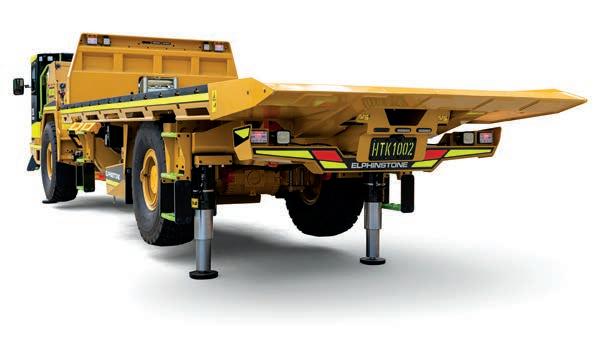
This shift is evident in the approach Australian Power Equipment is taking as it rethinks high-voltage infrastructure. They view maintenance as a system rather than a service, moving operators toward preventive strategies that improve cost certainty and safety. Similarly, original equipment manufacturers are designing machinery with servicing built into the blueprint. Elphinstone’s E15 agitator, which shares about 75 per cent of its DNA with the Caterpillar network, features groundlevel service points to ensure that daily inspections are thorough and safe.
Maintaining new industry expectations also requires a streamlined supply chain. When the Queensland Mining and Engineering Exhibition returns to Mackay this July, the focus will be squarely on-site productivity. There, ATOM Group will demonstrate its transition from a traditional product distributor to a supply chain partner managing products directly
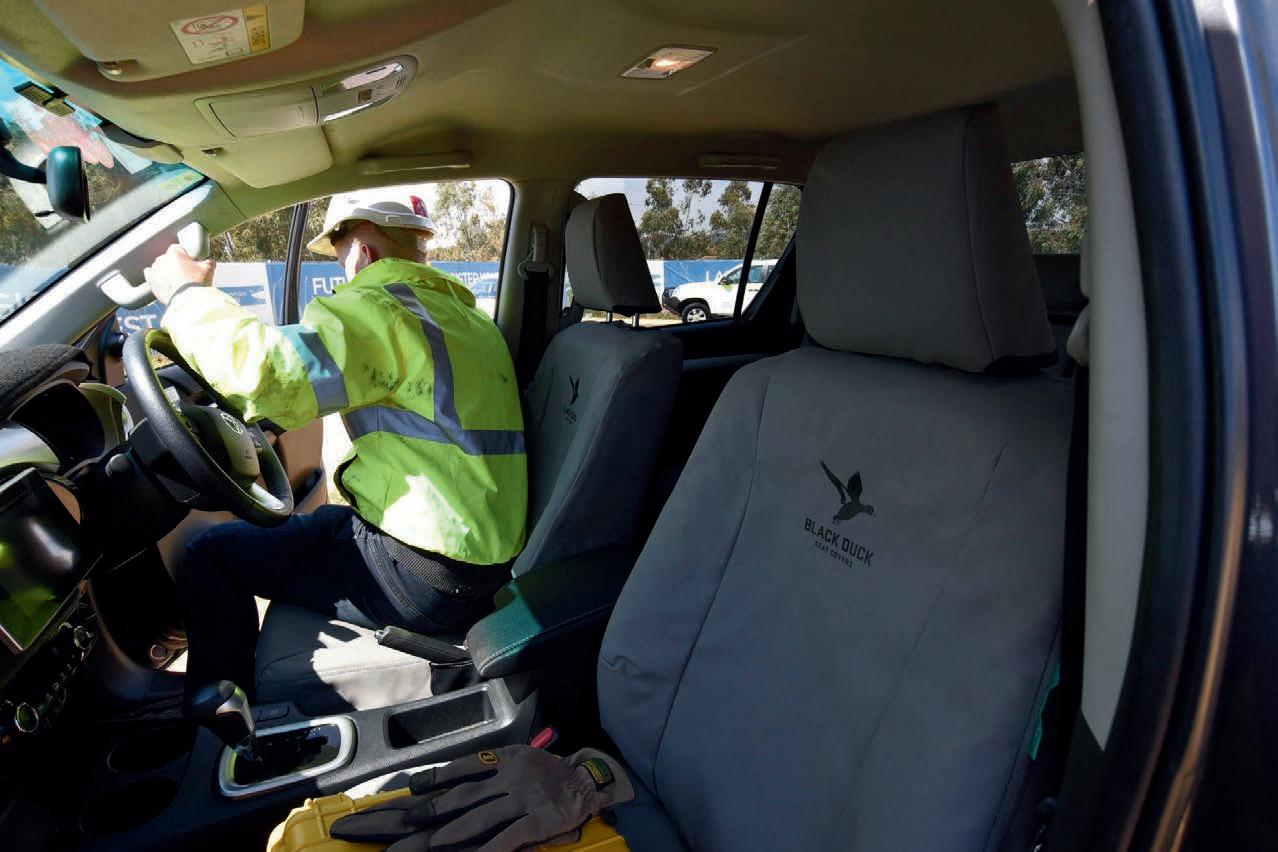
to the person. Protecting physical assets extends to the cabin interior, where Western Australian manufacturer Black Duck mitigates the hidden costs of fleet management by designing canvas seat covers for the abrasive conditions of the Pilbara.
Meanwhile, Western governments are increasingly willing to subsidise the extraction of smaller-volume critical minerals like antimony, gallium, and germanium from existing mine waste to support defence manufacturing.
In innovation, Australian technology company Metal Logic is challenging the traditional steelmaking model by introducing ‘scalable array smelters’, designing modular smelting units that can be deployed directly on-site.
Finally, ensuring a sustainable and profitable mining sector requires a dual focus on equipment reliability and human performance. The fly-in, fly-out roster remains the engine of the Australian mining industry. We look at how specialised practitioners are designing customised mental health support for remote workers, particularly regarding the psychological friction of returning home. We hope you enjoy the issue.
Luke Dodemaide Editor

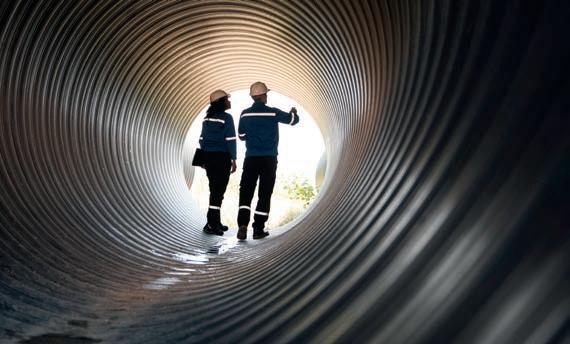
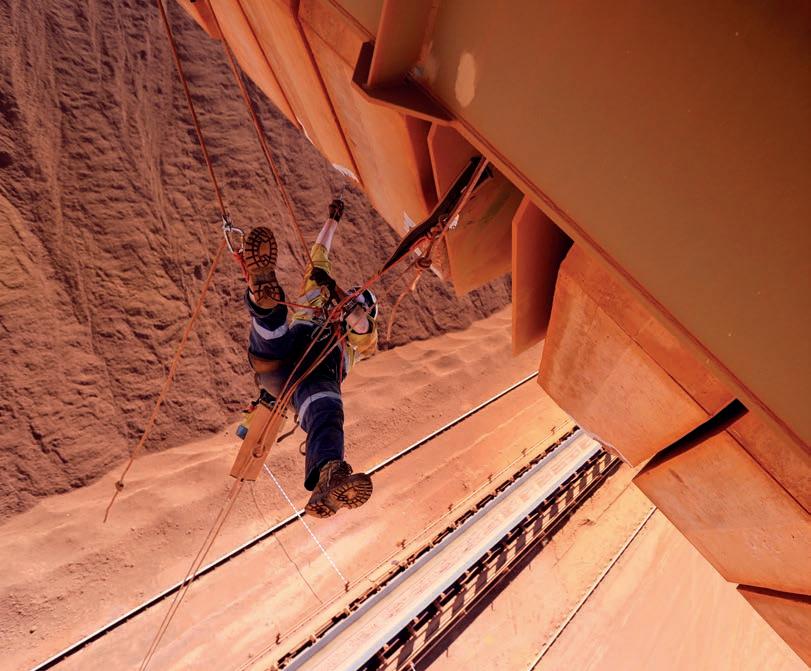
Australia’s mining sector is unlocking new value through proactive maintenance. Combining digital innovations, skilled personnel, and FIFO support ensures a safer, highly competitive future.
As Australian mining operations electrify, proactive maintenance is changing from a back-of-house function into a vital strategic lever, and Australian Power Equipment is powering that shift
In a sector where equipment is routinely pushed to its limits, Fenix Light is prioritising engineering-led design driven by on-site feedback.
Black Duck’s Australian-made seat covers protect mining eet interiors from harsh conditions, keeping drivers comfortable and maximising vehicle resale value.
is the industrial lifeblood of mining, yet it is often overlooked. GreaseBoss is changing that perception by turning a dirty job into
A look at recent WorkSafe WA award winners reveals how mining companies are designing human exposure out of the maintenance equation.
Australia’s mining sector runs on a unique remote roster, and a specialised clinic is adapting mental health support to keep this essential workforce strong.
QME 2026 will return to Mackay to o er insights on the supply chain evolution and spotlight major mining
For SEEPEX’s next generation of pumps, the designer leans on more than 50 years of engineering to deliver mining, wastewater, chemical and
Austmine and AusIMM have released the program for the Global Resources Innovation Expo, bringing an action-oriented event to Perth this May.
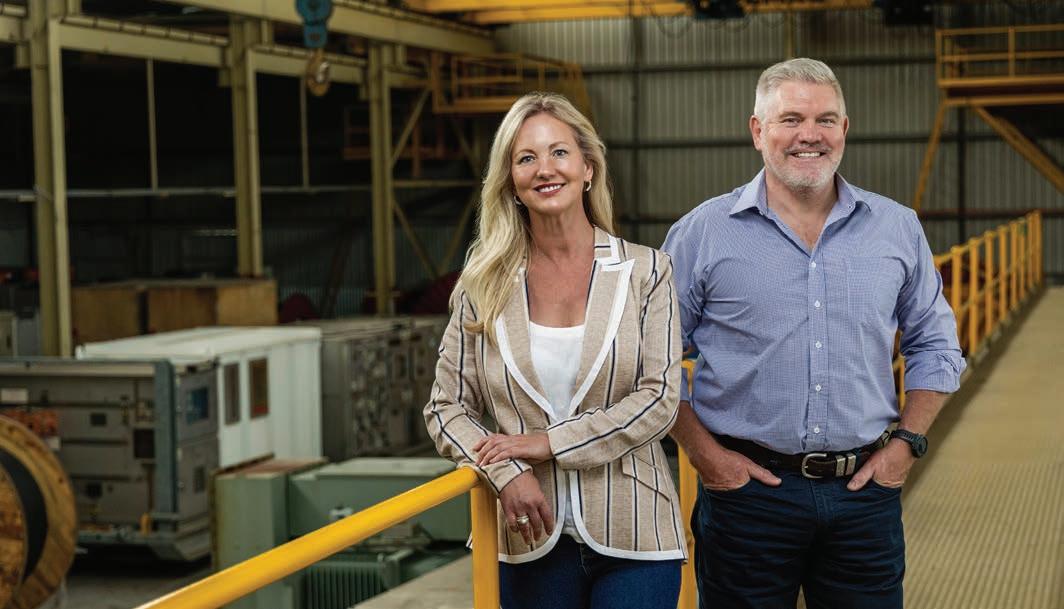
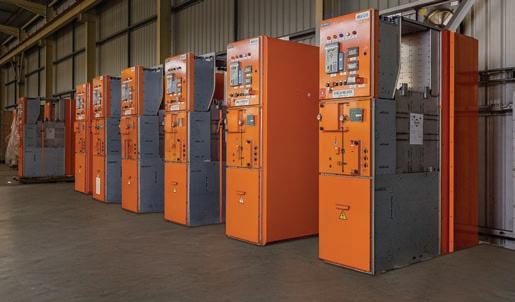
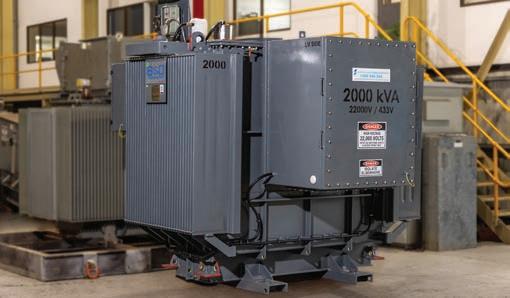
At Australian Power Equipment (APE), we deliver more than high-voltage power solutions – we deliver peace of mind. From brand-new transformers to expertly refurbished equipment, we help industries stay switched on with smarter, faster, and more sustainable options.
Our circular economy model means we don’t just supply power – we give old equipment new life. By refurbishing quality assets from decommissioned sites, we minimise waste, reduce lead times, and keep urgent projects moving. It’s better for business and better for the planet.
But our commitment doesn’t stop there. We actively support wildlife conservation and rewilding efforts across Australia – because powering progress should never come at the cost of our environment.
With a nationwide network and a lean, responsive team, APE sources and delivers critical equipment when and where it’s needed most. Whether it’s mining, infrastructure, or renewables, our clients trust us to keep operations running and downtime to a minimum.
Backed by decades of experience and a clear vision for the future, we’re proud to be shaping a more sustainable tomorrow.
AGENTS FOR




After not moving ahead an unprecedented combination with Glencore, Rio Tinto has validated its strict financial discipline with surging copper earnings and a dominant organic growth strategy.
The global transition to clean energy is inextricably linked to one element above all others: copper. As the world races to electrify vehicle fleets, upgrade ageing power grids and build vast renewable energy infrastructure, the mining sector stands on the brink of dramatic consolidation.
The numbers driving this trend are simple but daunting. The world needs more copper than is currently being pulled from the ground, making existing, highly productive assets more valuable than ever.
It is against this future-facing backdrop that the mining industry watched as two of its most formidable titans, Rio Tinto and Glencore, circled each other in a high-stakes courtship in 2025 and early 2026.
A successful merger would have created a genuine mining behemoth, commanding about seven per cent of the global copper supply by uniting Glencore’s one million tonnes of annual production with Rio Tinto’s 800,000 tonnes.
But when the Rio merger discussions wrapped up in February without a deal, the industry was left questioning the strategic implications for two of its biggest players. Now, as the dust settles on the failed negotiations, a different and perhaps more compelling question has been raised: was walking away from the deal Rio Tinto’s most lucrative strategic move yet?
The breakdown of the mega-merger was not a sudden implosion but a calculated withdrawal rooted in fundamental disagreements over corporate governance and valuation.
Rio Tinto chief executive Simon Trott entered the boardroom with a mandate for strict financial discipline. Guided by the framework set at the company’s Capital Markets Day in December, Trott aimed to prioritise long-term value over closing a transformational deal at any cost.
“We went under the hood with a singular focus on whether we could create value for shareholders,” Trott said, in a call with analysts.
Following extensive due diligence on Glencore’s sprawling asset portfolio, the numbers did not align with Rio Tinto’s stringent capital-deployment criteria.
“We had constructive discussions between the two teams. Ultimately, we
concluded that we could not reach an agreement that would deliver value for Rio Tinto shareholders,” Trott said.
On the other side, Glencore was equally uncompromising. The Swiss mining and commodity-trading giant ultimately rejected the proposal, citing several critical deal-breakers. Chief among them was Rio Tinto’s desire to retain both the chair and chief executive roles in the merged entity.
Glencore’s board also argued that the acquisition terms undervalued its leading copper growth pipeline and did not fairly apportion the material synergy value the merger would unlock. Sources close to the negotiations indicated that Glencore pushed for its shareholders to secure a 40 per cent stake in the new company, a premium Rio Tinto was unwilling to offer.
Glencore was quick to publicly assert its strength following the end of the talks, emphasising that its standalone investment case remains exceptionally robust.
“We concluded that the proposed acquisition on these terms is not in the best interests of Glencore shareholders,” Glencore said.
The company made it clear that the financial mechanics of the offer fell short of its internal projections.
“It does not reflect our view on long term, through the cycle relative value, including not adequately valuing our copper business and its leading growth pipeline, and apportioning material synergy value potential,” Glencore said.
Looking ahead, the Swiss giant remains confident in its portfolio.
“Glencore’s standalone investment case is strong. We have a well-diversified business across a range of commodities, supported by one of the best marketing franchises in the industry,” Glencore said.
The situation between these two giants is not without precedent. Industry veterans will recall that the roles were reversed just over a decade ago. Glencore proposed a $182 billion merger in 2014, which Rio Tinto’s board swiftly declined. At the time, Rio Tinto cited concerns over the potential disruption to its lucrative iron ore expansion plans and the overall negative impact on shareholder value.
With this latest chapter of merger talks now concluded, the immediate prospect of a combination is officially off the table.
While regulatory frameworks afford Rio Tinto limited flexibility to revisit dialogue after a six-month cooling-off period if market conditions drastically change, the internal focus has definitively shifted.
Far from retreating, Rio Tinto has pivoted to a highly profitable solo strategy powered by the very commodity at the centre of the failed acquisition. The company recently reported a financial windfall from its standalone copper division. Underlying earnings before interest, taxes, depreciation and amortisation (EBITDA) for the division surged 114 per cent year-on-year, reaching $7.4 billion in 2025. This leap was driven by an 11 per cent increase in production volume, totalling 883,000 tonnes, and an eight per cent improvement in realised market prices.
“Our solid financial results demonstrate clear progress as we embed our stronger, sharper and simpler way of working,” Trott said.
The engine behind this volume boost is undeniably organic. A 61 per cent surge in output from the ongoing underground expansion at the Oyu Tolgoi mine in Mongolia has profoundly reshaped the company’s production profile.
The Oyu Tolgoi project, located deep in the South Gobi desert, represents one of the most complex and lucrative mining operations on the planet.
Its successful ramp-up is a testament to Rio Tinto’s engineering capabilities and a vindication of its capital allocation strategy over the past decade.
This monumental engineering feat was further complemented by improved head grades at the Escondida operation in Chile. These targeted operational successes propelled the group’s underlying earnings up nine per cent to a massive $25.4 billion, while operating cash flow climbed to $16.8 billion.
“We achieved an eight per cent uplift in copper equivalent production driven by the ongoing ramp-up of the Oyu Tolgoi underground copper mine and record iron ore production since April from our Pilbara operations,” Trott said.
The influx of capital has allowed Rio Tinto to maintain its aggressive shareholder-return policy.
The company declared a $6.5 billion ordinary dividend, upholding its 60 per cent payout ratio for the tenth consecutive year.
This comes even as net debt rose to $14.4 billion, reflecting a calculated
“With a high-quality pipeline, anchored in copper, we have clear visibility to extend this growth profile well into the next decade.”
increase in leverage driven by the recent strategic acquisition of Arcadium Lithium.
Trott has been vocal about the implications of these results, noting that the forward-looking metals are dictating the future.
Rio Tinto projects a three per cent compound annual growth rate in copper production through to 2030.
Management is intentionally positioning copper and lithium at the centre of its next growth phase, explicitly without the need to pursue massive, transformational mergers.
“At the same time, the structural cost improvements underway today position us for higher margins and cash flow,” Trott said.
“With a high-quality pipeline, anchored in copper, we have clear visibility to extend this growth profile well into the next decade.”
By prioritising structural cost improvements and developing a highquality internal pipeline, Rio Tinto is securing higher margins and robust cash flow visibility well into the next decade.
The allure of a historic merger with Glencore may continue to captivate industry analysts, but the balance sheet tells a more grounded story. The mining sector does not always require unprecedented consolidation to capture the immense value of the global energy transition.
For Rio Tinto, the discipline to walk away has been validated by a multibillion-dollar copper windfall, proving that sometimes the best proponent for future growth is your own operational excellence.
Clarence Colliery Pty Ltd convicted of five environmental offences after overflows of water containing sediment and coal fines near Blue Mountains National Park. Clarence Colliery Pty Ltd ACN 001 680 584 (Clarence Colliery), a subsidiary of Centennial Coal, has been convicted in the Land and Environment Court of NSW for five offences under the Protection of the Environment Operations Act 1997 (NSW). Clarence Colliery was prosecuted by the NSW Environment Protection Authority (EPA) and pleaded guilty to all five offences at an early opportunity.
Clarence Colliery operates a coal mine located near Lithgow. The Wollangambe River runs adjacent to the mine and into the Blue Mountains National Park. Clarence Colliery is required to maintain its surface water management system in a proper and efficient condition. As of 20 December 2023, Clarence Colliery had not properly maintained one of its sedimentation basins, known as the Polishing Lagoon, such that it did not adequately capture and store surface water runoff containing sediment and coal fines.
Between about 20-21 December 2023, water containing sediment and coal fines overflowed from the mine. Clarence Colliery did not test its pollution incident response management plan within one month of this incident. Between about 5-6 April 2024, Clarence Colliery did not cease discharges from the Polishing Lagoon contrary to a prevention notice issued by the EPA, resulting in overflows from the mine that were not authorised by its environment protection licence. The offences had the potential to cause harm to the environment, including to the Wollangambe River.
On 20 February 2026, the Land and Environment Court convicted Clarence Colliery of five offences, comprising two offences of water pollution, one offence of breaching its environment protection licence, one offence of not testing its pollution incident response management plan, and one offence of breaching a prevention notice.
Clarence Colliery was convicted of the five offences and ordered to:
(i) pay monetary penalties in the total sum of $630,000;
(ii) pay the EPA’s costs of the proceedings in the sum of $170,000 and the EPA’s investigation costs in the sum of $15,548; and to publish notices of the convictions and the fines imposed.
Link to judgment - https://www.caselaw.nsw.gov.au/decision/19c556b6a9bc48ce6789e51c
This notice was placed by order of the Land and Environment Court of NSW.
Fostering long-term success, Australian mining is evolving beyond market volatility by embracing strategic innovation and resilience.
By Mitchell H. Hooke, chairman, Partners in Performance, part of Accenture

Australia’s mining industry is no stranger to the fluctuations of global markets. Mining is a cyclical business shaped by the complex of global geopolitics, fiscal policies and regulatory arrangements, economic growth, industrial development and innovation, and the expectations of all stakeholders – communities, governments and investors.
Global socioeconomic development is the primary driver of demand and supply, particularly through urbanisation, industrialisation, infrastructure, housing and consumer goods, energy and agriculture, and the digitalisation of economies, enterprises and lifestyles.
Economic cycles are the primary determinants of commodity prices, with recent peaks in tightening cycles preceding downturns, but I submit that
cyclical variability oscillates around a longer-term buoyant trajectory.
Notwithstanding the publicity around critical minerals for the transition to electrification and decarbonisation in the supply and use of energy, this will have a marginal impact, likely in the single digits, sufficient for the new commodities lithium, graphite and cobalt. The key issue for critical minerals is more a national security imperative than an energy transition construct.
The minerals sector is in a period of volatility, characterised by a challenging macro-economic environment, uneven global growth, negative fiscal policies and regulatory vulnerability, and geopolitical tensions that are giving rise to a bipolarisation of the geopolitical and socioeconomic construct between ‘the west’ and ‘the east’.

This is defined in terms of domestic protectionist measures, anti-competitive conduct and preferential trading blocs, giving rise to the de-globalisation of trade and commerce, where national interest is considered best served by reshoring and/or ally-shoring critical supply chains and product markets, principally in minerals, metals, and pre-derivative and end products.
China, aided by advanced manufacturing and technologies and highly competitive energy costs, has successfully positioned itself as a driver of future growth in sectors deemed strategically important to other countries, especially the US, Europe and Japan.
This environment drives companies to consider sovereign risk in all its manifestations, and the demand and supply of future-facing commodities.
It also requires attention to risk management in building balance sheet resilience, addressing declining multifactor productivity, and improving social and environmental stewardship through innovation in technologies and operating systems. Additionally, companies must focus on developing capacity and capability across hard and soft skills disciplines, and strengthening physical and social infrastructure of operations.
New perspective on sovereign risk
Sovereign risk has traditionally been associated with unstable economies; however, developed economies are now also a source of uncertainty.
Supply chain concentration risk has come to the fore amid concerns over geographical, project and openmarket policies.
nationalism is on the rise, with companies facing uncertainty over fiscal and taxation arrangements, property rights and security of tenure.
Inflation and deflation are influencing capital costs and risk appetite, affecting global growth, productivity and investment, with particular impacts on energy, labour and project feasibility and timelines.
Monetary policy fluidity, especially in heavily indebted countries like the US and China, complicates cost-of-capital and investment assessments; the inflationary and risk-weighting effects severely compromise project valuations and risk appetite.
In parts of Asia, the economic outlook has shifted due to trade tensions and macroeconomic disruptions, with deflation already apparent. Demand for
minerals and metals, with the notable exception of gold, is relatively muted, reflecting global circumstances and a modest energy transition, thereby moderating critical minerals demand and supply elasticity relative to earlier projections.
Energy transition capacity is short of expectations in the pace and character of technological developments in energy density, industrial processes and infrastructure build.
Commodity prices are likely to continue to track the long-run equilibrium of marginal cost curves, the percentile of which will depend on where markets clear.
Costs always rise to revenue; the upswing is structural and cyclical drift, but their resilience and redress to the downside are more structural challenges.

Capital intensity for new builds and operating costs has risen, with the impact heightened by slowing multi-factor productivity. Some put unit mining costs as high as doubling over the past five years, and multi-factor productivity declining by 3–3.5 per cent year-on-year over the past decade and a half.
The sector is confronted with increased regulations governing land access, project permitting and scope-of-work approval processes.
The inflationary environmental and social stewardship expectations of communities, capital markets and governments are transcending company initiatives in social license to operate/ community engagement practices to mandatory regulatory requirements, including increasingly prescribed
cultural heritage compliance, stricter environmental standards, mandatory social stewardship without, prima facie, demonstrable derived value.
Supply continues to outpace demand, with surpluses likely through the decade and into the next, with a few exceptions, notably seaborne-traded coal, notwithstanding that commodity prices remain below levels necessary to incentivise new greenfield projects and, in some cases, brownfield expansions.
This strategic cycle is a barrier to investors. Capital markets are proving persistently cautious with mining, risk-averse to investment generically and more acutely in exploration, start-ups and long-life projects, either not participating at all, inflating risk premiums and
investment hurdles, and/or quarantining investment to short-term focus on producing assets.
Added to which, they are still developing the analytical skills to assess and manage risk, increasingly uncertain of which commodities or products, technologies, companies, jurisdictions and projects to back.
The sector will benefit from expanding beyond its core disciplines of engineering, metallurgy and geology to include data engineering, chemical engineering, and the environmental and social sciences. People skills are also integral to building a corporate culture that fosters integrated and interdependent operations, moving away from traditional silos and singlepoint solutions.
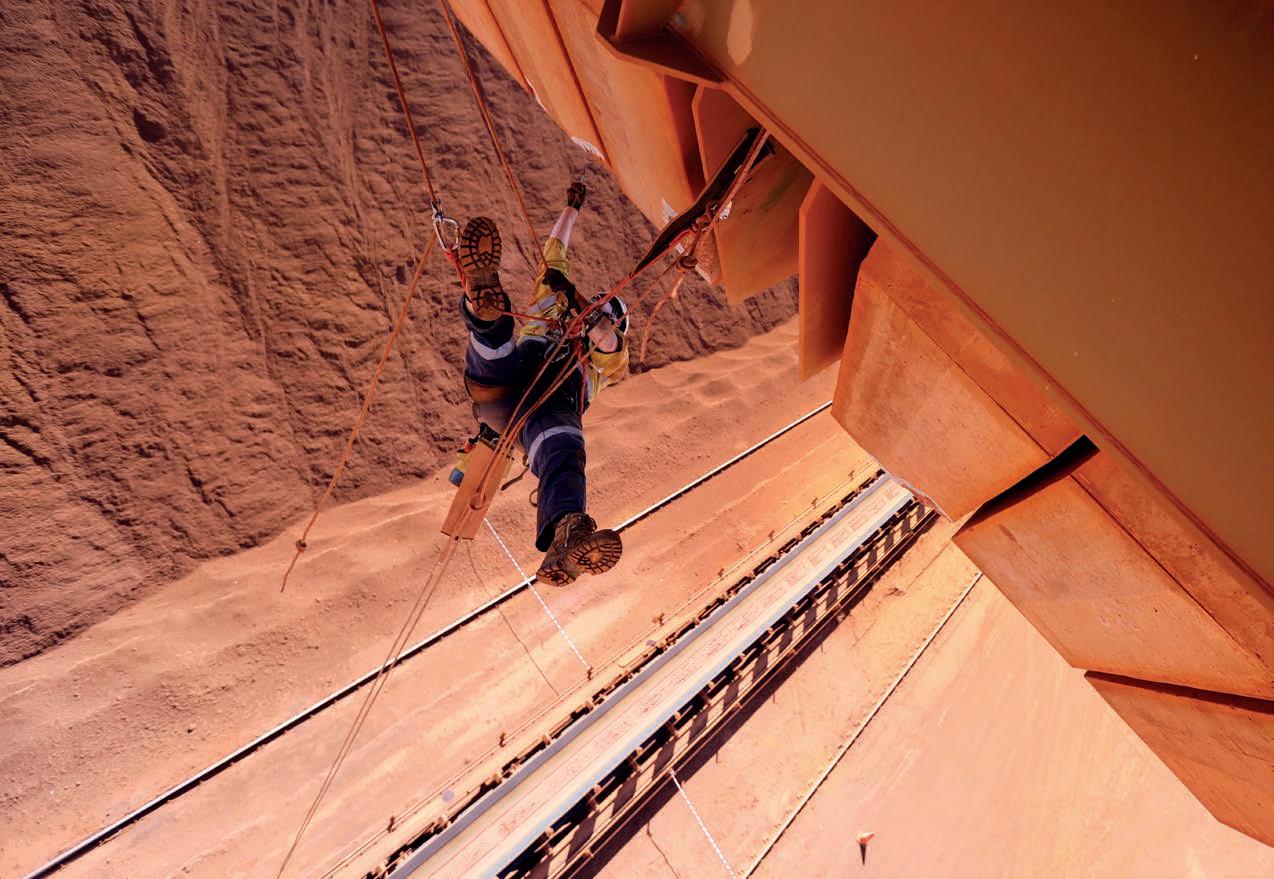
Australia’s mining sector is unlocking new value through proactive maintenance. Combining digital innovations, skilled personnel, and FIFO support ensures a safer, highly competitive future.
Keeping Australia’s resources sector safe, productive and competitive is a high-wire act. It relies on a changing workforce, sophisticated digital infrastructure and an integrated approach to site wellbeing. In the heart of Australia’s vast mining sector, maintenance has evolved from a routine operational task to become a strategic imperative that underpins long-term competitiveness.
Mining operations take place in some of the harshest and most demanding environments on the planet. Massive fleets of heavy machinery, intricate processing plants and remote work sites expose equipment to extreme wear, vibration and dust. When a key piece of equipment fails unexpectedly, production can grind to a halt, costing significant time and money.
Site teams must balance high production with the maintenance of ageing equipment that enables it. This challenge often leads to a hidden cost called the maintenance deficit, which is the gap between planned and actual maintenance by site personnel. In a reactive environment driven by production targets, finding time for critical service work is difficult. As machines age and need more intensive
servicing, critical repairs are often delayed. This adds pressure on essential infrastructure and increases the risk of catastrophic failure.
These challenges are especially pronounced in Australia, where vast distances and remote locations create major logistical hurdles. When unplanned breakdowns occur in these isolated areas, the financial cost of downtime rises sharply due to the time required to source replacement parts and mobilise specialised service personnel.
The tools and technology used in modern mine maintenance reflect the dual demands of mechanical skill and technological sophistication. On the ground, maintenance crews continue to rely on traditional heavy-duty tools, diagnostic equipment and rigging gear to inspect and service massive machinery such as haul trucks and excavators.
Alongside these traditional tools, digital innovations are fundamentally transforming maintenance practices. As maintenance becomes more technical and data-driven, the role of skilled professionals is expanding.
The industry’s adoption of advanced predictive tools is creating strong demand for workers with blended skills, pairing mechanical know-how with
digital literacy. Today, data analysts and reliability engineers are as essential to the ecosystem as traditional diesel mechanics and fitters. Workforce planning data shows substantial growth across related sectors in Australia, with thousands of jobs expected in mining services over the coming decade.
This trend highlights the importance of training, apprenticeships, and targeted career pathways to equip maintenance teams with the skills needed for modern underground mining operations, where machines extract ore and operators rely heavily on data, tracking, and real-time communication to drive productivity while safeguarding workers.
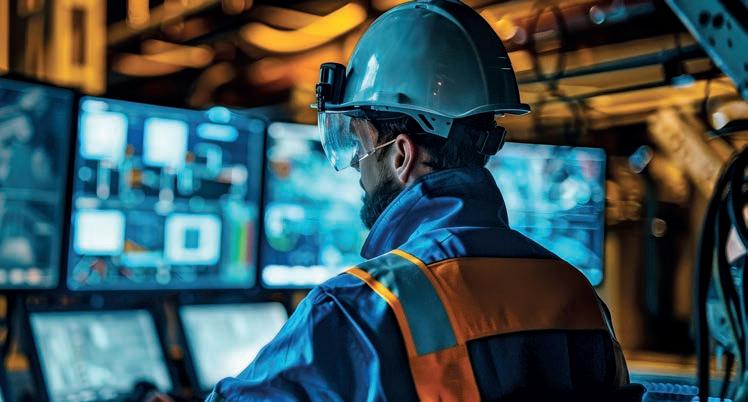
The industry is deploying next-generation digital networks designed specifically for harsh underground environments. Advanced platforms now incorporate upgraded wireless standards like Wi-Fi 6, fibre connectivity and ultra-wideband tracking. Modern digital network solutions often use a single cable for both power and fibre, offering plug-andplay installation valued by operations struggling to get information technology personnel underground.
The integration of ultra-wideband technology also improves personnel and asset tracking accuracy, pinpointing
locations to within 10 centimetres. Above ground, Internet of Things (IoT) sensors in machinery collect real-time data on vibration, temperature and pressure.
This information feeds into central analytics platforms that let maintenance teams forecast equipment issues and schedule repairs proactively, shifting the focus from reactive fixes to conditionbased interventions. These digital innovations are turning manual tasks into precise digital sciences.
For example, emerging technologies are digitising lubrication management, turning a grease gun into a smart device that tracks fluid flow and system health. The financial and operational impacts of this digital oversight are significant. In one industry case study supplied by Western Australian-based GreaseBoss, sensors detecting a pattern of intermittent pump activity traced to a faulty cable harness saved a customer an estimated $10 million in potential equipment failure.
Technology alone cannot solve the maintenance deficit without a strategic shift in how mining companies partner with suppliers and manufacturers.
contractors for different aspects of a machine's upkeep. This fragmented approach can lead to disjointed results. To counter this, there is a movement toward engaging original equipment manufacturers for comprehensive maintenance partnerships.
These manufacturers understand the critical operational components of their machines and can deploy crossfunctional teams to work on multiple fronts during a shutdown window. Similarly, the broader supply chain is transitioning to better support site productivity. Mining sites are seeking ways to remove non-core activities, reduce complexity, and improve labour efficiency. Leading hardware and safety suppliers are moving from simply distributing products to becoming integrated partners who manage consumables directly for site personnel. By shifting responsibility for industrial and safety consumables, sites can simplify supply chains, reduce inventory on balance sheets and improve productivity.
The success of technological advancements depends on the personnel
machinery requires systematic upkeep, the mental health and well-being of the workforce driving national production demands equal attention.
The fly-in, fly-out (FIFO) roster is the engine of the Australian mining industry, providing a lucrative structure for a workforce operating hundreds of kilometres from home. Recognising the industry needed a more agile approach, specialised practitioners are decoupling therapy from the weekly calendar to create a customised approach for remote workers. Much of this work focuses on the psychological friction of re-entry, the critical window when a worker returns home.
Ultimately, ensuring a sustainable and profitable mining sector requires a dual focus on equipment reliability and human performance. By integrating digital innovations to protect high-value assets and deploying agile support structures to protect the workforce, companies can anticipate problems before they arise.
As Australia’s mining sector continues to innovate, comprehensive maintenance stands not just as an operational necessity, but as the primary driver of a safer, more efficient and globally
Australian miners are embracing technology, utilising digital tools to boost productivity, safety and sustainability amid rising operational pressures.
In underground mining, productivity and safety depend on the reliability of the fleet. For a ground support leader like Jetcrete, every hour a machine spends in the workshop disrupts the site’s operational ecosystem. By integrating the Elphinstone E15 series, Jetcrete is shifting its maintenance focus to an engineering standard that provides digital foresight into machine operational performance and maintenance planning.
This move marked a new chapter in a partnership that proved its worth under pressure. The collaboration between Jetcrete and Elphinstone was formalised
in 2018, when a zinc-copper-lead project in Tasmania required a highcapacity agitator.
Elphinstone’s ability to deliver a local purpose-built solution for challenging conditions made them the obvious choice for Jetcrete.
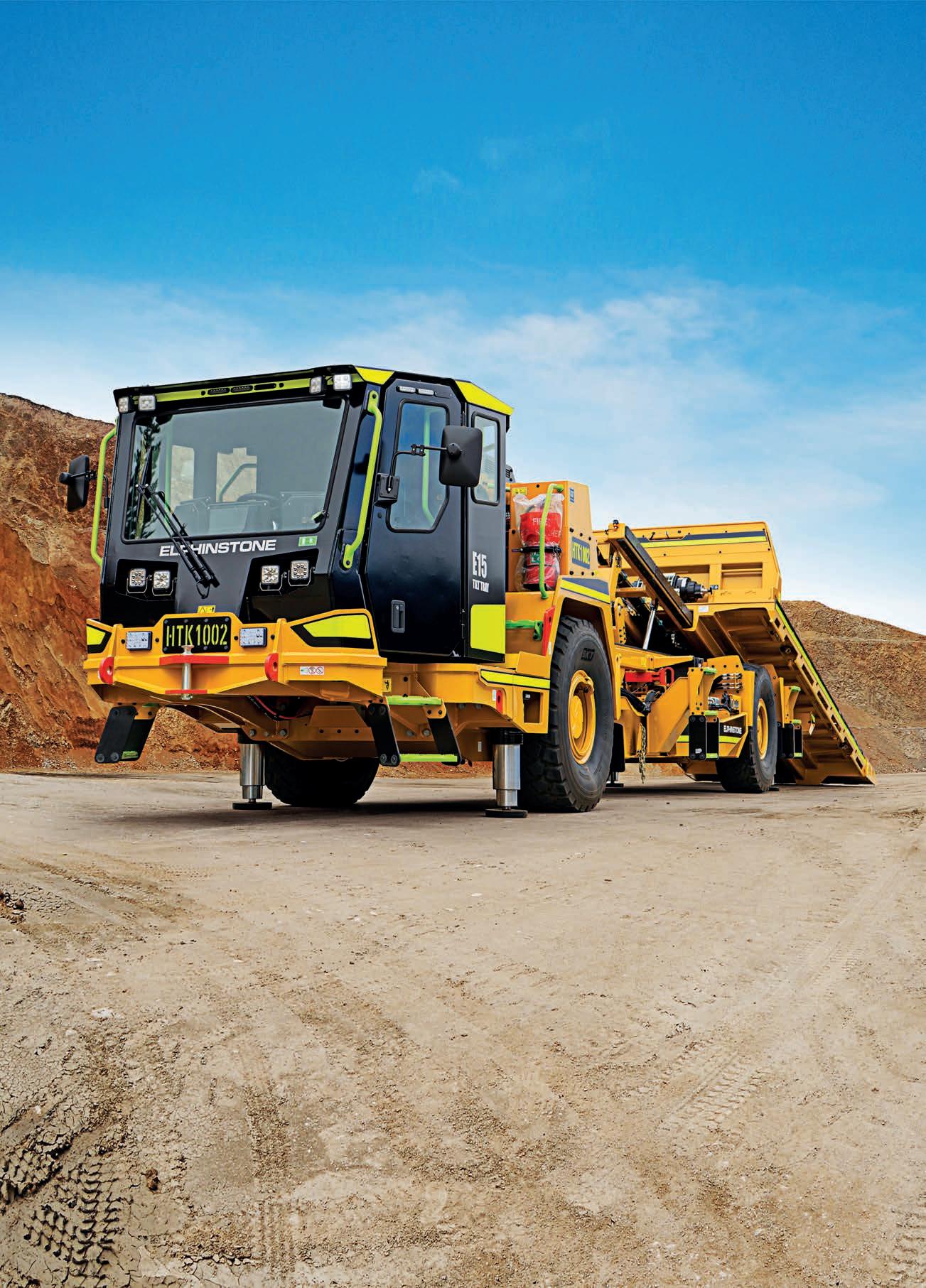
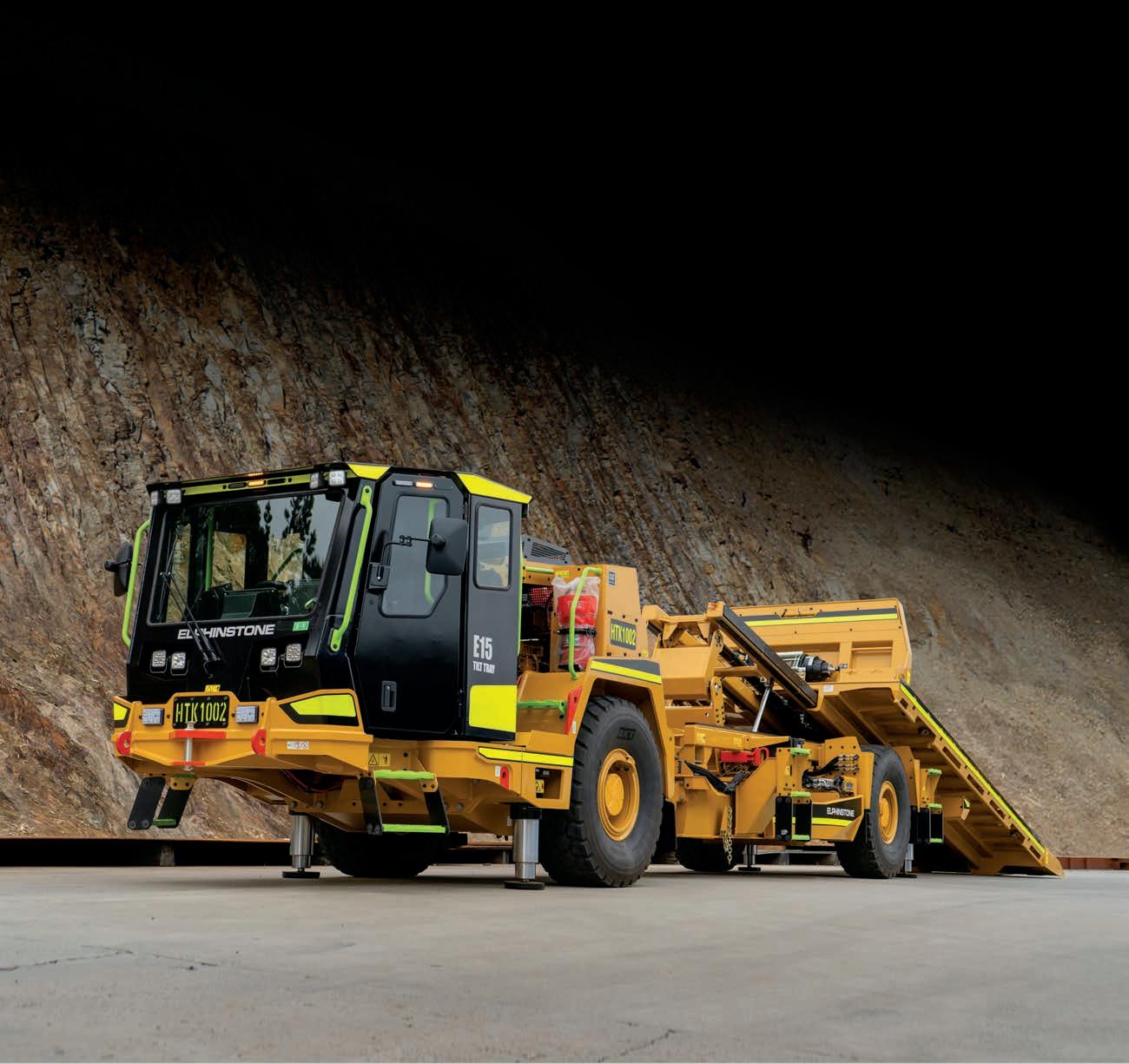
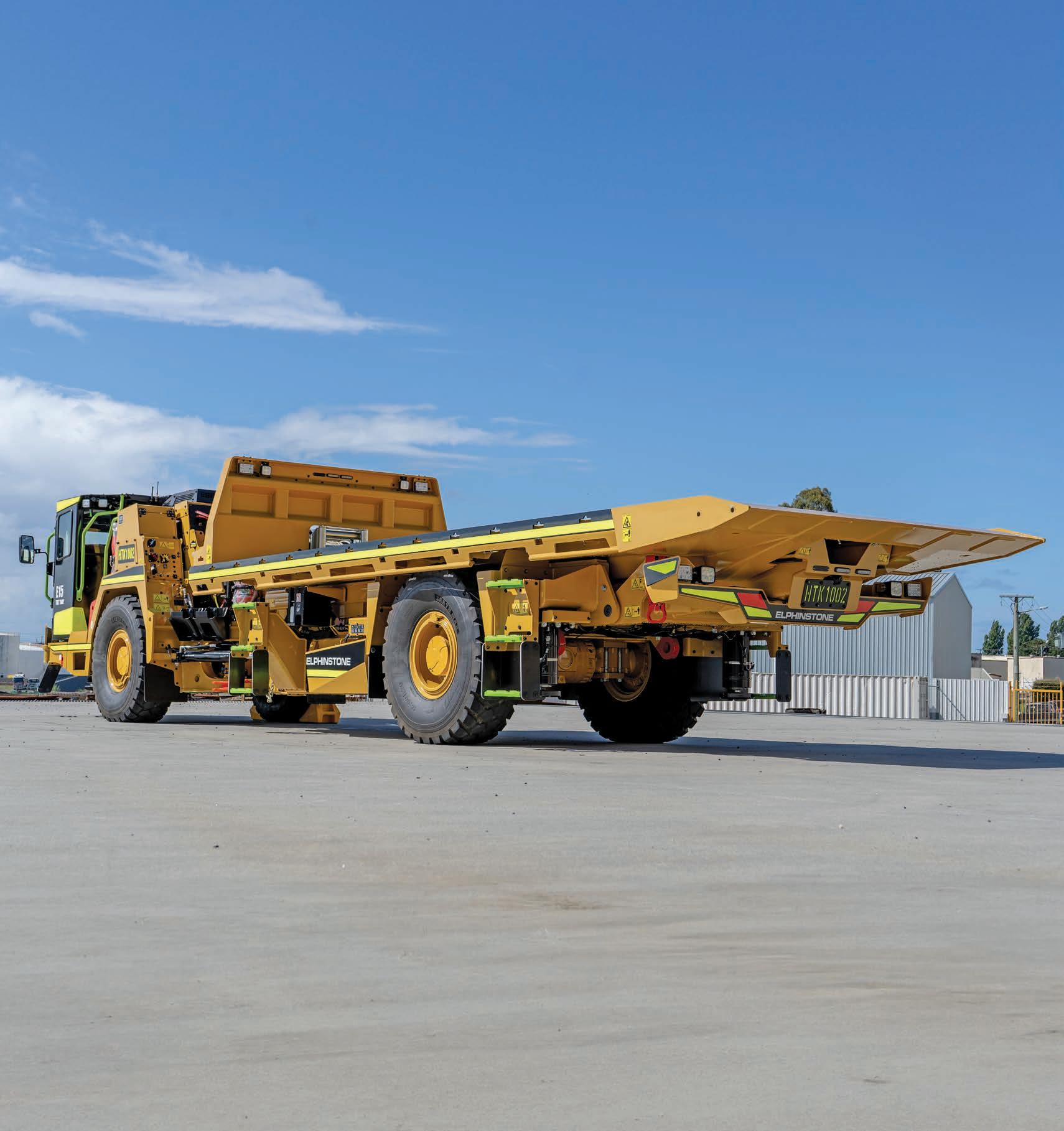
The E15 is not a single-purpose machine but a modular platform. While Jetcrete has focused on the 7m³ agitator to support its shotcreting operations, the platform’s versatility is becoming a key selling point for the industry.
The E15 Delivery model, for example, offers a payload of up to 17,200kg and can
be configured with a high-capacity crane to move heavy equipment underground.
Most recently, the introduction of the new E15 Tilt Tray has allowed sites to replace standard highway-style trucks with a rugged, purpose-built solution. This flexibility helps to ensure that as a mine evolves, the E15 fleet can be reconfigured to meet new operational demands.
A key advantage for Jetcrete is the E15’s Caterpillar C7.1 engine, drivetrain and genuine Cat parts and components.
Approximately 75 per cent of the machine shares DNA with proven Caterpillar products and applications,
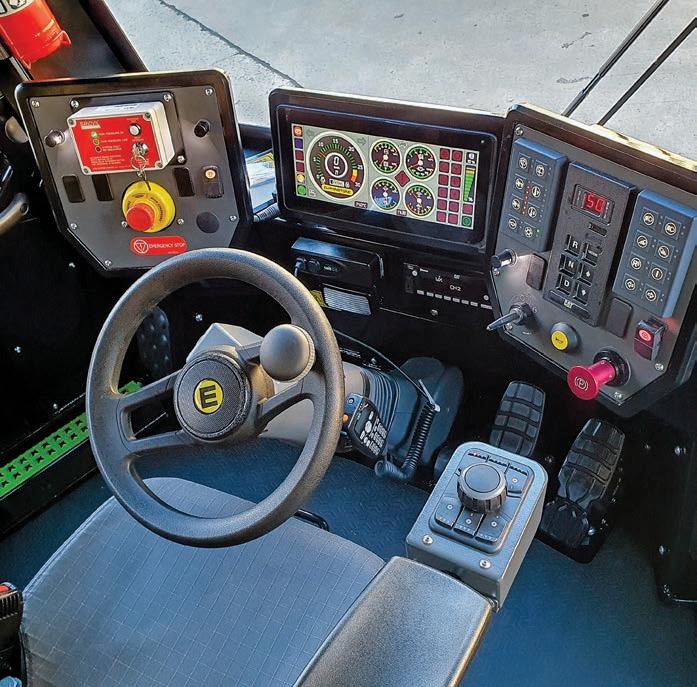
Central to this is a 300mm (12in) onboard touchscreen.
“We have a great team of people with a lot of ‘yagottawanna’.” Elphinstone founder Dale Elphinstone
which simplifies procurement and logistics.
“The cab chassis is common to all E15 models and can be easily configured to suit your mine site application requirements,” Elphinstone global sales and marketing manager Tim Mitchell said. “The high number of common configurable parts and components allows for reduced part stocking, plus simplified maintenance and operation.”
The component commonality across all E15 models is designed to provide the highest level of reliability, durability and parts availability through the worldwide Caterpillar dealer network, reducing operating costs and preventing weeks of downtime if a component fails.
The E15 series leads a digital shift in mining. Instead of waiting for a component to fail, maintenance teams can use the machine’s internal diagnostics to identify any issues early.
“The touchscreen operator display provides vital machine status information,” Mitchell said. “Real-time data includes engine coolant and transmission oil temperature, pitch and roll indicators, engine oil pressure, engine speed, an integrated camera system, and vehicle speed and fuel level.”
To prevent human error or equipment damage, the system uses a three-tier warning strategy with shutdown functionality.
“The operator’s dash includes a user-friendly troubleshooting section for rapid fault identification, increasing the availability and productivity of the machine,” Mitchell said.
This allows the machine to automatically limit its functions if it detects an abnormality, effectively protecting the E15 from any failure.
While the digital features are impressive, the E15’s design resonates most with crews on the ground, who appreciate the class-leading operator experience. The ROPS/FOPS-certified cabin is built to accommodate three people, which directly impacts operational efficiency.
Allowing the entire crew to travel together reduces the number of light vehicles in the tunnel, lowering traffic congestion and improving site safety. Visibility is another critical factor. The central driving position offers a 180° field
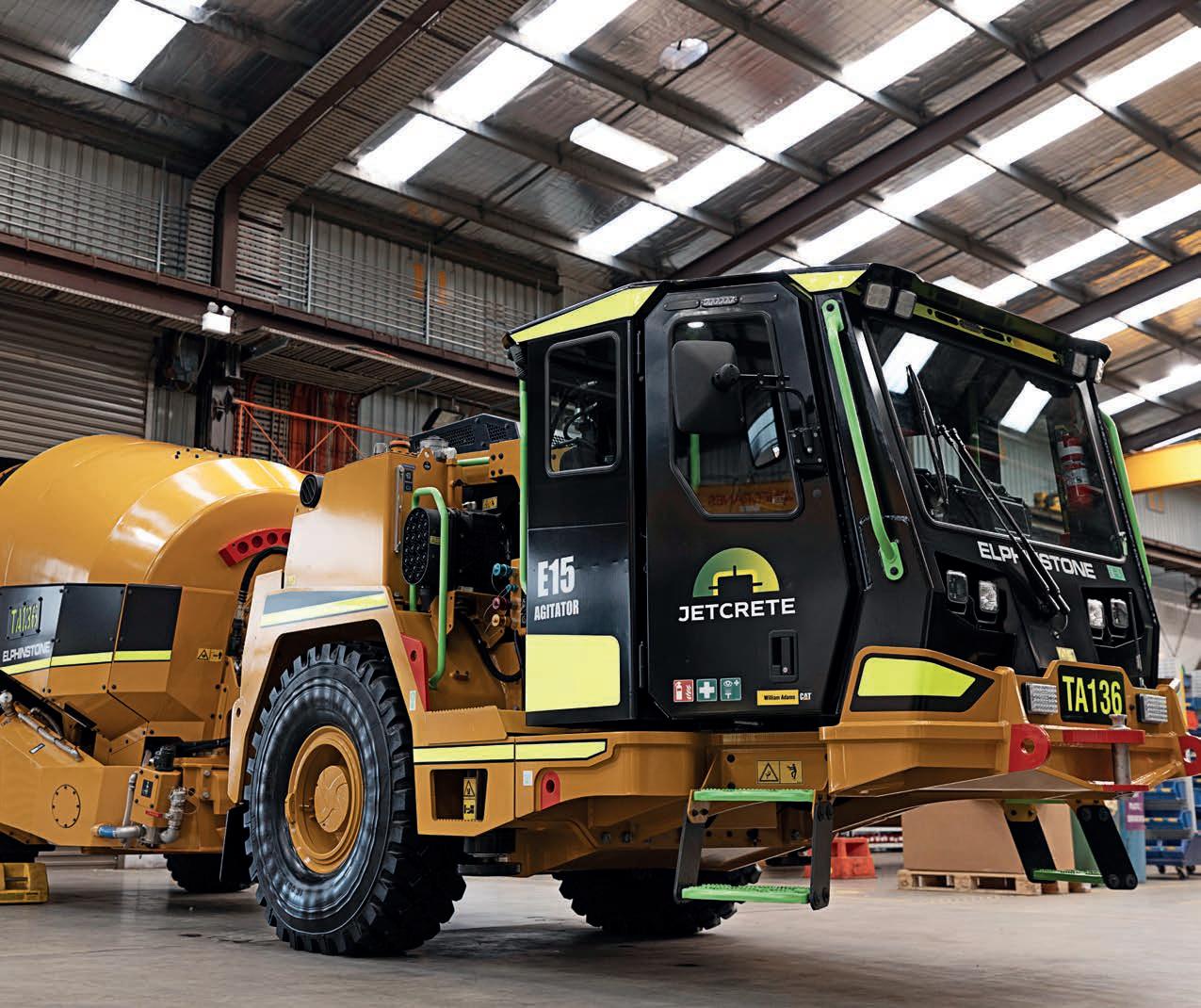
of view that remains clear, even with passengers present. This is vital when navigating narrow, often wet declines of underground mines. To ensure a smooth ride, the E15 features an oscillating hitch and front suspension, keeping all four wheels on the ground in rough terrain.
From a maintenance perspective, the E15 was designed with the understanding that if a component is difficult to access, it risks being overlooked during routine servicing. To eliminate this hurdle, Elphinstone engineers moved all critical service points to ground level with easy access, ensuring daily inspections are thorough and safe.
“Downtime during service and maintenance is reduced markedly on the E15 due to clever engineering and design features, incorporated with service personnel in mind,” Mitchell said.
This approach includes a centralised onboard service centre with fluid-sample points for analysis, as well as engine and machine-isolation functions on a single panel accessible from the left-hand side.
Quick-change air filters and 500-hour oil service intervals boost productivity. By incorporating optional systems such as auto-lube, fast fill and fast evacuation, the E15 ensures a seamless transition from the workshop back to operation.
The ground-level access is a big plus for operations and maintenance teams. The once-present risks of slips, trips and falls have been eliminated on the Elphinstone E15 and teams can now conduct all inspections and work from ground level.
Elements of the Elphinstone E15’s design date back to 1975, when Dale Elphinstone began modifying Caterpillar equipment in his father’s shed in Burnie.
That small-town operation has since grown into a global force, yet it retains a distinct company culture.
Founder and chief executive Dale Elphinstone attributes this 50-year trajectory to a team that continues to push boundaries.
“One person doesn’t do very much,” he said. “We’ve done a lot of things because we didn’t know we couldn’t, and that’s
because we have a great team of people with a lot of ‘yagottawanna’.”
This philosophy of relentless improvement led to Dale’s induction into the National Mining Hall of Fame, the first person outside the US to receive the honour.
As the industry looks toward a net-zero future, the partnership between Jetcrete and Elphinstone is already eyeing the next technological leap. Reducing diesel emissions, heat and noise in underground environments is becoming a priority for miners.
The transition to electrification solutions is a major focus for future underground operations and Elphinstone’s future product development, according to Mitchell.
This forward-looking approach ensures that the engineering excellence that started in a Tasmanian shed 50 years ago will continue to drive the future of Australian mining, making operations safer, more sustainable and more productive.
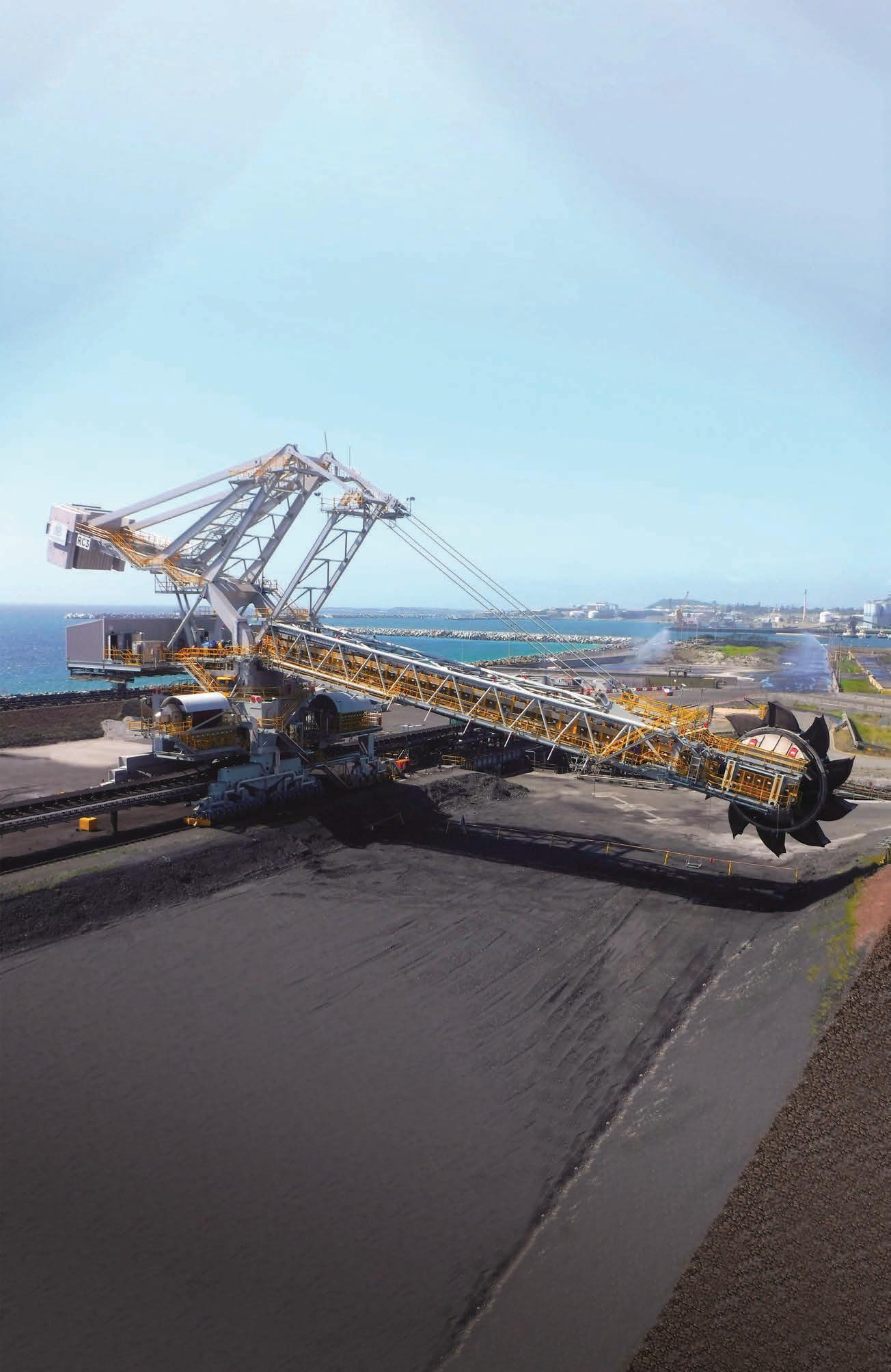
KOCH Solutions - Your Premier OEM Partner in Materials Handling. With over three centuries of combined expertise, Koch Solutions stands at the forefront of materials handling innovation. Our legacy is built on the renowned heritage of thyssenkrupp, SANDVIK and FLSmidth ’s Materials Handling divisions.
Backed by a global track record of over 10,000 successfully delivered projects, we offer more than equipment - we deliver transformative solutions. Our state-of-the-art facilities and forward-thinking approach ensure operational efficiency, reliability, and long-term value for our partners.
KOCH Solutions Australia | Sales.AU@koch -solutions.com or AfterSales.AU@koch -solutions.com www.koch-solutions.com
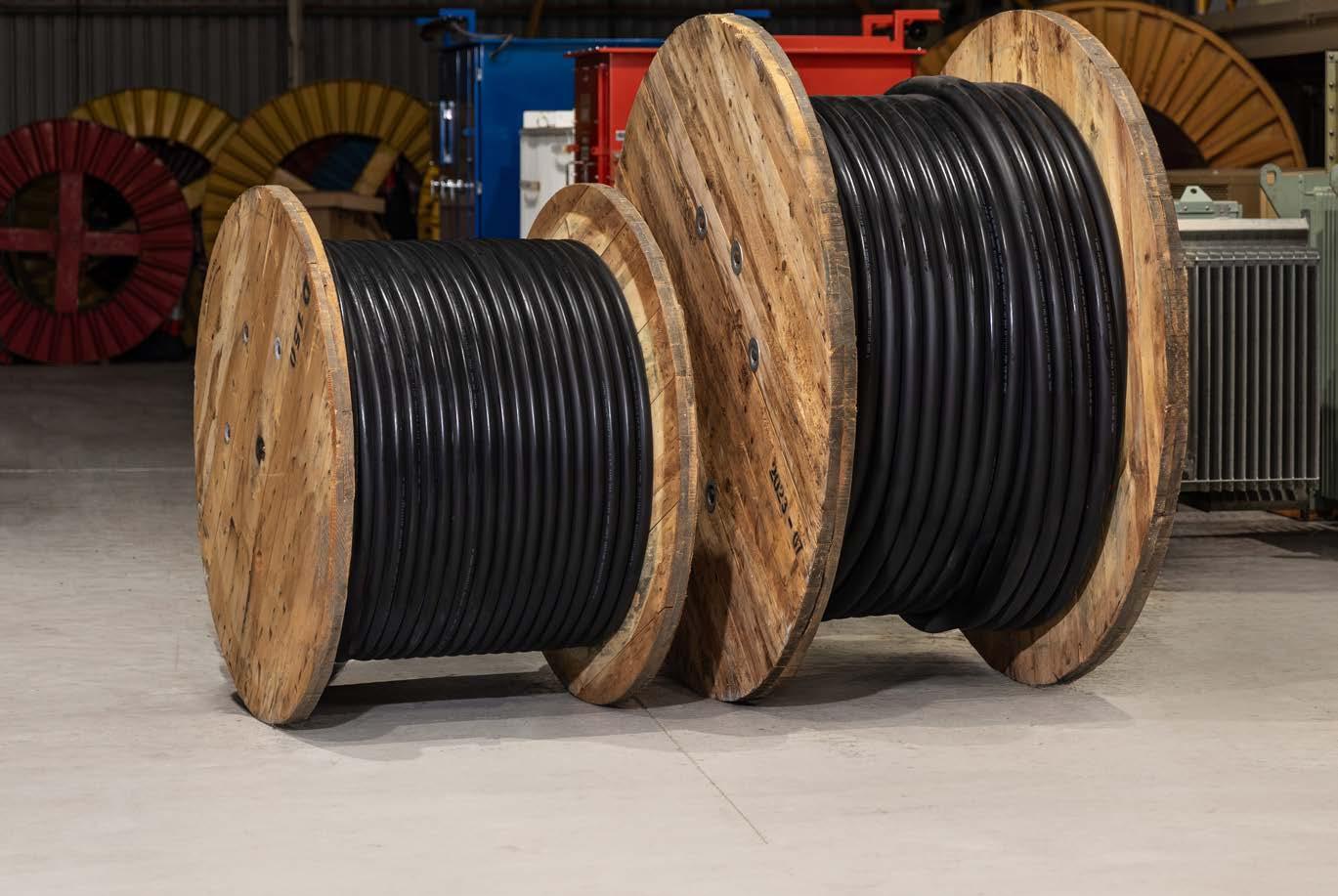
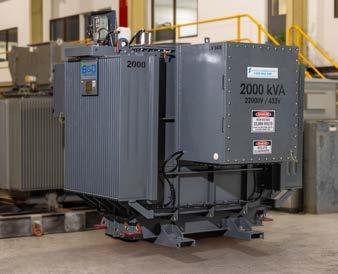
As Australian mining operations electrify, proactive maintenance is changing from a back-of-house function into a vital strategic lever – and Australian Power Equipment is powering that shift.
As mining operations across Australia move to electrification and become more uptime-critical, maintenance is no longer a back-of-house function. In today’s environment, electrification is now a strategic lever that directly influences safety, production continuity, and long-term cost certainty, as well as providing an opportunity to improve environmental impacts.
For Australian Power Equipment (APE), as a leading low-, medium- and highvoltage power equipment provider, this shift reflects what many mine operators are already experiencing on site: traditional, reactive maintenance models are no longer fit for purpose in modern high-voltage environments.
“Maintenance of high voltage equipment has historically been treated as something you respond to when equipment fails,” APE co-director Andrew Cockbain said.
“But in today’s mining operations, failure isn’t just inconvenient, it’s a safety risk, a production risk, and a commercial risk.”
Electrical mining maintenance has traditionally focused on keeping assets running for as long as possible, often pushing aged infrastructure well beyond its original design intent. While this approach may have worked in the past, it exposes operations to increasing levels of unplanned downtime, compliance risk, and extended outages when replacement equipment cannot be sourced quickly.
Now, many operators are moving toward preventive and lifecycle-based maintenance strategies, looking not just at individual assets but at how entire power systems perform over time.
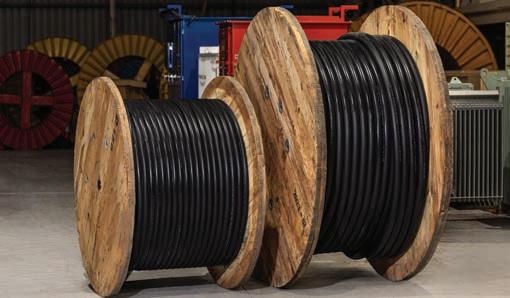
“At APE, we see maintenance as a system, not a service,” APE co-director Abby Crawford said. “It’s about understanding how substations, transformers, cables, accessories, and supporting infrastructure work together, and where the real operational risk sits across the lifecycle.”
This system-level approach enables operators to plan redundancy earlier through asset renewal, improve cost certainty, and align maintenance decisions with future power demand
rather than past assumptions. It also enables consideration of how electrical equipment is powered, with APE offering FR3 fuelled equipment improving environmental outcomes.
Despite this shift, some of the highestrisk areas in mining power infrastructure remain consistently underestimated.
Cable systems and accessories, for example, are often viewed as static assets. In reality, they are exposed to mechanical handling, thermal loading, environmental conditions, and changes in duty that can significantly reduce service life if not actively managed. Another common risk is the ‘it’s still working’ mindset. Assets may remain operational while insulation systems degrade, protection technology becomes obsolete, or capacity no longer matches operational demand. Waiting until failure often removes flexibility, forcing urgent decisions, extended downtime, or compromised solutions.
“We regularly see infrastructure that’s been pushed well beyond what it was originally designed for,” Cockbain said. “By the time it fails, options are limited. The earlier you address those risks, the
more control you have over safety, timing, and cost.”
A key part of modern maintenance planning is flexibility, and that flexibility increasingly comes from access to both new and refurbished equipment.
Refurbished high-voltage assets supplied by specialist providers can play a critical role in reducing maintenance burden, improving reliability, and extending asset life, particularly where lead times for new equipment are long.
“Refurbishment doesn’t mean compromise,” Crawford said. “When it’s done properly, refurbished equipment can be purpose-built for a site’s specific requirements, tested to current standards, and deployed far faster than many new builds. We also have new equipment in stock that can be quickly deployed.”
For many mining operations, refurbished equipment and hire solutions are also essential in managing unplanned events. Hired and refurbished assets can be deployed quickly to bridge an emergency gap while operations continue as new, site-specific equipment is engineered and delivered.
“Hire is often the difference between a short-term disruption and a prolonged outage,” Cockbain said. “It gives sites breathing room, particularly in remote locations where downtime costs escalate quickly.”
By combining new equipment for long-term needs, refurbished equipment for flexibility, and hire for contingency planning, operators can build resilience into their maintenance strategies rather than reacting under pressure.
Ultimately, modern maintenance is about risk management – not just asset preservation.
It requires understanding where failure would have the greatest impact, where safety exposure is highest, and where proactive intervention can deliver the greatest return. It also means recognising when replacement, refurbishment, or temporary hire is the most practical solution.
“Good maintenance asset planning gives operators options,” Crawford said. “It allows decisions to be made deliberately, not in crisis mode.”
As mining transitions toward electrification and increasingly complex power networks, maintenance strategies will only become even
more important. The operations that perform best will treat maintenance as an integrated lifecycle function, which is supported by the right mix of new equipment, refurbished solutions, and responsive support.
Rethinking maintenance is no longer about keeping assets running at all costs. It’s about ensuring power systems are safe, reliable, environmentally responsible and fit for purpose, now and into the future.
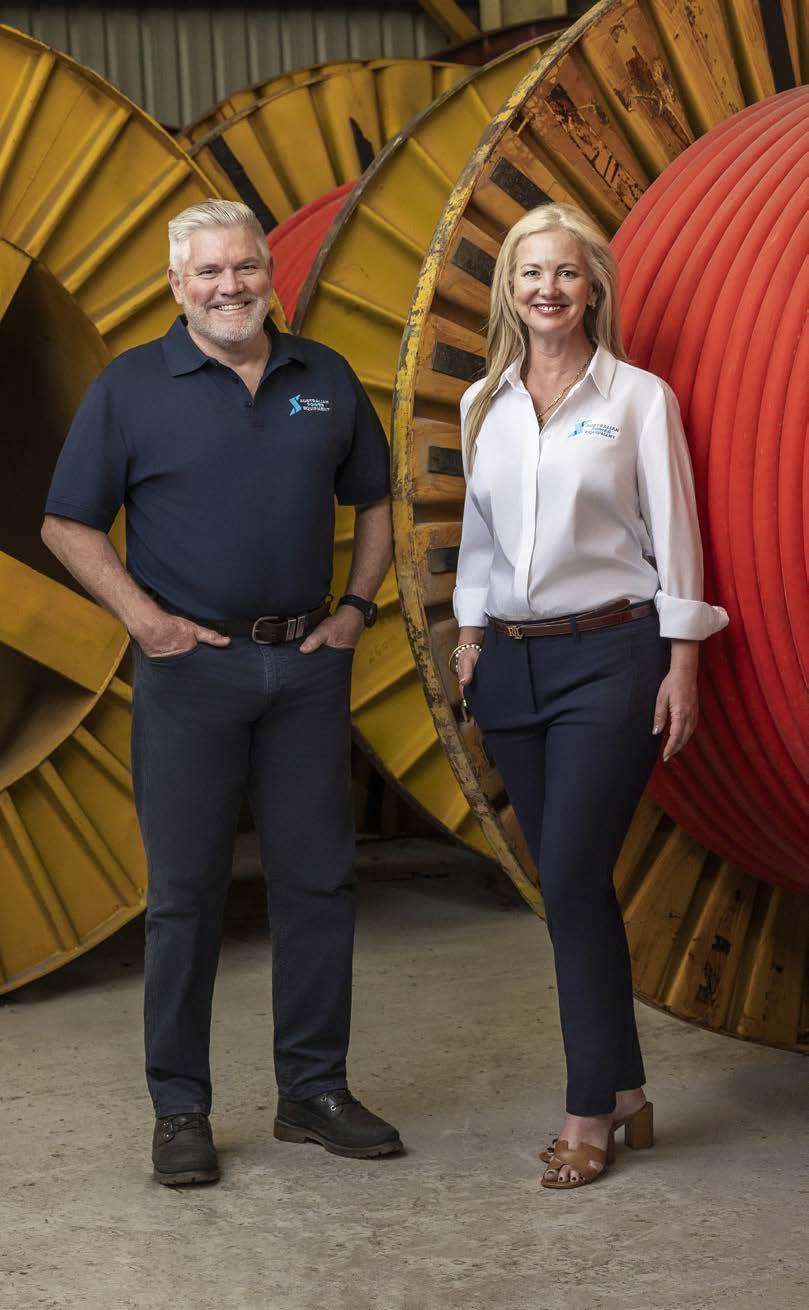
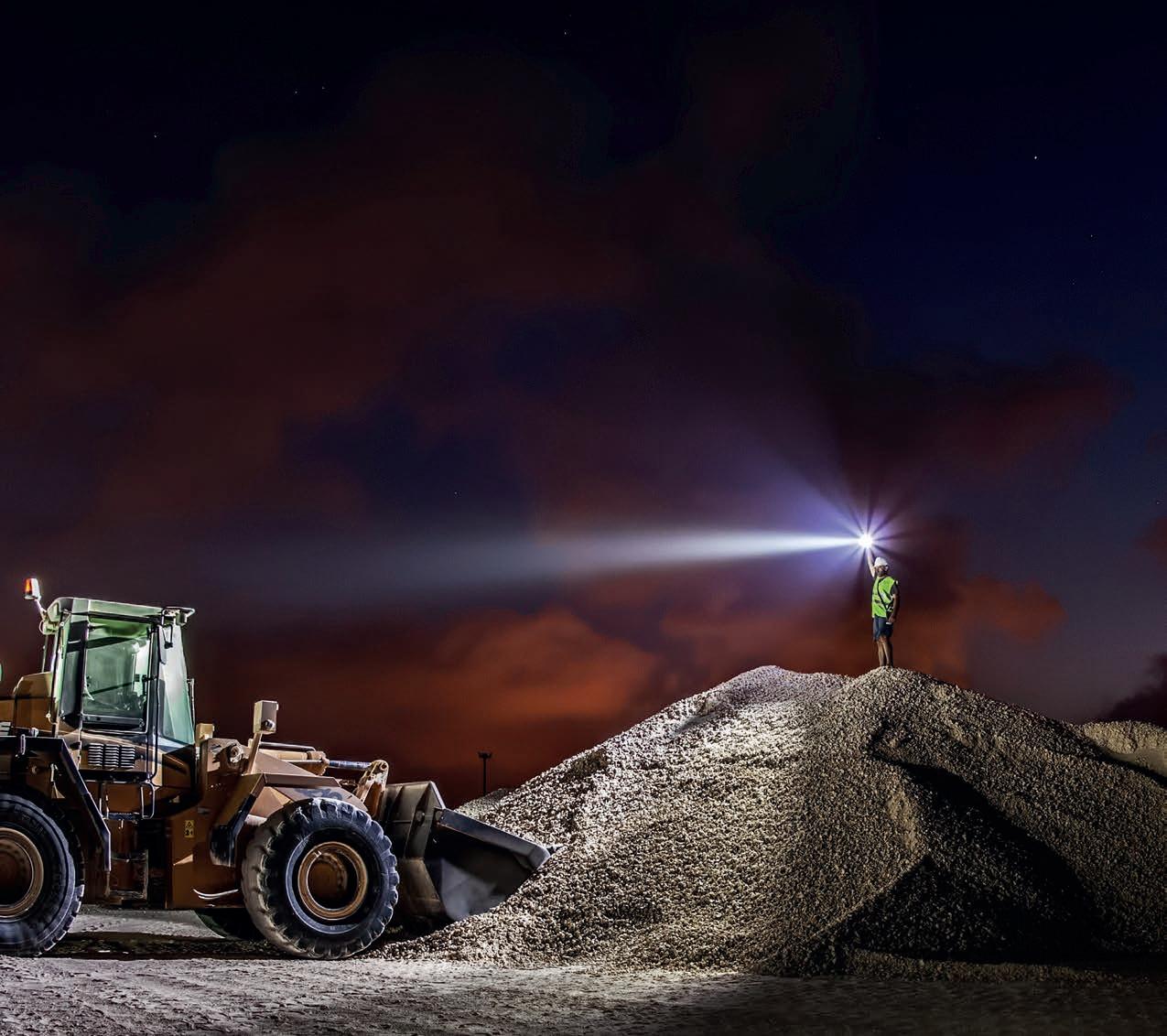
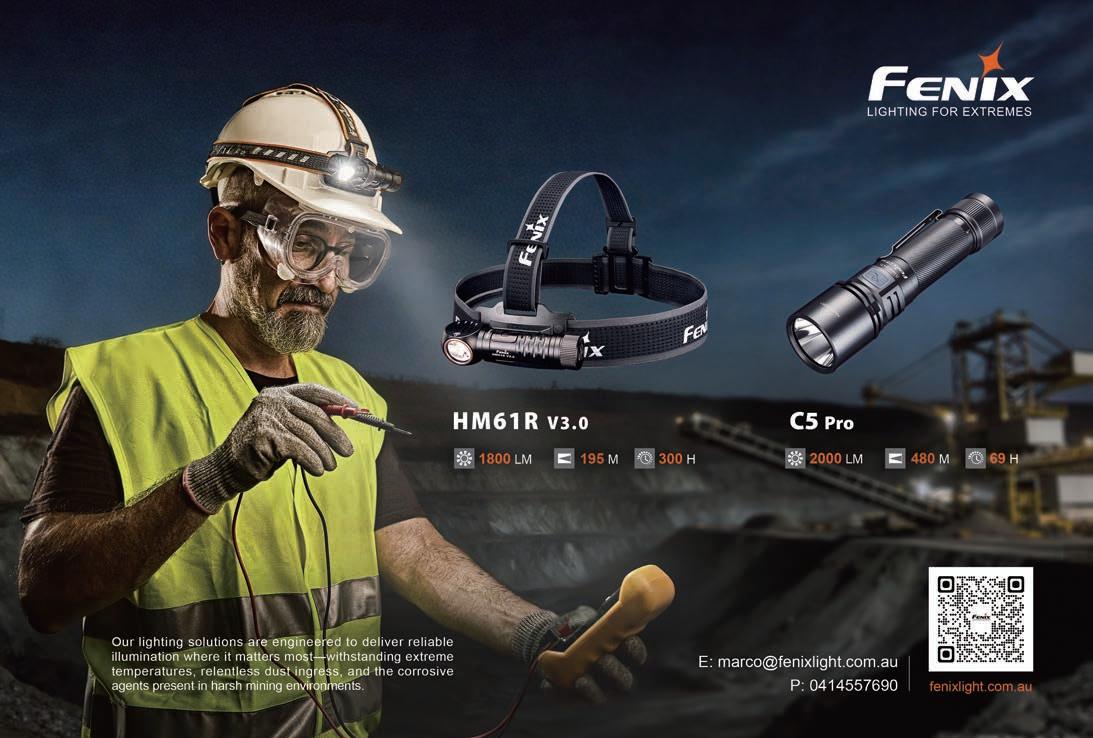
In a sector where equipment is routinely pushed to its limits, Fenix Light is prioritising engineering-led design driven by on-site feedback.
Keeping the lights on for quarter of a century is a challenge for any business. Doing so in a mining industry defined by abrasive dust, extreme temperatures, and constant vibration is something else entirely.
Celebrating its 25th anniversary in 2026, Fenix Light has transitioned from a specialised lighting manufacturer to an essential component in industrial maintenance kits. And while the mining sector embraces digital transformation, the fundamental need for reliable illumination remains unchanged. A technician cannot fix what they cannot see, and an operator cannot work safely in the dark.
According to Fenix Light director Marco Orlando, the 25-year milestone validates an engineering philosophy rather than celebrates the past.
“Reaching 25 years in operation reflects Fenix Light’s consistent focus on performance, durability and engineering-led design,” Orlando said.
“Rather than chasing short product cycles, the company has concentrated on steady technical refinement, particularly in power management, runtime efficiency and optical performance.”
A persistent challenge in mining technology is the disconnect between cleanroom design and the messy reality of the pit.
For example, touchscreens and small dials are often incompatible with heavy personal protective equipment (PPE), and a lighting tool requiring a technician to remove gloves to adjust brightness disrupts workflow and introduces risk. Bridging this gap has been a priority for Fenix Light’s research and development teams.
“Feedback from mining and maintenance teams consistently highlighted two operational challenges: working with gloves and maintaining productivity while keeping both hands-on tasks,” Orlando said.
This direct communication between end-users and engineers led to
transformative features in the field. This year’s Fenix Light range includes lighting systems with enlarged, glove-friendly switches and gesture-based activation.
“Gesture control allows users to change brightness levels without physically pressing buttons, a practical feature in dirty, wet or high-access-risk environments,” Orlando said.
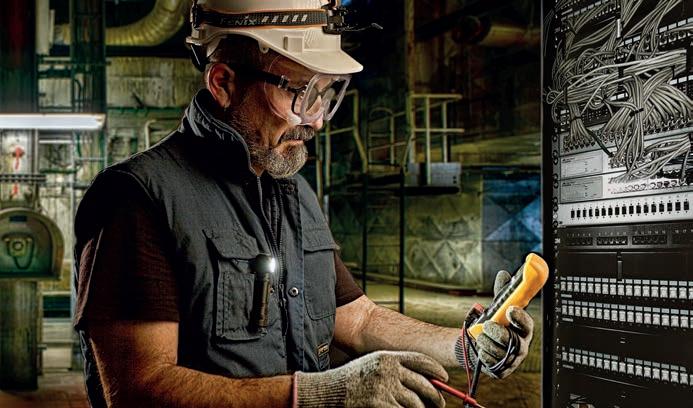
Hands-free options, such as magnetic bases and helmet compatibility, further address practical workforce needs, allowing technicians to keep both hands on their tools while positioning light.
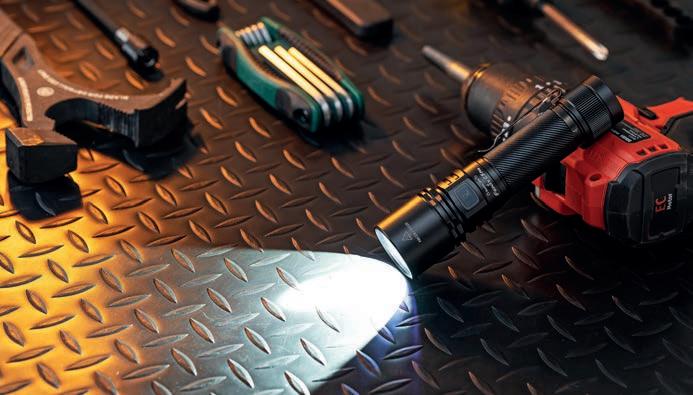
Beyond ergonomics, the quality of the light itself plays a crucial diagnostic role.
Distinguishing between a shadow and a crack is critical during shutdowns or urgent repairs, and traditional industrial lighting often leans towards cool, blue-tinted LEDs, which wash out colours and reduce contrast, potentially causing missed defects.
“This lighting profile improves the visibility of oil leaks, hydraulic seepage, surface cracks, hose degradation, and
abnormal wear patterns that can be missed under uneven or overly cool lighting,” Orlando said.
Reliability also means a consistent output, avoiding a brightness drop as battery voltage decreases.
“Stable output regulation ensures brightness remains consistent throughout use, avoiding sudden dimming that can interrupt inspections,” Orlando said.
Broader economic and environmental trends are reshaping how these tools are powered. The industry faces pressure to reduce waste and optimise operating expenses. The shift towards rechargeable platforms is a logistical solution for largescale operations, eliminating mountains of disposable batteries.
Moving forward, the focus remains on the ‘pit to plant’ environment. Fenix Light is concentrating on sealing systems to improve resistance to dust and water ingress. The long-term goal is to perfect the interaction between the worker and their tools, making the lighting system an invisible, reliable asset.
“The objective remains clear: deliver lighting solutions that improve safety, efficiency and reliability in environments where performance is non-negotiable,” Orlando said.
Metal Logic is building a platform that connects upstream iron producers — including unlocking stranded assets — with downstream steel buyers.
At its core is a fundamentally new modular smelting system that:
• Better thermal efficiency materially reducing energy requirements
• Processes ore down to 50% Fe
• Scales without billion-dollar furnaces
• Modular, scalable smelters installed on site
• Designed and engineered in Australia
Clean steel that costs less. Fact not fiction.
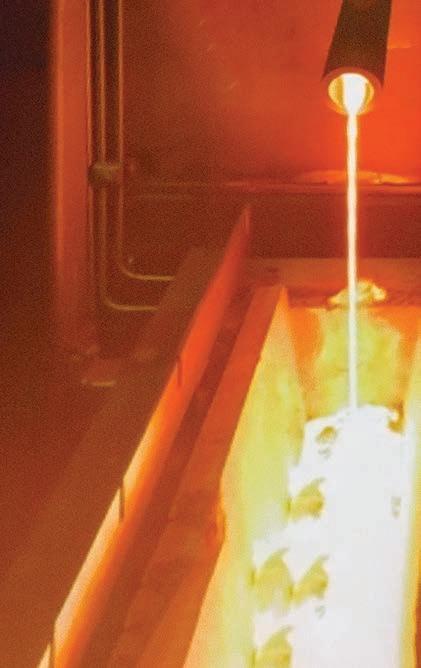
Metal Logic has created a new process that could upend how the industry thinks about the transformation of iron to steel.
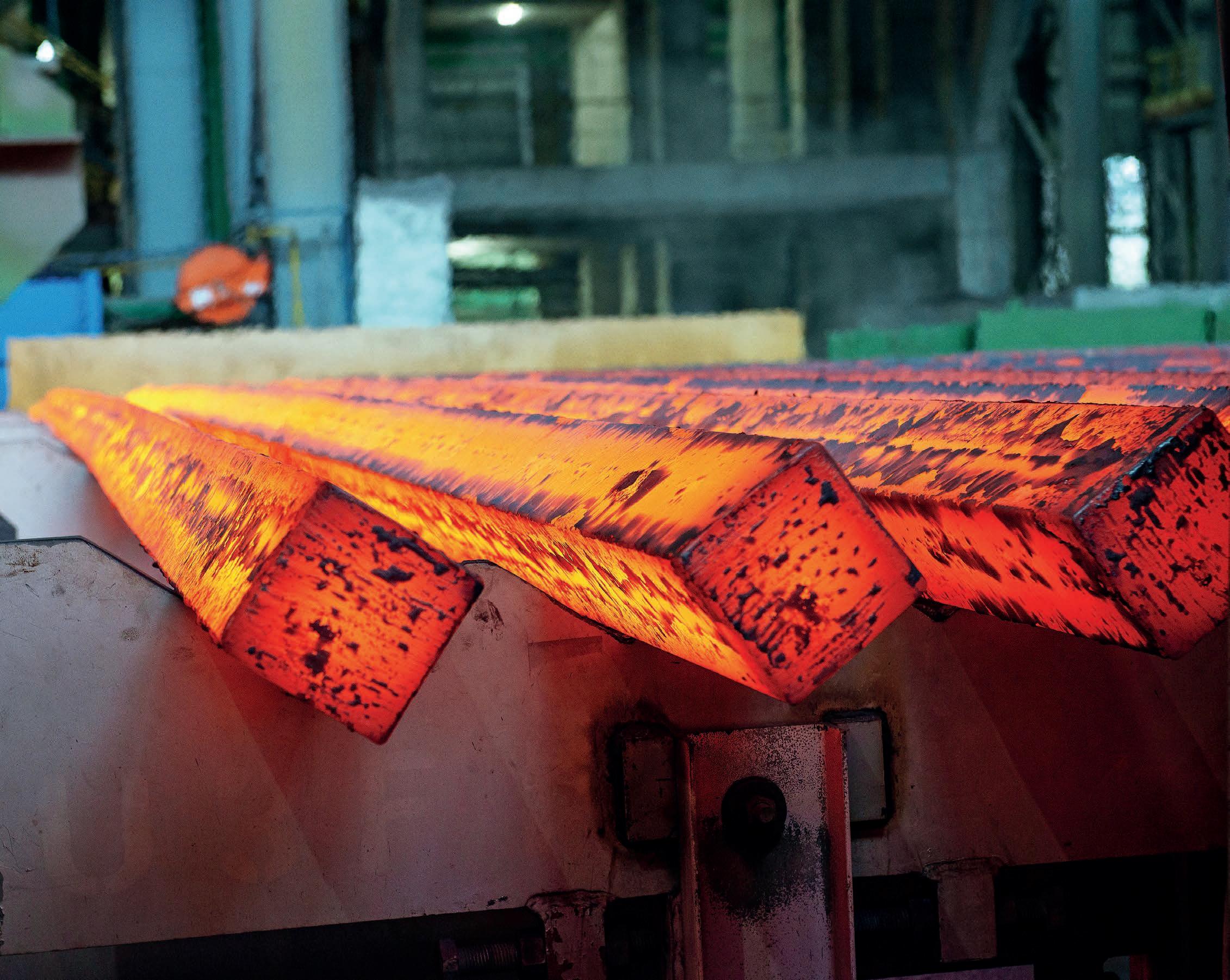
Metal Logic believes it is close to delivering a fundamental shift in how iron can be turned into steel.
The global iron and steel sector has undergone profound transformation over recent decades.
Operators of ageing blast furnace–basic oxygen furnace facilities, once the backbone of steelmaking, are grappling with an industry that bears little resemblance to the one in which their plants were built.
These facilities thrived on coal-fired power and abundant capital. Today, however, they face a different set of environmental, social and governance (ESG) expectations.
Emissions intensity, energy use and supply-chain transparency have all affected the viability of these smelters, leaving operators to adapt.
The industrial logic that once made large integrated steelworks so dominant no longer stacks up.
In response, the sector has started exploring new pathways in search of high-efficiency, low-emissions operating models, with ‘green’ iron and steel alternatives held up as the way forward.
But what if the disruption story for steelmaking is more radical than green hydrogen alone?
New wave of steel logic Australian-based steel technology company Metal Logic believes it is close to delivering a fundamental shift in how iron can be turned into steel.
Its approach is not based on incremental refinements of old technologies. Rather, Metal Logic describes its solution as a wholesale reconceptualisation of how steel can be made, transported and sold.
At first glance, the company’s model resembles the type of platform marketplace that has reshaped countless industries. Its ambition is clear: to connect a broad spectrum of steel buyers with a diverse set of suppliers.
Metal Logic chief executive officer Joel Nicholls acknowledges that the business model follows the template of platform success stories like Amazon, Uber and Airbnb.
“It helps some people understand it a bit more when we say this is effectively the Amazon of iron; it gives people something that’s analogous to what we’re doing,” Nicholls told Mining. “We’re bringing together upstream iron and downstream end users of steel, and when we say upstream. That’s not just existing producers of steel – that’s stranded assets as well.”
Nicholls is quick to point out, however,
that Metal Logic is more than a business model. At the heart of the marketplace is a radically new approach to smelting.
The company calls its technology ‘scalable array smelters’, a modular, almost Lego-like method of iron smelting.
“We can do the same amount of productive work in a commercialrefrigerator-sized box that used to take a tennis-court-sized furnace. That’s really what the ability to modularise this process is about,” Nicholls said.
Instead of shipping ore to far-off integrated steelworks, Metal Logic’s solution enables ore producers, including mining operations, to complete part of the smelting on-site using compact, modular smelter units designed and engineered in Australia.
Nicholls said the units are small enough to be positioned close to mining operations, even directly in pits, and integrated into flowsheets alongside standard processing infrastructure.
Individual modules can be stacked in arrays to meet demand, allowing production to scale to potentially one million tonnes per annum without the multi-billion-dollar capital burden associated with traditional steelmaking infrastructure, according to Nicholls.
Metal Logic is looking at producing crude steel from its modular units rather than setting itself up as a full-service integrated steel mill.
“The first stage of what we do is create an ingot that can be fed into a rebar facility,” Nicholls said. “That’s the path of least resistance for taking this product to market, and then we have plans to take it a step further.
“In 2026, we will introduce the first additional module. That additional module looks at a continuous casting line. You can move to a sheet plate and coil, so it’s moving through the incremental steps to get there.
“We will stay away from structural steel for the time being, just because there’s certification and validation required in that process.”
Developing the intellectual property behind the technology and design iteration of the modular smelters has taken several years, but Nicholls said the company is now ready to accelerate.
“Flowsheet development, physics, supply-chain design, it’s certainly not an overnight story,” Nicholls said. “But the goal has always been the same: to create a system that is modular, economic and capable of processing almost any grade of iron ore.”
Nicholls is understandably discreet about the details of the intellectual property that makes this possible, but the guiding principle is “thermodynamic efficiency”. He said the process is fundamentally new and delivers significant thermodynamic gains, using less energy per unit of steel produced, reducing operating costs and lowering emissions.
“So, a blast furnace–basic oxygen furnace is about 13,500 megajoules per tonne of crude steel. We’re sitting just above 8000 at the moment,” he said.
“We run something called a theoretical physics model in parallel. We’ve identified a number of theoretical improvements that we expect to achieve over time, because we’re producing using a modular approach.
“Those improvements will be implemented as we improve our production processes. That currently sits at about 4500 megajoules per tonne. So, theoretically, we could get that low.”
Crucially, Nicholls said Metal Logic’s smelter technology can handle far lowergrade iron ore than existing reduction technologies. While conventional direct reduced iron DRI relies on high-grade feedstock of 65–66 per cent iron (Fe), Metal Logic’s system can process ore down to 50 per cent Fe.
“With the majority of ores that we feed into this process, we’ll be able to get to effectively zero emission, or something that’s de minimis, which is ultimately why we’re going down the path to calling it clean steel,” Nicholls said.
“So not only is it a next to zeroemission end product, but it’s also a lower cost product. That ability is game-changing. We can unlock value that would otherwise stay in the ground.
“There’s a lot of talk about ‘Pilbara killers’ and stranded ore bodies; our process actually changes that conversation.”
To demonstrate its technology, Metal Logic has secured a parcel of land in the Pilbara, complete with a mining lease. The location provides a practical testbed in the world’s biggest iron ore corridor, close to rail lines and logistics networks needed for scale.
By bringing smelting to the ore, rather than transporting ore to smelters, Metal Logic aims to eliminate significant logistics costs, reduce waste movement and minimise emissions from transport. This means producers can monetise
lower-grade deposits, reduce stockpiles of uneconomic ore and access a broader market through the digital platform.
As the steel sector searches for viable pathways to lower emissions and greater efficiency, Metal Logic is positioning itself as an alternative to legacy blast furnaces and capital-heavy green hydrogen plays. Its pitch is that true transformation will not come from replicating existing high-cost processes with cleaner inputs, but from designing a fundamentally different system.
“Our goal is simple: provide buyers with a lower-cost product, not a more expensive one,” Nicholls said. “This is not decarbonisation at any cost. This is decarbonisation that reduces cost.”

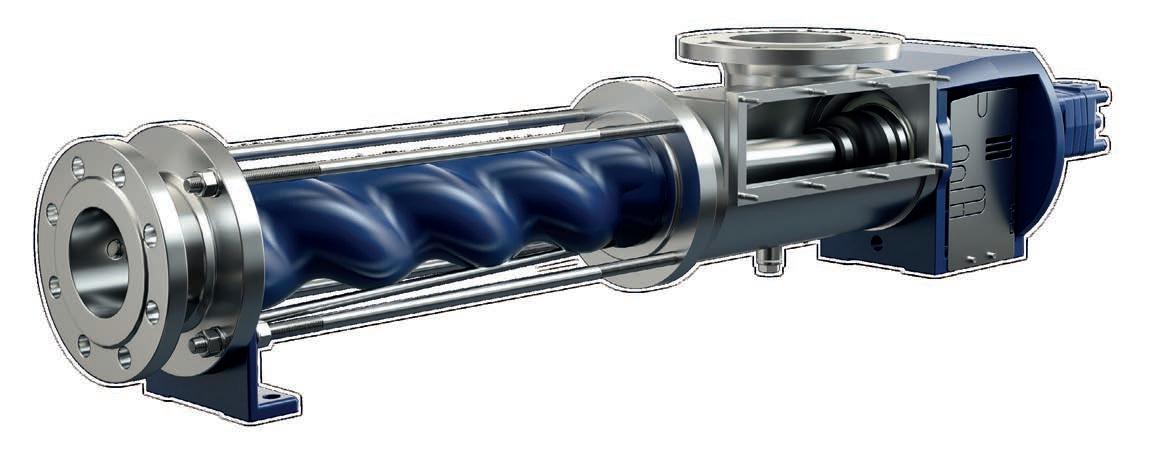
Reduces inspection time without compromising accuracy.
Mining operations demand equipment that handles abrasive, corrosive and shearsensitive emulsions with absolute reliability. The SEEPEX Smart Joint Access (SJA) design enables rapid joint inspection and accurate dosing in the most challenging blasting environments.
WHY SJA MAKES A DIFFERENCE
y Fast, easy access for joint inspection
y Minimized downtime and lower total cost of ownership
y Small footprint for MMUs, skid-mounted, and space-restrained installations
y High-pressure capability enabled by equal wall stator technology
y Gentle, reliable handling of shear-sensitive emulsions
y Short lead times through framework agreements SEEPEX
Koch Solutions explores how strategic maintenance partnerships can help operators secure long-term equipment reliability.
Australia’s mining industry is known around the world for its high standards of production and efficiency.
Operators run complex logistics networks from mine to port to deliver the resources that drive Australia’s economy. At the same time, site teams must balance keeping production high with maintaining the equipment that enables it.
This challenge often leads to a hidden cost called the maintenance deficit. As heavy equipment ages, the wear from constant use requires more thorough servicing. However, the push to keep production going can make it hard to find enough time for this important work.
Koch Solutions chief executive officer Paul Jackson said this deficit is
fundamentally the gap between planned maintenance and actual maintenance undertaken by site personnel.
“When you are working in a reactive maintenance environment, driven by production targets and allowable maintenance windows, and never getting on top of the root causes of the failure, then the gap grows,” Jackson said.
This issue can be compounded by maintenance windows that are not sufficient to meet all service requirements. As machines require more intensive maintenance over time, critical services or repairs are often delayed, putting pressure on critical infrastructure and increasing the risk of failure.
These challenges are more pronounced in the Australian market, where the vast geographical scale means operations are

often isolated, adding severe logistical hurdles to an already complex situation.
Jackson said these unique factors make the maintenance deficit more challenging to manage locally than in other global mining hubs.
“All of the critical production equipment in the pit-to-port evacuation systems is in remote locations, or at least has long and logistically challenging supply chains for critical spares and service personnel,” Jackson said.
This isolation means that when an unplanned breakdown occurs, the cost of downtime increases due to the time needed to source replacement parts and mobilise specialised service personnel to the site.
Addressing this growing deficit requires a holistic understanding of the machinery
“We develop and have work methods that have saved clients significant time.”
Koch Solutions chief executive officer Paul Jackson
and a strategic approach to servicing that goes beyond simple reactive repairs. Koch Solutions approaches the shift from reactive to sustainable, predictive maintenance through the lens of an original equipment manufacturer (OEM).
“As the OEM, we understand the critical operational components of the machines, and we plan how to work on multiple fronts concurrently on machines during a shutdown window,” Jackson said.
“We develop and have work methods that have saved clients significant time during shutdowns, thus enabling additional work to be completed on the machine, which reduces the deficit immediately.”
It is not necessarily about putting more people on the job, according to Jackson, but using their knowledge as the equipment’s manufacturer to understand how each part works safely and efficiently.
This is crucial during major capital upgrades, where fragmented approaches often lead to operational delays and lingering inefficiencies. Mine operators often engage multiple different contractors for varying aspects of a machine’s upkeep, which can lead to disjointed results and wasted capital.
“We have seen clients come to us with multiple reports from various parties, each acting in isolation – one doing structural, another mechanical and another electrical,” Jackson said.
“Frustrated clients have paid for these works and are receiving unactionable and inconclusive actions on what to do next.
“As the OEM, we look holistically at solutions incorporating all the engineering disciplines in-house with actionable outcomes designed to
maintain and keep clients’ machines performing for longer, safely.”
Beyond immediate repairs and structured upgrades, the goal for mining operators is ensuring a machine remains in optimal long-term condition. A vital part of this process is ensuring the operation avoids reverting to a reactive maintenance cycle once an upgrade is complete.
“It’s the partnership approach that brings us into the long-term commitment and solutions, rather than a single bandaid fix,” Jackson said.
“The long-term partnership opens cross-functional collaboration in an integrated team where actual failure modes are discovered and properly addressed and prevented going forward.”
Koch Solutions wants to maintain excellence in machine operation and firmly believes in not leaving clients to problem-solve in isolation or with limited knowledge of the equipment’s design. This focus on sustained uptime directly impacts the total cost of ownership (TCO) for Australian operators, a critical metric for mine profitability and investor confidence.
“We know production is key and every hour these critical machines are operating is more tonnes through our clients’ systems and EBITDA [earnings before interest, taxes, depreciation and amortisation] to their business,” Jackson said.
“We have the ability to hand machines back to operations earlier through our service works methodologies, keeping up maintenance, thus enabling more uptime on ageing machines, which in turn reduces the TCO over a longer period.”
For operators considering big investments and future maintenance plans, deciding on major upgrades can be tough, especially with changing prices and economic pressures. Jackson gives clear advice for those facing these choices this year.
“Our message would be to be cautious, not hesitant, and to speak to someone who can offer a guaranteed holistic approach to their option analysis and drive a range of executable solutions into their capital approval process that could match their short- and long-term business needs,” he said.
“Whether it’s an upgrade or reliably maintaining the machine status quo for longer, Koch can show value to our clients by delivering executable solutions that are businesscentric and operationally focused.”
For SEEPEX’s next generation of pumps, the designer leans on more than 50 years of engineering to deliver mining, wastewater, chemical and industrial applications.
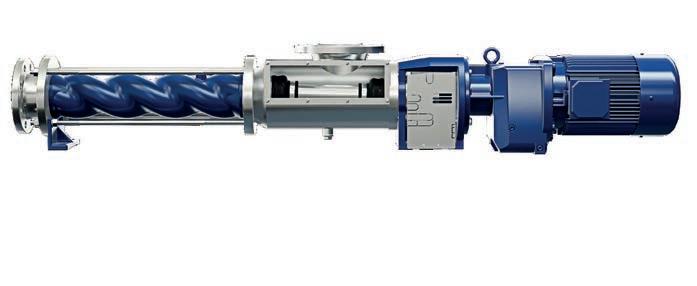
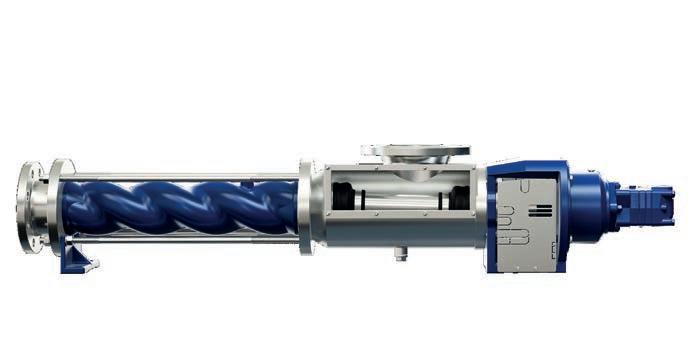
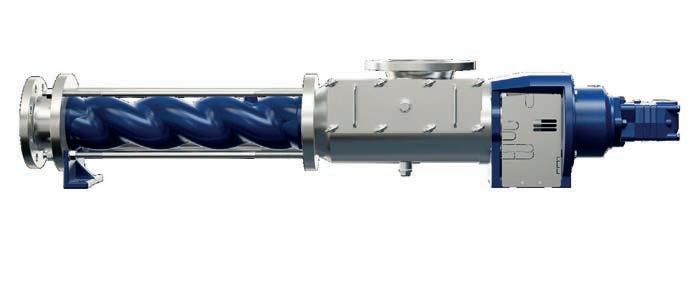
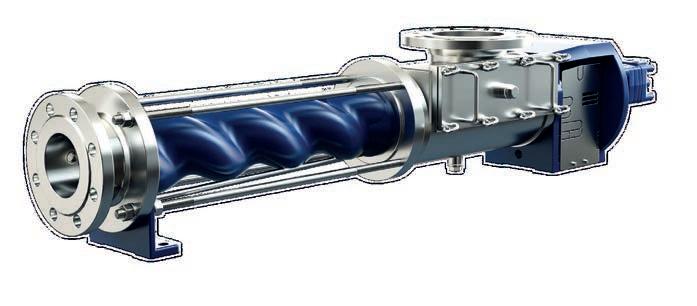
SEEPEX’s latest pump innovation is Smart Joint Access (SJA), which is engineered for the reliable and precise transfer of abrasive, corrosive and media in mining and construction.
Designed for rock blasting, SJA pumps feature a large inspection opening for quick joint checks, a small footprint for mobile or skid-mounted installations, and flexible drive and material options to ensure consistent performance and uptime.
“Operators can inspect joints quickly and rely on precise pumping of shearsensitive and abrasive emulsions,” SEEPEX global business development manager mining Magalie Levray said. “This is particularly critical in rock blasting, where every borehole counts for productivity.”
Rock blasting is essential for extracting hard rock and shaping safe excavation profiles in mining and construction. Accurate and consistent loading of explosive emulsions helps to ensure controlled fragmentation and maximise productivity.
As efficiency is consistently at the forefront of SEEPEX’s innovations, SJA is designed for inspection-friendly operations. The large opening in the suction housing provides direct visual access to both joints, enabling rapid pre-operation checks while maintaining high operational reliability. Technicians
can assess joint condition in minutes, supporting continuous, reliable operation.
The equipment is engineered with a small footprint that fits easily into truckmounted mobile units, skid-mounted systems and factory installations. It offers flexible drive options, accommodating compact hydraulic and electric drive configurations.
The system is built for high hydraulic efficiency, utilising a low-displacement
design that significantly reduces oil requirements and supports a low total cost of ownership. In addition, the equal wall stator design delivers high pressure without expanding the unit’s compact profile.
Constructed for material flexibility, the pumps are available in stainless steel or standard steel and feature chrome-plated rotors paired with stators made from nitrile butadiene rubber (NBR), ethylene
propylene diene monomer (EPDM) or fluoro elastomer (FKM).
Operators benefit from shorter inspection cycles, reliable dosing, seamless integration, and fast delivery through framework agreements,
maintaining uptime in critical rock blasting processes.
The fact operators can visually assess both joints on SJA products without disassembly enables immediate verification of pump readiness before
blast hole loading. This reduces downtime, preserves product integrity, and ensures accurate, consistent emulsion transfer with uniform dosing across multiple bore holes.
The combination of compact integration, flexible drives and progressive cavity pump technology ensures continuous, reliable operation even in limited-space, highpressure environments.
Pumps with SJA support mobile manufacturing units at large open-pit iron ore and gold mines. Rapid pre-operation inspections enable consistent emulsion dosing for blast hole loading.
With equal wall stator design and compact hydraulic drives, pumps integrate easily on mobile units navigating complex mine layouts, maintaining stable, controlled pumping of viscous, shear-sensitive and abrasive emulsions. SJA inspection openings on both sides of the suction housing reduce installation complexity and costs.
“Using Smart Joint Access, we complete joint inspections in minutes, keeping blasting operations on schedule,” a mine operator said. “Smooth flow preserves chemical properties, reduces usage, and improves fragmentation.”
Black Duck’s Australian-made seat covers protect mining fleet interiors from harsh conditions, keeping drivers comfortable and maximising vehicle resale value.
In fleet management, the highest hidden cost is often the gap between purchase price and resale value.
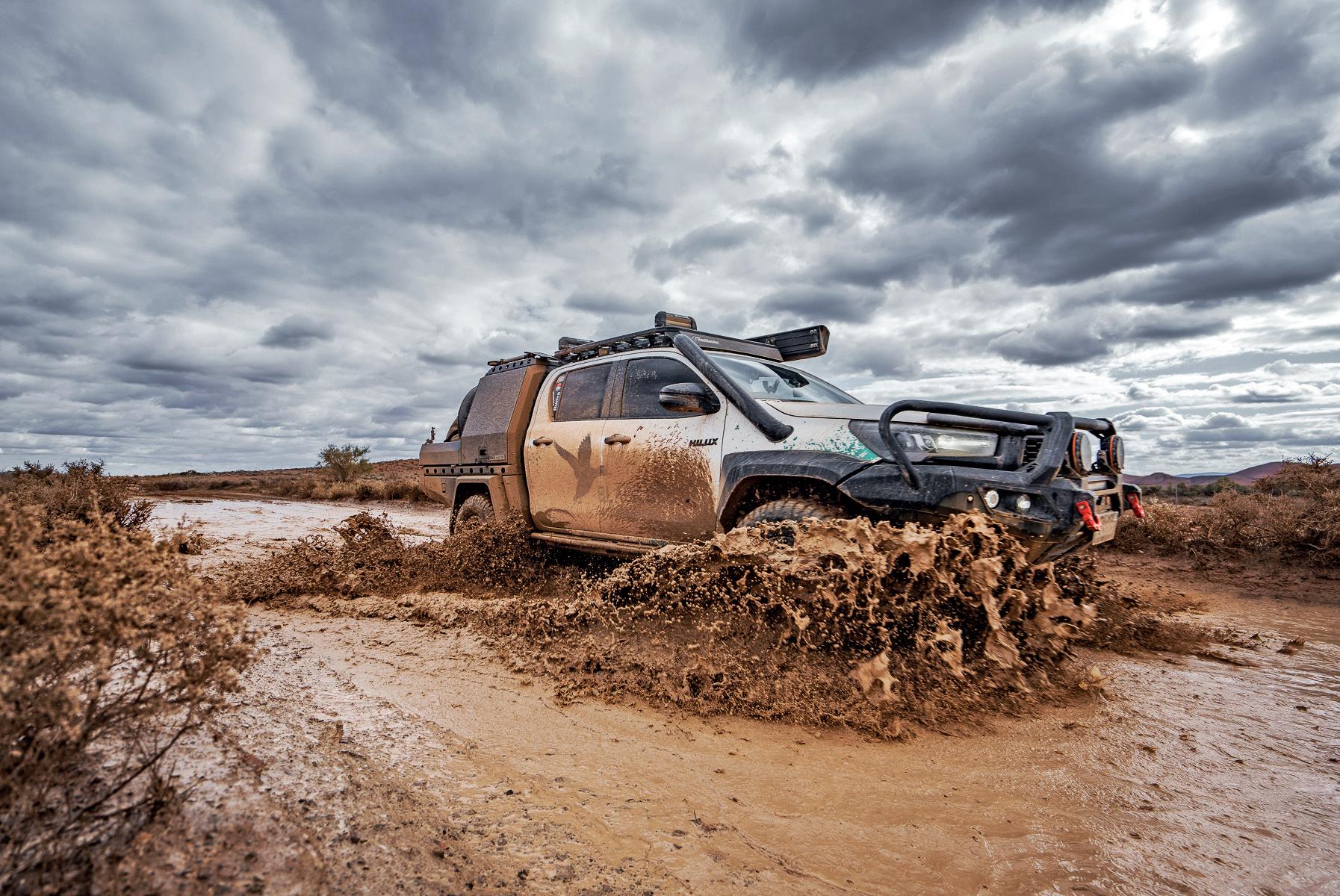
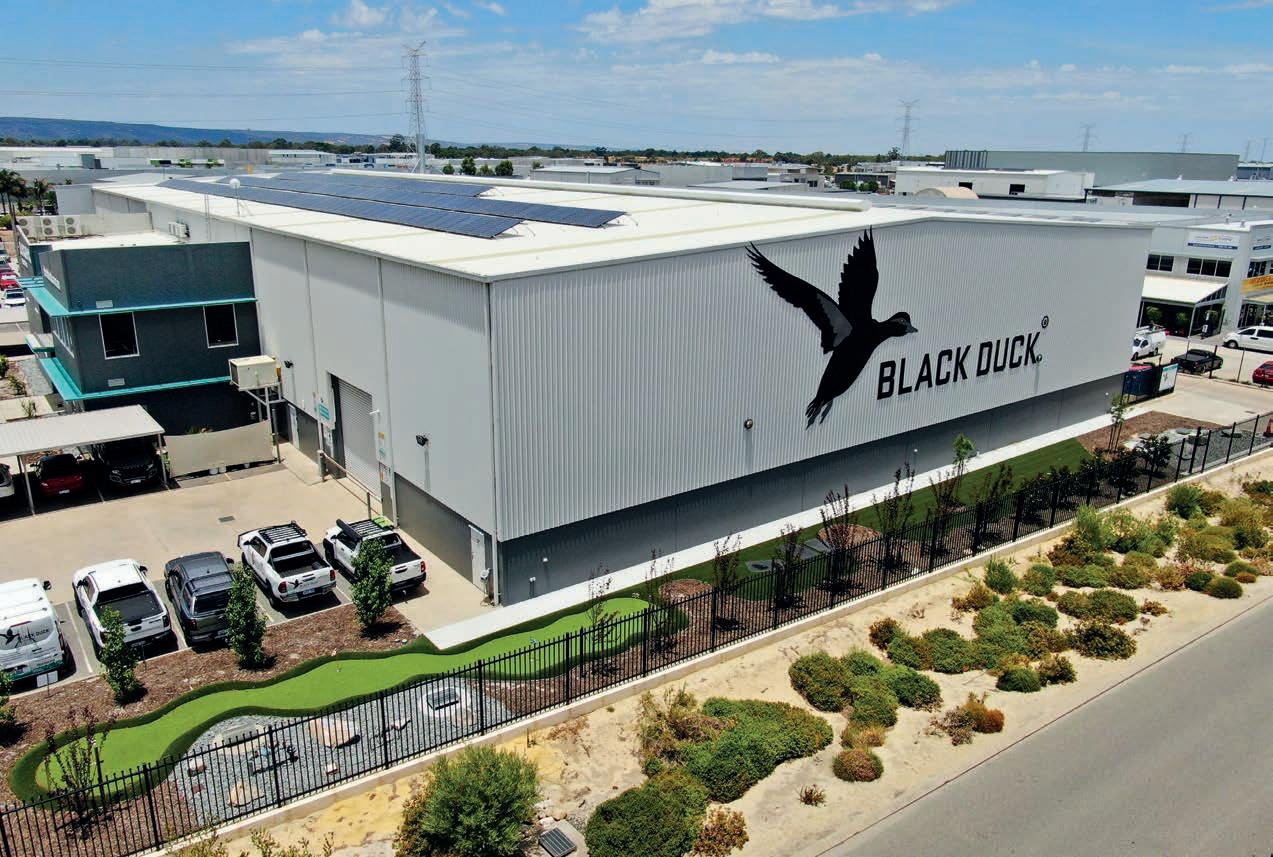
While engine maintenance is nonnegotiable, the secondary market can heavily penalise poor cabin aesthetics. Western Australian manufacturer Black Duck mitigates this risk by designing interior protection for the Pilbara’s abrasive conditions. Specifically, the company’s canvas range protects vehicle interiors by drawing on decades of industry experience.
“We’re familiar with the conditions our customers operate in because we see them firsthand: heat, red dust, long shifts, remote travel, and vehicles that are worked hard every day,” Black Duck business development manager Victor Virgin said. “Western Australia has a strong culture of fit-for-purpose vehicle setup, so expectations are high.”
Established in 1984, Black Duck has spent over four decades producing heavy-duty, Australian-made seat covers for the mining, construction, and agriculture sectors. The company has built its reputation on an unwavering commitment to quality, utilising durable materials such as 14.9 oz military-grade canvas and precise, custom-fit designs. As the industry evolves, Black Duck is rethinking its product range while continuing to create resilient, longlasting products.
“It pushes us to design for real-world use, not showroom use, and to keep improving based on what we see and learn in the field,” Virgin said.
One element Black Duck has never deviated from is using locally-sourced materials, which the company believes are best suited to Australian conditions.
Black Duck’s seat covers are resilient against extreme UV exposure, significant temperature fluctuations, and the abrasive particulates inherent in pit operations. It also strengthens the domestic industry and the wider mining ecosystem, which Black Duck is always conscious of, according to Virgin.
“Investing in Australian materials helps retain capability, jobs, and manufacturing expertise here, while also supporting consistency and accountability across the supply chain,” he said. “When materials are sourced locally, we can work closely with suppliers on specifications and quality control, rather than relying on generic grades that can vary from batch to batch. That focus supports a product built for longevity and repeatable performance, which is what fleets ultimately care about.”
Black Duck employs a rigorous testing regime that combines practical field assessments with durability checks. This process evaluates how materials respond to repeated cabin entry, grit abrasion, and prolonged UV exposure.
Beyond material strength, the evaluation prioritises the cover’s stability during daily use, with a tailored fit essential to this approach.
“A tailored fit reduces creasing and slipping, helping prevent discomfort during long shifts and avoiding unnecessary wear,” Virgin said. “A better fit also reduces bunching and movement that can cause premature wear, and it helps the interior present as looked after when the vehicle is rotated out of a fleet. Over time, this protects the original upholstery from abrasion, staining, and general degradation, supporting stronger resale outcomes and lower refurbishment costs at the end of life.”
In an industry where drivers can spend 10 to 12 hours on the job, crossing from port to pit and beyond, comfort is another important aspect to consider when choosing seat covers.
“Comfort matters, particularly when drivers spend such long hours behind the wheel,” Virgin said. “Our canvas is chosen for breathability and feel over extended use. A seat cover can be tough, but if it becomes abrasive, it is not a good outcome for the operator.”
Of even more significance is user safety. Black Duck’s seat covers are all airbag-compatible and undergo rigorous dynamic testing and certification. This process ensures that the safety
“Western Australia’s strong culture of fitfor-purpose vehicle setup across mining, civil, and regional industries pushes the limits of design and continuous improvement.”
Black Duck business development manager Victor Virgin
standards of Australian Design Rule 72/00 (Dynamic Side Impact Occupant Protection 2005) remain fully intact. Black Duck’s own techniques and procedures enable the precise deployment of airbags during an accident.
Black Duck also utilises a specialised proofing process that creates a protective barrier against water and daily contaminants. This treatment, Virgin said, helps prevent issues such as rot and mildew, extending the material's service life. In practical terms, the process
Australian-made
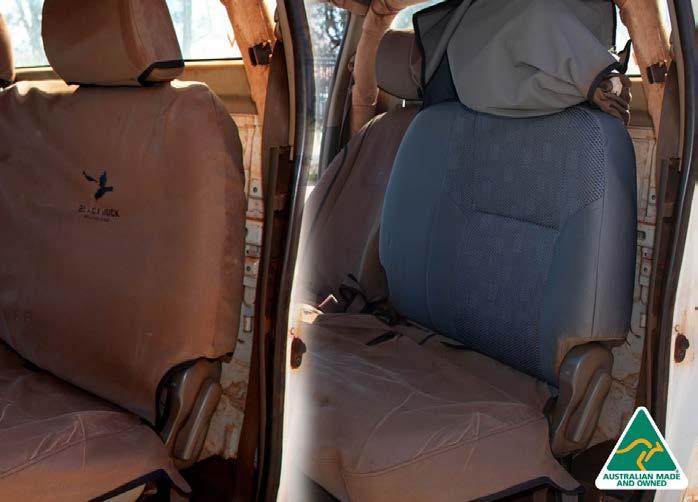
reduces the depth to which dust and grime can penetrate the canvas fibres.
“Liquids are more likely to bead on the surface rather than soak in straight away,” Virgin said. “This means most cleaning becomes a surface clean rather than a deep scrub.”
For fleet operators, this efficiency is essential for rapid vehicle turnarounds. The proofing supports consistent cleaning routines and preserves the cabin's aesthetic. By preventing stains from becoming permanent, the process
helps maintain the asset's presentation throughout its operational life.
Ultimately, the condition of a vehicle's cabin serves as a major indicator of how the entire asset has been managed. By bridging the gap between rugged durability and the economic realities of fleet management, Black Duck ensures that the mining industry's high expectations are met. For fleet managers, the result is a dual victory: a protected workforce and a preserved bottom line.
Grease is the industrial lifeblood of mining, yet it is often overlooked. GreaseBoss is changing that perception by turning a dirty job into a precise science.
Grease is often a sticky subject around mining sites. It is the lifeblood that keeps machines humming and powers the sector, and has so for centuries, yet its necessity is often undervalued.
Brisbane start-up GreaseBoss, however, has identified its value and applied Silicon Valley-level digital strategy to the age-old lubricant.
The company’s goal is to modernise grease application by removing the guesswork from both manual and automatic lubrication and save millions for Australia’s biggest miners. Essentially, GreaseBoss turns an ordinary grease gun into a smart grease gun, like a smartphone or smart TV.
“Grease is perceived as being very low level,” GreaseBoss chief executive officer Tim Hall said. “But the more you’re in mining, the more you realise it is just so critical for almost every piece of equipment in the industry that’s operating.”
In six short years, Hall and his cofounders have scaled GreaseBoss on a simple premise: turning the “ignored and pushed to the side” task into a science.
To get there, they rubbed shoulders –digitally at least – with some of Mountain View, California’s most prominent tech thinkers. GreaseBoss knows its market, and the company attracted interest from the get-go. What began at a Brisbane Start-Up conference led to an invitation to San Francisco’s Y Combinator, the same think tank that launched Airbnb, Coinbase, Dropbox, Stripe, DoorDash, and Instacart. Y Combinator is the world’s most highly regarded startup accelerator.
“There were five of us who were pretty well all strangers, and we got together around the problem of using technology to prevent equipment failures,” Hall said. “Getting into Y Combinator in 20221 was a big thing. That was a huge shot in the arm for the company and really helped us slingshot and go hard.”
Being a part of Y Combinator remotely presented its challenges, but Hall
embraced the dual time zones that he was working in and supercharged GreaseBoss’ early development.
“We were the second remote batch that they ever did during COVID, so I was waking up at 3:30am in the morning to get on Silicon Valley time,” Hall said.
“And while I was doing the courses and being a part of all the calls in the morning, I was also in my garage with electronics, building the product and then working through until about 6 pm at night.”
From those early garage sessions, the company’s evolution was dictated by the miners themselves. GreaseBoss initially launched with a focus on verifying manual greasing, effectively digitising the clipboard.
“That was working well, but we had then customers saying, ‘We need a solution to monitor our automatic lubricators’,” Hall said. “So, we developed our endpoint solution and took that to market, and it’s been extremely popular.”
The natural progression didn’t stop at fixed plants. Miners who saw the value
in monitoring stationary assets soon demanded the same visibility for their mobile fleets: the excavators and haul trucks that are the primary movers of ore.
“They really needed it for mobile equipment,” Hall said. “Their excavators and their haul trucks were having repeated grease-related failures.”
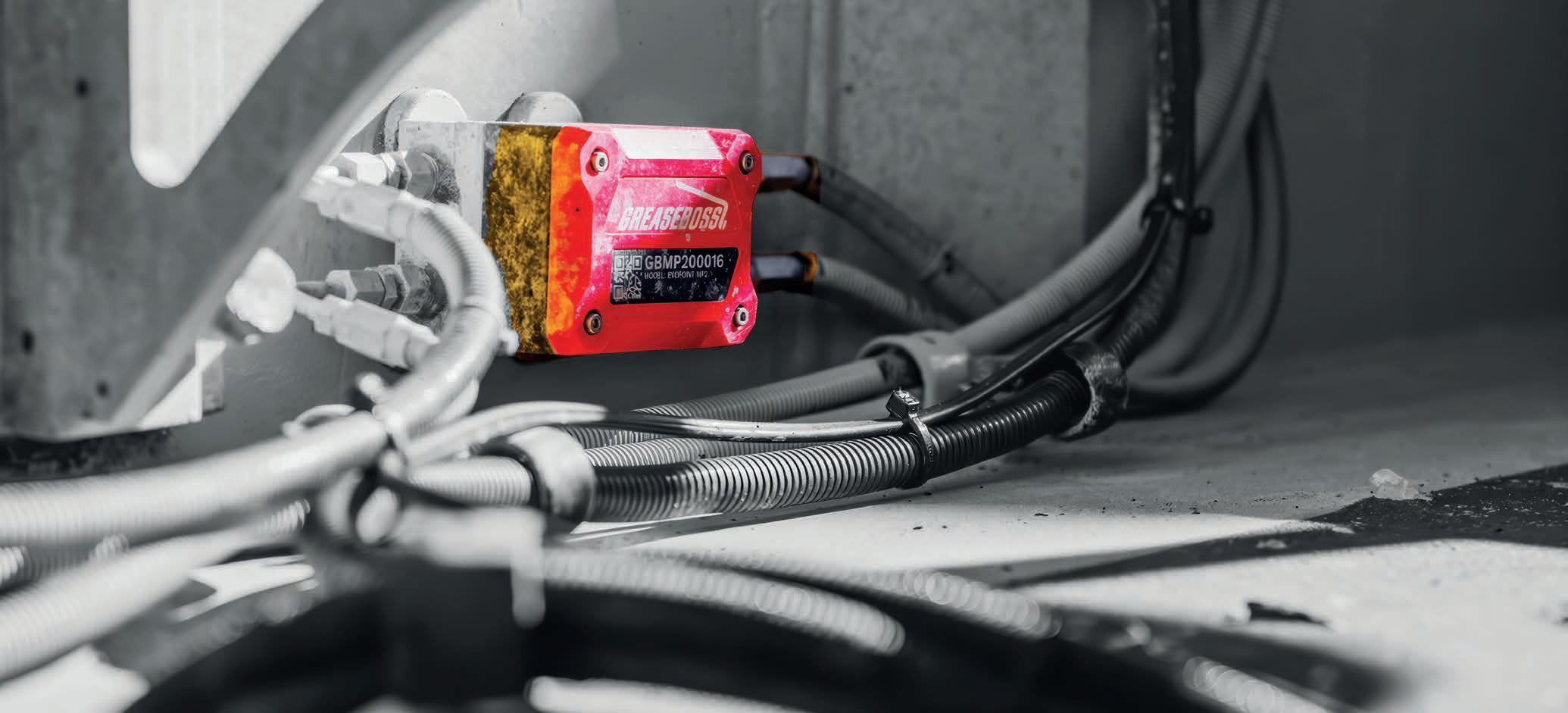
A recent case study involving a Komatsu PC7000 excavator illustrates exactly why this demand existed. The site was experiencing repeated failures of hoist cylinders and bucket pins, dragging down asset availability. Maintenance teams suspected insufficient greasing but were flying blind, forcing them to double their injectors in a desperate attempt to fix the problem. GreaseBoss installed their Endpoint MP2 monitoring units, which provide advanced monitoring for injector and distributor-based lubrication systems, on the snake pit and H-Link to monitor the hoist cylinders. By verifying grease flow, detecting hose failures, and tracking system health, the units ensured the right amount of grease reached each critical component.
The data highlighted a critical issue with the lube system pump feeding the hoist cylinders. Sensors detected a pattern of intermittent pump activity followed
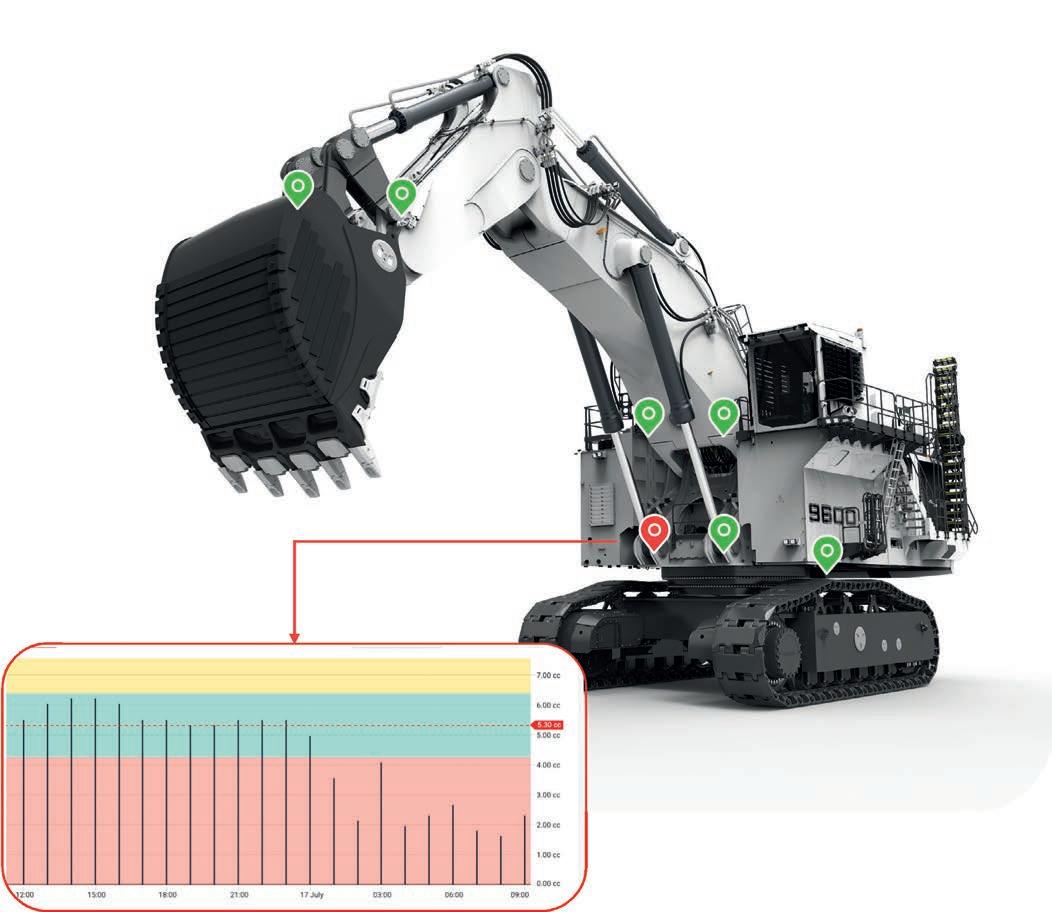
by long periods of silence, eventually traced to a faulty cable harness. By catching this failure early, the system prevented serious wear on high-value components, saving the customer an estimated $10 million in potential equipment failure.
The technology has proven equally revealing in haulage fleets. In a pilot program targeting CAT 793 and CAT 789 trucks plagued by systemic A-frame bearing failures, GreaseBoss uncovered a triple threat of maintenance issues that manual checks had missed.
On the first truck, data flagged a faulty grease pump immediately. Once replaced, the system uncovered a secondary issue where injectors were bypassing, pumping 250cc of grease per cycle instead of the required 50cc.
On a second truck, the data revealed the pump timer was set to a 60-minute cycle instead of the required
30 minutes, effectively halving the lubrication the truck received.
Bulk Flow monitoring also detected the grease tanks running dry twice, a situation that would previously have left the truck operating without grease for approximately 250 hours every fortnight.
To survive in these environments, Hall adheres to a design philosophy he calls ‘SIRR’: Simple, Intuitive, Robust & Reliable.
“Mining has got some of the harshest conditions in the world for hardware,” Hall said. “The technology has to reflect these challenges.”
To address this, the company utilises ‘store and forward’ technology. This ensures that even in deep underground dead zones, data is captured and synced once connectivity is restored. Innovation continues with the launch of their new ‘swap top’ architecture this year.
“When it comes to changing batteries, you literally just take the electronics top
off the flow metre body, bolt in a new one,” Hall said. This allows customers to upgrade their tech stack and battery capacity simultaneously without removing the mechanical flow meters from the machine.
Crucially, the technology addresses a major safety risk. Hall highlights that most hand-crush injuries in mining occur during non-routine maintenance, often while fixing the very failures GreaseBoss aims to prevent.
The system also tackles the industry’s skills shortage, empowering less experienced workers to perform complex tasks correctly while providing digital verification to management. With expansion into North and South America planned for 2026, Hall is optimistic about the road ahead.
“We have got an incredible product roadmap,” he said. “This is only the beginning for us.”
Australia’s largest regional mining event

While copper and iron ore dominate the headlines, defence needs are driving urgent demand for smaller-volume minerals.
For the past decade, the mining industry has focused on the energy transition – with the race for copper, lithium, and nickel ruling boardroom strategies, exploration budgets, and merger discussions.
The sheer volume of material needed to electrify the global grid is staggering, and the commercial logic is sound. But while the industry is fixated on these big moves, a quieter, shift is underway in the margins of the periodic table.
Antimony, gallium, and germanium have moved from obscure by-products to headline-worthy national security assets. For miners, they represent an opportunity to fund operational upgrades with government capital.
The defence sector’s reliance on these minerals is becoming clear to Western governments.
An F-35 fighter jet contains more than 408kg of rare earth elements, while an Arleigh Burke-class destroyer requires over 2000kg. Yet the strategic pivot often lie in minerals with lower volume.
Gallium and germanium are indispensable for semiconductors, radar systems, and satellite technologies, while antimony is critical for producing munitions and flame-retardant materials.
Unlike bulk commodities, where tonnage is king, defence demand for these metals is relatively small. The stakes, however, are disproportionately high.
According to Deloitte’s Tracking the Trends 2026 report, this disconnect has created a unique financial window for operators. Western governments are now willing to subsidise the development of secondary production capabilities to secure these supply chains.
Richard Longstaff, managing director and public sector lead at Deloitte Consulting LLP, said that the window to capitalise on this is narrow.
“There will likely be a short window in which governments are willing to subsidise the development of secondary products via measures such as loans, offtake agreements and grants,” Longstaff said.
“The quantities of materials could be relatively small, but the investments are significant and front-loaded. These are supplementary revenue opportunities for mining companies that will probably be a one- or near one-time event.”
The implication is straightforward – miners should apply for the grant in 2026, available through the International Partnerships in Critical Minerals program, since it is unlikely to exist in 2028.
For many operators, the opportunity does not lie in discovering new deposits.
It lies in their waste. These critical minerals are often present in existing deposits but are treated as impurities or tailings.
The strategic play is to use defencebacked grants to fund retrofitting refineries and smelters to capture them.
The report identifies quick wins, such as extracting germanium from zinc tailings or rare-earth elements from historic mine waste. These initiatives strengthen supply chains and demonstrate agility, but for miners, they offer a way to fund capital improvements that might otherwise be uneconomic. Stacey Toder Feldman, partner and mining & metals leader at Deloitte UK, said that government strategies emphasising recycling and diversification are opening new doors.
“Strategies such as these could create new opportunities for companies specialising in secondary recovery and circular economy approaches,” Toder Feldman said.
We are already seeing this play out in substantial ways. In 2025, the Australian federal government extended a $US88.5 million (A$135 million) support package to Nyrstar’s smelters in South Australia and Tasmania.
While the facilities primarily produce zinc and lead, the government’s interest focused on the plant's ability to process antimony. The funding keeps a commercial operation viable because of its strategic by-product.
Beyond the immediate capital injection, producing these small but mighty minerals offers a strategic advantage. It changes the miner's status from a raw materials vendor to a strategic collaborator.
In an era where permitting is the primary bottleneck for new projects, this status matters. A mine that supplies the antimony required for NATO (North Atlantic Treaty Organisation) munitions or the gallium for domestic semiconductors occupies a different regulatory position than one that exports bulk iron ore.
The report suggests miners should balance high-volume energy transition minerals, such as copper and lithium, with smaller but strategically important minerals, such as antimony and gallium.
This diversifies the portfolio and positions the company to benefit from both commercial demand and government incentives.
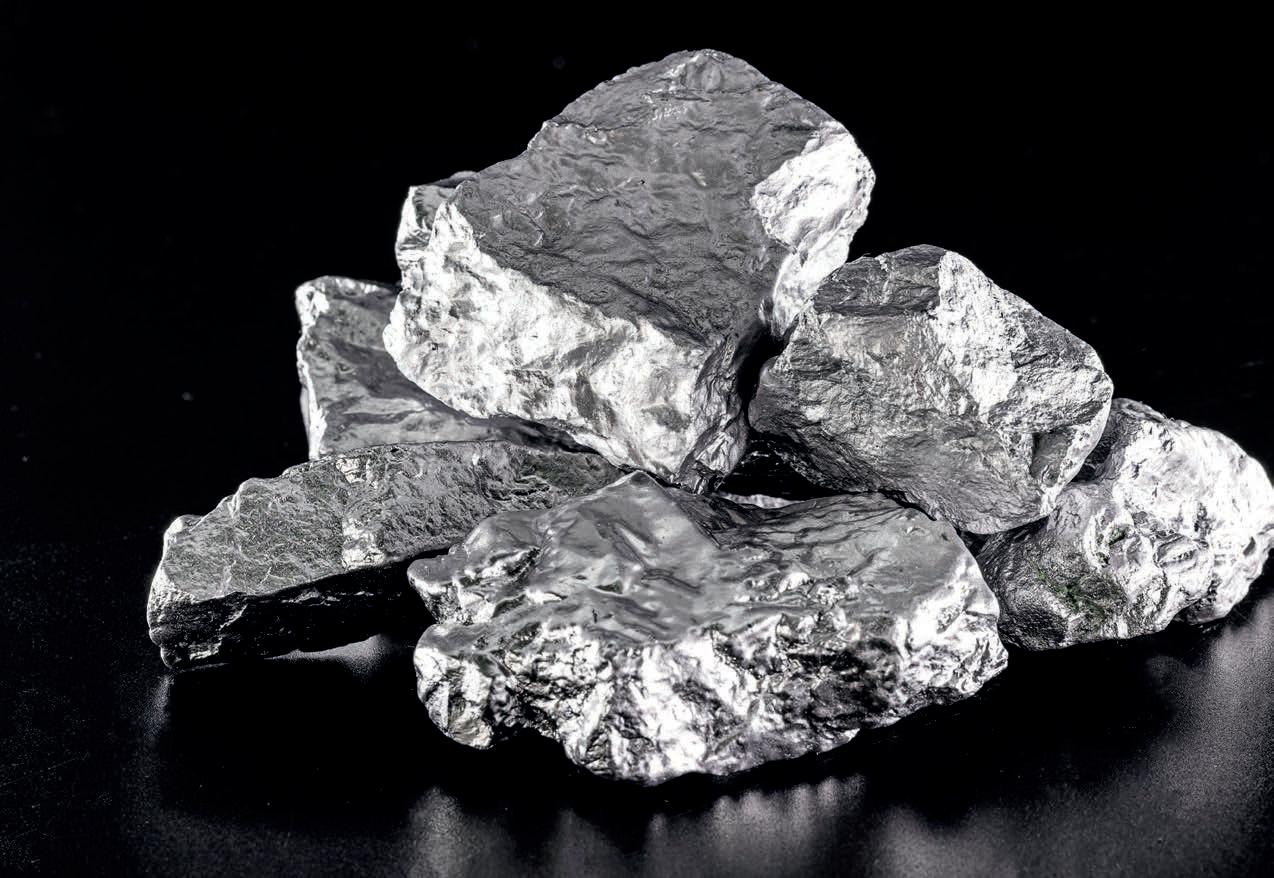
It also helps mitigate risk. As trade fragmentation accelerates, with the cost of global financial system fragmentation estimated at up to US$5.7 trillion, companies need friends in high places. Aligning with national security priorities can provide that cover.
The defence pivot is real, but it is not permanent. The capital is available now because supply chain anxiety is acute. Once Western supply chains stabilise, likely through the projects being funded today, the chequebooks will close.
For miners holding assets with trace levels of antimony, gallium, or germanium, the time to audit tailings is now. Deloitte’s Tracking the Trends 2026 report advises companies to engage directly with regulators, contributing data and insights to help design commercially viable interventions.
It also recommends scenario planning for tariffs and sanctions. Flexibility in contracting and financing could become a major source of competitive advantage in a world where market signals are increasingly entangled with political considerations. The message from 2026 is clear. The government wants to purchase what you are currently discarding. But they won’t want to buy it forever.
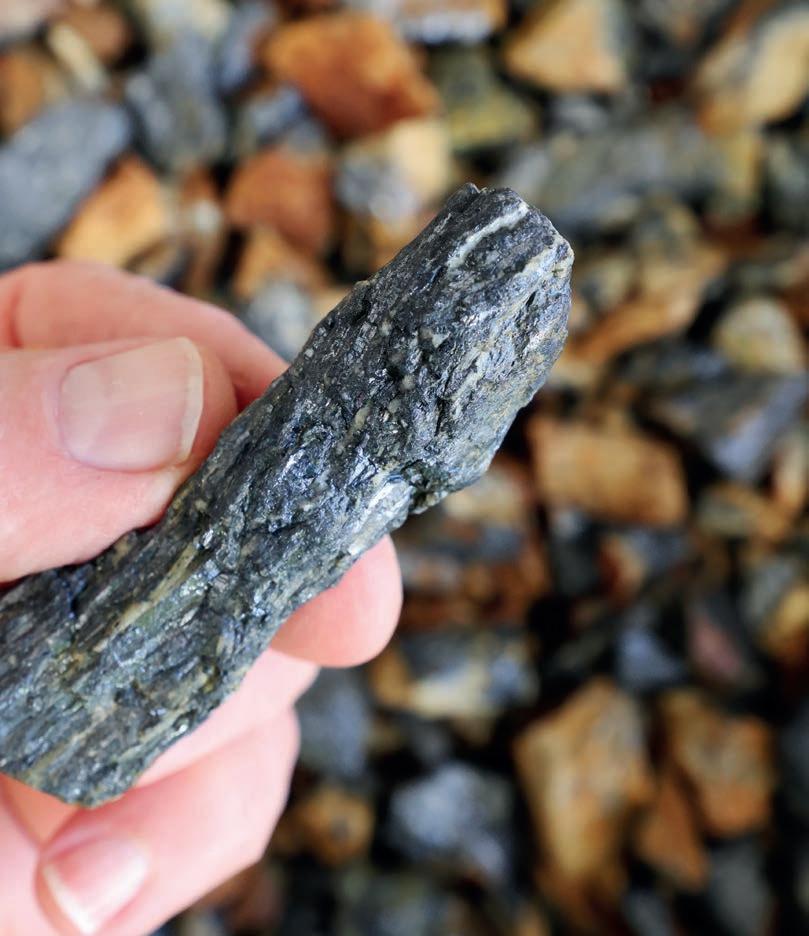






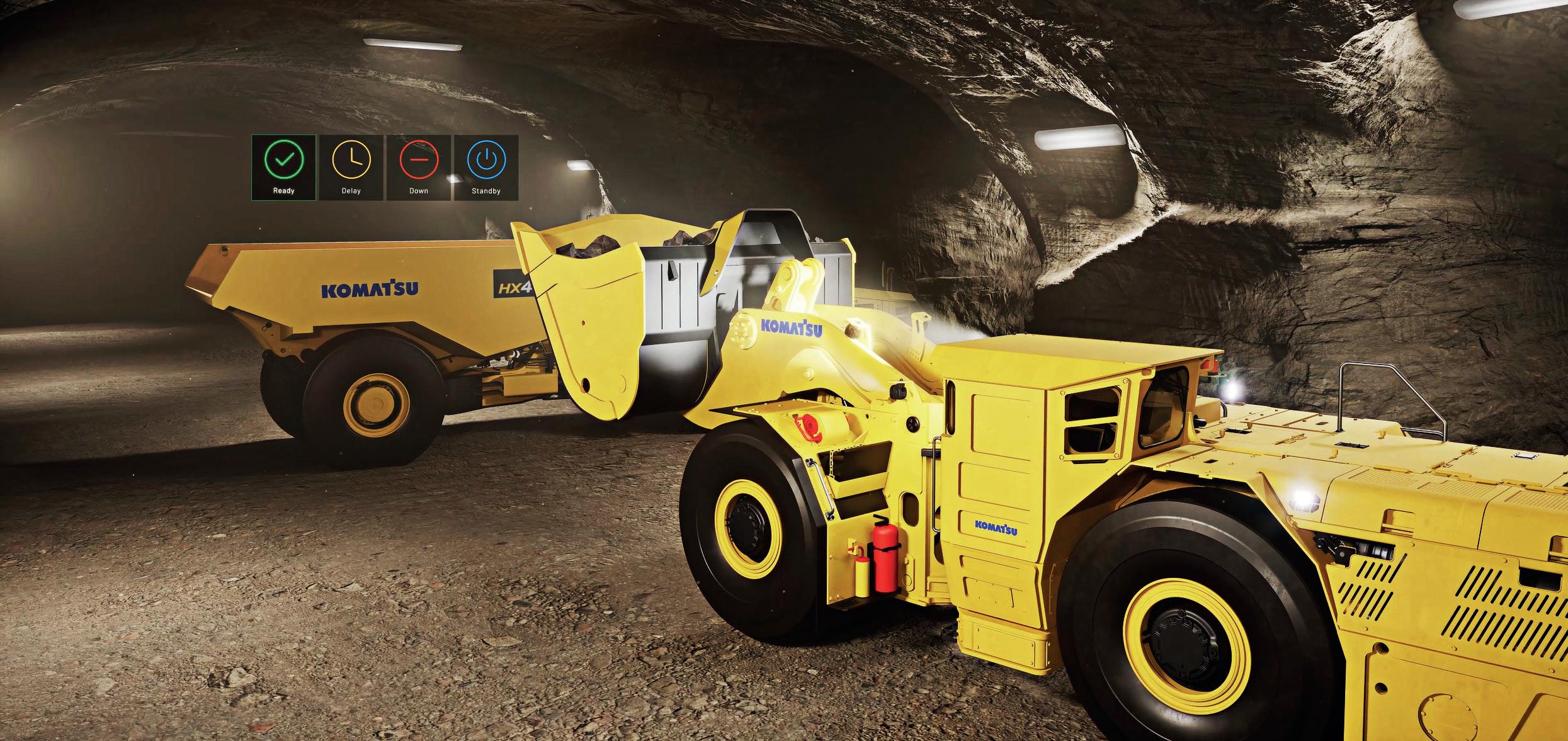
As the mining sector races to eliminate costly downtime, MST Global is driving the shift toward proactive, data-driven fleet management.
In the relentless environment of modern mining, waiting for a machine to breakdown before fixing it is a cost that operational teams can no longer afford. As the industry races to eliminate unexpected downtime, mine sites all over the world are rapidly shifting from reactive processes to proactive, data-driven operations.
To support this transition, MST Global developed the HELIX enterprise software platform, which provides an interactive geospatial digital twin of underground mining operations.
The HELIX Telemetry module is an original equipment manufacturer (OEM)-agnostic asset-health solution designed to increase a fleet’s average time between interruptions. It achieves this by shifting operations from rigid schedule-based servicing to proactive, condition-based maintenance.
MST Global product manager Nick Rebeiro said the technology fundamentally changes how mine control and operation teams operate.
“HELIX Telemetry enables preventive maintenance by continuously collecting real-time sensor and alarm data from equipment interfaces such as engines, transmission and vehicle control units,” Rebeiro said. “This data enables teams to spot potential issues before they lead to breakdowns. Maintenance can then be scheduled at the most optimal time, minimising downtime and extending the equipment lifespan.”
The system uses the SENSA hub smart device to collect data from multiple on-board interfaces at once. This continuous monitoring occurs without direct physical inspections, ensuring early detection of potential issues. Alarm events are geotagged and visualised in real-time within the HELIX 3D space, providing immediate operational context for root cause analysis.
Equipment health is only one side of the productivity equation. HELIX Dispatch works with the Telemetry module to optimise daily mining activities. The system flags deviations and delays early, allowing mine operations to take quick corrective actions if, for example, drilling takes longer than expected.
“Dispatch captures crucial production data throughout each mining cycle stage, along with operational context, enabling a deep dive into where the inefficiencies lie and can do this for multiple mining cycle definitions at a single site,” Rebeiro said.
By monitoring the operational status of all vehicles, control rooms can ensure machines are used efficiently across the site.
“It provides real-time visibility into vehicle location and status, helping operators ensure machines are used efficiently,” Rebeiro said. “This proactive approach reduces idle periods and ensures that equipment is always in the right place at the right time.”
The platform is designed to adapt to various mining cycles to maximise output while minimising waste.
“Ultimately, it streamlines the loadand-haul process,” he said. “It tracks material movements automatically, without requiring operator input, and integrates OEM data to maintain realtime material inventories.”
In addition to tracking waste and ore, the technology captures the consumables used across various mining processes. Rebeiro said this monitoring is linked to specific activities performed by mining vehicles, helping operators with cost calculations, resource planning, and anticipating parts needed for operation.
For mining operations that rely on homegrown spreadsheet solutions or paper forms, adopting a comprehensive digital fleet management system can seem daunting, but MST Global offers Dispatch Lite to help ease this transition and eliminate data latency. This foundational, server-only solution requires no vehicle hardware, significantly lowering the barrier to entry.
Dispatch Lite offers a fast and accessible entry point that can be installed within a few weeks, according to Rebeiro. And the fact it requires no vehicle kits or location tags means operations avoid field hardware costs and installation downtime. Equipment operators face zero change management, allowing them to continue using voice calls to dispatch for manual entry.
Despite the streamlined set-up, the system immediately introduces comprehensive tracking for production, tasks and time usage. This is designed to help operations identify cycle inefficiencies, increase equipment utilisation, and maximise material extraction. Companies gain immediate transparency into their production and auxiliary machines from day one.
“Supervisors and dispatchers can monitor and manage the execution of a shift plan with pre-built historical reports and real-time dashboards,” Rebeiro said.
The platform allows teams to monitor progress toward production targets, manage task lists for the entire fleet, and view real-time location and equipment availability.
For those who then want to upgrade to Dispatch Pro and the full HELIX platform, a key feature of Dispatch Lite is that it continues to operate and provide data updates while larger integrations are rolled out.
Once the tracking infrastructure is available and the HELIX 3D tracking engine is running, the system is ready to receive live data from the field. This transition introduces in-cab operator touchscreens for pre-start and safety checklists, automated load and haul capture, and OEM integration for payload and fuel levels.
It also enables automated location time usage data capture, bringing
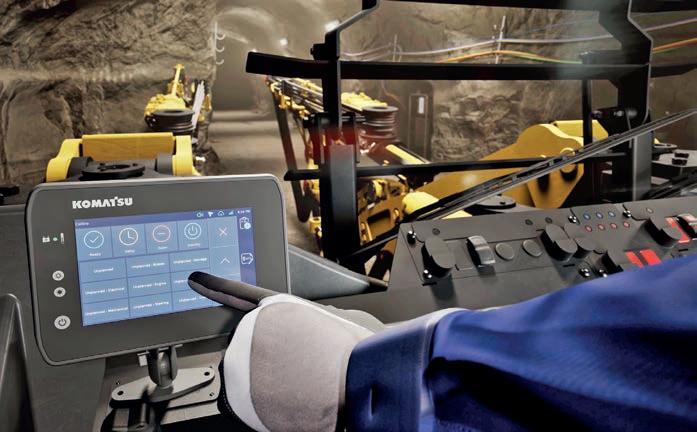
live operational status directly to mine control.
Bringing these data streams together eliminates operational silos and gives supervisors complete visibility over their fleet.
“By integrating equipment operational status, mining activities and asset health, HELIX generates detailed reports that support management in making informed decisions,” Rebeiro said. “These insights improve day-to-day operations and contribute to more effective mine planning.
“HELIX is the ultimate tool to support overall mining efficiency.”
“This data enables teams to spot potential issues before they lead to breakdowns.” MST Global product manager Nick Rebeiro
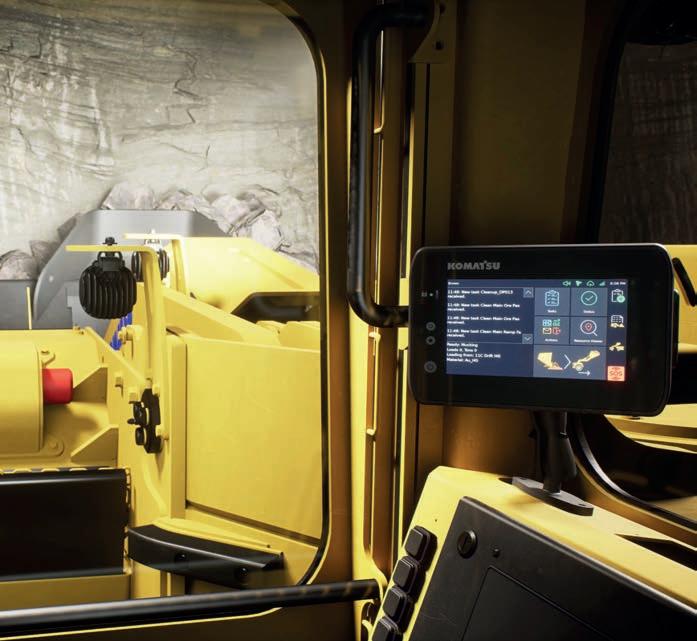
Mining companies are redesigning how assets are handled, cleaned and inspected.
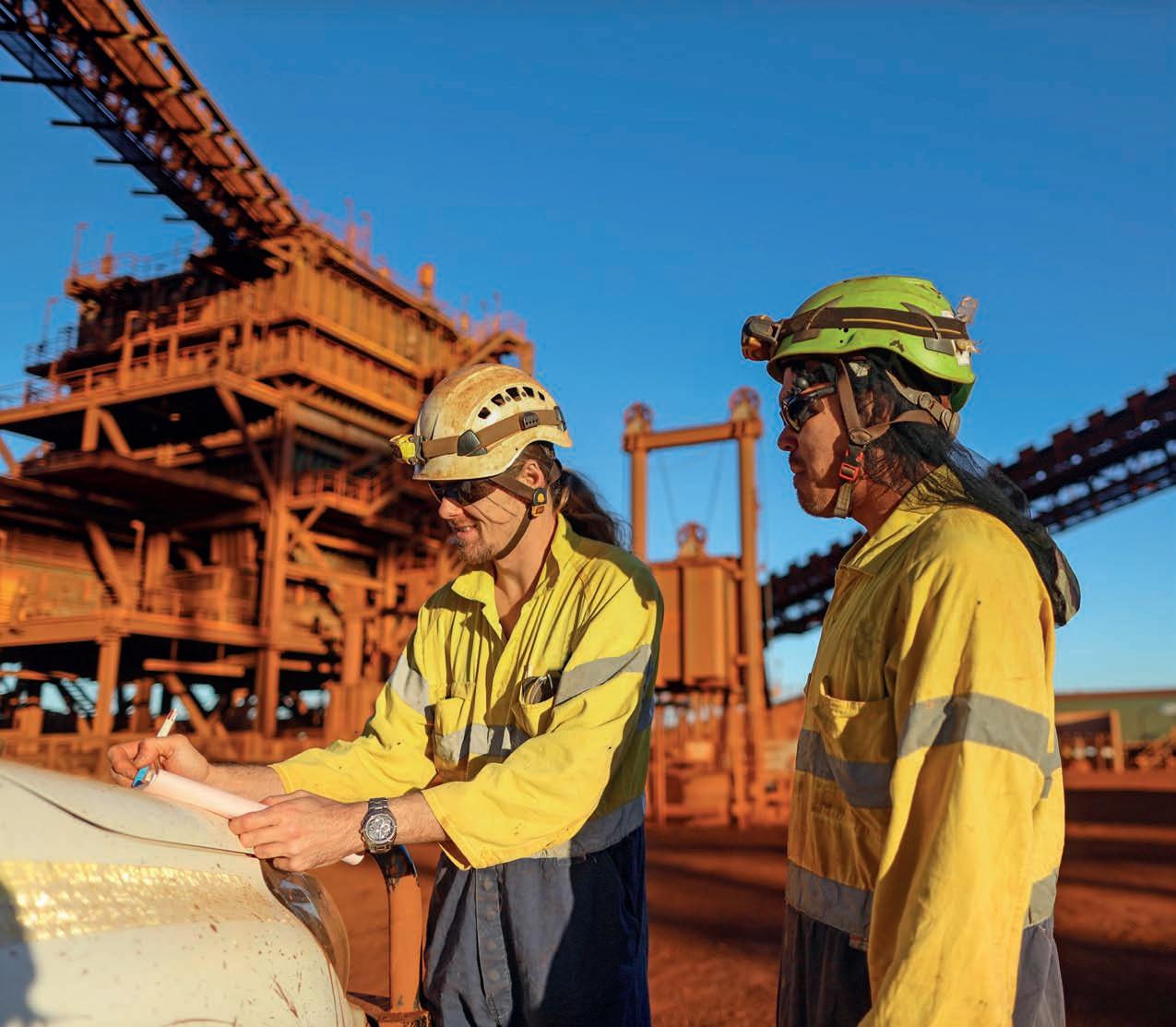
A look at recent WorkSafe WA award winners reveals how mining companies are designing human exposure out of the maintenance equation.
Maintenance in mining has entered a decisive new phase. No longer confined to tools and shutdown windows, it is increasingly the domain of engineered systems, automation and purpose-built technologies designed as much for safety as for reliability.
Across projects and operating infrastructure, mining companies are redesigning how assets are lifted,
cleaned, cleared and inspected. The most effective solutions are not incremental procedural tweaks – they remove people from exposure altogether. That philosophy sits at the core of innovations recognised at WorkSafe Western Australia’s annual Work Health and Safety (WHS) Excellence Awards, and it is defining what next-generation maintenance looks like. Last year’s awards highlighted how far this thinking
has progressed, while earlier winners show the foundations of the shift.
At the 2025 WHS Excellence Awards, maintenance-focused innovations from two mining companies stood out: South32 Worsley Alumina and Innovative Mining Services (IMS), which both demonstrated how engineered solutions can fundamentally transform high-risk work.
At South32 Worsley Alumina, removing and reinstalling a 3.6-tonne cage mill rotor had traditionally involved a complex, multi-stage lift using fabricated cradles and crane handling. Each transfer point introduced potential for the uncontrolled movement of heavy rotating equipment, with crushing hazards, equipment collapses risk and extended exposure during a complicated handling sequence.
Rather than tightening procedures around that system, the Worsley team
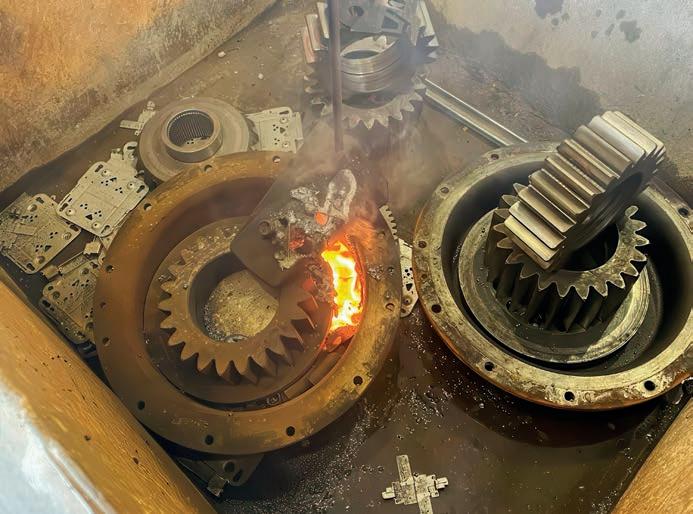
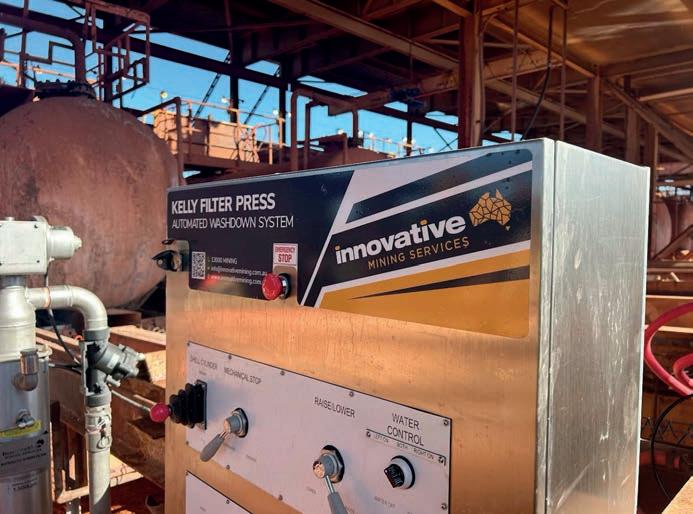

redesigned the task. Its bespoke lifting jig engages directly with the rotor’s internal bar structure, creating a positive mechanical connection. An integrated mechanical lock prevents uncontrolled rotation and maintains security even in the event of hydraulic failure. Designed for lift-and-tilt positioning and forklift compatibility, the jig removes the need for crane-based, multi-stage transfers altogether.
The result is a simplified maintenance activity with engineered control of the load at every stage. Uncontrolled rotor movement during removal and installation has effectively been eliminated, while positioning precision and efficiency have improved.
In mineral processing, the awards recognised IMS for tackling another entrenched risk: manual cleaning of filter presses.
Working with Queensland Alumina Limited, IMS developed the Kelly Filter Press Automated Washdown System, a semi-automated, remotely operated solution for a task that had been historically carried out in elevated, confined areas using hot caustic water. With dozens of presses operating and cleaning required every 8-12 hours, exposure to heat, chemical mist, and repetitive strain was systemic rather than occasional.
The IMS system integrates spray bars, shielding and logic controls with the press cycle, delivering a controlled wash during scheduled cooling periods while operators manage the process remotely. Guarding contains splashing and reduces atmospheric exposure. Beyond safety, consistent automated wash cycles support equipment availability, stable flow performance and improved repeatability, while the ability to address multiple presses simultaneously reduces downtime.
Together, these most recent award winners underline a decisive move towards eliminating exposure through engineering design rather than relying primarily on administrative controls.
Previous editions of the awards recognised innovations that foreshadowed this same direction, particularly in remote and robotic intervention.
BHP, a past winner, addressed one of mining’s most persistent unplanned maintenance scenarios: clearing jammed crushers. Mechanical debris lodged in crushers stores significant energy, and traditional release methods, including
crowbars and thermal lancing, require personnel to work close to the machine while introducing additional heat into an unstable environment.
BHP’s remotely operated thermal lance feeder shifted that work away from the line of fire. Mounted to rock breakers or support structures, the system mechanically feeds the lance while operators control the process from a safe location using remote controls and a camera positioned near the lancing point. Auto-igniters remove the need for manual torch lighting, and oxygen and control lines are routed away from the crusher area. A task once performed at arm’s length from stored energy can now be conducted from tens of metres away, behind shielding or in separate structures. Importantly, BHP has shared the solution royalty-free to support broader industry adoption.
Similarly, Nexxis, previously recognised, has advanced robotic inspection with its Magneto autonomous crawler.
Designed for hazardous and confined environments, from elevated structures to underground and chemically aggressive
spaces, the climbing robot can traverse complex geometries and carry a range of non-destructive testing sensors and remote visual inspection cameras. By enabling internal inspections without sending people into confined or dangerous spaces, the platform supports more frequent, higher-quality condition monitoring while reducing exposure risk.
Viewed together, recent and past WHS Excellence Awards winners show a clear trajectory. Maintenance is evolving from reactive, labour-intensive work to integrated systems combining mechanical design, automation, robotics and remote operation.
For new mining projects and infrastructure upgrades, this has implications well beyond individual tasks. Maintenance requirements are increasingly influencing design decisions from the outset. Provision for automated cleaning, remote intervention, purpose-built lifting tools and robotic inspection is
becoming part of the asset blueprint, not an afterthought.
The awards continue to share these advances. The common thread across both recent and earlier winners is not only technical ingenuity but also demonstrable elimination or isolation of risk through design.
With nominations for the 2026 awards open until May 29, mining companies under the jurisdiction of WorkSafe – part of the Department of Local Government, Industry Regulation and Safety –developing similar next-generation maintenance solutions have an opportunity to contribute to this growing body of practical innovation..
“These awards are a terrific opportunity for WA businesses of all sizes to showcase their workplace health and safety initiatives and to receive welldeserved recognition,.” WA Industrial Relations Minister Simone McGurk said. “I encourage companies and individuals to consider nominating for the awards and taking advantage of the opportunity to have their workplace health and safety achievements publicly recognised.”
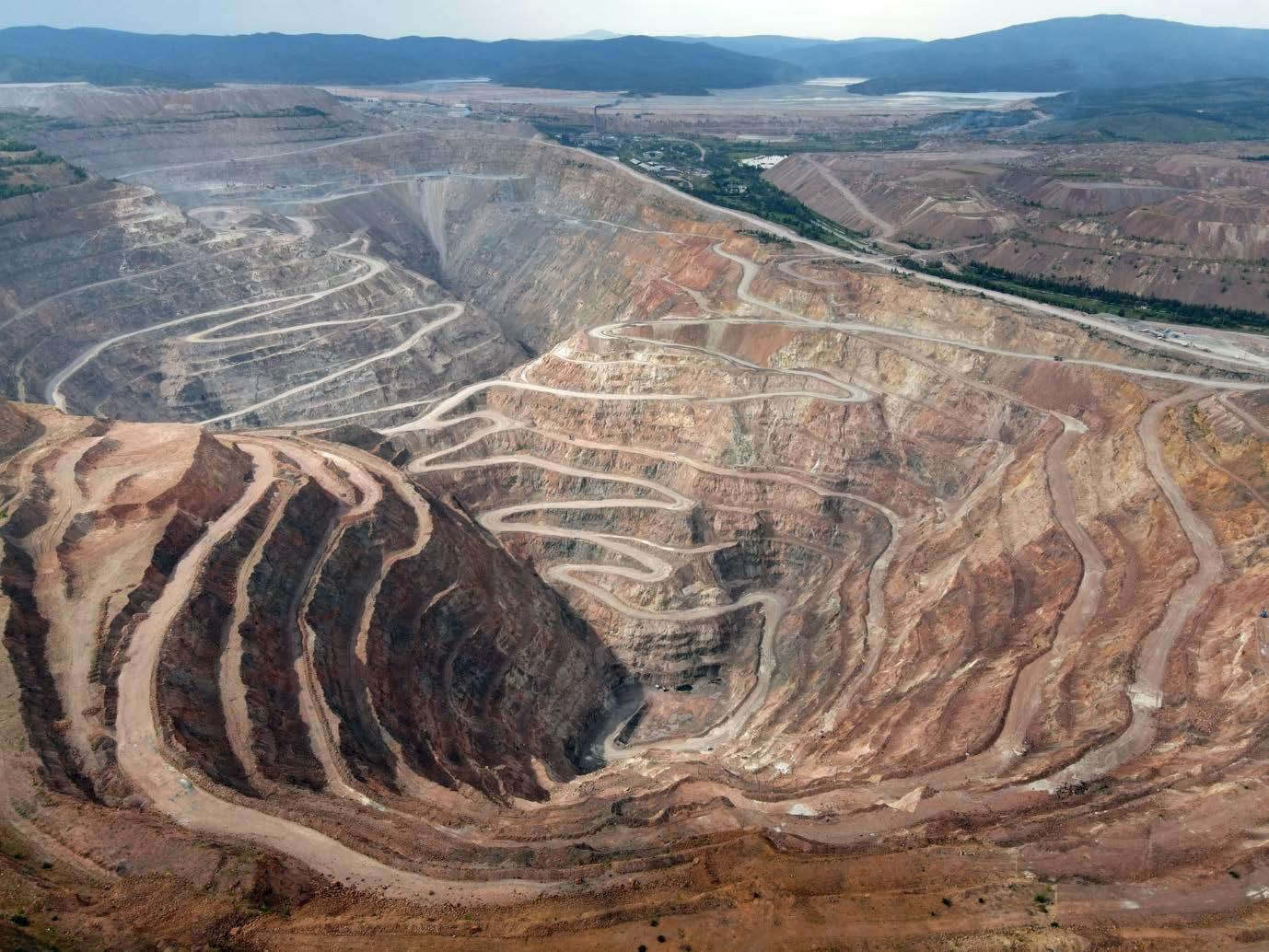
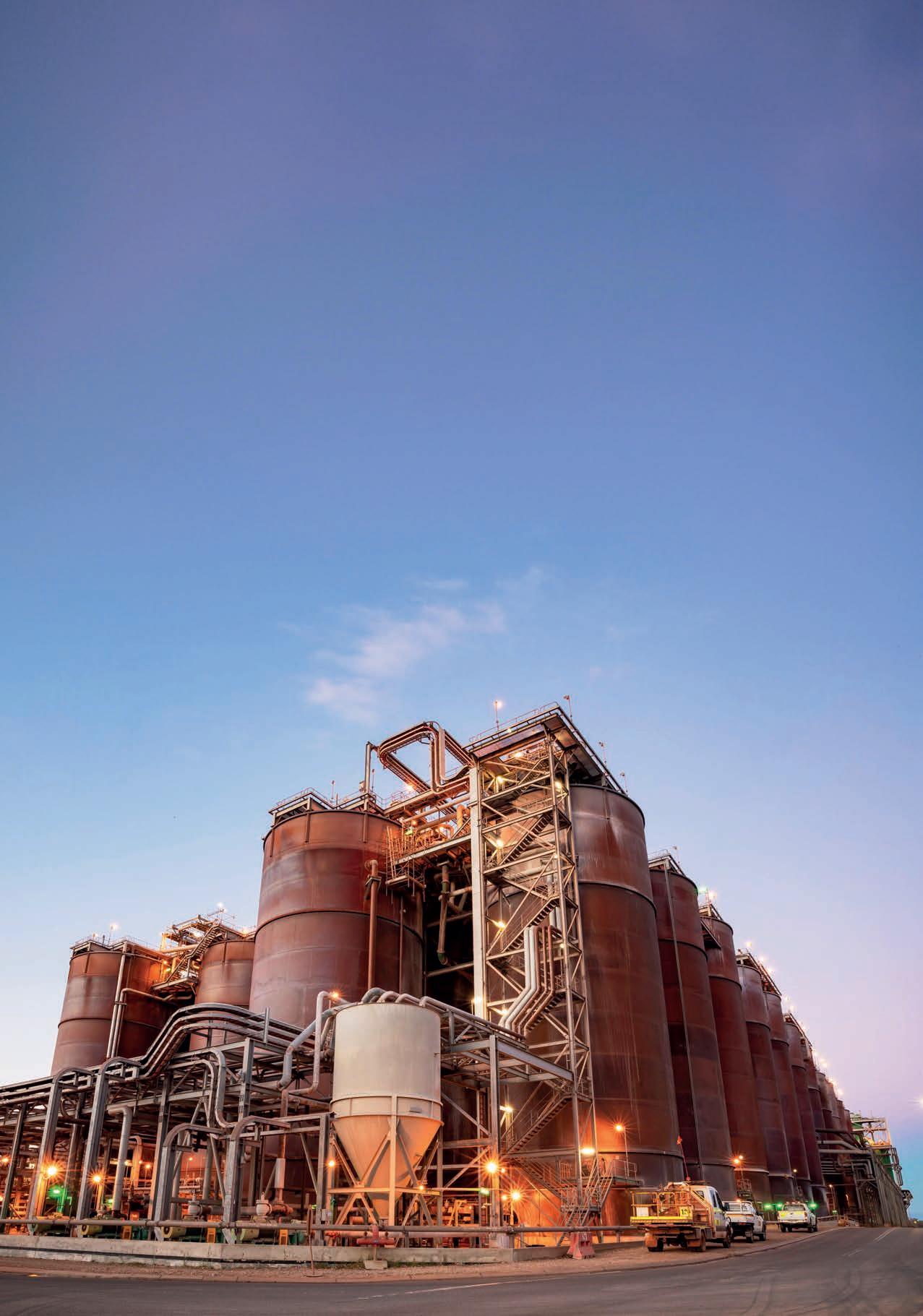
Combining the resources of our
respected editorial team with the knowledge and insights of some of the best and brightest minds in the sector, Mining keeps you up-to-date with the latest news, discussions, innovation and projects in the Australian mining sector.
Australia’s mining sector runs on a unique remote roster, and a specialised clinic is adapting mental health support to keep this essential workforce strong.
The fly-in, fly-out (FIFO) roster is one of the undisputed engines of the Australian mining industry. It drives national production and provides an effective structure for a workforce operating hundreds of kilometres from home.
Yet for the thousands of people navigating a FIFO swing, fitting health and wellness services into their lives is a logistical puzzle, with standard community support programs typically operating on a Monday-toFriday schedule.
Workers can also sometimes require more than traditional health and wellness services, dealing with court-imposed matters. These legal situations often require verified documentation, which is usually attained via months-long weekly counselling session commitments. But for mining haul truck operator or site supervisor, for example, attending a 16-week behaviour change course is especially difficult.
Christine Strong identified this service gap during a meeting with a regulatory provider, who said it was logistically difficult to treat resources sector workers because of their unpredictable availability.
Recognising that the industry required a much more agile approach, the Cairnsbased counsellor and accredited mental health social worker decided to adapt her
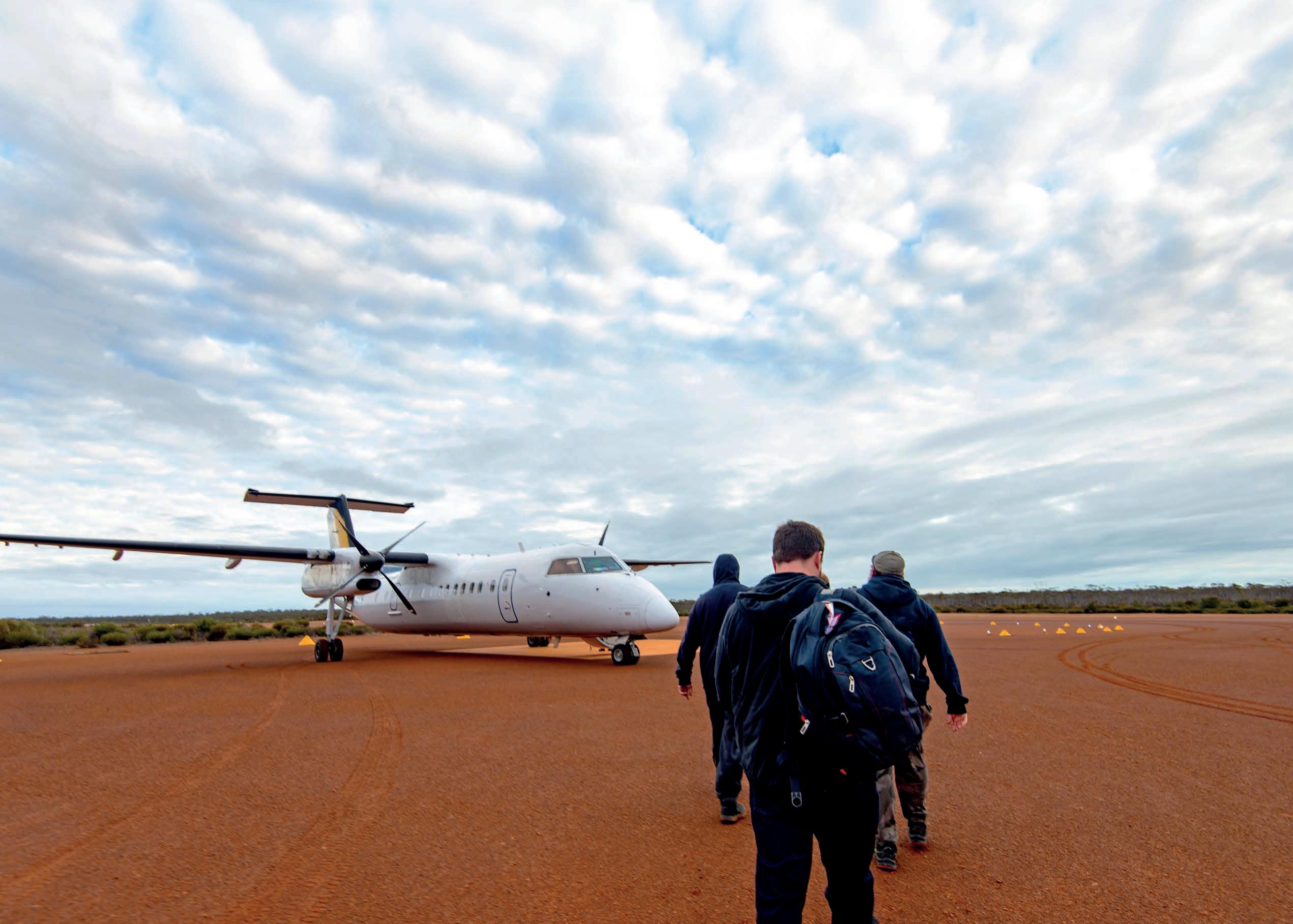
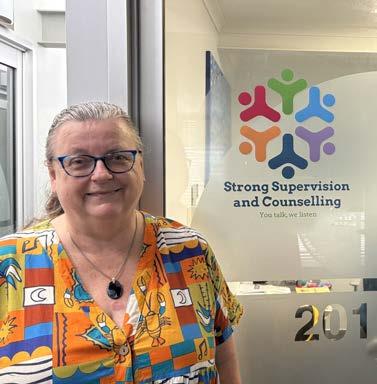
delivery to the workers’ calendar.
“[A regulatory provider] said to us, we can’t work with the FIFO workers because their program is 16 weeks and it goes from one to 16 and you have to attend every week,” Strong said. “My offsider and I looked at each other and said, ‘Well, we absolutely should help here’.”
Strong brings a strong clinical background to this challenge, holding a Master of Social Work, a Master of Social Science in addiction studies, and a Graduate Certificate in Facilitating Men’s Behaviour Change Programs.
Operating her clinic, Strong Supervision and Counselling, under the motto “You talk, we listen”, she has seamlessly decoupled therapy from the weekly calendar to create a customised approach for FIFO workers, blending in-person and online meetings.
A significant portion of Strong’s work focuses on the psychological friction of re-entry, the critical window when a worker returns home after an extended time on-site. She said the resettlement period is particularly fraught when children are involved.
The dynamic often leads to immediate confusion about household roles and responsibilities. A returning parent often wants nothing more than to rest, while the parent who has been managing the household full-time might be looking for immediate relief.
“Dad comes home, and all Dad wants to do is go to bed or put his feet up, where Mum has had the kids full-time, and she is saying, ‘Right, your turn, Dad,’” Strong said.
Strong said couples should plan this handover when both parties are rested, rather than attempting to negotiate duties in the heat of the moment.
Attempting to communicate during the initial stress of arrival is rarely effective.
“It is about communicating,” she said. “But it is communicating when you are as calm and relaxed as you can be. Often, people will try to have that conversation in that moment, and that is never going to work.”
Beyond the immediate family dynamic, maintaining a sense of connection is vital to combating the isolation inherent in remote work. Strong said workers should use social activities to genuinely connect with peers and family, warning against the common pitfall of using alcohol to relieve the pressure of the swing.
While many mining companies offer employee assistance programs (EAP) for general wellbeing, Strong views her practice as a specialised complement, particularly for workers navigating domestic violence matters or family court. Her clinical background spans drug and alcohol services, domestic violence support, and mental health roles across prison and community settings, allowing her to handle complex cases that standard corporate programs cannot.
The critical distinction of Strong’s service is the provision of documentation. While an EAP offers confidential support, it does not provide the paperwork required for legal proceedings.
Strong’s clinic provides essential court documentation, including support letters, relapse-prevention strategies and safety plans.
These tools provide magistrates with tangible evidence of a worker’s commitment to positive change, which can be a crucial factor in achieving favourable legal outcomes.
“I am not trying to take people away from EAP, not by any means,” Strong said. “But if you go through EAP, you don’t get paperwork. So that is our specific point of difference: if you are going to court, come and see us because we can begin the process with you regarding paperwork.”
The value of this flexible, legally robust support is evident in the experience of ‘John’, a senior trainer who navigated a decade-long legal battle for custody of his children. Managing an on-site team while fighting a complex legal case required a unique support structure.
By seeing Strong on his days off, sometimes with months between appointments, he maintained his positive mental health and kept his life centred.
“I would see him on his days off. And sometimes wouldn’t see him for months at a time, but he always came back,” Strong said.
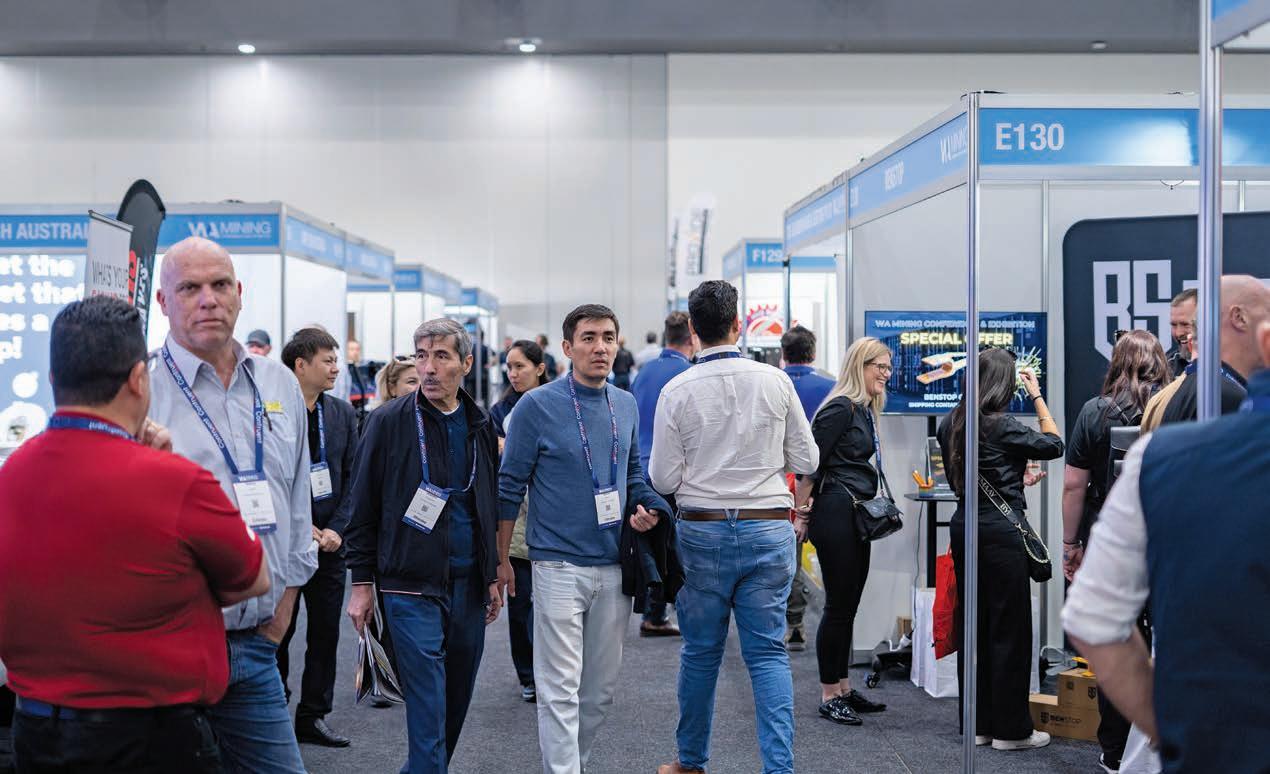
Tickets are now available for the 2026 WA Mining Conference and Exhibition in Perth. Join industry leaders, suppliers, and innovators for two days of networking.
Following a record-breaking 2025 edition, tickets are now on sale for the 2026 WA Mining Conference and Exhibition (WA Mining).
As Perth’s flagship gathering for the mining and resources sector, WA Mining has become essential for the state’s mining community, bringing together decision-makers, suppliers, innovators and operators for two days of practical business conversations and industry insights.
The 2025 event welcomed more than 5500 visitors across two days, with over 155 exhibitors showcasing products and services spanning the entire mining value chain. Off the back of last year’s success, key companies including 3M, Blackwoods, Treadwell Group, CRC Industries, Vulcan Steel, REMA TIP TOP, and Dodge Industrial have already secured their places on the 2026 exhibition floor, signalling another strong year.
WA Mining 2026 – to be held at the Perth Convention and Exhibition Centre from September 16–17 – will feature interactive demonstrations, live equipment displays and hands-on technology showcases, giving visitors the opportunity to see innovation in action. The event will also highlight the Mining Pavilion, providing a dedicated space to engage with major mining companies and explore projects shaping the future of WA’s mining sector.
The conference program will offer direct insights from industry leaders, while the exhibition floor will provide a platform for exploring global trends, investment opportunities, and crossborder collaboration.
With the past two shows selling out, WA Mining continues to demonstrate its relevance and value to Western Australia’s mining sector.
Prime Creative Media show director –mining events Rebecca Todesco said WA Mining is where the state’s industry comes together to create real opportunities.
"We’re thrilled to invite the key players of Western Australia’s resources sector back to Perth for WA Mining,” Todesco said. “The city will become a buzzing hub of innovation and progress as the state’s industry unites for two days of networking, knowledge-sharing, and celebrating the excellence across the sector.
“We’re already seeing a strong response from exhibitors and attendees alike, and we’re looking forward to another fantastic event.”
WA Mining attracts a diverse audience, including mine managers, engineers, procurement professionals, contractors, consultants and business owners. For suppliers, the exhibition provides direct access to qualified buyers and key stakeholders operating across Western Australia’s mining industry.
With strong industry backing, WA Mining 2026 is set to unite Western Australia’s mining community under one roof. As momentum builds, industry professionals are encouraged to secure their tickets early and be part of the conversations, connections, and innovations moving the sector forward.
Tickets for WA Mining 2026 are now available. Reserve your spot today. For more information, visit waminingexpo.com.au
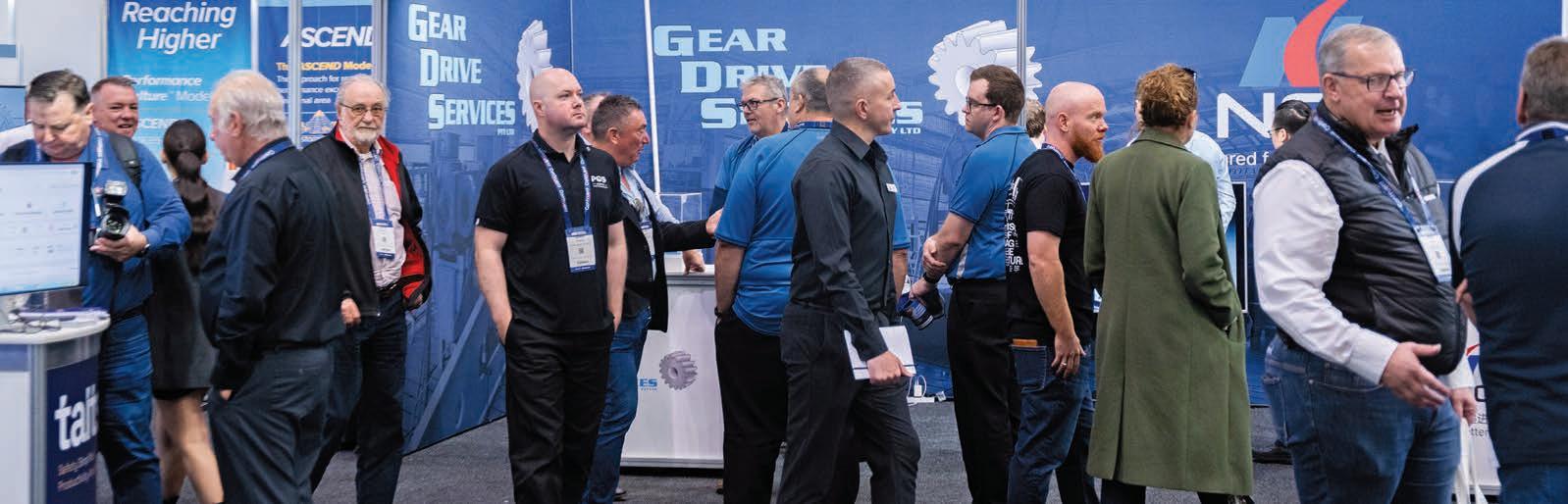
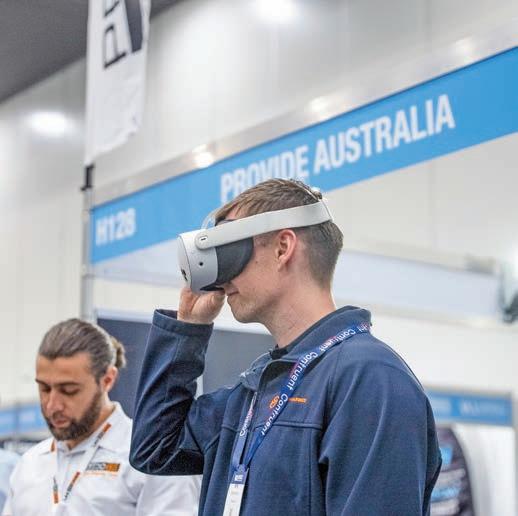
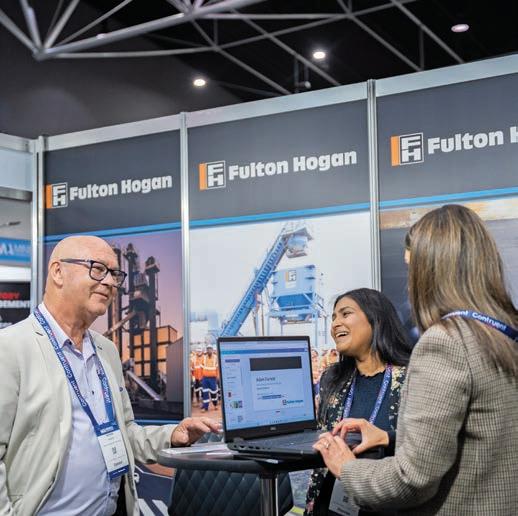
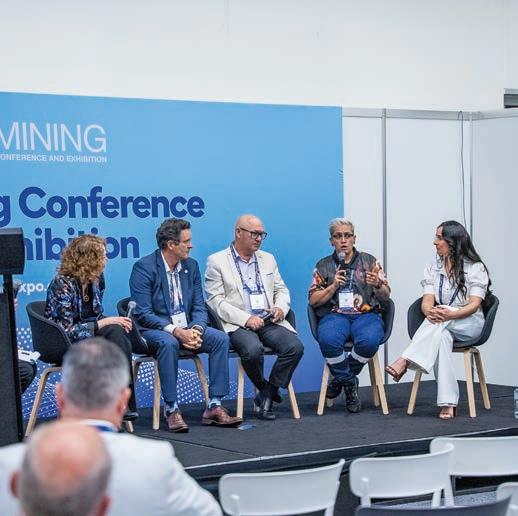
The conference program will offer direct insights from industry leaders.
Speakers will address some of the key issues facing the resources industry.
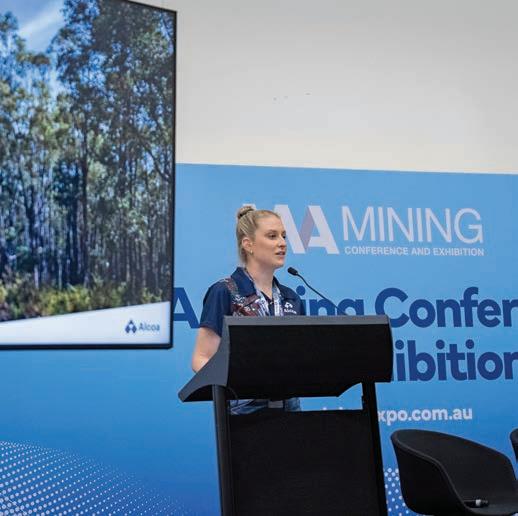
The exhibition floor will be a platform for exploring trends, investment opportunities and cross-border collaboration.
QME 2026 will return to Mackay to offer insights on the supply chain evolution and spotlight major mining productivity breakthroughs.
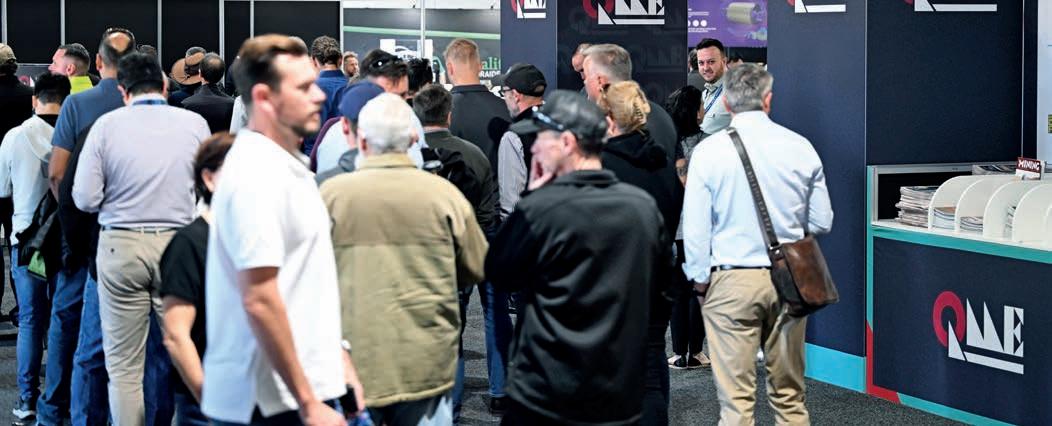
When the Queensland Mining and Engineering Exhibition (QME) returns to the Mackay Showgrounds from July 21–23 it will be with an expanded footprint and renewed focus on site productivity.
As the industry works to achieve more gains with fewer resources, leading suppliers are using the event to showcase a fundamental shift in how they support mining operations.
Following record attendance in 2024, the 2026 exhibition features an expanded outdoor space to meet rising industry demand. This area will accommodate large-scale equipment and provide a platform for exhibitors to demonstrate real-world applications.
“QME isn’t just a trade show,” Prime Creative Media show director – mining events Rebecca Todesco said. “It’s where people come to find solutions and check out the latest tech.
“The outdoor exhibition area makes it even better, giving equipment a spot to be seen and noticed in operation.”
Alongside the outdoor expansion, the event will see the return of the highly anticipated Mining Pavilion. Backed by major industry stakeholders, including the Queensland Resources Council and the Bowen Basin Mining Club, the
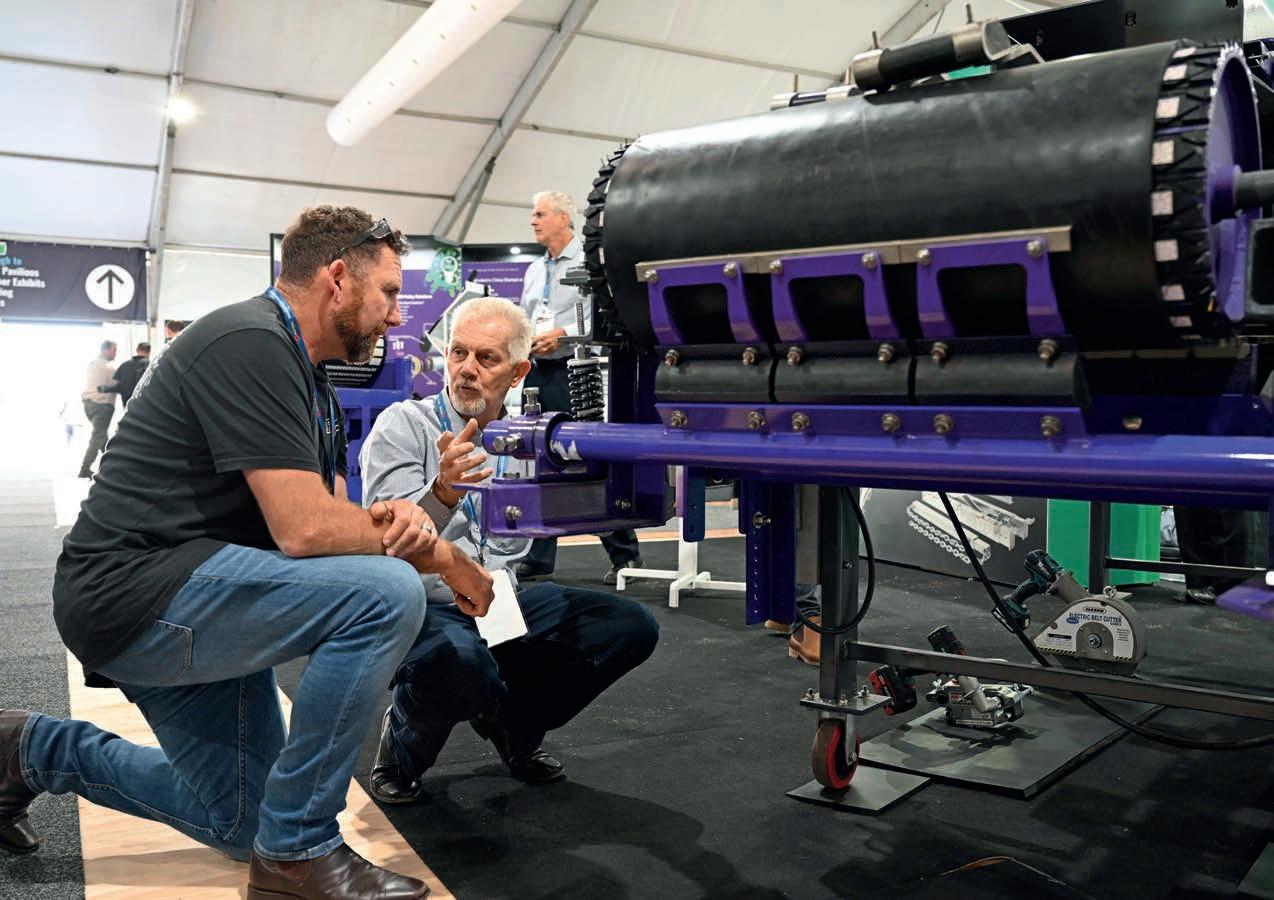
pavilion will host major operators such as Glencore Australia, Bravus, BHP Mitsubishi Alliance and Whitehaven Coal.
Designed as a destination for visitors seeking practical knowledge, the dedicated space provides direct access to the organisations shaping the state’s resources sector. It offers an opportunity for open dialogue on operational priorities, innovation, workforce development and sustainability.
“The Mining Pavilion has always been where the industry comes together,” Todesco said. “It gives visitors direct access to the people behind major operations, while giving mining companies a powerful platform to engage, share insights and build lasting connections.”
For ATOM Group, a leading supplier of industrial hardware and safety equipment, QME is a key opportunity to address the evolving needs of major operators. CEO Jason Johnson said the company is transitioning its service model to directly address the productivity challenges facing the sector.
“At QME, our focus will be less on individual products and more on showcasing ATOM Group’s new capabilities, namely moving away from
being a distributor of products to a site and towards a partner that manages products to the person,” Johnson said.
“As one of the leading mining events in Australia, QME provides us with an invaluable platform to demonstrate ATOM Group’s new capabilities to Australia’s most valuable industry.”
ATOM’s shift from product distributor to supply chain partner directly answers the mining sector’s current challenges. Johnson said this new strategy was driven by themes from previous events.
“The biggest takeaway from the last QME was how sharply the conversation has shifted towards productivity and efficiency,” Johnson said. “Sites are actively looking for ways to remove non-core activities, reduce complexity and improve labour efficiency.”
To meet these demands, companies are rethinking how they handle their consumables. Mining operations are under pressure to do more with less, facing tighter constraints on labour, working capital and tolerance for downtime.
“QME allows us to have meaningful conversations about how shifting responsibility for industrial and safety consumables to ATOM Group can simplify supply chains, reduce costs by introducing employee controls, reduce inventory
sitting on balance sheets and improve productivity on site,” Johnson said.
For the 2026 exhibition, the ATOM Group team looks forward to continuing those conversations and demonstrating how their new capabilities address these widespread efficiency challenges. The Mackay setting is especially relevant, as it grounds the discussion in the practicalities of regional mining hubs.
Johnson said QME is essential for professionals responsible for supply chain and operational performance, including procurement, safety, site and maintenance managers. He added that bringing these decision-makers together outside metropolitan centres yields improved results for suppliers and operators alike.
“Regional industry events like QME are particularly important as they better address the realities of operating in regional and remote environments, which ATOM Group’s new capabilities are perfectly aligned with,” Johnson said.
As more companies than ever unveil the latest technological innovations, QME continues to prove its value as a catalyst for a safer, more efficient and productive Australian mining industry.
Tickets are out now!
Get your tickets here: https://www. queenslandminingexpo.com.au/
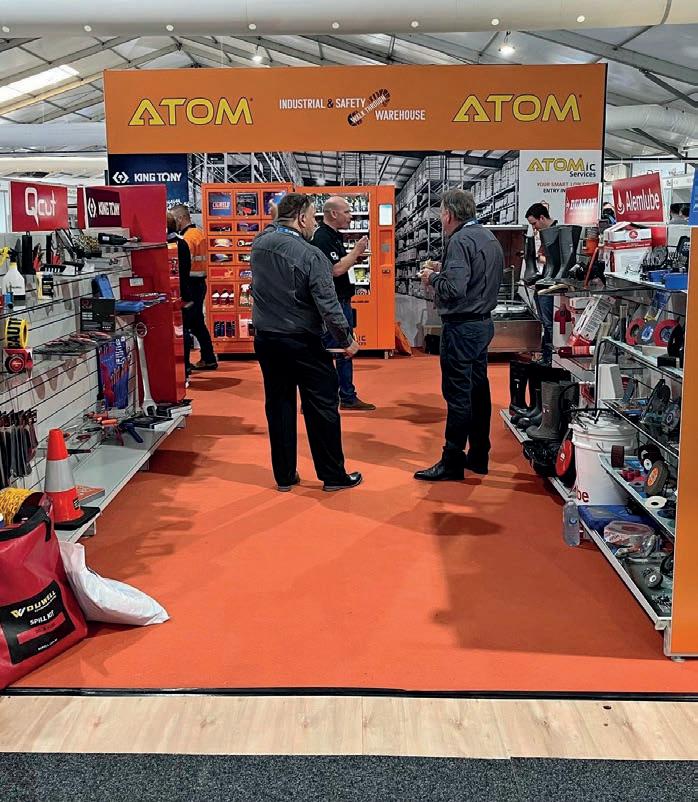
GRX26

Austmine and AusIMM have released the program for the Global Resources Innovation Expo, bringing an action-oriented event to Perth this May.
Perth will be ground zero for mining innovation this May as the Global Resources Innovation Expo (GRX26) hosts the brightest minds and buzz-worthy technological innovation at the Perth Convention & Exhibition Centre.
A strategic collaboration between Austmine and AusIMM, the event brings together mining companies, mining equipment, technology and services (METS) innovators and policymakers.
The core principle guiding the three days of content is clear: where innovation meets implementation.
Austmine interim chief executive officer Vanessa Haberland said the event arrives at a crucial time for the sector.
“Australia has long been recognised for its mining capability,” Haberland said. “The next phase of our competitive advantage will be defined by how quickly we translate innovation into scalable outcomes and strengthen our global partnerships.
“GRX26 brings industry together at a time when strategic alignment and decisive action matter more than ever.”
AusIMM chief executive officer Stephen Durkin said the program was developed by a senior Industry Working Group.
“The GRX26 program is proudly built by industry, for industry,” Durkin said. “We are showcasing the game-changing leadership, groundbreaking innovations and collaborative thinking needed to supercharge Australia’s mining and METS sector and lay the foundation for growth in a complex, globally competitive environment.”
To drive this agenda, the event features eight plenary keynotes and more than 30 speakers. Julie Bishop will headline the program to discuss the new rules of resource diplomacy. She is joined by Austrade chief executive officer Dr Paul Grimes, who will explore international market access for the Australian METS sector.
AROSE chief executive officer and former NASA director Jason Crusan will detail what lunar extraction can teach the industry about operations on Earth. In addition, AusIMM Fellow and industry legend Mark Cutifani will outline why the mining sector must change how it communicates.
The program spans the full resources value chain, featuring real deployment stories from exploration to market. Attendees will hear Bellevue Gold’s journey to building the world’s first
net-zero gold mine, alongside Earth AI’s Roman Teslyuk discussing the technologies shaping the future of mining. Insights into Indigenous economic inclusion will also be shared, highlighting the partnership models of Byrnecut and BHP.
A defining feature of GRX26 is its emphasis on expedited action over passive listening. The event includes collaborative conversations that bring miners, investors and government together to tackle real challenges and make public 30-day commitments. Furthermore, the GRX Colab live innovation accelerator will see global innovators pitch breakthrough technologies on stage, allowing the audience to vote and form partnerships in the room. Fireside chats will also run in a reverse-panel, audience-led format.
The choice of Perth as the host city serves as a strategic anchor for these initiatives. Much like regional events ground discussions in operational realities, bringing a global innovation expo to Western Australia’s capital places these high-level conversations at the physical heart of the global resources sector. Perth is home to the headquarters of major operators and a
thriving ecosystem of METS companies, making it the ideal proving ground for the technologies being discussed on stage.
By hosting the event in this environment, organisers ensure the dialogue remains closely connected to the actual sites where these innovations must be deployed. The proximity to massive operational hubs across the Pilbara and the Goldfields means the 30-day commitments and partnerships forged in the room have an immediate pathway to implementation. It bridges the gap between the boardroom and the mine site, providing an invaluable platform for decision-makers to test their strategies against the practical realities of the industry's most active region.
The expansive program is complemented by the Spark opening night, a Women in STEM Breakfast, executive roundtables, the AEMEE First Nations Innovation Hub, and an exhibition hall with more than 150 exhibitors.
The Global Resources Innovation Expo (GRX26) will be held at the Perth Convention & Exhibition Centre from May 5–7. Find out more and register at GRX.au.
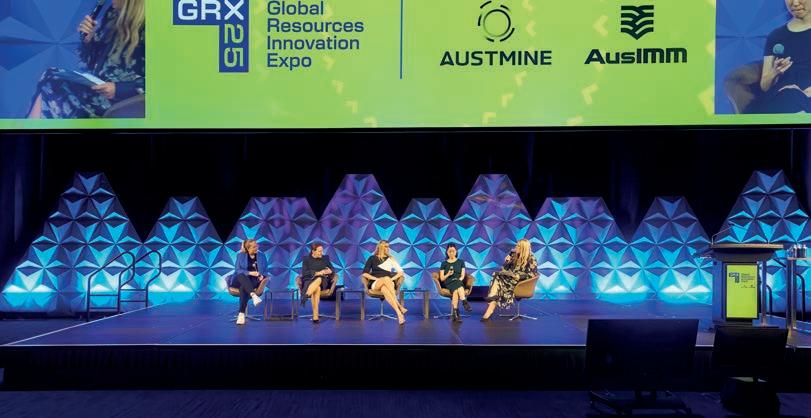
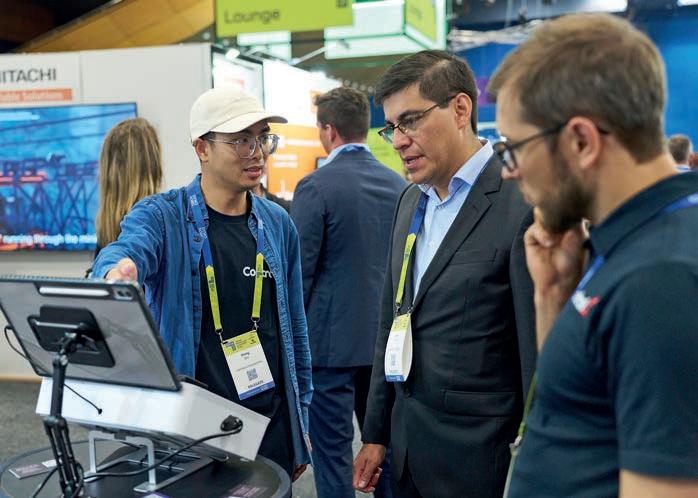
Department of Local Government, Industry Regulation and Safety
The transition period for completing mines statutory position certification requirements in Western Australia will end on 30 March.
On 31 March, all certificates of competency issued under the Mines Safety and Inspection Act 1994 will expire. Furthermore, holders of these credentials will forfeit their opportunity to transition to new statutory certificates.
Following the conclusion of the transition period, there will be a brief pause in the running of WHS legislation exams. They will recommence on 20 April.
Visit www.worksafe.wa.gov.au/mspp
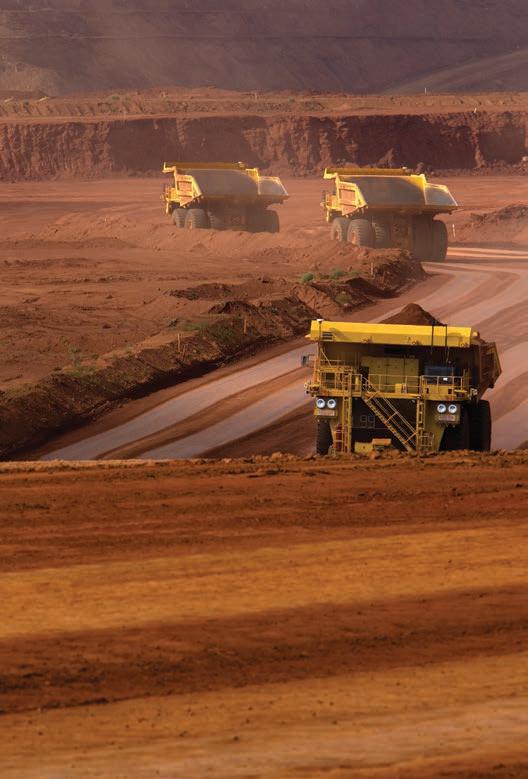
AusIMM has prepared a bumper edition of the 2026 International Mining Geology Conference, which will see the industry’s foremost experts descend on Brisbane in April.
Geology, geography and geopolitics are rapidly converging to reshape the future of the global resources sector. As the industry shifts its focus toward securing critical and strategic minerals, the expertise of geoscience professionals has never been more vital.
Recognising this pivotal moment, AusIMM has announced the program highlights for its highly anticipated International Mining Geology Conference 2026, to be held at the Brisbane Convention and Exhibition Centre from April 21–22.
The conference arrives as the mining sector faces unprecedented opportunities and challenges. Mining companies are tapping deeper, more complex deposits as major shallow basins become depleted. New discoveries are often in regions where mining is either new or has a complex historical legacy.
Navigating these environments requires a sophisticated approach to exploration, resource definition, and early-stage opportunity assessment.
This evolving landscape means the professional geoscience community has a strong opportunity to share best practices and accelerate the adoption of new technologies.
The conference program is built around this mandate. It emphasises the need to leverage artificial intelligence (AI), integrate public and private datasets, and use advanced analytical tools to improve geological understanding.
By tapping into insights beyond bulk commodities, geologists can develop the data needed to unlock new critical mineral discoveries and inform major investments in modern industrial precincts.
As one of the sector’s most respected technical gatherings, the conference will
The AusIMM International Mining Geology Conference brings the industry’s foremost voices to Perth.
explore these themes comprehensively, maintaining a strong focus on innovation, sustainability, value creation and improved decision-making across the entire mining lifecycle.
Leading voices take the stage
To guide these conversations, AusIMM has secured a line-up of senior industry leaders who are actively shaping the future of mining geology. The 2026 program will feature four keynote presentations from distinguished experts.
Mark Berry is the director and principal geologist at Derisk Geomining Consultants. With more than 40 years of experience in the minerals industry, Berry has worked extensively across exploration, feasibility, mine operations and consulting. He was awarded the Gold Medal from the Australian Institute of Geoscientists in 2024 for his outstanding service and ongoing commitment to the geoscience community.
Andrew Engelbrecht serves as the senior manager of mine and exploration geology at Gold Fields. Bringing more than 20 years of experience across mine geology to the conference, Engelbrecht has previously held senior leadership roles at Northern Star Resources, Saracen Mineral Holdings, and Evolution Mining.
Lauren Elliott is the head of exploration at OceanaGold. In her role, she supports resource understanding and geological modelling for one of the world’s largest epithermal gold systems, bringing deep expertise in orebody interpretation and
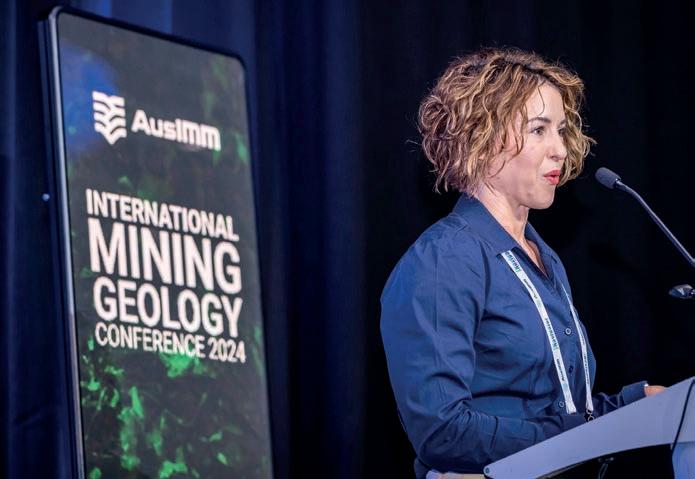
the deposit-scale controls that dictate long-term mining planning.
Dr Neville Plint is the chief executive officer of Mining3. A highly respected figure in the global mining research sector, Plint previously served as the institute director for the Sustainable Minerals Institute at the University of Queensland. His career has focused heavily on improving operational performance at mine sites through the development and implementation of new technologies.
Outside of the main plenary and
technical sessions, the conference offers targeted opportunities for deep dives and capability-building.
Recognising that the industry’s future relies on the next generation of talent, AusIMM will host a dedicated Young Professionals Day on April 20, immediately prior to the main event. This program caters to early-career professionals looking to expand their networks, build new capabilities, and take the next step in their geoscience careers.
Delegates will also have access to two interactive workshops on April 23.

AusIMM caters to early-career professionals looking to expand their networks.
Designed to provide hands-on learning and complement the main sessions, these workshops cover mastering reconciliation through real-world experiences and unlocking the value of structural geology in mining, exploration and 3D modelling.
With 16 hours of recognised professional development and an active exhibition hall, the International Mining Geology Conference 2026 stands as a vital platform for collaboration and knowledge sharing across the global mining geology community.
The International Mining Geology Conference 2026 will be held at the Brisbane Convention and Exhibition Centre from April 20–22.
The Women in Industry Awards celebrate the best in mining, transport, engineering, logistics and more.

The awards are returning in 2026 with a new location and expanded categories, celebrating the talented women in some of Australia’s most important industries.
Returning in 2026, the Women in Industry Awards are back to celebrate the outstanding women who are redefining what’s possible across mining, transport, engineering, logistics, manufacturing and beyond.
This year’s awards will feature a brand-new location and four new award categories that are designed to represent a wider range of talent and skills in more industries.
Moving from Melbourne to Sydney, this year’s awards will be held at the Doltone House, Darling Island Wharf on June 18.
“This move makes sense for the direction of the awards,” Prime Creative
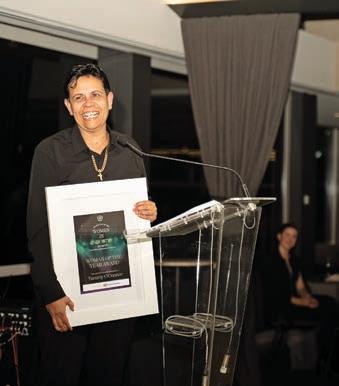
Media event producer Caitlyn Douglas said. “The industry is growing so naturally we wanted to expand the awards program to accommodate to a wider audience.”
The four new award categories are Marketer of the Year, Excellence in Health and Medical of the Year, Tradeswoman of the Year, and the Rising Women in Leadership: C-Suite Executive Award.
“To accompany the new location, these new awards were created to align with the growing industry and will bring more opportunity to celebrate success,” Douglas said.
All categories:
• Rising Star of the Year (30 years and under)
• Business Development Success of the Year
• Industry Advocacy Award
• Mentor of the Year
• Safety Advocacy Award
• Excellence in Manufacturing
• Excellence in Transport
• Excellence in Engineering
• Excellence in Mining
• Excellence in Construction
• Excellence in Energy
• Woman of the Year (Chosen from winners of the other award categories)
• Marketer of the Year (New in 2026)
• Excellence in Health and Medicine (New in 2026)
• Tradeswomen of the Year (New in 2026)
• Rising Women in Leadership: C-Suite Executive Award (New in 2026)
With these expanded categories and a new venue, the 2026 Women in Industry Awards promise to shine an even brighter spotlight on the achievements, talent and leadership of women across Australia’s industrial sectors
Submit your nominations to ensure the exceptional women in your organisation receive the industry recognition they deserve.
For more information on all award categories, visit womeninindustry.com.au/ nominations

16-17 September 2026
Perth