Council is available by subscription from the publisher. The rights of refusal are reserved by the publisher.
Cover image City of Moreton Bay
It’s that time of the year again. Welcome to the first issue of Council in 2026!
In this edition, we’re back to highlight the best of local government across Australia. From major infrastructure and housing precinct developments to cybersecurity and the latest in digital tools, we’re exploring the ways councils are taking innovative and new approaches to old problems.
In a sector that touches on so many different disciplines, industries and services, keeping up with constant change is big ask. But it’s a challenge that councils have tackled time and time again and we’re honoured to showcase some of the ways local government is keeping ahead of the curve.
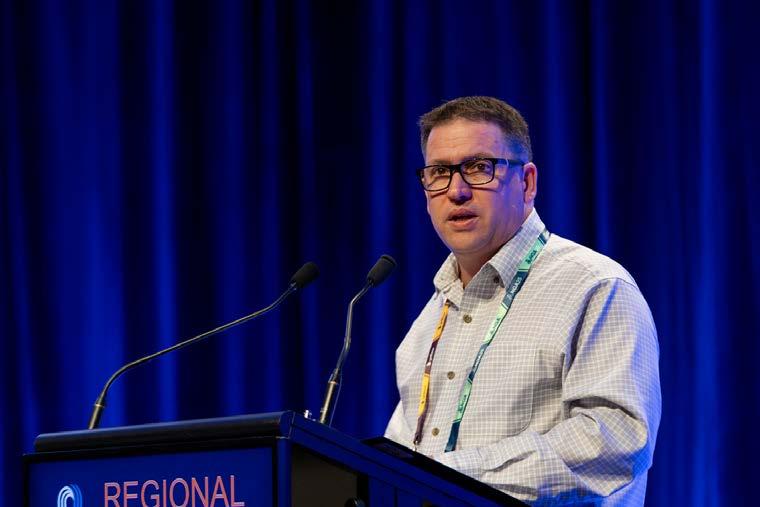
As we dive into 2026, we’re excited to hear from ALGA, the Australian Local Government Association. This edition, we hear from the President of ALGA, Matt Burnett, as he discusses what the industry can look forward to at this year’s National General Assembly.
Also returning, we have our old favourite, Council in Focus. This time we’re shining a light on the City of Port Phillip, one of Australia’s most vibrant local government areas, defined by its beautiful beaches, crowd-drawing festivals and buzzing nightlife.
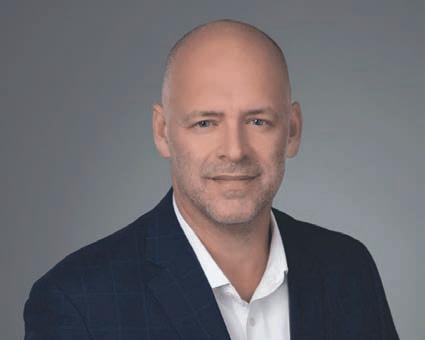
We also had the chance to speak with another experienced council leader for this edition’s CEO Profile. Scott Waters tells us
about his experiences in local government all across the country, and shares how he’s managed at the helm of Australia’s third largest council, the City of Moreton Bay.
As artificial intelligence and smart technology continue to become more entangled with everyday operations, councils are learning how to take advantage of the latest opportunities, without sacrificing critical funds or overworking staff. We hear from a range of council and industry voices as they share the strategies and best practice that’s transformed their processes and services, helping them to better utilise technology and deliver positive outcomes for their communities.
Of course, as councils become more digitally connected than ever before, they open themselves up to dangerous cyber threats. In this issue, we speak with an expert from Northern Beaches Council who warns us about the serious risks of inaction when it comes to cybersecurity and outlines the strategies and resources that councils can use right now to protect themselves and their residents.
As always, there’s plenty more to see in this Autumn edition of Council
We hope what you read here will have you as excited for the year ahead as we are!
Editor, Council magazine
If you have a story idea, tip or feedback regarding Council, I’d love to hear it. Drop me a line at kody.cook@primecreative.com.au and don’t forget to follow us on social media – find us on LinkedIn, X or Facebook.
Council acknowledges Aboriginal Traditional Owners of Country throughout Australia and pays respect to their cultures and Elders past and present.
REAL WORK NEEDS A REAL MOWER
When you have real work to do, you can rely on your Hustler to front up day after day, year after year.
Proudly American made for over 60 years, every Hustler mower is built with the same uncompromising commitment to quality and reliability.
Leaders in innovations that really matter and with the power to perform, so you know that your Hustler is Here to Work.
TOUGH
FABRICATED STEEL DECKS POWER POWERFUL KAWASAKI ENGINES
5 YEAR HYPERDRIVE SYSTEM WARRANTY
2 YEAR NO HOUR LIMIT COMMERCIAL WARRANTY TEST DRIVE TODAY
SCAN THE QR CODE AND BOOK A TEST DRIVE WITH YOUR LOCAL HUSTLER DEALER
CEO Profile: City of Moreton Bay’s Scott Waters
In each edition of Council, we’re shining a spotlight on the individuals steering our councils – exploring their career journeys, leadership philosophies, and the vision they bring to their communities. For this issue, we spoke with Scott Waters, the CEO of the City of Moreton Bay.
After 15 years in local government and almost three years at the helm of one of the nation’s largest councils, Scott Waters has learned that success in the CEO role is about authenticity, resilience and never losing sight of the community.
Now leading the City of Moreton Bay through a period of unprecedented growth, Waters reflects on a career that began in aviation, which took him across Queensland and the Northern Territory, and shaped a leadership philosophy grounded in people, place and purpose.
“Coming on to three years in May this year, it’s gone very quick,” Waters said. “It’s a busy place, and I’ve really enjoyed my time here. It’s a great organisation and a great community.”
AN UNCONVENTIONAL PATHWAY
Waters’ journey into local government was far from conventional.
“My background prior to coming into local government was very much in the aviation, travel and tourism industry,” he said.
“There was an opportunity at Whitsunday Regional Council to head up the commercial side of the airport redevelopment at Proserpine. The council and the State Government wanted to make sure there was a return on investment, so I came in to oversee the airport and its future success.”
For several years, he became known as “the airport guy”.
“That was my early identity in local government,” he said. “I started in airports, and then 15 years later, I’m leading the third-largest council in the country with over a billion-dollar budget. It’s been quite a journey.
“It was a very sharp learning curve. Not only learning to lead an organisation, but managing council politics, dealing
with ratepayers, government, staff and councillors, and doing all of that in a political environment with a lot of change.”
Waters was just 33 when he stepped into his first CEO role.
“I was fairly young,” he said. “Those early experiences really shaped the way I lead now. I’ve seen how things can become extremely difficult, and you do everything you can to make sure your elected members and your community don’t experience that.”
LEARNING TO LEAD IN COMPLEX ENVIRONMENTS
Early in his executive career, Waters learned that the CEO role sits in a uniquely complex space.
“I find it’s important to not become an additional councillor,” he said. “You are in a very unique and specialised position.
Bribie Island forms part of the City of Moreton Bay. Images: City of Moreton Bay.
“You’re the conduit between the council and the staff. You’re not politically elected, but you are a community leader. There are expectations that come with that.”
He described the role as unlike almost any other in public administration.
“You have multiple bosses,” he said. “Your mayor and councillors are all your boss, but at the same time, you have to manage that group as well, alongside the entire organisation. I don’t know too many other roles like that.”
Those early lessons stayed with him as he moved through senior leadership roles, including at Rockhampton Regional Council and later at the City of Darwin.
“Rockhampton was a fantastic opportunity,” he said. “We were able to reset the economic direction of the city and deal with major challenges like Cyclone Debbie and flooding.
“We had to shut down and reopen the airport, manage disaster recovery, and at the same time focus on economic development and defence activity. There were some big efforts there.”
In Darwin, he encountered a very different operating environment.
“It’s an amazing place,” Waters said. “You’re extremely isolated, but you have so much opportunity.
“That’s where I really embraced the ‘give it a go before you say no’ mentality. Being open-minded to opportunities is something the Territory teaches you.”
He also led the council through recovery after Cyclone Marcus and the early stages of COVID-19.
“Those early months of 2020 were incredibly difficult,” he said. “We were dealing with huge uncertainty, particularly around First Nations communities and health risks.”
RETURNING TO QUEENSLAND AND EMBRACING GROWTH
After his time in the Northern Territory, Waters returned to Queensland, taking on the CEO role at Noosa Council.
“It felt good to come home,” he said. “I enjoyed my time in Noosa. We focused a lot on culture, branding and setting the organisation up for the future.
“On my first day, we had the 2022 floods, so I went straight into disaster management again.”
Soon after, the opportunity at the City of Moreton Bay emerged.
“This is the fastest-growing council in the country,” he said. “We’re seeing about 240 new residents every week. That’s around 90 new dwellings every single week.
“For me, drawing on that ‘give it a go before you say no’ culture, I was really drawn to the city.”
He said the scale of growth was both challenging and exciting.
“Our current population is about 550,000, and we’re planning for a city of one million people,” Waters said.
“If we only build for the next 20 years, everything becomes obsolete after that. We have to think beyond that horizon.”
LEADERSHIP GROUNDED IN PEOPLE AND AUTHENTICITY
When asked what advice he would give to other local government CEOs, Waters said, “Be authentic.”
“Authentic, people-centred leadership is 100 per cent my focus,” he said.
“In local government, we don’t have competitive pressure like private business. So how do you get the best out of your people? You do it by putting your employees first.
“That doesn’t mean people can do whatever they like. A leader still has to lead, but you need a peoplecentred mindset.”
He also emphasised the importance of visible leadership.
“The officer never runs on the deck,” he said. “If you’re not calm and focused when things go wrong, how can you expect your team to be? You are the person people look to. You can’t get away from
“I don’t believe in being stuck in the office,” he continued. “I go to depots, libraries, galleries. I’ve gone out with our cleaners and cleaned toilets.
“You need to understand what it’s like at the coalface, from entry-level workers to people with doctorates. It’s
Like many CEOs, Waters said isolation and pressure were constant challenges.
“The decisions you make affect many people’s lives,” he said.
“You can’t take that lightly. The day you stop understanding the gravity of your decisions is the day you need to get out of the office and see what those decisions mean on the ground.
“I used to work extraordinary hours. It didn’t make me better. I wasn’t at my best. Now I try to have at least one day
The City of Moreton Bay is Australia’s third-largest LGA.
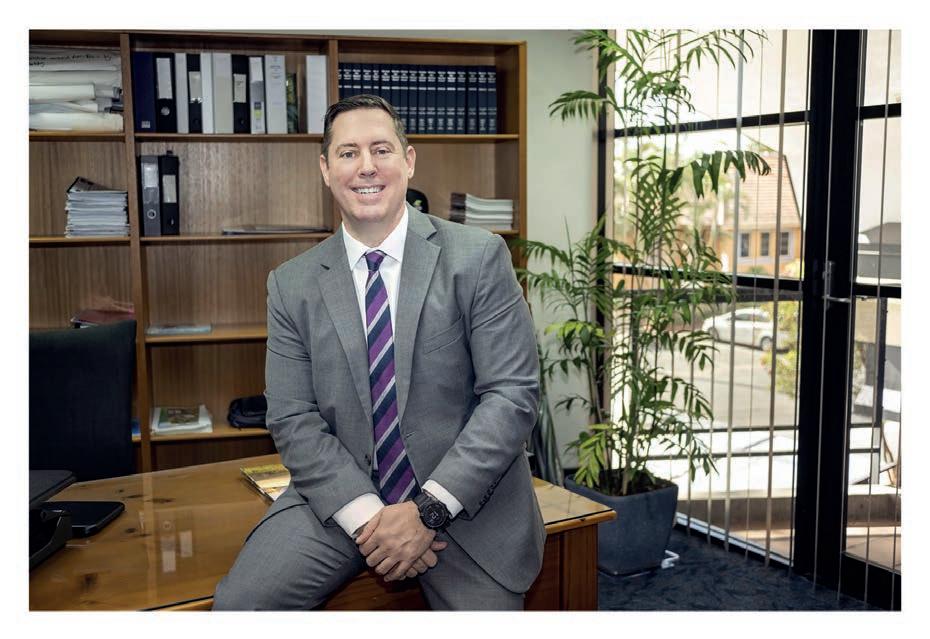
Scott Waters has been at the helm of the City of Moreton Bay for almost three years.
a week where I don’t do council work. These are 24/7 roles, but you still have to look after your health. Diet, exercise, taking breaks, staying away from politics where you can – all of that matters.”
Waters said resisting political pressure was essential.
“It’s easy to get pulled into the politics,” he said.
“But you have to stay above it and be the trusted advisor.”
One of his strongest messages to aspiring CEOs is the importance of relationships.
“Have a great relationship with your mayor,” he said.
“That relationship will determine your success. Work with your mayor early. Understand what they want to achieve and help deliver that.”
He also stressed the importance of peer networks.
“It’s an isolating role,” he said.
“You need to network with other CEOs and support each other. No one else does this job in your community. You have to create your own support structures.”
FINANCIAL SUSTAINABILITY AND SECTOR-WIDE CHALLENGES
Looking more broadly, Waters believes financial sustainability remains the sector’s biggest issue.
He described how assets get sweated over time, meaning that they are used for as long as possible with minimal reinvestment, often beyond their ideal lifetime, to save money in the short term.
“If they fail, it creates major budget problems. Local government needs a fair share of revenue to maintain the assets people use every day,” Waters said.
He added that workforce planning is another concern.
“We’ll always need people at the coalface, AI won’t replace that,” Waters said.
“But we also have to change the way we work. Communities won’t accept having to come to the counter for simple transactions. Our services need to match what people experience in the private sector.”
He argued that the absence of competition slowed reform.
“We don’t sell products, so there’s no competitive tension. That’s why change is harder. But if we don’t evolve, people will start asking why.”
FUTURE PRIORITIES
At Moreton Bay, Waters is focused on long-term planning and major infrastructure.
“We’re planning a future city. Everything we do has to consider what a million residents will need,” he said.
“We have great opportunities linked to the Brisbane 2032 Olympic and Paralympic Games.
“I was lucky enough to go to the Paris Paralympic Games and see how powerful inclusion and accessibility can be.”
Inclusion is a major personal priority for Waters, particularly when it comes to reconciliation and First Nations engagement.
“I was part of extensive reconciliation work during my time in the Northern Territory, that’s very important to me,” he said.
“I want to champion that work here.”
MANAGING PROJECTS AND FINANCIAL SUSTAINABILITY
Key projects underway in the city include the growth of the Moreton Bay Central precinct, expansion of the University of the Sunshine Coast campus, a new TAFE facility, and the Moreton Bay Indoor Sports Centre.
“We’re also seeing major development in Redcliffe, North Lakes and Bribie Island,” Waters said.
“Caboolture West alone will be home to around 70,000 people. Across our growth fronts, we’re effectively building a city the size of Ipswich.
“We’ve remodelled our structure to prepare for that future. We have a team focused on today’s services and tomorrow’s needs.”
Waters said that how councils fund growth is the big issue.
“Ratepayers today are paying for infrastructure for people who haven’t even decided to live here yet. We need the state and Federal governments to help fund that growth, because it’s being driven at those levels.”
He said balancing current service delivery with future investment required constant discipline.
“Our residents still expect value for money today,” Waters said. “We can’t lose sight of that.”
A SECTOR WORTH CELEBRATING
Waters reflected on why he remains passionate about local government.
“How good is our sector? It’s such a great place to work. You get to do good things for your community every single day,” he said.
“There will always be rough days, not every day is perfect. But you’re always working towards something better for your community. That’s what gets us out of bed in the morning.”
For Waters, that sense of purpose remains the driving force behind his leadership.
“You can help at least one person every day. What you do enables someone else to help the community,” he said.
“That’s the power of local government. That’s why this work matters.”
Settlement Cove Lagoon and Redcli e at sunset.
The City of Port Phillip
In every edition of Council, we shine a spotlight on one local government from across Australia. Whether it’s a rural shire or a capital city, we want to highlight the best of local government and share valuable knowledge. This edition, we spoke to the City of Port Phillip.
What is the population size and land area of your council?
The City of Port Phillip sits on the traditional lands of the Bunurong, Boonwurrung and Wurundjeri peoples, who have lived here for over 55,000 years.
Today, the municipality stretches 11 kilometres along the Port Phillip Bay foreshore and covers around 21 square kilometres, including 353 hectares of parks and open space.
Port Phillip is one of Victoria’s most densely populated areas, home to an estimated 112,669 residents (ABS 2024). Our community is diverse, with people from 164 countries, speaking 126 languages, and representing 37 religious affiliations. The city also includes a strong local economy with 21,508 businesses employing more than 93,000 people, contributing to a vibrant and resilient community.
How many employees work at your council?
The City of Port Phillip employs approximately 950 staff.
Who is the mayor?
Our Mayor, Councillor Alex Makin, has lived in Port Phillip for more than a decade in the Montague Ward. Drawn to our beaches, arts, culture and strong community life, he brings experience from both the private and not for profit sectors.
Alex previously served on Maroondah City Council from 2005 to 2012, becoming one of Victoria’s youngest politically independent Mayors in 2010.
He is passionate about strengthening community infrastructure, including better off leash dog parks, improved public open space and enhanced public transport. As Mayor, Makin is focused on accountable, transparent governance
and delivering improved amenity, public safety, service delivery and long term planning for our city.
Who is the CEO?
Our CEO, Chris Carroll, was appointed in December 2022 after joining the City of Port Phillip in 2014. Before becoming CEO, he served as General Manager Customer, Operations and Infrastructure, leading major transformation projects and service improvements.
Carroll brings extensive leadership experience across local and state government and the private sector, including senior roles at Auckland Council and PwC New Zealand. He holds a Master of Public Policy and Management, an MBA, is a member of the Australian Institute of Company Directors and is a graduate of the Stanford LEAD program.
The City of Port Phillip stretches along the Port Phillip Bay foreshore. Images: City of Port Phillip.
What is your council’s vision for the community and its future?
Plan for Port Phillip 2025-35 sets out our long-term Community Vision: “A liveable and vibrant city that enhances community connection and wellbeing.”
This refreshed vision emphasises Port Phillip’s identity as a welcoming, dynamic, and healthy community. It acts as the guiding roadmap for everything we do over the next decade ensuring our city remains inclusive, creative, resilient and responsive to the needs of our community.
The vision is brought to life through six strategic pillars that were developed in consultation with our community:
• A healthy and connected community
• An environmentally sustainable and resilient city
• A s afe and liveable city
• A vibrant and thriving community
• An engaged and empowered community
• A trusted and high performing organisation
The City of Port Phillip expresses a forward - lo oking vision that prepares the municipality for significant population growth and increasing density, ensuring it remains a vibrant and liveable place for current and future communities.
What is the council’s annual budget?
The City of Port Phillip’s Budget for the 2025/26 financial year is $321 million.
Can you give us a breakdown of spending for the budget year ahead? Council’s 2025/26 Budget budget
Projects will include actions from our new Homelessness and Affordable Housing Strategy, the redevelopment of six childcare centres across our municipality, a new Accessibility Action Plan and actions to strengthen social cohesion and combat discrimination, racism and antisemitism.
An environmentally sustainable and resilient city
• O perating budget: $28.0 million
• Capital projects: $2.7 million Priority projects include implementation of our Greening Port Phillip Project and urban forest precinct plans to increase canopy cover, greening and biodiversity, as well as implementation of our revised integrated Waste Management Strategy
Major initiatives include footpath renewals and pedestrian infrastructure upgrades as well as significant public space works for new recreation precincts, playgrounds and our foreshore.
A vibrant and thriving community
• O perating budget: $32.7 million
• Capital projects: $21.0 million
We are continuing work with the Australian Academy of Music on the renewal of the South Melbourne Town Hall, focusing on our Great Places and Precincts program delivering more spaces for the community to enjoy and working on various upgrades to sport and recreation facilities.
An engaged and empowered community perating budget: $15.7 million
Our priorities are to continue advocating for our community’s needs and to operate transparently and accountably while delivering strong community
perating budget: $47.1 million
Our focus is on several projects that support improved employee experience including a new human resource and payroll system, upgrades to our council facilities, and innovation to support productivity, customer experience and
What makes your council area special?
Port Phillip attracts almost three million visitors each year, making it one of metropolitan Melbourne’s most popular destinations. Our city is renowned for its outstanding food, shopping and entertainment, as well as iconic landmarks including Luna Park, the Palais Theatre, South Melbourne Market, St Kilda Beach, Station and St Kilda Piers
Yothu Yindi performing on the foreshore at the St Kilda Festival in 2023.
The Palais Theatre during the St Kilda Film Festival.
(home to the resident penguins), the Albert Park Precinct and the Victorian Pride Centre.
We proudly celebrate this creative energy through major events including the St Kilda Film Festival, Australia’s largest and longest running short film festival, and St Kilda Festival, the nation’s biggest community festival. Port Phillip is also home to Victoria’s first declared Live Music Precinct. Together, these festivals, cultural institutions and creative industries help make our city vibrant, inclusive and unmistakably Port Phillip.
Equally important is the community that calls Port Phillip home. Artists, entrepreneurs, families, First Nations communities, LGBTIQA+ communities, migrants, older residents and young people all contribute to the city’s rich tapestry.
What are some of the unique challenges the region faces, and how does council overcome these?
Port Phillip faces several unique challenges as one of Victoria’s smallest yet most densely populated municipalities. We must carefully balance growth and liveability, ensuring housing, transport, open space, local businesses and community expectations are well supported, while also renewing ageing infrastructure and preparing the city for future needs.
As custodians of 11 kilometres of iconic coastline, we also manage significant environmental pressures. Sustained investment is required to address erosion, flooding and the impacts of climate change, while supporting high visitor use and protecting sensitive natural environments.
How is your council addressing climate change and reaching sustainability goals?
Council is committed to building a more sustainable, climate ready and resilient Port Phillip. Guided by the Act and Adapt Sustainable Environment Strategy 2023–28, we work with our community to reduce environmental impacts, prepare for climate risks and protect our natural environment. We have achieved and maintained net zero emissions for Council operations since 2021 and continue to invest in programs that support a cooler, greener and more resilient city, including expanding sustainability initiatives for residents and businesses and advocating with regional partners on shared climate challenges.
What is an exciting community program or initiative council has coming up in the future, or already underway?
The quality and experience of our public spaces and high streets is a critical priority for Council. Our Places and Precincts Program, re-established in late 2025, provides the strategic foundation
for this work. The program guides investment on Council’s high-profile public spaces and activity centres. Its purpose is to deliver more consistent, place-based strategic outcomes across the municipality.
The program consists of four key workstreams:
• Place -based plans: These plans set out a long-term vision for each area, developed through extensive community engagement.
•Precinct dashboards: These dashboards bring together social, environmental, economic and physical data to build a comprehensive picture of each precinct.
•Design Standards manual: A new Design Standards Manual will provide clear and consistent guidelines for the design of streets and public spaces.
• Short-term initiatives: These targeted, quick-delivery projects activate spaces, test new ideas and improve amenity while supporting the longterm vision for each precinct.
The program supports more coordinated planning, design and investment across our high streets and activity centres, while improving communication with our community about how Council is enhancing the places they use every day.
Can you tell us about an interesting urban development project in the region?
The Fishermans Bend Urban Renewal Area is one of Australia’s largest city shaping projects. Covering 485 hectares across the Cities of Port Phillip and Melbourne, it is expected to accommodate around 80,000 residents and up to 80,000 jobs by 2050.
Three of the five precincts – Montague, Sandridge and Wirraway – sit within Port
Phillip and will deliver most of our city’s housing growth over the next 30 years.
The transformation is being led by the Victorian Government in partnership with both councils. This includes detailed precinct planning and preparing infrastructure funding strategies.
The draft Fishermans Bend Development Contributions Plan, expected to be the largest in Victoria’s history, identifies $2.45 billion in essential infrastructure. The State Government will also deliver major “catalytic” projects such as schools, health services and major public transport upgrades.
How is your council embracing digitisation and growing its technological capabilities?
The City of Port Phillip began a major customer experience transformation in 2019 to replace fragmented systems and meet rising expectations for digital first services. Through the OneCouncil implementation, we consolidated multiple legacy platforms into a single integrated system, giving residents a unified portal to manage transactions, lodge applications and track requests. This has improved transparency, increased first contact resolution and made services faster and more efficient. We have built on this foundation with new digital services, making it easier for the community to engage with Council anytime. At the same time, we are advancing the responsible use of artificial intelligence to streamline processes, reduce administrative effort and support more timely, informed decisions. Our focus is on using technology ethically and transparently to deliver more connected, efficient and inclusive services for our community.
The Port Phillip Ecocentre, a not-for-profit community hub.
Why councils coming together matters
Each year, the National General Assembly brings together local government leaders from across Australia to discuss the challenges, opportunities and priorities shaping their communities. Here, Australian Local Government Association President, Matt Burnett, highlights why the NGA remains one of the most important gatherings councils.
By Mayor Matt Burnett, President, ALGA
The Australian Local Government Assocation’s (ALGA) National General Assembly (NGA) is one of the most important moments in the local government calendar.
It’s our chance, as a sector, to come together in Canberra. To sit down with our peers and colleagues. To shine a spotlight on the issues that matter most to local government and to the communities we serve.
At its heart, the NGA is about collective voice.
Through our motions process, councils from across the country bring forward the challenges they are facing. Those ideas are debated and refined. Then they are put forward to the Federal Government as the priorities of our sector.
But the NGA is about much more than motions.
It is also about conversation. About learning from one another. About taking the time to share ideas, compare approaches and hear how other councils are tackling the same problems.
The program each year is designed to help that happen.
We bring together experts, practitioners and leaders from across the country. They help us explore emerging issues facing local government. They challenge our thinking. They share practical ideas and real-world examples.
And just as importantly, we create space for informal conversations.
Some of the best ideas emerge over a cup of tea during the breaks. Or in a hallway conversation with someone from another council. Those moments matter.
This year we are also doing something new, thanks to the ongoing success of our annual Regional Forum.
For the first time, we are offering a dedicated urban program that will run as
government, representing 538 councils across the country.
a standalone day alongside our regional event. This will give councils the chance to focus on issues that are particularly relevant to their communities.
Urban councils can talk with other urban councils. Regional councils can do the same. It creates a space where people can share experiences with like-minded peers who understand the specific challenges of their context.
We are also launching several important pieces of work during the Assembly.
One of these is the updated Disability Inclusion Guide. This guide will help councils across Australia strengthen how they support people with disability in their communities. It brings together best practice, practical tools and case studies from councils already doing great work in this space.
It is designed to be something councils can pick up and use straight away.
ALGA, in conjunction with Public Skills Australia, will also be releasing the findings from our Jobs and Skills Survey. This is a survey ALGA runs every two years. It helps us track the workforce challenges facing local government across the country. Over time it gives us
Mayor Matt Burnett is the President of the Australian Local Government Association, the national voice of local
Images: ALGA
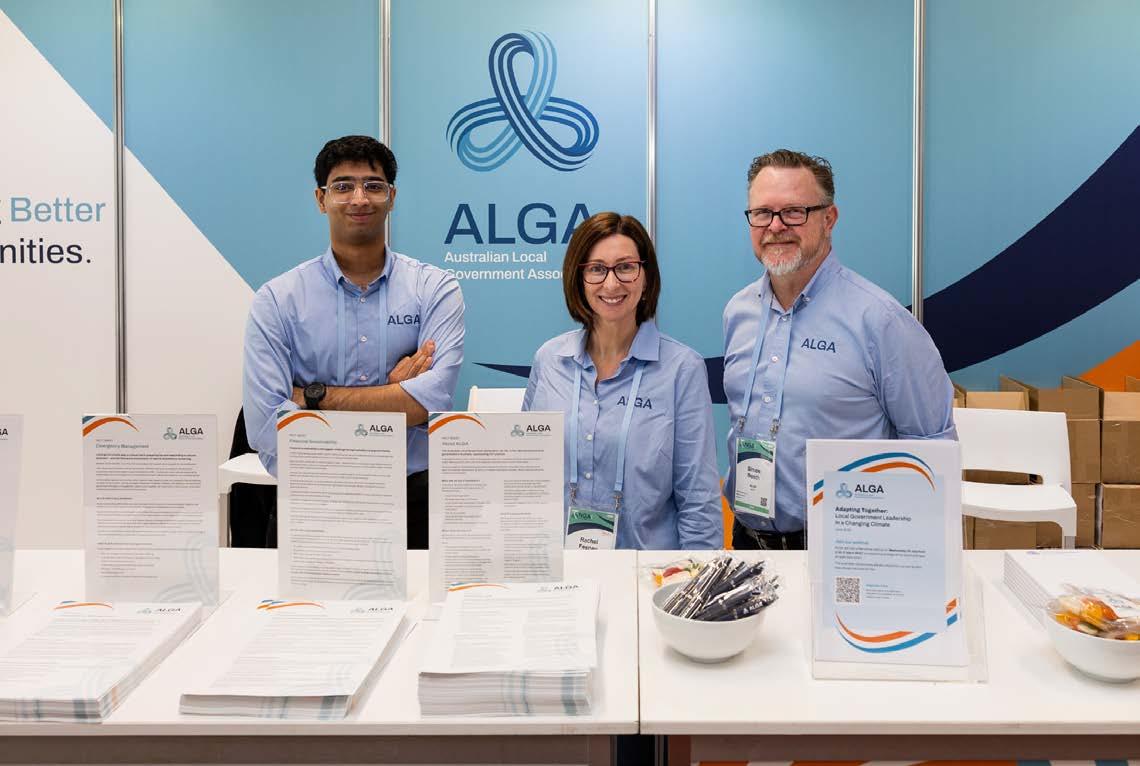
The NGA is a chance for the sector to join their peers and colleagues and share best practice.
a longitudinal view of the issues — who councils need, where the gaps are and what it takes to attract and retain staff.
These insights are incredibly important. They help us understand the pressures councils are facing and strengthen our case for support.
Another major release this year is the State of the Assets Survey.
I want to say a sincere thank you to all the councils that contributed their data. That input is vital. This survey is also conducted every two years, and it provides a national picture of how local government assets are being managed.
It looks at roads, community facilities, infrastructure and the many other assets councils are responsible for.
My expectation is that the survey will highlight some real pressure points. Councils everywhere are grappling with maintaining assets while securing the funding needed to do so.
That evidence is powerful. It helps us demonstrate clearly to the Federal Government why greater investment in local government is needed.
of the biggest challenges facing local government right now.
The first is financial sustainability. The second is jobs and skills – how we attract and retain the people councils need.
There is also one session this year that I am especially excited about.
We are welcoming back Jason Clarke for an interactive workshop. Jason was a standout at last year’s Assembly. People loved his session. So we listened and invited him back.
This year he will run a large interactive session designed for hundreds of participants at once. It will explore two
The event brings together innovators to share practical ideas and real-world examples.
Jason will guide participants through a process that moves beyond simply identifying problems. The focus will be on working toward solutions.
Think of it as a large-scale town hall conversation: participants will be able to watch and learn, or they can dive in and contribute their own ideas. Either way, it will be a chance to explore practical ways forward as a sector.
The NGA means plenty of opportunities to connect. Our welcome reception and the gala dinner, side meetings and sessions hosted by our state and territory associations.
All of it is designed to bring people together.
So, my message is simple: come along and meet people. Talk with colleagues from across the country. Share your ideas and listen to others.
And most of all, make the most of Local Government Week – because when councils come together, the whole sector grows stronger.
Matt Burnett at the 2025 NGA.
From static reports to living data
Australian councils are rethinking how they measure community satisfaction, shifting from infrequent, static surveys to dynamic data that can actively shape services, budgets and long-term planning.
Live data platforms are empowering councils to move beyond static satisfaction tools, enabling them to make faster, better-informed decisions to guide services, spending and long-term planning.
For Noosa Shire Council and the City of Cockburn, that shift has been driven by the need for more representative insights and tools that staff can actually use, rather than reports that quickly become outdated.
Both councils have adopted Place Score’s Service Monitor and Liveability Platform to modernise how they collect, analyse and act on community sentiment, embedding survey data more deeply into everyday decision making.
WHY TRADITIONAL SURVEYS WERE NO LONGER ENOUGH
Community satisfaction surveys remain a cornerstone of local government planning, informing everything from service reviews to budget allocations. Yet many councils still rely on methods developed decades ago, which
increasingly struggle to reflect how communities now live and engage.
At Noosa Shire Council, the limitations of phone-based surveying had become impossible to ignore. The council’s community satisfaction survey had long been delivered through a state-wide benchmarking program coordinated by the Local Government Association of Queensland, using telephone polling.
For years it produced reliable results, but as landlines declined, the cost and effort required to reach a representative sample increased sharply.
“We were making four or five thousand calls to get a sample of about 400 people,” said Kerri Contini, Director of Community Services at Noosa Shire Council. “It was expensive, time consuming and increasingly unrepresentative, as we were only hearing from people who were willing to answer an unknown number.”
Equally frustrating was how the data arrived. Results were typically delivered months after collection, locked into lengthy PDF reports.
“By the time we got the report, the data was already old,” Contini said. “And it tended to get used once for a council report, then largely sat on a shelf.”
As more Queensland councils moved away from the same phone-based model, even the benchmarking value of the survey began to erode. Noosa started looking for an approach that could still deliver statistically valid results while unlocking greater insight.
BUILDING A REPRESENTATIVE DIGITAL SAMPLE
Noosa had an existing relationship with Place Score through its liveability surveys and became a pilot partner when the company began developing Service Monitor.
For Contini, statistical rigour was non-negotiable.
“In our engagement work, we continually seek to get a good representative sample. In the case of the community satisfaction survey, statistical validity and demographic sampling are critically important. We achieved that
Service Monitor has enhanced the City of Cockburn’s already diverse engagement ecosystem. Image: City of Cockburn.
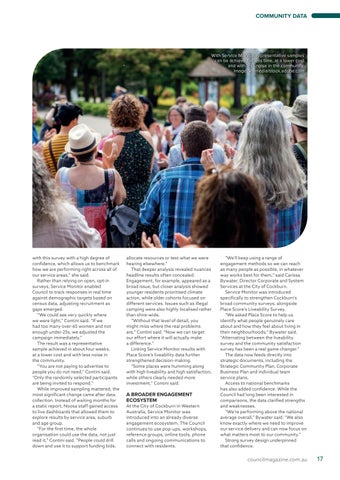
With Service Monitor, representative samples can be achieved in less time, at a lower cost and with less noise in the community.
Image: Valmedia/stock.adobe.com
with this survey with a high degree of confidence, which allows us to benchmark how we are performing right across all of our service areas,” she said.
Rather than relying on open, opt-in surveys, Service Monitor enabled Council to track responses in real time against demographic targets based on census data, adjusting recruitment as gaps emerged.
“We could see very quickly where we were light,” Contini said. “If we had too many over-65 women and not enough under-25s, we adjusted the campaign immediately.”
The result was a representative sample achieved in about four weeks, at a lower cost and with less noise in the community.
“You are not paying to advertise to people you do not need,” Contini said. “Only the randomly selected participants are being invited to respond.”
While improved sampling mattered, the most significant change came after data collection. Instead of waiting months for a static report, Noosa staff gained access to live dashboards that allowed them to explore results by service area, suburb and age group.
“For the first time, the whole organisation could use the data, not just read it,” Contini said. “People could drill down and use it to support funding bids,
allocate resources or test what we were hearing elsewhere.”
That deeper analysis revealed nuances headline results often concealed.
Engagement, for example, appeared as a broad issue, but closer analysis showed younger residents prioritised climate action, while older cohorts focused on different services. Issues such as illegal camping were also highly localised rather than shire-wide.
“Without that level of detail, you might miss where the real problems are,” Contini said. “Now we can target our effort where it will actually make a difference.”
Linking Service Monitor results with Place Score’s liveability data further strengthened decision-making.
“Some places were humming along with high liveability and high satisfaction, while others clearly needed more investment,” Contini said.
A BROADER ENGAGEMENT ECOSYSTEM
At the City of Cockburn in Western Australia, Service Monitor was introduced into an already diverse engagement ecosystem. The Council continues to use pop-ups, workshops, reference groups, online tools, phone calls and ongoing communications to connect with residents.
“We’ll keep using a range of engagement methods so we can reach as many people as possible, in whatever way works best for them,” said Carissa Bywater, Director Corporate and System Services at the City of Cockburn.
Service Monitor was introduced specifically to strengthen Cockburn’s broad community surveys, alongside Place Score’s Liveability Survey.
“We asked Place Score to help us identify what people genuinely care about and how they feel about living in their neighbourhoods,” Bywater said. “Alternating between the liveability survey and the community satisfaction survey has been a real game changer.”
The data now feeds directly into strategic documents, including the Strategic Community Plan, Corporate Business Plan and individual team service plans.
Access to national benchmarks has also added confidence. While the Council had long been interested in comparisons, the data clarified strengths and weaknesses.
“We’re performing above the national average overall,” Bywater said. “We also know exactly where we need to improve our service delivery and can now focus on what matters most to our community.”
Strong survey design underpinned that confidence.
“Good survey design gives us reliable, representative insights,” Bywater said. “It helps us understand the diverse needs of our community and reflect those needs in how we plan services.”
TURNING INSIGHT INTO ACTION
Cockburn has aligned its internal service categories with Service Monitor, making it easier to assess performance and identify themes across feedback. In some cases, this challenged
assumptions and prompted a rethink of spending priorities.
“When we asked our ratepayers to help guide service priorities, we saw clear and consistent messages,” Bywater said. “Across every age group, caring for our environment truly mattered.”
Calls for more recycling, increased tree canopy and stronger vegetation protection emerged as shared priorities, providing a clear evidence base for future decisions.
Dashboard access has also changed how teams use the data, particularly at suburb and age-group level.
“Youth can be a hard group to reach, so we were thrilled to see such strong participation,” Bywater said. “Those insights are helping our Youth Services teams shape services around what young people actually value.”
Service Monitor data has also informed reviews of Parks and Environment services, an area under pressure from urban infill, extreme summers and complex pest management issues.
“The Service Monitor allows us to clearly see which suburbs are underperforming,” Bywater said. “That gives us strong, evidence-based insights to take to Council.”
Both councils are now focused on embedding survey insights into ongoing improvement cycles. At Noosa, future surveys will align more closely with budget development, while Cockburn is using Place Score data to establish baselines and set measurable targets.
For both organisations, the move from static reports to living data has reshaped how community voice informs decisions. Rather than a compliance exercise or an annual snapshot, community satisfaction data has become an active tool, supporting clearer priorities and more confident investment in the services that matter most.
endeavourawards.com.au
Low pressure blowers and compressors
Air blowers can account for up to 70% of the energy used in wastewater treatment plants, making efficiency crucial to operational performance.
Atlas Copco’s range of energy‑efficient, oil‑free blowers helps reduce energy consumption, lower operating costs, and support long‑term sustainability. With advanced technologies engineered for reliable, continuous aeration, our blowers deliver cleaner performance and measurable savings for every plant.
Discover how much your facility could save!
Contact us today to find the right blower solution for your needs.
Shifting gears on productivity
With rising community expectations and growing pressure on maintenance teams, councils are rethinking how they manage large turf areas.
Across council parks, reserves and civic open spaces, the demands on mowing fleets have never been higher.
Longer growing seasons, tighter maintenance windows, varied turf types, and community expectations for pristine presentation are stretching crews – and their equipment – to the limits.
It’s a familiar challenge for asset managers and operators alike: balancing productivity with cut quality, reliability with lifecycle cost, and operator comfort with long days on the controls.
The Stanley Black & Decker Hustler Super Z HyperDrive series is a commercial zero-turn mower family, engineered to help councils meet these demands with confidence. Built on decades of commercial mowing innovation, the Super Z HyperDrive range is designed
For contractors like Nicole from Creek to Coast Mowing, servicing council areas on the Gold Coast, the choice of machinery can directly affect efficiency.
“I bought six of them,” Nicole said of the Super Z HyperDrive machines. “The speed and power they give really make a difference. A lot of big contractors get paid by the square metre, so you can cover a lot of ground compared to other machines, and it keeps fuel expenses down as well.”
ENGINEERED FOR PRODUCTIVITY AND ENDURANCE
Fitting more productive mowing into a working week can be transformative, particularly in remote reserves or highuse sporting grounds.
At the heart of the Super Z HyperDrive range is a design philosophy focused on
machines can comfortably mow around 7.7 acres per hour, meaning larger parks and fields can be managed more efficiently and crew time can be better allocated.
“This kind of performance has really helped us,” Nicole said. “With so many machines running full time, having spare parts in stock and quick service makes a world of difference. We can always stay on the run, and the machines are easily maintained – what I can’t do myself, their mechanics can handle fast.”
This productivity doesn’t come at the cost of transportability either. The deck width is optimised so that the mower will still fit on a six-foot trailer, helping crews move easily between job sites and reducing downtime between tasks, a small but meaningful advantage when servicing multiple parks in a day.
What sets the HyperDrive series apart
The Super Z Hyperdrive is built on decades of commercial mowing innovation. Images: Stanley Black & Decker.
The HyperDrive system itself features industrial-grade hydrostatic pumps and motors with temperature regulation designed to keep the transmission cooler during extended use, a boon in hotter climates or prolonged mowing shifts where traditional systems might slow or overheat.
A large fuel capacity also minimises stops for refuelling, meaning crews can complete more mowing in fewer cycles. For councils supporting grounds with extensive turf, from local sports fields to wetlands edges, this kind of sustained performance adds up to real efficiency gains.
COMFORT MEETS CONTROL
Council mowing isn’t just about covering ground, it’s about making sure operators can do it day in, day out without unnecessary fatigue or discomfort.
Hustler has prioritised operator wellbeing in the Super Z HyperDrive
professional finish across a range of grass types, from fine turf to coarser varieties. Simple adjustments, such as a 1” to 5.5” cutting height range, empower operators to adapt quickly to varying turf conditions without stepping off the machine. That versatility is especially valuable when mowing mixed-use landscapes with both fine turf and tougher roadside growth.
design. Deluxe high-back suspension seating, intuitive SmoothTrak steering, and touches like oversized cup holders and foot-assisted deck height adjustment all contribute to a more comfortable, operator-friendly experience.
For crews spending long hours across varied terrain, these ergonomic investments matter. They reduce strain over the workday, contribute to greater focus and control, and help councils present a professional face to the community.
CUT QUALITY YOU CAN SEE
For councils, aesthetics are often mission-critical, whether it’s for civic pride, public use or community events.
The Super Z HyperDrive series employs VX4 clean-cut deck technology, engineered for strong airflow and a consistent suck-and-cut action. In practice, that means grass clippings are lifted and cut cleanly, producing a
For crews spending long hours across varied terrain, ergonomic investments matter. Maximising
SERVICEABILITY IN THE FIELD
Council equipment has to always be ready to work, not sit idle in a workshop. The Super Z HyperDrive is built with a fabricated one-piece steel chassis and commercial-duty sealed deck spindles, geared toward long service life and dependable performance.
“Servicing on them is quite simple,” Nicole said, “and there’s always a lot of products in stock, so there’s not a lot of downtime. That’s been huge for our day-to-day operations.”
Maintenance access is designed for ease, with an open rear engine compartment and simplified service points helping keep downtime low. For fleet managers tracking uptime and total cost of ownership, this kind of durability translates into real value over years of operation.
In many ways, the Super Z HyperDrive range embodies the intersection of performance and practicality that councils seek.
Whether maintaining neighbourhood parks, servicing regional sporting precincts, or keeping civic corridors impeccably presented, the ability to mow quickly, with excellent cut quality and high operator comfort, pays dividends in community satisfaction and operational efficiency.
To learn more, visit hustlermowers.com.au
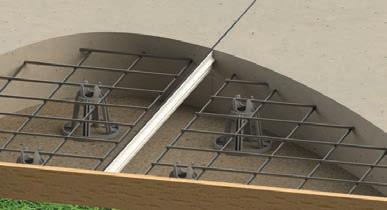
PaveX™ Expanda™
PaveX™ Crack-A-Joint™ PaveX™Geared™
Seeing inside pipes like never before
For councils and utility managers, maintaining underground pipes is a constant challenge. Ensuring new installations are installed to industry standard, identifying faults, and verifying asset quality are critical tasks, but traditional inspection methods can be slow, ambiguous and resource-intensive.
Pipes may be out of sight, but they cannot be out of mind. For civil contractors, local governments and utilities, the integrity of stormwater, sewer and water networks is a top priority.
New plastic pipes, for instance, must meet strict shape and alignment standards. Even minor squashing or misalignment during installation can compromise performance, reducing flow efficiency and increasing maintenance risks over time.
Historically, checking pipe roundness and condition has relied on ring lasers or post-installation surveys, processes that are often time-consuming and require specialist calibration. For accuracy, ring lasers have pipe diameter limitations and require a second inspection run.
For local government teams responsible for inspections, the complexity of these tasks is compounded by time pressures and the need to produce accurate, reportable data for compliance purposes.
In some jurisdictions, a detailed laser profiling report is mandatory before a council will accept an asset from a civil contractor. Yet even when required, traditional methods are cumbersome, requiring separate inspections and specialised equipment. This is where the sewer inspection equipment experts at SECA come in.
INTRODUCING SECA
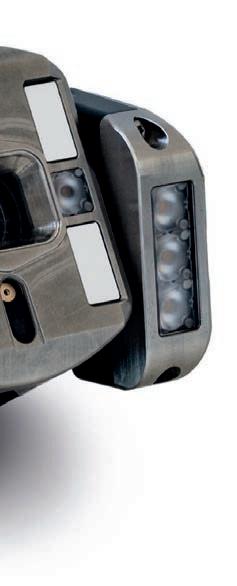
SECA’s new RCX100 camera head has been designed to meet this niche challenge.
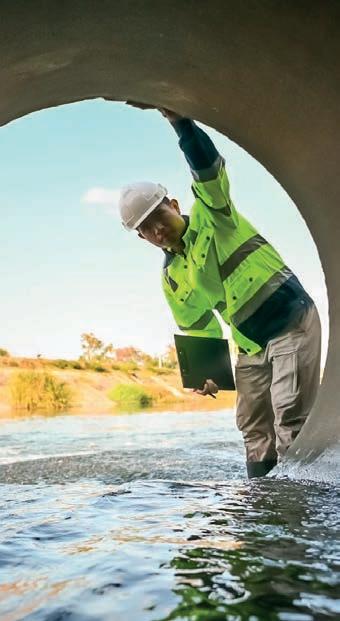
While pipelines may be out of site, their condition is critical to urban operations.
Image: SAHARAT/stock.adobe.com
SECA’s tools bridge the gap between inspection needs and practical delivery.
Images: SECA.
Compatible with the Rovion HD system, the RCX100 combines standard HD 1080p pan, tilt and zoom functionality with advanced laser profiling, pipe diameter measurement and crack measurement capabilities for pipes potentially up to two metres in diameter.
Unlike conventional ring laser systems, the RCX100 can perform laser profiling as part of a standard inspection, on the return pass, without additional setup or calibration. The high-speed motors within the camera allow it to spin rapidly on the return trip, capturing precise measurements while the operator conducts routine inspections. Where a WinCan laser module is already licensed, the system can generate fully compliant laser profiling reports immediately, reducing both time and operational complexity.
The RCX100 streamlines what used to be a separate, complicated process. Councils can now inspect a pipe and complete a laser profile in one operation,
producing accurate, reportable data faster and with less disruption.
Compared to its predecessor (the RCX90X), the RCX100 allows faster pan and tilt operations while accommodating laser profiling.
The camera also benefits from upgraded optics, offering improved colour representation and autofocus speed, while maintaining the same high-definition clarity as previous Rovion HD systems.
BRINGING INSPECTIONS INTO THE DIGITAL ERA
By integrating laser profiling with standard inspection workflows, the RCX100 allows contractors to maintain asset compliance without additional staff time or costly secondary inspections. Data collected can feed directly into WinCan reports, supporting asset management decisions and providing evidence for compliance, funding audits or contractor handovers.
For councils facing increasing pressure to deliver efficient, accountable infrastructure management, the RCX100 offers a practical solution: combining detailed measurement, faster workflows and high-definition imaging in a single tool. It reflects the growing trend of embedding digital technology in asset inspection, ensuring underground networks are better understood, monitored and maintained.
While underground pipelines may be hidden from view, their condition is critical to urban operations. Tools like SECA’s RCX100 bridge the gap between inspection needs and practical delivery, giving councils the ability to verify new installations, detect defects, and generate compliant reports with greater efficiency than ever before.
In doing so, it helps local governments safeguard assets, reduce risk and ensure communities continue to receive reliable, well-maintained services.
To learn more, visit seca.com.au
The RCX100 streamlines what used to be a separate, complicated process.
From breakdowns to better outcomes
As councils face pressure to minimise downtime and maximise asset performance, the KOR Connect platform is helping operators and fleet managers streamline maintenance, improve compliance, and respond faster when equipment issues arise.
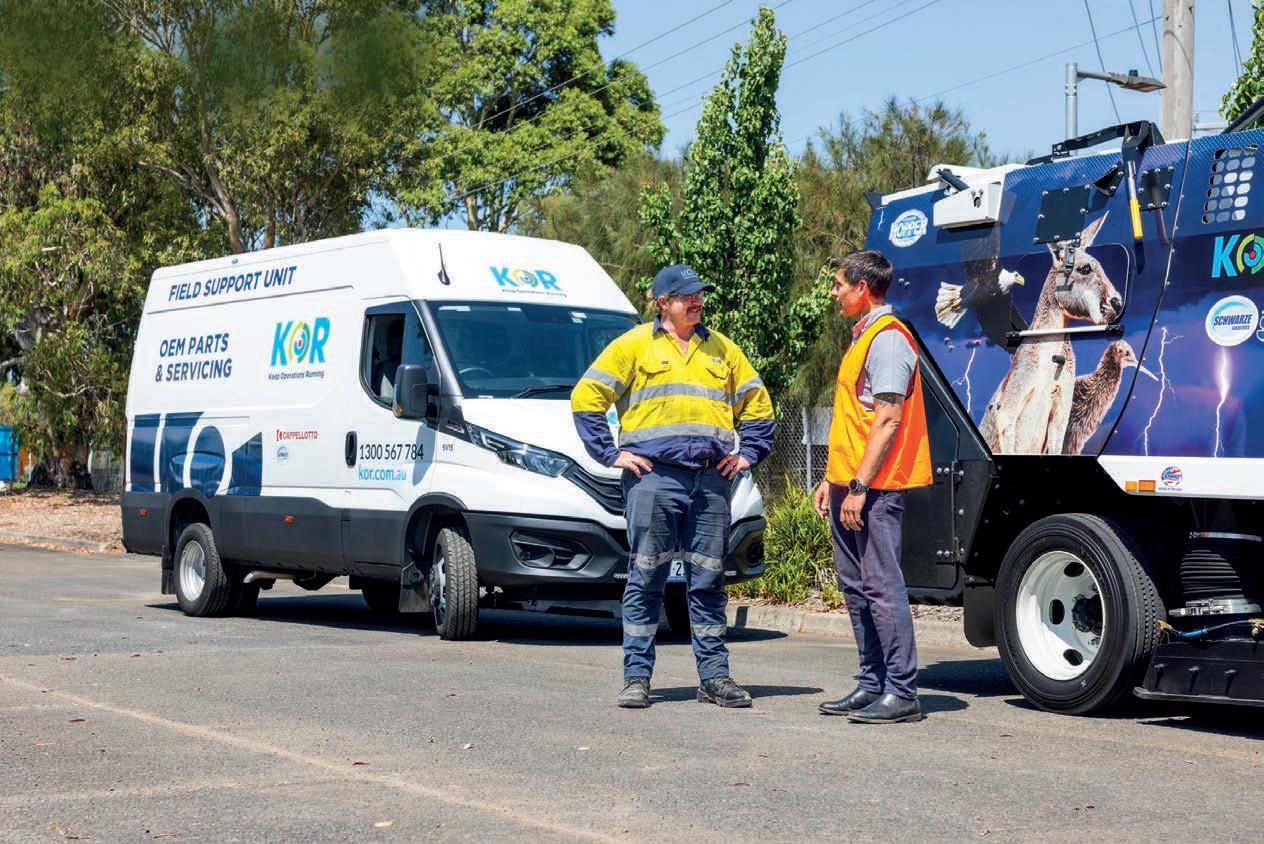
KOR Equipment Solutions has recently introduced KOR Connect, which is redefining aftersales support for Schwarze and Cappellotto equipment throughout Australia and New Zealand.
By combining a robust nationwide service network with an intuitive digital platform, KOR delivers fast, seamless, and proactive support designed to meet the demands of today’s field operations.
Equipment downtime is more than a disruption, it can derail project schedules, incur financial penalties, and inflate costs dramatically.
Often, the costliest part of a breakdown isn’t the repair itself, but the delays caused by a fragmented and inefficient support process.
This might mean searching for misplaced manuals, struggling to identify the correct replacement parts, or making multiple calls to organise service.
For municipal services these challenges are all too familiar. Every hour lost waiting reduces productivity and can erode client confidence.
KOR Connect addresses these issues head-on, enabling operators and fleet managers to respond swiftly and effectively when faults arise.
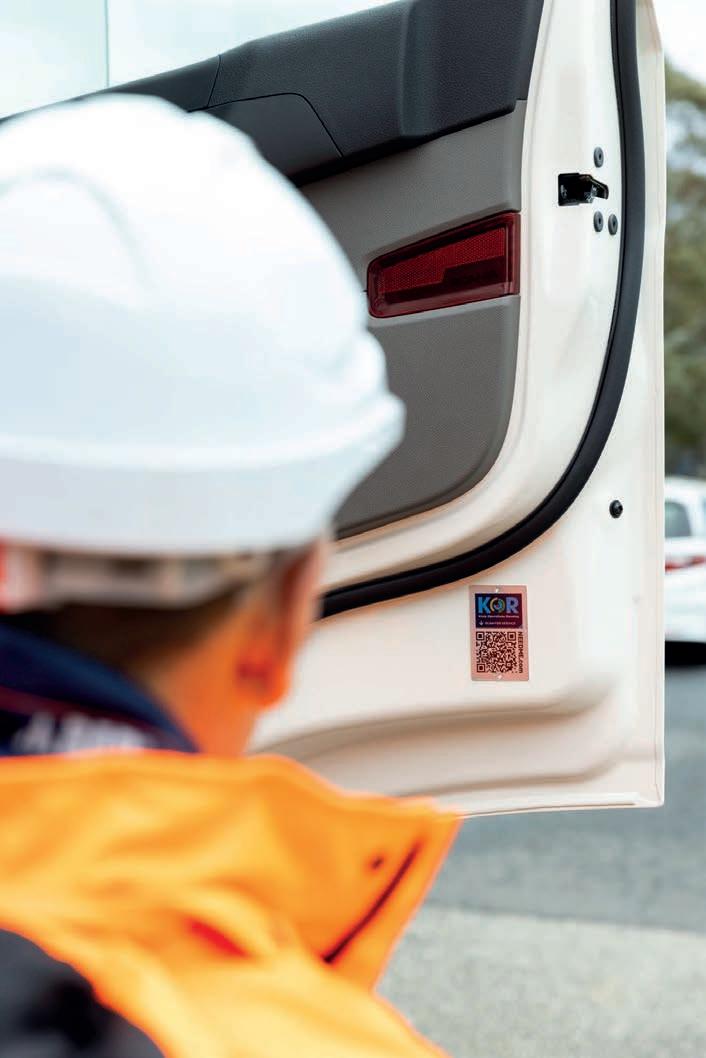
Every Schwarze and Cappellotto unit is fitted with a unique QR code, discreetly placed inside the cabin door. A simple scan with a mobile device unlocks instant access to a comprehensive support environment.
Operators can consult detailed manuals and service guides, complete Original equipment manufacturer (OEM)-based pre-start inspection forms, book service appointments digitally, and request spare parts with attached photos for precise identification.
Beyond these immediate benefits, KOR Connect offers live performance
monitoring, GPS tracking, and predictive maintenance alerts via an easy-toinstall GPS device. This real-time data not only helps prevent breakdowns before they happen but also provides operation and fleet managers with a transparent overview of asset utilisation and condition.
All service records and inspection reports are securely stored and accessible through a customer portal, providing a complete history for compliance audits and incident investigations.
The system is designed with simplicity in mind, requiring minimal onboarding for field teams. Pre-start inspection forms follow familiar OEM checklists, making the transition straightforward.
While many fleets already use maintenance systems, KOR Connect complements these by providing mobile,
KOR’s national, proactive aftersales support is designed to meet the demands of today’s field operations.
asset-specific access and streamlining communication between operators, managers, and KOR’s expert service teams.
This ensures that issues are clearly logged and swiftly acted upon, reducing unnecessary downtime.
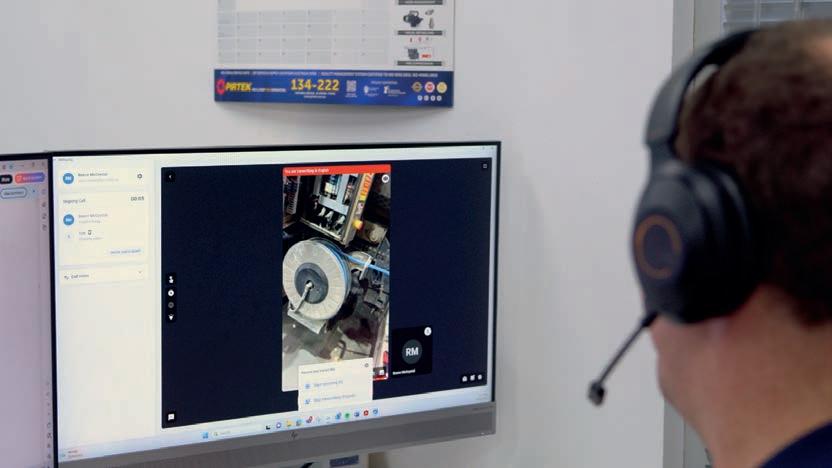
KOR technical support can facilitate a secure video call with operators or workshop staff to troubleshoot faults, providing expert advice quickly and effectively in real time, with the added benefit of visually assessing what the customer’s issue is so that their equipment can be quickly restored and returned to operation.
Safety and compliance are critical in any operation, and KOR Connect helps maintain these standards efficiently. The system enforces consistent use of OEM-based inspection templates and securely archives completed forms.
KOR Connect delivers streamlined communication between asset managers and KOR’s
This provides operators and managers with an auditable record that meets site and industry regulations, protecting companies during compliance checks and incident reviews.
To illustrate its impact, consider a recent real-world example. During a routine pre-start inspection, an operator notices a small hydraulic pump leak.
Using the QR code, they immediately access the inspection form, document the issue with a photograph, and submit the report.
The appropriate manager at the municipality is alerted instantly and arranges for a technician to visit the site the same day.
This prompt response prevents a minor fault from escalating into a costly breakdown, saving time and money. The entire process is recorded and linked to the asset’s service history, ensuring traceability and ease of reference in the future.
THE OPERATIONAL ADVANTAGES
KOR Connect centralises equipment after-sales support on one accessible platform. For operations and fleet managers, this means less downtime, faster decision-making, and better utilisation of every asset.
KOR Connect transforms equipment support from a reactive, frustrating experience into a proactive, streamlined process.
By sharing accurate, asset-specific information in real time, operators, managers, and service teams can act promptly and with confidence.
This collaborative approach reduces downtime, improves operational compliance, and extends the working life of vital equipment.
To learn more, visit kor.com.au
A simple scan of an asset’s unique QR code unlocks instant support.
expert service teams. Images: KOR.
STOP GUESSING
.
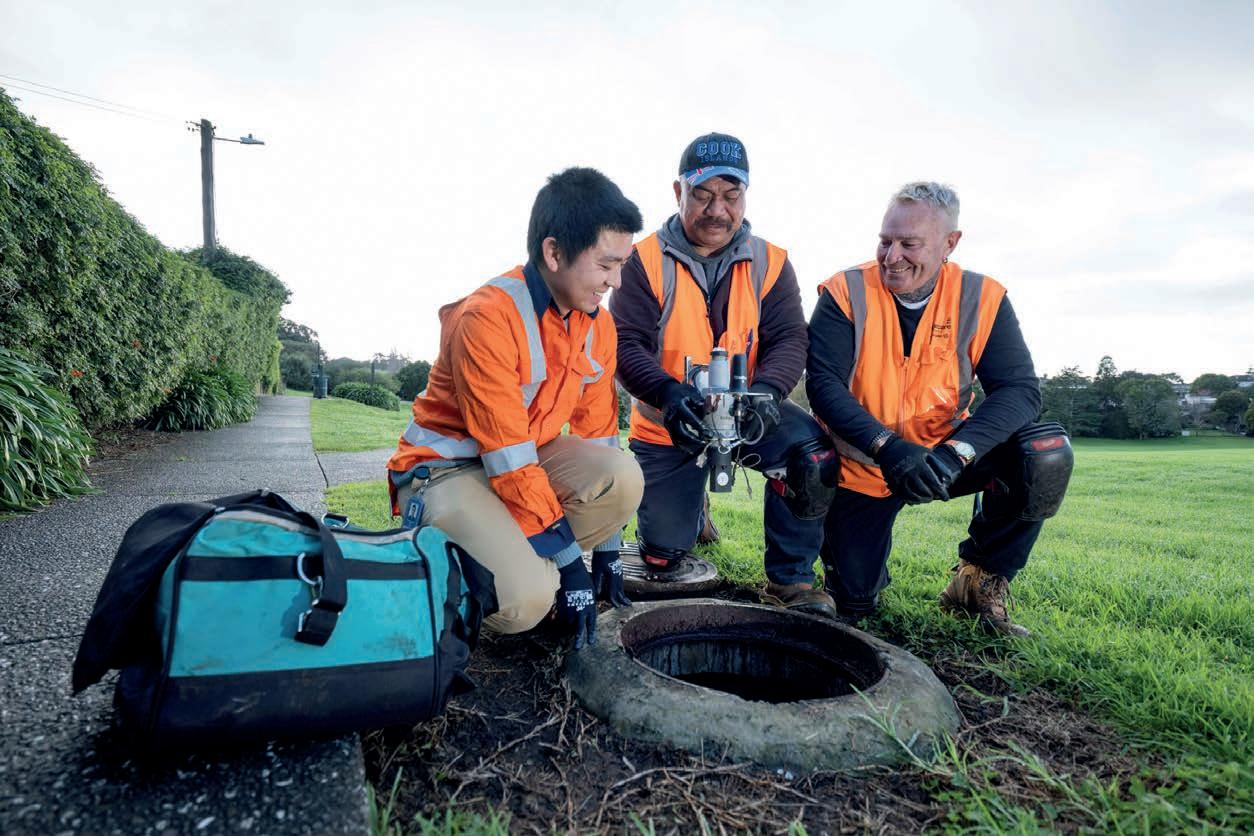
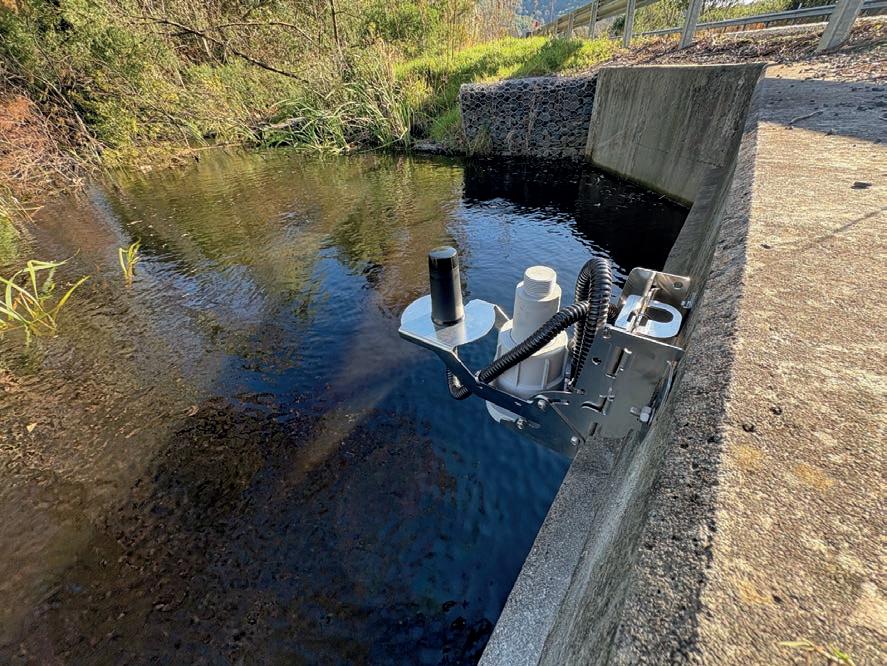
REAL-TIME INSIGHTS ACROSS YOUR SEWER AND STORMWATER NETWORKS.
Remote monitoring hardware and software built for councils. Installed fast. Runs for years. Data you can act on.
Keeping council fleets moving with smarter filtration
With an all-makes filtration range and dedicated fleet support, Ryco Filters is helping councils reduce downtime, streamline maintenance, and protect the long-term performance of diverse vehicle fleets.
For councils managing hundreds of vehicles across diverse environments, reliability is everything. From waste trucks and maintenance utes to passenger vehicles and plant equipment, keeping fleets operational requires partners who understand both the technical and operational realities of local government.
With decades of experience in filtration and a strong focus on fleet support, Ryco Filters has built a reputation for helping councils reduce downtime, streamline maintenance, and protect long-term asset performance.
A COMPREHENSIVE,
ALL-MAKES
APPROACH
One of Ryco’s key strengths is the breadth of its product range. The
company offers filtration solutions across passenger vehicles, 4x4s, light commercial vehicles, and Japanese, European, and North American trucks. This extends to specialist applications in agriculture and heavyduty environments, ensuring councils with mixed fleets can source most of their filtration requirements from a single supplier.
For councils, this ‘all-makes’ capability simplifies procurement and inventory management. Rather than managing multiple suppliers for different vehicle categories, fleet managers can work with one provider that understands the full scope of their operations.
Every Ryco filter is designed to meet or exceed original equipment (OE) standards. This helps ensure that vehicles serviced using Ryco products
maintain warranty compliance, while also delivering consistent performance in demanding conditions.
SUPPORTING SMARTER FLEET OPERATIONS
Beyond supplying filters, Ryco positions itself as a fleet support partner. Its dedicated sales and technical teams work with councils to understand fleet profiles and maintenance schedules. This collaborative approach allows Ryco to assist with:
• Providing accurate technical information
•Preparing competitive quotes through distribution channels
• Designing bespoke service and filter kits
•Developing custom filtration solutions
•Reviewing fleet requirements to streamline inventory
One of Ryco’s key strengths is the breadth of its product range. Image: Tomasz Zajda/stock.adobe.com
By aligning filtration programs with operational needs, councils can reduce unnecessary stockholding, minimise maintenance costs, and save technicians’ time.
Ryco is also a leader in making informed and progressive change, particularly when it comes to sustainability. As of July 1st 2023, Ryco’s HQ has been running on 100 per cent renewable electricity, reducing the pollution contributed to the environment. Ryco’s packaging also recently won an Amotiv Sustainability Award for a range of service kits where the packaging is fully recyclable and in line with the highest APCO packaging standards.
REAL-WORLD RESULTS FOR COUNCILS
The value of this tailored support is evident in the experience of Logan City Council, which partnered with Ryco to establish a just-in-time filter kit contract.
Council’s Manager of Fleet operations, Rick Thompson, said the Ryco team were extremely helpful in setting up the arrangement and took the time to understand fleet requirements from the outset.
“They worked closely with us to ensure the correct filters were identified and consistently available when needed,” he said.
“Their attention to detail and proactive approach gave us confidence that the right filter kits would be on hand, reducing downtime and simplifying our maintenance planning. The support provided throughout the setup process was professional, responsive, and
solutions-focused, making the transition seamless for our operations.”
By moving to a structured, just-in-time model, the council was able to improve parts availability while reducing storage pressures and administrative workload.
ENGINEERED FOR AUSTRALIAN CONDITIONS
Many councils operate in harsh environments, from dusty regional roads to high-use urban routes. In these conditions, filtration performance can directly affect vehicle reliability and lifecycle costs.
Ryco has invested heavily in developing solutions tailored to Australian operating environments. This includes customdesigned cabin and air filtration systems that offer enhanced protection against dust, dirt, and debris.
A recent example involved work with JJ’s Waste & Recycling, where repeated air conditioning failures were traced to dirt ingress blocking evaporators. Ryco developed a specialised cabin air filter solution to address the issue, helping reduce vehicle downtime and costly repairs.
This focus on real-world conditions is particularly relevant for councils managing waste fleets, parks and gardens vehicles, and rural service units, where exposure to contaminants is often unavoidable.
FROM SUPPLIER TO STRATEGIC PARTNER
For many fleet managers, the difference between a supplier and a strategic partner lies in service quality. Ryco’s model emphasises ongoing
engagement, specialist support, and responsiveness.
Its contact centre and fleet support staff are equipped to assist with filtration expertise, technical queries, and procurement planning. This ensures councils have access to advice when introducing new vehicles, reviewing maintenance programs, or responding to unexpected operational pressures.
By reviewing fleet data and service intervals, Ryco can also help councils identify opportunities to standardise components, create bundled service kits, and align maintenance schedules across departments.
Over time, these incremental improvements can translate into measurable savings, reduced downtime, and more predictable budgeting.
EXTENDING LIFE FOR COUNCIL FLEETS
As councils face increasing pressure to deliver services efficiently, fleet reliability remains a critical foundation. Unplanned downtime affects everything from waste collection and road maintenance to community services and emergency response.
Through its all-makes range, technical expertise, and collaborative support model, Ryco aims to help councils build resilience into their fleet operations. Whether supporting metropolitan depots or regional workshops, the company’s focus remains on ensuring the right parts are available, at the right time, with the right level of support.
To learn more, visit rycofilters.com.au
Asset Lifecycle Management for Resilient, CommunityFocused Councils
With ageing infrastructure, tightening budgets and rising community expectations, strategic asset lifecycle management is helping councils move from reactive maintenance to long-term, sustainable service delivery.
By Michael Butler, Principal Strategic Asset Management Consultant, Brightly Software
Local councils are the unsung heroes of our communities, tirelessly working to provide the essential services that underpin daily life. While they’re delivering these services day to day, there is also an increasing focus on understanding and working towards the community’s vision for the future, often articulated through community strategic planning. This planning ensures that current efforts align with long-term goals.
Community priorities often relate to having community spaces to meet, being able to easily and safely move around, and striving for environmental and financial sustainability.
But behind the scenes, this vital work faces significant challenges: ageing infrastructure, ever-tightening budgets, and the public’s understandable expectation for reliable, high-quality services. Simply ‘fixing things when they break’ or relying solely
on asset class-specific renewal programs is no longer a sustainable or responsible approach.
This is where Asset Lifecycle Management (ALM) steps in, offering a strategic, holistic framework that moves councils from reactive maintenance to proactive, data-driven service delivery through effective asset stewardship.
ALM isn’t just about managing assets; it’s about optimising a council’s entire asset management journey, from initial
Strategic assessment can help councils ensure asssets are meeting local needs. Image: Wirestock/stock.adobe.com
planning and acquisition through operation and maintenance, to eventual renewal, upgrade/repurposing, or disposal. It’s about ensuring every asset delivers maximum value to the community, in alignment with the community’s vision for the future, for its entire lifespan.
UNLOCKING FINANCIAL SAVINGS AND OPERATIONAL EFFICIENCY
The benefits of embracing a robust ALM strategy are profound and far-reaching. Financially, councils can achieve significant cost savings by extending the useful life of assets, reducing emergency repairs, and optimising maintenance schedules through predictive insights. This also includes the ability to identify the optimum time to upgrade or repurpose assets.
For example, if a park is not meeting community expectations, ALM allows councils to take a holistic view across different asset classes within that park –such as typical parks assets like playgrounds and park infrastructure, transport assets like carparks and pathways, and building assets like toilet blocks.
By assessing the performance and condition of these diverse assets, councils can determine which specific assets are not performing optimally or are reaching their end-of-life. This comprehensive understanding helps to set the most effective strategy: it could involve renewing specific
underperforming assets, or it might inform the development of a masterplan for a phased upgrade of the entire park over multiple years.
This strategic approach also means fewer unexpected disruptions, such as road closures or critical facility outages, because potential issues are identified and addressed proactively, and major upgrades are planned with foresight. This shift from reactive to planned maintenance and strategic renewal not only saves money but also ensures resources – both financial and human – are allocated more efficiently, freeing them up for other pressing community needs.
Beyond the balance sheet, ALM dramatically enhances operational efficiency and service delivery. By centralising asset data and gaining realtime visibility into performance, councils can make smarter, more informed decisions about capital planning and resource deployment. This means better-maintained parks, safer infrastructure, and more functional community facilities, all aligned with community expectations.
Furthermore, a strategic approach to assets helps councils meet compliance
requirements, mitigate risks, and even contribute to broader sustainability goals by ensuring assets are used efficiently and disposed of responsibly.
BUILDING THRIVING COMMUNITIES FOR THE FUTURE
Ultimately, investing in a comprehensive ALM strategy isn’t just about managing physical infrastructure; it’s about investing in the future of our communities. It empowers councils to build resilience, improve public safety, and deliver consistent, high-quality services that citizens depend on. The true success of asset management shouldn’t be measured solely by the condition of the assets, but by the superior services and enhanced community value they consistently deliver. By moving beyond the immediate fix and embracing a long-term, strategic view of asset management, local councils can ensure they are not just maintaining the present, but actively building a more efficient, sustainable and thriving future for everyone.
To learn more, visit brightlysoftware.com/government
Planning ensures that e orts align with long-term goals. Image: myphotobank. com.au/stock.adobe.com
Restoring health to public lakes
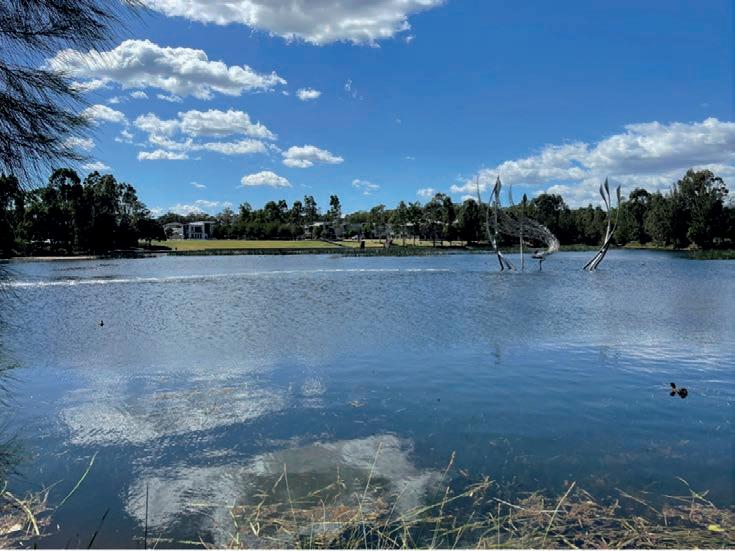
A failing aeration system, rising weed growth and mounting community concern had left a popular Western Sydney lake in poor health. Within months, a carefully engineered solution helped reverse the damage, o ering a valuable lesson for councils managing urban waterways.
Urban lakes are vital community assets. They provide cooling in summer, habitat for wildlife and a focal point for recreation and walking trails. But without the right management, these water bodies can quickly decline.
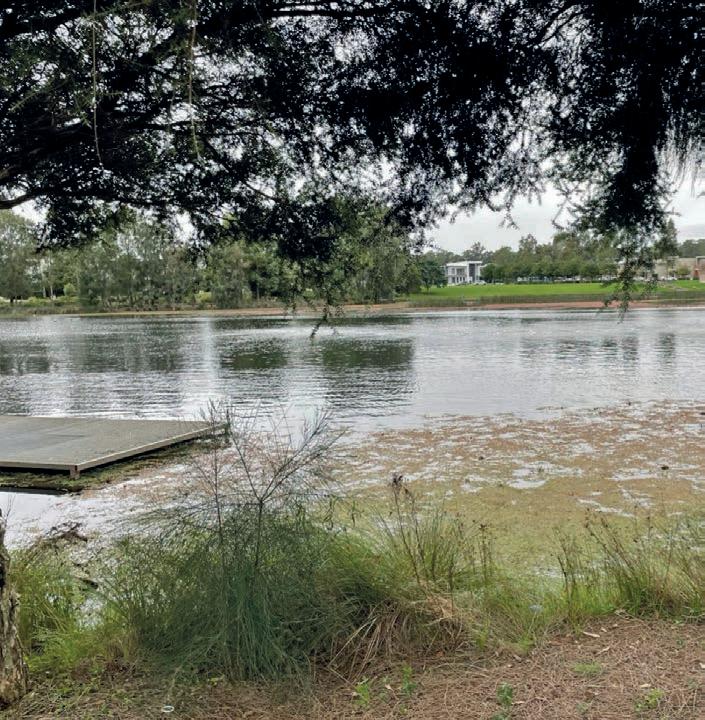
That was the challenge facing a Western Sydney council in 2024, when a well-used public lake began to deteriorate rapidly. Weed growth spread across the surface, odours emerged and biodiversity declined. Despite earlier investment in an aeration system, the problem only worsened.
After repeated equipment failures and minimal improvement in water quality, the council sought specialist support from Atlas Copco, an international provider of innovative compressed air solutions.
“We were asked to come and have a look at why the system wasn’t delivering what the lake needed,” said Dennis Benson, Business Development Manager at Atlas Copco.
“Council had made a genuine effort to address the problem, but the performance just wasn’t there.”
THE RIGHT TOOL FOR THE JOB
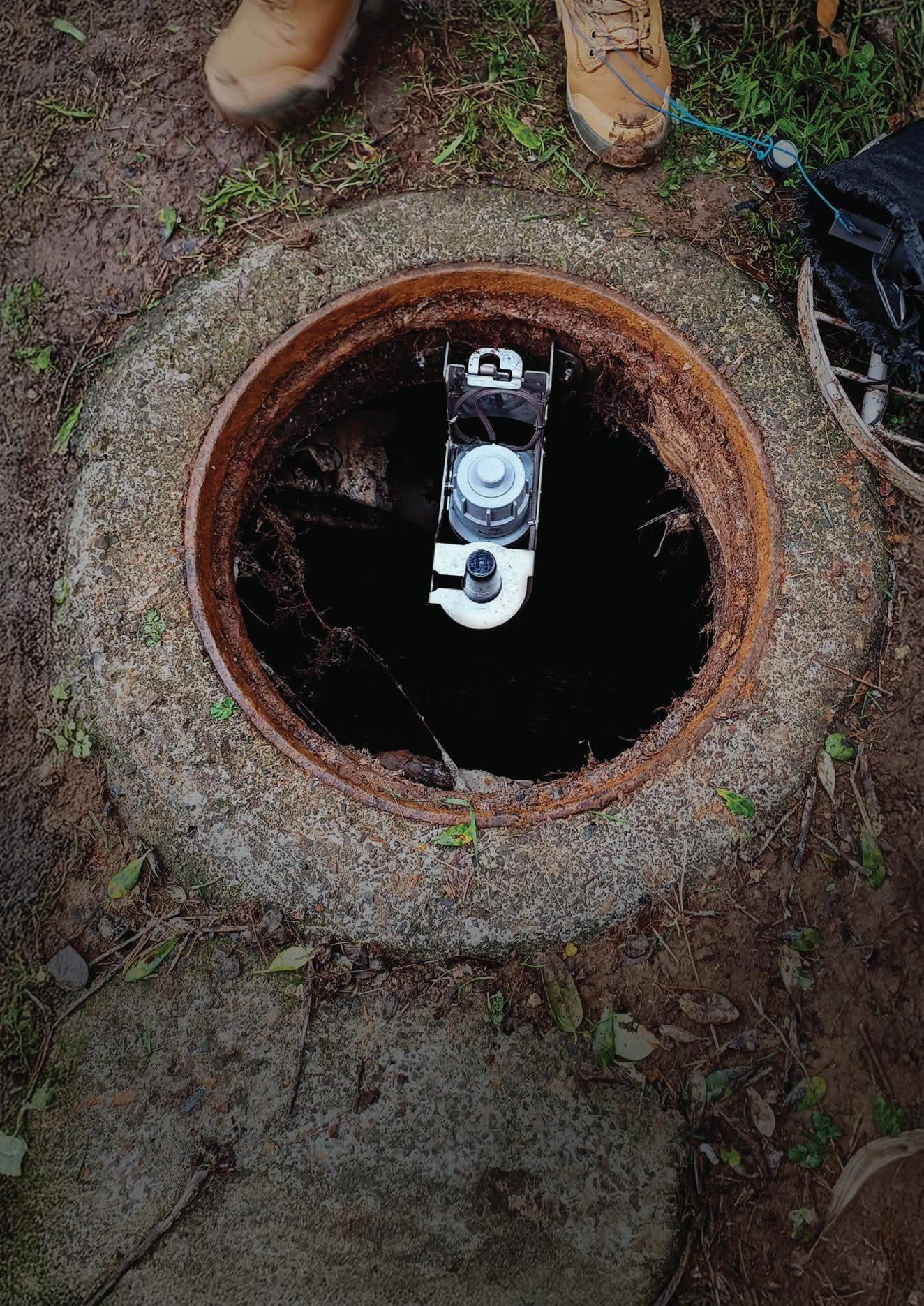
An on-site assessment quickly revealed the issue. The existing side channel blowers were not suited to the lake’s operating conditions or water depth, and could not provide the pressure and flow required for effective aeration.
“In lake and wastewater applications, depth matters,” Benson said. “You need enough pressure to push air to the bottom of the lake so it can rise through the water column and circulate oxygen properly. Without that, stagnation sets in.”
Atlas Copco recommended a different approach, drawing on its experience in wastewater treatment, dam destratification and large-scale aeration projects. The solution needed to integrate with the existing diffuser system, meet strict noise requirements and operate continuously without disruption to nearby residents.
In March 2025, council installed an Atlas Copco ZL lobe blower fitted with an external variable speed drive. The system allowed airflow to be precisely adjusted to match the diffuser network and lake conditions.
“Being able to tune the airflow was critical,” Benson said. “It meant we could deliver exactly what the lake needed, while keeping noise levels low for surrounding homes.”
The blower ran continuously from March 2025, providing round-the-clock circulation and oxygenation. By May, the unit was housed in a secure, weatherproof enclosure to further reduce noise and protect the equipment.
FROM WEED-COVERED TO THRIVING
The impact was gradual but unmistakable. By September 2025, weed coverage around the main basin had reduced significantly. By December, the lake’s surface was clear, water quality had improved and birdlife had returned.
“It doesn’t happen overnight,” Benson said. “But once you restore circulation and oxygen levels, the lake can recover naturally. You start to see fish return, birds nesting again and the whole system stabilise.”
Over 40 weeks of continuous operation – more than 6600 hours – the blower ran without a single failure, even through summer temperatures above 40 degrees Celsius. Importantly, council received no noise complaints from nearby residents.
The visible improvement prompted council to order a second blower for another lake in need of restoration.
LESSONS FOR LOCAL GOVERNMENT
For councils managing lakes, ponds and stormwater basins, the project highlights several important principles.
First, aeration systems must be engineered specifically for each site.
Water depth, diffuser layout, flow rates and surrounding land use all influence performance and operating costs.
“Every lake is different,” Benson said. “You need to understand how water moves through it, where the deeper sections are and how much air is required. When it’s done properly, the running costs are lower and the results are far better.”
Second, long-term operating efficiency matters. Continuous aeration can run 24 hours a day, seven days a week, making energy use a major consideration.
“Selecting the right low-pressure technology makes a big difference,” Benson said. “You avoid wasting energy compressing air you don’t need, and councils get a more sustainable outcome over the life of the asset.”
FINALLY, PATIENCE IS ESSENTIAL.
“This is ecological restoration, not a chemical fix,” Benson said. “You’re rebuilding oxygen levels, improving habitat and letting nature recover. The payoff is a healthier lake that supports wildlife and the community for years to come.”
With hundreds of urban lakes across Australia facing similar challenges, this project offers a clear example of how targeted engineering and careful design can restore degraded waterways, and protect them for the future.
To learn more, visit atlascopco.com
Only a few months after installing the blower, the lake’s surface was clear.
The lake’s health had deteriorated significantly. Images: Atlas Copco.
WHEN YOUR FLEET OWNS THE ROAD
BE RYCO READY
When you choose Ryco, you’re not just buying a filter; you’re buying industry leading quality, round-the-clock technical support, innovative solutions, and unparalleled expertise.
This means that when a truck is serviced utilising Ryco filters, fleet managers can be confident their New Vehicle Warranty is protected, whilst reducing downtime and maintenance costs. Contact Ryco to discuss your fleet’s requirements. So, when you need to get the job done, be Ryco Ready.
Safety drives Australian growth
As councils face growing pressure to improve road safety, manage fleet risk and meet evolving compliance requirements, digital telematics is emerging as a critical tool for strengthening governance, e ciency and community outcomes.
Australia’s transport landscape continues to be shaped by vast distances, isolated routes and a heavy reliance on road freight, placing road safety and fleet management firmly on the agenda for councils and regional authorities.
For Geotab, a global leader in telematics, this environment represents a major international growth opportunity. While the industry has historically relied on paper logs and manual oversight, a shift towards digital accountability is well underway, and accelerating.
This transformation is being driven by strategic acquisitions, the integration of advanced video technology and a growing wave of regulation aimed at improving safety outcomes on Australian roads.
Central to Geotab’s recent expansion has been the acquisition of Verizon Connect’s fleet business in Australia. Verizon had established a significant local footprint, encompassing around 5000 customers and nearly 100,000 subscribers.
The acquisition has expanded Geotab’s market reach, bridging the gap between
large-scale logistics providers and the small and medium-sized operators that form a critical part of Australia’s freight and service economy, including many council contractors.
“The Verizon business is primarily focused on the small and medium business segments, meaning fleets under 25 vehicles,” said Sean Killen, Geotab’s Senior Vice President - Growth Markets.
“Geotab’s existing business in Australia has typically targeted much larger fleet sizes, working with major partners such as Santos, where remote safety is a
Australia’s transport landscape continues to be shaped by vast distances, isolated routes and a heavy reliance on road freight. Image: Gary/stock.adobe.com
emerging industry standard. In North America, telematics contracts rarely proceed without a video component, and this approach is now being introduced to the Australian market.
Through its GO Focus family of artificial intelligence-powered cameras, Geotab is combining engine data with real-time driver monitoring to address fatigue and distraction. These issues are particularly significant for regional and remote communities, where heavy vehicles and road trains dominate major freight corridors.
“Video will almost be mandatory because the market will make it so,” Killen said.
“If you do not have both the vehicle data and the safety data on the driver, you do not have a complete solution. Australia relies heavily on heavy trucks, and those vehicles are too large and too dangerous to have drivers operating while fatigued.
“Parliament is getting to a point where new regulations on fatigue and hours of service will soon require the level of sophistication that only a few companies can provide.”
primary concern. Verizon was a specialist in supporting small fleets, setting up a model that is very complementary to ours.
“Our existing customers won’t notice the change, but many smaller operators who would not have been offered Geotab previously will now have the opportunity to access our technology.”
Beyond vehicle tracking, Geotab is prioritising video telematics as the
For many Australian operators, the primary barrier to adoption remains the perceived cost of hardware. However, Killen said this overlooks the broader financial risks of operating without reliable data.
Inefficient maintenance practices, higher fuel consumption and the potential cost of a single serious accident can far outweigh the subscription costs of a telematics platform, particularly for councils managing large or ageing fleets.
Killen said many local operators have “skipped the first generation” of telematics and are now recognising the return on investment offered by more advanced systems.
Original Equipment Manufacturers (OEMs) also remain a key growth driver. Geotab manages 40 to 50 OEM partnerships globally, acting as a data “translator” for vehicle brands such as Toyota, Volvo and Kenworth.
As more vehicles enter the Australian market with embedded modems,
For many Australian operators, the primary barrier to adoption remains the perceived cost of hardware. Image: scharfsinn86/stock.adobe.com
Geotab’s strategy is focused on data unification, allowing councils and fleet managers to access information from multiple vehicle brands through a single platform.
“OEMs are starting to approach us now for the Australian market,” Killen said.
“In two or three years, you are likely to see around half of Australia’s fleets operating with embedded modems, but we will provide the common use case, so it makes sense at the operator level.
“We sit in the middle to translate all of that into something workable, because fleet operators are not software companies. They need an interface that brings everything together, regardless of whether the data comes from our hardware or the vehicle’s built-in modem.”
Looking ahead to 2030, Killen said the direction of the industry is clear: more sensors, more data and more artificial intelligence-driven insights.
Future systems are expected to support predictive maintenance and driver risk modelling, helping organisations identify high-risk behaviour or mechanical issues before incidents occur.
While the transition may present challenges for smaller operators, particularly those accustomed to informal record-keeping, the long-term outcome is expected to be a safer, more professional and more financially sustainable sector.
“I think Australia is incredibly exciting because you have more than 500,000 heavy trucks on the road, and only about 20 per cent are currently using telematics,” Killen said.
“Government regulation will continue to evolve, and paper-based systems will disappear. The industry will adapt, and digital management will become standard.
“When that happens, Australians will be safer, councils will have greater visibility over their assets and contractors, and will find they are saving money while getting their drivers home safely.”
To learn more, visit geotab.com
Sean Killen, Geotab’s Senior Vice PresidentGrowth Markets. Image: Geotab.
Transforming water management
Kallipr’s ‘Data as a Service’ is helping councils turn complex water monitoring into clear, actionable insights, delivering better outcomes without increasing sta workloads.
Local councils face increasing pressure to manage ageing water infrastructure while delivering cost-efficient services to their communities. Traditional approaches to monitoring and maintaining networks are often fragmented, resourceintensive, and difficult to sustain, particularly for smaller councils. For many, the challenge isn’t a lack of willingness – it’s simply the bandwidth to execute effectively.
Kallipr, an industrial Internet of Things solutions provider, is working with councils to shift the model of water management through Data as a Service (DaaS). Stelios Trikoulis, Chief Commercial Officer at Kallipr, explained how this approach can streamline operations, reduce risk, and improve outcomes for utilities of all sizes.
OVERCOMING
TRADITIONAL BARRIERS
“Before they even start, councils face two big challenges,” Trikoulis said.
“The first is limited internal knowledge and competing priorities. Even in small councils with just a handful of staff, there’s a need to manage hundreds, sometimes thousands, of kilometres of water infrastructure. The biggest hurdle is simply getting started. People are so busy reacting to issues, they rarely have the bandwidth to plan and implement proactive monitoring.”
Even when councils overcome that initial barrier, Trikoulis noted that traditional monitoring systems often fail to gain traction.
“Fragmentation is a big problem,” he said.
“Devices may fail, data may not display correctly, or systems generate too many alarms. Without ongoing support and training, it quickly falls into the ‘too hard’ basket. Councils have the intent to use the technology, but they need capacity to execute it.”
These challenges are compounded under traditional ownership models. While capital budgets for new monitoring technology are often approved without issue, the ongoing maintenance and management of multiple, disparate systems can strain limited resources.
“You can’t keep adding systems to a small workforce and expect them to manage it all,” Trikoulis said.
“That’s where traditional ownership falls short.”
Traditional monitoring systems can fail to gain traction due to inadequate support and training. Images: Kallipr.
WHAT DATA AS A SERVICE OFFERS
DaaS fundamentally changes this dynamic by bundling the hardware, software, maintenance, and analytics into a single outcome-focused service.
“It’s about providing a service linked to operational outcomes, not just a piece of kit,” Trikoulis explained.
“The supplier takes responsibility for keeping the devices running, maintaining the system, and delivering actionable insights to the council.”
Under a DaaS model, councils no longer need to analyse raw data themselves. Instead, the supplier ensures data quality, monitors the network, and provides reports and alerts tailored to the council’s operational goals.
“For example, if a council wants to identify areas of inflow and infiltration, the DaaS provider will generate reports showing potential problem zones based on rainfall and sewer network patterns,” Trikoulis said.
“That frees up the council’s staff to focus on decision-making rather than managing devices or analysing data.”
Importantly, DaaS also shifts operational and financial risk away from the council.
“A common concern with batterypowered sensors is how long they last,” Trikoulis said.
“Under a DaaS contract, the supplier manages that risk. If a battery fails, it’s replaced. The council isn’t burdened with unexpected costs or system downtime. Yes, DaaS may cost a bit more, but it offsets risk and delivers predictable outcomes, which is invaluable for smaller organisations.”
SCALING FOR COUNCILS OF ALL SIZES
While large utilities often adopt advanced monitoring systems first, DaaS is equally beneficial for smaller and regional councils.
“Even small counties or municipalities can leverage this model,” Trikoulis said.
“We typically enlist local subcontractors for installation and maintenance, so the service is scalable. Councils of all sizes can access the same operational insights and efficiencies as major utilities, without overburdening their teams.”
This scalability makes DaaS particularly suited to Australia’s diverse and geographically dispersed councils.
By outsourcing the maintenance and analysis to suppliers like Kallipr, councils can implement monitoring programs proportional to their size and needs.
“Whether you’re monitoring ten, a hundred, or a thousand sites, the model scales up and down,” Trikoulis said.
“It ensures that smaller councils aren’t left behind.”
ACHIEVING OPERATIONAL CLARITY
The benefits of a managed monitoring approach go beyond risk reduction. Councils gain operational clarity that directly supports better service delivery and capital planning.
“Success looks like reduced truck rolls, fewer overflow events, and more efficient capital spend on relining and maintenance,” Trikoulis said.
“With insights into potential problem areas, councils can deploy CCTV, smoke
testing, and other interventions more strategically, optimising their budget and workforce.”
By outsourcing data interpretation and reporting, councils can achieve these outcomes without increasing staff workloads.
“With DaaS, you’re not just getting raw data – you’re getting actionable insights,” Trikoulis said.
“The link between data collection, analysis, and reporting is all taken care of. Councils get the outcomes without adding human resource burden.”
For councils considering their first rollout of a managed monitoring program, Trikoulis emphasised the importance of starting with a clearly defined operational problem.
“Councils don’t need to build everything themselves. They should start with a goal – for example, improving efficiency in proactive maintenance or proactively managing overflow events –and then design a DaaS program to meet that outcome.”
Trikoulis also suggested engaging with the market through Requests for Information (RFIs) or tenders.
“Ask the market how they can help solve your problems,” he said.
“We’re seeing tremendous interest from councils across Australia. Even smaller councils are realising that visibility into previously hidden parts of the network can fundamentally change how they deploy resources and manage capacity.”
FUTURE-FOCUSED WATER MANAGEMENT
DaaS is not simply a new technology model, it represents a shift in how councils approach water management. By focusing on outcomes rather than hardware, councils can reduce risk, optimise capital and operational spend, and scale solutions to their workforce and geographic realities.
“Start with operational outcomes,” Trikoulis said.
“Don’t try to do everything yourself. By focusing on what you need to achieve and leveraging a DaaS provider to deliver it, councils can plan for scalability and the future. The technology itself is just a tool, the real benefit comes from turning data into actionable insights.”
For local governments navigating the complexities of modern water networks, Data as a Service offers a path to smarter, more efficient, and future-ready infrastructure management. Councils can now achieve more with the resources they have, improving service delivery while reducing operational and financial risk.
To learn more, visit kallipr.com
DaaS bundles hardware, software, maintenance and analytics into a single outcome-focused service.
Taking AI gains from pilot to practice
Artificial Intelligence (AI) is moving beyond experimentation in local government, with councils beginning to embed it into everyday operations. New national policy and real-world pilots are now showing how AI can improve services, boost productivity and strengthen decision making.
In multiple cities across Australia, a familiar scene is playing out: a council officer is doing the same thing they do every day. Copying data from one system into another, reformatting a report nobody reads thoroughly, chasing a form that should have arrived digitally but came in on paper because the old portal doesn’t work on mobile.
These small inconveniences are accepted as normal, so they barely register as a problem – until they are multiplied across every officer, every team, every week of the year, and the impact becomes significant.
Moorabool Shire Council considered this and when they piloted Artificial Intelligence (AI)-enabled automation
through Datacom’s Datascape platform, those small tasks started disappearing. What were once five-to-ten-minute jobs were instead being completed in under a minute, leading to a projected saving of 12 weeks of staff time per year.
CAUGHT BETWEEN AMBITION AND EXECUTION
That result sits against a broader truth the sector is quietly reckoning with. Datascape’s AI Insights report revealed a sector caught between ambition and execution. Based on research across three major local government conferences in 2025, it surveyed 166 council leaders and staff from New South Wales and New Zealand.
Around 42 per cent of councils are still exploring AI through pilot projects, while 38 per cent are focused on building the governance and trust frameworks to support it. Only one in five are scaling use cases across teams or embedding AI into daily operations.
The ambition is there and experimentation is widespread, but embedded, everyday AI is still the exception. The gap lies in infrastructure rather than resistance. Close to nine in ten leaders described their teams as early-stage AI learners, with most staff self-teaching through individual efforts rather than structured programs. Fluency is growing, but unevenly as it is being carried by the curious few rather than lifted by the organisation.
inspection summaries, maintenance prioritisation and condition reporting. In New Zealand, councils lean into community experience and workforce productivity, from triaging service requests during seasonal peaks to summarising consultation feedback and accelerating internal approvals.
While different pressures reflect situational requirements, the underlying need to relieve the friction so people can do the work that actually matters is the same.
THE AI MEASUREMENT PROBLEM
According to the Datacom’s report, around 40 per cent of councils aren’t measuring AI uplift at all. Another 28 per cent have isolated examples but no consistent framework. Only about one in ten can track baseline data and quantify return on investment clearly.
Without measurement, AI initiatives struggle to survive budget cycles as they fail to compete with evidenced core services for funding. They need to be able to demonstrate stewardship of public money to elected members or communities and build the organisational confidence that turns a pilot into a practice.
requests, rate accounts, and reproduction notices eliminated duplication, and budget forecasting, direct debit rollovers, and audit trails now live in a single platform.
Their Customer Relationship Management (CRM) rollout centralised online forms, payment processing, and correspondence tracking into one view. Sixty per cent of applications shifted from paper to digital submission. Staff spend less time navigating systems and more time helping people.
When they introduced Antenno, a mobile app for two-way community engagement, nearly 1000 residents downloaded it within months. Eleven per cent of customer requests now come through digital channels, with a target of 25-50 per cent digital engagement ahead.
The AI pilot was built on that foundation, embedded in the workflows staff already use and surfacing value in the tasks they already do.
STARTING WITH THE EVERYDAY TO CREATE LASTING CHANGE
Councils that are seeing progress with AI are starting small. They choose one area of work, set a clear outcome, and focus on incremental improvements that build across teams. Those gains begin with minutes saved, not hours, but they compound quickly.
WHAT MOORABOOL FOUND WHEN
AI is being embedded inside the systems staff already use, such as CRM, online services, case management and asset tools, so it supports existing workflows rather than creating new ones. Clear governance provides clarity on how AI operates and how decisions remain transparent, which helps turn early wins into consistent practice.
This approach matters because every council carries a long list of small tasks that have always felt too minor to question, and they already know AI can help with this work. The real challenge is being able to measure the change and having a platform built to show that impact.
Datascape is designed specifically for local government, with AI embedded across property, rating, regulatory, customer and asset operations. Measurement and governance are built in, allowing councils to demonstrate return on investment, strengthen community trust, and move from pilots to everyday use – just like Moorabool.
The full AI Insights report – including findings on where councils sit on the AI maturity curve, what outcomes they’re prioritising, and how measurement capability varies across the sector – is available to download below.
Scan the QR code to download the report.
Most councils are actively piloting AI projects or establishing governance frameworks. Images: Datacom.
Close to nine in ten council sta are early-stage learners, experimenting with AI in small, contained ways.
From First Step to Fully Future-Ready
Whether you’re taking your very first steps into structured asset management or looking to elevate an already sophisticated program, Brightly offers a solution that’s intuitively simple yet robust enough to evolve with your every need.
Find out how at brightlysoftware.com/future-ready
Fold up and roll out
With State and Federal government funding helping to expand festivals, street parties and sporting gatherings, local governments are exploring new ways to bring crowds together while keeping infrastructure flexible and inclusive.
Councils and community event organisers are being asked to think bigger than ever before about how they bring people together, and Felton Industries’ new Tow and Fold portable grandstand could make a difference.
Felton is a leading designer, manufacturer and supplier of quality Australian made outdoor furniture and has been supplying seating solutions for a range of environments for more than 20 years.
It’s latest product, the innovative Tow and Fold seating solution, is a nine-tier grandstand mounted on a trailer chassis that collapses and expands at the press of a hydraulic button.
“One person can set it up and pack it down, and in less than five minutes,” Felton Industries Product Marketing Manager, Simon Clayton, said.
“It’s unique. Most grandstands have to be fixed or bolted down. This one just unfolds and then you drive away.”
The product’s appeal comes at a time when State and Federal Governments are backing more accessible, vibrant community events – from multicultural festivals to free street experiences and regional shows – with funding
programs helping councils cover infrastructure, safety, accessibility and engagement costs.
For many councils, a portable, high-capacity seating asset can turn a good event into a great one without the cost and permanence of fixed infrastructure.
MORE EVENTS, MORE FUNDING, MORE OPPORTUNITIES
In New South Wales, the $14.65 million Open Streets Program is one example of a major funding initiative that helps councils deliver free community events, turning streets into people-friendly spaces with music, entertainment and cultural activities.
The program provides councils with grants of up to $350,000 to temporarily close roads for these events. The program has been extended through to 2028, giving local governments long-term support to plan, build and sustain vibrant community programming.
Such investment is part of a wider trend across Australia. Multiple councils regularly run events and festivals sponsorship programs that funnel funding to help local organisers mount culturally diverse, locally significant
and accessible events. This includes city and regional council programs that fund everything from major flagship festivals to community market days and neighbourhood celebrations.
For councils, the challenge is often infrastructure: creating safe, compliant and comfortable environments for growing crowds without tying up precious capital on permanent, fixed seating. That’s where the Tow and Fold intersects with funding priorities and event strategies, offering a flexible, transportable solution.
A NEW CATEGORY OF COMMUNITY ASSET
With a seating capacity of up to 200 people, nine tiers and engineered sightlines, the Tow and Fold allows councils to temporarily elevate spectator experience at sporting carnivals, street festivals, civic ceremonies and other community gatherings without the need for anchored stands.
“It’s designed for local governments, sports clubs, schools, event organisers. Anyone that needs high-capacity seating that can be moved from place to place,” Clayton said.
The Tow & Fold’s design means it can be rolled in and set up in less than five minutes.
Images: Felton Industries.
“One investment can serve several venues, ovals or parks, whether it’s for sporting days, community festivals or cultural events.”
For many events that do secure government backing – including those funded through major festival grants or place-activation packages – temporary infrastructure like Tow and Fold can be a practical way to meet compliance and safety standards while delivering a better on-site experience for attendees.
SAFETY, COMPLIANCE AND COST EFFICIENCY
Safety and compliance are central to the Tow and Fold design, with premium steel and aluminium construction that meets Australian standards for road and building, enclosed tiers and non-slip surfaces.
A lockable storage box ensures controls are secure when not in use, with highlighted indicators helping to create a safe setup zone.
Clayton said one of the biggest talking points from councils and event planners is the cost efficiency compared with traditional scaffolded seating.
“With traditional grandstands, you’re paying people to assemble them and then take them down every time,” he said.
“This takes minutes and one person can do it. That’s a huge saving in labour and logistics.”
These operational efficiencies matter when councils are overseeing tight event budgets. Many local government grants place a premium on value for money, compliance and safety. Portable
infrastructure that ticks all those boxes sits well with the programming and funding frameworks that councils are increasingly adopting.
While sporting fields are an obvious application, the Tow and Fold concept also resonates with broader community strategies around inclusion, accessibility and cultural celebration.
Councils are actively supporting arts festivals, multicultural events and street parties where public spaces are activated for all ages and groups. Funding programs often emphasise engagement, intercultural exchange and economic activation through community participation.
In this context, the ability to set up comfortable spectator seating in minutes can support bigger, more inclusive events, helping councils deliver on cultural plans, local tourism strategies and broader community goals. By allowing crowds to gather safely and comfortably, organisers
By allowing crowds to gather safely and comfortably, organisers can focus more on programming and inclusivity.
can focus more on programming and inclusivity rather than wrestling with infrastructure logistics.
A SOLUTION FOR TODAY’S EVENT LANDSCAPE
The Tow and Fold grandstand arrives at a moment when councils are planning a diverse event calendar that blends sport, culture and community life.
With government funding frameworks supporting free festivals, vibrant street activations and major seasonal events, portable infrastructure that is flexible, compliant and cost efficient has real appeal.
“For councils looking to expand their event offerings or make better use of funding, the Tow and Fold is a solution that supports that vision, wherever the crowd needs to be,” Clayton said.
To learn more, visit felton.net.au
Creating safe, reliable and comfortable seating for crowds has never been easier.
Backing innovation at the Endeavour Awards
Platinum Sponsor, RSM Australia, is celebrating Australian manufacturing excellence, supporting the sector’s innovators and leaders at this year’s Endeavour Awards.
The annual Endeavour Awards, presented by Manufacturers’ Monthly, recognise excellence across the sector and bring together businesses from every corner of Australian manufacturing. RSM Australia is joining the awards this year as a Platinum Sponsor, celebrating the resilience and innovation of Australian manufacturers.
The Endeavour Awards offer more than an industry celebration – they provide insight into the innovation and capability shaping Australia’s manufacturing base. As local governments continue to invest in roads, water infrastructure, waste facilities, renewable energy projects and community assets, strong local
The annual event shines a spotlight on innovation and achievement.
The Endeavour Awards provide insight into the innovation and capability shaping Australia’s manufacturing base.
manufacturing sectors play a critical role in delivering these outcomes.
Events supported by organisations such as RSM Australia highlight the businesses developing advanced materials, construction products, equipment and technologies that councils increasingly rely on.
As a leading provider of manufacturing advisory services, RSM supports companies of all sizes, from emerging businesses commercialising new products to global manufacturers aiming to optimise and scale operations.
Its experts offer audit and assurance, business advisory, corporate finance, data analytics, research and development tax and government incentives, and tax services, helping manufacturers reduce costs, and grow profitably.
RSM’s commitment to the manufacturing sector is behind
its decision to sponsor the Endeavour Awards.
RSM National Manufacturing Leader, Louis Quintal, said the partnership reflected the company’s passion for celebrating innovation in the manufacturing sector.
“We’re excited to partner with the Endeavour Awards because we’re passionate about the growth and resilience of Australian manufacturing and celebrating companies that are at the forefront of innovation within the sector,” he said.
This marks RSM’s first time sponsoring the awards, though the firm has maintained a long-standing relationship with Manufacturers’ Monthly as regular contributors.
RSM Partner – Albury, Ross Dixon, noted the broader significance of the awards for the sector.
“It’s a great way to bridge the gap between different sectors within manufacturing, share ideas and challenges, collaborate, network and celebrate those leading the way in manufacturing. Boosting their credibility and acknowledging their industry expertise,” he said.
The awards also provide an opportunity for RSM staff and clients to connect with the wider manufacturing community. Quintal and Dixon will be joined by the
“We’re excited to attend because the awards showcase the very best of Australian manufacturing – innovation, resilience and leadership. It’s also a great opportunity to connect across the sector, share ideas and challenges, and recognise the teams driving real outcomes,” Dixon said.
The Endeavour Awards remain a highlight on the Australian manufacturing calendar, promoting collaboration, celebrating achievement and highlighting the businesses shaping the sector’s future.
By engaging with the Endeavour Awards, councils gain valuable visibility over emerging suppliers, regional employers and innovators driving economic growth in their communities.
The event also reinforces the link between manufacturing performance and local prosperity, supporting jobs, skills development and supply chain resilience. The program provides a national platform for showcasing the enterprises that help underpin council-led infrastructure delivery and long-term regional development.
By partnering with this event, RSM Australia reinforces its role as a trusted advisor helping manufacturers navigate complex challenges while celebrating the ingenuity that drives the industry forward.
The event provides the perfect opportunity for collaboration and the sharing of ideas. Images: Prime Creative Media.
Transforming sta safety with technology
Council sta often work in unpredictable environments, from public streets to private homes. Ensuring their safety while on the job is critical, and modern technology is providing new ways to protect teams in real time.
Council staff work across a range of environments, from offices to public spaces, and even private homes. While their work is vital for communities, it often comes with risks that can get overlooked.
Staff such as parking inspectors, community outreach workers, and maintenance teams may face situations that compromise their safety, from aggressive encounters to accidents while on the job.
Duress wearable and mobile devices are designed to protect sta in real time.
Image: Montri Thipsorn/stock.adobe.com
Duress, an Australian safety solutions company, provides devices designed to protect workers in real time. Its range of wearable and mobile solutions enables staff to quickly declare an emergency, summon help, and even provide live video and audio to verify the situation. Features such as fall detection, GPS location tracking, and internal team alerts enhance the ability of organisations to respond immediately to incidents.
Karl Pagnin, Co-Founder of Duress, explained that emergency declarations are sent to the company’s dashboard where they can be verified.
“If someone activates an emergency, that person’s manager will receive an alert on their phone with all the details, including police involvement if needed,” he said.
Duress devices are part of a broader ecosystem that helps councils protect their staff while also managing
operational efficiency. Alerts are prioritised and monitored through Duress’ A1 Graded Monitoring Centre, reducing false alarms and ensuring that emergency responders are directed appropriately.
“000 calls can be challenging at times whilst trying to deal with an aggressive situation,” Pagnin said. “Our live stream video and audio from our devices helps to verify the urgency of the situation, ensuring that real emergencies get the attention they require.”
The Duress suite includes several products tailored to different work environments. Wearables such as the Duress Eagle body camera and Falcon watch combined with the mobile app provide light, flexible safety.
Onboarding is straightforward. Organisations can purchase devices and receive support from Duress’s team for setup, training, and all can be selfmanaged through the Duress dashboard.
“We provide a full ecosystem around safety: from dashboards and alerts to ongoing support and monthly check-ins with account managers,” Pagnin said. “The goal is to make safety seamless for both staff and managers.”
Councils can also benefit from the platform’s reporting and analytics tools. By reviewing activations and trends, managers can better understand risks in specific areas or roles, helping to inform future safety strategies and training.
The need for such solutions has never been clearer. Staff often operate alone, in public spaces, or in unpredictable environments. The ability to immediately signal for help, track location, and
have verified communication can be lifesaving. By integrating technology like Duress devices, councils can provide an extra layer of protection, ensuring its teams can work with confidence.
With modern safety challenges evolving, Duress offers councils a practical and technologically advanced approach to staff wellbeing. Their devices are not just emergency tools
– they are part of a broader safety culture that empowers teams and reassures communities that council staff are protected while performing their essential roles.
To find out more about Duress’s safety solutions, visit duress.com or email government@duress.com
range of solutions combine with the mobile app to provide light, flexible safety.
A
Image: Duress.
Duress devices are part of a broad ecosystem that helps councils protect their sta . Image: Wesley JvR/ peopleimages.com/stock.adobe.com
CybersecurityCouncils and beyond
As cyber threats grow in scale and sophistication, councils are being encouraged to move beyond reactive responses and build practical, resilient defences to protect communities, finances and public trust.
Cyber-attacks may seem like a distant risk for local government, but the growing operational reality is that cyber threats have the potential to disrupt essential services, compromise sensitive data and undermine community trust. As councils expand their digital footprint and manage increasing volumes of information, building cyber resilience has become a core governance and leadership responsibility.
Chief Information Security Officer at Northern Beaches Council, David Griffiths, said that being the victim of a cyber-attack is the most expensive and stressful way to learn that all levels of government, including councils, are regularly targeted by cyber criminals and foreign governments.
“Watching a council realise the extent of a cybersecurity incident would be heartbreaking,” he said.
“While larger government entities often have specialists on hand to guide their response, many councils do not.”
Griffiths has over two decades’ experience working in information and cyber security, specifically in the government sector.
Because councils are frontline service providers for their communities, the impacts can be immediate and close to home.
Councils often have an uneasy relationship with technology. Increasing expectations for digital services, growing amounts of personal and sensitive information, technological complexity, and limited budgets can combine to create a culture of ‘getting the job done’ with little energy left for considering risks.
“Investment in cybersecurity can feel optional when simply keeping the lights on is the priority,” Griffiths said.
“However, one of the intriguing aspects of cybersecurity incidents is that without investment in skills, tools and processes, breaches may not be
detected for months, years, or ever. You cannot respond to an incident you don’t know has occurred and a lack of obvious evidence provides a false sense of security. Many organisations, including councils, have likely experienced a breach they are not aware of.”
WHO IS ATTACKING COUNCILS?
The impact of a cybersecurity incident varies based on who the attacker is and what they want. The key word here is ‘who’. These attacks are not computers attacking other computers. They are people or organisations who are motivated by financial, ideological, economic, and other potential gains. This can potentially include foreign countries who have very sophisticated capabilities.
“Cyber criminals are responsible for most attacks you hear about in the news,” Griffiths said.
“They, just like their real-world organised crime counterparts, are focused on one thing – money. They will
The security of suppliers and partners is every bit as important as a council’s own security. Image: Nima/stock.adobe.com
try to redirect supplier payments with altered invoices, and staff wages with altered bank details. They will break into finance systems to send funds directly to accounts they control.”
Griffiths said that government entities in Australia have lost hundreds of thousands of dollars through attacks like this.
“Worse, they will extort a victim organisation by threatening to publish stolen sensitive information. In my former state government role, I heard of an incident where a distressed General Manager was receiving phone calls from the attackers urging them to pay. In another, a ransom note was emailed to all the senior leaders of an organisation. The criminals know that public trust in government is a compelling reason to give in to their demands,” he said.
In recent years, the security of suppliers and partners has increasingly become an important focus.
Cyber criminals attack suppliers because of economics and risk – breaching a single company with 50 clients instead of 50 separate attacks takes less effort, and every breach presents a risk to the attackers. This applies to technology and
physical service providers alike, either of which could damage a council’s reputation and, more importantly, the community if information is stolen or services disrupted.
AWARENESS AND GUIDANCE ALONGSIDE SECURITY
Northern Beaches council is set to increase cyber awareness and guidance for its community through its website and other communication channels, a role that all councils can play.
“Small businesses are especially vulnerable to cyber-attacks,” Griffiths said.
“According to the Australian Signals Directorate’s (ASD’s) Cyber Threat Report in 2025, the average cost of cybercrime for a small business is $56,600, up 14 per cent from the previous year. For many, this cost could be crippling.”
Griffiths explained that helping small businesses avoid these losses strengthens the community as a whole.
“There is a cliche trotted out at conferences that says, ‘cybersecurity is a team sport’,” he said.
“It’s true for many reasons – internal resourcing constraints, inadequate internal skills, and a lack of experience with cyber concepts. Engaging others, whether commercial, not-for-profit or government, is essential. Nobody knows everything – we all need outside help.
“If your council does not yet have someone who is responsible for cybersecurity, this is an essential first step. Find your champion, or perhaps put your hand up to be one. A champion doesn’t need to be a computer geek. All that’s needed is someone who is interested, willing to learn, and can translate concepts into a more useful, local context.”
Griffiths said that having a go-to cyber security leader opens a world of opportunities.
“With a champion in place, head to the ASD website. ASD publishes a vast range
Cyber threats have the potential to disrupt essential services and compromise sensitive data.
of resources that are relevant to councils. Its advice is authoritative, targeted and easy to understand and they’re not trying to sell anything,” he said.
“Security vendors and service providers offer necessary elements to a good approach, but nobody has the silver bullet, and the answer isn’t always shiny recent technology. ASD can help focus your efforts.”
Griffiths also recommend joining ASD’s Partnership Program, which offers more in-depth resources, collaborative opportunities and services as part of a trusted community.
“The program is free and enables more specific conversations through threat intelligence and actionable insights. For councils without cyber funding, this is invaluable,” he said.
WHAT IF YOU HAVE A BREACH?
Cyber incident response is a specialist skill, and another reason to call ASD when needed.
“By reporting suspected or confirmed incidents to ASD you will receive guidance on the next steps,” Griffiths said.
“Other resources such as law enforcement or technical specialists might then be needed. Having a plan, staying calm and getting advice quickly is the key.”
Councils can report a suspected or confirmed incident to ASD through www.cyber.gov.au, 1300CYBER1, or through the national partnerships team.
“For any organisation cybersecurity can be a scary topic, but fear can be countered with understanding,” Griffiths said.
“The journey to being a more resilient council isn’t quick and can challenge entrenched practices. Seeking the right advice, gaining internal capability supported by outside experts, and committing to making changes that are needed can help every council work towards a pragmatic and effective level of defence against cyber-attacks.”
Image: The Little Hut/stock.adobe.com
Building for safety and longevity underfoot
As councils look to improve safety, sustainability and asset life, innovative joint systems are helping footpaths perform better over decades.
Acracked joint, a lifted slab or a rough ride can turn everyday walking into a safety risk.
Across Australia, councils invest heavily in footpaths and shared paths to support active transport, accessibility and community wellbeing. Yet for many residents, the experience of using this infrastructure is far from smooth.
The familiar ‘tick, tick, tick’ of scooter wheels across concrete joints, uneven slabs near tree roots, and sudden lips between panels are more than just annoyances – they are potential hazards.
For parents pushing prams, older residents trying to stay active, or children learning to ride, these small imperfections can discourage people from using local paths altogether. They also translate into higher maintenance costs and growing liability risks for councils.
According to Kipp Richter, Research and Development Manager at Danley – an Australian provider of engineered concrete jointing and pavement systems – these challenges are common across the country.
“When you’re walking or riding along and you hear that constant clicking, that’s the joints doing their job structurally, but not always doing it well for users,” he said.
“Over time, those joints can become trip points, especially near trees or in high-use areas. That’s where you start seeing increased maintenance and safety concerns.”
UNDERSTANDING THE PROBLEM BENEATH OUR FEET
Concrete footpaths rely on a system of joints to manage movement, cracking and thermal expansion. These include weakened plane joints to control cracking, expansion joints to allow slabs to expand and contract, and interfaces near trees where roots can lift panels.
When these systems fail, the result is often uneven surfaces, uncontrolled cracking and costly repairs. Councils may need to grind raised edges, replace sections of concrete or close paths temporarily, all of which affect community access and budgets.
Richter said that many of these issues stem from joints that were designed to manage concrete movement, but not necessarily long-term usability.
For community members of all kinds, local paths are a key part of staying active. Image: Danley.
“Concrete is incredibly strong, but it needs to be allowed to move in the right way,” he said. “If movement isn’t managed properly, that’s when you see heave, stepping and cracking.”
Over time, these problems shorten the life of otherwise sound infrastructure. Many councils replace footpaths every 20 to 25 years, not because the concrete has failed structurally, but because joints and interfaces have deteriorated.
INTRODUCING A PRACTICAL SOLUTION
It is in this space that Danley’s PaveX system has been developed, offering councils a purpose-designed approach to joint performance in lightduty pavements.
Developed over several years, PaveX is designed to work across three key areas of footpath construction: expansion, crack control and root management.
The first component, PaveX Expanda, manages thermal expansion while transferring loads across slabs. This reduces differential movement and helps prevent the formation of steps at joints.
The second, PaveX Crack-A-Joint, provides controlled cracking points that encourage concrete to crack in predictable, square panels. This supports structural integrity and improves surface consistency.
The third, PaveX Geared, addresses one of the most persistent challenges in urban environments: tree root heave. Its articulated design allows slabs to lift gradually and evenly as roots grow, forming a ramp rather than a sharp lip.
“When a root pushes up, both sides of the joint move together,” Richter said. “Instead of creating a tripping hazard, you get a smooth transition.”
A FULL-SYSTEM APPROACH
While PaveX provides the technical solution, Richter said Danley’s approach extends well beyond product supply.
“We’re not just selling components,” he said. “We work with councils, designers and contractors to make sure the whole system is designed and installed properly.”
Danley operates as part of ITW Concrete Systems, supporting councils through specification development, training and on-site engagement. This includes assisting with standard drawings, participating in industry conferences and sharing technical research.
Richter has authored multiple technical papers on light-duty pavement design and sustainability, focusing on bestpractice construction and pathways to net-zero outcomes.
“With good design and good installation, you get a better end product,” he said. “That’s what really drives long-term performance.”
SAFETY, SUSTAINABILITY AND LONGEVITY
One of the key drivers behind PaveX’s development has been improving both safety and environmental performance.
All PaveX solutions are covered by an Environmental Product Declaration (EPD), providing councils with verified data to support sustainability reporting and procurement requirements. The system is also corrosion-free, making it particularly suitable for coastal and high-moisture environments where steel components can deteriorate.
But for Richter, sustainability goes beyond materials.
“If we can make a footpath last 50 years instead of 20, that’s a huge environmental benefit,” he said. “You’re reducing demolition, replacement and carbon emissions over the life of the asset.”
He believes asset longevity should be recognised as a key sustainability outcome.
“We’re creating infrastructure that stays in service longer, with fewer interventions. That’s real sustainability in practice.”
SUPPORTING ACTIVE, CONNECTED COMMUNITIES
Improving joint performance also has social benefits. Safer, smoother paths encourage walking, cycling and scooter use, supporting public health and community connection.
“If people don’t feel safe, they won’t use the paths,” Richter said. “Parents worry about their kids falling. Older residents worry about tripping. That affects how people engage with their neighbourhoods.”
By reducing hazards and improving ride quality, councils can help ensure that shared paths remain inclusive and accessible for all users.
“It’s about confidence,” he said. “When people trust their local infrastructure, they’re more likely to get out and use it.”
A LONG-TERM INVESTMENT
For councils facing rising construction costs, climate targets and growing community expectations, footpath design is becoming increasingly strategic.
By focusing on joint performance, durability and installation quality, PaveX offers a way to maximise the return on infrastructure investment.
“We’re helping councils build assets that last,” Richter said. “That reduces maintenance, lowers risk and improves outcomes for residents.”
As Australian communities continue to prioritise walkability and active transport, solutions that combine safety, sustainability and longevity are likely to play an increasingly important role in local government planning.
And while most users may never notice the joints beneath their feet, their performance can make all the difference.
To learn more PaveX solutions visit, Danley.com.au
Danley’s PaveX products prevent the small joint failures that lead to the breakdown of otherwise sound infrastructure. Image: Danley.
Delivering big infrastructure
Port Macquarie Hastings Council has marked a major milestone with the completion of the Ocean Drive duplication, a $123 million project jointly funded with the New South Wales Government.
Improved intersection design has enhanced accessibility to side streets and travel times through the corridor. Images: Port Macquarie Hastings Council.
Port Macquarie Hastings Council’s Ocean Drive duplication was the largest transport infrastructure project undertaken by the local government, funded through $63 million from Council and a further $60 million from the New South Wales Government. The 3.4-kilometre corridor officially opened in December 2025.
Chris Favaloro, Group Manager for Organisational Project Delivery at Council, described the project as significant in terms of dollars, complexity and community benefits.
“Ocean Drive is our major north-south arterial route on the eastern side of the M1 Pacific Motorway. It connects Port Macquarie CBD to Lake Cathie, Bonny Hills, and the Camden-Haven area, supporting business, community, and industry,” Favaloro said. “It also provides an alternate route when there are issues on the Pacific Motorway.”
PLANNING AND DELIVERING FOR GROWTH
The Ocean Drive duplication traces back to 2011, when Council received a $10 Million special grant from the State Government following the 2011 State Election for the rapidly growing Mid North Coast region. The business case, finalised in 2020, outlined a need to accommodate projected traffic growth, improve safety, and support active transport connections.
Existing peak-hour traffic volumes of up to 2200 vehicles per hour were expected to increase by 35 per cent by 2036, with daily traffic anticipated to rise from 15,000 to over 26,000 vehicles per day. Council also identified more than 1500 new homes planned for Lake Cathie- Bonny Hills, further reinforcing the need for a dual-lane corridor.
The project included intersection upgrades, replacing three roundabouts with signalised intersections, and constructing a four-lane carriageway.
“Those intersections didn’t match existing levels, so achieving improved longitudinal grades and alignments was a major engineering task,” Favaloro said.
Delivering a project of this scale in a built environment posed unique challenges. The construction team had to work around existing utilities, manage live traffic, and stage works to maintain access to residential estates.
“Half-and-half construction with temporary roundabouts allowed traffic to continue moving through the corridor while works progressed,” Favaloro explained.
Ground conditions and extreme weather added further complexity. Wet weather, including two natural disaster-declared events and significant flooding in early 2025, challenged foundations and pavement construction.
to avoid clashes and maintain efficiency,” Favaloro said.
INNOVATION AND ENVIRONMENTAL STEWARDSHIP
The duplication incorporated extensive active transport infrastructure, including on-road cycle lanes and an off-road shared-use path connecting residential estates to three primary schools and a major Catholic high school.
“Seeing good take-up on the shared-use path already is rewarding,” Favaloro said.
Environmental protection was a key focus. The corridor includes four significant koala crossings and dedicated fauna underpasses, complemented by fauna-friendly fencing and offset planting.
“Koala protection was massive,” Favaloro said. “We established temporary fencing at the start of the job and had provisions for monitoring and managing wildlife throughout construction.
“The self-closing gates on the shared-use path prevent koalas from entering the road while still allowing pedestrian access.”
Designing these solutions within a built environment was complex.
“You don’t have a simple corridor; you’ve got footpaths, intersections, and existing utilities. Making that work while maintaining safety for both wildlife and people required bespoke engineering,” he said.
Despite these challenges, the duplication was delivered on schedule. The final cost of $123 million reflected market conditions and the scale of works, including road, utilities, and active transport infrastructure.
A joint governance model with Transport for NSW provided additional expertise and staffing, supporting Council as the principal.
Favaloro said.
COMMUNITY IMPACT AND LESSONS FOR THE FUTURE
Early results from the duplication have been positive. Improved intersection design has enhanced accessibility to side streets, and travel times through the corridor have been significantly reduced during peak periods. Favaloro noted the project also supports broader integrated transport planning in the region, connecting to the Council’s Lake Road duplication and future upgrades to the Oxley Highway network.
Residents and road users have responded positively.
“Locals living adjacent to the corridor have provided really strong feedback, especially regarding safety and traffic flow,” Favaloro said. “Landscaping along the route and the shared-use path have also been praised.”
Council will carry forward lessons from the Ocean Drive project into future works, including collaborative delivery models with state agencies, prioritising constructability in design, and accounting for seasonal ground and weather variations during investigations.
“Traffic staging, coordination of utilities, and early design for constructability are all critical. They save time and costs in the long term and reduce risks during construction,” Favaloro said.
“The Ocean Drive duplication stands as a landmark achievement for Council, combining large-scale infrastructure, engineering innovation, environmental stewardship and community benefit.
“This project isn’t just about building a road. It’s about designing a network that will serve the region for decades to come.”
Chris Favaloro, Group Manager for Organisational Project Delivery at Port Macquarie Hastings Council.
Colac Otway launches adaptable housing precincts
Colac Otway Shire Council is partnering with universities and industry to create a model for affordable, resilient housing that meets the needs of regional communities.
Colac Otway Shire Council has partnered with universities and private sector experts to deliver a landmark initiative aimed at addressing critical housing shortages in Colac and Apollo Bay.
The $2.018 million Colac Otway Adaptable Precincts project, funded through the Australian Government’s regional Precincts and Partnerships Program, will develop two shovel-ready, master-planned precincts featuring between 50 and 100 high-quality modular homes.
The precincts are designed to be adaptable, sustainable, and capable of rapid deployment to meet evolving community needs.
Council’s General Manager Community and Economy, Ian Sueren, said the initiative was essential for supporting the local workforce.
“This exciting project is about ensuring that we can support a local workforce to service our communities, as well as the significant number of visitors to the region. Affordable, adaptable housing is essential for the strength of our local economy and the sustainability of our communities,” he said.
The project directly addresses two pressing housing challenges. In Colac, affordability pressures affect workers in manufacturing, health, retail and construction. In Apollo Bay,
a severe shortage of long-term rental properties has been exacerbated by the prevalence of second homes and shortstay accommodation.
Urban consultancy, Urbis, will manage the project on behalf of Colac Otway Shire Council, drawing on its multidisciplinary expertise across planning, urban and landscape design, to deliver an integrated approach intended to support the planning approval process and ensure the precincts are ready for construction by late 2026.
Urbis Director, Nat Anson, said that “by combining evidence-based design with streamlined planning, we’re creating a model that can be replicated across regional Australia to meet the needs of key workers.”
Deakin University will lead the social research, housing needs analysis, and evaluation framework through its HOME Strategic Research and Innovation Centre.
The research will ensure the precincts are inclusive, health-promoting, and adaptable, while embedding a Living Laboratory approach to test and refine innovative housing and community design in real-world conditions.
Deakin University Professor, Matthias Weiss, said the precincts would deliver long-term benefits.
“Our research will ensure these precincts are not only well-designed, but also deliver long-term social, health and economic benefits for the community,” Weiss said.
Deakin Architecture will assess the environmental impact of housing designs across their life cycle and provide guidance on mitigating negative effects. Meanwhile, Deakin Engineering will evaluate and optimise housing structures to maximise performance and minimise material use.
Innovative construction materials provider, FormFlow, is developing a modular housing system capable of rapid deployment in regional areas. This approach combines flexible housing designs with factory-based production that can be adapted to different sites.
A proof- of- concept modular prototype is set to be built by Modularity (the modular building division of Rendine Constructions) that will allow project managers to evaluate and refine housing designs and the production system. Once planning approval is granted, the completed precincts will be delivered.
James Heffernan, Modularity General Manager, said the benefits seen in other sectors through an integrated approach to modular construction could be applied to housing to “dramatically accelerate supply and improve productivity”, a view shared by Dr Matthew Dingle from FormFlow, who described the project as a “unique opportunity to deliver a model that will dramatically accelerate the supply of high quality, affordable housing” suited to regional Australia.
The University of Wollongong will conduct performance evaluations and testing of the modular building designs, aiming to optimise sustainability, resilience, occupant comfort, and health outcomes. Their recent work with the Resilient Building Council in developing a Multi-hazard Resilience Ratings Scheme informs strategies to ensure the buildings can withstand a range of natural hazards.
Dr Alan Green, from the University of Wollongong, said embedding resilience in housing was critical as extreme weather events become more frequent.
“Resilience is becoming increasingly important with more frequent extreme weather events across all parts of Australia. This project will embed resilient building principles into future communities to protect homes and lives. The Living Lab will provide a feedback loop to continuously evaluate and improve,” Green said.
Together, the project partnership aims to create a repeatable model for regional Australia that delivers high-quality, affordable housing quickly, supports local economies and strengthens community resilience.
The project represents a collaborative approach to housing innovation, blending planning expertise, research, and industrial capability. It demonstrates how regional councils can work with universities and the private sector to tackle housing shortages,
Modular construction methods o er project flexibility, sustainability and rapid delivery. Image: JackCA/stock.adobe.com
enhance community wellbeing, and futureproof local infrastructure.
The Colac Otway Adaptable Precincts project underscores the importance of modular construction in addressing pressing regional challenges, offering flexibility, sustainability, and rapid delivery.
By prioritising affordability, resilience, and community-focused design, the project aims to provide homes for the workers who underpin
local economies while maintaining environmental stewardship.
For councils across Australia facing similar housing pressures, the Colac Otway model provides a blueprint for integrating research, innovation, and industry expertise to create adaptable communities.
With construction targeted for late 2026, the project is positioned to deliver practical solutions to long-standing housing challenges while shaping the future of regional housing in Australia.
The project aims to provide homes for the workers who underpin local economies. Image: Colac Otway Shire Council.
Have greater visibility over your fleet with Geotab
With Geotab’s telematics technology, you can monitor almost every aspect of your vehicle fleet to gain the necessary insights to run operations smoothly and efficiently. Geotab’s devices can elevate your fleet management in numerous ways, including:
Vehicle monitoring to increase fleet visibility and cut down on costs.
Tracking and management to know exactly where your assets are.
Predictive maintenance and diagnostics to improve asset uptime.
Installation is quick and easy on all kinds of vehicles. Get in touch to find out what solution will work best for your fleet at www.geotab.com/au/
On-vehicle cameras to help monitor garbage collection or driver safety.