11 minute read
5 steps to creating a non-toxic healthcare environment

5 steps to creating a non-toxic healthcare environment
*HCWH Europe is a non-profit network of European hospitals and healthcare providers, healthcare systems, local authorities, research/academic institutions, and environmental and health organisations. Their mission is to transform the European healthcare sector so that it reduces its environmental footprint, becomes a community anchor for sustainability, and a leader in the global movement for environmental health and justice.6
Advertisement
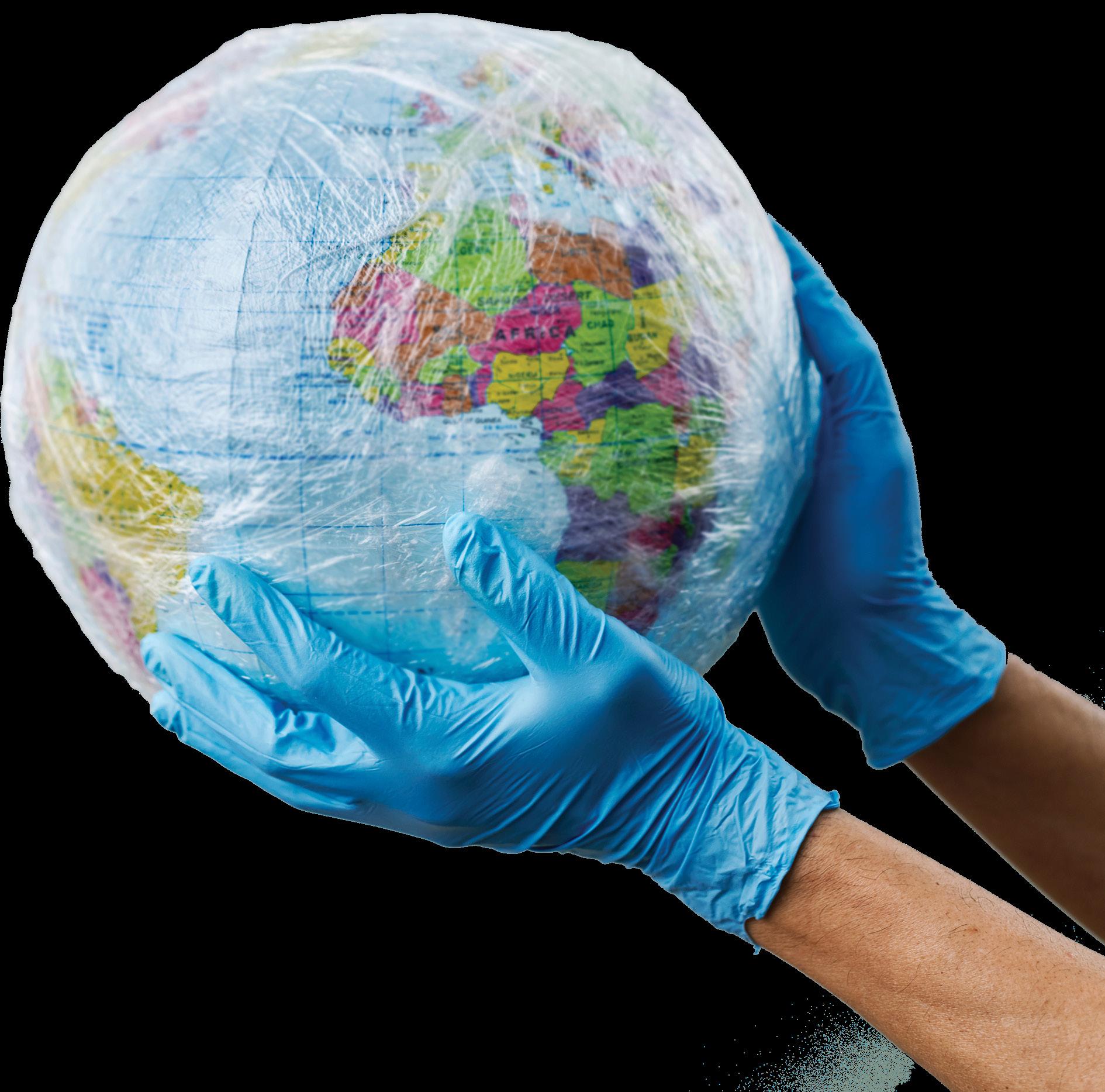
A new study found that microplastic pollution is spiralling around the globe, leading to the ‘plastification’ of the planet. The World Economic Forum estimates that by 2050 the world’s oceans will contain more plastic than fish, and National Geographic found that 73% of all worldwide beach litter is plastic.1,2,3
In 2010 South Africa ranked 11th on the list of the worst offenders regarding plastic pollution in the ocean. Only 16% of the country’s plastic is recycled and the rest is discarded in landfills where they end up in rivers and eventually the ocean (an estimated eight million metric tons per annum).9
Single-use plastics and plastic packaging present a substantial part of the problem. Single-use plastic products and devices have without doubt ‘revolutionised’ healthcare and are expected to continue to do so. However, the medical fraternity – one of the biggest consumers of plastic – has an ethical responsibility to use products that are less hazardous for patients, according to Health Care Without Harm (HCWH) Europe*.4,5
One way to go about this is to ‘adopt a precautionary approach’ and replace medical products that do not contain hazardous substances such as phthalates and bisphenol A (BPA) in their composition, recommends the HCWH.4
Impact of plastic on human health
It has been shown that these substances can leach into patients during their use and compromise patient safety. Foetuses, children and pregnant women are the most vulnerable groups.4
Phthalates and BPA contain endocrine disrupting chemicals (EDCs), which may interfere with the normal functioning of the human endocrine system. European biomonitoring studies have detected phthalates and BPA in almost every individual analysed, and in a variety of human tissues and fluids such as placental tissue, breast milk, amniotic fluid, urine, blood, cord blood, sperm and saliva.4
Although it is difficult to prove a causal link, write the authors of the HCWH report, evidence is emerging that EDCs may be the cause of the steady increase over the past few decades in endocrine-related diseases such as breast and testicular cancers, thyroid disorders, infertility and diabetes. Plastic has been used commercially since the 1930s.4,7
Plastic in the healthcare environment
Exposure to hazardous chemicals through medical products can be enteral (via the digestive tract), parenteral (IV), transcutaneous (via the skin) or through inhalation.4
Dietary indigestion of phthalates and BPA accounts for the majority of human exposure. Several studies have described phthalates, (particularly di-2-ethylhexyl phthalate [DEHP]), leaching from medical devices and recorded levels in urine and blood.4
Phthalates are primarily used as softeners (plasticiser) in plastics to make them more flexible and are abundant in polyvinyl chloride (PVC) medical devices such as blood bags, intravenous bags, tubing, catheters, respiratory masks or disposable gloves. About 40% of all plastic-based medical devices are made from PVC.4
DEHP is the most commonly used phthalate plasticiser used in medical products. Up to 95% of all medical products contain DEHP. It is used in intravenous (IV) bags and medical tubing. Leaching of DEHP from PVC medical products has been a concern since the late 1960s.4
DEHP is a known toxin that has been shown to affect the liver, kidneys, lungs, and the reproductive system (eg sperm abnormalities and lower testosterone levels), and neurodevelopmental disorders (eg neurodevelopment, including lower IQ, and problems with attention and hyperactivity, and poorer social communication). In animal studies it has also been shown to cause birth defects.10,11
Recent human studies confirmed some of the adverse impacts of DEHP on male reproductive tract development. The major male reproductive anomaly associated with phthalates is testicular dysgenesis syndrome, characterised by hypospadias, cryptorchidism, undescended testes, reduced anogenital distance, reduction in sperm count and quality, sterility, and the occurrence of testicular cancer.10,12
Anogenital distance is the most sensitive marker for estimating the impact of phthalates in human males. This anomaly is associated with prenatal exposure of the male foetus to phthalates while in the womb.12
DEHP has also have been associated with allergies, asthma, wheezing, hay fever, itchy rashes, and eczema in adults. These phthalates are hypothesised to affect disease of the airways through increased levels of oxidative stress and secretion of several inflammatory cytokines like interleukin 4 and 5 as well as inferno gama-γ gene.12
DEHP can cross the placenta, resulting in foetal exposures. In a study of cord blood of 84 human babies, the researchers found that 88% of newborns had detectable levels of either DEHP or mono-(2-ethylhexyl) phthalate (MEHP), with a mean concentration of DEHP of 1.19µg/ml. Babies with MEHP in their cord blood showed a significantly lower gestational age (27-42 weeks) in comparison to the MEHP negative infants (37-42 weeks).11
A cross-sectional study was carried out to assess whether biomarkers of phenols and phthalates in urine of women undergoing IVF treatment are correlated with expression of extracellular vesicles (EV)-miRNAs in their follicular fluid. The urine samples were collected from participants during ovarian stimulation and the day oocyte was retrieved. Results indicated that hsa-miR-125b and hsamiR-15b were positively related with DEHP, while levels of hsa-miR-106b, and hsa-miR374a were inversely related with DEHP.13
BPA is used as a monomer in the production of polymers such as polycarbonate, epoxy resins, polysulfone and polyacrylate. BPA has applications in medical products that have both direct and indirect contact with patients including those made of polycarbonate, polysulfone, and PVC such as medical tubing, catheters, haemodialysers, newborn incubators, syringes, and blood oxygenators.4
At risk groups
According to the Scientific Committee on Emerging and Newly Identified Health (SCENIHR) premature neonates in neonatal intensive care units, infants subjected to repeated medical treatment using medical devices, and patients undergoing haemodialysis are at risk of DEHP-induced effects.4
Patients in a neonatal intensive care unit (NICU) are exposed to phthalate mixtures through the complex materials used concurrently in NICU care: Respiratory circuits, intravenous equipment, enteral feeding supplies, and incubators are likely vehicles of phthalate exposure.4
Whilst evidence of BPA leaching into patients is more limited, dialysers, dental materials, circulation equipment, neonatal care medical devices, and urinary catheters have demonstrated releases of BPA.4
Length of contact time (duration of exposure), temperature and pH, among other parameters, has been shown to increase the release of BPA from polycarbonate.4
The SCENIHR opinion on the safety of the use of BPA in medical products concluded that there is a risk when BPA is directly available for systemic exposure after non-oral exposure routes, especially for neonates in intensive care units, infants undergoing prolonged medical procedures, and for dialysis patients.4
The risk of adverse effects due to BPA may exist in patients undergoing dialysis treatment since BPA accumulates in systemic circulation due to reduced renal clearance.4
Alternatives that do not leach
Exposure to phthalates or BPA can be minimised by adopting a precautionary approach and replacing medical devices with phthalate- and BPA-free devices, which can fulfil the same function. Several manufacturers offer products where phthalates/PVC or BPA have been replaced by alternative materials or substances.4
Although the benefit of medical devices has also to be considered, the SCENIHR recommends that, where practical, medical devices that do not leach should be used.4
Phthalate alternatives
Alternative substances for replacing phthalates exist for a number of products, including the majority of applications in medical devices. Phthalate-free or PVC-free medical devices are available for nearly all product categories except blood bags.4
In the Plastics Scorecard: Evaluating the Chemical Footprint of Plastics report, the plastic footprint of polyolefin and PVC in IV bags was compared. The results of the comparison showed that the substitution of PVC bags by polyolefin-based polymers greatly reduced the chemical footprint of the products.4
BPA alternatives
The substitution of BPA can be done by replacing BPA with chemical alternatives or by substituting the plastic polymer with another plastic polymer or material. Known alternatives to BPA or to the plastic polymer containing BPA that are used in medical devices include many of the alternatives for phthalates such as polyethylene, polypropylene, polyurethane, silicone and acetylo-nitrile-butadiene-styrene. Other common replacements include ceramic, stainless steel, glass and acrylic.4
Procuring safer medical devices
In Europe, many hospitals are moving away from products and devices that contain hazardous chemicals. The first step of many hospitals has been to identify which products contain substances of concern and develop an internal substitution strategy or policy. Many have launched substitution projects, particularly targeting DEHP and PVC in medical devices. These strategies and policies help hospitals in their purchasing decisions. 4
In 2019 HCWH Europe published guidelines for the procurement of safer medical devices. Their recommendations include:8
Step 1: Conduct a baseline assessment
Having an accurate picture of the full procurement process (including the purchasing and use of medical devices) is a crucial step in identifying how environmental and health considerations can best be integrated. Collecting data will support prioritisation and provide compelling arguments to inform the decision-making process. Such data can include lists of procured devices and their manufacturers, overviews of purchasing and maintenance costs, information on the usage of procured devices, and staff satisfaction. This data can be used to raise awareness amongst staff and other stakeholders about the risk of hazardous chemicals in medical devices and the industry’s manufacturing practices. A baseline assessment is an important first step, reviewing your organisation’s current procurement practices will help to develop a clear and coherent procurement and substitution strategy and carefully design an action plan.
Step 2: Prioritise products to be phased-out
Spending and usage data gathered in the baseline assessment can be cross-referenced with information available on the safety data sheet of individual products as well as socially responsible manufacturing requirements, allowing for a product matrix to be developed. With this information, particularly problematic products can be identified for potential substitution based on environmental and social criteria. Since it will not be possible phase out all hazardous chemicals immediately, one useful approach is to identify potentially vulnerable patient groups (eg neonates), or specific procedures where substitution will have the greatest impact. Another useful approach is to begin with products that are more easily substituted and scale up substitution product by product.
Step 3: Identify alternatives
Once a specific set of products has been identified for potential substitution, the next step it to identify safer and more sustainable alternatives. Although this can be challenging, there are some existing tools/platforms that can assist in this process for example HCWH Europe’s Safer Medical Device Database (www.safermedicaldevices.org). The database contains over 150 products that are PVCfree or where phthalates have not been intentionally added. The database is also useful for regulatory bodies when dealing with the pre-market authorisation process of medical devices and for manufacturers to promote their safer products.
Step 4: Raising awareness internally and getting buy-in
Implementing any sustainable procurement strategy/policy or substitution plan requires leadership support, as well as the engagement and commitment of management, colleagues from different departments, and external stakeholders. A key group of people to engage in driving a shift towards more sustainable medical devices are the clinicians that ultimately use the product. However, they are often not actually aware of the wider implications beyond functionality and cost. Clinicians need to be engaged as early as possible in the procurement process, along with other stakeholders who can introduce sustainability principles into the decisionmaking process. For detailed information on how to structure an effective awareness campaign, go to https://bit.ly/2P3QDD0.
Step 5: Tender preparation and contract monitoring
An effective and participatory substitution plan, paired with a meaningful stakeholder engagement process, should also underpin each step of your procurement process, and contribute to its success. For details about the information that should be contained in the tender document and how to monitor contracts, go to https://bit.ly/2P3QDD0.
Conclusion
Plastic was first used commercially in the 1930s. The healthcare industry is one of the biggest consumers of plastic products and devices. Evidence is emerging that hazardous chemicals – known as endocrine disruptors – such as phthalates and BPA leach into patients. Over the past few decades, there has been a steady increase in endocrine-related diseases such as breast and testicular cancers, thyroid disorders, infertility and diabetes. Foetuses, children, and pregnant women are the most vulnerable groups. HCWH Europe recommends ‘adopting a precautionary approach’ and replacing medical devices that do not contain hazardous substances such as phthalates and BPA in their composition. A number of companies now manufacture products that do not contain these chemicals. HCWH recommends a stepwise process to facilitate the phasing-out of harmful medical products and devices.
References
1. Brahney J, Mahowald N, Prank M et al. Constraining the atmospheric limb of the plastic cycle. PNAS, 2021.
2. Kaplan S. By 2050, There Will Be More Plastic than Fish in the World’s Oceans, Study Says. The Washington Post. 2016. www.washingtonpost. com/news/morningmix/wp/2016/01/20/by-2050there-will-be-more-plastic-than-fish-in-the-worldsoceans-studysays/?utm_term=.bd739415f414
3. Parker L. A Whopping 91% of Plastic Isn’t Recycled. National Geographic, 2018. https://www. nationalgeographic.com/science/article/plasticproduced-recycling-waste-ocean-trash-debrisenvironment
4. Health Care Without Harm (HCWH). Nontoxic Health Care: Alternatives to Hazardous Chemicals in Medical Devices: Phthalates and Bisphenol A. Second Edition, 2019.
5. Johnsen T. When plastics revolutionised healthcare – medical devices in a historical perspective. https://pvcmed.org/healthcare/ when-plastics-revolutionised-healthcare/
6. HCWH Europe. Who we are. https://noharmeurope.org/content/europe/who-we-are
7. Czuba L. Application of Plastics in Medical Devices and Equipment. Handbook of Polymer Applications in Medicine and Medical Devices, 2014.
8. HCWH Europe (2019). Guidelines for the procurement of safer medical devices. https:// noharm-europe.org/sites/default/files/documentsfiles/5720/Guidelines_for_Procurement_of_Safer_ and_Sustainable_Medical_Devices_Final_WEB.pdf.
9. Hankel L and Burgess M. Plastic Marine Pollution in South Africa. National OCIMS, 2018.
10. Ruzickova K, Cobbing M, Rossi M and Belazzi T. Preventing Harm from Phthalates, Avoiding PVC in Hospitals. HCWH, 2004.
11. HCWH. Phthalates and DEHP. https:// noharm-uscanada.org/issues/us-canada/ phthalates-and-dehp
12. Dutta S, Haggert DK, Rappolee DA and Ruden DM. Phthalate Exposure and Long-Term Epigenomic Consequences: A Review. Front Genet, 2020.
13. Martinez RM, Hauser R, Liang L et al. Urinary concentrations of phenols and phthalate metabolites reflect extracellular vesicle microRNA expression in follicular fluid. Environmental International, 2019. SF
To complete this month’s CPD questionnaire, please go to www.medicalacademic.co.za and navigate to the CPD section of the website.