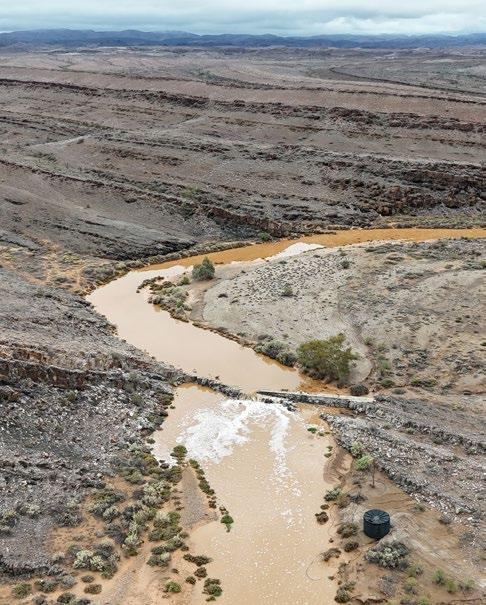
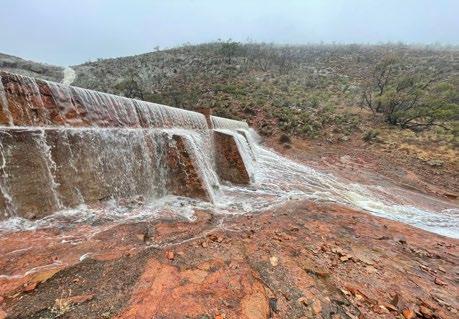
Recent rain events at Hiltaba and Witchelina Volunteer working bees at Bullock Bridge, Mongolurring and Tiliqua Science and Knowledge webinars and research papers
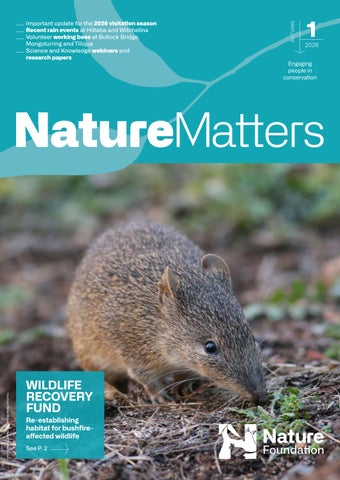
WILDLIFE RECOVERY FUND
Re-establishing habitat for bushfireaffected wildlife
See P. 2
Re - establishing habitat for wildlife in s d .
The Wildlife Recovery Fund – a Nature Foundation and state government initiative – is open to help finance projects that promote recovery and increase resilience of vital habitats damaged or destroyed by fire.
The Wildlife Recovery Fund’s current focus is supporting the recovery of landscapes and native species impacted by the recent fires on the Fleurieu Peninsula, South Australia.
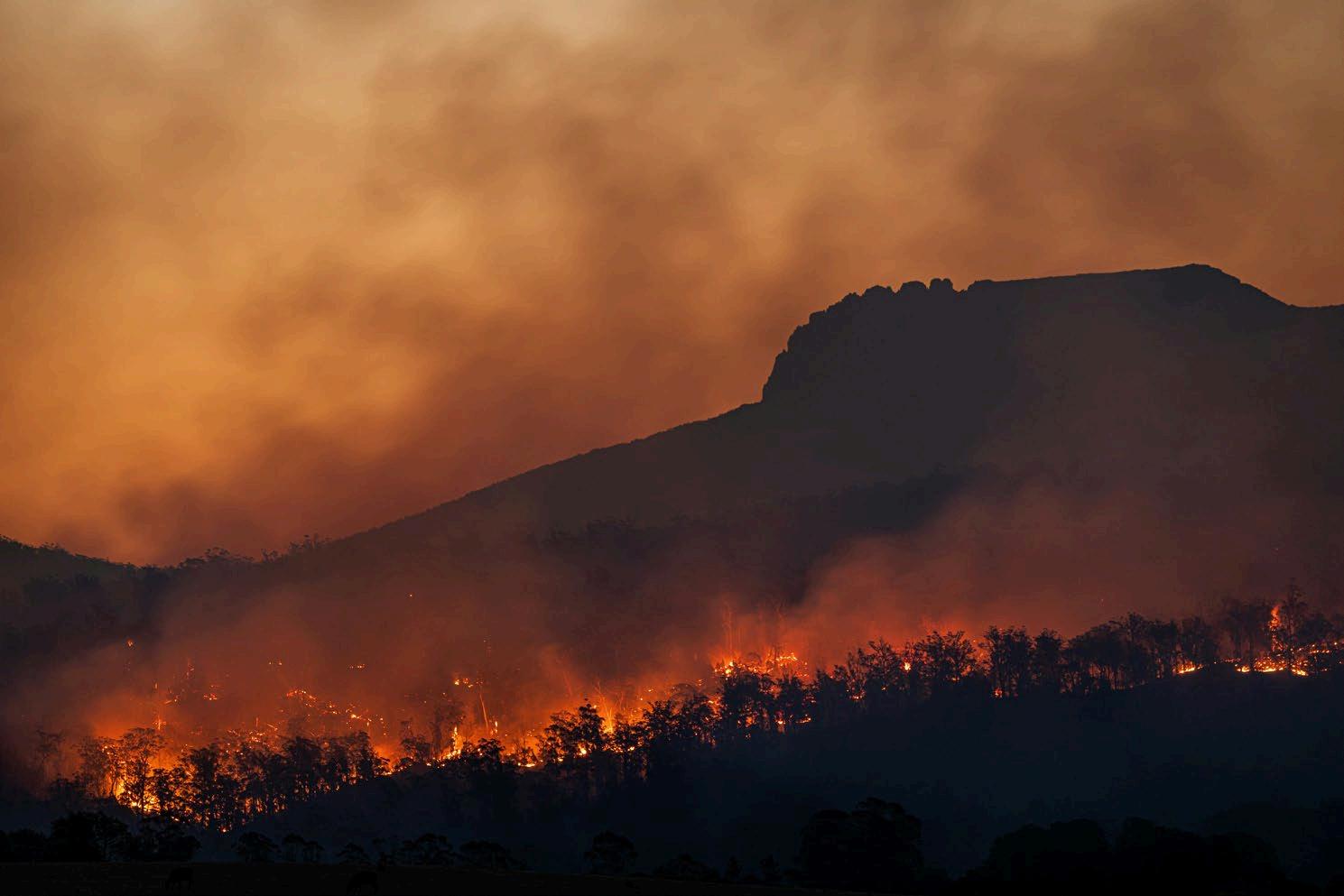
In January 2026, the Tooperang fire, near Mount Compass on Fleurieu Peninsula, burnt more than 685 hectares. This region has some of the few remaining swamps that are home to endangered plants and animals, including the Fleurieu Leek Orchid and Yundi Guinea-flower. The threatened river blackfish – which only remains in small, isolated populations – is also found in freshwater areas affected by the fire.
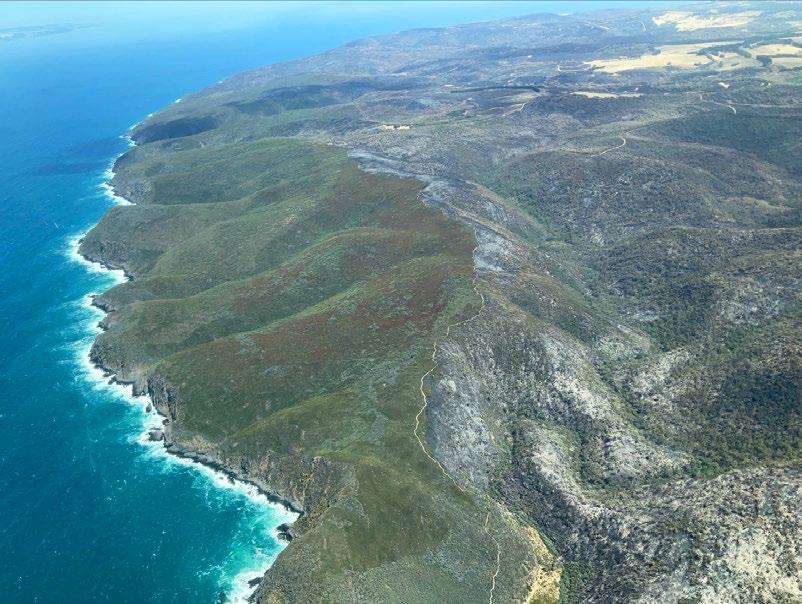
And in February 2026, more than 4,500 hectares – including about 40% of Deep Creek National Park and almost all of Talisker Conservation Park – were scorched in a blaze, which also damaged or destroyed 22 structures and 12 vehicles.
Most Australian ecosystems have evolved alongside fire and can recover over time but, in fragmented landscapes, species can be at risk of disappearing locally
if a single fire affects too much of their habitat and other threats are not managed.
Initial assessments of the areas affected by the fire at Deep Creek from the Department for Environment and Water (DEW) have identified effects to threatened and vulnerable native animals and plants, including:
The endangered Mount Lofty Ranges Southern Emu-wren pushed closer to extinction in Deep Creek with about half its habitat affected.
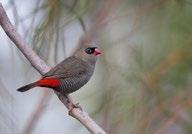
· The endangered Western Beautiful Firetail – almost half its park habitat affected – with Deep Creek and its surrounds being the last remaining stronghold for this species in the Mount Lofty Ranges region.
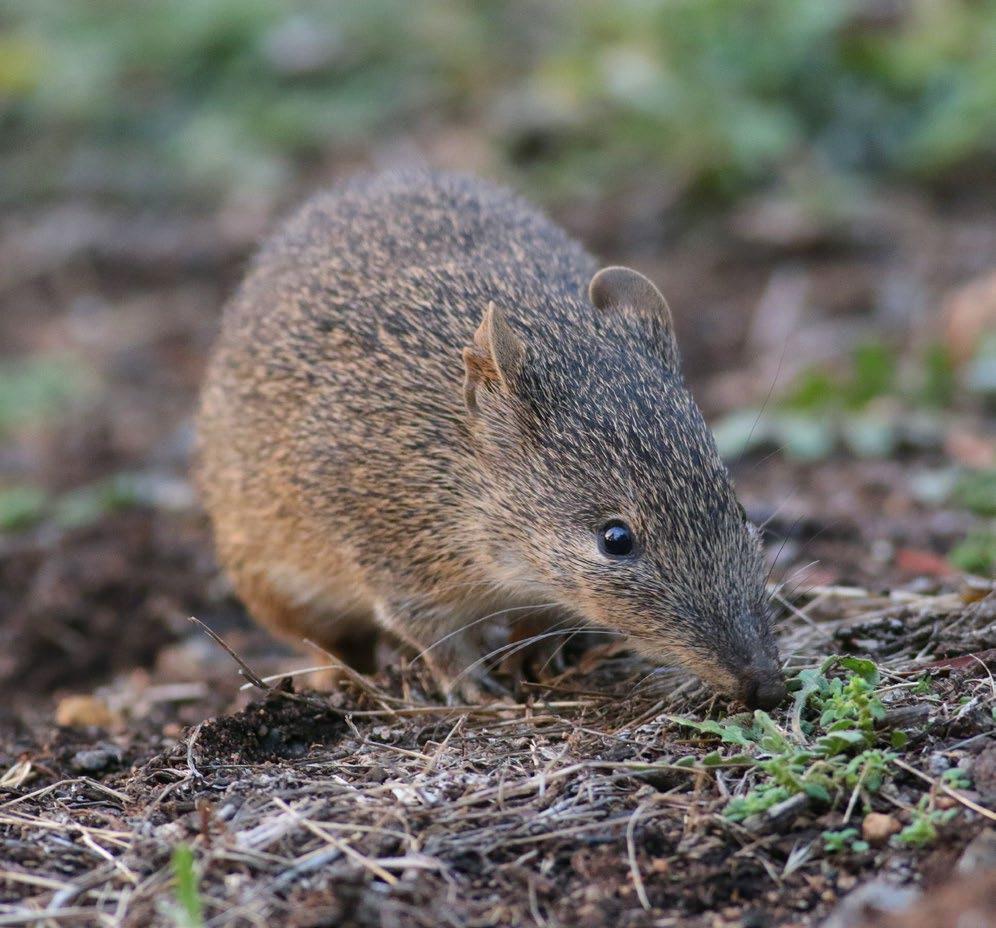
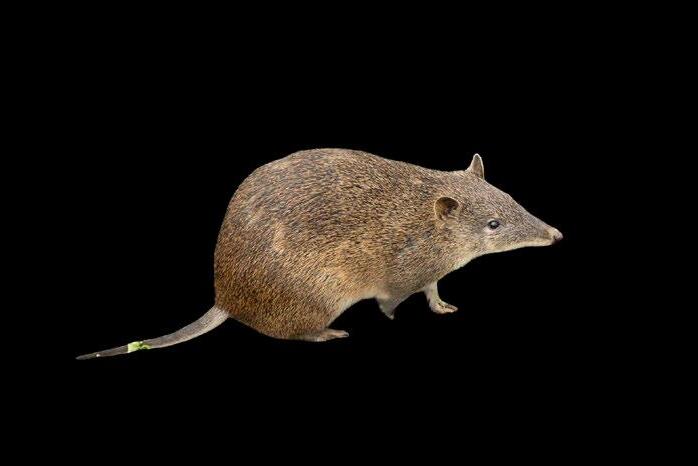
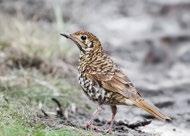
Important populations of endangered Southern Brown Bandicoot – 40% of its park habitat affected – Bassian Thrush and Kangaroo Island Spider Orchid.
Rare Yellow-bellied Water Skinks and Flame Sedge-skipper Butterflies.
Funds raised will be used to help immediate on-ground projects – including fence repair, weed control and habitat restoration – and for monitoring and research to understand the effects of the fire and how populations of threatened species recover.
These combined efforts will help provide additional habitat to support recovery of native animals and plants and improve scientific knowledge in future bushfires.
Thank you for your care and support.
Donate now at: naturefoundation.org.au/ wildlife-recovery-fund
All donations are tax-deductible and make a real difference in helping fireaffected landscapes, ecosystems, and species recover.
Yellow-bellied Water Skink (Eulamprus heatwolei)
Western Beautiful Firetail (Stagonopleura bella samueli)
Yundi Guinea-flower (Hibbertia tenuis)
River Blackfish (Gadopsis marmoratus)
Deep Creek National Park
Bassian Thrush (Zoothera lunulata)
2026 bookings now open to visit and stay at Hiltaba and Witchelina
We know the importance of engaging people in our reserves, which helps grow awareness of the importance of conservation, and we offer opportunities to immerse yourself in nature on our reserves.
Visitors to our reserves also gain a far more profound insight into Nature Foundation’s work and the importance of nature conservation by experiencing it first-hand through our vivid landscapes and unique places.
Hiltaba and Witchelina offer a range of camping and accommodation options, along with guided nature drives to explore the reserves. Hiltaba also offers three guided walking trails providing spectacular views.
2026 bookings are now open for Nature Foundation members, and new members can easily join online during the booking process.
See full details and book your nature stay here: naturefoundation.org.au/visit
2026marks45yearsofNatureFoundation,andwhatastarttotheyearwehave hadsofar.We'vehadbushfiresdevastatingnativehabitatsontheFleurieu Peninsula,droughtstofloodsinthenorthofSouthAustralia,andfurtherextreme weather acrossotherpartsofAustraliaandtheworld.Theserecenteventsremind us thatourworkisongoingandgrowing.
While the current climate and world events can be overwhelming, I am constantly buoyed by the unwavering support and encouragement of our dedicated member, donor, and supporter community. Your ongoing commitment makes a real difference, and I am honoured to lead the organisation towards our shared vision and mission as Chair of Nature Foundation. Remember, as Margaret Mead said, “Never doubt that a small group of thoughtful, committed citizens can change the world”. Your support truly matters.
From the four founders of the National Parks Foundation of South Australia, with your help, Nature Foundation has grown over the past 45 years into a leading conservation organisation, driving positive impacts for biodiversity in South Australia and beyond. Thank you.
In February, the Nature Foundation Board gathered for our annual retreat, reviewing the results of the past 12 months and planning ahead as we support the team through the goals and objectives outlined in the Strategic Plan: Towards 2030. Reflecting on this period shows that foundational items such as the Volunteer Program, Integrated Reserve Management Framework, and 2030 Science Strategy have increased our capacity to focus on and deliver the best positive impact and outcomes for biodiversity.
The recent bushfires and floods remind us just how important this increased protection is.
Never doubt that a small group of thoughtful, committed citizens can change the world”.
Margaret Mead
The fire in Deep Creek burned over 4,500 hectares, including critical wildlife habitat, with around 40% of Deep Creek National Park and nearly all of Talisker Conservation Park affected. Over recent years, natural habitats for native species have been reduced, underscoring the importance of protected areas such as conservation parks and Nature Foundation’s private nature reserves as refuges. Native ecosystems can recover over time, but threatened species can be at risk of local extinction if fire affects too much of their habitat at once and additional threats and pressures are not managed.
Recently, the staff team gathered in Waikerie, in the Riverland, for our annual planning day, ensuring that teams, programs, and priorities are aligned with the goals and objectives outlined in Nature Foundation’s Strategic Plan: Towards 2030.
While we operate a relatively small team compared to the scale of the land we manage and the programs we run, the hybrid and remote nature of our workforce doesn’t have us all in one place very often. This gathering highlighted how our collective efforts form a healthy ecosystem, integral for success.
We are fortunate that our organisation attracts those with a personal passion for nature and the environment. Our people are dedicated and work hard. Spending time like this together, outside our normal work environment, provided valuable opportunities to socialise and reconnect on a more casual level, beyond team and role titles. These connections are critical to the health of our own ecosystem. As humans, we are multifaceted beings who can ebb and flow. Stronger personal connections between colleagues provide stronger, more flexible bonds that can adjust to support each other during times of increased workload, such as those we naturally encounter in our field during the autumn-tospring period.
Our Waikerie base was selected for its proximity to both Murbpook and Pooginook West Nature Reserves. The team undertook trips to both reserves, learning about recent actions and outcomes from Murbpook and exploring opportunities for the newest reserve in our network, Pooginook West. Whilst much of our team are in the field, the activities of our more office-based staff also impact the on-ground results. It was a valuable experience for the whole team to spend time on the reserves.
We look forward to providing some opportunities for members, donors, and volunteers to experience these nature reserves later in the year, demonstrating how our work—thanks to your support—directly benefits local ecosystems and native species.
These planning sessions also provide us with the opportunity to pause and reflect on the immense honour of conducting this work on behalf of the wide and growing community of Nature Foundation, which supports the organisation’s vision and mission. This is the work of many, and on behalf of the staff team and myself, I thank you for your commitment and the important role that you play.
While summer is our “quieter” period, this edition of Nature Matters highlights key achievements in late 2025 and so far in 2026, with much more on the horizon, as we make further progress towards our goals. I hope you enjoy reading these updates and the insight they offer into the scope of our activities and the people involved with them.
I also echo Jan’s request to donate to the Wildlife Recovery Fund if you can. The areas of the Fleurieu Peninsula affected by bushfire are unique native ecosystems, and we can play an important role in supporting their recovery.
This edition also shares other ways you can get involved with Nature Foundation in 2026, including volunteering, events and membership. I look forward to catching up with you throughout the year.
Our Vision
Inspiring
Our Mission
Engaging people, resources and good science to conserve the
After the rain: wonder, warning, and what comes next
Recent rainfall at Witchelina and Hiltaba, seen through the lens of arid ecology
A
landscape transformed
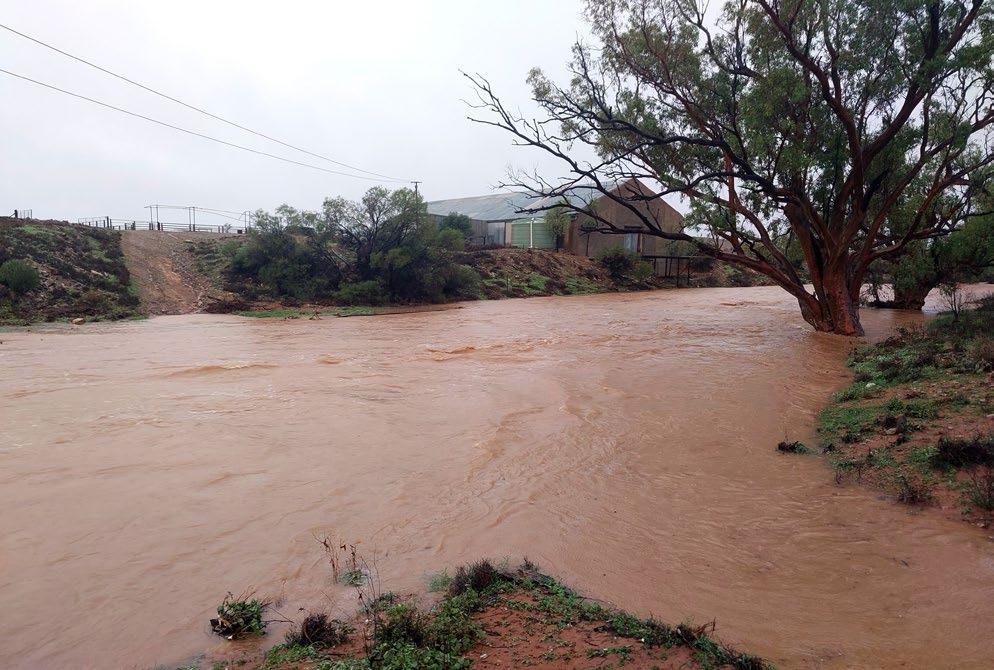
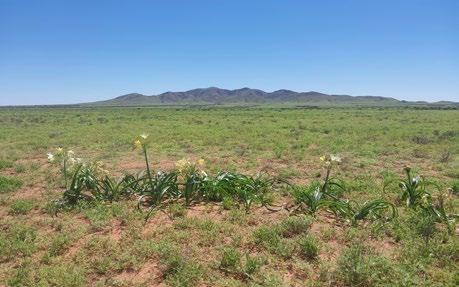
In a single March night, Witchelina received more rain than in all of 2025 and over 250 mm across three events, roughly 100 mm above the annual average. Hiltaba received 102 mm over three days. After weeks of temperatures in the high 40s, the landscape responded with extraordinary speed. Mitchell grasses shot up beyond waist height. Crinum lilies appeared across the plains. Shield shrimps emerged from dormant eggs in the swales. Sudell’s Frogs dug themselves out to breed. Caterpillars appeared in numbers that will provide a smorgasbord of food for insectivores and omnivores. This is ecology in real time. And science provides us with insights into why it happens — and what to watch for next.
Why ecosystems respond this way
Ecologists Jentsch and White (2019) describe events like this as pulse dynamics: abrupt changes that trigger predictable cascades through an ecosystem. Four principles govern the response. Resources — water, nutrients, light — are rapidly redistributed, shifting which factors limit growth. Energy flux determines speed of recovery: arid systems, energy-starved for most of the year, respond explosively when rain finally comes. Patch dynamics shape which areas recover and which remain exposed. And biotic trait diversity — the range of strategies from fast colonisers to stress-tolerators — is the engine of resilience.
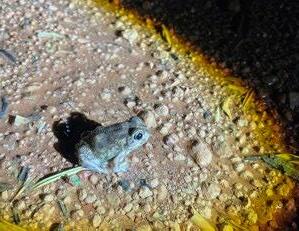
The Sudell’s Frog embodies all of this. It may spend years underground, sealed in a moisture cocoon, then emerge within hours of rain to mate, lay eggs, and begin a tadpole race where only the fastest survive. When conditions dry, it digs back down. Its entire life above ground may last weeks.
Species in focus: Sudell’s Frog
Neobatrachus sudellae spends most of its life buried underground, sometimes for years, waiting for rain.
When heavy rain falls, it emerges within hours, mates, lays eggs, and its tadpoles race to develop before pools dry.
Hardened digging tubercles on its hind feet make it a true burrowing specialist — a creature built entirely around boom and bust.
Station Creek / Witchelina. Photo credits: Sam Hughes and Paul Drummond
The greatest threats to native wildlife peak 1–2 years after exceptional rainfall — not during drought.
The warning in the boom
The regenerative benefits of the boom are incredibly important for the health of the ecosystem, but there is also a counterintuitive consideration that informs how our conservation needs to adapt following a boom period: the greatest risks to native wildlife do not peak during drought. They peak in the one to two years after exceptional rainfall.
Letnic and Dickman (2006) documented this pattern across 150 years of Simpson Desert history, combining explorer journals, government records, oral histories, and 12 years of live-trapping data. The mechanism is consistent. La Niña rains trigger irruptions of rodents and other fauna, causing cats, foxes, and dingoes to surge in response. When the rodents crash, elevated predator populations switch to secondary prey, placing significant predation pressure on the remaining fauna. Eleven native mammal species have been lost from the Simpson Desert study area since European settlement — almost all in the critical weight range of 35–5,500 g. European colonisation intensified the cycle through the introduction of predators, the loss of Aboriginal cultural burning that once limited fire extent, and pastoral changes to the landscape.
Acting before the crash
Nature Foundation’s work at Witchelina and Hiltaba is designed to reduce vulnerability during exactly this postrainfall window. Reducing grazing pressure, managing weeds, and decommissioning unnecessary water points all aim to restore the native vegetation structure that provides small mammals with cover and food during the dangerous months ahead. Bird-only watering points and a Wettenhall Environment Trust–funded study into artificial heatwave refugia for native birds address the compound stress of extreme heat — a form of pulse event in itself — that preceded the March rains.
Because ENSO (El Niño–Southern Oscillation) forecasts can anticipate La Niña conditions months in advance, a genuine early warning signal is available. Climate change is projected to intensify both wet and dry extremes, making the boom-bust cycle more severe and leaving less time for recovery between events.
The frogs are out, the grasses are tall, and the landscape is responding with extraordinary vitality. The science asks us to look ahead: to act now, while conditions still allow it, to protect what the rains have made possible.
Research sources:
Letnic & Dickman (2006). Boom means bust… Biodiversity and Conservation, 15, 3847–3880. doi.org/10.1007/s10531-005-0601-2
Jentsch & White (2019). A theory of pulse dynamics… Ecology, 100(7), e02734. doi.org/10.1002/ecy.2734
Mirra Weir / Witchelina
Stink Lillies / Witchelina
Hiltaba
Hiltaba Nature Reserve
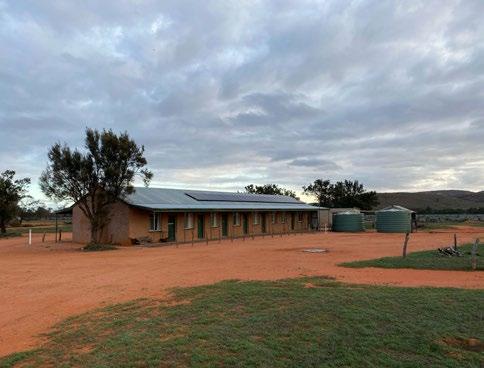
New creature comforts at Hiltaba Nature Reserve
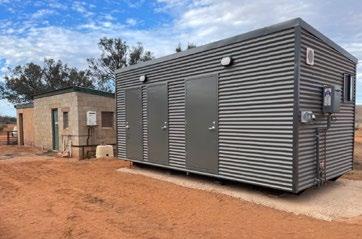
Visitors to Hiltaba Nature Reserve will enjoy the comforts of a new ablutions block, thanks to the support of a generous donor.
Each year, Hiltaba welcomes many different visitors. These include staff, volunteers, researchers, students and teachers from the Kids on Country™ Junior Ranger Program, as well as Nature Foundation members who come to stay, explore the walking trails, and enjoy nature drives.
The old ablutions block near the Shearers’ Quarters has served visitors and campers for many years, but it was time for an upgrade. With a generous donation from our annual Vital Work Appeal, we have added a new ablutions block with three extra bathroom areas, including one that is wheelchair accessible.
The new ablutions block arrived in March for use during the 2026 visitation season, alongside the existing facilities. We are also building a new outdoor dining area near the Shearers’ Quarters to make visits even more enjoyable.
Thank you to all our donors for supporting our work in so many ways. We look forward to welcoming both new and returning visitors this year.
Watchalunga Nature Reserve
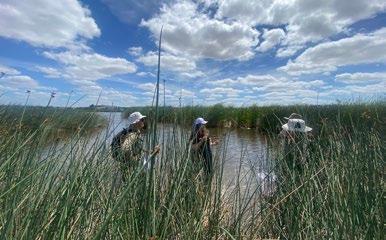
Reintroducing an endangered species
Watchalunga Nature Reserve comprises approximately 92 hectares of low-lying wetland habitats, including areas of Fleurieu Peninsula swamp along the lower Finniss River, which is listed as a critically endangered ecological community. It is an important patch of remnant habitat containing highly significant South Australian biodiversity.
The challenges facing this ecosystem have also been recognised nationally, with the River Murray downstream of the Darling River and associated aquatic and floodplain systems listed as a Critically Endangered ecological community under the EPBC Act in January 2026. This recognition acknowledges the national importance of the River Murray–Darling to Sea, which supports many connected river and wetland systems.
Major disruption to environmental flows through weir pool manipulation, drains and extraction have led to an imbalance within freshwater networks connected to the River Murray, with an increase in alien fish species, such as Redfin (Perca fluviatilis) and Common Carp (Cyprinus carpio), resulting in negative impacts on native fish species, both from predation by the larger invasive fish and habitat destruction.
In the recent survey held in October 2025, alien fish species accounted for only 13.1% of the total catch, with 86.9% native fish, reflecting a significant improvement from the 2023 survey—which followed the 2022 floods—where alien fish species accounted for 74.8% of the total catch. Excitingly, this eighth survey also recorded a single Southern Pygmy Perch—the first observed since the 2020 survey— highlighting positive, ongoing recovery of the ecosystem.
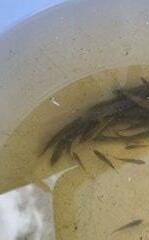
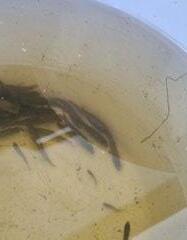
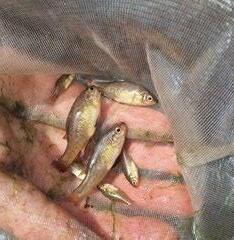
Southern Pygmy Perch (Nannoperca australis) is a small (usually no more than 6.5cm long) freshwater native fish that is classed as Endangered in South Australia and is Protected. Native freshwater fish species play an important role in biodiversity in the ecosystems that Nature Foundation aim to restore across our reserve network.
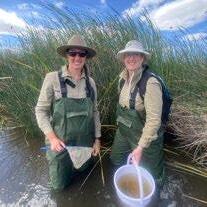
In her report following the survey, Freshwater Ecologist, Dr Sylvia Zukowski from Nature Glenelg Trust (contracted by Nature Foundation to undertake this specialist work) recommended reintroducing this threatened fish species. This reintroduction was held in December 2025 and was undertaken by Sylvia and members of the Nature Foundation team. This is the first native species reintroduction to be carried out at a Nature Foundation reserve.
Around 120 Southern Pygmy Perch were sourced from a nearby surrogate wetland where populations of threatened native fish are raised for reintroduction projects. The team added water from the Watchalunga wetland to the buckets and waited 15-20 minutes to monitor the fish as they acclimated. They then released them near the edges of the wetland, where they could find refuge in the reeds.
The species will be monitored in 2026 to assess their progress through the annual fish survey. We will also explore alternative ways to assess and support the survival of the species, which may include eDNA analysis, where water is sampled and analysed to detect DNA evidence of specific fish. This is a non-invasive technique for biodiversity monitoring and is particularly useful for small, secretive species.
We look forward to monitoring their progress and sharing the results with you.
Watch a video summary of the reintroduction here: naturefoundation.org.au/nativefish-reintroduction
Tiliqua Nature Reserve
Taking the next step with the Iron-grass at Tiliqua
Since 2022, 920 Iron-grass plants have been planted across Tiliqua Nature Reserve, a key step in restoring this Critically Endangered ecological community, located near Burra in South Australia’s mid north.
Approximately 680 Iron-grass (Lomandra multiflora ssp. Dura, Lomandra densiflora, and Lomandra effusa) plants, planted at the start of the restoration project, were contained within planting exclosures constructed to protect these highly palatable young plants from grazing by sheep and kangaroos. Three years on, these exclosures can be removed, allowing grazing between the establishing plants and assisting habitat management for the Endangered Pygmy Bluetongue Lizard (Tiliqua adelaidensis) and the Critically Endangered Pale Sun-moth (Synemon selene) that call the nature reserve home.
Thanks to funding from a Goyder Renewables Zone Community Benefit Fund grant supporting community projects in the Goyder region, we were able to purchase semi-permanent wire-mesh tree guards to continue protecting the Iron-grass plants.
In mid-November, supported by a group of Nature Foundation volunteers, our Reserve Management and Science & Knowledge teams began dismantling and removing the exclosure fencing, removing the existing coreflute guards, hand-pulling any weeds that might be choking the plants, and installing wire-mesh tree guards.
Given the number of plants and exclosures, this project will need several volunteer working bees, with two held so far, and more planned for the new year once the weather becomes milder.
It is gratifying to see the ongoing progress and improvement of these Iron-grass grasslands, and we are grateful for the invaluable support of our funding partners and volunteers.
Mongolurring Nature Reserve
African Boxthorn working bee at Mongolurring
The Reserve Management team and Nature Foundation volunteers held the inaugural working bee at Mongolurring Nature Reserve in September 2025. Located east of Mount Bryan in South Australia’s midnorth, this 1,200-hectare area of mallee woodland was generously donated to Nature Foundation by a benefactor in June 2024.
Volunteers Sonia and Tim Croft undertook an initial vegetation assessment in October 2024, which, in addition to assessing vegetation types and habitats across the western side of the reserve, identified evidence of invasive weeds, including African Boxthorn (Lycium ferocissum) and a localised patch of Horehound (Marrubium vulgare) Further assessment found African Boxthorn widespread across the nature reserve, with mature, dense patches dominating some areas. The species is listed as a Weed of National Significance (WoNS) and is a declared weed under South Australian legislation due to its severe environmental impacts. It forms dense, spiny thickets that displace native vegetation, alter habitats, and reduce biodiversity. African Boxthorn is a prolific seeder that can choke watercourses, impede surface flows, and restrict wildlife movement. It also provides shelter for feral animals such as cats and foxes.
Equipped with a new suite of field tablets for weed mapping funded by the Friends of Parks and Nature Grants Program 2024, a team of six Nature Foundation Volunteers joined two Reserve Management team members for the four-day weed control working bee.
Despite the challenges posed by its long, sharp spines, the group successfully mapped and controlled 638 African Boxthorn plants across approximately five hectares. As this was the first major Boxthorn control effort on the property, most of the treated plants were large, mature specimens, and control methods included cut-and-swab and drill-and-fill techniques.
These results reflect the significant effort and resilience of all participants under demanding conditions. While much work remains to manage this species across the reserve, this initiative represents an excellent start.
Activities like this not only achieve critical conservation outcomes but also provide valuable opportunities for the Reserve Management team to collaborate with our committed volunteers and closely inspect the property.
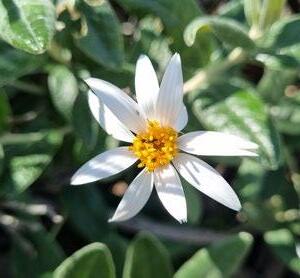
During the working bee, Nature Foundation staff observed a single Silver Daisy Bush (Olearia pannosa ssp. pannosa), a nationally Vulnerable species, uncommon in the midnorth region, with known populations small, scattered and isolated. The species is highly susceptible to displacement by weeds and to grazing by feral animals, such as goats, present on the Mongolurring Nature Reserve. The observed plant was intact, protected within mallee branches. Discoveries like this highlight the importance of ongoing management activities, including weed and feral animal control and boundary fence upgrades, which will support the recovery and spread of such threatened species.
Many thanks to the Reserve Management team and our volunteers for their efforts!
This project is supported by the Friends of Parks and Nature Grants Program and is jointly funded by Nature Foundation and the Department for Environment and Water.
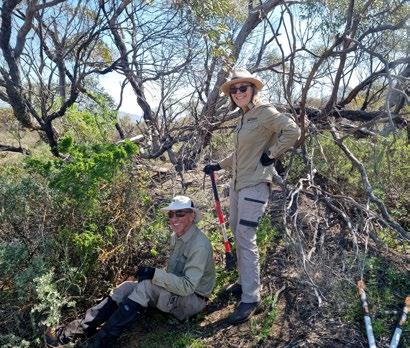
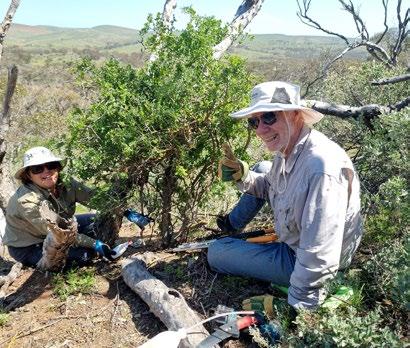
Top, volunteers David and Cate, and above, volunteers Catherine and Ian at the Mongolurring Boxthorn working bee. Credit: Jem Shimmield
Murbpook Nature Reserve
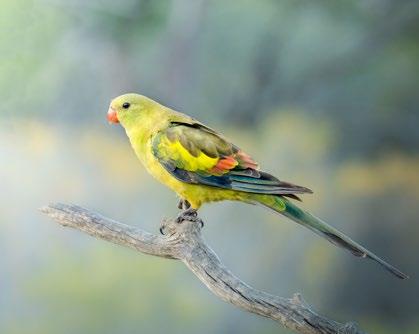
Regent Parrot survey update
For the past four years, Nature Foundation has worked closely with the Regent Parrot Recovery Team and the Murraylands Riverland Landscape Board to carry out annual Regent Parrot breeding surveys, contributing valuable information to regional conservation efforts. The 2025 survey at Murbpook Nature Reserve was supported by a Murraylands Riverland Landscape Board Grassroots Grant and enabled the survey team to revisit known nesting areas and document how many pairs had returned to the reserve that year. Excitingly, the team detected a pair of nesting Regent Parrots in a new part of the reserve, identifying a third distinct nesting area at Murbpook.
The Regent Parrot (Polytelis anthopeplus monarchoides) is listed as Vulnerable in federal (EPBC Act 1999) and state (NP&W 1974) legislation and has undergone significant declines due to habitat loss (land clearance for agriculture), habitat degradation (due to altered river management) and increasing competition for hollows. Periods of below average rainfall will also influence food availability and the ability of the parents to provision chicks. In a bid to further understand these threats, Nature Foundation has enjoyed collaborating with the Australian National University (ANU) to carry out research on nests at Murbpook Nature Reserve, and throughout the broader region, to monitor the overall reproductive success of those nests.
Bullock Bridge Nature Reserve
Volunteers vs Weeds at Bullock Bridge
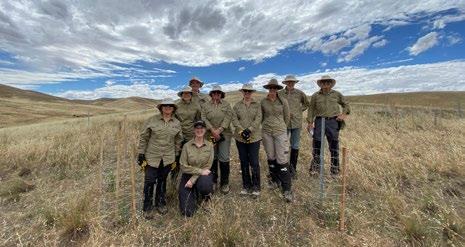
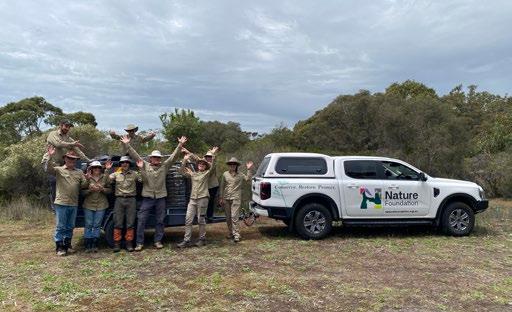
In November 2025, a group of eager Nature Foundation volunteers and staff undertook our first working bee at Bullock Bridge Nature Reserve following its acquisition in early 2024, and the subsequent baseline biodiversity monitoring surveys that were conducted throughout late 2024 to mid-2025.
Baseline biodiversity monitoring surveys are conducted across all of our nature reserves following acquisition to determine the landscape’s initial state, allowing us to develop tailored conservation management plans and measure the impacts of our efforts.
A key finding from the Bullock Bridge survey was the presence of weed species, including Coastal Wattle (Acacia longifolia ssp. sophorae). Although native to the coastal dune systems of the Limestone Coast, Coastal Wattle is classed as a weed by the Native Vegetation Council where it occurs further inland due to its ability to spread aggressively outside its native range, forming dense thickets that outcompete local vegetation and alter habitat structure. Its rapid growth and nitrogen-fixing ability change soil chemistry, which can disadvantage native plant communities and disrupt ecosystem processes.
This species was also the target of the WeedRemeed™ weed-mapping software trial conducted at Bullock Bridge in May 2025.
Led by our Reserve Management team, seven Nature Foundation volunteers, along with Tania Rajic from the Limestone Coast Landscape Board, undertook a three-day working bee at Bullock Bridge, clearing an area of dumped rubbish, and removing an incredible 908 Coastal Wattle plants and 104 South African Weed Orchids (Disa bracteata)
While there is still more to clear across the reserve, this initial undertaking has removed a significant quantity of the weed species, allowing the remaining local native species to thrive.
This project is supported by the Murraylands and Riverland Landscape Board through funding from the Landscape Levies.
Huge thanks to our amazing volunteers whose contribution is vital to achieving our reserve management goals, and funding partners for making the first battle of our war on weeds at Bullock Bridge possible!
This project was supported by the South Australian Government through the Native Vegetation Heritage Agreements Grant Program.
Webinar recordings
Conservation Conversations with 2023 Mike Bull Award recipient Dr Stephen Zozaya
2023 Mike Bull Award winner, Dr Stephen Zozaya, is a postdoctoral research fellow at the Australian National University (ANU). In the first Science and Knowledge webinar for the year, Stephen joined webinar host, Dr Lucy Clive, to share highlights from his career researching reptiles.
Stephen’s research has mainly focused on pheromones (chemical signals) and their influence on mate choice in Australian lizards. However, the Mike Bull Award funding has supported a new research direction, with a stronger conservation focus, including the discovery of several new species and populations of slider skinks (Lerista). Many of these species are threatened, but their conservation status cannot be updated until there is sufficient data to support listing as Endangered or Critically Endangered.
We enjoyed having Stephen share his experience and findings in this important research area. Dr Lucy Clive also provided an update on the Mike Bull Award and application process, which is open from 7 March – 12 April 2026.
Watch the webinar recording here: naturefoundation.org.au/wr-feb-2026
Understanding
the “difficult” Regent Parrot with Dr Grace Hodder
Murbpook Nature Reserve is home to a local population of the eastern subspecies of Regent Parrot (Polytelis anthopeplus monarchoides). Listed as Vulnerable in federal (EPBC Act 1999) and state (NP&W Act 1974) legislation, the species’ ongoing survival relies on conservation action to better understand why it has been declining. Over the past few years, Nature Foundation has been collaborating with the Regent Parrot Recovery Team and the Australian National University (ANU) to better understand the challenges involved, through activities such as nest census and research on chicks and tree hollows.
Dr Grace Hodder is a Postdoctoral Research Fellow at the Fenner School of Environment and Society, with a background in field ecology and threatened species research. Her ecological work has ranged from wildlife reintroduction programs to ecosystem monitoring on the River Murray floodplain.
She is also part of the Difficult Birds Research Group, a collective of passionate researchers who research the most elusive threatened bird species including the Swift Parrot, the Superb Parrot and the Orangebellied Parrot just to name a few. Based at the Australian National University (ANU), the group studies Australia’s most endangered birds and is dedicated to understanding their ecology and conservation. The research aims to inform effective conservation strategies, helping stakeholders implement practical measures to prevent extinction.
Grace’s role with the Difficult Birds Research Group is focused on coordinating an investigation into the spatial ecology of the Vulnerable Regent Parrot. In this webinar, Grace shared an overview of the research and findings, along with insights from studying “difficult” birds.
Watch the webinar recording here: naturefoundation.org.au/ wr-april-2026
Research Papers
Investigating the Causes of an Extinction Catastrophe: Controlling Introduced Predators Remains Essential for Conserving Australia’s Mammals
Nature Foundation Field Ecologist, Dr Hugh McGregor, has joined other experts in the field on a paper refuting a recent article (Wallach and Lundgren 2025) which concluded that there was no compelling evidence that two introduced predators (domestic cats and red foxes) were primary causes of mammal losses in Australia. The authors find substantial flaws in its premises, analyses, data, interpretations, and conclusions, and using multiple lines of evidence, show that these two predators are strongly implicated in most Australian mammal extinctions and in the ongoing imperilment of numerous extant species.
Excerpt from the abstract:
“The devastating impact of cats and foxes on Australia’s mammals has been widely recognized by conservation managers who have, in response, implemented national programs to control these predators, producing widely recognized benefits for one of the world’s most remarkable native mammal faunas.”
Read the paper here: https://academic.oup.com/ bioscience/article/76/3/294/8430785
Environmental DNA reveals temporal and spatial variability of invertebrate communities in arid-lands ephemeral water bodies
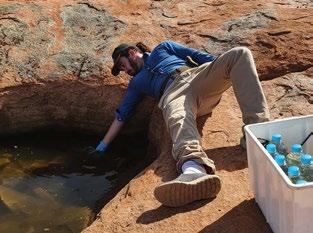
Dr Brock Hedges was the recipient of the Roy and Marjory Edwards Scholarship in the 2019 research grants round. The scholarship supported his PhD research, with most of the fieldwork undertaken at Hiltaba Nature Reserve, where he explored the freshwater granite rock-holes in the area.
Brock recently published a research paper based on some of his work undertaken at Hiltaba, titled “Environmental DNA reveals temporal and spatial variability of invertebrate communities in arid-lands ephemeral water bodies”. The paper was published in Marine and Freshwater Research, and a related article by two co-authors also appeared in The Conversation. The article has also been published on the Australian Geographic website, and Brock and another of the co-authors have undertaken a few radio interviews on the ABC.
Many thanks to the Nature Foundation staff and volunteers who assisted Brock during his time at Hiltaba Nature Reserve.
Read the paper here: connectsci.au/mf/article/ 76/18/MF24243/266028/ Environmental-DNA-revealstemporal-and-spatial
Support through the Roy and Marjory Edwards Scholarship meant that I could take my PhD research out of the office and into the Australian landscape. Working on Hiltaba Nature Reserve was the highlight of my PhD and I’m so excited that my research is now available both to the scientific community and the Australian public.”
Dr Brock Hedges
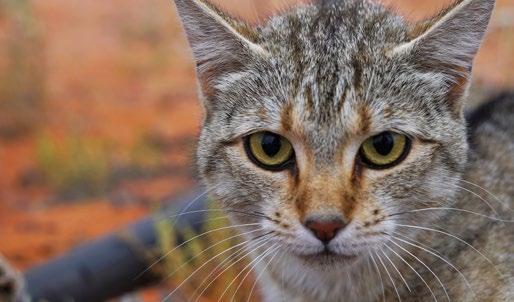
Feral cat.
Credit: Hugh McGregor
Credit: Dr Brock Hedges
2025 Member and Supporter Thank You
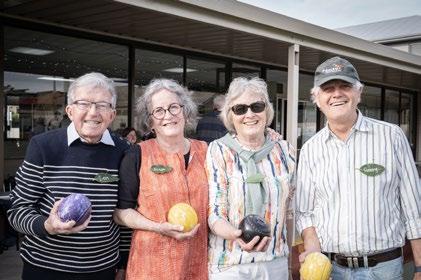
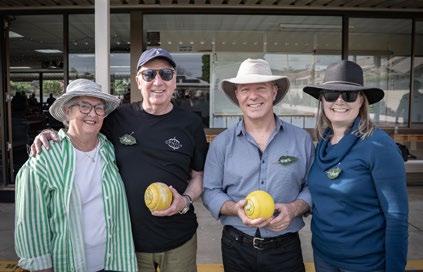
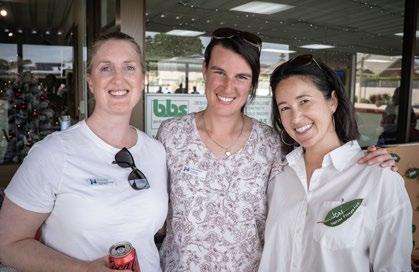
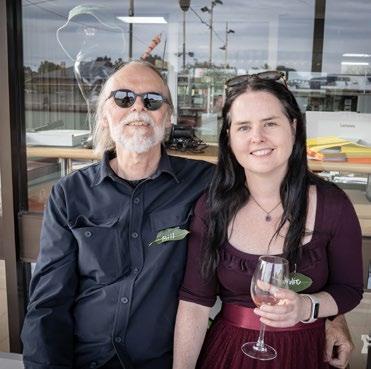
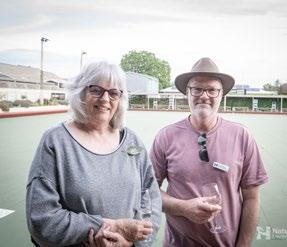
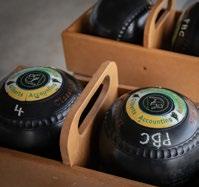
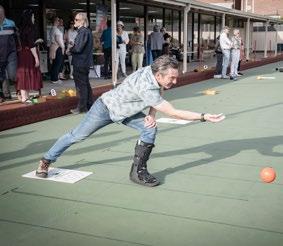
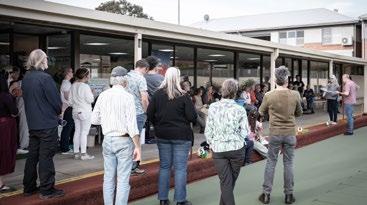
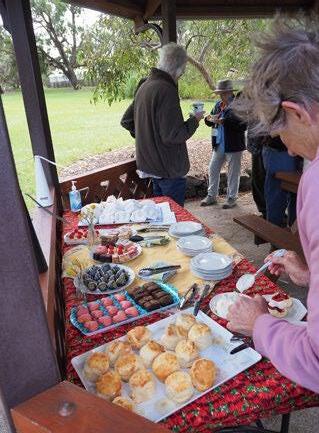
In late November, Nature Foundation members and supporters gathered at Payneham Bowling Club to celebrate, socialise and reflect on another year of positive action and outcomes for nature and biodiversity.
2025 Volunteer Thank You and Awards
Our passionate and valued band of volunteers provide a critical contribution to our conservation work and organisational efforts.
Last financial year, Nature Foundation volunteers (including our volunteer Board Directors) logged 3,500 hours of service. This time equates to $176,750* of donated time, which has significantly supported the actions and goals of Nature Foundation.
Conservation and Nature Reserve Support remain the two most highly serviced activity categories, with volunteers undertaking critical actions on the reserves. Volunteers have also provided valuable support with infrastructure projects, administrative and data-related activities in the office, and assisted the staff team at events, such as the Kids on Country documentary premiere.
It is wonderful to see the growth not only in the pool of volunteers but also in their participation, passion, engagement, skills development, and the immense contributions they are making towards our combined positive impact on nature.
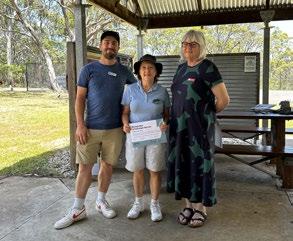
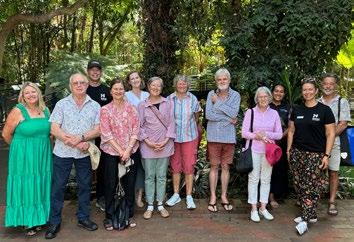
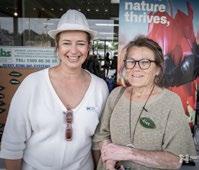
On 5 December 2025 (International Volunteer Day), Nature Foundation staff, Board Chair Jan Ferguson OAM, Board Director Bec Hardy, and volunteers gathered at Belair National Park to celebrate their efforts at our annual Volunteer Thank You BBQ.
This event also provided an opportunity to acknowledge and recognise the efforts of those volunteers who logged the most hours across the 2025 season, participating in a wide range of working bees, activities and office-based support, impacting multiple nature reserves.
The Nature Foundation volunteers who registered the most hours of service in 2025 were:
• Coral Johnston
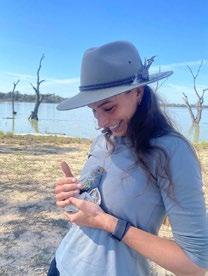
• Catherine Beer (inset– above right}
• Jennifer Hiscock
• Anthony Hogan
Catherine and Anthony attended the BBQ and were presented with their certificates by Nature Foundation Board Chair, Jan Ferguson OAM, with Senior Conservation Land Manager sharing an overview of their service, including some humorous anecdotes from the field.
Many thanks to all our volunteers. All your efforts are valuable and make a real difference for conservation and biodiversity outcomes in South Australia and beyond.
Interested in volunteering in 2026? Learn more and register your interest here: naturefoundation.org. au/volunteer
*Based on the 2025 Volunteering SA&NT volunteering dollar replacement hourly rate value figure for South Australia of $50.50 per hour.
Photos by Sputnik
Vision for Nature
Our Vision for Nature society is a way for us to recognise those who include Nature Foundation in their Will. We host some select events throughout the year to gather with this like-minded group who have committed to leave a legacy beyond their lifetime.
In January we held our first Vision for Nature outing for 2026, viewing the Australian Geographic Nature Photographer of the Year and Wildlife Photographer of the Year exhibitions before partaking upon lunch in the Adelaide Botanic Gardens.
In late March the Vision for Nature group also enjoyed a guided tour of Wittunga Botanic Gardens in Blackwood, followed by a High Tea.
If you are interested in learning more about leaving a Gift in your Will, please visit naturefoundation.org.au/bequest and contact us with any further queries.
Staff profile
Hannah Edwards Volunteer and Visitor Engagement Coordinator
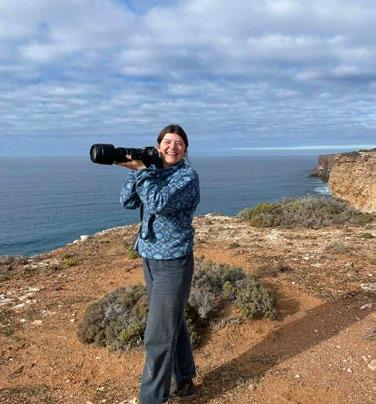
We are delighted to introduce Hannah Edwards, Volunteer and Visitor Engagement Coordinator at Nature Foundation. Hannah is responsible for managing our Volunteer Program, from recruitment and induction to onsite coordination of volunteer activities in the field, and more. She also supports visitation to our nature reserves, enabling people to witness these very special landscapes and their conservation actions and results firsthand.
Hannah, tell us about your professional career thus far…
I began my academic journey in paramedicine, which provided a strong foundation through learning the complexities of human behaviour and the importance of building rapid, meaningful connections. While I valued this path, my longstanding passion for animals and the natural environment led me to pursue further study in conservation. I went on to complete a Masters degree in Conservation Management while working as a florist, an experience that deepened my appreciation for native flora and strengthened my interest in plant conservation.
Following my studies, I was fortunate to undertake an internship with Australian Right Whale Research (ARWR), spending extended periods conducting remote fieldwork on the Nullarbor at the Head of Bight. There, I collected population and behavioural data on southern right whales, an experience that sparked a deep appreciation for remote Australian landscapes and the complexity of their ecosystems. This led to ongoing work with ARWR as a research assistant and subsequently to a role in environmental consulting on marine science projects. Through this work, I developed a strong interest in outreach and community engagement, connecting people with animal life histories and supporting meaningful connections to Country. During this time, I also worked locally as a kayak instructor in the Port River, leading eco-tours and educating participants about the resident dolphin population and the intricate mangrove ecosystems.
How did you come to be at Nature Foundation?
Throughout my career I have discovered that my passion lies with connecting people with nature and sharing the special and unique feeling that experiencing the wonder of the environment can bring. When the opportunity of Volunteer and Visitor Engagement Coordinator arose, I felt it aligned perfectly with my drive to connect with people but also to the land. I was very excited at the prospect of being able to contribute to a team full of passionate individuals who share this love of nature.
What are you looking forward to most as part of your role?
I am really looking forward to getting to know the incredible members and volunteers that already share their wonderful skills and expertise with nature foundation. I am also looking forward to being able to contribute to programs that directly improve the outcome of threatened species, as well as initiatives that combine nature conservation and the arts.
What are some of your interests outside of work?
In my spare time I love spending time with my dog - Jax and going to the beach for an early morning dip and coffee. My love of whales often takes me down to the Fleurieu Peninsula where you can see mums and calves hanging out in the winter months. I love camping, kayaking and snorkelling and have recently got my PADI scuba certificate so am excited to be able to explore nature through another lens! I also love to paint, crochet, and craft of any form and will never say no to an opportunity to see live music!
Supporter profile
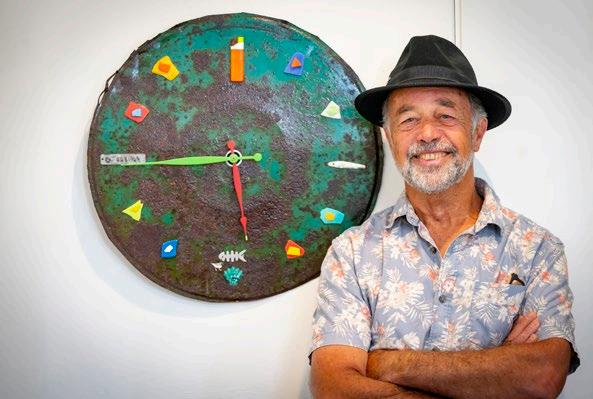
Peter Hastwell
Our Supporter Profiles are a way for us to recognise and celebrate the incredible people who support Nature Foundation in a variety of ways. In this edition, we hear from Nature Foundation member, donor, volunteer, bequestor and Artist Residency Program Advisory Group member, Peter Hastwell.
How long have you been a Nature Foundation supporter, and how did you first get involved?
I was introduced to Nature Foundation some 28 years ago by a hand signed card from Dr Barbara Hardy AO in my letter box. How that came about is a mystery, but her personal tireless advocacy did the trick, and I have been a supporter and member ever since. It has been interesting to see the organisation grow and flourish into what it is now with a much bigger vision, diversity and influence in what it wishes to achieve.
In the 1990s I attended a wide variety of Nature Foundation’s social activities which were instrumental in my continual involvement. Running parallel with the social aspect was the opportunity to support the organisation through volunteering, including Science Week and planting days at Watchalunga Nature Reserve.
In 2009 I moved to Kangaroo Island and while my volunteering with Nature Foundation took a pause, my environmental work increased markedly on my 117 hectare ‘land for wildlife’ property, and volunteering activities on the island including plantings, Glossy Black Cockatoo and penguin surveys, regular beach nesting surveys, regular contributions to Feral scan, Roadkill, iNaturalist and Frog ID, which lead to the naming of a new frog species for Kangaroo Island.
As part of Nature Foundation’s Member Tour of Kangaroo Island in 2022, I provided a talk of my conservation activities and a tour of our property which has a large tract of planted Sheoaks that Glossy Black Cockatoos now feed on.
Why do you support Nature Foundation I support Nature Foundation by being a member, as well as periodic donations, a commitment to provide a bequest in my Will and volunteer activities.
In readiness for a move back to Adelaide last year, I sought out opportunities to continue my two main interests of caring for the environment and art,
which I had developed as a practising artist while on Kangaroo Island. A call-out from Nature Foundation for artists to be on the Advisory Group for its Artist Residency Program fitted both interests and it’s been a pleasure to be involved in this way. I look forward to being involved in further hands-on volunteer opportunities such as planting days, survey work etc now that I am again residing in Adelaide.
What do you find most rewarding about your involvement with Nature Foundation?
I enjoy contributing to an organisation and working alongside people with a similar vision and values. With all the negativity in the media, world conflict etc, I find it grounding to be involved in something that is underpinned by science and making a difference. I want to be part of the solution rather than part of the problem. Environmental volunteering, action and support (donating, bequeathing, how I vote etc) is something I CAN do to leave a legacy of care and repair. We need to contribute to the change we want to see and demand a better world.
What are your hopes for the future of nature conservation and biodiversity in Australia?
My main hope is that there will be a major shift in people’s knowledge and awareness of the fundamental connection and dependence that we ultimately have as a species with the environment. We ignore it at our peril. Such knowledge will place pressure on governments to more adequately fund its restoration and preservation. We cannot rely on Governments and protected areas alone and the work of Nature Foundation and land partnerships with private land holders are an important part of the solution.
2026 Member Offer: State Flora Nursery
We are delighted to have the continued support of State Flora Nursery who are generously offering Nature Foundation members a 10% discount on plant sales throughout 2026.
Full details of how to redeem this offer have been sent to members. Please contact us if you have not yet received this information.
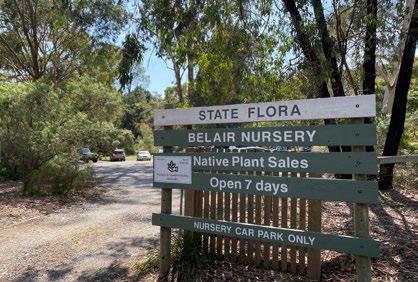
State Flora nursery is located within Belair National Park and is an Industry Accredited Garden Centre under the national best practices scheme administered by Nursery and Garden Industry South Australia. Accreditation is maintained by a yearly audit.
In addition to its immense array of Australian and South Australian native plant species, State Flora features a garden and nature-related gift shop, and related products to help keep Australian gardens in tip-top shape, including soil improvers, plant food and weed killers. The staff are very friendly, and love chatting with other Australian native plant enthusiasts and offering practical advice on successful plant selection and management.
The History of State Flora
State Flora’s first nursery at Belair was established in 1886 by the South Australian Government and has operated continuously since then. The nursery was set up primarily to propagate seedlings for the State’s forests. A secondary purpose was to distribute free seeds to rural landholders as part a program encouraging tree planting in the colony.
In 1975, a new production nursery was built at Murray Bridge with the capacity to produce millions of plants a year. The site at Murray Bridge was selected was for its long growing season. It was intended to grow Australian native plants for the proposed satellite city of Monarto. Today, the Murray Bridge nursery propagates over 1,000 different species of Australian natives, specialising in South Australian species. The nursery has the capacity to produce more than two million plants per year, the state’s largest range of Australian plants.
For more information, please visit: stateflora.sa.gov.au
Membership Renewals
Thank you to all Nature Foundation members who have renewed for 2026, and a very warm welcome to our new members!
Our members play a vital role in supporting Nature Foundation and our work. In return, we offer a range of membership benefits that we believe provide excellent value for your support. These benefits include:
• The opportunity to visit and stay at Hiltaba and Witchelina Nature Reserves, including experiencing nature drives
• Nature Matters magazine (two to three editions per year, with priority given for optional printed copies)
• Free or discounted entry to Nature Foundation events
• Exclusive participation opportunities, e.g. planting days and reserve events
• Periodic offers and discounts, such as our special offers for 2026, which include State Flora Nursery, Cleland Wildlife Park and Bec Hardy Wines
• Voting rights at the AGM
• Annual Impact Report (with priority given for optional printed copy)
We welcome new members to join our like-minded community, united by our shared mission to engage people, resources and good science to conserve the precious habitat of South Australia and beyond.
Annual membership fees: (pro-rated each quarter)
• Individual: $50
• Couple: $80
Lifetime membership fees:
• Individual: $1,500
• Couple: $2,400 Please get in touch with any questions.
If you would like to learn more or join, you can do so online at naturefoundation.org.au/join
REDARC powering up our fieldwork
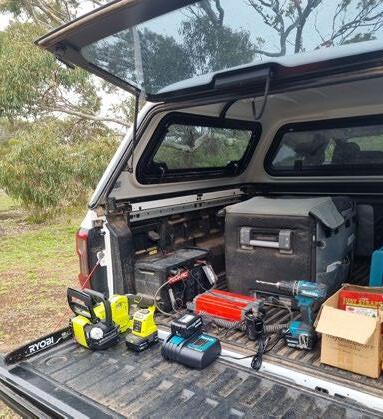
Late last year, Rob Ackland, a member of the Nature Foundation, donated a car fridge to our team.
He also reached out to his contacts at REDARC, who provided a GoBLOCK portable dual battery system to go with it. Both items have already been a huge help in supporting our management work across the reserve network.
Manufactured in South Australia, the GoBLOCK has made a big difference in our field work. We now use it regularly to charge power tools, drone batteries, laptops, tablets, phones, and lights, as well as to run the car fridge.
With this reliable power source in remote areas, our team can work longer and more efficiently, keep food safe and drinks cool, and use our tools and drones for much longer. It has quickly become a key part of our conservation work on the ground and has allowed us to extend the capacity and efficiency of volunteer working bees.
Thanks so much, Rob and REDARC!
Dates for your Diary
Friday 22 May – Volunteer Week Morning Tea
Saturday 13 June – Tiliqua Planting Day (Member event)
Thursday 18 June – Webinar: Hiltaba and Witchelina Bird Surveys with Dr Philippa Horton from Birds SA
Sunday 26 July – National Tree Day: Watchalunga Planting Day (Member event)
Tuesday 4 August – Conservation Conversations
Friday 2 October – Nature’s Foundations 5: Artist Residency Program Exhibition Opening (running to 22 October)
Tuesday 10 November – 2026 Impact Report Presentation and AGM (Member event)
Friday 20 November – Member and Supporter Thank You
Saturday 5 December – Volunteer Thank You BBQ
Full details of events including locations and timings will be provided closer to the date. Please check our website for updates: naturefoundation.org.au/events
Get social with Nature Foundation!
Do you follow us on Instagram? If not we'd love you to follow our account and help us get the word out about the amazing work we do for nature!
We are also active on Facebook and LinkedIn.
See you online soon.
THE
Chair
Deputy Chair
Directors
STAFF
Chief Executive Officer
Deputy CEO
Corporate Services Program Manager
Science & Knowledge Program Manager
Senior Conservation Land Manager
Marketing & Communications Manager
Science & Knowledge Project Officer
Science & Knowledge Project Officer
Volunteer & Visitor Engagement
Marketing Coordinator
Business Development Coordinator
Philanthropy Coordinator
Youth Programs Coordinator
Youth Programs & Conservation Officer
Ecologist
Strategic Initiatives Advisor
Strategic Initiatives Project Officer
Conservation Officer (Trainee)
VOLUNTARY POSITIONS
Patron
Patron
Patron
Nature Foundation Ltd
Level 2 Payinthi 128 Prospect Road PO Box 34, Prospect SA 5082