





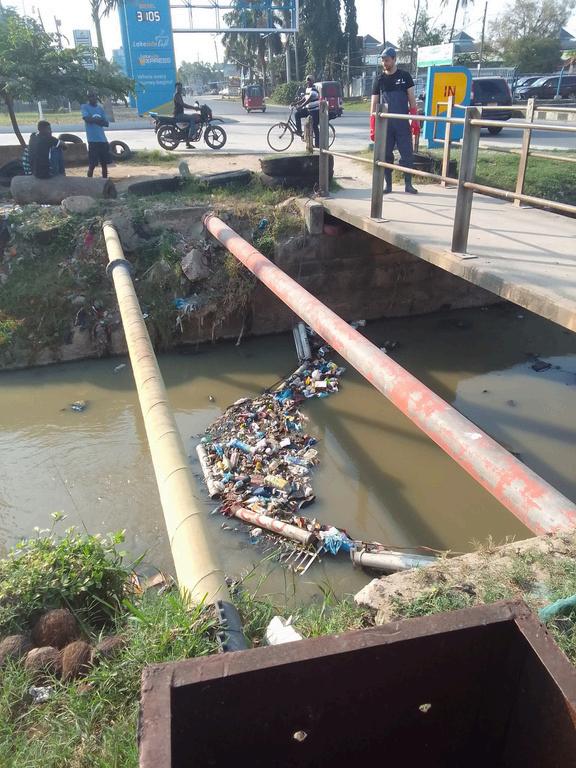


Thisreportpresentstheresultsofoureffortstocollectandmanage wastefromtheFezaRiverinOctober2024.Wesuccessfullycaptured atotalof209kilogramsofwaste,preventingitfromreachingthe ocean.
Themostsignificantportionofthiswastewasplastic,amaterialthat posessevereenvironmentalrisks.Thisinitiativeshowcasesthe effectivenessofthefloatingbarrierfundedbyEco,deliveringtangible resultsinthefightagainstpollution.
Thedatapresentedinthisreporthighlightsthetypesofwastebeing generatedandcollectedbyTheRecycler;andemphasizestheneed forcontinuouseffortstomitigatepollutioninTanzania'srivers.

InOctober2024,thefloatingbarrierontheFezaRivercaptured209 kilogramsofwaste.Thistablebreaksdownthetypesofwaste collected,sheddinglightonthemostcommonpollutants:

Weobservedthatglassbottlesmakeupasubstantialportionofthe collectedwaste,totaling40kg.Additionally,therewere21kgofclear PETbottlesand24kgofcoloredPETbottles.Thesebottlesarewidely usedforbeverages,andtheirpresenceintheriverreflectsahigh localconsumptionofpackageddrinks.
Wealsorecollected40Kgofresidualwaste!Alotmore thaninourlastreportfromSeptember!
Residualwaste(40kg)remainsanessentialcomponent ofthedata.Thisconsistsofeverydaywastesuchas foodwaste.Alsothistimeitformsalargepartofthe collectedwaste.

Otherimpressivedataistheamountofhardplastics andtheLD/HDfilmsthathasbeenfound.Wecollected 16kgofhardplasticsand9kgofLD/HDfilms.

Thepiechartvisualizesthe amountwastecollectedbyour barrierandthatcanbe recycled.Ofthis81%isrelated totheuseofdrinkingbottles (glassandPET).Thisagain showstheimportanceof providingalternativesto peopleandmakingsurewaste canalsoserveasanew resource.

Theseeffortsfurtherhighlighttheneedtoestablisheffectivewaste managementpracticesandincreaseawareness.Companies shouldplayalargerroleinthecollectionoftheirproducts, particularlythroughEPRschemes.
Moreover,italsoshowsthateducationremainsanvitalkeyto changeconsumerhabitsandavoidcreatingillegalwastecollection points.Thedatashowsthatasignificantportionofthewaste collectedisrecyclable,whichspeakstothepotentialformore robustrecyclinginitiativesinthefuture.

Therangeofproductsfoundin thetrashcatcherdemonstrates thatabetterandmoreunified approachtowastemanagement mustbeundertaken onethat engageslocalcommunities, recyclingfacilities,companies, andpublicauthoritiestodevelop astrongandcomprehensive approachtowastemanagement inDaresSalaam.

ECO’s involvement in this project supportsnotonlywastecollection butalsothebroaderconversation on corporate accountability and environmentalstewardship.


