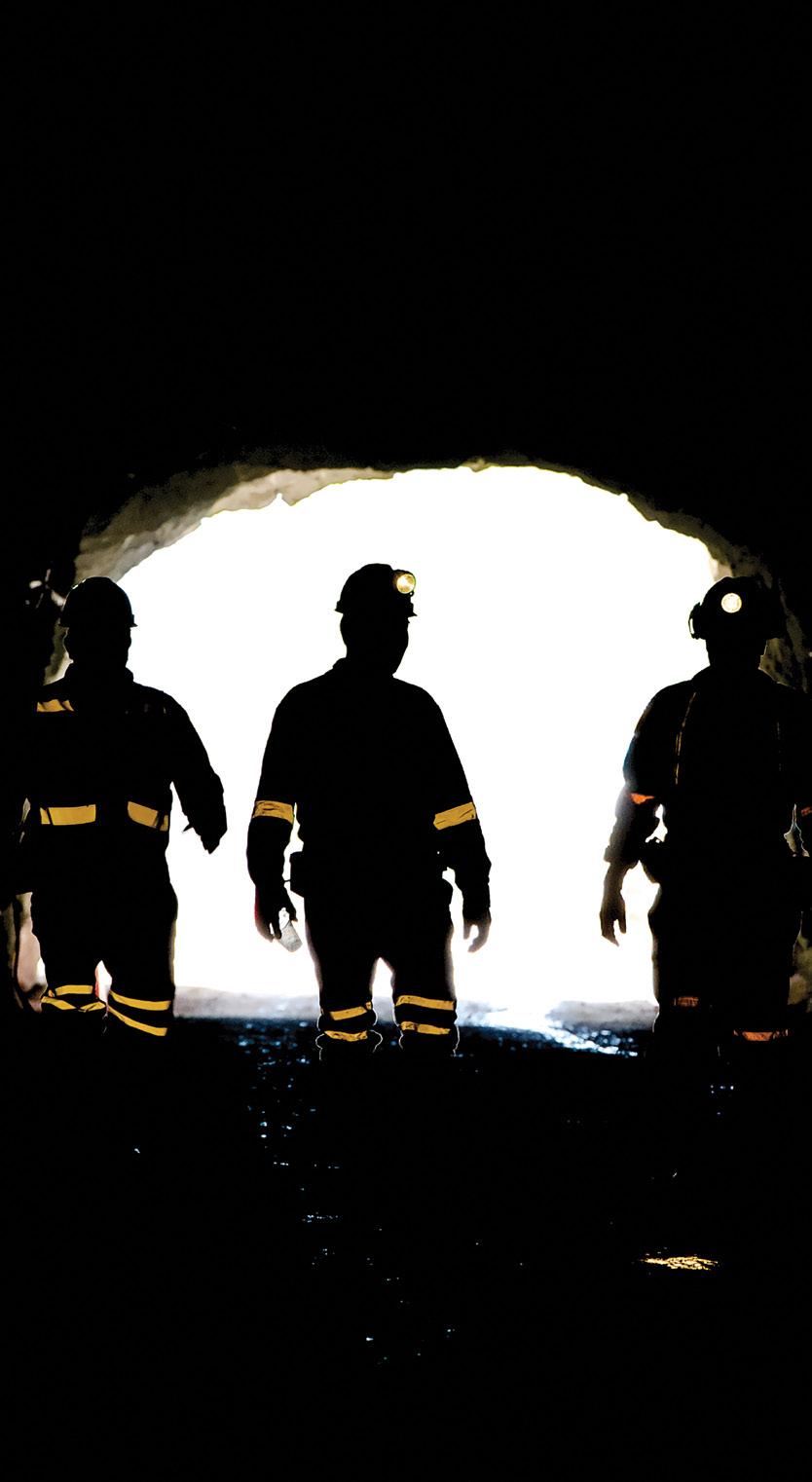
Mining is a quintessential economic activity. It provides zinc used to manufacture the paints embellishing buildings, copper and lithium for the electric engines of the future and gold jewelry that clads a bride at a wedding in India. But even when the industry’s products are engrained in everyday life, it remains highly volatile. The effects of the last downturn are still being felt, and companies are not overly expectant about the rise in gold and silver prices. Rather, miners are focused on optimizing resources to keep their operations lean and strong. From exploration, to human talent and innovative technologies, the industry’s outlook is bound by doing the most with the least.
Global trends acquire a unique character in Mexico, a country with a long-standing mining tradition and privileged mineral resources. Almost a year since Andrés Manuel López Obrador came to power, the industry is still waiting for a clear road map that guarantees the security of extremely capital-intensive projects. Also, miners are insistent upon their request for a more competitive fiscal framework, especially regarding preoperational expenses. As companies and the government develop a framework of cooperation in economic, social and environmental matters, guarded optimism is the dominant note playing over the Mexican landscape.
Mexico Mining Review 2020 gathers all the expertise of the mining industry’s top leaders in Mexico. Over 200 interviews, in-depth analysis and infographics provide companies the business intelligence they need to seize the industry’s opportunities. The sixth edition of Mexico Mining Review is written as an essential reference point for the industry, analyzing the top trends over the past year and shedding light on the direction mining is likely to follow over the near and midterm.
The publisher has made all reasonable efforts to provide accurate information, and the information contained in this publication is derived from sources believed to be true and accurate. However, the information in this publication should not be considered to be complete or definitive, and may contain inaccuracies or typographical errors. The publisher accepts no responsibility regarding the accuracy of information and use of such information is at your own risk. The publisher will not be liable to any party for any direct, indirect, special or other consequential damages arising out of any use of information in this publication. The publisher provides no representations or warranties, express or implied, including any implied warranties of fitness for a particular purpose, merchantability or otherwise in relation to any information provided by the publisher in this publication.
ISBN: 978-1-7328256-5-9
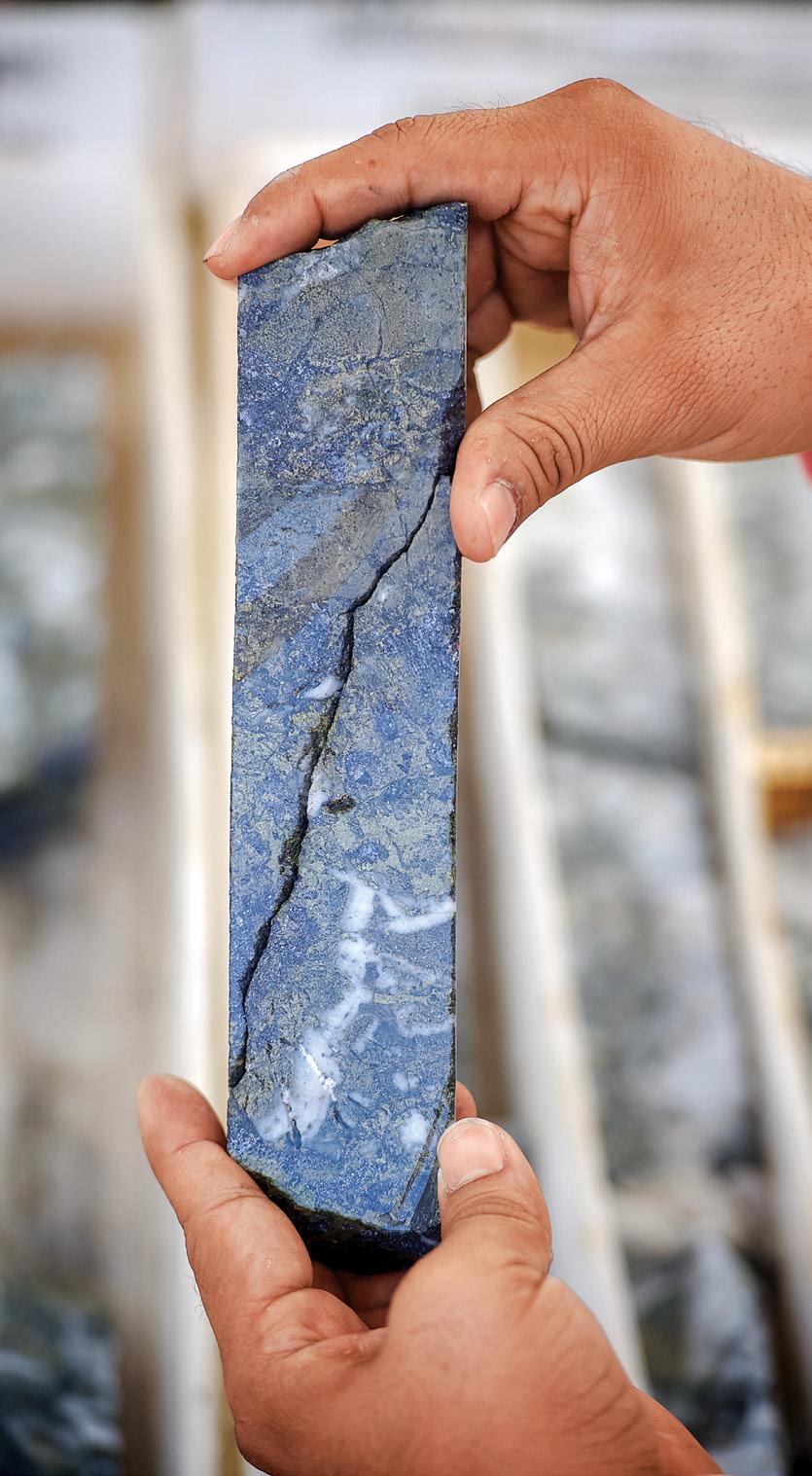
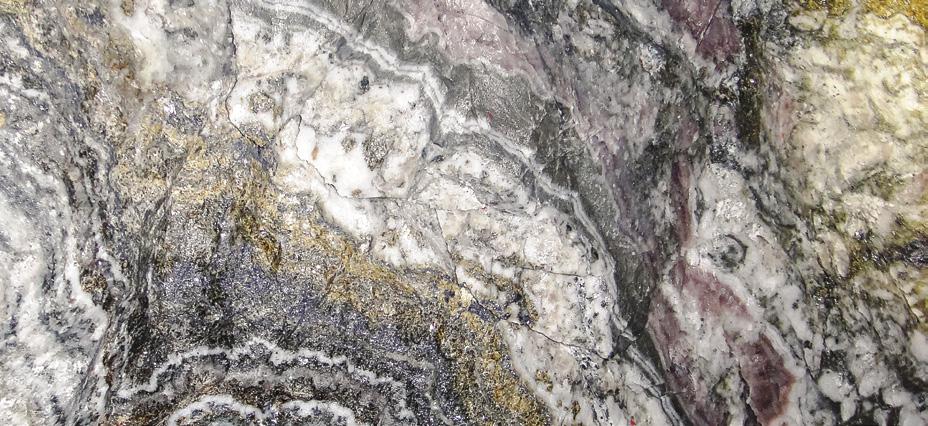
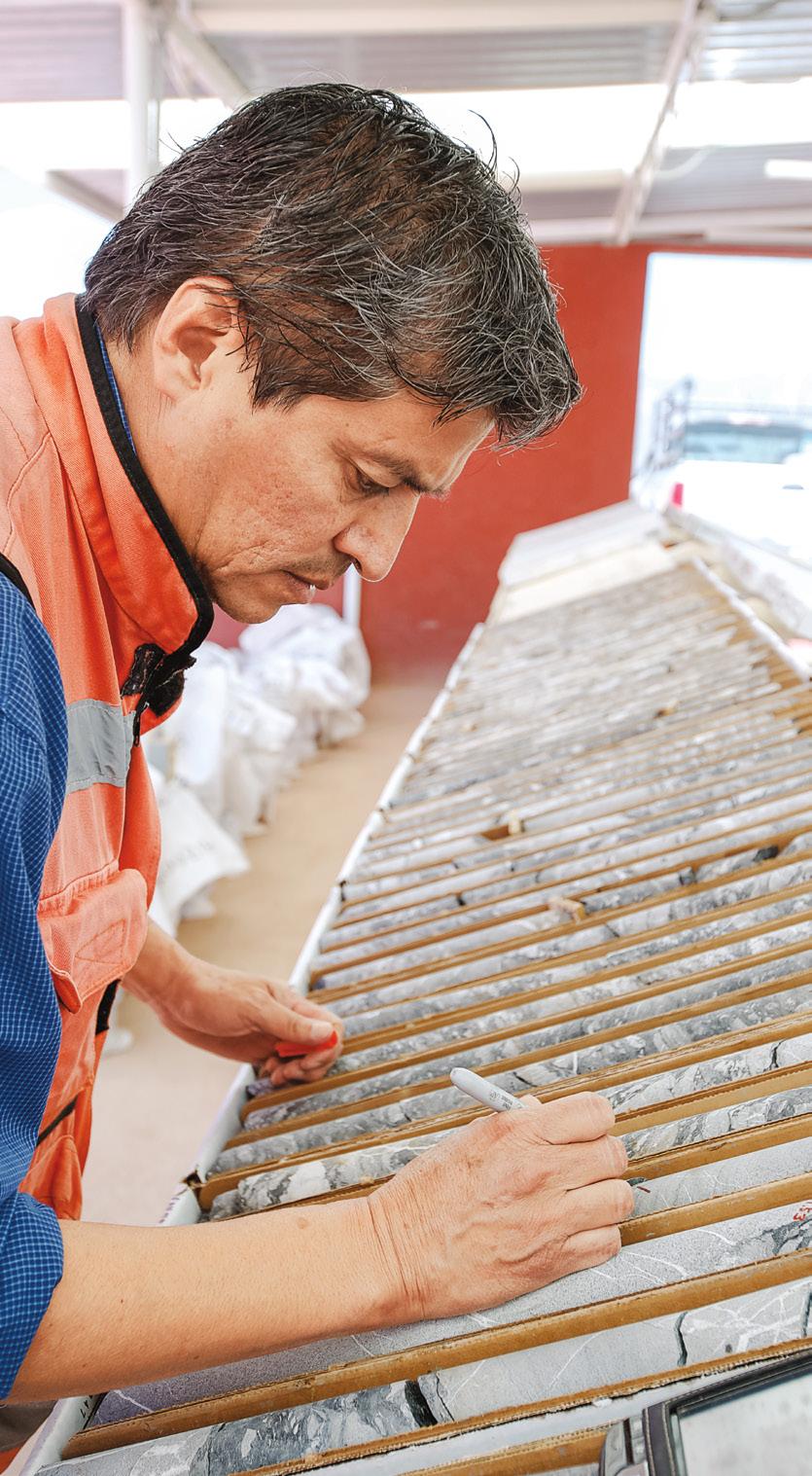
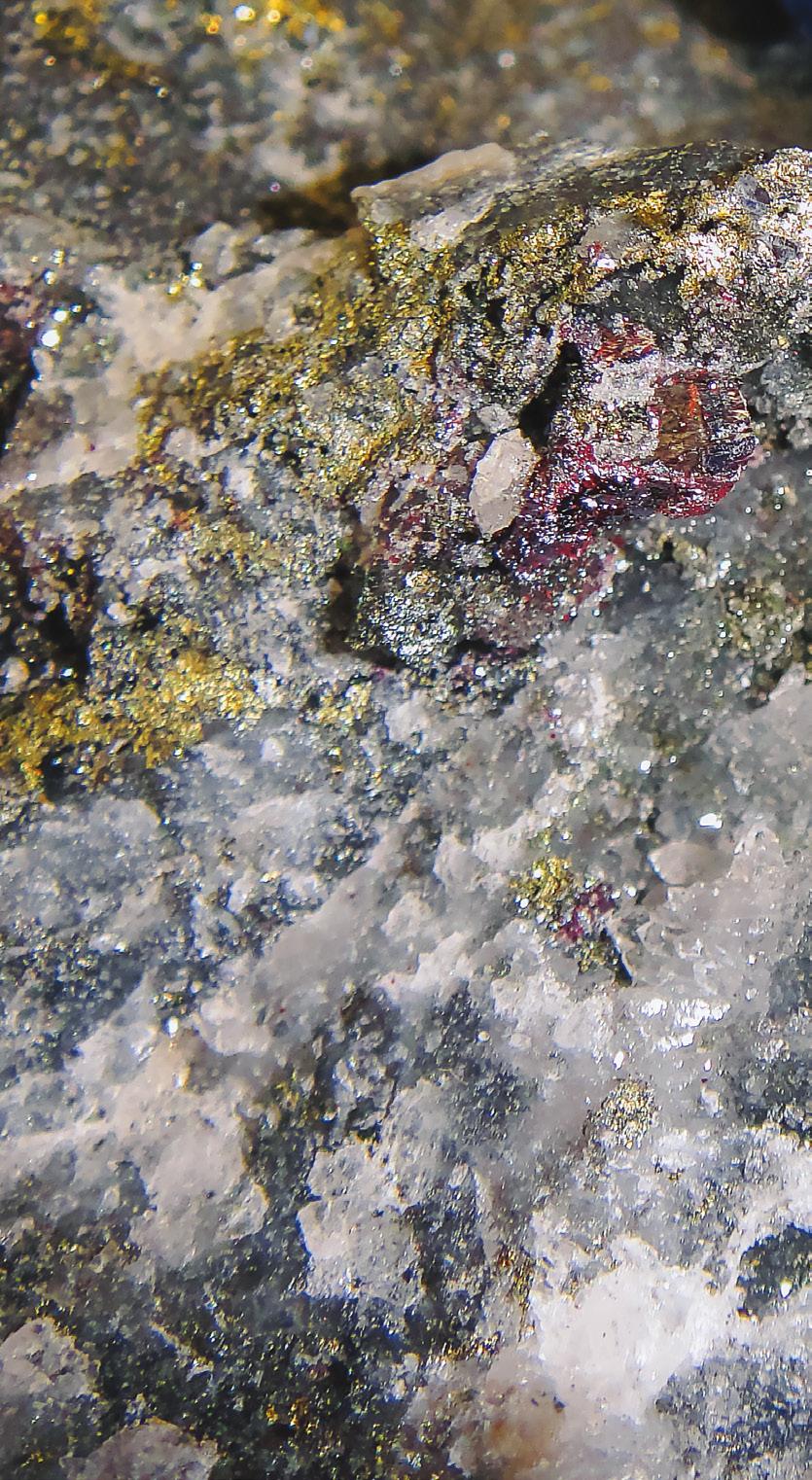
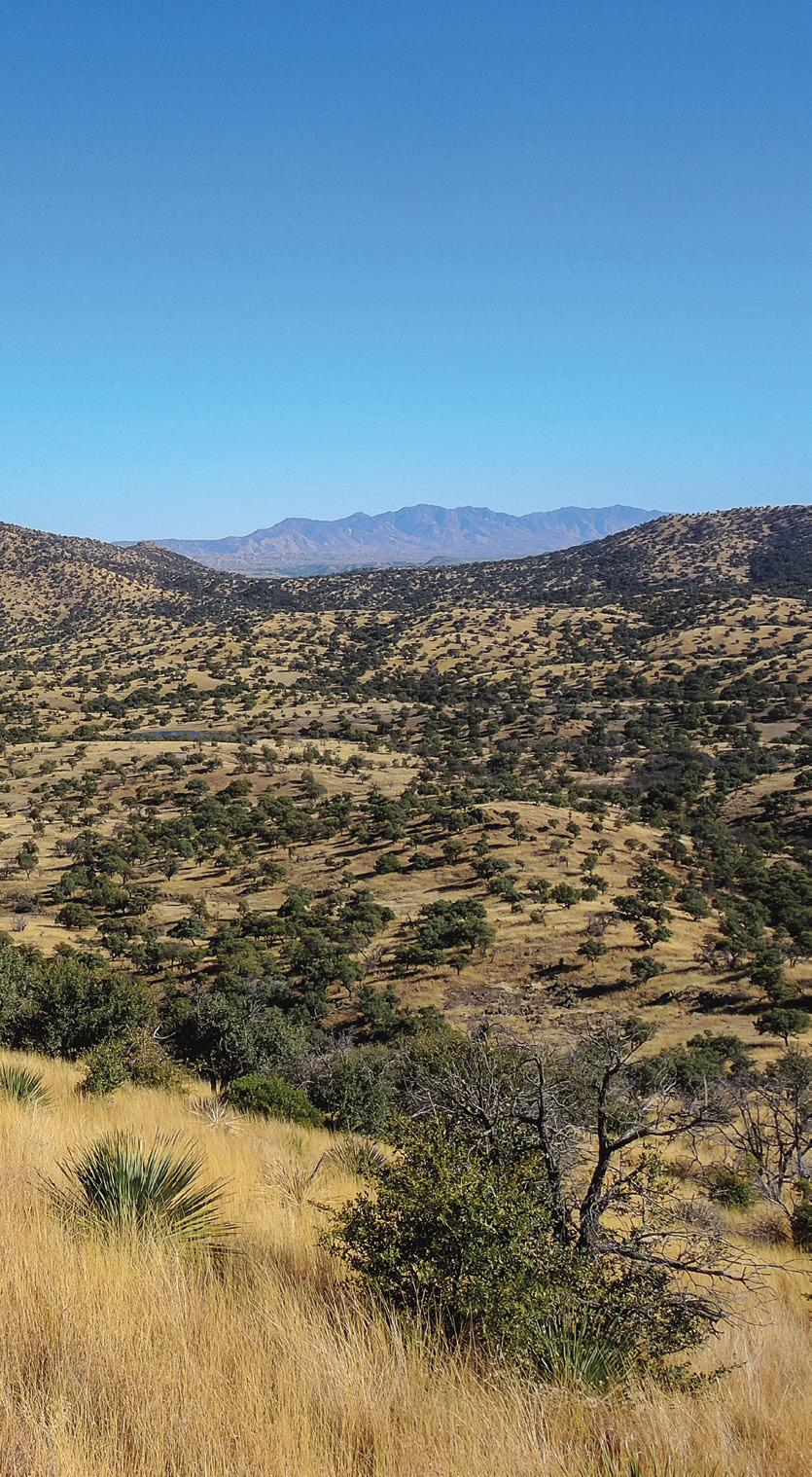
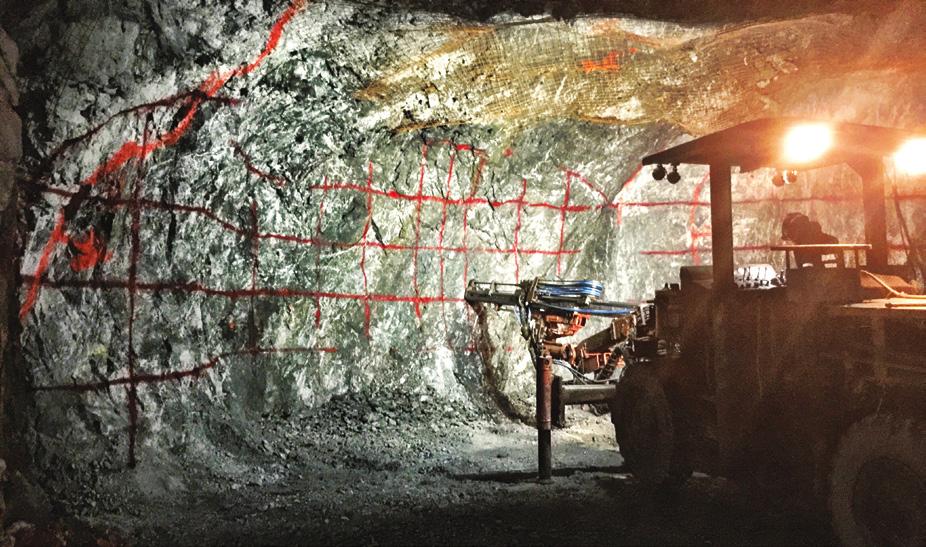
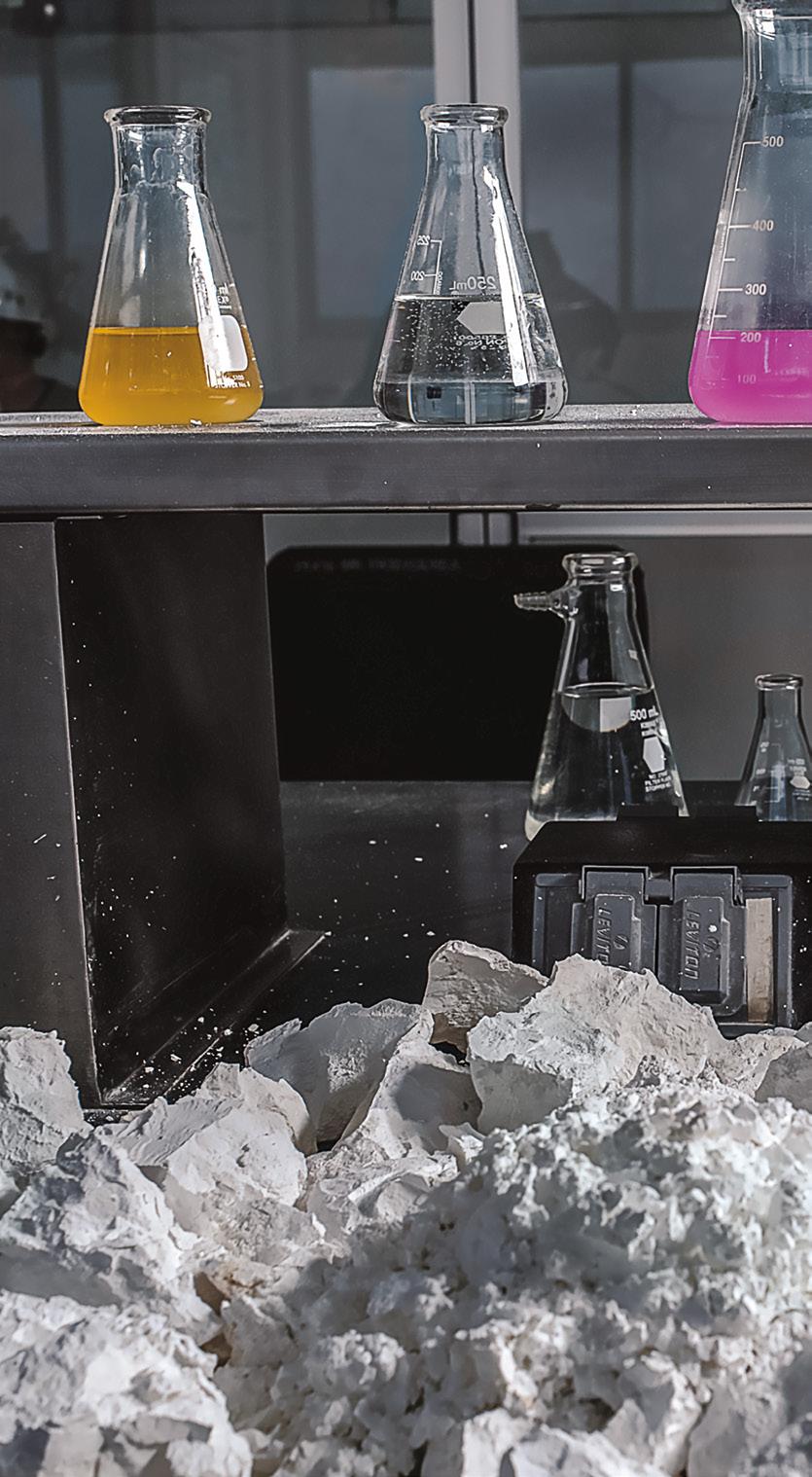
Epithermal vein core, Oaxaca
STATE OF THE INDUSTRY
1A new administration, a recently renegotiated bilateral trade agreement with the US and the beginning of a recovery from the last mining slump – these are some of the main drivers of the state of the mining industry in Mexico. The past government’s dilemma hinged on the desire to attract FDI to the industry and collect the funds to exercise and further local economic and social development.
In the midst of a political transition, the industry is awaiting a clear idea of the path of action to be undertaken by new officials. To enhance the industry’s ability to deliver shared value, it is crucial to rethink and change the perception of a private-public adversarial relationship to a cooperative one.
This chapter provides an overview of the insights of key policymakers in promoting mining and boosting its competitivity. It also provides an in-depth look at the shared agenda between the industry’s private and public sectors.
CHAPTER 1: STATE OF THE INDUSTRY
8 ANALYSIS: Operators, Explorers Ready to Capitalize on Incipient Upturn
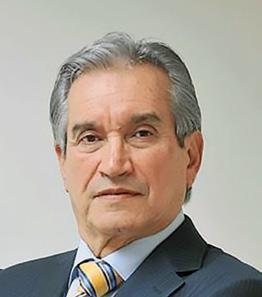
11 VIEW FROM THE TOP: Francisco Quiroga, Ministry of Economy
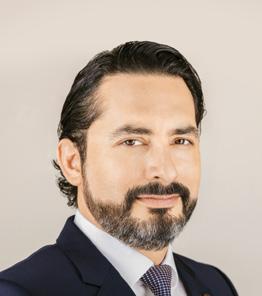
13 VIEW FROM THE TOP: Napoleón Gómez Urrutia, Senate of the Republic
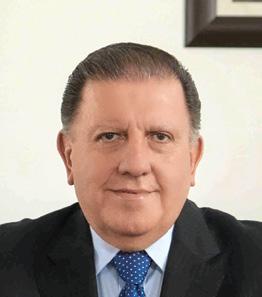
14 VIEW FROM THE TOP: Salvador García, AIMMGM
15 VIEW FROM THE TOP: Carlos Bárcena, Ministry of Economy of Zacatecas
16 VIEW FROM THE TOP: Emilio Varela, Ministry of Economy of Zacatecas
17 VIEW FROM THE TOP: Alberto Mendoza, CLUSMIN
18 STATE SPOTLIGHT: Zacatecas: a Tradition in Mining
20 VIEW FROM THE TOP: Jorge Vidal, Ministry of Economy of Sonora
21 INSIGHT: Alberto Orozco, Sonora Mining Cluster
23 VIEW FROM THE TOP: Ramón Dávila, Ministry of Economic Development of Durango
24 VIEW FROM THE TOP: Alfredo Villegas, Ministry of Economy of Sinaloa
OPERATORS, EXPLORERS READY TO CAPITALIZE ON INCIPIENT UPTURN
Geopolitical turbulence and a global economic slowdown have pushed prices for precious metals to alluring levels. Base metals are still in demand, even if their prices have fallen and exploration remains limited as companies await incentives to kick-off activity
The last year was marked by geopolitical uncertainty and slow economic growth. Ongoing trade tensions between the US and China have curtailed industrial activity and produced reticence to invest in new business ventures. As of 3Q19, the US had slapped tariffs on US$550 billion worth of Chinese products. China, in turn, had set tariffs on US$185 billion worth of US goods. The destruction of wealth this implies has played a part in several key economies tottering on the brink of recession, like Germany, Japan and the UK. While the US economy seems overall healthier in comparison, worrisome signs, including an inverted yield curve this year, have observers debating the future of the North American giant. The Federal Reserve’s policy interest rate is now set at a range of 1.75 to 2 percent, which can be interpreted as a measure to dynamize an economy that may begin slowing down soon. And while Chinese GDP grew at an enviable rate of 6.2 percent year-on-year in 2Q19, the Asian champion’s growth is less than half that it registered for the same period in 2010. Moreover, according to the National Bureau of Statistics of China, the country’s industrial output grew at its slowest rate in 17 years.
These circumstances have had an uneven impact on metal prices. On the one hand, gold and silver, precious metals considered by investors as safe-haven investments, have seen their prices increase. Investors on the whole are generally bullish on the outlook for these metals, while some are more cautious than others. As Carsten Fritsch of
Commerzbank AG Frankfurt pointed out to LBMA, “the end of the Fed’s rate hike cycle and the depreciation of the US dollar that this will trigger should lend buoyancy to the gold price this year. The silver price is likely to follow the gold price on its upward trajectory for the most part; nonetheless, we do not expect silver to perform noticeably better than gold, apart from some brief periods.” But the same reasons that buoy precious metals’ prices impact negatively on those of base metals. A global economy losing momentum dampens industrial demand for copper and zinc, the most important non-ferrous base metals in Mexico in terms of production, and a climate of uncertainty deters new investments from taking place. Copper prices averaged US$2.60/lb in 3Q19, a 19.5 percent decrease from the US$3.23/lb at which they kicked off 2018. In turn, zinc prices have fallen consistently during 1H19, and the Shanghai Metals Market noted that it sees “further downside room in (the metal’s) prices.”
GOLD ON A BULLISH RUN
After falling to nearly US$1,000/oz in 2015, the industry is keen to capitalize on the rise of the gold price in 2019. The yellow metal averaged US$1,357/oz during the first three quarters of the year and reached US$1,537 in August. As per figures released by the World Gold Council, global gold production in 2018 grew slightly in comparison with the previous year, reaching 104.8 million ounces. Mexico regained eighth place on the global list of gold producers after falling to ninth in 2017. This recovery came to pass
despite the country’s production having diminished 6.7 percent in 2018, totaling 3.8 million ounces. Among the factors that CAMIMEX lists to account for the contraction of Mexico’s gold output in 2018 are the following. First, the yield at Goldcorp’s Peñasquito decreased 43 percent that year, particularly due to the exhausting of high-grade mineral ore. Second, the Pinos Altos mine in Chihuahua, operated by Agnico Eagle showed a slight diminution—3.5 percent— in its production. Third, Alamos Gold’s El Chanate ceased activities and progressed into the residual leaching phase, just as McEwen Mining’s El Gallo. Finally, the performance of several smaller mines in San Luis Potosi and Durango was less than expected.
Despite the lasting consequences these factors may have, CAMIMEX expects a moderately higher production in 2019. Projects such as the additional leaching pads at La Herradura plus Fresnillo plc’s new pyrites plant are arguments supporting this expectation. Likewise, Candelaria Mining expects to kick-start production at its Pinos mine in Zacatecas, which is expected to produce 12,700 ounces of gold per year. For the period encompassing 2019-2024, CAMIMEX reported that the registered portfolio of new gold production projects amounts to US$2.7 billion. The most important projects include Torex Gold’s Media Luna (US$482 million investment), Grupo México’s Buena Vista Zinc (US$413 million) and Fresnillo’s Orisyvo (US$350 million). It is worth noting the recuperation achieved by El Limón Guajes mine, which after the illegal blockade it suffered in 2017 helped establish Torex Gold, its owner and operator, as the second-leading gold producer in Mexico in 2018. The mine’s excellent performance in 2018 was sustained in 1H19, achieving a gold production of 191,515 ounces during the latter period.
NATIONAL SILVER EXCELLENCE
The Silver Institute notes that global silver mine output declined for the third consecutive year, falling by 2 percent in 2018 and amounting to 855.7 million ounces. The institute partly attributes this fall to Guatemala’s High Court suspending the mining license of its biggest operation and to other disruptions in Canada and the US. Also, physical demand increased 4 percent that year, propelled by a modest rise in jewelry and silverware fabrication and a jump in coin and bar demand. Lastly, industrial fabrication lost 1 percent, which slightly reduced its market share from 59 percent to 56 percent.
For nine consecutive years, Mexico remained the world’s top silver producer, primarily thanks to a solid performance of the primary and gold sectors. According to data released by INEGI, silver mine supply from the North American country rose by 4 percent in 2018 (with respect to 2017), to a record high of 194.5 million ounces. The rise, as the Silver Institute
2018
September Francisco Quiroga presented as new Undersecretary of Mining
October First Majestic reports record production due to high grade ore in its mines.
November Leagold's Los Filos, in Guerrero, increases its reserves by 122 percent.
December Andrés Manuel López Obrador sworn in as Mexico's president.
2019
January UNAM's mining engineering program ranked 22 worldwide.
February Pan American becomes largest silver producer to list publicly after acquiring Tahoe Resources.
March López Obrador informally announces no new mining concessions will be granted, but existing ones will be respected.
April
May
June
Newmont and Goldcorp formalize merger. Operations at Peñasquito are halted due to blockade.
López Obrador vows to recover bodies of dead miners at Pasta de Conchos.
Peñasquito reopens. CAMIMEX announces its affiliated companies are ready to invest US$26 billion in the next five years.
July Bacanora announces collaboration with Gangfeng at Sonora Lithium Project.
August Gold price reaches highest level in six years.
September
Karen Flores is elected as new director general of CAMIMEX, the first woman to hold the position.
and CAMIMEX explain, was led by a 7 percent growth in Fresnillo plc’s output, where higher grades and higher recovery rates at La Herradura mine and the ramp-up of phase two of the San Julian mine pushed the company’s silver production to 58 million ounces. Moreover, the acceleration of operations at Saucito’s pyrites plant is expected to partially offset the decrease in head grades the mine has experienced in the last few years. “The plant represents a US$155 million investment. It will result in the production of 3.5 million ounces of silver on average at a very competitive cash cost of US$2.50 per ounce,” says Octavio Alvídrez, CEO of Fresnillo. In turn, Industrias Peñoles achieved better grades and higher throughput, which boosted production to a total of 14.8 million ounces, representing a 5 percent increase from 2017.
As per data compiled by CAMIMEX, Zacatecas tops the ranking of producers in Mexico, with a participation of 37 percent; Saucito, the country’s top silver mine in 2018, is located in this state. Chihuahua comes second, with 21.4 percent; the northern state’s production registered a substantial year-on-year rise thanks to improvements at Palmarejo, San Julian and Cusi mines. Durango occupies the third position, with 15.7 percent; the state’s production increased by 38.7 percent in contrast with the previous
Source: The Silver Institute.
year. CAMIMEX forecasted an increase in Mexico’s silver production in 2019, as several recently inaugurated projects begin to consolidate; likewise, mines like Los Gatos, Aranzazu and Capela are expected to kick-off operations in that same year.
COPPER, ZINC ASPIRING CROWN JEWELS
Notwithstanding the effects of the trade war between the US and China, the International Copper Study Group (ICSG) expects a modest growth in demand for copper in the short term, as the metal is essential to economic activity and even more so to the modern technological society. However, lower Chinese demand is expected, and the outlook for the EU and Japan remains sluggish for 2019 and 2020. Demand in the US is expected to rise in 2019 and level off in 2020. The ICSG foresees the world ex-China usage to grow by around 1.7 percent in 2019 and a further 2 percent in 2020. CAMIMEX points out that a major short-term trend in the industry will be the deficit in the concentrates market, which will put pressure on the refined copper market.
According to data released by CAMIMEX, the biggest copper producer in the world in 2018 was Chile, followed by Peru and China. Mexico holds the eighth position in the
ranking: according to INEGI, the country produced 751 tons in 2018, a 1.2 percent increase with respect to 2017. Buena Vista del Cobre remained the top producing mine in 2018, churning out 414,142 tons, 4 percent less than the previous year. Located in Sonora, Buena Vista del Cobre is the world’s second-biggest copper mine by reserve, as it contains 27 million metric tons of copper reserve, according to ICSG. Cananea started production in 1899, which makes it one of the oldest open-pit mines in North America. CAMIMEX does not expect Mexico’s production to alter significantly in 2020 due to new projects. Only the El Boleo mine, owned by Kores Camrova Resources is projected to consolidate and produce 28,500 tons of copper cathodes.
With respect to zinc, the International Lead and Zinc Study Group ranked Mexico as the sixth-top producer in 2018, behind the US and India. Mexico’s production accounted for 5 percent of global production, amounting to 690,895 tons. According to INEGI, Zacatecas is the largest producer in Mexico, even if the state’s production was 0.6 percent lower in 2018 than in 2017, mainly due to a decrease in the production of Goldcorp’s Peñasquito. Chihuahua and Durango ranked second and third in production, respectively. The companies that produced the most zinc in Mexico in 2018, in order of importance, were Peñoles, Goldcorp, Fresnillo plc, Grupo México and Frisco. The new zinc project to highlight in Mexico is Peñoles’s Capela in Guerrero. As Fernando Alanís, the company’s CEO notes, “we will be able to produce three types of concentrates coming from lead, zinc and copper. This asset will have a total milling capacity of 4,500t/d, which positions Capela between a middle-sized and large-sized mine. We expect it to be one of the group’s best mines, entering full production in late 2019.” Capela fits into the company’s strategy of supplying zinc to the US. “We have expanded our refining plant’s capacity in Torreon to 360,000 tons,” Alanís says. “We have increased our exports to the US by 30 percent since 2018.”
EXPLORATION SLUGGISH
According to S&P Global Market Intelligence, the nonferrous total exploration budget tends to mimic the annual indexed metals price. After four years in decline, S&P Global Market reports that global exploration nonferrous expending hit a peak, growing to US$8.4 billion in FY17 from the US$7.3 billion in FY16. But these numbers are still a drawback compared to the nearly US$9 billion spent in 2015 or the more than US$22 billion spent in 2012, when the four-year slump begun. S&P’s expectations for 2018 calculated a 15 to 20 percent exploration budget increase given the positive outlook in metal prices. In Mexico, CAMIMEX points out that exploration investment carried out by its affiliated companies in
was US$445.5 million, while the projected investment of these companies for 2019 is US$382.2 million.
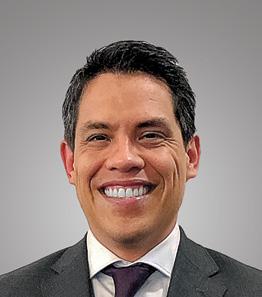
NEW MODELS BASED ON INDUSTRY BEST PRACTICES
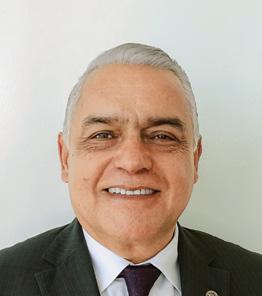
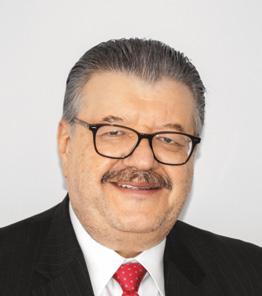
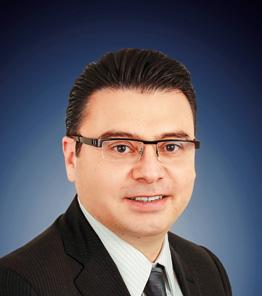
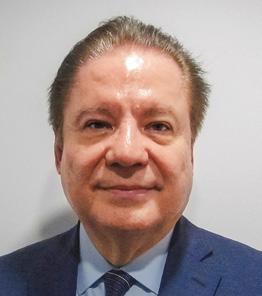
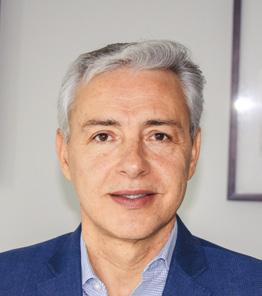
FRANCISCO QUIROGA
Undersecretary of Mining at the Ministry of Economy
Q: What is the strategy of the Undersecretariat of Mining for strengthening the mining sector’s competitiveness?
A: We will implement an active industrial policy that integrates the perspective of each of the actors in our sector, providing certainty to investors. The main guidelines are innovation, diversification and inclusion. To this end, there are three important approaches. First, carrying out business in a right way. Second, fostering the industry’s competitiveness by reducing costs. Three, reconfiguring the role of authority. We have to implement new models based on industry best practices that underscore inclusion and sustainability.
As for the industry’s competitiveness, we must tackle all those cost factors that can be lessened without impacting Mexico’s development. And regarding the role of the authority, we see ourselves as leaders of the sector, with all the risks and costs this implies. Our goal is to reverse the current trend we observe in the sector. One of our recent achievements is that during 1H19 we reduced the delay in the procedures of the Public Mining Registry by 95 percent. Although we received a large amount of unresolved applications from the previous administration, 63.5 percent of the current resolutions correspond to 2H18.
Q: How can the way of doing business in mining be reformed to benefit all stakeholders?
A: It is of the utmost importance to clearly distinguish three aspects. One, that to which each stakeholder is entitled. Two, what we really want to achieve as an industry, which in turn demands that each stakeholder go beyond what he is entitled to. Three, that which is non-negotiable. For instance, human life is non-negotiable. I am convinced that mining does not have to cost a single human life. Another non-negotiable aspect is natural disasters. To put it in stark terms, Mexican mining, given the current perception of the industry among some segments of the public, would not survive a disaster like the one that happened in Brazil at the beginning of 2019. And I would like to note that naming them “natural” is just a figure of speech because there really is no such thing as a natural disaster in mining. The third non-negotiable aspect has to do with the manner in which stakeholders, including the authorities, relate to each other.
Q: What is your opinion on including indigenous consultations in the regulatory framework?
A: This is a commitment which implementation Mexico has been delaying for years. It is no longer possible to keep procrastinating on this. The current government will implement indigenous consultations and will do so following the highest standards. We will have effective, fast and well-designed consultations, fiscal compliance, remediation of the effects of mining activities and respect for the human and political rights of workers. More generally, it is crucial to include host communities in the project, whether they are indigenous or not. We have to involve the communities, make them part of the process and integrate them into supply chains and to the mining activity itself, if possible. When one does that, everything else is facilitated. Community participation is part of our way of understanding the regulatory framework. To increase Mexico’s competitiveness while protecting the wellbeing of all stakeholders, every industry-member has to work in harmony with each other. That is a joint responsibility, but it starts with the Undersecretariat of Mining.
Q: What strategy should be implemented to improve the public perception of mining?
A: As an industry, we need to stop talking to each other and start communicating with the public at large. In the 13 years since Pasta de Conchos, our industry has evolved considerably. We must step out of our comfort zone and convince others of the fact that mining is fundamental for the development of Mexico’s economy. Investing in stateof-the-art technology, environmental protection programs and better social practices, as well as procuring strong supply chains, is crucial to this end. We have to construct a legacy in line with that of the new administration by building citizenship and aiding in pacifying the country.
Francisco Quiroga has more than 18 years of experience in relation to the mining industry. He has a background in directive positions in several mining-metallurgical companies. Quiroga has degrees from Nuevo Leon, Yale and Auckland universities
FACING MEXICO’S SOCIOPOLITICAL TRANSFORMATION
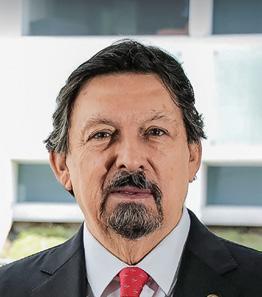
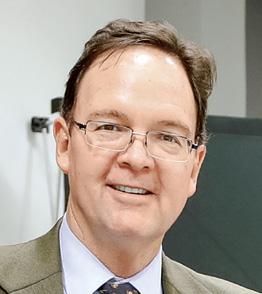
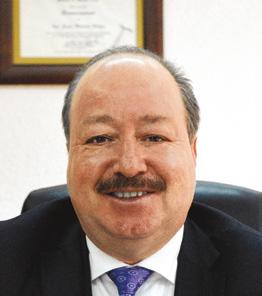
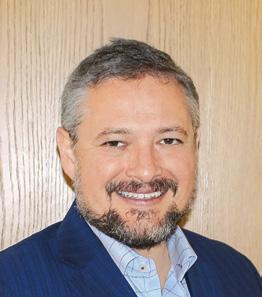
NAPOLEÓN
GÓMEZ URRUTIA Senator of the Republic
Q: As a Senator and a mining union representative, what are the industry’s main demands and how are you responding to these?
A: Mexico is going through a sociopolitical transformation and the mining industry is no exception. The industry seeks investment certainty to foster its growth. It is demanding gradual changes and a general avoidance of radical modifications to the mining regime. Also, I perceive that it demands openness from the government to enter into dialogue and reach agreements that are beneficial for all mining stakeholders. I have met in person with providers, CAMIMEX members and other mining representatives. We understand the crucial role that mining plays in the economic performance of the country. In the Senate, we are discussing concessions, tax burdens and environmental matters. We have listened to mining companies’ perspectives but have also given opinions and suggestions on how to enhance the industry’s performance. One of the key concerns of the industry is related to the retroactivity of any changes to the mining law. While some reform initiatives are on the table, we still have not discussed their retroactivity. These initiatives concern compliance with CSR policies and also the time frames of mining concessions. The policy for granting concessions has been overlooked over the years and lead times can extend to over 50 years. We have spotted several contradictions that require a strong regulatory framework to reach a resolution and to prevent land hoarding.
Q: What is your ideal model for granting and following up on mining concessions?
A: Some compare the time it takes to get a concession in Mexico with other mining jurisdictions. For example, in Canada, a concession can be granted in one day but it has an initial duration of four years to guarantee that the company is really investing in exploration. Then the concession lasts for 10 years and can be extended up to 20 years if there is a productive operation. As for Mexico, the law used to have a two-year period for the company to demonstrate it was investing in mining development. But this clause was removed from our mining law and concessions are no longer tied to actually carrying out investment in them. The law should make investment a condition of keeping the concession. Also, miners
can renounce concessions if nothing is found in exploration. But as the entitlement payments for a concession are so low, companies simply decide to keep their concessions. I believe that the Senate and CAMIMEX must maintain an open and permanent communication channel that can serve as a bridge to represent mining companies before the government.
Q: As representative of the Work and Social Prevision Commission in the Senate, what aspects of the labor law should be modified to foster the growth of the talent pool for the mining industry?
A: The labor law is very directed to ensure labor fairness and to guarantee union democracy. In this context, protection of the freedom, transparency and secrecy of workers is a key goal. I perceive that any reform to this law will be in the direction of protecting workers’ rights, such as to prevent unjustified dismissals and arbitrariness. I personally pushed for the ratification of Agreement 98 of the International Labor Organization for the right to organize and carry out collective bargaining. As the so-called stakeholder protection contracts are so common in the country, companies often make agreements with undemocratic union leaders that do not really represent workers and then impose these agreements.
Q: Now that you are back in Mexico, what are the misconceptions regarding your past role as a mining union leader that you would like to set straight?
A: The mining union and I were victims of obsessive political persecution from corrupt and immoral business leaders. The goal was to discredit our labor movement. But these incidents have already been unquestionably clarified by the Supreme Court of Justice and I now want to look forward to a modern Mexico with a common social vision. I hope corrupt practices will be eliminated and business leaders soon realize that this country has already changed and that we must work together for its growth.
Napoleón Gómez Urrutia is a Senator of Mexico and President of Congress Work and Social Prevision Commission. Prior to his work in Congress, he was Director General of the Mexican Mint for 12 years
RENEWING THE FACE OF THE MINING INDUSTRY
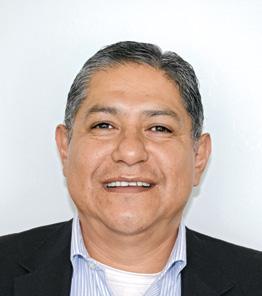
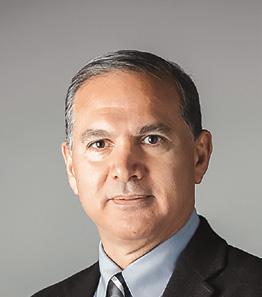
SALVADOR GARCÍA President of AIMMGM
Q: What are the main issues that the association will try to negotiate with the López Obrador administration?
A: First, we will ask the president to give us the opportunity to show him the reality of the mining industry. I believe the industry’s image has been battered and damaged by bad information. It is necessary to understand all the benefits that mining provides for the country’s development. In recent years, the industry in Mexico has been placed at a disadvantage compared to other countries due to issues like the tax burden, legal certainty for investors regarding land ownership and the lack of security. All this could be different if the existing perception about the sector is changed.
Q: What mechanisms does the association have to change that perception?
A: Last year we organized our first forum on the industry and we plan to organize more over these months in the main mining states. We also have reinforced our presence in networks to offer information to society. There are even people who think that the industry should disappear and they are not aware that everything around them comes from mining. The association is formed by professionals who want the best for the industry regardless of where they work and that positions us to speak with certainty about specific issues.
Q: What role should the association play to achieve the highest standards in the training of talent that helps the growth of the industry?
A: The association has scholarships and agreements with the main mining schools in the country, such as the Autonomous University of Pachuca, where each scholarship we grant is matched by the university. These scholarships are funded with the association’s own resources.
The Association of Mining Engineers, Metallurgists and Geologists of Mexico (AIMMGM) is the premier association for mining professionals in Mexico. The group works toward the technological and economic development of the mining sector
We are also working to see how curricula can be adapted to the needs of the industry. The most relevant cases are the update of various specialties, mines, metallurgy, and geology for the design, investigation, and reserve calculations including finance and operational costs.
Another study is also being done between the job demand and offer of the sector, to find an equilibrium of graduates from the different universities.
Universities have been set up to educate engineers in many communities near the mines but what the industry needs is skilled, technical and specialized labor, not engineers. We need people in the middle level of the chain.
Q: If there is the possibility to implement a mining reform, what topics are essential for the association?
A: Mexico is not as attractive for mining investment as it was a few years ago, so the country needs a reform that addresses this situation. Mexico has many resources but if we do not face our difficulties and provide clarity to investors, they will be hesitant to continue coming to Mexico.
An example is the Law of Indigenous Consultation, which is very open to interpretation; in this case, it would be necessary to clearly define every element of the law because without clear guidelines doubt will persist. The mining industry in Mexico needs a consensual change. We are in favor of that change as long as it is positive for all parties involved; however, I am not optimistic that any mining reform will have the depth required to develop the sector.
Q: What is your view of the Mining Fund?
A: I have always believed that all processes can be improved. The way in which the Mining Fund was being distributed needed some adjustments but nothing as extreme as those proposed by the new administration. The adjustments are necessary but it is also true that this fund, as can be seen in many municipalities dedicated to mining, worked very well. Modifications can be made but not so drastically.
WEAVING THE ECONOMIC AND SOCIAL FABRIC OF ZACATECAS
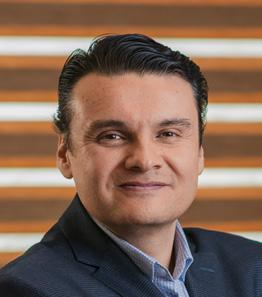
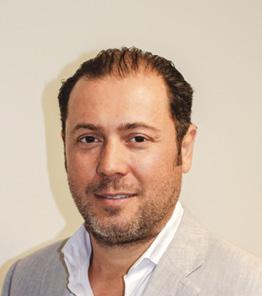
CARLOS BÁRCENA
Minister of Economy of Zacatecas
Q: What changes can be made to the regulatory framework to boost the mining industry?
A: Three areas must be addressed. First, the popular consultations to begin projects. There must be a clear definition of what constitutes an indigenous population and a native population. Zacatecas has no indigenous population registered, so it is hard to know who are native to this region. It is crucial to define who to consult and when. Miners usually come to an agreement with landowners before the exploration stage. Only when they are ready to move on to the next stage of the mining project do they file for a concession. Therefore, the uncertainty around popular consultations has reduced exploration investment substantially.
Second, the fiscal aspect. Mining companies have adapted to the tax that goes to the Mining Fund. But Mexico is losing its competitiveness because it is impossible to deduct exploration expenses within a reasonable period of time. Companies must wait 10 years. Other countries in Latin America are more competitive in this regard. There must be a fiscal incentive where both the state and the companies win and exploration is boosted.
Third, the natural environment must be protected in a way that is also appropriate for business. Water is a prime example in this regard. Some people argue that a mining company should replace every single drop of water it uses or moves from one place to another. However, it is more reasonable to push for a moderate policy. For instance, companies should not be held accountable for water that is simply drained and moved about, but they should be for water used in productive processes such as lixiviation.
Q: How can the Mining Fund be reformed so as to guarantee wealth is redistributed adequately?
A: The great change that is being proposed is that the distribution of resources be exclusive to the Ministry of Economy through the Undersecretariat of Mining. This is desirable. How to deliver the resources is another matter. The way it has been working so far is that part of the money goes to the mining counties, while another goes to the state that oversees these counties. Then, a committee decides how
to invest the resources. But the communities nearest to the mining projects were not always taken into account because the county government is often far away from them. The new formula under discussion includes mining communities to a greater extent. It also demands that mining companies be more involved in the proper use of resources. But companies feel this is too much to ask, that it goes beyond their responsibilities. The ideal scheme would be focused on the communities that are actually close to a given mining project. It would make sure that the levied taxes actually return to these communities, but in a way that really impacts their development.
Q: How is Zacatecas working to promote mining?
A: The first aspect of our plan is to fortify small mining companies in the state. What often happens is that these companies grow to a certain point in which buying them or forming other types of alliances becomes attractive. This will keep happening. The state of Zacatecas is committed to helping integrate small and medium companies, fostering the environment and value chain that makes this possible. Second, we are supporting large mining companies by upholding physical and patrimonial safety, promoting the best possible community relationships and developing supply chains. For example, we worked with First Majestic to produce social programs and monitor safety. The third part of our plan has to do with promoting a talented workforce. We have organized highly successful job fairs. Also, we facilitate collaborations between companies and universities. In one case, we partly financed a project where Datamine introduced some of its equipment into the Technological University of Zacatecas. We are working to generate the necessary talent so that the industry remains as local as possible. At our mines there are very few Zacatecan managers: most of them are from other states in Mexico. Compared to salaries in other state mining industries, Zacatecas’ salaries are the highest in the country.
Carlos Bárcena was in the state government of San Luis Potosi throughout his professional career. He promoted the manufacturing industry in the Bajio region alongside GM, BBVA, USAID and CONACYT
MINING FRAMEWORK
MODIFICATION SHOULD CONSIDER RAMIFICATIONS
EMILIO VARELA
Director of Mines at the Directorate of Mines of Zacatecas
Q: What major changes would you like to see reflected in the Mining Law?
A: The indigenous consultancy is not contemplated in the current framework. The Mining Law went through some modifications in October 2014, with some changes made two years later that were aligned with the objectives of the Energy Reform. The application for a mining concession does not have a section to determine if the land in question is an ejido , a private property or a natural reserve. If the new administration modifies the law, possible repercussions should be taken into consideration. Even when the indigenous consultancy was discussed as a measure to regulate mining activities in the country, the stock market shares of many mining companies suffered.
The country’s preferred activities listed by order of priority are the exploration and production of hydrocarbons, electricity transmission and mining. After the Energy Reform took place, many concessions were influenced by the new framework. For instance, if a transmission line passes through a mine, this territory has to be divided and a right of way must be sacrificed on both sides of the project. Hence, if there is an ongoing subterranean activity, other preferred activities like energy transmission should not be given greater importance over the mining concession.
In my former position as Deputy Director of Mining at the Ministry of Economy, I became very familiar with this situation. During the modification of the Mining Law in 2012, a period of time was designated to issue consultancy criteria hand in hand with the Ministry of Energy. At the moment, when a request of this nature takes place, best practices are involved to reach a common agreement regarding the rights of way. Nevertheless, it would be better to have a regulation defining this criterion.
Emilio Varela was previously Deputy Director of Regional Mines in the Ministry of Economy. He has been Director of Mines in the Ministry of Economy of Zacatecas since July 2019. Varela is a graduate of the Tec de Monterrey campus Zacatecas
Q: What elements should be taken in consideration to define a correct distribution of the Mining Fund?
A: Since December 2018, the Ministry of Economy has managed and defined the scheme to distribute these resources but the disposition and operation of this new scheme has not been regulated. In fact, there is a document issued by CAMIMEX, known as the Integral Proposal for the Mining Fund, which reflects the industry’s view on how to distribute the resources collected in 2018, which total MX$5 billion. I worked under the model where mining companies delivered these resources directly to the communities. Through the administration’s new scheme, the essence of the Mining Fund is diminished because there will be no long-term social impact. The intention is to execute the process with transparency through CAMIMEX’s “base zero budget” proposal. In this sense, presenting projects before the resource is available is a practical solution. However, concluding a project in the same year it is budgeted, hence during the same fiscal period, suggests that these will be small-sized projects. Even projects such as developing a road rehabilitation program, providing clean water or developing sewage services could not be finished on time. If the period was flexible in terms of resource availability, this would be an extraordinary idea. The General Directorate of Mines captures CAMIMEX’S previous statistical data and productivity reports from mines during the first 30 business days of each year. Every mine in operation for more than six years must provide this information, on which the coefficient for each municipality and state is determined.
Q: What short-term actions will the Directorate of Mines of Zacatecas develop to cope with industry needs?
A: Our main priority is to support the development of junior mining companies. The Ministry of Economy provides economic support through the Public Trust of Mining Promotion and Development. With this in mind, our plan is to ensure the availability of these resources so small mining companies can execute analysis and sampling of the mineral composition of their concessions. In Zacatecas, there are close to 2,400 valid mining concessions. This is close to 1.7 million hectares. By executing these analyses in a certified laboratory, further development could be supported by demonstrating the untapped potential of these mines.
INNOVATION, BUSINESS: DEVELOPMENT KEY GOALS FOR REGIONAL CLUSTER
ALBERTO MENDOZA Director of CLUSMIN
Q: What are the cluster’s principal responsibilities and activities?
A: The cluster was formed to direct collaboration between mining companies, suppliers, academic institutions and governmental institutions at both state and federal levels. The end goal was to attract more investment, stimulate consolidation and introduce more suppliers providing the right services and quality standards. At the root of this idea is the development of a new culture of innovation. In our search for more suppliers, our focus is on those that provide services such as maintenance, telecommunication, lab-based analysis, exploration and construction of mine infrastructure. Our cluster dedicates much of its activities to innovation, developing businesses, attracting new businesses and promoting sustainable methods. This is done by working with parties across the whole industrial chain. We have four committees that oversee distinct areas: development of suppliers; human talent; safety, health and environment; and innovation and technology. In each area we establish an objective, a strategy and a range of activities. Each committee has a president, an assistant and a network of collaborators. The participants do so in an honorary role and come from our member companies. The advantage of these committees is that they facilitate the interchange of expertise and ideas between different members. Topics that have been covered include health indicators, business development options for suppliers, implementation of quality standards, better communication between companies and improved construction methods. We have also worked with academic institutions to provide training and certifications to new talent in diverse areas related to mining and mining services.
Q: What are the objectives of the cluster’s alliances with academic institutions?
A: We have formed alliances with universities and independent centers that have programs specifically dedicated to mining. We collaborate with various universities and we exchange details of our experiences and learn from each other’s programs. One of the principal areas is training and certification, in which we have rapidly expanded our activities over the last few years. We now have 80 training programs at CLUSMIN, with 475 people from mining companies
and suppliers participating in trainings and meetings in a month. The topics vary, from managerial skills and business improvement measures to supervising operations at a site. Over 200 supervisors have now been trained with us. Some of these training programs are conducted in collaboration with regional educational and scientific institutes. With IPN, we held a congress on rock mechanics and organized training related to occupational health. We also designed a course with the school on metallurgy. The structure of this course is three weeks of classes and one week in the field. The great benefit of doing it at our cluster is that the teacher actually joins the participants during their work period at the mine. After concluding the program, the students spend one year at a mining unit and rotate. In collaboration with ITAM, we organize courses on consolidation and business management. Last year, we worked with Business Sweden and the Technology University of the State of Zacatecas (UTZAC) to devise plans to set up a training center under the name Swiss Mining Academy in Zacatecas, or Academia Sueca de Mineria en Zacatecas. The principal goal of this center will be to train students in the technology used by Swedish companies.
Q: What are the cluster’s plans for the Compatible Mining Center (CMC)?
A: This initiative is a product of a collaboration between CONACYT, COZCyT and CLUSMIN. The project is funded by a mixed fund from CONACYT and is planned to begin operations in late 2020. Once built, it will form a new space for research and development in the areas of environment, health, safety and metallurgy. It will include special laboratories for each of these areas. Our members and potential new parties will conduct activities such as testing technological innovations that reduce impact on the environment, developing better conditions for mining employees, and devising new ways to pursue dialogue between mining companies and local communities.
The Zacatecas Mining Cluster (CLUSMIN) is a nonprofit civil association that was formed in 2012 by mining companies, academic institutions and government bodies. Its purpose is to strengthen the state’s mining industry
ZACATECAS: A TRADITION IN MINING
Home of a long and illustrious mining tradition, the state of Zacatecas distinguished itself in 2018 as Mexico’s top producer of silver, lead and zinc, and the fourth-leading producer of gold. The state’s government, through its Ministry of Economy, is strongly committed to promoting business conditions in the mining sector. Particularly with respect to small miners, it is providing support through two actions. First, resources from the Payroll Tax Trust are channeled to holders of a current mining concession of up to MX$50,000. These resources are granted to conduct sampling and testing. The second is the agreement with Minera Oro Silver de Mexico, where the company has made a pledge to allocate 20 percent of its processing capacity to production from small miners. The Ministry of Economy also conducts mining employment fairs, which in the most recent edition had 600 positions available, 27 participating companies and 2,000-plus job-seekers.
Zacatecas fully understands the importance of strengthening the local mining sector. In this regard, it is worth noting that the first mining cluster in Mexico was created in the state. This association aims to develop a vibrant, world-class supply chain and human capital. The cluster strengthens the local supply chain, innovation and industrial safety and attracts suppliers to the area. The coordination between its members and the state government is permanent, resulting in an innovative development model for the sector.
A remarkable initiative presented by the Zacatecas Mining Cluster is the Compatible Mining Binational Center. This project was developed as a response to a need pointed out by the Zacatecan Council of Science and Technology and Innovation and the Mexican Council of Science and Technology (CONACYT). Its objective is to design, build, equip and implement a center for research and development of technology and compatibility with the mining environment. This initiative focuses on health, worker safety, environmental protection and mining operations in the state. Located in Quantum City of Knowledge, with investment from the government of the state of Zacatecas and FOMIX CONACYT, Quantum is a space designed to advance the region’s scientific and technological development. It works under a paradigm of continuous innovation, where research centers, laboratories and technology centers collaborate closely with public and private economic development institutions. The objective is to promote an economy under a the triple helix model (academy, business and government). Within Quantum, the presence of public and private technological research and development centers stand out, like the FRISCO Mining Research Center.
PROMOTING REGIONAL POTENTIAL
JORGE VIDAL Minister of Economy of
Sonora
Q: What changes to the Mining Law would boost the competitivity and investment of the Mexican industry?
A: Mining is a key economic pillar in Sonora and is crucial to the state’s development. Mining activity takes place in 22 out of 72 municipalities, contributes almost 17 percent to state GDP and generates 19,000 direct jobs and 80,000 indirect jobs with salaries that are 30 to 35 percent above the national minimum. The possibility that the law will be modified is considerably important to the state. Governor Pavlovich is taking measures within the National Conference of Mexican Governors (CONAGO), directly with the Minister of Finance, to ensure that tax deductibility is taken into account. Previously, Mexican legislation allowed companies to fully deduct taxes in exploration during the first fiscal year and now regulation has changed to amortize deductions for a period of 10 years. This inhibits exploration and is having a negative impact on mining operations.
Security must also be addressed. This issue is hurting companies’ productivity and impacting the appetite of new companies to invest. It is also important that the rules of the game be clearly defined when it comes to job security. Despite two new trade unions, the stance of the Confederation of Mexican Workers (CTM) over the years and the lack of a proper framework could cause an imbalance and send a negative signal to investors.
Q: How has Sonora’s mining sector performed in 2019, after a reported a decrease in mining activity in comparison to 2018?
A: The two key elements that will boost investment in Sonora are job security and tax deductibility. Investment in Sonora’s mining industry amounted to approximately US$700 million to US$800 million in 2017 and 2018. So far in 2019, around US$500 million to US$600 million has been invested. Investment depends on two projects: Grupo México’s Cananea zinc mine and Bacanora’s Sonora lithium mine. Cananea
Jorge Vidal was Delegate in Sonora of the National Bank of Works and Public Services (Banobras) from 1988 to 2015. He has been Minister of Economy of the Government of the State of Sonora since September 2015
represents an investment of approximately of US$400 million. Bacanora will be investing US$420 million in the coming years, making Sonora the largest lithium producer in the country.
Q: What is Sonora’s strategy to exploit its lithium potential and what role will Chinese companies play in this strategy?
A: Regarding Bacanora, the investors are from Australia and England and arrived to Sonora a few years ago. This has been a long process. In Sonora, lithium can be found at the surface, which means the process to recover the mineral is different from other countries. The expected investment will be between US$400 million to US$450 million. These investors have pursued partnerships, first at the domestic level and then at an international level. During this search, they developed an alliance with Ganfeng, which is the world’s leading producer of lithium. Recently, Ganfeng and Bacanora agreed to invest £18 million (US$22.4 million) into the Sonora lithium project, with a commitment from Ganfeng to match future investments by Bacanora. This grants Ganfeng seats on the Board of Directors of the mine and access to its operation.
The next step is the authorization of the Chinese government to continue this operation. This puts the project on another level because with this working capital and knowledge, everything accelerates. Ganfeng’s added value is that it operates across the entire lithium value chain, from production to battery manufacturing. This is important for Sonora. The plans have already clearly come to fruition, the property has been purchased and offices are being put in place. Nevertheless, there is still more work ahead. To reach full production, the active investment process takes about two years.
Projects like this help generate interest in the region because the next generation of electric vehicles will be major users of lithium. Sonora is home to one of Ford’s older production plants that is about to start using this technology. Lucid Motors, which aims to be Tesla’s competitor, is setting up operations in Arizona with a US$1 billion investment. It has already contacted Bacanora, which will be a win-win for the region in terms of production for the two-country market between Sonora and Arizona.
CREATING A VIRTUOUS CYCLE FROM THE SUPPLY CHAIN
ALBERTO OROZCO President of the Sonora Mining Cluster
Finding new projects and the right team to ramp them up to production are two keys to mining success but Mexico is behind when it comes to exploration, says Alberto Orozco, President of the Sonora Mining Cluster. “We need to boost exploration in Mexican mining, which has been lagging for several years. Sonora, as the main mining state for exploration in the country, has a crucial role to play in replacing existing reserves.”
Clusters, in general, are positioned to prod the entire mining value chain to work together to keep the industry up and running. Orozco explains that prior to the clusters, CAMIMEX and other associations addressed specific niches. While these continue to serve the industry, clusters have a broader mandate. “The cluster integrates the supply chain, even for those providers that are not exclusively working for the mining industry,” he says.
The Sonora Mining Cluster, founded in 2015, has quickly grown and taken root in the industry. “Our first challenge was to convince mining companies and suppliers that we could provide an added value,” Orozco says. “We have been the most successful cluster in persuading the industry of our added value. We started with 19 founding partners and now have 165 associates.” While clusters help to better approach all links of the mining supply chain, they are still limited to operating in their respective regions, a state of affairs that Orozco sees changing with time. “Clusters are still young but we will eventually work together to transcend our states and work at a national level,” he says.
In the meantime, Orozco explains that as each mining region is different, regional clusters attend to their specific complexities. For example, the Sonora Cluster works to foster sustainability, security and innovation. “Our flagship events are the Security Forum and the Communitarian Relationships Forum,” he says. “We strive to incentivize the social sense of mining.”
This approach is a key differentiator of the Sonora Cluster, Orozco says. “We perform the usual duties of a cluster; that is, to host business meetings and seek to improve companies’ profitability. But we also have the capacity to focus on
sustainability, science and technology with efforts that are unique compared to other clusters.”
The goal is to create a virtuous cycle, which starts by bringing together the right partners. Orozco believes that while explorers and operators are at the core of mining activity, suppliers, civil organizations and government agencies are crucial players that need to be integrated. “Once we have the right associates, we proceed to generate the right spaces for the industry to network and interact,” he adds.
“Clusters are still young but we will eventually work together to transcend our states and work at a national level”
Broadcasting the success stories related to innovation, responsible operations, productivity and security is another focus for the cluster. “The promotion of our activities and of our suppliers enables us to add more players to our virtuous cycle,” he says. The cluster produces an online magazine called Mineria Para Todos. “We invest in communication because we are convinced of its value. Our magazine is a space to communicate with our partners and the industry in an orderly and scheduled way.”
The cluster also organizes training programs and certifications. “We rely on the industry’s feedback to decide which areas should be covered when designing a training program. Security, business networking and technical matters are always popular topics,” Orozco says. The goal is for the training to become a trampoline for the professionalization of mining suppliers. Striving to institutionalize SMEs, the Sonora Cluster offers a certification program related to the quality standards of a given company. “The provider’s certification that we offer serves to professionalize suppliers so they can provide a better service to the mining industry,” Orozco says.
SECURITY, CERTAINTY MAGNETS FOR INVESTMENT
RAMÓN DÁVILA Minister of Economic Development of Durango
Q: US$1.75 billion is expected to be invested in Durango in 2019. What percentage of that investment will go to mining and what state measures are boosting the industry?
A: Of that investment, US$100 million corresponds to mining and most of that has been destined to the expansion of existing mining operations, especially for the installation of new equipment. We are working to provide facilities to companies that want to settle in Durango through good infrastructure and logistics solutions. We have focused on training the best possible workforce. We have developed a program with state universities to train technicians who can cover the needs and demands of the industry. Security is another area of focus. Today, Durango is considered the third-safest state in the country. All these factors help us to provide stability to companies that decide to set up and operate here.In addition, we offer incentives. When a company decides to establish in Durango, we try to help it through different incentives related to their activity, like the elimination of the payroll tax, which has a maximum duration of six years depending on the investment the company is willing to make.
Q: What percentage of Durango’s GDP is represented by mining activity and what needs to be done to promote it?
A: Although Durango is the third-ranked state for silver production and fourth in gold production, the mining industry accounts for six percent of the state’s total GDP. I think we are missing a great opportunity that can help the state economically, especially in areas where there are no other economic alternatives. Unfortunately, mining investment arrives when positive results are obtained during exploration, which should be encouraged by the federal government. In other words, without exploration, there is no investment. A good solution would be to make exploration deductible, since if there is no exploration, we run the risk of depleting our reserves and then it will be too late.
Q: What concrete actions has the State of Durango taken to achieve the levels of security that it enjoys?
A: The most important thing is to work hand in hand with the three levels of government, as coordination between these levels is key to achieving objectives. We have also implemented zero tolerance regarding any conflict that may arise. This has eliminated the domino effect we have seen on other occasions.
Q: What can the Government of Durango do to minimize the impact of declining mining profits and avoid situations like those in San Jose de Avino?
A: The Government of Durango acts as a mediator in the resolution of conflicts that may occur in the state. It is about acting as external agents to help solve problems that may occur between operators and communities.
Q: What is your opinion on the federal government’s idea to prioritize popular and indigenous consultations when granting new mining concessions?
A: I believe the federal government should provide investors with certainty. Certainty attracts capital. For this reason, we have been in contact with the federal authorities to ask for certainty for investors, instead of generating concern. To carry out the message launched by the government, it is necessary to reform the Constitution and we believe that we are very far from that.
Q: What impact will new legislation regarding the Mining Fund have on the economic activity of Durango?
A: The spirit of the Mining Fund was to provide an economic return to communities during mining operations. If the spirit with which this Mining Fund was created is distorted, what will be generated is a concern in the communities that could lead to social conflict. For this reason, we must be very careful. The Ministry of Economic Development of Durango has always declared that the Mining Fund is not a tax, it is a mean for mining communities to improve their infrastructure.
Ramón Dávila has been a leader of different business organizations and has held high-level positions in the mining sector in companies such as Industrias Peñoles, San Luis Corporation, Pan American Silver and First Majestic Silver
ATTRACTING INVESTMENT INTO MEXICO’S GOLDEN TRIANGLE
ALFREDO
VILLEGAS
Director
of
Mines at the Ministry of Economy of Sinaloa
Q: What are the performance bellwethers for Sinaloa’s mining sector and what perks do investors receive when investing in the state?
A: We have experienced a positive business environment in the state over the last few years, which has contributed to higher foreign investment in the state. The Ministry of Economy of Sinaloa promotes several mining events, including Discoveries Mazatlán or AIMGMM meetings, that contribute to enhancing investor confidence in Sinaloa.
To remain a competitive mining state, we must communicate Sinaloa’s mineral potential. The golden triangle perfectly illustrates our mineral value. We must also provide investors with investment guarantees to maintain their trust and confidence when investing here. This confidence does not rely on one factor but on a series of factors that gradually sensitize people to our state’s offer.
Regarding the industry’s demands, miners need local governments to take a stand on the policies that are impacting them the most, such as concessions, taxes and the Mining Trust Fund. We also want to assure investors that we are not planning to implement any additional taxes in our jurisdiction. Furthermore, the state can help miners with processes, such as obtaining explosives permits.
Q: What steps are being taken to boost the Sinaloa mining sector’s value proposition and the impact it has on the state’s development?
A: We are the first point of contact for investors looking at our state. We try to have direct communication with them to make sure we can be as useful as possible. For example, we worked closely with the China’s Minera Mahakala to establish its Nocoripa mine. We also contribute to educating local communities about the economic benefits that the mining industry unleashes. One success story is
Alfredo Villegas is the liaison of the Government of the State of Sinaloa before the Association of Metallurgist Mining Engineers and Geologists of Mexico A, C. and in turn serves as Vice President of the National Association of Mining Directors
the integration of Mako Mining’s Trinidad mine into the communities surrounding the Rosario municipality. People even wear the company’s t-shirts in support of its operation.
As a local government, we have also worked with AIMGMM and mine operators to help communities during contingencies. For example, in 2018, strong rains affected Rosario and we worked together to collect donations to help the community. This reassured the community that the mining sector is also there to support them when needed.
Another initiative is our plan to gather informal miners and gambusinos under a cooperative to formalize their activities. While this initiative is fairly new, our goal is to help them legalize their production. So far, this program has had a positive impact on the San Ignacio municipality and among those people who were not very familiar with the mining industry.
Q: What impact does the Department of Mines wish to have on the industry and what is its plan to accomplish its goals?
A: We have a great deal of work to do. Our goal is to be the first state to have a shared processing plant for junior miners, which will most likely be a floatation plant. We will create a junior mining mapping analysis in our state to decide where this plant should be located as it would significantly lower costs for junior miners. While there are some private plants already doing something similar, we plan to charge a marginal cost per ton so it is more affordable. This goes hand in hand with our project to offer shared laboratories to complement the shared processing plant.
These two initiatives are supported by the creation of the Sinaloa Mining Cluster in 2019, which aims to strengthen the local value chain. We also want to replicate the geology academic degree that was first implemented at IPN in Zacatecas. We want to boost Sinaloa’s mining performance through laboratories, plants and clusters. We want to encourage investors to look at us when seeking to invest in Mexico and we will ensure an appropriate business environment.
IGUALA MINING HUB SHAPING INTO REALITY
ALFREDO PHILLIPS President of the Guerrero Mining Cluster
Despite a 410-year mining history starting when Hernán Cortés declared Taxco as the first Real de Minas of the New Spain, Guerrero state has not achieved the traction that other mining regions like Sonora and Zacatecas have enjoyed, says Alfredo Phillips, President of the Guerrero Mining Cluster.
The cluster hopes to change that by promoting the creation of a mining hub in the Iguala municipality. “The main purpose of the Iguala hub is to create the conditions for economic growth in the region,” Phillips says.
The idea of a hub has been on the table for a long time but the state’s economic development due to the industry’s progress means the time is ripe to take the next step, Phillips adds. “Guerrero hosts several strong mining projects and we have world-class deposits. I perceive the industry moving toward a virtuous cycle,” he says. “The mining value chain is echoing everywhere in our state: creating jobs, resource flows, development opportunities and scholarships, among others.”
When realized, the hub is expected to heighten the industry’s visibility and provide a positive impact on education, health and poverty, three hurdles the state needs to tackle. “The mining industry can create the economic situation, wealth and context to affect these issues for the better,” Phillips says. While noting that companies do not have a direct responsibility to solve these problems, Phillips is convinced they have a great role to play in influencing the value chain to incorporate a higher level of local content and enhance local economies.
The hub would also focus on providing a soft landing for foreign companies investing in Mexico as they often lack the deep understanding of regional dynamics required to enter a virtuous cycle. The cluster also wants the hub to become a platform for new technologies in the industry. “The hub expects to include several universities; we want to provide training, education and implement research centers,” Phillips says. “A greater number of services will be offered in the same place, gradually making the hub a real one-stop shop for the industry with the right security environment for all members and visitors.”
To realize this ambitious project, the cluster is working on a variety of levels to achieve the necessary cooperation, Phillips says. “We are trying to create the blueprint for this hub to happen while getting federal, state and local governments to work together,” he explains. “The government, particularly Undersecretary of Mining Francisco Quiroga, is very interested in this project because it promotes regional development.” Phillips expects the AMLO administration to introduce an enhanced social approach to mining. “Guerrero’s local policies in particular require a visible social component. I think this is a core focus of the new administration and it is aligned with what we were already doing in Guerrero.”
“The main purpose of the Iguala hub is to create the conditions for economic growth in the region”
The cluster is finalizing the details of the land where the hub will be located and attracting investors to the project. “If we can kick off the hub with a few investments, it will gather steam.” Phillips expects the hub to get off the ground by 2020. Companies already committed to the project include Torex Gold and Energéticos Nieto.
One incentive for mining companies to establish at the hub instead of, for example, having maintenance facilities at mine sites is that logistics are always better managed from a centralized position, Phillips argues. “Iguala makes sense for companies that want to work at Guerrero mines such as Media Luna, Los Filos or Campo Morado,” he says, adding that the hub is in some ways a nod to the past rather than a completely new idea. “Iguala has always been the commercial center of the northern part of Guerrero, but the Sol Highway displaced the commercial route from the municipality. This hub is really about recovering what Iguala once was,” Phillips says.
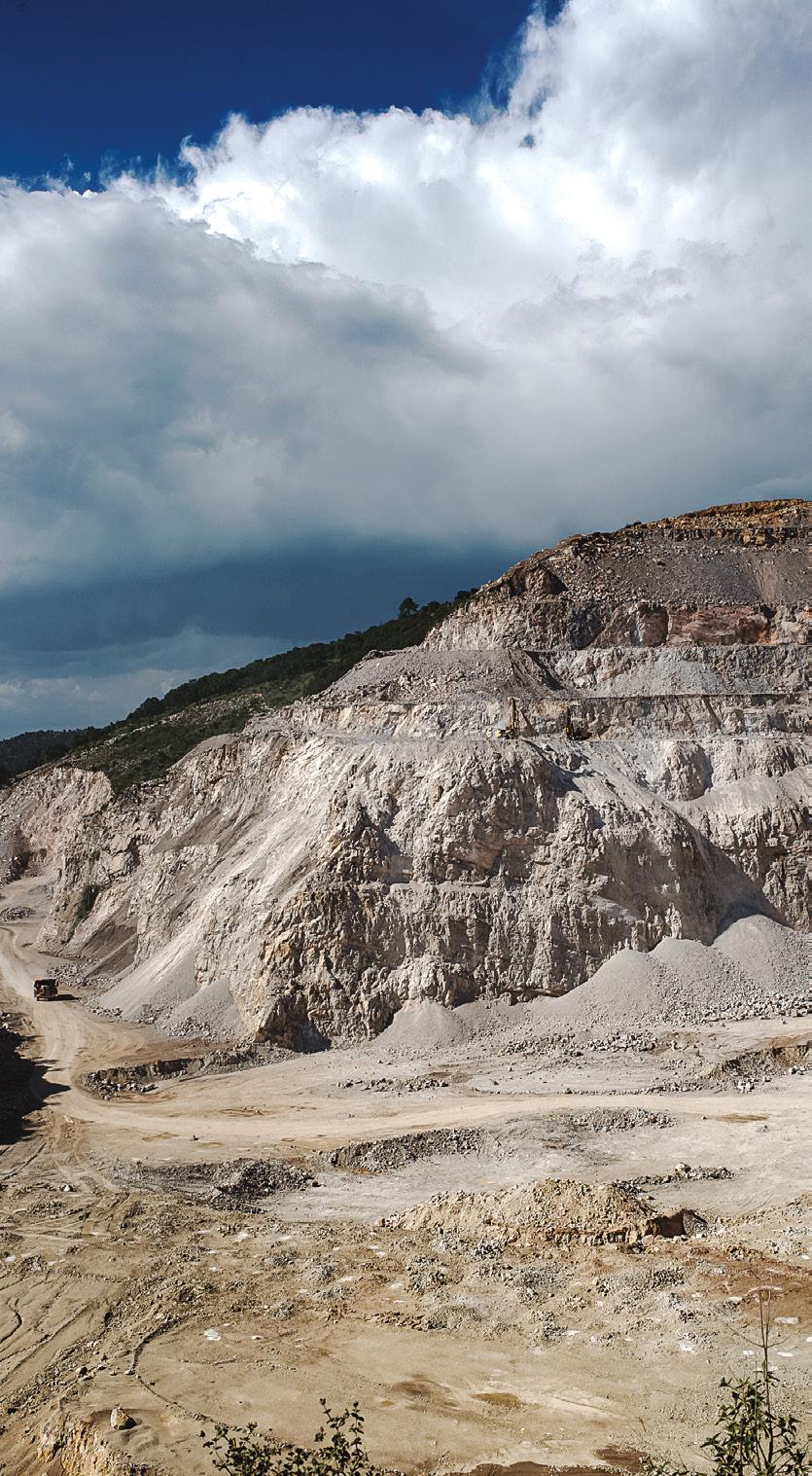
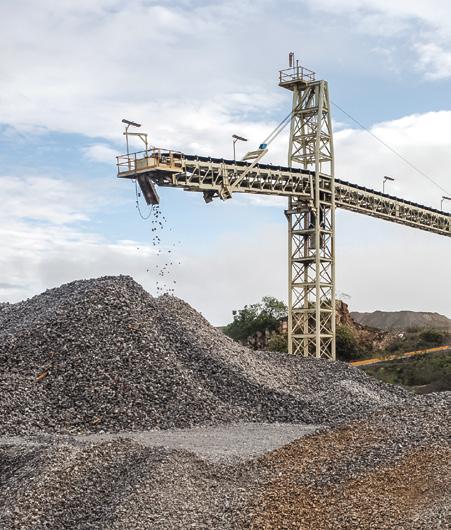
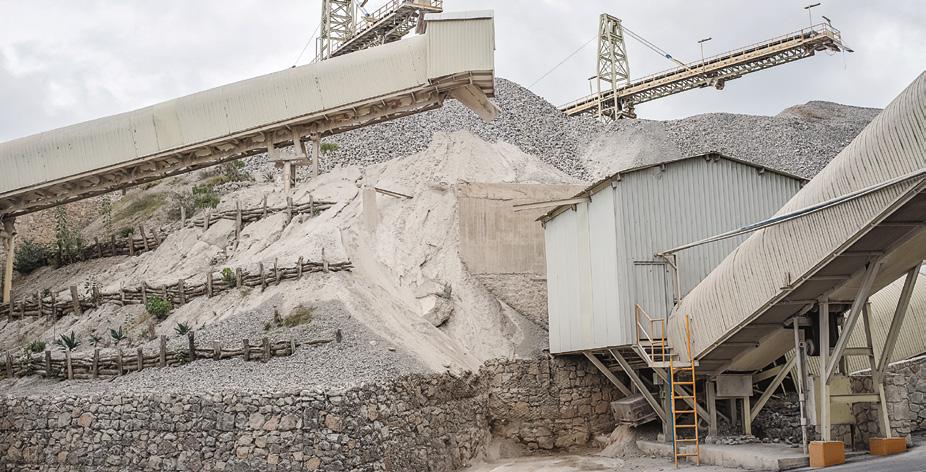
Stone quarry at the Calidra plant in Acajete, Puebla
LEGAL FRAMEWORK 2
Peña Nieto’s administration is gone, and with the López Obrador era just starting, the road to regulatory clarity in the mining industry remains long. Explorers and operators demand a fiscal revision, while legal certainty remains a key industry concern. In the meantime, investors are weighing whether the Mexican mining jurisdiction is still the most appealing to bet on. The hesitation is not rooted in doubts about Mexico’s huge mineral potential, but on the competitivity of its legal framework. Possible changes in the concession scheme, which may incorporate consultations to indigenous communities, have stirred slightly less debate than the proposed reforms to the Mining Fund.
In this chapter, top legal experts address these complexities, providing a revision of Mexico’s mining regulatory environment.
CHAPTER 2: LEGAL FRAMEWORK
30 ANALYSIS: Legal Certainty Crucial for Mexico’s Competitiveness
32 INSIGHT: Adolfo Calatayud, PwC
33 VIEW FROM THE TOP: Alberto Vázquez, VHG Servicios Legales
34 VIEW FROM THE TOP: Armando Ortega, CANCHAM
35 VIEW FROM THE TOP: Pierre Alarie, Embassy of Canada
36 VIEW FROM THE TOP: Juan Torres Landa, Hogan Lovells
37 VIEW FROM THE TOP: Jorge Sánchez, Haynes & Boone
38 VIEW FROM THE TOP: Rafael Cereceres, Cereceres Estudio Legal
39 VIEW FROM THE TOP: Joel González, ALN Abogados
41 VIEW FROM THE TOP: Juan Manuel González, DBR Abogados
42 VIEW FROM THE TOP: Enrique Rodríguez del Bosque, RB Abogados
43 VIEW FROM THE TOP: Pablo Méndez, EC Legal Rubio Villegas
44 VIEW FROM THE TOP: Mariano Calderón, Santamarina y Steta
45 EXPERT OPINION: Bernardo Ramírez, Chevez, Ruiz, Zamarripa y Cia
46 INSIGHT: Donald Hulse, Gustavson Associates
47 INSIGHT: Armando Alatorre, CIMMGM
48 INSIGHT: Alfonso Rodríguez-Arana, Legalmex
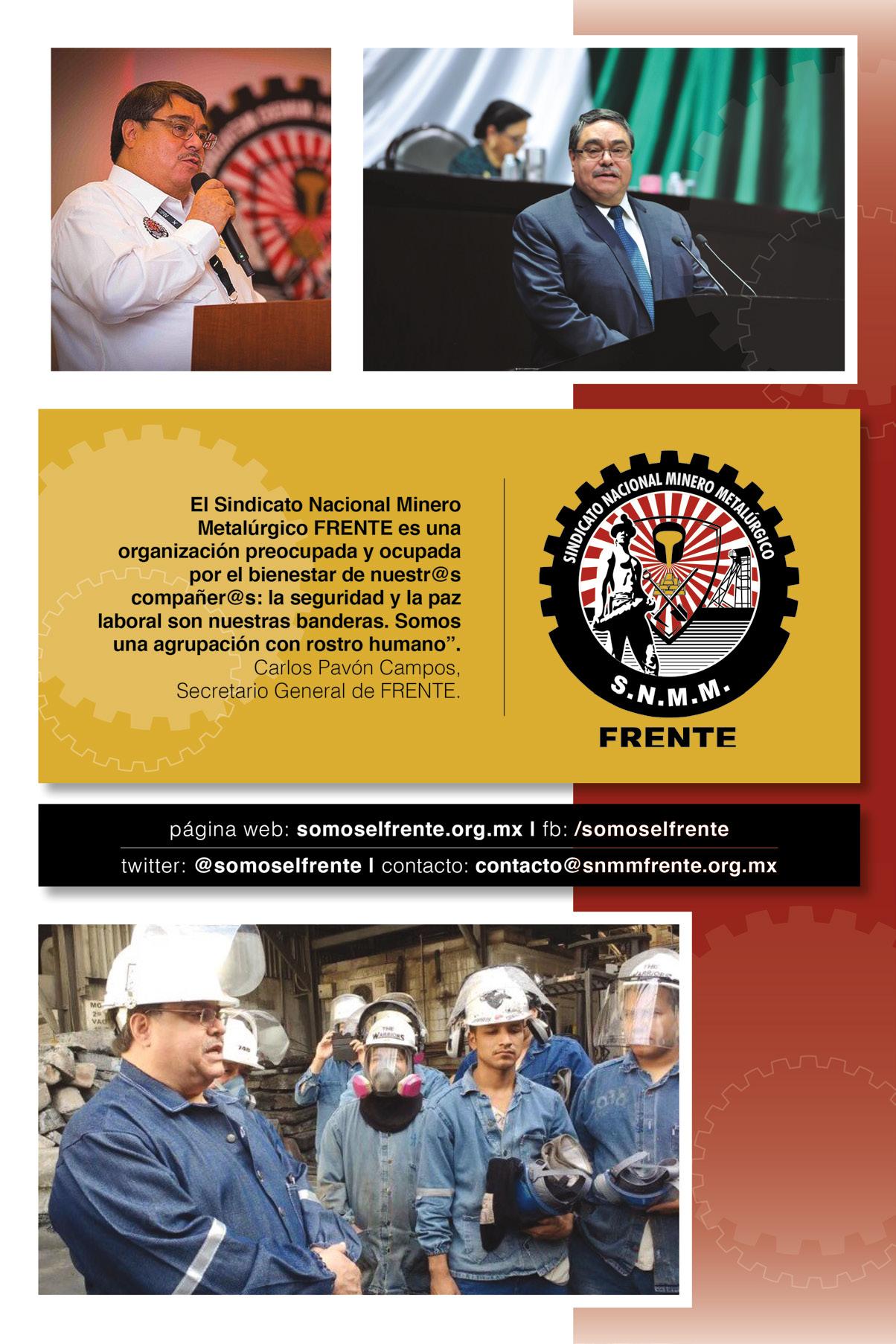
49 VIEW FROM THE TOP: Carlos Pavón, SNMM Frente
LEGAL CERTAINTY CRUCIAL FOR MEXICO’S COMPETITIVENESS
An updated legal framework is key for boosting Mexico’s competitiveness on the world stage. Two areas of reform stand out. First, including indigenous consultations in the Mining Law, and not implementing them through paralegal instruments. Second, simplifying the process to acquire and keep a concession
The López Obrador government came to office in December 2018 following a landslide election. Boosting growth, combating corruption and lifting millions of Mexicans out of poverty were the crucial campaign pledges. A thriving mining sector is fundamental for the president’s objectives, but throughout its first year the new regime has sent mixed signals to the industry. As Armando Ortega, president of the Canadian Chamber of Commerce, points out, “voices in Congress and the president himself often make negative public statements about the future of Mexico’s industry, only to privately reassure key players afterward.”
Given that mining is an extremely capital-intensive activity and that returns on investments can take years to materialize, contradictory communications from the government have put legal certainty as one of the top concerns among industry leaders. As companies, government, labor unions and civil society negotiate a revisited legal framework, the main issues on the agenda include reforming Mexico’s concession scheme, consulting indigenous populations to start projects, revising the Mining Fund, crafting a more competitive fiscal structure and homologating national regulations to international standards.
“Mexico, as a nation, is the direct owner of all mineral deposits within the national territory as provided in the Constitution. The exploration and exploitation of such mineral resources are concessional to private parties pursuant to concessions granted by the federal government,” says Enrique Rodríguez del Bosque, partner at RB Abogados, in an article for Lexology. “Mining concessions,” continues Rodríguez del Bosque, “grant their holders the right to explore and exploit all minerals and substances specified in the Mining Law, except for those reserved to be exploited by the Mexican government.” In the last 25 years, the main amendment to the legal framework was merging exploration and production concessions into one single element. Before, concessioners needed to request an upgrade of their concession, from exploration into production, within six years of the initial grant. As this frequently caused companies to lose projects and therefore investments, “the reform was a landmark in Mexican mining law, definitely making life easier for miners,” says Iberto Vázquez, partner at VHG Servicios Legales. Such sources of legal certainty are what investors look for when evaluating whether to undertake a new project in Mexico, a country whose extraordinary
mineral wealth is beyond doubt. That is not to say that sensible reforms would be unwelcome. Mexico’s system, once a model that other mining jurisdictions sought to emulate, is in need of modifications. Two reforms are particularly pressing. First, the inclusion of indigenous consultations in the Mining Law, but not through paralegal instruments, as the current administration has declared it is inclined to do. “The major problems with a law arise when issues are not properly regulated by a document that establishes clear procedures in accordance with the Constitution,” says Rodríguez del Bosque. Second, there is confusion around how to keep a concession without having to comply with investment obligations. Currently, if a company cannot fulfill these obligations, they can be omitted, but other dispositions must be obeyed instead. Elucidating processes such as this would be an asset for companies seeking to do business in Mexico. But the crucial element for assuring certainty during an eventual reform process is to make it clear that any changes in concession rules will not be applied retroactively. “The government must work from the point at which it began its administration and onward, not backward,” says Carlos Pavón, General Secretary of the National Union of Miners and Metallurgists.
Consulting indigenous communities as a prerequisite for obtaining a concession is a proposed amendment to the Mining Law that has stirred much debate. But in fact, Mexico is a signatory of the ILO Convention 169. The ILO describes this convention as “a consensus on the rights of indigenous and tribal peoples within the nation-states where they live and the responsibilities of governments to protect these rights, based on respect for the cultures and ways of life of indigenous peoples – it recognizes their right to land and natural resources and to define their own priorities for development.” Consultation and participation are at the core of Convention 169. Therefore, including provisions in the Mining Law to implement and enforce these two practices is an overdue issue for Mexico’s legislators. The task is to carry out this reform in a way that results in greater competitivity for Mexico, not less. Clearly defining what qualifies as an indigenous population is a key preliminary step, and establishing protocols to this end based on UN criteria would be beneficial. Moreover, other countries are more advanced than Mexico in this regard, so putting in place a committee for evaluating the relevance for Mexico of international best practices is also pertinent.
A critical point with respect to consultations is the sequence of the process. The proposed format asks for environmental impact consultations to be done prior to the start of exploration activities, which is unsound because interested parties need to know how a project will be developed in order to assess its social and environmental impact. “Authorities need to understand how the industry works,” notes Joel González, partner at ALN Abogados. “In other countries,” he continues, “legislators, stakeholders, companies and chambers work together to define clear regulations that provide certainty for project development. Consultations on projects that lack development knowledge and information discourage investment.” It is important that any legal development is in harmony with older regulatory achievements so as to progressively minimize sources of confusion, which generate uncertainty. As Adolfo Calatayud, Partner at PwC, explains, “there is a direct correlation between legal certainty and investment attraction.” Appropriately, in 2018 Australia, Canada and the US received 34 percent of total investment in exploration, according to PwC.
Mexico’s fiscal regime is an additional area where reform can lead to greater competitiveness. In 2014, extraordinary mining royalties went into effect. “This was one of the hardest moments for the industry,” Vásquez says. “It still echoes in companies’ prospective investments.” While companies have adapted to some extent, the bottom line is that Mexico has to do more as a mining jurisdiction than merely being able to provide world-class mineral offerings. For it to detonate its immense potential and compete as a global powerhouse, the country must whet investors’ appetite for harnessing these offerings. Calatayud says that Mexico is falling behind: “By now, it is evident that Mexico has become more expensive than other mining jurisdictions.” A case in point of the effects of this is the emerging trend of national champions, like Peñoles or Grupo México, investing in countries like Chile or Peru.
Moreover, the extended period of time companies must wait before deducting preoperational expenses in Mexico is not conducive to new projects. In contrast, the US fiscal reform included a 100 percent deductibility of investment with no fixed assets. “Mexico is at a fiscal disadvantage for exploration compared to other jurisdictions,” observes Calatayud. Modifying fiscal obligations has to be done with a clear understanding of the industry’s rhythms and cycles. Even if the current Income Tax Law is flexible enough to allow companies to adjust how much they pay taking into account the economic cycle and market conditions, legislators should take the opportunity to go further: “There is space for doing things differently to promote investment, having companies pay what is fair while understanding the industry’s circumstances,” Catalayud concludes. Decisive initiatives are needed, like those Argentina or Peru have taken: the first country provides tax pacts that guarantee no change in fiscal obligations for mining companies for 30 years, while the latter has a similar system for up to 15 years.
Conducting reform efforts in a collaborative and inclusive manner is vital for success. Frequently, legislating bodies do not seek feedback from those who will be regulated. The process should not only pertain to lawyers and legislators, but include geologists, mine managers, community leaders and traders, because they are the ones who suffer from mystifying and outmoded laws. “We should take the experience related to every issue the industry faces and generate an understanding of what is creating hurdles to make the necessary modifications,” Rodríguez del Bosque says. Formalizing this cooperation in a mechanism specifically designed to promote dialogue would be profitable, says Juan Manuel González, partner at DBR Abogados. “I propose to create an intersecretarial commission as a body that can coordinate government agencies, private companies and other relevant parties with the aim of updating Mexican regulations in the most informed and inclusive way possible.”
Arista mine's epithermal vein, Oaxaca
THREE KEYS TO AN ATTRACTIVE MINING JURISDICTION
ADOLFO CALATAYUD
Tax Controversy and Dispute Resolution Lead Partner in Mexico and Latin America at PwC
Mexico could be an even more attractive destination for mining investors but a number of issues need to be resolved before the industry can fully start capitalizing on its appeal, says Adolfo Calatayud, Tax Controversy and Dispute Resolution Lead Partner in Mexico and Latin America at PwC. “Certainty comes first, natural resources come second and fiscal burden, third,” he says. “The mining industry still has huge potential to grow as a percentage of Mexico’s economy and if Mexico addresses these main factors, investors will come because the expected returns are attractive for international executives.”
Judicial certainty is perhaps the most pressing legal matter for the country’s mining sector, explains Calatayud. “There is a direct correlation between legal certainty and investment attraction,” he says. Accordingly, the global exploration budget was mostly devoted to Australia, the US and Canada. These three countries received 34 percent of total investment in 2018, according to PwC. “If Mexico wants to become more attractive to investors, clearly the first thing to address is certainty,” he adds.
Stability also is in play because mining is by nature a longterm activity. “The economic cycle in this industry is very long as any investment made today will yield returns in a 10 to 15-year time frame,” Calatayud says. “If there is no guarantee that regulation will remain the same looking forward, there will be no exploration investment.”
While the trade future between Mexico, Canada and the US no longer hangs in the balance, Calatayud indicates that the future commercial relationship in the North American bloc remains unclear. “The industry is still understanding the challenges derived from the treaty,” he says. “It is too early to give advice on the legal implications of USMCA as many aspects are yet to be defined, such as union transparency and other labor matters.” But he adds that, once the treaty is approved in Congress, secondary laws can begin to be revised and modified.
In terms of resources, any mining jurisdiction must ensure it can provide rich mineral offerings to investors
and, in that respect, Calatayud is in no doubt that Mexico can compete as a global powerhouse. Given Mexico’s abundance of natural resources, the matter becomes one of fostering investors’ interest in exploiting them, meaning addressing fiscal burdens. Calatayud says that, in that regard, Mexico is falling behind. “By now, it is evident that Mexico has become more expensive than other mining jurisdictions,” he says.
For example, the US fiscal reform included a 100 percent deductibility of investment with no fixed assets, while in Mexico the long deductibility period for pre-operation exploration expenses is deterring investment. “Mexico is at a fiscal disadvantage for exploration compared to other jurisdictions.”
Calatayud believes that Mexico’s fiscal obligations must be modified, not only in terms of taxation rates or mining royalties but through a deep understanding of the nuances of the industry and following a strategic plan. “The tax structure must be designed to foster investment,” he says. “Mining is very capital intensive at its initial phase, so the fiscal structure must adhere to the industry’s economic cycle.”
He adds that the Income Tax Law in some of its aspects is flexible enough that it enables economic analyses to determine how much a company should pay considering the economic cycle and market conditions. But he says this legislation should go further. “I think that there is space for doing things differently to promote investment, having companies pay what is fair while understanding the industry’s circumstances.”
Tax concerns in Mexico are not limited to the quantity paid; how these funds are spent is also a key issue in mining and across other industries. “When speaking about taxes the conversation usually revolves around income but not about expenditure,” says Calatayud. The industry demands transparency on how much is paid and where it is spent. “In mining, it is particularly relevant if the tax outlay is aligned with community needs,” he adds.
INTERNATIONAL STANDARDS, SOVEREIGNTY AND POPULAR CONSULTATION
ALBERTO VÁZQUEZ Partner at VHG Servicios Legales
Q: What is needed for Mexican mining to advance down the path to legal certainty and how can this be achieved?
A: While the AMLO administration has shown sympathy and interest in the industry’s problems and in providing continuity to ongoing programs and projects, it has also taken some steps that have caused uncertainty in other sectors. Mexico is sending international and national investors both good and bad signals, when it should be providing investors with certainty. To achieve this goal, the first step is to appoint expert officers in their fields and empower them with all the tools and authority they need to work properly. The government must also broadcast one message to all industries because if certainty is promoted for one sector but uncertainty is created in another, nobody will know what to expect.
Q: What is the best way to reform the Mining Law to prevent uncertainty and harm in the market?
A: The first step is to consult mining law experts to find out if the Mining Law really needs to be amended and how. I think that overall, the Mexican Mining Law is not bad but some technical clauses could be enhanced. For example, current law does not necessarily prevent concessions overlapping. Also, many believe that granting a concession should be subject to popular consultation. The government must be smart when addressing this initiative. If there is a legal reform regarding public consultation, it might kill the industry. People should know that mining is divided into exploration and production and the former has no impact on the way of life in communities.
In this hypothetical scenario, from my personal point of view, consultation should follow only if a project has resources, is profitable and will move into the development phase. The concessioner should be given the right to explore and find out if there is value in the concession. Above all, the social license for projects must never be used as a flag for political purposes. Also, public consultation in any industry does not have to mean that the government loses the possibility to govern. In this regard, the mining concessioner must be understood as an individual doing a job that corresponds to the nation and for its benefit.
Q: Why is it important to homologate Mexican mining regulations to international standards and which categories are most pressing for amendment?
A: I think there is a misconception of international treaties worldwide. We cannot ever consider that a treaty, regardless of how good it is, will have the same effect in different countries with different realities. International treaties must set the foundations for a more uniform world but cannot be equally enforced in all contexts. International treaties must be implemented in Mexico but considering our reality and legal framework and not just overruling these. When a foreign company comes to Mexico, it often lacks the knowledge about local regulations so it attempts to do things as it would in its own country.
Q: What is your assessment of the role of NGOs in Mexican mining?
A: I think that NGOs in Mexico live in a world of impunity because the government is too scared when dealing with them and it often does not demand the same accountability and transparency that mining companies must abide by. This is a key issue for the industry. Mining companies must take care of the environment and earn the social license to operate. But if anyone claims to be an interested party in defending communities and the environment, regardless of their origin, they should comply with the same regulations that rule the industry. NGOs should have the obligation to show the government the real interest they have in claiming to defend a community. In my experience, in most cases, NGOs in mining do not care about the population; rather, they want to receive funds to create conflict and stop the development of projects. The government has shown that it is afraid of NGOs but it should regulate them as it does companies. If NGOs are as transparent and pure as they claim to be, they should have no problem opening their books to the public and being subject to anti-corruption policies.
VHG Servicios Legales is a law firm founded with a commitment to develop a relationship based on service, trust, friendship and professionalism, always with the intention of maintaining a long-term relationship with its clients
FRAGMENTATION BETWEEN ADMINISTRATION AND CONGRESS
ARMANDO ORTEGA President of CANCHAM
Q: How is the renegotiated USMCA expected to impact Canada’s trade relationship with Mexico upon ratification?
A: First, we need to wait to see whether the revised USMCA will be accepted by the relevant legislative bodies, particularly the US. It remains to be seen how difficult that will be. The first signs coming from the Democrats after winning the House of Representatives in the midterm elections are not necessarily very encouraging. They have expressed interest in changing clauses related to labor, environment and Canada trade.
The response from President Donald Trump has been very strong and he has said that he would be willing to revoke the deal if it is not accepted, meaning a scenario in which there is no new USMCA and no NAFTA. I think the positive aspect of this situation is that it translated into a real renewal of several areas. It included e-commerce, greater accountability and tougher labor rules.
Q: What can be done to make Canadian mining companies more secure about their investments in Mexico?
A: The first signal we received from the new government was when it released its list of 50 priority areas for the administration, which included the development of the mining industry. In itself, that is encouraging for us. Since the transfer of power, we have been in contact with the new mining authorities. It is important to note that these representatives are skillful people with knowledge of the sector.
The new Deputy Minister of Mining has a strong miningmetallurgical background, the Director General of Mining Regulation is a legal expert in mining and the Director General of Mining Promotion has a long track record as an economist and a trade negotiator. The team that is
The Chamber of Commerce of Canada in Mexico (CANCHAM) is the voice of Canadian business in Mexico. It was founded in 1982 to represent Canadian business interests in Mexico and to promote trade and investment between Canada and Mexico
dealing with mining issues is a knowledgeable team, and that is welcome news. On the other hand, there have been some worrying developments, some arising from Morena party allies in Congress. The first initiative was presented by the late Angélica García to amend the mining law in a way that would have disruptive consequences for the sector. Together with CAMIMEX, we stated our position regarding that amendment and we were heard by Congress.
Other proposed amendments from other MORENA political players include abolishing open-pit mines, amendments to the national water law and conversion of the concession system into permitting. We have been in contact with Senator Geovanna Bañuelos, the Head of the Mining Commission in the Senate and her team, and we have been received with openness and an attitude of ensuring the sector receives the proper incentives. We have given these political stakeholders our view on which amendments would be welcome by the mining sector to modernize it.
Q: How would you evaluate the proposed amendment to the Mining Fund and the manner in which it is distributed?
A: This amendment is somewhat unwelcome. In the previous administration, the fund was managed by the Ministry of Territorial Development (SEDATU). That function has been transferred to the Ministry of Economy, which is a good development. The original mechanism meant the funds were distributed between the federal, state and municipal governments, mainly for infrastructure projects.
With the changes, we have learned that the funds will primarily be allocated via direct distribution to the people living in mining communities. Despite some shortcomings in the management of the previous scheme, the crafting of many important infrastructure projects in the municipalities was notable. The ideal scenario would be to refine the old system of creating infrastructure with the funds.
STRENGTHENING THE MEXICO-CANADA RELATIONSHIP
PIERRE ALARIE
Former Ambassador of Canada to Mexico
Q: How is López Obrador’s presidency going to impact the Mexican mining industry and what effects do you foresee for Canadian mining companies and investors?
A: The new president of Mexico has expressed interest in working closely with Canada to define a better mining code for Mexico. We have met with the Ministry of Economy and SEMARNAT to visit Canadian mines and explain how we manage mining and community involvement in our country. It is unfortunate that mining does not have a good reputation in the world but the industry is ever more sustainable, innovative and responsible. We believe the new government wants to make sure that the industry thrives in Mexico. This is music to our ears because Canada is the largest foreign investor in the sector in Mexico, accounting for around 65 to 70 percent of total foreign investment. We are enthusiastic about the future although we know that there is a great deal of work ahead of us.
Q: What is your assessment of the USMCA deal and its potential to disrupt mining investment?
A: I do not think there is going to be any disruption as the new treaty did not touch on the mining sector. In November 2018, our leaders signed the modernized trilateral agreement known as the US-Mexico-Canada Agreement (USMCA), underlining our renewed commitment to trilateral trade relations. We were largely successful in keeping the important provisions of NAFTA, modernizing and improving the agreement to better reflect how trade is conducted today, and protecting market access in North America. We are now looking forward to the ratification of the agreement.
We are by far the most efficient trading platform in the world, with US$1.3 trillion traded in 2018. Data does not lie; the data of the last 25 years proves that the North American sphere as a trading platform works really well.
Nevertheless, our trade relations go beyond this agreement. We are partners in the Comprehensive and Progressive Agreement for Trans-Pacific Partnership (CPTPP), and are currently negotiating a free trade agreement in the context of the Pacific Alliance. We are also proud signatories of one of the most successful labour agreements in the world: the
Seasonal Agricultural Workers’ Program, which is a model of secure, organized and legal labour mobility. Between January and August 2018, over 25,000 Mexican workers travelled to Canada to work on farms and support Canadian producers with personnel shortages. In 2016, they sent over US$150 million dollars in remittances. Mexican workers are valued and appreciated, and many of them come back to Canada year after year at the request of their employers.
Q: How can more Mexican investment in Canada be fostered and why is it desirable?
A: Over the last 25 years, the bilateral relationship between Canada and Mexico has been almost entirely defined through NAFTA. We failed to have a more bilateral relationship but NAFTA’s renegotiation has taught us that we cannot be caught off-guard. This means that most Canadians are ignorant about Mexico and vice versa as Mexican business people do not understand Canada. Mexicans used to be focused in their own country, especially given that the southern part of the US has always been a natural market for the average Mexican company, which does not tend to look further away than that. This is partly our fault as Canadians for not having promoted our country more as an FDI destination for Mexicans but we learned our lesson and are about to embark on this relationship much more aggressively, with a full-time dedicated officer in our embassy to promote Canada as an investment destination for Mexican companies. This is not going to happen only for the mining sector but it certainly opens up really interesting opportunities for it.
I believe it is a work in progress on which we will be focused for the next couple of years to make sure that the large pool of potential Mexican investors has a better understanding of Canada. We will work to ensure Mexicans understand what Canada stands for in terms of values and as a country.
The Canadian Embassy helps Canadian companies expand and succeed internationally. It provides export assistance, negotiates and administers trade agreements, and promotes Canada as a dynamic place in which to invest and do business
A TALE OF TWO MEXICOS
JUAN TORRES LANDA Partner at Hogan Lovells
Q: What is your overall opinion on the performance of the government and what are your expectations for the future?
A: López Obrador mentioned on the day of his inauguration that he wants to be a good president and I do not think anyone disagrees with that sentiment. Thus far, I have mixed feelings, with increasing concerns over how the government is adopting its role. Some of this is form and some substance. I think having a daily morning news report is a big mistake because what ends up happening is that events must be created on a daily basis. This creates a set of distractions for a country that must focus on the substance of tackling corruption, improving safety and security, increasing levels of digitalization and other relevant topics.
These are being overlooked due to the distractions of the everyday announcements, from fuel theft to trains being stopped, and fuel ships being stranded at the Veracruz port. Those are incidents and the president should not waste his time on incidents. He is the commander-in-chief and he must have a more macro outlook on the general direction the country needs to go in.
The fact that López Obrador is in close interaction with communities that have not typically been considered in public policy is an important step forward. We need to recognize that the country has been polarized in terms of economic development and we have essentially two Mexicos, with significant differences in terms of infrastructure and wealth. Whatever we can do to level the playing field is important. Having said this, I think some of the decisions that have been made are self-defeating. They may even exacerbate the differences between the two segments of Mexico.
Q: What change must be promoted in the mining industry to boost investment, competitivity and performance?
Hogan Lovells is an international law firm that has a sophisticated team with a deep knowledge of the local market. The firm works in various industries, including energy and natural resources, infrastructure and transportation
A: The mining industry could receive support from the government to foster growth. In terms of regulation, the taxation component has been a top priority for the industry since additional taxes were imposed in the last few years. As much as the industry would like to have these reduced, we are hearing from the new government that these taxes will not change. The big question for the country is whether that now puts us in a situation where we can compete with other jurisdictions. That is where we need to strike a balance. Some experts say our taxing environment has alienated some of those investments, so the government may wish to alleviate some of that burden. It would certainly help to attract more investment.
Q: What is your opinion of the ruling on the constitutionality of the ecological taxes in Zacatecas?
A: I think it is important to look at the fine print in the rulings because some things are reserved for the federation in terms of taxation and legislation. The focus of the supreme court has been in ensuring that all three levels of government have the power to enforce legislation that protects the environment. The majority of environmental regulation falls to the federation but it is also down to the state-level governments to ensure there are no gaps that allow private enterprise to damage the environment. I believe with this ruling a handful of states will consider whether additional rules for environmental protection are required. Previously, states overwhelmingly relied on funding from the federal government but now they are realizing they must start generating extra resources, whether from taxing property, payroll and now environmental burdens. But the legislature cannot run rampant in terms of revenues. If an industry is taxed excessively, the revenues actually go down. There is a careful balance.
I would strongly encourage a very strong and open communication between industry associations and chambers and the state and federal governments in all topics, from social impact and education to employment issues and infrastructure. I know those efforts exist but, until now, they have not been well-coordinated or welldocumented.
DEFINING FUTURE STRATEGIES FOR THE INDUSTRY
Q: The government has indicated that there will be no more mining concessions but that existing concessions will be respected. How is this impacting your clients?
A: The mining authority has the power to re-evaluate existing mining concessions to determine if they comply with the law, which is good for the industry. The key here is that concession owners are given access to all the information so that it can be corrected in case there are discrepancies between both parties. Regarding the feedback received, our clients want to know if the concessions that might be canceled will be offered again.
Two issues that the authorities should review are indigenous consultations and social licenses, which should be adapted to international standards. That is not easy, especially in Mexico, which has a large indigenous population. A great step toward this end would be to establish a protocol for the indigenous consultation based on the processes that other countries with similar problems have already conducted. One of the great obstacles that many administrations have encountered in Mexico is the existence of organizations that pretend to wage social battles but that, in actual fact, are dedicated to performing tasks that put unnecessary obstacles in the development of the industry only to benefit certain private parties.
It is also necessary to establish protocols so that the groups denominated as indigenous meet all the criteria established by the UN and the Mexican government to be considered indigenous. The lack of transparency regarding the indigenous consultation is a problem that has been successfully resolved in other Latin American countries, and Mexico could learn from those experiences.
Q: What is your advice for companies to succeed regardless of the uncertainty in the market and how can Mexico continue attracting FDI?
A: The most important element is to define future strategies and look for new suppliers and new markets. In this context of uncertainty, the most competitive companies will be those that have better access to new distribution networks of goods and services, opening
JORGE SÁNCHEZ Partner at Haynes
& Boone
their horizons to new customers. It is also important that companies have a strong capacity to react to changes in the industry.
To encourage FDI in the sector, it would be necessary for the Mexican government to send signals of certainty to investors in matters such as fiscal policy, monetary policy and infrastructure. A positive signal about any of these issues would generate certainty abroad. A topical issue that can have an impact on the mining industry and other strategic industries in the country is PEMEX’s debt rating. Other aspects that should be controlled are interest rates and inflation.
Mexico, in addition, must improve the security of the regions where mining projects are developed, since these are carried out in areas affected by violence, like Guerrero and other complex states. If this problem is not brought under control, it will be very difficult for companies to continue investing in these areas. Guerrero and Zacatecas are clear examples of that.
Q: How can the public and private sectors work together to mitigate the uncertainty surrounding the industry and maintain its competitiveness?
A: Clusters have been a cornerstone for the development of the mining sector in Mexico and have been successful in issues such as guaranteeing safety or engaging responsibly with the environment. We believe that government should go hand in hand with civil society and investors to develop policies that can encourage foreign investment while meeting the objectives set by the current administration in its National Development Plan. Mexico needs an open and technical dialogue between all parties involved on the future of the mining industry in the country, an industry that is constantly changing.
Haynes and Boone is an international corporate law firm headquartered in Dallas, US. The firm’s practice areas include corporate, banking, finance, energy and real estate. It is one of the American Lawyer Top 100 law firms
MULTIDISCIPLINARY
LEGAL SERVICES FOR A CHANGING INDUSTRY
RAFAEL CERECERES Partner at Cereceres Estudio Legal
Q: What does Cereceres Estudio Legal offer Mexico’s mining industry?
A: We offer an array of high-value services. All these services are supported by our deep knowledge of the industry. We have 20 years of experience working with mining companies. We know the industry’s particularities and we know its unique needs and requirements, so we are able to obtain results for our clients. Also, we believe good service is key. We are always punctual, proactive and in strict compliance with Mexican law. This is what our clients recognize us for: promptness and professionalism. Our policy is to solve problems efficiently.
Q: On what issues do your clients consult you most often?
A: A current issue that is causing great interest is that of local communities becoming involved in decision-making processes regarding mining projects. In fact, federal and state laws now require community participation, so legal counseling that helps companies approach communities and comply with current normativity so as to successfully carry
Cereceres Estudio Legal is a team of lawyers with a high competency level providing legal services to Mexican and foreign entities doing business in Mexico or interested in doing business in Mexico
out their projects is exceptionally valuable. Another issue is the environment. This is fundamental. Environmental regulations have become quite strict, and there are international treaties that must also be taken into account. Further, labor law and unions are matters that our clients constantly consult us about, especially given Mexico’s ratification of ILO Convention 98, but also as a consequence of changes brought about by the Labor Reform, such as the disappearance of conciliation and arbitration boards and the creation of new judicial courts. All these changes in labor law and unions are crucial for the industry. First, companies must become familiar with the new legal reality and relate to their workers accordingly. Also, they have to carry out prevention activities to avoid any future issues.
Q: What services do you foresee your firm will focus on?
A: As I have pointed out, labor relations that fully comply with the law are of capital importance for a healthy mining company. I cannot emphasize enough the importance of labor law in this new era of mining in Mexico. Likewise, the corporate aspect must be taken into account. The 2012 Labor Reform resulted in laws to regulate outsourcing practices, and the federal government has announced that it will carry out rigorous inspections to make sure companies are in compliance.
THE LEGAL SCOPE ACROSS A NEW MINING LANDSCAPE
JOEL GONZÁLEZ
Partner at ALN Abogados
Q: What added value does ALN Abogados provide to the mining industry in Mexico?
A: Our firm has achieved the consolidation of a group of professionals specialized in providing exclusive attention to all areas of the mining industry, mainly related to social license, environmental permitting, and land ownership. We have strengthened our environmental practice with specialized technical personnel who have developed expertise in the industry. This has allowed us to provide an integral service that meets all of our clients’ legal needs.
Q: How has the change in administration transformed your clients’ service requirements?
A: Social licensing has become a major issue as a result of the focus on human rights. The industry has a direct impact on vulnerable communities and indigenous groups due to the location of projects. Mining activities should be developed alongside support for communities that lack opportunities outside the industry. We have tried to strengthen social licensing and the environmental framework because we believe that company requirements in these two areas will increase in the future.
Q: How can the public and private sectors work together to modify the Mining Law to benefit both?
A: We have participated in several international forums to discuss public consultations, an emerging international trend. The mining industry’s problem with the proposal for the Mining Law was the sequence of the process. Free, prior and informed consultation, should be conducted before the environmental permitting and social license are granted, it is the only way that stakeholders can receive in a timely manner the knowledge and information on the environmental, and social impact of the project. The proposed format establishes that free, prior and informed consultation be executed prior to the start of exploration activities, upon granting of the mining concession title, which is impossible because companies need to know how a project will be developed to assess its social and environmental impact. Authorities need to understand how the industry works. In other countries, legislators, stakeholders, companies and chambers work together to define clear regulations that provide certainty
for project development. Consultations on projects that lack development knowledge and information discourage investment.
Q: How has your firm’s involvement in the mining sector evolved in regions outside Sonora and Chihuahua?
A: There are many projects in the country in nontraditional mining states. This year, we are involved in Oaxaca and last year, we had a lot of work in Jalisco. We have found Oaxaca and its government have been very open despite the state’s lack of a mining tradition. This can be seen in Oaxaca’s openness to exploration and operational projects. We also planning to open a liaison office in Vancouver. This decision is the result of our commitment to excel in providing first hand service to our clients and provides us with the business opportunity to promote our firm in that region.
Q: What challenges have you encountered in nonmining states?
A: Most procedures in the mining industry are related to federal offices in each state. In theory, the legal framework should be the same across all regions, but different criteria are applied for the granting of licenses. Non-mining states require local authorities to understand the way in which the industry operates for them to apply the legal framework with the required certainty that mining companies expect. In terms of infrastructure, Oaxaca presents a higher level of complexity since it has over 700 municipalities. This poses a challenge because most of the time, Public and Agrarian property records are not always updated and lands are not clearly delimited. Mining entities need to work across many governmental institutions to normalize processes. This inconsistency also results in variable complexity levels for paperwork, especially for non-mining states. The problem with this is that the industry needs short-term results.
ALN Abogados is a Chihuahua-based law firm with a focus on the mining industry and its related needs. It has over 35 years of experience in a variety of disciplines, including environmental, social license and land ownership
Geologist logging core, Oaxaca
COORDINATION, INFORMATION AND THE ENFORCEMENT OF RULE OF LAW
JUAN MANUEL GONZÁLEZ
Partner at DBR
Abogados
Q: What is DBR Abogados’ added value to the mining industry and what are your main areas of specialization?
A: Our main added value to the industry is that our growth goals as a firm are always aligned with the preservation of our policy to provide comprehensive solutions to our national and international clients. This we achieve through personalized services that deliver the highest standards of ethics, quality and professional responsibility. These are very exciting times for us and we are looking forward to the future. We have good relationships with all mining law firms in Mexico and keep the most relevant firms and consultants in the industry as close partners. As we also are on good terms with the most prestigious mining law firms in Canada, we can represent the interest of foreign investors attracted to mining projects in Mexico. Our name is already well-known in the sector, but we constantly seek to close new working deals with the most efficient service providers.
Q: In your experience, what are the main areas of opportunity to improve legal regulations and enforcement in mining?
A: Mining is a priority industry for the López Obrador administration. New provisions in mining legislation are being worked on to simplify procedures and make regulatory authorities more efficient; for example, in areas with a significant lag, such as the granting of mining concessions and registering agreements. Also, the new administration faces great challenges to restore the trust of the mining sector and its investors. We need to push for the creation of clearer and more effective regulations to foster exploration and production and for the enforcement and compliance with the rule of law. In our opinion, mining is over-regulated. A first action should be to tie up criteria and regulations associated with the industry and to simplify the procedures between government agencies.
As for any proposed amendments to the Mining Law, there are many aspects of the law that cannot be modified arbitrarily, such as community consultation. These amendments require a previous revision and altering of the Constitution, implying a deeper process that cannot be undertaken just by a reform initiative to the Mining
Law. I advise the industry to be better informed about the legal channels and procedures to modify the law because misinformation harms the stock exchanges.
Effective communication between all the authorities regulating mining activities in the country is also fundamental. An efficient granting of permits and licenses to operate at any stage of the mining cycle is fundamental to boost the attractiveness of Mexico as a mining jurisdiction that welcomes foreign investors and acknowledges mining as a key pillar for the country’s development. To achieve this goal, I propose the creation of an nter-ministerial commission as a body that can coordinate between government agencies and private entities.
Q: From a legal standpoint, what are your expectations and recommendations for the Undersecretariat of Mining?
A: DBR Abogados is very pleased with the appointment of Francisco Quiroga as the Undersecretary of Mining. He is well-qualified to undertake the responsibility of leading the Undersecretariat of Mining as he is aware of the mining industry’s current hurdles and the urgent actions needed to tackle these and restore investor confidence. Also, as he is young, I am confident that he will bring a fresh vision to the industry.
As for our advice, we strongly recommend the further participation of public officers who are qualified in mining and have the abilities to understand the procedures of the General Bureau of Mines. It is harmful to the industry to confuse miners with scattered legal provisions. With experience in the industry, we trust that the new undersecretary will be an interlocutor between the legislative branch and other government agencies because it is necessary to coordinate criteria, for example, regarding explosives permits and mineral exports.
DBR Abogados is a law firm specialized in providing comprehensive solutions for its clients. DBR offers personalized legal services that adhere to the highest standards of ethics and responsibility
MINING LAW MODIFICATIONS ARE NECESSARY
ENRIQUE RODRÍGUEZ DEL BOSQUE
Partner at RB Abogados
Q: What advantages will industry players realize from potential modifications to the Mining Law?
A: Given this framework is quite old, many modifications are required. First, the location of mining concessions could undergo an objective process by establishing clear parameters. This would avoid common mistakes when a complaint related to a mining lot is presented. Second, I personally believe indigenous consultation has to be included in this law and not only through paralegal dispositions as the entrant administration plans to incorporate it. We know the major problem with a law is when these issues are not correctly regulated by a document that establishes certain frameworks in accordance with the Constitution. Third, the issue of how to maintain a mining concession without having to comply with investment obligations is generating a lot of confusion. The current framework states that if a company cannot cope with these obligations, this compliance can be omitted and other dispositions must be obeyed. Hence, companies undergo this process expecting that at some point a revision will take place and its case might be litigated in court.
In a JV, the original concession holder will own 60 percent of the asset during the first stage of the contract
Many times, lawmakers try to legislate without receiving feedback from those who are regulated by the law. We should take the experience related to every issue the industry faces and generate an understanding of what is creating hurdles to make the necessary modifications. This work does not only pertain to lawyers but specialists,
RB Abogados, founded in 1993, is one of the leading and mostrecognized law firms serving the mining industry in Mexico. The boutique firm specializes in transactions, M&A and project finance related to the mining sector
such as geologists and expert witnesses, because they are the ones who suffer from confusing and obsolete laws.
Q: What key elements should be contemplated when consolidating a JV in the mining segment?
A: Designing a JV in the mining industry is different from consolidating a business entity of a commercial character because the JV requires significant specialization. First, you need to know the objectives of each participating party. There is the company that holds the mining concession and hence, you need to determine whether if the participation that will be awarded to the other party will be exteriorized to third parties. If this happens, that contract should not be subjected to inclusion in the Mining Public Registry.
Hence, third parties are aware the original concession holder will own 60 percent of the asset during the first stage of the contract, and the contracting part will own the rest. This provides the advantage of having 40 percent of a mining concession in the company’s balance, which could be taken to the stock market. In fact, there is a possibility of increasing this share to 70 percent, resulting in a takeover of the project’s management.
When clients with a JV approach us because they want to participate in the stock market, some do not know they do not have the right to do this in Mexico. On the other hand, if the JV is contracted through a society, it becomes a corporate business. The value we add to these transactions is in our experience as corporate lawyers and expertise in these transactions.
Q: What are the firm’s plans for the remainder of 2019?
A: We have a number of projects in our pipeline. Two of these have the possibility of consolidating a JV, depending on some technical elements. Once this decision is taken, we will analyze the right path regarding holdings, mining negotiations, permits, and fiscal and contractual schemes. We already have a nonbinding LOA for both negotiations and the next six months will be crucial to fully consolidate these contracts.
EXPERT COUNSELING ON MEXICO’S EVOLVING LABOR LAW
PABLO MÉNDEZ
Partner at EC Legal Rubio Villegas
Q: What advantages does EC Legal Rubio Villegas have over its competitors in the mining sector?
A: We offer three main advantages regarding the mining sector. First, we are based in Chihuahua, very close to the actual mines, and also to sites in Sonora, Sinaloa and Durango. That makes it is easy for us to physically go to the mines and address any issue directly. This gives us an advantage over Mexico City-based firms. Second, and as a consequence of our proximity, we have close relationships with local authorities, which is enormously useful. Third, our fees are much more attractive than those of firms located in Mexico City.
Q: Who are some of your main clients and what are their most common questions, particularly with regard to Mexico’s social and political landscape?
A: Some of our main clients are Dia Bras Mexicana, Alamos Gold, Goldcorp and Frisco. We also counsel some Australian companies that are now in Chihuahua, like Latin American Zinc and United Minerals, but all companies are asking about security. For instance, many were having problems on the roads, where criminals are stealing diesel, but we are working with the authorities and police to put a stop to that. Also, land has always been a contentious subject in Mexico and the updated consultation protocols will have to be taken into account from now on. Lastly, there is a great deal of attention around the new mining titles, which will not be renewed for the next six years.
Q: How do you foresee the evolution of consultations and their impact on the industry?
A: Consultations are a good idea, but more importantly, they figure in international treaties that Mexico has signed. They have not been implemented but they should be, just like in other Latin American countries. For now, the lack of implementation has been an advantage for Mexico, attracting numerous investors. As a lawyer, I am in favor of following the law, but this is an advantage that we can now lose. In any case, I think it is correct to take into account the new wave, so to speak, of human rights awareness. We need to start consulting with communities about the type of relationships they want to have with new mines, or whether they want mines at all. It will not be easy but we have to establish direct and clear
protocols. At the moment, this is an uncertain topic; it is still open for discussion and it will take us a while to understand this new way of doing things.
Q: At the state level, what are some key points about Chihuahua’s legal framework for mining and how could it be strengthened?
A: Since Chihuahua is a mining state, its legal framework works fairly well and the governments cooperate and support mining companies. This is true for Sonora, too. In these states, there is a strong interest in developing the mountainous regions, where attracting investors is not easy. Compared to Guerrero and other southern states, the government of Chihuahua and Sonora will provide valuable help. In contrast with, for instance, Zacatecas, where there has been a big problem at Peñasquito, the governments of Chihuahua and Sonora will assist with negotiations and help to achieve a good settlement. Chihuahua’s regulatory framework is good, so there are really no major improvements to be made. However, as a state, we should have a portfolio of projects to promote Chihuahua as a mining destination. This would be very useful.
Q: How is EC Legal Rubio Villegas expanding its services to nontraditional mining states?
A: Before the merger with EC Legal, BGM Consultores Legales was already counseling mines in states other than Chihuahua, like Guanajuato, Sinaloa, Durango, Coahuila, Sonora, Baja California and Guerrero. But now that we are a bigger firm, we can expand more confidently. For example, we are working on opening an office in Monterrey, which is an important city for us, and we have just inaugurated offices in other industrial cities like Juarez and Queretaro. Growing intelligently is our goal for 2020. We also want to expand our client base. Given the recent legal changes that have gone into effect, we want to offer more services related to labor law and advise companies on dealing with the new regulations.
EC Legal Rubio Villegas is one of the 10 largest law firms in Mexico and has more than 50 years of experience, specializing in national and international transactions in the industrial sector and in international trade
LEGAL CERTAINTY NEEDED FOR MINING FUTURE
MARIANO CALDERÓN Partner at Santamarina y Steta
Q: What is the priority for a potential reform of the Mining Law?
A: First and foremost, the reform must provide certainty. It is crucial that the concessions that have already been granted are fully respected, and that transitional provisions, if enacted, expressly recognize any previously acquired rights. Also, clear rules must be established for assigning new concessions. It is crucial that during the reform process that will eventually take place in congress, the signal is clear: new concessions will be granted.
There are no legal or material grounds for not doing so. It is erroneous to think there is overexploitation of Mexico’s mineral resources, or even that there is an excessive environmental impact. If activities are carried out according to existing regulations and authorities supervise the whole process, and given the industry’s commitment to high standards, risk is considerably mitigated.
Another erroneous perception is that communities close to the mine are impacted negatively. There are already enough legal mechanisms for making sure this does not happen — previous consultations, signed agreements concerning land ownership, and other mechanisms that protect communities. If mining projects are done responsibly and in compliance with the law, they have a positive impact on communities. All groundless messages that could discourage investment should be avoided.
Q: Given Mexico’s political and economic circumstances, what advise do you give to your clients about acquiring land for a mining project?
A: Painstakingly go through every possible detail concerning land ownership. For instance, be sure to comply with every legal caveat concerning agrarian law
Santamarina y Steta is a law firm with a team of over 100 legal professionals serving Mexico’s business community and diverse investors in the world’s most important business centers. It has more than 70 years of experience in the mining industry
to buy from people who actually have the right to sell the land. If there simply is an agreement for occupying the land, it has to be settled before the relevant assemblies, before the agrarian commissioner. Being rigorous about due legal processes is paramount to guaranteeing the final success of a mining project. If there already is a conflict, then the most advisable course of action would be to reach an agreement between the parties. The law stipulates they go to the agrarian court, which has the necessary arbitration mechanisms to seek an arrangement. In the event on a non-agreement, then subsequent legal steps must be taken. It is important to follow each step carefully because one omission may produce a larger problem.
Q: What is the best and the worst outcome the industry could face with a reform of the Mining Law?
A: The best scenario would be one where new concessions are granted under clear and precise rules. Investments in mining are initially quite steep, so having complete certainty that the government will do everything possible to guarantee them is key.
The worst case would be sending the opposite message; particularly, that current concessions will be revised. If there are enough reasons for reviewing an existing concession, then it must be done on a case by case basis. An overarching general revision of past concessions should not be carried out, and it should be clear that commitments entered into under the previous administration remain completely valid now. Legal certainty is of crucial importance for the sector’s future. Likewise, judicial independence is central for protecting the rights of all involved in a mining project.
A case in point is the reform to the Labor Law, which is an emphatic step toward providing the needed certainty that collective work contracts fulfill all requisites and that they effectively represent the will of unionized workers. While this area is regulated by the federal Labor Law, and not by the Mining Law, the legal certainty it has introduced will result in more and better jobs for the mining industry.
INDUSTRY NEEDS BETTER FISCAL FRAMEWORK
BERNARDO RAMÍREZ
Partner at Chevez, Ruiz, Zamarripa y Cia
For centuries, the mining industry in Mexico has been an important factor for the country’s economy, and it continues to represent a fundamental pillar for Mexico’s economic growth. In 2018, according to INEGI, the mining and metallurgic sector in Mexico represented 2.4 percent of the national GDP. The industry was responsible for 379,020 jobs, without considering indirect employment. Unfortunately, tax legislation regulating the industry has been a matter of growing concern. The lack of clear fiscal legislation has generated a variety of interpretations and, in some cases, created risks for industry participants. Since 2013, constant amendments to the fiscal legal framework have posed challenges for the industry when complying with tax obligations fueled by tax authorities’ increasing audit efforts. Here are some of the most relevant issues related to taxation and the mining industry.
PRE-OPERATING EXPENSES
The general rule to deduct pre-operating expenses is a straight-line depreciation over a 10-year period. Prior to 2014, the pre-operating expenses incurred by taxpayers in the mining industry were deductible through a one-time depreciation deduction in the fiscal year in which these were incurred. Currently, mining pre-operating expenses related to exploration of mineral deposits susceptible to exploitation are deductible under the general 10 percent rate. Removing this incentive ignores the industry’s cyclical nature and does not consider the required financial support to develop a mining venture.
SPECIAL MINING DUTY
Mining concession holders are levied a special mining duty at a 7.5 percent rate. However, the determination of this taxable base is technically deficient, with imprecise references to other pieces that can be subject to different interpretations.
EXCISE TAX ON DIESEL
For many years, a tax incentive has supported different taxpayers that acquire diesel fuel for their activities, allowing them to credit the excise tax paid on the fuel purchased against their income tax. In 2019, this tax credit was limited to the yearly income tax (not advanced monthly payments) and only up to that amount, meaning no refundable benefits. Also
in 2019, an administrative rule intends to limit this tax benefit for taxpayers having less than USD$50 million in revenue and only if these taxpayers are the direct holders of the mining concessions. These are an example of the decreasing benefits and incentives for the industry and the lack of legal certainty faced on tax-related matters.
DEDUCTIONS CRITERIA
The mining industry faces particular characteristics that are not fully recognized in the fiscal legislation. Mining companies routinely have significant expenses related to infrastructure work performed at the mines and to move vast volumes. These expenses are an integral part of the mineral exploitation, which is insufficiently regulated. Juridical uncertainty arising from these legal voids has led mining industry taxpayers to either adopt very conservative interpretations or, on the other extreme, has led to controversies.
UNIVERSAL OFFSETTING
A temporary provision was introduced in 2019, suspending the possibility to offset favorable balances of one tax against payable balances of another (universal offsetting). Recently the Executive Branch submitted to the Mexican Congress a tax reform initiative contemplating the definitive repeal of the universal offsetting. Although the suspension or definitive repeal of the universal offsetting is not exclusively aimed at the mining industry, such measures have a negative impact on the financials of all Mexican taxpayers by generating potentially severe liquidity deficits. This issue is further exacerbated by the growing delays, often without justification, on the refund of the value added tax. These delays derive from the request of excessive supporting documentation under the guise of noncompliance by direct or indirect suppliers in the production chain.
BORDER REGION BENEFITS
Other examples of this subpar fiscal framework are the lack of specific rules in the application of the northern border region incentives for income and value added taxes for the mining industry taxpayers, and those cases where costs associated with tax abuses performed by third parties are often passed on to compliant taxpayers.
MEXICAN MINING TARGETS INTERNATIONAL STANDARDS
DONALD HULSE
Vice President of Mining at Gustavson Associates
In March 2019, Undersecretary Quiroga stated that Mexico will have “qualified persons” who can certify international Mineral Resource and Reserve Reports in the near future. To achieve this, Mexico must join the Committee for Mineral Reserves International Reporting Standards (CRIRSCO) and Vice President of Mining at Gustavson Associates Donald Hulse says that timely success will hinge on getting every detail right. “The objective to coordinate all reporting standards will benefit international investors by enabling them to compare projects and jurisdictions to find the best places to invest.”
While many projects in Mexico already follow Canadian standards, given the high percentage of Canadian investment in the country, membership in CRIRSCO would open up a world of possibilities for Mexican engineers. “Acceptance as a National Reporting Organization (NRO) by CRIRSCO would enable Mexican professionals to be recognized as compliant in international standards and hence be able to sign mineral reserves reports,” Hulse says.
Hulse was recently appointed as the CRIRSCO representative for the US Society of Mining Engineers but even before then he was working with Mexican officials to have the country join the committee. “I have been collaborating with CIMMGM over the years because joining CRIRSCO takes a significant effort,” he says. “The AMLO administration, in the words of the Undersecretary of Mining, is actively promoting this effort. But we must combine the government’s will with the technical professionalism of the mining engineering society to achieve this common goal.” For the initiative to work, Hulse says that all mining parties must accept CRIRSCO. It would be useless to join the organization and have the country’s stock exchanges not acknowledge its standards, for example.
Hulse adds that the government’s intention is to integrate Mexico into this organization, with all its implications, within a year. “The Mexican government is attempting to be more aligned to the principles followed by CRIRSCO but also to communicate that Mexico is working toward a similar set of practices as those followed internationally.”
Hulse will also play a key role in this initiative through his position at Gustavson Associates. “We will help ease the transition for companies facing a change in their requirements due to joining of CRIRSCO.” Since 2009, more than 50 percent of Gustavson’s mining revenue has been derived from its projects in Mexico.
The firm also specializes in international reserves reporting for stock exchanges. “This is valuable for mining companies as they need these reports to obtain financing,” Hulse says. It also conducts operational and technical audits for companies to show them ways to improve productivity and achieve cost-savings. “We like to be involved in efficient and well-run operations. We believe that companies can see the benefits of working with us directly in their bottom line. If the company operates more efficiently, there is a direct financial benefit.” Gustavson also provides a due-diligence review for M&As and is performing this service for two projects in northern Mexico. This broad expertise grounds Hulse’s belief that creating a feasible operation goes beyond having accurate reporting. “You also need the legal certitude that permits are obtainable, to develop the community relations to ensure social license and to assure that the project can meet WBG and IFC’s environmental standards in order to obtain financing for it,” he explains.
Hulse is also concerned about the path that miners follow when undertaking projects. “Good basic geology and engineering work seems to get lost when developing mining projects.” He says that there is a great deal of public attention on financing and on who invests where, prompting people to follow the money. “Investors often want to bet on a certain region without really understanding the projects.” Technology and innovation are also hot topics that Hulse says must align with the particular characteristics of the mining industry, specifically understanding that the sector usually works with limited data. “Good basic geology to build the most accurate models is the key to making better decisions,” he says. “At the end of the day, the goal should not be to have the mine with the highest grades but to know the grades as well as possible so the decisions related to shareholder money are correct.”
CRIRSCO MEMBERSHIP TO KEEP MEXICO IN LOCKSTEP WITH INTERNATIONAL STANDARDS
ARMANDO ALATORRE President of CIMMGM
If Mexico wants to regain its international competitiveness as a mining jurisdiction, it needs to follow the path set out by the Committee for Mineral Reserves International Reporting Standards’ (CRIRSCO), says Armando Alatorre, President of the Mexican College of Mining Engineers, Metallurgists and Geologists (CIMMGM).
“We are lagging behind compared to other countries in the region that are already members of CRIRSCO,” he says, adding that Mexican mining professionals’ engineers are as qualified as their foreign counterparts but suffer because they are not certified by international standards.
Joining CRIRSCO would be a game changer for the industry and its members. To start, certification of international professional standards would allow Mexican engineers to sign their mineral reserves reports and have them acknowledged abroad. “We want to boost Mexico to the level of global mining players so our engineers can sign and actively participate alongside foreign engineers,” Alatorre says. “This would imply that our professionals are recognized as Qualified Persons (QP) in other jurisdictions.”
CRIRSCO has 13 members: Australia, Brazil, Canada, Chile, Colombia, the EU, Indonesia, Kazakhstan, Mongolia, Russia, South Africa, Turkey and the US. For Mexico to put its name on the list, a significant transformation and homologation process must be undertaken. “This would also lead to having a similar reporting system as the National Instrument 43-101,” he says. “Attaining this membership implies a huge workload.”
CIMMGM also offers its own certifications to help make Mexican mining, metallurgy and geology engineers more competitive. Alatorre says that while professional degrees denote the acquisition of certain abilities and knowledge, professionals must eventually acquire specialized skills. “Certification programs have become a basic requirement for all professions. CIMMGM offers five areas of certification: mining, metallurgy, geology, evaluation of mining projects and environmental aspects of mining.”
Alatorre also wants CIMMGM to increasingly act as a communication channel to improve the dialogue between miners and the government. “This is what we are entitled to by law,” he says, explaining that professional academies are founded in the General Law of Professions and are meant to be a consultation organ for the government.
CIMMGM covers four areas: Chihuahua, Zacatecas, Guanajuato and San Luis Potosi, with its headquarters in Mexico City. “These areas existed just on paper for many years but they are now starting to gain traction and act as a medium for us to better communicate with the entire country,” Alatorre says. He expects the growing participation of the different areas to lead to the creation of new areas. “While CIMMGM has been rather passive in the past, we aspire to take a more participatory role and to increasingly collaborate with the authorities regarding what is going on in the industry.”
“Certification programs have become a basic requirement for all professions"
Alatorre says the state of the industry is changing, with more women becoming involved in the sector. “Mining will have more gender equality. As more women start to study mining sciences, they will take greater ownership and have an increasingly active role.” He also encourages women to join CIMMGM. “We must work together, regardless of gender, to inspire the next generation to be more involved in this profession,” he says.
How many projects are in exploration and how developing projects are doing will also define how the industry will continue to perform, Alatorre adds. “Sonora, Zacatecas and Chihuahua have good inertia. Guerrero is awakening its gold belt but there are still many social issues that are slowing down projects in the state. It is likely to be the next big mining region but getting there is onerous.” Sinaloa remains in second place, Alatorre says, but he adds that the state still needs a new world-class project to catch the industry’s attention.
PUSHING FOR A LABOR POLICY THAT FOSTERS COMPETITIVENESS
ALFONSO RODRÍGUEZ-ARANA Managing Partner of Legalmex
Drafting a labor policy for any industry in a developing country is a balancing act between the rights of the workers and creating the conditions that foster investment, says Alfonso Rodríguez-Arana, Managing Partner at labor law firm Legalmex. “Our labor policy must be drafted in a way that does not make the country unattractive for FDI, as it is simply vital to the industry,” he says. “Many companies have migrated to Mexico due to our low labor costs but the underselling of our labor means Mexico is losing competitiveness.”
What determines fair remuneration for workers is about much more than investment, says Rodríguez-Arana, who adds that the consequences of underselling the workforce are far-reaching. “It is truly hard to establish the correct wage. But a great deal of illegal activity and tax evasion in the country are a consequence of security problems due to the depreciation of employment and the decrease of Mexican families’ real income.”
“As union leaders are on standby and waiting to see what (AMLO) will do, there is an atmosphere of unease in the country”
The million-dollar question is how to find the right balance. Rodríguez-Arana emphasizes that to start, wages in Mexico should be considered within the North American bloc’s context. “The market is the ultimate actor dictating what equitable and fair compensation for workers is and if the mining industry does not pay reasonable salaries, workers are going to go to other industries,” he says. While the global economy may dictate commodity prices, for a mixed economy such as Mexico’s, the government still has the last say regarding wages. “An increase in the minimum wage was recently announced but the truth is that many of the numbers broadcast by the government are not a reality,” he says. For example, Rodríguez-Arana advised on union
negotiations for a wage increase of 8 percent but if it were to rise above 5 percent, this would cause controversy among other mining unions. “This forced companies to privately raise salaries by 3 percent and then officially report a 5 percent increase,” he explains.
Mexico is now shifting political paradigms with the transition to a different government ideology and salaries are only a tiny part of labor regulations. In 2018, Article 123 of the Mexican Constitution, related to labor law, was modified but the amendments have not yet been enforced. “I think the international agreements signed by Mexico, such as USMCA and TPP, mean this reform is on hold,” he says.
Rodríguez-Arana is hopeful Minister of Labor Luisa María Alcalde, the daughter of a high-profile representative of the union movement in Mexico, Arturo Alcalde, will work to improve worker rights. “I believe she will play a key role in ensuring that the Labor Reform protects workers’ interests and advocate for union transparency, given her heritage and experience,” he says.
Unions are another hot topic when it comes to labor matters in mining and Rodríguez-Arana says the industry needs more union accountability and respect for free and secret voting. Unions used to be a means to control workers and their votes, which made union leaders too powerful. “Today, the government’s policy is to prevent union leaders benefiting at the expense of workers. Statistics in Mexico City show that around 90 percent of collective contracts are collective bargaining agreements signed by white unions; that is, unions that collect the fees but do not act in favor of workers,” he says.
The industry, says Rodríguez-Arana, is also concerned about the repercussions from former union leader Napoleón Gómez’s return to politics as Senator. “The few declarations that he has made so far have negatively impacted investment,” Rodríguez-Arana says. “As union leaders are on standby and waiting to see what he will do, there is an atmosphere of unease in the country.” He says that several independent mining unions are joining forces under TUCON, which stands for a common front against Gómez.
Secretary General of
SNMM AGENDA: EMPLOYMENT, SAFETY
CARLOS PAVÓN
the National Union of Miners and Metallurgists (SNMM Frente)
Q: What is SNMM’s work plan in the short-term and what is the impact that it seeks to have in the Mexican mining industry?
A: Our main goal is to preserve existing sources of employment in mining while developing new job opportunities. But the uncertainty created by the transition to the López Obrador administration and a new political ideology is endangering the industry’s future. I believe that 2019 will be about surviving. We have perceived a significant decrease in mining investment and in new projects; this is rooted in the fact that nobody really knows what is going to happen. In this context, I am convinced that retroactivity of any reforms to the mining law is going to be a key factor. For example, if any revisions to mining concessions proceed, miners should have the certitude that they will not be implemented retroactively. The government must work from the point at which it undertook its administration and onward, not backward.
We will also keep working to protect the workers we represent through our full-time security and safety commissions. These are certified and seek to professionalize security matters. We acknowledge that the union has the responsibility to look out for the wellbeing of its workers. Our goal is to eliminate the negative perception that working at a mine site is unsafe and to change the safety culture in our industry to eventually have miners looking after themselves and after each other.
Q: What are the misconceptions about the mining industry that SNMM is working to set straight?
A: Mining is tied to international metals and commodity prices. As a result, the industry is constrained by many forces at once: uncertainty, price volatility and those people who are against mining activity, just to mention a few. Our union seeks to promote responsible and sustainable mining that complies with national and international regulations and that creates jobs and leads to local development. For example, we work with a Fresnillo mine that employs over 400 people and created an ecological park for the enjoyment of its workers and the community. In this case, SEMARNAT trusts the company to manage the park and
the animals that inhabit it. People should try to understand the current mining industry before criticizing it.
There is a generalized misconception that mining has many informal jobs but this is not true. Most employment in the industry is formal, with all workers registered at IMSS and paying taxes, even if they are hired by outsourcing. Our goal is for Mexicans to have many employment sources so they can pursue their professional development and have a better quality of life. When young professionals start working in mining, they quickly realize that our industry does not have all these perceived taboos; instead, they find a modern and automated industry. Today, the industry is tearing down those prejudices. For example, there are many women working in mining. In fact, SNMM represents more women than any other mining union in the country. We promote gender equality because women need jobs just as much as men do and we fight to protect them and guarantee that they are paid the same wages as men.
Q: How do you approach wage negotiations with the mining companies with which you work?
A: In these negotiations, we seek an agreement that satisfies both parties. As employee representatives, we always think that wages should be higher. But we also understand that the companies for which our members work for are responsible and must make long-term investments, meaning long-term jobs. It is also important to mention that when we reach a deal with a company, the resulting agreement is not valid until our workers accept it. This is why we divide our work into commissions, as it allows us to better explain the agreement to the workers who will be impacted. In addition to the base salary, we also would like to see higher productivity bonuses. Instead of seeking assistance programs, we work to remunerate productivity.
The National Union of Miners and Metallurgists (SNMM Frente) is one of the only unions in Mexico that is not employer-led. It has 16 chapters representing miners and works with major operators to negotiate better working conditions in mines
El Águila mill flotation circuit, Oaxaca
Gold has traditionally been the safe haven for unstable global financial markets, and the current climate of geopolitical instability, coupled with a global economic slowdown, has spurred prices to levels not seen in six years. Mexico’s rich reserves maintain a steady appetite for the shiniest precious metal, with Sonora in the limelight for national gold production, followed by Chihuahua and Guerrero.
But while Mexico maintains its place as one of the main gold producers in the world, the forecast for the metal’s reserves predict a grade decline and a resource depletion in several of the greatest gold operations by 2020.
This chapter highlights the main gold projects in the country and gathers the leading strategies to boost the productivity of gold operations directly from top industry players.
CHAPTER 3: GOLD
54 ANALYSIS: Innovation for Maximizing Productivity, Minimizing Risks
55 INFOGRAPHIC: Gold Profile
56 MAP: Mexico's Main Gold Mines
58 VIEW FROM THE TOP: Fred Stanford, Torex Gold Resources
62 VIEW FROM THE TOP: Peter Dougherty, Argonaut Gold
63 INSIGHT: Jason Reid, Gold Resource Corporation
64 PROJECT SPOTLIGHT: Larger Projects Translate Into Major Benefits
67 VIEW FROM THE TOP: Michael Harvey, Newmont Goldcorp Mexico
68 VIEW FROM THE TOP: James Bannantine, Great Panther Mining Ltd
69 VIEW FROM THE TOP: Doug Ramshaw, Minera Alamos
71 INSIGHT: John McCluskey, Alamos Gold
72 VIEW FROM THE TOP: Morgan Poliquin, Almaden Minerals
73 VIEW FROM THE TOP: Rodrigo Barbosa, Aura Minerals
74 INFOGRAPHIC: Factors Influencing Gold Price
76 VIEW FROM THE TOP: Ramón Pérez, Candelaria Mining Corp.
77 VIEW FROM THE TOP: Jason Simpson, Orla Mining
INNOVATION FOR MAXIMIZING PRODUCTIVITY, MINIMIZING RISKS
Gold prices reached a six-year high in 2019, spurred by geopolitical uncertainty and a global economic slowdown. While one of the largest mines in Mexico suffered a blockade, other operators devised innovative strategies to boost production and lower costs
According to the World Gold Council, the AISC of the biggest gold producers in the world in 4Q18 was US$826/ oz on average. With the yellow metal’s price hitting a sixyear high in 2019 at US$1500/oz, investing in new projects becomes increasingly appealing. But what is driving prices up? The trend can be partly attributed to three factors: geopolitical and economic uncertainty, the US Federal Reserve’s lowering of interest rates and central banks around the world making large gold purchases.
Prominent among the uncertainty-generating factors are the ongoing trade tensions between the US and China. The exchange of tariffs between the Asian and North American giants has lowered business investment in the US, one of the elements that resulted in a slowdown in job creation, according to figures released by the Labor Department in August 2019. Even if the country’s economy is overall healthy, unfavorable job results are one of the key signals analysts look at when evaluating the likelihood of a recession.
More worryingly, the inverted yield curve has entered the bond market stage. Characterized by having lower interest rates in its long end than on its short, this ominous curve suggests that the long-term outlook is unfavorable. On the Chinese side, new US tariffs of 15 percent on about US$110 billion of goods went into effect in September 2019. Chinese exports are now far from the double-digit growth that used to characterize them. Against this economic horizon, investors are turning to gold as a safehaven investment.
Mexico enters the current context of rising prices as a Top 10 gold producer, with Sonora, Chihuahua and Guerrero in the limelight. Despite the lasting effects of the most recent industry downturn and the perceived uncertainty the López Obrador government has generated during its first year in power, the country boasts some of the world’s most attractive projects. Chief among these is Fresnillo’s Herradura, which produced 474,168 oz in FY2018. Even though gold production at this operation was 6.7 percent lower in 1Q19 than in 1Q18, Herradura remains crucial to Fresnillo’s expectations for 2019. Furthermore, Fresnillo has begun construction of its Juanicipio project, which will be in production by late 2020.
The second-top-producing gold mine in Mexico during 1H19 was El Limón Guajes (ELG), owned by Torex Gold and located in the southern state of Guerrero. As Fred Stanford, president and CEO of Torex Gold points out, “successful projects start with good properties.” A 2.7 grams per ton open pit project that yields higher grades from underground operations, ELG produced 191,515 oz of gold in 1H19.
While bright lights abound in the Mexican industry, social conflicts are one of the hurdles companies often struggle to overcome. A case in point is Peñasquito, located in Zacatecas and owned by Newmont Goldcorp. Considered a world-class gold reserve, Peñasquito is a polymetallic mine holding silver, lead and zinc in addition to gold. In April 2019, a local contractor and members from one of the 25 neighboring communities blocked access to the mine arguing that it had dried up local water reserves. Operations resumed in June of the same year thanks to negotiations led by the federal government. While the company used the downtime to provide maintenance to equipment, losses were massive, and questions remain over what lessons will be learned from the episode.
Putting aside force majeure obstacles to exploration, development and production, “if you do your homework,” points out Rodrigo Barbosa, president and CEO of Aura Minerals, “mining does not have to be too risky.” With respect to diminishing financial risks, Aura Minerals has sealed a three-year offtake agreement with IXM to buy concentrate from the Aranzazu mine in return of a loan for restarting operations at the site. Another example is the royalty agreement between Minera Alamos and Osisko Gold Royalties, whereby the former company will obtain about a quarter of the capital cost return for a 4 percent royalty on its Fortuna mine and thus bring its Santana project to fruition.
Technology, like Torex Gold’s Muckahi, is also key for ensuring the viability of a mining operation. In this respect, Argonaut Gold has implemented electronic blasting at its San Agustin mine in Durango, which has allowed the company to achieve excess capacity of over 20,000t/d. “Instead of executing a single explosion,” says Peter Dougherty, CEO of Argonaut Gold, “electronic blasting enhances crushing throughput by reducing rock size. It is attention to detail that leads to greater efficiency.”
GOLD PROFILE
Mexico is among the world’s gold champions. Even when Mexican gold production fell 6.7 percent in 2018 with respect to the previous year, the country advanced from ninth to eighth place in the global ranking of producers. In Latin America, only Peru churned out more than Mexico’s 107.7 tons. The most important national producers were Sonora, Chihuahua and Guerrero. Honorable mention goes to Torex Gold, whose El Limon Guajes mine achieved a remarkable comeback after the illegal blockades it suffered in 2017. The top importer for Mexican gold in 2018 was the US.
38.23% Sonora
16.99% Chihuahua
16.04% Guerrero
10.70% Zacatecas
10.06% Durango
1.81% Oaxaca
1.58% Guanajuato
1.55% Sinaloa
1.12% Baja California
0.87% State of Mexico
1.05% Others
8th
1.
2.
3.
4.
5.
6.
7.
8.
9.
10.
INNOVATIVE SYSTEM HAS GAME-CHANGING POTENTIAL
FRED STANFORD President and CEO of Torex Gold Resources
Q: What is the state of the El Limón Guajes complex and what are the main challenges and expectations that you have for this project?
A: The El Limón Guajes complex (ELG) is a company building asset. There are not many gold properties in the world that can produce more than 13,000 metric tonnes per day of ore, through open pit mining, at a grade of 2.7 grams of gold per tonne of ore mined. ELG also has two small, higher grade underground deposits, which enhance the production potential of the complex. Looking to the future, the property has the potential for further production from deposits which have not yet been discovered or have been discovered and are not yet in production, such as the nearby Media Luna Project.
As with any business, there are always challenges, and ELG is not an exception to this rule. The ores in ELG have some metallurgical challenges, as the ore contains soluble copper and soluble iron, which have a negative impact on the cost to process the ores. The site team has done an excellent job in finding ways to control these high cost elements.
El Limón Guajes is a Company Building Asset
Q: What progress has been made at Media Luna, given the effects of the late 2017 blockade?
A: Media Luna is the deposit that has the most potential to extend the life of the ELG complex, once the open pits are mined out. It is a large deposit which has the potential to be mining for decades. As, with all deposits, Media Luna has its challenges as well. It has a lot of gold, but the grade of gold per tonne is at the lower end of the range that can be mined profitably with conventional underground mining techniques. We are working hard to find efficient ways to mine this deposit, so it is worth it for shareholders to invest the approximately US$500 million that it will take to build the mine.
The blockade was a devastating blow to investor confidence in Mexico in general, and Guerrero in particular. Investors need to have confidence that a mine they have financed will be allowed to operate continuously in order to pay back their investment with an adequate return on that investment. If they are not confident, investors will take their money elsewhere, and the communities in those locations will be the beneficiaries of such investments. Fortunately, the communities around ELG and Media Luna understood this risk and brought the blockade to an end. Looking forward, we need to continue to operate without blockades to win back investor confidence, as well as deliver the generation of jobs an investment in Media Luna could potentially bring.
Q: The Muckahi Mining System is expected to significantly lower costs at underground mines. How was this innovative system developed and what is its potential in underground operations?
Another challenge with mining is the relationship with surrounding communities. Mining always brings change. Communities will like some of the changes and not like others. It takes time for miners and communities to understand each other’s needs and interests for ‘today’ and into the future. Together, we have made considerable progress in understanding each other. There is a good community relationship foundation in place now. As we continue to work together and support each other, this foundation has the potential to support further investment in order to extend the mine life of the property.
A: I have been working on Muckahi for over 30 years. It is a system that can work at any underground mine except block cave mines. The problem being solved through this technology is that underground mining, and mining in general, is a material-handling and logistics business. We drill and blast and do ground support, everything else is moving materials/supplies. We are the only logistics business in the world that operates on single lane roads.
The thought was, “what if we could make two-lane traffic in a tunnel that is half the current size?”
Solving this problem became my hobby for three decades and today, after solving the initial problem and all the subsequent hurdles, we have a logistics system that moves material on overhead monorails, in a drift half the size, and with two-lane traffic. The ore moves on conveyors right from the face/brow, without touching the ground again until it reaches the surface.
The Muckahi Mining System has the potential to lower underground mining costs by approximately 30% and will play an important part in making deposits with lower gold grades, profitable to develop and mine. Media Luna fits into this category. On the safety and environmental front, a Muckahi mine will be safer, produce less waste rock, and is expected to significantly reduce the production of greenhouse gases during the mining operation. The mining system uses a lot of ‘old school methods’ that are made practical once again through the addition of modern technologies. We are testing Muckahi within our El Limón
Deep underground deposit and expect to have proven the key components of the system by the end of 2019.
Q: How does Muckahi impact your company strategy and how will it be implemented in Mexico?
A: Muckahi opens a completely new set of strategic options for the company. With ELG as a foundation, we can use the social and commercial competitive advantages we expect Muckahi to provide, to grow the company into a world class major mining company. These are exciting times for our team members and investors as we look to build a major mining company, all from a foundation in Guerrero State in Mexico!
Torex Gold Resources is an intermediate gold producer engaged in the exploration, development and operation of its 100 percent owned Morelos Gold Property. Its principal assets are the El Limón Guajes mining complex and the Media Luna deposit
El Limón Guajes mine, Guerrero
TRACKING RISK, BOOSTING PRODUCTION
PETER DOUGHERTY President and CEO of Argonaut Gold
Q: What is Argonaut Gold’s strategy to manage and optimize its portfolio?
A: In Mexico, we have two development projects that we are trying to advance toward a production decision. At one, we are revising the needed permits and hopefully, these will be granted by the end of 2019. For the other project, we expect to be able to submit the permits later this year.
Our goal is to maximize our portfolio by advancing and de-risking our development assets. Regarding the divestment trend that is taking place to optimize a mining company’s portfolio, at Argonaut Gold we like to see how our assets can best serve the company and our shareholders. If we could swap out an asset to advance another asset, and this makes more sense for our shareholders, we would certainly be open to that.
Q: How does the company manage the country risk of operating in Mexico?
A: Every project has different associated risks. Those can be related to operations, construction, security and the relationship with local communities. I believe those are the inherited risks that we are used to managing, but there are also external pressures. These are related to the price of gold, silver and fuel, just to name a few. Some companies may look to diversify their portfolio or to be centralized in an area and look to have multiple operations. We track risk at each individual operation, applying a risk register that can change with each project.
Q: What factors are boosting the company’s guidance?
A: In 2017, we stepped back to look at where the company stood and we identified different valuations for companies and how they are relevant for investors. We were operating at a 120,000oz per annum target
Argonaut Gold is a Canadian gold company engaged in exploration, mine development and production activities. Its primary assets are the production-stage El Castillo and San Agustin mines in Durango
rate and that put us in a lower relevance and valuation class. As we looked at companies in the next valuation level, it was clear there was a jump in valuation at around 200,000oz per annum. This motivated us to target a higher production amount. I am happy to report that in 4Q18, the team delivered over 50,000oz. If we annualize that, we are already at 200,000oz per annum. Our 2019 guidance is that we will produce between 200,000oz and 215,000oz.
Q: What is the company’s strategy for success?
A: Last year, we built the San Agustin operation with a processing capacity of around 16,700t/d. Because of the way we were running the mine, whether it was fragmentation in the pit or the crushing circuit itself, we were able to achieve excess capacity to over 20,000t/d. We were able to do that through operational improvements.
For instance, by achieving maximum fragmentation through electronic blasting instead of executing a single explosion, we enhanced crushing throughput by reducing the rock size. It is the attention to detail on many different levels that leads to greater efficiency and a team effort across multiple areas.
Q: What are Argonaut Gold’s expectations for its El Castillo Complex?
A: I think the addition of the San Agustin mine to the El Castillo Complex was dramatic for the company. It is going to put us at a higher operating level by producing 150,000oz a year from the complex. When you think about this amount of production, it is a pretty goodsized asset as our company does not run large mines. San Agustin has a longer life and will play a substantial role for the company. It was a good cash generator in year one, which was 2018. We will see what happens in the seventh or eighth year but it is a very promising asset. 2018 was a transformational year for the company in terms of record-setting production and the El Castillo Complex, particularly the San Agustin mine, outperformed our expectations.
CLARITY WILL LEAD TO INVESTMENT
JASON REID CEO of Gold Resource Corporation
Mexico could be a mining paradise for foreign investors, but the uncertainty that has settled over the industry threatens to do great damage. “By not issuing new concessions, this administration is eliminating the entrance of mining companies coming with risk capital. Most of them will fail, but the few successes are what will keep the mining industry moving,” says Jason Reid, CEO of Gold Resource Corporation. If uncertainty continues, he adds, investors are going to look elsewhere and current concessions will not sustain Mexico as a top mining producer.
“ By not issuing new concessions, this administration is eliminating the entrance of mining companies coming with risk capital”
Gold Resource Corporation has operations in Mexico and the US. The Oaxaca mining unit consists of six potential high-grade gold and silver properties in the southern state of Oaxaca, including El Rey, El Chamizo, Alta Gracia, El Fuego, El Aguila and Las Margaritas. The Nevada mining unit has four potential high-grade gold properties in the Walker Lane Mineral Belt in western Nevada. Like others operating in Mexico, the company is seeking clarity before executing further investments. “We will continue to explore in our producing assets, but less exploration will take place in our other concessions until we see clear, positive signals from this administration,” Reid says.
If the right signals come from the administration, the company will be more apt to further invest in Mexico. “Our recent focus has been on constructing and commissioning our first mine in Nevada. Now with Nevada commissioning complete and the project ramping up, we will turn additional attention back to Mexico if this administration’s policies encourage more investment,”
Reid says. Gold Resource Corporation trades on the New York Stock Exchange.
Despite the geopolitical red flags across the globe, Reid says the company is determined to let efficiency determine its profits rather than global events. “The only way we can protect ourselves is by running as efficiently as possible. We cannot control what China does or what kind of tariffs may be imposed in the future. The best strategy is to remain profitable, and that is what we have done for the last eight years,” he says.
The company achieves its goals by remaining true to its business plan. “Mining companies need to be a positive influence with regard to the surroundings in which they operate. We have been able to successfully work in southern Oaxaca, a region that is known for its social conflict around infrastructure projects,” says Reid, adding that he is confident about the positive investments the company has made in local communities.
“Since day one, we have made a strong impact by allocating many resources to the regions in which we operate. If you visit the local towns near San José de Gracia, you are going to see paved streets, public lighting and access to water services, among many other positive contributions. Under the potential requirements of the proposed Mining Law, I believe the company will outshine its peers given our previous and ongoing partnerships with communities.”
Attracting the best possible talent is also part of this plan. “This is a difficult industry for attracting and retaining talent, as it is very competitive. Our competitors approach our people and we approach our competitor’s employees in search of talent. Hence, one of the primary ways we retain talent is to treat our people with respect,” says Reid. The company primarily focuses on Mexican nationals, but also has some expats working on day-today activities. “We bring experienced miners from other areas, and then train our people to become experienced miners as well,” he says.
LARGER PROJECTS TRANSLATE INTO MAJOR BENEFITS
Mineral resources are often found in isolated regions, which means mining projects can act as drivers for economic, social and environmental development. Sustainability is changing the way companies structure their projects and La Herradura mine is no exception. Located in Sonora, this asset is one of the largest open pit mines in Mexico. Fully owned by Fresnillo plc, it produces 51.4 percent of the group’s gold production.
La Herradura comprises an open pit mine, a dynamic lixiviation plant and a Merrill Crowe facility. Even though the mine started operations in 1997, ongoing optimization procedures maintain its production levels, including a second dynamic lixiviation plant with a capacity to process 9,000t/d constructed in 2018. Together, both plants reach daily production of up to 18,000t/d, which led to total production of 474,168 oz of gold and 1,523 oz of silver in 2018.
La Herradura mine and Merrill Crowe facility reach a daily production of up to 18,000t/d, equating to a total production of 474,168oz of gold and 1,523oz of silver in 2018
From an environmental perspective, Fresnillo implemented the use of LNG to power its cargo fleet to reduce its overall CO 2 emissions. At the social level, La Herradura was a pioneer in including more women in its labor force, both for mining activities and decision-making positions within the company’s organization. Minera Penmont, Fresnillo’s subsidiary operating this mine, also works hand in hand with the University of Sonora to incorporate recent graduates into the workforce.
The project has been awarded national and international certifications such as CONCAMIN’s Value and Ethics Prize and PROFEPA’s Social Responsibility Prize. La Herradura also complies with quality standards such as the cyanide code, ISO4001 and OHSAS 18001. During 2019, the company will continue its drilling work and will reevaluate a potential expansion of the Herradura Mine. In addition, with the construction of the second dynamic lixiviation plant, the company will conclude construction of new patios in the next year.
FULL POTENTIAL METHODOLOGY TO STRENGTHEN PEÑASQUITO
MICHAEL HARVEY Director of Corporate Affairs at Newmont Goldcorp Mexico
Q: What practices is Newmont Goldcorp implementing to improve the quality of life of the communities around Peñasquito?
A: Education is an excellent example of our work in the communities around the mine. For example, 37.5 percent of the student population in the area of direct influence of the mine receives a grant from Peñasquito and 110 teachers receive training through the education strategy financed by Peñasquito with the support of the Ministry of Education. We built a Technical College (CONALEP) and there have been 409 CONALEP graduates, of which more than 70 percent work in Minera Peñasquito or with our contractors. We also support 16 scholarships each year at the Autonomous University of Zacatecas.
Q: What lessons were learned after the blockade at Peñasquito, especially regarding relations between the three levels of government, the private sector and the local community?
A: The Peñasquito blockade was evidence of a huge problem for the development of Mexico. There are almost no consequences when you break the law, threaten your neighbors and harm third parties who want to work. I believe we were able to demonstrate that blockading us illegally does not give you economic benefits. It is too easy to pay people to make them go away but that is a poor long-term strategy. The Mexican government needs to be a lot more supportive in this regard. Local communities supported us but were frightened by the blockaders, who were able to threaten violence with no fear of consequences from the government.
Q: What is your strategy for further developing this worldclass deposit to its maximum potential?
A: We are on track for US$50 million or more in sustainable cash flow improvements at Peñasquito thanks to our Full Potential methodology. The Full Potential program’s mandate is to identify opportunities for efficiency and innovation across our business and we are now applying this to Peñasquito. The goal is superior operational execution through sustainable productivity improvements and cost-efficiencies. The core principles of Full Potential are that it is focused on value and viability, and grounded in technical fundamentals. It is a proven
operating model with clear accountability and the site owns target setting and delivery. There is global consistency in the program, benchmarking performance, sharing successes and enabling rapid replication. We apply lessons learned, which then informs our approach to advancing strategic digital and technology initiatives.
Q: What are the new technologies to increase gold recovery and how is Newmont Goldcorp implementing them?
A: In an era of declining gold reserves, Newmont Goldcorp is the only company with a stable production profile targeting 6-7 million ounces over a decades-long time horizon. We have proprietary technologies that are driving our discovery program. Examples include Deep Sensing Geochemistry (DSG), which has a depth of investigation of more than 500m. Another is our 3D Distributed Acquisition System (NEWDAS), a 3D data acquisition system with a depth of investigation of roughly 1,000m.
Q: How can the talent pool in the mining industry be kept at an optimal level and how will automatization impact the industry’s workforce?
A: We believe that diversity and inclusion are important to develop the workforce of the future. Just look at the inclusion of women. It makes no sense for an industry to exclude half of its potential workforce. Mining often means living in camps in remote locations. Technological advances will provide more optionality in this regard. The challenge will be meeting local employment goals as this happens. We are going to have to invest in the skills of local communities so they can have access to these jobs. It is absolutely key for the people on the ground to have ownership of decisions and to be accountable for them. At the same time, a strong head office allows lessons to be learned from one operation to another and to develop a highly specialized workforce. The secret is to work together in an environment of continuous improvement.
Newmont Goldcorp has operations in Australia, Canada, Ghana, Peru, Suriname, Mexico, Argentina, Dominican Republic and the US. It is an industry leader in value creation and the only gold producer listed in the S&P 500 Index
IN MEXICO FOR THE LONG TERM BUT NEED CONTINUITY
JAMES BANNANTINE President and CEO of Great Panther Mining Ltd
Q: What is Great Panther’s goal in Mexico, and how might the governmental impact that?
A: Great Panther has been operating in Mexico for 14 years. Our goal is to be here for the long term but we need to ensure continuity in laws, taxes and technical processing of licenses. Taxes also need to be reasonable, and in Mexico taxes already are relatively high, so we hope they will not be raised further. We recently acquired the Tucano gold mine in Brazil, which will have a significant impact on our production. Before the acquisition, we were producing 4 million ounces of annual silver equivalent in Mexico (50,000 gold equivalent ounces) and now we will add 150,000 ounces of gold from Brazil from 2019 onward. This positions us as an intermediate gold producer. Our Peruvian project, Coricancha, is advancing into the construction phase, and we hope to fully restart it next year. This mine will produce approximately 3 million ounces of silver equivalent (or 40,000 ounces of gold equivalent) per year.
We have a consistent strategy in our mines. Responsible and safe production is our first priority. We focus on gold and silver. Then comes size: we will produce 200,000 ounces of gold equivalent this year, while Peru will add 40,000 ounces of gold equivalent next year. Jurisdiction is another important element shaping our strategy. The company operates in Mexico, Brazil and Peru because they are good mining jurisdictions. They have a long mining history, established mining and geology universities, engineering and mining supply chains. Technical staff in the governments of these countries know how to manage mining concessions and the laws ensure mining rights and obligations are enforced. Specifically, we place importance on having continuity with this technical staff, no matter who is in government at any moment. We feel that Mexico and the other countries we operate in comply with these criteria.
Great Panther Mining Limited is a gold and silver mining and exploration company listed on the TSX and on the NYSE. It operates two primary silver mines in Mexico: the Guanajuato Mine Complex and the Topia Mine
Q: What are the specific projects in Mexico that Great Panther is investing in?
A: We have been investing in and expanding the Topia Mine in Durango. Production has increased from 1.1 million silver equivalent ounces in 2017 to around an expected 1.7 million silver equivalent ounces at the end of 2019, which makes it a nice asset for Great Panther. It is also important for the Topia community and we receive great support from the Durango government. It is a pretty good story, I think.
Q: What were the main elements of the strategy for achieving success at Topia?
A: The number one strategy is safety. We have improved our safety record at Topia and Guanajuato significantly through education and under the leadership of our Vice President of Operations in Mexico, Brian Peer. Topia is very remote. It is isolated in the Sierra Madre of Durango. I think we made a strong impact on the community and its culture. I feel very positive about the accomplishments there over the past two years. We hope to continue the improvement and growth in the coming years.
Q: Is it part of your strategy to make sure resources are replenished as you mine them?
A: Yes. We are averaging approximately 4 million ounces of silver equivalent in Mexico and 150,000 ounces of gold in Brazil per year, in addition to working on exploration to replace those ounces. By next year, we will have production from two mines in Mexico, one mine in Brazil and hopefully one mine in Peru. It is great to have steady production from multiple mines in multiple good jurisdictions.
Q: What are the best financial discipline practices for a mining company to achieve healthy and organic growth?
A: We measure everything in cash flow based on All-In Sustaining Costs (AISC), which is all of our capital and all of our operating costs. We need to make sure we have positive cash flow today from operations. Next is continuous improvement. For example, we want to get our AISC to US$1,000 per ounce today and to try and take it to below that level per ounce next year.
BUILD A MINE, GENERATE CASH FLOW, BUILD THE NEXT ONE
DOUG RAMSHAW President of Minera Alamos
Q: What is the company’s strategy to increase its foothold in the country?
A: Minera Alamos was formed by the team that successfully built and operated El Castillo in Durango, which now is run by Argonaut Gold. We are not only the same team, we are also approaching projects exactly the same way. Minera Alamos is a Mexican-focused mining company that has been operating in the region for 12 years. Well executed mining can be very beneficial; we want to create mine operations that support local communities and their surroundings.
We recently put together two assets, Santana in Sonora and La Fortuna in Durango, both now through the major steps in the permitting process. In 2020, we will transition from being a developer to a producer. This is a very exciting transformation for the company as it will be a reminder to the industry that we are mine builders that have executed this activity before with successful operations in Mexico.
Q: After receiving the green light from the government, how has the Santana mine advanced?
A: In June, we received the technical approval for our Santana mine and then in August the environmental approvals from the federal government. This was important for us as it kept our timelines to begin construction of the first mine intact. A company can have all the money it requires to build something, but if it does not have the permits, it cannot do anything. We received tremendous help from the Sonora government and communities to get the permits approved. We hope that this will be good not only for the company but it will also show that Mexico has great potential for investment and is a mining-focused country. Despite the permitting being conducted during an election year, from start to finish the process took a little over 12 months and shines a positive light on permitting in Mexico.
With the permits that we have, we will be able to get the funding package that we need in place to build this mine. We will largely employ local people and almost all
of our team is Mexican. The funding package is being set up right now and will be ready around September or October 2019. We look to start construction before the end of 2019. During this time, we also will be focused on expanding the resource size of the project. Most of that exploration is going to be done out of cash flow once the company starts producing.
Q: What are the technical characteristics of the Santana mine and what are the expected results from the project?
A: Based on the initial resources, the mine will kick off with approximately an eight-year mine life. Nevertheless, resource expansion drilling is expected to add many years of additional mining, even with the increasing production rates we expect to deliver in due course. The capital costs to build the mine are estimated at slightly less than CA$10 million.
At this project, we expect annual gold production to start at approximately 30,000 ounces per year. We expect this to grow toward 45,000-50,000 ounces per year within 12 to 18 months as we expand the overall resource through ongoing drilling focused on new targets and the expansion of the two starter open pits.
Q: Once the Santana mine ramps up, what will be Minera Alamos’ strategy for its Fortuna asset?
A: La Fortuna represents a 12-month construction project. In terms of funding, there is a lot of discussion that needs to take place for us to be in a position in which we could switch our construction teams when Santana is finished. We are not going to rest with our first mine because we want to get the second mine built and then look for other opportunities in Mexico. We have had a great experience operating in the country due to its sense of collaboration and its highly knowledgeable people.
Minera Alamos is an advanced-stage exploration and development company with a growing portfolio of high-quality Mexican assets, including the La Fortuna open pit gold project and the Santana open pit heap-leach development project
FINANCIAL CONSERVATISM A HEALTHY APPROACH FOR DIFFICULT TIMES
JOHN MCCLUSKEY President, CEO and Director of Alamos Gold
Investment in mining has been tight. Many companies struggle to finance projects given the gradual upturn in commodity prices. Alamos Gold’s solution is a stoic financial conservatism that has resulted in a strong balance sheet and cash flow generation to finance its growth, says President, CEO and Director John McCluskey. “We are determined to build our development pipeline out of free cash. We like to have a conservative balance sheet.”
The company’s approach helped it emerge from the cycle’s last downturn debt free and with US$200 million in cash to fund future projects. “If you look back, we buy assets at the market’s bottom and invest capital to improve mines and build new ones during the rising market,” says McCluskey. “By the time we completed our first significant acquisition, gold bottomed at US$1,100 per ounce. A year and a half later, when we did our second significant acquisition, it was below US$1,200 and by 1Q19 it was around US$1,300, so it remains within a rising channel.”
Alamos Gold maintains a positive price forecast for gold in the short term, which will drive its corporate strategy. “Gold has turned positive from the bottom of the last cycle. Our projections for 2020 indicate that we should be trading between US$1,300 to US$1,400,” McCluskey says. “As a result, we will be focused on improving the mines that we have purchased but also on building new ones. We are in the process of building three mines as we speak. That is our response to a climbing gold market.”
Two of the company’s three mines in development are located in Mexico, at the Mulatos complex. Cerro Pelón and La Yaqui are, respectively, 2km and 9km away from the main leach pad. The former is expected to start production in 2020. Guidance for La Yaqui expects all permits in place by 2019 with production to follow.
Alamos Gold also has a development-phase project in Morelos called La Esperanza. “We are looking at the environmental baseline studies and want to carry out some geotechnical drilling to support the project,” says McCluskey. “We have been working with INA on the
archeological sensitivities of the region and on a plan to advance the project to production. We believe that if the federal government is supportive of mining in Morelos, we could build a very good project there.”
La Esperanza is an open-pit, heap leach gold project with a forecasted low-capital intensity, low cost and low technical risk. The gold deposit was found by Esperanza Resources, which was acquired by Alamos Gold in 2013. “The project is in an alkaline environment and has very low environmental risks. We have every reason to build it,” McCluskey says.
Rather than ramp up the project immediately, McCluskey believes it is necessary to take a cautious approach and wait for more positive signals from the government. “We were delayed because the previous governor was intransigent in his position, despite our strong support from local communities and that the federal government thought that building a mine there would be a good idea,” he explains.
Instead of confronting that opposition by building a project that would have had no support at the state level, Alamos Gold postponed its expenditure there while quietly advancing minor development tasks. McCluskey says that current Governor of Morelos Cuauhtémoc Blanco seems more supportive of La Esperanza. “The only reason there is no mining in Morelos is that there has been little effort to look for and develop something but the state’s potential is clear,” he adds.
The Mexican government’s impact on the company’s operations goes beyond La Esperanza. Alamos Gold has been very focused on its Canadian portfolio over the last five years, partly due to the fact that Mexico increased royalties and taxes, says McCluskey. “We are more cautious about investing in Mexico after the government did this.” To make a practical comparison, in 2019, the company will be spending US$50 million in Mexico, US$75 million in Turkey and US$180 million in Canada. “Policy will drive investment. If Mexico implements the right policies, investment will come.”
IXTACA: GOLD, SILVER AND LIMESTONE
MORGAN POLIQUIN
President and CEO of Almaden
Minerals
Q: What steps are you taking to obtain the social and environmental licenses to operate the Ixtaca goldsilver deposit?
A: Ixtaca is a leading-edge project with strong documented community support, modern dry-stack tailings management with no tailings dam. It also provides a new permanent fresh water dam and reservoir for both the mine and community to use, which can be handed over to local communities at closure. The company completed an EVIS, an independent social impact assessment, conducted a documented widescale open consultation program and is working on a social investment plan directly with local communities. Almaden Minerals has received an INAH clearance for development.
Almaden Minerals takes social licenses very seriously and in the last 10 years has carried out consultations through more than 20,000 interactions in over 35 communities. It has monthly technical meetings in the community providing community members access to outside technical experts and has provided mine tours for around 500 community members to see operating mines elsewhere in Mexico as part of the company’s informed consent initiatives. The company has now held nine large informational meetings attended by over 4,100 people since 2012.
Recently, the RPI meeting for the MIA for full mining, submitted earlier in 2019, was conducted peacefully and attended by around 2,000 community members. The company believes that there is strong local support as evidenced by over 800 people signing a declaration of support that was delivered to SEMARNAT, a memorandum of understanding signed with local water users and the municipality including mining in development priorities. The mine will create a new permanent water reservoir for both mine and community use. The mine is located
Almaden Minerals owns 100 percent of the Tuligtic project in Puebla state. Tuligtic covers the Ixtaca gold-silver deposit discovered by Almaden in 2010. Drilling has outlined a multimillion ounce deposit
outside of any parks or restricted areas and the company has received a letter from PROFEPA stating that it has been in compliance throughout the exploration stage. The mine area has excellent geography and geology. The waste and tailings are mostly limestone that is highly neutralizing and could potentially be used commercially as cement or in other products.
Q: What will the financing scheme for Ixtaca look like?
A: We will need US$175 million to build the mine and have appointed Auramet International as the project’s financing adviser. While it is a difficult market, we believe that we will find the necessary funding, which goes together with the permitting. Almaden will prioritize these two issues in 2019. We think the debt financing market is competitive and while US$175 million seems like a large number, it is very reasonable considering that the feasibility study showed that the first six years of the project averaged production of around 200,000 gold-equivalent ounces.
Q: What comes next to ramp up Ixtaca and what is your timeline for the project?
A: We expect a response to our MIA application by December 2019 or earlier. We are one of the first projects seeking approval from the AMLO administration and so far it has been very interactive. We feel that there are many questions being asked and feel that is positive. The company still feels comfortable working in Mexico because it is a mining country that understands the industry. In return, we are open to any questions that the industry or the people may have about our project. Ixtaca is personal to us as we discovered it and developed it, so we really want it to be the best project that we can build.
Q: What is the relationship between Almadex, Almaden and Azúcar Minerals and why have them as separate entities?
A: Each has a different business strategy. Almaden is focused on the Ixtaca discovery, made in 2010. In 2015, we created a new company called Almadex, which made a second discovery in Veracruz: El Cobre. Newcrest Mining invested 19.19 percent into Azúcar Minerals, equal to US$18 million, which separated this company from Almadex.
DECENTRALIZATION CREATES ENVIRONMENT FOR INNOVATION
RODRIGO BARBOSA President and CEO of Aura Minerals
Q: What is your assessment of the financing market for mining and what is the company’s approach?
A: On the equity side, the market is still slow and it is difficult to find cash to invest in mining. The debt market, however, has been improving and there is a great deal of liquidity there. For us, credibility is important to ensure a sustainable cash flow for our operations. Our goal is to have a consistent plan that provides consistent results. We never promise our investors anything we cannot deliver. An example is the Aranzazu rampup in Zacatecas in December 2018, for which we declared commercial production ahead of schedule and under budget.
Q: What role does the company’s management play in building credibility?
A: It has the main role. All the changes that we are implementing at Aura Minerals are related to how we manage our people. We deployed a program to evaluate all our processes through a 360-degree lens and designed a clear career program for all our employees that identifies what we expect from them and what they can expect from us. The company also recognizes who our best managers are and what strategies they are implementing not only to get the best out of our talent but also how they manage underperforming workers. This gives us clear feedback on how to improve.
I am a big fan of introducing innovation to the company but we need to first introduce the right management culture to embrace innovation. For example, a highly centralized decision-making process does not suit innovation because those who have the best ideas are running operations on a daily basis. We are striving to decentralize our decision-making process to make sure that our people at the operational level have the room and the courage to innovate. More than thinking about what is the next great idea or innovation, I think about how to create the right environment for innovation to happen.
For example, we encourage the operational area to challenge the technical area and vice versa. This creates tension that when properly managed, will motivate people to say what they think. For this to happen, we need to create a multidirectional flow of information about what is going on in the company.
Q: What is the state of the Aranzazu project and what are your expectations for the mine to 2020?
A: We finished the feasibility studies in early 2018 and submitted them to the board to restart the plant. Since March 2018, we have been working on restarting the plant, getting the financing for the project and making sure that we were building the right team. We were able to attract very good managers that allowed an efficient restart. We expected to begin commercial production by early March 2019 but we achieved that goal by December 2018. We still have room to grow production. The mine is already producing cash flow and its initial performance has been good. We are at 2,400t/d, and expect to grow to 2,600t/d, of which twothirds is copper and one-third is gold in terms of value. We do not produce the gold but the concentrate ore at 1.5 percent grade and then get it to 25 percent grade. IXM processes this concentrate.
To achieve our production target, we are introducing new technologies to improve recoveries. For example, we want to update the components at our plants. We have already boosted recoveries from 80 to 90 percent and our goal is to have 94 percent recovery. Rodrigo Barbosa is now challenging his local management to find alternatives to increase or even double the production at Aranzazu over the next two years with limited amount of investment once the plant has some idle capacity.
Q: How do you manage risk?
A: We have a three-year offtake agreement with IXM to buy Aranzazu’s concentrate. IXM provided us with the loan to restart our operation. Our relationship with the company has been very good; it has not interfered in our operation but it has followed up closely on our program and plan to help reduce risk as much as possible. At the end of the day, if you do your homework, mining should not be that risky.
Aura Minerals is a mid-tier gold and copper production company focused on the development and operation of projects in the Americas. It emphasizes responsible, sustainable growth and strives to operate to the highest environmental standards
FACTORS INFLUENCING GOLD PRICE
Mexico is a Top 10 gold producer, with Sonora, Chihuahua and Guerrero in the limelight. However, the lasting effects of the most recent industry downturn, coupled with the perceived uncertainty that the López Obrador government has generated, has slowed down investment in new gold projects. But key industry players have good reasons to be cheerful. The average gold price in 2018 and 1H2019 was US$1,300/oz. During the latter period, the yellow metal’s price reached US$1,500/oz, a level not seen in six years. Given that, on average, the AISC of the largest gold producers in the world for 4Q18 was US$826/oz, new investments are ever more appealing. Added to this is the Fed’s dovish stance on monetary policy, a large repertoire of geopolitical risk factors (like a no-deal Brexit) and central banks purchasing record amounts of gold. A boom in the industry seems imminent.
SHORT-TERM FACTORS INFLUENCING GOLD PRICE
1. GEOPOLITICAL AND MACROECONOMIC
A historical store of value, gold is seen as a safe haven investment. In times of geopolitical and macroeconomic uncertainty, gold becomes more appealing to investors.
2. MONETARY POLICY
During periods of low interest rates, investors turn to gold, which does not yield interest, over fixed interest rate securities.
3. INFLATION
As inflation rises, the value of currency decreases, and gold is sought after as an instrument for protection against inflationary conditions.
4.
CENTRAL BANKS BUYING
Gold maintains universally accepted trust, working as a supporting element in a nation’s creditworthiness.
In August 2019, gold price broke the US$1,500/oz Mark
LONG-TERM FACTORS INFLUENCING GOLD PRICE
1. WEALTH AND ECONOMIC EXPANSION
Sustained periods of economic expansion tend to push demand for gold upwards. Gold-intensive technology products become more appealing, as well as long-term savings solutions. Demand for jewelry also grows during these periods.
2. MARKET RISK AND UNCERTAINTY
When multiple risk-generating trends come together to darken the economic long-term horizon, investors turn to gold as a bulwark against uncertainty. Such trends include inflation, changes in interest rates, fluctuations in currencies, recessions and wars.
3. OPPORTUNITY COST
If investors decide that gold will yield a higher return than other assets, like stocks or bonds, then the metal’s price tends to rise. There is an inverse relationship between gold, on the one hand, and interest rates and the value of the US dollar, on the other.
4. MOMENTUM AND POSITIONING
Trending variables such as price momentum can enhance o depress gold’s price. Momentum is the rate of acceleration of a security's price; it refers to the rate of change on price movements for a particular asset.
*Forecast Sources: World Gold Council, Investopedia
READY TO GO AT PINOS
RAMÓN PÉREZ President and Director of Candelaria Mining Corp.
Q: What is your outlook for gold prices?
A: The outlook for gold remains positive. We believe we are at the beginning of this cycle and have confidence that the price of gold will continue its upward trend. This will obviously have a positive effect on our business. We are focusing on financing the construction of our Pinos gold project in Zacatecas before year-end. This will allow us to begin production in 1Q21. If this gold cycle behaves like previous cycles, we should see further increase in the gold price. This positions us very well to take advantage of production at Pinos.
Q: In what stage are the Pinos and Caballo Blanco projects and what is your strategy to develop them?
A: The Pinos project is fully permitted and ready to go to production. We are in a fortunate position in that we already own the processing plant and only need to transport it down to the mine site. We have drilled out an initial resource and have filed a robust Preliminary Economic Assessment (PEA). Upon finalizing the project financing of roughly
Candelaria Mining Corp. is a Canada-based gold development and exploration company. It has a variety of projects in Mexico but its flagship operations are Caballo Blanco and the ready-tooperate Pinos operation in Zacatecas
US$14 million, we will begin construction and move forward. We have had fantastic support from the local municipal, state and federal governments. The municipality of Pinos is eager to restart the mine as it has been over 70 years since the last production. They want it and are ready for it.
In Veracruz, we are going to continue with an exploration program and look to develop a multimillion oz resource from the current 600,000oz we have proven to date. Upon construction of Pinos, we may look to another round of financing to recommence our exploration program at Caballo Blanco.
Q: How does your alliance with Agnico Eagle Mines at Caballo Blanco work and what types of finance are you pursuing?
A: Agnico Eagle acquired roughly 9.97 percent of Candelaria in 2017 with a focus on exploring Caballo Blanco. It has seven highly attractive exploration targets with the potential of adding significant size to its current resource. What we pursue for the Pinos project is a combination of debt and equity. The debt will be a consortium of Mexican banks, including FIFOMI. The equity side will be led by foreign investors. We are trying to focus on finalizing the Pinos financing and get it into construction as soon as possible. After that we will focus on financing for Caballo Blanco.
2020 CONSTRUCTION PHASE EYED FOR CAMINO ROJO
JASON SIMPSON President, Director and CEO of Orla Mining
Q: What are Orla Mining’s main activities in Latin America and how is it proceeding in Mexico?
A: Orla Mining has two projects with over 10 million oz of gold resources between Mexico and Panama, with most of our resources and exploration in Mexico. The company has over 206,000ha of exploration ground located in Zacatecas, Mexico, including the Camino Rojo Oxide Project, a simple oxide, heap leach, open-pit mine. We will continue to study and explore our second asset, located in Panama, but our main focus in the short term is in Mexico. Camino Rojo was purchased from Goldcorp, which continues to hold a 20 percent share. This year, the company’s goals are to complete the feasibility study, get the required permits approved and obtain a financing package enabling a construction phase by 2020. This year, we will go to the market for a mixture of debt and equity totaling up to US$200 million. The capital construction cost for our first project in Mexico is US$125 million. Our target ensures we have enough working capital and can continue exploration. In addition, we have an interesting opportunity with Fresnillo, which is our concession neighbor to the north. A pit lay-back agreement with Fresnillo enables us to access more gold on our property at depth that would increase the project’s in-pit gold ounces from 1 million oz to at least 1.7 million oz.
Q: What added values make a company like Orla Mining different from other gold producers?
A: The first necessity is to have good assets and Camino Rojo covers this requirement. Second is our management team. You need a management team that is capable and experienced. Some teams are effective at exploring and finding the assets but the skills needed to progress a major mining development are rare. The management team that will design and construct this project understands the technical, social, and commercial requirements involved in a mining development. Technically, you need good engineering to ensure the best design. Our team has that experience. Finally, a company can have a good asset, put together a great management team and achieve good community relations but if it does not have the money it will not be possible to develop anything. The credibility of this team, our board of directors and key shareholders will aid us in the commercial aspect of this development.
Q: What hurdles is the company overcoming to ramp up this project?
A: Last year, we published a Preliminary Economic Assessment (PEA) on the Camino Rojo Oxide Project and the company is working on the next step, a Feasibility Study (FS) scheduled to be completed by mid-year. We need to make sure that we focus on a feasibility study that is consistent with investor expectations and our own to approve construction. Second, we need to hear from the new federal administration.
Security of mineral tenure, efficient and appropriate regulatory processes for review and approval are required. The new administration needs some time to get its feet on the ground but it seems to be very engaged with this industry. Additionally, raising up to US$200 million and securing this funding by the end of 2019 will be a challenge in the current market. Finally, we intend to build the project in 2020 consistent with the PEA we published last year, which has no consideration of the agreement with Fresnillo.
Q: What are your production targets and strategy for 2021 at Camino Rojo?
A: The overall average annual throughput for the deposit is close to 100,000oz but there is always a ramp-up to that amount. For instance, in the first production year, 2021, our PEA defined a production output of 67,000oz. That will rise to 94,000oz in year two and over 110,000oz the third year. Camino Rojo Oxide Project has a seven-year mine life with an average production of 97,500oz per year. This production rate is based on last year’s PEA, which has no consideration of working with Fresnillo. An agreement with Fresnillo will give us the opportunity to increase our throughput and increase annual gold production but we will continue to move forward with the development of the project with or without that agreement.
Orla Mining Ltd. is a mineral exploration and mine development company that explores for gold, silver and copper. The company plans to build and operate its first mine in Mexico. It is headquartered in Vancouver, Canada
Baja vein core with ruby silver, Oaxaca
SILVER
Mexico is the world’s top silver producer, with 21 percent of the global production share. With a long tradition resulting in propitious conditions for extracting the mineral from the country’s world-class reserves, silver mining in Mexico is an attractive business. But often, volatile prices keep operators focused on costreduction strategies to promote a healthy cash flow, overlooking much-needed exploration efforts to guarantee steady production.
This chapter looks at the main silver trends and the best practices implemented in mines to boost efficiency. It also goes over the most important projects and the pipeline for replacing aging ones.
CHAPTER 4: SILVER
82 ANALYSIS: Mexico, Silver Champion
83 INFOGRAPHIC: Silver Profile
84 MAP: Mexico's Main Silver Mines
86 VIEW FROM THE TOP: Octavio Alvídrez, Fresnillo plc
88 VIEW FROM THE TOP: Keith Neumeyer, First Majestic Silver Corp.
90 VIEW FROM THE TOP: Bradford Cooke, Endeavour Silver Godfrey Walton, Endeavour Silver
92 PROJECT SPOTLIGHT: Efficiency, Innovation to Increase Silver Production
94 VIEW FROM THE TOP: Carlos Silva, Carrizal Mining
96 INSIGHT: David Wolfin, Avino Silver & Gold Mines
97 VIEW FROM THE TOP: James McDonald, Kootenay Silver
98 PROJECT SPOTLIGHT: Old Silver Mine Sees Revival
100 VIEW FROM THE TOP: Luiz Camargo, Compañía Minera Cuzcatlán
101 VIEW FROM THE TOP: Mitchell Krebs, Coeur Mining
102 VIEW FROM THE TOP: Darren Blasutti, Americas Gold and Silver Corporation
103 VIEW FROM THE TOP: Brendan Cahill, Excellon Resources
MEXICO, SILVER CHAMPION
Silver is unique in that it trades both as a precious and industrial metal. In 2019, both of these aspects were buoyed by several factors. Mexico remained the No. 1 world producer, even as companies and investors remain in wait-and-see mode with respect to the steps López Obrador’s government will take to boost the industry
Seen as a safe-haven investment, silver is benefiting from the current climate of market volatility and geopolitical uncertainty. Silver has gained some of the ground lost in 2018: its average price in 1H2019 was US$16.28/oz, with a high point of US$20/oz. Moreover, as the Silver Institute notes, the white metal has an attractive price point when compared with gold, based on the gold:silver ratio at approximately 82. The cutting of interest rates by central banks around the world is another argument in favor of a bullish silver outlook for 2020. “We are expecting the silver price to be in the US$18-19 range in 2020. For the first time in years, investors will be putting more money into silver mining projects,” says Darren Blasutti, president and CEO of Americas Gold and Silver Corporation. Octavio Alvídrez, CEO of Fresnillo, adds that he is cautiously optimistic about the price of silver: “We expect prices to stabilize in 2021 and are planning accordingly.”
While silver trades more as a precious metal than an industrial metal, industrial fabrication corresponds to 60 percent of total demand. Sectors such as automotive are increasingly silver-intensive. Therefore, industrial silver demand cannot be ignored as a factor impacting price, and analysts anticipate a sustained, if modest, increase in the short-term. The Silver Institute forecasts growth in silver’s use in a variety of additional sectors, such as water purification, chemical applications, LED lighting, flexible electronics and screens, as well as anti-microbial applications in textiles. In connection with this, Mitsubishi’s Head of Business Development Jonathan Butler pointed out to LBMA: “Growth in global solar photovoltaic installations will continue to drive demand for silver, despite a slowing of the Chinese economy; demand for silver in electronics will also have a positive year.”
Updating policies and regulations to boost Mexico’s competitiveness is urgent. What the country needs to understand is that its extraordinary mineral wealth will not be sufficient to maintain its position as the world’s silver champion. Concrete measures must be executed to boost investment. Brendan Cahil, CEO of Excellon Resources, pinpoints two main changes the new government should make. First, “Mexico needs to take the shackles off exploration.” Globally, there have been very few discoveries in the last decade or so. In Mexico, the last major silver discovery was Juanicipio in 2005. This is a worrisome trend. As Cahil explains, “ore is not at surface level anymore, and we need to start looking in trickier places.” The second reform
Cahil would like to see is related to Mexico’s concession scheme. “As world-class deposits will likely not be found in small concessions, the government must enable exploration companies to have efficient access to large pieces of land.” In connection with this last point, James McDonald, President and CEO of Kootenay Silver, elaborates: “Concessions in Mexico often enter a limbo stage, which can last for years, where they are neither valid nor available for new applications.” Reforming the system so as to swiftly free up concessions that are not fulfilling requirements would stimulate investments in exploration. “We would see millions of dollars more spent in the country in exploration as a result,” McDonald says.
As the industry remains watchful for the necessary changes to be put into place, key players are constantly at work minimizing risks and maximizing productivity. In this regard, consistent innovation is key. A company with an exciting bet on innovation as a shield from risk is Endeavour Silver. The Canadian miner is on-track for developing its first newly built mine, Terronera, in Jalisco. It will potentially be Endeavour’s fifth and largest mine. Bradford Cooke, the company’s CEO, explains: “Terronera is a chance to start from scratch and create model mines with one decade-plus life. We are especially focusing on the concept of autonomous equipment, which has a huge cost benefit.” In respect to this, Endeavour is planning to introduce automated scoop tramps. This technology is faster, safer, more productive and more reliable than its man-handled alternative. As Godfrey Walton, Endeavour’s President and COO, notes, “our suppliers are very excited by this commitment to innovation. There is a great deal of interest in being part of something new.”
Parallel to the introduction of newer, more sophisticated mining techniques, leading silver companies in Mexico find it crucial to optimize their asset portfolio so as to guarantee long-term value for shareholders. Coeur Mining’s example is illustrative in this sense. The company has made it a priority to maintain a well-balanced portfolio in high-quality mining jurisdictions. Palmarejo, in Mexico, is the company’s largest asset, while its Canadian and US mines provide resources for short-term growth. As Mitchell Krebs, Coeur’s president and CEO, explains: “There are many things that can go wrong in mining, and we are shielding our investors and shareholders from volatility, as well as providing a good pipeline for future growth.”
When it comes to silver, Mexico outshines the entire world. As the largest global producer of silver, the industry has great expertise to share. In 2018, Mexico produced 3,690 tons of silver, with Zacatecas, Durango and Chihuahua as its top three producers. Although Oaxaca has climbed
SILVER PROFILE
the ranking in terms of production, Mexico’s south still faces many challenges to uncover its silver reserves. As in previous years, Zacatecas, Durango and Chihuahua held the Top 3 spots in the ranking. Fresnillo plc was the country’s crown jewel, producing 61.8 moz in 2018.
Value of silver production (MX$ billion) Total silver production (thousand tons)
Source: CAMIMEX, INEGI, SGM, Anuario Estadístico 2018, ed 2019.
Chinipas
Others
TOP 10 SILVER PRODUCTIVE MINES
1. Saucito | Fresnillo plc
2. Peñasquito | Newmont Goldcorp
3. Fresnillo | Fresnillo plc
4. San Julián | Fresnillo plc
5. San José | Fortuna Silver
6. La Colorada | Pan American Silver
7. Palmarejo | Coeur Mining
8. La Ciénega | Fresnillo plc
9. Tizapa | Industrias Peñoles
10. El Herrero | Minas
LONG-TERM POLICIES TO PROMOTE INVESTMENT NEEDED
OCTAVIO ALVÍDREZ CEO of Fresnillo plc
Q: What should Mexico do to gain competitiveness against other mining jurisdictions, such as Chile or Peru?
A: We are experiencing political and economic uncertainty at a global level, and Mexico is going through numerous changes internally. Although the country has a significant geological potential, so do Peru and Chile, as does Argentina, to a certain extent. Newcomers include Ecuador and Colombia. The US and Canada remain very competitive in designing and putting in place all the conditions necessary to invest in mining. Against this backdrop, it is crucial that Mexico create long-term mining policies that promote investment and guarantee legal and fiscal certainty. Right now, miners in Mexico have a burden of around 52 percent, considering income tax, mining rights for exploration-exploitation concessions, royalties, PTU and other factors. Alternative jurisdictions have burdens as low as 25 percent. They also provide incentives for exploration that Mexico lacks.
Fresnillo is known for placing exploration at the core of its business strategy. It is a crucial activity that we conduct throughout the industry’s cycles. That strategy enabled us to double the silver resources we had 11 years ago and more than triple our gold resources. It resulted in a doubling of production. Now, exploration is decreasing in Mexico, given lower prices for base metals and lack of incentives. Even Fresnillo will cut down moderately. A comprehensive fiscal plan to incentivize the industry is much needed. It would contribute to the objectives of the current administration: economic growth and job creation in areas of the country where often there is no investment because of their remote locations. Mining companies bring infrastructure and development to such regions.
Q: What changes in the Mining Fund would be appropriate so that it effectively fulfills its purpose?
A: The original design was sensible. Directing the levied resource to the communities was an important initiative. It must be said, however, that after almost five years of the fund’s implementation, Fresnillo, has not reduced its social investments in communities. The same can be said of almost all mining companies. This makes the fund an additional burden to an already heavily-taxed industry. Despite this,
I believe these resources must be directed completely to the mining communities. The Mining Fund can be a great complement to the work already undertaken by mining companies. It is not so much about redesigning the fund, as of making sure it works transparently and effectively.
Q: What specific measures is Fresnillo taking to achieve its production targets for 2019?
A: We have had in 2019 somewhat difficult year. Therefore, our guidance for production was lower than in 2018, when we achieved 61.8moz of silver, including our silver stream, and more than 920,000 oz of gold. Our guidance for 2019 is between 55 and 58moz of silver and between 880,000 and 910,000 oz of gold, reflecting some difficulties we have had with operations, mainly at Fresnillo on the silver side and a softer production at Herradura. We also knew that Saucito would be performing with a lower silver grade, so that was not a surprise. Similarly, weaker silver production was expected at San Julián.
Of those mines, the only surprise was Fresnillo. We are putting in place concrete plans to correct that and make sure we reach our guidance for 2019. At Fresnillo specifically, we are implementing innovative maintenance programs to improve our equipment’s reliability. Moreover, we are introducing automatic drilling devices so we can continue drilling in between shifts and increase productivity. We are increasing our contractors’ efficiency and hiring some foreign mining contractors for development, which is the future of the mine. This is not to say that we do not prioritize a strong local supplier network. We work closely with the Zacatecas Mining Cluster, which has been reflected in a strong supplier network in Zacatecas and the neighboring states. That is a KPI we follow quite closely: how many of our goods and services come from local sources. But with respect to development specifically, we work with almost all the contractors in Mexico, and we have stretched them to capacity. We have had to hire foreign contractors to supplement those in Mexico.
Q: Juanicipio is among the most important projects in Fresnillo’s pipeline. What is the strategy for its development?
A: Fresnillo is cautiously bullish about the price of gold and silver in the near future. We expect prices to be at a good level in 2021, when Juanicipio will be in full production. It is an excellent project, sharing many traits with Fresnillo and Saucito: higher silver grade, wide veins, low costs. The project was approved in April 2019, with a US$395 million investment. This will result in a silver production average of 11.7moz and a gold production of 44,000 oz. The initial expected mine life is 12 years. There is good potential to expand this project’s reach and lifespan.
We are working jointly with MAG Silver, our JV partner on that project. It was the original owner of an exploration concession in that area and was already exploring around 12 years ago when we approached the company for an exploration agreement. We committed to some initial investment, which allowed us to earn the 56 percent share on the project that we now have.
JVs like that with MAG Silver are part of our growth strategy. Some years ago, we undertook a JV with Newmont in the Herradura district. It turned out successfully and after many years of our operation we ended up buying its share in 2013, making the project 100 percent Fresnillo-owned. Our approach to JVs is to create synergy: value must be generated that otherwise would be impossible or very time-consuming to generate if we did it alone. In the case of Herradura, we benefited from Newmont’s exploration experience in deposits similar to Herradura. We are open to those sorts of alliances.
Q: There are successful gold and silver projects in the south of Mexico. What conditions would warrant Fresnillo’s entry into those jurisdictions?
A: These jurisdictions are certainly more complex than others in Mexico. We have the capacity to explore, identify and develop operations in difficult and isolated areas, like Cienega. More than 20 years ago when we started operations there, we brought infrastructure there and made a considerable investment. San Julián is another project with similar characteristics. Perched high on the Sierra Tarahumara, it presented many intricacies, not least in terms of security. We do have some concessions in Guerrero and probably in the near future we will be able to explore there. But the circumstances there are very particular, even more so than those of the aforementioned projects. State and federal governments are working to improve conditions, like combating crime in certain areas, and working with communities to support our processes to obtain the social license to operate. More work is still needed, however.
Q: How will the new pyrites plant in the Fresnillo district further your overall production strategy?
A: This project is consistent with one of our central business pillars, which is to maximize the benefits of our current
Fresnillo has doubled its silver resources and tripled its gold resources over the last decade
operations. Thanks to this plant, we will recover additional silver from what we have already mined. Fresnillo is an operation that goes back many decades, and we have tailings that will be reprocessed with this technology. Fresnillo has been operating for decades, but continuously since the 1920s or so, initially with amalgamation processes, and then with the flotation process. We installed top-notch technology there to achieve very fine milling: 15 to 20 microtons. This gives us the possibility of recovering more silver than previously. The plant represents a US$155 million investment. It will result in an annual production of 3.5moz of silver on average and close to 15,000 oz of gold at a very competitive cash cost of US$2.50 per ounce. We have already finished the first leg of this project, which is the pyrites plant at Saucito. The second leg will be completed in 2H20, namely, the flotation plant to process the old and current tailings of Fresnillo. It is very exciting to be able to use new technology to extract value from what has been mined in the past.
Q: What is your perspective on the availability of human talent in the mining industry?
A: This remains one of the main challenges the company faces, given the fact that we doubled our size in a decade. The industry’s cycles impact the creation of talent. This begins at the university level, where the problem is aggravated due to a mismatch between a high cycle in the industry and the amount of talent being generated at institutions of higher learning. We have taken that into account and work with all universities in Mexico that have earth sciences programs. We support them through different schemes, like providing opportunities for students to come and work at our mines for certain periods of time or updating professors on the main industry trends. Moreover, when we acquire new technologies, we promote them in universities by introducing them to their labs. We also work with graduates through mentorship programs, where distinguished members of our personnel guide newcomers over nine months at one of our operations, after which they may be offered a position if there are openings and their performance was satisfactory.
Fresnillo plc is the world’s largest primary silver producer and Mexico’s largest gold producer. It has seven operating mines, all in Mexico, two development projects, and three advanced exploration projects
LOCAL TALENT FOR SILVER EXCELLENCE
KEITH NEUMEYER CEO of First Majestic Silver Corp.
Q: What are First Majestic Silver's main priorities to boost production at its existing mines?
A: Our experience operating six mines in Mexico has led us to the conclusion that local talent is key for First Majestic's success. We identify, hire and develop the best of what is available, favoring local workers over expats. We will continue strengthening this aspect of our operations, while also focusing on exploration and investment in new innovative technologies to lower costs and grow production. An example of these innovative technologies is the recent installation of a high-intensity grinding (HIG) mill at the Santa Elena mine. These key principles have led us to become one of the top silver producers in Mexico.
To keep positioned our mines among the best, the company will continue to focus on growing organically,
as well as through a number of acquisitions. We want to become the world’s largest primary silver producer. An additional pillar of our strategy is strong investment in IoT and automation. In 2019, First Majestic’s capital allocation to corporate projects is estimated to be US$29 million.
This capital will be spent, among other improvements, on innovative technologies such as automated lime feeds, mill and grind optimization, microbubbles and fine grinding.
Q: What has been First Majestic’s experience with the government and what advice would you give to Canadian or international companies looking to invest in the Mexico?
A: First Majestic has a strong relationship with the government thanks to its position as the second-largest silver producer in Mexico, operating across nine states. Canadian companies wishing to do business in Mexico should expect a government system similar to Canada's. The
key to a company’s success is to act like a good corporate citizen and be mindful of what it is to do business abroad.
Q: What is the state of the Santa Elena, San Dimas and La Parrilla mines and what new projects are on the pipeline?
A: Our 2Q19 reports indicate that San Dimas and Santa Elena account for 80 percent of our overall production. This is linked to the installation of a new HIG mill at Santa Elena. This mill is a tall cylindrical unit that stands vertically as opposed to a traditional horizontal ball mill. Within its housing, the mill has a series of disks that spin at high speeds, similar to how a typical household blender works. This movement, combined with ceramic beads, helps grind ore to under 50 µm and improves recoveries by 5 to 10 percent on average.
San Dimas is the cornerstone asset in our portfolio. As of May, 2018, we reached a new streaming agreement and the operation is now generating significant cash flows. Our strategy is to implement a series of projects to optimize its operation, including implementing highintensity grinding technology, lime automation and pH control and upgrading the tailing filtration plant.
We took the decision to suspend our La Parrilla operations at the end of 2019 due to low silver and lead prices. The rationale behind this was to improve the company's margins and profitability. Unfortunately, commodity prices are all over the map and out of our
First Majestic is the secondlargest silver producer in Mexico, operating across nine states
control. That is why it is important to continually invest in new innovative technologies and be mindful of costs. First Majestic has doubled the exploration plan at La Parrilla to approximately 24,000m to test near-mine targets in an effort to develop new resources necessary to justify preparing the site for a potential reopening in the future. This, however, will depend on a significant improvement in commodity prices.
An exciting project in the pipeline is the Ermitaño silvergold project, where we made a significant discovery in late 2016. The Ermitaño project is located 4km southeast of the Santa Elena mill. With a number of drills on site, the company is working on completing over 32,000m of infill, step out and metallurgical drilling. In the coming months, the company will begin working on the mine portal. Mining operations are expected to commence in early 2021.
First Majestic Silver Corp. is a mining company focused on silver production in Mexico and is aggressively pursuing the development of its existing mineral property assets. It owns and operates six mines throughout the country
San Dimas mine, Durango
BRADFORD COOKE CEO of Endeavour Silver
OPTIMIZATION OF NEW MINES TO INCREASE PRODUCTION, REDUCE COSTS
GODFREY WALTON President and COO of Endeavour Silver
Q: What investments did the company undertake on its Mexican projects in 2018 and how are they performing?
BC: In 2018, Endeavour invested new capital at each of our three operating mines and three development projects in Mexico. For our three mines, Guanacevi in Durango, and Bolanitos and El Cubo in Guanajuato, we continued to make capital investments primarily to extend mine life. This included expanding the underground mine workings to convert resources into reserves and to provide more access to the ore bodies and by expanding the tailings facilities. For our three projects, El Compas, in Zacatecas; Terronera, in Jalisco; and Parral, in Chihuahua, we invested to advance them toward evaluation and production. Guanacevi was our most profitable mine for many years but it fell on hard times in recent years so we invested to develop two new, shallower, thicker, highergrade ore bodies to replace the two original ore bodies that are now deeper, narrower and lower grade.
Our goal is to produce more tons of higher grades at lower costs. Both new mine developments got underway in 2018 but will require much of 2019 to achieve commercial production. We do not provide guidance on a mine-to-mine basis but we expect to break even by 3Q19 and start making money in 4Q19. As for other mines, we saw grades decline at Bolañitos last year but we expect these to increase during 2019. At Cubo, we reduced the production rate by half to 750t/d to start the year in order to give our exploration team more time to replace reserves. Our pipeline of three development projects in Mexico represents the next phase of organic growth for Endeavour Silver. In 2018, we developed our fourth mine at El Compas and commenced mine commissioning. Unfortunately, we ran into some start-up problems that delayed the mine commissioning but we resolved those issues and we now anticipate declaring commercial production by the end of 1Q19. Our investment in mine No. 5 at Terronera in 2018 was focused on infill drilling to upgrade and expand the reserves
Endeavour Silver is a mid-tier precious metals mining company. It owns four high-grade, underground, silver-gold mines in Mexico. It has a pipeline of exploration and development projects to facilitate its goal to become a premier senior silver producer
by 20 percent and engineering to complete an updated prefeasibility study, which we released in August 2018. Terronera is the next core asset for the company and has the potential to become both our largest and lowest-cost mine. We are currently putting together a financial package for approval by the board and then hope to commence an 18-month construction period in 2Q19. This mine will initially produce 2.6 million ounces of silver equivalent expanding to 5.1 million ounces per year with a 12-year mine life.
Q: What innovations would you like to implement for the Terronera project?
GW: We are considering a partnership with an English group to implement a semi-autonomous rubber-tired train system for ore and waste haulage between the mine and plant. The benefit of these trains is that they can go up and down a six-degree slope, whereas a regular train can only operate on a maximum two-degree slope. These trains allow us to haul to the deepest level in the mine without a shaft. Also, this system can be remote controlled. Another innovation would be scoop tramps. The big problem with scoops is that an operator sitting in a scoop can move material at a 10km/h rate. Autonomous scoops using sensors can get to 24-30km/ h. Sensors also allow for far better maintenance. This is an example of equipment that can basically maintain itself and run at the desired KPMs (operating parameters). These can also run between shifts, so we can get an extra two to four hours a day of moving ore. Our suppliers are very excited by this commitment to innovation.
BC: We are still finding new ore bodies and working at historic districts but now we have the chance to start from scratch and build model mines with much longer mine lives. We want to embrace new technologies at Terronera because it is our first newly-built mine. As such, it can be our model mine going forward. We are especially focusing on the concept of autonomous equipment, which has a huge cost benefit. Other examples include underground ventilation fans. Sensor-operated fans consume less power because when a work area has no movement or light, the fans shut off, and when any movement or light is detected, they automatically turn on.
Q: Endeavour has launched phase 2 of its growth strategy. What are the plans for phase 3?
BC: Our phase 2 growth strategy is the construction of three new mines in Mexico over the next three to four years, depending on permitting, to expand our production and reduce our costs. During the recent bear market of low metal prices, we were one of the few silver mining companies that acquired several new exploration and development projects to establish an organic growth pipeline. Now our focus is building these development projects into operating mines. First up is mine No. 4 at El Compas, which should achieve commercial production in 2019. Next up is mine No. 5 at Terronera, where we hope to receive the final government permit, arrange debt financing and receive board approval to break ground this year for production in late 2020.
Last but not least is mine No. 6 at Parral, where we plan an ambitious exploration program in 2019 to expand resources, a preliminary economic assessment and initial mine permitting so we can build the mine in 2021 for production in 2022. Phase 3, which we announced in February 2019, answers the question of what happens after our current development pipeline is completed. We want to move up the ladder into larger, even world-class, ore bodies with decades of life. We went to Chile a few years ago and were able to acquire three district-scale, home-run projects. We are optimistic that Chile represents an opportunity for Endeavour to make a worldclass discovery and diversify our political risk.
Q: How do you approach community relations to get the social approvals for your projects to operate?
BC: We always engage with the local communities as part of our sustainability philosophy at an early stage in each of our projects. At Terronera, for instance, we have had full community engagement since 2011 to make sure the community is fully informed of our plans, can provide us with their input of what is important to them, and ultimately support our project. Community engagement is a rigorous and systematic process. We use both our common sense and our sustainability policies to establish good relationships with the local communities. Both sides need to understand the social, environmental and economic impacts of the proposed mine. We are not trying to solve all their problems or provide hand-outs. We prefer to raise the quality of living in the area through our mining activities.
GW: We first go into the local communities and inform people about our plans to build a new mine. When we ask how many people in the community have experience with mines, it is usually not so many. At Terronera, we invited those local people interested in working in the mine to come to our Bolañitos mine for a mine-skills training program. In a ranching ejido of around 600 people, we had around 32 people go through the four-month program, learning the skills needed to become miners. Now they are just waiting for us to start building so they can become employees and participate in the economic benefits of the mine.
EFFICIENCY, INNOVATION TO INCREASE SILVER PRODUCTION
Fresnillo’s silver district already leads Zacatecas’ mineral production. However, innovative technologies will help production of this commodity to reach its full potential. Ongoing and historical tailings will be reprocessed to recover silver and gold at a pyrite plant at the Fresnillo and Saucito mines. The pyrite plant will produce 3.5 million oz of silver and 13,000 oz of gold on a yearly basis at full capacity with an associated cash cost of US$2.50 per ounce and a total investment of US$155 million.
The pyrite plant will produce 3.5 million oz of silver and 13,000oz of gold on a yearly basis at full capacity
To kick off this plan, Fresnillo concluded the construction of a 2,000t/d dynamic lixiviation plant in 2Q18. By the end of the year, the asset produced 977,000 oz of silver and 3,600 oz of gold, respectively. In 2019, the project continued with the development of a flotation tailings dam with the capacity to process 14,000t/d. Overall, the plant will froth float pyrite concentrates that will be leached at a dynamic leaching plant and a Merrill Crowe plant to produce precipitates. This first stage in Fresnillo’s plan represented a total investment of US$54.6 million investment.
Fresnillo’s optimization strategy is crucial to increase the district’s competitiveness. Fresnillo is one of the world’s oldest mines, beginning operations around 1554. Saucito, on the other hand, started operations in 2011. Both assets are crucial for the country’s silver production. Saucito alone contributed 32 percent of Mexico’s total silver production in 2018. The Fresnillo asset, meanwhile, produces close to 24 percent of Fresnillo’s total silver.
The pyrite plant is already up and running at Saucito and the company plans to develop a second phase at the Fresnillo mine. Through a flotation circuit, ongoing and historical tailings from this mine will be processed to produce pyrite concentrates, which will be sent to a filtration and leaching process at Saucito to obtain the needed precipitates. According to CAMIMEX’s 2019 Annual Report, this flotation tailings dam positions it as one of the main new silver projects in the country, together with mines like Capela, Juanicipio and Camino Rojo. The second phase of the project represents a total investment of US$53.8 million and is expected to start operations by 2H20.
A NEW SILVER GIANT IS BORN
CARLOS SILVA CEO of Carrizal Mining
Q: What were the main motivations behind the merger between Carrizal Mining and Santa Cruz Silver?
A: The objective of the merger was to bring together two Mexican companies, one listed on the TSX. For over 10 years, I have witnessed how precarious financing is in our industry. The only way to grow a company is to venture into the stock exchange but the BMV tends to lack the proper tools. Instead, I think foreign stock exchanges, such as TSX, are better suited for the mining industry. We were lucky to find in Santa Cruz Silver the opportunity and access to a stock listing that we needed. For its part, Santa Cruz Silver succeeded in attracting financing but lagged in its operations. The merger aligns the operational excellence of Carrizal Mining with the financial access of Santa Cruz Silver.
Carrizal is always looking for good projects. We know that the Zimapán mine has a limited life span and a low ore grade. It is not a strong growth project despite how productive and efficient we made it. But together with Santa Cruz Silver, we can develop great projects with huge potential. We have around 9,000ha in Vetagrande, Zacatecas. For over half a century, this area saw just 57 small miners that could not develop the project. We now own 100 percent of the property, which has a significant number of veins. This is the main reason why Santa Cruz Silver attracted my attention. We wanted to quickly develop Vetagrande. We started by implementing a diamond drilling program that hopefully will yield a high ore grade. All the mines that we will develop will be underground and high-grade. I think this project will become one of the main silver projects in the country. We will construct a plant that will start operating in 2020 and increase productivity to 2,000t/d. I think that in three years we can ramp up production to 4,000t/d. Our budget to develop the plant is US$25 million and we also estimate another US$20 million to complete the exploration of the property.
Carrizal Mining is a Mexican-owned company located in Zimapan, Hidalgo. It produces lead, zinc and copper. It is committed to being a sustainable company and to the health of its human capital
We also own the Minillas project that was previously owned by a small miner, which is why it was never exploited. It used to be a coin house given its abundance of silver. Our goal is to bring all its history back by continuing exploring the property in 2019 and exploiting it in 2020. Our budget for this project is US$5 million for exploration and US$5 million for development. By 2020, Carrizal Silver Mining will invest US$60 million, which is our levy target on the stock exchange. The company also owns a smaller project named Charcas in San Luis Potosi, with a 300t/d production capacity and is applying for the La Libertad mine concession in Durango.
The structure and foundations of Carrizal Silver Mining are simple. The previous philosophy of Santa Cruz Silver will evolve and adapt to that of Carrizal Mining, employing the same people but organizing them more effectively through a distribution of responsibilities. We have an excellent workforce, mostly composed of millennials.
Q: What has been your personal experience with mine financing in Mexico?
A: I have been seeking financing for mine operations in Mexico for over 10 years. After knocking on countless doors, I realized that Mexico is not favorable for accessing this kind of investment; it is much easier in Toronto. We had an opportunity to access credit from FIFOMI but it was a difficult experience. When we finally got the money, we no longer required it. As a result, Carrizal Mining largely relied on our guile as resources were so scarce. But I do acknowledge that FIFOMI prepared us to comply with the highest financing requirements. If a company can meet FIFOMI’s standards, it is easier to later succeed with stock exchanges. As a result, Carrizal Silver Mining is much more institutionalized and our governance is much stronger. I advise junior companies to look beyond Mexico and reach out to foreign stock exchanges, but it is necessary to first have a well-planned project with demonstrated potential.
Q: How do you manage human capital to keep productivity up and turnover low?
A: Not all the potential of a mining project lies in its mineral reserves. For example, the Charcas project is a
small operation but it offers significant potential for us in terms of talent. If we lack people at one of our major operations, we can get the human capital we need from our smaller projects. The industry competes for the best talent and we focus on this. My strategy is to develop my employees. For us, this means keeping our people with us and having a low turnover rate. Seventy-five percent of Carrizal Mining’s staff is millennial, a generation often perceived as unpredictable, yet our turnover is very low. The secret is to listen to what employees want. Millennials demand new challenges and growth opportunities. We also develop our people by contributing to their education. For example, we share expenses for Master’s programs and training. The success of Carrizal Mining’s operations lies with its people and this will continue to be the case for Carrizal Silver Mining.
Q: What is the expansion outlook at Zimapán and how are you expanding the mine’s life cycle?
A: The training and further development of our people will be the key for success. We did not implement cuttingedge technology at Zimapán because Carrizal Mining had a limited budget, but we worked at highly efficient rates with the equipment we had. The focus on our people was also crucial because the returns or losses of the company were directly reflected in the gains or losses of the people of Zimapán. As for the outlook of the mine, we will carry out further exploration to get more volume elsewhere. We
understand that the ore grade of the property is low but we can achieve higher volumes.
Q: Where do you see Carrizal Silver Mining positioned over the next five years?
A: My goal for the company is to have at least five operations, each with a production rate above 2,000t/d before 2025. Our production goal over the next five years is between 10,000-14,000t/d of silver. I prefer to set the company and staff ambitious goals even if we cannot accomplish them all, rather than achieve mediocre targets. Carrizal Mining was able to create 150 direct jobs with zero investment, growing instead through cashflow generation. I therefore consider myself an expert on mining without money, meaning I can use this experience to add greater value for Carrizal Silver Mining. Imagine what can be done with a US$60 million investment.
The social license is another factor on which I have focused during my professional carrier and Zimapán is no exception. We have a very good relationship with ejidos, surrounding communities and local authorities. Our goal is to enforce transparent mining at all our projects and this is one of the pillars of Santa Cruz Silver. The social license is not something that can be delegated; it is rather the responsibility of the company leader. We aim to become the first Mexican mining company with a socially responsible certification under the IRMA program. We expect to be certified by 2020.
GREATER INCENTIVES NEEDED FOR LOCAL INVESTORS
DAVID WOLFIN
President and CEO of Avino Silver & Gold Mines
Mexico’s mineral resource is widely untapped but the right investment incentives could open the floodgates to local investors and greater development, says David Wolfin, President and CEO of Avino Silver & Gold Mines. “In Canada, we have a program based on flow groups. Investors get associated benefits by investing in a mining company and that money is directed to exploration” he says. “Mexico has wealthy people who could invest in their own country if this opportunity was available. More exploration, more discoveries and hence, more mines could be found.”
Avino Silver & Gold Mines itself wanted to participate in the Mexican Stock Exchange, but the conditions would not allow it. “The government should introduce exploration incentives for junior mining companies in Mexico. We could finance our profit on the Canadian Stock Exchange and then send this money to the country and build our mines. Avino Silver & Gold Mines has been public for many decades now in Canada. Hence, we have secondary offerings on the stock exchange.
Nevertheless, if we could do this in Mexico, I believe more people in Latin America would invest as well,” he says. The company’s most important asset is located in Durango.
The Avino vein was mined during 27 years of open pit and underground production prior to 2001. “In 2018, we completed an expansion of the mill, with the addition of a fourth bulk
flotation circuit. This allowed us to increase our production from 1,500t/d to 2,500t/d,” says Wolfin. He is confident about an increase in production toward the end of 2019. The company is targeting between 2.6 million and 2.8 million oz of silver equivalent. “By 2020, we are looking for this number to climb up to 3.2 million tons per day,” he adds.
As a smaller company, Avino is keeping an eye on local developments that are creating uncertainty; in particular, the Mining Fund, which was managed by municipalities, will now be administered by the federal government. “As we are expanding operations in the country, our biggest concern is the structural improvements around tax collection. This money is supposed to be directed toward communities,” Wolfin says. He points out, however, that the company maintains a good relationship with relevant stakeholders. “Durango’s authorities have been helpful and open to business. They appreciate what we are doing in the region.” The company itself has supported local communities with a variety of infrastructure projects, including road construction, water systems and even medical services. “To date, we have employed 350 locals. I believe that hand in hand with the government, we could promote the development of a mining curriculum among younger locals. This could help to rebuild the community’s labor force,” Wolfin notes.
NEW OPPORTUNITIES FOR DEVELOPING HIGH-GRADE DEPOSITS
JAMES MCDONALD President and CEO of Kootenay Silver
Q: What are the main restraints holding back exploration investment in the country?
A: The greatest impact for a company like us takes place within the land ownership processes related to the granting and cancellation of mineral rights. In Mexico, this is a big challenge because concessions often enter a limbo stage where they are neither valid nor available for new applications. This can remain the case for years or even decades. In such cases, it may be that the taxes have not been paid or the work assessment has not been done and so the concession has been canceled but not liberated to make it available for someone else to apply for the rights and begin spending money exploring. This effectively prevents money being invested in exploring for new deposits because companies or individuals cannot acquire the mineral rights. This affects large areas of mineral potential. If the system could be improved where concessions are systematically liberated and made available for new applications based on fixed timelines when taxes and assessment work requirements are not met, that would stimulate a lot more exploration investment. I believe we would see millions of dollars more being spent on exploration in the country as a result. This would result in new discoveries with much larger investments in mine construction and operation, more tax revenue and more people being employed in jobs with good wages.
Q: What is the state of the company’s major assets and what are its growth expectations for 2019?
A: Right now Promontorio/La Negra and La Cigarra are our principal assets. Promontorio and La Negra represent one property package with two different silver discoveries. We optioned that project to Pan American Silver in 2016, giving them the option to earn a 75 percent interest and leaving Kootenay Silver with 25 percent. At La Cigarra, which is 100 percent owned by Kootenay, we drilled last year with the objective of extending the resource. Drilling successfully extended the mineralization another 1,100m along the strike, a 50 percent increase in the strike extent of silver mineralization. We achieved a great result in this program but the market did not add any value to it and so we stopped drilling because of that and began pursuing a couple of new opportunities with the potential for high-grade deposits in the meantime.
Q: How are the Colombo and Copalito assets supporting your exploration activities in Mexico?
A: Colombo is located in Chihuahua and Copalito in Sinaloa. The Copalito deal took two years to finalize and Colombo one year. Both hold good potential for the discovery of high grade vein deposits so we are very happy to have landed option agreements to acquire these projects. Both are classic, epithermal, vein-hosted, precious metal systems. In the case of Copalito, there are both silver and gold values in a number of different veins. Some of the veins are higher in base metals, including lead, zinc and copper while others are higher in silver or gold. We have enough sampling on veins at surface returning good values to believe there is a resource there to be defined through drilling. Colombo is also well-situated and geologically, it is really interesting because it has an entire epithermal system preserved there, right from the very top where you cannot see any values, down to the point where we are just getting into the precious metal zone. In this case, there is a little bit of gold but it is silver dominant.
We are focusing on Colombo by doing the necessary work to get the permits done and get ready for a drilling program that we hope to start in April. We just raised US$7 million, which is more than enough money to execute this program. At the same time, we continue to look at different opportunities. When the mining market is not so good, you get the opportunity to acquire good assets that would not otherwise be available. We are also advancing some earlier stage projects we think have the potential for large high-grade silver deposits to keep the pipeline of early stage through to discovery and development going. Many projects have to be tested to make a discovery so it is important to continuously develop new properties, new targets. We are really excited about the opportunities that could arise in 2019.
Kootenay Silver is a Canadian, Mexico-based silver exploration company engaged in the development of three major silver projects in Mexico, including La Cigarra in Chihuahua and Promontorio and La Negra in Sonora
OLD SILVER MINE SEES REVIVAL
Junior exploration companies can find it difficult to thrive in the Mexican mining market, a risky business where getting the right funding is the ultimate goal. Nevertheless, those that overcome this issue can lead by example. Kootenay Silver, a Canadian-Mexican company that owns some of the largest junior bases in the country, including La Cigarra, Promontorio and La Negra, is among those examples. While some companies might feel confident with simply owning these assets, Kootenay Silver continues to explore new developments. This strategy paid off with the discovery of high-grade silver at the Columba mine.
Columba encompasses a large, classic high-grade epithermal system containing numerous veins of lengths up to 2km
Located in the state of Chihuahua, this asset was briefly operated in the early 1900s, just before the Mexican Revolution erupted. The property encompasses a large, classic high-grade epithermal system containing numerous veins of lengths up to 2km. The channel found in these veins is equally impressive as it holds returning widths from 0.5m to 6m and grades up to 692gpt of silver.
Columba also hosts two extensive sets of underground infrastructure. On the surface, there are four old shafts, with one reported to reach depths up to 200m. It also holds six development drifts covering lengths of 1,000m. Given the initial work done at this asset, some small-scale mining took place in the mid-1900s with an estimated result between 70,000 and 100,000 tons of silver. Some historical records indicate a major potential for the discovery of new highgrade deposits. For instance, samples taken at a depth of 100m found silver values of 350gpt. Nevertheless, recent drillings indicate there is no evidence that Columba was previously explored in modern times.
The company started drilling work in early 2019 and it is already off to a great start. Results derived from the first 10 drilled holes indicate high-grade silver mineralization. Additionally, nine out of these 10 holes have successfully encountered good widths of quartz, quartz-calcite and breccia. Furthermore, the drilling program has tested the “F” vein, that goes along 400m of the strike and has a depth of 260m vertically below the surface. In 3Q19, the company completed the drilling of 24 holes, with pending results from 14 of them.
TAILINGS MANAGEMENT: SOLUTION TO SUSTAINABILITY DILEMMA
LUIZ CAMARGO
Country Head of Compañía Minera Cuzcatlán
Q: How has Compañía Minera Cuzcatlán thrived in operating the fourth-largest silver mine in Mexico in a socially and culturally complex state such as Oaxaca?
A: We have worked hard over the years to gain the trust of our stakeholders. While we have built a good relationship with most of our neighbor communities, we understand that this is a constant effort based on permanently open communication. To achieve this, we continue developing a transparent and accountable communication strategy in which we promote all our social and environmental projects, but also acknowledge if we make a mistake. For example, we have a weekly radio show in which we constantly create and broadcast content on our social networks, we sponsor and manage several social programs regarding production training for farmers, dressmaking courses for women and provide student grants for remarkable youths, to name a few. On top of our social initiatives, we have built and developed a skilled and dedicated team that ensures the efficiency and continuity of our operations.
Compañía Minera Cuzcatlán is a subsidiary of Fortuna Silver Mines, responsible for the San José del Progresso mine in Oaxaca. It generates more than 1,000 local jobs and focuses on the extraction of gold and silver concentrates
Q: How are you implementing a more sustainable tailings management at the San José mine in Oaxaca?
A: The geological characteristics of our San José mine favor flotation over lixiviation, which is eco-friendlier. Our tailings management begins with how we process ore to ensure that our tailings are as nontoxic possible. Specifically, we use two reagents, a collector that floats with the ore and a foaming agent that is degraded in the process, making our wateredtailings chemical-free. Instead of disposing our industrial waste in a tailings dam, as is usually done in the country, we chose to use a dry stack method for two reasons. First, we use a zero-water-discharge cycle, which means that we treat and reuse approximately 95 percent of the water in our process that is not lost due to evaporation. Second, as tailings dams occupy such a huge space, the environmental impact during the mine operation is greater. The dry stack implies disposing of our filtered tailings in a space covered by a geomembrane to prevent any filtrations through rain into the soil. We filter the tailings to recover their water, then put them in the dry stack and flatten them. We start creating a hill-like structure, which we cover as we go to prevent dust propagation. At the end of our life cycle, we will reforest this hill to return the mine site back to its natural state as much as possible. While this is a significantly costlier process compared to a tailings dam, the environmental return on investment pays for itself by far.
BALANCED PORTFOLIO FOR RISK AVERSION, SHAREHOLDER VALUE
MITCHELL KREBS President and CEO of Coeur Mining
Q: How do you approach mining as a business that has a significant amount of geopolitical risk associated with it?
A: We have been very active over the last several years to reposition Coeur’s footprint exclusively in North America. We have exited numerous higher-risk jurisdictions and have placed a big priority on maintaining a well-balanced portfolio of assets in high-quality mining jurisdictions. There are many things about mining that can go wrong and we want to make sure we shield our investors and shareholders as much as possible from volatility as well as provide a good pipeline for future growth. We have three mines in the US, one in Canada and one in Mexico. Palmarejo in Mexico is our largest asset, Silvertip in Canada is our source of short-term growth and our three US operations provide us with a collection of operating assets that have a good mine life ahead. We are essentially working to provide our investors with less-risky access to metals production.
Q: Which innovative models are working best for Coeur Mining and in which projects have these been applied?
A: We completely revamped Palmarejo in 2014 and we are now beginning to see the benefits of the decisions we made back then. This involved transitioning Palmarejo into a 100 percent underground mine that produced higher grade silver and gold. We successfully renegotiated our gold stream agreement with Franco Nevada and acquired the company that owned the land package adjacent to ours, which gave us access to additional high-grade underground deposits. We have seen the silver and gold grades increase significantly, while the costs have decreased dramatically. As a result, we are now generating strong cash flow from Palmarejo. We expect production at Palmarejo to remain steady at these higher levels for silver and gold. This makes Palmarejo one of the largest silver and gold mines in Mexico. While Palmarejo is a major asset, our overall growth as a company in 2019 and 2020 will largely come from our Silvertip operation that we are ramping up in Canada.
Q: What role does Palmarejo play in your operations and how do you see this evolving?
A: Palmarejo continues to be our single largest operation, contributing nearly 40 percent of our overall production. It is a very important part of our business and we expect that theme to continue. A large part of our future depends on the significant exploration investment we are making there. We have a large, unexplored land package at Palmarejo that offers great potential for the operation and the company. We feel that we have a long journey ahead of us at Palmarejo, despite the fact that the operation has been in production for over 10 years. We have a new set of exploration targets and priorities that we feel will continue to allow Palmarejo to be our single largest operation. We are excited about the potential for some new discoveries further away from where our focus has been historically.
We are always looking for opportunities for expansion at Palmarejo. We will be mining from a new deposit this year called La Nación. Palmarejo has a large processing facility that is capable of processing up to 6,500t/d. Our current mining operations are delivering about 4,000-4,500t/d so we have some excess plant capacity and hopefully, as our exploration efforts reap benefits, we can easily increase the ore processed at that plant.
Coeur takes a success-based approach to its exploration programs. By that, I mean that we start the year with a fairly modest amount of money allocated to various targets identified by our teams and, as the results come back from the drilling programs, we further fund the successes and stop funding the failures. This is a much more efficient way of funding exploration; we are not increasing budgets throughout the year but rather moving money to the success cases. At the start of 2019, about one-third of our exploration budget was allocated to Palmarejo, split between drilling that focuses on identifying new resources as well as turning existing resources into new reserves.
Coeur Mining is a diversified precious metals producer with five operations in North America. Coeur’s wholly-owned, Latin-American operations include the Palmarejo silver-gold complex in Chihuahua and the La Preciosa project in Durango
SILVER, GOLD PRICES TO MARK INVESTMENT RHYTHMS
DARREN BLASUTTI President and CEO of Americas Gold and Silver Corporation
Q: What is Americas Gold and Silver’s outlook for the Mexican mining sector for 2020 and what are its main strategies to boost its precious metals production?
A: Many people are excited about the price of silver and for us that is the most prominent development. Most analysts are projecting US$18-19 per ounce, which is higher than it has been in the last three to four years. When you think about the fact that the average silver producer generates costs above the current silver price, that will be an important movement because for the first time in years, this positive change will have investors putting more money in. Internally we are expecting the silver price to be in the US$18-19 price range in 2020. The other products we produce in Mexico, which are zinc and lead, have been hampered by the US trade war with China. In 1Q18, zinc was around US$1.60 and lead prices were at US$1.20, and prices have fallen with the trade war. If the situation changes, then we would be looking at much more positive pricing for these two metals, as well as for copper.
In 2020, we will also be a gold producer and we are very positive on gold prices as well. We are looking for US$14.50 for gold in 2020. We are bullish on commodities, which is something new for us because we have not been bullish on pricing for years. We are forecasting much higher prices and we are pretty excited about what is coming in 2020.
Q: What types of ore bodies does Americas Gold and Silver have in its Mexican assets?
A: We have two types of ore bodies: higher grade lead-zinc with lower grade silver and higher-grade silver with lower grade copper. We have a silver-zinc area with extremely highgrade silver and we have developed up to that section, but we have not taken any of that silver out yet. This year at our Mexican mine, we will produce 600,000 ounces of silver and if we see silver hit US$18-19, we will then produce 120 million ounces. We can triple our silver production within the existing
mine and we can even reach an additional 3 million ounces if we move further into our silver-copper ore, although we do not want to do that until we do see higher prices. We will continue to mine zinc but we will move to the higher silver portion of that zinc. We have very high-grade zinc-with low grade silver and lower grade zinc with high grade silver, but we will only move into that if the prices increase accordingly. This would decrease our zinc production from around 44 million pounds to 35 million, but it would triple our silver.
Q: What advances have been made to the San Rafael and El Cajon mine projects?
A: In 2018, we ramped up commercial production to 12,000t/d and then increased that to 18,000 before the end of the year. In 2019, we reached full capacity, and had time to optimize our processes. We made the great decision to put in extra quotation cells to lengthen the cycle, which increased recovery by 4-5 percent in zinc and between 2 and 3 percent for silver. This is part of the natural mining cycle: start with a greenfield mine, get it running to have a cash flow, reach full capacity and then optimize. Now we feel that the mine is optimized and we will start looking for new material. We will begin drilling to make the mine longer because we paid US$16 million to build the mine and then invested another US$10 million to increase its capacity, all paid through cash flow. We made US$7.5 million in 1Q19 and the 2Q19 is also going very well.
If silver continues as it is, we will buy out San Rafael and in five years El Cajon will start ramping up. If silver prices increase greatly, we can spend money to expand our mill and operate both projects.
Q: Why did Americas Gold and Silver decide to keep its San Felipe project?
A: The gold environment has gotten better and we were able to raise US$10 million instead of selling the asset for US$7 million. Premier had issues dealing with some of the processes of the new regime in Mexico and wanted to change the agreement. We wanted to sell this asset and acquire more precious metals operations. Ultimately, as gold prices increased, our stock doubled as well. Because we now had the resources, we terminated the sale.
TAKE THE SHACKLES OFF EXPLORATION
BRENDAN CAHILL President and CEO of Excellon Resources
Q: What does Mexico need to do to keep its global dominance over silver markets?
A: It is really simple: Mexico needs to take the shackles off exploration. One of the industry’s main concerns globally is that we have seen a few world-class discoveries in the last 15 years. In Mexico, the last great silver discovery was Juanicipio in 2005. Ore is not right at the surface anymore so we need to start looking in more tricky places. We need to start looking under cover. The next phase for Mexico is to introduce some of the techniques used to make discoveries in West Africa, Australia, Canada and Nevada. The government must ensure that exploration companies can efficiently acquire big pieces of ground because world-class deposits are not found in small concessions. The concession system needs to be significantly reformed and Undersecretary of Mining Francisco Quiroga seems to understand this well. Mexico also needs to look at its concession fees and tax deductions. Regarding the Undersecretary of Mining, I think he sees mining as a way of reducing corruption and increasing security because mining companies pay taxes, employ people properly, work with local communities and improve security by bringing economic development to remote areas. I hope the new government understands that Excellon and the industry are there to help achieve these goals.
Q: Given that portfolio optimization drives long-term value for shareholders, how is Excellon optimizing its assets?
A: We think the real value at this stage of the mining cycle is in making discoveries and growing resources. The brutal reality is that producers are not getting rewarded because prices are low. It is difficult to get traction from production when nobody cares about your product. But what we are pleased to see is that discoveries get rewarded. At this stage of the cycle, the industry needs discoveries and while few people are really making them, they are rewarded when they do. That is our priority at the moment. We have two large ground packages with a total of 21,000ha at Platosa in Durango and 45,000ha at Evolución in Zacatecas. While Platosa has been in operation since 2005, there has been little regional exploration. Most of the drilling so far at Platosa has focused on resource expansion. We have spent the last two years developing targets and are about to begin aggressively
exploring a few of them. They all have the hallmarks of either the next Platosa or a much larger deposit. The drilling on our new targets will start in 1H19. As for Platosa, the mine has five years of mine life left but we have always had five years of mine life left. The system is open to the east so we hope to extend it in this direction. From a mine operation perspective, we think there is the potential for multiple Platosas on the property. If we find another Platosa-style deposit, it is the kind of project that can be quickly ramped up and mined. The bottleneck at Platosa has always been water but we solved that issue in 2017 through an enhanced pumping system. We doubled pumping capacity and quadrupled the rate of the water deepening and dried the mine out entirely. We are targeting 250-plus tons per day and we are making good progress toward this goal. The issue is that electricity prices in Mexico are really high and we are pumping a lot of water. We are looking at getting into the private market to get those costs down significantly.
Q: You have been trucking Platosa’s ore to the Miguel Auza Mill on the Evolución property. What advantages does this generate?
A: We bought Silver Eagle Mines in 2009. Before that, we were trucking our ore to Peñoles’ Naica mine. But not having control of our own mill made it hard for us to get good value from our ore. Once we acquired the Miguel Auza mill, we improved our costs. The trucking costs have historically been US$10-12 per ton and in 2019 are around US$15 per ton. But this is US$500 per ton ore, so the costs of trucking it are relatively low. The economics of this decision establishes that if we do 80,000 to 100,000 tpy, our trucking costs are around US$1-1.2 million per year. The other option is to build a mill at La Platosa, which would cost at least US$6 million without even considering the permitting aspects of this option. That is not worthwhile relative to the current mine life.
Excellon Resources’ 100 percent-owned Platosa Mine in Durango has been Mexico’s highest-grade silver mine since production began in 2005. The company also owns the Evolución property in Zacatecas
BASE & BATTERY METALS
Copper has proven to be the most stable of the base metals group given the solid forecast for Chinese economic growth, reaching its 2018 peak on July 10 with a price of US$6,307/t. Lead followed a rather stable price rising trend, remaining in a range of US$2,000/t to US$2,100/t in 2018, while zinc fluctuated between US$2,300/t and US$2,700/t, according to LME’s trading summary. While these upward trends were impacted in 2019 by the global economic slowdown, base metals will remain fundamental to the economy. Lithium, following the boom of electric vehicles, is in the limelight, and Mexico is developing one of the biggest lithium deposits in the world.
This chapter gives the insider’s perspective into the opportunities and challenges for leading base-metal producers and explorers.
CHAPTER 5: BASE & BATTERY METALS
108 ANALYSIS: Copper, Zinc Demand Continues Strong Despite Global Slowdown
109 INFOGRAPHIC: Copper Profile
110 MAP: Mexico's Main Copper Mines
112 VIEW FROM THE TOP: Fernando Alanís, Industrias Peñoles
114 VIEW FROM THE TOP: Tony Rovira, Azure Minerals
116 PROJECT SPOTLIGHT: A Small-Scale, High-Grade Mining Operation
118 VIEW FROM THE TOP: Igor González, Sierra Metals
119 VIEW FROM THE TOP: José Antonio Berlanga, Telson Mining Corporation
120 PROJECT SPOTLIGHT: Enduring, Sustainable Value for Shareholders, Employees and Communities
122 INSIGHT: Gilberto Zapata, Organimax Nutrient Corp. José de Jesús Parga, Organimax Nutrient Corp.
123 VIEW FROM THE TOP: Darren Pylot, Capstone Mining
125 VIEW FROM THE TOP: Alonso Luján, Dia Bras
COPPER, ZINC DEMAND CONTINUES STRONG DESPITE GLOBAL SLOWDOWN
As a structural deficit in the copper market looms, Mexico needs to make exploration investment attractive to develop new projects and advance on the producers world ranking, where it holds the ninth position. Zinc supply is expected to reach a surplus in 2022, but there will be a deficit in the immediate term
Copper is an essential element for the manufacturing of electrical equipment, such as wiring and motors. An excellent conductor of heat and electricity, it also has applications in construction and industrial machinery. Despite the global economic slowdown triggered partly by tariff exchanges between China and the US, demand for copper is expected to keep growing in the short and medium terms. In line with this, CAMIMEX anticipates copper prices to rise in 2020: a deficit in the supply of refined copper of approximately 131,000 tons is partially responsible. In the medium term, the same organization expects a structural deficit in the metal’s availability. While production peak will be reached in 2022, future supply will mainly depend on current projects. But finding and developing new alternatives to the metal’s present provision should be a priority, particularly as the electrical vehicle industry will see significantly increased demand in the next 10 years.
As reported by the US Geological Survey, Mexico is the ninth-largest copper producer in the world, reaching 760,000 million tons in 2018. Of this amount, 73.3 percent was produced by Grupo México, whose Buena Vista del Cobre mine remains the national industry’s undisputed crown jewel. For its part, Cobre del Mayo has exciting plans for its mine in Piedras Verdes, Sonora. In a matter of nine years, the company has expanded the ROM project it originally encountered into Mexico’s third-largest copper operation. A crushing plant was installed, which capacity
has been expanded to 12,000t/d, and by 2H19 another expansion, doubling capacity, is to be completed. The gradual development of this project is set to optimize Mexico’s copper portfolio. “Our current expansion will increase the amount of material we can crush, lowering our unit costs. We have outstanding reserves and there is potential to expand our copper production,” says Jim Healy, Director General of Cobre del Mayo.
The second-most important base metal produced in Mexico is zinc. According to the International Lead and Zinc Study Group, the country was the sixth-largest producer in 2018, after India and the US. Mexico’s production accounted for 5 percent of the 12.9 million tons produced that year. The aforementioned organization expects a hike of 7.7 percent in global mine production in 2019, driven by several major projects around the world entering full production. Even so, a deficit in supply is expected in the short term. With respect to prices, the IMF anticipated a decrease to US$2,683 per ton in 2019, from US$2,798 in 2018; its forecast for 2020 is US$2,581 per ton. Fitch Ratings goes even further, placing its outlook at US$2,500 per ton in 2020. Nevertheless, as Mining Technology notes, global zinc supply is expected to grow from 2019 to 2022 at a compound annual growth rate of 3.8 percent, reaching 15.7 million tons. Parallel to this process, the gap between supply and demand is projected to narrow, and eventually the market will move into surplus in 2022.
Source: CAMIMEX
MAIN PROJECTS WITH ZINC CONTENT IN MEXICO
COPPER PROFILE
Mexico’s enormous mineral potential does not exclude copper. The country is home to the world’s secondlargest copper mine by reserves: Buena Vista del Cobre, owned by Grupo México. In fact, of the 696,580 tons of copper Mexico produced in 2018, Grupo México’s mines produced 552,864. Sonora was the top producer, followed by Zacatecas and Baja California Sur. Mexico was the ninth-biggest producer of copper in the world. Most of its exports of ore and concentrates went to China, totaling 1,258 tons.
Source: INEGI, SGM, CAMIMEX
82.77% Sonora
17.23% Others
9th largest copper producer in the world Mexico is the MUNICIPALITIES
65.58% Cananea
21.17% Nacozari de Garcia
13.25% Others
3.
1.
4.
5.
LEVELING THE FIELD FOR GENDER PARITY
FERNANDO ALANÍS Director General of Industrias Peñoles
Q: How would you assess the relationship between the new administration and private industry?
A: In this new landscape, we have a great advantage given that Deputy Minister of Mines Francisco Quiroga is knowledgeable about the sector and is committed to its development. We speak the same language but at the same time he can serve as a translator to communicate our main interests and encourage understanding. I certainly believe that much information that has been publicly expressed by the government is derived from the poor communication between President López Obrador and public officials. As soon as we approached the administration and our ideas were heard, the tone radically changed. Given this industry’s nature, we can reach locations where no one else is working. Our activities are backed up by infrastructure and development opportunities for these communities and mining is known for providing them. This is a long-term relationship and our participation must be well-received to achieve the social permit.
Q: What elements should be present to ensure the correct development of the industry in the coming years?
A: The new policy approach must provide certainty. Investments in the mining industry are long-term and sponsors need to be sure that the rules of the game will not change. Latin America has some very good examples of these practices. For instance, Peru works under the tax stability convention where taxes are established in periods of 15 to 20 years. This provides certainty for economic models of profitability projections. We executed a study together with CAMIMEX and an international adviser in which we compared the tax payments and rights of the mining industry in Mexico with other countries like Canada, Peru, Chile, Australia and the US. The results demonstrated that companies operating in Mexico pay up to 54 percent more in taxes and rights compared to the US where the payment is 22 percent.
Another indispensable topic is competitiveness, which depends on three main factors. First, the basic infrastructure of each country, which is in the hands of the government. Second, the technology and staff
of each company. Third, the market’s location. As for the government, it must fulfill its responsibilities. For instance, in the previous years, Mexico was not very competitive on electricity tariffs. To date, we still pay US$0.10 per kWh when in other countries like Canada this amount equals US$0.02 per kWh, in Peru US$0.04 kWh and in the US US$0.06 per kWh. In this industry, competitiveness takes place on a global scale. If Mexico works with electricity prices that are two, three or even five times higher, national competitiveness sees a relevant reduction. To face this challenge, we decided to generate our own electricity. In 2018, 92 percent of our consumed energy was acquired under a self-supply scheme and out of this amount, 31 percent came from renewable sources. By 2020, our goal is to increase this by 50 percent toward our main objective to become 100 percent renewable by 2027. This represents a double commitment because we can become more efficient and increase our competitiveness and at the same time support the energy transition. Other basic infrastructure, such as ports, roads, railways, transmission lines and gas pipelines, are the government’s responsibility. If the country does not have an adequate vision, competitiveness will be threatened. Not only in the mining sector, but in every industrial activity in Mexico.
Q: What was the main motive behind the company’s strategy to refinance its debt?
A: About US$800 million in Industrias Peñoles’ long-term debt was going to expire in the next four years. We decided that the positive interest rate conditions in the market were favorable for a bond issuance under the 144A rule. This framework allows international investors to participate in the transaction. The issuance was a success as we were able to raise US$1.1 billion in 3Q19. In these processes, you can measure the level of appetite the company’s debt attracts. In this specific case, it resulted in a 6:1 ratio, which showcases Peñoles’ positive market image and reputation. This was a major achievement as the company had never raised a 10-year debt. Now, US$550 million is on a 10-year a scheme and another US$550 million was raised over a 30-year period.
Q: What have been the major results of the company’s plan to export zinc to the US market?
A: The project to expand our capacity at Torreon started operations in 2019 and consisted of a 120,000-ton expansion for a total of 360,00 tons. This will provide many benefits. By introducing a new process, we will be able to treat all kinds of zinc concentrates. Industrias Peñoles also will be one of the few zinc refineries in the world. We have increased our exports to the US by 30 percent since 2018. Hence, I am confident that by 2020, we will achieve a major penetration in the US market. Regarding this commodity, our coverage has already reached the European, Central and South American markets. Our objective is to gain a major foothold in the US, without neglecting other geographies. Given the automatization levels of our processes, Peñoles has been able to achieve its targets faster. Another advantage from a technological standpoint is that with traditional processing technology, zinc generates sulfuric acid as a sub-product. This product is very difficult to commercialize and by introducing this new process, we can avoid that step.
Q: What is the role of the Capela mine project within your operations in Mexico?
A: Capela is a very interesting mine given its polymetallic nature. This means gold, silver, copper, lead and zinc can be found in this deposit and hence, we will be able to produce three types of concentrates. This asset will have a total milling capacity of 4500t/d, which positions Capela between a middle-sized and large-sized mine. Due to the frameworks that rule different minerals, we expect it to be one of the group’s best mines. The construction phase has properly advanced and we are executing equipment tests. Our goal is that by November 2019 we can start introducing milling loads as the mine is already operating.
The social work we have done there has been very important as Teloloapan is a complicated zone given the security factor. Five years ago, we launched our social strategy so that the communities could get to know us and trust our work. To date, many micro-enterprises have been developed. We also have trained 104 young people in technical careers and with these skills they will operate in our mines. Industrias Peñoles has a dual education program in partnership with the German government and we have been training young people from communities under this scheme.
Q: What advances are expected from other relevant projects such as the Bismark and Reina del Cobre mines?
A: Reina del Cobre is a very important project for us because it consolidates the Velardeña region as a true
Peñoles has increased its zinc exports
to
the
US
by 30 percent since 2018
mining district. This project untaps this region’s potential as it also encompasses La Industria mine, where we are executing exploration activities. We already have a significant presence in the region. Velardeña was born six years ago with a capacity of 6,000 tons. To date, we have reached 7,000 tons and by the end of 2019 we expect this number to grow to 8,000 tons. Hence, the region’s potential is still open and it is a promising opportunity to continue investing in exploration activities.
Bismark is an existing asset with many people depending on the mine. The closing of a mine is one of the most difficult experiences a company faces as there is a relevant human factor involved. For us, this asset is important for this particular reason, which is why we need to continue exploring with good results. At the moment, we are executing inside drilling works to convert these resources into additional reserves.
Q: How does Industrias Peñoles strengthen the development of gender equality in the mining industry?
A: The mining industry is one of the most chauvinistic sectors globally. In previous years, physical force was required and working conditions were not the best. This has radically changed in recent years because technological advancements demand intelligence, and intelligence has no gender. As Industrias Peñoles has heavily invested in technology, we have provided the opportunities to reach gender parity. At a global level, women represent 12 percent of the labor force in the mining industry. In Mexico, this number totals 17 percent and we have worked closely with CAMIMEX to increase it further. For its part, Peñoles is outperforming the sector, having already reached a 20 percent participation for women. Nevertheless, this number is not enough and we have a long way to go. I do not believe in gender quotas because it is more appropriate to have the conditions to promote development without favoring any gender. In terms of the company’s generational profile, 67 percent of our employees are aged under 35 years. Even though Industrias Peñoles has over 132 years of experience in the Mexican market, it also has a young environment.
Industrias Peñoles is a 100 percent-owned subsidiary of Grupo BAL. The group is the largest gold and lead producer in Latin America and through its subsidiary, Fresnillo, the largest silver producer in the world
FROM EXPLORATION TO PRODUCTION: THE STEPS
TONY ROVIRA Managing Director of Azure Minerals
Q: What are the main considerations when an exploration company becomes an operator and how is Azure Minerals adapting to take this step with Oposura?
A: To define how much ore was in the ground at Oposura, we fully focused on exploration until June 2018. After completing that part of the project, we undertook the pre-feasibility study to take it to production. The pre-feasibility study is expected to be finalized by the end of 2019 so we should be at full-scale production for zinc and lead-silver concentrates by early 2021. But we also saw the opportunity to mine very high-grade zinc mineralization earlier than that timeline so we decided to launch a smaller-scale operation in mid-2019.
This enabled us to begin small and then expand our operation, instead of having to wait for the pre-feasibility study to be completed. This means that we will produce a positive cash flow that will fund the completion of the pre-feasibility study and contribute to the capital costs of building a stand-alone mining and processing operation, while reducing the need for dilutionary fundraising by the more traditional financing routes, such as issuing shares.
As for how we are adapting our business to become an operator, we needed to bring in more engineers and miners.
Our project manager for Oposura is an Australian mining engineer who has been involved in building many mines in Australia and Africa. We also grew our team in Sonora from 10 geologists and assistants to a larger team composed of engineers and metallurgists. The company also employed a mining contractor that uses its own people to do the mining.
Having a mining contractor as a partner for this project was a good way for us to start because it already owned all the equipment and we could avoid that huge cost for the moment. The current cash flow from the project covers the cost of paying the mine contractor. We are also buying their
Azure Minerals is Australia’s leading mineral exploration company in Mexico. It is developing its advanced-stage Oposura project with resource drill-out completed and development studies underway
operational experience while we adapt to production. We are very good at making discoveries, so we will continue with that part of the business, but our goal is to develop into a mining company.
Q: How has the smaller operation performed and why did you choose to start it before completing the pre-feasibility study for the entire project?
A: The smaller operation started with 100t/d and has now expanded to between 200 and 300t/d, compared to the 1,500t/d expected of the full-scale project scheduled to be in production in 2021. The mined material is being trucked to nearby processing facilities, which will produce the zinc and lead concentrates for sale. In Australia, we call this agreement a toll-treatment arrangement, which is a low-cost, relatively easy way for smaller companies like Azure to get into production. The production costs for our operation are around US$100 to US$120 per ton of ore and our income is approximately double this, so our profit margin is around 100 percent.
This smaller project has yielded several benefits for our company. First, because we were able to start selling product, the company gained cash flow to cover expenses. Also, the production and the positive cash flow demonstrate to our investors, the banks financing us and the market that Oposura is a real project with the right mineralization continuity. Finally, we could prove to the banks financing us that we could improve the financial costs of borrowing money.
Another perk of the smaller operation is that it is very high grade. There is a 300m-long tunnel built on the property by Peñoles in the 1970s that goes right into high-grade mineralization. This allowed us to start mining at the richest part of the ore body instead of at the surface, as we normally would be doing during Year One of a project. The smaller operation is expected to last from 12 to 18 months, during which time we will build the full-scale mine and roll straight from a small operation to a large one.
Q: Oposura is expected to be in the lowest-cost quartile of global zinc producers. What factors give this project the chance to become a very low-cost operation?
A: The beautiful thing about the Oposura deposit is that the mineralization is very high-grade zinc and starts right at the surface, allowing us to start mining very high-grade zinc from Day One. Therefore, the cost is very low and in its first full year of large-scale production.
Oposura will probably be one of the cheapest zinc mines in the world. The project will be three years of open-pit and three years of underground mining. The expected mine life at the moment is about six years but we will be doing some more drilling to enlarge the size of the resources.
Q: Noah’s Rule was recently appointed as funding adviser for Oposura. What financing schemes are appropriate for the project?
A: Noah’s Rule is an Australian-European firm that specializes in advising companies on the best financial terms for their projects. Our partnership with the firm has been and will continue to be key in assessing all the funding offers that emerge for this project. It is also very good at providing advice on hedging options and hedging negotiations.
As for the financing of the project, it is part debt and part equity. The equity portion is money that we will have to come up with, either by issuing more stock or by selling some of our assets. Around 50 percent of the project will be debt funded by banks and 50 percent by Azure Minerals. The small-scale mining is already adding money to fund the project.
Q: Sara Alicia, in Sonora, may be the highest-grade cobalt exploration project in the world. What is the state of this project?
A: Given the recent low performance of cobalt prices, we looked to sell Sara Alicia but did not receive any attractive offers. However, we did get a proposal from KoBold, a North American private equity organization, to explore for cobalt throughout Mexico. We agreed on a joint venture to which we contributed by putting up Sara Alicia as an asset and providing two geologists to explore all of Mexico for cobalt projects. KoBold will provide the financing and own 85 percent of the venture with Azure Minerals taking the remaining 15 percent. While it is uncertain how cobalt prices and demand will behave in the future, organizations like KoBold want to develop a mining and processing cobalt industry in North America.
Q: What have been the main milestones of your relationship with Teck Resources regarding the Alacrán project?
A: We did some exploration in Alacrán and discovered a very good silver deposit containing about 32 million ounces of silver and 150,000 ounces of gold. Teck Resources got excited about this discovery and exercised its right to buy back into the project after having sold it to us. The company has been busy drilling for copper and if it succeeds, Alacrán will become a world-class copper deposit. If it does not succeed in this endeavor, Teck will probably pull out of the project and we will proceed with development of a silver mine.
A SMALL-SCALE, HIGH-GRADE MINING OPERATION
Defining the potential of a mining asset can be a challenging task. Exploratory processes must be taken into the equation and when done right, these can lead to a successful operation. A good example of this is the Oposura project, a zinc-lead-silver asset purchased by Azure Minerals in mid-2017. From exploration to the completion of a small-scale mining and processing operation, the Australian company seeks to achieve a positive cash flow to fund a Definitive Feasibility Study (DFS) as previous tests indicate this asset could have cash costs found in the lowest quartile of world zinc producers.
In June 2019, the company approved the development of a small-scale mining and toll treatment operation to exploit the near-surface, easily-accessible, high-grade massive sulphide mineralization. Overburden comprising weathered rock was removed with minimal drilling and blasting, ensuring low mining costs. As a result, 6,100 tons of high-grade ore were mined at average grades of 13.4 percent of zinc and 10.7 of lead, respectively. These results exceeded the estimated average established in a scoping study that took place in 2018.
Initially, the open pit was designed to extract only 1,000 tons of ore before moving into an underground mining phase. However once open pit mining started, more ore at higher grades was identified in comparison with what was originally estimated. Given the lower mining costs and higher production rates associated with open pit mining, Azure Minerals extended the development of this type of mine. Following this phase, the operation will transition into an underground mine comprising a 250m tunnel that will provide access to the western high-grade zone. Studies indicate that massive sulphide ore can be extracted at a production rate of 100t/d.
The company’s strategy is to process this ore under a toll treatment arrangement with a third-party processing plant. Hence, the positive cash flow derived from the zinc and lead-silver concentrates will support funding to turn the DFS into a large-scale mining and on-site processing operation. In October 2018, a Preliminary Economic Assessment confirmed that a large-scale mining and on-site processing operation at Oposura would be an economically and technically robust, high-margin project. The study highlighted low operating and capital costs, high-value concentrates, strong operating cash flows and a short payback period.
MECHANIZATION THE KEY TO BOOSTING PRODUCTION
IGOR GONZÁLEZ President and CEO of Sierra Metals
Q: What is the company’s strategy for developing its mines?
A: One of the first steps we undertook when I joined the company was to create a management strategy. This strategy is quite simple. We have significant brownfield exploration potential at our three mines, so our first phase is to focus precisely on brownfield exploration. Once we identify new resources, we start working to increase our reserve resources via 43-101s. Last year, we increased resources at the Cusi mine by 130 percent and by 83 percent at our Bolivar mine, both located in Chihuahua. We also succeeded in increasing reserves at the Yauricocha mine in Peru by 134 percent. After translating our strategies into material value, we started working on the expansion of our operations. Our first step was to take Cusi from 300-400t/d to 650t/d by mid-2018 and then to 1,200t/d by January 2019. We are in the ramp-up period and undertaking the calculations for Cusi to become self-sustaining, which implies the production of 2,400t/d. This is our guidance for 2019 and we expect to reach that target by 4Q19. We need to prepare the mine at the plant level to
Sierra Metals is a mid-tier precious and base metals producer in Latin America. It owns and operates three mines in commercial production, including the Bolivar and Cusi mines in Mexico. The company is focused on expanding global reserves and resources
sustain this growth. We increased the section of the main ramp from 3.5x3.5m to 5x5m. This allowed us to bring in larger equipment, surface equipment and to mechanize the entire mine. As this increased productivity, we are able to feed the plant at 1,200t/d and eventually at 2,400t/d. We also installed a ball mill, cyclones and crushers.
Q: How are you facing the challenge of automating your mines and reconfiguring your human capital to meet this new reality?
A: Rather than fully automating our mines, we want to fully mechanize them. In all the areas where we used to employ labor, we are striving to implement Jumbos and other equipment that can do the job with just an operator or remote controls. While it is true that we are using less labor, we are also putting our equipment under the stress of working more operational hours. This requires a more detailoriented maintenance program. So, we use fewer operational people but more specialized and technical people. We have several partners from different countries helping our drive to mechanize our operations. All their new equipment comes with technical support. We have spent over US$10 million just in mechanizing the Bolivar mine and about US$4 million at Cusi. We also changed the mining method at Bolivar and Cusi to longwall mining, although we also use sublevel caving.
RETHINKING CONCEPTS AND PROCESSES
JOSÉ ANTONIO BERLANGA CEO and Director of Telson Mining Corporation
Q: Telson has survived downcycles partly by reducing costs. What has proven to be your most successful strategy?
A: As the mining business is subject to commodity prices, we are always working toward having competitive costs. In Campo Morado’s case, we made significant changes in our mine strategies. To start, the previous operator was only exploiting the mine’s zinc deposit, while we are focused on all the metals present: zinc, copper, lead, gold and silver. We started exploiting each mineral body separately, which was the equivalent of having three different mines. But as we unified the exploitation of mineral bodies and operated in one location, we were able to reduce personnel and produce more with less. We increased mineral recovery and ramped up productivity around 35 to 40 percent in the three months that it took to implement this model.
During this process of change and innovation, we learned that it is crucial to modify our approach when it is restrictive and flawed. When we do things differently, we achieve better results. Changing our approach has always proved to be the best way to cut costs. For example, our operating cost is around 40 percent lower than that of the previous operator and we are working to lower it even more.
Q: What is your approach for Campo Morado?
A: Zinc is the main income stream for Campo Morado. But we are analyzing the Albion process with Glencore to increase our gold and silver recovery. Today, we recover between 30 to 35 percent of the contained gold and silver but the mine has more than 300,000 gold ounces that we would like to exploit. To achieve this goal, we need to carry out fine grinding and to leach. We have done this before but now we are promoting the use of more efficient equipment, such as that owned by Glencore. We think that the Albion processing can increase our gold and silver recoveries from the current 35 percent to more than 85 percent. Also, as we leach gold and silver, we will also treat the contained copper. While this will imply a higher cyanide volume, we will also sell this copper and so we will be able to recycle the used cyanide. We want to install a 1,000 t/d leach circuit to process tailings to start operating in 2020. This would imply that by the same year we will turn Campo Morado into a gold and silver mine.
Q: Your guidance for Tahuehueto was to start production by 4Q18 at a rate of 1,000t/d. What is the state of the project?
A: In the case of Tahuehueto, the recovery levels and ore grades are optimum but we are processing the mineral in a rented plant that does not have all the specifications that we need. As a result, we are now building our own plant at the mine with financing from Trafigura, our internal financing and the cash flow from the mine, which is producing 5,000 tons per month. We expect to start processing around 1,000 t/d at our own plant by 3Q19. We will start with portable milling equipment to begin production before completing construction.
The Albion processing can increase gold and silver recoveries from the current 35 percent to more than 85 percent
Q: How are you rethinking your communitarian communication processes to enhance your relationship with locals?
A: Community relations are at the crux of mine operations worldwide. I am certain that any issues that arise are founded in a lack of direct contact with the community. At Telson, we make sure to address this directly as I am the one in charge of overseeing social matters. While we do have the support of some social and environmental consultancies, I prefer to answer the community’s questions and doubts in person and explain what exactly we do and what impact we will have on their surroundings. I meet around once a month with the communities in Guerrero and Durango.
Telson Mining Corporation is a junior resource company advancing two projects, Tahuehueto in Durango and Campo Morado in Guerrero. After three years of inactivity, Telson recommenced operations at Campo Morado in October 2017
ENDURING, SUSTAINABLE VALUE FOR SHAREHOLDERS, EMPLOYEES AND COMMUNITIES
The mining industry is in a unique position to bring development and generate well-remunerated employment in far-flung regions that other industries and even the state do not reach. Tahuehueto mine, located in Tepehuanes, Durango, is an example of such a place. Perched on the prolific Sierra Madre mineral belt, which hosts a series of historic and producing mines and most of Mexico’s active exploration and development projects, the project is situated approximately 100km southwest of the silver-producing Guanacevi region and about 25km north of the silver mines at Topia.
Consisting of 28 mining concessions grouped into five non-contiguous blocks that total approximately 7,492ha, Tahuehueto is in the preproduction stage, at a capacity of 150t/d. Its construction is 70 percent complete. Telson Mining Corporation, the Canadian operator that owns the mine, is directing its efforts at completing construction and kick-starting operations at a capacity of 1,000t/d in 3Q20. The mine has reserves for 13 years of operation and a high potential. It is a polymetallic reserve with high ore grades. Its production cost is calculated at US$450/oz of gold. The company recently reported on the progress of its 11th toll milling campaign. Average metal recoveries achieved in the first half of the campaign stand at 86.29 percent gold, 85.60 percent silver, 86.80 percent lead, 76.93 percent zinc and 84.21 percent copper. These recoveries are a significant improvement over previously processed toll mill campaigns.
Significant exploration upside potential exists both on the existing explored structures along strike and down dip of the known mineralization, which is open in all directions as well as within numerous other mineralized but unexplored structures known to occur within the core 700ha concession area. Further exploration potential exists outside of the core area where Telson controls approximately an additional 6,700ha of concessions. Telson’s concessions cover about 80 percent of the mineralized District Tahuehueto, and there is a significant amount of prospective ground within this government-recognized geological district.
Telson’s plan is to get into production with the reserves outlined in the core 500ha area, continue to expand the reserves on structures where there are defined reserves and resources, and start to look at less explored structures within this core 500ha area. With Tahuehueto, Telson is dynamizing the region, creating value for its shareholders and bringing development to the sierra of Durango.
GILBERTO ZAPATA Country Manager of Organimax Nutrient Corp.
JOSÉ DE JESÚS PARGA Technical Advisor of Organimax Nutrient Corp.
The transition toward a green economy will define the course of humanity for generations to come, and much of its success depends on the mining industry’s capacity to supply the necessary products, says Gilberto Zapata, Country Manager of Organimax Nutrient Corp (Organimax).
Sulphate of Potash (SOP) for the organic crops of the future and lithium for tomorrow’s electric cars are two cases in point, he says. “The strategic importance of SOP and lithium for Mexico’s development cannot be overstated.”
Organimax is an exploration company that seeks to capitalize on the opportunities that environmentally responsible industries have opened. It is advancing its fully-owned potassium and lithium salar complex of mineral concessions, which comprises more than 424,000ha in the states of Zacatecas, San Luis Potosi and Coahuila. The company’s story is an example of entrepreneurship that stresses an oftenoverlooked fact: Mexico’s potential goes beyond silver, and the country is well-positioned to expand its mineral portfolio.
Based on data published by the Mexican Geological Survey, the team at Organimax undertook a comprehensive search for lithium deposits in Mexico. It was hardly a surprise that its efforts finally took the company to the Central Plateau, where the region’s climate and geological conditions
MINING THE GREEN ECONOMY OF TOMORROW
resemble those of the famed lithium triangle in South America. Only intense volcanic activity, post volcanic activity that contributes to mineralizing fluids, a hot dry climate with low humidity that allows a strong evaporation and consequent mineral concentration can create the kinds of deposits the company was after.
“SOP represents a huge opportunity for Mexico, as this country is not a producer and the US is one the top importers in the world,” says José de Jesús Parga, an awardwinning geologist who is Organimax’s technical adviser. Consequently, SOP’s value as an organic fertilizer is driving the company’s financial planning. Its strategy is focused on kickstarting SOP production. Once this is up-and-running, it will use the resources to extract lithium from the clay in its concessions. In addition, the company is listed on the TSX Venture Exchange (TSX-V), as it sees in Canada a rich environment of agriculture companies that may be interested in investing. Particularly, when cannabis became legal in the North American country in 2018, companies in that field grew exponentially. “SOP is the largest constituent in the grow mix for cannabis, and the global legal cannabis market is projected to be US$146.4 billion by 2025. Being listed on the TSX-V is an opportunity to dovetail with these companies’ needs,” points out Zapata.
UNDERGROUND HIGHWAY HELPS BOOST ORE PRODUCTION
DARREN PYLOT CEO of Capstone Mining
Q: How will Capstone achieve its targeted 30 percent increase in production at the Cozamin mine?
A: By connecting some underground mining ramps into one large one-way loop underground, we are creating a “highway” underground to get more ore efficiently out of the mine. That is all we have to do: the mill already has the capacity to take on another 33 percent. The bottleneck has been getting the ore from the underground. Deeper into the mine we lose capacity in the shaft, so we have to increase our ramp capacity. The total cost of this work is about US$5 million and it will be completed at the end of 2020. To achieve this, we have hired a secondary mining contractor, a company specifically dedicated to complete the ramps and the ventilation shafts.
Q: How has zinc mined at the San Rafael zone impacted the economics of Cozamin?
A: We have a zone that is producing a very high-grade zinc and low-grade copper. At San Rafael, there is zinc that we mine to utilize surplus mill capacity and increase byproduct revenue. It has added more revenue and lowered our copper cost.
Q: What are your expectations for zinc and copper prices in the near term?
A: We are comfortably on schedule to re-estimate both resources and reserves and issue a new technical report by 4Q20. After discovering the MNFWZ SE-Ext. in 2016 we drilled for two years; culminating in a technical report to double the then three-year mine life. Subsequently, we set about infilling the significant inferred resources excluded from the mineral reserve and discovered a significant updip extension to the zone as well. Seeing the possibility to double mine life again we fast-tracked drilling in 2019 and will complete a technical report in 4Q20.
Q: At what stage are you in terms of extending the life of the Mala Noche Footwall Zone (MNFZ)?
A: In 2016, we found a significant new resource in the MNFZ and since that time we have been drilling the resource from virtual reserves. Last year, we added four more years of life. We believe we can drill over the next 12 months and obtain
four to five years of reserves. You can comfortably see a 10-year margin of life ahead, at least with what has been discovered. We are drilling as fast as we can to convert that resource to reserve.
Q: What makes Cozamin such a remarkably low-cost mine?
A: It is a low-cost mine because the copper grade is quite high and we also produce zinc, lead and silver. An increase in silver prices has increased our revenue as well. The mining width is also favorable but the grade of copper is the key driver. We are also using technology and innovation to improve safety and lower our costs further. The main technologies we use are unmanned scoops and equipment. Underground mines are a high safety risk, so if our people do not have to be on the machine they are out of harm’s way. You also can operate more machines with fewer people. We have also been able to improve the recovery of our metals by innovating our rotation plan.
In 2006, the three-year mine life at Cozamin was 1,000t/d. Now, it is just under 4,000t/d
Q: What is your short-term strategy in Mexico regarding growth and how will you achieve this?
A: We would love to have more mines in Mexico. It is a great place to operate, it is a mining-friendly jurisdiction, and we understand the authorities clearly. There is some risk with the new government changing the Mining Law but we have not seen any issues so far. All in all, we want to continue at Cozamin and discover more ore. We started in 2006 with a three-year mine life running at 1,000t/d. Now, we are running at just under 4,000t/d with plenty of life left. The state of Zacatecas and its workers are incredible as well.
Capstone Mining is a base metals mining company with a focus on copper, although it produces zinc and silver as well. In Mexico, it owns and operates the Cozamin polymetallic mine in the state of Zacatecas. It also operates a mine in Arizona
Compañía Minera Cuzcatlán's miners, San José mine, Oaxaca
ORGANICALLY OPERATING TO A HIGHER LEVEL
ALONSO LUJÁN General Manager of Dia Bras
Q: Why did the company change its name from Dia Bras to Sierra Metals?
A: Established in Mexico, Dia Bras was a junior company looking for growth opportunities. We changed our name to Sierra Metals as a management strategy. The company now has many projects in Mexico with approximately 90,000ha of mining concessions, which puts us among the companies with the largest concession areas. We also acquired two assets in Mexico, Cusihuiriachi (Cusi) and Bolivar, and later acquired Minera Corona in Peru.
Q: How does your company manage its assets to reach their full potential?
A: To know whether an asset can grow organically and make a profit requires more than drilling. We are developing an aggressive exploration program with a strategic position in one of the most important geological environments in the country. Cusi is in the oriental flank of the Sierra Madre Occidental. Deposits along this mountain range amount to about 90 percent of the mineral deposits in the country. Ore deposits in this area also contain metals like copper, silver and gold, which can be classified as either epithermal or mesothermal. Bolivar holds copper, and the copper we work with falls under the epithermal category.
Bolivar and Cusi mines are operating at low production levels. Bolivar is yielding 2,500t/d while Cusi yields 650t/d. At these levels, companies become more susceptible to price variability trends on fixed costs like energy consumption and employee salaries. Our goal is to increase Cusi’s production to 1,200t/d. The plant’s reconditioning has allowed us to duplicate production while simultaneously working on a second expansion that should be finished by the end of this year, to yield 2,400t/d. This will allow us to protect the company from cost fluctuations and prepare us to find further profit in our assets.
From an initial estimate of a couple million tons, new measurements have found approximately 7 million tons of reserves. This means that we have tripled our available resources, which allows us to consider a production expansion. Cusi is a silver deposit with a small amount of gold and lead
with mining lots spread over 14,000ha, which means it has mine veins that run for nearly 14km. Its potential could surpass 7 million tons, reaching even 10 or 12 million tons.
Q: How do you ensure the company’s growth strategy complies with its business model?
A: Our business model is supported by three pillars: the security of our workers, environmentally friendly practices and corporate social responsibility. If we can achieve equilibrium among our pillars while maintaining excellent relationships with the three levels of government, we can consolidate our medium-term vision. The mining industry represents inherent risks because its activities destabilize the natural equilibrium of the ground. We need to be prepared with the techniques that artificially guarantee this stability through support, team training and modern equipment. We are changing the previous methodology from traditional mining to mechanized mining. While this mechanization is not as automatized as in Europe, we can take this technology to the plant and the mine. We would like to implement more mechanized advancements in our projects in Mexico to grow in the next three years. This situation is similar at a plant constructed by the Mexican government to support local miners in the area. We acquired this asset and increased its value. The construction of this asset was not optimal, and we are trying to improve the quality of the installation at Cusi. We would like to relocate the plant to the mine to centralize operations. These are the medium-term plans for our current operations.
Copper produced at Bolivar falls under the epithermal category. Its production is associated with gold and silver byproducts. Bolivar had a production of 2,500t/d. Last year the company completed a plant expansion that boosted the yield to 4,500t/d. This production allowed us to reduce operational costs and to improve our cash flow.
Dia Bras is a Latin American mining company focused on the exploration and production of precious metals. The company strives to become the region’s premier low-cost ore producer by increasing its production profile
Fresnillo plc's silver mine, Saucito, Zacatecas
INNOVATIVE TECHNOLOGIES
Dating back to the era of the Spanish conquistadores, mining in Mexico has over 500 years of tradition. But while experience continues to be the pillar of the industry, it is innovative technologies that enable it to flourish. With old ways set in stone, miners often struggle to open up to new avenues. But when disruptive technologies succeed in boosting productivity, the industry is more than willing to embrace them. Deloitte’s Innovation Practice research shows that true innovation is not about implementing isolated technology solutions. Rather, successful innovations approach the creative process as an enterprise-wide differentiator with a tailor-made conception of the resources and skills to nurture innovation. That is, well-articulated digital strategies with a direct link to business value.
This chapter focuses on the innovations breaking paradigms and leading the way in modern mining.
136 VIEW FROM THE TOP: Jesús Herrera, Detector Exploraciones
138 VIEW FROM THE TOP: Justin Taylor, Halyard Inc.
140 INSIGHT: Luis Rodríguez, IIPSA
141 VIEW FROM THE TOP: Diana Catarino, IMDEX
142 VIEW FROM THE TOP: Lenin Escobedo, Datamine
143 VIEW FROM THE TOP: Nick Fogarty, Seequent
144 VIEW FROM THE TOP: Felipe de Jesús Esquivel, AMMMEC
144 VIEW FROM THE TOP: Felipe Esquivel, Smart Condition
145 VIEW FROM THE TOP: Luis Tejadilla, Belden
146 VIEW FROM THE TOP: Gerardo Gardea, Delta Solutions
147 VIEW FROM THE TOP: Omar Pedroza, PBE Group
147 VIEW FROM THE TOP: David Juárez, Herrenknecht Tunnelling Services Mexico
148 VIEW FROM THE TOP: Joaquín Patrón, Ankla
148 INSIGHT: René Valle, MacLean Engineering
149 VIEW FROM THE TOP: Felipe Rivera, Schneider Electric Systems
150 VIEW FROM THE TOP: Jesús Flores, Lasec
151 VIEW FROM THE TOP: Álvaro Chacón, Martin Engineering
A GUIDE FOR EMBRACING DIGITAL TRANSFORMATION
FRANCISCO BOLAÑOS Architect IoT/ Digital Transformation Latin America at CISCO
In the process of embracing technological innovation, Francisco Bolaños, Architect IoT/ Digital Transformation Latin America at CISCO, believes there is a simple formula for success. “When a technological design is aligned with business objectives, every single piece of the implemented technology will directly or indirectly generate savings and income for the company,” he says. “Technology is the key to increase safety and security and to better structure procedures so people can be more productive in a safer environment.”
“Technology is the key to increase safety and security and to better structure procedures so people can be more productive in a safer environment”
When it comes to safety and security in mine operations, Bolaños argues that the first step must be to track the location of all miners working in dangerous areas. In Mexico, NOM-123, Chapter 5.9, specifies that every company with people working inside a mine needs to track each worker, and preferably in real time. “Wireless technologies allow companies to achieve this goal through devices such as RFID Tags,” he says. “The longterm vision is to have these devices monitor biometrics to measure workers’ vital signs.”
Biometrics will be the next technological breakthrough for safety in mine operations as the industry will finally be able to monitor the health status of its people in real time. For example, if a miner has high blood pressure and can only be sent to a certain depth, this kind of information can prevent accidents, in turn ensuring the continuity of the operation. “Miners are highly concerned about ensuring the well-being of their workforce, so biometrics
is an industry request to technology developers such as CISCO,” says Bolaños.
Although biometric monitoring is still not widespread in Mexico, miners have very little time to catch up. “NOM 123 was released in October 2012, allowing a two-year window compliance. Yet, many companies have not yet enforced the regulation and others are just in the process of adopting sensors that can provide workers’ locations,” Bolaños explains. “Latin America is lagging behind other jurisdictions that are more likely to embrace technological advancements, such as Canada and Australia.”
To bridge this gap and while biometrics passes from science-fiction to reality, Bolaños emphasizes that companies are focusing on implementing a standard infrastructure that allows them to start profiting from the application of technology in their businesses. In the case of CISCO, wireless location systems, networks to connect several technological silos and collaboration systems to increase workforce productivity are the most demanded solutions in Mexican mining. “We are working extensively with the top mining companies worldwide to create digital mining,” he says. “In Latin America, our goal is to leverage our technology and the vision of a digital transformation applied to mine processes.”
According to MIT Sloan Institute 2017 DBIT data, over 40 percent of mining companies in Latin America are already trying to enforce a strategy for digital transformation and another 30-35 percent are in the middle of the process.
“Over 60 percent of mining companies in the region are looking for ways to benefit from technology applied to business processes,” Bolaños says.
The ultimate goal of such digital mine infrastructure is to connect the operations and business network to provide real-time indicators for enhanced decision-making.
“When the two pieces of the network are separated, CEOs cannot make informed decisions. As metals deals are often executed through an online bidding process, updated information is crucial,” Bolaños adds.
INDUSTRY 4.0 TO TRANSFORM MINING OPERATIONS
NACIP FAYAD Industrial Sales Director of SKF
Q: What is the largest barrier to implementing Industry 4.0 in the Mexican mining sector?
A: Mexico is a follower in terms of technology and it is difficult for Mexican companies to become early adopters of technology or innovation. The culture in Mexico is to integrate technologies slowly but when something goes wrong, they toss it out. This complicates the advancement of technology and innovation. Compared with other Latin American countries, such as Brazil, Argentina and Chile, Mexico is far behind in this regard, even though the country has strong purchasing structures, and is the most robust of the Latin American markets. What we have noticed is that most large companies separate their innovation departments from the rest of their operations. There are some that include it in their production department but it remains independent. It is difficult to sell technologies because you have to pitch to many departments, instead of approaching one single director who can make the decision to implement it. Negotiating and selling the added value of the product has become more difficult.
Q: What companies have decided to invest in transforming their processes with Industry 4.0?
A: Our technology is already being used by the largest mining groups. Nevertheless, there is a gap between purchasing the technology and actually evolving into Industry 4.0. We have not been able to convince all our clients that these types of changes take time. That said, we have developed successful projects with Fuerza Eólica del Istmo. This is the closest we have come to a complete Industry 4.0 project. Another barrier we encounter is that to enter into Industry 4.0, it is important to establish partnerships with other companies. We have observed that most clients already have their strategies for an ERP already divided into the different modules needed and to follow the processes. What is missing is the equipment itself that allows for continuity in the processes.
Q: How does SKF combine its products and services to transform mining companies into Industry 4.0 adopters?
A: We have a remote monitoring system that not many companies have. People in the field with predictive technologies and the technology itself allow for the
conservation of the equipment. We are integrating all of the elements of industry 4.0. Our Industry 4.0 services combine services and technologies to provide our clients with a wellrounded offer. The market is advancing quickly and new technologies are being created constantly. Mexico, however, is adopting these technologies very slowly in comparison to other countries. We have visited plants where concepts such as IoT are not understood completely, and many processes are still being done manually. We have decided to create a showroom in our Puebla plant to be able to illustrate to our clients how their processes could be streamlined and improved. At our plant, we are able to monitor specific processes and machinery to constantly identify new ways to improve maintenance and prevent downtimes. The cloud is used to store the data gathered throughout all processes and from the machines, but there still continues to be distrust from our clients as to where their information goes and is being stored.
Q: How quick is the ROI when investing in new technologies and can you elaborate the success story at Fuerza Eólica del Istmo?
A: When implementing these services, the ROI can be as fast as six to 15 months, depending on the type of project. At Fuerza Eólica del Istmo, we are monitoring its 32-turbine wind farm, which is difficult to inspect. Whenever there is an issue, it would have to stop all turbines, which costs a lot of money. The client made the investment and in eight months, we were able to detect a malfunction in the main gearbox in one of the transmission cogs. The alert was given and the maintenance was programmed. Monitoring can be done online with people or offline. Online is designed to retrieve and monitor in remote or insecure areas. Industry 4.0 allows for preventive action. It extends the life of machinery and plans for maintenance and replacements. It facilitates the circular economy by reusing raw materials and parts.
SKF is a Swedish company that operates across different industries. In the mining sector, the company has several platforms, including sealing solutions, lubrication systems, mechatronics, power transmission and services
ROTATING EQUIPMENT PERFORMANCE
Mining customer requirements are focused on improving the productivity, efficiency and performance of their rotating equipment. To address this market, SKF’s Rotating Equipment Performance (REP) consists of products and services that enable customers to increase the availability and reliability of industrial assets, while also reducing environmental impact and improving health and safety practices.
SKF's primary goal in the development of this technology is to help end-users and OEMs meet their business goals and maintain market competitiveness throughout the whole equipment life cycle. The main premise of REP is all about combining a wide range of products, services and integrated solutions. This means the outcome is a complete portfolio of reliable engineering, high-tech condition monitoring, precision reconditioning and remanufacturing services.
Most industrial companies already view maintenance as a core skill specialized to optimize processes, remanufacture critical equipment and detect early failure and corresponding root causes. These core specialties are often provided by third-party companies, as maintenance professionals recognize that day-to-day maintenance demands do not allow the time to be fully updated on the industry’s best practices.
As more and more companies are taking a leap of faith and deciding to outsource maintenance functions, it becomes increasingly important to make the right choice in service providers. These must have wide-ranging knowledge of failure expertise and global standards to ensure the highest quality. This industry shift is also moving from reactive to proactive maintenance. This has led SKF to forecast a high growth in the REP market as it can meet both needs.
Also, as Industry 4.0 continues to gain momentum, it is in a CEO’s best interest to implement technologies that can predict and manage industrial assets. Companies increasingly want and need to know when their equipment will fail and, most importantly, which solutions can eliminate the underlying root cause and prevent future reoccurrence. SKF’s ability to provide broad knowledge about the rotating equipment functions of applications involving bearings, seals, lubricants and power transmissions, perfectly positioning the company to take advantage of these growing trends.
WHEN DIGITALIZATION ENTERS A MINE
ROBERTO PÉREZ Head of Solutions at Siemens
Q: How would you rate the technological transition in the Mexican mining industry?
A: The industry is already working with cutting edgetechnologies, such as automation, milling, and primary processes. Our job is to incentivize the penetration of digital technologies because there is still some industry unawareness, added to a lack of maturity that hinders the market taking this next step. Certainly, technology advancements are gradual, but there is much to be done with clients around digitalization. They need to have a specialized department for this area to make it is easier to identify its potential and also its associated costs. This is the missing link to reach technological appropriation in a faster pace.
A characteristic of digitalization is that solutions can be specifically designed for each client’s needs. Many have already autonomously and independently developed their processes with certain characteristics. The main thing is to keep the existing platforms and add on top integrating software to improve the actual performance.
Q: What advantages does digitalization offer in terms of boosting the competitiveness of mining operators?
A: D igitalization has the potential to change the organizational structure. Maintenance and operation should be interconnected and automated, with less man hours expended to operate and maintain the plant. The focus of management should be optimization, by adding KPI´s to more components or the improvement of actual ones. The goal is that the mine knows exactly the performance of each critical component and its costs related, and is able to request to suppliers specific characteristics to improve that particular element performance. In the midterm we should expect a reduction of downtime and increase of productivity. By the integration of all the mine departments and components and with a visualization platform for specific roles in the plant,
Siemens is a global powerhouse focusing on the areas of electrification, automation and digitalization. It is one of the world’s largest producers of energy-efficient, resource-saving technologies and is a supplier of systems for power generation
digitalization simplifies decision-making and liberates the energy and time of personnel to optimize processes and investments.
Q: How does Siemens develop a digitalization strategy together with its clients?
A: First, we execute a diagnosis. We visit the mine and evaluate the asset together with a team provided by the client. Based on the results, we help to define a strategic development plan with short, mid and long-term investments with a clear ROI. We see as an ultimate target to have what we call a digital twin of the assets and processes working as the real ones and delivering information to predict and improve. At the moment, we are working on many projects and the most relevant is located in Brazil. The world’s third-biggest mining company, wanted to implement a single manufacturing execution system to connect 38 sites. Siemens executed the phases of conception, implementation, integrated tests, and assisted operation for excavation, material beneficiation, material stock and shipment. The customer benefits for example from integrated control of different storage areas, capacity management, and KPIs updated in real time.
Q: What kind of technologies does Siemens offer to ensure a rapid adoption of digitalization in mines?
We focus on understand the customer long-term strategy to define a roadmap, but I would like to name a few of the basics. MES Manufacturing Execution System: the customer gains comprehensive transparency along the entire value chain and at all facilities, e.g. from the mines to the railway and port facilities. In concrete terms, operating performance indicators from across all sites can be displayed and compared to each other; Stockpile Management System: an unmanned operation of stackers, retrievers and combined machines that offers higher performance, greater accuracy, full utilization of the storage area and optimized energy consumption compared to manned operation. Finally, Asset Health Analytics, which consists of the enrichment of condition monitoring systems with analytic and predictive functionalities as well as self-learning abilities.
SHORTENING THE LEARNING CURVE THROUGH NEW TECH
CINDY COLLINS
Founder of Mining Technology Partners and CTO at GEOSITE
Technology is providing the mining industry with more information than ever before but the learning curve means miners must put old ways aside to embrace the perks of innovation, says Cindy Collins, Chief Technology Officer and Co-Founder at GEOSITE. She says it is the company’s mission to shorten this curve as much as possible to enable geologists to better do their job. “We understand the market and its complications. Our focus is on being an enabler of new technologies to add more value to our clients.”
Introducing new technology to a traditional industry comes with a number of challenges. “Some are regional, such as language, culture and the lack of understanding of these technologies. Others are more practical, such as import and customs processes to have accessible and appropriate technology available for projects,” Collins says. “At GEOSITE, we want to fill those voids, especially for foreign companies that do not have the resources in Mexico to import, evaluate technology and find the people to operate it.”
GEOSITE started shortening this learning curve by evaluating which technologies are worth trying and providing the experts to break ground on their usage. “We have the in-house knowhow so our clients do not need to worry about finding it. We provide tools, training and in-field experts, just to name a few,” Collins says. “We also evaluated multiple brands from Australia, Germany, the US, Canada, Chile and Mexico and narrowed down the work of choosing which brand is best.” For example, GEOSITE works with Boart Longyear for drilling instrumentation and with GV Mapper to capture digital data.
The main goal is to use technology to improve data. “We are analyzing increasingly complicated environments and having to explore deeper in areas where we have never been before,” Collins says. The company offers on-site geoscience to help geologists make real-time decisions. “We introduce the available tools while keeping an eye on those that are still being developed.” Given the lengthy timelines for developing a mine, GEOSITE also focuses on helping companies maintain their momentum by simplifying processes. “Bringing geoscience into the field is absolutely necessary. I am convinced that companies that are reluctant to do so are going to have
trouble raising money because investors want to see numbers and advancements in their projects,” Collins says.
Another purpose of on-site geoscience is to enhance performance in a highly commoditized drilling industry.
According to Collins, drilling costs between US$70 and US$120 per meter, while on-site mineralogy costs between US$1 and US$30 per meter. “Geoscience can really help us increase the value of those drilling dollars because it provides accuracy. Miners do not want to be drilling in the wrong spot or direction.”
After sampling, testing is another area of opportunity to reduce costs. Collins says that while laboratory data is absolutely necessary, it can take from three weeks to three months to get results. On-site analysis is fundamental to better direct sampling programs. “In-field technologies generate more data to complement data gathered in the laboratory and together they provide better resolution of the zones of interest,” she says. Geochemical testing on-site costs from US$1 to US$3 per meter whereas laboratory analysis and sample preparation can cost up to US$40 per meter. “It is useful to supplement information with multiple sources to better vector where to explore.”
GEOSITE is also excited to be developing technologies of its own. “We are focusing on on-site sample preparation and sampling. We have detected an efficiency gap and we will work to make sampling more analysis-ready,” Collins says. “Data capturing is also another problem not being solved. All in-field technologies develop a great deal of data really quickly; we must be able to manage that information and validate it on the spot.”
The company will also continue to focus on expanding its portfolio of near-mine exploration solutions and on strengthening its partner base. “We look to become more closely involved with consultants in various regions so we can rely on having partners with a deep understanding of their regions. It is fundamental for us to have regional expertise to incorporate technology properly and serve clients in the best way.”
INNOVATIVE EXPLORATION FOR MEXICO’S MINING FUTURE
JESÚS HERRERA Director General of Detector Exploraciones
Q: What policy-based measures can the new government take to promote exploration?
A: There are many organizations at the federal and state levels that have good know-how and experience, along with sufficient budgets. It is more a matter of devising a strategy for harnessing these resources to a productive end. Smaller mining companies are in special need of attention. There are several areas in Mexico ripe with small miners. However, they lack adequate access to financing and engineering, and thus their capacity to undertake new projects is limited. These are companies that could generate hundreds of jobs in a given community. Boosting small miners should be at the top of the government’s agenda. In fact, it has always been in the political conversation. The problem is that it has never materialized into actual policy. If the three levels of government and the private sector work together, great milestones could be achieved in this respect.
Q: What legal changes should be made?
A: It would be beneficial if legal processes were more transparent. There are certain features of the legal framework that not even people who have been in the industry for decades understand. Step one would be creating a map, so to speak, that included every legal process regarding mining concessions in Mexico. This map or database would be
publicly available. By improving transparency, bureaucracy would have an incentive to move faster. It is often too slow, and concessions sometimes take years to be approved. It can even happen that by the time a concession is granted, the project is no longer interesting from a business perspective.
As we speak, there are a number of projects that are ready to start operating and create jobs but they are being delayed unnecessarily. Mexico loses competitiveness this way.
Moreover, there has been talk of officially incorporating public consultation into the requirements for granting new concessions. This is necessary and would benefit the industry. In fact, consultations are routinely done. What is missing is a proper legal framework. Detector Exploraciones always contacts community leaders prior to starting a new project. If we do not reach an agreement, we do not start the project. Although we have considerable experience in these negotiations, an official methodology would be helpful. The government—not the companies or the communities—should have the final word. And it has to provide total legal certainty so that initial investments, which are rather steep in mining, are safeguarded.
Q: How will the recent rise in metal prices impact on exploration?
A: If prices remain high for one or two years, then investment in exploration will start growing. True, big companies, like Goldcorp or Peñoles, are placing their bets on exploration. But small and medium miners are holding back. This points to an inherent conflict in mining: in times of economic contraction companies cut down their exploration budgets, a few years go by, projects get mined out and the industry realizes there are not enough proven deposits to resume working right away. This is harmful to mining in the long run, and the government can implement programs to mitigate it. Furthermore, exploration is where earth sciences professionals mostly find employment. If we do not invest in exploration, these professionals will have to find jobs elsewhere and thus the talent pool in the industry will be diminished.
That being said, exploration is slowly picking up pace. The Mexican Geological Survey has already launched public contests for geological charters. This means around MX$40 million for 50 new projects. The goal is to update the map of potential deposits so that investors can move forward confidently, backed by better information.
Q: What is your growth strategy for the next five years?
A: First of all, we will keep nurturing our human resources. We will acquire new technology and train our workers to keep up with the major trends in the industry. We want to consolidate our exploration division and strengthen our reputation as the go-to company for detecting areas with mineral potential. In the last few months, there has been more activity in this area, mainly due to higher metal prices, and companies seem more willing to invest in somewhat risky ventures. Moreover, we will enhance our already excellent geomatics division. Our strategy in this area involves, but is not limited to, investing in drones that will allow us to detect opportunities more safely and efficiently. With this technology we can reach inaccessible areas and once we survey them, we can pin them down with exact
The Mexican Geological Survey has launched public contests for geological charters. This means around MX$40 million for 50 new projects
coordinates. When the economy enters an expansion phase, this strategy will allow us to participate in other areas of the industry in addition to mining.
Q: What solutions does Detector Exploraciones provide to the mining industry?
A: One of our specialties is regional geologic-mining cartography, at scales of 1:250,000; 1:50,000; and 1:10,000. We undertake a review and analysis of previous studies and interpret satellite images. After that, we check the field against our conclusions. We also provide cartography services at semi-detail (scales from 5,000 to 1,000) and detail (scales from 50 to 500). We can thus determine alteration areas and mineralized structures. Moreover, we provide assessments of geologic resources by means of geologic mapping, mineralized bodies and interpretation of geologic sections. We also calculate mineral reserves by means of drilling data. Our most important service is the discovering and quantifying of new reserves, because in this way we contribute to economic development and job generation. Our services differentiate us from other alternatives in the market because we provide a comprehensive service, from obtaining mining concessions and exploring drilling targets to quantifying mineral resources.
Detector Exploraciones is a Mexican company founded in 1997. It provides geology, geomatics and other exploration services to both mining companies and the public sector throughout the country
A METHODOLOGY FOR INNOVATION
JUSTIN TAYLOR President of Halyard Inc.
Q: As an EPCM company, what are the main challenges for the Mexican mining sector and how are you adapting to tackle these?
A: Two significant challenges the industry faces pertains to projects that are often over budget and completed late. Additionally, there is a huge shortage of experienced technical people. I think that Mexico and Canada working together is a great combination as Mexico has significant mineral and labor resources and Canada has the financial sector and technical expertise. The way we adapt to and approach these opportunities depends on the type of project but we always strive to think about ways to do projects differently and how this, in turn, can differentiate us from other companies we compete against.
To achieve this, we have a lean team model focused on only doing work that really adds value. As companies grow, most become what we call “systematic machines” and this is something that we aim to avoid. Consequently, we really focus on the activities that are necessary; avoiding all superfluous corporate procedures that do not add value to the engineering process. So in order to mitigate the risk of reaching a stage in which we will become just like anybody else we decided to change our thinking. We need to do things differently to solve the industry’s shortcomings. Doing things differently for us is the equivalent of doing them better. One of our aims is to introduce different technologies (both engineered and digital) and approaches to mining processes to make them more effective. We add value by designing unique and applicable solutions for every project.
Q: What have been some of the standout projects for Halyard to date?
A: Halyard’s biggest contract to date has been the EPCM for Harte Gold Corps’ Sugar Zone Project, which is currently in operation. The Sugar Zone project was a fast-tracked job and from beginning to completion it took us 15 months to achieve production. Based on the project delivery success of the initial project, which comprises of: an 800t/d concentrator, water treatment facility and paste plant, we have been asked to be involved in the expansion of the Sugar Zone property.
In addition to Harte Gold, Halyard has also executed projects for juniors and mid-tier clients, such as Alamos Gold, Hudson Bay Minerals, Canada Fluorspar, LNS Greenland, Coeur Silver Tip, Dominion Diamond, Stornoway Diamonds, Gold Corp and Agnico Eagle.
Q: How does Halyard differ from other engineering firms in the mining sector?
A: Halyard Inc. is driven by the need to actually implement projects whereas many other players in our space stick to purely consulting work and studies. On the other end of the spectrum, we believe the large EPCM firms struggle to deliver smaller capital projects (below US$60 million) in a fast-track and efficient manner and this is the space we operate in. We are still a relatively unknown entity in the market as we have only been around for seven years, but from day one we have focused on building a strong track record and credibility. Halyard is technically strong, agile and has an efficient lowcost structure that delivers on its promises.
The ideal job for Halyard is to be involved from project inception and manage the job through to completion and handover and thus capitalize on continuity throughout the project life cycle.
Q: How will Halyard maintain this hands-on approach if its growth rate continues?
A: Every company must deal with the stress of growing and adapting to the changing market and Halyard is not immune to these dynamics. So, in order to best adapt to this growth we try to employ people who share the same type of entrepreneurial work ethos and have the relevant experience in terms of fast-track, hands-on projects. These desirable traits of our staff and potential candidates are specifically evaluated by a professional mentor who assesses whether this person is a good fit in our organization. Furthermore, the initial assessment serves as a baseline for that person’s ongoing professional development while working at Halyard.
I also need to say that because we are a smaller firm, our staff must be willing to participate in areas that normally
would be outside of their traditional discipline and able to go the extra mile when this is needed. This is a company for professionals who share a passion for what they do and want exposure to technically-complex and fast-paced projects that can handle the responsibility of excelling in a deliverables-based environment.
Q: Does Halyard operate globally, and are there any regions the company is looking to expand into?
A: Halyard has done work throughout Canada and North America and we have delivered a project in Greenland where we built a ruby processing plant. Going forward, we would like to consider executing projects in Latin America. However, in the short term our focus is to build our business in Toronto and establish a good foundation here first. We are cognizant of not trying to overreach.
We are not limited to any geographic location; we will go where the projects take us. We are also looking at diversifying into other market sectors that share similar technologies and processes to the mining industry. I believe that we need to use our strengths in one area as a springboard to move into the next and this is how we will grow.
Q: What are Halyard’s main objectives moving forward?
A: Throughout the ebbs and flows of the market we have always managed to stay busy and stay profitable which is evident by our sustained growth year by year. I believe that as long as we can continue to be involved in good projects
and build a strong name in the industry, we will be able to continue this upward trajectory.
Similar to our competitors, we want to attract the best people. Halyard’s objective is to grow its workforce from 22 to about 30 people by 2020, and increase our revenue by the same margin within this time frame. We must manage our internal growth while maintaining the highest technical standards and client service. We want to prove that we are the best company in our market segment and that we can deliver on our promises. My final message to the industry would be that if you are serious about getting a job done in a meaningful way, Halyard Inc. is a company worth partnering with.
Q: What project and work have you undertaken in Mexico?
A: We recently worked at Agnico Eagle’s Pinos Altos mine in Chihuahua to build and supply a modular sampling plant. We undertook this project in 2018 and developed it in only two months. The project was a success and is operating as intended. We also tested a preconcentration technology at another of Agnico Eagle’s sites. Similarly, we are using this technology to look at the benefits of preconcentration at Impact Silver’s Capire site to upgrade its deposit. Outside of this, we are doing some work at Goldcorp’s Peñasquito site in Zacatecas.
Halyard Inc specializes in engineering, procurement, construction and management (EPCM) for the minerals processing and mining industry throughout North America
Halyard's crushing plant and stockpile cover
MIGRATION TO INDUSTRY 4.0 INEVITABLE
LUIS RODRÍGUEZ Director of Operations at IIPSA
The Mexican mining industry is at a turning point, with Industry 4.0 staring it in the face and demanding a migration to new technologies, says Luis Rodríguez, Director of Operations of IIPSA, which specializes in helping miners take the leap to automation. “Mine facilities and equipment are becoming obsolete so mining companies are preparing for the modernization that the Fourth Industrial Revolution promises to deliver.”
Dependability is an essential factor in an industry that is expected to deliver on the world’s incessant demand for minerals, and automation solutions like those provided by IIPSA could become make or break for many companies. “The mining industry has a very broad value chain. We add value by making the industry’s processes reliable so they keep up with the never-ending demand for minerals,” Rodríguez says. “Facilities need to remain productive and operate efficiently; we provide automation equipment that enables this goal.”
IIPSA has worked in the Mexican market for 40 years and offers a broad solutions portfolio, including but not limited to instrumentation, valves and control systems. Rodríguez says that control systems are among the company’s most popular solutions. “These systems are revolutionizing the amount of information a company can obtain, allowing for enhanced decision-making. Our control systems work collaboratively with instrumentation, valves and even other equipment that we have not provided.”
The company also focuses on partnerships to bolster its offering. Emerson, for example, has been one of IIPSA’s main business partners since 2007. “Emerson provides automation and control equipment,” Rodríguez says. “Together, we can guarantee the mine plant’s efficiency and dependability.” IIPSA alliances also include strategic partnerships with suppliers across the value chain, such as Phoenix Contact, Delta Electronics and Rittal. Rodríguez says the goal of the company’s in-house offer is to put Industry 4.0 into the hands of its clients. “We offer a combination of software and hardware that is collaboratively adapted to each customer’s needs,” he says. “When working on a client’s projects, it is crucial to understand the company’s expectations about what
is to be accomplished. These are translated to productivity and efficiency indicators.”
IIPSA works with its clients, including Industrias Peñoles, Fresnillo and Grupo México, to choose the technology that will deliver the highest ROI. “We always speak to our clients in terms of the ROI they can expect per dollar invested in us. Our team then focuses on fulfilling all our promises,” Rodríguez says. “The promise we make is that we will help our clients be more efficient so they can reduce operating costs.” The ROI a company can expect depends on each solution. “For example, for control systems specifically designed for optimization, we can guarantee an ROI from 1 to 2 percent,” Rodríguez says. “This may seem like a low percentage but given the high levels of investment, it becomes a significant win for the client.”
To adhere to its commitments, IIPSA continuously invests in the training of its people and in R&D to improve its services. “We work with our partners and our clients to get the right feedback that allows us to be strategic in our R&D programs,” Rodríguez says. IIPSA also provides training to its clients on the systems it offers so the client understands the benefits beforehand. In Mexico, IIPSA mainly works along the Pacific coast, covering the states of Baja California, Baja California Sur, Sonora, Chihuahua, Sinaloa and Jalisco. “We have a direct presence in this area with offices and technical staff. While this is our natural territory, we also work in the mining regions of Zacatecas and Durango.” IIPSA previously worked in Arizona but decided to focus its operations mainly in Mexico.
Rodríguez sees a bright future for both the company and the country in mining as long as the focus remains on Mexico as a whole and not on its current administration. “We perceive a favorable government for the mining industry, so I think that we will keep growing at a good pace. But aside from its government, Mexico will remain a job and wealth generator for those who decide to invest in it,” he says. “The Mexican philosophy is to keep producing wealth for their families. This will make the country thrive regardless of the government in power.”
FOCUSING ON THE MINING TRANSITION
DIANA CATARINO Manager for Mexico and Central America at IMDEX
Q: How are you integrating your branded solutions to offer a more comprehensive portfolio to the industry?
A: IMDEX delivers a range of end-to-end solutions to the global mining and non-mining industries, such as civil and construction of water wells. We are not just in exploration, we have the technology to help the whole industry evolve, which nobody else is doing. By integrating our AMC and REFLEX brands, our solutions for drilling optimization, downhole navigation and structural geology allow clients to drill in a better way and at full-speed. These are also easy to use. Regardless if you are a geologist or a geoscience engineer, you can push a button and have all the data at your disposal; we do the job of processing it for you.
We always want to be one step ahead of our clients to make things simpler, more efficient and cost-effective for them. We need to educate the industry to exit the false economy in which it currently finds itself. For example, you may have two fluids competing, one more expensive than the other. The false economy is to have them only compete on price without analyzing their active components and how these make a difference. Our focus is on cost per project. We tell our clients what they need and for what reasons. We build the entire picture instead of just comparing product per product. REFLEX may have competitors, AMC may have competitors, but IMDEX stands alone.
Q: What is the story behind IMDEX’s recent rebranding strategy and how will it add value for your clients?
A: It is general knowledge worldwide that the IMDEX Group owns REFLEX and AMC but somehow these three were not connected in Mexico. For example, REFLEX was acquired 11 years ago but it was never branded as IMDEX in Mexico because we had different distributors. In 2016, we started the rebranding of IMDEX and today, instead of having three logos, we present the company as a whole. The purpose of the rebranding is to really accomplish our mission, which is to offer drilling optimization solutions to our clients. To do so, we need the REFLEX technology, the AMC fluid solutions and the IMDEX equipment and software to connect the whole solution.
Ultimately, our goal is to connect all our solutions to IMDEXHUB-IQ, a digital platform that can secure, audit and control all data to have it available for exploration, resource and drilling companies. For example, a company may need to verify something that was drilled six years ago and to prove that it yielded real and precise data. Before, it had no way to do it, but IMDEXHUB-IQ ensures it has all information in real time. We are about to show Mexico what real time means. Once we generate the first Mexican data with it, word of mouth will spread it all around.
We are experiencing a transition to get everybody on board with our connectivity view. We started by explaining each of our tools to the market and how they can benefit from these. As most miners in Mexico are doing things the old way, we have designed a two-year business plan to make this transition easier and we are advancing fast. This has and will continue to be a big disruption to the way things were being done.
For example, drilling was being done with grease, water and Foca soap. We came up with a range of products that are environmentally responsible and efficient and after some time educating and generating the culture for the correct use of AMC drilling fluids, the perception of the industry changed for the good.
Another example is our REFLEX TN14 GYROCOMPASS technology that aligns the rig in 25 minutes and with perfect precision, compared to the three hours this would take manually. We can also align multiple rigs in just one day, which implies an enormous saving for mining companies in terms of time and money. We are giving time back to our clients so they can invest it back into having a better performance.
IMDEX is a leader in real-time subsurface intelligence solutions. It also provides a comprehensive range of quality drilling fluids and specialty products to the mining, water well, HDD, CBM, civil construction and tunnelling segments worldwide
SOFTWARE BOLSTERS CONTROL OF AN OPERATION
LENIN ESCOBEDO Country Manager of Datamine
Q: Why should companies invest in digital technologies for their operations?
A: Datamine offers software for what we call optimization solutions. These are applicable across the whole value chain of mining, from prospection and exploration, to the mining operation itself and the logistics of delivery. They provide the ability to manage a detailed operational plan, from the short to long term. Through the use of different parameters and indicators, companies can map out a variety of scenarios to help with decision-making. For example, a company can anticipate the course of its operation under different market price rates. The ability to plan over the long term is important in this industry.
Q: How would you measure the benefits of your programs?
A: The benefits are in the savings our clients experience in all areas. Being able to anticipate where you will stand in half a year, a year or longer allows for wiser investment strategies. In the shorter term, having better control of your operation allows you to run your business more effectively. You can monitor spending in different areas, manage your equipment and teams better by monitoring their behavior and determine when you are going to carry out maintenance. Overall, this creates a better flow from beginning to end.
Q: What specific solutions do you offer?
A: We offer more than 26 products and are in the process of launching new products. In the area of geological analysis, our staple tool is called Discover. This software allows you to compile and analyze geo-scientific data in 2D and 3D images. It can be used from the prospection phase, through to drilling. Recently, we upgraded Discover to make it available as a mobile app. Another key software is Sirovision, which is a drone-driven mapping tool that creates 3D images of open pit or underground mines. This is useful for a variety
Datamine offers software solutions for a wide range of mine operations. From mapping of terrain to scheduling production activities and logistics of mineral transport. Its 26 software products can be applied throughout all mining stages
of purposes, such as conducting a stability analysis. Our star product, however, is Studio RM. This is used to produce models of resources and reserves. It can represent information such as geological structure, mineralization and grade while combining data from samples and images. Studio UG is our solution for underground mines. It allows you to integrate mine designs and different scenarios when scheduling an operation. The operation can be updated in seconds. Studio OP is used for open pit mining. Both these packages make use of EPS software, which is a scheduling and communication platform. Another important software product is NPV, which allows you to combine many different utilities, from pit optimization, to mineral mixes and ore control, to scheduling what machines need to be used and personnel teams. Our MineMarket software maps the entire process of production and delivery logistics and can adapt to fluctuating market prices.
One of the advantages of these software products is that they not only give the mining company more control, they provide its clients and financing partners certainty about its operation.
Q: What success cases best illustrate the impact of your software solutions?
A: Both Fresnillo and Grupo Peñoles make use of our technologies in all their operations and have done so since 1996. We also have other clients, such as Leagold, Pan American Silver, Grupo Mexico and Autlan to mention some of them, for whom we provide recommendations on our software and training for their engineers. These technologies have had a significant impact on how decisions are made. Now, you can collect a lot more data and generate models in a much shorter time. With the use of cloud technology, information can be shared and edited in real time.
Q: What do you want to achieve over the next year?
A: Our primary target is to consolidate in the area of open pit mines. We also want to promote the fact that we do not just offer mine modeling software. We also provide a variety of solutions for the commercial and logistics area. Our software is made to optimize the entire value chain.
COMPREHENSIVE TECH SOLUTIONS ACROSS MULTIPLE VERTICALS
NICK FOGARTY
General Manager Mining and Minerals for Seequent
Q: What tangible benefits have Seequent’s clients in the mining sector enjoyed from the company’s solutions?
A: We have been working with the major companies in Mexico for many years now, including Peñoles-Fresnillo. We provide tools that allow our clients in the exploration segment to make important decisions faster. Quicker decision-making leads to savings by increasing efficiency and productivity. Moreover, our clients avoid investing in areas where they should not be investing.
Q: How are your products changing the way geologists and decision-makers operate?
A: The company began operations in 2004 with a single tool that allowed the creation of geological models. Now, we offer comprehensive solutions across multiple verticals. Whether it is a geological model or a management tool, one of the main challenges is connecting the data input with the decisions being made. At one end of the spectrum you have the creators of the geological models and at the other you have those who use that information. All are important in the decision-making process and for that reason we are increasingly focused on communication across the entire value chain. For instance, our recently developed Leapfrog View prioritizes communication. Our products support the ecosystem of those involved in the decision-making process.
Q: How is centralization affecting operators in mines who may feel that they are losing decision-making power?
A: This happened when we first launched our products but we quickly addressed that problem. In the end, what our users want is to be as efficient as possible and to be using the best tools available. Our users are seeing the advantages of increasing cooperation and centrality in other applications they commonly engage in, such as social media. Those types of collaboration tools now are expected to permeate the working environment. What senior managers really love about our system is that they can access the rationale behind all decisions made. This system also gives managers the ability to find years-old information easily, which is especially useful for old projects where managers may have left the company. A centralized system allows current managers to quickly find that information regardless of who worked on the project.
Q: Do you see a race developing among platforms offering centralized solutions? How will Seequent stand out?
A: We try not to think of it as a race with other players; we are just trying to enable collaboration. Clients want a seamless experience. We try to ensure that our systems work together seamlessly with external solutions. Ultimately, we focus on what the consumer needs and wants.
A core part of our strategy is to actively engage with other developers to provide compatible solutions. We are always studying other companies and emerging technologies. We take our time talking with customers to understand the problems that they are trying to solve and to develop better solutions.
Q: What partnerships has Seequent developed to improve its solutions for the mining industry?
A: We engage with many leaders in their respective fields. In recent years we have formally partnered with IMDEX for geochemistry analysis and real-time drilling applications. We also continue to invest in complementary cloud-based solutions companies such Minalytix that provide a highly scalable cloud-based drill-hole database solution. We are constantly looking for new opportunities to provide extra value to our customers through interoperability and are actively involved in industry groups like the Global Mining Guidelines Group.
Q: What will success for Seequent look like by the end of 2019?
A: Success comes in many forms; we do seek financial success, but we also look to have enduring relationships with our customers and, through the value of our solutions, deliver and provide opportunities to develop our people.
Seequent is a global leader in the development of visual datascience software and collaborative technologies. Its solutions enable people to create rich stories and uncover valuable insights from geological data
MAINTENANCE FOR SMOOTHER OPERATIONS, HIGHER ROI
FELIPE DE JESÚS ESQUIVEL
Director General of AMMMEC
Q: How are maintenance and service companies impacted by the fluctuation of metal prices?
A: Variations in prices do not hit us that much. Services like the maintenance and technical support we provide are constant. If you provide a good service, you will not be impacted by cycles. Our business actually was created in the middle of a mining crisis. Although we have seen a decrease in activity in 1H19, this is mostly because of the uncertainty regarding the change in political administration.
Asesoría, Montaje y Mantenimiento Mecánico en Empresas Mineras (AMMMEC), founded in Chihuahua in 1990, provides monitoring, mounting, maintenance and technical support for mining machinery
| VIEW FROM THE TOP
Q: How does AMMMEC divide its maintenance services for the mining industry?
A: Maintenance has three variants: autonomous, specialized and analysis. Autonomous is carried out by the operations team and specialized maintenance includes corrective and preventive. In the analysis part, we concentrate all the information generated regarding the conditions of the machine and use that to make the best decisions for that operation. Preventive maintenance is then divided into two segments based on time and condition of the machinery. For predictive maintenance, we provide tools that help make decisions to optimize operations. Maintenance should be carried out to keep machinery from malfunctioning. It also allows us to generate data and maintain the health of the asset. We offer installation, maintenance and technical support.
PREDICTING MACHINE FAILURE IS A MULTIMILLION DOLLAR AFFAIR
FELIPE ESQUIVEL
Director General of Smart Condition
Q: Smart Condition grew out of the maintenance company AMMMEC. What is its goal?
A: Smart Condition is focused on predictive maintenance. What this means is that we evaluate equipment and anticipate any problems that could occur in the near future. Based on our analysis, we offer advice on what measures should be taken to correct the equipment. This could be as simple as applying more lubricant, or as elaborate as taking the machine in for a full repair. Such interventions can save millions of
Smart Condition, founded in 2018, is expert in a variety of areas related to predictive maintenance, a practice that has been shown to reduce maintenance costs and unplanned shutdowns, resulting in improved productivity
dollars in potential costs, mainly from production losses caused from unscheduled machinery failure. We work with a software called Asset Care, which collects and tracks the status of equipment. It comes with hardware that can be used to measure data related to vibrations, one of the methods we use to determine the state of equipment.
Q: What training does Smart Condition provide?
A: We have held seminars and a variety of training courses on the topic of predictive maintenance. One of our courses provides a certification that allows personnel to conduct tests and analysis. These programs are meant to show the potential of this field and to demonstrate real-life expectations. It is impossible to predict to the exact day and hour when equipment is going to fail.
PRODUCT OFFERING, MINING NEEDS ALIGN TO BOOST MEXICO ATTRACTION
LUIS TEJADILLA
Regional Sales Director at Belden
Q: What have been the company’s greatest achievements in the mining industry over the last year?
A: Belden offers a structure of integral communication for industrial processes and in the last 12 months, we have positioned ourselves among the main mining groups, although we still have a long way to go. Grupo Peñoles is a client and we have positioned ourselves with Grupo México. In addition, we are in contact with the main directors of mining projects in Mexico. Between 2017 and 2018, our market in the country grew by 12 percent.
Q: What factors led Belden to make mining a key sector for its growth in Mexico?
A: The first factor was the growth of the sector and projections for the medium term. The second factor was the alignment of the products offered by Belden and the needs of the mining sector in Latin America. We offer the data transmission speeds needed to obtain a positive response in case of failure. The industry needs to be able to trust a product and we offer 99.99 percent reliability. Another factor that helped decide our bet on Mexico is the country’s need for cybersecurity, which our portfolio addresses. Many solutions offer perimeter network security to stave off hackers. Belden not only addresses the external security of a server but also the PLC level, which is the brain of the robot. On average, there are nine attacks per day on each industrial network.
Q: Mexico is a traditionally conservative country when it comes to implementing changes. How does Belden get past this?
A: About 10 years ago, the internet was consolidated in Mexico as an accessible technology for everyone. Mexican society became more open to the possibilities of change, especially because it had the advantage of studying the trends in other more technologically-developed territories. I think that at a professional and industrial level, Mexico is more open to change than before. One advantage Belden has is that all our solutions are modular, which allows the user to start small and move forward as required. This generates a great deal of trust among our customers.
Q: How does Belden ensure that the end user experiences 100 percent of the possibilities presented by its products?
A: We have a global virtual training platform for commercial engineers called Belden University. This training extends to the sales engineers at our distributors in each country. In Latin America, there is also an initiative called the Industrial Training Program 2019, an online program of 40 minutes per week for our commercial teams that explains the technology related to each product and how it can be sold. To this we must add two other initiatives. The first is the so-called business cluster: periodic meetings in which representatives of Belden, the distributor and the end user interact to provide the best possible solution. The other initiative is multiple certifications based on international standards that Belden offers its users, whether distributors, integrators or end users.
Q: What impact do you expect the new administration to have on the development of mining in Mexico?
A: The impact from the new administration cannot yet be measured because the rules have not yet been clearly defined. What we do believe is that it will affect direct investment, since there will be less FDI in certain sectors. But the sector is also projecting growth so I believe that mining will not be affected by the change of government. In this context, the mining sector continues to be key for Belden in Mexico.
Q: What is Belden’s most successful product in Mexico in the last 12 months?
A: Our armored cable, in all its variations, has been a great success. It comes with a 10-year warranty, while the competition offers a maximum of two years on similar products. Wireless switches have also been a very successful product, since a good part of mining operations takes place in remote areas that lack internet. Our industrial switch, named Owl, converts the Wi-Fi or Ethernet signal into 4G, which allows it to operate without problems in remote locations.
Belden Inc. is an American manufacturer of networking, connectivity and cable products. The company designs, manufactures, and markets signal transmission products for demanding applications
COMMUNICATING AT MAXIMUM CAPACITY
GERARDO GARDEA Director General of Delta Solutions
Q: What is your assessment of the main advancements in Mexico over the last year toward having unified communications?
A: Honestly, we have not seen clear steps. We are in contact with the Federal Institute of Telecommunications (IFT) and we understand that the new administration is moving toward savings and cost reductions, which makes it give up valuable collaborators. We believe this phenomenon has also occurred in other government agencies, which in turn has slowed the process. The end of the last administration opened two new ways of obtaining radio frequencies. The positive inertia that this created is what has helped us so far.
Radio and IoT communications have put part of our world in the cloud by using various frequencies. This is relatively new, so there is a lack of regulation that we hope will not hinder innovation. For example, the release of frequencies allowed us to update our technologies with those of the international market. This sets the pace for future developments, such as our collaboration with a mining group in the implementation of Mexico’s largest and most modern radio communication system. This project will last about a year and a half and will enable the unified management of more than 20,000 radios.
Q: What does the industry need to know about the potential benefits of unified communications and what role does Delta Solutions play in this transition?
A: Unified radio communications allow radios to transmit on different platforms, such as Wi-Fi and cellphones. In addition, they use telemetry systems to monitor all machines in operation and thus be able to track temperature, vibration and energy. For example, the electrical indicators are delivered to the power equipment, which significantly reduces the response time in case of a contingency.
Delta Solutions is a Mexican company that distributes radiocommunication solutions to the mining industry. The company represents top brands including Motorola and Kenwood and celebrated 30 years of operations in 2018
One of the innovations we offer is a turbonet system called MOTOTRBO Capacity Max. This is a trunked radio communications solution from Motorola, our main and closest ally. One of Motorola’s main production plants for this technology is located in Matamoros, Tamaulipas, and is recognized as one of the best in the world.
We have almost 33 years of experience working in this industry. We took advantage of our 30th anniversary to revolutionize the company and expand and improve our team. For example, 40 percent of our workers took a project management course to acquire new skills and knowledge. We also focus on a young and gender-equal workforce. The average age of our workforce is 32 and 55 percent of our team is female. We are convinced that our customers feel, perceive and benefit from this revolution, which in turn provides them with a better service to facilitate their own transition to new technologies. Because regulations have changed recently, we are helping mining companies not only to make the technological leap, but also to normalize all their radio communications in accordance with current legislation.
Q: What role does security play in the services you offer and where in the mining value chain do you expect further growth?
A: Although we have a security division and obtained the Top 10 Security certificate from Bosch in Mexico, we only provide radio communications systems to the mining industry, as implementation is easier. Implementing a mine security system would require a lot of human resources on our part and monitoring complications. Why do this when there is a surplus demand for security services in urban areas?
When it comes to mining, we barely have any competitors in radio communications. On the other hand, we have strategic allies. We are designing a managed services program to serve all those companies that do not want to make the capital investment but prefer to pay a fee for all their radio communications. We also offer MANTTO coverage, which completely covers any damage to our radios between three and five years. The average annual cost of this coverage is US$40 per radio compared to US$900 per radio.
EFFICIENT COMMUNICATION FOR A PRODUCTIVE MINE
OMAR PEDROZA Country Manager of PBE Group
Q: What is the importance of an integrated communication, security and alert system in a mine and what role does PBE Group play in facilitating this?
A: PBE uses its experience in mines to create and improve its solutions to increase security and communication, which ultimately leads to improved efficiency. In so doing, our first priority is the workforce’s security so we try to automate processes and increase the control of activities. We offer a wide array of solutions and have experienced a 90 percent increase in productivity in some cases. The company specializes in tracking and telemetry services and devices that can alert teams when there is a problem. The most efficient way to communicate within a mine is through radio. The tracking devices help keep track of all personnel at all times. We also offer devices that detect dangerous gases and
emit an alert if there is a leak. This system includes telemetry that can detect carbon monoxide and sensors that alert the control room when there is 90 parts per million. This alert may sound through either the radio or even lights within a mine. The control system must always have an operator present to respond to the alerts that may arise. These solutions are all integrated through our software, making it easy to access and understand. The entire mine is mapped out to specify where most of the people will be throughout the operations.
PBE Group, founded over 45 years ago, is a global heavy industries technology company. Serving multiple markets including, mining, tunneling and construction, PBE has a range of safety, communications and productivity systems
OPTIMIZING MINE EXPLORATION THROUGH MECHANIZATION
DAVID JUÁREZ
Managing
Director
of Herrenknecht Tunnelling Services Mexico
Q: You offer high-tech products. How do you train your clients to take full advantage of the potential offered by these products?
A: The sale of a machine includes the availability of our staff, who are responsible for making it work at full capacity. Our aftersales service is another of our added values. As for our workforce, it is made up of Mexicans, although it is true that only two out of every 10 hired workers adapt to Herrenknecht’s work methodology. However, when important projects arise, not only in Mexico but in any other country in the world, we move personnel from other places to cover the specific needs of those projects. The degree of specialization required by some of our projects means that up to 20 different nationalities can be brought together for the same project.
Q: How do you convince the Mexican mining industry that an investment in Herrenknecht will have a long-term economic return?
A: These types of decisions are not unilateral because different actors come into play, including consultants, banks and engineering studies. We work with all of them, in addition to Hermes, an investment fund dependent on the German government. This gives us a significant advantage over our competitors.
Herrenknecht is the leading provider of holistic technical solutions in mechanized tunneling for tunnel infrastructure. It has worked in over 4,100 projects around the world in all areas of application, such as railway, utility, mining and exploration
VIEW
SIGNAL SENT: HOW SATELLITE TECH BENEFITS MINING
JOAQUÍN PATRÓN Director General of Ankla
Q: How has the IoT impacted operations and development in the mining industry?
A: Technology today is helping us take information from point A to point B. The important part is centralizing all the information so that it can be processed. The problem we have encountered in the mining sector is that most operations take place in remote locations with little or no access to teleconnections. This means that much of the data gathered in the field, stays in the field, and that
Ankla is a Mexican company with 14 years of experience in satellite communication. It provides tailored solutions for the mining industry, including voice and data transmission systems that lower costs and improve safety
information is not available to have an impact on decisionmaking. IoT allows the centralization of that data that was once stuck in the field, making it available in real time any place in the world.
Q: How does Ankla help secure information and reduce the vulnerability of miners’ data?
A: Vulnerabilities occur when data and connections are housed on public networks. The internet is like walking in a mall, where everybody can see your activity. The vulnerability of the data decreases when it is transferred to a private network. It has to be physically separated from the network. We create a private network using satellite and then the client decides what security protocols it wants to implement and how it wants to receive the information.
BEV FLEET TRANSITION, PROS AND CONS
RENÉ VALLE Country Manager of MacLean Engineering
Battery Electric Vehicles (BEVs) in mining may seem like a novelty but René Valle, Country Manager of MacLean Engineering, says BEVs have simply been overlooked. “Tethered electric equipment has been in the market for some time but high-density battery electric equipment was not very developed before,” he says. “Today, the Mexican market is ready to embrace this technology and we are happy to see that the industry is beginning to consider the benefits of an BEV transition.”
Valle says that the industry simply needs to receive better information regarding the pros and cons of BEVs. “Mexican mining is not digging into the BEV fleet transition yet as it still fears change, mainly rooted in mistrust and a lack of knowledge about new technologies,” he explains. “Some
companies already have some electric equipment and others are starting to ask around about it but none is considering going fully electric.” For those looking for reasons to give electric equipment a chance, MacLean’s work with Newmont Goldcorp best illustrates the benefits of betting on this transition. “We started to develop our BEV solutions at Goldcorp’s Borden project in Canada, which completed its development phase using an almost entirely electrified fleet except for haul trucks. Goldcorp wanted to create a silent, invisible and green mine of the future where dieselfree mobile mining vehicles were a key component. “Battery electric vehicles deliver low-heat, low-noise, low-maintenance, emissions-free operations, so they check all the boxes for what the mining company was looking to achieve with this landmark underground mining project,” Valle says.
CHANGING CONSUMER FOR PROSUMER
FELIPE RIVERA
Industry Business/Process Automation Hub Leader Mexico and Central America at Schneider Electric Systems
Q: How can innovation be ingrained into the fabric of organizations and what is Schneider Electric’s role in accomplishing this?
A: The mining industry is under constant pressure to be more sustainable and cost-efficient. As the industry is intensive in energy consumption, cutting costs is directly related to energy efficiency. In turn, achieving energy efficiency will impact the national energy production. I perceive that the industry is committed to these goals and to complying with and even exceed related regulations, which leads it to pursue innovation. At Schneider Electric we have all the required mechanisms to help our customers achieve operational benefits in this transformation. This path also demands the integration of the whole mining supply chain. The end-user expects personalized products with more precise delivery times. These demands require the industry to be more competitive in its supply chain, which implies a digital transformation. The aim is to archive an integration of the information in each link of the chain to enable traceability of every product, which results in more efficient sourcing times. This is particularly important as inaccuracies represent expensive downtimes for mining companies.
Q: With innovative technologies, new ways to approach mining abound. What blue oceans is your company finding in the mining industry?
A: Schneider Electric designed the EcoStruxure architecture. Its added value to the industry is a layer of software, apps and digital services. We are software innovation, app development and digital services leaders. We work to guide our clients in their digital transformations. This transformation is not a product but a substantial change in the ways to operate. For example, a company with the goal of reducing its carbon emissions by half must rethink many of its processes deeply. We can contribute to this makeover throughout the whole mining supply chain by integrating digital solutions that allow our customers to make more strategic decisions. Schneider Electric’s EcoStruxure is designed to meet the needs that our clients may have in their transformation processes. We strive to increasingly create interconnectable products that foster open communications. We are committed to the opening of protocols and the development of network devices. Our
contribution to the industry is our ability to acquire information from all its phases. This technology was available before, but today it has also become more affordable.
Q: Where is the Mexican mining industry in terms of energy diversification and how are you helping it to achieve this goal?
A: The industry’s energy diversification must consider a solid energy strategy. The idea is not to completely change mining activities from fossil to renewable fuels, but to aim for a hybrid transformation for mining activities and its supply chain. This will allow a stretch from mineral exploration to the delivery of the final product. All the stages of the mining cycle are feasible for energy diversification, especially given that most mine operations in Mexico are located in areas with a high solar capacity. Schneider Electric’s EcoStruxure Grid enables clients to create their own energy grid, turning clients into prosumers, that is, changing from being a consumer to a producer-consumer. Some mine operations generate energy while others consume it.
Q: On the path to a digital transformation, how can you guarantee a cybersafe environment for your clients?
A: Companies need to gather information from their operation and then share it. When entering this phase, the dilemma revolves around how safe it is to share information. Schneider Electric considers cybersecurity one of its technology pillars. We have two world-class development centers in Germany and the US. One promotes the development of new services and the other is focused on implementation. In Mexico, we have been working with many clients in several mine sites to implement process control systems with the highest cybersecurity standards. We are also developing digital twins for our clients. This digital twin can then be shared with experts on a specific mining phase in a safe way, allowing companies to get the most accurate and effective suggestions for their needs.
Schneider Electric is leading the digital transformation of energy management and automation. With a presence in over 100 countries, Schneider is the undisputed leader in power management and in automation systems
BUILDING A SMART MINE
JESÚS FLORES Director General of Lasec
Q: Why did Lasec choose to establish at the Science and Technology Park in Zacatecas?
A: We decided to settle here because we wanted to make Lasec an innovator and developer in the mining industry. This space provides an opportunity to do that. To achieve this goal, you cannot simply improvise, you need to take a very systematic approach and seek the right environment. Although we now have a special team dedicated to developing solutions, we will always remain distribution and selling partners. One of the things we try to do here is identify what changes the mining industry is experiencing and anticipate the resulting needs. Another is digitalization and automation as mines increasingly becoming smarter.
Q: What other businesses or centers do you work with at the park?
A: We are still small, but we do have several collaborations. The Mathematics Research Center (CIMAT) is helping us determine how we can meet the regulatory standards, specifically norm 29110, and provide programs of certification for our software. We have several software projects, of which many are in association with the Zacatecas State Polytechnic school. Apart from the polytechnical school, we have agreements with the Technology University of the State of Zacatecas (UTZAC) and UNAM Zacatecas. We have 25 to 30 engineers developing technology who came from these universities.
Q: What makes LASEC different?
A: We have been working on integrated solutions for 30 years. We started with telecommunications infrastructure and now offer the energy distribution that supports it. These days, you need systems that can connect every element in a mine. We study the requirements of a client, and build the solution. These can include optical fiber systems, wire networks, and leaky feeders. Our ability to install 4G, and soon 5G, allows the use of mobile phones
Lasec offers integrated solutions for digital networks in mines. These networks serve different purposes, including telecommunications, localization systems, energy distribution networks, and detection devices
inside the mine. During the development of these systems we are in continuous contact with the client, and in some cases mine consultancies as well.
Q: What is Smart Flow and what benefits does it offer?
A: Smart Flow offers an alternative for the mining industry. Its primary importance is that it provides more safety. Norm 023 demands that the location of people in a mine is known at all times. Smart Flow provides a clear overview of where your assets and personnel are at any given moment. This allows you to use your equipment and personnel more strategically, and thus increase your productivity. Additionally, the system allows you to collect data about your operations. This can then be used to analyze how equipment is going to perform in the future. We are in the process of implementing Smart Flow for Grupo Peñoles.
Q: Can you provide an example of a success story?
A: Since last year, we have been involved in several assignments with Core Mining. This included infrastructure to locate people and vehicles. It also involved installing a telecommunications network for a mine using the latest technology. This mine has practically become a smart mine. The infrastructure can be used to control motors, ventilation and pumps. Another success case is our recent demo for 4G at a mine in Saucito. This was the first in Mexico, and was developed in collaboration with Huawei. This prototype has functioned well. One more example is that we have been able to install Leaky Feeder systems in underground mines with over 300km of tunnels. This is a true revolution in the industry. Lately, we have also been working on a system that uses devices to detect when individuals enter areas of the mine without authorization. This is technology that will drastically improve security.
Q: How does the company develop its portfolio?
A: We are constantly developing new projects with clients. They ask us for solutions and we offer new products. It is essential that we work together to identify their needs. We also have a strong relationship with manufacturers, such as Huawei, Ericsson, Cisco Systems, Sierra Wireless, Siemens and Schneider Electric. They come to us because we offer a very clear concept: a mine that is digitally connected.
BOOSTING THE RELATIONSHIP BETWEEN PRODUCTIVITY AND SAFETY
ÁLVARO CHACÓN Managing Director of Martin Engineering
Q: What changes are required in the Mexican mining industry to boost its development?
A: A better link between the industry and academia is required to boost the integration of technology. Some steps have already been taken in this regard. Universities are inviting companies to learn about new technologies and the benefits they could reap from investing in innovation. The University of Guanajuato, for example, is helping companies understand how they can achieve automation and implement the IIoT. Universities are also providing courses on how to adapt to changes related to human capital; for instance, how to coexist with millennials. This generation already understands how to use all the new technologies available. In addition, companies such as Fresnillo and Peñoles have opened innovation and technology departments that did not exist before, which highlights how important digitalization and automation are becoming in the industry.
Q: Last year, you highlighted a need for more diversified FDI. What is your view now, given the current mining landscape?
A: The banking sector is evolving and adapting to the specific needs of the mining sector, which changes the equation somewhat. Although it is great that there is abundant FDI investment in the industry, we also need to strengthen small and medium-sized Mexican mining companies to continue growing and these SMEs benefit from local financing. The priority now is to promote the national banking sector so it can support the growth of mining SMEs.
Q: Martin Engineering carried out a project with Penn State University to study the relationship between productivity and safety. What are the main results of this research?
A: The research resulted in an algorithm we use to calculate what we call return on belt conveyer safety. The theory is that implementing safety technologies provides a return on investing and this return can be calculated. For instance, GoldCorp invested US$158,000 to install safety improvements at its Peñasquito mine. Our analysis using the Penn State algorithm showed that this investment would
lead to a 3 percent increase in productivity. We showed we can give clients a clear answer regarding ROI when investing in this technology. We finished the analysis of Peñasquito in 2018 and believe the mining industry will benefit from these findings.
Q: How has demand for Martin Engineering’s services evolved in the past year?
A: Since January 2019 our EBITDA is 30 percent below our expectations for this period, while sales are 50 percent below expectations as the economy has slowed. Martin Engineering has 14 factories worldwide and in 2016, 2017 and 2018, the facility in Mexico was the most profitable. The situation today is difficult and we have implemented some budget cuts. Our main success story is related to the productivity study we presented to Goldcorp for Peñasquito, which we hope to build on.
Q: What strategies has Martin Engineering implemented to protect itself against external factors such as Brexit or the US-China trade war?
A: The key is diversification. Gold, for example, has once again become a safe haven and that is something we have to take into account. In Latin America, we have operations in Mexico, Peru and Brazil. Our priority is to identify the most profitable operations. We have even moved resources temporarily from Mexico to Peru to distribute costs and improve margins with respect to EBITDA.
Q: What are Martin Engineering’s expectations in the short and medium terms?
A: Our goal is to improve the profitability of our Mexican operations by reducing costs and attracting new customers. Through these actions, by 2020 we expect our sales to be only 35 percent below expectations, with EBITDA coming in just 15 percent below expectations.
Martin Engineering is an engineering firm with more than 70 years’ experience and a global presence of highly-experienced technicians and engineers in 19 countries on six continents and customers in dozens of industries
General view of the Calidra plant in San Luis Potosi
SUPPLY CHAIN
Everything that is not grown is mined, and everything that is mined requires a huge supplier base to keep it rolling. While operators and explorers guarantee the continuity of the pipeline of projects and production, it is the supply chain that enables them to operate and guarantees that output reaches end-consumers.
As the mining sector encompasses a collection of industries carrying their own dynamics, supply chain links must apply strategic planning to best win their share of a targeted market.
This chapter makes an in-depth review of the broad mining supply chain directly from its leaders: from machinery and precision equipment providers to high-end valve manufacturers.
CHAPTER 7: SUPPLY CHAIN
156 INSIGHT: Gerardo Angulo, Timken Mexico
157 VIEW FROM THE TOP: Anuar Barake, Emerson
158 VIEW FROM THE TOP: Bulmaro Rojas , Generac Ottomotores
159 VIEW FROM THE TOP: Montserrat Montesinos, DICISA
163 VIEW FROM THE TOP: Javier Padilla, Bray Válvulas de México Rodrigo Garza, Bray Válvulas de México
164 VIEW FROM THE TOP: Omar Coronel, Mining Valbest
165 VIEW FROM THE TOP: Gerardo Guillén, Elastómeros Taza
166 INSIGHT: Pedro Pacheco, Kal Tire
167 VIEW FROM THE TOP: Carlos Cortés, Mettler Toledo Raúl Reyes, Mettler Toledo
168 VIEW FROM THE TOP: Luis Vega, Motion SI Mexico
169 VIEW FROM THE TOP: Ernesto Ramírez, Puerto Carguero Logistics José Raúl Ramírez, Puerto Carguero Logistics
RELIABILITY KEY TO STAYING AHEAD OF THE CURVE
GERARDO ANGULO Director General of Timken Mexico
Timeliness and high-quality products are the hallmarks of a dependable supply chain provider. Although there are many ways to achieve this goal, for giant bearings and power transmission products manufacturer Timken, it boils down to a two-pronged strategy: communication and quality. “We communicate directly with our distributors and end-users to maintain a solid communication channel that allows us to keep up with demand,” says Gerardo Angulo, the company’s Director General for Mexico.
The second part of the equation, quality, is a direct legacy of company founder Henry Timken’s approach. “Mr. Timken always said that he would not put his name on any product that could taint it,” says Angulo. The brand and its reputation for quality are the company’s most important assets, he adds.
“I believe that the mining outlook through 2020 is positive and if the market contracts, it will be due to commodity prices”
Also playing into both elements are reliability and stock availability and to this end, Timken defines inventory through the analysis of historical data to make future projections. “We try to understand the future requirements of our clients and work with our internal supply chain to have the product ready on time,” Angulo says. As some products are specific to a machine, delivery times can be between eight months to one year, so the company must work based on long-term projections.
Timken employs three models for inventory management and distribution: stocking inventory itself, leaving critical parts with distributors and offering consignment programs to users. “The key is to have the product ready when it is needed,” Angulo explains. The company has a large storage warehouse in Estado de Mexico, which is complemented by its collaboration
with authorized distributors in the mining industry. Timken also works with major mining companies in Mexico.
To keep up with demand, innovation is also key, but according to Timken’s values, it must be carried out strategically. “When investing in new machines, we must be careful to avoid those that use parts that become obsolete. This is the fairest thing we can do for our distributors,” Angulo says. “Our offering is key for the mining industry as miners rely on products that they can trust.”
In its attempt to consolidate a comprehensive portfolio offering for mining, Timken embarked on a series of acquisitions, starting in 2003. Today, its acquisition targets in the mining sector are focused on power transmission lines, such as chains, couplings, belts and lubrication systems. Some of its acquisitions include Philadelphia Gear, Drives, Revolvo and Carlisle. “When thinking about buying a company, we look for products that match our portfolio, that we do not have and would be nice to include, and that we can potentialize through our distribution network,” Angulo says.
Sometimes the bought companies lack the resources to grow and Timken, with its solid distribution network and renowned brand, helps them reach full potential. “We typically buy SMEs that offer high quality and that enjoy a good reputation in their markets,” Angulo says. “Quality is always our top priority, as the Timken name is our main asset. We see a niche where we can become a player and we invest in it. This is our strategy.”
Mexico remains a crucial market and its mining revenue is expected to grow up to 10 percent over the next year. “Mexico’s culture, resources and people make it a very good place to grow,” he says. While political uncertainty may echo across the industry, Angulo emphasizes that mining is more dependent on commodity-price cycles. “I believe that the mining outlook through 2020 is positive and if the market contracts, it will be due to commodity prices,” he says. Overall positive about the country’s outlook, Angulo also believes that the future will be shaped by the new government’s reform initiatives regarding taxes and mining law provisions.
SPURRING PRODUCTIVITY IN THE DIGITAL AGE
ANUAR BARAKE
Country Manager of Emerson
Q: What opportunities do Emerson’s technologies open for rethinking strategy and unlocking the productivity of mine operations?
A: At Emerson, we perceive a growing interest in mining companies to adopt new technologies so as to integrate themselves into the new landscape that is emerging from the digital revolution. Emerson helps mining companies to obtain accurate and real-time process data management. The proper administration of processed information is an advantage for companies, as it allows them to make better decisions based on specific information and hard facts. Emerson is committed to harnessing for the benefit of its clients all the corporate knowledge and experience it has acquired during its almost 130 years of global consolidation and close to 60 years of presence in Mexico. We offer this experience, together with the experience of our clients, with the aim of making sure data is put directly into the hands of experts. This dovetails with one of the strongest current trends in the industry today: the implementation of digital transformation strategies in order to obtain more comprehensive, flexible and cost-effective monitoring and control. Emerson’s solutions for the mining industry integrate a broad portfolio of products and services to develop comprehensive solutions for the entire industry value chain, from mine to port. The main focus is on process monitoring and control of operations.
Q: What solutions has Emerson recently made available for mining companies?
A: Emerson recently announced the launch of its Digital Transformation business group, which brings together important resources to help manufacturers develop and implement pragmatic digital transformation strategies that offer industry-leading performance or superior quartile performance. This combines existing experience in consulting, project execution, smart sensor technologies and data management and analysis. The system will help customers not only to establish the clear vision of the digital transformation they need, but also to execute it with confidence and obtain measurable results at every step of their progress. The new Digital Transformation business group brings together existing and new Emerson resources. First, consulting on operational certainty, which includes
strategies to improve KPIs of reliability, safety, production and energy use. Second, operational analysis, the most complete portfolio of predictive diagnoses and advanced analyses in the industry, which provides information on the performance of operational assets. Third, industry solutions, including deep and specific knowledge of the industry to boost KPIs. Fourth, pervasive sensing, putting into the client’s hands the largest portfolio in the industry of connected, intelligent and easy-to-install devices, including wireless instruments. Fifth, project management: best practices, tools and resources to implement a digital transformation project with confidence. Emerson’s Plantweb Digital Ecosystem leverages the power of IIoT to expand digital intelligence throughout the company and help achieve greater performance.
Q: Emerson has a mining center in Chile where Ph.D. candidates and specialists work with local industry and universities to develop mining applications. What are the newest advances?
A: The Chilean group, in fact working for the entire region, is our Mining Center of Excellence, which produces solutions for major industry problems worldwide. As part of Plantweb Digital Ecosystem, the group developed a specific tool for the mining industry called Plantweb Advisor for Mining Equipment Health. This is a platform that allows remote online monitoring of asset reliability. Predictive intelligence identifies and detects abnormal conditions that generate equipment failures, the type of failure or the abnormal functioning of the assets or of any of its components. In this way, it helps to ensure the operational continuity of critical assets and avoid production losses due to unforeseen failures. The prodigious optimization of maintenance chains that this solution offers is just one example of Emerson’s continuous commitment to invest in scientific research and develop state-of-the-art technology to boost mining operations.
Emerson is a global industrial automation company that serves diverse industries, such as oil and gas, automotive and mining. Founded in 1890 in the US, it helps mining companies improve the efficiency of their energy useage and mineral handling operations
RELIABLE ENERGY SOLUTIONS SECURE MINE OPERATIONS
BULMARO ROJAS
Managing Director of Generac
Ottomotores
Q: What is your assessment of Mexican mining industry over the last three years and how has it impacted your business?
A: Mexico is one of the main mining players in the world, regardless of who is in office at any moment. Mines remain but prices set the tone for when it is profitable to operate and exploit them. We perceive that there is great uncertainty in the sector, which comes from a couple of years of negative growth, with a contraction of 9.8 percent in 2017 and 6 percent in 2018. While the Ministry of Economy’s forecast for 2019 is 4.1 percent growth, uncertainty during ramp-ups can mitigate growth.
Our role in this scenario is to be at the forefront of innovation by developing new products to match all the industries in which we participate. In mining, we have a solutions portfolio from exploration to operation, including pumps, lighting towers and electric generators. We keep innovating because we understand that this world never stops, not even during downcycles. That is why we make a significant investment in R&D globally each year and we constantly monitor worldwide energy consumption to be ahead of the demand needs. In Mexico, we offer a premium product to the mining industry but we foresee the need for a more affordable line to diversify our market segments.
Q: Why should the mining industry choose Generac’s generators over other options in the market?
A: Our most demanded solution at the moment is our generator but the dust fighter is also popular. We do not care about only selling products, but providing solutions. Our generators vary from 15kW to 3,250kW, so they can adapt to every mining need. As for how to choose which is more appropriate for each type of operation, it is important to first guarantee the gas supply. Gas is the cheapest option for big equipment operating above 60 percent of capacity. But if a good gas supply is unavailable, diesel is the best bet,
Generac Ottomotores specializes in reliable energy solutions for the mining industry with the best cost-benefit ratio. Since 1959, the company has been a leader in the design and manufacturing of energy generation equipment
with the advantage that the engine’s cylinders can work given the demand. For biofuel equipment, as I mentioned, gas should be used after running at 60 percent of capacity and diesel below that.
Q: What is the greatest challenge for mine operations and how can Generac add value and contribute to tackling it?
A: I think the greatest challenge in Mexican mine operations is security. Generac offers highly reliable equipment to guarantee electricity supply, which in turn is key to guaranteeing the security of the operation. Our solutions work with diesel, gas or biofuel. Also, we offer lighting towers that can operate with an independent generator. As mines are often located in remote areas and far from urban centers, proper lighting becomes crucial to ensuring safety.
Our main added value is to secure the continuity of an operation, we understand that any electricity interruption implies a high risk. We are the biggest manufacturer of specialized reliable energy solutions in Latin America and we have around 300 engineers working worldwide on innovations, which are our main differentiators. We are not the cheapest option, but the most dependable. Our clients pay for the quality they receive. Generac also offers health solutions that can be applied to mining, such as our Dust Fighter, which mists water in the mine area to remove dust and create safer operations for workers.
Q: What role will mining play in the company’s future and how is the acquisition of Selmec expected to impact your participation?
A: Mining represents about 5 percent of our Mexican portfolio given the slow growth of the sector but we do have a higher participation with the players involved in the mining value chain. For example, we work with some of the main players by selling them generators and our goal is to become their electric solutions partner. As for the future, we expect to at least double our mining business in Mexico over the next five years to 10 percent of our portfolio. Our strategy, starting in 2019, is to have a team of around five people specialized in mining solutions and exclusively overseeing this sector.
RESILIENCE IS KEY
MONTSERRAT MONTESINOS Director General of DICISA
Q: How is the change in federal administration impacting DICISA’s mining segment?
A: Changes in administration often spur fresh opportunities, but this last shift was quite drastic. What I see is a rupture between the public and private sectors caused by the government’s macroeconomic decisions. We are being very cautious because our priority is to keep our operations up and running. In the short term, there is no room for large investments. Instead, we are optimizing resources and strategizing to achieve maximum performance. Generally, both the public and private spheres have reduced staff numbers. As a result, government institutions are less efficient. Although this strategy could translate to the optimization of resources and the eradication of corruption in the long term, it is impacting the country’s general growth in the short term. For us, 1H19 was marked by greater competition, and we do not see major changes for 2H19. Even though the mining industry is cyclical, it is one of the most stable economic activities in the country.
Q: What is the company’s strategy to maintain its position in the market during critical times?
A: Based on the expertise we have developed over these years, the company is able to adapt to these changes. Our company is focalized in a very specific industry segment that has specific characteristics and intricacies. By getting to know our clients and personalizing our service, we can rely on our experience to detect areas of opportunities in companies that are undergoing a crisis. We know how to identify these needs and help them optimize their resources. When necessary, we will also implement restructuring processes or postpone certain investments. We have to be resilient.
Q: How does DICISA bridge the technology gap in a traditionally conservative industry?
A: Mining is one of the most conservative industries. Its operation is complex and involves heavy machinery and remote locations. The challenge is in demonstrating the benefits companies can acquire by using new technologies. We are the link between manufacturers and end-users. As such, we need to identify our client’s needs and match them with the best technology available. We achieve this by being
present every day with our clients. We are also in close contact with manufacturers to understand and be aware of the new innovations coming into the market. The company represents many brands, and our sales process is cyclical. On the operations side, we have contact with manufacturers through quarterly seminars and product-release events. In addition, industry events like Expo Minera are great platforms to present these innovations to potential users.
Q: What is DICISA’s flagship product and how does it help clients?
A: At the moment, we are working on a lighting automation project in the tunnels of a mine. In fact, we were already working with this company on an optimization project regarding its security boards to protect mine operators. Now, we are implementing energy efficiency technologies to optimize the mine’s energy resources. This activity has been our main focus, but we are also exploring Industry 4.0. The deployment of these technologies will take place in the medium to long term, but it is important that we begin providing this information to end-users so they can start understanding these processes.
Q: In what other industry segments is DICISA seeking to offer its services in the near future?
A: One of our strategic objectives is to dynamize our product portfolio. We focus on low and medium-tension applications, as well as lighting systems. Nevertheless, by working closely with the operations side, we have identified a product demand out of the electric segment. Hence, our goal is to support our existing clients with other needs. One of the products we are trying to introduce are pumping systems. We are working with a national manufacturer, reviewing its product, including quality, and visiting the company’s facilities as we will integrate the company’s product into our portfolio once we enter this segment.
Distribución, Control e Iluminación, S.A. (DICISA) is a 100 percent Mexican company founded in 1982. It participates in the design, development and implementation of integral solutions in the distribution, electrical control and illumination segments
FROM PREMIUM DISTRIBUTION TO IN-HOUSE ENGINEERING
MARICELA VERDUGO
Regional Manager of RYASA
Well-established companies in the mining industry cannot sit back on their laurels. They need to grow along with the sector, improving current services and branching out into other areas, says Maricela Verdugo, Regional Manager of RYASA, a Mexican leader in the distribution and commercialization of power transmission products. She points to her own company as an example. Having achieved recognition as a supplier, RYASA wants to be known for more than selling gears and spare parts. “We are working on improving our customer service because that is the fuel for our expansion strategy,” she says.
To achieve its goals, which include moving into other markets and the prospect of becoming a manufacturer, RYASA works closely with the brands it represents to ensure clients receive a top-notch service experience. “We work hand-in-hand
with manufacturers so we can both make sure our clients receive the best service,” Verdugo says. “We have over 500 trained salespeople who provide our customers a premium service that goes beyond selling the equipment. We are 100 percent focused on power transmission but we also offer complementary services such as vibration analysis,” she adds.
The company has been serving the Mexican mining industry for over 30 years, with 60 distribution points across the country and a presence at the mine sites where it operates.
“Our broad experience in the market helps us understand the industry’s needs in terms of equipment,” Verdugo says. “We are leaders in our field and work at the major mines in Mexico through contracts and consignments.” RYASA represents over 100 renowned mining brands, including Timken, Diamond and SKF.
BOOSTING PROFIT THROUGH COST-EFFICIENCY
HÉCTOR RUIZ
Technical Manager of Astralloy Steel Products
Because mines often present extreme environments for machinery, OEMs continuously pursue the development of higher-quality standards for their products. However, better materials are often associated with higher investments.
“Mines need to constantly balance production costs and ore value for operations to be profitable, and sometimes the ore value does not justify the cost,” says Hector Ruiz, Technical Manager at Astralloy, which offers anti-abrasive and industrial steel solutions with applications in a variety of industries, including mining.
Ruiz says a strong initial investment in stronger steel, however, often results in long-term savings for companies. “Variable costs represent 90 percent of a mine’s expenditures,” he says. Materials encountered by mining machinery tend to
be highly abrasive, making resistant steel a highly desired feature. Decreasing the frequency of part replacements saves costs in maintenance and downtime. One of the main reasons for mining equipment failure is the fatigue of material, Ruiz adds.
Constituted primarily by steel, mining equipment degrades as a result of its interaction with different types of rock, soil and abrasive materials. Designed to operate on a 24/7 basis, some pieces of equipment are subject to 200 impacts per minute. The repetitive impact of particles against the equipment’s surface gradually removes material from its outermost layers. The erosion rate of steel used in mining operations depends on the metal’s properties and on the hardness of the particles it interacts with, says Ruiz.
SEALING SOLUTIONS ARE THE BEDROCK OF SUCCESFUL OPERATIONS
FELIPE MUES
President and Managing Director of Garlock
Q: What companies is Garlock working with and what opportunities are you excited about?
A: We have renewed our contracts with some of the country’s main mining groups, along with other important clients. We want to focus on power transmission products, which are critical in mining. Likewise, we have developed technology to increase the life of bearings in mines. We are actively promoting these new products.
Mining environments are full of aggressive elements, like dust slurries and chemicals. Our focus is on delivering solutions for bearing protection in dynamic equipment, sealing pumps and flange sealing control; additionally, we specialize in protection for equipment like VFD Driven motors and jukeless trucks.
We want to increase awareness among our customers about the benefits of bearing isolators known as noncontact seals over older products like lip seals, as the new bearing isolators products improve cycle time, reliability and energy savings.
Q: What benefits do noncontact seals provide?
A: Lip seals are static, so the machine’s shaft, as it rotates, produces friction against the rubber lip seal and, consequently, heats them; as temperature increases, the rubber material hardens, this hardness damages the shaft, and if there is dust or water in the environment, a door is opened to pollutants in critical parts of the machine. Remember a single drop of water in the bearing house can decrease the life of bearings by 40 percent. Noncontact bearing isolator seals such ISO Gard® and Guardian® eliminate this and other hazards. Also, they save power because friction is eliminated. This technology is named zero contact, since the rotor of the seal turns with the shaft connected to the ID Oring of the seal. In fact, we have the capacity to conduct analyses based on our clients’ needs and let them know how much money, in kilowatts per hour, they would save if they implement the new technology we offer.
Q: You mentioned last year you were working on introducing GPA seals more thoroughly in the Mexican market. Is that still a focus?
A: These seals are good because they do not require a flush and minimize the overall operating cost. They are designed to eliminate the risk of clogging, which leads to seal failure.
But this year, we have seen investment contraction. The implementation of GPA seals requires a period of time for it to bear fruits. We have seen hesitancy in the mining industry, especially concerning big projects. At the moment, we are focusing on generating short-term benefits for our customers. The Mexican industry is experiencing a period of economic uncertainty and companies are reluctant to go for new solutions in the short term.
Q: Is there a particular product in Garlock’s portfolio that is more in demand than before?
A: Our most popular products are gaskets and compression packing. We are now focusing more on metal and elastomeric expansion joints. These products have seen an increase in demand lately. Other products that traditionally are needed in the mining industry are static sealing, Garlock has patented a new technology called multi-swell® 3760, a gasket material focused on seal highly effective oil and water applications. This technology is able to produce its own compression load and may alleviate issues found in some equipment where there is not enough clamping force to create the proper gasket compression, thus resulting in oil leaks.
Q: In a time of uncertainty and lower investments, how does Garlock maintain the highest quality?
A: From all the gaskets Garlock provides worldwide, 70 percent are proudly produced in Mexico. This country is known for its manufacturing capacities, based on skilled labor and competitive costs. Being in Mexico allows us to deliver in the shortest possible time. In addition, our rapid response capacity is due to the alliances we have built with distributors within the mine and with mining companies.
Garlock is a multinational manufacturer of fluid sealing control and bearing protection solutions. It works closely with its customers to understand their unique fluid challenges and to respond with innovative solutions that increase safety and productivity
CANADIAN EXPERTISE TAILORED TO THE MEXICAN MARKET
JONATHON BELL Sales and Marketing Director of Dynapro
Q: How long have you been in Mexico and how have you adapted to the country’s market?
A: We have been in Mexico for two years, after more than 30 years of experience in Canada, building strong connections in the industry there. The presence of Canadian mining companies in the Mexican mining sector resulted in a natural transition for us. It could be said that they brought us here with them because they trust our technical support and the products we offer. It has been the optimal challenge we were looking for in every aspect, the opportunity to create a new company, a separate entity supported by the Canadian operation.
Our focus is to tailor to the Mexican market utilizing the experience we have gained in Canada and other parts of the world. The most important task we have undertaken in these two years has been building our team. The right team is crucial to our success and is currently the difference in us taking the right steps to service clients and be successful.
Our customers stay with us because we are honest and passionate, and our team members have to also reflect these qualities.In terms of products, pump technology has not changed all that much in recent years. What has changed are the materials available, and pump life has been extended as a result.
When talking with our customers and evaluating their needs, we often see that the pump they have is the right one but the materials are not. We have often found that in Mexico companies do not consider application details before selling their products. That is where we come in and provide the right engineering and materials. Furthermore, we are working with several foundries that are world class and enable customers to lower costs.
Dynapro Pumps Mexico manufactures slurry and process pumps customized for individual applications. It works closely with maintenance teams to solve pumping issues and extend wear life
Q: What importance does USMCA hold for Dynapro's operations?
A: It is of capital importance that this agreement is ratified by the three countries. Part of our production is done in Canada and exported to Mexico and vice versa, so tariffs would impact our business considerably. The tariff war between the US and China, particularly the 25 percent tariff on Chinese steel, is reconfiguring relations with the US, and companies have to adapt to the emerging situation. Be that as it may, Canada and Mexico have a strong relationship that will most likely remain healthy and fruitful.
Q: What products are in highest demand among your clients in Mexico?
A: Our clients come to us with very particular needs, and we provide solutions depending on those needs. We adapt to a considerably varied demand. Our pumps are suited to different types of applications — water, slurry and chemical. We focus on the mining industry because that is where our customers can make the most of our products. Additionally, we sell wastewater pumps to other sectors of the industry.
However, we do focus heavily on working with different types of steel and rubber compounds to provide the best wear resistance so as to enhance operations. Often, we can solve issues in a simple way. A case in point is a project we recently undertook here in Sonora. Like in most mines, there is a lack of clean water in this particular location; nevertheless, the mine managers installed a pump designed for clean water.
As a result, the pump had to be repaired every month because particles in the water were destroying its internal components. We came in, analyzed the situation and provided the right pump, making sure the steel was the best-suited for the mine’s particular conditions. The new pump has been running for one year now, saving the client over US$200,000 in repairs, plus all the costs implied in stopping operations to fix the pump. From the time of identifying the problem to fixing it, two months elapsed.
A WELL-CHOSEN VALVE IS A SAFE VALVE
Q: Bray works with a broad range of industries. How are you positioned in the mining sector?
JP: Mining is an important market for us, not only in Mexico but worldwide. As a global company, we have divisions in countries such as Canada, Australia, South Africa, Chile, Peru and the US, where mining activity is high. For instance, the Australia mining segment represents 90 percent of our activities there; in Chile, our subsidiary works almost only in this sector. In Mexico, 30 percent of our activities are dedicated to mining. For this economy in particular, the evolution of the market will depend on metal prices, mainly copper. Given our involvement in lixiviation processes, the company’s activities depend on its price. When investment is deployed into the sector, mine expansions take place and we can participate in those projects. Our products relate to exchangeable consumption, meaning that if you install a valve and it is defective, we can replace it.
Q: What is the role of valve systems in the development of successful mining operations?
JP: Mining processes are very sensitive. For example, many acids are involved in lixiviation, which leads to corrosion. This is important for environmental reasons: If a valve fails, an entire ecosystem can be polluted. The market has many valves that have different levels of quality. We manufacture high-quality valves because poor valves not only threaten the environment but also the operator. If a specific valve is designed to carry a certain product, it should execute this process based on those conditions and be subjected to a certain amount of pressure, and hence we should overestimate the conditions. Our valves comply with the necessary certifications, providing our clients with the security they need.
RG: Our job is not just about offering the best product available in the market, but helping our clients select the product that best suits them. We manufacture a combination of materials that is quite extensive. When talking about security, a well-chosen valve is a safe valve.
Q: What project best highlights the company’s leadership in the valve segment?
JP: We worked with Grupo Mexico in the ESDE III project in Cananea, which is the largest lixiviation plant in the world. We provided the majority of the valve system for this project. The project started operations in 2014, and to date we have not had a single complaint. This is a big achievement given the system has been working under aggressive conditions for over five years.
Q: Bray develops its products in close collaboration with its clients. What has been the result of this strategy?
JP: We have a client-oriented focus, and our products have to withstand corrosion and abrasion. The company has its own laboratories and works together with our clients to conduct tests in real facilities. We have developed very specific products, such as butterfly valves with internal ceramic coatings, as well as knife-gate valves with special rubber sleeves to deal with abrasion. Many of our products are applied not only in the mining industry, but also in other sectors, such as the petrochemical industry.
RG: We always consider our client’s feedback. Bray’s industrial and product line managers help us integrate user feedback into our products. Much of this process starts from the sales area, passes through our design division and works hand in hand with our manufacturing and operation areas.
Q: How has Bray innovated its offer in the market?
RG: In 2013, Bray acquired a new division known as VAAS to enter the knife-gate valve segment. These are applied in applications such as slurries and sludges that contain a large quantity of solids. These valves are commonly used in mining processes and we have them installed throughout the country, with a focus on Sonora. In 2017, we also acquired the AMRESIST line for use in the Americas. This valve is coated with PFA teflon, which is used for severe acids and bases, and is manufactured in ball and butterfly type models.
Bray International is one of the premier quarter-turn butterfly valves ball valves, and pneumatic and electric actuator manufacturers in the world. It is the largest manual and automated butterfly valve manufacturer in the western hemisphere
RODRIGO GARZA Branch Manager of Bray Válvulas de México
JAVIER PADILLA General Manager of Bray Válvulas de México
TAILORED VALVES GUARANTEE SAFETY, PRODUCTIVITY
OMAR CORONEL
Sales Country Manager of Mining Valbest
Q: How does Mining Valbest add value to Mexico’s mining industry?
A: Valves are one of the most delicate and crucial parts of the mining supply chain. Pipes simply transport fluids but valves have mobile parts that make their operation more complicated. In mining operations, corrosive fluids, often containing sulfuric acid, need to be well-handled. A valve failure can lead to a high-risk accident. The opportunity for adding value to our clients’ businesses is recommending alternatives that improve their operations. We offer technology that has a
Mining Valbest is an American company specialized in the mining industry. It sells valves and other products to improve fluid control. It began operations in Mexico in 2017 and is the exclusive distributor of SAFI’s thermoplastic valve solutions in Mexico
long operational life, especially in processes where there is corrosion and abrasion.
Q: What services differentiate you from your competitors?
A: Our main concern is that our customers improve their operational processes. To this end, we constantly collect information directly from our clients and tailor solutions for them. This information also helps us build our stock with their needs in mind, and we are able to deliver our products within a competitive time frame. We also capacitate our clients’ engineering departments, with the goal of making them as knowledgeable as possible about how to select and use valves. Using a metal valve when a plastic one would be more appropriate can impact negatively on the safety and productivity of a mining operation. This technical capacitation is free of cost to our clients.
TAKING NEW PRODUCTS TO THE MINING MARKET
GERARDO GUILLÉN CEO of Elastómeros Taza
Q: What are your expectations for the Mexican mining industry during the new administration and how will this impact your business performance?
A: We think that it is fundamental to have good and collaborative relations with the industry as the opposite would be very harmful to its performance. For instance, we should implement careful and sensitive management of the concessions as suddenly taking these away from a company significantly harms its operations. To take disruptive actions, such as modifying concessions or taxes, can discourage investors and scare capital off to other mining jurisdictions that seem more profitable. We see that mining stocks globally have suffered due to this uncertainty.
My forecast for the industry is that it will not grow in the short term, but production will remain steady. As for our company, we keep growing our solutions’ portfolio to maintain our market penetration. Our main clients are Peñoles, Grupo México, Frisco, Capstone Mining, Agnico Eagle, First Majestic Silver and Goldcorp. We work with the most relevant players in the industry. We are researching and developing new materials on a daily basis in order to provide more polymer solutions and specialized products for abrasion resistance. For example, we substituted rubber and steel. As we keep developing new products, we do not expect our business to be harmed. Continued innovation is our secret for navigating mining cycles.
Q: What can the industry expect as your next breakthrough innovation?
A: We are developing an interior coating for raw mills using our polymers. This is specifically designed for durability and to resist higher impact and abrasion. Greater durability equals fewer payments and higher savings for our clients. For example, a regular coating lasts three months given the high impact inside a raw mill while ours will last over five months. We expect to market this mill coating by mid2019. We tested it with Capstone Mining at the Cozamin mine to detect any failures in the prototype. We have also started to use 3D printing to build our prototypes. For now, the materials available for this technology do not have mechanical resistance so they cannot be used to build real
pieces. But it is very useful for our design process and to help us innovate.
Q: What are your growth expectations for the next five years and how are you working toward this goal?
A: We want to grow our sales 30 percent annually. To do so, we need to keep attracting and developing new talent. Our long-term goal is to build a manufacturing plant exclusively for the mining industry, given our growth in sales in mining, which has been over 50 percent annually. But mining still represents only 10 percent of our total business. Our total debt as of the end 2018 was close to MX$100 million, representing around 20 percent of the company’s total value.
We would like to further gain market share in Chile, Canada and Peru and the US. For instance, in the US, we are mainly present in Arizona and we sell through a distributor called Arnet Solutions. But our goal is to start selling directly to the mine to save costs.
Our strategy for remaining competitive in the uncertainty of a transition year is to keep prices steady, instead of raising them in 2019. Compared to the average price for similar solutions in the market, we may be more expensive than the average, but the cost-benefit of our products is much better. Our durability compared to other materials means our products can last between 50 and 1,000 percent longer that those of others in the market.
Q: What advice would you give to a mine manager to increase productivity?
A: I think that mine operators need to keep a more thorough logbook of their operations to better control how many tones are processed per equipment piece. Digitalization and automation are increasingly helpful in keep productivity up. The use of an hour meter is also key for accurate measuring.
Elastómeros Taza has been providing mining components for over 45 years, specializing in polymers. The company focuses on developing molecule-based formulas that are adapted to the abrasion and resistance particular to each client’s operations
NEW APPROACH TO TIRE SUPPLY
PEDRO PACHECO Director of Latin American Operations at Kal Tire
Kal Tire is not trying to reinvent the wheel but it does want to change perceptions about the tires around them, particularly in mining. Pedro Pacheco, Vice President Latin America of Canada-based Kal Tire’s Mining Tire Group, says there is a great opportunity to increase tire performance and reduce cost per hour.
“Most miners dispose of their tires well before they reach the end of their lifespan,” he says. “Our added value is to help companies use the whole service life of their tires.”
Pacheco compares a tire with a new car that is sold five years after purchase when it could last up to 10 years.
OTR Tires are usually designed to endure up to 10,000 hours but are only being used from 6,000 to 7,000 hours.
“The key is in the service and how the owner maintains the tire,” he says. “If we buy, install and take care of a tire from the first day, it will last. Kal Tire provides these tire management services along with retreading services.”
The retreading or refurbishment of tires can make them like new. “When focusing on the total lifespan of a tire, retreading has great benefits,” Pacheco says, adding that technology is the key element in a successful retreading.
“The refurbishment must be done in a modern plant with world-class technology,” he says.
Kal Tire has five earthmover retreading plants: two in Canada, one in the UK, one in Ghana and another one in Chile. Their sixth plant opened in Mexico in the summer of 2019. Kal Tire’s Mining Tire Group is a leader in mining tire service and supply, servicing more than 150 mine sites across five continents. “We are a one-stop shop for mining tires and we are an independent tire dealer,” Pacheco says. “The future that we foresee is not about selling tires but guaranteeing our clients a certain cost per ton or per hour,” he adds.
This approach centers on its service model called Cost per Millimeter, in which it retains ownership of the tires and takes care of inventory and tire management through a service contract with its client. Mining companies can
benefit from this new model. At the end of the service life, the tire becomes the property of the client.
Kal Tire’s goal is ambitious: to revolutionize the business model of industrial tire companies. “We aim to give our clients a lower final cost by translating the expense of our products into productivity and efficiency,” Pacheco says. “There are cheaper tire options in the market but they provide lower performance.
Performance, in this case, means number of downtimes, the number of tons moved at the mine site and the productivity of the operation.” Pacheco adds that using Tier I tires can increase tire operating efficiency by 2035 percent.
But revolutionizing this particular business model is not just about expanding a tire’s lifespan; disposal and recycling are also necessary. Kal Tire has been researching the treatment of tire waste in mining for many years, as their size makes them hard to process.
“We are building a pyrolysis plant in Chile to achieve thermal conversion of the tire. The biggest tire that we offer weighs 5 tons and has a 4m diameter. This process cuts the tire in pieces and puts them into a vacuum reactor that degrades the tire with no combustion, in 24 hours only by using heat,” Pacheco says.
The steel from the tires is easily recycled and lastly the synthetic gas is used to provide the energy to operate the plant which makes the whole process net energy positive. “But for such a project to be feasible, it must be paid by the processed ton because just selling the final products is not profitable enough,” he says.
“The user must pay a cost to process the tire disposal.” In Mexico, there is no policy regarding how to dispose of mining tires. “Miners store their old tires in authorized areas and this is an issue because the country has over 50,000 tires over a 3m diameter waiting for something to be done with them,” Pacheco says.
MINING INDUSTRY NEEDS TO STAY UP-TO-DATE
CARLOS CORTÉS Director Process Division of Mettler Toledo
RAÚL REYES Director Industrial Division of Mettler Toledo
Q: What key differentiator sets Mettler Toledo apart in the mining industry?
RR: Rather than selling equipment, we are consultants. We offer tailor-made solutions for specific applications and processes. Our area of expertise is in industrial weighing, micro-weighing, laboratory & process analytics and we combine the knowledge from these processes with Mettler Toledo’s solutions to provide equipment, software and services required by each specific need. The market is advancing toward data management, and Mettler Toledo's technology is aligned to this requirement as well.
CC: Our technological proposal is focus on offering addedvalue solutions, and this approach is aligned to the specific demands of today’s industry. Our added-value solution integrates technology, software and associated services. We are constantly assessing the productivity of our customers to ensure they are benefiting from the technological solution we are providing. This is done throughout the lifetime of the project. To support this service, we have invested in training with the purpose of having specialized consultants. In other words, speak the same customer’s language.
These professionals need to have technical knowledge about our products, but they also need to develop an expertise in applications for mining industry to have a better understanding of the main challenge of this segment. At the end of the day, the objective is to improve customer’s productivity through streamline processes, compliance with regulatory requirements, cost optimization and waste reduction, among others.
Q: How is the company incorporating innovative technologies such as IoT and Big Data into its offer?
CC: Mettler Toledo invests 5 percent of its annual sales in R&D. All our equipment and solutions have been developed from this viewpoint and we are already prepared to enter into this connectivity scheme. Through our weighing and instrumentation solutions, we can manage information of different scales and complexities, using data to our advantage. A very good application are intelligent sensors located in leaching tanks that learn about the behavior and
characterization of the process. For instance, by measuring pH levels, the sensor has the capability to warn the maintenance team when a replacement or a calibration is needed. Main mining companies in Mexico are already using these applications. The digitalization of these processes also minimizes stock surpluses because materials are requested in a timely manner.
RR: The most important aspect of these solutions is that our customers can make real-time decisions. Reactionary decisions are often associated with higher costs. With the support of Big Data, users can make opportune choices. In terms of security, we can obtain information to establish preventive measures to execute maintenance services and equipment replacement. These applications can be used not only by mine operators, but by all the players that participate throughout the value chain. We train our customers on following aspects: operators and maintenance. We guarantee the correct operation of our solutions.
Q: How does the company’s training strategy complement its commercial strategy?
CC: We deliver training programs on the basics of good weighing practices, chemical titration, pH measurement, dissolved oxygen and other related industry applications. Often, equipment is running and the operators did not have any previous training. This is vital for Mettler Toledo with the purpose of keeping the mining industry updated. Mine operators should know how to face specific problems.
RR: In addition to the training on Mettler Toledo equipment and solutions, we also provide to our customers with additional knowledge to have a comprehensive understanding of the technology, such as metrology, industrial instrumentation and even physics variables. We can support our customers in this training at their facilities.
Mettler Toledo is a leading global manufacturer and marketer of precision instruments and services for use in laboratories and manufacturing. It offers solutions for laboratory, process analytics, industrial weighing and product inspection
ON-FIELD, TAILORED LOGISTICS
LUIS VEGA Director General of Motion SI Mexico
Q: What value does Motion SI Mexico add to the local mining industry?
A: Our team members have prior work experience in the mining industry, at El Sauzal, Pinos Altos and Peñasquito. Thanks to this experience, we obtained an insider perspective and are now able to think from the client’s point of view. People normally associate logistics with outsourcing. But we are not an arm-chair logistics company. We are on the field, working closely with clients and involved in every link of the logistics chain. We invested in field personnel to supervise all goods being loaded and shipped, making sure our partners meet all regulations. We also make certain that the drivers transporting the goods entrusted to us can pass all drug tests. This is of capital importance because mines are often located in far-flung places. Security is a recurrent issue, too. Motion SI Mexico takes these and other factors into account before offering its services to clients. We research the reception and delivery points, the security conditions and all possible roads. Only after this analysis we offer our service.
Q: How do your competitive advantages allow you to deliver a superior service in specific mining operations?
A: Our strategy gives us such a thorough knowledge of mining companies we already work with that we can recognize their needs before they arise. We try to be one step ahead. At Peñasquito, for example, we have an on-site team to receive and escort our shipments to their final destination inside the mine, making sure they comply with the site’s paperwork and safety requirements. Another example is the in-house personnel we have at Epiroc, in Zacatecas, where we coordinate all the machinery transportation that they ship to their clients at mines all over Mexico.
Motion SI Mexico is a team of highly-qualified personnel, specialized in transport logistics. It is based in the NAFTA area and is primarily focused on the mining industry, specializing in heavy-machinery transportation
QUALITY, PERSONALIZED ATTENTION KEYS TO SUCCESS
ERNESTO RAMÍREZ Director General of Puerto Carguero Logistics
JOSÉ RAÚL RAMÍREZ Director of Operations at Puerto Carguero Logistics
Q: What has been Puerto Carguero’s most important experience in the mining industry and how has it achieved success over the years?
ER: The market has changed a great deal in recent years. 2014 was very important in Sonora, as the expansion of the Cananea mine was a big investment for the state. At that time, the company experienced its greatest growth. Since then, the industry has undergone both legal and fiscal changes, which have had an impact on exploration and on the operators themselves. Our success in 2014 was due to our well-known reputation among suppliers, which allowed us to increase our customer base.
We are a versatile company and we adapt to the specific requirements of the client. Most of our clients are mining companies such as Grupo México, Peñoles, Fresnillo, and Peña Colorada. Globe Explore, Komatsu, Liebherr and Megamak are some of the suppliers we have worked with.
JRR: It is important to point out that all the services offered by Puerto Carguero are focused on quality and not on price, which is what most of our clients are looking for, in addition to personalized attention.
Q: What impact does the current state of Mexican infrastructure and security have on Puerto Carguero’s operations?
ER: The state of the roads is good, with much of the work that began a few years ago now completed. Safety is a high cost for us but what has impacted us most is the price of fuel. On many occasions, we have had to assume fuel costs so that it would not impact our customers.
JRR: In the US, service prices fluctuate depending on the cost of fuel, but that does not happen in Mexico. I think we should start adopting this model. The state of the roads has improved a great deal, but highway tolls have also increased as a result of the construction of beltways in a good part of many cities. However, the main problem is the lack of road safety. This has led to insurance costs rising by as much as 25 percent. We are paying between 10 and 12 percent of the value of a truck each year in
insurance, the price of which has increased since 2014. Those are very high costs.
Q: What is the company doing to mitigate the impact of these factors on your business?
ER: The use of technology has completely changed the way we do business. For example, the use of GPS has long since ceased to be optimal for us. We even have a specific person in charge of monitoring each and every unit, which also involves an additional cost.
JRR: We have also developed a marketing department because we want to diversify our activity. We are committed to the mining industry, but we are not seeing stable and sustainable growth in the sector at the moment. We want to open new markets in the industrial sector, in construction or energy, for example, because these are sectors where we would like to grow and where we see various areas of opportunity.
The lack of road safety has led to an increase in insurance costs by as much as 25 percent
Q: What is Puerto Carguero’s main goal in the short term?
ER: The main objective is to boost our infrastructure, our units and our available equipment. We believe this is the best path to the diversification we are looking for as a company. We also want to have a greater presence on the border to open new markets in both Mexico and the US. The company is also diversifying the type of units it uses so we can offer our customers a more personalized service.
Puerto Carguero Logistics specializes in planning, executing and controlling logistics. It services companies by transporting products, supplies and raw materials nationally and internationally
SECURITY & SAFETY
Behind mine operations, there is an extensive and intricate system of equipment and laborers. The smallest mistake can stop production, costing the company millions. More importantly, accidents can result in the loss of human life. Safety of both miners and the whole operation has climbed the list of priorities for investors, operators, explorers and the public sector. However, security levels in Mexico discourage investment. Miners list this issue among the most pressing that the authorities must address.
In such an extensive industry, having secure and safe processes is full of complexities. This chapter addresses these straight from the experts designing the safest equipment or providing mine security.
CHAPTER 8: SECURITY & SAFETY
174 ANALYSIS: Innovative Technologies Boost Security and Safety
176 VIEW FROM THE TOP: Juan Manríquez, Geobrugg
177 INSIGHT: Efraín Martínez, Dräger
178 VIEW FROM THE TOP: Alfredo Arce, Terra
179 VIEW FROM THE TOP: Ricardo Saucedo, Nomada Industries
181 VIEW FROM THE TOP: Armando Zúñiga, Grupo IPS
182 VIEW FROM THE TOP: Skarleth Acuña, Oruss Santiago García, Oruss
183 VIEW FROM THE TOP: Mario Salomón, GMSI
INNOVATIVE TECHNOLOGIES BOOST SECURITY AND SAFETY
In mine operations, even the smallest mistake can end up stopping production. Among all the chain’s links, human capital is the most important, and protecting it is key. Digitalization and automatization technologies are improving safety, but they must be engrained in the right culture to be effective
An industry once characterized by high rates of accidents and fatalities, modern mining has the necessary resources at its disposal for guaranteeing the safety of its workers and contractors. While tragic episodes can be found in Mexico’s recent history, such as the collapse at Pasta de Conchos in 2006, ever more sophisticated technology and standards have resulted in 16 percent decrease in accidents in 2018 compared to the previous year, according to CAMIMEX. Of these accidents, 23 were fatal. In contrast, the US Department of Labor noted that in 2017 there were 15 fatalities in coal mines and 13 in metal and nonmetal operations in that country. Fernando Alanís, former president of CAMIMEX, explains that the accident rate in mining is actually lower than that of other sectors, like transport or commerce, for instance. In June 2019, Francisco Quiroga, Undersecretary of Mining, indicated that during the López Obrador’s administration, 14 deaths had been registered in the mining industry, two of them corresponding to illegal mining activities.
Among the central tendencies fostering safety is digitalization. When all the assets, from equipment to personnel, are monitored by means of data-producing devises integrated into an overarching system, managers gain the ability to keep key variables under close scrutiny.
A case in point is the technology developed by Nomad Industries, a Zacatecan startup that understands safety as the cornerstone to the transition to Industry 4.0.
The company’s flagship product is Note, a device for visualizing all the factors in a mine ecosystem, both underground and open pit. It enables operators to determine the exact location of each asset and evaluate safety according to predetermined parameters. Deploying Note throughout a mine operation generates massive amounts of information, which not only is conducive to monitoring safety on a real-time basis: as the data is stored in the cloud, a sort of black box is created, useful for understanding accidents whenever they do happen.
“Digital technology like Note is ideal for pinpointing the reasons for failure, preventing them and making sure they never happen again,” says Ricardo Saucedo, CEO of Nomad Industries, says. Another Mexican company leading the way in digital technology for increased safety is Lasec. The company has pioneered Smart Flow, a system that integrated different telecommunication devises into
one single stream of information that managers can easily read. In collaboration with Coeur Mining, Lasec has been successful in creating a practically smart mine. Digital infrastructure is now in place for locating people and vehicles and controlling motors, vehicles and pumps; moreover, a telecommunications network has been installed, which allows effective communication, even underground. “This is a true revolution in the industry: technology such as this is drastically improving safety,” says Jesús Flores, Director General of Lasec.
Automation is a further tendency boosting safety. Taking human error out of an operation can result in considerably safer working environments. For instance, with regard to the use of explosives, one of the activities in mining with a high-risk potential, promising developments are taking place in the Mexican industry. Nomad Industries has created a smart board that is able to determine whether an unauthorized element is present within the predefined radius of an explosion, and if it is, to stop the blast. This is an example of an industry-wide trend. As Tom Bannister, CEO of Carroll Technologies Group explains in an article for Mining Technology, “we are doing a lot of things with remote, wireless remote controls now, so the individual does not have to be on that piece of machinery to run it—he stays out of harm’s way and does not have to get under unsupported top, or stay out of hazardous areas and check equipment remotely.”
But automation and digitalization, while greatly contributive to safety, are not enough. They have to be engrained in a culture where they can be effective. Developing protocols and regulations that workers understand and adhere to is key in this respect. Alfredo Arce, director general of Grupo Terra, an explosives company, explains that Mexico is lacking in these instruments. “There is no guideline specifying the characteristics with which users must comply to handle explosives,” he says. To fill this gap, Grupo Terra conducts training, both for its own workers and for its clients. Additionally, the company is developing a training center, involving government, universities and industry members, where best practices will be exchanged. Three key areas will be emphasized: practical use of explosives, supervision and blasting control. This initiative is in line
with the experience of Efrain Martínez, Regional Manager at Dräeger. “Despite technological advances, promoting a safety culture in the mining industry should be the top priority. As mines become bigger, deeper and more isolated, it is vital that governments and key players throughout the mining value chain enter a dialogue to further develop and standardize effective safety protocols and practices.”
Security also is among the main areas of concern among investors considering the Mexican market. In the words of Darren Blasutti, President and CEO of Americas Gold and Silver Corporation: “The Mexican mining industry is second to none in many respects, including its workforce, but a recurring issue is having the confidence to invest given the pervasiveness of organized crime in the country.” This issue is effectively holding back the development of regions with world-class potential in
minerals such as gold, like Guerrero. “We have some concessions in Guerrero and will probably explore there in the near future. But the circumstances are very complex. State and federal governments are working to improve them. However, more work still needs to be done,” says Octavio Alvídrez, CEO of Fresnillo.
Ingenuity is key for ameliorating the security conditions miners need to successfully carry out their activities. A relevant example is Oruss, a young Mexican company that has developed an innovative GPS technology for preventing theft of cargo. The device makes sure containers in a truck cannot be opened until they reach their final destinations. Once the cargo has arrived, the operator can verify whether there has been any kind of tampering or manipulation. Grupo Peñoles has incorporated Oruss’ services at its Francisco I. Madero mine with excellent results.
As the world population continues to grow, pressure on the mining industry intensifies. According to IBM, all crew members of spaceship Earth will require approximately 3.11 million pounds of minerals, metals and fuel during their lifetime. Among the key productivity-enhancing trends that will satisfy demand is the Internet of Things (IoT). IBM explains that equipment, machinery and eventually all assets in a mine operation, including human beings, are being armed with sensors that generate huge amounts of data. This data, in turn, is analyzed in real time and translated into recommendable actions for mine operators. While this improves performance and boosts productivity, it also cuts down costs and waste and helps prevent machinery failure. As Lenin Escobedo, Country Manager of Datamine, points out, “By implementing IoT technology, our clients experience benefits in all areas. They gain strategic knowledge for the long term and operational finetuning in the short term. This creates a better flow from beginning to end.”
But the IoT not only improves productivity. Safety is another fundamental aspect of a mine operation that is benefiting from this trend. To give a basic example, IoT can help prevent the collapse of unstable shafts, because the sensors will register data, make information available to an operator in real time and allowing the operator to predict failure before it happens. Another instance would be integrating workers into an IoT network, and thus warning them not to venture into hazardous areas at predefined times. Miners that have incorporated IoT in their operations as a means to improve safety include Goldcorp, which, as Mining.com notes, fitted tracking devices to the helmets of employees to monitor their real-time locations. The company also developed an IoT solution to regulate air flow in mines. For its part, IoT technology is at the core of Rio Tinto’s world-renowned autonomous haulage system trucks, which are in operation at the company’s Pilbara sites. These trucks are operated by a supervisory system and a central controller, rather than a driver. They use pre-defined GPS courses to automatically navigate haul roads and intersections and to know actual locations, speeds and directions of other vehicles at all times. But these autonomous trucks have to be integrated into a network of data-producing sensors so that operators can assess and prevent any possible collisions.
Fitch Solutions emphasizes the usefulness of gas detection and air flow or ventilation monitoring sensors. These can prevent potential hazards through assessing levels of toxic or flammable gas in a mining operation and alerting workers accordingly. Furthermore, having all these elements interconnected through a central system would also improve evacuation procedures and rescue operations in case of a disaster.
IoT FOR ENHANCED SAFETY
MINING’S SAFETY NET
JUAN MANRÍQUEZ
Former Sales Engineer Northern Mexico at Geobrugg
Q: Why should the industry choose Geobrugg over other safety equipment options?
A: Our mission is to increase the security level of a mine operation. By working with our systems, miners can enhance the physical safety of their workers. Geobrugg has broad experience in protecting the industry against collapses and rock bursts through steel meshes and barriers. Steel is the main feedstock of our products given its higher tensile strength and slow deformation compared to concrete. The mesh can be manufactured in several ways, the most common in mining being a rhomboid using simple torsion. Also, our solutions are more sustainable as they do not use concrete, which releases significantly more contaminant carbon dioxide to the atmosphere than steel.
Q: What is the added value that Geobrugg adds to a mine operation?
A: The main added value of our meshes and nets is the high resistance to tension. Geobrugg standard products have more than 18,000 kg/cm2 tensile strength, that compared to the traditional 4,200 kg/cm2, gives us a major winning point. We need smaller diameters of wire to fulfill the requirements of the project. Our products are reliable and safe and our supply is quick.
Q: What are your most popular solutions in Mexican mining?
A: Our most popular solutions for the industry are soil reinforcement systems used to stabilize any cavity or excavation. While accidents in mining are unpredictable and we cannot guarantee that the soil will behave in a certain way, we can prevent collapses through a deeper stabilization.
Geobrugg is a Swiss company that specializes in protection and safety solutions. It is a global leader in high-tensile steel wire safety nets and meshes. It is part of BRUGG Group, which focuses on cable systems and rope technology, among others
TIME TO PRIORITIZE LABOR SAFETY, CUT OPERATIONAL RISKS
EFRAÍN
MARTÍNEZ Regional Marketing Manager, Mining Segment CSA at Dräger
Mining is a high-risk environment that can put a labor force in jeopardy but safety regulations for mine processes differ significantly. Efraín Martínez, Regional Segment Mining Marketing Manager for Dräger Mexico, says that in Mexico, plans are finally afoot to strengthen the rules. “Mexico has not done a thorough review of these norms since 2012, but I know there are plans to do it soon to implement stricter policies,” he says.
Dräger, a leading safety technology company that collaborates with the industry’s key players, such as Grupo México, Industrias Peñoles, Pan American Silver, Goldcorp and Endeavour Silver, contributes to the safety revisions carried out by the regulatory bodies. “Usually, these entities review international standards and replicate them, instead of creating their own based on local needs,” says Martínez.
Gases, dust, exposure to high vibrations and stress, just to mention a few, are factors present in mine operations that often cause long-term illnesses. “We strive to promote safety and make the industry realize why the issue plays a vital role in mine operations,” says Martínez. “We cover the operational part of worker safety, such as breathing and eye protection. Dräger has always been recognized as a high-quality technology provider.”
Mining shelters, rescue vehicles, gas detectors and monitors, are some of the products Dräger offers. The company also specializes in rescue and escape solutions, detection of high-risk environments and in ensuring that the equipment matches the quality required by international standards to guarantee miners’ security, says Martínez.
With over 100 years in the industry, mining is a key segment in Dräger’s global strategy, along with oil and gas. In 1904 it developed one of the first autonomous breathing apparatuses, used for first time one year later in a mine fire in France. Since then, the company has grown globally and across several industries. “I believe that we are very well-recognized in mining, especially due to the quality our safety equipment,” says Martínez.
Dräger also specializes in occupational health and safety equipment, such as gas detectors and respirators. This is particularly relevant in underground mining, where many companies have adopted a zero-accident targets. The company’s expertise extends self-contained self-rescue devices and refuge shelters for emergency situations, providing solutions across the entire safety and security value chain.
“I believe that we are very wellrecognized in mining, especially due to the quality of our safety equipment”
Despite technological advances and efforts to improve existing regulations, the mining industry still experiences many accidents. To address this issue, Martínez believes the first priority should be to focus on training and promotion of a safety culture. “We must make miners aware of why they must use personal protection equipment and how to do so properly. The government should make concerted efforts to promote a safety culture and to foster investment.” It is also vital to regulate the safety equipment operating in the country and to ensure that it is of the highest quality, he says.
With mine development involving bigger, deeper and more isolated mines, the industry faces important security challenges. “As a technology company, Dräger endeavors to develop new technologies that allow our clients to address these risks,” Martínez says. Many mines are using drones for safety purposes. One application is to measure the potential gases left post-blasting without risking the wellbeing of a miner. But as new technologies revolutionize the industry, he says the purpose of safety equipment may change. “We must analyze the industry trends to better understand what miners require,” he adds. “Maybe the need is no longer to protect humans, but assets.”
EXPLOSIVES CAN BE SAFE
ALFREDO ARCE Director General of Grupo Terra
Q: How do blasting designs and use of explosives translate into better mine operations?
A: In Mexico, Grupo Terra works with both subterranean and open pit mines. We have been present in this industry for 15 years and explosives are our working tool. Part of our success is that we always incorporate innovation into our offer, modifying our approach to reflect our clients’ specific conditions. This has allowed us to generate substantial savings for our clients. For instance, in 2017, we did some blasting at a Frisco mine. When designing the operation, we decided to use less steel, machinery and explosives, which translated into MX$62 million in savings. An efficient blasting design can improve the development of a mine, leading to better volume production because processes are shortened and operators can advance to the operational stage.
An efficient blasting design can improve the development of a mine, leading to better volume production
Q: What challenges have you faced in working with explosives and how has the company overcome these?
A: In Mexico, there is no norm guiding the use of explosives. The only related framework is the Federal Law of Firearms and Explosives. But this is a law, not a norm. It establishes the process for obtaining a permit, what kind of companies can hold this permit, or the required conditions to store, transport and use these elements. But there is no guideline specifying the characteristics with which users must comply to handle explosives.
At Grupo Terra, every employee that has direct contact with explosives receives practical training. We will not
Grupo Terra provides explosives and blasting solutions for work related to roads, mines, pipelines, hydropower plants, marine and submarine activities, seismic prospection, wind farms and slope control
deliver a project if the environment or our workers are not supported by the right security measures. The security protocols we follow are a product of international best practices and previous local experience. Limestone mines have very strict security protocols, for example, and by working in this environment we have complemented our knowledge for developing proper security plans when blasting.
Q: How is Grupo Terra supporting industry players to implement secure practices at their operations?
A: To be able to drive a vehicle, you need a driver’s license. Yet, in Mexico, you do not need a license to handle explosives. To address this, we are planning to create a specialized training center. This initiative has to involve the government, educational institutions and industry players. We want every company that uses explosives for blasting purposes to have access to this training. The center is under construction and its inauguration will take place in November 2019. The main idea is to share industry best practices through conferences, events and specific trainings. For instance, we are developing a course that defines the minimum level of knowledge end users must have in three areas: practical use of explosives, supervision and design and control of blasting.
Q: What innovations is the company developing?
A: We have developed an innovative method to execute blasting through the use of trucks. In open pit mining operations, storage facilities hold raw materials that compose the explosives. Our method consists in adding the explosive that acts as a catalyzer while injecting these materials on the drill hole. Two mines in the country are implementing this system but for further development, the Ministry of National Defense has to define the regulation for these trucks.
We are also working with electronic systems that allow us to control vibration and hence, the size of the rocks from the blast. This is important because industry players are demanding a specific range of size resulting from these operations.
GIVING RISE TO THE FOURTH INDUSTRIAL REVOLUTION
RICARDO SAUCEDO CEO of Nomada Industries
Q: As new technologies reshape the mining industry, how will Nomada Industries be a key player in the industry’s future?
A: Industry 4.0 is a trend that is totally changing the industry. It opens up endless possibilities for optimizing procedures. At Nomada Industries, we focus on technologies that optimize mineral production and processing. For instance, we have developed NOTE, short for Nomada Telemetrics, a device for visualizing all the factors in a mine’s ecosystem, both open pit and underground. NOTE dramatically enhances, not only safety, but also productivity. It enables operators to exactly determine asset location and performance, as well as control the time it will take them to carry out a particular task.
Q: What differentiates NOTE from other alternatives in the market?
A: It makes it possible to visualize and control any variable, anywhere in the world, in real time. For example, it gives detailed access to a machine’s temperature, humidity, pressure and pH levels. If these variables fall outside the predefined parameters, NOTE alerts the operator. It has three data encryption keys, making it practically impossible to hack. Also, NOTE is immune to electromagnetic noise, which abounds in mining sites.
The data generated is stored in the cloud. Whoever has an internet connection and authorization can quickly access the data. This way of storing information creates a sort of black box. Companies intend to keep everything running optimally but when for any reason it does not, this data can help pinpoint the reasons for failure and make sure it never happens again.
At present, NOTE is controlling and optimizing manufacturing processes at a Bombardier plant. For instance, the company can know how many cuts and hits per minute its die-cutting machines are carrying out. The efficiency of the process and the productivity of the workers becomes transparent.
We are working on a neural network, fed by NOTE, that will learn from past events so as to consistently replicate them. We are using machine learning that weaves together increasingly complex data patterns. The system adapts on its own, learning
how to prevent accidents and stop extraordinary situations from happening. It eventually plans autonomously.
Q: How do NOMADA boards add value to a mining operation?
A: They are the brains of technology like 3D printers, drones, NFC and RFID. In mining, NOMADA boards are mainly used as the operational core for detonation systems. We implemented them with this end at Los Pelambres, a copper mine in the Chilean Andes. Conditions there are extreme, and our boards have performed beyond our already high expectations. They are military and aerospace-grade, allowing them to withstand temperatures of -40 degrees Celsius. There have been no accidents, and our boards are still in operation, with excellent results, five years after installation. We have only provided preventive maintenance, never corrective.
Partnering NOMADA boards with NOTE devices results in the finest consoles in the world for detonating explosives. Commonly, once a detonation system receives the order, it simply detonates. But thanks to NOTE, our consoles can detect if there are people within the explosion area, or anything that should not be there. Detonation is automatically stopped, which adds incommensurably to safety.
Q: What is your growth strategy for the next five years?
A: Mining is slow to include new technology. We want to consolidate our relationships with the most important companies, like Goldcorp or Peñoles, because that is how our solutions will become widely sought-after in Mexico. At present, most of the Mexican industry is rather conventional. It lacks a systematized, digital-control system that helps to obtain the best results efficiently. The transition, however, is gradually taking place. Cyberconnected systems for boosting productivity are the future. For Nomada Industries, the future is now.
Nomada Industries is a Mexican company founded in 2008. It serves the mining, construction and manufacturing industries, among others. Its flagship products are NOMADA, an industrialgrade board for developing IoT and mechatronic applications
SECURING MEXICO’S NORTHERN TREASURES
ARMANDO ZÚÑIGA CEO of Grupo IPS
Q: How is the private sector working with the new government to foster the growth of the Mexican industrial sectors?
A: We are seeing progress in the effort to create synergies between the private sector and the public sector to promote the Mexican industry. Sales are down in a number of industrial sectors in Mexico and we have had some clients looking to renegotiate contracts to get new payment dates. We have also seen a drop in our internal sales in comparison to 1H2018. We see optimism from one side, but on the other side we see the reality of the situation, which is lower sales. Our strategy to mitigate this economic reality is to look for ways to decrease our costs without any cuts to our human capital. Whenever there is a crisis, companies must reorganize their strategies and sometimes that means becoming more cautious when making investments. Our largest clients at the moment are banks: BBVA and Santander.
Q: What innovative technologies will Grupo IPS introduce into the Mexican market to ensure safety of products?
A: Grupo IPS has three divisions. Among these, our IT division focuses on developing new security technologies to reduce theft on highways. What usually happens is that thieves use signal inhibitors to block GPS tracking devices that use phone signals. This is how most cars are stolen. We developed a new device that sends an alert to the driver and company as soon as the signal from the GPS is blocked, allowing them to take preventive actions instantly. We are still testing it but so far it has been working well.
Q: What key opportunities has Grupo IPS identified in the mining industry?
A: We recently started operations in the mining industry, with Holcim-Lafarge: we indeed see a great amount of opportunity in this market. Sometimes mining requires armed guards because of the industry’s high-risk operations, including the transfer of precious metals. We have the infrastructure necessary to provide the mining industry with a complete service. At the national level, there are 7,000 private security companies but fewer than
100 of these companies have permits to carry weapons. That is a competitive advantage that distinguishes us from other companies, and what will be our main added value to the mining industry.
Q: Why is it important to establish a working culture in a security company and how does it reflect on the services Grupo IPS offers?
A: Our competitive advantage is our culture. IPS has a culture that focuses on the people and we are the only security company with a Great Place to Work certification. A high rotation, especially at security companies, has a great impact on costs and generates operational problems for companies. If you have your team wear the company t-shirt, it creates a strong sense of belonging, they are more motivated to stay and work, therefore generating trust with customers and lowering your costs in training new people.
Q: What are Grupo IPS’ goals for the short term and what strategy will it implement to increase its market share?
A: Our main focus is expanding our reach into other Latin American countries. We are already present in Peru and we are entering the Costa Rican market. In five years, our goal is to be in at least 12 countries in Latin America. In Mexico, many children are scared of the police, who inspire distrust rather than being seen as a protection figure. We are striving to change this through the creation of our mascot, Vigiman, and by fostering a family environment within our company. We also want to ensure the company’s sustainability by establishing proper corporate governance in the coming years. As a family company, we want to create a board of directors to institutionalize our processes. We would also like to list on the BMV in order to attract private investors to continue our expansion into Latin America.
Grupo IPS is a private security firm that provides services to the industrial sectors. The Mexican company offers alert systems, GPS tracking, armed and unarmed guard services to financial, automotive, mining and manufacturing companies
SKARLETH ACUÑA CEO of Oruss
SANTIAGO GARCÍA Head Software Developer of Oruss
Q: What are you bringing to the market to improve safety of mineral transports?
SA: The theft of cargo continues to be a significant problem in Mexico. About one and a half years ago, we proposed a device that would ensure that a container on a trailer could not be opened until it had reached its destination. We are now in the stage where our device prototype has been tested and works successfully.
At times we were concerned that we might not gain the market’s trust because we could be perceived as too young in the business. We are thankful for the opportunity to develop and test our device with the support of Grupo Peñoles. Now, we have to get approval from relevant authorities in Torreon so we can start selling it to clients.
Q: What technology powers your prototype device?
SA: The device works on the basis of GPS. The idea is that the system ensures a container can only be opened once it is in certain areas. These areas are configured through remote access and usually refers to the point of arrival. Once the cargo has arrived at the destination, the operator can see whether there has been tampering or manipulation of any kind. The device is an adapted version of a product built by a manufacturer in Lithuania that has been in the GPS devices business for 30 years. We have an agreement with the company to integrate their device with our system.
Q: Who are the target clients of your product?
SG: The target clients are the operators who transport for mining companies. Our company already offers a GPS tracking and video monitoring service for transporters. The latter provides real-time video and audio footage of the driver, the cargo and the road. The footage can be accessed from computer and phone by authorized parties.
GPS-CONTROLLED DEVICE TO PROVIDE NEXTLEVEL SECURITY
Oruss provides services in GPS tracking and video monitoring of cargo-carrying minerals. The company is in the process of launching a device that secures trailers with a GPS-controlled system
Apart from providing a constant update about the state of the transport, footage can be used to analyze the cause of incidents. In several cases, road accidents were the result of human error, such as a driver who is distracted by his mobile phone. We can store video footage so that the client can access it.
So far, our principal clients have been transportation operators for the mine Francisco I. Madero, operated by Grupo Peñoles, and include Auto Express Minero and Transporte Cuevas, as well as Transveta and Transportadora Madero. The routes are between the mine, Torreon and the port of Manzanillo. We provide Grupo Peñoles with access to the monitoring. One of the advantages of working with Grupo Peñoles is that the company often requires new transport partners that can also use our services.
Q: In what other areas would Oruss like to be active?
SG: We want to further expand our services in telematic communication. We are expanding our ability to gather data on the performance of the vehicles and the drivers. We could collect data on revolutions per minute, temperature, levels of oil, and other indicators of motor performance.
This would allow us to provide the transport operator with more specific information on where maintenance needs to be performed or in the case of an accident, what exactly went wrong. We are also working to provide training for operators to avoid human errors. Both these services would reduce the risk of accidents. Additionally, better maintenance would significantly extend the lifetime of vehicles, and in some cases by as much as three times.
Q: How do you distinguish yourself from your competitors?
SA: Our main competitors are American companies. One thing we do well is support. In the event of an incident with an operator, our competitor companies tend to contract third parties to determine the cause. We have our own service to investigate and provide solutions. This means more efficient, faster action.
STATE-OF-THE-ART SECURITY FOR MEXICAN MINERS
MARIO SALOMÓN Country Manager of GMSI
Q: How has Mexico’s insecurity impacted its industries and what could be changed to enhance security within the mining sector?
A: Insecurity in Mexico has increased in all industries, which has forced us to strengthen our protocols. In addition, there is no evidence that this increase in insecurity can be reversed despite all the efforts that are being made. One example is the appointment of the new National Guard. We are in favor of this strategy because we believe the army is the only institution with the capacity and discipline to combat organized crime in the country. We coordinate with the army for some of our activities in certain sectors, including mining.
We are proposing the creation of a General Private Security Law so that consistent criteria can be applied throughout the country. There is confusion regarding the application of regulations due to the overlap of federal, state and municipal laws. Security in Mexico should be governed by a general law, which would also provide certainty to those involved in the industry.
Q: What are GMSI’s most demanded products and services in the Mexican mining sector?
A: In terms of security, prevention is vital. We believe that security is 80 percent prevention, 15 percent deterrence and 5 percent response. For us, intramural protection of mining facilities is important. We not only protect facilities from external threats but also internal, such as petty theft, which is very relevant in these facilities. We have also increased our security activities in everything related to logistics and transport of materials.
only private C5 system in the country. We offer products with state-of-the-art technology that differentiates us from the competition.
Q: What is GMSI’s strategy to attract and retain human capital and what are the main challenges it encounters?
A: It is not just about attracting talent but using those human resources well. Due to the characteristics of the industry, we also have to be more demanding. For example, in the mining industry we only hire one of every 20 candidates; in other industries, one in 10 is hired, on average. We are much more careful with our testing procedures, and we also hire people who are not from the area where the activity takes place in order to avoid possible conflicts of interests.
When hiring personnel, we have 22 internal filters, such as socioeconomic studies, criminal record checks, psychological exams and polygraphs. Most of our workforce is armed, so our protocols are scrupulous. We are very clear about the situations in which one of our employees can use a weapon and how to use it.
The number of subsidiaries GMSI has across the country
Video surveillance cameras with motion detectors and drones are some of our most popular services. The GPS that we include in logistics services to enhance control of goods and transport units is also in demand. We are innovating in the sector and have developed our own facial recognition software as well. Technology is significant for us. For example, the use of drones is common in our mining-related activities and we have the
Q: GMSI has 34 subsidiaries across the country. What advantages does this structure offer to your customers?
A: Our decentralization is a result of geography because we seek national coverage. Many of our clients have facilities in different parts of the country and decentralization allows us to serve them in the best possible way. However, the security protocols and hiring processes are the same throughout the country. Obviously, we have the ability to adapt to the needs of our customers depending on the state or municipality.
Grupo Multisistemas de Seguridad Industrial (GMSI) is dedicated to the provision of heritage security services, with the firm purpose of increasing its added value through the progressive integration of its human and technological resources
Compañía Minera Cuzcatlán's construction of church at San Jose del Progreso, Oaxaca
SOCIAL & ENVIRONMENTAL
LICENSE
In some industries, complying with all the lawful regulations to carry out a project may suffice. In mining, however, the license to operate is not only given by authorities. The industry must also obtain social and environmental licenses if it wants to operate in harmony with local communities. According to Deloitte Tracking Trends 2018 report, it is crucial to transform stakeholder relationships, given the growing need to achieve a measurable social outcome. To this end, transparency is fundamental. An adequate communication, a comprehensive mine plan from exploration to closing and other mining best practices are discussed in this chapter, gathering expertise from the operators and consultancies drafting the ideal agenda for corporate social responsibility.
CHAPTER 9: SOCIAL & ENVIRONMENTAL LICENSE
188 ANALYSIS: Sustainable Development at the Core of Modern Mining
189 VIEW FROM THE TOP: Paula De La Fuente, Tractebel ENGIE Mexico
190 VIEW FROM THE TOP: Renato Urresta, ERM
192 VIEW FROM THE TOP: Federico Casares, Veolia
193 VIEW FROM THE TOP: Ben Whiting, Belcarra Group
194 INSIGHT: Gabino Fraga , Grupo GAP
195 VIEW FROM THE TOP: Alfonso Caso, AOS
196 INSIGHT: René Krist, FullSpectrum Leadership
197 VIEW FROM THE TOP: Daniel Bernal, MADAI
197 INSIGHT: Len Donovan, Phoenix Plastics
SUSTAINABLE DEVELOPMENT AT THE CORE OF MODERN MINING
Miners are not tied only to governmental regulatory frameworks. The industry is also bound by social and environmental licenses that allow it to operate in harmony with local communities. Communication, a comprehensive mine plan, social inclusion and a responsible use of natural resources are essential for the completion of projects
Mining is a highly capital-intensive activity, and it is crucial that each stage in a project runs smoothly, leading in a productive manner to the next stage, in order to effectively recover investments. Any amount of downtime, even if minimal, can result in millions of dollars’ worth of losses. One of the keys for ensuring continuously fruitful operations is a strong social license to operate. This is understood as the level of acceptance local communities and stakeholders have with regard to a given mining project. Experience supports the notion that companies not only need regulatory permission to carry out their business. They also require social approval, which stems from proper engagement with its communities of influence and adequate care of the natural resources at their disposal. Examples of mining projects with strong social licenses abound in Mexico. Cárlos Barcena, Minister of Economy of Zacatecas, appreciates good practices undertaken in other states: “Peñoles is doing an excellent job in Guerrero, a state traditionally considered too difficult for undertaking mining projects. They have ‘Peñolized’ their communities of influence and made a point of becoming interwoven in the local social fabric.”
The first element mining companies need to comprehend is that investing in all the requisites involved in a social license is not an additional burden. Rather, as Renato Urrestra, principal consultant at ERM notes, “there are multiple researches showing that responsible behavior results in more profitable businesses. Companies’ reputations become heightened and fines and blockades are avoided. Social strategies eventually pay themselves off.” It is imperative that projects count with a strong social license from the very beginning; also, they should envision the venture’s whole life cycle. Federico Casares, director of business development and institutional relations of Veolia, explains: “Miners need a long-term vision of the impact their activities can have. They have to consider every stage, from exploration to closure.” Additionally, it is advisable to clearly document all dialogue that takes place, for projects often change owners as they progress through stages—for example, exploration companies rarely ramp up projects to production. In this regard, Alfonso Caso, founding partner of AOS says: “Commitments should be kept as the project moves on; if promises are not fulfilled by whoever buys the project later on, conflicts with the community become more likely.”
There are a number of strategies to obtain and keep community approval. An outstanding example is that of Compañía Minera Cuzcatlán, that, since 2011, has been able to successfully run its mine in Oaxaca, a state of notable social complexity. Luiz Camargo, the company’s country head, says: “We have worked hard to gain the trust of our stakeholders. We sponsor and manage several social programs regarding production training for farmers, dressmaking courses for local women and student grants for remarkable youths.” Coeur Mining also has effective social initiatives in place. At its Palmarejo mine in Chihuahua, Coeur has nurtured the local community and made a point of becoming a source of employment. The company provides scholarship opportunities for university students, in addition to a youth apprenticeship program that has resulted in 75 workers obtaining fulltime positions at the mine. Mitchell Krebs, president and CEO of Coeur Mining, notes: “We want to help local inhabitants develop their skills and establish a long and rewarding career with the company.” While approaches to social responsibility differ according to each company’s philosophy and each community’s characteristics, the common element should be a commitment, not to give charity or attempt to solve all social problems, but to comprehensively raise living standards through inclusion and participation.
While a social approach to community relations is an inescapable requirement in modern mining, companies should not disregard purely legal matters. In fact, the latter must also be taken into account as a factor constitutive of the social license to operate. For example, Mexico’s agrarian distribution means that property rights are often in the hands of just a few community members. As Gabino Fraga, Managing Partner at Grupo GAP, notes, “The populational community is bigger than its judicial element, and these two have different rights. Social advisory must be based on legal grounds.” As projects often take place in far-flung regions with outdated or incomplete registries, it is also important that mining companies are completely clear on who actually owns the land. Fraga explains that understanding the intricacies of the community in terms of legal property has to be a cornerstone of the company’s strategy. According to its particular legal standing, every element in the community asks for a different approach. “This does not mean the company will pay twice,” Fraga notes, “but that it will seek a social equilibrium. Preventing a socio-economic imbalance is crucial.”
SIMPLE MEASURES SAVE A GREAT DEAL OF ENERGY
PAULA DE LA FUENTE
Business Area Manager of Energy Transition and Urban at Tractebel ENGIE Mexico
Q: How important is decarbonization, or the reduction of carbon consumption, in the sector?
A: Decarbonization is becoming an increasingly important topic for mining companies in Latin America. There is a slight difference between national and international mining companies. National mining companies are focused on reducing their operational costs. International companies have a stronger will to fulfill decarbonization to lower emissions and reduce impact on the environment. Interestingly, the countries with the biggest mining sector have a great deal of potential for renewable energy. Mexico has that potential, but there has to be a greater push in this direction. To begin with, there is a need for more consultancies or engineering firms that understand mining operations as well as decarbonization strategies.
Q: How do your consultancy services work?
A: When we are contracted by a company, we first conduct diagnostics of its energy consumption. We find out what they are consuming, where and how much. In some cases, the owner of the mine will have an idea that is very different from the real situation. It is hard to control what you are consuming if you do not know.
The next step for us is to define a series of actions that can be implemented. Some are what we call “quick wins,” small steps that can be taken quickly and at a low cost. We offer advice on energy generation and purchasing, equipment control and monitoring, and also offer greener alternatives for transport. Apart from our energy diagnosis, we can do more integrated studies with a software called Prosumer. This software allows us to simulate different scenarios for the generation and consumption of energy. The scenarios can be set to the objectives of the client.
Q: What specific solutions do you offer?
A: Our interventions on average lead to 5-15 percent in energy savings. The first are operational and focused on saving. Some simple measures can save a lot of energy. To give you an example, one client was pumping water from the sea to its plant outside sun hours. We advised them
to pump water during the sun hours, when electricity is cheaper. This had zero costs of implementation. Another example is to determine the optimal usage of a mill machine with regard to levels of energy consumption. We are not changing the mill, simply rectifying its usage.
In other cases, we have offered more elaborate solutions. Our goal is to build a long-term relationship with our clients to support them in their decarbonization process.
Tractebel ENGIE's solutions on average lead to 5-15 percent in energy savings
Q: Do you enter a project while it is already operating or can you also help a business to design a new project?
A: Traditionally mines were designed for production, not for the efficient consumption of energy and reduction of emissions. For those that are already running, we use our study to enact a transformation. We also offer what we call "Design to Green", which means a support from the very beginning of the project, contributing with a sustainable look along the design of the plant.
Q: Mining companies also aim to develop their surrounding communities. How involved are you in this?
A: ENGIE is able to support mining companies in their relationship with the surrounding communities, helping them to generate relationships that foster the development of the community, as well as that it can benefit from the existence of the mining company, such as by surrendering excess energy generated.
Tractebel is part of ENGIE group and offers life-cycle consultancy and engineering in power, nuclear, gas and infrastructure for national and international institutions and customers in public or private markets
Q: What main changes have you observed regarding the mining industry since the new administration came to power?
A: Any change produces ambiguity, and Mexico as a country is still in a stage of uncertainty with respect to the new government. Nevertheless, many positives are discernible on the horizon; for example, the political agenda now contains stronger social awareness. Human rights, inclusion and participation are now central to economic development. Certainly, procedures still have to be worked out and polished, and this is taking too much time. Revisions to mining’s legal framework are being undertaken; for example, proposals related to the mining fund and wealth redistribution.
Q: How can companies and the public be certain that mining taxes and other contributions are reinvested in community development?
A: Under the previous administration, the turbulence that the Mining Fund produced began to abate. However, the rules are now being changed again. The debate hinges on whether the Mining Fund should be employed primarily in infrastructure or in direct wealth redistribution to mining communities. It is a fascinating discussion. What operators demand is that their contributions are invested back into their areas of direct influence but communities are usually located in remote areas that lack not only infrastructure but also basic needs like drinking water. I do not think there is an incompatibility between operators’ interests and the amelioration of communities’ living standards.
Q: What are the main concerns expressed by your clients about potential changes in mining concession schemes?
A: Consulting communities on projects could become crucial for obtaining concessions. This should already be a basic practice in Mexico. It does not have to be a source of problems. However, in Mexico protocols are in the process of being clearly established; therefore, there is still no guarantee that consultations are transparent and effective. Communities and other stakeholders can organize to stop new concessions if there is not a clear position by the government. If this happens, current concessions will
become dramatically more valuable, and new players are interested in a level playing field.
Q: What practices do you recommend to foster a healthy and productive relationship between companies and communities?
A: Starting from the early stages, such as the exploration phase, it is important to establish effective first contacts and promote constant feedback from communities. The rules of engagement have to be clear from the get-go: frameworks must be created and consequently, agreements between all parties will be universally comprehensible.
A major challenge we often encounter is that in the exploration phase companies tend to make commitments that they are unable to fulfil in subsequent phases. Often, companies fail to follow through with the communication practices described above, and after the initial phases of the project, they lose interest in dialogue. Communities resent this. ERM helps companies strengthen their relationships with communities, which are as important as operational processes at the mine because a blockade can stop operations for a long time and have serious consequences.
Q: What is a specific example where ERM applied its social and environmental expertise?
A: Alamos Gold, one of our main clients in Mexico, had a challenging relationship with a community located near one of its mines. This went on for a decade. In late 2014, we were hired and began by setting up a dialogue table to validate and legitimatize community representatives. We held meetings with the community, adjusting ourselves to its ways and schedules, and included local authorities, because they are always important in this kind of dialogue. We started building a common agenda, taking into account the community’s concerns. We then co-created a plan to move forward.
Throughout 2015 and 2016, the dialogue between the parties defined that the best alternative for a definitive solution was to undertake a voluntary resettlement process. As both sides agreed to this, we began a relocation plan, which was codesigned and took about a year. Then, the implementation
phase began. Some community members decided to relocate on their own (individual resettlement), while others decided to collectively move to another part of the area that was already inhabited (collective resettlement); we therefore undertook a mixed process.
Those who left on their own received compensation in kind, which is to say, if they left a house behind, they received a house in exchange wherever they moved, with the added benefit of having all the ownership titles worked out by the company. The collective part of the process was more complex. We carried out studies to find a suitable relocation, and in 2018, the process finally ended. However, this is not the end of the story; we are working on the design of a social investment plan, since the company is committed to these families’ future well-being. Therefore, the process goes well beyond merely showing up and handing a check to the community to stop their complaints. Rather, it is a complex and delicate cycle.
Additionally, we have successfully worked with other global mining companies that have operations in Mexico. Moreover, outside of Mexico, we have, for instance, a remarkable success story in Panama where Minera Panama hired us, and we supported in the relocation process of indigenous communities deep in the Panamanian jungle, under the highest international standards, like the IFC’s performance standard 5 and 7.
Q: What strategies should the Mexican government implement and will a reform to the Mining Law include social issues?
A: There are no major strategies, really. What we have in Mexico are voids. ERM abides by international standards to try to fill these voids. Regarding the potential reform to the Mining Law, there is talk of making social impact studies mandatory, like in the oil and gas industry. This would be valuable. Operators may see this as just an extra requirement,
or more red tape. However, we energetically emphasize the importance of these types of studies.
Q: How can social and environmental practices be implemented without resulting in extra costs for companies?
A: There are multiple researches showing that responsible behavior actually results in more profitable businesses. On one hand, companies’ reputations are heightened, which has a positive impact in brand placement and stock value. On the other hand, halting operations due to social discontent results in colossal costs; a medium-sized operation can lose a considerable amount of money a day. Investing in a social and environmental strategy eventually pays itself off by preventing blockades, strikes or fines that are always hugely expensive.
Q: How does ERM implement international best practices in its projects in Mexico?
A: ERM is a global company, and its consultants permanently share information and knowledge with each other. A consultant based here will work in different countries, learn new things and bring them with him/her wherever he/she goes. In this way, international best practices are sure to be included, almost spontaneously, in any given country where we work in, including Mexico. More specifically, in the last few years we have developed an initiative called The Mine We Want to See, which, as its name suggests, invites our clients to think about the kind of mine they want to become, emphasizing social, environmental and sustainability issues. Then, ERM advises them on the services it can to provide, as a result, we gain experience in solving issues from around the world, and subsequently disseminate this experience in the industry and among our clients.
ERM is a leading global provider of environmental, health, safety, risk and social consulting services, as well as sustainabilityrelated services. It employs more than 5,000 people in over 40 countries and territories working out of more than 160 offices
STRATEGIC PARTNER FOR ENVIRONMENTAL COMPLIANCE, SUSTAINTABILITY
FEDERICO CASARES
Director of Business Development and Institutional Relations at Veolia
Q: How can the industry better integrate new materials and recycled waste into its value chain and how is Veolia contributing to this change?
A: Veolia follows a circular economy model in which it partners with its municipal and industrial clients to create a production process that reuses waste. For example, we worked with Goldcorp at Peñasquito for two years implementing total waste management. We separated, recovered and integrated mineral bi-products and achieved savings of over US$4 million in just two years. We have accomplished similar success stories in other mining countries such as Chile, where we installed a plant to recover low-grade copper that was being wasted. Our goal is to implement this plant-model in Mexico as well. In recent years, we have worked with Coeur Mining at the Palmarejo complex in Chihuahua to develop a similar project. Previously, it was not economically feasible to recover much of this waste but our technology now makes it profitable. We help our clients to be more efficient in their processes through the recovery of material or residues.
When it comes to water management, we offer a variety of technologies. These help recover and reuse both materials and minerals, as well as facilitate the compliance of environmental regulations, helping our clients to expedite their process to obtaining their operational license. We can deliver efficiency and cost reduction benefits that vary between 30 and 40 percent. As mines are usually located in isolated areas with limited access to water and energy, any savings that we can provide become even more valuable. Altogether, we promise to provide an ROI in less than five years so our clients can receive the benefit of our work during the active lifespan of their projects and optimize their capital expenditure.
Q: What schemes and contracts do you operate under?
A: Mine services, such as water management or energy provision, are commodities for the mining process. Veolia
Veolia Group is the global leader in optimized resource management. With nearly 171,000 employees worldwide, the group designs and provides water, waste and energy management solutions
offers miners the design and operation of plants and the necessary equipment. We typically work on five-year operational contracts in which we recover our investment through service fees. In water management, an example fee is applied per m3 of treated water but we also return the recovered ore to the company. Their net fee is almost covered by the service itself. The initial investment that we make, up to US$5 million depending on the project, is not representative when compared to the cost of developing a mine.
We promote a model of collaboration and shared responsibility with our clients where we guarantee we will operate with the most updated technologies, without our client having to employ specific staff to operate them. The introduction of even more complex environmental regulations has made us a strategic partner to the mining industry.
Q: To what extent can Veolia help miners obtain their social license to operate?
A: Miners need a long-term vision of the impact that their activities can have, considering not only the immediate impact but the whole lifecycle of a mining project, particularly the closing phase. We find that closure plans in Mexico are quite relaxed. Veolia offers to take control of the entire closure phase. We have environmental monitoring contracts of up to 10 years after the mine’s closure. We typically install perimeter monitoring wells in all surrounding water bodies. Our role is beneficial to both the mining company and communities because we act as a third party that oversees the proper application of all environmental regulations. We have become our client’s representative regarding environmental matters, communicating their commitment to regulatory compliance.
As an example, we filled an open-pit mine in Australia with organic waste and created a bio-park to produce energy and reuse the land that was modified by the mining activity. We want to reduce the environmental footprint of mine operations throughout the entire life cycle. In an ideal scenario, miners would include us as their closure partner from the beginning of the project. We also assist companies in obtaining their operational licenses by highlighting the risks that come with changes in regulations or unseen impacts on the community.
COOPERATION, A TOOL FOR THE FUTURE
BEN WHITING Vice President of Exploration at Belcarra Group
Q: What is your assessment of the level of cooperation between explorers and operators when it comes to realizing Mexico’s mineral potential?
A: Regarding cooperation, major players like Fresnillo usually have very few joint ventures outside of their own groups. I think that more cooperation between different companies could be beneficial. As for how this relationship works, there are four levels or types of mining companies. First, generators of projects and prospectors; they establish a project but they do not really explore it much because they do not have the money. Second, added value explorers like Orex Minerals that undertake diamond drilling, explore and map projects. Third, small to midtier mining producers, which are not big-scale producers but have an important role in the industry and increasingly will be takeover targets by the major producers in the future. Fourth, are the big producers such as Fresnillo, Pan American Silver, Coeur Mining and First Majestic that operate major projects. Closer communication between these four levels could lead to faster advancement of projects.
Q: Where are the best opportunities for further silver discoveries in Mexico?
A: Mexico is the No. 1 silver producer in the world and I believe there will be more discoveries, particularly in the Mesa Central part of the country. The understanding of how mineral structures work in this region is what allows us to make blind discoveries. I think this is how future discoveries are going to be made. Also, older mining camps will turn out to have new discoveries. One example is the Juanicipio project, discovered by MAG Silver, which will be taken to production in a JV with Fresnillo and is expected to be the biggest silver mine in the world. So, a 400-year old mining camp can still surprise us.
Q: What will be the main advantages and disadvantages of introducing AI to mine operations?
A: AI is another tool the industry can use in interpretive processes. Nevertheless, this technology is only as good as the data it interprets. For example, a geophysical survey requires multiple layers of geophysics to read the physical properties beneath the surface, but there are always anomalies. Interpretation is a key component in this and human intuition is a big part of that interpretation. I do not
think that AI will replace geologists in the medium term, but this technology might replace routine tasks like core scanning. Artificial intelligence has its place but it is part of the cycle of technological advancement.
When AI is completely deployed, it will represent an advantage for some segments of the mining industry. This is more likely on the mining side, not necessarily the exploration side, in terms of automating some of the underground work. With AI, you can get real-time feedback and know when the deposit is depleted because there is a formula that is going to process the real-time data. But there is still a role for the operator. I think it also will make the industry safer by reducing the number of lives lost in underground operations.
Q: What is an example of data interpretation in Mexico and how do you engage the local community at this early stage of a project?
A: Orex is working with Geotech Limited, a geophysical company about to deploy a helicopter near our San Luis del Cordero project located in a small ranching town in Durango. Cordero is a skarn deposit similar to the San Martín project in Zacatecas. Interpretation of geological and geophysical data is happening there. They are about to fly a combined geophysical survey that will do electromagnetic, magnetic field and radiometric surveys at the same time. That is an example of us looking at a target where there is known mineralization but little outcrop. This zone has not been studied with a modern approach because previous operators did not have the opportunity.
Regarding community relations, the key to success when developing a project is to keep the community informed. We need to be transparent and provide inhabitants with advance notice of any impending activity so they know what to expect.
Belcarra Group is a Canadian management team specialized in the identification and progress of successful mineral exploration projects. Its companies are Orex Minerals Inc, Barsele Minerals Corp, Silver Viper Minerals Corp and Dolly Varden Silver Corp
LAND MATTERS IN MINING
GABINO FRAGA Director General of Grupo GAP
If not managed correctly, land negotiations can be a headache for any company pursuing a project in Mexico, says Gabino Fraga, Managing Partner at Grupo GAP, who adds that knowledge of the judicial requirements specific to each party equals negotiating power. “Land issues often arise from a lack of clear information regarding the land owners who the project is going to impact. Companies must understand the rights and duties of land owners to be able to sit down and negotiate with them,” he says.
While the Mexican judicial framework for land access is comprehensive, mismanaged negotiations can result in one ejidatario stopping a project. “The community approach of mining companies often lacks clarity in explaining to the community its rights and duties,” says Fraga, whose firm offers legal and social consulting specialized in resolving conflicts related to land access and agrarian issues, in particular communication with ejido communities. But as companies sometimes do not even know these obligations, social conflicts are more likely to arise. “It is fundamental to get expert advise on how to approach land and ejidos to ensure an effective communication of the commitments that the company is willing to make.”
“Companies must understand the rights and duties of landowners to be able to sit down and negotiate with them”
Fraga also explains that social conflicts come up because land matters in Mexican mining are typically considered on their social aspects while disregarding property elements. An example would be a community of 1,000 people where only 200 have land rights. “The populational community is bigger than their judicial counterpart and these two have different rights. In this case, any social advisory must be based on legal grounds.”
In this scenario, the company should agree on a legal settlement with the land owners and negotiate with other occupants of the property for their possession of the land. “This does not mean that the company will pay twice, but that it will seek a social equilibrium,” Fraga says. “It is important to prevent a socioeconomic imbalance. The company must invest in tailor-made social initiatives for every community.” Instead of bringing in desk-designed projects, companies must involve the community in designing and choosing the social programs that it needs the most.
When seeking social balance and negotiating a fair deal with communities, companies usually do not know who owns what. But mining operations are often located in remote areas with unclear and incomplete public registries. “It is also important to conduct a deep analysis of property ownership,” Fraga says. Illegal squatting is common due to the many layers of property ownership. “In these cases, we must examine the title because the deed is indefinite.”
For those cases in which the due diligence on social and legal matters was not thorough enough and an ejido is able to stop a project, the right to public use and the cause of public interest must be defended. “The project will not be suspended if it is proved that doing so would harm a right of the majority to protect the right of a minority.” Fraga is convinced that many foreign companies in Mexico do not have this kind of detailed insight. “We must get into the details to win cases,” he adds.
As mining is often carried out by private investment, it could be tricky to prove to a judge that protecting the mining project equates to protecting the interests of the majority. “Mining is a public domain good of the federation, concessioned to an individual party,” Fraga says. “The public utility cause is the extraction and processing of minerals to serve society.” Grupo GAP has advised numerous companies in social and land matters, including Alamos Gold, Torex Gold and Agnico Eagle. Fraga’s final tip for mining companies is to prioritize communication with communities and local governments. “Even if it is not legally necessary, it is always beneficial to make the local government feel involved in the project.”
VACCINATING PROJECTS AGAINST SOCIAL DISCONTENT
ALFONSO CASO Founding Partner of AOS
Q: Why did Anaf Energy and Overflod Social decide to merge?
A: Anaf Energy and Overflod Social were two companies working on social projects across several industries, including infrastructure and mining. We collaborated on several projects regarding indigenous consultation and realized that merging into a new company would be a win-win for both. From 2019 onward, all our projects will be carried out by AOSocial (AOS). Our combined years of experience working with the mining industry will allow us to serve our clients better.
Q: Why is AOS’s expertise in social issues an advantage in the mining industry?
A: A revision to the Mining Law is highly likely in the coming months so leveraging our expertise in social matters is especially crucial. There are many details to take care of when approaching communities and making promises to them. For example, it is vital to establish a communication channel with no leaks. It is rare to have the exploration company ramp up projects into production. This means the commitments made by one side are often not delivered by the operator that buys the project later on, so the community ends up with unfulfilled promises.
I am convinced that the social impact study for mining projects is as important as the pre-feasibility study. We already have had a case of a great ore reserve project with no social feasibility. My advice for companies is that just as they do a diagnosis for all the technical aspects of projects, such as water and electricity sources and available infrastructure, they must perform a social counterpart. Maybe the community to be impacted is 100km away but the only road to get to the mine crosses it, while another community just 3km away is separated by an abyss so there is no issue for the mine.
Q: What is AOS’ methodology for approaching community matters in mining?
A: Approaching community matters is not about talking but about listening, which is the most important thing. If you listen well, you will understand community concerns related to everything from water and traditions to flora and fauna. It is about building agreements, not buying territory. Community relationships require time and understanding.
The first step to turning opposition to a mining project into support from its surrounding community is to share the idea that the community can do better with the project than without it. In this case, the benefits it will yield must be communicated by an external actor that is perceived as trustworthy by the community. The company needs to create valid interlocutors. Our work is to identify strategic stakeholders that will develop an understanding relationship with the company's goals and commitments.
Today, we must understand that social and environmental matters are the premise of mine operations and not a condition. Those companies trying to minimize their social and environmental responsibilities are wrong, as these are an inherent part of modern mineral production. AOS’ message to the industry is that operators cannot avoid CSR. Rather, if they address it properly, they will thrive.
Q: How can operators create shared value from mine operations and why is this crucial?
A: A sense of social justice is key to a good feasibility study. This is what I call vaccinating the project against social distrust. When wealth starts to blossom from the land, social issues arise but if a community has the same level of wealth, issues are scarce. When a company rents a piece of land and pays one owner and others are left with nothing, social inequalities appear. These are the details that need to be taken care of.
It is important to create opportunities for all members of the community in order to distribute in the best way possible. In this scenario, local content is a key element. Companies must seek to buy some percent of the project’s inputs from the community. This may be a marginal expense for the company but has a great impact on the community. Also, the local content implementation serves to shield the project because if the mine does well, the community will do well.
AOSocial (AOS) is a multidisciplinary company that designs and develops solutions for energy, mining and infrastructure companies. It has a strong focus on CSR and complies with the OECD’s anticorruption program for Latin America
THE EMERGING CONCIOUSNESS IN MINING
RENÉ KRIST
Managing Director of FullSpectrum Leadership
Social license does not exist, says Managing Director of FullSpectrum Leadership René Krist, which focuses on empowering and aligning the human commitments of any operation. He explains that the term social license to operate has become an overused response in an industry pressured by popular concerns and that it is not only ambiguous, it is also inaccurate. “When I hear the term social license, I ask people to reach into their pockets and show me where their social license is. There is no issuing authority.”
If a company cannot go to a government entity to receive its social license but nevertheless needs it to operate, how does it solve this conundrum? According to Krist, the key is to shift our relationship with the term. “Social license is an artificial construct that many mining companies pursue because they require social acceptance on an ongoing basis in order to advance the long-term economic viability of their projects,” he says. “In our experience, when all those with a vested interest in contributing to that economic viability — company, management, workers, union, community, government – are freed up and can make choices independently of one another, all the contractual restrictions and compliance that a social license implies become unnecessary because collaboration on behalf of mutual success just happens.”
Economic viability is the road to independence, Krist adds.
“The role of the mining industry in the future must be understood as providing an economic engine for the longterm viability of the communities that it serves,” he adds. “An economy is created by the imagination and inspiration of the people. Mining must be seen as a tool that prepares, equips and empowers people to create their own economy based on the long-term possibilities that they see for themselves.”
FullSpectrum Leadership’s most recent work in Mexican mining was with Primero Mining’s San Dimas mine in Durango, now owned by First Majestic, during its return to viability from 2012 to 2015. “During this period, it achieved a zero-accidents rate and record productivity, while changing its management philosophy, benefiting from unprecedented employee and community engagement,” Krist says. “FullSpectrum learning, leadership and communication are an invitation to the entire
spectrum of mining stakeholders to create the future that they are committed to, each taking ownership for their own reasons and not only those of the company.”
As each mine, operation, and community is unique and at different phases of their own development, Krist asserts that there is no one approach to address them all. “A key consideration is to understand at what stage you are engaging key players in their own individual development cycle. This, coupled with an awareness of the maturity phase of the company, is essential in the design.” In this regard, Krist emphasizes that mining companies have three assets to develop: the physical, financial, and human.
“The first two assets have been developed almost to their pinnacles but we have not kept pace with the human asset. If we are not fully engaging our humanity, we can never reach the full potential of operations, nor its contribution to the community.”
In awakening this emerging consciousness of full contribution, FullSpectrum Leadership has developed a methodology by which there is a confluence of human learning, communications and leadership. “It is about understanding the relationship between the human being and the nature of that human being’s commitment to something. For example, where does it come from, how does it manifest itself, and how can it be aligned to the mutual interests of mining companies, communities, workers and government?” Krist says. “Much of our work is about surfacing and aligning these commitments. This manifestation gives people a sense that what they do and who they are is both meaningful and powerful. They have a purpose and they make a difference.”
Applying this premise to local communities and the social license to operate puts the magnifying glass on what mining makes available for people to generate a livelihood. It is like bringing a piano to a community that did not have one, teaching people to play it and then taking the piano away and leaving the community with no instrument to practice what it has learned. “Their reliance on the mine or company for both the provision of the instrument and the lesson has made them dependent,” Krist says.
PRODUCTIVITY,
SAFETY GO HAND IN HAND
DANIEL BERNAL Director General of MADAI
Q: What are the main elements of MADAI's consulting services?
A: Safety is the most important theme in our consulting service. We help companies acquire permissions from the Ministry of Labor and other authorities. Environmentally, we work with companies to determine what is needed to gain approval for exploration, use of the terrain and use of the soil. This process involves different steps. The most important is gaining permission to start a project. We inspect the proposed area, in which a team, including a biologist and an environmental expert, conduct a study of the terrain, its flora and fauna, to assess whether a site will be approved.
Q: Where do you see concerns and areas of improvements?
A: There are areas where Mexican law can improve. International companies tend to follow international standards, and the laws of their own country. Some of these laws will eventually come to Mexico, considering that many regulations in this country are translations of foreign laws. Unfortunately, there are companies here in Mexico that do not value regulations as much. This is a question of culture, where money alone can help get things arranged. There are cases where a company received approval for a proposed mine location without informing the adjacent community. Even before the approval, the equipment was already in place.
A general rule of life is that it comes with many a twist and turn, and the story of cutting-edge pond floats is no exception. Originally manufactured as balls for the amusement of children at McDonald’s or Chuck E. Cheese’s, these simple yet highly useful devices have evolved into an essential water-management element in the mining industry. The first step in the process came when a gold mining company had the spherical gimmicks coated in carbon black, an ultraviolet inhibitor, to protect the material from sunlight. The black ball floats would be used to cover cyanide leach ponds, keeping water fowl out. Then came the turning point.
As Len Donovan, CFO of Phoenix Plastics reminisces: “We knew the round shape was not very efficient in covering a surface area and hence developed a hexagonal structure that provides greater surface coverage and wind resistance as opposed to traditional spheres.” The modern hexagon float with its myriad applications was born.
Hexagon floats are a low-cost solution for reducing water evaporation in various industries, such as agriculture, oil and gas, municipal water and mining. For the latter, this technology solves an entrenched issue. Birds are naturally attracted to the reflection of light off of water surfaces, and insist on landing in cyanide and sulfuric acid leach ponds. This is a relevant environmental concern. By reducing aerial
MADAI provides environmental and labor force consulting services focused on safety for industrial projects. The company also provides underground and open pit mine drilling
FRIENDLY
“We knew the round shape was not very efficient in covering a surface area and hence developed a hexagonal structure that provides greater surface coverage and wind resistance”
LEN DONOVAN, CFO of Phoenix Plastics
visibility of ponds, hexagon floats solve this problem. Phoenix Plastics’ floats are made of high-density polyethylene, a strong UV inhibitor. They provide over 15 years of service and are virtually maintenance-free. In addition, they reduce evaporation and odor, as well as the abatement of algae, bacteria and pathogens threatening the fluid’s condition.
Landscape of Azure Minerals' Alacrán Project, Sonora
EXPLORATION & DRILLING
The mining cycle has an ending mine life set from the beginning. But while operators work on a deadline basis, it is not set in stone. Explorers come into play to help aging projects find new life through the discovery of new veins and deposits. But knowing where to drill is like finding a needle in a haystack: appropriate budgets need to be allocated to exploration. S&P’s expectations for 2018 calculated a 15 to 20 percent exploration budget increase given the positive outlook in metal prices, rebounding since 2016 and extending until the present moment. Mexico receives 6 percent of the global nonferrous budget, the same as all of West Africa. Gold is followed by copper as the main exploration targets.
In this chapter, geologists and prospectors comment on the best technologies, strategies and tools used in modern mining for increasing the chances of discovery. They also discuss how to better bring a discovery into production.
CHAPTER 10: EXPLORATION & DRILLING
202 VIEW FROM THE TOP: Peter Megaw, MAG Silver
204 INSIGHT: Paddy Nicol, Evrim Resources
205 VIEW FROM THE TOP: Kenneth Macleod, Sonoro Metals Melvin Herdrick, Sonoro Metals
206 VIEW FROM THE TOP: Guy De Launiere, Maza Drilling
207 VIEW FROM THE TOP: Denis Larocque, Major Drilling Group International
208 VIEW FROM THE TOP: Frederick Davidson, Energold Drilling
209 INSIGHT: Andrés Robles, Minerales Terán
210 VIEW FROM THE TOP: Juan Pablo García De Quevedo, ECODRILL
211 VIEW FROM THE TOP: Charles Lance, G4 Forage Drilling José Alberto Morán, G4 Forage Drilling
212 INSIGHT: Peter Shortus, Landdrill
213 VIEW FROM THE TOP: Luis Sánchez, Intercore
215 VIEW FROM THE TOP: Victor Díaz, Globexplore Drilling & Analytics
216 VIEW FROM THE TOP: Jorge Bertoglia, Boytec
217 VIEW FROM THE TOP: Ramón Luna, SPM
A REGIONAL GRASSROOTS APPROACH FOR MINERAL DISCOVERIES
PETER MEGAW Chief Exploration Officer at MAG Silver
Q: How does MAG Silver expect the exploration investment market to evolve in the coming years?
A: The market’s behavior for the next couple of years appears uncertain but the gratifying part is that when there has been an uptick in the market, a lot of money comes in. This suggests that there is a large amount of money sitting on the sidelines, waiting to come back into the sector. The high-reward risk investors are investing in blockchain and cannabis because a great deal of money can be made in a short period of time, but our sector takes longer.
Q: What is your assessment of the impact from transitioning from older to newer exploration participants?
A: There is a gap in terms of exploration product. This means there is an enormous number of projects in established companies that have passed through multiple cycles. This situation is not letting many companies do greenfield exploration or introduce new ideas. If we do not bring fresh ideas to fresh targets, companies that are already in the sector will not be interested in investing. I am gratified to see some young companies focusing on a more regional grassroots approach to generate a new project and some of them are actually getting financing directly from private equity. Once the cycle recovers, a great number of fresh exciting discoveries should emerge.
Q: What role will disruptive technological advancements play in driving these discoveries?
A: Technology will always advance but we will still need humans to operate these tools. The human component will change as new tools allow companies to deal with larger datasets but for greenfield projects, this requires having the actual data to begin with. There are many places to explore where we do not have available datasets and someone still has to generate that information.
Where I see this potential, especially in Mexico, is exploring through cover. This is more complicated than simply crunching data because you have to understand what data goes in and what it means in order to interpret the results. There is no question that new geophysical techniques that
are being developed are very exciting. Technology like 3D seismic or satellite based hyperspectral imagery works exceptionally well for certain deposits present in Mexico. These systems can see things underneath the earth that the human eye cannot.
Q: What were the company’s main achievements in 2018?
A: Our main 2018 highlight was continuing to work with Fresnillo in the development of the Juanicipio mine. In 2018, MAG Silver executed a PEA that serves as a good representation of how the Juanicipio project will be built. Eighteen kilometers of workings have been developed; we are at the top of the vein and in position to start cutting headings.
The company is also looking to do more exploration and I think we will continue to prove that the Valdecañas vein is a truly exceptional exploration asset. Regarding our collaboration with Fresnillo, the process at Juanicipio is mostly controlled by them but we are very involved through our participation in a technical committee. It has been very exciting to work with Fresnillo on what will be the world’s biggest silver mine. Within the committee, we have already talked about the targets for the immediate and long-term future. We try to map these out as far in advance as we can, understanding that the result of any given hole can change the program dramatically.
Q: What have been the major advantages of developing a JV with Fresnillo?
A: Fresnillo decided to partner with us for this specific project after we made the initial discoveries on the property. There could not be a better partner for us, they bring to the table a full array of operational expertise, including community relations and a team dedicated to acquiring the required rights to drill and develop. The mill will be optimized by the fact they have been mining the same ore from the other end of the vein for a couple of years, so we get the benefit of that.
Fresnillo has gone from being a relatively unimportant district prior to 1975, when it had only produced 250 million oz of silver. But since 1975, with the discovery of one group
of blind veins after another, production plus resources at Fresnillo rose to 3.3 billion oz. It is now the world’s biggest primary silver camp and most of those discoveries have been made blind. There is more to be found and I can see the district doubling in terms of size over time. We could be talking about 5 or 6 billion oz of silver, which would leave any other silver deposit in the dust.
Q: What major hurdles has MAG Silver faced when developing projects in Mexico?
A: At the Cinco de Mayo property, we have been working with the local ejido to re-establish access to the property, but that has been a long and tedious process therefore we took an impairment in 2016. We are really excited about what we found at Cinco de Mayo and the social situation is very unfortunate.
With the change of government, there have been some steps forward and maybe some steps back, but we are getting great support from the state of Chihuahua. The federal government seems to have other priorities in terms of releasing expired mining concessions where companies want to explore, find and develop resources. It is most unfortunate for Mexico that the legal framework has not been diligently enforced as this discourages companies from investing further.
Another factor is the timeline from discovery to production, which is quite long. At Juanicipio, we drilled the discovery hole in 2003 and production will take place by 2020. These 17 years are a little over the average but from an investment viewpoint, this is a very long time. If you want exploration in your country, you have to provide enough certainty to invest in that timeline.
Regarding the entrance of the new administration, I think it is necessary to establish a clear policy for the mining industry and follow it. Taxation also needs to be fair: our company agrees to being taxed at a fair rate, but if companies cannot make enough money, they cannot employ more people and the economic benefits will not spread. In many communities, there is no alternative option for an adequate income so these projects make a tremendous difference to the local economy.
Q: How would you assess the taxation process?
A: The original philosophy of the Special Mining Tax was to benefit local communities and the overall philosophy of AMLO’s government is to improve the lives of impoverished people. This is a good concept, however, when multiple different entities are involved in managing and distributing these funds, bureaucratic attrition takes place before this money reaches local communities. If the total tax is 7.5 percent, it might make more sense if 2.5 percent was directed to the federal government and the rest go directly to benefit these communities. I would argue that the best way to do this is for the mining company to invest directly in the region in which it works with the proper community consultation and agreement. The mining company could be given a credit against their total tax bill which would let the money be spent directly in the communities so that most of the tax amount actually benefits these communities in the manner they want.
MAG Silver Corporation is a Canadian exploration and development company focused on becoming a top-tier primary silver mining company by exploring and advancing high-grade, district-scale, silver-dominant projects in the Americas
TURNKEY SOLUTION MITIGATES EXPLORATION RISKS
PADDY NICOL President, CEO and Director of Evrim Resources
The risks are high when fishing for ore in a sea of ROM but President, CEO and Director of Evrim Resources Paddy Nicol believes that many of the risks facing exploration companies can be mitigated, including those related to mineral discoveries. “We are a boots-on-the-ground type of company and our secret to mitigating exploration risk is a JV business model and having the best team possible,” he says.
“There are many exploration companies in the industry but an operator’s challenge is to find the right one to carry out the mission of finding new deposits”
Since its establishment in 2011, Evrim Resources has pursued a collaborative approach to developing project opportunities. “There are many exploration companies in the industry but an operator’s challenge is to find the right one to carry out the mission of finding new deposits,” Nicol says. “Big producers are always looking for companies like us to make their job easier but only providing them with data is not enough. We must aspire to implement a turnkey approach, which is what we are great at.” Evrim describes itself as a project generator that builds strong relationships with its partners. When developing such alliances, Nicol is convinced that the key is to know your partners and understand what they want and their expectations. “This knowledge allows us to undertake exploration that meets their needs.”
To efficiently tackle exploration programs, Nicol highlights the importance of constantly touching base with its partners to keep updated on their annual operational plans. “This enables us to focus our generative programs,” he says. While generating new ideas for exploration is always a challenge, staying abreast of a company’s requirements has enabled Evrim to identify the ideal partners for particular projects.
One example is Evrim Resources’ partnership with Newmont Mining in 2012. “While the initiative went well geologically, it ended due to external factors. But we developed a good relationship and have maintained the relationship ever since,” Nicol says. Evrim is collaborating with Newmont once again in the search for large-scale, world-class gold deposits at the Astro project in Northern Canada.
Although the offer of a turnkey solution leads to strong relationships with business partners, which in turn mitigates the high risk inherent in exploration, Nicol points out that people remain the underlying key factor for success. “We have very good board members supporting the company and a great geological team,” he says. “We are doing all the right things and as we continue to do so, we develop valuable business relationships, even if projects are not always successful.”
Nicol adds that the reality is that projects will not always go according to plan, but if there is a good team in place, the company eventually will succeed. He points to the company’s Cuale project, which Evrim decided to undertake singlehandedly, assuming all the associated risks. While Cuale was not as successful as expected, Evrim’s faith in the project left it with a treasury of over CA$11 million from various investors.
The question now is where to deploy this capital next. Evrim is looking at some projects throughout North America and has three more in the pipeline in Mexico. “If a project comes our way again and we need to carry it by ourselves to maximize shareholder value, such as the case with Cuale, we will still go for it,” says Nicol.
Evrim recently finished drilling at the Sarape project in Sonora, which was optioned to Coeur Mining at the time, and at Cerro Cascarón in Chihuahua, optioned to Harvest Gold Corporation. Later in the year, Evrim will be drilling with Newmont on the Astro project and with Golden Ridge Resources on the Ball Creek project. “We are also looking forward to seeing the crystallization of our 2 percent net smelter royalty from the Ermitaño deposit in Sonora, which is expected to start production in Q42020.
DISCUSSION OF UNCONVENTIONAL FINANCING FOR EXPLORATION PROJECTS
KENNETH MACLEOD President, CEO and Director of Sonoro Metals
MELVIN HERDRICK Vice President and VP of Exploration of Sonoro Metals
Q: What is Sonoro Metals’ view of financing for exploration and what financing tools is it looking at for its projects?
KM: The junior mining sector has only marginally improved in terms of financing, even with gold’s recent gains. Companies mainly look to the Toronto and Vancouver stock markets to raise capital but it remains very hard to raise money for exploration or developing smaller gold operations.
Our strategy for unconventional finance really started when John Darch joined as Chairman in 2018. He has an extensive history developing major projects in Thailand, Africa and the Philippines. He brought in Neil Maedel as our Director of Finance, who lives in Asia, so it was a logical step to look at the Asian markets as a way to raise money. We started in Singapore through a small outfit named Inproved and they were really helpful and led us to a pretty established company in China called New Tigers Consulting.
New Tigers is run by a former China State Council official named Dr. Wei Qian and they have been around for decades. Qian introduced Sonoro to some very large Chinese EPC companies that are really experienced in developing low grade oxide gold deposits and are quite interested in what we are doing. The idea is to get EPC business while they also provide mine finance and get a stake in Sonoro. This means they can get started doing business in a new territory and grow from there. It really seems like a little project for them initially, but by getting started with our pilot operation they can see it leading to a much larger operation, followed by much bigger new projects and more business.
Cerro Caliche’s operation alone could grow from a pilot operation of around 3,500t/d to fully built out at a potential 60,000t/d. We internally estimate we already have 500,000 oz in a mineable state at or near the surface at Cerro Caliche, so we could put 100,000 oz under another subsidiary and finance it. Like a gold bond, the project debt would be supported by the 100,000 oz from this particular part of the property where the pilot operation would operate. As the EPC company, they really can get comfortable with what we are doing and de-risk the project. Its success becomes
as much up to them as it is up to us, so we are all in the same boat. We would then build a pilot plant that we expect could enter production by late 2020 and we already have the people in the company with the experience to do this.
Q: Which projects does the company want to position by the end of 2019?
MH: We are working to advance the Cerro Caliche concessions. The key question is how to develop this resource and grow it over time. The company has set 1 million oz of gold as a target. I think there is a good chance we can get 2 million oz because we already are wellestablished toward achieving our initial target in the overall gold content and we have only explored about 30 percent of the concession. We are really getting great results for the money we have spent.
The objective is a heap leach open pit in the 60,000t/d range, which offers the lowest-possible mining costs. So far, the mineralization we have found is very shallow, within the top 70m of the surface. It also has the consistency over broad areas that could be open pit mined, both within the area we will be working in and outside our property boundaries. We will probably be looking into acquiring several other areas adjacent to that concession, so the potential mineable resource just keeps growing.
Q: How would you assess the development of the local workforce within the company’s operations?
MH: In Sonora and Chihuahua, we work with highquality geological and technical professionals. There are really exceptional technical and nontechnical people, consultants and contractors in Mexico. Some are already consulting for companies like Agnico Eagle, Argonaut Gold and other Canadian companies, so their capabilities are quite recognized.
Sonoro Metals is a gold and silver mineral exploration company with a portfolio of exploration-stage properties in the jurisdiction of Sonora, Mexico. The company has a highly experienced management team of mining, business and finance professionals
ANTICIPATING DEMAND AND TRAINING: A STRATEGY FOR RELIABILITY
GUY DE LAUNIERE Founder and Director General of Maza Drilling
Q: What was Maza Drilling’s learning curve like when it ventured into the Mexican mining market and what are the company’s growth plans?
A: I started to think about founding the company in 2004 while I was working for another drilling company and saw that exploration investment in Mexico was booming. This opportune moment allowed me to jump in and buy my first machine but I did not count on beginners’ luck as a river took my entire operation away. I tried again, confident because I was in the market, and bought another machine the next week. My company has grown ever since and now it owns 17 machines. We operate in Chihuahua, Sinaloa, Zacatecas and Coahuila.
As for the future, I believe the key to our competitivity lies in the diversity of drilling types. While diamond drilling is our core business, we want to expand to reverse circulation because we see a demand in the market for this type of perforation, which is very fast. We will also continue with diamond drilling, which requires less equipment, is very precise and allows deeper drilling. The Mexican market also lacks raise boring equipment.
My ultimate goal, which is also a mindset, is to stop looking for clients and work and have clients reach out to us instead because we provide a perfect service. Our clients already request price quotes for their projects and our goal is to provide prices that are competitive for both the company and the client. I call the industry to keep investing in exploration and to continue betting on Mexico’s potential.
Q: What are the most decisive factors allowing companies to resume or launch drill programs on their projects?
A: Financing is first, as it is the key to open projects for exploration companies. Having access to the project itself
Maza Drilling is a Mexican company founded in 2007 in Mazatlan, Sinaloa. Its founder, Guy De Launiere, has over 20 years of international experience managing diverse drilling operations. The company has national and international customers
is another delicate factor to consider because dealing with ejidos can be complicated. It is important to focus on developing healthy communication between the landowner, the ejido community, the exploration company and the drilling partner. In this case, our strategy is to employ a percentage of locals to incentivize trust and acceptance in the community. While locals may not have all the technical knowledge to operate the machines, they can assist with many tasks and learn in the process. I have operators who started as assistants a couple of years ago and now operate rigs.
When talking about launching drilling programs, one must think like an exploration company. They want to hire a drilling company that can complete projects on time, quality and budget. We ensure this by teaching and training our people, so we have the right supervisional and problem-solving structure to guarantee that the project will go exactly as planned.
We also rely on our customer’s feedback to accomplish these goals. We strive to provide a quality service, with good pricing and are respectful of security and the environment; but the client is always the most important factor for us. We have worked with Coeur Mining, especially at the Palmarejo gold-silver complex in Chihuahua, where we have been present for four years, Excellon Resources, American Silver Corporation, the former Scorpio Mining, Evrim Resources and Great Panther Silver.
Q: How do you choose the equipment you work with and why are your brands the best for Maza Drilling and its clients?
A: Reliability. This not only means that the equipment is well-built and durable but that it is supported by good technical service. For example, I own a Hydracore machine that experienced some failures; less than a week later, our provider had a technician come from Canada to solve the issue. In the end, it is our experience with any given equipment that will determine if we work with it again. I have machines that are over 12 years old and they work well because of proper maintenance.
AN ATTRACTIVE FUTURE FOR EXPLORATION
DENIS LAROCQUE President and CEO of Major Drilling Group International
Q: What is your view of the mining landscape and how is this impacting your business?
A: We are entering into an early stage of the mining upcycle. In recent years, mining activity has improved, mostly driven by senior exploration companies. When the cycle peaked in 2012, half of the exploration in the world was conducted by junior miners. In our case, only 10 percent of our revenue came from junior miners in 2Q19. As soon as junior miners gain momentum and financing becomes available, the industry will gain momentum. There is still a long way to go but I am confident we are going to see this improvement in the next few years. Major Drilling is well-positioned to capitalize on this, as we work for all of the senior mining companies around the world and are known for safety, innovation and quality. Our safety standards match the highest standards in the mining industry. We bring innovative approaches to our customers in order to achieve expected results even in the most difficult drilling campaigns.
Q: How have global mineral prices impacted your operations in the recent years?
A: Our business is mainly driven by gold and base metals. In fact, gold has always represented half of the dollars spent in exploration. Hence, half of our revenue comes from gold companies. To date, gold reserves are down by 35 percent in comparison to 2012’s peak due to a lack of exploration activities. Whether gold prices increase or decrease, companies should start investing in exploration because it takes up to 10 to 15 years to bring a mine into production. Today’s reserves are down to levels that have not been seeing since 2005.
From the base metal side, we are looking at copper reserves, which represent the other half of our revenue. These are projected to experience a big deficit in supply very soon given the lack of exploration in the last five years. Even though the economy might be slowing down, industry is still growing. Copper is being consumed in large amounts and reserves have not yet been replenished. If this continues, copper companies will face large shortages in the next five years. With the rise of EVs, other minerals, such as lithium,
nickel and cobalt, will be needed as well. Nickel also faces large shortages, resulting in an increase in its price. I believe current copper prices do not reflect the upcoming shortage and once the market realizes this, copper prices will move.
Q: What is the role of Mexico within your global operations?
A: Mexico has always been an important market for us. Our main activities are in Canada and the US, but the Mexican market is always third and fourth on a global scale. This region has more junior miners than other markets, which is a positive sign. In the last upturn, a great deal of money was raised to develop projects in Mexico and I believe this will be replicated soon, especially with gold.
When the mining cycle peaked in 2012, half of the exploration in the world was conducted by junior miners
At the moment, the largest demand is in surface and underground exploration drilling. We are also executing percussive drilling services in underground mines. As Mexico supports junior miners, we expect industry growth will be driven by these players in the coming years. The growth that will come will be directed to surface exploration drilling. In this line, our strategy focuses on specialized drilling. This segment can be different from region to region. For instance, in Chile, the focus is on high altitude drilling, while in Mexico it is based on deep hole projects. In the coming years, we want to dominate this segment.
Major Drilling Group International Inc. is one of the world’s largest drilling services companies, primarily serving the mining industry. Established in 1980, Major Drilling has over 1,000 years of combined experience within its management team alone
A FORECAST FOR THE DRILLING MARKET: FUNDING AND PROJECTS
FREDERICK DAVIDSON President and CEO of Energold Drilling
Q: From your vantage point as a leading drilling solutions company, how would you assess the uptake of the mining industry in Mexico?
A: Two years ago, the mining industry bottomed out, but every company has since been lifted up by the rising tide. Nevertheless, many exploration companies still cannot raise significant funds. They are trying to drill and keep their exploration activities going but fundraising is a challenge. The capital markets right now are not looking favorably at mining, and a company really has to be attractive and hold a good property to get financing. What we are finding is that more mid-tier clients are growing. They have to replace reserves and their issue is that as metal prices fall, their definition of the reserve’s cut-off is higher. The reserve base is falling and because of that, they have to spend money to widen it. There are two things driving this issue. Raising money has to do, primarily, with the Canadian market. The Australian market does not raise money for Mexico and private money is not going into mining. What we are seeing is a change in our mix. The juniors are not here and the intermediates are. The large ones like Fresnillo, are participating a bit with us but I am sure they are looking over their shoulder right now due to the political environment. The landscape is certainly better than in 2016 but we have not achieved a fully healthy market yet.
Q: What is the state of your current global operations and what are your plans in the Mexican territory?
A: Globally, we have 260 rigs but half of them are on energy projects. Some of our markets in South America are dead because of political issues. In West Africa, we are just recovering from Ebola. A great deal of work stopped there for three years. We are starting to see a recovery there but those countries are in total disarray so it is very difficult to work. Mexico is probably our biggest market. We see some hesitation regarding the political environment and the juniors are still having trouble raising money, but we will probably
Energold Drilling is a leading global drilling solutions company that services the mining and energy sectors in the Americas, Africa and Asia. It is internationally recognized for its social and environmental approach and operates 270 rigs in 24 countries
have about 40 percent of our rigs working in Mexico by April 2019 and this will be a function of the acquired contracts. Lately, we are signing a series of small contracts, which are easier for the client to cancel at any time. This is reflecting some uncertainty and it will be interesting to see what happens over the next months in Mexico.
Q: How does the company arrive at the right financing?
A: We have financing, but the problem in our business is working capital. In the last year and a half, we have expanded revenue by over US$20 million. This is receivable; when you run into juniors, they take much longer to pay than they used to. Rather than being paid in 60 days, now it is 120 days, which represents a third of a year. We are looking for working capital to continue growing. It is an issue that we have always worked with in the industry. If you look at all the major companies, their revenues are up, margins are still very tight and clients are looking for drilling companies to finance. With juniors, you have to identify which company is potentially raising money.
Q: How do you foresee the development of your business in 2019?
A: I believe 2019 will be a tight year for operators, unless there is an upturn. As a result, market players might go for further compression of pricing. This is one reason we developed the Badger 2 underground. This equipment will save mine operators a considerable amount of money; rather than using the traditional big rig that goes underground, it works as a surface rig but it is cheaper and the process of going in and out is easier. The machine is still capable of drilling what a conventional rig can drill.
Energold also wants to help its customers in other areas, like program planning. For instance, we worked with a client that has financial constraints and helped it reduce costs up to 30 percent. We usually charge for costs and overhead expenses, while adding a profit margin. This means that the more cost a company can absorb from expenses such as fuel and logistics, the less our company will charge on overhead profit margin. This strategy works very well for us because we can work on what we do best: drilling.
THE FACTORS HARMING GREENFIELD EXPLORATION
ANDRÉS ROBLES
CEO and Director of Minerales Terán
Mineral exploration requires significant investment flows to keep a steady pipeline, says CEO and Director of Minerales Terán Andrés Robles. But this investment is directly linked to the message conveyed by the government to the industry: consistency is key. “The problem is not so much if policies are good or bad but whether or not we know what they are. Uncertainty is the issue. If they do not know where they stand, investors will not be willing to walk into this market.”
While convinced that the industry is satisfied with the government’s mining officials, Robles sees a lack of consistency across the current administration. “The appointed mining representatives were the right choice. They have broad expertise and understanding of the industry and more importantly, they seek to enhance it,” he says. “But the decisions being made in other spheres of government contradict the good faith shown by the Undersecretariat of Mining, creating an uncertain environment in the sector.”
A defined public policy is crucial for the industry to make decisions on how and where to allocate its resources. Minerales Terán focuses on greenfield projects, which require even greater investment flows than brownfields to quantify mineral reserves given the lack of previous geological work. “Foreign investment becomes simply crucial in Mexican mining’s development as foreign companies are likely to possess the financial strength to undertake the high financial risk related to greenfield exploration.”
The problem is that uncertainty hinders investment as country risk increases. “If FDI drops, companies in need of financing will start lagging behind or even disappear. The first to go broke are generally greenfield projects,” Robles explains. But the issue does not end when a company goes out of business due to insufficient funds. The real conundrum is that the investment already made is lost. “Even if the company closes, its concessions are not suspended or forgiven. The company usually keeps paying taxes on it, hoping to ride better winds and reopen.” But if that does not happen, taxes eventually suffocate the
company and it is forced to give up its prior investment and yield the concession to someone else.
Minerales Terán is focused on keeping its Tlatlaya concessions with the Ampliación of Minerales Terán II project, located between the states of Mexico and Guerrero. “We are prioritizing where to invest our resources. We are in the sampling and analysis phases and expect to start indirect analysis soon with hyperspectral flights and aerial geophysics,” Robles says. “But the disposition of the government has blocked part of our investment flows.”
The future of the Ampliación of Minerales Terán II project now depends on investment and information. “Before investing in costly drilling, we want to have as much information as possible,” Robles adds. While the plan was to start the first drilling program in late 2020 with the financial support of a Chinese investor, he says that this outlay is on hold while the industry adapts to the change of administration.
Robles is also concerned by some local governments prioritizing small mining cooperatives. “These organizations, born from illegal mining, are asking for the termination of megaprojects,” he says. “It would be harmful to the industry to favor gambusinaje over formal mining because it has many health and security irregularities.”
Minerales Terán is a member of the Guerrero Mining Cluster and is actively participating in voicing its concerns. “We have received strong support from the cluster and the Guerrero government, which makes us hopeful,” he says. “The local government understands mining as a secondary source of income from the state’s primary economic activity, tourism. It also sees it as a tool to distribute wealth to isolated communities.” The fact that most of the company’s investors are Mexican has given Minerales Terán an advantage when working with local communities. The name of the company, Minerales Terán, actually comes from one of its local sponsors in Tlatlaya. “Having local investors has allowed us to have a positive involvement with the surrounding community,” he says.
ECO-FRIENDLY DRILLING LEADS TO SAVINGS
JUAN PABLO GARCÍA DE QUEVEDO Partner and Founder of ECODRILL
Q: How is ECODRILL integrating new technologies to make drilling operations more sustainable?
A: Our added value lies in going beyond traditional drilling. Our intention is not purely to drill; we are committed to developing the industry and ridding it of stigmas. ECODRILL was developed with a focus on sustainable practices. At the core of these principles is a water recirculation system that we developed and manufactured ourselves. We have been implementing this system for six years and it has provided significant water savings. For example, a 10,000m surfacedrilling program requires an estimated 570L per drilled meter. We have reduced this amount to 236L of water per drilled meter. When multiplying this by 10,000 and considering that this is just for one rig, the water savings are incredible. What if we could save all this water for all the rigs in the country? Just the savings achieved by one rig in one drill program can provide a constant flow of water to seven families of five for a whole year. It is also important to note that we absorb all the water we use to prevent any fluids leaking. We separate the sediment from the water before reusing it. This system is our company’s banner. We do not charge for the service and will always include it, even if the client does not require it.
As we reuse the water, some sediment may drop back into the machine, implying that our equipment wears more easily. But, we are convinced that this is a minor side effect given the benefits. It is possible and we have proved that water usage can be significantly reduced; we have achieved up to 80 percent water use reduction compared to conventional drilling on deep holes. We will continue working to further improve this dry-drilling system.
Another of our developments is a solar panel system. Drilling platforms work 24/7 and companies use a power generator to illuminate the working area. But these
ECODRILL is a leading exploration service and products provider for the mining industry. It specializes in executing deep diamond drill holes in challenging environments. It also provides directional drilling and optimal core hole location
generators use a high amount of fuel. In a one-month period, we can generate the same amount of energy that an average of 29 families would use over that same time frame. When we translate this to the total fuel liters that a drilling campaign would use in generating fossil energy in one year, we can save the same amount of fuel used to run a car for 90,000km. And again, I am only referring to the savings from one solar panel on one machine. This system represents an approximate investment of US$7,000 per machine; we do not charge extra for it as it reflects our corporate values.
Q: What other types of services does ECORILL offer to the Mexican mining industry?
A: The company was launched in 2013 and offered training to operators for mining companies that were interested in doing their own drilling. Since then, we have expanded our drilling business and today, we own one of the most modern drilling fleets in Mexico and have drilled over 230,000m. We specialize in diamond drilling and our clients include Capstone Mining, Fresnillo PLC, Minera Frisco and Aura Minerals. We remain true to our origins and still offer drilling training, we also offer an array of exploration services lead by experienced collaborators. Our goal is to listen to our client’s needs and really help them. The secret is to do things well.
Q: What is your assessment of the drilling sector in Mexico and how are you helping to enhance it?
A: Most mining companies are focused on cost reduction. Drilling companies, for example, have significantly changed their cost structure over the last 15 years. Power is passed from the client to the provider and fluctuates in between. But today, cost competitiveness is perhaps the main factor that impacts a mining company’s decision given a variety of drilling companies. Almost anyone can drill, so the market has a supply surplus. But the fact that drilling can be done by many does not mean that everyone really drills well. We strive to boost the market’s consciousness about this and to prove that mining and the drilling business can really be successful. While we are still a small company, we believe our grain of sand is making a difference.
OUTSTANDING R&D FOR SUPERIOR DRILLING VALUE
CHARLES LANCE
Business Development Director of G4 Forage Drilling
Public Relations Director of G4 Forage Drilling
Q: Has the surge in metal prices resulted in an increased volume of work for Forage G4 Drilling?
CL: It is true that prices have gone up, but they are fluctuating. My outlook is not negative but I do not think the industry is picking up just yet. I do hope that in 2020 business will increase. However, at present, we are not receiving many proposals. Companies have not directed their extra resources to investment but to maintaining current operations.
JAM: There is some measure of optimism. When López Obrador became president, some sectors had rather drab expectations. But companies in the mining sector have kept working. Growth has not been exponential; it has been slow and steady. Our most recent business projects have not happened in new operations, but in existing ones, where we were chosen for our competitive edge. The market for mining products is cyclical and our hopes are set on 2020.
Q: How do you mitigate economic risks?
JAM: There are two factors we take into account: the human and the material. In times of economic contraction, we reengineer our operation by reclassifying our materials so they are absolutely ready to be deployed as soon as there is a new project. Human resources are also reduced to the minimum required for providing satisfactory service. We try to balance this with the need for good personnel who can grow and develop in our company. We have established an incentives plan for our workers to pursue training and certifications. We want to foster their sense of recognition and belonging. Often, there is a standby period in projects and our workers experience it as insecurity. During these periods, we make sure our workers continue developing professionally.
CL: It is a delicate situation with regard to our workers. The transmission of knowledge is undermined during times of economic contraction. We want a father’s drilling expertise to be passed down to his son so that he also takes part in our company and enriches it. But workers know that right now, mining is not as strong as it was a few years ago.
Q: In terms of business development, what clients are you pursuing, and why do they choose you?
CL: We are interested in working with mining companies that understand, respect and value the work that exploration companies carry out. We are especially attracted to companies with operations both in Mexico and Canada, as we always try to keep one foot there and one here. In this regard, Alamos Gold is a prime example. But there are certain worrisome signals some customers are sending. For instance, Leagold Mining decided to invest in Brazil instead of Mexico and bought a mine in the South American country. However, they are not drilling nearly as much as they used to. They are nowhere near the 200,000 meters per year they used to drill in the recent past. I find this unsettling, because it is atypical for a company like Leagold to not be investing heavily in drilling, particularly at a gold mine. This tells me about the current situation the industry as whole is going through.
JAM: Even in the midst of the current period of contraction, which we anticipate is near its end, clients still bring business to us because they recognize our commitment to provide a totally satisfactory end product. Plus, they associate the company with excellent people, knowledgeable professionals at the top of their field who guarantee the best service.
Q: What is your goal for next year?
CL: To deliver all our present projects in a timely manner, with the excellence that characterizes us. Also, to optimize our resources and streamline the programs we are already running. We can do so much more with five properly deployed machines than with 10 poorly deployed ones. Out of the total bill, some competitors charge clients just 50 percent for drilling, while the rest corresponds to other expenses. If what we charge our customers is 75 percent drilling, then we are offering a superior service. There are sound reasons for our prices being a little higher than average,
G4 Forage Drilling stands out in projects that present highly technical difficulties. It works in surface, underground, directional, heliportable or portable drilling, employing knowledge and experience to reach its clients’ objectives
JOSÉ ALBERTO MORÁN
IS MEXICO SET FOR A GOLD RUSH?
PETER SHORTUS
General Manager of Landdrill
Mexico’s abundant resources are no secret and many opportunities remain hidden deep under the ground, says Peter Shortus, General Manager of Landdrill, a Mexican drilling company with headquarters in Hermosillo, Sonora.
“There is so much in Mexico that is yet to be explored, including historical mines,” he says. “There are many opportunities to discover good ore bodies, which may not necessarily be high grade but are still of great quality.”
With the price of gold rising in recent months, optimism in the sector is also gaining traction and Shortus says his company is ready to take advantage when exploration bounces back. “With gold prices increasing, there should be more exploration going on in Mexico. We are prepared for this and have refurbished our equipment so that we are ready to start operations as soon as things pick up.
The gold boom will start,” he says.
There is also a knock-on effect from gold’s resurgence.
“If the price of gold goes up, it takes the price of silver up with it, increasing the value of the Mexican mining industry overall,” Shortus says. In such a scenario,
investment tends to return to the country and companies are motivated to spend money.
A key factor to opening hidden opportunities is technology, which the country lacked during previous exploration efforts. Simply put, existing mines were not exploited completely because the companies did not have the technology to do so. “They did not spend enough money in Mexico and therefore only the easy-tofind resources could be found.”
Shortus is hopeful that 2H19 will see the relaunching of operations that were put on standby with the change of government. The larger problem, he adds, is the insecurity sweeping the country. “These issues in Mexico have gotten worse over the years and some projects are having to close down before they even get started. Guerrero and Michoacan are huge problem areas. We try to not get involved with these issues, and whenever we work with a company, we make sure they take care of all of the social issues that may follow,” says Shortus.
Another challenge Landdrill has encountered in its projects is Mexico’s rainy season. He explains that in a project in Michoacan, a project’s entire operations were washed out and half a hill fell into a rig. But these are risks that can be anticipated and Landdrill was able to recover quickly and get the work done
With so much to discover in Mexico, Landdrill is focused on working on different types of projects. “We want to work on deep-hole projects. Fresnillo is drilling some deep holes, but there are no players that truly do this. I would also like to see more reverse circulation in Mexico. It is faster, cheaper and more efficient than other methods,” Shortus says.
“If Canadian investors are involved, they prefer coring and in Australia and Africa, companies tend to work more with reverse circulation. For shallow exploration down to 500m it is the better option. It depends on the rig used, but costs could be reduced by up to 50 percent.”
BIG ENOUGH TO MEET NEEDS, SMALL ENOUGH TO ACT QUICKLY
LUIS SÁNCHEZ
Country Manager of Intercore
Q: Your slogan is “Excellence in Drilling.” How do you add value to the industry and ensure you deliver excellence?
A: We are a midsize company, which is part of our added value. We are big enough to meet our clients’ needs but at the same time we are not a big company with complicated and bureaucratic processes and long decision-making times. All our managers are in direct contact with our clients. We make sure to cover our clients’ necessities immediately through our 15 different equipment models and our 15 years’ experience in the Mexican mining industry. We have over US$1 million in spare parts to maintain our rigs and will even change an entire piece of equipment when required by the customer.
In short, we have all the assets needed to ensure quick response times. We have our own trucks to move our equipment so we are always available to reach sites regardless of how remote or isolated they are. This gives us control of our mobilization process, its costs and its delivery times. As for our spare parts logistics, we are distributors of Cortech and have all the pieces on consignment to be sold in Mexico. We have sold Cortech drilling rigs in Colombia, Peru, Chile and Uruguay. We have a bonded warehouse with parts coming directly from the factory that can be sent to any of the countries where we operate. We also have our own warehouse near our office in Mexico to ensure we can provide maintenance to our own rigs and those of our clients.
Q: Why did you choose to work with Cortech and what is the cost-benefit for your clients?
A: We are a drilling company and in 2009 we decided to change our equipment and started looking into several brands such as Sandvik, Boart Long Year and Christensen. But we found that many of those brands had higher costs for the equipment and their spare parts and delivery times were up to five times longer. We chose Cortech, a Chinese manufacturing company, because it uses universal components in its machines, such as Cummins motors, that are reliable and have accessible maintenance levels. Cortech’s prices are half those of its competition and the delivery time is one month. We have even sold to other drilling companies in Mexico. There are many companies that are willing to exchange parts or equipment and we have focused on building bonds with our
peers in the sector. As we have used Cortech for a long time and witnessed its benefits, we can provide potential customers with trial periods to ascertain performance because we know that we can back up our equipment.
Q: To what extent is it possible to innovate in the drilling process and how is Intercore achieving this?
A: Our rigs were designed in China. Chinese companies are always looking at how to innovate and while the process of drilling remains almost the same, there are details to focus on to improve the design’s safety. For example, implementing hydraulic arms so there is no need to move the rigs manually.
All the rigs we have sold or bought are diamond drilling rigs. There is a multipurpose Reverse Circulation (RC) model. It has a hydraulic hammer that hits the ground and yields a powder-like sample, allowing faster advances with fewer expenses. The cost for a meter of RC can be half that of diamond drilling but the information you get out of the sample is less reliable. Diamond drilling is more expensive and slower than RC but allows geologists to see where the vein goes and what kind of geological structure it has. Around 80-90 percent of the drilling in Mexico is done using these diamond drilling methods.
We are working closely with Minera Autlán and with some junior companies such as Minera Fumarola. In the past, we collaborated with Fresnillo and many other key players in the industry. Intercore is looking into new projects and the manportable rig is an innovation opening doors. To ensure that our operations are as sustainable as possible, we are committed to getting the best profit from the resources we employ. Drilling is a water-intensive activity, so we recirculate and reuse water. While our rigs are hydraulic, they are full of seals and if one fails, oil can be spilled. We place a special absorbent under the rig with plastic below so nothing goes into the soil.
Intercore is a dedicated service provider focusing on the Mexican and Peruvian markets and expanding to more countries. Its diamond drilling service operates within Mexico and Peru. Intercore dedicates itself to meeting project requirements
“
Positive community interaction is just as important as safety and production rates and therefore an extensive part of our training and daily shift change meetings”
ACTIONS FOR BUILDING HEALTHY RELATIONSHIPS WITH LOCAL COMMUNITIES
VICTOR DÍAZ Founding Director of Globexplore Drilling & Analytics
Q: How important is the interaction with the local community during the early exploration stages?
A: It is extremely important and often overlooked in the early stages. It can simply make or break a project. During our 13 years of operations throughout Mexico we have known about many incidents that directly affected the success or failure of potential mines. What should have been positive encounters with the local communities instead turned negative and ultimately ended what could have become successful properties. Here are just a few examples where drilling contractors had caused serious problems for exploration and mining companies. One story was a driller who had a negative dating experience with the local mayor’s daughter. Also, there was a drunk driving accident that killed the surface right owner’s brother. Then, one time,a gate was left open that caused the loss of a ranchers prized breeding bulls. Also, there was an incident of pumping water from a rancher’s irrigation tanks without permission that ruined his crops. Another was mistreatment of a local cook who turned out to be related to the surface owner’s family. These are all terrible stories that should have never happened and not only shut down development but also hurt the reputation of our industry.
Q: How has Globexplore earned such a clean track record and positive reputation with its interactions within the local communities it has worked in?
A: We are proud that we have never had one serious or negative event that has ever caused any issue for ourselves and more importantly for our clients. We achieve this because we hire and train a corporate culture that our team practices with respect to the local communities we interact with. Each one of our employees understands that they do not only represent Globexplore but they also represent our clients image—to the local communities we are all one. Therefore, it is critically important that all of our actions are positive, considerate and appropriate. Positive community interaction is just as important as safety and production rates and therefore an extensive part of our training and daily shift change meetings. This includes but is not limited to environmental cleanliness, simple courtesies at the local gas station, motel or machine shop, to driving slowly, keeping dust to a minimum and closing ranchers’ gates. In addition to
common courtesies we have drilled water wells for ranchers, repaired many fences, upgraded local schools, supplied new uniforms for hospitals, police departments, upgraded many existing homes and often built completely new camp houses that all have helped build trust and friendships that aids our clients' goals of goodwill within the local communities they need to support their future. This is especially important as our current government is focusing more attention on the local communities’ involvement in the exploration and mine development process.
Q: How have new technologies in Globexplore’s drilling methods made a positive impact for your clients’ interactions with the local communities they work within?
A: We have reacted quickly to the challenges our clients face with regards to road and drill pad permits and property owners concerns about the environmental impacts drilling can have. The solutions we provide to these issues have had a tremendously positive reaction by our clients and the communities they operate in. Our compact Man Portable Drill Rigs can be transported on narrow foot trails instead of large roads required by traditional drills and a pad size can be as small as 3x3 meters with very little impact on the flora and fauna. Our clients surface right owners are often much more likely to give permission when they know that we can provide them with less environmental impact, less road and drill pad scaring on their land. In addition to this, we utilize new technologies of water recycling that uses up to 70 percent less water which is a valuable resource for livestock and agriculture ranchers. This type of drilling also greatly reduces any chance of pollution and impact on the ground soil. Our philosophy is to make sure we leave with our exploration clients having the highest quality samples on target and on time while at the same time leaving the local communities with a positive impression and their properties as if we were never there.
Globexplore Drilling & Analytics is an exploration drilling company offering traditional diamond core, man portable, underground and reverse circulation drilling services, as well as on-site mineralogy and geochemical analysis with core logging
COMPANIES THAT ADAPT ALWAYS HAVE WORK
JORGE BERTOGLIA Director General of Boytec
Q: In what phase of a mining project are Boytec’s services employed?
A: Our company is focused on probe perforations to extract underground samples for identification. The principal techniques we use are diamond drilling and reverse circulation drilling. These probes are not just done for exploration, we also conduct them in the approval or production stage depending on the needs of the client.
Reverse circulation drilling is much cheaper and faster than diamond drilling
Q: What is the difference between diamond drilling and reverse circulation drilling?
A: Diamond drilling effectively collects a solid core sample of the earth. A diamond matrix is used to drill through the rock and a core tube is used to collect the core sample. It is used particularly for exploration. Reverse circulation drilling is a more rigorous process. A piston mechanism is used to drill into the earth, and through an inner tube, smaller samples of ground are extracted continuously using pressure provided by blowing air into the rod, which circulates back up. The resulting samples are finer, and can be more indicative of the ore composition. Because the sample is continuously pushed up by the air, the collection process is faster. It is also less expensive than diamond drilling. The solution we deliver depends on the particular conditions of the terrain and the client’s requirements. This necessitates good communication between our company and the client to ensure we are up to date with the conditions at the mine.
Boytec is focused on extracting underground samples through diamond drilling and reverse circulation drilling that allow its clients to identify, quantify and model mineral resources
Q: Why should a company choose Boytec to extract their samples?
A: Boytec is an international player with a responsible and solid track record. We endeavor to keep our employees upto-date in terms of knowledge in the field and we use worldclass equipment. Security is always our top priority. Boytec is a company that plays in the premier league.
Q: How do you materialize a focus on security within the company?
A: We focus strongly on creating a sense of responsibility among our staff. This means they adhere to strict rules in the workplace, following every requisite procedure when operating machinery. The idea is to avoid errors and accidents that could, for example, injure the worker’s hands. We also employ a system of alerts that indicate any issues with the equipment. This is all managed digitally according to the latest standards. We constantly look at ways to improve our systems, both through analysis and by implementing fresh ideas.
Perforation is becoming increasingly automated, which leads to a more efficient and secure system.
Q: What is your take on the government’s policies and their impact on the industry?
A: In my view, we need to be aligned with these changes. A company that adapts is always going to have work. This includes any new rules for concessions and environmental demands. The government is investing a significant amount of money into various programs that could mean more work for Mexicans. We have nothing against these new directives and are doing everything to adapt.
Q: What are your growth plans for the near to midterm?
A: We are participating in a project in Fresnillo, Zacatecas where we have five teams at work for a large part of the year. The client has been very satisfied with our services and we continue to learn new things every day. As for the next few years, we will strive to provide our clients with the best possible service. We will also try to participate in all contract tenders.
MINING: MEXICO’S ECONOMIC PILLAR
RAMÓN LUNA General Manager of SPM
Q: What value does SPM add to the mining industry?
A: Our focus is on the exploration stage. We are specialists in geology, drilling and resource and reserve assessment. We have unmatched expertise in working integrally with communities, government and companies so as to create good synergies from the start. It is important to make all parties understand that if they work together, instead of looking after their own individual interests, everyone will benefit. Moreover, our technical expertise and thorough knowledge of the Mexican terrain have translated into profits for our clients. A case in point is our work with GoGold Resources, a Canadian company. We have a longterm relationship with the company and have developed all its projects here in Mexico. Our efforts at Santa Gertrudis resulted in a 500,000-ounce project that we doubled in a year. Consequently, GoGold was able to reach an excellent deal with Agnico Eagle, and the project is key for this company’s strategy in Mexico. Similarly, we have carried out projects where production had been abandoned. We came in and offered a different point of view, which resulted in a revival of mines in Sonora and Jalisco.
Q: What is your perception of the impact on the mining industry from the new administration?
A: Business has been strong so far. As is usually the case every six years when there is a change of government in Mexico, uncertainty was generated and investments slowed down a little. Despite that, companies with existing operations are continuing to work and bring their projects to fruition. New companies have been reticent to invest, it is true, but those that are well-established in Mexico are showing the way to new investors.
More than proposing new taxes and regulations, it should be opening the doors and promoting new investments. The changes needed in terms of regulations are not many. What is needed are sound policies. There is a desire at home and abroad to unlock Mexico’s immense mining potential. Companies are unanimously in favor of complying with regulation and operating responsibly. We all have the hope that the government will spur us on. Mining has always been one of Mexico’s economic pillars.
Servicios y Proyectos Mineros de México (SPM) is a leading mining and geology service provider. It offers integral, highquality services to satisfy the mining industry’s needs, always in strict compliance with Mexican law
Lime Kiln at Calidra's Minorte plant, Monterrey
PROJECT DEVELOPMENT & OPERATIONS 11
After discovering a worthy deposit and confirming the viability of the project through feasibility studies, it is time to build and operate a mine. But this is easier said than done. Companies need to contemplate numerous factors, from site conditions and infrastructure requirements to the mine layout and where to locate staff and equipment. The goal is to make the development phase as well-planned as possible to foster smoother and more efficient operations.
This chapter analyzes the best practices for optimum mine development and a further productive operation through the voices closest to project development and operations.
CHAPTER 11: PROJECT DEVELOPMENT & OPERATIONS
222 VIEW FROM THE TOP: Osvaldo Xu, Minera Mahakala Rao Feng, Minera Mahakala
223 VIEW FROM THE TOP: Alfredo Bertrand, Epiroc
224 VIEW FROM THE TOP: Gregorio Castruita, Resemin México
226 VIEW FROM THE TOP: Rosana Pérez Vega, Grupo PEAL
228 VIEW FROM THE TOP: Sebastián Romero, Walden Group
229 VIEW FROM THE TOP: Javier Prados, Normet México
230 COMPANY SPOTLIGHT: Asset, Team, Game Changing Technology
232 VIEW FROM THE TOP: Héctor Miranda, Orica
233 INSIGHT: Enrique Guinea, Hanka
234 VIEW FROM THE TOP: Rogelio Villanueva, Trabis
235 VIEW FROM THE TOP: Sergio Bartolomé, Layhermex
236 VIEW FROM THE TOP: Diego Torroella, TAKRAF Mexico
237 INSIGHT: Antonio Longoria, Skysset
238 INSIGHT: César Stackpole, ACERALL Energy Solutions
239 VIEW FROM THE TOP: Bernardo Salcido, Técnica Salgar
240 VIEW FROM THE TOP: Luis Quintana, IPEC Ingeniería
241 VIEW FROM THE TOP: Miguel Rozo, TDM Group
242 VIEW FROM THE TOP: Todd Elswick, Paul’s Fan Company
243 VIEW FROM THE TOP: Erik Jensen, Environmental Products at AAF International
OSVALDO XU CEO of Minera Mahakala
RAO FENG Director of Projects at Minera Mahakala
Q: Since arriving in Mexico in 2017, how has your market participation evolved and what are your main projects here?
OX: Our goal is to increase our market participation in the Mexican mining sector. We have been working to establish relationships with Mexican government levels, local mining organizations and mineral companies. We will start with the Mahakala project in Nocoriba, Sinaloa. Chinese companies usually want to work with Chinese collaborators but it is not so easy to move a whole workforce across continents. We are recruiting the right mix of Mexican and Chinese people to build a great mine in the country. We have faith in Mexico’s mining potential and that is why we are betting on the country.
RF: Minera Mahakala was founded in China in 2003 and we ventured into the Mexican market in 2017. The Nocoriba mine in the state of Sinaloa was our first in the country. This is a molybdenum mine and it also has a processing facility. The first data we received for this project came from SGM, which dates back to 1970. In 2017, we continued the abovesurface exploration of the Nocoriba ore body to take it into production. We have not yet started production because of the time required for permitting and exploration.
The company will begin to build a 2,500t/d plant by the end of 2019 and we should start production by 2020. We also have concessions in Chihuahua, Durango and other states, but these properties are in the very early stages of exploration. Our goal is not only to have a business division in the country but to invest in the projects of the future.
Q: What technological innovations are helping you enhance productivity and ramp up operations?
RF: We divide project development and operations into three stages. First, we extract the minerals from the soil. In Nocoriba’s case, we will be doing underground mining. The
A CHINESE BET ON MEXICAN MINING
Minera Mahakala was established in 2003 in China. Its goal is to be a producer of tin, tungsten, molybdenum, gold, silver, lead, zinc and copper, and to continue developing a solid portfolio of properties through exploration and production initiatives
second stage is processing. We will use a mill for grinding the minerals. We will have a total of three mills in our plant, each with a processing capacity of 1,000t/d. Our goal is to eventually reach 5,000t/d production.
The key to achieving this goal is to deploy high-capacity equipment that allows us to have better control of the processing stage. For example, cameras monitor all stages of our processing. While we still use traditional monitoring methods that rely mostly on employee supervision, we complement these with remote monitoring to increase accuracy.
Similar procedures have been used by many big companies, including Grupo México and Goldcorp. The third stage comes down to the tailings dam and its potential contamination and pollution. We will use geo-polimerization technology to consolidate our tailings dam and prevent any collapses or spills. This works by consolidating mineral particles in the tailings dam to prevent them from floating away. Geopolimerization reactions are concrete.
Q: How is Minera Mahakala promoting collaboration between Chinese and Mexican mining companies?
OX: We have met with several Mexican mining companies, such as Peñoles and Grupo México. We want to build a commercial cooperation relationship with them, we could buy their concentrated products and metals and invest along with them.
Our goal venturing into Mexico is not to compete but to differentiate ourselves and contribute to instilling a collaborative mindset in the industry. But we will let our actions speak for themselves and help us gain the confidence of our Mexican and foreign peers. We have received some reluctance from the industry to include Asian and particularly Chinese groups, as most work with Canadians, Americans and Australians. We understand that Mexicans are more familiar with doing business with Western partners, given cultural similarities. Our message is that we are willing to take the time to show and prove the benefits of working with Mahakala.
TECHNOLOGY FOR TOMORROW’S GREEN MINING
ALFREDO BERTRAND General Manager of Epiroc
Q: In what part of the industry’s value chain is Epiroc’s impact the strongest and where would you like to have a greater impact in the short to medium term?
A: We focus on the development and production stages. We provide equipment for drilling, transportation and exploration. We advocate for the introduction of top-notch technology to improve efficiency and productivity. Last year, we launched a set of products that are in line with today’s environmental concerns. They reduce CO2 emissions through batteries and electrical power. The plan is to first focus on monitoring and control. Then, from 2020 to 2025, we will start the electrification process. We have also implemented automation technology. One trial program at Peñasquito has been encouraging, with increased efficiency, cost reductions and better safety. This year, the project is being launched on a broad scale with the goal of having an autonomous mine, drilling-wise, by 2021.
Q: To electrify and automate a whole mining project implies a huge investment. Why should miners make this investment?
A: Mining companies are used to making steep investments but always with a clear timespan for recovery. We can illustrate that electrification and automation will help them recover much more than their initial investment in due time. What started as theory is now being put into practice, so we can offer actual figures backed up by real case studies. We present companies with a business plan so they can make informed decisions. With our accumulated experience, we can also offer more tailored solutions. With respect to batteries, in Mexico our goal for 2020 is to hit the market with top-quality batterypowered equipment.
Q: What segments of the mining industry in Mexico is Epiroc pursuing and who are your main clients in the country?
A: Our work is focused on the Big Four mining operators, but we are also targeting medium and small companies, which we think will attract government support in the near future. We also want to look at the outsourcing sector because a new business model is emerging around it. These outsourcing companies focus on noncore activities. For instance, exploration and development are noncore activities, as opposed to extraction and processing. Noncore activities
are increasingly outsourced, and this is where we want to increase our range because we see these activities expanding and becoming more professional.
Q: The ICMM aims to minimize diesel use in mining by 2025. What is Mexico doing in this sense?
A: Mexico’s Big Four are working to reduce fossil fuel for producing electricity. They are moving toward green energy. The public sector has not offered measures such as tax incentives, but it has sent out messages making it clear that projects with low environmental impact will be prioritized. It is still vague, but the government is still partial to green projects. What I have heard is that the government is looking abroad, to Europe for example, to learn about other models where there is a clear program for emission reduction. It is also looking for strategic partners, like Sweden.
Q: Mexico has a number of smaller players that tend to be reticent to change. What resistance have you met in Mexico?
A: The mining industry in general, and especially in Latin America, is reticent to incorporating new technology. Mexico is also like this. Having said that, Mexico is comparatively more open to new equipment and models to improve efficiency. In fact, Mexico receives 30 or 40 visits yearly from other Latin American countries to see how new products are operating here. Mexico is a role model in Latin America. The next technology wave is related to monitoring, control and autonomy. And the social cost of this must also be taken into account. Resistance may come from people associating automation with layoffs. But automation can also be seen under a different light. What will be needed are different skills. The present generation is already digitally-inclined. If we do not introduce changes toward digital products in Mexico, the present generation will not be able to find a place alongside older workers. In the end, technological advances can have positive social outcomes.
Epiroc is a leading global productivity partner for its customers. Its ambition is to become the leader in automation to enhance productivity, energy efficiency and safety. Epiroc invests in making mining smarter
SIMPLE MACHINES WITH INTEGRAL RESULTS
GREGORIO CASTRUITA
General Manager of Resemin México
Q: Resemin manufactures drilling equipment for underground mining. What projects is the company working on today?
A: Our equipment is used in the main mines in Mexico, both by domestic and foreign companies, as well as by the main contractors in the country. Currently, and after six years of presence in the Mexican mining market, we have a significant number of equipment working. Our area for maintenance and services is also growing.
Q: In the last three years, Resemin launched the Muki FF and Muki LHP electro-hydraulic drilling rigs. What features make these models attractive?
A: In 2018, the Muki was one of the best-selling models. It is small, so it can be operated in the small underground sections of a mine and is designed to develop and exploit narrow vein mines. Our equipment is of simple design, can be used in underground environments and is simple enough for maintenance work. The models are not very sophisticated in terms of electronic systems, as the excess water and high temperatures often found in these environments affect the electronics. A less complex system means a lower incidence of equipment failure and greater ease of operation.
Resemin is the only Latin American company that manufactures electro-hydraulic drilling rigs
Q: What role does worker safety play in designing this type of equipment?
Resemin is a company founded in 1989 that designs and manufactures equipment for underground mine operations. Headquartered in Peru, the company’s base in Mexico is located in Zacatecas
A: The low complexity of our machines helps safety and they are designed to align with international safety standards. From Latin America to South Africa and Asia, we have never had a problem meeting the safety specifications they ask for. Security is playing a more central role in the industry.
A few years ago, productivity was still considered the top priority, but a company cannot have an excellent month if an employee gets injured. Applying the right measures means that a number of additional requirements must be met and also that a company’s vision values both lowerranking and higher-ranking employees. Resemin works under these standards.
Q: Resemin has a clear focus on technological innovation. How receptive is the Mexican mining industry to technological innovation?
A: For Resemin, technological innovation is a tool that we must offer. Through innovation, we make our teams more reliable and profitable. To do this, we have a team of professionals whose task is to investigate and implement improvements in our teams.
Q: How can technological innovation in the Mexican mining industry be encouraged from the public and private sectors?
A: The answer is not easy, but I think the Resemin case is an example to follow, as it is the only Latin American company that manufactures this type of equipment. Since the foundation of the company, we have implemented technological innovation, improving the technology of the equipment in such a way that we compete with highly technologically sophisticated companies. This result achieved by Resemin as a private company could also be achieved by the public sector.
Q: In which products do you expect greater demand growth in the short term? What factors will lead to this growth?
A: As part of our short-term plans, we anticipate a 30 percent increase in equipment manufacturing capacity
at our plant in Peru. We want to grow in all of the equipment models that we have, since with them we can cover all of the operations that are carried out in an underground mine. We are talking about equipment for the development of tunnels, equipment for support and equipment for production. We need to be prepared to have equipment available now that we will start working with Caterpillar distributors worldwide. Our global presence will grow significantly.
Q: How has the company adapted to the new political scenario that emerged in Mexico in 2018?
A: The current political scenario has not influenced the fact that we have proposed changes in the company’s growth plans. We want to continue working to continue being a different alternative for the country’s mining industry. Globally, we will continue to work to establish ourselves as the world’s third-largest producer of underground mine drilling equipment. This is our goal.
Q: One of the keys to your business model is to pass on all the information to customers so that they can make the most of the advantages of your products. How is this training carried out?
A: The service we offer to our clients allows them to obtain the maximum possible performance and this is achieved through constant communication with them. From the moment we deliver a piece of equipment and during its operating life, after-sales service is fundamental for the best performance of the equipment. As a result, our clients have even greater confidence in us.
Q: What is your view of the investment climate in the industry?
A: The mining industry is cyclical: we have good cycles and we have complicated cycles, and the factors that lead to these cycles are difficult to predict and even to control. As in any other company, at Resemin we have to be prepared to take advantage of all the opportunities that arise during good periods; that is, to improve our processes and train our collaborators in the best possible way. It is about improving contingency plans when it comes to complicated cycles.
Q: What are Resemin’s plans for the coming years?
A: The vision that we have at Resemin is to continue positioning the brand at a global level and for this we are initiating a negotiation with Caterpillar from which an alliance can emerge at a global level. The main objective of this union is to have a more attractive business portfolio for customers. In addition, we will have the opportunity to offer our customers virtually all equipment models for the different processes carried out in an underground mine while offering greater coverage of technical support.
ADAPTING TO CLIENT NEEDS: THE CONTRACTOR’S ROLE
ROSANA PÉREZ VEGA
General Manager of Grupo PEAL
Q: As a Spanish company with over 50 years in the mining industry, what is the main added value that you deliver to Mexican miners?
A: Mexico is a mining country, as its history in the industry attests. The Mexican mining industry has evolved a great deal and today is a modern sector that relies on big mining companies, mine contractors and an overall strong supply chain. Its huge mineral potential continues to attract foreign investors and service companies, such as PEAL. We are a family company, founded over half a century ago in northern Spain. Since then, we have grown and developed to better adapt to our client’s needs and to the particular market circumstances of such a volatile industry.
We have strived to seize all the opportunities in the industry and remain competitive in the international market. Today, we are a renowned mining and civil works contractor with broad experience working in many mining jurisdictions. It is in our capacity to adapt and learn from our experiences, which has helped us add value to Mexican mining since 2004. Our clients in the country perceive us as a strategic partner and we work hard every day to repay their trust.
Q: What opportunities is Grupo Peal exploring in Mexico and in what projects has it been involved in?
A: Mexico is a traditional mining country, producing a great deal of silver, ore and copper. In the last decade, the main mining states have been Sonora, Zacatecas, Chihuahua, Coahuila, San Luis Potosi and Durango. The country has become the No. 1 producer of silver, the ninth producer of gold and the 11th producer of copper in the world. We see a great amount of opportunity within Mexico’s terrains and believe the mining industry can boost the local economy through the creation of new jobs. Grupo Peal has worked in various mines in Sonora, Zacatecas, Chihuahua, Sinaloa and Baja California. We have worked with various mine operators in the Piedras Verdes, San Francisco, Dolores, Peñasquito, Trinidad, Boleo and Lluvia de Oro mines. We hope to continue collaborating with large mining projects in the country.
Q: How does Grupo PEAL succeed in working with different clients and types of mine operations?
A: Our goal is to be seen by each of our clients as the best option to operate their projects; we want to be their strategic partners. To achieve this, we contribute to our clients having a more cost-effective operation while maintaining their security, quality and environmental standards. In this scenario, the most fundamental feature of our company is the adaptability to our clients’ conduct, ethical and CSR codes.
We add value by adapting to a constantly changing world in terms of politics, social conditions, technology and innovation. We will always fully adapt to our client’s organizational structure and requirements in a proactive way, by constantly monitoring if the client is satisfied or if something should be changed. We grow and evolve along with our clients. As each mining project is different, so are the ways that project owners work. We must understand what our client is looking for and what that client expects from our company. If we know this, we can deliver. We must be seen in the eyes of our client as the partner they need. Our clients’ priorities are our priorities; our success is based on our clients’ success. Quality, the environment, prevention and social responsibility are the core of our operations. Grupo Peal has more than 50 years’ of international experience. Its main area of expertise is in large mining construction projects, as well as civil works. It complies with the maximum prevention, quality and environmental standards in a socially responsible manner, both respecting and protecting the territory in which it works, adding value in the communities and especially to its clients.
Q: What areas of opportunity have you spotted in the Mexican mining sector?
A: To change the idea surrounding the mining industry. I do believe that there are erroneous concepts regarding mining and this does not only occur in Mexico, but also in other historical mining countries. We have all read or listened to news of a mining accident or of some other unfortunate event that occurred in a punctual or spontaneous manner in a mine that has been operating for many years and in a determined region or country. Despite having resolved the problem and have implemented measures to avoid that this happens again, after years of listening or reading news related with this isolated event, sometimes even distort what happened and the only thing that is done is magnify the event or circumstance. This incites people to believe incorrect ideas about mining in general.
Quality, sustainability, prevention and social responsibility are the core of our operations
Nevertheless, it is not highlighted or magnified in the news the contribution that mines make to the communities, the population in general, to the industry and the economy in a region or country. And I am not referring specifically to Mexico, this situation also occurs in my country of origin. The area of opportunity that I see is that of making all those misconceptions disappear, so that we can continue advancing and evolving. We will hardly achieve it without the resources obtained from mining.
Q: As a female leader in Mexican mining, what are the misconceptions about women in mining that you would like to set straight?
A: I do not think that there are any misconceptions about women in mining but rather very diverse opinions on the matter. I believe that men and women who live in the same developed world have the chance to decide how to live their lives and how to benefit from opportunities according to their capabilities and priorities. The industry will perceive women as they want to be perceived. While we can find prejudices in the industry, our actions and behavior can help get rid of them, as in any other aspect of life. Nobody can control others’ thoughts but it is in our power to decide who we want to be and the treatment that we want to receive. That is what I decide to focus on.
Grupo PEAL was founded in the early 1960s as an international mining service provider in Spain. It specializes in developing large mining projects and civil works. Its main area of expertise is contracting with large construction and mining companies
TURNKEY SOLUTIONS FOR THE MEXICAN MARKET
SEBASTIÁN ROMERO
Operations Manager at Walden Group
Q: What was the reasoning behind opening offices in Zacatecas and what opportunities did Walden Group spot in the Mexican market?
A: Walden Mexico originated from the need to have a presence in Latin America. The business culture in Mexico is completely different from that in Canada, where the company is headquartered. The Latin American client wants face-toface interaction and constant support. They want a more personal relationship and not so much email and phone-call exchange. Our future goals were also to start producing in Mexico to lower our production costs. Although we have not started producing here yet, we plan to do so in the future.
We decided to base our operations in Zacatecas because of its strategic position. Although we work with Peñoles and Fresnillo, which are the biggest in the region, they are not our largest client. Adapting to Zacatecas has been a challenge. Walden is not a large company and it does not have the resources some other companies have. Our strategy was to reduce unnecessary costs and offer the best quality possible.
Q: How have fluctuating metals prices impacted Walden Group’s operations in Mexico?
A: We bring many of the spare parts that we sell from Canada so as to adhere to our internal policies. But with the increase in steel prices, Canada was hit hard and costs increased. Nevertheless, we continue to offer competitive pricing and our clients understand. Higher metal prices, such as gold and silver, has led to increased price quote requests for our new and used equipment. Clients are looking for manufacturers to do all the work for them. We have seen an increase in demand, but companies continue to be cautious as the rise and drop of prices is often cyclical. There is more optimism in the market and there are various projects that will begin hopefully at the end of the year.
Walden Group is a family-owned company. With over 30 years of experience, Walden Group has established itself as an industrial leader in turnkey solutions, specializing in the electrical, industrial and mining sectors
We also offer loans and payment facilities to help our clients. Yet due to regulatory limits that prohibit Canadian companies from providing loans to a certain amount, we are looking for local companies to help with the financial part. We work closely with EDC, which is the main company that helps us provide loans to our clients. We have also worked with Banorte and Banamex here in Mexico.
Q: What are the main advantages of using Walden equipment in Mexican mines?
A: In terms of mining production, we are manufacturers of utility equipment for development and support of other equipment. Our main goals are to reduce downtimes by offering low maintenance and simple machinery. This allows mines to be constantly in movement. We offer equipment for underground operations. Our equipment is easy to fix and the spare parts are not exclusive to our brands, making it more accessible to fix and maintain. We offer services along with our products to make the most of the equipment. Our mechanics are on call for any emergency that may arise and we have full-time service contracts with some companies too.
Walden Mexico receives support from Canada. We had a problem with a machine that had overheated. The problem was resolved by modifying the radiator and adding a larger compartment to cool the motor down. Because these conditions had never been seen in Canada, the client thought there was a product malfunction when in reality it was just different conditions. This has helped us improve our services and products to the Latin American environments.
Q: Are clients looking to integrate concepts such as automatization and Industry 4.0 into their operations through machinery?
A: We have clients that are starting to automatize their machinery, where a person is able to control everything through a computer. Most of our clients, however, prefer old-school strategies and are not looking for these types of innovations. Most Latin American companies do not trust new technology; nevertheless, innovation does have its benefits. The implementation of the technologies reduces fatalities and operational costs.
COMPACT ELECTRICAL MACHINES ARE THE FUTURE
JAVIER PRADOS
Director General of Normet México
Q: Do you see a tendency in the industry to shift from open pit mining to underground mining?
A: I would not necessarily characterize it as a tendency, but you do see underground mining growing around the world. What happens often is once the qualities or quantities of mined minerals at open pit mines decrease, miners will attempt to go underground. They will study veins and estimate the tonnage available underground. There are various cases of open mines in Mexico that ended as underground mines. Many were older mines and as the operator continued exploring, new minerals were found. I see it as a continuation of business. The advantage is that the infrastructure for mining is already in place.
Q: What are the principal challenges related to underground mining?
A: One of the principal elements is the sustainability of galleries. They have to guarantee safety. This is why concrete metal mesh and bolts are applied to strengthen the walls. These all incur significant costs. Additionally, underground environments can have high temperatures, high humidity and the risk of water entering. Removing water is another cost and requires specialized equipment. Lastly, there is the risk that you may not find the amount of minerals to justify the operational costs of your equipment and personnel.
Q: Part of your mission is to increase digitalization in the mining sector. How do you achieve this?
A: Our overall goal is to increase the informatization and digitalization of operations. For example, some of our machines are equipped with screens that provide a clear overview of performance. This information can also be downloaded for monitoring purposes using a simple USB stick. This data can be very important in helping determine whether the machine is functioning well and whether the operator is using it correctly. Machines also have systems that provide alerts when maintenance is needed. All this information is vital in keeping an operation running and cost-effective. We also offer antenna’s that can be placed in the galleries to measure mine conditions.
In terms of technological developments, Normet recently launched a new line of machinery that runs on lithium batteries. These machines produce zero emissions inside the tunnels and save on fuel costs. They are designed to be compact, allowing greater mobility, but they have the same capabilities as larger machines. We believe many companies are going to incorporate these machines in their lineups.
Q: What is an example of a recent project you have been involved in?
A: We are in a project with Sunshine Silver Mining from the US. The company was familiar with our equipment through a collaboration in the US. It invested MX$131.5 million (US$6.6 million) in an important 16-machine fleet and they have an extensive service contract with us. The service includes having our technicians on site 24/7 to oversee the logistics related to the machines and to train Sunshine Silver’s personnel. We are providing additives for the concrete in the tunnels and we also performed tests with resin and injection pumps to provide protection against water. The special thing about this project is that it combines our three lines of business: our equipment, the additives for cement, and all-round service support.
Q: What is Normet’s strategy for growth in the coming year?
A: The machinery we offer is not built in Mexico, but in Finland, China, India and Chile. For this reason, I view us here in Mexico as a service company. We intend to improve our level of service, training more personnel both in the area of machines as well as additives. For the company as a whole, the development of new technologies and products will remain a priority. In that regard, our goal is to address the new challenges that our clients face. In the area of equipment, we will focus on making them more compact and electric. Regarding tunnel support, we will develop new concrete additives, as well as chemical products to meet specific challenges such as water risks.
Normet is an international company headquartered in Finland. It offers equipment, construction chemicals and products for rock reinforcement in underground mining and tunneling processes. Its services include training, spare parts and maintenance
ASSET, TEAM, GAME CHANGING TECHNOLOGY
Torex Gold (TSX: TXG) is an intermediate gold producer focused on developing a sustainable, multi-asset mining business. From inception, Torex has embraced innovation to protect the environment, improve safety, and build productive relationships with all stakeholders. The foundation of Torex has been built around the El Limón Guajes mine (ELG), located in Guerrero State, Mexico. The company current focus is to leverage the strong free cash from ELG to pay down longterm debt and advance value creating opportunities.
The first of these opportunities is the Media Luna project, which has the potential to extend the mine life of the complex for a decade, if not more. Torex recently finished off an infill diamond drill program at Media Luna, with the aim of upgrading 25 percent of the current inferred resource to the indicated category. With final assays now arriving, The company anticipates releasing an updated resource estimate before the end of 2019. The updated resource estimate will pave the way for a feasibility study, which they anticipates could be ready to release to the market towards the end of 2020.
The second value creating opportunity is the innovative Muckahi Mining System. Torex expects utilizing Muckahi could reduce underground mining costs by up to 30 percent, reduce capital expenditures related to underground by mining by up to 30 percent, and significantly speed up the time to develop an underground mine. The company also expects a Muckahi operation will be a safer mine and generate significantly less greenhouse gas emissions than a conventional operation. By the end of 2019, Torex expects to have proven up the key components of Muckahi and will look to test the full system in 2020. The company anticipates Muckahi will become a key value driver as Torex looks to grow the business in an accretive and effective manner.
SUSTAINABLY BLASTING MEXICO’S FUTURE MINES
HÉCTOR MIRANDA
Mexico Country Manager at Orica
Q: How do Australian companies like Orica view the Mexican mining industry?
A: Mexico represents a great opportunity for all investors around the world, not only in the mining sector, but also in other industries. The country offers great opportunities thanks to the size of its market and Mexico’s own ability to be the gateway to other important markets. Considering exclusively the mining point of view, it is true that Mexico has lost competitiveness in the last years; however, the government is making decisions to reverse this situation to return to 2015, when Mexico became the world’s fifth-ranked country in terms of mining exploration.
The Mexican mining market is crucial for Australian investors. Mexico is a country of high importance for Australian companies and I believe Mexico is a strategic country for their interests. As for Orica, we are working in different levels of the government to support Mexican mining especially in everything that has to do with best practices, where Orica has accumulated significant experience at a global level.
Q: What added value do companies that choose your blasting services receive?
A: Orica can manage the outcome of the blast, considering the type of rock that is going to be fragmented. We do all this through a simulation software into which we introduce different variables that may affect the process. Based on these results, we can recommend the best product combination, blast design and equipment to improve efficiency, productivity and safety for our customers’ operations.
Mining companies have made decisions in their initial investment in equipment based on some assumptions that are normally conservative. From our point of view, it is more profitable for mines to put more chemical energy in the mine
Orica is the world’s largest provider of commercial explosives and innovative blasting systems. It is also a leading supplier of sodium cyanide and a specialist provider of ground support services in mining and tunneling
versus investing in expensive mechanical rock fragmentation equipment and expending a high cost in electrical energy.
Q: One of Orica’s specialties is electronic blasting systems. What are the company’s plans for its implementation in Mexico?
A: This wireless technology is unique in the world and we began using it in 2018 for pillars recovery in mineralized sectors of underground mines. This is the only technology that allows this recovery and helps to eliminate the exposure of personnel in risk areas. It has been a very successful service that we have implemented not only at Newmont Goldcorp, but also at other mining companies in Canada, Chile and Australia. In 2019, we began testing at Fresnillo Mine and have already recovered several previously discarded mineralized pillars, which is a huge benefit to mining companies.
Q: Mining activity is often carried out in remote locations. How does Orica ensure the safety of explosives transportation in Mexico?
A: Safety is one of Orica’s corporate values. It is a vision that not only affects Orica’s activity: all companies that work with Orica must comply with rigorous safety procedures. In the specific case of the transportation of all our products, we work with a portfolio of carriers that includes advanced technologies for control, such as on-board cameras or GPS, which allows us to track these units in real time. We look for the best strategic partners in the market.
Q: Orica is expanding its presence in Mexico by acquiring companies that provide innovative solutions. What are the characteristics of companies you might be interested in?
A: Orica’s strategy is based on the technological differentiation that we can offer to our clients. We also seek a workforce that can add value to our processes and to our customers. All our technological developments are associated with the improvement of blasting, not only from the explosives point of view, but also in the technology that allows remote monitoring. The acquisition of companies is a common strategy for Orica on a global basis.
HUMAN CAPITAL MAKES THE DIFFERENCE
ENRIQUE GUINEA Director General of Hanka
In a traditional mining state like Sonora, local explosive manufacturers and blasting companies need an edge to come out on top. Enrique Guinea, Director General of Hanka, says human capital can be the determining factor when competing against global giants. “While our competitors exceed us in size and world coverage, we level the playing field with service and human capital,” he says. “We have focused on training our people to solve complex problems through practical and effective solutions in short time frames.”
This strategy has led Hanka to add consultancy to its arsenal. Guinea explains that in other mining jurisdictions like Chile mining companies tell blasting providers what they want, but in Mexico operators are much more open to advice. “In Mexico, companies come to us to consult our experience on how to improve their processes, rather than just to buy explosives,” he says. “We provide personalized attention and tailor-made solutions through our specialized and serviceoriented staff.”
In many cases, Hanka has solved a diverse range of fragmentation problems for different mines. Through controlled and well-monitored blasting programs, Hanka has helped save and improve both crushing and milling costs, always with a focus on maintaining an efficient and environmentally-sound delivery. “We have several success stories where, in a short period of time, we remedied some operational issues using a collaborative/partnership approach, using the mine’s technical people and blasting crews and our team and expertise, to improve and manage a safer and more efficient operation,” Guinea says.
Hanka offers a broad variety of services that enable its customers to put explosives to better use. “We saw these gaps in the blasting sector and focused on filling them to help our clients,” Guinea says. For example, few service providers addressed the explosives permitting required by the Ministry of Defense, which soon became a generalized hurdle for mine operators. Hanka stepped in with advice and support as an added value to its blasting services and at no extra cost. “This has become part of the solutions package that we offer all our partners,” he adds.
Referring to its customers as partners is important for Guinea. “Our goal is to achieve a collaborative work dynamic with our clients,” he explains. “In all the projects in which we have worked, we have achieved a close collaboration with the mining company.” Guinea adds that trust is the foundation for achieving this goal. “Absolute trust and loyalty cannot be bought; you need to build it from the ground up together with your partner, enabling the team to work in synergy, symmetry and harmony.”
“Hanka is working with the most important open-pit mines in the northwestern region,” he says. “But we always keep an eye open for new projects. When exploration expense deductions are finally re-established on a yearly basis, exploration, the base for all mine operation startups, will flourish again.” While Guinea believes this particular fiscal imposition is excessive, he says that taxes have indeed succeeded in providing improvements for many mining communities.
Safety is always the most important factor to Hanka’s operation. “It is our working license. We strongly believe that all accidents are preventable,” Guinea says. “Fair and equitable business is another must for all our operations. We will never compromise on our ethics and compliance standards.” As Technical Ammonium Nitrate (TAN) is a hazardous material, Hanka has created its own manual for the safe handling and management of the product, with YARA’s assistance. YARA is the world’s largest manufacturer of Ammonia, the fundamental raw material for TAN production. “We have a TAN storage facility in Empalme, Sonora — very close to the Port of Guaymas — that we transform into explosive agents and emulsions,” Guinea explains. Hanka started operations at its explosive emulsion plant, located near the rural community of San Bartolo in the Hermosillo municipality, four years ago, complementing its operation with its partner’s TAN plants in Sweden, Norway and Germany.
Despite the heavy competition, Hanka has persevered, celebrating its 35th anniversary in 2018. “It took us four years to make our first sale but we have faith in our country, trust our interdisciplinary team and our great partners. The mining potential in Mexico is immense,” Guinea says.
PREFAB SOLUTIONS SAVE TIME, COSTS WHILE INTRODUCING QUALITY, SAFETY
ROGELIO VILLANUEVA Director General of Trabis
Q: What specific services does Trabis offer the mining industry?
A: We essentially sell engineering. Every mining operation has its own characteristics and the type of solution we offer varies according to the project. For example, in areas characterized by heavy rainfall, a client may not be able to build infrastructure on-site. We can offer a prefabricated solution to support the necessary installations. Another example is the need for a truck platform to offload cargo into a mill. In this case, we will specify the design according to the weight of the cargo. Our engineering department designs all our solutions, which are then prefabricated and transported to the site, where we coordinate the installation.
Q: Why is your offer of services and products attractive for mining companies?
A: Mining operations are often located in remote areas that lack infrastructure, not only for the mine itself but also the housing infrastructure for workers. Our prefabricated solutions address the complete infrastructure requirement. Because they are prefabricated, they substantially reduce construction times. This helps the company save time and costs, while benefiting from higher quality and safer construction. We follow international standards in the design process. At our plant and at the client’s site, we also follow specific security protocols that ensure safe operation.
Q: Trabis specializes in prestressed concrete. What are the benefits of this product and the process behind it?
A: Prestressed concrete is built using a concept that was invented in France 90 years ago. The idea is to optimize the properties of the material you are using. Steel has a great tensile characteristic. Concrete can absorb significant compression. By stretching steel tendons and casting
Trabis is a leader in prefabricated, prestressed concrete solutions for the construction, infrastructure and mining industries, with more than 35 years of experience in the Mexican market. It was founded in Hermosillo, Sonora
concrete around it, you gain a product that is active. The steel will revert to its original position, and as a result it will compress the concrete. The internal stresses make the material more resilient to the external tensile forces that will be applied when in service. Another advantage is that you consume less material and have greater durability. Because the concrete is more compressed, cracks are less likely to appear and grow. It also becomes harder for oxygen to reach the steel, slowing the onslaught of corrosion.
Q: There are two types of prestressed concrete: pre-tensioned and post-tensioned. What are the differences?
A: In the case of pre-tensioned concrete, the steel tendons are tensioned before the concrete is cast. In the case of post-tensioning, the tendons are stretched after the concrete has been cast. The tendons are in sleeves or plastic ducts to keep them from direct contact with the concrete. Post-tensioning is a bit more expensive because you need separate anchorages for each tendon. However, it does allow the tensioning to be done on-site. If an order is too big for transport to the mine site, we can take all our tools and material to the site and do the work there. Sometimes, we will do separate elements and combine them during the installation.
Q: What are your growth expectations for the next five years?
A: We are active in various sectors. We have constructed many types of structures, from bridges to vertical buildings. In the area of mining, our goal is to participate in more national and regional events to showcase our offer. Sonora, Chihuahua and Zacatecas remain very important states. We have not explored the possibility of joining an association, but we do see potential value in doing so. We have also been in conversation with the Sonora government to see how we can help the mining industry grow. The mining industry can be slow to adopt new technologies; however, it has also been the source of much innovation. We simply need to continue demonstrating that we can provide solutions for the challenges our clients encounter in the field.
SCAFFOLDING FOR SAFETY AND PRODUCTIVITY
SERGIO BARTOLOMÉ Director General of Layhermex
Q: As a company that manufactures in Germany and then imports its products for distribution in Mexico, what changes would you like to see in import processes?
A: Import processes in Mexico are quite efficient and bureaucracy in Mexico is considerably less convoluted than in many South American countries. If documents are sent on time, they are validated rapidly because there is a fluid understanding between all the relevant actors. However, there is at least one opportunity area that could be more efficient: cargo scheduling. Our merchandise comes in through Veracruz port and sometimes it takes them two or three days to determine the appropriate cargo slot. The truth is that Veracruz is at full capacity and this means companies have to wait in line. Overall, it is a good system in comparison with other countries. We have been able to meet our clients’ expectations consistently in Mexico, and this is partly due to the country’s well-developed import practices.
Q: Why should a mining company prioritize investing in scaffolding?
A: Safety. Mining is one of the most demanding industries in this respect, and scaffolding is one of the cornerstones for a good safety setup. But it is important to have a comprehensive understanding of safety. It is not an impediment to working swiftly but an element conducive to greater productivity. It goes without saying that mining involves much more than just digging a hole in the ground and hauling out gold. Operations are extremely sophisticated, involving cuttingedge equipment and complex processes. To build and support many of these elements, companies need scaffolding. It is a crucial part of a mining operation. Layher’s scaffolding can be put together quickly and easily. It is ergonomic and easy for workers to manipulate. It is readily transferable from one area of a project to another. All these elements lead to greater productivity. As an industry leader, Layher has an obligation to innovate. At the Bauma Fair in Munich, for instance, we unveiled a working platform that is 10 percent lighter than its previous version, while having the same loading capacity.
Q: In what mining projects have you recently participated?
A: We worked on Peñasquito’s expansion. It was an interesting project and Goldcorp reaffirmed its reputation as an excellent
company. It is highly proactive in terms of safety. The company is serious and responsible, which is what we appreciate the most about our clients. It is a pleasure to work with companies that get involved and deliver on their side of the agreement in a timely manner. Similarly, Fresnillo and Peñoles are other companies we have worked with and achieved notable results. Like Goldcorp, they also understand that safety and productivity are inextricably related to each other. We are looking to work with more mining companies that approach business like these companies do.
Regarding the project at Peñasquito, it was highly rewarding and we learned a number of lessons. We provided practically every piece of scaffolding equipment used. Working closely with scaffolding specialists, we offered a complete solution for the project. Having said that, the logistics were complex, due to the mine’s remote location. We are known for having a remarkably close relationship with our clients, and the distances our workers had to traverse made it hard to be as present as we would have liked to be. Thanks to our workers’ commitment and singleness of purpose, we succeeded in delivering in a manner worthy of a company like Layher.
Q: What is your growth strategy in Mexico for the next five years?
A: We want to expand our physical presence throughout the country. We are a sales company but we also rent out equipment, so it is especially important for us to be as close to our clients as possible. We started out in the State of Mexico with a commercial office and a warehouse. Three years ago, we began operations in Nuevo Leon by opening commercial offices and two years ago we inaugurated a warehouse. We have initiated the same strategy in Jalisco, where we opened a commercial office in Guadalajara a year ago. This is our strategy for gradually increasing our presence in Mexico.
Layher is a German company with over 70 years of experience. It is an leader in high-technology scaffolding. The company has a strong presence in Mexico, where it offers integral solutions for assembly companies, contractors and independent professionals
MINING ADVANTAGE WITH AN EDGE IN SPECIALIZED SERVICES
DIEGO TORROELLA Director General of TAKRAF Mexico
Q: Why should TAKRAF be considered elemental in every mining project?
A: TAKRAF offers a strong combination of productbased knowledge and project execution experience that is enhanced through sharing of the company’s extensive worldwide experiences. Clients benefit from the global expertise our colleagues bring to the table so that we can offer them the best local solution.
Q: What is your strategy for winning contracts to work for the biggest miners in Mexico?
A: Currently we are not seeing a great number of large greenfield investments. Miners, for some time now, have been focused on further increasing the efficiency of their existing operations. Our technologies help with this. Our paste thickeners, for example, have been very successful and clients see the advantage of water recovery during the mining process. Due to our specialized portfolio and expertise, we are also able to offer an integrated solution for dry stack tailings applications, from paste thickening and filtered tailings to complete conveying and stacking systems to support the mining industry’s efforts to make the process of tailings storage safer and more sustainable.
In Mexico, we have been catering to large mining operations since the 1990s where we initially completed high-capacity conveying systems. Our 2012 integration of DELKOR enabled us to extend our technology offerings in the Mexican market with the inclusion of solid/liquid separation and beneficiation equipment. We see further potential through our recent innovative developments, such as the new TAKRAF X-TREME Class Sizer range for overburden and ore, primary and secondary crushing, as well as DELKOR Filter Presses for heavy-duty applications of concentrate and tailings dewatering.
TAKRAF, a Tenova company, is an integrated solutions provider to the global mining, bulk material handling, minerals processing, beneficiation and air environmental industries. It offers innovative technological solutions and commodity knowledge
Q: What was the main factor behind your drive for greater sustainability?
A: There is a real drive for sustainability globally and this is not just limited to the mining industry. We recognize that the opportunity to reduce operational costs, while also investing in long-term sustainability, thus saving resources, is a winwin situation. When it comes to materials handling, the most obvious solution is our proven ability to replace the trucks that are hauling ore by high-capacity In-Pit Crushing & Conveying (IPCC) Systems. To highlight the potential of this, imagine that the trucks themselves use about 60 percent of the energy consumed while only 40 percent is available for the actual load being carried. With our conveyor systems, 90 percent of the energy employed is used for the transport of material. A great deal of money can be saved in energy costs alone and we are providing an environmental benefit too, due to the reduced carbon emissions.
However, we start even a step ahead of the actual equipment, as we also provide various technical studies related to mining and materials handling solutions. Every mining project is different and because we carry out projects that range from the oil sands in Canada to copper projects in Chile and Peru, we can support our clients to define the optimum solutions to the specific needs and characteristics of each project.
Q: What are your expectations for the Mexican market in the next five years?
A: We see great potential in the Mexican mining industry. That is why we have increased our presence here. However, there is some uncertainty as to when larger investments will actually go ahead. In the meantime, we are supporting many smaller projects, which will come online in the short term. This adaptability demonstrates that we have the capability to work on both large and small projects, which we think is an advantage in this landscape. Investments in the mining industry contracted for several years. While this is now changing and investments are gradually recovering, the pace is slow and we now have to consider the impact of various uncertainties introduced as a result of the global geopolitical situation. This could push regional and smaller projects in the next five years and force mines to be profitable and efficient.
TAKING THE MEASURE OF A MINE
ANTONIO LONGORIA CEO and Co-Founder of Skysset
Technology is continuously providing miners with new capabilities in their operations, including tracking material, says Antonio Longoria, Director General of Skysset, which offers software solutions for measuring bulk inventory. “Our tools enable our clients to efficiently capture and measure physical characteristics at their mines. In essence, our job is to integrate the physical and digital worlds.”
Skysset’s software is mainly used in the mining, aggregates and manufacturing industries. The company was created in 2015 to fill the need for quantifying materials and aggregates in an industrial operation. “We answer the question, ‘How much do we have?’ in the easiest and most efficient way possible. Our software helps our clients use drones to create 3D models and then provides digital tools with which they can easily dissect and interpret information,” he says. “It’s a common misconception that once the drone lands you are finished. Converting physical information into data in a spreadsheet can be a laborious task. We have optimized this process so our clients can save time and money.”
The company develops its own algorithms to provide precise measurements but Longoria says the hardest part is making these user-friendly. “Our main innovation focus at the moment is usability. We want to make the interaction with our software and platform easier so our clients can understand, communicate and manage their reports with as little effort as possible,” Longoria says. In short, Skysset’s software platform, called Zephyrus, allows the close monitoring of the state and volumes of each plant, yard and mound per material, enabling better management and enhanced decision-making when it comes to the question of having enough material to continue production.
The company has also added tools to improve communication between the client and the software. “We realized we needed a better user-software interaction so the client can speak to the software in terms of how to project the layout or adjust to the geographical
terrain,” Longoria explains. “While mining engineers usually fluently speak software language, we provide personalized training to ensure that our users know all the possibilities that our platform provides.” Zephyrus has a 95 percent measurement precision.
“Our main innovation focus at the moment is usability. We want to make the interaction with our software and platform easier”
While the company offers an integral service, it can also tailor to the client’s needs. For example, the platform and software’s usage are sold based on snapshots. Skysset offers different snapshot packages depending on the client’s need for monitoring. “More snapshots imply a greater saving per unit,” he says. Regardless of the number of snapshots or the time of use, the historical information remains on the platform.
As a drone can easily capture 500 photos in one flight and this information requires a good bandwidth to be transferred, it is crucial for mines operating the drones to have an optimum latency to upload the information to the cloud faster. “Even our worst-case scenario of taking a couple of hours to update information due to bad connectivity cannot be compared to having to bring a topographer to the mine to do the measurements.” The fact that clients can operate their own flights further eliminates the need to have external people visiting the mines, cutting related costs.
As a Monterrey-born company, Skysset is focused on the northern part of Mexico but its software can be used anywhere. “Our goal is to expand to the rest of the world. We started with Mexico and Texas,” Longoria says. Its main clients in mining are Grupo Calidra and Ternium, and in aggregates, CEMEX.
NATURAL GAS: THE FUTURE OF ENERGY IN MINING
CÉSAR STACKPOLE CEO of ACERALL Energy Solutions
Ask the CEO of ACERALL Energy Solutions about the future of sustainable energy consumption in mining and he will tell you it is natural gas. César Stackpole not only believes that, he is betting on it. “We are the first Mexican company to introduce engineering design and installation of Compressed Natural Gas (CNG) and Liquified Natural Gas (LNG).”
Stackpole explains that the Energy Reform revolutionized the availability of natural gas and created the opportunity to deliver it directly to mine sites. “Now, we have the regulatory avenues to haul natural gas to a mine entrance.” He adds that changes in regulations are still required in terms of the use of contaminant fuels. “At the moment, CNG has the strictest regulations compared to other fuels, even though it is significantly less contaminating,” Stackpole says. Because regulations are more complex, it is harder to certify natural gas suppliers, implying a lower risk of failure.
ACERALL Energy Solutions was founded in 2007 to supply steel to the industry. “We started as a strategic steel supplier for Goldcorp and from there migrated to a more specialized offering in control and process equipment. Our goal is to add value through specialized products,” Stackpole says, adding that the company’s continued specialization led it to venture into the energy niche. “We provide two benefits in this area. First, enhancing project profitability and second, doing so through eco-friendly solutions.”
Although natural gas is an efficient and low-cost way to reduce contaminants emissions by 95 percent compared to diesel, one main barrier remains to fully permeate the mining industry: infrastructure. “The country still lacks the gas pipelines to reach remote mines. But we see this infrastructure being developed and opening the door to this revolution.” ACERALL is starting to deploy its GNC business in Mexican mining; it has already approached Goldcorp, First Majestic and Avino & Silver Gold Mines, just to name a few. Technological improvements have helped its cause. “Gas transport trucks are more secure, allowing natural gas to be hauled safely for longer distances,” Stackpole says.
When it comes to natural gas, miners have two options: CNG and LNG. “The decision is mainly influenced by the cost of the molecule in a given territory; that is, logistics and transport of the supply,” Stackpole says. For example, northern Mexico’s has easy access to US LNG imports so hauling costs are lower and more competitive than those of CNG in this region.
Stackpole adds that the benefits of natural gas exceed the expense, especially for such an energy-intensive industry as mining. “Natural gas can reduce energy expenses up to 50 percent. But this is just a side benefit; the main benefit is related to environmental awareness and the possibility of reducing contaminant particle emissions.”
The initial investment is another aspect to consider when evaluating a shift to natural gas. Stackpole says that as mining companies are usually graded AAA, financial options abound. “If miners are willing to accept a three-year ROI, there are many financiers that can undertake the initial investment.”
Once the decision to shift from fossil fuels to natural gas has been made, the adaptation period proceeds: part of the mining machinery will have to be modified for change from diesel to CNG or LNG. “Natural gas is a universal fuel that can serve all processes through a series of adaptations to the equipment,” Stackpole says. He adds that there is a misconception that natural gas can make machines lose power. While not all motors are suited for it, if the adaptation is well-performed, Stackpole says there should be no power loss. “Motors can either work fully on natural gas or as hybrids with diesel and natural gas working as a bi-fuels.”
To smooth the transition, ACERALL Energy Solutions starts all its projects by performing a feasibility study to guarantee that project’s viability. It also provides training on the installation and use of natural gas. “We also have the option of operating along with our clients for an indefinite period or until the client feels comfortable enough operating independently.”
THE POWER AND BENEFIT OF SAVING ENERGY
BERNARDO SALCIDO Director General of Técnica Salgar
Q: What added value does Técnica Salgar offer its customers in the mining industry?
A: The most important contribution when installing the equipment from our portfolio is the energy savings that are generated. Electricity costs for mines are high, accounting for 40 percent of the final cost of the product. For instance, Peñoles’ zinc mine in Torreon impacts the international price of this commodity. If the company could reduce the mine’s energy consumption by 10 percent, that would be reflected directly in the end price of zinc. Técnica Salgar allows operators to produce more using fewer kW.
We delivered a study with the National Institute of Electricity and Clean Energies ( INEEL), the National Polytechnic Institute ( IPN) and the Federal Electricity Commission (CFE) where it was determined that our equipment could reduce energy costs by 8 percent. In the electrical segment, our biggest competitors are companies like Schneider Electric, Eaton and ABB. Although Técnica Salgar is a relatively small company, we work with companies of the caliber of Grupo México and Peñoles. Our main added value is our flexibility because we offer tailored solutions to our clients.
Q: What has been the main impact of the Energy Reform on your business and clients?
A: The market has become highly potentialized as a result of the reform. This is a relevant topic for mines because investment levels for compliance with the grid code are high. The problem is that the regulatory framework is not quite clear regarding sanctions. CFE is introducing rigid controls and when a particular unit does not comply with them, it can be removed from the grid system. The list of criteria is very long and part of the regulation has not been published yet.
Regarding our operations, the reform has impacted control systems and we have modified and improved this area. Before the regulation was issued, CFE measured your consumption every 15 minutes but now this measurement is done every five minutes. A company can be subject to
stringent legal action if consumption increases above the levels reported to CFE. All the equipment for control and energy savings must be precise. In the mining industry, harmonic current filters are in great demand and this is one of our areas of expertise.
Q: What is the preferred energy source for powering mine operations?
A: The mining industry is traditionally powered by conventional energy sources. Clean energy use, translated to electricity consumption, generates many problems in the grid. In fact, CFE has encountered several incidents where it had to remove wind generators because harmonic distortion was very high. These elements have burned transformers, with losses representing millions of dollars in investment. In the solar energy area, a similar situation takes place because DC is involved. This current has to be transformed into AC and rectifiers are needed. These electronic elements turn square waves into sinusoidal waves, provoking a huge distortion in the grid and hence, large losses.
We believe that close to 4 percent of GDP is lost due to electrical processes. At the moment, the mining industry depends on fossil fuels but other sources like hydropower do not have this impact on the grid and could be a viable option.
In terms of market incentives, there has been a major investment in CELs. The largest wind farms in the country are being acquired by Peñoles. For instance, the Torreon plant could be the biggest consumer in the country. From my perspective, clean energy is becoming a trend and its development implies a need for a specialized department in this area, as well as maintenance services. This investment should be foreseen when looking for cleaner options.
Técnica Salgar is a Mexican company founded in 1976 focused on the research and development of products and systems for the rational use of electric energy, including manufacturing, marketing, installation and service
CUSTOM UTILITY VEHICLE DESIGN AND MANUFACTURING
LUIS QUINTANA
Co-Director of IPEC Ingeniería
Q: What value does IPEC Ingeniería add to the mining industry?
A: Our name alludes to engineering of special projects and we focus our efforts in highly tailored solutions. Founded in 2011 as a family company designing and manufacturing utility vehicles to support heavy machinery in mining, we now provide a variety of unique solutions in the form of custom vehicles and equipment for our customers.
Clients like Fresnillo PLC, Agnico Eagle, Minera Frisco, Komatsu and Grupo México come to us for the type of engineering projects we can undertake and for the professionalism with which we approach business. We continually search for new opportunities abroad to bring exciting technology to our customers in Mexico and to team up with top foreign companies that can contribute to the Mexican mining supply chain. At international events, we often meet companies that see our business model and growth strategy in Mexico and become strongly interested in collaborating with us. McLellan Industries and GL Tiley & Associates are a prime example of this. Since the market identifies us with our highly specialized solutions, we can form partnerships that add a focused value to the Mexican industry.
Q: What particular project highlights your capacities?
A: It is a project we undertook in the oil and gas industry but it is completely pertinent to mining. In 2013, SAIPEM, a transnational oil and gas company, was contracted to build the El Encino-Topolobampo pipeline from Chihuahua to the Sinaloa coast across the Sierra Tarahumara. For this project, they needed highly specialized utility vehicles and they asked us to design and manufacture a vehicle fleet to support the construction. The project was a perfect fit for our company since the client needed a fleet of 4X4 and 6X6 specialized vehicles which were inexistent in the
IPEC Ingeniería specializes in providing utility vehicles for specialized applications in the mining and other industries. It also collaborates on infrastructure projects and represents foreign manufacturers for highly specialized services and equipment
Mexican market and could not be brought from abroad because of fuel incompatibilities. To solve this, we took trucks designed and built for our market and developed 4X4 and 6X6 conversions. The project was large, consisting of 55 all-terrain vehicles in six configurations: lube trucks, personnel transport, fuel and water tanker, articulated crane and flatbed trucks. We were also issued a contract for onfield support in which for more than a year and a half, we had technicians working along the 600km-length of the pipeline, providing maintenance to the vehicle fleet. This endeavor is worth highlighting because typically pipeline construction work is as demanding as mining work.
Q: In what other way does your service portfolio reflect your expertise in adapting foreign technology to the Mexican industry?
A: Our experience with the supply of a double drum production hoist for a mine in Chihuahua brought us to appreciate and understand the importance of hoist plants for the underground mines. Later, we teamed up with GL Tiley & Associates, a world-class expert in engineering and consulting for hoist plants. We offered Tiley an appealing client portfolio in Mexico and became its representative. Together we offer turnkey solutions that include supply of new hoists and upgrade of existing hoists and equipment, installation, inspection, parts, service and certification of hoists and hoist plant infrastructure. We can support our clients in engineering and supply of headframes, loading pockets, skips, cages, truck loading and unloading, among other solutions. We also have vast experience working with equipment to support large mill relines hand in hand with McLellan Industries supplying mill liner handlers, along with service and parts to multiple customers in the country.
Q: What are your goals for 2020?
A: We want to promote the company and consolidate it as the leader in custom vehicle solutions for the mining industry, and the trusted partner of our customers with the foreign companies we represent for hoist plants and mill reline equipment. Also, we recently developed a conversion of the sturdy Ford F550 4x2 diesel truck made for the Mexican market, to 4x4 Mining Duty.
QUALITY CONTROL PROCESSES LEAD TO BENEFITS
MIGUEL ROZO Regional Manager of TDM Group
Q: What is TDM’s main differentiating value compared to similar companies?
A: Our main differentiating value is our experience in the installation of waterproofing membranes for the leaching process. This experience is a guarantee for our customers.
Another differentiating aspect of TDM is its experience in the processes prior to mining, such as the construction of access roads and drainage or the stabilization of roads leading to the mine, all with financial analysis to ensure the viability of each project. Part of our work at the new airport was the construction of infrastructure so that the project could move forward.
Q: What lessons learned by TDM in mining markets such as Chile or Peru can be implemented in the Mexican mining industry?
A: TDM Group has demonstrated extensive experience in providing mining market solutions in terms of quality control and traceability in the installation processes. It is possible to track who participated in the development of any point of the projects in which we have taken part and when, which is key for our clients.
Quality control processes are very important for TDM. It is not just about implementing processes that help take care of the environment, but taking care of the environment also generates benefits for companies. This happens, for example, with the leaching of minerals. Each drop of water contains traces of the extracted mineral; if the water is filtered, it contaminates, but it also means losses for the company, since that drop of water contains tiny remains of the mineral.
I do not find obstacles in the Mexican regulatory framework, but I do believe that Mexico has to improve the way in which it explains the mining industry to the population. I believe that mining companies focus too much on the macro aspects of their activity and not so much on the technical part, which they outsource. With greater involvement in the technical part, companies could better explain their activity to the public. Mining is key to the economic development of the country.
Q: What steps is TDM taking in Mexico to focus its business in the country on the mining industry?
A: We are working on a scheme through which we can illustrate to the Mexican mining industry our extensive experience in other mining markets in South America, mainly in Peru and Chile, although we also have experience in Argentina and Colombia. It is about the industry understanding the benefits of working with a company like TDM.
TDM is a leader in the mining sector in countries such as Chile and Peru and we want to follow the same path in Mexico, where we have already started delivering technical and economic viability proposals to companies such as Metallorum and Grupo México. TDM is also the most important geosynthetic installer group in South America.
Q: What internal processes is TDM adapting to the mining scenario under López Obrador and what opportunities does it see?
A: We have seen changes in recent months, but the situation is not very different from previous presidential changes. New governments tend to revise previous policies but I think it is a cyclical issue. Obviously, there are going to be changes but I think that the economic dynamics that Mexico has followed in recent years will continue.
As for the windows of opportunity, the cancellation of the new airport has allowed us to diversify our presence in Mexico. We continue to have a presence in the infrastructure sector of the country, but we are also focusing on mining and opening possible business lines in the agricultural sector. What at first was bad news has helped us to look for alternatives in the country.
TDM Group is a leader in Latin America in engineering solutions, supply and installation of construction products for infrastructure, mining, energy and hydrocarbon projects, sanitation and agriculture
A BREATH OF FRESH AIR FOR MEXICAN MINERS
TODD ELSWICK CEO of Paul’s Fan Company
Q: Why is it important to have quality fans integrated into underground mining operations?
A: Paul’s Fans has been in business since 1958. When we started, we were a small company that did repairs and maintenance of ventilation equipment. Repair, reliability and production are our core values. Our products are some of the most productive fans in the US and all major manufacturing companies in the US use our fans. In mining, fans are the most important part of the operation and their reliability is essential. Working in a mine is a dangerous task, especially since there is little fresh air and there are many explosives being handled. Our fan is installed directly to provide fresh air and protect the workers from the contaminants that circulate throughout the mine. It may not be a short-term advantage, and it may not be a production advantage, but it guarantees the safety of the workers and promotes the quality of life of the company’s human capital.
We have fans with their original equipment and bearings that have been in operation for more than 30 years. This is one of the main advantages of using Paul’s Fans. If the mine conditions are good, our fans can also help decrease energy consumption.
Q: Why did the company decide to enter the Mexican market and what is its relationship with AMMMEC?
A: AMMMEC is our distributor in the Mexican market. I was first introduced to them by a trade mission sponsored by the state of Virginia. We have had a wonderful parallel relationship and we like that they have family values integrated into the company. We chose Mexico because we had visited most of the underground mining operations in the country and it appeared to us that the products they were using suffered from continuous problems and were not efficient. The industry was seeking a higher quality
Paul’s Fan Company offers a wide range of industrial ventilation services that span from project management to laser alignment. It can design, build, install, and support ventilation systems that last for years
product. As a company with a great amount of experience in these products, we knew we could provide a better machine and fan to increase the productivity of these potential customers.
Q: What does Paul’s Fan Company look for in a strategic partner to expand its presence in Mexico?
A: One of our main objectives when looking for a distributor in Mexico is finding a partner that has the training, expertise and the manpower to provide service and maintenance when required. In the US, we are very responsible, and if there is a failure in our machines, we usually like to support our customers within a one-hour period. After many interviews and a good deal of research, we decided AMMMEC could provide the same quality to our customers here. We provide AMMMEC with training related to technical adjustments and troubleshooting.
Q: What types of products are offered in the Mexican market for underground mining operations?
A: Most of our products are available in Mexico. We have many models of Main Fans, which blow air directly out of the mine or directly into the mine. There are several models depending on the depth, size, site and the amount of equipment working within the mine. This determines the size of the fans and the required flows.
We also incorporate safety and emergency escapes into our fans, which is not currently offered by our competitors in Mexico. The escape feature is an elevator or basket that is incorporated into the fan’s air stream, meaning that the fan does not need to be altered for evacuation.
Q: What are the company’s goals for the Mexican market in the midterm?
A: We offer 100 percent in-stock parts, which means we can fix any of our products at all times. We are trying to standardize our products in Mexico to reach this 100 percent goal here and stock any part that a customer may need. Before entering the Mexican market, we did almost three years of extensive research because we required a strong partner to help us with our customers.
SPECIALIZED AIR POLLUTION CONTROL CAN IMPROVE PROFITS
ERIK JENSEN
Business Manager P&I Division Americas for Environmental Products at AAF International
Q: What added value do AAF International’s dust control solutions deliver to the mining sector?
A: All the airborne dust in a mine environment is flying money because the powder is often full of minerals; the finer the dust, the higher the percentage of minerals present. Quite simply, it is profitable to collect it. But control is also vital because dust can significantly harm the health of workers. Our products contribute both to improving profitability and enhancing the health security of mine-site employees.
In terms of Mexico’s requirements, we have run into some hurdles trying to introduce new technologies to the mining sector because of local reluctance. Wet scrubbers have been in the global market for more than 80 years but Mexican miners are still reluctant to adopt them due to local idiosyncrasies. This despite that all our technologies are backed by our broad experience and constantly enhanced through innovation. As wet scrubbers are still not embraced by Mexican mining, we provide the industry with dry dust control processes, such as OptiFlo cartridge filters and FabriPulse bag filters.
Q: How are you overcoming Mexican miners’ resistance to embrace new technologies?
A: Our approach is to help our clients understand how much money they can earn by deploying our new technologies. We are convinced that this is the key to breaking this resistance because clients need to see how their investment with lead to profits. For example, the cost-benefit comparisons between using a bag filter, a cartridge filter or a wet scrubber are related to the consumables used by each product. Cartridge filters have a lifespan of three to six months, while bag filters are from one to two years. Wet scrubbers are the most cost-effective and can save miners around 30 to 40 percent annually in dust control expenses given that steam is the only input needed. Additionally, as their use is subject to a mine’s water availability, their implementation is often restricted.
It is important to mention that while the dry processes, such as FabriPulse and OptiFlo, are more expensive, they are also more efficient for dust control. However, wet scrubbers can easily be modified to reach the same efficiency levels of air purification. All of our dust control technologies comply
with the highest efficiency standards of 10mg of suspended particles in the air per m3
Q: What are the benefits of AAF’s RotoClone line for air pollution control in mine operations?
A: RotoClone is part of our wet scrubbers line. These are not very known in Latin America because the industry usually operates with dry processes. The RotoClone W is a very compact wet scrubber whose versatility makes it optimum for underground mine operations. It works as a blower that captures all the dust in the environment and turns it into mud that can later be processed to obtain any minerals present. We also offer the RotoClone N, which is more robust equipment and a better fit for open-pit operations.
Q: What is your most popular product in the Mexican mining industry and what is its added value?
A: FabriPulse is our most popular product line in Mexico. The difference between this line and other options in the market is the variety of bag filters that we offer, from simple polyester to chemical treatment options. FabriPulse solutions also can reduce expended energy from 15-17 percent.
Q: What are AAF International’s growth plans in Mexico and how do you plan to achieve your goal?
A: Mining in Mexico represents around 15 percent of our country business and 60 percent for Latin America. Our main clients are Goldcorp’s Peñasquito mine and Pan American Silver. As 2018 and 2019 were transition years in Mexico, our opportunities will depend on the FDI the sector attracts. In the face of uncertainty, we are diversifying into other sectors, such as automotive and aerospace, to better shield ourselves against mining downcycles. We expect to keep growing at a 10-15 percent rate per year. To achieve this goal, we will further consolidate our distribution network and continue investing in technology innovation.
AAF Flanders, the world’s largest manufacturer of air filtration solutions, operates production, warehousing and distribution facilities in 22 countries across four continents. Its global headquarters are in Louisville, Kentucky
Innovation laboratory at the Calidra plant in Acajete, Puebla
PROCESSING & TRADE
One of the biggest misconceptions about the global mining industry is that the chemicals used for ore processing have catastrophic impacts on the environment. While history has some episodes to support this claim, modern mining, through continuous innovation, has moved far away from that reality. New solutions, techniques and technologies are making mineral processing ever safer and more sustainable, decreasing the environmental risks that it entails.
This chapter gathers the top firms innovating in mineral handling and fluid control solutions. Additionally, it reviews some of the best practices used by leading commodity traders to ensure safe and secure logistics.
CHAPTER 12: PROCESSING & TRADE
248 VIEW FROM THE TOP: Manuel Lecona, Thermo Fisher Scientific
249 VIEW FROM THE TOP: Leif Lindholm, Metso
250 VIEW FROM THE TOP: Alejandro Espejel, FLSmidth
251 VIEW FROM THE TOP: Ralph Buchholz, BEUMER Mexico
252 VIEW FROM THE TOP: José Alberto Leal, Cribas y Productos Metálicos
254 INSIGHT: Fabio Marroni, Haver & Boecker Mexicana
255 VIEW FROM THE TOP: Miguel Guerrero, PROESMMA
256 INSIGHT: Enrique Maldonado, Grupo Calidra
257 VIEW FROM THE TOP: Alfredo Ortega, Molymex
258 VIEW FROM THE TOP: Leonardo Martínez, Cyanco Bill Clark, Cyanco
259 VIEW FROM THE TOP: Donovan Sánchez, SGS
260 INFOGRAPHIC: Mexico, Net Mineral Exporter
261 VIEW FROM THE TOP: José Antonio Berlanga, Mercuria
262 VIEW FROM THE TOP: Claudia Márquez, Chemours Mexico
264 COMPANY SPOTLIGHT: The Element of Experience
INCREASING MINE EFFICIENCY THROUGH DATA ANALYSIS
MANUEL LECONA
Director of
Latin America Industrial Verticals for Thermo Fisher Scientific
Q: What factors have impacted the company’s performance this year?
A: Although our 1Q19 results in Mexico were good, they were not as high as our other regions around the world. This was mainly because of the new government’s slow transition, which created a challenging environment. Private investment in key sectors such as healthcare and mining helped prop up our numbers. Specifically, in the chemical analysis division, the investment in the federal air quality networks boosted our results. For mining in particular, we were able to close projects with some of the most important companies within the mining industry in 1H19.
Another factor that impacted our performance was that we began offering a larger array of solutions to complement existing products. We were able to sell value to our customers by employing a more integrated and keyaccount approach. The market has responded well to this approach and we want to continue adding value to the industry and growing our sales this way.
Q: How do you maximize the value of the services, tools and systems you offer to your clients?
A: Last year we introduced a marketing tool for mining companies called Thermo Fisher Mining Solutions Tool Kit, which was an interactive app developed by our LATAM Marketing Specialists for the region. That marketing tool was designed to explain what we can do for the mining industry. We can help our clients by providing solutions during the exploration and production phases, as well as through laboratories. We have solutions that ensure a safe working environment for their workers and innovative solutions to improve lab results.
Q: What tools or technology is Thermo Fisher introducing into the mining sector to help digitalize operations?
Thermo Fisher Scientific is a multinational developer of biotechnological products. In the mining sector, the company is a leader in mineral processing and precision equipment for laboratories
A: We offer a software solution, called LIMS, that helps miners manage their onsite lab operations. An emblematic project we carried out in Chile for CODELCO fully demonstrates our capabilities. CODELCO required a program that would allow for the horizontal integration of its processes. Our LIMS software facilitated the integration, adapting to its systems and network. This project was successful in integrating its clients, samples, analysis and results. We offer a variety of solutions across the entire mining value chain. Companies are no longer just buying instruments; they are investing in intelligence.
Q: How does Thermo Fisher innovate across the mining stages, from exploration to production?
A: A great amount of data can be collected in the exploration stage, and we provide miners with the tools necessary to go into the mine and obtain all the information they need onsite. We offer portable analyzers that use X-rays to obtain even more information.
Other Thermo Fisher solutions can be used in the processing phase. Our MEP-300 is one of the most accurate analyzers in the market. This equipment helps our customers determine the exact amount of precious minerals that are being processed. These types of technologies help miners understand the value in US dollars of the mineral they are processing in the plant. The MEP-300 is an online analyzer that is deployed in the field and which can be adapted to the installed solutions and technology.
Q: What environmental solutions is Thermo Fisher offering to measure the impact from Mexican mining operations?
A: Among these are air quality-monitoring solutions. We are moving away from providing probes and individual technologies to offering complete solutions. Our chemical analysis solutions bundle a variety of offerings into one, for example. Our solutions for environmental monitoring help miners understand how their operations are impacting the surrounding area. Our air quality network, for example, can help our customers better understand the impact of the gases within their mines, giving them better control of the pollution at their sites.
SERVICE APPROACH STRIVES TO DELIVER ‘THE BIG DIFFERENCE’
LEIF LINDHOLM Vice President Mexico of Metso
Q: Your slogan is “we make the big difference.” How and why are your solutions making the difference in the Mexican mining?
A: I think we are making the difference by having many more service people at the mine site, providing feedback and supporting all mine processes. I believe we are way ahead of the competition in this aspect. Today, the industry is focused on energy savings and being more efficient in operations and this is where we can provide support. The margins of impact that we can have on our customers’ operational performance vary, depending on the type of operation. For example, we offer special equipment that can increase grid efficiency by up to 30 percent. These returns gain even more relevance when considering the high cost of electrical energy in Mexico compared to other mining jurisdictions.
To stand out from our competitors, we emphasize the service part of our business and we have by now gained an advantage in this area. We approach any project as a long-term way to gain the customer’s confidence so we can work together to get the accurate information that allows us to tackle and correct their bottlenecks and issues. While these are unique for each customer, our extensive experience in mines around the world allows us to implement best practices in every situation.
Q: How is Metso positioned in the Mexican mining sector and what opportunities does the company see in emerging markets?
A: Mexico is not the biggest mining market. I would say the Chilean market is maybe 10 times bigger. But Mexico remains an important part of our global business as we have a big market share given the service we provide to the industry. It is difficult to spell out a specific percentage for our Mexican business as we have different market shares for each product, but overall our position is very good. We have two main competitors, Outotec and FLSmidth, and many other smaller companies in each business segment.
Emerging markets represent around 53 percent of all new orders. If you have a preponderant share in an existing
market, it takes a greater effort to keep growing it, so many of our orders come from new projects. For example, we have a big project in Panama that has significantly increased our business in the region. It represents a US$67 billion investment. Cobre de Panama is the biggest project in the country, even greater than the Canal’s expansion.
Q: What are the main challenges, opportunities and expectations for Metso in Mexico over the next five years?
A: Making sure we have the right people is part of our secret for making a difference and one of our key challenges as an organization. It is about finding people with the right attitude. With the correct mindset, people can be taught and trained. To have all the knowledge and the wrong attitude is of no use; thus, we care about our people, their training and giving them the tools to pursue their growth.
There are two main issues for the mining industry, energy and water consumption. We are seeing a growing opportunity for us in the industrial waste management sector. Also, I think that overall security is the main challenge that Mexican mining faces and without properly addressing it, the industry will face many growth difficulties.
Regarding our expectations for our Mexican business, our headquarters mandates national business growth of at least 10 percent per year. As the industry is not likely to grow 10 percent annually, we must increase our market share to accomplish this target. Although we do not expect a significant change from the new federal administration, the impact is more likely to be felt by our customers. We care about knowing and understanding their worries so we can solve problems more effectively.
Metso is a Finnish industrial company present in 50 countries. In mining, it focuses on improving operations through innovative mineral handling solutions. Its services include expert and maintenance services and spare and wear parts
THREEFOLD PORTFOLIO OFFERS BROAD COVERAGE
ALEJANDRO ESPEJEL Country Manager Mexico of FLSmidth
Q: What areas of opportunity does FLSmidth recognize in Mexico’s mining sector and how are you developing these into new solutions?
A: We have a threefold solutions portfolio. We can sell projects, standalone equipment or aftermarket services. We see very intense activity in the latter as miners strive to make the most of their existing mines. For example, we contribute with retrofitting; that is, putting back idle or worn-down machinery in operation. We also see a great deal of demand for wear liners and composite liners. And we recently launched our FerroCer Impact Wear Panel product, which is extremely wear and impact resistant.
Mexican mines tend to be much smaller than those in other jurisdictions like Chile or Peru
Mexican mines tend to be much smaller than those in other jurisdictions like Chile or Peru, especially when measured by mill throughput. This implies that assets and installations are also smaller, so we must make sure that any investment our customers make is done correctly. To achieve this goal, we invest in R&D and in state-of-the-art products. We have achieved up to 10 times higher durability with many of our products compared to other options in the market. We have technology development centers in the US, Australia, Denmark and Germany. The center for mining is in Salt Lake City.
Q: FLSmidth has a new regional structure in seven mining jurisdictions. How are you creating synergy in North America with this regional block?
FLSmidth is a global engineering company with almost 11,700 employees worldwide. It supplies the minerals and cement industries globally with engineering, machines and processing plants as well as maintenance, support and operations services
A: We see many benefits from this strategy. We have over 80 offices around the world. While they used to be connected as part of the organization, each acted with its own resources. Now, these offices are handled regionally, which implies a better and more efficient organization in terms of operations, expertise and functions. For example, we have around 70 employees in Mexico that now can leverage our much larger North American organization.
Q: Where are you adding the most value to Mexican mining and what are the most demanded solutions?
A: We supply a broad product portfolio partly because we have concluded several acquisitions over the years to improve our offering. For example, we acquired Sandvik’s Mining Systems in 2018, which we are in the process of rebranding. As ore grades in global mining are diminishing, the industry needs more efficient technologies and larger equipment to maintain the same production. Every acquisition that we make has that target: to improve the productivity of the mining system as a whole while increasing sustainability.
For example, we are developing a new solution with Newmont Mining called EcoTails. We are still finishing its industrial testing in Canada but when marketed, it will allow any mine to recover up to 95 percent of processed water. Not only is water a scarce resource, it is a critical resource when establishing the relationship with local communities. This will become a game-changer and have a positive effect on sustainability and social license.
EcoTails will also create geo-stable tailings that do not need water, avoiding dams and the inherent risk of a spill. We are already discussing its potential applications in Mexico.
We are also creating many new solutions related to digitalization. The Smart Raptor Cone Crusher optimizes the operation of the mine based on the sizes of the particles it crushes. This equipment also exports data to the customer, who can monitor its performance remotely and make a diagnosis in case of failure.
COMPLEX ENGINEERING FOR A STRATEGIC INDUSTRY
RALPH BUCHHOLZ Director General of BEUMER Mexico
Q: Beumer Group is a global leader in intralogistics. What steps are you taking to increase the company’s penetration in Mexico’s mining industry?
A: We are well-integrated in Mexico’s mining industry and continuing to approach other market leaders to solidify our position. However, much of the sector is unaware of our full range of capabilities, so we approach companies that are just beginning new projects and pitch our technology and engineering, illustrating why we are their best choice for collaboration. Timing is a key consideration because mining projects require feasibility studies before the heavy work begins, which can take between six and 12 months.
Today, engineering is much more complex. We have learned to manage data, especially during the exploration phase, so we can evaluate the terrain and implement the most favorable routing for our conveyor belts, which is completed in two days using drones. Once we have evaluated the routing, we start working in the field. Technical visits to exploitation areas also help boost our visibility and we plan to carry out roadshows, which provide a more direct relationship with the customer. We also participate in many relevant trade fairs and exhibitions.
Q: What is the main added value that Beumer offers the industry?
A: Beumer’s main added value is our approach to engineering and the methodology we employ to ensure efficient use of time. We also integrate security components into conveyors that offer advantages to users, including an extended lifespan. Digitalization is also a priority and we have created a new department to focus on this area, providing another added value. Manufacturing bands may seem like an analog process, but Beumer is fully immersed in the digital world.
Q: Which of your products are most attractive to the mining industry and where do you see the potential for wider growth?
A: The most popular products are long distance belts, whether tubular or underground. Logistics is a sector where we expect to expand in the coming years thanks to the
enormous growth we are seeing in e-commerce, an area where Mexico is behind other markets by six or eight years, mainly because the Mexican population in general has no confidence in the country’s transportation systems.
Mexico is still a small market for us. After Germany, our second-largest market is the US, followed by Asia, where there has been significant population and economic growth.
Q: One of the characteristics of the Mexican mining sector is its reluctance to change. How does Beumer convince companies it is the best ally for growth?
A: We do this by illustrating how our changes to a company’s logistics improve safety, both for the operators and the community where the mine is installed. Our attention to environmental sustainability is another factor. We are aware of the environmental impact of the routing we design, but we have the capacity to build underground or to construct completely covered belts that eliminate dust or noise emissions. In many countries, these elements are considered pollution. In Mexico, that is not yet the case, but it is already seen as a trend of the future and we can help companies get ahead of that.
Q: Does Beumer expect opportunity or hindrance with the arrival of the AMLO administration?
A: I see the arrival of the new administration as an opportunity for Beumer because the government is focused on improving environmental protection, which plays to Beumer’s strengths. However, the concerning tendency we have identified in the first months of the government is that many of its decisions are not transparent, as we saw with the cancellation of the new airport. Another concern is the lack of legal certainty for investors on issues such as taxes. The changes proposed by the new government affect us indirectly; that is, they directly affect our clients, which then affects us.
BEUMER Group is an international manufacturing leader in intralogistics in the fields of conveying, palletizing, packaging, sortation and distribution technology. It offers a solution for almost every logistics challenge
CUSTOMIZED SERVICES BASED ON EFFICIENCY
JOSÉ ALBERTO LEAL Managing Director at Cribas y Productos Metálicos
Q: As a mining supplier, what are your expectations for the demand and what factors do you think will be impacting it the most?
A: Mexican mining has always been strong and regardless of the country’s situation. The political climate we are facing should be solved in the short term and pave the way for continued growth of the Mexican mining industry in the mid and long terms. Locally, it will be key to work together with mining companies, suppliers and communities to ensure a win-win situation for everyone. We expect an increase in our synthetics at the end of 2019. We have seen them grow in the past, but we will look to consolidate them in the Mexican market to give our customers the greatest advantage.
Q: You have started to export your products to the US and South America. How has the experience of venturing into other markets been and who are your main partners?
A: This new venture into other markets has shaped our company. It has made us more professional, and more efficient. We have evolved from being a regional company to a national and now an international one that is looking to compete on the world stage. Our reach is now beyond North America, and we plan to grow to the north and south of Mexico to offer the same products and services we offer our Mexican customers. We always like to think of our customers as our main partners, but we also have strategic partners, with which we work together to reach further into North America and South America.
Q: What is your assessment of the main differences and similarities between these mining markets?
A: We have learned something over the years, which has differentiated us from our competitors: no two plants are the same. They can look the same, but they will behave differently. Being a manufacturer, and offering tailor-made
Cribas y Productos Metálicos is a manufacturer of screen media with several locations in Mexico and Latin America. It was established in 1965 and consolidated in 1968. Its product line has expanded and partnerships have helped them grow
screening solutions to our customers, we can give them the exact fit for their screening applications. We plan to continue this model that we have been using in the US and Mexico for our expansion to South America. The South American market is very similar to Mexico, and we will bring our expertise and service to those customers.
Q: After your experience in other markets, what have you learned that can help improve the service you offer to your customers?
A: We have learned that every customer is an important part of our company, and each must be treated as well as possible. We have improved our response time. When dealing with exports and long freight, it is key to reduce lead times, so we have started a campaign to reduce lost time in all our processes. Quality has also been improved due to these changes. Our customers expect the best quality from us, and as we go to more demanding markets, we always deliver quality beyond the its expectation.
Q: Due to demand, you adapted your offer to include polyurethane. What have been the main demands of the industry over the last year and how have you adapted your portfolio to meet these?
A: Polyurethane screens have been in the market for quite some time. The problem before was that they were either of bad quality, or very expensive. We came in to solve that. We also discovered that some markets or some applications are not ready for polyurethane screens, but are in dire need of polyurethane accessories. We have learned to offer the right product for each customer and application. We always work with our customers for our innovations. They are the driving force behind our research. Products like synthetic (polyurethane) rails, abrasion resistance plate screens, impact resistant dewatering screens, and others, have come into production due to customer needs. We plan on continuing that policy.
Q: Which certification programs has the company pursued and what is the added value that these can add to a supply chain company?
A: We are now a HARDOX Wear Parts center and partner. That means that we are part of a network of manufacturers that works only with this brand to deliver the best quality in abrasion resistance. We work together as a network to complement each other and solve problems for the customers in the region.
We are the only one in the network focused exclusively on screening media. It is a relationship where our feedback becomes a new product offering and their support helps us achieve more sales and improve processes and applications.
Q: How important is R&D for Cribas and what percentage of your annual turnover goes to this area?
A: There is no fixed budget for R&D. We have a group of engineers looking to improve products all the time. Not only are they making the products better, but designing new tooling to make them faster, for them to last longer, and make them less expensive to customers.
Q: What new materials or alloys are you using the most and why do these make a difference?
A: We are using a lot of Hardox 450 and Duroxite. These are high abrasion resistance plates that have given us an advantage over our competition. The Duroxite is the toughest material we have ever used. It will withstand temperatures over 800° with highly abrasive materials like iron ore.
Q: You have an exclusive contract with several international suppliers for the distribution of screens. How are these alliances helping your business?
A: We manufacture all screening media types. We have replaced our imports for locally manufactured products in most cases. There are still times where we will buy some products from other suppliers, but I would say
that is around 5 percent of our sales. The alliances we do keep are helping us in our growth strategy. We have become a partnership where their name and our name give us strength in new regions to have better coverage of the market.
Q: What changes or modifications to the Mining Law do you think would be important for Mexico to continue developing its mining industry?
A: We believe that mining moves the country. Whether it is precious minerals, non-metallics, and even aggregates. It is the beginning of every process. We believe mining should be encouraged and available for local and foreign companies. All this while working with the communities where the mines are located, using international process standards and being planet-friendly to ensure we can do it for many years to come.
Q: How has Cribas performed in so far in 2019 and what have been the main challenges it has encountered?
A: 2019 has been a challenging year due to an economy that has been slowing down, yet it has also been a year where we have consolidate alliances we had made in the previous years and are now creating a stage for us to take the world head on. We are putting all our efforts into continuing our company’s growth. To achieve that, we need to work hand in hand with customers and suppliers to make it a win-win situation for everyone.
Q: Which are Cribas' largest clients and projects, and with what new companies does it want to work with?
A: Our largest clients are definitely the mining operators in Mexico. They are and will always be our key customer. We want to strengthen our position in North and Central America, and establish ourselves in South America. We also want to increase our market share in industrial screening like recycling and agricultural applications.
DETAIL-DRIVEN ENGINEERING FOR LOW MAINTENANCE, DURABLE MACHINES
FABIO MARRONI General Manager of Haver & Boecker Mexicana
Miners are starting to see the value in more expensive products that last longer. In this context, low maintenance and high durability are crucial aspects to consider when choosing an equipment provider, says Fabio Marroni, General Manager of Haver & Boecker. “Our goal is to develop machinery requiring the least maintenance possible while lasting longer,” he says. “Our best measurement is our clients’ feedback.”
To remain ahead of a rapidly gaining pack, innovation is crucial for the company. “Our products are constantly improved,” says Marroni. As the company’s equipment is mostly large steel machines, most enhancements are based on attention to detail and client feedback. “The goal is to understand where the equipment’s design can be reinforced to guarantee low maintenance and high durability. We invest in design innovation and in the details,” he adds.
Haver & Boecker’s main clients in the country are mine operators that demand specialized products, such as Grupo Calidra, Grupo México, Peñoles, Fresnillo and Minera Frisco. The company also offers a variety of products for steel and metallurgy plants, like Arcelor Mittal and Ternium. “Our vibrating screens, for example, are not prefabricated but designed for each type of application,” Marroni says. In ore processing, the company’s solutions best serve the screening, washing and pelletizing of minerals.
Taking its business offering a step beyond equipment, Haver & Boecker provides a simulation software for all kinds of mineral processing applications. The latter’s intuitive graphical interface can model and calculate entire plants. NIAflow supports dry and wet crushing, screening and sorting processes, making it easier to design processes and optimize profits. Its graphical interface allows the creation of processes in a simple and intuitive way.
“We offer engineered solutions for applications demanding large tonnages in combination with high reliability. The application’s specific body design,
supported by Finite Element Analysis (FEA), technically optimizes design according to customer requirements, while the bridge-mounted exciter drive system maximizes machine reliability with extended maintenance intervals,” says Marroni.
Haver & Boecker also manufactures its own spare parts. As mines are often in remote locations and given that any minute of downtime while waiting for a spare part is extremely costly for miners, the company leaves these on consignment. “The client only pays for what it uses,” he says. “I think this is our key strategy as it enables us to ensure that the client has all the parts it needs to keep its plant running without spending unnecessarily.”
The company offers a premium product and is content to remain in that niche. “We do not plan to diversify to other market niches because our brand serves high-capacity vibrating screens,” Marroni says. “Developing specialized large mining equipment is our business. There are many other companies providing smaller, standard screens.”
This specialization has led Haver & Boecker to segment its manufacturing. Big and robust machines are made in Brazil, and medium-sized equipment in Canada. At the current market demand, it is not yet profitable for the company to manufacture in Mexico but the possibility is open because logistics and shipping expenses can increase the end-user’s costs between 10 and 15 percent.
“Having a manufacturing facility in Mexico would be more profitable for our clients but it has to be done at the right time because it represents a significant investment for us and hence depends on demand,” Marroni explains.
Marroni says that miners are waiting for market uncertainty to blow over before ramping up investment. While the company is not planning to open any new offices in the country, it will maintain its current operations. “Our guidance for the future is to expand our operations in Mexico.” He adds that the company intends to grow significantly in the next few years, expanding annually by around 15-20 percent.
FIRST-HAND KNOWLEDGE PROVIDES ADDED EDGE
MIGUEL
GUERRERO CEO of PROESMMA
Q: What added value does PROESMMA bring to the mining industry in Mexico?
A: We work alongside our clients to understand their needs. We have developed a team that adds value to the technical features of the products we offer. This technical team allows us to understand the needs of mining operations first-hand. For instance, with circuit optimization, we allow our clients to use a simulator we created to perform industry tests virtually, without the need to conduct them on-site. This lets them know if changes need to be made in their process without any real-time delays. Every additional product or service is free of cost to the client. Any other company would charge for these services but this is our added value. We need to provide these add-ons because the industry is in a situation where companies need to save on expenses.
Remaining competitive is difficult in the current landscape given the peso’s depreciation and difficult geopolitical circumstances. The mining industry faces growing challenges and we, as providers, can be part of the value dynamic that provides operational efficiency at lower costs. This should be the obligation of all providers and we all need to be willing to sacrifice some profit to provide our clients with added value.
Q: How does PROESMMA implement a flexible business model for the mining industry?
A: The industry has radically changed in the last couple years and we needed to become more flexible. We need to become more profitable but at the same time we face increasing competition. If we can simultaneously provide both innovation and savings with payment flexibility, our clients will have an extraordinary experience.
This year, alongside Monterrey Technological Institute and Fablab Chihuahua, we developed a project for an innovative classification model of steel balls for grinder cleaning. Previously, every grind-cleaning process disposed of all the used material. This project allows mining companies to save costs by classifying the balls being extracted from the grind so that some may be reused for further operations rather than wasted. These processes are being used by CEMEX
at a national level and are being replicated in the mining industry.
Q: What impact is the industry seeing as a result of the new government’s priorities?
A: We are facing increasing challenges for innovation, technology and knowledge transfer because many federal programs are being canceled. These programs were supposed to support innovation structures and the current situation hinders economic development. A key challenge for the sector is to help the administration recognize that mining is one of the most important industries in Mexico. The country needs to foster conditions that attract investment. We are interested in exploration activities being carried out in Mexico to showcase business opportunities in the country so that companies see Mexico as a friendly environment for doing business. We are now not only competing regionally, but internationally and the vision of the federal government, whose job is promotion, has fallen short of business expectations. If federal regulations penalize the industry with taxes and concession or exploration cancelations, it will be difficult to attract new projects. We need to ensure that new projects arrive to the country and to do this the government and private sector need to work together.
Q: How is PROESMMA positioned for growth?
A: Our main objective is to continue developing our main product: steel balls for grinding. We are looking for new companies to engage in joint ventures, which is how we have grown in the previous 10 years. Understanding the needs of our clients is of the utmost importance to continue finding innovative opportunities for our products. Despite our growth and evolution, we continue to focus on our core business but we also are looking for partnerships with companies that have mining-related activities. Mining is the group’s most important market.
PROESMMA is dedicated to manufacturing and commercializing cast and forged steel balls and steel components. The Mexican company provides grinding solutions in addition to simulation products. It is part of Grupo Acermex11
LIMESTONE LEADER BANKS ON SUPPLY RELIABILITY
ENRIQUE MALDONADO
Regional Director for Mexico of Grupo Calidra
Lime is an essential chemical that helps to regulate mining processes. Ensuring its availability is a top-flight concern for miners, and they appreciate greatly having a guaranteed supply, says Enrique Maldonado, Regional Manager for Mexico of Grupo Calidra, a leader in the lime mining industry. “Miners are focused on the certainty that they will have the right product on time. Quality and volume are essential to keep the continuity of their operations,” he says.
The product is used to regulate pH in the lixiviation process to prevent sodium cyanide from becoming cyanuric acid, which is extremely toxic. A constant supply of lime is vital to guarantee continuous operations and stoppages can be expensive and dangerous, says Maldonado. “Our main added value is our delivery service reliability,” he says.
“Guaranteeing to our clients that we can provide lime at all times allows us to have a competitive advantage.” The company has production facilities in Sonora, Coahuila, Nuevo Leon, San Luis Potosí, Jalisco, the State of Mexico and Puebla.
Grupo Calidra also invests with its clients to install storage silos so they can maintain stock in case of a contingency.
“This implies having a backup volume as preventive measure,” Maldonado says. For example, during winter, the access routes to reach client facilities often are closed due to frozen roads, making access by truck almost impossible. Another example is blocked access resulting from protests.
“We provide storage for those days when we cannot reach a company,” Maldonado says. The same principle applies to the possibility of a mine blockade, which is tackled by providing some lime on consignment.
Besides making its operations and services reliable, Grupo Calidra is also focusing on sustainability. “We are committed to corporate ethics and supporting social programs,” Maldonado says. “We have some of the most modern lime plants in the world, with zero emissions. Our blasts are completely controlled so we do not expel the rock but only fragment it, preventing dust contamination, material damages or personal injuries.” The century-old company defines itself as a miner because the main raw material comes
from mined limestone but it also has a strong presence in the infrastructure, chemical and steelmaking industries.
Maldonado says that the uncertainty rippling through the mining industry is a result of the political landscape, which is having an impact on potential future investment. “Our perception about the federal administration is not good or bad, but a lot of uncertainty,” he explains. “The question is not the cost-effectiveness or profitability of the invested money but the vulnerability of the permissions to open or expand new projects. The companies with these projects would become our customers.”
The government’s unpredictability when it comes to the mining industry is directly affecting companies like his, Maldonado adds. “We have not canceled any projects yet, but we have postponed them all.” Although the company’s current projects have already paid for engineering and allocated resources, it is waiting to see what direction the new government administration takes regarding the Mexican industrial sector.
One example of the current climate’s impact on the industry is a delay in Grupo Calidra’s plans to build a third kiln in Hermosillo. “We have concluded the corresponding geological studies and found abundant reserves of good quality limestone. We have world-class technology and engineering for this project and we are sure that there is enough market for this surplus of production if the government outlines clear rules but this project is on hold,” Maldonado explains. “Although our projects and investments in Mexico are on standby; our investments in Latin America continue,” he adds.
Maldonado also mentions the case of its facility in San Luis Potosi, which has zero emissions. “The government did not want to renew our construction license when the plant was only in development due to political interests and a change of party in the state,” he says. “Our operation was stopped for three years and we are only starting to reactivate it.” he says. Grupo Calidra is especially concerned about environmental permits and concessions. “Projects will continue but the industry needs to lobby together for certainty.”
CONSOLIDATING LEADERSHIP IN MOLYBDENUM PRODUCTION
ALFREDO ORTEGA Director General of Molymex
Q: What is the company’s stance on growth and investment given the national and international geopolitical environment?
A: In Mexico, with the new López Obrador government, there is a deep restructuring process in the way the state relates to business and society as a whole. Companies have to adapt to the new way of doing things. But before we can be completely confident and start making new investments, the government has to elucidate, in a detailed way, the direction it will take.
However, we are not discouraged. We are confident that the new president wants the best for Mexico. It is only a matter of waiting and being cautious until a definitive state strategy becomes evident. The new administration is not even a year old, so the current climate of doubt is normal.
Global issues are also playing a role in this regard. Policies contrary to trade, especially the tariff war between the US and China, are impacting global growth and the Mexican economy. Likewise, recent trade tensions between the US and Mexico have affected both countries’ economies negatively. Given these circumstances, Molymex has taken the appropriate measures to retain its place as a top player in Mexico’s mining industry.
Q: Are there any regulatory changes you are hoping to see enacted under the present administration?
A: First and foremost, government is a facilitating entity. That is its main vocation. To do that, it has to have a deep knowledge of the industry. Lawmakers from Sonora have talked about imposing new taxes on mining activities, which shows they do not quite understand mining’s importance for the state they represent. Such taxes would not only impact businesses directly involved in mineral extraction, they would affect other industries, like construction, and the state’s economy as a whole. The present political and social circumstances are not right for considering further taxation.
The pressing need is to strengthen the rule of law in Mexico. Security is paramount. Mining operations take place in far-off areas, often tucked away in the sierra, and the authorities’ reach and response time is less than ideal. Improving this should be a priority.
Q: Molymex is a subsidiary of Molibdenos y Metales, a Chilean company that produces 30 percent of the world’s molybdenum. What is Mexico’s part in this?
A: Molybdenum is a by-product of copper, although there are some primary mines, particularly in China. The world market is about 600 million pounds, of which, about 200 million pounds is produced in China. Chile is another notable producer, with approximately 23 percent of global production. In Mexico, Sonora singlehandedly produces around 5 percent as only Grupo México has molybdenumproducing mines. We buy molybdenum concentrate from Grupo México and by means of heat eliminate sulfur, moisture and oils, we end up with molybdenum trioxide. This is used in special steels, and we sell it in the US, Europe and Asia, chiefly.
Q: What are your near-term plans regarding growth and attracting new clients?
A: Our production is practically sold in advance. Moreover, molybdenum consumption is low in Mexico. Europe uses approximately 150 million pounds a year, while Mexico uses approximately only 8 million. Our strategy in Mexico is to consolidate our preeminent place in the industry by fine-tuning our daily operations and innovating. The world has changed and new technology makes demands on our operating processes. It is not necessarily about spectacular makeovers. A change, even if it is small, is innovative when it produces positive results. I identified a few opportunity areas and, working hand in hand with our people, implemented changes. In the process, I confirmed a common notion that is not always given due importance, namely, that continuously boosting the capacities of workers is the key to success. Thus, we started an in-house business university whose main pillar is innovation. Through this institution, we formed an innovation team that has considerably reduced the need for maintenance services in the plant.
Molymex is a Mexican company affiliated with the Chilean consortium Molymet, with a presence in Mexico, China, Chile, Belgium and Germany, producing 35 percent of the world’s molybdenum. It has a processing plant and offices in Sonora
LEONARDO MARTÍNEZ Business Development Manager of Cyanco
BILL CLARK Vice President of Global Sales at Cyanco
Q: Why is Mexico an attractive investment for Cyanco?
BC: Mexico is an attractive market because mining is a growing industry, with a robust and healthy sodium cyanide infrastructure already in place. There is ample cyanide supply in Mexico, but our competitors cannot provide the same level of supply chain certainty as Cyanco. Unlike the rest of the industry, Cyanco has two facilities – in Texas and Nevada – where we produce sodium cyanide. As such, we are ideally set up to serve the country without chance of disruption.
LM: We also bring added value to the numerous, intelligent gold and silver producers who are looking for an uncompromising focus on safety and better environmental performance from their suppliers. Cyanco is a trusted partner who will bring those additional benefits, which also helps to improve the efficiency and profitability of any size of mining operation.
Q: What can the new government do to boost Mexico’s mining industry?
BC: The investment needed to start a new mining project is significant. The amount of capital involved means that investors are looking for trusted partners in the geographies where they land their projects. Any uncertainty or challenge has to be addressed in a forthright manner and communication has to flow freely to safeguard investments. People want certainty, especially when they are investing money at this size and scale.
LM: Mining brings significant benefits to all stakeholders. When managed well and sustainably, and in compliance with all laws and regulations, benefits will flow to the local community, the state, the federal government and to those parties investing in mine development. One way for miners to ensure compliance, and operational certainty, is
CYANIDE INNOVATION INCREASES SAFETY, PRODUCTIVITY
Cyanco is one of the world’s largest producers of sodium cyanide. Founded in 1988 in Nevada, the company offers innovative cyanide solutions to increase safety and reduce mine costs
to partner with an established tier-one cyanide supplier, that holds itself to the highest global standards of safety, innovation and sustainability in the manufacture, packaging and distribution of product.
Q: How does Cyanco guarantee environmental responsibility?
LM: Cyanco works very hard to ensure our customers are using our products responsibly and with due care and diligence. Our Applied Technology Services group offers equipment and services to optimize customers’ sodium cyanide use, which helps improve process efficiency and lower operating costs. At Cyanco, we have also developed a number of proprietary technologies to help destroy and detoxify residual cyanide to help keep miners’ operations safe and compliant.
Furthermore, we supply our customers with packaging that is safer and more efficient. Our container shipments in Mexico use ISO tank systems, so instead of handling for example 18 one-ton boxes of cyanide, customers receive one large container. Transferring product on-site is a handsfree process that eliminates the risk of worker exposure. Additionally, as an extra safety precaution, we have dyed all our cyanide red, so it is easily identifiable.
BC: One of the things that differentiates Cyanco from almost all its competitors is that our global competition views their part of the deal done as soon as they sell their sodium cyanide. But we take a full view of our products: from sale, delivery and use to detox and destruction. That includes helping customers reduce their sodium cyanide consumption.
As signatories to the International Cyanide Management Code (ICMC), we also audit every single customer before sending them a gram of cyanide. In summary, four things that uniquely characterize Cyanco are: NAFTA manufacturing and security of supply; value-added services described above; our commitment to sustainability and ICMC standards; and our local presence in Mexico. Cyanco takes seriously our license to operate in all communities.
A BUSINESS OFFERING FOR THE MINING VALUE CHAIN
DONOVAN SÁNCHEZ Mining Director at SGS
Q: Where are you adding the most value to Mexican mining?
A: We cover the whole value chain of the mining industry, from the beginning of exploration to the trading of the processed mineral. I believe that we are one of the few mining companies offering solutions for each stage of the process. We can help with geological modeling and metallurgic research in exploration, re-engineering of projects and increasing productivity in mine operations and land recovery at closing. We also offer security and health solutions.
But being a company with such a diversified portfolio, we must ensure that we remain competitive compared to companies that focus on one stage. We tackle this with a commitment to the constant improvement of our costbenefit offering. For example, we worked with a customer to improve its metallurgical process and increased productivity by 5 percent, which translates into a huge profit for the company. We also focus on accompanying our clients. To that end, we opened a new laboratory in Hermosillo in November 2018 to be closer to the market in Sonora and the northwestern region. We are also improving our operations in Guaymas by completely rehabilitating and modernizing our laboratory facilities. The company additionally made a significant investment to consolidate our operations in Manzanillo. As a global business, SGS can also add value through its experts around the world with experience in solving multiple problems and who are at the disposal of our clients.
We are certifying the company to guarantee we comply with the highest standards and we will soon have the IMO certification. We also always renew our previous certifications, such as that conferred by SCC on our Durango laboratory. If we increase our efficiency, we can also offer these same returns to our clients. To achieve this, we analyze and re-engineer our processes while also investing in new equipment. Our goal is to be better, faster and more integrated. As a consequence, we can reduce costs and shorten response times.
Q: What are the advantages of having on-site laboratories at mines and what are the potential returns in terms of down times, earnings and productivity?
A: We are not the only company offering on-site laboratories but we have the most experience. We have two operating in Mexico, one in Guanajuato and the other in Guerrero. We offer our clients the possibility of having certified laboratories whose results can be trusted. Regarding the cost-benefit choice, an on-site laboratory is rarely cheaper but this decision is linked to the reliability of the sample and result. We can adapt to the model that suits our client best. If it is more beneficial for SGS to set up the facility and the customer operates it, we can do that. But we can also make the investment in the laboratory and operate it as well. The latter is more common.
SGS worked with a customer to improve its metallurgical process and increased productivity by 5 percent, which translates into a huge profit for the company
Q: How would you boost mineral exploration in Mexico and what is most needed to do so?
A: There is a part of the equation that the industry cannot control: the price of metals. But exploration in Mexico has also been significantly affected by the tax levied on exploration. I think this tax should disappear. To explore is to risk money, as nobody can know for certain that the exploration target will yield a mine. Exploration must be favored to generate new projects that can become operational and later guarantee a constant tax income for the government when producing. I think that it is simply not correct to tax companies that are already assuming the high risks of exploration and betting their money. As for service providers like us, we can assume part of the risk by also investing in our process, our people and the solutions that we offer.
SGS was established in 1878 and is the world’s leading inspection, verification, testing and certification company. With more than 90,000 employees, SGS operates a network of over 2,000 offices and laboratories around the world
MEXICO, NET MINERAL EXPORTER
CAMIMEX reported that Mexico’s mineral-metallurgic sector registered a trade surplus in 2018, reaching US$5.6 billion. Exports, which amounted to US$18.23 billion, grew 3 percent compared to the previous year. Precious metals corresponded to 38 percent of total exports, while industrial metals added up to 55 percent. The remaining 7 percent is associated to non-metallic minerals. Moreover, a higher mineral bulk volume left the country in 2018 than in 2017: Mexico’s Ministry of Communication and Transport registered 25.77 million tons, which translates into a yearly change of 10.9 percent. Total load transportation in Mexico’s mining industry was 4.5 percent higher in 2018 than the previous year, registering 74.9 million tons.
Precious metals corresponded to 38 percent of total exports, while industrial metals added up to 55 percent
Mexico’s gold exports in 2018 amounted to US$6.8 billion, while the country imported US$1.5 billion worth of gold. As CAMIMEX points out, about 75 percent of the national gold production is obtained via doré. The rest is found in lead and zinc concentrates, and local refining capacity for these is insufficient. Even when it is impossible to measure doré production precisely, the organization estimates that most of Mexico’s increase in gold exports correspond to doré. An
argument in favor of this is that unitary transportation costs of doré product is relatively low.
With respect to silver, around 30 percent of Mexico’s production is obtained via doré. Part of this is exported, generally accompanied by gold, which, as CAMIMEX says, is favored by the abundance of refineries in the world. Even if there is no specific trade category for doré, a clear tendency signals increasing silver exports from 2014 to 2018.
Regarding zinc, the same organization pinpoints Mexico’s growth as a zinc exporter on the country’s recent zinc mining boom, added to its lack of refining capacity. Peñasquito and Velardeña mines are key in this tendency. The Ministry of Economy says that Mexico’s zinc exports in 2018 were 9 percent higher than in 2017. New projects, such as Capela, Juanicipio, Los Gatos, San Martin and Buenavista Zinc, will keep Mexico’s net zinc concentrate exports in the black. But Mexico is also a net exporter of refined zinc, sending this product mainly to the US. As exported volumes decreased until 2016, CAMIMEX posits that internal consumption might have recuperated in this period. On the other hand, the export increase in the last two years, might be a sign of a weaker national market, perhaps attributable to a less dynamic steel sector, potentially as a result of US tariffs. With respect to refined copper, Mexico’s balance sheet registered a surplus. The country exported 137,735 tons, mainly to the US and China, while only importing 54,577 tons, chiefly from Chile.
TRADERS ADD VALUE BEYOND JUST SALES
JOSÉ ANTONIO BERLANGA General Manager Mexico of Mercuria
Q: What opportunities do international treaties like TPP and USMCA open up for commodity traders like Mercuria?
A: Mercuria is mainly focused on the Asian market, which accounts for around 90 percent of our operations, although we have done business in the US and benefited from NAFTA at that time. Rather than international treaties, we believe the greater disruptor to the trading world is the US-China trade war that shifted demand, supply, tariffs and prices. Chinese environmental regulations have also impacted our business as the country increasingly demands clean-sourced minerals. The Chinese market previously absorbed all types of materials, regardless of how they were obtained. But the country’s industrialization process has modified its internal demand and it no longer accepts all materials, which has particularly impacted global demand for copper and zinc mainly. Our role is to guide miners in relation to the changes in Chinese regulations explaining which are the new regulations and give them solutions for their materials.
Q: What is your message for the industry regarding the added value that traders can deliver beyond buying and selling?
A: I will not speak for all traders but I can explain Mercuria’s added value. The company has a central focus on customer service and we offer financing at lower rates than those found in the banking sector. We also share our deep knowledge of the mining market with our clients, so we add value by providing counsel and often work as consultants. I think the Mexican market is becoming more aware of the real value of traders, given the number of companies entering the country and the consolidated traders already in Mexico’s mining industry.
To remain competitive against all these players, I think creativity is the key. We see market changes as opportunities to deliver better business. For example, the Mexican mining market delivers between 2-3 million tons per year. Our business is not about buying and selling these concentrates; miners must also look to the financial
support provided by the trading companies they choose. Mercuria has a strong balance sheet to provide with a solid financial support. This allows us to bid for many concentrates but we solely focus on the businesses that allow to make a win-to-win philosophy.
Q: Given your expertise in metals prices, where should investors be looking to bet up to 2020 and what are the price expectations for these metals?
A: I would advise miners to invest in productive projects, regardless of the mineral but focusing on gold, silver and copper. As for the so-called lithium boom, it is based on EV batteries. International economies, however, will continue to rely on fossil fuels for years to come, so I think that the real boom for battery metals will take another year to come.
The Asian market accounts
for around 90 percent of
Mercuria's operations
Q: Mercuria’s base metals team is based in Shanghai. What is the specific role of local offices, such as that in Mexico, in the trading process?
A: Our main business hubs are in Geneva, Beijing, Shanghai, Singapore, Calgary, Chicago and Houston. Mercuria has four offices related to mineral concentrates trading. Our headquarters are in Geneva; the South American operations are basically managed from Lima, Peru; Mexico sees Central and North America and Shanghai oversees all minerals trading into domestic market. Local offices spot opportunities in our regions based on our client’s needs. In mining, we are mostly focused on copper, lead, gold, silver and zinc.
Mercuria is one of the largest energies and commodities trading companies in the world, with more than 1,000 employees and operating bases in over 50 countries. Founded in 2004, its gross turnover in 2017 was US$104 billion
CHEMICAL SOLUTIONS FOR A RESPONSIBLE INDUSTRY
CLAUDIA MÁRQUEZ President of Chemours Mexico
Q: What characteristics position Chemours as the leading company in the security and safety segments?
A: The company’s philosophy does not rely on providing a product, but rather a service to our clients. Hence, our focus is on training our people. In so doing, we achieve the required level of experience to make a difference in mining operations. Mexico is the world’s largest silver producer and the eighth-largest gold producer, making it a strategic country in our portfolio. We take this seriously and it is why we deliver annual trainings on concrete cases. This year, we delivered our 12th emergency response training with sodium cyanide. We invited operators and brigades from the main mines in Mexico, who are our customers and we executed real-life simulations. The goal is for them to be better prepared in case of an emergency. The safety teams and doctors of our customers also participate and it is a very enriching experience because they get to work outside their comfort zones by operating in other mines.
There is a public misconception regarding mining so we need to do more around communication. Having a presence in communities is also important because it helps us understand their concerns around safety issues. When handled under the right safety conditions, sodium cyanide does not poses a threat to users. The entrant administration is working together with the industry to change the perception of mining and highlight it importance and benefits to the economy and industries. Every player is focused on executing sustainable mining operations and Chemours can add much value in this regard. We produce responsible chemistry, were founding partners of the “International Cyanide Management Code for the Manufacture, Transport, and Use of Cyanide in the Production of Gold” (Cyanide Code) which is a voluntary industry program for gold and silver mining companies. It focuses exclusively on the safe management of cyanide and
Chemours helps create a colorful, capable and cleaner world through the power of chemistry. Chemours is a global leader in titanium technologies, fluoroproducts and chemical solutions, providing its customers with market-defining products
cyanidation mill tailings and leach solutions. Together with the Deputy Ministry of Mines in Mexico, we supported the development of the safety and environmental framework that will rule sodium cyanide operations at the national level.
Q: How do you foresee the development of the mining industry in the coming years and how will this impact your operations?
A: Mining companies establish annual budgets based on mineral price forecasts. As Chemours works under medium and long-term supply contracts, we know many industry upturns and downturns can take place due to volatility. In 2019, we saw many changes in demand given the market behavior and even though gold prices have increased, we have not identified a relevant response on the supply side. In the rest of Latin America, many mines are trying to close 2019 with higher levels of production, but this is not the Mexican case as companies are still waiting to take further steps given the change in administration. On the other hand, supply and demand for sodium cyanide will soon overlap. Looking at projections, mines are facing bigger challenges as time passes by. It is getting more difficult to open a new mine, so companies are deciding to continue operating in existing assets. In these cases, more cyanide is required to extract the mineral. This is taking place not only in Mexico, but at a global level. Nevertheless, 2019 has been an atypical year in the country and we do not expect this behavior will change in the next two years.
Q: What are Chemours top objectives for 2020?
A: Our growth in Mexico will go hand in hand with the inauguration of our new sodium cyanide plant. It will be located in Durango and installed capacity will be 65 thousand tons. We are the element of the experience in Mexico, we are leaders in this segment with a 55 percent share. Nevertheless, the capacity of this plant will substitute the country’s total imports. We wanted to have this product available as close as possible to mine sites so this project liberates some capacity from our Memphis plant, which will allow us to enter other markets. Even though we are very focused on the Americas, this
plant also gives us the possibility to keep betting on Mexico in case demand grows. Now, construction permits have been approved, however, before continuing we are working very hard with the communities near the plant to make sure they know and understand our project, as well as addressing their concerns. We expect the plant to become operational between 2020 and 2021. In terms of employment, the facility will create 350 direct and indirect new jobs, and even if most of it is automated, many hands will be required to work in the service and logistic areas.
Q: How is the company implementing gender equality policies in an industry traditionally dominated by men?
A: We have a gender equality strategy to achieve by 2030. One of our Corporate Responsibility Commitments
is to have 50 percent of all positions globally filled with women. At Chemours, we encourage diversity and opportunities for all, an important step toward equality is to invest in youth to make STEM roles attractive to them, independent of gender. Companies always require people who generate results, whether that person is a woman or a man but a diverse workforce boost the innovation and more productivity. Nevertheless, the number of women studying these careers is less than the number of men. Our challenge is to invest in this talent pool by developing company policies that are attractive to women by addressing their needs. Many of the programs we are working with are being implemented at the secondaryschool level to support the deployment of STEM careers among young girls.
Chemours has made a commitment to reach 10 goals by 2030. To formulate these goals, the company subscribed to the United Nations Global Compact, the most important sustainability and citizenship pledge in the world. The Global Compact’s principles compel Chemours to operate responsibly and in line with universal sustainability principles, take actions to improve society, participate in local initiatives and inform the public on the company’s ongoing efforts.
INSPIRED PEOPLE
Safety
• Improve by 75 percent the safety performance of employees, contractors, procedures and distribution.
Vibrant Communities
• Invest US$50 million to increase access to STEM education and improve lives with environment and safety programs.
Inclusion & Diversity
• 50 percent of all positions globally will be filled by women.
• 20 percent of all positions in the US will be filled by employees with ethnic diversity.
EVOLVED PORTFOLIO
Offerings
• 50 percent or more of our revenues will be from solutions that make a specific contribution to the 2030 United Nations Sustainable Development Goals.
Partners
• Baseline the sustainability performance of 80 percent of our suppliers by spend and demonstrate 15 percent improvement.
SHARED PLANET
Climate
• Reduce greenhouse emissions by 60 percent.
Waste
• Reduce the company’s volume in landfills by 70 percent.
Water Quality
• Reduce air and water emissions of fluorated chemicals and other chemicals by 99 percent or more.
THE ELEMENT OF EXPERIENCE
As the middle class grows worldwide, so does the demand for gold and silver. Meeting this growing demand requires operational excellence from start to finish and a firm commitment to safety from production to delivery at the mine. Processing ore for obtaining precious metals involves an complex leaching process in which nature and chemical components combine. Leaching requires substantial quantities of sodium cyanide but supplying this chemical to miners is as intricate as using it to process ore. Solid experience and a commitment to the highest standards are paramount.
With more than 60 years specializing in the mining industry, Chemours has amassed a deep knowledge of what miners need. The company has continuously invested in research, technology, safety and training solutions, resulting in innovations in packaging, transportation, delivery and safe handling of sodium cyanide. For Chemours, reduced costs and improved production go hand in hand with systematic safety. The technology at its plants is cutting-edge, guaranteeing reliable supply, and its steadfast logistics systems ensure a hazard-free delivery. The company is experienced in working closely with its customers to assist them in the implementation of unloading, mixing and storage facilities. Also, it can carry out water tests and first load analysis, while additionally providing regular monitoring and facilities inspections. Furthermore, it trains its customers in emergency response in the management of sodium cyanide. Part of this training involves assistance in planning and conducting periodic safety drills and offering community support through training on antidotes against sodium cyanide in local hospitals and clinics.
The company has more than 30 years working in Mexico, reinforcing its ongoing commitment to safety by having as a priority the protection of its employees, the communities where it operates and the environment. It is committed to advancing the packaging of safer products and to providing the best transportation, to exceed the expectations of its customers and to boost the strength of the Mexican industry.
With more than 60 years of experience, Chemours is an innovative company that generates value for its customers and the industry at large. A reliable partner known for continuous supply at a competitive cost and for the highest safety standards, Chemours was founding partner of the International Cyanide Management Code, a framework that provides best-practice standards that should be integrated into the value chain. Together with the Deputy Ministry of Mines, it supported the development of the safety and environmental framework that will rule sodium cyanide operations in Mexico.
Gold Resource Corporation fine “Double Eagle” .999 Gold Rounds
FINANCE & INVESTMENT
In an industry reliant on volatile metal prices, the establishment of strong financial structures is crucial. The mining cycle’s upturns and downturns have taught operators and explorers ways to shield themselves against slumps and develop projects attractive to investors. But according to Deloitte, Total Shareholder Returns in mining have been in steady decline since 2011. If the industry wants to arouse financial appetite, value creation practices and strategies to increase ROI must be a central focus.
This chapter provides an overview of the Mexican mining industry’s financial health, analyzing the performance of capital access in the country and its investment competitivity compared to other mining jurisdictions. It also addresses the most pressing financial challenges that the sector is facing and their possible solutions.
CHAPTER 13: FINANCE & INVESTMENT
270 ANALYSIS: Alternative Solutions for Capitalizing on the Upturn
271 VIEW FROM THE TOP: Alfredo Tijerina, FIFOMI
272 VIEW FROM THE TOP: José Oriol Bosch, Grupo BMV
273 VIEW FROM THE TOP: Javier Reyes, Accendo Banco
274 VIEW FROM THE TOP: Rob Peterman, Toronto Stock Exchange and TSX Venture Exchange Loui Anastasopoulos, Toronto Stock Exchange and TSX Venture Exchange
277 VIEW FROM THE TOP: Jorge Rave, Export Development Canada (EDC)
278 INSIGHT: David Jones, Minaurum Gold
279 VIEW FROM THE TOP: William O’Hara, Haywood Securities
280 VIEW FROM THE TOP: Enrique Margalef, Vander Capital Partners
281 VIEW FROM THE TOP: Jorge Ruiz, Baker Mckenzie
ALTERNATIVE SOLUTIONS FOR CAPITALIZING ON THE UPTURN
As the next industry upturn picks up pace, it is fundamental that explorers and operators regain investors’ confidence. To finance steeply capital-intensive projects, miners can trade publicly, obtain traditional loans from banks and turn to production-based or private equity solutions
In an industry mostly dependent on volatile metal prices, strong financial structures are vital. The mining cycle’s upturns and downturns have taught operators and explorers how to shield themselves against slumps and continue whetting investor appetite. This has been especially important during the last seven years, a period of contraction that followed the commodities super-cycle of the early 21st century. As signs of recovery begin to make their appearance, it is imperative that the industry regains the faith of investors. The process is already on its way, although advancing slowly. “The industry has had to make a concerted effort to prove to investors that it is becoming more optimized and productive, given that it has lost access to many of the pools of capital it used to have,” says Loui Anastasopoulos, President of Capital formation at TSXV.
Operators in Mexico have a wide variety of financing solutions to turn to. Among these, the Mexican Stock Exchange (BMV) offers visibility and a broad access to financing options as potential benefits for listing. Nevertheless, this alternative is not fully exploited by miners with operations in Mexico. José Oriol Bosch, Director General of BMV, provides an explanation for the relative scarcity of mining companies that are listed. First, Bosch says, “to be listed on the stock market implies a certain level of transparency and not all companies are willing to implement the required protocols.” Furthermore, listing requires companies to have a corporate governance structure in place: many family-owned Mexican companies are reticent about having independent parties overseeing management. Finally, there are operational costs involved in producing the compliance and audit reports that going public entails. These three factors amount to perceived costs that keep mining companies away from the BMV.
In addition to BMV, companies in the Mexican mining industry can turn to FIFOMI for financing. A unique institution in Latin America, this state-owned development bank is designed to promote and modernize mining in Mexico through financial loans and other types of support. FIFOMI is regulated by the same standards as commercial banks, but as Alfredo Tijerina, the institution’s Director General says, “it offers unique specialization and a deep knowledge of the industry.”
FIFOMI partners with commercial banks, like Accendo Banco, to fund small mining projects, prioritizing those with a social and environmental component. However, accessing credit
from FIFOMI can be challenging and time-consuming, says Carlos Silva, CEO of Carrizal Silver Mining. “When we finally got the money, we no longer required it. The upside was that FIFOMI prepared us to comply with the highest financing requirements. If a company can meet these standards, then it will be easier for it to succeed in stock exchanges.”
But companies, juniors in particular, often have to rely on their own guile to find financing, as resources tend to be scarce and highly sought-after. Production-based financing, whereby companies secure cash by selling rights to receive future production from their mines, has become a common feature of the mining industry. For example, Aura Minerals has a three-year offtake agreement with IXM to buy concentrate from the Aranzazu mine. IXM’s funding has allowed Aura to restart the operation and reduce risk simultaneously. Additionally, mining companies frequently turn to royalty agreements for financing. As Alan Monk and David Edwards of Kenny & Bray LLP, explain, royalties are common in the mineral exploration business. They typically arise when an owner of mineral claims sells or options them to another party, while retaining a royalty if production ever occurs on those claims. Minera Alamos is an example in Mexico of a company that is employing a royalty agreement to develop its assets. As the company has stated, it has made an agreement with Osisko Gold Royalties that will allow Minera Alamos to take its Santana and La Fortuna projects to commercial operations in the short term.
Also noteworthy was Industrias Peñoles’ debt refinancing strategy. In September 2019, the company issued a debt bond for US$1.1 billion, spurred by positive interest rate conditions. The resulting resources will be destined to liquidate US$800 million long-term debt that was expiring in the next four years. Peñoles was thus able to raise US$1.1 billion in 3Q19.
As metal prices continue to rise and the industry seeks to capitalize on the coming upturn, a combination of emerging and established sources of financing is often required. Be it public or private equity, debt refinancing on international markets, production-based financing or even crypto and crowdfunding solutions, mining companies have an array of options to bring extremely capital-intensive projects to fruition.
FINANCING A NATIONWIDE MINING CULTURE
ALFREDO TIJERINA Director General of FIFOMI
Q: What are FIFOMI’s top success stories in the last year and what factors impact your activities?
A: There are three success stories that have been emblematic for FIFOMI. The first is related to a ceramic floor coatings manufacturer that received a MX$116 million loan in 2015 to build a new plant. The second success story is a cement manufacturer that received a MX$192 million loan in 2017. The third was a company involved in the industrialization, transformation and commercialization of calcium carbonate. This company received two loans from FIFOMI totaling MX$130 million. FIFOMI strives to reactivate the economy through these loans while generating new jobs in the market.
Both internal and external factors impact our activity in Mexico. Regarding internal factors, we need to increase the number of direct projects and credit lines for projects that take place in mining communities. Our goal is to support small and medium projects, although we are including projects that we call micro, whose lines of credit must range between MX$70 million and MX$80 million.
Q: FIFOMI is regulated by the same criteria and regulations as commercial banking. What added value does FIFOMI provide to mining companies?
A: Our added value is our specialization and deep knowledge of the industry. FIFOMI finances projects along the mining value chain and in some projects, we partner with commercial banks and other development banks. These banks partner with us because of our knowledge of the sector and because both commercial banks and development banks rely on FIFOMI’s opinions. Our knowledge provides certainty for our allies.
Our partners include Accendo Bank, Bancomext, Nafin, Bansefi and mineral traders. All of them are interested in helping us finance micro and small mining projects, especially those that have an important social impact in the community. Exploration is risky for a bank like FIFOMI. When it comes to exploration projects, we participate once we have approval from the Mexican Geological Survey, given that the most optimistic scenario is that only one of
10 exploration projects are actually successful. Another of our differentiators are the interest rates we offer, which are lower than those of commercial banking.
Q: How does the Mexican mining industry compare to that of other Latin American countries and what role does insecurity play in that?
A: No other country in Latin America has an institution similar to FIFOMI. All projects are financed through traditional commercial banking, by listing on stock exchanges or other non-traditional methods. The Colombian government has approached us because they want to implement a model similar to ours. In Mexico, certain areas are complicated from a security point of view. However, in areas where mining projects are established, insecurity and crime rates decrease. One of the government’s goals is to generate economic activity in those areas to eliminate violence and insecurity through the creation of employment and wealth. Mining is key in this effort, which FIFOMI supports.
Q: A good way to attract financing is to participate in the stock market. Why is there so much reluctance in the Mexican mining industry to participate in the stock market?
A: Financing is a big concern for the industry. There are several factors as to why companies are reluctant to list. One is that the majority of Mexican SMEs that participate in the mining industry are family-owned businesses that do not necessarily meet the requirements established by stock markets. It also requires setting up a corporate government and to carry out periodical audits, which many companies are reluctant to do. In addition, stock markets require reserves certifications and many Mexican companies do not have them. However, the Mexican Geological Survey is already working on the creation of an international certification to this end.
Fideicomiso de Fomento Minero (FIFOMI) is a state-owned development bank designed to promote and modernize the mining industry in Mexico, and in particular SMEs, through financial loans and other forms of support
ACCESS TO INVESTORS
JUST ONE ADVANTAGE OF A STOCK MARKET LISTING
JOSÉ ORIOL BOSCH
Director General of
Grupo BMV
Q: What advantages would mining companies reap from a stock market listing?
A: The mining industry has been a very important sector for the Mexican economy for centuries. Its performance often correlates with the state of the economy as a whole. This is not necessarily reflected in listings in the stock market. It is an interesting sector to invest in with a representation that is still very low. The advantages of listing on the stock market are not necessarily particular to the mining industry, but apply to all industries. It is a place where you can gain visibility and broad access to financing options. The amount of access to potential investors is greater than what you get as a private company.
Q: Given these advantages, why are there so few mining companies listed?
A: To be listed on the stock market requires a certain level of transparency. This has a lot of advantages. If you ask for financing and you provide your financial status, with the oversight of an auditor and regulator, investors will have more confidence to invest in you. If the investment comes in capital, the sum will be higher. If it is in debt, the rates will be lower. Transparency implies a certain amount of rectitude. I am not saying private companies necessarily lack this. However, without the requirements for transparency there can be bad practices. There are many family-owned companies in Mexico that do not like the idea of other independent parties telling them what they should do. In addition, there are operational costs involved in producing compliance reports and audit reports. Generally, this cost is overestimated. On the other side, the benefits of doing this are underestimated. Having access to a series of potential investors, but also clients and other businesses, can lead to many interesting deals. In many ways, it is a guarantee for your survival because many private family businesses often do not survive the second or third generation.
Grupo BMV is made up of companies that together offer comprehensive services to facilitate the operation and postnegotiation of the securities and derivatives market in Mexico, supported by a modern technological infrastructure
Q: What other benefits do independent stakeholders bring?
A: The counterweight of independent stakeholders can help define a long-term strategy for the company. In some cases, a family member of the director of a company is not necessarily the right person to steer it in the future. The other parties can help find the suitable person for the short and long term. Within the corporate government model, there is a committee of auditing, and committees for social practices. These parties can help define other areas that are increasingly essential for companies, such as climate interest, care for the environment and diversity. Today, investors are no longer looking just to maximize their profits but to have a positive impact on society too.
Q: What are you doing to promote awareness about the stock exchange and the opportunities it provides?
A: In the US, more than half the adult population invests directly in the stock exchange. In Mexico, this is less than 1 percent. Raising awareness about the stock exchange will hopefully lead to more participants. To this end, we contribute in several ways. A few years ago, we started a finance school in collaboration with different universities, government bodies and businesses. In March, we opened a museum of the stock exchange. We are constantly promoting our organization around the country.
Q: How can the stock exchange be made more attractive for companies and investors?
A: One thing that needs to increase is the liquidity of a large portion of the listed companies. Currently, the first 40 companies of the 150 listed on the exchange are responsible for 80 percent of the traded volume. When a company has little liquidity, it is less likely to see positive price action. This vicious cycle has to be broken. We need to develop more investors, and a greater retail base of companies. Another factor is that economic growth has been an average of around 2 percent in the last 30 years. Other emerging markets such as India and China have seen significantly higher growth. Greater growth correlates to more opportunities for businesses. In the US, the tech sector has seen a great deal of growth, which is not represented here in Mexico. To develop more investors, we need more medium-sized companies.
FINANCING MEXICO’S DEVELOPMENT, PRODUCTION STAGES
JAVIER REYES Chairman of Accendo Banco
Q: What areas of opportunity exist within Mexico’s mining industry and how can its competitiveness be boosted?
A: For our new president, developing the mining industry is a priority. He wants the industry to grow at 6 percent annually. He believes that sustainable mining is the right option to bring economic development to the very marginalized and poor regions of the country where several mining opportunities are located. Being more competitive with the mining taxes as well as letting mining companies immediately amortize exploration costs would help boost the industry’s competitiveness. Mexico has one of the highest mining taxes in the world.
Q: What is the business appeal of financing the mining industry? Why do other financial institutions choose not to service this industry?
A: We have financed this industry for more than 15 years and we have developed a unique expertise, positioning us as the No. 1 mining bank in Mexico. We have a very talented and diversified mining team with the skills needed to structure all types of financing. Other institutions choose not to service the industry due to the lack of expertise and the teams to serve this sector, particularly here in Mexico. We also note that other financial institutions require much larger ticket sizes to consider a transaction, such as greater than US$50 million, reducing the number of opportunities for them. In contrast, we will look at smaller transactions, which is appealing to many of the Mexican mining companies.
It is very appealing to finance the precious metals mining industry since it is a counter-cyclical sector, and it brings diversification to our overall loan portfolio. Now that the world and Mexican economy are slowing down and possibly heading into a recession, the default rate of our non-mining portfolio will go up, so mining financing will compensate these potential losses.
Q: In an optimistic scenario, only 10 percent of exploration projects are actually successful. How does Accendo Banco minimize the high risks involved in financing mining projects?
A: We do not finance exploration stage companies, as exploration needs to be financed with equity. Although we
do not finance exploration, we do finance development and production projects. We minimize the risks by focusing on the technical merits of the project, including the team that is developing the project, and rigorous due diligence throughout the entire project, both technical and nontechnical. We also collaborate with FIFOMFI to finance mining projects. The models that have been successful so far are co-lending for project finance opportunities, plant expansions and working capital loans for publicly traded mining companies.
Q: What would be the ideal financing environment for the Mexican mining industry and how can Mexico achieve such an environment?
A: The ideal would be that the Mexican equity markets, or stock exchanges, would finance the risky dollars needed to drill and develop projects until they get to the stage where they can be funded by private banks and FIFOMI. The Canadian Stock exchanges finances early stage projects and this is the most important reason why Canadian publicly traded companies dominate the Mexican mining sector. To achieve such an environment, we need deep Mexican capital markets with risk appetite for the natural resources sector. This will take many years to develop if we were to start now.
Q: Which among these services do you expect to grow most rapidly in the short term? What does this say about Mexico’s mining industry?
A: Project finance opportunities to build new or expand operating mines. What this says is that there are no other financial institutions, except ourselves, willing to take this risk. Mexico is one of the wealthiest natural resource countries in the world and it is sad there are no financial institutions willing to serve this industry, particularly at the smaller end of the market.
Accendo Banco’s mission is to be a digital bank that promotes the growth of medium-sized companies, by offering foreign exchange, fiduciary and credit services, backed by a reliable and transparent management team
ROB PETERMAN Vice President of Global Business Development at the Toronto Stock Exchange and TSX Venture Exchange
LOUI ANASTASOPOULOS President of Capital Formation at the Toronto Stock Exchange and TSX Venture Exchange
Q: What are the main financing trends impacting the mining industry and how is the TMX Group responding to these?
RP: I think the mining industry has some work to do in terms of regaining the faith of investors. It has been a challenging period for the industry and I think one of the major trends is a great deal of activity on TSX Venture Exchange (TSXV). This indicates many exploration-level listings, which is essentially a return of risk capital. We have seen over 40 mining companies go public in the last year. But I think we are seeing challenges in the larger financing deals for the mining sector. The biggest hurdle is returning trust to the sector and for the sector to prove how it will grow and return capital to shareholders.
LA: I think it is fair to say that companies have been able to find financing, albeit in smaller amounts and on the TSXV side. I agree that there must be a return of confidence to the sector but I believe it is already coming back, although slowly. Last year we saw it ebb and flow and, although it feels like a quiet period right now, we have yet to see how the market will settle.
I think the industry has had to make a concerted effort to prove to investors that it is becoming more optimized and productive given that it lost access to many of the pools of capital it used to have. Having re-examined their business plans, some have pivoted and some have stayed the course. But getting that confidence back takes time and as commodity prices bounce back, we will also see confidence returning.
Q: Given the global geopolitical volatility, what steps can be taken to mitigate losses?
LA: We have been living through a downcycle in the last seven years. After the commodities supercycle that lasted 12-13 years, we have had to pivot as any other business would. In cycles like this, we need to pay more attention to other sectors. Although we are still fully dedicated to resources and energy, we have looked a lot at technology and innovation. Much of what we do is global, so many of our opportunities are taking place outside Canada. We are not only diversifying industries but we are also
TORONTO EXCHANGES REMAIN ALLIES OF MINING JUNIORS IN MEXICO
diversifying in terms of the jurisdictions where we reach out to attract listings.
Q: What value does the TSX and TSXV offer to miners, particularly compared to other exchanges?
LA: Toronto is known for its strength in resources because the community understands mining companies in Canada. Whether a banker, lawyer or a retail investor, the ecosystem is conducive to supporting mining. There is no problem accessing capital because the community understands the dynamics and the risk involved. There is a strong part of our retail ecosystem that is very specific to Canada, whereby it is common for people to hold personal trading accounts and make investments in securities. We are known as a pre-eminent global mining exchange with over 50 percent of the world’s mining companies listed with us. Close to 40 percent of all equity capital raised in mining globally happens on our markets. The virtues of our exchanges and unique two-tiered ecosystem are evident to those looking to enter the space and raise capital.
RP: National Instrument (NI) 43-101 is a Canadian mineral resource classification and it allows companies to get the best possible valuation for their business. We allow investors to compare one mining company to others through this instrument, and this allows companies to get the best possible valuation for their assets, both in the ground and in production.
LA: The differentiator with NI 43-101 is that it allows companies to market a property based on inferred resources. That is somewhat unique to our market and helps drive valuations in mining. If you can get the best valuation for your property, that makes it the natural place to raise capital.
Q: What strategies can miners implement to ensure success on the TSX and TSXV?
RP: I think the management team is always important. With constraints on capital, I think investors are looking for the best possible management teams developing projects efficiently. There are many other factors to consider,
including the size, the mineral, the connectivity and the infrastructure, but I think investors are much more likely to back projects that have credible management teams with a successful track record.
There are over 900 mining companies listed on TSXV so it is achievable for companies. Having said that, there are two requirements for listing on TSX or TSXV that may be unique. The first is the company must have a current NI 43101 report but there are many people who can help prepare those. The other requirement to go public is having audited financials.
Q: How do you see mining financing evolving over the next few years and how do you plan to remain relevant as an exchange?
RP: The investor base around mining is aging so we are focusing on trying to attract new investors to the market. There are two examples of how we are addressing this. First, we are spending a great deal of time in Europe trying to target investors there in partnership with Canadian banks and other institutions. Second, the SEV initiative is an example of testing a model that provides access to a whole new set of investors to invest in these companies and participate in the mining sector.
LA: My hope and expectation is that we see much more mining financing taking place. We are expecting a resurgence in the sector as commodity prices have come back and, as the market recovers, we expect to see more financing, both through traditional and new methods. We anticipate the pickup will continue and perhaps recover to levels seen in 2007. In terms of us staying relevant, we need to make sure our value proposition still stands and we are offering what companies are looking for, which is access to capital. This means we need to continue ensuring our rules are relevant, that we are not over-burdening companies with over-governance, ensuring access to capital and
continuing to work on our relationships with new and existing customers. I think increasing pools of capital is probably the single most important thing we can do as an exchange to remain relevant. I believe the strength we have in the mining space will carry us for a while.
Q: What lessons can the BMV learn from the TSX to attract more mining companies?
LA: If you look at the five or six mining companies listed on the local exchange here, they have a very large, US$50100 billion market cap. We have US$30-40 billion-dollar market cap companies too but our strength lies in small to midcap companies. We are almost chasing a different type of company and it is the uniqueness of Canada that allows us to do business with companies as small as US$3 million in market cap up to US$40 billion. That does not exist outside Canada.
Q: Why did the TSXV choose to partner with the Santiago Stock Exchange Venture (SEV)?
RP: I think the genesis of the SEV was that it was looking closely at the Chilean economy, a huge proportion of which is based on mining and there were few public mining companies. Having looked at the TSXV model for funding, it deferred to TSXV at the securities level. This means that if a company wants to go public on the SEV, it is reviewed by the TSXV staff and then it can start trading on both exchanges at the same time. While it may not be natural for someone in Chile to go to TSXV to buy stock, they can now buy in their own market, in their own currency and still have access to the benefits brought by TSXV. This shows a very long-term commitment by the government to build this platform.
TMX Group facilitates listings on TSX and TSXV. It is ranked ninth in the world, with market capitalization of US$2.3 trillion as of September 2018. Fifty-nine percent of global mining financing was done through the TSX and TSXV in 2017
Use of lime in the iron and steel process, San Luis Potosi
First Majestic's HIG Mill, Santa Elena mine, Sonora
MORE OPPORTUNITIES FOR CANADA ON THE MEXICAN HORIZON
JORGE RAVE Chief Representative of Export Development Canada (EDC)
Q: What is the investment environment like in Mexico and how will the ratification of USMCA impact business?
A: Export Development Canada (EDC) is in the unique position to open multiple markets for Canadian companies and there are many products crossing the Mexican, Canadian and US borders. From an EDC point of view, we are happy to see that Mexico ratified the trade agreement and is taking advantage of the opportunities that could ensue for both Canadian and Mexican companies. Mexico is one of the most important markets for EDC and relationships that we already hold in the country will only be strengthened by the ratification of this agreement. The negotiations of new trade agreements have opened up possibilities to explore other markets and we want to leverage our Canadian Direct Investment Abroad (CDIA) strategy to that end. In 2018, EDC supported more than CAD$16 billion (US$12.03 billion) in CDIA, a 12 percent increase from 2017, to help Canadian companies gain access to new customers and supply chains around the world. Of this, more than a quarter of a billion was facilitated in Mexico.
Q: What are the main challenges Canadian mining companies are encountering in the Mexican market?
A: Like any other international venture, Canadian companies and exporters must enter any new market with eyes wide open. In Mexico, two main challenges remain: security and corruption. On the security side, companies need to understand that the dynamics are considerably different here than they are in Canada. In general, security costs, in terms of the companies’ premises and personnel, will be higher and will require a deeper level of due diligence. Regarding corruption, historically it’s been one of the top challenges for businesses. But on a more positive note, there have been marked improvements since the inception of NAFTA, and they’re expected to continue as the USMCA comes into effect. Regardless, our advice to companies will always highlight the importance of being vigilant—as they should be when brokering deals anywhere, including Canada because no jurisdiction is immune to this business threat.
Q: How does EDC assess risk within the Mexican market for Canadian companies wanting to invest?
A: We assess risk for investors in other countries through our Commercial Country Ceiling (CCC), which is an internal rating that measures the sovereign probability of default and includes political risks. Something that greatly impacted the country’s rating was the cancelation of the NAICM. But since the government was able to respect the financial agreements it had with investors and companies when it canceled the airport, the perception of the country is slightly more positive. We are looking at a market that has a great deal of potential and we are optimistic; nevertheless, we remain cautious. We are monitoring how the government manages social and environmental issues and will continue to do, applying high standards.
Q: What does EDC look for in companies to provide them with financial support to expand their business into Mexico?
A: In the case of the mining sector, EDC is still optimistic but prudent and we have been paying close attention to any potential changes in the business environment of the country that may affect our risk appetite. Whenever we consider providing financial support under our Connections Financing program to any foreign company, the first thing we evaluate is the extent to which our support can bring added benefits to Canadian exporters. We want to ensure that foreign companies will have the ability and interest in working with Canadian companies and leverage our knowledge of international supply chains and our understanding of Canadian capabilities. Second, EDC is a self-sustained financial organization and our loans are not grants or subsidies but commercial loans. This is what in 2018 allowed us to pay a dividend of CAD$969 million (US$729 million) to the Government of Canada. It shows that we are committed to bringing benefits back to Canada. Finally, since CSR is directly linked to sustainable financial performance over the long term, EDC focuses its efforts to make sure prospective and existing clients are leaders in sustainable and responsible business practices.
Export Development Canada is Canada’s export credit agency and a state-owned corporation owned by the Government of Canada. It supports and develops trade between Canada and other countries
STRATEGIC DANCE KEEPS INVESTORS IN THE BLACK
DAVID JONES Director of Minaurum Gold
Minaurum Gold’s strategy for increasing shareholder returns is like a dance whose moves are all about keeping investors in the black, says Director David Jones, adding that the right financial vehicle can provide added value for backers. “All the money we have recently received comes from investors that are in the black on their share warrants; that is, they are showing a profit on what they initially paid,” he explains. “We have done well; share prices have gone up to US$0.60 from US$0.25.”
“If we have the confidence that we can increase the value of a project on our own, we will invest in taking it to the pre-production stage”
The company’s strategic choreography has helped it attract 70 percent of its European investment on a warrant basis.
“We are very happy with our European investors because they tend to think for the long term, implying a stronger financial backup for the company,” Jones says. Much of Minaurum’s recent funding comes from exercising of warrants listed on the TSX Venture Exchange. According to Jones, these offer an advantage to investors because they have the option to acquire shares at a warrant price that is well below current market value. Its financial strategy is intricately linked to its approach to finding deposits, which is where the dance takes a subtle turn. Rather than describe its focus as purely exploration, Minaurum considers itself an incubator for mineral discoveries. “The practical difference between both is that we are not interested in being merely explorers; we plan to find and discover new mines. It is a subtle distinction that relates to how we spend our money and set our goals,” Jones explains.
When setting goals, the first premise for the company is to explore without getting ahead of investor expectations. This allows Minaurum to determine the real value of a given project,
a key factor because many exploration companies are eager to sell at the first discovery, which is not necessarily the most profitable option. “We always consider whether it is best for our shareholders to not sell a project too early,” Jones says. “If we have the confidence that we can increase the value of a project on our own, we will invest in taking it to the preproduction stage.” He compares this to having a piece of land: you can either sell it to someone to build a house on it or build the house yourself first and then sell it at a higher price.
Minaurum is betting on the potential of its Alamos project in Sonora to build the house itself. The company started an intense drilling program at the property in 2018 with Bylsa Drilling. “The drilling intercept we had in 2018 was about 8m of 1.8kg of silver,” Jones says. “That kind of intercept is extremely rare, especially in an area that has not been drilled before.”
While a tasty intercept can be a cause for celebration, Jones says it is a double-edged sword. “The problem with such great results is that the expectations for the project grow exponentially,” Jones says. “In the finance world, this means that stocks will go up and up until they collapse if we do not keep up with expectations.” To maintain its momentum, Minaurum relies on its team of successful geologists whose careers have been marked by the discoveries they have made. The team includes Jones and Peter Megaw, who help the company resist market pressure to keep drilling the same target at Alamos. “Big companies hate that we do this because if we go to the same vein and find better results, our shareholders will pressure us to sell the property to a major player for less money than it would be worth if fully explored. But those of us with deep experience on the exploration side can say: 'wait a minute, we have not tested it all.'”
Minaurum is buying itself the time it needs to discover the real value of Alamos by not letting expectations get ahead of it. “Instead of building expectations on one target, we will keep drilling the property to multiply our chances of success with findings at other veins,” Jones says. “From our point of view, it is better to get the money we get from people who believe in us now in order to make this project as big as we can, as fast as we can.”
DIVERSIFICATION FOR OUTSIZED RETURNS, ATTRACTING CAPITAL
WILLIAM O’HARA Managing Director and Head of Institutional Equity Sales at Haywood Securities
Q: Haywood Securities has enjoyed substantial growth since 2015. What was the main driver behind this success?
A: Haywood Securities is the dominant investment firm in the energy and mining sectors in Canada. During the tough years in the mining sector, many of our assets declined. In the last couple of years, the company underwent a diversification process into other emerging sectors, such as blockchain and cannabis, which resulted in some outsized returns. For instance, there have been inflows related to the Canadian cannabis sector because American investors were unable to sell cannabis equities via US brokers and as a result, were required to open accounts at Haywood Securities. The company has played a key role in attracting capital because we are one of the leading brokers in this segment. Additionally, as mining equities have recovered, the overall assets under our management have also improved. Within the mining sector, we focus on junior companies where people are the most important factor. Having strong management is critical because it relates to having fresh ideas like looking for new discoveries on the exploration side.
Q: What projects in your portfolio best illustrate the company’s vision?
A: Minera Alamos is a good example of a company that we work closely with. Last year, the company signed an agreement with Corex Gold to develop the Santana project located in Sinaloa. Historically, that area has only been explored for near-surface oxide caps for heap leaching down to 50m. In partnership with Osisko Gold Royalties, another great geologist was put in place to complement the great team that Minera Alamos already had. They looked to the sulfides below the oxide and realized there was a permeable material, opening the possibility to execute a leaching process. By throwing sulfide materials on the leach pad, the recovery rate results were very similar to those performed with the oxide material. This was a gamechanging strategy because drilling activities stopped while the company was still hitting gold as a transition into sulfide material. Now the company is drilling deeper and looking at the sulfides to heap leach, too. Minera Alamos just raised another CA$5 million and it will start drilling aggressively to move faster toward production while working with a
much bigger resource target by heap-leaching material that everyone thought should be milled and crushed.
Q: How would you rate the country’s attractiveness for exploration investment?
A: There are probably two main areas of concern from the investing side. The first is security. Torex Gold was a highprofile target working in places like Guerrero, although many of these issues have been mitigated to some degree. Second, after the elections, there remains some uncertainty regarding the new administration’s approach to managing potential tax changes. Many industry stakeholders are waiting to see how this issue unfolds. If there is a positive landscape in the coming months, I think more institutional investors will come and look for opportunities in Mexico. Globally, junior mining is challenging for institutional money. Removing uncertainty will make it easier to make investment decisions.
Q: What is Haywood Securities doing differently to stay ahead of its competitors?
A: Technical due diligence is key within our operations. The company addresses this issue at a higher level than our peers. For instance, our research team is very prepared because it is composed of professionals with a strong academic background. In addition, the close relationships we build with our clients are crucial. Our coordination with the sales desk, investment banking, research and trading institutions help us get to know every aspect of their activities as well as their main focus. During tough financial times, this becomes a great advantage because we are the company that fights to raise those extra dollars when nobody else can do it. Additionally, as our peers go after bigger companies, they cannot deliver the focus required in a difficult market. Raising money and offering proper advice to smaller companies by customizing our services is what is allowing Haywood Securities to grow in the right direction and help our clients succeed.
Haywood Securities is a 100 percent employee-owned investment dealer with more than 275 employees. It is a member of the Toronto Stock Exchange, the TSX Venture Exchange and the Montreal Exchange (MEX), among others
FINANCING MEXICO’S MINING FUTURE
ENRIQUE MARGALEF Partner at Vander Capital Partners
Q: How can private and public players work together to create better conditions for the mining industry?
A: Synergy between the government and companies can be nurtured if key industry players are able to articulate all the benefits mining offers for Mexico. Often, leading government officials are not as informed as they could be in this respect. Since the two PAN administrations, which fostered significant expansion periods in the industry, there have been many changes, not all favorable.
During these two governments, Mexico became Latin America’s top investor in exploration, which is the basis for the industry’s future. Today, we are at a low point regarding exploration. This is a consequence, first, of the 7.5 percent tax established during the Peña Nieto administration. Although mining is a risky industry, this risk is offset by returns of around 20 percent per year. But if this future profit is heavily taxed, then exploration becomes less appealing. President López Obrador’s administration is talking about further taxation and public consultations as requisites for concessions. Even though these requisites have yet to be enacted by law, they generate uncertainty. The mines that are already producing will keep doing so until the project is completed, even if taxes are increased. However, exploration may become less attractive, which is a shame because the mining industry is uniquely positioned to generate wealth for communities that are located in remote areas.
Q: Vander’s model has been based on joint ventures. What are the main characteristics of this model?
A: We are minority investors and we become part of the board or the management team. We see our investments as people-focused, more than industry-focused. Joint ventures gain strength depending on the main partner we associate with. When we invested in Telson Mining Corporation, we studied the industry and decided it was a good moment for
investing because asset prices in mining were low. But we are not mining experts. Our partners are the experts. We foster synergies. This is how we operate in other industries.
Q: Last year you mentioned that Vander’s strategy is to keep working with Telson through Tahuehueto and Campo Morado mines. Has the strategy changed?
A: The strategy remains the same. Campo Morado has been producing for the last year and a half. It had been halted for two years, and we bought it with 10 more years of production capacity. Our thesis that it was good to buy mines with proven resources, ready for production, was confirmed. Tahuehueto is moving forward: construction is 70 percent completed and our goal is to start production this year. Both projects are healthy and developing well. However, we have had difficulties raising funds to grow Telson.
Globally, the political situation is difficult. The trade war between China and the US has been disadvantageous for us. When we began with Campo Morado, our monthly free cash flow was about US$900,000. Zinc prices were pretty stable, but now they have dropped 30 percent, impacting our profits. Investors are put off by these figures, but to protect ourselves from political and economic cycles, we have reduced operating costs, and we want to diversify our portfolio to ensure our long-term success.
Q: In Mexico, smaller mining companies tend not be listed. What progress has been made to change this?
A: We have not had much success. Even though BIVA’s rules are more welcoming than those of the BMV, which requires three years of positive cash flows, we have been unable to awaken the industry’s interest. BIVA’s executives have offered us introductions to AFORES, investment funds and private investors but unfortunately, these players are not really interested in mining companies, mainly due to insufficient knowledge about the industry. Another alternative we have been working on is to list on the SIC (Sistema Internacional de Cotizaciones). Mexican investors could then buy and increase the trading volume in our company, Telson, even if it is not listed in Mexico. However, we are on the TSX Venture, not the TSX; therefore, we are not authorized to be on the SIC. Vander Capital Partners is a private investment management firm that operates in different sectors. In mining, the firm invests in companies listed on the TSX with assets in Mexico, in exploration
THE REGULATORY FRAMEWORK AS A BENCHMARK FOR GROWTH
JORGE RUIZ Partner of Mining at Baker Mckenzie
Q: What windows of opportunity could be opened in the Mexican mining industry after a modification of the regulatory framework?
A: The mining industry is not only governed by the Mining Law but by various legal statutes and regulations that also govern and influence its activity, such as environmental, civil or agrarian laws. The changes proposed by the government are related to the possibility of canceling concessions or mineral rights. These modifications are still far from being approved. We do not believe that there will be a regulatory change soon. Should this change happen, it should not affect existing concessions. The Mexican Mining Law and regulatory framework generally works well and adequately protects investors.
A large part of the mining activity takes place on ejidos or community lands, which sometimes stop the development of the industry itself. Although solutions to this dilemma are complex, one solution may be for agrarian authorities to simplify and speed up bureaucratic processes. In Mexico there are different types of property regimes: ejidos and communal, public (federal, state or municipal) and private lands. The current regulatory framework is very clear and has evolved over time to facilitate investment in the sector. The creation of a single window would be a good solution to solve this problem, as long as SEDATU participated in its development.
Q: The Mexican government has shown its interest in modifying the Mining Fund, whose distribution would become a federal responsibility. What advantages and disadvantages does Baker McKenzie see in this hypothetical change?
A: In an ideal scenario, the resources of the Mining Fund should be distributed by local authorities, but it is true that in some communities there have been cases of corruption related to the use of the mining fund. The most convenient thing would be for communities to enjoy the mining fund directly, although with the presence of a superior body that would be able to supervise where the money raised by the mining fund goes. I also believe that the centralization of power has never been positive; for
example, the US is an important decentralized country both politically and fiscally, which in turn leads to very healthy competition between states.
Q: Should Mexico adapt the regulatory framework of the mining industry to that of its competitors in the region, such as Peru, Colombia, Brazil, Argentina or Chile?
A: If the regulatory frameworks of these countries are analyzed in depth, we will realize that Mexico does not need to adapt its regulatory framework. In fact, most provinces in Argentina prohibit open pit mining or the use of cyanide. In Brazil, for example, the regulatory framework is simpler but then its tax system is much more complicated. Perhaps Colombia and Peru have a more evolved regulatory framework than that in Mexico but their mining activity is not larger than Mexico’s.
Q: The government has declared that the mining concessions will be maintained; however, it has stated that the popular consultations will have greater importance in the final decision of new concessions. How feasible is the application of these changes?
A: The Mexican Constitution states that the subsoil belongs to the nation and that it is granted for exploitation. Can some new concessions be revoked based on environmental or social issues? Possibly. However, that decision, like popular consultations, would discourage FDI in the country.
As for the old concessions, the Constitution prevents their revocation, since in Mexico there is a concept of non-retroactivity. The land ownership concept of many of the indigenous peoples is completely different from that in the West, but this situation is well understood by many of the foreign companies that operate in Mexico. This is the case of Canadian companies that have had similar experiences in other territories and even in their own country.
Baker McKenzie is an international law firm that has been operating in Mexico for over 50 years in the main economic sectors. The firm has offices in Mexico City, Monterrey, Guadalajara, Juarez City and Tijuana
INDUSTRY OUTLOOK
In the first year of an administration, expectations for the next five years are still being shaped. Political transition, a new USMCA deal, global economic slowdown and geopolitical uncertainty are some of the main factors impacting Mexican mining the most. Also, transitioning into the mine of the future implies embracing the power of digitalization and embracing a cultural shift. Cross-functional collaboration, seeking out best practices from other industries, strengthening teams and achieving greater diversity and inclusion are some of the trends that drive this transformation.
This chapter reflects on these expectations from the perspective of its key players and decision-makers: it acknowledges Mexican mining’s main improvements and envisions how the future of the sector is likely to look.
CHAPTER 14: INDUSTRY OUTLOOK
286 EXPERT OPINION: Mario Hernández, KPMG
287 VIEW FROM THE TOP: Phillip Hopwood, Deloitte
288 VIEW FROM THE TOP: John-Mark Staude, Riverside Resources
289 VIEW FROM THE TOP: Agustín Enciso, COZCYT
290 INSIGHT: José Raúl Guerrero, Korn Ferry
291 INSIGHT: Victoria Moreno, Viarmosa International
292 VIEW FROM THE TOP: Lisanne Raderschall, OECD Chris McDonald, OECD
294 VIEW FROM THE TOP: Francisco Paris, EITI
295 VIEW FROM THE TOP: Norberto Zavala, INMSO
296 VIEW FROM THE TOP: José Luis Alonso, LDM
297 VIEW FROM THE TOP: Luis Terán, Connect Logistics
MAIN CHALLENGES AND OPPORTUNITIES FACING THE MINING INDUSTRY
MARIO HERNÁNDEZ Head of the Tax Mining Practice at KPMG in Mexico
The Mexican mining industry has remained a generator of foreign exchange and employment in recent years, as Mexico has significant mining potential. This makes it attractive for foreign investment, an important part of which has come from Canada. Therefore, it is important to review what are the main challenges and opportunities that the industry faces and will face in the coming years.
The country remains in a stage of exploration and incipient exploitation; there are still several areas or regions that have potential and have not been exploited. This definitely represents an opportunity for companies that are in the exploration and exploitation stages. This industry will face certain challenges that it will have to manage in order to ensure that mining operations in Mexico are efficient and that there is sufficient security and legal and fiscal certainty.
In this context, uncertainty about the course of the world economy may represent an opportunity for precious metals, such as gold and silver, which usually see their best values in times of economic uncertainty; however, this also represents a challenge for other minerals or metals used in construction and infrastructure, as their values or the level of their consumption may decrease as the economies of the countries that use them begin to slow down economically.
Another important factor is the global trend to bring closer scrutiny to international financing structures, which, over the years, have been implemented to finance mining projects. With the worldwide trend to review structures that may be generating double nontaxation issues, mining companies may be affected in terms of corporate taxes that are paid to the various countries where the funding organizations reside, which may lead to higher interest rates.
Mining companies have also faced a scarcity of financing for exploration, not only in Mexico. With the level of metal prices in the market and failed projects of past years, access to financing for new developments has been affected. This causes companies to look for alternative sources of financing, which in many cases, increase the levels of return to be obtained by new projects.
In the national context, the challenges faced by mining companies will be seen particularly in the following areas:
• Legal certainty in the use of the concessions granted to them, without this being affected by environmental issues or issues of consultations on the rights of indigenous peoples or communities.
• Certainty regarding the tax regime in Mexico, will apparently not have significant modifications during the current six-year period. Nevertheless, it will in some way inhibit foreign investment by establishing the mining rights regime, especially the special mining rights regime. Although it was established in 2014, it has not been reviewed to determine whether the applicable tax on it is consistent with what other mining countries have established, taking into consideration the world trends on the payment of this type of rights.
• Another challenge facing mining companies is the Mexican government’s restriction on the payment of its value added tax (VAT) balance refunds. This generates financing problems, since the working capital of the mining companies, especially when they are in stages of exploration and infrastructure development, is scarce, and the withholding of VAT by the authority, or the delay in the payment of the corresponding returns, causes them to seek sources of financing, which, as mentioned above, are currently scarce or onerous.
An additional challenge that the mining companies will face is closely linked to the development of technology, especially in terms of updating or digitalizing processes, which tends to reduce the use of personnel. Companies must carry out an adequate mix of process updating and personnel use, especially if they are committed to the communities in which they work. This should be done despite the risk of generating controversies with them or even with the unions that group mining employees. The mining industry, like others in the country, is not immune to the challenges faced nationally and internationally, but, unlike others, it cannot go to another jurisdiction, since the deposits are located in the country. For this reason, it is convenient that, as far as possible, the Mexican government grants legal and fiscal certainty to the participants of the sector, and that, also as far as possible, the fiscal system becomes more efficient in favor of all.
VOLATILITY IS THE NEW STABILITY
PHILLIP HOPWOOD
Global Mining and Metals Leader at Deloitte
Q: What is Deloitte’s outlook for the mining industry and what trends will most impact the sector?
A: Every industry trend report tries to figure out what is going on in the mining sector. Mining is an unusual industry because it is truly global as it deals with international supply chains. We strive to understand the market’s drivers to make better-informed investment decisions in the business economy in which we operate. There is a positive outlook for now as commodity prices are coming back. Gold prices are looking good. People are optimistic about copper. Silver has been a little off but there is optimism about this metal because it has the right industrial applications.
Investment and equity are the main topics in the industry because companies need money to develop assets. In the old days, the industry would go to banks to develop or conduct a share raising by issuing stocks to get funding. Today, it is harder to do that. Banks are not lending to the mining sector as much as they used to. The financing landscape has changed in terms of where to get money for projects. Royalties, streaming agreements and private equity are ever more relevant.
Q: What strategies can miners deploy to succeed in a dynamic mining environment marked by volatility, talent shortages and a tainted reputation?
A: In the complex financial scenario in which miners operate, success comes down to strategy. Which commodities companies operate is a key component to consider. We see that miners are betting on copper due to the world’s need to develop infrastructure and electric vehicles. The brown metal has manifold applications but these will change with time. For example, electric vehicles are driving demand now but that may not be the case going forward as the millennials of the future may not necessarily want to have a car. In this context, copper is also favored by the demand for charging stations for electric vehicles. The electric grid of cities will have to be redeveloped to comply with higher electric demand, again boosting copper. When it comes to the expectations for lithium, the story of its boom has been around for over 10
years. I do not know what demand for the metal will look like going forward because I do not think that anybody really knows. We are in the middle of the exponential curve described by Moore’s Law.
When considering the demand for minerals, their provenance has also become more important. As a consumer, I want to know where my copper, nickel, cobalt, lithium and all other metals come from. They have to come from legal sources and be ethically-sourced. Nobody wants to be buying commodities from countries with human right violations.
Going back to the strategy conversation, it is about making choices regarding the specific commodity but also from which countries. Because companies look at the same reports, they all go to the same safe jurisdictions to look for the same commodities. By doing that, the industry is ignoring locations with great potential. If the industry wants to be successful, it has to broaden their thinking regarding which mining jurisdictions they will work in. For me, this means that Mexico needs to be on the mining agenda.
When it comes to knowing how and where to invest in such a volatile industry, we really need to look at the real supply and demand scenario. For example, silver, whose best mines are in Mexico, has consistently underperformed in the last five years, dropping to US$15 per ounce from US$45 in this period. The demand is good, as this metal has many industrial applications, it mainly comes from safe jurisdictions and as we have built silver mines for so long, its supply has started to dry up. These factors build a case for higher silver prices but we could all grow old before this happens because, in spite of the accuracy of supply and demand laws, nobody can really predict prices. Volatility is the new stability.
Deloitte consists of dedicated professionals in a global firm who collaborate to provide audit and assurance, consulting, financial advisory, risk advisory, tax and related services to select clients
A FRAMEWORK FOR INDUSTRY GROWTH
JOHN-MARK STAUDE President, CEO and Director of Riverside Resources
Q: What are the main changes that you foresee for the mining industry with the change in administration?
A: In 2018, there was an environment of confusion among industry stakeholders but this is common with most governmental changes. President López Obrador is trying to approach many interested parties and include them in the discussion about the country. Mexico needs to attract capital and a stable and consistent message would calm the market and help the mining industry as well as most of the Mexican economy. The first concern from the mining side is related to unions. There is a real concern about how this issue is evolving. Second is the Mining Law regarding investment and finance. The current government has a chance to bring back mining investment if it takes action and aligns with experts in the industry. From my perspective, the regulations are being discussed and decisions are so far not yet supportive for rapidly attracting capital or creating jobs but this could definitely improve.
Q: What are your recommendations for designing a framework that ensures the industry’s growth?
A: The framework should provide incentives and allow the government to immediately liberate land to attract new investment and allow for consolidation of projects so they can actually move forward or be tested and relinquished. The current situation is not a win-win, it is stuck and this does not help Mexico. Second, we consider the consultation important but executing this process should be a part of what corporations do with the involved communities, instead of it being a government mandate. Whenever the government participates, the process slows down and investment is reduced. In a really competitive world, the most favorable option is that which attracts capital.
Looking at the 2018 Annual Survey of Mining Companies from the Fraser Institute, Mexico has dropped many
Riverside is a well-funded, value-driven exploration company advancing a strong portfolio of gold, silver and copper properties in Baja California, Mexico. It has more than seven years of experience in the mining industry
places in the index due to the negative perception of the country among international investors. I would recommend managing this perception to show stability and better development conditions. The administration could identify both which states have mining potential and which communities are willing to support this activity. In Mexico, the mining industry is not a big deal at a country level, but in terms of regions, it does have an important impact. Instead of executing mining activities all over the country, focus on the regions where this industry could flourish.
Q: How does supporting mining activity in the country translate into benefits for communities?
A: The first advantage will be infrastructure. I went to the Mulatos area in Sonora when it was a small town with a strong drug-trafficking situation and very difficult road access. The infrastructure that came along with Alamos Gold’s operations transformed the region in positive ways. The second advantage that mining puts on the table is education. Apart from the jobs that are offered, schools are available for workers and their children. If you want to improve prosperity in a country, it should be through investment and education. The third advantage is the resulting economic growth that keeps people in the region.
In many countries, when people do not have access to job opportunities in the countryside, they have to move to cities. By creating this infrastructure in remote areas, the pressure that large metropolitan cities face could be diminished.
Q: How can mining companies work with the government to make this happen?
A: This action should be localized where mineral companies have their resources. In these specific locations, mines could be really helpful in designing the future of the region. These resources and the related infrastructure support community development. The operating companies could really benefit from having a stable investment: changing the way taxes are levied confuses and slows investment. Mexico has been the world’s leading producer of silver for 500 years but right now the big discoveries are in other jurisdictions and the money is starting to flow to those regions away from Mexico.
TOP TALENT FOR ZACATECAS’ ECONOMIC FUTURE
AGUSTÍN ENCISO Director of COZCYT
Q: How is COZCYT advancing Zacatecas’s mining industry?
A: Our mission is to further science and technology in Zacatecas, a state that counts mining as one of its top economic activities. We have a mining tradition that spans five centuries and are one of the most important silver producers globally. Historically, however, this industry has not produced a corresponding impact on the region’s development. Once a project was mined out it simply disappeared. COZCYT has intervened to make sure mining produces development and well-being. We are working to generate technology and a world-class talent pool in the state. Particular mining projects may come and go, but the talent they create will be useful in new projects in many industries besides mining.
To this end, we have undertaken several studies regarding the future of mining in Zacatecas, emphasizing innovation and labor. Working closely with mining companies, scholars and other segments of society, we have published a book that analyzes the future of mining in the state up to 2025. This book starts with expectations for the global metals market, considers Mexico’s and Zacatecas’ place in the international mining industry and finally, zooms into each particular project in Zacatecas to evaluate present and future human resource needs.
Often, universities believe that since there are many mines in the state, they should be training mining engineers. But modern mines are comprehensive projects that need all kinds of engineers. The production chain is also important. It is common to have foreign providers for specialized and technical matters, but there is enough talent in Mexico that just needs to be promoted and incentivized. We foster Mexican providers through a fund for stimulating innovation. We devise programs for the Mexican industry to become a quality mining provider.
Q: How does Quantum City of Knowledge fit into COZCYT’s mission?
A: We decided we needed a physical space where collaboration and conversation could flourish. This is crucial for COZCYT’s mission. We consequently located an area close to the city, so that all participants could come and go easily.
We cleaned it up and implemented an environmental recovery plan that included rehabilitating an old tailings dam. The vision was to make it possible for academic research centers and private sector development centers to work hand-in-hand. We also included educational institutions whose main goal is training students. Quantum is right next to a campus of IPN, and it has developed a program with the state’s mining cluster based on study and internships. This collaboration between researchers, educators and companies is known as a triplehelix model, and we have expanded it into a quintuple-helix model, incorporating the environment and the community. Quantum is a magnet for talent, and where there is talent there are investments.
Q: What companies in the mining sector have R&D centers at Quantum?
A: The first agreement we made was with Frisco. It brought together the myriad of labs and research centers it had around Mexico and unified them here. Thanks to Jaime Lomelí and Carlos Slim’s support, we succeeded in creating the Center for Research in Mining and Metallurgy at Quantum. This center is in full operation, housing around 60 researchers. Lasec is another company innovating at Quantum. It specializes in networks and computing equipment for mining. It has a system known as Smart Flow that controls the circulation of workers, vehicles and processes throughout a mine. Lasec partnered with a German company, Becker, and is now Lasec-Becker. Moreover, we have Fresnillo’s Servimolina, focused on mining construction, and currently doing research on rock shoring. Grupo Terra has its center for capacitation in explosives for mining here, along with Maya Producciones’ center for audiovisual simulations of mining processes. Finally, the Zacatecas Mining Cluster center for compatible mining is here. Its goal is to further research in water use, environmentally sound practices and community relations.
The Zacatecan Council of Science, Technology and Innovation (COZCYT) is a decentralized public organization of the state of Zacatecas. Its main objective is to promote and coordinate the planning and development of science, technology and innovation
FINDING, ASSESSING AND PLACING THE RIGHT TALENT
JOSÉ RAÚL GUERRERO President of Mexico and Central of Korn Ferry
While Mexico has more engineers graduating annually than Germany, it still does not have enough professionals for the mining industry. “Young talent usually chooses to work in industries that seem more appealing,” says José Raúl Guerrero, President Mexico, Central America and the Caribbean of Korn Ferry. “The challenge is to make mining more attractive, which I believe can be accomplished through better communication.”
“Many technical positions are as important or even more crucial than executive ones, but few companies consider strategies for retaining those people”
The global talent pool has grown in recent years. According to the World Bank, the total workforce grew from 2.3 billion people in 1990 to 3.4 billion in 2017. But many countries are still experiencing scarcity. To assess the Mexican mining situation, Korn Ferry carried a survey on mining salaries, with the participation of 43 mines and 29 business groups. Findings suggest that other industries, like oil and gas and automotive, require similar talent and are attracting mining workers.
According to Guerrero, security, safety and environmental issues are some of the factors making mining jobs uninviting to millennials. “The reality is that new generations usually do not consider mining,” he says. “The key is to focus on an early engagement at university-level with the people that will be targeted for recruitment in the future.” Since new generations are much more conscious about quality of life, he also believes companies should highlight the best practices of mining companies in terms of human capital and retention. Korn Ferry specializes in talent attraction, selection and retention, but also in helping companies design competitive, modern, creative and attractive compensation strategies. “We are a one-stop
talent store with an added value in advising the industry in all the particularities of human capital management,” he says. “Our methodology starts with analyzing the industry from a global perspective and the talent competition it has from other sectors.”
In attracting the best talent, Korn Ferry is a believer in the usefulness of a data-driven approach. “We have significantly invested in Big Data analysis. Our talent assessments allow identifying customized profiles for each client’s needs,” he explains. Korn Ferry’s assessments are a key tool for building a company’s human resources, allowing to timely identify any red flags in talent management. “We perform a deep involvement in our client’s processes and day-to-day operations. This gives us a meaningful idea of their needs.” Guerrero adds that the mining industry used to be in constant search for technical skills and overlooked social competencies. “But in the latest processes that we have carried in Mexico, we have found a higher demand for soft skills such as leadership and international exposure,” he says.
Once the right talent is found, assessed and placed, the challenge is keeping it. But mining companies often focus on retention plans for executive positions and overlook the retention of other key roles within the organization. “Many technical positions are as important or even more crucial than executive ones, but few companies consider strategies for retaining those people,” he says. “Specialized talent is like gold dust and it should be taken care of and compensated to avoid losing it.” Korn Ferry identifies who those people are within an organization and how to keep them in-house.
The company’s forecast for the global mining industry is that it will keep growing and demanding talent. “Mining’s challenge will remain to attract the right talent to mines, which is no easy task, especially in countries with security issues,” he warns. As for Mexico, he says that while miners are wary about the political transition, the industry wants to keep a positive outlook. “While possible changes to the mining law are still uncertain, we do know that the industry is going to be a focal point for the new administration,” he adds.
INNOVATE TO ENTICE A NEW GENERATION INTO THE WORKFORCE
VICTORIA MORENO Founder and Executive Partner of Viarmosa International
Widening the talent pool for the mining industry is all about making it sexier to a new workforce, says Victoria Moreno, Founder and Executive Partner at Viarmosa International, which specializes in finding the right talent to fill senior positions for Canadian companies in Mexico.
“New generations have an old-fashioned idea of mining but if we could give them the opportunity to visit modern mines and experience some of the industry’s training programs, we could change their minds,” she says.
Enticing young professionals into mining requires a different approach, Moreno adds. “One of the major commitments of the industry is to introduce innovations to become more appealing to new generations.” For example, regarding the exploration phase of mining, data analysis innovations are ever more abundant. “These are booming in the industry because they make it easier to find better resources and require more specialized people,” she explains.
Innovations in mining are not limited to the operational area; these have also permeated the management of its human capital. “Paper CVs are gone. Talent and job platforms have really shifted the ways in which the industry can find the best people from all over the world,” Moreno says. “If you are interested in starting a career in the industry, go ahead and open a LinkedIn account and start connecting with as many people as you can.”
But while LinkedIn has been particularly useful for Viarmosa International in finding the right talent, the company employs what it sees as a much more effective tool. “Networking is the key. Mining is a really small industry, so everything about its talent will come to us through networking,” she says. “Hence, reputation is crucial. Mining peers will identify who is a good or bad professional.”
Viarmosa International itself has a proven reputation in the Mexican mining industry, which is invaluable, says Moreno. “We have worked with Agnico Eagle, Endeavour Silver, Leagold, First Majestic, Pan American Silver and Aura Minerals, just to name a few. When you have a good reputation, your clients will talk about you and your success
and they will recommend you.” The company has partners located in Vancouver, Miami, Durango and Toronto. “We support Canadian companies working all across North America. It is due to our partnership with them that we expanded to the US as well,” she adds.
All these companies have different projects and hence, different talent needs. Moreno says that personalized service is the element that really adds value when trying to match the right talent to a client’s needs. “It is very important for me to go and meet with my clients personally to understand their demands and the targets that they have for the talent they seek to hire.”
For example, Moreno explains that while some client looks to move people to areas where they can be close to their families in order to keep them together, others prefer to have its people living close to the mine to build a sense of community. “Every client and each company’s culture are totally different, so we work directly with them to have a close connection that will enable us to better meet their needs.”
Regarding the cost-benefit relation the company can offer, price flexibility is atop its competitivity strategy. “We can work with payment flexibility as what matters the most to us is to create a relationship with them,” Moreno says. Its business contracts are simple: the client comes to the company with a talent need and Viarmosa International submits a contingency contract that establishes that Viarmosa will present the best three candidates to the client and charge it 18-20 percent of the yearly salary of the person eventually hired.
To avoid this, Viarmosa International relies on talent mapping as a tool for designing high-performance teams that can stay together. The latter considers language proficiency, job requirements and personality traits. “Personality is key. We must make sure to create teams whose personalities can work in harmony and even become a family eventually. Career goals are also a top flag when evaluating if a given individual is right for a given job,” Moreno says.
LISANNE RADERSCHALL
Policy Analyst of OECD Mining and Regions Project
CHRIS MCDONALD Project Coordinator and Senior Policy Analyst of OECD Mining and Regions Project
Q: What opportunity areas in current mining practices gave rise to the OECD’s Mining Regions and Cities Project (MRCP)?
LR: The mining of minerals and metals, extraction of coal, oil and gas and downstream production affect virtually all OECD member countries. Regions with a specialization in mining and extractive industries are engines of growth for many OECD countries. For example, across a sample of 11 OECD member countries there are 83 regions with a specialization in mining and resources, which represents 45% of the regions in these countries.
The OECD has established a project – OECD Mining Regions and Cities – to identify leading practices and recommendations to implement better regional development policies for these regions. The initiative has three objectives. First, develop a global toolbox with recommendations and evidence to benchmark and inform regional development in a mining and extractive context for the mining industry, for national and subnational governments, and NGOs to cooperate on addressing shared challenges. Second, produce a series of case studies that deliver regional-specific recommendations and support for regions and cities to implement better regional development policies. Third, develop a global platform for mining regions and cities through events and peer reviews that enable knowledge sharing, advocacy and dialogue between the public and private sectors and local communities on better policies to enhance regional productivity and wellbeing.
Q: What actors are collaborating to bring MRCP to fruition?
CM: Our work brings together representatives from mining regions and cities around the world as well as national policymakers, private sector representatives, academics and indigenous people who work on the nexus of regional development and mining. It is important for us to create an inclusive dialogue that allows for an exchange on different perspectives and help find solutions in a collaborative way.
Q: What progress have you made in each MRCP goal and why will these goals result in social benefits for societies involved in mining?
ENHANCING REGIONAL DEVELOPMENT
LR: So far, we have conducted two case studies. The first case study of North Karelia focuses on policy recommendations to mobilize assets after mine closures and to address the development challenges related to economic diversification, wellbeing and entrepreneurship. The second case study is currently under way and covers the regions Västerbotten and Norrbotten, in Sweden.
Q: The case studies are used to build a body of evidence and common pool of knowledge that support the development of a global toolbox of recommendations. Yet, you are still looking for partners and support to develop statistical analysis. Why is this important?
CM: To develop the global platform we hold yearly conferences of OECD Mining Regions and Cities. Up to now, we have had three conferences: Antofagasta, Chile in 2017; Darwin, Australia in 2018; and Skellefteå, Sweden, in 2019. The meeting in Sweden was attended by 170 people from across 25 countries and allowed for knowledge-exchange and discussion around two main themes: first, how mining regions can harness opportunities from the sustainable energy transition and ensure environmental sustainability for current and future generations; second, how mining can be a driver of improved regional wellbeing and how mining regions can link different measures to enhance attractiveness.
The next conference will take place in Karratha, Australia, in June 2020, and will focus on productivity, jobs and economic diversification for regions with mining and extractive industries. The conferences help to mobilize a community and develop stakeholder and political support and provides opportunities for knowledge-sharing.
Q: Mining tends to have localized costs, while its benefits are often not directly experienced in its immediate location. What strategies can be implemented to mitigate costs and maximize benefits at a local level?
LR: Our work largely focuses on three priority themes that we think are important when trying to enhance regional development opportunities in the mining and extractives context: productivity, jobs and economic diversification;
quality of life and wellbeing and subnational governance and fiscal arrangements. Within each of these sub-themes a range of polices are needed to maximize benefits at the local level. Policies that can be effective at moving toward the higher value-added activities include strengthening linkages between research and educational facilities with the private sector, providing information, training and technical support for local firms to deliver services to mining and extractive operations and working with local mining services firms to expand markets outside the region and into related sectors.
Q: What issues in mining are best addressed by means of region and city-based policies, as opposed to nationlevel policies?
LR: Responding to the challenges and opportunities faced by mining regions raises important questions of effective governance. Regional governance arrangements that enable stakeholders to develop a clear vision and priorities for development, include different local interests in decision-making, and integrate policies and investments at the optimal scale are needed. The OECD has developed the Principles on Effective Public Investment across Levels of Government to help governments assess the strengths and weaknesses of their public investment capacity using a whole-of government approach and set the priorities for improvement to achieve more efficient public investments.
Q: How can cities, regions and states work together to produce policies that result in the best mining practices?
CM: Through our work, it has become clear to us that while mining regions might be very distant from each other (some might even be situated on different continents) they often face the same challenges. Our initiative, and especially the yearly meetings, are an opportunity for them to come together to learn from each other. It allows them to find common solutions to common problems. For instance, it might be the case that a city or region in Chile has already found a solution to a problem that has not yet been addressed in Australia. By setting up regular exchange between regions, we facilitate exchange on leading practices around the world.
Q: What is the role of mining regions and cities in furthering the UN’s Sustainable Development Goals (SDGs)?
LR: There are many linkages between mining and the SDGs, ranging from furthering environmental sustainability to reducing inequalities and generating decent work and economic growth. The work that we do incorporates these and seeks to contribute to them. Here are a few examples. At the last conference we discussed how regions with mining and extractive industries as well as the mining industry can contributing to SDG13 - Climate Action and what opportunities and challenges arise from
the renewable energy transition for these regions. Further, we have contributed to SDG10 - Reduced Inequalities by strengthening the voice and influence of marginalized groups, in particular indigenous peoples, by involving them in discussions on mineral development in our meetings as well as the case studies we undertake.
Q: The Mining Fund may be reformed during the current legislative period. What are the best practices that Mexico can incorporate so as to guarantee an effective sharedvalue system?
CM: The OECD has undertaken two Territorial Reviews (Colombia in 2014 and Peru in 2016) that have focused questions related to local and regional distribution of mining royalties. Each jurisdiction is different but there are some key lessons: having a mechanism to stabilize and help balance the cyclical nature of revenues; ensuring equalization mechanisms to balance expenditures between producing and nonproducing regions; creating incentives for larger scale investments and leveraging other sources of funding; ensuring local municipalities and regions have the capabilities to invest effectively and having mechanisms in place to support long-term planning and multiyear investment strategies.
Q: What policies can Mexico put into effect to generate sustainable development through its mining industry?
CM: It is hard to make recommendations without having conducted work in the country. In our process of developing recommendations, gaining an in-depth understanding of local conditions and policy frameworks plays an important role. To do that, we usually gather data through questionnaires and undertake fact-finding missions in the respective countries. Overall, however, it is important for policymakers to be aware of the fact that mining regions and cities face specific challenges and opportunities that are best addressed through place-based policies.
LR: The strength of the place-based approach lies in the fact that regions have different drivers of growth depending on their development level, their institutional arrangements, resource endowment, and population size and density. Regional approaches can enable the right policy mix to unlock endogenous growth potential by identifying and developing new economic activities that build upon and combine existing strengths. This is something that could be considered in Mexican policymaking for mining regions and cities as well.
The Organisation for Economic Cooperation and Development (OECD) is an intergovernmental economic organization with 36 member countries. It was founded in 1961 to stimulate economic progress and world trade
STANDARDS HELP PROJECTS
BECOME ENGINES OF DEVELOPMENT
FRANCISCO PARIS
Regional
Director
for Latin America and the Caribbean at EITI
Q: How do EITI’s standards help in the development of the mining industry?
A: EITI’s principles were agreed 15 years ago and the main purpose is to ensure that projects in the extractive industry act as engines for development. This discussion started when the Millennium Development Goals (MDGs) were established. Most countries acknowledged that revenues from these projects were being misused due to a surge in corruption and mismanagement of resources. Transparency is EITI’s core activity. For this to work, you need a good legal framework that acts as the bridging point between investors and the owners of the resource. You also need good monitoring, revenue collection and its correct distribution. This monitoring needs to be present throughout the value chain. The three main actors we work with are the government, industry and society. Government has the commitment power, as it can ask companies to disclose information. When a country commits to working with EITI, it is also committing to using the best international standards, but at the same time it has to work hand in hand with the industry, civil society, parliaments, activists, think tanks and universities.
Q: What is EITI’s strategy to promote the implementation of these standards at the corporate and national levels?
A: To date, we have 52 members and these countries are very committed to the cause. We work under a validation scheme, where every three years our team reviews and ensures that the requirements are being met, as well as executing a disclosure and impact check. With new members, we are constantly working on disclosure of information. Two examples of this are beneficial ownership and the concept of transparency. Beneficial ownership was identified in 2016 and it is needed to allow society to monitor which company has been awarded projects from any auction process. At some point, we had this discussion
The Extractive Industries Transparency Initiative (EITI) promotes the open and accountable management of oil, gas and mineral resources. EITI Standard requires the disclosure of information along the extractive industry value chain
in Mexico when the Energy Reform was established. In this context, it was very important that the government knew every detail around licensing. CNH did a good job in executing these processes with transparency; hence, we identify that Mexico is committed to beneficial ownership. This process has to be similar with contracts. These need to be public because that is the only way analysts and the public in general can check if taxes have been collected properly or even the conditions under which these contracts were awarded. Our work to expand our foothold in different countries is constant. In fact, during 3Q19, Ecuador joined the initiative and we are in ongoing negotiations with the government of Brazil.
Q: What are you doing in Mexico to ensure its participation in the initiative?
A: Mexico started to manifest its interest in participating with EITI around 2014, when the Energy Reform was established. This event also coincided with the spark of the country’s open government policies. Mexico became a candidate country in 2018. This means the country was undergoing our validation process and internal follow-up mechanisms started to take place. By the end of 2018, the country issued an assessment report and we are expecting another one by 4Q19. In addition, some information on the Ministry of Finance website needs to be updated. This ministry has produced many studies and notes in regard to environmental and social issues around awarded projects. The groundwork is done. Given the governmental transition, our work slowed in 2019 but we are looking to re-engage with the administration.
EITI already has a great deal of experience with governmental transitions through our 52 member countries. Some countries require a greater amount of time to adapt, but since we established this conversation when AMLO’s administration took office, we are pleased to note that the Mexican case is going through a normal transition. Even though we understand there are many priorities on the table and this administration has taken a radical approach toward the Energy Reform, we are looking forward to working with the authorities to ensure EITI adds value to the country.
SUCCESS IN THE COMPREHENSIVE SERVICES NICHE
NORBERTO ZAVALA Director General of INMSO
Q: What is the main value INMSO adds to the mining industry?
A: We specialize in rock support and installation of automated cement plants. Also, we offer anchoring services for civil works within mines. But these services can be found elsewhere in the market. What differentiates INMSO is safety, quality and social responsibility. On this last point, we are known for our strong social commitment. We have been awarded the distinction of SCR. For instance, we have value brigades in our communities, doing educational work that emphasizes the importance of work and family. We also participate in developing infrastructure, such as roads or lighting. In fact, next year, we will launch a foundation to formalize these efforts and make them more effective. Finally, I would like to stress the fact that we have a board of directors, which gives us strength and credibility. Our mission is to provide an integral service to the mining industry.
Q: What programs to develop your workers’ capacities are you implementing?
A: We have a technical school to advance this goal. There is a lack of human capital in Mexico’s industry and it is a priority to remedy this. The objective is to develop a strong base of operators in three years. We will take them from technical school to being certified technicians in our company. These efforts to develop an adequate work force are key to our strategy. We are not just sellers. We are service providers and therefore need the best technicians. Keeping employee turnaround as low as possible is crucial. We have many programs that ensure our personnel are heavily involved in the company. For instance, we identify a small number of workers who have demonstrated technical and leadership excellence. We capacitate them beyond their immediate areas of expertise. We train them to train others. They are then ready to go to the mining units to certify the personnel we already have there. Every four months afterward, they will revisit the mines and update workers. In parallel, we have a group of recent graduates accompany these leaders and learn from them. It is a two-year project. Certainly, we seek to be above the industry’s average in terms of pay. But we also offer other benefits, like sending out little presents to families on Mother’s Day or publishing a magazine that features our workers’ accomplishments.
Q: What is your current strategy for consolidation in the Mexican market?
A: I have a great deal of experience in mining and have learned that what clients appreciate the most is financial certainty. We provide this. We pay our taxes correctly and all our workers are registered with IMSS. As we work with the best in the industry, such as Fresnillo, Peñoles, Leagold and Frisco, our own standards have to be on par with them. They all have two attributes in common: high standards of efficiency and social responsibility. Moreover, we are strengthening our capacity to provide a comprehensive service. The mining industry looks for contractors that can offer many services in one, so as to simplify processes. On this point, we are integrating hauling and rock support.
Furthermore, we are building alliances with top-of-theline providers. We have some ongoing alliances and are formalizing others with companies such as Epiroc, Normet, SANY, Komatsu, BASF and GCC. We are looking for a commercial alliance, where we can represent a brand and together provide a service to the client. We have had providers that sell us the equipment but do not follow up with service training. We need our workers to be able to service the equipment we sell, and thus we form alliances that guarantee this know-how. Maintenance is fundamental in mining. If there is no capacity for proper maintenance, brands do not consolidate in the market. Our alliance with these companies is aligned with this need; We do not just buy the equipment. We form comprehensive alliances.
This strategy of building partnerships with the best providers and making sure that we have all the necessary knowledge to service and repair their equipment is crucial. It allows us to work closely with clients and learn their needs. We also train our client’s personnel in the use of the equipment we sell.
INMSO is a contractor specializing in the mining industry. It provides hydraulic cement plants for rock support and diverse services for mine development, such as ramp construction
PLASTIC APPLICATIONS SEAL SUCCESS
JOSÉ LUIS ALONSO
Director General of LDM
Q: How important is the mining industry for LDM?
A: The mining sector accounts for approximately 20 percent of our income. The principal products we sell in this area are geosynthetic membranes, tubes, plates, grids, and equipment for the manipulation of plastic. The geosynthetic membranes have different applications. One is the protection of soil around aquifers. When mining uses chemical solutions such as acids, they need to be stopped from passing into the subsoil as mandated by regulation.
In mining, there is widespread use of double seals, or double barriers. This technology is made up of a plastic barrier and a second consisting of powder. This powder is entrapped between two textiles. When a liquid reaches it, the powder expands and stops the liquid from continuing into the subsoil. This is a specialty we offer. We also offer geogrids to stop displacement of terrain, and control mats to counter soil erosion. In addition, we offer plastic plating for the exterior protection of trucks. Plastic is highly resilient, which makes it suitable for this purpose.
Q: LDM is a supplier of the German manufacturer Naue. What advantages does Naue offer?
A: Naue is a prestigious brand that is very well-known in the area of geosynthetics for protection purposes. It invented the concept of a powder solution being entrapped between two textiles and it held the patent for this for a long time. The company’s advantage is its wide range of products: geomembranes, geotextiles, geosynthetics, geogrids, mats for drainage and erosion, amongst others. Competing producers tend to only focus on one of these areas. Having such extensive engineering experience and installations gives the company the upper hand in the industry.
Q: What other strategic alliances do you rely on and what advantages do they provide?
LDM is a supplier for different manufacturers in the area of plastics and equipment for the modification of plastic. In the mining industry, it offers products such as geosynthetics, geogrids and geomats with the purpose of protecting the environment
A: We work with the Swiss manufacturer Leister, which is specialized in equipment for technology to weld plastics. The advantage of working with European companies is that they meet strict national and European norms. Many of these norms are focused on prevention. In Mexico, American norms are often applied, which are not as strict. In reality, this means that to meet American norms, the company welds a trial product first, and then measures it. To meet European norms, that company needs equipment which measures speed, temperature and pressure during welding.
This is then used to test welding of a section of membrane. Only if it holds, it is approved for trial application in the field. Leister produces the machines necessary for this process. It can provide an accurate report for each line of welding, and if there is an error in the process the machine will turn off immediately. This is safer and provides a better product. Leister is now a leader in Mexico and the rest of Latin America. Ten years ago, however, this was not the case. We believe that we have changed the market and brought it closer to the European standard.
Q: What are your plans for Mexico, and further expansion in Latin America?
A: In Mexico, our plan is to continue increasing our share of the market. There is a great deal of competition in pricing. We intend to grow closer to our clients, and integrate our solutions and brands so that we can offer integral packages.
We will pursue the same strategy in the rest of Latin America. We are already present in Colombia and Panama. This year we will arrive in Chile and Peru. These countries have different styles of mining, particularly due to higher altitudes and a distinct climate. Chile is also different because it has a long mining history, with an established presence of many mining-related companies. As for Argentina and Bolivia, there is a higher specification required to meet the demands for protecting subsoil. Particularly in the area of lithium mining, our products have a lot of potential there. We can also sell to other sectors which use our products.
HEAVY BUREAUCRACY REMAINS A BARRIER TO FAST, EFFICIENT TRANSPORT
LUIS TERÁN Director at Connect Logistics
Q: What is your principal operation and how do you stand out from your competitors?
A: We are a logistics company that works with transport operators to transport freight. You can see us as a freight forwarder. Our goal is to adapt our services as much as we can to the requirements of the client. We do not limit ourselves to one particular region and can organize transport over very large distances, subcontracting transport agencies along the way. We also organize the transfer of goods from one transport medium to another. We manage import procedures, working with customs agencies at borders and at seaports. We have agents at all ports and border terminals in Mexico. Our role is to act as the brain behind the transport operation.
To ensure the best solutions, we analyze routes and circumstances. Some of our clients, for instance, require the transport of dangerous materials. To ensure operators function at their best, we organize annual training courses for our transporters and logistical partners where we impart all the experience, we have gained over the last nine years.
Q: What measures do you take to mitigate security risks?
A: You cannot mitigate these risks completely because they are not in the hands of a single person or company. You have to act to prevent such situations and put in place the appropriate measures. First, you must have a complete overview of where the cargo will be every day, at every hour. In communication with your partners and client, you can then coordinate when a cargo is going to arrive in a particular area. Of course, there are areas that are more difficult and dangerous than others so you should try to provide advice to your clients regarding transport circumstances. Lastly, you monitor the transport along the way using GPS and look out for signs of potential danger by maintaining continuous contact with operators.
Q: Connect Logistics is known for detecting opportunities in the logistical chain. What are the most important elements?
A: One of the most important factors is to have units available at the moment they are needed. In the industries
in which we operate, the majority of movements are urgent. You must, therefore, always be ready for a new client order. Another factor is the ability to bulk cargo in one transport. You want to put several clients’ cargo orders in the same transport operation to lessen the number of transports, and thus save costs and time. We can do these things. That distinguishes us from our competitors, and allows us to meet the demands of every mine in Mexico.
Q: What improvements would you recommend for port authorities in Mexico?
A: Our clients run tight time schedules, so a speedier offloading and clearance of containers is certainly desired. Ports are often limited by their capacity. Then there is the level of bureaucracy. The payment of import taxes complicates things and reduces the amount of time we have to meet our deadline. This does not necessarily concern the port, but all the different heads through which companies have to go for approval. It would help if these authorities had greater knowledge of the companies that ship goods through their ports.
Q: Have recent tensions regarding the US-Mexico border affected your business?
A: It has not affected us directly, but there are some impacts. Clients have become a bit more reluctant in their investments. The USMCA negotiations have created a lack of clarity in what is going to happen. Any blocks at the border have not slowed us down. The greater impact comes from the new regulations for operators in the US, such as a mandatory rest for truck drivers after an eighthour shift. The regulations vary per US state. The result is that transport that previously took three days may now take between four and five days. These types of regulations may also be introduced in Mexico, but so far it remains unregulated.
Connect Logistics is a global logistics company that designs and coordinates logistical routes for the multi-modal transport of cargo. It is present in North America, Europe and Asia. It also organizes customs procedures
AIMMGM Association of Mining Engineers, Metallurgists and Geologists of Mexico
BIVA Institutional Stock Exchange
BMV Mexican Stock Exchange
CAMIMEX Mining Chamber of Mexico
CANCHAM Canadian Chamber of Commerce in Mexico
CFE Federal Electricity Commission
CIMAT Mathematics Research Center
CNG Compressed Natural Gas
CRIRSCO Committee for Mineral Reserves International Reporting Standards
CSR Corporate Social Responsibility
EPCM Engineering, Procurement, Construction Management
EVIS Social Impact Assesment
FDI Foreign Direct Investment
FIFOMI Mining Development Trust Fund
ICMC International Cyanide Management Code
ICSG International Copper Study Group
IFT Federal Institute of Telecommunications
IIoT Industrial Internet of Things
ILO International Labour Organization
INEGI National Institute of Statistics and Geography
IoT Internet of Things
| ADVERTISING INDEX
Opening Spread Fresnillo plc 7 Ministry of Economy of Zacatecas
ALN Abogados
Torex
Brinks
Mettler
JV Joint Venture
LBMA London Bullion Market Association
LNG Liquified Natural Gas
M&A Mergers and Acquisitions
NAFTA North America Free Trade Agreement
OECD Organisation for Economic Co-operation and Development
PEA Preliminary Economic Assessment
PROFEPA Federal Attorney's Office for Environmental Protection
PTU Employee Profit Sharing
ROI Return of Investment
SEDATU Ministry of Territorial Development
SEMARNAT Ministry of the Environment and Natural Resources
JOURNALIST & INDUSTRY ANALYST: Alejandro Ehrenberg
JOURNALIST & INDUSTRY ANALYST: Verónica Yepes
SENIOR WRITER: Daniel González
SENIOR EDITORIAL MANAGER: Sara Warden
SENIOR EDITORIAL MANAGER: Brenda Salas
SENIOR EDITOR: Mario Di Simine
PUBLICATION COORDINATOR: Isabel Adame
JUNIOR PUBLICATION COORDINATOR: Samantha Bonomo
COMMERCIAL MANAGER: Cagla Polat
COMMERCIAL MANAGER: Bruna Brandao
COMMERCIAL DIRECTOR: Jack Miller
JUNIOR GRAPHIC DESIGNER: Tania Aguiñiga
JUNIOR GRAPHIC DESIGNER: Marcela Muñoz
SENIOR GRAPHIC DESIGNER: Ailette Córdova
SENIOR GRAPHIC DESIGNER: Mónica López
DESIGN DIRECTOR: Marcos González
WEB DEVELOPMENT: Omar Sánchez
COLLABORATOR: Mirjam Schipper
COLLABORATOR: Andrea Villar
COLLABORATOR: Estefania Villavicencio
COLLABORATOR: Claudia Guzmán
CIRCULATION MANAGER: Constanza Blanco
DIRECTOR GENERAL: Jeroen Posma
PRINTED BY
“We
want to look forward and find solutions, creating alliances and consolidating wills and mindsets: our sole objective is to boost the mining industry for the benefit of the country”
Francisco Quiroga, Undersecretary of Mining at the Ministry of Economy