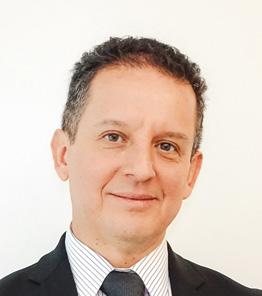
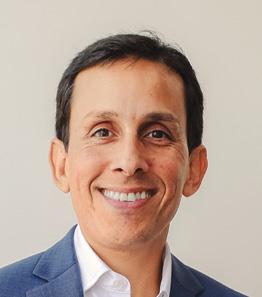
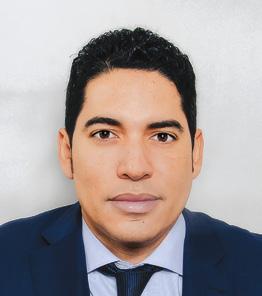
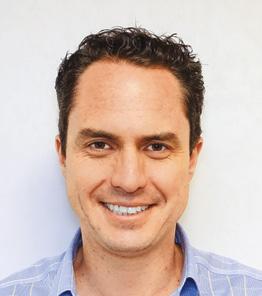
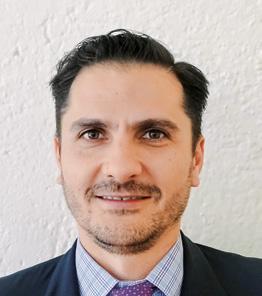
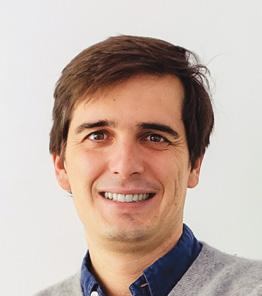
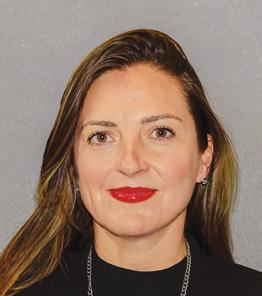
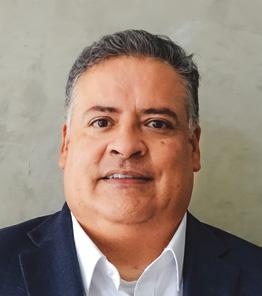
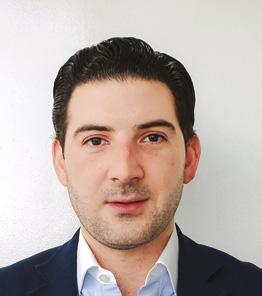
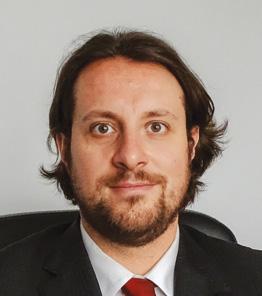
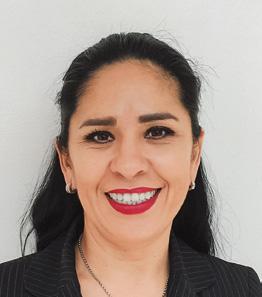
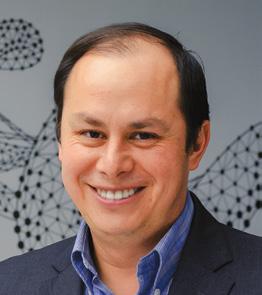
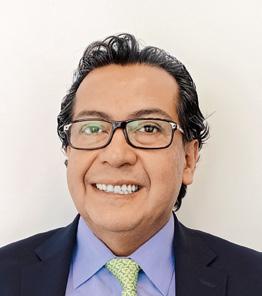
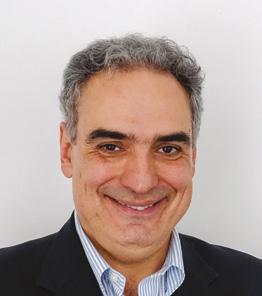
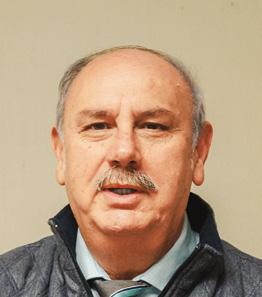
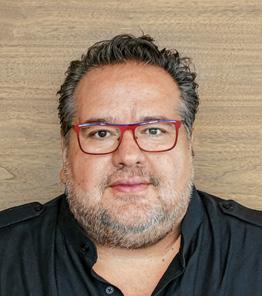
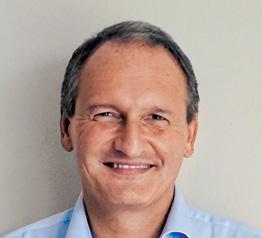
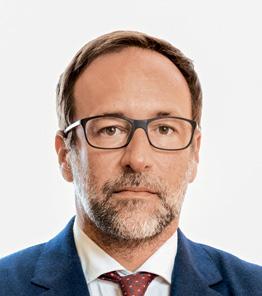
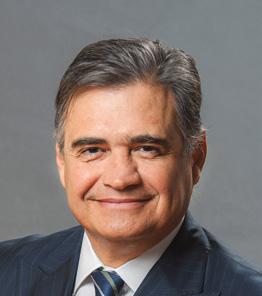
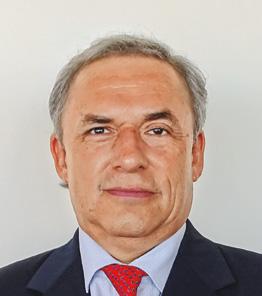
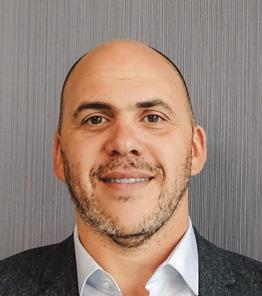
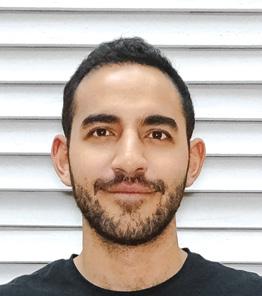
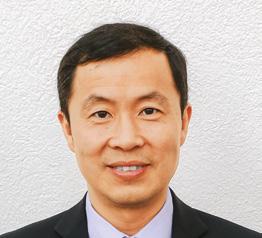
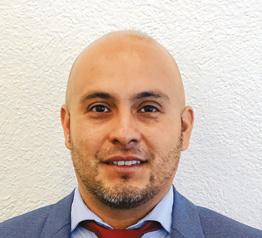
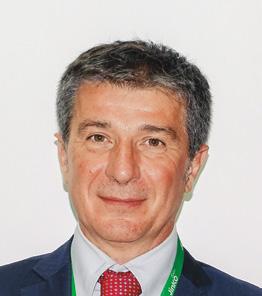
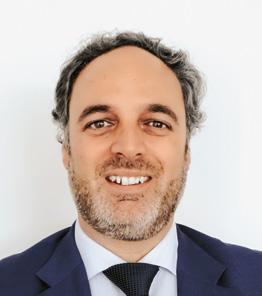
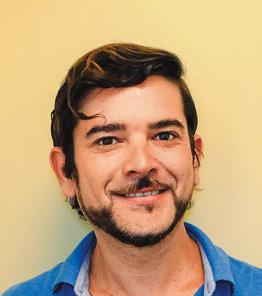
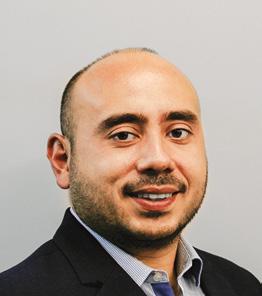
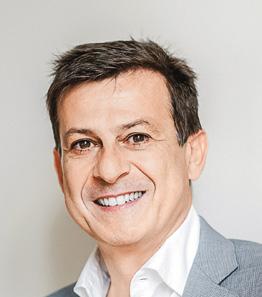
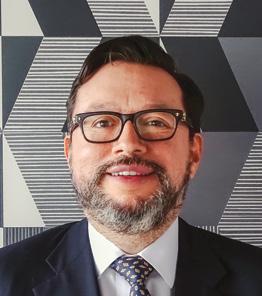
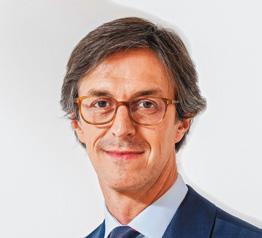
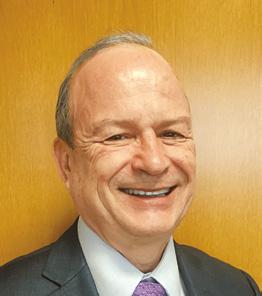
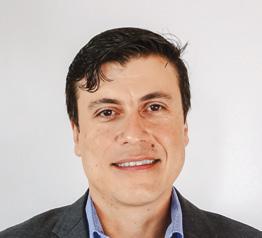
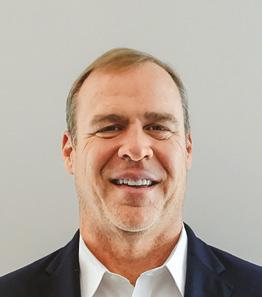
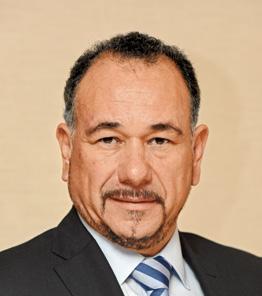
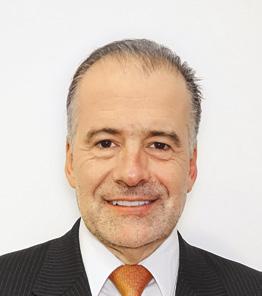
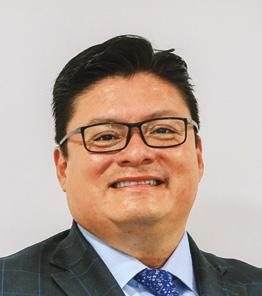
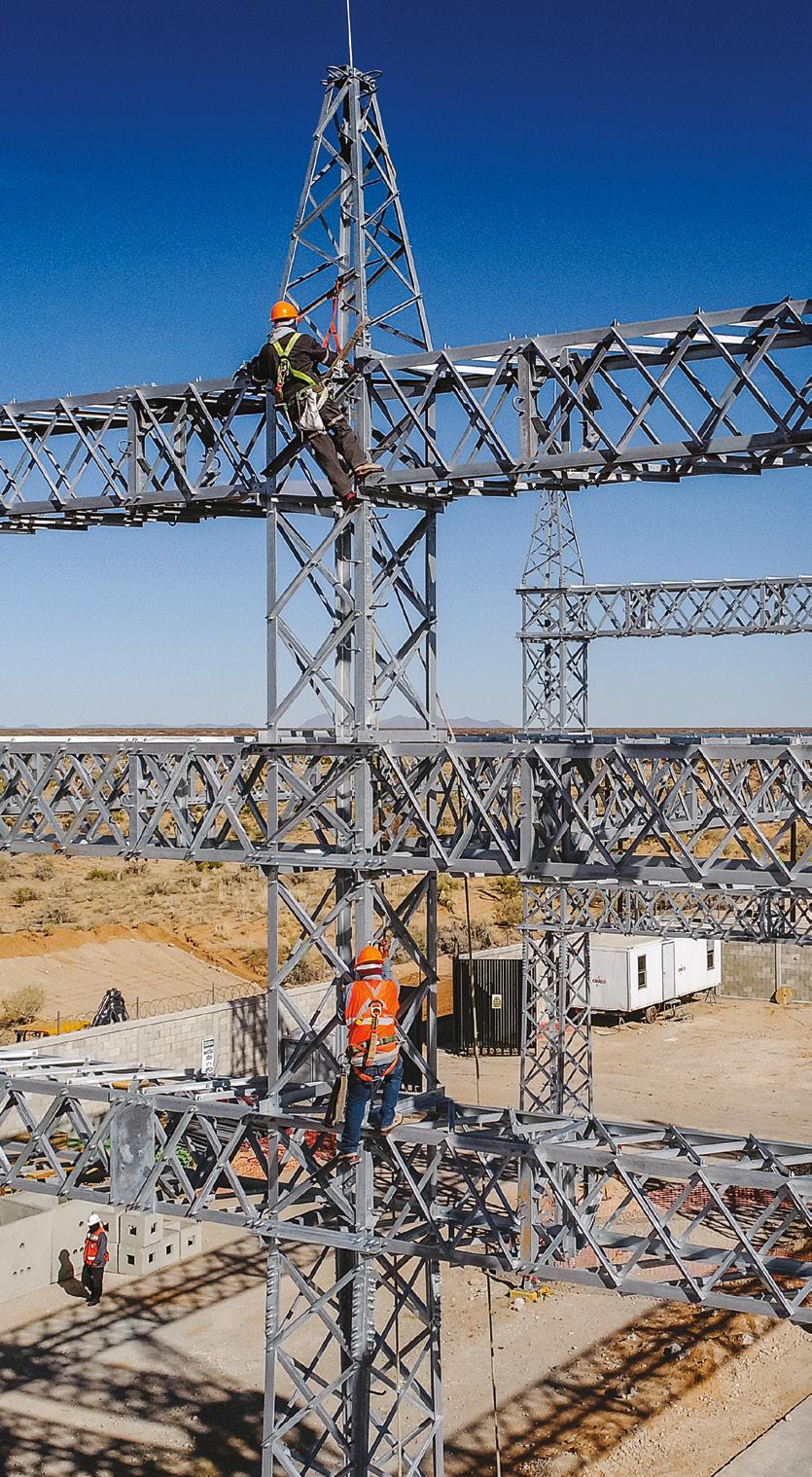
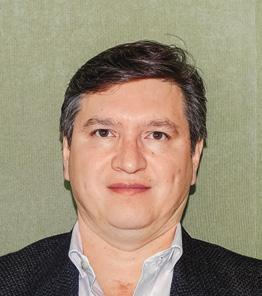
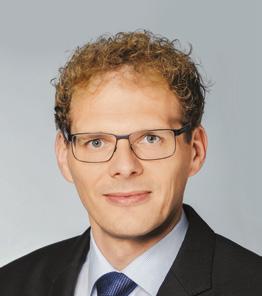
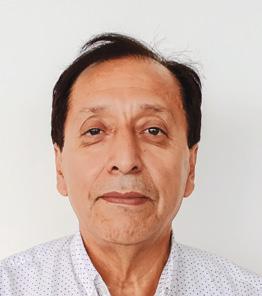
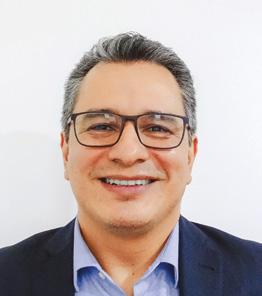
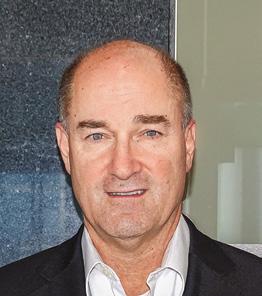
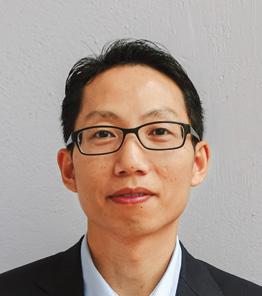
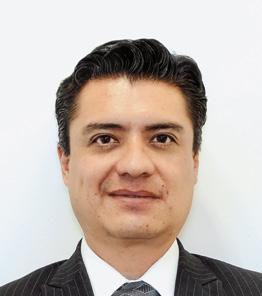
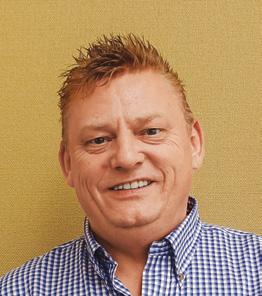
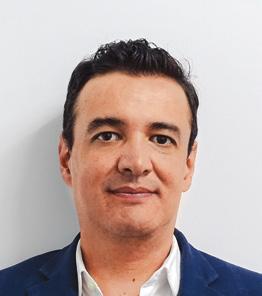
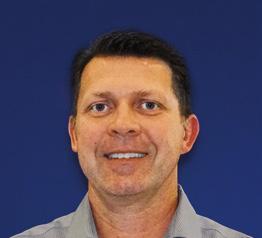
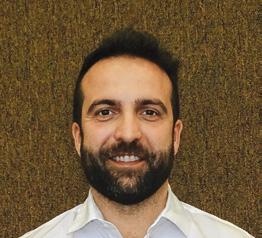
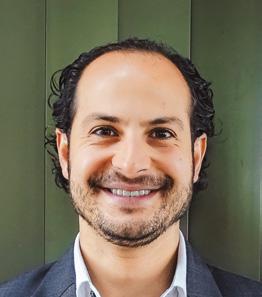
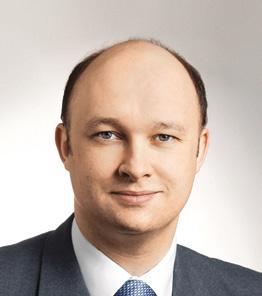
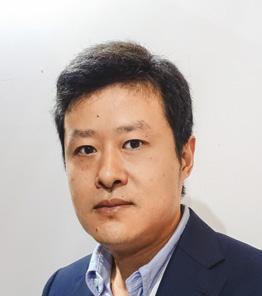
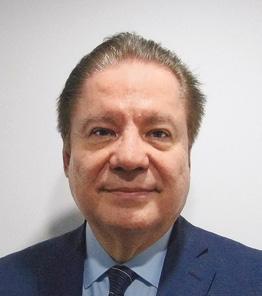
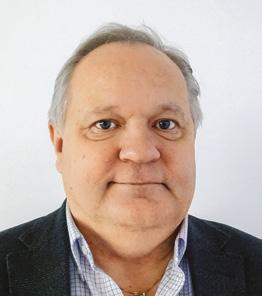
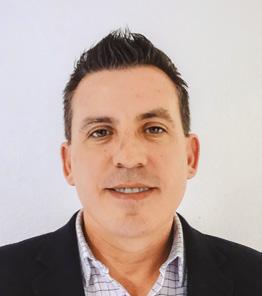
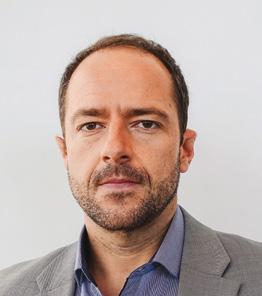
“I am sure that we will achieve the goal of fortifiying this great enterprise (CFE), for the good of our people, for the sake of workers and for the sake of Mexico”
The publisher has made all reasonable efforts to provide accurate information, and the information contained in this publication is derived from sources believed to be true and accurate. However, the information in this publication should not be considered to be complete or definitive, and may contain inaccuracies or typographical errors. The publisher accepts no responsibility regarding the accuracy of information and use of such information is at your own risk. The publisher will not be liable to any party for any direct, indirect, special or other consequential damages arising out of any use of information in this publication. The publisher provides no representations or warranties, express or implied, including any implied warranties of fitness for a particular purpose, merchantability or otherwise in relation to any information provided by the publisher in this publication.
ISBN: 978-1-7328256-2-8
2019
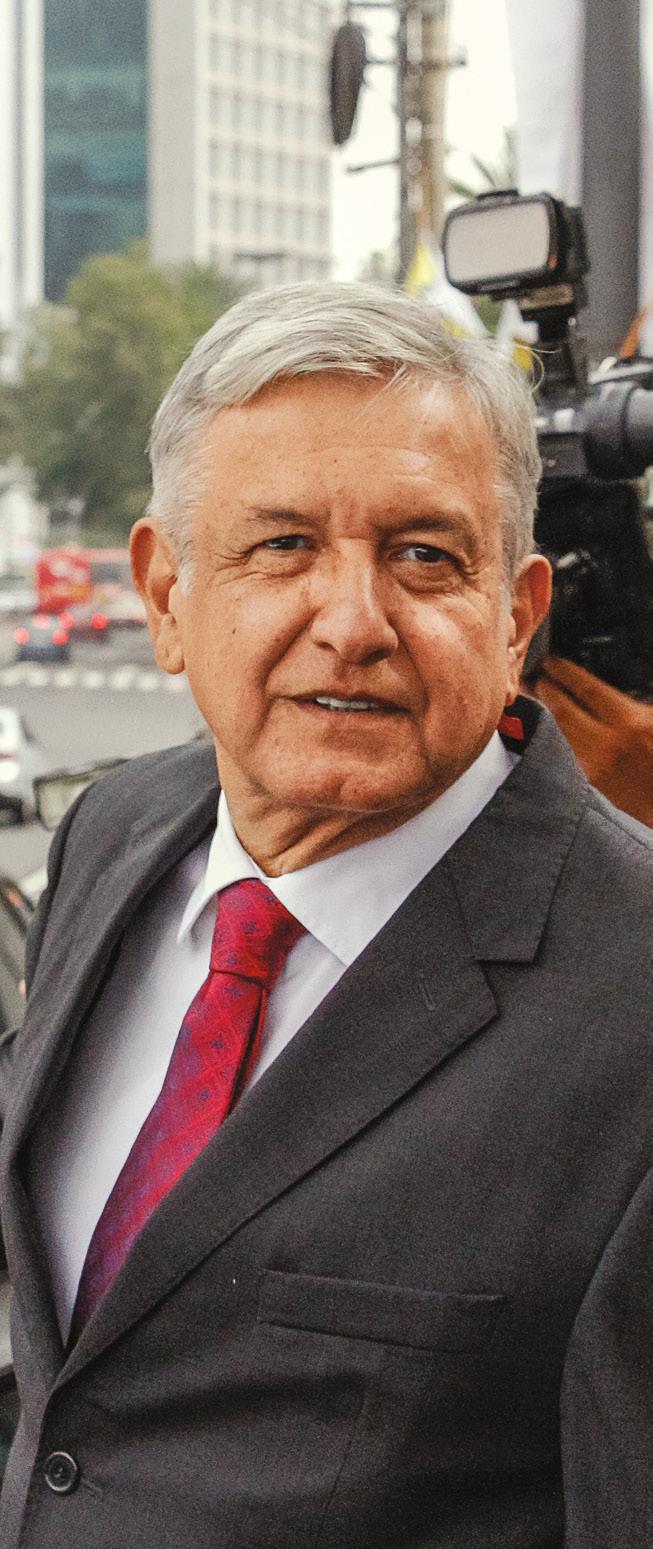
Mexico underwent a presidential transition in 2018 that rippled across the energy industry, with uncertainty facing the sector. President Andrés Manuel López Obrador’s administration was loud and clear from the beginning about its mandate to boost Mexico’s electricity generation and cope with the country’s increasing energy demand. His ambitious National Electricity Program, executed by Manuel Bartlett, the newly instated Director General of CFE, set a course to revamp the country’s coal-fueled power plants, geothermal plants and hydroelectric installed capacity. One key aspect of López Obrador’s plan that remains unclear is whether or not the new energy model, led by Rocío Nahle, Minister of Energy, will continue using the tools employed by the previous administration to achieve not only the goal of supplying the country’s energy demand but also aligning its energy production to its international commitment of increasing the participation of renewable energy to 35 percent of the total mix by 2024. The first actions taken by the administration suggested it would not be business as usual. Alfonso Morcos, the new Director General of CENACE, announced the suspension of the fourth edition of the long-term electricity auctions in December. These auctions were the prime tool of former President Enrique Peña Nieto’s Energy Reform to award and incentivize the development of large-scale clean energy projects. CRE also saw a massive reduction in its budget for 2019.
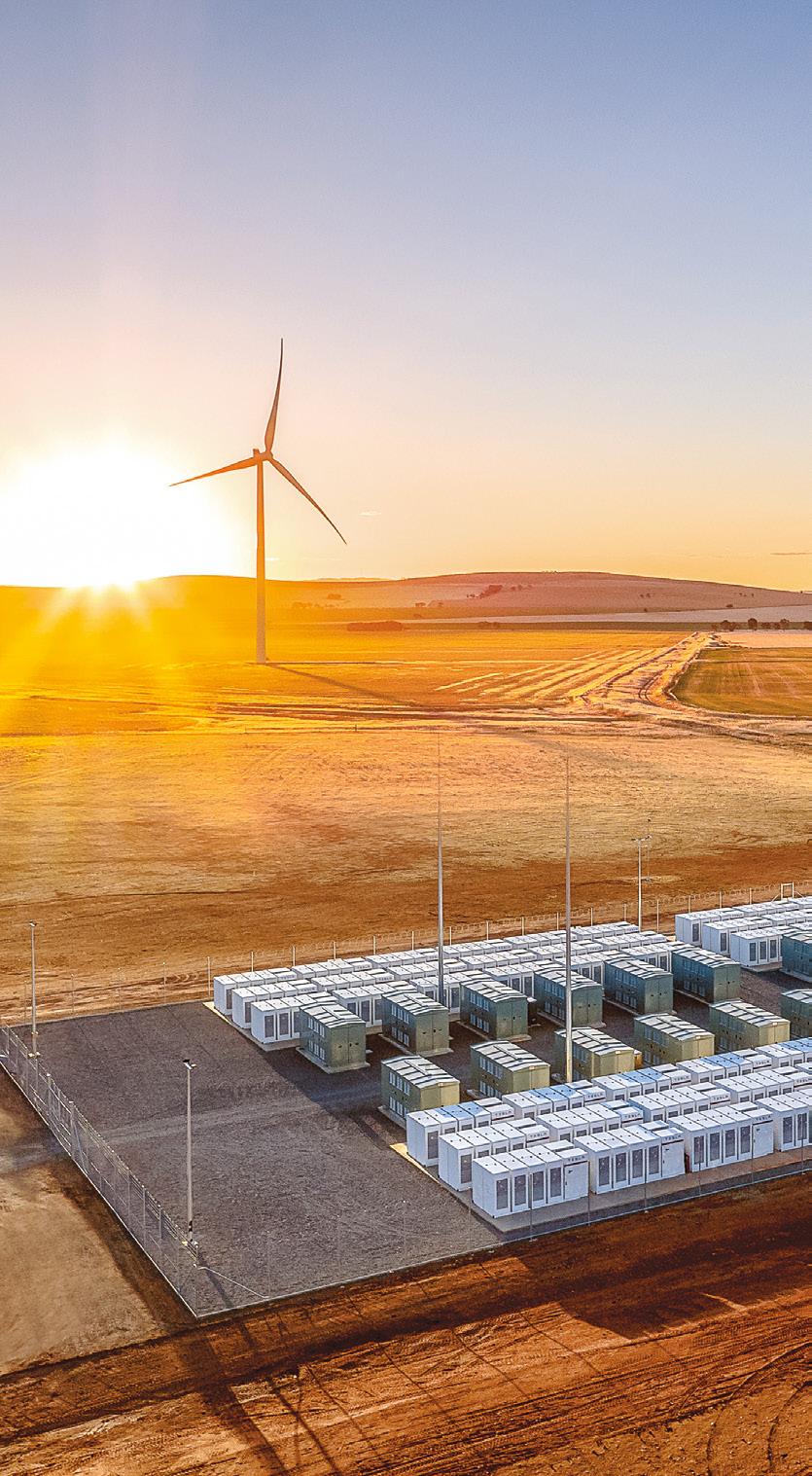
Whether López Obrador keeps the door open for future editions of the long-term electricity auctions, 2018 showed that Mexico is already experiencing an open market where new and better technologies are being deployed throughout the country. Mexico Energy Review 2019 looks back at the milestones achieved in 2018, while exploring the role of conventional and renewable power generation technologies as the country copes with the needs of a more sophisticated and informed electricity market.
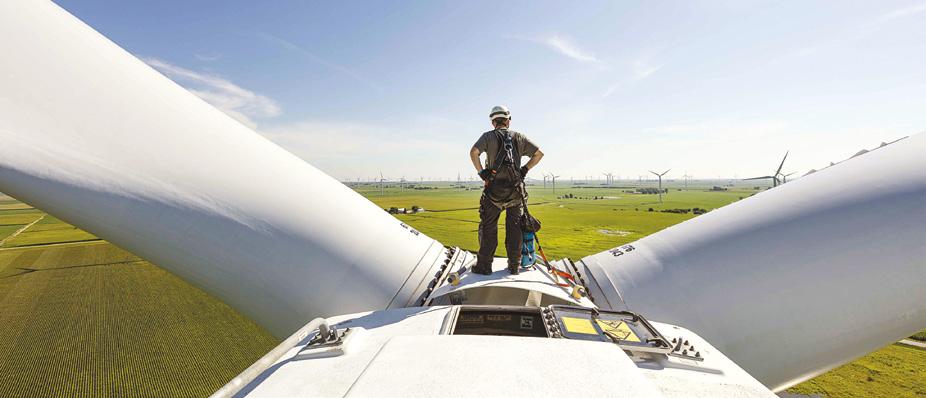
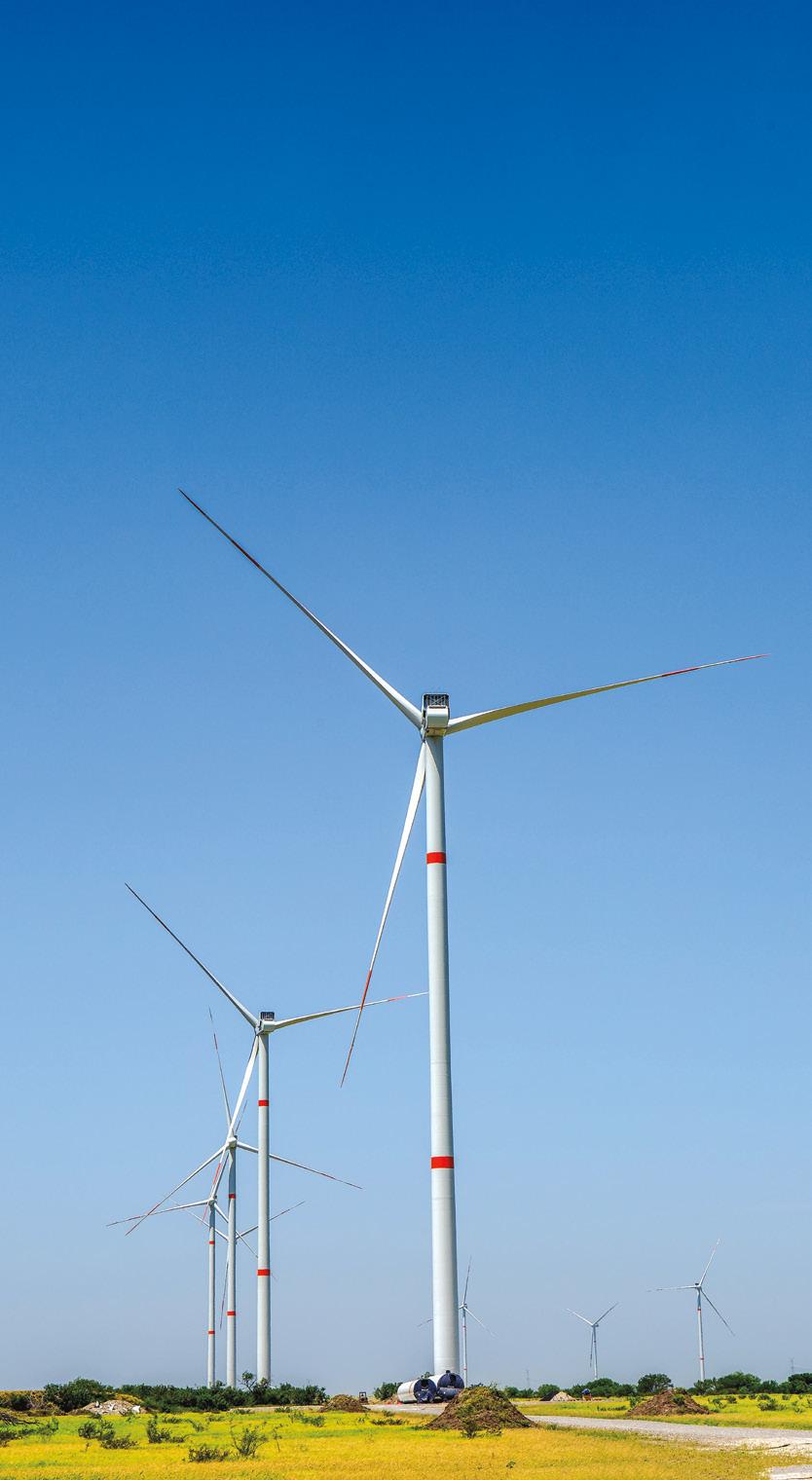
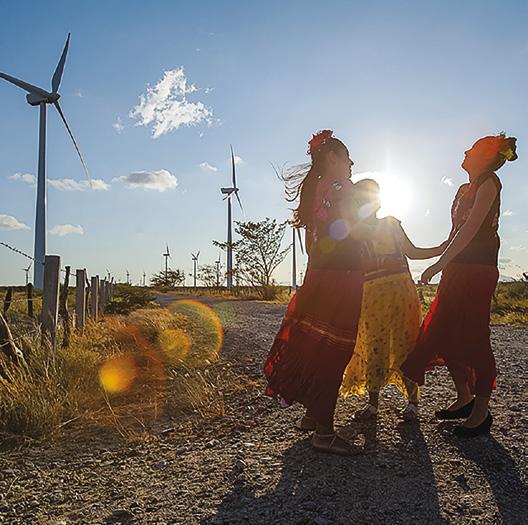
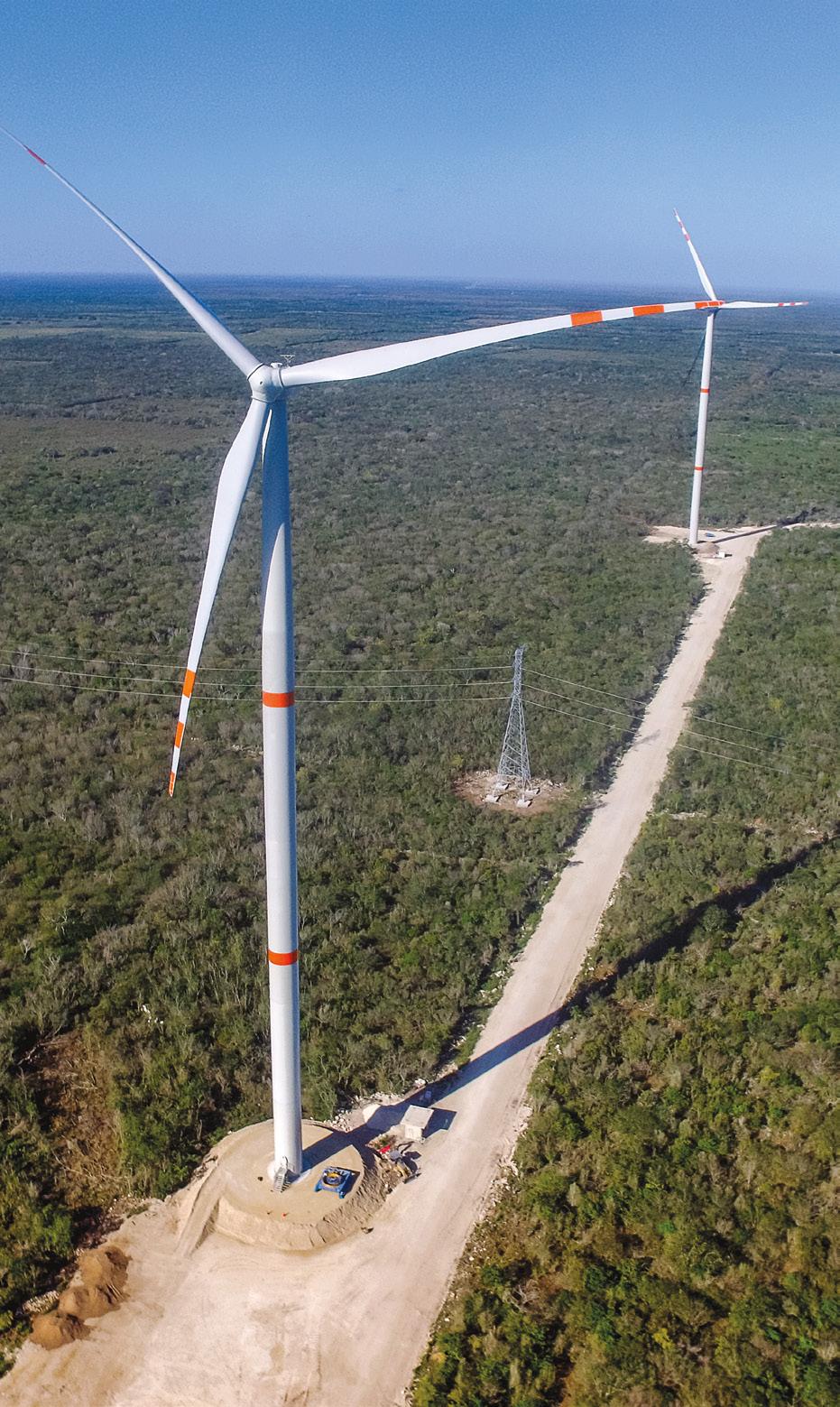
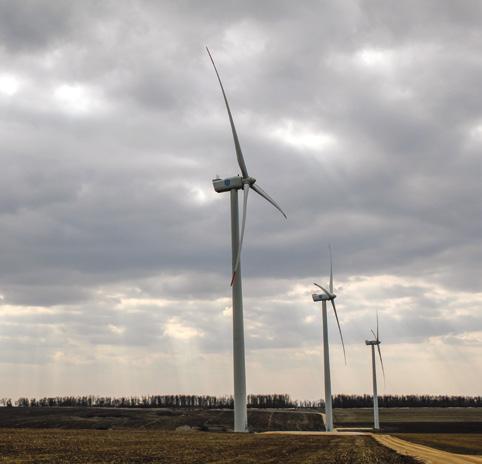
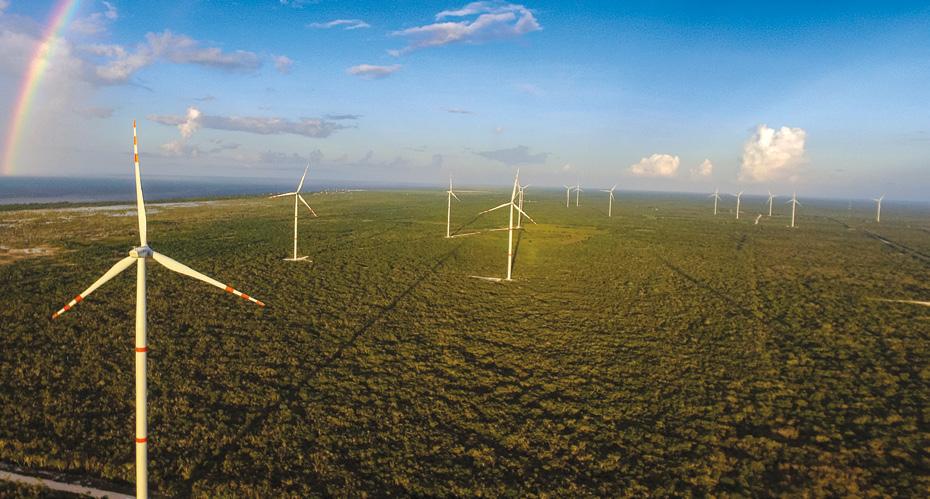
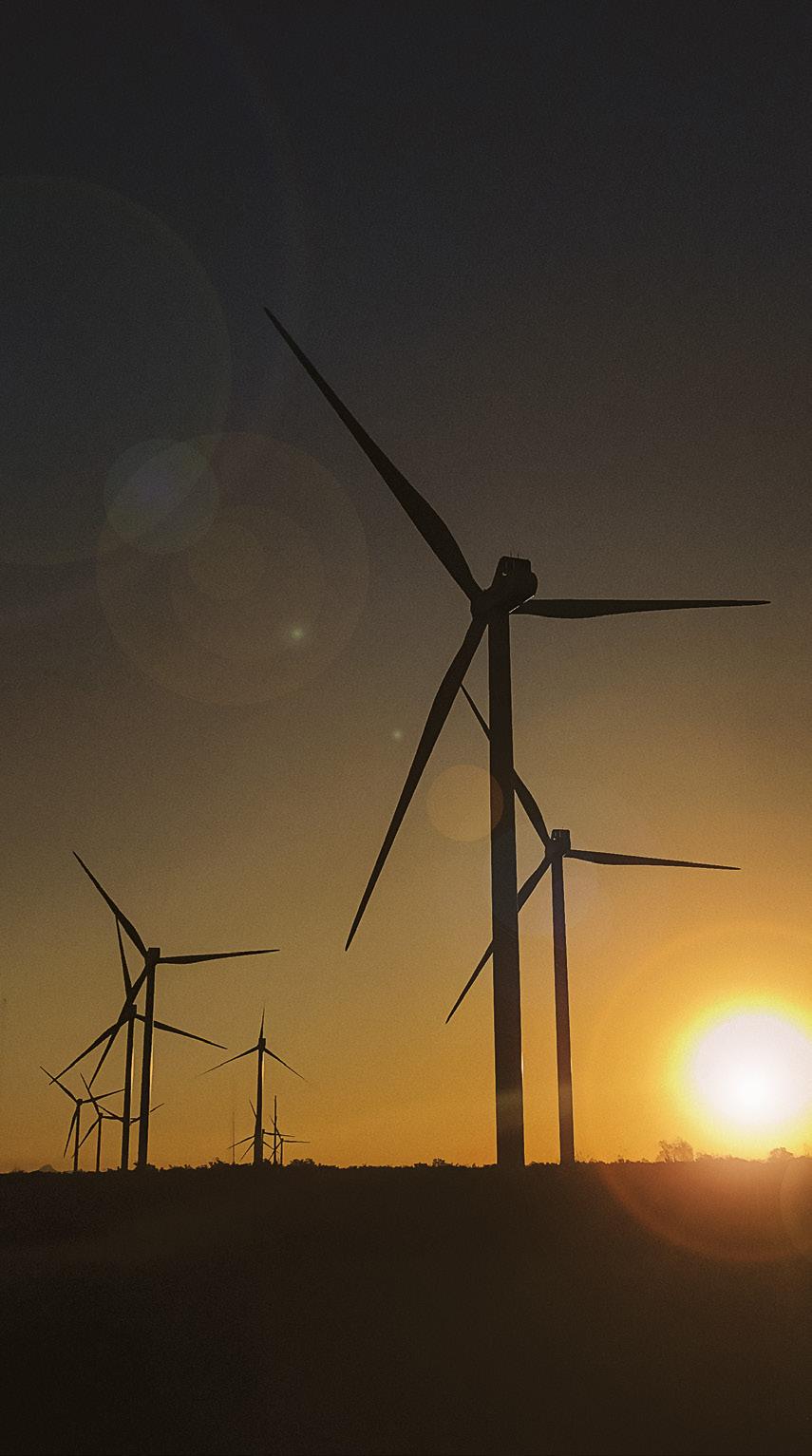
Grupo Mexico's El Retiro wind farm, Juchitan, Oaxaca
STATE OF THE INDUSTRY
1Three long-term electricity auctions and one midterm auction later, Mexico demonstrated in 2018 that renewables are here to stay. As the energy mix gets greener, the country is further developing its renewable energy value chain and final users will see the impact in their electricity bill if this growth is enhanced in the coming years. In the meantime, Mexico’s industrial segment will be gas-fueled, and a strategy regarding production, transportation and distribution needs to be established for guaranteeing grid reliability, coping with rising demand and transitioning toward a low-carbon future.
By the end of 2018 and with a new federal administration in place, uncertainty reigned and calls for Energy Reform continuity bellowed from all corners of the industry. Important auction processes for developing generation and transmission infrastructure have been put on hold and the new administration will have the final vote in this matter. State of the Industry presents the voices of the key policymakers, regulators and industry leaders who are collaborating on the development of the new energy model to provide a clear picture of the current landscape.
CHAPTER 1: STATE OF THE INDUSTRY
The
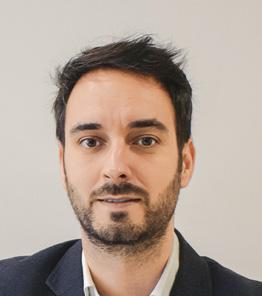
12 VIEW FROM THE TOP: Leonardo Beltrán, Ministry of Energy
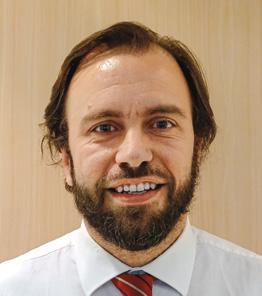
13 VIEW FROM THE TOP: Fernando Zendejas, Ministry of Energy
14 ANALYSIS: A New Era for Productive State Enterprise
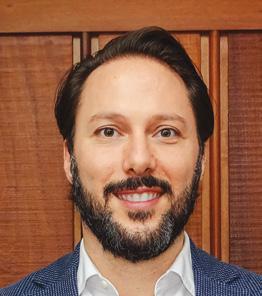
16 VIEW FROM THE TOP: Guillermo García, CRE
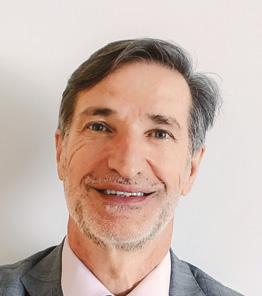
18 VIEW FROM THE TOP: Eduardo Meraz, CENACE
20 VIEW FROM THE TOP: José María Cu Cañetas, Energy Agency of the State of Campeche
21 VIEW FROM THE TOP: José Luis Calvo, SEMAEDESO
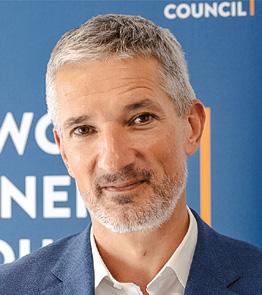
22 VIEW FROM THE TOP: Christoph Frei, World Energy Council
23 VIEW FROM THE TOP: Odón De Buen, CONUEE
24 VIEW FROM THE TOP: Angélica Quiñones, ANES
25 VIEW FROM THE TOP: Javier Romero, AMFEF
26 VIEW FROM THE TOP: Montserrat Ramiro, CRE
27 VIEW FROM THE TOP: Guillermo Zúñiga, CRE
28 VIEW FROM THE TOP: Alfredo Álvarez, EY
30 VIEW FROM THE TOP: Noé Pascacio, BGBG Abogados
31 VIEW FROM THE TOP: Juan Vargas, Deloitte Consulting
THE YEAR IN REVIEW
2018 was a decisive year for the consolidation of Mexico’s energy model. Added renewable energy capacity and a burgeoning number of market players are some of the results of this model but a new administration is promising to shake things up as the industry calls for continuity
The state of Mexico’s energy industry is strong, even if uncertainty remains the flavor of the day. With regulations shaping up to address nascent needs, the pieces are in place to continue consolidating the Energy Reform. But the election of President Andrés Manuel López Obrador, who has promised to focus on conventional energy sources, has spurred calls from the sector for continuity. The new administration, inaugurated in December 2018, quickly moved to show its hand with the suspension of the fourth long-term electricity auction and the Baja California – National Interconnected System Transmission Line while pushing back the scheduled tender for the key Yautepec – Ixtepec Transmission Line. How AMLO’s plans play out will determine the landscape for the next six years. For now, the president and his government take over an industry that has been internationally acclaimed for the speedy implementation and successes of its reform.
One sure sign of consolidation is the imminent conclusion of the regulatory process that provides all the tools for an operational energy market to be fully functional and increasingly renewable. Looking to find further efficiencies for the transition, the industry’s regulators CRE, CNH and ASEA, materialized their coordination efforts with the creation of ODAC, the Coordinated Assistance Office of the Energy Industry, to facilitate the permitting procedures of market players looking to capitalize on the unlocked opportunities in the energy value chain. Nevertheless, these efforts might be limited by the reduction of budget that regulatory entities have suffered with AMLO’s entrance to office, translating in bottlenecks within their operations. As Mexico’s energy
The Ministry of Energy publishes the Contracting Manuals for Transmission and Distribution Services’ Coverage as well as the Manual for the Development of the Market Rules in the Official Federal Journal
Mexico officially joins the International Energy Agency
CRE presents its 2018-2022 Strategic Plan and also publishes its 2018-2022 Business Plan
CENACE publishes the official results of the first midterm electricity auction
CRE and CENACE publish the call for proposals for the fourth long-term electricity auction
Enel Group inaugurates its 754MW Villanueva PV plant in Coahuila
mix is injected with additional renewable energy capacity, natural gas is expected to play a critical role as a transition fuel, either through continued imports or increased domestic production, which López Obrador is championing. Cheaper and more environmentally-friendly compared to other conventional fuels, access to natural gas can detonate the regional development of Mexico’s economically vulnerable southern region.
The country also took steps in 2018 to prepare its transmission and distribution infrastructure to absorb the intake of the tobe installed 8GW of renewable energy capacity. According to CRE’s database, the state of Oaxaca alone cumulates 2,346MW of operational wind power capacity, as of October 2018, and will welcome an additional 411MW before 2021. While this renewable energy landmark is good news for the country’s clean energy ambitions related to the 2024 horizon, the renewable power generation potential of Oaxaca’s Tehuantepec Isthmus risks facing a transmission bottleneck. To that end, the tender of the Yautepec – Ixtepec Transmission Line project is meant to interconnect the state of Oaxaca with the state of Morelos to transport the state’s power generation to the energy-intensive center region. The project is estimated to require an investment of US$1.2 billion and after several rescheduling announcements, CFE announced it will receive project proposals in February 2019 and the tender winner is set to be announced by March 2019. The other transmission flagship project is Baja California’s interconnection tender to connect both states to the rest of the country’s National Interconnected System. The transmission line is estimated
Pedro Joaquín Coldwell, Minister of Energy, states that Mexico is among the 10 most attractive countries for investment in renewable energy
The energy sector has raised MX$202 billion in the BMV, an amount that represents 14 percent of all CKDs
Public tenders for HDVC lines to connect Baja California with the rest of the country and to dispatch energy from the Isthmus of Tehuantepec to the center of the country attract 22 and 28 participants respectively
to be 1,400km long and will be the first HVDC current transmission line in the country. Conducted by the Ministry of Energy, the tender attracted the interest of 109 companies and counts seven pre-qualified offers. The tender winner is scheduled to be announced by February 2019.
MERCHANT PROJECTS, BILATERAL PPAs
With a cumulated pipeline of 58 clean energy projects amounting to 8GW of installed capacity and US$8 billion in investments, Mexico’s long-term electricity auctions have consolidated their status as the success story of the country’s energy transition and its 2024 landmark objective of 35 percent of clean energy generation. Although the fourth-auction has been suspended, the aggressive package prices showcased in previous editions have limited auction participation to a specific player profile. This profile includes utility-comparable companies with the business model and financial capacity to enable an efficient and standardized project development model suitable for utility-scale projects. “I expect a market segmentation in which lower-volume projects can be pursued, opening the door to better offer prices and higher investment returns. But we cannot expect the case of a large market buyer to become a generalized rule for the industry. It would be a mistake to believe that the wholesale electricity market will provide the same conditions to all when not all have the same purchasing power,” says Rubén Cruz, Energy and Natural Resources Lead Partner of KPMG.
The design of Mexico’s energy market avoids cornering project developers to rely on a single scheme. On the contrary, it incentivizes companies with different risk preferences and commercial objectives to look for alternatives in the market. Mexico is consolidating a pool of project sponsors and IPPs that are more comfortable relying on nodal prices and private off-takers rather than auction prices and CFE as the final off-taker. “Merchant projects obtain financing under much shorter terms compared to long-term electricity auction projects, calling for a primarily equity-based financial
structuring. Mezzanine finance can provide a risk-mitigating bridge between attractive short-term yields and long-term uncertainty, characteristic of merchant projects. The ideal scenario is to gradually migrate from project finance to corporate finance based on a sufficiently large critical mass of projects for a strengthened refinancing capacity that provides a capital structure much more adequate for merchant projects,” says Andrés Millán, Chief Investment Officer and Co-Head of the IFC’s China-Mexico Fund. As Mexico’s project finance practice gains sophistication and more financial entities are enticed by this alternative, the country is poised to witness an increased number of merchant projects and bilateral PPAs, fostered both by auction results and the increasing electricity demand from the country’s industrial tissue. “A significant contingent of multinational sponsors that have certain constraints on capital structure were not thrilled or not even able to participate in the long-term auctions because of the low pricing obtained in the coverage contracts. These low levels made certain assumptions about merchant revenues that not everyone was willing to accept, including financial institutions. We believe the emergence of bilateral PPAs to be incredibly positive. For one, it means that more developers are pushing the commercial side of their business and not just relying on CFE. Second, a pool of industrial players willing to sign these PPAs is steadily growing, meaning they are getting more involved so they can enter into commercial conversations with project sponsors. It is a growing trend that will consolidate as we move forward under the new administration,” says Salomón Amkie, Vice President, Head of Power and Utilities for Citibanamex.
FINANCIAL RIGHTS OF TRANSMISSION
According to CENACE’s latest figures, Mexico’s wholesale electricity market counted 140 operational participants and 68 in the process of asset registration. Out of these 72 active participants, 46 are power producers, 17 are qualified suppliers, seven are non-supplying traders, with one intermediation power producer and a basic supply provider. CENACE also
Andrés Manuel López Obrador wins presidential election
CFE ends its efforts to obtain an amparo against CRE’s administrative provisions for distributed generation
The results of the public auction for the construction and operation of the HVDC transmission lines connecting Oaxaca to Morelos is postponed for the fourth time
The biggest wind farm in Mexico, located in Tamaulipas, starts operations with 424MW
CENACE announces plans to inject 12.429GW of new power generation into the grid during 1H19
MORENA’s parliamentary group in the Deputies Chamber presents an Organic Law Proposal for regulatory bodies CNH and CRE to become part of the Ministry of Energy
Mexico’s fourth long-term electricity auction is suspended
AMLO inaugurated as president
AMLO unveils his National Electricity Plan and CRE suffers a budgetary cut of 26 percent
Rocío Nahle enters office as the new Minister of Energy
CENACE announces Alfonso Morcos as new Director General
Primary Energy Production in 2017
TOTAL GENERATION (GWh)
329,163
78.9% Conventional
21.1% Clean
Primary Energy Production in 2017
TOTAL CONVENTIONAL ENERGY GENERATION (GWh)
registered energy transactions in the spot, day-ahead and hour-ahead markets, signaling the first steps toward market liquidity and generalized transactions. The road toward market maturity remains lengthy, as observed by Alejandro Blanco, Co-Founder of Tradeon Energy. “The fundamental problem is that qualified suppliers require hedging contracts to operate but have limited capacity to sell their retail products. It helps little that they often overlook the need to get involved in the wholesale hedging market, which provides access to Capacity Bilateral Transactions (TBPot), Energy Bilateral Transactions (TBFin), CELs and financial derivatives, such as swaps. This means the conditions required for new qualified suppliers to be competitive are absent. Without a strong retail segment requiring hedging and bilateral contracts, wholesale cannot prosper,” he says.
259,766
63.6% Combined Cycle
16.5% Conventional Thermoelectric
11.8% Coal
4.9% Turbogas
1.7% Internal Combustion
1.5% Fluidized Bed
Primary Energy Production in 2017
TOTAL CLEAN ENERGY GENERATION (GWh)
69,398
45.9% Hydroelectic
15.7% Nuclear
15.3% Wind
10% Efficient Cogeneration
8.7% Geothermal
2.8% Bioenergy and FIRCO
1% Distributed Generation
0.5% Solar
0.1% Regenerative Breaks
Source: Ministry of Energy
The infant market has yet to adjust to the detected imbalance between power energy and CEL prices showcased in the auctions and those reflected in the spot market, determined by node marginal prices. “Qualified users are constantly on the lookout for the best price levels. In our experience, they are aware that their trading price tags will not reach longterm electricity auction levels. I believe the imbalance comes rather from trading terms rather than price levels,” argues Juan Guichard, CEO of Ammper Energía. He also highlights the need for broader financing. “Another pending issue that is needed to boost energy trading is the increased involvement of financial entities. By crafting bankable long-term PPAs with solid warranties, financial entities can contribute to mitigating the inherent long-term risks in energy trading transactions.”
The remaining ingredient for a fully operational wholesale electricity market eagerly awaited by market participants are financial rights of transmission. “It is the only puzzle piece left of fundamental importance for the qualified supply market,” says Marcelino Madrigal, Commissioner at CRE. “In essence, these mechanisms provide the possibility to purchase rights over congestion pricing. This means acquiring the rights, through an auction, obtaining the rights over node price differentials between energy injection and extraction. They essentially act as a shield for power producers and qualified users over electricity price variability over time.”
FUELING ECONOMIC GROWTH
Despite Mexico’s commendable efforts to transition toward renewable energy, natural gas still accounts for 70 percent of fossil fuel demand for power generation purposes. According to PRODESEN 2018-2032, combined cycle generation alone accounts for half of the country’s power generation. Highly cost-effective and environmentally friendly, Mexico’s access to natural gas’ cheapest market, the US, has placed this fuel at the center of the country’s power generation plans to transition toward renewable energy. In 2014, CFE made the decision to adapt its thermoelectric plants to dual combustion
processes to gradually transition from fuel oil to natural gas. This process is ongoing.
Given natural gas’ contribution to the country’s power supply, it comes as no surprise that CENAGAS is looking to use natural gas as a lever for national development and reach greater economic growth rates. The national pipeline administrator, announced a MX$1.75 billion investment on the Yucatan Peninsula. “Part of this investment will be allocated to the reconfiguration of the Zempoala compression station and the interconnection of the Tuxpan pipeline. Another project to be financed by this investment is Engie’s interconnection between the Mayacan system with SISTRANGAS pipelines in the southeastern region of the country to freely transit toward the Yucatan Peninsula. Engie is additionally investing in the Mayacan pipeline to increase compression capacity and possible flow. Its capacity is close to 0.25Bcf/d while flows have yet to surpass the 0.08Bcf/d mark,” says David Madero, Director General of CENAGAS.
To guarantee reliability and safety to natural gas supply for power generation purposes, CENAGAS and CENACE, the electricity system administrator, modified a critical coordination agreement signed in 2015 two years after its initial signature, in September 2017. “Our core objective as control centers is to offer the safest, most reliable and efficient transport system aligned perfectly with CENACE’s mission to offer an electricity system that is equally safe, reliable and efficient. In this sense, part of our work requires us to provide feedback related to project demand growth projections for electricity and natural gas, coupled with ensuring the safety and reliability of natural gas supply to enable a solid electricity industry. When operating with a vision of natural gas as a transition fuel, it is particularly critical to enable the support it can provide to tackle renewable energy intermittency. This is why constant coordination between CENAGAS and CENACE is equally critical. The first fruits of this collaboration have resulted in planning improvements, emergency reaction and management between both control centers as well as administrative efficiencies,” Madero added.
PREPARING MEXICO’S SMART GRID
Distributed generation, decentralized microgrids and energy storage technology are but a few of the technological disruptions called to profoundly transform how Mexico has traditionally produced, transmitted, distributed and consumed its electricity. Extending Mexico’s electricity transmission and distribution infrastructure is but one aspect of how the exponential growth of the country’s electricity consumption can be addressed. “In the case of energy storage, ROIs are averaging five years. For the grid operator, that translates into a reliable power supply, meaning stable frequency and voltage. For power producers, it provides the possibility of storing energy and trading it in the market at a more convenient
time based on electricity rate variability. For final users, it unlocks the possibility to shave the maximum peak demand and significantly reduce electricity bills at a time when they are expected to steadily increase. It also provides long-term certainty over electricity costs,” says Alejandro Preinfalk, Vice President of Energy Management at Siemens Mexico.
For Oscar Miranda, Co-Founder and President of Smart Grid Mexico, smart grids in the country have left the theoretical realm to materialize in the country’s day to day electricity supply. “All the necessary measurements for correct billing in the WEM are fully automated and every operation related to the security and protection of the electricity grid in Mexico is done with telecommunication protocols that are automated. As a matter of fact, for the WEM to work properly every process has to be fully automated. As for DG projects, they also need smart grids for participants to measure bidirectional energy fluxes and to bill clients correctly,” he says.
CRE is redoubling efforts to make sure Mexico’s regulatory framework is entry-barrier free for new technological developments designed to assist the country’s electricity transmission and distribution. “The electricity rates CRE approves for CFE recover the grid’s operation, maintenance and growth costs. CRE has a regulatory mechanism in place where, provided the right rates, CFE, in its role as electricity transmitter and distributor, has the required incentives to improve the grid. On the innovation side, the Ministry of Energy drafted a smart grid plan in 2016, approved by CRE, with information provided from CENACE. CFE’s grid expansion plan therefore includes investments in innovative technologies, such as smart metering,” says Madrigal.
THE AMLO ADMINISTRATION
The wrench in the machinery for the energy industry is the new government presided by López Obrador. His calls to revisit, and potentially revise, the Energy Reform rattled investors throughout 2018 as the presidential campaign unfolded and with AMLO’s victory and subsequent inauguration. Industry insiders have been unified in their calls for continuity in the reform, which they view as mostly successful. The signs so far have been mixed. López Obrador took office with a blistering attack on the Energy Reform, which he said “had only meant a drop in oil production and rise in gasoline prices.” He has vowed to strengthen both PEMEX and CFE as productive enterprises of the state with a mandate to thrive under market conditions, bolstering both their budgets for 2019. The suspension of the fourth long-term auction also helped crack the egg of certainty that had settled over the industry. The new administration has also expressed interest in revamping the country’s hydroelectric assets and has been adamant about securing the continuity of renewable energy’s penetration in the energy mix. For now, the stage is set. The market is only waiting to see how it unfolds.
ENERGY EFFICIENCY AS ENERGY POLICY 2.0
LEONARDO BELTRÁN
Former Deputy Minister of Planning and Energy Transition
Q: How does Mexico’s 2012 energy mix contrast with 2018 and is the country on track to meet its 2024 objectives?
A: Since 2012, we have expanded our installed wind power capacity sevenfold and PV generation’s installed capacity grew 48 times, from 34MW in 2012 to 1,677 MW by 2018. The Ministry of Energy laid the groundwork for the legal framework to ensure it was conducive to reaching our 2024 goals. The data is there to assess our progress. The World Bank ranks the sustainability of the energy policies of 111 countries, including renewables, energy efficiency and electricity access. Overall, Mexico ranked 14th in 2017. Bloomberg New Energy Finance placed Mexico in the Top 10 renewable energy investment destinations in 2017. Mexico alone represented over onethird of clean energy investments in Latin America that same year. Mexico went from being among 2012’s Top 30 to 2018’s Top 13 most-attractive countries in EY’s Renewable Energy Attractiveness Index. It is quite encouraging to see Mexico in such good standing on the international stage.
Q: What would you have done differently during your term?
A: In retrospect, energy efficiency should have been considered an essential component of the WEM, comparable to CELs. Energy efficiency should be the Energy Transition Policy 2.0 for the new administration. We also should have paved the way to unlock CFE’s access to capital markets and to list on the Mexican stock exchange. CFE is difficult to compare to a similar fully private and stock marketlisted corporation as it does not operate under the same conditions nor does it have the same corporate mandate. Listing CFE on the Mexican stock exchange has the potential of doing wonders for its corporate governance, financial health and overall competitiveness, both at the national and international levels.
Q: How is Mexico preparing to integrate disruptive technologies such as EV, energy storage and blockchain?
Leonardo Beltrán has 13 years of experience serving in the Ministry of Energy, first as International Negotiations Director from 2005 to 2010. He then served as Director General of Information and Energy Studies until his former appointment in 2012
A: It is a matter of pending regulation, which CRE is in the process of concluding, to make sure it answers to market requirements and can establish a seamless cohabitation between the traditional, centralized power generation model and the growing decentralized system. Going forward, we need to think about preparing the regulatory framework for new, flexible models that can enable the use of disruptive technologies, such as EV, energy storage and blockchain. In terms of electricity transmission and distribution infrastructure, Mexico needs to both extend it and rely on distributed generation systems, as witnessed by the exponential growth in the number of distributed generation interconnection contracts. Mexico’s energy security is based on relying on a mix of optimal options and this administration excluded no possibility as long as it contributed to the energy security goal.
Q: What flagship project showcases the success of Mexico’s energy transition?
A: Coahuila is now home to the second-largest PV park worldwide, located in Villanueva. It is the direct result of the country’s Energy Reform. The next largest Mexican PV park is being built in Tlaxcala, with an installed capacity of 500 MW. Geothermal is also enjoying a second wind with private players developing projectsas a result of the reform. Mexico’s southern region would not have seen wind and solar projects if not for the regulatory framework that fostered their seamless development, including social and environmental impact assessments.
Q: What changes do you expect from the new administration?
A: The new administration has a specific vision and set of actions for what needs to be done to foster the growth of the energy industry. This vision obeys to a moment in Mexico’s history when the country did not have as many trade and investment connections with the international economy as we have today. Now, Mexico has one of the most extensive lists of trade agreements worldwide. As per the World Bank’s latest figures, international trade amounts to 77.56 percent of Mexico’s GDP. As Mexico is a market-driven economy, it makes sense to inject market forces into the country’s electricity industry, such as the design and launch of the wholesale electricity market.
MEXICO WILL KEEP THE SWITCH ON
FERNANDO ZENDEJAS
Former Deputy Minister of Electricity at the Ministry of Energy
Q: How does the Deputy Ministry of Electricity expect the energy mix to evolve in the coming years?
A: Regarding installed capacity, this administration will conclude with 31 percent of clean energy generation. Taking into account intermittency in effective generation, the total is around 21 percent. Nevertheless, with the installation of new plants, the country evolved from 62,000MW in 2012 to 78,000MW in 2018. Half of the additional 16,000MW comes from clean energy sources. If this growth continues, in the next 15 years conventional thermoelectric plants will decrease their participation in the energy mix. Regarding natural gas, this fuel represents half the country’s electricity generation and as long as it remains abundant, has a small carbon footprint and is governed by competitive prices, it makes sense to keep it in the mix. Additionally, there are other technologies that are reliable and consistent, such as nuclear energy. Laguna Verde’s two reactors supply close to 5 percent of the national electricity demand and the PRODESEN aims to duplicate this capacity in the coming years. This will represent a huge investment for CFE as particulars cannot participate in this segment due to national security and constitutional restrictions.
Q: What were the three main contributions of your office to the national electricity industry during this administration?
A: Primarily, we opened an opportunity for the industry to participate directly in transmission and distribution infrastructure projects. At the moment, there are two important tenders on the agenda regarding the construction of transmission line projects. The first will be in association with CFE for the Ixtepec-Yautepec Transmission Line project that will interconnect Oaxaca and Morelos. The second is a private project involving the interconnection between the National Interconnected System and Baja California. The latter will be the first project in the country’s history to install DC lines for electricity transport.
The second contribution was the introduction of the new plant construction model that stands out from the four modalities established in the 1992 Electricity Legislation. These were self-supply, independent power producers, small producers and cogeneration. With the current model,
any company that aims to generate electricity and complies with the requirements stated by CRE and CENACE can do so. Finally, the third contribution is the creation of the qualified supplier figure, which is considered a milestone because it provides certainty for long-term investments and a more dynamic and competitive market.
Q: What three main topics should the next administration prioritize in the electricity industry agenda?
A: First, it should prioritize preventing possible congestions that might take place in the transmission lines, mainly in nodes that are seeing increasing demand, such as the Yucatan Peninsula or Monterrey’s metropolitan zone. Second, it should follow the market rules as established, executing a long-term electricity auction per year. Third, rural electrification is a pressing issue.
Q: Looking at the electricity system as a whole, what energy policies are required to meet the country’s needs?
A: The best thing any future administration can do is to respect the symbiosis between state planning, executed by the Ministry of Energy, administrated by CENACE, regulated by CRE and developed by CFE as the country’s productive enterprise. Complementing this with private investment, long-term planning and the best technology available is mandatory. Despite the political landscape, the country will keep flipping the switch on, and current and future electricity demand will need transmission and distribution infrastructure to supply energy at the required pace.
Regarding CFE, if the government decides it will have fewer than six subsidiaries, that will not pose a problem. The Constitution provides the guidelines for a competitive industry. Having a CFE that is efficient and more competitive every day does not close the doors to other participants. I hope the next administration agrees with this as well.
Fernando Zendejas was appointed Deputy Minister of Electricity at the Ministry of Energy in November 2017. Zendejas’ experience in the energy sector includes roles with PEMEX, CFE, CENACE, CENAGAS, the IEA and INEEL
A NEW ERA FOR PRODUCTIVE STATE ENTERPRISE
CFE looks to the future, armed with a bigger budget and a mandate to again take the leading role in supplying Mexico’s energy needs, following the priorities outlined by President López Obrador in his National Electricity Program
A new era dawned for CFE on Dec. 1, 2018, when Director General Jaime Hernández officially passed the torch to Manuel Bartlett, who wasted little time in outlining the productive state company’s priorities for the next six years of President López Obrador’s term. In line with the government’s priorities and armed with a bigger budget, CFE will pursue coal, geothermal and hydropower as it moves to supply a rising demand for energy.
AMLO intends for CFE to use its muscle, along with fellow state company PEMEX, to put the country on the path to energy self-sufficiency. CFE’s budget for 2019 has been pumped up to MX$434.7 billion, giving it an extra MX$20 billion. Bartlett, a Mexican lawyer who has held various political positions, has announced investments in coal, with MX$10.4 billion pledged to rehabilitate coal plants, and MX$980 million and MX$340 million committed to geothermal and hydroelectric plants, respectively.
CFE’s
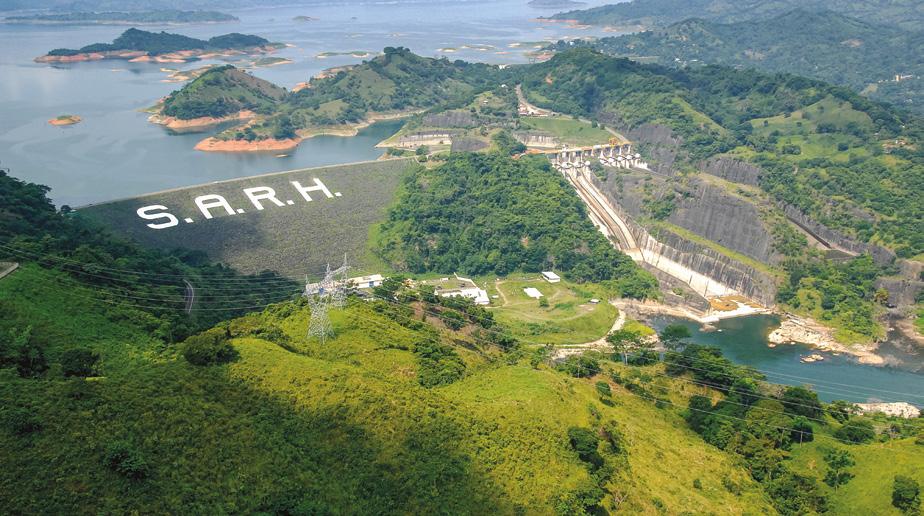
Hydropower, in particular, is a mainstay of AMLO’s National Electricity Program, announced in December. At the same time, Bartlett outlined CFE’s strategy to modernize the country’s hydroelectric plants. “In close collaboration with CFE and CONAGUA, we have studied the possibility of increasing hydro-energy capacity in the mix with an additional 3,300MW,” he said. “We have significant feasibility projects to install 2,000MW by taking advantage of 363 hydroelectric structures used for irrigation.”
The beefy budget for CFE was a concern for ratings agency Moody’s, which had improved its outlook for the company in April to stable from negative. Writing in a report following the budget announcement, sovereign analyst Jaime Reusche said the importance placed on CFE and PEMEX in the 2019 budget “generates concern around the possibility that the parastatals become a recurrent burden for the federal government that
potentially deteriorates the sovereign credit profile in the medium term.”
Fernando Zendejas, former Deputy Minister of Electricity at the Ministry of Energy, says, however, that a stronger CFE is not a problem. “The Constitution provides the guidelines for a competitive industry. CFE is the national electricity company and we are proud of it. Having a CFE that is efficient and more competitive every day does not close the doors to other participants."
for his part, Bartlett maintains that the company’s energy capacity and its human organization had suffered during the last few administrations. “Financial limitations, tariff insufficiency and the nontransfer of subsidies for residential and agriculture segments” are some of the reasons he gave. Others include a lack of maintenance and modernization, arbitrary retirements, inconsistent structural reforms and a change in CFE’s mission. “(These factors) have provoked a critical financial situation.”
AUCTION RESULTS FELT
Of concern to the market is the suspension of the longterm electricity auctions after three editions. Although there were no electricity auctions in 2018, benefits of previous editions began to be felt by many – none more so than CFE, according to Héctor Olea, President of the Mexican Association of Solar Energy (ASOLMEX). “Renewable energy sources have dominated every edition. The participant that has most benefited from this scheme is CFE,” he says. “This company has never purchased electricity as cheap as the prices obtained during the auctions. Under this mechanism, the productive enterprise of the state does not invest any money, nor does the state.”
In June 2018, Fitch Ratings gave CFE a AAA rating. Marian Aguirre, Energy Finance Vice President of Bancomext, believes the triple-A status of the country’s biggest offtaker aided the success of the auctions because the thin margins for projects match the equally thin development risk. “As long as CFE maintains a position of leadership as an off-taker, development banking institutions will be able to contribute from a more comfortable position,” she says. However, in November, Fitch downgraded CFE’s Outlook from stable to negative and downgraded
its rating to BBB+ after López Obrador announced the cancellation of the Mexico City airport project (NAIM).
TARIFFS
Also bolstering CFE in 2018 was the tariff regime that allows the company to recover its costs. Prior to the Energy Reform, CFE was mandated with supplying energy to the country, establishing its own tariffs and overseeing its own infrastructure development. However, with the passing of the reform came an independent body, CRE, that would take over the establishment of tariffs. This was done with the expectation that private companies could compete with the state-owned enterprise, effectively increasing competition in the country and reducing electricity costs for final users without the need to provide government subsidies.
Leonardo Beltrán, former Deputy Minister of Planning and Energy Transition at the Ministry of Energy, says 2018 was an interesting year in terms of electricity tariffs. “The tariff we had before 2018 was a closed fee that obeyed to an income objective and that did not recover CFE’s costs, so every year CFE saw its assets reduced,” he explains.
As a result of the LIE, CRE is now responsible for setting tariffs for CFE, and according to Marcelino Madrigal, this was done in a way that allows CFE to recover the grid’s operation, maintenance and growth costs, meaning it can continue to compete with private companies entering the country. “CRE has a regulatory mechanism in place where, provided the right rates, CFE, in its role as electricity transmitter and distributor, has the required incentives to improve the grid,” he says.
THE NATIONAL GRID
The Ministry of Energy drafted a smart grid plan in 2016, approved by CRE. “CFE’s grid expansion plan includes investments in innovative technologies, such as smart metering,” says Madrigal. “CFE even launched a portal within its website for users to determine if the grid has the capacity to absorb a distributed generation system in a specific location, residential or other.”
Mexico’s total installed grid capacity as of September 2018 was 75,685MW. CENACE says that 12,429MW of extra capacity would enter into operation in the National Interconnected System by June 1, 2019. This total capacity will be generated by 84 new power plants that will be installed in 22 entities in Mexico, of which 6,380MW, or 51.3 percent of the new capacity, are renewable technologies and the remaining 6,049MW, or 48.6 percent, are conventional sources.
BALANCING THE BOOKS
As it embarks on a new era, CFE finances remain stable despite losses in the in the year to September 2018.
Revenues from Oct. 1, 2017 to Sept. 30, 2018 totaled MX$361.4 billion, a 0.4 percent increase on the MX$359.8 billion registered in the same period of 2016-17. Sale of energy accounted for the greatest revenue, contributing MX$261.7 billion.
INSTALLED CAPACITY BY MODALITY (MW)
Source: PRODESEN
However, CFE made net losses of MX$37.8 billion during this period, compared to net income of MX$34.5 billion for the same period in 2016-17.
As of Sept. 30, debt had increased by MX$24.5 billion to MX$356.9 billion compared to MX$332.5 billion registered at year-end 2017. In its financial report, CFE indicated that an unfavorable exchange rate, amortization payments and debt repayment amounted to MX$127.1 billion. EBITDA dropped in the third quarter of the year to MX$15.3 billion compared to MX$31.9 billion during the same period in 2017.
Looking to the future, Beltrán believes that, just like PEMEX, the state-owned electricity company would be more profitable and transparent if all or part of it were to launch an Initial Public Offering. “We should have paved the way to unlock CFE’s access to capital markets and to list on the Mexican stock exchange,” he says. “CFE is difficult to compare to a similar fully private and stock market-listed corporation as it does not operate under the same conditions nor does it have the same corporate mandate. Listing CFE on the Mexican stock exchange has the potential of doing wonders for its corporate governance, financial health and overall competitiveness, both at the national and international levels.”
TRANSITIONING TO THE NEW ENERGY POLICY
GUILLERMO GARCÍA President Commissioner of CRE
Q: What were the most relevant developments in the Mexican energy market in 2018 and which CRE achievements during last year make you most proud?
A: In electricity, there was a great advancement in distributed generation, which is the democratization of energy, the possibility that any consumer, regardless of size, can take control of his or her electricity bill. This is something that a few years ago was unthinkable and CRE provided the legal framework for this development, which has many benefits. The first is that consumers can determine how much they will pay for energy use.
Having multiple injections to the distribution network creates a more stable system with frequency regulation and high-power services throughout the day. Moreover, this development is creating employment opportunities and strengthening the Mexican industry, which is a priority for the new presidential administration. Distributed generation has the enormous advantage of requiring a great deal of human capital. For instance, in the US, there are over 100,000 employees in California alone focused on distributed generation. This means that distributed generation has the capability of creating well-paid jobs throughout the country.
It is important to highlight that we finished 2018 with approximately 82,000 solar roofs, which represent around a 70 percent increase from 2017. This increase is the result of the simplified regulation we created for the interconnection, which is a non-permitted activity that requires an interconnection contract with the distribution system. The contract we designed for this purpose, in only two pages, outlines all conditions and users can choose the interconnection modality, which can be net metering, net billing or direct sale. To achieve this, we had a very intense dialogue with CFE, since the company filed for legal protection against distributed generation conditions. Ultimately, we managed to convince CFE that this would be beneficial.
Q: What do you consider to be the main changes in energy policy as Mexico shifted from the Peña Nieto administration
to the AMLO administration and how do you expect these to affect the development of the energy sector?
A: I think the main change, which will be good, is that state-owned companies will be given more strength. It is important to note that the Mexican industry has space for very large and important state-owned companies and also for the private sector; there is no doubt that a strong effort from both sectors is required. The coming focus on strengthening and fixing the finances of the state-owned companies will help to complement the joint effort we have to make as a country.
Q: What opportunities does CRE see for its activities as a result of this policy change?
A: What we see as a great opportunity, but also a challenge, is being able to leverage the energy sector benefits on the social base that the new government enjoys. We believe this will help us to unlock many projects that unfortunately have been halted because of inadequate community engagement. I think the president’s high esteem in many of these communities can help to unlock many problems and construct new projects such as pipelines, energy generation terminals or access wells, which in turn will result in better energy conditions for the country.
If we can capitalize on this prospect for dialogue with society, it will be a great opportunity and at the same time a challenge going forward. For instance, we could have a great deal of gas available for the Yucatan Peninsula, unlock the pipeline from Tuxpan to Tula, provide gas to the region of Sonora with the connection of the pipeline from the south of Sonora to Sinaloa, or install a renewable plant in Yucatan. I think that the possibility for communication with communities that this new administration has is very different from what we saw in previous administrations.
Q: What will be the 2019 priorities for CRE in order to ensure a competitive market while adjusting to the new policy regime?
A: 2018 was an interesting year in terms of electricity tariffs. The tariff we had before 2018 was a closed fee that obeyed to an income objective and that did not recover
CFE’s costs, so every year CFE saw its assets reduced. The change in the LIE, took this responsibility from CFE and sent it to us. The law states that we need to recognize the costs of providing light and energy to different points across the country. We had to analyze their efficiency and then translate these costs to the tariff being paid by users in different regions. In the regions where energy generation is expensive because diesel is used, there was a higher rebounding of tariffs than in other areas that did not have this characteristic. It was important to send this signal because this is what invites investment to locate in certain regions where energy can be offered at a lower cost.
Obviously, the possibility of having these tariffs that recognize the generation cost means that people now think about their electricity bill. When the electricity bill is subsidized, people do not worry about looking for other options, installing solar panels, hiring a supplier, entering a bilateral contract or any other possibility. We are now seeing more businesses worry about having an electricity strategy for their companies. When you realize that 60 percent of manufacturing costs comes from electricity, it makes a lot of sense to put someone in charge of the energy strategy for the company. This gains greater relevance with these alternatives, which is an opportunity that arises from being able to take control of your own energy. The strengthening of CFE is a result of having an adequate cost recovery and investment complementarity in the use of technology from private players.
Also, in 2019, we will see the entrance of a significant number of renewable energy plants. CENACE estimates that by the summer of 2019, there will be 84 new electric centrals that will add 12,429MW to the National Interconnected System; this will allow less dependence on expensive fuels. What is important for the new administration is to continue with the exercises we have been doing, such as long-term and medium-term auctions, and to continue with gas production in the country, so we can have low-cost natural gas. I understand that the new administration wants to make a revision of all the programs, but it would be a really good element going forward to continue with these actions.
Q: What will be CRE’s priorities for the electricity sector in 2019?
A: In the electricity sector, we want to finish the regulation intended for distributed generation. We are missing some pieces, the most important being collective distributed generation. This means that a group of people can set up a renewable electricity installation and share among them all the benefits. This model has already been implemented elsewhere in the world and it is something
that the industry has requested, so we are working on its regulation.
The second priority will be to promote the use of EV charging stations. At the end of 2018, we published the regulation that permits the installation of EV charging stations and to charge for the use of electricity. In previous years, EV charging stations in malls were cost-free and although this might sound like a good thing, for investors it was not an incentive to set up these types of installations.
Today, there are around 2,000 EV charging stations in the country and almost all have been installed by automotive OEMs. The idea of this regulation is to tell them that they can resell electricity and by establishing a regulatory framework that provides certainty to investors, they can now set up EV charging stations throughout the country. This will prove to be important for the country’s energy security. Inasmuch as a country diversifies its use of energy for transportation, we will not depend that much on gasoline and diesel and we will be able to have electric cars as part of the public transportation system.
The third topic that is important to mention for 2019 is related to storage capacities. In this sense we are working on several regulatory pieces and we are in the process of identifying the services that provide storage. We have identified over 18 storage services, such as frequency regulation, transmission in peak periods, generation in peak periods, storage in hours of negative costs and sale in hours of high costs. The first private storage terminals have been installed in Baja California Sur, complementing a solar power plant. Given this experience, I think we will see more energy storage in our country.
Q: What would be CRE’s message for the rest of the industry?
A: The most important thing we need to do is prove why it is necessary to have autonomous regulators. We provide certainty and decisions backed by technical facts. Often, we are seen as a group of bureaucrats that only cost money but the added value is not immediately tangible. We provide an intangible value that banks and investors require and that provides certainty. So, I would extend an invite to the general public to familiarize themselves with the work of the regulators, not only CRE but also CNH, ASEA, COFECE, and IFT. We are all on the same channel and we all provide the value of certainty.
Guillermo García has served as President Commissioner of CRE since April 2016. García took part in the technical and drafting group for the 2013-2014 Energy Reform and conducted support studies for the 2008 Energy Reform
MEXICO’S GRID STABILIZER
EDUARDO MERAZ
Former Director General at CENACE
Q: What type of technologies play a dominant role for CENACE in modernizing the National Electricity System (SEN)?
A: Renewable generation technologies with the capacity to regulate voltage and generation through the application of smart grids contribute in the security of the network. In addition, these technologies support the reduction of congestion and restrictions that could affect efficiency within operations. The transmission of energy based on direct current, energy storage systems and the massive and open use of information for better decision making are all factors that play an important role in the modernization of the SEN.
Q: What challenges does the integration of more clean energy sources to the grid pose to the SEN?
A: It is important to specify that an energy matrix with a greater share of clean energies will make a great contribute to the reduction of polluting emissions compared to other fuels. In addition, it would be ideal if part of this clean energy can come from intermittent sources such as solar and wind energy, which will depend on having enough wind and solar irradiation for adequate production levels. Energy production would very much obey to the weather conditions. However, the fact that these production levels experience constant fluctuations cannot be disregarded. This for the SEN implies that it
must operate compensating the intermittency of this generation to maintain the generation-demand balance.
Q: What have been the measures taken to ensure this intermittency does not act as an obstacle for delivering a continuous electricity supply?
A: CENACE evaluates operating conditions in terms of the participation of these intermittent energy sources and determines the amount of generation that is possible to produce at that moment. It also considers the conditions of the rest of the system in order that these renewable sources do not put at risk the secure and continuous operation of the electricity system. We analyze how to acquire more flexibility and capacity from other energy sources to substitute the variation of intermittent injections. CENACE establishes the availability of flexible sources that can increase and decrease generation rapidly. We contemplate remunerations for the generators that offer these capabilities. For instance, these would include hydro power plants, modern units that have these characteristics and energy storage systems comply with these requirements.
Q: What does CENACE propose to motivate the installation of small-scale clean generation units?
A: Although industry participants have protested that high costs in the interconnection studies for small scale clean generation plants place its development at a disadvantage,
REGULATORY
in the Interconnection and Connection Manual published in 2018, there are significant reductions in these costs for smaller projects. These costs reflect an approved value by CRE, which bases its determination on the resources that are needed to execute this process. It is important to highlight that these studies will always be necessary so that it is possible to gauge the impact that the interconnection of a new generating plant or load on the development of the SEN.
Q: How is CENACE preparing itself for the introduction of distributed generation systems into the grid?
A: Distributed generation has to be introduced based with a more preventive regulation as its foundations so it does not cause future problems in the electricity system. It is important that its entrance complies with the standards and norms that have been applied in other countries where this generation scheme has increased in importance. The grid code outlines the current requisites that are needed for this transition, but future updates have to be contemplated.
Q: What are the main challenges that CENACE has to address in the coming years?
A: Our primary targets are threefold. Firstly, we aim to successfully continue operating the electricity system while promoting the incorporation of much more renewable energy generation. Secondly, we want to ensure a more competitive and sufficient energy market, and we want this efficiency to in turn be reflected in more competitive costs for all kinds of consumers. And finally, we aim to provide adequate information to facilitate smart decision-making for every player involved. Investors, market participants and the energy industry authorities will need this information to determine and evaluate the development of the market mechanisms.
Q: What key elements will represent a step-forward for the WEM looking toward 2019-20?
A: There are several variables that can be measured to gauge the success of the WEM in the coming years. One of the most important indicators will be the rate of new participants entering the market and taking part in electricity-related activities. Another factor is the entrance of new and more competitive generation infrastructure, which will boost the national industry. Finally, the development of infrastructure for the electricity network that will allow us to send the most economic energy to all regions of the country.
Wind and solar sources injected 4,413MW to the grid in 2017 while distributed generation added 434MW
Q: What is CENACE’s contribution to the maturation process of the WEM?
A: CENACE greatly promotes the widespread diffusion of the market mechanisms, which grant many more options to those who buy and sell energy. Knowledge of the options available to them is always beneficial for the consumer. In addition, the responsibility this entity has a responsibility to serve the network with honesty and transparency through an attitude of service that takes into account every market participant. Finally, supply reliability will be obtained by having a market with sufficient competitive offer of supply and demand that can respond to the system management based on prices and demand control incentives.
CENACE is a decentralized public entity that was founded in 2014 to act as Mexico’s independent grid operator. It sprouted from CFE’s former intelligence unit and now acts as manager of Mexico’s National Electricity System.
PREPARING CAMPECHE FOR GREATER SUCCESS
JOSÉ MARÍA CU CAÑETAS
Director General
of the Energy Agency of the State of Campeche
Q: What is the story behind the creation of Campeche’s Energy Agency and what are its attributions and long-term objectives?
A: The agency was created by executive agreement published on July 28, 2017. Our mission is to manage and promote the development of energy projects in a safe, reliable, profitable and sustainable manner and to generate employment and welfare opportunities for the people of the State of Campeche. Our priority is to detonate and take advantage of the opportunities brought by the Energy Reform. In this regard, Campeche has prepared to become the most important oil and gas hub in Mexico. We were the first state to evaluate its energy balance, considering the strength of the state in terms of energy. It is important to note that we have hydrocarbon reserves and large areas suitable for renewable energy generation, positioning our entity as a producer and natural generator of energy. Campeche has conducted an unprecedented in-depth study in which it identified a broad portfolio of projects in the field of energy. The agency also has a business model designed to foster national and international alliances between the public, social and private sectors, for the development of strategic energy projects.
Q: What clean energy technologies is Campeche best suited to develop?
A: After analyzing the results of our energy balance evaluation, we concluded that Campeche has a series of business opportunities in the field of energy. Although the first place is occupied by the hydrocarbons sector, it should be noted that, in turn, Campeche has optimal areas for the development of clean energy projects, including a wind farm, a solar park and two biodigesters. The geographical location of the state and its potential in natural resources allow us to continue evaluating other probable sources of renewable energy such as hydroelectric turbines since we
The Energy Agency of the State of Campeche was created in June 2017 to focus on the state’s strategy for energy development, coupled with the promotion, research and development of energy projects
have four hydrological regions, seven basins and 2,200km2 of coastal lagoons.
Q: How is the agency aligning to the new administration’s agenda?
A: We know that the new administration plans to increase Mexico’s oil and gas production through PEMEX’s top-tier assets and this policy will give national and local service companies the opportunity to participate in the NOC’s plans. With respect to local content, Campeche has more than 30 years of experience providing offshore services to the oil fields of PEMEX. The government of the State of Campeche is working on programs to promote, develop and train local companies to receive and offer new services to new operators. The government of the State of Campeche is working on the modernization of state ports, considering Ciudad del Carmen’s role as the base of operations and logistics of PEMEX for more than 30 years.
In terms of renewable energy, Campeche is prepared to incorporate the development of wind farms, solar parks and even offshore wind farms with state-of-the-art technology and skilled labor. We are also assessing the opportunity to develop onshore and maritime pipelines along with storage facilities to become a focal point for hydrocarbons and fuels logistics.
Q: What are the key ingredients to attract investment in clean energy projects for the state?
A: The state has a potential for proven reserves of hydrocarbons and large areas of renewable energy generation. Having the natural resource for the generation of clean energies is the main asset and ingredient for the development of these projects. Aside from the energy wealth of the state, Campeche is in a strategic location as the gateway to the south-east of the country and the bridge between the center and the peninsular region. That is why the new energy development strategy of the state identifies specific cases of business initiatives that consolidate a portfolio of investments in the order of about US$1.25 billion, consisting of 16 specific projects that will allow the comprehensive development of our state.
OAXACA LEADING RENEWABLE POWER GENERATION CHARGE
JOSÉ LUIS CALVO
Minister of Environment, Energy and Sustainable Development of the State of Oaxaca (SEMAEDESO)
Q: How does SEMAEDESO contribute to the development of Oaxaca’s energy industry?
A: Oaxaca is the country's most biologically diverse state and SEMAEDESO manages its environmental affairs. Regarding the energy sector, Oaxaca is Mexico’s leader in renewable power generation, with the highest installed capacity from wind energy power in the country. It hosts 28 wind farms that supply more than 62 percent of the wind energy in Mexico. This represents 1,583 turbines with a total of 2,750MW. In 2018 alone, we increased this capacity by 17 percent.
An example of this successful management is the culmination of the Eólica del Sur wind farm. This project was developed by FONADIN, Mitsubishi Corporation and Balam Fund. It has an installed capacity of 396MW and is composed of two substations and 132 wind turbines. This project represents the mitigation of 566,967t/y of CO2 equivalent, which is the same as removing 300,000 vehicles from the roads. Additionally, it represents social benefits for the region. For instance, more than 6,142 lightning systems were installed and the electricity tariff experienced a reduction of 30 percent.
Oaxaca hosts the largest wind farm in Latin America. This is a product of generating legal certainty for investment. We want to demonstrate our commitment to the development of the state, which is why the Oaxaca Energy Council was created. This initiative groups the three levels of government, companies and owners to discuss proposed projects and the associated social benefits for each community involved.
In the solar arena, the state also offers significant levels of solar irradiation and related projects are becoming tangible. An example of this is the construction of a solar plant at the Universidad Tecnológica de la Mixteca. This project will support the education of 2,200 students and academics. The hydroelectric segment will become a reality too, mostly in Oaxaca’s coastal region.
During Cué Monteagudo’s administration there was no investment in renewable technologies from the government.
But since 2016, when the new administration entered, the state has attracted investment of more than US$2 billion.
Q: Which projects best illustrate SEMAEDESO’s interest in and efforts to develop Oaxaca’s renewable energy industry?
A: EDF Renewables is developing a project with a total investment of US$600 million that will supply 300MW and mitigate 360,797t/y of CO2 equivalent. This project will be located in the municipality of Union Hidalgo. Additionally, Siemens GAMESA will invest US$400 million in the construction of another wind farm. For this project, six assemblies were held to achieve community consent for the construction works.
The Ixtepec-Yautepec transmission line that will interconnect the states of Oaxaca and Morelos is a priority as well. Along with the governor, SEMAEDESO is intensively lobbying for its development. This project will open the door for more investment and will incentivize the development of not only more wind energy projects but also the introduction of new industries, such as automotive manufacturing plants or even wind infrastructure components facilities.
Regarding the solar segment, the state is developing a project in collaboration with the Energy Ministry to introduce thermo solar technology to hotels located in the city of Oaxaca. One of Oaxaca’s main economic activities is tourism and if we install solar heaters in the city's 6,000 hotel rooms, we will boost the city’s economic development while decreasing CO 2 emissions. These projects could not be developed without skilled local human capital. Now, international companies bring their own personnel with them. Oaxaca’s Universities System (SUNEO) has 10 universities and 18 campuses across the state. We want to promote training of technical professionals in the renewable energy arena by investing in this system as well.
SEMAEDESO is Oaxaca’s Ministry of Environment, Energy and Sustainable Development. Created on Dec. 1, 2016, it oversees the protection, conservation and sustainable use of the state’s natural resources, preserving its ecological balance
SCORING THE REFORM: TRIPLE-B WITH ROOM FOR IMPROVEMENT
CHRISTOPH FREI
Secretary General and CEO of the World Energy Council
Q: What tools has the World Energy Council developed to understand the present and future world energy scenarios?
A: At the World Energy Council, we have developed several tools to understand the global energy landscape. One is the World Energy Trilemma Index, a report that evaluates 125 countries on a yearly basis in the three most relevant aspects related to energy: energy security, energy equity and energy environment. The ranking measures the performance of a country’s policies in achieving a sustainable energy mix and the balance score highlights how well the country manages the trade-offs. AAA is the best balance score and DDD is the worst. Another significant tool developed by the World Energy Council is a policy-based approach on future world energy scenarios that can be classified into three genres: modern jazz, unfinished symphony and hard rock. Modern jazz depicts a market-driven approach to achieve energy accessibility and affordability through economic growth. Unfinished symphony is based on a government-driven approach to achieve sustainability through internationally coordinated policies and best practices. Lastly, hard rock implies a fragmented approach driven by a desire for energy security and independence in a world with low global cooperation. For all these scenarios, policy is a key driving element.
Q: How would you score the latest transformations of Mexico’s energy environment according to these tools?
A: Modern jazz is a liberalized, competitivity-enabling and technology-based approach. This means that the market framework favors trade agreements that allow for investment as well as greater imports and exports that result in better technologies. Symphony, on the other hand, achieves progress on climate change by selecting specific technologies and promoting them even if they are not the cheapest. Modern jazz has mastered trade agreements while symphony has mastered carbon agreements. Lastly, hard rock is very focused on national content for the
The World Energy Council is the main network of energy leaders and practitioners worldwide. The organization has a coordinated Secretariat based in London and under the direction of the Secretary General, who reports to the Council’s board
development of energy technologies and therefore misses important opportunities. From the World Energy Council’s perspective, the Energy Reform has jazzy elements that introduce technology competition while, at the same time, it has symphonic elements promoting energy efficiency, renewable energy and carbon-mitigation technologies. This means that the Energy Reform lays in a symphonic-jazz area. Looking at the trilemma, Mexico earns a BBB score, which is very balanced. The first thing we strive for at the World Energy Council is balance, as its absence generates policy risk. This drives investors away and without them we cannot manage any transition. The balance reflected in Mexico’s BBB score is good overall but there is certainly room for improvement and the Energy Reform aims to keep improving, which should increase the country’s score.
Q: What role do innovations like digitalization, storage, IoT and blockchain play in Mexico’s energy transition?
A: Digitalization offers many opportunities and its capacity to create a future uberization in the energy industry is one of the most exciting. Providing hotel-like services without having a hotel or driving people from one place to another without owning a taxi is what Airbnb and Uber have achieved. Uberization therefore means the capacity of taking a capitalintensive sector and coming up with business models that bring additional value to existent assets via digital processes. What this means for the energy industry is that companies can become energy storage providers without owning an energy storage facility, for example.
In Mexico, a clear example of what digitalization can do is depicted in a shift of the baseline of energy consumption. There are 40 million households in Mexico. Considering that every household has a fridge that consumes 100W then there are 4GW of power being consumed just from fridges. On an average day, Mexico has an energy demand peak of 45GW, which means that fridges represent 8 percent of the peak load. If you could digitally enable all the fridges to be turned off during peak demand and then turn them on after the peak ends, 8 percent of the total peak load from the system could be shifted, therefore relieving the energy network.
MUCH STILL TO BE DONE TOWARD ENERGY EFFICIENCY
ODÓN DE BUEN
Former Director General of CONUEE
Q: What were CONUEE’s priorities during your administration?
A: CONUEE’s program with the greatest scope and impact is the one related to energy efficiency standards (NOM) and we worked to increase its reach and to strengthen the compliance system.
We have supported the development of energy-efficient lighting projects in more than 40 municipalities and we have contributed to the implementation of best practices following our NOM, giving more formality to a market where there is much improvisation. In terms of final use of energy, we have generated discussion among several players in the transportation, construction and industrial sectors in best practices and technology to improve energy performance. We also completed our National Energy Efficiency Monitoring Report in collaboration with the Economic Commission for Latin America and the Caribbean and the French Development Agency. This report helps the general public and policymakers understand the evolution and present levels of efficiency by sector in great detail. This is now the most complete report in all of Latin America addressing this topic.
Q: How have regulations advanced to promote energy efficiency in buildings?
A: There has not been much progress. As electricity in the housing sector is heavily subsidized, the greatest benefits of NOM-020 go to the Ministry of Finance. We have a proposal to economically support compliance with certain standards but this is a conversation that must be established with the new federal government. We also face challenging conditions due to the lack of interest from mayors and municipal leaders since energy-efficiency projects do not usually yield largely visible results. We have approached administrations in Mexico City, Villahermosa, Merida, Mexicali and Hermosillo, among others, but we have not succeeded in making energy efficiency a key element in local construction rulebooks.
Q: What were the main conclusions reached through the National Energy Efficiency Monitoring Report?
A: We found that electric energy intensity in the industrial sector has decreased by 15 percent over the past 20 years. This is mostly a result of high energy and gas tariffs rather than government policies. In the residential sector, on the other hand, public policies have had a significant impact with an estimated 45 percent reduction in electric energy intensity and a decrease of 20 percent in energy use per capita. The analysis covers the entire value chain of the energy sector, highlighting opportunities in supply as well. PEMEX’s drop in efficiency has also impacted national indicators, which shows a need to improve processes for fossil fuels.
Q: What pending priorities should the new administration focus on?
A: We are still missing an energy efficiency standard for heavy vehicles. We already have one for light vehicles but CONUEE must still work together with SEMARNAT to draft its heavy-vehicle counterpart. There is also a gap in the implementation of norms NOM-008 for nonresidential buildings and NOM-020 for residential buildings in the construction sector, which should be a requirement in the permit process at a municipal level.
The SME sector also represents an area of opportunity. Promotion and financing among these players are not simple and our strategies should be rethought to make them more effective. There is also a change needed in the mindset of public officers at a municipal level, so they are more knowledgeable regarding energy projects and the best way to implement these.
Going forward, support for CONUEE should continue and there should be ongoing innovation in support toward SMEs and municipal projects. There should also be stronger collaboration with the environmental sector to ensure healthy progress toward national goals.
The National Commission for the Efficient Use of Energy (CONUEE) is a public entity that promotes efficiency and the sustainable use of energy resources through the adoption of best practices
WHERE INDUSTRY MEETS ACADEMIA
ANGÉLICA QUIÑONES President of ANES
Q: What is the main contribution that ANES offers to the solar energy market in Mexico?
A: The National Association of Solar Energy (ANES) has participated for more than 40 years in the Mexican energy arena. It brings together the interests of more than 800 members from academia and industry. I believe having this academic and institutional support is one of our biggest strengths. Some of our strategic allies are the Renewable Energy Institute (IER-UNAM), the Mexican Center of Solar Innovation (CeMIE-Sol) and the German-Mexican Energy Partnership. ANES’ work is focused on the democratization of energy. This means that not only big consumers benefit from its generation but small users in remote areas as well. Another important value that ANES brings to the table is the technical certainty and normalization of the industry’s guidelines. For instance, I represent the Solar Committee of the Mexican Society of Normalization and Certification (NORMEX). ANES has worked for several years on regulatory topics. We acknowledge that the market would not evolve without having strong ground rules.
Q: What will be the priority topic on ANES’ agenda during the new administration’s term?
A: Solar heat for industrial processes is a very important topic for the association. This was addressed by the previous administration and resulted in the creation of two programs. The first is the Solar Heat Initiative, an interinstitutional platform in collaboration with CONUEE and GIZ. The program aims to unite parties interested in generating solar heat temperatures between 150-400°C for its application in various sectors.
The second program is Solar Payback, an initiative developed with CAMEXA where its main focus relies on solar heat generation for industrial processes. With both programs, we conducted market research and now we have strong facts
and data that justify heat demand in the country. In Mexico, 70 percent of the energy used in industrial processes comes from heat and the remainder comes from electricity. The study also determined the niche industry segments where this technology could be applied. During this administration, one of ANES’ main goals is to improve our communication strategy to empower the final user. Successful case studies are what is missing for the industry to take over thermosolar technology. At the same time, this generates major consciousness. With supporting data, we can motivate the construction of a better policy strategy for the industry.
Q: What is missing from a regulatory standpoint to motivate the solar industry’s growth?
A: The financial sector needs to be prepared to invest in new renewable technologies. If a company goes to the bank asking for a loan to install solar panels, the interest rate would be around 15 percent. This is the same interest rate that banks ask when lending money to purchase a car. At the end of the day, these are completely different assets as risk is managed separately. A car’s value depreciates on a yearly basis and PV technology offers fiscal incentives and represents a self-supply source of energy. That is why these financial products cannot be evaluated with the same scheme. Training the financial sector goes hand in hand with public policy. ANES, in partnership with FAMERAC, AMIF and CeMIE-Sol, recently integrated the Renewable Energy Front. This initiative seeks to deliver strategies to demonstrate the areas of opportunity that will derive from the energy transition. We are more than open to share our ideas with the next administration and work together to achieve the same objective.
Q: What are the main objectives that the association wants to achieve by the end of 2019?
A: There are various flagship projects in the PV segment but this needs to be replicated in the thermo-solar arena. For instance, the Solar Payback program will install a pilot plant in 2019. This facility will serve as a prototype where potential users can observe its function. In the long term, I foresee ANES as the association that drives innovation in the solar segment.
STRENGTHENING LINKS IN SOLAR VALUE CHAIN
JAVIER ROMERO Executive Director of AMFEF
Q: What were AMFEF’s major milestones in the PV sector in the last year?
A: Primary PV manufacturing companies Solartec and IUSASOL continue to lead AMFEF’s business but our association has welcomed new, smaller members that also manufacture PV equipment in Mexico. As a result, our membership now totals seven companies. Our members’ primary business target is distributed generation, given companies participating in the WEM need to comply with a certain degree of bankability. In recent years, the emphasis on bankability has hampered the creation of competitive advantages by pioneering companies in the renewables energy sector.
Financial data and media company Bloomberg established a set of prerequisites to be considered a Tier 1 PV company. The bankability chapter of these prerequisites now require a larger PV project portfolio, international presence and a certain seniority as an operational player in the PV market. New Mexican companies are finding it difficult to meet these prerequisites, fostering unfair trade as only a handful of companies are awarded the Tier 1 status. Still, Mexican companies increased their sales in the distributed generation sector in 2017, representing a cumulated participation of 40-50 percent of market share. Expectations remained high after the publication of the General Administrative Provisions and the new net billing and total sale schemes, but no contract has been signed so far under either of these schemes. Mexican PV manufacturers continue to acquire new technologies and machinery to remain up-to-date in PV manufacturing processes, regardless of the challenges.
Q: How is AMFEF working to strengthening Mexico’s PV value chain?
A: AMFEF is focusing its efforts and interactions with the Ministry of Economy’s Value Chain Directorate on broadening the PV value chain. This is especially important since the majority of the materials required for manufacturing are imported, including glass, aluminum, EVA, string materials and solar cells. One of AMFEF’s member-companies, Solarcell, developed its own solar cell manufacturing facility in Mexico when China’s manufacturing boom is at its highest
and an entire panel can be imported at a price lower than Mexico’s local manufacture costs, 15 to 20 percent lower than what they sell them in China. In this context, US President Donald Trump’s 30 percent import tariff is no surprise, although it applies on a global scale for all the US’ commercial partners, hindering Mexico’s national PV manufacturing market. AMFEF is pushing for Mexico’s own tariff on Chinese solar panels, which is set at 15 percent, to mirror the US tariff.
Q: What is needed for Mexico to develop a PV installation standard?
A: In February 2017, together with the National Association of Solar Power ( ANES) and the Mexican Association of the PV Industry (AMIF), AMFEF presented to CRE’s Standardization Directorate a petition to draft an Official Mexican Norm (NOM) dedicated specifically to PV system installations. The idea is to prevent low-quality, uncertified products penetrating Mexico’s PV market, both for distributed generation and Mexico’s WEM. By our estimates, 15-20 percent of Mexico’s PV installations in Mexico’s distributed generation sector is not backed by required certifications or warranties, negatively impacting the market. PV installation needs to make the regulatory shift from NMX, which are recommendations, to NOM, which are compulsory requirements. We are also in talks with CONUEE to include renewables within its energy efficiency scope and promoting an ombudsmen figure for final users.
Q: What are AMFEF’s immediate objectives?
A: Our priority is the creation of the PV installation NOM. It is a lengthy process that requires the participation and collaboration of various players, including manufacturers, importers, industrial companies, regulatory authorities and academia.
The Mexican Association of Photovoltaic Equipment Manufacturers (AMFEF) was founded in 2014 by the three main PV manufacturers in Mexico to promote solar energy projects
FOSTERING TECHNICALLY ROBUST FAIR PLAY
MONTSERRAT RAMIRO Commissioner at CRE
Q: What insights has CRE gained as a member of the OECD’s Network of Economic Regulators?
A: The network's goal is to find ways for regulation to promote best practices in the regulated industry, promote innovation and provide benefits to users and consumers.
One of the most important results of CRE’s membership in the network is the OECD’s study of the performance of Mexico´s energy regulators, published in Oct. 17, 2017, which included an evaluation of ASEA, CNH and CRE. The study concluded, among other findings, that these three regulators should be functionally connected since these agencies regulate the entire value chain of the oil and gas industry and CRE covers the entire electricity value chain. Another key insight has been the importance to the economic development of countries of having independent and autonomous regulatory bodies; beyond having it only mandated by law. Regulators must have a long-term nonpolitical approach. Autonomy is crucial to dissociate the needs and drivers of policymakers and those of regulators that provide long-term certainty to markets.
Belonging to such an international network gives Mexico an opportunity to learn from how regulatory synergies work in other countries. For instance, in Mexico COFECE is the anti-trust regulator and works closely with CRE, while other countries merge these two roles into a single regulator. The NER provides us with valuable insight on best practices in data management and how to use it as a driver for change through behavioral insights. Anticipating disruptive technology trends is also a major component in these exchanges to prepare the country’s regulatory framework for the evolution of the regulated sectors in general, and for CRE specifically since technology will change the power sector. The magnitude of this evolution is such that new concepts, including distributed generation, microgrids and energy storage drastically change centralized, large-scale
Montserrat Ramiro has served as CRE Commissioner since 2014. Previously, she worked at the Mexican Institute for Competitiveness, PMI International Trade, PEMEX, SEMARNAT and as a consultant both in Mexico and the US
systems that predominantly dictated how the industry operated until now.
To apply every lesson learned, we are looking to increasingly adopt the sandbox approach, especially for new technologies, where through a collaborative strategy, regulators consider data and metrics provided by each specific technology. If the impact on final consumers is not as anticipated, regulators can go back to standard regulation. It is a tool often used for financial markets that could work well for the power industry.
Q: How does CRE achieve a balance between its twofold role as regulator and enabler?
A: Regulation does not imply total control over the industry it regulates. Making sure rules are followed implies promoting fair play and providing a level playing field. While CRE works to ensure the industry develops, grows and matures, the most critical premise is to provide clear and transparent rules, including seamless exchanges between industry and the regulator. It is equally important to have consequences when fair play is breached. Economic development is impossible if there are no consequences when rules and laws are not observed. This is especially true for former energy monopolies in Mexico. CRE must reject outside pressure to make sure the rules are followed.
Q: What is CRE’s focus as a supervisor of the long-term electricity auctions?
A: Long-term electricity auctions have been tremendously successful. While certain adjustments are in order, they are minor in scale. The challenge really lies in raising awareness and communicating the benefits of the auctions to the general public. The general perception is that despite the aggressively low prices in the auctions, electricity bills have not decreased. The general public must be made aware that changes and benefits in their consumption will be evident as renewable energy projects come online. The country urgently needs more clean, cost-effective generation as well as transmission and distribution infrastructure required to transport it to the consumption points. This will be possible through longterm electricity auctions, with transparent processes and by fostering better prices and better quality through competition.
LAYING THE GROUNDWORK FOR SOPHISTICATED USERS
GUILLERMO ZÚÑIGA Commissioner at CRE
Q: How is CRE capitalizing on the new energy chapter of the USMCA from a regulatory standpoint?
A: Mexico’s new energy model attracted a cumulative committed investment of US$180 billion from crude oil to renewables and everything in between. This commitment was possible thanks to a legal and regulatory certainty that fosters trust. The new version of Mexico’s trilateral agreement with Canada and the US contributes to this certainty. Critical chapters, such as dispute settlement mechanisms and tariff-free zones, were retained for major imports such as natural gas and oil products. This was important not least because of the recent dynamism in Texas’ production of these commodities and Mexico’s rising demand for them. But there is still much work to be done to create a North American energy bloc. Looking specifically at electricity interconnections between Mexico and the US, they obey largely to local logic. In the US, electricity is a local government issue, with the exception of interstate grids. Electricity and energy policies are primarily driven by state governments. California, for instance, is among the US states with the most advanced penetration of renewable energy in its energy mix. In addition to the USMCA, Mexico has developed a framework to allow electricity trading between both countries via CRE-awarded authorizations. While the USMCA calls for a deeper commercial integration between its three parties, we must explore ways in which our respective regulations enable full capitalization on the agreement’s objective.
The USMCA also includes a regulatory improvement chapter for all industries included in the agreement. It will contribute to strengthening CRE’s regulatory tasks in terms of transparency, collaboration mechanisms and shared knowledge. It also lays the groundwork for regulatory policy compatibility between Mexico, Canada and the US, as well as best practices and shared mechanisms.
Q: How is CRE laying the groundwork to increase the number of bilateral PPAs and full-merchant projects?
A: Mexico’s wholesale electricity market encompasses different complementary market types. Each business opportunity answers to a specific circumstance, stakeholder
profile, risk and profitability appetites and corporate drive. Some companies are interested in and betting on auctioning their projects in the long-term electricity auctions. These companies are risk-averse and prefer having CFE as both an off-taker and a long-term auctions participant. While auction prices have experienced a pronounced downturn from the first to the last auction, this trend is not exclusive to Mexico. Other countries using the same mechanism have witnessed the same downward trend. Renewable energy technologies have reached a highly cost-effective maturity point, added to their autonomy of commodity price variations, allowing the aggressive pricing of the long-term electricity auctions. Complementary markets include short-term markets such as the spot market, bilateral PPAs and merchant projects. The latter represents higher long-term risks rooted in electricity price volatility that can be managed with increased demand. Our role is to provide legal certainty on this wide array of options to mitigate risks accordingly.
Q: How does ODAC contribute to the objectives of the Strategic Plan of Energy Regulators 2018-22?
A: ODAC answers primarily to the need of strengthening interinstitutional relations between the energy industry’s regulators: CRE, CNH and ASEA. Although each agency should operate under its specific logic and responsibilities pertaining to equally specific activities, some of these regulatory activities were repeated across the agencies’ functions. Detecting this issue and window of opportunity for coordinated improvement led to the creation of ODAC, which is meant to be a one-stop shop for energy regulatory matters. It implemented critical data sharing practices between all three regulators that enables projects to be fasttracked for permitting purposes. ODAC’s activities include exploration plan approvals, production plan approvals, drilling approvals, LPG retail, retail petroleum products and natural gas distribution.
Guillermo Zúñiga has over 14 years of experience in the public sector, occupying positions of leadership in areas of regulation, competitiveness and energy at the Ministry of Energy, PEMEX, CFE and COFECE
DO WHAT IS BEST FOR MEXICO
ALFREDO ÁLVAREZ Energy Segment Leader at EY
Q: What lessons has EY taken from the Energy Reform and what is the firm’s most significant contribution to Mexico’s energy transition?
A: Mexico is updating its understanding and approach to building a stronger energy industry based on international best practices. The world is facing significant challenges. In Mexico, these include a political transition that has created uncertainty regarding the country’s vision for a cutting-edge energy industry. EY would like to see Mexico continue its current integration into global trends and consolidate its leadership in renewable energy generation.
Regarding EY’s contribution to the country’s energy transition, we want to become the preferred and holistic service provider for energy companies doing business in Mexico, with the exception of geology or engineering elements that are not our area of expertise. Our goal is to integrate multidisciplinary teams to cover our clients’ needs and provide the best solution possible.
Mexico has world-class solar irradiation , which reduces the average cost of producing 1MWh compared to other countries
Q: Considering international megatrends such as smart grids, electric vehicles and blockchain, what are the main topics that will shape Mexico’s energy market?
A: The world has experienced two paradigms since the start of electricity consumption. First, the world used a distributed generation model that is basically electricity produced and used in situ. Second, after Nicola Tesla successfully proved his Alternating Current theory, the world experienced a centralized electricity generation that was distributed through transmission lines from one city to another, providing for profitability and large-scale power generation from bigger plants. Today, technology is changing the way electricity is being generated and
transmitted and the global trend is to go back to the distributed generation model. The cost, without subsidies, of generating electricity through solar technologies and even having a battery next to the plant to store energy surpluses is becoming increasingly cheaper and sustainable than having plants with an enormous installed capacity. This trend is growing bigger and stronger in Europe and the US and we are assessing the Mexican case. We also believe that transmission and distribution costs will eventually climb higher than those related to distributed generation projects with a battery installed.
But there are other factors to consider such as renewable energy intermittency, smart grids’ integration and reliability and power generation through natural gas. To date, every electricity system still needs a centralized source of power to supply peak demand but this is changing. Mexico needs to thoroughly assess its capacity to cover its energy needs through different sources and determine the best mix. For example, the country has world-class solar irradiation, which reduces the average cost of producing 1MWh compared to other countries, while at the same time it has access to cheap natural gas prices, which is the most reliable and relatively clean source for producing electricity.
Q: What impact do you think the removal of the 15 percent solar panel tariff will have on Mexico’s solar industry?
A: Every market needs to learn from its mistakes and grow as much as possible. Mexico needs to incorporate Tier 1 panels with 25-year guarantees to secure long-term investments and reliable electricity generation through top-of-the-line products. Financing institutions such as private banks will not lend money to project developers if the latter cannot ensure the best products will be used in their projects, which at the same time could disincentivize future investment efforts. For Mexican PV solar panels to be manufactured, companies or interested parties should be aware that these panels should follow best international practices to be able to compete against international products that could eventually flood the Mexican market. I applaud the effort of having quality local content but
it will take time for Mexican companies to compete against seasoned international solar panel manufacturers. Applying tariffs to artificially raise the price of international panels so that Mexican panels become competitive is not the best option for Mexico or for any other country.
Q: What progress have you seen in Mexico’s project finance for utility-scale renewable energy projects?
A: Having a contract from Mexico’s long-term electricity auctions is a good thing for every developer. These 15-20year contracts are not commonly used in other countries and they can create favorable economic and financial conditions for interested investors, whether from private or public equity, commercial banks or development banks owned by governments. Given the low-risk nature of these contracts, developers can offer extremely low prices in their bids while securing the project financing beforehand. During the third long-term electricity auction, Enel Green Power México broke a world record by offering US$17/MWh to produce electricity through wind technologies. Regarding solar technologies, some regions in Mexico come in second place in terms of prices, right after Dubai.
In terms of access to financing, commercial banks are still very cautious when financing utility-scale projects. Given their lack of experience and risk aversion, commercial banks tend to be extremely conservative and only finance small percentages of these types of projects.
To increase the financial leverage of utility-scale projects in Mexico and access funds, project developers tend to use Afores, which is a proven financial practice in other countries, or they access financing through development banks, such as NAFIN or Bancomext.
Development banks tend to have stronger financial leverage than commercial banks, given the former can cushion the financial risk of long-term projects where nobody knows exactly how energy prices will behave in the future, no matter how predictable a company’s economic or mathematical model is. Nobody can predict what will happen in 15 years.
Q: What is the best approach for Mexico to produce its own natural gas rather than importing it from the US?
A: Again, Mexico needs to understand its reality and do what is best for its economy. Today, importing natural gas from the south of the US is cheaper than producing the hydrocarbon in the country. That is a reality and that is how Mexico needs to approach it. If an operator thinks it has the potential to produce natural gas at competitive prices and incentivize the growth of a local market, then it should do it. The Mexican government is aware of this
During the third long-term electricity auction, Enel Green Power México broke a world record by offering US$17/ MWh to produce electricity
through wind technologies
situation and that is why it has a zero-royalty policy to incentivize local natural gas production, but even such an incentive does not secure the development of this market given current conditions.
Producing natural gas locally can certainly bring significant benefits to the country, like being less dependent on other countries and becoming self-sustainable in terms of energy consumption, which translates into national security. Unfortunately, the current conditions and Mexico’s shortterm vision to supply its natural gas demand as quickly and cheaply as possible are not making this market attractive enough, which is a shame given Mexico’s potential to find and produce natural gas.
Q: How can Mexico supply its increasing electricity consumption with cleaner and renewable energy sources given current market conditions?
A: As the question states, it depends on the market’s conditions. We do not see carbon-based projects worldwide because they are not economically sustainable anymore. It is not a matter of suddenly becoming greener but rather a matter of economics. Natural gas and renewable projects are becoming increasingly costefficient and this trend will continue as each market matures where it is performed. This is why we do not see nuclear plants being built worldwide. Nuclear plants in the UK, for instance, showcase prices well over £80/MWh, between US$110-115/MWh. That is extremely expensive and does not include the cost of transporting the electricity to where it is needed, which increases the total price of the commodity.
In Mexico, we will start seeing more independent power generation projects come online given the fact that the market is no longer controlled by CFE or the government. If a company wants to produce electricity for basic supply or residential usage through CENACE bids, it can do so without the government or CFE’s approval.
EY is a London-based multinational professional services firm and one of the largest worldwide. It is also one of the “Big Four” accounting firms. It has 231,000 employees in over 700 offices in 150 countries
LAW ADVICE BASED ON FIRST-HAND EXPERIENCE
NOÉ PASCACIO
Partner and Head of Energy and Infrastructure at BGBG Abogados
Q: Why should companies in the Mexican electricity industry choose BGBG for legal advice?
A: BGBG has a practice area that is highly specialized in energy and infrastructure. Regarding electricity, we have not had as much activity as in the oil and gas sector but we still have expertise and knowledge in the matter. Our main focus is in generation and consumption projects. Recently, we started advising energy-producing companies that are in the process of negotiating energy-supply contracts and PPAs. We are also advising companies across the value chain so they can be more prepared when offering their services to energy producers. The main added value that differentiates us from others in the legal area is our experience. We know the sector from the inside and understand how it operates.
Q: In which project has BGBG’s services made a significant difference?
A: We participated on a project with a multinational electricity utility where the contact was made by the operational and technical area. The issue related to a topic of national content and this company had already reviewed the problem internally with its lawyers and other firms without success. We had experienced similar situations previously in our oil and gas division so we knew how to handle the situation.
Through our previous experience, we knew that PEMEX obtains resources from various Exim banks in exporting countries. These Exim banks promote foreign trade by funding projects where supplies are to be imported from the country where the bank is incorporated. For every credit given by the bank it is necessary to legally demonstrate that the capital is being used for importation from the bank’s country of origin. Every month, PEMEX asked us for a list with every purchase and import made, so we created an area
BGBG Abogados is a boutique law firm with a team of specialists in the area of energy. With over 14 years of experience, the firm has worked with international and national companies as internal lawyers or as external consultants
in charge of that process. With this background, we were in the position to offer the multinational electricity utility training regarding formats and information generation at an engineer level with the objective of gathering purchase information from the suppliers and been able to deliver it as requested by the National Content regulations applicable to the client contract. As lawyers, it is essential to learn to speak the client’s language and make it as simple as possible.
Q: What main questions are being raised by your customers in the electricity industry?
A: The main concern customers have involving energy projects is land ownership and transfer of rights. In Mexico, land legislation is quite old and available information is often outdated or incomplete. Another common situation is royalty payment, as many land occupants are not the original or legal owners of the property. This is one of the biggest hurdles that players face while negotiating rights for pipelines, oil fields, transmission lines, wind and solar park projects. When we were advising on the rights of way for a PV plant transmission line, in the quotation I recommended my client involve specialists in this kind of permitting process. These may include topographers, appraisers, evaluators and project managers.
Our law firm does not have these professional services directly but as we understand the business and counterparts involved, we can provide references and recommendations of companies that provide these kinds of solutions and we have the ability to work with them in multidisciplinary teams which is a very important skill in the Energy and Infrastructure sectors.
Q: What is your long-term vision for BGBG in the Mexican electricity industry?
A: The main focus will be to attract bigger and more sophisticated clients. Also, we want to start establishing specialized working teams by practice area, as energy projects are diverse in terms of infrastructure. Of course, we want to expand our services to cover other projects, such as highways, hospitals and airports.
VISUALIZING A MEXICAN ZERO-CARBON ECONOMY
JUAN VARGAS Manager of Energy, Resources and Industrials at Deloitte Consulting
Q: What is Deloitte’s most important contribution to Mexico’s energy transition?
A: Deloitte’s first significant contribution is related to the industry’s human talent. In 2015, we developed a human capital development strategy for the Ministry of Energy to best prepare the industry’s transformation. Our research reached three fundamental conclusions. First, an open market by definition calls for new and highly specialized occupations. Second, by gauging the demand side for these critical specialized professions, we were able to calculate the available offer and the talent projection for the following years. Third, by pinpointing the supply and demand equilibrium, we detected the technical and qualitative gaps that needed to be filled. We were able to describe the technical capabilities required as well as highlighting the soft characteristics or skills the industry’s professionals must display. With this information, the Ministry of Energy created a Talent Observatory to monitor the industry’s development of human talent. In 2017, through joint efforts with other associates, we designed the operational guide for the long-term electricity auction’s Clearing House for CENACE, featured in the third auction. We are aiming to participate in the bidding process to be selected to craft the operating guide to build CENACE’s Clearing House for midterm electricity contracts.
The process of unlocking an entire industry is comparable to a corporation’s life cycle. In its initial stage, the priority is to fully absorb the regulatory framework. Deloitte provides regulatory compliance and legal advisory services to enhance companies’ regulatory grasp and facilitate decision-making processes. Once the investment decision is made, we can assist them in the execution of their capital projects and provide project feasibility services. In parallel, we provide value-added services when these companies want to participate in tenders, such as the oil and gas licensing rounds or the long-term electricity auctions. Should a project proposal be successful, we can help our clients optimize the management capacity of each stage of the project.
Q: What are Deloitte’s expectations for the fourth longterm electricity auction?
A: The industry’s regulators and policymakers are developing certainty-generating capacities. This enables further consolidation of an open energy market with clear rules, systems and methods for the private sector to actively participate. There is a solid coordination mechanism between the Ministry of Energy, CENACE and CRE. As the energy industry’s regulator, CRE can complement and strengthen market confidence, the foundations of which were laid by the Independent System Operator, CENACE.
Q: What clean energy technologies are set to share the limelight with solar and wind?
A: While solar and wind technologies provide tremendous clean generation potential, some power-producing technologies suffer from a development backlog in Mexico, chief among them, geothermal energy. Mexico is among the Top 5 countries worldwide for geothermal resources. They are assigned to CFE’s generation portfolio, and for a number of reasons the parastatal decided not to prioritize the development of this power-producing technology. It should be noted that the development timeframe for a geothermal project is longer than other clean energy technologies, shortened only by a clear knowledge of a particular location’s prospective geothermal resources. CFE preferred to invest in its power plant gasification strategy to move away from fuel oil, focusing on developing the necessary gas transportation infrastructure. CFE’s emphasis on natural gas does not prevent the market from demonstrating the competitiveness of other clean energy generation technologies, as shown by recent resource allocations in geothermal plants by the private sphere. Properly harnessing the country’s clean power generation resources calls for a coordinated effort between government agencies and the private sector in producing an exhaustive information system with reliable data for proven, probable and possible resources.
Deloitte is among the “Big Four” global accounting organizations. It provides audit, tax, consulting, business risk and financial advisory services with more than 263,900 professionals worldwide
Iberdrola's Combine Cycle Generator Tamazunchale, San Luis Potosi
ENERGY MIX & ELECTRICITY ECONOMICS 2
Mexico is on track to achieve its commitment of producing 35 percent of its energy from clean sources by 2024 and the country’s new energy model allows all types of clean energy power generation technologies to enter the energy mix.
Mexico’s long-term electricity auctions garnered worldwide attention from the moment they were implemented, even more so as they unleashed record-low prices and propelled solar and wind power to new heights. Natural gas-powered generation, hydroelectric and geothermal energy are also looking to claim a solid foothold as bilateral PPAs and full-merchant projects open the door for these technologies to strengthen their footprint.
Issues such as the price difference between the auctions and how the Ministry of Energy will handle these differences in the future, the role that the public sector will play in the creation of a value chain that helps companies reduce their production costs, the role that development banks and financial institutions will have in financing new projects and the medium-term future of the Mexican energy market will be addressed in this chapter.
CHAPTER 2: ENERGY MIX & ELECTRICITY ECONOMICS
36 ANALYSIS: The Road to Diversification
37 VIEW FROM THE TOP: Noé Sáenz, Burns & McDonnell
38 INFOGRAPHIC: PRODESEN 2018-2032
40 VIEW FROM THE TOP: Jorge Ochoa, UL Renewables
42 VIEW FROM THE TOP: David Barrie, Wood
44 VIEW FROM THE TOP: Hernán González, Norton Rose Fulbright Mexico
45 VIEW FROM THE TOP: Osvaldo Rance, Cubico Sustainable Investments
46 VIEW FROM THE TOP: David Jacoby, Boston Strategies International
47 VIEW FROM THE TOP: Silvio Ventura, OCA Global Albeiro Guayara, OCA Global
48 VIEW FROM THE TOP: Paul Abitante, Invenergy Jonathan Pinzón, Invenergy
50 INSIGHT: Ruth Guevara, Zumma Energy Consulting César Reyes, Zumma Energy Consulting
51 INSIGHT: Gerardo Hiriart, Grupo ENAL
52 VIEW FROM THE TOP: Jürgen Segelbacher, Munich Re
53 VIEW FROM THE TOP: Willi Vaassen, TÜV Rheinland Nelsy Santiago, TÜV Rheinland
54 INSIGHT: Florian Goutte, Valeco Energía México
55 INSIGHT: Alessandro Orpelli, Fimer
56 VIEW FROM THE TOP: Francisco Martínez, METKA EGN
57 VIEW FROM THE TOP: Álvaro Figaredo, TSK México
58 INSIGHT: Jacobo Mekler, AMEXHIDRO
59 VIEW FROM THE TOP: Gilbert Salvi, PowerChina Construction Company
60 VIEW FROM THE TOP: Daniel Gómez, SOLBEN
61 VIEW FROM THE TOP: Luis Barrado, Grupo Ortiz
62 INSIGHT: Edgar Vázquez, Enertis
63 VIEW FROM THE TOP: Angélica Nava, CLG Abogados
64 VIEW FROM THE TOP: Austin Collins, Red Energía Rodrigo Guerra, Red Energía
65 ROUNDTABLE: How Can Mexico Align Demand With Intermittent Technologies?
THE ROAD TO DIVERSIFICATION
Mexico’s energy matrix is diversifying. As a result of the auctions, the country has seen wind and solar installations grow. Hydropower, geothermal and nuclear – and their untapped potential – will be reinforced, while natural gas remains the transitional source for powering the country’s energy needs
In addition to opening the door to new entrants, the Energy Reform has had another significant impact on the country’s energy mix: diversification. In line with Mexico’s energy goals, the mix has seen an increase in clean and renewables sources, since the Peña Nieto government initiated the reform. “This administration will conclude with 31 percent of clean energy generation. Taking into account intermittency in effective generation, the total is around 21 percent. Nevertheless, with the installation of new plants, the country evolved from 62,000MW in 2012 to 78,000MW in 2018. Half of the additional 16,000MW comes from clean energy sources,” says Fernando Zendejas, former Deputy Minister of Electricity at the Ministry of Energy.
In 2017, 79 percent of the energy produced came from conventional energy sources
According to the PRODESEN 2018-32, solar topped the list of renewable technologies in terms of annual growth in 2017, increasing 144.8 percent from 2016. The most important leap belonged to distributed generation, which grew a whopping 1,246.7 percent in the same period. This was buttressed by a reinforced regulatory framework and mostly led by solar, although the figure encompasses all renewable sources.
In 2017, the latest period when full data is available, combined cycle powered 50 percent of the country’s electricity generation. The second-ranked participant source was conventional thermoelectric with a 13 percent share. Hydropower provided 10 percent of the mix. Coal plants accounted for 9 percent of electricity generation, turbogas represented 4 percent of the provided energy and finally internal combustion and fluidized bed provided 3 percent, while clean sources other than hydro accounted for the remaining 11 percent. This means that in 2017, about 79 percent of the energy produced came from conventional energy sources. President López Obrador’s National Electricity Plan foresees a 26 percent increase in installed hydropower capacity by modernizing existing infrastructure and according to CFE’s budgetary plan, combined cycle thermoelectrics, carbon plants, conventional vapor centrals and diesel plants will be
strongly reinforced. AMLO has also stated that zero shutdowns are expected during his administration, putting in doubt the Ministry of Energy’s Indicative Program for the Installation and Retirement of Electricity Centrals (PIIRCE).
ELECTRICITY PROVIDERS
CFE’s electricity plants generated 52 percent of the country’s power supply in 2017. Independent power producers provided 26.7 percent and the remaining 21.3 percent was provided through self-supply, cogeneration, small production, exports, FIRCO and distributed generation schemes. The energy policy in the coming years will be directed toward self-sufficiency, led by CFE. Nevertheless, the industry is convinced public and private partnership is what it takes to cope with the country’s energy needs while diversifying its matrix.
“Injecting competitive forces into Mexico’s energy market contributes to minimizing energy trading and power generation costs with little to no governmental investment,” says Leonardo Beltrán, former Deputy Minister of Planning and Energy Transition. “The long haul should also focus on strengthening the market and going beyond political cycles because six years in the energy industry is a rather short-term time frame.”
THE GOAL: CHEAP ELECTRICITY
The end goal of these efforts is simple: lower electricity prices for end-consumers. From large-scale off-takers to residential users, the Energy Reform’s promise becomes tangible through lower electricity bills but, as with any other radical transformation, this will happen at a gradual pace. The fundamental guidelines are established and now it is up to the market to continue this growth.
An important milestone to this end was the change in methodology for calculating electricity tariffs, which means that now the real generation price is reflected.
“The possibility of having these tariffs that recognize the generation cost means that people now think about their electricity bill,” says Guillermo García, President Commissioner at CRE. “When the electricity bill is subsidized, people do not worry about looking for other options, installing solar panels, hiring a supplier, entering a bilateral contract or any other option. We are now seeing more businesses worry about having an electricity strategy for their companies.”
ADDING VALUE FROM BLUEPRINT TO OPERATION
NOÉ SÁENZ
Country Manager Mexico of Burns & McDonnell
Q: How does Burns & McDonnell provide the best solutions to the most common problems power producers face?
A: Mexico’s energy market has developed at an impressive pace, which speaks volumes about the market’s advance but also reveals grey areas with pending regulatory issues. Navigating these sources of uncertainty is where Burns & McDonnell adds value as both a consulting firm and an EPC company. We provide a clear vision regarding regulatory complexities and are able to anticipate the market’s evolution due to our extensive track record developed in the US and Canada. The success of Mexico’s new electricity model depends on utility-scale renewable energy projects reaching operational phase. Burns & McDonnell specializes in turning project blueprints into built, operational assets.
Q: How far into a development is Burns & McDonnell involved in managing project control variables?
A: Critical stakeholders within a project, such as EPC companies, should be present throughout each stage of development, from blueprint to operation. Project developers in the US expect companies to assist them in the early design of the project from a consulting capacity. This outreach has yet to find a footing in Mexico. Burns & McDonnell is registered with CENACE as a Trusted External User. We have a team of transmission planning specialists for interconnection issues and specialize in technical due diligence procedures. For the sake of speed, continuity and operational efficiency, Burns & McDonnell can tackle each development phase of the project.
Q: What project in Mexico best showcases this added value?
A: Burns & McDonnell completed Sempra International’s Energía Sierra Juárez wind farm in 2015, with an installed capacity of 155MW. Burns & McDonnel is Sempra International’s go-to engineer. Prior to the project switching hands to IEnova, Sempra International asked us to assist it in defining the technical specifications of the project, including the equipment required and the EPC design package and to supervise the engineering development of the EPC company contracted by IEnova. The project benefited from Burns & McDonnell’s integrated best practices in its consulting capacity. As impartial consultants, we include a wide array
of renewable energy technologists and can choose the best option in terms of cost, time frames and efficiency.
Q: How does Burns & McDonnell navigate the industry’s latest technological developments?
A: In Mexico, Burns & McDonnell is primarily focused on power generation, both from conventional and renewable energy, as well as transmission projects. Globally, however, we have a workforce of close to 6,000 employees and 10 business divisions. All divisions revolve around our two core businesses: technical engineering consulting and EPC services. We attend conferences and symposiums to maintain close contact with technologists from around the world. We provide a holistic view of technology and we have a successful and proven track record regarding equipment performance, contractual issues and how to negotiate, commercialize and use this 360-degree vision to define specifications that inject added value into a project’s design.
Q: What are the differences when developing a transmission project versus a power generation project?
A: A linear project entails an increased number of interactions with landowners, local governments and ejidos. The number of stakeholders is exponentially higher, requiring an equally larger number of permitting procedures. Also, looking at the ongoing transmission tenders for Baja California and Oaxaca, in Oaxaca’s case, CFE already defined the engineering specifics so the foundation has been laid out. The Ministry of Energy developed an attractive model where it requires the transmission line to go from point A to point B and left the efficiencies and specifics of the route criteria to the bidders. This approach requires the most efficient route and commercial and execution strategies, using the least amount of capital. This is where innovation comes in through tower and line types, transmission line components and optimal geographical information system design.
Burns & McDonnell is a US-based engineering, architecture, construction, environmental and consulting firm. Its staff of 6,000 includes engineers, architects, construction professionals, planners, estimators, economists, technicians and scientists
ENERGY MIX 2032 OUTLOOK
According to PRODESEN 2018-2032, 66,912MW of additional installed capacity is required to satisfy energy demand during this period. This represents a total investment of MX$1.7 billion in the next 15 years. This additional capacity will be comprised of 45 percent conventional technologies, where combined cycle projects will have a major participation with an installed capacity of 28,105MW. The remaining 55 percent will be generated by clean technologies, with wind, solar, cogeneration and nuclear leading generation.
CAPACIDAD
66,912MW
38.6%
1 Veracruz 6,039 2 Tamaulipas 5,565 3 Nuevo Leon 5,136 4 Sonora 4,852 5 Oaxaca 4,237 6 Sinaloa 4,215
7 Coahuila 4,004
8 Baja California 3,543
9 Jalisco 3,451 10 Chihuahua 3,357
Solar
Combined cycle
Hydroelectric
Geothermal Efficient cogeneration Nuclear
Quintana Roo is the only state that does not produce energy
TECHNICAL EXPERTISE FOR OPTIMAL RENEWABLES PROJECTS
JORGE OCHOA
Country Manager Mexico of UL Renewables
Q: What is UL Renewables’ primary contribution to Mexico’s energy transition?
A: UL Renewables is among the top renewable energy consulting firms in Mexico and is recognized globally. Our primary role is to provide greater precision in the technical estimations of the country’s renewable energy projects, which is now of the utmost importance considering the aggressiveness and competitiveness showcased in Mexico’s price packages in the long-term electricity auctions. The Yucatan Peninsula projects even showcase an extra layer of complexity due to the social and environmental impact requirements the region mandates to develop utility-scale renewable energy projects. Our objective is to become the primary support for the country’s utility-scale project developers and the financial institutions behind them. As an independent engineering company, UL Renewables makes sure the technical aspects of the project’s blueprint materialize. We are also active on the governmental side. For instance, we ran multiple models for the Ministry of Energy to determine the most attractive locations for wind power projects in the National Electricity System Development Program (PRODESEN). UL Renewables can go beyond development and construction. We also assess the optimal levels of operation for a renewable energy generation asset throughout its entire life-cycle to make sure the asset is delivering the expected generation levels and if it is failing to do so, pinpoint this production decrease and its root causes.
Q: How does UL Renewables solve the problems developers continue to face throughout the stages of a project?
A: UL Renewables specializes in making sure the different stakeholders involved in a project will obtain the expected results. Developers secure financing if the robust technical aspects of the project provide the ROI financial entities expect along with optimal EPC design for a seamless operation throughout the life cycle of the project that matches the
UL Renewables is a leader and innovator in renewable energy consulting, providing engineering and operations services as well as software solutions to support clients as they develop their projects and turn them into durable assets
initial production calculations. While there are several critical variables that intervene in the successful execution of a project throughout its different phases, specific attention should be paid to the energy resource analysis and the most adequate technology to use. The pressure on manufacturers to increase margins depending on the technology means they prioritize increased power output at lower costs. On the wind power side, the observed trend is longer wind turbine rotor diameters, measuring above 150m long, to absorb greater energy. This, in turn, implies new layers of risk as these new developments have yet to undergo certification processes, added to the logistical complications of transporting larger and more specialized components with expensive transportation all the way to the construction site. On the PV side, bifacial panels are making an entry. Their scalability to utility-scale projects, coupled with guaranteeing the calculated additional power output, has yet to be demonstrated by an operational large-scale bifacial PV plant. UL Renewables has detected a trend of resorting to these laboratory-stage prototypes so project developers can find additional efficiencies in utilityscale projects under pressure to offer the most aggressive price packages and become a winner in the long-term electricity auctions.
In the construction stage, the number of components required for a PV park, especially considering utility-scale projects like the ones we’re seeing in Mexico, makes it a complex management task where the devil is always in the details. UL Renewables can prevent those details from compromising the PV park’s viability. The level of involvement of developers throughout a project is also key. If a developer only goes as far as construction then sells the project to another party for its operation, there is a chance certain risks inherent to operation might have been overlooked, including commercial closing as well as knowledge and technology transfer to the local human capital tasked with operating the project.
Q: Which players have the profile to support development banking’s efforts with utility renewable energy projects?
A: While Mexico’s development banking institutions, including Bancomext, Banobras and NAFIN, are leading the financial charge pertaining to utility-scale renewable energy projects,
they are not alone. There is a significant contingent of multilateral and foreign banking institutions, such as the IFC, looking to pour capital into Mexico’s renewable energy projects. Commercial banking institutions remain on the sidelines depending on the results obtained by other financial institutions already at work. In our role as advisers to various financial entities, we have received an increasing number of due diligence inquiries from commercial banking institutions, which is encouraging and showcases the growing appetite for these projects. Several first and second long-term electricity auction projects are either operating or under construction, meaning despite the thin margins, they can be done.
Q: What is UL Renewables’ assessment of regulations guaranteeing product and installation quality?
A: UL Renewables welcomes the industry’s new developments on the technological front. We could not be talking about major technological advances such as those we are witnessing now without bold decisions. As these trends continue, the focus must be on securing controllable risk levels that will allow the industry to grow and prosper. Mexico is taking center stage for renewable energy technologists to showcase their new developments, placing it as a reference for other renewable energy markets. UL Renewables is prepared to take on the needed certification tasks to ensure these new developments can overcome their laboratory stage and become a technological mainstream development on the country’s renewable energy scene.
Q: What are UL Renewables’ recent landmarks in Mexico’s renewable energy industry?
A: Prior to becoming UL Renewables, we were active in Mexico as AWS Truepower and DEWI as early as 2008. We reached the local office landmark in 2015 to shorten distances for our client portfolio in Mexico and to solidify our status as technical advisers. For 2018, we are focusing our efforts on strengthening our local response team throughout the six divisions we operate in the market: energy services, due diligence services, software and database solutions, grid integration studies and forecasting, asset management services and wind power curve testing services. From 2015 to 2018, our growth was driven primarily by our power curve testing, energy and due diligence services, gaining recognition as PV and wind power experts. Our objective is to grow in equal measure our asset management and forecasting services. The latter was initially only provided to CENACE but it will be particularly valuable considering regulatory modifications make forecasting compulsory for utility-scale projects. Our general goal is to be perceived as the top technical consulting agency for renewable energy projects. We are looking to develop and strengthen our wind power curve-testing services and asset management divisions. The latter is ripe for growth as an increasing number of utilityscale projects from the long-term electricity auctions come online. It represents a sizable area of opportunity considering these projects are expected to operate at optimal efficiency for periods of 20-25 years.
BEDROCK OF TECHNICAL PROVISIONS FOR SOLID PROJECTS
DAVID BARRIE
Clean Energy Business Development Manager at Wood
Q: What factors does Wood bring to the table to establish it as an ideal partner for Mexico’s renewable energy project developers?
A: Wood’s core differentiator is its full capacity. It gained the trust of financial entities and developers through its work, which is considered bankable. Our partners listen to us when we advise them on project configurations, layouts and yields and how best to mitigate project risks. Our local colleagues from Amec Foster Wheeler increase our value proposition with their EPC and EPCM experience in Mexico. The merger with Amec Foster Wheeler transitioned us from a relatively small renewables team with SCADA and automation services to a fully-integrated, specialized and technical team that understands the full life cycle of energyrelated facilities.
Q: How does Wood guarantee developers an optimal performance throughout the life cycle of their projects?
A: It comes down to effective due diligence processes in the design and construction aspects of a project to ensure they last longer. For instance, PV projects are rather simple from an engineering standpoint, so longevity is not really a concern for their 15-20-year life cycle. The same could be said for wind power, as turbines are designed to be durable, although performance can be impacted by certain external factors. Oaxaca, for example, has very high and rough winds. We are actively involved in lifeextension and root-cause failure analyses for projects in that state. Where issues have arisen and both the banks and developers need to know exactly what happened they come to us.
While life-extension problems can stem from a variety of causes, Wood has identified two specific issues from its onsite work in Mexico. First, the preliminary characterization of the resource was awry and design margins were not as substantial as expected. Second, there was the absence of an after-market service for a particular turbine. Strict due diligence prevents these kinds of issues early on in the project. This includes correct wind characterization evaluations with adequate components and capable technicians. The general
configuration of Mexico’s long-term electricity projects is reasonable, from our standpoint, as long as it is undertaken by reputable developers and a solid supply chain. While not necessarily a risk, it is preferable to rely on suppliers that have developed a local or regional value chain.
Q: What is Wood’s primary advice to Mexico’s developers for the success of their projects?
A: Any renewable energy project has both a commercial and a technical side. On the technical side, our philosophy is rooted in following industry norms that lay out the playing field in terms of the usual against the unusual. Banks and investors are more at ease when facing the former. If the technical and commercial terms align with the industry practice there will be no issues from a bankability standpoint. However, when projects play outside the usual commercial or technical playing field, we step in and point out where risks are increased and what that may mean for design, construction, or operation of the project. In Mexico, various banking consortiums are eyeing renewable energy projects and developers could benefit by establishing transparent and efficient communication and informational exchange processes with the bank’s consultants in order to avoid delays in financing their projects. The very size of the utility-scale projects being developed in Mexico call for the involvement of international financial consortiums with international project financing expectations.
Q: What key factors explain the continuous decrease of long-term electricity auction package prices?
A: The package price trend observed in Mexico is a reflection of a global trend. Renewable energy development prices are going down worldwide. Every location where a new auction is organized is consistent with this behavior. The new and unique aspects of Mexico’s specific trend is the leadership the country is showing, dictating trends in other markets. Part of that stems from the scale of Mexico’s projects, enabling strong equipment-purchase contracts. A major part of projectdevelopment costs is tied to hard materials. If suppliers
are providing a large enough volume, developers can capitalize on economies of scale. The same applies to construction costs. Another key factor is financial entities becoming more comfortable within Mexico’s developing energy industry. A wide range of lenders are looking specifically at Mexico and competing against each other to offer competitive financing rates, providing several financing options for developers. Paired to these new financial players, new financial instruments, such as green bonds, are coming in, offering financing capital at lower costs that benefit developers.
Q: How has the merger with Amec Foster Wheeler translated into added value for your clients?
A: Wood Group and Amec Foster Wheeler each had their own unique service offering but together we are stronger. Low oil prices called for a diversification and consolidation push from Wood Group pertaining to the regional footprint and the services it can offer. The end result is a company with 55,000 employees, a stock market value of around US$10 billion and a larger international reach. We provide performance-driven solutions throughout the asset life-cycle, from concept to decommissioning, across a broad range of industrial markets including the upstream, midstream and downstream oil and gas, power and process, environment and infrastructure, clean energy, mining, nuclear and general industrial sectors. Talking specifically about renewable energy services in Mexico and Latin America, the merger opened up interesting opportunities. In terms of experienced engineers, we now have a deeper and wider pool of talent available in Mexico and also from different countries. In terms of services, we now have different inhouse lines we can capitalize on, such as green finance, environmental and social assessments and reviews encapsulating the EIB an IFC works, substation construction and civil works, covering design and construction.
Q: Which services is Wood looking to showcase in Mexico?
A: The core of our business in Mexico at the moment is lender’s due diligence work, which includes a pipeline of over 1.5GW of auction projects for over ten banks. Evaluating operating projects is also part of our business portfolio, through project lifetime optimization services. Our next step is to support our clients in laying the groundwork for optimal, predictable and long-lasting performance during the operational phase of their projects. One example is via our Digital Solutions business which enables us to provide cutting edge optimization software algorithms and machine learning capabilities applicable to operational renewable energy projects. We anticipate this particular niche will become increasingly important in our business as Mexico’s operating renewable energy projects age.
Q: What power generation technologies is Wood focusing on amid Mexico’s energy agnostic transition?
A: Our clean energy division is focusing primarily on solar and wind projects given their success and dominance during Mexico’s long-term electricity auctions. Both technologies play well to Wood’s strengths and we recognize that is the direction the world is going in. Solar and wind are the two technologies driving electricity prices as they are rather simple to develop compared to other technologies and looking at CELs’ secondary market, solar and wind also provide a cost-effective option for CELs trading. Discussions about batteries and grid stability have started and they will become more prevalent as both technologies deepen their penetration in Mexico’s energy mix.
Q: How does Wood remain at the forefront of the energy industry’s megatrends?
A: Wood capitalizes on its footprint across several industries and countries, building a sense of how new developments from other industries, such as oil & gas, can impact the renewable energy industry. We compile and share information on new trends and their potential implication within our group. For instance, energy storage is going to play a big part in Mexico’s energy industry at some point, but the degree to which storage is successful will come down to what services can be offered through their implementation and how those are valued. While the idea of storage is popular, the practicality in implementing storage as an integral part of a renewable energy project’s development is only truly beneficial under certain particular conditions, such as in sites located within a weak point of the electricity grid.
Q: What are Wood’s objectives in Mexico for the near future?
A: Wood’s objective is to help guide the industry to ensure that the projects installed in Mexico are well planned, designed, constructed and operated. Mexico has done a good job from a regulatory perspective. Now, the implementation of strong technical considerations must be built on top of that. Standardization and risk-reduction is called upon on several fronts. Mexico needs to see more projects from the auctions passing through the financing process and being successfully built in order to create the bedrock for a strong, local, renewable energy industry. There will always be work for us and others as long as the technical and commercial foundations for energy projects are sound.
Wood is a global leader in the delivery of project, engineering and technical services to energy and industrial markets. The organization operates in more than 60 countries, employs around 55,000 people and has revenues of around US$10 billion
MERGING STRENGTHS TO PIONEER FINANCIAL SOLUTIONS
HERNÁN GONZÁLEZ
Managing Partner at Norton Rose Fulbright Mexico
Q: What are Norton Rose Fulbright’s strongest traits that make it a vital ally for developers in Mexico?
A: Few law firms can take advantage of the global footprint that Norton Rose Fulbright has built over the years, particularly in business law services for the electricity and renewables sectors. The extent of our presence was made possible by the association of Norton Rose and Texas-based Fulbright & Jaworski, both of which were actively involved in the energy industry to begin with. Added to this initial association, the incorporation of Chadbourne & Parke, its local offices in Mexico and equally active participation in the energy industry sharpened our ability to cater to Mexico’s needs in terms of project finance and business law related to renewable energy. Our combined presence in New York, Texas and Canada places us at an unparalleled position vis a vis our competitors in the energy industry.
Q: What tangible results has the incorporation of Chadbourne & Parke yielded?
A: Chadbourne & Parke was a natural choice for us considering our practices worked well together. The merger was announced as Norton Rose was preparing its entry into Mexico and modified its original business, budget and recruitment plan. As of the combination closing in June 2017, our Mexico team has almost tripled its size and extended our global business network, with a team of more than 4,000 specialized lawyers, 53 offices and a privileged position in Latin America. This merger allowed for our insertion objectives to be met at a faster pace than originally planned.
Q: How does Norton Rose Fulbright best cater to clients that want to enter Mexico’s energy industry?
A: The key lies in adapting to a new legal framework and unlocking the opportunities of the industry for all parties involved. In contrast with the oil and gas industry, the country’s power sector already had a certain amount of
Norton Rose Fulbright is a law firm that provides corporations and financial institutions a full business law service. It has more than 4,000 specialized professionals based in Europe, North and South America, Asia, Australia, the Middle East and Africa
private participation, spanning at least three decades. However, Mexico’s wholesale electricity market did not exist. The intention of establishing it has deeply changed the rules of the game and the learning curve’s slope remains steep, from the policymakers and regulators to the private players. Several positive trends are reasserting themselves, particularly with the insertion of renewables into the country’s energy mix through the successful and price-competitive long-term electricity auctions that have been conducted by CENACE. Each edition has been more innovative than the last, with the inclusion for instance of the Clearing House in the third auction. We pay special attention to how the sector evolves and how it reacts in the face of these new figures.
Q: What underused technology could steal the spotlight from solar and wind?
A: Wind and solar secured a preponderant role in Mexico’s energy transition that is hard to surpass, particularly considering the dramatic drops in both technologies’ cost per MW. First, the market will take advantage of these prices that make wind and solar more accessible. There will be some exceptions for certain locations where, given the resource availability and infrastructure present, other technologies such as geothermal, biomass, turbogas or hydroelectric will take precedence. However, there is still a sizeable gap to be bridged by these alternatives and solar and wind will retain a significant lead for the foreseeable future.
Q: What has been Norton Rose Fulbright’s most important contribution to the energy industry?
A: Norton Rose Fulbright has provided solid project finance advice and representation in utility-scale renewable energy projects. Our highly qualified partners in New York, DC and Texas thoroughly scrutinized Mexico’s projects, and designed and carried out multiple cross-border financing operations to build up the bedrock of our firm’s solid foothold in Mexico. Parallel to that, we are actively participating in the secondary market of project commercialization. Our growth is determined by the quality of our work, and the quality of our associates and collaborators, both local and abroad, who planted the seeds of the intensive pipeline of projects Norton is working on.
DOUBLING CAPACITY, ONE PROJECT AT A TIME
OSVALDO RANCE
Head of Mexico at Cubico Sustainable Investments
Q: How is Cubico’s goal of doubling its size in the next three to five years reflected in its Mexico operations?
A: Cubico’s global strategy is to double the size of its portfolio in the next three to five years and we are adjusting our business plan accordingly. Today, our global portfolio has a total installed capacity of 2.3GW, of which 1.4GW are operational. In Mexico, we have 600MW in an advanced stage of construction: our 350MW Solemsolar PV plant in Aguascalientes that will become operational in Q1 2019, and our El Mezquite 250MW wind farm in Nuevo Leon that is expected to be operational in Q2 2019. To ensure a smooth transition from construction to operation, the company has expanded its working team considerably and is hiring more talent to manage both projects.
Q: What main challenges have hindered the development of Cubico’s projects?
A: The main challenges and risks regarding the development of energy projects in this country relate to grid access in terms of interconnection availability between wind or solar production sites and the main grid. I believe significant steps have been taken to strengthen the national electricity network to provide room for more interconnection projects, but there still is plenty of catching up to do.
The second challenge I can identify is related to land. Securing rights of way varies greatly depending on the region. The northern and southern regions of the country have different realities. In the north, there are large extensions of private property that significantly simplify the negotiation of rights of way. In the south, however, land ownership is extremely fragmented and in many cases land owners are organized and ruled by ejidos, which in turn are scattered across many small municipalities with different governing rules.
At our 250MW project in Nuevo Leon, we signed leases with two private owners, whereas in Oaxaca, for a project of almost the same size, we had to negotiate more than 450 land lease agreements. These complications can delay and even stop the development of projects because when a company arrives to a location it must undertake several
processes, such as the validation of the property title, registration with the National Agrarian Registry and dealing with social and indigenous community consultations, among many other elements that complicate and delay the development of a project. Maintaining a good relationship with local communities is an absolute priority for Cubico, and therefore, it retains the best advisers and third-party services that have the deep local knowledge necessary to ensure these factors progress smoothly throughout the development process of our projects.
Q: How does Cubico manage merchant risk?
A: Contracts awarded in the long-term electricity auctions entail significant merchant risk given that the volume of energy, capacity and CELs contractually committed is below the total expected production according to a P50 analysis, in order to mitigate delivery risk. The difference between the P50 and the contracted volume must be sold in the Wholesale Electricity Market from Day One. At our solar park, only 83 percent is contracted with CFE via a PPA and the rest goes to the WEM. The merchant risk implies revenue volatility, distribution to shareholders and creditor income.
In the case of our wind project, 93 percent is under contract and the rest goes to the WEM. The contract from the auction is only for 15 years for energy and capacity, while the expected life of the project can be up to 30 years. All the power generated after the PPA finishes is also exposed to market volatility risk and we must therefore forecast long-term market prices. In Mexico, the scenario is complex because it is a nascent market that is still illiquid and immature. The balance between contracted and merchant cash flows from the underlying PPAs awarded in the auctions should improve in order to offer investors a more attractive risk-return profile.
Cubico Sustainable Investments is an investment firm specialized in renewable energy projects. Ontario Teachers’ Pension Plan and PSP Investments are 50-50 shareholders of the company
LOW-COST SUPPLY CHAIN EXECUTION CAPABILITY KEY TO PROJECT SUCCESS
DAVID JACOBY President of Boston Strategies International
Q: What are BSI’s greatest strengths according to its renewable power-generation clients?
A: BSI offers strong solutions in supply-chain sustainability for renewable energy projects. We have the ability to measure, analyze and reconfigure the supply chain of renewable projects to ensure a lasting positive impact on the environment through low carbon footprints, including the EPC portion of the projects. Our project development capability enables us to help finance project management companies through a bundle solution involving financing, project management and EPC work, as an end-toend integrated service. BSI’s analytical frameworks to evaluate different regulatory models, decades worth of consulting for the supply and demand chain, contracting methods, including other supply and demand coordinating mechanisms within the electricity and natural gas value chains are also part of the company’s major assets. This is particularly true in the context of Mexico’s Energy Reform and the requirements of the country’s infant energy market.
Q: How can developers craft profitable projects with decreasing package prices in the long-term electricity auctions?
A: This is not just a Mexican problem, it is a global conundrum. While European prices tend to be more on the higher safety margin, Latin America and the Middle East are definitely hitting low bids, driving costs to new, unseen lows. Caution must reign supreme when analyzing these costs. Price offers cannot be assessed without thoroughly dissecting the contracts in their entirety and understanding what was done to get the price to that level, from using their reliability targets or local content commitments to tweaking cost reductions and margins or cost-cutting in some potentially dangerous way, risking either performance or safety. We are seeing a slight leveling-off in PV and wind power costs on a kWh basis, after these came down
Boston Strategies International (BSI) is a professional services firm for the oil and gas and renewable energy supply chains, specialized in strategy formulation, capital investment and budgeting, project management and regulatory expert services
dramatically in the recent past. We anticipate it will further drop but at a slower rate. Industry heavyweights will survive because they can soften overhead, design and engineering costs across multiple projects globally. Local players, as much as we might like to see them win, cannot necessarily build to the scale sufficient enough to bring costs down to a level that will win an auction.
Q: Where is the fine line between cost reduction and optimal long-term performance in renewable energy?
A: Effective project management requires low-cost supply chain execution capability, which is why several BSImanaged projects in a PMC capacity are a blend of local and international content that optimizes the cost position of the project’s construction, with quality as the primary benchmark. The end result is upfront analyzed and modeled costs, environmental impact and operating performance of the entire process, including capital, engineering, construction and operation throughout a project’s life cycle to ensure that fine line of quality in every stage and still win the bid.
Q: What are the prevalent regulatory hurdles your clients face when setting up shop in Mexico?
A: The common denominator is energy storage and its absence from the country’s regulatory framework. Another significant issue revolves around how to configure the regulatory framework of natural gas power generation and distribution when the sources of demand are evolving so dramatically. Natural gas is experiencing changes in volume and trade profiles that are shaping the market, such as MexicoUS trade volumes that are at levels that were not foreseen and are raising several complex challenges for regulation. In the case of electricity, the emergence of electric vehicles, which require charging stations, distributed generation and smart homes and cities offer new opportunities to feed into the grid through bidirectional schemes. But these also raise equally challenging power demand profiles that need regulating and that require new standards that are still at the drawing board stage. Power demand and supply coordination practices are set to shift dramatically, which raise not only technical, data mining and IT questions but legal, privacy, ethical and regulatory issues as well.
LAYING THE FOUNDATION FOR QUALITY CONTROLS
SILVIO VENTURA Executive Director of the Consulting and Technical Advisory Division at OCA Global
Q: Why should energy project developers turn to OCA Global to solve matters regarding technical safety, inspection and quality controls?
AG: OCA Global can guarantee the quality required for their projects to fulfill national and international norms and standards and to operate optimally over the long term. We can contribute as early as project feasibility and formulation, followed by construction, operation and efficiency assessment, based on what was outlined in the blueprint stage. OCA Global brings to the table the cumulated experience and best practices from diverse markets, including Spain, South Africa, Morocco and Chile, to our local teams involved in significant projects in Oaxaca, Sonora and the Bajio region. Our corporate structure can provide quality and safety services for these projects.
SV: We are poised to service Mexico’s energy market when quality-control services become the norm in the near future. These controls provide the required guarantees to investors and public entities regarding flawless and quality normcompliant project execution. Renewable energy project life cycles are gaining increased importance in the country’s regulatory framework, extending as far as component and finishing quality.
Q: What projects in Mexico best illustrate the company's added value?
AG: OCA Global is working on four solar PV parks under construction. We are undertaking PV module inspection work, delivering daily reports. We reported a number of deviations from the stipulated parameters for the projects and corrective adjustments were made accordingly. For operational renewable energy plants, we are providing compliance advisory services relating to HSE regulation with periodic onsite visits.
SV: OCA Global’s presence in Mexico since 2008 has been primarily focused on project bankability, first with the country’s wind farm projects between 2008 and 2012, totaling 1GW of installed capacity, followed by solar PV projects in the northern region of the country coupled with several mini-hydraulic power plant projects.
Q: How is OCA Global working to extend quality controls beyond components to also cover EPC works?
SV: As independent technical advisers, we always ask that quality plans and manuals should form an integral part of the EPC contract, meaning all project stakeholders must abide by these quality provisions. It can vary significantly as each company, promoter and EPC company has its own concerns regarding quality control. Given the absence of a standard norm for quality control, we adapt to the requirements set by project sponsors and those requested by local authorities.
AG: Some progress has been made in this regard, particularly with grid interconnection requirements. Other aspects that are more related to solar PV systems are being developed based on other countries’ best practices, as Mexico develops more local experience and adjusts to its requirements accordingly. We always propose training services to our clients to adhere to these international standards.
Q: What is missing in Mexico to promote a diversified clean energy matrix beyond wind and solar?
SV: One model used in other markets is the feed-in tariff (FiT). Relying on auctions and free-market mechanisms boils down to LCOE and margins, in which solar and wind power projects have the most to gain. The future influencing factor will be energy storage technology. Once it becomes sufficiently scalable, we will find projects that already include energy storage and will consider including them in existing renewable power generation assets. For 2018-23, Mexico’s renewable energy industry will be gauging the impact of energy storage and its prices in the energy mix. Meanwhile, based on our participation in industry-specific events and forums, our understanding is that in the nearterm solar and wind technologies will take up the lion’s share of the country’s renewable energy sources.
OCA Global is the rebranding of former OCA Group, a Spanish corporate group specialized in testing, inspection, certification and training services in quality, environmental, safety, health and corporate social responsibility issues
ALBEIRO GUAYARA Country Manager Mexico of OCA Global
PAUL ABITANTE Vice President of International Development and Mexico Country Manager at Invenergy
JONATHAN PINZÓN Senior Manager Government and Regulatory Affairs of Invenergy
Q: What is Invenergy’s primary contribution to Mexico’s energy transition?
PA: If you look at the last long-term auction, there has been an abundance of renewable energy projects, starting from the first energy auction. Many of these are already in construction and some are already in operation. In that auction, Invenergy bid on a large-scale natural gas peaker power plant project. Mexico will have a new 605MW simplecycle plant entirely as a result of the auction. The auctions have been attractive for participants, including ourselves. Our project will help make Mexico’s energy grid more dynamic by complementing the variable energy production of renewable projects with a flexible natural gas resource that will provide firm shaping and peaking capacity.
JP: Having the most efficient natural gas peaker plant in the country is no easy feat. It is not the typical baseload generation. This project really provides the flexibility that the system needs to incorporate increasing amounts of variable renewable sources. Invenergy does this in conjunction with its renewable energy projects around the world. We look at where other technologies can provide the flexibility and reliability that a system needs. In this case, it was natural gas, but we also look at battery storage and other developments that offer valuable services that the market needs.
Q: Is the Mexican energy industry ready for energy storage?
JP: Not yet but we will get there. Invenergy sees battery storage as a flexible technology that offers more than just energy. Storage opens a toolbox of opportunities, including transmission and distribution deferral, peak shaving, energy shifting, frequency regulation, black-start and voltage support. A storage facility can serve a variety of system needs at any particular node, point or interconnection. Mexico’s storage regulation is a minimum viable regulation since it allows companies to have a storage facility represented by a generator and registered as a power plant with CENACE. This is a narrow view of what energy storage as a separate activity in the value chain can provide. Consequently, we will see storage initially deployed only as an addition to renewable power plants. Invenergy sees
PORTFOLIO DIVERSIFICATION: BIDDING IN AUCTIONS, SUPPORTING OFF-TAKERS
value for storage not only at renewables facilities but also at natural gas facilities and beyond. Right now, we cannot benefit from the multiple value streams of the technology, so its applications are limited. Once those opportunities are unlocked, we will see more storage deployment.
PA: Some years ago, not even the US energy market was ready for storage. Yet, in Invenergy’s case, the company was one of the first movers. We started by building a relatively small pilot plant and grew from that. Mexico is probably not ready from a regulatory perspective but the country can get there relatively soon. Invenergy is working for it to happen because the benefits of storage are enormous. Five years ago, storage was measured in a few megawatts that could be discharged over a span of just minutes. Today, storage installations measure in hundreds of megawatts and hourslong durations, and this trend will continue.
Q: What does Invenergy’s deal with Bimbo say about the company’s plans in Mexico in terms of diversification?
PA: From the beginning, Invenergy always wanted to take a diversified approach to our business in Mexico. In terms of technology, we participate in renewables, including wind and solar, in thermal, including simple and combined cycle natural gas plants as well as cogeneration, and in battery storage. Commercially speaking, we are also diversified. Invenergy takes part in the auctions and is active with private off-takers like Bimbo in the US.
JP: We are looking to add value for different off-takers. For instance, Invenergy has announced the financial close of its first cogeneration facility in Mexico that will be for an industrial host. We want to understand the needs of the end user to provide the best technological solution. It is all about trying to mitigate their risks. The point is to create a mechanism where the off-taker gets value out of the projects that we develop.
Auctions have been a predictable process in Mexico. There is a volume that is being contracted and there is an increasing number of off-takers coming to auctions. The third auction already allowed other participants, so we have three buyers
for our capacity power plant. That is also providing interesting opportunities for businesses to come online to provide services in the Mexican WEM. We see increasing opportunities for private and bilateral power purchase agreements (PPAs) that are maturing. There is still some resistance from private off-takers in new contractual mechanisms. Transitioning from that to the WEM is still a challenge.
Q: What is Invenergy’s strategy to establish itself as a longterm player among off-takers?
PA: In terms of market rules, Mexico has no dependency on Renewable Electricity Production Tax Credits (PTCs). The long-term nature of the country’s energy auctions is important and must continue. One of the uncertainties is whether there will be an auction in 2019. Off-takers should give us the certainty because otherwise there will be a lack of investment in developing that pipeline into future projects. Auctions are not something that can go away next year and then come back again in 2020. It is important to maintain the consistency that we have seen between 2016 and 2018 in order to maintain predictability. Otherwise, market efficiency may be harmed.
Q: How is Invenergy re-centering the discussion toward ROIs?
PA: We may not do as many deals as other companies but every deal that we do includes certain economic metrics and thresholds that Invenergy and its investors are satisfied with. In that sense, we are not going to chase market share. Over the long run, companies like Invenergy ultimately are rewarded while some players we competed against last year are already leaving the market. We know there are portfolios being either partially or entirely divested, which speaks to our approach in the market.
Q: Which of Mexico’s energy-intensive industries can benefit the most from Invenergy’s solutions?
PA: We are able to serve a very wide range of energy end users. We can tailor energy solutions for any industrial operator
with needs relating to electricity, heat and demand response. Mexico will continue to see its economy diversify, which will provide opportunities for energy market participants.
JP: Especially in our cogeneration business, we look to energy-intensive sectors like petrochemicals or pulp and paper that involve large amounts of electricity and heat. These sectors will be more the case than automotive. This industry is electricity-intensive but not heat-intensive.
Q: What is the status of Invenergy’s energy portfolio?
JP: Invenergy’s portfolio in Mexico stands at roughly 4,000MW and is diversified across all technologies, including wind, solar, natural gas and battery storage. We are not pursuing a specific balance between technologies, and instead pursue each project according to the best opportunity and the particular site.
PA: Some of the best projects take time to incubate. It is all about finding the opportunities that make sense, which is what Invenergy is really good at. We look ahead, work on what makes sense to develop, do all the internal analysis necessary and then execute the projects.
Q: What are the objectives that Invenergy has set up for itself in Mexico toward 2020?
PA: By 2020, the first projects that Invenergy was awarded in 2017 will enter commercial operations. For instance, we have a cogeneration project for an industrial host in the Altamira area that should start operations in 4Q19. Additionally, the Los Ramones peaker project will enter operation in 2Q20, and our Las Fenicias wind project will start commercial operations in 3Q20.
Invenergy is the world’s leading privately held developer and operator of sustainable energy solutions. Headquartered in the US, the company’s portfolio includes wind, solar and natural gas power generation and advanced energy storage projects
RUTH GUEVARA Founding Partner of Zumma Energy Consulting
CÉSAR REYES Partner at Zumma Energy Consulting
In just a few years Mexico has created the foundation for a strong regulatory framework and an attractive energy market for investors. Ruth Guevara, Founding Partner of Zumma Energy Consulting, says the new buzzword for the Energy Reform is consolidation. “The regulatory framework of the Energy Reform is strong in terms of allowing foreign investors to enter and feel secure. Clear market rules have been established,” she says. “But regulation evolves on a daily basis and we work every day to keep our clients updated in real time on the regulatory and market aspects that will influence their businesses.”
As international companies enter the country and encounter new prospects, César Reyes, Partner at Zumma Energy Consulting, warns of the challenges they will face as newcomers. “For companies to fully dive into Mexico’s pool of opportunities they need to truly understand not only the regulation but also the market dynamic and trends,” he says.
Companies like Zumma Energy Consulting, which provides tailor-made stakeholder mapping services, specialized reports and market-positioning strategies, can help these newcomers traverse the Mexican landscape. “We tailor relevant data-driven analyses so these companies can better forecast their operations in the country,” Reyes says. “Mexico’s energy market is still an ever-changing environment, meaning that it is necessary to fully understand who is responsible for what, so companies know exactly where to go to air their concerns.”
Guevara says the consultancy’s long experience in the country and its knowledge of the Mexican market are additional advantages. “ Zumma Energy Consulting has been in the Mexican market for about nine years now. Our work has focused on helping foreign companies to understand the regulatory framework, as well as the challenges and opportunities present in the country,” she says. Zumma’s services can be divided mainly into business intelligence, strategic information and regulatory advice. It works across the entire energy value chain, having advised generators, qualified suppliers and end users, among others.
BUILDING BRIDGES BETWEEN PAST, FUTURE REGULATORY FRAMEWORKS
Record low prices achieved in the last three long-term electricity auctions are, according to Reyes, proof that Mexico’s energy market is filled with opportunities but also that they are not suitable for everyone. For that reason, he is now waiting to see an evolution in the financing schemes used in the utility projects that resulted from the auctions. “As projects start to be developed and due to the extremely low generation prices at the auctions, we foresee an evolution of traditional financing to schemes in which companies and financial actors accept more risks,” he says.
Guevara adds that the record-low prices achieved in the long-term electricity auctions have become prohibitive for many companies. “Some companies are shying away from the long-term electricity auctions and therefore looking to sign PPAs or other distributed generation mechanisms,” she says. But she adds that this is a positive signal as the auctions have proven to be highly competitive, and PPAs and distributed generation are markets where more participants are needed to increase competition and fashion better results.
Guevara also sees a great deal of opportunity in transmission lines, like those connecting Oaxaca and Morelos, since many areas in the south and in the rest of the country suffer due to lack of infrastructure. “Major transmission line projects, like that connecting Oaxaca and Morelos with HVDC lines will be important due to their great impact on electricity infrastructure,” she says.
The fact that some projects cross almost six states also creates an opportunity to establish best practices on how to handle social issues. “The themes of land use and rights of way are extremely relevant for the projects to reach completion,” says Reyes. To avoid friction with communities, it is necessary to include them in early stages of the planning process of the project, and maybe even go one step further. “Countries with a more developed energy market have managed social issues in a way that they now even include communities as partners in the projects,” he says.
GROUND-BREAKING ACTIVITIES FOR ENERGY PRODUCTION
GERARDO HIRIART Director General of Grupo ENAL
Mexico’s long-term electricity auctions were designed to be technology agnostic. Nonetheless, they have been dominated by wind and solar technologies. Cost has been a contributing factor and other segments should understand this if they want to compete, according to Gerardo Hiriart, Director General of Grupo ENAL. In particular, he points to the geothermal industry. “Geothermal requires higher investments compared to solar and wind technologies,” he says. “It is critical for the development of the geothermal industry to bring down costs and become more competitive, which is why we are strongly investing in that area.”
The group is focusing heavily on bolstering the presence of geothermal in the energy mix. “Grupo ENAL has partnered with a major financing company to further develop its activities,” Hiriart says. “While we already were active in R&D and exploration of geothermal fields, this partnership provides us with further capabilities to increase our presence in project development and with the commercialization of our services.” Hiriart believes this is easily achievable considering Mexico’s geothermal potential. “Mexico has two regions that are rich in geothermal resources: the volcanic strip that stretches from Nayarit to Veracruz, and the Baja California peninsula.”
While those two regions have the highest potential for geothermal development, Hiriart acknowledges that risks related to developing projects in those areas must be considered. “The main inherent risk is due to thin-crust soils usually present in seismic and volcanic zones,” he says. “Developing geothermal projects close to volcanoes is a clear risk, and developers must be aware of the implications.” He gives the example of a geothermal plant in Iceland that was close to a volcano and was in danger of being destroyed by lava flows after an eruption. The company was able to build dikes to protect the plant.
With a clear mandate as a market leader in the geothermal arena, Hiriart says Grupo ENAL’s patent-pending portable geothermal plant will be a game-changer for the development of geothermal fields. “This product has already been awarded the PRODETES prize, as it can begin production at as low as 1MW,” he explains. “This means the
plant allows companies to start producing right after the well has been drilled, also providing important chemical and thermodynamic information related to the well, such as chlorides concentration and enthalpy gas content variations.” Hiriart adds that the government has been open to recommendations to include more reliable sources of energy in the energy mix. “The geothermal law in Mexico gave us and other players in the industry certainty in our activities as it stated the need for developing exploration activities in certain regions, creating positive relationships with educational institutions and CeMIEGeO and investing more in geothermal activities in Mexico,” he says. “The Ministry of Energy is now also targeting exploration of lowenthalpy areas, which have lower risks related to earthquakes and volcanoes.”
Although efforts are concentrated on opening opportunities for geothermal, Hiriart says the full potential of this resource is yet to be unleashed, limiting Grupo ENAL’s presence in the bilateral contracts scheme. “Due to the extremely low prices offered during the long-term electricity auctions, the lack of certainty in the execution of those projects and even the continuity of the auctions, we have decided to work mainly out of the wholesale electricity market by entering into bilateral contracts,” he explains. While the development of a specific auction for geothermal energy is possible, Hiriart is not hopeful a geothermal auction will materialize anytime soon. “Right now, the biggest market opportunity for geothermal technologies is with highenergy consumers that consider this technology’s costs less important compared to the reliability and security of the supplied energy,” he says.
As regulation now requires market participants to consume at least 5 percent of their energy requirements through CELs and geothermal is a fully clean technology, Hiriart says Grupo ENAL wants to enter into more bilateral contracts to help companies meet their CELs requirements. Another advantage of geothermal is that it does not rely on fuel. “The fact that companies stop being vulnerable to variable and rising fuel costs make their cost structures much more stable in the long term,” he says.
RISK EXPERTISE IN AN OPEN MARKET
JÜRGEN SEGELBACHER
Technical Services Director of Munich
Re
Q: What added value does Munich Re provide to the Mexican energy industry that no other competitor can?
A: Mexico is subject to many natural risks such as hurricanes or earthquakes. The fact that Munich Re can get involved in a local project’s risk assessment by undertaking risk consultancy activities offers confidence to investors, especially to those coming from abroad that do not know about the potential risks their projects will be subject to in Mexico. We have developed relationships with most of the main players involved in risk assessment in Mexico. Every time we get involved in a project, we make sure our clients assess every risk related to their projects and also ensure a quick response when needed. When projects awarded during the first and second long-term electricity auctions enter into the design and construction phases, Mexico will become more attractive for Munich Re to showcase its capabilities for properly assessing the frequency of incidents, their severity and overall impact.
Q: How important is asset reinsurance in the global and Mexican markets?
A: 2017 was a record-breaking year. Insured assets worldwide suffered a total economic loss of US$340 billion due to natural catastrophes. Insured losses came to US$138 billion. It will be interesting to see how economic losses behave in the coming years, even more so considering the effect climate change is having on the frequency and severity of natural disasters.
One thing is for sure: only companies that are wellprepared to face risks, both in terms of understanding potential losses and the capital required to face those losses, will triumph in the market if an incident takes place. This is why the presence of an expert in risk assessment, like Munich Re, is needed from the very beginning of every project. The main challenge is definitely to close
Munich Re is a global reinsurance group that mitigates risk factors. It has over 40 years of experience with climate change related risks and opportunities. The company’s expertise is in risk assessment, insurance solutions and asset management
the gap between economic and insured losses to protect more projects through the insurance industry against unforeseen events.
Q: What makes Munich Re the perfect local partner in a globalized world?
A: The question already gives the right answer. With our service on site representing the whole group we can be a reliable partner to our clients and address their needs accordingly within our group. Needless to mention the scaling of experiences from other regions of the world.
Q: Is there an event in which Munich Re showcased its strengths and capabilities in the country?
A: When an earthquake hit Mexico City on Sept. 19, 2017, we established close and constant communication immediately with our clients. The first payouts were provided within just a few days to ensure prompt recovery work.
The communication channel was also open for client feedback about the situation, the way our activities were being undertaken, and whether they found them valuable. We even formed a task force in our Mexico City offices, with people coming from Munich and Bogota to support and supervise the activities. The short response time and high quality in all of the activities we performed has further strengthened the reputation of Munich Re and has attracted more clients that are happy to do business with us due to the capabilities we showcased.
Q: What did Munich Re learn from this natural disaster?
A: Companies tend to have a very optimistic view, even when considering the effects of a natural disaster. One important lesson that arose from this catastrophe was the high number of infrastructure installations that is not properly insured in the country, both in the public and private sectors. Both types of players have work to do in terms of insurance to get all of their assets properly covered. With our advice, companies can better structure action plans that take into account every aspect that may cause difficulties if an incident jeopardizes their activities.
SAFETY, RELIABILITY FOR PV SECTOR
WILLI VAASSEN Business Field Manager Solar of TÜV Rheinland
Q: How is TÜV Rheinland making its mark in Mexico’s renewable energy market?
WV: TÜV Rheinland has a deeply rooted footprint in the PV sector around the world, coupled with its involvement in the field of wind energy. We are No. 1 when it comes to PV modules, inverters and components testing and certification. TÜV Rheinland is also deeply engaged in PV power plant assessments, qualifications, inspections and certification services. We know the weaknesses of the products and the production processes, which we can transfer into quality assurance for PV parks, fostering investor confidence. Mexico’s PV market is characterized by pressure to produce costefficiency, impacting both PV components and PV systems. It entails a latent risk of relying on low-quality components. We want to cement a sustainable clean energy production in Mexico, enhancing quality assurance and risk mitigation for renewable energy project investors.
NS: Based on our market analysis prior to establishing a business line in a new market, our assessment of Mexico’s Energy Reform detected PV projects as the technology that required the most support for its long-term success, be it distributed generation or utility scale. TÜV Rheinland has 35 years of experience in PV module certification services and 27 years of experience in evaluation, inspection and testing services for PV plants. We can assess quality levels throughout any project development phase, across all involved stakeholders and ensure their inherent interests are preserved.
Q: What is your assessment of Mexico’s PV value chain?
WV: Looking at the global market and the development of Mexico’s PV market in particular, there is a sizable opportunity for Mexican employment based on the industry’s local content provisions across the value chain, such as planning, installations, rack mounting and cabling. Module production can follow and we have seen a pool of startups looking into this sector, which can be bolstered upward toward highquality production lines. Concerning the inflow of foreign companies looking to set up shop in Mexico, the country enjoys a favorable position, both from a governmental and private initiative standpoint. They can look at the lessons learned from past experiences of other countries. Based
on that track record, Mexico’s regulators can craft adapted frameworks for market access on one end and position themselves under Mexico’s specific conditions on the other.
Q: Which services are driving TÜV Rheinland’s growth in Mexico?
NS: Mexico’s PV market includes more than 10 PV manufacturing companies. For those among them looking to provide Tier 1 products and quality manufacturing processes, TÜV Rheinland can provide certifications 61215, 61730 and UL1703 for optimal quality, performance and security. Our testing platform is also in high demand. We send product samples to our Arizona laboratory for six to seven weeks of 300 quality tests, after which we submit a trial report. The next step involves corroborating a PV factory’s production line, where we perform periodic factory visits and release factory verdicts.
Q: What is TÜV Rheinland’s long-term vision in Mexico?
WV: We want to replicate our top-ranked third-party services in Mexico, supporting our clients in ensuring the safety and reliability of their renewable energy production and securing investment flows in PV projects. Our local team in Mexico is growing. We are looking to strengthen it to support Mexico’s energy industry and guarantee investment safety with the support of our international colleagues. We want to implement high-quality and highly-sustainable products and systems in Mexico’s PV market, as well as supporting knowledge-transfer activities for PV installers.
NS: Our expertise in IEC, ISO and other international standards, coupled with our local market knowledge in both technical and regulatory perspectives places us in an ideal position to provide market-entry services to our clients. They can count on a specialized third-party to cover all the specificities of Mexico’s renewable energy industry.
TÜV Rheinland is a world leader in testing and supply chain management services for the solar industry. With over 35 years of experience, it specializes in testing and certification of PV modules and components, as well as independent engineering
NELSY SANTIAGO
Business Development Manager Mexico of TÜV Rheinland
RENEWABLES PROJECT SAVOIR FAIRE FOR MEXICO’S DG AND PPAs
FLORIAN GOUTTE
Latin America Development Manager of Valeco Energía México
While the long-term electricity auctions have attracted a great number of participants from around the world, one challenge for midsized developers, such as Valeco Energía Mexico, remains financing. “Whereas large developers can rely on their own financial arm, using shareholder capital and investors as creditors, each of our projects create a singular entity fully dedicated to its respective project, with a mandate to provide a positive end result,” says Florian Goutte, the company’s Latin America Development Manager. “We rely exclusively on project finance while auction winners primarily use corporate finance.”
The French developer has an ace up its sleeve, however, as the Caisse des Dépôts et des Consignations, a French public financial institution, owns 35 percent of the group. “This institution has been generating green income since 2008, with attractive security-versus-yield ratios,” Goutte says. “The Caisse des Dépôts et Consignations started with a 10-15 percent share in Valeco and steadily increased that to today’s 35 percent.”
Valeco’s entry into Mexico in 2015 was the result of business dealings north of the border. “From our core of Francebased projects, we detected a biogas plant opportunity in Montreal, Canada,” Goutte says. This project also served as a platform for entry into a wind farm project, also in Canada. “Thanks to our different contacts and projects, after opening our Canadian offices we realized there was potential to be tapped in Mexico,” he says. While the French multinational has worked on solar and wind projects in the past, it is focusing its effort on commercial and industrial scale PV systems.
There is no doubt that Mexico’s long-term electricity auctions have taken pride of place in the country’s energy transition. Parallel to each edition comes the opportunity for industrial and commercial players to reap the benefits of cleaner and cost-effective power production, injecting additional competitiveness through reduced energy consumption costs. Goutte says this highlights the necessity for flawless project finance.
Bolstered by its support from the pension fund, Valeco is positioning itself to capitalize on the sizeable market that involves private PPAs among the country’s industrial players, which Goutte estimates to include 20GW of potential PV projects for this niche alone. But this does not mean the company is limiting its scope. “Mexico’s opportunities are three-pronged: distributed generation projects of 500kW and upward of installed capacity, private PPAs and the long-term electricity auctions,” he says. Valeco is focused primarily on the first two.
The company’s Mexico subsidiary is well-positioned to service the PPA and DG niche, considering its more than 300MW global portfolio of operational projects, parallel to 1GW in development and more than 20 years of experience in project development. “Valeco’s expertise is spread throughout each link of the value chain, meaning we can develop projects throughout each of its phases,” Goutte says. “This includes securing land, administrative procedures, permitting, measuring resource potential, be it solar, wind or biomass, engineering, work oversight and O&M services.”
Goutte applauds the implementation of the Energy Reform in Mexico that have placed a spotlight on the country’s renewables potential. “The process has worked well and names such as Enel Green Power entering Mexico’s energy sector have a pull effect, causing other players in the industry to seek a foothold in a market where industry heavyweights are doing business,” Goutte says.
As proof that the company is in Mexico for the long term, Valeco Energía México is polishing the details of its development plan and business prospects for 2018-2024 in Mexico. “We are gauging the aggressiveness and ambition with which we will lay our foundations in renewables in Mexico,” says Goutte. “We are intent on developing a share of the PV potential the country holds for industrial and commercial applications.” The company also plans to use the country as a base to new markets. “Mexico is set to serve as our central office to cover the rest of Latin America,” Goutte says.
POWERING UP PV PROJECTS WITH HIGHERVOLTAGE INVERTERS
ALESSANDRO ORPELLI Head of Solar Sales at Fimer
As Mexico’s energy auctions unfold, the focus is on the rapidly decreasing package prices for developers between the first and third auctions. But according to Alessandro Orpelli, Head of Solar Sales at inverter specialist Fimer, these tight margins are also inevitably passed along to the supply chain. “From our side, we see a real fight to obtain projects,” he says. “Margins are tighter but now we have to adapt, be more efficient and find margin where there was none before.”
Fimer is not only providing standard solutions in such a cutthroat environment but also adding value for clients, even if that means sacrificing profits in the short term. “Many of the biggest inverter suppliers install skid solutions, which is a technology that is completely exposed to the elements,” he explains. This means that in environments with dust, heavy wind or rain, it is difficult to perform maintenance since opening the inverter means exposing it. Fimer delivers only containerized solutions. “We provide value to the client because maintenance can be performed even in bad weather, reducing downtimes,” he says. To remain competitive, Fimer ensures the extra cost of the more sophisticated equipment is not passed on to clients.
One way this is feasible is through Fimer’s centralized production in Italy, meaning there are no subcontractors to squeeze margins. The company is also adapting to Mexico’s increasingly price-competitive environment by increasing the power its solution provides. “The Villanueva solar PV plant was delivered with 4MW power conversion units, ACCIONA is talking about 6MW units for its upcoming project and another in the pipeline will use units that provide even more power,” he explains. “We are concentrating more power in the same space while many of the components cost exactly the same, whether they are 4MW or 7MW.”
Orpelli believes Fimer’s strengths are illustrated by the fact the company was chosen by international solar giant Enel for Villanueva, not only to oversee the installation but also for generation. “As Enel is the final client as well as the buyer, we have had to display skill at different project phases, included
technical support in design, competitive pricing, quality services and top-class installation,” he says.
Orpelli highlights that Fimer is the leader in Mexico in terms of market share, and it is growing. “We are about to install 230MW with an undisclosed company, we are in the midst of installation of 190MW for ACCIONA, we have another 30MW in the pipeline and we expect another 100MW soon,” he says. “None of those projects will pertain to our historic customer Enel so this demonstrates that the rest of the market sees the value in our products and services.”
He characterizes this value as Fimer’s ability to use innovation to generate as much power as possible, by increasing voltage to increase current, which in turn leads to increasing power. “We are pushing ahead with investigating some changes that now seem impossible but, in the future, will be possible,” he says. “A few years ago, the industry believed it would be impossible to develop inverters over 1,000V, but now we are the pioneers in 1,500V, certifying the PSSA model with CENACE.” Fimer was responsible for installation of the largest 1,500V plant in Latin America –- a 100MW plant located in Brazil that was completed at the beginning of 2017.
Even now as players are adopting 1,500V inverters, Fimer is starting to look at future possibilities of increasing voltages for greater efficiency and lower costs. Another angle the company is looking into is bifacial panels, which he says can generate up to 30 percent more power due to the light’s reflection on surfaces. Not content to stick to PV solar parks, Fimer is also looking to facilitate EVs in the Mexican market. “We have opened a new division to deliver a few thousand inverters for EV charging stations for a major global player,” says Orpelli.
Fimer’s success can be demonstrated by two factors, Orpelli says: the number of megawatts delivered and the way in which those megawatts are delivered. “We have not only delivered and installed inverters to the biggest projects in the country but we are also among the leaders in modular power conversion technology,” he says.
FILLING THE GAPS IN PROJECT EXECUTION NEEDS
FRANCISCO MARTÍNEZ
Latin America Director of METKA EGN
Q: Why should renewable energy project developers rely on METKA EGN’s EPC services?
A: METKA EGN has 12 years of experience in the renewable energy sector, with a highly-international profile. Headquartered in the UK and of Greek origin, our company has several subsidiaries in Europe and initiated its Latin America expansion in 2016, so far we have built over 800MW of renewable PV energy installed capacity. Our primary offering is our capacity to develop and/or construct projects across markets with very different idiosyncrasies and our ability to work with different IPPs and large-scale developers. For instance, we developed and constructed a 50MW solar PV plant in Kazakhstan, even though the country lacks the sturdy industrial tissue to simplify this process.
Q: How has METKA Group’s merger with Egnatia Group affected the development of METKA EGN’s renewables footprint?
A: Egnatia Group was founded as a metallurgy company. Across its 30-year history it diversified to other business niches, such as telecommunications and solar PV parks. It was a beneficial arrangement for both parties. In terms of the benefits for Egnatia Group, it got access to Mytilineos Holding’s US$1.5 billion of yearly invoicing, boosting its financing capacity to transition from midsize to largescale solar PV generation projects.
Traditionally, METKA was focused on other powergeneration technologies, such as cogeneration, combined-cycle and thermal plants. Four months after the merger was finalized, METKA EGN was awarded a 57MW solar PV project in Puerto Rico, making the benefits of this merger almost immediate.
Q: What power generation technologies is METKA EGN looking to focus on in Mexico?
METKA EGN is a UK-based EPC and O&M contractor, and part of Mytilineos Holding. It provides a complete range of applications dedicated to solar energy and energy storage, including hybrid projects. It has over 800MW of PV installed capacity worldwide
A: Our Latin American footprint is focused on solar PV projects, ranging from 15-300MW. Our holding grants us the capacity to develop other clean generation technologies but the ongoing strategy remains focused on solar PV projects. We did not establish a critical MW limit per se as our financial health enables us to tackle utility-scale projects, including cogeneration plants that can go up to 900MW in installed capacity.
Q: Is Mexico ready to deploy energy storage systems nationwide?
A: We believe so. Mexico’s energy policy aims to scale this kind of solution up to a point where it becomes standard in the country’s renewable energy project development. METKA EGN follows up the meetings organized by ASOLMEX that cover energy market trends, and energy storage is a big part of these discussions. Energy storage is a mature, proven and reliable technology in other markets, and METKA EGN can provide its wide experience in storage systems from other markets such as Puerto Rico, where it installed a 24MW storage system and the UK, where it has 100MW storage systems.
Q: How is METKA EGN adapting to the downward trend of the long-term electricity auction package prices?
A: METKA EGN is flexible enough to adapt to this trend. EPC companies are obligated to respond swiftly and effectively to market conditions to thrive in the industry.
Solar PV EPC companies competing against those developing other power generation technologies share a particular trait. We can work as a coordinated unit to adapt to price variations to maintain our market foothold.
Solar PV is a rather simple technology to develop and manufacturing processes have been significantly optimized in recent years, together with the efficiency of solar panels and the decreasing cost of the components required for installation. This optimization can be seen throughout the value chain and reflects positively on EPC companies in cost-effective pricing. That does not include the synergies that can be obtained from economies of scale as a greater amount of solar MW is installed.
SOLAR, GEOTHERMAL ... WHAT IS NEXT?
ÁLVARO
FIGAREDO General Manager of TSK México
Q: What are TSK’s main activities in the Mexican energy market?
A: TSK is an EPC that is headquartered in Spain, although 98 percent of its total operations are outside Spain. Our portfolio encompasses various energy industry segments, such as oil and gas infrastructure, water and wastemanagement plants and material handling amongst others, but our main activity lies in power generation plants, which represent more than 50 percent of our total annual billing. Globally, we have operated in more than 50 countries. About 10 years ago, we identified Mexico as a priority market as part of our internationalization strategy and decided to enter the market. In other countries, our established business model is to develop a project and then leave once it is completed. In Mexico, we have a permanent structure, with sales and logistics departments that support our constant business development.
Q: What added value does TSK offer to the national energy industry?
A: This is a family-owned company. The family also participates on the management side, which shows that our human capital is really committed to TSK’s mission. Additionally, a percentage of the company’s utilities has been reinvested to maintain a healthy equity balance, which is why we manage to secure the necessary financing of our projects. In the power generation segment, we are known for working with various technologies, such as solar PV, thermo solar, biomass, wind, geothermal and simple and combined cycles. We also have integrated companies that can provide additional know-how to our technologies and complement our offer. For instance, we acquired the German company Flagsol that develops cylinder parabolic thermo solar collectors. This let us grow in that area and today we are one of the major references for this technology. Similar acquisitions that provide substantial benefits include PHB Weserhütte, Ingeteam and former Intecsa Oil & Gas, which today is TSK Oil & Gas. Finally, we have been working in the Mexican market since 2012, when we connected our first plant. As a result, we have good relationships with local contractors and providers.
Q: What has been your role in the development of renewable energy projects in the region?
A: We are constructing the second phase of the Azufres III geothermal plant which was awarded in a public tender published by CFE at the end of 2015. Due to its novelty and complexity, not many developers participated in the bidding process. As we developed a similar project in the Philippines, TSK was greatly interested in the plant, although mostly in working hand in hand with CFE. The productive enterprise of the state has high-quality standards and really good human capital resources. It was a complicated project in many aspects but the most challenging part was the geotechnical studies, as a mistake in this area can lead to a huge operational failure. We dedicated all the company’s resources to the completion of this project, which was connected at the beginning of 2019. Regarding solar PV, we have various developments in the state of Durango. We began the construction of TAI I in 2013, TAI II, III IV and V in 2015 and in 1Q18, we started the development of Tai Durango VI, Trinidad Solar I and Trinidad Solar II. Together, these will provide 176MW of installed capacity in the region.
Q: What are the two main goals the company aims to achieve by the end of 2019?
A: In terms of revenues in Mexico, we closed 2018 with US$350 million and, ideally, by the end of 2019 we will get this figure to US$500 million. We have been active in the solar PV sector and we believe there are more opportunities coming regarding utility-scale projects. At the moment, we are building a 340MW plant in San Luis Potosi for one of the winners of the second long-term electricity auction. TSK has collaborated in the development of wind energy projects globally but not in Mexico yet. Part of our strategy for 2019 is to start executing wind energy projects here. We also expect to gain more participation in the construction of cogeneration and combined cycle plants, which are very much in demand.
TSK is focused on building a leading business group in engineering development and supply of high-quality facilities. The company has a turnover of around US$1.15 billion, with over 1,000 professionals and experience in more than 50 countries
PREPARING A HYDROELECTRIC COMEBACK
JACOBO MEKLER President of AMEXHIDRO
Just a few years ago, hydroelectric power was a front-runner for clean energy generation. The first long-term electricity auctions changed that and hydro now trails technologies such as PV and wind. Jacobo Mekler, President of the Mexican Association of Hydroelectric Power (AMEXHIDRO), says that initial costs are behind hydroelectric’s swoon. “Compared to PV and wind power generation projects, a hydroelectric project costs US$2.4 million/MW on average, while wind power requires US$1.2 million/MW and PV takes US$800,000/MW on average.”
Yet, when the long-term benefits are weighed, hydroelectric power provides the greater impact, Mekler says. “In terms of a local economic spillover effect, 75 percent of the investment in a hydroelectric project ends up back in the community. Wind and PV only generate 25 and 10 percent in local economic spillovers, respectively,” he explains.
Mekler adds that energy storage is more cost-effective when using hydroelectric power, a clear benefit considering Mexico’s efforts to increase its energy reserve capacity. “In addition to having much larger energy storage capacity, dams are the cheapest form of energy storage,” he explains. “This technology is not subject to a battery’s short useful life.”
AMEXHIDRO was founded in October 2009 to promote clean energy generation through hydropower projects across Mexico. “The association was created due to a felt lack of representation in energy policy,” says Mekler. “Few developers saw what the changes in the Energy Transition Law implied for hydroelectric power. The law defines hydroelectric power as renewable to a capacity of just 30MW.”
Mekler believes one way to promote the adoption of hydroelectric projects is to provide independent auctions for technologies that provide initial low costs as they essentially compete on different playing fields. “AMEXHIDRO wants technology-specific long-term electricity auctions where hydroelectric can participate and further contribute to the country’s energy mix,” he says. He adds that this
technology is especially important considering many of Mexico’s primary hydric reserves are located in southern states, such as Oacaxa, Veracruz and Chiapas. He believes emphasis on hydroelectric power can be the catalyst for the development of the recently-created Special Economic Zones (ZEE).
The country’s new President López Obrador’s energy agenda and his desire to make Mexico self-sufficient in energy, could also pave the way for hydroelectric power.
“A baseload renewable energy source such as hydroelectric can reduce natural gas imports, making it a champion of energy security and sovereignty,” he says. “We have emphasized this position before the Ministry of Energy, CRE and the Senate under President Peña Nieto.”
At the beginning of the previous administration, the outlook was much brighter for hydroelectric power. In 2012, former CFE employee Leonardo Ramos and academic Manuel Montenegro-Fragoso, published a book on the past, present and future of hydroelectric plants in Mexico (Las centrales hidroeléctricas en México: pasado, presente y future). In it, they estimated the country’s hydroelectric potential at 41,882MW of installed capacity. Today, the Ministry of Energy’s PRODESEN 2018-2031 estimates that hydroelectric will install an additional capacity of 2,213MW by 2031. Somewhere along the way, hydroelectric lost steam as the favored technology.
The previous government prioritized natural gas as a transition fuel to renewable energies but, according to Mekler, hydroelectric power was overlooked long before this. “From 1930 to 1990, the country consistently kept track of its nationwide inventory in hydroelectric potential by measuring its streambeds,” he says. “But throughout the 1990s, CONAGUA dismantled 70 percent of its hydric resource-metering capacity, to the point that we are unclear about the country’s power generation potential of its hydric resources.” As a result, figures in PRODESEN now differ dramatically from what CFE calculated in 2012. “Nationwide streambed metering activities should resume to truly gauge and capitalize on this resource’s potential,” he says.
FOREIGN-MARKET EXPERIENCE BOOSTS LOCAL SUCCESS
GILBERT SALVI
Executive Vice President Americas of PowerChina International, part of PowerChina Construction Company
Q: What specific elements position PowerChina as a reference in developing hydroelectric projects in Mexico?
A: Sinohydro entered Mexico as a subsidiary of PowerChina in 2014. In 2016, the group restructured as PowerChina Construction Group, integrating Sinohydro, Hydrochina, SEPCO1, Hypec International and SEPCO3 as subsidiary brands. Today, the group posts more than US$55 billion in yearly turnover with more than 40 percent overseas and more than 230,000 employees worldwide, present in 116 countries. PowerChina is today among the world’s top construction leaders in the energy and infrastructure sectors. In Mexico, PowerChina has consolidated its position in the energy arena, particularly though its deep collaboration with the company’s main client, CFE.
Since 2014, PowerChina has signed four projects in Mexico. First was CFE’s 240MW Chicoasén II hydroelectric plant, which we won in consortium with Omega Construcciones Industriales, Desarrollo y Construcciones Urbanas S.A de C.V. (DYCUSA) Desarrollo y Construcciones Urbanas S.A de C.V. and Caabsa in January 2015. Second came the transmission line construction contract with CFE, worth US$35.83 million and set to be operational by 2020. Third, a private industrial development project and fourth, the 375MWp Pachamama PV park from the third long-term electricity auction.
Q: What is your assessment of Mexico’s potential for hybrid power plants mixing hydroelectric with PV and wind power?
A: Mexico is an attractive country for companies involved in the energy sector because it has diverse and potential opportunities to use hybrid processes for power generation purposes. This is one reason why Mexico is a high priority for PowerChina. Despite the opportunities, Mexico is a complex market that requires more openness and willingness from the government and the industry to boost the development of the sector. If the players involved find new schemes on which to collaborate, the energy industry could develop exponentially.
PowerChina has sought to create protocols in coordination with CFE to develop future energy projects under improved
policies that aim to make them feasible, optimizing their performance, operation and benefits. The company nurtures a close relationship with CFE to ensure its services provide an added value to the commission and the energy industry. The array of services we can provide to the productive enterprise of the state includes the design and engineering required to develop the project jointly, supporting and seeking for the potential financing structure required to implement until its construction and commissioning.
Although PowerChina is a construction company at its core, we are exploring the opportunity to enter the niche of private equity in Mexico and to collaborate with international banks to obtain commercial funds that would be used to finance viable projects with CFE. We are looking for Mexican partners to provide us with engineering and construction services to keep PowerChina’s competitive prices attractive to the sector.
Q: Where is Sinohydro’s room for growth in Mexico in the near term?
A: At the PowerChina America level, five years ago we were billing US$500 million and today we are over the US$2 billion mark. At the level of Sinohydro in Mexico, in 2014, our portfolio of projects was valued at approximately US$200 million and the goal for our Mexican portfolio is to grow three times what we have now in less than five years. So, the vision and the objectives that Sinohydro has in Mexico is very clear. Two key factors will help the company to achieve this goal: the first one, being the management and organizational structure of the group that allow PowerChina to work efficiently and to become a competitive actor in the construction sector at Mexico, and on the other hand, the possibility of supporting any financing structure, from equity to long-term senior debt, allowing the implementation of projects on a basis of publicprivate partnership that the Mexican market is looking for such significant infrastructure projects.
PowerChina is a Chinese-based company working in the power and infrastructure industries. It provides tailored services from consultancy, financing, survey, design and engineering to construction, fabrication, installation and operation
BIOFUELS MADE IN MEXICO
DANIEL GÓMEZ
Director General of
SOLBEN
Q: What is the added value that SOLBEN provides to the Mexican market?
A: SOLBEN is a 100 percent Mexican company that has been involved in the biofuels market for 11 years. Our added value is in not having to import foreign technology for biofuel production; we have developed a competitive national option. Our proposal not only reduces production costs but all the necessary processes are managed to high standards. The bioenergy industry is mainly focused on the centralization of raw materials for biomass production. We produce biomass on a smaller scale through a distributed energy model that decreases production costs and maximizes output. Our plants are modular but they comply with the same quality requirements and are as competitive in price as industrial plants.
Q: How has SOLBEN diversified its offer over the years?
A: Eleven years ago, we competed against a diesel price of MX$10/L. Despite biodiesel being historically more expensive than diesel, this has been changing over the years, independently from the Energy Reform’s results, because raw material prices to produce biodiesel have not increased at the same rate as oil prices. Eleven years ago, we were more idealistic and less informed. Our belief was that biodiesel was going to substitute diesel but now we understand that a balance between both fuels is the right answer. Instead of fueling a bus with 100L of biodiesel, we can fuel 100 buses with 1L of biodiesel and 99L of standard diesel. In 2015, the Special Tax on Products and Services (IEPS) not only affected diesel but every other fuel as well, causing uncertainty and motivating us to innovate and look for new ways of doing business.
Q: In which sectors does SOLBEN develop its main activities?
A: SOLBEN started as a technology provider, as we worked with a B2B scheme with companies that wanted to produce biofuels with our technology. Over the years, we have become
SOLBEN is a technology-based company that offers consulting services and in-house technology to strengthen the value chain for various bioenergy sources such as biogas, biodiesel and ethanol
a biodiesel producer as well. Today, we gather the raw materials, produce biodiesel and commercialize it with certain clients. In effect, we turned into an integrator of the entire value chain of biofuels. We distribute a mix of biodiesel and diesel because this is what our customers want. Also, technology is one of our strongest areas. For instance, we identified an interest in castor oil in Mexico. The plant to produce this type of oil can be found in desert regions and after purifying its oil to a certain level you can obtain a subproduct for a market that pays more money than it pays for biofuels. Additionally, we started working with the production of jet biofuel, which in recent years has gained attention due to the high pollutant factor of its oil-based counterpart.
Q: In terms of expansion, what are the company’s main goals by the end of 2019?
A: We believe the biggest potential lies in the development of national technology. Our company’s goal is to be a provider of local equipment that complies with international quality standards. At the moment, the Ministries of Energy and Agriculture are our main customers as most of their projects end up in our hands. When working with these government entities, we validate if projects are legitimate or could discredit the industry. Our objective is that our clients’ projects are profitable and provide a good reference for the bioenergy industry. On the other hand, the most important objective is to consolidate SOLBEN as a leading company in the solar market with ENERLUZ, our recent division.
Q: How is SOLBEN helping to incentivize the development of biofuels in Mexico?
A: The best way to incentivize the industry’s growth is through information. Many of our potential clients demand bioenergy projects based on erroneous assumptions. There is a great deal of misinformation in the market so it is necessary to have the right approach. SOLBEN has made a big effort to raise awareness in both the national and international markets. In the last four years, we have participated in more than 450 events with the objective of informing people about the benefits of our technology. This has resulted in many potential clients, relevant alliances and collaboration with the Mexican government.
KEY FACTORS FOR FLAWLESS, FULL EPC SERVICES
LUIS BARRADO Head of Energy Department at Grupo
Q: Why should project developers turn to Grupo Ortiz for EPC services?
A: Grupo Ortiz is a reliable company, among a select pool, that can provide the technical and financial experience and capacity in turnkey EPC services to utility-scale renewable energy projects. The group’s energy division has three subsidiary companies commercially active in Mexico. We entered the energy market through Juan Galindo, our transmission and distribution company. Our first project was a PIDIREGAS contract with CFE worth US$34 million for the Subestaciones y Compensación del Noroeste project involving a voltage of 400kV, and essentially the big leagues of transmission and distribution infrastructure. This first project validated our work and was the stepping stone for our Mexican portfolio and our energy division. It helped us get familiarized with the processes, stakeholders and local players and for what was coming next: the Energy Reform and its Electricity Industry Law and Energy Transition Law. Our track record with CFE granted us the ability to not only offer solid proposals for EPC services to the longterm electricity auction PV parks but also to oversee the interconnection process. Over the course of its history, there has not been a single stain on Grupo Ortiz’s reputation. We pride ourselves on being a fully transparent company in all processes and client relationships.
Q: What new milestones has Grupo Ortiz achieved with its project portfolio?
A: The Solem I and II PV parks with an installed capacity of 350MW and developed jointly by Alten and Cubico Sustainable Investments in Aguascalientes have been in operation since October 2018. These projects represent an investment of close to US$300 million that Grupo Ortiz supported with financial guarantees. Both solar parks use the same connection to the grid. We undertook the full EPC process for these projects. In parallel, our company was awarded an EPC contract from Recurrent Energy and Canadian Solar for their 67MW Potencia I PV park in Aguascalientes. Grupo Ortiz locked down the EPC services for another two PV parks: Tepezalá II with IEnova and Trina for an installed capacity of 133MW and the Conejos Medanos 93MW PV park. Grupo Ortiz signed another two
Ortiz
projects in 2018, representing an additional capacity of nearly 400MW.
Q: How does Grupo Ortiz optimize CAPEX and OPEX for its projects?
A: Grupo Ortiz’s experience, track record and contracted volume enabled it to cement its favorable negotiating and contracting position, providing reasonable and reliable economic conditions, including a network of cost-effective equipment suppliers that represent 75 percent of the contracting volume for a utility-scale renewable energy power generation project. Grupo Ortiz enjoys a lengthy presence in the Mexican market and has mapped out the key players, suppliers and contractors, which is critical for a project’s success.
Q: What is your assessment of the Mexican solar PV industry’s value chain?
A: In the early stages of Mexico’s first large-scale renewable energy projects developed post-reform, there were great expectations and little to no experience on the development side. In the end, professionalism, experience and capability across a project’s different stakeholders were the deciding factors between wishful thinking and successful projects. The renewed emphasis on the social and environmental aspects showcased by the regulatory framework of Mexico’s new energy model is a positive step forward in that regard. The EPC link of the value chain has adapted swiftly to the requirements of Mexico’s renewable energy market thanks to the arrival of international companies that transfer their knowledge and expertise to the country’s EPC professionals. It strengthened the concept of effective project management practices to efficiently manage project construction phases and time frames. We are expecting the same process to detonate in the O&M segment of the value chain as more renewable energy projects become operational.
Grupo Ortiz is a Spanish construction group that provides comprehensive solutions in engineering, energy, construction and environment. The group uses EPC schemes for PV, geothermal, wind, cogeneration, hydroelectric and biomass
360-DEGREE TECHNICAL EXPERTISE FOR UTILITYSCALE PROJECTS
EDGAR VÁZQUEZ
Country Manager Mexico of Enertis
Developing utility-scale renewable energy projects is a behemoth task, and any failure at the initial stages can have a resounding impact throughout their 20-30 years of useful life. Edgar Vázquez, Country Manager Mexico of Enertis, says specialized engineering bodies are needed to ensure everything is done correctly from inception.
“With the publication of the new Interconnection Manual on Feb. 9, 2018 and its technical requirements to obtain interconnection contracts with CFE, including the indicative, system impact and facilities studies, an engineering body must be behind it to support project developers with these procedures,” he says.
For large-scale renewable energy projects, the indicative study gathers minimal information, such as project location, interconnection point, detailed single-line diagram and its seasonal meteorological database. The system impact study comprises information on all primary equipment and components, dynamic models for simulation, layouts and specifications, delving more into technical content.
It provides CENACE the necessary tools to simulate the plant’s stability and assess production impact on the grid.
The facilities study certifies the required installations are adequate for the power plant’s interconnection and its cost.
The final outcome of all three studies determines if the project sponsor or developer decides whether to continue with warranties, sign the interconnection contract and start construction work.
Enertis acts as an outsourced technical department, actively participating in this process with its clients, preparing all the required information and even examining CENACE’s interconnection resolution. As an engineering and consulting firm, it specializes exclusively in renewable energy projects. “Enertis’ first steps in Spain in 2006 were as a module-testing laboratory,” says Vázquez. “We soon branched out to other markets throughout Europe but also abroad, undertaking basic and sophisticated testing procedures, and finally opened in 2012 local offices in the US, Mexico and Chile to render support to the different players involved in renewable energy projects throughout their entire value chain.” Enertis also developed as a pioneer
in the industry of mobile laboratories to enhance its on-site testing capabilities and fulfilling international standards. One of Enertis’ vehicles is based in Europe, another in Chile to cover the South American markets and a third in San Francisco to cover North America. “Given the upsurge of renewable energy projects in Mexico, we are thinking of relocating the San Francisco mobile laboratory here,” says Vázquez.
Present in Mexico since 2012, Enertis developed its consulting and development support services and its business grew parallel to the reform’s advance. Now, the company can cater to the needs of project developers, IPPs, equity funds and financial institutions. Constantly evolving, Enertis does not want to box itself into a particular niche. “For example, although Enertis has a long-standing trajectory in PV projects, it diversified to provide its services to wind farm projects in 2017, given the growing demand in Mexico,” Vázquez says.
The developed expertise allows Enertis to be strategically positioned in every link of the value chain, from greenfield projects to asset management, with the exception of EPC and O&M. “We are able to play different roles, including owner’s engineer, independent engineering or technical adviser, depending on the niche we are involved in,” Vázquez explains. “Our value lies in our panoramic vision, with the possibility to provide different points of view for one single project.”
There is a certain seasonality over project developmentrelated services in Mexico as a result of the electricity auctions, says Vázquez. “Two months prior to the prequalification phase of a long-term electricity auction, Enertis has a high workload in due diligence, third-party expert opinions, site appraisals, power-output studies and red-flag identification,” he explains. “Throughout the rest of the year, we cover financing due diligences, render development support, engineering services and construction supervision with people on-site contributing with their expert engineering knowledge and quality control services to the projects’ success.”
SMALLER FIRMS DELIVER ON DETAILS TO ENSURE SUCCESS
ANGÉLICA NAVA
Associate at CLG Abogados
Q: Why should companies choose CLG Abogados over any other legal consultancy?
A: Our specialists have strong expertise in the areas of acquisitions, customs, litigation and administrative law. Thanks to this range of expertise we can help almost any company involved in the energy industry. We have advised companies operating in the electricity arena, with qualified suppliers, and with natural gas projects. In terms of litigation, we have not yet worked with energy companies but we expect to do so soon as companies will require this service. The lack of litigation in the energy industry is mostly due to the newness of the market.
Q: What is the advantage of being a small law firm compared with major or international law firms?
A: There may be bigger law firms but we have found that due to their size and the variety of projects they cover, which pertain to many areas of specialization, these firms stop paying attention to critical details that can make a big difference when developing a project. Our size allows us to closely interact with the client and to accelerate timelines to ensure a successful project.
Q: In what project was CLG Abogados the differentiating factor between a successful and a failed project?
A: We cannot reveal details about specific projects but in one instance where we worked with a large company, it was interesting to see how the biggest problem it faced was communication. One of the company’s divisions needed an energy generation permit to continue working and it thought that another division was responsible for that permit. The second division did not know this. Both parties, including the law firm that was working with them, noticed this problem only when the project was at an advanced development stage. The company then came to us and we had to solve this critical problem in a short time to avoid delaying or stopping operations.
Small problems like these tend to happen when a big law firm oversees the operations of a client that has many divisions. Both are so big and have such a broad vision of the market that they can easily get lost in the small details. This does not
happen with CLG Abogados. Nevertheless, while we are very successful in solving emergency situations, we always prefer to use our abilities to accompany clients from the beginning of a project to avoid these situations emerging in the first place. We can make sure that the opportunities in the market become a reality.
Q: What aspects pertaining to customs do companies need to know before importing to or exporting from Mexico?
A: The Energy Reform resulted in changes in this area. When that happened, we found ourselves in a privileged position when consulting for any company that had to deal with imports or exports. We are strongly specialized in this area and have seen the variety of problems resulting from the import of PV panels. This is critical because depending on the scheme under which the panels are imported, different tariffs are implemented, which can greatly affect balance sheets. Negative situations could have been avoided if companies had selected the appropriate import scheme from the beginning. We could have helped companies that are now struggling with paperwork if they had consulted us from the very beginning, but it is common for companies to act according to how they believe things should be done, rather than the way that things must be done.
Q: What other aspect of the regulation is becoming a headache for companies involved in the energy industry?
A: When the Telecommunications Reform took place, a clear problem arose because the law did not properly state which institution, IFT or COFECE, should oversee problems related to competition. It took a long time to decide which institution should be in charge of solving problems of that kind. We are now suffering the same issue in the energy industry because it is not clear if problems related to competition should be solved by CRE or by COFECE. This is a problem we are constantly facing with our clients.
CLG Abogados offers consultancy services, representation before the government as well as analysis, evaluation and advice on business opportunities and project development in the judicial spectrum
AUSTIN COLLINS Founder and CEO of Red Energía
RODRIGO GUERRA Business Development Director of Red Energía
Q: What was the primary motivation behind the creation of Red Energía?
AC: My primary motivation was to address the demand from commercial and industrial customers in Mexico, who require more predictable electricity products. Today, companies cannot be certain that their budget for electricity products will remain stable. The Energy Reform set the table for competition among private players but it is one thing to envision the reform and picture what competition might look like, and another to have actually experienced a competitive market. Other companies might have made the commitment to move into this market but that does not mean they have developed the right products for it.
Q: What three competitive advantages does Red Energía offer its clients?
AC: The first is our knowledge. The second is the customization of our products to clients’ needs and preferences. The third would be the ease of doing business as a result of working with trusted advisers. Mexico has a rich ecosystem of professional service companies, such as energy management companies and efficiency experts. We have had very good luck working with these channels to serve our customers.
RG: One of our advantages is that unlike some of our competitors, we are open to working with third-party advisors and brokers, which means that we can bring together people who are structuring a product. Brokers spend significant time doing the business development part of the job and we can invest our time in developing new products. This also gives our products a special degree of flexibility and specialization that allow us to tailor them for clients.
Q: How has the market responded to Red Energía's motto of not charging any money unless real savings are demonstrated?
KNOWLEDGE, CUSTOMIZATION AMONG KEY DIFFERENTIATORS
Red Energía helps Mexican companies to better understand their energy supply options. The team is passionate about every area involved in this process, from technology behind generation and operations to energy trading
RG: Red Energía charges no upfront fees to assess a client’s energy needs. As an energy supplier, Red Energía only bills the customers when they have decided on a supply product that works for them. Most clients finance their projects through CAPEX because it is hard to find other financing sources in Mexico. We could sell to a client for a higher rate than they are paying now if they are paying for certainty over anything else. However, clients want to see savings so we generally do not bill them until they see their first electricity bill. We are providing a less expensive product at a stable price.
Q: What strategies is Red Energía using to attract clients, both generators and off-takers?
RG: Our strategy consists of networking and visiting events. We recently visited a CFE event put together by a small group of companies in Monterrey with the aim of bringing together different lines of the energy efficiency business. At that event, we were the only party providing energy. We can partner with companies that improve energy efficiency, for instance, in the use of air conditioning, windows or motors, and companies are thrilled because we can save them money by reviewing their electricity use to determine if they are doing it efficiently. Word of mouth also attracts clients.
Q: What two main goals does the company want to achieve by the end of 2019?
AC: We are growing the company aggressively. Our main goal is to increase our investment in technology. However, it is hard to find experienced talent for this business in Mexico. We need a staff that can handle all the functional roles surrounding risk management, sales and trading. I am optimistic, however, because Mexico has a wealth of highly educated young people, so we only need to create a training program that will help employees succeed.
RG: Another goal includes turning our customized solutions into a turnkey project to deliver a built and ready-to-use solution to certain clients. Due to the reality of the Mexican market, everything is tailored to the client; in the future, our goal will be to standardize our products. We also want to see how fast renewables can make up a decent percentage of the generation portfolio.
The benefits of renewable energies are multiple, including lower environmental impact, greater sustainability and lower cost. But in an incipient market like that in Mexico, lack of infrastructure for storage and transmission poses a challenge in terms of intermittency of these energies. Mexico Energy Review asked industry experts about what Mexico needs to do to get the most of out its renewable resources.
HOW CAN MEXICO ALIGN DEMAND WITH
INTERMITTENT TECHNOLOGIES?
As more people consume more electricity, we want to make sure the quality of energy they are consuming is improving. Renewable energy is not only cleaner than conventional generation but also cheaper. The issue is the concentration or distribution of power generation in certain regions which requires new grid interconnections and improved grid stability. It will be critical to ensure electricity can move from one region to another. Solar energy’s ability to scale up or scale down is a huge benefit, given that basically every region in Mexico can install solar panels in a cost-effective way. We hope for a trickle-down effect in distributed generation, enabling easy access to this technology across socioeconomic spectrums.
Battery use for energy storage solutions is generating sizable expectations. This would allow renewable technologies to inject energy during night or in those time slots in which sun and/or wind is not present. It has become a standard requirement in Baja California. Additionally, new and more efficient components are being developed, both for solar panels and turbines, parallel to storage systems using other technologies.
It is a complex issue. There is yet to be an international benchmark either at city or country level with 100 percent renewable energy. It is all about finding the right balance between the available power generation technologies. Mexico has the right vision in that regard. The wait to learn from other markets’ experiences worked to the country’s benefit. The gradual increase of clean energy percentages in the energy mix is the correct approach and trends indicate it is a doable incremental objective. Operable, safe and reliable renewable energy generation assets will be the measuring stick of the country’s clean energy goals.
A lot has been achieved in little time in Mexico in terms of the regulatory framework. This is something the new administration needs to understand. A great deal of value has already been created. There are talented individuals working at the Ministry of Energy, at CENACE and CRE, so there is a sense of ownership of that market-building effort. This is true not only within companies that have invested to find the right opportunities to help Mexico reach its energy transition goals but also within the public administration. There are areas of opportunities in places such as the way we recognize capacity, the auction process itself and some minor details on how market rules operate.
EDGAR VÁZQUEZ
Country Manager of Enertis
NOÉ SAENZ Country Manager Mexico of Burns & McDonnell
JONATHAN PINZÓN Senior Manager Government and Regulatory Affairs of Invenergy
DAVID BARRIE Clean Energy Business Development Manager at Wood
Zuma Energía's Reynosa wind farm, Tamaulipas
POWER AUCTIONS
3
With the three long-term electricity auctions on the books, one auction delayed and a middling result for the first midterm auction, the country continues on its way to having a competitive market with the capacity to compensate energy consumption variations. Both the public and private sectors will need to assimilate the results to make the country more attractive as an investment destination and continue to watch the development of awarded projects, some of which came online in 2018, with others either under construction or awaiting financing.
This chapter will analyze the opportunities that have arisen after the public auctions and the lessons learned from their implementation, the future plans of the Ministry of Energy after the arrival of López Obrador to the presidency, the capacity of the new government to continue to maintain the country as an attractive market for foreign investment and the role of financial institutions when it comes to funding new projects in the country.
CHAPTER 3: POWER AUCTIONS
70 ANALYSIS: Consolidating Clean Energy Security
72 MAP: Status of Long-Term Electricity Auctions
74 VIEW FROM THE TOP: Jorge Sandoval, Goodrich, Riquelme y Asociados
75 VIEW FROM THE TOP: Claudio Rodríguez, Thompson & Knight
76 VIEW FROM THE TOP: Rubén Cruz, KPMG
77 VIEW FROM THE TOP: Eduardo Reyes, PwC
78 INSIGHT: Felipe Salazar, Alten Energías Renovables
79 VIEW FROM THE TOP: Carlos Egido, X-ELIO
80 VIEW FROM THE TOP: Fernando Salinas, FRV
81 VIEW FROM THE TOP: Patricia Tatto, ATA Renewables
82 INSIGHT: Benjamín Torres, Baker McKenzie
83 VIEW FROM THE TOP: Jerzy Sasiada, WillScot
84 VIEW FROM THE TOP: Francisco García, GRS Mexico
85 ROUNDTABLE: What is the Main Contribution of the Midterm Auction to Mexico's Energy Transition?
CONSOLIDATING CLEAN ENERGY SECURITY
Mexico’s electricity consumption is forecast to increase 3 percent per year from 2018 to 2032, according to PRODESEN. In this context, clean energy generators will have a critical part to play in securing a continuous, reliable and clean energy supply to the country’s end users
In February 2018, CENACE reported Mexico’s National Electricity System consumption reached 22,248GWh compared to 21,687GW in February 2017, a 3 percent increase consistent with PRODESEN’s projections. In 2017, Mexico’s National Electricity System consumption totaled 309,727GWh. Should the growth estimations prove correct as stipulated in PRODESEN 2018-32, Mexico could reach a yearly electricity consumption of 482,545GWh by 2032, a 56 percent increase compared to 2017. Needless to say, CFE and Mexico’s IPPs will have their hands full catering to the country’s electricity demand in the foreseeable future.
On the power generation side, PRODESEN 2018-32 estimates that Mexico’s existing installed capacity of 75GW will remove 11GW of either contaminating or obsolete power generation assets and install an additional 66GW of installed capacity by 2032, bringing the country’s total generation capacity to 130GW. In this scenario, combined cycles, conventional thermoelectric, internal combustion and turbogas will retain the lion’s share of Mexico’s energy mix, with a combined 51 percent and renewable energy an aggregate 38 percent including wind, solar, hydroelectrics, PV, geothermal and bioenergy.
A NATURAL GAS-POWERED FUTURE
As showcased during the country’s long-term electricity auctions, renewable energy can compete head to head and win against conventional generation technologies due to reduced costs in PV and wind component manufacturing. Despite these positive advances, renewable energy’s prevailing Achilles’ heel remains intermittency. While battery-based energy storage is now a proven technology in more developed markets, it has yet to reach the scalability levels required to become competitive enough and be inserted as an integral component of a renewable energy project’s design. “Natural gas imported to Mexico from the US is the cheapest available on a global scale. There is no way for energy storage to compete in a market where natural gas is on hand at such a cost-effective price,” says Ramón Moreno, CEO of Mitsui Power Americas. “Batterybased storage does provide a set of characteristics absent in natural gas-fueled combined cycle plants. These are mainly short response times and frequency control for certain responses requiring an electricity grid. Mexico’s ancillary services structure does not provide a place
for battery-based storage.” CENACE is still undergoing internal discussions to adapt ancillary services to storage characteristics. Moreno adds that combined-cycle plants fit renewable power generation well as they complement renewable energy intermittency, especially considering the capacity mechanism available that could prove sufficient to cover combined-cycle’s fixed costs. Variable costs can be covered by energy market prices. “Mexico’s energy model structure is made to inject renewable power complemented by combined cycles rather than incentivizing energy storage per se. From a regulatory and electricity system design standpoint, it remains unclear whether energy storage will serve generation or transmission purposes,” he says.
Despite renewable energy’s reliance on natural gas to maintain a baseload stable enough for a continuous, reliable and quality energy supply, it does not prevent IPPs, traditionally versed in conventional power generation, from turning to renewable energy. “AES’ goal is to invest a total of $2.5 billion in clean energy projects by 2023. Renewable energy’s cost structure makes it extremely attractive for meeting energy consumption needs. The primary advantage lies in renewable energy’s total autonomy from commodity price variations. Variation in renewable energy generation can be minimized by mixing with other technologies, even though resource studies are among the most critical parts of renewable energy development,” says José Arosa, President and CEO of AES Mexico.
GOING HYBRID
The first pages of Mexico’s renewable energy history were led by large-scale hydroelectric projects. The Necaxa hydroelectric dam was inaugurated in 1905 and remains operational today. Some industry insiders argue that water power should not be ignored in the mix; in fact, it could be an integral contributor. “Mexico is a megadiverse country, with large deserts in the north and excellent irradiation levels. Tamaulipas and Oaxaca have rich wind resources, added to rich geothermal and hydroelectric locations. There is no one winning solution. A successful strategy would be truly diversifying and capitalizing on the range of natural resources at our disposal instead of limiting ourselves to certain regions or a couple of power generation technologies,” says Jacobo Mekler, President of AMEXHIDRO. While hybrid renewable energy plants
PRIMARY ENERGY PRODUCTION IN 2017
Primary Energy Production in 2017
7,027.23 petajoules in total
61.97% Crude Oil
21.61% Natural Gas
5.23% Biomass
4.39% Coal
1.81% Geothermal
1.63% Hydroelectric
Source: PRODESEN
1.61% Nuclear
0.96% Condensates
0.54% Wind
0.22% Solar
0.04% Biogas
typically refer to PV and wind farms equipped with energy storage systems, water can also be considered for these innovative combinations, he says. “In addition to having much larger energy storage capacity, dams are the cheapest form of energy storage. This technology is not subject to a battery’s short useful life,” Mekler adds.
Battery-based storage, however, has started to gain relevance in the conversation as specialized companies take an increased interest in the technology’s potential in Mexico. “The key issue behind energy storage solutions in Mexico lies in finding an attractive business model for batterybased energy storage systems,” says Lionel Bony, Regional Director Mexico, Central America and the Caribbean of Neoen. “There are three ways of looking at it, based on how other markets started integrating them. First, imposing regulation such as that implemented in Baja California. Second, developing a business case around trading and ancillary services. Third, including the technology in the rules of the long-term electricity auctions in locations where the electricity infrastructure available makes energy storage attractive. Mexico has yet to develop an energy mix where the share of intermittent power generation technologies makes energy storage a necessity, except in highly congested nodes where we should soon see them appear.”
TECHNOLOGY-SPECIFIC AUCTIONS?
To guarantee the country’s energy security, industry players are raising their voice and arguing in favor of technologyspecific auctions to go beyond the argument of costeffectiveness, allowing that the new federal government restarts the auction process in time. Echoing Mekler’s call to use all of the country’s abundant renewable energy resources, Rafael Valdez, Managing Director Latin America and the Caribbean of Envision, called on
Mexico’s authorities to reassess the objectives sought with the long-term electricity auctions. “The country’s longterm electricity auctions do not differentiate the type of technology used. While the mechanism has worked since the first edition in 2015, where Mexico proved to be the most competitive country with the lowest auction prices registered in any other market, this is not necessarily sustainable. The percentage of PV power awarded in the long-term electricity auctions is revealing. Although solar power has proven more cost-competitive compared to wind power, a large share of PV generation carries a specific set of risks. If PV takes the lion’s share of the energy mix, its intermittency can compromise not only Mexico’s energy mix balance but also the electricity grid’s stability,” he argues.
Technology-specific auctions can bolster other prominent technologies, such as geothermal. Mexico is estimated to have the fifth most important geothermal reserve but it remains unused due to its capital-intensive development.
“Given the extremely low prices offered during the long-term electricity auctions, the lack of certainty in the execution of those projects and even the continuity of the auctions, we have decided to work mainly out of the wholesale electricity market by entering into bilateral contracts,” explains Gerardo Hiriart, Director of Grupo Enal. “While the development of a specific auction for geothermal energy can be an option but remains unlikely, the biggest market opportunity for geothermal technologies is with high-energy consumers that consider this technology’s costs less important compared to the reliability and security of the supplied energy,” he added.
Looking beyond the US$/MW benchmark is critical when gaging renewable energy projects, Mekler believes. “Gaging utility-scale projects according to development costs is insufficient," he says, adding that factors such as Mexico’s international standing and energy security should also be considered. "Hydroelectric projects are not playing on a level field with the other technologies under the long-term electricity auction scheme," he continues. "For instance, a hydroelectric project takes between three to four years to be built. Long-term electricity auctions call for two to two-and-a-half years of construction. Failing to differentiate hydroelectric’s virtues in a long-term electricity auction environment makes competition virtually impossible against cheaper technologies watt per watt." Moreover, he points out that the design of the long-term electricity auction overlooks the possibility of additional income from ancillary services to inject competitiveness into hydroelectric power. "As per the auction bases, when projecting nodal marginal prices, no differentiation is made between base, peak and average rates," he says. "Peak rates in the market are 250 percent higher than base rates. In the long-term electricity auctions this difference falls to 18 percent.”
TECHNOLOGY:
*Fourth Auction suspended
AGUASCALIENTES: A BIG WINNER
Despite being Mexico’s fourth-smallest state with a surface area of 5,618km2, Aguascalientes is becoming a renewable energy gold mine. As a result of the three long-term electricity auctions, the state will have 1,004MW of PV installed capacity.
AUCTION
Percentages are rounded
Turbogas
Source: CENACE
TOTAL CAPACITY TO BE INSTALLED PER TECHNOLOGY (MW)
4,803 PV
2,381 Wind
550 Turbogas
394 Combined cycle
68 Hydroelectric
8,221 MW
Total
25 Geothermal
FINANCIAL MARKET STABILITY AMID UNCERTAINTY
JORGE SANDOVAL Associate at Goodrich, Riquelme y Asociados
Q: What makes Goodrich, Riquelme y Asociados (GRA) the best partner to capitalize on Mexico's energy prospects?
A: GRA's expertise spans 84 years in Mexico. All our practice areas are focused on legal advisory and support for foreign investors doing business in Mexico, either directly or through local partners. We are a full-service firm, meaning we can provide integral legal support in all aspects to increase our clients’ business activities. This includes fiscal planning, corporate structures, government relations, administrative law, litigations and controversies. Our longstanding presence in the energy industry has allowed us to witness the country’s major shifts, assisting our clients to adapt to its deep structural changes, challenges and new commercial reality, especially from a permitting standpoint.
Q: Can Mexico’s energy infrastructure absorb the soon-tobe-installed clean energy capacity?
A: Mexico’s energy infrastructure capacity is close to saturation. Its extension and optimization are critical. In terms of structural transformation, investment and management are essential. Based on market optics, there are doubts about PRODESEN’s continuity as the new presidential administration takes over. However, expert market analysts are forecasting stability in Mexico’s financial markets despite the handover process. Investors are echoing this positive scenario, outlining which strategic plans of the Mexican government must remain active and move forward.
Q: What is your assessment of CRE taking over the process of any upcoming electricity auctions?
A: Decentralizing the responsibility of the long-term electricity auctions is a positive step forward, comparable to oil and gas’ licensing rounds being carried out by CNH rather than by the Ministry of Energy, even when their unfolding is part of the country’s energy policy. This precedent paved the way for CRE to follow in CNH’s footsteps, demonstrating
Goodrich, Riquelme y Asociados is a Mexican law firm with more than 84 years of experience, specialized in representing companies doing business in Mexico in all legal aspects of the oil and gas, electricity and clean energy industries
a regulatory body can successfully undertake a process of this magnitude.
Q: How does GRA navigate the industry’s recent technological changes to improve its legal services?
A: Parallel to being legal advisers, our proximity to the energy market developed and strengthened our commercial analytical capacity, not as business developers or commercial brokers, but in searching for dialogue with different industry players. Along the way, we found companies offering specific products or new technologies and players interested in acquiring or implementing them to solidify their business strategies. Technological dynamism provides openness in the energy industry. The close link between technology and large-scale renewable energy players fosters different types of companies coming together in a way not initially thought possible. Technology suppliers with a core business different from renewables, such as telecommunications or mechanics, are now looking toward renewable energy projects, turning Mexico into a potential investment opportunity.
Q: What is your assessment of CELs’ first steps in the energy market?
A: CELs’ objectives and implementation are on course. What remains to be gauged is how the market responds to the progressive increase of the required CELs percentages demanded by Mexico’s authorities. CELs regulations stipulate a 5 percent requirement over total energy consumption must be covered by CELs, increasing to 10.9 percent by 2021. While this objective seems rather aggressive, the inner mechanisms of this instrument are properly designed and not unique to Mexico’s market.
Q: Where is GRA's room for growth in Mexico’s energy sector?
A: To remain active in any sector, there is a need for transformation and adaptation. This includes continuous training, inner restructuring, rejuvenating the workforce and balancing the generational gap to make the most of the experience of one spectrum and the new ideas and academic formation of the other.
COMBINING BUSINESS INTELLIGENCE WITH REGULATORY CLARITY
CLAUDIO RODRÍGUEZ
Head of Mexico City Office at Thompson & Knight
Q: What is Thompson & Knight’s most significant contribution to Mexico’s energy transition?
A: Our core added value is our market resilience. I come from 16 years of experience in Mexico’s electricity sector, starting in transnational private companies and with more than 10 years of experience in advising companies looking to do business in Mexico’s renewable and conventional energy sectors. This long-standing experience gives us a better understanding of the industry’s new regulatory framework as we navigated the previous framework and got to know the roots and implications of this shift. This perspective can serve as a benchmark for those with legacy contracts now looking to operate under Mexico’s Electricity Industry Law. Dispute settlement mechanisms and technical-legal resolution issues during a project’s construction phase, for instance, are perfectly transferrable from one framework to another. Confusion remains among industry players in supply operations between generators and private off-takers, highlighting the importance of providing a clear vision over the possible legal relationships between industry players. The same can be said about the economic rationale behind the Electricity Industry Law’s bilateral PPAs.
Q: How much room for improvement is there within the execution of Mexico’s long-term electricity auctions?
A: The country should consider technology-specific auctions to find additional efficiencies and foster true competitiveness. The configuration of CELs should also be reconsidered to omit technologies that are by law considered clean but are not strictly renewable, such as nuclear and thermoelectric. The essence of the CELs should be to reward and incentivize the use of renewable energy and not clean energy. Finally, some problems have been detected in the legal design of the first three long-term auctions, which causes a price difference between the dayahead market and real-time market, this is not acceptable.
Q: What is missing from a regulatory standpoint to push Mexico’s electricity market further into maturation?
A: It boils down to providing visibility over the methodology involved in electricity-rate calculations. Today’s Mexican
electricity market is influenced by a wide array of complex variables that need to be made visible. CFE’s amparo against interconnection requests from distributed generation projects achieved little for the productive enterprise of the state and hampered the growth of Mexico’s distributed generation sector. Economic competition in the basic supply niche must be closely monitored, as well as ensuring the strict separation of CFE’s generation, basic supply and transmission businesses by COFECE.
Q: How is the market developing outside of the auctions?
A: The end game for industry players is to find ways to commercialize energy by using the channels provided by the contractual schemes in the regulatory framework. The enabled supplementarity of the civil and merchant codes in Mexico’s Electricity Industry Law opens up a range of energy trading options that the previous framework lacked. We have advised and drafted several coverage contracts outside of the auctions. These bilateral PPAs are showcasing the same level of solidity as the auction coverage contracts, as evidenced by the financing sources willing to cover said contracts outside of an auction scheme.
Q: Which service in your portfolio is most in demand at the moment?
A: Thompson & Knight is renowned in energy’s two facets: oil and gas on one side and electricity and renewables on the other. Our firm is among the select few that specializes in both spectrums. For instance, a tangible vote of confidence is found in our client portfolio in Mexico, comprised of licensing round winners and relevant electricity and renewable energy companies, some with a long-standing presence in the market and an equally lengthy business relationship with our firm. Our clients rely heavily on our capacity to provide effective business intelligence with regulatory clarity.
Thompson & Knight is a US-based law firm that is expert in energy finance, taxation, business transactions and litigation, with a century-old knowledge of the energy and oil and gas sectors and a team of more than 300 attorneys
SEGMENTED MARKET FOR MERCHANT AND AUCTION PROJECTS
RUBÉN CRUZ
Energy and Natural Resources Lead Partner at KPMG
Q: How is the market correcting the imbalance between producers wanting to sell at market prices and qualified users and suppliers wanting to purchase at auction prices?
A: Auction price levels are influenced by the contracted volume, the time frame of the contract and CFE’s prevailing status as the single off-taker. It is hard for a trader to access the same prices of a high-volume and long-term buyer. So, anyone seeking to buy at auction price levels should have the financial capacity to purchase the corresponding high volumes and long settlement periods. But this can only be done with a critical mass of residential users, as CFE has. It mimics the behavior of other commodities or currency exchanges; nobody will trade below the spot price.
The decreasing trend of long-term electricity auction prices is forcing the rest of the value chain to maximize savings. It resembles an inverse auction in which the winning bidder is the one offering the lowest tariff and generates the greatest savings compared to a reference price. This reduces the margins for all the project participants, lowering their capacity to face any unexpected market changes. This also reflects a market imbalance as there is a preponderant player and a probable failure to follow the perfect competition model that enables the market to offer the best prices and lowest costs. I expect a market segmentation in which lower-volume projects can be pursued, opening the door to better offer prices and higher investment returns. But we cannot expect the case of a large market buyer to become a generalized rule for the industry. It would be a mistake to believe that the WEM will provide the same conditions to all when not all have the same purchasing power.
Q: Given that CRE will have the lead on any upcoming auctions and the disclosed guidelines, how will sector needs materialize in the evolving auction guidelines?
KPMG is a global network of professional services firms providing audit, tax and advisory services. It operates in 154 countries and territories and has 200,000 people working in member firms around the world
A: The first auctions were designed to maximize buyers’ savings. These aimed to foster clean energy generation while maximizing purchasers’ economy but do not necessarily correspond to a strategic management of the generation matrix nor weigh in the development stage of a project. The first long-term electricity auction was reduced to proposing the price yielding the largest savings, regardless if the bidder has the required permits. I also think that segmenting auctions by technologies would give price development more transparency, while also being aligned with the evolution of an ideal energy matrix. We must aim to make the auctions process more efficient and responsive to the market.
Q: What financial entities are best suited to accompany efforts for utility-scale projects?
A: We anticipate greater participation of CERPIs and CKDs, especially for the long term. Private equity is also interested in the market but not at the prices offered in the long-term electricity auctions. It is important to note that the sector is recovering from a downward cycle that began in 2008. In the last two years, we have seen a recovery of interest rates as the US economy bounced back. But the US government does not want its economy to overheat so it is slowing it down by increasing interest rates. This is translated to Mexico with interbank and CETES savings account rates sitting at 7-8 percent, to mention one example. As long as we keep going down this path, projects will have greater discount rates and could become more appealing to private equity at the appropriate rates. But if the goal is to yield greater savings to the buyer, even at the expense of the investors’ returns, it is unlikely to motivate private investors to enter the market, especially for wholesale electricity projects.
Development and commercial banking have backed up project development. In this case, commercial banking has further incentive to take part but is not yet comfortable with the merchant risk. As long as electricity wholesale operations do not mature, commercial banking will not be fully comfortable, which in the end is translated to interest rates and project costs. So, projects with high uncertainty will hardly meet competitive market prices. The cost of money is on the rise, so tariffs are also following the same direction.
SOPHISTICATED STRATEGIES FOR AUCTION-WINNING PROJECTS
EDUARDO REYES
Partner Power and Utilities of Strategy& at PwC
Q: What is PwC’s primary contribution to Mexico’s energy transition?
A: PwC has been working closely and constantly with both the public and private sectors on assessing the competitiveness of renewable energy in Mexico since 2011. Prior to the Energy Reform, we were deeply involved in analyzing the promise of wind power in terms of capacity, prime locations and how to develop a regulatory framework to capitalize on its potential. Further down the road, we integrated PV and other renewable energy technologies into our assessments. Our inputs provided the basis under which the robustness of Mexico’s infant renewable energy sector is being built.
Q: What are your expectations from CRE executing the any upcoming electricity auctions?
A: The new handbook published by CRE containing the participation bases and specifics does not show any major shift as to how any future auctions are to be structured. The energy industry regulator will save important changes on an improvement basis for future auctions, considering it will have some more time at its disposal to analyze the auction architecture in detail given the cancellation of the fourth edition.
Q: What are the prevalent risks of developing a utility-scale renewable energy project?
A: There are two sets of risks that need to be outlined. First, on the operational and construction side, rights of way, interconnection costs, environmental and social impact studies remain the focal points of potential risks in the project’s development. If the project is known to be dealing with social or environmental issues, or is missing key permits, it will hamper its financing attractiveness. The second is the risk of placing too large a share of the power production at merchant price while assuming that the price tag of that market will remain high in the long term.
Q: What is your assessment of the first operational year of CELs?
A: An imbalance exists in terms of the amount of CELs available as opposed to the amount required by users
obligated by law to purchase them. The law includes certain mechanisms that enable qualified users to mitigate noncompliance risks. One of them is the possibility to roll out a portion of the 2018 obligation to 2019. Also, CELs do not have an expiration date, so those that are not used throughout the year can be saved in the Energy Bank for future use. By 2019, several utility-scale projects from the long-term electricity auctions are expected to come online, which will soften this CEL supply shortage.
Q: What clean energy technologies are best suited to compensate renewables’ difficulty to offer capacity?
A: Geothermal is among the ideal candidates, with an 8090 percent load factor, meaning a geothermal plant can virtually operate continuously all year long. Cogeneration is a close second. While the upcoming fourth long-term electricity auction is not including them, we believe energy storage technologies will make an entry in the midterm to enable renewable energy to offer capacity.
Q: How does PwC keep up with a technologicallydynamic industry?
A: In terms of market development, we work closely with our clients, thinking about the next big thing. When we published our report covering the third long-term electricity auction results, we outlined the necessity to shift toward more complex strategies to be successful in the following auctions: looking for PPAs, placing power production at merchant price and balancing risks. We always make a point on staying one step ahead in both market trends and upcoming regulation. From a technological standpoint, we work closely with our US offices, capitalizing on the network of technology companies available there and our Chicago lab, where continuous screening processes take place on short, mid and long-term technologies. By far, battery-based energy storage systems are set to take the industry by storm.
Strategy& is a PwC consulting group dedicated to practical strategy advisory services to help its clients deliver on project execution. The group has a proven track record of delivery, with global scale and experience
DEVELOPING COMPETITIVE PROJECTS FROM THE GROUND UP
FELIPE SALAZAR
Country Manager Mexico of Alten Energías Renovables
Although MWh+CEL package prices play a significant role in the investment decisions for the long-term electricity auctions, important peripheral factors should be considered to boost the chances of a project’s success, says Felipe Salazar, Country Manager Mexico of Alten Energías Renovables, a large independent PV power producer (IPP) with over 467MW of capacity commitments across Mexico and Sub-Saharan Africa.
“The first long-term electricity auction projects in the Yucatan Peninsula dealt with mangroves, pre-Columbian ruins, social impact issues, environmental compensation for land-use changes in forested land and rights of way to reach distant interconnection points, among other issues,” Salazar says, adding that these issues can complicate processes, increase time and costs and jeopardize financing.
Salazar believes Alten Energías Renovables’ focus on crucial aspects of the project from the very outset helped determine its success in the second long-term electricity auction. The company was awarded the Solem I and II projects in El Llano, Aguascalientes, with a total installed capacity of 348MW.
“Locations with reliable energy evacuation infrastructure, on-hand energy consumption data that illustrates a steady increase, possible PPAs, proactive municipalities and local governments and locations close to power substations and interconnection points are a few of the aspects we specifically look for,” he says. That kind of detailed planning helped deliver the favorable outcome of Solem I and II, Salazar says. “The first long-term electricity auction awarded projects that in some cases did not even secure the terrain meant for the project, whereas our proposals had already concluded all permitting procedures and presented ironclad planning and cost structures free of additional expenditures,” he says.
Alten Energías Renovables also capitalized on its advantage as a flexible and vertically-structured company exclusively dedicated to PV projects, along with its first-mover status. “Alten always develops its projects from the ground up while other large companies purchase semi-developed projects,” he says. “Alten is involved in the project from terrain search and permitting procedures all the way to operation and maintenance.”
The company arrived in Mexico in June 2013, prior to the Energy Reform, and Salazar says that made a big difference in its fortunes. “We recognized early on the potential of the opportunities Mexico offered without ever imagining they would be as good as they are now,” says Salazar. “We would have missed this sizable window of opportunity if we had decided to enter later in the game.”
As a result of its early entry, Alten was part of the transition process, riding the learning curve along with CRE, CFE and CENACE. The company oversaw the transition of its projects from legacy contracts to the new generation and interconnection scheme, pioneering the first interconnected project with CFE Transmisión Occidente under the new Electricity Industry Law. “We ironed out the regulatory gaps present at that time, especially when drafting contract terms,” Salazar says. “It has become a much more seamless process since then.” He especially applauds the efforts of CENACE and CRE for their continuous transparency and ongoing work to establish streamlined processes, particularly in the long-term electricity auctions.
Solem I is set to come online by September 2018 and Solem II will be operational by June 2019 per Alten’s commitments to CFE Suministro Básico. The surplus production of both PV parks will be placed on the spot market to capitalize on the short-term opportunities it offers. Based on the results obtained during the third long-term electricity auction, Salazar anticipates new utility-scale projects will search for profitability through a mix of auction placement, market placement and PPAs, in a proportion suitable to the developers’ business plan. “The auction’s tight margins can be compensated with short-term sales in the spot market and PPAs for both mid and long-term transactions,” he says.
Mexico’s renewable energy industry push shows no sign of slowing but as sizable amounts of renewable GW come online, grid saturation is at the industry’s doorstep. “Interconnection points with evacuation capacity are becoming scarce,” says Salazar. “Investment in transmission infrastructure will increasingly play an important role so we can continue injecting renewable energy into the mix.”
BREAKING THE UTILITY-SCALE GLASS CEILING
CARLOS EGIDO
Country Manager Mexico of X-ELIO
Q: How has X-ELIO’s Mexican project portfolio strengthened its go-to developer status?
A: X-ELIO arrived in Mexico in 2013, starting with small producer projects of up to 30MW and then making an incursion into bigger projects which are the focus of the company nowadays. X-Elio gained a significant push with three projects won during the second long-term electricity auction in 2016. Our successful participation was based on the know-how of developing large-scale PV projects in Mexico and the understanding of long-term electricity auction algorithm. This learning curve allowed us to win another project in the third long-term electricity auction with an installed capacity of 250MW in Bacabachi, Sonora. The project’s capacity is as large as the three PV projects we won in the second long-term electricity auction all combined. We were also able to close a fifth 100MW nameplate capacity project, signing a bilateral PPA with one of the biggest qualified supplier in the country.
Q: How have the lessons learned from X-ELIO’s auction participation improved its project development?
A: It is worth mentioning that the design and execution of the auctions has markedly improved from the first edition to the third, on all fronts, including preselection procedures, an increasingly user-friendly auction system platform and CENACE’s communication channels. The inclusion of a Clearing House was another step in the right direction. These steps forward were also taken in parallel by X-ELIO, optimizing our auction knowledge, algorithm and processes. An important optimization opportunity remains in the last-minute changes on electricity export limits. In past editions, those unplanned modifications overlapped delivered auction guarantees and prequalified offers, causing some projects to be ultimately rejected.
Q: How is X-ELIO adapting to the downward trend of longterm electricity auction package prices?
A: Prices reached during the third long-term electricity auction were unexpectedly aggressive. To put it in perspective, the three projects we won during the second auction achieved the second most competitive price offer at around US$29/MWh (blended price), while our third auction
project was the most expensive with an all-in price offer close to US$24/MWh. While we polished certain inputs and integrated additional variables, our business model remains largely unchanged. Multiple factors can shed some light on this trend. EPC prices have progressively optimized. It is to be expected from an industry that, no more than five years ago, had only a few renewable MW under construction compared to the amount of GW under construction to date. Under a macroeconomic lens, Mexico’s long-term auction contracts under a US dollar-indexed price, coupled with the country’s sociopolitical stability, makes it highly attractive, provoking several renowned power producers to participate.
Q: Can green bonds provide a suitable source of financing for X-ELIO?
A: For the short term, we are focused on traditional project finance. Going forward, the downward trend in long-term electricity auction price packages directly impacts financing conditions, ratios and leverage so a project sponsor’s equity capacity will become increasingly crucial. Entering into new sources of financing is part of our future plans as soon as we consolidate a large portfolio of operational assets.
Q: How does X-ELIO ensure its Mexican project portfolio follows the highest standards?
A: X-ELIO has a lengthy trajectory in the sector, exclusively dedicated to developing PV systems. In Mexico, we replicate the strict quality standards we practice in other markets, such as Japan, Chile or Spain. We secured the relevant ISOs and place singular importance on every social and environmental aspect of our projects, following i.e. the Equator Principles and undertaking public consultancies with local communities. Parallel to the conditions that must be met for financing, we also comply with the best HQSE standards.
X-ELIO develops and operates utility-scale PV plants. The company has participated in the development, construction, maintenance and operation of plants with a total capacity of over 700MW in 18 countries
GENERATING THE MOST COMPETITIVE MW
FERNANDO SALINAS
Managing Director Mexico and Central America of FRV
Q: What is FRV’s primary contribution to Mexico’s PV sector?
A: FRV is a solar and wind power project developer, active since 2006 and present in Mexico since 2012. We are devoted to the country’s reformed energy industry. The company adjusted well to the Mexican market and new regulation, as well as the long-term electricity auction process, as showcased by the utility-scale project we won at competitive prices during the second auction. Our success is rooted in anticipating both market needs and market prices, adjusted to Mexico’s specificities. Parallel to that, we are looking to develop our asset management business line for operational projects, including financial and PPA management.
Q: How does FRV undertake successful project finance schemes?
A: A large share of FRV’s executive team has a strong background in project finance. Our team in Mexico includes two people dedicated full-time to financially structuring the projects FRV is involved in. Project finance is four-pronged: development, construction, financing and operation. Competitive projects call for comprehensive understanding of all four stages. Sound knowledge over EPC prices and future construction prices, strong asset management notions and effective risk mitigation are just a few elements required to make an energy project competitive.
Q: What financial entities are making their presence known in utility-scale projects?
A: In the particular case of our San Luis Potosi Solar PV park, we invited close to 28 financial entities to participate in the financial operations of the project through an RFP. The resulting banking pool was unexpected as both commercial and development banking institutions expressed interest in participating. It is worth underlining the vote of confidence from the two foreign commercial banks interested, KfW and
Fotowatio Renewable Ventures (FRV) is a Spain-based renewable energy project developer founded in 2006. It has developed and built over 900MWac of PV installed capacity and has invested over US$3billion in renewable energy projects
ING. The latter was not involved in project finance prior to approaching us. This shows the attractiveness of Mexico’s utility-scale PV projects. On the development banking side, it was rewarding to have the support of Bancomext. In more general terms, commercial banking and equity funds work well within the merchant components of the electricity market. It has an inherently higher long-term risk but it can be mitigated by aligning offers to natural gas prices, considering Mexico’s electricity market leans heavily toward natural gas.
Q: Why did FRV outsource the construction phase of its 342MW San Luis Potosi PV project to TSK?
A: FRV designed a competitive RFP where more than 10 companies participated. We selected the one that complied with three critical conditions. First, local experience. A company that showcases an extensive portfolio of building and operating MW in Mexico is a primary component of what we were looking for. Second, extensive experience in large-scale PV plants. And third, competitive pricing. Each RFP is tailor-made based on the project’s specific requirements and its best EPC option available.
Q: What are FRV’s expectations for the future of the electricity auctions?
A: CRE is set to substitute the Ministry of Energy’s role in conducting the auction process, while CENACE will remain the auction’s operator. We expect few changes compared to the previous editions, considering CENACE’s team behind the long-term electricity auctions will remain the same and the exemplary work of the first three long-term electricity auctions will be reflected in any that take place in the future. FRV examined the fourth auction’s guideline draft prior to it being put on hold,. It had some operational changes that facilitate the process but in general terms, the essence of the auction remains so I predict no major changes in the future.
Q: Why is FRV diversifying toward wind power projects?
A: Wind and solar power share certain similarities. While the development aspects of the former are more complex, especially in terms of construction and asset management, the financing aspects remain closely related. It was a rather organic next step.
UNTAPPED OPPORTUNITIES AWAIT
PATRICIA TATTO Partner and Country Head of Mexico and Central America at ATA Renewables
Q: Which of ATA’s divisions are most active in Mexico?
A: ATA has four business units: ATA Advisory, ATA Engineering, ATA Certification and ATA Insights, all of them operating actively in Mexico. Our advisory and engineering areas are a single unit offering services such as natural resource assessment, technical due diligence, construction management, asset management services, and other types of special projects. Our expert engineers provide support to financial institutions, developers, government and utilities. We are independent engineers with expertise in the field. ATA Insights and ATA Certification are the newest additions to the group, having been incorporated two years ago. ATA Insights involves business intelligence and marketing for other companies. How our divisions operate depends heavily on how the market is being developed. In Mexico, we work with projects under development, under construction and those that are already in operation.
Q: Why should companies consider moving into Mexico’s energy sector and how does ATA support these businesses?
A: We provide technical and financial advice that helps our clients understand the Mexican renewable energy landscape and what their opportunities are within that landscape. Many foreign investors are concerned about the incoming government’s policies and we advise them that renewable energy projects will continue to make sense because of their economic, social and environmental value to the country. Globally, Mexico has the cheapest prices for electricity per kWh coming from its renewable energy resources. This is the best sign an investor could get. Mexico’s renewable energy sources are economically viable and offer environmental benefits. For ATA, these are two key factors for moving forward with a project.
Q: What differentiates ATA from other consultancies in the energy industry?
A: We like to offer our clients a personalized service. We fully understand our clients’ needs and most of the time we work hand in hand with them. For instance, we help our clients select the technology they require, provide advice on building their project and help in the tender to hire the right contractor. We also help our clients optimize the
project, providing them with perspectives from different markets and offering advice regarding certain layouts or technologies we have seen in other places. We work closely with every single client. Since we manage very sensitive information, we prioritize confidentiality.
Q: What are your clients’ main concerns regarding the long-term electricity auctions?
A: I think that everyone involved in the renewable energy industry understands there are a variety of options for participating and even if many say that they would never participate in an auction, they have a very clear strategy for participating in other projects through PPAs or in the Mexican Electricity Market. As a new player, it can get really tricky to participate in a long-term electricity auction at this stage but that does not mean that companies cannot participate in one scheme or another. ATA helps also in this process.
Q: How prepared is local human capital to excel in the energy industry and what role can women play?
A: As a country, we are still inexperienced in many aspects related to the renewable energy industry. However, we are moving in the right direction, professionalizing, helping and teaching new generations the necessary technical skills to generate good results in the renewables arena.
One area that still needs improvement is the gender imbalance that exists in the industry. We still do not have enough women working in the sector. We are developing a study that will measure how many women participate in the market, how many get into STEM-related positions and the level of education required for women who want to enter the market. It is not about how many women get into university. We want to gauge their expectations and analyze what career opportunities are available to them.
ATA Renewables is an independent renewable energy group comprised of four units offering engineering, advisory, certification and market intelligence. The group operates internationally from its offices in Spain, Mexico, Argentina and Australia
CAPITALIZING ON AN INTEGRATED NORTH AMERICAN ENERGY MARKET
BENJAMÍN TORRES Partner at Baker McKenzie
After showcasing a record implementation pace, Mexico’s new energy model has yet to demonstrate its capacity to solve what Benjamín Torres, Partner at Baker McKenzie, considers a ticking time bomb. “Energy consumption continues to grow at a faster pace than the consolidation of Mexico’s energy model, with natural gas imports representing close to 70 percent of that consumption.”
While matching power generation with consumption growth is sizable and complex, so are the areas of opportunity available to address it. International law firm Baker Mckenzie, for example, plays an active role in numerous energy infrastructure investments arising from the Energy Reform by helping to provide certainty to the companies operating in the sector. “As early as the project’s blueprint, we advise our clients on the best course of action for projects that are key to the country’s economic development by contributing to satisfy and better understand the increasing demand for power generation in a cost-effective manner. Our advisory services have led to long-term electricity auction winners,” Torres says, adding that the firm is also involved in refining the market’s legal framework. Legal certainty is another key variable of the equation. “We are working hand in hand with regulatory authorities and other key industry players to identify alternatives to improve and strengthen the industry’s regulatory framework and provide greater certainty and healthy competition among parties.”
Torres underlines that there is broad investment appetite among the industry’s stakeholders, with diverse sources of interest. “Many off-takers are undergoing a gradual transition away from the traditional basic supply consumption scheme to other options, including CFE Suministro Calificado, other qualified suppliers, isolated supply projects and distributed generation,” he says.
The trilateral USMCA deal has stoked investors’ appetite, since it includes a revamped energy chapter, setting the stage for the country to consolidate a thriving North American energy market. In 1994, Mexico’s oil and gas and electricity industries were solely in the hands of the state, handled by PEMEX and CFE, respectively. Now, cross-border schemes are open for
business. “There is a heightened interest for cross-border power generation, transmission and distribution projects, but the required business model companies should implement remains a gray area from a regulatory standpoint,” Torres says. “First, Mexico needs to expand its transmission and distribution infrastructure to absorb electricity flows on a bilateral scale. Then, transmission and distribution channels need to respond to the market needs rather than a public policy logic, as transmission and distribution projects still fall exclusively to the federal government.”
The advances of power generation projects over transmission and distribution go well beyond a more developed regulatory framework and greater private participation. “Not only is a power generation project’s regulation clear-cut, PRODESEN 2017-2032’s figures stipulate investments of a total MX$2 trillion between 2018 and 2032 in generation, transmission and distribution projects. The last two represent 9 and 7 percent of that total, respectively. Meanwhile, the two transmission megaprojects of Baja California and Oaxaca-Centro still lack tender winners,” Torres says.
As Vice President of the Energy Committee of the American Chamber of Commerce, Torres is focusing on securing the continuity of the country’s energy model in the midst of a political transition. “We are looking to communicate to the general public the beneficial fruits of the Energy Reform, highlighting its critical necessities to reach consolidation. As the political transition is absorbed at a macro level, we will be increasingly in a position to build up a forecast capacity and inform the chamber’s partners in an opportune manner,” he says.
Baker McKenzie remains confident about the future, Torres adds. “As an industry-diversified firm, we oversee all types of energy projects compared to boutique firms. There is no project or technology we have not been exposed to. We have advised long-term electricity auction participants in a strategic way, and turned them into winners by accompanying them in the execution of their bids. Companies whose core business is not renewable energy, such as Fortius, have also come to us for advisory services," Torres says.
TAILOR-MADE MODULAR SOLUTIONS FOR SUSTAINABLE DEVELOPMENT PRACTICES
JERZY SASIADA
Mexico Area General Manager and Managing Director of WillScot
Q: Why should utility-scale project developers choose WillScot’s modular space services?
A: We are providers of scarce-space solutions for project developers at all levels. In the energy industry, power generation plants are often developed in remote locations where the construction phase extends over a long period of time before they become operational. The common denominator with these locations is the difficulty of access and the lack of appropriate infrastructure to remain onsite. All our solutions are mobile and sustainable, creating valuable synergies because they leave behind no ecological footprint. WillScot can cover all spatial necessities inherent to a project, including dormitories, technical offices and safe, containerized material storage.
Q: How does WillScot provide the best solution to its clients’ most common problems?
A: Modular spaces provide a significant productivity boost throughout the project’s development phase as workers can remain on-site, eliminating displacement times. Safety and security are other key issues that are guaranteed because all personnel and materials stay in the same location, within a controlled perimeter. WillScot is certified as a socially responsible company, which allows us to work with local suppliers that can provide the same quality standards that we do, in order to deliver the best value proposition to our customers and at the same time, support local economies and small businesses. We aim to find in every location that we have presence in, trustworthy commercial partners in order to grow together in business opportunities for both parties.
Q: How does WillScot use Mexico’s logistics infrastructure to its advantage?
A: It is a critical factor for generating client satisfaction and in ensuring the quality of our products and services. To ensure timely deliveries of our products, we have studied the territory to provide our service in every location needed. This is why we have created a network of branches throughout the country. These branches provide the preparation, maintenance, cleaning, repairs and verification works for our modular units so we always make a point of
having an available stock of finished products to meet our clients’ requirements in near real-time.
Q: How does WillScot achieve a 50 percent assembly time reduction?
A: The advantage of our product compared to traditional construction is that a large part of the preparation process for each project is a standardized procedure and can be executed for the most part in-house at our branches. When a project opportunity arises, we already have a largely premanufactured portion of the modular spaces that the project will require, reducing to a minimum the specific adjustments inherent to the projects’ characteristics. Another comparative advantage is that modular spaces do not require concrete slabs, so, while the blueprint of the project is still being drafted, we can be ready to deploy the required modular structures.
Q: How does WillScot ensure its solutions leave no ecological footprint?
A: Looking at our flagship product, the portable, wheeled trailer, all materials are 100 percent removable once the project is fully operational. Our flex line allows us to create facilities and buildings of virtually unlimited dimensions but the structures do not interfere with the surrounding vegetation.
Q: What are WillScot’s growth plans for 2019-20?
A: In 2018, we did a major benchmark of our business. In mid-2018, we acquired Modspace, which positioned the company as the No. 1 modular solutions provider. Taking into account how the country has been changing over the past months, we expect our business actions will boost our efforts to focus on providing the best solution to our customers. We anticipate that the development of renewable energy projects will take on an increasingly preponderant role in the business of the different types of clients that use our modular solutions.
WillScot, a Baltimore-based leader with more than 50 years of experience, offers modular space services; a convenient and cost-effective solution for temporary infrastructure needs such as housing and offices for building sites
CONSOLIDATING 300MW OF PV PROJECTS
FRANCISCO GARCÍA
Country Manager of GRS Mexico
Q: Why should large-scale PV developers turn to GRS as a partner to guarantee the success of their projects?
A: Due to its strong international foothold in 17 countries, GRS has acquired valuable expertise in each stage of a PV project’s life cycle. While bilateral PPAs have yet to increase in number due to an immature market, Mexico’s highly-competitive long-term electricity auction coverage contracts demand exact knowledge related to the different stakeholders’ needs. We assist them in developing auctionwinning projects.
Q: How is GRS adapting to the downward trend of the long-term electricity auction package prices?
A: To thrive in the long-term electricity auctions requires a comprehensive grasp of Mexico’s market. Judging from the first three long-term electricity auctions, we expect the downward trend for package prices to continue. Players that participate as project sponsors rely on two primary variables: CAPEX and OPEX, added to the project’s location. In that sense, zones where there is an abundance of the resource are critical. GRS specializes in optimizing CAPEX variables. Our engineering work enhances the blueprints for PV plants by incorporating top-tier technology, such as bifacial solar modules that provide increased efficiency. The secret to a successful long-term auction project is to design a robust project in the development phase and incorporate a cost-effective PPA price.
Q: How is GRS taking advantage of the opportunities from operational utility-scale renewable energy projects?
A: GRS boasts a solid and diverse portfolio of clients consolidated throughout the development of Mexico’s long-term electricity auctions. We are capitalizing on our competitive offer of EPC turnkey services. For our initial projects in Mexico, such as the 35MW Camargo
GRS is an internationally recognized brand with over 10 years of experience and over 1GW of plant and ongoing project capacity, covering all development phases to obtain sustainable PV projects with integrated energy-generation solutions
PV plant located in Chihuahua, finalized in 2017, we are already offering O&M services. O&M is essential because it directly impacts whether or not the PV plant will deliver the output estimated during the development phase. Any slight variation can have serious repercussions for the project sponsor and the project’s value chain. Skilled technicians, specialized in using SCADA systems, are essential. GRS deployed higly-qualified on-site O&M technicians at its Camargo plant and is successfully carrying out performance forecasts and optimizing powerproduction levels.
Q: How has the Camargo project worked as a business case for GRS in Mexico?
A: A B&O PV project in Mexico entails a number of things. First, GRS showcased its capacity to join the select few that build turnkey PV projects in a highly-competitive solar market. Second, reaching operational phase confers tangible proof of our cost-control abilities and proven experience in the import processes for PV components, with all the implied customs and logistics challenges. GRS also developed experience in everything pertaining to subcontracting, with a particular emphasis on local talent. For Camargo, we were also able to successfully conclude the interconnection projects, which remains a complex task. These different factors instill confidence since control over the entire value chain is guaranteed, with the added value of our social commitment.
Q: How will the market share between long-term electricity auction coverage contracts and bilateral PPAs evolve?
A: Coverage contracts can be drafted either with longterm electricity auction projects, signed with CFE or private qualified suppliers wanting to purchase power and CELs or with off-takers. Mexico’s electricity consumption has been growing reasonably per year over the last few years. This sustained increase is set to foster growth in the country’s industrial fabric so it can achieve its goal of 35 percent clean energy generation by 2024. Renewable energy still has a long way to go and the long-term electricity auctions will remain the primary instrument to confer Mexico the clean generation GW it requires.
On March 5, 2018, CENACE published the official results of first midterm electricity auction in Mexico. This process was designed for suppliers of basic services to acquire both power and electricity to be consumed by basic users. But as the long-term auctions have taken the spotlight, Mexico Energy Review asked industry experts to disseminate the benefits brought about by the midterm auction.
WHAT IS THE MAIN CONTRIBUTION OF THE MIDTERM AUCTION TO MEXICO'S ENERGY TRANSITION?
The first midterm auction is generating considerable expectations at a time when the third long-term electricity auction confirmed an aggressive downward trend in the prices offered. Financing appetite is impaired when renewable energy projects reach such low prices. The midterm electricity auction presents an opportunity where, by modifying the structural and commercial conditions on the supply side, it could pique the interest of private banking and investment funds in a system so far led by development and multilateral banking. This first edition will be decisive to determine the parameters under which private banks can consider the risk acceptable.
JORGE SANDOVAL Associate at Goodrich, Riquelme y Asociados
Midterm auctions are a fundamental element. Power producers do not always have the financial muscle to sign long-term contract for sizable amounts of capacity. The midterm auction allows them to contract only for one to three-year terms. As soon as there is a more interesting price in terms of electricity and qualified users increasingly seek out power producers, midterm auctions will gain dynamism and relevance in the electricity market.
EDUARDO REYES Partner Power Utilities of Strategy& at PwC
Midterm electricity auction contracts are at a disadvantage from a bankability standpoint. Unless an innovative, aggressive financial entity with syndicated backto-back schemes steps forward, midterm contracts will either revolve around surplus capacity from existing projects or be financed from a company’s own balance sheet. In essence, this would be done through self-financed capacity, surplus capacity or innovative, short-term financial schemes.
CLAUDIO RODRÍGUEZ Head of Mexico City Office at Thompson & Knight
CFE power plant
POWER PRODUCERS
The unlocking of Mexico’s energy market has not only meant an increase in the number of participants but also in the technologies needed to place the country’s energy model on the same level as that of more mature markets. Power producers are poised to introduce the industry’s latest developments that will allow Mexico to reach its clean energy goals, together with a clean, reliable and continuous energy supply. In this context, solar and wind are taking an increased share of the energy mix while baseload technologies are striving for cost-efficiency to maintain a strong foothold in the country’s power producing market.
Through in-depth interviews and extensive analyses, this chapter will analyze the energy-producing technologies used by the main players in the industry, the impact of the PPA model on the development of the Mexican model and the search for talent necessary to maintain sustained growth, among other key issues.
CHAPTER 4: POWER PRODUCERS
90 ANALYSIS: New Technologies, PPAs Allow Producers to Get Cleaner
91 VIEW FROM THE TOP: Ramón Moreno, Mitsui Power Americas
92 MAP: New Power Plants by June 2019
95 VIEW FROM THE TOP: Oscar Scolari, Rengen Energy Solutions
96 VIEW FROM THE TOP: Gerardo Pérez, EDF Renewables
97 VIEW FROM THE TOP: Miguel Ángel Alonso, ACCIONA Energía
98 VIEW FROM THE TOP: Enrique Alba, Iberdrola México and Mexican Energy Association
100 VIEW FROM THE TOP: Paolo Romanacci, Enel Green Power Mexico
101 VIEW FROM THE TOP: Albert Guillén, ADM
102 VIEW FROM THE TOP: Marcial Frigolet, Toshiba de México Akira Matsuzawa, Toshiba de México
103 VIEW FROM THE TOP: José Arosa, AES Mexico
105 VIEW FROM THE TOP: Adrián Katzew, Zuma Energía
106 VIEW FROM THE TOP: Lionel Bony, Neoen
107 VIEW FROM THE TOP: Saúl Muñoz, TIBA Mexico
Luis Aguilar, TIBA Mexico
108 VIEW FROM THE TOP: Federico Guerrero, HellermannTyton
109 VIEW FROM THE TOP: Pablo Fernández, ISOTRON Energías México
110 INSIGHT: Jacobo Mekler, COMEXHIDRO
111 VIEW FROM THE TOP: Sergio González, Renovalia Mexico
NEW TECHNOLOGIES, PPAs ALLOW PRODUCERS TO GET CLEANER
The world’s energy heavyweights have settled into the Mexican market thanks to models such as PPAs and a regulatory framework beneficial to their interests. Now it is the public sector’s turn. Foreign investors want reform continuity to keep investing in a market that is still maturing
The market opening resulting from the implementation of the Energy Reform and the agnosticism with which the country has faced its energy transition has opened the door not only to a high number of participants but also to the arrival of new technologies. These have allowed the development of an important industry of clean and renewable energies in the country, in some cases sustained under the PPA model, which is set to gain an even wider foothold in the sector.
The development of the PPA model is essential, although with nuances, says Lionel Bony, Regional Director Mexico, Central America and the Caribbean of Neoen. “Competition includes heavyweights such as ACCIONA, Enel, ENGIE, Iberdrola and Sempra. The structure of bilateral PPAs is also more complex for off-takers compared to the previous selfsupply scheme but we are confident that as the market matures off-takers will grow accustomed to PPAs.”
Risk control, directly related to the profitability of a project, is also a major concern for all members of the private sector that maintain energy interests in Mexico. “Fewer risks translate into lower profitability margins and higher profitability implies assuming greater risks. Longterm electricity auction projects belong to the first case,” Ramón Moreno, CEO of Mitsui Power Americas, explains, despite the uncertainty and variability suffered by the prices of electricity throughout the world. “The Mexican market has still to develop and mature to advance risk mitigation processes for merchant projects to multiply,” he continues.
But this is not the only area where Mexico must show progress. The storage of energy, directly related to efficiency and energy saving, is another of the milestones on which the Mexican government must set its sights on its path toward diversification and optimization of resources, especially in times of energy transition in which natural gas seems to occupy the leading role. “Natural gas remains one of the most efficient and less polluting fuels available. It cannot be so easily discarded. We still see a long way to go before battery-based solutions are proven to be environmentally friendly. The future is headed that way for sure, unlocking energy self-sufficiency possibilities, but the country’s electricity system still depends on the established spinning reserve
that renewable energy intermittency fails to provide. This is not an issue with natural gas’ stable baseload,” Oscar Scolari, CEO of Rengen Energy Solutions, says.
Solar and wind energy, as well as hydroelectric power, remain viable alternatives to fossil fuels, in addition to sharing some significant challenges. According to the Mexican Association of Solar Energy (ASOLMEX), Mexico closed 2018 with 38 solar parks in operation, compared to the two that operated in the country in 2014, while wind energy grew in the country at a much higher rate than in the rest of the world during 2016-2017. Both energies, wind and solar, also meet the objectives of job creation, revitalization of the economy and benefits for the environment.
Their challenge is intermittency, hence the importance for the country of hydroelectric power. “Hydroelectric is the only renewable energy technology that provides a firm baseload. Mexico has more than 12,000MW of hydroelectric installed capacity, the majority of which is installed at large-scale dams that double as water storage,” says Jacobo Mekler, New Business and Commercial Director of COMEXHIDRO.
Hydroelectric energy, then, has resurfaced as an alternative, an objective supported by President López Obrador, as shown by the cooperation program with Canada announced in December 2018. The agreement seeks to optimize existing hydroelectric power plants to achieve a price reduction for the final consumer. “We are looking for a cooperation agreement to modernize the 60 hydroelectric plants we have in the country. The plan is to empower them, use that infrastructure and generate electricity with water. It is related to the environment because it is clean energy and it is cheap,” López Obrador said at the time.
Despite sustained growth, the influence of this type of energy on the international stage and on foreign investment, Mexico must face a series of challenges that affect all producers, be they clean or renewable energy. The most important is the infrastructure needed to distribute the energy generated from the points where the wind and solar farms and the hydroelectric plants are located to the places where this energy is consumed.
A STABLE BASELOAD TO FUEL MEXICO’S ENERGY TRANSITION
RAMÓN
MORENO CEO of Mitsui Power Americas
Q: How does cogeneration compare to battery-based energy storage in Mexico?
A: If we look at energy storage as an energy source, it is not yet competitive compared to natural gas. Natural gas imported to Mexico from the US is the cheapest available on a global scale. There is no way today for energy storage to compete in a market where natural gas is on hand at such a cost-effective price. Prior to being neck and neck with natural gas, energy storage has yet to reach a scalability level that places it on par with diesel. Some renewable energy power plants in Baja California have already integrated storage systems precisely because the region lacks the infrastructure to import natural gas. From a regulatory and electricity system design standpoint, it remains unclear whether energy storage will serve generation or transmission purposes.
However, battery-based storage does provide a set of characteristics absent in natural gas-fueled combined cycle plants. These are mainly short response times and frequency control for certain responses requiring an electricity grid. Mexico’s ancillary services structure does not provide a place for battery-based storage. CENACE is still undergoing internal discussions to adapt ancillary services to storage characteristics. Combined-cycle plants fit renewable power generation well as they complement renewable energy intermittency, especially considering the capacity mechanism available that could provide sufficient to cover combinedcycle’s fixed costs. Variable costs can be covered by energy market prices. Mexico’s energy model structure is made to inject renewable power complemented by combined cycles rather than incentivizing energy storage per se.
Q: What key factors helped Mitsui Power Americas win a third long-term electricity auction project?
A: Mitsui Power Americas was already familiar with the auction process given its participation in past editions. Auctions boil down to doing business. They are an attractive mechanism due to payment warranties and the long-term characteristic of coverage contracts, which explains the large number of participants. At a global level, it was important for Mitsui to participate and build an auction project to prepare for future auctions, either in Mexico or another country. Competitiveness
is at the core of our success. Carefully-designed projects are vital, considering the auction’s thin margins and ensuring the capacity to absorb certain levels of technical, construction and long-term risks.
Q: What needs to be done to see more bilateral PPAs and full merchant projects?
A: In any business, energy included, fewer risks translate into lower profitability margins and higher profitability implies assuming greater risks. Long-term electricity auction projects belong to the first case. Full merchant projects need the long-term purchase offers to become bankable. They remain attractive in the short term but electricity price variability and unpredictability pose long-term risks. Bilateral PPAs also remain limited but offer an in-between option with power purchasers, sellers and the need to assess who absorbs the larger risk share. If purchasers are able to absorb auction level risks, price levels can be attained. For the pool of purchasers unwilling to assume long-term risks, prices will be closer to merchant levels. Mitsui Power Americas considers all possibilities and looks for a balance between long-term risks and profitability. The difficulty lies in developing bankable merchant projects. The Mexican market has still to develop and mature to advance risk mitigation processes for merchant projects to multiply.
Q: How is Mitsui Power Americas navigating the industry’s technological dynamic?
A: As a company with a vested interest in power generation, being at the forefront of digital innovation unlocks an undeniable competitiveness factor. By consulting with innovative companies, we are evaluating the integral solutions available and testing concepts and alliances with these companies. Digitalization also involves the possibility of branching out to industrial solutions and O&M services.
Mitsui Power Americas is a 100 percent Mexican subsidiary of Mitsui & Co. Its purpose is managing and developing power generation assets in the Americas. Mitsui & Co. is a global service and investment company with six business areas
992MW projected installed capacity of Ciclo Combinado Noreste, in Carmen, Nuevo Leon, the biggest power plant that will start commercial operations in 2019
Between August 2018 and June 2019, 84 projects targeted to start commercial operations
2,249 total MW installed capacity in Sonora
51.6 percent of total additional capacity will come from renewable energy generation
Source: CENACE, CRE
12,431MW
total installed capacity by June 2019
*Power plants to become operational August 2018-June 2019
45.9% Combined cycle
34.8% PV
16% Wind
1.8% Internal combustion
0.7% Turbogas
0.6% Hydroelectric
0.2% Biogas
SHIFTING FROM CRITICAL TO MAINSTREAM MAINTENANCE PRACTICES
OSCAR SCOLARI CEO of Rengen Energy Solutions
Q: What makes Rengen Energy Solutions different as an EPC company?
A: Rengen Energy Solutions is Mexico’s go-to one-stop energy shop. We did not begin as a construction company, a common feature of Mexico’s energy EPC companies. Rengen Energy Solutions was created as an engineering firm for the oil and gas and energy industries. As our business portfolio grew, we developed a representation business line for international companies that manufactured products and components like turbines, pumps, compressors or heat exchangers. Further down the line, we acquired the necessary expertise to manufacture our own equipment to cater to our clients’ specific needs. There was an increasing demand for integrated services, including equipment purchasing, installation, training and O&M. This is how we reached our full EPC status.
Q: What power generation project best showcases this added value?
A: We are in the process of concluding a major generation project with 280MW of installed capacity in Mexico City. It was highly challenging as the power plant was quite old, inefficient and polluting, both in terms of noise and emissions. We undertook the delivery of a plant that not only surpasses all environmental requirements, whether national or international, but will also operate at optimal efficiency levels. Another flagship project consists of a series of Pratt & Whitney’s PWPS plants, installed in CFE’s system as peaking power plants to regulate loads during high-demand intervals. They can reach their maximum load levels in four seconds, once turned on, are mobile and can operate 24/7.
Q: How are natural gas-based power generation technologies combating battery-based storage solutions?
A: Natural gas remains one of the most efficient and less polluting fuels available. It cannot be so easily discarded. We still see a long way to go before battery-based solutions are proven to be environmentally friendly. The future is headed that way for sure, unlocking energy self-sufficiency possibilities, but the country’s electricity system still depends on the established spinning reserve that renewable energy intermittency fails to provide. This is not an issue with natural gas’ stable baseload.
Q: How is Rengen Energy Solutions tackling the financing conundrum in large-scale power generation projects?
A: The company has developed in-house financial talent and sturdy business relationships with Mexico’s financial markets to be able to structure financial proposals based on our clients’ requirements, which are highly variable. We have explored everything from payment in kind to jointventures. Payments in kind have shown the greatest window of opportunity, whether for PEMEX’s liquid products or CFE’s power.
Q: What new technologies or products are in the process of being added to Rengen Energy Solutions’ portfolio?
A: The oil and gas and energy industries are highly dynamic. To maintain their market foothold, big players in both industries have relied heavily on innovation regarding their products and services.
As representatives of major brands from both worlds, we are always on the lookout for the next step, the next product, the next option. We are engaged in constant feedback processes with the brands we represent, based on market needs, including less water usage, fewer maintenance requirements and prolonged useful life.
Q: What new alliances is Rengen Energy Solutions looking to close?
A: For the downstream sector, we are looking to close alliances with companies we have identified through our AMIPE membership. With 3,200 member companies, the majority of which are Mexican, AMIPE includes value adding capacity companies that focus on a wide range of products, equipment and services for the Energy and Oil & Gas industry. For us, it all comes down to anticipating and catering to market needs and closing strategic alliances accordingly.
Rengen Energy Solutions is a Mexican engineering, procurement and construction company specialized in building and operating gas-fueled cogeneration plants and projects for the oil and gas and petrochemical industries
FRENCH GIANT EYES DG, QUALIFIED SUPPLY
GERARDO PÉREZ Director General of EDF Renewables
Q: Considering EDF Renewables’ experience, what possibilities do you see in it becoming a qualified supplier?
A: EDF Renewables has a sister company called EDF Trading, located in Houston, which is a qualified supplier. Though in the past EDF Trading has not been interested in participating in Mexico, we are in discussions to see if the Mexican market has become more appealing. However, we are also looking for new business model alternatives with other types of generation such as distributed generation, and we are in the process of designing a strategy for these alternatives. Preparing for this, we acquired two companies in the US that will strengthen our capabilities in this regard.
Q: In addition to the distributed generation opportunity, which other niches is EDF exploring to generate presence and add value to the market?
A: We are working on two different options. The first is transmission, where we are actively participating in one of the consortiums bidding on a direct-current transmission line in Oaxaca, through our affiliate company, RTE, the French transmission system operator. RTE has also signed a memorandum of understanding with CENACE for technology and information transfer, since it is the world’s most qualified company in the area of electricity grids.
The second is a French company that we are just starting to work with that provides engineering services for various fields, including nuclear, hydraulic, thermic, transmission, direct-current and renewables. It will also work for third parties and as advisors to the government on topics regarding nuclear plants, an area where there is not a lot of expertise in Mexico.
We are also opening a business line for operation and maintenance for third parties. In fact, we have already
EDF Renewables is a market leading independent power producer and service provider with over 30 years of expertise in renewable energy. It works across the value chain, in gridscale power, distributed solutions and asset optimization
signed three important contracts for maintenance and operation of third-party solar and wind-power projects.
In December we hope to complete the Sonora solar project and start operations in January 2019. The wind project in Oaxaca, which had certain social issues to be solved, is moving forward and we believe that around February or March 2019 we will be able to start construction.
Q: What is EDF Renewables’ method to approach smaller companies and supply them with electricity?
A: For these companies, we are fortifying the sales structure with special personnel that will take our clients by the hand when they do not have the relevant energy expertise. The idea is to have a team with a strong commercial and advisory profile that can provide the technical expertise, which will be the key to doing business with these clients.
When we present ourselves to big companies that have an energy department, we are all speaking the same language. However, with smaller clients we advise them and show them the benefits of the new structure. These are clients that want to see a quick return on their investment. So, we have to be creative in the way we offer the product, where clients see benefits as soon as possible.
Q: What can we expect from EDF in terms of participation in the generation niche?
A: This will be determined by whether any future auctions take place given that the fourth long-term electricity auction was put on hold by the new administration. Our participation in auctions depends a lot on their continuity. We also just signed an important bilateral PPA.
We expect to continue with PPAs. We have a disadvantage as we are not a qualified supplier, which would allow us to sell directly to the final user. We are making associations with several qualified suppliers, so we will be able to participate in the market with them. Our trading affiliate must first show interest in participating in trading in Mexico before we can become a qualified supplier, but it is already operating on a global level. This is something we will discuss in 2019.
AUCTION WINNER STRIKES AGAIN
MIGUEL ÁNGEL ALONSO
Mexico Country Manager of ACCIONA Energía
Q: How did 2018 unfold for ACCIONA and how do you evaluate the last administration’s performance?
A: Last year was one of the most challenging and successful years in the history of ACCIONA Energy as we worked to complete the construction of the projects that were awarded to us during the first and second long-term electricity auctions. The goal was almost 600MW in total and we accomplished it with the Puerto Libertad plant in Sonora and the Cortijo project in Reynosa. I believe these projects were a milestone not only for us but for the Mexican energy sector as they provided certainty to the auctions. It was also a successful year for us because we sent the message to the country and its past and present administrations that things were done properly, proving the success of the Energy Reform. We were able to get important projects running at very favorable costs. Cheaper energy is coming into the market. We thank the past administration for implementing such a well-structured world-class Energy Reform in such a short time. As for the new administration and the future, I hope our work will give it the confidence that the reform is working for the market.
Q: What is your assessment of the renewable energy industry’s future and what role will ACCIONA play?
A: The energy that we got under the first two long-term electricity auctions is directly delivered to CFE as the Clearing House had not been established by then. As for the third auction, there are no ongoing projects yet. We have accumulated 1,200MW of installed capacity, which is equal to providing energy to 1 million families of four people. Mexico achieved record-breaking energy prices in 2017, with the lowest historic price in the world of US$17.9/MW. Mexico is a privileged country as it has high solar irradiation across its 3,400km at the northern border. The country has almost 12 hours of daylight, plus another four hours of light between dawn and dusk. Having about 16 hours of sunlight a day allows the country to structure a photovoltaic scheme to cover the country’s energy needs. A solar park of 145,000ha could meet Mexico’s energy demand, according to my calculations. I am convinced that the country could rely 100 percent on green energy and further bet on electric mobility for its future sustainable transportation initiatives.
Mexico could also lead any initiative to fight climate change, reduce carbon emissions and promote renewable energy. Mexico can be self-sufficient in green energy. While I advocate for a diversification of the energy matrix and the inclusion of innovative technologies, I also believe in Mexico as a leader in the energy sector worldwide. ACCIONA will be there to help the country attain this leadership and the change the energy system needs. The new administration has announced its pursuit of this change. We have been in contact with several government officials and are confident that we must keep betting on Mexico and collaborating with the government.
Q: What are the company’s expectations for the near future?
A: ACCIONA wants to almost double its capacity by 2020 in Mexico, which means starting 2021 with 2,000MW of installed capacity in renewable energy. While we used to work mainly with wind farms, the Puerto Libertad project got us to 35 percent of photovoltaic installed capacity, so we will continue to seek a balance between wind and solar energy. We have three more plants in the pipeline for construction in 2019. This implies an additional investment in the country of US$1-1.2 billion over the next two years. Our partner company Nordex will open a new wind blades plant in Matamoros in March, which will create 900 new jobs. This plant speaks to our solid bet on Mexico and our commitment to bringing development to those states that need it and have the natural resources, such as Tamaulipas. We also want to be integrated with the communities in which we work and to deliver shared value to them. This is our company’s mission so we will continue to pursue it in every project in which we work. Our investment in social development in Mexico is significant and tangible. For example, we have been doing social work in Reynosa, especially with local schools.
ACCIONA Energía, a subsidiary of ACCIONA, is a global operator of renewable energies with more than 9,000MW under ownership. It has 222 wind farms, 76 hydro plants, several large PV plants, biomass installations and a CSP plant
MANY ‘FIRSTS’ AS ENERGY REFORM UNFOLDS
ENRIQUE ALBA CEO of Iberdrola México and President of the Mexican Energy Association
Q: What is Iberdrola’s main contribution to Mexico’s energy transition and what are the main challenges ahead?
A: Iberdrola has been working in Mexico for 20 years and we have a long-term view of our bet in the country, which translates to constant operational growth. We are going through a key turning point in the energy and electricity sectors. We understand that our best contribution in this scenario is to participate in all the initiatives promoted by the Energy Reform. For example, before we could sell to industrial clients under a self-sufficiency scheme but the new market opened-up the wholesale electricity market and we were the first private electricity company to sell to a private customer in Baja California with Soriana supermarkets. We also were the first to announce a combined cycle specially built to operate in a wholesale market, the first facility of its kind to be built in Mexico. Also, we participated from the beginning in the long-term auctions as sellers and when the possibility to join as a buyer was opened in 2017, we jumped in as the first private company.
Mexico has a significant electricity market which is growing. The sector will require a great investment in transmission, generation and distribution infrastructure of approximately US$100 billion over a 15-year period. When you combine a big market with high industrial demand and increasing industrial investment, you need to create a tool to allow the joint public-private collaboration to face market challenges and meet demand. We must keep working to fulfill the ambitions of the Energy Reform. For example, some aspects will require process re-engineering to adapt to the results from the first four years. Another challenge is having more market participants, such as qualified users. Transmission is another objective to overcome in obtaining more even prices across the country. While the reform has been very successful for renewable generation, investment for baseload energy must be further fostered. In short, there is a clear need to cope with the sector’s future demand and meeting it will only be achieved through close collation of all the actors involved.
Q: What midterm role will natural gas have in energy generation in Mexico?
A: Mexico has approximately 75,000MW installed capacity, as of 2017 data. These continue to incorporate generation from diesel, coal and fuel oil. If we look 15 years ahead, it is clear that the energy matrix will need to include other outputs to meet demand growth, which is around 3 percent annually. This requires building new plants and the rehabilitation and substitution of old ones to ensure ecofriendly and sustainable generation. The goal is to shift to a more economic and environmentally-competitive energy. Also, I think that Mexico is the most competitive region in the world for natural gas, given gas availability in the south of the US and Mexico’s own production. While the latter is not being exploited to its fullest yet, the country has great reserves and potential. These conditions lead Iberdrola to believe that natural gas prices will perform steadily for the next 15 to 10 years. Gas should gradually substitute other sources such as diesel, coal and fuel oil.
Q: What is Iberdrola’s growth strategy in Mexico?
A: The previous model of selling to industrial clients under a self-sufficiency scheme was oriented to big consumers with a sophisticated structure, including an electrical department, and demanding a tailor-made solution. The implementation of the reform in 2014 liberalized procurement to clients of even 1MW of installed capacity. This changed the paradigm under which we operated and hence we needed to adapt and change our strategy to cater to smaller clients. For example, within our commercial team, we created a special division called MeDem to oversee SMEs. Any energy strategy must be aligned with the country’s energy policy in the long term. Our strategy visualizes commercial activity and client portfolio growth as foundations. Commercial growth must be backed up by generation growth. As the Ministry of Energy’s discourse is that Mexico needs more gas and renewable generation over the next 15 years, Iberdrola has been focusing on these during its 20 years in the country. We have operational wind parks and gas generation with combined cycles. This strategy fits the country’s forecasted demand.
Our 2018-2022 Strategic Plan will focus on finishing the eight projects we currently have under construction, that
is, four combined gas cycles, two wind parks and two PV facilities. We plan a US$2.8 billion investment in the country to conclude said projects and to develop other 2,000MW output. We will keep betting on gas and renewable energies. Our aim is to foster and transfer a competitive energy price in Mexico so the country can, in turn, be more competitive in international markets. Nowadays we have over 2,000 supply spots and our guidance been to reach 8,000 by 2022. This implies a different commercial plan, starting from our resources. In 2014 our sales team numbered fewer than 10 people to manage 40 big clients. By the end of 2018 our commercial team had grown to 100 people and by 2022 it should increase to 200 people.
Q: What is Iberdrola’s assessment of the Mexican Energy Association's performance and goals?
A: The Mexican Energy Association (AME) has been in place for over 20 years and convenes the main gas generation companies in the country, totaling an accumulated energy worth of US$25 billion. AME was not created with the goal of representing gas generation, but as the years passed, other agencies were created for wind, hydraulic and solar energy, among others. About three years ago, AME members saw the need to refocus the association’s activities to represent the interest of gas generators. Since AME was reoriented, it has continued growing and engaging new members. In the two years that I will be acting as President, the goal is to focus on the aspects that are particular to gas generation, such IPP contracts improvement. As Iberdrola, our role is to keep working for the strengthening of the association, always aligned with its goals. The idea is not to promote any disruptive actions but to further travel the path that was defined two years ago. The association will keep gaining relevance in defending the interests of gas generation and playing a key role in the Mexican energy sector as 50 percent of the power demand in the country is covered by gas generation.
Q: What is your assessment of the design of the Clearing House?
A: The Clearing House represents a milestone for the sector as it enables private companies to act as buyers in longterm auctions. The success of the first auction is proof of the good work that the chamber has undertaken as two private companies, Iberdrola one of them, joined to buy significant volumes. Also, another five companies pre-qualified in the auction, demonstrating how it has succeeded in appealing to private companies. As for the Chamber’s efficiency, I think we have yet to wait until 2020, once the energy from 2017’s auction starts to be commercialized. While there are some areas of improvement, I think that in general terms it has been a hit and opened a channel for private companies to participate with less risk.
Q: Iberdrola's goal is to be the energy company of the future. How are you working to achieve this?
A: The company’s vision is that the world increasingly requires energy to meet a higher quality of life for the people. Energy must provide intelligent solutions. This is translated into our Mexican business through a cleaner generation; we will continue to build wind and solar farms, with a customer-service approach. We design a tailor-made solution to meet all our clients’ needs and aim to be close to our customer to bring the right solutions. In the end, when you combine a customer approach such as ours with digitalization, you get the smartness that we promise to deliver. For example, we are working with BMW in San Luis Potosi to supply electric energy to its new plant. We will develop a Smart solar solution specifically for its needs, seeking to yield a different added value for it. Our strategy as a company is clear: we will keep betting on renewable energies but also on gas generation as long as the country needs it. As the world is changing, we understand the need for a customer approach so we offer industrial plans to fit each client.
The differential added value that our company has is also characterized by a long-term vision. This means that when we carry out any business, we undertake it envisioning that it has to work in the long term by yielding benefits to the country. We also focus on building strong relationships to last. Over 95 percent of our clients renew their contracts with Iberdrola as they witness the added value we can give. We also keep close and collaborative relationships with the country’s administration and with our own staff. I am proud to say that we even have second generations of Mexican employees, which make up 99 percent of our workforce in Mexico. We also bet on CSR and invest over US$1 billion in social projects in the country, mainly in education and infrastructure programs in the areas in which we operate.
Q: What would be your recommendations for the new administration to enhance the energy model in Mexico?
A: Any energy strategy must consider the conditions in Mexico, which has a growing energy market and I think that can continue to expand at a faster pace. There is a big demand and I am convinced that the aim is to meet it in a more sustainable, efficient and eco-friendly way. This goal drives the industry to develop more competitive generation, to build more transmission lines to avoid traffic jams and to foster renewables. If the new administration pursues initiatives aligned with this goal, it will be a hit.
Iberdrola is a Spanish public multinational electricity utility based in Bilbao. It has a presence in dozens of countries on four continents serving around 100 million customers. Its subsidiaries include Scottish Power, Avangrid and Elektro Holding
ITALIAN GIANT WANTS MORE
PAOLO ROMANACCI Director General of Enel Green Power Mexico
Q: What role does Enel Green Power Mexico play in the regional operations of Enel Group?
A: In Latin America, Enel Green Power (EGP) manages renewable energy plants in Mexico, Costa Rica, Guatemala, Panama, Chile, Brazil, Colombia, Uruguay, Peru and Argentina. In Mexico, EGP is the largest renewable energy player in the country in terms of managed capacity with 2,014MW, of which 873MW are derived from wind, around 1,089MW from solar and approximately 53MW from hydro. Mexico represents one of the fastest growing markets in the region and the world. Our projects here include Villanueva, the largest solar park in the Americas, and Amistad, which will be the country’s biggest wind farm when construction is completed.
Q: What features of the Mexican market are attractive to EGP Mexico and what is behind the company’s results?
A: Mexico has become one of the most attractive countries in the world to invest in renewable energy projects. One feature that has marked the country is the operation of the Wholesale Electricity Market, which has allowed industrial players to choose the energy supplier that suits its energy consumption needs under a legal framework that enables regulators to develop this market in an efficient and competitive way. In terms of PPAs, Mexico and the US are the worldwide pioneers, and EGP’s results in this area are remarkable. Our client contracts are uniquely structured, offering a commercial sophistication and a level of personalization that is a great differentiator. We offer access to the best financial conditions and we have the ability to manage complex contracts that involve servicing hundreds of freight centers spread across the country.
Q: What is your strategy to diversify Enel's project portfolio into technologies like geothermal energy and biomass?
A: We believe that wind and solar energy will allow us to move toward a sustainable world and it is in these sources
Enel Green Power is the renewable energy division of Enel Group, present in 30 countries. Enel Group is a global leader in the green energy sector with a managed capacity of around 40GW, including wind, solar, geothermal, biomass and hydropower
that we want to focus our business. Mexico, for instance, is among the wealthiest countries in terms of resources for producing energy from the wind and sun. According to data from the Ministry of Energy, the country will build 40 solar and 25 wind power plants in the next three years and, of course, we will play an important role in this.
Q: What role does the company play in the hydro power generation segment?
A: Enel Green Power manages hydro plants in Mexico, Costa Rica, Guatemala, Panama, Chile, Brazil, Colombia and Argentina. Thanks to its hundred years of experience in the field of geothermal energy, Enel Green Power is exploring and developing new opportunities in this sector. In Mexico, however, EGP is primarily focused on solar and wind power generation. We manage 52MW of hydro power in the country, through three plants located in Jalisco, Michoacán and Guerrero.
Q: What is EGP doing differently to achieve successful financing for its projects in the country?
A: Enel employs the BSO model, which allows us to capitalize the portfolio of renewable energy projects more quickly, reducing overall risk and accelerating the creation of value. In September 2018, we announced the sale of an 80 percent share in eight wind and solar plants in Mexico with a total capacity of 1.8GW. This strategy allows us to sell participation in our projects, while continuing their operation and management to generate cash and invest in PPAs, as well as to continue developing new projects with the resources obtained from this operation.
Q: How do Enel Energía and EGP Mexico work together to achieve common goals?
A: Renewable power generation and the sale of energy coexist and nourish each other within our two business units. With our qualified supplier, Enel Energía, we are closing different agreements with different commercial and industrial users under the regulatory framework of the Wholesale Electricity Market. For example, our plant Magdalena II, which we just started constructing, is the result of different contracts with these types of customers.
EXPERIENCE, BANKABILITY, SATISFACTION
ALBERT GUILLÉN
General Manager of Engineering and Services at ADM
Q: What are the main market segments in which ADM is looking to develop operations in Mexico?
A: Mexico is going through an exemplary transformation caused by the market’s opening. This represents a huge opportunity for medium-sized companies with easy access to financing, like ADM. We see ourselves participating in two different value chain segments: project developing and EPC construction. As an investor, we participated in the first longterm electricity auction with the adjudication of a 60MW wind farm in Yucatán. We are developing new projects in other regions of the country and our goal is to either place them in the market through bilateral PPAs or to propose them for upcoming long-term electricity auction bids. Even though our core EPC business is construction services, we have finance and concession divisions as well. Investing in electricity and renewable energy generation is very attractive to us. But it is also important to maintain our core business, as we have contracted 1GW through construction, design and purchase of several projects. We have already concluded some projects while others are in development or getting started. As an EPC company, we are the second step in the value chain after financing is put in place.
Q: What are the three main capabilities that differentiate ADM from other companies in the sector?
A: Our three main capabilities are: experience, bankability and client satisfaction. ADM is a Mexican company since 2007. Before our arrival, we developed several projects of considerable installed capacity in other countries. We started in Spain when it liberalized its electricity market and years after we pioneered wind installations in Poland and Norway. Regarding bankability, ADM follows a conservative financial policy. We attained financial health by taking special care of our debt capacity and margins.
Regarding bankability, banks apply due diligence to market participants to assure that they comply with all requirements and are bankable. We pass all these processes, which represents an important advantage for our clients. Finally, our client service vocation commits us to finishing construction according to the determined time frames. The construction process represents a short percentage of the time that takes
to complete a project’s total financial business model. At this stage, risk perception is high so if you meet deadlines the result is beneficial for the developer.
Q: How would you rate the energy market in Mexico?
A: As one of the winners at the first long-term electricity auction, we consider ourselves pioneers of the market opening process. I have personally experienced these kinds of transformations with ADM in Spain, Poland, countries that also faced regulatory modifications. When the financing model of infrastructure projects changes, the inertia of the market and its systems force a resistance. Stakeholders and participants must come to understand their new role, as well as investors, public administrators and social agents. From our point of view, the Mexican government and CFE are doing an excellent job. The Energy Reform shaped an environment of clarity applied in a record short period. The resistance caused by market inertia is now at normal levels due to the job achieved by all these entities.
Q: What is ADM’s experience with renewable energy generation?
A: We have ventured into solar and wind technologies. At the moment, we are developing and financing our own renewable projects. We have settled the requirements regarding land ownership, environmental and social permits and our plan is to start construction at the beginning of 2019. Additionally, Mexico’s solar sector is becoming attractive as a result of the rentability and high level of competitiveness in terms of technologies. ADM is seeking an opportunity to participate as a developer in this sector. As an EPC, we already have developed some solar parks in Mexico. By adding our installed capacity as a constructor and developer, ADM has developed 1,100MW in the solar sector. Mexico is rich in solar and wind resources throughout the country that may lead to an interesting energy mix.
ADM is a Mexican company with over 11 years of experience in Mexico. It has participated in major infrastructure and green projects in the country. Its renewable energy branch provides EPC and O&M services
MARCIAL FRIGOLET President and CEO of Toshiba de México
AKIRA MATSUZAWA Vice President of Toshiba de México
Q: What is Toshiba de México’s most important contribution to bolstering Mexico’s energy transition?
MF: Continuing to place confidence in Mexico is among Toshiba’s primary strategies, as it has been since 1957. We have worked with CFE for more than 60 years and will continue to do so. Our core business in the country revolves around steam turbines and combined-cycle plants. The country’s PRODESEN 2018-2032 estimates that 35-38 percent of power generation by 2032 will correspond to combined cycle, which makes technical sense given the baseload properties of this technology. PV and wind are spearheading the country’s renewable energy industry but they remain intermittent. Wind power’s average load factor is 40 percent of yearly plant capacity and storage options remain costly. Geothermal is another technology we are seeking to promote. Toshiba is a world leader in the supply of geothermal steam turbines. In Mexico, our Cerro Prieto installed capacity surpasses 400MW. The country has a sizable geothermal resource potential but financing issues dampen its progress. We are looking into other clean electricity generation alternatives, such as PV technology via a joint venture with Mitsubishi.
Q: What hurdles is geothermal energy facing in Mexico?
MF: Mexico’s available nodes, close enough to geothermal fields, are too costly to install power generation plants and generate profitable rates of return. The country’s long-term electricity auctions are largely inclined toward PV and wind technologies, to the detriment of geothermal energy. As it stands, CFE is the only player able to provide competitive geothermal projects with its geothermal portfolio. Added to that, the select few private companies that could afford geothermal concessions are undertaking resource studies and drilling activities, but given the nature of the projects it will take four to five years for them to reach production
GUINNESS-RECORD EFFICIENCY IN COMBINED CYCLE
Toshiba is a Japanese provider of energy infrastructure equipment and services. Its energy solutions division includes steam and hydro turbines, as well as electricity transmission, distribution and management equipment
phase. The window of opportunity is there, and Toshiba will be the first to capitalize once it opens.
Q: How is Toshiba positioning its O&M services for clean energy projects?
MF: Toshiba has a service department in Mexico through which our turbine fleet installed for CFE is overseen, as well as Mitsui’s Valladolid turbine. Through this department, we provide a full range of services, including after-sale, spare parts and valve rehabilitation. In the past, long-term service agreements for natural gas turbines were the norm. Now, the market requires the same type of agreement for steam turbines. We are working together with natural gas turbine manufacturers to achieve joint ventures to provide the client a single point of contract.
Q: What new technological developments are you working on?
MF: Toshiba’s DNA is composed of innovation and development. Our flagship project is a 20MW hydrogen power generation plant pilot development. We are also focusing our research efforts toward battery-powered energy storage solutions. On March 27, 2018, Toshiba was awarded the Guinness World Record in efficiency for its combined-cycle power plant, with a thermal efficiency of 63.08 percent. Toshiba did the EPC works for this plant for Chubu Electric Power, a Japanese utility, including two phases of 1,200MW each with two GE gas turbines and Toshiba steam turbines.
Q: What is Toshiba’s growth vision in Mexico for 2019-20?
AM: A country’s energy demand is directly linked to the performance of its economy. While Mexico’s economy can either shrink or grow on a yearly basis, investment flows for projects working under a long-term scope should be maintained. Combined cycle’s baseload capacity should be fully taken advantage of. But a combined cycle pipeline cannot be set up in a day. It needs to be provided the favorable conditions it requires to grow to its full potential. To achieve this, it is vital to create a long-term vision, with clear objectives toward the future and a solid action plan.
HYBRID SOLUTIONS PROVIDE DIFFERENT TECHNOLOGY GENERATION PROFILES
JOSÉ AROSA President and CEO of AES Mexico
Q: What is AES’ primary contribution to Mexico’s energy transition?
A: AES has a long-standing relationship with Mexico. In 1997, AES participated in the recently created CFE IPP program and was awarded the 505MW Merida III combined cycle plant. The energy generated by Merida III is sold exclusively to CFE through a 25-year PPA. The plant became operational in 2000. In 2007, AES acquired Termoeléctrica del Golfo and Termoeléctrica Peñoles. It launched a restructuring process as both assets had technical issues. In 2015, AES closed a JV agreement with Grupo BAL called EnerAB. EnerAB will drive AES’ growth and we have recently closed our 306MW Mesa La Paz wind project in Tamaulipas. As AES has pledged not to develop coal-based plants, EnerAB will exclusively focus on clean energy projects.
Q: What other initiatives comparable to EnerAB and Fluence do you have in the pipeline?
A: As an early bet, AES created an energy storage division in 2007, which turned into Fluence in 2018, a JV between AES and Siemens to provide energy storage solutions. Fluence had already developed energy storage projects in Chile, the Dominican Republic, Philippines, the US and the UK. Energy storage has vast potential in Mexico but the regulatory framework to include it in power generation projects has to be more defined.
AES also created a technological incubator called AES Next. We are an IPP at our core but we are also interested in other sectors. For instance, we closed a deal with a Washington DC-based drone company called Measure, which generates value for AES in terms of O&M services. It was able to substantially reduce AES’ maintenance times at our power generation assets by using drones for inspection work. We also have acquired a Denver-based company called Simple Energy, which is specialized in data analytics, and we are also active in desalinization projects.
Q: What recent project best showcases AES’ added value in Mexico?
A: The Mesa La Paz 306MW wind farm located in Tamaulipas demonstrates our abilities well. It operates
under a long-term PPA signed with a mining company. It is the first project in Mexico to be financed by private US-based institutional investors with a green bond facility that closed on May 21, 2018. It is under construction and we expect it to be operational in October 2019. AES is consistent in its expansion strategy, rooted in a clear focus on long-term bilateral PPAs. It has become an increasingly complex task given the increased competition and interest in bilateral PPAs from private off-takers, which request greater sophistication levels in contract design.
Q: What are the comparative advantages of AES’ PPA approach?
A: AES’ goal is to invest a total of $2.5 billion in clean energy projects by 2023. Renewable energy’s cost structure makes it extremely attractive for meeting energy consumption needs. The primary advantage lies in renewable energy’s total autonomy from commodity price variations. Variation in renewable energy generation can be minimize by mixing with other technologies, even though resource studies is one of the most critical parts of renewable energy development. To cater directly to private off-takers, EnerAB is registered with CENACE as a qualified supplier. We are able to provide different technology generation profiles to our clients using hybrid solutions.
Q: How are you cementing the foothold of your energy storage venture?
A: Mexico still has to provide the regulatory framework for energy storage assets to become part of the country’s power generation landscape. We are working closely with CRE and the Secretary of Energy to explore the possibilities for creating this solution and capitalizing on the vast potential of energy storage in Mexico. Baja California has taken significant steps forward and energy storage could provide viable solutions to the Yucatan peninsula’s regular power struggles.
AES is a Fortune 500 global power company. It provides affordable and sustainable energy to 15 countries through a diverse portfolio of distribution businesses as well as thermal and renewable generation facilities
Zuma Energía's Santa María solar park, Galeana, Chihuahua
RENEWABLE SOURCES TAKING CENTER STAGE IN ENERGY MIX
ADRIÁN KATZEW CEO of Zuma Energía
Q: In your view, what will be Zuma Energía’s most important contribution to Mexico’s energy transition?
A: In 2018, Zuma was dedicated to building the largest wind project in Mexico and two large-scale solar projects simultaneously. These projects were winners of the 2016 auction and achieved financial close in 2017. The Reynosa wind farm is the largest in Mexico with a total capacity of 424MW and will mitigate 739,000t/y of CO2. The solar projects, Orejana and Santa María, built in Sonora and Chihuahua, have over 1 million solar panels and will supply over 500,000 homes with clean energy, mitigating over 280,000t/y of CO2 emissions. Zuma is making a significant contribution to a sustainable and competitive energy system and, as a result, contributing to the mitigation of energy poverty. In 2019, Zuma Energía will operate a portfolio of 818MW of renewable energy assets that will contribute to Mexico’s energy transition.
Q: What is wind power’s role in Mexico’s energy mix?
A: According to the Ministry of Energy, 59 percent of the increase in installed capacity of clean technologies between 2016 and 2017 was due to the installation of new wind power plants, equating to 464MW. In 2017, 15.3 percent of clean power was generated by 45 wind farms in Mexico, which contributed to 3 percent of the total national electricity generation. As results from the three long-term electricity auctions continue to materialize, the role of wind power generation will increase significantly. The installed capacity of renewable energy is estimated to grow 235 percent compared with the existing capacity before the auctions, incorporating 7,000MW of clean energy to the system. Wind technology has had a significant deployment because of technological advancements and important cost reductions, which makes it attractive for investment. Also, Mexico has an estimated untapped wind potential of 15,000MW, particularly in the states of Oaxaca and Tamaulipas. If public policies and regulation continue to be strengthened in Mexico, there is no question that renewable generation, mainly solar and wind, will continue to thrive.
Q: What is needed to create a local value chain that supports the development of the awarded auction projects?
A: With the growth of the renewables sector in Mexico, local value chains have started to develop naturally. We will receive blades manufactured in Mexico for our projects. Although renewable energy ventures have positive economic effects in several localities, the social and economic impact has been enhanced by the implementation of a long-term strategy to maximize the potential of local participation, to adapt local supply chains of products and services needed by the industry. The first pillar is the visibility of long-term demand for such products, by providing stability to the regulatory environment. In order to contribute to the implementation, we should identify and analyze the current gaps between the demand and supply of products and services, and then collaborate in a public-private strategy to develop the local capabilities to meet the needs of the clean energy sector. The talent and work are already available in many of the states across the country and those can be bolstered by training and capacity building. Zuma Energía has worked with local companies in the three sites (Tamaulipas, Sonora and Chihuahua) where our recent projects were built. Zuma contracted local consultants, technicians and engineers, legal, environmental and administrative advisers and had an impact on local economies through the consumption of products and services.
Q: What should the new administration prioritize to develop and secure the future of Mexico’s renewable energy projects?
A: We hope the administration fully embraces the benefits that renewable energy represents for the country and implements public policies that maximize the adoption of renewables. Renewable energy has proven to be the most affordable source of energy to meet increasing demand. It can also strengthen Mexico’s energy sovereignty by boosting national electricity production and reducing gas imports.
Zuma Energía is a Mexican company born from the possibilities triggered by the Energy Reform. It develops, acquires, finances, builds and operates renewable energy generation projects across the country
SETTING THE STAGE FOR ENERGY STORAGE
LIONEL BONY
Regional Director Mexico, Central America and the Caribbean of Neoen
Q: What is Neoen’s primary contribution to Mexico’s energy transition?
A: Neoen is an IPP exclusively focused on renewable energy generation, including solar, wind and energy storage. With a track record spanning over 10 years, it was able to join the leagues of French IPP heavyweights ENGIE and EDF Énergies Nouvelles, with the difference that Neoen is a private venture. Neoen decided to expand to Latin America in 2013, with Mexico at the helm of our expansion plans. The decision was well-timed considering the opportunities the Energy Reform unlocked. Prior to that, renewable energy projects could be developed under self-supply or small producer schemes but did not represent the range of opportunities and scale available now. Mexico’s macroeconomic solidity and seriousness was also a big part of our decision. Our confidence in Mexico’s potential was cemented when we found the tremendous level of competition in the country.
Neoen’s goal is to deliver high-quality, bankable projects. The company develops greenfield projects that it retains as operational assets, contrasting with some developers and funds that develop projects only to sell them once they reach financial close or operational phase. We also established our Mexico office for it to become Neoen’s regional hub. Our strategy enabled us to develop an operational 100MW PV park and a 140 MW PV in construction in El Salvador, a 50MW PV park in construction in Jamaica, 200MW of PV capacity in financing in Argentina and a 380 MW PV plant in Mexico in financing. We also have projects in development in Guatemala and Colombia.
Q: How is Neoen preparing for future long-term electricity auctions?
A: We consider the long-term electricity auctions as a resounding success for Mexico, particularly in terms of their
Neoen is a Paris-based independent power producer specialized in renewable energy. Present in 12 countries, it has consolidated 2GW of capacity in operation or under construction and a further 3GW of projects to be developed by 2021
execution, design and results. Despite the aggressive levels of package prices offered, most of the first and second long-term electricity auction projects are close to reaching operational phase. Neoen is working towards financial closing for the 380MW Aguascalientes PV park it won in the third long-term electricity auction. We will continue participating, with bankable and serious offers rooted in mature projects. Neoen carries out thorough analysis prior to every auction in order to mitigate project risks as much as possible. We are not closed to other possibilities to expand our footprint. Neoen is in talks with qualified suppliers to sign bilateral PPAs and we are analyzing the attractiveness of fully merchant projects.
Q: How do bilateral PPAs stand out from long-term electricity auction coverage contracts?
A: Bilateral PPAs can be challenging niche for now in Mexico. Competition include heavyweights such as ACCIONA Enel, ENGIE, Iberdrola, or Sempra. The structure of bilateral PPAs is also more complex for off-takers compared to the previous self-supply scheme but we are confident that as the market matures, off-takers will grow accustomed to PPAs. However, in the midterm, private PPAs will become standard practice in Mexico as in other countries. Neoen has a great track record in that field, having for example just signed a PPA with Google in Finland.
Q: How does Neoen design project finance structured to ease financial closing?
A: We always contract long-term debt and stay away from short-term financing, such as mini-perms. Our shareholders are adamant that we must not take refinancing risks. While we can place a certain amount of equity in a project’s early work, we do not launch the construction phase until we reach financial closing. Bankability is deeply ingrained in Neoen’s DNA. Development banking’s due diligence processes, whether national or international, have raised the bar for renewable energy projects. These include anti-corruption practices, social and environmental impact and project design using Tier 1 components. We strive to comply with all these different aspects to obtain financing.
OPTIMIZED LOGISTICS FOR UTILITY-SCALE PROJECTS
SAÚL MUÑOZ Project Cargo and Energy Manager of TIBA Mexico
Q: What is TIBA’s main contribution to the development of Mexico’s renewable energy projects?
SM: I think that our added value lies in the competitive advantage that our engineering and risk management services give to our clients. Our coverages provide the reliability that our clients need. We have a deep understanding of the renewable energy market and its operations, so our clients know they can trust us. For example, we carried out door-to-port delivery for a wind farm in Guatemala and we are currently working on similar projects in Tamaulipas and Reynosa. TIBA Mexico also completed door-to-door delivery services for wind farm components from Spain to Costa Rica.
Q: How did TIBA provide door-to-door service from Spain to Mexico for the 580MW solar farm in Coahuila?
LA: We often cater to partial sections of the PV parks as it is very hard for one single logistics operator to carry out a whole project given their size. We also contribute with several inputs through Spanish providers. Regarding the solar farm in Coahuila, the biggest challenge was to coordinate consumables logistics with inventories, as our components were only a percentage of a largescale development. Each park has its own demands and methodologies, so we want to be as close as possible to our clients to speak their language.
Q: How do you mitigate customs risks so you can continue to meet client needs quickly and efficiently?
LA: There is a contention at a customs level that solar panels do not generate energy but works through a diode that turns it into a generator. We are reviewing this issue with our customs brokers and awaiting the resolution. Not only can this affect long-term electricity auctions, but also PPAs, as distributed generation is expected to grow around 900 percent over the next five years. So, TIBA must be ready to validate customs guidelines and understand the market targets of all the actors. Our strategy in preparing for this future is to know the plans of all producers and distributors and also to identify who is financing these new markets.
Q: What is your assessment of Mexico’s logistics infrastructure for renewable energy projects?
SM: Before tendering for a project we must know where it will be located. Regarding solar farms, the challenge is minimal as the panels are small and the only requirement for the area of installation is that it must be flat. With wind power the key factor is to have strong wind. We have an engineering division dedicated to designing the route logistics for components, from the port arrival all the way to the project’s location. I think that Mexico has a solid road infrastructure, which facilitates transport. But transport logistics require planning to prevent unforeseen circumstances occurring that could compromise our ability to deliver the component to the project site. We have alliances with multiple transport providers so we can prevent this from happening.
Q: How does TIBA tackle moving oversized cargo from one point to another in an efficient way?
LA: Regarding the challenge to adapt to new freight volumes, we usually work on a strategic forecast to map out projects at a regional scope. Once the forecast is done, we identify the nearest port infrastructure and approach APIs and port terminals to come to an agreement that maintains profitability for our clients, through the negotiation of terminal spaces and transport options at competitive costs. The Mexican market is growing and leading as one of the most important in Latin America, with a significant inflow of new players coming in to increase competitivity and project profitability. We have a close relationship with logistic-related authorities to ensure cargo delivery in a cost-efficient way.
Q: How has the routing study of the Isthmus of Tehuantepec helped you strengthen your presence in this region?
SM: When developing a route plan for projects in Yucatan, we found a lot of protected areas that prevented roads or access points from being modified. So, projects were developed with longer routes. It is very rewarding to see the faith that clients put in TIBA, trusting us with their wind farm components.
TIBA is a global logistics company specialized in freight forwarding, custom brokerage and logistic operations, with 47 offices worldwide and more than 850 professionals working over four continents
Manager of TIBA
ONE-STOP SHOP FOR CABLE MANAGEMENT
FEDERICO GUERRERO
Marketing Director of HellermannTyton
Q: How does HellermannTyton provide value to the energy business in Mexico?
A: HellermannTyton is a global cable management company operating in 38 countries and we have been working in the Mexican market for over 20 years. The flourishing of renewable energies is among the niche areas in which the company adds value through our restraint, routing and identification systems for cables. But we work across many industries besides energy; we are leaders in the automotive sector and collaborate closely with OEMs. Our value proposition includes a broad portfolio of products and services tailored to each sector’s particular needs. To that end, HellermannTyton continuously invests in R&D to bring new products and technologies to the market. Our experience in the automotive and aerospace industries enriches our innovation processes and allows us to deliver more resistant and durable materials used in a variety of sectors. We are also part of the electricity manufacturing supply chain so an OEM can use our pieces to build its own equipment. We have a holistic package of solutions that can easily click with other brands.
In terms of development, we want to become even more proactive in the drafting of national regulations and to be closer to manufacturers and installers. Our strategy is to be more present with the people managing the day-today elements of projects. This includes offering webinars through the HellermannTyton Academy, participating in industry events, such as Solar Home, the Green Expo and the Wind Expo. The goal is to deliver a more personalized service that helps solidify relationship with installers.
We want to become a one-stop shop for our customers, a partner in which they can find the technical and practical knowledge they require to be fully specialized in the adequate installation and functioning of their projects.
HellermannTyton is a UK-based global leader in cable management and protection products, identification systems and network connectivity solutions across industries, including renewable energy and related sectors
Q: Why should renewable energy developers choose HellermannTyton when seeking electric solutions?
A: HellermannTyton guarantees the dependability of its products, which is the essence of our portfolio. When any of our products are installed, the client can be confident about its reliability. Our products also include UV protection, which means we guarantee long-term durability and hence contribute to the profitability of the whole project.
To make sure our clients have all the options they need, HellermannTyton’s product portfolio offers versatility, from simple UV-protected plastics to metallic clips and many other parallel lines that allow our clients to better manage an operation’s wiring. Our identification systems comply with the highest international standards. Finally, our products are easy to install and do not require the use of any complicated tools.
When developing projects, we help our clients by developing materials that can endure high and low temperatures. All our solutions are designed to adapt to non-perforated products, which is one of our global differentiators. For example, the aluminum structure of a photovoltaic panel has no perforations. Our products can be attached through edge clips, avoiding the need to perforate the structure.
We have worked at solar parks in Villa Ahumada, Coahuila and Puerto Libertad, Sonora, just to name a few, where we displayed another key differentiator: our labeling systems. We offer labels in Spanish while most systems are limited to English. Labels can be printed at our clients’ offices.
Q: What is your assessment of the Mexican electricity system’s performance and how could it be enhanced?
A: I think the electricity system in Mexico has significantly improved. But I do perceive a gap with international standards related to materials’ resistance. This is a good area of opportunity for the sector, especially for photovoltaic and wind projects that demand high-quality products with decades-long life spans. We strive to be more present in the process of drafting Mexican regulations in order to homologate them to international standards.
A TRANSMISSION LINE IN EVERY CORNER OF THE COUNTRY
PABLO FERNÁNDEZ
Country Manager of ISOTRON Energías México
Q: What spurred ISOTRON to enter Mexico’s energy market while developing different projects in Latin America?
A: ISOTRON, which is the electricity unit of Spain’s Grupo Isastur, started its Latin American operations in Argentina, Venezuela and Chile in the early 2000s and expanded to other countries to serve the Latin American market. The expansion of the renewables market in Chile between 2013 and 2016 encouraged the rest of the region to make the same transition. Today, we are developing projects in different countries and our track record helped us to expand our services in renewable energy and transmission to Mexico in 2015.
Q: What main added value does ISOTRON provide its client companies?
A: ISOTRON’s added values are technology, expertise and its ability to meet the needs of its clients under demanding deadlines and with a cost-efficient performance. We make sure our personnel have the requisite knowledge and experience to operate our technology portfolio, which means ISOTRON not only has the material resources but also the intangible resources to achieve its goals.
Q: What project illustrates ISOTRON’s contribution to the electricity market in Mexico?
A: Compared to other countries, Mexico has a more complicated structure for laying transmission lines and building electrical substations, which is why the country has a strong demand for the complementary services we offer. In terms of specifics, ISOTRON is in the process of completing a project for Enel Green Power Mexico in Tamaulipas, which is expected to be operational in 1Q19. For this project, ISOTRON is responsible for everything related to the interconnection, while also overseeing 50 percent of the assembly of the turbines. This project was complex because we had never experienced the security complications and the union issues that exist in Mexico. However, the conditions of the area and the market indicate that the project will be successfully completed.
Q: Which companies is ISOTRON partnering with to develop business opportunities?
A: Besides working with Enel Green Power Mexico, ISOTRON is collaborating with Iberdrola. We did the electrical and mechanical assembly of its project in San Luis Potosi. We are also working with Engie Solar to install all the components of its electrical Balance of Solar (BOS). Some of our key partners have been our collaborators in other countries like Chile, Spain and Brazil. ISOTRON is a medium-sized company and we focus on projects that can benefit from our range of solutions. The company participates in large developments as a subcontractor and for medium-sized projects as a key player. In 2018, there have been very few tenders related to renewable energy within the range of our solutions. However, in the medium term, we expect ISOTRON to enter large-scale tenders and become a strong competitor, as we already are in countries such as Chile and Peru.
ISOTRON is in the process of completing a project for Enel Green Power Mexico in Tamaulipas, which is expected to be operational in 1Q19
Q: How does ISOTRON foresee the company’s growth in the coming years?
A: We are rethinking our strategic approach, given the changes in the Mexican market. However, ISOTRON believes renewable energy will remain a hot topic for the energy sector in Mexico in the coming years. The company’s efforts will be directed to developing transmission and energy distribution solutions. The coming year will be a time for developing and building all the large-scale projects that were awarded on 2018, so we expect 2019 will be a good year to showcase our strengths and commitment.
ISOTRON, a division of Grupo Isastur, was founded with a view to preparing engineering projects and undertaking the manufacture, assembly, commissioning and maintenance of electrical, instrumentation, regulation and control installations
FUNDAMENTAL ROLE FOR HYDROELECTRICITY IN THE ENERGY MIX
JACOBO MEKLER
New Business and Commercial Director of COMEXHIDRO
Wind and PV have been the stars of the long-term electricity auctions. The main drawback of these technologies is intermittency. Hydroelectric energy is a clean alternative that can fill the gap while offering a host of other benefits, according to Jacobo Mekler, New Business and Commercial Director of COMEXHIDRO.
“Hydroelectric is the only renewable energy technology that provides a firm baseload,” he says. “Mexico has more than 12,000MW of hydroelectric installed capacity, the majority of which is installed at large-scale dams that double as water storage.”
Mekler says that although it is often overlooked, hydroelectric infrastructure is underpinning today’s energy transition. “Without today’s hydroelectric plants, it would be impossible to imagine how the country could expect to install close to 9GW of renewable energy capacity.”
COMEXHIDRO is a Mexican company founded in 1997 and specialized in the development of small-scale hydropower plants. Its portfolio includes seven operational projects, 250MW in PPA contracts and more than 1GW of project pipeline. Between 2018 and 2032, Mexico’s PRODESEN expects the installed capacity growth rate of PV, wind and hydroelectric to be 489 percent, 290 percent and 17.5 percent, respectively.
Despite this outlook, Mekler believes that as long as dam-based hydroelectric projects continue operating, intermittent energies’ installed capacity can increase, reducing the country’s dependency on fossil fuels. “While Mexico’s energy mix can also depend on combined cycle to inject baseload to the grid, hydroelectric power negates the need to import natural gas,” he says. “Reducing imports of this critical fuel improves the country’s geopolitical standpoint in the context of NAFTA renegotiations, natural gas imports and US-imposed tariffs.”
Mekler says companies are often discouraged by the expensive price tag associated with hydroelectric plants but he says they fail to take into account the technology’s
uniquely-long life cycle. “Hydroelectric plants can last 40 years on average. The Necaxa hydroelectric dam was inaugurated in 1905 and is still operational,” he says.
Looking beyond the US$/MW benchmark is critical when gauging renewable energy projects, Mekler continues. “Considering utility-scale projects according to development costs is insufficient. Factors such as Mexico’s international standing and energy security should also be considered,” he says. Mekler believes hydroelectric projects are not playing on a level field with the other technologies under the long-term electricity auction scheme. “For instance, a hydroelectric project takes between three to four years to be built. Long-term electricity auctions call for two to two-and-a-half years of construction,” he says.
Failing to differentiate hydroelectric’s virtues in a longterm electricity auction environment makes competition virtually impossible against cheaper technologies watt per watt, says Mekler. “The design of the long-term electricity auction lacks the possibility of additional income from ancillary services to inject competitiveness into hydroelectric power,” he says. As per the auction bases, when projecting nodal marginal prices, no differentiation is made between base, peak and average rates. Peak rates in the market are 250 percent higher than base rates. In the long-term electricity auctions this difference falls to 18 percent. “These auctions do not value controllable energy provided by hydroelectric power as the development price of this technology is no longer justified,” Mekler adds.
To adapt to these challenging circumstances, COMEXHIDRO wants to diversify and conquer. “We diversified from hydroelectric projects to develop utilityscale combined cycle, wind power and PV projects,” says Mekler. Through a consortium scheme with Invenergy, the company won a combined-cycle plant project with an installed capacity of 500MW in the third long-term electricity auction. He expects construction to start before the end of 2018.
HOW TO BECOME A PPA EXPERT
SERGIO GONZÁLEZ Director General of Renovalia Mexico
Q: What is Renovalia’s greatest contribution to its regional clients in Mexico?
A: Renovalia’s contribution is the generation and commercialization of energy in the country. Our two operational wind farms, Piedra Larga I and Piedra Larga II, provide energy to companies like Bimbo and Walmart that, thanks to Renovalia, have considerably reduced their energy consumption. Renovalia’s greatest contribution to its customers is the offer of energy at competitive prices compared to other suppliers. The company’s success in Mexico is because we are a small business and we develop our PPA transactions very quickly compared to other companies that tend to be bureaucratic. Another added value is that the company’s team in Mexico, from technicians to constructors, is comprised of people with a great deal of experience in their fields. Finally, Renovalia’s social approach allows us to recognize the needs of the communities where our wind farms operate and to support them. This was the case with the Piedra Larga II project in Hidalgo. Renovalia is the first and only company to build a wind farm in the Isthmus of Tehuantepec without having to face a single blockade during a year and a half of construction.
Q: What was Renovalia’s motivation to start business in Mexico after the Energy Reform?
A: In 2008, Spain changed the guidelines for renewable energy’s production and sale. This increased the complexity of building wind farms and pushed associated tax rates higher, while reducing revenues for developers. As a result, it no longer made sense to continue growing there. We looked at the possibility of operating in countries like Italy, Hungary and Mexico. We chose Mexico when the Piedra Larga opportunity arose due to the amount of wind resources in the region and because Renovalia knew that it could offer a cost-efficient solution to the private sector. Mexico represents an attractive business opportunity for the renewable energy sector. Renovalia’s different financing schemes has allowed us to adapt to the lower price packages derived from Mexico’s long-term electricity auctions.
PPAs or financial transmission rights are other products of the Energy Reform that have performed well. However, contrary
to common opinion, the low energy prices resulting from the auctions have not made the sale of energy more affordable. There is almost no difference between the sale prices of energy in 2014 compared to today. Therefore, Renovalia’s strategy will focus on signing PPAs and other more flexible financial products, rather than on participating in the auctions.
Q: What are the main projects that Renovalia wants to develop in Mexico?
A: Prior to 2014, Renovalia researched the Mexican market to analyze the possibility of developing mini-hydro projects below 20MW and found that their implied performance made them impractical. Renovalia has been operating these types of projects in Spain for several years. However, while it is well-known that certain factors in Mexico, such as social sentiment, hinder the development of wind and solar projects, in the case of hydroelectric power the complications are even greater. Renovalia understands that building mini-hydroelectric plants could affect indigenous communities because it involves moving or stopping the flow of rivers in certain areas. Therefore, we only want to get involved in projects that are both beneficial for the company and for the communities where they are developed.
Q: What message would Renovalia give to developers that are seeking to sign successful PPAs?
A: Every PPA from 2008 to 2014 has had a positive performance. In the case of the new PPAs, our recommendation would be that companies understand the current conditions and the clients with whom they plan to work. It is vital to adjust the economic model for each client. In general, developers should be surrounded by people with a great deal of expertise when it comes to signing PPAs. Our message to the new government is to have greater involvement in states like Oaxaca to generate successful projects.
Renovalia specializes in the promotion, engineering, construction, production and sale of electricity generated through renewable energy sources, including wind, photovoltaic, CSP, thermal solar and mini-hydro
WHOLESALE ELECTRICITY
MARKET & TRADING
5
As of December 2018, there were 72 active participants operating in the WEM and 68 in the process of being registered. This represents a significant increase from 2017, when only 22 were present, and shows the attractiveness of the Mexican wholesale electricity market to companies from all over the world. The design of the new market includes qualified service suppliers, basic service suppliers, nonsupplier traders and generators interacting in one place, bridging supply and demand. Coming from a monopolized environment where only long-term and short-term generation and demand were present, the task is challenging.
The ability of the Mexican market to meet international standards, the necessary relationship between price and demand, the influence of institutions like CENACE on the day-to-day operations of the industry, the evolution of a regulatory framework that meets international standards, the search for solutions to legal obstacles arising after the liberalization of the market and the development of an infrastructure that allows sustained growth are some of the topics that will be addressed in the following pages.
CHAPTER 5: WHOLESALE ELECTRICITY MARKET & TRADING
116 ANALYSIS: Harvesting the Fruits of the Energy Reform
122 VIEW FROM THE TOP: Ramón Basanta, ATCO Energía
123 INSIGHT: Rubén López, Orca Energy
124 VIEW FROM THE TOP: Hans Kohlsdorf, E2M
125 INSIGHT: Alejandro Blanco-Moreno, Tradeon Energy
126 VIEW FROM THE TOP: Juan Guichard, Ammper Energía
127 VIEW FROM THE TOP: Alberto Pani, E3
128 VIEW FROM THE TOP: Alden Kitson, Cuestamoras Energía
129 INSIGHT: Víctor Sotomayor, 32Energía
130 VIEW FROM THE TOP: Andrés Lankenau, Enicon Energy & Infrastructure
131 INSIGHT: Paolo Salerno, S&J Law Firm
132 VIEW FROM THE TOP: Alfonso Gutiérrez, Antuko Mexico
133 INSIGHT: Myriam Delgado, Celergy
134 INSIGHT: Andrea Lozano, BID Energy
135 ROUNDTABLE: How Can Qualified Suppliers Help to Consolidate the WEM?
HARVESTING THE FRUITS OF THE ENERGY REFORM
Two years after its establishment, the Wholesale Electricity Market (WEM) continues to mature as stakeholders learn its ways. The long-term electricity auction prices have motivated an environment of competition and all players will have to cope with the market’s emerging needs
As of December 2018, there were 72 active participants in the WEM and an additional 68 with an active registration, according to the CENACE. Of the operational participants, 46 are generators, 17 are qualified suppliers, seven are nonsupplier commercializers, one is an intermediary generator and one as a basic service supplier. The infant energy market is gradually evolving but as its consolidation takes place several challenges are present.
“At this early stage, Mexico’s WEM requires a constant investment flow and legal certainty for investors. It is a natural stage that other mature markets have also experienced. A positive step forward would be resolving the pending implementation of financial transmission rights to cover congestion risks,” says Andrés Lankenau, Chairman and CEO of Enicon Energy and Infrastructure. Financial rights of transmission act as price coverage in several nodes of the system and offer the right to holders to pay or charge price differentials that arise between the origin node and the destination node. Given the state of the transmission and distribution infrastructure, these are called to play an important role in shielding qualified suppliers from long-term electricity price variations.
The early stage of the WEM poses a supply and demand imbalance risk reflected in qualified supply prices in energy trading operations as power producers want to sell their generation referencing nodal price levels, whereas qualified users on the other end want to purchase energy at long-term electricity auction prices, which are much lower given the aggressive offers registered throughout each auction. On the basic supply side, CRE undertook a series of revisions in the calculation methodology throughout 2018 to determine a market-based, cost-reflective Basic Supply Tariff.
The process has been long and arduous but as the regulator gathers an increasing amount of critical data pertaining to generation, transmission and distribution costs, CRE’s Basic Supply Tariff methodology is rather a continuous revision process than a concluded task. As Rubén López, CEO of Orca Energy, states: “There needs to be an adjustment period when definitive tariffs are finally published to mitigate uncertainty.”
In addition, Hans Kohlsdorf, Managing Partner of Energy to Market (E2M), says that “as long as basic supply functions under tariffs that generate sustainable losses to CFE, the
distortion in the market will remain because private players do not have the same absorption capacity using CFE’s tariff levels.”
According to Fernando Zendejas, former Deputy Minister of Electricity at the Ministry of Energy, one of the major contributions to the energy industry during the former administration was the creation of the qualified supplier figure. “It is considered a milestone because now consumers can decide if they buy their electricity from CFE Suministro Calificado, sign a long-term contract with another qualified supplier or purchase energy directly in the market. This option provides certainty for long-term investments and a more dynamic and competitive market.”
Trading energy between generators and qualified users is a complicated task, as off-takers need to have a specific team monitoring the company’s energy supply and demand and few companies are able to do that. The importance of introducing a qualified supplier figure is that it bridges this gap. Qualified users constantly search for the best price levels as their price tags do not reach long-term electricity auction levels. “Power producers need to sign 15-year contracts for their renewable energy generation projects to be bankable, while qualified users are looking for shorter terms to guard themselves against unpredictable price variability,” says Juan Guichard, CEO of Ammper Energía. To date, there are 36 registered qualified suppliers in the country. The Mexican Association of Qualified Suppliers was created to ensure the correct participation of this new figure.
Taking advantage of another opportunity untapped by the WEM, power producers are starting to diversify their operations. To be strategically positioned across the industry’s value chain, power producers are choosing to add the qualified supply link to their operations to make the most of what the market has to offer and to secure the commercialization of their energy produced. “No plant has a perfect match of generation and demand, leading to energy deficits and surpluses, which is why the need for commercialization was clear,” says Ramón Basanta, CEO of ATCO Energía. The company is the trading arm of ATCO Servicios y Energía. This strategy is becoming increasingly popular among generators, where companies such as CFE, Iberdrola, Ammper and Enel Green Power figure on this list.
EMPOWERED STATES STRENGTHEN NEW ENERGY MODEL
LUIS PINEDA Commissioner at CRE
Q: How is CRE supporting state-level initiatives that target Mexico’s energy transition?
A: While CRE does not have the faculty to regulate the operational aspects of state and municipal-level policies and initiatives, it is highly active in sweeping across the country’s states and key municipalities to foster exchanges with local authorities, corporations and academia. These interactions foster the inclusion of energy as an integral and critical part of economic development and investment attraction within local government projects. The Energy Reform unlocked the oil, natural gas, LPG and electricity markets, creating a range of investment opportunities. These can fail to detonate when they lack the support of local and state authorities. When we went to Morelos and Sonora, we emphasized the pressing necessity of unifying local regulation with federal legislation and these states complied. Several major power generation projects can be halted due to lengthy local permitting procedures or because they are inconsistent with federal regulations. When state governments fully grasp the relevance of Mexico’s new energy model and its potential benefits for the state, they often request CRE’s support to showcase these benefits, together with C-level executives and representatives from FIDE, INEEL or ASEA. Through dialogue, we incentivize the breaking down of entry barriers due to dissonant local regulations. Other states such as Hidalgo, Jalisco, Puebla, Veracruz, Baja California, Quintana Roo, Sinaloa, Tabasco and Tamaulipas have created local institutions that address energy topics as well.
Q: What valuable insights has CRE gained from interacting with state energy clusters?
A: During CRE’s state visits, we dissect how the local government and the cluster are working together to attract investment and strengthen the different links of the industrial transformation value chain, the commercial support each receives and how it detonates state development. As these initiatives grow, they expand beyond the states’ border limits. Oaxaca, for example, created its own cluster based on Coahuila’s blueprint. The cluster model is working so well toward its objectives that we witnessed the creation of the association of state energy agencies in Colima. It gathers government offices as well as clusters and provides
an experience-sharing platform, where discussion centers on best industrial and commercial practices, the issues they are facing and areas of opportunity to capitalize on.
Q: How is CRE working to transfer the benefits of the wholesale electricity market to basic supply?
A: Basic supply operates under a specific scheme that is different from the wholesale electricity market. It works under a regulated electricity tariff. Our vision for basic supply is to alleviate its heavy load not only in terms of federal budget but also in terms of hampering the growth of basic supply and the entry of new players to this specific niche. So far, CRE has awarded three additional permits parallel to the sole basic supplier, CFE. These three players are poised to enter the basic supply fray as soon as they comply with a series of prerequisites, among which is long-term electricity auction participation to purchase energy, power and CELs. Although we are not expecting to develop a basic supply market, we are anticipating a service-based competition.
Q: What is your assessment of CFE’s obtention of an electricity commercialization permit from the US FERC?
A: The implications of the obtention of this permit are twofold. First, the recognition of a productive enterprise of the state such as CFE from a foreign regulator and being on par with international requirements to compete in a market where supply and demand set the tone. Mexico has signed bilateral contracts in the US international market for electricity supply toward Mexico and it makes sense to do the same to trade our electricity surpluses. Second, CFE’s fundamental mandate is to add value in the development of its activities, which opens a new chapter with this permit: acting competitively in a foreign market. To capitalize on this permit, CFE will have to comply with international standards, strengthening the productive enterprise of the state in the long term.
Luis Pineda’s career includes working as President of the Federal Labor Board of Ciudad Victoria, Tamaulipas, Head of the Internal Control Organ and the Responsibilities and Complaints area of PEMEX Petroquímica and the Ministry of Finance
CFE ELECTRICITY SALES COUNTRYWIDE
Electricity purchased from CFE registered an 8.2 percent decrease in 2017 compared to 2016. One factor that caused this downturn was the launch of the Wholesale Electricity Market as these purchases only reflected electricity supplied by CFE. The new tariff scheme provided by CFE was another factor. In terms of purchase, the western region registered 49,135.2GWh followed by the northeastern region at 48,801.9GWh. The industrial sector, which is the most attractive segment to become a qualified user, represented 56.5 percent of the total energy purchased. The State of Mexico registered the highest energy purchase in 2017 at 16,506.71GWh
Source: SENER Total internal energy purchase per region (GWh) Total internal energy purchase per state (GWh)
204,197.7GWh
TRADING ON THE WHOLESALE ELECTRICITY MARKET
FRANCISCO SALAZAR Founding Partner of Enix
Q: What is the most frequently-asked question Enix receives from clients?
A: Project developers ask many questions when requesting our services, but the prevalent ones are related to project profitability and the best strategy to accomplish objectives while effectively complying with the regulation in place. We are participating in many projects that are the first of their kind in terms of technology, applicable regulation and business modeling. These projects are very interesting since they require a clear understanding of the regulation and a proper ability to interpret it, even though there may be some legal gaps and an understanding of the implications of these interpretations and gaps. The Energy Reform certainly brought with it a liberalized business spirit and creativity in Mexico for companies to venture into new areas and we are prepared to help them become successful.
Q: Why should a company depend on Enix to solve the regulatory issues they may face?
A: Every company must always keep in mind all the aspects of the regulation that relates to its activities. But this is not always easy because regulation in the energy industry is abundant and complex, and some companies do not have the knowledge or the experience to understand such complexity. At Enix, the long professional career of the partners and our associates gives us that knowledge: Enix is capable of fully understanding the regulation and all its implications, which gives us the ability to offer both conventional and outside-the-box regulatory solutions.
Q: What success story demonstrates the added value Enix can offer to the Mexican energy industry and its participants?
A: At Enix, we pride ourselves on our proactivity when helping clients. For instance, in a new energy market, the regulation is still unfolding and there are many questions left
Enix is a specialized consulting company with a focus on project development and regulatory advisory for the energy sector. Its dynamism and complexity have multiplied with the enactment of the Energy Reform
to be addressed. As a result, there have been several cases where there was no regulation or the existing one was unclear or contradictory. Based on our experience in designing regulation we were able to help our customers to present proposals to CRE that eventually became new regulation.
Q: How would you rate the evolution of the clean energy industry in Mexico and the diversification of its energy matrix?
A: The clean energy industry in Mexico is thriving, particularly with wind and solar projects. Nevertheless, there are other renewable resources, such as biomass, geothermal and hydroelectric, that even if they are mature in terms of technology will still need some kind of support to make their introduction feasible against the aggressive cost structures of wind and solar generation projects.
So far, these renewable resources can only compete in some market niches. Energy policy and regulation could become a tool to spread them beyond these market niches. In this regard, some people are calling for specific auctions for these energies, instead of being completely agnostic in the technology area. This is open to debate, but in the meantime, since the Ministry of Energy decided to follow a technology-neutral approach for the auctions, we should explore schemes by which these technologies can widen their presence and have a competitive advantage. These would include fiscal incentives or a certain degree of regulatory flexibility.
Q: How does the postponement of the fourth long-term electricity auction affect your clients and how do you expect the situation to play out in the future?
A: The postponement of this auction certainly introduces uncertainty. However, I have hope that the new administration will soon find out that these auctions, although perhaps in need of a little fine tuning, are very beneficial for CFE and for the Mexican electricity market. This ultimately impacts positively on the end users, who are the Mexican people.
Q: What role will CFE play in the future of the Mexican electricity industry?
A: Even after its unbundling, CFE is still the main player in the Mexican electricity industry. Its transmission and distribution subsidiaries remain as the only ones providing this service. Its GENCOs accrue most of the generation capacity and its two suppliers (for large and small users) are the largest load serving entities. As time passes by, CFE will remain an important player but one of the objectives of the reform was to bring new players that could invest and compete. As a consequence, in the electricity generation area we are seeing ever more companies entering into the business.
In any case, and unlike PEMEX, which needs to focus on activities that provide very large returns, CFE can still find profitable businesses along the entire value chain: generation, transmission, distribution and supply of electricity. Nevertheless, CFE needs more capital investment and greater administrative flexibility in the way it does business and enters into partnerships.
Q: What are your expectations for the CELs market?
A: The market has just started operations so it is too early to judge its development. Nevertheless, I expect to see a positive evolution in the coming years, just like with the wholesale electricity market, which started operations slowly and is now fully on track. Of course, it is possible that certain elements do not work correctly at the beginning, but it is up to the market and regulators to learn and adapt accordingly, with the constant feedback of the industry players and specialists.
Q: How will new trends in the energy industry change the Mexican energy landscape?
A: Mexico remains a technology follower, so the international market will dictate the impact of specific new trends. In the area of electric vehicles, for example, prices are still very high. Until global prices are reduced, their penetration in Mexico will not be significant. Regarding other trends like storage, smart grids or blockchain applications, again we lag behind many other countries. In any case, we need to prepare ourselves, both in the public and private sectors.
Q: In the developing energy market, what have regulators done well that should be continued and what improvements can be made?
A: The regulators have been proactive in listening to feedback from the energy industry and associations and adjusting regulation when needed, and this should be applauded. My only concern has been the time that it sometimes takes to do this, which could potentially be exacerbated by the extreme budget restrictions imposed on regulators by the new administration. However, I am confident the new government will soon see the benefits brought about by the Energy Reform for the future of Mexico’s energy industry.
WORKING WITH GENERATION AND SUPPLY
RAMÓN BASANTA CEO of ATCO Energía
Q: What sparked ATCO’s interest in becoming a Qualified Services Supplier (QSS) in the Mexican Wholesale Electricity Market (WEM)?
A: ATCO entered Mexico purely as a developer, since its DNA is utility-oriented. We came to develop monolithic projects such as cogeneration and natural gas infrastructure. As a result of the Energy Reform, the electricity market changed radically. No plant has a perfect match of generation and demand, leading to energy deficits and surpluses, which is why the need for commercialization was clear. It was evident that ATCO’s generation could not be optimized without a trading arm, so we started with a QSS arm. In the new market, trading entities do not yet exist. The synergy between a generator and a QSS maximizes profit margins, which is what companies like CFE, Iberdrola or Enel Green Power are doing. The vision was then to create two companies: one called ATCO Servicios y Energía focused on generation and another, ATCO Energía, as a QSS.
Q: How does ATCO Energía’s portfolio look now, and what would the perfect portfolio for the company look like?
A: We have more than 40 years of experience operating power generation plants. Initially, ATCO Energía was created to give ATCO Servicios y Energía’s projects a way to sell energy with more certainty. However, we want to start trading processes with third parties as well. The strategy is to develop activities to the extent that the law allows. This means not being tied to ATCO Servicios y Energía’s generation and instead looking for PPA schemes. Trading is all about having diverse and strong energy generation portfolios. We need portfolios with technological, geographical and price diversity, as well as in contract terms and conditions. We can own our generation assets, work with third parties to sell their generation or even establish import/export arrangements.
ATCO Energía is the supplier of qualified services division of ATCO México. The permit to be a qualified service supplier was awarded by CRE on June 28, 2018, and the company is already setting a strong foothold with its activities
The point is to create a strong generation portfolio to offer much more diversity to our clients. At the moment, we have identified a number of clients that satisfy these characteristics.
Q: What key differentiators make ATCO Energía’s services as a recent QSS unique?
A: ATCO’s great advantage is that as a QSS, we are supported by our own generation arm, ATCO Servicios y Energía. We can approach a client as ATCO Energía and offer electricity services but if we notice that the client has strong thermal capabilities then we can tell ATCO Servicios y Energía to propose a cogeneration installment that will provide electricity and steam to the client and possibly an energy surplus that can be sold in the market.
Clients in the new electricity market not only require energy as a commodity. They need reliability factors, transparency and strong customer support. We not only look forward to signing contracts but also to establishing long-term relationships. Clients need to know with which company they are entering the market, as a QSS is a figure that reduces risk for both the generator and the consumer. We are responsible for managing our client’s and the generator’s risks. Our division works under that principle.
Q: What lessons has ATCO Energía learned from its activities in terms of CELs trading?
A: At the end of the day, trading is not something that can be learned from books. It involves expertise and market knowledge that can only be learned by doing. In this particular case, CELs had a strong presence during the long-term auctions but many projects have not yet started. Also, projects resulting from the long-term electricity auctions will enter into a regulated market and QSS are not related to those, meaning that we cannot trade those CELs. As of now, CELs serve as an instrument that show CFE’s generation of clean energy and the market response to it. But as the market is still dominated by CFE’s generation, we are facing a lack of liquidity. At the moment, we consider the development of these mechanisms quite immature.
BRIDGING GAPS BETWEEN POWER PRODUCERS, QUALIFIED SUPPLIERS
RUBÉN LÓPEZ CEO of Orca Energy
With the need to establish agreements between power producers and qualified suppliers ever more evident, their often-conflicting interests have been highlighted by the lack of clarity over the long-term price evolution of electricity tariffs and CELs, according to Rubén López, CEO of Orca Energy. “Qualified suppliers, such as Orca Energy, want to purchase power in a volume that is diverse and robust enough to consolidate an attractive portfolio with validity dates ranging from six to 36 months. Power producers seek longer-term contracts,” he says.
López finds the action of wholesale electricity market participants encouraging, and he acknowledges they often work with CENACE, CRE and the Ministry of Energy to stay up-to-date with available offers and products. But he adds that the continuation of these collaborative efforts between the industry and the regulator is the key to creating a truly competitive and transparent market. “To allow qualified users to present a competitive offer so they can obtain the required coverage, greater understanding of the complexities inherent to Mexico’s energy trading market is required.” He adds that power producers have also raised doubts about the state-owned utility. “CFE’s segmentation into six different generation companies creates uncertainty as its most efficient generation portfolio is reserved for basic supply,” he says. “The rest is to be distributed between direct market placement and through qualified suppliers.”
Orca Energy became a full-fledged qualified supplier in July 2017, one of the first with an active portfolio of clients, coverage contracts and ongoing operations in the wholesale electricity market. Its expertise in Mexico’s regulatory framework, implementation, metering and physical communication mechanisms enables the company to provide solutions with different types of tariffs, whether variable, fixed or metering. It performs thorough analyses and projections to map out the generation plants closest to the available nodes and their congestion points.
But López stresses that, even though the company’s expertise means it can work across a range of projects, it chooses to focus on those where it can truly add value. “We are highly
selective about the types and number of loads we want to manage,” he says. “Our competitive advantage is our ability to compare our clients’ core businesses with their inherent consumption pattern so they can spend less time worrying about their electricity bill and more time focused on growing their companies.”
One factor that may be causing concern, and that Orca Energy cannot control, is the delay in the publication of tariffs. “Basic supply’s transitory tariffs published by CRE in November 2017 are much lower than those being used in the wholesale electricity market, generating distortion for those players that want to switch to qualified supply and complicating this decision for qualified users,” López says. “There needs to be an adjustment period when definitive tariffs are finally published to mitigate uncertainty.”
He suggests that another sticking point for the evolution of the industry may be the difficulty encountered by clean energy producers in pricing their CELs. “Today, there are many different CELs prices in the market, with considerable variations,” he says. “There is also uncertainty over future prices and point of stability, especially on a long-term purchase basis as CELs largely depend on the pace at which Mexico’s operational clean generation share in the energy mix grows.”
For the wholesale electricity market to stay on course toward maturity and competitiveness, López considers effective communication between power producers and qualified suppliers to be of the utmost importance. “We must capitalize on the lessons learned in each edition of the country’s longterm electricity auctions, taking into account that qualified suppliers’ expected participation so far is lacking,” he says.
Without an optimal match between power producers and qualified suppliers, López argues that the opportunity is missed to tailor their respective portfolios to best benefit qualified users’ consumption requirements. Communication between all stakeholders then becomes key. “Fostering communication platforms among market participants would build up a truly competitive market,” he says.
CLARITY OVER MARKET LIQUIDITY AND OPERATIONS
HANS KOHLSDORF Managing Partner of E2M
Q: What is E2M’s most significant contribution to Mexico’s wholesale electricity market (WEM)?
A: E2M made significant contributions on two fronts. First, assisting power producers and final users in better grasping and operating the market. Second, facilitating the financial sector’s transition from pre-reform financing models to today’s WEM. Before, financial entities were subject to extremely rigid PPAs. Now, they need to absorb the inner workings of the new market and its merchant risks, the differences of CENACE and CFE as purchasers, increase understanding and improve their risk analysis procedures. E2M helps its clients to capitalize on the new market’s bounties, parallel to an optimized operation and reduction in kWh requirements or capacity payments under the WEM’s framework. Controllable demand works better today than under the old tariff I-15 and its inherent benefits, for instance, are not well-known among qualified users.
Q: How does E2M provide the best solution to its clients wanting to transition to the new market?
A: The primary issue lies in understanding the intricacies of the new market. E2M is among the most successful companies in offering courses that provide not only theoretical but also empirical notions to best handle the market. Some institutions, universities or companies provide training courses but remain rather rigid. They do not carry the business spirit of the market or truly understand the hands-on operation. Our company has provided two 80hour courses even to CFE executives. We can provide clarity on the market’s impact over our clients’ operation, corebusiness and the available opportunities. E2M makes life in the new market simple for its customers.
Q: Which of your business lines is driving E2M’s growth?
A: Our growth is evenly distributed among our three main types of clients,: electricity generators, qualified end users
E2M is an energy broker and service provider operating in the Mexican electricity market. The company primarily targets power producers, qualified final users and self-supplied final users as its client base
and end users with self-supply capacity. By law, our business is separated into two units. E2M Generación covers market representation services for power producer’s Electricity Plant Units (UCE), while E2M Suministro Calificado provides representation services for qualified users. Power producers, for instance, are interested in both selling their generation surpluses and purchasing their shortfalls in the market.
Q: How does E2M build up a reliable and diversified energy portfolio for its clients?
A: The primary focus of our energy portfolio is our clients’ energy consumption requirements. First and foremost, the operation of the qualified user needs to be optimized. E2M enjoys independence in building up its portfolio as it is not vertically integrated with power generation assets, compared to other qualified suppliers in the market. Bypassing a potential conflict of interest provides our energy portfolio with flexibility and ensures we can provide an optimal, tailor-made solution based on our clients’ specific operational and consumption profile. We always make a point of attaining a balance between energy purchased and energy sold, staying away from speculative practices and adhering to CENACE’s required warranties.
Q: What is your assessment of CELs’ first year of operation?
A: Supply and demand are not yet balanced as they lack a market price. Instead, price ranges depend on the time frame. Over the long term, CELs tend to be relatively cheap, whereas short-term CELs that span three or four years can be more expensive. This is because there is confidence that the country will meet its clean energy production goal ahead of time.
Q: What is your take on the published Basic Supply Tariff and its subsequent modifications?
A: As long as basic supply functions under tariffs that generate sustainable losses to CFE, the distortion in the market will remain because private players do not have the same absorption capacity using CFE’s tariff levels. This scenario is unsustainable in the long run, meaning the tariff’s structure needs to be adapted to provide nondiscriminatory conditions.
KEY INGREDIENTS STILL MISSING IN ELECTRICITY MARKET
ALEJANDRO BLANCO-MORENO Co-Founder of Tradeon Energy
With a soaring number of players, diversified product and service options and competitive prices, the ingredients are in place for a successful energy trading market in Mexico. But Alejandro Blanco, Co-Founder of Tradeon Energy, says some key ingredients are still missing for the market to grow to maturity. “The fundamental problem is that players require hedging contracts to operate but have limited capacity to sell their retail products,” Blanco says. “It helps little that they often overlook the need to get involved in the wholesale hedging market, which provides access to Capacity Bilateral Transactions (TBPot), Energy Bilateral Transactions (TBFin), CELs and financial derivatives, such as swaps.” He says this means the conditions required for new qualified suppliers to be competitive are absent. “Without a strong retail segment requiring hedging and bilateral contracts, wholesale cannot prosper.”
After Ektria, a subsidiary of Fisterra Energy, released the first swap prices at the end of 2016, Tradeon, which offers brokerage and consultancy services to every stakeholder throughout the value chain, followed in its footsteps in facilitating these transactions. In March 2018, it launched a platform specialized in comprehensive brokerage services that offers the possibility of making 100 percent financial transactions instantaneously, flexibly and effectively with various market participants. “Most players lack any type of credit history,” says Blanco. “The idea behind our platform is to provide a single-point access for bilateral transactions. This can help lighten the load of additional operational requirements that market participants face in order to compete with CFE: substituting registry procedures, warranties, collaterals, new systems, new meters and transformers. At the same time, it smooths the purchase of generation from power producers and secures financial coverage and daily trading operations with competitive financial swaps.”
Hedging requires contracts and Tradeon is working to implement a universal contract framework for energy and derivatives transactions. “Mexico has made significant advances in that particular regard when looking at its natural gas sector,” he says. “It already uses international reference contracts such as the US NAESB Base Contract.”
The electricity sector has yet to adopt equivalent standards and local players are accustomed to PPAs drafted under pre-reform Mexican regulation, significantly different from ISDA-based contracts as an example. Blanco says Tradeon is working with a wide range of entities, especially the members of the Association of Energy Traders (ACE) to provide an equivalent or adapted agreement, following the completion of the first transactions based on ISDA, but it requires critical and complex coordination efforts among local and international players.
Based on its interactions with market participants, Blanco estimates that financial transmission rights as projected by CENACE will remain unavailable in the near term and will need a great deal of assistance from private entities in order to function appropriately. “As an alternative while things get implemented, we integrated node differentials into our platform to reflect electricity regions used as reference for the first midterm electricity auction, against specific distributed nodes,” he explains. “We now provide a userfriendly local marginal price differential index accounting for energy, congestion and losses, covering 13 nodes.” He anticipates this will change as enough players enter the market to pinpoint nodes and hubs where the lion’s share of coverage transactions will take place. The platform also accounts for CELs, incorporating the anchoring effect over CEL value as the long-term electricity auctions were the only reference in the past. However, Blanco says the company’s platform includes a five-year CEL curve to help provide liquidity and delivery certainty, providing quarterly CEL prices, and the independent market monitor is now using the company’s curve as a reference. Tradeon Energy was able to provide an additional reference from the results of the second edition of its online trade simulation platform called Tradeon Games. “Added to the usual swaps, we included spreads, georeferenced nodes and the 5 percent CEL requirement,” Blanco says. “This exercise showcased the difficulty of placing a fixed price over the value of a single CEL in a scenario where power producers want to sell at spot market prices and qualified suppliers want to purchase at auction price levels, hampering CEL transaction liquidity.”
TRANSPARENCY, FLEXIBILITY AND COMPETITIVENESS FOR ENERGY TRADING
JUAN GUICHARD CEO of Ammper
Energía
Q: What are Ammper Energía’s recent milestones in the wholesale electricity market (WEM)?
A: 2018 was an important year for Ammper Energía. We are among the qualified suppliers that are actually operating in the WEM. To date, we have three fully functional divisions: supply, trading and market representation services. All three have already signed operational contracts. Our market representation service is close to accumulating 1GW of capacity represented by Ammper Generacion either directly or indirectly in the energy transactions of Mexico’s WEM.
Q: What is your assessment of the first year of CELs?
A: Our trading division is primarily focused on these trades. While we are seeing low liquidity, the market is progressively evolving and growing, rooted in a gradually established consensus over CEL price, with levels becoming clearer for the next two to three years. CRE recently launched the S-CEL system, a platform to monitor CEL trading transactions where most of the power producers are already registered. CEL supply has yet to reach expected levels because it is conditioned by the successful conclusion of verification units’ processes to corroborate the number of CELs power producers can provide from their power generation.
Q: What is your view on energy trading price imbalances between power producers and qualified users?
A: Qualified users are constantly on the lookout for the best price levels. In our experience, they are aware that their trading price tags will not reach long-term electricity auction levels. I believe the imbalance comes rather from trading terms rather than price levels. Power producers need to sign 15-year contracts for their renewable energy generation projects to be bankable, while qualified users are looking for shorter terms to guard themselves against unpredictable price variability. They rarely sign for
Ammper Energía is a qualified supplier operating under the Mexican energy market scheme for SMEs. With headquarters in Mexico City, Ammper has a wide portfolio of energy generation technologies, most of them renewables
contract terms longer than five years. Qualified suppliers are critical as middlemen in that regard as they bridge the term gap, providing bankability to power producers’ projects and competitive electricity rates to qualified users. For qualified users, to trade directly with power producers implies a 24/7 monitoring of energy supply and demand, and integrating a specialized energy team with strong trading notions, which not all are able to develop. It represents sizable amounts of extra investment, time and effort. Another pending issue that is needed to boost energy trading is the increased involvement of financial entities. By crafting bankable long-term PPAs with solid warranties, financial entities can contribute to mitigating inherent long-term risks.
Q: How does Ammper Energía provide a bridge between unbalanced terms?
A: Long-term electricity auction prices require power producers to rely on bankable long-term PPAs. If that possibility is on the table, they are willing to apply significant discounts compared to spot prices as it covers the bankability of the utility-scale project. Long-term PPAs are more the exception than the norm at the moment. One of the biggest challenges for qualified suppliers is to manage risks and mitigate term mismatches inherent to the industry. Qualified users are reluctant to sign contract terms longer than five years and banks remain averse to financing projects that lack long-term PPAs.
Q: What are Ammper Energía’s next steps after closing a business relationship with its first clients?
A: Ammper Energía’s philosophy is based on three commercial values. Our first priority is transparency. In the last two years, we have invested heavily in our operational and data systems to provide as much information as possible to our clients. We are able to measure the WEM’s range of variables in hourly or daily time frames. Second, we focus on flexibility. We adapt our services and expertise to the specific needs of our clients on a case-by-case basis. Our third value is competitiveness. Electricity, as a commodity, is a highly competitive business niche where the primary differentiator stems from an efficient operation.
FIGHTING VOLATILITY WITH CERTAINTY, EXPERIENCE
ALBERTO PANI CEO of E3
Q: Why should qualified users partner with E3?
A: We try to approach as many qualified users as possible but we also believe that not all players should move into this scheme; for some, it is better to stay on the basic supply side. The first step we take with new companies is a comprehensive and transparent analysis that considers, among other factors, their energy consumption patterns. Based on this analysis, we offer recommendations on how to proceed. As a result of this process, we have come to the realization that about 70 percent of clients are better off remaining in basic service instead of becoming qualified users. E3 has a great deal of experience in financial structuring, derivative trading and risk management, which allows us to design the structures that enable our clients to access the benefits of the Energy Reform, even when they may not be qualified users. Above all, we strive to establish trustworthy relationships with our clients: If we do not have a business proposition that will benefit them, we do not want any part of it. Tariffs for basic service users are far below market prices, which poses a challenge when trying to convince companies to change from basic services and become a qualified user. The number of final users that have become qualified users to date is minimal, practically nonexistent. We have even suggested to several potential clients that it would be better for them to ally with a different provider, especially when they have access to legacy contracts. Our core value as a company is transparency.
Q: What gives E3 the experience needed to participate in the Mexican energy market?
A: We are confident that we can support our clients, no matter their role in the energy market. We now have 20 employees, our operations team is experienced in power dispatch and energy markets and also has relevant experience with CENACE and the Electric Research Institute. We made sure that we had the technology and technical expertise in place before launching our commercial efforts. A far as our market and trading abilities, we have tried to build a team that has experience in consulting and trading, with knowledge in structuring, sales and management of derivative portfolios. Although the bulk of derivatives trading is in exchange rate markets, the derivatives in power trading are similar. Our head of markets has over 15 years of experience structuring, selling
and trading FX and rate derivatives at institutions like HSBC and Santander but unlike most traders in the market, our head of markets also has experience working with CRE and Marsh in crafting the energy regulation and strategy. However, most of our knowledge of energy markets comes from our founding partners. They come from different backgrounds but they all have previous expertise in the energy market, having worked in hedge funds, government offices and regulatory entities. They were also key participants in Mexico’s Energy Reform proposals and in shaping the current energy market in Mexico. Moreover, we are about to close negotiations with an investment fund to build a working relationship that will give us access to people with experience in private equity infrastructure.
Q: How are you shielding E3 against the volatility in energy prices in the short and medium terms?
A: There are several simple mechanisms to hedge capacity and energy prices in the injection node. The issue is hedging congestion risk, particularly for periods longer than a year. If clients are willing, once financial transmission rights tenders start, we can start analyzing new options to hedge congestion but for shorter term contracts. Thus, we transfer the risks we cannot hedge to the end users, although we make sure we educate them and that they understand how congestion and regulated costs work.
Q: What criteria does E3 follow to consolidate its generation portfolio?
A: We are open to working with all companies; we analyze each project independently and we determine what each generator can bring to the table. In the end, all we want is an offering that we can market successfully. We have had most success with generators with a balanced and strong portfolio in Mexico or abroad, because this allows us to get a head start in any new project.
Estrategia Energía Eléctrica (E3) is a qualified supplier of electric energy with over 100 years of experience in the electricity industry and financing markets. The company supports both energy generators and consumers
PROVIDING A 360-DEGREE VIEW OF THE MARKET
ALDEN KITSON Director General of
Cuestamoras Energía
Q: Why should qualified users rely on Cuestamoras Energía to meet their energy consumption needs?
A: Cuestamoras Energía is a company with over a 100-year history, primarily in retail. It is a Costa Rica-based company, with regional operations throughout Central America. Our retail orientation drove us to focus on qualified users and their value chain. Today, the company is a diversified conglomerate conceptualized after Walmart purchased the retail operations when it set its sights in Central America in the early 2000s. From this operation, in 2010, the company decided to reinvest in industries in which it feels comfortable with the basis to be competitive. Our purpose is to continuously innovate to create opportunities for all. Innovation is central to the way we make our decisions. We have investments in power generation but due to market dynamics in Central America, we decided it made more sense to focus on the links of the energy value chain where we can add more value, such as energy commercialization for the commercial and industrial sectors. Our center of operations for our energy business is in Guatemala, a country with 20 years of experience in competitive energy markets. We are taking that experience and its full-service, customeroriented commercialization model and introducing it to Mexico. We also want to break the paradigm where industry players are accustomed to thinking on a yearly basis. This mindset creates incompatible market dynamics where power generators calculate their project returns in 15 to 25-year periods and consumers focus on yearly P&Ls.
Q: How is Cuestamoras Energía approaching its business expansion into Mexico?
A: While the size of Mexico’s market is definitely attractive, the downside lies in electricity transmission restrictions. For that reason, Mexico is poised to develop different regional dynamics considering it cannot move kW efficiently from one point of the country to another.
Cuestamoras Energía is the energy commercialization and energy services branch of Cuestamoras, a multi-business, innovation-centered corporation specialized in health, urbanism, energy and natural regeneration through forest mining
Mexico’s interconnection with Guatemala offers us an easy way to work our way into the country. We are in the process of establishing bilateral relationships with players in the Mexican market to export power to Mexico, as well as establishing our own regulated entity before CRE and registering as a market participant with CENACE. Cuestamoras Energía is focused on building local partnerships to propose better value to our clients parallel to our own operation. Our focus is to establish one-onone relationships with industrial and commercial players that do not get the service they look for with CFE and do not have access to large IPPs. We can also be involved with large-scale renewable energy projects hesitant to participate in the long-term electricity auctions and are rather looking for private off-takers.
Q: What is the added value of Cuestamoras Energía’s Private Market Information?
A: Our experience in Central America has shown us that market information tends to be very segmented. Different formats can exist for the same information source, requiring it to be adequately processed to be understood. It boils down to a matter of transparency to build trust with the client via a user-friendly, educational presentation, with business intelligence undertones. Our platform is dedicated to both ends of the wholesale electricity market: power producers and qualified users. It can provide a 360-degree view of the market and valuable insights on how a qualified user’s production process is affecting its energy consumption. With this intelligence, qualified users can adjust their consumption based on energy prices’ seasonal variability.
Q: Which Cuestamoras Energía products and services are best suited for Mexico’s energy market?
A: We are in the process of consolidating our three service models. First, trading, commercialization and supply to commercial/industrial clients. Second, our ESCO service offering. Third, energy efficiency consulting. Once we merge them into a single business model, we will be able to provide an energy toolbox to Mexico’s wholesale electricity market.
EMPOWERING QUALIFIED USERS
VÍCTOR SOTOMAYOR CEO of 32Energía
In the first days of Mexico’s wholesale electricity market (WEM), qualified users faced an undefined and volatile regulatory framework, which caused a lack of adequate information and prevented them from capitalizing on the country’s new energy model. This issue persists today, says Víctor Sotomayor, Director General of 32Energía. "As a result, large corporations – foreign and domestic – may be missing out on the benefits, as well as unwillingly ignoring the regulatory obligations of the new energy market,” Sotomayor explains. “Qualified users remain misinformed about the clear advantages and fall short of meeting their obligations to migrate toward the new wholesale electricity market, which is the key reason for the creation of 32Energia and the conception of a unique business model to do so.”
The parent company of which 32Energía is a subsidiary operates diverse business interests in the public and private sectors, from outdoor advertising and brand construction to high-level international business relations, counting among its commercial base important clients like Grupo Modelo, BMW México and Grupo Salinas. “The Energy Reform provided a natural next step for our organic business growth by opening the possibility to commercialize energy from the WEM," he says. "We were among the select few companies that were able to prevail until today by establishing a formal, well-thought, tangible and workable business model for SMEs conducive to a gradual implementation of Mexico’s emerging energy framework.”
While tackling initial administrative, technical and financial challenges, 32Energía started investing significative capital and commercial resources in product and service diversification to specifically meet the needs of qualified users. “We have invested millions on analysis, research and the creation of the right strategic alliances with responsible, prudent and reputable companies,” Sotomayor says. “The results allowed us to absorb market expertise and the use of our business intelligence resources while aligning our clients’ success to our own results.”
The company’s energy consulting services help identify the ideal supply partners for its clients. “Through due
diligence undertaken by our team of legal, technical and financial experts, we hand-pick only the right qualified suppliers eligible to participate in our clients’ bids,” he says. “Assertive due diligence processes remain critical because certifications and warranties as defined by the WEM’s regulatory framework are still subject to modifications in an infant industry that is growing parallel to its regulation. We want to ensure conditions that grant and guarantee qualified users’ continuous capacity to operate in the market without disruptions.”
To provide added value and consolidate its diversification efforts, 32Energía secured strategic alliances, connecting with IDB financing to provide energy efficiency solutions.
“For this business niche, we have primarily targeted specific business models like hotel chains and other susceptible businesses where energy deficiencies are present,” Sotomayor says. “32Energía wants to capitalize on its business relationships in other industries, including some of the most important hotel chains in Mexico.” The company is looking to reinforce its consultancy services within the wholesale electricity market as a counteroffer to consulting firms like the Big Four qualifying agencies operating in the country, whose services, Sotomayor says, are onerous for most of Mexico’s SMEs. “We capitalize on our deep knowledge of local conditions and business climates, for which our client growth becomes our primary selling point. We want to address the significant pool of large companies with the electricity demand required to become qualified users while providing the knowledge and expertise to have them participate in the new electricity market.”
Sotomayor believes that focusing primarily on supporting the correct migration of its clients’ businesses toward the WEM will underpin 32Energía’s successful growth. “After overcoming diverse difficulties at the outset of Mexico’s infant deregulated electricity market, we were able to secure a parallel pilot project with BMW México for the development of an EV charging station network in our country,” he says, adding that this project is challenging but scalable once the pilot succeeds while putting the realities and needs of Mexico’s EV charging stations into perspective.
THE MARKET LIQUIDITY ALGORITHM
ANDRÉS LANKENAU Chairman and CEO of Enicon Energy & Infrastructure
Q: What is Enicon Energy & Infrastructure’s contribution to the maturation of Mexico’s wholesale electricity market (WEM)?
A: Enicon Energy & Infrastructure contributes by injecting an added sophistication to the WEM’s design. This means providing the capacity to offer structured products that provide certainty and confidence to both power producers and qualified suppliers, which in turn is transferred over to their own clients. Our market participation is primarily financial. Since 2017, Enicon has had operational interactions with major players among Mexico’s border electricity markets: Guatemala’s AMM, the Electric Reliability Council of Texas (ERCOT) and California’s Independent System Operator (CAISO). We are also looking to set a foothold in the electricity infrastructure market to ensure that clean power generation finds its way to the country’s primary consumption points. We are developing products that can structure, among several clients, a competitive hedge that addresses the different price levels of the country’s electricity nodes per zone. These products are based on proven, algorithm-based models, in-depth market studies and price histories to feed market forecasts and projections that could bring clarity to Mexico’s market.
Q: What financial instruments can help develop the sophistication that Mexico’s WEM needs?
A: Before designing and deploying trading-related financial instruments to foster market liquidity, Mexico requires sizable investments across the power generation, transmission and distribution spectrums. Financial instruments can assist in taking well-measured risk positions and distributing them among all participants to be effectively mitigated, generating price certainty and reducing volatility. At this early stage, Mexico’s WEM requires a constant investment flow and legal certainty for investors. It is a natural stage that other more mature markets have also experienced. A positive step
Enicon Energy & Infrastructure. is the energy trading branch of Grupo Elefante. It includes privately-held subsidiaries with business operations across Mexico. It specializes in retail support, trade marketing services, energy and infrastructure
forward would be resolving the pending implementation of financial rights of transmission to cover congestion risks.
Q: What is your assessment of Mexico’s first year of CELs?
A: 2018’s CELs transactions showcased the price levels we anticipated, supported by long-term auctions contributing clean energy integration. In the short to midterm, we are convinced the volume of CELs transactions will increase, considering that more clean power generation projects belonging to the auction-winning companies will come online and that more private off-takers will be aware of their CELs obligation. Nonetheless, it is important to mention that there are many CELs transactions, which positively pushes the OTC market.
Q: How is the market reaching an equilibrium between spot market prices and long-term electricity auction prices?
A: It all boils down to liquidity coverage. The real-time, hourahead and day-ahead market-price variation dynamics do not adhere or react to the conditions outlined in the auction’s long-term coverage contracts. There needs to be a middle ground where risks can be distributed evenly, according to each stakeholder’s payment capacity and warranty level. Enicon offers electricity coverage to suppliers, providing them with certainty that can be transferred to end users.
Q: What are Enicon’s ambitions pertaining to the development of energy infrastructure?
A: While our core business is energy trading, Mexico is in dire need of a strengthened and extended energy infrastructure. While the focus has been around power generation, bolstered by the country’s long-term electricity auctions, we are interested in contributing to the country’s transmission and distribution infrastructure. Through our group, we cemented a track record in energy infrastructure construction projects. The number of stakeholders involved and the permitting layers of a transmission and distribution project in terms of rights of way and land use make it much more complex than a power generation project. Our local market and cultural background knowledge of the prime regions to develop such projects is our key core competency to reach our objectives for this specific energy infrastructure niche.
IN NEW MARKET, KNOWLEDGE IS POWER
PAOLO SALERNO Founding Partner at S&J Law Firm
In a new electricity market with infant rules and regulations, it is little surprise that many players have trouble unravelling its intricacies. Paolo Salerno, Founding Partner at S&J Law Firm, says this presents opportunities for those who are well-versed in the regulatory framework to provide legal and consultancy services to new players. “When analyzing a coverage contract from a purely legal standpoint, many things might slip through the cracks without adequate knowledge of the market’s development,” he says. “Mexico’s wholesale electricity market (WEM) is complex and PPAs are actually bilateral contracts for a wide array of products and services.”
S&J is an international firm that provides specialized legal, business, infrastructure and training services for Mexico’s energy industry players. It prides itself on breaking the traditional law firm mold. Instead of trying to cover all bases, S&J sticks to what it knows and cultivates broad expertise over a handful of specialties. “We are highly specialized on the WEM and renewable energy,” Salerno says. “While some firms remain focused on relatively superficial aspects, such as permitting procedures, we are able to undertake much more complex transactions.” This includes coverage contract structuring and project purchase process structuring.
In addition to this list of legal specialties in Mexico’s energy market, S&J also includes a business area where it advises on and assists in the development of renewable energy projects, from the greenfield stage and onward. Salerno says this department is the result of the firm’s deep expertise. “As a vertically-integrated firm, we provide a turnkey process where we can identify Tier 1 products, draft contract warranties, and assist with the design of isolated supply and distributed generation systems,” he says. “By providing for both areas, we can craft regulatory and business planning for our clients based on their consumption level and pair them with fitting suppliers.” Rather than taking the responsibility for projects out of the owners’ hands, Salerno says the firm felt it could create far more added value by teaching its clients about the market. He says this offers clients the comfort that the firm really makes the right decisions for the benefit of the project.
To strengthen its work in solidifying market players’ understanding of the electricity market, S&J is betting on strategic alliances, including with other legal firms. Salerno says these alliances serve to bridge gaps in respective specialties. “This synergy provides S&J the tools to offer a diversified service portfolio to our clients without investing in additional human resources, infrastructure or engaging in a lengthy and costly learning curve in a niche that is outside our realm of expertise.”
S&J has also signed agreements with EPC companies to participate in client bids for specific requirements. “Alliances are vital, especially in such a new energy market like that in Mexico,” he says. “Its dynamic nature means it is easy to be left out of potential business opportunities or overlook new legal developments. Alliances with companies that are renowned experts in their respective business area reinforce credibility and work quality in the eyes of our customers.”
S&J believes the main issue in the market is the lack of access to information. “Taking the Basic Supply Tariff as a reference, we are not yet at a point where we can pinpoint the variables in the methodology of the tariff calculation,” he says. “Meanwhile, Basic Supply Tariffs are still affected by political interference unrelated to market forces.” He says the optimum phase where Basic Supply Tariffs reflect CFE’s generation, transmission and distribution costs, separate from political cycles, has yet to be reached.
In an effort to combat this uncertainty, S&J has catalogued, analyzed, studied, read between the lines and identified business applications of all energy-related legislative publications in the Official Federal Journal from December 2013 to date. Salerno stresses the importance of the efforts made in disseminating all available information. “It is a daily follow-up activity. Knowledge of new regulation will separate the firms that will prosper in the market from those that will not,” he says. With this information acting as a launchpad, S&J is primarily focused on SMEs, across the power generation, qualified supply and qualified user niches. “We are well-positioned to provide project purchase, permitting, advisory and regulatory structuring services to WEM players,” says Salerno.
SOLIDIFYING THE ENERGY TRADING BRIDGE
ALFONSO GUTIÉRREZ
Business Development Director of Antuko Mexico
Q: What Makes Antuko the ideal partner for Mexico’s wholesale electricity market (WEM)?
A: Our understanding of the evolution of the Local Marginal Price puts us at the forefront of Mexico’s energy trading market. We have developed a range of tools around this knowledge with which we can assist clients that engage in trading transactions. Our services are rooted in a thorough model that projects the workings of the SEN into the future, complemented by Monte Carlo value-at-risk analysis. We have already developed two commercialization vehicles in Chile that manage more than 500GWh/y each. In Mexico, we are developing a qualified supplier capitalized by our own balance sheet in combination with investors interested in placing capital in energy trading operations. We offer the advantage of a specialized outsourced service in trading market participation, bypassing the need to build a corporate energy department from the ground up.
Q: How is Antuko tackling the pricing imbalance between generators and qualified users?
A: Qualified users are looking for short-term commitments payable in local currency while generators prefer 15-year PPAs in US dollars. Because they are responsible for the payment from qualified users to CENACE, qualified suppliers could bridge this gap through the qualified user’s short-term local currency PPA. The complex intricacies of these transactions require choosing qualified suppliers that can best manage this imbalance risk. Adequate management of these variables guarantees secure energy supply, effective representation services, and competitive prices in the long term.
Q: How is Antuko positioning itself in a price-driven market?
A: To conquer a price-driven market, one must fully grasp each cog within its inner workings. In Mexico’s WEM, each generator reports the marginal cost of its generation directly linked to the commodity used, such as natural gas, diesel
Antuko is a consulting company with offices in Chile, Mexico and Spain, specialized in quantitative consulting and energy price projections (spot prices, stabilized prices, nodal differences), market intelligence and energy trading
or fuel oil. Renewables are the exception as the absence of an indexed commodity brings their marginal cost close to zero. The last MWh used before supplying the demand of an electricity node is the reference price. This happens on an hourly basis in close to 3,000 nodes across the country. The results are directly linked to the composition of the energy matrix, fuel costs, the power generator’s production profile, energy demand and the transmission grid’s capacity, where congestion hikes electricity prices.
To compete, Antuko developed three crucial and interrelated divisions. First, our quantitative consulting division is fully dedicated to price projections based on nodal prices, predicting the grid’s behavior and anticipating economic dispatches. The data gathered is critical for future project viability assessments and useful for financial entities looking to participate. By developing accurate forecasts of local marginal prices, we can craft competitive trading offers.
Our second division is commercialization through qualified supply. On the qualified user side, we can include bundled or component pricing for energy, capacity, and CELs, in addition to pass-through services for distribution and transmission rates as published by CRE. CFE’s rates are characterized by an identifiable and aggressive upward trend, whereas we can provide a predictable price slope, conferring certainty to future energy rates. On the generator’s side we offer tailormade PPAs depending on the inherent characteristics of the power plant’s location, generation technology, financing schemes, and surrounding energy infrastructure to turn it into a bankable project. We can manage production surpluses, swaps, short-term products and hedges depending on the project’s location and consumption profile.
The final division is asset management services, which primarily consist of market representation. As qualified suppliers, we are required to have a 24/7 desk and operate seamlessly as CENACE’s Market Information System (SIM). We developed an in-house software solution to automate market participation, invoicing, re-billing, collection and payments. Antuko is the back and middle office of market participants’ activities before CENACE.
TRANSLATING MANUALS INTO CONTRACTS
MYRIAM DELGADO Director General of Celergy
Despite efforts to strengthen and consolidate the WEM, there is still a widespread lack of understanding over how the new market functions. Myriam Delgado, Director General of Celergy, says the company was established to meet this exact need. “The Energy Reform was created to attract investment into Mexico and stimulate economic growth. How is a company supposed to operate under the WEM scheme if there is not a complete understanding of its procedures?” she asks. Celergy is a Mexican company that provides consulting services to market energy and CELs under the new market scheme. “We are a nonsupplier, commercializing company that acts as a broker through the issuing of bilateral contracts between power producers and final consumers. Our company also provides consulting services regarding the acquisition of CELs and compliance with grid code requirements,” Delgado says.
In January 2016, CENACE started operations with real-time transactions under the new WEM scheme. Three months later, the grid code guideline was published in Mexico’s Official Federal Journal. It obliges every participant in the electricity system to comply with specific technical requirements. Under the Electricity Industry Law, these players are distributors, generators, traders, qualified suppliers and qualified users with active participation in the market. “To be able to operate in the WEM, you need to cover certain requirements demanded by CENACE,” says Delgado. “As a certified user, we operate in the market on a 24/7/365 basis.”
The company’s strategy is to approach companies operating under medium and high-tension voltages, as these must comply with grid code regulation. It provides advice to help these businesses understand this scheme. Additionally, if a company is a candidate to issue CELs or introduce a cogeneration system, Celergy can suggest various options and pre-feasibility studies. “This is an integral trading process and every player benefits,” says Delgado. “The off-taker gains an economic income and the power producer or company with energy surplus can avoid penalties and has profitable inputs as well.”
CRE has strict and defined standards regarding grid code technical requirements but Delgado would like to see more communication from the commission because few companies are aware of the consequences that might arise by not complying with current standards. “The rules of the game should be very clear for every participant,” she says. “My suggestion is to apply guidelines, publications, addendums, agreements and dispositions as these tools are easier to understand and regulate.” By April 2019, these requirements will be mandatory for every market participant with the major sanction being the disconnection of the plant from the NES.
Delgado attributes the accelerated drive toward renewable energy generation in part to the country’s commitments made in the Paris Agreement. But she says the private sector needs some additional incentives to get fully on board with the initiative. While Delgado believes the CELs initiative is a great mechanism to achieve national goals in terms of renewable energy generation, she acknowledges that this tool is undergoing a maturation process as well. “This incentive demands an investment with an ROI of between five and six years,” she says. “2018 was a particularly challenging year as companies had to achieve 5 percent of clean energy consumption.” According to PRODESEN 2018-32, to achieve a 26.7 percent increase of clean energy generation by 2019, CELs consumption will have to increase to 5.8 percent by 2019. The goal is to achieve a clean energy generation target of 31.7 percent by 2022.
Despite being a relatively new company, having been created in 2017, Delgado has high ambitions for its future. “We want to be the No. 1 energy trading company in Mexico,” she says. The company is not only focusing on expanding its own footprint but expanding that of international clean energy companies in Mexico. “Another important objective is to attract international investment to Mexico. Various companies in the US have approached us as they want to know how the energy industry operates here and we are advising them on the governmental and administrative procedures involved when entering the Mexican electricity market,” she says.
PREPARING QUALIFIED USERS FOR TOMORROW
ANDREA LOZANO Director General of BID Energy
Qualified suppliers in Mexico’s WEM are a critical piece of the puzzle when it comes to ensuring the bankability of a utility-scale renewable energy projects as they act as the middleman between power producers and qualified users, says Andrea Lozano, Commercial Director of BID Energy.
“Our responsibility as a qualified supplier is to work hand in hand with financial institutions, such as development and commercial banks, to provide the market with the adequate PPA structures to finance renewable energy project developers,” says Lozano. “Accessible financial structuring in terms of debt and merchant risk is vital to create market liquidity and commercialize the energy produced from these projects.”
“To reflect real market costs, Basic Supply Tariffs must reflect the real operational costs of CFE’s generation plants”
BID Energy has found itself playing a significant role before industrial councils and the emerging energy teams of several companies. “Our intention is to provide clarity over the way electricity rates are defined and about the product that is acquired when qualified users pay their electricity bill,” Lozano says. “We also need to clarify the difference between energy and power, highlighting the compulsory requirement of CELs. All these elements help clients identify the hours or days during which energy costs severely impact their consumption and how this consumption impacts their operational costs on a monthly basis,” she adds.
To provide efficient solutions to its clients spanning different industries, BID Energy undertakes a fundamental analysis on a case-by-case basis in which the specific elements that compose the demand curve are thoroughly scrutinized. “We match all these variables with the adequate coverage or generation technologies within our portfolio. At the same time, we assess CEL, power and energy requirements.
Much depends on the load zone and the matching nodes a specific client operates with,” Lozano continues. “There is also the possibility of relying on the real-time and day-ahead markets, although our stance in that regard is to keep market exposure to a minimum and rely primarily on coverage.”
BID Energy is the energy trading subsidiary of BID Group, a conglomerate offering commercial development consulting services for institutional, technological and financial operations, assisting private companies and governmental entities. It was the fifth qualified supplier to launch operations in the WEM in February 2018 and now represents several load centers. “We are working with CENACE and with CFE Transmisión and CFE Distribución for the efficient management of operational details within the market. We received recognition from CENACE for our work; they subsequently asked us to help improve the efficiency of its market transaction systems,” says Lozano.
Mexico’s WEM is also dependent on transparent electricity rates. “To reflect real market costs, Basic Supply Tariffs must reflect the real operational costs of CFE’s generation plants, which have yet to be disclosed,” Lozano says. Although she admits their methodology is well-defined, she believes the constant changes to reference tariffs and the lack of a tariff methodology prior to November 2017 to serve as a comparison create uncertainty for qualified users that have not been guided through these changes. The productive enterprise of the state’s electricity bills could be a good starting point, as the information showcased does not clearly reflect the users’ consumption in a user-friendly way. “Final user empowerment over their consumption levels is critical for the market to prosper,” Lozano says.
BID Energy is looking to cement its wholesale electricity market foothold in its capacity as a compliance player, protecting its clients’ interests and guaranteeing their benefits. “We are satisfied with our market position and the work done so far, both with public institutions, such as CRE, CENACE, and qualified users,” Lozano says. “We remain focused on increasing our energy supply portfolio, with more of a focus on Mexico’s northern region and Baja California.”
Among the new figures that emerged during Mexico’s energy transition was that of the qualified supplier. With the ability to offer short-term contracts and increase price competitivity for final users, many companies are beginning to look at this option over becoming power generators. Mexico Energy Review asked industry leaders to discuss the greater role they have in consolidating the energy market and fostering confidence among end users.
HOW CAN QUALIFIED SUPPLIERS HELP TO CONSOLIDATE THE WEM?
We can back final users to the best of our ability. All our discussions are aimed at users fully grasping every cog of the electricity market machinery. The efforts of the Mexican Association of Qualified Suppliers (AMSCA), co-founded by E2M, are solely directed toward fine-tuning market rules to create further prosperity. CFE Transmisión and CFE Distribución are taking the first steps in a corporate culture shift by operating as two separate, fully-fledged companies in their own right, tasked with the development of their own business models. AMSCA works hand in hand with CFE Distribución to capitalize on its potential and generate profits based on high service-quality benchmarks.
HANS KOHLSDORF Managing Partner of E2M
Developers remain on the lookout for easier mechanisms to obtain financing flows for their projects with shorter term contracts, an option still unavailable in the market. The very essence of the WEM is to provide the opportunity to select from different offers available and be able to choose the best option in terms of honest, fair and profitable prices consistent with the load zone where they are located, as well as their energy demand curve. As qualified suppliers, we will continue working closely with CRE and CENACE to foster clear rules of the game and observe their compliance.
ANDREA LOZANO Director General of BID Energy
One of the biggest challenges for qualified suppliers is to manage risks to mitigate term mismatches inherent to the industry. Qualified users are reluctant to sign contract terms longer than five years and banks remain averse to financing projects that lack long-term PPAs. Qualified suppliers are tasked with bolstering qualified users’ confidence in Mexico’s new energy model. By providing valuable insights into the market’s operation and benefits, qualified users can boost the market’s energy trading activities, minimize uncertainties and manage reduced risks in the market’s operation.
JUAN GUICHARD CEO of Ammper Energía
Telefonica Mexico's KAIXO solar park, Ascension, Chihuahua
OFF-TAKERS
Competitiveness is the key ingredient on Mexico’s new energy menu and Mexico’s private sector is intent on shifting toward clean, sustainable, cost-effective, commoditized and predictable energy consumption. Renewable energy in Mexico is no longer solely environmentally conscious but also business sound. Some industry heavyweights have taken 180-degree turns toward renewables and sustainability, while others with complex energy consumption schemes are taking a more prudent, step-by-step approach to capitalize on present and future opportunities. The country’s energy options have expanded and now is the time for the main consumers to choose among the existing possibilities to meet the criteria of competitiveness and efficiency.
The criteria chosen by Mexican off-takers when opting for a qualified supplier or for an energy producer, the impact of renewable energies on the competitiveness and productivity of some of the country’s largest consumers, the importance of Corporate Social Responsibility in the daily activities of a company and its longterm vision are some of the issues that will be analyzed throughout the pages of this chapter.
CHAPTER 6: OFF-TAKERS
140 ANALYSIS: Ready to Take Control?
141 VIEW FROM THE TOP: Jorge Gutiérrez, Energía Eléctrica BAL
142 VIEW FROM THE TOP: Irene Espinola, Grupo Bimbo
146 VIEW FROM THE TOP: Juan Carlos Pardo, Nestlé México
148 INSIGHT: Victor Treviño, FEMSA
149 VIEW FROM THE TOP: Francisco Con, CEMEX Energía Christian de Cosio, CEMEX Energía
150 VIEW FROM THE TOP: José Ruiz, Buenavista Renewables
151 VIEW FROM THE TOP: Gustavo Ortega, Grupo México, Energy Division
152 PROJECT SPOTLIGHT: Grupo México Preserving Culture, Fostering Entrepreneurship
154 VIEW FROM THE TOP: Armando Ibarrarán, 3M
155 VIEW FROM THE TOP: Ricardo Cardiel, Latin American Rainmakers
156 VIEW FROM THE TOP: Miguel Calderón, Telefónica Movistar
157 VIEW FROM THE TOP: Raúl Ceballos, Organización Soriana
READY TO TAKE CONTROL?
Mexico’s household industrial names are leading the charge toward clean energy consumption as the country’s industrial tissue stands to benefit the most from cost-effective energy and energy efficiency. Others, however, remain cautious about ambitious clean energy targets and are awaiting further market maturation
At its core, Mexico’s new energy model is mandated with the empowerment of final users. With a diversified menu of options in cost-effective electricity supply, the window of opportunity has grown as much as the sophistication and complexity of monitoring variable local marginal prices across the country’s 2,453 electricity nodes. If a company’s industrial activity requires more than 1MW per year of electricity consumption, it complies with the primary trait to become a qualified user enabled to participate in energy transactions in the wholesale electricity market.
Power producers are poised to educate the country’s industrial tissue over the new energy consumption possibilities unlocked for Mexico’s industrial players nationwide, with added competitiveness in mind as the energy consumption savings can be allocated toward performance-enhancing investments. “Off-takers are trying to consume more renewable energy sources to lower their carbon footprint but the most important factor to consider when buying electricity is the economic benefits. This means that they need to have monetary savings through time and stable energy prices,” says José Ruiz, CEO of Buenavista Renewables. Fortunately, some off-takers enjoy a higher added value by consuming clean energies because their clients reward them for that. “As an example, we developed the solar park Los Santos Solar I in Chihuahua, one of the first solar parks in Mexico, to deliver electricity to a German company that wanted to reduce its environmental impact. According to our client, its opportunities to get new customers would increase significantly not only because its products and service prices would decrease or be stable through time, thanks to more efficient energy consumption but also because its clients wanted to have more environmentally-responsible suppliers,” Ruiz adds. He also highlights the prevalent complexities of switching to a bilateral PPA. “The first obstacle comes at the moment of asking them to sign a long-term contract where they will not receive energy right away, but up to a year or more. Clients would much rather sign a contract to buy energy now and for a short-term period that they could extend if needed. But for a PPA we need a committed purchaser of energy and a signed contract to be able to finance the development of the project.” The low prices for electricity reached in the long-term electricity auctions represent another challenge. “Potential clients have asked us why we do not offer the same low prices as those perceived in the long-term electricity auctions. In those cases, we have to
explain as clearly as possible how the wholesale and retail electricity markets work, as well as how the projects are financed and developed in different ways. Costs associated with conventional sources to generate electricity are an important factor to consider in the long-term stability of prices. That being said, renewable energy sources then become an important tool for intensive energy consumers to ensure their costs associated with energy consumption are more stable in the long run,” says Ruiz.
THE INDUSTRIAL HOLY GRAIL
Mexico’s industrial tissue includes energy-intensive companies poised to benefit the most from clean energy and energy efficiency practices, such as automotive, steel, mining and paper manufacturers. PRODESEN 201832 estimated electricity amounts to 33.4 percent of the industrial sector’s final energy consumption, second only to dry gas and above petroleum products and coal. Moreover, the Ministry of Energy’s Energy Information System reports that between January and September 2017, industrial users grew from 327,903 to 339,293, a 3.5 percent increase. This rise in the number of industrial players comes with an equally sizable increase in energy needs, of which the Electricity Industry Law stipulates 5 percent must come from clean energy sources via the purchase of CELs. This requirement is scheduled to grow to 13.9 percent by 2022.
“The Energy Transition Law is quite clear, defining which sources of energy are clean and renewable. Our goal is to examine the most suitable sources for our business,” says Jorge Gutiérrez, Director General of Energía Eléctrica BAL.
“We also continue to implement the best energy efficiency programs for the group’s companies. Peñoles, for example, has a program that measures how many kWh it needs to produce 1oz of gold, silver or zinc. The final purpose of this program is to incorporate every relevant input and showcase the best option and process to produce more minerals with less power.”
Mexico is capitalizing on the momentum created by household names such as Grupo Bimbo, FEMSA and Nestlé. These industry heavyweights in their respective core businesses are showcasing aggressive clean energy and sustainability targets to serve as references and establish guidelines for other industrial players across the country looking to do the same.
CLEAN SELF-SUFFICIENCY
JORGE GUTIÉRREZ
Director General of Energía
Eléctrica BAL
Q: How close is Grupo BAL to reaching its 2023 plan to be a 100-percent self-sufficient energy company?
A: I would say that Grupo BAL has progressed about 86 percent to its goal and after we become self-sufficient we will stop purchasing electricity from CFE and will even start to participate in the wholesale electricity market and sell electricity, adapting our strategy to the market’s conditions. In other words, we will be playing in the major leagues.
Q: What technologies or strategies is Grupo BAL putting in place to cope with its clean energy requirements?
A: The Energy Transition Law is quite clear, defining which sources of energy are clean and renewable. Our goal is to examine the most suitable sources for our business. We also continue to implement the best energy efficiency programs for the group’s companies. Peñoles, for example, has a program that measures how many kWh it needs to produce 1 ounce of gold, silver or zinc. The final purpose of this program is to incorporate every relevant input and showcase the best option and process to produce more minerals with less power. This program can even tell us the energy efficiency of each component present in the production line, so we know exactly how many need maintenance or replacement. Grupo BAL has taken advantage of the extremely low renewable energy prices. PV technology prices, for instance, have decreased around 85 percent in the last 10 years. This has allowed Grupo BAL’s companies to cover their energy demand with renewables, using cost-efficient schemes.
The only problem that renewable energy sources have is that they are intermittent and can produce losses, which is a big issue for industrial companies like ours for which downtime costs millions of dollars. Fortunately, CFE is already working to make sure that electricity is available 24/7 across Mexico, even in isolated systems like that in Baja California. Now, and with the Baja California case in mind, if a company wants to build a PV solar park or a wind farm in an isolated system, CFE, through CENACE, asks developers to provide storage for at least one-third of every 1MW produced. This increases the CAPEX and OPEX of the projects.
Q: What progress has been made by the EnerAB JV between Energía Eléctrica BAL and AES?
A: I think that there have been significant changes from last year to date. For example, we already have an ongoing project with a defined financing package for a 306MW wind farm in Llera, Tamaulipas. The power produced at this wind farm will be sold to Peñoles’ consumption centers and will be transported through a 400,000V transmission line running from Güemez to Champayan.
The project’s financial model is an innovative scheme that will be used for future developments. It consists of issuing a long-term bond to cover the equity investment, which showcases the confidence investors have in this type of project. To deconstruct this financial model, let us say that we have a US$400 million project to develop and our lenders provide 70 percent of the capital and the remaining percentage is covered by our equity. We could finance the equity percentage with Afores or with a three-to-five-year mezzanine loan, which is typically used to pay off incomeproducing projects. The problem with these two financing options is that both are payable in the short term, so we would need to refinance the loan afterward, which could increase the interest rates and our financial exposure. This is why we are more comfortable issuing long-term bonds to finance our equity.
Following this financial strategy, we already have another project with Peñoles in the pipeline, which is a cogeneration plant in Coahuila. This plant will generate 20MW and 110t/h of steam. To produce the energy required, we need a 60MW turbine, which means that the plant will have a surplus of 40MW that could be transported from Ocampo, where the cogeneration plant will be built, to Torreon through a transmission line whose price would be absorbed by the project.
Energía Eléctrica BAL is Grupo BAL’s subsidiary for power generation projects. In 2016, Grupo BAL established an alliance with AES to create EnerAB, to capitalize on Mexico’s renewable projects, efficient CHP schemes, LNG and energy storage facilities
CLEAN ENERGY USE A COMPETITIVE ADVANTAGE
IRENE ESPINOLA
Global Renewable Energy Director at Grupo Bimbo
Q: Grupo Bimbo is a world-renowned bread-maker and also part of the RE100 global initiative. What was the main reason for joining and what is its purpose?
A: RE100 is a collaborative, global initiative that brings together more than 100 influential businesses committed to 100-percent renewable electricity consumption. In fact, we are the first company in Mexico and even in Latin America to join this movement. Generally, in these initiatives, Grupo Bimbo participates as an agent of change. The idea is that after taking the first step, more companies follow up by identifying successful case studies. This has an important impact in Mexico as renewable energy is the best option for achieving sustainability. For Grupo Bimbo, being able to use clean energy represents a competitive advantage from a social, environmental, and economic perspective.
Q: What is the company’s guideline when selecting strategic alliances to work with?
A: Grupo Bimbo is present in 32 countries. Our strategic allies are located in every region we open. We do not always work with the same companies but we explore options in each location. When we enter a country, we get to know the current legislation and open auctions related to energy topics. For these auctions, we seek out companies that we already know so they can introduce us to other players. In the end, the energy industry is small and we know each other. These auctions are open to the market and any player that wants to participate, can do so.
Q: What is Grupo Bimbo’s role is the solar distributed generation segment?
A: We are installing 20MW at our 42 producing plants in Mexico through this scheme. This project is already being executed and we hope to finish it by July 2019. For this project specifically, we conducted a national auction process. We weighed whether to address installments
Grupo Bimbo is a world-renowned Mexican bread-maker with operations in 32 countries in the Americas, Asia, Africa and Europe. The company produces more than 13,000 products through 100 different brands, employing 139,000 people
individually or the project as a whole. In the end, we realized the most beneficial thing to do was to select a partner at a national level because it is quite complicated to have various partners and control all this equipment in many locations. We are working with Enlight on this project as it is the biggest distributed generation company in Mexico.
Q: What was the main driver behind being the first company to issue a CEL through distributed generation?
A: We do not have a set goal for CEL but we already have covered this requirement due to the legacy contract the company holds with Piedra Larga’s wind farm. As Grupo Bimbo, we do not need to accomplish that goal as we are registered as basic users with CFE, so we are already paying for CEL in the tariff CFE is charging. Even so, we are participating with our distributed generation facilities. The goal is to generate 5 percent of clean energy in 2018 and to increase that to 8 percent in 2019. We do not need that renewable energy certificate as we are already covered but the idea is to offer these certificates in the market for other companies that cannot invest in clean technologies but must comply with this requirement. So far, Enlight has served as the generator and ENGIE has acted as our qualified supplier for trading these certificates in the market. This company reports these CEL in the system and collocates them in the market.
Q: What differentiates Mexico from the other 31 countries where Grupo Bimbo holds operations?
A: Mexico was the first country where we started with the RE100 initiative. We began in 2012 with the Piedra Larga wind farm located in Oaxaca. Through this project, we supply 70 percent of our national operations. The remaining 30 percent comes from solar distributed generation and the installment of another wind farm. With this capacity, Grupo Bimbo produces 40 percent of its global energy supply through renewable energy generation. For 2019, we have signed a contract with Invenergy to construct a 100MW plant in Texas that will start operations this same year. This installment will provide an additional 35 percent capacity globally. With this, we still face a 25 percent generation deficit that will be supplied from other geographies.
QUICK, EFFICIENT BENCHMARK FOR ENERGY TRANSITION
ANDREAS MÜLLER
Deputy Director of CAMEXA
Q: What can Mexico learn from Germany’s experience with renewable energy to further consolidate its energy transition?
A: What Mexico can learn from Germany’s experience regarding how to operate an energy transition is how to make things public, faster and how to do that correctly. Germany decided a few years ago to boost its renewable energy generation, removing nuclear energy from the equation, by incentivizing companies, cities and even householders to generate clean power. In terms of renewable technologies, Germany transferred its PV knowhow to the point where China became a greater market to produce and export solar panels. Regarding wind, the country is still a great market to improve this technology and to market it anywhere in the world. It is also worth mentioning that Mexico is going through a deeper and more complex energy transition than that which Germany experienced. However, both countries can benefit from their open markets and keep finding ways to make their power generation cleaner and more effective.
Q: What renewable energy market niches are of the highest interest for German companies in Mexico?
A: Alongside CONUEE, CAMEXA is implementing a methodology that we call learning networks, which basically are ways to create effective energy-efficiency programs, along with more sophisticated methodologies like energymanagement programs. These learning networks allow companies to interact between each other, share expertise and knowledge and, of course, create standard procedures to measure the success of everyone’s methodologies to improve their energy efficiency and management. The purpose of these learning networks is to consolidate and validate the best energy management model for everyone.
Last year, CAMEXA initiated a first phase of this model with Bosch and we are now working to begin a second phase. We also implemented our learning network methodology with eight companies from Nuevo Leon’s automotive cluster, and we are setting up, with the support of GIZ and CONUEE, four learning networking methodologies in different productive sectors of the country, mostly for
real estate and transportation. We also continue fostering the development of solar technologies in Mexico, such as PV and thermo-solar technologies. We are also working with ANES to keep implementing a program called Solar Payback, which is a tool to incentivize the use of thermosolar technologies across every segment, mainly for industrial and commercial purposes. Finally, CAMEXA is incentivizing the integration of PV projects across our members and also working together with local companies interested in our business integration methodologies, particularly for energy efficiency and management.
Q: What is your assessment of the country’s energy efficiency policies and what is missing for these policies to further permeate the country’s productive tissue?
A: Mexico’s regulatory framework is well-designed; what is missing is a proper implementation of its laws, rules and guidelines. Also, regulation has to be extremely clear so companies can identify what part of it is mandatory and what part is just a recommendation. To name an example, CRE’s norm regarding how to report CO2 emissions is a regulation that will be mandatory for companies once it is formally launched, and companies should understand how this and other mandatory norms work.
Our job is to help our members to understand these regulations and do the necessary work to comply with them, if needed. Once companies understand their obligations, then we work with them to build strategies to comply with this regulation in the best way possible. We even created a consortium with AMEXGEN and AMENEER to consolidate our methodologies and keep improving energy-efficiency programs across the industry. This joint effort has been well-received and more companies are contacting us to help them build out our methodology to implement energyefficiency programs in their organizations.
CAMEXA is the Mexican-German Chamber of Commerce and Industry, composed of 800 associates. It is an information exchange platform and articulates the interests of its members before governmental agencies and private associations
US$13 million in economic return
RAMADASA 4.0
ENERGY MANAGEMENT SYSTEM POWERED BY SAYSAP
Initial
Digital management based on ISO 50001, 50004 and 50015
Facilitates evidence for CELs, carbon market, information for Annual Operations Certificate (COA) and National Register of Emissions (RENE)
Heat is a key energy consumption variable for agro-industrial corporations. When Reny Picot, a Spanish dairy producer with a manufacturing plant in Mexico, decided to analyze its processes to find opportunities to reduce its energy cost, it turned to RAMADASA.
RAMADASA, a Mexican business consultancy specialized in energy management and collaborative engineering, deployed its RAMADASA 4.0 Energy Management System to conduct an exhaustive diagnosis of Reny Picot’s production processes to determine its patterns of energy consumption and areas of improvement. The analysis showed that at the end of the milk concentration process, the company lost energy that could be recuperated and reused. The best solution for heat recovery was to incorporate a thermocompressor in the last phase of the evaporation process. This allowed the recovery of enough energy to generate 800 tons of cooling using absorption chillers while also employing heating coils to harness the remaining energy to preheat air. This procedural modification provided a three-pronged benefit: a yearly reduction of 180,000MBTU, mitigation of the emission of 10,000 tons of CO2 and a decrease in yearly energy costs of MX$50 million, representing an ROI of less than two years.
While this procedural modification seems straightforward, integrating these improved mechanisms remains challenging. Energy-intensive companies continue to resist changes to their production processes when those processes are functioning properly, albeit inefficiently.
The threat of economic losses when shifting toward energysaving procedures is deeply ingrained in the core of the RAMADASA 4.0 Energy Management System powered by SaySap. Rooted in ISO 50001 compliance, it not only integrates energy consumption diagnostics but also digital and collaborative engineering practices. It enables the simulation of production process modifications to provide operational certainty regarding the intended procedural changes before placing the first equipment purchase order. The platform can also supervise the progress of improvement projects and integrate automation and control measures, while monitoring key performance indicators. The all-encompassing platform allows the delivery of expected results, providing certainty to investors and transparency regarding the obtained results, based on the International Performance Measurement and Verification Protocol (IPMVP) promoted by the Efficiency Valuation Organization (EVO).
CREATING SOCIAL AND ECONOMIC VALUE THROUGH COOPERATION
JUAN CARLOS PARDO
Shared Value Creation and Sustainability Director of Nestlé México
Q: What is Nestlé’s main contribution to Mexico’s energy transition?
A: Nestlé defines these types of policies at an international level. We normally are one step ahead of every country’s regulation as a result of our internal assessments. In Mexico’s case, this assertive mentality has allowed us to be pioneers and among the first companies to implement renewable energy consumption, not because it is a trend or it is the right thing to do, but because it makes business sense for us, which is the most important consideration.
Q: What is missing from a regulatory standpoint for qualified users such as Nestlé to take full advantage of Mexico’s wholesale electricity market?
A: There are more operational components that need fixing rather than regulatory. When a company is immersed in its operation, it needs to truly assess where in its daily activities it must improve its energy consumption. Companies like CFE or any other energy producer then need to assess how to become more competitive and fix the regulatory and operational components, such as simplifying right of way permitting or which technology can deliver a better cost-benefit to then sell the electricity produced. Mexico has a great deal of potential to generate clean and reliable electricity from natural gas: it is a matter of untapping every opportunity. In general terms, I think that Mexico’s Energy Reform has been evolving at a good pace and we think more opportunities will emerge in the near future.
Q: Why must a global food industry leader like Nestlé be a champion of renewable energy consumption?
A: In my opinion, it has nothing to do with the type of company; it is a question of leadership. Big companies like us have the power to influence and move an entire value chain toward energy efficiency and renewable energy consumption. But again, this is not a matter of trends, but a matter of having a more efficient and competitive business. For example, we have encouraged some ranchers that work with us to use solar technologies or biodigesters to improve their energy consumption efficiency and final costs. Another example is that one of our international
policies is to have hybrid or electric vehicle fleets in every country where we operate. If a big company like Nestlé starts to implement these types of internal policies or guidelines, we can encourage and incentivize our supply chain to do the same.
Q: How is Nestlé adapting its energy consumption curves to intermittent energy sources such as wind or solar?
A: In theory, the installed capacity from our wind farm doubles our energy consumption to compensate wind’s intermittency. Having this extra installed capacity allows us to reach, at least, our minimum energy requirements. Another factor that prevents intermittency is electricity transmission. It is one thing to generate renewable energy and another to transport it. Fortunately, CFE has done a marvelous job in this regard and solved every issue we have had in extraordinarily short time frames. Having an extra installed capacity as well as reliable and effective transmission infrastructure has allowed us to prevent energy intermittency and eradicate operational losses.
Q: How did Nestlé encourage its supply chain to implement renewable technologies, such as biodigesters?
A: We were able to do this with ranchers and milk producers that already had the infrastructure or means to invest in technologies like this. With a significant amount of cattle, it is possible to produce a considerable amount of organic waste that can be used in biodigesters to produce energy or as an organic fertilizer. Sometimes, ranchers even export some of this organic fertilizer, which creates an additional income to their core operations. But again, these benefits are only achievable with a considerable amount of livestock and the proper means to invest in the infrastructure that is needed to implement biodigesters or to process organic fertilizers.
Nestlé stopped using fuel oil in our plants and started using natural gas shipped in through pipelines or by trucks and in some locations, we continue to use liquefied petroleum gas (LPG). Regarding the machinery we use, we are investing in efficient motors and are increasing our energy cost reductions and creating greater efficiencies.
To highlight a commendable example, since 2012, Nestlé has consumed 85 percent of its energy requirements through its Bii Nee Stipa II wind farm located in La Ventosa, Oaxaca. Our goal is to run our operations entirely by renewable sources by 2019, mainly by wind technologies. But we also plan to add solar technologies to the equation to achieve this goal.
Another example is the biomass plant installed at our Toluca facility, which represented an investment of US$20 million. We reuse the coffee waste generated nationwide to produce energy to heat the boilers used to toast the coffee we sell.
If we combine all these efforts, Nestlé is then able to reduce its CO2 emissions and reduce its footprint in a sustainable way and with a business-oriented vision. We call this process a circular economy where we take advantage of all the waste generated in our processes. To date, none of our 17 factories in Mexico uses landfills; we reuse and recycle everything, from water to any kind of waste.
Q: How does your Creating Shared Value (CVC) concept permeate your plan to consume 100 percent renewable energy?
A: The core value of our operations is based on a single purpose: to generate a healthier and better future. We focus and divide this vision in three key areas: individuals or families, communities and the planet. Our shared value creation is based on Porter and Kramer’s theory that states, in general terms, that companies need to generate value for their stakeholders, mainly investors, but also for communities. In other words, create winwin scenarios. This is why Nestlé decided to change the name of its social responsibility division to shared value creation. We did this to integrate and coordinate
our international commitments and related efforts. To date, Nestlé has 41 international commitments that are divided into our three key areas, which at the same time are aligned with our sustainable development objectives. We did not reinvent the wheel, we just adapted to global conditions and aligned our global efforts to local conditions. Becoming a greener company is just one of the commitments to improve our foothold internationally. As mentioned before, being a big company carries an enormous responsibility to not just perform according to best international practices, but to encourage others to do the same. We always share our knowledge and best practices with our partners, clients and vendors.
Q: After fulfilling its goal to consume 100 percent renewable energy, what is next on Nestlé’s energy agenda?
A: Internationally, and within our planet focus, we have several issues to solve, such as water treatment, waste management, hybrid or electric vehicle fleets and reducing our footprints, be they carbon, hydric or waste-based. Our shared value creation policy has granted us the opportunity to share our knowledge and expertise and to nurture other companies’ best practices. Through different associations, initiatives and chambers in which we take part, we transfer our knowledge and participate in consultative committees to incorporate best practices that can help us to solve specific problems and vice versa. One company alone cannot generate a significant change, which is why we need to collaborate with our peers, supply chain and others to generate a greater value.
Nestlé México is part of the Nestlé global nutrition and wellness group. During the past 10 years, it has introduced several efficiency and renewable energy technologies into its processes to reduce its environmental impact and become more competitive
A Nestlé factory, Ocotlan, Jalisco
EARLY AMBITIOUS TARGETS FOR COMPETITIVE GROWTH
VICTOR TREVIÑO
Energy and Sustainability Director of FEMSA
Large, cross-sectional multinationals in the country are betting on clean energy sources and energy efficiency to improve their competitiveness. But coupling growth and its inherent surge in energy consumption with clean energy is easier said than done, says Victor Treviño, Energy and Environment Director of FEMSA. “To reach FEMSA’s 85 percent target of clean electrical energy consumption in Mexico by 2020, we use a two-pronged approach: searching for energy efficiency across all our operations and adhering to primarily renewable electrical energy consumption,” he says.
FEMSA, which operates the largest independent Coca-Cola bottling group worldwide, was among the early movers in fully committing to using renewable energy sources in 2007, when it signed its first PPA. FEMSA recognized early on the importance of reducing the environmental impact of its operations and designed a now-tenured strategic sustainability framework. “Incorporating renewables is a critical element within this strategy,” Treviño says. On the energy efficiency side, the FEMSA group incorporates new technologies across its different business units to ensure optimal efficiency. These include OXXO retail stores, CocaCola FEMSA manufacturing plants and the retail operations of its pharma division. “Each year, we are proud to report lower kWh consumption,” he adds.
Based on FEMSA’s particular energy consumption profile and its international footprint, it adapts its energy requirements based on the location’s options. “Each country has its own energy regulatory framework, renewables capacity and resource availability. For instance, Panama stands out for its hydroelectric use, while the Philippines has important geothermal resources,” he explains. “If it makes economic sense, we adapt those trends and technologies to Mexico’s specificities.” But he adds that wind power remains the renewable technology best-suited to the company’s needs in Mexico. This may not necessarily be the case in the long term, as the company is constantly searching for the best option. “We continuously evaluate different technologies, including solar PV, wind and thermo-solar,” he says. According to Treviño, while the country’s long-term electricity auctions can serve as a reference, they should be viewed in the context
of Mexico’s energy availability as a whole. “The auctions do not take into account additional elements beyond generation costs,” he says. “A qualified user must account for transmission, distribution and financial transmission rights, ancillary services and power demand.” He identifies solar PV as a rising star emerging from the auctions.
Reaching its target of 85 percent clean energy by 2020 required a comprehensive overhaul of FEMSA’s productive chain, far beyond clean energy consumption. “While we make sure all our operations contribute to this effort by including them in our renewable energy acquisition contracts, we do not stop at electricity,” Treviño says. FEMSA is also lowering its water-consumption footprint and implemented a waste management and recycling program. Today, 81 percent of Coca-Cola FEMSA’s plants recycle 90 percent of their waste.
As it defines and revises its clean energy goals Treviño identifies technology as a key pillar for the company’s strategy. “FEMSA is constantly on the lookout for new technologies applicable to refrigeration, lighting, efficient compressed-air generation systems, high-efficiency motors and new control algorithms for our bottling lines and sensors to further automatize processes and avoid downtimes,” he says.
FEMSA’s philosophy, Treviño adds, is to view competitiveness through a long-term lens. “Competitiveness is a work in progress to which all components of our cost structure must contribute. We continuously look at ways in which we can maintain competitiveness through our project management capacity, translated into environmental responsibility with a positive economic impact for the industry,” he says. FEMSA remains open to new instruments and incentives deployed in other markets, such as carbon bonds, but he says Mexico still requires the further development of an incentive-oriented market. Treviño is optimistic about attaining the company’s clean energy goal, even prior to 2020. “In 2018, we anticipate reaching 60 percent of renewable energy consumption and expect to reach 85 percent by 2019, with a strong possibility of surpassing it,” he says. “We will continue working toward achieving this major milestone, providing our support to renewable project execution.”
BALANCE BRIDGES GAP AMONG USERS, DEVELOPERS, INVESTORS
FRANCISCO CON
Business Developer Director of CEMEX Energía
Q: What is CEMEX Energía’s major contribution to the Mexican energy industry?
FC: CEMEX Energía is both a multinational intensive energy user and an experienced project developer in Mexico. The company can bring a particularly balanced perspective to the power industry, helping to bridge the gap between users, developers and investors. For instance, we were an active participant in the consultation process for the establishment of the Clearing House for the long-term electricity auctions. We also engage with authorities and other industry participants through several bodies on subjects as varied as the network code, energy rates, promotion of renewable energy sources and wholesale market trading, among others. We had a view of promoting an open, efficient and flexible power sector for the benefit of final users and industry participants alike.
Q: What is CEMEX’s current energy mix and why did it decide to begin developing sustainable energy projects?
CC: CEMEX’s global power mix is composed by approximately 75 percent thermal energy and 25 percent renewable energy. In the next two years we aim to boost the participation of renewables by 10 percent, to 35 percent. CEMEX is a producer of heavy building materials such as concrete, cement and aggregates. Because of this, our production processes demand large amounts of energy. Therefore, to meet our customer’s expectations, we aim to have low and stable production costs, reducing emissions whenever possible. In 2006, CEMEX started to develop the 250MW Eurus wind project in Oaxaca to increase our share of self-supply power and to lower our energy costs through the introduction of what, at the time, was a novel technology in Mexico. Then in 2012 we started the development of the 252MW Ventika wind farm, and something very good that comes from these types of projects is that renewable assets provide long-term price certainty.
Q: What are CEMEX Energía’s main projects in Mexico and what new projects would it like to develop?
CC: CEMEX Energía began developing projects in 1998 with two thermal power plants that started operations in 2004. In 2015 we announced a JV with Pattern Energy Group to
start developing projects together. Three of these projects will start operations in 2019 and another couple are in advanced development stage. Since the number of buyers in the wholesale market, besides the highly competitive CFE long-term auctions, remains relatively small, the pace has been a little slower than what we would like. So far, we have closed some deals to bring forward our projects.
Q: How has the Energy Reform impacted CEMEX Energía operations and what areas of opportunity has the company spotted?
FC: The introduction of the clean energy obligations and the wholesale power market as part of the Energy Reform brought many opportunities to CEMEX and other industry participants. More capital became available at a lower cost, while competitive pressure, experience gains and increased scale, all contributed to achieve a substantial reduction in the cost of renewables since 2015. This new panorama opens up opportunities to optimize our power costs by including new generation assets in our supply portfolio. We also expect that the upcoming introduction of the dispatchable demand resources will let us benefit from the value that our production process flexibility can bring to the wholesale market.
CC: We have a qualified supplier through which we purchased a small amount of energy in the last auction. With the projects we are currently developing, there will be some new duties for the supplier. One of the conditions that we must work with is that we have legacy self-supply contracts; if we want to migrate further into the market, we must first transition from the portfolio we currently have. Another challenge is the liquidity within the market. We have operations all over the country, and the price of energy ranges as well. This makes it so that one project does not really add value to one plant as it does to another.
CEMEX Energía is a division of Cementos Mexicanos (CEMEX), one of the world’s largest cement and concrete product manufacturers. The energy division is focused on the development of projects in the Mexican power industry
CHRISTIAN DE COSIO Commercial Manager of CEMEX Energía
INFRASTRUCTURE EXPERIENCE FOR BETTER RENEWABLE ENERGY PROJECTS
JOSÉ RUIZ CEO of Buenavista Renewables
Q: What specific added value does Buenavista Renewables offer to the energy industry in Mexico?
A: Buenavista started activities in 2013 as a Chinese-USMexican company. Many of the founders come from the banking sector with a focus on financing infrastructure projects for transportation, water, sanitation, solid waste and energy, among others. Our backgrounds give the company a specialized knowledge of how projects are carried out and financed, as well as their associated risks and mitigation factors. The business opportunity for Buenavista in Mexico began when we recognized that intensive energy consumers suffered when structuring energy projects that needed to incorporate clean energy sources. They did not fully understand all the elements related to regulation and banking. Given our experience developing financial schemes for infrastructure projects, we knew we could add value to Mexico’s energy market conditions.
Q: What key factors do off-takers consider when choosing an energy provider for PPAs?
A: It is true that off-takers are trying to consume more renewable energy sources to lower their carbon footprint but the most important factor to consider when buying electricity is the economic benefits. This means that they need to have monetary savings through time and stable energy prices. Fortunately, some off-takers enjoy a higher added value by consuming clean energies because their clients reward them for that. As an example, we developed the solar park Los Santos Solar I in Chihuahua, one of the first solar parks in Mexico, to deliver electricity to a German company that wanted to reduce its environmental impact. According to our client, its opportunities to get new customers would increase significantly not only because its products and service prices would decrease or be stable through time, thanks to more efficient energy consumption but also because its clients wanted to have more environmentally-responsible suppliers.
Buenavista Renewables, headquartered in San Antonio, Texas, is a greenfield energy company focused on emerging markets. It develops bankable and technically sound energy projects aimed at providing energy savings for off-takers
Q: What factors make intensive energy consumers hesitate on signing PPAs?
A: Entering into a PPA is not easy. Sometimes it is hard to explain the specifics of the contracts to potential clients. The first obstacle comes at the moment of asking them to sign a long-term contract where they will not receive energy right away, but up to a year or more. Clients would much rather sign a contract to buy energy now and for a short-term period that they could extend if needed. But for a PPA we need a committed purchaser of energy and a signed contract to be able to finance the development of the project.
The low prices for electricity reached in the long-term electricity auctions represent another challenge. Potential clients have asked us why we do not offer the same low prices as those perceived in the long-term electricity auctions. In those cases, we have to explain as clearly as possible how the wholesale and retail electricity markets work, as well as how the projects are financed and developed in different ways.
Costs associated with conventional sources to generate electricity are an important factor to consider in the longterm stability of prices. That being said, renewable energy sources then become an important tool for intensive energy consumers to ensure their costs associated with energy consumption are more stable in the long run and with that argument in mind it becomes easier for potential customers to understand the benefits of our solutions.
Q: What main challenges have you encountered when developing renewable energy projects?
A: Mexico has set a transparent and healthy regulatory framework through its Energy Reform but we must admit that it has also presented a challenge for companies like us since this framework is still evolving and we must adapt to it. This has caused delays and unexpected changes in our projects. We hope this evolution continues to move in the right direction, toward its final purpose of making the participation of industry players smoother and clearer.
PRODUCING CLEANER COPPER
GUSTAVO ORTEGA Director General of Grupo México, Energy Division
Q: How can a mining off-taker meet its rampant energy needs?
A: We are always looking to optimize our results. Energy is one of the most expensive inputs in the mining industry. This is why the company decided to look for cost-efficient options under the self-supply scheme. Grupo México Infraestructura, with its respective energy division, was created for this purpose. The company started operations with two combined cycle plants that together generate 500MW and supply electricity to our Sonora mines. The company also entered the renewables field with the construction of a 74MW wind farm located in Juchitan, Oaxaca. Renewable energy represents 12 percent of the company’s energy mix. Our electricity power supply comes mostly from natural gas. In fact, we have our own gas pipeline, measuring 100km. Mining also consumes high quantities of diesel, mainly for cargo trucks used for transporting minerals. Grupo México consumes approximately 15 million liters of diesel per month but the company is analyzing opportunities to decrease this amount with the use of LNG, in particular by adapting the truck’s engines with dual technology so they can work with both fuels.
Q: What measures have been taken to reduce the company’s energy consumption?
A: Our goal is to reduce the company’s use of energy by employing all available techniques. From efficient waterpumping systems to the modernization of our technologies. We are working to get the ISO 50001 certification for the mining division as well. To this end, the company reduced its copper-related energy intensity by 8 percent. These measures have been implemented throughout the process: during development and production, we use fewer explosives; when executing the flotation process, we use other types of chemical reagents to recover more copper and in the leaching process, bacteria are used to increase the metal’s recovery. With all these measures, we have recovered 20 percent more copper.
Q: How has Grupo México capitalized on the new regulatory framework?
A: Grupo México has taken advantage of the new regulatory framework by participating in the Wholesale Electricity Market (WEM). Through our combined cycle plants, the company’s operations consume 400MW and the rest is commercialized in the market. Achieving this has represented a major challenge.
We are confident that participating in the WEM will result in many benefits for the company but at the moment we are adjusting to this new regulation. There are many elements that need to be much clearer, such as how congestion and loss components are determined. In this sense, dayahead and spot market prices have to be determined as well. An official website could make these processes more transparent and accountable because, at the end of the day, market prices have the greater impact on users. On the other hand, all the administrative procedures and their handling by CRE takes a great deal of time.
Q: What advice would you give to companies to improve their energy management practices?
A: The first recommendation is to evaluate processes internally and improve them. There are always areas of opportunity and sometimes we do not look to the simplest option. Companies should create interdisciplinary groups related to these topics and train them. Sometimes equipment is not replaced for cost reduction but it often results in inefficient performance, which can be reflected negatively in ROI. Looking at this way, the replacement is justified. There are many advanced technologies for water-pumping systems, lighting and the integration of renewables across the whole value chain.
The second recommendation would be that when market prices stabilize, companies should evaluate their options, such as isolated supply or participating in the WEM.
Grupo México is a leader in copper production, rail transportation and infrastructure. Over 80 years, Grupo México has evolved and diversified its business to become a stable and sustainable company that is always innovating in terms of technology
GRUPO MÉXICO PRESERVING CULTURE, FOSTERING ENTREPRENEURSHIP
Through its energy division, México Generadora de Energía, Grupo México focuses on environmental discipline through the efficient use of energy, community engagement and the constant diversification of the company’s energy mix.
Grupo México’s installed capacity generates 74MW from the El Retiro wind farm. This represents close to 1 percent of the country’s clean energy generation. Additionally, the company generates 500MW from La Caridad combined cycle plant. In recent years, Grupo México has offset 560,000 tons of CO2 equivalent, which has the same impact as removing 120,000 vehicles from the roads.
El Retiro wind farm is located in the municipality of Juchitan de Zaragoza in Oaxaca. These terrains were modernized through the installation of electricity lines and are leased to landowners whose main productive activities are agriculture and farming. At the same time, people from the region are employed to work at the wind farm.
In 2014, the Casa Grande Lídxinu community center was inaugurated. This project serves as a meeting point for citizen participation. Through various activities such as free workshops, cultural events, education and sports programs the center promotes an inclusive environment as activities are delivered both in Spanish and native language Zapotec. Since 2014, more than 9,200 inhabitants have experienced the benefits of 55 programs and 900 activities that address the community needs.
Another important initiative is “La Ventosa Sustentable, tu Proyecto tu futuro,” which is a citizen participation fund that invites the community to present proposals that solve common problems in the social, productive and infrastructure spheres. To date, more than 60 projects have been approved and Grupo México has provided the seed capital for their development, benefiting more than 3,000 people in the municipality of Juchitán de Zaragoza alone.
In the last five years, Grupo Mexico in its entirety has invested more than US$320 million in social projects, promoting the community’s participation and supporting its quality of life. All of this is accompanied by a positive environmental impact. Due to this, the company has been included in the BMV’s IPC Sustentable index for seven years in a row. In 2018, it was featured in the S&P Dow Jones Sustainability MILA Pacific Alliance Index (DJSI MILA) for the first time.
SCIENCE AND INNOVATION POWER EFFICIENCY, COUNTER SUSTAINABILITY CHALLENGES
ARMANDO IBARRARÁN
Country Business Leader Electronics and Energy Business Group at 3M
Q: How does 3M approach sustainability across its product portfolio?
A: Our vision is to apply science to life and use that strategy to counter sustainability challenges. 3M’s view of sustainability has three dimensions. First, the footprint of our manufacturing operations. Second, sustainability applied to our products. And third, the development of sustainable technologies. Both 3M’s corporate offices and 3M Mexico have aligned their efforts toward sustainability and look at this concept as a driver for innovation.
Globally, 3M has a committee that focuses on linking these three dimensions of sustainability. The main challenges to sustainability that 3M has identified are in the areas of energy, climate change, raw materials, water, health and safety, education and development. These challenges are related to the UN’s Sustainable Development Goals. Sustainability must be addressed as an opportunity to think outside of the box, innovate and take advantage of new markets and profitable business opportunities rather than as a requirement to meet regulations.
Q: What milestones has 3M reached toward advancing its sustainability vision?
A: About 30 percent of all 3M manufacturing facilities have reached a zero-landfill goal. Another target is to increase our use of renewable energy by 25 percent toward 2025. We are well on track to meet these objectives, so the company needs to continue working on the pillars of its sustainability vision. For instance, the company made major investments to generate wind power in situ at 3M’s factories in the US. At the same time, 3M’s Mexico manufacturing plants, its products and the technologies that it develops must be oriented to sustainability. For instance, our factories have advanced toward a sustainable use of water and energy and waste reduction.
3M is a US-based multinational corporation that designs and manufactures a variety of technologies. The company produces electronic materials, electronic circuits, optical films, electric cables and similar parts for the energy industry
Q: What products is 3M bringing to its portfolio to underpin the sustainability of its clients’ operations?
A: 3M has created a special film that can be applied to windows to increase the energy efficiency of buildings. Additionally, we created a Paint Preparation System (PPS) for the automotive industry that eliminates the need for solvents when cleaning the paint can, which reduces waste. Additionally, 3M’s glass microspheres are used in the plastic components of many vehicles to reduce gas consumption.
Our Novec 1230 product is a fire suppressor that does not use HFCs and has a low carbon footprint. The global use of this product has eliminated 100,000 tons of GHG emissions. Another Novec product is used in immersion chilling processes at data centers. Data centers account for 2 percent of global energy consumption and the use of this product can reduce the refrigeration and ventilation costs of a data center by up to 97 percent.
Q: How has the Mexican market reacted to 3M’s sustainable product offering?
A: There has been a shift toward renewable energy and specifically toward wind power in Mexico. Our products have delivered a great performance in that specific sector. Wind farms usually have generation peaks depending on wind speed, and several materials used in the junctions and connectors of wind turbines must withstand electrical overloads. 3M’s materials have passed several tests to handle the overloads and have become favorites in the market because they ensure low maintenance costs.
Q: How is 3M contributing to the segments of energy transmission and distribution?
A: Our Aluminum Conductor Composite Reinforced (ACCR) cables allow for more efficient energy transmission with the same cable weight and diameter. When energy consumption in some areas increases, electricity utilities usually need to develop an alternate line or increase the diameter of the cables they use. This causes higher temperatures and greater energy losses. Employing ACCR cables ensures greater electrical conduction and even lower temperatures without compromising resistance, thus reducing energy losses.
PROVIDING THE GUIDING VESSEL TO BRING PROJECTS TO PORT
RICARDO CARDIEL CEO and General Manager of Latin American Rainmakers
Q: What is Latin American Rainmakers’ most valuable contribution to Mexico’s energy transition?
A: Latin American Rainmakers has worked hard to understand the new market’s rules and fully grasp its benefits from a business standpoint as well as its likely impact on the country’s industrial development in the mid to long term. The company is deeply involved in the generation and consumption ends of the energy market. On the power generation side, we identified early on that traditional project finance approaches, as existed for legacy projects under the previous regulatory framework, were no longer the best fit. Mexico’s new energy model is a costs market rather than a sale price market. This small difference is critical when structuring the financial model of a power generation project under the new regulatory framework. We are providing a steady course for power generation projects ready to reach operational phase but that were left adrift with the regulatory shift of the Energy Reform.
We are gradually transitioning from a PPA market to a coverage contract market and we are positioned as the guiding vessel to bring Mexico’s new power generation projects to port. Full-merchant projects will also become the next step of Mexico’s energy industry maturation process in the short to midterm. The increase in electricity rates we are witnessing is a reaction to market dynamics. There is an overwhelming demand for electricity supply from end users across the country and supply remains limited. Latin American Rainmakers’ primary task in this market is to advise developers looking to tackle full-merchant projects and bring them successfully to operation. On the consumption side, we are approaching potential end users to capitalize on the available options. We are assisting them in trimming down their energy consumption as a first step to then provide a tailor-made option to consume electricity at the most competitive rate available based on their specific consumption curve.
Q: What is required to see an increased number of fullmerchant projects?
A: Based on the results of the long-term electricity auctions and the thin margins obtained, full-merchant projects are an increasingly appealing option due to higher margins. We
believe this mounting interest will become a mainstream trend toward 2023. The supply and demand equation of Mexico’s energy market yields a supply shortage despite CFE’s close to 60GW of installed capacity. The state productive enterprise is facing the challenge of modernizing and injecting efficiency into its aging power generation assets. As long as supply and demand do not attain equilibrium and marginal prices reflect this imbalance, the appetite for full-merchant projects will continue growing.
Full-merchant projects are not developed without difficulty but financial institutions show a more conservative approach when it comes to financing this type of project due to their inherently high long-term risks. This translates into lower leverages, higher equity stakes from the developers’ end and robust collateral warranties. Our advice to developers is always to diversify risk and distribute the commercial aspects of a power generation project in a 60-40 scheme, with 60 percent output allocated in coverage contracts and 40 percent merchant output.
Q: What pending regulation will prove critical for the energy and oil and gas industries to reach further maturation?
A: Mexico’s energy and oil and gas regulatory authorities are overseeing a significant shift. The learning curve is not only theoretical but also empirical. Some regulatory requirements will not manifest themselves other than by the market’s experience. It is an ongoing process where portions of the regulation will be adapted to the reality observed in the market. The theoretical framework behind Mexico’s new energy model will be molded accordingly as it gathers an identifiable operational track record. Adjustments are necessary and should be an integral part of any market’s maturation process. Quick and effective reactions will be key to managing the requirements of such dynamic markets.
Latin American Rainmakers is a socially-responsible company offering reliable industrial systems solutions backed by 20 years of experience in supply, engineering, design, installation and maintenance of power systems
WHEN TELECOMS MEET RENEWABLES
MIGUEL CALDERÓN Vice President of Regulatory Affairs and Institutional Relations at Telefónica Movistar
Q: Which characteristics define Telefónica as an exemplary off-taker in the telecoms industry?
A: Telecommunications is a high-consuming energy industry. In response, we have designed a responsible energy consumption plan based on three central strategies. This plan is not only implemented within the company’s operations, but extends to our clients as well. The first strategy relies on measurement. If you do not measure, you cannot identify the impact of your activities or set goals. Telefónica is present in 20 countries. In Mexico, we have 11,000 radio bases that generate signals, which is why measurement is a very important topic. We use innovative technologies, such as IoT and AI, to measure our energy consumption. Next, we establish methods to generate energy savings through reasonable consumption. After measuring and implementing energy management practices, we look for renewable energy options to supply the company’s energy needs.
Q: How will Telefónica supply 50 percent of its energy needs through renewable generation by 2020?
A: To date, Telefónica consumes 330,000GW. In order for our clients to communicate using cellphones, cellular base stations are needed. Seventy-six percent of the company’s total energy consumption comes from those sites, of which there are 11,867 facilities. Another 19 percent is generated from our communication centrals, which permit the call connection and related services like Internet. The remaining 6 percent is consumed by our offices and retail stores.
Telefónica generates 40 percent of its energy from renewable energy sources. The main strategy has focused on addressing our low-tension consumption first, by powering it with renewables. We are launching another project that will convert medium tension and this will represent a 36 percent additional capacity toward meeting our goals. The energy that powers our operations comes from Kaixo
Telefónica has competed in the national telecommunications market since 2001. The company has more than 26 million customers in Mexico. Telefónica unifies its operations through the Movistar brand, with operations in 21 countries
Solar, a 65MW solar park located in Chihuahua. The project was constructed in collaboration with Bas Corporation and Dominion and it represented a total investment of US$100 million. Telefónica consumes 70 percent of the power generated by this power plant. The message here is that the main motivation behind working with renewables was to be coherent with our long-term vision to improve people’s lives, looking for our most sustainable operation, from all points of view. But this transition has translated to monetary savings as well.
Q: What is the role of IoT and AI in the company’s energy management segment?
A: IoT allows us to distribute millions of mobile devices and connect them to a network. All these devices are generating information that leads to AI-based decisionmaking. IoT can be implemented in various applications, such as our Smart Energy services. This helps our clients reduce their consumption at a 30 percent rate. If the same technology is applied to fuel consumption, our study cases show a 15 percent reduction in the energy used within our logistics operations. In the specific case of Smart Energy, we insert sensors to measure the energy consumption in our clients' devices. With this central control system, our clients can see in real time how much energy its being consumed per device. For instance, it is not beneficial to have air conditioning systems working at the same intensity all the time. With our system, the decision related to air conditioning can be made manually or through an AI system that will maximize performance and results.
Q: What main goals does the company hope to achieve by the end of 2019?
A: We have changed a huge portion of our low-tension consumption to renewable energy generation. The idea is to make a similar move with medium tension. We are looking for an ally to add 36 percent renewable capacity to the company’s energy mix through this strategy. This is a priority goal for 2019. We believe in partnerships because in this globalized world, there is always someone that can do something better. We look for the best companies in each segment but also those that share Telefonica’s values.
GREEN BETS PAY OFF
RAÚL CEBALLOS
Deputy Director of Technology at Organización Soriana
Q: As a supermarket chain with 815 locations, what role do renewables play in the company’s sustainability strategy?
A: Soriana’s goal is to supply the energy required by its stores using only clean and renewable energy sources, and wind power in particular. The company started working on renewable energy matters in 2005, and nine years later, we consolidated our first wind power supply project. During this time, we also put several programs in place that contribute to the sustainability of our operations.
First, we focused on developing a structure to ensure efficient energy use at our stores. Second, Soriana quantified its energy consumption and calculated its impact on the company’s operations. We then put in place energy-monitoring systems to understand our energy-use patterns and only then did we start looking for generators that could supply the clean energies that we need, as we do not own any wind farms or solar parks. Among our milestones, Soriana came third in the Ministry of Energy’s 2010 National Energy Prize contest in the segment of commercial consumers.
Q: What prompted Soriana to select wind power as its source for generating clean energy?
A: Although wind power is an intermittent energy source, one of its advantages is that it does not require an oil pipeline or a fuel line to feed the turbines. Soriana identified areas whose wind resources could ensure a constant supply, even if it was not 100 percent of the time, and started from there. We recognized that Oaxaca and Tamaulipas could provide a steady source of clean energy from wind power and partnered with Iberdrola in wind farms in Puebla and Oaxaca. The energy generated by these windmills now helps to power Soriana’s operations.
Between 2016 and 2017, the company increased its use of wind energy by 59 percent as a result of two new wind farms developed by GEMEX entering operations and supplying Soriana. GEMEX is developing another wind farm in Ciudad Victoria, Tamaulipas, that will increase Soriana’s renewable energy use when it enters operations in 2019.
Q: What must be done to promote the generation of renewable energies in Mexico, in addition to CELs?
A: It is time for the authorities to incentivize the development of solar parks as never before. CRE needs to help boost the use of solar panels at companies. Energy costs have seen significant increases and a great alternative to mitigate this is to make sure that companies can use 25 percent of renewables in their energy mix. Since the US$/MWh can be easily predicted, it is possible for companies to factor those costs into their budgets and reduce the percentage of their energy supply exposed to changing energy prices. In terms of CELs, we are not directly affected because Soriana does not generate energy on its own. We do not own wind farms or solar parks but purchase the entireity of our energy production of our generating partners.
Q: What are Soriana’s most important sustainabilityrelated plans for 2019?
A: The top priority is to star operations at the wind park in Ciudad Victoria. It will have an installed capacity of 117.5MW and will produce 460,000MWh/y. We expect this project to reduce our carbon footprint by 268,000 tons of CO2 and to supply 85 percent of our stores with clean energy. The remaining 15 percent will be sourced from conventional energy. We also want to incorporate around 96 stores into the company’s energy-monitoring system. The Soriana stores with the highest energy consumption are our top priority to monitor. By incorporating them into this monitoring system, we can make the necessary adjustments to increase their energy efficiency. In 2017, Soriana reduced its energy consumption by over 20,000MWh. We expect to reduce consumption by 19,000MWh in 2018 simply by monitoring energy use. We are also working on a new energy strategy that includes everything from the renewal of the HVACs at our stores to more efficient water and waste management.
Organización Soriana is a Mexican chain of supermarkets with more than 50 years of experience in the market. With 815 stores currently in operation, the company is one of the largest retail chains in Mexico
Grupo México combined cycle generator
NATURAL GAS 7
Natural gas is a cleaner and more economical source of energy than any petroleum derivative and eligible to receive clean energy certificates, hence its importance for Mexico in achieving the clean energy objectives the country has set. To cope with Mexico’s 15 percent increase in natural gas demand expected in the following four years, the country is going to need a strong and reliable natural gas transmission and distribution network. With the open seasons developed by CENAGAS, the first steps have been taken to ensure that natural gas supply answers demand, although the new government wants a strategy that boosts domestic production versus imports.
The creation of an attractive gas market, the challenges for transmission, distribution and storage of this energy source, the role that imports of natural gas represent in the short term and the regulatory framework are among the issues that will be addressed in the pages of this chapter through the insights of the key players in the industry, who offer their expectations and a complete analysis of the present state of natural gas in Mexico.
CHAPTER 7: NATURAL GAS
162 ANALYSIS: The Bedrock of Mexico’s Energy Transition
164 MAP: Natural Gas Infrastructure and Power Plants 2018
166 VIEW FROM THE TOP: David Madero, CENAGAS
168 VIEW FROM THE TOP: Ron Daye, Rangeland Engineering Canada Corp Fred Smith, Rangeland Engineering Canada Corp
170 VIEW FROM THE TOP: Neus Peniche, CRE
171 INSIGHT: Jorge Gutiérrez, COGENERA
172 VIEW FROM THE TOP: Fernando Calvillo, Fermaca
173 VIEW FROM THE TOP: George Opocensky, ATCO Mexico
174 INSIGHT: Enzo Losito, AB Energy México César Sánchez, AB Energy México
175 VIEW FROM THE TOP: Narcís de Carreras, Naturgy
180 VIEW FROM THE TOP: Eduardo Curiel, Grupo Industrial Aguila
181 VIEW FROM THE TOP: Oscar Olmedo, Zenith Holding México
THE BEDROCK OF MEXICO’S ENERGY TRANSITION
As renewable energy gradually penetrates Mexico’s energy mix, its inherently intermittent nature will be a growing cause of concern for the grid’s reliability and stability. Natural gas’ baseload supply can act as a stabilizer and bide time for battery-based storage to be implemented in Mexico’s power generation
The debate over natural gas’ role in Mexico’s energy mix continued unabated in 2018, with imports of the fuel overpowering local production to meet increasing demand. The imbalance has led to calls for infrastructure improvements to maintain energy security. But the dilemma may have an economic upside, some insiders say.
“Natural gas imports are seen as negative but from a regulatory standpoint this activity represents an economic opportunity,” says Neus Peniche, Commissioner at CRE. “Imports by themselves do not necessarily infringe on energy security; on the contrary, they provide an additional layer of diversification to guarantee energy security. Infrastructure availability and international price conditions in the US render such an approach technically and economically viable. The equilibrium lies in diversifying our options.”
The IEA estimates that US natural gas production in 2019 will total 853.9bcm and is projected to increase to 922.4bcm by 2023. BP’s Statistical Review points out that US natural gas price levels remain the lowest on a global scale, ahead of Germany, the UK, the Netherlands and Japan, at an average 3US$/MBtu. Given this macroeconomic scenario and considering Mexico’s natural gas infrastructure includes 24 interconnection and import points with the US, it is economically sound for Mexico to import the fuel from its northern neighbor.
In recent years, however, the country faced a delicate situation in which local natural gas production has been overrun by consumption growth. The Ministry of Energy’s Statistical Report from October 2018 reveals a point of convergence was reached between local production of natural gas and imports in 2015. From that point onward, local production continued to be overrun by imports to such an extent that by August 2018, Mexico produced 2.7bcfs/d of natural gas and imported 5.2bcfs/d to cater to 8bcfs/d of national consumption. Projecting into the longterm, this state of affairs appears unsustainable and calls for a revamped natural gas production capacity.
Mexico also stands at a crossroads between increasing local natural gas production and extending natural gas infrastructure nationwide. While the two notions can be
considered contradictory, considering an extended natural gas infrastructure implies more imports, it is necessary for the country to tackle its regional imbalance in natural gas infrastructure, most apparent between the south and northern regions.
“It is also critical to address the infrastructure gap between Mexico’s northern and southern regions. Historically, natural gas infrastructure availability has been identified as the primary reason for the economic development gap between both regions,” says Peniche.
FUELING THE ENERGY TRANSITION
Natural gas is by definition Mexico’s transition fuel. Environmentally friendly and cost-effective, power generation technologies fueled by natural gas are expected to take an increasingly important role in the country’s energy mix. Even in an aggressively competitive environment such as the long-term electricity auctions, natural gas was able to make its mark with turbogas and combined cycle projects, such as the Los Ramones 550MW natural-gas fired thermal peaker. Companies fully dedicated to Mexico’s midstream niche are recognizing the opportunity and organic growth possibilities of diversifying their business to natural gas-powered generation. “Fermaca expanded its business to natural gas compression with a cumulated operational 170,000HP compression capacity at its Chihuahua and Soto la Marina compression stations. Our compression investments respond to our long-term vision and the anticipated increase in natural gas demand,” says Fernando Calvillo, Chairman of the Board at Fermaca. “Upgrading our natural gas corridor to an energy corridor provides the opportunity to transform and adapt natural gas to several other applications such as petrochemical, fertilizing or kWh production.”
To find further efficiencies and consolidate a solid business case for natural gas-based power generation, Mexico is benefiting from the long-standing expertise of foreign players looking to establish a foothold in the country’s unlocked market. “Since the third quarter of 2018, Mexico has held the perfect conditions for cogeneration’s development, with a fully deployed regulatory framework,” says César Sánchez, Regional Sales Manager of AB Energy México. “We are identifying a ROI of less than two years,
IMPORTS
which is what we observed in Italy when the boom of cogeneration took place.”
EXTENDING REACH
Natural gas access is synonymous with economic development. Superposing natural gas infrastructure availability and economic growth across Mexico’s states, a direct correlation between both variables can be easily found. “At the moment, Mexico is still in the development process to achieve an adequate production platform, so it has to import over 60 percent of its natural gas consumption. Nevertheless, a national production capacity would be in place to reach a healthy commercial balance,” sasy Alberto Escofet, Country Manager of Enagás. Ricardo Cardiel, CEO and General Manager of Latin American Rainmakers, points out that pipelines are the direct economic trigger of a country’s regional growth. “Their impact spills over into efficient production processes, environmental improvements, competitive energy costs and a revamped industrial tissue with the entry of new economic players, wherever new pipelines are entering operation. Extending natural gas pipelines to the southeastern region of Mexico will bring a much-needed economic boost for the Yucatan Peninsula. Electricity rates in that region are much higher than the national average due to the lack of energy infrastructure, which is why its extension is an urgent matter,”
CENAGAS, the natural gas pipeline system operator, is doubling efforts to bridge the prevalent infrastructure gap within the country. “In the next few years, a pool of strategic projects for the extension of Mexico’s pipeline network tendered by CFE will come into operation. This implies Mexico’s transport and distribution capacity is poised to significantly increase,” says David Madero, Director General of CENAGAS. “For a brief time, we are expecting Mexico’s transport capacity to surpass natural gas demand. This effort is designed to the country’s increasing natural gas demand, which will also remain in an upward trajectory for the next 10 years. The challenge with this
increasing demand is to find the best way to satisfy it. Beyond extending the existing infrastructure, we need to think of ways to render the existing pipelines in a more useful way.” One way of doing this, Madero says, is to continue emphasizing the importance of multiplying the number of interconnections between existing and new pipelines. The end game is to provide natural gas in the most efficient and cost-effective way to support the country’s power producers, industries and families. “CENAGAS is looking to use natural gas as a lever for national development and reach greater economic growth rates. From the new administration’s perspective, this level can prove to be fundamental in reaching the stipulated objectives from an economic growth standpoint. The Energy Reform attributes a key role to CENAGAS to detonate projects that enable the expansion of natural gas supply to benefit the country,” he adds.
NATIONAL PRODUCTION CHALLENGE
Still, according to the Ministry of Energy’s latest Statistical Compendium published in October 2018, Mexico’s total utilized cryogenic capacity in its Gas and Petrochemical Processing Centers remained above 60 percent on average from 2000-14. Starting 2015, this capacity witnessed a steady decline to average 40 percent throughout 2018. Getting Mexico’s natural gas production back on track will prove difficult but not impossible. In a document published by the hydrocarbons regulator on Sept. 20, 2018, CNH listed a series of recommendations for the country’s natural gas sector to fulfill the entirety of its potential. CNH looked at the country’s petroleum provinces, including Sabinas, Burro-Picachos, Burgos, the Gulf of Mexico, Tampico-Misantla, the Southeast Basin and Veracruz. Adding the 1P, 2P, 3P, conventional and unconventional reserves, the country is sitting on 217.8Tcf of natural gas. Despite the fact CNH anticipates a continued natural gas production drop up to 2020, the exploratory tasks of PEMEX and the Licensing Round winners allows it to estimate an increased production starting in 2020, which could reach 7,250MMcf/d by 2029.
Pipelines
Five-Year
Pipeline
Import
Compression station
EFFICIENT PIPELINE SYSTEM HAS VITAL ROLE IN ENERGY TRANSITION
DAVID MADERO
Former Director General of CENAGAS
Q: What are CENAGAS’ noteworthy achievements of 2018?
A: CENAGAS is mandated to provide an efficient natural gas transport service through SISTRANGAS. This mandate will contribute to the clean power generation market’s participation in the country’s energy mix and will play a pivotal role in Mexico’s energy transition. A recent landmark is the renewal of CENAGAS’ firm base contracts. We concluded the first open season in 2017 and placed 97 percent of SISTRANGAS’ firm base capacity via oneyear term contracts. We launched the contract renewal process early on and we are pleased to say the number of contracts has increased considerably, meaning that service unbundling is progressing at a fast pace across the country. To date, we have more than 60 firm base contracts. This progression shows traders and final consumers are choosing to directly administer their capacity. Another critical milestone is the increase in SISTRANGAS’ flexibility and capacity via investments, either from CENAGAS or interconnected private companies. Among the pipelines in the works, Tuxpan is the most advanced. This pipeline represents a sizable injection of millions of cubic feet, unlocking significant supply for the southern and southeastern regions of the country.
CENAGAS also reconfigured the Zempoala compression station via a contract allocated in September 2018. It will compress natural gas and direct it toward the south of Mexico and bolster the system’s flexibility with the addition of two new turbo-compressors that will increase our operational range from 0.35Bcf/d to 1.3Bcf/d as opposed to the previous configuration that only allowed 0.8Bcf/d and upward. The reconfiguration is paired with a general modernization of the compression station’s auxiliary services to bolster reliability in natural gas supply.
Q: How is CENAGAS capitalizing on the USMCA’s energy chapter?
A: The most important aspect of the new agreement is that it remained trilateral. Mexico imports more than 4.5Bcf/d from the US and is getting closer to importing 5Bcf/d. The agreement guarantees no restrictions will be imposed on these imports and natural gas flows between both countries
will be free from any additional bureaucratic processes. It is imperative that Mexico continue to receive inflows of the world’s most cost-effective natural gas just as Mexico’s imports are critical for US natural gas producers.
Q: How is CENAGAS preparing for the new administration’s plans to revamp refining and natural gas production?
A: The natural gas transportation system CENAGAS inherited from PEMEX is designed to receive the natural gas produced locally and showcases surplus capacities to pick up natural gas production levels similar to past peaks. We are undertaking an in-depth review of our pipeline network and compressor inventory to make sure our assets continue operating at optimal efficiency levels and in a safe and reliable way. This revision includes both the active assets working daily and those that are not operating because of scarce natural gas flows at national injection points.
Q: How will CENAGAS’ MX$1.75 billion investment announced for the Yucatan Peninsula be allocated?
A: Part of this investment will be allocated to the reconfiguration of the Zempoala compression station and the interconnection of the Tuxpan pipeline. Another project to be financed by this investment is ENGIE’s interconnection between the Mayacan system with SISTRANGAS pipelines in the southeastern region of the country to freely transit toward the Yucatan Peninsula. ENGIE is additionally investing in the Mayacan pipeline to increase compression capacity and possible flow. Its capacity is close to 0.25Bcf/d while flows have yet to surpass the 0.08Bcf/d mark.
Q: What is the logic behind increasing SISTRANGAS’ tariff zones from six to nine?
A: The new SISTRANGAS tariffs were enacted on Oct. 1, 2017, including a rezoning. The increase in the number of zones from six to nine stemmed from the need to split the size of the Gulf tariff zone, which was quite large, into three separate zones. The end goal was to design a more efficient tariff system, with fewer crossed subsidies. The previous zone delimitation was based on such a large zone because the price was regulated under PEMEX’s first-hand sale scheme. That ended in July 2017, making the rezoning
necessary. With the end of this scheme, it made more sense to reduce the Gulf zone and divide it into a sufficient number of sub-zones to obtain natural gas prices that reflected the reality of the logistics necessities of each zone. It is not designed to increase CENAGAS’ income. Rather, the primary goal is to make CENEGAS more efficient and competitive given we are facing competition from pipelines being developed outside of SISTRANGAS that can deliver fuel to the same locations in which we operate.
Q: How is CENAGAS’ Consulting Committee contributing to the company’s objectives in the natural gas market?
A: CENAGAS has two fundamental roles in terms of business lines. First, as natural gas distributor with 8,900km of pipelines and nine compression stations at the core of the country’s natural gas system. CENEGAS has a great responsibility to ensure those pipelines are operating seamlessly and efficiently, with top-tier O&M services. Second, from its capacity as a technical manager, more in line with public policy objectives, it provides services to the benefit of Mexico’s natural gas supply security. We do so by fostering firm base capacity markets. In this sense, it is imperative for this second aspect to rely on a forum where different market participants and renowned academics can provide feedback on CENAGAS’ actions and programs to advance public policy objectives.
Q: What progress have you seen regarding the coordination agreement between CENAGAS and CENACE?
A: CENAGAS and CENACE were created on the same day and both operate as control centers, the former for natural gas and the latter for electricity. While there are differences between both, we also have similarities. Our core objective as control centers is to offer the safest, most reliable and efficient transport system aligned perfectly with CENACE’s mission to offer an electricity system that is equally safe, reliable and efficient. In this sense, part of our work requires us to provide feedback related to project demand growth projections for electricity and natural gas, coupled with ensuring the safety and reliability of natural gas supply to enable a solid electricity industry. When operating with a vision of natural gas as a transition fuel, it is particularly critical to enable the support it can provide to tackle renewable energy intermittency. This is why constant coordination between CENAGAS and CENACE is equally critical. The first fruits of this collaboration have resulted in planning improvements, emergency reaction and management between both control centers as well as administrative efficiencies.
Q: What was the most insightful feedback from CENAGAS’ second public consultation?
A: These public consultations allow CENAGAS to have direct contact with final users, traders and local and state
authorities that make use of our infrastructure. It is where our demand is. It is a central exercise as it constitutes a perfect complement for our top-to-bottom planning with a bottom-to-top perspective. This second public consultation was an improvement compared to the first one because we created online formats through which people could interact with us directly. On this occasion, instead of a single event in Mexico City, we organized several in other parts of the country, including Chihuahua, Monterrey and Merida. The common denominator resulting from our interactions was an increased demand for backhaul services. It also brought clarity regarding the regions that expect the greatest growth in natural gas demand, what types of services they are expecting and what storage services and ancillary services will complement them.
Q: What technologies is CENAGAS looking to implement to improve its natural gas distribution service?
A: While natural gas distribution has not changed much in the last 60 years, data-related technologies have dramatically evolved, as well as metering system technologies. These new developments enable us to generate sizable volumes of additional information and to obtain it in short periods of time. CENAGAS is close to concluding the deployment of its own SCADA system. This enables CENAGAS to use its own main and alternate control rooms that monitor a generalized SCADA operation of SISTRANGAS’ pipelines. We are also fairly advanced in a telecom project that will provide CENAGAS with independent communications instead of those historically used by PEMEX. The next step will be to invest in the modernization of all the metering and on-site transmission systems to gradually replace mechanical meters with computers on a national scale to effectively measure and monitor the volume, pressure, flow and natural gas quality conditions. This data will be transmitted to a control center that unlocks the possibility of real-time decisionmaking related to the operation of SISTRANGAS.
Technological developments have also drastically improved internal pipeline inspection. CENAGAS is investing heavily to assemble an interior inspection plan for its pipelines to identify potential flaws and repair them preventively. We are also pairing corrective maintenance with Big Data practices, applied to both pipelines and compression stations. In essence, we are looking to increase the allowed operational pressure thresholds in our pipelines to offer more supply without sacrificing safety and reliability while decreasing average supply costs.
CENAGAS is a decentralized organism of the government that acts as a wholly independent operator of Mexico's National Natural Gas Transportation and Storage System (SISTRANGAS)
RON DAYE CEO of Rangeland Engineering Canada Corp
FRED SMITH Power and Cogeneration Director of Rangeland Engineering Canada Corp
Q: How can Rangeland Engineering Canada help spur the consolidation of Mexico’s cogeneration sector?
FS: Rangeland Engineering has broad expertise in scenarios we think can prove quite beneficial to Mexico’s natural gas storage and transportation niches. We are specialists in salt cavern and depleted reservoir storage development and believe that our expertise from designing more than 100 projects of this sort in Canada could be reproduced in Mexico. We also know that Mexico has issues supplying reliable and inexpensive electricity. Cogeneration offers an environmentally-friendly way to provide electricity reliability savings in utility costs and reduced CO 2 emissions. Rangeland and its key management personnel have provided assessments, FEED, detailed engineering, construction, installation, relocation, and commissioning services on more than 40 power generation and cogeneration facilities involving combustion turbine and reciprocating engines worldwide. Moreover, we are allied with a Canadian manufacturer of small gas turbines ranging between 700kW and 4MW, which are quite suitable for small industry players that use heat and purchase electricity. These provide steam and electricity and the surpluses from the latter may be put back into the grid. We are also experts in all aspects of midstream engineering for NGL recovery, fractionation, treating and storage facilities including the design of rail and truck terminals that could load and transport Mexico’s crude oil and gas. We have completed the detailed design and procurement for one of the largest rail car terminals in North America, the Edmonton terminal. It moves over 450 crude oil tanker cars per day. We undertook all the engineering, procurement and construction supervision for that facility. Additionally, we have completed detailed engineering and procurement for four world-scale NGL fractionation facilities plus over 30 salt cavern projects over the past five years.
COLLABORATIVE ENGINEERING FOR A STABLE ENERGY BASELOAD
Rangeland Engineering Canada Corp is a full-service engineering, procurement and construction management company. It specializes in oil and gas processing, natural gas liquids, cogeneration plants, product treatment and storage
Q: How do cogeneration plants stand against batterybased energy storage technology in renewable energy?
FS: Renewable energy is fantastic and tremendously beneficial but it must be backed up by a stable form of power generation, independent from the intermittency of the sun or the wind. Cogeneration is the most economical way to do that because it capitalizes on the economy of combined heat power: using a single fuel source and converting it into two forms of energy, heat and electricity. It provides the best of both worlds by generating energy savings overall and enabling electricity generation at much lower costs compared to a simple cycle gas turbine generator. The key concept is energy efficiency. Generating power with just a single gas turbine provides energy efficiency close to 42 percent. Recovering the heat produced from the exhaust of this turbine can increase that efficiency to 85 percent or even higher. Cogeneration’s inherent stable load backs up wind and sun power’s intermittencies. We think it is important to have a combination of power generation in the mix.
Q: In what specific niches in Mexico is Rangeland Engineering looking to set a foothold?
FS: When prospecting possibilities during a trade mission organized in July 2018 in Mexico, we detected an unexpected yet significant window of opportunity in salt cavern storage given the country’s lack of natural gas storage capacity. We have an extensive track record of developing hydrocarbon storage infrastructure and Mexico has a lack of natural gas storage facilities. We immediately saw this as an opportunity because as far as we know, no Mexican companies have this technology or the engineering skills. We have the technology and engineering skills to fill the gap. As a result of the trade mission, we held meetings with some Mexican companies looking to develop storage to offer our skills and engineering to them, including salt caverns and depleted reservoir storage.
Q: How is Rangeland Engineering Canada Corp preparing its market entry into Mexico?
FS: We are capitalizing on our business relationships with companies present in Mexico and with which we have
worked in other markets, such as ATCO and TransCanada. In parallel, we are looking to close alliances with local companies to assist us in adhering to the country’s regulations and specifications. Local engineering and construction companies can also help us adhere to Mexico’s engineering cost structures to foster our business and competitive pricing.
RD: Collaborative approaches create many more opportunities for all parties involved. In many cases, our clients have a pool of companies they prefer to work with but that do not have all the skills required for the project. We are more than happy to work with these companies under a collaborative approach.
Q: What client profile are you targeting?
RD: Primarily energy companies, industry players that could benefit from cogeneration systems and companies involved across the upstream, midstream and downstream sectors of the oil and gas industry that require project engineering services. It includes gas processing, gas treating prior to pipeline transport, recovering gas liquids and terminal transport, both by truck and rail. On the cogeneration side, we believe the sectors that stand to gain the most from this technology include heavy industry, heavy manufacturing and the food industry.
Q: What are the added value specifics of Rangeland Engineering Quality Management System?
RD: In Canada, each province has a professional association of engineers. Alberta, for instance, has the Association of Professional Engineers and Geologists of Alberta (APEGA). That professional group is supported with local legislation that demands that quality management systems are in place. We have done that in each of the applications we provide. We are qualified to perform our work in most Canadian provinces and in six US states. We are committed to providing a quality product. To ensure that, we have developed internal quality management systems that cover processes and procedures for all our engineering disciplines. Although Rangeland is not ISO registered, we meet all the requirements of ISO 9001.
Q: How does Rangeland Engineering go about proposing technological innovation to its clients?
FS: Sometimes it is just a matter of introducing the client to a technology or a vendor that it was not aware of. We are in the marketplace all the time. We constantly attend seminars and upgrade our knowledge so we can offer these new insights to benefit our clients. Safety is at the core of our focus when it comes to technological innovations and improved engineering designs. We are also well-versed in 3-D modeling software and using the latest tools and technologies to facilitate work-sharing procedures.
STRENGTHENING THE LINK BETWEEN CONVENTIONAL AND RENEWABLE ENERGY
NEUS PENICHE
Former Commissioner at CRE
Q: What is your primary contribution to CRE’s regulatory activities?
A: Mexico’s regulatory institutions highly value interdisciplinary integration. As a tenure lawyer, I always make a point of going through the entirety of the documents I sign to ensure the content’s regulatory certainty. Within CRE, I always want to ensure that our assessments and suggestions have a positive impact on the operational decisions of each department.
Q: How is CRE coordinating its efforts with other regulators such as COFECE and CNH?
A: As a coordinated regulatory entity, CRE operates under a formal coordination and interaction mechanism with other government agencies: The Energy Sector Coordination Council. This council is under the direction of the Ministry of Energy and includes the President Commissioners of CRE and CNH. It acts as an exchange forum to assess the government’s energy policy and its objectives and to translate them into effective regulation. From a more operational standpoint, it contributes to establishing permanent working sessions between CRE, CNH, COFECE and even PROFECO personnel.
Q: What impact will the new transport modalities approved by CRE for LPG have on the industry?
A: CRE is working on a wide array of LPG-related issues. Together with COFECE, we have identified a series of market entry barriers in certain regions using the framework established by international best practices for LPG distribution. LPG is a basic commodity for Mexican families and is part of a strategy directed at the country’s most disadvantaged population. We want the remainder of the population that still relies on coal and firewood for heat to transition to LPG. A robust and competitive LPG distribution is fundamental in that particular regard. A recurrent complaint is the deteriorated status of gas cylinders provided for residential use and CRE is working to solve this issue.
Neus Peniche has 18 years of experience as a public servant in the Ministries of Energy and Finance, the Fiscal Prosecutor’s Office and the Tax Administration Service. She also worked at PEMEX and the Mexican Petroleum Institute (IMP)
Q: How is CRE incentivizing a fair and level playing field for market entry in natural gas distribution?
A: Natural gas distribution channels are unevenly developed in Mexico across different regions. Through its regulatory attributions, CRE has promoted open, nondiscriminatory market access and increased pipeline capacity through the design of open seasons, among other mechanisms. The prevailing challenge is dealing with the disparity of infrastructure availability.
Q: Where is the balance between developing infrastructure for natural gas imports and fostering local production?
A: In our regulatory capacity, CRE wants to provide the necessary conditions to foster a diversified energy matrix. More often than not, natural gas imports are seen as negative but from a regulatory standpoint this activity represents an economic opportunity. Imports by themselves do not necessarily infringe on energy security; on the contrary, they provide an additional layer of diversification to guarantee energy security. Infrastructure availability and international price conditions in the US render such an approach technically and economically viable. The equilibrium lies in diversifying our options. When price and interconnection conditions allow it, we can import natural gas. It is also critical to address the infrastructure gap between Mexico’s northern and southern regions.
Q: How does a regulatory body foster a balanced playing field between a productive state enterprise and private players?
A: That is perhaps the most complex task of an industry regulator. Mexico’s energy policy justifies the existence of asymmetric regulation between the productive enterprises of the state and the private sphere, balancing the impact of public policy on CFE’s competitiveness and further unlocking the market to private players. In the short term, CRE is looking to develop an appropriate level of advanced competition conditions to gradually dilute the premises of asymmetric regulation. This would imply that the playing field is level enough for private players to compete against CFE on one hand, and on the other, that CFE has delved deeply into a corporate rather than a policy logic.
PAVING THE WAY FOR SMALL-SCALE COGENERATION
JORGE GUTIÉRREZ President of COGENERA
Competitive costs and Mexico’s prioritization of clean energy places natural gas-fired technologies like cogeneration toeto-toe with renewable energy technologies. Cogeneration can compete as a cost-effective large-scale technology but in smaller capacities, it is subject to a series of hurdles, says Jorge Gutiérrez, President of COGENERA.
The main problem, he says, is legislation, which favors largescale cogeneration, such as PEMEX’s assets, with 200400MW of installed capacity and 900-1,200t/h of steam. Gutiérrez says the current regulation is also favorable for intermediate cogeneration projects common in the paper, petrochemical, chemical and food industries, where cogeneration plants have capacities ranging from 20MW to 80MW. “As a result of regulations, costs can be prohibitive for small-scale cogeneration plants between 3MW and 10MW of installed capacity,” he says. “CENACE’s indicative system impact and facility studies for interconnection can cost up to US$20 million, equivalent to the installation of four smallscale cogeneration systems.”
Also working against these projects is that they operate in an isolated supply system. “While large-scale cogeneration plants are interconnected to CFE’s grid, small-scale systems only have an automatic transfer switch for when the steam turbines or motors fail,” says Gutiérrez.
Created as an exchange platform where public, private, financial and academic players meet to create coordinated action plans and initiatives to promote cogeneration, COGENERA engages in exchanges with the country’s energy authorities. It regularly drafts technical opinions on the Energy Reform’s content for the Ministry of Energy, CRE and CONUEE. “Cogeneration, since it does not use traditional fossil fuels, is considered a clean energy and is even eligible for CELs,” Gutiérrez explains. “Not all renewable power plants from the long-term electricity committed to going online in 2018 will do so, which could create a potential CELs supply gap with demand for 2018.” But he says as renewable energy power plants from subsequent auctions reach interconnection phase, this gap will be gradually resolved.
In Mexico, clean energy sources include PV, wind, geothermal, hydro, biogas, biomass, nuclear and efficient cogeneration, mirroring Germany and Spain’s scope that considers cogeneration equivalent to a certain point to renewable energy sources. CRE’s methodology considers cogeneration as a fossil fuel-free technology. As in some specific projects 48 percent of the total energy generated by cogeneration is fossil fuel-free, those MWh are eligible to be traded as CELs to help Mexico comply with its 5 percent clean energy consumption requirement. “As this is set to grow to 10 percent in 2021 and 15 percent in 2024, it is essential that the country looks to cleaner fuels,” says Gutiérrez.
Regulatory changes have also thrown up a financial hurdle. According to Gutiérrez, the most viable projects are those operating under a legacy contract, which considers the postage stamp tariff as a transmission cost under the previous Electricity Public Service Law. This means postage stamp rates are fixed and the projects are easier to finance. Under the new law, postage stamp costs are variable and their fluctuation depends on a wide array of factors, such as transmission distance, node saturation and grid status. This creates a higher transmission rate when selling energy surpluses either directly to market with spot-price uncertainty or to a third-party. This situation is exacerbated by the fact that energy trading contracts last no longer than five years versus a cogeneration plant’s 20 years of useful life.
Gutiérrez says that the lack of clarity in the market is making many financing entities reluctant to enter into the kind of long-term PPAs that would make cogeneration more viable. “No third party is willing or able to sign a 20-year PPA unless it is an energy intensive, large-scale consumer knowledgeable of how the market operates under new rules,” he says. While this variability generates unease for financial entities, Gutiérrez says COGENERA is in talks with development banks to convince them to view success cases from other countries as a reference. “The US PJM Interconnected System, California’s CAISO, or Texas’ ERCOT should be used as references to corroborate the profitability of a mature electricity spot market,” he says.
COMPRESSION AND COGENERATION TO MEET RISING DEMAND
FERNANDO CALVILLO Chairman of the Board at Fermaca
Q: Why is Fermaca’s cogeneration business the best option for its clients?
A: Fermaca expanded its business to natural gas compression with a cumulated operational 170,000HP compression capacity at its Chihuahua and Soto la Marina compression stations. Additionally, it is developing close to 90,000HP of compression in La Laguna, Aguascalientes and San Luis Potosí. Our compression investments respond to our long-term vision and the anticipated increase in natural gas demand. Fermaca wants to continue providing high-quality, cost-competitive natural gas as established in its long-term supply contracts with companies such as CFE. Fermaca has 2,150km of pipelines with free capacity, including Roadrunner, Tarahumara, PalmillasToluca and El Encino-La Laguna. We are also developing La Laguna-Aguascalientes and Villa de Reyes-Guadalajara. Cogeneration is the next step. Combining our steam surplus and our available turbines with additional investments, we could provide an estimated power generation capacity of 100MW based on the assets set to be operational by April 2019. Upgrading our natural gas corridor to an energy corridor provides the opportunity to transform and adapt natural gas to several other applications such as petrochemical, fertilizing or kWh production.
Q: How is Fermaca preparing its transition from pipeline developer to operator?
A: The state of Texas operates close to 90,000km of pipelines. Mexico’s current natural gas pipeline infrastructure, including the projects the last administration developed, amounts to 20,000km of pipelines. Regardless of the results of the presidential elections, Mexico’s 130 million population will still require energy. Projecting a conservative scenario of 1.5 percent GDP growth over the next six years, the country will need an additional 55,000MW of energy. The only way to supply that additional amount to gas-fired
Fermaca is a Mexican energy company. It specializes in providing natural gas solutions to the midstream segment. Fermaca’s professional team can develop projects from conception to completion, managing engineering, financing and construction
facilities is natural gas. The drawbacks of the alternatives make natural gas the ideal candidate. On the consumption side, the US spends US$2.75 per 1 million BTU produced, while Mexico spends US$4. Connecting our pipeline system to the US system makes more sense than losing money in producing gas. In this context, building pipelines will remain a priority. CENAGAS’ national pipeline system, SISTRANGAS, is capped due to the lack of investment from PEMEX and CFE, creating the need for more open seasons. This places Fermaca in an ideal position to partner with CENAGAS.
Q: What are Fermaca’s ambitions in gas transportation from southern Texas to central-western and southeast Mexico?
A: Our asset business is looking to set a foothold in an increased number of interconnections within SISTRANGAS to extend our gas distribution capacity. We want to distribute gas further down in Mexico’s central belt and southern regions and connect our 1,164km-long operational system, with a transport capacity of 3,086MMcf/d, to our 127km long Palmillas-Toluca pipeline.
Q: What key features does Fermaca look for in potential partners?
A: Our international expansion in the US shows how Fermaca chooses its partners and closes successful business partnerships. To date, we have made investments in the US in the vicinity of US$600 million, through our joint venture with ONEOK. The rationale behind it was finding a reliable partner that understands the intricacies of building pipes, permitting procedures and reducing risks, which ONEOK provided. In Mexico, Fermaca’s parent company, BRYCSA-BCYSA, built a market presence that spans 50 years. This lengthy expertise enables us to negotiate rights of way within a strict budget and to provide procurement procedures. The results of CFE’s tenders demonstrate that Fermaca provides Mexico’s most competitive OPEX, CAPEX and NPVs. Efficiency and competitiveness are key parts of the game, which our full in-house capacity on the engineering and procurement side can provide. The EPC segment of our projects is outsourced to companies comfortable within that particular stage of the project.
COLLABORATION: THE ROAD TO SUCCESS
GEORGE OPOCENSKY Senior Vice President and General Manager Electricity of ATCO Mexico
Q: What is the relationship between ATCO Mexico and ATCO Energía in the development of new projects?
A: ATCO Energía is a qualified supplier, an integral part of ATCO Mexico. We only recently acquired this distinction, so at the moment we are approaching potential clients and finalizing the details of our certification and we will start ramping up our operations early 2019. The intention for ATCO Energía is to market not only ATCO’s generation, but also generation from other companies to meet the needs of our customers.
Q: Why did the company decide to establish a joint venture with RANMAN Energy and how has this led to increased competitiveness for both players?
A: We escalated our relationship with RANMAN Energy into a joint venture years ago and we view it as a good relationship because of the business it has generated. Our partner has good knowledge of the Mexican industrial markets and is well-positioned with industrial clients, which is what led to the creation of the San Luis Potosi project. We see more opportunities for similar developments in the future; the project has been successful with the exception of the grid interconnection which is about a year late and which is currently targeted to be completed by the end of 2018. This joint venture is also developing a 26MW project at Chemours’ facilities in Durango. This was the result of our successful partnership in the San Luis Potosi venture and we are positive we will give the green light to this project by the end of 2018.
Q: What led you to invest in hydropower through the acquisition of Electricidad del Golfo?
A: Hydro is viewed as a good renewable resource and the best part about this company is that it works with legacy contracts. ATCO’s target is to develop a diversified portfolio of renewable projects including hydro, solar and gas-fired generation.
We have good experience working with hydro projects in Canada and even though these usually carry added environmental challenges, we have found that the best route to solve these is through dialogue and involvement
of indigenous communities into the project. That is part of the experience we hope to bring to Mexico, even though we understand that dealing with indigenous communities here will imply different complications.
We see hydro as an excellent development opportunity and if done right, projects can be of great benefit to the company and the communities surrounding them. That being said, we will not actively pursue more hydro projects until we fully understand the way of working in the country.
Q: What would you consider the main differences between developing a project in Canada and doing so in Mexico?
A: The social aspects are different and the legal system demands a different approach from what we are used to in Canada. Mexico is also a more diverse and competitive market and many global players are coming into the country because of all the opportunities it presents. Canadian Energy market is also more mature with well-defined market rules, making it easier in general to do business. We are learning how to navigate these challenges and succeed in doing business.
Q: What are your plans regarding energy storage technology and its application in your projects?
A: We are very interested in this technology and we are reviewing the potential acquisition of a project that includes battery storage. We are also in discussions with a US company that provides storage to generation projects.
Our goal is to find a suitable partner with enough experience in this technology. Regulation in Mexico is still lacking regarding energy storage, though. As in most new technologies, government incentives through supporting regulations are generally necessary to make new-technology projects profitable.
ATCO Mexico is part of the ATCO Group, a Canadian holding focused on profitable and sustainable development. ATCO Mexico started operations in August 2014 to take advantage of the new open nature of the energy market
ENZO LOSITO CEO of AB Energy México
CÉSAR SÁNCHEZ Regional Sales Manager of AB Energy México
Mexico is committed to achieving 35 percent clean energy generation in its mix by 2024 and renewable energy provides a variety of sources to meet these requirements. Nevertheless, efficient cogeneration still plays a significant role in this transition. “Cogeneration is a good choice for Mexico’s relevant industrial sectors as this technology can be integrated into different production processes,” says Enzo Losito, CEO of AB Energy Mexico, the Mexican subsidiary of AB Group, a global leader in cogeneration turnkey solutions.
Cogeneration systems can be introduced in almost any industry, Losito says, especially those where thermal power is relevant, such as the chemical, pharmaceutical and food industries. “Based on this principle, we customize each plant for every customer and every application as we work with natural gas, biogas, special gas and greenhouse systems at commercial and industrial scales,” he adds.
According to CRE, in 2017 there were 30 certified cogeneration plants in Mexico, representing 1.7 percent of total installed capacity and generating 2.1 percent of overall electricity. “When we arrived in the country in 2016, we were faced with an immature market. Some cogeneration plants were operated by nonspecialized companies and this resulted in a bad reputation for our technology. To some extent, we had to intervene in some projects because clients asked for our cooperation and we wanted to create confidence in our products.” says César Sánchez, Regional Sales Manager of AB Energy México. According to Sánchez, the market’s opening had some loose ends in terms of legislation at the beginning of its implementation, although these have since been closed. “As of the third quarter of 2018, Mexico has the perfect conditions for developing cogeneration. We are identifying an ROI of less than two years, which is what we observed in Italy when the cogeneration boom took place there.” Globally, efficient cogeneration produces 9 percent of the total installed capacity.
Sánchez adds that within the new regulatory framework, entrant technologies must be adapted to the market and its players. “Over the last three years, we have come to understand the grid code’s technical requirements. Our
REINVIGORATING COGENERATION’S REPUTATION IN MEXICO
product has been adapted and its production is tailored to comply with CENACE’s conditions.” Sánchez also says that dynamic grid codes are quite developed in countries like Germany and Italy, where AB Energy has significant operations. “In Mexico, the grid code is relatively new, and while other companies struggle to operate accordingly, we already know how our machines should behave with the new regulation.” He adds that financial institutions are also maturing as they have seen good returns in this sector and are becoming more open to invest as a result.
One area where cogeneration technology is making a breakthrough in Mexico is in greenhouse systems. The electrical energy can be used for lighting or fed into the grid, the heat can be employed for hot water production and the CO2 contained in the engine’s gases can be absorbed and used to stimulate crop growth. “We installed our first cogeneration greenhouse system in the country and it is the first one of its kind in Mexico. The plant has been running for three months and it generates 3MW of electricity and almost the same amount of heat. At the same time, CO2 gases are being recovered and cleaned to be reinjected into the greenhouse,” says Sánchez. He adds that this client is innovating in the market, as it participates in the MEM by complementing this power source with solar energy generation. Losito adds that the proper federal policies can go a long way to developing cogeneration capabilities. “Distributed power with gas engines provides the market with stability and flexibility and offers the opportunity to produce energy very close to the point of consumption. Given the current development of the Mexican electricity mix, the implementation of cogeneration technology is unavoidable.”
Going forward, AB Energy is targeting a wider presence in Mexico that helps boost jobs and competition. “Even though our industry is not labor intensive, our goal is to grow our footprint in the country and create professional competencies by training our people abroad,” says Losito. In June 2018, AB Energy also inaugurated DOABLE, a digitalization research center located in Italy that aims to achieve a conjuncture between industrial and digital capabilities through the introduction of 4.0 industry practices.
NEW IMAGE, NEW VISION
NARCÍS DE CARRERAS
Country Manager Mexico of Naturgy
Q: What is behind the company’s recent rebranding from Gas Natural Fenosa to Naturgy?
A: The main reason behind this rebranding is the company’s transformation along with its global operations. Our brand has undergone three renovations: a merger in 1992 between Catalana de Gas and Gas Madrid, followed by Gas Natural and Union Fenosa in 2008, and another in 2018. Through this process, we realized that we had been losing touch with the reality of both the company and industry alike. Having natural gas in our name even though we now not only deal in this energy source, but energy as a whole, no longer made sense. This is why we took advantage of our recent strategic plan launched in June 2018, the organizational transformation and the refocusing of certain business divisions, to launch Naturgy.
Q: What major contribution is Naturgy making to the Mexican energy industry?
A: Over the last few years our objectives have not changed much. We have been in Mexico since 1997 and since 2008 as an integrated gas and electricity group. The last 10 years have seen Naturgy contribute by becoming the number one player in terms of natural gas distribution, and number four as a private electric power producer, not only through combined cycle plants, but wind power as well, with our wind farm in Juchitan, Oaxaca.
Our most important contribution in 2018 was initiating natural gas distribution activities in the region of Sonora. We worked on this project intensively over the last three years as it was a new area for the company. Our top priority is the acceleration of our distribution activity because we believe that natural gas has a bright future in Mexico. Nevertheless, the penetration of this service is quite low. Natural gas consumption in the residential segment represents 7 percent of the total energy mix. Even the use of biomass in the form of wood holds a major share. The path forward is daunting, but Naturgy’s main goal is to offer a more reliable, comfortable and cost-effective service.
Q: What role is Naturgy’s GPG division playing in the development of the country’s electricity industry?
A: Three years ago, GPG had an installed capacity of 2,234MW from its power generation facilities. As a result of the technical optimization that has taken place at our combined cycle plants, the company has added 200MW to its capacity, and we have another 200MW in the pipeline. We want to develop greenfield projects in the solar and wind segments. The company is waiting to see the new administration’s strategy for the electricity industry, but Mexico has great potential in the field of renewables.
Regarding the development of the WEM, our experience has been good. Our main focus has been bilateral contracts with industry off-takers. The market is maturing and needs liquidity and continuity. In Spain, this transition took 10 years, so we cannot expect a big change in the short term. In general, from the electricity and gas perspective, the model derived from the Energy Reform has been very wellconstructed. As for our own plans, Naturgy is still working on the final phases to achieve a relevant participation in this market as a qualified supplier.
Q: Looking forward, where do you see the company at the end of 2019?
A: Our goal is to have continuity in the development of our distribution network, specifically in important urban hubs like Mexico City and Monterrey. Our viewpoint is for natural gas to be on the agenda of every city that wants a profitable energy source with low carbon emissions. In this particular context, given the 20,000km pipeline network that Naturgy has developed across the country and the almost 60,000km of the industry, there is a great deal of room for natural gas to grow. The opportunity this network offers as an energy solution is already there, for energy solutions, the development of stations for vehicular natural gas applications, and more. This is an amazing opportunity and Naturgy is ready to be part of it.
Naturgy is a private Spanish utilities company that specializes in the generation, commercialization and distribution of electricity and natural gas. It has a global presence that spans more than 20 countries with a portfolio of over 22 million clients
O&M SERVICES FOR EVERY PIPELINE
ALBERTO ESCOFET
Country Manager of
Enagás
Q: What role does Enagás expects to play in Mexico’s energy market?
A: Enagás has almost 50 years of experience as a midstream player offering its knowledge and playing the expected role in Mexico. The company assists in completing the needed infrastructure and taking advantage of the transport and storage of natural gas in the country. Natural gas is a reliable source of energy, more sustainable than other conventional sources and is truly efficient. At the moment, Mexico is still in the development process to achieve an adequate production platform, so it has to import over 60 percent of its natural gas consumption. Nevertheless, a national production capacity would be in place to reach a healthy commercial balance. Energy endeavors are needed to generate profitable results from private investment to generate local production. Natural gas deposits have no borders. Possible dependence on imports from the US is as real as its dependence on Mexico for the income generated by those imports.
Q: What project best highlights Enagás’ development capabilities?
A: Enagás is part of the consortium that developed the Morelos pipeline project. The 171km pipeline transports natural gas from Tlaxcala to Morelos and represents a door to the Pacific region as it is interconnected to other pipelines that supply energy to Toluca and Aguascalientes. Gas transport trucks also load up at compression points along the pipeline to provide gas to Guerrero. The project was completed three years ago and is already operating. In these kinds of projects, Enagás’ main asset is to inform the communities about the possibilities and the real prospects for growth. The company’s strategy is to do things right from the beginning. Researching and defining the path where the pipeline is going to pass through is very important as well. When the engineering is done properly, everything goes right. After all, every day, people sit on internal combustion engines when driving
Enagás has been present in the Mexican energy market since 2011. It has a participation of 40 percent in the Altamira regasification plant, 50 percent in the Morelos gas pipeline and 50 percent in the Soto la Marina compression station
their cars and this is safe as the engineering of those cars is well-executed.
Q: What is the company’s strategy to increase its client portfolio in Mexico?
A: CFE remains an important client as it is the main player in supplying electricity. Nevertheless, the current infrastructure creates a platform for new customers in the distribution segment. The development of virtual pipelines is important as it involves different sectors. The company is also identifying new off-takers and we want to approach them as well. Our main clients are the big consumers and distribution companies that require big volumes of energy supply. Additionally, Mexico’s pipeline system is under a maturation process. Natural gas infrastructure is not only focused on pipelines. Enagás has substantial experience working with O&M services in Spain where our objective was to achieve a more efficient service. The integral management of O&M, the introduction of cogeneration technology in some compression stations and even the use of cold temperatures at re-gasification plants for cooling distribution networks are some examples of the services that the company can provide in this area. In Mexico, our idea is to take advantage of the current infrastructure by optimizing costs and management for O&M processes. Pipeline integrity is very important to ensure the infrastructure can last many years. Preventive and predictive maintenance avoids corrective maintenance, which is expensive.
Q: What main goals does the company want to achieve by the end of 2019?
A: We want to maintain our position in Mexico as a reference in developing projects in the natural gas sector. This will be achieved by maximizing the benefits of involved communities, optimizing and increasing energy efficiency in pipelines and developing the O&M market as an added value to our services. Regarding the contribution to the decarbonization process, Enagás is already developing projects in Spain to boost the development of cleaner gases such as biomethane and hydrogen that can be transported through the pipeline infrastructure. In Mexico, the conditions to introduce this technology will be in place in the future and we will be prepared to be a key partner.
SECURE INVESTMENT, PROVEN SOLUTIONS
CAIO ZAPATA Director General of Énestas
Q: How is Énestas clearly contributing to the development of a healthy natural gas market in Mexico?
A: There are approximately 35 natural gas service stations in the country, which speaks to the lack of infrastructure in this niche compared to other countries. The US, for example, has more than 1,000 service stations countrywide. We can build the required infrastructure considering the locations and routes that our clients may use to supply their natural gas requirements. One of the advantages we offer is Liquified Natural Gas (LNG), which increases travel distance on a full tank by 2.4 times compared to compressed natural gas (CNG). LNG is a reliable fuel option for buses, trucks and other types of transportation related to exports or cross-borders logistics services. In terms of power generation, while I think CFE’s power generation scheme has a broad scope, there are still remote places that the national company cannot reach, such as industrial parks or mines. Énestas offers a solution for these remote locations by providing the required LNG for energy generation and even the generation itself, all at low costs.
Q: How does Énestas promote the use of natural gas?
A: Énestas recently participated in the LATAM Mobility Summit with a presentation about the benefits of using natural gas as a transportation fuel. The company highlighted the advantages of using natural gas to power a vehicle compared to other options in the market like electric cars. An electric car can be a good option but it is limited because even if it pollutes less, it has low capacity to travel long distances. There is a long way to go before electric cars become a viable means of transport. That is why Énestas focuses on informing the public about the advantages and disadvantages of the available options in the market. Very few people know that the battery life of an electric car is around seven years and the renewal price is close to the original value of the car. This is not the case with cars that use natural gas. The customer just needs to be aware that when volumes are high and long distances are required, LNG is the better choice and when distances are shorter and the volumes are lower it is better to use CNG.
Énestas works with natural gas solutions for the transportation, mining and agrobusiness industries, as well as for remote
energy generation and vented gas solutions. There is still a misconception about the contribution that natural gas can make to different industries, which is why most people think natural gas can only be used in vehicles. However, it can be used in greenhouses, boilers in the mining industry, fuel for vehicles and ships, and even as a source of energy in remote places with no access to conventional energy. Énestas works tirelessly to disseminate the knowledge and usage of natural gas in Mexico.
Énestas is present in all the markets that benefit from the use of natural gas; therefore, our focus is not on expanding our presence but on the escalation in the type of projects we participate in. We are continuously searching for larger projects like installing conversion kits in cargo ships so they can use natural gas as fuel.
Q: How have your shared-risk testing schemes allowed the company to take advantage of business opportunities?
A: There is uncertainty about the functionality and effectiveness of using natural gas in the Mexican market because it is a relatively new alternative energy source and customers are already using other fuels with which they are more familiar. Our free-testing scheme for projects aims to eliminate this barrier of uncertainty by allowing the client to test our solutions. Once the client is convinced and the necessary infrastructure is in place, this transformation goes smoothly.
Q: What would you like to achieve by the end of 2019?
A: The company has a strong presence in the private sector so we would like to expand our participation in the public sphere. We would like to approach the new administration to seek collaborations and see how we can be part of the natural gas-related tenders and projects that take place in the public sector.
Énestas is involved in the creation of natural gas access and solutions in Mexico. With activities in the generation, distribution and retail of natural gas for vehicles, Énestas is working to become the preferred company for natural gas-related services
Wärtsilä's 250MW natural gas power plant in Kiisa, Estonia
FLEXIBLE SYSTEMS OFFER GRID ALTERNATIVE
Regional Director, Latin America North and the Caribbean at Wärtsilä
Given Mexico’s ambitious 2032 renewable energy goals, baseload plants need to respond to the increasing demand to plug more renewable technologies into the grid. “Traditional power plants can support between 5 and 10 percent of renewable energy share but when 20 percent generation is reached, the impact will be significant as traditional generation cannot cope with the load variations,” says Sampo Suvisaari, Regional Director of Latin America North and the Caribbean at Wärtsilä. The Finnish company manufactures flexible power plants that are powered by either liquid or gaseous fuels. “Fuel-flexible systems can cover demand at sites where access to natural gas pipelines is unavailable. This is the one of the opportunities we are seeking in Mexico,” Suvisaari says.
Raúl Carral, in charge of Business Development for Mexico, Central America and the Caribbean at Wärtsilä, says Mexican authorities should be prepared for a large penetration of renewable energy generation in the national grid. “They need to consider the introduction of flexible technology to balance the grid and ensure the quality of the national electricity system while lowering the cost of electricity in Mexico,” he says. Wärtsilä’s experience in other countries shows that when renewable energy share grows, the grid starts experiencing problems. “It is ironic, as more renewable energy comes online, grids without flexible power experience higher emissions and a significant increase in costs,” says Carral.
Wärtsilä has delivered various white papers by modeling flexible technology and comparing it with traditional power generation plants and has proposed improvements for specific electricity systems. In the company’s case study Optimizing the power grid in Baja California Sur, Wärtsilä estimated that the region will require an additional 584MW of thermal generation capacity by 2030. By comparing two alternatives, the first consisting of power plants based on gas turbines and the second based on generation by internal combustion engine (ICE) technology, total operating costs could be lowered by 9.1 percent by choosing the more flexible ICE technology.
But Suvisaari is concerned that PRODESEN does not consider flexible technology as a midterm transition model toward the
2032 goal. “Hybrid plants are very attractive, as part of the investment costs can be lowered and emissions mitigated by relying on renewable energy generation,” he says. “At a global level, the concept has been well-received but the contractual framework has not been developed yet in some emerging markets.” As an example, Wärtsilä hybridized an existing 57MW diesel power plant with an additional 15MW PV plant for a mine located in Burkina Faso, reducing fuel consumption by 6 million liters and cutting CO2 emissions by 18,500t/y.
The company is now finishing a power plant adjacent to the Huinala Flexicycle power plant in Monterrey. “This new power plant will duplicate the total installed capacity of the plant complex, but the extension will not deliver electricity to the grid. Instead, it will supply power to an industrial customer through a bilateral PPA,” says Carral. The company is also about to finish a 110MW natural gas plant in Chihuahua. “It is the first project under the new WEM scheme that will supply 100 percent of its electricity to the national grid,” he adds.
Regarding other projects in the region powered by flexible systems, the company has a significant presence in the Caribbean islands. “The Caribbean market represents a great opportunity for our flexible fuel alternatives, such as our dual and tri-fuel systems. LNG is another option, but the implementation of this technology requires bigger investments in the transportation and storage segments,” says Suvisaari. The company has invested in working with a variety of fuels in liquid and gas state, such as propane, ethane and even biofuels.
Wärtsilä recently acquired Greensmith Energy Management Systems, a leading provider of energy storage software and project integration services. The company now develops EPC hybrid projects with solar PV technology and battery systems. “We already have a siginificant reference in the market with this technology. It provides a complimentary option as potential clients can develop hybrid systems in a combination between engines working along with batteries and renewables with an energy storage back-up system,” says Carral.
RAÚL CARRAL Business Development, Mexico, Central America and the Caribbean at Wärtsilä
SAMPO SUVISAARI
EXPANDED VISION TARGETS FULL-LIFE SERVICES
EDUARDO CURIEL
Commercial
Director
of Grupo Industrial Aguila (GIA)
Q: Why should project developers choose GIA as their partner of choice?
A: GIA already has deep experience developing projects that involve the entire life cycle of industrial complexes and oil and gas facilities, from the engineering and manufacturing of the equipment to the delivery and installation of the solutions, including O&M services. The electricity industry is no different as it requires highly specialized solutions where engineering must be optimized to find the best solutions over the entire life cycle of a project. We manage highlyspecialized industrial equipment. We train and certify all our workers so they are able to operate the needed tools and deliver optimal projects. We are now increasing our activities in the electricity segment, training and certifying our human capital for that industry and providing the same dedication with which we served our oil and gas clients.
Q: Where is GIA setting its strongest foothold in the renewable energy industry?
A: Our strongest foothold is civil engineering for wind farms. For example, we manufacture metal-mechanic components or build the civil infrastructure required for the correct functioning of the wind farms, which includes the construction of the turbine’s base, rainwater management and so on. We are also entering conversations with other project developers to establish a presence in other renewable energy projects and we see big potential in the PV market. We like to offer turnkey integral projects to our customers so they do not have to worry about any aspect of the civil works.
Q: Does GIA plan to offer O&M services to the electricity industry similar to its oil and gas division?
A: Although building infrastructure or installing equipment for both industries is our core business, we know that the future for the company is in closing deals that involve O&M services for this infrastructure. As a result, we want to set
Grupo Industrial Águila (GIA) is a consortium of companies that offer a full range of services to the energy industry, from EPC to O&M. The group is working to strengthen its position in the Mexican renewable energy sector
a stronger foothold in this arena and take part in projects from the very beginning to maximize the added value we can offer. We have fixed our geographical presence in the southeast region with an office in Coatzacoalcos and are discussing the opportunity of opening another office in the north, with Saltillo and Monterrey as the main possibilities. The purpose of these new offices will be to serve the wind project developers located in the respective region, together with any other energy project that we can get our hands on.
Q: How could Mexico help its local value chain become stronger for the benefit of the energy industry?
A: I would like to see the government getting more involved with Mexican companies so they are able to take part in more investments. As of now, most of the investment is being driven by foreign companies and we would like to see that change with time, having more local companies driving the market. We have had conversations with many local governments to strengthen their local value chains. One of the most fruitful discussions has been with Tamaulipas through its Energy Commission, with which we have had the opportunity to disseminate information about the importance of foreign investment for the energy industry in the country. The work we have carried out with the Tamaulipas Energy Commission has also spurred many companies to seek out our services, instead of us having to knock on doors.
Q: How has political uncertainty affected the development of energy projects in Mexico?
A: There is always a level of uncertainty when developing energy projects. 2018 in particular brought more uncertainty due to the political environment and transition we are experiencing and this has made the private sector uncomfortable. Fortunately, we are looking at some companies that are placing bets on the future of the country, because the development of renewable energy projects makes sense across economic, social and environmental spectrums. But, for the country to see the greatest benefit, we must not forget that investment must always benefit the communities where the projects will be installed.
CAPITALIZING ON NORTH AMERICA’S ENERGY INTEGRATION
OSCAR OLMEDO CEO of Zenith Holding México
Q: How did Zenith Holding México expand its footprint across several sectors in such a short time?
A: While Zenith Holding México was born in 2014, most of the companies comprising the group were already operational and had a certain track record prior to joining the holding entity. The effort among our partners is centered around diversification, and we are constantly on the lookout for business niches in Mexico’s most dynamic sectors that are propelling the country’s economic growth. We were naturally drawn toward the country’s energy industry, specifically oil and gas. We participated in some oil production and commercialization activities as well as associated projects in the US. The drop in crude oil prices turned our attention toward commercializing natural gas in Mexico. We reached a joint venture agreement with USbased Twin Eagle to replicate in Mexico what the US has achieved in the last 20 years. Twin Eagle went through the deregulation process in the US, so we understand the next steps Mexico’s natural gas market will take in the foreseeable future. We wanted to capitalize on this experience.
Q: In which natural gas niches is Zenith Holding México looking to establish a strong foothold?
A: Our first stage involves completing our permitting processes, including a qualified supply permit. Beyond selling a product, we see ourselves as a company that wants to create long-term business relationships, providing consulting over the inner workings and enclosed opportunities of the Energy Reform. As is common in a service business, Mexico’s natural gas market is rather standard, including tenured companies providing quality services. The primary differentiator in those cases boils down to price. Our competitive advantage lies in our willingness to educate our clients on detecting the onhand opportunities available. Covering each link of the value chain, from the upstream to the off-taker’s finished product, we can optimize costs with larger margins. Additonally, we can provide long-term contracts with fixed prices and financial coverage.
Q: What is missing for Mexico’s natural gas market to reach the US’ sophistication levels?
A: From a regulatory standpoint, CRE’s efforts are commendable. Regulatory modifications are ongoing, particularly for permitting purposes. It is understandable given the regulatory framework forms the building blocks of Mexico’s natural gas market consolidation, which remains a work in progress. CRE’s regulatory attributes in natural gas are fairly new and it is building up its own expertise through each new or modified regulation. We are positively surprised with CRE’s commitment toward transparency in the permitting process relating to our business niches.
Transparency will be the bedrock for investment flows as both local and foreign investors’ corruption fears are lifted. This will serve as a reference for other sectors to showcase how well the permitting process works without resorting to corruption. The same can be said for CNH’s Licensing Rounds. We participated in Round 1.3 and were pleased with how CNH carried out the process. Based on our interactions with government agencies and regulators on diverse subjects such as natural gas rates, system balance and open seasons, we noticed greater interinstitutional coordination and alignment is necessary. We think it is only a matter of time before these diverging criteria align.
Q: What is your assessment of Mexico’s natural gas infrastructure?
A: The weakest link in the natural gas infrastructure value chain is transportation. It is an issue that was constantly relegated as low priority in the past. Infrastructure in general has to grow and investment needs to pour in. Texas alone has more kilometers of natural gas pipelines than the entire SISTRANGAS system. Mexico’s southern region needs to be connected with the rest of the country’s pipeline system. PEMEX’s southern compression plants supplying natural gas are facing difficulties in meeting the increasing demand, to the detriment of industrial growth.
Zenith Holding México is a Mexican business integrator created in 2014. It covers the oil and gas, infrastructure, energy, health, services and security sectors, along with human resources with its Stella Resources division
It would not be an issue to solve in the short-term, but we have to draft a plan for self-sufficiency
Andrés Manuel López Obrador
INDUSTRY WISH LIST FOR THE NEXT 6 YEARS
Before he entered office, there was a great deal of anxiety over
Andrés Manuel López Obrador’s energy policy strategy. The cancellation of the fourth long-term electricity auction confirmed one of the main fears. According to President López Obrador’s plans, the road to self-sufficiency will be led by the state-owned company CFE. The administration’s support for conventional power plants also raises questions about whether Mexico will reach its clean energy goals. Furthermore, many projects awarded during the previous auctions are coming online but audits of approved projects will be scrutinized.
In this supplement, Mexico Energy Review presents the suggestions and concerns of the leading industry voices as the administration launches its National Electricity Program.
THE 2013 ENERGY REFORM IN PERSPECTIVE
One of the most important legacies of Enrique Peña Nieto’s administration will be the foundations of a liberated energy market in Mexico. The Energy Reform promised competitive energy tariffs and a greater participation of renewables, among others. These are the reform’s breakthroughs and shortcomings
At the time of its conception, the new energy model resulting from the Mexican Energy Reform was projected to deliver several benefits for Mexico. These include a faster substitution of thermal, fossil fuel-powered power generation for cleaner, more efficient and less costly power generation and a competitive energy market where private companies can take part in the development of generation capacity. When the Energy Reform was approved in December 2013, it met strong criticism by the opposition as it was seen as a path to privatize PEMEX and CFE. Inasmuch as the reform’s objectives aimed to reduce electricity, gas an oil costs to the benefit of the Mexican population, by the end of Enrique Peña Nieto’s government, the reform fell short of reaching most of its goals.
The government kept control and planning of the national electricity system as well as of transmission and distribution, while generation and commercialization were open to free competition. This policy led to the creation of Mexico’s Wholesale Electricity Market in 2016, which is operated by the National Center for Energy Control (CENACE) and includes both the spot market and electricity auctions. The secondary laws pertaining to Mexico’s 2013 Energy Reform were published in December 2014. Among these, the Energy Industry Law (LIE), CFE Law, Geothermal Energy Law and Law of the Energy Coordinated Regulatory Bodies are perhaps the most important for Mexico’s electricity market.
The 2013 National Energy Balance shows that Mexico’s effective electricity generation capacity in that year was 53.5GW, with an effective renewables capacity of 12.93GW. Hydropower was the most important renewable in this category with an installed capacity of 11.5GW, followed by geothermal with 823.4MW. By 2017, Mexico’s effective electricity generation capacity fell by 20.5 percent to 42.5GW but renewables increased their participation by about 13.7 percent in Mexico’s effective generation capacity and accounted for 13.1GW of the total. In 2017, hydropower remained the most important renewable energy in terms of effective capacity with a total 12.1GW.
The effective capacity of other renewables suffered minor changes since the entry into force of the Energy Reform. While Mexico’s solar power effective capacity remained constant at 6MW between 2013 and 2017, in that period geothermal increased its capacity from 811.6MW to 873.6MW. In terms of wind power, Mexico’s effective
capacity increased between 2013 and 2016 from 597.6MW to 699.15MW but wind power generation fell to 86.3MW in 2017 since in that year the generation of Independent Energy Producers (PIEs) was no longer registered. Mexico’s nonrenewable effective generation capacity increased between 2013 and 2016 before falling in 2017. The country’s nonrenewable effective capacity in 2013 amounted to 40.55GW, which increased to 41.87GW in 2016 but slowed to 29.4GW in 2017 as PIEs’ combined-cycle generation plants were no longer considered.
RISING POWER TARIFFS
Tariffs in all segments have increased since the entry into force of the Energy Reform. The agriculture sector experienced the largest increases with an average 166.6 percent rise between 2013 and 2017. Average tariffs in all segments of agriculture went from MX$1.25/kWh to MX$3.35/kWh. The second-largest tariff increases took place in the public services sector (27.4 percent) from an average MX$2.40/kWh in 2013 to MX$3.05/kWh in 2017. Domestic tariffs in all segments (including highconsumption households) were in third position for largest increases during that period. On average, the price of 1kWh in that segment went from MX$1.36 in 2013 to MX$1.46 in 2017, which is an 8.2 percent increase. On the other hand, industrial tariffs in all sectors remained the most stable. There was an increase of only 2.7 percent between the average MX$1.04/kWh of 2013 and the MX$1.07/kWh of 2017. The second-most stable sector was commercial, where the average tariffs increased 2.6 percent from MX$3.65/ kWh in 2013 to MX$3.74/kWh in 2017.
A NASCENT POWER MARKET
The creation of the Wholesale Electricity Market is among the key breakthroughs of the Energy Reform. Private companies can now supply renewable and clean energy directly to qualified users. These users now purchase energy both from basic suppliers or become basic suppliers on their own. In 2018, at least 5 percent of the energy that qualified users buy in the new energy market must come from clean sources. Companies that cannot reach this amount must purchase CELs or face sanctions. 2018 is the first year that these certificates started applying.
This market also saw long-term energy auctions for private generators to sell electricity directly to CFE. Since 2016, three auctions have taken place. According to data from
the Sixth Government Report of President Enrique Peña Nieto, these three auctions generated an investment of around US$8.6 billion and will add 7.4GW of clean energy capacity. These investments will prompt the development of wind, solar, hydro, geothermal and turbogas generation projects in 18 Mexican states that will start operations between 2018 and 2020. The cost of each clean MWh has dropped 56.2 percent between the first and the last long-term auction. While the cost of each MWh of clean energy closed at US$47 in the first auction in March 2016, this figure dropped to US$20.57/MWh in November 2017. In terms of CELs allocation and total power allotted, the second long-term auction of 2016 was the strongest year with 9.3 million MWh+CELs marketed and a total 8.9 million MWh adjudicated. The fourth long-term energy auction was projected to take place in the first week of December 2018. However, the newly inaugurated government of President Andrés Manuel López Obrador has suspended the auction.
THE ROAD AHEAD
While the more immediate results of the Energy Reform have not met the expectations presented in 2013, the Ministry of Energy expects that by 2032 the results will be more palpable. In PRODESEN 2018–2032, it was projected that Mexico’s gross energy consumption will increase at an average rate of 3.2 percent between 2018 and 2032.
The report underlined that 66.9GW of added capacity are needed to satisfy this increasing demand for electric power
up to 2032, which would require an investment of around MX$1.7 trillion over the next 15 years. The report adds that by 2032, up to 55 percent of all the added generation capacity will be in renewable technologies and the rest in conventional technologies, especially combined-cycle generation plants. PRODESEN expects that wind and solar capacity will be the most added renewable technologies with a total 14.8GW and 11.4GW, respectively. More than 2GW of hydropower and efficient co-generation capacity are projected to be added by 2032, geothermal and biomass will have minor capacity increases and another 4GW of nuclear power capacity is expected to be installed.
As this capacity is added, PRODESEN expects that 11.8GW of capacity will be retired between 2018 and 2032. Conventional thermal stations are forecasted to be the most decommissioned generation plants and account for 7.4GW of the capacity retired in that period. An aggregate capacity of 4.3GW of conventional technologies such as combinedcycle, coal-powered, turbo gas and internal combustion will also be retired. PRODESEN expects that only 61MW of renewables capacity (geothermal and wind) will be retired up to 2032.
From an investment perspective, PRODESEN estimates that MX$2 trillion will be invested in Mexico’s electricity infrastructure over the next 15 years. Generation will account for 84 percent of that compared to transmission with 9 percent and distribution at 7 percent.
WHAT WAS THE POSITIVE AND NEGATIVE?
The long-term auctions have reduced the costs of generating electricity from renewable sources and incentivized the development of wind, solar and other clean generation projects
The creation of CELs and the obligation to source a growing percentage of electricity from renewable sources is projected to invigorate the production of clean energies
As part of Mexico’s WEM, qualified users can now purchase electricity from qualified suppliers that compete against CFE
Mexico will generate 25 percent of its energy consumption through clean sources toward 2024
Rather than being reduced, electricity tariffs have increased. In 2017, households were paying 8.2 percent more per kWh in 2017 (including high-consumption homes)
Between 2013 and 2017, conventional technologies still accounted for more than 90 percent of the electricity that Mexico generated
Mexico’s renewable capacity has not experienced major changes between 2013 and 2017
The fourth long-term energy auction projected to take place in December 2018 was suspended due to the change of government
THE SHIFT IN POWER
The July 1 elections brought the biggest change in the history of Mexico’s federal executive power. The country now has for the first time ever a president that is not from one of the biggest and oldest political parties PRI or PAN. But the legislative power has also seen a tremendous shift. That same day, Mexicans also voted for the Senators and Deputies that would represent them. While MORENA, the party of
Mexico’s benchmark stock index, the S&P/BMV IPC, plummeted 7.6 percent in May, marking its biggest one-month decline since February 2009.
SENATORS IN THE CHAMBER IN 2012-2018
President-elect López Obrador, held less than 3 percent of the chairs in the Deputies chamber for the 2012-2015 period and had no representation in the Senate for the 2012-2018 period, it has now jumped to holding over 40 percent of each chamber. The Mexican people have spoken and it remains to be seen how the President-elect will act for the benefit of the country wielding the power in both chambers.
Source: BMV
55 PRI 34 PAN 19 PT
8 Independent candidates 7 PRD 5 PVEM
HOW
ARE
MEXICAN SENATORS ELECTED?
The Mexican Senate is composed of 128 seats. Of those, 64 are elected by simple majority. Every state is represented by three senators. Each party or coalition nominates a “formula” composed of two senators. The formula that earns the most votes earns two seats in the Senate for its two candidates. Another 32 senators are elected by the “first minority” system. The party that earns the second-highest number of votes can send one of the two senator candidates it nominated. The remaining 32 seats in the Senate are assigned according to the principle of proportional representation and are dubbed plurinominal senators.
1 Citizens' Movement
Source: Mexico's Senate,
MORENA-PT-PES
Citizens' Movement
PAN-PRD-MC
PAN-MC
PAN-PRD-MC-PSI-CPP
2018 PRESIDENTIAL ELECTION RESULTS AND PERCENTAGES
Source: INE
DEPUTIES IN THE CHAMBER IN 2012-2015
HOW ARE MEXICAN DEPUTIES ELECTED? 2018 STATE GOVERNMENT ELECTION RESULTS
214 PRI
113 PAN
99 PRD
27 PVEM
12 Citizens' Movement
12 MORENA
11 PT
10 New Alliance
2 Independient candidates
There are 500 seats in the Mexican Chamber of Deputies. Each of the 300 uninominal deputies that occupy them are elected by simple majority. They each represent one of the 300 electoral districts into which Mexico is divided. The remaining 200 deputies are elected by proportional representation and are dubbed plurinominal deputies. No party can have more than 300 deputies in total. In some districts, individual parties field their own candIdates outside of a coalition.
Together We Will Make History coalition (MORENA, PT, Social Encounter Party)
For Mexico in Front coalition (PAN, PRD, Citizens' Movement)
Everyone for Mexico coalition (PRI, PVEM, New Alliance)
Source: Mexico's Chamber of Deputies, INE
ANDRÉS MANUEL LÓPEZ OBRADOR
President of Mexico
Andrés Manuel López Obrador (AMLO) started his political career in 1976 by supporting the candidature of Carlos Pellicer as Senator for the state of Tabasco. The next year he became the Director of the Indigenous Institute of Tabasco. After the creation of the Democratic Revolutionary Party (PRD) in 1989, AMLO was named president of the party in Tabasco. He was PRD’s President from Aug. 2, 1996 to Apr. 10, 1999, a period during which the party gathered the widest national presence since its creation in 1989.
On Dec. 5, 2000, AMLO became the Mayor of Mexico City. Among his achievements are the creation of programs to support the elderly, single mothers, unemployed, rural producers and micro-businessmen, together with major infrastructure projects such as Periferico’s second floor.
His first attempt to become President of Mexico began on Aug. 11, 2005. He was supported by PRD, the Working Party (PT) and the Convergence Party. After his defeat, he published a document called Nation Project on March 20, 2011. After that, on Dec. 9 of the same year, he registered as pre-candidate to run for the presidency for a second time, supported by the same parties. Again, he was unsuccessful.
After creating MORENA, AMLO became President of the party’s national council on Nov. 20, 2012. He held that position until Dec. 11, 2017. One day later AMLO registered as pre-candidate for the presidency for the third time, representing the coalition MORENA, PT and the Social Encounter Party (PES).
On the evening of July 1, 2018, AMLO registered a consistent lead during the ballotcounting process, leading his opponents to recognize him as President-elect and offer their congratulations. On Dec 1, 2018, López Obrador was sworn in as Mexican president.
“We must end corruption. [...] Projects are currently assigned directly and at times tenders are not even held. We are ending with these practices and you (construction workers) will be able to work and have benefits again”
Andrés Manuel López Obrador, at the CMIC Jalisco Conference
ROCÍO NAHLE
Minister of Energy
Rocío Nahle is the Minister of Energy for AMLO’s executive branch. She worked at PEMEX in several areas, including processing engineer, quality analysis and control, and finance and administration in the petrochemical complexes Cangrejera, Pajaritos and Morelos. She is a member of the National Committee of Energy Studies and the Institute of Energy Studies of Latin America and the Caribbean and has published several articles related to the petroleum and petrochemicals market in Mexico. She also took part in the Senate debates of 2008 related to the Energy Reform. Graduated as a chemical engineer from the Universidad Autónoma de Zacatecas, she also holds diplomas in chemical processes engineering, economics and strategic engineering analysis.
MANUEL BARTLETT
Director General of CFE
Manuel Bartlett is a Mexican lawyer that has held various political positions. He started his career as Secretary General of the Institutional Revolutionary Party (PRI) and later he served as Interior Minister during President Miguel de la Madrid’s term. Bartlett also served as Minister of Public Education and as Governor of Puebla. In recent years, he has held the position of Senator and since December 1, 2018, Bartlett has led the country’s national electricity company as Director General of CFE. He studied law at the National Autonomous University of Mexico, where he also obtained his postgraduate education degrees. Bartlett holds a Diploma in Public Administration from Victoria University of Manchester.
ALBERTO MONTOYA
Deputy Minister of Energy
Alberto Montoya is President of the Center for National Strategic Studies (CEEN), a civil association that groups openly and plurally academic institutions, workers’ organizations, farmers, students and entrepreneurs. He has written several books on the topics of neoliberalism, technology and Mexico’s industrialization. Montoya holds a Master’s degree in Communication, as well as a Ph.D. in Public Policy, both awarded by Stanford University, and is an academic fellow of the Iberoamerican University.
ALFONSO MORCOS
Director General of CENACE
Alfonso Morcos is an electrical mechanical engineer with more than 50 years of experience in the Mexican electricity industry. From 1966 to 1989 he worked for CFE in the planning of the National Electricity System and its 10-year Program of Works and Investments (POISE). From 1983 to 1989, Morcos also served as head of CENACE. At this time, the organism was still a sub-division of CFE. During his management, the control, communications and real-time supervision systems were modernized. Additionally, during this period, Laguna Verde Nuclear Plant was incorporated to the National Electricity System and several operation protocols had to be established for this to take place. Morcos has also participated in the private consultancy services for the electricity industry. In December 2018 he was appointed Director General of CENACE.
POLICY PRIORITIES
AMLO hopes to pave the way to energy self-sufficiency with a strategy of austerity and an emphasis on seizing the capacity of existing resources. Hydropower leads the development of renewables but conventional power plants will be reinforced, raising questions about how Mexico will reach its clean energy goals
President López Obrador has made his energy strategy clear: the government’s priority will be focused on reinforcing CFE’s activities from a financial and technical perspective. The administration will also review elements of the Energy Reform, including the long-term auctions. AMLO announced his National Electricity Program in December 2018. The program bolsters CFE’s budget in an effort to return Mexico to energy self-sufficiency. AMLO also suspended the fourth long-term electricity auction. “We used to be a self-sufficient country. Now, we have to purchase half of our electricity demand at very high prices. All of this has to change,” said López Obrador, announcing the program at the Malpaso Dam in Chiapas.
The auction suspension in particular sparked concern across the industry. The main driver behind the development of the long-term electricity auctions was to provide a platform to promote the construction of new generation plants, mostly solar and wind technologies, to cope with the country’s energy demand while removing investment responsibilities from CFE. This market scheme has secured investments totaling US$8.6 billion, which translates to the development of 46 solar parks and 19 wind farms. The latter will add 7,000MW to the country’s capacity. As of November 2018, there were 61 companies operating in the electricity market, with another 59 in the process of registering.
But López Obrador believes this model essentially introduced a dismantlement program for CFE as it promoted the shut down of public plants with a preference for foreign energy producers. “The dependence on the purchase of electricity is not going to be reverted in the short-term. But we have to elaborate a plan toward selfsufficiency, as before,” he said.
THE BUDGET PROPOSAL FOR 2019
To put muscle behind his priorities, the 2019 Federal Expenditure Budget is projected to total about MX$5.81 trillion, of which MX$1.08 trillion will be allocated to the administrative branches of the government, with public education, welfare, health, national defense, communications and transport, governance, agriculture and rural development, labor and social security, navy and energy. This final area will receive about MX$27.23 billion, covering both the oil and gas and the electricity industries.
Of concern to the market are the budgets for the regulatory commissions of these industries. While productive state companies PEMEX and CFE will get budget boosts, CRE will be provided MX$248.28 million and CNH will work with a budget of MX$215 million, representing cuts of 28 percent and 27 percent, respectively. “We are now in the stage of analyzing the impact but we believe that it will translate into a reduction of CRE’s reaction speed, both in permits and in regulation,” says Guillermo García, President Commissioner at CRE. “I believe that this did not involve a profound reflection, due to the time frame in which the budget was planned and approved, but I think that we have to establish this dialogue and try to reduce the impact that it will have on our operations.”
CFE AT THE TOP OF ITS GAME
The budget proposal provides CFE with MX$434.7 billion, giving it an extra MX$20 billion to accelerate its modernization processes. This has left little doubt that state-owned companies will be given more support. “It is important to note that the Mexican industry has space for very large and important state-owned companies and also for the private sector; there is no doubt that a strong effort from both sectors is required,” says García. But AMLO’s decision to suspend the fourth long-term electricity auction is a strong – and concerning – indicator of his priorities. “The risk that we are facing of not renewing the auctions, from our perspective, is the risk of having blackouts in 2021. We are running late and we have to implement the necessary measures to ensure there are enough plants in three years to keep up with the pace of demand.”
One focus of the National Electricity Program is on maintenance services for CFE generation plants. The strategy seeks to use the majority of CFE’s facilities to help meet rising demand. Modernizations, reconversions from fuel oil to gas and the potentiation of facilities also are expected to address the country’s energy needs in the short and medium terms. For this purpose, the budget proposes a total MX$34.31 billion to be divided as follows: MX$15.36 billion will be allocated to combined cycle thermoelectrics; MX$10.42 billion toward carbon plants; MX$7.04 billion to conventional steam centrals; MX$171.1 million to diesel plants; MX$980.5 million to geothermal plants; and MX$340 million directed to modernize hydropower infrastructure.
The plan also aims to direct 96 percent of CFE’s budget to enhance technologies powered by conventional energy sources. In 2017, conventional thermoelectric plants accounted for 17 percent of the total installed capacity and carbonpowered plants contributed 7 percent of the mix. The country’s energy goal calls for a 35 percent participation of clean energy in the mix by 2024. The Indicative Program for the Installment and Retirement of Electric Centrals (PIIRCE) establishes the requirements for generation capacity to satisfy energy demand while the 2018-32 PRODESEN foresees the retirement of 115 units, property of CFE, during this period. Of these, 62.81 percent corresponds to conventional thermoelectrics. Nevertheless, AMLO does not consider the shut down of any power plant an option during his sexennial term.
According to Manuel Bartlett, Director General of CFE, the state-owned company’s generation plant capacity equals 56,000MW. Of this, 27 percent comes from renewable energy sources, such as hydropower, geothermal and nuclear. Additionally, the company holds 11,000MW in steam generation plants.
LONG LIFE TO HYDROPOWER
Hydropower as emerged as the president’s clean energy of choice. According to the 2017 National Energy Balance, hydropower represented 10 percent of total generation with an installed capacity that covers 17 percent of the energy mix, supplied by 86 plants. “To date, CFE holds 12,642MW from hydropower sources that produce an energy output of 30TW. This amount of energy represents 2.4 times Mexico City’s annual electricity consumption,” says Bartlett. Hydropower was the first renewable resource developed in the country, and the most predominant technology in the 20th century. In 1970, this energy source generated 53 percent of CFE’s electricity supply.
“Angostura, Chicoasén, Malpaso, Peñitas and the remaining 60 hydro power plants can produce more energy if modernized,” says López Obrador. Tthese facilities owned by CFE generate the cleanest and cheapest energy in the market, he says. Nevertheless, the president is aware of the challenge involved in constructing new plants. “More hydro power plants cannot be constructed. It is very complex as there is opposition from environmentalists,” he says. CFE, in close collaboration with CONAGUA, will increase its generation capacity at a 26 percent rate by adding 3,300MW to the grid from this energy source. The administration has already approached Canada’s Hydro-Québec to develop a mutual collaboration in this matter.
NATURAL GAS
As with the revision of the assigned contracts derived from the past licensing rounds, the new administration will execute an audit on several projects approved in the last years. 2017 concluded with natural gas consumption totaling 7,611.9MMcf/d, mostly led by the electricity generation segment. This segment accounted for 67.8 percent of the fuel’s consumption. In the same year, 4,815Mcf/d was imported from the US, representing an increase of 15.5 percent from 2016. The increasing demand suggests the need for the construction of production and transportation infrastructure, a pressing priority for the country’s energy agenda. Bartlett also emphasizes the creation of a smart fuel usage policy through the utilization of every primary source of natural gas from PEMEX and LNG of various origins. But rather than point to combined-cycle plants or cogeneration, Bartlett has instead focused on the need to modernize and increase the capacity of Mexico’s existing conventional hydroelectric and thermal plants.
THE NATION PROJECT: A BREAKDOWN
President López Obrador’s Nation Project outlines his goals and expectations for the next six years. Energy policy will be focused on achieving self-sufficiency through the reinforcement of CFE. While the state's productive enterprises will receive major financial support, measures will be applied with austerity
After taking office on Dec. 1, 2018, President l López Obrador unveiled his National Electricity Program at Malpaso dam. This CFE facility is the oldest and one of the most important works in the country’s electricity history. With an installed capacity of 1,080MW, Malpaso is Mexico’s second-largest dam, only surpassed by Chicoasén with 2,400MW. Both plants are powered by the Grijalva river.
AMLO emphasized the need for the country to again become self-sufficient in terms of energy. “In 1992, concessions started being offered to private companies. At that time, we were self-sufficient. Now we have to purchase half of the electricity we consume and at higher prices,” he said. He highlighted the importance of economic policies that create growth and progress and how this leads to the construction of significant infrastructure works.
The reinforcement of the electricity industry will be motivated by an austerity plan where the main beneficiary will be CFE. His strategy then relies on taking advantage of the existing generation plants, energy efficiency measures and a policy of zero shutdowns. “We are going to save money. And this is why there is going to be budget for investment. CFE will have budget to invest next year,” said AMLO.
In addition, Manuel Bartlett, Director General of CFE, stated that the company’s energy capacity and its human organization had suffered during the last few administrations. “Financial limitations, tariff insufficiency and the non-transfer of subsidies for residential and agriculture segments” are some of the reasons he gave. Others include a lack of maintenance and modernization, arbitrary retirements, inconsistent structural reforms and a change in CFE’s mission. “(These factors) have provoked a critical financial situation.”
KEY POINTS
1. INCREASE GENERATION CAPACITY OF EXISTING CFE PLANTS
• Invest more money to take complete advantage of these facilities
• Emphasize corrective and preventive maintenance
• Avoid plant shutdowns and retirements
2. ESTABLISHMENT OF A FUEL USAGE POLICY
• Strategic use of all natural gas resources from PEMEX
• Use of LNG of various origins
• Audit on natural gas pipeline network promoted during the previous administration
3. RENEWABLE ENERGY PROMOTION
• Strategy to mitigate Mexico’s dependence on imported natural gas
• Hydro, solar PV, wind, geothermal and cogeneration technologies will be promoted
• Special support will be provided to hydro power with the objective of adding 3,300MW
4. HUMAN CAPITAL TRAINING
• CFE will integrate a group of professionals with wide experience in the management of the company
• Training and technological development through universities and training centers
• Incorporation of Young People Building the Future Program to this initiative
5. DELIVER INTERNET SERVICE THROUGHOUT THE MEXICAN TERRITORY
• The existing 47km of optic fiber will provide Internet service to every corner of the country
• Transmission and distribution facilities from CFE will be used for this purpose
• The main objective is to foster information, knowledge and research possibilities
6. ANTICORRUPTION PLAN
• Rigid system of audits within the company
• Specialized personnel dedicated to ensuring honest practices
WHAT IS ON YOUR WISH LIST FOR THE NEW ADMINISTRATION TO STRENGTHEN MEXICO’S ENERGY INDUSTRY?
LEONARDO BELTRÁN
Former Deputy Minister of Planning and Energy Transition
It should strengthen the wholesale electricity market and regulatory institutions, while also focusing the attention on transmission line projects and fostering investment flows toward new technologies. Strengthening the market and energy infrastructure are two sides of the same coin. Despite Mexico’s energy industry being relatively new, the long-term electricity auctions showcased highly competitive package prices on a global scale.
RAMÓN MORENO
CEO of Mitsui Power Americas
Mexico’s new energy model is the perfect base for the country’s desperately-needed energy transition. It confers Mexico the tools to consolidate its energy security and autonomy, with a greater penetration of renewable energy. On the legal side, continuous variations within the industry’s regulatory framework reflects poorly on the industry. It can cause a negative impact on the seriousness showcased so far, demonstrated by contract design and compliance. While some aspects of the industry remain in legal grey areas, the basic fundamentals should not change.
LUIS VERA
Former Partner at V&A
There should be a revision of structures, procedures and regulatory framework within the context of ASEA and SEMARNAT. This should all be integrated into a single energy agency to avoid differing interpretations of the same framework. Compliance with timeframes and deadlines is also crucial, with efficient internal procedures to avoid inhibiting investments. We also need clear, consistent resolutions with accepted, established criteria based on a legal alignment between ASEA’s guidelines and federal laws on the other. The new administration should discard legislation that only elevates project development costs. The most important achievement would be to set environmental protection and investment attraction on an equal footing.
ALEJANDRO PREINFALK
Vice President of Energy Management at Siemens Mexico
It should continue bolstering renewable energy generation. This necessity is aligned with the new administration’s messages to the industry. To do so, Mexico’s grid needs to be further developed and strengthened. For renewable energy to be successfully integrated to the grid, we also need smart grids. Mexico’s Smart Grid Program needs to be reinforced and followed up, as does the National Electricity System’s digitalization.
JAVIER ROMERO
Executive Director of AMFEF
AMFEF has emphasized the importance of distributed generation and how it can secure Mexico’s renewable energy and sustainability commitments signed during the Paris Accords. We are also insisting on providing the necessary conditions that enable Mexico’s long-term electricity auction projects to continue their natural course and reach operational phase, guaranteeing a seamless flow of investments for the country’s utilityscale projects for renewable energy.
JORGE OCHOA
Country Manager Mexico of UL Renewables
Our vision for Mexico’s renewable energy industry mirrors the charter of the industry’s principal renewable energy associations published across several media outlets in June 2018. This agreement was signed by the Wind Power Mexican Association ( AMDEE), Mexico’s Cogeneration Association, COGENERA Mexico, the Mexican Association of Hydroelectric Energy ( AMEXHIDRO) and the Mexican Association of Solar Energy (ASOLMEX). The charter’s main goals are energy sovereignty and diversification of the energy mix, enhancing the use of clean energy, competition and longterm electricity price certainty, training engineers, technicians and industry specialists, generation of new opportunities for local production and regional development, ensuring respect for indigenous communities and the environment, rural electrification, continuity for renewable energy project investments, expansion of the electricity transmission infrastructure and the consolidation of the infant wholesale electricity market.
FLORIAN GOUTTE
Latin America Development Manager of Valeco Energía México
While there is confusion about the reform’s capacity to bring down electricity prices in the short term, the reality is that the reform’s core purpose is to bring prices closer to real costs. The work that has been done is commendable, despite criticisms. CRE stands out among other government agencies with an open-door policy and a genuine intention to help the industry move forward. We are still undergoing a learning curve. Important milestones have been reached but a lot of work remains to be done. The industry is headed in an interesting direction, but it is important to maintain the momentum and fill the remaining regulatory voids. For instance, selling energy from one state to another implies a transitional cost determined by CRE as a fixed cost per kWh regardless of distance and without a calculation methodology, and there is no visibility on future levels of this cost beyond 2018.
FRANCISCO TORRES
Director General of Veolus
For the electricity market to truly operate, kW prices should be determined by market forces, reflect true generation, transmission and distribution costs, be subsidy-free and move away from a fixed tariff logic. Based on that, each private player will be in a real position to offer competitive advantages and viable alternatives to the benefit of the final user.
FELIPE SALAZAR
Country Manager Mexico of Alten Energías Renovables
Mexico’s Energy Reform is built on a solid base. The next administration must keep what is working well and tackle the country’s transmission infrastructure issue, opening the door to private participation as the amounts of capital required for this type of developments cannot be provided by CFE alone. The transmission and interconnection projects already underway, such as the HermosilloBaja California and Oaxaca-Valley of Mexico transmission lines, added to Tamaulipas’ plans to increase its renewable generation evacuation capacity, are the first steps down a long road.
JORGE GUTIÉRREZ
Director General of Energía Eléctrica BAL
We recently published a statement, through COGENERA and some other energy-related associations, describing 10 points related to sustainability and energy sovereignty. We think that the new administration should continue the efforts of the incumbent government regarding the Energy Reform’s achievements and vision, because it would be a serious problem to reverse it. For example, CFE should not have programmed power cuts anymore. Given the efficiency-related conditions provided by the reform, the company needs to apply these positive conditions into its operations to become more competitive and efficient. Finally, CFE should also incentivize the smooth flow of investments and development of interconnection projects instead of implementing extremely high costs and technical requirements for companies interested in developing this type of project.
RUBÉN CRUZ
Energy and Natural Resources Lead Partner of KPMG
We believe that it is crucial to give continuity to the new energy model in Mexico and to the commitments made in the Paris COP21 summit and the Energy Transition Law. We must achieve the transition to a clean energy model and lower our dependence on fossil fuels. Continuity and certainty are the most desirable factors for industry players and investors to be able to trust in the government’s long-term planning up to 2031. It is understandable that there will be some adjustments to this plan, but these should be minor ones that do not undermine the long-term view.
MARCIAL FRIGOLET
The next administration could prioritize the review some matters that remain on standby. Great efforts were put into launching and implementing the Energy Reform, which the country urgently needed. There are several issues to correct and other matters that need to be addressed to propel it to new heights. The new administration needs to go beyond preserving continuity and find ways to provide new momentum for the country’s energy transition. Establishing electricity tariffs is among the greatest difficulties we are witnessing, creating added complexities for CFE and hampering potential investments. While competing on a level playing field with private entities, CFE needs to be strengthened and its outdated, inefficient generation park modernized or replaced to cater to the growing energy needs of the country.
RAMÓN BASANTA
CEO of ATCO Energía
The main obstacle for the electricity sector is the market design, as how it is designed greatly influences how price signals are showed to the market participants. As I mentioned before, electricity is a very specific kind of commodity. Gasolines, for example, rely on very clear supply and demand forces. When fuel prices are low, it can be contained in storage facilities and when prices go up, it can be sold. With electricity this is not possible as it must be consumed as the energy is being produced. This strong relationship acts as an invisible hand in the market and regulators have to make sure that rules are very clear for all participants. Regarding QSS regulatory framework, I think CRE and CENACE should continue demanding high requirements to ensure that only the most prepared companies enter into the market. Ultimately, trading is a zero-sum game and if one player fails the whole system suffers. Additionally, regulation has to be constantly revised as it is greatly influenced by market trends.
Co-Founder of Tradeon Energy
The next administration should avoid abrupt changes in the rules of the game, especially in a market where multiple participants are making long-term investments. If required, changes should only be to benefit market participants, applied in coordination with them or based on their feedback. It should also continue working toward injecting competitive forces in the retail side of the market, with products and tariffs to incentivize users to shift to the new market.
President and CEO of Toshiba de México
JUAN CARLOS PARDO
Shared Value Creation and Sustainability Director of Nestlé México
Both the government and the industry need to understand what society needs and develop technologies to cover these needs. One clear example is public lighting. Local governments should seek technologies to make their public lighting consumption more efficient. These innovations can come from technical features or even disruptive financial schemes like partnering with a company able to cover the necessary investment and then pay this company with the energy savings produced by a new and better technology applied to the local grid.
CAIO ZAPATA
Director General of Énestas
I think CFE and PEMEX are great companies. However, they should focus more on improving the quality of fuel supply in the country, in addition to the production and generation of fuels. The new administration could begin by improving the quality of the existing natural gas services and fuels, and then start growing from that point. It is important to have a local natural gas production and not be dependent on other countries. Yet, the authorities should not forget that the main objective is to maximize the access and quality of fuels available in the country, as well as to improve what has been done in that regard.
OSCAR OLMEDO
CEO of Zenith Holding México
Over the next six years, investment in energy infrastructure is critical. If the country seeks to achieve cost-competitive natural gas services, nationwide availability is a must. An economy fueled by natural gas is a recipe for growth that can open pathways toward new markets, such as natural gas exports toward Asia. We strongly believe Mexico has the potential to become the next natural gas hub, capable of injecting competitiveness in natural gas production, wholesale and exports.
LEOPOLDO RODRÍGUEZ
President of AMDEE
One issue to address is the development of transmission lines. Also, the new administration should establish ground rules regarding social matters and motivate the transparency and agility of administrative processes. Maintaining the development of the long-term electricity auctions is another recommendation. It is important to keep and independent system operator, such as CENACE, as it ensures market transparency and a level playing field for all players. Also, there should be a strong independent regulator that acts as a mediator and makes sure rules are being complied with by all players, regardless of size and regardless of their private or state character. We believe that CFE could be stronger and AMDEE, along with private initiatives and the state, could represent an important ally to achieve many goals. If we are to triple the capacity from wind energy during this administration, we should do it together.
RAFAEL VALDÉZ
Managing Director Latin America and the Caribbean of Envision
Like any other foreign investor developing and operating renewable energy projects in Mexico, we expect continuity and legal certainty. First, we would suggest a re-evaluation of the long-term electricity auction mechanism to consider the necessity of maintaining a balanced energy matrix. Argentina’s auction design seems more accurate as it maintains quotas per generation technology and per region, discarding any notion of price-based awarding. Second, we would recommend drafting admissibility criteria that mandates projects participating in the auctions be ready-to-build. This measure would block speculators from entering and doing damage to the market.
ALEJO LÓPEZ
Senior Director Mexico and Central America of NEXTracker
Fostering the development of a strong local industry is positive but Mexico must avoid protectionist schemes. A clear example of the results protectionism may bring is the Trump administration, which has imposed tax schemes that have increased the cost of clean energy production. Mexico has produced record-low prices at its long-term electricity auctions and any increase in price will decrease the chances of Mexico reaching its clean energy production and emissions goals. Increasing international competition in the country with an open market will put positive pressure on local companies to rise up to the requirements of international companies. Regulating storage is another area in which the government must be more involved. Although the auctions have been successful in ensuring the implementation of the projects, they will pose a big burden in the already existing transmission and distribution infrastructure and in the national electricity system overall.
SOFFIA ALARCÓN
Director Mexico of Carbon Trust
Energy across the world can be categorized into two different topics: oil and gas and renewable energy. Despite Carbon Trust’s work with renewable energy, it does not mean the oil and gas sector is not relevant. I think it is critical to consider the importance of both industries. I am worried that the new government is not seeing this as a priority. Renewable energy projects should be developed not only because they help mitigate climate change or help achieve national GHG reduction goals, but because they make business sense. As long as the new administration understands that there are two different priorities in the energy sector, things will work out well. The UK and Germany are good examples of how the transition must work simultaneously because one sector should not be ignored to develop another market. It is a process that works both ways and our job is to establish renewable energy as part of the public agenda.
CYNTHIA BOUCHOT
Director General of Energía
CB Consultores
Political will, above all. Mexico’s Energy Reform is highly ambitious and includes several participants across the board, both in the private and public sphere. The critical component lies in indigenous consultations and social impact assessments. The new chapter of the Electricity Industry Law pertaining to those issues was enacted without the Ministry of Energy being fully prepared to tackle it. It created a procedural backlog of pending social impact assessments to be authorized. This particular branch must be reinforced to go forward with the visualized energy projects, especially to avoid litigations and lawsuits.
MARIO PANI
Mexico Leader of BayWa r.e.
The Energy Reform has already provided a strong set of tools and market access to the clean energy industry to compete with conventional energy. This required change was fundamental to CO2 emissions reduction goals to which Mexico is a leader in the Americas. This sector support combined with strong market fundamentals have brought significant credibility to Mexico’s energy market and, therefore, given investors, both local and foreign, the incentive to come and invest in the country. My hope for the new administration is that they continue to see the value of renewables development and its incredibly positive social and economic impact and provide the support necessary to maintain the significant market momentum.
MICHEL YEHUDA
Industrial B.U. Director at Dominion Mexico, Fluke Corp. Master Distributor in Mexico
There needs to be a Balance between progress and the human factor. Smart grids, energy savings, Industry 4.0 and AI will propel industries to new levels of growth and development. Yet, we must avoid boosting the achieved advances at the expense of human and social components. To illustrate, China’s impressive economic development and manufacturing capacity brought about unprecedented levels of pollution, causing severe health hazards to its population. While showcasing the benefits of Mexico’s energy transition and raising awareness of the positive social impact of energy efficiency, we must stick to global best practices and not cut corners with the material, economic aspects of this shift.
Oak Creek Energy's Tres Mesas wind farm, Llera, Tamaulipas
Wind power has one of the longest track records among Mexico’s renewable energy sources. The first wind farm to become operational, Venta I, was inaugurated in 1998. Since then, wind power has consolidated as the secondranked renewable power source after hydroelectric, allowing for the prosperous development of wind power in the country. While the vast majority of wind farms are concentrated along Oaxaca’s Isthmus of Tehuantepec, other states, such as Tamaulipas, Coahuila and Yucatan, are set to gain increased prominence.
The evolution of energy generation costs and sale price, the importance of O&M services for the installed technology, the challenges of intermittency related to wind and the transmission of energy from generation points to the points of consumption, the ability of wind energy to coexist with solar energy and the role that this energy represents in the country’s energy mix are among the topics addressed in the following pages.
CHAPTER 8: WIND
206 ANALYSIS: Wind Blows Into Energy Contention
207 VIEW FROM THE TOP: Leopoldo Rodríguez, AMDEE
208 INFOGRAPHIC: Harnessing the Potential of Wind
210 VIEW FROM THE TOP: Rafael Valdéz, Envision
211 INSIGHT: Ralph Wagner, Mexión Corporation Julio Ochoa, Climatik
212 VIEW FROM THE TOP: Elie Villeda, Emergya Wind Technologies
214 INSIGHT: Lourival Mendes, Composites VCI do Brasil
215 INSIGHT: Julio Ramírez, Mexión
216 VIEW FROM THE TOP: Jack Weisz, GE Renewable Energy
217 VIEW FROM THE TOP: José Hernández, ABS Wind
218 VIEW FROM THE TOP: Alejandro Cobos, NOTUS Energía México Thomas Tack, NOTUS Latin America
219 INSIGHT: Simon Galico, SUZLON
220 INSIGHT: Jochem Sauer, Spares in Motion
221 VIEW FROM THE TOP: Rafael Ordoñez, Telener 360
222 VIEW FROM THE TOP: Alejandra Domínguez, SOWITEC
223 VIEW FROM THE TOP: David Barnes, Oak Creek Energy
WIND BLOWS INTO ENERGY CONTENTION
Wind power is rapidly climbing the ranks of necessary resources for Mexico to achieve its clean energy goals. Improved technology and innovation are driving the upsurge in generation. But infrastructure issues remain a hindrance to further growth
In Mexico, the wind blows strong. It is no wonder, then, that investors are looking at more regions across the country to place their money, attracted by decreasing generation costs and industry innovation. As more clean energy powers the grid, however, infrastructure needs to be fortified to prepare for further developments.
“Twelve years ago, the only region that was attractive for investment was the Isthmus of Tehuantepec. Today, wind projects are present in 11 states, with the strongest growth taking place in Tamaulipas, Coahuila and Nuevo Leon,” says Leopoldo Rodríguez, President of AMDEE. The country is experiencing growth in wind energy developments in regions that were once considered nonviable. The state of Tamaulipas alone, hosts 1,197MW of installed capacity. In August 2018, the largest wind farm in Mexico was inaugurated in this same region, adding 424MW to the grid.
Oaxaca remains the state with the largest installed capacity, with 2,756MW and 28 wind farms. This region injects 62 percent of wind-sourced energy to the country’s grid, up 17 percent in 2018 from the previous year. The Eólica del Sur project was concluded in 2018, adding 396MW to the energy mix and positioning itself as one of the biggest developments in the country. The Isthmus of Tehuantepec still plays an important role in the country’s wind power output and projects like the Ixtepec-Yautepec Transmission Line are critical.
INNOVATION DRIVING GROWTH
Among the main drivers of wind energy success across the country is technological innovation that is driving down production costs. “The new generation of wind turbines allows us to take better advantage of the wind resource. Technology has improved rapidly and right now the challenge is more economic rather than technical,” says Alejandro Cobos, Head of Notus Energía México. Examples include the Amistad III and Amistad IV wind farms located in Coahuila. These will be the first projects globally to use a new generation of wind turbines that have the highest LCOE of their class. These technological advancements are giving companies the opportunity to seize different wind profiles and take advantage of wind currents at different heights.
Wind technology’s success has also been good news for services providers, with the industry requiring more
specialized technicians and O&M services. “The wind energy sector in Mexico started to see activity in 2006 and now, almost 60 percent of the wind farms are out of warranty, with mature equipment starting to see component failures,” says José Hernández, Director of Renewables Mexico at ABS Wind. This is becoming a pressing issue as time goes by.
Power demand and attractive investments also are motivating the development of a national manufacturing industry, a tendency that in recent years was unimaginable. “Almost every company in the Mexican market has to send its turbines and components for repair either to Europe or the US. Doing so involves downtimes that can last from eight to 12 months from the moment the element is shipped until its return, meaning not only significant losses in production but also in logistics and shipping,” says Hernández. The industry is taking action and very soon components, such as turbines and blades, will be accessible in the country. In 2017, Danish manufacturer Vestas started the construction of a production plant in Reynosa. ACCIONA will start manufacturing wind blades in the country in 2019 with a factory located in Tamaulipas. These projects and others have been strongly supported by the local government due to the generated income.
WHICH SCHEME FOR WIND?
Wind energy development in Mexico has been highly motivated by long-term electricity auctions and PPAs. In the first auction, wind energy accounted for 394MW but in the latest auction in November the results totaled 1,323MW. Bilateral contracts also are becoming more popular between off-takers, mostly driven by long-term price certainty. “Under the previous regulatory framework, it was not easy for small or medium-sized consumers to participate in the PPA structure. Before, the off-taker had to become partner of the project in question. It was a game in which only big players could participate. Now, every consumer can participate without becoming a partner of the project,” says AMDEE’s Rodríguez. Companies such as Grupo Bimbo, Grupo México, Grupo Soriana, Nestlé and CEMEX Energía have taken the lead, supplying their operations through this scheme. These long-term contracts are viable because O&M costs are low compared with conventional energy sources. The market is constantly evolving and while the transition toward bilateral contracts takes place, virtual PPAs are becoming more tangible.
MORE TRANSMISSION LINES ARE NEEDED TO BOOST WIND GENERATION
LEOPOLDO RODRÍGUEZ President of AMDEE
Q: From a technological perspective, what is the main hurdle for wind energy development in Mexico?
A: As wind resources can only be found in specific regions of Mexico, AMDEE has identified saturation and bottlenecks in several nodes across the country. Twelve years ago, the only region that was attractive for investment was the Isthmus of Tehuantepec. Today, wind projects are present in 11 states, with the strongest growth taking place in Tamaulipas, Coahuila and Nuevo Leon. The Ministry of Energy’s PRODESEN 2018-32 establishes the requirement of new transmission lines but these have not been built at the needed pace. This infrastructure has to be fortified, not only to transmit energy from the generation facility to the consumption point but to design a robust electricity network that allows the exchange of energy between regions. The energy mix has significant participation of wind and solar technologies and even though their generation profiles are different, they are complementary. When exchanging energy between regions, we can minimize the dependence on other carbon-based energy sources. A collaboration between public and private entities is needed to finance and comply with these transmission requirements.
Q: What role will renewable energy and storage play in the electrification of the Mexican energy system?
A: In a recent study carried out by AMDEE, the Commission of Private Sector Studies for Sustainable Development (CESPEDES), the Mexican Association of Solar Energy ( ASOLMEX) and Iniciativa Climática de México, it was determined that by 2024 there should be 300,000 electric vehicles in Mexico. At the same time, internal combustion engines and electric vehicles will reach cost parity. The electricity sector has to be prepared to satisfy this demand and a great percentage of it will be provided by renewable energy and energy storage systems. Batteries are valuable elements of the electricity system. In case of a failure in the generation facility, batteries could supply energy for a while. This technology also provides voltage and frequency regulation providing support to the grid and reducing the need for transmission lines in several cases.
Q: Which market scheme is best suited for the development of wind energy projects?
A: Wind energy projects manage high volumes of generation in Mexico. This technology is benefiting from PPA schemes and the long-term electricity auctions. Bilateral private contracts are gaining traction because the prices offered by wind projects are at least as competitive as conventional energy sources and usually, even more competitive. Additionally, they represent long-term price certainty. Long-term contracts can be established because O&M costs are low and there is no fuel in between, which means low volatility. Under the previous regulatory framework, it was very not easy for small or medium sized consumers to participate in the PPA structure.
Before, the off-taker had to become partner of the project in question. It was a game in which only big players could participate. Now, every consumer can participate without becoming a partner in the project. Before the implementation of the new energy model, we were used to having fixed prices for at least one month but now these prices change every hour. We also still have a methodology to define electricity tariffs and this is limiting smaller consumers’ participation in bilateral contracts.
Long-term electricity auctions allow the purchasing parties, mainly CFE Suministro Básico, to fulfill their energy needs without the need of investing. These projects attract the best possible prices and are located in the regions where they are required to solve supply bottlenecks. Under these auctions, several projects are awarded under the same scheme and at the same time, which is a big difference from the traditional public tenders where a single project is awarded, limiting the use of more than one technology. Long-term electricity auctions have proven to be a very effective mechanism to attract and award clean technologies for power generation at prices that have broken world-record lows.
The Mexican Wind Energy Association (AMDEE), founded in 2005, brings together developers, manufacturers and service providers to represent common issues before the authorities, society and economic players related to the wind energy sector
HARNESSING THE POTENTIAL OF WIND
The estimated potential of wind resources in the country is close to 15,000MW. A few years ago, the only attractive region for this purpose was the Isthmus of Tehuantepec. Today, this technology is operating in 10 states, with the strongest growth taking place in Tamaulipas, Coahuila, Yucatan, Puebla and Nuevo Leon. Innovation has played an important role as novel turbine models can now leverage different wind profiles. As wind farms can be located in isolated regions, transmission and distribution infrastructure is a pressing issue for their development.
WIND FARM INVESTMENT PER STATE (US$ million)
Baja California 206 (US$2/MW) 322 (US$2/MW)
Zacatecas 640 (US$2/MW) Durango 241 (US$2/MW)
Jalisco 360 (US$2/MW)
500.8 (US$1.89/MW)
Under Construction Operational
Coahuila 700 (US$2.01/MW) 401 (US$2/MW)
Guanajuato 206 (US$2/MW)
Queretaro 60 (US$2/MW)
Puebla
600 (US$2/MW)
132 (US$2/MW)
MAIN WIND POWER PLAYERS
Source: CRE, SENER
Nuevo Leon 600 (US$2/MW) 548 (US$2/MW)
Tamaulipas 1,137 (US$1.12/MW) 605 (US$2/MW)
San Luis Potosi 180 (US$2/MW) 400 (US$2/MW)
Yucatan 1,983 (US$6.47/MW)
Veracruz 180 (US$2/MW)
Oaxaca 822 (US$2/MW) 4,692.6 (US$2/MW)
Chiapas 103.93 (US$2/MW)
WIND FARM PROJECTS PER STATE
projects in total, 41 operational and 32 under construction
Operational Under Construction
53.7% Oaxaca
12.9% Tamaulipas
7.4% Nuevo Leon
4.9% Zacatecas
4.9% Jalisco
4.9% Baja California
4.9% Chiapas
2.4% San Luis Potosi
2.4% Coahuila
2.4% Puebla
21.8% Tamaulipas
15.5% Yucatan
9.3% Jalisco
6.3% Oaxaca
6.3% Coahuila
6.3% Nuevo Leon
6.3% Puebla
6.3% Guanjauato
6.3% Baja California
6.3% Veracruz
3.1% Durango
3.1% San Luis Potosi
3.1% Queretaro 05 10 15 20 25
Wind technologies represented 6.1 percent of total installed capacity in 2018
Investment (US$ million)
Installed Capacity (MW)
Querétaro Veracruz Guanajuato Durango Yucatan Chiapas Puebla Baja California Coahuila San Luis Potosi Jalisco Nuevo Leon Tamaulipas Zacatecas Oaxaca
Operational Under Construction
DOMINATING GENERATION, BRANCHING OUT TO CONSUMPTION
RAFAEL VALDÉZ
Managing
Director
Latin America and the Caribbean of Envision
Q: What is Envision’s primary milestone related to the consolidation of Mexico’s wind power sector?
A: 2018 marks a landmark for the company related to the operational launch of the first utility-scale wind power project in Latin America, the Eólica del Golfo 1 wind farm in Dzilam de Bravo, Yucatan. This wind farm contributes to the development of Mexico’s southeast region, given the lack of sufficient power generation capacity in that specific area. This project experienced no setbacks from a social or environmental standpoint as our work with local communities, environmental groups and local authorities was impeccable. It stands out from the development of other renewable energy projects in other complex states across the country, such as Oaxaca or Tamaulipas.
Q: How advanced is Envision’s wind power portfolio in Mexico?
A: Our Mexico wind power portfolio totals close to 1.5GW. It includes our two wind farms in Yucatan totaling 150MW of installed capacity: Eólica del Golfo 1 and Energía Renovable de la Península. The latter is close to launching its construction phase, in alliance with Bow Power. We also have one legacy wind farm contract in Guanajuato that is close to reaching construction phase, in addition to two wind farms both in development and undergoing permitting processes in Campeche and Yucatan. For these last projects, we are looking to cover the commercial aspects through a hybrid spot market and bilateral PPA rather than participating in the long-term electricity auction projects. Our goal is to consolidate an installed capacity portfolio of 2GW in the country by 2020.
Q: What advances has Envision made regarding its digitalization and metering ambitions?
A: The world is transitioning toward energy electrification. The automotive industry is betting on electric vehicles. The world’s rising temperature is driving air conditioning consumption
upward. People are increasingly dependent on smartphones and other mobile telecommunication devices, which also consume energy and require data storage solutions. All these different megatrends reach the same conclusion: energy consumption per capita is expected to increase exponentially and continuously over the next 40 years. This reality creates a set of challenges and opportunities for energy companies to position themselves across the value chain. In Envision’s case, at the generation level, we have positioned ourselves as the second-largest wind turbine manufacturer in China and fifth on a global scale. Envision’s ambition to accommodate global energy megatrends motivated us to look increasingly toward the energy consumption niche. The company has invested heavily in its digital division to create sophisticated, smart, in-house, cloud-based software to monitor power generation assets, including wind farms and solar PV parks, in real time. Close to 120GW of renewable energy generation plants are administered with our software solutions. We have also made significant investments in a US company that develops EV charging stations with replicable possibilities for Mexico and Latin America as the EV industry progresses.
Q: What is missing in Mexico to detonate full-merchant projects and bilateral PPAs?
A: The process requires a learning curve. That implies knowing what kind of contracts and virtual financial PPAs have been structured so far and how they have been structured in other more sophisticated, more mature markets, such as the US, where virtual PPAs are quite common. At this level, physical energy exchanges have opened the way to financial contracts among signing parties. By concluding this learning curve, project sponsors, investors and banks using project finance will be confident enough to absorb certain amounts of financial risk. There are very few full-merchant finance projects at this point where part of the project is sold in the spot market, while bilateral contracts with hybrid projects are multiplying. Mexico’s spot market is rather new, without a track record long enough to serve as a reference and fully grasp the inherent risks of such a volatile market in the short, mid and long terms. This inhibits financing. There is also a lack of warranty-capable sponsors to share risks with financial entities. There is a dire need for such sponsors.
STANDARDIZING DATA-BASED DECISION-MAKING
Mexico has proven to be an attractive hub for the development of utility-scale renewable energy projects. As several of these are scheduled to start operations throughout 2018, there will be a growing need for reliable measurement data and information focused on keeping these facilities up and running efficiently over the lifetime of the project. According to Ralph Wagner, CEO of Mexión Corporation, good groundwork and a long-term vision is required to maintain optimal power output levels over the lifetime period. “Corrective maintenance due to sustained systematical failures is primarily a result of lack of knowledge or lack of specialization,” he says. “Much of this corrective maintenance is easy to anticipate, prepare for and avoid with adequate metering solutions and insightful critical data. These can produce significant savings in unnecessary operational costs and can apply to both solar and wind technologies.”
Climatik is a commercial brand belonging to Mexican investment holding Mexion Corporation. It specializes in wind and solar resources data and information, measurement products, services and consultancy. With 10 years under its belt operating in Latin America, the company is well-versed in Mexico’s intricacies. “We distinguish ourselves through the synergy of high-end technological solutions, international quality standards, the most experienced local labor force and our profound market knowledge,” says Wagner. He adds that Mexico’s renewable energy utility-scale projects are experiencing new issues related to performance, power output and maintenance as they reach operational phase. “These can be mitigated with the appropriate metering technology in the early stages of the project,” he says. “Climatik can prepare its clients to face these potential issues and provide them much more effective results for more accurate decision-making.”
Julio Ochoa, Commercial Director of Climatik, says the company’s primary contribution lies in introducing new metering and meteorological technologies to the Mexican market and the correspondent data management and analysis to ground a solid base for tailor made decisions making. “We continuously monitor new trends and changes in the industry to offer our clients the newest products and technologies, making the energy transition easier to manage for these
companies. Our solutions are designed to offer a 360-degree data and information service, from the commissioning of met masts and their equipment with the latest hard and software and their maintenance service to 24/7 monitoring, reporting and interpreting of wind and solar data.” He adds that the company assures data availability to its clients due to the professionalism and coordination between its monitoring and maintenance teams that are prepared for prevention as well as corrective interventions.
The measurement of wind and solar sources is important in the integration phase of a renewable energy project but gathered data is increasingly necessary further down the line. “We observe that more and more of our data is generated for operating projects, whose decisionmakers rely on our information to optimize and protect their installations. In particular, the effects of climate change can be seen as renewable energy’s Achilles’ heel due to its uncertainty and variability,” says Wagner. “But wind and solar parks are getting smarter thanks to the design of our met mast circuits and the sensor and IoT solutions we offer in alliance with our international providers and developers.” He adds: “We are a strong ally when it comes to experience, know-how and highend technological solutions that maximize production and minimize downtimes in the O&M phase. On one hand, Climatik provides data for real-time reaction and protects the blades by pitching them out of the gusts, increasing their lifetime significantly. On the other hand, Mexión, another Mexión Corporation company, provides inspection, rehabilitation and maintenance of wind energy blades and other composite components with the highest quality and safety standards and the most experiences blade technicians in the Mexican market.”
Reliable data turned into critical information can make working with a nonpredictable resource less challenging and it is therefore the key to success in the increasingly pricedriven market, Wagner says. He points out that projections fed by historical data provide more certainty for financial or maintenance models and Climatik can deliver historic, mesoscale data of up to 30 years for some sites.
JULIO OCHOA Commercial Director of Climatik
RALPH WAGNER CEO of Mexión Corporation
INTERNATIONAL EXPERTISE APPLIED TO LOCAL COMMUNITIES
ELIE VILLEDA Head of Business Development and Sales Mexico of Emergya Wind Technologies (EWT)
Q: What is EWT’s main contribution to Mexico’s wind power generation and how can wind prosper in a predominantly solar distributed generation niche?
A: EWT pioneered Mexico’s distributed generation (DG) market with its wind technologies in regions where wind resources are greater than solar. This is something that EWT has been doing over the years around the world to compete against solar technologies. We always make sure to focus our efforts in regions where there is a greater potential to produce cheaper kWh with our wind technologies, instead of using solar. For example, solar technologies installed in Yucatan have, at maximum levels, a 17 percent power generation factor, while our wind technologies have 35-40 percent success. Wind technology’s CAPEX is higher than that of solar, but if we compare the power produced by both technologies, wind always wins. Having a balanced combination of wind resources and CAPEX is what we always look for to develop our business.
Another clear advantage is space. Although solar PV panels are cheaper and easier to install, they require a bigger installation area to produce 1MW, which could represent an extra cost for clients. Wind turbines, on the contrary, only require a 15m 2 radius to produce the same amount of power. Space could be beneficial not only because wind technologies require smaller areas, but also because a company that has a wind turbine in its parking lot sends a stronger message regarding its environmental policies. So, in many ways regarding the country’s DG market our wind technologies are more competitive than solar.
Q: What wind power project in Mexico best showcases EWT’s value proposal?
A: We developed a project for a factory in Merida where electricity costs are escalating quickly, a 22.6 percent increase compared to last year’s prices, for industrial consumers. As mentioned before, our wind turbines have a 36 percent competitive advantage in production rate compared to solar technologies. To date, we have over 20 projects in the pipeline and each will generate
around 1-5MW. EWT focuses on industrial projects with a yearly production of at least 3GW. Our clients could be automotive factories, agricultural farms with high energy consumption or remote mining sites with good wind resources where we can install bigger wind turbines. In other words, our target market niche is plants or factories with 24/7 intensive energy consumption.
Q: What regulatory advances have you seen for wind power in the distributed generation segment in Mexico?
A: Mexico’s regulatory framework for distributed generation has disregarded wind potential and has focused solely on solar technologies, which is a mistake. Distributed generation in Mexico is limited to producing 500kW, which is extremely low for the kind of business we seek and for wind technologies in general. We need at least 1MW to build cost-efficient projects and to compete against solar companies with lower power generation or even with CFE’s prices. With today’s regulatory framework, EWT can participate in the Mexican market with an isolated supply or local generation legal scheme. However, developing power generation projects under these schemes takes longer, is more difficult and could increase the final cost of the projects, which is a shame, given that the purpose of DG projects is to strengthen and stabilize the country’s deficient grid.
Allowing DG projects to produce at least 1MW, instead of only 500kW, could facilitate more wind power generation projects and make Mexico’s grid more sustainable and stable, which is something that solar cannot do given its higher intermittency. Some potential clients using solar or conventional power generation technologies have told us that if regulation changes, allowing 1MW for DG projects would convince them to move into wind technologies for their energy consumption, given the benefits already mentioned.
EWT’s purpose is to allow its clients to worry less about their energy consumption costs and focus on their core business to be more competitive. We can help them achieve this goal by providing the best solution
for their energy-intensive consumption with our wind technologies.
Q: How have decreasing MWh+CELs package prices impacted EWT’s business?
A: Mexico’s long-term electricity auctions have increased the acceptance and understanding of renewable energy projects. These results have also created controversy given the extremely low package prices achieved during each edition. To be honest, these low prices are only achievable if there are economies of scale present in the value chain of the projects and financial entities with knowledge and specialization on how to fund these types of projects. It is one thing to achieve low MWh+CELs package prices during the auctions and another to actually build those projects and bring them online. Of the wind projects awarded during the first long-term electricity auction there is a good chance that around 30-40 percent will not be built for several reasons.
We have also seen that the auction results are not necessarily allowing the industrial sector to pay less for their electricity bills. On the contrary, as mentioned before, in states like Yucatan industrial energy consumers are paying 22.6 percent more on their bills compared to last year’s prices. Another thing to bear in mind is that energy produced by large-scale projects, such as those awarded in the auctions, needs to be distributed to multiple points and Mexico’s grid is, at the moment, inefficient. What can be very cheap for some consumers due to their proximity to the plants, may be more expensive for others due to distance and higher transmission tariffs.
Every country needs to diversify its energy mix as well as to find ways to distribute its energy production and maximize the operational efficiency of its transmission network. Developing DG projects contributes by adding operational efficiency to the grid, providing competitive prices and reducing transmission losses due to the proximity of the projects with final consumers. The ideal formula is to have large-scale projects combined with DG projects and efficient transmission lines to create a sustainable and competitive grid that could satisfy the increasing energy demand.
Q: What products and services make EWT the ideal partner?
A: EWT is the world leader in wind power distributed generation projects. Our core business is 100 percent focused on this niche. We are not just wind turbine manufacturers; we offer integral and vertical solutions such as viability studies, permitting processes, full EPC services and even O&M services for the entire life cycle of our wind turbines. Having this idea in mind, our clients’ focus should be directed toward their operations, where they are
experts, and not on how to build conventional or renewable energy plants. This is where EWT can offer tailor-made solutions to industrial players that want to reduce their energy consumption costs and maximize their operations.
We normally carry out a preliminary study where we analyze the best solution for our clients, and even if our services are not the best solution we always come forward and tell them which technology or solution better meets their energy consumption requirements.
Q: What are EWT’s key goals for its Mexican portfolio for 2019 and how are you going to achieve them?
A: We plan to start operating our Yucatan, Veracruz and Tamaulipas projects. We will keep developing our pipeline of projects as we wait for the regulatory framework to be more inclusive and allow for 1GW DG projects. But most important, we want to contribute to Mexico’s goal of including more renewable energy sources into its energy mix, as we are doing in other countries. Although Mexico is making a monumental effort to incentivize investments and diversify its energy mix, the country needs to fully understand the needs of its energy consumers. In this case, industrial, commercial and residential sectors should be completely involved with the country’s efforts to strengthen its grid, make it more efficient and reducing electricity costs for final users.
To mention an example, EWT created a business model in the Netherlands called Buurtemolen that involves communities in the decision-making process to build wind farms and get the best advantages out of the energy produced by them, like cutting their electricity bills in half. Communities are also encouraged to invest in these projects and become co-owners. EWT already has four projects operating under this scheme, has more in the pipeline and plans to replicate this business model in Mexico.
With projects like this, EWT can help the country boost the business and social opportunities brought about by its Energy Reform, while working directly with the government to fill the missing regulatory gaps and strengthen Mexico’s distributed generation business opportunities. Finally, EWT is more than open to discussing with the new government its experience in other countries, particularly to develop community projects such as those already developed in the Netherlands.
Emergya Wind Technologies (EWT) is a global designer and producer of utility standard, high-performance gearless wind turbines. It has headquarters in Holland and over 600 turbines across North America, Europe and Asia
O&M SERVICES FOR THE OUT-OF-WARRANTY MARKET
LOURIVAL MENDES
Former Technical Sales Manager of Composites VCI do Brasil
Mexico’s wind power footprint can be traced as far back as 1994, with the inauguration of La Venta I, a 1.5MW wind farm. Fast forward to 2018 and there is now a wind power market ripe for out-of-warranty services in which wind turbines need to continue operating seamlessly for optimal power output.
“Mexico’s wind power market is growing at an outstanding pace but it lacks the sufficient local technical expertise to cater to the market’s needs in blade repairs and other O&M services,” says Lourival Mendes, Technical Sales Manager of Composites VCI do Brasil. “We want to service this niche to help accelerate the growth of wind power in Mexico.”
“Our first and foremost concern revolves around continued internal improvements in terms of maintenance procedures”
Composites VCI do Brasil set up shop in July 2014. It is the Brazilian branch of Canada-based Composites VCI, which specializes in composite materials for the energy, aeronautics and transport industries. In Brazil, it supplies nacelles to Tier 1 companies such as GE, Siemens GAMESA, ACCIONA and Vestas. “Our company has 15 years’ experience in blade manufacturing and repairs,” Mendes says. “Our Canadian HQ developed its expertise while catering to the manufacturing need for different parts and components related to the aeronautics industry. It transferred all its expertise organically to wind power.”
While the company’s Brazilian subsidiary focuses on manufacturing nacelles, spinners and composite materials like fibers and resins, it has different plans for the Mexican market.
“We want to be an ally to wind farm developers, helping to reduce downtime when performing both preventive and corrective maintenance tasks,” says Mendes. The company remains in a prospective phase, gauging the best locations and projects where it can showcase its top-tier technologies for maintenance services. “Composites VCI do Brasil fully
embraced drone use in blade inspection work, reducing the average three days of manual inspection on a single turbine to a single day with a drone,” he says. “It usually takes a truckmounted elevator platform to undertake these tasks.” For small-scale turbines, built on metallic towers, the company also developed a laser that can remove rust from 1m2 in under one minute, which is especially useful for those located close to the sea. To obtain the same results manually would take two hours, he says.
And while there is concern about the MWh+CELs package prices for wind power projects hitting a low US$17.7/MWh+CEL in the auctions, Mendes says O&M services do not obey energy price trends. “Downtime is our primary selling point. Reducing or removing time lapses during which the wind farm does not produce electricity injects competitiveness and bankability across the useful life of the wind farm,” he says. “Our first and foremost concern revolves around continued internal improvements in terms of maintenance procedures. Our work to that end, coupled with the use of new technologies, allowed us to reduce our O&M service pricing by 30 percent.”
Mendes says Mexico is Composites VCI do Brasil’s priority market to further expand the company’s international participation. “Mexico’s wind power market is similar to Brazil’s, with the added advantage of its border with the US,” he says. He adds that local manufacturing is a possibility, given that one big problem regarding wind turbine nacelles is logistics. Mendes believes this would give the company better traction to offer the same portfolio of products and services it provides in Brazil.
As a tentative first step, the company is working to gain a foothold with Enel Green Power’s wind farm portfolio in Mexico. Based on the results of all three long-term electricity auctions, Enel Green Power is looking to install 694MW of wind power capacity in Mexico. “This represents close to 400 wind turbines to be installed,” Mendes estimates. “We can transfer the knowledge and expertise of the Composites VCI do Brasil team of engineers to Mexico’s wind power market, to fill the country’s gap in O&M services for wind power components.”
WIND SAFETY, QUALITY AND EXPERIENCE
JULIO RAMÍREZ Managing Director of Mexión
Wind energy was one of the victors of Mexico’s first longterm electricity auctions but with the expected surge in these projects, Julio Ramírez, Chief Operating and Technical Officer of inspection and maintenance company Mexión, says regular inspections to detect failures and damages at an early stage is a crucial factor for long-term results. “The expertise of our inspection technicians is the first analytical filter when examining rotors and nacelles,” he says. “Lack of knowledge regarding the behavior of materials can lead to the wrong conclusions being drawn about a turbine’s performance. We design a maintenance procedure based on our vast experience and technical know-how and deliver it to our client’s engineering department or to blade manufacturers to get the go-ahead or to integrate procedural adjustments, if needed.”
Based on its extensive field work, Mexión noticed a prevalent lack of knowledge among technicians purported to be blade specialists contracted by the wind farm owners. Ramírez says Mexión is often called upon to offer a second opinion when insurance claims are made by wind farm owners.
Although he acknowledges the steps being taken by academia to provide qualified technicians to Mexico’s booming wind power market, there is still the need to foment practical experience. “We know that a highly qualified and trained workforce makes all the difference, and therefore we offer young professionals the chance to work with the most experienced wind blade technicians in the Mexican market," he says, adding that the benefits go both ways. "For these young professionals, working for Mexión is the possibility to specialize in blade repair and maintenance services and ensure a durable career in this market.”
Ramírez adds that improper management of components can be fatal in some cases. “Optimal and continuous maintenance services relating to wind farms are primarily composed of three variables: safety, quality and experience,” he says. “Failure to provide any of these three components not only jeopardizes the wind farm’s optimal efficiency but also puts technicians at risk.”
Mexión takes training of its personnel seriously, ensuring all its technicians are fully DC-3 and GWO certified to perform maintenance work at great heights and comply with Basic Safety Training Standards (BST). To further mitigate personal risk, the company carries out a thorough risk assessment on each project prior to beginning, which can sometimes throw social issues into the spotlight. “We coordinate our workforce’s logistics to avoid high-risk zones and engage regularly in security talks with our personnel,” he says.
“Lack of knowledge regarding the behavior of materials can lead to the wrong conclusions being drawn about a turbine’s performance”
“Many companies try to perform maintenance tasks using vertical access techniques with ropes. It is a high-risk practice compared to suspended platforms, which include several safety features in the form of anchorage points within a wind turbine’s nacelle. A suspended platform’s steel cables can support dynamic loads and provide stability,” says Ramírez. “This also assures operational and consequently economic advantages, such as better quality due to the 360° access around the blade, coverage of larger areas to be repaired, more room on the platform for technicians and materials, fast and easy ascent and descent of the platform, easy mobilization, less downtime and it is much cheaper than a crane.”
Thinking ahead, Mexión is looking to consolidate its foothold in Brazil, Uruguay and Chile. Conversations with local companies in Mexico are also ongoing to promote Mexión’s service offers. “We are offering integral schemes covering composite materials,” he says. “Cleaning, repairs, inspections and checklist services are also included. For competitive pricing, we are proposing monthly, threemonth and six-month servicing packages.”
INTEGRAL SOLUTIONS FOR LOWER LCOE
JACK WEISZ
Commercial Director Latin America of Onshore Wind at GE Renewable Energy
Q: How do GE’s specialized technologies differentiate from others in the market?
A: At GE Wind, part of GE Renewable Energy, we not only offer cutting-edge technology to customers but also a complete solution that allows them to place the lowest LCOE possible. This is achieved by offering a packed solution with all the right items coming from the broad set of activities in which GE has a business. This means, for example, working hand in hand with GE Capital’s Energy Financial Services team, or with GE Energy Connections business to optimize the balance of plant of wind farms. Our final objective is to become the partner of choice that gets completely involved with its customers at each and every step of the project development.
Q: How can GE help its customers make viable projects in Mexico, where prices have dropped drastically?
A: Mexico is blessed with wind resources. This has allowed wind project developers to place low prices in the auctions. For developers to successfully finish projects they must focus on reaching the lowest LCOE possible. Beyond thinking in CAPEX and OPEX only, this means considering 10 to 15 variables at the same time. To ensure customers do reach the lowest LCOE we sit down with them to find the best way to achieve it. This is not only for the benefit of the company that wants to participate in the auctions, but for Mexico overall to reach its clean energy goals. Our offer goes beyond a turbine as a commodity. We bring together a wide portfolio of services offered by GE to make the project more competitive. It is a solution that delivers the lowest LCOE possible.
Q: What other GE business divisions can offer value for your customers in the wind energy sector?
A: In terms of technology, it is important to remember that it is not enough to build a wind farm, it has to be connected to the grid. This connection involves heavy engineering to integrate the substation and get it connected into the national
GE Renewable Energy is a US$10 billion company that brings together one of the broadest products and service portfolios in the renewable energy industry. It has over 22,000 employees in more than 80 countries
electricity system. Our expert team can support this activity to optimize the design of the connection and its costs. Doing the work right and implementing the right technology from the beginning may save costs, for example eliminating the need for unnecessary capacity banks or static synchronous compensators. In terms of the business model, if a customer is seeking a financial instrument to further enhance its competitiveness by getting subordinated debt, equity or enabling an export credit agency to value the project and be part of it, that is something we can offer through GE Capital and working with GE Energy Financial Services. GE Capital has the ability to deliver tailor-made solutions to customers for specific projects.
Q: What barriers is GE working to bring down in the wind energy sector?
A: The next frontier is related to the integration of hybrid systems that include wind, solar and energy storage. In this area we have Wind Integrated Solar Energy (WISE), which is a hybrid solution that integrates wind and solar. These are complementary resources that work very well together since there may be periods with wind but without sun or vice versa. The technology finds a balance between the resources to reduce costs and increase production, therefore improving the LCOE of the project. What makes this solution even more effective is the usage of energy storage, and GE is heavily investing in that arena to make renewables less intermittent and more dispatchable to the grid.
Q: How important is the digital world for GE’s future business direction?
A: Our GE Digital division is extremely important for us. As the world becomes more digital, the ability to include digital tools to optimize performance will be more valuable. Thanks to the wide array of digital solutions available, there can be several small changes introduced into the functioning of a plant, all of them ultimately having a bigger impact on the customers’ profitability. Within the GE Digital division, we have the ability to create a digital wind farm, which is a set of tools that essentially mimic a real wind farm to run a series of optimization processes that continuously help customers improve the operation of the real wind farm.
ALIGN NORMS TO DEVELOP ECONOMIES OF SCALE
JOSÉ HERNÁNDEZ
Director Renewables Mexico of ABS Wind
Q: What made ABS Wind see Mexico as an attractive market?
A: Almost every wind company in the Mexican market has to send its turbines and components for repair to either Europe or the US. Doing so involves downtimes that can last from eight to 12 months from the moment the element is shipped until its return, meaning not only significant losses in production but also in logistics and shipping.
The wind energy sector in Mexico started to see activity in 2006, and now, almost 60 percent of the wind farms are out of warranty, with mature equipment that is starting to present component failures. This creates a strong market opportunity for those willing to provide repair services to that equipment locally. Based on such an attractive market opportunity we decided to install a testing facility in the city of Puebla together with an integrated repair center to provide maintenance services for the mechanical components of the country’s turbines, from multipliers to main axes. This center will allow us to offer an economic advantage for any repair service, including all the required certifications from component suppliers. Our objective is to bring alternatives to the market that perfectly fit our clients’ needs. That is why we are having conversations and building agreements with most of the wind technology companies doing business in the Mexican and Latin American markets.
Q: What repair options is ABS Wind offering to its customers in Mexico?
A: We are offering two options. The first is what we call a change circuit, for which we are gathering a stock of repaired equipment and spare parts. When a customer joins our change circuit scheme, he or she has the peace of mind that, when equipment or components get damaged, we can provide an immediate replacement from our spare stock, minimizing downtimes and logistics costs. Another option is to receive normal repair services that are not inside the change circuit scheme. While the change circuit scheme is optimal to avoid any downtime, our traditional repair service provides lower downtimes, with none expected to take more than two months, in a worst-case scenario. That is a decrease in downtimes of at least 75 percent compared to sending the equipment to Europe or the US.
Q: Why is the installation of the repair bench in Puebla important for your Latin American market?
A: There are only a couple of testing benches like these in the world, and ours will be the only one of its kind. Being such a novelty means that we do not have qualified human capital to operate it, forcing us to train our personnel in Europe. We also had to align our certifications with most of the manufacturers in the market to be able to produce a component in our workshop when it is not in stock. This has been done through several non-disclosure agreements (NDAs) that are allowing us not only to gain knowledge about component manufacturing but also to offer feedback to the manufacturing companies, and even help them redesign their equipment according to their specific needs. In the future, we will look at how to take the best advantage of the testing center via collaborations with universities and institutes from across the country. By installing the testing facility, we are supporting the development of an economy of scale in this area. We are placing our confidence in Mexican talent, which can be seen in the fact that our staff is 100 percent Mexican.
Q: What other services is ABS Wind offering to the Mexican market?
A: ABS Wind Mexico consists of two divisions, and while the repair area is getting a strong boost with the creation of the workshop in Puebla, the second division overseeing operation and maintenance already has a strong presence in the country. In 2017, the operation and maintenance division was awarded a rehabilitation contract for the La Ventosa II wind farm owned by CFE. That contract involves the rehabilitation of 35 generators with 24 multipliers, 18 main shafts and any other component related to the repair. The division has also performed many end-ofwarranty inspections. This division will make us the first company capable of performing oil changes in turbines via train trucks.
ABS Wind is an engineering company offering products, services and solutions for power transmission in the wind industry. Its objective is to lower the life-cycle costs related to its clients' mechanical transmission elements
ALEJANDRO COBOS Head of NOTUS Energía México
THOMAS TACK Head of NOTUS Latin America
Q: What expertise does NOTUS Energy bring to Mexico through its subsidiary NOTUS Energía México?
AC: NOTUS Energía México has strong support from NOTUS Energy’s headquarters in Germany, not only from the brand but from the quality of the company’s internal processes. Even though most of these processes have undergone an adaptation phase in Mexico, the company started with a structure that has been improved and successfully implemented. Mexico based the opening of its energy market on different studies and the previous experiences of other countries that today have standardized the industry’s best practices. Nevertheless, time plays an important role. When the energy transition took place in Germany, the understanding and adaptation process took eight years and Mexico probably will follow a similar timeline. Every player in the market is going through a learning process and it will take us a few years to understand how the market should operate.
TT: From my point of view, project finance and technical developments are the main areas in which the company seeks support from its headquarters. When Germany undertook its energy transition 20 years ago, the system was based on a highly-subsidized regime. Additionally, the developed projects were smaller and the company was not used to utility-scale projects and interconnection processes. It took time to understand how the industry worked, especially in the wind segment. The advantage in Mexico is that people already are knowledgeable about this.
Q: What strategies is NOTUS Energía México adopting to improve its foothold in the country?
AC: For the moment, NOTUS Energía México depends solely on foreign investment. Our goal is to have a stable flow of income that maintains our operations and incentivizes growth. The projects we started three years
WIND DEVELOPER EYES SOLAR OPERATIONS
NOTUS Energía México was founded as a branch of the Germany based NOTUS Energy. Based in San Luis Potosi, the company develops wind and solar parks in Mexico and Central America
ago are just starting to mature to the point where they can be commercialized. NOTUS Energía México has been selective in terms of which company it sells its projects to. We consider ourselves a boutique developer and we make sure that our customers understand the value of every project.
Q: How are technological advancements helping to develop the wind segment in Mexico?
AC: The new generation of wind turbines allows us to take better advantage of the wind resource. Technology has improved rapidly and right now the challenge is more economic rather than technical. As a project developer, the company’s strategy is not based on establishing alliances with technology providers. This allows the off-taker to decide which turbine is better for every application. NOTUS Energía México proposes the best turbine for each case and by not collaborating with any one company in particular it has more freedom regarding this choice, fostering competitiveness.
Q: What main objectives does the company want to achieve by the end of 2019?
AC: NOTUS Energía México entered the market as a developer. Four years ago, the company identified a special interest in wind projects. Nevertheless, the first long-term electricity auction was an important lesson for every project developer given the resulting strength of the solar segment. The company has to move forward with this new market and become more dynamic. To date, its portfolio encompasses large-scale utility projects in the wind and solar segment but the company is also participating with distributed generation installations. Our nature as a project developer is evolving and now turning to the EPC and operator niche in distributed generation. The objective of establishing a solar distributed generation business department is to learn the operating principles from the beginning and to advance from there. NOTUS Energía México just started the construction of one distributed generation project with the aim of launching operations right away. At the same time, we keep developing large-scale wind and solar utility projects.
KEEPING MARKET RISKS, PRICES IN CHECK
SIMON GALICO
Mexico Representative of SUZLON
Mexico’s long-term electricity auctions are offering the country’s energy sector cheaper MWh+CELs package prices, creating an environment of aggressive pricing conditions. This has created an opportunity for foreign companies to use their global footprint to create new products that can compete in the Mexican market, says Simon Galico, the Mexico Representative of SUZLON, an India-based turbine manufacturer. “Our R&D centers are developing new solutions that better suit our Mexican clients,” he says.
SUZLON is a global company that uses German technology and R&D centers in Germany, Denmark, the Netherlands and India. On this side of the world, it has developed market footprints in the US, Nicaragua, Uruguay and Brazil. Using this experience, SUZLON is dissecting Mexico’s countrywide wind farms portfolio to identify developer needs and offer technologically-sound solutions and competitive turbines based on location, tower height and rotor diameter, among other variables. “Mexico’s wind farm projects range from greenfield to ready-to-build projects,” explains Galico. “We are analyzing all the links in Mexico’s wind industry value chain, with a particular emphasis on ready-to-build projects to further increase SUZLON’s Mexican footprint.”
The company's largest turbine promoted for Mexico’s wind farms is 2.8MW and it will soon launch its next generation, Galico says. “SUZLON has also made a considerable effort to offer competitive prices in order to remain attractive to our customers,” he adds. Notwithstanding, Galico warns that as a result of low auction prices, the value chain is being squeezed and “a stressed value chain, coupled with long-term market uncertainty, is the perfect storm that can put wind farm projects at risk.”
Despite this potential difficulty, SUZLON remains confident about the direction in which Mexico is headed. “We are convinced the reform will generate positive changes in the long term but the market distortion has in turn produced aggressive selling prices, making competition highly complex.”
Regardless of potential difficulties caused by auction prices, the Indian multinational has thoroughly mapped
Mexico’s wind resources and believes it can capitalize on the country’s comparative advantages. Mexico enjoys rich wind resources and boasts more than 4,000MW of installed capacity in wind power projects, according to AMDEE.
SUZLON has set its sights on the country’s central belt and the Isthmus of Tehuantepec region, where there are strong wind resources and economic incentives. “Incentives in value chain development have been deployed outside Oaxaca,” Galico says. “There are also serious projects and developers in Tamaulipas, Nuevo Leon, Puebla, Queretaro, Yucatan and Baja California.”
Whether working in Mexico or in any of its global markets, Galico stresses the importance of coherence for the company. “SUZLON’s priority is to maintain consistency across the international markets it decides to enter,” he says. “As a result, our price matrix reflects this consistency and we are able to reflect market costs and counter market risks. As a company, we insist on keeping market risks and market prices in check, to the benefit of a sustained healthy reputation.”
Galico says the company is more than prepared to face Mexico’s inherent challenges in a turbine manufacturer capacity, as it can make the most of its developer experience in other markets, such as India. “SUZLON is used to dealing with sizable investments, securing the provision of a large number of turbines, generating thorough wind resource studies and analyzing all critical aspects of the conditions of the targeted location, considering wind farms have fewer modular capacities compared to solar power and its residential suitability,” Galico says.
As Mexico’s market competition increases, Galico adds, the presence of qualified technology manufacturers is even more important. “Mexico’s market is demanding increased competition, parallel to advanced, robust and efficient technologies and wind power has an important part to play in that regard,” he says. The company’s history of success in other jurisdictions strengthen Galico’s conviction about the value of Mexico. “We developed a habit of betting on other markets successfully and will continue to do so in Mexico.”
E-COMMERCE CONNECTS WIND FARM OPERATORS AND SUPPLIERS
JOCHEM SAUER
Owner and Managing Director of Spares in Motion
The renewables industry is like many others: If you want to lower costs, cut out the middle man. When it comes to spare parts, companies are doing just that, says Jochem Sauer, Owner and Managing Director of Spares in Motion, which provides these spare components. Instead of relying on third-party maintenance services, owners are beginning to find spare parts online and using their own knowledge to make the repairs.
“The renewable energy industry is developing at a quick pace, with increasingly professionalized, knowledgeable online buyers,” he says. “Due to costs or control, renewable energy project owners are gradually shifting toward performing wind farm maintenance on their own, becoming less reliant on third-party services,” Sauer says.
KPMG’s The Truth About Online Consumers 2017 Global Online Consumer Report estimated that the global online shopping arena was valued at US$1.9 trillion. At a time when renewable energy must capitalize on every tool available to push forward its power generation footprint, online platforms such as e-commerce and e-financing are shaping up to be valuable allies. With its history in the aerospace industry, Spares in Motion saw an opportunity to enter the wind turbine segment due to the lack of spare parts availability in that sector. “Wind power and aerospace share similar characteristics,” Sauer says. “They both rely on highly technical, expensive parts. Profitability is driven by availability and uptime is extremely important. If a particular component breaks down, spare part availability determines the uptime of both wind or airplane turbines.” He says the main difference between both sectors is that wind power is relatively new, so the company capitalizes on its aerospace experience and applies it to its online store.
Given these costly concerns over downtimes, efficient logistics is part of Spares in Motion’s game, and this is complex considering wind farms are developed in remote locations, often lacking the infrastructure required for easy transportation and access. The wind turbine web shop established a strategic partnership with Germany-based XAL Wind for safe oversized transportation. “If the end user can
provide a ZIP-coded address, we provide an e-link for main carriers such as DHL and FedEx,” says Sauer. “Our system can generate and calculate transportation costs and provide a track-and-trace service.”
Spares in Motion covers the out-of-warranty market, where operators’ older turbine model parts are either out of stock, not produced anymore or need replacement or repowering in a cheaper and faster scheme. “We gather close to 11,000 different brands and parts, offering a complete range of products and services under a single online store,” says Sauer.
Spares in Motion’s product portfolio includes wind turbines from wind power heavyweights such as Siemens GAMESA and Nordex ACCIONA. It also stocks components from companies such as ABB and Carbex AB and unused stock that service providers sell to Sauer’s store. In Mexico, Spares in Motion has supplied Vestas V90 turbine parts to Grupo Cobra and Grupo Dragón, the latter looking to provide direct maintenance to its wind farm portfolio.
Sauer’s online store started as a third-party marketplace bringing together buyers and sellers of wind turbine spare parts and evolved into the web shop as it exists today. “We are now able to provide sourcing services for big utilities that provide a list of components so we can have them on-hand and secure the best power output and maintenance of their wind farms,” he says. The company’s service portfolio grows based on the needs of its buyers.
The wind turbine e-commerce platform wants to provide options that can reach all parties. “Purchases can be made either through our website or a sourcing site.” For some companies, Sauer explains, the latter option fits better because its internal processes remain unaligned with how an online shop operates. Sourcing sites tend to work better as they use SAP systems that generate purchase orders rather than online requests.
Although the venture is expanding quickly, Sauer estimates Mexico’s “golden era” will be after 2020, when its wind farms will have become an attractive out-of-warranty market.
SAFETY, TECHNOLOGY FOR IMPROVED MAINTENANCE
RAFAEL ORDOÑEZ
Director General of Telener 360
Q: What makes Telener 360 a reference in wind power safety?
A: Our experience in telecom tower construction allowed us to develop a safety department and to set up the needed safety standards, opening the doors to big companies in the wind energy industry. We have changed rudimentary processes, such as emails, scanners and Dropbox, by developing an in-house software together with a mobile app that enables our office personnel to digitally maintain documentary control of a project. The app also allows the client to verify the credentials of the team and its certifications. This means that we not only guarantee our work to the client, but internally as a company, we guarantee that we are compliant in terms of safety certifications and the quality of our risk assessments and reduce possible incidents to a minimum. Another important issue in the industry is related to maintenance services and how companies expect this service to be immediate. There are a number of factors such as wind speed, rain or ice that could prevent us from performing our on-site tasks safely, despite their urgency. At first, this focus on safety generated a great deal of friction with our clients but it has become a differentiating element that has helped us broaden our market footprint to expand internationally.
Q: Why does Mexico need to switch from corrective to preventive maintenance?
A: A positive offshoot of FDI flows and the arrival of foreign companies is the expertise that these companies have and the guidelines that they have developed to guarantee the long-term profitability of a project. This exposure has led Mexican SMEs to recognize niches of opportunity in the industry. SMEs have shifted from focusing solely on construction to now also include maintenance services and the offer of added-value services such as procedure development, software solutions, monitoring systems and personnel training that helps them develop the tools required for them to provide maintenance services.
Q: How has Telener 360’s international exposure developed a competitive advantage?
A: Mainly, it has given us the ability to have a compact group of engineering and safety personnel who understand the approaches to regulation compliance in different countries. This has become our main competitive advantage.
Q: Is Telener 360 engaged in partnerships in the wind industry?
A: We signed a three-party agreement with an aerodynamics engineering company that has experience in blade repair. The second company also has blade-repair experience and works in South America. This alliance allows us to operate in preventive repair but also in the corrective field. We see an opportunity in places like Oaxaca where weather conditions are complex. With this alliance, our goal is to introduce to Mexico the needed capabilities for blade diagnosis, evaluation and repair procedures.
Q: What technologies is Telener 360 exploring to integrate into its services portfolio?
A: More often we see the integration of lidar and sodar technologies for the wind measurement campaigns and power production in wind farms. Therefore, we are in the process to develop standard procedures to provide temporary or permanent solutions with these technologies.
Q: How is Telener 360 working to strengthen its participation in the different market niches of wind power?
A: We think the future of vertical work in Telener 360 is precisely in the blades. Wind farms in Mexico are relatively young, most of them still under the manufacturer’s guarantee. Gradually these guarantees will expire and the industry will demand that repair companies comply with all the security and quality requirements. At that moment, Telener 360 will be well-positioned to cater to this niche as a market reference.
Telener 360 is an engineering firm with more than 10 years of experience in wind power-related turnkey solutions, including the engineering, design and installation of meteorological towers, O&M services and wind farm installation assessments
THE DO’S AND DON’TS OF GREENFIELD TO READY-TO-BUILD
ALEJANDRA DOMÍNGUEZ Director General Mexico of SOWITEC
Q: What is SOWITEC’s vision for Mexico?
A: We continue to trust in the potential of wind power and want to continue developing wind power projects. SOWITEC specializes in social and environmental impact assessments, resource metering and permitting procedures to commercialize ready-to-build projects. In some markets, such as in Uruguay, we have projects in the construction phase or already operating. In Mexico, we have five projects undergoing metering campaigns to gauge the quality of the resource in Coahuila, Sonora, and the central region of the country. We also have an interest in developing PV projects with different partners.
Q: Why focus on the first link of the value chain in Mexico?
A: SOWITEC was founded with a clear project-development mandate in mind. Based on the rapid growth and dynamism of the renewable energy market showcased globally, we want to advance and grow parallel to this market and position ourselves in other links of the value chain. We are looking for the right partners to build up our financial capacity to do so. Looking further down the road, we want to be an active player in Mexico’s wholesale electricity market and bid for projects in the long-term electricity auctions that meet building and operational requirements. For now, we remain focused on resource prospection services and permitting procedures to support projects for our partners, who can prove the technical and financial capacity of our ready-to-build projects. We have the expertise and capacity to build up greenfield-stage projects and present them to different companies that then can select the best fit and the appropriate commercialization scheme, such as electricity coverage contracts.
Q: Who are SOWITEC’s ideal partners to build its growth in Mexico?
A: SOWITEC has closed critical partnerships with longterm electricity auction winners that continue cementing
SOWITEC entered Mexico in 2008 where it has developed and sold seven projects with a total capacity of 1.2GW in operation or under construction, as well as 3.1GW of wind and 2.7GW of solar projects under development
their leadership position in Mexico’s energy transition. Our philosophy is to lay the bedrock on which our partners can solidify their market foothold with successful projects. We also believe it to be equally important to strengthen our relationships with governmental authorities. The Ministry of Energy’s workload relating to social and environmental impact assessments’ review is creating a backlog in project development. CENACE and CRE only focus on the business aspects of the project, providing the most competitive prices to bidding projects close to the most cost-effective interconnection points. It amounts to bypassing an integral analysis to gauge zones that are both economically and technically attractive on one hand but also generate the lowest social and environmental impact on the other.
Q: What are the most important factors to successfully transition from a greenfield to a ready-to-build project?
A: Securing land ownership is the most critical aspect of any greenfield renewable energy project. For this to happen, developers need to make sure to identify the rightful owner of the land for the contract to be valid. Otherwise, time is lost in contract negotiations that will invalidate the legality of the contract. It can even cause a ripple effect and become a social issue where communities organize to put a stop to the project’s development. Ad-hoc project design is another crucial point. Every project needs to echo the environmental conditions and biotic and abiotic factors of its location. This is where well-executed topography geotechnics and hydrological studies are significant. Bypassing these factors can generate exorbitant additional costs, effectively compromising bankability.
Q: What are SOWITEC’s objectives for 2019-20?
A: We are looking to present a winning project for the fifth long-term electricity auction. In parallel, we will continue working with our auction-participating partners to make sure they bid on winning projects and grow their portfolio. We are also looking to deepen our footprint in project construction and project operation. Clean energy is setting the pace for Mexico’s future.
WIND DEVELOPER SEES VALUE IN SOLAR PROJECTS
DAVID BARNES
Executive Vice President of Oak Creek Energy
Q: How would you describe Oak Creek’s experience when developing projects in Mexico?
A: Oak Creek is a developer at its core. The company typically develops projects to a point where ground can be broken and then sells them as a constructible asset. Our other core business is the long-term operation and management of these assets. The development division is focused on identifying new projects and working out all the related pieces that turn it into a financeable project such as permitting, wind resource assessments, transmission and interconnection. Developing projects in Mexico has resulted in an enriching opportunity to learn the processes and understand timelines required as opposed to the US. Oak Creek has been developing projects in the country since 2012, but the company has a long track record of working in other regions of the world since 1982. In Mexico, relationships and face-to-face meetings are critically important and we spend a lot of time in nurturing this aspect.
One of the major obstacles that any company faces when developing a project is the regulatory environment. FCPA policies must be very strict as there cannot be a single hint of bribery or policy violation. In Oak Creek, we treat this issue very strongly as all of our staff undergo training twice a year to deal with these potential hazards. At the end of the day, due to this management we have earned the respect of our partners and the people we work with across the industry and regulatory environments. Another important key to the company’s success is the fact that all of its principals have had very dynamic careers in the renewables industry. Personally, I have represented the entire value chain, including the OEM, the engineer, the bank, the investor and the equity partner. This has served us well in negotiations and getting to a point where everybody can come together and close the deal.
Q: What were the main hurdles and how has the company addressed them?
A: The company’s pipeline is focused in the northern region of the country in states such as Tamaulipas, Nuevo Leon, Chihuahua and Coahuila. Oak Creek ended up in Tamaulipas by default, as the company we initially purchased was
working in the region. Oak Creek have developed and sold five phases now totaling over 600MW. The first two phases were Eólica Tres Mesas (ETM) and Eólica Tres Mesas 2 (ETM2). These first two projects represent a total installed capacity of 148.5MW and were finished in 2017 to supply energy for Alpha Group and Walmart facilities. While developing and completing these projects, one of the major hurdles was overcoming the security risk. We had to do significant work upfront to establish a security protocol, build relationships and demonstrate to investors that their investment would be safe.
Q: How do you foresee the evolution of Oak Creek in Mexico?
A: Until now, Oak Creek has focused its efforts on the development and operation of wind projects. Even though it is not the company’s core offering, we realize solar is a valuable component of the market and we have begun developing some solar projects. Until recently, solar technology was an economic challenge. There were some developed projects with reasonably low margin, but enough to draw attention. Now, equipment costs have come down and efficiencies have come up. This is driving further development of solar across the country and Oak Creek plans to be a big part of that market. Regarding Oak Creek’s operations division, Oak Creek de Mexico, we are actively seeking management and operations contracts with third parties, as well as continuing to support the projects developed by Oak Creek. Oak Creek de Mexico has over 600MW of operations management and construction management contracts. We see Oak Creek de Mexico continuing to expand and we have developed an extremely talented team of professionals and infrastructure in the country for this purpose. Our ideal prospective clients are not the big utility companies but institutional investors and funds that do not have any operational and technical background or capabilities internally.
The Oak Creek Energy Group develops renewable energy projects using in-depth strategic plans and risk-management programs. Its team of experts guides these projects, step-bystep, through the entire project development process
SOLAR
After three successful long-term electricity auctions, solar power has proven it can compete on an equal footing with other cost-effective power-producing technologies, winning the lion’s share of the total renewable energy capacity to be installed in the near future. Most of the components remain imported but this paradigm might change after the US announced an 11 percent tax on imported solar panels, and Mexico can be the launching pad to access Central and South American markets due to its bevy of free trade agreements with the region’s renewables heavyweights. O&M services are also set to rise as the first MWs of solar power won in the first long-term electricity auction reach operational phase and energy storage solutions will in all likelihood take an increasing part in the country’s renewable energy conversation.
The next chapter will address the challenges facing solar energy in Mexico, its coexistence with other renewable energy such as wind, the impact of the US solar panel tariff on the Mexican market, the ability of the industry to continue generating added value through technology and the possibility of using solar energy in the residential, commercial and industrial sectors, among other topics.
CHAPTER 9: SOLAR
228 ANALYSIS: Solar Underpins Alternative Energy Success
230 INFOGRAPHIC: Large-Scale PV Per State by Capacity (MW)
232 INSIGHT: Carlos Abad, Chint Power Systems America
233 VIEW FROM THE TOP: Juan Ávila, Top Energy
234 PROJECT SPOTLIGHT: Seizing on Solar Through Distributed Generation
236 VIEW FROM THE TOP: Héctor Olea, Solar Energy (ASOLMEX)
237 INSIGHT: Luis Garrido, Braux Energy Group
238 VIEW FROM THE TOP: Alejo López, NEXTracker
239 VIEW FROM THE TOP: Arturo Duhart, EXEL Solar
240 VIEW FROM THE TOP: Hongbin Fang, LONGi Green Energy Technology Iván Reyes, LONGi Green Energy Technology
241 VIEW FROM THE TOP: Alberto Cuter, Jinko Solar
242 VIEW FROM THE TOP: Álvaro García-Maltrás, Trina Solar Latin America and the Caribbean
243 VIEW FROM THE TOP: Cesar Alberte, Array Technologies
244 INSIGHT: Andrea Bernardi, Enerray
245 VIEW FROM THE TOP: Kevin Gutiérrez, Huawei Mexico
246 VIEW FROM THE TOP: Luis Flotte, Avitar Energía
247 INSIGHT: Simon Zhao, Solarever
248 INSIGHT: Oscar Bernal, Eosol Energy
249 INSIGHT: José Marquina, Marsam Solar Miguel Marquina, Marsam Solar
251 VIEW FROM THE TOP: Hisayoshi Kobayashi, TMEIC
252 VIEW FROM THE TOP: Nicolás Serrano, Risen Energy
253 VIEW FROM THE TOP: Carla Ortiz, RER Energy Group Mexico
254 VIEW FROM THE TOP: Baltasar Balaguer, MASPV ENERGY
255 VIEW FROM THE TOP: José Alcalá, Arctech Solar
256 VIEW FROM THE TOP: Andrés Fautsch, GCL System Integration
257 INSIGHT: Philippe Esposito, Dhamma Energy
258 INSIGHT: Albert Rojas, Centurion Solar
259 ROUNDTABLE: Wind vs Solar: Sworn Enemies or Perfect Complements?
SOLAR UNDERPINS ALTERNATIVE ENERGY SUCCESS
Solar reaped the benefits of low auction prices to leap onto Mexico’s energy stage, making photovoltaic energy generation the most competitive in the world, helping to make the country and its Energy Reform a success story for alternative energy
Mexico is blessed with high levels of solar irradiation across most of its territory and sliding prices have opened the door to a greater participation in the energy mix. PV large utilityscale facilities dominate the solar landscape but the country’s regulatory framework is also making distributed generation a reality. Together, thermo solar technologies represent an opportunity to seize the full potential of this resource.
“The entire sector has worked to make photovoltaic energy generation the most competitive in the world and improve on prices offered by conventional technologies,” says Álvaro García-Maltrás, President of Trina Solar Latin America and the Caribbean. “When the authorities developed this plan, they were unaware of its potential reach. Mexico is becoming a success story for alternative energy. Most alternative energy projects have been implemented within a predicted budget and with the budgeted energy generation. It is now necessary to improve the strategy and continue growing.”
According to the Mexican Association of Solar Energy (ASOLMEX), 2018 closed with 32 solar parks in operation with the most relevant growth in the northwestern region of the country. Among these is the second-biggest solar park in the world: Villanueva, a 754MW park located in Coahuila and developed by utility giant Enel Green Power.
After three successful long-term electricity auctions, solar PV has emerged as the leading technology for power generation, driven by record-breaking prices. The country’s high solar irradiation combined with market incentives have also helped position Mexico as one of the most attractive markets for investment, although the cancellation of the fourth long-term electricity auction has raised uncertainty and cast doubt on bankable contracts. As Guillermo García, President Commissioner at CRE, states: “The risk that we are facing of not renewing the auctions, from our perspective, is the risk of having blackouts in 2021. We are running late and we have to implement the necessary measures to ensure there are enough plants in three years to keep up with the pace of demand.”
In the meantime, the installations that already entered into operation will need O&M services, a niche that will have to be reinforced in the coming years. Mexico should focus its efforts on this segment, as the manufacturing industry has already
been covered. “An overwhelming majority of the market’s solar panels come from China,” says Arturo Duhart, CoFounder of EXEL Solar. “These panels have reached a degree of quality, competitive pricing and state-of-the-art technology that is hard to surpass. As such, Mexico is at disadvantage and should prioritize other solutions rather than local assembly or actual manufacturing.”
THERMO SOLAR FOR INDUSTRIAL PROCESS HEATING
According to the IEA’s 2018 edition of the Solar Heat Worldwide, in 2017 solar thermal heat supplied 388TWh, followed by photovoltaic technology at 494TWh. The 20182032 Renewable Energy Outlook Report, published by the Ministry of Energy, states that the installed capacity of thermo solar technologies equals 0.01 percent in terms of electricity generation. Nevertheless, the 2032 landscape does not contemplate any growth in the power generation area. On the other hand, there is room for thermo solar applications in the heating segment, mainly for industrial consumers.
High solar irradiation and strong industrial production are key ingredients for the solar process heat market, and Mexico has these characteristics. “In Mexico, 70 percent of the energy used in industrial processes comes from heat and the remainder comes from electricity,” says Angélica Quiñones, President of the National Solar Energy Association (ANES).
According to the 2017 National Energy Balance, the industrial sector is the second-most energy intensive, accounting for 35 percent of the country’s energy consumption. In September 2017, Mexico had 65 projects with solar heat applications for industrial processes, totaling an installed capacity of 13.7MW. The main technology used for this purpose is parabolic trough collectors. To exploit this segment to its full potential, the existent regulatory framework should be adapted to address high-enthalpy applications, Quiñones says. “Successful case studies are what is missing for the industry to embrace thermo-solar technology. At the same time, this generates major consciousness. With supporting data, we can motivate the construction of a better policy strategy for the industry.”
GETTING READY FOR DG BOOM
Despite CFE filing a legal protection against distributed generation because of its potentially negative impact
on the company’s bottom line, it has taken steps toward collaboration. From 2017, solar distributed generation has grown 70 percent, with the appearance of approximately 82,000 solar roofs. The legal framework is up and running, with interconnection modalities that encompass net metering, net billing and direct sale. The next step toward this revolution is collective distributed generation. “This model has already been implemented elsewhere in the world and it is something that the industry has requested, so we are working on its regulation,” says García. “Having multiple injections to the distribution network creates a more stable system with frequency regulation and high-power services throughout the day. Moreover, this development is creating employment opportunities and strengthening the Mexican industry, which is a priority for the new presidential administration.”
Additionally, the new tariff scheme determined by CRE has marked a major milestone in the deployment of distributed generation. “Now, Mexico’s electricity price evolution will obey market variables, such as supply and demand equilibrium, node saturation and transmission solidity,” says Juan Ávila, Director General of Top Energy. “Volatility is commonplace in mature energy markets and will start to show in Mexico. To address it, Mexico’s final users can either start generating their own energy for self-supply or capitalize on their bargaining power now that CFE is no longer the only energy supply option and energy efficiency measures are available.”
REVOLUTIONIZING TECHNOLOGIES
Industry innovation no longer relies on increasing solar cell efficiencies. Elements such as tracking devices, energy storage systems and bifacial modules are revolutionizing how these energy systems seize solar irradiation.
PV trackers are an indispensable component for any large-scale project as they increase generation capacity. “Considering the standard life cycle of a PV park with fixed panels, trackers unlock an energy-efficiency factor that goes well beyond the standard 20 percent,” says Cesar Alberte, International Vice President of Sales at Array Technologies. Given the resource in some regions of the country, this amount could increase to 25 percent. In addition to solar tracking devices, the market has seen the penetration of bifacial modules. With this technology, power can be produced from both sides of the panel. According to Solar Power World, when installed in high-reflective surfaces, a 30 percent increase in production can be achieved. The industry is adapting this trend by merging trackers with bifacial modules. “Mexico will be one of the countries where bifacial modules will be implemented faster on a large scale as this technology will allow tenders to become more competitive,” says García-Maltrás.
Energy storage technology is yet another disruptor that is already available, although pricing is a key hurdle today. “This is a movie that we already watched with PV equipment – not only with inverters but with solar panels as well. From 2013 to 2018, energy storage costs have dramatically decreased and this motivated a 70 percent decrease in generation costs as well. Big utility storage through battery systems is the second wave of innovation that will hit renewables,” says Héctor Olea, President of the Mexican Association of Solar Energy (ASOLMEX). There is only one project in Mexico that showcases the capabilities of energy storage, but the regulatory framework is setting up the conditions for this transition to happen. Says CRE’s García: “We have identified over 18 storage services, such as frequency regulation, transmission in peak periods, generation in peak periods, storage in hours of negative costs and sale in hours of high costs.”
LARGE-SCALE PV PER STATE BY CAPACITY (MW)
Mexico has 34 solar PV projects in operation located in 11 states, totaling 1,966MW. These solar parks are mainly located in the northwestern region of the country, where average daily solar irradiation can reach more than 6.15kWh/m2. In 2018, this technology reached 2.5 percent installed capacity in the country’s energy mix. Thermo solar technology represented just 0.02 percent.
million/MW invested in Chihuahua, Baja California Sur and Durango
1,096
Total projects: 88
11,977MW
SETTING HIGH STANDARDS FOR THE BENEFIT OF THE MARKET
CARLOS ABAD Head of Latin American Markets at Chint Power Systems America
Even with big names already present and doing business in the emerging Mexican solar market, there is still an opportunity to raise the bar regarding quality and safety standards, says Carlos Abad, Head of Latin American Markets at Chint Power Systems (CPS) America. “Our goal is to raise the quality and safety standards of the installations being built in the American market,” he says. “It is all about helping project developers be more successful because then we will be successful too.”
To that end, CPS America is introducing a proven concept commonly used in the US: podcasts. “We offer podcasts and webinars that help the industry understand the features and advantages of our products. These instruments also provide employees with an open channel to ask questions about the equipment and for us to provide direct feedback as well as to offer best-practices in a more direct way,” says Abad. The company’s 12-year presence in the solar industry and its certifications for building solar installations are proof of the quality CPS America will bring to Mexico, Abad says. “We only work with certified providers, push them to meet highest standards and provide them with the required training.”
CPS America is a business division of Chint Group, which is listed on the Shanghai Stock Exchange and with highly profitable businesses around the world in almost every industry related to technology. CPS America successfully entered the US market in 2009. “This company is one of the main shareholders of the commercial DG solar market in the US. Our US team is composed of local engineers, salesmen and administration personnel,” he says. He believes one of the keys to the company’s success was learning to adapt its processes to the local culture, rather than expecting others to adapt to it. “We do business the US way, which is much easier than dealing with cultural differences and logistics problems that may arise from being in contact with local personnel in China,” he says. “We speak the same language as our clients in the US, which has made our business successful since our entrance in 2009. In Mexico, we are not entering as Chint Group coming from Shanghai or as CPS America coming from the US, but as CPS Latin America, an extension of CPS America.”
Close relationships with clients and the ability to serve them quickly and with high-quality products and services is something that CPS America has already done in the US, and a strategy that Abad wants to apply to Mexico. “We have broad expertise and connections in the US, including almost every company in the DG area to almost every warehouse, so now we want to get to know the Mexican market as well as we know the US and build similarly strong business relationships here.”
Abad sees every market like a chess board, where every move must be considered carefully. “The projects selected by a company pave the way to the business model it wants to deploy,” he says. “In the US, our business model is more focused on DG, while in Mexico and the rest of Latin America we are targeting DG first so we can then use those projects and communication channels as a springboard for bigger things.” As a first step, Abad is looking for projects with existing clients in the US market that also have commercial DG activities in Mexico. The ultimate goal, he says, is to enter industrial and utility-scale projects.
All these segments have well-considered frameworks that should make doing business relatively simple, Abad adds. “The country now has robust residential, commercial, industrial and utility markets, which is incredible considering the state of the industry five years ago,” he says. “Of course, there are things that can and should be changed and improved but considering the novelty of the market, what has been achieved is impressive.”
Although the presence of international companies in Mexico is extremely beneficial for the local economy, it is important that the jobs and economic benefits already created stay in the country for the long term. “There are many companies entering the Mexican market, which is good in terms of growing investment, but we should never forget the importance of creating a strong local supply chain that creates jobs in the country and does not simply bring workers from abroad;” he points out. “It is important that the people who live and work in Mexico see the benefits of foreign investment coming into the country."
EMPOWERMENT BY CHOICE
JUAN ÁVILA Director General of Top Energy
Q: How is Top Energy contributing to Mexico’s energy transition?
A: We are promoting the transition to renewable energy not only as a company but also in the chambers we participate in, such as COPARMEX, CAMEXA and the British Chamber of Commerce. We capitalize on the platforms provided by these chambers to show audiences the main objectives of the Energy Reform and the milestones reached four years in. In the particular case of Aguascalientes, prior to the reform, the state was a net energy-importer, with no selfsupply capacity, no generation investments nor any energy efficiency programs. Now, Aguascalientes concentrates over 33 percent of the country’s long-term electricity auction-related PV-generation capacity. The lion’s share of investment flows coming to the state is PV-dedicated. To take these positive developments even further, through a COPARMEX-Aguascalientes initiative, we created a regional energy cluster, Cluster Energético Bajío, grouping companies from Guanajuato, Aguascalientes, San Luis Potosi and Queretaro. This shows the reform is progressing and is backed by a myriad of competitive players and the development of an organized civil society of entrepreneurs as both a government partner and counterweight.
Q: What particular elements cemented Top Energy’s PV business origins in the agroindustrial sector?
A: When Top Energy was launched in 2013, most of the EPC companies nationwide were focused on the agroindustrial sector based on the 50 percent CAPEX subsidy provided by FIRCO to promote the development of energy projects on livestock farms, primarily using biogas and solar technology. We shifted from that scope in 2015 to focus on unsubsidized industries because the subsidy factor encourages slower decision-making processes.
Q: How have Top Energy’s objectives changed from its first steps to where it is now?
A: Looking at the long-term game plan, it makes more sense for us to be generators rather than limiting ourselves to be an EPC company. This is why we are focusing all our business efforts in Energía Real, our power generation branch. Top Energy, in our capacity as an EPC company, is
primarily targeting industrial clients. Our latest landmark is our involvement in Mexico’s largest PV plant under distributed generation, with 500kW AC of installed capacity. This flagship project is set to be our business case to multiply our PV distributed generation portfolio with industrial clients. We are convinced Mexico’s PV growth lies in fostering distributed generation projects because an EPC company cannot survive on residential and low-tension tariff projects alone if it wants to thrive in the long term. Capacity and investment availability is the end game and distributed generation is the surest path forward.
Q: What milestones are you hoping to achieve for your Energía Real power production branch?
A: In 2018, we signed a sizable PPA deal to sell power directly to a large real-estate company, worth 15MW of PV installed capacity. This was parallel to another PPA we had in the works with a real-estate-owning private equity firm. Both took more than a year of constant, serious work and will provide the bedrock on which Energía Real can thrive as a solid PV power producer to serve Mexico’s energy intensive players.
Q: Which states are ideal for Top Energy’s expansion?
A: Top energy is developing PV projects in Mexico City, the State of Mexico, Guanajuato, Cancun and Jalisco, showcasing our capacity as an EPC company to grow nationwide. We recently developed a PV project in Hermosillo, Sonora, where the Unión Ganadera Regional is the off-taker. The strong business relationship that resulted from that project led us to open a Top Energy office in the state to not only manage EPC projects but also to capitalize on the business niche we developed there to promote other company branches, Energía Real chief among them.
Top Energy is a Spanish company created in 2002 and present in Mexico since 2013, headquartered in Aguascalientes. Its business is oriented toward the installation of small, medium and large energy systems for self-consumption
SEIZING ON SOLAR THROUGH DISTRIBUTED GENERATION
Top Energy has always been characterized for providing the best engineering and design solutions to its clients, with more than 300 interconnected projects across the Mexican territory to support this statement. Nevertheless, the Central Eléctrica Fotovoltaica Diseko Soluciones project has marked an important milestone by being the largest PV plant interconnected under a distributed generation scheme in Aguascalientes.
Diseko Soluciones is one of the biggest manufacturers of display systems in Latin America. Looking for strategies to reduce its electricity bills, the company approached Top Energy in 2017 to develop its first self-supply facility. This PV power plant generates 601.92kWp, conformed by 1881 polycrystalline solar panels each with a power output of 320W. The installment also includes two sets of inverters. One set has eight SMA STP 60 inverters of 60kW and the other includes a 20kW SMA STP20000TL inverter. The whole installation totals 1,113.552kWh that annually represent total savings of MX$2.4 million considering current electricity prices.
Installation totals 1,113.552kWh for total savings of MX$2.4 million
One of the main hurdles during the project development was the installation of the modules at a 15-meter height. These were installed while respecting the lighting systems and without drilling the ceiling during execution. This was achieved through the utilization of a special anchorage system that was attached from the lateral sides of the construction without perforating the roof sheet. Another important challenge relied in the interconnection process, as this project was the first case where an installation with such a high level of power took place under the distributed generation scheme in the region of Aguascalientes.
The project has decreased Diseko Soluciones’ energy consumption by 50 percent, which translates to savings of more than MX$200,000 per month. Central Eléctrica Fotovoltaica Diseko Soluciones is not only lessening its environmental impact, but also generating financial benefits for the final user. This project also showcases how the use of renewable energy is not exclusive to utility scale developments. Nowadays, many national and international companies can select this type of installments to supply their own energy needs.
A UNITED SOLAR FRONT
HÉCTOR OLEA
President of the Mexican Association of Solar Energy (ASOLMEX)
Q: What has been ASOLMEX’s major contribution to the solar industry in Mexico?
A: ASOLMEX has achieved many objectives in the past few years. In 2014, when we started the association, ASOLMEX was comprised of 10 founders and to date it has more than 110 members. The first achievement is the consolidation of an industry in constant growth. ASOLMEX unites the interests of all the parties involved in the solar industry value chain, from big utilities to distributed generation. This kind of unification did not exist a few years ago and has motivated a greater interaction with relevant decision-makers, such as the Ministry of Energy, CRE, CENACE and even CFE. During this journey, we have fought many battles, including the removal of the 15 percent import tariff imposed on solar panel technology. Among the association’s activities, one of the most interesting initiatives is Ilumínate. This social program delivers solar lamp kits to communities that do not have access to the grid. It is one of the flagship projects we are most proud of. ASOLMEX’s main goal is to develop the solar industry in Mexico and energy democratization plays an important role within this.
Q: What are the most common headaches for ASOLMEX’s members?
A: Solar energy plays an enormous role in the Mexican project portfolio and there is always room for improvement. Under the current political landscape, the association’s agenda will have to hit the stand-by button. Our main concern is that the new administration really understands the country’s wide energy needs. The new business model derived from the Energy Reform led to the positioning of renewable energies, including an investment boom, because certain conditions are present. If the new administration modifies these conditions of certainty and competitiveness, the whole sector will be affected, but mostly the solar segment. At the moment, we are waiting for concrete signals. We believe that
ASOLMEX groups operators, investors, providers and developers of utility-scale solar projects. It represents the interests of the industry through a forum that motivates the advancement of the regulatory and legal framework
with the revision of the regulatory framework, many things could be improved. But the main industry pillars, such as the Wholesale Electricity Market, the autonomy of regulatory institutions and the central role that CENACE plays, are important for the market to grow at the needed pace.
Q: What is missing for energy storage technology to take over the Mexican market?
A: This is a movie that we already watched with PV equipment – not only inverters but with solar panels as well. From 2013 to 2018, energy storage costs have dramatically decreased and this motivated a 70 percent decrease in generation costs as well. Big utility storage through battery systems is the second wave of innovation that will hit renewables. We are observing this trend in the US, Europe, China and South Korea. In the next two years, battery prices will decrease by half and will affect Mexico from a technological and regulatory standpoint. The technology has been around for some years now but the disruption will reside in the price. The important thing is to establish ground rules that permit the development of this technology in Mexico. There is a whole committee in ASOLMEX dealing with this issue directly with CRE to motivate the consolidation of a regulatory framework that acts as a catalyzer. Aura Solar III, a 30MW solar park, is the first project in the country to have a 10MW energy storage solution. The idea behind developing this project was to show regulatory institutions and investors that this is now a reality in Mexico.
Q: What are ASOLMEX’s main objectives for 2019?
A: The association’s eyes are set on the needs of communicating and coordinating with the next administration. This is to reveal the basic principles that an industry requires to flourish, bringing investment and more capacity to the country. This is an atypical year for the association because we will not know the next administration’s strategy after the first 100 days. If the current business model goes forward and there is certainty for investment, ASOLMEX will continue to grow. This may not be in size, because the association is composed of many members, but in quality to influence and talk with the corresponding authorities and develop an ecosystem around solar industry in Mexico.
TRACKING PROFIT IN AN INCREASINGLY COMPETITIVE MARKET
LUIS GARRIDO
Sales Country Manager Mexico of Braux Energy Group
Long-term electricity auctions in Mexico have seen a staggering drop in prices. While this is good news for the industry’s competitiveness and final users who will be receiving cheaper and cleaner energy, it places a burden on the value chain, warns Luis Garrido, Sales Country Manager Mexico of Braux Energy Group. “To become more competitive, companies must optimize their manufacturing processes while keeping them adaptable to the evolving market conditions worldwide, especially in Mexico where the market has become much more competitive in a short period,” he says.
Considering the competition in the long-term electricity auctions that have, according to Garrido, “punished the entire industry in terms of revenues,” he can foresee the creation of new financing schemes that will adapt to the new and evolving market conditions inherent to those auction results.
Braux Energy Group is a multinational founded in 2006 in Spain that over the years has entered into activities in 16 countries. It is involved in the entire solar PV value chain, from design and engineering of PV plant elements such as the manufacture of trackers to services for the solar industry such as EPC, O&M and even commercialization of energy. Aiming for other opportunities while the market consolidates, Garrido says Braux Energy Group has preferred to work in Mexico developing projects in more well-known and stable schemes, such as the ones provided by PPAs.
The company has already managed to enter into important contracts with major project developers, he continues. “Braux Energy Group is consolidating its presence in the country. We are developing a PV park of 180MW for ACCIONA and are close to sign another 54MW worth of projects,” he says. “Besides those opportunities, we hope to obtain another utility-scale and self-supply project soon, as we are already working on the project economic and technical proposals.”
Braux Energy Group is aiming to install 250MW to 300MW per year until the end of 2020. While this may be considered a small number, Garrido explains that Braux aims for quality rather than quantity, a strategy it
hopes will build long-term client relationships. “One of our mandates as a company is to always comply with all of our clients’ requirements, therefore becoming a wellknown company in the industry,” he says.
This strategy has led the company to establish links with some of the biggest players in the market. “We are having close conversations with companies such as ENGIE, Mitsui and Canadian Solar to show them the installations we have already finished,” he says. According to Garrido, these are promotional activities, since it will not be the developers who hire Braux directly, but the EPC companies that auction the actual installation of the projects. “Nevertheless, it is always helpful to have the approval of the main companies in the country to get more contracts,” he says.
As manufacturers start flooding the Mexican market and looking to provide the lowest prices in the industry and for developers to increase their revenue margins, Garrido warns of the importance of keeping standards high. “Up until now, the selection of PV components has been dictated by the companies’ preference and to their usual providers, instead of up to minimum quality standards,” he explains. “This is the same case for the entire system, until it reaches the interconnection point, where normativity is directed by CFE, as the owner and operator of the entire grid.”
While Garrido recognizes that it will take time for the consolidation of the projects that were awarded in the long-term electricity auctions, he warns that continuity is key to avoid an industry crash. “Populist measures should be avoided as they affect private players and could slow down investments in the country, ultimately hurting the Mexican people,” he says. “Mexico is a country where plenty of foreign investment has been deployed, and the new administration should recognize that and avoid restricting the country’s growth. Optimally, the new administration should not only recognize the existing momentum but also foster the entrance of more capital into the country.”
CAPTURING THE POTENTIAL OF THE SUN
ALEJO LÓPEZ
Senior Director Mexico and Central America of NEXTracker
Q: Which NEXTracker technology will revolutionize the Mexican energy industry?
A: TrueCapture™ is an evolution of the control software already used by our flagship product, NX Horizon™ solar tracker. It solves problems that solar park owners do not even know exist. The first is related to the real conditions of the terrain. Simulations prior to the installation take for granted that the terrain is perfectly flat, even if it has some inclination, it assumes that this inclination is constant so the panels are arranged and have a tracker that is set to follow the movement of the sun with the information from this unprecise simulation. The second issue is related to real weather conditions. Through an upgrade of our software and a set of sensors implemented in the field, TrueCapture considers real weather conditions together with the terrain’s particularities that may cause unexpected shadows. It then sets the panels to an optimal angle that will always maximize the power output of the solar park at any time of day. Traditional tracking software considers it necessary to only have the panel permanently perpendicular to the sun’s direct irradiation, without taking any other factor into consideration to optimize power production.
Q: What differentiates the trackers designed by NEXTracker?
A: Our single-row systems make each row capable of moving completely independently from the other rows. This advantage is exploited by TrueCapture, which ensures that each individual row is in a position that ensures the maximum amount of solar rays are received by the panels. This allows TrueCapture to increase power output by 2 to 6 percent. Any tracking system that uses a multi-row arrangement is therefore losing the capacity to use TrueCapture.
Q: What has allowed NEXTracker to install power at such a quick pace in Enel’s Villanueva project?
NEXTracker is an American-based global leader in PV trackers. Founded in 2013, the company offers design, construction and servicing of the most advanced trackers and energy storage systems in the industry
A: At one point we were constructing 5MW per day at Enel’s Villanueva project. We can install at such a pace thanks to the design simplicity of the mounting system. The mounting design ensures there are no bottlenecks in the installation process, meaning that if more power needs to be installed it can be done by an increase in the number of people working on the project. Furthermore, the people involved in the installation do not require any electric or electronic knowledge, they only need to have experience mounting mechanic elements.
Q: What is next for NEXTracker in Mexico?
A: According to Greentech Media’s Global PV Tracker Landscape report of March 2018, as of May 2018 we have a market share of 42 percent in Mexico, and a total hired power of 1.5GW, including the entirety of the project we developed with Enel. By the end of 2018, we want to have at least 2.5GW of hired power.
We also see a great future in the implementation of energy storage to both reduce peak consumption and also provide energy during times of intermittency. To that end, we have our NX Flow integrated platform, a vanadium flow battery system plus solar tracker that provides many more advantages than the traditional technologies managed in the market with lithium ion. Flow batteries are capable of fully discharging without deteriorating the storage capacity. In our tests over a period of more than 13 years of fully charging and discharging our flow batteries, they have only diminished their storage capacity by 0.5 percent. Meanwhile, a storage system composed of lithium ion batteries must consider replacing over 80 percent of them in the first 10 years of operations. With flow batteries the net capacity of the system is almost entirely equal to its real capacity. Meanwhile, lithium ion batteries have a big discrepancy, because in order to avoid degradation they have a maximum discharge capacity. This means that the systems’ net capacity must be oversized to provide a certain real storage capacity. The Mexican market is not yet prepared to take full advantage of storage systems due to its tariffs and regulatory schemes, but once it is ready, we will introduce all these advantages at full speed.
STATE-OF-THE-ART TECHNOLOGY GREENLIGHTS SOLAR
ARTURO DUHART
Co-Founder of EXEL Solar
Q: How is EXEL Solar positioning itself to provide the best PV system solution available?
A: Our business revolves around PV integrators, companies dedicated to providing solar energy solutions to the residential, commercial and industrial sectors. Our positioning to offer an attractive solution is rooted in our solar and wholesaling experience. EXEL Solar’s founders have been present in Mexico’s solar distributed generation market since 2008, making it the longest-serving participant in the sector as the country launched distributed generation in 2007 when it enacted the Interconnection Contract Model for Small-Scale Solar Energy. Our early entry provided us the time required to build a clear visibility on what final users were looking for at a time when solar energy was still costly compared to fossil fuels. A thorough CAPEX and OPEX analysis is a primary aspect of each product we integrate into our portfolio; we add strategic brands and technologies to showcase the best solutions available on the market. The second important aspect is education. In a usually price-driven market, highlighting our selection process and the comparative advantages of the products we offer our clients over the long term, covering heavilytechnical data with a user-friendly coating, is critical when fostering a transition toward solar power. The importance of this factor alone justifies our courses and webinars, which are available to our clients.
Q: How does EXEL Solar advocate for both solar power and e-commerce solutions?
A: On one hand, we make the case for solar power by advising our clients on the best technology and components available to build reliable and long-lasting PV systems. On the other hand, most of EXEL Solar’s clients are young entrepreneurs looking to launch their solar SME. These people are more inclined to using e-commerce platforms. Parallel to that, we also provide more traditional ordering services, either by phone, e-mail, and even WhatsApp. We continuously strive to provide the most complete and informative tools so our clients can count on a streamlined decision-making process, bypassing the need for that additional phone call for information and enabling them to close their solar projects at a quicker pace.
Q: What is your assessment of Mexico’s PV value chain?
A: Manufacturing a solar panel involves an intricate process of extracting the silicon, slicing the wafer, applying the relevant chemicals and integrating them into a module. To date, no one in Mexico covers the entire process, while an overwhelming majority of the market’s solar panels come from China, the latter being determined to dominate this niche. Chinese solar panels have reached a degree of quality, competitive pricing and state-of-the-art technology that is hard to surpass. As such, Mexico is at a disadvantage and should prioritize on other solutions rather than local assembly or actual manufacturing.
Q: How can Mexico match state-of-the-art technology with equally optimal PV system installations?
A: There is a regulatory gap that remains to be filled as the Official Mexican Norm NOM-001 on electricity installations falls short and the absence of an official certifying entity remains prevalent. The creation of this entity should be carefully planned to avoid inhibiting the market’s growth. It should have the capacity to absorb demand from the large number of SMEs that would seek to obtain these certifications to further stimulate Mexico’s distributed generation market. Failing to do so would almost guarantee a market bottleneck, to the detriment of distributed generation’s scalability potential, added to the requirement of a streamlined interconnection procedure. One way to go about this is by using technology. Conducting interconnection proceedings online would be a big step forward. We are open to working with CFE to provide this online open-source platform for the sake of the sector. Regarding certifications, we need a combination of factors involving free data availability, as well as rigorous and thorough certification exams to improve Mexico’s installation quality standards.
EXEL Solar is a PV system wholesaler, providing over 300 products from 25 brands, from inverters to batteries. EXEL Solar is a unit of EXEL Group and can take advantage of the Group’s 25-plus years of wholesaling experience
HONGBIN FANG Director of Product Marketing for LONGi Green Energy Technology
IVÁN REYES Mexico Country Sales Manager of LONGi Green Energy Technology
Q: What added value does LONGi offer to the market that no other competitor can provide?
IR: LONGi centers its business on the production of highquality products that deliver the best power production in the market. One of our most important efforts is in the production of panels for the utility-scale market in Mexico, which has been boosted by the long-term electricity auctions and the high share of solar projects it has assigned. These technologies are also highly applicable for the DG market. Our monocrystalline highefficiency modules are applicable for both segments, since both have the objective of producing more energy in a smaller space. We have developed strategic alliances in Mexico, and in all the countries we are present, to ensure that the best final product is delivered to our clients. Our partnerships with reliable EPCs also ensure that our products are used by the best companies that place quality above all.
HF: Costs of modules are dropping all over the world at an incredible pace. We want to bring savings not only to the cost of the module, but to overall cost of the system for the entire life cycle of the project. Our modules are specifically developed to bring down the LCOE of the plant, and this is achieved by not only reducing costs to a certain extent, but also by increasing conversion efficiency and power output. The monocrystalline modules we manufacture have another advantage: they are capable of showing extremely good energy yields at high temperatures. Added to the bifacial technology of some of our modules the additional gains in energy production can increase by 10 to 15 percent from the baseline. While we focus on manufacturing PV modules, which is our specialty, we are aware of how vital it is to manufacture components that can be easily and effectively integrated with each and every one of the
TOP-QUALITY PALES FOR HARSH CONDITIONS
LONGi Green Energy Technologies was founded in 2000. The Chinese company is the largest monocrystalline manufacturer worldwide. It provides high-quality products and services for PV systems
critical components of the PV plant. To offer the overall best PV module in the market we have developed strong partnerships that help us create better designs that ensure good grid parity and a lower LCOE with longlasting products.
Q: What makes LONGi’s modules suitable for the Mexican market?
IR: The modules we produce are not only highly efficient in energy production but are also capable of handling harsh environments. This makes them ever more suitable for Mexico where deserts have high temperatures and degrading environments. Our module power degradation warranty is one of the best in the market because we know that the modules are capable of handling whichever environment they may find. The Mexican market has been opened for the long run, and we are here to stay. We also think strong financial health of our company is the best warranty for our products.
Q: To what extent has LONGi thought about establishing a manufacturing plant in Mexico?
HF: We are always looking at all the possibilities to offer our clients the best product. In that sense, we do not discard the possibility of placing a manufacturing plant closer to or even into Mexico. Nevertheless, the industry conditions do not yet allow it because the value chain for the manufacturing of our panels is much more developed in Asia than in Latin America, meaning that it is still much more viable for us to import our products from abroad and bring them to Latin America. Of course, we will keep our eyes open to the possibilities that the future may bring.
Q: What will be the role of batteries in the Mexican market?
HF: Battery costs are dropping, but they are still high. We hope that in the following five to 10 years prices will be low enough to create powerful combinations of PV with storage on a utility scale. Without a doubt, a strong combination of PV with storage will be critical to see a world powered by the sun.
MEXICO: THE STRONGEST MARKET IN LATIN AMERICA
ALBERTO CUTER
General Manager Latin America and Italy of Jinko Solar
Q: Why should project developers in Mexico choose Jinko’s solar panels?
A: Our products are of one of the highest qualities in the global market and we are eager to bring them to Mexico. We have a strong local presence already in the country, and in Latin America overall, with a team that includes technicians and salespeople that in general also support the activities of our customers, particularly the development of their projects. This takes us beyond being simply a solar panel provider but also makes us a local partner for the project developers. As partners, we aim to follow our clients in the entire development process, from the beginning of their participation in the auction until the installation finishes and operation starts. In terms of post-sale services, we also offer a high added value due to our local operations in the country. All of this is reflected in the fact that we have approximately 50 percent of the market share in Latin America and over 70 percent in Mexico.
Q: What project in Mexico could best showcase Jinko Solar’s capabilities?
A: The most iconic project on which we are working at the moment is the Villanueva solar PV park, where we will provide 830MW of solar panels, making it the biggest solar PV project in Latin America. All the modules will be provided by Jinko, and we must say that the very short timelines make it a difficult project. Successfully finishing with the best times in the market makes me feel proud of what the team in Mexico is managing to do so far.
Q: How would you rate the development of the local renewable energies value chain in Mexico?
A: I am happy to see that there are constantly more Mexican EPCs in the market, whereas years ago, the market used to be dominated by European EPCs. This was because Mexico did not really have the chance to pursue these opportunities until a couple of years ago but the country started to create a strong set of companies with expertise in EPC activities. Now, local companies are managing to gather experience and going through learning curves smoothly. This growing expertise is extremely important for the development of the local value chain in Mexico.
My suggestion for the local value chain is to start developing a strong expertise in the O&M segment, since many projects will be installed in the coming months and after they are installed, someone will have to take care of them. Maintenance is a strategic and fundamental part of the development of any generation plant to ensure that production levels remain high. A proper maintenance service should be considered from the beginning of a project to be able to clean the modules and perform preventive maintenance properly. For example, the design of the size and location of the inverters can highly affect the maintenance requirements.
70 percent: Jinko's market share in Mexico
With the extremely low prices that came from the first three long-term electricity auctions, everything has to work perfectly to ensure that the plants remain profitable. This is extremely important since a well-developed and constant maintenance service can increase the life and power output of a PV plant significantly, and Mexican companies have the advantage of being in the country, close to the clients and capable of delivering in short time frames.
Q: What would you like to achieve by the end of 2018?
A: By the end of 2018, we expect to have delivered a cumulative total of 2GW in Mexico, while for the entire Latin American market the goal is to have delivered a cumulative total of 4GW. This means that Mexico will represent almost 50 percent of the capacity delivered by Jinko in Latin America in 2018. In 2017 Mexico was the biggest market for Jinko in Latin America, and I am sure that our prediction will be accurate for 2018.
Jinko Solar is a China-based PV manufacturer and project developer. It distributes its products, solutions and services to a diversified utility, commercial and residential customer base worldwide and has more than 30 offices around the world
BIFACIAL MODULES COULD IMPROVE COMPETITIVITY IN TENDERS
ÁLVARO GARCÍA-MALTRÁS
President
of
Trina Solar Latin America and the Caribbean
Q: What is Trina Solar’s main contribution to Mexico’s energy transition?
A: The entire sector has worked to make photovoltaic energy generation the most competitive in the world and improve on prices offered by conventional technologies. When the authorities developed this plan, they were unsuspecting of its potential reach. Mexico is becoming a success story for alternative energy. Most alternative energy projects have been implemented within a predicted budget and with the budgeted energy generation. It is now necessary to improve the strategy and continue growing.
Q: How is Trina Solar adapting to the narrower profit margins emerging from the tenders?
A: As an equipment manufacturer, we find margins to be very narrow but it is possible to overcome this with economies of scale and process optimization. However, we are reaching the cost limits of equipment manufacturing and it is becoming increasingly harder for economies of scale to make up for reduced margins. For that reason, we are betting on combinations of different equipment that can operate together within a PV plant. Bringing this equipment together does not necessarily imply lower costs but greater generation of energy. In 2018, Trina Solar acquired tracker manufacturer Nclave to design an optimal combination for a tracker-module that is both less expensive to install and generates more energy than the two components installed separately. Equipment of this kind will be especially relevant considering bifacial modules. Merging the tracker and the bifacial module will allow for better sun tracking and optimize energy production, allowing us to offer clients a competitive, integral solution.
Q: You are among the few companies introducing bifacial modules into Mexico. What is their potential?
Trina Solar delivers PV products, applications and services to promote global sustainable development. Through 2017, Trina Solar delivered over 32GW of solar modules worldwide, earning it the 13th spot on the Global Top 500 New Energy Enterprises
A: It is necessary to carry out a comprehensive analysis of the land surface when installing bifacial modules as the reflection will vary greatly from one soil type to the next, but the country would greatly benefit for these types of modules. Mexico will be one of the countries where bifacial modules will be implemented faster on a large scale as this technology will allow tenders to become more competitive.
Q: What synergies can be generated between IoT and photovoltaic generation and what are Trina Solar’s strengths in this synergy?
A: Integration of IoT principles into PV generation supported by strong storage capabilities is one of Trina’s strategies for the future. For that reason, Trina invested four years ago in its battery division and we expect to launch some products from this line in 2019. Adding these systems to energy control software aims to generate synergies between consumers and producers at a local level in order to optimize the management and consumption of the energy produced. Having connected PV units, batteries, monitors and energy management software in every single house in a community will allow for a better use of electricity between neighbors as they can share among each other what they produce when they do not need it. Systems of this kind are already being implemented in California, Japan and China.
Q: Considering Mexico’s areas of opportunity in tenders, commercial and private sectors, what is next for Trina?
A: We are interested in Mexico’s residential, commercial and industrial segments as tenders are increasingly reducing operational margins, making it difficult for operators to keep participating. In that sense, we do not believe the current model for tenders will be sustainable. We expect the energy market to increasingly shift toward private PPAs and other added-value solutions that can benefit small and medium-sized consumers. Smaller clients will allow for the generation of Mexico’s own local photovoltaic industry and we expect to contribute in this area. In terms of technology, Trina Pro is our integral solution that brings together the module, tracker and inverter. This allows us to offer a single solution with personalized software and the commitment of minimum energy generation.
OPTIMIZING LCOE WITH RELIABLE TRACKER SOLUTIONS
CESAR ALBERTE
International Vice President of Sales at Array Technologies
Q: Why should PV project developers rely on Array Technologies’ solutions?
A: PV project prices in Mexico are very competitive. IPPs and project sponsors are working with extremelyadjusted profitability margins. Under these circumstances, products with a lengthy track record that ensure minimal LCOE throughout the life of the contract are critical. Array Technologies’ tracker is backed by 25,000MW years of operation, guaranteeing foreseeable operational costs, with zero scheduled maintenance. It allows our clients to maximize profitability despite thin margins and assists in the design of a solid business plan. Trackers can have significant differences from one company to another, especially in terms of installation and O&M. When analyzing the total costs inherent to a tracker, taking into account acquisition, installation and operation, the differences are substantial. While acquisition costs are within a narrow range, we are 25 percent more efficient in installation costs. Our components do not require preventive maintenance, which removes the scheduled O&M costs associated to the tracker. Developers must consider a comprehensive cost approach when it comes to trackers, beyond solely looking at acquisition costs, especially considering the aggressive prices showcased during the long-term electricity auctions. In a 100MW PV solar park, operational costs throughout the park’s life cycle can imply an extra US$12 million from one tracker to another, and that means US$4 million of higher net present value.
Q: How is Array Technologies navigating the trend toward lower long-term electricity auction package prices?
A: PV trackers are an indispensable component for any large-scale project as they increase generation capacity. Considering the standard life cycle of a PV park with fixed panels, trackers unlock an energy-efficiency factor that goes well beyond the standard 20 percent. In states such as Aguascalientes or Sonora, it even goes as far as 25 percent. In contrast, the extra cost of installing trackers instead of a fixed structure is well below 10 percent and considering the benefits, they are more of an investment than a cost. Array Technologies goes the extra mile by continuously innovating its solutions to decrease
acquisition, installation and operational costs for improved profitability. We are working on incorporating automatic cleaning systems, capitalizing on the continuous row architecture of our trackers. Array’s architecture, with industry leading density, is particularly compatible with robotic cleaning solutions. We are also working to increase our already high levels of pre-assembly to provide a plugand-play version of our trackers that will be even easier to install and completely error-free. As PV trackers are the only mechanical component in a PV system, we have dedicated many engineering hours to designing and incorporating mechanical and structural improvements for zero maintenance and simplified assembly. Improvement is a continuous process and we are already adapting our product to bifacial PV panels, updating our designs and directing research in collaboration with US-based national research facilities to ensure our trackers deliver on the laboratory conditions for efficiency of bifacial modules once operational.
Q: What automated cleaning systems is Array Technologies developing?
A: We firmly believe our company needs to be open to all cleaning solutions the market provides. Renewable energy’s ecosystem, in our view, is an open one, where all different players must collaborate and make our respective products compatible with one another to fully capitalize on the various innovations that different entrepreneurs are working on.
Q: What is Array Technologies’ targeted business niche?
A: We are targeting the two main types of PV plants Mexico offers: the utility-scale long-term electricity auction plants and private PPAs between large energy consumers and IPPs that signed long-term energy supply agreements. Our value proposal fits both segments well.
Array Technologies is the leading solar tracking solutions and services provider for utility-scale projects. Its efficient installation and terrain flexibility coupled with high reliability, durability, and performance, delivers the best project returns
REAPING THE BENEFITS OF OUTSMARTING FIRSTMOVER HURDLES
ANDREA BERNARDI
Former Country Manager Mexico of Enerray
Although Mexico’s energy sector has been developing steadily since the reform was passed, there is no denying that the technologies are still relatively new for the market, creating resistance to their widespread adoption. Enerray, an 11-yearold company that specializes in PV systems, provides flexible financing to allocate the lowest possible risk to end-users and convince them of the technology’s benefits.
“Our product provides either 10 years’ worth of financing or 15-20 years of leasing possibilities, which eliminates the need for credit lines or corporate evaluation procedures,” says Andrea Bernardi, the company’s Former Mexico Country Manager. “We can offer a tailored, integral solution to address our clients’ energy consumption with the benefit of a zeroinvestment requirement, while at the same time providing the benefit of decreased energy costs.”
While development banking is at the forefront of financing operations for utility-scale renewable energy projects born from the country’s long-term electricity auctions, Bernardi highlights the viability of the technology and says the increasing number of pension funds and North American private equity funds participating is proof. “This is mainly due to the rate of return on PV projects that is rooted in their financial and debt structuring and equity placement, ensuring a secure tier.”
The PV system developer partnered up with Prana Power, the energy subsidiary of private fund manager Artha Capital, to make the most of Mexico’s favorable financial environment.
“Our alliance is a response to a young Mexican energy market that still requires certain aspects to be solidified, such as collateral warranties and credit lines, to ensure project finance is attractive,” he says. “The objective is to provide an integral service from a tenured financial company that is backed by Enerray’s technical expertise, based on our global portfolio of 300 roof-installed power plants.”
Now that financing schemes are available and on par with Mexico’s distributed generation requirements, Enerray already has set its sights on the next prize. Renewable energy plants from the first long-term electricity auctions are coming online,
opening a new window of opportunity. “At Enerray, our longterm relationships with our clients makes O&M an integral part of our value-added proposal,” says Bernardi. In 2018, Enerray’s global portfolio provided O&M services to more than 800 MW of projects, which the developer can also offer as a complementary service to utility-scale operators. “It all comes down to mitigating risks through a forward-thinking operator that can integrate optimal O&M services as early as the blueprint stages, based on the inherent characteristics of the project,” he says.
Enerray also is part of a tenured, Italy-based construction conglomerate, Gruppo Industriale Maccaferri, which allows the developer to stay up-to-date with the latest technological advances. “Our engineering and purchasing division in Italy closely monitors new R&D and procurement trends, from residential to utility-scale applications,” Bernardi says. “Through our long-standing relationship with suppliers we developed a whitelist, based on our constant search for the best solutions for our clients, not only from an initial investment standpoint but also from a long-term power generation perspective.”
Data availability remains one of the key issues that remains to be addressed in Mexico’s infant energy market. “Studies relating to the country’s node capacity, transmission line saturation and the mapping of the specific power traffic in Mexico’s transmission network are gaps that should be addressed,” Bernardi says. “This would instill developers with the confidence to launch interconnection permitting procedures, while also reducing CENACE’s workload and response time, ultimately providing clarity over interconnection feasibility.”
Before the end of 2018, Enerray expects to add another three to four distributed generation projects to its Mexican portfolio and wants to enter PPAs with private off-takers that prioritize financial solidity, value-added O&M services and expertise over price. “We want to extend our services to local developers to enable investors, developers and offtakers to improve cost structures from the very blueprint of the project,” Bernardi says.
ICT KNOW-HOW FOR TOP-TIER PV INVERTERS
KEVIN GUTIÉRREZ
Sales Vice President of Inverter Business at Huawei Mexico
Q: What added value can Huawei inject into Mexico’s PV market from its ICT DNA?
A: Huawei offers a completely different way of developing PV technology compared to what the market is used to. To date, there are two ways of developing utility-scale PV solar parks. One is with central inverters ranging between 2-5MW to optimize costs by centralizing control and automation in this equipment. The other, which is how Huawei does it, is relying on string inverters. Huawei’s value proposal boils down to providing similar CAPEX levels in initial investments compared to central inverters, with an at least added 2 percent in power output and decreased O&M costs by a 70-90 percent range. Central inverters have a single controller generating power, which looks to make the most of the average power output of each module. String inverters include six controllers for every 100kW and do not rely on averages that downgrade performance modules against underperforming ones. At present value, these advantages outweigh the string inverters’ cost. On the O&M side, central inverters require on-hand stock of spare-parts and readily-available technicians to perform maintenance or repair tasks. Huawei’s process for supplying string inverters is fully automated, from the moment the product leaves storage to its on-site trials. Huawei also has an extended network of 27 warehouses for spare parts across the country. These warehouses are located no more than three hours away from any primary highway. Our ICT background spans well over 30 years, installing antennas and routers in remote locations with no electricity infrastructure available. During that time, we specialized in designing and manufacturing inverters to power up telecom infrastructure in these remote locations. We are transferring that knowhow and R&D to Mexico’s PV solar parks. To date, Huawei has supplied close to 60GW in inverters globally.
Q: How have PV string inverters grown in market share compared to PV central inverters?
A: GTM’s 2018 Global PV Inverter and MLPE Landscape Report shows string inverters have taken a larger share of the PV inverter market in recent years, representing 15-23 percent growth per year. 2017 went down as the first year where string inverter sales surpassed central inverter sales on a global scale. In the past, string inverter costs inhibited profitable ROIs;
now, costs are on par. It is a clear and unstoppable trend. Huawei’s cost reduction strategy in string inverters stems from volume. As we install a greater amount of GW in solar inverters capitalizing on a decreased CAPEX, it is a portion of the market that our competition cannot serve.
Q: How does Huawei deal with the increased risk inherent to new technologies against proven tech?
A: Thanks to technological advances, cost reductions and quality improvements, the added benefits of the now improved string inverters and how they are changing the game in utility-scale PV park development remain widely unknown to Mexico’s PV stakeholders, including developers, EPC companies, O&M technicians, financial entities and technologists. By showcasing the advantages of this technology and delivering on the expectations of each stakeholder, we have closed nearly 800MW of string inverter sales in Mexico alone. We have permeated the market in such a way that 2019’s renewable energy projects will start to include engineering that is specific to our technology.
Q: How is Huawei developing smart PV solar parks?
A: Virtually all of Huawei’s business lines are focused on the AI revolution. Every new development must be duly monitored and measured. Huawei specializes in developing chipsets and devices that transform analog signals into digital signals. To transmit signals in a safe, reliable and efficient way in real time, Huawei develops top-tier wireless and cabled communication devices, as well as data processing servers. By integrating all these elements into a PV solar park, our string inverters replace the traditional combiner box of central inverters, where all power generation information is produced, digitalized and stored in an efficient and seamless manner, with an exactitude degree of 0.5 percent.
Huawei is a leading global ICT and network energy solutions provider. Its solutions, products and services are used in over 170 countries. Huawei provides new generation string inverters with smart management technology
CHIHUAHUA’S BRIGHT PV FUTURE
LUIS FLOTTE Director General of Avitar Energía
Q: Why should entities from the industrial, commercial and residential niches turn to Avitar for their PV systems?
A: PV energy is becoming more accessible given the reduction in PV component costs over the last seven years. Avitar helps keep the cost of energy competitive by taking advantage of opportunities offered by the exchange rate and the development of world-class technologies, such as solar panels that optimize the MWh/m2 ratio. Investment in PV technology can ensure greater profitability by making energy expenditure more cost-efficient. Avitar is very aware that savings are key to improving economic performance. Our services and solutions are designed to help companies achieve this.
Avitar has the capacity to develop large-scale projects thanks to its complete distribution network and Chihuahua’s favorable solar irradiation that maximizes the performance of our panels. The company’s more than 17 years of experience helps make it the ideal partner for those that want to invest in PV systems and create savings. We support our clients throughout the entire process, from finding the right property to delivering turnkey solutions as well as post-sale maintenance services. Moreover, we just signed the two first national contracts to interconnect to the grid and, therefore, become pioneers in energy trading operations to CFE outside of the long-term electricity auctions.
Q: How does Avitar choose the components it uses to install its PV systems?
A: Most of the solar panels are designed to have a life cycle of 30 years. To ensure this value, we look for the best components with the best possible performance to meet the needs of our clients. The brands supplying our inverters, for instance, have local representation to directly support the client in terms of product warranty. We include new
Avitar is a Mexican company based in Chihuahua that installs PV systems for the residential, commercial and industrial segments. It selects top-tier PV components and provides cost-effective financing options
technologies in our portfolios as these appear in the market if they have proven to outperform those we already provide. Avitar uses these new developments to improve the cost and performance of its technological solutions.
Q: What is your view of Chihuahua’s PV potential?
A: Three years ago, Chihuahua had just one PV park but today there are around close to 10 that participate in the wholesale electricity market. The first solar park, with 15MW, was built during the administration of President Felipe Calderón, under a self-supply scheme and conditioned on transmission payment. Today, the installed capacity of each of those solar parks ranges from 35-250MW.
Avitar’s expertise and Chihuahua’s solar irradiation are a solid combination to provide attractive energy solutions for companies. The ROIs are very favorable and Chihuahua has the necessary infrastructure to develop large-scale PV solar parks.
Q: What are your growth expectations?
A: Our growth prospects are encouraging. In terms of residential and commercial interconnection contracts nationwide, the figure for the first half of 2018 grew by 150 percent compared to 2017. That is a positive market signal for Avitar to position itself with the best PV system installation warranties available for residential, commercial and utility-scale projects, as well as wholesale transaction contracts.
Q: What is your assessment of the removal of the Chinese solar panel import tariff?
A: This situation has two implications. On one side, the removal of the tariff is making PV technologies more profitable and accessible. On the other, removing tariffs from solar panels implies a risk of injecting poor-quality panels with no certifications into the market. Ideally, this initiative should be accompanied by an improved regulatory framework to filter poor-quality products and ensure the solar module supply available in Mexico is primarily composed of certified and high-quality solar panels.
FOSTERING LOCAL MANUFACTURING AND INNOVATION
SIMON ZHAO President of Solarever
Mexico has the potential to become a manufacturing and technological hub for PV generation but it is still too reliant on natural gas to make that goal a reality, says Simon Zhao, President of Solarever. “In Mexico, the most relevant energy source in its energy matrix is still natural gas,” he says. “This is despite the fact the PV generation cost per MWh represents 35-40 percent of the overall generation cost of natural gas.” Zhao says not only is PV a much cheaper technology, it is also free of CO2 emissions. “The future of energy relies on PV,” he says.
Although the increased penetration of national PV manufacturing may be limited by the removal of import tariffs applied to solar panels, Zhao is confident this new development will not have as great an impact on Mexico’s PV value chain as is expected. “It does not affect us because a sizable inflow of imports was already taking place prior to the tariff’s removal,” he says. To promote the national industry, Solarever has a PV module manufacturing plant in Hidalgo and it is discussing options with universities to develop a national laboratory to provide innovative products adapted to Mexico’s market requirements and specific climate conditions. “We want to be ready to assess new technologies coming into Mexico’s PV market, its possible applications and to gauge its potential impact on the country’s PV value chain,” he says. “For us, it is not about taking a larger share of the cake. Rather, we want to make sure the cake becomes bigger.”
Solarever is in talks with government institutions and academia to establish the foundations of technological innovation the county needs to strengthen the links of its PV value chain and bolster its PV manufacturing niche. “By encouraging a long-term vision, fostering local technological studies, component testing and local innovation of PV components, we can fully unlock Mexico’s potential in terms of solar resources,” Zhao says.
Solarever has been present in Mexico’s PV market since 2012. “Our first approach in Mexico was to get acquainted with the needs of its solar market and match it to what we
can offer,” he says. “Our leadership, as a solar solutions provider stems from our capacity to always think for our customer. Providing solar modules, inverters and distributed generation systems alone is not enough. Several of our customers are not PV specialists nor do they include PV experts on their teams.” Solarever provides training, financing and aftersales services to secure the long-term success of Mexico’s PV industry.
Solarever is also moving to expand to help households lower their electricity costs. It created Solarinter in 2017 as an independent brand that is meant to operate as a franchise model. The brand helps households that consume electricity levels for which CFE charges the DAC rate to decrease their consumption by up to 97 percent For the foreseeable future, Solarever wants to focus on distributed generation projects of 500kW of installed capacity and below. “We can provide our full range of financial, engineering and construction services to this niche and the process is easier and faster compared to larger projects that require more permitting procedures and interconnection studies through CENACE and CRE,” Zhao says. In addition, Solarever is setting things in motion to become Mexico’s first stock market-listed PV company. “It will help develop our business, our sales and allocate greater investment into technological innovation and R&D,” he says.
Zhao is confident that PV is poised to become the most important energy source on a global scale. In Mexico, this growth is happening exponentially. “We would like the next administration to focus its efforts on building up the country’s manufacturing capacity, developing technological innovation initiatives and supporting local manufacturing facilities and research centers for Mexico’s PV industry to be better positioned on a global scale,” he says. “Mexico’s capacity to board the third energy revolution train will rely primarily on its capacity to inject renewable energy into its energy mix.” According to him, solar energy development is directly linked to the country’s energy security and hopes the new administration takes full advantage of this.
INJECTING LIQUIDITY INTO THE ELECTRICITY MARKET
OSCAR BERNAL
Director General Mexico of Eosol Energy
The increasing aggressiveness showcased by the companies set on winning the country’s long-term electricity auctions, offering package prices considered unattainable just a couple of years ago, has limited the window of opportunity renewable energy offers in Mexico for smaller players. In fact, Oscar Bernal, Director General Mexico of Eosol Energy, says the lessons from other countries illustrate the prospects on tap in Mexico. “France went through a similar process,” he says. “When solar power was given the go-ahead, the Mediterranean was the go-to place to develop PV systems.”
He says Eosol’s strategy was focused on locations that had enough potential to offer scale but were not necessarily the first target for larger developers. “We entered the French market in Bordeaux,” he explains. “Locations large developers have not prioritized are our primary target so when they eventually shift their gaze toward them, we can compensate for our size with our advanced development portfolio in that particular location.”
Using that logic, the Spanish energy developer was able to build up a solar portfolio in Durango, starting with Tai Durango I in 2013, which was built using full equity. Bernal says it was Mexico’s first project to be interconnected to the National Electricity System. With the exception of the 23MW Parque Solar Coahuila self-supply project it is operating, Eosol’s portfolio is focused on Durango, and includes another 67MW in operation at Ánimas I. The company won project financing approval from NAFIN for its 108MW La Trinidad PV full merchant project, with the inauguration scheduled for December 2018. Eosol’s Las Ánimas II 67MW PV project located in Durango’s Industrial Logistics Center is in the final process of due diligence undertaken by Bancomext. It is also developing the 80MW PV project of Versalles de las Cuatas. The former and the latter are located in the state’s capital.
“As far as we know, Durango is the exclusive territory of Eosol,” says Bernal. “We are also acting in a technical advisory capacity for PV projects under development by companies such as ENGIE, Neoen, InterGen and EXI, ranging from 60-340MW of installed capacity.”
Its experience in the European market allowed Eosol to recognize the critical aspect of entering Mexico’s solar sector as a first-mover and Óscar Bernal can predict how the industry will develop. “Every country placed within an advanced energy transition cycle displays the same phases,” he says. “A development window opens, where the novelty of the sector fosters the emergence of renewable projects. At a certain point, developments saturate the market and the window closes, paving the way to a focus on O&M services. After some years, momentum tails off and although developments continue, it is at a slower pace and lower rate.”
The company’s 14-year history abroad and eight-year experience in Mexico means it can identify the essential requirements for successful project development. Óscar Bernal says it is beneficial to work across both development phases: from design to ready-to-build and from ready-tobuild to interconnection and commercial operation. “There is a misunderstanding that obtaining a permit secures all phases of the project but this is not the case,” he says. “A developer can be awarded construction permits but without an activity and operation permit the project will not be able to start operations. It can have the indicative power plant installation studies required by CENACE but without registering properly as a wholesale electricity market participant, it will not be able to operate.”
In 2018, Eosol is set to finalize the construction of its 108MW La Trinidad PV plant, launch the construction of the 67MW Las Ánimas II and the 80MW of Versalles de las Cuatas project. “We will have our hands full with a total portfolio of 200MW in operation prior to the year’s end and with an additional 150MW under construction,” says Bernal.
Further ahead, Bernal believes the company’s proven O&M expertise will be a critical component for its portfolio, together with its asset management services and the representation services for the wholesale electricity market (energy and power balance) and Management of CELs before CENACE and traffic with third parties it launched early in 2018.
SME RECIPE FOR PV SUCCESS
JOSÉ MARQUINA Director General of Marsam Solar
Despite Mexico’s attractive PV irradiation levels and the development of a sizable pipeline of utility-scale PV projects resulting from the long-term electricity auctions, PV projects remain a challenging venture for SMEs looking to plant their flag in residential, commercial and industrial projects. “Many companies entered the PV market game but did not adequately gauge the risks,” says José Marquina, Director General of Marsam Solar. “We were able to lay the bedrock of our business with clean competition and client satisfaction to foster win-win scenarios in Mexico’s infant PV market, which is now poised to grow exponentially.”
Based on CRE’s latest numbers, more than 40,000 distributed generation contracts were signed in 1H17 alone. By 2023, this figure is expected to increase tenfold with an estimated 480,000 contracts. Marsam Solar is poised to reap the fruits of its labor. “Several factors impacted our business, including the US presidential elections in 2016, the Sept. 19 earthquake in Mexico City and the recent variations of the US dollar and Mexican peso exchange rate,” says Miguel Marquina, CFO of Marsam Solar. “We were able to establish a solid basis for orderly growth despite these unfavorable events.”
Marsam Solar is a Mexican company founded in 2012 and dedicated to the design, integration and installation of turnkey PV systems. These systems range from 1kWp to 350kWp covering the residential, commercial and industrial segments. To prepare for the expected surge in distributed generation contracts, the company underwent a re-engineering of its business structure. “A fully horizontal organization, systematized by processes instead of department functions, is a much more dynamic, efficient, flexible and successful structure,” José says. He says Marsam’s re-engineering process breaks the usual paradigm of how a Mexican SME works. “We are integrating all the aspects of a PV project, including assessment, site visit, sales, logistics and system installation, in a single team and making it work seamlessly,” he continues.
To ensure the prosperity of Mexico’s PV-powered distributed generation, dynamism in CFE procedures is of
the essence, Miguel says. “CFE’s fragmentation into several companies has complicated things in terms of lengthy internal execution procedures,” he says. “Interconnection processes can prove to be a real headache.” After normalizing the Electricity Installation Verification Units (UVIE) procedures, he believes the current hurdle for midvoltage projects is the solar inspection. “The idea is for the market to establish price levels but in reality, given the few companies authorized to undertake inspection work, charges are expensive,” he says.
He also believes the variability of the demand and distribution charge related to distributed generation must change. “It has been modified several times since 2013. It represents from 25 percent to as much as 40 percent of a final user’s electricity bill, depending on consumption, and it cannot be mitigated by the installation of PV modules.”
Despite challenging odds, Marsam Solar has posted constant growth since 2014, with an expected 50 percent sales increase in 2018 compared to 2017. “Not only was our company able to close a partnership with US-based heavyweight SunPower, we also obtained a 220kW PV canopy project for a truck assembly plant,” says Miguel. The company will supply 35 percent of the plant’s energy consumption, using premium panels. “There are several industrial facilities across the country that could benefit from such a solution,” he says.
Marsam Solar has also been able to close PV system installations for companies belonging to the paper manufacturing and agrobusiness industries. The company is confident about the future, considering its niche of clients is progressively considering factors beyond ROI when switching to solar. “Clients are also looking at fiscal incentives and the benefits of realizing energy consumption autonomy,” José says. “We are looking at other strategic partnerships with top-tier technology companies to offer battery-bank management and peak-shaving solutions as soon as battery costs justify their inclusion into either an industrial, commercial or residential PV system.”
MIGUEL MARQUINA CFO of Marsam Solar
MORE THAN AN INVERTER, A POWER AND CONTROL SYSTEM
HISAYOSHI KOBAYASHI Senior Executive Officer of TMEIC
Q: What makes TMEIC the perfect partner for project developers installing PV parks in Mexico?
A: We have a strong and wide expertise developing PV inverters. The first PV inverter that we installed outside of Japan, 30 years ago in Arizona, is still working properly. It is interesting to see how it was actually the panel component of the system that degraded and had to be changed. Since then, we strongly increased our manufacturing capacity. During 2012 we had the capacity to manufacture 100 units per month and in 2013 this jumped to 400 units. We have provided inverters all over the world to a wide array of projects.
We have seen a staggering amount of renewable energy plants, especially in terms of PV parks, being developed all around the world. In that sense, we are happy to see that Mexico has jumped on board, especially due to the good solar conditions present in the country. Our interest in Mexico was raised approximately two years ago as we started doing market research in the US and saw the tremendous potential of Mexico, with many plants already installed and many more in the pipeline. I am excited to help Mexico reach its clean energy commitments with our high-quality products.
Q: What makes TMEIC’s PV inverters the best option in the industry?
A: While for a PV park the panels are the key component to generate power, we like to consider that the heart of the park is the inverter, because without an inverter the change from DC to AC cannot happen, so nothing will work in the park. Because of this and the advanced engineering we place behind each of our products we do not call our products inverters, but Power and Control System (PCS). Our PCSs do not only offer the traditional inverting capacity of any inverter in the market, but also support with grid stability, voltage drop and frequency control capabilities, meaning it goes above and beyond and truly becomes the most important element of the PV park. Our PCSs are also ready to work together with Power Plant Controllers (PPCs), to have full control of the entire state of the PV park.
Q: How does TMEIC bridge higher CAPEX costs with the long-term benefits of high-quality inverter systems?
A: For us, excellent quality, reliability and durability are always set as a minimum standard along with the specific requirements of our clients. We are aware that a PCS is vital and cannot stop working for the proper functioning of the PV park, and because of that, we always aim toward delivering products that work non-stop. Of course, quality like that has a price that may be higher at the moment, but considering all the benefits of our systems the total cost of ownership sinks, together with the entire LCOE. The higher benefit for the customer is always at the forefront for us and we aim to meet and even surpass their expectations. That is our culture.
Q: How does TMEIC ensure its systems are properly installed to ensure they offer the greatest benefits?
A: We can provide EPC solutions related to the inverters, depending on the client requirements and state of the local value chain. In some countries, customers have required us to provide EPC services for the entire installation of the inverter, while in others, we simply deliver the system and tell the clients how to connect. It is up to the clients to choose which service to select, and so we are on the same page, we always maintain close communication with them. In that sense, we think globally but act locally. In Mexico, we have received a purchase order to supply 300MW of inverters. The installation will start soon, and we are in charge of supervising the installation, while the actual installation will be done by the customer.
Q: What role will batteries have in the development of PV parks in the future?
A: Batteries will be a really important element of the PV parks. We are already starting to work with these systems; in Japan we will provide a 100MW battery system along with 700MW from our PCS. The system will be useful to offer back-up power during short intervals when power is lost.
Toshiba Mitsubishi-Electric Industrial Systems Corporation (TMEIC) specializes in the delivery of creative solutions to overcome the variety of challenges faced by industries throughout the world
FROM IMPORTATIONS TO DEVELOPMENT, ORGANIC GROWTH CONTINUES
NICOLÁS SERRANO
Business Development Manager at Risen Energy
Q: What added value is Risen Energy introducing to the Mexican energy industry?
A: Risen Energy has gathered a great deal of experience and knowledge in more mature energy markets, which is being used as leverage to enter new markets and become a stronger player. In 2015, the company started operations in Mexico by importing and commercializing PV modules. Over the years, we have developed business divisions in project development, EPC services and even project start-up. We did this with the objective of becoming more flexible and gaining a presence across a wider spectrum of the energy value chain, therefore creating more value than if it were just a PV modules manufacturer. Ultimately, this makes us more profitable because we are interacting in different aspects of the projects. In Mexico, we have a team of 12 people with broad experience in the energy market. Since our expertise is in the development end, we prefer to leave legal and financing elements to third parties.
Q: What is Risen developing at the moment in Mexico, and how will these activities help the company reach its 2019 targets?
A: We are developing a solar park in Guanajuato. When we started, the projected installed capacity was 275MW but due to problems with land owners we had to cut it down to 150MW. With this new installed capacity, we will have the permits and everything that is needed to start the project by the end of 2018. We expect to start construction in 1Q19. Our objective is to have this PV park up and running by the end of 2019 with a defined commercialization scheme, be it under a PPA, as market participants or as a QSS.
We have an ambitious plan to develop 1GW in Mexico by the end of 2019. Although it will be hard to achieve, we are in the process of closing three projects with a total capacity of 600MW, another of 100MW and the 150MW project in
Risen Energy is a listed China-based PV company founded in 1986 that mainly engages in R&D, production and sales of PV grid-connected systems, independent PV systems, LED lights and other solar products
Guanajuato. If we can close these deals soon, we could reach almost 85 percent of our target by the end of 2019.
Q: What challenges has Risen faced in Mexico when developing PV projects?
A: We are greatly interested in purchasing legacy projects and developing small production projects, mainly for selfconsumption. One of the legacy projects we purchased appeared to come with everything needed to start construction. In reality, important paperwork related to land ownership was missing. It has been extremely difficult to manage this situation with our headquarters in China since our team over there sees signed contracts and permits but does not necessarily understand the reality of the industry in Mexico and the reasons why we had to delay the beginning of construction. It is unfortunate that the documentary evidence says one thing but the real story is different.
Legacy projects are an interesting business model to approach since they require less due diligence in several areas, such as interconnection, energy purchase or even land ownership. We decided not to go into the long-term electricity auctions precisely due to the extremely low-priced bids and the problems we foresaw could arise, particularly with due diligence activities. This is why we prefer to purchase legacy projects that already have a bilateral contract or a PPA scheme.
Q: What technology advancements is Risen working on at a global level?
A: While bifacial modules seem to be the buzzword of the moment, we do not manufacture them yet because this technology does not have a certification for the amount of power it produces. It makes no sense to manufacture them yet because, although they can truly produce more energy, they cannot be certified and would not be considered in the contracts. It is also clear that batteries are the future. Our headquarters has decided to invest in that area and acquire a company that commercializes batteries to make our projects more integral. In terms of production capacity, we are building a new factory that will allow us to double our production capacity by the end of 2019.
US EXPERTISE IN EFFICIENT GENERATION MIX
CARLA ORTIZ
Business Development Director of RER Energy Group Mexico
Q: Why should the commercial and industrial sectors turn to RER Energy Group when shifting to solar power?
A: RER Energy Group provides an integral solution, specialized in commercial, industrial and on-site systems. The industrial sector in particular is ideal for on-site solutions because the facilities in this sector already have the required space and infrastructure. These companies also have high electricity consumption but not high enough to be candidates for other supply options like PPAs with remote PV parks. With CFE’s price volatility, final users can obtain immediate benefits in the range of a 20-40 percent price reduction without having to invest more money. These investments are similar to realestate investments and generate IRR’s of 20-35 percent, but with lower risks. Our on-site solutions are intended to help commercial and industrial businesses maximize their savings in energy, knowing that we will provide excellent quality and a product that will last for several decades.
Q: How is RER Energy Group providing solutions and services to heavy industrial energy users?
A: We provide them with an efficient mix. Usually, when industries consume a lot of energy, relying solely on a PV on-site solution tends to fall short, since it will require a great deal of space to generate enough energy. There are many combinations that could work, such as PV and combined cycle or CHP. Analyzing their options from a mere solar perspective, companies have three choices. They can either participate through net metering, wholesale or net billing. Solar energy has the particularity that its production curve is similar to the curve of the highest local marginal nodal prices. We designed a market strategy where companies sell the energy at the point where it is the most expensive and buy over the course of the day. This way, it can compensate the consumption curve by buying at the lowest points and selling when the price is the highest.
Q: What is your assessment of the growth of merchant projects and private PPAs?
A: The problem that merchant contracts faced was the lack of certainty in the market regarding electricity rates. Between 2015 and early 2018, the market experienced huge volatility with no clear trend. In 2018, CFE announced
that it was going to launch a pilot market where it would change the methodology used to calculate its tariffs. The methodology was launched but the changes remained uncertain so CFE announced a provisional methodology. For those that want long-term PPAs, it has been very difficult to convince clients to enter into a beneficial agreement for both the client and the developers. However, we are seeing the market stabilizing to somewhat more rational prices. Comparing Mexico with international prices and considering installed capacity, I think that we will start to see many more bilateral PPAs, especially since we are experiencing a lowerprice auction trend and PPA prices are going up.
Q: What is RER Energy Group’s flagship project in the country?
A: We have a pipeline of around 90MW of distributed generation. We are working on building around 1-3MW per month. We calculate that by 4Q18 we will have our first project ready, with an installed capacity of 500kW, and larger ones will be completed in 2019. Our pipeline of projects is for companies in different sectors, including steel manufacturing companies, agribusinesses, processing industries and metal-mechanics companies. We are focusing our efforts in the Bajio and northern regions, as well as the Yucatan peninsula.
Q: How do you choose the best components based on a project’s specificities?
A: The most important factor is obtaining bankable projects, especially if a fund is going to participate and is looking for long-term returns. Quality is critical, which is why we have only been allowed to use components from Tier 1 companies. Given the supply and demand issues and time constraints, we incorporated several brands. This turned out to be a good move since it helped us develop a solid relationship with several brands showcasing healthy growth.
RER Energy Group is a US-based solar energy national leader that designs, builds, finances and sells cost-efficient and quality solar energy systems to midsized commercial and nonprofit organizations
DIVERSIFYING FOOTHOLD IN MEXICO’S PV PROJECTS
BALTASAR BALAGUER
Regional Project Engineering Manager of MASPV ENERGY
Q: What makes MASPV ENERGY the ideal partner for PV developers?
A: Our primary advantage is the long-standing experience and expertise MASPV ENERGY amassed through the projects it has developed and built on a global scale since its inception, including projects located in Spain, Japan, China, Panama, Brazil, Colombia, Nicaragua, Costa Rica and Mexico. By establishing local offices in some of these locations, we strengthened our technical muscle to design tailor-made PV power plants based on the location and specific client we worked with. The company also provides patented, in-house products, such as our fixMag mounted structure for PV panels, eliminating the need for drilling because of its magnetized fixation technology. It drastically decreases mounting times and involves zero maintenance costs. MASPV ENERGY also developed a lightweight, flexible panel with the same power output of its rigid, heavier competition. The common solar panel weight is 23kg, while our product only weighs 8kg. We are looking to showcase both solutions in Mexico’s PV market.
Q: What other technological developments are you looking to showcase in Mexico?
A: True to its innovative core, MASPV ENERGY is pulling out all the stops in building up its differentiating factors in Mexico’s PV market. Added to our flexible, lightweight modules and our fixMag solution, we also want to demonstrate the comparative advantages of our PVpowered electric vehicle charging stations. We are also planning to introduce a containerized solution with premounted panels and generators for emergency situations, such as power outages.
Q: What project best illustrates this added value?
A: We have a 250MW in Panama that was developed and built using our latest fixMag and lightweight solar panel
MASPV ENERGY is a Hong Kong-based EPC company specialized in PV technology for the commercial and industrial sectors. It has developed an international 500MW portfolio of projects in Japan, Spain and Latin America
solutions. In Mexico, our first PV project, a 1MW PV plant in Santa Rosalia, Baja California Sur, was developed in 2012 together with MICROM, part of the CONDUMEX group. We were involved in PV projects in Mexico as early as 2010, opening a local office in 2013. From then on, our project portfolio developed in the southern region of Mexico, including Yucatan and Quintana Roo. It primarily consists of commercial and industrial PV projects. We are also looking to set a foothold in the country’s long-term electricity auction projects, either with CFE or with Triple-A IPPs. We are already working on a 125MW PV project in Mexicali and another 25MW PV plant in Yucatan.
Q: What is your assessment of Mexico’s PV value chain?
A: To strengthen our market foothold in Mexico, MASPV ENERGY is drafting cooperation agreements with local electricity companies. We have already signed strategic agreements, expanding our presence to Puebla, Queretaro, Yucatan, Torreon, Tampico and Veracruz. The companies we chose to partner with have 20-30 years of experience in Mexico’s electricity market, yet PV technology is a rather new concept for them. We are contributing with our own expertise, providing training sessions on optimal dimensioning practices, cost calculation and efficient and durable installation methods.
Q: How is MASPV ENERGY adapting to decreasing package prices as showcased in the long-term electricity auctions?
A: The prices showcased in the long-term electricity auctions are tightening the margins of the stakeholders involved in each awarded project. MASPV ENERGY participated in the first two long-term electricity auctions but did not enter the third. We are looking to participate with projects located in Yucatan. In our particular case, we are diversifying our project pipeline, combining utility-scale projects with private PPAs signed with AAA qualified users with intensive energy consumption where our expertise can provide 20-25 percent of savings compared to CFE electricity prices. We are confident the CELs requirement will propel the industrial and commercial niches, where we want to cement a solid foothold.
CHINESE MANUFACTURER HITS THE GROUND RUNNING
JOSÉ ALCALÁ
Regional Director Mexico and Central America of Arctech Solar
Q: What makes Arctech Solar technology the best choice for solar energy development in Mexico?
A: Artech Solar is a Chinese manufacturer and solutions provider of solar tracking and racking systems for utility and industrial scale projects. Founded in 2009, and with a wide range of experience worldwide, we decided to start operations in Mexico at the end of 2017. China has the most installed solar PV capacity in the world, followed by the US, India, Spain and Mexico. With this background, it is a fact that we care about each project, making our best effort, working hand-in-hand with our customers, giving support in any topic related to it and finally not only making a one-shot service. In the first three markets, we have R&D departments that have registered more than 50 patents and here we can say our technology is always looking to improve for the added value to our clients. In Mexico, we are making sure we are aligned with local legislations and standards and we are eager to establish an R&D department here as well.
Q: Which products specifically are you looking to position in Mexico and why?
A: In Mexico, the primary targets are large-scale solar PV projects. Our Sky Smart and Sky Line are two models of tracking systems that adapt to a 20 percent north-south slope equivalent to 11.3 degrees, which is convenient for Mexico’s terrain. The main objective is to position this technology as No. 1. The first one (Sky Smart) was the first tracker specifically designed for bifacial modules. We are the first manufacturer to install PV plants with this system, having installed 80MW in China, and we want to be the first to do that in Mexico. We are working on a pair of pilot projects and negotiating a contract for a plant that will start operations at the end of 2Q19.
Q: What is your priority in terms of growth?
A: We are new entrants in the Mexican industry as we started operations in October 2017 and opened our commercial offices at the beginning of 2018. Nowadays we have developed a technical and site supervision department in the short term. In a short term, we expect to support Central America, Colombia and the Caribbean from this
office. From a broader perspective, Chinese companies have a very ambitious vision to expand on a global level. 2018, we expect to position our company among the Top 3 manufactures of solar trackers in Mexico, with the goal of becoming the No. 1 choice by 2019. Currently, we have more than 650MW signed that are in the production phase and 300 of this will be delivered in 2018. Globally, we own an annual capacity production of 9GW, and the company’s goal is to make Mexico its third-most important market.
Q: What financing options can you offer that set you apart from competitors?
A: We have very good relationship with Chinese development banks interested in investing in Latin America, and mostly in Mexico. Additionally, we own collaboration agreements with the main manufacturers of PV modules and inverters. When our clients ask about financing or optimizing a project, we propose solutions from every provider’s point of view. That is how we create the bridge between financial assistance, technical support and EPCs. We are also interested in fostering the local market because our support represents an added value for those companies. This has been done through training sessions related to our equipment and by working side-by-side in the development and design stages. The idea is to train the local force, which is why we are collaborating with ASOLMEX and ANES. After positioning our company, we want to start a conversation with academia.
Q: What are the main challenges Arctech Solar faces in achieving this goal?
A: One particular challenge is that we are a young company that arrived late to the market related to the first tenders after its opening. Nevertheless, we are excited to have already obtained 650MW. Our main challenge is being able to generate confidence for a new product.
Arctech Solar is among the largest global manufacturers and suppliers of PV utility-scale, commercial and industrial PV tracking and racking systems. With over 13.5GW installed in more than 15 countries,, its technologies focus on improved energy yields
OPTIMIZING MEXICO’S PV DISTRIBUTED GENERATION
ANDRÉS FAUTSCH
Former Mexico Business Development Director of GCL System Integration
Q: How does GCL’s comparative advantages translate into added value for its clients?
A: GCL Power Group is China’s largest IPP. As a corporate group, our energy portfolio includes combined cycle, wind, hydroelectric, nuclear and PV, the latter taking the lion’s share. GCL Power Group is also strongly positioned in the oil and gas industry, with our largest natural gas deposit in Africa. GCL is vertically integrated and owns the largest polysilicon market share, allowing for a rigorous selection of premium materials for our products and enabling us to sell this raw material to all our competitors to manufacture their PV modules. In China, our PV portfolio is made up of nearly 6GW of solar farms installed with our products. We are solidly established across the value chain, not only as PV manufacturers but also as power producers. In the eyes of financial entities, this advantage places us as a preferred option for financing and inspires investor confidence.
Q: Why did GCL Power Group turn to Mexico for the next chapter of its global expansion?
A: In 2016, GCL Power Group was 100 percent focused on the Chinese market. The first step was opening a US office that same year, followed by Europe, India, Japan and Africa. From our standpoint, Mexico can be the launching pad to the rest of Latin America. The decision was more rooted in familiarizing ourselves with global markets rather than increasing sales, given the size of the Chinese market. India’s market is also considerable, as is the US. But the US has been subject to tariff-related issues that complicate business development there, and Latin America is poised to become one of the most attractive PV markets in the short term.
Q: What market niches in Mexico is GCL System Integration focusing on?
A: As market newcomers, our strategy is rooted in developing strategic alliances within the distributed
GCL System Integration is a unit of GCL Power Group, a global leader in the supply of polysilicon raw materials and electric wafers for the solar industry. Its GCL Solar Power subsidiary develops, operates and manages utility-scale PV projects
generation market to develop a footprint in the residential, commercial and industrial markets through well-positioned local distributors. We designed a successful commercial strategy with DM Solar, which has done outstanding work in fostering GCL-brand awareness in Mexico. In DM Solar we found the ideal partner as it has a long-standing trajectory in Mexico’s PV market and a logistical advantage given its headquarters are in Guadalajara, with storage facilities in Mexico City and Monterrey. Our products are being well-received, especially when potential clients become familiarized with our brand, track record and corporate size. Based on our projections, our growth in Mexico will be rooted in the commercial and industrial sectors, especially 200-500kW industrial and self-consumption projects, given they are free of interconnection permits and are competitively sized. Our flagship project in Mexico is a PV system installation in a shopping mall in Aguascalientes, developed together with Top Energy. Private PPAs with AAA companies will remain our core focus regarding business development in Mexico for the foreseeable future.
Q: What new R&D products are you looking to showcase in Mexico?
A: At the moment, GCL System Integration is fully focused on developing battery energy storage solutions. Our primary market for such product is Australia, where we developed a similar alliance with a local distributor to showcase our energy storage solution. Our batteries are still second-generation, development-wise, so it is still on a trial run. Depending on the results, we will determine if our solution is suitable for replication in other markets. Mexico’s PV market has expressed interest in this solution but in real terms it is not yet ready, especially for the distributed generation segment.
Q: In your view, what is missing in Mexico to develop a strong PV value chain?
A: Mexico has all the links to assemble a competitive PV value chain. For Mexico’s PV sector to prosper, closer attention needs to be paid to social development and raising awareness of the benefits of renewable energy with local communities.
PPAs STRENGTHENING MEXICO’S PV MARKET
PHILIPPE ESPOSITO
Co-Founder of Dhamma Energy
The political will to advance renewable energy projects is among the key attractions for solar developers looking at Mexico as a new opportunity, says Philippe Esposito, CoFounder of Dhamma Energy, a Europe-based developer and operator of large and medium-sized solar parks. “Mexico has a strong will to develop renewable projects, specifically solar,” he says. “When we arrived, some wind farm projects were already well-advanced but there were only a handful of solar parks.”
That set the stage for solar developers like Dhamma, which entered Mexico in 2013, betting that the country’s top-notch transmission and distribution network would help overcome the technology’s main drawback: intermittency. “Solar’s main hurdle is intermittency. But since the country’s network can absorb variations, it eliminates the need for hybrid solar-fuel generators or batteries in the short term,” Esposito says. He cautions, however, that the country may need hybrid technologies and storage by 2024 to ensure the stability of its energy system and to balance energy generation with consumption, due to the rapid growth of solar parks that he forecasts. “When these technologies are in place, it will be possible to offer solar power from the first hours after dark.”
Electricity tariffs, however, were a question mark, especially when Dhamma Energy arrived in Mexico. Although electricity tariffs were set to climb in the initial stages of the Energy Reform – a positive for project developers like Dhamma –the company realized that these tariffs would come down if the country succeeded in incorporating more renewable energy sources into its mix. “If we pull together all solar resources in a single area of Mexico, the node price of that area can be reduced. But there is no point in concentrating solar generation in the Bajio region to solve electricitytariff issues in Sonora,” Esposito says. “The whole country can benefit from solar energy.”
Solar differs from thermal energy sources in the sense that it allows for the planning of installation sources. “While thermal sources need access to a natural gas pipeline or a port to be supplied with fuel oil, solar parks need no raw materials once the installation is in place,” Esposito says,
adding that this allows a more intelligent and consumerfriendly implementation of solar parks. Weighing the pros and cons, Dhamma Energy made the decision to enter Mexico and develop solar generation projects through PPAs, both corporate and with CFE. Today, it has plans to enter the wholesale energy market, to sell its energy surplus. “This market is interesting in certain areas of the country where nodes have a high cost and the wholesale electricity market could boost solar projects,” says Esposito.
By the end of 2018, the company had established a healthy footprint in the country, with two plants developed in Guanajuato with a combined capacity of 108MW acquired by Prana Power, a 37MW solar project in San Luis Potosi sold to Balam Fund and a 130MW project in Sonora sold to ENGIE. Additionally, Dhamma Energy is developing a 118MW project in Aguascalientes, which was awarded in the third long-term electricity auction to Canadian Solar. “These solar parks will provide a total capacity of 275MW (excluding Aguascalientes) and will be connected to the grid before the end of 2019,” Esposito says. Looking ahead, the company is developing over 1.2GW worth of solar projects under the new regime laid out by Mexico’s Law of the Energy Industry (LIE). “We are negotiating PPAs for those projects.”
Dhamma Energy’s offering includes structuring and financing solar generation projects through its own resources and in collaboration with commercial banks and multilateral organizations. According to Esposito, several factors are considered when determining the feasibility of financing energy generation projects in Mexico. Aside from the credit quality of the company hiring the financial product, it looks at the duration of a PPA and whether the project is signed in US dollars or Mexican pesos. “It is difficult to finance projects that have PPAs of only five or seven years,” says Esposito. For instance, a PPA lasting 10 years or longer makes the financing more feasible. At the same time, a PPA signed in US dollars is more easily financed because it mitigates currency risks, which is more attractive to investors. “Exports-oriented Mexican companies may be interested in buying their energy in US dollars because they sell in US dollars,” he adds. “The cost of money is lower in those cases.”
PLANTING THE SEEDS OF PV MERCHANT PROJECTS
ALBERT ROJAS CEO and Co-Founder of Centurion Solar
Mexico’s long-term electricity auctions have attracted so much competition that prices have been pushed to rock bottom levels, which is positive for the country’s energy consumers. But the increasingly thin profit margins stemming from the aggressive package prices means merchant projects are driven to multiply, says Albert Rojas, CEO and Co-Founder of Centurion Solar. “A PV generation project is sold by its bottom line: profit margins,” he says. “There is a lot of money to be made in generation and sale of kWh in Mexico.” PV module costs are coming down, as are prices for PV system components. Installation costs are on the low side, while electricity rates are on an upward trend.
Centurion Solar is among the leading PV installers on the US East Coast. It enjoys an active partnership with PV heavyweights SunPower and NRG. “SunPower manufactures one of the best solar panels in the world, on a retail and commercial basis. We act as a PV installation partner,” he says. In NRG’s case, Centurion is an O&M partner, overseeing 27,000 PV installations and completing EPC work for over 4,000 installations so far.
Rojas says the decision to install only, rather than offering design and sale, is key to Centurion’s success. “It is impossible to do all three at the same time and be a great company,” he says. “Many companies in the US started that way. But by trying to do everything in-house, they created chaos for their businesses.”
The company encountered a rough patch of its own while trying to set up shop in Mexico in 2013, as the country’s nascent PV industry stumbled on financing difficulties. “We knocked on the door of many AAA companies,” Rojas says. “While initially enthusiastic about the idea of switching to solar, the initial push turned into lukewarm support when cost estimations came in.”
In 2017, Centurion Solar decided to adapt and refocus its approach. The PV EPC company replicated what it learned from the US model in terms of financing. “We reinforced our business strategy with a rethought
method, establishing relationships with different finance companies in Mexico,” Rojas says. “We are promoting the use of lease vehicles and other financing options that made commercial PV projects what they are now in the US.”
Equity investors are the primary target of Centurion Solar’s plans, considering it wants to focus solely on merchant PV parks outside of the long-term electricity auctions. “We created a financial model for utility-scale solar parks. We are in talks with different investment entities to showcase our model and the expertise behind it,” he says. Permits, engineering, installation, O&M, are all integrated into this model, Rojas says.
While he remains confident that commercial banking will eventually rise to the occasion and capitalize on PV business opportunities, these institutions are still hesitant to finance merchant projects. Bureaucratic procedures also remain a hurdle for companies looking for their financing. But Rojas says the model is starting to show results, as Centurion Solar won a bid for the EPC and O&M contracts for a 175MW solar park in Puebla. “Funding is already flowing,” he says. “It is a great success for Centurion Solar as one of the largest projects it has undertaken since its inception.”
The company’s goal is to build up the quality of Mexico’s PV installations. “Through Centurion Solar’s NABCEPcertified team of engineers, our priority is to transfer the US National Electricity Code standards to Mexico’s PV generation,” Rojas says. He believes the company’s multiple affiliations are a testament to its continuous quest for quality and durability. “Our US affiliations are mainly prerequisites to obtain the necessary certifications and licenses to install PV systems,” he says. “The number of affiliations increased in parallel to our growth.”
In addition to putting the finishing touches on its 175MW PV park with a secured investment of US$220 million, Centurion Solar is developing a pipeline of PV projects in Mexico, covering the 5-30MW range of installed capacity.
Intermittency is a big problem for renewable energies, but instead of implementing hybrid systems with conventional energy sources, would it be feasible to complement wind with solar to mitigate intermittency? Would it be possible for solar peaks to complement times of low wind speeds? Mexico Energy Review asked a panel of experts about the benefits and drawbacks of each technology and the possibility of implementing a fully-renewable energy generation system.
WIND VS SOLAR: SWORN ENEMIES OR PERFECT COMPLEMENTS?
By design, wind power’s system and favorable wind sites usually do not favor solar energy, with few exceptions. Favorable wind resources are more often associated with mountainous systems or within close proximity to them, as opposed to favorable solar resources, which are common in large plains with poor winds. Technology-wise, they are absolutely compatible as they compensate each other’s intermittency. Solar is among the most stable renewable energy sources in terms of predictability and with new technological developments, the certainty degree is increasingly higher. Wind power systems, to date, do not provide this degree of power output certainty but they can start producing power as early as 4am, compensating solar power’s limitation of producing power at late hours..
OSCAR BERNAL Director General Mexico of Eosol Energy
The commercial and industrial niches in particular lack the certifications to work with reliable suppliers and high-quality standards in Mexico. Also, investors need to receive the expected yields and other expectations must be met to boost the growth of the market. Within the value chain, there are many companies trying to enter the country but when it comes to logistics certain elements are still missing and we still need certainty regarding the regulatory issue. The more certainty there is, the more these markets will be catalyzed in the long-term. In this market, we redraw our objectives depending on how the Energy Reform is being implemented and how CFE is reacting. We want to build at least 30MW of our distributed generation pipeline in the next year. We have other projects within the small to medium scale but these are not part of our core business.
CARLA ORTIZ
Business Development Director of RER Energy Group Mexico
It is much harder to find a location that meets with all the requirements needed for a solid wind farm project compared to those required for a PV solar park. Wind resources require two to three years of study to gauge attractive wind speed factors. Wind farm investments are higher and developments take longer to build. Capacity factor is another critical variable and it is much higher for wind power than it is for PV power, with the restriction of finding an attractive wind resource location. Under Mexico’s new electricity regulation, the postage stamp scheme with fixed transmission costs is gone. Now, distance matters as costs increase over longer spaces. It is much easier to install a PV solar park directly in the desired node to bypass the transmission risk.
KEVIN GUTIÉRREZ
Sales Vice President of Inverter Business at Huawei Mexico
ENVIRONMENTAL & SOCIAL RESPONSIBILITY
Mexico has one of the best growth projections for the development of clean and renewable energies in the world. At the same time, it is among the most biodiverse countries in the world. In this context, the development of Mexico’s energy industry cannot grow without assurances related to the environment, for which the public and private sectors need to work hand in hand, a regulatory framework that meets international standards, and corporate social responsibility programs undertaken by companies.
In the pages of this chapter we will analyze the evolution of the Mexican regulatory framework, adoption of international standards without losing productivity, the environmental policies undertaken by the private sector to address the environmental and socio-economic needs of the communities where projects are developed and the projects that could become watersheds for future investment in the country.
CHAPTER 10: ENVIRONMENTAL & SOCIAL RESPONSIBILITY
264 ANALYSIS: Between Economic Growth and Sustainability
265 INSIGHT: Luis Vera, V&A
266 SPOTLIGHT: Providing Direction for Community Engagement
268 VIEW FROM THE TOP: Jaime Martínez, ERM Paola Romero, ERM
269 VIEW FROM THE TOP: Soffia Alarcón, Carbon Trust
270 VIEW FROM THE TOP: Victoria Contreras, Conecta Cultura
271 VIEW FROM THE TOP: Luis Ugalde, Integralia Consultores Sergio Sanmiguel, Integralia Consultores
280 INSIGHT: Juan Jiménez, DiTerra Consultores Ambientales
281 INSIGHT: Miguel Montañés, Natura Medio Ambiente
282 VIEW FROM THE TOP: Omar Meza, Terranova
283 ROUNDTABLE: How Have New Rules Impacted Community Relations?
BETWEEN ECONOMIC GROWTH AND SUSTAINABILITY
The energy industry must overcome the dilemma of balancing economic development against sustainability. In this context, the protection of the environment and social elements where industrial activity takes place have become essential for any project to achieve success
The development and growth of Mexico’s energy sector needs to go hand-in-hand with the protection of the environment and the social context in which the activity takes place, especially in a territory blessed by nature and which bases a significant part of its GDP on the management of natural resources. With its goal of achieving the objectives set out in the Paris Agreements, Mexico is immersed in an energy transition whose purpose is to find the ideal balance between economic development and sustainability, in addition to complying with the plan to reduce 45 percent of CO2 emissions internationally.
In this context, the regulatory framework and the application of laws, especially this last point, seem essential, in addition to the coexistence of the energy industry with the environment in which it is developed. This is what Victoria Contreras, Director General of Conecta Cultura, a Mexican consultancy dedicated to building bridges between the government, energy companies and the socio-economic environments in which they develop their activity, believes. “An indigenous community can live without the developers’ profit but a developer would not be able to operate without the consent of the indigenous community,” Contreras says. Ricardo Medina, General Director of ADFERI Consultores Ambientales, agrees, especially with the management carried out in this regard by the Safety, Energy and Environment Agency (ASEA). “Under this convention, socioeconomic and cultural perspectives are considered as social impacts go hand in hand with environmental assessments.”
However, the application of these standards would be impossible without the implementation of communication channels based on transparency and pedagogy with respect to the inhabitants of the communities where the energy projects will be carried out. “A repeated error made by project developers is to arrive to a community and expect the project to be developed just because they have a permit granted by the government,” says Miguel Montañés, Director of Natura Medio Ambiente. “For a project to materialize, it is all about creating a positive communications channel with communities where both parties can truly be listened to and understood.”
According to the World Resources Institute, Mexico ranks 10th in terms of highest emissions, generating 1.68 percent
of all emissions worldwide, hence the importance of an energy transition that puts the country at the forefront of clean and renewable energy. The plan is ambitious, as it represents a radical change of mentality regarding the energy future, as indicated in the Energy Reform implemented during the administration of Enrique Peña Nieto and the Energy Transition Law approved in 2015. Now, the ball is in the court of the private sector, while the application of the rule of law, key to the legal security necessary for the continuity of foreign investment and international competitiveness, continues to fall on the shoulders of the government. “When a company involved in the energy industry wants to start a new project, it is required by law to present a social impact assessment of the project, based on the Ministry of Energy’s guideline,” says Eloy Rodríguez, Director General of Acción Social Empresarial (ACCSE). “Prevention and planning are key to the success of a project where social and environmental responsibility must go hand in hand with this process.”
The Ministry of Energy continues to take steps to achieve the objectives set out in Paris and the Energy Reform, especially when it comes to standardizing processes at an international level. “The Administrative Dispositions on Social Impact Assessments directly responds to the dire need to strictly adhere to international best practices regarding these assessments, standardizing the services of the social consulting sector,” says Marinieves GarcíaManzano, Founding Partner at GMI Consulting. “Some kinks need to be worked out, such as how to proceed with geothermal projects and their exploration timeline, but in general terms, the level of the provisions is highly satisfactory in addressing the issues that social impact assessments suffered from in the past.”
The path followed by all the segments involved in Mexico’s energy sector has left a halo of optimism over the industry since the beginning of the Energy Reform. But the advancements made in 2018 face uncertainty. President López Obrador incorporated his idea of consolidating the fossil fuel sector in his energy plan for the next six years and suspended the last clean energy auction. Most insiders agree that the future of clean and renewable energy in Mexico is thus facing a watershed that could define the country’s future for decades to come.
RECONCILING SOCIAL AND ENVIRONMENTAL PROTECTION WITH BUSINESS DEVELOPMENT
LUIS VERA
Former Partner at V&A
A first reading of the energy industry’s regulatory framework suggests that environmental impact assessments should be prioritized, followed by indigenous consultations and finally, the social impact assessment. But Luis Vera, Former Partner at socio-environmental law firm V&A, says this is not always the case. “The logic behind this established timeline is at odds with the actual fieldwork,” he says. “Environmental impact assessments have looser time frames and we use this time to simultaneously cover the social aspects that overlap with environmental issues.” This means the firm can get a sneak peek at social insights such as indigenous presence or sensitive environmental areas prior to carrying out the consultation process.
Compliance with the social and environmental requirements when developing a large-scale energy project can prove challenging, especially considering the regulatory framework remains largely in the draft stage. Duplication of responsibilities within government agencies does little to solve the problem, says Vera. “SEMARNAT and ASEA developed two different standards of the same regulatory framework due to their respective mandates,” he says. “Meanwhile, the Ministry of Energy’s social impact guidelines are still on the drafting table, meaning social impact assessments lack an established reference.”
In 2017, the firm obtained 43 authorized social impact assessments, with 24 more in the pipeline for 2018. Using this experience, V&A established a series of precedents related to energy law interpretation and how environmental legislation applies to both regulated and nonregulated users. “V&A showcased consistency in all its assessments and legal interpretation to help decision-makers streamline their authorization and permitting processes,” he says. “Our work also generates certainty in evaluation by financial entities.”
Oak Creek’s Tres Mesas wind farm in Tamaulipas is among the large-scale energy projects V&A was involved in. It started as a pilot project that soon extended to a first and second development phase totaling 148MW of installed capacity, operating since May 2017. The project now
includes two additional development phases that will add another 150MW of installed capacity. “Each development stage required a different assessment, including social and environmental impact assessments,” says Vera. Based on the firm’s extensive work dealing with social and environmental issues, Vera believes it is essential for developers to be aware of the importance of these steps. “Investors must become increasingly aware that nontechnical issues have a prominent social component,” he says. “Anthropologists and sociologists must be involved to build lasting relationships with local communities.”
When presenting its social and environmental impact assessments, V&A adds a chapter that takes into account the project location’s needs and regional development goals. “By doing so, our clients obtain increased certainty on where to focus their investment, not only to grow the company’s own business but also to contribute to the long-term regional development of the project’s location,” Vera says. The firm is also actively involved in the public side of the social and environmental equation. “One of our partners is developing an algorithm together with the Ministry of Energy so it can be more selective in the projects it reviews, shifting from anecdotal to standardized procedures.”
In the near term, Vera worries litigation services will be more in demand due to the way the first procurements and allotments were carried out after the reform passed, both in the oil and gas licensing rounds and the longterm electricity auctions. “ASEA’s and SEMARNAT’s early heavy workload and understaffed agencies mean some shortcuts were taken, such as hastily granted authorizations and procedures, casting doubt over the legality of a few projects,” Vera explains.
From its outset, V&A established itself as a strategy firm rather than a litigation firm, given effective strategies eliminate the potential for later litigation, but that is changing. “We prioritized creativity over legal defense. But considering the coming scenario, we are also developing a specialized litigation department,” says Vera.
PROVIDING DIRECTION FOR COMMUNITY ENGAGEMENT
The social impact assessment is an essential stage during the preparation and execution of investment projects. It provides the necessary information to evaluate and manage potential impacts and risks, fortify social acceptance and project support within involved communities. V&A has incorporated this assessment alongside its project management processes with the objective of risk prevention, better decision-making and permanent benefits.
As well as national norms, international legal instruments and best practices are also considered. Even before the Energy Reform, V&A has drafted a myriad of social studies, due diligence assessments, environmental and social feasibility studies and socioeconomic, indigenous and social impact studies. The company has also participated in verifying execution plans for specific programs in ports, tourism, transport, communications, mining, electricity and hydrocarbons. This has resulted in a valuable experience that position V&A as the leading firm in the application of best practices within all kinds of social impact assessments.
The aforementioned experience spans different regions of the country. This has led to an integral vision about the most pressing social issues at each site, in-depth insights into each kind of project and the most convenient strategies to achieve common agreements with communities. This reduces considerably the probability of delays in approvals, unexpected expenses related to claims and legal matters as well as losses for reputation detriments for participating companies.
A very good example that showcases the acquired experience by V&A during the execution of environmental impact studies is this detailed knowledge of communities in each region. In this sense, the most complex projects from a social standpoint take place in the south of Mexico. With a strong vision of nature and its relationship to the human being, communities are more protective of their natural resources. On the contrary, the north and central regions of the country hold a much more instrumental vision, where nature is a resource provider.
In the southern region, V&A has concentrated its efforts in the design of measures that avoid adverse impacts to the resources that communities consider important. In the northern region, similar measures have been taken into consideration but with a major focus on economic revenue. In every case, success has been achieved with a vision of respect for human rights and participation of the involved communities.
JAIME MARTÍNEZ Business Development Director of ERM
COMPREHENSIVE STAKEHOLDER MAPPING AND NEW TECHNOLOGIES FOR PROJECT SUCCESS
PAOLA ROMERO Impact Assessment and Power Sector Partner Lead at ERM
Q: Why is ERM the perfect ally for renewable project developers?
PR: Our primary differentiator is the swiftness with which we can handle the permitting processes that project developers require to launch their projects.
Once the pre-feasibility studies are done and both social and environmental risks are mapped out, we focus on mitigation measures at the early stages of the project, ensuring successful project development on every stage. A developer’s priority is to obtain the relevant permits to start the construction phase. By the nature of Mexico’s electricity industry, the deadlines and delivery dates for power producing projects are preset, meaning it is a developer’s first concern to comply with aggressive timelines. We can ensure developers obtain the expected results in the allotted time frame. We can also communicate with the involved relevant authorities in an effective way during project evaluation process. ERM works with regulators to ensure the project will not hinder the area’s natural resource equilibrium and that it is compatible with the project zone’s land use.
JM: ERM’s added value is its capacity to assist developers in managing and mitigating nontechnical social, environmental and financial risks relating to their particular projects. Time is a project’s worst enemy, and delays as small as 24 hours can generate significant additional costs.
Q: How does ERM turn social and environmental assessments from a hurdle to a strength?
JM: Despite their contribution to cleaner generation, developing renewable energy projects undoubtedly carries environmental and social impacts, particularly considering the amount of land required for utility-scale projects. In the end, what matters is reaching a positive
Environmental Resources Management (ERM) is a leading provider of environmental, health, safety, risk, social consulting and sustainability related services. It has more than 160 offices in over 40 countries, employing more than 4,500 professionals
balance so the benefits provided by the project outweigh its impacts. Usually, the negative aspects of projects are overwhelmingly focused on, without sufficiently highlighting the benefits, which can include regional development, employment, fostering a clean energy matrix and relying on more efficient power producing technologies.
PR: Communication is key. Communities linked to the project should be the first to fully know the details of the project and unfounded concerns or deeply rooted misinformation should be addressed. Highlighting the virtues of a renewable energy project is an important part of the work.
Q: What renewable energy project in Mexico demonstrates ERM’s added value to potential clients?
JM: ERM has been involved in a couple of successful wind farm projects in Tamaulipas. Our role was centered on verifying that the environmental and social management of those projects was solid, as the financial entities involved wanted to ensure risks remained at a minimum. Through elaborate preparatory work with the project sponsors and the sharing of valuable information, all parties actively supported the project to ensure a positive end result.
One of the prevalent challenges for this type of work in the preliminary phases consists of effectively identifying all relevant parties through detailed and comprehensive stakeholder mapping processes and addressing their concerns.
PR: Coahuila also comes to mind. A wind farm project adjacent to an Important Bird Conservation Area (AICA) caused great concern. During the preliminary stages of the project, we identified the concerned stakeholders and delved into the AICA’s characteristics to illustrate its relevance and launch negotiations among all interested parties. As discussions reached an end, it was agreed that the project was to establish a buffer zone between the project and the AICA, securing the wind farm’s construction.
REDUCING MEXICO’S CARBON FOOTPRINT
SOFFIA ALARCÓN
Director Mexico of Carbon Trust
Q: In what activities does Carbon Trust apply its consultancy services?
A: Carbon Trust has a long track record of working with various industries around the world, including the electricity industry. For a long time, in the UK we have focused on environmental responsibility which, over the past few years has been a target area for companies. Because that area is now relatively mature, the environmental component has become more straightforward as there are various methodologies and standards that can be employed nowadays. Our job is to evaluate our clients’ environmentalrelated data, identify a baseline and propose methodologies to motivate them to make their processes greener.
Q: What is your strategy while working with energy-related companies?
A: There are two different points of view when considering environmental and social responsibility. One is how these aspects are managed internally within the company to comply with regulation, and the other relies on how the company invests externally in its projects. One of Carbon Trust’s main activities is to help companies become qualified suppliers by taking the lead on environmental responsibility via renewable energy generation. To accomplish its goal, we first identify if our client can invest in renewable energy technologies. The next step is to determine the best financial mechanism for the project and explore if the company is eligible to issue green bonds, a CKD, a SERPI or any other relevant financial instrument. As companies usually work with long-term planning schemes, it becomes difficult to disrupt their strategy in the medium or short terms.
Q: What hurdles has Carbon Trust encountered while working with the Ministry of Finance and how have you solved them?
A: Carbon Trust works closely with municipalities and state governments in Mexico. These entities are not eligible to gather funds from international sources if they do not go through the Ministry of Finance first. This process is complicated as some states do not have the required qualifications for applying to these funds. Banks often see these entities as a considerable risk. Two years ago, while facilitating this financing process for a state government,
we realized there were not too many instruments these entities could use for this purpose. It took us a year and a half to design a scheme in which banks were completely sure they would be paid by the state because of the existence of a fund that acts as a guarantee. In doing so, states do not have to use the Ministry of Finance as an intermediary anymore.
Q: How would you rate the advancement of the carbon market in Mexico?
A: The carbon market has two channels: the voluntary and the compliance market. The voluntary market is already established, but the main barrier is that there is no demand for carbon credits. A good example of this market is the aviation sector: when traveling by airplane, money can be donated for this purpose. Airlines place this profit in a fund with the objective of buying offsets for various projects.
The compliance market was enacted recently with the amendment to the General Climate Change Law that establishes the implementation of a carbon market. It works under the same concepts as the EU Emissions Trading System (ETS) or the Cap-and-Trade (C&T) in California. With this compliance market, the creation of a cap economy-wide will oblige companies to reduce their GHG emissions by providing market-based instruments or boosting innovation to achieve GHG emissions. In order to comply with the ETS/C&T, companies are obliged to submit annually a GHG inventory report to SEMARNAT under the National Emissions Register framework. This regulation is currently being modified to make sure the amendments of the General Climate Change Law are properly incorporated. The pilot market starts at the beginning of January 2019 and will last for three years. The full implementation of the carbon market in accordance with the Climate Change Law starts in 2021.
Carbon Trust is an independent partner of leading global organizations, helping them contribute to and benefit from a more sustainable future through carbon reduction, resource efficiency strategies and commercializing low-carbon technologies
CULTURAL TRANSLATION DONE RIGHT
VICTORIA CONTRERAS
Former Director General of Conecta Cultura
Q: What are Conecta Cultura’s main services and contributions to the Mexican energy industry?
A: Conecta Cultura understands the cultural and social phenomena present in a specific territory. We address culture as a manifestation derived from cultural expression and even the contradictions that can take place within it. Our job is to construct a dialogue between the project developers and the community, as we facilitate an understanding of what is happening in the political, social and cultural landscapes of each area in which we work. Both developers and communities have completely different values and goals and the learning and communication curves between both parties tend to be slow. This becomes even more complicated when working with international companies, many of which have entered Mexico since the market’s liberalization. When a developer overlooks these situations as a relevant issue, project implementation can become problematic. As companies develop economic feasibility studies, they also need to invest in social feasibility studies. There would not be any energy-related project without conflict solution schemes that can be applied by professionals in the field.
Q: Why is it important to develop social impact studies while executing a project?
A: A clear example is that an indigenous community can live without the developers’ profit but a developer would not be able to operate without the consent of the indigenous community. This is supported by the International Labor Organization’s Convention No. 169 related to indigenous consultation. If companies carried out a proper social impact study at the beginning of negotiations, their approach toward communities would be different. In 2017, 56 infrastructure projects were stopped because they were rejected by communities. These blockades can last between 700 and 1,000 days in Mexico. If social feasibility is not
company founded in 2010 that offers consultancy services to energy-related companies as a way to bridge communication gaps with local groups of interest and communities where energy projects take place
considered in a serious, professional and responsible way, it affects the economic feasibility of the projects directly. Looking at the bigger picture, this situation is hurting foreign investment in the country as many developers prefer to abandon their projects due to social conflicts or misunderstandings. The worst scenario is to have a lack of economic deployment in one of the most productive sectors for investment in Mexico.
Q: How does Conecta Cultura address the construction of communication channels between the different stakeholders involved in energy-related projects?
A: The developer and the community are not the only parties involved in the equation. Mexico must deal with political structures that are outdated. The Catholic Church is still a relevant and powerful figure within communities. There is also the involvement of civil organizations and political groups. During our research process, we approach every stakeholder involved and map them. Then, we define which players have direct and indirect influence and start a dialog with each one. Another important element is the way communities must modify the management of their relationship with project developers. Both parties have strong negative stereotypes of each other and this perception needs to change. These situations are unpredictable and that is why we tailor our services to each project. Ultimately, we are cultural translators.
Q: What benefits can be achieved by executing a project with a social approach?
A: When collaborating, shared benefits can be achieved between the developer and the community. First, developers will be able to build projects on time and on budget. Second, these shared benefits could aim to strengthen the productive capabilities of the communities. By enabling a recruitment process in their productive activities, we can pursue an economic income for the community. And third, communities can project themselves as more autonomous and mature after creating positive consensus with the private sector. This is how Conecta Cultura builds economic and social development over time, benefiting both developers and communities simultaneously.
Conecta Cultura is a Mexican
LINKING CORPORATIONS, REGULATORS AND LOCAL COMMUNITIES
LUIS UGALDE Director General of Integralia Consultores
SERGIO SANMIGUEL Social Impact Director of Integralia Consultores
Q: Why should renewable energy project developers rely on Integralia Consultores’ social impact assessment services?
SS: Integralia Social, the social impact assessment division of Integralia Consultores, was created when the Energy Reform was enacted in 2013. Since then, we have undertaken social impact assessments for renewable energy generation projects across all technologies and midstream projects in the oil and gas industry, among others. From this extensive track record, we have developed solid expertise and in-house methodologies. Our added value lies in our in-depth fieldwork with the communities where projects are being developed. Our on-site team includes specialized anthropologists, sociologists and other experts in related disciplines. Social impact assessments, at their core, are risk management tools. This tool should not be seen as another permitting procedure by project developers. It is a tool that helps them to get the lay of the land and sensitizes them to local community perceptions of a project and the company developing it. Mexico is made up of diverse communities, cultures, ethnicities and perceptions. Our tools can assist in overcoming the project’s handicap of generating negative perceptions from the outset. It revolves around mitigating potential impacts through constructive dialogue and collaborative participation and avoiding the imposition of unilateral positions. We are the impartial bridge between the industry’s regulator, local communities and corporations.
Q: How is Integralia Consultores building bridges between corporations and local governments?
LU: We are closely monitoring the new contingent of municipal and state officials. We are also following up on new developments in local congresses. Twenty-seven of the 32 state congresses were renewed parallel to the presidential election. In 19 of those, President López Obrador’s party, MORENAhas a majority. We are keeping an eye on new legislations and regulations at a municipal level.
SS: Based on our tenured, local, boots-on-the-ground knowledge of local communities, we outlined the new sociopolitical panorama for project developers. This includes laying out security issues in the states and locations where
this issue is relevant. Our local network includes academics, opinion leaders and public officials.
Q: How does Integralia Consultores deploy an effective stakeholder-mapping mechanism?
LU: Our follow-up stakeholder-mapping mechanism goes as far back as the launch of the electoral process for the 2018 presidential, legislative and local government elections. Throughout this process, we published a series of precise reports concerning candidates, pre-candidates, electoral showdowns and campaigns. We also published equally thorough studies covering both local and federal congress compositions. All these reports are complemented by fieldwork, including discussions with political players from the country’s different localities and qualitative analyses.
SS: In the case of specific projects or energy-related issues, we perform a two-pronged mapping. Research on one side includes a stakeholders’ Who’s Who. On the other side, we produce qualitative tools such as anthropological analysis, in-depth interviews, focus groups or population census. Our fieldwork allows us to establish how key relationships and links among each stakeholder might affect the project’s development.
Q: How is Integralia Consultores consolidating itself as the reference firm for social impact assessments?
LU: We first need to understand what is going to happen with Mexico’s energy model under President López Obrador. He announced that PEMEX will recover its crude oil production activities in marginal onshore and shallow-water fields. Traditionally, the NOC has had a direct contractor role and is now taking back a direct role in negotiating with the communities. This represents a risk of going back to a model where PEMEX, the state government and the mayor directly negotiate all aspects of the project.
Integralia Consultores is a consulting firm specialized in legislative and political intelligence, social impact assessments, accountability and anti-corruption practices, training and professionalization services and strategic communication
EXTENDED NETWORK OF COLLABORATORS FOR PROJECT SUCCESS
JULIA GONZÁLEZ
COO of Enûma
Q: Why should project developers partner with Enûma to ensure the success of their projects?
A: Our operation is centered in Mexico City but we have built a network of local collaborators. We do not pretend to know every corner of the country, but we work with local specialists who can understand local dynamics and provide us with valuable insights. To guarantee the success of any project, it is necessary to recognize and identify its specific social aspects. We can assist in reinforcing that and turn a specific project location into a place where it is possible to operate.
Q: How does Enûma select its alliances?
A: Prior to building any type of alliance, Enûma undergoes a thorough reputational search regarding the person or company with which it wants to partner up. This pre-selection process is particularly critical, especially considering foreign companies have high compliance standards. In parallel with the Federal Law to Prevent and Identify Operations with Resources of Illegal Origin, we mandate comprehensive background checks not only for the people we work with but also the companies we are looking to forge alliances with.
Q: How does Enûma provide a constructive interaction platform between corporations and local communities?
A: One of the primary barriers to entry, beyond issues of cooperation among the three levels of government, are the different agencies we must interact with at the federal level. Companies wanting to operate in Mexico find they must deal with different prerequisites depending on the authority and these authorities are not necessarily communicative or coordinated. Our extensive field work from the evaluations we have participated in has shown that local governments are often sidelined when the federal government enacts regulations, indicating a lack of efficient
Enûma is a social development and strategic impact consultancy firm founded in 2015 and based in Mexico City. It offers a range of services that extend beyond legal frameworks to offer a higher added value to its customers
communication mechanisms. Enûma is active in presenting these complexities to its clients when working with local governments while at the same time sharing these issues with the federal government to design a proper solution.
Q: How does Enûma provide effective stakeholder mapping services?
A: The primary criteria is identifying the parties that will be affected by the project’s development. The first steps of effective stakeholder mapping are outlined by the IFC. The importance of identifying these parties prior to undertaking any field work should not be minimized. Enûma starts with open sources, combined with its network of local allies to identify the stakeholders within the influence areas of each project.
Q: How does Enûma capitalize on technology to provide better services?
A: Based on Enûma’s extensive field work, we are looking to capitalize on technologies that enable us to create wellprovisioned databases that can be efficiently managed. For instance, we are pioneering efforts to work closely with ports across the country, which provides us a clear vision of Mexico’s fishing cooperatives, their specific needs and their leadership. To our knowledge, this database is one of a kind, considering fishing licenses are not available to the general public. We have also consolidated land tenure, property rights, local and federal environmental areas databases.
Q: How is Enûma able to work on technologically diverse projects?
A: While the projects we work on can use different technologies, they all have the same legal basis. The Ministry of Energy has yet to publish formats to undertake social impact assessments. To be best prepared against this procedural void, Enûma’s multidisciplinary team, which includes lawyers, philosophers, economists, engineers and communications experts, can sit with its clients and comprehensively dissect the prospective project to contemplate its inherent variables, goals and reach of each project.
MANAGING SECURITY RISKS IN REMOTE LOCATIONS
LUCÍA LÓPEZ
Senior Consultant at Control Risks
Q: What is Control Risks’ primary contribution to Mexico’s energy transition?
A: Control Risks helps developers manage the inherent risks of operating in Mexico. Managing these risks effectively prevents delays in the development of renewable energy projects and helps protect the reputations of the involved companies and stakeholders. We evaluate specific risks related to the precise location where a project will operate. This evaluation can be done either before the long-term electricity auction process takes place or during the construction stage. In Mexico, when we talk about risks we refer primarily to security, given the deterioration in the last 10 years and the complexity of organized criminal organizations. Locations with good wind and solar potential tend to be in rural areas where we often find overlap between organized crime groups and common criminals. Another risk element we analyze concerns the political environment, corruption and the labor unions companies must interact with. The last element of risk to consider is social, for which we deploy research and stakeholder mapping practices.
Q: What local project could best showcase Control Risks’ added value?
A: Control Risks is a global company. In Mexico, most of our clients are developing projects in complex locations such as Tamaulipas. The added value we provide for these companies is the combination of analysis and research, with work from our physical and technical security experts. This includes the security design of PV parks, how to protect on-site equipment and the design of emergency protocols. We craft specific plans related to operations, such as the logistics of moving panels from a port to the site, or how to transport the plants’ engineers. We provide tactical information, rather than just an overview of the country’s different security variables. Should our clients face an extortion or kidnapping case, we can manage the situation. We also take charge of risk management, not only in security issues, but also for reputational crises or incidents that lead to a loss of production. For companies that have a pipeline of projects in different locations, we integrate their assets into a single risk-
management plan for operations in Mexico and afterward we generate specific plans for each of their locations and for every project.
Q: What would be your advice to project developers?
A: Risk management of social issues, security and corruption are not usually a priority for large-scale project developers. Even though there are many things to consider, risk management should be given serious consideration. Beyond the production of energy and the costs related to the projects, these companies also have to protect their employees. Another important issue to take into account is that, as the new presidency unfolds, we will see several changes that will further complicate the situation in some locations such as Chihuahua and Tamaulipas. We anticipate that stability will bring more favorable project environments to some locations while difficulties will prevail in other parts of the country. Companies need to research what this transition process will mean for the locations in which they operate and what this change of government entails for them.
Q: What technological tools does Control Risks use to deliver its services?
A: When it comes to technology solutions, our main tool is our monitoring center that lets us visualize and track critical factors. We have also developed an app to track people and verify their location. In the event of a major incident, we set in motion a previously established crisis management plan. We can equip vehicle fleets with panic buttons that alert us to any dangerous situation that users might encounter. The monitoring center is constantly retrieving information from social media and our on-the-ground network, to detect if there are any incidents in the areas where our clients operate. If something happens, we take a proactive approach to notifying our clients.
Control Risks is an independent and global risk consultancy specialized in helping organizations manage political, integrity and security risks in complex environments, and building organizations that are secure, compliant and resilient
SOCIAL IMPACT AS PROJECT SEED CAPITAL
ALFONSO CASO
Managing Partner at AOS Social
Q: How does AOS Social (AOS) contribute to strengthening the social fabric of renewable energy projects?
A: During 4Q17 and the first half of 2018, we saw increased activity within the social component of renewable energy projects. As a social consulting firm, we successfully provided accompaniment services for four Free, Previous and Informed Consent indigenous consultations: (CLPI) two for wind farm projects, a PV park and one that combines a wind farm and a solar energy project.
Early community engagement has proved to be a key element to develop long-term successful investments. Renewable energy projects will transform not only the sources of energy supply but also bolster economic and social growth in rural communities based on shared benefits programs. As a part of this contirbution, for Licensing Rounds 2 and 3 of oil contractual areas we are preparing social analysis works to define if these projects will need indigenous consultation. AOS has undertaken the largest number of CPLI consultations for the energy industry in Mexico to provide the social support developers need.
Q: Is there a benchmark project in Mexico that serves as a reference for environmental and social impact assessment?
A: Mexico’s Energy Reform is still in an early stage from a project development standpoint. The investment cycle of the country’s energy projects is just starting to generate energy and fulfill their social commitments. The cycle begins with the project’s social impact assessment (EVIS), from which the social management plan is drafted. The next step is the management plan execution. Few projects have reached this last stage. In the projects we have counselled we are executing the management plan. As an example, in a PV project in Jalisco the seed capital provided by the company represented 10-30 percent of the budget invested in social community programs. The sponsor’s investment
AOS Social (AOS) specializes in designing strategic solutions for Mexico’s energy market. Its services include technical feasibility, social engineering, CSR, land tenure, follow-up negotiation and assessment and project management
was complemented by financing from the municipal and state government as well as the workforce from the community. This shared-benefits financing structure created a considerable multiplier effect.
Q: How are the interactions between corporations and local communities changing based on social and environmental regulations?
A: The most important challenge is to demonstrate shared benefits, that is, that communities can obtain resources to improve the situation of their communities, undertake productive projects and improve their levels of education and health. For companies a harmonious coexistence is the premise for adequate operation in the medium and long terms.
Companies must focus their social management plans with a sense of investment rather than spending, because in the end a community that thrives is an ally for the operation of the project. On the other hand, it is the communities themselves that establish the needs to be met and the projects to be developed, making it possible to diversify their sources of income. For the first time there is the possibility of long-term planning, since the resources established in the social management plans can be designed and committed over more than 20 years.
Q: What is your assessment of the Ministry of Energy’s Social Impact Administrative Dispositions published in June 2018?
A: The most relevant aspect of these dispositions is their very publication, delivering a legal framework that provides certainty. The Ministry of Energy went the extra mile to ensure all stakeholders could provide feedback on what these dispositions had to include. The final version published in the Official Federal Journal effectively reflects these opinions, including ours. In the end, social consulting requires a professional team, with a specific methodology and no room for improvisation. For instance, the dispositions recognize the most important element of social analysis: the recognition of human rights and the importance of field work to identify the social impacts that the projects
will generate on the community’s behavior. The EVIS are rooted in in-depth community knowledge and a willingness to listen to concerns. Gender and human rights are also at the center of developing the EVIS, reinforcing equality factors. Equally important, social management plans are now required to have an assigned budget, fostering greater resource allocation efforts to build shared benefits within the project and strengthen its positive impact.
Q: How is AOS updating its stakeholder mapping with the upcoming administration?
A: All our projects have two-level stakeholder mapping. First, prior to entering a local community, there is an established social tissue, which the project will impact. Understanding its inner hierarchical organization, its relationship with the local authorities and the implicit rules driving its behavior is key. On a general basis, we tailor an early community engagement. Second, as both the project and the investments progress, we can identify the stakeholders who are ready to understand the reach of the project and those who are against it. The key is adding as many favorable stakeholders as possible. A common mistake in project development is failing to consider municipal authorities as the most important authority to securing the project’s execution.
Q: What value proposal does AOS Social provide to its clients?
A: Social consulting and developed joint-working relationship via agreements with the companies and the communities constitutes the base for a solid understanding. Our multidisciplinary approach has proved to be an effective tool to a successful community engagement by joining forces. We realized we could consolidate a considerable critical mass of projects. We have been able to generate an update database for more than 150,000 communities nationwide with 80 variables. Using KMZ coordinates to
locate a community or location, this database provides a complete, 360-degree overview. We complement and update this database through field work as some variables are not homogenous and correspond to different years. We also have an in-house film production division to create video broadcasts and awareness campaigns for, and with, the communities, in both Spanish and local dialects. The new change in administration is a fundamental shift for the country. President Andrés Manuel López Obrador was elected with the highest voter share in our modern history. This change has allowed people to feel they can and will be heard. In our capacity as social consultants, we want to position ourselves as the vehicle to transmit social concerns and link them with the time frames and requirements companies must follow for their projects. This paradigm shift confirms that AOS has been moving in the right direction over the past three years.
Q: What lessons can developers learn from the development of the long-term electricity auctions in the southeastern region of the country?
A: From our point of view, the auctions carried out by CFE have created a win-win scenario, since at the international level the prices per MW of generation both in wind and solar energy have been extremely competitive, with recognition of the transparency in which auctions were handled worldwide. For the winning companies, these contracts are internationally bankable and allow them to integrate solid financial structures with long-term amortizations, which makes it possible to integrate competitive costs.
For Mexico, complying with the international commitment to reduce polluting emissions into the atmosphere has a triple benefit. Firstly, we can take advantage of the enormous potential that solar and wind generation has in our country, secondly diversify our sources of generation and thirdly contribute to the sustainability of the planet.
MONITORING, THE KEY TO ENVIRONMENTAL IMPACT ASSESSMENTS
RICARDO MEDINA Director General of ADFERI Consultores Ambientales
Environmental impact assessments are a critical aspect of energy infrastructure-related projects, with the successful completion of a project hanging in the balance. Companies need to get it right, says Ricardo Medina, Director General of ADFERI Consultores Ambientales. “Every infrastructure project has an impact on its surroundings. This is why developers need a mitigation strategy that not only complies with regulation but also leaves a positive footprint on the environment.”
The General Law of Ecological Balance and Environmental Protection (LGEEPA) establishes a wide array of economic sectors and project types where environmental impact assessments are mandatory. To help companies comply with this law, ADFERI Consultores Ambientales’ services portfolio includes social impact assessments, land-use changes and energy and environmental audits. “We are certified as a verification unit by the Federal Agency of Environmental Protection (PROFEPA). In Mexico, PROFEPA evaluates all 74 certified units to ensure we comply with the authority’s requirements,” says Medina. "Apart from us, in Mexico there are 74 certified verification units. These are evaluated every year in order to comply with the authority’s requirements and provide a qualified service to their clients”.
One of ADFERI’s main advantages, Medina believes, is its multidisciplinary team that assesses projects. “Our company does not outsource human capital. We have a group of 25 specialists from different professional backgrounds: biologists, environmentalists and geographers, among others,” he says. “Individually, we provide a unique vision, but together we complement each other and depend solely on our team’s capabilities and knowledge.”
With 24 years of experience in the Mexican market, ADFERI Consultores Ambientales’ main focus remains on the renewable energy sector. Due to recent changes in the energy regulatory framework, environmental regulation has been modified as well. “Now, environmental impact assessments are regulated by ASEA, which incorporates international elements such as the Equator Principles,” says Medina. “Under this convention, socio-economic and cultural
perspectives are considered, as social impacts go hand in hand with environmental assessments.”
Despite the fact that ASEA is an administrative organism decentralized from SEMARNAT, many of the ministry’s practices are still present at the agency as its human capital is mainly made up of former ministry staff. Medina says that, while the efforts made by ASEA are commendable, certain aspects still need to be tweaked. “While ASEA’s authorization process is rather seamless, follow-up measures in the project’s development still need to be improved,” he says. “The same can be said for mitigation, prevention and compensation measures across the project’s different phases. All these previous efforts to improve environmental impact assessments are limited given the lack of monitoring.”
ADFERI Consultores Ambientales is a member of the Mexican Association of Verification Units for Environmental Auditing (AMUVAA), an organization in charge of ensuring that environmental audits are carried out based on LGEEPA requirements. Medina had the opportunity to preside over this association, where he had access to relevant market information and influenced diverse decision-making processes. “One of the main objectives of AMUVAA is to raise awareness of the fact that environmental protection and conservation are linked to economic development,” he says. “Mexico is considered among the countries with the best environmental regulation, but law enforcement and compliance are lacking.” Part of AMUVAA’s mission is to standardize environmental auditing costs and services for all its members. “In theory, we all offer the same service because every unit is audited by PROFEPA on a yearly basis,” he says, “This standardization motivates a change of paradigm where clients get to know the real value of environmental consulting services and respect the current legislation.”
Environmental assessments are in constant evolution and several technologies are being implemented to reduce operational timelines, which ADFERI embraces. “ADFERI Consultores Ambientales has invested in fourth-generation drone technology, which offers a broader perspective of a project’s surroundings,” Medina says.
INTERNATIONAL STANDARDS FOR THE LOCAL VALUE CHAIN
ELOY RODRÍGUEZ
Director General of Acción Social Empresarial (ACCSE)
Q: Why is it important to have integral social and environmental practices in the energy industry and what is ACCSE’s role?
A: ACCSE has been an avid promoter of social responsibility practices for the private sector in Mexico for a long time. After the Energy Reform was signed, new players were allowed to participate in the oil and gas and electricity industries, which were previously limited to the government’s former state-owned companies. These new players entered under a new set of regulations that include business, social and environmental matters. ACCSE is a social promoter that already has experience with companies involved in intensive industries like mining so it is natural for us to provide services to the energy and oil and gas sectors. ACCSE helps promote the social activities of its clients and strategically plans social programs aligned to their business profiles. ACCSE helps its clients carry out their social responsibility programs and strategies more naturally. For example, we helped an infrastructure company involved in the energy industry use its expertise to provide training to its construction personnel. The importance of planning a good social responsibility program lies in the ability to use a company’s economic resources and personnel to make social contributions. ACCSE seeks to maximize the companies’ social opportunities by analyzing their economic and intellectual capabilities, as well as the communities where they operate to create programs that benefit both the company and the community.
Q: Why is it important that companies design a good social responsibility program before starting any project?
A: When a company involved in the energy industry wants to start a new project, it is required by law to present a social impact assessment of the project, based on the Ministry of Energy’s guideline. We guide the company on how to present its social impact report and how to implement it, so the company can maximize the positive social impact of the project. The goal of the solutions we provide is to ensure that our clients’ projects provide social support and meet the requirements of the communities involved.
Prevention and planning are key to the success of a project where social and environmental responsibility must go hand-in-hand with this process. Companies that introduce a social management component in the early stages of the project find it easier to manage their social risks, unlike companies that wait to act when the problems are already there. The mentality of companies should be focused on identifying risks and preventing them instead of dealing with crises or incidents. When companies have strong social planning from the beginning they are able to respond more quickly in the face of any latent risk that may arise.
Q: How does ACCSE create a shared social responsibility between energy companies and the local value chain?
A: Normally, transnational companies have good social responsibility standards and practices already established in their global operations. These companies have become role models for companies across the world in terms of best social responsibility practices given the interaction between this type of project developer and the local suppliers in every country where they operate. In some cases when these companies cannot find a local provider, they create social responsibility programs to guide their peers to follow the same norms. ACCSE participates in this process by sharing the same standards across its clients’ supply chain so they can have more certainty across all their processes.
Q: What project best illustrates ACCSE’s capabilities in the energy industry?
A: ACCSE has participated in approximately 16 social impact assessments for the private sector in five states of the country. Our experience and our vision to go beyond what is expected allows us to exceed our clients’ expectations and to be seen as a leading company in the industry. For the near future, ACCSE wants to become the ally of choice for companies seeking to design their social responsibility programs.
Acción Social Empresarial (ACCSE) integrates business vision with social responsibility under a mutually-beneficial model that leverages corporate profits and creates shared value for society and the environment
WALKING CLIENTS FROM DUE DILIGENCE TO DEPLOYMENT
MIGUEL PURAS Director General of SER Consultores
Q: Why should companies developing an energy project choose SER Consultores to complete environmental and social impact assessments?
A: We have the capacity to accompany our clients from due diligence to the deployment of the project and can even follow them in their operation and maintenance activities to ensure that environmental and social responsibilities are always considered. In terms of due diligence, we have provided services to ensure flawless change of land usage, together with flora and fauna studies. We acquired those capabilities, and many others, by focusing all our activities in Mexico and moving from Spain, where the company started. We have worked in the states with the highest potential for the development of renewable energy projects: Oaxaca, Yucatan, Sonora, Tamaulipas, Chihuahua, San Luis Potosi, Queretaro, Zacatecas and Veracruz. Our consultancy also covers the mining industry, railway industry and road projects.
This broad experience is important because we need to ensure that every project we are involved in complies with all social and environmental requirements. We are the face of our clients in front of the regulatory institutions and ensure that the EPC companies they hired correctly follow every process, that the project complies with all requirements and that its development will encounter no issues. The way we work is by maintaining constant interaction with both the developers and the EPC companies. When working with EPC companies we have close contact with the people working onsite to make sure the nuts and bolts of the operation are correctly managed in line with all the regulatory requirements. Furthermore, from our studies, we are capable of analyzing the risks involved in a project and proposing ways to manage those based on the rules dictated by the International Finance Corporation.
SER Consultores is a consultancy with broad experience in social and environmental impact assessments in Mexico. Having participated in over 2.3GW of projects in Mexico, the company pursues sustainability in every project it works with
Q: Why did SER Consultores turn to Mexico when deciding to offer its consultancy services?
A: Some members of our team worked for the Interamerican Development Bank in defining a public policy recommendation that would maximize the benefits of the communities where wind power projects were taking place in Mexico. This activity was performed in 2013 while all the members were still in Spain, and it was our first contact with Mexico. After finishing this workshop with the IDB, we saw Mexico as a highly attractive market, and therefore decided to venture into it. To date, SER Consultores has already worked in over 2.3GW of projects.
Q: What is needed to improve project development regulation in Mexico?
A: The social and environmental regulation in Mexico has been evaluated by a wide array of public and private players, and overall it is showing good results. The implementation of a strong regulation is extremely important to ensure that projects are finished and deployed while maximizing benefits for the communities involved. Leaving gaps in this regulatory framework could open room for misinterpretation from both companies and communities, which can lead to legal hurdles that do not only affect the projects but the industry as a whole. What we need now is to implement the regulation more effectively as well as to decrease the amount of unnecessary bureaucracy that creates bottlenecks and delays the economic benefits for both companies and communities.
Q: How can the long-term electricity auctions be improved for the benefit of the country and project developers?
A: Mexico has gone through the titanic task of opening its market in record time. It has managed to positively take into account the best international practices and models. The long-term electricity auctions have been successful in the sense that they are attracting investment into the country but we see potential for the government and regulators to consider equally-important aspects besides lower price schemes. One way this could be done is to use a points system and assign points to a project depending on the state of its environmental and social assessments.
INJECTING INTERNATIONAL BEST PRACTICES INTO SOCIAL IMPACT ASSESSMENTS
MARINIEVES GARCÍA-MANZANO
Founding Partner at GMI Consulting
Mexico’s burgeoning utility-scale renewable energy projects have put a spotlight on the country’s social impact issues, demonstrating a clear need to adhere to the strengthened regulatory framework related to this specific issue. “Developing energy infrastructure projects requires collaboration, working hand in hand with local communities to identify the specific impacts of these projects on their day-to-day activities and local environment,” says Marinieves García-Manzano, Founding Partner at GMI Consulting.
García-Manzano commends the work of Rodolfo Salazar, Director General of Social Impact and Superficial Occupation at the Ministry of Energy, to enact a critical piece of legislation. “The Administrative Dispositions on Social Impact Assessments directly responds to the dire need to strictly adhere to international best practices regarding these assessments, standardizing the services of the social consulting sector,” she says. “Some kinks need to be worked out, such as how to proceed with geothermal projects and their exploration timeline, but in general terms, the level of the dispositions is highly satisfactory in addressing the issues that social impact assessments suffered from in the past.”
GMI Consulting is a Mexican consulting firm that combines technical, scientific and legal expertise related to its specialization in environmental, social and infrastructure assessments The firm’s methodology includes sending its research team to live in impacted communities. “This builds trust over time,” García-Manzano says. “The host family integrates the team into the community, providing an ideal condition to undertake true field work. It allows for an effective stakeholder-mapping of the community’s players and to identify all potential impacts of a specific project’s development. Based on this exhaustive research, we tailor a mitigation framework that company in charge of the project implements. The firm used industry associations to help shine a light on social impact issues and develop allies. By joining COPARMEX, COMENER, The Mexican Bar Association and the Canadian Chamber of Commerce, to name a few, GMI Consulting was able to get the message across. “It allowed us to place social impact issues in the limelight at a time when
nobody wanted to talk about it. It also proved to be a strategic tool when browsing for strategic alliances,” she says.
Based on García-Manzano’s experience, the common denominator when developing infrastructure projects in communities is the arrival of outsiders. “From high-impact extractive industries such as mining to low-impact industries such as PV, it is a shared issue. Mexico remains prey to insecurity and outsider workforces nurture this feeling of insecurity among local communities. From there, issues vary depending on the project. Dealing with misinformation and establishing effective communication filters is another critical issue. GMI Consulting conducts its evaluation according to the International Association for Impact Assessment (IAIA) guidelines. We divide our evaluation between community fears and aspirations, followed by specific impacts, such as way of life and culture.”
While fears and aspirations do not necessarily represent a tangible impact derived from a project’s specific activity, they can be managed effectively with an airtight communication and linkage plan. “Communities need to know in full detail what the project is really about. The proven track record of the technology must be showcased. Other potential impacts can be managed by combining prevention, mitigation and compensation measures. The greater the number of preventive measures it includes, the more reliable the social impact assessment will be,” García-Manzano says. She considers the utility-scale PV farms developed by Atlas Renewable Energy to be leading examples of the successful implementation of social management programs. To capitalize on the strengthened regulatory framework relating to social impact assessments, GMI Consulting is designing a tool to follow up on its ongoing social management plans based on international best practices. “We are in talks to develop it as a joint venture with a software company. The Equator Principles ruling social impact assessments require the development of a social management system that translates a social management plan into a set of specific tasks, also granting the ability to manage complaints and following up on the commitments agreed with local communities,” says García-Manzano.
A CULTURE YET TO DEVELOP
JUAN JIMÉNEZ Director General of DiTerra Consultores Ambientales
Mexico’s Energy Reform has introduced a series of public policies and regulations that have shaped the industry into a system that promotes investment while ensuring projects are developed to the highest quality and safety standards. As international companies start facing the intricacies of the market, Juan Jiménez, Director General of DiTerra Consultores Ambientales, explains the benefits of reaching out to a local partner. “Companies do not necessarily understand all the elements they have to comply with to get permits approved, which is why it is critical for them to get in contact with firms like ours from the very beginning of a project,” he says. “It is not just about helping them make a safer long-term investment but also about helping them avoid extra costs due to delays or changes in project management due to a wrongly-designed project.”
DiTerra is a Mexican consultancy specialized in the study and mitigation of environmental impact, regulation and ecological restoration. It has worked on a variety of projects. Jiménez highlights the benefits of being environmentally responsible. “Helping the environment is not only necessary in terms of protecting the future of the planet and offering higher quality of life to future generations,” he says. “It also makes economic sense.”
For example, Jiménez says that many companies are reducing expenses related to potable water consumption by using treated water in their processes. “The economic benefits of complying with environmental guidelines are not only related to the use of fewer resources but also related to avoiding fines,” he says. “We know that some elements of the projects’ design may be completely obvious for us, while for our clients this may not be the case.” DiTerra offers a personalized service to its clients, accompanying them in the development of the entire project.
To date, many activities related to the care of the environment are mostly carried out for the benefit of a company’s image, Jiménez says. Now is the time to establish a stronger environmental education in Mexico, he says. “One project we worked on was a road project that was purported to be green and fully environmentally
responsible. However, over the course of the project this vision was lost due to budgetary cutbacks, meaning the money assigned for the environmental aspects was insufficient for high-quality work.”
DiTerra took part in the tendering of the environmental works for the project and won. While the company did its best to push the project to the highest environmental standards, Jiménez admits the job was not easy and sometimes even frustrating. “The project developers were not really committed to the construction of a green project,” he says. “It became very frustrating that they completely changed the approach of the project to be developed and it ended up being very different from the initial plans.”
According to Jiménez, the lack of knowledge on how to approach environmental elements properly is rooted in the country’s education. “Mexican culture is used to complying with the regulatory framework only if an authority is monitoring the activities,” he says. “We are not yet at the same level as other developed countries where companies protect the environment on their own initiative.”
Some elements of the regulatory framework and its enforcement may be copied from best international practices but Jiménez says these aspects should always be adapted to the cultural, economic and social reality of Mexico. “We hope to reach the same levels of environmental protection that developed countries have in 20 years or so, but before that, every aspect of the local compliance and due diligence has to be monitored closely.”
This is also where society plays a vital role. “We, as society, have a commitment to demand that the government enforces strict compliance processes,” Jiménez says. In terms of the regulatory framework, Mexico is in an advanced stage, he adds. In fact, the country has one of the best environmental frameworks in Latin America, but for this framework to work properly he believes strict enforcement is needed.
WIN-WIN SOLUTIONS FOR THE BENEFIT OF THE COUNTRY
MIGUEL MONTAÑÉS Director of Natura Medio Ambiente
Environmental concerns surrounding energy projects pushed public institutions to publish strong related regulations but the social impact from these projects is more complex and requires further legislation, says Miguel Montañés, Director of Natura Medio Ambiente. “It is critical that the social impact of energy projects in Mexico is correctly regulated because otherwise the development and deployment of the projects can be jeopardized.”
Natura Medio Ambiente has developed more than 2,000 projects in Spain, Bulgaria and Latin America over the last 20 years, many of which were highly challenging. It participated in the construction of the Romulo project, a sub-marine transmission line that connected Valencia with Palma de Mallorca, the first sub-marine line in Spain. The company also participated in the construction of a wind park at -20°C.
Since arriving in Mexico 10 years ago, the company has proactively participated in the creation of the industry’s regulatory framework. It took part in the discussion workshops organized by the Ministry of Energy to evaluate the legislation related to environmental and social impact assessments for the development of energy projects. Unfortunately, Montañés says, this initiative has not yet yielded the expected results. “The workshops took place in 2015 but the changes that resulted in the regulation have not yet been officially published,” he says.
As a result, it has fallen to consultancies in the area of social and environmental impact assessments to make sure projects do not run into hindrances, Montañés says. “A repeated error made by project developers is to arrive to a community and expect the project to be developed just because they have a permit granted by the government,” he explains. “For a project to materialize, it is all about creating a positive communications channel with communities where both parties can truly be listened to and understood.”
Thinking out of the box to achieve win-win scenarios for companies and communities is a practice that has to be further developed in Mexico, Montañés says. “There are many resolutions wherein both parties, the developer
and the communities, receive a great benefit.” A very simple idea, he suggests, is to allow the communities to repurpose the wood pallets used to transport solar panels or equipment. Additionally, if a project is to be constructed in an area where there is a forest, the trees that were chopped down could very well be used by the community. This would save the company money by avoiding costs related to transportation and disposal of the wood and would allow communities to take economic advantage of something that would otherwise be wasted.
Unfortunately, due to the lack of a fully-fledged regulation these kinds of mutually beneficial scenarios are not so easy to achieve. “Regulations state that trees that were chopped down or the wood used to transport materials must be crushed for use in fertilization, but that may not always be the best use for it,” Montañés says. “Other possibilities for the use of this material should be considered.” Natura Medio Ambiente has experience achieving win-win scenarios by listening to the needs of the communities.
According to Montañés, requirements brought by international companies starting operations in Mexico are another aspect that slow down projects but that will ultimately become beneficial for the entire value chain. One clear example is the trucks used for transportation of equipment inside a project area. According to the rules followed by international players, those trucks must have all their paperwork and certifications up to date, but Montañés says that in Mexico it is difficult to even find a truck with that is insured. “In some cases, Natura has had to pay for 50 percent of the insurance and negotiate with the company providing the service,” he says.
To properly handle all the complexities associated with social and environmental impact assessments, Montañés emphasizes the highly valuable human capital the company has built up in the country. “Our entire team is made up of young professionals with the dream of positively impacting the environmental and social aspects of the energy projects developed in the country,” he says. “We always look for people who have a passion for their job and who will love what they do.”
360-DEGREE ENVIRONMENTAL RISK ATLAS
OMAR MEZA Director of Environmental Projects at Terranova
Q: Why should project developers turn to Terranova for social and environmental impact assessments?
A: With over 12 years of experience, Terranova is a marketrecognized company that is well-respected among its peers in the sector. The company has broad knowledge about the industry and its regulatory framework. Several staff members, myself included, have worked for governmental institutions such as SEMARNAT, Mexico City’s Ministry of Environment and others. This experience provides Terranova with the necessary tools to address any contingencies that might arise prior to, during and after administrative procedures presented before government agencies. Our expertise goes one step further given our comprehensive understanding about how the public and private sectors work. This means Terranova is prepared and experienced to operate under current market trends and the country’s regulatory framework.
Q: What project best showcases Terranova’s added value?
A: Terranova specializes in field studies for wind resources and has developed several studies for companies in places such as San Luis Potosi, Coahuila and Zacatecas. These studies covered areas of 7,000ha, 5,000ha and 12,000ha, respectively. Terranova’s studies provide complete inventories and diagnostics of the vegetation and wildlife present across the entire terrain, as well as soil conditions. Companies with our support can build evidence-based projects with greater certainty and security.
The Zacatecas project posed a series of challenges, such as delicate security conditions but in the end, we contributed to the development of a successful project. On the positive side, the land for this project belonged to a single owner, which streamlined the process and allowed us to carry out a quick and strategic ecological assessment. This evaluation relied on predesign elements,
Terranova is a consortium of companies and civil environmental associations specialized in the design of integrated solutions for the public sector at the federal, state and municipal levels, aimed at territorial urban and ecological planning
fed by satellite-based cartography to evaluate the types of vegetation, which were later used to estimate the stratified sampling effort, considering the variation, concentration and amount of vegetation per hectare. Afterward, a customized onsite team specialized in vegetation and wildlife diagnosis conducted the field study homogeneously across the entire field, based on the predesign data.
Q: What are the primary components of Terranova’s Risk Atlas for renewable energy projects?
A: A Risk Atlas is a thematic map with superficial and underground information in certain areas, covering meteorological, hydrological, geological, hydrometeorological, chemical, social and other risks related to the industry. The Risk Atlas allows us to detect and evaluate the specific risks of a determined surface, such as floods, landslides, geological faults or any other environmental factors that might affect a given population or geographic zone. This tool can improve urban planning and help project developers to mitigate the possible risks and contingencies related to their projects.
Q: What is Terranova’s comparative advantage in its consortium capacity?
A: Terranova is made up of companies and civil associations. This group includes Ingeniería Aplicada y Sustentabilidad Ambiental, a company that offers a wide range of services on impact and environmental risks, integral waste, water and land management and environmental legal advice and management procedures. In general, the group of companies that make up Terranova do work related to environmental risk within the energy sector, including the oil and gas and renewable energy industries. Considering we are also very active in the agrobusiness sector, our consortium includes Base Consultores Agropecuarios, a company specialized in topics related to reforestation, soil use, vegetation production, management of governmental resources and other consulting services. Pangea, another company, carries out projects focused on urban development and ecological land use.
Developers of renewable energy projects know only too well the disruption that can be caused by community objections. No project is a starker warning of the dangers of overlooking community consultation than the Mareña Renovables wind farm in the Isthmus of Tehuantepec, which was eventually moved to Juchitan. Mexico Energy Review asked experts in the field about what steps companies must take prior to breaking ground on a project to integrate and communicate with the surrounding communities.
HOW HAVE NEW RULES IMPACTED COMMUNITY RELATIONS?
ERM is the first to recognize the work of the country’s regulatory bodies relating to social and environmental impact assessments. There needs to be definitive guidelines on both compliance with regulation and the undertaking of effective and thorough social impact assessments. It should not be considered an obstacle but should become a mainstream practice, based on international benchmarks. Anticipation is the name of the game. Social issues go well beyond official regulations and permitting processes. The World Bank and the IFC have extensive references on how to best approach these matters that are being applied worldwide and that Mexico’s private sector can also reference.
Projects can no longer be developed as they used to be in the early 20th century. After years of arduous work, communities are increasingly involved in infrastructure project development designs. GMI Consulting was among the first firms to speak out in 2016 against social problems stemming from developing projects without consulting local communities. Collaborative development is slowly but surely becoming the norm. It is rooted in social impact assessment best practices. Megaprojects developed by companies with a real sense of corporate social responsibility fosters less controversial, more pacific approaches to project development.
Thanks to the new regulation and the obligation for companies to carry out social impact studies prior the development of an energy project, the importance of environmental impact and risks studies is gaining ground. The objective of environmental studies is to disseminate the conditions surrounding a project’s development, including from a socio-economic standpoint. There are economic and social ways to compensate communities impacted by the projects to reduce the environmental footprint that a project could generate. If the inhabitants of a community have alternatives to generate benefits from the same project it helps mitigate the discomforts and uncertainties that they might feel about the project.
Prior to the Energy Reform, the relationship between local communities and energy projects was centered on PEMEX and CFE. These two state-owned companies historically imposed their projects and did not establish any sort of dialogue or interactions. Project consent was obtained either through political negotiations or money transfers. This pattern established by both companies gradually engrained an economic negotiation culture among communities, sometimes bordering on extortion. The Energy Reform became a turning point as more private players started interacting with communities. Gauging whether the relationship has improved or deteriorated can only be determined on a case-by-case basis.
MARINIEVES GARCÍA-MANZANO Founding Partner at GMI Consulting
OMAR MEZA Director of Environmental Projects at Terranova
LUIS UGALDE Director General of Integralia Consultores
JAIME MARTÍNEZ Business Development Director of ERM
Fluke Corporation's Ti450 SF6 gas detector
FINANCE, OPERATIONS & MAINTENANCE
Risk reduction programs are essential in all facets of a project development in the Mexican energy market, especially in the face of a constantly evolving energy scenario: design, financing, engineering, acquisitions, construction permits and talent attraction. However, financing is the foundation on which the development of an investment is built. The government has opened the door to fiscal incentives that attract local and international investment and has emphasized improving the transparency of all auctions and bids; however, the change of president has generated some uncertainty regarding what the future may hold.
The following pages will analyze the financial mechanisms used by the public and private sectors to grow in the Mexican energy market, the role of O&Ms in the energy supply chain and what processes help companies remain competitive in the middle of the country’s energy transition.
CHAPTER 11: FINANCE, OPERATIONS & MAINTENANCE
288 ANALYSIS: Access to Financing, the First Step to Sustained Growth
289 VIEW FROM THE TOP: Alan Sakar, Clifford Chance Project Development and Finance José Guardo, Clifford Chance Project Development and Finance
290 VIEW FROM THE TOP: Raúl Solís, NAFIN
291 INSIGHT: Marian Aguirre, Bancomext
292 VIEW FROM THE TOP: Cynthia Bouchot, CB Consultores
294 VIEW FROM THE TOP: Salomón Amkie, Citibanamex
295 VIEW FROM THE TOP: Cesar Urrea, China-Mexico Fund Andres Millan, China-Mexico Fund
296 VIEW FROM THE TOP: John Bates, Prana Power
297 VIEW FROM THE TOP: César Romero, W.W. Williams
298 VIEW FROM THE TOP: Vicente Corta, White & Case
299 VIEW FROM THE TOP: Ariel Ramos, Mayer Brown
300 VIEW FROM THE TOP: Jaime Falcones, Beel Infrastructure Partners Aniceto Huertas, Beel Infrastructure Partners
301 INSIGHT: Emmanuelle Matz, PROPARCO
302 VIEW FROM THE TOP: Leonardo Hernández, Marathon Capital
303 INSIGHT: Santiago Morales, Becquerel Capital
304 VIEW FROM THE TOP: Emiliano Detta, KfW
305 VIEW FROM THE TOP: Omar Galaviz, Anabática Renovables Alejandro López, Anabática Renovables
306 INSIGHT: Gustavo Galaz, F Tech
307 VIEW FROM THE TOP: Jaime Pérez, Balam Fund
308 VIEW FROM THE TOP: Victor Vilar, Ingeteam
309 INSIGHT: Franco Capurro, Banverde
310 VIEW FROM THE TOP: Jorge Barragán, Barlovento Recursos Naturales
311 VIEW FROM THE TOP: José Díaz, Sinia Renovables México Nacho Soucheiron, Sinia Renovables
312 ROUNDTABLE: Can Fibras, CKDs and Structured Instruments Prosper as a Viable Financing Source?
ACCESS TO FINANCING, THE FIRST STEP TO SUSTAINED GROWTH
Mexico’s energy industry has blazed a path that has been hailed internationally for its rapidity and transparency. There remain many areas of concern and chief among them is financing. As multilateral financing institutions carry the load, private players want the commercial banking segment to increase its participation
Commercial bankers are traditionally risk-averse and the federal election and subsequent inauguration of President López Obrador threw them a curve ball in 2018 that rippled across the energy industry. The uncertainty that lingered over the year called into question the path forward for the sector a time when the private sector was already struggling with financing clean energy projects.
“The world is facing significant challenges,” says Alfredo Álvarez, Energy Segment Leader at EY. “In Mexico, these include a political transition that has created uncertainty regarding the country’s vision for a cutting-edge energy industry.” The market, however, is optimistic, especially the electricity sector, despite the latest decisions taken by López Obrador, including delaying the fourth longterm electricity auction. “Mexico’s long-term electricity auctions and the electricity chapter of the Energy Reform is a success story,” says Ariel Ramos, Partner Global Energy at Mayer Brown. “We consider it as such because CFE, the Ministry of Energy and CENACE implemented auctions that were well-received by Mexico’s infant energy market.”
“ Commercial banks are still very cautious when financing utility-scale projects, given their lack of experience and risk aversion”
Alfredo Álvarez, Energy Segment Leader at EY
The context of the industry’s growth since the reform is also a source of optimism, and private sector players say that financial entities need to confront the challenges of a market that practically started from scratch in 2013 and deliver the financing that participating companies require. They point to a favorable regulatory framework for this type of investment, tax incentives and clean energy certificates issued by the previous administration. To these incentives it is necessary to add the transparency with which the auctions have been carried out, which has projected legal security.
So far, the main backers for projects have been multilateral banking institutions as all players adapt to the new energy reality. One reason is the size of the projects. “Mexico’s renewable utility-scale projects require long-term financing options that commercial banking by itself is not able to provide. Developers have primarily turned to multilateral banking institutions, development banks and Export Corporation Agencies (ECAs) to provide for their financing needs. Commercial banking’s participation is limited to certain tranches of these loans,” explains Ramos. EY’s Álvarez agrees. “Commercial banks are still very cautious when financing utility-scale projects. Given their lack of experience and risk aversion, commercial banks tend to be extremely conservative and only finance small percentages of these types of projects.”
As inherent risks hold back wider financing, some Mexican energy projects have turned to a model that has been growing at a much higher rate compared to countries with similar scenarios. “Mexico’s energy projects are starting to get an increasing taste of merchant risk, which not all banks are comfortable with when it comes to providing financing in this specific modality,” says Emmanuelle Matz, Global Head of Energy at PROPARCO. Smaller projects, such as the installation of solar panels are also facing a worrisome scenario, according to Angélica Quiñones, President of ANES. “The financial sector needs to be prepared to invest in new renewable technologies. If a company goes to the bank asking for a loan to install solar panels, the interest rate would be around 15 percent. This is the same interest rate that banks ask when lending money to purchase a car,” she says.
Going forward, disruptive models, key in other markets and industries, could play a preponderant role when attracting financing. Christoph Frei, Secretary General and CEO of the World Energy Council, believes digitalization could be a key disruptor. “Digitalization offers many opportunities and its capacity to create a future uberization in the energy industry is one of the most exciting." Uberization means the capacity of taking a capital-intensive sector and coming up with business models that bring additional value to existent assets via digital processes. That is, those companies that are able to offer added value to the value chain through technology will be among the first to receive financing.
HOW TO FINANCE MERCHANT PROJECTS
Q: What is the biggest contribution that Clifford Chance makes to the clean energy industry in Mexico?
JG: Clifford Chance brings a robust global track record in structuring some of the most innovative projects and financings in Latin America. Compared with other markets, and notwithstanding the global attention that Mexico’s energy market has drawn, the Mexican market is quite young and the renewables industry even younger. Having been involved in flagship projects across the region, the firm’s bilingual, culturally fluent team has an unrivalled depth of resources and the experience required for the development and financing of complex structures. Younger markets need this kind of support to achieve sustainable growth.
AS: Among other key factors, we establish the necessary relationships with local players and create the required synergies to develop and finance our projects faster and at a lower cost. This includes strong communication channels with the Mexican government, which enable us to understand the public policy behind the energy industry and draw comparisons against other jurisdictions in the region. As a result, we are able to design and structure innovative, tailor-made solutions for each project, leveraging deep familiarity with trends at a global level while measuring the impact within each relevant jurisdiction.
Q: Which financing schemes are more suitable for financing long-term electricity auction projects?
AS: This is a very interesting area related to the Energy Reform. The type of financing depends on a number of factors, such as the type of energy resource involved, the project’s contractors and equipment suppliers, the identity and nationality of the sponsor and the sponsor’s desired relationship with the banks. Most often, sponsors combine different sources of financing. For instance, in the financing of the projects awarded during the first three clean-energy auctions and by CFE’s bilateral tenders, we were involved in traditional long-term financings, soft and hard mini-perms, private placements and vendor financings – involving local and international banks (mainly Japanese and European), local development banks, multilaterals, ECAs and institutional investors.
While we will see more private placements in the near future, institutional investors have not been participating that much in the renewable space for several reasons. Notably, they tend to look for long-term contracts of over 20 years and big-ticket transaction values, as we have seen in the midstream sector in Mexico.
Q: What are the main financial risks when financing a merchant project?
JG: In the short term, we will not be concerned with the differences between merchant and contracted projects. Looking further ahead, PPAs will be considered a privilege for renewable energy projects due to an aggressive shift that we expect in connection with merchant structures, just as we have seen in other markets. We do not foresee inherent differences between these models. Merchant projects will be increasingly accepted by financing entities over time. The fundamental risk here will center on adjusting the leverage on the project. Other risks depend on macroeconomic factors, such as the country’s stability and growth. Renewable energy targets are really ambitious and the merchant scheme will be a suitable environment for the development of these kinds of technologies.
AS: Ultimately, all project finance schemes depend on the certainty of future cash flows; thus, merchant projects face a major hurdle given their complete lack of such certainty. We saw this when the first full merchant projects were being developed in Chile. These projects initially offered attractive market prices, but over time, the prices gradually dropped, and several projects faced financial trouble. In Mexico, many developers and banks are moving toward merchant projects relying on the node price projections, with strong cash sweeps, strong reserves, short tenors and moderate leverage ratios, and perhaps in the near future we will see virtual or synthetic PPAs as seen in Europe.
Clifford Chance is a preeminent global law firm with expertise in project finance, sovereign financing, capital markets, corporate, finance, risk management and real estate across a number of sectors
JOSÉ GUARDO Partner at Clifford Chance Project Development and Finance
ALAN SAKAR Associate at Clifford Chance Project Development and Finance
MEXICO’S RENEWABLE ENERGY FOUNDATION
RAÚL SOLÍS Deputy Director of Investment Banking at NAFIN
Q: What contribution does NAFIN make to Mexico’s clean energy industry?
A: As financial engineers, we build bridges between the present and the future. Without the financing for projects that will benefit the country later, there would be no project and no benefit. Similarly, every project has two components: technology and finance. If the technical part is not resolved, having the capital serves no purpose. On the other hand, if the technical part is figured out and all the ideas are laid out but there is no money to put them together, there is no project. It is a binary situation wherein one part depends on the other.
MX$56 billion: NAFIN’s portfolio value, with half invested in energy projects
Investment bankers also tend to be conservative when it comes to innovative projects, which is the case with renewable energy. There are always hurdles, such as the testing of disruptive technologies or acquiring rights of way to develop a project. Our job is to be a spearhead and in 2010, NAFIN and Bancomext became the first banks in Mexico to finance a renewable energy project. Today, NAFIN holds almost 10 percent of the total installed capacity of renewable projects in the country, which translates to nearly 5.6MW.
Q: What sustainable projects is NAFIN most interested in financing?
A: The power generated by renewable energy projects has to be incorporated into the National Electricity System. These power sources, like wind and solar, are intermittent and need to be complemented with natural gas plants, known as peakers, that can cope immediately with peak-demand hours.
NAFIN is a development bank that channels financial and technical support to foster the integral development of the industrial sector and promotes its efficiency and competitiveness
NAFIN’s mandate is to support the development of these technologies but if we limit ourselves to financing renewables, we would help achieve COP21’s goals but the national grid system would not have equilibrium. During the Peña Nieto administration, NAFIN financed 19 wind farms, seven solar parks, two mini-hydro plants, six natural gas plants and one transmission line.
Q: What are the most suitable financing vehicles for renewable energy projects?
A: CKDs and CERPIs are the preferred long-term investment vehicles. NAFIN manages MX$20 billion for Afores, with CERPIs used to invest abroad. FIBRAS, on the other hand, invest in projects with at least one year of operation.
NAFIN can help companies that want to develop clean energy projects, either with capital or with debt, at the beginning of a project or for a project that is already operating, and we can offer financial instruments according to the project’s needs. In the end, the project’s sponsor coordinates the financing efforts. If the sponsor prefers a determined structure through a CKD, part of its own capital and the participation of a commercial bank, we are more than open to support that.
Q: What are your recommendations for the new administration when it comes to the financing of these projects?
A: The most important recommendation is that Mexico continues to produce electricity according to the demands of small, medium and large-sized companies. SMEs represent 95 percent of Mexico’s economy and if we do not support them through cheap electricity prices, it could have a lasting impact on the country’s GDP. In this sense, renewable energy is a good option for achieving cheap prices without compromising the environment. NAFIN believes this is the way to go, although it must be combined with other technologies to ensure equilibration of its energy system. NAFIN targets a 10 percent share of the country’s total installed capacity. When I began working at NAFIN, we had a budget of MX$1.5 billion. Today, NAFIN works with a portfolio of MX$56 billion and half of this amount is invested in energy projects. This development will continue and the next administration has a very clear view about this.
PAVING THE WAY FOR FULL-MERCHANT PROJECTS AND BILATERAL PPAs
MARIAN AGUIRRE
Energy Finance Vice President of Bancomext
The Triple-A status of the country’s biggest off-taker, CFE, has aided the success of the auctions because the thin margins for projects match the equally thin development risk. In contrast, Mexico’s renewable merchant projects and bilateral PPAs continue to showcase high risk levels with equally high returns, says Marian Aguirre, Energy Finance Vice President of Bancomext. “Warranties are normally included in a trust as part of the financial structure of a bilateral PPA,” she says. “We must analyze how we can access those warranties for structure to be strengthened and ensure project bankability. We are working closely on this specific issue with qualified suppliers.”
Development banking institutions like Bancomext need to understand the inherent mechanisms of qualified suppliers in the WEM and their link to project finance, Aguirre adds. “The conception of Mexico’s new energy model places the qualified supplier figure as a commercializing entity, the middleman between power producers and bilateral PPAs with private off-takers. We are in talks with qualified suppliers with consolidated long-term PPA schemes to guarantee increased security by absorbing part of the merchant risk on the qualified suppliers’ end.”
Bancomext has entered the fray on the merchant project front and it is planning to keep including them in its renewable energy investment portfolio. “Based on our analysis, we are designing more conservative financing criteria, including lower leverage levels and more conservative debt service coverage indexes,” Aguirre says.
The development bank also is determined to retain its leadership role in the long-term electricity auctions, both in projects under construction and future auctions. “Our participation in auction projects is predominant. Bancomext’s project finance foothold represents close to 80 percent of the aggregate projects from the auctions,” says Aguirre.
To secure the viability of long-term electricity auction projects, Bancomext has been working for several years on its environmental and social management unit (UGAS).
“We published a series of manuals and safeguards that outline step-by-step measures to comply with the Equator Principles,” she says, adding that across all projects, Bancomext undertakes full monitoring activities, from environmental impact assessments to the Ministry of Energy’s evaluations. “We remain deeply involved in processes and focus on continuous follow-up throughout the project’s phases and useful life,” she continues. “Limiting monitoring activities exclusively to public indigenous consultations and environmental management is a shortsighted approach we discourage and avoid.”
Such follow-up processes are deeply embedded in Bancomext’s safeguards as they provide a solid level of certainty from a project execution standpoint. “This represents a considerable amount of additional work for us and added complexity that relies on specialized social and environmental advisers to comply with our manuals and safeguards as early as the request for proposal. But it provides a way to align with international standards,” says Aguirre.
Bancomext is also taking a leadership role in the improvement and success of the Clearing House, a private energy and power purchase mechanism introduced during the third long-term electricity auction. “It is a critical issue considering it works as a payment source for the development of utility-scale renewable energy projects and heavily influences project risk,” Aguirre says.
Lending money to CFE, a productive enterprise of the state with specific credit-risk characteristics, is not the same as lending to a private company with an unclear track record. As a result, the Clearing House is piquing the interest of private energy and power purchasers.
To inject certainty over the Clearing House’s future performance, Bancomext fosters interactions with CENACE to incorporate improvements. “The key issue lies in understanding the implications of the private operator figure and the inherent mechanisms between suppliers and purchasers to know which part represents our risk,” Aguirre says.
OPENING THE OFF-TAKER WINDOW OF OPPORTUNITY
CYNTHIA BOUCHOT Director General of Energía CB Consultores
Q: What makes Energía CB Consultores the ideal partner for project developers?
A: Project development in Mexico requires not only legal and technical expertise but also comprehensive knowledge of the country’s idiosyncrasies, particularly in the case of foreign developers because they are not used to sociopolitical aspects of Mexico, or, the uses and native costumes of communities located in the project areas. Energía CB has more than 20 years of experience in the project development segment nationwide. We can tackle any activity regarding management and obtaining real estate rights, environmental and social authorizations, federal, state and municipal permits, insurance, financial and commercial models, as well as all types of contracts for the projects, whether in an early planning stage, during construction, or during commercial operation of the projects; the above, pursuant to the requirements and needs of our clients. We have the capacity to perform onsite work to ensure all phases of the project unfold according to plan. Our understanding of Mexico’s regulatory framework and its permitting particularities at both the federal and local levels allow us to treat each project with its very own, specific personality. To ensure their success, Energía CB Consultores can also structure optimal financing conditions for these projects and secure the commercial requirements that ensure a project’s bankability once it is online. One of the added values of Energia CB, is that, through our broad experience in project development before, during and after the Energy Reforms, we can design adequate work strategies for the above described activities, adjusted to the applicable regulations of each project and, at the same time, pursuant to the times and needs of our clients.
Q: What is Energía CB Consultores’ most important contribution to Mexico’s energy industry?
A: Provide support and certainty in decision making to project developers and off-takers, detection of main risks
and challenges, proposing implementation of possible solutions and attention mechanisms. Energía CB has three primary business branches: electricity, natural gas pipelines and energy consumers support. We have been involved in several combined cycle, wind farm, PV and small-scale hydroelectric projects on the off-taker end of electricity projects. Our differentiating factor on the electricity market side is our work with off-takers. It is the natural, organic next step after accumulating a successful track record overseeing projects developed to their operational phase. Mexico’s new energy model unlocked a bevy of new options to choose from, aiming at an efficient and cost-effective power supply. The number of variables that need to be considered in the decision-making processes of off-takers has grown exponentially and we are empowering them to make informed decisions. As industry experts, we work to shed light on the remaining grey areas they might have. We want off-takers to fully capitalize on the opportunities of the new market, be aware of their options and choose the best fit for them, based on their consumption profile. Regarding hydrocarbons, the implementation of the Energy Reform has represented a series of legal and factual challenges, particularly in social matters and rights of way. In this regard, our main contribution has been to provide transport for the projects through land pipelines, certainty in investment and development, through legal and management support in rights of way, permits and Environmental and Social authorizations, in order to achieve a successful execution, from the early stages of construction. On the natural gas pipelines side, our main contribution was the supervision of the Los Ramones pipeline project. We oversaw the process of major permit obtainment and rights of way, parallel to the revision of more than 2,000 contracts. We are also supervising the pipelines tendered by CFE and won by TransCanada.
Q: Which financial players have the best profile to accompany development banking’s financing efforts?
A: Private equity funds have shown interest but their participation remains conditioned by the off-taker tier interested in purchasing a particular project’s energy. They are also searching for long-term certainty over merchant
Energía CB Consultores is a Mexican consulting firm specialized in developing energy projects, natural gas pipelines, project finance and energy consumers. Its services include project management as well as legal financial and commercial advisory services
price levels, which cannot be provided by such a nascent market. International and national development banking institutions have expressed interest and they are already granting financing for merchant projects. This lack of commercial clarity is precisely the reason why Energía CB became fully invested in the off-taker side, both to showcase the benefits of purchasing clean energy for consumption and to secure project bankability. The CKDs issued by the country’s stock market, integrating several energy projects at the development stage, provide a good alternative for projects that still lack off-takers to fill the commercial aspects of the project. Not having offtakers complicates the obtainment of financing flows for energy projects and CKDs can bridge the gap between final users’ short-term expectations and the mid to longterm timeframe of project development. These instruments will also help break the complex cycle of determining a project’s priorities between sufficient equity, signed offtakers and financing.
Q: What financing schemes are best suited to Mexico’s energy projects?
A: Mexico’s utility-scale projects resulting from the country’s long-term electricity auctions are showing increasingly aggressive prices with progressively thin profit margins. Large, multinational utilities are virtually the only players that can design competitive offers under such conditions, given the observed ROIs. The few remaining self-supply and legacy contract projects remain the preferred option for conservative investors, given the security of price stability and the locked-in consumers. Merchant schemes are an attractive option given the differential between nodal and auction prices but banks are still working to adhere to this particular scheme given the long-term uncertainty. Development banking will continue leading the financing push and based on its determination, commercial banking will closely follow suit. The interesting aspect of the
long-term electricity auctions is the decreasing trend in price packages showcased throughout each edition. This decreasing trend has a direct impact on power producers when they are the key puzzle piece for the rest of the WEM. Qualified users and suppliers depend directly on thriving and numerous power producers. We are anticipating that the market will mature by 2025, depending on the pace at which regulators are able to reflect total transparency over the inherent generation, transmission and distribution costs of the regulated electricity rates.
Q: Which service offered by Energía CB Consultores is driving your growth?
A: Energía CB Consultores is supporting the energy market throughout the entire value chain. We are advising project development and assisting in the permitting process, accompanying power producers operating in the market and providing business for qualified suppliers. Our recent focus on strengthening off-takers closed the value chain’s loop. We are working on basic-supply permitting and structuring for a client and are anticipating this particular business line will grow in the short term. No link in the value chain is left unattended. We are also working in transmission bids, such as the two major ones linking Oaxaca to Morelos and Baja California to the rest of the National Interconnected System.
Q: What are Energía CB Consultores’ objectives for the near term?
A: We will continue consolidating our off-taker portfolio, assisting them in their transition to the new electricity market and capitalizing on new opportunities, such as distributed generation. We are developing integral services to deliver critical data to assist their decision-making process, including new load points and other key electricity infrastructure developments and continue supporting renewable and gas pipelines projects.
INJECTING CREATIVITY INTO PROJECT FINANCE
SALOMÓN AMKIE
Vice President, Head of Power and Utilities
for Citibanamex
Q: What is Citibanamex’s primary contribution to Mexico’s energy transition?
A: Like any financial institution, Citibanamex is trying to push the envelope on creative financial structures. Financing is a key component for any developer or project sponsor to complete a power generation project. It is a very interesting time for renewable energy in Mexico and the critical aspects of bringing in international investors, creating more access to capital markets, both internationally and locally, and structuring financing solutions with extra creativity are the aspects in which Citibanamex can truly excel.
Q: In what specific areas is Citibanamex emphasizing to attract capital to Mexico’s renewable energy projects?
A: We are increasingly focusing on the US private placements sector. It is a niche within US capital markets but it allows more flexibility in financial structuring than a typical 144A issuance. Aside from closing three transactions related to large energy-projects, we also put together a large USPP investor seminar at our Banamex corporate offices in Mexico City where we brought 12 large pension funds, mutual funds and other institutional investors we interact with in the US. We organized full sessions in which key regulators, government officials and select clients in Mexico could interact with these investors. We also organize on an ongoing basis meetings in New York in a similar fashion to engage with potential investors.
Q: What more is needed to develop full-merchant projects and bilateral PPAs in parallel to long-term auction projects?
A: Merchant projects and bilateral PPAs are a market reaction to the aggressive results showcased in the longterm electricity auctions. A significant contingent of more stable and multinational sponsors that have certain constraints on capital structure were not thrilled or not even able to participate in the long-term auctions because of the
Citibanamex is the Mexican subsidiary of Citigroup, an American multinational investment banking and financial services corporation. It has about 200 million customer accounts and is present in 160 countries
low pricing obtained in the coverage contracts. These low levels made certain assumptions about merchant revenues that not everyone was willing to accept, including financial institutions. We believe the emergence of bilateral PPAs to be incredibly positive. For one, it means that more developers are pushing the commercial side of their business and not just relying on CFE. Second, a pool of industrial players willing to sign these PPAs is steadily growing, meaning they are getting more involved so they can enter into commercial conversations with project sponsors. It is a rising trend that will consolidate as we move forward under the new administration.
Q: What financial schemes are best suited to bolster distributed generation in Mexico?
A: Looking at mature distributed generation markets such as the US, the usual financing structure involves assembling a pool of distributed generation PPAs or leases that comply with a specific set of criteria in terms of creditworthiness. If it is residential, for instance, a solid credit score is a must, together with location and home values. Banks look at it as financing a credit card portfolio rather than a pool of mortgages in that it is considered a retail risk rather than a performance risk. Ideally, we would like to see this evolving in a sense that by 2021 we can also open the door of capital markets to finance pools of distributed generation projects.
There are two main challenges for this to occur in Mexico. First, there is less transparency compared to the US related to creditworthiness. Mexico’s credit bureau is a rather new practice. Second, lack of capital market access is an issue as Mexico’s pool of distributed generation projects would be denominated in local currency and capital markets need to be available for this particular modality. In other words, Mexico’s local pension funds would need to meet certain rating criteria and thresholds to be able to invest in these distributed generation pools. There is a tremendous amount of solar resource in Mexico for a distributed generation boom in the near future but it is dependent on these two specific conditions being met, especially considering that distributed generation will be primarily equity-driven as it consolidates and matures.
MEZZANINE EXPERTISE AGAINST MERCHANT RISK
CESAR URREA Head of the China-Mexico Fund
ANDRES MILLAN Chief Investment Officer and CoHead of the China-Mexico Fund
Q: Why should project developers rely on IFC’s China-Mexico fund as a go-to financing source?
AM: We bring several factors to the table. Our team’s capacity to diligently anticipate and follow Mexico’s infant energy market is a fundamental element. The IFC actually supported the implementation of the country’s Energy Reform, providing feedback on the drafted regulation and highlighting the critical aspects that would make it work. The fund was primarily structured to inject capital into infrastructure projects for periods of 12 years, making us a long-term partner. Our fund always invests jointly with the IFC, using international best practices and making social and environmental issues a priority. Also, the fund always acts as an active minority shareholder but without influencing the decision-making process inherent to the project.
CU: As a global investor in emerging markets and industries such as energy, IFC knows what works and what does not because it has already experienced similar cases in other countries. We can provide this feedback and expertise to the companies we are looking to invest in. The fund’s size and access to IFC capital provide interesting investment opportunities, placing us in an ideal position to be Mexico’s development banking partners.
Q: What is the context behind the fund’s creation?
CU: The fund was implemented in 2014 after an official meeting between former President Enrique Peña Nieto and his Chinese counterpart, Xi Jinping. They were looking at different ways to attract capital to Mexico’s reformed industries: oil and gas, energy and telecommunications. The approved capital to be allocated to these efforts required a specialized, neutral third-party to manage it. An IFC subsidiary, the Asset Management Company (AMC), was entrusted with this task. This subsidiary was selected due to the rigorous transparency the IFC operates under to avoid misinterpretations of the fund’s objectives. Despite its recent creation, our US$1.2 billion fund has already placed investments in the three core industries it focuses on.
AM: The idea of entrusting this fund to the AMC is to separate the investors from the decision-making process, granting the
AMC autonomous manager status. As such, we can evaluate projects based exclusively on their technical, financial, environmental and social aspects.
Q: What is your assessment of Mexico’s renewable energy project finance practices?
AM: Financing in Mexico’s renewable energy industry can be divided into two main prongs: long-term electricity auction projects and merchant risk. The former’s operations are easier to grasp and navigate for the financial sector given the long-term conditions of the coverage contracts and CFE being the off-taker of these projects. The issue with long-term electricity auction projects is the level of equity returns and debt costs, which reduce the number of players willing and able to develop projects under these conditions. The upcoming challenge will be to finance merchant riskbased projects. Using its global network of operations, IFC is thoroughly analyzing the possibility of financing merchant projects and assessing suitable structures, both for PV, wind and solar thermal energy. Merchant projects are paving the way for equity-based and mezzanine financing. The main issue of merchant projects lies in yielding attractive margins and returns in the short term, which become uncertain in the long term based on the unpredictability of energy-related commodities, like natural gas, or electricity price variations. We are looking for the appropriate partners to detonate and standardize merchant projects, leveraged by appropriate debt structures.
CU: Mexico’s pension funds and infrastructure funds are wellpositioned to take on energy project finance. We are looking for integral projects, with attractive growth components such as scalability in installed capacity or with the possibility of adding other business lines, such as energy trading. Our fund is better positioned to provide these elements, well beyond simple project finance.
China-Mexico Fund was created in 2014 as part of the IFC’s Asset Management Company (AMC). Worth US$1.2 billion, it makes equity, equity-related and mezzanine investments in privatelyheld Mexican companies in the energy and telecom industries
STANDARD LEASE AND LOAN PRODUCTS FOR POSITIVE CASH FLOW
JOHN BATES CEO of Prana Power
Q: Why should Mexico’s developers of renewables projects turn to Prana Power for financing?
A: On the distributed generation side, we are one of the few companies that provides a competitive standard lease and loan product. Our focus when working with channel partners is to support their significant growth in the business. In other markets such as the US, when financing came in for distributed generation, there was a 40-45 percent year-on-year growth in orders, driven precisely by the lease and loan products available. The challenge that companies have in the distributed generation sector is working capital. Managing the growth of a business, hiring more people and opening more offices while simultaneously trying to execute projects is a complex task. Our plan is to provide favorable payment terms to keep our channel partners cash-flow positive. This is not only at project level but also to the extent they need a cash infusion or are looking for an investor; as part of an equity firm, we have the ability to pour capital directly into these companies. Prana Power extends well beyond the distributed generation niche. We will have 300MW of renewable energy projects under construction by the end of 2018, providing significant leverage on the supply-chain side and extending the inherent benefits of this portfolio to our 15 channel partners, which are some of the best EPCs in the Mexican market. On the procurement side, we are partnering with companies such as GCL and Huawei, and this directly enhances the profitability and competitiveness for our lease and loan products, which are distributed through our channel partners.
Q: How did Prana Power consolidate a 300MW pipeline portfolio in less than a year?
A: Very early on, we capitalized on the remaining legacy contract projects of 290MW worth of solar power. We also built up two 20MW projects, both for industrial parks. Those two projects were built on full equity, based on the attractive nodal pricing and favorable land pricing they
showcased. As qualified users move into those industrial parks, we will already have an asset built. We will provide competitive power and sell it under a merchant scheme.
Q: What impact have decreasing package prices had on the distributed generation segment?
A: When examining the most recent long-term electricity auction at US$20/MWh+CEL, and factoring in transmission, distribution and congestion, prices are in the US$35-40 range. When these kinds of tariffs better reflect Mexico’s costs, distributed generation will be competitive. Our challenge is not to build our business around the auctions. Rather, it is engaging the market and dissipating our customers’ doubts and fears over distributed generation and the benefits of it in the commercial and industrial space. With subsidized energy pricing, the attempted creation of a new and unregulated market can create economic friction. While we understand its role in the residential segment, there is no reason to continue subsidizing the commercial and industrial sectors to the detriment of true cost. We do not believe there needs to be major changes in the way the market is being formed or regulated. Rather, the next step for Mexico’s energy market is more about providing energy prices that reflect cost and allowing the market react to it.
Q: What financing schemes are best suited to Mexico’s commercial and industrial distributed generation?
A: If, as large projects, we could rely on 15-year US dollarbased PPAs in our legacy contract projects, we would be able to finance those from any number of capital sources. On the distributed generation side, to tackle the commercial and industrial segments, equity is essential. Our standard lease and loan product is rigorously underwritten to integrate a quality portfolio of projects and to develop quality credit. Our unlevered return on a pure equity basis is the array of options unlocked to best capitalize on that portfolio. This includes selling it for a solid spread – which is not our preference – to building it up and creating a securitization, regenerating that cash back into the business or providing a financing warehouse facility where after we build each asset and it is operating between 70 or 80 percent leverage, we draw that capital out and regenerate it.
Prana Power is an energy-focused fund operated by Artha Capital, a private equity administration firm for alternative investments, focused on the creation, development, acquisition and operation of assets in real estate, infrastructure and energy
QUALITY PROJECT INSTALLATIONS TAKE TIME
CÉSAR ROMERO
Sales Director of Power Generation at W.W. Williams
Q: What advantages will clients realize when selecting W.W. Williams as their project developer?
A: W.W. Williams is an official distributor of MTU products. While in the US the company focuses solely on selling equipment, in Mexico we have had to become developers due to the market's preferences. In the country, the roles of an equipment provider, an EPC company and a developer are not clearly established. Thanks to the broad experience we have gathered over almost a decade of working with CHP projects, and myself having worked in the renewable energies’ arena for even longer, we are capable of getting excellent results, benefiting all stakeholders. We have installed 18 projects in the country and none has had any subsequent problem. All these projects are still operating in optimal conditions, which is a clear statement of our capabilities.
Q: What do companies that require CELs in their dailybasis operations need to know?
A: There is a big difference between installing a renewable energy project, such as a PV rooftop, and actually generating CELs, but this is not completely understood by the people who have made that part of their CELs. To get a CEL, companies have to measure their generation and ensure it is recognized by the MEM, according to the regulation that is in place. This process can significantly increase the costs and times involved in the development of an energy system.
CHP does not have all its energy production recognized as CEL because it has a green and nongreen part, the green being the thermal and the nongreen being the electricity production. Some of the electricity produced can be recognized as CELs, but not all. Nevertheless, on average, solar systems find it hard to produce for 2,000h/y and reaching 2,500h/y is almost unheard of. Meanwhile, a CHP system can produce a minimum of 8,200h/y. This means that the share of energy considered as CELs that is produced by a CHP system is higher, more than three times compared to a solar installation. If the fuel is biomass then the generated energy 100 percent can become CELs, meaning that we become an even better option compared to either solar or wind.
While we are an extremely good option to produce CELs, companies also need to know about our limitations. It takes 18 months for a project to go from the initial studies to the end of the installation to start producing CELs. Many companies are not aware of that and now want projects to be installed right away for them to start producing and consuming CELs. That is not possible in such short time frames. In that sense, we are the first to admit when a project can not be developed, as we do not compromise quality over time or money.
Q: How would you rate the role of FIDE as a program to promote renewables and energy efficiency?
A: Although it is a good program that has correctly evolved over time, in the beginning it committed the error of making it too easy to implement projects, which then created problems in the installed systems and made clients stop trusting on the benefits that renewable systems, such as solar ones, have to offer. This even caused some clients to refuse paying the projects as they were promised a saving that never materialized. Now, thanks to the cuttingedge technologies we use, we have placed CHP projects, together with the support of FIDE, that have ROIs of less than four years and are looking to replicate them as much as possible all over the country.
Q: What common struggles do companies find when developing renewable projects in Mexico?
A: When performing the installation of a project, usually two main hurdles arise. The first is that many developers start the project but are not able to finish it because the permits with CRE are not properly managed and the project cannot get interconnected. Secondly, it is common that the project does not reflect real costs and therefore the capital for the development of the project is exhausted sooner than expected.
W.W. Williams provides on-site cogeneration solutions in Mexico ranging from installation to the startup of the project. With over 100 years of experience, the company has become one of the most diversified solution providers in the Americas
PRO-CYCLICAL AND ACYCLIC PRACTICES FOR MARKET MATURATION
VICENTE CORTA Partner at White
&
Case
Q: How is White & Case assisting its clients in navigating the regulatory uncertainty of Mexico’s energy model?
A: Mexico’s Energy Reform unlocked a wide array of investment opportunities for a varied pool of investors. These include incoming investors interested in the licensing rounds and midstream projects to local and tenured investors interested in power generation projects, both conventional and clean. White & Case specializes in the bidding procedures of the industries we serve and ensuring that contract prices and economic conditions comply with market rules. White & Case secured a solid foothold because of a series of long-standing practices in bidding processes, including power generation and oil and gas, in addition to administrative litigation, regulatory and financial advisory services. We developed the capacity to inspect potential vulnerabilities for our clients in those specific aspects. White & Case made a point of integrating both a cyclical and an acyclic practice. The former is ideal for growing markets while the latter answers to corporate restructuring and litigation, primary traits of a market in difficulty.
Q: How is White & Case securing the success of long-term electricity auction participants facing reduced margins?
A: Based on our interaction with long-term electricity auction participants, the lion’s share of these players are tenured investors familiar with CFE tenders. Power generation investors are well-versed in calculating such projects’ margins and conditions that need to be met. Auction participants choose this specific scheme because their business model stems from cumulating a sizable mass of projects and benefits from economies of scale. The legal aspects of auction participation are also less complex compared to CNH’s licensing rounds. The legal framework of Mexico’s long-term electricity auctions comes from a rather standardized background. The only delicate
White & Case is a global law firm with a foothold across a wide range of industries, including power generation and oil and gas. It specializes in regulatory issues, project finance, asset sales and acquisitions, workout assessment and corporate restructuring
part worth mentioning would be financing and how auction participants choose to leverage their projects.
Q: How is White & Case leveraging its global presence to anticipate Mexico’s regulatory changes related to energy?
A: Based on the precedent set by CFE’s structuring and placement of a Fibra E in Mexico’s stock exchange, in which we participated, resources available to finance power generation are set to multiply. We anticipate this Fibra E will be used to boost transmission and distribution infrastructure. This niche is strategic for CFE to best capitalize on the efforts of private players developing utility-scale renewable energy projects as a result of the long-term electricity auctions. We are also anticipating Mexico’s regulatory framework will further push renewable energy generation against conventional generation.
Q: What are White & Case’s latest landmarks in Mexico’s energy industry?
A: Our participation in CFE’s Fibra E is a clear example of our expertise and comparative advantages. We provided the design and implementation of this financial instrument. It is a project that required the combination of our fiscal departments’ expertise, our global track record to implement what has been done in other markets that relied on Fibras or similar financing solutions, our knowledge of capital markets and Mexico’s energy sector and its framework for transmission and administrative law.
White & Case has also been actively involved in key natural gas pipeline projects, such as the Los Ramones pipeline, and has participated in CFE’s contracting processes with private companies for generation, transmission and distribution projects. We also contributed to PEMEX’s restructuring to become a full-fledged NOC, assisting in defining the core business PEMEX would focus on and the peripheral areas where the NOC could partner with private players. White & Case is also an active player in strengthening the country’s midstream sector from storage to distribution. We are collaborating with all stakeholders, including PEMEX, CFE and private companies.
SOLUTIONS FOR COMBINED PROJECT FINANCE
ARIEL RAMOS Partner Global Energy at Mayer Brown
Q: What are Mayer Brown’s primary strengths relating to Mexico’s energy industry?
A: We provide Mexico’s energy industry the combined experience of our local team and Mayer Brown’s international team, cumulating over 30 years of experience. Mayer Brown’s Mexico team has actively participated in the country’s energy industry since the mid-1990s. We cover both the electricity and oil and gas sectors and have done so since the emergence of the first IPPs and the unlocking of oilfield services to private players. We have staff across various offices in the US, including New York; Washington, DC; Chicago, as well as in Asia and Europe. They have worked tirelessly to evaluate Mexico’s opportunities in both sectors and have developed a capacity to work as a single unit even across continents to provide our clients an integral vision of our expertise. Mayer Brown Mexico now echoes this approach in the upstream, midstream and downstream segments, and with the long-term electricity auctions, renewable energies, CFE’s Qualified Supply Contracts, the secondary market for electricity assets and energy infrastructure tenders coordinated by CFE, PEMEX, CNH, CRE, ASEA and the Ministry of Energy.
Q: How does Mayer Brown want to position itself among Mexico’s new local and foreign energy players?
A: Given our decades-long experience in the industry, we can provide context for the reform and how its implementation has drastically modified the industry, with in-depth knowledge of the different sectors, industries, key players and stakeholders. In doing so, we can map different risks and provide adequate risk-mitigation measures and structures. These projects require interaction with both existing and new government entities, a process we can streamline for our clients.
Q: What kind of financial entities are most suited to assisting the financing efforts of development banks?
A: For Mexico’s renewable utility-scale projects to ensure long-term financial viability, particularly considering the package prices obtained during the long-term electricity auctions and their inherent margins, they require longterm financing options that commercial banking by itself
is not able to provide. Developers have primarily turned to multilateral banking institutions, development banks and Export Corporation Agencies (ECAs) to provide for their financing needs. Commercial banking’s participation is limited to certain tranches of these loans.
Our experience tells us that this financing scenario is far from permanent as we are witnessing a soaring number of financial products with different characteristics and risk profiles. Mayer Brown has adapted by combining different expertise and practice areas to provide our clients a better service and stronger analyses of these new financing options. Projects financed through mini-perms followed by project bond or corporate bond-shaped take-outs are an example of this trend. The challenge is to ensure the harmonious coexistence of these options within the same project and how, in the event of a refinancing scenario, the relevant mechanisms to soften its effect can be established.
Q: What primary factors have allowed companies to showcase aggressive pricing bids in the long-term electricity auctions?
A: Mexico’s long-term electricity auctions and the electricity chapter of the Energy Reform is a success story. We consider it as such because CFE, the Ministry of Energy and CENACE implemented auctions that were well-received by Mexico’s infant energy market. The prices obtained during these auctions is multi-pronged. This is partly due to the strategy followed by some participants to generate a critical mass of projects to obtain better financing conditions and attract institutional investors, while there is a prevalent focus on the continuous cost reductions associated with technologies for renewable energy. The third long-term electricity auction introduced the market to the Clearing House, showcasing Mexico’s serious intent to implement best practices and work toward international standards.
Mayer Brown is a Chicago-based international law firm operating in Mexico since 2013, with proven expertise in all subjects pertaining to the energy sector, including oil and gas, mining, distribution, transmission and generation
JAIME FALCONES Co-Founder of Beel Infrastructure Partners
PROJECT FINANCE, STRUCTURED INSTRUMENTS TO BOOST ENERGY DEVELOPMENT
ANICETO HUERTAS Co-Founder of Beel Infrastructure Partners
Q: What are the areas of opportunity Beel Infrastructure Partners has recognized in Mexico’s energy market?
AH: There is a lack of expertise when it comes to structuring financial products for infrastructure projects in Mexico and Latin America, although there are large pools of money available to finance large profitable projects. Investors are taking an interest in many projects in the country but there is a mismatch in the intermediaries’ skills to identify, structure and provide long-term financing. This is important because infrastructure provides the country with basic services. Beel has ample experience in infrastructure.
JF: While working in Santander Sponsors, I identified the opportunity within structured debt in energy projects that is not as developed as other emerging economies. Capital markets, project finance and private debt, as well as mezzanine and subordinate debt, are the areas in which we want to focus and where we have spotted the greatest area of opportunity in Mexico. We are a local team with the local expertise needed for these projects. We have created a flexible structure that will adapt to the needs of our clients without developing any conflict of interest with any other financial institution because we are completely independent.
Q: What are the most commonly-used methods of funding for energy projects?
AH: There is a great deal of liquidity in the Mexican market, whether its from local or international funds, and Australian, Canadian, Middle Eastern and Asian sovereign funds are also present in the market. From a project finance point of view, there is an opportunity where most of the participation in energy is dollar-denominated. Asian and European banks participate in a more of an opportunistic manner with smaller teams in Mexico and they tend to have a great deal of concentration in CFE and PEMEX. From a bond standpoint, there have been a few energy bonds but it is a sector that is
Beel Infrastructure Partners is an advisory and asset management firm focused on infrastructure in Latin America and headquartered in Mexico City. It offers attractive riskadjusted investment assets to long-term institutional investors
still to develop, especially for greenfield projects. The projects established so far are brownfields with 20+ year PPAs that do not support construction risk. Construction guarantees could be given by multilateral entities or development banks to strengthen the market and credit quality.
JF: In private placements, we are seeing long-term activity from US insurance companies, especially large projects such as the Fermaca pipelines, and some in renewables like the Frontera Energy project. We think that investment in longterm consolidated brownfield projects will continue to grow in the long term. We believe the best opportunities can be found within the subordinate and mezzanine debt markets as they help increase returns, recycle capital and monetize future flows. We believe it is necessary so that sponsors and industrials can pursue new projects and monetize assets that they have already consolidated.
Q: What are the main challenges in the project financing of Mexican energy infrastructure projects?
JF: Project finance is the future. There are huge international utilities that are doing it with their own balance sheets, but it must be sustainable for the market. Within project finance, the long-term auction market is being financed well through development banks with 15-year energy PPAs and 20-year CELs. We see a problem within the merchant market because it is still recent and immature, with a short price history. Banks, funds and institutional investors will have to finance those types of projects because they are the future and because the long-term auction prices are very low and do not provide the profitability required.
AH: The new electricity market must still develop so that investors can feel more comfortable investing long term with merchant risk. There will also be an issue with the exposure limits from local and international banks because so far CFE accounts for 80 percent of participation. If an adequate Clearing House is not developed, the banks will reach their exposure limits rapidly. The goal is to develop 2,000MW annually for the next five to six years. We must diversify the funding sources for project finance so that credit exposure limits are not reached.
RECONCILING ECONOMIC GROWTH WITH ENVIRONMENTAL EQUILIBRIUM
EMMANUELLE MATZ
Global Head of Energy and Infrastructure at PROPARCO
Mexico’s clean energy ambitions are ready to reach the next level in energy project finance, says Emmanuelle Matz, Global Head of Energy and Infrastructure at PROPARCO.
“Mexico’s energy projects are starting to get an increasing taste of merchant risk, which not all banks are comfortable with when it comes to providing financing in this specific modality.”
PROPARCO is a subsidiary of the French Development Agency (AFD) and is focused on private sector development. It has been promoting sustainable economic, social and environmental development practices for 40 years. Matz says Mexico is a historically great market to invest in renewable projects, as showcased by the organic and smooth transition to its new energy model. “It is reaching maturity levels in record time compared to the industry’s global benchmarks.”
When PROPARCO expanded its mandate outside of Africa in 2010, it started by financing one of the first utility-scale wind farm projects in Oaxaca: Eurus. With an installed capacity of 250MW and with ACCIONA Energía at the helm of the project’s development, it was the largest wind farm Latin America of its time. “It was our first stepping stone in our support for renewable energy in Mexico. At that time, although the financing market was mature enough to bypass the involvement of multilateral financial entities and the ready-to-build status of the pipeline of programmed projects to be developed, the 2008 financial crisis hampered financing flows,” says Matz.
The key to the successful development of the Eurus wind farm, according to Matz, was to properly assess the project’s environmental and social aspects. “In Oaxaca, PROPARCO executed these critical aspects, properly and thoroughly, without issue. In so doing, ACCIONA Energy was able to capitalize on Mexico’s best location to develop additional extensions to the initial project,” Matz says.
With the emergence of merchant risk, inherent to developing utility-scale renewable energy projects outside of the long-term electricity auctions, PROPARCO and some
auction sponsors are discussing the appropriate steps to support part of those projects’ financing plans. “We can design the appropriate structure to mitigate risks together with local Mexican development banks and international banks as well. We see a need for large-scale capital. That is part of our new role,” Matz says.
“We see a need for large-scale capital. That is part of our new role”
The right financial instruments for merchant renewable energy projects is a mix of different tools, Matz adds. “We can provide financing in US dollars on a long-term basis. The added value lies in complementing sizable financing plans to build current and future projects. Thanks to the competitiveness of Mexico’s energy projects, sponsors are also considering scaling up their portfolio and looking for investors, especially quasi-equity investors,” he says.
AFD’s agenda relating to renewables projects is to support and follow-up on COP21 agreements, added to the renewed commitments agreed upon by French development agencies during the COP23 in 2017. “Based on both precedents, PROPARCO is committed to exclusively supporting projects that would allow low-carbon development for all the countries it is supporting. That is exactly the case as well for Mexico. It means we will be financing and supporting renewable projects and increasing the country’s installed capacity to keep developing the country on a long-term basis,” says Matz.
At the federal level, AFD is proposing technical assistance and funds for Mexico to properly assess the optimization of this development trajectory. “PROPARCO is looking to support the financing of a consolidated database of specific studies that could shed some light on that. We are also focused on deploying the necessary tools for the Mexican government to support the implementation of this new thinking on that specific subject,” Matz says.
COST-EFFECTIVE CAPITAL FOR MEXICO’S RENEWABLE ENERGY PROJECTS
LEONARDO HERNÁNDEZ Director Latin America of Marathon Capital
Q: What key factors make Marathon Capital a reference in raising funds for renewable energy projects?
A: Our firm has been in business for almost 20 years and we have successfully completed more than 150 energy-related transactions during this time, the large majority of which were for utility-scale renewable energy projects. We stand among the most active firms when it comes to investment banking advisory services for renewable energy projects in the Americas. That expertise makes us a reference in the US and Latin America, allowing us to sit with top-tier developers and assist them in their capital-raising efforts.
Q: What project in Mexico best showcases this added value?
A: We advised Mexico Power Group when it was financing the La Bufa wind farm project. We provided an integral advisory service to bring in a capital partner. Our process culminated with First Reserve becoming a financial partner for the project, coupled with the capital endowment required for La Bufa’s development and debt structuring. Because it was a selfsupply project, La Bufa wind farm’s developer had already negotiated a bilateral PPA in local currency with a private off-taker. We helped Mexico Power Group renegotiate the PPA to consider US dollars and make it bankable in the long-term. That project was the stepping stone that positioned Marathon Capital with long-term electricity auction players.
Q: Which renewable energy technologies are most attractive in Mexico from an investment standpoint?
A: Based on the long-term electricity auctions, solar and wind power are among the most attractive, given Mexico’s world-class wind and solar resources. While hydroelectric and fossil fuel plants have enjoyed a significant historical role in Mexico’s energy mix, the development schedules and investment requirements and both the environmental and social implications of developing such projects render them less attractive for investors.
Q: Which financial players could best support the efforts of development banks to finance renewable energy projects?
A: Development banking institutions have taken a leading role in providing financing for utility-scale renewable energy projects. While commercial banks are looking to participate, compliance with the Basel III rules constrains their involvement in long-term project finance. The Basel rules specify that banks must maintain a certain amount of capital for the amounts they are lending, raising the bar for long-term financing placements. New players are entering the fray, such as international infrastructure and pension funds. The latter have been looking closely at long-term electricity auction projects, PPA structures and their respective equity requirements for some time. These funds do not have the same limitations as commercial banks, allowing them to offer in some cases more competitive terms, which are key for project finance.
Q: How is Marathon Capital adapting its services to the diminishing margins resulting from the long-term auctions?
A: This is an attractive opportunity for Marathon Capital. Auction participants need to have access to low-cost capital, fostering competition to find cost-effective capital sources to develop renewable energy projects, such as international pension and infrastructure funds. Finding such efficient capital sources is our bread and butter, especially for project developers whose capital is better placed developing greenfield projects rather than owning a 15-year project and recuperating the placed capital through operational yields. We can match investment appetite to project characteristics to produce the best yields available.
Q: What market foothold is Marathon Capital looking to develop in Mexico?
A: Our mission is to guarantee our clients’ success, especially at a time when developers are distancing themselves from long-term projects due to the aggressiveness of the prices showcased in the long-term auctions and their inherent thin margins. Instead, developers are increasingly attracted to bilateral PPAs and pondering making their projects full merchant. The key to bankable PPAs is to find low-risk counterparts; full merchant projects must still make a case for being financeable in Mexico’s developing energy market.
MAXIMIZING SUCCESS PROBABILITIES
SANTIAGO MORALES Partner at Becquerel Capital
When it comes to financing, the energy landscape in Mexico appears to be a tale of two project types. Whereas those resulting from the long-term auctions have little trouble obtaining low-cost financing, it remains a challenge for merchant projects, bilateral PPAs and others outside the auctions, says Santiago Morales, Partner at Becquerel Capital. “Mexico’s energy market is evolving and operational self-supply legacy projects are becoming scarce,” he says. “The problem is commercial. Off-takers receive so many offers that it is difficult to convince them of the advantages of a legacy self-supply scheme.”
Morales believes there is a lack of awareness about bilateral PPAs and how they operate. Chief among the unknown variables is congestion risk and which market players are willing and able to absorb this risk. “The qualified supplier must be sophisticated enough to absorb risks but few large qualified users can understand the complexities of power trading at this level. This is exacerbated by scarce historical data,” says Morales. “A risk quantifying method for grid congestion and financial rights of transmission still needs to be developed. A balanced project requires balanced risks.” He adds that isolated supply and local generation can be two options to solve these issues but only if the qualified users’ facility is located close to a generation plant.
Becquerel Capital is a boutique investment and financial structuring firm specialized in clean energy infrastructure. Its team has an extensive track record in financing and developing renewable energy, fossil fuels, energy efficiency and water infrastructure projects. “Solar energy represents 90 percent of our activities while cogeneration and energy efficiency constitute the rest of our focus,” says Morales. The firm’s primary focus lies in maximizing the success probabilities of a project. “We understand what projects need to be bankable and how to structure profitable PPAs. We are able to save sizable amounts of time and money to developers that are still riding the slopes of Mexico’s energy market learning curve,” he says.
In their quest for bankability, developers of mid to large-scale projects look to the long-term electricity auctions. Morales
says the aggressive offers that create small revenue margins, added to risk distribution, present problems for projects. “Awarded developers obtain successful projects but must manage the risk of speculating construction costs in the next two-to-three years, when they must begin generating and delivering energy,” he says. The credit capability of purchasers is also prone to speculation. “CENACE’s Clearing House, introduced in the third long-term auction, cannot quantify projects on a risk basis,” he adds. “Several variables have to be considered, such as who participates, their credit rating and how their offers are backed up.”
“Off-takers receive so many offers that it is difficult to convince them of the advantages of a legacy self-supply scheme”
Through sophisticated credit risk analysis based on portfolio theory, Becquerel Capital was able to design replicable commercial schemes, allowing access to critical mass in renewable energy projects. “Our credit risk analysis presents commercial and industrial projects before rating agencies and banks as less risky and more attractive compared to utility-scale projects,” says Morales. The boutique firm knows there are ways to provide certainty to reluctant financial entities. “PV and wind powered generation, for instance, do not depend on future natural gas prices or any other input cost variation,” he says. For off-takers still hesitant to switch to renewable energy, Morales warns against the market noise caused from long-term electricity auction prices. “It is important that these consumers understand these projects are selling energy to CFE Suministro Básico, which still has to develop its generation portfolio within competitive margins to add distribution and transmission costs and risks,” he says. “While electricity rates are virtually impossible to predict in the long-term and committing to long-term supply that today can be very competitive, off-takers can play a fundamental role in absorbing part of the market’s risk.”
INNOVATIVE PROJECTS KEY FOR SECTOR DEVELOPMENT
EMILIANO DETTA
Sustainable Energy Expert at KfW
Q: What role does each KfW Group unit play in Mexico?
A: KfW Development Bank focuses on financial and technical cooperation as a second-tier bank. We work with development banks and sometimes with the Ministry of Finance to support the national government in the funding of projects. KfW Development Bank has the largest portfolio in the energy sector in Mexico, representing almost US$1 billion approved in loans. IPEX is a first-tier bank that works directly with developers for large projects with tickets of US$50 million or over that have an export component with Europe. For smaller tickets, we have another first-tier bank called DEG that works with the private sector directly and can work with several instruments, such as loans and equity contributions.
Q: What are the main risks of funding a project in Mexico and how do you handle these?
A: On a broader scale, we work with sovereign guarantees, which means the risk we take is directly linked to Mexico’s economic position as a country. Another large risk for us
Kreditanstalt für Wiederaufbau (KfW), established in 1948 in Germany, is one of the world’s leading promotional banks. Its KfW Development Bank division has been present in Mexico since 2001 and opened offices in Mexico City in 2012
is reputational. We therefore analyze each project in which we might participate with a view of ensuring high quality in its execution. We mostly focus on environmental or social issues, as well as serious technical issues that could impact the financial viability of the project.
Q: What are the main initiatives that KfW is developing and how are they evolving?
A: We are working on the re-funding of large projects, mostly in the wind and solar power segments. At the same time, we participate in programs like EcoCasa, where we have invested over US$250 million, and Eco Crédito Empresarial, where we have US$100 million. Both projects have been successful and we want to increase our investment in 2019. EcoCasa focuses on supporting low-income housing projects and developing energy-saving initiatives linked to these. Meanwhile, Eco Crédito Empresarial funds SMEs through a financing scheme operated by FIDE and linked to CFE’s receipt. The idea is for these companies to upgrade their equipment and services in such a way that their energy savings can gradually pay off the loan. The next step with Eco Crédito Empresarial is to escalate this business model to distributed energy with solar PV. This will allow FIDE to offer longer term loans so companies can install solar panels to power their facilities without requiring large down payments.
FINANCIAL GEARS TO PROPEL PROJECT DEVELOPMENT MACHINERY
OMAR GALAVIZ
Former General Partner
and
CoFounder of Anabática Renovables
ALEJANDRO LÓPEZ
Technical and Commercial Director Mexico and Central America of Anabática Renovables
Q: What makes Anabática Renovables a reference for technical advise to financial entities and developers?
OG: Anabática Renovables started operations in Chile in 2012 with a financial profile. The idea was to provide advisory services to banks and their decision-making committees related to project financing schemes. Our expertise addressed their criteria and risk models for evaluating renewable energy projects. Based on what the market’s different players were working on, we refocused and redirected the models used by financial entities to adopt a more technical-financial posture and better respond to these players’ needs. Our work allowed projects, even those under development, to reach financial closing.
Q: How does Anabática Renovables provide the best solutions to its clients’ most common problems?
OG: The lack of project structure under a long-term market vision is a common issue. More often than not, developments are undertaken on the basis of land ownership or the availability of seed capital, without an integral vision of what the project is for, whether the market will respond favorably to it, who the off-takers are or what the business model is. Several puzzle pieces need to be put in place when developing a project and clear visibility over every single one is critical.
Q: What financial entities have expressed interest in financing renewable energy projects?
OG: From our interactions with development banking institutions in Mexico, we can say that commercial banking still requires greater certainty to get involved in these projects on their own. They still rely on development banks to lead financing efforts and to provide the platform for creating pools of financial entities to build up a healthier financing scheme for each project. This is not exclusive to Mexico’s market and there is financing appetite for projects, especially from private financial entities that are affiliated with funds and which are looking to branch out to other markets.
AL: Mexico’s investment capital for renewable energy is primarily provided by foreign companies but the country also has a significant financial influence. There is a great
number of players in Mexico’s industrial sector that have the potential to participate in this area and generate added value for themselves in terms of social benefits, sustainability and profitability. Mexico’s industrial players should fully capitalize on this opportunity and enter the fray. In Argentina, for instance, close to 70 percent of the projects awarded went to local companies.
Q: How is Anabática Renovables developing its public entity interaction service in Mexico?
OG: Given our recent arrival to the Mexican market, we are still in the initial phases of establishing this service. More generally, in markets such as Chile, Argentina and El Salvador, we built strong ties with government entities. For instance, we worked closely with El Salvador’s General Superintendent of Electricity and Telecommunications (SIGET), advising on the technical and financial aspects of the renewable energy tenders it was looking to organize. We helped it set the energy price caps, risk models and the technical assessment strategy for all proposals.
Q: What is your primary advice for project developers in Mexico?
OG: Project development should be viewed from the outset as a financial issue. Often, developers prioritize the technical, legal and contractual aspects of a project, considering the financial aspects halfway through. Financial pre-feasibility studies under various scenarios are critical. Some developments integrate predictions for future node price fluctuations, which should be encouraged. Once the financial aspects are covered, market analysis is the next logical step. A project’s competitiveness can be impacted based on the particular location, what other projects are being developed nearby and their respective advancement. This would help anticipate potential grid saturation if more advanced projects are connected first.
Anabática Renovables is a Santiago de Chile-based strategic energy assessments service provider specialized in project finance. It was founded in 2012 and provides technical advisory services to financial entities
LEADING THE SHIFT TO A PREVENTIVE CULTURE
GUSTAVO GALAZ Director of Fire, Gas and Energy at F Tech
Mexico is witnessing exponential growth in PV and wind power projects, which are gaining ground over conventional systems powered by fossil fuels. Despite the competition, fossil fuels and renewable energy have one thing in common: the importance of safety and security in their operation.
“Renewable energy power plants, especially wind farms and solar parks, rely heavily on insurance to cover the installation and production phases, to the detriment of fireprevention systems,” says Gustavo Galaz, Director of Fire, Gas and Energy at F Tech. “While developers see the value in having an insurance policy in place to mitigate losses in the case of an accident, preventive safety features like fireprevention systems are instead seen as an additional cost.”
F Tech is on a mission to showcase the benefits of fire prevention. “We are working to show Mexico’s energy industry the benefits of fire prevention against production loss, bypassing the time required for the reinstallation of faulty or damaged equipment,” Galaz says. Shifting from a corrective to a preventive culture requires greater awareness of the risks of power generation, even with renewable energy sources.
These efforts extend not only to the private sphere but also to strengthening the existing safety and security regulatory framework in Mexico. As members of the Mexican Association of Automatic Fire Sprinklers (AMRACI), F Tech coordinates efforts with the US-based National Fire Protection Association (NFPA) to propose safety regulation before the industry’s regulators and government. This brings Mexico’s safety Official Mexican Norms (NOMs) closer to international best practices relating to fire detection and extinction systems.
The highest risks for wind farm and PV park operations lie in possible heat sources within the installations, says Galaz. “The energy from a nacelle’s spinning motion, electric boards, substations and converters generate a great deal of heat,” he says. “Should these components overheat, a potential explosion can go well beyond material damages or power-generation loss.” Considering the industry’s reliance
on battery-powered storage solutions to address renewable energy’s intermittency, Galaz sees an additional risk in the installation and operation of battery banks. “Storage systems are primarily composed of highly-combustible hydrogen,” he explains, emphasizing their instability in the case of a fire.
To best counter these risks, F Tech is introducing technology that is unavailable in Mexico’s renewable energy market from risk-averse countries such as the US and Germany. But F Tech does not rely on brand exclusivity. “That limits the amount of technologies and components we can offer. Different power generation technologies imply different risks, to which different mitigation, protection and fireprevention systems apply,” he explains. “We want to be able to provide tailor-made solutions to address the diversity of Mexico’s energy mix.”
Galaz believes that F Tech’s strength lies in its tenured risk-analysis practice for optimal design, installation and aftersales service. “In our experience, our clients’ decision to rely on fire-prevention systems is based 20 percent on price and 80 percent on service quality and seriousness,” he says. He finds that energy industry players are unwilling to expose their infrastructure to inexperienced companies, and F Tech is backed by a successful 20-year track record. “Safety is not a commodity; it requires specialized engineering, software and fire-prevention system design,” he says.
F Tech is determined to grow parallel to the country’s renewable energy penetration. “There is an intense growth of renewable energy projects in Mexico, backed by significant public and private investment and requiring the level of specialization in fire-prevention that F Tech can provide,” Galaz says. Cogeneration plants, offshore platforms, storage and distribution terminals for gasoline and kerosene, booming in Mexico’s northern region and the Gulf states, are also in F Tech’s crosshairs. “Heavyweight IOCs such as ExxonMobil and Shell are investing heavily in licensing-round projects and we want to accompany them and provide the safety and security to guarantee their success,” he says.
FOCUS ON THE PROJECT, NOT THE NUMBERS
JAIME PÉREZ Managing Director of Balam Fund
Q: What is the main financial added value that Balam Fund offers the energy industry?
A: Balam Fund is an infrastructure fund that also invests in renewable energy projects. It is one of the few market players that has implemented a differential strategy in terms of investment. By developing projects on a full equity basis, the company adapts much better to the needs of off-takers. The result is that contracts are closed and construction started more rapidly compared with many players that close a PPA and then spend subsequently 4-6 months arranging the details of the financial structure. Regarding the long-term electricity auctions, we decided to take a different approach, employing merchant financing. In 2016, Balam Fund became one of the first funds to invest in the construction and operation of a merchant project. Under this scheme, the project first sold energy to CFE at marginal prices and now it is directly selling energy in the market. At the time, this was the largest solar project in Mexico, with a 40MW capacity on a full equity basis. Many investors and developers are now trying to implement projects under these conditions but our company pioneered this approach.
Q: How is Balam Fund positioned in Mexico’s renewable energy segment?
A: Balam Fund was created in 2013 by BK Partners alongside The Rohatyn Group after winning a public bidding process structured by Banobras through the National Infrastructure Fund. This resulted in the issuing of the first green fund in Mexico. Prior to this, the management of Balam Fund worked over 10 years on the financing and operation of renewable energy projects for third parties in 10 countries. We have a very good track record in M&A processes and project finance but our main expertise is in operations. The company has operated close to 2GW in the solar and wind segments. Regarding investment, Balam Fund currently have four projects in Mexico that total 500MW of installed capacity. Three of these employ solar PV technology and were developed on a full equity basis. Two projects are in the operational phase and the third started construction in 4Q18. It will start operations in July 2019. The last project in our portfolio is the Eólica del Sur wind farm, located in Oaxaca. Balam Fund holds 50 percent of the facility
while the remaining 50 percent is controlled by Mitsubishi Corporation. It has an installed capacity of 400MW and entered the operational stage in 4Q18.
Q: What key points should companies willing to finance a project focus on?
A: We are in a very good position to offer different investment vehicles. This gives us the ability to match the investment vehicle to the investment in a way that best suits the project. Companies should not think of project finance as the goal. Efforts should be directed to finding a good project, analyzing potential revenues and the project’s resilience in order to implement the best structure. Each project is different, each revenue stream is different and I think companies should try to think outside the box when structuring a project. The money is there and if it is a good project it could be financed from a private equity fund or through banks with the objective of reaching COD.
The management of Balam Fund worked over 10 years on the financing and operation of renewable energy projects for third parties in 10 countries
Q: What main goals does Balam Fund want to achieve by the end of 2019?
A: Regarding the company’s business development, Balam Fund is working with alternative strategies for merchant and self-supply projects. Participating in future editions of the long-term electricity auctions is also on the table. We want to consolidate our portfolio by acquiring additional capacity to create a bigger platform.
Balam Fund is a private equity fund co-managed by BK Partners and specialized in power generation projects, such as solar PV plants, wind farms and mini-hydro plants. Its portfolio also encompasses cogeneration and energy efficiency
DEDICATED ENGINEERING AND RESEARCH DEPARTMENTS FOR FUTURE UTILITY NEEDS
VICTOR VILAR Director General of Ingeteam
Q: What added value does Ingeteam provide to the clean energy industry?
A: Ingeteam first set foot in Mexico in 1998, leading the control equipment supply and O&M sectors. Today, our company’s equipment represents close to 50 percent of Mexico’s power producing market, meaning Ingeteam’s brand is present in close to 2.5GW of both installed and maintained capacity. Our workforce totaled 20-30 people in 2008 and has grown to more than 500 in 2018, based on demand from Mexico’s energy projects. Oaxaca stands among the country’s busiest states in terms of renewable energy projects and has been the centerpiece of Ingeteam’s recent growth. Our successful corporate social policies are at the core of Ingeteam’s success story in Oaxaca. Our tenured control sales business remains our company’s primary differentiator. It will continue providing the solutions our clients require, adapting to the changes brought forth by the country’s unlocked industry, modified and new regulations and our clients’ evolving demands. Many new entrants in Mexico’s market from foreign countries deal with the complexity of Mexico’s particularities, and we can walk them through this.
Q: How does Ingeteam support the design and conclusion of successful energy projects over the long haul?
A: Our global footprint on four continents enables us to provide our top-tier products on time, as well as providing qualified personnel to install, operate and maintain it. Our large workforce brings to the table the flexibility required to address any of our clients’ emergencies, be it on the side of either installation or maintenance. Our global experience coupled with our O&M track record in Mexico for utility-scale PV parks, such as Enel Green Power’s Villanueva PV projects, positions us as the goto company for optimal performance. Ingeteam also developed an extended network of partners with value
Ingeteam is a Spanish company that specializes in power and control electronics such as inverters, frequency converters, controllers and protections, including generators, motors and pumps, electric engineering and automation projects
proposals to expand not only our reach but also the portfolio of products and services we can provide.
Q: What is Ingeteam’s most significant contribution to Mexico’s utility-scale projects?
A: Enel Green Power’s Villanueva PV park is Latin America’s largest PV plant, set to produce 1,700GWh/y. Ingeteam provided the electricity substations for this project’s phases I and III, through a technological automation system. This is an important step forward to increase our capacity in Mexico’s PV sector, as we also provided its top-tier protection, control and metering dashboards. Our company capitalized on its GLC and SCADA software tools for wind farm and solar park output optimizations to provide a latest-generation control center for Zuma Energía. Ingeteam invests 5-7 percent of its budget in R&D, with dedicated engineering and research departments to anticipate our clients’ future needs and to be prepared to meet them. Year after year, Ingeteam places electrical equipment in the market with increased power and solar platforms, improving isolation and power output.
Q: What are Ingeteam’s set objectives in Mexico for the near term?
A: Ingeteam has been building and consolidating its brand in Mexico for the last 20 years. We want to maintain our privileged position in the country’s energy industry and to continue building on the milestones we have reached since day one. With each new project comes new opportunities to showcase our ability to provide optimal efficiency levels and value proposals for our clients. We never settle for what we have and are always looking to deepen and extend our market foothold beyond PV and wind power.
We will remain vigilant about the development of future long-term electricity auctions to drive our growth and open up to new technologies and markets. For instance, Ingeteam first entered Mexico’s hydroelectric sector in early 2018, with O&M services to be provided to Jalisco’s Tacotán and Trigomil hydroelectric plants.
FINANCIAL SUPPORT FOR A MARKET WITH A BRIGHT FUTURE
FRANCO CAPURRO Partner and CEO of Banverde
Green technologies provide clear and long-term benefits but some end-users often have trouble seeing beyond the required initial CAPEX that must be deployed to install them, according to Franco Capurro, Partner and CEO of private equity fund Banverde. “The industry’s real challenge is to create economic structures that make sense in relation to the investment in green technologies so it becomes a clear-cut decision for the end user to go green,” he says.
Banverde is a private equity fund specialized in providing financial solutions to Mexico’s distributed generation developers at the industrial, commercial and residential levels. It is the result of a joint venture between CAAAPITAL, an investment bank founded by Capurro and Javier Mozó. In 2017, CAAAPITAL represented a portfolio of US$4.2 billion on its investment platform. “Most resources were directed into the mining and energy industries, primarily for the Latin American region”. With innovation at its core, the company created a web platform with over 150 private equity funds, from small to large, on a global level. For the energy industry most of the capital was directed toward solar and wind projects.
As CAAAPITAL became increasingly well-known, more solar distributed generation companies reached out looking for funding. “Unfortunately, the amount they wanted to raise was quite similar to our commission fee, meaning that there was no point in us supporting them,” says Capurro. That was when in 2016, Total Capital proposed CAAAPITAL to create a joint pilot fund. “This effort ultimately grew beyond our expectations and resulted in the creation of Banverde.”
The fund has the support of renowned clean energy entrepreneurs, including Jigar Shah, who founded SunEdison and is widely recognized for having unlocked a multibilliondollar solar business. This support is reinforced by a clear long-term vision. “We want to become the go-to green bank for Latin America,” says Capurro. “That is what we believe is necessary for society to achieve a sustainable future and leave behind the murky present we have now.”
While many banks market themselves as green banks, Capurro says the reality is that most make it quite difficult to access
this kind of capital. “Banks do not make it easy for their users to obtain financing. The problem is even more pronounced for green technologies, which are relatively new to the country and which traditional banks are not accustomed to financing.”
He says this is especially true in Mexico.
As it was launched with the objective of promoting green technologies, Capurro says Banverde is capable of thinking like an energy company, instead of thinking like a bank. “Therefore, competitiveness and ease of use is at the core of what we do so we can design the most attractive schemes for the players in the market,” he says. Capurro adds that the major advantage Banverde has over other banks is that its executives and backers are made up of those specialized in the renewable energy industry as well as in financing, making it a bridge between the two. “We are the perfect choice for project developers because most big financing groups have a great deal of experience in investment banking but they are not aware of the best framework under which to make investment easy for end users who are technically proficient but do not know how financial tools work in the market,” he says.
Another of Banverde’s features is that it offers 15-year financing schemes compared to the 5 years typically offered by banks. This is a useful tool considering the length of PPAs, Capurro says. “While our financing schemes last for longer, our decision-making periods are shorter,” he says. “A bank usually takes a minimum of two weeks to approve or deny an application, and this can stretch up to one month, depending on whether all the right documents are provided from the outset.” In contrast, in some cases Banverde can give an answer in around 10 minutes.
For the industry to live up to its full potential, Capurro highlights the need for strong government institutions. “The industry depends on the government actually enforcing regulations and imposing penalties if companies are found to be noncompliant,” he says. One example is the CELs. While they are mandatory, Capurro says the government could actually penalize those who do not cover their minimum CELs requirements, or else the industry will not advance.
RESOURCES PROSPECTION FOR EASIER FINANCING
JORGE BARRAGÁN
Country Manager of Barlovento Recursos
Naturales
Q: What is Barlovento Recursos Naturales (BRN) main added value for the Mexican energy industry?
A: Barlovento Recursos Naturales (BRN) provides technical certainty by studying the energy resources, whether wind or solar, available in certain areas. We apply international standards and provide a certification describing the approximate amount of resources. With the information acquired and thanks to in-house methodologies, we also provide accurate estimations of the total amount and quality of the energy to be used to produce electricity. Clients can then use that information when presenting their projects to financing entities to receive greater financing flexibility or achieve better approval rates. Our client portfolio focuses on utilities and big project developers, such as ENGIE and Enel Green Power, with which we have been working to get macro contracts that allow us to offer them better services and preferential rates. We also work with big industrial groups that have the economic resources to finance projects but not necessarily the knowledge.
Q: What makes BRN different from its potential competitors in the Mexican market?
A: There are very few companies that perform the specialized studies that we do and not all of them follow international standards or have certified processes. Our headquarters in Spain has provided us with all the protocols and procedures followed in the EU for these types of tasks. We are certified by MEASNET, ENAC and IEC-RE, the three main certifiers for energy resources measurement.
We were the first company to install a 150m-tall wind-speed measurement tower in Mexico. This is extremely important as most windmills are now over 140m. In terms of solar energy, we were one of the first companies to install measurement towers for solar resources in Baja California, Coahuila and San Luis Potosi. Our deep experience has translated into an
Barlovento Recursos Naturales is an international engineering firm that helps clients across the solar, wind and grid integration project life cycle. Founded in 1998, the company has worked in over 20GW of wind and 2.5GW of solar projects
offering of standard products and services that are extremely well-assembled. For example, in relation to wind farms, we are one of the few companies capable of performing noise, flickering and energy-delivery quality studies, which are elements that not all similar companies can offer in Mexico.
Q: Beyond resources measurement, what other services does BRN provide to the Mexican market?
A: Many developers are arriving to Mexico without knowledge of the particularities of the regulation and technologies present in the country. We can provide support in this area. Our studies include every aspect related to the development of a project, from looking at the geographical availability to analyzing nodal prices. We also provide grid interconnection studies that are extremely important for project developers. Although a substation may be built close to a project, this solution does not mean it is the best option to connect a plant’s power production to the grid. There are other factors to take into consideration, such as substation robustness and congestion that may increase the project’s cost. This is often missed by project developers and could force them to spend a large amount of money unnecessarily.
Q: How can BRN help companies better finance their projects in Mexico?
A: Our services are provided in three main stages. The first is measurement of the resource, the second is engineering and selection of the proper technologies and the third refers to project financing. The company has developed agreements with the World Monetary Fund and the World Bank as well as good relationships with private banks that are supporting the development of renewable energy projects. We are therefore well-positioned to help project developers find the best financing tools for their projects. Banks and financial entities in Mexico are not fluent in reading reports related to resources availability for the development of renewable projects. That is why many renewable energy projects have to be financed with internal capital resources. We are capable of providing understandable reports that minimize uncertainties and, therefore, help project developers find better financing plans with more ease.
INTRODUCING MEZZANINE FINANCE
JOSÉ DÍAZ Director General of Sinia Renovables México
NACHO SOUCHEIRON Global Head of Sinia Renovables
Q: Why should renewable energy project developers rely on Sinia Renovables as a financing source?
JD: We are a relatively new player in the Mexican market that provides financing solutions directed at project sponsors, such as mezzanine financing and equity participation, differentiating us from several other financing firms that usually only provide one or the other. Sinia Renovables is backed by more than 20 years of experience on a global scale, primarily focused in Spain and the UK. Since July 2017, we have been looking to set a foothold in the Mexican market, successfully closing mezzanine financing and equity investments. Sinia Renovables is keen on replicating its tradition of establishing long-term relationships with its clients in Mexico. We have an approved fund valued at €150 million (MX$3.4 billion) to invest in Spain, the UK, Mexico and other locations in Latin America. The lion’s share of this approved line will be allocated in Mexico to build up a diversified portfolio of both US dollar and Mexican peso-based PV, wind and hydroelectric projects, combining legacy, long-term electricity auction and merchant projects.
NS: We are the private equity branch for renewable energy projects of Banco Sabadell. We want to be more than a mere funder and become the go-to partner for Mexico’s project sponsors. So far, we have closed mezzanine financing totaling MX$400 million with Grupo GEMEX’s two operational 50MW wind farms in Tamaulipas. Our second success story is the MX$475 million in mezzanine debt and 10 percent equity to cover the project’s construction risk.
Q: What sets apart a project sponsor partner from a funder?
NS: Funders provide senior debt to fund projects via project finance. To actually build the project, equity is required, usually provided by the project sponsor, as well as complementary financing from banking institutions. We support project sponsors by providing funds that banking institutions are unwilling to provide, becoming partners and accompanying the sponsor throughout the development stages of the project. Once the project is completed we can sell it and rotate our portfolio.
Our ideal partners are midsized sponsors because largescale utilities can finance their projects independently.
Q: What lessons learned from operating in Spain and the UK are you looking to replicate in Mexico?
NS: Our experience allows us to clearly identify the project sponsors we want to partner with. Our repeat rates for financing projects with the client portfolio we developed in Spain showcase our capacity and commitment. Mexico will be the trial market for our mezzanine financing as the Spanish market requires other types of solutions and Mexico still has gaps to cover.
Q: What is the key differentiator for mezzanine financing compared to other financing sources?
JD: We were able to design a product that provides the right balance between senior debt and equity with the flexibility to adjust to our clients’ requirements. To that end, Sinia Renovables provides mezzanine credit for terms longer than 10 years, considering that by year three to five of the project’s development, the credit can start to be refinanced as the construction risk is no longer present and the debt capacity of the project can be increased from mezzanine debt to senior debt.
Q: What is the relationship between financial structuring and risk mitigation in renewable energy projects?
JD: The critical part is for all stakeholders to fully grasp risks involved. Our analysis always makes a point of understanding the fundamentals of a projects: top-tier components, optimal levels of natural resources and execution of our financial runs over multiple scenarios.
NS: Sinia Renovables has a balanced team of expert economists and engineers. While project development is primarily a financial structuring business, the technical and engineering aspects must also be thoroughly examined to assess its long-term potential.
Sinia Renovables Renovables is Banco de Sabadell’s investing arm in equity solutions for renewable energy projects, from promotion and financial structuring to construction and operation
CAN FIBRAS, CKDs AND STRUCTURED INSTRUMENTS
PROSPER AS VIABLE FINANCING SOURCE?
SALOMÓN AMKIE Vice President, Head of Power and Utilities for Citibanamex
CYNTHIA BOUCHOT Director General of Energía CB Consultores
NACHO SOUCHEIRON
Global Head of Sinia Renovables
Alongside the Energy Reform came a revolution in terms of the financing that could be offered to the energy sector. With so many new business models now viable, specialized equity funds and venture capital began to emerge. Among the new mechanisms was the Fibra E, a fund designed for the energy sector. But with the first Fibra E issued for a highway project, Mexico Energy Review asked industry experts about the viability of these structured instruments and their suitability for the energy sector.
Fibra E still has some constraints in terms of the tax implications for some of the sponsors. It is no coincidence that two of the larger ones were issued by CFE and GACM. It might make sense in some specific cases where tax implications are minimized for certain sponsors. On the CKDs and CerPIs side, we have seen renewable CKDs from some private equity funds and others trying to raise money with pension funds. It is still too early to see how these CKDs will evolve in the short term when private equities will start divesting some of these funds and how these CKDs transform either into a Fibra E or a more classic IPO-type structure. CerPIs are increasingly popular as they provide more power to a project’s management team and less to the pension funds, making it an attractive option for project sponsors and developers; also gives pension funds access to investments outside of Mexico.
Private equity funds have shown interest but their participation remains conditioned by the off-taker tier interested in purchasing a particular project’s energy. They are also searching for long-term certainty over merchant price levels, which cannot be provided by such a nascent market. International and national development banking institutions have expressed interest and they are already granting financial support to merchant projects. The CKDs issued by the country’s stock market, integrating several energy projects at the development stage, provides a good alternative for projects that still lack off-takers to fill the commercial aspects of the project.
Fibra-Es are valuable instruments and four have already been issued. The mechanism has the potential to develop projects and securitize them in the public market. But there is a liquidity problem with the Fibra-E, where the fiscal extension is not available to foreigners so it is not made attractive to international players. There is a lot of debt securitization for already stabilized projects so we must look for mechanisms that can take on more demand and construction risks. We believe CerPIs will continue to instrumentalize investment in developing projects from Afores.
CFE’s Fibra E established a good precedent in the Mexican energy market. CKD rates must be analyzed closely. As more diverse financing sources are available in the market, whether they are CKDs or foreign funds, the sizable amounts of investment required by Mexico’s new energy model will be secured. These diverse financing sources can be a viable answer to private equity firms’ limited funds.
From a developers’ standpoint, these instruments constitute a good financing alternative to the available options. Investing in Mexico’s stock market presents the advantage of placing investments in local currency, making a good match for bilateral PPAs negotiated in Mexican pesos. In terms of capital cost, however, certain players resorting to CKDs or CERPIs might be at a disadvantage compared to foreign institutional investors with a lower capital cost. The comparative counterweight is the local knowledge and expertise that companies placing CKDs or CERPIs have.
LEONARDO HERNÁNDEZ Director Latin America of Marathon Capital
Green bonds make sense when talking about securitization. Our idea is to build portfolios and equity. Credit sleeves are critical for them to work but to simplify the process, Prana Power is definitely taking a closer look at Mexico’s green bond issuances to further strengthen our portfolio. To date, we are just trying to wrap our heads around the inner workings of the financial tool. Our ambition relies heavily on financing speed and if it can get us further faster, we are definitely interested.
BATES CEO of Prana
Mexico’s energy projects are a perfect match for pension funds. These projects do not require immediate bankability but long-term cash flows and profitability. Pension funds can tackle the volatility inherent to these markets, be opportune in their investments and adopt a long-term vision. If Mexico enables regulation over diversified financing sources, the country can build bridges between financing requirements for energy sources and the long-term income flows required by a specific pool of investors, which in the end will strengthen Mexico’s financial tools.
JOHN
Power
JOSÉ DÍAZ
Director General of Sinia Renovables México
VICENTE CORTA Partner at White & Case
KAIXO workers constructing a PV solar park
With a transmission and distribution network extending well over 831,000km, reaching more than 90 percent of the population, CFE certainly reached its target of delivering “energy for the progress of Mexico.” The country’s new energy model is tackling the complex task of bringing the network up to speed to meet growing demand. The former leadership of the Ministry of Energy had been creating transmission line tenders to revamp and expand the electricity grid but the new administration has put this on hold. Mexico’s distribution network requires flexibility in the face of the country’s increasingly renewable energy generation.
The influence of the Mexicali-Manzanillo HVDC transmission line on future developments, the choice of the necessary technologies to continue closing the transmission and distribution gap, the industry’s capacity to overcome energy intermittency, the role that the private sector should play in the segment’s development and growth and the ability of foreign investment to adapt to the reality of Mexico are some of the topics that will be analyzed in this chapter.
CHAPTER 12: TRANSMISSION & DISTRIBUTION
318 ANALYSIS: The Foundations of the Electricity System
324 VIEW FROM THE TOP: Alejandro Preinfalk, Siemens Mexico
326 INSIGHT: Genaro Pérez, Pfiffner Group
327 INSIGHT: Emerson de Souza, Itron
328 VIEW FROM THE TOP: Oscar Miranda, Smart Grid México
329 VIEW FROM THE TOP: Herwig Ragossnig, NEC Energy Solutions
331 INSIGHT: Eloy López, ISEBSA
332 INSIGHT: Massimo Ferrarini, Jema Energy Mexico
333 INSIGHT: Nuno Inácio, Grupo Tres R Termotécnica (G3R)
THE FOUNDATIONS OF THE ELECTRICITY SYSTEM
The increase in generation in isolated regions demands the modernization and expansion of transmission and distribution lines. If disregarded along with generation units, blackouts could ensue in the next three years. This poses a huge burden for CFE as the only company in charge of these segments
The transmission and distribution segments are essential for providing electricity supply across the country. As renewables take the lead in the country’s energy mix, their isolated locations in relation to the National Electricity System (SEN) mean new lines are needed to ensure every region has access to electricity. Everyone knows and understands this but getting it done is another matter.
“The Ministry of Energy’s PRODESEN 2018-32 establishes the requirement for new transmission lines but these have not been built at the needed pace. This infrastructure has to be fortified, not only to transmit energy from generation facility to the consumption point but to design a robust electricity network that allows the exchange of energy between regions,” says Leopoldo Rodríguez, President of AMDEE.
According to the Constitution, transmission and distribution activities are considered strategic areas and are reserved for the Mexican state. Even though, Article 2 of the Electricity Industry Law (LIE) indicates that while the state will maintain its titularity, contracts can be signed between particulars in compliance with the respective legal framework. The Energy Reform opened the door for the generation and commercialization segments to participate in a free market regime, liberalizing the two ends while leaving electricity transportation system in the hands of the state, and CFE in particular, through its CFE Transmisión and CFE Distribución subsidiaries.
“During (the Peña Nieto) administration, we opened an opportunity for the industry to participate directly in transmission and distribution infrastructure projects,” says Fernando Zendejas, former Deputy Minister of Electricity. He adds: “At the moment, there are two important tenders on the agenda regarding the construction of transmission line projects. The first will be in association with CFE for the Ixtepec-Yautepec Transmission Line. The second is a private project involving the interconnection between the National Interconnected System and Baja California. The latter will be the first project in the country’s history to install DC lines for electricity transport.”
But the new administration threw a spanner in the works when it took power in December, delaying the auction
processes for these strategic projects along with the fourth long-term electricity auction. CFE will not address the topic in 2019. “The 2019 project of budget outflows does not contemplate resources for the transmission segment and it is a topic that needs to be revised,” says Guillermo García, President Commissioner at CRE.
PROJECTS IN THE SPOTLIGHT
Ixtepec-Yautepec Transmission Line: In 2015, the Ministry of Energy awarded CFE the Ixtepec–Yautepec Transmission Line project. This DC line will transport 3,000MW from the Isthmus of Tehuantepec region to the rest of the country. The project consists of 1,221km of line circuits that will carry a 500kV voltage from the municipality of Ixtepec to various consumption points located in Veracruz, Puebla, Morelos, State of Mexico and Mexico City. “Oaxaca is Mexico’s leader in renewable power generation, with the most installed capacity from wind energy in the country. It hosts 27 wind farms that supply 2.3GW to the national grid. With this project, Oaxaca will be able to double its installed power capacity and the electricity generated will be transmitted to other regions of the country,” says José Luis Calvo, Minister of Environment, Energy and Sustainable Development at the State of Oaxaca.
Baja California – National Interconnected System
Transmission Line: This project will interconnect Baja California’s electrical system with the National Interconnected System (SIN) by being the first DC transmission line in the country. This region is the only electrically-isolated system in Mexico and holds significant potential for the development of renewable energy projects. The transmission line will start from the municipality of Seri in Hermosillo and will travel 1,400km toward the municipality of Mexicali in Baja California. Besides interconnecting the entire country, Baja California remains a strategic region due to its closeness to the US.
“To date, we have 11 interconnections with the US: six emergency connections and five for continuous supply. The idea is to have them operating as a connected market,” says García. Tijuana-Miguel and La Rosita-Imperial Valley are the two interconnection points that trade electricity with California Independent System Operator (CAISO). On previous occasions, this frontier interconnected system has supported energy blackouts in both countries.
GRID CONGESTION
In 2017, the latest data available show that Mexico registered a peak power demand of 43,319MW. This total increased 5.9 percent from 2016. 2018, however, registered a total generation capacity of 75,685MW, with 70.5 percent coming from conventional energy sources and the rest from clean energy sources. The interconnection of new plants, as well as the associated load centers, combined with greater demand suggests the necessity to modernize and expand the current transmission and distribution infrastructure. At the end of 2017, the interconnection capacity of the 53 transmission regions totaled 76,697MW. The northeastern region led demand and experienced 14.8 percent growth versus 2016.
Regarding the expansion of transmission lines, 2,909km were added in 2017, for a total 107,042km. Considering an annual demand growth of 2.9 percent, CFE Transmisión’s 2018-2022 Business Plan projected a total investment of MX$100 million for this period. From that amount, MX$88 million will be destined to expand the transmission network and the rest will be focused on modernizing transmission lines and substations. “The system is modeled according to the necessities of power generators and load centers. Distribution does not present many problems for dispatch; issues come at transmission level,” says Eloy López, Director General of ISEBSA. He adds: “Large load centers are inherently difficult to recalibrate. Due to these difficulties, instead of recalibrating
or increasing the capacity of the existent lines, CENACE is calling for the installation of new lines to modernize the grid, using the old scheme as reinforcement.”
THE ROAD TO ELECTRIFICATION
The electrification of the energy system is becoming more tangible. In a recent study carried out by AMDEE, the Commission of Private Sector Studies for Sustainable Development (CESPEDES), the Mexican Association of Solar Energy ( ASOLMEX) and Iniciativa Climática de México, it was determined that by 2024 there should be 300,000 electric vehicles in Mexico. “This projection offers a sizable opportunity for private companies versed in transmission networks to provide the required investments to prepare the country for this technological revolution,” says Marcelino Madrigal, Commissioner at CRE.
In this sense, energy storage technologies also play an important role for grid stability. Gradually, the energy system will be composed of renewable sources, peaker plants and energy storage facilities that will balance the consumption profiles with support of the electrical infrastructure. “Batteries are valuable elements of the electricity system. In case of a failure in the generation facility, batteries could supply energy for a while. This technology also provides voltage and frequency regulation, providing support to the grid and reducing the need for transmission lines in several cases,” says Leopoldo Rodríguez, President of AMDEE.
CAPACITY OF CONNECTIONS BETWEEN THE 53 SEN TRANSMISSION REGIONS
76,697MW
total interconnection capacity of the 53 transmission regions at the end of 2017
Up to 499MW Between 500 and 999MW Between 1,000 and 1,500MW Over 1,500MW
CFE Transmisión’s 2018-2022 Business Plan projected a total investment of MX$100 million for this period
SUBSTATION
+500kV
69-115kV
34.5kV or lower Projects under analysis
TRANSMISSION LINE VOLTAGE
+500kV 400kV 230kV
138-161kV
69-115kV
34.5kV or lower Projects under analysis
7.5% of the national installed capacity is located in Baja California, Baja California Sur and Mulegé control regions
PREPARING TOMORROW’S ENERGY INFRASTRUCTURE
MARCELINO MADRIGAL
Former Commissioner at CRE
Q: How will the first midterm auction results lead to changes in future auctions?
A: Mexico’s electricity market is structured by a wide array of elements. Chief among them, long-term electricity auctions, midterm electricity auctions, the annual capacity market, the day-ahead market and the spot market. These are the primary cogs in Mexico’s electricity market machinery and their operations need to be coordinated. Their objective is to secure a reliable, safe, efficient and environmentallyfriendly electricity supply. The long-term market acts as an investment catalyst that is operated efficiently through short and midterm markets. The latter acts as a key link between the auction’s long-term coverage contracts and the spot market. Midterm electricity auctions compensate imbalances in both short-term and long-term coverage.
The midterm electricity auctions were designed to trade energy and power for three-year periods, to be purchased six months in advance by end users who are not sophisticated enough in their energy consumption over long-term periods. A direct result of the first midterm auction was the purchase of 50MW of power. We are in the process of receiving feedback from participants over the design and results of the first midterm electricity auction so we can make the necessary adjustments. My personal consideration is that, given the midterm auction was designed for small-scale off-takers, there is leeway in the design to simplify the process to attract an increasing number of interested parties.
Q: What regulatory advances has CRE achieved for the implementation of financial rights of transmission?
A: The design of Mexico’s electricity spot market is nodebased. Financial rights of transmission were designed as an instrument to bring any power producer wishing to transfer its energy to a specific point in the grid closer to a stable price. It does not act as an absolute guarantee of price levels. Rather, it mitigates price variations in the specific location of the energy injection and extraction node.
The financial rights of transmission manuals are public and available. They were prepared and drafted by the Ministry
of Energy in coordination with CENACE, prior to being transferred to CRE. The execution of the first financial rights of transmission auction is in the hands of CENACE.
The National Electricity Grid’s operator is in the process of training interested parties to participate, subjecting them to a series of preliminary tests to prepare the first financial rights of transmission auctions before the end of 2019. It is the only puzzle piece left of fundamental importance for the qualified supply market.
Financial rights of transmission are a complex instrument but they are not exclusive to Mexico’s market and have a proven track record. In essence, these mechanisms provide the possibility to purchase rights over congestion pricing. This means acquiring the rights, through an auction, obtaining the rights over node price differentials between energy injection and extraction. They essentially act as a shield for power producers and qualified users over electricity price variability over time.
Q: What are the implications of CRE enacting the calculation methodology for financial guarantees for power plant interconnection and load center connection?
A: The Energy Reform issued the criteria for the interconnection of power producers and load centers to the transmission network in 2015. It was a substantial paradigm shift that enabled any power producer to access the grid via CENACE, following the rules established by CRE. It paved the way for IPPs to participate in the long-term electricity auctions and planted the seed of distributed generation across the country.
In the intervening years, we have been able to assess the effects of these criteria, gather feedback from the industry and fine-tune the criteria to continue guaranteeing grid access within a nondiscriminatory procedure and with the appropriate balance of incentive. Guarantees were designed to that effect for the interconnection process. IPPs pay their interconnection procedure and must pour the required investment into the grid to reinforce it. Should these investments fail to be placed in transmission and distribution works, the extra costs would be reflected in the
final user’s electricity bills. To avoid this, guarantees ensure the seriousness of the player looking to interconnect to the grid and prevent transferring extra costs to the consumer.
Guarantees charged are sufficiently high to guarantee a player’s seriousness without constituting an entry barrier. In 2015, warranty levels were on the high end as we lacked sufficient samples of grid reinforcement costs. Back then, average grid reinforcement costs averaged US$36,000/ MW of capacity. The guarantee figure was consequently abnormally high compared to international markets: US$20,000/MW in California, US$8,000 in England and US$11,000 in Spain, to name a few. With a three-year track record and multiple samples, we re-evaluated and adjusted the methodology and obtained an actual average cost of US$11,000/MW. This methodology is reviewed on a yearly basis to ensure guarantees are on par with grid reinforcement costs.
This guarantee adjustment solved another issue, which was expected to recur as Mexico’s renewable energy projects increase in numbers. In some instances, the installed capacity of a pool of renewable energy projects makes it more efficient for them to connect in the same node. Group interconnection distributes guarantee costs between several stakeholders. So far, no power producers or developers have made use of this scheme because the guarantee level for group interconnection in 2015 was US$130,000/MW. With the guarantee adjustment, we are expecting group interconnection to become more common as the methodology establishes an additional discount for this modality compared to individual interconnection. It is a triple-win scheme considering it decreases guaranteed costs for power producers, avoids extra cost absorption by final users and alleviates CENACE’s workload with a single interconnection study for several power plants. The coming challenge will be to redouble efforts for transmission and distribution investments to be swiftly and effectively deployed by CENACE to manage the grid’s rapid growth.
Q: How is CRE preparing Mexico’s transmission and distribution grid for technological advances?
A: The electricity rates CRE approves for CFE recover the grid’s operation, maintenance and growth costs. CRE has a regulatory mechanism in place where, provided the right rates, CFE, in its role as electricity transmitter and distributor, has the required incentives to improve the grid. Going further, we will be assessing if CFE Transmisión y Distribución has the right incentives to improve and extend the grid. If not, CRE will be exploring the use of its attribution, through tools such as functional and accounting separation for CRE Transmisión y Distribución, to focus solely and primarily on transmission and distribution matters.
On the innovation side, the Ministry of Energy drafted a smart grid plan in 2016, approved by CRE, with information provided from CENACE. CFE’s grid expansion plan therefore includes investments in innovative technologies, such as smart metering. Talking about distributed generation, CRE defined the interconnection rules for this specific technology adapted to the scale of the projects. CFE even launched a portal within its website for users to determine if the grid has the capacity to absorb a distributed generation system in a specific location, residential or other.
CRE is also working on the design of an instrument that eliminates entry barriers for new technologies like energy storage. There are technical safety rules to be drafted and comply with for this technology to prosper. Another more sophisticated rule will determine how this technology interacts with the energy market given its inherently multifaceted nature. Energy storage can contribute with power, energy trading transactions and ancillary services such as frequency response and voltage, and as an energy transmission and distribution asset. We will be closely analyzing these contributions and the monetizing models that could come with it throughout 2019.
Q: What is CRE’s regulatory contribution for the success of large-scale transmission line projects?
A: Transmission line tenders, such as the Baja California— Sonora and Oaxaca—Morelos interconnections, materialize based on a regulatory provision enacted by CRE. It specified the income to be received by a transmission project born from a PPP. Based on the Ministry of Energy’s Transmission Grid Plans, there is a large number of transmission projects that need to be built for Mexico’s committed capacity to be installed to reach critical consumption points. To cater to this urgent necessity, more agile schemes to attract the necessary investments to develop this infrastructure are required.
CRE’s PPP regulatory framework for transmission and distribution infrastructure tenders stipulates that the lowest bidding value is a fixed yearly amount representing the value of the income to be paid to the winning bid. This efficient cost is reflected in the transmission and distribution rates. CRE also made available two contractual schemes, one to be used by CFE and another to be used by the Ministry of Energy. Looking ahead, these publicprivate participation mechanisms for energy infrastructure will become critical for renewable energy to continue developing in Mexico.
Marcelino Madrigal has over 15 years of experience in international development banking, the public sector and academia. He holds a PhD in electrical engineering and was appointed Commissioner in 2014 for a period of seven years
125 YEARS OF TECHNOLOGICAL INNOVATION
ALEJANDRO PREINFALK Vice President of Energy Management at Siemens Mexico
Q: What is Siemens’ primary contribution to Mexico’s energy transition?
A: Siemens is Mexico’s technological partner on several fronts related to the country’s energy transition. We are committed to Mexico’s growth in the long term, as showcased by our 125-year presence here. We are a pioneering company in innovation and new technologies that enable this transition. We are developing smart grid technologies that integrate renewable energy sources into the country’s grid, hand in hand with CFE. Our company is committed to Mexico’s development and is supporting the efforts undertaken by the government and private industry. We developed the Smart Electricity Grid Program jointly with the Ministry of Energy and contributed to the drafting of the Energy Industry and Energy Transition laws. Through different representation chambers, such as CANAME, CONCAMIN and CAMEXA, Siemens is an active participant in shaping the regulatory framework for the energy transition. With CENACE, we are participating in SCADA technology applied to energy management projects. Virtually, all of Mexico’s electricity will be transported by our systems by the end of 2019. It is a major step toward the digitalization of Mexico’s Electricity System.
On the private industry front, we are well-positioned as a component supplier for utility-scale solar PV parks, wind farms and cogeneration plants across the country. In a JV with AES, Siemens created Fluence, a company fully dedicated to developing utility-scale energy storage solutions.
Q: What synergies is Siemens creating with other private players in the industry to propel the grid to new technological highs?
A: One way of doing so is to develop business cases for these new technological developments with our clients for generation and consumption. The primary goal is to obtain swift and profitable ROIs. In the case of energy storage, for instance, ROIs are averaging five years. For the grid operator, that translates into a reliable power supply, meaning stable frequency and voltage. For power producers, it provides the possibility of storing energy and
trading it in the market at a more convenient time based on electricity rate variability. For final users, it unlocks the possibility to shave the maximum peak demand and significantly reduce electricity bills at a time when they are expected to steadily increase. It also provides long-term certainty over electricity costs.
Q: Siemens reduced its CO2 emissions by 4 million tons in 2016 with the implementation of its sustainable solutions. What new milestones has the company achieved in that regard?
A: Toward 2024, Siemens’ objective is to reduce its carbon footprint by 50 percent compared to 2017 levels. By 2030, we are working to become a fully carbon-neutral company. It is an ambitious target but it is directly related to energy efficiency, operational digitalization and renewable energy, three of the niches in which we excel.
Q: How is Siemens fostering energy efficiency in the country’s industrial activities?
A: Siemens continues to work closely with its clients to assist them in attaining their energy efficiency goals, using our technologies. We are involved in significant consulting activities in the market on that specific issue. The requirement of CELs established for qualified users will contribute to the faster implementation of these technologies. Adoption of digitalization in Mexico’s electricity systems will be increased by the implementation of measures to comply with the country’s Grid Code by April 2019. We are working with our clients so they are ready to comply with these requirements on both the power producer and energy consumer spectrums. The target is to provide operational efficiency and adequate load factors for our clients based on internal diagnostics.
Q: How does Siemens provide the best solution to its clients’ most common problems when adopting energy efficiency practices and technologies?
A: A common factor is the implementation of efficient lighting systems. Siemens developed smart lighting management systems applicable in commercial buildings as well as industrial parks. This enables effective management
of both artificial and natural light. Installing and operating high-efficiency industrial engines to save energy is another common issue. Focusing specifically on buildings, there is also interesting business potential in ventilation management. This mainly involves deploying smart airconditioning controllers to efficiently manage room temperatures with HVAC systems. Based on this diagnostic, we developed an integrated building management platform called Desigo CC for efficient building operation. It is a smart system that orchestrates the energy features and requirements of a building, considering energy, water and natural gas consumption, lighting, fire control, ventilation, air-conditioning, video surveillance and building access controls.
Prior to building operation and focusing on building design, we developed BIM, a tool specifically used for civil engineering and architecture works and with which a building can be integrally designed in its blueprint stages with a single platform. Usually, a building’s design goes through different, separate stages: the civil engineer does part of the layout and the electricity engineer does another, followed by the energy and water supply layouts. More often than not, it proves challenging to integrate these different layouts. Our platform is meant to resolve that issue.
Q: How does Siemens shorten its clients’ learning curve and associated costs when implementing its technological solutions?
A: On the cost side, the important factor is to shed light on the total cost of ownership, which is not limited to the investment involved in implementing this new technology at present but also includes the investment projected in the long term, for operation and spare-part cost optimization, among other factors. On the learning curve side, Siemens is immersed in an intensive awareness-raising campaign in the market. We are present across different exhibitions and forums, such as data center expos and HVAC fairs. We also provide detailed training and certification services to integrators and engineering companies that thoroughly dissect the inner workings of building management systems and incorporate our solutions in their designs.
Q: Given the uptake of distributed generation in Mexico, how is the National Electricity System going to adapt to isolated supply systems and microgrids?
A: Mexico is showing a clear trend toward distributed generation systems. We are gradually shifting from the traditionally large and centralized power generation plants to generation closer to consumers, with solar PV systems at the helm. This bypasses the need to rely on the main grid. For particularly large consumers with specific requirements and space availability, such as universities or mining companies, we are anticipating a niche favorable to the development of
microgrids paired with smart controllers to efficiently manage energy consumption. Microgrids provide the comparative advantage of diversifying energy consumption options, from relying on renewable energy generation at certain hours to importing energy from other sources in other time brackets and relying on energy storage. For the industrial niche, cogeneration is poised to become the preferred power source for companies requiring both electricity and steam.
Q: How is Siemens further cementing its market foothold across the niches unlocked by Mexico’s new energy model?
A: Siemens stands on three business pillars: electrification, automation and digitalization. Electrification covers clean energy generation, transmission and distribution. Automation gathers industrial solutions for efficient machinery and production lines via automatic controllers, electricity grid solutions for smart and efficient power supply and building automation. Digitalization enables interconnecting autonomous systems via the cloud and capitalizing on the cumulated Big Data to make these systems smarter and foster predictive maintenance. Siemens’ digitalization operating system is called MindSphere. This platform captures sensitive and useful information from millions of devices in the ecosystem of a company located in a production area, a country, or different locations across the world, including buildings, electricity industry devices and even locomotive systems, to name a few. MindSphere is capable of performing data engineering processes to capitalize on the gathered information. The name of the game is efficiency and cost-effectiveness.
Q: Where can a company such as Siemens find room for growth?
A: The company’s pillar is innovation. We cannot remain in any comfort zone. Our core value is to maintain our role as digitalization pioneers in the market. We are focused on remaining close to our clients to get a first-hand perspective of their needs and provide value-added solutions to cater to them. Innovation is only as valuable so far as it can be implemented and if it solves a specific problem. Mexico continues growing and developing its industrial tissue, meaning electricity consumption will be on the rise, calling for a sturdy and smart grid. Energy efficiency is another critical issue. Forty percent of the country’s electricity consumption is used by buildings. To that extent we can make this consumption more efficient, greatly impacting the way Mexico produces and consumes energy. There is much work left to be done.
Siemens is a global company focused on the areas of electrification, automation and digitalization. The company is a top-tier producer of energy-efficient, resource-saving technologies
INTEGRATING SWISS QUALITY TO THE MEXICAN INDUSTRY
GENARO PÉREZ
Regional Manager Sales of Pfiffner Group
The new Network Code to be approved by CRE will require a renewal of old infrastructure and the introduction of high-end technologies to get the already existing T&D infrastructure up to the code’s requirements, providing a large opportunity for energy-oriented companies. However, many technologies remain restricted from entering the Mexican market, says Genaro Pérez, Regional Sales Manager at Pfiffner Group. “The Energy Reform marked the liberalization of the market. With more companies in the country, regulators need to create a proper framework for the integration of the required technology for the reform to work properly.”
A leader in the market with 500 employees and six production centers on three continents, Pfiffner’s goal is to serve the new energy market by introducing the highestquality products for HV, MV and LV applications. “Over its 90 years, Pfiffner has created long-term relationships with global players that are now established in Mexico, such as Enel Green Power, Iberdrola and EDF. This means that Pfiffner already knows how to work with those companies and can help them set a stronger foothold in Mexico,” says Pérez.
But regulations are hindering companies like Pfiffner because some of the most beneficial technologies are still too cutting-edge for the country. “For example, on a global level, instrument transformers are using composite siliconerubber, oil-filled paper or SF6 gas as insulation,” he explains.
“All these provide several advantages for clients in terms of quality and security. But Mexico’s regulatory framework still requires that instrument transformers use porcelain, which shrinks the market opportunity to introduce new technologies that could benefit Mexico’s infrastructure.”
Pfiffner is ready to introduce such cutting-edge technologies into the market as soon as they are allowed, using the wide network of partnerships it has developed. “Since 2013, we have had a representation office in Mexico on behalf of our manufacturing facility in Switzerland,” he says. “When local clients buy our products, we have a set of commercial partners and a distribution network that allow us to deliver according to the clients’ needs and time requirements.”
Pérez also says that part of Pfiffner’s responsibility is to educate market participants about the benefits of new technologies. “Our goal is to introduce trustworthy, highquality products that have long life cycles,” he says. “This specific factor that we consider in the initial design of the product allows us to increase the lifetime of our products.”
According to Pérez, Pfiffner’s service-oriented vision has driven its growth and global presence. “Our slogan is Current and Voltage, our Passion,” he continues. “This shows the commitment that the company has to the products it develops.” Pérez says Pfiffner drives all its design efforts to achieve the highest quality for the entire life of the product. “We work with Swiss quality from the product design to its delivery. We put special emphasis on having high-quality providers that offer us the best raw materials. We always choose those that have values aligned with ours because the perfect equation for the best quality is having excellent raw materials together with Swiss and German in-house highquality design and manufacturing processes.”
When it comes to the manufacturing process, Pérez emphasizes Pfiffner’s integration. “While most companies outsource certain elements of their manufacturing processes, we integrate them into our entire manufacturing process,” he says. “That truly makes a difference in the quality of the product.” Although establishing a production facility in Mexico has been desirable for some time, several market and political conditions have held the company back. Nevertheless, Pérez says Mexico remains an important commercial center for Pfiffner not only due to its market attractiveness but also due to its strategic location as a direct neighbor of the northern and southern regions of the continent.
Pérez sees a huge long-term opportunity in Mexico. “Two main elements mark Mexico’s attractiveness. The first is the liberalization of the industry that allowed the entrance of foreign investment to develop infrastructure for energy generation, distribution and transmission,” he says. “The second is the need for investment to revamp the existing seasoned infrastructure owned by CFE.”
GLOBAL PLATFORMS TO INCREASE COMPETITIVENESS
EMERSON DE SOUZA
Vice President of Sales, Marketing and Delivery of Electricity Business Latin America at Itron
Mexico’s new energy model has allowed the country to implement better and cleaner technologies for producing electricity and the creation of a more sustainable grid. But Emerson de Souza, Vice President of Sales, Marketing and Delivery of Electricity Business Latin America at Itron, says the market’s opening has not been reflected on the consumption side where the integration of new and global technologies remains a hurdle. “Mexico’s regulatory framework does not allow for companies to use global platforms. Instead, companies must adapt their global systems to specific local requirements,” he says.
While setting specific legal requirements is necessary, de Souza believes that implementing a strict regulation that does not allow the entry of global technology platforms into the Mexican market becomes “a barrier for the sale of software platforms, since adapting them to the country’s regulation takes time and money, therefore decreasing profitability.” As fewer software platforms enter Mexico, the entire industry is harmed because other countries that allow these types of platforms subsequently spearhead their development, de Souza says. “When a country creates specific standards or regulations for its economic sectors, there is greater control over the industry’s protection systems but this also limits the market’s capacity to innovate, which in the end damages the country’s economic development as competition is reduced and costs are increased. Furthermore, being open to the world allows companies with broad expertise and knowledge to inject that into the country,” de Souza adds.
Itron is a global player that offers technologies and services related to the measurement, management and analysis of commodities usage. The company has a strong focus on the electricity industry and on making the industry smarter. “Itron offers a wide array of solutions that allow the customer to measure its real energy consumption, its billing and how much of the billed energy is efficiently used. For the industrial sector, for example, we can measure which machines are consuming the most energy and with that information the client can take action to reduce its energy costs by implementing efficiency measures,” de Souza says.
While waiting for regulation to change in Mexico and allow for the entrance of more competition, Itron is working to solidify its base of clients. De Souza says the company is already working in the country with “major companies and entities, such as Gas Natural Fenosa, for which we provided smart gas meters; CENACE, for which we created a forecasting service platform for informed decisionmaking regarding the control of the national grid; and CFE, for which we provided smart metering devices and services.” While the company has established a foothold in Mexico, de Souza says it has not been able to introduce some capabilities that the company has offered in other countries, such as Brazil where, “through a partnership with a Brazilian company, Itron worked to implement smart technologies for industrial and commercial clients. The system we implemented provided the client with the ability to remotely measure the most important elements of its system,” he says. “With that information the company can better understand its consumption and even use it to make better decisions.” Because all the information is transmitted through cloud services, he adds, clients can control their operations from anywhere, not just the control room.
To bolster its offering, Itron acquired US-based Silver Spring Networks at the beginning of 2018. De Souza says the acquisition of one of its main competitors will allow it to offer better technologies and services to its clients, especially in Mexico given its closeness to the US and its lack of smart technology implementation. “The US is one of the most advanced markets in the world, which means that Mexico and Latin American countries have a great deal to learn from it regarding the adoption of newer technologies,” de Souza continues. “Over 50 percent of the installed base for metering in the US is smart, and of the yearly purchases for metering, over 85 percent is smart equipment. In Latin America, over 90 percent of the installed base for metering is still electro-mechanic and not smart, and 85 percent of the new purchases are still nonsmart electro-mechanic meters. Because it is a leader in the US smart-metering market, Itron has a lot to offer not only to its current clients but to the entire Mexican industry,” de Souza says.
MAKING THE MEXICAN ENERGY INDUSTRY SMARTER
OSCAR MIRANDA
Co-Founder and President of Smart Grid México
Q: What impact can smart grids have on the Mexican energy industry?
A: Smart grid technologies cannot be considered potential technologies anymore. Smart grids, through automation and systematization of the Mexican electricity grid, are now a reality and it is an error to think that these technologies are new concepts. For example, all the necessary measurements for correct billing in the WEM are fully automated and every operation related to the security and protection of the electricity grid in Mexico is done with telecommunication protocols that are automated. As a matter of fact, for the WEM to work properly every process has to be fully automated. As for DG projects, they also need smart grids for participants to measure bidirectional energy fluxes and to bill clients correctly.
Q: What is Smart Grid México’s vision for the country?
A: Our goal is to boost smart grid development and allow for the regulation to evolve in an orderly way, considering both the public and private sectors’ needs. We do that by taking part in forums and working with groups and committees organized by local, state and federal governments that include the viewpoints of industrial players. When we started the organization, which was around the same time the Energy Reform was implemented, our focus was aimed at disseminating information. Now that more people and companies know about smart technologies we seek to specialize and deepen their understanding, as well as to showcase the challenges and business opportunities that are emerging in the Mexican energy industry as a result of newer concepts like blockchain and crypto-currencies.
Q: How does Smart Grid México work to achieve its vision?
A: The association has a set of solid training and diploma programs that are designed with the goal of disseminating knowledge, deepening understanding and
Smart Grid México is a nonprofit organization that promotes the development and implementation of technological solutions to enhance operational efficiencies in the Mexican energy industry
creating a positive impact through the use of smart grids. The objective of one of our seminars is to help people understand the grid code updates that will be implemented on April 8, 2019. If companies understand the grid codes and implement actions to comply with them, they will avoid fines,. However, most of the industrial players in Mexico do not even know of the existence of the current codes. The Ministry of Energy also is contemplating the implementation of controllable demand instruments for large energy consumers. Compliance with the regulatory framework for controllable demand will be a must for consumers to understand what that means and how they will have to control their energy demand.
Having a full understanding of these instruments and their implication, particularly for energy consumers, is then vital. This theme is covered in the Innovation in Energies and New Technologies for the Smart Electricity Grid diploma program we designed and offer in partnership with Anahuac university. Other themes include energy efficiency and automation in buildings and industrial parks. After taking the diploma course, alumni will be able to see the big picture of the Mexican WEM, fully understand smart grids and evaluate the pros and cons of different technologies used in the smart grids in terms of engineering and financial criteria.
Q: What still needs to be done to facilitate the introduction of smart grids in Mexico?
A: Mexico’s infrastructure requires modernization that allows smarter elements to be connected so it can be better managed. To reach this goal, a proper legal and regulatory framework must be established. Regulation has to properly measure the needs of the industry and the country to match them and create the correct framework that allows an orderly growth of the energy industry.
The government must set out the correct tools for the creation of more opportunities in terms of technologies that will pave the way toward a cleaner energy industry. This includes incentives that take down barriers for the implementation of new technologies in the country.
STORAGE SOLUTIONS TO STABILIZE GRID CAPACITY
HERWIG RAGOSSNIG
Head of Business Development for Smart Energy in Latin America at NEC Energy Solutions
Q: What makes NEC Energy Solutions the go-to company for Mexico’s transmission and distribution needs?
A: NEC Energy Solutions is one of the leading providers of completely integrated storage solutions with lithium-ion batteries for electricity grids in need of ancillary services for markets with high penetration of renewable energies or unstable grid infrastructure.
In Mexico this is certainly becoming an important issue given the surge in renewable energy and the fact that in certain regions the grid is not designed for high penetration of intermittent sources of energy generation. We see the Mexican market as a very strong area of opportunity for grid storage solutions.
The most recent studies on Mexican energy storage potential for the next 10 years show that almost 4GWh of storage capacity will be required to meet the country’s needs. This covers frequency regulation, transmission support, voltage support, peak shaving, load shifting and demand-charge management for the country’s industries. In Mexico, there are many opportunities to leverage the existing infrastructure to increase transmission capacity.
Q: How is the energy storage segment positioned in the Mexican market?
A: Energy storage in Mexico is in an early stage compared to the US or Europe. It is less developed than in other Latin American countries. It is not yet a very marketoriented segment; it is still in the stage where decisions are being made.
We have some potential projects in Mexico, especially in the renewable energy sector, but they are in early stages. Clients are currently studying various models to determine viability because the regulation in Mexico is not yet clear enough to define profitable business models. There is still a great deal of insecurity in the market. Everyone knows there will be many opportunities in Mexico but nobody yet knows how to make money from these projects. Clear regulations are needed so that investors feel secure in their investments.
Q: What are the comparative advantages of the GSS Grid Energy Storage Platform for renewable energy projects?
A: Whether this technology is used for grid stabilization or renewable energy integration, the same GSS platform can be used. The GSS platform evolved in the past mainly for short term energy applications like ancillary services due to the high costs of long-term energy storage. With falling battery prices in the last years, longer term storage applications became economically feasible and are now the most dynamic market. With renewable energy integration, long-term storage is necessary. In the last years, the energy storage duration of our products and those of our competitors increased significantly and we see at the moment storage durations up to 6 hours with our solutions as most attractive.
Q: How is NEC making the business case for energy storage beyond the additional cost for the developer?
A: At the moment, we are talking to many renewable energy companies in the Mexican market. We are carrying out simulations of business models for energy storage for our clients to support their project development efforts.
One of the most promising is the participation of renewable energy projects in the capacity market. Additional value can be generated for these projects if the developer is able to generate reliable capacity. Another interesting business case relates to demand charge management for industrial and commercial clients with battery installations behind the meter.
We are also talking to authorities in Mexico to incentivize a change in legislation in favor of including energy storage solutions for grid stabilization, such as frequency regulation. Ultimately, the regulation will be the important element that makes these business models feasible.
NEC Energy Solutions uses energy storage combined with intelligent controls to provide turnkey solutions for power grid reliability, enabling greater shares of renewable energy in electricity grids with high penetration of intermittent generation
TRANSMITTING GRID QUALITY
ELOY LÓPEZ Director General of ISEBSA
With a swelling population, Mexico’s energy consumption needs are only growing. Eloy López, Director General of ISEBSA, says transmission and distribution infrastructure needs to be a priority to mitigate energy losses and secure a reliable and continuous supply. “Despite its evolution, the National Electricity System was showing signs of obsolescence, with large generation centers far away from load centers,” he says.
As President of Mexico’s Federation of Colleges of Mechanical Electrician Engineers (FECIME), López engaged in discussions with the Ministry of Energy’s Former Deputy Minister of Electricity, Lourdes Melgar, in 2014, about the status of the system. From these conversations, a largescale transmission scheme to mitigate transmission losses was designed.
López says a more distributed transmission system would lead to greater efficiencies. For example, Oaxaca’s wind farm generation is on the brink of saturation while the central region of the country lacks energy. “Today, the Ministry of Energy is testing a direct-current transmission system from Juchitan, Oaxaca to Topilejo, Morelos that includes a larger substation to capture and transmit generation more efficiently toward the country’s center region,” he says.
ISEBSA is a Mexican company founded in 1994 to provide specialized services in the design and construction of electro-mechanical works, as well as corrective and preventive maintenance services for industrial facilities. López says one factor behind the company’s success is its constant drive to stay ahead of regulatory changes. “It is critical to be in the best position to make sure the electricity installations we assess comply with the Electricity Law, the Load Center Connection and Generation Center Interconnection Manuals and the Complementary Administrative Dispositions,” he says. “This allows us to design procedures under which installations must be structured, ensuring they are modern and efficient.”
From López’ standpoint, Mexico’s PRODESEN is on track to meet the country’s transmission and distribution needs.
“PRODESEN’s objective boils down to capitalizing on clean energy sources, lowering generation costs and evenly distributing generation centers across the country,” he says. “The growth in the Bajio region’s load centers is a testament to PRODESEN’s progress. Energy now travels shorter distances, presents fewer voltage and frequency variations and there is less service interruption.”
As the manager of the National Electricity Transmission and Distribution Scheme and the General Transmission Grid, CENACE continuously analyzes consumption points and how to optimally generate and distribute energy toward them. “The system is modeled according to the necessities of power generators and load centers. Distribution does not present many problems for dispatch; issues come at the transmission level,” López explains. “Large load centers are inherently difficult to recalibrate. Due to these difficulties, instead of recalibrating or increasing the capacity of existing lines, CENACE is calling for the installation of new lines to modernize the grid, using the old scheme as reinforcement.”
In terms of renewable energy generation, López says PV has slowly taken a larger share of ISEBSA’s work, predominantly in wind farm inspections. “We design mathematical models tested with on-site trials at generation plants,” he says. “Once the mathematical model is validated, the system’s behavior can be anticipated under any situation. The model can be applied to different generation technologies, albeit with different calculations based on the equipment used.”
As a message to energy intensive industries, López calls on them to join the country’s transition efforts. “Under the Electricity Law, energy-intensive users must justify that 5 percent of their energy consumption comes from clean energy sources and this percentage is set to grow over time,” he says. “Most see it as an extra cost but it is rather an effort to create a benefit for the country, implying less pollution and better energy quality. The benefits far outweigh the costs and our energy generation and consumption models must evolve and move forward for the sake of future generations.”
QUALITY AND STABILITY FOR THE GRID
MASSIMO FERRARINI Director General of Jema Energy Mexico
As Mexico prepares to inject close to 9GW of clean energy installed capacity resulting from the long-term electricity auctions, the country’s grid must be strengthened to secure the reliability and energy quality needed at its main consumption points. “Mexico’s renewable energy market requires solutions for dynamic power regulation for renewable energy plants, to strengthen the quality and stability of the country’s electricity grid,” says Massimo Ferrarini, Director General of Jema Energy Mexico.
Jema Energy, a Spanish subsidiary of Grupo Irizar, designs and manufactures innovative high-tech solutions, such as static-power converters for renewable energy and conventional power plants and special power supply to research laboratories. It entered the long-term electricity auction PV projects with manufacturing of power-conversion equipment for power-generation plants.
But Ferrarini says the company is not limited to one business segment; it closely follows industry trends to react quickly to market needs. “Following the publication of the basic supply new tariff calculation methodology in November 2017, we developed peak-shaving renewable energy solutions customized for each client,” he says. “This is an in-house technology to deplete demand peaks that heavily impact fixed-cost concepts in the electricity bill with the load and distribution charges. In some instances, these fixed costs represent up to 80 percent of the bill.”
Jema Energy was awarded several contracts for the supply of power conversion units for PV projects won in the long-term energy auctions, for more than 800MW. “This achievement made us a reference manufacturer in the market,” says Ferrarini. The projects, between 60MW and 200MW each, developed mainly by the Spanish X-Elio and the French ENGIE, are located in the states of Guanajuato, Morelos, Puebla, Chihuahua, Aguascalientes and Sonora.
Ferrarini says reliability and quality were key factors in winning the contracts. “These contracts are the result of our step-by-step approach and long-standing knowledge of Mexico’s energy market,” he says. Jema Energy has been
present in Mexico for 20 years, meaning it has a broad understanding of Mexico’s PV technology in the country prior to the Energy Reform. “Our policy was not to enter the market at the lowest price but with the best solutions for every project,” he continues. “We transmit reliability in our market expertise and provide adequate, tailor-made solutions and knowledge of the compliance requirements of interconnection to the Mexican grid.”
As an expert in the intricacies of Mexico’s electricity industry, Ferrarini offers some suggestions to the new administration to continue the success of the Energy Reform. “The fundamental point is to continue investing in the direction the Energy Reform has taken, primarily with renewable energy,” he says. The second important point is electricity tariff price stability due to the important fluctuations seen in the tariff levels and new calculation methodologies throughout 2018. “While it was an inevitable change with new Basic Supply Tariffs, implementation could be much more gradual and fine-tuned,” he says. “Drastic variations in electricity tariffs generate distrust among market players.”
Third, he believes it would be beneficial to implement measures to foster the real operation of the wholesale electricity market, which is operating intermittently. “It should be strengthened to multiply transactions and normalize liquidity levels,” he explains. “The industry can only be as efficient, cost-effective and successful as the regulatory framework allows.”
Given Jema Energy's long history in the country, Ferrarini has witnessed first-hand the evolution in Mexico’s electricity market since 2013, particularly with the approval of the Energy Reform, the requirements for network interconnection and its manuals, the publication of basic supply rates and the evolution of the wholesale electricity market. At present, Ferrarini says Mexico is one of the most important markets for the company’s energy business and that opens the doors to other strategic markets in the region such as the US and Central America. “Central America for example, requires applications similar to those in the Mexican market, such as energy storage solutions for grid-connected and isolated systems,” he says.
DECENTRALIZING BUSINESS FROM A SINGLE CLIENT
NUNO INÁCIO
General Manager of Grupo Tres R Termotécnica (G3R)
For over 70 years, energy infrastructure companies developed their business portfolio with a single client: CFE. Mexico’s new energy model calls for these companies to adapt and prepare for demand from private companies looking to set a foothold in the country’s unlocked energy industry, completely changing the sector’s dynamic.
“Since 1992, we have developed around 40 substation and distribution line projects for CFE. Now, we want to decentralize our business to answer to increased competition and reduced margins,” says Nuno Inácio, General Manager of Grupo Tres R Termotécnica (G3R). Inácio says Mexico’s new energy model feels familiar, based on his European experience. “It was a similar process compared to Portugal. First, private players are allowed to participate in power generation projects. Transmission and distribution follow shortly after,” he says. Inácio sees this as a positive step forward to meet the country’s energy needs. “Private participation is paramount to the development of Mexico’s electricity infrastructure as CFE’s budget alone does not cut it.”
G3R is well aware of Mexico’s hurdles when it comes to developing electricity infrastructure. “The big transmission line projects can range between 100-500km in length, posing a sizable challenge in terms of rights of way and land ownership-permitting procedures,” he says. “The Baja California and Oaxaca-Centro transmission projects add up to a length of 1,000km.”
On the road to client diversification, G3R is intent on capitalizing on its 25 years of experience in building substations, transmission and distribution lines. “Our company has ISO certifications in security, environment and quality. We are looking to provide turnkey projects for developers and offer our tenured engineering services,” Inácio says. While continuing its participation in CFE tenders, G3R is also looking to set a foothold in private substation and distribution line projects, but it has come across some hurdles. “CFE’s two-year plan in electricity infrastructure includes 15 substation and transmission line projects. While the new administration settles in, the bids inherent to these projects are being put on hold,” he says.
Inácio believes working with private developers has its specific set of challenges, such as an increasing demand for integrated, one-stop services for a cost-effective development process. But he says certain aspects are often overlooked, meaning it is invaluable to contract an experienced company such as G3R. “More often than not, developers do not gauge adequately the actual reach of their project in its entirety. It becomes apparent in the preengineering guidelines of the project,” he says. “We want to assist them in the design of this pre-engineering for the proposal of the project to secure investor interest and be ensured of a seamless grid interconnection process.”
In addition, Inácio’s company is deploying a simple yet effective strategy to find synergies with companies that have greater financial capacity to strengthen its financial muscle. “We are looking for companies that follow through on their projects successfully,” he says. “Our screening process includes both Mexican and foreign companies.”
The other key element when working with developers is flexibility. In an energy model in which different generation technologies compete against each other, it is vital to provide services that fit well for all clients. “We do not work with specific component suppliers. G3R is continuously on the lookout for the market’s primary trends and technological advances,” he says. “From an EPC standpoint, many of these projects have defined technologies by project developers. When we enter the project, we provide advice related to technology, products and components when passing from pre-engineering to construction in order to optimize the design.”
BID Group purchased G3R in 2014. Up to 2017, the company underwent a restructuring effort and started operations under a new mandate to focus on EPC services for a diversified pool of clients that started in December 2017. “Further down the line, our goal is to build up a project management service portfolio. Our market perspective is positive,” says Inácio. “We will end 2018 by invoicing US$1520 million in substation, distribution and transmission projects. Our target is to grow our invoicing to US$70 million by 2023.”
NEC Energy Solutions' largest grid connected
battery in Europe
NEW MARKET ENTRANTS & TECHNOLOGIES
The unlocking of the energy industry in Mexico has placed the country as the ideal place for the development of new technologies applied to the industry. However, to continue with these technological developments, appropriate regulation is necessary to allow new projects to take place. In this context, new market participants are a critical factor for success, while interactions between the public and private sectors will be key to shortening the industry’s technological learning curve.
The new products and services that have reached the Mexican market, its regulation and economic viability, the continuous relationship between the sectors participating in the industry and the ability of Mexico to develop technologies that are exportable to more mature markets are among the issues addressed in this chapter, along with the possibilities for success of implementing processes already used in other markets.
CHAPTER 13: NEW MARKET ENTRANTS & TECHNOLOGIES
338 ANALYSIS: For Companies, a Focus on Continuity
339 VIEW FROM THE TOP: Luis Aguirre, GreenMomentum
340 VIEW FROM THE TOP: Michael Ross, Kiewit
341 VIEW FROM THE TOP: Zhang Chunnuan, China Gezhouba Group Corporation
342 INSIGHT: Gustavo Rodríguez, Vansertec
343 INSIGHT: Gus Gruner, NRG Systems
344 INSIGHT: Timothy Effio, Fluence
345 VIEW FROM THE TOP: Jam Attari, BayWa r.e Mario Pani, BayWa r.e.
347 VIEW FROM THE TOP: Jacob Randall, Cone Drive
348 VIEW FROM THE TOP: Marco Käpernik, Astronergy
349 INSIGHT: Luis Escobedo, Aerospec Technologies
350 INSIGHT: Jennifer Skylakos, DHR International
351 INSIGHT: Phil Vyhanek, Yaskawa Solectria Solar Mercedes Pereyra, Yaskawa Solectria Solar
352 VIEW FROM THE TOP: José Moya, Sacromonte Ganuc de México
353 INSIGHT: Manuel Sánchez, CSolar Oscar Montenegro, CSolar
354 VIEW FROM THE TOP: Santiago Desentis, AlsoEnergy
356 INSIGHT: Alexander Wolf, meteocontrol Central America
357 VIEW FROM THE TOP: Ron Shen, GoodWe
FOR COMPANIES, A FOCUS ON CONTINUITY
Amid widespread uncertainty in the aftermath of federal elections that introduced an administration focused on potentially redefining the Energy Reform, industry insiders argue that two elements are needed to keep attracting companies and technologies to Mexico’s energy sector: continuity and talent
The arrival of new companies to Mexico’s liberalized energy market has also introduced innovation and technological advances that helped to make the industry an attractive investment destination. But with a new federal administration in place, continuity became a widespread buzzword. Throughout 2018, leading to the presidential vote in July and President López Obrador’s subsequent inauguration in December, uncertainty as to the industry’s direction under the new president rattled newly-entered companies and those seeking to participate, with calls to maintain the course set under previous administration.
Jennifer Skylakos, Global Head of the Infrastructure and Energy Funds Practice at DHR International, believes that continuity in the policies carried out by the government during the administration of Enrique Peña Nieto would help instill confidence abroad. “There will need to be a continuation of efforts to accomplish Mexico’s energy goals to maintain the trust of international investors and developers already in Mexico and provide confidence to those deciding if it is the right time to enter the market,” she says.
Navigating the nuances of the federal government and energy officials can also be a challenge for aspiring entrants. “Dealing with the government is complicated for them. That is where most of the obstacles arise,” says José Moya, CEO of Sacromonte Ganuc de México, a consultancy that supports the entrance of companies into Mexico. Mario Pani, Mexico Leader of BayWa r.e. adds: “A challenge for foreign companies is the uniqueness of how to best navigate federal and regional entities. Coordinating development efforts with federal institutions such as CENACE, the Ministry of Energy, CRE, INAH, CONAGUA or SEMARNAT is part of the complexity that increases when dealing with local institutions and authorities.”
A clear example is the continuous evolution of the regulatory framework, which complicates the growth of companies already installed in the country and the arrival of those that have shown interest in the Mexican energy market. Hence the importance of the public and private sectors assuming their responsibilities in the energy generation process included in the framework of
the Energy Reform. “While companies need to continue investing in innovation, governments need to continue advancing public policy toward incentivizing, rather than inhibiting, market-driven innovation,” says Luis Aguirre, President and CEO of GreenMomentum. “Everything is connected - climate change and energy, innovation and financing; it is all part of the same problem.”
Mexico must also overcome the so-called generational gap and seek the best possible talent to continue growing the sector and attracting companies, and with them, innovation. This is especially true among those workers who have exercised their profession under a model that has been based for decades on the monopoly of CFE and PEMEX and that now is focused on clean and renewable energies and in which new players with experience in more mature energy markets participate. “Those professionals who seek to bring their knowledge and commitment to the renewables sector will need to adapt to working with institutional capital in transparent organizations with proper governance,” Skylakos says. In this context, education must adapt as soon as possible to the new demands imposed by the Energy Reform. “When the Energy Reform was implemented, study programs did not change accordingly to prepare college students for the future labor market. Although we as a country let this opportunity pass, it is encouraging to see educational institutions stepping up to the challenge and undertaking talks with foreign universities and companies to offer their students the best opportunities,” adds Moya.
The country’s strategy to continue attracting new companies that want to participate in the national energy market must therefore be supported in two directions. On the one hand, the public sector must continue working on a correct evolution of the regulatory framework to be able to attract the latest technological innovations that come from more mature energy markets. On the other hand, the private sector needs to carry out deeper risk analyses aimed at not compromising its presence in the country in the short term, especially in large projects since, according to Pani, “some of the larger project development risks are related to regional factors, such as existing infrastructure, workforce development and unique social requirements.”
LEADING THE MEXICAN CLEANTECH REVOLUTION
LUIS AGUIRRE President and CEO of GreenMomentum
Q: What is GreenMomentum main contribution to the Mexican clean-tech sector?
A: Energy is not a monolithic matter. The simplest division you can have in this industry is innovation, public policy and investment. But looking at these elements independently may be misguided; while companies need to continue investing in innovation, governments need to continue advancing public policy towards incentivizing, rather than inhibiting, market-driven innovation. The ambition should be to develop innovation with high market pertinence. At GreenMomentum we work with key stakeholders in both public and private sectors, always trying to properly contextualize information in a way that may lead to progress in the form of market-driven policies and innovation. In the end, we believe that when we allow ourselves to look at things from more than one perspective, it is possible to find more than one solution that aligns to all represented interests. Everything is connected. Climate Change and Energy, innovation and financing, it is all part of the same problem. We understand these relationships and that is why we consider our job to provide context and perspective to policymakers , innovators and investors.
Q: What was behind the creation of Clean-tech Challenge Mexico, the region's largest green business plan competition?
A: GreenMomentum was founded in California in 2008 as a clean-tech market intelligence firm. Driven mostly by the financial crisis of the end of last decade, we decided to start business operations in Mexico. At that point, and with support from the United Nations and the World Bank, we focused our efforts in the design and implementation of an economic competitiveness program that could assist Mexico in its efforts to overcome the financial crisis and migrate to a green economy. That economic competitiveness program, launched in February 2010, is now called Clean-tech Challenge Mexico. The main objectives were to create jobs and economic opportunities, as well as to increase the level of economic and technological sophistication in Mexico. For the first few years, Cleantech Challenge Mexico was financed by the UN, World Bank and the US government. It was not until 2014 that we started working with the private sector that we were able to identify the missing elements in
the supply chain at large corporations. We began working with entrepreneurs and research centers, partnering them with potential corporate partners and investors, hoping to develop strong business relationships by uncovering immediate business opportunities.
Q: How does the P39 Clean-tech Center complement GreenMomentum’s mission?
A: P39 Clean-tech Center stands for Platform 39A, as a reference to the platform from which Apollo 11 was launched as the first successful effort to fulfill one of humanities most important dreams. Our ambition at P39 is to do just that: develop moonshot ideas in Mexico that could forever transform the way we relate to our planet. We decided it was no longer enough to promote incremental innovation, we needed to find people willing to do the work and invest in truly transformative solutions. For this to take place, we believe we need to focus on the most pressing issues affecting humanity today, such as water scarcity or climate change. Our first attempt led us to meet the people at Imaginea Energy, an innovative-thinking Canadian oil company working on “clean hydrocarbons.” This concept, which many fail to understand, really means guaranteeing the lowest carbon footprint during the exploration, extraction, production and refining of oil. Imagine if PEMEX were to adopt the technology Imaginea Energy was working on. It would mean a dramatic increase in water recovery and a massive reduction in CO2 emissions. That kind of project is representative of what we want to achieve at P39 Clean-tech Center: big problems, radical solutions, technological innovation and disruptive business models. We plan to look for real innovators, and for that we need to promote a new way of thinking by promoting that which we believe is the only thing Mexico needs to borrow from places like Boston, Tel Aviv or Silicon Valley: intellectual diversity. P39 Clean-tech Center is, in a way, the last piece of GreenMomentum’s puzzle.
GreenMomentum is a market intelligence and innovation company focused on the Latin American clean-tech and energy industries. It specializes in public policy and in the design and implementation of economic development programs
TARGETING POWER INFRASTRUCTURE DEVELOPMENT
MICHAEL ROSS Vice President and Country Manager Mexico of Kiewit
Q: What piqued Kiewit’s interest in the Mexican energy market?
A: Kiewit has been following the development of the market in Mexico for the last four years. When our customers started calling us to talk about business opportunities in the country, we decided to enter the market and get involved in the process of looking for projects, specifically in the power generation arena, where we see many opportunities emerging.
Q: Which technologies is Kiewit most interested in installing in Mexico?
A: Kiewit has strong expertise in generation plants powered by natural gas. We have worked on the construction of almost 70GW of these facilities around the world, which is already more than the entire installed generation capacity in Mexico. In May 2018, we had almost 7GW of natural gas generation plants under construction on a global scale. In Mexico, Kiewit installed a 550MW simple-cycle natural gas power plant. While this is a relatively small project, our objective in the future is to become the company of choice for the development of power infrastructure in Mexico. We are also aware that to reach this status it will take time. As for renewable projects, we have broad international experience with all these technologies. For example, Kiewit has constructed geothermal plants in the Philipines, Indonesia and Nicaragua. While in the US and Canada we have developed T&D projects, we do not yet feel comfortable enough to extend ourselves to this kind of project in Mexico. Before going into T&D, we will first work to develop renewable projects in the country.
Q: What have been the specific challenges Kiewit has encountered in the Mexican energy industry?
A: One thing specifically related to Mexico that we have never dealt with before is insecurity. Of course, this is also
Kiewit is a Nebraska-based, Fortune 500 contractor involved in construction, mining, oil, gas and chemicals, power, transportation and wastewater projects. It has developed project portfolios in Canada and Mexico
present in the US, but not at the same level. Sometimes we find ourselves trying to find out how to properly address insecurity as a calculated risk. It is even harder to handle this problem with newspaper headlines covering these kinds of issues. Fortunately, and thanks to our strong relationships with our Mexican clients, we are handling this challenge well and learning how to proceed with caution to take advantage of the business opportunities present in the country. We also heard that trade unions were very difficult to deal with in Mexico and thought this would be a challenge. This has not been the case. Our culture is to focus on long-term relationships, work to the highest safety standards, deliver projects on time and on budget and create an excellent work environment. This performance culture has allowed us to build extremely good relationships with the unions we have worked with. Kiewit is not interested in subcontracting in the long term. While we have had to use this mechanism for our short-term activities, we want to create a strong team of Mexican talent and engineers to nurture our Mexican business.
Q: How easy has it been for Kiewit to find talented human capital in the country?
A: We are very happy with the people we have found in Mexico. The country certainly has an excellent labor force with good skills and great ambition. This is also true of the engineers in the country. Due to the presence of a company as strong on a global level as PEMEX, it has been easier to find people for the oil and gas sector than for the power generation business. Another point to mention is that it has not been easy to find female workers. We hope that as our database of people expands, these challenges will be solved.
Q: What would you like to achieve by the end of 2019?
A: Kiewit is in the process of moving the bulk of its business activities to Queretaro. Our goal is to employ around 300 engineers at this new center by the end of 2019. In terms of our projects, we want to have completed the construction and have a simple-cycle facility in full operational status in Mexico. Kiewit is not in the country for one project, so this job will mean the beginning of a strong pipeline for other power projects.
CLOSE RELATIONSHIPS
IMPROVE KNOWLEDGE OF TECH REQUIREMENTS
ZHANG CHUNNUAN
General Manager of China Gezhouba Group Corporation
Q: What added value is China Gezhouba Group Corporation (CGGC) bringing to Mexico?
A: CGGC is a subsidiary of China Energy Engineering Group, with business lines in design, construction, investment and operation in hydropower, thermal, nuclear and wind power, power transmission and transformation. The group has other companies under its umbrella related to the development of products and services for energy projects such as China Power Engineering Consulting Group Corporation, the Electric Power Planning and Engineering Institute and China Energy Equipment, as well as with education institutions that have strong R&D departments. Having close relations with all of these players allows CGGC to improve its knowledge of the industry’s technology needs and best practices, as well with the trends that will shape the future of the global energy industry. While the company is already one of the biggest EPC companies in the world, with a strong presence in China and several projects in South America, we are looking to start proper activities in Mexico’s energy sector soon. Furthermore, a strong competitive advantage we possess is our ability to not only participate as an EPC but also as a financial entity to develop projects.
Q: What kinds of projects does CGGC want to develop in Mexico?
A: Worldwide we are one of the leading companies working in hydroelectric projects. Although we entered the country four years ago with the idea of developing these kinds of projects, we have witnessed a clear slowdown in that sector, as well as a strong push from the government for the development of renewable energy projects. As a result, we are now looking at solar and wind as the types of projects with the biggest opportunities.
Q: What role does CGGC want to play in the Mexican longterm electricity auctions?
A: Three long-term electricity auctions have come and gone, and all three have resulted in increasingly lower prices. We did not enter directly into the auctions because we are not accustomed to the market conditions in Mexico, which would have been a major hurdle for the construction of a viable business model. We may participate in the fourth
long-term electricity auction but that will depend on our internal calculations and the partnerships we develop in the coming months. We are actively looking for local and international partners to make a bid.
Q: What is the profile of the partners CGGC is looking for in Mexico?
A: We are looking for two main types of partners. The first and most important is a local company that knows everything about Mexico and how to complete projects in the country, that has local talent and broad experience developing projects. Most of the companies that were awarded projects during the auctions are from Europe and North America and are also looking for this kind of partner. The second type of partner we are looking for is one that can conduct O&M activities. In China we already have a great deal of experience in that area and we want to provide it in Mexico, but first we need a local partner that has experience in the country and with which we can partake in operations here. Meanwhile, CGGC can bring financial muscle to the table to support the activities of its partners.
Q: What other expectations does CGGC have for its activities in the country?
A: CGGC has experience in water and waste treatment, from recycling to the creation of energy from waste. Cement is another area of interest for us because we manufacture equipment for the production of this material. Our involvement in the cement industry started because of all the cement needed for our infrastructure projects. We have facilities that produce this material inside and outside China. I can see CGGC introducing its water and waste treatment solutions in Mexico in the next five years, together with the possibility of fabricating cement. At the moment, renewable energies are the entry point for us, and our leverage to expand activities later on.
China Gezhouba Group Corporation (CGGC) is a core member of China Energy Engineering Group. CGGC’s businesses cover design, construction, investment and operation in hydropower, thermal power, nuclear power and wind power, among others
INTRODUCING LATEST TECHNOLOGIES TO MEXICO
GUSTAVO RODRÍGUEZ CEO and Founder of Vansertec
Mexico’s energy model entered late in the game compared to more mature markets such as the US or Europe. The advantage of this late entry is the availability of a range of innovative clean generation technologies the country can benefit from. But Gustavo Rodríguez, CEO and Founder of Vansertec, says finding the right talent to implement them is a challenge.
“The Mexican energy market lacks technological specialists due to the novelty of the country’s energy model,” Rodríguez says. “This gap needs to be filled as universities do not offer mainstream renewable energy engineering programs.” As the first generation of renewable energy engineers from a select few universities are only recently entering the professional sphere, he says the answer lies in seeking talent from abroad.
“We need to turn to other countries for human capital with tenured experience in the subject matter and introduce their technologies into Mexico.”
Vansertec is a Mexican engineering group with more than 10 years’ experience with integrated green-energy technologies and energy-efficiency solutions, focusing on reducing companies’ energy costs and mitigating the environmental impact of their daily activities. The company’s initial focus was to provide engineering equipment. “Our expertise was built around the telecoms sector, followed by IT security products for Mexico City’s government agencies,” explains Rodríguez.
“In 2014, we shifted toward renewable energy. Vansertec’s differentiator is its access to innovative technologies.”
Rodríguez’s SME also continues capitalizing on its COPARMEX membership. It is a syndicate of voluntary affiliation that aims to protect the growth of Mexico’s national companies. “COPARMEX represents close to 30 percent of Mexico’s economic activity within the country’s different industries. As Vice President of COPARMEX’s Mexico City office, the association is working to propose a smart and sustainable energy basket to government agencies,” he says. While COPARMEX’s primary mandate nationwide focuses on fostering transparency across Mexico’s industries and government agencies to tackle corruption, it recently adopted an antipollution agenda. “We organize monthly breakfasts
with public officials to discuss public policy possibilities regarding natural gas-fueled transportation. In parallel, we are working to close strategic partnerships with national carriers to foster their transition from diesel and gasolinefueled vehicles to natural gas.”
Rodríguez estimates that if Mexico City’s entire public transportation fleet were to transition to this cost-effective, environmentally-friendly fuel, the city’s pollution levels could decrease up to 70 percent. COPARMEX is also convinced of the sizable potential that hydrogen holds for both public transportation and private vehicles. “While countries like Germany are already developing products and solutions for this technology, Mexico is still in the research phase, spearheaded by INEEL. We are looking to close this gap and prepare the country to absorb the benefits of these new developments,” Rodríguez says.
Vansertec also recently closed a strategic partnership with a European holding company. “In my capacity as Mexico City Vice President of COPARMEX, several business opportunities come my way, but Vansertec does not have the capacity to cater to all of them,” Rodríguez says. “An international holding is the ideal partner to provide the financial and engineering muscle that Vansertec lacks, while we in turn use our sales strength to build its brand presence and promote its products, such as an electromagnetic support structure for PV modules, which are ideal for government offices that cannot be modified due to the historic value of some of the facilities.”
While growth prospects for SMEs in Mexico remain limited, Rodríguez is confident about the company’s future. “We are strong enough to keep growing and are always on the lookout for alliances to allow us to do so. We are primarily targeting foreign companies with the proven track record and expertise to engage in knowledge-transfer dynamics and improve our financing sources. Europe has a longer history over Mexico in developing and commercializing sustainable solutions, reaching economies of scale that turn sustainability and renewable energy into a solid business case. Our focus is to capitalize on this expertise and grow from distributed generation projects to large-scale developments,” he says.
ADAPTING IS THE FIRST STEP TO RENEWABLES SUCCESS
GUS GRUNER
Territory Manager Americas of NRG Systems
Mexico’s renewable energy resources are often found in inaccessible regions with rugged climatic environments. From initial feasibility studies to O&M activities, foreign companies are often faced with the challenge of adapting their resources to these conditions, while also dealing with language and culture issues. Gus Gruner, Territory Manager for the Americas of NRG Systems, says that decades’ worth of field experience across the globe and technologies that have been designed for maximum flexibility are the keys to the company's success in demanding locations. “Our technologies have been put to the test in various markets around the world. This has helped us refine our solutions so that they work effectively across different languages, time zones and climates,” he says. “Another benefit of using equipment that is very quick to install and easy to use is lower overall supply chain costs, which is always a plus.” Gruner adds that NRG Systems leaves no stone unturned in testing and engineering its products to ensure they can withstand Mexico’s tough conditions and circumstances, including security. “We are used to working in very challenging locations with complicated terrain. Security is another important factor we consider for each project and we put great care into ensuring that our customers’ equipment and data is protected from animals and theft,” he says.
NRG Systems is a technology provider that develops, manufactures and engineers measurement solutions for wind and solar. It has operations in over 170 countries, with more than 35 years in the international market. The company also has an established foothold in the Mexican renewable energy industry, having been introduced to Mexico by Climatik, its technical and distribution partner. Climatik is a Mexican company focused on meteorological measurement campaigns. Gruner says this partnership enables NRG Systems to remain close to its clients in this region with on-the-ground service. “Our technical support team can provide real-time support through a step-by-step process. This allows our customers to get their measurement campaigns up and running in a timely manner.”
While Gruner says Climatik is NRG Systems’ most important partner in Mexico, the company is also open to forming new
alliances. “We are always open to growing our network of partners or suppliers. If new clients want to contact us directly, we are open to working with them,” he says.
NRG Systems recently added two new products to its portfolio. The first relies on the intellectual property acquisition of the Spidar technology developed by Pentalum Technologies. This vertical wind profiler uses Pulsed Direct Detect Lidar to measure wind with high reliability and accuracy at the heights that wind farms require and at a significantly lower cost than conventional Doppler Lidar technologies. “For 2019, one of our main goals is to integrate the Spidar platform into the NRG Systems portfolio,” Gruner says.
The second product is a patent pending Bat Deterrent System that was developed to help the wind industry lessen its impact on wildlife. While it is well researched that wind turbines increase bat mortality, successful minimization methods have been implemented. Currently, the most effective techniques involve curtailment. “When turbines present a danger to the surrounding environment and ecological balance, often operators must stop generating power,” Gruner says. NRG Systems’ technology is based on nacelle-mounted ultrasonic devices that minimize bat take by keeping bats out of a turbine’s rotor-swept area. This means that operators will be able to produce more renewable energy longer while keeping bats out of harm’s way. NRG Systems plans to launch their Bat Deterrent System in 2019.
Despite the political and trade uncertainty that marked 2018, Gruner is hopeful that the future will be smoother sailing. He is a strong supporter of keeping the market’s opening on track in the face of a new federal government and believes that energy projects will not only benefit from the long-term electricity auctions, but also through PPA schemes. Collaboration, he says, will be essential, particularly among the North American bloc countries. “It is important to nurture the partnership between Mexico, Canada and the US. I know there is a great deal of ambiguity surrounding the USMCA, but we really hope the deal keeps trade flowing for the long run to achieve mutual success,” says Gruner.
BEYOND ENERGY STORAGE: ENERGY SERVICES
TIMOTHY EFFIO
Market Director LATAM of Fluence
As renewables are integrated into energy grids worldwide, the need for control systems that stabilize supply and demand increases exponentially to ensure that energy is available at all times. Timothy Effio, Market Director LATAM of Fluence, says that for this reason, energy storage systems have great potential in Mexico. “We have identified significant areas where energy storage projects can be developed to add value and stability to the grid by allowing the inclusion of low-cost renewable projects and, overall, reducing the marginal cost of energy,” he says.
While Mexico’s long-term electricity auctions are a hot topic, as they promise to bring more renewable energies into the grid, Effio points out the shortcomings of the scheme. “In Mexico, we are looking at a market that favors the trading of bulk energy,” he says. “While this is good to incentivize the development of projects, Mexico still lacks a proper legal framework directed toward the quality of energy to be bought, like capacity or dispatch control.”
Because of this lack of a legal framework, Effio says project developers are not incentivized to include energy storage, a crucial element for grid stability, into the renewable energy projects to be developed. “Storage can offer balance, robustness and resilience to the electricity system, therefore allowing for the adoption of largescale renewable energy sources, which are not firm and vary greatly in production,” he explains. “In that sense, storage systems can be considered as an active system of the grid.”
Effio gives the example of interconnection requirements, especially those to be implemented in Baja California Sur. “Since interconnection projects in Baja California Sur have to comply with certain requirements, developers are starting to include energy storage with batteries in their projects,” Effio says. He also mentions that energy storage can be used to cut down costs that would otherwise be used to interconnect isolated systems by ensuring quality energy is available at all times in smaller grids that demand lower investments for the transmission and distribution of electricity.
While utility-scale projects may be the ultimate goal for a company like Fluence, since they require massive energy storage deployment, Effio sees potential in Mexican commercial and industrial players. “These players require optimal management of their energy consumption to aim for better tariffs, reduce their costs and promote the inclusion of renewable energies,” he says. For those players, Fluence is ready to offer the Siestorage platform, which it inherited from Siemens and that is capable of reacting in milliseconds to disturbances in the grid. “Siestorage is a very interesting solution for industrial clients that cannot afford any interruption or disturbance to their energy supply and require excellent energy quality,” he says.
As Fluence is a JV between Siemens and AES, Effio emphasizes that all its clients are guaranteed the highestquality solutions on the market. “Both AES and Siemens have a long track record of working together on projects to deliver the optimal outcomes for their clients,” he says. “The companies do not sell products, but solutions, and that brand identity is also reflected on Fluence.” According to Effio, this is extremely important in a market where competition is fierce and companies must establish themselves as trustworthy partners that share a vision with their clients.
Fluence was born with the goal, according to Effio, of becoming the world’s biggest integrator of energy storage technologies to make electricity systems worldwide more reliable and sustainable. “ Fluence wants to electrify everything,” he says. “This is already happening in a tremendously fossil-fuel dependent niche like transportation, through the use of EVs, which shows that our objective is feasible.”
Effio believes this goal can be pursued all over the world in many industries to make them more self-sufficient and sustainable in terms of energy consumption and diminish their dependence on cost-fluctuating fuels. “That same potential is present in Mexico,” he concludes. “Energy storage is capable of increasing the momentum that Mexico’s energy revolution has, and Fluence wants to become a key player in that.”
RETHINKING ENERGY FOR ALL USERS
Q: Why did BayWa r.e. find Mexico an attractive market in which to do business?
JA: BayWa r.e. is a company with nearly 100 years of history. Its focus on the global scale started about 15 years ago, assessing the potential of new markets on a yearly basis.
Three years ago, Mexico became a top-tier country in terms of market attractiveness for us due to strong market fundamentals, its long-term predictability and the emphasis being given to renewables.
MP: The Energy Reform certainly triggered a transition in the country. Although Mexico was already in our crosshairs, it became even more interesting for us after the reform was signed. While still an early-stage market, the opportunities we can see are significant and tangible.
Q: In which segment of the energy industry is BayWa r.e. looking to develop activities?
MP: BayWa r.e. has the capacity to develop a wide variety of projects, from utility scale for the long-term electricity auctions and C&I offsite structures to onsite projects for C&I customers. Our goal is to become a leader in providing sustainable energy solutions in the country. We already have a sizeable portfolio of projects under development in Mexico, which has allowed us to improve our economies of scale and become more competitive in both in costs and our ability to serve a broad market.
JA: Mexico fits perfectly within our global strategic development considering the market support for increasing investment in clean energy projects. With Mexico’s commitment to increase energy consumption through clean sources, an effective and quick way to comply with this requirement is to install on-site power production plants. Because of our global reach, multinational C&I customers have been very receptive to BayWa r.e. supporting their renewable energy needs for their Mexican operations. Longer term, offsite, utility scale projects both for the longterm electricity auctions and offsite C&I structures have been very attractive for us. Ultimately, because Mexico is a strategic market for our organization, we will continue to adapt to market mechanisms required to support
the best value for our customers. Also, as a technologyagnostic organization, we can ensure the latest and most effective technology is always implemented. We believe this approach allows the most appropriate selection of solar, wind and storage technologies that offer the highest added value to the customer.
Q: What kind of risks has BayWa r.e. encountered while developing projects in Mexico?
MP: Some of the larger project development risks are related to regional factors such as existing infrastructure, workforce development and unique social requirements. As an example, we have noticed that social diversity requirements vary in the southeast from those in northern areas of the country. To minimize project delays or increased costs we identify the challenges, understand them and work hard to mitigate them in the early stages of the project development.
Another challenge for foreign companies is the uniqueness of how to best navigate Federal and Regional entities. Coordinating development efforts with federal institutions such as CENACE, the Ministry of Energy, CRE, INAH, CONAGUA or SEMARNAT is part of the complexity that increases when dealing with local institutions and authorities. We have the know-how to navigate these market complexities, and that allows us to provide more certainty to our customers that we can successfully execute projects.
JA: I oversee the Americas’ portfolio, and it is interesting to see that the complexity of developing a project is lower in Mexico than in the US. Although Mexico has several levels of government that have to be managed, in the US this number is significantly more considering that each state, often regions in each state, have their own governmental agencies and processes, along with different market and infrastructure operators.
BayWa r.e. is a leading renewable energy developer, service supplier, wholesaler and energy solutions provider. With operations around the world, the company entered the Mexican market with a large portfolio of solar PV projects
MARIO PANI Mexico Leader of BayWa r.e.
JAM ATTARI CEO of BayWa r.e
Neoen-Tesla Hornsdale power reserve, Australia
ZERO BACKLASH WITH CUSTOMIZED PV TRACKER DRIVE DESIGN
JACOB RANDALL
Global Director of Strategic Markets at Cone Drive
Q: Why should OEM companies use Cone Drive’s solutions in PV technology?
A: One of the many value propositions Cone Drive offers to the OEMs of tracker drives is a tenured market presence spanning 90 years manufacturing precision motion-control products, including 10 years of PV market experience. Cone Drive has sold over 18GW worth of tracker drives as a direct result of its manufacturing expansion into Asia, continuously refined manufacturing process, product development, testing capabilities, global engineering, service and sales support. These elements are all in pair with the quality levels and expectations of our customers. Every single tracker drive is customized for each one of our customers. Our engineering resources, proprietary worm-gear software and testing capabilities allow us to develop our clients’ further transmission-related, mission-critical specifications.
Q: What specific aspects of Mexico’s PV market attracted Cone Drive’s attention?
A: PV tracker OEMs see Mexico as a sizable growth market. Solar irradiation levels in the country, coupled with the amount of land available and the stable macroeconomic variables, turn Mexico into a prized location for this specific pool of companies. These factors become the perfect formula for PV tracker OEMs to grow over the next 10-20 years given this niche has barely been tapped in Mexico. The number of solar installations remain limited in comparison to other more mature markets, such as China, the US or Europe.
Q: What is your view of adapting robotics to the energy industry?
A: From a global standpoint, the robotics market is showing double-digit growth, especially in the area of collaborative robots (cobots). Many cobots are being used in manufacturing settings to optimize and increase efficiencies within the production process. This creates tremendous opportunities for PV drive manufacturers like Cone Drive in providing increasingly cost-effective solutions for our customers. It spans well beyond PV technology or power generation in general to encompass benefits across all markets. For Cone Drive specifically, as a precision
motion-control solutions developer, robotics is a natural fit since we develop strain wave gearing solutions.
Q: How does Cone Drive achieve zero backlash in its customized solar product design?
A: Cone Drive is divided into two different solar segments: CSP and PV. On the CSP side, we work with Heliostat CSP OEMs, which reflect the light from several mirrors toward a single point at the top of a tower. It is mission-critical to attain precision levels to hit the tower and our CSP drive provides industry-leading torsional stiffness in the smallest available package to achieve the crucial level of accuracy required. Cone Drive uses an in-house, advanced software that drives the design and manufacturing process for our double enveloping worm technology to reduce motion loss between gears and worms and to prevent backlash. On the PV side, backlash is not as critical since the sunlight is not being directed toward a tower but rather trying to track the sun. We can hit virtually any backlash.
Q: What does Timken’s acquisition of Cone Drive mean for your renewable energy portfolio?
A: Timken is a large multinational that will close 2018 with nearly US$4 billion in revenue. Its extensive global footprint is an opportunity for Cone Drive to expand its product portfolio into other countries, including Mexico. Having Timken Mexico’s foothold unlocks an opportunity to leverage those resources and look at manufacturing and assembly possibilities in the country. With a consolidated local availability of resources, we could potentially see an in-country product supply offering for our customers. One of the reasons Timken went after this acquisition was to integrate a solar portfolio. It saw a significant added value in augmenting its core bearing business by branching out to solar, robotics and the food industry, all covered by Cone Drive.
Cone Drive is a US-based global manufacturer of precision motion-control solutions and critical mission applications. The company’s product solutions deliver the highest torque density and precision available in the global marketplace
HANDS-ON AVAILABILITY FOR DG COMPONENTS
MARCO KÄPERNIK
General Manager Mexico of Astronergy
Q: What key elements make Astronergy the ideal partner for PV developers?
A: Astronergy is a global company with a healthy balance sheet in the Tier 1 market. We represent 2.5GW of annual production, growing slowly but steadily. We opened our Queretaro offices in July 2018, a legal entity designed to work as a full-fledged Mexican company. The idea is to place our products directly into the hands of our Mexican clients, with the added value of local representation for after-sale services. Our clients also can bypass import procedures because we take care of those aspects. They can pick up solar panels and PV components directly at our local warehouse, as we are developing a large stock of on-hand products. Queretaro’s status as a logistics hub, both by land or by air, was highly attractive for our business operations. Its proximity to Mexico City and its competitive real estate and storage facility costs were added benefits. We are looking to set a strong foothold in Mexico’s residential and distributed generation markets for PV systems of up to 500kW. Astronergy’s products and solutions can meet the clean-energy requirements of both the commercial and industrial sectors.
Q: What flagship products or services are you looking to provide to Mexico’s PV market?
A: Astronergy wants to introduce its in-house 370W bifacial modules to Mexico’s PV market. Under the right surface conditions, bifacial modules can generate greater efficiency gains of up to 40 percent compared to standard PV modules. Our value proposal comes from our 30-year warranty and a slower degradation process. Per year, bifacial modules degrade by 0.5 percent, compared to the standard 0.7 percent.
Q: How is Astronergy working to successfully cement its market foothold in Mexico?
Astronergy is a monocrystalline and polycrystalline PV modules provider specialized in research, development and production of high-efficiency solar modules. Astronergy’s growth expanded its production capacity from 25MW to 2,500MW
A: We have a professional with a long-standing career in renewable energy who started in Spain in 1992, building strong business relationships with developers, EPC companies, developers, financiers and equity funds. We are looking to establish the same strong business relationships with Mexico’s local midsize distributors that allow direct sale of our products for distributed generation projects to develop a strong market position. Astronergy obtained international certifications, such as the UL and ICE. We can comply with the strictest quality norms in countries such as Brazil, the UK and the US.
Q: What R&D advantage are you looking to showcase in Mexico?
A: Astronergy’s R&D laboratories work full-time to find further efficiencies and to reinforce the quality of its existing product portfolio as well as to find new products that best adapt to the necessities of the PV markets where we operate. Every three months, the efficiency of our modules increases, improving our power class.
Q: What is the added value of Chint Electrics’ holding in Astronergy?
A: Chint Electrics is a large multinational company, that incorporates businesses that work from basic products, such as electric plugs up to high-voltage substations, conferring us the capacity to combine the entire portfolio of components that Chint Electrics provides. For instance, we supplied the entirety of the components required for Isuasol’s PV park, including the inverters, substations and the junction boxes.
Q: What are Astronergy’s growth plans in the near term?
A: We are determined to help bolster Mexico’s distributed generation sector. For companies such as Astronergy, the package prices showcased in each edition of the longterm electricity auctions are extremely aggressive, leaving rather thin margins. We believe the market size of mid to small-scale installations to be considerably larger and more profitable and we know from experience a PV market stands taller with several points of support rather than relying on a few projects, however large.
DRONE TECH IMPROVING EFFICIENCY OF RENEWABLES
LUIS ESCOBEDO Country Manager of Aerospec Technologies
As renewable energy gains momentum in the national energy mix, Industry 4.0 supports its development through the introduction of innovative technologies, such as artificial intelligence, cloud services and drone inspections. Aerospec Technologies, a Boston-based data analytics company, is looking to expand its O&M services in the Mexican solar industry within this niche. “Traditional O&M service companies take 45 days to complete inspection processes at a solar PV utility-scale project. We finish this process in a span of three days and at a fraction of our competitors’ total cost,” says Luis Escobedo, Country Manager of Aerospec Technologies.
The company’s core service consists of thermal imaging drone inspection that turns raw data into specific analyses related to preventive maintenance in utility-scale projects. “The data management platform translates color gradient temperatures into the exact fault of each defective panel, such as glass fractures, shading, hot spot, bypass diode, string outage and disconnection,” says Escobedo.
Aerospec Technologies was founded by Lance Li, a Chinese student who incubated the company at Harvard Innovation Labs in 2015. To date, the company serves some of the largest operating solar plants in the US and China and is backed by investors like Pritzker Group Venture Capital.
According to Escobedo, the company has high-profile external advisers that are experts in raising capital and nurturing companies.
According to the 2017 Greentech Media’s Latin America PV Playbook, Latin America’s share of global solar demand is expected to hit 6.2 percent by 2018. Mexico, in particular, will have the largest project pipeline with 4GW to be developed between 2018 and 2019, which is why Escobedo started contacting O&M companies in the country to showcase Aerospec Technologies’ proposal. The company delivered a 5MW demo inspection for Enel Green Power México at its Villanueva solar park located in Coahuila. With this demo, we identified that 2 percent of the scanned panels did not work properly. If you extrapolate this to 823MW, it results in 16MW of lost generation,” Escobedo says.
Escobedo is confident that these inspection demos will attract more clients to the company’s product portfolio. In a case study developed by the company at a 100MW solar park located in the US, 3,500 faulty PV panels were identified and repaired, avoiding an estimated replacement cost of US$1 million. He also wants to replicate the company’s US operational scheme in Mexico. “We offer our clients insured drones and cameras. An insurance policy for third-party damages is also mandatory because if a drone falls on a panel, it could break the whole stream, representing a total loss,” he says. “Our drone pilots are certified so they can do their job properly; our main objective is to provide a professional service.”
“Traditional O&M service companies take 45 days to complete inspection processes at a solar PV utility-scale project. We finish this process in a span of three days”
The company is already seeing high demand for O&M services in the wind energy segment, which is a segment Escobedo predicts will develop further in 2H19. According to Aerospec Technologies, wear and tear on blades can lead to between 10-25 percent in productivity losses. The company also provides wind turbine blade inspection services, which lead to timely repairs to extend the asset’s lifespan by reducing operating costs. “We have not introduced this business segment in Mexico yet because I want to develop a good reputation in the solar segment first,” Escobedo explains. “Additionally, you need bigger and more expensive drones for this purpose, as well as having a good provider in the region.” In growth terms, the company wants to consolidate a solar portfolio of 3GW and open its commercial representation office in the country by the end of 2019.
TALENT AND THE ENERGY INVESTMENT MARKET
JENNIFER SKYLAKOS
Global Head, Infrastructure and Energy Funds Practice of DHR International
With the Energy Reform in full implementation mode, it is important that the new government carry out ongoing initiatives at the current pace, says Jennifer Skylakos, Managing Partner and Global Head of the Infrastructure and Energy Funds Practice at executive search firm DHR International. “There will need to be a continuation of efforts to accomplish Mexico’s energy goals to maintain the trust of international investors and developers already in Mexico, and provide confidence to those deciding if it is the right time to enter the market,” she says.
According to Ministry of Energy estimates published in the Strategic Program of Human Capital Training for the Energy Industry, in 2018 alone, 50,000 additional, well-trained professionals will be required to meet the needs created by the country’s energy security goals. To that end, Skylakos explains that the gaps in high-level talent are starting to show.
“Organizations are looking for top talent, with experience in infrastructure and energy investing and experience with foreign organizations, not just local development and operational experience.”
In addition to the challenge of finding more talent for the industry, Mexico must also tackle the generational gap between the talented professionals who made a career working under the now-defunct monopolies of CFE and PEMEX and the new professionals trained to develop renewable energy projects and who are now working in an unlocked energy industry. “There is, of course, significant value in senior talent from PEMEX. And those professionals who seek to bring their knowledge of, and commitment to, the energy space and greenfield projects within the renewables sector will need to adapt to working with institutional capital in transparent organizations with proper governance.”
Corporations are another interesting entrant into the renewables sector. “Corporates are getting increasingly involved in renewables. Of course, tax breaks relating to carbon footprint-reduction measures can be very attractive,” she says. But also “some companies are looking at renewables projects as a way to help with efficiency in their supply chain. Thus, there is the potential for talent needs to grow in the
corporate space specifically – hiring candidates to invest balance sheet money into the necessary greenfield projects, that in turn can also help local communities.”
DHR International works closely with investment funds and their respective portfolio companies behind energy and infrastructure projects, giving it a clear understanding of each link in the value chain. “Understanding an organization from its roots, as well as its fundraising initiatives, goals for growth, and portfolio makeup, allows us to better understand their culture for recruiting and long-term organizational purposes, and to become credible brand ambassadors in the market on their behalf.”
For Skylakos, it is all about market approach. “Our group exclusively focuses on the energy and infrastructure market, allowing us to delve much more deeply into what is happening on the ground,” she says. “We not only talk to those putting capital to work, but bankers, lawyers, equity researchers and government officials to really understand what is driving the market and talent.” The company’s holistic perspective of the market is present in every country and region it covers, whether it is Mexico, Brazil, Europe, Asia or the US.
Skylakos notes that the Mexican market has particularly unique features. For example, as “private equity is relatively new in Mexico, the number of qualified professionals with principal investing experience is light. Also, for groups looking for institutional capital from abroad, there must be an understanding of how important fund management, fiduciary duty, governance and transparency is to the LPs.” The Global Infrastructure and Energy Funds Practice recruits across all levels and assists in the design of talent management and retention practices adapted specifically to Mexico’s energy industry. “We want to do our part to bring more talent to Mexico and to raise awareness about the opportunities and investment potential it offers,” Skylakos says. The company also wants to focus on solving Mexico’s diversity issues. “As more foreign investment comes in and foreign institutions seek more diverse talent, we want to help encourage women to enter the space and those already involved, to stay long-term.”
THE MARRIAGE BETWEEN DEVELOPERS AND INVERTER MANUFACTURERS
PHIL VYHANEK President of Yaskawa Solectria Solar
When evaluating supplier costs, many developers simply consider the initial installation price of a given site. But according to Phil Vyhanek, President of inverter manufacturer Yaskawa Solectria Solar, they should add the cost to operate the site over 20 years into their calculations. “When talking about the latter, which is what the industry should be talking about, we provide the best value,” he says. “It is not about the initial purchase price but about being able to guarantee the reliability, dependability and ease of maintenance of that site over the lifetime of the PV asset.” He says this is what Yaskawa tries to emphasize as a company. “What the developer is buying into is not simply an inverter; it is buying into our company.” he says, adding that, while many power or consumer electronics are simply throwaway solutions that last for around one year, PV equipment must endure 20 to 30-year life cycles. “Not only does it need to operate on Day 1 but it also needs to operate at the same level in Year 20,” he says. “This means developers need a partner that will be there when they need support. This is what Yaskawa provides.”
Yaskawa acquired Solectria in 2014 and the company is now the largest commercial PV inverter manufacturer in the US, delivering PV inverters to the residential, commercial and utility-scale segments. Combined, the company is over 100 years old and has a value of US$4.6 billion, manufacturing over 2 million inverters per year. According to Vyhanek, that attention to quality and long-term history gives Yaskawa one of the best reputations in the world. “When looking at the market today, the quality of the product is paramount and that is what our customers should be willing to buy,” he explains. “Our desire to provide the highest-quality unit is exactly in line with the industry’s desire to have the lowest levelized cost of energy over the lifetime of that plant.” As a Japanese company, the manufacturer’s presence is strongest in Japan and in the US but Vyhanek says that, when looking at expansion, Mexico was the natural next step. “Our XGI product line is designed, engineered and manufactured in the US so it is NAFTA compliant and we see Mexico has enormous solar potential,” he says.
This vision is shared by Mercedes Pereyra, the company’s International Product Manager, although she admits there
was a slightly false start initially. “We saw the promise in Mexico for many years, as the country has the largest solar potential in Latin America,” she says. “We were here for several years but nothing really happened.” Now that the first energy auctions have kicked off and the first projects are becoming a reality, she says the company is working to anticipate the needs of the changing industry and developing products to meet them. To do this, Yaskawa is launching a new 1,500V inverter and hopes to target the winners of the upcoming auctions. “We want to try to focus more on the utility and commercial segment as this was our strength in the US,” she explains. “The new line was being developed in 2018 so in 2019 we will be able to take advantage of all these opportunities and the contacts we have established in Mexico.” For utility-scale, she says Yaskawa wants to target the global players it has already worked with in other jurisdictions. “If you want to do business with Enel, you have to go to Italy,” she says. “We are targeting EPCs in Mexico and trying to leverage our existing clients globally.”
Two product lines that Vyhanek predicts will be successful in Mexico is Yaskawa’s XGI next generation grid-connected inverters. The 1,000V product will be targeted toward the commercial rooftop or small ground mount setting, while the XGI 166 kW inverter will be designed exclusively for ground mount systems with distribution flexibility. “This product has the capacity to be deployed in a centralized or decentralized layout but it is still only one piece of equipment,” he says. “This provides EPCs and developers with ultimate design flexibility and, through the use of a single unit, flexibility in terms of O&M.” He says in all likelihood this will be by far the preferred model going forward. Yaskawa’s distributor in Mexico is Pillar Mexicana, and Vyhanek says this decision was not entered into lightly, given the long-term business relationship implicit in buying an inverter. “We build our reputation not only on the quality of our products but also on our service and client relationships,” he says. “Our relationship with our customers is really like a marriage –when they choose to buy our products they have essentially chosen to do business with us for the next 20 years over the life of the project.”
MERCEDES PEREYRA International Product Manager of Yaskawa Solectria Solar
DISRUPTION AND FLEXIBILITY FOR SUSTAINABLE PROJECTS
JOSÉ MOYA CEO of Sacromonte Ganuc de México
Q: What impact does Sacromonte Ganuc want to have in Mexico?
A: We want to help Mexico become more sustainable. To do that, Sacromonte Ganuc offers consultancy services that support the entrance of companies into Mexico to develop green and sustainable infrastructure projects. Green financing is a strong tool that is in use around the world, and we believe it can be used to introduce these kinds of projects in Mexico.
Q: How is the company fostering the development of sustainable infrastructure projects in Mexico?
A: We foster sustainable projects by serving as a shelter and consultancy for international players, small or large, that have activities in some part of the energy value chain and are looking to enter Mexico. Our objective in that sense is to help these companies to find an attractive market in Mexico. Doing so is no easy task, but we developed a clear understanding of the Energy Reform and the opportunities it opened. We also have strong expertise in due diligence, making us the perfect partner capable of lining up their processes and, if need be, tropicalize them so they adhere to Mexican regulation.
Q: Why should foreign companies choose your services over those of major consultancies?
A: Big consultancies can help big international companies make their entry into a new market like Mexico’s, but it is hard for them to adapt their business models to the concepts of sustainability and disruption, as well as to the Mexican culture and way of doing things. As a matter of fact, we met with one of those consultancies to evaluate a project, which was focused on sustainable development goals, and to decide whether the project was a viable business opportunity in Mexico. The conclusion of this firm, which is one of the Big Four, was that there was no viable way to make this project work. However, we did see an opportunity. In Mexico, we need to be more disruptive and
Sacromonte Ganuc is composed of a multi and interdisciplinary team of professionals with the objective of providing businesses with optimal financing, strategic planning and staff integration solutions
flexible in terms of how to work sustainable projects, but traditional consultancy is rigid and structured, meaning that it is hard for such companies to adapt to the new business models needed in the new energy market. Sacromonte Ganuc offers disruption and flexibility as a core value for the benefit of the companies that want to enter the Mexican market.
Q: What challenges are foreign companies finding when venturing into Mexico?
A: Dealing with the government is complicated for them. That is where most of the obstacles arise when providing our shelter services. One challenge in that area is that sometimes public officials want to work for their personal benefit, therefore hindering the development of a project if it does not follow that pattern.
The fact that regulation is evolving and changing also makes it hard for companies to follow up on all the requirements. Here is an example: We were contacted by a UK company in 2006 to help it manage what would have been the first contract for distributed generation in Mexico. The talks were going in the right direction but as the Mexican Congress could not reach an agreement on the way it would process distributed generation permits at that time, the project had to be stopped. We are happy to see more consistency and more opportunity for the development of these kinds of projects now that the Energy Reform is maturing. Companies are constantly calling us to inquire about the country and to define the right time to enter.
Q: Is Mexican human capital up to the challenges arising from the projects coming to Mexico?
A: We are lagging behind the requirements of the industry. When the Energy Reform was implemented, study programs did not change accordingly to prepare college students for the future labor market. Although we as a country let this opportunity pass, it is encouraging to see educational institutions stepping up to the challenge and undertaking talks with foreign universities and companies to offer their students the best opportunities. It is all about creating the right synergies among these parties to create a better opportunity for the country.
TECHNOLOGY, FLEXIBILITY AND PERSONALIZED SERVICE
SÁNCHEZ
The abundance of PV manufacturers and installers on a global scale means differentiators are more important than ever. Manuel Sánchez, Director General of CSolar, says the way to stand out from the crowd is by treating each project as unique rather than providing the typical one-size-fitsall solution. “We elaborate a comprehensive study of the roof’s details and wind load bearing capacity, after which we provide a solidity certification to guarantee no problems will ensue after the installation,” he says.
One way to increase the accurancy of this process is through the use of specialized software that CSolar, which designs, manufactures and supplies support structures for PV facilities, has developed. “Our Fluent software generates a variety of simulations in fluid dynamics applied to solar panels to fill the gap in wind load factor calculations for roofmounted structures,” explains Oscar Montenegro, Argentina General Manager of CSolar. “With it, we can analyze wind loads affecting both the solar panels and the base structure and design the best-adapted PV system for it.”
The Barcelona-based company believes attention to detail is paramount. “Our engineering and architecture department is solely focused on the delicate issue of placing roof-mounted structures,” explains Montenegro. He says this expertise means the engineers can easily address any doubts customers have. “Often, facility owners raise concerns that their activities will be disrupted while the installation is ongoing or worry about possible water filtration during the work.” In response, CSolar schedules recurrent site visits and follows-up on the PV system’s performance once the installation is concluded.
Montenegro says the strong competition also requires companies to be flexible and willing to innovate. “We continuously think of ways to lower a structure’s costs, optimize the use of materials and profiles, decrease mounting times and use as few tools as possible for the mounting process,” he says. “Our R&D department works around the clock based on our clients’ feedback.” Sánchez adds that CSolar looks at every aspect of a project from
improvements to its design portfolio and mounting methods, to evaluation of new materials, incorporation of new aluminum alloys that can better resist long-term weather effects and development of new functional shapes and figures adaptable to any and every roof. “Our structures are adaptable to any panel available in the market. For the more uncommon, thin-layered panels, we are capable of developing a tailored mounting structure within two to three weeks that complies with the manufacturer’s warranties over the panel’s lifetime,” says Sánchez.
In 2012, CSolar patented a mounted module that does not need to be anchored to the floor nor to the roof. It is a selfsupported system that works with a light concrete ballast, ideal for nondrillable roofs. It includes wind baffling plates on the back, preventing wind suction and mitigating wind load factors. “We expect it to become our star product Mexico’s given the extensive number of flat roof surfaces available,” Sánchez explains.
The Spanish PV company has had its sights set on Mexico from the very beginning, even when initially developing the company. Now employing 50 professionals, CSolar jumped at the opportunity to internationalize, starting in Chile and Argentina. Cementing its South American foothold, CSolar inaugurated the operation of a PV support structure manufacturing plant in Mendoza, Argentina. It will be the focal distribution point for the region. The decision was made to provide improved delivery times to the final client and capitalizing on the trade benefits of MERCOSUR. “As UNEF members, we continuously received market intelligence about business opportunities in Latin America. With Chile’s favorable policies toward renewables and its trade agreements with the EU, we decided to start there,” explains Sánchez. CSolar has a fully-fledged subsidiary operating in Chile. For Mexico, the company opted for a different approach and is looking to close a strategic local partnership. “To create brand awareness, we are looking for a local distributor with a developed and sturdy distribution chain and an efficient logistics network that extends nationwide,” Sánchez says.
OSCAR MONTENEGRO Argentina General Manager of CSolar
MANUEL
Director General of CSolar
DATA MANAGEMENT, THE KEY TO EFFICIENT OPERATIONS AND COST REDUCTION
SANTIAGO DESENTIS Country Manager Latin America of AlsoEnergy
Q: What is the main added value you offer to the energy industry?
A: Our main added value is our ability to offer end-to-end solutions in monitoring systems through our PowerTrack platform. It integrates software and hardware components that make up an integral monitoring solution and showcases our biggest added value. The platform was built to provide our clients with the best user experience, drawing on AlsoEnergy’s own experience from the 22,000 sites it monitors, representing an aggregate 18GW of installed capacity. It is 100-percent customizable and user-friendly. It easily adapts to a wide variety of systems and can be used by a broad range of users, from investors to electricians in charge of O&M, enabling us to land a solid foothold in a variety of energy market niches. Our platform is energy agnostic, meaning it can work with virtually any powerproducing technology and is adaptable to a wide array of power inverters, PV trackers, weather stations and plant controllers. We make a point of developing both in-house or subcontracted software with no particular license to make good on this versatility.
A monitoring platform should not be seen as an additional investment but as a long-term savings strategy. The information that is being generated through a solar plant is massive. It is important to take advantage of this data to better understand the project and operations. This is particularly essential in a growing and competitive region such as Mexico and its nascent open market. It helps improve not only the operation of a plant but also the contracts, services and solutions that the company is offering to the industry.
AlsoEnergy is building the operating system for the grid of the future. We promote greater operational efficiency for energy professionals with a complete line of products and a comprehensive software platform, enabling our clients to save time and reduce costs while delivering optimized generation.
Integrated product packages from AlsoEnergy combine easy-to-install hardware and professional services with
our advanced PowerTrack software to create end-to-end solutions for our clients. Our scalable solutions range from small commercial to utility scale, and may be used for monitoring and control of solar PV, wind, energy storage, and more. We offer specialized applications for a variety of user needs including PowerTrack Web, PowerTrack Mobile, and locally hosted software solutions.
PowerTrack enables users to streamline business processes in a single enterprise platform. Clients use PowerTrack for a huge range of needs including performance analytics, diagnostics, KPI displays, alerts, reports, invoicing, asset management, SCADA control dashboards, and CMMS job ticketing. We also provide services to integrate PowerTrack with software programs already being used by our clients, such as Salesforce.
Acquisitions are another avenue through which we can offer an added value to clients. On July 16, 2018, AlsoEnergy announced the successful conclusion of its merger with Skytron Energy, a Germany-based leader in PV software and hardware. This was in addition to the acquisition of select assets of Draker Corporation, a pioneering company in PV monitoring. Both acquisitions place AlsoEnergy at the forefront of renewable energy monitoring services, considering the end result is the creation of a global leader with more than 18GW of PV, wind and energy storage assets under management. It will allow AlsoEnergy to provide the most complete platform in renewable energy asset management, control and monitoring solutions, and it provides standardized products and support for clients with international portfolios.
Q: How is AlsoEnergy taking advantage of the opportunities that the Reform has made available to the sector?
A: The core business of our company is rooted in solar energy and that has taken us to other technologies such as wind. We mostly serve commercial and industrial companies as well as utility-scale projects ranging upward of 100MW of installed capacity. We have grown considerably from collaborating in solar projects that were between 5MW and 50MW to projects of 100MW. Our technology and
experience allow us to provide a multi project technology and provide a portfolio aggregation.
Our company has a presence in over 40 countries and each region we enter implies a different set of rules that need to be applied. We believe that Mexico has big opportunities available because the market is just starting to develop and our monitoring platform can provide a great deal of insight into the wellbeing of its energy industry and its future performance.
Monitoring is an important component in asset management due all the information and savings it can provide. Companies with a growing power generation portfolio should invest more in these systems to keep all their projects in check. It is also a good way to cut O&M costs. As the era of government control subsidies ends in Mexico’s energy market, there will be a growing demand for energy sources with stable supply and cost. There are great opportunities here now for investment in renewable energy.
As portfolios grow, the cost of inefficient operations grows. As the Mexican market grows and consolidates, companies with efficient operations will have a great competitive advantage. For this reason, a monitoring platform should not be seen as an additional investment but as a long-term savings strategy. PowerTrack software provides a huge range of features to improve operational efficiency. We have a proven record for helping clients meet their business challenges. As a result, GTM Research has ranked AlsoEnergy as the No. 1 independent solar monitoring provider in the US commercial market for the past 4 years in a row.
In the Mexican energy market, now is the time to standardize on AlsoEnergy technology solutions. Companies who adapt early to a standardized platform will enjoy efficient operations and increased asset availability. It will be easier to grow portfolios and operations with clearly defined workflows and well-established systems for communication. AlsoEnergy can help Mexican companies take full advantage of this moment to position themselves for success and future growth.
Q: What challenges does the industry face when it comes to data management?
A: It can be hard to maintain control of information in the industry if each company has a different system for data management. Our interactions with the market in general and financial entities in particular, such as development banks, show that norms do not require a monitoring system from suppliers, although this means that it can be difficult to keep track of 10 different companies when each one is sharing data in different ways. It makes it challenging to control the project. Working with a single true source of data facilitates administrative and operational matters.
It can help prevent problems and facilitate the creation of contracts. This would give investors an easy way to access data whenever there is miscommunication. Having a standardized way of managing data makes operations better and allows companies to make faster decisions.
We are talking with CENACE about the standardization of SCADA technologies but we understand that it prefers to make these types of agreements through associations. It is a way to make sure its decisions reflect the majority and not just the interests of a particular company. We understand CENACE’s focus is centered on Mexico’s electricity grid and making sure the country’s new renewable energy projects reach interconnection phase, but it has manifested interest in reinforcing standardizing efforts for power production monitoring.
Q: What strategies is the company using to minimize the energy industry’s learning curve when it comes to data management?
A: This is one of the biggest challenges that not only the company faces but also the country in general. Mexico is not used to seeking its own suppliers as it used to solely depend on CFE. We can educate clients on the best way to maneuver through these changes. We seek to be a platform where companies can see results in real time. Also, Energy offers an introductory demonstration where clients can interact with the platform and see for themselves all the benefits it offers.
Big Data is a concept that is still being developed in the industry but it will be extremely important in the near future. The most important thing is to understand the means to best calculate the true costs of the product. We are working on our business intelligence to provide even more solutions to the client. AlsoEnergy provides extensive resources for training and support. We are available seven days a week, and we offer helpful support features that include appointment-based support and prioritized support for technicians in the field. We offer a well-organized program for client onboarding, along with access to a large library of training videos and documentation.
Customization is another important element for customer success. AlsoEnergy works with each client to understand their internal processes, then we configure the PowerTrack platform to meet each company’s needs. Customization makes data management intuitive for users with configurations such as user permissions, KPI dashboards and automated reports.
AlsoEnergy provides technology solutions for energy production assets, focused on solar PV. Its solutions range from standardized DAS systems to custom-designed SCADA systems, with services to integrate generation assets in its PowerTrack platform
ADVANCED MONITORING TO BYPASS DOWNTIMES
ALEXANDER WOLF
General Manager of meteocontrol Central America
Utility-scale renewable energy project developers are facing increased pressure to make good on their power-output projections throughout the entire life of their projects, set at 15-20 years. The road to accurate yield measurement can be paved by new metering technologies integrated in the early stages of the project but Alexander Wolf, General Manager of meteocontrol Central America, says many developers do not place enough importance on this aspect in advance.
“The different companies involved across the development phases of a PV project prioritize primary components, such as panels, inverters and mounting structures,” he says. “More often than not, less attention is put on the selection of an effective monitoring system, which can make a difference by significantly reducing downtimes. This could equate to hundredfold cost reductions for O&M in the utility-scale, commercial and industrial sectors.”
Germany-based meteocontrol started supplying PV monitoring residential systems in the late 1990s to secure the yield of PV systems and to regulate feed-in management. “Meteorological metering is crucial to determine with certainty a particular location’s irradiation levels,” says Wolf. “A PV project’s financial analysis is usually limited to yield reports.” Although he says these are important, they fall short in predicting the sun’s behavior on a particular day or a specific point in time. “A yearly average still encompasses future uncertainty,” he says.
To counter this uncertainty, meteocontrol uses irradiation sensors to collect valuable data for comparison with a PV plant’s power output. “Modules, inverters and cables are components that can translate into energy loss,” he says. “Our solutions depict a digital twin of the PV plant and can accurately calculate the critical performance ratio (PR) factor. In doing so, our customers can provide PR warranties to their clients against actual energy production to reduce the uncertainty factor.”
While the company’s first steps in Germany involved residential solutions, meteocontrol is solely focused on commercial, industrial and utility-scale sectors due to the
economies of scale inherent to the size of these projects.
“A single client can use our platform to monitor between 200 and 500 assets in one place in a user-friendly and efficient way,” he says. “We provide maintenance alerts, a specialized O&M application for the onsite technicians and fully-automated reports. Our platform is a centralized command center to realize preventive and corrective maintenance as time and cost efficient as possible.”
Today, 45,000 installations worldwide are monitored by meteocontrol’s platform, equivalent to 13GW of renewable energy installed capacity.
Besides existing offices in the US and Chile meteocontrol extended its coverage in the Americas in 2017 by establishing a subsidiary to cover Mexico, Central America, Colombia and the Caribbean, with presence in El Salvador and Mexico. Wolf is looking to promote its Blue Log X-Series Data Logger and Power Plant Controller, which is also able to limit the plant production under the concept of peak shaving or zero injection where needed.
“The core of our business is to provide a one-stop-shop with our Data Logger for energy production, secure data transfer and evaluation,” he says. “At the same time, we offer all the required peripherals, including sensors, energy meters, local SCADA and remote-monitoring, all directed at C&I and utility-scale projects.” He says there is a gap between 500kW distributed generation projects and utility-scale projects that meteocontrol looks to fill. As Mexico’s market matures, he expects to see development of PV parks with 1-10MW of installed capacity to become more common.
Another of meteocontrol’s products that Wolf considers ideal for Mexico’s utility-scale PV projects as the market matures is its Solar Power Forecast in conjunction with its PV plant performance assessment as an independent third-party service provider. “This service enables us to provide technical due diligence in cases like ownership transfers. We analyze the state of all components and audit the PV plant for international certification, provide construction supervision and can ensure the technical solidity of the project.”
CHINESE GIANT BOOSTS PV SEGMENT
RON SHEN
International Sales Vice President of GoodWe
Q: What added value does GoodWe offer to the Mexican solar sector?
A: GoodWe has an installed capacity of 12GW globally and is the No. 1 provider of PV inverters in China’s solar distributed generation segment. Based on that, last year we designed a specific plan to determine our 10 strategic global markets. In Latin America, we selected Mexico and Brazil. Mexico represents an attractive emerging market due to its new policy framework and the country’s high solar irradiation. The solar market is taking off in the country. We also have seen large-scale utility projects with the results of the long-term electricity auctions. In this context, we expect substantial growth in Mexico’s solar sector. Our mission is to become one of the Top 5 solar inverter providers in the industry. Bloomberg ranked GoodWe as the sixth PV inverter provider in terms of global revenues but our goal is to become stronger by covering every strategic market. We are conducting a step-by-step assessment of Mexico’s market to make sure we are growing hand in hand with the market.
Q: In which market segments does GoodWe seek to position its products and services?
A: We have a comprehensive portfolio of PV inverters, ranging from 1kWh to 80kWh. Additionally, our energy storage systems have received a very good response in other markets. We believe that when Mexico’s PV market matures, energy storage will become an inherent segment. This is why our strategy in Mexico is to cover the residential and commercial segments.
We are also starting to look beyond utility-scale projects since our products are a good match for power generation systems. We understand that it is not the best timing to introduce solar storage to Mexico but we are trying to offer this option to our clients. By using our products, our clients can pre-emptively save on their investment because they will need to incorporate energy storage in the last stage of every energy generation facility in the near future.
GoodWe is an international player with high-quality Chinese technology but we also want to be very close
to our customers. GoodWe offers a solar academy for training and forums but we want to emphasize our postsales service. To that end, we are introducing an office in Monterrey to provide high-level customer service. In the meantime, this team will be supported by our headquarters to make sure our brand always highlights human care. PV distributed generation is a market that will take off in the near future, as we have seen in countries such as China, Brazil and India.
On the supply side, technology is moving closer to the consumer and there is no need for long-distance energy transmission. We believe the regulatory framework in Mexico will motivate this transition. In Mexico, we already have an installed base of 50MW and our goal is to add 40MW by the end of 2018. Our target for the next year is to triple our revenue in terms of a sales but mostly to expand our brand and position our products.
Q: What benefits does GoodWe’s solar academy platform provide your customers?
A: GoodWe’s solar academy started in China and was the first initiative of this kind in the country. The academy provides technical proposals, system solutions and is used as a support tool from an EPC point of view. In China, we have organized several training sessions and forums that not only focus on our clients, but installers, distributors and all public entities interested in the solar sector.
At forums, we do not talk about our product, we talk about a technology platform to share information with our peers and competitors. This platform adds value to our practices and we have not identified any other company that offers this kind of in-house activity. GoodWe is proud of its pioneering solar academy and it really represents an added value for the company and our clients.
GoodWe is a leading enterprise that focuses on research and manufacturing of PV inverters and energy storage solutions. GoodWe solar inverters are largely used in residential rooftops, commercial systems and energy storage systems
ENERGY MANAGEMENT
Clean and renewable energy projects in Mexico have captured the international spotlight; however, the efforts made by the public and private sectors to save energy and optimize their performance go unnoticed at times. The regulatory framework proposed by Mexico illustrates the government’s objectives to achieve necessary energy efficiencies, although implementation is lagging. In this context, both energy traders and the application of IoT and data-mining can be key to achieving the goals set by the industry.
This chapter will analyze the energy policies with the most impact on energy efficiency, what financial instruments can be applied in the country to safely meet the objectives of the industry and the role that Mexico should play on the international clean and renewable energy stage. In addition, it will analyze the technologies Mexico can adopt to continue lowering energy costs and the role the public and private sectors should play in attracting the best talent needed to maintain the industry’s growth.
CHAPTER 14: ENERGY MANAGEMENT
362 ANALYSIS: Efficiency And Optimization, the Catalysts of Sustained Growth
363 INFOGRAPHIC: Mexico's Energy Management
364 VIEW FROM THE TOP: Víctor Fuentes, Mitsubishi Electric Automation Mexico and Latin America
366 VIEW FROM THE TOP: Enrique González, Schneider Electric
367 VIEW FROM THE TOP: Francis Pérez, RAMADASA Marco Amezcua, RAMADASA
368 VIEW FROM THE TOP: Francisco Torres, Veolus
369 VIEW FROM THE TOP: Riker Martínez, Danfoss Drives
370 VIEW FROM THE TOP: Michel Yehuda, Dominion Mexico, Fluke Corp. Master Distributor in Mexico
371 INSIGHT: Bulmaro Rojas, Generac Ottomotores
372 INSIGHT: Enrique Papadimetriou, GEOTER Renovables de México
373 VIEW FROM THE TOP: Iago Crespo, Genesal Energy Mexico
374 VIEW FROM THE TOP: Rodrigo Calderón, Energetika
375 VIEW FROM THE TOP: Miguel Barrientos, Industronic Luis González, Industronic
376 VIEW FROM THE TOP: Sergio Julian, Bender
377 INSIGHT: Steven Clarke, Newcomb Anderson McCormick
378 VIEW FROM THE TOP: Víctor Silva, Grupo ProSidsa
379 VIEW FROM THE TOP: Federico Casares, Veolia
380 VIEW FROM THE TOP: Markku Aspholm, Rolls-Royce
381 VIEW FROM THE TOP: Jorge Othon, OSOLEC
382 VIEW FROM THE TOP: Alejandro Delgado, Inaccess
383 VIEW FROM THE TOP: Luis Raymundo Ávila, INGENIERIA ENERGETICA Y CONTROL
EFFICIENCY AND OPTIMIZATION, THE CATALYSTS OF SUSTAINED GROWTH
As giants of energy production from around the world began to bet on large projects in Mexico, it forced all players to adapt to the new landscape. This helped spur a rapid development of the nascent industry. To keep it going, efficient management of resources is required and digitalization will play a key role
The evolution of the regulatory framework, energy efficiency, storage and management of energy, energy optimization and investment in R&D have become common concerns for all energy sector participants, both public and private. In this context, the Internet of Things and processes digitalization are essential on the path toward optimization and energy saving. Although Mexico has taken steps in this direction, there is still much to be done, says Víctor Fuentes, Director of Mitsubishi Electric Automation Mexico and Latin America. “While the country enjoys one of the lowest labor costs in the region, production costs are extremely high due to the lack of an energy efficiency culture. Strong investments and technology transfers are of the utmost importance in this regard. In the early 2000s, when FIDE began operating as an entity separate from CFE, it was highly active in promoting energy efficiency, albeit limited to the residential sector. The country’s industrial tissue has yet to open itself to such aggressive and effective awareness and support campaigns.”
Mexico has listened to and implemented the requirements demanded by the industry, although not at the desired speed. As the market matures, it is critical to put in place the measures needed to successfully overcome the socalled energy dilemma, pitting the environment against economic growth. “We are at a crossroads where fully environmental policies may hamper economic growth, whereas fully focusing on productive activities risks damaging the environment. For us, the answer lies in increasingly optimizing energy utilization to foster environmentally-friendly economic growth,” says Enrique González, Zone President Mexico at Schneider Electric. One of the first steps to raise awareness about what energy means for Mexico’s economic future is for market participants to be aware of the importance of investing in energy efficiency, whether large, medium or small consumers. “Final users are gradually being made aware of this critical issue as it is now impacting their budgets. Mexico’s new energy model now shows the real costs of generating, distributing and transmitting electricity and is acting as a conscience trigger,” continues González.
The goal that Mexico has set for 2050 not only implies a change of energy model but of mentality, meaning that
the public and private sectors must work together in the search for a balance that allows economic growth without obstructing the environmental protection policies promoted both by the government and by the corporate social responsibility programs preferred by companies. The goal is to create incentives not only to consume less energy but to make the most of what is produced, such as using a mixture of energies in a specific project, which is becoming more common in Mexico. “A few years ago, there was a great demand for renewable projects that targeted the development of only one technology; now we are increasingly seeing an increased demand for projects that include different technologies, such as biomass, biogas, batteries and fuel cells,” Steven Clarke, Director General of Newcomb Anderson McCormick, says. “The goal of these innovative technologies is to reduce energy consumption intensity and GHGs.”
Like the government, the private sector has also taken steps forward in search of optimization and energy saving. Companies are focused on complying with the regulatory framework and point out that it must continue to be updated quickly so that Mexico does not lose competitiveness in the international context.
“In Latin America, the market is flooded with lowquality products that do not comply with regulations and the lack of information makes this situation more critical. Disseminating this information is vital in terms of providing users with better access to quality energy,” explains Luis González, Deputy Director of Sales at Industronic.
The key lies in compliance with that regulation, which is the absolute responsibility of private players. “Mexico has a good regulatory electrical standard; however, I think the country requires proper monitoring of compliance with the regulation. It is one thing to have a good text inspired by the US or European electrical standard; it is quite another to make sure that people and companies comply,” says Sergio Julián, Head of Latin America at Bender. According to Jorge Othon, Director General of OSOLEC, “now is the time for adjustments, and decision-makers must send clear signals to the industry’s stakeholders. Providing certainty to the industry is key to incentivizing investment in the country.”
MEXICO'S ENERGY MANAGEMENT
From 2016 to 2017, Mexico's energy intensity indicator fell 0.8 percent to 509.69kJ/MX$. This result is partly the product of the 1.2 percent increase in the country’s energy consumption and a deceleration in GDP. Regarding electricity prices, the industrial segment was the most affected even before the implementation of
the new tariff scheme proposed by CFE. Another factor was the increase in demand for natural gas imports as PEMEX decreased production. Low gas prices in the US also played a role. In 2017, Mexico's natural gas imports totaled 4,815.1MMcf/d, which represented an increase of 15.5 percent from 2016.
509.69kJ/MX$: the value of energy intensity in 2017
*In October 2017, INEGI executed a change of basis from GDP to baseline prices from 2013 *Differentiated prices estimated by
Source: Ministry of Energy
NURTURING MEXICO’S INDUSTRY 4.0
VÍCTOR FUENTES
Director General of Mitsubishi Electric Automation Mexico and Latin America
Q: What is Mitsubishi Electric Automation’s most relevant contribution to Mexico’s energy transition?
A: Our goal is to keep contributing with new technological developments. Our company invests close to US$2 billion per year in R&D. Our R&D assets include an American market research center in Boston, where we develop new products for the Americas, from Canada to Argentina. Boston is only the tip of the iceberg for our integral research network, together with three research centers in Japan, one in Singapore, and others in India, China, Germany and the Czech Republic. This highly interconnected network analyzes global trends and requirements that fuel the technological developments we commercialize on an equally global scale.
One of Mitsubishi Electric Automation’s primary objectives as a business is a healthy coexistence with the environment. Changes for a Greener Tomorrow is an integral part of our corporate motto. All of Mitsubishi Electric Automation’s divisions focus on reducing our carbon footprint. Our equipment is designed to optimize energy use, from high-precision metering equipment to energy management equipment, together with an integral SCADA system and everything in between. We are leading by example as all the components we commercialize in Mexico are manufactured in Japan, where all manufacturing plants are solar-powered with our own solar panels, and our facilities integrate our latest generation air-conditioning technologies.
Q: What new developments for Mexico’s energy industry has Mitsubishi Electric Automation developed from its US$2 billion R&D investment?
A: This R&D investment is evenly distributed among Mitsubishi Electric Automation’s 11 divisions. All 11 divisions are energy-related so you could say the entirety of this
Mitsubishi Electric Automation has been in Mexico for over 28 years. It is a subsidiary of Japan-based industrial giant Mitsubishi, which operates across several industrial markets with an automation product line
investment is energy-allocated. We manufacture products from semiconductors to satellites and our entire electronic and electric equipment portfolio is injected with R&D investment, making a special emphasis on industrial automation and electricity transmission and distribution equipment. Case in point: these two specific sectors alone receive close to US$250 million in R&D investment each year.
Mitsubishi Electric Automation is characterized by quality products, with useful life as long as 25 years and product updates every seven to 10 years. In the electricity distribution subsector, we are developing more compact, IoT-ready equipment. Our challenge in Mexico is to further deepen complete integration of all components, equipment and systems involved in a generation or manufacturing plant into a single control platform. We are actively promoting gradual changes with our industrial clients so they can begin visualizing the benefits of integrating these new technologies as we bring them closer to our e-F@ ctory concept and see tangible results. IoT and Industry 4.0 in Mexico remain largely theoretical concepts. Mitsubishi’s e-F@ctory is a tangible solution to achieve them.
Q: What is Mitsubishi Electric Automation’s message for industrial players looking to follow the 4.0 revolution?
A: A typically accepted ROI period when it comes to technological equipment in industrial processes must be less than two years, depending on the specific status of each manufacturing plant. Mitsubishi Electric Automation is that key equipment supplier that not only ensures an attractive ROI time frame but also a long-standing use for that investment due to our cost-effective total cost of ownership. While some companies can provide acceptable technologies at the lowest cost, they often lack the highest quality. In contrast, providing equipment that can last at least 20 years at optimal efficiency operation levels, makes all the difference. Moving away from the limited scope of ROIs and gauging the overall impact and future use of a product due to its useful life is essential.
These small changes and investments at the end of the day translate into sizable shifts in competitiveness. This
is especially true when we find our industrial clients are increasingly pressured to produce more with as few expenditures as possible to remain competitive. The level of desired change is proportional to the amount of investment. For in-depth modifications, investment is required not only in technology but also in the people who will operate it. To raise awareness of these issues, each year we organize the Tech Summit and in September 2018 we held our first Latin American edition in Queretaro. It is a three-day event in which we invite hand-picked system integrators with the greatest engineering development capacity to train them in installing and operating our technologies.
Q: What is your assessment of Mexico’s energy efficiency policies and regulation?
A: Policies are being implemented at a slow pace and there is a great deal of expectation over the future of these policies. Mexico’s governmental institutions and regulators have all hands on deck to accelerate the country’s clean energy growth in the mix, but we also need to turn toward Mexico’s industrial tissue. We need to think about what mechanisms or incentives can be deployed to grant the tools that will allow Mexico’s industrial players to contribute to this shift via optimal efficiencies in productive processes.
Our industrial clients are noticing increased costs in their power consumption, whether they are small, medium or
large-scale consumers. Mitsubishi Electric Automation is committed to relaying these concerns to the regulatory authorities so energy efficiency becomes an integral part of the country’s energy transition.
While the country enjoys one of the lowest labor costs in the region, production costs are extremely high due to the lack of an energy efficiency culture. Strong investments and technology transfers are of the utmost importance in this regard. In the early 2000s, when FIDE began operating as an entity separate from CFE, it was highly active in promoting energy efficiency, albeit limited to the residential sector. The country’s industrial tissue has yet to open itself to such aggressive and effective awareness and support campaigns.
Q: What are Mitsubishi Electric Automation’s growth objectives for 2019-20?
A: We will continue following our double-digit growth plan, which we have adhered to since 2013. We are also investing in our local team dedicated to technical support based on the group’s growth.
In 2016, we invested US$9 million in a new logistics hub in Queretaro. By 2020, we are hoping to consolidate a substantial market share in industrial digitalization and automation services to become among the country’s Top 5 companies providing these services.
CONSOLIDATING THE LINK BETWEEN PRODUCERS, CFE, END USERS
ENRIQUE GONZÁLEZ
Zone President Mexico at Schneider Electric
Q: What is Schneider Electric’s most relevant contribution to Mexico’s energy transition?
A: Schneider Electric is in the business of consolidating a critical link between power producers, CFE’s role as electricity transmitter and distributor and final users. Our purpose is to empower final users with an increasingly efficient energy consumption. Schneider Electric not only specializes in delivering quality products and services, it also enhances the productivity of final users in terms of energy use in their production processes.
Q: What is the potential of the circular economy in Mexico?
A: Energy efficiency, as our core expertise, is among our primary contributions to providing an optimal exit strategy to the energy dilemma. The latter revolves around continued fostering of economic growth using finite resources to sustain entire populations. For that to happen, a country needs dynamic productive activity, which in turn implies increased energy consumption. Eighty percent of carbon emissions is related to power generation. We want to provide an answer to economic growth that addresses the environment. We are at a crossroads where fully environmental policies may hamper economic growth, whereas fully focusing on productive activities risks damaging the environment. For us, the answer lies in increasingly optimizing energy utilization to foster environmentally-friendly economic growth. This is the value Schneider Electric is focused on building in the near term.
Q: How is Schneider Electric contributing to a generalized energy efficiency practice in Mexico?
A: We must continue working to raise awareness about the importance of energy efficiency among the pool of final users across all scales: small, medium and large consumption. To be empowered, they need to be aware of the means at
Schneider Electric is a global leader in the digital transformation of energy management practices and automation processes. Its IoT platform, EcoStruxture, can connect, compile, analyze and generate actions based on data analytics
their disposal to invest in energy efficiency. Final users are gradually being made aware of this critical issue as it is now impacting their budgets. Mexico’s new energy model now shows the real costs of generating, distributing and transmitting electricity and is acting as a conscience trigger. It encourages energy savings and there is a wide array of options to attain them. The prevailing electricity subsidies should be rethought with a social lens to benefit the most marginalized portions of Mexico’s population. Schneider Electric has supported these communities by providing them solar energy, particularly in the state of Oaxaca. It is an effective solution for locations out of reach of the traditional transmission and distribution grid.
Q: What is the comparative advantage of Schneider Electric’s EcoStruxure platform?
A: Schneider Electric’s EcoStruxure platform capitalizes on the existing and increasing convergence between energy and IoT. The number of devices, components, engines and machines that can be connected to share information in an interconnected network is on the rise. EcoStruxure organizes this connectivity to generate critical and userfriendly data on performance and fosters effective decisionmaking processes.
We now have the technology to allow a user to capitalize on and switch between different energy sources with variable costs throughout the day, as stipulated by supply and demand to optimize the user’s energy consumption. Without IoT, corrective measures in productive systems could take up to seven months to be successfully implemented. Now, corrective and preventive measures can be deployed in real time.
Q: How is Schneider Electric working to introduce the future of digital energy today in Mexico?
A: Schneider Electric’s latest developments follow a digitalization agenda. Several of our newest product launches were designed with a mission to connect to Mexico’s growing IoT network. We have also invested in reputable software companies, such as Invensys and AVEVA, to further push our digitalization ambition.
CONSUMING LESS WHILE PRODUCING MORE
FRANCIS PÉREZ General Manager of RAMADASA
Commercial Director of RAMADASA
Q: What makes RAMADASA the go-to option for sustainable ROIs?
FP: We have a business approach. When talking about making important investments to change some industrial processes for business competitiveness, developing the capacity to drive both operational and financial certainty is critical. To obtain guaranteed results, our sustainability model, rooted in obtaining excellent performance, is backed by a proven specific method and science.
Our flagship product, RAMADASA 4.0, is an integrated management system aligned with ISO-50001 that establishes continuous improvement systems for energy consumers to ensure an efficient use of their consumption and increase their profitability. For certain companies, energy can total 30 percent of their costs. Without any infrastructure additional investment besides the integration of this system to improve, automate and control their processes, significant energy cost reductions ensue. RAMADASA 4.0 works through different phases. First, it runs an energy consumption diagnostic focused on identifying major energy uses and profiling management indicators that could be used to address them. Then, the system designs smart data management mechanisms based on policies and procedures for the company’s entire organization to be fully aware of the measures to be taken and how to implement them. These measures will be followed up with the creation of an Energy Committee that will draft the company’s energy policy, committed to energy efficiency. Then the engineering of energy efficiency projects follows. The system allows the client to run process simulations to shed light on the contemplated energy efficiency measures. Our solution relies on data intelligence gathering. We can design a tailor-made strategic census on energy consumption and integrate it into our platform to undertake the relevant analysis and showcase our diagnostics via user-friendly dashboards aimed at different corporate decision-making levels.
MA: The core differentiator of RAMADASA 4.0 is its proprietary digital platform that systematically integrates ISO-50001 and a database repository where user consumption profiles can be consulted and validated. An ordered timeline can be generated to monitor the company’s energy consumption
evolution. It allows registration of organizational activities as a whole to foster shared knowledge to efficiently manage the amount of data generated. Our solution is meant to foster collaborative engineering to switch from conceptual engineering to detailed engineering, reducing error margins. Special attention is given at the pre-manufacturing level of the equipment to be installed, reducing times for energy efficiency infrastructure installation work.
Q: How does RAMADASA create energy efficiency in a userfriendly way?
MA: One of the ways we work with SMEs is by focusing on selling an outsourced service, just as human resources or fiscal tasks are often outsourced. Energy management can be outsourced just as well. We offer the opportunity of leaving all energy consumption and efficient management issues to a capable and expert team specialized in IoT and remote management so companies can take advantage of the benefits and opportunity areas while bypassing labor liability issues.
FP: We also make our clients think about how much they are paying for their energy consumption and what proportion of their overall production costs it represents against their sales. Our system works to estimate the improvement of margins through energy efficiency measures. Companies are constantly immersed in their day-to-day operations and energy efficiency requires not only time and effort but also the constant pursuit of possible areas of improvement. There is always room for change within an operational model, especially if it can be improved and more cost-effective through our platform. With no directives from top management levels, change is difficult to trigger. If we can get management onboard and it is committed to making a change, it becomes much easier.
RAMADASA is a Mexican business consulting company specialized in energy consumption management and collaborative engineering. It focuses on driving efficient performance in the design and purchase of its clients’ manufacturing infrastructure
MARCO AMEZCUA
ENERGY EFFICIENCY, CHP GENERATION AND O&M AS A SINGLE BUSINESS
FRANCISCO TORRES Director General of Veolus
Q: What makes Veolus’ offering the best solution for its clients’ energy consumption problems?
A: Veolus’ differentiator is its expertise regarding the operation and management of technical equipment. Energy savings begin by ensuring that equipment performs optimally in relation to the efficiency for which it was manufactured. Anything less than that generates increased energy consumption. Our clients’ primary interest in approaching us is obtaining those energy savings. We provide commissioning services for new projects where the equipment is tested and benchmarked based on the manufacturers’ technical specifications to guarantee the equipment complies with the specifications provided. Deploying O&M services, the next step is to extend optimal efficiency throughout the equipment’s life cycle through our total or partial refurbishment solutions. At the same time, in energy efficiency projects we can finance electromechanical infrastructure modifications so our clients can capitalize on new, more efficient equipment. This means our clients can substitute their equipment without a down payment and the equipment gets paid with the energy savings obtained. Our warranty also assures savings are seen from the first bill and we are reimbursed from the generated savings, which is a no brainer. Veolus is one of two companies in Latin America to be chosen by the IDB for energy efficiency projects from an initial pool of more than 40 companies. Our two-pronged advantage guarantees both energy savings and equipment performance throughout the projects. Additionally, our solutions are typically provided onsite.
Q: Why is Veolus interested in developing a hospital client portfolio?
A: Mexico’s health sector is of great interest to us. We have analyzed possible projects with institutions such as IMSS and ISSSTE. Hospitals are the ideal infrastructure to develop CHP solutions. A hospital’s daily activities require
Veolus is the former O&M unit of a French multinational, now a fully Mexican-owned company. It provides O&M for technical infrastructure and energy efficiency services, is present across the country and employs 750 professionals
significant amounts of hot water and steam to disinfect surgical equipment and for laundry activities; depending on the geographical location, they need cold water for their air conditioning and last but not least, they require electricity. Veolus excels at managing, air conditioning and boilers, providing the possibility of concentrating all these needs in a single solution: CHP. To our knowledge, there is not a single hospital in Mexico that relies on cogeneration, be it private or public. In Europe, particularly in countries with low temperatures, cogeneration is rather mainstream. Our only requirement is that financing for this solution must not come from federal funding as it contravenes the purpose of our IDB-financed fund.
Q: What other financing solutions should be further developed to foster energy efficiency businesses?
A: Energy project finance virtually does not exist in Mexico. Commercial banks issue loans based on your balance sheet. While it varies depending on the technology used, each MW installed requires an investment ranging from US$1.21.5 million. The advantage of our IDB’s funding program is it provides project finance credit line without conditional funding depending on the size of your balance sheet. You have to create SPVs where the projects are concentrated by customer and after securitizing such projects through green bond securitizations, the IDB recovers the capital lent. Mexico’s local banks need to delve deeper into project finance and transfer risk across the project’s development phases.
Q: Which Veolus business line is most popular?
A: While our O&M services of technical infrastructure (HVAC, Electric escalators and elevators, power plants, boilers) continue to be the most important share of our business, the fact that we also provide energy efficiency solutions allows us to cover the entire performance analysis spectrum of a power consumption system: lighting, air conditioning, thermal issues and electricity installation. In bypassing a prone-to-fail approach where entire systems and installations are replaced in the short term, we can extend the life cycle of the installation as a whole.
FOOD, ENERGY, CLIMATE AND INFRASTRUCTURE
RIKER MARTÍNEZ
Regional Director North Latin America of Danfoss Drives
Q: What are Danfoss' main operations in Mexico?
A: Danfoss is a Danish company with operations in more than 100 countries and manufacturing plants in over 60 countries. Its portfolio is divided into four main business lines. First, Danfoss Cooling, dedicated to manufacturing ventilation and air conditioning components. Second, Danfoss Heating, focused on the production of central heating solutions and heating control systems. Third, Danfoss Drives, which fabricates speed drives for AC engines. And fourth, Danfoss Power Solutions, which develops hydraulic power systems. Based on these divisions, our action axes are food, energy, climate and infrastructure. In Mexico, the company started operations in 1996 with the construction of a manufacturing plant located in Monterrey. At that plant, Danfoss produces thermostatic expansion valves, drying filters, distributers for refrigerators and heat exchangers for national manufacturers that export their products worldwide.
Q: In which market segments is the company looking to position its products?
A: In Mexico, Danfoss executes its activities through a distribution network and the participation of various strategic allies. The company participates actively in the refrigeration processes of the food and beverages sector through its Danfoss Cooling division. Its major clients are FEMSA, ARCA, Grupo Modelo, Heineken, Nestlé, SuKarne and Sigma. In the HVAC segment, it provides components for various companies that install these systems in nonresidential buildings, such as hospitals and supermarkets, shopping centers and corporate offices. In both segments, the company offers energy efficiency solutions through innovative technologies, such as using CO 2 as a refrigerant gas. The Danfoss Drives division participates in the manufacturing processes of metals and cement and works with companies like Ternium, Deacero, Tamsa, CEMEX, Holcim and Cruz Azul. The company also works closely with municipalities in the water and waste management segment, where water pumps and frequency drives improve the system’s use of energy. In the automotive industry, it is involved in the manufacturing and assembling processes as pumps, ventilators and compressors are key
elements for saving energy and securing quality standards. In the oil and gas industry, these elements are also used in the production of hydrocarbons and transport of fuels.
Q: How is Danfoss providing value in the renewable energy industry?
A: Danfoss manufactures power inverters for solar applications. The company acquired 20 percent of the shares in SMA Solar Technology, a German company that develops solar energy solutions based on electricity transformation. This technology could be useful in the development of non-electrified rural zones in Mexico’s southeast region, mainly in the utilization of solar powered water pumps for harvesting crops or through water potabilization.
Q: What measures is Danfoss implementing to become a more sustainable company?
A: Danfoss is already a sustainable company. It has paid a great deal of attention to minimizing the environmental footprint from its activities by reducing its CO2 emissions. The strategy has focused on exchanging ideas between the company’s offices worldwide to address this issue. Danfoss’ Monterrey plant has implemented natural-lighting solutions and installed solar PV systems for self-supply purposes. Regarding efficient use of energy, the company has introduced various in-house components across the entire value chain of its manufacturing processes.
Q: What are Danfoss’ main objectives for 2019?
A: The company wants to become a major collaborator in the Mexican mining industry, as there are various energy efficiency opportunities in this particular sector. Danfoss’ second objective is to develop better energy efficiency in the food and beverages value chain, which is the company’s strongest segment.
Danfoss Drives is focused on developing, manufacturing and supplying AC drives. Its portfolio of high-quality, applicationoptimized products maximizes process performance, saves the most energy and minimizes emissions
CLIENT-BASED SOLUTIONS FOR OPTIMAL PLANT PERFORMANCE
MICHEL YEHUDA
Industrial B.U. Director of Dominion Mexico, Fluke Corp. Master Distributor in Mexico
Q: How do Dominion and Fluke contribute to providing Mexico a clean, safe and reliable energy supply?
A: Mexico’s ongoing transition process to a smart grid and Industry 4.0 are posing enormous challenges for companies across the value chain. The shift is new for most companies, even for Dominion, which made its EPC debut in Mexico with Chihuahua’s Kaixo project, a 65MW PV park. Long-term electricity auction winners, for instance, are pressured to verify the performance of their projects to ensure that power output pledges are met. The collaboration between Fluke and Dominion in Mexico means our customers can rely on getting innovative solutions and quality for their smart grid projects. What you cannot measure, you cannot control, which is why we provide measurement and verification solutions for the entire process, including generation, transmission, distribution and consumption. Fluke is a recognized US-based global leader in both portable and fixed energy measurement solutions. Dominion is a Spain-based company with 25 years of experience in tailor-made energy-efficient technological solutions. It has witnessed exponential growth over the last 20 years, with 8,000 professionals in its global workforce. Dominion also develops software solutions for optimal process management and recently launched its EPC division for PV projects in Mexico. Together with our Mexican team of 400 professionals, our 50 Fluke distributors and close to 1,500 qualified sales advisers, we help our Mexican customers to solve hundreds of on-site measurement challenges every day.
Q: How do Fluke and Dominion provide the best solutions for their clients’ most common problems?
A: With the dynamism of technological innovations the energy industry is witnessing, users expect immediate ROIs or a particular US$/MWh gain. Fluke and Dominion organize frequent seminars and information sessions with our clients’ plant or project managers to develop a 360-degree scope of the primary factors to consider and measure. This allows us to
Global Dominion Access is a global provider of multitechnology services and specialized engineering solutions. Fluke is the world’s leading manufacturer of electric and electronic test tools and software
collaboratively design an optimal energy measurement plan, with the customer’s ROI at its center. This advisory service takes place early on to planning process in order to achieve the expected results.
Q: What regulatory advances have Dominion and Fluke witnessed across the energy industry?
A: CRE’s norm relating to the obligation of measuring the electric power factor produced, consumed, transmitted and distributed by companies across the value chain, NOMEM-007-CRE-2017 published in February 2017, has been ignored by many local companies. This new norm includes a homogenous quality provision for the grid. Today CRE is being more proactive in its enforcement, with established fines and power plant inspectors measuring the committed power output.
Q: How does Dominion’s diversification to EPC services obey its business growth plan?
A: Our diversification grew organically from our metering core. In providing our clients specialized Fluke measurement and analysis solutions, we detected a series of energy consumption problems, which our clients wanted us to solve. It pushed us to develop an integral problem-solving platform, including EPC services to develop PV systems. The solidity of Fluke and both the flexibility and innovation of Dominion to meet client requirements, made this diversification possible.
Q: What new solutions are you looking to showcase in Mexico?
A: Fluke and Dominion are focused on the Industry 4.0 trend and on digitalization, wireless, real-time cloudbased data mining, data analysis, predictive maintenance and energy savings. In a word, optimization. Our Fluke Connect platform integrates all these concepts, added to our newly created Accelix plataform, designed to work as a connected reliability platform. It merges all digital data available, from portable metering devices to wireless sensors, through a powerful cloud-based analysis software, available at the tip of our client’s fingers (through a smartphone app), enabling effective, on-line asset management for optimal performance.
FUTURE WILL BE NATURAL-GAS POWERED
BULMARO ROJAS Managing Director of Generac Ottomotores
Mexico is moving toward a clean energy future by prioritizing renewable technologies. But due to the time required to develop the projects needed to meet the country’s energy requirements, transition fuels are necessary. Transitioning to natural gas is not only good for the environment, it is good business, according to Bulmaro Rojas, Managing Director of Generac Ottomotores. “Traditionally, Latin America has been dependent on diesel to fuel its industrial activities due to a less developed natural gas infrastructure compared to the US,” he says. “But complying with environmental regulation is a sound business as decreased fuel consumption in large power equipment represents thousands of dollars in savings per year.”
Generac’s mobile LED lighting towers for construction sites, for instance, reduce fuel consumption by 70 percent, compared to traditional mobile lighting solutions. “One of the pillars of our business strategy is cemented in the development of new natural gas-fueled equipment of up to 750kW to provide continuous and reliable energy. This equipment is expected to be launched by 3Q18,” he says.
Capitalizing on its strong technological DNA, Generac Ottomotores looks to provide energy consumption monitoring solutions to pair energy consumption with efficiency. “We are working on solutions to help industrial operations reduce energy-consumption costs during peak hours,” says Rojas.
With an on-hand experience workforce that includes close to 400 engineers based in its design and technology centers around the world, Generac Ottomotores goal is to produce innovative solutions that are increasingly more environmentally friendly, with fewer emissions and lower fuel consumption. The company is confident about the future and has set ambitious goals. “To continue selling reliability, we are continuously improving our processes and providing tailor-made solutions to meet specific needs,” Rojas says. He predicts this two-pronged action plan will allow Generac Ottomotores to grow by double digits year-on-year.
When calculating costs, Rojas says certifications can go a long way to trimming outgoing expenditures. “As part of Generac Power Systems, we have the capacity to issue certifications for Tier 2 solutions that not only translate into a reduced environmental impact but also represent sizable operational savings,” he says. The company’s financial arm also allows it to maintain local inventories and provide the most competitive delivery times in the market. “Our service department in Mexico employs close to 300 service technicians throughout the country,” he says.
The company’s ability to spread out across the country is bolstered by its June 2018 purchase of company Selmec. “Selmec brings to the table its long-standing experience in telecommunications, power-backup solutions, data centers and other applications of critical power mission where energy is essential for operational continuity,” Rojas says. An analysis of their respective market penetration showed an overlap of 10 percent between the two companies. “This scenario was ideal for Generac Ottomotores to set a comfortable foothold in business niches it otherwise would not have access to, both in Mexico and Latin America,” he says. Between Generac, Ottomotores and Selmec, the corporation now has 145 years of experience in its respective markets.
Modern society also faces uncertainties that could disrupt daily lives, Rojas says, adding that the company is wellpositioned to address contingencies. He says that with the unexpected and devastating earthquake that hit Mexico City on Sept. 19, 2017, the concept of risk perception was awoken among the country’s population. “Our portfolio includes a solution for each necessity, budget and sector: residential, commercial, industrial and health services. Our mobile backup plant solutions can be moved by a single person.” After the earthquake, Generac Ottomotores donated some equipment to maintain the seamless operation of shelters left without power. To raise awareness about effective measures against such critical situations, the company also launched a prevention campaign via social media, advising the population on how to prepare for an emergency.
LOWER TEMPERATURES FOR A WIDER REACH, ONE STEP AT A TIME
ENRIQUE PAPADIMETRIOU
Technical and Sales Representative of GEOTER Renovables de México
Geothermal resources have the advantage of being clean, predictable and constant, which translates to power generation with the same characteristics. While Mexico has pioneered in the development of geothermal fields for power generation, it has overlooked low-temperature resources, says Enrique Papadimitriou, Technical and Sales Representative of GEOTER Renovables de México.
“In Mexico, the concept of low-temperature geothermal is unknown,” he says. “The Geothermal Law does not include the low-temperature geothermal resource concept, and there are no manufacturers of heat pumps for lowtemperature applications in the country.”
Instead of throwing in the towel and accepting the fact that Mexico will not be able to take advantage of its lowtemperature geothermal resources, Papadimitriou believes that his company can capitalize on this opportunity.
“GEOTER Renovables de México is at the right time and place as its business opportunities increase by being pioneers in the area of low-temperature geothermal resources,” he says.
GEOTER Renovables was born in Madrid in 2007, with a focus on geothermal projects. It pioneered in heat generation through low-temperature geothermal resources in Spain, which can also be used for climatization purposes or to heat potable water. The company is used to challenges and likes to overcome them, as Papadimitriou explains:
“GEOTER Renovables helped Spain to develop the concept of low-temperature geothermal resources and the regulation around it,” he says. After supporting the local government of Madrid in this segment, the company was granted the first permit for a low-temperature geothermal project in Madrid. GEOTER Renovables then started to work in Spain with important players such as BBVA and even the Spanish Air Force.
The company opened an office in Chile in 2012 and another in Mexico in 2016 with the goal of spreading the utilization of low-temperature geothermal resources. GEOTER Renovables wanted to replicate the same process of supporting local governments to include the concept into their regulatory
framework. But the challenge has been bigger in Latin America than in Europe, which is why the company has had to diversify its portfolio of services, says Papadimitriou. “In Chile, GEOTER Renovables has developed several projects related to natural gas. In Mexico, we have diversified our portfolio to include solar PV.” But he emphasizes that the final goal of introducing low-temperature geothermal is always in sight. “In Chile, we have already successfully introduced the concept for heating services in greenhouses, and in Mexico, we are starting to work on a project to heat water for pools, making GEOTER Renovables de México the first company in the country to create a project using this resource,” he says. “The road has been long and difficult, but the results are tangible.”
Overcoming challenges is one of GEOTER Renovables’ specialties and beyond the short-term difficulties, Papadimitriou looks at the business opportunity Mexico represents for the company. “The country has great potential for the development of geothermal projects due to the strong demand for heat pumps-related services, such as air-conditioning systems in the north and south and heating systems in the central belt, as well as water heating for the residential, commercial and industrial sectors across the entire country,” he says. Papadimitriou also explains how the biggest beneficiaries of such technology would be the residential and commercial sectors. “Hotels and offices in general can implement our low-temperature geothermal system for heating and achieve significant economic savings,” he says. “We chose Aguascalientes as our Mexican headquarters because it is a small city where costs for administrative operations are lower, but also because its residential, commercial and industrial markets are growing and are well-connected to the entire country.”
Maintaining a long-term vision, Papadimitriou is raising awareness of the potential that low-temperature geothermal resources have to offer. In terms of customers, he says it is all about walking the walk, not just talking the talk. “The more projects we develop, the easier it is to sell our systems since more people can see the way they work and the clear benefits they provide,” he says.
CUSTOMIZING GENERATION SOLUTIONS
IAGO CRESPO
Director General of Genesal Energy Mexico
Q: What added value does Genesal Energy Mexico offer to the Mexican energy market?
A: Grupo Genesal is a Spanish company founded in 1994. The Genesal Energy Mexico subsidiary was established in 2014, although we have participated in the Mexican market since 2007. Our added value is to provide quality products and services, while including energy efficiency and adaptability. We offer power generation solutions based on three pillars: quality, reliability and efficiency. Even though our products can be integrated into almost every industry supply chain, we are focusing on special projects in the energy and construction industries.
In 2017, we identified an increasing demand for personalized services for wind and solar installations. The market is in constant growth and our goal is to provide solutions that can be adapted to the Mexican normativity. We comply with high-quality standards and at the same time, we want to help the country on its path to a smooth energy transition.
Q: What innovations does Genesal Energy Mexico bring to the power generation niche?
A: Grupo Genesal has always been at the forefront of power generation technology. Apart from the innovative spirit of the company, in 2011 we created the Technological Center of Distributed Energy (CETED). The center’s research purpose is not only to consider our clients’ specifications or to launch new products but to create new ways of manufacturing and developing products and processes efficiently.
The objective is to provide a tailor-made solution for every customer. CETED is one of the few research centers with a manufacturing department of power generator sets. We consider ourselves a cutting-edge company focused on local and global technology advancements.
Q: Is there any project where Genesal Energy Mexico’s participation was a key differentiator for its development?
A: We started a project in 2016 and the main challenge was to supply medium voltage electricity to a submerged
tunnel that connects the cities of Coatzacoalcos and Villa Allende in Veracruz. The supplied voltage equals 13.2kV and a power of 2,000kW is needed to nurture the whole system and associated services. Additionally, electricity supply must be in complete synchronization with the grid as a failure can compromise the user’s security. If the air extraction system does not work, CO might accumulate in the interior walls of the tunnel, resulting in the death of the vehicle’s passengers. In the case of water filtration and floods caused by a failure in the pump system, a similar problem may occur.
We must also bear in mind the associated environmental catastrophe. We delivered a solution based on unique equipment. The system was delivered in February 2017, and the tunnel was inaugurated three months after. The challenge of this project was not only in the design of the equipment but in the logistics and installation. This is one example of the customized solutions that Genesal Energy Mexico offers to its clients.
Q: What has been Genesal Energy Mexico’s most important participation in the renewable energy sector?
A: Genesal Energy Mexico provided a backup power generator for Los Azufres, a geothermal plant located in Michoacan. The power generator supplies electricity to the essential loads in case of a grid failure, to bring the plant to a safe shutdown. We are already installing our power generators in several solar parks across the country, such as the Caborca PV plant in Hermosillo, and the Santiago PV plant in San Luis Potosi. There is a high demand for technical specifications from CFE but we have demonstrated broad experience in this area. Also, we have manufactured equipment with NATO specifications, which in my experience is the most complex normativity in the market.
Genesal Energy offers standard power generation sets. The company provides extra value in technical ability related to developing specialist solutions, including viability assessments, detailed planning, execution and on-site commissioning
BRIDGING GAPS BETWEEN DATA MINING AND INTERPRETATION
RODRIGO CALDERÓN Director General of Energetika
Q: What is Energetika’s most valuable contribution to Mexico’s smart and efficient energy consumption?
A: Energetika assists companies to interpret energy consumption data and identifying the primary factors within their operations that drive the intensity of their consumption. Energetika’s clients are deeply embedded in Mexico’s economic activity and include household names such as Walmart, Chedraui, H&M, 7-Eleven and Coca-Cola FEMSA. We are bolstering their data-mining capacity. Valuable insights can be created from a single in-depth analysis of their respective electricity bills, compiled in operational KPIs. Energetika is bridging the gaps between data collection and interpretation to the benefit of energyintensive companies.
Q: How does Energetika provide user-friendly data regarding complex energy-consumption variables?
A: The market is witnessing a boom of companies offering IoT, telemetry and artificial intelligence services for energy consumption. In our view, these services are a second stage to a critical first step involving a certain expertise and long-standing work in O&M to provide clarity over what to look for in the generated consumption data. Without this knowledge, insightful KPIs cannot be generated, regardless of how good the data interpretation technology is. Energetika is laying the building blocks to provide predictive maintenance services to its industrial clients via an online app that can control maintenance times, maintenance budgets and rate maintenance providers. Based on our energy data-interpretation expertise, we provide prompt, effective and efficient action plans to our clients based on the results obtained. Efficiency stems from both a virtuous operational cycle where all the equipment works in optimal conditions and development of a 360-degree view of the industrial operation’s energy consumption. We are also developing a residential app where the client can
Energetika provides energy savings and control solutions. Its energy intelligence solution uses different technologies to achieve operational connectivity that generates unique and specialized information
register his or her electric and electronic assets and manage the warranties and maintenance of each asset. The app’s development is anticipating the inclusion of IoT technology in electric and electronic appliances.
Q: What has been your experience with local governments integrating energy-efficiency policies?
A: At the municipal level, there is an ongoing crusade in favor of energy efficiency as ESCOs are dead set on selling efficient LED lighting to municipalities, which is a doubleedged sword. On the one hand, municipal presidents are increasingly pressured to inject efficiency into their energy consumption, especially considering public lighting represents close to 60 percent of municipal energy consumption. On the other, the execution side of the project is poorly done more often than not. Large cities know about CONUEE’s work and LED lighting norms NOM-013 and NOM-031 pertaining to lighting certifications and street specificities. CONUEE’s guidelines for efficient and effective LED installations have yet to reach the municipal levels of government. There is one particular issue that is virtually untapped among municipalities: water pumping. Selling water-pumping systems is the easy part. Complexities arise when trying to automate water-pumping stations, opening a large window of opportunity. Sizable amounts of energy are wasted every year by using inefficient and dated water-pumping systems, making energy savings greater in this niche than with LED lighting. The issue revolves around electricity tariffs, where water-pumping systems are charged the HM tariff and lighting is charged under 5A tariffs, the latter being considerably costlier.
Q: What is missing for Mexico to fully capitalize on energy efficiency measures?
A: We lack the legal certainty for ESCOs that would let energy consumers see them as an option for energy supply through energy efficiency. Such certainty could unlock access to risk capital to finance our business and avoid using client loans. Energy savings as a concept in the regulatory framework is not clearly stipulated. An institutional transformation to recognize, from an accounting and financial standpoint, energy savings is needed.
RELIABLE, UNINTERRUPTIBLE POWER
MIGUEL BARRIENTOS Sales Director of Industronic
LUIS GONZÁLEZ Deputy Director of Sales at Industronic
Q: What is Industronic’s primary contribution to quality, reliable and secure energy supply?
MB: Industronic’s portfolio comprises integral solutions that include a filtering system, a voltage regulatory system and energy backup solutions for all industries and company sizes. The company offers comprehensive and customized solutions adjusted to the needs of its clients. It is committed to providing innovation and research for improving the way in which these solutions are driven. Regarding customer service, our sense of urgency and responsiveness to the client separates us from our competitors because Industronic is committed to delivering its solutions within 24 hours.
LG: Industronic is a technology developer. We are going to release a UPS battery backup system with a 1-3kVA rack in 2H18. The difference is that this technology will be equipped with lithium-ion batteries in place of lead-acid batteries. It will stand out for being smaller, occupying less space, being more efficient and with a battery that lasts nine to 10 years, unlike similar products in the market that pollute more and have considerably shorter lifespans.
Q: How do you solve the most common problems your industrial clients face in terms of energy consumption?
LG: Companies that require a constant and intensive use of energy for critical processes are our most common clients. For example, Valeo is dedicated to the design, production and sale of components for the automotive industry and it has a commitment to deliver its products on time. In this regard, Industronic’s technology ensures Valeo can work efficiently for 24 hours a day, experience no power failures and maintain quality in its processes. Industronic is aware that production halts can delay the programming of the supply chain of a company for up to 10 hours, damaging the on-time delivery required by local and international companies.
MB: Our customers require solutions regarding three major concerns: supply-capacity demand, energy quality and critical emissions applications. Without access to highquality energy, the performance and competitiveness of a company can be compromised. Industronic’s goal is to provide a product or service that goes beyond mere
commercialization. We want our clients to feel they have our complete support.
Q: What is your assessment of Mexico’s regulations and NOMs to guarantee the quality of electric components and installations?
MB: For mature market products such as regulators and UPS, the regulatory framework is adequate. There are also several North American and European ISO and other norms regarding quality and other standards that can be incorporated to qualify and position companies in the sector. Some incipient regulations related to renewable energy, however, could be improved.
LG: The existing regulatory framework requires greater dissemination. Many companies in the sector are unaware of the power-factor penalties on their electricity bill and just see overcharges. In Latin America, the market is flooded with low-quality products that do not comply with regulations and the lack of information makes this situation more critical. Disseminating this information is vital in terms of providing users with better access to quality energy.
Q: What are Industronic’s plans for growth in 2019-20?
MB: Industronic’s continuing goal is to grow 25 percent for 10 consecutive years in sales, which we have achieved for the last five years.
LG: Industronic has experienced this 25 percent growth in the industrial sphere. To maintain this pace, the company must enter other markets, such as IT or telecoms, where some of our competitors already are participating. Once Industronic enters these niches and consolidates its presence, we will impact the segment and our competitors. From there, we expect to grow our volume and expand to other countries such as Colombia, Cuba, Panama and Peru.
Industronic is a Mexican company founded in 1973 that designs, produces and commercializes integral solutions for energy quality, protection, energy backup and energy generation improvements. It is strongly versed in R&D, servicing and maintenance
GERMAN TECH IMPROVING THE EV SEGMENT
SERGIO JULIAN
Head of Latin America at Bender
Q: What added value does Bender offer the Mexican energy market?
A: Bender is a German company founded 80 years ago and focused on manufacturing specific technology for electrical insulation control and ground fault prevention. Today, Bender is a technology leader in this market niche. Our company’s added value, not only to the Mexican market but to any market, is that we are global leaders in these products for the safe handling of electrical power. Our portfolio of electrical safety services and solutions is unique in Mexico and also in the US, Germany, Spain or any other country. That is our greatest added value: our technology.
Q: What opportunities does Bender see in the Mexican market and how are you introducing the company’s solutions?
A: To better focus on the Mexican market, in 2017, our holding was divided into three business units: industrial applications, hospital applications and applications related to electric vehicles. In Mexico, our market approach is directed at the oil and gas sector and mining. These are sectors in which we excel; we already have subsidiaries focused on mining and also on the oil and gas segments in the US and Canada. In Mexico, we are trying to replicate known strategies used with global clients.
Q: What is Bender’s participation in the power generation segment in Mexico?
A: We participate in the energy generation and renewables segment, with photovoltaics or wind power, for example, where there is a natural demand for our services and products that address issues related to ground faults. The right monitoring measures can locate a fault quickly, allowing for a rapid correction.
Q: What are the most common electric problems that Bender helps to solve?
Bender is a global provider of top-of-the-line electrical safety products and solutions, with applications in the field of mobility for electric or hybrid vehicles, energy generation and distribution, regenerative energy extraction and building technology
A: VFD, cables or any other type of electrical equipment are prone to insulation faults. Our equipment and technology help to monitor a cable’s electrical insulation properties. Our technology provides real-time information on the state of the insulation to prevent a ground fault current from becoming an accident. We prevent accidents and energy blackouts that could stop production, saving time and money for the client.
Q: What specific project in Mexico best reflects the capabilities that Bender offers?
A: We began working in the electric vehicle segment because of a US client that has manufacturing facilities in Mexico. In this particular segment, we participate in the electric charge and in insulation control for the electric protection of the vehicle itself. This manufacturer is using our insulation monitors to protect the vehicle’s insulation and to protect people from electric discharges while they are driving. Vehicles that work with gasoline or diesel are made from both electric and combustion components but vehicles that are 100-percent electric have a battery set that is larger than the battery in combustion vehicles. Because it has greater power and bigger batteries, any case of insulation loss in a 100-percent electric vehicle can result in an accident. Existing regulation forces companies to include insulation monitors in electric vehicles to prevent these types of accidents. We are supplying this equipment to an automotive OEM. We expect electric vehicles will represent 18 percent of our global sales in five years, from around 12 percent now.
Q: How would you grade Mexico’s regulation, compared with other countries where Bender has worked?
A: Mexico has a good regulatory electrical standard. However, I think the country requires proper monitoring of compliance with the regulation. It is one thing to have a good text inspired by the US or European electrical standard; it is quite another to make sure that people and companies comply. However, this does not mean that if companies are not complying with the regulations they should be fined. What we need is an awareness campaign that creates a consciousness of the regulations and how they protect people and equipment, ultimately leading to the further development of industries.
WRAPPED SERVICES FOR OPTIMAL INTEGRATED OUTCOMES
STEVEN CLARKE Director of Newcomb Anderson McCormick
The US renewables industry is quickly maturing and facing political challenges, limiting the number of available opportunities. The logical next step for US developers is to step across the border to the infant Mexican market, says Steven Clarke, Director of Newcomb Anderson McCormick (NAM). “The market landscape for energy projects in the US, especially in California, is capped as most of the low-hanging fruit has already been picked, which makes payback times for future projects more difficult to handle financially and harder to sell,” he says. “Mexico is still a couple of years from that point and therefore it offers a variety of projects that can still be considered attractive.”
Entering into a new market is not easy for any company, especially for smaller businesses that require B2B connections to strengthen their presence. As energy engineering and management consulting firm, NAM prepares to make its own move south. Clarke says the company is deploying all the tools at its disposal to enter Mexico properly. “We are using every connection we have to get involved in projects to understand the clients’ needs better than anyone else and to begin creating long-term relationships,” he says. “Our immediate goal is to fully understand the Mexican market and evaluate how we can offer the highest added value to potential clients.” By the end of 2019, Clarke expects to have a concrete expansion strategy in place and to close five key partnerships that will allow the company to enter the market with strength.
As part of this planning process, NAM has begun carrying out its due diligence and has learned Mexican bureaucracy can be a difficult area to negotiate, especially given the fragmented levels of government. “From the business intelligence that we have gathered, we know that since the federal government is deeply involved in the development of projects, it needs to build good communication channels with other levels of government,” Clarke says. “Considering that we have worked with many public and private institutions in the US, we are used to successfully managing the interests of several diverse stakeholders, as well as looking for ways to fund projects.” He adds that NAM’s experience of structuring, scoping, derisking and managing projects from scratch in the US will
be vital for the development of optimal projects in Mexico. This breadth of knowledge gives NAM the ability to offer the turnkey services that are increasingly demanded by the market, Clarke says. “We manage the entirety of the project. Although we might not be experts in each and every area the project covers, we are experts at integrating and managing complex projects that require a great number of specialized teams.”
Clients not only demand integrated projects in terms of the service provision but also in terms of the technologies involved. “A few years ago, there was great demand for renewable projects that targeted the development of only one technology. Now we are increasingly seeing an increased demand for projects that include different technologies, such as biomass, biogas, batteries and fuel cells,” Clarke says. “The goal of these innovative technologies is to reduce energy consumption intensity and GHGs.”
Managing such complexity is not easy since processes have to be established for technologies that constantly change in terms of efficiencies and prices, as well as for technologies that rapidly surge and become commercially viable. Clarke says NAM has managed these complex scenarios before with successful results. “We have worked in projects that implemented energy efficiency, renewable energy technologies, EV integration and other sustainable projects for all kinds of clients, from auto manufacturers to food-packaging companies and public agencies” he says.
In the face of so many options, Clarke says that NAM remains technology agnostic, meaning that it does not favor any specific application or product, instead looking for the best option to address the client’s needs. He uses a micro-grid project being developed by NAM as an example.
“This micro-grid aims to help the community meet its energy related needs in the areas of reliability, resiliency, environmental impacts and economic impacts. Depending upon how the priorities are set, NAM can balance how the project addresses energy consumption, energy generation from the grid or renewables, vehicle charging and energy backup and storage solutions,” he says.
MOVING IN LINE WITH CLIENT NEEDS
VÍCTOR SILVA
Director General of Grupo ProSidsa
Q: How has Grupo ProSidsa consolidated its current business portfolio for Mexico’s energy industry?
A: Grupo ProSidsa was founded in 2011. Since then, it has grown organically in the Mexican energy industry thanks to its fully client-centered service vision. We started by offering thermal energy solutions to final users with the Thermo Pro brand. As some of our clients needed to install sustainable public lighting, we created a company to fulfill that purpose called Luminarias ProSolar. Today, Luminarias ProSolar is one of the most well-known companies in the public lighting market. More clients subsequently approached us to build interconnection projects, which is how INTERCONEXIONES was created. Finally, to properly manage large volumes of supplies for all of our projects we decided to create EnergyMarket, a company dedicated to the wholesale of products.
Q: What new areas does Grupo ProSidsa want to branch into?
A: We are planning to start venturing into energy storage, a technology with a great deal of market potential and implementation in Mexico. This is not the first time we will enter into an innovative area. With Thermo Pro we were one of the first companies to introduce hybrid heaters, powered by the sun and electricity, into the Mexican market. This technology allowed our customers to be completely sure that hot water would be available at all times, no matter what. We are also working closely with a manufacturer to design and introduce new products and services to the Mexican market. We do not want to simply commercialize products but to be innovative players in the industry. Our lean organization allows us to provide innovate and integral solutions rapidly to our clients.
Q: How does Grupo ProSidsa offer fully-fledged energy solutions to its clients?
Grupo ProSidsa is fully dedicated to carrying out energy efficiency and renewable energy projects. With a commitment to efficiently using resources, the company is driven by the goal of offering the best solutions to its clients
A: Grupo ProSidsa is a project integrator that provides turnkey projects with the best interests of its clients in mind. We deliver our solutions related to energy projects through our qualified personnel. Our lean structure allows us to deliver on-time and economically attractive solutions. We have landed highly-complex projects by collaborating with strong partners. For example, we worked on the installation of streetlights for the fourth section of Chapultepec Park and provided maintenance for the public lighting on the second floor of the Periferico overpass. We also collaborated with IPN on a project for which we installed solar PV panels on its rooftops and interconnected the surplus power generated to the grid.
Q: How prepared is Mexican human capital to handle the development of renewable energy projects?
A: Our workers, all of them Mexican, are outstandingly eager to meet any challenge. Flexibility is required since a client can suddenly change certain requirements or the delivery date. Our staff knows that excellence in customer service is our philosophy and those are the kinds of people we need. I am fortunate to have an excellent team of mechanical, electrical and mechatronic engineers but most of them admit that they lack more practical knowledge. Some of our younger engineers have never seen a solar panel before, even when they studied a degree focused on renewable engineering. Nevertheless, all of them are eager to learn and overcome these obstacles quickly. One aspect that we have to work on as a country is to have human capital with English fluency because it is an extremely necessary language today.
Q: Why does Grupo ProSidsa work on social projects?
A: We are socially committed to the development of the country. We have worked on projects where our profit margins are almost zero to install solar PV panels in communities where there is no access to the main grid nor additional power sources. We have installed over 1,500 micro systems to brighten the life of the people. Ultimately, although these projects are not carried out for profits, the gratitude of the people in these communities is enough to keep working on them.
INTEGRAL UTILITY MANAGEMENT FOR MEXICO’S IPPs
FEDERICO CASARES
Business Development and Institutional Affairs Director Mexico of Veolia
Q: How does Veolia make a case for its energy management services through Seureca Ingenieros Consultores?
A: Seureca is Veolia’s consulting branch. As a part of Veolia, it does not provide a report and wait for some other company to implement its diagnosis. On the contrary, it provides the diagnosis and a solution that Veolia can implement with its own technology and expertise. Seureca has helped us lead in business development for infrastructure projects, both for the private and public sectors. Veolia’s energy model is different from the one that other sectors in Mexico pursue, as we work based on demand. We do not install power stations to generate electricity, but add value based on the demand. We help our clients reduce their energy consumption or be more efficient in their use. This model works for both cities and municipalities and the industrial sector. For a given building Veolia can operate all systems, including air conditioning and lighting. Through a thorough technological monitoring, we can reduce consumption. We have several types of contracts for these operations, mainly on a performance basis so we charge on the savings that we are able to achieve for our clients. We establish the baseline for their consumption and set a gap of savings that usually goes from 20 to 50 percent. After we determine how much investment is needed to attain the agreed goal and after deducting expenses from savings, we share the remainder.
We are also increasingly implementing a modality called utility management, which entails the whole service management and maintenance. In the case of industrial services, we also do industrial cleaning. This goes along with our energy efficiency model. We actively participate on a global scale for our clients to obtain energy efficiency certifications such as LEED. But these also imply a better use of waste, water and energy. Veolia is no certifying company, but we do seek this alignment in the projects we work for.
Q: Why is Veolia the right partner to operate the power plants of IPPs?
A: Regarding water management for energy companies, nowadays we operate four water plants for five Iberdrola electricity stations. We won the bid for this project a couple
of years ago as the company understood that its expertise was energy generation, for which water matters are simply fundamental. As the latter is not Iberdrola’s core business, it tendered the operation of its water treatment plants. Our management has saved the company US$1.1 million per year..
We are striving to further develop our industrial solutions for water management. When we started in Mexico, we lagged in this niche because our core business for many years was the sale of water treatment equipment though Veolia’s Water Technologies. But we realized that even if we sold the best equipment to a client that does not have the expertise to properly use it, the machinery would eventually fail. Over the last five years, we have implemented a business model that integrates our equipment as part of the management services we offer. We do the installation, finance the equipment and operate it through long-term contracts to add more value to the industry.
Q: What is the role of a circular economy in improving the the water and waste management sector in Mexico?
A: Veolia is dedicated to promoting a circular economy through all its processes. I think this is the global development model to pursue, as it not only shifts from a linear economy that extracts, uses and disposes of resources but it promotes reuse and recycling. China recently launched a regulation that prohibits the importation of material for recycling. As China was the biggest receptor of this material, countries now need to find other alternatives for disposing of their waste. This entails developing more infrastructure for waste management and recycling and modernizing existing facilities. If a material cannot be reused, at least it can be turned into energy. Regarding the industrial sector, the circular economy demands companies have an extended responsibility approach to products.
Veolia Group is the global leader in optimized resource management. With nearly 169,000 employees worldwide, the group designs and provides water, waste and energy management solutions
DRIVING GRID SUPPORT
MARKKU ASPHOLM Director – Americas (Bergen Engines – Land Power Applications) of Rolls-Royce
Q: What does Rolls-Royce bring to the table through its Power Systems division in Mexico?
A: This division offers products that conveniently match the country’s current energy mix. Renewables are increasing rapidly and prices are coming down, especially for solar PV technology. The introduction of these systems causes fluctuations into the grid, which is why more fast-reacting engine solutions are needed to support it. Our mediumspeed engines can go from zero to full load in three minutes, which matches perfectly with solar generation. As a matter of fact, in September 2018, Rolls-Royce introduced a new engine that offers 20 percent more output, with an electrical efficiency up to 50 percent. This is one of the best-in-class engines and we introduced it to the Americas market in late 2018. Through this fast-reacting technology, the company works closely with two engine product lines in Mexico: Combined Heat Power (CHP) and grid-connected baseload and peaking power plants. The CHP line is the one that we have installed the most globally, mainly in combination with greenhouses or connected to the grid. Baseload and peaking power plants only produce electricity so there is no heat recovery present.
In September 2018, RollsRoyce introduced a new engine that offers 20 percent more output, with an electrical efficiency up to 50 percent
Q: When did the company decide to diversify its portfolio to cover the power segment needs?
A: Rolls-Royce medium speed engines date back to 1855 when the original company Bergen Mekaniske Verksted
Rolls-Royce is a leading provider of cutting-edge technologies that deliver clean, safe and competitive power solutions. The Power Systems portfolio includes high-speed engines and propulsion systems
(BMV) was founded. To date, the company has sold more than 7,000 engines. Our medium-speed gas and liquid fuel engines can be used in a broad range of power applications. These products are characterized by their flexibility, reliability, long-term service agreements, modularity and possibility of partnering for turn-key installations.
Q: What is the company’s strategy to position its technological proposal in the power segment?
A: In Mexico, Rolls-Royce has developed various power plants located in states like Sonora and Queretaro. To date, we are in the process of supporting our existing customers and increasing our client portfolio. We are also focusing on service support through our local personnel. The company also offers remote monitoring support where our experts have remote access to power plants’ parameters with previous permission of our client. Globally, 85 percent of our installed base in the power generation market is covered by Rolls-Royce service agreements, and this is also happening in Mexico. Our latest project encompasses a 20MW power plant located in the port city of Altamira. Together with an EPC and a developer, this project was constructed for Mexichem, the third-largest chemical and petrochemical company in Latin America.
Q: What are the two main goals that the company wants to achieve by the end of 2019?
A: The company aims to fully enter into the baseload and peaker power plants segment as it is an area where we have not yet developed a project in Mexico. Also increasing our CHP customer base remains a priority to position the brand. At the moment, the key for our business development in Mexico relies on developing local support.
As of Jan. 1, 2019, we have a Rolls-Royce Mexico service company that will be operated by Bergen Engines. From a regulatory point of view, we would like the government to review how beneficial reciprocating engines are and why they are needed in this energy mix. You cannot rely only on renewables because the technology does not provide constant power. Given the country’s thermal demand and natural gas consumption profile, there will always be a requirement for fast-responding power units and that is our biggest strength.
ELECTRICAL EXPERTS GO FOR SOLAR
JORGE OTHON Director General of OSOLEC
Q: How does OSOLEC’s offering improve its clients’ business in the northwestern region of the country?
A: OSOLEC is well-known for delivering its solutions on-time and on-budget, working to high-quality standards and at competitive costs. Originally, the company’s core business relied on the design of electrical installations for the industrial and commercial segments, while also providing related energy efficiency solutions. We have since extended our expertise to renewable energy projects, and PV systems in particular. Our goal is to exceed our clients’ expectations, working alongside them from the beginning of every project.
Q: What was the business opportunity that OSOLEC identified in the PV segment and what are your keys to success?
A: We identified an increase in PV technology use in the northwestern region of the country. PV CAPEX has decreased thanks to the implementation of the long-term electricity auctions and given the increase in the electricity tariffs, this option is more easily available and more competitive for almost every customer. If a better, more adequate solution appears in the market, OSOLEC will develop it.
The northwestern region of the country has built an industrial base and our main targets are the commercial and industrial sectors. To succeed, we have worked to earn our clients’ trust. As an example, on one occasion a customer asked us and another well-known company in the region to develop the same project: to supply electricity to an ice factory. The client’s purpose was to determine which company would deliver the better result in order to continue with further developments. Today, we are working on a project that is four times bigger for this client. Delivering purchase security and support are crucial characteristics for creating long-lasting relationships with our clients because they are making a large investment. If they are investing in a 25-year installation, clients should feel secure that they are doing it with the best option available.
Q: What is OSOLEC’s competitive advantage in terms of its staff?
A: Our teams receive constant training and we try to attend as many industry events as possible. Since 1996, the company has experienced exponential revenue growth, most of which
comes from the fact that our work is widely known. Our clients see us as experts in developing electrical installments, providing energy efficiency assessments and now distributed generation. We have a group of oriented, motivated, highlyqualified personnel who share the company’s objective. This has allowed us to grow as a business and increase our revenue. We truly believe that the richest part of the company is the talent of its people.
Q: How would you rate the development of the energy regulatory framework?
A: I believe Mexico’s regulatory framework will undergo changes, as happened with the implementation of the Energy Reform. Usually, country’s simply replicate successful regulatory models, adapting some specific aspects to the country’s needs. Now is the time for adjustments, and decision-makers must send clear signals to the industry’s stakeholders. If the Energy Reform is modified, there may be some financial fallout, jeopardizing further investments. Providing certainty to the industry is key to incentivizing investment in the country. The energy transition that Mexico desperately needs implies a significant amount of capital and for that to happen we need national and international investment.
Q: What are the two main goals that OSOLEC aims to achieve by the end of 2019?
A: We have a project in the pipeline that will increase our installed capacity in early 2019 tenfold. We are also planning to grow our staff by as much as 300 percent. It is an ambitious goal but the results will speak for themselves and we are going to achieve it. Mexican companies should also build more strategic alliances, rather than competing against each other. The country’s industry has to compete internationally against big players, so local alliances are important and our future is aligned with this belief.
OSOLEC provides specialized electrical services to SMEs in Sonora. It serves the residential, industrial, commercial, agribusiness and public sectors. Its main areas are energy efficiency, electrical and PV installation and consulting
TACKLING OPEX THROUGH OPTIMAL EFFICIENCY
ALEJANDRO DELGADO
Business Development Director Latin America of Inaccess
Q: Why should IPPs and EPC players take a closer look at Inaccess’ solutions?
A: While these businesses work based on different perspectives, asset operators, owners and EPC companies benefit from the added value of a centralized data mining, asset management, monitoring and control platform as it unlocks optimal efficiency and performance and minimizes malfunctions. A key factor in our solutions is asset optimization. By minimizing inefficiencies or idle periods, we can dramatically decrease OPEX throughout the power plant’s useful life. Our software can be adapted to the electrical hierarchy of the power plant to not only fully reflect the magnitude of any failure or underperformance but also pinpoint it with surgical precision to optimize energy output. This double advantage enables power plant operators to promptly dispatch field technicians to the specific location that requires the attention of the O&M team, solving the issue effectively and efficiently. Last but not least, our marketproven Power Plant Controller (PPC) allows a seamless integration of the asset with the grid without surprises.
Q: How does Inaccess contribute to fostering a generalized preventive maintenance practice?
A: Quick reactions to potential malfunctions and solving the issue at its core is a definitive advantage. From a prevention efficiency standpoint, it is a matter of grasping the costs of data acquisition, failure costs and component replacement costs. Depending on the malfunction’s impact on the power plant’s performance, strategies involving data analysis and performance trend identification can be deployed to provide clarity over the specific useful life and remaining lifespan. It significantly prevents relying on costly corrective maintenance and reduces idle time in the power plant’s generation activity.
Q: What project best showcases the added value of Inaccess’ solutions?
Inaccess is a UK-based digital infrastructure management company. It designs and develops state-of-the-art products and solutions that enable major energy producers, large constructors and telecom operators to optimize asset performance
A: We operate in 40 countries in all regions, with more than 8GW managed by our solutions, meaning close to 3,000 PV parks use our technology and platform. Our goal is to enter the Mexican market to provide our expertise in these technologies for the upcoming pipeline of utility-scale, renewable energy projects. We are actively cumulating listings for our solutions in Mexico and are close to concluding our permitting process before CENACE to become an authorized player operating in Mexico’s renewable energy market. Inaccess’ involvement in the integrated plant power control of the largest PV project in the world, Abu Dhabi’s 1.2GW PV park, attests to its technical expertise. Our versatility also allows us to oversee 500kW PV systems, which speaks volumes about our platform’s flexibility in dealing with a wide range of installed capacities.
Q: What is Inaccess’ market entry plan to secure a solid foothold in Mexico?
A: Inaccess is in fairly advanced discussions to close a local partnership. As our operations in several countries show, we are favorable to closing local alliances and Mexico is no exception. The country’s renewable energy market is growing at a fast pace and we are looking to make the most of it with reliable partners so we can focus our resources on catering to the needs of the Mexican market. Our SCADA platform and our power plant controller are the two products in our portfolio that best answer the country’s specific needs.
Q: Can Inaccess’ solutions be applied to different renewable energy technologies?
A: While our core business is solar power, our solutions are also used in storage, wind, hybrid and off-grid projects. This diversification stems from our client pool that manages a mixed power-generation portfolio, spearheaded by these technologies. It provides the comparative advantages of integrating valuable data from different types of generation in a single platform. The combination of solar and battery storage will also be a major growth factor for renewables in the next years, and we are ready for this challenge having already delivered solutions combining these two technologies.
ENERGY EFFICIENCY EQUALS CLEAN GENERATION PLUS CONSUMPTION SAVINGS
LUIS RAYMUNDO ÁVILA Technical Director of INGENIERIA ENERGETICA Y CONTROL
Q: How does the company work toward energy efficiency and what is your methodology when approaching projects?
A: We carry out energy efficiency studies; what is not measured cannot be improved. Energy solutions should not be implemented just because they are fashionable. Each client has a particular opportunity to address and a solution to its problem. The energy efficiency solution for a hospital is highly unlikely to work for industrial users. Our methodology when approaching every project starts with a deep study of their operations and their energy consumption, analyzing each of their internal consumers to map an energy-mass balance that determines points of improvement.
In the case of the pharmaceutical sector, for example, we provide help with steam and hydraulic energy balances. We first tackle the basic heat needed to produce electric energy, targeting a balance between fossil fuels and electric energy consumption in the network. In this cogeneration, we propose the use of Jenbacher engines, an electric energy generator that works with the gases produced autonomously through an industrial process. It is a system of heat recovery that warms water and produces steam energy. This is an interesting infrastructure investment for the client as it allows it to capitalize on the heat and better benefit from all resources. Cogeneration processes are applicable to every industry or process that needs to generate heat and electric energy.
Q: What would be your advice for clients seeking to implement an efficient photovoltaic system?
A: Photovoltaic processes are as good as cogeneration because they promote the better use of resources while adding to the generation of clean energy. We deploy these processes particularly for residential projects. But the benefits of solar energy can only be achieved after a previous study that considers the infrastructure investment to be made in the panel. If the customer has not revised its energy system and consumption before implementing a PV model, the old failures in it will be patched but will prevail underneath. We recommend the electricity network be reviewed before building the PV installation. In the end, the idea is to make energy consumption as efficient as
possible, regardless of whether it comes from a renewable source or fossil fuels.
Q: What is your assessment of the regulatory framework for energy in Mexico?
A: Mexico’s regulatory framework lagged in promoting higher efficiency for many years, unlike the regulations in Europe and Asia, which have addressed this topic since the end of World War II. There has been great awareness internationally about the importance of energy efficiency since the 1980s and Mexico is just joining the party. While we arrived late, I think the country is on a positive path in providing maturity to its framework. In short, I believe that Mexico has developed a very good consciousness regarding energy matters and we are more than ready to jump into energy savings and renewable sources. The goal is not merely to build wind farms or install solar panels but to only use the exact amount of energy that we need.
Q: What is your main added value regarding watermanagement operations?
A: We were founded in 2010 and work across multiple sectors, including energy, water management, environment and health. The water sector is mainly dominated by the public sector with a segmented participation of private companies and only in certain states. This private contribution is always heavily regulated by the government. In this scenario, we work specifically on the recovery of flows, compartmentalization of network management, optimization of pumping systems, process automation, remote monitoring and micro and macro measurement. The company offers a wide variety of solutions for water management. Our goal is for processes and projects to be capitalized in a sustainable way. We also contribute to water treatment processes and compliance with SEMARNAT’s water quality regulations, seeking the lowest environmental impact.
INGENIERIA ENERGETICA Y CONTROL develops and installs projects designed to improve efficiency in the use of energy in order to reduce maintenance costs, providing personalized and specialized attention
AC Alternating Current
API Application Programming Interface
AICA Important Bird Conservation Area
AMDEE Mexican Association of Wind Power
AMIPE Mexican Association of the Petroleum Industry
ANCE Certification and Normalization Association
BTU Bristish Thermal Unit
C&I Commercial and Industrial
CAMEXA Mexican-German Chamber of Commerce and Industry
CANAME National Electricity Manufacturing Chamber
CAPEX Capital Expenditure
CEL Clean Energy Certificate
CEMIE Mexican Center of Energy Innovation
CENACE National Center of Energy Control
CENAGAS National Center of Natural Gas Control
CERPIs Fiduciary Security Certificates of Investment Projects
CETE Treasury Certificates
CFE Federal Commission of Electricity
CHP Combined Heat Power
CKD Equity Development Certificate
CLPI Free, Previous and Informed Consent
CO Carbon Monoxide
CO2 Carbon Dioxyde
COD Commercial Operations Date
CONAGUA National Water Commission
CONCAMIN Industrial Chambers Confederation
CONUEE National Commission for Efficient Energy Use
CRE Energy Regulatory Comission
CSP Concentrated Solar Power
DC Direct Current
DG Distributed Generation
DOF Official Federal Journal
EPC Engineering, Procurement and Construction
EPCM Engineering, Procurement, Construction Management
ESCO Energy Service Companies
EV Electric Vehicle
EVA Ethylene Vinyl Acetate
FCPA Foreign Corrupt Practices Act
FDI Foreign Direct Investment
FIBRA Mexican Real Estate Investment Trust
FIDE Trusteeship for Electric Energy Savings
FIRCO Shared Risk Trust
GDP Gross Domestic Product
GHG Green-House Gas
HP Horsepower
HVAC Heating, Ventilation and Air Conditioning
HVDC High Voltage Direct Current
ICE Internal Combustion Engine
IDB Interamerican Development Bank
IEA International Energy Agency
IEEE Institute of Electrical and Electronic Engineers
IEPS Special Tax on Products and Services
IoT Internet of Things
IPP Independent Power Producer
JV Joint Venture
KPI Key Performance Indicator
kWh Kilowatt hour
LCOE Levelized Cost of Electricity
LIDAR Laser Imaging Detection and Ranging
LIE Electricity Industry Law
LNG Liquefied Natural Gas
M&A Mergers & Acquisitions
MMcf/d Million Cubic Feet per Day
MW Megawatt
NABCEP North American Board of Certified Energy Practicioners
NAFTA North-American Free Trade Agreement
NATO North Atlantic Treaty Organization
NDA Non Disclosure Agreement
NOM Official Mexican Norm
NPV Net Present Value
O&M Operation and Management
ODAC Coordinated Assistance Office of the Energy Sector
OEM Original Equipment Manufacturer
OPEX Operational Expenditure
P50 Average Level of Generation
PCS
PIDIREGAS
PMC
PML
Power and Control System
Investment Projects for Productive
Infrastructure with Deferred Payments in Public Spending
Project Management Consultant
Local Marginal Price
PPA Power Purchase Agreement
PPC
PPP
Power Plant Controller
Public Private Partnership
PRODESEN National Electricity System Development Program
PV
Photovoltaic
QSS Qualified Service Supplier
R&D Research & Development
RFP Request For Proposal
ROI
Return On Investment
SCADA Supervisory Control and Data
Acquisition
SIN National Interconnected System
SISTRANGAS National Integrated Natural Gas
Transport and Storage System
SME Small and Medium Enterprise
SPV Special Purpose Vehicle
STEM Science, Technology, Engineering and Mathematics