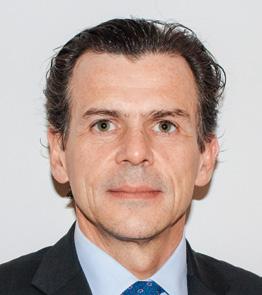
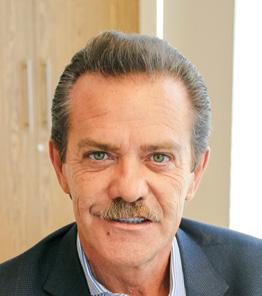
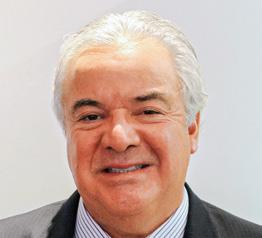
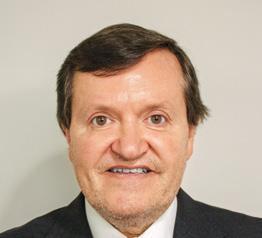
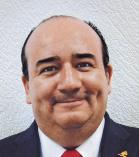
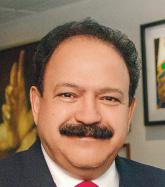
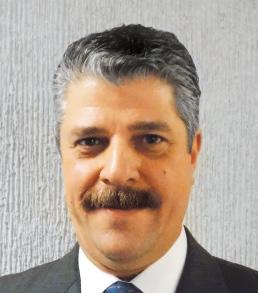
country is transforming its economic structures, taking advantage of all its capacities and fulfilling its true potential”
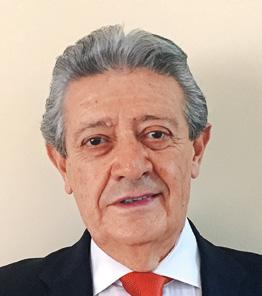
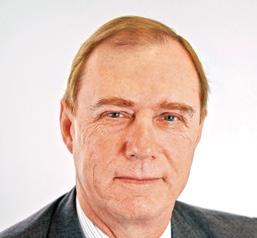
Enrique Peña Nieto, President of the United States of Mexico
Despite bumps along the way, Mexico took further steps in 2017 on its path toward greater prosperity. The country’s central bank lifted its growth forecast for the year to between 2.0 percent and 2.5 percent. It had previously expected a 1.5-2.5 percent expansion. The optimism flies in the face of the uncertainty that plagued the country at the start of the year. At that point, rising US protectionism, a weakening peso and higher fuel prices had put a cloud firmly over the country’s economy. But you know what they say about clouds. The silver lining is the awakening effect these early difficulties have had on both the public and private sectors. When the US threatened to derail NAFTA, the first reaction south of the border was a ringing of hands accompanied by a rise in nationalism. But calmer minds determined that this could be just what the country needs. It is high time, many believe, for Mexico to reconsider its alliances and broaden its reach. With numerous commercial agreements already in hand, the conclusion of many industry insiders, both in the public and private sectors, is that now is the time to diversify and modernize. In the opinion of diverse political leaders and businesspeople, the dependence on a single commercial partner is simply no longer sustainable. The goal to diversify goes hand in hand with the need to modernize. Industries such as automotive and aerospace are racing to implement advancements that are reducing costs and improving performance, but other sectors are lagging due to lack of investment and competition. Still, the implementation of new technologies in sectors such as agribusiness, health, energy and oil and gas, could be game changers. While opportunities abound, the country also has its fair share of challenges to sort out. In particular, investors are wary of what the 2018 presidential elections will bring.
It is against this backdrop that the inaugural edition of Mexico Business Review 2018 is presented, offering a broad vision of the economy, with success stories, new projects and areas of opportunity. Through 14 chapters, the economy and its major players are brought to light, showcasing Mexico’s offer amid a murky global environment.
The publisher has made all reasonable efforts to provide accurate information, and the information contained in this publication is derived from sources believed to be true and accurate. However, the information in this publication should not be considered to be complete or definitive, and may contain inaccuracies or typographical errors. The publisher accepts no responsibility regarding the accuracy of information and use of such information is at your own risk. The publisher will not be liable to any party for any direct, indirect, special or other consequential damages arising out of any use of information in this publication. The publisher provides no representations or warranties, express or implied, including any implied warranties of fitness for a particular purpose, merchantability or otherwise in relation to any information provided by the publisher in this publication.
ISBN: 978-0-9993108-5-4
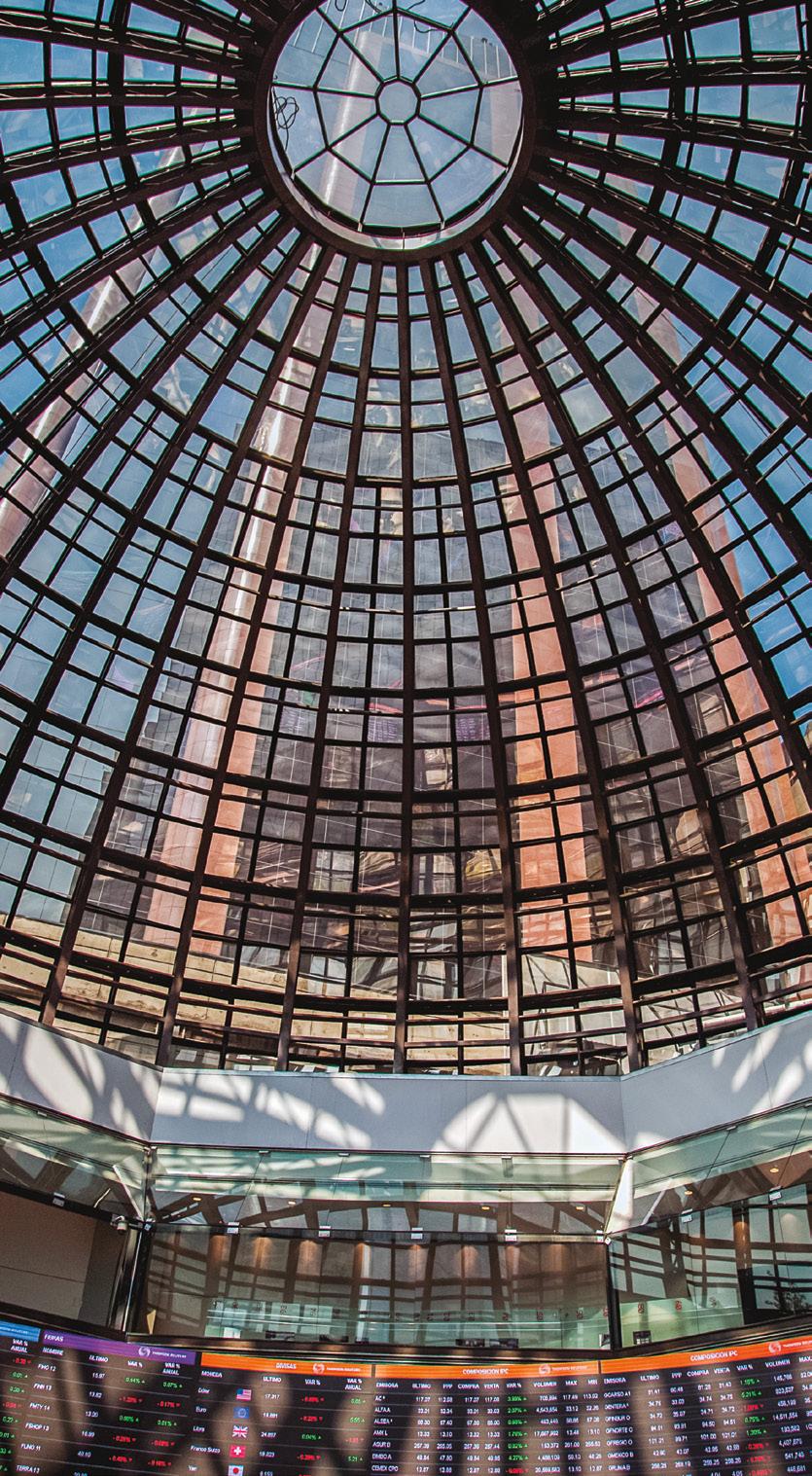
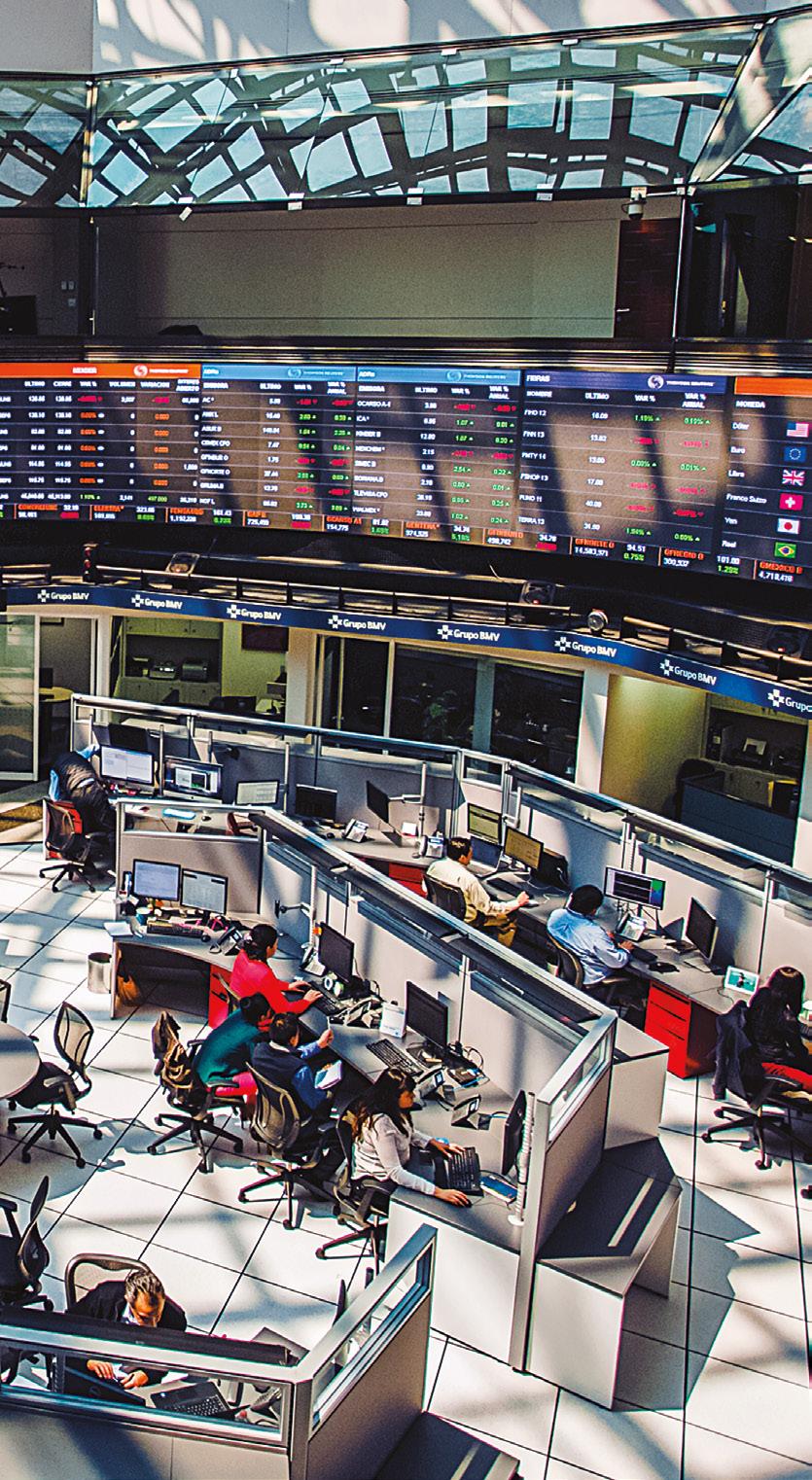
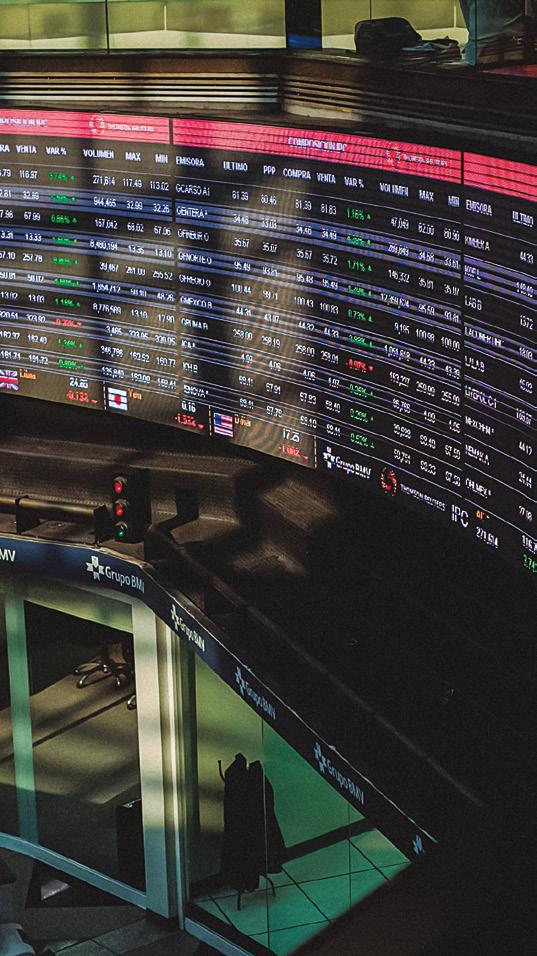
BMV, Mexico City
MEXICO’S LEADERS
1Mexico’s participation in and importance on the world’s economy has steadily gained steam over the past decade. While there are several factors to consider when analyzing the country’s climb in world economic rankings, its entrepreneurial tradition cannot be factored out. The many advantages Mexico offers combined with a vibrant and dynamic environment have helped to attract some of the world’s most influential companies and businessmen. Global companies, such as Google, Facebook and Citibanamex, have made Mexico a cornerstone of their global operations, dedicating important resources to develop internal markets and further operations. Mexico not only hosts international companies, but has also witnessed the development of domestic businesses from a local to a global scale.
The past few years have also witnessed a radical transformation of the Mexican entrepreneurial and economic ecosystem. Reforms have permitted the country to breed a new environment wherein innovation is favored. Going forward, the challenge remains to attract more investment and foster the growth of Mexican companies to a global level. More importantly, the priorities for Mexico’s leaders from the private and public sectors include transferring and permeating the success of the business elite to a growing middle class.
CHAPTER 1: MEXICO’S LEADERS
8 ANALYSIS: Plateful of Uncertainty, Optimism
11 GUEST ARTICLE: Enrique Peña Nieto, President of Mexico
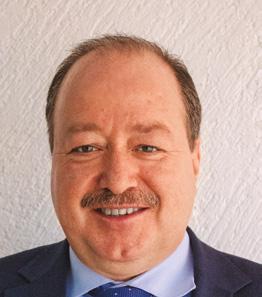
13 VIEW FROM THE TOP: Ildefonso Guajardo, Minister of Economy
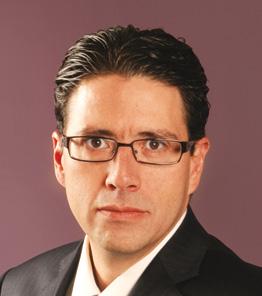
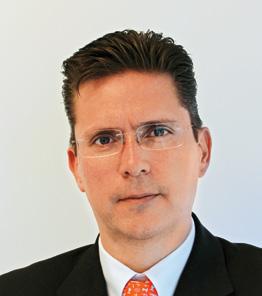
14 EXPERT OPINION: José Antonio González Anaya, PEMEX
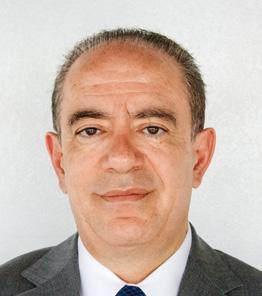
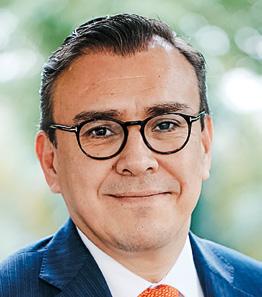
17 VIEW FROM THE TOP: Ernesto Torres, Citibanamex
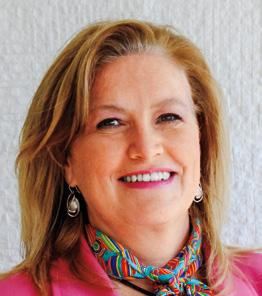
18 VIEW FROM THE TOP: María Teresa Arnal, Google Mexico
19 VIEW FROM THE TOP: Jorge Ruiz, Facebook Mexico and Central America
21 VIEW FROM THE TOP: Pablo Azcárraga, Grupo Posadas
22 VIEW FROM THE TOP: Oscar González, Americas Mining Corporation
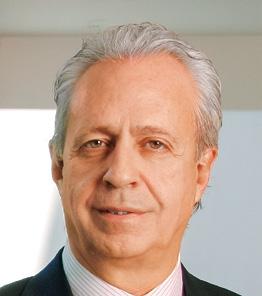
23 VIEW FROM THE TOP: Octavio Alvídrez, Fresnillo
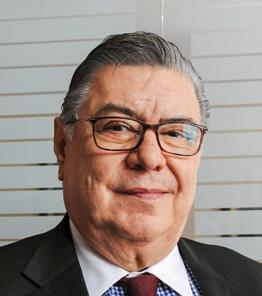
25 VIEW FROM THE TOP: Antonio Suárez, Grupomar
26 VIEW FROM THE TOP: Gerardo Gutiérrez, ZEE
PLATEFUL OF UNCERTAINTY, OPTIMISM
Mexico’s business leaders have had a plateful of uncertainty to digest in 2017, with more of the same expected in 2018 when the country holds presidential elections. Yet, despite the dissonance, opportunities abound and optimism reigns within the business community
The implementation of structural reforms early in the administration of President Enrique Peña Nieto opened the door to new investment possibilities, allowing the revamping of strategic sectors that had been neglected, such as energy and oil and gas. This continued in 2017 but external politicking, including the renegotiation of NAFTA, ensured an unsteady ride throughout the year.
According to the World Bank, Mexico ranks 15th among the world’s economies, with a US$1.04 trillion GDP at end of 2016.
The International Monetary Fund (IMF) estimates Mexico's 2017 GDP will rise 2.1 percent, pumping up its April forecast by 0.4 percent. Mexico’s expected growth is well above the average for Latin America, which is forecast to advance at a 1.2 percent clip. Among the reasons for upward expectations, the IMF notes that despite the uncertainty generated by NAFTA’s renegotiation and a downward revision for US economic activity, Mexico’s economic performance for 1Q17 was better than expected.
In the 1990s, exchange rates between the peso and the US dollar were the main thermometer of the economy. Sudden devaluations meant that an economic crisis was down the road. Such was the case in 1982 and 1994, when accumulated devaluation of the peso hit 470 percent and 44 percent respectively. These devaluations were followed by an economic crisis in both instances. While it cannot be said that the 21st century has been without upheaval, the US-peso exchange rate prior to the 2008-09 financial crisis averaged MX$10.41. Global economic dynamics and the policies
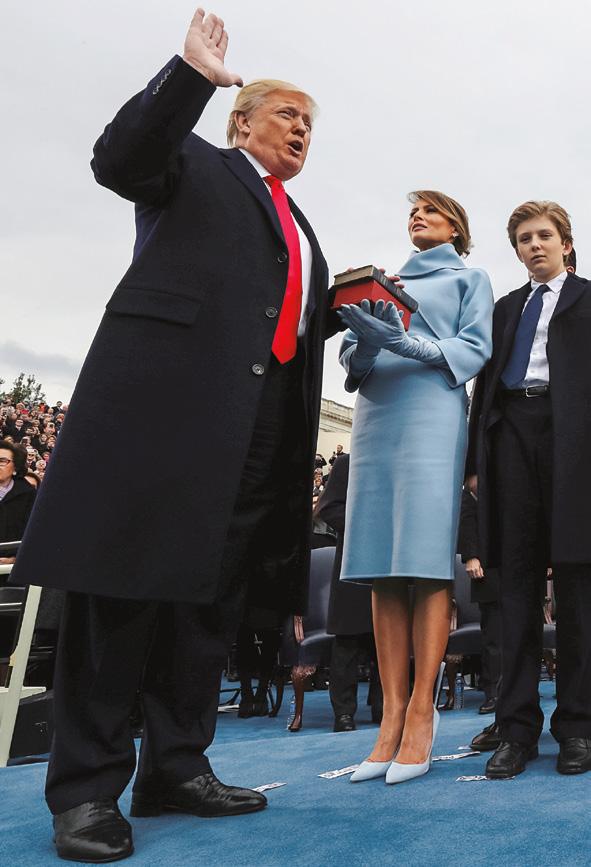
implemented by the US Federal Reserve had led to a gradual increase in dollar strength against its Mexican counterpart but the pre-election protectionist rhetoric and subsequent election of real-estate billionaire Donald Trump to the White House threw a wrench in the system. Starting in 2016, the peso slid from MX$17.35 to MX$20.71, peaking in Jan. 2017 after Trump’s inauguration at MX$21.9.
But whereas in the past crisis would follow the peso’s slide, this time around has been much different. Despite some nervousness about the direction of US policy and its impact on Mexico and the peso, Carlos Rojo, CEO of Grupo Financiero Interacciones, says the latest exchange rate ride has become an opportunity. “All the movements we have seen in the exchange rate have translated into competitiveness,” he says.
DOUBLE-EDGED SWORD
While a weaker peso has favored exports, Banxico has warned that it has also impacted inflation. 2015 ended with recordlow inflation of 2.13 percent but in 2017 alone it has shot up to 6.66 percent. Higher fuel prices have had a significant impact, but the increase in prices associated with an expensive dollar have taken its toll in inflation. Still, the fact that 2017 has been a complicated year does not mean that 2018 is bound to repeat the same story. Banxico’s September 2017 Expectations of Specialists in the Private Sector Economy Survey says that 2017 is expected to end with inflation values close to 6.30 percent. When asked about 2018, most experts believe inflation will fall by 3.79 percent, with an exchange rate of MX$18.15 by the end of 2018. Despite inflation and
a fluctuating exchange rate, most business leaders believe that the country’s macroeconomic foundations are among its best assets. “When it comes to managing the macroeconomic foundations of the country, authorities are doing a good job. Banxico is taking appropriate measures and public finances are under control,” says Reynaldo Vizcarra-Méndez, National Managing Partner of Baker McKenzie.
The country’s top business leaders believe that Mexico offers other advantages such as its demographic bonus. Nuno Matos, CEO of HSBC Mexico, says that having a large population allows Mexico to reduce its dependence on exports. “With a population of 125 million and a relevant demographic advantage, Mexico has the opportunity to develop its internal market.” Ernesto Torres, CEO of Citibanamex, says that in addition to its demographic bonus, it is important to consider the population’s purchasing power. “There are many elements that make Mexico one of the countries with the best growth prospectives among emerging markets, for example, a large and dynamic internal market. According to the World Bank, the average income of Mexico’s population is medium high, which creates great opportunities.”
A COUNTRY OF REFORMS
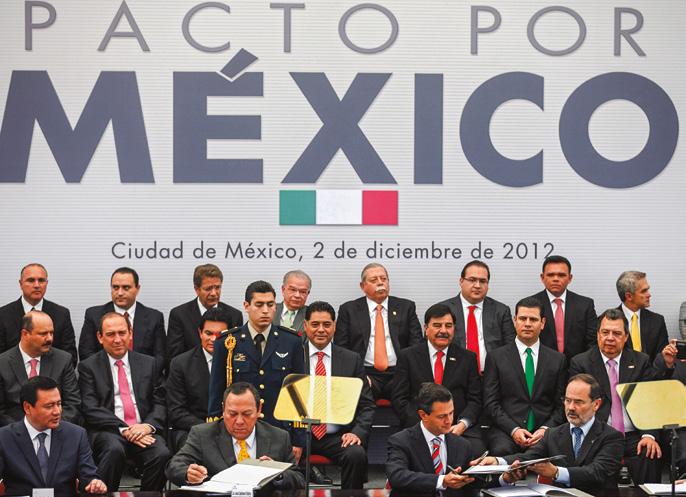
After President Peña Nieto took office in 2012, he quickly moved to introduce a package of reforms that would reshape much of the country’s industry. Under the Pacto por México (Pact for Mexico) moto, congressmen approved the series of reforms aimed at modernizing some of the country’s most strategic industries. The reforms were applauded by the private sector for their potential to modernize the country and change the prospects for sectors that had been neglected in terms of investment due to the lack of participation from the private sector. Vizcarra-Méndez says that the reforms might be “one of the greatest achievements of the present administration,” and believes they are among the reasons for the country’s economic prospects. “Without them we would not have such a positive growth outlook.” IMF expects that full implementation of structural reforms will lead to an increase in real GDP of 2.7 percent in the medium-term.
In addition to providing a positive image of the country, Ildefonso Guajardo, Minister of Economy, says that the reforms are acting as a catalyst for new investments. “The set of structural reforms carried out by President Peña Nieto’s administration have paved the way to attract domestic and foreign investments in strategic sectors,” he says. Gerardo Familiar, President of the Chemours Company, believes the reforms offer particularly interesting opportunities in the oil and gas sector. “Thanks to the Energy Reform, the oil and gas industry will generate an economic boom in the country in the coming years.” Energy was not the only industry to benefit from the reforms. Legislative changes also touched the telecommunications segment. Pablo Coballasi, PC Capital
Managing Director, says the Telecommunication Reform has allowed a more dynamic market. “It allowed competition and lower prices in the market,” he suggests.
For all the good the reforms are doing in terms of investment, an improved regulatory framework is needed to ensure competitiveness and judicial certainty. “The Ministry of Economy has implemented several measures to ease doing business in Mexico,” says Guajardo. “For example, it has worked to reduce regulations and facilitate investment in sectors where FDI was previously restricted, such as telecommunications and energy; it has increased accessibility and transparency at the Public Registry of Commerce and Property and has promoted the use of electronic platforms to ease processes related to FDI registry.”
DIVERSIFY, DIVERSIFY, DIVERSIFY
After NAFTA came into effect in 1994, Mexico became host to several companies eager to export production to the US, taking advantage of the one-of-a-kind agreement. Almost 24 years later, the country’s commercial relationship with the US is no longer the sole reason for attracting companies from across the world, which is why some suggests the potential changes in NAFTA, or even its demise, can be weathered. “The investments made in Mexico by the likes of Audi or BMW are not only aimed at the US market but worldwide. This shows that even though NAFTA is important, it is not everything,” says Edmund Duckwitz, President of the German-Mexican Chamber of Commerce and Industry (CAMEXA).
Mexico has a network of 12 free-trade agreements with 46 countries, 32 agreements for the Promotion and Reciprocal Protection of Investments with 33 countries and nine agreements of limited scope. The prospect of losing the treaty with Mexico's largest trade partner is a headache but the business community agrees that changes will force the country to broaden its horizons. “The biggest issue in the market is uncertainty. Even though the scenery is very challenging, it will bring us a historic opportunity to move out of the comfort zone in which we settled years ago with the US,” says Roberto Cabrera, Managing Partner of Industries and Markets of KPMG. Among the factors that led to such comfort, Cabrera lists not only NAFTA but the large Mexican community that lives in the US. “That comfort zone has also made us tolerate situations like bad administrations and corruption, so the current scenario is full of opportunities.”
Breaking bad habits is not easy, and in the case of Mexico, weakening its relationship with the US might be easier said than done. Still, there are a number of markets where Mexico could turn its attention. “The first approach and simplest should be Latin America. A second target should be Europe because of its economic potential and size. Finally, a third target could be Asia. Countries like China are complicated
to do business with but the current situation is making China look at us,” says Cabrera.
The government also believes that the need exists to look elsewhere for partners. “President Peña Nieto’s administration expects to diversify Mexico’s trade agenda with potential markets,” explains Guajardo. To do this, a number of actions have been put in place, such as strengthening commercial ties with the European continent and Latin America. “We are modernizing our 15-year-old trade agreements with both the EU and the European Free Trade Association countries. In Latin America, we are deepening existing agreements with Brazil and Argentina and the Pacific Alliance,” says Guajardo.
While the NAFTA renegotiation has been marked by belligerent speech from President Trump, Duckwitz says that renegotiation with the European Union obeys simply to a matter of updating the conditions to present needs. “There will not be any major changes related to the economies of both regions. This treaty already encompasses several important sectors; however, there were many others that were left out of the original agreement, such as the agricultural sector, which will be included with this modernization.”
Although Europe and Latin America offer significant opportunities for the country, Guajardo says that the AsianPacific region stands out. “The Asia-Pacific region is a priority for Mexico. However, since TPP’s entry into force is uncertain, Mexico is exploring alternate paths.” To this end, the category of Associate State of the Pacific Alliance was added in March 2017 in an attempt to negotiate more trade agreements with countries in the Asia-Pacific region. “Australia, Canada, New Zealand and Singapore are the first four candidates to become Associate States of the Pacific Alliance,” says Guajardo.
A WORLD WITHOUT NAFTA
Should NAFTA be terminated, what would happen to Mexico?
The question has been going around ever since Trump said that “Mexico has taken advantage of the US for long enough”
MEXICO’S WORLD OUTPUT AND PROJECTIONS
MEXICO’S ANNUAL GDP GROWTH (percentage)
and announced his intention to renegotiate or even drop out NAFTA. The declarations raised a red flag among the business community, but after a storm, calm usually settles in. “For Mexico, the US market is important but Mexico is also very important for the US. It is completely inaccurate to say that NAFTA only benefits Mexico,” says Duckwitz.
Few believe that an outright termination of NAFTA will occur. “Our view is clear: there will be a NAFTA 2.0. We believe there will be some changes in rules of origin and labor standards and we will see the incorporation of sectors such as energy and e-commerce,” says Matos. Still, the important thing is to remain calm. “We sometimes forget that we are dealing with a giant and that we need to be really smart about how we handle the renegotiation,” says Vizcarra-Méndez. Negotiations were expected to conclude before the end of 2017 but over the months it has become clear that they will carry into 2018. “The renegotiation will have to unfold at its own pace. It would be unfortunate if the timetable were affixed to the 2018 Mexican presidential elections but US and Mexican presidential elections are merely junctures and they should not distract from the agenda,” adds Vizcarra-Méndez.
It is important to note that NAFTA’s third particpant, Canada, also plays a significant role in Mexico’s economy. “Mexico has achieved a lot thanks to NAFTA but also thanks to the bilateral and trilateral relationships of the North American bloc. NAFTA has been a keystone of the trilateral relationship but the economies are so close and complementary that the relationship will continue regardless of what happens with NAFTA,” says Raul Martínez-Ostos, Chairman of the Board and Director General of Grupo Financiero Barclays México. Regardless of the outcome, most business leaders agree that investments are here to stay. Grupo Financiero Interacciones’ Rojo says: “People investing know they are here for the long run and they understand that what the country is experiencing now is a volatile process, but structurally speaking, the country is in good shape and the reforms, will completely change the face of the country.”
Source: IMF
Source: Source:
CAAM, JAMA, VDA, KAMA, SIAM, AMIA, ANFAC, Automotive News, Data
BUILDING A PROSPEROUS MEXICO
ENRIQUE PEÑA NIETO President of Mexico
When my administration first started, we noticed that the Mexican economy was growing at levels below its potential, with existing limits for productivity, investment and innovation.
To overcome these challenges and guarantee improved living conditions for the Mexican people, we identified the actions that we needed to take on four different fronts: implement structural changes to eliminate legal and institutional barriers; consolidate the country’s macroeconomic stability; generate a new economic promotion policy; and promote a more balanced regional development.
From the first moment, we bolstered measures to transform the quality of education that kids receive, to increase competition and to generate new investment opportunities. My administration also promoted changes that introduced a new legal framework that will provide prompt, timely, expedited and standardized justice across the country.
Despite a complex international environment, the Mexican economy is growing at rates above 2.1 percent, surpassing the growth registered in the previous two administrations. Our country is attracting investments and generating employment as never before. During the present administration, the country has received over US$156 billion in Foreign Direct Investment and for the first time in history, we are about to reach 3 million new formal jobs generated in a presidential administration.
Mexico continues to break records in manufacturing and agricultural exports, while improving its position as a global tourist destination. According to the World Tourism Organization, in only three years Mexico went from 15th to eighth place in terms of international tourist arrivals. This improvement is the result of an integral strategy of diversifying destinations and increasing competitiveness, which has consolidated the sector as an engine for economic growth, employment and well-being for Mexican families.
The Special Economic Zones were created to help reduce the inequality gaps that divide the southern part of the country
from the center and northern regions. Their objective is to trigger new development hubs in regions that are lagging behind economically. We are also promoting productivity, competitiveness and balanced regional development with the expansion and improvement of highways, railroads, ports and airport infrastructure.
Due to the ensuing results from these efforts, we are sure that we are going in the right direction. Our country is transforming its economic structures, taking advantage of all its capacities and fulfilling its true potential. Today, Mexico is recognized as a strong, competitive and open nation. Mexican families are beginning to reap the benefits generated by the structural changes that have taken place and we see a prosperous future for them.
For all the positive changes that have taken place, further positive results will follow in the coming months and years. That is why it is utterly necessary to continue working to maintain the country’s macroeconomic stability, fully implement structural changes and consolidate the country’s infrastructure projects. This will allow us to improve the economy of Mexican families and generate an environment in which no one is left behind.
TIMELINE OF REFORMS
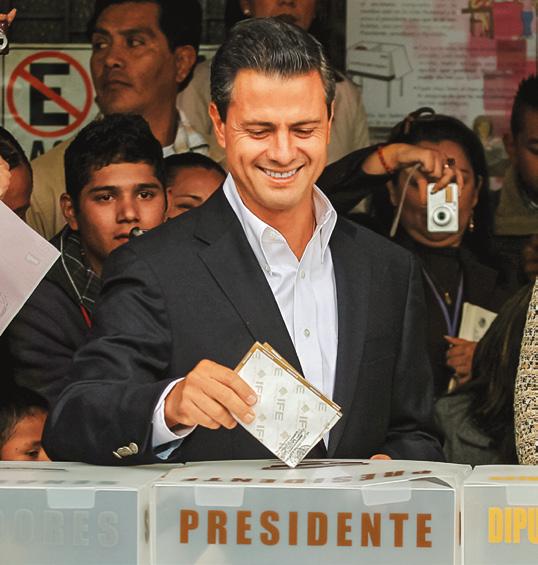
July 1, 2012 Enrique Peña Nieto wins Mexico’s Presidential Elections
December 1, 2012 Peña Nieto is sworn in as Mexico’s 57th President
December 2, 2012 Pacto por México is signed by the President and the leaders of the country’s main political parties
February 25, 2013 The Education Reform is enacted
June 10, 2013 The Telecommunications and Broadcasting Reforms is proclaimed by the President
June 11, 2013 The Economic Competition Reform is enacted
October 31, 2013 The Tax Reform is approved
December 20, 2013 The Energy Reform is proclaimed by the President January 9, 2014 The Financial Reform is enacted by the President
January 31, 2014 The Political Reform is proclaimed by the President
February 7, 2014 The Transparency Reform is enacted by the President
ENSURING MEXICO’S INTERNATIONAL COMPETITIVENESS
ILDEFONSO GUAJARDO Minister of Economy
Q: How is the Ministry of Economy ensuring Mexico remains a competitive destination for FDI?
A: Mexico is among the most open economies to international trade and investment. The set of structural reforms carried out by President Peña Nieto’s administration have paved the way to attract domestic and foreign investments in strategic sectors. The Ministry of Economy has implemented several measures to ease doing business in Mexico. For example, it has worked to reduce regulations and facilitate investment in sectors where FDI was previously restricted, such as telecommunications and energy; it has increased accessibility and transparency at the Public Registry of Commerce and Property and we have promoted the use of electronic platforms to ease processes related to FDI registry.
Q: What are the government’s priorities for establishing trade agreements with Asian and Latin American countries?
A: The Asia-Pacific region is a priority for Mexico. However, since TPP’s entry into force is uncertain, Mexico is exploring alternate paths. For instance, in March 2017 in Viña del Mar, Chile, the Pacific Alliance established the “Associate State” category, with the objective of negotiating trade agreements with countries in the Asia Pacific region. Australia, Canada, New Zealand and Singapore are the first 4 candidates to become Associate States of the Pacific Alliance. Within the framework of APEC, leaders of the Pacific Alliance engaged in two discussions with Asian economies in which they explored common cooperation areas, namely SMEs and trade facilitation.
Q: What strategies does the government plan to implement to help companies diversify their operations outside the US?
A: President Peña Nieto’s administration expects to diversify Mexico’s trade agenda with potential markets. We are modernizing our 15-year-old trade agreements with both the EU and the European Free Trade Association countries. In Latin America, we are deepening existing agreements with Brazil, Argentina and the Pacific Alliance.
Q: What strategies is the Ministry of Economy following to relaunch and position the Hecho en México program?
A: In the last two decades, Mexico’s global integration has been a keystone for economic growth. We certainly want more Mexican products to be exported but at the same time we want to consolidate our domestic market. Hecho en México aims to foster national production and competitiveness, as well as being a symbol of confidence and high quality for consumers. The Ministry of Economy, through ProMéxico, is promoting the program beyond Mexico’s borders. At the end of April 2017, I visited Hannover, Germany, to attend a ceremony where Mexico was formally announced as the partner country for the Hannover Messe 2018. Being the most important manufacturing event worldwide, the fair will be a major window to promote the Hecho en México program and portray Mexico’s innovative products, processes and industries.
Q: What initiatives is the Ministry of Economy favoring to support the entrepreneurial ecosystem?
A: An example of the Ministry of Economy’s efforts to support Micro Small and Medium Enterprises (MSMEs) is the role of the Federal Commission for Regulatory Improvement (COFEMER) in reducing the regulatory burden and unnecessary bureaucratic procedures. One of the most meaningful measures undertaken is the 2x1 regulation scheme. Through this scheme, all public agencies wanting to implement a new regulation that implies costs for the population are obliged to eliminate two existing regulations. Another example is ProMéxico’s involvement in promoting exports from Mexican MSMEs. These companies are offered consultancy from trade experts who facilitate the completion of export requirements to foreign markets. Additionally, ProMéxico undertakes promotional activities to increase the visibility of products and services from MSMEs abroad. In terms of international trade, we have strived to include specific chapters on MSMEs into our most recent FTAs, such as the Pacific Alliance and the TPP. We will do the same while updating NAFTA.
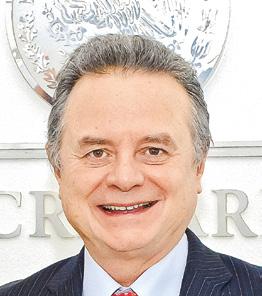
Ildefonso Guajardo is the Mexican Minister of Economy, member of the PRI party. He has worked in the Ministry of Tourism, Foreign Affairs and Trade, as well as congressman. He is the top negotiator for NAFTA’s renegotiation
A STEADY HAND ON THE TILLER
JOSÉ ANTONIO
GONZÁLEZ
ANAYA CEO of Petróleos Mexicanos (PEMEX)
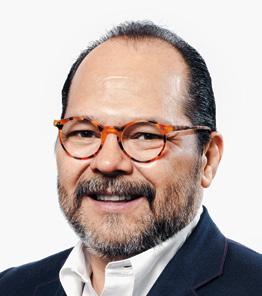
The key to PEMEX’s transformation is in the implementation of the 2017-2021 Business Plan, which clearly outlines profitability as the guiding principle of the company across all its business lines. This plan meets the dual mandate that President Enrique Peña Nieto gave me by appointing me CEO: accelerate the implementation of the Energy Reform and improve the finances of the company.
In 2016, a great effort was made to implement austerity and discipline and operational adjustments were made to take advantage of the alliances that, thanks to the Energy Reform, we can now participate in. The results are beginning to be seen and today PEMEX has stable — unlikely but stable — finances.
Recently, rating agency Moody’s acknowledged the company's financial efforts and its track record in the past year and awarded PEMEX an overall PAA3 foreign currency credit rating. In addition, PEMEX recorded a positive net financial result for two consecutive quarters, something that had not been achieved in six years. This is mainly due to the recovery of crude oil prices, the recognition of logistics costs in the price formula for gasoline and diesel and the decrease in the company’s operating costs.
With respect to crude oil production, PEMEX will reach its annual target. During the first few months of the year, a considerable recovery was achieved in the crude oil process compared to the end of 2016. Thanks to the strengthening of exploration and extraction processes, it has been possible to maintain an average of around 2 million b/d. Ku-Maloob-Zaap has maintained its production volume of above 860,000b/d, helping to counteract the natural decline of other fields. Together with the evolution of assets such as the Litoral de Tabasco, Tsimin-Xux and the Xanab fields, this has led to a combined increase in production of more than 156,000 barrels, excluding Cantarell.
The Energy Reform is advancing and PEMEX is getting stronger.
PEMEX’S BUSINESS PLAN
The Business Plan, presented at the end of 2016, is a realistic plan focused on profitability. This plan establishes the actions required to enable the company to achieve financial strength, as well as to stabilize production and subsequently increase it. It is a plan that includes, as a priority, the establishment of alliances and strategic partnerships across the value chain as a mechanism to increase investments, increase operational efficiency and share financial and technological risks.
This plan is already underway and its first results have already been very successful. Last March PEMEX formalized its partnership agreements with the US company Chevron and the Japanese company INPEX, with which we jointly won the CNH tender for the exploration of deepwater Block 3 North. We also signed the contract with Australia’s BHP Billiton, winner of the first farm-out in PEMEX history. Through this partnership, the Trion block will be explored and developed in the Cinturón Plegado Perdido in the ultradeepwaters of the Gulf of Mexico. These are the first of many partnerships with which PEMEX will consolidate itself as a major oil company.
Three other farm-outs are scheduled for the coming months: in shallow waters, the Ayín and Batsil fields; the Ogarrio and Cárdenas-Mora onshore fields; and in deepwater, Maximino and Nobilis, also located in the Perdido area. Recently, PEMEX also completed the first migration to the new production contracts for the Ek Balam field in the Campeche Sound. This new scheme will allow us to generate greater economic value for the project.
MIDSTREAM, DOWNSTREAM AND DISTRIBUTION
In terms of refining, PEMEX has begun to form alliances in order to increase the profitability of operations. At the beginning of this year the first partnership for the supply of hydrogen to the Tula refinery with the French company Air Liquide was finalized. This will reduce the number of unscheduled shutdowns, as well as increase the production of gasoline and generate savings of more than 30 percent in this service. Air Liquide also plans to invest in the
construction of a second hydrogen plant at the refinery in order to meet the total demand from the expansion at the Tula refinery. The plant’s construction is expected to be completed by the end of 2019.
As part of the efforts to allocate more resources to the central refining processes, we are also forming alliances for the supply of auxiliary services and the reconfiguration of the Salina Cruz and Salamanca refineries in Oaxaca and Guanajuato, respectively. The objective is that PEMEX focuses on the primary activities that allow it to generate more resources.
In terms of logistics and complying with the norm established by CRE, PEMEX is carving out its position as a pillar of the new energy environment. In May, the first phase of the Open Season was carried out, whereby PEMEX allocated storage and pipeline capacity for the states of Baja California and Sonora. One hundred percent of the capacity offered was assigned and the winner was the US company Tesoro. The interest shown by 22 companies registered in the auction confirms the confidence of the private sector in both these processes and in PEMEX and its operational capacity. It certainly constituted an important step in the creation of an efficient and competitive market to efficiently satisfy national demand to the benefit of consumers. Over the next few months, next steps will be taken to cover the rest of the country. In addition to promoting the investment of new participants in the sector, this scheme will enable PEMEX to generate resources for its growth.
FUTURE OUTLOOK
In almost 80 years of activity, PEMEX has accumulated knowledge and experience. It is the eighth-largest oil producer in the world and a leader in shallow waters. The reform passed by President Enrique Peña Nieto in 2013 imposed on PEMEX the challenge of transforming itself into a productive state enterprise. In the period that I have been leading the company, since February 2016, I have verified the capabilities of our workers to drive the required changes to face the complex challenges of the new international environment.
The international industry is aware of PEMEX’s new way of operating and there is a considerable interest in establishing alliances with us. Mexico and, specifically, PEMEX, represent important investment opportunities across various business lines in the hydrocarbons sector. PEMEX is the strategic partner with which to invest in Mexico. I am sure that it will continue to be a pillar of the national industry and the flagship company of the country.
José Antonio González Anaya is a Harvard graduate who has worked in a number of high-profile public and private sector positions. Before becoming Director General of PEMEX, he was Deputy Minister of Income at the Ministry of Finance and Public Credit and Director General of the Mexican Institute of Social Security (IMSS) from 2005 to 2016
Centenario GR, Gulf of Mexico, deepwater platform
FURTHERING FINANCIAL INCLUSION AND CREDIT EXPANSION
ERNESTO TORRES CEO of Citibanamex
Q: What is Citibanamex’s proposal for the Mexican banking system?
A: The main challenges for the Mexican financial system are financial inclusion and credit expansion. The objective should be to consolidate a system that amplifies and facilitates access to financial services and provides more loans under better conditions. To increase access, we must move forward simultaneously in different directions: using the most advanced technology and new digital channels and taking advantage of social media and Big Data; expanding and modernizing our infrastructure; establishing a network of correspondents to reach more clients; providing products and services that best fit the needs of each client; offering new channels, especially through the use of technology and digital devices; and promoting the use of electronic and digital payments. To increase credit, we must maintain the country’s macroeconomic stability, provide customers with products that meet the needs of each segment, disseminate existing options and advantages of credit and create a closer relationship with the public.
Q: How will the digital transformation of the traditional banking system impact financial inclusion?
A: The transition to a digital banking system has pushed forward financial inclusion in Mexico but there is still a lot of untapped potential. The best example is mobile banking. Five years ago, we launched Transfer in alliance with América Móvil and Inbursa, the first payment platform for cellphone services. In 2013, Transfer had 1 million active clients and by the end of 2017 we expect to have 6 million. It has been growing at an annual rate of 57 percent. The number of transactions made in Transfer in 2013 was 9 million and this year we expect to reach 310 million.
Q: What strategies should be put in place to encourage the use of digital payment methods and reduce the use of cash?
A: The strategy to promote payments through electronic platforms includes different actions. First, supporting the inclusion of millions of workers in the formal economy; second, continuing to facilitate access to banking services, especially through new channels; and third, to facilitate internet access. In addition, it is necessary to facilitate and expand the installation
of the necessary infrastructure in shops and businesses that allows them to receive payments, not only with cards, but from mobile devices, and to promote a wider use of online and mobile banking. All these actions must be complemented with different programs to foster financial education.
Q: What opportunities does Citibanamex see for the finance sector as a result of the NAFTA renegotiations?
A: Citibanamex is the best example within the financial sector of the mutual benefits that can be obtained through the cooperation between Mexico and the US. The finance industry plays an important role in achieving the economic integration of the three countries and driving the competitiveness of the region. The high degree of economic integration between Mexico and the US has increased the already big number of clients that interact, trade and execute cross-border operations. Enhanced integration of the finance sector will allow us to better serve millions of clients in the NAFTA countries bringing benefits to communities across the region.
Q: Beyond NAFTA, what is Mexico’s value proposition to the world?
A: NAFTA is an important factor in the country’s evolution but it is not the only one. There are many other elements that make of Mexico one the countries with the best growth perspectives among emerging markets; for example, a large and dynamic internal market. According to the WB the average income of Mexico’s population is medium high, which creates great opportunities. The economy is also becoming more productive and competitive thanks to the approval and implementation of structural reforms in key sectors such as education, telecommunications and energy. In addition, Mexico has an outstanding export platform and different commercial agreements across the world. Finally, the country maintains great macroeconomic stability, responsible management of public finances and a solid and growing financial sector.
Citibanamex is a multibanking institution and a member of Grupo Financiero Banamex, a subsidiary of Citigroup Inc., an American multinational investment banking and financial services corporation
DEVELOPING DIGITAL OPPORTUNITIES IN MEXICO
MARÍA TERESA ARNAL CEO of Google Mexico
Q: What opportunities does the Mexican market offer to the development of Google’s business?
A: The word that defines my administration in Google is “opportunity.” Mexico is the 15th-largest economy in the world, meaning that there are great opportunities in many different sectors, including digital transformation, an area into which many companies are now venturing. Digital transformation does not only entail reaching consumers through the internet but also through every process within the company. The way companies think, understand and approach consumers is changing and Google can play a central role in this process. We can help companies change the way in which they develop products to allow them to reach more consumers. This is the opportunity we see with big companies. An interesting example is Nestlé México. Together, we developed a project to analyze the searches related to baby food and what parents search for. With this data, they were able to revamp and launch a new product in just nine months, shortening the process by over half the time.
We also see many opportunities with SMEs. The internet has no borders and Google allows SMEs to do business all around the world. There are many stories of Mexican SMEs working alongside Google that have managed to do business abroad. We estimate that Google has contributed MX$24 billion to the Mexican economy.
The education ecosystem has a big opportunity for renewal in Mexico. In general, education is an area in which we will see great technological disruption. We want to bring technology closer to the people and for technology to become an enabler for new learning and collaboration tools. Knowledge per se will not be the main driver, since the data is available in Google; being able to learn and work collaboratively will be the main drivers. Another important segment is related to empowering companies to be more
Google is a global technology leader, which focuses on improving the way people connect with information. Its innovations on internet search and online advertising have made its website a top internet product
productive. We see opportunities in helping companies improve its internal business processes and in the generation of intelligence from all their data.
Q: How does Google contribute to the expansion of digital skills in Mexico?
A: It is an interesting challenge. We work alongside different players in Mexico to push and see through the country’s connectivity and digital skills education agenda. We engage on projects that seek to reduce the country’s digital gap and empower those who seek to use technology to find solutions to everyday problems. We must play a significant role and help ensure that as many people as possible have internet access and the possibility to make the most out of these tools.
Google products are developed with billions of people in mind. We want our products to be as universal and inclusive as possible; however, this does not mean that we neglect characteristics inherent to particular groups. We take in consideration the most important particularities of each group and then try to compile those up in a single product. Mexico is part of an initiative called Next Billion Users (NBU). Technology empowers people to solve problems, but problems are completely different in developing countries like Mexico, India, Brazil and some others that are part of NBU. This initiative analyzes the problems we share and are inherent to our developing nature.
Q: What does the country need to do to develop more gender parity in the technology sector?
A: The problem in the technology world is the pipeline, something that does not happen in other fields. Part of it is that when girls reach a certain age they start losing interest in science-related subjects. This is the first hurdle we must overcome: we must find a way to show girls that science, technology, engineering, and math are fun. At Google, we partner with organizations such as Epic Queen and offer camps where girls can encounter fun ways to approach math and coding. This way you start generating an interest that leads to less desertion rates. We also need role models, and show them that the technology world includes us all.
CONNECTING MEXICO
JORGE RUIZ Director of Facebook Mexico and Central America
Q:What have been Facebook’s most remarkable achievements in the country?
A: The first day that I arrived here I saw a huge opportunity to connect Mexico. At that moment, worldwide Facebook had almost 1 billion users. Five years later, we have connected 2 billion people worldwide and 76 million people in Mexico. At that time, there were a lot of questions about the importance and role of Facebook in the markets and we saw a huge growth opportunity in terms of mobile technology. However, the most important transformation has been from a social platform into a people’s platform.
Our concerns as a platform have also changed. Five years ago, our most important concern was generating engagement on the platform. Now, it is how we solve business, communications and marketing issues through the platform. Facebook has become the go-to place for companies to connect on a daily basis with the people they really care about.
When we started in Mexico, our main challenge was to grow and convince businesses that were used to consuming traditional media, such as television or radio, to switch to Facebook. Our first strategy was to target Consumer Packaged Goods (CPG). Then, we came up with other verticals, including retail, auto and finance. E-commerce was not as big as it is now and Amazon, eBay or MercadoLibre were not as popular. That is why we decided to focus all our efforts on branding.
Q: How can Facebook collaborate to further the entrepreneur ecosystem in Mexico?
A: Entrepreneurship in Mexico needs to get closer to the digital world. They also need to do a better job measuring their success, aligning their Key Performance Indicators (KPIs), talking the language of investors and aligning their brand positioning and sales’ strategies. An advantage we provide to entrepreneurs is that we can offer them massive segmentation, which is the dream of all marketers. With this segmentation, you provide the right services and products to the right people at the right time. Is something no other platform can offer. More than 90 percent of internet users in Mexico are also on Facebook, which makes us the perfect
vehicle for entrepreneurs and SMEs to grow and further e-commerce. We believe that if people get to Facebook, they can become a multinational company right away.
Q: What should be the role of companies such as Facebook, the telecom industry and the government in providing countrywide internet access?
A: For the country’s development, we need people to be connected. There are 89 million mobile phones in Mexico but not everyone has internet access. We do not want that lack of access to become a hurdle for people to connect. That is why we have developed platforms such as Facebook Lite, where several features that are valuable to people also work offline. With Facebook Lite users can access content that can influence their daily life. We have people in the agricultural sector that use Facebook to check the weather forecast before deciding whether to work or not.
We also want to connect the other half of the country that still does not have access. We already have some projects aimed at providing Wi-Fi to places where access is difficult. Internet access allows people to be more informed and companies that produce content can publish it through Facebook and reach more people.
Q: What are the right metrics for companies to pursue?
A: More sales and more market share, those are the two metrics that matter. We have learned from traditional markets that we need to address businesses’ needs. At first, digital metrics were important but for businesses the metrics that matter are sales and market share. To address this, we have launched Brands Beyond the Line, which aims to eliminate the lines between digital and business strategies. The intention is to help companies attract more people to their business, to have more people aware of their products, more people loving their brand and buying and consuming their product.
Facebook is a digital social network founded in 2004 with 2 billion users worldwide. Its goal is to generate a more open and connected world. It is headquartered at Menlo Park, California
50-50 BET PROVIDES COMPETITIVE ADVANTAGE
PABLO AZCÁRRAGA Chairman of the Board of Grupo Posadas
Q: What are Mexico’s greatest areas of opportunity for growth within the tourism sector?
A: There are various indicators that demonstrate Mexico’s strong potential for growth if we tweak certain things. Ninety percent of leisure tourism is focused on beach destinations. The majority of Mexico’s tourism revenue is based on sun and beach destinations and not so much on cultural, ecological or religious tourism. In Europe for instance, the main reason for travel is culture. Mexico has such a rich culture but it is not being taken advantage of.
Approximately 80 percent of leisure tourists arrive by plane. We are neighbors of the largest consumer market and when Americans travel in the US, 90 percent do so by car. We are limiting tourism and we must continue to change the culture so that it not only depends on sun and beaches.
Ninety percent of tourists that visit Mexico also visit the same four destinations: Riviera Maya, Mexico City, Los Cabos and Vallarta. Mexico definitely has potential and we have grown exponentially with more than 35 million international tourists. These are good numbers but the World Tourism Organization predicted that Mexico should have more than 50 million by now.
Q: How has Grupo Posadas positioned itself in the Mexican market?
A: Grupo Posadas is the leading hotel developer in Mexico and the only one with a presence in Mexico as an operator. We are four times bigger than our closest competitor and as of 1Q17, we have more than 26,000 hotel rooms in operation. We have 40 new hotels in construction today, which means almost 7,000 more rooms. There are more than 80 million Mexicans traveling inside the country compared to the 35 million who come from abroad.
Q: Why has Grupo Posadas decided not to franchise its brands?
A: We do not franchise because there is no real need to do so. In part, our success comes from the balance of our portfolio between both leisure and business. Tourism depends greatly on the economic state of a country but when one area is not
doing so well, the other complements it. That is why building 50 percent of our developments in cities and 50 percent in beaches is a good competitive advantage to have.
We have a business model similar to that of the most important companies in the world. Our large number of clients and investors allows us to avoid allocating a large amount of our resources to materials and allows us, instead, to develop our people, innovation and technology. Of the 40 hotels we have in construction, 90 percent are third-party properties. Our client network is satisfied and has enough confidence in us to sign 20-year O&M contracts. Because we deliver results, almost all the contracts are renewed. In 2016, we opened 13 hotels, which is considerably more than our competitors that tend to open one or two a year. As of today, we have more than 26,000 hotel rooms and 156 hotels. City Express has 11,000 and others fewer. The fact that we are listed on the BMV allows us to keep our liabilities in bonds and to raise more money for new projects.
Riviera Maya, Mexico City, Los Cabos and Puerto Vallarta receive 90% of Mexico's visitors
Q: What impact has the company had on tourism education and jobs creation in Mexico?
A: It is important that we continue to focus on the professional growth of our human capital. Many of the most important players and directors within the industry started their careers in Posadas. We need to continue to train people to provide a higher quality service.
Grupo Posadas is the leading hotel developer in Mexico and the only one with a presence in Mexico as an operator. It has more than 26,000 hotel rooms in operation and expects to add almost 7,000 more rooms with the construction of 40 new hotels
MEXICAN INSTITUTION SETS SIGHTS ON ZINC
OSCAR GONZÁLEZ Executive President of Americas Mining Corporation
Q: How do you assess the impact of regulatory reforms for the mining industry in Mexico and what changes have ensued?
A: We have been paying a significant amount of tax since the mining royalties were introduced in Mexico in 2014, including MX$1.8 billion toward miners’ rights. From our experience, the local governments in Cananea and Nacozari – the municipalities where our Buenavista del Cobre and La Caridad mines are located respectively – are investing the resources generated from the Mining Trust Fund into projects that will have a lasting beneficial impact on local populations. We are fully supportive of the fund and we plan to continue allocating more resources for many years to come. An important part of our investment strategy is to spend US$25 million on exploration, so we were delighted to see Sonora’s governor recommend to Congress a reduction in exploration costs in the state. This would be a positive development that would boost the mining sector not only in Sonora but throughout the country.
We are also optimistic about the long-term effect that the Energy Reform will have on Mexico’s mining sector. We are already using our gas and wind-based energy generators to cover our in-house needs, as well as making a profit on the surplus. This is a strategy that is bringing great rewards for the company and we are committed to continuing our work in the local energy sector.
Q: How is your investment strategy evolving in light of volatile international commodity markets?
A: Copper remains the most important commodity in our portfolio, representing 80 percent of sales in 2016. Naturally, the fall in price of the brown metal has had a damaging effect on business. This effect has been mitigated to an extent by our investment plan, which is designed to raise overall production levels across our
Americas Mining Corporation is Grupo México’s mining subsidiary, overseeing Mexican operations, as well as those belonging to ASARCO and Southern Copper in the US, Peru and Chile
assets. For example, in 4Q16, copper production rose by 16 percent compared with the same period in 2015, helped by a rise of 57 percent in production at Buenavista del Cobre.
We have also begun to focus more on the base-metal sphere, particularly zinc. We acquired and reopened the Aznalcollar zinc mine in southern Spain in 2015, and we have great hopes for this project because we are confident that zinc is heading for a sustained period of strong price performance. Zinc production rose by 20 percent in 4Q16, while we also reduced AISC across the board. Despite the lower price environment for copper, our high production levels and low costs enabled the company to perform very well in 2016.
Q: Considering your extensive list of projects in the development and exploration phase across Latin America, where will you be focusing your efforts in 2018?
A: We are planning to move forward with a number of projects in the next few years, and Mexico is a priority for our investment plan, holding a vital place in our portfolio. In 2016, a total of 65 percent of metal and mineral production came from Mexico.
The primary focus is the San Martin deposit in Zacatecas, which has enormous potential but has been in limbo for the past 10 years due to a senseless strike that has been detrimental to workers, the state and the company alike. We are also preparing to move forward with the El Pilar, Pilares and Buenavista Zinc projects in Sonora, before turning our focus onto the Angangueo and El Arco assets.
On the financial side, we are waiting for the macroeconomic climate to improve in order to proceed with our plans to apply for an IPO for Americas Mining Corporation. Southern Copper has a dual-listing in Lima, Peru and New York, while Grupo México is listed on the BMV in Mexico City. We are convinced that an IPO will have a positive effect on the Americas Mining Corporation investment profile, although we are still evaluating where would be the best location for the company.
PRODUCTION GROWS, ACCIDENTS DOWN
OCTAVIO ALVÍDREZ CEO of Fresnillo
Q: What were the main contributors to Fresnillo's strong performance in 2016?
A: Like all miners, we were helped by external factors such as the devaluation of the peso that enabled us to improve the internal cost structure. But we also managed to lower operational costs at several of our mines, which generated savings of US$25 million across our portfolio. Moreover, we were boosted by the increase in production at our mines, particularly at La Herradura, Nochebuena and Saucito, while we also brought the first phase of commercial production
Fresnillo is the world’s leading silver producer and Mexico’s largest gold producer. It is a subsidiary of Grupo BAL and operator Industrias Peñoles. The company is listed on the London Stock Exchange’s FTSE 100
at San Julian online. All told, 2016 was the second-best year for Fresnillo since the company made its listing on the London Stock Exchange nine years ago.
Q: What actions are you taking to reduce fatality rates at your mines?
A: This is the most important challenge Fresnillo is facing and we are disappointed that we have not reached our objective of zero fatalities, which is the company’s primary goal. We are trialing a new, in-depth safety system in the Saucito mine that we hope will help us achieve our zero-fatality goal. We already have safety protocols and equipment of the highest standard but we need to focus on educating our staff and contractors. We are determined to increase awareness and risk identification throughout the company. If we succeed, this system will be implemented across all of our mines.
Fresnillo mine, Fresnillo, Zacatecas
INNOVATION AND SUSTAINABILITY FOR MEXICO’S FISHING FUTURE
ANTONIO SUÁREZ President of Grupomar
Q: What are Grupomar’s key differentiators?
A: Since the company was founded, Grupomar has been known for being the most innovative company in the Mexican fishing segment. We were the first company to introduce easy-open tins, the first to commercialize tuna salad and the first to offer canned octopus, squid and salmon. We also offer tinned sardines. Grupomar manages approximately 60,000 tons of tuna per year and we can pack around 2 million cans of tuna on a daily basis.
Q: Grupomar has a wide range of businesses. How do its business units complement each other?
A: We are a very integrated company, from port agencies, ship repair workshops to helicopter repair workshops. All unloading activities are performed by another Grupomar unit. We also have a plant where we manufacture our cans and an additional plant for processing and canning all our products. The group also engages in direct distribution to big retailers and small shops. We make and sell fish flour from the pieces of fish that are not used elsewhere. Grupomar is a completely integrated business.
This integration ensures the company’s viability. In the primary sector, there are so many variables that could impact the performance of a company. You have good and bad years. However, with an integrated business model, you are less vulnerable to nature’s vicissitudes. Our plan is to go the same way with sardines. We already have the ships and the plants. We now have to innovate in the sardine segment.
Q: How has the Mexican diet adapted to include Grupomar’s products?
A: When we started operating, Mexico did not consume much tuna, so all our efforts were focused on the US market. At that time, Mexico consumed about 10,000 tons of tuna per year, while today the country consumes between 160,000 and 170,000 tons. To foster the sector’s growth, the government launched an advertising campaign to further promote the consumption of canned tuna. These efforts, combined with our product innovation, changed Mexican consumption patterns.
Q: What is Grupomar’s participation in international markets?
A: We export to the US, but due to the restrictions created by lobbyists, we only sell our products in small chains that sell Mexican products. Nevertheless, we have managed to position ourselves in other markets, such as Central America and Spain, and we are opening new markets in the Middle East and Turkey. We were the first fishing company to obtain the Halal certification. In addition, we also import tuna from Asian countries, such as China and Thailand. We prepare frozen tuna slices that we later sell to restaurants, both in Mexico and Spain.
Q: How does Grupomar contribute to preservation of natural resources in the fishing sector?
A: The fact that the most sustainable tuna fishing happens where there are dolphins is not an excuse to also capture them. To avoid this, we have a number of devices, including the Medina Panel, which allow dolphins to jump over the net. In the case of Grupomar, we have a statistical zero when it comes to the number of dolphins killed due to our fishing activities. We even have divers who help the dolphins escape each time they get caught in one of our nets.
When it comes to the sustainability of tuna, we make sure to fish only adult tunas. In this way, we guarantee the continuity and reproduction of the species.
The Mexican fleet follows governmental and the InterAmerican Tropical Tuna Commission (CIAT) guidelines. We have been part of the Pacific Alliance for Sustainable Tuna for the past three years; this alliance obtained the MSC Certification, which is the most prestigious certification for sustainable fishing. In addition, the Mexican tuna fleet has been granted the FAO’s Margarita Lizárraga Medal Award.
Grupomar is a leader in Mexican fishing activities, port services, industrialization and commercialization of mass consumption food. Grupomar is known for innovating in the canned food sector, with different presentations of canned fish products
BRIDGING THE GAP BETWEEN NORTH AND SOUTH
GERARDO GUTIÉRREZ
Head of the Federal Authority for the Development of Special Economic Zones (ZEE)
Q: What advancements have been made on the implementation of the ZEE?
A: Since the approval of the ZEE Law in May 2016, technical studies have been made by the ZEE Authority and approved by an Inter-Ministerial Commission for the first five ZEEs: Puerto Chiapas in Chiapas; Coatzacoalcos in Veracruz; Lazaro Cardenas - La Union in Michoacan and Guerrero; Salina Cruz in Oaxaca; and Progreso in Yucatan.
The project has three different stages that were also approved by the Inter-Ministerial Commission. The first stage, which includes the declaration of the first three ZEE: Lazaro Cardenas-La Union, Puerto Chiapas and Coatzacoalcos, was announced at the end of September 2017. Zones in this first stage have different objectives. For instance, Lazaro Cardenas is the entry point for the Asia-Pacific region and serves as an entry point for the automotive and aerospace clusters in the center of the country; it is one of the most important ports in Mexico and it has impressive potential. In Coatzacoalcos, the chemical and petrochemical sectors will help the city become one of the most successful clusters in the country. It has the advantage of being a few hours away from the center of Mexico and is also part of the southern corridor of the country that connects with Salina Cruz. Last, we envision Puerto Chiapas as a strategic entry point for Central America where a world class commercial cluster can be developed.
For the second stage of the project, we will include Salina Cruz, in Oaxaca, and Progreso, in Yucatan. Salina Cruz is a commercial and oil-related port that operates as a regional logistics center and, alongside Coatzacoalcos, it is the most competitive intermodal economic node in the southeast of the country. Progreso will host a ZEE specialized in IT and R&D sectors, taking advantage of the stock of highskilled human capital and a business environment focused on innovation and technology development.
Later, Tabasco and Campeche will host ZEE that will benefit from the installed capacity and knowledge of the energy sector to establish world-class clusters.
Q: What are the steps that companies must follow to participate in the Mexican ZEEs?
A: Companies can participate through different investment opportunities. Before the ZEEs start operating, companies can participate as ZEE developers or operators, or as partners of a ZEE developer or operator. Once the ZEE starts operating, companies can invest inside the ZEE, as anchor companies or suppliers, developing new business lines across the value chain. There will also be investment opportunities outside the ZEE, in the Areas of Influence, which are nearby localities that will benefit from the ZEE economic spillovers, where companies can develop infrastructure and provide support services such as housing and education.
ZEEs will be established in polygons that will permit two types of sections, depending on land ownership. On one hand, federal land owned by the government will be licensed to a ZEE developer or operator, which will be granted a permit through a public tender. We are looking for ZEE developers or operators with world experience that can associate with local companies and develop supply chains. However, we also want these developers/operators to have a comprehensive regional vision to develop friendly environments suitable for both working and living, and not only for the development of industrial parks. On the other hand, ZEE sections will be developed on private land, where licensing will be granted to develop sector-specific clusters.
For the moment, we are working with the Ministry of Finance and Public to craft the guidelines for granting permits for ZEE developers and authorizations for investors inside the ZEE, which will be published before 2017 ends.
Q: Is there any plan in place to ensure that new businesses generate added value and go beyond mere manufacturing schemes?
A: Mexican ZEE will be developed in the poorest regions of the country where a series of structural barriers hinder growth and economic development. For instance, deficient infrastructure, low-skilled human capital and high levels of informality in the labor market are barriers that limit the
region’s potential. As a result, manufacturing represents one out of 10 workers in the south, whereas the north more than doubles this proportion.
What ZEEs look for is to change this disparity while benefiting from the competitive advantages of each region. There are zones that will attract investment in the automotive and aerospace industries, others in petrochemical, others in agroindustry and others in IT and R&D activities. This will create, in the medium to long term, a more diversified economic structure in the southeast of Mexico that will increase the industrial base and contribute to closing development gaps that currently exist.
Q: How can continuity of the ZEE project be ensured once the current presidential administration ends?
A: Since the design of the project, the Mexican government has seen the ZEE as a project that transcends political time frames and ideologies.
For instance, we have a Federal Law for Special Economic Zones that was approved by all political parties and we have coordination laws for ZEE in the states that will host them, which are tied to the federal vision. We also have letters of intent from municipalities, endorsed by local congresses, in which they ask to host a ZEE and we will also have coordination agreements endorsed by states’ congresses, in which we will work with transparency on security, incentives, regulation, simplification, support and financing of projects in the ZEE.
In the Declaratory Decree the President signed for the first three ZEEs, it established fiscal incentives for 15 years as acquired rights for investors, nearly double the eight granted by law. Other incentives, such as VAT exemptions and a special customs regime will last for the duration of the permit and authorization, which can be granted for 40 years and is renewable for a similar period. In sum, there is a solid legal framework in the country to establish ZEEs as long-term projects and to provide legal certainty to the companies that invest in them.
Q: What was the key focus when adapting this model from other international experiences?
A: Since the design and planning stages, the federal government knew it had to learn from the success and failure of similar cases elsewhere. We asked the World Bank, the leading institution regarding ZEEs, to guide and enrich the process, and the Interamerican Development Bank to provide its experience with human capital and urban development across Latin America.
These institutions have helped us design the Mexican ZEE Law according to best international practices. This included
Approximately
US$5.3
billion in investment and over 12,000 new jobs are expected from the first stage of the ZEEs
not only the legal framework and governance model of the ZEE project, but also the main factors that maximize the probability of success for a ZEE. Additionally, they helped the Mexican government choose the best locations for the first round of ZEEs, based on technical criteria such as access to infrastructure, land ownership and use, among others.
They will continue to provide their experience in the next steps of implementation: the development program of each ZEE, the tender process to grant a ZEE developer or operator the permit to develop and operate the first section on federal land, and the technical advice to the ZEE authority for guidance on granting permits and authorizations to developers, operators and investors.
Q: For the first three ZEEs, a total investment of US$5.3 billion and the creation of 12,000 jobs is expected. What is the total expected investment for the entire region encompassing the ZEEs?
A: A crucial aspect of the implementation of ZEE is the attraction of investments that will help develop each zone and its area of influence, or the adjacent municipalities. The Feasibility Technical Reports executed for each of the first three zones declared present estimates based on the identified potential of each zone and their competitive advantages, estimating investments of US$31.4 billion over 2030 years, creating over 211,073 jobs during the same period.
Based on prospective promotional activities, there has been contact with over 150 enterprises that have shown interest in the zones. Specifically, there are over 50 companies that have presented this interest in a letter of intent to the ZEE authority, 32 of which correspond to the first three zones declared by the president. Such letters represent an estimate of US$5.3 billion, creating over 12,000 jobs. It is also possible that in the first two years after the declaration of the zones, investments close to US$2.6 billion will be announced, with a creation of 2,537 jobs. Through the conduction of these investments, the special economic zones will undoubtedly benefit the millions of inhabitants in their areas of influence.
The Federal Authority for the Development of the Special Economic Zones is a federal government department created in 2016. Its main task is to plan, promote, regulate and supervise the development of ZEEs
ENTREPRENEURS & SMEs
2The number of entrepreneurs in Mexico is on the rise, especially among the age group between 25 and 34 years old; a scenario that opens up great growth space for a segment marked by opportunity instead of necessity. SMEs have become the backbone of the Mexican economy: 52 percent of the national GDP comes from these companies, responsible for 72 percent of the country’s employment. The proliferation of independent business initiatives has originated a support system made up by networks of entrepreneurs, joint-ventures between large companies and SMEs and a young investment ecosystem. The creation of the National Entrepreneur Institute (INADEM), the arrival of international accelerators and funds and the creation of programs in educational institutions focused on business development, depict the contribution of startups and SMEs and their importance to the economy. Both sectors are providing innovation through technology and disruptive business models. The major industries in which these new companies are innovating include finance, mobility, retail, healthcare and services.
This chapter will show how entrepreneurs and SMEs are becoming the engine that is pushing Mexico to compete in the global economy while facing multiple challenges, such as funding, consolidation and subsequent growth.
CHAPTER 2: ENTREPRENEURS & SMEs
32 ANALYSIS: Entrepreneurs, Innovation Push Mexico Into Industry 4.0
34 VIEW FROM THE TOP: Vincent Speranza, Endeavor Mexico
35 INSIGHT: Rogelio Cuevas, Centraal
36 VIEW FROM THE TOP: Hernán Fernández, Angel Ventures
37 VIEW FROM THE TOP: Francisco Meré, Bankaool
37 VIEW FROM THE TOP: Celia Bujaidar, Premo
38 INSIGHT: Vicente Fenoll, kubo.financiero
39 INSIGHT: Daniel Vogel, Bitso
42 VIEW FROM THE TOP: Zhaira Franco, Facebook
43 INSIGHT: Claudio del Conde, CEO and Co-Founder of Kichink
44 INSIGHT: Héctor Cárdenas, Founder and CEO of Conekta
45 VIEW FROM THE TOP: Javier De Antuñano, M4Tel
45 VIEW FROM THE TOP: Adolfo Babatz, Clip
47 VIEW FROM THE TOP: Jonah Greenberger, Bright
48 VIEW FROM THE TOP: Antoine Perouze, Dada Room
49 INSIGHT: Julián Ríos, Higia Technologies
50 INSIGHT: Rodolfo Corcuera, Aliada Ana Isabel Orvañanos, Aliada
51 INSIGHT: Ferenz Feher, Feher & Feher
51 VIEW FROM THE TOP: Oswaldo Trava, InstaFit,
52 INSIGHT: María Portilla, Mi Valedor
Regina Rivero, Mi Valedor
52 VIEW FROM THE TOP: Paola Carranco, TalentLab
53 VIEW FROM THE TOP: Manolo Díaz, Yogome Alberto Colín, Yogome
ENTREPRENEURS, INNOVATION PUSH MEXICO INTO INDUSTRY 4.0
Technology is the tool Mexican entrepreneurs and SMEs are using to lead the country toward a fourth industrial revolution (I4.0) that is radically changing the economy with alternative ways to access products and services, connecting different social players and including more people in the formal economy
Through disruptive technological developments, emerging Mexican startups have found opportunities in the market by introducing products and services that adapt to new consumer trends. The result is a burgeoning digital revolution, the so-called I4.0, that is reshaping the landscape across sectors, with SMEs among those finding a new foothold.
According to the PwC report, Industry 4.0 Opportunities and Challenges of the Industrial Internet, “Industry 4.0 is driven by digitalization of vertical and horizontal value, digitalization of product and service offering and digital business model and customer access.”
The ability of entrepreneurs to find solutions that facilitate existing processes is attractive to large companies and organizations. Many are already creating synergies with SMEs to build a system in which large companies take advantage of the talent of small companies. Visa is a good example. Visa Development Platform and the Application Programing Interfaces (APIs) invite fintech startups to co-create customized solutions with the technology company. Recently, Visa also launched in Mexico the Visa Everywhere Initiative in alliance with Finnovista to find the most innovative fintech startup in Latin America. The winner will receive a US$50,000 grant and will collaborate with Visa in the future.
“As entrepreneurs, we need to think in business models that are entirely different to that which we know,” says Vicente Fenoll, CEO and Founder of kubo.financero. “Our technology proposal is managed to generate price differentials that favor both investors, with higher rates of return, and borrowers, with lower interest rates,” he adds. Online platform kubo.financiero specializes in crowdfunding and peer-to-peer (P2P) loans regulated by the CNBV. The platform is based on algorithms that analyze the information of borrowers, determines if they qualify to be on the platform and establishes payment plans, as well as interest rates.
Technology has also become a vehicle for improving access to financial services and promoting integration into the formal economy in Mexico. According to the National Survey on Financial Inclusion , only 40 percent
of the Mexican adult population has a bank account and less than 20 percent has credit cards. Conekta, a technology and security company that offers banking services, developed OXXO Pay, a solution that allows online purchases without a credit card. Instead of using a card, OXXO Pay provides a 14-digit reference that customers can use at any OXXO store.
The lack of financial inclusion is linked to the breadth of informality in the Mexican economy. According to INEGI, in 2015, informal businesses accounted for approximately 24 percent of GDP. Paid domestic work is one of the most affected by informality, which led Ana Orvañanos and Rodolfo Corcuera to found Aliada, a market that connects users with domestic workers. Orvañanos explains that for workers to register on the platform they must go through a verification process that includes several trusted filters, including registering with SAT.
SUPPORT NETWORKS
The economic impact of the technological initiatives from entrepreneurs and SMEs is in part a consequence of the creation of support networks. Endeavor, for example, selects and accelerates high-impact entrepreneurs around the world to access a mentorship system made up of senior managers from large consulting firms, CEOs of the best technological companies and former Endeavor entrepreneurs who have deep expertise in specific industries, and who donate between three and four hours of their time per month to coach the entrepreneurs. Endeavor’s purpose is to permanently grow this network with people willing to share their story.
The government is also playing an important role to promote the creation of SMEs with the National Entrepreneur Institute ( INADEM), a public organism created to support and promote small, medium and micro companies. The INADEM provides a support network for Mexican entrepreneurs, access to workshops and online tutorials in topics related to the creation of a company. In addition, former entrepreneurs with outstanding success stories are giving SMEs space to write their own story. This is the case of Facebook Entrepreneurship and Economic Growth, a division of Mark Zuckerberg’s social network that helps small businesses make the most of the business tools
available on the platform. “There are 78 million people in Mexico with an active Facebook account. Ninety percent of the population that has internet access has a Facebook account. Today, there are at least 1.5 million SMEs with a business profile on Facebook Mexico and 77 percent of Mexicans who have an account follow a local SME,” explains Zhaira Franco, Engagement Manager at Facebook Entrepreneurship and Economic Growth.
THE INDUSTRY 4.0 CHALLENGE
While a positive step, the existing support system is not enough for the Mexican economy in which, according to Peter Kroll, CEO of everis Mexico, 2,000 companies are born every year. A survey conducted by the IE Business School concluded the main obstacles to start a business in Mexico are: bureaucracy, compliance with the required paper work, lack of credit and lack of investors. According to PwC, one of the difficulties to enter I4.0 is to reach high investment levels. “Private equity in Mexico is lower in terms of GDP than in Chile and Colombia. We need more angel investors, which will only be possible through tax incentives,” says Hernán Fernández, Managing Partner at Angel Ventures, a venture capital firm. In addition, without the participation of pension funds, there is no possibility of creating a private equity or venture capital industry, says Fernández. Lack of support has led startups to find opportunities in stronger ecosystems, like Silicon Valley. In fact, companies
like Google and Centraal are helping to connect Mexican startups with companies in the US.
STAYING ALIVE
That is another indication that what begins in Mexico could have an impact elsewhere, says Manolo Díaz, CEO and Co-Founder of Yogome, a Mexican startup that develops educational minigames for children. He recalls that the first mentors he and his team met in Silicon Valley asked them: how are you going to compete with Disney? “Of course, we did not know the answer and they told us that if we were raising capital and wanted investors to trust us, we should know how we plan to beat Disney from the beginning. We needed quality, a good concept and a great story. And we had to think beyond Mexico because technology allows us to cross borders and to look for opportunities everywhere,” says Díaz. Today, Yogome has more than 4 million active users per month in more than 50 countries.
Alongside the success stories are those who fail to make it out of the gate. The Failure Institute, an organization that gathers information from 50 researchers and 1,000 entrepreneurs on five continents, says that 75 percent of businesses in Mexico close after two years. The institute also says the top 5 reasons why businesses fail in Mexico are insufficient income to survive, lack of metrics, lack of process analysis, poor planning and operational challenges.
Facebook offices, Mexico City
DRIVING THE ENTREPRENEURIAL ECOSYSTEM
VINCENT SPERANZA Managing Director of Endeavor Mexico
Q: What is the dynamic through which Endeavor integrates entrepreneurs, mentors and investors?
A: We have three different audiences. First, the advisers and the founders´ board which consists of 13 businessmen who believed in Endeavor’s response to the national poverty problem. Some of the founders are Pedro Aspe, Emilio Azcárraga Jean and Lorenzo Zambrano. Our Chairman is Sergio Rosengaus, who built the only Mexican unicorn, Kio Networks. We then have our local network of mentors, made up of senior managers from large consulting firms, CEOs of the best technological companies and former Endeavor entrepreneurs who have deep expertise in specific industries. They donate between three and four hours of their time per month to help us select and coach entrepreneurs. The third group is the entrepreneurs themselves. We search the country to find people we believe are capable of transforming an industry.
Q: What is Endeavor’s criteria for selecting entrepreneurs?
A: Endeavor focuses only on high-impact entrepreneurs or those who become successful and repay their success by mentoring, inspiring or investing in the next generation. We have three main selection standards. First, we take a close look at the founding team. We consider their trajectory, passions, leadership abilities and their capacity to inspire through their stories. Then we evaluate their business model; we look for innovation and a very clear value proposition. Finally, we look for a turning point that justifies why Endeavor should accompany that entrepreneur to the next stage. In the end, we choose the entrepreneur that the country needs.
Q: What filters do you apply to find such a specific profile?
A: We evaluate between 600 and 800 companies and by the final stage we choose from six to 10. The process has three stages. First, each entrepreneur is interviewed by 10 mentors who asses the leader’s potential, the business model
Endeavor is a nonprofit organization with the mission to select, mentor and accelerate high-impact entrepreneurs around the world. It has 28 affiliated offices in Latin America, Europe, Southeast Asia, Africa and the Middle East
and the project’s inflexion point. In this stage, we eliminate around 50 percent of the applicants. The second phase is a national panel in which we gather between nine and 12 companies. The mentors then decide which ones will go to the international panel to compete with the finalists of the 30 countries where Endeavor works. Every year, between six and nine Mexican companies are chosen.
Q: What entrepreneurial profile does Mexico need and what type of ideas are you looking for?
A: It is about what we need in terms of history. Mexico has a lack of recent success stories regarding entrepreneurs. That is why our methodology is based on the multiplying effect of high-impact entrepreneurs, an effect that has two stages. First, entrepreneurs become very successful by transforming their sector. In the second stage, the entrepreneur repays his success by inspiring, mentoring or investing in new entrepreneurs within the local ecosystem.
Q: How do you finance your operations?
A: We have three financing sources. First, our events represent 30 percent of the income. Next is our relationship with brands through cooperative sponsorships. Finally, we have the entrepreneurs monthly give back. The smallest companies pay MX$5,000 per month and the big ones MX$30,000. However, smaller companies get all the attention and the big companies act as mentors. Also, there is an Endeavor catalyst fund in San Francisco, which is a coinvestment vehicle that invests in Endeavor’s entrepreneur rounds alongside professional investors.
Q: What are the main obstacles to entrepreneurial success?
A: Endeavor looks for entrepreneurs who have scratches, those who have already failed and recovered. For us, failure is a very important part of the process and we want to work with people who can overcome that. I have never seen a system that punishes failure as hard as that in Mexico. The probabilities for an entrepreneur to trip on their first try are very high and in Mexico we punish them so hard that there is never a second try. In Mexico we do not recognize success. We think those who succeed did it because they cheated, stole or because they had contacts, instead of recognizing their story.
PROVIDING SPACE FOR OPPORTUNITIES
ROGELIO CUEVAS CEO of Centraal
As more people decide to leave the corporate world and join the growing entrepreneurial ecosystem in Mexico, there is a bigger demand from independent business for spaces to work, grow and develop. Centraal, a coworking space for Mexican startups located in Mexico City’s Condesa neighborhood, was created in this context. Centraal was founded in 2013 and it has become an important shelter for the Mexican startup ecosystem. “The first time we thought about Centraal, we wanted to create a common place for entrepreneurs where people from different disciplines could interact and create networks of value,” says Rogelio Cuevas, CEO of Centraal.
According to Cuevas, the Mexican startup community is growing as Mexicans choose careers that allow them to work independently. “In Mexico 80 percent of business is created by SMEs.” Plus, according to the most recent economic census done by INEGI, 95 percent of Mexican businesses are SMEs. Considering this environment, Centraal started creating value partnerships for its clients. In 2016, when Google for Entrepreneurs chose Mexico as the first Latin American Country to expand its GFE Partner Network, Centraal became the first and sole Latin American partner. Through this alliance, Google and Centraal will take Mexican startups to Silicon Valley. “Through Google we can provide Mexican startups access to programs developed by other partners in the network. For example, if Campus Seoul, another Google space, organizes an event for startups in entertainment, we can select and invite Mexican entertainment startups to participate with all their expenses paid,” says Cuevas.
Through these opportunities, Centraal is joining efforts with Google to empower the Mexican entrepreneur community. In fact, Centraal organized Mexico Startup Day 2016 in November 2016, where 10 top Mexican start-ups pitched their companies to investors from Silicon Valley. Centraal is also supporting newborn startups through events called Launchpads, where they gather entrepreneurs with projects in similar sectors and bring Google mentors and experts from across the world to support these young ventures.
Cuevas believes Mexico is a hub for technology entrepreneurs. “There is a lot of engineering talent in the country. In Mexico,
there are outstanding developers who can create fantastic projects.” However, he recognizes that there are some gaps in the ecosystem: “Mexican entrepreneurs need to believe they can create a global company and they need to think big. We also need success stories from investors and entrepreneurs who have had good exits.” In his opinion, the main sectors for development in Mexico are fintech, Internet of Things (IoT) and intermediate technology.
Despite the existing landscape, the number of startups that succeed in the country is low. According to the Failure Institute, 75 percent of startups in Mexico fail and close operations after their second year. “Many people still believe that a business idea is worth gold. Everyone can have ideas but the capacity of a team to execute them in alternative ways is what leads to success,” Cuevas adds.
In Mexico, the Government is creating new opportunities through the National Entrepreneur Institute, which opens public tenders for funding. “The entrepreneurship career is very lonely and everything we build through public policies should be permanent,” says Cuevas. In addition, private companies are playing a main role in the sector. According to Centraal’s CEO, some of the most committed companies include Bosch, Gentera (Finlab), BBVA, Citibanamex, Grupo Bimbo, Coca-Cola and CEMEX among others. “The problem is the division between people with resources and people with ideas, so we try to find all the ways that they can collaborate,” he explains. Centraal already hosted startups for ‘The Bridge’ program created by The Coca-Cola Company, which recently entered Mexico after being developed in Israel.
Centraal will focus on opportunities to expand internationally. They are also interested in providing more training for entrepreneurs, creating more technology and working closely with corporations, such as Bosch, to develop ambitious innovation programs that bridge startup talent and entrepreneurs with world-class companies. Indeed, Centraal would like to see more success stories pass through their space. “When Uber first arrived to Mexico, they were a team of two working out of Centraal. We believe our impact has been very high and there is a lot to be done,” he adds.
HUNTING FOR ‘PONIES’ IN MEXICO’S ENTREPRENEUR ECOSYSTEM
HERNÁN FERNÁNDEZ Managing Partner at Angel Ventures
Q: What inspired the founding of Angel Ventures?
A: There is both talent and opportunity in Mexico and we saw a need to bring those pieces together to make a more virtuous ecosystem. Based on this vision, in 2008 we launched Club de Ángeles Inversionistas. Between 2008 and 2012, access to capital was limited and we attracted many entrepreneurs. At the same time, private investors were interested in participating in startups. In 2008, we had 13 projects funded with US$10 million and from there we started to build a significant portfolio. In 2012, we had a growing network of investors and we decided to launch our first investment fund: Angel Ventures. The fund invested in projects in Mexico or with a predominantly Mexico-focused business case, and resulted in many successful stories, such as Clip and Kueski, in fintech; Iguanafix, in media; Ösom, in e-commerce; Onko, in health and Gurucargo in logistics.
Q: The IDB and the Pacific Alliance are participating in your next round of capital raising. What benefits does this participation provide?
A: Last year, the governments of Mexico, Chile, Colombia and Peru decided to fund an entrepreneurs’ fund worth US$100 million. It was coordinated by the IDB. We were selected to run the fund because of the presence we have in different countries and our multispectral pipeline. The Pacific Alliance is a very interesting platform. Our goal is to invest in 15 or 20 projects in different phases but focusing on early growth and disruptive innovations.
Q: What kinds of companies do you look for when stocking your pipeline?
A: We are interested in following global trends in which Mexico can be competitive. We are exploring pipeline opportunities in fintech and health-related services, as well as platforms to leverage the sharing economy, also known as the “uberization” of things. In the first fund, we had between US$500,000 and
Angel Ventures, first founded in Mexico in 2008, is a venture capital firm that helps strengthen the development of startups in Mexico, US, Colombia, Peru and Chile. With around US$14 million invested, it is one of the main players in the industry
US$2 million for each project, so we were not able to finance, for example, renewable-energy initiatives, which usually require investments of hundreds of millions of dollars.
The first fund benefited entrepreneurs with a business in Mexico. We have entrepreneurs from Argentina, Uruguay, Colombia, Canada and the US but all are operating in Mexico. With the second fund, we will continue with the same style but we are open to receiving companies with businesses in Mexico, Chile, Peru and Colombia.
Q: What is the main difference between Latin American venture capital compared with the rest of the world?
A: In Latin America, venture capital investments are very different to what you would expect in other markets, as innovation is limited and it relies more on execution and adapting successful business models from the world to the region. US funds want access to a unicorn; that is, a company valued at more than US$1 billion. However, in the countries where we operate the projects have a longer reach time frame. We often say that we are looking for several ponies in our portfolio that make up for the lack of unicorns. This means that we need between three and four projects to have a unicorn. This is how we understand venture capital in Latin America.
Q: Angel Ventures is the largest network of investors in Latin America, with more than 400 participants. How interested are Mexican investors in these funds?
A: Private equity in Mexico is lower in terms of GDP than in Chile and Colombia. We need more angel investors, which will only be possible through tax incentives. In addition, without the participation of pension funds there is no possibility of creating a private equity or venture capital industry.
However, there are more investors. The venture capital industry has a cultural and generational factor. Today, investors are between 40 and 50 years old and grew up with success stories like Microsoft or Google. For those who are now around 60 years old, their example of a success story is Walmart or Exxon. In Mexico, we have proven that good business models can attract capital. If pension funds and institutional capital flowed more quickly, that would lead to more projects.
DIGITAL FIRST AT ONLINE BANK
FRANCISCO
MERÉ
Co-Founder and CEO of Bankaool
Q: What is Bankaool’s added value given that almost all banks are investing in fintech?
A: We have several unique characteristics. We have a considerable technology component based on our vision to incorporate modern technology, which makes us robust and flexible enough to design products and change processes when our clients ask. The platform operates similarly to an e-commerce site. It incorporates a simple and very intuitive process that provides the client the instant gratification of receiving a financial product, our main differentiator. At a regular bank, the customer goes to an office and then receives the offer of a digital experience. Here the digital experience comes first. We have a filter that prevents generic attacks and a token for transactions, in addition to the regular password, and a fraud prevention system.
Q: What are the challenges related to offering this type of service in Mexico?
A: We are convinced that the customer experience should be based on trust. Bankaool is for everyone but not everyone is for Bankaool. Our clients must have a high level of trust in technology and should be users of other online products, such as Uber, Netflix and Spotify. There are people who prefer to go to a branch but there are many other people who prefer banking on demand.
Bankaool was the first online Mexican bank. It offered online loans and allowed clients to conduct any bank transaction online. In July 2017, Grupo Financiero Ve por Más announced its intention to merge Bankaool with Banco Ve por Más
OPENING OPPORTUNITIES THROUGH CREDIT
CELIA BUJAIDAR Founder and Director of Premo
Q: How does Premo contribute to the development of SMEs in Mexico?
A: Most SMEs do not receive credit from the banking system. SMEs receive funding mainly from their suppliers without knowing the real cost of that credit. By going through a financial institution, companies can pay rates that end up being much more economical than those applied to loans from suppliers. Premo provides loans for working capital to SMEs, which allows them to access better prices for their inputs or to increase their operations. Many SMEs have access to commercial banking but the processes are too slow. We are a fast source of support in approving and delivering money. The company also works as a bridge for those SMEs that do not have access to commercial banking credit. This way, companies can
create a credit history, which will later help them access commercial banking loans.
Q: What are the myths surrounding credit lines that prevent SMEs from accessing them?
A: With small SMEs, sometimes a lack of knowledge leads them to believe that accessing credit lines through a formal institution entails a heavily procedure. Many are not aware of the benefits of receiving credit from a formal institution.
Premo is a nonregulated SOFOM that specializes in providing credit lines to SMEs. The company was founded in 2008 and offers loans starting at MX$100,000 up to MX$5 million. It offers an online tool to prequalify credit lines for potential clients
REGULATION AND TRUST, THE NEW REVOLUTION
VICENTE FENOLL CEO and Founder of kubo.financiero
Entrepreneurs are disruptive in the most unimaginable ways. It is no surprise that the business model of kubo.financiero, a fintech startup, is based on three unusual aspects: technology, regulation and trust. Vicente Fenoll, CEO and Founder of kubo.financiero, says the disruption caused by companies such as his is a result of an entrepreneur’s DNA. “As entrepreneurs, we need to think in business models entirely different to that which we know.”
Through a digital marketplace, the company puts investors or lenders in direct contact with borrowers, which Fenoll says is a kubo.financiero innovation. “As an investor, you can choose in what project to invest. You have access to the person’s history and project and decide whether to invest with them or not,” he says. However, there is a catch. All loans are made without a guarantee of payment, making trust and very complex mathematic algorithms the investors’ best bet to get paid. “The only guarantee our investors have of being paid back is that the person that they are investing in has a history of complying with payments,” says Fenoll. That is why kubo.financiero rejects almost 92 percent of the loan applications it receives.
“Regulations generate extra costs and procedures that are not always entirely efficient, but a regulated entity generates more trust”
The rejection rate is based on risk, as calculated by the company’s algorithms. “We use very complex mathematical models to assess risk. Our algorithms analyze information from the credit bureau, third parties, behavior on the platform and information people provide us. They then determine if companies qualify to be in our platform. Our algorithms even establish payment plans as well as interest rates,” Fenoll says.
While mathematics and algorithms are kubo.financiero’s first security filter for its investors, to provide an extra degree of safety they suggest what any other good investors does: diversify their portfolio. “We do not tell investors where to put their money, but we do urge them to invest in at least 200 different projects (on average more than 400). This way, if a lender fails to pay, then investors do not lose all their money,” says Fenoll. “A typical investor account at kubo.financiero totals MX$80,000 allocated to 400 or 500 projects, but we have people participating with MX$5,000 in 100 projects.”
However, kubo.financiero would not be the successful model it is without the technology component. “Our technologic proposal is managed to generate price differentials that favor both investors, with higher rates of return, and borrowers, with lower interest rates.” This means that while a traditional investment in a bank yields an average rate of around 2-4 percent, kubo.financiero offers an average 13.8 percent. Interest rates for borrowers are also decreasing. Fenoll says that on average, clients pay 39 percent. In 2012, when the company launched, borrowers were paying a 47 percent interest rate.
Bolstered by its technological component, kubo.financiero’s value proposition helped attract US$7.5 million in an investment round in August 2016, which Fenoll says represents trust in the company, the fintech business model and the management team. He is confident that kubo. financiero is poised to continue growing to reach 10,000 users and 1,500 investors in 2017.
The third element of kubo.financiero’s business equation relates to regulation. Fenoll says many entrepreneurs believe that being disruptive means fighting against regulations. On the contrary, he says regulation has been a competitive advantage that has allowed the company to generate trust. It became the first company of its kind to be regulated by the CNBV in 2015. “It is true that regulations generate extra costs and procedures that are not always entirely efficient, but a regulated entity generates more trust, especially when you are handling money from third parties.”
DIGITAL CURRENCIES TO PROVIDE TRANSPARENCY
DANIEL VOGEL
Co-Founder and
President
of Bitso
In 2014, in a good month, the number of bitcoin transactions on exchange platform Bitso amounted to MX$4 million. In 2017, MX$4 million represents a slow day. Bitso, which aims to connect Mexico with the world of digital currencies such as bitcoin and ethereum, now oversees daily bitcoin transactions that usually range between MX$4 million and MX$15 million.
Daniel Vogel, President of Bitso, is convinced it has not even scratched the surface of the digital currencies’ potential in Mexico. “The use of digital currencies will increase competition, lower transaction costs and completely change our paradigm regarding the way we interact with the suppliers of financial services.”
One of bitcoin’s most unsettling elements for many is that it is not backed by any central authority, bank or institution,“the issuance of new bitcoins is controlled in code. It is not arbitrary and cannot be changed by any individual. We know exactly how many bitcoins are in circulation and how many will be circulating in a particular moment,” says Vogel.
Unlike common currency, which is printed or coined by federal governments, bitcoins are created through a process called mining, which is solving math problems. “All the computers connected to the bitcoin network solve equations. Whenever an equation is solved, a block referencing the previous one is created,” says Vogel. “Whenever I make a transaction with bitcoins, it is registered in the blockchain and every computer running the software registers the transaction. Every 10 minutes the bitcoin network is updated and transfers this information to the computers running the software.”
The intricate system connecting computers and updating the blockchain makes it almost impossible to alter bitcoin. “If you want to alter any bitcoin transaction, it would be necessary to convince all the anonymous computers running the software to change the blockchain,” explains Vogel. He says bitcoin must be understood as a protocol. “Just like the internet is a protocol, so is the bitcoin network. Being an open system allows for important innovation opportunities.”
Vogel is convinced the most important innovation opportunity for bitcoin and other digital currencies lies with microtransactions. “In the future, you might use bitcoins to skip adds on YouTube or instead of subscribing to a newspaper you will pay fractions of bitcoins to read only the articles you want to read.”
Traditional retail would be the go-to option for normalizing the use of digital currencies but Vogel believes the currency offers more interesting opportunities. “Peer-to-peer lending platforms have existed for a long time but they tend to be local. Now, we are seeing people experiment with bitcoin peer-to-peer lending globally,” continues Vogel.
But not everything everything about bitcoin is sorted out. Two issues are front and center: the lack of regulation and the use of the currency for illegal activities. Since it is not backed by any institution, it has no regulatory oversight. However, that does not mean that governments have not made an effort to give it an operational framework. In April 2017, the government of Japan recognized bitcoin as a legal payment method, which has sent the value of the digital currency soaring, experts say. The EU and the US treat it as a currency but have imposed a series of regulations that tax any income that people might get from it.
Other common concern is bitcoin’s anonymity and thus its use for illegal activities. Though every bitcoin transaction is registered in the blockchain and thus is traceable, users can choose whether their name is revealed or not. That sort of anonymity was taken advantage of in the global cyberattack that took place in May 2017, when payments were demanded in bitcoins. But Vogel says that those who use bitcoins for illegal activities have no understanding of the technology and that never in history has there been such traceability and visibility in the monetary system.
Despite the hurdles, Vogel is confident that the benefits the currency could offer surpass its perils. “In the same way that in the 1990s people could not understand the role the internet would have in the monetary system, people do not entirely get what bitcoin will do for them in the coming years,” Vogel says.
A SOCIAL APPROACH TO BUSINESS
ZHAIRA FRANCO Entrepreneurship Manager at Facebook
Q: What motivated Facebook to establish the Entrepreneurship and Economic Growth initiative in Mexico?
A: The initiative was launched in Brazil about three or four years ago, after Facebook identified a need among SMEs and entrepreneurs. The idea is to offer educational programs that teach them how to boost their business using the tools available on Facebook and Instagram. The initiative was launched in Mexico, Central America and the Caribbean two years ago. In Mexico, in particular, we decided to implement the program due to the country’s size and the importance of SMEs to Mexico’s economic growth. Ninety-nine percent of companies in Mexico are SMEs, accounting for almost half of the country’s GDP
Q: How can Facebook contribute to the development of local entrepreneurs?
A: The Facebook platform can help SMEs reach their clients. There are 78 million people in Mexico with an active Facebook account. Ninety percent of the population that has internet access has a Facebook account. Today, there are at least 1.5 million SMEs with a business profile on Facebook Mexico and 77 percent of Mexicans who have an account follow a local SME. People are not only on Facebook to connect with family and friends, but also to get to know local businesses.
Q: What benefits does Facebook offer as a marketing platform?
A: In addition to the different tools available to promote a business, Facebook offers more opportunities than mass media. When we conduct our training programs, we always suggest that the customer answer these three questions: What goal do you hope to achieve with this website? Who is your audience? What is the relevant message you want to convey? Entrepreneurs do not have too much time and want to be precise with their actions. Facebook can take them directly to their goal. When entrepreneurs decide they are
Facebook Entrepreneurship and Economic Growth is a division of Facebook focused on providing SMEs and entrepreneurs digital tools on the Facebook platform to boost their business. It also hosts public workshops throughout the country
ready to advertise, they have control of their campaign and can start and end whenever they want.
Q: What are Facebook’s main programs in Mexico?
A: Boost your Business with Facebook is a public workshop where we train entrepreneurs on how to use Facebook and Instagram to grow their business; it is a space where they can learn about success stories. In each workshop, we cover topics such as creating a profile, creative content, how to make basic and advanced advertisements and how to use messenger for business. We also teach internationalization strategies to those who are ready to export and we talk about Instagram for business. There are 750 million Instagram accounts in the world and in early 2017, we launched business profiles. It is important that entrepreneurs know this tool is available. We also have a program called Facebook for Business, through which we offer our workshop at other events.
Q: What success stories do you believe stand out?
A: We are especially proud of the case of Moños Charros El Appaloosa, a business created by a 27-year-old man from a town near Zacatecas. He is a veterinarian and his family history is related to the business of charrería, a sport similar to rodeo. He commercializes charros bows and produces and shares very good content on Facebook. He exports his bows and has quadrupled his sales using Facebook.
Entrepreneurs should always keep in mind that on Facebook they compete against other companies, so the most attractive content is what will be visible.
Q: What strategies are you implementing to raise awareness about the benefits of these programs?
A: We publish all the information about our events and workshops at Facebook.com/business and we also have a blog in which we talk about the training sessions and success stories. The Facebook for Business program, which is about the tools available for entrepreneurs, is also in Spanish. To reach those communities that are not yet digitally active, we joined CREA, an NGO that provides courses to women in vulnerable situations, to offer our workshop Ella Aprende, Ella Emprende (She Learns, She Does).
USING E-COMMERCE TO EMPOWER SMEs
CLAUDIO DEL CONDE CEO and Co-Founder of Kichink
Bricks, mortar… setting up a business in an offline economy entails significant investment costs. For SMEs, going online means traditional fixed costs disappear and operations can begin with a minimum investment, says Claudio del Conde, CEO and Co-Founder of Kichink, an online marketplace whose goal is to provide commercial opportunities in the online economy.
“Our purpose is to empower SMEs by helping them set up and scale up direct sales channels to reach final consumers,” says Del Conde. Kichink’s platform allows users to set up an online store in only two and a half hours and to scale it up using a model specially designed for SMEs. “We manage the technology surrounding the online store. Clients can set it up on Kichink’s platform, Facebook and their websites and it can be customized to their exact specifications,” says Del Conde.
While it is true the internet has permitted the appearance of several marketplaces, Del Conde says Kichink’s model differs from its competitors in two main ways: its mission to empower SMEs and its focus on ensuring an impeccable user experience. “We do not compete with marketplaces such as Lineo or Amazon. In its model, brand and product positioning depends entirely on them,” he says. “Kichink is an enabler that allows SMEs to have a direct channel to consumers.”
According to Del Conde, less than 10 percent of SMEs participate in the online economy. “It is an economy dominated by large corporations,” he says, adding that Kichink’s model would not work if it did not provide an adequate user experience. “ Kichink accepts payment through credit and debit cards as well as in cash. We also set up the entire system to avoid fraud and perform our own payment analysis.”
Even though the company is an online platform that enables e-commerce, Del Conde explains that around 50 percent of payments are made in cash, which is a symptom of a bigger problem: the lack of banking access in the country.
Product delivery is equally important. Kichink has developed a relationship with almost every logistics company to ensure that stores on the site have access to the lowest possible shipping costs. “We manage the order and we track it every step of the way. Of our orders, 98.5 percent are delivered on time,” he says. Kichink also provides picking, packing and delivery services for stores with larger transactions.
The platform also offers a marketing consultancy component. “We help SMEs generate marketing concepts, best practices on how to use social media and we offer to handle the purchase of digital media,” says Del Conde, for whom Kichink’s success is rooted in the added value the platform provides for SMEs. “The easy formula for a technology startup is to focus on the software development, lease it and collect the money, regardless of whether the SMEs sell or deliver on time. These kinds of solutions address a market that has enough sophistication. We wanted to provide SMEs with a tool that would allow them to grow.”
Among the several challenges particular to Mexico, access to banking and internet services ranks high. “Banking institutions have no tools to verify certain data. This makes them less willing to take on some risks.” internet access is a different hurdle. “Though the number of smartphones grows every year, payment for data does not. This means that Mexicans access only free internet content, basically Facebook and Twitter,” Del Conde says.
Another stumbling block resides in the offline world: postal delivery. “People in the US are used to getting things in the mail every day. In Mexico, we have never had this culture. In the US, around 70 percent of e-commerce sales are of a physical product. In Mexico, services make up the bulk of sales – less than 30 percent are of physical products.” One of Kichink’s goal is to reverse this trend. “We offer services such as classes, seminars and tickets for events but physical products make up 90 percent of what the platform offers.”
Del Conde is confident that it is only a matter of time before e-commerce completely takes off. “E-commerce can reach market niches that retail cannot.”
CLOSE THE CIRCLE TO BOOST E-COMMERCE
HÉCTOR CÁRDENAS Founder and CEO of Conekta
According to the National Report on Financial Inclusion, 82 percent of Mexican adults do not have a credit card, let alone engage in e-commerce activities. Financial technology aggregator Conekta says this represents a wide-open opportunity for like-minded businesses. “We are a technology and security company that is solving an existing problem with our offering of banking products,” says Héctor Cárdenas, the company’s Founder and CEO.
Cárdenas says the only way to grow e-commerce activities in Mexico is to close the circle and address all the loose ends that still exist, providing incentives for people to buy products online. “You need to work with both sides of the equation: users and businesses. It is important to provide users with the confidence that their product will be delivered and to provide businesses with a secure payment system,” he says.
Offering safety has been Conekta’s mission. Its solution allows companies to accept and process online payments using two options: an API version that allows companies to integrate Conekta’s solution in a personalized manner and through several plugins that SMEs tend to favor.
Individuals are another matter altogether. A large number of Mexicans do not have access to banking services and credit cards. According to Cárdenas, 61 percent of Mexicans do not have access to any sort of banking service. With 82 percent of adults not having credit cards, this means that regardless of the advancements made in payment services, only around 20 percent of the country’s adults would benefit from e-commerce.
Conekta’s answer is OXXO Pay. In September 2016, the startup, founded in 2011, raised US$6.6 million from FEMSA and venture capital funds to develop the solution that allows people with no credit card to buy online. Instead of using a credit card, OXXO Pay provides a 14-digit reference that customers can use at any of convenience store chain OXXO’s 14,695 locations. Conekta notifies the business of the payment in real time. “It is an alternative product that allows you to emulate credit card payments,” says Cárdenas.
The product extends beyond the payment infrastructure. “We started with a solution that enabled companies to receive online payments but we realized that it was not the only problem the Mexican market was facing. Fraud and chargebacks, or friendly fraud, are also very usual problems,” says Cárdenas. OXXO Pay averts both: “Since the client goes physically to OXXO to pay, there is no possibility of chargeback.” Chargeback, also known as friendly fraud, occurs when someone makes a purchase on their credit card then requests a chargeback or refund from the bank instead of the merchant, even though they have received the merchandise.
For e-commerce to take hold in Mexico, it needs to overcome not only infrastructure but cultural constraints as well, which include a lack of trust in payment systems. Conekta, ensures that all the data is managed following the strictest security standards. “We have certifications that allow us to store all our clients’ sensitive information with the highest security standards in terms of encryption,” says Cárdenas.
Though much has been done in terms of developing the e-commerce market in Mexico, there is still a long way to go. Cárdenas says that in 2016 in Latin America, a total of US$66 billion of products and services were commercialized via e-commerce. Mexico accounted for US$11 billion. Also in 2016, online retailer Amazon registered net global sales of almost US$136 billion. Cárdenas says that the fact that one company alone processed in payments double that of Latin America and 10 times more than Mexico is a sign that there is still great room for growth.
But furthering e-commerce in the country requires businesses to understand that it is not a panacea. “We need to stop creating online stores just for the sake of doing e-commerce. It needs to make sense and offer a better added value,” says Cárdenas. “That is part of what happens with SMEs. They get excited and launch their online store and then nothing happens. We have to help them to be more efficient.”
MIDRANGE CELLPHONE MAKER A HOME-GROWN HIT
JAVIER DE ANTUÑANO CEO Latin America of M4Tel
Q: What is the main added value that M4Tel offers its users ?
A: The philosophy of our business was to offer a better cost benefit to position our products as the best option at the point of sales. We are the only brand offering an interactive smart cover as a phone accessory. These aggregated values have a big impact for postpaid clients, who sign contracts for 18 to 24 months and rent the phone. We lead the medium segment, which refers to smartphones from MX$2,259 to MX$3,999. Last year, we place more than 1.2 million phones on stores. We also explored the corporate market and developed a portable Wi-Fi hotspot that many security and banking companies have acquired.
Mexico accounts for between 75 and 80 percent of all devices sold. After Mexico, the main purchasers are Guatemala, El
Salvador, Honduras and Nicaragua. We will likely reach 5 million sold in the next two or three years.
Q: Can you describe your production process?
A: Everything is conceptualized in Mexico. We were the first in Latin America to integrate Qualcomm’s applications. We take care of what goes inside the phone, the features and the technical solutions that could make it competitive. R&D stage is developed in China. We have launched 17 models.
M4Tel is a Mexican company that manufactures cellphones for the medium-range market distributed by Telcel. It was founded in 2012 and is present in Mexico and Central America. Its technology partners are MediaTek and Qualcomm
BOOSTING MEXICO’S FINANCIAL INCLUSION
ADOLFO BABATZ CEO and Founder of Clip
Q: How did you come up with the idea to create the Clip card reader?
A: The idea of Clip comes from a very simple principle: providing access to companies that want to accept on-site debit or credit-card payments. Clip was created for any SME and any business that does not receive payments with debit or credit cards. We have retailers, restaurants, services providers, wholesalers and individuals. Clip is a microcosm of the Mexican economy.
Q: How is Clip contributing to normalizing the large number of informal businesses that exist in Mexico?
A: In Mexico, there are 140 million debit cards and 30 million credit cards. However, there are not enough places to use them and that is why people need to withdraw money
from ATMs. For this reason, it can be said that Clip is the missing piece in financial inclusion. Clip is “terminalizing” the country. Today, Clip is the fourth-largest acquirer in terms of number of merchants in Mexico.
Q: What are your expectations for Clip?
A: We hope Clip becomes a successful story of technology in Mexico. Our vision for the company is to become the operating system of Mexican commerce.
Clip is a startup company that provides access to financial services to SMEs and independent businesses. When connected to a mobile phone the Clip card reader accepts card payments through an application that manages the user´s transactions
UNIVERSAL ACCESS TO SOLAR POWER, ONE STEP AT A TIME
JONAH GREENBERGER Co-Founder of Bright
Q: What differentiates Bright from other distributedgeneration solar companies?
A: Bright is usually thought of as a solar installation company, but in reality it is a software company. We are building a software platform to allow everyone in the solar ecosystem to be efficient, cost-effective and to scale up operations as fast as possible. To accomplish this, we partner with local installers, suppliers and entrepreneurs as well as with international manufacturers so they can act together with local players to install the solar systems. Our sales partners are comprised mainly of student ambassadors who promote and sell the technology, while the entrepreneurs and installation partners provide the solution. Bright’s software connects all these pieces together. Instead of just being a one-service provider, Bright is a full-service provider that integrates all these services to make an efficient and customer-oriented solar system. Although Bright is a small company, it has a huge footprint that includes thousands of people working across Mexico. It is not easy to coordinate and manage all these pieces in a frictionless way that is hassle-free for the final customer, which is why we face an underdevelopment of distributed generation in Mexico.
Q: How will Bright provide universal solar access when working with DAC consumers?
A: Tesla is an interesting analogy. The first Tesla car cost over US$100,000. It was not universally accessible but it was fast and appealed to people who liked and could afford sports cars. Because Tesla could sell enough cars at that price range it could lower the cost of batteries, which is the most expensive component of the car, to the point where it could create the S model. This model is still expensive but affordable to a much larger segment of the market, enabling the company to produce more and bring costs even lower. Tesla now has the model 3, which costs around US$30,000.
Our mission is to reach every corner of the world where people do not have any power source besides fuels like kerosene and to bring them electricity as a fundamental enabler of communication, entertainment and education. Solar at the moment is too expensive to introduce to
low-income communities. With this huge mission on our shoulders, we have to make sure to take it step by step. Our job, therefore, is to offset the tariffs in countries with high rates and good solar radiation. Having a strong base of customers in the high and middle-income segment will allow us to bring technology costs down. It may sound counterintuitive to start with the elite to provide universal access, but we believe this is the most effective path. Many startups that want to provide clean, affordable and universal access to electricity from day one fail to apply economies of scale to technologies that are still expensive. Bright is working with the DAC and T2 segments in Mexico. We are in the process of opening five offices across the country and creating local teams. We expect to have them ready by the middle of 2018. After that, we will reach the South American market in countries such as Chile, Colombia and Brazil.
Q: What are the chances Bright will bring its software design operations to Mexico?
A: We are trying hard to bring our core software operations here but the lack of human capital is holding us back. The reason is not that there is a lack of talent, which definitely exists in the country, but the lack of opportunities for that talent to work in companies before graduating and to develop significant real-world experience. Students in Mexico do not have the opportunity to walk down the street and seek part-time jobs at global companies like Facebook, Google and Twitter like students in Silicon Valley do. Since Bright is interested in developing the industrial ecosystem from its very own roots, we are working on providing the opportunities for students to develop finance and sales together with programing skills. Furthermore, we expect that the skills and abilities they learn will be used in international environments. In a globalized world, this is a strong asset for them, and for the country, and high schools and universities should join in this effort.
Bright is a Mexican startup that is building a software platform to spread residential solar globally. Its goal of promoting universal and fair access to solar energy for Mexican families has been supported by investors in both Mexico and the US
THE NEW GENERATION OF REAL ESTATE
ANTOINE PEROUZE
Co-founder and CEO of Dada Room
Q: What opportunities inspired the creation of Dada Room and what are the company’s revenue sources?
A: Dada Room is a tool that helps people find shared housing. Users can access most of the platform’s services for free but they can also subscribe to premium offers for MX$200 to MX$300 per month. This extra service provides access to phone numbers and new ads, meaning users can find a room more quickly. Other income channels include advertising. We also work with insurance companies on additional services and eventually we want to offer users the option to pay their rent through the platform.
When we launched the company four years ago, we realized there were two main reasons why people search for shared apartments. The price for buying or renting in big cities was growing quickly in comparison with young people’s salaries. The average salary for a recent graduate is MX$11,000 but 10 years ago it was MX$9,000. Back then it was possible to rent an apartment in the now trendy Condesa area of Mexico City for MX$2,000. Today this same apartment could cost MX$12,000. We also recognized this new generation entering the Mexican and Latin American labor force is different from its predecessor. Today’s young people prefer quality of life to property, want to live close to work and do not plan to marry at 23.
To arrive at our platform, we studied the most innovative real estate sites, like Airbnb, and online dating platforms, like Tinder. Our product is a combined housing search site and match-making service. This combination provides what our ideal users are looking for: the right space to live in and the right people to share it with. We bring the human element to the real estate market.
Q: What filters do you apply to control what is posted on the website to ensure security and avoid fraud?
Dada Room is a startup with almost 100,000 active users. It allows users to offer a room or search for one by applying different filters. Dada Room operates in Mexico, Colombia, Chile, Peru, Argentina and Brazil
A: When we started pitching the idea, the biggest challenge was to convince investors that we could compel people to search for a roommate through the internet. In looking for the right security system we landed on Facebook. Mexicans might not trust the internet but they are among the world’s most active on Facebook. We took advantage of the security efforts made by this great player and now the only way someone can have an account with Dadaroom.com is through a Facebook account. We also created an additional filter so that any user that registers in the platform and who has fewer than 100 friends on Facebook undergoes a manual check.
Q: What are the similarities and differences between Dada Room users in Mexico and those from Latin America?
A: We designed the product for the millennial generation but the age at which people begin searching for housing changes from country to country. Dada Room users are younger in Mexico than in Brazil or Chile. For instance, in Peru, 40 percent of our users are older than 30, while in Mexico only 25 percent are that age. We are in Mexico, Chile, Colombia, Argentina and Peru. The highest growth has been between 20 and 30 percent per month in Colombia and Peru, while in Brazil and Argentina we are still in a period of adjustment with the platform. Today, we have more than a half-million users in Latin America and 90,000 active users per month.
Q: What trends have you recognized in Mexico using the data collected through the site?
A: With the data we compile we can generate studies and press releases that will help us reach the public that we cannot find through the internet. To develop these studies, we first worked with another startup, Atlantia Search, that does online market research and which belongs to the same incubator as us. Then, we hired an in-house researcher, an economist and a sociologist. Now we are developing our own studies that are also helping us identify where our market opportunities are. We have seen demand grow. On average, there is one room available for every four people who are looking in Mexico City. In delegations like Cuauhtemoc the ratio is one room available per nine people looking. We want to reach those who might have a free room but are not renting it yet.
APPROACHING EARLY CANCER DIAGNOSIS WITH AI
JULIÁN RÍOS
Co-Founder and CEO of Higia Technologies
Breast cancer mortality is on the rise in Mexico and early detection can be a strong tool to combat the disease. Selfexamination has traditionally been the first line of defense but it is far from ideal. After watching his mother survive two battles with the cancer, 17-year old entrepreneur Julián Ríos thought Artificial Intelligence (AI) could provide a better approach and the result of his work is attracting serious attention both in the public and private spheres.
Ríos’ company, Higia Technologies, produces Eva, a bra Ríos says can detect breast cancer through the use of bio-sensory patches. He believes the detection methods currently available are more for diagnosis, mammography and biopsy, while there are few effective early detection processes. Ríos hopes to meet this need with Eva.
The high-tech bra’s bio-patches capture temperature data that is sent to a mobile app, which keeps a record of the information received. “Cancer increases blood flow due to the abnormal production of cells that could produce a tumor. This leads to an uncommon temperature in the affected area.” The app’s algorithms analyze the collected temperature data to produce a thermal conductivity curve that is compared with a database of 2,000-3,000 curves of data from women from different parts of the world who have been diagnosed with cancer. “Different tumors have different thermic fluids. If there is a curve similar to a case from the file, the probabilities of having breast cancer are between 93 and 94 percent,” says Ríos.
Eva will be available early in 2018 in Mexico and Latin America through online platforms and convenience stores. The project is awaiting approval from COFEPRIS and the team recently signed an agreement with IMSS to carry out trials.
According to the Ministry of Health, in 2015, 6,252 women died in Mexico due to breast cancer, almost 5 percent more than the previous year, figures that Ríos wants to reduce. According to Ríos, a woman with cancer in phase III costs IMSS MX$5 million (US$277,000) every year and MX$250,000 (US$13,888) if she is in phase I. That is a
high expenditure for the government and a main concern given the lack of an effective early diagnosis test. “The government will be one of our main buyers because this product will help rural clinics, associations, universities, insurance companies and hospitals reduce costs.” Eva will initially sell for MX$2,000 (US$111) without government support, but Ríos says its business model will enable the company to reduce the price.
Higia Technologies works with a team of 10 people made up of engineers and oncologists and the company has received an invitation to work at investor Y Combinator in Silicon Valley. “It will help us formalize the business part. It receives 7 percent of the company for a very small investment. However, the real value of this opportunity is to be part of an ecosystem in which we can gather important contacts that could lead us to higher investment,” says Ríos.
Ríos began researching breast cancer when he was 13 and locked onto the idea that changes in temperature could lead to a correct diagnosis. He then gathered his high-school friends to create Higia Technologies with an investment of less than US$250. By 2017, the company had raised US$75,000 from awards and donations, US$33,000 from investors and it is about to close a round for US$300,000 from an investment fund. Ríos believes the Mexican entrepreneurial ecosystem is talented but lacks support. “Many projects are changing the world but not in Mexico. The industry of risk analysis is very small, which restricts investment.” He also thinks many entrepreneurs in the country have good ideas but poor execution. “We have often seen how in Mexico ideas are adjudicated without evaluating whether they can be executed,” he says.
Higia Technologies is in the process of developing new products, including a device to detect testicular cancer through men’s underwear. Ríos says information is the key component of his company. “Higia Techonologies is moving from a company that develops medical devices to an information company. Our value is in the amount of information we have.”
Rodolfo Corcuera Co-Founder and CEO of Aliada
Ana Isabel Orvañanos
Co-Founder and COO of Aliada
Almost 2.4 million people in Mexico work as domestic paid labor but only 2.3 percent have access to Social Security services, according to the 2016 National Survey on Education and Employment. A new market platform is hoping to make a positive dent in those numbers.
Aliada, founded by Ana Orvañanos and Rodolfo Corcuera, is a marketplace that connects users with aliadas, the Spanish term for the women and men who provide house-cleaning services. The platform provides them with social security benefits. “Aliada generates an impact on the people who use the platform, whether it is someone looking for cleaning services or someone offering them, which is the reason the company was created,” says Orvañanos.
The platform follows a simple principle: if you need cleaning services, you use the platform to request an aliada . Each has a profile accompanied by comments and reviews from other users while aliadas can also provide reviews of users. A basic price is set for services but Orvañanos says that aliadas with good profiles can charge more for their services. Aliadas can also reject offers that are far from their delimited work area or from users having bad reviews from other aliadas . Two years after it was founded, Aliada has 1,200 affiliated women and men. Orvañanos is confident the platform will reach more people. “The important thing is being able to generate value for these men and women.”
As any other marketplace, the platform connects supply with demand. “Our platform generates no added value for users if there are not enough aliadas in the most needed zones. It also generates no added value for aliadas if people do not require their services,” says Orvañanos. For Aliada’s founders, the most pressing challenge has been finding the right balance between demand and supply. But Orvañanos explains that being a technology company gives them an advantage. “We have the KPIs needed to determine how we should balance the components of the platform to attain a good balance.”
An important differentiator for aliadas is related to the additional income they receive and social security services.
AN ALLY FOR DOMESTIC WORKERS
“By becoming part of Aliada, women can increase their income up to three times,” Orvañanos says. Nevertheless, more money and benefits imply more responsibilities. “Most of these women view the bank and SAT as the enemy,” adds Orvañanos. In a country where fewer than three in every 100 domestic workers pay taxes and have access to social security services, Aliada offers formality and protection in a sector that is usually neglected by public policies.
INFORMAL
SECTOR IN MEXICO
EMPLOYMENT IN MEXICO
54,068,791
Economically active population
11% Mazapil
47.7% Informal sector
24.4% Companies, government and institutions
20.1% Agricultural sector
7.7% Paid domestic work
2% Sahuaripa
Source: National Survey on Education and Employment, Second Trimester 2017
9% Cananea
7% Nacozari de Garcia
5% Fresnillo
4% Ocampo
4% Caborca
2% Sierra Mojada
2% Morelos
2% Eduardo Neri
2% Aquila
2% Alamos
1% Chinipas
47% other
Source: CGM, Ministry of Economy 1 With figures to March of 2015
Still, like any company, it must also yield a benefit for its investors. “We generate a positive impact on our users’ lives but if we do not provide a good service with good results no one is going to invest in the platform, regardless of how social we are or how many problems we are solving.” For Orvañanos, the best strategy a company can implement is to concentrate on growing the business and generating value for investors. Such is the value investors see that the online platform just closed its second investment round. Led by Promotora Social México and its initial investors VARIV Capital, Capital Invent and Dila Capital, as well as new investors, such as Grupo Gentera, Aliada is entering a new phase that will allow it to continue experiencing exponential growth.
First, however, the company must improve the platform. “The platform is our main product,” says Orvañanos. “The better we can solve the needs of the marketplace the more growth we will experience."
TRANSFORMING DREAMS INTO SUCCESS
FERENZ FEHER Founder and CEO of Feher & Feher
Launching a business is not an easy task. While there are several factors that can deter people from becoming entrepreneurs, fear of failure and lack of knowledge regarding resources are at the top of the board, says Ferenz Feher, Founder and CEO of Feher & Feher. “What they need to do is to reach out to the correct instances to help them obtain resources,” he says.
Feher & Feher has developed a methodology aimed at helping not only entrepreneurs, but also any kind of business that might need its help. Although it started as a business specialized in franchising, throughout the years the company has successfully diversified into several lines that include business acceleration and incubation, management consulting and development of international business models. “When we
started, we focused on franchising but as we went along, we realized there was a pool of business-consulting opportunities we could tap into. Today, we can equally help micro and small businesses or big corporations,” says Feher. While business consulting is now common in the country, Feher says the main differentiators of his firm are embedded in its philosophy: “We transform our clients’ dreams into growth opportunities.”
Initially, Feher did not think that entrepreneurs could be an important business. After analyzing the number of applications he came to the conclusion that they could be a source of business. Today, Feher & Feher’s franchising operations only represent 50 percent of the business’ activities, while the remaining 50 percent is divided between its business acceleration, incubation and consulting services.
VIEW FROM THE TOP
WELLNESS AT OUR FINGERTIPS
OSWALDO TRAVA Founder of InstaFit
Q: What are the main services offered by InstaFit?
A: InstaFit is a Spanish-language media platform focused on fitness and it is the leader in fitness apps in Latin America. We produce audio and video content guided by internationally certified trainers and distribute that content across many channels. InstaFit Workouts, our mobile app, provides access to all of our workout and meditation sessions through a subscription. We have over half a million followers on social networks and our app has been downloaded 750,000 times.
Q: What distinguishes InstaFit from other fitness apps?
A: We offer guided content between four and 35-minutes long in which participants watch and listen as our coaches instruct and motivate them. Having content that is culturally appropriate helps users more easily adhere to a habit-forming
process. As a technology company, we are also concerned about creating a tool that is scalable and affordable.
Q: What are your long-term plans for the company?
A: InstaFit has the potential to become a very large international company. We are trying to access new distribution channels like insurance companies or airlines that want to include content in their onboard entertainment system for meditation or stretching.
InstaFit is a digital services company focused on wellness. It developed InstaFit Workouts, an application for iPhone and Android operating systems that offers personalized exercise routines, nutritional plans and healthy lifestyle advise
WRITING A FUTURE FOR MEXICO’S HOMELESS POPULATION
Despite public policies, Mexico City’s efforts to provide a sustainable economic status for all its citizens is falling short for those who live in the streets. Mi Valedor, a bimonthly street magazine that provides the homeless with an income, is trying to write a new story for the unattended population of Mexico City. María Portilla and Regina Rivero, Director General and Administrative Director respectively of Mi Valedor, say the publication is a vehicle for social reinsertion and a bridge to formalizing the informal economy.
Mi Valedor includes graphic and literary depictions of everyday life in Mexico City. Vendors establish themselves in an area or move within the same zones. They sell the magazine to make an income, interacting with their neighbors, building a
VIEW FROM THE TOP
client base and in some way become a valedor, or friend in the Mexican slang. The magazine follows the model of The Big Issue, a publication founded 25 years ago in England. Mi Valedor belongs to the International Network of Street Papers (INSP), a network of 110 papers from 35 countries written in 24 languages that provides an income for 10,000 vendors.
“In some way, this project is helping us mitigate problems that should be part of the government agenda,” says Rivero. Vendors purchase each copy of the magazine for MX$5 and sell it for MX$20. The company also organizes workshops for vendors and other homeless people with to cultivate abilities and values. Around 200 vendors have come across Mi Valedor and 2,000 people have benefited from the workshops.
UNLEASHING TALENT THROUGH UPGRADED HR PRACTICES
PAOLA CARRANCO Founder Director of TalentLab
Q: What are the main solutions TalentLab offers that differentiate it from its competitors?
A: Our purpose is to liberate a company’s potential through its people and to improve the working culture in Mexico. We believe in creating a better work life and we are convinced that if we unleash the potential of people, we can offer added value for any company. Our offer is oriented toward corporate transformation in areas such as talent, culture, change management, diversity and inclusion, work flexibility
TalentLab is a Mexican consultancy firm founded in 2013 and specialized in organizational and talent development, as well as organizational evolution and talent-assessment solutions for companies
and environment. We also offer high-technology platforms that help companies evaluate their people.
Q: What is the profile of your most frequent clients?
A: We have solutions for every type of company. For example, our change management strategies will probably be more useful for a transnational company than for an SME and our evaluations are useful for everyone. We work in sectors such as mining, oil and gas, aerospace, finance services, retail and consumption. Regardless of the sector, most of our clients are large or very large companies because the solutions we offer are advanced and not all companies have the time and money to invest in them. The problems related to human resources usually appear during corporate evolutions or when companies are increasing in size.
Regina Rivero
Administrative Director of Mi Valedor
María Portilla Director General of Mi Valedor
PIONEERING E-EDUCATION
Q: What has been the key to building a scalable project?
MD: We needed quality, a good concept and a great story. And we had to think beyond Mexico because technology allows us to cross borders and to look for opportunities everywhere. Yogome has users in more than 50 countries. Even though there are cultural differences, children all over the world are growing up with a tablet, so we saw an opportunity on educational games.
AC: In 2009, we decided to build a web-development agency and then dedicated ourselves to the creation of educational games. In 2011, we received investment from the US. In 2013, we became part of Endeavor, which gave us access to more investors. Our latest investor is Seaya Ventures, a Spanish fund that provided US$6.6 million. This last investment will go toward marketing, team growth in Mexico City and San Luis Potosi and expansion to the Asian market, especially to China, South Korea and Japan. Today, we have more than 400 minigames and around 20 apps.
Q: What is your approach to sales and how can you determine the educational impact of the games?
AC: We have two types of clients: our final user, the children, whom we have to convince to use the product, and the user who is going to pay, the parents. We have to convince parents that the product has educational value.
In Latin America, we have penetrated Mexico, Chile, Colombia and Brazil, while in Asia we are in Thailand and the Philippines. However, our largest audience is in the US and the favorite subject there is mathematics. We worked with Play2PREVENT, a video and mobile game research initiative at Yale University, to measure the impact of our math games. We are in the final stage and are awaiting their approval to publish the results. They did different tests over one year with children aged between 6 and 9 years old and found that those who used our games were better able to solve tests from their grade level than children who had not tried our application.
Q: How do you decide what topics should be covered in the games Yogome produces and what curriculum is used?
Manolo Díaz CEO and Co-Founder of Yogome
Colín CCO and Co-Founder of Yogome
AC: We develop content for children between 4 and 11 years old. At first, we focused on mathematics but in San Francisco, where we have our headquarters, ecology is very important, so we developed other products on recycling. Afterward, the public began to demand games about science and geography.
For mathematics and science, we use a standardized curriculum used in US elementary schools that we then adapt to Mexico and other countries. We are interested in health, creativity and sustainability and we want to introduce programming fundamentals. Soon, we will also have apps related to social and emotional learning. Our most popular product is Epic Heroes of Knowledge, in which we offer educational and entertaining content.
Yogome’s Epic Heroes of Knowledge app has 4 million active users per month
Q: What kind of talent are you looking for to build a team that will help you achieve this mix of education and entertainment?
AC: We have many developers, designers, illustrators and animators, but above all there is our educational team. All our employees are between 22 and 40 years old with a background in comics, social networks and video games.
MD: In Mexico, there is a lot of talent. We value our people and we believe they are happy with us. Investors now say we do not need Silicon Valley but we find valuable talent there that is hard to find in Mexico. Our educational director studied at both Berkeley and Harvard, so we can reach this kind of talent in the US.
Yogome is a startup founded by Mexican entrepreneurs that develops educational minigames for children that are available on IOS and Android across the world. They have offices in San Francisco, Mexico City and San Luis Potosi
Alberto
BMV, Mexico City
FINANCE & BANKING 3
After the nationalization and privatization trends of the 1980s and 1990s, the banking and finance sector in Mexico now represents 17.6 percent of the country’s GDP, with continued growth in recent years, especially after the emergence of international banks. Between 1999 and March 2017, financial and insurance services have received a total of US$71.2 billion in FDI, accounting for 15 percent of the total FDI the country received in that period. However, the market faces a number of challenges, mostly related to the general population’s lack of access to the banking system. Sixty-one percent of the Mexican economy develops informally, which prevents banks from reaching a high percentage of the population. This requires more effort in the development of the sector’s infrastructure, not only in branches and ATMs, but especially in technology. A transformation that begins to be intuited thanks to the appearance of the fintech ecosystem, which offers banking access through new schemes of loans, payments and credits.
Overall, Mexico has been able to establish macroeconomic fundamentals to protect itself against international political and economic instability. This chapter offers an overview of the Mexican finance and banking sector where experts will discuss the current and upcoming challenges in the segment.
CHAPTER 3: FINANCE & BANKING
58 ANALYSIS: Digitalization, Fintechs Disrupt Traditional Sector
60 VIEW FROM THE TOP: Francisco N. González, Bancomext
63 VIEW FROM THE TOP: Felipe Vilá, Fondo de Fondos
64 VIEW FROM THE TOP: Nuno Matos, HSBC
66 VIEW FROM THE TOP: Carlos Rojo, Grupo Financiero Interacciones
67 VIEW FROM THE TOP: Mario Maciel, CIBanco
68 VIEW FROM THE TOP: Octavio Liévano, Crédit Agricole
69 VIEW FROM THE TOP: Raul Martínez-Ostos, Grupo Financiero Barclays México
70 TECHNOLOGY SPOTLIGHT: SPEI – The 24/7 Money Transfer Solution
71 INSIGHT: Santiago Juárez, Banco Sabadell
72 INSIGHT: Antonio Junco, Mastercard México and Central America
73 VIEW FROM THE TOP: Luz Adriana Ramírez, Visa México
74 VIEW FROM THE TOP: Pablo Coballasi, PC Capital
75 VIEW FROM THE TOP: José Oriol Bosch, BMV Group
76 VIEW FROM THE TOP: Arturo J. Saval, Nexxus Capital
77 VIEW FROM THE TOP: Luis Cervantes, Finaccess México
77 INSIGHT: José María Zas, American Express
DIGITALIZATION, FINTECHS DISRUPT TRADITIONAL SECTOR
Financial services in Mexico contribute to over 4 percent of the national GDP. While investments in the sector and the arrival of new players have expanded the industry, there are still opportunities for greater growth, from broader inclusion to the advance of fintech
The disincorporation process the financial system underwent in the 1990s as well as Mexico’s signing of several free trade agreements that permitted the participation of foreign financial entities in the domestic sector helped create the diverse financial system Mexico enjoys today. Technology is proving to be the spur for even greater change that will also address a key issue for the industry: inclusion.
According to data from INEGI, from 2010 onward, financial and insurance services have contributed over 4 percent of the country’s annual GDP. In 2016, financial and insurance services experienced 7.7 percent growth, a mark that is expected to be surpassed in 2017. Just in the first six months of the year, the industry posted an average 9.7 percent growth rate. But there is capacity for more, as well as hurdles ahead.
Much of the recent investment in the industry has gone toward digitalization and automation of services. Nuno Matos, CEO of HSBC Mexico, says his bank launched this strategy about four years ago. “HSBC recognized that it needed to embrace the digital challenge and take it to the next level. Globally, HSBC initiated its Retail Transformation Program, in which the bank has invested almost US$1.7 billion in its top 6 countries, which includes Mexico.” Investing in a digital strategy goes well beyond offering online banking services. Matos says that HSBC’s digital investment encompasses the bank’s digital platforms, online and mobile banking, as well as voice recognition at the bank’s call centers.
For Citibanamex, the strategy has been focused on furthering mobile banking. “Five years ago, we launched Transfer, the first payment platform for cellphone services, in alliance with América Móvil and Inbursa,” says ErnestoTorres, CEO of Citibanamex. The strategy has paid off. In only four years, transactions through Transfer have gone from 9 million to an expected 310 million by the end of 2017, with the number of active clients growing at an annual rate of 57 percent.
FINANCIAL INCLUSION
While the digital revolution has impacted every productive sector in the world, in Mexico, digitalization services are part of bank efforts to further financial inclusion and adequately interact with the fintech ecosystem. Among OECD countries, Mexico is ranked last in terms of financial inclusion. Luz
Adriana Ramírez, Director General of Visa México, says that only 40 percent of the adult population has access to a bank account or a formal financial service. The reasons vary, but the lack of banking infrastructure such as ATMs or bank branches as well as labor informality contribute to weak numbers.
Torres says the solution for furthering financial inclusion includes a mix of technology and infrastructure. “To increase access, we must move forward simultaneously in different directions: using the most advanced technology and new digital channels and taking advantage of social media and Big Data, expanding and modernizing our infrastructure, establishing a network of correspondents to reach more clients and providing products and services that best fit the needs of each client.”
The appearance of fintech companies has also sparked strategical changes. “Their appearance has made traditional financial institutions amplify, adjust and modernize their products and services,” says Torres. Though much has been said regarding the relationship that will prevail between the banking sector and fintech companies, Torres says there is no animosity. “Contrary to what is commonly thought, the relationship between fintech companies and traditional banks will be more collaborative than competitive; we can coexist in the Mexican market.”
Fostering a digital ecosystem also follows price logic. José Junco, Director General of Mastercard Mexico and Central America, says that the use of cash can cost between 0.5 and 1 percent of the country’s GDP. “Using cash is extremely expensive.” In addition to the direct costs that usually encompass issuing expenses, transportation and security elements, Junco says that it is necessary to add indirect costs such as corruption, money laundering and fiscal evasion.
INVESTOR CULTURE
Misconceptions regarding the functioning and benefits of the financial system are not exclusive to commercial bank customers. José-Oriol Bosch, CEO of BMV Group, says that companies and businesses also need to strengthen their financial culture. “The biggest challenge is creating a financial culture in Mexico that is open to investing in the stock exchange.” According to Bosch, Mexican companies tend to believe the BMV is only accessible to billion-dollar
companies, but the reality is quite different. “We are trying to encourage smaller companies to participate but the lack of financial culture is a challenge. Many of these companies think they are too small for the stock exchange while regulation allows them to participate with 20 million units of direct investment (UDI) paid in capital, which is as little as MX$120 million (US$6.2 million).”
For some companies, the challenge lies in accessing capital; however, Mexico has developed an ecosystem of private equity that can help boost the number of public companies. Still, Mexican companies are reluctant to use these financing tools. “Private equity funds arrived before Mexican companies understood what private equity could do for them. This has led to a slower adoption rate of private equity among medium-sized companies,” says Arturo Saval, Senior Managing Partner of Nexxus Capital. Similarly, fiscal policy plays an important role for adoption of financial products. Saval says that it could also be a tool to foster participation in the BMV. “In most countries, a company eyeing an IPO understands that its fiscal burden will likely be reduced because the host country recognizes that the company will be in the country for a long time. In Mexico, this special tax regime is not applied.”
UNPREDICTABILITY, UNCERTAINTY
During 2017, the tides of uncertainty flowed into the country from the US, a result of protectionist policies espoused by President Trump targeting Mexico and NAFTA, which sparked the ongoing renegotiation of the treaty. The financial sector tends to be one of the most susceptible to international turbulence and unpredictability but Raúl Martínez-Ostos, Chairman of the Board and Director General of Grupo Financiero Barclays México, says a new NAFTA deal has the potential to further strengthen financial ties in the region. “For the financial sector, having clarity is important to generate more investment between the financial entities of the three countries. We can work together to ensure the safety of our co-nationals and the integrity and stability of the financial sector.” Despite overall optimism, some pundits say that uncertainty should not be taken lightly. “In general, the discourse has become more optimistic compared to the initial shock the markets displayed when President Trump was elected. This optimism might be a little exaggerated. I think we are embracing an assumption of a new normality that may not be that easy to sustain,” says Octavio Lievano, Country Head of Crédit Agricole. Domestic uncertainty also abounds with federal elections set for 2018.
Martínez-Ostos believes investor confidence should not be confused with lack of tasks to be completed. “It is essential to maintain the basic principles of responsible macroeconomic management and to foster an environment of clarity, certainty and transparency."
DIGITAL MONEY INDEX
Mexico ranks 40th of 90 countries in the Digital Money Index 40/ 90
• Government and Market Support: 47/90
• Financial and Technology Infrastructure: 29/90
• Presence of Digital Money Solutions: 48/90
• Propensity to Adopt: 52/90
FOR EVERY 10,000 ADULTS THERE ARE:
12,493 deposit accounts
1.9 bank branches
5.4 ATMs
5,936 credit contracts
1,000 accounts tied to a cellphone
6,106 retirement savings accounts
Source:
PROVIDING FINANCIAL ACCESS WITH GOOD RATES, ACCESSIBLE PAYMENTS
FRANCISCO N. GONZÁLEZ CEO of Bancomext
Q: Bancomext is present in a number of sectors. What determines the bank’s involvement and what opportunities does it look for?
A: The bank is an important player in sectors where currencies play a central role and in those that involve foreign trade and the global chaining of production processes. In this sense, Bancomext’s main areas of opportunity are tourism, industrial warehousing and the energy sector. However, this does not mean that we neglect the transportation sector, which includes the automotive and aerospace industries and other segments such as metal-mechanics, electronics and telecoms.
Occupancy rates are up to 70% in small hotels with Mejora tu Hotel help
Q: Part of the bank’s mandate is to help SMEs integrate into global production chains. How do you help them improve processes and comply with international standards?
A: Around 88 percent of the companies that we work with are SMEs and the only way to integrate them into the global production chain is through financial intermediaries, either leasing companies or banks. In this regard, we are boosting the financial sector as well as SMEs, providing them the ability to access financial products at good interest rates and accessible payment schedules.
Q: How does the bank view the frequent increases in Mexican interest rates?
A: The interesting part of Bancomext’s portfolio is that we can access external financing. In 2015, we placed debt certificates totaling US$1 billion. In 2016, we placed certificates worth US$700 million, which earned the recognition of “Deal of the Year” by the World Finance magazine. We just placed certificates in Mexico totaling MX$7 billion in three and seven-year periods.
Interest rates have risen but margins have narrowed. We operate efficiently and translate this efficiency to the client. We are enjoying better international rates and opportunities and because of this, a significant number of the rates we offer have not been affected.
Q: What opportunities does the creation of ZEEs offer Bancomext?
A: We see a significant degree of interest in these projects and we are leaders when it comes to the financing of industrial warehouses. We also see opportunities to support the importation of needed machinery. Since we work with export trading agencies we can provide structured support in this regard all around the world.
Q: What efforts are being made to boost agribusiness in Mexico?
A: We have a substantial relationship with several companies in the export and international trade of agricultural products as well as in the internationalization of the operations of Mexican companies. The idea is to have Mexican technology and knowhow with production abroad. A significant number of Mexican companies in the agribusiness industry are expanding their operations to Central America and the US, although we do not work with operations that entail the growing of root crops and fruits, which falls under the jurisdiction of Agricultural Trust Funds (FIRA) and the National Agricultural, Rural, Forestry and Fisheries Development Fund (FND).
Q: Bancomext also targets the tourism sector. What has been the reception and impact of the Mejora tu Hotel program?
A: Mejora tu Hotel encompasses the entire spectrum of the tourism industry. This means that we can provide loans to small hotels that have two or three stars. As a result, some hotels have transformed from traditional small brands to establishments that comply with international standards, which helps them increase their occupancy rates from 30-40 percent to 70 percent. However, our offering is not restricted to small hotels. We support large hotels that want to expand their operations and we also participate in large complexes with as many as 6,000 rooms.
Tourism is not only about hotels. It also includes the airlines and infrastructure that support the growth of this sector, such as the Cross Border Xpress in Tijuana (CBX).
Q: How is Bancomext collaborating with Mexican companies to reap the benefits and opportunities related to I4.0?
A: It is important to note that Mexico will be the first country with the capacity to fully insert itself into the I4.0 trend. We will be the first country to have a shared network that will provide a substantial percentage of the population with access to the 4G network and with enough spectrum to allow communication in a more efficient and economical manner.
IoT will allow for a more dynamic communication than what we are used to. In industries, either through Radio Frequency Identification (RFID) or through the use of specific communication tools, we will see containers located at different ports communicating, arranging to be delivered at the same time, and the buyer will be able to access all this information with just one click.
We already have the hardware and the software components but this is all useless if we do not have the know-how to produce. In this regard, we already have clusters with the necessary manufacturing knowledge. Ricardo Hausmann, Director of the Harvard Center for International Development, says that Mexico has the possibilities and processes to assemble cars, planes and medical devices. We only need to connect the talent. We are seeing that education and the training of human resources are constantly improving in quality.
Q: How can Mexico become a global export hub?
A: The first step is to develop a solid foundation. A solid value chain, which is a Bancomext goal, implies that the country has solid companies exporting at a global level. If we are already managing all the metal-mechanics and electronics components, then we need to take that extra step and improve our management of materials.
We also need to internationalize Mexican companies, which is something we are also working toward. When a company expands its production to other countries it needs a supplier network, so it invites its known suppliers to expand with it. It becomes a virtuous cycle of having more international trade and a greater number of Mexican companies abroad. Anchor companies such as Bimbo, Gruma, Cinépolis and KidZania generate a global chaining of other Mexican companies.
Q: Following the digitalization trend, what opportunities does Bancomext see to participate in the fintech sector?
CREDIT PORTFOLIO OF MEXICAN DEVELOPMENT BANKS
CREDIT PORTFOLIO OF MEXICAN DEVELOPMENT BANKS (MX$ billion)
June 2016 June 2017
Source: Condusef
A: Congress is set to approve a fintech law and Bancomext expects to participate in three aspects of the regulation. The first is the use of information technologies in the financial market. Another area of importance is related to crowdfunding; in this sense, we are going to play an important role particularly for creative industries. The third element is the use of bitcoins. We believe bitcoins will play an interesting role in the future, perhaps in obtaining savings in letters of credit or other requirements for export and import operations.
Q: 2017 is a year of consolidation for Bancomext. In what other sectors do you expect the bank to participate?
A: Diversification is one of the bank’s pillars, especially toward Latin America. We are also trying to expand and develop our portfolio of financial products and we want to support the development of creative industries and services, while also exploring opportunities offered by e-commerce. Through export credit agencies, we are looking for ways to not only import machinery to Mexico but also to export Mexican machinery. We want to maintain the highest possible level of competitiveness and be a benchmark.
When talking about where we are going we must not only consider the where, but the how. The bank places a great deal of importance on the management of social and environmental dangers. Both the bank’s employees and our borrowers must be ecologically and socially conscious every step of the way.
Bancomext is Mexico’s largest development bank. Over its 80 years, the bank has played an important role in furthering Mexico’s export activities as well as financing the development of the tourism and industrial sectors
PIONEERS HAVE FUNDING IMPACT
FELIPE VILÁ Director General of Fondo de Fondos
Q: What impact does Fondo de Fondos have on the companies that receive its support?
A: We participate in 74 private equity and venture capital funds, some specialized in the energy sector and others in real estate and infrastructure. We have committed a total investment of US$900 million, of which we have already invested US$700 million. Our impact can be measured through something called multiplier effect: how much money companies receive and how many times this amount grows through the intervention of other investors. The 74 funds in which we invest have already raised more than US$14 billion, which means that our US$900 million generated a multiplier effect of 15 times.
About 72 percent of the capital raised by the funds in which we have invested comes from abroad, 7 percent comes from us, Afores contribute between 15 and 16 percent and the remaining 4 percent comes from Mexican investors.
The multiplier effect is calculated by dividing the total investment made in a company by the amount invested directly by Fondo de Fondos. We have invested in more than 580 companies, we have active investments in 412 companies and we have accompanied 10 companies on their public offers. According to AMEXCAP, when comparing companies that have received private capital versus public companies, the first grows more. We have supported the creation of 112,000 direct jobs and almost 200,000 indirect jobs.
Q: Why do companies with private capital tend to grow more than public companies?
A: When private capital finances a company, it assumes greater risks than banks. This is because the funds tend to invest the social capital directly into companies, which has a positive impact on financial statements and does not boost the liabilities of those companies.
Private equity funds tend to be committed to their own investors to ensure high return margins, meaning that when there is an investment in a company, the fund must work intensively with that company to achieve higher sales.
Funds also work to incorporate good administrative and financial practices, as well as the creation of corporate governance. Fund managers can also take part in the company’s Board of Directors and in decisions, something that cannot be easily managed in a public company. Private capital participation also has a positive impact on the company’s transparency and accountability.
Q: In over 10 years operating in Mexico, what has been Fondo de Fondos biggest challenge?
A: During the first five years of our existence, we were the only institution of our kind. Fondo de Fondos was created from four different federal development banks: Nacional Financiera, Bancomext, Banobras and FOCIR. These banks began to invest in companies and realized the impact they could have. For this reason, it was decided to create Fondo de Fondos, which was intended to provide continuity on long-term investments. Today, we are active investors and are always looking for mechanisms to improve the ecosystem while designing processes and legal structures to promote the private equity industry.
We have dedicated the last five years to consolidating our business and strengthening ourselves through the establishment of a modern corporate governance, good practices, a code of ethics and process manuals. In the past five years, we have managed to raise US$110 million from different investors, as well as MX$15 million from pension funds and insurance companies through the issuance of four different Structured Equity Securities (CKDs). Such is Fondo de Fondos’ recognition that international investors ask us for recommendations regarding funds in which to invest their assets. We have become a one-stop shop for those wanting to enter the Mexican private equity segment. We are an independent fund with no particular agenda.
Fondo de Fondos is an investment institution founded in 2006 that focuses on the development of the private equity and venture capital markets in Mexico. It manages commitments of more than US$700 million
EMBRACING THE DIGITAL CHALLENGE
NUNO MATOS CEO of HSBC
Q: How does Mexico fit into HSBC’s global strategy?
A: HSBC is a world-leading bank, with a presence in roughly 70 countries. It is a leader in global banking activities including trade finance, worldwide cash management and funding of capital flows. HSBC has the largest finance network in the world, connecting all the globe’s relevant economies. In this context, Mexico is one of the most open economies in the world, with a GDP of roughly US$1 trillion and trade flows of around US$800 billion. The bank and the country are a perfect fit; we connect Mexico’s economy to the rest of the world.
Additionally, we have a strong relationship with Mexico’s most important commercial partners. For instance, HSBC is the only bank with a relevant presence in the three NAFTA countries. We are the biggest foreign bank in Canada, we have a strong presence in the US and we are among the Top 5 banks in Mexico. The second-most important economic corridor for Mexico is Asia and HSBC is the most powerful bank in that region. This makes us the main bank for NAFTA and the main bank for the Asian corridor.
Q: Taking into consideration Mexico’s particularities, how has HSBC adapted its banking proposition to the Mexican market?
A: In Mexico, HSBC has two pillars: our global business, which connects Mexico to the world, and the local business, which is retail banking. International business segments, such as cash management and trade finance, are fairly similar across the globe; what we provide the Mexican economy is worldwide integration. In the retail segment, we have 1,000 branches across the country, our largest number anywhere. We have more branches in Mexico than in the UK.
Q: How much of a challenge to operations is Mexican bureaucracy?
A: I find that the two main areas that need to be addressed are the quality of education and law enforcement. Education is a pillar for any economy that wants to be competitive in the long term. In the last five years, Mexico has started to significantly change its education model, but we must recognize that there is still much to do to reach
an acceptable level. When it comes to law enforcement, the country needs to make sure that laws are applied. The problem is not the legal framework; in fact, Mexican law is quite good. The problem is that enforcement does not work as it should. However, I believe there is a consensus between the government, political parties, civil society and the business sector to ensure that this pillar is managed in a different way.
Q: What strategies should be put in place to further the use of digital payment methods and reduce the use of cash?
A: About three or four years ago, HSBC recognized that it needed to embrace the digital challenge and take it to the next level. Globally, HSBC initiated its Retail Transformation Program, in which the bank has invested almost US$1.7 billion in its Top 6 countries, which includes Mexico. Our digital platforms, including online and mobile banking, have been updated, we have implemented voice recognition at our call centers and we have significantly improved our ATMs. The bank will continue implementing more changes in the coming months.
The organization is entering a phase in which new digital technologies and innovations are the focus of our strategy. In the specific case of Mexico, we are launching new Customer Relationship Management (CRM) infrastructure and we are also partnering with many fintechs. An example of this is Control Total, an app we have just launched that basically allows users to control their credit card from their mobile phone. This development is the result of our partnership with fintech companies.
Five years ago, the relationship between banks and fintechs was of a confrontational nature. On hand, banks were suspicious of fintechs because they seemed to have the tools to take our market and on the other, fintechs believed they could take over the market and that they did not need banks. Today, fintechs understand that without the banks’ customer base they cannot provide their services and if they want to become banks, they need to be regulated.
Q: What has allowed the fintech sector to prosper?
A: I think it has to do with the fact that it comes from outside the banking industry, meaning that it is much more agile and not regulated. The fact that it has less limitations has allowed for new ideas to come to the table in a freer environment that still keeps the customer in mind.
Q: Beyond NAFTA, what is Mexico’s value proposition to the world?
A: Mexico plays an important role in the region’s competitiveness and that is something that we cannot ignore. This region has a population of more than half a billion people and it is also one of the wealthiest parts of the world. Many products manufactured in the US can only continue being manufactured in the US if Mexico produces most of the components and sends them to the US.
In terms of imports, Mexico has also become important for Asia, while its interaction with Europe is growing tremendously every year. The three most important economic engines of the world have an important commercial relationship with Mexico.
With or without NAFTA, Mexico continues to be competitive and our view is clear: there will be a NAFTA 2.0. We believe there will be some changes in rules of origin and labor standards and we will see the incorporation of sectors such as energy and e-commerce. There is a risk that NAFTA will not be renegotiated that cannot be ignored. But I think that it is a small risk. Nevertheless, with a population of 125 million and a relevant demographic advantage, Mexico has the opportunity to develop its internal market.
Q: What are HSBC’s expectations for year 2017 and the near term?
A: In 2015, HSBC initiated a turnaround. That year, we generated roughly US$50 million in profit before taxes (PBT). For 2017, our forecast is US$450 million PBT and by 2020 we expect to reach US$1 billion PBT. This is our next step.
HSBC is among the world’s largest banking and financial services companies. With four business units – Retail Banking and Wealth Management, Commercial Banking, Global Banking and Markets and Global Private Banking
HSBC tower offices, Mexico City
FUNDING MEXICO’S INFRASTRUCTURE
CARLOS ROJO
Director General of Grupo Financiero Interacciones
Q: What kind of portfolio diversification is the bank considering to correctly manage risk?
A: A bank must sell different products in different sectors to avoid systemic risk. In the case of Interacciones, we are very focused on providing loans to the government. The fact that our borrowers pay us with funds that come from the federal government makes our risk dependent on the country’s finances. The entire country would have to go bankrupt for one of our clients to go bankrupt, which is why we do not have to diversify our operations according to industry. Nevertheless, we are doing several things to diversify our portfolio within our traditional operations. We have managed to construct a five-lane highway between Interacciones and the country’s states and through this highway there are several products passing by. We have credit products aimed directly at local governments and our infrastructure loans help the development of local economies. There are several products that cater to the liquidity needs of government suppliers., that includes an SME banking initiative that are also suppliers. We have other products that go beyond credit such as consultancy services for states. We see ourselves as an adviser for our clients that also has a bank that can finance their needs.
Q: How do you expect FDI to behave during 2017?
A: At the end of 2016 and early 2017, movements in the exchange rate translated into competitiveness. We believe that we will continue to see relevant investment in the country, which means further growth for Banco Interacciones. The northern states of the country have a significant dependence on maquila manufacturing and on the US. Even though many people believe that due to the US political administration investment is going to stop flowing into this area, that is not necessarily the case. A significant number of Mexicans living in the US are expected to return to Mexico. Several will not return to their states of origin and instead will stay in the border zone.
Grupo Financiero Interacciones is a Mexican group specialized in financing infrastructure for the federal, state and local governments, as well as consulting services for the public and private sector
States in the northern border have been investing in their infrastructure considering their usual population requirements. However, they had not considered the possibility of so many immigrants returning from the US. This means they now have to invest in basic infrastructure to accommodate the needs of a growing population and generate employment opportunities. This represents an important opportunity for Interacciones to participate, contributing to the bank’s growth.
The center states have not been that affected. Many have growth percentages above the national average and their investment agenda has not been impacted. In the south, we believe the ZEEs will be an important investment engine that will provide the necessary tools to give these states an industrial calling.
Q: What factors do you take into consideration when analyzing a project’s feasibility?
A: We take into consideration several factors. We have such a level of specialization that we have a team of civil engineers to analyze the project’s technical viability with our clients, looking at the logic and if the cost estimated by the client has certain symmetry with what we estimate it to cost. If the cost the client is proposing is way above our estimations, we will not participate.
Part of the consultancy we offer is related to the correct use of federal funding to finance these projects. In this country, tax collection is made in a centralized manner. States usually receive funds from this collection. However, our clients often do not have clarity on how to access these funds. So, this is what we do: we connect the dots between the financial and technical viability and how to access federal funds for infrastructure projects.
When we are structuring a loan, we isolate the capacity that our client has to pay us. Typically, our clients pay us through a federal trust, where the federal government deposits these resources and then the credit is paid. Once the payment has been covered, the remaining credits are delivered to the state authorities. This process is one of the reasons why we have a very low past-due loan portfolio percentage.
ADDING SUSTAINABILITY TO MEXICO’S BANKING SYSTEM
MARIO MACIEL CEO of CIBanco
Q: CIBanco started as a corporate exchange institution and now offers a wide variety of services. How are your operations developing?
A: In 2018, the company will celebrate its 10th anniversary as a fully licensed banking institution. We have launched almost all the products we wanted to because we are building the bank step by step. We have reinforced different products; for example, the foreign exchange market is part of our DNA and we are one of the leading banks in this area.
We are also developing our fiduciary trust division after the purchase of Bank New York Mellon, in 2014, and we have developed automobile financing to the point where we are now among the top six players in this field. Our network now totals around 200 branches. On the corporate side, we are focused on medium and large-sized companies because our fiduciary and exchange division is strong enough to serve Mexico’s big corporations.
Q: CIBanco is the first green bank in Mexico. What does this mean and what are your responsibilities?
A: Being a green bank is part of our philosophy, but our main principle is profitability because without profitability there is no sustainability. We have designed eco-friendly products to promote the creation of green initiatives, which help build a more sustainable Mexico. For example, Crédito CIauto verde is a product that offers a lower interest rate to those who buy a green car.
Also, customers who hold sustainable accounts, which means they are paperless, receive better interest rates.
Q: CIBanco has one of the most-used technologies in the financial world to control money transfers. What is the bank doing to prevent money-laundering?
A: The prevention of money laundering is a priority for us and I think it is also a priority for the country and for the Mexican banking sector. We were the first Latin American bank to implement a tool called Swift Compliance, which demonstrates our commitment in this matter. I earned the Certified Anti-Money Laundering Specialist (CAMS)
credential for compliance officers. I do not think there is another CEO in Mexico that has this certification, which proves our desire to be state-of-the-art when it comes to money laundering-prevention technology.
Q: The Mexican economy has been growing at rates of less than 3 percent. What will it take for the economy to finally take off?
A: We have had sustained growth and I think this country has everything to become a world leader: culture, sceneries and resources but, unfortunately, we have to deal with certain issues: drug trafficking, corruption and concentration of wealth. When Mexico becomes a country without corruption and with legal protections, we will become a different country.
We must develop and open new international markets. We need to be able to renegotiate trade agreements to make them more integral. Topics such as migration, antiterrorism and drug dealing should also be considered.
Q: What is CIBanco’s strategy for the short-term?
A: CIBanco will continue to grow and to increase its product profile and loan portfolio. We do not want to over-reach our structural growth so we are moving slowly but confidently to consolidate our branches. We are opening new branches but also maturing those we already have.
Q: What are CIBanco’s strategies to facilitate access to financial services for the Mexican population?
A: Financial inclusion projects should be elaborated according to the strategy of each bank. We have been working on creating more access channels and we need to adapt to digital technologies. We must also work harder on security issues related to digital banking, such as identity theft.
CIBanco is a multibanking financial institution with more than 30 years of experience in the Mexican market. It started as an exchange institution and today is known as the first green bank in Mexico
INTERNATIONAL INVESTMENT
EXPERTISE TO BOOST LOCAL INDUSTRIES
OCTAVIO LIÉVANO
Country Head of Crédit Agricole
Q: What is role Mexico's role in Crédit Agricole’s general strategy?
A: The bank has been in Mexico since the 1970s but we began investing heavily in different sectors 10 years ago. We feel comfortable in Mexico; it is a market where, regardless of the challenges the country faces, we see growth potential, stability and legal security for our operations. Our local team acts as a coordinator, facilitating transactions that originate with the bank’s execution hubs in New York, Paris, London and Tokyo.
We focus on the top companies in the country and also work with the public sector, although our participation in this area is limited to the federal government and stateowned enterprises such as PEMEX, CFE and CENAGAS.
Q: How has geopolitical and economic uncertainty impacted investment in Mexico?
A: That is something we have closely monitored. Regarding the US situation, in general, the discourse has become more optimistic compared to the initial shock the markets displayed when President Trump was elected. This optimism might be a little exaggerated. I think we are embracing an assumption of a new normality that may not be that easy to sustain. The US administration remains unpredictable. In a worst-case scenario, the US could impose tariffs on Mexican products. Mexico would then turn to the WTO, which on average implies the imposition of relatively small tariffs to Mexican exports. The US could, however, still unilaterally impose larger tariffs, which Mexico could dispute under WTO rules but such a dispute could take up to four years. In the meantime, the impact to local industry could be significant.
It is important to consider all possible outcomes before falling into a wave of wishful thinking and optimism. It is
Crédit Agricole is a French financial instituion and one of the 10 largest worldwide. It has been in Mexico since the 1970s and is focused on providing services for corporations and stateowned companies such as PEMEX and CFE
also important to note that, due to the challenges the new US administration is experiencing on a number of legislative fronts, the president might feel compelled to exert greater pressure on topics such as foreign trade.
Q: What are Crédit Agricole’s expectations for the renegotiation of NAFTA?
A: When it comes to trade, there have been some positive signals from the US administration. The central scenario that must be considered is the significant degree of integration between the two economies, so breaking off the commercial relationship would be a bad outcome for both countries. There are many other things to consider. For example, the energy and telecoms sectors are likely to be included in the renegotiation and the issue of rules of origin will be an important topic in the discussion. Agreeing to strict rules of origin could generate more investment and jobs on both sides of the border.
Q: What challenges could be problematic for investors in Mexico?
A: Public debt worries us but the government has been making inroads in the last year. It is something that we have to monitor closely. When it comes to inflation generated by the exchange rate, I think that Banxico has done a fairly good job.
I think there are other topics that could have a far greater impact on investments, such as rule of law. There are projects that are paralyzed due to social issues where local communities have blocked the establishment of projects. However, that is not something inherent to Mexico – we have seen a number of similar cases in the US. Violence or corruption are also important elements that need to be monitored.
Q: What strategies is Crédit Agricole implementing to further participate in the country’s energy industry?
A: One competitive advantage we have when participating in this sector is related to the bank’s global experience in energy and structured finance. We prefer to concentrate in segments where we can provide our global expertise.
COMMITTING INTERNATIONAL INVESTMENT TO MEXICO
RAUL MARTÍNEZ-OSTOS Chairman of the Board and Director General of Grupo Financiero Barclays México
Q: How is Mexico positioned in Barclays’ global operations?
A: Historically, investment banks tend to place Mexico within their Latin America strategy; however, for Barclays it made more sense to include Mexico on the North American map due to the complementarity of the economies. We believe that, with or without NAFTA, Mexico’s business world is intertwined with North America, given the synergies between the three economies.
We are the most active bank in the issuance of Structured Equity Securities (CKDs) and we issued the first Investment Project Certificate (CerPI). We are also strong participants in government and private debt issuance. It is important that we send the message that Barclays is a strong bank, committed to Mexico.
Q: What do you see in the country that reinforces Barclays’ commitment to Mexico?
A: Bank strategies tend to be defined for the short-term; however, Barclays’ strategy is based on understanding a country in the long-term. We understand that Mexico will experience episodes of volatility and that there will be bumps along the way, but in terms of reforms and new initiatives the country is doing what needs to be done, and there is a solid platform to build and strengthen our markets and investment strategy. Barclays is one of the leading international investment banks with capital committed to our Mexican subsidiary, with a growing trend expected to continue.
Q: Beyond NAFTA, what is Mexico’s value proposition to the world?
A: Mexico has achieved a lot thanks to NAFTA, but also thanks to the bilateral and trilateral relationships of the North American bloc. For example, Canadian pension funds are investing in infrastructure and energy in Mexico, although it is not circumscribed in NAFTA. The most important CKD, which is estimated to total between US$2.5 and US$3 billion, is made up of Afores and a Canadian pension fund, which has nothing to do with NAFTA; it is related to the bilateral relationship between Mexico and Canada. NAFTA has been a keystone of the trilateral relationship, but the economies are so close and complementary that
the relationship will continue regardless of what happens with NAFTA.
One positive achievement for Mexico is that it has signed bilateral agreements with different countries beyond NAFTA, which solidifies the Mexico’s position. We will continue to be one of the US and Canada’s most important economic partners, but at the same time we will continue to be very important trading partners for other countries.
Q: What opportunities and challenges might arise for financial institutions following the NAFTA renegotiation?
A: NAFTA brings stability to the region and if the renegotiation's result is positive the economic ties in the region will be reinforced. For the financial sector, having clarity is important in order to generate more investment. There are many aspects that go beyond a mere business perspective but which will play a central role in the renegotiation. Factors such as financial security, money laundering or areas where cooperation is needed will end up benefiting both countries. Between the financial entities of the three countries, we can work together to ensure the safety of our co-nationals and the integrity and stability of the financial sector.
Q: What challenges could hinder investment in the country?
A: Instability could play an important role. Regardless of the results of the Mexican elections of 2018, it is essential to maintain the basic principles of responsible macroeconomic management and to foster an environment of clarity, certainty and transparency. Investment toward Mexico has not only increased but also strengthened. In moments of strong volatility, foreign ownership of government bonds did not fall. These examples reflect the medium-term focus of investment, which has grown despite the many tasks that need to be tackled in terms of security, corruption and the rule of law.
Grupo Financiero Barclays México is a subsidiary of Barclays PLC. Its investment banking arm provides financial advisory, capital raising, financing and risk management to corporations, government and financial institutions
SPEI – THE 24/7 MONEY TRANSFER SOLUTION
Technology now has an impact on almost every facet of daily life. Information is at the user’s fingertips and processes that once required face-to-face interaction can now be completed digitally. Today, consumers want to do more online, including daily payments and collection transactions. Mexico’s Interbank Electronic Payments System (SPEI) began operating on Aug. 13, 2004, and allows payments to be made digitally.
SPEI is a large-value funds transfer system in which participants (Banxico and the entities that have signed a contract with the central bank to participate in the SPEI and can send and receive transfer orders) can do straightprocessing among themselves, on their own behalf or for their customers. By the end of the year, a number of key changes to the SPEI framework will make it even easier to process retail payments to purchase goods or services, or to pay out rent and perform other monetary transactions over the internet or from or to a cellphone.
One key element of the SPEI system is that transactions are possible between any financial entity regulated by any of the Mexican financial authorities and those belonging to the Federal Public Administration. The new provisions widen the scope of participating institutions beyond banks, brokerage houses and insurers, in a major step to further the use of
digital payments across the country. For example, STP, a 100 percent nonbank Mexican company participating in the SPEI system, offers SPEI electronic payments software as a service platform to third-party client to foster fintech and disruptive financial companies regarding electronic real-time 24/7 payments. Possible transactions include the payment of school fees, recreational fees, wages or even car loans and mortgage remittances and virtual assets settlement.
Banxico, which oversees the SPEI system, has also authorized the launching in 2018 of automated charges through the system’s “SPEI Pull” feature. Digital payment systems allow users to perform electronic transactions from almost anywhere, but the system’s working hours had been restricted to banking hours for those participants that could not comply efficiently with this new operating window. A mandatory change will start Dec. 29, 2017, when mobile banking will function 24/7 for transactions below MX$8,000.
Security features include the mandatory issuance of receipts for SPEI transactions and an Electronic Payment Receipt (CEP) that is issued by Banxico and acts as a proof of payment. All transactions are made through a protected network for added safety.
FINANCING DEVELOPMENT TO ENABLE TOURISM
SANTIAGO JUÁREZ
Former Director of Corporate Banking for Real Estate and Hotels of Banco Sabadell
Cancun, the state of Quintana Roo’s most populous city, is home to 31,662 hotel rooms, according to Ministry of Tourism. By 2020, that number will increase by at least 50 percent. To turn those expectations into reality, the industry will need help from both the government and the private sector, says Santiago Juárez, Former Director of Corporate Banking for Real Estate and Hotels of Banco Sabadell.
“In 2015 and 2016, the Riviera Maya and Cancun experienced historic occupancy records and we expect this trend to continue in the coming years,” Juárez says. According to data from the Ministry of Tourism, in 2015 and 2016, Cancun and the Riviera Maya enjoyed occupancy rates of 70 percent on average, a percentage that Juárez says is rarely seen in other parts of the world.
“In the US, almost 70 percent of hotel keys belong to top hotel chains, but in Mexico not even 30 percent of hotel keys belong to these large chains”
Banco Sabadell, through its two financing vehicles, bank and Sofom, is well-placed in the tourism infrastructure vertical to do its part to ensure the industry’s continued success. Hotel development, particularly in the Riviera Maya, has become a specialty of the Spanish bank, accounting for a significant portion of its portfolio. Juarez says that Banco Sabadell’s specialized knowledge of the sector, particularly in the Caribbean, and its understanding of how hotels manage their transactions, are among its competitive advantages.
Although Mexico, Cancun and the Riviera Maya have been Banco Sabadell’s natural niches, Juárez is confident that the bank’s expertise has given it enough momentum to venture into other cities that are also experiencing significant growth in tourism. “Our experience in the Caribbean has given us
the confidence to expand our operations to Los Cabos, Baja California Sur and Huatulco in Oaxaca, and we are working to gain a foothold in Riviera Nayarit and Nuevo Vallarta,” he says. Los Cabos, in particular, is experiencing an investment boom in the wake of Hurricane Odile, which hammered the Baja California peninsula in 2014. “The investment wave fostered by the government after the hurricane and the private reinvestment required to renovate hotels detonated the growth of Los Cabos.”
While the industry has grown by leaps and bounds in the last couple of years, Juárez is certain that there remains a great deal of room for growth, particularly in the hotel development niche. “In the US, almost 70 percent of hotel keys belong to major hotel chains but in Mexico, not even 30 percent of hotel keys belong to these large chains.” Even though independently owned hotels can offer an interesting value proposition of originality and diversity, “hotel chains offer a higher degree of sophistication and institutionalism that can attract tourism on a larger scale.”
There are several improvements that could be implemented to foster the development of tourism infrastructure, which is where the government should play a stronger role. These include providing legal certainty regarding land ownership and cleaning up the permitting process to avoid corruption.
But Juárez says the one area developers do not have to worry about anymore is access to financing. “The offering from banks has grown in the last couple of years, so much that players that previously had never shown interest in the sector are starting to participate. The existence of different financial entities, including Banco Sabadell, has reduced costs for developers,” he says.
Mexico has also developed an interesting financing ecosystem wherein Bancomext and private banks collaborate to foster the development of tourism infrastructure. “An average hotel financing will total more than US$50 million, so it is really hard to see one bank taking on the entire risk,” Juárez explains.
“More than competition, we feel that there is a market for all the banks to participate and if we go hand in hand we can find the best deals for our clients.”
FURTHERING A WORLD WITHOUT CASH
ANTONIO JUNCO
President and Director General of Mastercard México and Central America
Expanding the acceptance of electronic payments in Mexico depends heavily on the creation of synergies between the key players to change the Mexican mindset regarding the use of cash, says Antonio Junco, President and General Director for Mastercard Mexico and Central America. “In Mexico, only 14 percent of total commercial transactions are made using electronic payments. However, Mexico could reach 30 or 40 percent with the existing infrastructure. The challenge is to change the culture surrounding the use of electronic payments,” says Junco.
In the last five years, the number of electronic payments has increased, in part because the number of merchants accepting these payments has doubled, from almost half a million to a million. Junco says that this increase is the result of a first transformational wave that was bolstered by advancements in point of sale (POS) readers. “This first wave helped to double the number of merchants that accepted electronic payments but for this number to continue growing we need a second wave that includes new payment models, participants and new technology.”
Junco is convinced that Mastercard will contribute to this next wave by developing new technological solutions. “In Pakistan, Nigeria and India we launched a model for electronic payments acceptance that does not require a traditional or a mobile credit-card reader. Buyers and merchants can make a payment and complete a financial transaction with their mobile phones by using QR or alphanumeric codes. With this solution, merchants avoid any extra costs of purchasing a card reader.” According to INEGI, in Mexico 81 million people have a mobile phone, which could help to increase the number of electronic payments transactions. “There is a common misconception when you talk about technology. People tend to think that you need to invest millions in sophisticated solutions when in reality technology can be used to save money and lower initial investment costs,” says Junco.
He adds that the arrival of new businesses flows will also lead to greater financial inclusion. “The newspaper stand or the small convenience store owner is now able to have
a bank account. With proof like this, reaching 30 percent in electronic payments becomes more feasible.”
Although credit card companies such as Mastercard are doing their part to promote the use of electronic payments, Junco says that greater partnerships across different industries is required. “We need to generate synergies between all the players in the ecosystem and we must all do our part,” he says.
The implementation of a solid regulatory framework is another key element in the equation, but a cultural change is also required. “In Mexico, there is a significant fear of being taxed and fiscally supervised. We need to find a way to convince the newspaper kiosk or the mom-and-pop shops operator to become digital and to start accepting electronic payments; it is a cultural change that has to happen for both users and merchants.” In India for example, authorities have chosen to implement tax incentives in an attempt to boost digital payments and Junco believes Mexican authorities could follow a similar path. “The tax issue is a window of opportunity to increase the costs of using cash and further the use of digital payments.”
The cost of cash also needs to be revealed. “Using cash is extremely expensive. It usually has a direct cost between 0.5 and 1 percent of a country’s GDP.” Direct costs include issuing expenses, transportation, and inclusion of security elements. “The indirect costs related to cash include corruption, money laundering and fiscal evasion. If we can manage to reduce these costs, the social benefit increases.”
According to a study conducted by The Better Than Cash Alliance, the federal government saves an estimated US$1.3 billion per year when transitioning to a digital payroll payments system. The same study estimates that if pension payments shifted to digital, savings could annually exceed the US$7 billion mark.
Although there is still much to be done, Junco believes that current efforts are heading in the right direction and that Mastercard will continue playing a vital role in the creation of a digital future in Mexico.
RAPID INNOVATION, TECHNOLOGIES HELP EXPAND REACH
LUZ ADRIANA RAMÍREZ Director General of Visa México
Q: What role does Mexico play in Visa’s global operations?
A: Visa México works with a strong vision: be the best way to pay and be paid for everyone, everywhere. Our mission is to connect the world through the most innovative, reliable and secure digital payment network that enables individuals, businesses and economies to thrive. We connect businesses, financial institutions and customers and allow them to make payments safely and efficiently. Mexico is the second-largest economy in Latin America, making it the second-most important country for Visa in the region.
Q: 3Q17 results showed that its volume of payments grew 38 percent over the previous year. What contributed to this growth?
A: Rapid innovation is encouraging the proliferation of technologies that improve and expand our reach. Visa was built on the notion of universal access and we are making it even more open. Visa has been working to become the leader in electronic payments through a radical transformation of its business model. Clients, fintech companies, equipment manufacturers and other players now have access to the Visa Development Platform and the Application Programing Interfaces (APIs) to co-create customized solutions. We have also developed seven innovation centers around the world in which we apply a human-centered design methodology.
Q: How does consumer behavior influence Visa’s innovation?
A: We are living through a commercial revolution driven by the IoT. In Mexico, as in the rest of the world, consumers want to make transactions anytime, anywhere and through any device. For this reason, we are developing an infrastructure for mobile payments. Supporting these advancements are Visa Digital Solutions and Visa Innovation Centers that provide the tools and environments for rapid innovation. Visa Digital Solutions is a growing portfolio of Visa payment services and authentication technologies that enable tokenization, online commerce and person-to-person payment services to be securely embedded in new products in a plug-and-play mode. In Mexico, we are building POS terminals for Near Field Communication (NFC) payments and by the end of 2017 we expect that 30 percent of the POS terminals in Mexico will have NFC capability. Visa also
established an alliance with IBM Watson to provide more secure payments. A combination of Visa’s global payment capacities and Visa Token Services with IBM cognitive computing and data analysis capabilities of Watson’s IoT, will make possible contactless payments with devices like home electronics, automobiles and daily wearables.
Q: How is Visa helping to increase Mexico’s low rate of financial inclusion?
A: In developing economies, mobile money systems are bringing secure digital payments to millions of people previously excluded from the financial mainstream. Financial inclusion is one of Visa México’s main priorities because our biggest challenge and competitor is cash. Only 15 percent of the country’s Personal Consumption Expenditure (PCE) is made through digital payments and in Mexico only 40 percent of the adult population has access to a bank account or a formal financial service. For this reason, we are approaching this area of opportunity through two lines: special products aimed at the unbanked population and infrastructure for businesses that accept only cash. Together with OXXO and Citibanamex, we have developed products such as the Saldazo debit card, a card that can be used for savings and deposits. So far there are approximately 7 million Saldazo cards circulating in the country and for almost 42 percent of the users of this service it is their first experience with a financial product. Regarding infrastructure, we are trying to increase the acceptance of cards at businesses that only take cash. With Grupo Bimbo we have included POS terminals in more than 70,000 small supermarkets.
In Mexico, financial exclusion has the same geographical distribution as economic development and our inclusion efforts include working with the government. Finally, we have been working with Grupo Gentera, which traditionally has offered credit to SMEs led by women.
Visa is a technology payments company present in 200 countries. It is one of the world’s leading commercial networks and financial services providers. Visa offers different payment products to connect consumers, businesses and governments
FUNDING NEW OPPORTUNITIES IN MEXICO
PABLO COBALLASI Managing Director of PC Capital
Q: Which economic sectors have the greatest potential for development in Mexico?
A: Thanks to the Energy Reform and to the investments secured through the governmental tenders, energy is among the best positioned. We expect billions of dollars of investment to flow into the sector over the next five to 10 years. Another interesting sector is business services, given the impressive growth of the domestic market and the demand that has generated, especially when compared to some European or emerging economies. At the macroeconomic level, Mexico is growing at around 2 percent, which for us is not high but at the global level is a healthy and respectable rate. This has fueled growth in domestic consumption of between 8 and 10 percent.
PC Capital specializes by sector and we have done business in the most interesting segments of the Mexican economy. In energy, for example, we have created a strategy for both our investment banking division and in private equity.
We also run a private equity fund that focuses on what we see as the three pillars for Mexico’s development. The first is financial services, which in Mexico has great potential as shown by the performance of large international banks in the country and the lack of penetration of financial services at the base of the pyramid. The second is education. Because the government does not have the budget to guarantee a quality education for the entire population, it has opened a great window of opportunity for the private sector. The third pillar is sustainability. The country is becoming more aware of environmental preservation, which is reflected in consumption trends.
Q: How do sustainability and the exploitation of hydrocarbons coexist in your portfolio?
PC Capital is the leading midmarket financial advisory firm in Mexico. As exclusive partner to Clairfield International, it has access to the group’s offices in more than 20 countries worldwide, which helps PC Capital do cross-border transactions
A: Oil demand is huge worldwide and renewable energy has one drawback: its high costs. The world is not going to stop working without oil overnight, so there is a great opportunity in both sectors. Renewables will grow stronger as technology advances and generation costs fall. In the short and medium term, both will be complementary; that is, they will not compete with each other but will coexist. Still, the world’s mentality is shifting toward greater protection of the environment. A perfect example is the automotive industry. Not everyone can buy a 100 percent electric car, although they exist, but more and more people can buy a hybrid.
Q: What protocol does PC Capital follow when choosing its investments?
A: Mexico is a country where small and medium businesses prevail. We select those that have a robust management team, with a proven business model and that need additional capital to continue growing. The goal is to make the leap from small and medium enterprises to large companies that have access to other markets. Another important characteristic of our investments is that the quality of our partners is high, not only in business terms but also in ethical and moral terms, which allows us to create deeper relationships and partnerships that are also based on trust.
Q: How would you describe entrepreneurship in Mexico and how does PC Capital participate in this area?
A: Entrepreneurship in Mexico is experiencing great growth. The country has never had so much support from the public and private sectors to generate so many businesses. INADEM was born with several purposes: to help small businesses grow, to create an economic ecosystem in the sector and to fund projects.
PC Capital participates in this segment through several channels, including participation in business accelerators such as Endeavor. For entrepreneurs, we act as mentors but we also participate as investors helping businesses that are beyond the start-up stage, that are profitable, that are growing and that need another investor to keep injecting capital into their business to continue growing at accelerated rates.
CAPITALIZING ON THE MEXICAN STOCK MARKET
JOSÉ ORIOL BOSCH CEO of BMV Group
Q: What is the BMV doing to strengthen Mexico’s financial culture?
A: Our main priority in this matter is to continue developing a stronger financial and trading culture when it comes to businesses, investors and brokerage firms. The stock exchange and brokerage firms are collaborating to develop products and services that can better serve different types of companies and projects. Traditionally, the stock exchange serves the debt and equity market as other exchanges, but in the last few years it developed nontraditional equityfinancing instruments, such as CKDs. The tool developed out of the country’s need for investment to generate resources, employment and new companies.
CKDs have financed over MX$100 billion since their creation with close to eighty emissions. The main industries that participate in CKDs are infrastructure, real estate and private equity but the mining industry could take advantage of it as well. CKDs could be an area of opportunity for miners to finance their projects. It would be useful for small exploration companies.
Q: What are the main challenges you face when it comes to promoting the participation of companies in the BMV?
A: The biggest challenge is creating a financial culture in Mexico that is open to investing in the stock exchange. The country has 5 million registered companies and only 350 are using the BMV as a form of finance, of which 150 participate in the capital market. Only 400,000 companies use other methods such as credit.
Another issue is that over 90 percent of the 350 companies on the BMV are divided among only four states in Mexico: Mexico City, Nuevo Leon, Jalisco and the State of Mexico. There are 32 states in the country and 12 of these, such as Zacatecas, Durango and Guerrero, do not have any companies listed on the Mexican Stock Exchange in either capital or debt markets, regardless of the industry. It is inhibiting growth and expansion in the country’s economy.
But the root of the problem goes beyond the number of companies listed. If 200 companies were to list on the BMV
tomorrow, there would not be a market big enough to buy these shares. To create a healthy trading market, a balance of both companies and investors is needed. If we had a larger retail base such as the one that Canada has, we would be able to increase participation in the Mexican stock exchange. Banks and brokerage firms can change this context by offering more financial education as trading activity has little penetration in the country.
Q: The average value of a company in the BMV is US$2.5 billion dollars while other countries average US$600 million. How can the stock exchange be more accessible to smaller companies?
A: We are trying to encourage smaller companies to participate but as mentioned, the lack of financial culture is a challenge. Our team is traveling to different states to teach companies about the benefits the BMV can offer. We found that in many of these states businessmen have no idea how the stock exchange works. First of all, many of these companies think they are too small for the stock exchange while regulation allows them to participate with 20 million units of direct investment (UDI) in paid in capital, which is as little as MX$120 million pesos.
Of the 5 million companies that are registered in the country, thousands would qualify for listing on the BMV when it comes to capital. Sushiito is an excellent example of a family company that just recently listed debt for only MX$150 million.
Investors also believe they need to invest large quantities of money and do not realize that there are over 30 brokerage firms in the country that can offer them a wide variety of options. Society needs access to this information to be aware of the tools and services we can offer to finance their projects.
BMV Group is the second-largest stock exchange in Latin America, with a total market capitalization of over US$530 billion. It operates cash, listed derivatives and OTC markets for multiple asset classes
SPURRING GROWTH AT MEXICAN COMPANIES
ARTURO J. SAVAL
Senior Managing Partner of Nexxus Capital
Q: Nexxus Capital is run and managed by Mexicans. What advantages does this give you over other investment funds?
A: Nexxus Capital has been in the market for over 19 years. An important advantage is that we know the country, we know a lot of people and we can add more value more quickly to our investments than a fund manager established in another country. We are a generalist fund, meaning that we invest in any kind of company that needs growth capital. Nexxus Capital is among the most important firms in terms of managed assets. Of the US$51 billion managed by funds registered in AMEXCAP, Nexxus is responsible for almost US$1 billion. We are in the process of investing our sixth fund and we soon expect to raise our seventh fund as well as an additional fund specialized in debt. We are also working to set up a fund in Spain for medium-sized companies.
Q: What is Nexxus Capital’s view of the belief that instead of a shortage of investment funds there is a shortage of projects in which to invest?
A: The need for capital is infinite; however, out of this infinite number of companies that we could target, we must analyze which companies can grow and then which companies also want to grow and are looking for capital. The next step is to analyze which of these projects provide results that are attractive for the fund. Finally, we must consider two things: conditions and prices. That is why it is sometimes said that there is more money than projects or companies appropriate for investment. The fintech sector provides a good example. An appraisal of fintech companies shows that most are losing money. In a business like ours, we need to recognize how much a business can grow, not how much it is losing.
Q: Why has the private sector not taken advantage of private equity in Mexico?
Nexxus Capital is a private equity fund that specializes in providing growth capital for medium-sized Mexican companies. It has helped to list companies like Grupo Sports World, Genomma Lab and Crédito Real on the BMV
A: It is important to recognize that private equity in Mexico is a relatively young industry. It is a country in which private equity funds arrived before Mexican companies understood what private equity could do for them. This has led to a slower adoption rate of private equity among medium-sized companies. Still, adoption depends on the industry. In the infrastructure sector, the situation is somewhat different, since you are talking with more sophisticated people who have experience using private equity. It is similar in real estate. The learning curve in sectors like infrastructure or energy has been faster than in other sectors.
Q: What needs to be done to boost the participation of more companies in the Mexican Stock Exchange?
A: Of all the companies listed in the BMV, Nexxus Capital has helped five of these launch their public offering and soon we will be responsible for a sixth company listed. There are a number of reasons why companies are reluctant to go public. The first is fiscal policy. In most countries, a company eyeing an IPO understands that its fiscal burden will likely be reduced because the host country recognizes that the company will be in the country for a long time. In Mexico, this special tax regime is not applied, meaning that the tax that is being paid by public companies is 30 percent, while in Brazil it is 15 percent, in Spain, 18 percent, and in the US, 19 percent.
Entering to the stock exchange can also be traumatic for some companies. When a company is family-owned, decisions are made in the dining room. When the company becomes associated with private equity, they lose control and decisions must be subject to a vote. When you are a public company, you have to take into consideration not only a partner who sits with you to make some decisions, but also all your investors, to which you must report everything related to the company within a 24-hour period. There are several companies and families that are not willing to undergo this ordeal. One out of every five companies listed on the New York Stock Exchange has or had the help of a private equity fund. In Mexico, in the past 15 years, one out three companies listed on the BMV has had the sponsorship of private equity funds.
BOUTIQUE MANAGER OFFERS REDUCED-COST MODEL
LUIS CERVANTES Executive President of Finaccess México
Q: What does Finaccess offer the Mexican financial sector that its competitors cannot?
A: Finaccess is a fund management company founded in 2000. We manage more than MX$21 billion in assets from 2,500 clients and we have 12 investment funds. Our clients include individuals and institutions that manage their treasury and pension funds with us. We have a commercial alliance with Credit Suisse in Mexico, an institution with international prestige. We jointly manage with them five mutual funds investing in international equity strategies and international and local fixed income.
Q: What is the average profile of Finaccess’ clients?
A: Our customer profile varies according to their risk appetite. Customers must understand that if they want a higher return, they should be willing to take greater risks. However, as a fund manager, our responsibility is to reduce risk and avoid surprises for our customers. We have accomplished this in our 17 years of operation in the market. We have three customized portfolios that fit the profile of our clients:
moderate, conservative and aggressive. The average account of our clients is MX$6 million and the most popular portfolio is moderate. However, clients can always adapt their portfolio to their liquidity needs.
Q: What added value does Finaccess offer its clients?
A: We have a competitive management fee. While the market average cost is 1.80 percent, our fee has been reduced to 0.50 percent. We can offer these conditions because we are a boutique fund manager with a reduced-cost model. We are not an ocean liner; we are a sailboat with a robust engine and we are committed to our customers. We rank 11th among the top 30 fund managers in Mexico. We work with a Spanish fund manager, EDM.
Finaccess México is a Mexican fund management company, and a subsidiary of Grupo Finaccess SAPI. It has 12 funds in Mexico, local and international fixed income, and local and global equities
FURTHERING THE MEXICAN BANKING SYSTEM
JOSÉ MARÍA ZAS
President Global Card Services Brazil, Argentina and Latin America of American Express
The appearance of new players and fintech companies in the banking segment has prompted traditional banking institutions to look for ways to keep pace. American Express is leader in the Premium segment, but the changing landscape of the country’s social pyramid is prodding it to increase its product offering. “With the growth of the middle class, we have recognized that we should target that sector with credit products,” says José María Zas, President of Global Card Services Brazil, Argentina and Latin America of American Express.
This strategy is not only a way for American Express to increase its client base but also to further the banking system in Mexico. “Almost 90 percent of Mexican consumers’ transactions are in cash. Mexico has an opportunity to deepen its penetration of the electronic payments markets,” says Zas. “Mexico’s banking system estimates 20 million credit cards in circulation although single customers total 10 million, since many have several cards. Brazil has 200 million cards and Argentina has 40 million. Mexico’s aspiration should be to reach 60 million cards.”
Network rack, Dätwyler Cabling Solutions
TECHNOLOGY & TELECOMS
Technological advancements and the world’s transformation to a digital economy have forced Mexico to change its productive sectors. Machine learning, automation and AI are leading the evolution of technology-based companies and impacting on almost all industries. In recent years, companies such as Microsoft and Dell have established operations in Guadalajara and Mexico City. These cities have also become hubs for numerous technology startups.
In addition, the structural changes carried out through the Telecommunications Reform implemented by the Enrique Peña Nieto administration have shaped the sector by improving competition through the integration of new players. These novelties have brought a number of positive changes for final users, including price reductions, a bigger offer and better services.
However, technological advancements arise faster than the construction of economic and regulatory platforms to sustain the changes. This chapter will focus on the challenges companies and technological developers are facing while embracing a new digital era in Mexico. In it, the leaders of some of the main technology companies will discuss their best practices to smooth Mexico’s entrance to the digital world.
CHAPTER 4: TECHNOLOGY & TELECOMS
82 ANALYSIS: Data, Analytics Fire The Digital Revolution
84 INSIGHT: Carlos Morales, Telefónica Movistar México
85 VIEW FROM THE TOP: Fernando Turner, Ministry of Economy and Labor, State of Nuevo Leon
86 PROJECT SPOTLIGHT: Nuevo Leon 4.0 – A Smart State
88 VIEW FROM THE TOP: Javier Cordero, Oracle Mexico
89 VIEW FROM THE TOP: Federico Casas-Alatriste, T-Systems Mexico
90 VIEW FROM THE TOP: Elie Haibi, Hermes Systems
92 INSIGHT: Salvador Blasco, Qualcomm Mexico
93 VIEW FROM THE TOP: Bismarck Lepe, Wizeline
94 INSIGHT: Héctor Cobo, SAS
95 VIEW FROM THE TOP: Ricardo Suárez, weex
97 VIEW FROM THE TOP: Aarón Porraz, Grupo Tecno Juan Carlos Lovo, Grupo Tecno
98 VIEW FROM THE TOP: Juan F. Aguilar, Dell México
99 INSIGHT: Danilo Ochoa, Gemalto
99 VIEW FROM THE TOP: Alejandro Raposo, Symantec Latin America and Caribbean
100 INSIGHT: Alejandro Athié, StarGo
101 VIEW FROM THE TOP: Karsten Florin, Dätwyler Cabling Solutions Janitzio Badillo, Marathon Group
102 VIEW FROM THE TOP: Mario Maldonado, Juniper Networks
102 VIEW FROM THE TOP: Gerardo Flores Zurita, CA Technologies
103 VIEW FROM THE TOP: Peter Kroll, everis México
104
VIEW FROM THE TOP: Gustavo Gutiérrez, Broxel Fintech
105 VIEW FROM THE TOP: Fernando Gutiérrez, STP
DATA, ANALYTICS FIRE THE DIGITAL REVOLUTION
As a digital revolution sweeps across industries, technology development and a competitive communications system are keys to attracting investment. But as the revolution widens, the challenge of the 21st century for many companies is easier said than done: adapt to the needs of the people
Data is the main munition of the digital revolution and analytics has become the top weapon as companies vie for a competitive advantage. According to the McKinsey Global Institute, in 1986 only three exabytes (EB) of data existed; by 2011, the figure had gone up by more than 300 EB. Cisco Systems estimates that by 2021, annual global IP traffic will reach 1,000 EB, with global IP traffic increasing 127 times between 2005 and 2021.
Machine learning, automation and AI are leading the digital change and product and service personalization will become the rule, as more businesses adopt new technologies. Javier Cordero, President and Director General of Oracle Mexico, says the change has to do with a shift in paradigms. “The world is undergoing a digital transformation that has nothing to do with adopting technology but with empowering people,” he says.
Many “new” technologies have been around for a fairly long time but adoption in Latin American countries has been slow. In 2013, almost 60 percent of the digital universe was generated in established areas such as the US, Canada, Europe, Australia and Japan. However, data consulting firm IDC estimates that by 2020 this trend will shift and 60 percent of the digital universe will be generated by emerging markets, which puts Mexico on the path to opportunity.
Information, machine learning and AI are used for more than just personalizing products to the particular tastes of
consumers. Bismarck Lepe, Founder of Wizeline, says that AI will allow intelligent automation. “Google leveraged its DeepMind project to manage its overall infrastructure and its data servers. The company was able to reduce its electricity costs by simply deploying DeepMind.” Lepe believes that the use of AI tools such as chatbots can contribute to higher productivity by automating activities such as human resources consultations. “One of the interesting things about AI is that it is creating a very human-like interface between data and customers.”
TRADITION VERSUS INNOVATION
Although the tools are available, change itself does not come easy. Embracing a new digital strategy appears to be more of a challenge for those companies that were not born with the digital component embedded in its DNA. Oracle’s Cordero says the Mexican mindset plays an important role in the transformation. “If we do not start changing this mindset, the country will continue facing a lag on its productivity index. We need to make Mexican businesspeople incorporate the innovation chip into their DNA.”
Reluctance to change is something companies sometimes face without being aware of it, adds Elie Haibi, Director General of Hermes Systems. “There are good initiatives in Mexico, but we lack speed and awareness when designing and executing digital projects. Awareness means understanding why the company is carrying out this change and how much this change will impact its mission.”
Source: IFT
Cordero believes that for this change to happen, all that is needed is a paradigm shift. “A few years ago, incorporating a digital strategy answered to the need to become more efficient, save money or just follow the trend. Companies now are venturing to the new digital world to find new business models and to offer new products and services.”
However, cultural barriers are only part of the challenge. Mexico does not yet have the appropriate infrastructure that permits the transformation of businesses, according to Cordero. “Telecom companies are now working toward a new generation of 4G where users will be able to have cable-speed connections without being connected to a cable. This will lead to new business models that we cannot even imagine now.”
TELECOM REFORM
Although it is driven by companies, digital transformation also must be fomented by the government through public policy. The Telecommunications Reform implemented by Peña Nieto's government is meant to push this transformation. The reform focused on key issues to improve Mexico’s telecommunications reach, recognizing users’ rights to access services such as the internet and broadband, strengthening the regulatory framework to foster competition and take down monopolies and establishing the needed infrastructure to carry out a National Digital Strategy.
According to the OECD, the implementation of the reform has resulted in a number of positive changes, including the entrance of new players in the market, the reduction of telecommunication services prices, increased access to mobile broadband subscriptions and an increase in FDI in the sector.
Opening the door for communication operators such as AT&T and Mobile Virtual Operators (MVOs) has sparked competition in what used to be an immovable market. Ricardo Suárez, Co-founder and CEO of weex, says the appearance of MVOs has been key for fostering competition, regardless of size or financial strength. “Even though we cannot compete directly with big carriers, the fact that the final user can have six or seven options that provide an added value or differentiated services enriches the market.”
Universal access to internet became a pivotal point for the present governmental administration and the country’s digitalization agenda. According to data from the OECD, as of July 2017, Mexico had a total of 74.5 million mobile broadband subscriptions and 16.2 million fixed broadband subscriptions. Although the country has experienced significant growth, it still ranks 33rd in OECD’s ranking of mobile broadband. To address the situation, the government has undertaken the Shared Network project, which aims to broaden the range of telecom services, while offering
SHARED NETWORK MILESTONES (timeline)
2016 Awarding of public-private partnership contract
2017 Beginning of the network's deployment
2018 At least 30% of the population covered by March
2020 At least 50% of the population covered by January
2021 At least 75% of the population covered by January
2022 At least 85% of the population covered by January
2023 At least 88.6% of the population covered by January
2024 At least 92.2% of the population covered by January
Source: OECD
competitive prices and elevating service quality. Francisco González, Director General of Bancomext, believes the implementation of the Shared Network will allow Mexico to fully enter the Industry 4.0 trend. “We will be the first country to have a shared network that will provide a substantial percentage of the population with access to the 4G network and with enough spectrum to allow communication in a more efficient and economical manner,” he says.
Opportunities offered in the technology sector have attracted international companies to the country, generating hubs in cities like Mexico City and Guadalajara. Juan F. Aguilar, Director General of Dell Mexico, is confident that Mexico will play a key role in the digital transformation of businesses. “Mexico is in a strategic position due to its proximity to one of the largest global markets and the huge support universities are offering in the digital transformation age.”
Source: IFT
CONTRIBUTION TO NATIONAL GDP (4Q16)
15 YEARS GROWING IN MEXICO’S RISING TELECOM INDUSTRY
CARLOS MORALES CEO of Telefónica Movistar México
It has been 15 years since the Spanish firm Telefónica Movistar arrived to the Mexican telecommunications market. Back then, Mexico was waking up to its potential and trying to figure out how to provide connectivity for its massive population. Throughout this time, the firm has positioned itself as one of the top telecommunications companies in Mexico, while the telecoms market has been growing along with a population that demands connectivity as a priority.
The request for internet and communication access is not just a priority for the Mexican market. “There is exponential global growth in connectivity, with 7.4 billion subscribers to personal internet for mobile devices and 3.2 billion daily internet users,” says Carlos Morales, CEO of Telefónica Movistar Mexico. “Today, we are experiencing the digitalization of society through changes in products, consumer habits and different channels of communication. Everything is focused on data consumption.”
The growth of digital society is demanding the creation of new business models. Movistar’s model, Elegimos todo, integrates three value propositions: “Unique and simple products, excellent connectivity through LTE services and the company’s core values that provide the best experience and client satisfaction.” Morales says Telefónica trusts Mexico’s potential. The company will continue working on its growth plans with investments above 13 percent of its annual income; so far, the company has an accumulated investment of US$13 billion. Its growth plan is focused on the expansion of its network, which has more than 10,500 radio bases. Telefónica has also invested US$50 million in its Data Center in Parque Tecnológico de Ixtlahuaca. “We are a key player in the market, with 26.6 million clients and coverage in 90 percent of the urban population,” says Morales.
Telefónica is also promoting its B2B portfolio of integrated digital solutions to help Mexican companies increase their productivity. Morales says its ideal portfolio includes cloud solutions for storage, hosting and unification of communications, security solutions for management of devices, cybersecurity and threat detection, connectivity solutions like IoT and the development of applications for
specific industries. The IoT program will be delivered to industries such as energy, healthcare and banking. “Telefónica is helping its partners increase their productivity and efficiency by offering integrated digital solutions that optimize their processes and reduce their investment budgets.”
According to GMSA, Mexico is the second-largest mobile communication market in Latin America and one of the Top 15 in the world. Telefónica Movistar sees great potential in the Mexican market due to the size of the young population and the creation and arrival of new businesses. According to INEGI, 70 percent of internet users are 35 years old or younger, and almost 40 percent of homes have an internet connection. “Our present world demands permanent connectivity and this digital revolution pushes us to work harder on providing better standards and services every day,” says Morales.
“One of the challenges includes creating a more cost-effective spectrum to meet the growing demand for digital services in Mexico”
Telefónica is also focused on growing its customer service. In 2017, it will be opening more than 100 stores in cities such as Cuernavaca, Guadalajara, Monterrey, Tijuana, Leon, Puebla, Baja California and Merida. “At Telefónica Movistar, we offer our clients a different experience. We are proud to be the mobile telecommunication company with the fewest claims from our customers,” says Morales.
Despite the company’s success, market obstacles have restrained the company’s development. “From the beginning, one of our priorities was the definition of a competitive environment for all players in the telecommunications sector. Around 15 years later, we still face significant challenges from a regulatory point of view,” says Morales. “One of the challenges includes creating a more cost-effective spectrum to meet the growing demand for digital services in Mexico.
TRANSITIONING TO A DIGITAL ECONOMY
FERNANDO TURNER
Ministry of Economy and Labor for the State of Nuevo Leon
Q: What strategies is the government of Nuevo Leon implementing to boost the digital revolution and Industry 4.0 (I4.0) practices?
A: The digital revolution is already underway and will generate profound and drastic changes that will affect all aspects of our lives. For this reason, we have decided that as a government we must encourage the incorporation of this trend into our economy and our production processes. About a year ago, we began to analyze this change to decide how to approach it. Our action plan includes the creation of a council that has as members university deans, the business community, members of the state government and a representative of the federal government. It is interesting that even though the initiative came from the government, it was quickly embraced by society. We see enthusiasm from all those involved and I believe that the initiative will allow Nuevo Leon to advance and solidify its position among the world’s production platforms.
Q: What concrete actions is the council taking to support the digital revolution within the state?
A: We are working on a strategy called Nuevo Leon 4.0, which includes not only manufacturing but also services, government, agribusiness, health and information technologies. The strategy includes three lines of action: the first is the coordination and mobilization of social players toward the digital revolution; the second is to provide the general public with information through the media, unions and so on; the third line of action is ensuring that universities and schools adjust their study programs to generate the knowledge and skills that will be required in the coming years. To accomplish this, we have outlined a series of skills that our students must develop and we have asked companies to develop productive projects that include I4.0 practices. So far, we have around 67 projects that companies have submitted. The idea is to select between 10 and 12 and support them. The projects must be feasible, have the backing of companies that possess the needed capital to see them through and can be completed in a relatively short time. Our goal is to have around 10 productive units that incorporate I4.0 practices within a maximum period of 24 months.
Q: How can I4.0 be implemented in sectors such as agribusiness?
A: There are already around 100 to 150 companies in the world that are incorporating I4.0 practices into the agricultural sector. The concept of agriculture is bound to change and everything will now be monitored electronically. Land, climate, water, nutrients and so on, will be analyzed, monitored and controlled from afar. We foresee that each plant will have sensors that will analyze how much water and nutrients it is receiving. These sensors will also detect which plants are receiving the needed water and nutrients yet are still not growing. Chemistry and ratios of water and nutrients can then be immediately adjusted to ensure the crop continues growing. Transportation and product behavior will also be factored into the equation.
Q: What challenges could hinder the state’s economic growth?
A: Everything can be a challenge and at the same time an opportunity. This changing environment offers significant opportunities for young people with fresh ideas and for businesses to boom without the need for capital, such as Uber or Airbnb. Still, I believe the main challenge is to adapt to a new economy and new ways of doing business. The main challenge for the country is our refusal to change.
Q: A significant portion of the state’s economy is intertwined with the US economy. How does the US administration affect Nuevo Leon’s economy?
A: We are interdependent, we have a relationship in which both countries and economies matter, but it would be plain wrong to assume that the entire Mexican economy is dependent on the US. Globalization has led to an increase in foreign trade across the entire world and the US remains the largest consumer on the planet. The trade relationship we enjoy is not a byproduct of NAFTA; it is part of a global trend.
The Ministry of Economy and Labor of the state of Nuevo Leon is in charge of facilitating, promoting and supporting the state’s economic development. It coordinates different economic, academic and governmental players
pilot projects in Nuevo
strategy portfolio
Leon 4.0
NUEVO LEON 4.0 –A SMART STATE
The fourth Industrial Revolution is here. Understanding the potential opportunities that will emerge from this revolution, the state of Nuevo Leon is implementing the Nuevo Leon 4.0 initiative, which aims to position the region as a smart economic development hub for the entire continent.
Industry is leading Nuevo Leon 4.0, backed by the state’s government and academia. These three players are working side by side to develop and transform the future of the state.
The objective is to create a smart state that selectively applies the latest advanced technologies, such as Cyber Physical Systems (CPS) enabled by the use of IoT, Big Data in the cloud, virtual and augmented reality, digital manufacturing and 3D printing, among others.
Nuevo Leon 4.0 is founded on six strategic pillars. The first is to promote the initiative and invite all sectors in the state to join this digital transformation. The second pillar involves the development of talent, meaning the creation of new academic programs in universities as well as the transformation of the existing talent in companies. Next is the state’s technological infrastructure. This involves assessing current capabilities and complementing them so companies can meet the development needs the fourth industrial revolution will entail. The fourth pillar impacts directly on business models. In this fourth industrial revolution, business models that will prevail will be those that address the digital transformation of products, processes and services. Nuevo Leon 4.0 will register and share these collaborative models that will generate new ways of doing business. The fifth pillar revolves around public policy. In this new strategy, public policy must focus on identification of low value-added procedures that hinder the advance of the Nuevo Leon 4.0 initiative and at the same time propose new norms that encourage the creation of an economy driven by technology. The final pillar is proactive linking between companies and organizations.
Today, Nuevo Leon 4.0 has a portfolio of 10 pilot projects: six of which are of an industrial nature, one in the services sector, one in agribusiness, one in health and one related to government. In addition, there are five projects intended to transform the academic programs of the state’s universities to address the talent needs resulting from this revolution.
ENABLING BUSINESSES THROUGH DIGITAL TRANSFORMATION
JAVIER CORDERO President and Director General of Oracle Mexico
Q: What is Oracle’s role in the development of the digital revolution in Mexico?
A: The world is undergoing a digital transformation that aims to empower people to create new business models that generate real progress. For instance, Netflix changed the entire industry paradigm and business model. While it is true that a lot of technology is required for a business such as Netflix to function, the big turnaround is the paradigm change that was made possible through the existence of an enabler. In Mexico, Oracle focuses on supporting the country’s digital transformation through our technology management. We are enablers for companies and we are looking for new business models in this digital transformation.
The growth of e-commerce represents a paradigm change and has made competition global instead of local. When it comes to digital transformation, Mexican companies are understanding the strategic value of business models powered by the internet. A few years ago, incorporating a digital strategy answered the need to become more efficient, to save money or to just keep pace with the trend. Companies now are venturing into a new digital world to find new business models and to offer new products and services. For instance, when talking about retail, only 10 percent of what is sold in the world is through an e-commerce platform while 90 percent is sold through traditional channels. The percentage of sales through e-commerce is very low but almost 90 percent of what is sold through traditional retail is influenced by the internet.
The use of technology is no longer exclusive to big corporations. It is not a matter of size and scale, it is a matter of how the world operates. The world has changed and Mexican entrepreneurs are beginning to understand this, which means that we are seeing an important transformation toward the digital world regardless of a company’s size.
Oracle is a multinational computer technology corporation headquartered in California. It specializes in developing and marketing database software and technology and cloud services. It is present in 195 countries
Q: What are the challenges of implementing this digital revolution in a country like Mexico?
A: More than anything, it is a cultural and educational challenge. Oracle works alongside hundreds of educational institutions to contribute study programs and workshops in an effort to gradually change people’s mindset toward this new economy. If we do not start changing this mindset, the country will continue facing a lag in its productivity index. We need to make Mexican businessmen incorporate the innovation chip into their DNA.
Q: How ready is Mexico to undertake the digital revolution?
A: When it comes to digital transformation, neural networks are fundamental. I would say that it is not only telecom companies that are in charge of this part, but networks in general must be strengthened to support the existing connectivity demand. We are focusing on traditional businesses but new areas, such as IoT, are connecting everything to the internet.
Mexico does not have the infrastructure to support this transformation. However, we are on the right path. There are several companies heavily investing to reinforce the 4G network. Telecom companies are now working toward a new generation of 4G where users can reach cable-speed connections without being connected to a cable. This will lead to new business models that we cannot even imagine now.
Q: What areas of opportunity has the company recognized within Mexico’s digital development?
A: Every human discipline and science is walking down the path of digitalization. For instance, with the telecoms reform, public television is now digital. The taxation system or administrative procedures are also digital. Everything is digital. This means that data has to be managed, stored, transported and analyzed by something, regardless of the discipline. Oracle is focusing on all these tasks. Digital databases, models to store and to transport digital information are all from Oracle. We see limitless possibilities of digitalization. Worldwide, we are experiencing double-digit growth and in Mexico we are growing at a three-digit pace. This growth is neither a fluke nor the consequence of skilled salespeople, it is inertia from a technology that is working. It is a historic moment.
IT SERVICES HELP USHER IN THE DIGITAL REVOLUTION
FEDERICO CASAS-ALATRISTE Managing Director of T-Systems Mexico
Q: What role does Mexico play in your global strategy?
A: T-Systems complements the offering of IT outsourcing services that was dominated by US companies for several years. We provide an alternative, with a different DNA and with an important focus on high-quality technology, procedures and predictability. We are an alternative to help companies begin their process of digital transformation.
T-Systems provides assistance to companies in these two areas, ensuring the maintenance of their traditional operations while accompanying them in their business transformation process toward new technologies that include the cloud, mobility and IoT. When it comes to IT services, if you provide good services, no one notices and that is what is all about.
Q: Why has the country become a hub for T-Systems’ operations?
A: Mexico is the 12 th-largest economy in the world. But more importantly, its prospects are even better. According to several sources, the Mexican market and economy will scale the world’s rankings by 2025, when the country is expected to be among the Top 10 economies in the world.
Among our clients in Mexico are companies that are also clients of Deutsche Telekom in other parts of the world, such as Volkswagen, Daimler, Shell and Heineken. The original reason for being in a market is that there are several clients that require services in that specific location, which is why we came to Mexico in the first place.
Mexico has contributed heavily to our growth. In 2015 and 2016, revenue here expanded an average 30 percent annually. Repeating this pace in the coming years will be complicated but we expect to continue growing at an accelerated rate. We have a strong presence in the industrial sector and we have a significant but selective presence in the public sector. In the health and financial industries we have a very small presence. However, we expect to increase our share in both sectors and thus continue growing.
Q: What is your view of the pace at which Mexico is adopting digitalization?
A: Mexico needs to speed up its transformation. At first, it was hard for the business community in Mexico to understand certain concepts such as the cloud. However, the cloud is the entry ticket to digital transformation. It is impossible to conceive this transformation without it.
Until a few years ago, companies in Mexico thought that having control or exclusivity of their technological resources was of extreme importance since it belonged to their core business. Today, few companies have their own data center, since it makes no sense for them to have one. From a cost perspective, IT has become a variable, rather than a fixed, cost, which has viability repercussions, particularly for investment projects.
One of the most common concerns for the business community regarding the use of the cloud was related to security. The truth is that the level of information security companies can have when using our services versus the security level they can have in an in-house data center with more limited conditions cannot be compared.
Q: Is the country’s workforce prepared to face the challenges of the digital era?
A: Human capital is a critical issue. Mexican technicians are extraordinarily good and competitive worldwide. The fact that we provide services from Mexico to more than 30 different countries means that our human capital can perform world-class services. Universities are producing competitive professionals and technicians. While the technical skills of graduates are at a good level, the English level students have needs improvemen. In the telecoms industry, people must be able to at least read in English and interact with clients in English.
T-Systems is a global IT services and consulting company. It specializes in providing cloud services, M2M solutions and communication services, among others, helping companies construct a digital platform
ENGAGING COMPANIES IN THE DIGITAL REVOLUTION
ELIE HAIBI Co-founder and CEO of Hermes Systems
Q: What is the extent of Hermes Systems’ offering to its clients?
A: Our main objective is to help our clients thrive in the fourth industrial revolution. Unlike our competitors, we are involved in both the design and implementation of transformation programs. To design the digital strategy, we start from the client’s vision – where they want to be, in what way they want to be special – which becomes their value proposition. We then design a new operating model to support the value proposition. This design considers the execution challenges and ensures that we plan for a viable transformation.
We also help our clients implement or govern the implementation and make sure the project portfolio takes them where they want to be. It is an ongoing journey with a dynamic model that responds to changing market conditions and the constant evolution of technologies and emerging disruptions. What we add is an innovation process at the core of the design phase, involving a mixed team of business consultants and IT specialists resulting in a truly disruptive transformation plan. Some call this design thinking.
To increase the speed of execution we have built technological capabilities that solve typical problems that occur in many industries. Moreover, the solutions we build reuse industry specific frameworks developed over the years in banking, insurance, retail, distribution, telecoms and healthcare. In retail and e-commerce, we are working with customers to achieve next-day delivery or same-day delivery of goods to the consumer through the digitalization of their distribution force. In telecoms and utilities, our solutions help speed up the execution of work orders with increased quality of service. In distribution, we help make sure the delivery of goods
Hermes Systems is a Mexican company specialized in the digital transformation of businesses. Its focus is providing clients with agile transformation models enabled by technological tools
is carried out in a timely and cost-effective manner. In pharma, we help automate the salesforce’s sales schedule while controlling each representative’s inventory of drug samples considering their expiration dates. In banking, we help accelerate and reduce the cost of credit origination.
These are ready-to-implement solutions that can be executed as a first step but are hardly disruptive. Now, if we consider a specific company, examine its processes, its value proposition and its current capabilities, we can try to turn around its operating model and provide it with advanced capabilities that may make its value proposition unique and disruptive within the context of its industry.
Q: What challenges do most companies face when trying to implement a digital strategy?
A: A key success factor of any digital strategy is having clearly defined where the company is, where it is going and what kind of leadership the company wants to have in its market. It is important to note that leadership can be attained by following two different strategies: leadership through product and its digital value proposition and leadership through customer engagement.
For example, when it comes to digitalizing the engagement strategy, the banking and retail sectors have been fairly active, while the insurance and healthcare industries have fallen behind due to the inherent challenges in those sectors. For any company that wishes to implement a digital strategy, it is important to consider a few pre-requisites. One basic element is to achieve operational excellence; this requires having standardized, automated and optimized processes. It also encompasses optimizing the organization, which means having the necessary staff with the right skillsets assigned to every activity and using the right tools and with access to the right information at the right moment. Another important element is building a solid digital backbone that is robust and at the same time flexible enough to allow for change. That is integrating the information flow across processes, departments and services. Companies must have the ability to respond automatically to complex
events through the smart planning of automation, which means dedicating human workers only to important and complicated decisions while letting a computer program solve the rest.
Q: How do you reconcile the Mexican conservative mindset with the disruptive transformation digital strategies entail?
A: We have found companies reluctant to embrace digital change without them being aware of it. This reticence manifests often in not taking the necessary time to analyze what this change actually means. There are good initiatives in Mexico but we lack speed and awareness when designing and executing digital projects. Awareness means understanding why the company is carrying out this change and how much this change will impact its mission.
We witness significant investments in technological areas but sometimes these investments do not match the business strategy. The problem with misguided investments is that they rarely offer competitive advantages. It is necessary to consider at every moment how to be unique and what is the company’s differentiator and the company’s unique value proposition and how to uphold it, using internal processes, operational excellence and additional business, organizational and technological capabilities.
When it comes to digital initiatives, innovation and creativity are decisive. Organizations are configured to avoid risks and directors and managers are risk administrators. Naturally, if they see an initiative that entails a certain degree of risk their job is to deactivate it. With every disruptive digital strategy there is certainly inherent risk, which must always be properly managed; however, a serious willingness to innovate
must be accompanied by fearlessness of failure and the acceptance to try things over and over again. However successful, big and mature the organization is, it must be prepared to act like a startup when it comes to innovation.
Q: In an era of digitalization and ephemeral information, what strategies can companies implement to adequately engage with consumers?
A: Successful customer engagement requires knowing your customers beyond their names, emails and addresses. You have to know and understand their needs, expectations and motivations. It also requires being able to act accordingly.
For this to happen, companies need to build what usually is called the single-customer view or 360º view of the customer, which contains everything the organization knows about the customer, transactions, products, surveys, complaints and also some customer analytics, such as satisfaction score, churn, next-likely purchase and ideally, next-best action in terms of engagement. That is, the engagement action that will have the best impact on the customer. Then you have to make this 360º view available to every representative at each customer touchpoint. With proper training and relevant knowledge about the customer, the representative can fully deliver on the brand promise. You also need the processes to support the representative’s work and make the experience consistently good. Then again, culture is very important. It is what makes the representative empowered and compelled to really get out of its way to create an outstanding experience for the customer.
This is the keystone capability you need to properly engage with customers, otherwise any customer-related strategy would be executed without tactical visibility and would be doomed to fail.
NEW APPROACHES DRIVE CHANGE
SALVADOR BLASCO Vice President of Business Development and Director General for Qualcomm Mexico
Whether innovating a process or a product, the implementation of new ideas and approaches is a consistent driver of significant change. Until now, Mexico has lagged in the race to innovate but technology accessibility and affordability are helping the country to catch up and could move it closer to its goal of becoming a hub for innovation, says Salvador Blasco, Vice President of Business Development and Director General for Qualcomm Mexico.
“Innovation is not only the invention of new products. You can improve an object or a process and that is innovation as well. Not having access to technology is no longer a valid argument for lack of innovation,” Blasco says.
Blasco is convinced that Mexico is breaking through the cultural barrier of inaction that has stunted creativity. It just needs to take the next step. “We need to create momentum to allow the emergence of people who are not afraid of creating new products to solve existing problems,” he says.
Knowledge transfer will play a key role in moving the country to this next level, Blasco says. Today’s innovators do not have to start from scratch; there is a wealth of experience in Mexico that the younger generation can tap, no matter their background. “Young people can stand on the shoulders of those who came before them and create something.” Blasco believes that opening the technology door to people with different profiles will have a lasting and transformational impact because “diversity provides you with different perspectives and approaches to solve a problem.”
In the telecoms sector, Mexican carriers can look to foreign companies to garner insights on best practices that can be implemented at home. IoT is one area where Mexican companies can get ahead of a nascent technology by emulating their international counterparts. “Carriers in other parts of the world are doing their part to develop IoT products. These companies are investing in their own R&D departments or are working alongside entrepreneurs to develop new products. They might not have the know-how but they are working on developing it or helping someone else to do it.”
Mexican telecoms businesses know they must diversify into fresh areas or risk becoming obsolete. IoT offers them an opportunity if they can change the lenses through which they are experiencing the world, Blasco says. “Mexican carriers have already realized that if they continue offering just voice and data services, they will face a future similar to that experienced by fixed-line telephone companies.” For Blasco, Mexican carriers have an invaluable opportunity to become the fabric that provides the connectivity required for the digitalization of a number of industries.
Government also has a role to play by crafting and implementing appropriate public policies, for innovation and for the adaptation of new technologies. “The technology has already been developed and it is both accessible and costeffective. It is a matter of political will rather than an economic issue.” Blasco cites two requirements. “For carriers to invest in technology such as 4G, the government must work on two things: free up radio spectrum for the signal to travel and implement a tax scheme that excludes connectivity.”
Qualcomm itself thrives on innovation. The company is investing in designing of the future through the 5G network. Before this happens, Blasco says that 4G still has a long way to go but its full development requires the participation of both carriers and public policymakers. “Knowledge and intellectual property are what generate value in the fourth industrial revolution,” says Blasco. “We need to incentivize this and not hold it back.”
A new generation of thinkers will ultimately underpin any efforts in innovation and online learning will help develop these new innovators. Qualcomm is helping to ensure they have access to materials in their language, overcoming one key online hurdle for Spanish speakers: much of the content is in English. “There are not enough online courses in Spanish for people to self-motivate and begin building something.” Qualcomm is making the content of its Qualcomm Developer Network available in Spanish and Portuguese, allowing potential innovators to find tools and resources to integrate their technologies into apps and devices related to IoT, among others.
ARTIFICIAL INTELLIGENCE TO CHANGE BUSINESSES
BISMARCK LEPE Founder of Wizeline
Q: What opportunities does Artificial Intelligence (AI) offer to change the way businesses are conducted?
A: AI is going to allow for intelligent automation. If you look at Google’s DeepMind project and how they have leveraged it to manage their overall infrastructure and data servers, they were able to bring down around 20 percent of their electricity costs just by deploying DeepMind against those problems.
Wizeline helps companies to leverage data, often their own. Our platform is integrated into our customer’s success management system and other data sources like surveys. Our algorithms then help us identify the features and products that are most likely to be successful. We have a manufacturing customer who today may have several dozen company employees sitting outside its HR office. Those employees are asking very basic questions: how much vacation time they have left, how much money do they have in their retirement account. All that information is readily accessible and would be easily accessible via a chatbot. A chatbot can also access an employee’s file. You can imagine if a company placed tablets all around their manufacturing plant, employees could just tap one and ask those questions. That is one of the interesting things about AI, it is creating a very human-like interface between data and customers.
Q: How can companies achieve brand continuity through the use of chatbots?
A: Bots need to be trained. A bot by itself it is just an application within a decision tree. In order for it to have a personality and to learn about the customer, you need to train it. The longer the bot is available and has access to customers and data, the more personalized it is going to become. One of the things Wizeline focuses on when working with customers is the look and feel of the brand; what brand personality do they want the end customer to experience.
Q: Human capital is a main component of the digital revolution. Are universities generating the needed talent to further this change in Mexico?
A: The types of opportunities that will maximize the output and innovation from the talent that we have in Mexico are
from companies that can create an environment where it is ok to fail or to experiment and fail. That is one of the things that Silicon Valley does so well and it is one of the things that Mexico needs to learn. Mexico needs to bring more of that culture by bringing more Silicon Valley companies.
To be competitive in a tech-enabled world, mathematics, even more than programing, is incredibly important. As a company, we focus heavily on making sure that other technology companies understand that Mexico is a great place to set up development centers. We believe that by having more companies in Mexico we can have a tighter integration between academic instruction and tech innovation. The big schools that produce a good percentage of the employees in Silicon Valley have not only their students working in tech companies but also the professors. It is difficult to see where academia ends and where the private sector begins.
Mexico has some of the greatest potential in the world in terms of people and we need to create an environment that allows them to really achieve that potential. Part of that is going to be not just the educational system but companies investing in that talent to make sure they achieve their potential.
Q: Mexico’s image is that of a maquila country. How does it transform itself from a manufacturing economy to an intelligence-driven economy?
A: Every country needs to go through that phase. We have seen this with many of the innovation centers around the world that started off as maquilas and then built up talent. The key is that you need to invest in companies that are going to be building real products. The fact that Wizeline builds products for global audiences gives our employees visibility into global problems and how to solve those issues.
Wizeline is a technology company that specializes in the creation of technology products that help companies leverage data and get better products to market faster using a Software as a Service platform and a Global Services’ organization
THE FUTURE NOW: ANALYTICS AND BUSINESS VALUE
HÉCTOR COBO
Regional Vice President Mexico, Central America and Caribbean of SAS
Will a client cancel its telephone line? When will a home furnishings customer need a new bedroom set? Is a banking client likely to default? No one can predict the future but software firm SAS believes data analytics can help businesses arrive at a reliable forecast.
“Companies have seen the value of analytics. It is a tool that helps you to prevent what is going to happen and consequently enforce actions to optimize and thus modify client behavior,” says Héctor Cobo, Regional Vice President Mexico, Central America and Caribbean for SAS.
Armed with the power of Big Data, SAS has been helping companies and business leaders make decisions for 41 years. Although SAS' products and services can be used in every industry that generates data, the financial sector has become one of its main niches. “Almost every bank in the country uses SAS. We help them determine the amount of credit they can give to a customer, the possibility that this customer will pay or default and which financial product may be most attractive for each person depending on their life cycle,” Cobo says.
Analytics is the powerful engine that permits SAS to map out preferences. Using math, statistics, predictive models and machine-learning techniques, SAS’ tool allows companies to find patterns and extract knowledge from recorded data. According to Marketing Intelligence Firm IDC, in 2013, 22 percent of generated data could be analyzed but less than 5 percent was actually analyzed. By 2020, data available for analysis could grow to more than 35 percent thanks to the increase in data coming from embedded systems. IDC also estimates that by 2020 the percentage of information that is valuable and susceptible to analysis could double, reaching almost 10 percent thanks to analytics technologies. Although the number of companies that offer analytical tools has increased in the last few years, Cobo says that most only use data subsegments instead of using the entire bulk of information. “The problem of generating models working only with information subsegments is that you miss the big picture and thus all the possibilities. That is why we always work with the entire set of data. This way, we make sure that we generate the best possible model for them.”
Regardless of the economic situation — crisis or bonanza — Cobo says the company has continued to grow. “What has boosted SAS’ growth is the value its services bring to the table. When a company is growing, the natural question is, how do you continue growing? When a company is in crisis, the question is, what situation led to the crisis and what can be done to keep competing? In both situations, companies need to use their information better.”
The use of information and SAS software is not restricted to the financial sector. Insurance companies, retailers, telecom companies, hotels, manufacturing companies and governments are among the players using analytics. Though it is true that nowadays almost every industry generates a great quantity of data that is appropriate for analysis, Cobo says that manufacturing is one area in which Mexico SAS is not as present as it should be, although that should start changing. He cites a theory from psychology called Maslow’s Hierarchy of Needs wherein people strive to achieve increasingly higher needs, often portrayed as a pyramid: “Just now, the manufacturing sector in Mexico is arriving at Maslow’s digital pyramid. They now have the time to sit down and analyze what needs to be done with all the information they usually gather.”
The entrance of new companies to the digital world and the use of big data represents a significant growth opportunity. IDC says that in 2013, almost 60 percent of the digital universe was generated in established countries such as the US, Canada, Europe, Australia and Japan. However, it estimates that by 2020 this trend will shift and 60 percent of the digital universe will be generated by emerging markets. This forecast is in line with SAS’ growth expectations. “Latin America is the region that experienced the most growth in the past year. The US and Europe have more mature markets but Mexico still offers a lot room for growth,” says Cobo. He adds that the true challenge is not finding new industries or adapting products but getting companies to see the true value of SAS’ services. “We are helping businesses become more efficient with creative growth and competitive strategies.”
INFORMATION TO EMPOWER
RICARDO SUÁREZ Co-founder & CEO of weex
Q: What is weex’s vision and how is the company helping to transform the telecommunications landscape in Mexico?
A: weex was created to empower young people. We noticed that one of the most common problems young people face was their severely limited access to mobile data. This limitation led us to the conclusion that it was a good moment to break into the industry. We decided to pursue the opportunity to go after a neglected segment, using a differentiated value proposition driven by our desire to empower young people with access to information, to help ensure their economic, personal and professional development. It became truly important to offer a differentiated product for this segment. From day one, we have worked alongside young people in the design of the company. While we were negotiating the contract with the carrier and obtaining all the needed permits, we designed some applications that allowed us to simulate our offering for about eight or nine months, iterating what was working and what was not.
Q: What added value does weex offer compared to both traditional and virtual network operators?
A: Our main differentiator is that our users only pay for what they really use, rather than paying a monthly plan full of services that they do not need. Our goal is to provide users with certainty regarding how their data is being used. A common frustration for users is that they deposit MX$20 or MX$50 and two days later they find that they no longer have any balance in their account and they do not know how that money was spent since they have not used the data or made any phone calls.
We operate following three pillars: control, transparency and flexibility. We provide clients with control through a concept we call packs, where users can buy time for their favorite apps regardless of megabytes. For instance, a user can buy two unlimited hours of Waze for only MX$2, providing certainty regarding how the overall balance is going to be affected. The concept has been well-received among our niche. One element that is attractive for our users is the fact that they can create their own package according to the number of megabytes they require for a
number of days or depending on how much money they have available. The basic concept is that we adapt to the users’ needs instead of having the users adapting to us. We try to adapt our offering to the budget and to the requirements of our users, something a carrier has a lot of problems doing because they attend a universe of millions. In the end, this is what virtual operators do: try to attend a segment in a way that operators cannot.
Q: How will virtual operators change the telecoms ecosystem in Mexico?
A: We are at the initial stage of an industry development that will change the current ecosystem. Virtual operators are here to offer more options to users, which indirectly generates competition. Even though we cannot compete directly with big carriers, the fact that the final user can have six or seven options that provide an added value or differentiated services enriches the market.
Q: Three years after virtual operators entered in the country, how does the segment’s development compare to other parts of the world?
A: Comparisons are complicated because each country has its own dynamic, nature and regulations. A mostly pre-paid market acts differently to a mostly postpaid market. Many successful cases of virtual operator assimilation happen in post-paid markets. A lot of European countries enter this segment; for instance, Germany or the Netherlands, where virtual operators have almost a 40 percent market share. For us, it has not been a surprise that the development of the sector is going so slowly. We are aware that it will take longer to reach a 10 or 15 percent market share. We need to educate users and the market regarding what virtual operators can offer. It is a matter of developing trust and credibility but it will take time.
weex is a Mexican startup that works under the Mobile Virtual Network Operator scheme. It provides mobile phones and internet services with an offering based on micro packages or customized packages for a younger demographic
INTEGRATING TECHNOLOGY IN NEW DIGITAL WORLD
Aarón Porraz President of Grupo Tecno
Q: What role do companies like Grupo Tecno play as technology integrators?
JL: Technology integrators play an important role in the implementation of this new digital world. Integrators need to understand technology itself, technology providers, technology trends and other relevant players such as carriers. Today, when you think about technology, you have to consider how this is going to fit into the technology architecture, which includes cloud solutions, information storage, servers, hybrid solutions and so on. We provide high-availability solutions.
Q: When it comes to digitalization, how do entrepreneurial entities view your services?
AP: In general, it is not yet clear how companies will embrace the transformation that the digital revolution will bring. There is not a single cloud solution that solves every need a company may have. At first, the cloud service was not that popular because people could not fully understand the concept. Although its acceptance has increased, I do not believe it will become the only solution for companies. Big corporations will not move all their data to the cloud. They will favor a hybrid model. The cloud offers high yields for suppliers. It is beneficial for service suppliers and for clients.
When it comes to asking what is the real value we can provide in the cloud, as a company we can identify three services: Infrastructure as a Service (IaaS), Software as a Service (SaaS) and Platform as a Service (PaaS). With these three options, clients can have the total of their operations anywhere in the world but they must be able to obtain reports and gather information according to their own standards. Customers also need to be certain that their information is safe from external attacks. To provide all these guarantees, we have a Network Operation Center (NOC) to monitor our clients and we are on our way to implementing our own Security Operations Center (SOC).
JL: Although our offering has been well-received by the Mexican business community, SMEs will favor the cloud due to costs. Still, moving to the cloud is a process that
requires consultancy services, a definition of what is going to be moved, how to control all the information in the cloud and what kind of controls will be set.
Q: What are the challenges associated with changing the company’s business model?
JL: It is an important challenge since it entails changing the DNA of the company. When you have a business based on selling physical products for so many years, the need for change is sometimes hard to understand. Also, when considering how to scale up financially, you need to take a different approach. We will work toward having a hybrid business model.
Q: What business opportunities does Grupo Tecno detect in the implementation of Smart Cities in the country?
JL: When you talk about Smart Cities, you talk about a significant number of devices that act as sensors. We have already worked on similar projects. In 2012, we participated in the design of two prisons in the country where we implemented a large number of devices and sensors that act similarly to a how Smart City would function. In the end, it is a matter of technology architecture.
AP: Unfortunately, in Mexico, Smart Cities have a strong opponent called corruption. Today, generating a safe and smart city is technologically possible. For instance, Mexico City boasts about having 13,000 security cameras. These cameras are monitored through the Control, Computing and Communication Centers (C4). However, the security system works only when a crime has been committed. In a safe and smart city, these cameras would help you prevent crimes. We believe that the concept of a smart and safe city will take shape in the future. However, for it to happen we need the authorities to provide juridical certainty.
Grupo Tecno is a Mexican technology company with more than 33 years of experience. It is the biggest hardware distributor for Oracle Mexico as well as other leading international IT products manufacturers
Juan Carlos Lovo CFO of Grupo Tecno
FROM DEVICE SUPPLIERS TO END-TO-END SOLUTIONS
JUAN F. AGUILAR Director General of Dell México
Q: Dell was founded 32 years ago in the US. How has it evolved since it came to Mexico?
A: We began in Mexico in 1992 and saw a great client response, especially from multinationals. The company initially sold PCs and laptops but in 1996 we began selling servers. From 2000, the technology boom benefited Dell’s strategy. Sales started to double, the customer base grew and our team increased. Over the years, we acquired software and services companies and expanded our portfolio. In the first decade of the millennium, Dell shifted from being a supplier of PCs, laptops and servers and began offering end-to-end solutions for various industries: government, big corporations and medium-sized companies. In this second decade we consolidated our strategy and began growing through networks of distributors and wholesalers that allowed us to increase our levels of coverage.
The last part of our story is our recent merger with EMC, which has bolstered our portfolio and allowed us to help companies manage the so-called digital transformation. We are observing new business models like Netflix, Uber and Airbnb. There is an effect called 10x wherein every five years technology multiplies its performance by 10, which can be applied to bandwidth for example. At Dell, we help companies in two ways: to modernize infrastructure for those already established and to prepare for the cloud for newly founded ones.
Q: Where is Mexico in the digital transformation of its companies?
A: I am convinced that Mexico will be a key player in digital transformation. An example is the iLab development laboratory based in Veracruz that aims to develop and incubate innovative projects led by young entrepreneurs. Mexico is in a strategic position due to its proximity to one of the largest global markets and the huge support
Dell is a computer technology company based in Texas. It manufactures and sells personal computers, data storage devices, cameras, printers and network switches, among other devices. It was established in Mexico in 1992
universities are offering in the digital transformation age. This must have two essential components: technology and quality labor. Mexico has both.
Q: How is Dell México facing the huge increase in sales of mobile devices like smartphones and tablets? Where is the industry headed?
A: We are active participants. These types of devices are proliferating and it is expected there will be 50 billion phones, tablets and laptops connected to the internet in 2020. This is going to require an increase in processing systems and Dell is going to manage this enormous amount of data. We are also working on security gaps, as there are a million cybercrimes committed daily on a variety of devices. In addition, half of the companies on the Fortune 500 list from 2000 have disappeared, which gives an idea of the huge revolution we are experiencing.
Q: To what extent do you think there is a technological ceiling?
A: Experts like Steve Wozniack are talking about the fifth industrial revolution, which is linked to so-called artificial intelligence. The clearest examples are self-driving cars, but this is only the beginning. The cloud also has characteristics of artificial intelligence, such as storage that can automatically expand without any human intervention. Dell is very involved in the five tendencies that are the cloud, big data, security, artificial intelligence and device management.
Q: What are Dell’s plans for Mexico?
A: We are excited about our merger with EMC and about our participation in the technological renovation and modernization of our client’s infrastructure. We are also looking at big corporations and medium-sized companies, and continuing to support the government and consumers. Our aspiration is to continue growing at double digits and to remain market leaders thanks to our portfolio of end-toend solutions. In addition, we recently opened our bank, Dell Financial Services, and we are increasingly incorporating new processes so that technology is more accessible to people. This is the Dell we see for Mexico.
DIGITALIZING THE MEXICAN BANKING SYSTEM
DANILO OCHOA Regional Head of Digital Sales Banking and Payment of Gemalto
Transitioning from physical banking to a digital-led system encompassed a series of challenges that few banks in Mexico were willing to take on. New demands regarding users’ experience and the banks’ growth requirements, among others, have paved the way for the expansion of e-commerce and e-banking services, says Danilo Ochoa, Regional Head of Digital Sales Banking and Payment of Gemalto. “2016 was a year of radical changes. We saw several banks migrating to digital platforms, focusing on user experience and venturing into mobile payment transactions,” he says.
Another growth opportunity comes from the inclusion in the banking system of new clients, for which the millennial generation offers an attractive pool of potential clients. Nevertheless, wooing this generation to the banking system
represents a challenge on its own: “You have a very young sector that is not interested in going to a bank and waiting in line,” says Ochoa.
Catering e-banking services to the millennial generation is a major challenge but Ochoa believes there are other factors that need to be considered. “The difficulty we are encountering is more related to internet access.” The process of becoming part of a digital world is not exempt of risks. Even though several companies, such as Gemalto, work in providing security solutions for e-banking and e-commerce services, Ochoa says that in Mexico, internet users are reluctant to dabble in these services due to security concerns. This is a matter of prevention instead of reaction. “The industry is working alongside security companies to improve this.”
VIEW FROM THE TOP
SAFEGUARDING THE INTERNET EXPERIENCE
ALEJANDRO RAPOSO Vice President of Symantec Latin America and Caribbean
Q: Hackers are becoming more sophisticated. How does Symantec approach this landscape?
A: The top client expectation is to have the best product. However, there is no protection for everything. Around 1.5 million new malware are created every day, the best product is that which offers a rapid response. We use the intelligence of millions of logs around the world to create algorithms and identify threats. If someone is attacked by a malware today, someone in Mexico or Brazil will be aware of this new virus.
Q: What security challenges do platforms like the cloud present?
A: Not so long ago, this was frowned upon because there is a common belief that we can protect everything we have inside but not what is outside. This view is shifting.
The cloud is here to stay but we need to apply the same security we have inside.
Q: What are Symantec’s expectations in this growing and constantly changing market?
A: The expectation is to protect with intelligence, since the daily number of malware will probably grow to 2-2.5 million. Regardless of the industry, every company has a responsibility to protect the information of its customers and employees.
Symantec is a US company and the global leader in cybersecurity. With over 11,000 employees in more than 35 countries, it provides security solutions for individuals, companies and governments
SATELLITES FOSTER GROUND CONNECTIVITY
ALEJANDRO ATHIÉ
Business Development Director of StarGo
Technology has the power to disrupt in the most unexpected ways. Two decades after the world was transformed by the emergence of the internet, Mexico is getting ready to enjoy the changes that national, widespread access will create. What once seemed far-fetched – connecting to the internet from the innermost locations of the country – is now a realistic goal, thanks to the magic of satellites and technology.
“The satellite market will offer the country new opportunities. Satellites know no barriers and can break any frontier”
Alejandro Athié, Business Development Director of StarGo, believes the key to growth lies in the heavens. His company is among those going forward with the implementation of telecommunications via satellite.
“Five years ago, we had between 1,200 and 1,500 clients connected. Today, we have around 9,000 clients connected via satellite,” he says.
The hunt for experience and market share to complement its technology led StarGo to Pegaso Banda Ancha, a former division of Grupo Pegaso, in 2016. “We had the experience and the commercial reach and StarGo had the technology, so they bought us and now we are part of the StarGroup,” says Athié. “I think it is an interesting combination. StarGo has also acquired Ka band frequency, which will allow us to provide satellite internet with wider broadband and in a more economical manner.”
Satellite services are by far more expensive than those provided by traditional carriers but Athié says the implementation of the Ka spectrum prices (a frequency that allows for higher bandwidth communication at reduced costs) will allow StarGo to compete to an extent with land carriers. “Our service is still more expensive than land services. However, there are higherend packages wherein traditional carriers have become way
too expensive and relatively inefficient. We believe that the bounties of the Ka spectrum will permit us to compete in this particular segment.”
While the company has high expectations for the Ka band and its impact on market share, its successful market penetration until now is in part thanks to the telecommunications projects fostered by the current federal administration. “Five years ago, we started focusing on providing services to corporate and governmental institutions,” says Athié. “Our participation in the Bicentennial Project allowed us to provide internet connection to 5,062 remote locations in the country.”
A key advantage is also network security. “When it comes to telecom services, clients must invest heavily on security equipment and to encrypt their information to protect themselves from hackers. However, when it comes to satellite services, clients do not have to make any other investment on security equipment,” says Athié. “The data combination needed to access the satellite is of great magnitude and provides every customer with an encryption process that makes additional security measures unnecessary.”
Mexico’s telecoms industry has grown by leaps and bounds and the country is overcoming its past constraints in terms of technology. “The real challenges are convincing clients to try our services, convincing them that we offer solid technology and reaching their target price,” says Athié. StarGo is confident that its new satellite technology will allow the company to increase its market share in the next two years. “We believe our market share in the satellite internet market ranges between 25 and 28 percent. But the merger of StarGo and Pegaso Banda Ancha gives us the possibility to more than double our number of users,” says Athié.
Although much has been accomplished already, there is still room for more. “We need to start setting the rules instead of just following them,” says Athié. “The satellite market will offer the country new opportunities. Satellites know no barriers and can break any frontier.”
ENABLING HIGH-SPEED SOLUTIONS
Karsten Florin Head of International Sales of Dätwyler Cabling Solutions
Q: What role does Mexico play in Dätwyler Cabling Solutions’ global operations?
KF: In the cable manufacturing industry, we have focused on becoming a niche player. Our main markets are Germany, Austria and Switzerland but our solutions can be used worldwide. A very small portion of our production is exported to Mexico and Latin America. Mexico’s stable economy, infrastructure development and payment performance makes it an attractive market in which to strengthen our presence. Every segment requires our products: office buildings, shopping malls, hospitals and airports. Any infrastructure needs structured cabling.
Q: What is Marathon Group’s distribution strategy for products such as Dätwyler’s offering for the Mexican market?
JB: Dätwyler’s products are imported and commercialized through Marathon Group, a specialized company that has been in the Mexican market for 27 years. When we acquire a new brand, we try to specialize in the niche that brand is targeting. For instance, Dätwyler is specialized in ICT networks, so when we started working with the company five years ago we had to broaden our scope to include that niche. Some German companies in Mexico already have agreements with Dätwyler through its headquarters, so we use this relationship and provide them with the material needed for their operations.
Q: How does Dätwyler Cabling Solutions approach product development?
KF: We have a long history of manufacturing high-quality cabling solutions. Our priority is structured cabling in general. This consists of the cable, the connector, the patch cord, the patch panel and every item you need for structure cabling. For product development, we have to consider market needs and what our competitors are doing.
Q: How have the market’s needs evolved in the cabling industry throughout the years?
KF: The current market requires increasingly faster datatransmission speeds. If you look back five or 10 years, 1 Mbit per second or 6 Mbit per second was adequate but today
you cannot work with such a slow internet connection. Data volume is constantly increasing and demands Structure Cabling Systems (SCS) that are sufficient and reliable. In SCS, we have seen the development from 1 Gigabit Ethernet to 10 Gigabit Ethernet.
Q: How do you ensure that your product offering addresses the needs of Mexican industries?
JB: Nationalism sometimes plays a role when determining what kind of cabling needs to be used or what specifications must be followed. European companies use European products and follow European standards. However, most companies in Mexico follow American standards. This difference allows Dätwyler to attract business opportunities in both markets.
Q: What advantages can Dätwyler Cabling Solutions offer its clients over its competitors?
KF: We are a quality brand that constantly strives to be best in class, which is vitally important for big customers like car manufacturers. On big projects with car manufacturers, one advantage is the good contact we have with customer headquarters in Germany and Europe. Another advantage of big projects is that they usually ask for the same quality as international sites, which is where we excel.
JB: Logistics plays a crucial role in our operations. We have a logistics and a foreign-trade team. It is their responsibility to obtain the best costs and the best shipping options to ensure that our products get to their destination on time. Since Dätwyler’s products are manufactured in Europe, shipping and delivery times are a constant consideration. To ensure delivery within the country, we maintain significant amounts of product in stock and we have a transportation fleet. We also work with other companies in cases where additional transportation services are required.
Dätwyler Cabling Solutions is an international supplier of products, for electrical and ITC for buildings. Marathon Group is a Mexican company and a leader in the distribution of cabling solutions and electrical components
Janitzio Badillo Director General of Marathon Group
ONE OPERATING SYSTEM, THREE DISTINCT ADVANTAGES
MARIO MALDONADO Country Manager of Juniper Networks
Q: Who are your main clients and industries?
A: Our main customer base is in the service operators market, which accounts for almost 70 percent of our total revenue; the remaining 30 percent is in the enterprise and government segments. Other key clients are Internet 2.0 companies.
Q: What benefits do customers derive from Juniper’s products like Junos OS and Junosphere Cloud?
Juniper Networks is a multinational technology company based in California. It focuses on the development of platforms for IT networks and security systems for service operations, companies and governments
VIEW FROM THE TOP
A: Juniper is unique in the industry: it has only one operating system, Junos OS, for its entire equipment portfolio. Junos has three main advantages. First, users only need to learn and train in one single language to manage and configure all the elements in their network. Second, we release our OS upgrades every quarter. Finally, over these platforms we can develop apps from third parties, meaning that if a user requires additional functionalities that Juniper has not yet developed, we provide Software Development Kits. This provides the end user with a great deal of flexibility. For a data center, instead of having multiple people managing the network, a reduced team can develop its own tools and do not need to perform processes that are not useful. Junosphere Cloud is a virtual enrviorment where users can run networks that use the Junos OS.
THE RISE OF MEXICO´S ECONOMY OF APPLICATIONS
GERARDO FLORES ZURITA Vice President and Country Manager of CA Technologies
Q: How is Mexico positioned in technology compared to other Latin American countries?
A: Today, the industry has the challenge of competing with companies founded on the basis of a disruptive business model, which is causing a transformation in the Mexican industry. Most of the automobile industry has more investment in software development than in the mechanical part. Tesla is working on a self-driving car, something that has more to do with software than with hardware. This
CA Technologies creates independent system software for companies worldwide. It focuses on helping clients deliver highquality applications and services to their customers. It provides support in planning, development, management and security
means that all components and data to be analyzed are managed by software. In fact, there are companies that used to be in charge of banking services and today they have become more technical in their software division.
Q: What will help the company strengthen its growth here?
A: We have four pillars that we apply to digital transformation. Companies have realized that if they do not integrate this operations model to the business development plan, they will lose users. Second, operative efficiency has to do with creativity regarding how to integrate the development and operations areas of a new business. The third pillar is the generation of new business models and the fourth pillar is related to the user experience. We can help our customers create brand loyalty among their users.
DIGITAL TRANSFORMATION TAKES A FRONT SEAT
PETER KROLL CEO of everis México
Q: What are your main goals for your first year as CEO of everis?
A: We have 14 accounts in Mexico, most of which belong to the banking and telecommunications sectors, representing about 50 percent of our operations. We want to open new accounts in three target segments: the finance services industry, consumer products and manufacturing. The Mexican finance industry is at the forefront of innovation, investing heavily in technology. In the manufacturing industry, our presence is too small and Mexico has high potential in this sector. Around 40 percent of IT investment in Mexico goes into this industry. Only a small percentage of our revenue is in this sector but we have a big presence in other countries.
Q: How important is Mexico for everis’ global business?
A: It is important for our Latin American operations. everis is a company that will probably close the year with US$1 billion in revenues, 30 percent of which comes from Latin America and the other 70 percent from Europe. We have presence in Colombia, Argentina, Peru and Chile and we see Mexico as the key Hispanic hub in Latin America. We also have a local digital lab in which we are working on innovations such as artificial intelligence and chat bots. We will build other competence centers focused on customer experience with state-of-the-art technology through which Mexico will become a knowledge hub for Latin America. Lastly, Mexico is the most profitable operation in Latin America and one of our objectives is to maintain that.
Q: What is your strategy to maintain that profitability?
A: We have an organization built around three dimensions. First are sectors, where we have deep industry knowledge about every industry or client. The second dimension is focused on the services we offer to our clients. The third dimension is the country: each CEO of everis Mexico is focused on bringing the knowledge of everis to the clients we work with in Mexico and to maintaining the company’s profitability.
Q: What are the main services you provide to your clients in Mexico?
A: Most of the services today are based around technological needs: developing IT solutions, implementing enterprise solutions and the maintenance of those solutions for our clients. That represents about 65 percent of our activities. But our fastest-growing services are around business consulting and digital transformation.
Q: How responsive are Mexican companies to digital transformation?
A: Mexico is moving forward with digitalization but there are countries in Latin America that are more advanced, like Chile and Colombia. In Mexico, the reaction to digital transformation is that everybody wants to do it but sometimes they get lost in understanding what it really means. The world is changing and millennials are all the same across the world, so they have certain expectations of products and services to which companies need to adapt. Banks in Mexico have already embraced digital transformation, specifically when it comes to customer experience.
Q: How do you promote Mexican innovation through programs like Premio Everis?
A: In 2016, we launched the first Premio Everis competition organized by the everis Foundation in Mexico. It is a prize of MX$1 million for projects that integrate innovation and social impact. We had three different categories through which participants could apply: new business models in digital economy, biotechnology and health and new technologies in the energy and industrial space. There were 447 project submissions in Mexico. There are 2,000 startups created every year in the country and only 25 percent survive the first two years. The purpose of this prize, besides providing economic support, is to guide entrepreneurs on how to go to market and on how to create a business through professional advisory delivered by everis.
everis is a multinational consulting firm present in 16 countries. It offers solutions in business operations, strategy and digital transformation for infrastructure, banking, telecom, retail, health, technology, logistics and transportation companies
INNOVATION ADDS VALUE TO PAYMENT SYSTEMS
GUSTAVO GUTIÉRREZ CEO of Broxel Fintech
Q: What opportunities did you observe in the Mexican market that led you to create Broxel?
A: The transactional revolution we are experiencing goes well beyond payment systems, as it involves a revolution in connectivity that exists between humans. We have gone from having a barely connected world to a hyperconnected one, which is perfectly informed. This change represents an opportunity because it removes barriers and allows new companies to enter the market. The foundation of this change is technology.
Broxel Fintech is a Mexican payments solutions company founded in 2011. Its offering includes providing payment solutions such as digital infrastructure or credit cards for institutional players
For this reason, we dared to innovate; we wanted to take advantage of this revolution. Moreover, we wanted to address the needs that users and the market would develop by providing them with solutions to make any type of payment. Our goal has always been to innovate and to put into the hands of the final user all the necessary platforms. Our core is transactional innovation.
During the last six years, Broxel has developed a series of platforms that allow us to add value to different segments: our B2B offer and our nascent offer to the B2C market. For our B2B clientele, we have developed internal platforms that allow us to offer tailored solutions to institutional users, which translates into a value offer for their final users. Now that we have covered the B2B market, we are now venturing into the B2C market with an app that integrates payments.
CONNECTING CLIENTS TO BANKS IN REAL TIME
FERNANDO GUTIÉRREZ CEO of STP
Q: What is the extent of STP’s financial and technological offering?
A: STP is a fintech company related to electronic payments. The company was founded in 2008 and is connected to Banxico’s System of Interbank Electronic Payments (SPEI).
This means that our software connects our clients in real time with all banks. We link the bank system with our software so we can update accounts payable or receivable without human intervention. The proposal is advantageous because it eliminates manual processes and the accompanying risks. It also saves time and labor, which translates to efficiency. The objective is to eliminate banks as payment intermediaries. If customers want to make a payment, they only need to send the instructions to STP and, always in real time, they will know if the payment was processed or not.
Q: Mexico has among the highest smartphone rates in Latin America but internet penetration is low. What is STP’s position in this environment?
A: Startups and apps are an important part of our client portfolio. After developing a business idea, they are faced with the dilemma of how to charge and transfer funds between their clients and end users. We are not a final product. We are a commodity for Mexican fintech companies because we solve interbank transfers 24/7. In our portfolio, we have fintech companies, card issuers and online credit companies, crowdfunding, P2P lending and traditional companies.
Q: What is the relationship between traditional banking and a fintech company such as STP?
A: STP offers solutions to different problems from those of traditional banking. The business of a bank is to raise and lend capital, while ours is automation of payments and collection. However, some banks do not care about transactions because the money always ends up reaching their accounts. This is why our growth potential is huge. It is true that we compete with banks but we offer personalized services for each of our clients’ needs. STP is the only company that offers this service in Mexico.
It is not in our plans to become a manager of a big bank’s transfers. Banks are so large and complex that moving a
single piece of their SPEI, which is the heart of the bank, is complicated. However, they have reached out to us because they need our speed and technology.
Q: Which governmental agency oversees companies such as STP?
A: There is a regulation issued by Banxico that covers all SPEI participants. This was initially only for banks, although later it was expanded to include other authorized entities. What Banxico wants is to end cash operations. That is why Banxico sees us with good eyes because we contribute to strengthening the country’s banking system. This also means that we need to follow Banxico’s security protocol.
To prevent network failures, we have placed two servers in the US. A bank can go without transactions for a couple of hours but if STP goes two hours without SPEI, the business ends for us. That is why we want more security. As for customer privacy, this involves internal policies that do not include Banxico. CNBV regulates everything related to money laundering and STP is obliged to maintain control of all transfers as well as to review all our customers’ data. We comply with the Know Your Customer (KYC) practice.
Q: In 2016, Mexico received over US$26 billion in remittances from the US. What is STP’s role in that scenario?
A: We have a very interesting challenge ahead, since according to our data 95 percent of remittances are made cash-tocash. Our business is based on the cash-to-account model: we deliver the remittances to a bank account, debit card or cell account. The cost of sending money remittances from the US to Mexico is around US$4, while we charge US$0.25 cents and we are open seven days a week, 24 hours a day. What happens in this type of industry is that we push people to open bank accounts, thereby contributing to the country’s banking system.
STP is a Mexican fintech company specialized in real time electronic payment that permits companies and users to pay from mobile devices. Its services are widely used, including in real estate and by startups
FOOD & AGRIBUSINESS
Mexico plays an important role in the global food supply; it is the leader in the export of avocados, chilies, berries and one of the main tomato producers in the world. Primary sector GDP has grown by 4.1 percent since 2015 and the food, beverages and tobacco industry contributed 4.3 percent to the country’s GDP.
Mexico ranks as the most competitive place for food processing, has a large network of free trade agreements and a strategic location for distribution.
In addition, land use, the modernization of production systems and the improvement of infrastructure should be a priority for entrepreneurs and politicians. This would allow a better distribution of the products in a country located next to the US, the largest consumer in the world, and along with Latin America, one of the largest agricultural areas.
Throughout this chapter, local and international agriculture, livestock processing and food and beverage processing companies share the challenges and opportunities they have identified in Mexico. The leaders of one Mexico’s most productive sectors will also evaluate the main hurdles the industry currently faces.
CHAPTER 5: FOOD & AGRIBUSINESS
110 ANALYSIS: Untapped Potential In Mexico’s Food Industry
112 INFOGRAPHIC: Opportune Time to Exploit Primary Sector
114 INSIGHT: Jesús Vizcarra, SuKarne
115 VIEW FROM THE TOP: Juan Carlos Anaya, GCMA
116 VIEW FROM THE TOP: Alejandro Monteagudo, AgroBIO MÉXICO
117 INSIGHT: Javier Valdés, Syngenta Mexico
119 VIEW FROM THE TOP: Sergio Acosta, Agroenzymas
120 INSIGHT: Íñigo Pérez-Rasilla, SOFAGRO
121 VIEW FROM THE TOP: Mark McCoy, Banco Finterra
122 VIEW FROM THE TOP: Erik Seiersen, Diageo Mexico
123 VIEW FROM THE TOP: Antonio Matienzo, Cuauhtémoc Moctezuma, Heineken
124 INSIGHT: Francisco Soltero, Patrón Spirits Mexico
125 VIEW FROM THE TOP: Gilberto Maldonado, Grupo Peñafiel
126 INSIGHT: Janus Skøt, Arla Foods
127 INSIGHT: Tatiana Liceti, Tetra Pak Mexico
128 INSIGHT: Rodrigo Domenzain, Amar Hidroponia
129 INSIGHT: Enrique Portilla, Grupo Agros
130 VIEW FROM THE TOP: Liz Quintero, México Calidad Suprema
131 INSIGHT: Gerardo Díaz, Fábrica de Chocolates y Dulces Costanzo
132 VIEW FROM THE TOP: José Cuaik, Grupo Hunan
133 INSIGHT: Farique Cetina, National Soft
UNTAPPED POTENTIAL IN MEXICO’S FOOD INDUSTRY
Mexico has become a key player in ensuring food availability for the 7.4 billion people inhabiting the planet. Globalization and free trade agreements have been key in bolstering the country’s food industry. Yet, despite its success, modernization and diversification are the two biggest hurdles the industry faces
Anyone who believes the primary sector is not business material should visit Mexico. According to SAGARPA, in 2016, Mexico’s agricultural production increased 11 percent in 52 key crops compared to 2012, driven by growth of crucial export crops, such as apples, asparagus, blackberries, broccoli, avocados and green chilis. Between January and June 2017, Mexico registered total agricultural production of 113.7 million tons, a 1.8 percent variation from the same period during 2016. Rodrigo Domenzain, President of Amar Hidroponia, says success in the industry depends on the how a company goes about its business.
“The primary sector is the base of the economy and offers significant business opportunities. It is about addressing the sector with the appropriate model.”
In addition to agriculture, the livestock segment is also thriving, reaching 6.5 million tons in 2016, 202,000 tons above 2015’s figures. 2017 appears poised to surpass the previous year’s milestone. During 2017’s first six months, carcass meat production increased 2.8 percent over the same period in 2016. National fish production has also enjoyed positive results, with 1.5 million tons caught in 2016. Between January and June 2017, national production registered growth totaling 23.2 percent, up from 853.5 thousand tons in 2016 to 1.05 million tons in 2017. The end result is that Mexico is now the 12th-largest food producer in the world.
in line with the global trend. World Bank data represent a decline in the contribution of agriculture to the global GDP from 5.2 percent in 2000 to 3.7 percent in 2015. Reasons for the decline vary, but BBVA Research credits the lack of dynamism in the sector when compared to manufacturing or services.
When distilling the sector down by food segment, it is a somewhat different tale that suggests that opportunities that exist. According to INEGI, during 2017’s first six months, the GDP for the food, beverages and tobacco industry totaled MX$1.28 billion, a 2.08 percent increase over the same period in 2016. In 2016 alone, the food, beverages and tobacco industry contributed 4.3 percent to the country’s GDP.
Mexico’s competitiveness in the food manufacturing sector is a factor in attracting investment to the country. The Ministry of Economy says that between 1999 and the first quarter of 2017, US$59.7 billion was directed to the agri-food sector, meaning food production, beverages and tobacco, with investments coming from the Netherlands, the US, Switzerland, Japan, Luxemburg and Spain. According to KPMG’s 2016 Competitive Alternatives, Mexico ranks as the most competitive country for food processing.
As of 2014, ProMéxico estimates that a total of 185,013 agri-food economic units – companies, plants, sales and commercial offices – were operating in the country, which has become an important base for international companies such as Dr. Pepper Snapple Group. “Grupo Peñafiel has four plants in Mexico. We are Dr. Pepper Snapple Group’s second-largest affiliate after the US,” says Gilberto Maldonado, Director General of Grupo Peñafiel.
US INFLUENCE
While the GDP of the primary sector has displayed a healthy rise, from MX$405.3 billion to MX$448.9 billion between 2012 and 2016, according to SAGARPA data, and registered a 4.1 percent increase just in 2016 from the year before, the sector has suffered a reduced role in overall national GDP. INEGI figures show the primary sector’s contribution to the country’s GDP fell from 3.6 percent in 1993 to 3.1 percent in 2016. Still, the decline is
The country’s attractiveness in the food industry is boosted not only by its proximity to the US, but also because of its broad network of free trade agreements, commodities that are available all year-round, a qualified labor force and technology. Ulises Vergara, Vice President and General Manager of Conagra Brands in Mexico, says that the company’s Mexico production site ranks among the top of its 27 facilities around the world. “Due to the sustainability and efficiency programs we have
implemented, our Mexican production facility ranks among the company’s best plants,” he says.
Competitiveness reflects on exports numbers. In 2016 alone, agricultural and agri-industrial exports reached US$28.9 billion. Between January and August 2017, exports registered US$2.6 billion more than in the same period in 2016.
Mexico’s closeness with the US, as well as logistics, make its northern neighbor the main recipient of exports.
Data from the Foreign Agricultural Service of the US Department of Agriculture (USDA) show that in 2016, Mexican exports to the US totaled US$22.9 billion.
SAGARPA says that the EU buys Mexican agri-food products totaling US$831 million.
While NAFTA renegotiations have flustered the markets, the Mexican agribusiness industry remains confident regarding the future of the agri-food relationship between Mexico and the US. Amar Hidroponia’s Domenzain says severing the existent interdependence through taxes makes no sense. “Almost 75 percent of the vegetables consumed in the US come from Mexico. If the US wanted to substitute all Mexican imports it would have to spend billions of dollars on high-tech greenhouses.”
NEW HORIZONS
One positive outcome of the NAFTA squabble is that it has spurred Mexico to broaden its own horizons in an attempt to reduce dependence with its northern neighbor and at the same time, gain leverage in the renegotiations.
“If NAFTA disappears, I can export cars paying 2.5 percent tariffs. If they want to export yellow corn to me, I can raise tariffs to inaccessible levels. But to make that strategy credible, I have to broaden our agreements with Brazil and Argentina,” said Ildefonso Guajardo, Minister of Economy at Mexico Business Forum 2017.
Widening the breadth of its markets involves more than just signing commercial agreements, as Mexican production must comply with a series of certifications that allow access to other countries. According to the Presidential Office, Mexico is one of the five countries in the world to have all sanitary approvals, granting Mexican products access to 160 countries. This is no doubt an advantage for diversification. “With the implementation of the new sanitary protocols, we are now exporting berries and avocados to China and we are close to concluding the sanitary protocol for bananas,” says Liz Quintero, Director General of México Calidad Suprema.
Finding new markets, is only part of the equation in Mexico’s quest to strengthen its agri-business industry. Production modernization and participation in new
ProMéxico estimates that 185,013 agri-food economic units were operating in the country in 2014
consumption trends could contribute heavily to the industry. However, tradition and entrenchment, have made agriculture one of the sectors most resistant to change and modernization.
MODERNIZATION HURDLE
Yet, it is not an impossible task. Íñigo Pérez-Rasilla, Director General of Sofagro, believes it is a matter of providing the right incentives for change. “Farmers need to have incentives to change, otherwise they will continue doing things in the same way their grandparents did.” It is precisely within the modernization conundrum where export opportunities can be found. “It is more plausible for farmers to transform their production methods if their buyers and large exporters demand they modernize production to comply with international standards,” says Pérez-Rasilla.
Technology has also paved the way for new production methods that go beyond automation of agricultural processes. The use of technology to ensure sustainability and crop protection is increasingly becoming more common due to the economic benefits it entails. According to Javier Valdez, Director General of Syngenta Mexico, the use of technology can help farmers increase their productivity. “An unprotected crop can lose up to 40 percent of its productivity.” Nevertheless, the use of technology also generates a series of dilemmas, such as the use of genetically modified organisms (GMOs), an industry that according to the International Service for the Acquisition of Agri-Biotech Applications (ISAAA) in 2016 reached a US$15.8 billion value. In Mexico, the use of GMOs is the subject of discussion and weariness. However, Valdez sees it as a means to boost agricultural potential. “Biotechnology is just one more tool that producers can take advantage of. It is intended to simplify their life and help them produce more per hectare.”
Other new production trends such as the growing of organic crops could represent a source of untapped potential for the Mexican industry. According to SAGARPA, between 2012 and 2016 the area destined for the growth of organic crops doubled, reaching 1 million hectares and generating exports accounting for US$1.8 billion. SAGARPA’s next challenges are to position Mexico as the seventh-largest producer of organic food in the world and to make these products accessible, not only for international consumption but for domestic population as well.
OPPORTUNE TIME TO EXPLOIT PRIMARY SECTOR
Geography, climate and terrain diversity have given Mexico unparalleled opportunities to exploit its primary sector. Leaving the mining sector aside, the agriculture, fishing and livestock segments have become a source of revenue for the country and have helped to position Mexico as the 12th-largest food producer in the world. It is expected to
become the 10th by 2020. In recent years, the sector has enjoyed increased competitiveness and 2015 marked the first time in 20 years that the industrty registered a surplus in the country’s trade balance. New markets, modernization and wider access to credit promise that Mexico will continue with this positive trend.
• 82% of avocados in the US comes from Mexico
• 80% of dairy, eggs and honey from Texas goes to Mexico
• 99% of corn exported from Kansas goes to Mexico
• 20% of food the US imports comes from Mexico
1st
5th
3,093
3k
65
4th
8th
10th
7th
LIVESTOCK WORLD PRODUCTION RANKING (in tons)
AGAVE, A SOURCE OF RICHNESS
• 17,000 agave farmers
• 70,000 jobs generated by the tequila Industry
• 358.7 million agave plants in Mexico
• Total value of tequila exports: US$1.2 billion
1977: Tequila was granted its designation of origin 1995: Mezcal was granted its designation of origin
Main producers
Tequila and Mezcal
Tequila
Mezcal
89 wholesale food outlets
133k animal slaughterhouses
MEXICO: CENTER OF DENOMINATION FOR CORN (million tons)
1st White corn production ranking in the world
1st
14th
2nd
8th
3rd
5th
Veracruz 35.1
61,182,076 Croatia, Netherlands Jalisco 14.4
San Luis Potosi 9.2 Onion
Baja California 17.4
Chihuahua 17.2
Tamaulipas 12.8
Green Chili
Chihuahua 21.4
Sinaloa 16.9
San Luis Potosi 14.5
Copra
Guerrero 84
Colima 5.5
Tabasco 4.5
Asparagus
Sonora 72.4
Baja California Sur 12.6
Baja California 11.7 Raspberry
1,270,060 Malaysia, Brazil, Sri Lanka, Pakistan, Senegal
2,294,400 Malaysia, Poland, Lithuania
202,684 South Korea
White Corn Human Consumption
Yellow Corn Cattle Food
3rd
4rd
10th
126,421 US and Germany
Baja California 44 30,411 Netherlands and Belgium Jalisco 32.9
Zacatecas 24.8 1,294,634 United Kingdom, Indonesia, Pakistan
Durango 10.8
Tomato
Sinaloa 17.1
California
2nd Veracruz 30.8
3,140 Germany, France, UK, Belgium, Netherlands
2,120,613 Poland, Saudi Arabia, Ukraine, Austria, Rumania Michoacan 27.6
2nd
12th
3rd
824 Netherlands, United Kingdom
China, Argentina, Ukraine
Canada, United Kingdom, Netherlands
FROM MEXICO, WITH BEEF
JESÚS VIZCARRA
President and Director General of SuKarne
Mexico’s top beef producer is ready for any outcome from the renegotiation of NAFTA that could impinge efforts to export to the country’s largest single market, the US. Top beef producer SuKarne says companies need to sail into uncharted waters. It has been doing just that for a long time now. “We understand the importance of the US market but we also know that it is important to be prepared for everything,” says Jesús Vizcarra, President and Director General of SuKarne.
“Our first and most important market is Mexico. Nevertheless, we are always on the hunt for new opportunities”
Market diversification has been a central theme across Mexico’s industries since Donald Trump, who has vowed to change the NAFTA agreement, was elected US president in November 2016, specifically targeting trade with Mexico. SuKarne, however, has been ahead of the curve with its strategy to look for other markets. Only 10 years after NAFTA came into effect in 1994, allowing companies like SuKarne to begin exporting and commercializing its production in the US, the Mexican beef producer decided to venture into the Asian market, exporting beef to Japan. Its Units for Integrated Beef Production (UGIs) in Sinaloa, Baja California, Michoacan, the Comarca Lagunera region, Durango and Nicaragua, has allowed SuKarne to develop a strong presence in Angola, Vietnam, Japan, South Korea, Hong Kong and in a number of Central American countries.
Ranked among the top-five beef-packing companies in North America and the third-largest feedlot company in the world, SuKarne has hopes for further expansion. “We are trying to enter the Middle East market with halal meat,” Vizcarra says. According to a SuKarne press release, the halal certification the company already has allows it to access a market with 2 billion consumers. To obtain a halal certification a company must comply with specifications outlined in the Quran regarding the
death and consumption of livestock. In Mexico, the National Health Service, Food Safety and Food Quality (SENASICA) plays an important role in the supervision of compliance. That implies having strict control of the livestock, including knowing where it was born or from where it was obtained. This is not a problem for SuKarne. “We have a traceability system that allows us to know our livestock, where it came from and its previous owners,” Vizcarra says.
Such is the interest of the Mexican beef industry to enter the Middle East that a series of commercial missions led by SAGARPA have already taken place, as well as visits from representatives of the United Arab Emirates and Saudi Arabia to Mexican feedlots. According to a Forbes interview with Rogelio Pérez, CEO of Mexican Beef, only six Mexican companies have the halal certification. Pérez is certain that once a deal with Middle Eastern countries is reached, Mexican beef producers will be exporting 20,000 tons of beef yearly, which would account for US$100 million in sales.
Russia, a front that remained closed for four years on Russian allegations that Mexican beef producers were using growth enhancers, has also re-entered the picture. In February 2017, José Calzada, Minister of SAGARPA, announced that Russia would buy 300,000 tons of Mexican beef per year. Then there is the Chinese market. “A number of significant dealings with China are already underway and I believe that agreements can be made,” Vizcarra says. Europe is another likely destination for the country’s beef products. “We are working on obtaining all the needed certifications. It is a process that has taken two years but we are confident that we will be ready to begin exporting to Europe in one more year,” he adds.
Regardless of the political environment in the US, Vizcarra believes that SuKarne’s future is solid and that the company will continue seeing the double-digit growth rates it has enjoyed in the last 20 years. Its business strategy ensures high margins. “We are in an industry with small margins on returns but our integrated model allows us to ensure a higher return.” Diversification will only add to the company’s advantages. “Our first and most important market is Mexico. Nevertheless, we are always in the hunt for new opportunities.”
ADVISING THE AGRICULTURAL SECTOR
JUAN CARLOS ANAYA Director General of Grupo Consultor de Mercados Agrícolas (GCMA)
Q: What is the main differentiating value of GCMA compared to other companies dedicated to the same line of business?
A: GCMA was created in 1996 with the objective of offering information services to the agricultural market in light of the commercial opening that took place in Mexico after NAFTA’s implementation. Our first service was to offer bulletins with information on prices – mainly of maize, wheat and sorghum – to companies that were grain consumers, as well as to help the government with studies of the agricultural sector. GCMA supports and advises companies, producers of all sizes and the government.
We began our activities in the grain sector, but then we jumped to the livestock segment and to the fruit and vegetable segment. In this sector, GCMA is the only company, with the government, that handles information on production, demand and prices. This means that GCMA serves the entire range of the country’s agri-food sector with national and international information. GCMA has 92 customers and 40 employees who are responsible for the following areas: analysis and information, consultancy and studies and projects.
Q: What is GCMA’s protocol when obtaining and analyzing the large volume of information that its clients need?
A: We receive a lot of public information in real time. In addition, our analysis department is constantly interpreting what is happening in other markets such as Chicago. We also collect information from companies, which we interpret and send to our customers, and we have our own information that we get from people scattered throughout the country who send us data on crops, climate, planting, demand and offer.
With that information, we generate our own bulletins classified by commodities, products or currencies, in which we also offer global perspectives, because this is a global market. The government also publishes its figures and with that information we outline our perspectives on each business area in which our clients are interested.
We make future projections based on historical issues such as the seasonality of prices. A very important part of our work is to be the first to inform about what happens in the sector. Our clients include producers and organizations of producers, grain consumers, marketers, transport agencies, banks, state governments and the federal government. This means we analyze the whole production chain, from the seed to the final price in store.
Q: Given this new political scenario, how can the national agricultural sector take advantage of all the free-trade treaties opened by Mexico?
A: The arrival of Donald Trump to the US presidency has been an incentive for Mexico to look for other markets, although Mexico already imports from countries like Brazil, Argentina, South Africa, Russia, Ukraine and France. It is a matter of market freedom, but the sector is so strong that it should not be afraid. The largest market for the US agricultural sector is Mexico, to which must be added the existence of the logistics efficiencies between both countries.
Q: What role has GCMA played in the growth of the agricultural sector in Mexico since the founding of the company?
A: GCMA has played a leading role in the grain market’s order. Agricultura por contrato (Agriculture by contract), the model that is followed when marketing crops, was developed by GCMA for the federal government and today we remain its advisers. Producers always want to know who will buy their crops and at what price, so the objective of this model is to ensure the sale and price of the crop from the sowing and Agricultura por Contrato guarantees these two variables. In addition, thanks to technology, producers have a greater knowledge of what is happening in markets like Chicago or Kansas City and GCMA has also played an important role to make this happen.
GCMA is a consultancy with over 18 years’ experience and specialized in the agricultural sector. It contributes to the development of commercialization strategies for producers, marketers, service providers and the government
SCIENCE AND FACTS TO ENSURE MEXICO’S FOOD SECURITY
ALEJANDRO MONTEAGUDO CEO and Director General of AgroBIO MÉXICO
Q: What are AgroBIO’s most important achievements in Mexico?
A: When AgroBIO was founded, the country’s legislative scenario was very different from what we are seeing now. Over the years, we have worked intensively with the government to create a solid legal framework for the use of agricultural biotechnology or genetically modified (GM) crops where scientific evidence is privileged. It has been a difficult task that has taken a lot of time, with several sectors involved in the discussions, including civil associations and academia. Agricultural biotechnology is a sector that is highly regulated. In fact, Mexico’s regulatory framework involves seven different governmental agencies, including the Ministry of Agriculture, Ministry of Health, COFEPRIS, Ministry of Environment, Ministry of Economy, Ministry of Finance and Public Credit, Ministry of Education and CONACYT. The involvement of so many regulators is proof of the sector’s complexity and the several areas that are affected.
Q: What is the state of the negotiations for normalizing transgenic crops?
A: In Mexico, genetically modified crops haven been imported, commercialized and consumed for 20 years under COFEPRIS’ authorization for food, feed and processing. These products are not only used for human consumption but have a wide range of applications, including animal consumption, cosmetics, textiles and petrochemical. For instance, transgenic corn has over 1,000 different uses in various sectors. Today in Mexico, there are 146 genetically modified crops approved for human and animal consumption, including maize, soybean, canola, tomato, rice, alfalfa, cotton and potato.
When it comes to growing transgenic crops in the country the discussion changes. In this sense, it is important to differentiate cotton, soybean and corn. The cotton crop
AgroBIO MÉXICO is a civil association founded in 1999 that groups the five largest agricultural biotechnology companies. The main objective is to broadcast the benefits and potential of agricultural biotechnology
is a successful case. After 20 years of having genetically modified cotton crops in the country, a total US$384 million has been generated in economic benefits. Back in the 1990s, cotton was not a profitable business and was almost abandoned. Thanks to modern biotechnology, the crop gained a new dimension and today the adoption rate of genetically modified cotton is 95 percent.
While there is hesitation about growing GM crops, it is important to differentiate between crops. For instance, modified soybean is grown on between 15,000 and 20,000 hectares. Considering that the country imports about 93 percent of the soybean that is consumed per year, I would say that expectations for adoption are very high, yet some continue to resist the adoption of this crop. When it comes to GM corn, the discussion on whether it should be permitted or not is based on the fact that Mexico is a center of origin and genetic diversity and that corn itself is a genetically diverse crop. Health-related issues have nothing to do with it.
We understand the importance of Mexico being a genetic reservoir for 59 different corn varieties, including teocintle, a corn ancestor. Nevertheless, there is still a lot of misinformation surrounding genetically modified corn that generates resistance to its normalization.
Q: Where is the balance between using this technology and more traditional methods?
A: The key lies in coexistence. There is a wrong belief that allowing genetically modified crops in certain regions of the country will end other traditional methods such as the native maize or organic crops. The Biosafety Law establishes the economic, technical and legal coexistence between both types of agriculture. Most of the planting of genetically modified crops has taken place in the northern part of the country, in regions that are not considered centers of origin and genetic diversity for maize, such as Chihuahua, Durango, Coahuila, Tamaulipas, Sonora and Sinaloa. It is important to note that according to the Biosafety Law, GM crops are not allowed in centers of origin and genetic diversity and protected natural areas.
RECOGNIZE CROP POTENTIAL OUTSIDE THE TRADITIONAL
JAVIER VALDÉS Director General of Syngenta Mexico
Productivity, competitiveness and profitability rank high on the list of concerns that Mexico’s food producers grapple with. Leading agricultural company Syngenta says technology and innovation can help but that the country itself needs to move beyond traditional crops. “This is what Mexico should be doing in a more accelerated manner: produce not for the sake of producing but to effectively commercialize,” says company Director General Javier Valdés.
Syngenta has developed a long-term business plan that incorporates the use of technology and innovation to tackle the issues producers are facing. “We are completely focused on research and development of new technologies and our commitment is to prove to farmers that using our technologies and products generates an economic benefit for them, while also being green and sustainable,” says Valdés.
The company’s product portfolio includes seed treatment and crop protection, among several solutions. The goal of these is to help producers obtain the most out of every crop despite the threats that traditional agriculture often face, such as climate change and plagues. “Crop protection is a priority for producers because an unprotected crop can lose up to 40 percent of its productivity. Our technologies help farmers protect their work from the moment they plant a seed until they harvest healthy, high-yield crops,” says Valdés. The increase in severe climate conditions, such as drought or frost, also spurred Syngenta to develop technology that helps crops become more resistant to new climate scenarios.
Part of helping farmers become more productive includes helping them discern which crop has the most productive and commercial potential. For Valdés, it is not a matter of producing a national crop such as corn across the entire country but finding the crop that generates the most production and economic benefit, considering the country’s climate and terrain. Such is the case of sunflower seeds, which Valdés says have become more profitable than many other crops. Syngenta has been working with local producers to enhance their potential by shifting to sunflower production. “This is the type of technological transformation that Syngenta expects to
achieve. We provide technical assistance through the entire process,” says Valdés.
This technology transfer is supported through one of Syngenta’s most important projects: The Good Growth Plan, an initiative that rests on six main pillars: making crops more efficient, rescuing farmland, enhancing biodiversity, empowering small farmers, keeping people safe and caring for every worker. According to Valdés, thanks to The Good Growth Plan tomato production per hectare has almost doubled in the country’s center states. “Having farmers see firsthand the benefits of Syngenta’s products and developments helps us strengthen our brand. The best recommendation we can get is the one we get from small producers and farmers,” Valdés says.
Among the variety of products and technologies Syngenta offers is the use of genetically modified (GM) crops. Though the commercialization and consumption of some GM crops, such as cotton or soybeans, is not forbidden in the country, the planting of GM corn has sparked an ongoing dispute because Mexico is considered a center of origin for maize. Despite the legal debate, Valdés says Syngenta’s technologies are aimed at helping maize seed express its entire genetic potential. “Biotechnology is just one more tool that producers can take advantage of. It is intended to simplify their life and help them produce more per hectare.”R&D plays such an important role in the work Syngenta does in Mexico that its center in Culiacan, Sinaloa, develops conventional vegetable seeds that are exported to Central America and the US. “We work in developing the characteristics the market demands, such as color and shape. Every piece of technology and innovation we develop is not only for Mexico but for worldwide consumption,” says Valdés.
Technology and knowledge-sharing works both ways, particularly when the company detects a possible threat to Mexican crops in other parts of the world. “According to the last National Agricultural Sector Census, a main concern of producers is related to technology transfer. We need to support that. We want producers to know that Syngenta is an ally and partner.”
Habanero peppers plantation, Yucatan
GETTING CROPS READY FOR INTERNATIONAL MARKETS
SERGIO ACOSTA CEO of Agroenzymas
For the last 27 years, Agroenzymas has been helping crop producers by ensuring their products comply with international commercialization standards. The company specializes in the production of bioregulators and bio stimulants that help plants flourish even when hindered by adverse climates or terrain. “Our bioregulators and bio stimulants help exportable agricultural products in Mexico and other Latin American countries comply with international market requirements,” says Sergio Acosta, CEO for Agroenzymas.
Agroenzymas defines itself as a company focused on research and product development, meaning that there is constant communication between producers and the company’s research team. “We have crop specialists deployed throughout the main production areas for our focused crops, all throughout Latin America,” says Acosta. “They address producers’ problems and determine if they can be solved with our existing products.”
But it is not an easy process. “It takes an average 10 years from the moment we begin the research process until we are able to commercialize any product.” Acosta says a slow part of the process is getting the approval of COFEPRIS or its similar dependency in other countries, where producers have to prove that the product does exactly what they say it does. Once all the prior is done, then the regulatory department for a specific country gives the green light for the product’s commercialization.
“In the case of Mexico, approval processes for our industry can take up to two years,” Acosta says. Other factors that generate more delays are the commission’s excessive regulations, particularly those that place Agroenzymas at the same regulatory level as pesticides. “Pesticides kill things. We sell bioregulators, which are green products that are completely innocuous to the environment and to human beings. We also sell vitamins that help plants and crops grow and flourish when their development is hindered by harsh soil, weather, water and sun conditions.”
Regardless, the Mexican company does not shy away from the problems that impact the countryside’s productivity.
One of its most popular products contributes to the root formation of an established crop. This product came to life in 2000 as a result of a root problem with grape vines in Sonora. Agroenzymas’ product was able to solve the issue. “This problem is very common when crops have been established for several years. When this happens, producers tend to substitute the crop. With our product, we are recovering the crop’s productivity at a 10th of the total price it would cost to implement a new crop.”
Although agricultural innovations have had an important impact in the last century, Acosta says that the only agriculture-related advancements right now are those made by biotechnology. “Unfortunately, the development of agricultural biotechnology is not as advanced in the country as it should be. At Agroenzymas, we have been developing a biotechnological line and we are venturing into a market that is progressing very slowly.”
The countryside and its crops are not only susceptible to innovation, but also fads. Such is the case of organic agriculture. “When a country’s citizens have good purchasing power, they easily buy organic apples for one dollar per pound. However, when purchasing power decreases, people buy normal apples.” This situation prevents countries from specializing only in organic crops. Nevertheless, participating in this trend can yield enormous economic benefits to countries, Acosta says, pointing to Chile, where organic cherry plantations are finding a very receptive market in Asian countries.
Whether in the biotechnology or organic markets, Agroenzymas is ready to participate and despite the USgenerated economic and commercial uncertainty that has marked 2017, Acosta is confident that reason will prevail. “Unfortunately, any negative resolution regarding NAFTA will have a direct impact on our operations, which is why we already have a plan B in place. Almost 60 percent of our income comes from our operations within the country. Should the worst happen, we would need to double our efforts in our international operations to shift the bulk of our income.”
INCENTIVIZING AGRICULTURAL MODERNIZATION
ÍÑIGO PÉREZ-RASILLA
Director General of Sociedad Financiera Agropecuaria (SOFAGRO)
Mexico must focus on two areas if it is to maximize its agricultural potential: technology and the modernization of its production, says Íñigo Pérez-Rasilla, Director General of SOFAGRO, a nonbank financial institution. “We are on the verge of a great explosion of untapped potential that will position Mexico as one of the largest food producers in the world but we need to modernize our production methods to strengthen our position.”
Pushing producers to modernize and use newer technologies is easier said than done, particularly when the agricultural tradition is intertwined with the country’s history and identity. However, Pérez-Rasilla is confident that synergies between the government, large export companies and financing entities can accelerate the process.
Large producers have no problem modernizing and investing in new production methods that would allow them to become more competitive and to export larger quantities. Small farmers with less arable land and limited income tend to be more resistant to change. PérezRasilla says that farmers need to see a tangible benefit when transforming their production. “They need to have incentives to change. Otherwise they will continue doing things in the same way their grandparents did.”
Pérez-Rasilla says that in most situations subsidies do not make sense but this case represents an exception because the final result would be to transform production. A coordinated strategy between SAGARPA and financiers that includes accessible interest rates and payment plans could give farmers the needed capital to modernize their production techniques and become more competitive. “The Agricultural Trust Funds (FIRA) must also provide incentives for financiers by imposing lower interest rates on the loans these financiers receive when they finance a technology-related project,” says Pérez-Rasilla.
Lack of access to capital is one of the most significant constraints that farmers often face but pressure from buyers and large exporters could prove pivotal. “Large exporters also need to play an important role. It is more plausible for farmers to transform their production methods if their buyers and large
exporters demand they modernize production to comply with international standards,” says Pérez-Rasilla. “These players must move hand in hand to help farmers modernize their production. You have to make it easy for them or they will never do it,” adds Pérez-Rasilla. “It is important to provide real and tailored solutions for their problems, even if the solution is not traditional within the financial world.”
The lack of specialized funding for agriculture is not inherent to Mexico. Pérez-Rasilla says that every country’s agricultural sector faces the same basic challenges: climatologic conditions, plagues, dependence on international market prices and changes in consumer trends and preferences. “Financiers must understand the problems and adapt to these.” Adapting to changing conditions means that financing entities must always be aware of the number of factors that can affect crop performance. “The countryside is subject to a number of variables that farmers cannot control, such as international prices. We cannot take the easy way out and simply foreclose.”
The call for modernization comes as Mexico seems to be adapting to the new normal marked by uncertainty regarding ties with the US but Pérez-Rasilla says the agricultural sector has so far been immune. “Distributors and exporters are not as concerned about US politics. Their US clients continue to ask for the same product volumes. If the US imposes a tax on Mexican agricultural products, our exports there might fall a bit but other markets will pick up the slack.” In a worst-case scenario, Pérez-Rasilla says that Mexico’s geographic location allows the country to export to Europe in a competitive way. “We export everything to the US because it is close and convenient.”
Pérez-Rasilla believes that regardless of international developments, Mexican agroindustry is positioned to become one of the most relevant players on a global level and the arrival of new investors and global companies to the Mexican scene is a reflection of that. “The thing about the countryside is that it is an inexhaustible source of wealth; the more you invest on it, the better for everyone,” Pérez-Rasilla says.
SERVICE MODEL BASED ON QUALITY, SPEED
MARK MCCOY CEO of Banco Finterra
Q: What factors led Banco Finterra to transform from a SOFOL to a bank?
A: Banco Finterra began operations as a nonbank financial institution focused on the food and agriculture sectors in Mexico. Our funding sources were primarily Mexican and international developments banks such as, FIRA (Trust Funds for Food, Agriculture and Rural Development) and DEG, a subsidiary of Germany’s KfW Development Bank. To maximize our potential as a financial institution in Mexico’s food and agriculture sector, we needed to diversify our funding sources to include deposits and have a highly competitive value proposition of financial services for our clients. Therefore, in 2014 we decided to move forward on transforming Banco Finterra to a bank and underwent the relevant tasks to do so, including strategic planning, IT implementation and regulatory compliance.
Q: The bank launched formal operations in January 2016. How does Banco Finterra service its target market?
A: Banco Finterra has built a solid base of customers through a service model founded on quality, amiability and speed. Banco Finterra has 18 business offices strategically located in regions where food and agriculture activities are most relevant in Mexico. We recently introduced our internet banking platform and have begun providing clients with deposits and savings products.
Q: What changes must Mexico make to boost its global position for food and agriculture production?
A: Mexico is the third-largest agriculture producer in Latin America and the 13th in the World. In 2016, Mexico exported approximately US$28 billion in food and agricultural products, more than oil exports. Mexico is the world’s top avocado exporter, number two in tomatoes, third in chilies and peppers and fourth in berries. However,
Banco Finterra is a financial institution focused on becoming the leading financial services provider for Farmers, Food and Beverage SMEs and Agri-Corporates in Mexico. It was created in 2004
to continue moving forward and become a world-class food and agriculture producer, farmers need to invest in land, equipment and infrastructure. We want to help our clients modernize their activities and invest in technology so they can become more efficient and competitive. The country also needs to continue to transforming low-yielding grain farmlands to higher value-added production of vegetables and fruits, among others.
Q: How is Banco Finterra helping to boost access and inclusion in the banking sector?
A: There is a great opportunity to grow bank financing in the Mexican food and agriculture sector, which represents approximately 10 percent of food and agriculture GDP. This is significantly lower than other countries such as Brazil, Chile and obviously leading economies in North America, Europe and Asia. Many of Banco Finterra’s clients are in rural areas and, therefore, our financial services are helping to generate positive economic and social impact in many of these areas.
Avocado plantation, Michoacan
SPIRITS MARKET AN ATTRACTIVE OPPORTUNITY
ERIK SEIERSEN
Managing Director of Diageo Mexico
Q: Diageo has been in Mexico for more than two decades. How is the company positioned for growth?
A: Mexico is among the 10 most important markets for the company. We have seven of our top 20 brands here and we have achieved the leading position in the industry thanks to our whiskey brands and variants and the acquisition of Don Julio in 2015. Our best-selling products are Johnnie Walker Red Label, Johnnie Walker Black Label, Buchanan’s 12 and Tequila Don Julio 70, but we have other popular brands such as Zacapa, Captain Morgan, Tanqueray, Black & White, Smirnoff, Ciroc, Ketel One and Baileys. We hold a leading market share in value of 30.7 percent in the on trade and 28.5 percent in the off trade. The spirits category in Mexico represents an attractive opportunity and Diageo is well-positioned to capture this potential.
Q: How has Diageo’s strategy to position the brand in the country evolved?
A: Diageo is building a reputation as one of the best performing, most trusted and respected consumer products companies in the world. Regarding our brand portfolio, we are prepared to be ahead of market trends. For example, whiskey has become an attractive product for Mexican consumers due to its good quality and internationality. The tequila market has also evolved and the consumer is now turning to premium products. In general, Mexico is becoming more formal, people have more purchasing power and seek quality; our brands offer this quality in different categories and products. We are building a portfolio that has breadth and depth across categories and price points, and the correct distribution to allow us to meet consumer demand for a range of products, from standard scotch to super-premium tequila.
Q: What role do acquisitions play in Diageo’s strategy?
A: At the global level, we are always looking for fastintegration acquisitions with growing brands. In 2015, Diageo
Diageo is a British alcoholic beverages company. Diageo’s brands include Johnnie Walker, Buchanan’s, Baileys, Tanqueray, Smirnoff and Guinness. In 2015, the company bought tequila maker Don Julio and established a bottling plant for exports
acquired Tequila Don Julio and committed to increasing advertising and promotional spending on the brand to further build its global presence and also to expand bottling and water treatment facilities in Mexico, among other activities. This plan, together with the acquisition costs of Tequila Don Julio, will bring Diageo’s expected investment in Mexico to around US$400 million over five years. We also recently announced the acquisition of Casamigos, an ultra-premium tequila that has been very successful in the US. We are always looking for opportunities that strengthen our portfolio, either through acquisitions or by innovating with our brands to make sure we surprise consumers and remain ahead of trends.
Q: What is Diageo’s role to address the market for illicit alcohol in the country?
A: According to studies, illicit trade in spirits in Mexico is 36 percent. As president of the Spirits and Wine Industry Commission (CIVyL) in Mexico, we have led initiatives to address illicit trade and reduce it to OECD levels. Within this context, recently the federal tax revenue and consumer protection agencies and CIVyL, along with trade associations representing modern trade, wholesalers, restaurants and small businesses, signed a “Pact for Formality,” which is meant to address illegality and tax evasion in our industry.
Q: How does Diageo contribute to the promotion of responsible drinking?
A: Diageo also has a leading role regarding responsible drinking in the country. Its program Actuando Mejor (Model Cities) aims to improve the ways in which alcohol is sold and consumed in Mexico. The program has reached more than 118 million people through campaigns, training and law enforcement to reduce underage drinking, binge drinking and drinking and driving. Recently, Actuando Mejor has focused on reducing underage drinking by training people who sell alcohol and partnering with the Education Ministry of Queretaro to provide information to students about the dangers of underage drinking and how to make healthy lifestyle choices. Police officers in 113 cities have received training through the program to help prevent alcoholrelated car accidents.
VOICE, POSITIONING GENERATE BRAND LOYALTY
ANTONIO MATIENZO
Head of Amstel Light, Sol, Carta Blanca and Superior at Cuauhtémoc Moctezuma, Heineken
Q: How does Cuauhtémoc Moctezuma, Heineken position its brands in the market?
A: All brands must have their own voice and positioning, which is what makes Cuauhtémoc Moctezuma’s brands unique, in particular Tecate. Cuauhtémoc Moctezuma would not have lasted 127 years in the market otherwise. Tecate, for example, is a brand that appeals to men, so what better than to define not only man to man how to treat women, but also how to treat other men. That is how this marketing project was born, to fight violence against women. Even though other brands do not openly contest gender violence, we have run a series of trainings for our brewery employees, looking to educate them, as we know that sometimes there are problems at home.
Each brand defines which social battle it wants to fight. For example, Heineken targets intelligent consumption and is promoting not drinking and driving with Formula 1, while Indio promotes free speech and no censorship. We want each brand to find its purpose and make that a reality.
Q: How has beer consumption evolved in Mexico?
A: The beer market has really taken off in the past four years. We thought 2017 would be a difficult year, but surprisingly the country’s economy continues to grow and so does our industry. Mexico is a diverse country,
TOP BREWING COUNTRIES IN THE WORLD (million hectoliters)
* 1 Hectoliter = 100 liters
Source: Cerveceros de México. Cámara de la Cerveza.
which has permitted more people to be open to new experiences and beverages like beer.
Beer in Mexico has great potential and with every passing day we are building a brewing tradition. Beer is a product that generates moments for sharing between people and we have seen this reflected in the rising interest people have in beer and its particularities.
Q: Most production of Cuauhtémoc Moctezuma, Heineken is local. How do you manage distribution?
A: We have six plants but soon there will be seven with the opening of Meoqui, Chihuahua. This new plant will be unique: a completely green brewery. We produce and export to the US, Central and South America and a little to Europe. Sol is our most global brand, as it goes to countries such as the Czech Republic and Germany. In terms of sales, the US is our biggest client after Mexico. Additionally, we have a very important distribution network that helps us to be present in all the country. We have been in the market for 127 years, which has helped us to develop an important experience in logistics.
Q: Which new markets would you like to open?
A: We are very focused on the Mexican market. However, we already have two Mexican brands in Heineken’s global portfolio, Sol and Tecate, which allows us to enter markets outside of Mexico. Tecate, was recently named global brand and we have started selling in Chile and Colombia, where it has been well-received. Countries such as the Philippines have shown great interest and the brand has worked well in Europe and Brazil. Amstel is a Dutch brand that we are bringing to our portfolio to complement the premium-light segment. It is sold in 123 countries in as many formats as you could imagine. Carta Blanca is one of our more regional brands. We do not have plans to internationalize these brands but to keep them as local brands.
Cuauhtémoc Moctezuma, Heineken is a brewing group with a long tradition in Mexico. It comprises 13 brands and more than 20 products. The company has six plants and 16,000 employees. Cuauhtémoc Moctezuma became part of Heineken in 2010
TEQUILA MAKER SEES ULTRA-PREMIUM OPPORTUNITY
FRANCISCO SOLTERO
Strategy and Institutional Affairs Director at Patrón Spirits Mexico
Tequila is Mexico’s national beverage, as well as one of the great symbols of the country. Historically, its sales were focused on the local market; however, globalization, the explosion of Mexican gastronomic culture and the evolution of production processes have made tequila one of the fastest-growing alcoholic beverages in the world.
According to Francisco Soltero, Strategy and Institutional Affairs Director of Patrón Spirits Mexico, consumers are changing their habits and directing their purchases to better-quality products. This has opened the door to new opportunities in the ultra-premium segment of tequila brands. “The trend among Mexican consumers today is to drink better, not more. They know the regions, the categories and the impact that the production processes have on the products they consume. When people drink tequila Patrón, they experience different textures and flavors, such as the crispy and fresh sensation that comes up in the mouth,” Soltero says.
“ The trend among Mexican consumers today is to drink better, not to drink more”
The premium and ultra-premium categories are composed of tequilas made with 100-percent blue agave. Consumption growth in these segments has helped tequila to become the main alcoholic beverage in Mexico with 25 percent of sales in value and 15 percent in volume, according to market analysis firm Systematized Information on Channels and Markets (ISCAM).
Patrón Spirits was founded in 1989 in California and the tequilas produced by Patrón arrived to the Mexican market nine years ago. Shortly thereafter, the brand identified the rapid growth of the ultra-premium segment in Mexico and the US. “In Mexico, between 8 and 9 million 9L boxes of tequila are commercialized every year. Of these, the ultra-
premium segment represents fewer than 500,000 boxes but it is the segment that is seeing the most growth,” says Soltero.
Patron’s success is best measured in an international context where the ultra-premium products sell around 3.5 million boxes per year, of which 2.4 million belong to Patrón, according to Soltero. “Consumers now recognize tequila as a spirit that offers the most sensitive experiences,” he continues. In the US, the world’s leading importer of tequila, Patrón sells more than in Mexico. According to September 2017 data from the Tequila Regulatory Council, Mexico produces 106.3 million liters of 100-percent agave tequila, of which 67 million liters are for export. Of these, 52.7 million are exported to the US although the UK, Western Europe, Russia, Australia and Japan are also important markets for the company. Although not all the 100 percent agave tequilas are considered ultra-premium, the growth of this category is driven mostly for the more valuable products belonging to the ultra-premium segment.
In the case of ultra-premium tequila, value comes from the production process. All Patrón bottles are produced in Atotonilco, Jalisco, where 1,600 employees participate in the process. Patrón started with one unit where the agave is cooked, the agave sugars are extracted, the liquid fermented and finally distillated twice. When the company started growing, instead of changing the process or including technology, it built another equal infrastructure and duplicated their capacity. Today, Patrón has around 12 distilleries at which more than 40 million bottles are produced by hand each year.
Patrón's goal is to continue changing tequila consumption culture with new products and experiences. “In our products we have elements that need to be enjoyed with calm and attention and this is how we started to create this new culture,” says Soltero. He adds that influencers, bartenders and hotel and restaurant owners want ultrapremium tequila because they understand the concept and experience that lie behind the product.
FROM GOD'S HAND DIRECTLY TO THE BOTTLE
GILBERTO MALDONADO Director General of Grupo Peñafiel
Q: How does the Mexico unit adhere to Dr Pepper Snapple Group’s global strategy?
A: Dr Pepper Snapple is a global group with different affiliates across the world. Each is in charge with distributing the group’s products and representing the group’s ethical, business and professional principles. We are Dr Pepper Snapple Group’s second-largest affiliate after the US. Grupo Peñafiel has four plants in Mexico and almost everything we sell domestically is produced here, with the exception of some products imported from the US, such as our large-sized Clamato juice or specific flavors of Snapple teas. Peñafiel products are available in Mexico and Central America and the company is the third-largest in the Mexican beverage market. Peñafiel has a long tradition in the domestic market, which has helped position us in the consumer’s mind as a local brand.
Q: What differentiates Peñafiel products from those of its competition?
A: The fundamental ingredient in Peñafiel products is mineral spring water, which has different physiochemical characteristics that allow us to provide a high-quality product. Our founder, José María Garci Crespo, use to say that the only hand that touches the mineral water we use is God’s hand, because we take it directly from the spring to the bottle. We also combine mineral water with other ingredients to elaborate our lemonades and flavored waters, such as Twist. Peñafiel’s mineral water is our main differentiator. We also have a diverse product portfolio, including Squirt, Crush, Schweppes, Clamato, Aguafiel and Venom. Peñafiel strives to provide consumers with a variety of attractive products.
Q: The government has imposed a tax on sugary drinks to help fight obesity and diabetes. How is this legislation impacting Peñafiel and the wider industry?
A: Obesity and diabetes are long-term issues developed from a multitude of factors. The Mexican population’s eating habits and food culture are key among those. The global beverage industry is quite large and Mexico is the secondbiggest worldwide producer and consumer of these drinks. The tax provides the government a way to help finance
some programs to battle these diseases. As an industry, we believe we are not the main cause of this health problem. This tax has been imposed on us but I believe society now understands that it neither addresses the main cause nor provides a solution for obesity and diabetes. It is not a constructive tax and merely results in the consumer paying more for something they will not stop consuming because it is a part of the culture. We must work with professionalism and integrity to try to find solutions.
Q: What specifically is the industry doing to influence healthy habits?
A: The industry’s goal is to produce products suited to current circumstances and which address the consumer’s desire for health, welfare, entertainment and indulgence. Our products are based on what consumers want, so we have to consider taste, enjoyability and producing products with fewer calories. We are also focused on motivating the consumer to partake in physical activity and to change habits.
Q: Sustainability has become one of the industry’s most pressing issues. How do you ensure sustainability in your production?
A: Peñafiel takes social responsibility very seriously. We make it a point to consider our environment and the communities in which we work and execute programs that benefit these communities. For 12 years, we have been certified by the Mexican Center for Philanthropy (Cemefi) as a socially responsible company. We participate in reforestation programs and volunteer activities in schools. Additionally, Peñafiel works to have a bigger impact by sponsoring the construction of children’s playgrounds, and engaging with the community to preserve it. So far, we have built four playgrounds across the country and we are looking to construct more.
Grupo Peñafiel is the Mexico subsidiary of Dr. Pepper Snapple Group. It produces and distributes the group’s brands in Mexico as well as Peñafiel products. The company has four plants in Mexico and more than 3,000 employees
PROVIDING MORE AND BETTER MILK
JANUS SKØT General Manager of Arla Foods
Got milk? In Mexico, apparently there is not enough. “There is a 30 percent deficit of milk production in the country, while the European dairy market is producing more than what the continent needs,” says Janus Skøt, General Manager of Arla Foods. He says Mexico’s dependence on milk imports represents a significant opportunity for the European company. “The consumption here is higher than the national production and Arla Foods is focused on filling the dairy gaps in Mexico with innovative products to offer healthy and nutritious options.”
At present, Europe accounts for 70 percent of Arla Foods’ current billing. However, according to Skøt, “there is not much growth or demand in Europe.” Much of the global demand is located outside the EU and the company is able to distribute its products in these markets thanks to a cooperative of 14,000 farmers from the UK, Denmark, Sweden, Germany, Belgium, Luxembourg and The Netherlands. Together, they produce 14 billion kilograms of milk per year, while the entire national production in Mexico is 11 billion kilograms.
In Mexico, according to the 2012 Ministry of Economy Analysis of the Dairy Sector, milk consumption is insufficient: 110 kilograms per capita
The Food and Agriculture Organization (FAO) recommends per capita consumption of dairy products equaling 150kg per year. In Mexico, according to the 2012 Ministry of Economy Analysis of the Dairy Sector, milk consumption is insufficient: 110kg per capita. According to FAO, many developed countries have established regulations to guarantee milk supply. As a result, their individual consumption is more than 150kg and they are able to supply for developing countries.
Owned by its farmers and considered the fourth-largest dairy company in the world, Arla Foods has four global
brands sold in more than 100 countries and it is also the largest distributor of organic milk in the world. The company is the result of a fusion of two Scandinavian companies: MD Foods, from Denmark, and Arla, from Sweden. The group has 60 manufacturing plants, each focusing on the production of one category. In 2016, the grouo had revenue of approximately EU$10 billion. Arla Foods’ value proposition to lead Mexico’s imports is to offer healthier and more natural products. “There are not many organic products in Latin America. We want to offer products for a healthier community, without artificial additives, with less sugar, fat and sodium,” Skøt says. Such is the case of its most innovative products: Kids milk, or the fortified milk of its brand ABC Kids. “Our Kids milk has 26 vitamins and 19 percent fewer carbohydrates than other similar products in the market.” Also, the formulas for its Gold Lines include probiotics that help children’s digestion.
The company’s growth strategy is based on producing more specialized dairy products that result in higher returns for the farmers. “We have enough milk. We are fine with the amount we produce, but now we are trying to maximize the value of this milk through the development of innovative products.” Skøt explains the price is very low and the return is not so big when commercializing a bag of 25kg of powdered milk, but when the same amount of milk is transformed into more sophisticated products like certain types of cheese, butter or milk, the price of milk per kilo increases in value. He believes, in the long term, this is a better commercial strategy.
Arla Foods is also competing with high standards that guarantee the security of its production and distribution. “If the consumer is looking for a product that guarantees transparency along the value chain, we are the choice.” According to Skøt, this transparency is a result of the cooperative model of leadership. “We are a cooperative. The owners are the farmers who supply the milk to all the companies that belong to the group.” If something happens to one product, they can return to the farm where the milk was produced and report problems there. “We are not blind to the most important part: the milk.”
ENSURING THE SAFETY OF EVERY DRINK
TATIANA LICETI Managing Director of Tetra Pak Mexico
Tetra Pak has positioned itself in Mexico’s fluid milk products segment but Tatiana Liceti, Managing Director of Tetra Pak Mexico, believes the country offers a number of untapped possibilities. “In Mexico, we are focused on the dairy category. Our product portfolio includes offers for solid food such as cheese but we need to focus on growing our presence in new segments and expanding our footprint in those areas where we already are participants.”
Expansion opportunities include juices, nectars and dairy products, particularly milk which is below internationally recommended consumption levels. “When it comes to milk consumption, Mexico’s per capita intake is below what is recommended by the FAO” says Liceti.
While it is known for its processing, Tetra Pak provides an array of services to its customers that incorporate technology and Big Data to improve their productivity. “We have a Conditioning Monitoring service that is constantly measuring the efficiency of our clients’ machines. Data is gathered remotely and can be accessed at any moment by the customer, anywhere in the world. All this with just one click on a computer,” says Liceti. Technology is also implemented to provide remote maintenance services. “We are working with Holo Lenses, which technicians wear to remotely provide repair maintenance services. This makes processes faster.”
By providing services to the entire production chain, Tetra Pak is positioned as a market leader and partner for food producers, a role that helps them comply with one of its core values: the quest for sustainability. “In Mexico, we help producers improve their efficiencies, which goes hand in hand with long-term sustainability,” she says. “Companies and producers seek expert support to help with things that directly impact their cost-efficiency and the environment. For instance, some people are interested in getting support in water management. More than a consulting service we share knowledge.”
Liceti says the company is on the path to complying with its environmental responsibilities, one of the company’s
main goals. “Sustainability is not only recycling, it involves so much more. We work on a number of indicators to reduce our environmental footprint.” She says that Tetra Pak’s recycled packages have several uses that range from pens and mousepads to the poles delimiting the ECOBICI stations area. Tetra Pak also holds the Forest Stewardship Council (FSC) certification, which ensures that the paper used by the company comes from forests that comply with responsible and sustainable logging.
While expanding to new opportunity areas to consolidate Tetra Pak’s offer, Liceti adds that it has not neglected its core business and is continually looking for new ways to innovate. “The company manages a global strategy but we still need to work on customizing our product offering.” The analysis and development of products that meet consumer trends positions Tetra Pak as a partner for businesses from the planning stage, providing a wide array of alternatives for food producers from a product portfolio of over 8,000 combinations.
“ In Mexico, we help producers improve their efficiencies, which goes hand in hand with long-term sustainability”
In Mexico, regarding consumer trends, Liceti says it is impossible to establish a business strategy that does not consider the busy lifestyle of the millennial generation. “The on-the-go trend in Mexico is the direct result of how life has changed in the country. Mexico is Tetra Pak’s second-largest country for consumption of on-the-go products.”
After more than 65 years in the food industry, Tetra Pak sees itself as a complete partner to its customers and clients. “We are a supplier that is integrated 100 percent into the food production chain, from the early to final stages including distribution,” says Liceti.
INNOVATION THROUGH FRANCHISING
“The primary sector is the foundation of the economy and offers significant business opportunities. It is a matter of approaching the sector with the appropriate business model”
Rodrigo Domenzain, President and Founder of Amar Hidroponia
Two years ago, Amar Hidroponia determined it could spice up the country’s agricultural industry with a simple solution: franchising. Incorporating economies of scale, the company developed a model for growing and commercializing habanero peppers centered on franchising cultivable land. It now has 150ha and an annual production of 60 tons of peppers, which company President Rodrigo Domenzain says is just the beginning.
“The primary sector – agriculture, fishing, mining, farming – is the foundation of the economy and offers significant business opportunities. It is a matter of approaching the sector with the appropriate business model,” says Domenzain.
Franchising is unique in the agriculture sector. “We started as a foundation and later evolved to a company. However, the true innovation came when we elaborated the first agricultural franchise,” says Domenzain. As with any franchise, Amar Hidroponia attracts investors who become franchisees. “We ask for a MX$3 million investment, which in return includes 1ha of cultivable land, the planting of habanero peppers and the labor force,” says Domenzain.
For investors, the model is highly profitable because the economies of scale generated by Amar Hidroponia mean low operating costs. “We are offering all our investors a ROI in 18 months and the sale of 100 percent of their total production,” says Domenzain. Franchisees also have the option to be either fully involved in the production of their hectares or vigilant from afar. “They can go online and review the crop’s performance, the use of fertilizers and other statistics, all in real time,” says Domenzain.
The franchise model has allowed Amar Hidroponia to grow 150ha of habanero peppers with a total investment of MX$450 million and Domenzain says the plan is to
reach 1,000ha in the next five years. “We have developed two industrial parks to support our growth: 500ha in Leona Vicario in Quintana Roo and 800ha in Oxkuxcab in Yucatan.”
Those locations adhere to a number of factors that range from human capital and expertise to favorable geographic and climatic conditions. “In Yucatan and Quintana Roo, we have developed the expertise for this crop and a model that incorporates economies of scale. Both states offer easy access to water and land is more economical than in other locations,” says Domenzain.
Amar Hidroponia grows every crop in greenhouses to manage peppers' growth and to ensure that quality complies with international standards. “It is an environmentally friendly project that also aims to generate a social impact,” says Domenzain. “We are providing jobs and generating social roots in local communities that are usually besieged by poverty.”
Growing the crop, however, is only half the work. The other half is implementing a successful commercialization scheme. “We realized that if we wanted to be successful we needed to close the circle and ensure the successful commercialization of our products,” says Domenzain. Almost 90 percent of Amar Hidroponia’s production is sent abroad for commercialization and only 10 percent stays in Mexico. “Our largest market is in the US but we are ready to make a foray into Europe, where we are targeting Germany and Italy, and into Asia, particularly the Chinese market.”
The efficiency of Amar Hidroponia’s production extends to its export operations. Peppers are collected and delivered to a distribution center, which arranges the products’ export using both air and ground transportation. “We even have a warehouse in McAllen, Texas, that acts as a distribution hub for the US,” says Domenzain.
Although a significant portion of Amar Hidroponia’s production is sent to the US, Domenzain is confident that the renegotiation of NAFTA will not affect its operations. Regardless of the international political climate, Domenzain believes Amar Hidroponia’s business model has a lot to offer. “At the moment our only crop is habanero, but using greenhouses allows us to diversify our product portfolio. We are thinking about growing other products, such as bell peppers or green tomatoes. We believe our model has the capability to disrupt the market.”
SOWING THE FUTURE
“Back in 1991, there was little interest in the Mexican countryside. Land ownership was a sensitive issue and no one could imagine the commercialization opportunities NAFTA would bring”
Enrique Portilla, Director General of Grupo Agros
Good fortune and nature gave Mexico two of the most competitive advantages any country could ask for: a diverse climate that favors a wide variety of crops and a border with the world’s largest consumer market, the US. Add in the start of NAFTA negotiations and Enrique Portilla had the recipe for a new company. “Back in 1991, when we founded Grupo Agros, there was little interest in the Mexican countryside. Land ownership was a sensitive issue and no one could imagine the commercialization opportunities NAFTA would bring,” says Portilla, Director General of Grupo Agros.
Armed with the competitive advantages the country offers, Grupo Agros began operating with two crops: greenhouse cultivated tomatos in Queretaro and rubber trees in Chiapas. However, it was not long before Portilla realized that the country’s natural advantages themselves were not enough to succeed. “When it comes to growth, we have been very cautious. We have faced a steep learning curve and in the process we favored a longterm equilibrium. We have sought high productivity that enables us to be competitive at an international level.”
Portilla says that most people believe that agribusiness is just growing a crop but there is more than meets the eye. “It goes well beyond just planting and pruning. There are diseases that affect trees and crops, there are several fungi and you have to know how to commercialize adequately.”
An inability to sufficiently conquer these areas is one reason many agricultural companies do not succeed, particularly when trying to export their products. “You have to know your buyer and what are their main concerns. For instance, Walmart is concerned about human rights,
so they constantly audit their suppliers, making sure that we do not employ children, that all workers have social benefits and that the work environment complies with safety measures,” he explains.
Commercialization is not the only challenge for companies; exporting agricultural products also represents a hurdle. “In addition to constantly attending fairs to find new clients, you have to learn about logistics, obtain all the needed certifications and comply with FDA and C-TPAT requirements,” says Portilla. FDA regulations touch upon production, packaging, storage and the handling of products, while C-TPAT regulations address security concerns regarding the import of products.
As strict as FDA regulations might appear, Portilla says that SENASICA’s requirements are similar in that both demand high-quality standards.
An important key to success for companies looking for export opportunities is to produce all year round. To avoid the vagaries of climate, Grupo Agros has led the way in the production of greenhouse tomatoes and lettuce. “We were pioneers in greenhouse crop production. We have around 21ha of greenhouses. Although we might not be the largest company, we certainly led the way,” says Portilla.
Growing tomatoes in greenhouses permits Grupo Agros to have a constant supply of crops, which has facilitated the task of exporting to the US. “We export 90 percent of our tomato production, of which almost 40 percent is bought by Walmart,” says Portilla.
Grupo Agros’ business plan focuses on market niches, with lettuce being a good example. “We started growing hydroponic lettuce almost 17 years ago. Lettuce is a competitive market, so we have specialized in the production of products such as arugula, watercress, spinach, kale and basil.”
To determine which products to specialize in, the company analyzed not only what products were fit for export, but also which could meet with domestic demand. Portilla says rubber trees are a case in point. “In the case of latex, there is no local production; it is all imported from Malaysia. Grupo Agros has almost 3,000ha of rubber trees and we have already acquired processors and centrifuges. We add value to the rubber we obtain from the trees and generate latex. It is a niche where there is no local competition,” says Portilla.
INTERNATIONALIZING MEXICAN PRODUCERS
LIZ QUINTERO
Director General of México Calidad Suprema
Q: What specific support does México Calidad Suprema provide to Mexican producers of agricultural products?
A: Our purpose is to facilitate market diversification and the commercialization of Mexican agricultural products. We provide farmers the needed tools to comply with the requirements of international markets in terms of certifications. For instance, if they want to export to the US, Canada, the European Union, the United Arab Emirates or any country that requires certifications, we act as the channel to do that.
México Calidad Suprema is a federal government initiative administered by the private sector. The initiative represents farmers and producers of agricultural products in the design and implementation of public policies
VIEW FROM THE TOP
We provide training, technical guidance and certification audits, as well as support for very specific conditions, such as microbiology and pesticide analysis and compliance with religious certifications, such as those required for halal meat.
Q: How do you support small producers and farmers that want to compete in the international market?
A: The main export crops we have in Mexico are represented by small producers; such is the case with avocados, a giant industry that is mostly comprised of small producers with less than 5ha. All these small producers sell their products to packaging companies, which then export them. Almost all our export crops are represented by small producers who have become indirect exporters and this has helped them obtain better income.
QUALITY DISTINGUISHES AVOCADO PENETRATION
ARMANDO LÓPEZ
Director General of the Association of Avocado Producers and Exporters from Michoacan (APEAM)
Q: What are the most common challenges faced when exporting avocados?
A: The most important thing when exporting avocados is to maintain the quality that has always distinguished the Mexican product abroad. Our main export destination is the US but that does not mean that our presence is conditioned only to one country. We have a market penetration of 95 percent in Japan and 90 percent in Canada and our exports to Europe are also bouncing back to previous levels.
The Association of Avocado Producers and Exporters from Michoacan (APEAM) is the largest representation for avocado exports abroad. It encompasses producers, packaging companies and all other industry players
We are working on other markets to have a significant presence. Such is the case of China, where we still need to do some heavy lifting. In May 2017, we held workshops in Beijing and Shanghai with local import companies. We also need to help them understand how avocados can be incorporated into traditional Chinese dishes, which is something we have done before in other markets such as Japan.
To have the fruit assimilated into foreign cultures, we have established a number of alliances with restaurant chains. In the past few years, we have enjoyed significant accomplishments in terms of international product recognition. The alliance with the Mexican Hass Avocado Importer Association (MHAIA), to create Avocados from Mexico agency was a great help in this regard.
FOOD COMPANY MAKES ITS PRESENCE KNOWN IN BAJIO
ULISES VERGARA Vice President and General Manager of Conagra Brands Mexico
The Bajio region has shown the versatility of its talent by hosting not only automotive and aerospace OEMs but also global food companies. Conagra Brands, one of North America’s largest branded-food companies, has set its production plant and R&D center in the el Bajio region.
Ulises Vergara, Vice President and General Manager of Conagra Brands in Mexico, says the company’s production facility in Guanajuato is among Conagra’s top sites. “Due to the sustainability and efficiency programs we have implemented, our Mexican production facility ranks among the company’s best plants.” Located in Irapuato, the plant produces almost 90 percent of Conagra’s total sales in the country and it also has the capability to manufacture products for other markets, which for Vergara is one of the site’s most important features.
While production is important, Vergara says the company’s R&D center has put the plant in a position to generate new products that cater to the needs and tastes of consumers all around the world.
“The best example of R&D in our product is our ACTII line. We have the classic flavors such as butter but we also incorporate flavors that are unique to each region,” Vergara says.
This approach has helped make Conagra the leading company in each of the categories in which it competes. With an array of products that range from microwave popcorn, barbeque and pasta sauces, cooking spray oil, ketchup and refrigerated and frozen foods, the company’s goal is to cater to people’s changing food preferences.
MANTAINING CHOCOLATE TRADITIONS
“Cocoa was a Mexican gift to the world but today we only contribute less than 2 percent of the world’s cocoa production”
Gerardo Díaz, Director General of Fábrica de Chocolates y Dulces Costanzo
After 87 years in the market, Chocolates Costanzo is a tradition in San Luis Potosi, its home base. “When people talk about the traditions of San Luis Potosi, they think about two things, the famous enchiladas and Chocolates Costanzo,” says Gerardo Díaz, Director General of Fábrica de Chocolates y Dulces Costanzo.
Gerardo Díaz recognizes that being a well-known brand poses a number of advantages, also some challenges. “People in San Luis know the brand. They associate Chocolates Costanzo with childhood memories, so our
main challenge is to give continuity to these memories by providing the same product quality, while also remaining cost competitive.”
Maintaining cost competitiveness has proven to be a major challenge, particularly considering the fluctuations of the Mexican currency in the last two years. “Due to the exchange rate, walnut producers opted to export all their production rather than sell it locally, which considerably increased prices,” says Díaz. Cocoa supply has also led to higher costs. “Cocoa was a Mexican gift to the world but today we only contribute less than 2 percent of the entire world’s cocoa production. Imports of cocoa are required to supply the needs of the Mexican market.”
To avoid disappointing loyal customers, Díaz says the company is now focusing on a business plan that combines production automation and diversification. Automation will allow it to remain cost-competitive while using the same inputs that have helped to conquer its loyal clientele while diversification will help the company reach other parts of the country.
USING FOOD TO CREATE EXPERIENCES
JOSÉ CUAIK CEO of Grupo Hunan
Q: Grupo Hunan has increased its gastronomic offer to 19 restaurants in less than 25 years. What strategies have contribted to this growth?
A: We opened Hunan, our first fine-dining restaurant, in 1993 and it continues to register better numbers every month. Though we started in 1993, the bulk of our growth began in 2009. An impressive number of developers have contacted us to give preference to Grupo Hunan restaurants. In this industry, location is extremely important. Our commitment is to have the best locations, providing our customers with easy accessibility. Though we are proud of our growth, we do not rule out inorganic growth from an acquisition; it is something we are considering.
Q: What is Grupo Hunan’s value proposition for the Mexican gastronomy scene?
A: In the last 10 years, Mexico City has radically transformed its gastronomy industry and competition in the fine-dining and casual-dining segment has increased substantially. We are an industry in full swing but with a level of maturity that allows Mexico City to easily compete with New York, Berlin, Paris or London. We believe that the gastronomy niche has significant growth potential. As of today, in Mexico City we have 19 business units and we have a pipeline of six new openings in the next 24 months: five in Mexico City and one in Cabo San Lucas, which is a very attractive market. We believe that it is worth exploiting a second level of Grupo Hunan in Cabo San Lucas.
Q: Grupo Hunan is characterized by its high-end offer. What are your plans to expand your offer and attract a larger consumer base?
A: What we do best is attend the fine-dining segment. We used to have a fast-food segment but we are in the process
Grupo Hunan is a Mexican restaurant operator that specializes in fine dining. Founded in 1993, the company has 19 restaurants in Mexico City, including international recognized brands such as Mr. Chow and Nobu
of liquidating it. The fast-food business is an interesting model but it is a volume business and it takes the same amount of time as a larger restaurant. If an opportunity of a great brand came to us we would definitely consider it.
Q: What advantages does Grupo Hunan offer to brands such as Mr. Chow and Nobu?
A: If I had to describe our relationship in three words, they would be: trust, credibility and reputation. Grupo Hunan’s credibility is the result of hard work and that has been rewarded by our customers. Reputation is also extremely important, since it is basically all we have; if we fail one of our partners, the next will not trust us. We are good partners, good businesspeople and we continuously invest in Mexico.
Q: Glisco Partners has invested an undisclosed sum in Grupo Hunan. What investments are you expecting to take on with Glisco Partners?
A: The investment from Glisco was the result of almost a year and half of negotiations and took almost eight months to close the deal. Glisco Partners entered the company with a capital injection and helped us establish a number of good practices to boost our operations and institutionalize a family-owned structure. The participation of Glisco Partners allows greater credibility, especially with financial institutions. Its participation in Grupo Hunan permits business diversification.
Q: How does Grupo Hunan find the balance between the sector’s need for innovation and the quality that characterizes your offer?
A: What we want is to pamper our customers. We believe that personal service is essential and we have realized that all the training we have done in customer service has yielded benefits. Our staff plays a crucial role when it comes to the development of customer loyalty. We are always looking to provide a cozy, relaxed atmosphere with friendly architecture and excellent food and service. We try to sell an all-around experience: food, service, price and quality. We do not make restaurants, we create experiences.
TECHNOLOGY TO THE RESCUE FOR RESTAURANTS, HOTELS
FARIQUE CETINA
Founder and Director General of National Soft
One misstep in business can be tolerated but several can be catastrophic. In the restaurant industry where owners are often not industry insiders, a lack of professionalism and modernization can cause a domino effect of bad decisions that bring the company down, says Farique Cetina, Founder and Director General of software development firm National Soft, adding that technology can help.
“Many restauranteurs are not industry professionals and make several mistakes that affect the survival of the business. Technology can help them reduce the learning curve and increase their chances of success,” says Cetina. National Soft has developed software that can contribute to the modernization and better management of small and medium-sized restaurants in Mexico and elsewhere.
The company’s Soft Restaurant software aims to help SMEs in the restaurant sector improve their performance and survival rate. Soft Restaurant cannot solve every problem faced by SME restauranteurs; it is designed to help avoid the factors that play a crucial role in the demise of new businesses.
Today, the use of software for restaurants is very common but Cetina says that 15 years ago it was a much different landscape. “There used to be this misconception that only big companies could afford the prices of a specialized software. SMEs had to use general selling points or Excel sheets.” National Soft developed a product that was both affordable and groundbreaking for SMEs. “If we wanted the product to be successful, we had to develop something within a price range that SMEs could afford. It became a matter of breaking the myth of modernization,” says Cetina.
The focus on SMEs was crucial for National Soft because they represent the bulk of the restaurants in Mexico. According to data from INEGI’s National Statistic Directory for Economic Units, a total 549,632 businesses are registered in Mexico in the food preparation segment. Of those, 532,511 businesses employ 10 people or less. “Our philosophy has always been to attend the unattended market first. If we did a good job with SMEs, we assumed that larger restaurant chains would follow,” says Cetina.
The strategy of attending the unattended first was also implemented when choosing regions to commercialize the software. “We started in cities that were not that attractive for the big technology companies, like Campeche, Morelia, Durango and Chihuahua,” says Cetina. National Soft’s approach paid off and 15 years after it launched Soft Restaurant, 26,000 establishments in Mexico and countries such as Colombia, Chile, Uruguay, Paraguay and Costa Rica use the software. Its clients in Mexico include smaller operations like Hot Dogs Ramírez, chains such as Applebee’s and Wing’s Army and high-end restaurants like Winston Churchill and Bellini. For Cetina, this is an important differentiator. “Big software companies only attend the needs of the top of the pyramid. Our offering covers the entire range of the pyramid.”
National Soft’s growth is the result of a good product that solves a need and which has adequate distribution channels. “We realized that SMEs still acquire products through computer distributors, so we partnered with them to also distribute our software,” says Cetina. This strategy allowed the company to improve the operations not only of SMEs but also the distributors. “In the technology distribution market the only differentiator tends to be price, which leaves distributors with extremely low utility margins. Our product gives them the possibility of reconversion. They go from selling products with no added value, to offering a specialized product and services for the restaurant sector.”
Although the sector has enjoyed substantial growth in recent years, it remains susceptible to poor practices and the winds of change. “The sector still uses management practices that are not professional, which leaves restaurants vulnerable to any sort of crisis. A market contraction or personnel rotation can take a toll on them,” Cetina says.
While the democratization of technology helps, not much can be done if restaurants are reluctant to make the investment in the first place. “Restaurants in big cities are more willing to invest in technology but there is still a significant part of the country that is not convinced of the importance of investing in the professionalization of their services. We still need to convince them of the advantages.”
San Francisco de Asis church, Cuetzalan, Puebla
TOURISM
In recent decades, Mexico and tourism have formed an indivisible alliance. The sector, a leader in terms of influence on the national economy, has enjoyed continuous growth thanks to the country’s natural beauty, state intervention, free trade agreements and private investment, both locally and internationally. Today, tourism accounts for 8.7 percent of national GDP and generates 9 million direct jobs. According to the World Tourism Organization, Mexico ranks 8th in the number of international tourists received and 17th for attracting foreign currency.
However, the challenges are many, including diversification of destinations, modernization of facilities and construction of new infrastructure. The goal for the future will be to expand Mexico’s tourism narrative beyond the sun and beach locations and start talking about Mexico as a historic, cultural, adventurous, gastronomic and entertainment destination, ready to comply with the expectations of a new generation of tourists. Moving toward this, the New Mexico City International Airport will double the capital’s capacity to receive travelers. In this chapter, experts from the tourism sector will talk about their initiatives to increase investment in infrastructure and improve the promotion of Mexico in the world.
CHAPTER 6: TOURISM
138 ANALYSIS: Diversity of Destinations, Better Infrastructure Needed
139 INFOGRAPHIC: Mexico Climbing Global Rankings
140 VIEW FROM THE TOP: Enrique de la Madrid, Minister of Tourism
142 VIEW FROM THE TOP: Aristóteles Sandoval, Governor, State of Jalisco
143 VIEW FROM THE TOP: Miguel Márquez, Governor, State of Guanajuato
145 VIEW FROM THE TOP: Pablo Azcárraga, CNET
146 VIEW FROM THE TOP: Miguel Cantú, CODETUR NL
147 VIEW FROM THE TOP: José Adames, Four Seasons Hotel Mexico City
148 VIEW FROM THE TOP: Gerardo Murray, IHG
149 INSIGHT: Javier Arce, Hoteles City Express
150 VIEW FROM THE TOP: Ernesto Coppel, Grupo Pueblo Bonito Hotels and Resorts
153 VIEW FROM THE TOP: Rolf Meyer, United Airlines
154 VIEW FROM THE TOP: Rafael Díaz, Resorts Advantage
155 INSIGHT: Ricardo Montaudon, RCI
DIVERSITY OF DESTINATIONS, BETTER INFRASTRUCTURE NEEDED
Mexico is one of the top 10 tourist destinations in the world and rising, but to maintain this momentum it needs to strengthen and diversify its tourism offer to build a sustainable industry. This means better infrastructure, skilled talent and a diversity of destinations
Building a sustainable tourism industry in Mexico requires infrastructure, talent and the development of new destinations. The investment provides dividends in the form of employment creation and the betterment of communities and quality of life. In 2017, the UN’s International Year of Sustainable Tourism Development, the country solidified its ranking on the global tourism charts (see infographic next page), but to continue its upward swing, areas away from traditional beach hotspots should also feature in Mexico’s tourism offer.
“The country has done an impressive job promoting its beach destinations, but we have to do a better job in promoting urban destinations and the Pueblos Mágicos,” says José Adames, Director General of Four Seasons Hotel Mexico City.
Tourism is having a palpable impact on the economy, notching nine consecutive quarters of gains above the national GDP as of October 2017. The industry represents 8.7 percent of GDP and in 2016 about 35 million people visited the country.
Diversifying Mexico’s tourism offer, which is highly dominated by sun and beach locations, is a priority for creating a sustainable industry. Seventy percent of international tourists arriving to Mexico visit the Riviera Maya and Los Cabos. According to the Tourism Sectorial Plan 2013-2018 this has led to a centralization of the tourism industry and high-impact urban development projects.
The reality is that Mexico has historic and cultural destinations in states such as Guerrero, San Luis Potosi, Queretaro, Chihuahua, Veracruz and Yucatan, which are not well-known and, therefore, do not attract the attention of private and public investors. But the federal and state governments are moving to tap into the potential of these areas. There are new tourism offers in the Baja California wine region, in the tequila area of Jalisco and around the Yucatan haciendas henequeneras. But success may depend on how well these regions adapt to the needs of a new generation of tourists. “Today, travelers are more interested in having in-depth knowledge about their destinations and not just spending time inside a hotel,” says Enrique de la Madrid, Minister of Tourism, adding that the country has everything necessary to take advantage of this trend.
Highlighting cultural areas of interest can also boost areas that lack beach attractions. Guanajuato, which is attracting tourists to its cultural offer, has become the sixth-most visited state in Mexico and the first among those that do not have sun and beach destinations. “We do not have beach landscapes or forests, but we can offer culture. The state has two cities on the list of World Heritage Sites, Guanajuato and San Miguel de Allende, and five Pueblos Magicos,” says Miguel Márquez, Governor of Guanajuato.
DEVELOPING COMMUNITIES
Maintaining Mexico’s attractiveness means acknowledging the quality of tourism services, which calls for an investment in talent and infrastructure that impacts destinations and their communities. According to the Ministry of Tourism, the STC’s investment in infrastructure is mostly geared toward increasing connectivity and reducing travel times and cost, which is where the New Mexico City International Airport (NAICM) will have a major role to play when it comes online, and even before.
The biggest infrastructure project in Mexico, NAICM requires an investment of MX$186 billion and will have capacity to receive 70 million travelers by 2020, twice the current number. It will also generate 450,000 jobs.
The private sector also is investing in infrastructure through projects such as marinas, cruise liner piers, convention centers, sports venues and malls. However, it is not all about the money, says De la Madrid. “To drive investment, it is necessary to establish an attractive institutional framework on issues such as regulation, security, environment and fiscal policy.”
In terms of talent, the sector must train better professionals to remain competitive in the face of a changing tourist profile as the country seeks to attract travelers from beyond longtime mainstays the US and Canada. “Due to Mexico´s strategic location, the US market is one of the most important, but there are many other markets that could contribute demand. However, to make the offer more attractive we need better-trained professionals to deliver great service,” says Gerardo Murray, Vice President of Brands and Marketing for Mexico, Latin America and the Caribbean of The InterContinental Hotels Group (IHG).
MEXICO CLIMBING GLOBAL RANKINGS
During the first four months of 2017, destinations worldwide received 319 million tourists. That figure represented a 6 percent increase from the same period the previous year, according to the UN World Tourism Organization (UNWTO) Barometer. With 35 million visitors,
MEXICO MORE ATTRACTIVE FOR TRAVELERS
Ranked Eighth Globally
In 2016, Mexico received 35 million tourists, jumping one place in the WTO global ranking, to become the eighth most-visited country.
Mexico occupied 8th place in 2016, up one position from 2015. According to SECTUR, the industry represented 8.7 percent of GDP in 2016, while the occupancy rate was 60 percent, seven points better than the year before, according to DataTur.
The Asian Challenge
US$19.6 billion in receipts from tourists in Mexico, the 14thhighest globally.
AIR TRAFFIC BETWEEN MEXICO AND THE WORLD 2016
US
Europe
CA/Caribbean
South America
Canada
Asia
CONTRIBUTION
Sources: World Tourism Organization. Canaero, Sectur
Chinese Travelers Globally in 2016
• Expenditure grew by 12% y/y to US$261 billion.
• Number of Chinese tourists abroad rose 6% (to 135 million).
• Among the top 25 nations visiting Mexico, China ranks 21st
40 million passengers used AICM, topping LATAM in 2016
BOOSTING MEXICO’S TOURISM POTENTIAL
ENRIQUE DE LA MADRID Minister of Tourism
Q: What can be done to boost tourism investment in Mexico?
A: To drive investment, it is necessary to establish an attractive institutional framework on issues such as regulation, security, environment and fiscal policy. We need investment in basic infrastructure from the public and private sectors, as well as policies to promote destinations and ensure a permanent flow of investment from lodging, transportation and entertainment companies. Investments can be increased by creating added value in the tourist experience, such as an attractive gastronomic offer, guided tours, cultural and sports activities or theme parks. Value can be added to any type of tourism: business, health or meetings and conventions. Today, travelers are more interested in having in-depth knowledge about their destinations and not just spending time inside a hotel, and we must be prepared to take advantage of this trend.
Q: What are the main challenges facing the development of the tourism industry in Mexico?
A: The tourism industry in Mexico is so large and diverse that the challenges are different depending on the location. However, the main challenge is to remain attractive in a changing world with an increasing number of competitors. To achieve this, some elements are necessary: an innovative attitude to introduce the products tourists seek, infrastructure that allows us to receive tourists with demanding and diverse objectives and more destinations to provide more options and generate benefits for more Mexicans. All these elements will help build a robust and successful tourism sector.
Q: What efforts have been made in infrastructure to boost the sector’s growth?
A: The Ministry of Tourism ( SECTUR) has a budget allocated to meet specific needs in tourist destinations that runs under a program in which local authorities contribute a proportionate amount. These budgets are determined by the Congress through the Federal Budget but the investment in infrastructure that the tourist sector requires is bigger, so the sector benefits from investment from other entities. For example, investments made by
the SCT generate benefits for the industry by increasing connectivity, reducing transfer times and lowering mobility costs. The New Mexico City International Airport (NAICM) has no budget from SECTUR but there is no doubt this project will boost the sector. This is also the case for urban equipment projects of local and municipal governments. The private sector also invests in infrastructure through projects such as marinas, cruise liner piers, convention centers, sports venues and malls, among other projects.
Q: What strategies can be applied to attract visitors from regions such as Asia or emerging countries such as Russia?
A: New technologies allow us to develop direct and targeted campaigns for a specific country or region. Improving the country’s connectivity is a priority since advertising campaigns do not work if tourists cannot reach their destination. We believe the key elements to diversify tourism are investment in infrastructure, an air transportation market with efficient and competitive operators and a modern regulation. Ease of travel is a fourth element, by making migration and customs formalities more efficient and less restrictive. This can be achieved by increasing bilateral agreements on visa waiver programs and by automating customs procedures.
Q: How can the tourism industry improve the social development of communities in Mexico?
A: Through the development of the tourism industry we can bring growth and wealth to more communities in Mexico, as tourism impacts a community with employment, infrastructure development, provision of basic services and environmental protection.
President Peña Nieto’s vision is to strengthen tourism to create economic growth and to generate development opportunities for the Mexican population. He believes tourism contributes to the creation and growth of the middle class in regions with tourism potential. However, to experience this impact it is necessary to involve the members of the community. This is the objective of the program Conéctate al Turismo, which helps SMEs connect with players in the industry to become service providers.
Q: What strategies are being implemented to develop the potential of future tourist sites?
A: It is important for each destination to identify its vocation, its main attractions and how to create a product that is commercially attractive to the tourist. That is how Baja California’s wine region, the tequila area in Jalisco and the route of haciendas henequeneras in Yucatán have developed so well.
The creation of thematic routes was the growth path for those destinations which by themselves would hardly have an impact. This is the idea behind the Mayan route in the southeast, the circuit of colonial cities in the center of the country and the independence route in The Bajio region. Branding also helps increase tourism in locations that have a particular kind of attraction, such as Pueblos Mágicos
Q: How can the tourism industry offer products with greater added value?
A: As with any other sector, the tourism industry is subject to changes. We have seen that the offer has evolved from beach holidays to more sophisticated options. In addition,
keeping an open sector with healthy competition between service providers stimulates creativity and innovation. We have innovative proposals on adventure and sports tourism, theme parks and health and wellness, but staying on top of the tourist mind goes beyond a renewed narrative, it needs substance.
By highlighting our cultural and gastronomic wealth we can attract more visitors; the Día de Muertos parade in Mexico City is an example of what can be achieved. At the same time, it is important for communities to identify with the sector and recognize how it opens opportunities for them to improve their lives. This is how we can permanently guarantee a quality service, despite trends and changes. In the end, the possibility of creating added value is directly related to the service.
Enrique de la Madrid is a UNAM graduate, with a Master’s in Public Administration from Harvard University. He has been a Federal Deputy and Director General of Financiera Rural. In 2015 he was named Minister of Tourism
Todos Santos, Baja California Sur
MAGICAL, INCLUSIVE TOURISM DESTINATIONS
ARISTÓTELES SANDOVAL
Governor of the State of Jalisco
Q: How is the government of Jalisco working with the private sector to ensure the tourism industry's development?
A: In 2013, we reached an agreement called Agenda Única de Competitividad (Sole Agenda for Competitiveness) between the government, the private sector, universities and innovation and research centers. In the case of tourism, we came to the conclusion that the industry has been successful because we employ a trust-deed model, in which taxes from tourism are managed through trusts, such as the Puerto Vallarta trust and the trust for the Metropolitan Area of Guadalajara. Thanks to this model, we are experiencing successful growth rates. In Puerto Vallarta, the hotel occupancy rate is 98 percent during the high season and on average, occupancy rates are 71.6 percent during the low season. We have two international airports that are growing above average, behind only Mexico City and Cancun. Very soon, we will have a new port terminal to receive ships and cruises that will further boost Puerto Vallarta’s growth.
Q: How attractive is Jalisco to investors in the tourism industry?
A: In addition to its natural, historic and cultural richness, Jalisco offers the idea of the Mexican personality, tequila and mariachi. We have appealing destinations that do not only sell beach and sun but also mountains. Business tourism also plays an important role; six out of 10 world expos in our country take place in Jalisco. Investment in hotel services has increased almost 30 percent in the last five years and our tourism offering includes boutique hotels and estates and cultural and sports tourism. We also have Lake Chapala, the country’s largest lake, beaches and a varied climate across the state.
Q: Tourism to Jalisco is dominated by US and Canadian visitors. What is the state doing to attract other tourists?
Aristóteles Sandoval , the Governor of the State of Jalisco, is a Mexican politician affiliated with the PRI party. He has also been councilor, local congressman and mayor of the city of Guadalajara, the state's capital
A: It is a complex challenge. There is a large community of Japanese in the El Bajio region and for them the nearest beach destination is Puerto Vallarta. We are working on attracting this community by encouraging people in Puerto Vallarta and Costalegre to learn Japanese, understand their culture and so on. We believe this will help entice more tourists from Japan. With other Asian countries, it has been somewhat complex but we are exploring alternatives.
Q: The federal government has created several promotional campaigns such as Visit Mexico and Mexico, a World in its Own. How does Jalisco participate in this narrative?
A: These campaigns have helped us a lot, attracting investment and support for all our programs. Jalisco has participated in everything the federal government has done for tourism. One success case is the beach at Cuastecomates, a town that promotes inclusiveness for people with disabilities. The town has equipped the beach with specially adapted furniture, accessible bathrooms and signs in braille, among other facilities.
Another program that has worked is a campaign we created alongside the state of Nayarit in 2013, which was called Vallarta-Nayarit. By boosting the region, we have increased our visitor numbers. We are now trying to replicate these efforts with Colima through a regional campaign for Manzanillo-Costalegre. As part of this project, we are planning to change the name of the Manzanillo Airport to Manzanillo-Costalegre Airport. The Mexico Tourism Board and SECTUR have extended their support for all these projects.
Q: How has Jalisco incorporated its Pueblos Mágicos into its tourism offering?
A: We have five Pueblos Mágicos and expect to have more in the coming years. Tequila is one of the most important. It has boutique hotels and world-class spas. Mascota is another Pueblo Mágico. Located in the mountains, it offers unique, magical vistas with a maple forest nearby. Tapalpa is another Pueblo Mágico in the mountains. We have great riches in the state and we want to expand the number of municipalities that qualify as Pueblo Mágico
OFFERING CULTURAL TOURISM TO THE WORLD
MIGUEL MÁRQUEZ
Governor of the State of Guanajuato
Q: How does Guanajuato compete against other tourism destinations in the country?
A: It is important for us to position Guanajuato as the country’s main tourist destination. We do not have beach landscapes or forests, but we can offer culture. The state has two cities on the list of World Heritage Sites: Guanajuato and San Miguel de Allende. We also have five Pueblos Màgicos: Mineral de Pozos, an abandoned mining town that has been rescued through tourism; Salvatierra, the first colonial city in Guanajuato with many Spanish influences; Yuriria, a beautiful city with a lake that was the first hydraulic construction in the Americas; Jalpa de Canovas, home of the Braniff, the pioneers of aviation in Mexico; and Dolores Hidalgo, where the independence movements were born. In addition, we have archeological sites with pyramids: Coporo, Cañada de la Virgen, Plazuelas and Labor de Peralta, and tourist routes like the convent route and the tequila route. Besides its tourist sites, Guanajuato offers a great variety of cultural events. We have the Guanajuato Gastronomic Festival, where we have received international and national chefs; we host the Vendimia Festival in August, where 80 percent of visitors are tourists; and the state celebrates an automobile rally, the international Cervantino Festival and Expo AgroAlimentaria, the most important agricultural fair in Latin America and one of the best in the world. All this has made Guanajuato the most important brand in cultural tourism in Mexico. We are the sixth-most visited place in Mexico and the first after sun and beach destinations.
Q: What challenges do you face in meeting the state’s tourism promotion goals?
A: We need more hotel capacity to receive guests. The airport is not large enough and besides cultural tourists, we receive a lot of business tourism from the automotive sector. The airport has increased its capacity from 800,000 passengers to 1.6 million in the last three years. However, we must accelerate and increase investment to enlarge the airport and we need to increase our number of hotels.
Q: How much is invested in tourism and what opportunities will help the industry grow in Guanajuato?
A: We have invested around twice of what was invested in the last few years: between MX$500 million and MX$600 million per year. So far, more than 160,000 families depend on tourism in our state and the sector is growing at a 12 percent rate every year. When this administration started, Guanajuato was the eighth-most visited place, today it is the sixth. The federal government supports us with only MX$15 million per year, a low figure if we compare it with the MX$30 million that it provided before.
Q: How is the state promoted to attract investment and to build stronger relationships with countries besides the US?
A: The Foreign Trade Promotion Coordinator (COFOCE) has been working in Guanajuato for 25 years. This coordination is older than ProMéxico and has helped us broaden our scope of trade. COFOCE is a permanent effort that works on all continents because diversification is key to our growth. Twenty-eight countries are investing in Guanajuato, including Japan, the US, Germany and France. The US is our main market and it will continue as such. The market is constantly moving and the reality of trade and industry overshadows intimidating speeches, such that 50 percent of what we export goes to the US.
TOURIST ARRIVALS BY AIR IN GUANAJUATO (Jan-July 2017)
3.1 million total tourist arrival
1.09 million tourist arrival by air
Source: Ministry of Tourism State of Guanajuato
TOURIST ARRIVAL BY AIR IN GUANAJUATO Auto par ts
Miguel Márquez is a Mexican politician affiliated with the PAN. He has served as Governor of the state of Guanajuato since 2012. He has also served as local congressman and Ministrer of Social and Human Development for the state of Guanajuato % OF PARTICIPATION ON AUTOMOTIVE INDUSTRY IN 2015
Loreto, Baja California Sur
POTENTIALIZING THE GROWTH OF THE SECTOR
PABLO AZCÁRRAGA President of the National Tourism Business Council (CNET)
Q: What role does the tourism sector play in Mexico’s economic development?
A: Mexican tourism is cyclical. The 2008 financial crisis greatly impacted the sector but since then it has enjoyed five consecutive years of double-digit growth. Tourism revenue totaled much more than that of oil and gas exports. Tourism was the only sector to register a surplus in 2016, which amounted to US$9.3 billion.
Q: Why has investment in tourism increased so drastically in the last five years?
A: In 2016, Mexico received more than 35 million international visitors but it also hosted more than 80 million domestic tourists. Tourism will continue to grow in the years to come, generating more than US$19.5 billion in foreign revenues. The industry has invested over US$86 billon in the last five years. It is the industry that invests the most in Mexico.
We are constantly opening new hotels. Each of the hotels we construct requires an investment of at least US$50 million. There is a curious disconnect between tourism and other industries in that a US$20 million investment in a project in any other industry is newsworthy, whereas in tourism that amount does not represent even one development. Mexico has great tourism potential for both leisure and business and we are beginning to think twice about how we are approaching it.
Q: What does Mexico need to do to reach its tourism potential?
A: The sector needs to diversify, opening new markets other than the US and Canada and moving away from its dependency on its beaches. North American countries will continue to be the most important contributors to Mexico’s tourism development in the future but we should complement this with higher market penetration from other countries. If we do not invest, our numbers will remain stagnant at 35 million tourists for years to come. The lack of a large airport in Mexico has been an enormous bottleneck for the industry.
Q: How could the regulatory framework and fiscal incentives be improved to attract more investment?
A: There must be a change in the Fiscal Reform. We live in a vicious cycle where if a tourism destination is successful, the municipality and state are allocated fewer resources to support the sector. The state and municipal governments suffer because the money collected in taxes is absorbed by the federal government and it leaves only a small proportion for the development of the area.
This will only lead to problems since four to five days of the week destinations are at full capacity. We need to develop a new fiscal incentive for tourist investment deduction. The Dominican Republic has grown dramatically in the last few years thanks to a governmental program that encouraged and supported investment in tourism. It developed a program where the companies that invested received tax deductibility for 10-20 years. Much of the investment that was coming into Mexico moved to the Dominican Republic for these reasons.
Q: What is the main factor that is holding back the Mexican tourism sector?
A: Mexico is a difficult country to develop because it continues to be extremely bureaucratic and has too many formalities. Often, the requisites of the federal government are not aligned with those at state and municipal levels, which results in a delay in investment due to a lack of continuity. But the future looks bright. Our steady growth will continue to motivate players to change the sector’s business model and incorporate more efficient schemes that will allow us to boost growth. The potential market is huge, with more than 200 million Americans traveling within the US while only around 20 million come to Mexico. The country can only grow from here but right now it is in a transition period where tourism has been improving yet it is not given the recognition it deserves. We are moving to maturity and will continue to professionalize processes with the goal of taking full advantage of the market.
CNET is made up of 13 national chambers and associations of of private institutitons that represent the entire tourism sector. One of CNET’s main objectives is to improve Mexico’s tourism image
CREATING EXTRAORDINARY EXPERIENCES
MIGUEL CANTÚ
Director General of the Corporation for Touristic Development of Nuevo Leon (CODETUR NL)
Q: Nuevo Leon has traditionally been seen as an investment destination. What strategies is CODETUR following to also position the state as a tourism destination?
A: We are working on a campaign called Nuevo Leon Extraordinario , which offers visitors extraordinary experiences in a number of areas, including sports, nature, culture, health, adventure, urban and well-being, which is basically medical tourism. It also targets meetings and reunions. The purpose is to showcase the state’s best tourism assets.
Adventure tourism also aims to highlight the state’s natural resources and eco-tourism activities that can be found in the southern part of the state. Our urban experience is particularly important because it highlights our metropolitan areas and caters to our business tourism, which makes up around 70 percent of the state’s visitors. We are using social media to promote the campaign. However, our efforts to promote tourism in the state do not stop there. The private sector is also an important participant in this effort since it is the main generator of investment and employment in the industry.
Q: What impact have these efforts had on tourism rates?
A: The number of tourists to Nuevo Leon increased 16 percent in the first six months of 2017 when compared to the same period in 2016 and the arrival of passengers to Monterrey airport increased 9 percent during the same period. This growth has been accompanied by the opening of new flights and destinations. One of the most representative examples is the direct flight that Aeroméxico has just launched between Monterrey and Seoul, South Korea.
Q: What infrastructure developments will help boost the tourism industry?
CODETUR NL is a decentralized public organism working under Nuevo Leon's Ministry of Economy. It is in charge of designing and coordinating public policy strategies for the promotion and development of the state's tourism sector
A: One project in particular will help to formalize tourism in Nuevo Leon: the De la Boca dam, which is an asset that we have yet to capitalize on. It is a really nice place but lacks the regulations and development required to make it a tourist destination. It is a long-term development, led by the Ministry of Economy and Labor of Nuevo Leon with support from the federal Ministry of Tourism. It is expected to cost over MX$2 billion.
Q: How can Nuevo Leon capitalize on the business tourism that the state usually receives?
A: We have three particular objectives regarding these visitors. The first is for them to return with their families. The second is to convince them to stay an additional night when they come on business trips. Our third objective is more related to the local population. People from Nuevo Leon travel a lot, so we want them to travel around the state and get to know all we have to offer. We are also developing our Pueblos Mágicos offering through several projects that will boost the visibility of these towns.
Q: Is there a particular area that has potential but which the state has yet to capitalize on?
A: In Mina, there is an archeologic area that we want to position as a tourism destination. The zone has been protected by the National Institute of Anthropology and History (INAH) and we want this area to be designated as a protected area by UNESCO. The existence of petroglyphs in the state represents a breakthrough in the sense that the northern region of the country usually does not have archeological features.
Q: What challenges do you see for the consolidation of the state’s tourism sector?
A: The main challenge is to increase investment. We know the industry is expanding and that one of the best ways for the industry to continue growing is to continue investing in it, but the investment has to come from both the public and private sectors. Unfortunately, federal budget funding has been fairly limited in the last few years. Nevertheless, we believe that in four years we will have positioned Nuevo Leon as a tourism center with a well-known and appreciated brand.
UNIQUE EXPERIENCES, EXCEPTIONAL TREATMENT
JOSÉ ADAMES Director General of Four Seasons Hotel Mexico City
Q: What are the main challenges and opportunities Four Seasons encounters in Mexico?
A: The most important challenge, and probably the reason why there are not that many Four Seasons in Mexico, is that destinations must support luxury hospitality. This challenge differs from other Latin American countries where the most significant hurdle is sometimes public policy, which makes it more difficult for us to develop projects. Mexico is friendly with Four Seasons; we have been in the country for 23 years, so having public policies that promote the development of these projects is a great advantage.
Q: How does Four Seasons innovate while at the same time continue to offer its traditional high-quality service?
A: Luxury travelers look for something that is fairly consistent: the treatment they receive and the feeling they get whenever they arrive at a luxury hotel. This is the DNA of what we do and it will never change. However, millennials and newer generations have a different mindset in terms of brand loyalty. Social networks have changed the way we communicate with our clients so we have been forced to evolve. Technology has been an important focus for the brand, which is why we developed an app with a chat where people can ask anything and we immediately answer. Another change is that you cannot promote the hotel just by showing pictures of the rooms, the restaurants or the spa. Today, it is not about promoting the hotel; it is more about promoting the destination, what makes that place different and what culinary experiences are available. People want to experience the culture.
In addition, Airbnb has changed everything. The question we are facing is how to compete against these new players. They are not Ritz Carlton or St. Regis, our traditional competition. These changes have forced us to adapt so we can continue being relevant. Still, I can say that our competitive advantage will always be how we treat people when they arrive at the hotel. Regardless of technology or hotel facilities, guests pay for the way hotels make them feel and that is something that will never change.
Q: What strategies has Four Seasons implemented to remain the top choice for travelers?
A: In 2016, we completed the renovation of our Mexico City hotel, which included the modernization of its appearance and design. We have opened a new restaurant, Il Becco, which is recognized as one of the best Italian restaurants in the city and we also added a new bar, Fifty Mils, which was recently recognized as one of the best bars in the world. Our Zanaya restaurant was also named among the Top 100 best restaurants in Mexico. This new gastronomic offer has positioned us not as the old Four Seasons but as a new hotel that maintains its reputation.
We continue focusing on providing exceptional treatment for our guests; that is our added value, regardless of who we are competing with. The most important thing is to anticipate the needs of each guest, since the small details are what make the difference between a luxury hotel and its competitors.
Q: How can the industry foster the growth of the sector?
A: The country has done an impressive job promoting its beach destinations but we need to do a better job in promoting city destinations and the entire Pueblos Mágicos offering. Of all the Pueblos Mágicos in the country, San Miguel de Allende has done the most to become well-known. These efforts need to be replicated in the rest of the town and in Mexico City.
Q: What are Four Seasons’ plans in the short term and what role do you want to play in showcasing a new face of Mexico?
A: In a medium term, Mexico will be the country with the greatest number of Four Seasons in the world after the US and China. The idea is to take advantage of the country’s momentum. Four Seasons will continue betting on Mexico’s tourism potential by developing its hotels and positioning Mexico City as the new place to visit.
Four Seasons Hotels and Resorts is a global hotel chain focused on luxury hospitality, Four Seasons is present in 43 countries with 105 properties. The company excels in the management of hotels, resorts and residential clubs
FORTY-FIVE YEARS UPGRADING GUEST SERVICE
GERARDO MURRAY
Vice President of Brands and Marketing for Mexico, Latin America and the Caribbean of InterContinental Hotels Group (IHG)
Q: What role does Mexico play in IHG’s global strategy?
A: We manage 12 hotel brands and seven are present in Mexico, including luxury brand InterContinental, business hotel Crowne Plaza and our most popular brands: Holiday Inn and Holiday Inn Express. Mexico is also the only Latin American country hosting Hotel Indigo, our boutique hotel brand. We also have our two extended-stay brands, Staybridge and Candlewood. Mexico is one of the most important markets for IHG in Latin America because the country has advantageous conditions for our business model. We brought the first Holiday Inn to Mexico over 45 years ago and today we have over 135 hotels in the country.
Q: What business strategy has IHG followed in Mexico?
A: Franchising has been the most common model in our global operations. We have very few assets around the world but in Mexico we have found many talented operators and we are comfortable working with them. These operators, such as Grupo Presidente, Fibra Inn and Grupo Milenium, among others, have realized the value of the franchise.
Q: What are your most important requirements for companies interested in opening an IHG hotel in Mexico?
A: We have a development department that directly works with those interested in licensing with us. Once they approach us, this department develops a study and suggests the best product or brand for the project. If the building is not yet built, we will guide them with the design and provide them access to the most recent construction and design guidelines.
Q: What cities have become attractive for hotel development and what demographic trends have you detected?
A: We keep in mind the different travel needs our guests have. Our development teams are focused on searching and
IHG is a British company that operates several hotel brands internationally. It is one of the world’s leading hotel companies in terms of number of hotels. Seven out of its 12 brands are present in Mexico
detecting destinations that could benefit from having hotel services from international and well-recognized brands, providing confidence to travelers. In Mexico, we have hotels in the most important cities but we also are present in the most popular resort destinations.
Q: Corporate responsibility is a core IHG value. How do you apply this to the communities in which you are located?
A: IHG focuses on promoting sustainable development in the communities in which we work. Among our social responsibility programs is the IHG Academy, through which we make strategic alliances with educational institutions. We develop a combined training and professional development program with the institution.
Q: In what ways can the public and private sectors promote the development of the tourism sector in Mexico?
A: By promoting infrastructure. We must ensure that we have adequate connectivity through roads, airports and airlines. We are committed to bringing new hotels to new destinations; however, there is need for the right infrastructure capacity. Due to Mexico’s strategic location, the US market is one of the most important but there are many others that could contribute demand. As an example of how seriously we at IHG take this, we have developed a program called China Ready, in which we teach our people simple but valuable concepts for the Chinese market. In the Bajio area, you will find some of our billboard ads containing phrases in Mandarin. It is important to be ready for a market that is very interested in Mexico.
Q: What megatrends has IHG discerned and what actions are you taking to capitalize on them?
A: Today, technology is an important factor, so it is necessary for hotels to provide guests with the right connectivity. This has empowered us to upgrade the service provided at our hotels with a fast and secure connectivity, while using our loyalty program IHG Rewards Club, with over 100 million members worldwide, to deliver personalized experiences to our guests while they check in and stay in one of our hotels.
BUILDING HOTELS IS ONLY HALF THE WORK
JAVIER ARCE Chief Development Officer of Hoteles City Express
For any hotel developer, constructing the hotel is just half the work. The other half is ensuring the building’s profitability and in turn, the company’s growth, says Javier Arce, Chief Development Officer of hotel chain Hoteles City Express.
Arce believes there are two main factors that hinder growth. The first is land ownership and location, which plays an important role in a hotel’s profitability. The second and more difficult challenge is related to permits and regulations. “There are locations that encourage investment through the agile expedition of all needed permits but there are others where it has become more difficult. For instance, in Mexico City getting all the necessary permits can take up to six years.”
Profitability, he adds, starts with the building’s design. “Adding details increases costs, something that directly impacts the hotel’s rates and profitability. Every component of the building needs to be efficient, keeping maintenance expenses low.”
In only 15 years, the brand has evolved enough to cater to the needs and likes of business and pleasure tourists in 63 cities in Mexico and three Latin American countries, Costa Rica, Colombia and Chile, while also displaying a deep commitment to local communities and the environment.
Arce says proper growth planning and the hotel chain’s service offering have been factors for the brand’s quick development. “As a company focused on the business traveler, we wanted to grow along the most important business routes in the country. But there are certain business routes that coincide with pleasure tourism. In these cases, affordable rates, combined with our holistic service approach in terms of quality, have also made us a good option for these tourists,” says Arce.
Tourism companies often refer to the regions in which they establish operations as “routes,” which reflect the main industries that have impacted those areas.
The company’s bet on the growth of Mexican business routes started with the NAFTA route, which stretches along the country’s key highways leading to the US and used to transport imports and exports. This route paved the way for an
automotive route in the Bajio region and an oil and gas route in the Mexican Gulf. The NAFTA route was later revamped with the opening of new hotels alongside the Pacific Coast that targeted the transportation of perishable goods between the US and Mexico.
“We want our clients to think that if they need to travel to any business city in Mexico they will surely find a City Express. Except to Guerrero and Morelos, we are in every state of the country. We operate 125 hotels and we are opening one almost every 6.4 weeks. This makes us the hotel chain with the strongest growth in Mexico and Latin America,” he says.
One particular aspect of the company’s business model stands out: sustainability. The company’s commitment extends beyond the environment to touch upon preservation of culture and traditions as well as active involvement with local communities. Its Biosphere Responsible Tourism Certification for the entire hotel chain is the proof, Arce says. “We have several LEED certifications as well as Excellence in Design for Greater Efficiencies (EDGE) certification, but Biosphere Responsible Tourism is the only certification that is aimed exclusively at the tourism sector. City Express is the only hotel chain that is in the process of certifying all its sites.”
Armed with rapid expansion and its inclusion in the BMV Sustainability Index, Arce is confident of City Express’ future, even with political uncertainty pouring in from north of the border. “With or without NAFTA, the US market will not disappear. Our business community needs to diversify and the creation of the new Special Economic Zones (ZEE) will boost the development of places such as Lazaro Cardenas, Manzanillo, Salina Cruz, Coatzacoalcos and Tuxpan.”
For the time being, City Express continues betting on Mexico, and on its automotive route in particularly, thanks to the establishment of Japanese and German companies in the zone. “We are a 100 percent Mexican company, founded and operated by Mexicans. We believe in the country and we will continue moving forward with Mexico. We are deeply committed,” Arce says.
SELLING TOP-QUALITY OCCUPATIONS, DESTINATIONS
ERNESTO COPPEL CEO of Grupo Pueblo Bonito Hotels and Resorts
Q: What strategy is behind Grupo Pueblo Bonito’s growth?
A: We have always favored the same strategy: offering a topquality product and honesty in our sales. These two priorities have earned us the prestige we enjoy around the world. The attitude of our people has also been key and is a direct reflection of management’s attitude.
A company’s leadership must set the tone for the entire business and that is something I have worked tirelessly on; having a positive attitude and being committed to the client and to the job.
Q: Pueblo Bonito hotels are well-known for their luxury allinclusive concept. How has this concept and other trends changed the luxury hotel experience?
A: For several years, we were wrongly opposed to the allinclusive concept because it had a negative image and was associated with a low-value proposition. However, the concept has evolved. For Pueblo Bonito, adherence to the all-inclusive concept in its operations has permitted us to diversify the total income of our companies. Before the implementation of the all-inclusive strategy, 90 percent of our guests dined at restaurants outside the hotel. Now, they all dine in the hotel.
Real estate in Los Cabos generates around US$1 billion in operations
The time-share concept revolutionized the touristic industry in Mexico and as a result the country has enjoyed occupancy rates and incomes that are higher than in other places. It is true that we cannot stop trends such as Airbnb but we are not that affected. It is a very useful
Grupo Pueblo Bonito is a Mexican chain of luury hotels that in 2017 celebrated its 30th anniversary. The Group has eight hotels, five in Los Cabos and three in Mazatlan. All properties offer hotel and timeshare services
tool, particularly for those who have a house they do not use that much. However, I do not think that it is impacting the time-share industry that much.
Q: How can best practices implemented in destinations like Los Cabos be transmitted to others like Mazatlan, which is a lagging destination?
A: The development of a destination such as Los Cabos adheres to the fact that it is one of a kind. From its inception in the 1950s, it was branded as expensive. It was a destination that received former US and Mexican presidents, which gave Los Cabos a certain exclusivity that other destinations in Mexico lack.
This combined with the boom of other destinations such as Cancun or Ixtapa made Mazatlan a trailing destination. By the time Pueblo Bonito opened operations in Mazatlan, it had already been branded as a cheap destination.
Another factor that adds to Los Cabos’ success is the nationality of its visitors, since tourism is 99 percent from the US while in Mazatlan tourism is divided between national and US tourists.
Q: Mexico is among the top 10 countries visited in the world but income from tourists is comparatively low. How can the industry boost that?
A: It depends heavily on the destination. For instance, in Los Cabos, the real-estate sector is extremely expensive and generates US$1 billion per year, without considering the time-share business, which must be around US$800 million. On a weekend, Los Cabos easily receives 50 private jets coming from the US. In Los Cabos, the main source of income is not hotels but real estate.
Q: What should be the touristic priorities for Mexico in the coming years?
A: We need to keep offering quality across the entire sector: hotels, restaurants, real estate and so on. We need quality but we also need to work on controlling the international perception of Mexico. With these two things, we can position the country as a top destination globally.
A UNIQUE EXPERIENCE IN A TRENDING DESTINATION
CARLOS COUTURIER
Managing Partner of Grupo Habita
Tourism is on the rise in Mexico and if hotels want to be successful, they will stand a better chance if they are unique, suggests Carlos Couturier, managing partner of Grupo Habita, pointing to his group’s hotels as an example. “Every hotel is different and designed according to its location, environment and community,” he says.
Grupo Habita has been the leader in the Mexican boutique hotel market for 17 years, with 12 hotels in the country: five in Mexico City, two in Veracruz and one in Acapulco, Puebla, Monterrey, Guadalajara and Puerto Escondido. The group is also expanding internationally, including destinations such as New York and Chicago.
For the Mexican hotel group, promoting the growth of the country’s tourism industry is a priority, especially given the implications for future generations. In 2016, the country received 35 million international tourists, according to SECTUR, a nine percent increase from what was registered in 2015. The industry understands that tourism can help consolidate Mexico’s economic and social growth. Last year, Mexico received more than US$19.5 billion in tourism activities. The occupation percentage of the 70 touristic centers in the country was 60 percent, seven points better than in 2015. Of the tourists, 76 percent were local and 24 percent international, while both beach and city locations improved their bookings and tariffs over the previous year. In 2016, 70 percent of the beaches were occupied and 64 percent of big cities, according to DataTur records.
To grab its share of the growing industry, Grupo Habita’s investment strategy has focused on creating hotels that have different personalities. Each of its hotels is unique, Couturier says, with its own name, architecture, decoration and chef. However, they share the aggregated values of a focus on details, strategic location, authentic mood and the absence of monotony often present at chain hotels. To achieve this goal, Grupo Habita chooses its locations by instinct and usually looks for places with flavor and potential in less developed areas. The company partly attributes its growth to the valuable support of local partners who are responsible for providing area know-how. “Our hotel
operations are 100 percent self-sufficient. We only invest in hotels created and developed by us,” says Couturier.
Its approach to hospitality is easily transferred to the group’s international setting. Says Couturier: “Foreigners are attracted by the philosophy of uniqueness, kindness, Latin style and especially by our anti-franchise ideal.” This has motivated the group to expand operations and make plans to develop five projects in 2017: Los Angeles, Austin, Mexico City, Puebla and La Paz. The group is also interested in exploring the possibilities of entering Cuba and Canada.
Grupo Habita will continue collaborating in the growth of the industry by attracting tourists who value quality and appreciate good customer service and authenticity. “For 2017, we want to continue consolidating, improving what can be improved, earn trust and contribute to making a better Mexico for future generations,” says Couturier.
Hotel Escondido, Puerto Escondido, Oaxaca
INFRASTRUCTURE TO SUPPORT TOURISM GROWTH
AGUSTÍN SARASOLA Director General of OHL Desarrollos México
Cancun has instant name recognition but another area is nipping at its heals, not just in tourism but also in economic growth. Playa del Carmen is only 30km away from Cancun International Airport but the development potential, particularly in infrastructure, is outshining its famous neighbor, says Agustín Sarasola, Director General of OHL Desarrollos México. “Playa del Carmen is bound to become a big city. In addition to being the capital of the Riviera Maya, its expanding population is leading the city to larger than expected growth.”
“Playa del Carmen is bound to become a big city. In addition to being the capital of the Riviera Maya, its expanding population is leading the city to larger than expected growth”
OHL’s interest in Playa del Carmen is based on the two sectors that are experiencing the largest growth: tourism and infrastructure. Its tourism project has already made a name for itself: Mayakoba Resorts. Located just 6km north of Playa del Carmen, Mayakoba Resort’s business model includes luxury hotel brands such as Banyan Tree, Fairmont, Rosewood and Andaz. But another project has the potential to reshape the area. “We have detected an increasingly younger population in Playa del Carmen in need of infrastructure and services and that is what we want to deliver with Ciudad Mayakoba,” says Sarasola.
Ciudad Mayakoba encompasses the construction of 17,000 new houses, along with hospitals, schools, sports facilities as well as cultural and commercial spaces and a university over a 400ha area. Sarasola says that in just one year, they have sold 1,200 houses, accounting for 25 percent of the housing sales in Playa del Carmen.
The Mayakoba brand has relied heavily on three pillars: longterm planning, integration and environmental protection, and Ciudad Mayakoba is relying on these elements for success.
“When planning a city, having a long-term master plan becomes essential,” says Sarasola. “The goal of Ciudad Mayakoba is to create a community regardless of purchasing power through the existence of quality public services and spaces.” Sarasola also points to the development’s environmental focus, which has become a Mayakoba trademark. “Ciudad Mayakoba is based on a series of biological corridors that allow the preservation of nature, flora and fauna.”
However, it is the relationship established with local authorities and the municipality of Solidaridad, the district where Playa del Carmen is located, that will ensure the project develops as expected. “Our relationship with the municipality is key. It has to approve the master plan and develop the needed infrastructure for basic services, education and roads,” he continues.
Sarasola says the hardest challenge has been finding a group of partners to work alongside OHL Desarrollos México. “We have a business model that is associative, meaning that we do not develop 100 percent of the projects. We share the development with partners that have to comply with our quality standards.”
While Ciudad Mayakoba is fairly advanced, Sarasola says that the plan envisages a 10-year period before it is 100 percent complete. “Our expectation is to have people living in Ciudad Mayakoba by 2018 and in approximately four years to have developed 75 percent of the project.”
While Sarasola believes that Ciudad del Carmen still offers significant opportunities to continue developing the Mayakoba brand, he says that the country's touristic potential makes other destinations also interesting. “We have analyzed the possibility of investing in Riviera Nayarit or Los Cabos, as we believe that these two places offer interesting opportunities to repeat a project like Mayakoba. We do not rule out finding partners to develop in these locations.”
MORE FLIGHTS, BIGGER PLANES OPTIONS FOR SATISFYING DEMAND
ROLF MEYER Managing Director, Mexico and Latin America Sales of United Airlines
Q: How big a player is Mexico in United Airlines’ long-term sales strategy?
A: Mexico is United Airlines’ second-biggest market in terms of operations outside the US. We operate flights to 64 destinations in Latin America and the Caribbean with an average of 1,000 flights a week. Of these, 550 are to Mexico. Mexico City is the only destination connected with all seven hubs in the US: Houston, Denver, San Francisco, Los Angeles, Chicago, Newark and New York.
United Airlines continuously analyzes its routes to determine when to increase capacity. When we notice growth in demand in a market, we either schedule more flights for this destination or use a larger aircraft. For instance, five years ago we started flying seven times a day from Monterrey to Houston. As demand grew, we added five more flights for a total of 12 daily flights on this route and one in the Monterrey-Chicago route. Shortly after, we started to operate 14 weekly flights. United flew 70-seat airplanes in this market but as demand grew, we replaced these with 76-seat aircraft. This measure meant an increase of almost 10 percent in the number of available seats per flight.
Q: What are the most important routes for United Airlines in Mexico?
A: Cancun is our busiest airport outside the US. During peak season, we operate up to 40 daily flights. In Mexico City, we have up to 16 flights a day and all our operations are mainline flights. In Queretaro, we fly three daily flights using 76-seat aircraft and in Leon we grew from one to two daily flights to Los Angeles. Last year, United added a new flight to the Aguascalientes-Houston and San Luis Potosi-Houston routes. This was done largely to further connect the automotive industry as air traffic between Europe, Asia and the US related to this sector has grown.
Q: What are your growth expectations for flights between the US and Mexico in the long term?
A: In fact, the entire Latin American market continues to grow, not just Mexico. Of the 20 most important cities in Latin America, only 43 percent have direct flight services, while 100 percent of the important European cities have
these kinds of connections. The aviation industry in Latin America will grow more than in the rest of the world. The average growth of this industry in Latin America is 4.6 percent, while growth in the Mexican market is expected to be 4.7 percent. The agreement between the American and Mexican governments provides more options for flight destinations. Before this agreement existed, only two foreign airlines were allowed to fly to the same destination. Lifting this limitation will boost competition and provide customers with a greater number of offers to choose from.
Q: What are passengers looking for when choosing United Airlines?
A: First of all, our network. Most United Airlines’ passengers are business travelers as 80 percent of our routes are to the main worldwide business centers. With the onboard Satellite Wi-Fi, business passengers appreciate being able to connect anywhere they are so that they can solve problems before arriving to their destination. In other segments, demand for certain services depvends largely on the kind of passenger at hand. But all passengers regardless of the type want to reach their destination safely and to wait the minimal time possible.
Q: How is United Airlines facing the saturation of the Mwxico City International Airport (AICM) and what does it expect from NAICM?
A: The number of slots at AICM are limited, but United Airlines is fine with the number of slots it holds. Replacing smaller aircraft with bigger planes has enabled the airline to increase and even double capacity. For instance, changing from 75seat aircraft to 146-seat planes almost doubles the number of available seats per flight. Also, increasing the number of operations and destinations from cities close to Mexico City, such as Puebla and Queretaro, reduces the need for customers who live there having to fly from Mexico City.
United Airlines is a major US airline and the third-largest in the world when measured by revenue. It flies out of nine airline hubs in the US and Japan and is a founding member of Star Alliance
ENABLING PERSONALIZED CONTACT
RAFAEL DÍAZ President of Resorts Advantage
Q: Resorts Advantage provides back office services for the tourism industry. What particularities have to be considered when providing these services?
A: The most important element is to always provide quality services. As the intermediary between the hotel and the guest, we have a tremendous amount of responsibility since we represent the most prestigious hotel chains in the world. Hotel guests need to feel from their first call that they are receiving the service they expect. Meeting this expectation entails a number of factors: simplicity in the reservation and payment processes and the provision of recommendations for different destinations. We have to provide them with this variety of information. These are the sorts of services that determine whether a client decides to stay with the same brand for their next vacation.
Q: How does Resorts Advantage contribute to improving the business performance of its clients?
A: We provide an integral service, with a specialization in vacation properties, although this is not our only focus. Our services include the development of call-centers, teams dedicated to customer service and teams focused on supporting sales made by our clients, whether time shares or hotel chains. Hotel guests indirectly end up being our clients because we represent hotels and we end up managing the individuality and personality of the hotel, which means that we have to tailor our services to fit each brand that we manage.
Q: What challenges does a company like Resorts Advantage usually face?
A: As a company, we must adapt our services to the specifics of every experience we offer, meaning that every hotel chain designs packages with different benefits and services. We have to adapt to every product and comply with its personality and requirements and at the same time, we must always provide an integral service. A single client can have
Resorts Advantage is a tourism company specialized in providing back office services for hotels and time-share companies. They handle reservations, payments and collections as well as post-sale services
several platforms with different offerings and even though we can offer suggestions regarding each product, in the end we have to comply with our clients’ specifications. In most cases the structure remains the same but there are always changes that need to be made to comply with the expectations of our clients, the hotel and the guests.
Q: How has the incorporation of newer technologies changed Resorts Advantage’s business model?
A: Technology has introduced the dynamic of rapid changes. That is why we work constantly to stay up to date and to stay ahead of those changes. For instance, younger generations do not like to use the phone, so we have to offer them digital contact options. This generational change in preferences led us to migrate the bulk of the services we offer. This is where the challenge lies: being able to provide the client with the options and technology that they require to use our services.
million tourists in 2016
of Hotel Occupancy in Mexico 2016
million
of Hotel Occupancy in Mexico 2017
TIMESHARES AS VACATION INSURANCE
“A few years ago, hotel owners were not keen on the idea of implementing timeshares at their properties. However, they now see timeshares as future hotel occupancy paid upfront”
Ricardo Montaudon, President and Executive Director for Latin America of RCI
One key to creating a successful product is differentiation. However, when dealing with an intangible product, the key is to create a differentiated experience around it. RCI has made its core business the creation of a loyalty program that focuses on providing unique and different vacation experiences for each of its affiliates. “When you buy a timeshare, you are not buying real estate; you are buying vacation insurance, which is paying for vacation experiences upfront,” says Ricardo Montaudon, President and Executive Director for Latin America of RCI.
The initial experience of timeshares was concentrated on the idea of having a vacation “house” while sharing the cost of the product, its maintenance and use, says Montaudon. This meant that regardless of where you lived, you had a house in the paradisiacal location you had chosen. The model was successful at first but like any other business, to keep afloat it needed to innovate and offer new experiences to its affiliates. “Flexibility of use and the way we can structure the business have evolved hand in hand, from the initial exchange feature created by RCI to points programs. Even the all-inclusive model has given timeshares a new dimension.”
Part of what has helped RCI stay ahead in the industry has been its ability to capitalize on the experiences it offers to its affiliates. “Our business model consists of several parts. One is enrolling hotel developments. Whenever we enroll a new hotel it has to pay an affiliation fee that covers inspections and additions to the marketing materials. The other part of the strategy depends on the sales made by the hotel to members. If the member is happy, he or she will upgrade their membership and use the exchange program, paying a fee for every exchange,” explains Montaudon.
While it is easy to select destinations such as Cancun or Los Cabos, other destinations might not be as obvious.
Montaudon says it is important to select a destination that has a significant inflow of visitors, so it can generate new enrollments and exchanges. The other important factor to consider is related to the legal details surrounding properties. “You can only affiliate developers and not marketers, since the latter do not have any real rights over the development and it is the developer who has the real ownership and right to sell; however, marketers are a key part of the developer for the business to be successful,” continues Montaudon.
Regardless of RCI’s strong market foundation and brand recognition, Montaudon acknowledges that technology has enabled the entrance of disruptor companies that cater to the millennial market. “Instead of being developers, they are becoming a distribution chain offering a different experience from ours,” he explains. However, Montaudon is confident RCI will remain a leader despite these new companies. “Disruptors will keep coming, but I believe that the market will continue growing and changing.”
When it comes to offering one of a kind experiences, Grupo Vidanta, RCI’s largest developer in Latin America, is taking the lead with a new project in Nuevo Vallarta. The project is expected to open in 2018 and will feature the first-ever Cirque du Soleil theme park. The idea is for people to immerse in a different world, combining entertainment and experience.
Choosing Nuevo Vallarta as a destination is no coincidence. In 2015, the city received over 2.5 million tourists and this inflow is estimated to double in the next five to 10 years. Montaudon notes that these types of projects are key to ensure a flow of tourists. “We are seeing a transformation. The beach is no longer the destination, but a complement.”
Part of the change can be credited to economic revenue generated by timeshare visitors. “It is a business with an assured regular customer. Whenever there is a natural disaster, such as hurricanes, timeshare owners are the first visitors to come back to the destination. They have an economic impact on everyone: taxi drivers, hotel bell boys and restaurant owners.”
RCI has kept up in a fast-moving world, overcoming the challenge of placing timeshares as an innovative product for vacationing. As Montaudon says, “nobody wakes up and decides to go out and buy a timeshare. It is our job to make sure people see the value of the product and of the experiences we can provide.”
PEMEX platform, Bay of Campeche
OIL & GAS
With vast untapped hydrocarbon reserves, increasing demand from a growing population and economy and a new regulatory framework, Mexico is quickly becoming one of the most exciting markets for oil and gas companies along the entire supply chain. Despite production declines of more than a decade, PEMEX remains Mexico’s oil and gas heavyweight. But its decades-long monopoly is over and new private and international companies are entering Mexico’s upstream market through CNH’s licensing rounds, while others have started to capitalize on midstream infrastructure and downstream gasoline distribution opportunities. PEMEX itself has set a clear path forward with a five-year business plan to stabilize and boost reserves and production.
Concrete results defined 2016 and 2017. The completion of the country’s first deepwater licensing round was the highlight of Round One, and the industry now awaits for the second deepwater round with optimism. Australia’s BHP Billiton became PEMEX’s first-ever partner through a farmout. In 2017, Cheiron Holdings Ltd and DEA Deutsche Erdoel AG became PEMEX's partners for two onshore farmouts, and 2018 will see PEMEX's second deepwater farmout for the NobilisMaximino field.
CHAPTER 7: OIL & GAS
160 ANALYSIS: Historic Firsts As Landscape Shifts
162 VIEW FROM THE TOP: Pedro Joaquín Coldwell, Minister of Energy
163 THE FIVE YEAR HYDROCARBONS PLAN 2017-2021
166 MAP: Awarded Blocks
165 VIEW FROM THE TOP: Juan Carlos Zepeda, CNH
170 VIEW FROM THE TOP: Héctor Moreira, CNH
173 VIEW FROM THE TOP: Carlos de Regules, ASEA
174 VIEW FROM THE TOP: Juan Javier Hinojosa, PEMEX E&P
175 VIEW FROM THE TOP: José Antonio Escalera, PEMEX E&P
176 VIEW FROM THE TOP: Timothy Duncan, Talos Energy
177 VIEW FROM THE TOP: Iván Sandrea, Sierra Oil & Gas
178 INSIGHT: Javier Zambrano, Jaguar E&P
179 VIEW FROM THE TOP: Juan Hernández, Industrias Energéticas
180 MAP: Licensing Rounds 2018
182 VIEW FROM THE TOP: Jesús Lamas, Schlumberger Mexico
183 VIEW FROM THE TOP: Bruno Lima, Halliburton
184 VIEW FROM THE TOP: Carlos Murrieta, PEMEX Transformación Industrial (PEMEX TRI)
185 VIEW FROM THE TOP: Stefan Lepecki, Braskem IDESA
186 VIEW FROM THE TOP: Guillermo García Alcocer, CRE
187 VIEW FROM THE TOP: Rolando Vázquez, OXXO GAS
HISTORIC FIRSTS AS LANDSCAPE SHIFTS
Mexico’s oil and gas revolution continued unabated in 2016 and through the first half of 2017. The country’s unfolding Energy Reform bore fruit across segments and resulted in historic firsts: the first deepwater round, the first farm-out and the first foreign IOC to strike oil in the country’s shallow waters
There is no doubt that since 2014’s Energy Reform, the industry has undergone a profound transformation. The end of PEMEX’s near 80-year monopoly over the country’s hydrocarbon reserves and its transition into a productive state enterprise has resulted in far-reaching consequences for every part of the oil and gas value chain; from upstream exploration and production, to midstream logistics and downstream refining and gasoline commercialization, and all associated business services.
As well as each segment’s specific highlights, the Ministry of Energy updated its oil and gas energy policy in February 2017 to reflect changes in the industry since the document was first published two years ago. The overarching document, titled “Five-Year Plan for Exploration and Production of Oil and Gas Bids 2015-2019,” announced a standardization of the process that dictates how Mexico’s oilfields are auctioned to private companies.
LICENSING ROUNDS
With the completion of Round 2,3, a total of 72 E&P contracts had been signed, including three farmouts between PEMEX and a third-party operators. After getting off to a sobering start with shallow-water Round 1.1 in 2015, which saw only two out of 14 contractual areas awarded, things started to look up with Round 1.2, when three out of the five shallowwater blocks up for grabs were awarded to three bidders: one independent and two consortiums. One notable difference between the two rounds was the fact that Round 1.1’s blocks offered only exploratory potential, while Round 1.2 was an extraction round, increasing certainty and reducing risks for vying companies.
allocation of eight out of 10 available blocks to an impressive range of IOCs, NOCs and independents.
Along with the eight blocks awarded in the round, the same day marked PEMEX’s first-ever farm-out, which involved the deepwater Trion block, won by Australian operator BHP Billiton. Taking on 60 percent of the share, BHP will enter into a production-sharing agreement with Mexico’s NOC to exploit the block, which has 3P reserves totaling 485 million barrels of crude oil equivalent. To win, the Australian heavyweight bid an additional royalty rate of 4 percent, on top of the 7.5 percent base rate, and offered a US$625 million after tying with BP.
CRUDE PRODUCTION IN DECLINE
One area of concern is Mexico’s crude oil production, which has been in decline for over a decade. In 2016 total production averaged 2.155 million b/d; a drop of 5 percent on year. As of Sept 2017, total production averaged 1.92 million b/d. Production of crude oil has seen a steady decrease since peaking at 3.383 million b/d in 2004.
“The only solution for PEMEX to reverse its 12-year production decline is to seize all the opportunities the Energy Reform offers. This involves seeking out private investment and productive partnerships,” says Ernesto Marcos, Founding Partner of Marcos y Asociados.
PRODUCTION GOALS
Increasing oil exploration and production is the main objective of Five-Year Plan, with a target of stabilizing PEMEX’s production at 2 million b/d. Aldo Flores, Deputy Minister of Hydrocarbons believes this is already achievable. “The target for 2017 is around 1.94 million b/d, so with the private sector’s contribution to production we should reach close to 2 million b/d,” he says. He is backed up by the results of the deepwater round, which attracted an estimated investment of US$34.4 billion over the next 35 years from the private sector.
If Round 1.3 was a goldmine for national companies, Round 1.4 was the equivalent for international businesses. Mexico’s first-ever deepwater licensing round lead to the successful
The private sector’s participation is accelerating at an impressive rate. By March 2017, a total 4,329 miilion boe of the country’s prospective resources and 273 million boe of its 2P reserves had been auctioned off through Round One, representing 4.9 percent and 9.5 percent, respectively, of all available resources under state control. Should the process continue at the same rate, Flores says, it would take between 20 and 40 years to get through all of Mexico’s identified resources.
NATURAL GAS PRODUCTION
The year 2016 saw Mexico’s average daily natural gas production drop to 5,825mmcf/d, the first time in a decade that production was below 6,000mmcf/d. In the last quarter of 2016 it dropped even further, reaching 4,580mmcf/d. By the end of 2016, natural gas production originated almost evenly between onshore and offshore fields, with 49 percent and 51 percent produced from each type of field, respectively.
RESERVE REPLACEMENT
As well as falling production, Mexico’s reserve replacement ratio had been in decline year on year since 2012, before rising in 2016 to 62 percent, up 7 percent on the previous year. Still, the figure remains low compared to previous years, especially compared with its 10-year peak of 129 percent in 2009.
For every 10 barrels of oil Mexico produced in 2016, just over six were discovered. The deficit between the two does not bode well for a country desperately trying to increase its crude oil output. To remain sustainable, the rate must be 100 percent or over. In Mexico’s case, it will have to be above to address the debt it has racked up in the past year, given that an average of 32.75 percent of its hydrocarbon reserves have not been replaced since 2013.
SUPPLY CHAIN DEVELOPMENT
Operators entering through CNH’s licensing rounds will be looking to Mexico’s already well-established oil and gas supply chain to not only provide essential products and services but also to meet local content quotas and, in the case of IOCs, gain regional knowledge and experience. Despite the projection that more work will be coming its way in the future, Mexico’s oil and gas supply chain has various challenges to confront, including compliance with international standards, recovery from PEMEX’s payment and activity slowdown and from the wider oil price crisis. All this while learning the ropes of a newly opened market and PEMEX’s updated process for awarding service contracts.
REFINING
While a new supply chain is beginning to develop, PEMEX’s refineries are still presenting old challenges. Mexico’s crude processing capacity at its PEMEX-owned refineries at Cadereyta, Madero, Tula, Salina Cruz, Minatitlan and Salamanca has decreased dramatically since the start of the 21st century as the state-owned oil giant has faced problems related to maintenance of its aging infrastructure and has also struggled to maintain its oil production steady from maximums reached in 2004. Another challenge is in the form of unplanned shutdowns at PEMEX’s refineries, 65 percent of which were due to unreliable hydrogen sources.
Senate approves the rules by which
becomes a Productive State Enterprise
Secondary Legislation is issued
is created
law is issued
Petroleum Fund (FMP) is created
is assigned 83% of 2P reserves and 21% of prospective reserves
is created
MEXICO ATTRACTS US$49 BILLION IN ROUND ONE
PEDRO JOAQUÍN COLDWELL Minister of Energy
Q: What is the Ministry of Energy’s perspective on the results of Round One and which parameters are used to measure its success?
A: In spite of the volatility of international crude oil markets, the results obtained in Round One were successful, transparent and highly competitive. With the four bidding rounds and the first PEMEX farm-out concluded with Trion, we have achieved a result of 70 percent of the available areas awarded, well above the registered rate in the region. In addition, the best conditions have been guaranteed by the state, which will be receiving a 60 percent average profit during the commercial life of the contracts. The US$49 billion investment commitment by the 48 companies from 14 countries reflects the confidence of new operators in the Mexican bidding system, which has also been recognized by international experts.
With the seven licensing rounds and three PEMEX farmouts concluded, we have achieved a result of 75 percent of the available areas awarded
The Energy Reform opened the hydrocarbons industry to private participation and achieved certainty in the rules, transparency in the allocation of contracts and in tenders and free competition for both PEMEX and private operators. Private investments are expected to complement those that PEMEX has been making over the past seven decades to access deep, ultradeep, unconventional and mature fields, in which Mexico has resources that it was previously unable to take advantage of. In transport, storage and
Pedro Joaquín Coldwell has been Mexico’s Minister of Energy since the start of President Enrique Peña Nieto’s government in 2012 and has overseen deep changes in the country as a result of the Energy Reform
marketing of oil, private participation will allow us to expand the existing infrastructure and strengthen the country’s energy security.
Q: What is the expected result from the decision to allow companies to nominate areas in Round Three?
A: We expect to receive feedback from those that have shown interest in tenders and to ultimately increase the number of blocks to be auctioned, based on technical justifications regarding potential production. The industry selects areas in which it is interested in carrying out exploration and production activities and proposes the configuration of areas with a greater surface area to reduce geological risk. With the information received and the technical support of CNH, the Ministry of Energy analyzes the nominations to include them in the tenders, considering the investment strategy of the industry and the viability of the projects.
Q: What are the objectives of the licensing rounds planned for each year?
A: One of the objectives we have in hydrocarbons is to create a diversified industrial system, in which companies of different sizes, origins and specialties coexist. Under this premise, we have carefully designed the rounds so that every tender targets specific goals, either to boost the domestic industry, such as Round 1.3, or to attract the world’s largest oil companies that have the proven ability to venture into deep and ultra-deepwaters, as in Round 1.4.
For the remainder of this administration, we will design two new tenders for Round Two: one in deepwater and one in unconventional onshore. We will then start Round Three, which will include a tender for shallow waters and conventional onshore areas and another for deepwater and unconventional onshore areas.
Q: Why prioritize exploration areas with reserves over pure exploration areas for future licensing rounds?
A: In Mexico, the production of crude oil from mature fields represents between 40 percent and 60 percent
The Five-Year Hydrocarbons Plan 2017-2021 incorporates the following improvements over the Five-Year Plan 2015-2019, which will facilitate the selection of blocks:
1. Area to be tendered: grows by 2 percent, compared to the previous round. It goes from 235,000km2 to more than 239,000km2
2. Prospective resources: increased by 10 percent, from 38.884 billion to 42.681 billion boe, distributed across all the oil basins of our country.
3. Block size: is now standardized by project type. For deepwater, the area is 1,000km2, 400km2 for shallow water, 300km2 for conventional onshore areas and 200km2 for unconventional onshore areas.
4. Nominations: All oil areas will be open to industry nominations. To facilitate the nomination of areas, the Hydrocarbons Undersecretary developed an interactive map, which will allow companies to identify and propose the areas that are of interest to them. The map will be available to interested parties during the predefined deadlines for each tender.
of total production. Due to our urgency in reversing the decline in production, tenders have focused on areas where we know there is better potential for success. This is why we follow the logical path to tackling this problem through seeking to increase reserves with exploration activities.
There may now be exploration in areas with more data available just as there may be exploration that involves greater risks due to lack of information that would reduce those risks. However, it is important to note that this does not mean that there is no value in other areas but until now we just could not carry out the proper evaluations with the data we had at hand.
However, the operations of the new companies in Mexico, the new information obtained by exploration companies and all the new eyes looking at Mexico allow us to glimpse new horizons. This new environment will compel us to turn to those areas in which new potential is detected based on new information and naturally to take another step: to expand exploration into frontier areas.
Q: What is the Ministry of Energy’s perspective on the progress made by PEMEX in its transformation into a productive enterprise of the state?
A: The new legal nature that the Energy Reform granted to PEMEX laid the foundations of a more modern, competitive and a stronger company. Now, the NOC is free to choose the business priorities that its directors feel would have the potential to generate the greatest economic value and to partner with other companies to share geological risks, attract capital, human resources and state-of-the-art technology to consolidate itself in the international market. PEMEX is efficiently taking advantage of all the investment tools and opportunities
THE FIVE YEAR HYDROCARBONS PLAN 2017-2021
that the current regulatory framework allows to enhance the development of the assignments it was granted in Round Zero. It can now compete, in equal conditions and on an equal footing, with other private companies and oil Majors entering Mexico for the oil areas that the state is putting up for auction.
Q: What will be done to accelerate the migration of COPFs and CIEPs and what role should this play in reversing Mexico’s declining oil production?
A: The migration of the existing exploration and production service contracts: Financed Public Work Contracts (COPFs) and Integral Exploration and Production Contracts (CIEPs) to the new modalities of Hydrocarbons Exploration and Production Contracts definitely allows PEMEX to establish more profitable alliances. Moreover, they allow PEMEX to establish alliances with those players who normally only act as contractors, allowing it to share risks, technology, skills and knowledge.
The migration of these contracts has entered a stage of greater mutual understanding between PEMEX and its contractors. In addition, a number of operational issues have been addressed that were not originally considered because PEMEX controlled all processes from exploration to commercialization, a situation that is very different under the new contractual scheme with a new partner.
These alliances are focused on allowing PEMEX to counteract the natural decline in field production and at the same time accelerate the pace of reserves replacement. All these contracts are in known, developed and in some cases even mature areas, where raising the levels of production and reserves replacement can take place over a period of months, which is why it is crucial to complete these migrations.
BUILDING ON ROUND ONE TO SPEED UP, SCALE UP
JUAN CARLOS ZEPEDA President Commissioner of the National Hydrocarbons Commission (CNH)
Q: How is CNH building on the results from the bidding rounds and preparing to move forward?
A: At the moment CNH is right in the middle of the transition from innovation to standardization of its bidding rounds. We finished Round One, which was successful, and now we want to build upon that experience. From what we have learned through this round and from industry feedback, we believe we can speed up and scale up the investment process and make it more efficient. So far, CNH has put 55 contracts up for bidding and we have awarded 39. We have 49 companies involved, including PEMEX, from 14 countries. CNH is now working on 2017’s shallow-water Round 2.1, to be held on June 19, 2017. The blocks involved are not all in very shallow waters, with some reaching more than 300m in depth, which requires submersible rigs rather than jackups. There is a lot of interest, with 27 companies already signed up. On Jul. 12, 2017, we held two onshore bidding rounds and we ran three farm-outs for PEMEX, one in shallow water and two onshore. PEMEX has already announced another deepwater farm-out, which we will also begin working on.
Q: What has been learned through Round One regarding the royalty rate and investment plan balance in bids?
A: It is the Ministry of Finance’s responsibility to define the weighting given to royalty rates and proposed workplan. Through the four stages of Round One, the Ministry of Finance has tipped the weight towards weight commitment and away from royalties. That was a very smart move because the biddings are not for a fixed object but for different future projects. A company may bid a low royalty rate so it can develop a huge project, while another could bid a high royalty rate and just take advantage of the most profitable part of the field. As the government arm responsible for the state’s fields, we want them to be developed fully and to maximize the recovery factor. We do not only want the maximum royalty possible but also the biggest projects. Finding the correct weighting between these two variables is an ongoing process but we are heading in the right direction. In Round 1.4 more emphasis was on the number of proposed exploration wells. The result was successful, ending with four promised deepwater exploration wells in addition to the Trion farm-out.
Q: What is the industry’s main suggestion for increasing the competitiveness of the bidding rounds?
A: Through different conferences, seminars and panels, we have received industry feedback centered on one suggestion: that CNH could and should scale-up the bidding process. This means that we should offer more rounds and especially include more blocks in each round. Our goal now is to implement that advice, mainly through two elements. Firstly, we want to increase the acreage we offer through the licensing rounds. Through Round One, CNH offered an acreage amounting to 30,000km2. Brazil offered more than four times this in its last bidding round, although it is a much larger country than Mexico. Colombia, on the other hand, is much smaller and has less hydrocarbon potential than Mexico but it offered six times what Mexico did in its last round. Looking at the US, comparing the Gulf of Mexico on both sides, it is offering more than nine times the amount we are.
Q: How will the standardization for prequalification impact companies interested in bidding on the licensing rounds?
A: Compared to other countries, our prequalification process is very thorough. We check financial strength, net worth, balance sheets, technical capabilities, contracts held in other countries, safety and environment standards and even ask for a special file to assess the lawful origin of the resources they intend to invest in Mexico. Up to now, companies have gone through this prequalification process every time they wanted to bid. We are going to untangle the prequalification from the bidding process itself. At any point in the year, companies will be able to approach CNH and request prequalification for one of the four categories: onshore conventional, onshore unconventional, shallow water and deepwater. After prequalifying, the companies will receive a certification confirming they have certain capabilities, valid for five years. They will only need to update CNH with their financial statements and any other relevant updates.
The National Hydrocarbons Commission (CNH) was set up as a result of the Energy Reform. Its duties include the handling, regulation and oversight of the oil and gas bidding rounds in Mexico
Source : CNH
R1-L1
R1-L2
R2-L1
R1-L3
R2-L2
R1-L4 Salina
R1-L4 Perdio
R2-L3
with
Consulting, Desarrolladora Oleum, Marat International and Constructora Tzaulan
2.3
2.3
6 Shandong Kerui(o), Sicoval MX and Nuevas Soluciones Energéticas
2.3 10 Shandong Kerui(o), Sicoval MX and Nuevas Soluciones
2.3 11 Shandong Kerui(o), Sicoval MX and Nuevas Soluciones Energéticas
(o) Operator, ( c ) Consortium - see appendix for the full Company name of the members
Source: CNH
VIEW FROM THE TOP
FOR REFORM TO WORK, EVERYONE MUST PLAY A ROLE
HÉCTOR
MOREIRA
Commissioner at CNH
Q: What is the biggest challenge for the continued implementation of the Energy Reform?
A: The status quo has lasted for so long it is engraved in people’s minds, making it extremely hard for them to change. We need to make them understand that everyone has a role to play in the new environment, otherwise it will not work. But some people are not prepared to take on those roles. One example is the discovery of oil. Before, when an owner discovered oil on his or her land it meant the state would use the land at a fixed price. Now it means
the owner can negotiate directly with the companies that want to extract the oil. People are not aware of this change and neither are the judges who may be asked to adjudicate cases in which a conflict arises because negotiations fail. Even when talking to private companies they sometimes still think the production will be sold directly to PEMEX but that is not the case. The opportunities are far greater. To address this issue, CNH is taking advantage of every opportunity it finds to talk about the Energy Reform and the new rules, conditions and opportunities it brings.
Q: Do you think a new administration taking office after next year's elections could stall or even reverse the reform?
A: Mexico is a nation with very strong institutions. That said, the Energy Reform is now entrenched in the constitution and the only possible way to reverse it is if two-thirds of both chambers of Congress and a majority of state legislatures vote in favor of doing so. The biggest harm a new administration could inflict would be to make it harder for industry players to follow the regulations. Even in such a case, the reform could not be withdrawn. Because of the huge destabilizing impact such a move would have on the country, I do not see a possible scenario in which a new administration could even get close to reversing the Energy Reform by using regulatory frameworks against it. In general, all the different parties have different priorities for the Energy Reform, be it in local content or investment requirements to name some examples, but they all support it.
Q: How would you measure the Energy Reform’s success?
A: The Energy Reform had three main objectives: to attract investment, to attract technology and to create
a national industry. With Round One we have attracted much more investment than PEMEX could ever secure on its own and allowed for the use of state-of-theart technology on Mexican soil. In this regard, we can consider Round One a success. As for the creation of a national industry, we have seen the emergence of 28 different Mexican companies, which is already a small success. Major success will be accomplished by some of those companies when they move to the big leagues and compete against major international companies. For that to happen we need time, and a number of companies will undoubtedly fail along the way. Success must be measured in proper and objective ways, with short-term actions that have long-term implications. When viewed this way, the Energy Reform can be considered a success.
The National Hydrocarbons Commission (CNH) was set up as a result of the Energy Reform. Its duties include the handling, regulation and oversight of the oil and gas bidding rounds in Mexico
CONSOLIDATING MEXICO’S SAFETY REGULATOR
CARLOS DE REGULES Executive Director of ASEA
Q: ASEA is 2 years old and fully up and running. What have been the milestones of the regulator’s development?
A: Two years ago we were given the challenge of building and designing a new regulator from scratch. We started out by defining how to cope with the massive mandate of regulating, authorizing and supervising all matters concerning safety and environmental protection for the whole hydrocarbon value chain. We formed a strong philosophy and well-defined mission to guide our decisions, which involved guaranteeing individual safety and environmental integrity while at the same time providing the industry with long-term certainty about the rules and their enforcement. Around that mission, we designed a model to manage risk. In this industry, risk must be managed to avoid accidents and control pollution.
We designed this model around five different riskmanagement pillars. The first was preemptive: the obligation of every operator to work under safety and environmental management systems. The second was the obligation for everybody to have sufficient financial guarantees to cope with the consequences of potential accidents. Third, we addressed the issuing of nonprescriptive technical regulations that would target goals and performance. The fourth pillar of our model was risk-based inspection. This has to do with recognizing that although it would be possible to verify every piece of the country's 60,000km of pipeline we needed to be strategic and actually go where the risks are. The final element was a philosophy around enforcement aimed at incentivizing better performance as opposed to putting people in jail.
Q: What is your proudest achievement of the past two years?
A: One thing I am particularly proud of is the fact that we have managed to stay focused on our original riskmanagement mission. One of the main milestones was the issuing of our environmental and safety management system regulations and the issuing of regulations concerning financial guarantees. Everyone is starting to comply with these rules, which are two cornerstones of our risk-management model. The third is technical regulation oriented to performance.
In the past two years we have published close to 30 different technical regulations that are risk-based and nonprescriptive. At the end of 2016 we published all the regulations for upstream operations, including deepwater in the Gulf of Mexico, which allowed for an active participation in Round 1.4. The rules, mainly inspired by international best practices, were understood and accepted by the market. We have also made good progress concerning risk-based inspections.
Q: What are the priority areas in for the oil and gas industry in terms of safety?
A: Offshore and refineries are the priority areas. We have deployed aggressive mitigation programs to address the main risks associated with those operations. After analyzing those risks, we came to the conclusion that our current model is working well and effectively. Close to 15,000 projects have crossed our desks and I am glad to share that none are currently delayed. We successfully avoided this by adopting our initial mission to guarantee safety and environmental integrity but at the same time being aware that our role is to provide certainty about the rules. The proof of our success lies in the almost US$70 billion the industry has already committed to Mexico.
Q: How did ASEA manage the processing of so many permits?
A: By mid-2016 the Ministry of Finance authorized an increase of 150 people to expand our execution capacity. That was a relief but still not enough. Manpower is only part of the story as new systems, databases and regulations are also important. A relevant example is how we improved turnaround times for approving gas stations. In April 2016, 40 percent of gas station permits were delayed in our system and the environmental assessment took 120 days to complete. Now, after we put together a brief report regarding the environmental impact of a gas station, it takes only 10-20 days to process.
ASEA, Mexico’s National Industrial Safety and Environmental Protection Agency for the hydrocarbons industry, is in charge of disseminating regulations and enforcing compliance of public and private-sector companies involved in the industry
FIRST STABILIZE PRODUCTION, THEN INCREASE IT
JUAN JAVIER HINOJOSA Director General of PEMEX E&P
Q: In what specific ways is PEMEX E&P (PEP) working to reverse its 12-year production declines?
A: We are now trying to focus all our technical and financial efforts on increasing the profitability of the fields we were assigned through Round Zero. Regarding the production decline, first we are trying to stabilize production and then increase it, for both oil and gas. The way to do this is by increasing our efficiencies and focusing on more strategic projects. The international oil price affects PEMEX a lot, putting into limbo our decision-making process at times. If our goal is to be profitable, low oil prices can cost projects and work. This is beyond the company’s control.
Q: What is PEMEX looking for in a partner for the Ogarrio and Cárdenas-Mora farm-outs?
A: We are looking for technology. Ogarrio and CárdenasMora have reached the point where they need secondary and enhanced oil recovery mechanisms. They also demand investments. We want a partner that has already successfully developed IOR/EOR projects in similar fields and that has the financial strength to provide capital. AyínBatsil is the field involved in our upcoming shallow-water farm-out. We discovered Ayín in the 1980s, but have not done anything to develop it. This is because it is at a water depth of more than 180m.
PEMEX has developed such shallow-water capacity leaving no question about its capabilities in execution and development. But we have only gone 140m deep. We are looking for a partner that has worked in depths of more than 150m to learn from its experience and keep developing efficiently this type of field. PEMEX discovered Batsil in 2015 at a water depth of 80m, so we have added this to the farm-out to increase its attractiveness. We want to become stronger and continue as leaders in shallow-water development.
Petróleos Mexicanos (PEMEX) is the most important company in Mexico, an international reference in the field of hydrocarbons. Its activities involve the entire production chain, from exploration, production, industrial transformation, logistics and marketing
Q: How will the delay with CIEPs and COPFs migration impact PEMEX’s production?
A: The CIEPs and COPFs contracts we hold with private companies on various fields represent no more than two percent of the national production of oil and they are not representative of much of the reserves either. There is a delay in the process itself but the process is a learning curve and we are adjusting to the new obligations CNH and the Ministry of Energy are demanding of us. We have never done this before so the regulatory and execution details are a work in progress. We are about to migrate the first contract: Santuario, which we share with Petrofac.
Q: What role will farm-outs and alliances play in PEMEX’s future production?
A: We are aligning with the business plan, which is all about reversing the production decline by taking advantage of the opportunities brought about by the reform. Our goal is to arm ourselves with technology, capital and execution capabilities and we can do this through the various farmouts. Those involve exploration and extraction contracts. For some of the fields we were assigned in Round Zero we require the support of a partner to help cover the financial or technological elements.
Q: What is PEP’s plan to take advantage of Mexico’s untapped unconventional resources?
A: We are waiting for the regulations to be released regarding unconventional operations. It is a huge opportunity for PEP with respect to development of unconventionals. ASEA, CNH and the Ministry of Energy are taking into account different industry voices in the regulations that will drive unconventional development. This is not only a huge opportunity for PEMEX but also for the Mexican state. We will enter unconventional bidding rounds and look for alliances to accompany us on this venture, like in deepwater. The big discoveries are going to be in these two areas.
Q: Does PEMEX see itself becoming an IOC?
A: First, we are changing from being a monopoly to being just another industry player. We definitely have the capacity, the manpower and the resources to manage it.
LOOKING TO THE LONG TERM FOR MEXICO’S OIL INDUSTRY
JOSÉ ANTONIO ESCALERA Director
of
Exploration at PEMEX E&P
Q: How has the boom in available multiclient seismic data impacted PEMEX’s exploration strategy?
A: PEMEX made important investments acquiring 2D and 3D seismic data, which was of course bound to the capital approved by the government. One of the most important activities was represented by the seismic campaign from 2010 to 2015 in which PEMEX got around 100,000km 2 of 3D seismic, out of which 30 percent is wide azimuth, allowing PEMEX to understand the zones with high-salt complexity in the Perdido area. Those 30,000km 2 led to the Trion discovery in 2012, turning it into the first oil reservoir in ultradeep Mexican waters ever discovered. But that was not the only discovery brought by that 3D seismic survey because the gathered information was also used for the bidding of Blocks 1, 3 and 4 in Round 1.4. A more indepth study of the data also led us to discover the Doctus reservoir in 2016.
In the north, we are acquiring a new 3D survey to turn the wide azimuth seismic we already have into a multi azimuth, therefore improving the images under the salt. So far all of these studies have been acquired by PEMEX, but we are also entering the multiclient scheme with an eye on evolving together. Through these actions, PEMEX expects to offer a higher value in those areas.
The 3D wide azimuth allowed us to see the Doctus opportunity last year, which has around 150 million boe. Nobilis is another extremely attractive discovery as it has the thickest pay we have ever found in deepwater and contains 43° API oil. We are also drilling the Nobilis-101 to test an adjacent structure to the north. It is a challenging project because these discoveries are located in a water depth of around 3,000m, but following the results we had with Trion and considering that Nobilis contains super light oil, we are confident the Nobilis-Maximino farm-out will be a success. Both projects, Trion and Nobilis-Maximino, may create synergies to make prospects and the region more attractive for international companies.
Q: How is PEMEX working to increase the amount of reserves in Mexican territory?
A: Last year PEMEX discovered more than 1 billion boe in resources but of that only around 680 million boe could be considered possible reserves, leaving the rest as contingent resources because they contain a lot of gas and are currently uneconomic. Even though they cannot be considered reserves, we know the resources are there and, by applying proper technology, processes and increasing efficiency, those resources may in the future turn into reserves. It is a slow process but we see those possible reserves discovered turning into probable and eventually into proven reserves in the future.
Trion and Nobilis-Maximino are both exploration and appraisal projects that could turn relatively fast into development projects. Doing a farm-out of an exploration area or a discovery has the advantage of sharing the risk with another company, as well as accelerating activities by joining forces to move the project to appraisal and/or development. In deepwaters, we only have possible reserves and it may take several years to appraise the discovery and then sanction a development project in order to get probable and proven reserves. To ensure the integration of more probable and proven reserves in the short-term, PEMEX is focusing onshore and in shallow water, where the process usually faster and takes between two and four years.
Q: What ambitions does PEMEX E&P have for next year?
A: If we drill the 30 wells we have in mind for 2017 we can reach 1 billion boe, meaning that PEMEX will be aligned to its Business Plan in which the base scenario is around 1.1 billion boe with an investment of MX$33 billion. Our work is focused on capturing the value of the Round Zero acreage to meet this goal in the short term and accessing new areas in bidding rounds to replace reserves in the medium and long terms. PEMEX is looking to take full advantage of all the opportunities resulting from the Energy Reform.
Petróleos Mexicanos (PEMEX) is the most important company in Mexico, an international reference in the field of hydrocarbons. Its activities involve the entire production chain, from exploration, production, industrial transformation, logistics and marketing
WILDCAT SHOWS POTENTIAL OF MEXICAN FIELDS
TIMOTHY DUNCAN President and CEO of Talos Energy
Q: How have Talos’ expectations for the two blocks it won in Round 1.1 with Sierra Oil & Gas changed?
A: Our expectations have actually increased over the last year. When we signed our Professional Services Contract with CNH for blocks two and seven in Round 1.1 in the Southeast Basin, the regulators provided previously shot seismic data, which lets us reprocess and re-image it instead of having to conform to the current product output. With this information, we are going to drill the Zama-1 prospect, which is globally recognized by companies such as Statoil, Eni, Hunt and Murphy, companies that also bid on the block.
because of what it will tell us regarding future inventory. We are using the exact same team to do the data imaging in the US and in Mexico. This is the kind of technology transfer the Energy Reform is allowing by opening the market. There is a reason Wood Mackenzie named Zama one of the “15 wildcats to watch in 2015.” The well is not just important for us but also for the Energy Reform and Mexico because it shows that there is plenty of potential in the Mexican fields.
Q: What types of geology is Talos Energy focusing on for its blocks?
Talos' seismic imaging led to a discovery at around 21,500 feet subsea . The first well is flowing over
15,000b/d
Before commencing drilling, we are improving the imaging of salt bodies in the area because we recognized there is potential sub-salt. Remapping the contracted land position after our reprocessing efforts has grown our inventory from two to more than 10 ideas, dramatically increasing its resource potential. The first well is important because it will reveal the petro-physical and geophysical significance of these salt basins. One challenge we face is the geological age of the area. The upper, middle and lower Miocene is dominated by local salt, which lacks well control in Mexico -- understandable given that the Mexican Southeast Basin wells were built on a carbonate platform while those in the US were built on salt-dominated systems.
For this reason, our Zama well is important on several levels. Not just because of its prospective size but also
Talos Energy is an oil and gas company based in Houston and focused on offshore exploration and production. Its expertise includes a strong emphasis on asset optimization, exploitation and exploration in the Gulf of Mexico
A: We are aware of the potential of other areas, such as the cretaceous opportunities, but we are focused more on the upper, middle and lower Miocene, looking to understand where the salt edges are and where they intercept to find potential reservoirs and their boundaries. We want to ensure we can image and tighten up previous images to recognize subsalt and salt-flank potential and other structures. The work we have done so far shows the presence of quality formations. One successful discovery was part of our Tornado project in the US Gulf of Mexico in 2016, carried out at a water depth of about 900m. To achieve this, we used the same geophysical firm we are using in Mexico for seismic imaging that led to a discovery at around 21,500 feet subsea. The first well is flowing over 15,000b/d.
Q: What plans do you have for 2018 in Mexico?
A: Originally, we planned to drill Block 7 before Block 2 in 2018. We might drill another, separate prospect other than Zama on Block 7 before turning to Block 2 but this could change as we continue to work on the reprocessed data. Our lease lasts until the middle of 2019 and we want to test several independent prospects on each block before the end of the primary term. Depending on the drilling results, we will see a significant level of activity between the middle of 2018 and middle of 2019, which will go well beyond the minimum work program. We want to be in the position of making sure we get the right amount of data to back the government and file any appropriate extensions that show our commitment for future work.
HORIZONS EXPANDING IN OFFSHORE LICENSING ROUNDS
IVÁN SANDREA CEO of Sierra Oil & Gas
Q: What are the highlights of Sierra Oil & Gas' upstream activities in the past year?
A: Sierra has become an important player in the offshore area. We consider it to be a major achievement because we have managed to become number one in terms of blocks assigned and net acreage. This has given us a level of maturity and recognition in Mexico and across the industry.
Q: What were your initial concerns after winning two blocks in the shallow-water Round 1.1?
A: After winning blocks two and seven in Round 1.1 Sierra immediately started performing environmental baseline work, seismic reprocessing and overall preparations to drill. Now we expect to start drilling the first exploration well in the country, which is an important step for Sierra, its partners and Mexico.
Sierra bid on Block 7 because it saw several strong prospects with the right quality. These prospects have even been categorized by consulting companies such as Wood Mackenzie as being among the top 10 global prospects in the oil and gas industry and I believe among the top five for oil alone. We started drilling Block Seven in May 2017 with a semi-submergible rig that worked the US side of the Gulf of Mexico. We started drilling a vertical well to hit two targets. First results were available in the second half of 2017.
Block 2 is also pretty exciting. Although all our efforts and energy are focused momentarily on Block 7, we finished the Authority for Expenditure (AFE) for Block 2 by the third quarter of 2017, with the hope of being ready to start operations six months later.
Q: What is Sierra’s role in the consortium with Murphy and Petronas that won a deepwater block in Round 1.4?
A: Everybody in the partnership contributed but Sierra’s strengths focused on commercial, technical and legal expertise. Specifically, Sierra offered an important source of regional knowledge to the group thanks to our dataset covering over 60,000km2 of 3D seismic, which we believe was one of the decisive factors that allowed us to win
Block Five. Sierra also had the advantage of knowing how the regulatory processes and economics work in Mexico, therefore having the ability to offer our partners insight into how to work on their own processes. We see ourselves as an early stage developer, screener and technical partner and now that operations are about to start, Sierra can have a more supportive role, helping partners get established in Mexico by providing experience and assistance.
Q: What are your thoughts about local content in the oil and gas industry?
A: It is hard to talk about local content in the exploration sector. Having only one shot to drill a well, investors want to make sure they have the security of working with the very best international and local companies using the latest technology and equipment.
Local content is easier to implement in the production phase than the exploration phase, where activities are more repetitive. Having said this, we will exceed the local content required by the contracts by 15 percent.
Sierra is aware of the harsh conditions local companies have been exposed to because of PEMEX’s budget. At the same time Mexico has become a very competitive environment. Sierra Oil & Gas and its partners ran a tender for environmental studies for Block 7 and 2, inviting local and international players but sadly, prices from local companies were three times higher than those from international companies. To solve this issue local content needs to be more proactive, ensuring it can compete both in quality and price against international companies and most importantly, make sure to promote itself because most companies are not aware of the multitude of service companies that are present in Mexico.
Sierra Oil & Gas is focused on opportunities arising from Mexico’s Energy Reform. Its activities cover upstream and midstream with a team averaging 25 years of experience in the Mexican oil industry
‘QUANTUM LEAP’ IN COLLABORATION NEEDED
JAVIER ZAMBRANO Executive Director of Jaguar E&P
As Mexico’s new oil and gas regulator CNH moves forward to optimize the terms of each bidding round and learning from past successes and experiences, Javier Zambrano, Executive Director of Jaguar E&P, believes collaboration with participating E&P companies is vital to ensure its efforts are successful.
His company, an independent Mexican exploration and production firm, was one of 40 that submitted bids for the onshore blocks up for grabs in Round 1.3 in December 2015. Despite failing to secure a block, many lessons were learned in what Zambrano describes as “an insightful process.” Although he is keen to highlight areas of improvement to maximize the rounds’ success, he emphasizes that Jaguar E&P remains dedicated to growth in the Mexican oil and gas market, predicting 2017 will be “the tipping point for the industry’s development.”
The first issue Zambrano points out is the high royalty rates offered for the blocks in Round 1.3. “Jaguar’s target is to be a long-term player in the Mexican market but that is not possible if you are paying 80 percent royalty rates to the government because it leaves no room for future investment,” he says. Jaguar E&P’s obligations to its stakeholders mean it must take the profitability and sustainability of any venture very seriously, he adds. For this very reason the company has been forced to explore and deploy capital in Latin America and the Caribbean despite being created specifically to capitalize on the promising potential of Mexico’s Energy Reform, a reminder of the central role that bidding terms play in attracting investment into the country’s oil and gas market.
“Round 1.3 saw ultra-high bids from different players who were likely taking advantage of the low walk-away costs and investment commitments just to learn more about bidding processes,” Zambrano says. He worries that, in terms of the awarding variables, the limited weight given to the work programs of awarded blocks threatens to derail the Energy Reform’s goal, which is ultimately to maximize the potential of Mexico’s hydrocarbon resources. The company is pleased to see higher pre-qualification standards CNH set for the
next tenders, which he hopes will result in fewer “irrational” bids hindering the process.
Zambrano does give credit to CNH for the transparency of Round 1.3. “If I had to rate the process on transparency, I would give them a 10/10,” he says. His protests do not center on the way the process was conducted but on specific regulations set out in the bidding contracts, where he calls for more cooperation. “We all have to be more collaborative and more proactive with feedback to CNH,” he says.
“We all have to be more collaborative and more proactive with feedback to CNH”
Zambrano remains positive that the authorities are moving in the right direction by listening to players and modifying the terms based on their comments, albeit slowly. “Instead of the baby steps we are observing, we need a quantum leap,” he says.
Despite the problems, the company remains focused on succeeding in the Mexican oil and gas industry. Jaguar E&P, he says, is working with the government and universities in Nuevo Leon to provide training and certifications for students wishing to enter the oil and gas industry. The majority of its staff actively offer undergraduate and graduate level courses in institutions such as UNAM, which makes him worry less about a talent gap in the country.
“We built Jaguar from the ground up, and we are here for the long run,” Zambrano assures. Jaguar E&P is a relatively new company, founded in 2013. It belongs to private equity fund Grupo Topaz and is therefore financially secure. The promise of Mexico’s oil and gas industry in 2017 makes Zambrano optimistic about the year ahead. As Jaguar E&P looks for partners who reflect its values of technology, talent and new ideas, he is convinced that the best is yet to come.
PERFECT MIX FOR ENVIRONMENT OF OPPORTUNITY
JUAN HERNÁNDEZ Director General of Industrias Energéticas
Q: How is Industrias Energéticas managing PEMEX’s restructuring?
A: Industrias Energéticas is undergoing a profound organizational transformation. As a business, Industrias Energéticas went from being categorized as a micro company to being a small company. We now have a building fully dedicated to business development, led by a highly trained and motivated team that is creating a company prepared for the challenges brought by Mexico’s Energy Reform. Since our business focuses on integral energy solutions, we consider our human capital as our main asset. We offer constant training and social security to boost our human talent.
Our main market used to be commercializing Capstone Turbine Corporation’s microturbines for safety and control systems at PEMEX’s offshore platforms. When activity at PEMEX started to decline a few years ago we had to expand our client portfolio. The Energy Reform is completely transforming the oil and gas industry and we decided to take advantage and expand our service offering and client reach. Thanks to private capital investment we are now working with 18 potential clients in natural gas for compressors, chillers, regulating systems, instrumentation and engineering.
Q: What specific changes has Industrias Energéticas made to expand its service offering?
A: To expand our market we have gone from commercializing exclusively 1MW microturbines from Capstone Turbine to using turbines that range from 2 to 30MW through a partnership being negotiated with Kawasaki. The turbines we previously worked with ran on fuel oil only but the new ones can run on natural gas, which shows our commitment to the use of cleaner technologies and the great potential we see in that respect. We have plans to equip our turbines with cleaner technologies, such as solar, wind and even maritime, as well as combining them with the implementation of smart grids. We are located in the south of Mexico, in Merida, Yucatan, so we want to focus our attention on the southeastern region where there are fewer competitors and a more specialized market.
In the long-term we want to expand and help offer the country energy security that will facilitate its growth by
ensuring companies can bring their operations into our territory. This will also create more jobs and infrastructure.
The Energy Reform allows state-owned companies such as PEMEX and CFE to open their spaces and allow direct negotiations with private clients. Industrias Energéticas is taking advantage of this by offering two main working schemes. The first is managing electric requirements directly with final clients and recommending the use of specific types of turbines according to their requirements. The second scheme is associating with CFE to propose an electric farm that distributes energy by using CFE's installations, also known as a porteo scheme.
Q: How is Industrias Energéticas preparing for the future?
A: We believe that the current panorama involving a new administration in the US, a decrease in the price of oil and gas resources, the Energy Reform and a restructuring of the main energy companies in Mexico create a perfect mixture for an environment filled with opportunities. There are also cultural challenges because people are not used to change and a new company selling electricity without CFE’s logo can create doubts and uncertainty among potential clients. To confront these challenges Industrias Energéticas is incorporating the best human talent, technology and strategic alliances.
Regarding financing, we are working on implementing schemes that do not involve the company diluting its ownership. Fortunately, we have received offers from plenty of investors interested in our projects because they consider our business model interesting and with a bright future. We are participating in activities that ensure widespread knowledge regarding sustainability and energy security, which in the long run will be positive as clients develop a more global and sustainable vision.
Industrias Energéticas started as a marketer of turbines for electricity production and is now offering fully integrated energy services for both the private and public sector. Based in Campeche, it has 12 years of experience in the Mexican market
LICENSING ROUNDS 2018: THE FUTURE OF OFFSHORE EXPLORATION
During the 2H17, CNH published the basis for Rounds 2.4 and 3.1, setting the table for operators to chase a piece of the still unexplored shallow and deepwaters in the Gulf of Mexico.
Round 2.4 will take place on Jan. 31, 2018 and comprises a total of 29 deepwater exploration and production blocks with 4,228 mmbcoe in prospective resources. Round 3.1 will be held on March 27, 2018 with 35 shallow-water exploration and production blocks and 1,988 mmbcoe in prospective resources. Both Rounds are design to revamp Mexico's offshore exploration for the coming years.
BROAD MARKET KNOWLEDGE, BOTH ABOVE AND BELOW SURFACE
JESÚS LAMAS
General Manager of Schlumberger Mexico
Q: What technical and managerial capabilities has Schlumberger developed during its 80 years in Mexico?
A: Schlumberger has acquired a broad knowledge of the market, both below and above surface. We have developed Mexican technical and managerial talent to assure that all the services offered by Schlumberger Mexico are aligned with our global standards. The combination of our global expertise and R&D investment with our local experience is our most valuable strength. We have partnered with PEMEX in many important projects and we are sure that we can help the new customers coming to Mexico to reduce the learning curve and accelerate their results.
I would also like to shine a light on our high-pressure and high-temperature technologies for well testing. CERTIS is a high-integrity reservoir test isolation system that combines many features of a conventional retrievable packer, including a built-in floating seal assembly that eliminates the need for slip joints and drill collars to set the packer. On the other hand, IRDV, is an intelligent remote dual-valve that combines two fullbore multicycle valves — a tester valve and a circulating valve — that can be cycled independently or sequentially for increased flexibility. Within Production Group, the VDA (viscoelastic diverting acid) enables the stimulation of the oil and gas carbonate reservoirs, of reservoirs with multiple layers, long production intervals or permeability variation and horizon and vertical wells.
Q: How has the Energy Reform impacted multiclient opportunities in Mexico?
A: All the multiclient investment originated from the regulatory changes in Mexico and the Energy Reform that opened opportunities to new operators to participate in the oil and gas business in Mexico. This market opening came as a unique opportunity for multiclient investment, where we could capitalize from our knowledge of the challenges in the
Schlumberger is the world’s leading provider of technology for reservoir characterization, drilling, production and processing to the oil and gas industry. Schlumberger works in more than 85 countries and employs about 100,000 people
country that drove our selection of the areas and the specific technologies to be used.
Our WAZ project has had a major impact in the market, helping support the promotion of the license rounds and helping our customers to make better-informed decisions at the time of selecting the best area to bid in comparison with companies using the vintage data. We are planning to reprocess nearly the totality of the offshore 3D data acquired historically in Mexico. In total, combined with our existing WAZ, somewhere in the neighborhood of 200,000km2 of seismic will be processed and reprocessed. We have acquired and processed 70,000km2 of new WAZ seismic and reprocessed over 100,000km2 of vintage data. Undoubtedly, it is the largest-ever imaging and re-imaging campaign embraced by a company in a single go.
Schlumberger announced recently that PEMEX had signed an agreement to license data from the WesternGeco Campeche wide-azimuth (WAZ) multiclient seismic survey in the Salina del Istmo province in the southern Gulf of Mexico. The agreement also includes collaboration with WesternGeco in the seismic processing phase of the project as well as for future technology collaborations.
This multiclient contract is the first of its kind for PEMEX in Mexico and provides access to 3D WAZ seismic data in the province. The data license covers deep and shallowwater areas in the basin close to prolific geological trends with well-established hydrocarbon systems, including the Cantarell and Ku-Maloob-Zaap reservoirs.
Q: How does Schumberger provide added value through corporate social responsibility?
A: Schlumberger’s core value of giving back to the local communities through a variety of different programs allows the company to aid those communities in which we are present. Through these programs we can bring progress and development to these communities and contribute to the education of young students. It is also an opportunity to give back in some way to society and very specifically to the communities in which we work and live every day.
COLLABORATIVE CULTURE PRODUCES RESULTS
BRUNO LIMA
Country Manager Mexico and Central America of Halliburton
Q: How is Halliburton set up in Mexico and what is your outlook after the first results of the Energy Reform?
A: The Energy Reform in Mexico has been a great opportunity for the oil and gas industry and Halliburton is structured to systematically and actively collaborate with our customers in Mexico on their field acquisition plans, project definition and future execution. We have a deep understanding of the Mexican market, which allows for early engagement and collaboration with our stakeholders, encompassing a wide range of disciplines and job functions, from geology, geophysics and engineering to operations, supply chain, safety, regulatory compliance and management.
Our collaborative culture has enabled Halliburton to capture a significant share of the activity arising from the reform and already being executed, while also increasing our footprint in the existing market. The differentiator for Halliburton has been our unbeatable performance – we are the execution company – aligned with the proper deployment of resources. We have the best employees, proven application of technology and integrated service offerings.
In Mexico, we are undertaking high-value, high-performance integrated projects in deepwater, shallow waters, unconventional exploration resources and deep high pressure, high temperature (HPHT) land wells. The awarding of new blocks and the published results of exploration and appraisal activity are a substantial and positive sign for the Mexican energy sector as a whole and the diversity of players working on different types of prospects generates a new avenue of opportunities for the Mexican energy industry.
Q: How is Halliburton working to ensure the attractiveness of Mexican assets at this point in the oil-price cycle?
A: We are supporting our customers by ensuring they receive the maximum value across their investments and also that all elements of the value chain are handled correctly. We are working with our customers, analyzing every single aspect of their projects, seeking optimal reengineering to lower upfront CAPEX and maintenance costs. We carry out an aggressive review of all supply-chain costs and latent operational risks, along with providing a
detailed mitigation strategy. It has been an environment of open discussions and brainstorming, which demonstrates our commitment to collaboration as the key to reducing costs and generating value.
Another important set of discussions we are having with our customers is related to innovative commercial models for integrated projects. We are looking toward leveraging existing Halliburton infrastructure to decrease our customers’ footprints and operational costs. We have seen results and opportunities in a wide range of areas, which can be grouped in various categories. The first is the de-risk of subsurface targets, the second is the proper project engineering and maximization of well construction rates and the third is rigorous risk assessment processes and mitigation.
One of the most useful outcomes of the collaborative workshops has been the generation of a hierarchical and weighted analysis of risk, allowing the stakeholders to prioritize the overall impact of any variable on the project cost, schedule and quality. Once the optimum decision is defined, the project team works closely with every stakeholder to execute the plan and to implement contingencies as necessary.
Q: What has been the indication from customers on how they will procure their projects?
A: We have perceived a far more collaborative environment from all customers, regardless of their size or nature, or whether they are NOCs, Majors, integrated or independent companies. All customers are seeking some type of cost optimization to ensure the profitability of their projects. The discussions on costs have resulted in great opportunities to reduce our footprint onsite and apply established learnings on best practices to fast-track the learning curve and ensure higher performance improvements.
Halliburton, founded and headquartered in the US, is a renowned world leader in oilfield services and products, offering a wide array of solutions to upstream oil and gas customers worldwide
BEST PRACTICES, ACCELERATED EXECUTION MARK NEW STRATEGY
CARLOS MURRIETA
Director
General
of PEMEX Transformación Industrial (PEMEX TRI)
Q: What are the main differences between the priorities for PEMEX’s refining activities before and after the reform?
A: Before the Energy Reform was enacted, regulation was restrictive for PEMEX. In contrast, now it will be easier to implement best practices and to execute investment projects in an accelerated way through joint ventures and with business operating partners. PEMEX TRI’s strategy is based on these opportunities and it will be implemented through safe operation of its assets, with an emphasis on its economic performance. PEMEX TRI will assess on a permanent basis the marginal contributions of its operations, safety and preventive maintenance. We will increase operational discipline and processes reliability and also implement highly profitable operational improvements.
Q: What role will partnerships play in the revamping of refineries?
A: Partnerships and risk-sharing with third parties are strategic for PEMEX. All around the world we find this successful business model and PEMEX is looking to take advantage of it. We are looking for strong partners willing to share operational and market risks, as happens everywhere in this industry. Risk management is wellknown among companies in general and the energy sector is no exception.
Q: What parameters are used to define the optimal processing level, estimated at about 1.2-1.25 million b/d?
A: The fundamental decision is to process crude until the incremental margin is equal to the marginal cost of supplying the demand with imports. Among the measures being taken to reach this optimal level are operations profitability, crude oil prices, fuel prices, maintenance programs and available infrastructure to maximize profit or profit for refineries, as measured by the variable operating margin calculation.
Petróleos Mexicanos (PEMEX) is the most important company in Mexico, an international reference in the field of hydrocarbons. Its activities involve the entire production chain, from exploration, production, industrial transformation, logistics and marketing
We have been reinforcing the timely fulfillment of our operational programs and also of our maintenance and reliability programs. The safety of our personnel and of our process plants is our main concern. Priority is given to follow-up on every day agreements among different areas involved with production.
Q: What plans are in place to reduce nonscheduled shutdowns at PEMEX’s refineries in 2017?
A: PEMEX’s first priority is to maintain safety indexes. PEMEX TRI has been facing operational difficulties for some years now and several efforts have been in place to curb nonscheduled shutdowns. However, these efforts have not attained sustained positive results because PEMEX TRI has not been able to consolidate its processes, procedures and operational practices. Maintenance and safety programs are geared toward reducing the nonscheduled shutdowns index and to improve reliability. We are implementing international standards to build predictive and preventive KPIs for timely decision-making that reinforces our plants reliability. During 2017 PEMEX has planned to invest US$265 million dollars (MX$5.03 billion) on its maintenance program.
Q: How has PEMEX’s downstream and midstream strategy been impacted by Open Seasons?
A: A basic assumption for the success of the Energy Reform is the price liberalization to really have an open market. The recognition of opportunity costs is a basic requirement in the transition phase since open market prices will reflect this in the future. This includes not only the price of the commodity but also the cost to serve or supply the different markets of petroleum products. This is the way it works in an open competitive market.
The other factor critical for the success of the process of liberalization of the Mexican petroleum markets is the open access to PEMEX’s existing infrastructure. As mandated in the regulation, PEMEX is offering through the open seasons the available capacity in the different systems. Working together with other operators on existing infrastructure is the new model that PEMEX is beginning to implement.
ETILENO XXI: CONSOLIDATING EARLY SUCCESS
STEFAN LEPECKI CEO of Braskem IDESA
Q: What has Braskem IDESA achieved in the Mexican market?
A: Braskem IDESA is an association founded at the beginning of 2010 to lead the Etileno XXI project. We started operations in April 2016, with our first plant transforming ethane into ethylene using the cracking process. In mid-2016 we started production at three other polyethylene plants, two of which focus on high-density polyethylene and the other on lowdensity polyethylene. As of April 2017, we have achieved 95 percent operability, when comparing average production to the nominal designed production, and have also introduced our product to the local market, which is an important achievement.
Prior to production we were importing products from Braskem and other companies and selling them in the Mexican market. Now we are selling our own product. We faced some difficulties in achieving stability, mainly because of bottlenecks at PEMEX plants, which made the pipeline unstable. To address the issue, our technical and managerial teams worked with their counterparts at PEMEX to ensure a constant supply.
Q: What are the main challenges Braskem IDESA faces as a producer?
A: We face the challenge of convincing customers to replace the products they are accustomed to using with ours. Instilling in them the confidence to change requires that we exhibit production stability and quality but that takes time. To speed up adoption, we incorporated potential customers and their customers into our pre-marketing stage to understand their needs, worries and expectations. This strategy has delivered strong results and a high-quality product that is becoming widely known in the market. Not many companies follow this approach because most petrochemical companies treat their products as commodities, especially US companies that are geographically far away from their clients. We try to work with our clients as closely as possible, which has proven extremely important in the qualification and certification processes.
Another important challenge is the logistics of distribution. With exports to over 40 countries and a production of
millions of tons of polyethylene, we have to develop a flexible and adaptable delivery process, including a variety of transportation methods, such as railroads, trucks or boats. Developing this network, for both imports and exports, has been a major challenge.
Q: How does Braskem IDESA illustrate its commitment to Mexico?
A: We like to work with local content. During the construction phase of our petrochemical complex, we focused on hiring and training people from the region. At a certain point, we had more than 26,000 people working onsite. Armed with a premarket study, we started hiring personnel for our future operations and bringing specialists from Braskem Brazil to train them. We started with a group of 60 people from Brazil doing this task and now have fewer than 20 still in the country, which shows the skill of the local talent pool and the positive way in which they have accepted the challenge.
Q: What are your plans for the long term?
A: Thanks to our combined efforts we have achieved a constant supply of ethane from PEMEX. Nevertheless, we are aware that PEMEX suffers from a lack of investment and we understand how that could affect us. Having a long-term commitment to Mexico we are looking for ways to positively work together with PEMEX and other companies to ensure a proper supply of ethane. To that end, we need an appropriate level of investment, mainly because of the lower oil prices and financial difficulties faced by the country. The Energy Reform is not tackling the problems the petrochemical industry faces because the reform is mainly focused on upstream. But we are confident that once the Energy Reform starts showing results the country will work to improve the situation and we will be working together to create a positive result for the country.
Braskem IDESA is an association of Brazil’s Braskem and Mexico’s IDESA, which was created in 2010. The association leads the Etileno XXI petrochemical project for the production of polyethylene and other chemical derivatives in the state of Veracruz
PUTTING THE POWER INTO THE HANDS OF THE CUSTOMER
GUILLERMO GARCÍA ALCOCER President Commissioner of the Energy Regulatory Commission (CRE)
Q: What have been the highlights of CRE’s activities during 2017?
A: A key achievement has been the gas price liberalization. The original plan was to implement the change in 2018 but the executive branch decided to accelerate the process and move it up to 2017. This decision proved to be positive because the market cannot be opened if prices remain fixed.
Although there were some problems, the Open Season has been another highlight. The process took into account best practices and market conditions but the complexity of the system posed an issue. We decided that it was best to temporarily halt the process to implement a simpler system proposed by PEMEX. It was relaunched in the middle of April 2017. Future Open Seasons will be more complex but we will use what we learned from this first Open Season. Companies have also been positive in their feedback.
Q: Which of CRE’s current projects will have the most influence on Mexico?
A: Storage capacity here is scarce. This is a big issue for a sector that has to work with strategic reserves of 10 to 15 days. More storage infrastructure must be built. CFE is working to switch from oil to natural gas as a prime fuel for its plants. We are working toward a way to use its fuel oil facilities. By doing so, PEMEX could double its storage capacity to six days from three in the coming years.
Private companies are also asking for permits to create privately owned storage facilities and we have awarded some such permits on a first-come first-served basis, mainly in the central region of the country but also in states such as Nuevo Leon, Chiapas and Yucatan. PEMEX will have to compete against and learn from other storage providers to become competitive. It will have to offer attractive prices and
The Energy Regulatory Commission (CRE) is a government agency in charge of oversight and ensuring regulatory compliance in the energy and natural gas sectors in order to promote their efficient development
good operating conditions. For now, the most reasonable step would be for PEMEX to work in joint ventures.
Q: How will storage facilities be interconnected with gas station owners?
A: The US is a liquid market in terms of oil products. There, the owners of gas stations are different from those who own the storage facilities, a situation dictated mainly by market conditions and not by regulations. In Mexico, the law stipulates the separation of these activities according to regulations from both CRE and COFECE. There can be some integration in terms of companies bringing and storing their final products via a certain system provider but we expect that in the majority of cases storage will be allocated to multiple users. Those two models are possible in Mexico.
Q: How do you expect the branding phenomenon to develop in Mexico?
A: Branding is an interesting phenomenon in Mexico. BP has opened a service station that is the first of its kind in the country. Consumers are interested in buying new products and services and gas stations are adequate places to include convenience stores, dry cleaners or even banks, from which companies can receive bigger revenues. It will be interesting to see how companies follow BP’s lead to create a different product as well as offering extra services at gas stations. The gasoline business has small margins and companies must adapt to increase profits.
Gas stations will not be selling only one brand. They will offer a broader range of products and we believe PEMEX has an opportunity to compete against other brands. Most probably PEMEX will become a white flag product provider for gas stations by selling the two types of gasolines we are accustomed to, without additives, in a more economic market. To allow for fair market competition, CRE has launched the Gasoapp , a smartphone application that allows customers to identify nearby gas stations together with the price of gas at that location. The app also allows users to report problems such as price discrepancies and lack of fuel at a station.
REBRANDING FOR THE NEW-LOOK MARKET
ROLANDO VÁZQUEZ President of OXXO GAS
Q: What does OXXO GAS hope to achieve with its new branding?
A: This development is a big step for us. Our company has provided services and assets to sell fuel in Mexico for more than 20 years but having the first station with its own brand has been a historic moment. We have had the opportunity to evolve the brand to a more modern identity, representing quality, dynamism, energy and confidence.
Q: How will OXXO GAS differentiate itself from other gas stations, especially with the arrival of Major companies?
A: OXXO GAS has been focusing on building trust with consumers and increasing brand recognition. This is important for us especially now that we have many more opportunities to advertise our brand. When we open a new station, we want consumers to trust in our brand and know that they will receive quality products when they buy from us. Another point is our level of service. OXXO GAS is always looking to provide new services to our clients so they can get the most from visiting one of our stations. We are exploring and analyzing the cost effectiveness of new businesses such as having a repair shop, car wash, auto care products and other services.
Q: How does OXXO GAS face the challenge of Mexico’s lack of infrastructure for the distribution of gasoline?
A: We are learning from other countries, talking to companies in other countries and looking to apply those lessons as we search for ways to build new infrastructure here. All current infrastructure is owned by PEMEX but over the years we are going to see that change, creating new opportunities for other private companies.
Q: What types of alliances does OXXO GAS see on the horizon?
A: We are looking into different options. There are many international companies assessing the possibility of entering the market and competing with PEMEX at some point. We are having conversations with several companies to evaluate what would be the best alternative for us in each city under our scope because it is difficult
to find a company that has both national coverage and competitive prices.
With the liberalization of the market, we make sure we have frequent discussions with different associations and even other businesses in the industry so we can understand any new laws that emerge as the industry changes. It is important not only for OXXO GAS but also for other companies to interact and exchange different points of view.
Q: What is impeding Mexico from developing a gasoline market balanced between nationally produced and imported gasoline?
A: PEMEX is still an important and strong player in many regions. It is our supplier and owns all the infrastructure in Mexico but we also have to look to other providers to make sure we can offer the most competitive supply to our clients. We are evaluating how best to import gasoline to make the business more profitable and provide added value and quality to our customers.
Q: What are OXXO GAS’ targets for the coming five years?
A: We are planning to have about 1,000 gas stations around Mexico, expanding our reach into states where we have little or no presence. Venturing into other fuels or industryrelated segments such as commercialization, fuel storage and distribution is a possibility. Our goal is to increase our sales around 30-40 percent per year.
Today the operation of gas stations in Mexico depends to a large extent on equipment imported from the US, which is subject to minimum tariffs. Changes to that could increase the cost of operations and maintenance of service stations. An uncertain economic scenario would challenge our industry to be more cautious about investments and could even affect expansion plans.
OXXO GAS is the fuel division of Femsa. It has a network of 307 gas stations in the states of Nuevo Leon, Coahuila, Guanajuato, Chihuahua, Aguascalientes, Queretaro, Jalisco, Quintana Roo and San Luis Potosi
THE ROAD TO STABILITY
In November 1985, Mexico announced its intention to join the GATT, a move that was formalized in 1986. With this decision, the country fully entered a world that was starting down the path to globalization despite the Cold War that would separate the world’s superpowers until the fall of the Berlin Wall in 1989.
The GATT deal was a giant step toward opening Mexico’s economy that would culminate in 1994 with the entry into force of NAFTA, whose renegotiation began in August 2017. At the same time, the country showed its resilience in 1985 after suffering the largest earthquake in its history in Mexico City. Rebounding from the devastating temblor, just one year later the country organized one of the best soccer World Cups in history.
In the intervening 32 years, Mexico has faced complicated economic crises, nationalizations and privatizations of some of the country’s most important economic sectors, political intrigue in Los Pinos, assassinations and even guerrilla revolts. However, the country weathered each storm as it grew and matured as an economy. Mexico: The Road to Stability is an overview of the major social, economic, political and sports events that have shaped the future of a country hoping to become one of the world’s Top 10 major economies by 2050.
September 19, 1985
EARTHQUAKE 1985
On Sept. 19, 1985, at 7:17 a.m., the earth groaned in the Mexican state of Michoacan, on the country’s Pacific coast. Just two minutes later, Mexico City experienced one of the greatest tragedies in its history: an earthquake measuring 8.1 on the Richter scale. It seemed to go on forever and caused panic among the populace. Homes, hospitals, hotels, schools, roads, government offices — few buildings survived the great release of energy that came from the coast and struck hardest in some of the city’s most traditional neighborhoods, reducing them to rubble. Even many areas that survived that day met a similar fate on the next, in an aftershock measuring 7.3 on the Richter scale. Scenes of the disaster in the Roma, Obrera, Centro, Tlatelolco and Doctores neighborhoods are the most Dantesque among the images etched in the memories of the survivors.
In a matter of minutes, the city fell into chaos. Communication was cut off and 32 Metro stations were closed. There were growing problems with drinking water and electricity, and dozens of fires broke out. More than 30,000 buildings were destroyed and another 68,000 partially damaged. Television broadcasting was cut off; information came over the radio, especially in the voice of journalist Jacobo Zabludovsky, who became the eyes and ears of the nation with his epic reporting, even while some international media were announcing the complete destruction of the city.
The historic Hotel Regis, the Televicentro and the Nuevo León Building in the Nonoalco Tlatelolco housing project were destroyed as were the Hospital Juárez, the Hospital General and the Centro Médico Nacional. As President Miguel de la Madrid later noted, 30 percent of the city’s hospital capacity was lost. Field hospitals were set up and there was an outpouring of citizen cooperation, yet the dead multiplied throughout the city.
Mexico needed international humanitarian aid to confront what looked like a war zone. After some initial hesitation, political leaders finally accepted offers from other countries and another 4,000 people were rescued from the rubble, some of them after as many as 10 days.
The government reported an official death toll of 3,192, but the true number remains unknown. Two days after the earthquake, the international news agency Agence France-Presse reported an estimated 10,000 to 30,000 deaths. The city’s crematoriums operated 24 hours a day for four days.
The Sept. 19, 1985 earthquake that shattered Mexico City left an impact that has lasted to this day. It resulted in the city's economic collapse but also showed the resilience of the Mexican people in the face of adversity
The earthquake brought not only physical but also economic collapse to the city. An estimated 150,000 to 200,000 jobs were lost. Housing was in great demand, owing to the large number of buildings destroyed. The following year, Mexico was to be the host country for the 1986 World Cup of Soccer, with Mexico City’s Estadio Azteca as one of the major venues. For several weeks officials contemplated moving the event to Germany, but in the end Mexico presented a lesson in optimism, organizing one of the best World Cup events ever — although President De la Madrid was booed during his speech at the opening ceremony.
In 1982, Mexico began to emerge from the crisis. It had begun the difficult task of paying an enormous external debt, and inflation had reached 117 percent. The material losses from the earthquake amounted to 2.39 percent of the national GDP and 10 percent of the GDP of the city. The earthquake was by far the most expensive disaster ever faced by the Mexican insurance industry, even more costly than the damage from Hurricane Wilma in 2005.
3,192 people died, according to the official death toll
The date of Sept. 19, 1985 lives in the hearts of the Mexican people. Yet, despite the tragedy, the loss of life and the enormous material damage, Mexico did not take long in overcoming the shock. Only a few years later it became the economic, social and cultural reference point for Latin America, a place it continues to hold today.
1986
FOOTBALL WORLD CUP
1987
STOCK MARKET COLLAPSE
AThe 1986 FIFA World Cup started for Mexico four years earlier. In 1982, Colombia, the host designated since 1974, resigned because of its inability to comply with FIFA specifications. From that point on, a new batch of candidate countries was proposed: Brazil, the US, Canada and Mexico. In a unanimous 1983 decision, FIFA chose Mexico.
The earthquake that shook Mexico City and numerous states in 1985 had jeopardized the event. FIFA even considered canceling it for the first time since World War II, but the World Championship went down in history as the best event to date. Ten cities (Mexico City, Nezahualcoyotl City, Monterrey, Puebla, Toluca, Leon, Irapuato, Guadalajara, Queretaro and Zapopan) and 12 stadiums, anchored by the Azteca Stadium, hosted the matches. Mexico City saw Argentina lift the tournament’s trophy after beating Germany in the final. Argentina had eliminated England in the semifinals — the match in which superstar Diego Maradona played the hero with his infamous “Hand of God” goal before scoring what many pundits consider the most beautiful tally in the competition's history and the game winner.
For Mexico, the World Cup brought unprecedented international exposure and the country showed that it had overcome a catastrophe of incalculable magnitude. However, the national economy produced its own dramatic moments. The year closed with inflation at 105.7 percent, reaching 159.2 percent the following year, even though the first steps of commercial and economic aperture had been taken. The incorporation of the General Agreement on Tariffs and Trade (GATT) was signed with two objectives: the market entrance of more foreign products to limit inflation and the importation of more foreign inputs to lower production prices.
fter the BMV collapsed in October of the penultimate year of Miguel de la Madrid’s presidential term (1982-1988), the Mexican leader was responsible for initiating the transformation of the country’s economic model, previously based on the so-called “stabilizing development.” Following the domino collapse of world stock markets that began on Wall Street on Oct. 19, 1987, the BMV saw a drop of 16.5 percent over the course of the month. The Mexican peso devaluated 192 percent against the dollar between January and December 1987, while the country witnessed 160 percent inflation.
Before October, Mexican authorities had been optimistic. However, a group of enthusiastic people, without having sufficient knowledge of financial markets, invested in the stock market to make the most of the good opportunity high
interest rates seemed to present. On Oct. 5, the BMV saw a day of euphoria as it reached a record high of 387,000 points. But in only a few hours, the reality of speculation came crashing down.
From that day until Oct. 28, the stock market lost 50 percent of its market capitalization due to uncontrolled sales. This coincided with the crash on the New York Stock Exchange on Oct. 19 — the infamous Black Monday. The free fall was only stopped thanks to the intervention of the National Financial Authority (NAFINSA). However, the damage was done and many amateur investors, hopeful of rapid gains, lost everything. The slump happened two weeks before De la Madrid designated the PRI candidate for the 1988 elections: Carlos Salinas de Gortari, who was one of the main figures of the so-called Mexican technocracy.
Forced by the circumstances, on Dec. 15, 1987, De la Madrid and other social players signed the Pact of Economic Solidarity to establish anti-inflation contingency measures and divide responsibilities.
In Mexico, the disappearance of a single dominant party saw its official beginning in the federal elections that took place on July 6, 1988, although it started two years before when an unprecedented split within the PRI occurred, headed by figures such as Cuauhtémoc Cárdenas, the Governor of Michoacan. Along with Porfirio Muñoz Ledo, Ifigenia Martínez and Rodolfo González Guevara, Cárdenas founded the PRD, the democratic branch of the PRI, with the aim of generating internal change to “rebuild democracy, recuperate economic sovereignty and establish a culture of solidarity.” The goal proved out of reach and led Cárdenas to abandon the party once it was announced that Carlos Salinas de Gortari would be the candidate. Outside the PRI, Cárdenas registered as a candidate for the Authentic Party of the Mexican Revolution (PARM) but ended up contesting the election as a candidate for the National Democratic Front (FDN).
The electoral process was questioned from the beginning by candidates such as Manuel Clouthier of the PAN; Rosario Ibarra de Piedra, of the Labor Party (PT), and Gumersindo Magaña of the Mexican Democratic Party (PDM). The tension reached its most critical point when on polling night Manuel Bartlett, Minister of the Interior, announced that the results would not be revealed straight away, requesting a recess until 2 a.m. the following day. This was a political moment that went down in history as “the fall of the system,” a phrase erroneously attributed to Bartlett, who was also the president of the
September, 1988
THE 1988 ELECTIONS
The "fall of the system" in the 1988 presidential election that brought President Salinas to power was marred by controversy before, during and after the ballot. No candidates recognized the final result, and protesters poured into the streets
Federal Electoral Commission. Bartlett, now affiliated with the PT, has always maintained that he lacked the capacity to intervene in the count. He says that distrust was rampant in the corridors of the Federal Electoral Commission and that immediately extended outward to political parties, the citizenship and the international community.
The election numbers were processed in the computation center of the National Council of Population (CONAPO), but were not released until July 13, when the official results announced the triumph of Salinas de Gortari with 50.36 percent of the votes from across 300 electoral districts. Cárdenas took 31.12 percent and Clouthier 17.07 percent, while absenteeism reached 48 percent. None of the candidates recognized the final result, a decision that caused a series of demonstrations that saw thousands of Mexicans take to the streets.
In his polemic autobiography published in 2004, former President Miguel de la Madrid admitted that the presidential elections of 1988 were rigged “for the good of the nation” and that three years later, all ballot papers were burned to eliminate the evidence of fraud, a decision backed by the PAN. In terms of legislative power, the 1988 elections meant the qualified majority in the Chamber of Deputies disappeared and that for the first time, the Senate had representation from opposing parties. The PRI lost 108 of the 300 electoral districts that were split between the PDN (86) and the PAN (22).
1989 PRIVATIZATION OF MEXICANA AND AEROMÉXICO
During the last year of the 1980s, Mexico’s two main airlines, Mexicana de Aviación and Aeronaves de México, registered losses of around US$100 million. Although both were originally private companies, the government had to intervene to rescue them financially, taking operational control.
The year 1988 was a complicated one for the Mexican aviation industry. In April, the government, presided by
Miguel de la Madrid, announced the insolvency and liquidation of Aeronaves de México, citing alarming losses that were blamed on a recent strike of the ground crew and inefficient services. The solution was to immediately privatize the company. The operation took place in November 1988 amid presidential elections. Seven private investors and seven insurance companies took part paying MX$250 million and renaming the company Aerovías de México (Aeroméxico). Mexicana was privatized shortly after, at the dawn of Carlos Salinas de Gortari’s administration, when Grupo Falcón took control of the airline for US$140 million. The Mexican government kept 30 percent of the company, having owned 54 percent since 1959.
1990 DENATIONALIZING TELMEX
During the 1970s and 1980s, the Mexican government's economic policy was aimed at turning the state into an instrument of wealth generation. The strategy involved a progressive increase in state property, resulting in high levels of debt in later years. Eventually, this caused a drop in social spending and later the suspension of external debt repayments and the nationalization of the bank system, which caused a systemic and unprecedented crisis in Mexico.
BANK
PRIVATIZATION
The decade of the 1990s was one of great change for the Mexican economy, starting in 1991 with the privatization of the country’s banks after their nationalization during López Portillo’s government. Even though Carlos Salinas de Gortari was the force behind privatization measures, the process began during the administration of Miguel de la Madrid, who had publically shown his disagreement with the decision. Rather than reverse the expropriation, De la Madrid decided to create a mixed bank in which 30 percent of stock would remain in private hands, while the government put liberal professionals in management positions of these financial institutions.
The process led by De la Madrid also included the creation of the country’s brokerage houses that would be responsible for the management of public debt issuance. The restructuring of the traditional bank continued through a series of mergers that brought the 60 banks that were present in Mexico in 1982 down to 19: six offering national coverage, seven multiregionals and six regionals. In this context, Salinas de Gortari began to privatize the commercial banks in 1989. However, it was necessary to first carry out a constitutional reform that modified articles 28 and 123 to adapt working conditions at a bank to those of a private company.
The trend changed radically during the government of Carlos Salinas de Gortari, who undertook an ambitious set of reforms to set Mexico as the head of the free market in Latin America. One of the main examples of denationalization during this process was the sale of Telmex, bought by Carlos Slim's Grupo Carso. In only a few years, the transaction made Slim one of the richest and most powerful businessmen in Mexico and globally. However, the Telmex deal was followed by a wave of criticism based on sparse regulation put in place by the government to avoid monopolistic practices once the company passed into private hands. Several media cast doubt on the sale after publishing that Telmex had been a profitable company in public hands, a statement that Salinas de Gortari denied. With Telmex in the hands of Grupo Carso, Mexico fully entered the mobile phone and broadband internet market.
1992 LAUNCH OF THE NEW PESO
The inflation Mexico saw during the 1980s caused such economic instability that in 1992, President Salinas de Gortari recommended to Congress the creation of a new monetary unit. This was accepted on June 22, 1992, and was enforced on Jan. 1, 1993. From that day on, each new peso would be worth 1,000 of the previous currency. The aim, according to Banxico, was to “reduce the order of numerals in national currency to facilitate its comprehension and handling, to simplify cash transactions and to achieve a more efficient use of computational systems and accounting records.” Banxico pegs savings of printing new pesos at MX$195 million in the first three years, while from 1996 onward, annual savings were MX$85 million.
The implementation of the new currency was carried out in three stages. The first happened between June and December 1992, focused on marketing the new pesos through advertisements and a diffusion campaign through mass media while the coins and bills were physically made. A second phase that started on Jan. 1, 1993, had the goal of progressively substituting the previous currency with new coins and bills branded with the serial number “N$.” In the third and final phase, the letter N in the serial number was eliminated, making the new pesos the only official currency.
1993 RATIFICATION OF NAFTA
The implementation of the unique treaty created a common market among the three signatories: Mexico, Canada and the US
Although NAFTA was signed on Dec. 17, 1992, with unlimited validity starting on Jan. 1, 1994, the Mexican Senate ratified the instrument on Dec. 8, 1993, after it was passed by the Canadian Parliament in June 1993 and the US Congress in November 1993. It was an important year for a historic agreement that meant the total elimination of customs barriers between the three countries over the course of 15 years, as a way to face growing competition from Japan and the EU. China was still far from being the agent that would later revolutionize global commerce. In 1993, two complementary agreements were signed on the protection of workers and the environment.
NAFTA signified the end of a series of commercial negotiations that Mexico and the US had began in 1822 and that started to bear fruit in 1831 and 1832.
During the final years of the 19th century and the first decades of the 20th century, bilateral commerce was maintained in spite of the obvious asymmetry that existed between both economies and the absence of a regulating treaty. The situation changed radically in 1942 in the middle of World War II, when both nations signed a new general commercial agreement that remained valid until 1950 and that was not renewed. From that moment on, Mexico based its development on strong state intervention in its economy to boost the country’s industrialization through the substitution of imports. But reality struck in the 1980s, sending the country into an economic crisis caused by collapsing oil prices, uncontrolled inflation and public debt, the drop in GDP and an industrial slowdown. This complicated situation led the government to an abrupt turnaround that calmed the markets in 1986. With Miguel de la Madrid in power, Mexico’s incorporation into the GATT was achieved.
The story of NAFTA goes back to 1988, when the governments of the US and Canada signed a bilateral agreement that aimed to favor the commercial liberalization of both economies. The recently elected President Carlos Salinas de Gortari saw then the
possibility of integrating Mexico into the commercial block formed by its northern neighbors. However, the first real step in the creation of NAFTA was taken on June 10, 1990, when the three countries agreed to establish a free-trade agreement that was formalized on Feb. 5, 1991.
The treaty had several objectives specified in article 102: to eliminate commerce barriers and ease cross-border flow of goods and services between all three countries; to promote conditions of loyal competition within the free-trade zone; to substantially increase investment opportunities in the territories of the party states; to protect and value in an effective and adequate manner intellectual property rights; to create efficient procedures for the application and fulfilment of the treaty, for its joint administration and for the solution of controversies and to establish guidelines for later trilateral, regional and multilateral cooperation to amplify and improve the agreement’s benefits.
With the ratification of NAFTA, Mexico sought to promote increased access of Mexican exports to the US, its main trade partner. At the same time, the country looked to define an attractive mechanism for foreign investment that would enable the generation of increased and better employment that supported macroeconomic stability, a goal largely cherished by the most recent PRI governments. For Salinas, NAFTA represented the peak of his government and an achievement that would place him among the most prestigious international mandataries in history. Along with George Bush (then President of the US and followed by Bill Clinton in 1993) and Brian Mulroney (Canada’s Prime Minister between 1984 and 1993 and succeeded by Kim Campbell), Salinas showed the world the path Mexico was taking toward definitive modernization.
ZAPATISTAS; COLOSIO, RUIZ MASSIEU ASSASSINATED
As 1993 drew to a close, Carlos Salinas de Gortari’s administration could presume to have made notable economic successes, such as the reduction of inflation, the growth of exports and the imminent incorporation of Mexico into NAFTA. However, 1994 went down in history as a transcendental year for Mexico because of the war declaration from the Zapatista National Liberation Army (EZLN) and the assassination of two men close to the president: Luis Donaldo Colosio and José Francisco Ruiz Massieu.
While Mexico, the US and Canada inaugurated NAFTA on Jan. 1, 1994, the EZLN, a mainly indigenous guerrilla group, took up arms in Chiapas’ Lacandon Jungle against the federal government. Insurgents took the municipal houses of San Cristobal de la Casas, Altamirano, Las Margaritas, Ocosingo, Oxchuc, Huixtan and Chanal in a demonstration of guerilla power that irritated Salinas de Gortari. Clashes between guerrillas and the military went on for two years until the signing of Indigenous Culture and Rights Agreements in 1996. Normalization came in 2005 with the sixth Declaration of the Lacandon Jungle.
1995
EFECTO TEQUILA: MEXICO’S WORST CRISIS
“The worst crisis since the 1930s.”
That is how Banxico referred to the recession that scourged the Mexican economy from December 1994 to well into the following year and that for many analysts, signaled the definitive end of a middle class that was also digesting the political and social events of 1994. Originated in Mexico, the crisis was baptized Efecto Tequila (Tequila Effect).
Red flags were raised months before the crisis broke out, as data indicated the country was on the verge of yet another economic recession. President Carlos Salinas de Gortari was in the last year of his term but in spite of grave indicators decided to not devaluate the peso, thus avoiding an unpopular measure right before leaving office.
However, negotiations with the EZLN would be the job of Salinas’ successor. The candidate designated by the PRI to succeed him as president was Luis Donaldo Colosio who, in a meeting for the 65th anniversary of the party’s foundation on Mar. 6, 1994, made clear his intention to fight political vices. On Mar. 23, 1994, in the middle of the presidential campaign, Colosio was assassinated at Lomas Taurinas in Tijuana, Baja California. Another crime shook the country six months later. On Sept 28, José Francisco Ruiz Massieu, Salinas’ brother-in-law and PRI’s General Secretary, was murdered.
By March, the conflict in Chiapas and the two murders had shaken the markets and led to a significant drop in Banxico’s international reserves. Capital fled the country, the exchange rate was artificially maintained around MX$3.37 per US dollar and Tesobono debt — a government bond that guaranteed payment in US dollars — rose uncontrollably. Most of the federal reserves were lost from March to November. By December, further peso devaluation was imminent. The country was gearing up to what is now known as the “December Mistake.”
But a series of factors were snowballing, including a deep deficit in the country’s current account, an enormous dependency on capital flows stuck in financial assets, the overvalued peso, speculative attraction of foreign capital and a drastic fall in international reserves and capital, not to mention the impact that the US recession from the beginning of the 1990s had on Mexico.
The crisis materialized in 1995, with Ernesto Zedillo now at the presidential helm. Salinas called it the “December Mistake.” Zedillo was obliged to devalue the peso during his first days in office to stop the hemorrhage of dollars that took the exchange rate from MX$3.4 per dollar to MX$7.2 per dollar. During January 1995, a series of measures were implemented, including an increase in VAT from 10 to 15 percent and a 12 percent increase in the minimum wage, in addition to a reduction in government spending of 10 percent. This was followed by further measures in October 1995. Efecto Tequila also impacted the financial sector, which at that point was facing a brutal increase in the amount of nonperforming loans due to an unprecedented spike in interest rates. Worried about the magnitude of the Mexican crisis, the US government and several international organisms sent rescue packages. This did not avoid the economic consequences on other countries, such as Argentina and Brazil, which faced a cut in the flow of new loans due to international fear that what was happening in Mexico would extend to the rest of Latin America. The situation did not last long, and in 1996 the region got back on a growth track.
AUTONOMY OF THE IFE
With a single hegemonic party since 1929, Mexico took too long to build the necessary structure to modernize a stagnant electoral system. The first try took place shortly after the historical “system failure” of the 1988 elections that led to Carlos Salinas de Gortari’s presidency and forced authorities to carry out several constitutional reforms. Two years later in 1990, the Federal Electoral Institute (IFE) was created. However,
the presidency of IFE’s General Council fell on the shoulders of the Minister of the Interior, which meant it lacked autonomy. In July 1996, President Ernesto Zedillo announced a “definitive” electoral reform that was born 18 months before when the president and the four parties with parliamentary representation — PRI, PAN, PRD and PT — signed the National Political Agreement. In it, all parties assumed the burden of establishing the necessary conditions of trust to resolve electoral matters in a democratic manner, as well as ensuring the legality, equity and transparency of the electoral processes. The 1996 reform created a new Federal Code of Institutions and Electoral Procedures that would strengthen IFE’s autonomy by completely unlinking it from the Executive Power. In addition, it turned the Federal Electoral Tribunal into a specialized organ of the Federation’s Judicial Power, gave maximum electoral authority to IFE and established open elections for the appointment of the Governor of the Federal District.
1997
MEXICO CITY’S FIRST ELECTED HEAD OF STATE
1998 BANK BAILOUT
DMexico made a great advance for democracy in the country’s capital in 1997 by instating the right to choose the city’s head of state with the modification of article 41 of the Constitution. This person would be in charge of public administration but with restricted powers. The PRD's Cuauhtémoc Cárdenas was sworn in on Dec. 5 by President Ernesto Zedillo. In 1997, a series of changes took place that in 2013 culminated in the decision to give autonomy to the capital.
uring the 1980s and the 1990s, Mexico rode a continually rising economic wave that culminated in 1995. The recently privatized national banking sector became insolvent, unable to handle an unprecedented increase in nonperforming loans. Coupled with the lack of experience of the banks’ new owners, the generation of car loans, speculation and the lack of supervision from the National Banking and Securities Commission (CNBV) led to an unsustainable situation. A sloppy bailout was arranged through the Banking Fund for the Protection of Savings (FOBAPROA). The bailout managed to stop a foreseen collapse of the Mexican financial system but it cost the country 14.5 percent of the national GDP. In December 1998, the Congress created the Institute for Bank Savings Protection (IPAB) that absorbed the obligations of the controversial FOBAPROA. When IPAB took charge, FOBAPROA’s banking liabilities amounted to MX$552 billion.
FTA WITH THE EU
As the 20th century came to a close, Mexico took a step further in liberalizing its economy by signing a free-trade agreement with the EU and complementing the treaty established in 1994 with the US and Canada. The agreement was signed in Lisbon by President Ernesto Zedillo, Prime Minister of Portugal Antonio Guterres, and President of the Council of Ministers of the EU Romano Prodi, President of the European Commission. According to Zedillo, the EU could be “a strategic ally for
Mexico, both in matters of commerce and investment, as well as in political dialogue.” Thus, the region became one of the most important commercial partners for the country’s growth and one of the two protagonists of the first free-trade agreement between the two continents.
The objective was to liberalize all industrial goods, mainly crops and services (telecommunications, financing, energy, tourism and environmental services), in addition to improving market access for exporters on both sides of the Atlantic. Free trade of certain goods was banned, such as used vehicles or products derived from oil. Regardless, the main aim was exceeded and according to 2015 data from the presidential office, bilateral commerce between Mexico and the EU has grown 243 percent since 1999, while Mexican exports have increased by 286 percent.
2000
THE END OF PRI DOMINATION
It took some time for the world to understand the transcendent nature of what happened on July 2, 2000 in Mexico. On the other hand, Mexicans, went to bed that night knowing that the following morning they would live in a more democratic and diverse country. Vicente Fox, presidential candidate for PAN, ended 71 years of PRI domination by taking the elections that the Carter Foundation defined as “almost perfect” and with the highest popularity rating in the history of all Mexican presidents. Through an impeccable political transition, Mexico was once again undertaking a new path to modernity in which the PRI, losing for the first time since 1929, admitted defeat with democratic maturity. Long forgotten were the marred elections of 1988.
Fox, former Governor of the state of Guanajuato and former President of CocaCola in Mexico, took over from his predecessor Zedillo, who had been the first PRI member to open the door to internal democracy. Zedillo created primary elections in a party that until then had chosen candidates from the top of the pyramid. He established an electoral reform that took its first steps with legislative elections in 1997 and that culminated with the historic election of July 2, 2000. However,
despite PAN’s crushing victory, the party did not gain control of the Congress, where both PRI and PRD gained more seats. This situation filled Fox’s term with uncertainty as he was forced to seek pacts to make his proposals a reality. The new president had widely promised to center his foreign policy efforts on reaching a migration agreement with George W. Bush, currently in the White House. But his efforts were cut short by the Sept. 11, 2001 attacks and by his administration’s outright objection to the Iraq War, which he made obvious during a session of the UN Security Council. Despite the failure in negotiations, Fox was the first president to vigorously look for new migratory norms with Mexico’s northern neighbor, with which he often deliberated during his term in office.
IN MEXICO
Since Bill Clinton, the president who signed NAFTA, no US president had such close relations with Mexico as George W. Bush, who in his first electoral campaign declared the necessity of maintaining a friendly relationship with the country’s southern neighbor. Extroverted and of conservative ideology, his personality fit with that of his Mexican counterpart, Vicente Fox, as well as having walked a similar path through the private sector before becoming governor of their states (Texas and Guanajuato, respectively) and later reaching the presidency of their countries.
Just a month after becoming the 43rd President of the US, Bush was invited by Fox to a summit held on June 16, 2001 at his ranch in Guanajuato, the date of the US first attack against Iraq in the 21st century. Fox also became the first world leader to visit Bush in the
White House. It occurred on Sept. 5 of the same year, just six days before Al-Qaeda’s attacks on New York and Washington, DC. The invitation was aimed at regularizing the legal status of at least 4 million Mexicans living in the US through an integral migration reform that Bush, who did not have the support of the Republican Party, was willing to second. The “full enchilada,” as defined by Chancellor Carlos Castañeda, included regularization of Mexicans with more than five years of residency, tripling temporary work visas, border security agreements and measures to prevent the smuggling of undocumented people.
Bush and Fox were scheduled to meet again a month later, but Sept. 11 turned the world into a different place and the friendship between them was not enough to push the Mexican’s agenda onto the American’s list of priorities.
LAW FOR TRANSPARENCY 2003 THE HOUSING BOOM
Barely a year and a half after rising to power in historical elections, Vicente Fox, the first president from the opposition party in over 70 years, enacted the Federal Law on Transparency and Access to Public Government Information, which became active on June 12, 2002. The seasoned mandate-holder needed to strengthen his position as a democrat, looking to reestablish the relationship between society and government. The new law became the first piece of federal legislation to regulate transparency and made clear reference to what was set out in article 6 of the Constitution, which enshrined the right to information for all Mexicans. This unparalleled mandate enabled any person, independent of his nationality, to request any document with public information from the federal authorities, including the presidency, the Attorney General’s Office, the legislative and judicial powers and autonomous organizations such as Banxico, the Federal Electoral Institute and the National Commission for Human Rights. The 2002 law was repealed on May 9, 2016, when new legislation was enacted.
At the beginning of his term in office, Vicente Fox presented his National Housing Program 2001-2006, through which he promised to build 750,000 houses per year. He reorganized the National Housing Fund for Workers (INFONAVIT), the Housing Fund of the Institute of Social Security and Social Services for State Employees (FOVISSSTE) and the National Fund for Popular Housing (FONHAPO) and created the Federal Mortgage Society (SHF) as a bank for real estate development and the National Housing Council (CONAVI) that connected the government and society for all housing affairs. By the time the PRI returned to power in 2012, the amount of housing loans and subsidies was 114 percent higher than during the presidency of Ernesto Zedillo and a total of 7 million new homes had been built. However, many of them were shoddy, overdue and often abandoned by their owners. Shortly after the PRI returned to power, President Enrique Peña Nieto published his National Housing Plan to reorganize loans and subsidies and prioritizing vertical housing. The announcement led the Habita Index on the Mexican Stock Exchange to drop by almost 4 percent.
750,000 houses to be built per year
2004 LARGEST PRODUCTION IN PEMEX’S HISTORY
The year 2004 saw a great deal of ups and downs in the Mexican oil industry. During the first quarter, it was announced that oil production had reached a record 3.38 million barrels per day. The increase in production was mostly due to the Cantarell field, a deepwater reserve off Sonda de Campeche and one of the most active in the parastatal’s history. Exploitation started in 1979 and in 2004, with a production of 2.13 million barrels per day, it was contributing 63 percent of the country’s total extraction and was considered one of the most important oil fields in the world. Another significant contributor was Ku-Maalob-Zaap, an oil-producing complex discovered in the same region in 2002.
From the second quarter of 2004, Cantarell entered a free fall that continues to this day. Lack of investment and intensive exploitation of the well were the two main reasons for this downturn, coupled with the parastatal’s disinterest in new reserve discoveries. PEMEX did not care about the well’s return either, meaning that the speed with which oil reserves were replaced did not match sold units. In 2004, the crisis reached a point where for every four barrels of oil sent to market, less than one was added to national reserves.
Currently, all hopes for the Mexican oil industry are pinned on the Energy Reform carried out by President Enrique Peña Nieto. Tenders for oil fields as part of the liberalization of the sector promise renewed activity that will enable the country to produce 3 million crude barrels per day in 2018 and 3.5 million in 2025.
2005 POLITICAL IMMUNITY FOR AMLO
In one of the most memorable political-juridical battles in recent years, President Vicente Fox and Andrés Manuel López Obrador, at the time Head of State of the Federal District, squared off in 2005 over a seemingly innocuous point: a venue located in Santa Fe, a flourishing area southwest of the capital city’s center that many reputable corporations had made home, in addition to malls, private hospitals and luxurious residential buildings.
The story began in November 2000 when the then Head of State of the Federal District and PRD member Rosario Robles, only a few days away from handing over the torch to fellow PRD-affiliate López Obrador, expropriated a 15ha section of land called El Encino in Cuajimalpa. The goal was to build roads that would benefit the Santa Fe community, in particular the ABC Medical Center that would benefit from a direct access route. Only a few months later, the owner from whom the piece of land had been taken sued the capital’s government and called for an amparo to halt construction. The amparo was granted but not respected. On May 17, 2004, the Attorney General’s Office directly accused the new Head of State, López Obrador, of disregarding a legal order for not respecting the amparo and requested the Chamber of Representatives to remove his political immunity to put him on trial. Almost a year later, on April 7, 2005, the lower chamber unanimously voted in favor of the removal of immunity.
This process was perceived as a showdown between the federal and local governments, causing a split in Mexican society, especially among the capital’s inhabitants. On the one hand were those that saw the process to remove López Obrador’s immunity as an excuse to reduce his chances of winning the 2006 presidential elections, in which he was one of the two main contenders. On the other were those from PRI, PAN and all sectors that saw his ascension to power as a danger for Mexico. The head of state’s sympathizers took part in a large demonstration on April 24, 2005, known as the “March of Silence.” It is estimated that over 1 million people set off from the Anthropology Museum in Mexico City and headed to the Zócalo, the city’s main square.
Surprisingly for many, the Attorney General’s Office announced that it would not go through with the legal proceedings against the PRD presidential candidate. “In spite of the corpus delicti and the probable responsibility of Andrés Manuel López Obrador in the crime attributed to him, currently there is no penalty that exactly fits the case.” Thus, the file was closed. 3.38 million barrels per day
ATTACK ON MEXICO’S OIL INFRASTRUCTURE
Between July and September 2007, at the beginning of Felipe Calderón’s presidency, several ducts and sectioning valves belonging to PEMEX exploded after being attacked by the Revolutionary Army of the People (ERP), a group formed in 1996. In Celaya, Salamanca and the Valley of Santiago, Guanajuato, and in Presa de Bravo, Queretaro and in Tlaxcala, Veracruz and the Gulf of Mexico, oil facilities became the armed
2006 CALDERÓN WINS THE ELECTIONS
Felipe Calderón Hinojosa became President of Mexico on Dec. 1, 2006, after winning one of the narrowest elections in the country’s history. In the elections, held on July 2, 2006, the PAN candidate obtained a minuscule difference over his rival Andrés Manuel López Obrador, the PRD candidate. Equality in results was so tight that the candidates had to wait for the verdict to be published on July 6 by the IFE. Calderón, Minister of Energy during the presidency of Vicente Fox, became the second PAN president since the party broke the 71-year PRI leadership in 2000. The controversy was the center of the election night and the following days, when the recount took place. Calderón’s term in office began with the establishment of a head-on attack on organized crime on Dec. 11, 2006, when in Michoacan, the president's birth state, he announced what would later be known as the War on Drugs. In economic matters, Calderón’s presidency saw the lowest level of inflation ever, stable public debt and significant investment in infrastructure, especially in highways. Another achievement of his term was to entrench human rights in the constitution.
group’s target. The group also caused a fire that reached a height of 300m in a pipeline close to the QueretaroCoroneo highway, forcing the evacuation of 5,000 people from 20 communities. According to an ERP press release, the attacks were part of a harassment campaign against Calderón’s government.
This series of attacks came just after Mexico had become a target of Al-Qaeda, which in its newsletter Saut al Yihad in February 2007, called on its mujahedeen to attack the oil facilities of all countries that supplied to the US, among which it mentioned Venezuela, Canada and Mexico. Companies impacted by the attacks included Vitro, IBM, Honda and Volkswagen. Red alert protocols were activated in the impacted areas, while the army and the navy took charge of security at PEMEX and CFE facilities in strategic locations.
2008 THE MORTGAGE CRISIS
The resounding crash of the US bank Lehman Brothers on Sept. 15, 2008, was not the only piece of financial news that shook the Mexican market that year. The Mexican peso was depreciating and Banxico’s reserves were also falling. This was bad news for the national economy but even worse for Mexican corporations that had invested in derivative instruments and that in only three weeks reported joint losses of US$2.5 billion. Comercial Mexicana (COMERCI), Cemex, Vitro, Gruma, ALFA, Bachoco and Grupo Posadas trembled when faced with the reality of having overexposed themselves to such an apparent risk. The parent company of Comercial Mexicana, which had only recently announced it was ready to take on the retail giant Walmart, lost US$1.08 billion and was obliged to declare insolvency. The fallout of the crisis included a call for authorities to increase supervision and improve the regulatory framework. At the same time, corporations implemented more efficient measurements of risks, norms on the minimum revelation of incurred risks (to shareholders, for example) and responsible use of derivatives.
2009 GLOBAL FALLOUT AS BANKS COLLAPSE
The origin of the economic crisis that shook the world between 2008 and 2009 first emerged in the final months of 2007. By 2008, banks in the US, the UK and Germany had already gone bankrupt or had to be rescued. The repercussions in 2009 were global and Mexico was no exception. Agustín Carstens, then Minister of Finance and Public Credit, gave an interview in February 2008 in which he assured that the US crisis would only spread to Mexico as a “light cold” rather than “pneumonia,” although he admitted that “it would hit us, without a doubt.” As the year progressed, however, he had no option but to lower the country’s growth expectations.
It was not until May 2009 that the Ministry of Finance and Public Credit recognized that Mexico was in an economic recession. The private sector faced an unfavorable environment for investment, productivity and the generation of new employment. The US recession primarily hit two of Mexico’s export sectors: automotive and electricity. In addition, only a few months before, the mortgage crisis had placed six of the main private corporations in difficulty. The last straw was the H1N1 outbreak that hastened the economic slowdown in the second quarter of 2009 and had a strong impact on sectors such as commerce and tourism. Experts confirmed that Mexico was facing the worst recession in 70 years.
On Aug. 28, 2010, Mexicana de Aviación grounded its last plane. One of the oldest aviation companies in the world, it had accumulated debt of over MX$15 billion, making it insolvent and forcing it to look for new investors to revive its operations. Grupo Posadas, which had been the company’s owner since President Vicente Fox denationalized the company in 2005, made the decision after several attempts at internal restructuring that aimed to take the company back to its former glory.
2011 STATE DEBT REACHES
On Dec. 31, 2011, the debt of federal entities and municipalities reached a chilling MX$391 billion, 67.9 percent more than in 2008. As described by the Superior Audit Office in August 2012, debt was directly connected to the vulnerability of income linked to fiscal participation, an increment in most components of spending, the presence of contingent factors such as natural disasters and money distributed with no transparency. In an analysis, the Financial Studies Foundation (Fundef) of ITAM warned: “There are reasons that explain, at least partially, the strong indebtedness of states in this period. But the worry is related to the experiences of some states that incurred deep indebtedness in a short time and on occasions, in circumstances that were not transparent.”
THE RETURN OF THE PRI
After 12 years in the political wilderness, the PRI regained the reins of power, vaulting Enrique Peña Nieto to the presidency
When Enrique Peña Nieto ascended to the presidency he spoke of the past to guide the future. “The past is our identity and a source of inspiration for us and it will continue to be so in my government,” he said on Dec. 1, 2012 during his swearing-in ceremony following elections held in July. The PRI was returning to power after 12 years that had seen the PAN retain the presidency, first with Vicente Fox and then with Felipe Calderón.
The electoral victory of Peña Nieto, the former governor of the State of Mexico, was marked by the comfortable advantage he maintained during the electoral campaign over his rivals Andrés Manuel López Obrador, of the PRD and trying for the presidency for a second time, and Josefina Vázquez Mota, from the PAN, who was participating with the backing of the party in power. However, the campaign was not easy. The then-candidate had to face citizen movements like the #Yosoy132 that began on May 11, 2012 after the PRI candidate visited the Iberoamerican University. There, he was chased out by 132 students who he said were paid by his opponents. This was the first student movement to begin in a private university in Mexico and came in the context of other social movements around the world, such as those seen in New York, Madrid, Cairo, Hong Kong and Taipei.
Less than 24 hours after his speech in December 2012, in which Peña Nieto emphasized the institutional vocation of the country, came the first great agreement of his government: the Pact for Mexico. Signed by the representatives of the main political parties, it included a more radical participation of private capital in oil exploitation, which the PRI itself had nationalized in 1938. This agreement of national consensus opened the door to other structural reforms in areas such as education, electoral policy, economic competition and telecommunications.
The PRI had returned with renewed ideas, although with the same capacity for ideological adaptation mentioned years before by former President Luis Echeverría: “The PRI is not from the right nor the left, but the exact opposite,” he declared. In its return to the presidency, the PRI managed ups and downs in only three years. The new government started with large doses of optimism, caused by the announced structural reforms. However, positive publicity turned negative after the publication of the “White House scandal,” a building that belonged to the president but which was was paid for by Grupo Higa, one of the main contractors of the State of Mexico during the time Peña Nieto was governor. Another stain was the disappearance of 43 teachersin-training from the state of Guerrero, the investigation into which is ongoing today.
THE ARREST OF ELBA ESTHER GORDILLO
On Feb. 26, 2013, Elba Esther Gordillo landed aboard her private jet at the Toluca International Airport, unaware she would be arrested by agents of the Attorney General’s Office in collaboration with the Navy. La Maestra , as she is commonly known, was one of the most powerful women in Mexico and the absolute leader of the National Union of Education Workers (SNTE), the largest in Latin America. Gordillo was accused of money laundering and organized crime after prosecutors found evidence that between 2009 and 2012 she led a network that took MX$2.6 billion from union coffers. With her arrest, a new dynamic between the teaching body and the government began.
43 OF AYOTZINAPA
The last days of September 2014 forever marked President Enrique Peña Nieto’s term. On Sept. 26, a group of students from the Normal School for Teachers of Ayotzinapa in Guerrero was attacked by local police under orders of Iguala's Mayor, José Luis Abarca. Six people died, 25 were hurt and 43 disappeared without a trace. Abarca was arrested with his wife in Mexico City a few days later on Nov. 4, Ángel Aguirre, then governor of the state of Guerrero, would also leave his position to create a “political climate” that enabled the resolution of the unknowns of the case. Urged by parents and family members, the search for the missing fell onto the Attorney General’s Office, which sent a group of investigators to the area to find the “43 of Ayotzinapa,” which is how they would be known from that moment on. Several communal graves were found in the surrounding area but the DNA did not match that of the students. During that time, condemnation flowed in from around the globe. The 43 remain missing.
Enrique Peña Nieto was sworn in as Mexico’s president on Dec. 1, 2012, after winning elections that returned the PRI to the presidency. During his electoral campaigns, the former governor of the State of Mexico had promised a series of structural reforms that would place Mexico among the most developed
countries in the world. Each would make necessary changes in sectors such as energy, telecommunications, economic competition, taxes, labor conditions, education, the penal system, transparency, politics and justice.
Only a day after taking control and to guarantee the success of his reforms, President Peña Nieto brought the main leaders of each political party together to the Castle of Chapultepec, in Mexico City, to sign the Pact for Mexico. The goal, according to the government: “Elevate productivity, strengthen and amplify rights and to secure the democratic regime and freedoms.”
It was the first time in the country’s history that a political consensus of such magnitude was reached, which showed the world and top foreign investors a democratic maturity rarely seen in the region. In addition, a high rate of economic growth was projected. This would be reflected in Mexico’s positioning as one of the great Latin American players. One of Peña Nieto’s ambitions was to reach each agreement through consensus with each political force, a plan that the president achieved through his transformation proposals.
US PRESIDENT DONALD TRUMP
After a highly controversial race, the real estate tycon and billionaire landed in the White House. It was a stunning victory that would have repercussions for Mexico
The US presidential elections held on Nov. 8, 2016, concluded with a tight victory by Donald Trump over his rival, Democrat Hillary Clinton. The businessman, born in New York in 1946, became the 45 th US president after one of the most controversial election campaigns in the country’s history.
The presidential campaign officially began for him on June 15 of the previous year, when the former television celebrity gave his first speech at the Trump Tower in his home town under the motto Make America Great Again. From that moment on, he started a race against the clock that would end on Jan. 20, 2017, when he was officially invested in Washington, DC, as the new president.
The campaign, defined by many analysts as populist, revolved around the axis of economic protectionism that would later mix with messages interpreted as racist and xenophobic by some of the world’s most influential journalistic conglomerates. Mexico and Latin immigration were at the center of his targets, so much so that one of his earliest electoral promises was the construction of a wall on the US-Mexico border and the unilateral breakdown of NAFTA.
This tense situation did not stop the Republican candidate from winning victory in traditionally Democratic states such as Pennsylvania and Ohio, where he was able to rescue the discontent of an impoverished white class that was not represented in the thesis proposed by Clinton. The Democratic candidate, however, began election day leading most of the polls, but eventually succumbed to what only two years earlier seemed an impossibility.
With Trump as the new tenant in the Oval Office, a new era dawned in US foreign policy, including a move toward Russia and away from traditional allies such as the EU and the launching of an escalating war of words with North Korea. Since taking office, Trump’s main objective has been to overturn some of the projects proposed by his predecessor, Barack Obama, mainly those related to public health, immigration and climate change.
2017 NAFTA NEGOTIATIONS
The unilateral disruption of NAFTA, a free trade agreement signed by Mexico, the US and Canada that came into force on Jan. 1, 1994, was one of Donald Trump’s electoral promises and one of his top goals after becoming the new tenant of the White House. In Trump’s view, this treaty was the catalyst that impoverished the American middle class. Against this backdrop, the first round of renegotiations began among the three countries on Aug. 16. On the table were some of the most relevant issues for each party, including rules of origin, trade remedies for antidumping and subsidies, transparency and anti-corruption, intellectual property protection, financial services and investment. Throughout 2017, there were up to three more rounds, with relative success for Mexican interests. The renegotiation will continue into 2018, a year marked by the presidential elections in Mexico.
La Venta wind farm, Oaxaca, Gamesa
ENERGY
As the Mexican energy market opens for the participation of national and international companies, CENACE already took control of electricty transmission and distribution operations, CENAGAS of natural gas transportation and CRE of the regulatory framework, real market prices will offer a liberalized playing field for the interested parties, a greater number of players are looking for opportunities to capitalize on the new businesss scheme that the Mexican energy market offers.
Two long-term electricity auctions already took place, and the basis for a third longterm and one mid-term electric auctions were established by SENER during 1Q17.
CFE remains as the main player in the country with business units for generation, transmission, distribution and commercialization. Nevertheless, its efforts to become a full-fledged and profitable public enterprises are starting.
This chapter provides a glance at the major milestones achieved in Mexico's electricity sector, both from the regulator's perspectie and the valuable insights of key players across the value chain on the industry's opportunities, challenges and major trends.
CHAPTER 8: ENERGY
210 ANALYSIS: Maintaining Momentum
212 VIEW FROM THE TOP: Pedro Joaquín Coldwell, Minister of Energy
213 VIEW FROM THE TOP: Guillermo García Alcocer, CRE
215 INSIGHT: Jaime de La Rosa, AME
216 VIEW FROM THE TOP: Jaime Hernández, CFE
218 VIEW FROM THE TOP: Philippe Delmotte, ENGIE México
219 EXPERT OPINION: Paolo Romanacci, Enel Green Power Mexico
220 VIEW FROM THE TOP: Juan Saltre, Ventus
221 VIEW FROM THE TOP: Hongbin Fang, LONGi Green Energy Technology
222 VIEW FROM THE TOP: Enrique Giménez, Fisterra Energy
223 VIEW FROM THE TOP: José Pablo Fernández, Grupo Dragón
224 VIEW FROM THE TOP: Alberto Haito, Clifford Chance
Martin Menski, Clifford Chance
225 VIEW FROM THE TOP: Francis Pérez, Nestlé México
MAINTAINING MOMENTUM
Mexican regulators have pulled all the stops to provide a regulatory framework that will strengthen every link of the industry’s value chain and guarantee competitive schemes on a level playing field. For the energy industry, 2017 was about maintaining, and even ramping up, the momentum from the year before
While staying true to its objective of increasing electricity generation through clean energy sources up to 35 percent of the country’s total energy mix by 2024, Mexico has also set an ambitious 100 percent coverage goal through the Universal Electric Service Fund, launched in May 2017. The fund is intended to extend CFE’s electricity distribution capacity to the doorstep of remote communities and also to install off-grid systems where extending the grid is not viable. The Ministry of Energy published the first tender for off-grid contracts that will impact 898 municipalities across 11 Mexican states, to install more than 10,000 off-grid systems that will benefit approximately 45,000 habitants, amounting to an investment of US$23 million.
Capitalizing on the success and learning from the results of the first two long-term electricity auctions, the terms for the third long-term auction, published in May, took Mexico’s energy transition one step further, and expectations are high. Minister of Energy, Pedro Joaquín Coldwell, declared this third edition could triple Mexico’s electricity production from clean energy sources, continue the low tariff tendency of the previous two editions and attract an estimated additional US$3 billion in investments. The auction was to take place in November 2017 with the results announced sometime later. One key feature sets apart this third edition: the Clearing Chamber.
Through this innovative instrument, CFE will no longer be the sole purchaser of power, energy and CELs, opening the door to private players, provided they prove their credit worthiness. KPMG’s Energy and Natural Resources Lead Partner, Rubén Cruz, says the Clearing Chamber is a “positive step forward toward building up an energy market. The reform’s mandate clearly stipulates reaching a wholesale market with diversified purchasers and suppliers. A single off-taker, instead of creating market conditions, impacts power producer’s margins and value through the former’s purchasing power.”
While the industry welcomes the Clearing Chamber, some note that these are still early days; it will take time before the true effect of the chamber is realized. “Mexico’s renewable energy scene is seeing an increased number of private energy traders and suppliers, but the aggregate volume they can purchase in the market at the moment is not significant enough for the Clearing Chamber to have a decisive and notable impact,” says Eduardo Reyes, Partner Power & Utilities of Strategy, a PwC consulting group. “We
anticipate that the energy percentage that other suppliers, outside of basic supply, will purchase through the chamber will be relatively low, although it will keep growing over time. In the long-term, as the energy volume increases, the impact will be consequential and will be reflected in the final consumer price through increased volume and number of private suppliers offering energy.”
The year also saw the country release terms for its first midterm electricity auction, the goal of which is to provide certainty and reduce exposure to price volatility for electricity spot-market players. In August 2017, the Ministry of Energy launched the basis for the third long-term auction, with the results set to be announced in February 2018. The primary objective of this new instrument is to allow energy suppliers and energy purchasers to participate in contracts with terms no longer than three years. “Private players are hesitant to sign long-term bilateral contracts given that predicting market behavior is complex, while renewable technologies are experiencing a downward slope in costs. Three-year terms provide acceptable risk levels as well as equating tariffs with market tendencies” says Cruz. In comparison to the long-term electricity auctions, “shorter terms mean different financial schemes. This is where commercial banking feels more comfortable and more likely to participate through mini-perms,” says Marian Aguirre, Energy Finance Deputy Director of Bancomext.
As a testament to Mexico’s commitment to empowering consumers through a liberalized energy market and transitioning to a cleaner energy mix – enshrined in the Energy Reform – the country was admitted as a new member of the OECD’s International Energy Agency (IEA) by a unanimous vote on June 21, 2017. The agency determined Mexico’s energy policy is aligned with the IEA’s shared objectives of following international best practices and designing policies oriented toward sustainability and market competitiveness.
BANKABLE PROJECTS
Making long-term electricity auction projects bankable is one of the biggest challenges posed by the new market. Compartmentalizing risk within the different stages of the project, relying on best practices, integrating innovative financing schemes and reaching financial closure are but a few of the elements that turn project development into a success story. “So far, two strategies have dominated the
auction process: either you equate your offer price to your cost structure and see if it sticks, or you take a deeper look at the market, the competitive context and converge accordingly with the value chain to identify the prices that need to be reached,” says Adrián Katzew, Director General of Zuma Energía. “The execution phase is highly specialized, working with banks and contractors to close pending contracts and begin project construction. This stage is particularly fulfilling in the sense that we are defining unprecedented financial structures – meeting the require ments of annual energy volume, CELs, alternate markets that used to honor those obligations – and studying their intrinsic risks in relation to our business.”
Development banking institutions will have a key role to play in ensuring the success of the auction projects, which in turn will send positive signals to the market. “Banobras finances infrastructure projects, Nafin focuses on production chains and Bancomext fosters foreign trade. Despite specializing in different segments and having different mandates, all three development banking institutions are placing capital in energy projects to respond to the sector’s high financing needs. Put together, we represent a joint portfolio of more than US$2.5 billion dedicated to these projects,” says Bancomext’s Aguirre.
Social impact is the other element that project developers need to tackle head on. “Energy projects need to be directly related to social development. Energy projects are by nature long-term investments and are sprouting in different locations, surrounded by different communities. Coherent corporate social responsibility policies are at the core of this necessity. Companies that show resolve in finding ways in which a project can give back and have a positive impact on a communities’ quality of life are those that will see their project prosper in the long-term,” says Ángel Lárraga, President of AME and Gas Natural Fenosa.
STRONGER, SMARTER INFRASTRUCTURE
Boosting Mexico’s installed capacity to address the expected increase in demand for electricity also requires sturdy and lengthy infrastructure to transmit and distribute it to key consumption points. Controllable demand and automated processes will be at the core of strengthening the grid by avoiding saturation and guaranteeing a seamless supply of electricity. “In 2017, we published the Program for Smart Electricity Grids. We designed a systemic vision to integrate new technologies under specific time frames, mirroring international tendencies. Progressive incorporation of energy storage, controllable electricity demand, electric cars and IoT are contemplated in this program,” says César Hernández, Deputy Minister of Electricity at the Ministry of Energy.
In line with Mexico’s Electric System Development Program (PRODESEN), the Ministry of Energy developed a new
financing model for electric transmission lines where private third parties can participate. The announcement of the first bid for a major transmission line project, parallel to transmission line development on behalf of CFE with private players, was expected to be announced in November 2017. In its latest 2017-2031 version, PRODESEN is scheduling the construction of 23,772km2 of transmission lines, meaning an investment of US$11.5 billion.
Mexico’s energy authorities are not alone in this effort: “We are backing PRODESEN’s process of developing the country’s electricity network. There is a significant investment forecast in the expansion and digitalization of the network and we are pushing for an automated and smarter network with balanced power loads, as well as providing the equipment for a sturdier grid,” says Alejandro Preinfalk, Vice President of Energy Management for Siemens Mexico.
While on-site power generation is an important element of the country’s Energy Reform, Mexico had already experimented in that area prior to 2013, with bidirectional contracts with CFE and regulated by CRE. The scheme stipulated that whenever energy surpluses were produced, CFE stored them in a virtual energy bank for one year to be used at a later date. This initiative was the precursor to creating an appetite for residential and commercial solar systems in Mexico.
“Distributed Generation 2.0 regulations allow the closing of an interconnection contract with CFE through which you can not only store energy surpluses but also sell them under net billing and net metering schemes,” says Guillermo Zúñiga, Commissioner of CRE. Between 2013 and 2017, according to CRE’s statistics small and mediumscale interconnection contracts increased from 4,613 to 40,109, respectively. Installed capacity in that period went from 29,131kW to 304,167kW, an impressive tenfold increase for an incipient subsector.
SOUND POLICIES AT LOCAL AND GLOBAL LEVELS
PEDRO JOAQUÍN COLDWELL Minister of Energy
Q: What strategies has Mexico incorporated into its energy policy to better face the global market?
A: Despite the complex global landscape and price volatility in the international market, the Reform is maintaining a favorable position and legal certainty, which in turn creates a trustworthy environment for investors. When it comes to the electricity sector, the Reform created innovative mechanisms to further open the market and incentivize the entrance of new participants. The objective is to generate a higher supply of electricity, giving priority to clean energies. In less than a year, we successfully executed two long-term power auctions that are promoting the construction of higher capacity and sustainable infrastructure. In November we will launch a third one. We have also introduced the CELs mechanism that establishes minimum percentages for renewable electricity consumption for large electricity consumers. In 2018, the requirement will be at least 5 percent and by 2019 it will increase to 5.8 percent. We are also expanding the transmission grid to better deliver the energy produced in areas of the country with high potential for clean generation. We are working on making the Mexican energy sector more competitive, strengthening the national industry and making sure it stays at the forefront of policies oriented toward the energies of the future.
Q: How are energy policies in Mexico affected by the agreements at the North American Leader’s Summit?
A: Mexico and the US have built a robust agenda of cooperation on topics such as energy exchange and strategic integration. With the Energy Reform, Mexico took an important step toward the integration of the North American markets which will help transform the region into one of the most competitive in the world. Of the 48 new companies that are participating in the national energy sector, eight are from the US. The numbers show the interest and mutual benefits that can be achieved through an interconnected economy.
Pedro Joaquín Coldwell has been Mexico’s Minister of Energy since the start of President Enrique Peña Nieto’s government in 2012 and has overseen deep changes in the country as a result of the Energy Reform
We have 15 connection points on the US-Mexico border through which natural gas is imported and distributed to the country’s manufacturing centers. When it comes to pipelines, there are four US companies building them, either on national territory or the border. The opening of diesel and gas imports to Mexico has driven some US companies to create projects for importing oil through the development of transportation infrastructure. In electricity we are expanding and modernizing the points of interconnection to increase our electricity commerce and support infrastructure in the event of contingencies. There are 11 points of electricity interconnection with the US and we are working on creating three more.
Q: What are the ministry’s main goals for the next two years regarding the energy sector's development?
A: The Ministry of Energy has defined four goals for the initial phase of the Energy Reform. The first involves igniting major public and private investment through the oil rounds. Our second goal is consolidating the energy market and promoting new supply options to end users. The Ministry will continue liberating the natural gas market to make sure the pipelines administered by CENAGAS operate under a capacity reserve scheme, along with further liberation of prices in most parts of the country. The third objective is to continue expanding the National Pipeline Network as part of our Comprehensive Strategy for Natural Gas Supply. The government is committed to a considerable expansion of the national network of pipelines. In the last four years we have obtained firm commitments for 7,762km of pipelines up to 2019. The electricity sector agenda is equally ambitious. The ministry plans to advance clean energy generation, our fourth objective. We have already launched the basis for the third long-term electric auction. This auction will differ from the previous ones because the private sector will be allowed to acquire energy, capacity and CELs. We are also working on the tender for the first HVDC line in Mexico that will connect the Tehuantepec Isthmus with the central region, the first ever opened to private players in this segment. We will also announce the tender guidelines for a transmission line to connect Baja California with the national grid.
CLEARING THE PATH FOR CLEANER TECHNOLOGIES
GUILLERMO GARCÍA ALCOCER Chairman of the Energy Regulatory Commission (CRE)
Q: What does the universe of power-generation permits handled by CRE look like at the moment?
A: As of Feb 2017, we are managing 1,072 permits under the legacy scheme against 284 permits issued under the new regulations. Not all of these belong to plants already in operation. Some are from companies looking to establish bilateral contracts or to participate in power auctions. Also interesting is the fact that half the permits we manage belong to clean-energy projects. Regarding authorized capacity, however, traditional technologies continue to have the largest share as clean-energy technologies only account, as of Feb 2017, for 33 percent of the total megawatts awarded in permits. The number is even lower when considering the capacity already installed in the country, in which only 25 percent corresponds to clean energies. But we see a rising trend in the share of clean-energy capacity installed in the country and expect at least a 10 percent increase in the short to medium term given the number of new permits awarded as well as Mexico’s clean-energy goals.
Q: How is CRE improving the power auction processes to resolve private sector concerns?
A: Power auctions will be run by the Ministry of Energy in collaboration with CENACE up to the third edition. Afterward, CRE will take control of them. We have identified concerns from the private sector regarding compensation, guarantees and timelines, but the Ministry is already working toward improving these. For instance, the first power auction did not allocate any of the capacity required as the maximum price was set at MX$10,000 per MW/year, too low to attract serious investment. The second power auction corrected that, offering a price of MX$1,688,706 per MW/year. The same happened with the volume offered, which almost tripled from 500MW/year to 1,483MW/year. In this way, companies can build more complex proposals, including technologies that are more suitable for baseload power such as combined cycles and hydropower plants.
Q: Why did CFE decide to bid a conservative amount of capacity in the first power auction?
A: The first power auction acted as a pilot, in a similar manner as phase one of Round One in the hydrocarbons
industry. CFE was playing it safe to see how the market reacted before making any major bids. It was the first time the Ministry of Energy, CENACE and CFE conducted such a process, so they wanted to learn from it. The outcome of that first auction was qualified as a success by several international media, including The Economist, Forbes and Bloomberg, and this successful experience has given Mexican authorities the confidence to strengthen and enhance upcoming editions. Even though renewable energies are not as sensitive to resource limitations as traditional technologies, they are still based on natural resources that are a constraint to a certain extent. We want to avoid having critical situations, as happened in Spain where more solar-energy capacity was installed than the country could handle, unbalancing the system and leading to a crisis in their solar-energy industry. Mexico wants to be cautious but is moving at a rapid pace in developing a clean-energy industry, especially compared with other Latin American countries.
Q: How is CRE preparing for the CELs market that will start operating in 2018?
A: We have less than two years to develop a robust system to keep track of all the CELs awarded to energy projects and traded in the market. We want to avoid double accounting and balance sheet inaccuracies, so our main focus is to develop a comprehensive and reliable tracking system. Our goal is to have a CELs platform that works similarly to a stock exchange market, having a value administrator to keep track of the certificates’ ownership. The same administrator will be in charge of following all the purchase-sales transactions performed in the CELs platform. We are working with different financial entities to develop a stock-based instrument, which is expected to be ready by 2018. In the meantime, we are working on the complementary regulations needed to encourage participants to join the market by 2018.
The Energy Regulatory Commission (CRE) is the entity in charge of regulating the industries of gas, refined oil products, hydrocarbons and electricity in a transparent, impartial and efficient way
ONUS ON KEY PLAYERS TO SEE PROJECTS THROUGH
JAIME DE LA ROSA
President of the Mexican Energy Association (AME)
After a successful first year for Mexico’s newly minted electricity market, the challenge now is to get all the projects in the pipeline moving forward to benefit the country’s economy, lower energy prices and improve the industry’s overall competitiveness.
The heavy infrastructure investments associated with the projects tendered during 2016’s two long-term power auctions will add value in the form of jobs and technology development but it is up to developers, communities, investors and authorities to see them through to completion, says Jaime de la Rosa, President of the Mexican Energy Association (AME), which groups dozens of national and international players in the power sector.
Looking back at 2016, the MEM’s first year of operation, de la Rosa says the two power auctions were successes that put Mexico firmly on the global energy map. “The response to the first long-term electricity tender in March was quite successful, with over 103 private companies accessing the tender’s guidelines, of which 69 presented economic proposals. This level of participation was a historical milestone, not only for Mexico but for the global energy industry,” he says. “The process’ transparency and the record renewable energy prices received by CFE were also great achievements. Achieving an average of US$49 per megawatt-hour of wind and solar energy has been a major breakthrough for the country and the renewable energy industry, especially as there were no subsidies involved.”
CENACE followed in September with another successful auction performance that “managed to surpass the high bar set during the first round, allocating a large share of the capacity required by CFE and achieving lower prices per megawatt-hour and CELs,” says de la Rosa. “We were especially satisfied to see that the portfolio of technologies earning contracts was much more diversified than in the first auction in which solar and wind technologies got all the CELs and energy auctioned. Now, we also have combined cycles, geothermal and hydropower technologies.” De la Rosa says that some of
the most interesting areas of the new energy paradigm, such as the spot market, will take a little more time to develop as new players come to understand the rules and slowly start to dip their toes into the waters. The spot market, where companies will go to meet short-term energy requirements not covered by PPAs or basic supply, will gradually see more participants such as qualified suppliers, the energy middlemen who are starting to pop up in the country. “The new mechanisms will contribute to increasing Mexico’s competitiveness on the global scene and enhance the internal energy security of the country while bringing new players to the market. There is still a long road ahead to arrive at this ideal scenario but the regulations are clearly marking the route we need to follow to reach this target.”
Among the elements that need to be clarified are the relationship between participants in the spot market, subject for example to variable prices, and those taking part in the long-term fixed-price electricity tenders, de la Rosa says. Fortunately, the authorities, from the Ministry of Energy to Congress, have been willing to listen to the needs of private players. AME “continues to collaborate with CENACE, CRE and the Ministry of Energy to shape the future of the energy market, sharing our members’ experiences in international markets and acting as the voice of private energy companies in Mexico.” AME is looking forward to future electricity tenders despite the uncertainty that continues to swirl around the sector. “Our main expectation is to see a series of successful electricity tenders over the next years,” de la Rosa says.
“The challenge will be to eliminate the uncertainty regarding the functioning and potential scope of the other market components, such as bilateral contracts, which share strong similarities with the self-supply scheme, a legacy from the old regulatory framework. So far, private companies are analyzing the possibility of partaking as qualified suppliers or marketers as a strategy to diversify their participation in the new market. However, we will have to wait to see how successful these new elements become.”
NEW ROBUST SYSTEM TO BOOST COMPETITIVENESS
JAIME HERNÁNDEZ Director General of Federal Energy Comission (CFE)
Q: Which of the major events of 2016 will shape the future of CFE?
A: The Energy Reform’s approval in 2013 ignited one of the biggest transformations the Mexican energy industry has experienced in decades, particularly in the electricity sector because it created open markets for electricity generation and commercialization. The Wholesale Electricity Market (MEM) was created with the fundamental principle of dispatching the cheapest energy first, which will benefit the pockets of Mexican families. This market mechanism also works as an incentive for power producers to optimize their production costs, an area CFE has been focusing on.
CFE’s restructuring process was another highlight of the year. In January 2017 our subsidiaries and affiliates started working independently, adding another milestone to the company’s new phase. We now have 13 companies under one roof, which we need to continue consolidating financially in the coming months while respecting the strict legal separation principles. CFE’s new organization includes six generation companies competing against each other as well as other private producers, one transmission subsidiary working at the national level to ensure the system’s security and one distribution subsidiary with 16 independent business units. We also have a subsidiary to serve the basic segment, CFE Básico, and an affiliated company for qualified users, CFE Calificados. The company has two new units to commercialize hydrocarbon fuels in Mexico and the US, an interesting opportunity also made possible by the Reform. By entering the natural gas commercialization business, we expect to reduce our generation costs considerably as 80 percent of these are fuel-related. To increase our competitiveness, we have committed to the development of 85 strategic projects, totaling over US$25 billion in investments. These projects include new power generation facilities, transmission and distribution assets as
Jaime Hernández is an economist and holds a PhD in Political Economy from Essex University. Before being appointed to the helm of the CFE in August 2016, he served as the state-owned company’s CFO
well as natural gas pipelines. We have 26 projects related to natural gas transportation that will contribute to the government’s goal of expanding the National Pipeline System by 75 percent in 2018. Having a more robust system will not only benefit CFE as a large natural gas consumer but also other Mexican industries.
Q: What are the main challenges faced by CFE’s new companies?
A: Transmission and distribution will become core businesses for CFE in the short term and both will remain under regulated tariffs. Among the major challenges in these areas is to continue pushing the modernization and expansion of the grid, using the tools introduced by the Reform to boost revenue. Another challenge we are facing in the transmission and distribution sectors is the need to reduce our technical and non-technical losses. CFE lost 16 percent of the energy it produced due to these causes in 2012 but we managed to reduce that to 12 percent in the last period measured. Our goal is to further lower our losses to 10-11 percent by 2018, a reachable objective given our past achievements. In the case of CFE Calificados, which mainly serves industrial users, we face the challenge of upcoming competition, which is driving us to reshape our approach to the sector. Regarding our generation subsidiaries, the main challenge is to attract private capital to push for the development of new power plants.
Q: What actions is CFE taking to change its employees’ mindset to meet the needs of a productive enterprise?
A: Creating this new operational structure has been a long and complex process but CFE’s employees and their union (SUTERM) have risen to the challenge. We could not have accomplished the successful separation of CFE without the active participation of our employees. I paid over 20 visits to our facilities where I have witnessed firsthand the enthusiasm and commitment of our team members. CFE’s employees are its main asset. We serve a portfolio of over 40 million clients, generating annual sales of MX$300 billion (US$14.5 billion). This is only possible thanks to our 100,000 employees, who are highly experienced professionals committed to the development of the Mexican energy
industry. Different generations of CFE’s employees made it possible for 98.5 percent of the Mexican population to have access to electricity. I have no doubts about my team’s capabilities and commitment to implement the changes brought by the Reform and to safely bring CFE to the next stage of its existence. But it is true that we need to change the company’s culture. CFE used to act as an authority to a certain degree and we need to understand that now, in some segments, we are just another competitor. We need to reshape our strategy to better serve the needs of our clients, understanding their concerns and offering more attractive services and tariffs.
Q: How has CFE’s relationship with the private sector changed since the Energy Reform?
A: CFE was the main promoter of large energy infrastructure projects in the past, many of which were developed in collaboration with private companies. The Energy Reform has changed the context for CFE’s collaboration with the private sector, allowing us to establish alliances and share each of the projects’ risks and benefits. The guidelines for CFE’s legal restructuring were among the fundamental elements of the Reform. We expect the industry to remain vigilant about compliance with these, ensuring CFE passes through this transformation without losing its competitiveness but allowing the establishment of a level playing field for other participants. In this context CFE is fully prepared and willing to continue collaborating with the private sector in the development of a robust and competitive electricity market. It is important to highlight that Mexico’s Energy Reform is taking place amid a rising demand scenario as the country’s electricity demand is growing at around 3 percent annually. This feature makes Mexico a distinctive case and ensures there is enough room for CFE but also for new participants to capitalize on this market.
Q: What is the future of CFE’s energy mix?
A: Mexico has established the goal of producing 35 percent of its electricity from clean energy sources by 2024 and CFE is moving at the right pace to reach this target on time. The system’s stability is another key factor for us so we are also investing heavily in baseload technologies. In this area, CFE is pursuing an ambitious strategy to substitute expensive and polluting fuels for more sustainable alternatives. Between 2012 and 2015 we reduced our fuel oil and coal usage significantly, decreasing our GHG emissions by 50 percent. Using natural gas for power generation represents around 25 percent of the cost of using fuel oil, so we have also reduced our generation costs considerably. Our end goal is to have a diversified portfolio of technologies and fuels so we can react quickly to sudden changes in the international market or technological changes with the potential of disrupting the industry.
CFE Generación I:
Production and commercialization of electricity through different technologies, excepting supplying activities.
CFE Generación II:
Production and commercialization of electricity through different technologies, excepting supplying activities.
CFE Generación III:
Production and commercialization of electricity through different technologies excepting supplying activities.
CFE Generación IV:
Production and commercialization of electricity through different technologies, excepting supplying activities.
CFE Generación V:
Represents existent and upcoming power plants with legacy IPP contracts.
CFE Generación VI:
Production and commercialization of electricity through different technologies, excepting supplying activities.
CFE Transmisión:
Performs all the activities needed to provide electricity transmission services, included financing, O&M and infrastructure operation.
CFE Distribución:
Performs all the activities needed to provide electricity distribution services, included financing, O&M and infrastructure operation (Divided in 16 business units).
CFE Suministrador de Servicios Básicos:
Supplies electricity services to basic users according to the terms of the Electricity Industry Law.
Nuclear Generation
Manages Laguna Verde, Mexico's only nuclear power plant, located in Veracruz.
CFE Calificados:
Supplies electricity services to qualified users according to the terms of the Electricity Industry Law. It also represents Exempted Generators in the MEM and commercializes electricity and ancillary services in Mexico and abroad.
CFE Intermediación de Contratos Legados:
Administrates legacy interconnection contracts and represents legacy power plants and load centers in the MEM under the Intermediary Generator figure.
CFEnergía (under Mexican law):
Imports, exports, contracts transport and storage, and buys and sells fuels in Mexico and abroad. It also administrates assets and fuels and participates in the electricity market of Mexico and other countries.
CFE International (under US law):
Imports, exports, contracts transport and storage, and buys and sells fuels and electricity.
Source: MBP with information from CFE
Subsidiaries
Affiliates Business Unit
POTENTIAL OPEN SEASON IN CANCUN
PHILIPPE DELMOTTE CEO of ENGIE México
Q: How does ENGIE match its natural gas business in Mexico with its production ambitions for clean energy?
A: We have three business lines in Mexico, one of which is power production. Cogeneration plants have been the core of our power-generation business up to now. ENGIE has around 311MW of cogeneration capacity installed. In addition to electricity we offer steam to our clients and inject the surplus power to the grid. Now we are looking to expand our power-production capacity with more cogeneration projects, particularly for clients with high thermal demand, including mini-scale and large-scale facilities and new solar and wind-energy projects. Our goal is to produce at least 25 percent of our energy from renewable sources by 2020, which is in line with ENGIE’s vision and the goals set by the Mexican government regarding clean-energy generation.
ENGIE’s City of Tomorrow concept encompasses solutions to digitize energy and land-use decisions in cities
Q: How does the company plan to expand its natural gas transportation and distribution capabilities?
A: Natural gas transportation is the second axis of our operations in Mexico with 1,300km of pipelines already under operation, including the Mayakan pipeline in Yucatan, the Bajio pipeline in Mexico’s central region and a new pipeline located south of the second phase of Los Ramones, near Guanajuato. ENGIE is the second-largest natural gas pipeline operator and the first distributor in Europe and we have used that experience to expand our business in Mexico and provide the services our customers require. Natural gas distribution is the third
ENGIE is one of the largest private gas pipeline operators and the number two natural gas distributor in Mexico. The company also has three steam-electricity plants and is building 149MW of PV solar capacity as a result of CENACE’s long-term power auctions
pillar of our Mexican business. We are already the second largest natural gas distributor but we want to double our local client base by 2020. We now have six natural gas distribution companies in different states, including the State of Mexico, Puebla, Tlaxcala, Queretaro, Jalisco and two in Tamaulipas. The availability of cheap natural gas from the US and Mexico’s goal to expand the national natural gas network are the main drivers behind our plan. Besides expanding our reach, we want to offer our clients’ integral services beyond natural gas supply like minicogeneration for industrial applications. We are looking to integrate energy-efficiency strategies to help our clients optimize consumption. We are also looking at alternative uses of natural gas to complement our distribution and transportation activities in Mexico. Compressed Natural Gas (CNG) is one of the means to reach areas located 200-300km from a natural gas pipeline. We manage this business in a joint venture with Virtual Pipelines Mexico, which has great expertise in the natural gas compression segment. Another business we are analyzing is Vehicular Natural Gas (NGV).
Q: Where do you expect demand for natural gas services to flourish?
A: We expect to see demand increase for our natural gas distribution services in the regions where we are already operating because natural gas demand usually grows around existing pipelines. We already operate 10,500km of pipelines in our distribution business but we need to add 5,250km to double our clients, which is among our ambitions for 2020. We also see great potential in the Cancun area, which lacks a steady natural gas supply. There is one pipeline already in the region but it only gets to Valladolid in Yucatan, leaving customers in Cancun without direct access. We are planning to deliver CNG at first but we see expanding our natural gas network as a potential solution for the future. We are analyzing the possibility of organizing an open season in Cancun aligned with the new regulatory framework, which allows us to ask about client interest in reserving capacity in the system. If enough interest is perceived at the open season, we can expand our Mayakan pipeline all the way to Cancun.
SOWING SEEDS AND REAPING SUCCESS
PAOLO ROMANACCI Director General of Enel Green Power Mexico
We have bet on Mexico for many years now. Currently, we operate 729MW of installed capacity through wind, hydro and solar power plants. The Energy Reform has been a complete success because it has brought stability and many benefits to the country’s renewables market. We are now the largest player in the sector by installed capacity and project portfolio and our business will continue to grow at the same speed as the Mexican energy market, as long as the rules continue to be clear and transparent as they have been and as long as the level of competitiveness remains.
Given the price levels in the last two long-term power auctions and an upward trend in the cost of gas, our expectation is that the government will create a higher penetration of renewables, which makes Mexico an even more important market for our global business strategy.
The Enel Group entered the Mexican renewables market in 2007, when it acquired three hydropower plants with a total installed capacity of 53MW in the country’s western states of Guerrero, Michoacan and Jalisco. In addition to these plants, today we operate 675MW of wind power. Overall, we have invested around US$1.5 billion since our arrival in the country.
Private off-takers are key to our local business strategy, as we are leaders in energy self-supply. We had great success in Mexico’s long-term power auctions in 2016 and we are working to enter the short-term energy market in the near future. All three business models are extremely exciting for us and we are already planning the feasibility of other projects for the coming years. The latest auctions showed that the system works and we expect the other two models (self-supply and short-term market) will share the same success to have an adequately liquid market. This is only going to be achievable as long as the country pushes for more renewables, clear rules and the lowest prices possible.
During the last 10 years, energy auctions with clear and transparent rules have been globally demonstrated to be the most efficient system with which to achieve a
diversified energy mix and ensure competitive prices. In Mexico, the implementation of the Energy Reform and the success of the latest long-term power auctions are boosting the development of the country’s energy sector and have quickly established Mexico’s energy regulatory system as a best practice worldwide. For auctions to work and contribute to the creation of a healthy and competitive energy industry, they have to be backed by robust and strong planning to avoid price distortions that could occur due to limitations on the grid, reserve conditions and energy congestion. Regulatory authorities have to take into account that renewables are capital intensive and require long-term policy and price stability.
One of the major improvements that took place between Mexico’s first and second long-term auctions was the decrease in tariffs produced by the adjustment factors of generation zones. The prequalification and bid process evaluation was faster and linear, which clearly showed the experience acquired between the tenders. Another positive aspect is that the general rules of participation remained, proving the overall scheme is extremely successful. Some improvements can still be made with regards to participation criteria, such as assessment of the development status of projects prior to their participation in the auction.
We will continue to work to keep growing in the renewables generation sector. As a consequence of the Energy Reform, we expect the market to open up even more and present new opportunities which we will be ready to take advantage of. As more participants appear in the energy sector with an increase in competition, we can expect a decrease in costs related to energy management and growing liquidity in the market in terms of suppliers and users, not just generators.
We are a global operator with a well-balanced and diversified portfolio. As far as Mexico is concerned, the latest auctions demonstrated that the most promising renewable technologies are mainly solar and wind. Our goal is to continue developing our business in those areas.
SAILING AHEAD IN MEXICO’S WIND POWER INDUSTRY
JUAN SALTRE CEO of Ventus
Q: What is Ventus’ forte in green energy projects and where can customers see the biggest added value?
A: Ventus offers services along the whole spectrum of a project. Ventus started seven years ago as a small company in Uruguay, providing services in the wind-energy projectdevelopment phase. Over time, our clients expressed a need for help in other stages, which is quite unusual for the industry. We are structured to work with separate and specialized departments in engineering, construction and O&M that enable considerable risk mitigation in all the projects that we undertake.
Q: What are the company’s most successful projects?
A: One that was fairly important for our growth was quite atypical. A few years ago, we developed a project in Uruguay for which we structured a financial trust issuing a private offer of US$20 million. Investors of all sizes participated in the trust, including companies and private individuals totaling 76 investors, with amounts ranging
Ventus is an engineering company based in Uruguay with operations across Latin America. It has expertise along the whole life cycle of wind energy projects, from EPC to O&M. Ventus is also venturing into solar-energy projects
from US$20,000 to US$4 million. This strategy has no equal in Uruguay or in Latin America. We are looking to replicate this scheme, taking into account each country’s legal specificities. In Argentina we recently managed to attain a position of strength in a short amount of time. Ventus started operating there in January 2016. Today, we are working on 80 percent of the projects granted in the latest power auctions.
Q: How have the electricity auctions and the creation of the MEM increased interest in Mexico’s green energy market?
A: We were definitely influenced by the auctions. When we decided to expand from Uruguay, pushed by a saturation of the market due to overinvestment, we started analyzing Latin America’s biggest markets. We first looked at neighboring countries and found Brazil too complicated to work in. Argentina made more sense for our business plan. Mexico today is a market made up of more than 3,000MW of wind power installed capacity currently in operation, with the potential of tripling, which will generate more opportunities for companies like Ventus. We know there is fierce competition because it is a market that has been developing for many years with very competitive prices. We are not interested in engaging in a price war but in providing a competitive proposal as a whole.
KNOCKING ON MEXICO’S SOLAR DOOR
HONGBIN FANG Director of Product Marketing for LONGi Green Energy Technology
Q: What elements of Mexico’s energy market and the reform spiked LONGi Green Energy Technology’s interest?
A: The first element that interested us was the demand factor. Mexico has exhibited strong economic growth, which will foster energy demand in the coming years. The Mexican government is determined to keep the Energy Reform on the road to success and this will help boost the percentage of renewables in the energy mix. We are convinced that Mexico’s PV market has bright days ahead of it.
Q: How did LONGi Green Energy Technology achieve its LCOE solutions?
A: From the beginning, we focused on monocrystalline technology because intrinsically it constitutes a better material for efficient energy conversion, demonstrates better energy yield and delivers better value (lower LCOE) for end users. The main obstacle for widespread mono module adoption was the higher cost in manufacturing a mono wafer in the past.
For the last 17 years, we have focused our efforts on technology development in mono wafer manufacturing to improve productivity and performance, thus driving down cost. Our company was founded in 2000, yet by 2013 we were the largest mono wafer manufacturer in the world. At the end of 2014, we acquired Lerri Solar, a small module manufacturer in China, to strategically move downstream to solar cell and module manufacturing and deliver value of mono technology closer to our end users. Because we could produce less costly and highly efficiencyt mono modules, ensuring better value for our customers and the end user, we have delivered more than 3GW of mono modules to the market within 2 years, increasing the market share of mono modules in China from 5 percent in 2014 to 27 percent in 2016. We expect this share to reach 35 percent by the end of 2017.
Q: How does the company’s focus on research and development set it apart from other PV manufacturers?
A: In 2014, we expanded from our initial business in mono wafers and ingots to mono cells and modules, as well as project development to become a truly vertically integrated
company. Technology has always been a primary aspect of our company, compared to other PV manufacturers. We consistently invest 5-7 percent of our total revenue into technology research and development. Our company always strives to develop better equipment to improve productivity and better technology to improve our client's performance. This also translates into a consistent trend of increasingly competitive products at lower cost.
Q: What client portfolio are you targeting in Mexico?
A: We believe all segments of the market are important, with particular interest in DG applications. In Mexico, the majority of the volume in renewable energy is still owned by utility-scale projects. With the distributed generation sector (industrial, commercial and residential) expanding at a much faster rate, representing a much higher value for our high efficiency mono modules, we think we will have a larger impact in distributed generation applications to help the industry in bringing down total PV system cost, as well as lowering LCOE, generating a better energy yield.
Q: What are LONGi’s longer-term plans for Mexico?
A: Our company goes hand-in-hand with high performance, high quality and competitive prices. We are trying to understand the market, going through a learning phase, developing strategies to learning how to work with local players, letting our customers understand the value of high-efficiency mono modules so we can make an even better contribution. Mexico and Latin America are important markets for LONGi Green Energy Technology and we are committed to bringing in high quality, better performance mono modules at competitive price to those markets. We hope to become a significant part of the market so more and more customers can realize value of high efficiency mono modules.
LONGi Green Energy Technology Co. Ltd., founded in 2000, is among the largest single crystal manufacturer in the world. It provides high-quality products and services for photovoltaic and semiconductor products
ANTICIPATING THE EVOLUTION OF THE MEXICAN ENERGY MARKET
ENRIQUE GIMÉNEZ Director General of Fisterra Energy
Q: How would you rate Mexico’s energy infrastructure?
A: Infrastructure is the backbone of the electricity sector. The reform is a positive step forward for Mexico; considerable effort was invested in it and there is an undeniable sense of quality in its provisions. There are two basic areas for improvement. Firstly, the reform is being implemented and regulated simultaneously, causing some inefficiencies in market operations, generating unease with potential operators and delays. Secondly, markets can be classified under a number of categories. In Mexico, the long-term and short-term energy markets were launched concurrently. In our view, the long-term market has been predominantly prioritized because of the long-term auctions. The picture of undeniable economic success and achieving competitive prices does not reflect the day-to-day reality of the market. This short-term market lacks liquidity due to the scarcity of players operating in it: CFE, Fisterra Energy and a few others.
The first auction targeted the need to foster renewableenergy generation. The effectiveness of resource allocation is questionable because wind and solar-power projects were not launched in areas where the respective resource was not as abundant as in other regions but instead catered to zones where transmission capacity was acceptable or that had power-generation requirements. In this sense, Mexico has the same issue as other parts of the world in terms of network planning. CRE, CENACE and the Ministry of Energy all realize that grid infrastructure is vital in this regard. You also cannot analyze renewable energy without looking at natural gas. A rationalized liberalization requires liberalizing inputs first and consumption second. The reform took the opposite approach by liberalizing electricity first and natural gas second.
The country is making valuable and considerable efforts to strengthen natural gas infrastructure and pipelines, however.
Fisterra Energy is specialized in energy infrastructure investments worldwide. Fisterra enjoys technical expertise and extensive experience in M&A, project financing, development, construction and operation
Clear examples are found in PRODESEN’s provisions but private initiatives are needed to meet the program’s goals.
Q: What is the comparative advantage of Fisterra’s energy supplier branch?
A: Blackstone, our financial arm, provides the financial solidity our clients look for. Fisterra’s experience in the energy sector is proven, with highly qualified personnel from Spain and Mexican professionals with long careers in CFE that we added to our team. Blackstone also provides an important input from the American electricity market that Mexico also uses. As a result, we can anticipate the evolution of the Mexican energy market because we have seen other markets mature.
We have pioneered the energy financial trading market in Mexico in accordance with the tendencies we have observed elsewhere. We regularly release our forward price curve from one week to five years. Fisterra also helps represent small power producers, from one to 15MW power capacity, that are unable to take advantage of the opportunities presented by the developing regulations. Our company takes the power they generate to the market.
Q: What is Fisterra Energy’s long-term vision for Mexico?
A: Mexico is a developing country with tremendous opportunities in the energy sector. Energy consumption is expected to grow exponentially. Mexico is ranked 15 th globally in terms of energy consumption volume. Despite its few mishaps, the Energy Reform is sound. Our newarrival status in Mexico gives us an important comparative advantage. The infrastructure issues we talked about are already being addressed by capable professionals in CENACE and CRE. We want to help them get there. Fisterra already provided the stepping stones toward invigorating the market through financial trading and we have high hopes in the development of this segment. The Mexican Stock Exchange is already taking steps in this direction. Our company is also motivated by the announced midterm auctions. We will continue devising strategies in client attraction, power generation and diversifying our product portfolios.
REGULATORY HOLD-UP SLOWS PROCESSES
JOSÉ PABLO FERNÁNDEZ CEO of Grupo Dragón
Q: To what extent have you advanced in your plans to become a qualified supplier?
A: We have made great advancements in our energy trading plans, but it has been challenging to launch a definitive project, as there are still regulations pending. We have already acquired the necessary permits from CRE to be a qualified supplier, but we are still waiting for CENACE to define the final market rules. Most private companies are in a similar situation, but we expect the market to take off eventually. As a strategy to reach off-takers, we are offering self-supply plans with permits acquired under the previous regulatory framework. We have two self-supply projects under construction and they can migrate to the new regulations at any time.
Q: What other areas of opportunity have you have identified in the Mexican power sector?
A: We see a great potential in energy forecasting and the use of thermography for energy applications. The evaluation of market dynamics and the identification of energy usage in different industries will differentiate successful companies from the rest. All electric utilities sell the same product, a flow of moving electrons, so differentiating factors will be related to aspects such as quality customer service. In this new landscape, customer data regarding electricity usage will be crucial for companies wanting to have a competitive advantage. We have the software and hardware needed to perform these tasks. Our group is one of the companies in Mexico investing the most in data storage devices. We see a barrier in this sector as most Mexican companies do not have real-time metering devices. The Law of the Electricity Industry says that private investment in electricity transmission and distribution infrastructure is only allowed under certain conditions with CFE or their subsidiaries. We would be highly interested in investing more in this sector, but we are discouraged by the existing constraints.
Q: What investments has Grupo Dragón already made in electricity transmission and distribution?
A: We have allocated US$215.5 million in a smart grid project. It focuses on advanced metering devices and is one of the largest initiatives in Mexico in this regard. We are working with CFE in this project as stated by Mexican law, which says that
private players must establish joint ventures with the stateowned company for transmission and distribution initiatives. We have identified a number of business opportunities in improving the Mexican electricity network, and we consider advanced energy metering as a suitable starting point. Efficient and accurate interpretation of energy data is one of Grupo Dragón’s strengths, as we have over six years’ experience over our competitors in this area.
Q: What allowed Grupo Dragón to win the first private concession for a geothermal project in Mexico?
A: It is impossible to complete a geothermal project in less than five years as it requires large investments and long exploratory and drilling periods. It is not a challenge exclusive to Mexico. Our project has been operating for one year, meaning it was planned at least six years ago. Because of this, when we acquired our permits, the project was under the self-supply scheme from the previous regulatory framework. This transition period brought uncertainty to our project as we were not sure that our previously acquired permit would migrate to the new law but we managed to change our concession. We bet strongly on geothermal as we considered it a promising and clean energy technology in spite of the risks involved. This all happened before the Energy Reform.
We do not consider the new regulations to be particularly advantageous for geothermal development. They complicated the bureaucratic processes for us. We had the advantage of being the only private company participating in the sector at that time, which allowed us to establish a direct dialogue with the government and ease the transition process. The outcome would have been completely different in the wind energy industry, where several private companies were already operating. In the long term, however, we do not exclude the possibility of new geothermal developments benefiting from the new regulations.
Grupo Dragón is a Mexico City-based electricity solutions company with proven expertise in the generation, operation and maintenance of large-scale renewable energy projects, as well as efficiency consulting services, among others
BENCHMARKING THE NEW PPA
Q: How do Clifford Chance clients view the new contracting system?
MM: Our clients inevitably compare the new PPA with the old one, which is still in operation. The new PPA is bankable, broadly speaking, but there are several aspects that concern our clients, such as the risks private companies must now take on, some of which were previously managed by CFE. One of the most concerning issues is the uncertainty around the credit risk of offtakers. CFE is expected to be involved in most of the PPA transactions in the short-term, acting either as off-taker or as jointly liable with the off-taker. Doubts remain about how to manage the credit risk of other companies seeking to participate in the market as buyers and to what extent banks will consider the off-taker’s credit-worthiness, since the PPA does not directly tackle this issue.
AH: As long as CFE acts as off-taker or assumes any payment obligations under the PPA, financiers will place special consideration on their overall credit risk. Let us not forget that most of these banks are probably already lending to CFE in some capacity, which increases their overall exposure vis-a-vis CFE and consequently, the overall risk involved in the transaction.
Q: How did companies participating in CFE’s first power auction overcome these risks?
MM: That CFE is still in the picture gives confidence to the market because it presents a similar structure to what was done previously. Once private companies start participating in the auctions as purchasers, we expect to see a shift to portfolio financing structures similar to what happened in Chile, which has one of Latin America’s most developed spot markets. This approach mitigates the “single off-taker credit risk” because companies have diversified portfolios with several off-takers instead of just one. Grouping a
Clifford Chance is an international law firm with expertise in capital markets, corporate, finance, risk management, real estate and labor issues, with a particular expertise in the energy sector
number of projects with different off-takers eases project financing because it makes lenders more comfortable with the company’s revenue streams.
Another factor to consider is that most companies winning the first power auction are probably capable of financing their projects on a balance-sheet basis. They are big international market players. We are not aware of any winning company requiring external nonrecourse project financing to develop its project.
Q: What will be the key challenges to financing energy projects in Mexico besides off-taker credit risk?
MM: Merchant risk will be one of the major issues for financing energy projects in Mexico because the uncertainty in this aspect hinders the development of a simple legal or commercial solution. Energy assets last up to 25 years but the PPA establishes only 15 years of contracted revenues, so banks have no certainty about the rest of the period. This situation will make it harder for energy companies to obtain long-term financing, especially as the current global macroeconomic conditions also add to bank reluctance. We are nonetheless observing a proactive approach from multilateral lenders that are betting strongly on Mexico. We see a special commitment from those multilateral banks in which Mexico is a stakeholder. US export credit agencies also are looking south of the border and already have mentioned their interest in ramping up their ability to finance deals in Mexico.
AH: We also see a number of European credit agencies willing to invest in the country’s nascent energy industry. The old self-supply PPA worked as a platform to attract foreign investment to Mexico’s power sector and to build large financing deals. Because of that, non-American institutions now have the confidence to invest in new energy projects in Mexico. The interest of multilateral banks and export credit agencies in financing these types of projects will probably help to close the gap that merchant risk creates for other institutions. Commercial banks are working to structure solutions to deal with merchant risk but there is no consensus on the best approach to take.
Martin Menski Senior Associate at Clifford Chance
Alberto Haito Senior Associate at Clifford Chance
INTEGRATE CLIMATE CHANGE INTO RISK MANAGEMENT
FRANCIS PÉREZ
Shared Value Creation & Sustainability Director of Nestlé México
Q: What is behind Nestlé’s strong climate change position and what is its strategy to reduce its emissions globally?
A: With the highest carbon dioxide levels since the Industrial Revolution, the resulting changes in climate may threaten global food security in general and our business in particular. The long-term supply of safe, high-quality ingredients may be affected as yields fall and production areas shift. Manufacturing or distribution of food products may be hampered because of extreme weather events. That is why reducing air emissions and adapting to climate change are integrated into our risk management processes and why our response is a holistic one.
Given our global footprint, we use many different mixes of fuels and energies throughout the world, which depend on local supply and market conditions. Our overall strategy focuses on improving energy efficiency and switching to cleaner fuels and energies. Procuring renewable electricity is a key element of that strategy.
Q: What route is Nestlé taking to become 100 percent renewable and how is Nestlé México contributing?
A: In August 2014, Nestlé endorsed the Carbon Disclosure Project (CDP) initiative to procure 100 percent of electricity supply from renewable sources within the shortest practical timescale, which is fully aligned with our own explicit commitments. Importantly, the endorsement of this initiative by Nestlé and other large companies sends a strong signal to the market and contributes to accelerating the growth of renewable electricity markets well beyond our own needs. This ultimately helps lead the global transition to a low-carbon, climate-resilient economy in line with COP21’s Paris Agreement.
Since 2013, Nestlé México has sourced 80 percent of its electricity from wind power and expects that in 2017 we will supply all electricity from renewable energy sources. We agreed this under the previous law that considered the existence of self-supply societies. We established a contract with Enel Green Power; it has become our supply partner.
Q: To what extent has the Energy Reform contributed to making Nestlé’s clean energy goals easier to achieve?
A: With the Energy Reform, we have new and better options for competition, establishing contracts with different companies. We are analyzing all our options to achieve 100 percent supply from renewable sources. In the past we decided to go for wind energy because a study showed it was the best solution at the time in terms of the cost/benefit ratio.
Nestlé reduced its energy usage by 37 percent and CO2 emissions by 61 percent compared to 2005 levels
Q: What advice do you have for companies that would like to incorporate renewables but are wary of a negative impact on competitiveness?
A: Climate change requires everyone’s attention, including society, governments, the private sector, NGOs and academia. It is necessary for all companies to understand that we, as humanity and as a business, are vulnerable to climate change effects. Food production depends on the health of the environment. If we do not start doing different things, we cannot have different outcomes.
Renewable energy technologies are becoming more attractive every year and competitiveness is not compromised. We can take advantage of those technologies and realize savings in energy costs while supporting climate change mitigation. Certainly, this is a business continuity decision for long-term success.
Nestlé México, part of the global nutrition and wellness group Nestlé, represents the 6th largest operation for the group worldwide. It also sources 80 percent of its electricity from wind energy and expects that to rise to 100 percent in 2017
MINING
If 2016 provided the fireworks of recovery for the mining sector, then 2017 has been something of a damp squib. The sky is still lit up – the prices of metals including gold, silver and copper all rose during the first half of the year – but not as brightly as many hoped. Many mining companies are relieved simply to be making a profit again but this is thanks more to the cost-cutting that was implemented during the downturn than to the value of their wares. The road back to the sunny days of 2011, when gold was trading above US$1,800/oz, seems like a long one. But the sector is well-placed for strong long-term performance. Silver production is falling while demand is underpinned by the solar energy industry, EVs and other electronic applications. Gold is still seen as an attractive safe haven from stock market volatility and base metals are essential components in battery manufacturing.
As a leading player in the global mining industry, this is good news for Mexico. An Undersecretariat for Mining has been re-established and must drive investment, propel the sector into the modern age by welcoming and encouraging new technology and act as a mediator in the squabbling over tax policy. With presidential elections looming in 2018, the new administration must also remember that mining companies – and investors – value regulatory clarity and consistency above all else.
CHAPTER 9: MINING
230 ANALYSIS: More Than One Reason to Celebrate
232 VIEW FROM THE TOP: Mario Alfonso Cantú, Undersecretary of Mining at the Ministry of Economy
233 EXPERT OPINION: Raúl Cruz, SGM
234 VIEW FROM THE TOP: Jaime Lomelín, CLUSMIN
235 VIEW FROM THE TOP: Fernando Alanís, Industrias Peñoles
236 INFOGRAPHIC: Silver: Mexico's Favorite Metal
238 VIEW FROM THE TOP: Mitchell Krebs, Coeur Mining
239 VIEW FROM THE TOP: Bradford Cooke, Endeavour Silver Godfrey Walton, President and COO of Endeavour Silver
241 VIEW FROM THE TOP: James McDonald, Kootenay Silver
242 VIEW FROM THE TOP: Fred Stanford, Torex Gold
243 VIEW FROM THE TOP: Joseph Conway, Primero Mining
245 VIEW FROM THE TOP: Jesús Herrera, Detector Exploraciones
246 VIEW FROM THE TOP: Gerardo Familiar, The Chemours Company
247 VIEW FROM THE TOP: Armando Ortega, New Gold
MORE THAN ONE REASON TO CELEBRATE
Stronger metals prices versus geopolitical concerns that included Brexit and the shock US presidential election result dominated the mining sector in 2016 and the first half of 2017. The events had many asking, 'What's next?' but overall the key sentiment is optimism
For the global mining industry, 2016 was a year of two halves. A recovery in metals prices motivated the industry to believe an upswing was finally on the way. But even with global geopolitical events causing a strain, many miners believe they have reason to celebrate.
Metal prices recovered strongly during the first six months after a painful, four-year downturn. In June, gold rose to US$1,361/oz, its highest price since 2013. But the latter part of the year was dominated by the political shockwaves of Brexit and the US presidential election result; gold fell by 15 percent and silver by 19 percent during 2H16 as investors sat back, scratched their heads, and wondered “What next?” But prices rebounded during the first half of 2017, a result of improved economic performance in China and a depreciation of the US dollar. The industry may have finally turned the corner.
In Mexico, the creation of the Undersecretariat of Mining at the Ministry of Economy was announced in December 2016 in what felt like a seminal moment for the industry. Despite its geological potential, total investment in the Mexican mining sector fell 20.9 percent in 2016. The challenge facing the new Undersecretary for Mining, Mario Alfonso Cantú, is to rejuvenate a traditional sector still struggling to fulfill its potential in the modern age.
“The Undersecretariat was created as an acknowledgement of the importance of mining as a strategic activity,” says Cantú. “It was a response to the industry’s expansion and the need for regulation, promotion and development.”
MINING IN MEXICO
In the context of Mexico’s sluggish growth in 2016 – an expansion of just 2.3 percent compared to the global average of 3.1 percent – there were encouraging signs of recovery for the local mining sector. After FDI crashed in 2015 to just US$370 million – a byproduct of controversial fiscal reforms implemented the previous year – foreign investment bounced back in 2016 to US$718 million, a jump of 94 percent. This is still some way off the US$2.1 billion that foreign investors poured into the sector in 2014 but a positive sign of returning confidence nonetheless.
The green shoots of recovery were also present on the production side. Mexico’s total value of metal and mineral production in 2016 surged to a record high of MX$234.3 billion, 9 percent more than the MX$213.3 billion output the
previous year. Once again, gold made the largest contribution to the total value with 37.4 percent, followed by copper (19 percent) and silver (18 percent). According to IMSS, the sector generated 9,790 new jobs in 2016, more than twice the number of new jobs in 2015. The industry now employs over 354,000 people in Mexico.
GOLD – BOUNCING BACK
Like many commodities, gold suffered a volatile 2016 as unprecedented political shifts took their toll. After a strong start to the year, rising 25 percent to US$1,361/oz by June 27, bullion prices began to fall off in July and continued to falter in the build up to, and aftermath of, the US presidential election. Between Oct. 24 and Dec. 25, the price of an ounce of gold fell 13 percent to US$1,133/oz from US$1,304/oz. The “Trump Bump” was more of a “Trump Slump” for precious metal investors. But the commodity rebounded over 2017, rising steadily to reach a high of US$1,346/oz in September as uncertainty continued to roil international marketplaces. But gold could not maintain its momentum and once again dropped below US$1,300 in October.
Annual gold production for the year fell by 0.2 percent to 99.7 million ounces worldwide. For the second year running, Mexico placed eighth on the global list of gold output, second in Latin America behind Peru, with a total of 4.26 million ounces. On the corporate side, Fresnillo overtook Goldcorp as the country’s top gold producer after churning out over 935,000 ounces of bullion, a 22 percent YOY improvement. Goldcorp’s fall into second place was a result of its commitment to stripping its portfolio of noncore assets, a strategy that resulted in the sales of the Los Filos, Camino Rojo and San Nicolas projects during 1H17.
SILVER – MEXICO THE TOP DOG
After falling for five consecutive years from 2011, the silver price finally turned a corner in 2016 and continued the upward curve in 2017, never dropping below the US$15/oz mark during the first three quarters of 2017. With strong demand from solar energy and electronics, the price was underpinned by falling supply. According to figures compiled by The Silver Institute, global mine production of silver fell by 0.6 percent to 885.8 million ounces in 2016, the first yearly drop since 2002, while scrap supply also fell for the fourth consecutive year. Mexico comfortably retained its place at the top of the silver production tree, producing 173.9 million ounces and contributing 21 percent to global output, according to INEGI.
Peru was second with 16.7 percent, followed by China (12.7 percent) and Chile (5.4 percent). Fresnillo was once again the top producer in Mexico (and the world), with 45.7 million ounces, followed by Goldcorp and Industrias Peñoles. With 21 million ounces of silver produced, Fresnillo’s Saucito was the most productive silver mine in Mexico, followed by Peñasquito and the Fresnillo mine.
COPPER – LONG-AWAITED GROWTH
After reaching a low of US$4,310/t in January 2016, many believed the outlook was bleak for copper. But prices shot up in October and finished the year on the London Metals Exchange (LME) trading at US$5,500/t. Then, thanks to a more solid forecast in Chinese economic growth, a possible scrap metal ban in the country and industrial demand, in October 2017 copper reached US$7,073/t, its highest level in over three years. According to Reuters, China accounts for 45 percent of global demand for the brown metal.
Mexico remained in 10th position on the list of global copper producers, contributing 766,000 tons – or 3.2 percent – to
the total copper output, which amounted to 19.4 million tons. But this hides a spectacular YOY rise of 28.9 percent in national production by year-end 2016, buoyed mainly by the significant expansion at Grupo México’s Buenavista del Cobre mine, which produced 316,000 tons.
EXPLORATION COMES BACK TO LIFE
As the lifeblood of mining, spending on exploration is always an important indicator of the current state of the industry. According to S&P Global Market Intelligence, world investment in exploration fell YOY by 28 percent to US$6.9 billion, the fourth consecutive yearly fall. But after falling to seventh place on the list of recipients for global exploration expenditures in 2015, Mexico climbed up one place to sixth in 2016 after attracting US$400.9 million in total. Canada is still first on the list, ahead of Australia, the US, Chile and Peru.
The positive trend is also reflected in the number of new exploration projects in Mexico. In 2016, mining companies started work on a total of 55 new projects, with a total value of US$130 million. This is compared to 44 projects with a total value of US$103 million in 2015. Driven by the improved price environment, a number of exciting development projects, including Timmins Gold’s Ana Paula, Fresnillo’s Juanicipio, and Industrias Peñoles’ Rey de Plata, have advanced well and should be coming online during 2018, underpinning Mexico’s future production profile.
INDUSTRY OUTLOOK
Mining companies are not immune to the insecurity and inconsistency affecting global financial markets but metal prices nevertheless rose steadily during 2016 and 1H17. With many of the world’s largest mines running out of steam and resources, mining companies must now renew the industry’s faith by investing more in exploration to prepare the global production pipeline for the demands of a digital, environmentally responsible world.
Mexico has enormous mineral potential, reflected by increased exploration activity in 2016, but it is not the only country in Latin America to be blessed with abundant natural resources. To woo international investors, the government – and particularly the Undersecretariat of Mining – must provide the basic regulatory and financial framework to make the mining sector attractive. With presidential elections on the agenda in 2018, the incoming administration must also remember that miners appreciate operational stability and consistency.
But cooperation is a two-way street; mining companies working in Mexico have to show willingness to work alongside the public sector and, if necessary, challenge new legislation according to legal protocol. If the entire mining community can use its respective strengths as a collective, the sector can expect to thrive.
UNDERSECRETARY SETTLES INTO NEW ROLE
MARIO
ALFONSO CANTÚ
Undersecretary of Mining at the Ministry of Economy
Q: To what extent does the creation of the Undersecretariat of Mining reflect the growing importance of mining?
A: The Undersecretariat was created by the Ministry of Economy as an acknowledgment of the importance of mining as a strategic activity and a response to the industry’s expansion and the need for regulation, promotion and development. Investment in Mexican mining was US$19.8 billion in 2011 and 2012, and in the next four years, from 2013 to 2016, amid falling metal prices, it reached US$19.9 billion. Employment in the mining-metallurgical sector as of December 2012 was 328,555 workers, while in December 2016 it registered a total of 354,702 workers. Finally, exports reached a similar level, with a US$17.8 billion annual average in 2009-2012 and US$16.4 billion in 20132016. This demonstrates that, despite falling metal prices from 2013 to 2016, investment levels, GDP and employment in the mining industry registered better performance than in previous years.
Another reason for the creation of the Undersecretariat was the need to reach a better level of communication and conversation both at a national and international level. Internally, the General Coordination of Mining lacked communication with areas of the federal government that are directly related to mining, such as the Ministries of Environment, Labor, Energy and Finance. It was therefore proposed that the General Coordination should be elevated to a higher level to boost this relationship, since its counterparts have always worked at the level of Undersecretaries.
Q: How will the Undersecretariat operate differently from the General Coordination of Mining?
A: The growing investment in the mining sector is demanding that we increase our institutional capacity to provide better and easier ways for local and foreign investors in
The Undersecretariat of Mining was created as a specialized division of the federal Ministry of Economy in 2016 in response to the growing importance of the mining sector. Mario Alfonso Cantú was appointed to serve as Undersecretary
their projects. The Undersecretariat is carrying out five key priorities. Firstly, we are strengthening human resources to fulfill institutional functions and objectives. Secondly, we are modernizing our technological platform and digitalizing the concession process and cartography to accelerate the process for allocating a concession title. Thirdly, we have prioritized re-engagement of Mexican Geological Survey (SGM) resources in exploration activities to provide more projects with more information focused on rare earths and base industrial metals. Finally, we are strengthening the Inter-Institutional Mining Group, made up of federal government agencies involved in regulating the sector.
Q: What does Mexico need to do to compete with other jurisdictions to attract more greenfield investment?
A: Public policy of the Mexican government regarding the mining sector is included in the Mining Development Program 2013-2018, which defines the objectives, strategies and lines of action to boost mining activity within a framework of sustainable development. One of the purposes of the Mining Development Program is to promote higher levels of investment and competitiveness in the mining sector. The Undersecretariat of Mining carries out investment promotion policies through participation in the main national and international mining events.
Another one of the policies implemented by the current federal administration is to increase the quality of information for mining projects, thereby developing detailed geology, geophysics and geochemistry activities plus direct exploration through diamond drilling. This provides the means to continue exploration, according to the results derived from mining operations.
To attract more greenfield investment, SGM allocates most of its human resources and budget to developing Mexican mining potential through continuous mapping of the country on a 1:50,000 scale. This is an essential requirement to identify mining exploration targets. The accumulated goal set for 2017 is 837,717km2 with a coverage of around 60 percent of the national territory with mining potential.
RICH GEOLOGICAL HISTORY CREATES BRIGHT MINING FUTURE
RAÚL CRUZ
Director General of the Mexican Geological Survey (SGM)
Mexico is located in the central-northern part of the American continent, a block that evolved 250 million years ago, detached from the super continent called Pangea. The geological history of this emerging part of the planet has been changing, although always following a line of evolution that gave rise to multiple landscapes and geo-forms. The associated resources are derived from the earliest phases of continental drift. Most of these resources are related to magmatic processes - that is, those produced by the interaction between the oceanic and continental tectonic plates.
From the Mexican Republic to Patagonia at the southmost point of the continent, along the west coast of South America, over the last 180 million years, the phenomenon called subduction prevails. The oceanic tectonic plates of the Pacific collide and slide below those of North America, Central America and South America, which gives the region surprising but dangerous mobility, characterized by seismic zones, which is why millions of people living on the coastline and within the continent are permanently at risk.
The settlement and historical evolution gave Mexico and the countries of Central America and South America a privileged position in terms of precious, basic and nonmetallic mineral deposits. The three countries have an important historical, economic and social component associated with mining activities, even predating the sixteenth century Spanish invasion.
As a result, each country is responsible for promoting mining activities. Mexico covers almost 2 million km2; Peru 1.2 billion km2 and Chile 756,000km2. Among the three countries, 41.2 percent of the world’s silver, 43.6 percent of copper and 9 percent of gold is produced, so it can be said that mining is one of the main catalysts for the country’s economic development. The activity is carried out with care for the environment and respect for the preservation and restoration of nature in those communities and regions in which mineral deposits are explored and exploited.
The history of mining in Mexico and Latin America has been more legendary than lucrative, at least in the early
epoch, up until industrial modernization and the evolution of technology, which occurred well into the 20th century.
Minerals do not exist as a by-product. There is always a reason, a process or a circumstance that allows us to associate them with a geological event. Geological sciences have developed since the 16th century - when the De Re Metallica treatise was written by the German Georgius Agricola. This was drafted in such a way that not only allows us to know more about the structure of the thin solid crust upon which mankind lives but also about nonrenewable resources such as minerals, petroleum, uranium, coal and geothermal deposits.
The knowledge of geological evolution is exciting and important because within this environment it is possible to coexist and marvel at the perfection of nature which, through an almost miraculous balance, has provided all the raw materials that the human race has used since it appeared on the face of the earth.
The concept of exploration has also appeared since time immemorial, and of course the practice has been perfected over time. All countries, governments and societies are concerned with continuing to provide the materials required to maintain the standard of living of today’s society. None of the habits or activities of man and woman would be possible if not for raw materials to build the everyday tools of modernity. There is high demand and that is why it is essential to continue supplying those materials.
Mexico’s landscape is varied, resulting from the geological evolution that gave rise to the formation of extensive mountain ranges of volcanic or sedimentary origin, desert and semi-desert plains, mountain ranges with active volcanoes, rock complexes and reliefs in the south and calcareous platforms in the southeast of the country. The Gulf of Mexico’s coastal zones are wide and their Pacific counterparts relatively narrow, which can be seen in the case of the Sierra Madre Occidental, the province of the world’s largest gold and silver epithermal deposits.
BRINGING INDUSTRY, ACADEMIA AND GOVERNMENT CLOSER
JAIME LOMELÍN President of CLUSMIN
Q: What are CLUSMIN's primary objectives?
A: The goal of the mining cluster is not to promote the sector – the government, the long history of mineral extraction in Mexico and the country’s extensive resources act as a natural basis for investment promotion. We are aiming to support the economic development of Zacatecas state through the mining sector. We quickly realized that the main goal should be to play to our strengths and maximize the productivity of the industry in Zacatecas. To achieve this objective, the entire value chain that participates in mining activities in the state needs to take part in and support the cluster.
The cluster is split into four committees. The supplier committee, which is charged with attracting new businesses to Zacatecas; the human capital committee, which focuses on attracting and developing human capital; the science and technology committee that ensures the continued technological development of the industry and finally, the well-being committee, which works to protect the environment and to improve worker safety and health.
Q: What role does the government play in the cluster?
A: Although the cluster operates entirely separately from the state government, the public sector has an extremely important role. Firstly, the government must facilitate the creation of new businesses, which includes reducing waiting times for permits and other qualifications. Secondly, it must create industrial parks where businesses can work together and share knowledge and experience. Thirdly, it has a vital duty to attract new financial institutions to the state that can help SMEs access the capital required to grow and contribute to the local economy.
Q: What training does the cluster provide to the new generation of workers in the mining industry?
The Zacatecas Mining Cluster (CLUSMIN) is a nonprofit civil association formed by industry representatives and academia to strengthen the mining industry through the development of its human capital, as well as the attraction of suppliers to the state
A: We are acutely aware of the need to educate the next generation. To this end, the National Science and Technology Council (CONACYT) funded a study to determine the precise number of workers required to support the industrialization of the state until 2025. The study will be completed during 2H17 and will provide data on the number of metallurgists, geologists, maintenance engineers and technicians needed by the sector for the next 18 years. The state polytechnic university has recently created a course on metallurgical engineering. The course will focus initially on mathematical and scientific theory but second and third-year students will spend at least one week out of every four in the field, at a metallurgical processing plant.
The cluster is focused on the future. The state government has built a science and technology park, which is helping to finance new projects and innovative start-up companies. Minera Frisco set up the Laboratory for Mining Investigation, Development and Training in this park, with an investment of over MX$50 million. The University of Arizona is also working on an international research center for compatible mining that will focus on sustainable tailings facilities, remediation, forestation and biodiversity.
Q: How does the cluster contribute to the creation of new jobs in Zacatecas?
A: The mining cluster began by creating a supplier committee, whose role is to attract new businesses to the state and create jobs for local workers. We are also working toward bridging the gap between the suppliers and the client, which can reduce costs, improve the level of service and therefore boost productivity.
We are under pressure from the trade unions to create more sources of employment because mining is becoming increasingly digital and mechanized. This is changing the nature of the mining job market, which now requires highly trained but fewer workers, and the industry as a whole has a responsibility to react and continue providing jobs. One of the cluster’s main objectives is to attract new companies to Zacatecas that can train the large number of manual workers in the state to use modern industrial equipment.
MINING CAN FOLLOW AUTOMOTIVE EXAMPLE
FERNANDO ALANÍS Director General of Industrias Peñoles
Q: What must Mexico do to become a more attractive jurisdiction to the global investment community?
A: Mexico has enormous potential. It is estimated that at least 70 percent of the territory has not yet been explored. States including Guerrero and Oaxaca have strong geology but very little mining activity because there is no efficient policy in place to promote and support the sector. A few years ago the country had a dream of becoming a global automotive hub. The administration worked toward that goal and now Mexico is the seventh most prolific car manufacturer in the world. We have to acknowledge the geological potential, the skilled workforce, the access to industry-leading technologies present in the country to create the framework to capitalize on this opportunity.
Q: Peñoles recently announced an investment plan of US$1.1 billion for the coming years. How will these funds be allocated?
A: The Rey de Plata polymetallic mine in Guerrero is currently under construction and should achieve commercial production by the end of 2018. The investment will total US$387 million and it should be a very profitable asset that produces gold, silver, zinc, lead and copper.
We will also be investing a total of US$330 million to expand the capacity of our zinc refinery in Torreon by 50 percent to 360,000t/y from 240,000t/y. When completed, this will make Peñoles the sixth-largest zinc producer in the world. Zinc is tremendously important for steel and therefore the construction and automotive sectors but global inventories are going down both in terms of concentrate and finished products. Unlike precious metals, the zinc price is essentially determined by fundamental economics so given the strong demand and supply shortage, I am very bullish on this commodity’s performance in the next few years. Once Rey de Plata is operational, we will have a surplus of zinc concentrate and we will then become one of the few companies in the world to own both a zinc mine and a zinc refinery. Coupled with the fact that we are next to the US, which is a huge market with a substantial zinc deficit, this will be an important asset for the company’s portfolio going forward.
Q: How much of a boost was the Energy Reform for Peñoles and how are you taking advantage of this opportunity?
A: In 1999, we became concerned about the availability and cost of energy in Mexico and given that energy represented around 40 percent of our expenses, we started to look for ways to lower costs. Industrias Peñoles made a strategic decision to integrate our energy supply and start generating our own electricity. In 2016, a total of 81 percent of the energy we consumed was generated in-house. Most of this comes from the petcoke thermal plant in San Luis Potosi, which generates 230MW, and the two wind plants in Oaxaca that generate over 40MW. We also have natural gas turbines in Laguna del Rey, Coahuila and a steam generator in Torreon.
In April 2017, we also initiated a new wind project with the Portuguese energy company Energias de Portugal Renovables in Coahuila. The facility has an installed capacity of 200MW, which will cover our energy needs for the zinc refinery expansion in Torreon. There is a new energy law in Mexico that will require companies to procure at least 30 percent of their energy from sustainable sources by 2025. Peñoles has already reached that landmark because we are convinced of the need for sustainable development.
Q: What strategies does Peñoles have in place to cement its leadership role within the Mexican mining sector?
A: The future of our company is based on three key strategic areas. The first is sustainable development, which incorporates the economic, social and environmental spheres. The second is human capital; we will continue to invest substantially to recruit, develop and retain the most talented people in Mexico. The third is technology. We have an internal R&D group made up of 35 full-time researchers working at a specialized center in Torreon and we are always looking for innovative methods that can improve our practices.
Industrias Peñoles is a 100 percent owned subsidiary of Grupo BAL. The group is the largest gold and lead producer in Latin America and through its subsidiary Fresnillo, the largest silver producer in the world
SILVER: MEXICO'S FAVORITE METAL
Silver and Mexico have always gone hand in hand. Less than one year after the arrival of Hernán Cortes in 1521, the rich silver deposits of colonial city Taxco were plundered and the city became renowned for its highgrade silver. But in a straight line due northwest from Taxco runs the country’s silver belt, crossing through Zacatecas, Durango and Chihuahua all the way up to
the US border. Over the years, it is Zacatecas that has become the jewel in Mexico’s silver crown, thanks to the discovery of world class deposits like Peñasquito, Saucito, Fresnillo and Juanicipio. These last three deposits have contributed to transforming Mexican operator Fresnillo into a household name and the world’s premier silver producer.
886 million ounces is the production share of the world
• Latin America is the main producer (53%), Asia is second place (22%).
• Biggest increases in: Mongolia, Papua New Guinea, Indonesia and Kazakhstan
• Biggest drops in: Australia, Argentina, Bolivia, Chile, Mexico and India.
570 thousand tons of total global silver reserves
ZACATECAS: A SILVER STATE Zacatecas remained Mexico's leading producer in 2016 with the country's top 3 silver mines
PRODUCTION BY STATE 2016
91.92 million ounces produced by top 10 mines
4.6% Oaxaca
7.9% Sonora
18.8% rest of the country
173.9 million ounces total 2016 production
13.9% Chihuahua
TOP NEW PROJECTS
US$545.4 million total investment
14.0% Durango
40.8% Zacatecas
SAUCITO: THE SILVER JEWEL
With 13% of national production, Saucito is the biggest silver mine in Mexico.
Ownership: 100% Fresnillo
Location: Zacatecas, 8km SW of the Fresnillo mine
Commodity: Silver, Gold
Operational since: 2011
Facilities: Underground mine with flotation plants
Workforce: 773 employees, 1,337 contractors
Milling Capacity: 7,800t/d 2,600,000t/y
Average ore grade in reserves: 245g/t Silver, 1.72g/t Gold
Mine Life: 5.9 years at 7,800t/d capacity 2015:
REFINED SILVER
Industrias Peñoles and Grupo México are leading primary refined silver producers, with an estimated volume of 73 million ounces in 2016. Peñoles is second place worldwide behind Korea Zinc.
Peñasquito
Saucito
Fresnillo
GIANT MINE FINDS SECOND WIND
MITCHELL KREBS President and CEO of Coeur Mining
Q: Given the recovery of precious metals prices in 2016 and early 2017, to what extent is optimism returning to the mining community?
A: The industry is certainly becoming more optimistic. Many companies had been focusing on survival, hoping for an upturn in prices for several years, so when that upturn finally came in 2016, there was a collective sigh of relief.
While Coeur has enjoyed these tailwinds as well, our team is consciously maintaining its focus on cost and operational discipline. This translates into continued discipline around growth. Before we decide to pursue an opportunity, it must meet rigid criteria anchored to a healthy rate of return. I believe this is true across the industry. While the increased optimism is noticeable, so is the persistent conservatism and tempered risk appetite.
Q: What were the financial highlights for the company in the last year and how were you able to generate such a strong growth rate?
A: Our stock performance over the last 12 months reflects the confluence of a number of things. Firstly, our team has made tremendous progress in repositioning our asset portfolio over the last four years. Our costs used to be among the highest in the industry but since 2013, we have reduced our costs by approximately 30 percent on an all-in sustaining basis. While we benefited from several external factors such as a more favorable peso exchange rate and lower diesel prices, most of these cost reductions were internally generated through operational efficiencies, higher recovery rates and rationalization of outside services. This makes the magnitude of our cost reductions even more remarkable and, importantly, sustainable over the long-run.
Secondly, our balance sheet was dominated by debt 12 months ago. While we needed this capital to invest in and
Coeur Mining is a diversified precious metals producer with five mines in the Americas: Palmarejo in Chihuahua, Mexico, Rochester in Nevada, Kensington in Alaska, Wharf in South Dakota and San Bartolomé in Bolivia
reposition our asset portfolio over the last four years, it became a sticking point for investors. In the last 15 months we have repaid roughly US$350 million in debt and our cash flow has more than doubled.
Q: What is the latest update from the Palmarejo mine?
A: In 2014 most looked at Palmarejo and thought it was coming to the end of its production cycle. But we renegotiated an expensive royalty into a more favorable gold stream expected to significantly increase free cash flow and developed the Guadalupe underground deposit. We also acquired Paramount Gold and Silver, the owner of the San Miguel project adjacent to Palmarejo, allowing us to develop the Independencia deposit, which began production in 2016 and is expected to ramp up significantly in the next few years.
Palmarejo is now 100 percent underground. Production is expected to increase over 50 percent in 2017 and based on reserves, it now has a seven-year expected mine life. Importantly, grade and recovery rates have also improved and overall costs continue to trend lower. Once again, we view Palmarejo as a long-term cash-flow generator for the company.
Q: What else can investors and shareholders expect to see from Coeur Mining in 2017 and 2018?
A: We will be focusing on completing a couple of new growth projects. The first is the Kensington gold mine in Alaska, where we are developing the Juneau deposit, which is expected to begin production in late 2017. The second is at the Rochester mine in Nevada, where we are constructing a leach pad expansion, which is expected to be commissioned by the end of 2017.
To complement our transition to underground operations at Palmarejo and expansions at Rochester and Kensington, our drilling and exploration budget has been increased for 2017 to target a strong pipeline of projects in key jurisdictions. Also, in 3Q17, we completed the acquisition of the Silvertip Mine in British Colombia, and we expect this asset to enter production in 1Q18.
ENDEAVOUR EYES 50 PERCENT PRODUCTION BOOST
Bradford Cooke CEO of Endeavour Silver
Q: What have been the main highlights and challenges of Endeavour Silver’s three operating mines in Mexico?
BC: Our only disappointment last year was the Guanaceví mine, which fell behind its planned production. It encountered some operating issues underground, including breaking into an area of hot water and we did not have sufficient pumping, ventilation and electrical capacity to cope. We started a recovery plan last year to expand those capacities and the work should be completed in 2017 so that the mine will be back on track by year-end. We remain confident in the long-term potential at Guanaceví.
Our second mine, Bolañitos, was last year and has for many years been our most profitable mine. The gold we produce at Bolañitos typically exceeds the total cost to run the mine so the production of silver is effectively free. We are concerned about its short mine life and we are working on exploration and land acquisitions to identify further reserves and resources.
El Cubo, our third operating mine, was originally bought at the top of the metals market in 2012 as an operational turnaround candidate and a synergistic fit with Bolañitos. It was a high-cost mine that was unwanted by its previous owner. We invested a substantial amount of capital to discover new orebodies, expand the reserves and resources, redevelop the property and rebuild the plant and surface infrastructure. After being forced to accept some operating losses during the turnaround phase, El Cubo broke through last year and generated healthy positive cash flow.
Q: What strategy does the company follow when selecting new areas for acquisition and development?
GW: We look for brownfield opportunities where we can make a difference. Our geological expertise helps us to decide where to go and what needs to be done to discover new orebodies. Investing in drill holes to test virgin targets is a must. One example of success is Guanaceví. It was producing 100t/d of old tailings when we bought the mine and now it is producing up to 1,200t/d of high-grade ores.
Bolañitos is another example; it was producing 50t/d of old Spanish mine fill when we bought it and now it is producing up to 1,600t/d of high-grade ores.
BC: We have several exciting development projects in our portfolio. El Compas is a small but high-grade mine that should be in production by the end of 2017. We bought El Compas because even though the resources are small, the exploration and production potential are much larger, the mine is mostly permitted and the plant was already built and available on a 10-year lease.
Endeavour has several prospective properties in our exploration portfolio, including the large Guadalupe y Calvo district in Chihuahua. The district was famous many years ago for its high-grade ores and is located only 25km from Fresnillo’s newest large silver-gold mine at San Julian. We are testing new targets at Guadalupe y Calvo to augment the historic high-grade resources and we believe the opportunities here are promising, especially given the area's historic potential.
Terronera in Jalisco was acquired because it is an entire district of silver-gold veins that had never been properly explored in modern times. It has the potential to be the biggest and second-most profitable of our mines by the end of 2018. Our first discovery is shallower, thicker and richer than the orebodies at our operating mines, so it has a high probability of having better economics. It will initially produce at 1,000t/d, then expand to 2,000t/d in year two, to eventually produce over 5 million ounces of silver equivalent. Finally, our Parral project was acquired because it has a 32-million-ounce historic resource and there are multiple untested exploration targets to expand the resources. Parral is a possible production startup by the end of 2019.
Endeavour Silver is a midtier silver mining company focused on the growth of its silver production, reserves and resources in Mexico. Since startup in 2004, it has grown silver equivalent ounce production to 9.7 million ounces in 2016
Godfrey Walton President and COO of Endeavour Silver
PERMITTING HEADACHES STALL MEXICO PROJECTS
JAMES MCDONALD President and CEO of Kootenay Silver
Q: What differentiates Kootenay most from other exploration-stage companies?
A: The expertise of our team on the ground is one of our strongest assets and there are few companies that have this kind of experience. We have assembled one of the largest silver-asset banks in Mexico held by a junior that provides our shareholders with exceptional leverage to the silver market. At a corporate and board level, we have broad knowledge that covers the whole mining spectrum from grassroots discovery to mine construction, finance and operations.
Q: What progress is being made on La Cigarra?
A: It had a strong start last year and has recently pulled back slightly, which is natural. We are now responding by advancing the La Cigarra asset because we believe we acquired something that can be turned into a mine and expanded significantly. It is a strong asset in a historic Mexican silver district and just south of our project there are significant production levels. We now want to start exploring that asset, testing our targets, expanding resources, making some discoveries and ultimately take it to a feasibility stage where we can make a production decision. The near future will hold a lot of geological work, drilling and metallurgical studies for potential future extraction.
At the beginning of 2017, we began exploring our options for improving the existing resource model on the La Cigarra asset. After leach testing in March, we began a 7,500m drill program in May and through this program we identified a significant new mineralized silver target at the La Navidad zone. Moreover, drilling at the Las Venadas zone on this property extended silver mineralization 140m northeast. As of September 2017, Kootenay mobilized our drilling activity to the La Navidad zone and we eagerly await the results of the first drill holes on this target.
Q: What other projects are you working on in Mexico apart from La Cigarra?
A: We also have the very promising Promontorio-La Negra asset in Sonora that we optioned one year ago to Pan American Silver. This is one of the biggest silvermining companies in the world and is now overseeing
the exploration of that mine with a carried to production interest. Through this agreement, Pan American has four years to earn 75 percent and must invest US$8 million and pay us another US$8 million. After four years, Pan American must supply all the money for any further expenditures incurred on the property but is allowed to recover these expenditures from 75 percent of our share of production if it is successful in building a mine. This is good for us because it mitigates the financial and technical risk faced by Kootenay. Pan American recently began its second phase of drilling on the La Negra project following a phase one program that was highly successful in returning a series of high-grade silver intercepts at depth, confirming results from previous drilling.
Q: What are the main challenges you have faced working in Mexico?
A: When we are looking to acquire new concessions, we are running into significant problems with the process of application, granting and cancellation of mining concessions by the government. Some of this is a result of the new energy law, which placed a priority on hydrocarbons in Mexico over all other assets. This has created a barrier to mining in large areas across Mexico and, unfortunately, a mechanism has not yet been created to address this issue.
We recently completed a deal on a project for which we have been waiting for approvals for over three years. This project would not require a great deal of investment to take it to the drilling stage, which is extremely rare. This is because the target is so clear and we have already carried out sampling and determined that the grade is sufficient. We are concerned about this and we want to start discussing the problems with officials at different levels to gauge how it is affecting the company and the country.
Kootenay Silver is a Canadian and Mexican-based silver exploration company engaged in the development of three major silver projects in Mexico, including La Cigarra in Chihuahua, and Promontorio and La Negra in Sonora
EXPANDING GUERRERO’S MINING FOOTPRINT
FRED STANFORD President and CEO of Torex Gold
Q: How do you assess the regulatory and social environment for foreign mining companies working in Mexico?
A: For the most part, regulations in Mexico are clearly established and if a company adheres to all the requirements there should be no issues. For a mining operation, an efficient rule of law is essential because otherwise the asset simply becomes too risky, so we truly value the cooperation we enjoy with the Guerrero State Government and from the governor.
The social side of operating in Mexico is more complex. We are working in Guerrero, which does not have a history of industrial activity, so we have to educate the local workforce about the benefits of the industry and how it works. Mining is entirely different to sustenance farming, which has traditionally dominated the area, and this lack of industrial experience can be challenging. The local communities are open to mining and see the long-term advantages of the activity but there is a lack of expertise. For example, we recently suffered a blockade because certain members of the community wanted to be employed, but we cannot employ all 7,000 people in the local area. Given that we have made a US$1 billion investment into the state, this is disappointing but it is a reality that we are dealing with.
Q: What were the highlights during the first year of commercial production at El Limon-Guajes?
A: There is an endless series of bottlenecks that need to be negotiated when moving a project from the development phase into construction and production. We first needed to ensure that the grinding circuit was functioning efficiently, then we needed to test the leach circuit and figure out how to deal with the large quantity of copper in the deposit. We are now working on the final major obstacle, the tailings filtration circuit. We have installed the biggest tailings filtration circuit in the world at the plant and the system not only enables us to recycle all the water we use but also
Torex Gold is an emerging intermediate gold producer based in Canada and engaged in the exploration, development and exploitation of its 100 percent-owned Morelos gold property, an area of 29,000 hectares in the Guerrero Gold Belt
eliminates the risk of any tailings spilling into the Balsas River. It is a complex mechanism so we have been working through a number of details to ensure that the operation works to its full capacity. We are also constructing a new SART plant, which is due for completion by the end of 2017. This facility will not help throughput directly but it will reduce AISC by around US$100/oz once it is operational.
While we were building El Limon-Guajes, exploration fell down our list of priorities but this is set to change now that the mine is in production. We have had some encouraging high-grade intercepts from recent borehole drilling, including some 300g/t hits. This is 10 times higher than anything we have ever seen before on the property, so it gives us great encouragement. We plan to spend at least US$5 million developing the resource this year.
Q: What are the latest plans for Media Luna and what impact could this asset have on your portfolio?
A: Media Luna has the potential to turn the area into a district that mines for generations. Permit applications for the exploration tunnel are in their final stages and will soon be submitted, so we expect to start drifting during 4Q17. From that point we can start the process of upgrading the current resources and continue plans for engineering and construction. Fortunately, we now have a constant revenue stream from El Limon so we know that financing the project will not be an issue. Eventually we expect Media Luna to produce far more gold ounces than El Limon for a longer period of time.
Q: What do you think Mexico should be doing to attract further investment into the sector?
A: The government needs to find a way to reduce the mining royalty tax or expedite the return of those funds to the communities. Mining is an industry that brings employment and other opportunities to parts of the country where no other industry is present, but the tax is making it difficult for companies to continue doing that. Three years have now passed since the introduction of the reform, which is enough time to make an impact but we have yet to see any results.
TAXES WEIGH HEAVY ON OPERATOR
JOSEPH CONWAY
Interim President and CEO of Primero Mining
Q: Why did the company encounter so many operational and financial stumbling blocks in 2016?
A: The majority of the financial issues were driven by the decision taken by SAT to change its position with respect to our advanced tax ruling. We sell a large portion of our silver production to Wheaton Precious Metals at a fixed price of approximately US$4.20 and we reached a deal with the previous federal government for an advanced tax ruling with respect to this arrangement. Unfortunately, the current administration is trying to retroactively change this agreement, so we are in ongoing discussions with the Mexican tax authorities. Coupled with the fact that we are currently owed US$42 million in VAT and income taxes receivable, the issue has weighed down our balance sheet during the past year.
On the operational side, we carried out a significant amount of expansion at the San Dimas mine over the past six years. In 2016 we planned expansion to 3,000t/d, and we calculated that we would make a return on that investment within two years. This was very attractive to us and we went full steam ahead with the construction, but in hindsight we did not build out our infrastructure surrounding the mine sufficiently to cope with the extra strain. When we got behind on the infrastructure, the problems began to mount from an operational point of view. On the plus side, we have learned from this experience and will not be making the same mistake again.
Q: How are you rethinking your strategy at San Dimas following events in 2016?
A: We are going to downsize the operation significantly, reducing the number of veins we are mining from around 30 to just five or six core targets, and daily production will decline to below 2,500t/d. We will also be changing the mining method, which will lead to a far more efficient operation. Unfortunately, this will require fewer workers. We currently have a workforce that is much larger than we require and this provided the catalyst for the strike at the mine in February 2017. The two main issues are the size of the workforce and the bonus structure. We will need to cut the workforce by around 25 percent. It is an uncomfortable
position but unfortunately this is the reality that we face. I am not happy to let go of so many workers but these adjustments are necessary to stay financially viable and to secure the long-term future of the project and the company, so we are prepared to accept a lengthy shutdown of operations if necessary to reach our objective.
Q: Despite the issues, San Dimas is still a high-quality deposit. What is the long-term vision for the mine?
A: The mine has been operating for over 200 years and the mineral potential on the property is still very strong. Due to the issues we experienced in 2016, we were unable to do much exploration or drilling work on site but in the past we have replenished our reserves on a yearly basis, so it has a great track record and anyone that visits the property from a technical or geological point of view leaves with a very positive impression. We are confident and once we have settled into the new mine plan, we will begin exploring the property again and hopefully we can make new discoveries and increase our workforce. However, in the short term our focus is on streamlining the operation to maximize the potential of our core mineral targets that drive the most profitability.
Q: What will be your main objectives as interim CEO and where will Mexico fit into your overall strategy?
A: Mexico is a critical jurisdiction for us and will continue to be. San Dimas is the company’s flagship asset, so we need to make that mine profitable for us again as soon as possible. In the past, the company has been focused on growth but now we will be focused on profitability and consolidation of our assets. At the start of 2017 we secured a binding term sheet for a US$75 million loan. This was an important development that will ensure the future of the company for the next three years or so while we work back toward profitability. The majority of the proceeds from the loan will go toward repaying our revolving credit facility.
Primero Mining is a Canadian-based precious metals producer that owns the San Dimas mine and the Cerro del Gallo development project in Mexico, as well as the Black Fox mine in Ontario, Canada
UNDERSECRETARY OFFERS
RANGE OF OPPORTUNITIES FOR SERVICE PROVIDERS
JESÚS HERRERA Director General of Detector Exploraciones
Q: How have changes in commodity prices in 2016 and the early part of 2017 impacted service suppliers like Detector Exploraciones?
A: For service providers like ourselves, the rise in prices has been a great boost because operators and explorers alike are starting to ramp up drilling programs to increase reserves. We are seeing a lot more contracts on the table and more jobs on offer for workers across the value chain. For the past three years we have been working mainly with operators such as McEwen Mining at the El Gallo complex in Sinaloa.
Major mining companies will not consider developing a deposit smaller than 1 million gold ounces and they must constantly work to increase the reserves and mine life of their operations. Our technology can provide accurate 3D models and other geological data that mine operators use to explore around a producing asset so we have been delighted to see confidence return to the sector.
Between 2015 and 2016, the company managed to increase the total meters drilled by 30 percent. With more and more exploration projects being launched on a consistent basis, we hope to further increase this number by 20 percent to 200,000m in 2017.
Q: What changes do you expect to see following the creation of the Undersecretariat of Mining?
A: The change was made with the best interests of the Mexican mining sector at heart. The new Undersecretary for Mining should open a whole range of opportunities to service providers but the whole community has a duty to work together to resolve the issues that affect us all. The public sector of course influences the industry and plays an important role in attracting investment and facilitating the operational business environment but the responsibility for solving the problems of mining companies is on the shoulders of the companies themselves. It is fantastic that the federal government is placing more importance on the mining sector but it does not mean that all of the industry’s issues will disappear overnight.
Q: Given the wide range of services that Detector Exploraciones provides, which does your Mexican client base demand most?
A: We have particular expertise in exploration. The company makes considerable investments in drone technology as well as training for geologists, engineers and mechanics. Our drone technology was used by Goldcorp at the Peñasquito mine in Zacatecas. We managed to complete an exploration program, which would usually take one year, in just four months. We completed a 70km flight scanning all the local terrain, borders and infrastructure in just three days. This enabled the client to gain accurate georeferential information about the surrounding area and to make the necessary payment arrangements immediately.
We are also proud of the extensive training we offer our workers to ensure that we are using state-of-the-art technology. Otherwise we will not be able to compete with other mining jurisdictions.
Q: As a service provider, what are the most pertinent challenges facing your business at the moment?
A: Aside from security, which is a huge issue for the entire country, the most pertinent challenge we face is the delay in receiving drilling permits in certain parts of the country. There have been many cases where we have identified a strong deposit, we have the equipment and the contract to commence work but it can take months or sometimes years to obtain all the necessary legal and environmental permits required to start operating. Then, once the permits have been obtained, often the external circumstances have changed and the project is no longer viable. Another area that can be improved is land ownership. Since the Energy Reform, electricity companies and other power generators have clear guidelines on how to use land and work with ejidos but the mining sector is still stuck in the past.
Detector Exploraciones is a Mexican company founded in 1997 that provides geology, geomatics and other exploration services to both mining companies and the public sector throughout the country
FIVE PILLARS HELP DELIVER ON PROMISES
GERARDO FAMILIAR President of The Chemours Company
Q: How is Chemours’ positioning its corporate identity among its clients and within the market?
A: As part of our transformation plan, we have five pillars that have been key in convincing our stakeholders that we can deliver on our promises: an important focus on cost reduction, analysis of businesses and industries in which we participate, definition of locations for adequate investments, improving the organization and market positioning. Our cost reduction strategy is focused on having a flexible and not so robust cost-structure, so we can operate in an intelligent and efficient manner while we continue investing in new products, sites and people. As a result, in 2016 we reduced costs by US$200 million.
Due to our focus on innovation, we understand the macro scenario, global megatrends, possible solutions for coming industry needs, worldwide challenges ahead, what our clients and commercial partners need and what can Chemours do to help them reach their growth goals. However, to accomplish this they need to overcome the challenges this evolution process requires. At Chemours, through the magic and the power of chemistry, we become enablers for companies to innovate their offering.
Q: What is the extent of Chemours’ business activities?
A: Chemours has three business lines: Titanium Technologies, Fluoroproducts and Chemical Solutions. These lines generated a total of US$5.4 billion in net sales in 2016. We are world leaders in titanium dioxide production, which is a white pigment that can be found in everything white that you see in plastics, paper, laminates and paintings. In Mexico, we have the world largest plant in Altamira, Tamaulipas. Fluoroproducts is another business line that represents almost half the company’s sales. We are the world’s leader in this area, which is divided in two: fluoropolymers and fluorochemicals. In the fluoropolymers
The Chemours Company founded in 2015, is a spinoff from DuPont. Chemours specializes in the manufacture of three types of chemicals: titanium technologies, fluoroproducts and other chemical solutions
segment, we have big brands like Teflon, Krytox, Nafion and Viton.
Q: Chemours has a presence in more than 130 countries. Where does Mexico stand in the company’s operations and plans?
A: Mexico will continue being a strategic country in Chemours’ operations. We have been in Mexico for over 90 years but we approach the market with an entrepreneurial mindset. This means we have to understand our client’s needs and how we can help them. In Mexico, we play an important role in the mining industry.
Chemours believes in Mexico and we are sure that the country will continue growing. An example of our commitment is related to the number of investments we are performing. In Altamira, Tamaulipas, we have the largest titanium dioxide plant in the world. Last year, we invested US$580 million in its expansion to build a second production line. There are also plans to establish a new site in Mexico for our mining solutions business that will entail an investment of US$150 million.
Q: Of Chemours’ global operations, what percentage does Mexico represent?
A: Latin America accounts for 13 percent of our total sales, of which Mexico contributes 9 percent. Between local sales and exports, Mexico generates around US$800 million. In Mexico, the sales performance of our mining solutions business becomes relevant even though, worldwide, our mining solutions sales only account for 5 percent of the company’s total sales. A particularity of the country is that our sales here have a balanced distribution between the three business lines.
Q: Which sectors do you expect to contribute to Chemours’ growth in Mexico?
A: The oil and gas industry will generate an economic boom in the country in the coming years thanks to the Energy Reform. At Chemours, we know what this industry needs to continue growing and we know the challenges it will experience and how to help related companies face these challenges.
PREPARING COMMUNITIES FOR MINE CLOSURE
ARMANDO ORTEGA
Vice President Latin America of New Gold
Q: What are the targets for Cerro San Pedro in 2017?
A: We closed the pit entirely in mid-2016 and since then we have been in a phase of residual leaching. It is hard to predict how long this process will last because it is heavily dependent both on the minerals recoveries and the gold price. We will continue for as long as it is economically feasible and we have set guidance at 35,000-43,000 gold ounces at Cerro San Pedro for 2017. Cerro San Pedro is an historical asset that was discovered in the year 1590 so quite simply the reserves have been exhausted. We have made significant efforts to continue exploiting the deposit as long as possible and in a sustainable manner but the asset is depleted. Across our producing assets around the world, our goal is 380,000-430,000 ounces throughout the year.
Q: What have been the main challenges in designing the mine closure plan?
A: It is paramount to execute a successful mine closure, one that leaves a positive and long-lasting legacy at our hosting community. The main obstacle is to ensure that in the long-run, our sound mining operation and community work prevails over a negative and ill-founded narrative originally crafted by the opponents of our project when it was approved for commercial operation in 2007. We must have a mine closure plan that not only meets best international practices but also caters to the future core needs of the local communities in San Luis Potosi. The real issue behind the original opposition to the project was that the site is extremely close to a colonial town and to the city of San Luis Potosi so there was strong resistance to building a new open-pit mine so close to urban areas.
The closure plan is vital for us to maintain the hard-earned good reputation that we have achieved through many years of a sustainable operation. The biophysical side is heavily regulated in Mexico, and supervised and audited by external qualified persons. We have completed the first stage, which is reforestation. Despite some unforeseen and unpreventable setbacks, we have successfully reforested a total of 393.3ha, which represents 100 percent of our commitment. We are now moving onto the second stage, which is to maintain the healthy survival of the newly-
planted trees. This is a long-term commitment that will last for several years.
Q: What strategies do you have in place to ensure that the Cerro San Pedro community can continue to thrive?
A: During the operation’s golden age, from 2010-2013, Minera San Xavier had an average of 900 workers, employees and contractors. With the closure of the pit, the team has been stripped down to around 140, so close to 70 percent of the workforce has already moved on. To approach this challenge in the right way and ensure that our workers are best equipped to move on from Minera San Xavier, we have set up a number of initiatives. Instead of deciding for ourselves what our staff would foresee as a feasible future. We conducted a comprehensive consultation with our employees enquiring in which areas they would most like to receive training. Where possible, we then provided the corresponding training courses. This included electricity and plumbing courses, training for the automotive sector that is strong in San Luis Potosi, hair stylist courses, mechanics and even training on handling television cameras with TV Azteca. We also helped dozens of our truck operators to get an official certification for their mining skills, to enable them to look for jobs on mining projects elsewhere. We have contacted peer mining companies to recommend our former workers.
Finally, we have also created and funded a formal foundation called Todos Por Cerro San Pedro, which is designed to operate on a standalone basis once Minera San Xavier has totally shut down. The idea is to prepare the locals to run the foundation themselves, both from an administrative and financial standpoint so that they can continue to develop the local economy and ongoing projects independently. We want to ensure that we leave a positive corporate footprint behind us.
New Gold is an intermediate gold miner with three producing assets in Australia, Canada and the US. Its Cerro San Pedro project in Mexico transitioned to redisual leaching in 2016 after a decade of production
Distrito Armida, San Pedro Garza García, Nuevo Leon
INFRASTRUCTURE & SUSTAINABILITY
A country’s prosperity is intricately linked to the quality of its infrastructure. Concrete and steel are the building blocks of a nation’s economy, boosting the competitiveness of its industries. For Mexico to join the world’s leading economies, it must invest more time and money in constructing and maintaining its infrastructure. 2018 will mark the end of Enrique Peña Nieto’s presidential term, placing the advancements of the National Infrastructure Plan (NIP) under a magnifying glass. With the country’s hefty US$544 billion infrastructure gap, Mexico would need to spend more on developing its road, rail, port and airport infrastructure fast, or else economic growth could be jeopardized. Against this horizon, 2017 was a year of uncertainty and caution but Mexico was able to rise up and demonstrate its attractiveness to world investors.
The private sector continues to boost the performance of the construction industry and a financial gap has created new opportunities for institutional investors to become involved in infrastructure through the Mexican Stock Exchange (BMV).
Ahead of the 2018 elections, SCT is eager to check off as many commitments a possible from its list and will place its efforts not only on the remaining projects, but also in rebuilding three states damaged by the September 2017 earthquakes.
CHAPTER 1O: INFRASTRUCTURE & SUSTAINABILITY
252 ANALYSIS: The Building Blocks for a New Infrastructure Era
255 VIEW FROM THE TOP: Gustavo Arballo, CMIC
256 VIEW FROM THE TOP: Federico Patiño, GACM
257 VIEW FROM THE TOP: Fernando Romero, FR-EE
258 PROJECT SPOTLIGHT: The Road Now Taken
259 VIEW FROM THE TOP: Héctor Ovalle, COCONAL
261 VIEW FROM THE TOP: Jorge Torruco, Grupo Omega
262 INFOGRAPHIC: The Legacy of Mexico's Construction Giants
264 VIEW FROM THE TOP: Eduardo Andrade, Sacyr México
265 VIEW FROM THE TOP: Julio Amodio, CAABSA Infraestructura
266 VIEW FROM THE TOP: Victor Legorreta, LEGORRETA®
267 VIEW FROM THE TOP: Javier Sordo Madaleno de Haro, GSM
269 VIEW FROM THE TOP: Gonzalo Robina, FUNO and AMEFIBRA
270 VIEW FROM THE TOP: Diana Muñozcano, Grupo Indi
271 INSIGHT: Sergio Forte, Banobras
272 VIEW FROM THE TOP: Juan Leautaud, BlackRock
273 VIEW FROM THE TOP: Juan Manuel Valle, Afore XXI Banorte
THE BUILDING BLOCKS FOR A NEW INFRASTRUCTURE ERA
In 2013, President Enrique Peña Nieto announced his ambitious, but muchneeded National Infrastructure Plan 2013-2018. The clock is ticking to finish 266 commitments, of which 210 are for road, transport, health and education infrastructure
With the election of US President Donald Trump, investors and the private sector rang in 2017 with uncertainty and conservative investments across all sectors. S&P predicts that the NAFTA renegotiation could hurt Mexico’s transportation industry over the years due to a potential weakening of the country’s expected GDP growth. But after rating various infrastructure players, the agency believes the sector has strong credit quality that will allow it to weather the storm. Investors were cautious, but nobody backed away from the opportunities. After a couple of months, the sector began to see movement, especially within the real estate segment.
MEXICO’S POSITION
Latin American countries on average invest 3.3 percent of their GDP in infrastructure development, while Asian and Pacific countries invest on average 7.7 percent of their GDP, according to the World Bank. CEPAL states that for Latin American countries to bridge their infrastructure gap, they would have to invest 6.2 percent of their GDP annually for eight years.
In the first five years of Peña Nieto’s term in office, MX$521.8 billion (US$27.3 billion) was allocated to SCT, an average of MX$104.36 billion (US$5.46 billion) each year and 2.4 percent of the total budget. According to the Global Infrastructure Hub, the public sector invested more than US$70.6 billion and the private sector invested US$12.2 billion in infrastructure in the last five years in Mexico, equating to a total of US$16.56 billion per year. With Mexico’s GDP standing at US$1.046 trillion, this adds up to just 1.58 percent of GDP, falling significantly short of the investment required to meet infrastructure demand.
In WEF’s 2017 Global Competitiveness Report, Mexico dropped two spots from 57 to 62 in comparison to last year. Through this presidential term, Mexico failed to rise above the 57th ranking. This year, transport infrastructure was impacted the most, falling in the charts and impacting the total infrastructure ranking.
The country’s quality of infrastructure score is 4.3 of 7 and of the six axes, it performed the best under the Planning and Selection section by having a public project pipeline, a national infrastructure plan and guides for appraisal of projects. Nevertheless, in procurement, where the country
does not publish procurement guidelines, it registers low scores in terms of bid evaluations, transparency and post-award management of contracts. GI Hub estimates that Mexico requires a US$1.1 trillion investment to meet its infrastructure needs. It currently has a US$544 billion shortfall in that investment.
THE ROAD TO ELECTIONS
Election years tend to make not only investors weary but both the private and public sectors. With elections around the corner, as of October 2017 there was little knowledge of candidate plans for infrastructure development. The pre-candidate for Morena, Andrés Manuel López Obrador, is expected to impact infrastructure development if elected. In his book, 2018 La Salida , he discusses his vision for Mexico’s future infrastructure development. Apart from reverting the education, energy and fiscal structural reforms passed by Peña Nieto’s administration, his plan includes the construction of new highways, two new airstrips in the Santa Lucia Air Base and the cancelation of NAICM. He wants to develop new refineries in Tabasco and Campeche.
Project continuity is one of the most pressing issues concerning industry players when it comes to changes in political terms. “A new administration is a risk to developers because authorities with a different vision may prevent the continuation of important public projects. This creates a cycle of projects with a short-term vision as it is difficult to ensure the long-term continuity among rotating administrations,” says Francisco Ibáñez, Lead Partner, Capital Projects and Infrastructure at PwC.
Mexico’s short-term vision has stunted its economic growth due to a shortage of transport infrastructure. Various road projects have been stopped for over six years and the expansions of the country’s ports still have a long way to go. “In my opinion, the current political leaders should ask themselves how they would like to see that state or area in five years,” says Julio Amodio, Director General of CAABSA. “If we continue to base our projects and decisions for the short-term, we will not move forward.”
CONSTRUCTION PERFORMANCE
The construction sector plays a major role in the economic development of the country and has the potential to
represent between 4-5 percent of GDP. Budget cuts have deeply impacted the industry in the last five years. From 2013 to 2016 it grew an average of 0.4 percent, mainly thanks to an increase in private sector investment and in specialized works, which rose 4.2 percent and 10 percent in 2016, respectively.
In 1H17, the sector grew 1 percent in comparison to the same period in 2016, a low percentage resulting from the cuts in public spending and rising interest rates. Even though the sector is experiencing slower growth, it is still the fourth most important economic activity in Mexico and the third most important sector in terms of jobs generation, representing more than 6 million direct jobs and 3 million indirect jobs.
According to CMIC, the market is worth approximately MX$2.4 trillion and is divided into 23 percent public sector and 77 percent private sector. Of the private sector’s participation, industrial construction represents 15.6 percent; nonresidential construction, 8.7 percent; housing, 39.2 percent; construction of hospitals and schools, 9 percent; commercial, 18.3 percent; tourism, 4.4 percent; and maintenance and repair, 4.8 percent.
MOTHER NATURE TAKES A TOLL
Mexico’s cities are growing, and they are growing fast. By 2040, more than 88 percent of the country’s population will be living in urban areas and by 2050 that figure will be more than 90 percent. As part of the 2030 Agenda, Mexico agreed to reach 17 Sustainable Development Goals (SDG) that will help end poverty, fight inequality and ensure a prosperous future for all. Mexico must invest US$544 billion in infrastructure to 2040 to reach the SDGs.
The SDGs that are impacted by or impact the Mexican infrastructure industry are: Clean Water and Treatment, Decent Work and Economic Growth, Climate Action, Sustainable Cities and Communities, Industry, Innovation and Infrastructure, and Clean Water and Sanitation. Companies within the infrastructure industry, such as Rotoplas, are taking matters into their own hands and establishing the same goals for their companies.
In September 2017, Mexico’s foundations were shaken by two earthquakes. The first on Sept. 7 with a magnitude of 8.2 and an epicenter in Chiapas and the second on Sept. 19 with a 7.1 magnitude along the border of Puebla and Morelos. These two earthquakes destroyed more than 150,000 houses, leaving more than 250,000 people without a home, according to SEDATU. The country’s housing deficit in 2017 was 12.2 million homes and will only increase with the damage wrought by the earthquakes. Material prices
had been on the rise for the last few months and with the earthquakes, it was predicted that prices would skyrocket as demand increases. In 1Q17, construction prices rose 12.5 percent compared to the same time last year, a rate not seen since 2008.
THE PROPOSED BUDGET 2018
Throughout the Peña Nieto presidential term, infrastructure spending has fluctuated between 1.5 and 3 percent of the federal budget. SCT’s budget has varied through the years with the highest percentage allocated in 2013, 2014 and 2015, following an investment pattern of lower spending at the end of a presidential term. With the proposed budget for 2017, a total of MX$522 billion (US$27.4 billion) will have been allocated to SCT from 2012-2017.
In September, the Ministry of Finance proposed the budget for 2018 but the two earthquakes that struck OaxacaChiapas and Morelos-Puebla have yet to be contemplated. The budgets for 2016 and 2017 were drastically impacted by dropping oil prices, but the preliminary budget for 2018 will not be as harsh, with a cut of MX$43.8 billion (US$2.3 billion, or 0.2 percent of the GDP).
In 2017, the two main investment packages will be in the hydraulic sector and for communication and transportation projects under SCT. MX$11.5 billion (US$604 million) will be allocated to repairing and constructing water infrastructure throughout the country. SCT will have a budget of MX$7.2 billion (US$378 million) to finish all the projects on its list, with more than 25 percent of the budget allocated to railway and multimodal development. GACM will be allocated MX$5.8 billion (US$304 million) to advance the construction of NAICM and MX$3.2 billion (US$168 million) will be for the conservation of roads and highways. The states that will receive the most money in 2018 are Oaxaca, Guanajuato, Campeche, Chiapas and Puebla.
The 2018 budget cuts will place construction companies and SCT on the tightrope as they race against the clock to complete the country’s most important infrastructure projects. The Mexico-Toluca Interurban Train, Guadalajara Electric Urban Train, NAICM and the government’s commitment to boost the country’s road network and water infrastructure are the most important projects for the year to come.
The NIP details three mass transportation projects: MexicoToluca Interurban Train, Line 3 of the Guadalajara Electric Urban Train and Line 3 of the Monterrey Metro, which have a 57.4 percent, 67.7 percent and 85 percent completion rate respectively as of July 2017. The Mexico-Toluca Interurban Train, which was divided in three sections, has been advancing slowly.
STEPS TO A SUSTAINABLE AND INCLUSIVE CONSTRUCTION SECTOR
GUSTAVO ARBALLO President of the Mexican Chamber of the Construction Industry (CMIC)
Q: What is CMIC’s 2017-2018 forecast for the construction industry, especially with the elections around the corner?
A: CMIC expects 2018 to be as difficult as 2017. The real estate industry, especially the construction of medium and high-end residential buildings, mixed-use developments, shopping centers and tourism infrastructure, will likely play a leading role for the remainder of 2017 and in 2018. The Center for Economic Studies of the Construction Sector (CEESCO) estimates growth for 2017 from a contraction of -1 percent to a 0.5 percent expansion due to fundamental factors such as the 23 percent cut in the public investment budget compared with 2016, as well as increases in interest rates. A reduction of 40,000 jobs is expected in the event of a contraction or the creation of up to 20,000 jobs if there is growth.
From January to July 2017, the construction industry contracted 0.6 percent compared with the same period in 2016. It is likely that, for the remainder of the year, factors that inhibit investment and growth will include reduced public and private investment and the rise in the official interest rate to twice its 2015 level, which will make infrastructure projects more expensive. The result of the NAFTA renegotiation could also have an impact by restraining vital exports, in turn negatively impacting investment in industrial and commercial construction and services.
In 2018, the construction industry is expected to grow between 0.3 percent and 1 percent. Residential construction geared toward the middle and upper classes, as well as a robust tourism sector, commercial and service infrastructure will be the industry drivers in 2018. Risk factors include an even greater reduction in oil prices or oil production, continued inflationary pressures and an additional cut in 2018 expenditures for public investment in infrastructure.
Q: What would make the construction sector more attractive to both investors and contractors?
A: In the January-May 2017 period, credit granted by commercial and development banks to the construction industry fell 6.5 percent in real terms compared to the same period a year before. The total amount of credit provided to the industry in May 2017 was MX$489.8 billion, MX$3.9 billion
less than in May 2016. This result is due to two factors that have reduced credit availability to construction companies. The first is the reduction in public works that has narrowed the opportunities to obtain a contract. Without a contract, there is no guarantee with which credit can be obtained. The second is the gradual increase in interest rates, which lifts the cost of credit and reduces available financing. On Jun. 22, 2017, Banxico decided to increase the overnight interbank interest rate by 25 basis points for a third time to 7 percent. With this increase, the benchmark interest rate doubled compared to 2015 levels. Rising interest rates increase the cost of financing, inhibit investment and increase the cost of debt.
In recent years, private investment has been the driving force behind the growth of the construction industry since it represents 75 percent of the total investment in the sector. The reduction of public resources for the development of infrastructure opens up a range of opportunities for the private investor to participate in complementary infrastructure projects like roads, ports, airports, railways, telecommunications and water projects to maximize economic and social benefit.
But in Mexico, we now have the PPP law, which establishes a stronger legal framework for mixed participation, and allows for greater investment in infrastructure. In this way, the law has bolstered investor interest in the sector. It also provides greater legal certainty to the creation of projects that involve the joint participation of the public and private sectors. Within the law, there is the novel USP scheme that allows an investor the possibility of proposing a PPP project to the government. The main areas of opportunity in Mexico for PPPs seem to be hospitals, petrochemical and natural gas, water supply, sanitation, power generation, telecommunications, penitentiaries, schools, roads, railways, ports, transportation and housing.
CMIC represents the interests of construction companies, offering services to promote a highly competitive industry at the forefront of innovation that incorporates social responsibility and technological innovation
NEW AIRPORT PROGRESSING ACCORDING TO PLAN
FEDERICO PATIÑO
Director
General of
the Mexico City Airport Group (GACM)
Q: What progress has been made on NAICM’s development?
A: The project was announced in September 2014 by President Peña Nieto. Since then, GACM has hired the best team worldwide. 2014 and 2015 were years dedicated to planning and carrying out the required tests. Several studies were carried out even before this point. An airport is a project that involves complex logistical development and demands a high level of sophistication. We then focused on the design. The project was designed to meet the country’s needs, so that it could serve as the gateway from Mexico to the world. Starting in 2016, the construction began with preliminary projects for site preparation, such as the 33km perimeter fence, access roads, construction of the on-site offices, the removal of debris, the temporary sewage and ground leveling. All those projects are now completed. In the same year, we tendered around 65 percent of the project’s value, awarding runways 2 and 3, the foundation piles and the electrical substation, among others. In 2017, we started the construction of the terminal foundations, the control tower and runways 2, 3 and 6. The runways are being built simultaneously, starting with 2, 3 and 6 in the first phase and 1, 4 and 5 in the second. This year we started to see the project take shape in a tangible way. We have 7,000 trucks moving material every day and 40,000 people working on the project. By next year, we expect to have generated 160,000 direct and indirect jobs.
Q: What challenges has GACM faced in the initial construction phase and in the creation of the masterplan?
A: For the design and planning of the project, we held over 230 meetings with regulatory and international agencies, national and international airlines, government agencies and service providers, to hear their needs and concerns and take them into account in the design of the master plan. The biggest challenge for me is to prove that Mexico can carry out projects of this magnitude in a transparent and honest
GACM is the group that oversees the operation of AICM and the construction of NAICM. It is a government dependency and is charged with ensuring tenders for the new airport are carried out with speed and transparency
way. GACM endeavors to become a reference for projects of this scale. Also, we want to complete the project on time and within budget, especially given its level of complexity. This project involves a series of contingencies and uncertainties, and we constantly encounter surprises that we must solve. The possibility of making a mistake with decisions is always present, so we try to have the best counseling possible. It is also paramount to have a sense of urgency because often we do not have much time to react to certain situations.
Q: What strategies are being implemented by the different companies involved to optimize processes?
A: Only 6 percent of the megaprojects constructed around the world are finished on time and within budget. We are one of the first projects in Mexico and the first of its kind to use BIM (Building Information Modeling). This methodology helps us use intelligent, connected workflows to help improve predictability and productivity. We also work closely with the project manager, contractors and supervision entities to develop management strategies. NAICM is also a self-financing project. Recently, we issued green bonds for up to US$4 billion, which gives us a total financing of US$6 billion. The financing scheme is backed by the current airport’s excess cash flows and eventually by the new airport. Fortunately, the financing scheme is based on the TUA that is charged to most passengers, and is charged in dollars. This protects the private financing from the peso’s devaluation and volatility in the markets.
Q: What are the expectations for NAICM for the end of 2017 and into 2018?
A: By the end of 2017, we will have already tendered around 85 percent of the project’s value with our most important projects awarded. These include the passenger terminal building, the air traffic control tower, runways 2, 3 and 6, the electrical substation and the ground transportation center, among others. The next two years will see the development’s consolidation as we will really be constructing these projects simultaneously. We will see harmony among the people, ground and machinery. These years will be the most construction-intensive so NAICM can finish the project by 2020.
DESIGNING MEXICO’S GATEWAY TO THE WORLD
FERNANDO ROMERO Founder of FR-EE
Q: How do you think architecture has changed in Mexico during the last couple of years?
A: We come from a very strong modern movement. Modernity carries the post-war conscience of constructing buildings with the capacity to be easily reproduced. Post-modern architects have been educated through the suffering of several economic crises, and I think the experiences of the 1940s and 1950s have given us a strong heritage in Mexico. Through this, we were able to connect with a context that combined the global with the local. Mexico is one of the richest countries in terms of natural resources, and one of the most visited countries in the world. I firmly believe it has all the elements, including the cultural heritage, to create amazing architecture. But we have not placed a higher value on the context and that must be our main goal, especially in this interconnected globalized world with a melting pot of cultural identity.
Q: What are the main challenges you encountered while designing NAICM?
A: NAICM is a complex project given the number of flows that will happen within its structure: of people, goods, luggage, systems, employees, agencies and so on. Its scale is extraordinary, as it comprises more than 1 million m 2 of total construction, including a ground transportation center and the control tower. In terms of technical aspects, to build it on soil that was once a lake and thus has a huge compression capacity makes the project as complicated as building on the ocean. The technical aspects can be solved with technology. We scanned the area and realized that the underground soil is changing in depth, so we needed to come up with a structure that could float. We followed the principle of compensation, which enabled us to plan floating foundations for the airport. This is important because the terminal has to work harmoniously within the masterplan and the runways need to move with the compression capacity of the soil. I believe the NAICM project is the best investment for the future development of the economy and tourism of the country. FR-EE saw the competition as an opportunity to design a building that solved numeric problems but to also design the gate of Mexico.
Q: What strategies have been implemented to guarantee the safety of the airport in case of an earthquake or another natural phenomenon?
A: The structure is designed to last 1,400 years and to resist earthquakes. Given that it is horizontally designed, I believe it is seismic immune. The challenge is more geared toward other issues, like the dimension of the structure versus how comfortable it is for a passenger to walk its distance; the international standards for other risk situations, like fires and other incidents. NAICM is the biggest airport in the Americas, and after Istanbul’s, the biggest one in the world in terms of square meters. Given its location in a highly seismic area, it is important to incorporate earthquakeresistant technologies into the structure.
Q: What are the most important aspects of creating a truly sustainable masterplan for cities in Mexico?
A: I think the world is changing very quickly. In the next few decades, we will be confronted with realities that today appear as science fiction. Our cities come from medieval schemes that have evolved through migration and yet remain somehow disconnected from the current reality. If we are at a time when civilization is exploring how to live on Mars, the question is how can we try to use the same intelligence and resources to think about the cities of the future. An important segment of the population will reside in urban areas in the near future, so I am particularly fascinated by how these metropolises can be planned with new notions that incorporate the fast-changing features of the world, new technologies and new communication systems. Cities of the future will have to question how we live today. We need to start inventing notions of new urbanism, to develop a postmodern utopian model and innovate to create sustainable growth for our planet, through cities that have a coherent relationship with the environment.
FR-EE is an international architecture and infrastructure design firm with offices in New York and Mexico City. The firm's most famous projects include NAICM and Museo Soumaya
THE ROAD NOW TAKEN
Every journey has a beginning, a middle and an end. The best journeys are those that start smoothly, continue in comfort and ease, and end as expected at the destination without complications. The roads that carry you between points play a vital role in determining the quality of each of these elements. Building a connection between three key Mexican cities, infrastructure company COCONAL is constructing more than just a highway; it is creating a better journey for travelers.
The first step in this particular journey begins in Toluca, State of Mexico, almost 10 years ago. COCONAL saw an opportunity to ease the congestion that plagued the routes to the city of Zitácuaro in the neighboring state of Michoacan and to vacation destination Valle de Bravo. The Toluca-Zitácuaro highway begins at the entry junction to the Toluca-Atlacomulco highway from Toluca’s northeastern beltway and ends in El Puerto on the border of both states. The first 40km were opened on April 23th 2008, and the last 15km will be finalized and inaugurated by midNovember 2017.
Completion of the connection to Valle de Bravo was the second stage. In the early 2000s, the existing access roads
to this tourist region were sinuous, narrow, dangerous and long. The average speed reached only 60km/h, the majority of the route consisted of narrow curves and the roads were dangerous and prone to accidents. COCONAL consequently built the Valle de Bravo access road and the Valle de Bravo-Avándaro walkway.
The access road to Valle de Bravo starts from the TolucaZitácuaro highway at Laguna Seca and provides an entry point into the valley and lake. Its 29km have been in operation since August 2011 and the road has become a quick and popular route to the town, not only for Toluca but also for residents of Mexico City.
The final phase of the project was the Valle de BravoAvándaro walkway, a vital connection between these two towns, since it prevents unnecessary crossings through the narrow and already saturated streets.
Overall, the project has allowed a better traffic distribution between the three locations, and has helped revive Zitácuaro as an economic hub, facilitating the commercialization of products and services. An added bonus is the shortened and more comfortable journey to Mexico City.
NAICM WINNER TARGETING OTHER EMBLEMATIC PROJECTS
HÉCTOR OVALLE
President of COCONAL
Q: How does COCONAL differentiate itself among construction firms in Mexico?
A: Hard work, quality and commitment. I believe this industry requires companies to provide a remarkable added value, not only by doing things well but by delivering a useful product that adds value. Our goal is to execute our projects with the best quality and with a strong social component that will benefit the market. Our levels of competition at an internal and external level are high but I believe that many of our competitors have neglected efficiency and struggle with corrupt, wasteful practices and poor quality. Conversely, we stand out by always remaining transparent and providing a quality service, as our main focus is in creating suitable infrastructure, not only in making money.
The construction industry in Mexico is experiencing a crisis rooted in the disappearance of big Mexican companies and enhanced by the generalized belief that construction is an endeavor that can be managed by any professional, even those who are not qualified as civil engineers. Mexico lacks compliance with the professional law, both in the private and public sectors. To build infrastructure, experts with the required technical skills are required to solve the problems that may arise. Our company stands out due to its adequate channeling of human resources, as all our employees are qualified and specialized in the discipline in which they work. For example, we hire our engineers right after they finish their undergraduate degrees and provide incentives for them to obtain their diplomas. Likewise, we invest in their education and training by sending them to local or foreign courses so we also foster a great loyalty within them.
Additionally, we stand out for having a comprehensive plan in key areas. First is our strategy for the adequate management of human resources. Secondly, our environmental strategy includes about 15 environmental engineers and biologists who focus on waste management, recycling, environmental best practices, permit follow up and legal adherence. Likewise, we encourage our employees to celebrate World Environment Day and we participate in reforestation by planting 40,000 trees per year, among other actions. We also have a high regard for
safety and ensure we provide the optimum equipment for personal protection and the safety of our staff.
Q: What is the importance of the material banks and how did you secure them?
A: First, it is necessary to carry out a general inspection with geologists in the field. Once we have located the quarries, we negotiate with their owners. We are managing 30 tezontle quarries with volcanic foam and 25 rock quarries. Each one has a specific process for exploitation. For example, for the rock, we use explosives, while tezontle is extracted with tractors.
The Toluca-Valle de Bravo highway concession was designed, completely developed and funded by COCONAL, representing a MX$1.3 billion investment
Q: Apart from NAICM, what other emblematic projects is COCONAL targeting at the moment?
A: At an international level, we are bidding for a highway in Guatemala and another in Costa Rica. Our market is in Central and South America, as we have found that the US has very different market conditions that are rarely friendly to Mexican firms. At a national level, we are concluding the last 15km stage of the Toluca-Valle De Bravo highway concession. This project is very important, as it was designed and completely developed by our company, representing a MX$1.3 billion investment, which was provided 100 percent by COCONAL. We expect to inaugurate it by Oct. 17, 2017.
COCONAL develops infrastructure projects with a focus on timeliness and cost-effectiveness. Its services include constructing, concessions, infrastructure operation and rehabilitation and transport of related machinery
MTS PROJECTS FACE SOCIAL CHALLENGES
JORGE TORRUCO
Construction Director of Grupo Omega
Q: What are the main problems construction companies encounter with public infrastructure projects?
A: The fundamental problem is that infrastructure projects are always subject to the terms of political administrations, not to a strategic and integral plan. This leads these projects to be tendered without the necessary planning or studies. On a local level, as a construction company we are always on the lookout for new and interesting projects to participate in and rights of way is one of the elements that we worry about the most. The preconstruction stage is extremely important because it will provide information regarding the types of permits and land that must be acquired for the project.
I believe that we have the necessary legal framework but it is not applied appropriately. There are many laws that favor quick land acquisition but these are almost impossible to apply because there are always social pressures that do not allow the state to take possession of the land without having the rights of way completely liberated. No tendering process should begin unless the rights of way are guaranteed. In Mexico, it is not a problem of technical complexity because we have the skilled human capital to carry out the project. Instead it is a question of legislation, legal framework, rights of way and social-impact issues that keep the country from bridging its infrastructure gap.
Q: How do MTS differ from other transport infrastructure projects in Mexico?
A: Projects that are located inside the Mexico City metropolitan area are far more complicated due to the high level of interaction a project will have with existing infrastructure in the area. This is complicated by the fact there is continuous congestion in terms of vehicles and people, which also generates social problems that can impact the performance of the project. For these projects, it is important to efficiently coordinate the construction and management teams along with the local authorities to prevent or mitigate any problems that could arise. MTS can also bolster the transportation link between cities. Although the national road and highway systems have been improved, they are not ideal for the transportation of large quantities of products and goods.
Q: What measures does Omega implement before becoming involved in an infrastructure project, such as the Mexico-Toluca Interurban Train?
A: Before starting a project, we do our own investigation but we cannot be as thorough as we would like because it is an expensive task. We cannot invest such large sums without some guarantee we will win the project. For the third section of the Mexico-Toluca Interurban Train, in which we are participating, the changing of the original path heavily impacted the estimated costs and budget that was established at the outset. We are currently discussing the extraordinary costs with the government and the real impact is being analyzed. From my point of view, these setbacks will impact the viability of the project drastically. As a strategic project, it is supposed to be finished by the end of President Peña Nieto’s term.
Legislation, legal framework, rights of way and social-impact issues keep the country from bridging its infrastructure gap
Q: Why has the third section of the interurban train been more complicated than the rest of the project?
A: When this project was tendered, having it operate in phases was not considered because it did not seem like there would be a problem adhering to the established budget and time. Although it seems more logical to have the urban section operating initially as a way to generate income to fund the rest of the project, that section is the most complicated due to social and environmental issues, particularly in the Observatorio area. Toluca-Marquesa has advanced quickly.
Grupo Omega is a Mexican construction company responsible for construction of various highways such as Durango-Mazatlan and Veracruz-Coatzacoalcos, as well as Line 6 of the Mexico City Metrobus and the Chicoasen II hydroelectric plant
THE LEGACY OF MEXICO'S CONSTRUCTION GIANTS
The construction industry faced a challenging first half of 2017, according to CMIC. Public and private investment in the sector are low, interest rates are on the rise and possible negative results of the NAFTA’s negotiations could harm investment attractiveness in industrial and commercial construction. The industry registered a contraction of 0.6 percent between January and July 2017 but this does not mean that construction has stopped. In his fifth governmental report, President Enrique Peña Nieto announced the completion of eight road projects between September 2016 and June 2017. Investment in these projects amounted to MX$27.6 billion. The report referenced the Interconnection of the Second Story of
TOP 5 LARGEST MEXICAN
1. Empresas ICA MX$20.4 billion
As of Sep. 2017, Empresas ICA undergoes a restructuring and insolvency process. But it is still involved in important ongoing projects including NAICM’s terminal building and foundations. ICA specializes in road and railway infrastructure, hydraulic works, airport infrastructure and tunnels.
2. OHL México MX$18.9 billion
OHL México is a subsidiary of Spanish Grupo OHL. It integrated Mexican investors in 2010 and is listed in the Mexican Stock Exchange. Its specialty is building and operating road infrastructure but it also works in the Toluca Airport project.
Periferico to the Tlalpan Tollbooth, the Elevated Viaduct over the Mexico-Veracruz Highway, the Tepic-San Blas Highway, the Palmillas-Apaseo el Grande Macrobeltway and some sections of the Guadalajara Macrobeltway. CMIC expects the construction industry to grow by between 0.3 percent and 1 percent during 2018 thanks to the momentum of residential and commercial real estate and tourism infrastructure.
CMIC lists the following construction firms as the largest Mexican companies in terms of their sales volumes. These companies participated in the largest ongoing infrastructure and real estate projects.
y Construcción
CICSA is part of business group Grupo Carso. It works in the hydraulic, social and road infrastructure sectors but also develops real estate. It partakes in the construction of NAICM’s terminal building and Runway 3.
IDEAL finances, implements and operates infrastructure projects. It often hires CICSA in the construction process as Grupo Carso and GFInbursa are related parties founded by Carlos Slim. It also builds projects
Uno MX$13.3 billion
FUNO is the first and largest Fibra; the Mexican version of a REIT. It operates, acquires, develops and manages industrial, commercial and office real estate assets. It is building one of the tallest buildings in Mexico City; Torre Mitikah.
Source: Grupo ICA, Grupo Carso, IDEAL, Fibra UNO, OHL México, CMIC, Obras Magazine
STRATEGIC ALLIANCES AT THE FOREFRONT OF INFRASTRUCTURE
EDUARDO ANDRADE Director of Sacyr México
Q: How is Sacyr supporting Mexico’s infrastructure development?
A: Sacyr’s operations in Mexico are still incipient but we are starting to grow and profit from the country’s significant market. Mexico requires first-world infrastructure, which is something I believe all the administrations of the past 20 years understood. That is why the plans are very ambitious. Sacyr is committed to helping Mexico achieve its goals. To be more precise, we have several projects under construction. These include four hospitals, involving an investment of MX$3.5 billion, a freeway that will cost about MX$1.3 billion and the elevated and underground trains in Guadalajara, worth about MX$8 billion. We have also completed several transmission lines with a value of MX$500 million.
Q: How will your decision to participate in PPPs impact Sacyr’s strategy in Mexico?
A: The legal framework for PPPs in Mexico is welldefined but still new, so many realizations are being made in the process regarding infrastructure financing, design and expectations. Also, many of the proposals lack a cohesive thread. Nevertheless, we believe this scheme is the future of infrastructure development in the country. We have won tenders for a freeway and a hospital, and our goal is to continue growing. PPPs require previous experience of two to three years. We presented un unsolicited business proposal for a project in Bahia de Banderas more than a year ago. We did not win the tender but this case exemplifies our vision for the Mexican market and how we have been working on this idea for several years.
Q: What were the main challenges when competing for NAICM’s tenders?
A: There is a high level of competition for the tenders, but what I find remarkable is the quality of the companies
Sacyr is a multinational infrastructure and services company. Its emphasis on innovation and international expansion has made it a world leader in the building and management of infrastructure, industrial projects and services in 29 countries
that are bidding. For the airport tenders, the system works through prices and points awarded for the qualitative part of the proposal to ensure the winning company represents the highest value. The winning bid must include a competitive price, the guarantee that the cost is worth the excellent quality delivered and compliance with a deadline. I believe this scheme is very useful, as it promises Mexicans will have an airport built by knowledgeable firms that were fully prepared to face such a challenging project.
Regarding how we obtained the concessions, we had to be more creative than our competitors. We provided a more efficient use of time and presented modern designs that incorporated the use of the newest materials and technologies. In my opinion, the challenge is to dream big while comparing our infrastructure with other countries in the region, such as Chile, that have accelerated their development processes. We understand that Mexico requires infrastructure development to be efficiently intercommunicated. Sacyr is committed to advancing this goal.
Q: When do you expect to finish Guadalajara’s light train?
A: We will finish on time and according to plan, as we use a raise bore drill that helps us to make fast progress. President Peña Nieto visited the construction site and asked us whether we would meet the deadline and we were able to respond with confidence. The project is on track as we have regained the time lost at the beginning of the construction stage. It is a very interesting development and it is an honor to be able to participate in a project of such a magnitude in a country like Mexico.
Q: What role does Sacyr want to play in Mexico in the long-term?
A: We want to be market leaders in the development of infrastructure for basic and energy services. We are a company that possesses strong leadership in several countries and we intend to translate this to the Mexican context. I believe the market, given its growing needs and its high-quality competition, is perfect for the application of this strategy.
OVERCOMING CHALLENGES WITH THE INTERURBAN TRAIN
JULIO AMODIO
Director General of CAABSA Infraestructura
Q: What strategy has led to the success of CAABSA Infraestructura in the Mexican market?
A: CAABSA has been building Mexico’s infrastructure for more than 38 years. Today, we are constructing Mexico’s largest and most important projects thanks to the experience we have gathered over the years. To grow and participate in many projects, we first had to secure financial support for the company. CAABSA created the real estate arm Desarrollos Grupo CAABSA to support the company financially, in the event that there are few public works in the market or an infrastructure project is delayed.
Q: What have been the main challenges during the construction of the Mexico-Toluca Interurban Train?
A: The main challenges we have encountered in the development of this project are the change of route for the train and the lack of liberation of the rights of way (ROW) for the project. Not having the ROW before the project begins, delays the entire construction and can drastically increase prices. The ROW for the interurban train had not been liberated before the project began and that is why even though construction was supposed to begin in January 2015, it began in December 2015. There were many social problems, especially near Vasco de Quiroga and the town of Santa Fe, forcing the path to be changed.
Q: Why is ROW one of the main problems for the successful construction of Mexican infrastructure projects?
A: The Public Works Law establishes that the dependency has the obligation of liberating the ROW for all infrastructure projects. The number one rule for construction is that the developer must be the owner of the land. The interurban train project will cover more than 50km, passing through hundreds of land owners and ejidos , which makes negotiations for ROW even more difficult. The government does not expropriate the land because that would lead to a legal trial that could take even longer.
Q: What are the main characteristics a consortium should have when bidding for a construction project?
A: For the interurban train, we formed a consortium with Cargo, Gonzalez Soto, Pret and Omega. The most important
aspect to consider when forming a consortium is that the companies involved create synergies and complement each other with their unique specialties. For instance, Cargo has the equipment and experience to mount the large pieces of the structures. Pret and Gonzalez Soto specialize in prefabricates and has the experience creating the special columns and locks and concrete structures. As for Omega and CAABSA, both are experienced in constructing complex projects such as this one. We are the company in charge of coordinating the entire consortium.
Q: In your opinion, what are the main challenges construction companies face while participating in public works projects?
A: The root of all infrastructure projects stem from the urgency at which the public sector wants to construct them. Because the public sector is sometimes in a hurry to start building a project, the proper studies, preconstruction analysis and planning stages are not properly carried out. There are many differences between participating in a private-sector project and a public-sector project. Public works are based on unit prices that allow more flexibility when managing the budget. This often extends construction times and creates cost volatility. In the private sector, projects are more likely to be completed on time and budget, although they have their own complications. Typically, private works have a defined budget and they have to stay within that budget, leaving little room for contingencies. Planning is a skill the Mexican market has yet to master even though it is the foundation for any public or private project. For 2017-2018, we expect to be more active constructing projects for the private sector than the public sector, given the proximity to presidential elections and budget cuts. At the moment, we are still completing various public projects, such as the MexicoToluca Interurban Train, CETRAM Iztapalapa and the new Papalote Museum.
CAABSA Infraestructura is a Mexican civil engineering firm that belongs to the CAABSA Group. It is dedicated to the construction, consulting, supervision and administration of all types of construction projects
GENTRIFICATION A CATALYST FOR NEW HOUSING TRENDS
VICTOR LEGORRETA Managing and Design Director and Partner at LEGORRETA®
Q: What are the main architectural trends to incorporate sustainability into buildings?
A: Fifty percent of global energy is consumed by buildings and 25 percent by transportation so the way we plan cities and construct buildings has an effect on 75 percent of total energy consumption. As architects and urban planners, we have a great deal of responsibility in designing for the future and I see this as a big opportunity. The most in-demand designs will be more eco-friendly and sustainable and now new materials and elements will begin to be used in a much more creative way. In some ways, we will also go back to traditional architecture, incorporating more natural light and cross-ventilation and using more locally sourced materials.
Q: Why are you trying to achieve the Living Building standard with your Casa Encino project?
A: The client was particularly interested in the standard and wanted the building to blend in with the landscape since it is located in the middle of the woods. We explored a variety of options, including recovery of rainwater, installation of solar panels and use of natural materials and cross ventilation. The landscape is based on local vegetation so no additional water is required for the plants and an orchard is part of the property. It made us think of solutions we had never considered before. This project also taught us that it is important to be flexible and not remain attached to a preconceived idea or way of working. With Encino, we examined the overhangs to evaluate how much they would have to be extended to offer protection and also considered how the architecture would look. These decisions should not be looked at as a constraint but more as an opportunity.
Q: What is the main added value you can offer developers looking to work in residential real estate?
A: One benefit is lower maintenance due to our focus on eliminating waste and increasing sustainability in our buildings.
LEGORRETA® is a Mexican architecture firm founded in 1965. During the 1960s and 1970s, LEGORRETA® was recognized for iconic Mexican works, such as the Camino Real hotels in Mexico City, Cancun and Ixtapa
It must be said that sometimes it can take years to fully recover the investment when incorporating these methods and materials but this does not negate their importance. I am very happy that younger generations especially are placing more emphasis on sustainability and are willing to choose one property over another due to this factor. For designers and for the developers that pay attention, this is a considerable opportunity, not only for apartments but also for workplaces. People are really placing extra value on this.
Immediately when incorporating these features, the architecture begins merging with the culture and location of Mexico. The company is working on a Four Seasons hotel on the Pacific coast with Taller de Arquitectura Mauricio Rocha + Gabriela Carrillo, and at the beginning the hotel wanted to adhere to a certain standard it incorporates globally. Subsequently, the hotel carried out a study to determine what holidaymakers valued and ultimately the results showed a greater value placed on a reflection of the local culture within the hotel’s architecture. Their customers want the Mexican experience when staying in a Mexican hotel. We are now working with two clients from the US and one from the UK on building houses in Los Cabos, Baja California and all three requested that Mexican culture be incorporated into their dwellings from the outset, while remaining contemporary.
Q: This year, where are the key areas for real estate development in Mexico City?
A: We are beginning a project in Lindavista starting a large development in Satelite that will involve converting industrial areas to residential. I think these are the areas that have a lot of opportunity as well as others in the north of the city around the same area. The rapid gentrification of the Roma and Condesa neighborhoods is now beginning to spread to Juarez and Reforma in the north and Del Valle and Narvarte in the south. Development will largely be concentrated in the center of the city in these key areas. Previous government policy was horizontal development on the outskirts of the city, which was completely unsustainable, especially when considering today’s changing demographic. Young people now want to live in the same area where they work so neighborhoods can develop organically, which is much more sustainable.
PUSHING THE BOUNDARIES OF MEXICO CITY’S MIXED-USE DEVELOPMENTS
JAVIER SORDO MADALENO DE HARO Architecture Director of Grupo Sordo Madaleno (GSM)
Q: What types of projects does GSM want to develop in the Mexican real-estate market and what challenges does it face?
A: As time passes, GSM is concentrating its efforts more and more on mixed use developments. It is clear that standalone projects, whether commercial or office developments, are not working well in the market anymore. Consumers are looking for the experience created when all these components are brought together, which are what makes a project successful today. GSM combines housing, tourism, commercial, corporate and cultural developments into one and that is where we see the biggest opportunity in the market. Finding the perfect location is definitely one of the most difficult elements when constructing in urban settings. There are few AAA lots available but once the land is acquired the next step is getting all the permits, land use and licenses in order. This is a tedious and intricate process that involves many government agencies and can take up to two years but you must do it right.
Q: How is GSM integrating the Artz mall development into a residential area as complex as Pedregal?
A: Artz is a project that because of its nature became a controversial topic, not for what it represents but because of where it is located and because sometimes people are not well-informed about a project. One of the biggest challenges we faced was integrating it into the mobility system of the Periferico highway. We are investing more than MX$200 million (US$11 million) in public infrastructure around the commercial development, including installing U-turns, bypasses and tunnels.
We want to create projects that truly boost the quality of life of their surrounding areas. We always invest large amounts of money in additional infrastructure that improves mobility and flow of traffic in the area. Apart from road infrastructure, we also invest in the improvement and construction of the area’s entire water infrastructure system. Artz Pedregal will bring to life the southern area of Mexico City that had been forgotten for many years in terms of new commercial and mixed-use real-estate developments. I think it is important that both the developers and communities ensure communication is transparent. For Artz, we decided to allocate 50 percent of the profitable space, which totaled
more than 20,000m2, to green areas for the community. We have invested a great amount of money to develop supporting and public infrastructure around our projects to increase quality of life.
Q: How will Reforma Colón transform Mexico City’s downtown area?
A: Reforma Colón is our largest and most complex project at the moment but it will have a tremendous impact on the urban development of the city. This project will regenerate downtown Mexico City, paving the way for similar projects not only in Mexico but in all of Latin America. For the past three years, we have been working hard to fuse together 27 properties totaling more than 45,000m2, which is a close-toimpossible task in Mexico’s saturated city center. We have the opportunity to truly transform this part of Mexico City and bring it back to life. Concentrating cities in their center is more efficient in terms of investment and infrastructure, while creating microcities within the city makes for much more efficient use of space.
Q: How is GSM able to fund multiple large projects that demand heavy investment?
A: At GSM we are independent developers but at Sordo Madaleno Arquitectos (SMA) we also work as third-party architects with other developers, such as Fibra Danhos and Fibra Uno, on projects such as Parque Toreo and Midtown Jalisco. Most of the projects that form part of GSM’s portfolio are privately funded. We have our own private fund with some participation from international funds, but we prefer to have control of most of the properties. We have had the opportunity to create a Fibra but our business model is based on private equity. In 2016, GSM developed nine different projects, requiring larger amounts of capital. We are looking into the possibility of perhaps issuing a different financial instrument.
GSM is a leading real estate development company and architectural firm that specializes in luxury commercial centers and mixed use projects. Its newest projects include Reforma Colón and Artz Pedregal
EXPANDING SOUTH TO MEET UNDERSERVED DEMAND
GONZALO ROBINA Co-CEO of Fibra Uno (FUNO) and President of the Mexican Fibras Association (AMEFIBRA)
Q: How are Fibras changing in Mexico, compared to similar financial mechanisms abroad?
A: US instruments date from the early 1970s, and like in Mexico, were originally diversified in several sectors. The US instruments are specialized at the moment, which I believe sets the trend for Mexico, as we have Fibras, such as Terrafina and Prologis, which are specifically designed for one industry. In the long term, instead of one large, diversified Fibra, I think we will have different small ones for specific sectors. FUNO has not done this so far because we believe that our business is more profitable using the current strategy but as soon as we find specialization more advantageous, we will move toward it. The size of our company allows us to divide into smaller Fibras that can thrive independently. Most Fibras have been anchored to an Afore, which for us represents the patrimonial investment of Mexican citizens. Afores, in return, find Fibras as a very useful vehicle to ensure their assets are invested in a very solid sector, with high capital returns.
Q: What do Fibras need to do to remain a competitive investment option for Afores given an open international market?
A: Since their creation, Fibras have been regulated by two articles of the ISR Law. One says that their main goal is to promote real estate investment in Mexico. It does not forbid investment abroad, but the incentive is to develop the national industry. Afores can buy shares of any company but Fibras are mostly committed to Mexico, regardless of whether or not it is possible to invest internationally. FUNO is committed to promoting the development of the industry in Mexico, and our capital will stay in the country.
Q: What are your expectations for the Mitikah project?
A: Real estate projects have been focused mainly in Polanco and Santa Fe, and the southern part of the city has been largely neglected. To address a real need, we are practically building a city, which will be FUNO’s and the Helios CKD’s legacy. Mitikah has developed and applied an integrated process involving the community, the authorities and the neighbors. We take care to add value to the community, which is an approach that has taken a lot time and resources, but that we are glad to have implemented.
The first few years were devoted to permits, licenses and infrastructure matters, among other factors. Today, we are building about 4,000m2 to 5,000m2 of structure weekly, and we also have made great progress in the foundations. The first office building is already constructed up to the 10th level. Regarding the retail component, we have preleased 50 percent of the area. For the residential tower, even though it is expected to be delivered in full by 2020, the sales have shown that it is already a huge success, which I believe is due to Mitikah being a unique and high-quality project. We are entering an excellent market in a mature area with a good socioeconomic balance.
Q: What are your expectations for Fibras in 2018?
A: Regarding other opportunities across different sectors, FUNO has a strong foothold in university projects. We lease to the university operator, with the ultimate goal of fostering educational development. We also have the Puerta de Hierro Hospital in Guadalajara, which is externally operated by the renter. To my knowledge, there are no plans yet to create a Fibra specifically for hospitals, but it is unquestionably a sector in which Fibras are growing rapidly.
I think 2018 will be a complicated year. There is a lot of global tension rooted in international conflicts. Also, the elections in Mexico will increase speculation. But Fibra investments are planned for the long term, about 20 to 50 years, so the possible volatility of the next year is something we are prepared for. Often, in these uncertain scenarios, the best opportunities arise. We must be prepared and maintain a certain liquidity to take advantage of them. In Fibra Uno we are convinced that Mexico is a very attractive place to continue investing. We will continue focused on generating the maximum amount of value over time and building a world class real estate company with the best property portfolio in Mexico.
Fibra Uno (FUNO) is the first and largest Fibra in Mexico. FUNO focuses on generating sustainable value for investors through the operation, acquisition, sale and development of real estate for commercial use
INFRASTRUCTURE CANNOT REST SOLELY ON PPP SCHEME
DIANA MUÑOZCANO Chief Investment Officer of Grupo Indi
Q: What impact have public tenders and schemes like PPPs had on infrastructure development?
A: Infrastructure is a sector with slow mobility that requires patience and preparation. I believe that its processes have consistently improved, as PPPs have allowed a professionalization that goes beyond engineering, to a more stable financial flow that facilitates comprehensive strategic planning for the long term. Regarding the tenders, we are still trying different models to adapt to different times and contexts. There is no ideal scheme.
We need more infrastructure but not all of it can be built through PPPs, as the private sector assumes most of the risk. We try to work through unsolicited proposals (USP), which we think is an interesting way of collaborating with the public sector, even though this tool requires a high level of investment that may hinder its application. It would be very interesting to see more USPs at the state level, as local construction firms often have a more in-depth knowledge of their market needs.
Grupo Indi’s main projects in Mexico include a mega container terminal in Michoacan and the second floor of Periferico in Mexico City
Q: What strategies does Grupo Indi implement to minimize project risk?
A: I believe that a key component of our success is that we have ventured into projects as investors and not only limited our participation to construction. We are also exploring diversification by venturing into real estate. We also have tourism as a second option when the infrastructure industry
Grupo Indi has 40 years’ experience in the market, developing projects for the public and private sectors. It is divided into four business units: building, infrastructure, services and WeIndi
decelerates. It is a sector that we know well, being the first we entered as investors, and we will continue to foster the industry given its constant growth. Also, the maritime industry promises to gain strength.
Q: What have been Grupo Indi’s most challenging projects in 2017?
A: Our most challenging project is NAICM. Also, Circuito Interior is an interesting and complex project as it is a PPP for the first underground road in the country, built under Mexico City. It was essential that we planned the logistics well for the construction stage to ensure the least possible disruption of the daily dynamics of the area. For this project, we collaborated with La Peninsular and IDINSA. We believe that partners multiply the value that we can add to our projects, so we are willing to associate with firms that can complement our knowledge, expertise and with which we can build a relationship based on trust.
Q: How do you view your experience working at NAICM?
A: In this project we have found three main challenges given the number of players involved. First, the interoperability of all the tenders must be harmonized, as there are many local and international players involved. Second, the technical challenges are vast, given the unique and complicated soil conditions that required specific materials and engineering. Texcoco’s ground has been challenging. Third, we were responsible for taking the project to trial phase, which took us longer than expected but allowed us to test the viability of the project. We have managed to optimize our time-efficiency and make up for the delays. Our goal is to continue our participation in NAICM and I believe we can contribute most to the foundations.
Q: What imprint do you want to leave on the Mexican infrastructure industry?
A: We want to be among the top construction firms in the country and to remain present and relevant for a long time. Also, we aim to foster development through quality projects, both as investors and constructors. We have been dabbling in energy-waste management for a year. It is a slow process but we are excited to participate more in clean-energy initiatives.
PROJECTS HUB TO INCREASE PPP TRANSPARENCY
SERGIO FORTE
Deputy Director General of Investor Relations at Banobras
The environment surrounding infrastructure development includes an uncertain political environment, rising interest rates and a shortage of public budget for projects. But investors’ appetite to invest in Mexico continues to grow. One of the top demands industry players have is to ensure transparency and access to information for infrastructure projects, especially since entering the Mexican market with just one project is extremely expensive.
As a way to link investment projects with domestic and foreign potential investors, as well as encourage new companies to participate in bids, SHCP, through the Mexican system of development banks, developed Mexico Projects Hub which is an online database of Mexico’s current infrastructure projects. “As a development bank, we have also been on the other side of the table and we understand the importance of having clear information about upcoming projects,” says Sergio Forte, Deputy Director General of Investor Relations at Banobras. “Mexico Projects Hub will increase transparency and investment in Mexican infrastructure.” This free bilingual platform divides projects into four different stages: preinvestment, bidding, execution and operation to give investors insight throughout all phases of project development. “The main objective of Mexico Projects Hub is to display project information alongside legal and financial data for the entire industry to see,” he says. “It is a tool to provide players with information about similar projects that will increase their appetite to invest even more.”
The hub contains information about greenfield and brownfield projects across all sectors within the industry including electricity, transport, telecommunications, water and environment, real estate and tourism, mining, hydrocarbons and social infrastructure. The hub lists 75 different types of financial instruments such as Fibras and CKDs that can be used to invest in the maintenance and improvement of existing infrastructure. “There is a great deal of opportunity in this sector,” says Forte. “The amount of money in CKDs that can be allocated to projects equates to approximately MX$50 billion of capital, ready to be invested into the industry.” Apart from listing the basic information such as participants, amount invested and entities involved, Banobras included links to all of
the governmental websites and CompraNet where users can find more information and contacts. Each project has a unique File Number and QR code to facilitate information sharing and tracking of changes to the project. Forte believes that this platform will help reduce international and national investors’ costs and time by allowing them to gain better visibility of Mexico’s infrastructure pipeline.
And the platform could not have come at a more opportune time for the industry. Given the shortage of public funds, SHCP announced in March that it wants to encourage the development of PPPs for infrastructure and released 30 projects involving an investment of over MX$60 billion. The benefits of PPP projects are multiple, given they have a mature regulatory framework and offer more attractive conditions for both investors and participating companies. Although some companies are cautious about the recent changes made to the PPP Law, PPPs and public works have become more efficient in the last few years due to the adoption of best practices across all sectors.
SHCP took on the challenge of creating the Projects Hub — the first of its kind in Mexico — to increase transparency and access to these PPP projects, but it has faced various hurdles along the way. Despite the hopeful announcements of more PPP projects, many players in the industry feel there is a lack of innovative projects. “There is always the critique that projects are the same and that there are no new project opportunities. But, what matters is that there is a steady stream of projects being carried out,” says Forte. “Developers can find ways to incorporate innovation in the structure of the project or it can be constructed by a group of companies.”
This platform is expected to level out the playing field when it comes to bids and ensure that there are new companies stepping up to each challenge. One of the main objectives of the hub is to allow investors and participants to give feedback on each of the different projects, especially when bids are about to start. “It is becoming more common for the same two to three companies to bid in all of the projects in certain sectors in Mexico,” Forte says. “The platform will encourage more companies to seek involvement in the industry.”
CONDITIONS BODE WELL FOR INFRASTRUCTURE DEVELOPMENT
JUAN LEAUTAUD Managing Director of BlackRock
Q: What progress has been made to bridge the infrastructure gap and what projects are the most critical for the country?
A: I am optimistic about the future of infrastructure in Mexico for a number of reasons. Although we continue to have this gap between our current economic output and our existing infrastructure, there are a number of elements that bode well for infrastructure development. Public finances are pressured because of the international context, the drop in oil prices and the current state of Mexican finances. That scenario creates an environment in which private capital is welcome in infrastructure development. There is a need for private capital to play a role and a wide range of opportunities to address that necessity.
Another reason for optimism is that infrastructure projects are always slow to come to fruition. Assembling a bankable project takes time. In my view, the government has made tremendous strides in identifying and pushing forward a number of projects, whether those are PPPs in the health sector, highway projects released by SCT or state-level projects focused on water and social infrastructure. Although there is a significant gap, there is now a growing number of identifiable projects.
The third reason is the progress on the part of state governments in terms of bringing in private capital to address infrastructure needs. Baja California has released a PPP project for a desalination plant in Rosarito that will provide water for the city of Tijuana at 4.4m 3/s. This is a US$700 million project that is already in the contracting stages and tremendously significant to the state. The state is also tendering a 4.5km bypass for the city of Tijuana valued at MX$1.5 billion that will improve the connectivity within the city and the surrounding
BlackRock is a global leader in investment and risk management as well as advisory services in more than 30 countries. It has participated in various road, health and penitentiary infrastructure projects in Mexico
areas. Both these projects have been carried out with complete transparency and are a reflection of the fact that state-level participation is increasingly significant. I am optimistic that other states will follow suit in building up an infrastructure pipeline.
Q: What are investors most worried about when investing in new projects?
A: All investors like to see predictability and that translates to contract structures that offer certainty in terms of the scope of activities to be performed and the risk allocation between the parties involved. The health sector and contracts with IMSS and ISSSTE are no exception to this. A clear division of responsibilities regarding the acquisition of land, permitting of that land all the way through to the operation of a hospital, for example, need to be defined from the outset.
Q: What is holding back USPs and how can BlackRock help the players looking to make it happen?
A: The Tijuana bypass undertaken by BlackRock was carried out through the USP framework. We presented different options to the state government and began working in partnership with it to find the necessary structure to make it happen. The government understood the need for this road, launched the bid in accordance with the regulatory framework and BlackRock presented the winning proposal. This is a good example of a system that is working and we are now working on a second USP, which is a federal project.
Q: In which sector do you see the greatest potential for Mexican infrastructure?
A: We have a robust pipeline of investment opportunities spanning energy, midstream oil and gas, transportation, water and power so it is difficult to choose a sector I believe will be the most profitable. We are confident that we can continue to diversify and invest our clients’ funds effectively. In 2017 and 2018, BlackRock will come to the end of its investment funds and we will consider raising Fund Three in the near to mid term. Through this, we will continue our trajectory in developing our pipeline.
CHANGE IN AFORE RULES TO BOOST INFRASTRUCTURE INVESTMENT
JUAN MANUEL VALLE Director General of Afore XXI Banorte
Q: How attractive are infrastructure and real estate for Afores?
A: Infrastructure projects are the perfect match for pension funds. It is natural that Afores want to participate more in these types of projects. As of August 2017, we have committed more than MX$60 billion for investment in CKDs, of which approximately MX$17 billion are invested in infrastructure (28 percent) and MX$16.3 in real estate (27 percent). Afore XXI Banorte has been involved in various successful real estate projects and is investing in new projects in Mexico. Among these is a major project that could change the footprint of downtown Mexico City and this could be announced soon and could modify our investment figures. Managers have been more prompt to invest in real estate than infrastructure in general, possibly because real estate projects are completed much more quickly. In infrastructure, there are projects with a longer “J” curve, where we have yet to see results, whereas in real estate, we are already receiving flows. As an example, we are a significant investor in the Red Compartida project, which will provide Mexico with over 90 percent of coverage in mobile and data service at speeds of 700MHz throughout Mexico.
Q: How does Afore XXI Banorte approve an investment in an infrastructure project?
A: It usually takes six months from the first proposal to the time we authorize the investment. Our investment team analyzes each project and once it has a strong case, it is then presented to an internal committee. Several lawyers and I participate in this internal committee, which is where we submit the project as an internal discussion to prepare for presentation to the Investment Committee. In 2016, we approved one of every three projects that we received.
Q: How does the Afore prefer to participate when it comes to large infrastructure projects?
A: For large projects, we work with the strongest players in the international markets such as Caisse de dépôt et placement du Québec (CDPQ), BlackRock and Riverstone. A good example is the Zama well that recently struck significant oil in shallow waters off the coast of Tabasco and is the first successful exploratory well found in the
fields auctioned in the bidding rounds. Afore XXI Banorte owns almost 5 percent of that project through two different vehicles issued by Riverstone and BlackRock. We are indirectly investing in this project because both companies approached us to invest in their CKDs. In the largest CKD that we have, Infraestructura Mexico, we had originally planned to invest independently. But we partnered with CDPQ and the idea of this CKD was that for any investment that CDPQ found interesting, we would invest at the same level, ensuring that neither would have the majority share. The company that would be operating the project would have to have 51 percent of the entire investment. This provides the incentive to have good administrators and operators for the project, as well as institutional investors that are there for the long term. We have been working with funds that have been in the market longer than we have and we receive feedback from them to adopt best practices.
Q: How could Afores help bridge the financial gap in the infrastructure industry?
A: There are many funds interested in investing in sectors such as toll roads, ports, housing, commercial, energy or renewables, but they do not feel comfortable doing it on their own. When they see that Mexico’s largest pension fund is involved they tend to feel better about investing. Now that the regulation will change and Afores will be allowed to invest 100 percent of a CKD and no longer be limited to 35 percent, our experience tells us that it is better to co-invest with international funds. The previous regulatory framework limited the ownership of a vehicle by an Afore to a maximum percentage, so the general partners had to collaborate with at least three Afores to raise a successful CKD. Although we will now be able to invest 100 percent, we will not do so and instead invest with dedicated international funds such as Temasek, CDPQ and PSP, among others.
Afore XXI Banorte is one of the largest pension funds in Mexico .It participates actively in the infrastructure industry as an investor through CKDs and Fibras for the development of real estate, energy and transport infrastructure
Lamborghini Huracan Spider
AUTOMOTIVE & MOBILITY
Despite grim projections for the Mexican automotive industry at the end of 2016, the sector remains in good shape, slower perhaps but on track for greater growth. Even after a couple of months of uncertainty, the sector has maintained its position as one of the top drivers of the national economy. The world’s seventhlargest light-vehicle manufacturer and third-largest exporter, Mexico has a strong opportunity to keep climbing the ranks and to overtake India as the sixth-largest manufacturer by 2018. Companies remain confident in the country’s development and investment continues to pour in from traditional foreign sources such as Germany and Japan, as well as from newcomers such as South Korea and China.
The industry’s challenge is to address its main areas of opportunity to maintain its competitiveness. Talent remains a concern, especially considering the increasingly technological nature of the automotive sector. Local supplier development also worries investors and industry leaders who expect the industry to grow its added value and boost Mexico’s position beyond a low-cost manufacturing hub. Experts see collaboration between the industry and the government as a key point to ensure success both in talent and supplier development.
CHAPTER 11: AUTOMOTIVE & MOBILITY
278 ANALYSIS: Uncertainty As Slowdown Sets In
280 VIEW FROM THE TOP: Mayra González, Nissan Mexicana
281 THE NEW MEMBER OF THE ALLIANCE
283 VIEW FROM THE TOP: Miguel Márquez, Governor of Guanajuato
284 VIEW FROM THE TOP: Horacio Chávez, Kia Motors México
285 VIEW FROM THE TOP: Leonardo Soloaga, MAN Truck & Bus México
286 VIEW FROM THE TOP: René Schlegel, Robert Bosch México
287 VIEW FROM THE TOP: Gerardo Varela, ZF Services
288 VIEW FROM THE TOP: Mario Rodríguez, Arbomex
289 VIEW FROM THE TOP: Manuel Nieblas, Deloitte Mexico Alberto Torrijos, Deloitte Consulting Group
291 INSIGHT: Juan José Zaragoza, DuPont Performance Materials - NEP/HPS
292 VIEW FROM THE TOP: Cédric Desplats-Reider, BNP Paribas Personal Finance México
293 VIEW FROM THE TOP: Laura Ballesteros, SEMOVI
UNCERTAINTY AS SLOWDOWN SETS IN
Record sales and production marked the latter half of 2016 but a slowdown set in during the first half of 2017, marked by shrinking sales of light vehicles in the key US market. Uncertainty marked the previous 12 months, with the renegotiation of NAFTA spurring the country to cast an eye at alternative markets for growth
As 2017 heads into the final stretch, Mexico retains its position as the 7th main light-vehicle manufacturer in the world but it has climbed up the ranks in terms of exports. In 2016, the country moved up one position to become the third-ranked light-vehicle exporter globally, behind Germany and Japan. The automotive industry represents approximately 3 percent of Mexico’s GDP and 18 percent of its manufacturing GDP.
Data for 2016 show Mexico achieved record numbers in terms of production, exports and sales of light vehicles. By the end of the year, production accounted for 3.47 million vehicles, representing a 2 percent increase compared to 2015. Of these, 2.77 million were exported, a rise of 0.3 percent year on year. With the arrival of Kia and Audi, not only did the country move up the international rankings, it also became the main vehicle exporter to the US.
In the domestic market, sales jumped 18.6 percent to more than 1.6 million units. Numbers from January to September 2017, however, suggest a slowdown in progress. Production and exports are exhibiting the strongest growth at 9.8 percent and 11.5 percent, respectively. Kia continues to ramp up its production and according to Eduardo Solís, Executive President of AMIA, other automakers have finalized platform updates that were the main cause of moderate production growth in 2016. Sales have decreased 1.1 percent between January and September 2017 compared to the previous year when they reached a total 1.106 million units. Solís and Guillermo Prieto, Executive President of AMDA, agree that the most likely outcome for the domestic market will be moderate single-digit growth for 2017 of no more than 5 percent.
PRODUCTION
The Mexican automotive industry comprises 23 lightvehicle and 15 heavy-vehicle production plants in operation, distributed across North Baja California, Sonora, Chihuahua, Coahuila, Nuevo Leon, Aguascalientes, San Luis Potosi, Guanajuato, Jalisco, Queretaro, Morelos, the State of Mexico, Puebla, Hidalgo and Veracruz. After two years of planning, Mexican innovator VUHL opened its MX$65 million (US$3.7 million) plant in Queretaro, where it plans to manufacture 25 cars per year. Grupo Bimbo’s subsidiary Moldex is also expanding its vehicle production outside Bimbo’s borders and will now produce electric vehicles for the national market in collaboration with billionaire Carlos Slim’s Giant Motors at its plant in Hidalgo. Zacua, a new Mexican hopeful, is also looking to make an
impression in the domestic market after Mastretta's failure. The new OEM owned by parking lot manager COPEMSA has already released two full-electric models called M2 and M3. In terms of foreign investment, along with the entrance of Kia and Audi, Mexico attracted Chinese OEMs looking to target the Latin American market and eventually the NAFTA region.
In collaboration with Giant Motors, in which Slim’s Grupo Inbursa is a 50 percent owner, the Chinese brand JAC will begin manufacturing two SUVs at Giant Motors’ plant in Hidalgo. JAC has invested MX$4.4 billion (US$249 million) and production is expected to begin in 2018. A collaboration between Grupo Picacho and the Chinese maker BAIC also resulted in a new manufacturing project. Originally a distribution deal, Picacho and BAIC’s relationship transformed into a production venture. BAIC started manufacturing its vehicles at truck manufacturer Foton’s plant in Veracruz in April 2017.
Three more light-vehicle plants are expected to start operations no later than 2019. The Renault-Nissan Alliance in collaboration with Daimler is now building the COMPAS project in Aguascalientes, which is scheduled to begin operations by the end of 2017. The project will start with production of INFINITI models and will integrate MercedesBenz vehicles into the production line in 2018. BMW’s venture in San Luis Potosi is projected to start in 2019. The project is under construction but the company expects to have an annual production of 150,000 units of its Series 3 model when the plant comes online. Toyota also has a new plant in the works, scheduled to begin producing in 2020. The company’s facility will be located in Guanajuato and will focus on production of pickup models.
AMBITIOUS GOALS
Despite an expected slower growth pace in 2017, Mexico has ambitious goals regarding production and development of the domestic market. According to Solís and Prieto, the country’s target for 2020 is to achieve production of over 5 million vehicles and domestic sales of 2 million units. Mexico seems to be on track for both targets although there are factors that could potentially present a risk to meeting these goals. The first consideration is the evolution of the international vehicle market. Due to the plunge in oil prices starting in July 2014, the market began favoring larger vehicles thanks to lower gasoline prices. In July 2014, the prices of a barrel of WTI mix peaked at
US$102.4 but then reversed fortunes until reaching its lowest point in February 2016 at US$30.6. Since then, the mix has regained strength but it is still below half of what it cost in 2014, sitting at around US$54 at the end of October 2017. According to Solís, Mexico’s production is highly dependent on the behavior of the US and Canadian markets and in both, demand is intricately linked with oil prices.
Solís does not seem concerned, however. “Although there is currently a preference toward larger vehicles and SUVs in the US, I would not expect Mexican plants to shift their production toward these models,” he says. Nevertheless, the country has already tasted its first disappointment due to receding demand for compact vehicles in the US. After canceling its investment in San Luis Potosi, Ford announced that its projected production of the new Focus would be relocated to its existing plant in Hermosillo. However, the company issued a statement in June saying that the company would transfer its production to China in an effort to further reduce costs. According to a statement from Joe Hinrichs, President of Global Operations at Ford Motor Company, the company will save US$1 billion by moving its operations to China, liberating budget to invest in its light-truck plant in Kentucky and new projects related to autonomy and electrification.
THE TRUMP CARD
Since 1997, Mexico’s inflation rate has dropped steadily, maintaining below 5 percent since 2010 and hitting an alltime low of 2.72 percent in 2015. According to estimates from the International Monetary Fund and the World Bank, Mexico’s GDP grew 2.2 percent in 2016 to US$1.17 trillion. In its report
The World in 2050, PwC forecasts that Mexico could grow at an inter-annual rate of 3.8 percent up to 2050. While the long-term outlook remains relatively unchanged, the economy in the short term has been hit by uncertainty in the wake of Donald Trump’s rise to the US presidency.
Trump started targeting the Mexican manufacturing industry in the second half of 2015, declaring that Mexicans were stealing jobs from the US. The rhetoric intensified in the last quarter of 2016 when prior to the US elections, Trump began to attack automotive companies directly via Twitter. His premise was that given Mexico’s unfair trade balance with the US, the ideal measure would be to slap a 35 percent tariff on vehicle exports coming from Mexico. The result was a wave of uncertainty among companies with manufacturing operations in the country. However, as a renegotiation of NAFTA moves forward, the Mexican government has stood its ground against Trump.
According to a survey conducted by Mexico Automotive Review 2017 with 184 executives of the national industry, uncertainty remains the main factor hindering companies’ competitiveness. Still, growth projections for Mexico
Source: INA
Source: AMIA
Source: INA
THREE SCENARIOS FOR LIGHT-VEHICLE SALES IN 2017 (millions of units)
Source: AMDA
are positive. According to Fitch Ratings’ latest review on Mexico’s perspective, the ratings firm has awarded the country a BBB+ mark, with an upgrade to “stable” from “negative.” According to a statement from the firm, “the risk of a negative scenario that could affect the competitiveness of Mexico’s exports is reduced now that the US seems to be taking a moderate position regarding the renegotiation of NAFTA.”
THE VISION OF INTELLIGENT MOBILITY
MAYRA GONZÁLEZ President and Managing Director of Nissan Mexicana
Q: Mexico is Nissan’s fourth most important market globally. How will the company maintain its growth here?
A: After eight consecutive years of being the leading brand in Mexico and with a market share of 25 percent during our 2016 fiscal year, our goal is to continue with our winning formula. Our latest target is to surpass the 406,995 units sold in FY16, which is a record in itself because no other brand has managed to sell that many vehicles in Mexico in a single fiscal year. Nissan’s innovative approach has been one of the pillars of the company’s success, with a strong vehicle portfolio that allows it to participate in almost all market segments. Our manufacturing operations have also helped to strengthen our presence in the country and to offer competitive prices to our clients. We now have two plants in Aguascalientes, another in Morelos and we will open our fourth plant, also in Aguascalientes, by the end of 2017.
Our financing arm, NR Finance, has been key to growing our market share in Mexico, reaching demographics that we could not service otherwise. Our distribution network has also grown to more than 230 points of sale and we are now transforming the image of our dealerships with the implementation of the Nissan NREDI 2.1 global standard across our Mexican network. The goal of NREDI 2.1 is to create attractive dealerships with more open spaces that foster enjoyable interaction between our customers and our vehicles. All the information they need will be at hand. Dealerships will be much more modern and technology will be the basis for all our operations. This is an international effort and the first NREDI 2.1 dealership in the world was inaugurated in May 2017 in Playa del Carmen.
Q: How will Nissan’s recent acquisition of 34 percent of Mitsubishi's stock boost the company’s position in the global market?
Nissan Motor Corporation is a unit of the Renault-Nissan Alliance. The company is the largest OEM in Mexico with sales of over 400,000 units in 2016 and four manufacturing plants, three of which are focused on Nissan models and one on Infiniti vehicles
A: Mexico has not yet defined a new model for how Nissan's, or even Mitsubishi’s, operations will change but globally this acquisition will only strengthen the alliance between Renault- Nissan and now Mitsubishi. After we acquired 34 percent of Mitsubishi’s stock, the alliance became the third most-important automotive group in the world. The alliance sold over 10 million vehicles around the world during the first half of 2017. The three companies complement each other and I think the best of this venture is yet to come. We still need to define how each company will take advantage of the others’ manufacturing infrastructure, supply chain, distribution network and technology. Negotiations on how the new alliance will impact each country are ongoing but Carlos Ghosn, Chairman and CEO of the Renault-Nissan Alliance, says the addition of Mitsubishi could transform the alliance into the most important automotive group in the world.
Q: What role does Mexico play in Nissan’s global manufacturing footprint?
A: We manufacture a new vehicle in Mexico every 34 seconds and our production line in the Aguascalientes’ A1 plant is flexible enough to incorporate five different models in the future. Mexican manufacturing has become a corporate standard for our global operations, having attracted US$5 billion in investment from Nissan since 2007.
Aguascalientes was the first location to manufacture the Nissan Kicks crossover with an investment of US$150 million. Since this model was the official vehicle of the Rio Olympic Games of 2016, the first batch produced was sent to Brazil. Subsequently, production went to our local distributors. The Nissan Kicks allowed us to compete in a market segment that we had not explored in our 53 years in Mexico. Now we can proudly say that so far, in the current 2017 calendar year 2017, we are leaders in the small crossover segment as well.
Q: To what extent are Mexicans participating in Nissan’s R&D efforts?
A: Mexico led the Kicks' production and the vehicle’s design was a collaboration between Nissan’s R&D centers in Rio de Janeiro in Brazil, San Diego in the US and Atsugi in Japan.
These three centers brought their vision to Mexico and our local engineers were responsible for ensuring the vehicle’s quality and implementing all the necessary modifications and improvements to the original design.
Mexican talent has been a decisive factor in elevating the quality of our manufacturing operations. The country’s challenge will be to generate enough talent to support the production of 4.9 million vehicles by 2020, 1 million of which will be produced by Nissan. With the Nissan University program in Aguascalientes, the company can also help develop this talent and generate new opportunities, both for the company and the country. Our university has become an aspirational institution because it helps students develop the necessary practical knowledge to fill jobs at Nissan and its partners.
Q: How is Nissan transforming its value proposition to incorporate global automotive trends?
A: The Nissan Tsuru was a flagship model for Nissan in Mexico. We manufactured a total of 2.4 million Tsuru vehicles until production stopped in May 2017. Its sustained success was thanks to it representing a reliable and affordable mobility solution for the Mexican population. But after three decades, we decided it had accomplished its mission. We hope to satisfy consumers with the entry versions of the Versa, March and Tiida models.
there was no charging infrastructure available. We could not wait for the government to start developing this market so we invested our own resources in the country’s charging infrastructure and launched the first electric vehicle. Nissan LEAF became the first EV to be launched in Mexico and the country’s best seller, with more than 270 units sold to date.
To this day, Nissan has the largest charging network with over 230 charging points across the country. If we include the public infrastructure we developed alongside the government, universities and parking spaces, more than 170 charging points add to those 230 chargers throughout our dealership network.
Although the electric and hybrid vehicle market is growing of its own accord, most efforts have come from OEMs and the private sector. The government needs to develop state incentives to boost sales.
Q: What opportunity does Nissan see to participate in the growth of on-demand driver services such as Uber and Cabify?
25%
Nissan is now moving on to a new era driven by Intelligent Mobility. Terminating the production of Tsuru was the first step we took into this new era. We sold 1,000 units of a commemorative edition and followed with the launch of the new Nissan GT-R in May 2017, when we formalized our promise to the public to provide innovation and exciting driving experiences.
Nissan’s market share in Mexico in FY16
A: These services are already important to the brand. We foresaw an opportunity to create a specialized product with our financing arm that targeted these clients. This led to the Versa becoming the preferred vehicle for services like Uber and Cabify. Nissan has built strategic alliances with these companies and we signed more than 25,000 contracts through NR Finance’s Private Driver Program in the fiscal year 2016. Approximately 95 percent of all financed vehicles for on-demand driver services were Versa models. We are optimistic about growth in the ondemand driver market, especially considering the room these platforms have for development in Mexico.
Our new mission is to revolutionize mobility globally through three principles. The first, Intelligent Driving, will focus on how to incorporate new technologies to make driving much more efficient and eventually autonomous. Intelligent Power, the second cornerstone of our new initiative, will guide Nissan on the use of alternativeenergy sources. Finally, Intelligent Integration will create connectivity between vehicles, the Cloud and road infrastructure. These three branches of Intelligent Mobility are the key to reaching our Double Zero target of zero emissions and zero road fatalities.
Q: How important is the electric and hybrid vehicle market for the brand’s operations in Mexico?
A: Nissan was one of the pioneers in the electric vehicle market. When we decided to launch the LEAF in Mexico,
THE NEW MEMBER OF THE ALLIANCE
The Renault- Nissan Alliance acquired 34 percent of Mitsubishi in 2016 for US$2.3 billion. With this acquisition, the Alliance became the third most important automotive group in the world. Carlos Ghosn, Chairman and CEO of the Renault- Nissan Alliance and CEO of Renault and Nissan has now left the latter's leadership to Hiroto Saikawa to become Chairman and CEO of Mitsubishi and help the company get back on a growing track. The plan is for Mitsubishi to lean on the technological and financial backbone of Renault-Nissan to boost its operations.
ATTRACTING INVESTMENT TO SUPPORT GROWTH
MIGUEL MÁRQUEZ
Governor of the State Guanajuato
Q: How have new investments in Guanajuato impacted its automotive industry?
A: For 15 years, we were traditionally an agricultural, livestock and textile trade region. The first manufacturing company that came to the state was GM, 20 years ago, which was responsible for boosting our growth. Before GM, we were exporting US$200 million per year but now we export more than US$20 billion per year from our automotive and other manufacturing activities. The industrial sector remains the driver for these exports and the automotive industry’s results put it in first place among all industries. In second place is the agricultural industry followed by metal mechanic. Automotive manufacturing is a big part of Guanajuato’s development and in five years it has grown to represent 17 percent of the state’s GDP.
One of every five vehicles that is produced in Mexico is made in Guanajuato, putting us among the top five manufacturers in the country. By the year 2020, most OEMs established in Mexico will have operations here. Toyota will lead us to consolidate as the most important cluster in Latin America for vehicle production. The top brands that are working here are Honda, Mazda, GM, Hino Motors and Volkswagen, as well as top suppliers including American Axle and GKN, among many others. Ford’s transmission plant will start operations in 2017. Together these companies have generated 90,000 jobs. Guanajuato's unemployment rate, at under 4 percent, is lower than the average in Mexico.
Q: How is the state promoted to attract investment and to build stronger relationships with countries besides the US?
A: The Foreign Trade Promotion Coordinator (COFOCE) has been working in Guanajuato for 25 years. This coordination is older than ProMéxico and has helped us broaden our scope of trade. COFOCE is a permanent effort that works on all continents because diversification is key to our growth. Twenty-eight countries are investing in Guanajuato, including Japan, the US, Germany and France. The US is our main market and it will continue as such. The market is constantly moving and the reality of trade and industry overshadows intimidating speeches, such that 50 percent of what we export goes to the US.
We have strengthened our relationship with Canada and many companies are already purchasing directly from us. Africa is beginning to buy the first exports headed that way and Asia is a great opportunity for the agricultural and livestock sector. We are interested in continuing to negotiate with countries such as Japan, Korea and China. We have also exported to Guatemala and the rest of Latin America, as the south of the continent has turned into an area of opportunity for Mexico.
Our goal for direct investment from foreign industries was US$5 billion but we received foreign investment of over US$10 billion. By the end of our administration in September 2018 we expect between US$11 billion and US$12 billion, because we are diversifying in the aerospace, energy and automotive sectors.
Q: What is the development goal of the production chain in the automotive sector?
A: Our development strategy is based on a plan for the year 2035 and its targets need to be updated to work toward a new deadline in 2040. We need more adjustments, so Guanajuato’s policies reflect its short and medium-term goals, and do not simply become the duty of the governor in office. These policies should focus on diversification.
Newly arriving companies make the development of local suppliers more attractive because importing services tends to be more expensive. Companies prefer to have the product close by since imports represent a setback due to delayed transfers and tariffs. We are pleased that local companies are integrated into the supply chain and we are working on improving any area of opportunity for Mexican companies. This is one of the priority mandates that the President of the Automotive Cluster of Guanajuato (CLAUGTO), Fidel Otake, proposed.
Miguel Márquez Márquez is a Mexican politician affiliated with the PAN party. He currently serves as Governor of Guanajuato, a position he has held since 2012. Before, Márquez was mayor of the Purisima del Rincon municipalit in Guanajuatoy
IMPROVING SALES, CUSTOMER SERVICE
HORACIO CHÁVEZ Managing Director of Kia Motors México
Q: After growing over 400 percent in 2016, how confident is Kia about reaching its 80,000-unit sales target for 2017?
A: Between January and September 2017, we achieved 55.7 percent growth in sales. Local operations have also strengthened since we started producing the Forte locally in May 2016. This model was previously imported from Korea and so was subject to import tariffs. In 2017, the most important factor to increase our sales volume will be national production of the Rio. We started production in January with the Rio Hatchback and we have also launched the Rio Sedan. Locally producing 100 percent of the units that we sell in Mexico will help us reach our target of 80,000 units sold.
Q: How did the company successfully penetrate the market and grow sustainably?
A: We implemented an aggressive growth strategy following four pillars. The first was launching the brand with attractive products to position ourselves well from the outset. Sportage, Sorento and Forte are our high-end models, which we launched initially. Then we brought the more economical Rio and Soul. The second pillar of our strategy was boosting brand awareness through marketing. We broke many rules about how brands should start in a new country. We had a strong presales campaign with the “Kia on Tour” events, visiting all cities where we planned to work and scheduling test drives.
Our third pillar of growth is based on developing our distribution network. We selected the best in terms of customer service, managerial and financial capabilities to create a network of 73 dealerships that opened in just 12 months. We added 12 more sales points in July 2017, which will take us to 97 percent national coverage. Each dealership on average costs US$3.5 million to build. The final pillar in our strategy refers to our differentiating policies. We created Kia Finance, our financing arm that works in collaboration with BNP Paribas, the largest bank in Europe. Along with
Kia Motors was founded in December 1944 as Kyungsung Precision Industry, initially manufacturing bicycles. The company began producing cars in the 1970s. It has since joined forces with Hyundai to create the Hyundai-Kia automotive group
financing, the most attractive factor that helps garner trust from our customers is having the most extensive warranty in the Mexican market of seven years or 150,000km.
Q: How is Kia positioned among its competitors in terms of sales and aftersales services?
A: We use studies by J.D. Power as a reference. In 2017, Kia occupied the sixth position among non-premium brands. We are not yet participating in J.D. Power’s aftersales studies because the volume of repairs and maintenance we manage is still too low. Our cars are still relatively new compared to other brands and need few services but we will participate in 2018. By 2019, we hope to be rated among the top three companies with the best levels of satisfaction in the country.
Aftersales services offer the greatest opportunity in Mexico. People always doubt whether repairs made to their vehicle were necessary or not, so Kia developed a global tool called Customer Value Innovation System (CVIS) that personalizes the service. When a new vehicle is sold, the sales representative must download an application to the client’s smartphone, which generates dates for maintenance and reminders for services. Drivers can schedule appointments or reschedule, and the application shows the car’s status and when it will be ready after servicing. Even the payment can be handled through the application. We started implementing this innovation in 2016 with 30 dealerships and Mexico will be the first country where 100 percent of the dealerships will integrate the application.
Q: How do you expect your participation in the hybrid vehicle market to grow, especially in Mexico?
A: During 2016, we were less confident about introducing a hybrid vehicle to Mexico but after the environmental contingencies in Mexico City, we saw sales of hybrid vehicles from competitors dramatically increased. We have seen there are great opportunities to launch greener vehicles here. Kia had considered launching a global product in Mexico, which could have important differentiators from a traditional car. The Niro is a special vehicle designed from the beginning as a hybrid. It is the first light SUV born as a hybrid, designed to be aerodynamic and avant-garde.
WORKING TOWARD A STRONGER MARKET PRESENCE
LEONARDO SOLOAGA Managing Director of MAN Truck & Bus México
Q: MAN has set goals for 5 percent market share in the truck segment and 18 percent in the bus segment. How successful have you been?
A: Between January and April 2017, we reached a 2.7 percent market share in trucks and a 16.4 percent share in the bus segment. There are still areas of opportunity for the company but we are well on track to reach our proposed goals by the end of 2018.
In past years, we have grown at a rate of 15-20 percent year-on-year both in sales and production in our plant in Queretaro. We expect to continue delivering the same results in 2017 and in the near future. Although we currently do not plan to export to the US, our operations in MAN Latin America are promoting our exports. Twenty Latin American countries have increased their exports by 40 percent so far, including Mexico.
Q: How has the company evolved in terms of client relationships and what new contracts have you closed?
A: Grupo IAMSA is one of our main clients at the moment and we are working to strengthen our relationship by offering new products and services. We are in the final stages of delivery for the last contract we signed with the company. We have also closed other major negotiations in 2017. Two of the most important contracts were with ADO and Heineken.
Q: What development plans does the company have to achieve 30-40 percent national content in its production?
A: We are restructuring our engineering and purchasing divisions in an effort to make them more oriented toward the development of Mexican suppliers. We are already in contact with several local companies who are now participating in the development of some of our components. Mexico is one of the most important heavy-vehicle manufacturers in the world. In 2015, the country was the largest truck exporter globally. The supplier network is strong and extensive and we are confident that local players are capable enough to address all our requirements regarding quality. Our strategy is to keep growing our local content, understanding the needs of our customers.
Thanks to the arrival of BMB Mode Center to Mexico, we will now be able to transform vehicles to suit the needs of our local customers. We will perform these changes with local supplies, guaranteeing the same quality as if these vehicles were originally manufactured with these specifications.
Q: How have the traditional VW and MAN families evolved and how are you integrating the latest additions to the company’s product portfolio?
A: We are developing new vehicles with our body manufacturing partners, always integrating the latest advances in technology, innovation and alternative fuel applications, such as natural gas. The goal is to complement our existing product line by identifying the best opportunities in the market. In 2016, we released six new models to the market and by the end of 2017 we expect to deliver two or three more. As a result, MAN Truck & Bus México will have one of the most complete portfolios in the market.
BRT models will be one of our new alternatives and we expect our vehicles to be available by the end of 2017. That being said, midibus models are still a crucial part of our portfolio. Our 15.190 model, for example, doubled its sales in the first months of the year.
Q: How successful have cab-over models been in Mexico and how are regulations promoting the adoption of these units?
A: Mexican operators are gradually accepting cab-over models because they understand the benefits the vehicle can offer in terms of cargo volume, maneuverability and visibility. Cab-over trucks are also more versatile when it comes to inner-city deliveries and are safer than conventional models. In the light-truck segment, acceptance for these vehicles is growing considerably and we expect that trend to translate to the heavy-vehicle market.
MAN Truck & Bus is a subsidiary of the Volkswagen Group. The company is headquartered in Germany and focuses on the production of buses, light and heavy trucks. In Mexico, the company manages the VW and MAN brands
A CLEAN FUTURE FOR THE INDUSTRY
RENÉ SCHLEGEL
President of Robert Bosch México
Q: How are you reacting to changes in the automotive industry and new trends favoring mobility alternatives?
A: The idea that the car industry is changing is wrong. What is evolving is the transport and mobility industry; the automotive industry is an important part of that. Companies that cannot identify this wider framework are doomed to stagnate or even disappear. The car is just a means to an end, to transport people and goods from one place to another. The real concern facing the industry is how to improve mobility by transforming existing solutions or by developing new ones. Companies must identify client needs and react to them, offering the fastest, most convenient and cost-efficient solution that damages the environment the least. We want to provide important input to drive such solutions.
Q: How is Bosch working to develop cleaner and environmentally friendly solutions for its clients?
A: Developing cleaner products has been one of our core values since the company was created. Bosch strives for safer, cleaner and more comfortable solutions across all the industries we serve. These three factors are driving innovation in the mobility sector too and we assign considerable resources to develop technology around them. We spend approximately 10 percent of our turnover on R&D activities, which amounts to nearly US$10 billion per year.
Q: What opportunities do you see for Bosch in alternative powertrain applications?
A: There has been tremendous progress in electrification and how energy is being produced. But getting your energy from a plug does not mean using clean power. There are still challenges the industry must address including making electrical energy storage and charging more efficient, lighter, faster and cheaper. But the fact that these challenges exist represents a great opportunity for the industry to meet considerably more challenging standards. There are
Robert Bosch is a leading supplier of automotive components, including gasoline and diesel systems, electrical drives, starter motors and generators. The company generated US$82.4 billion in sales in 2016 and US$3.7 billion in EBIT
plenty of energy alternatives the industry could embrace, used individually or in combination. Some players are still interested in hydrogen. Chemically, this substance is one of the simplest molecules available in abundance, which is precisely what makes it interesting. But we don’t think there is just one solution. Gasoline, natural gas and electric engines all have their merits. We must only consider issues such as effectivity, efficiency, availability and ease of distribution to determine how best we can apply each of these alternatives to transport people or cargo. We still see great potential for the internal combustion engine too, mainly because of the energy density in carbon-based fuels. Further improvements in terms of efficiency and cleanliness for this type of powertrain remain promising options for many applications.
Q: How has Bosch’s R&D initiative in Guadalajara evolved and what has been your experience concerning Mexican talent?
A: The project has been a success although it was not easy at the beginning. The center in Guadalajara is heavily oriented toward development, which is still not common in Mexico, and we had a hard time selling the idea internally in the beginning. We developed the project in collaboration with Bosch India starting with 11 people in 2014. Today, we have 280 engineers working at the site and we have proven that there are very skilled and talented people in the country, capable of delivering projects on time, on cost and on spec. Our employees in Guadalajara come from different STEM backgrounds (science, technology, engineering and mathematics), creating an interdisciplinary environment that fosters innovation. Our demand for R&D projects in Mexico is now booming, both from internal and external customers domestically and internationally.
Q: In what ways do you see the automotive industry being affected by external influences?
A: During uncertain times, companies and investors need to separate the wheat from the chaff, reinforcing calm among investors, associates, academia and politicians where possible. Companies must keep advancing, cautiously maybe, but never stop innovating or offering the best possible value to their customers and stakeholders. Standing still because of uncertainties is not an option, prudence is.
REINVENT AFTERMARKET TO REACTIVATE MEXICAN MARKET
GERARDO VARELA General Manager of ZF Services
Q: What challenges has the company faced in consolidating and integrating ZF Services after TRW’s acquisition?
A: We integrated two large groups with different business strategies and organizational cultures. TRW was a public company in the US while ZF was a private German company. The way both planned and managed operations was dissimilar. This situation created foreseeable consolidation difficulties, as well as opportunities to look for internal benchmarks and implement the best of both. Initially, TRW was considered a new division within ZF’s business structure, retaining its complete structure and operations. After evaluating the merger, a special group was created to conduct the process integration, focusing on fixed objectives and strategies while learning from each part.
The group identified synergies and gaps between the companies. Finally, with a better and broader idea of how to best proceed, the company started an integrationconsolidation process, applying the best of both companies’ techniques. The group tried to balance the use of each company’s resources. The divisions focused on OEM customers were consolidated more quickly, while those serving the aftermarket were the last to integrate. This was mainly due to the complexity of integrating our One Aftermarket division and ensuring it had a global scope for all the product lines.
Q: How did the newly founded merger ensure each company’s strengths remained present?
A: The head of One Aftermarket is a ZF representative but the remaining important positions within the structure were designated among ZF and TRW executives. We based our merging strategy on the ideas of integration and the creation of new sales concepts. The different structures we use to attend to the aftersales market dictated the need to eliminate duplicities and use synergies as much as possible. We identified each company’s strengths and merged them to create a single fortified strategy. We needed to recognize that selling components alone was no longer a strategic approach, so we began selling integrated solutions. TRW used to sell “corner modules,” a concept that integrates brake pads, shock absorbers and other suspension parts.
All these elements experience constant wear so though it might seem an additional expense to change an entire module when one thing wears down, in the long run doing so is safer for end-users. ZF now sells concepts that make sense to distributors, installers and consumers. Distributors only have one supplier to negotiate with for complementary components. We believe that this new concept responds to current market trends. Selling components or spare parts is not enough to compete in the market, sales must be accompanied by added support and aftersales services.
Q: What other products are you developing with TRW?
A: We are mostly developing electronic components and devices for mobility, connectivity and safe driving. These apply to passenger cars and both light and heavy commercial vehicles. In the auto parts segment, our team is working to develop product lines missing from each market, combined with the creation of service readiness to provide addedvalue solutions and greater business for our distributors. This encompasses a trained technical support team, high spare part availability and documentation in several languages.
Q: What best practices could Mexico import from aftermarket-oriented regions to reactivate the local market?
A: Mexico has to reinvent itself. The biggest change we will face in Mexico is going to be e-commerce. In our strategic plan, we will skip retailers and start participating directly on an e-commerce platform, including our distribution network. We started in July 2016 and we are already seeing sales increase through this channel. Helping end-users to correctly identify the part they need to buy will lead to higher online sales. There will always be users who want to go to a workshop and see the pieces before they buy them. But we are pleased to see how our distributors respond to this change and are adapting to find innovative ways to remain competitive.
ZF is a global leader in driveline and chassis technology. The company's portfolio includes powertrain and chassis technology, commercial vehicle and industrial technology, e-mobility, the aftermarket and active and passive safety technology
NEAR-NET GEOMETRIES, HEAT TREATMENTS, ALUMINUM TO STAY CURRENT
MARIO RODRÍGUEZ CEO of Arbomex
Q: What are Arbomex’s goals in terms of material and process innovation?
A: Our main strength is our vertical integration between iron foundry and precision machining. This integration gives us enough competitiveness to stand up against our international counterparts. In terms of innovation, we have substituted steel products with heat-treated iron. Our next step is to develop a foundry process for iron that can replace steel without the need for an additional heat treatment.
We are waiting to obtain the first patent for a camshaft manufactured through a foundry process of iron and steel. This will be a disruptive improvement for the engine. Combining both materials will result in less weight, lower costs and better injection-system performance. We need to work on our testing processes, to assure our clients that this component will provide better quality at a lower cost.
Q: How can Arbomex solve engine and injection-system problems to improve vehicle efficiency?
A: There is a trend to change the traditional Otto cycle in an engine to the Atkinson model and that puts a lot of pressure on the camshaft. This component operates the valves that will allow air to enter and exit the cylinders thus controlling the moment fuel is injected to the engine. We have a specialist dedicated to analyzing several types of engines and establishing a benchmark of the advantages each presents. That way we can offer several solutions for our clients to choose whatever works best for their performance, cost and efficiency objectives.
Suppliers are increasingly involved in the design process for new components. This allows us to analyze and test all aspects related to a new part, along with its manufacturing conditions and related costs. That is how we designed a solution for one of our main customers. The system
Arbomex is a Mexican company that specializes in engine component manufacturing. This includes camshafts, foundry and machined precision parts. Its main export destinations are the US, the Czech Republic, Germany and China
previously had only one cam and we added another two. That way, according to the fuel demand and speed stability, one or maybe two cam actions could reduce fuel consumption. Our improvements may be advantageous in terms of manufacturing or logistic costs and the client must decide how best to alter its operations.
Q: How will Arbomex address the growth of electric and hybrid cars in the industry?
A: The three main drivers for the automotive industry are mobility, connectivity and alternative energy sources. By 2035, we expect electric vehicles to take over the market and we are preparing to face this development accordingly. We must take the elimination of camshafts as a likely scenario and that will lead the company in two directions. The internal combustion engine, although it may be limited, is unlikely to disappear and we want to be the best camshaft company in the world. At the same time, we are targeting the heavy vehicle industry, particularly in parts that are expensive to manufacture. We plan to move toward other types of components, delving into near-net geometries and new materials like aluminum.
Q: How has Arbomex’s possible joint venture with a Japanese company evolved?
A: The company wants to take advantage of the experience Arbomex has in the Mexican market but recent exchange rate volatility and the situation between Mexico and the US has slowed the process. But negotiations have not halted and we hope to finalize the deal before the end of 2017.
Q: How can Mexico attract further investment in advanced manufacturing and design processes?
A: Software and basic engineering processes are still carried out abroad. Most design centers in Mexico focus on small changes and product adaptations according to the region but the base design is done in Germany, Japan or the US. Each day more and more universities are collaborating with companies to encourage innovation and entrepreneurship among students. Some institutions already have excellent manufacturing and material research centers but the industry would benefit from more integration with them.
A TECHNOLOGICAL FUTURE AWAITS
Q: How aligned is Mexico with the technological trends adopted by other industrialized hubs?
MN: Mexico has always been regarded as a low-cost manufacturing destination. In contrast, Industry 4.0 implementations require large investments. The moment technology becomes more affordable than human labor, the industry will transform. According to the OECD, Mexico is the least prepared country in sensorization and digitalization. We can already see some robotic and automation strategies but human labor remains the most cost-effective alternative in the country. The problem Mexico faces is that technology prices keep falling and it will not be long before they match the country’s labor advantages. The automotive industry’s innovation-oriented vision will only accelerate this transformation.
Q: How ready are Mexican companies to face technological challenges posed by leading international players?
MN: There are massive technology gaps in the automotive supply chain. SMEs are practically unaware of the advantages these advances can offer and they do not have the necessary resources to invest in advanced manufacturing equipment. The situation worsens when we consider there are no real incentives from the government to incorporate advanced technology in national suppliers, while the industry is not that committed to developing the local supply chain. For years, the driving force in the Mexican industry was to produce more with less. This is no longer enough according to international standards.
AT: Mexican companies are not ready to face the technological challenges presented by the industry; they are more focused on surviving. If these companies do not offer an added value, their products will be commoditized, which will be a huge problem in the next five years due to the extreme competition in the market. The country will keep manufacturing internal combustion vehicles but we will gradually see how companies make way for electrification. Small suppliers must find a way to enter the production chain or they will meet their end.
Q: How will connectivity and advanced technology permeate the development of automotive technology?
VIEW FROM THE TOP
Manuel Nieblas Partner and Manufacturing Industry Leader at Deloitte Mexico
and
AT: Technology integration is propelling the industry toward a global strategy of connectivity between processes in manufacturing and between vehicles and infrastructure regarding the end product. Cars operate with over 1 million lines of code and the industry’s goal is to capitalize on the information gathered from both products and processes.
Connectivity and advanced technology will play a defining role in the industry’s future, not only in manufacturing but also for the end user. The world is changing its focus toward mobility and we expect the industry to transform in four stages. We are already looking at a first shift in mindset related to ownership and assisted driving. Once users ditch the idea of ownership, the market will move into a new phase of shared economy. The third stage in the industry’s transformation will be full autonomy, which will eventually lead to a sharing autonomy future where data collection and analysis will be crucial to ensure safety and overall functionality.
Q: How attracted is the Mexican consumer to autonomous and connected features in their cars?
MN: According to our Global Research on automotive consumers, Mexican clients are more focused on safetyoriented technology and security features, such as how to track vehicles remotely. Although this is not new to the industry, it is the basis for connected innovations and an autonomous future.
AT: Although the first priority for the user is safety, we found that clients are willing to pay more for advanced technology features in their vehicle. Mexican consumers are among those willing to invest more in new technology compared to other users in the international market. Our research shows that members of the Y and Z generations are open to spending MX$35,000 (US$1,900) for advanced technology, particularly in greener powertrain alternatives.
Deloitte Touche Tohmatsu Limited, more commonly known as Deloitte, is a conglomerate of independent firms that offer audit, tax, consulting, risk and financial advisory services. In 2016, the company generated US$36.8 billion in revenue
Alberto Torrijos Partner
Consultant at Deloitte Consulting Group
AN UNWAVERING SUSTAINABLE VISION
JUAN JOSÉ ZARAGOZA
Marketing and Sales Manager and Mexico Country Leader of DuPont Performance Materials - NEP/HPS
The trend toward lighter materials in the automotive industry is more than just a cost-saving tactic; it provides tangible benefits for end users and contributes to environmental sustainability efforts, says Juan José Zaragoza, Marketing and Sales Manager and Mexico Country Leader of DuPont Performance Materials - NEP/HPS.
“People tend to think that lightweight trends only address cost-efficiency needs but that is not the case,” says Zaragoza. “Lighter materials result in a more efficient vehicle that demands less power from the engine.”
DuPont Performance Materials has now made its core business to deliver lighter components that meet the cost requirements of both automakers and suppliers, while maintaining the same structural soundness companies can gain from metal applications. “DuPont Performance Materials has even innovated to integrate recycled material into its polymer resins for further environmental gain,” he says. As a raw material supplier, DuPont is in a crucial position to support companies as they innovate to create greener solutions. “Our engineering polymers are the primary material to produce an auto part that will go into a system and that will finally end up in a vehicle.” DuPont also participates in the design of new components and ensures the final proposal meets quality and functionality standards.
The company also works in process optimization to help reduce costs. “All manufacturing processes need energy and work, which means consumption. If raw materials are processed in the most efficient way, energy costs are lower and production cycles are optimized,” he says. DuPont’s operations in Mexico have expanded to now represent 70 percent of the annual revenue in the Performance Materials division. Zaragoza says recent investments in the country are paying off. “We reached double-digit growth in 2016,” he says. “Our expectations for 2017 are to maintain growth thanks to our business with Japanese and European suppliers.”
Technology will play a key role in sustaining DuPont’s growth and as it supports its clients’ sustainable development. DuPont has been responsible for the invention of fibers
like nylon that are now commonly used in a variety of applications, including automotive. Zaragoza says nylon is a crucial component in under-the-hood components including intake manifolds, fans and water-recovery pans. “Polymer components have made vehicles not only lighter but safer,” he says. “Auto parts now have a higher impact resistance, have a longer lifespan and are better adapted to manage harsh environmental conditions.”
The automotive industry is constantly innovating and plastic is becoming more relevant in automotive manufacturing with each new design cycle. “Components are now made of plastic even when they have a structural or mechanical role,” says Zaragoza. The implementation of fuel-efficient technologies has also presented an opportunity to create materials with higher heat resistance and heat dissipation rates. “Turbochargers have helped downsize engines from eight to four cylinders while maintaining the same performance. Nevertheless, they have also incremented the temperature in the exhaust by more than 50 percent,” says Zaragoza. “Automakers need materials that can dissipate that heat and prevent it from reaching the cabin.”
Even electrification trends are impacting plastic applications. Connectivity and automation require the use of sensors and connectors and these parts need a plastic cover that can withstand heat and wear. “Clients now look for increased connectivity and advanced electronics technology in their vehicles and that is where DuPont can participate,” Zaragoza says. Like many companies that do business globally, DuPont is also keeping an eye on the political environment in the US, which has placed a focus on the automotive industry, among others. One area of concern is US support for sustainable practices but Zaragoza says the industry will continue its quest toward efficiency and improved performance. DuPont continues to believe that US participation in the Paris Agreement would benefit both the US economy and the global environmental future. “We remain committed to working with governments, companies, NGOs and other international players to bring solutions to the market that reduce greenhouse gas emissions, create jobs and enhance competitiveness,” says Zaragoza.
FINANCING MEXICO’S AUTOMOTIVE SECTOR
CÉDRIC DESPLATS-REIDER
CEO of BNP Paribas Personal Finance México
Q: BNP Paribas Personal Finance arrived to the Mexican market with traditional products. How has the bank’s offering changed since then?
A: We started operations in Mexico in 2004 with our consumer finance products. Back then, we offered credit cards, payroll loans and loans for cars and motorcycles. In 2012, after a strategic reorganization, we decided to focus our business on the automotive sector and we added financing products for distributors with our Plan Piso. Three years ago, our portfolio of loans to distributors totaled MX$200 million; today, that has grown to almost MX$5 billion.
We decided to focus our operations on the automotive industry because it is the market in which we felt most comfortable and where we saw the largest growth potential. We knew that even though the market would be competitive, we were going to continue growing. We saw growth opportunities and, thanks to our team, commercial partners, financial products and added value, we have succeeded. We focus on individual loans for people. Even though the automotive business also includes the fleet segment, we have not fully explored that business line.
Q: What trends are you seeing regarding financing in Mexico?
A: In the automotive sector, the percentage of financed sales is growing on a yearly basis, which also generates growth in the automotive sector. Over 60 percent of car sales are funded, but the potential is even greater.
Q: A pressing problem in Mexico is the number of people working in the informal sector, limiting access to financing. How can institutions foster inclusion?
A: Our idea is to continue broadening the credit base and we are looking at options to do that. The DNA of
BNP Paribas is a French bank with presence in 84 countries and managed by 200,000 employees around the world. The bank started operations in Mexico in 2004 under the Cetelem brand and changed to BNP Paribas Personal Finance in 2008
BNP Paribas Personal Finance spurs it to offer credit at reasonable prices. Nevertheless, we are analyzing how far can we go, while also asking clients to confirm their financial capabilities. It is not only a matter of payroll receipts; there are several ways clients can confirm their income.
Q: When it comes to financing, what are the main differences between Mexico and other Latin American countries?
A: There are not that many differences. For instance, in Brazil, the main banking institutions play an important role, whereas in Mexico brand financers have the largest market share. In Colombia and Chile, the only difference is that leasing is more incipient than in Mexico, where it exists as a product with a final consumer credit that is not as common. In some other Latin American countries, leasing is more advanced, but it has not reached the levels that we see in the US or some European countries.
Q: What is BNP’s relationship with OEMs such as KIA, Volvo and Peugeot?
A: Our brand target is very limited, since many OEMs already have a brand financer and a few others have agreements with banks. It is a limited market into which we would like to expand. We have a strong working relationship with KIA, Volvo and Peugeot. Although we are working with a few other brands, those relationships are not a strong yet. Alliances arrive through many channels and due to several reasons. One of BNP’s strengths is that we have relationships with OEMs everywhere in the world, which means that we hold a relevant position at a global level.
Q: What is BNP Paribas Personal Finance’s short and midterm view?
A: BNP Paribas Personal Finance will continue investing heavily in Mexico and we expect our Consumer Finance segment to keep growing. We are in the process of defining our objectives for 2020, but those will follow the same line of growth and present new financial products to the market.
MOBILITY BASED ON SAFETY AND STRONG REGULATION
LAURA BALLESTEROS Deputy Minister of Planning at SEMOVI
Q: Considering Mexico City’s environmental issues, what are the government’s plans to implement permanent driving restrictions?
A: In 2014, Mexico City underwent many changes regarding mobility after the implementation of the new Mobility Law and the many programs related to road safety. The government’s goal was to make private vehicles only one of many options for transportation, fostering the implementation of carpooling when possible. To do that, we needed to invest in sustainable mobility with safe, connected and quality public transportation. This included more space for mobility options like Metrobús and Ecobici, enough space to promote the use of private bicycles and sustainable buses to replace the current microbus fleet. To date, almost 45 percent of the transit in Mexico City is generated downtown, making driving almost impossible, particularly at rush hour. We tried to balance the use of private and public transportation in Mexico City by publishing new parking standards in July 2017.
Q: How important are electric and hybrid vehicles in the city’s mobility plan and what are the government’s growth strategies for charging infrastructure?
A: Hybrid and electric cars are necessary to improve air quality. The city is preparing an electromobility plan to promote the use of these vehicles in the short and long term and taxis are the first focus. Old taxis are gradually being renovated and regulations are making it easier for drivers to choose hybrid models. We are also lobbying to offer benefits to hybrid and electric-vehicle owners, which should go hand in hand with the development of car sales and charging infrastructure. The government of Mexico City has an agreement with toll-road operators to offer discounts to green vehicles and one of its commitments is the construction of infrastructure for electric buses. The 22km Green Corridor on Eje 8 Sur will be the first of its kind in Latin America.
Q: How close is the government to achieving its goal of reducing road fatalities by 35 percent in 2018?
A: We have adopted Vision Zero as our road safety policy. Implemented in 2015, this is part of a global strategy that works to eliminate road fatalities in urban areas. Most road accidents can be avoided and because of that, the city
293 has implemented stricter speed reduction regulations. According to the World Health Organization, this strategy helped us reduce road fatalities by 20 percent from 2015 to 2017. This perfectly matches Mexico City’s plan to reduce road fatalities by 35 percent by 2018. SEMOVI is also working to implement driving tests, the construction of safe pedestrian routes and training for transport operators so they can help when an accident occurs.
Q: How has the federal budget transformed in favor of projects that target pedestrians and cyclists?
A: It is changing and evolving. This 73 percent represents a decade of pro-vehicle initiatives that are slowly disappearing. We currently have 5.5 million vehicles in Mexico City alone and 80 percent of its roads are dedicated to vehicle use. The problem we need to solve is how to successfully partition all the available mobility systems. The city’s government has worked on a strategy for two years and our goal is to designate 70 percent of our budget to public transportation projects but to be successful we need the support of the federal government.
Q: Now that OEMs are transforming their business models from car sellers to mobility providers, what do you see as the main opportunity to transform Mexico City’s mobility?
A: The global trend is to offer mobility as a service. This is an offshoot of the fourth industrial revolution. The industry is in constant change and now alliances are being formed between technology companies and OEMs. Mobility has two elements, one related to hyper-specialized services and the other to interconnected services, both of which are controlled through a digital platform that allows companies to manage data. Following that concept, companies can participate in innovation of mobility services in five different ways: road management, parking space management, data management, mobility platforms and management of public spaces.
The Ministry of Mobility of Mexico City (SEMOVI) is in charge of all regulations related to public and private transportation within Mexico City. Its goal is to consolidate the city’s regulations with the safety of all users and the preservation of the environment
AVIATION & AEROSPACE 12
The aerospace industry is thriving in Mexico. While still small, the industry is capitalizing on a young workforce, an ideal location and a competitive labor force to penetrate the sector. Today, Mexico is ranked 14th for aerospace manufacturing in the world while it is the sixth-biggest exporter of aerospace parts to the US, the world’s largest aerospace market. With exports reaching US$7.18 billion, the country has climbed from the No. 10 supplier to the US’ aerospace sector to sixth. OEMs are finding in the country an excellent base for growth. Some that started with small manufacturing operations have widened their activities to include design and engineering.
While expectations are positive, Mexico’s aerospace industry is facing a few challenges. First, the international panorama is uncertain with many fixated on how Brexit will play out and the impact of protectionist US policies on the sector. Currency volatility is also affecting Mexican manufacturing across the board due to a strong dollar against the Mexican peso. Among the main internal challenges is the consolidation of the industry’s supply chain as the lack of ready availability of raw materials and special processes reduces the country’s competitiveness. Local authorities are taking strides to fill this gap.
CHAPTER 12: AVIATION & AEROSPACE
298 ANALYSIS: Sunny With A Few Clouds in Aviation and Aerospace
300 VIEW FROM THE TOP: Donna Hrinak, Boeing Latin America
302 VIEW FROM THE TOP: Rafael Alonso, Airbus Latin America and the Caribbean
304 VIEW FROM THE TOP: Carlos Robles, Bombardier Aerospace Mexico and FEMIA
305 VIEW FROM THE TOP: Luis Lizcano, FEMIA
307 VIEW FROM THE TOP: Daniel Parfait, Safran Mexico
308 VIEW FROM THE TOP: Luis Azúa, Bell Helicopter
309 VIEW FROM THE TOP: Francisco Navarro, Airbus Helicopters in Mexico
310 VIEW FROM THE TOP: Patrick Bernard, Latécoère
311 VIEW FROM THE TOP: Felipe Sandoval, Zodiac Aerospace
312 VIEW FROM THE TOP: Jess Losada, TechOps Mexico
313 VIEW FROM THE TOP: Marcos Rosales, Mexicana MRO Services
314 VIEW FROM THE TOP: Melvin Cintron, ICAO
315 VIEW FROM THE TOP: Miguel Peláez, DGAC
317 VIEW FROM THE TOP: Rodrigo Vásquez, TAR Aerolíneas
SUNNY WITH A FEW CLOUDS IN AVIATION AND AEROSPACE
Slowing but stable revenues, a backlog of existing orders, rising passenger numbers and a favorable manufacturing climate are expected to overcome protectionist hurdles to keep the aviation and aerospace sectors flying for a long time to come
The aviation and aerospace industries are flying high in Mexico and globally. A need to update fleets and a record backlog of orders is keeping OEMs busy, while the advance of low-cost carriers is helping to boost passenger numbers and underpin commercial airline revenues.
The aerospace sector alone has reported years of recordbreaking growth in terms of revenue since 2012, with global revenue reaching US$709 billion in 2016. But the pace of growth has slowed, with 2017 expected to come in at 2.0 percent, down from 3.0 percent in 2016 and 3.8 percent the year before that.
On the demand side, airlines want greater fuel-efficiency, leading to a preference for single-aisle, twin-engine aircraft. Boeing’s most popular plane during the first nine months of 2017 was the twin-engine 737, with 360 orders. “We expect single-aisle aircraft will be most in demand in Latin America, such as the 737 MAX, the fastest-selling aircraft in Boeing’s aviation history,” says Donna Hrinak, Vice President of Boeing and President of Boeing Latin America.
COST CONTROL
As players jockey for position in the industry, consolidation is becoming key. During the first half of 2017, there were 26 mergers and acquisitions totaling US$18 billion. This represents a 9 percent increase in comparison to the same period in 2016 and 14 percent higher than in 2015. About half of the deals were in the aircraft and parts category, representing 47 percent of the value of all mergers. The major acquisition of 2017 has been without a doubt Safran’s purchase of Zodiac Aerospace valued at US$7.8 billion.
Revenue Percentage growth
Source: Deloitte and PwC. *Forecasted by Deloitte.
A number of factors suggest the sector is heading in the right direction. Deloitte highlights stable GDP growth globally, lower commodity prices and strong passenger travel demand as key drivers. PwC points out that revenue passenger miles grew 6 percent in 2016 for a second year in a row. Furthermore, the existing backlog for major OEMs is at an alltime high with Boeing and Airbus reporting 5,659 and 6,691 units, respectively. In its 2016 annual report, Boeing stated the world will need a total of 41,030 new aircraft by 2036, worth US$6.1 trillion. However, orders have been sluggish in 2017. For the first nine months of the year, Airbus received only 319 new orders in comparison to the 556 during the same period in 2016. On the other hand, Boeing is increasing its orders, with 565 booked in first nine months of 2017 and only 409 during that same period in 2016.
Despite growth, there is never-ending pursuit to keep costs down in every industry and throughout the entire supply chain. With a plethora of advantages, Mexico remains among the leading manufacturing centers worldwide. The country has cost-efficient labor, qualified human capital, numerous free trade agreements, a growing middle class and a key location as an entry point to both the US and Latin America. “Since 2004, Mexico’s aerospace sector has grown 15 percent annually,” says Carlos Robles, President of FEMIA and General Manager of Bombardier Queretaro. “In 2016, exports reached US$7.18 billion, which helped us climb from 10th place to become the sixth-biggest exporter of aerospace parts to the US, the largest aerospace market in the world.”
In the first quarter of 2017, the number of aerospace companies in Mexico totaled 312, according to the Ministry of Economy, of which 80 percent perform manufacturing, 11 percent MRO activities and the remaining 9 percent do design and engineering. “Our expectation for 2017 is to reach 60,000 jobs, to have 330 industrial facilities, to surpass US$8 billion in exports and to reach a 23 percent trade surplus with the US for aerospace products. Globally, Mexico is ranked 14 th for competitive manufacturing platforms and our goal is be in the Top 10 by 2020,” says Robles.
CLOUDY SKIES AHEAD?
While the skies seem mostly clear for the aerospace sector, it is undeniable that there are some clouds on the horizon, both locally and internationally. An overall climate of uncertainty is settling over the sector at a global level, brought about by US President Donald Trump’s protectionist policies, which could be trouble for Mexico.
The US administration has indicated it wants to hike the defense budget, which would have a positive influence on the aerospace sector, according to Deloitte. At the same time, the professional services company warns of the impact of rising populist sentiment in the US, which might take shape in protectionism and anti-globalization policies. While the impact of these policies is expected to be felt worldwide, Mexico, the US’ second-largest trading partner, might find itself in a precarious position. “Tax reductions and changes suggested by President Trump could be problematic for Mexican manufacturers. A significant reduction of taxes on products manufactured in the US could counteract any benefit that Mexican companies can offer foreign investors,” says Francisco Bautista, Leading Partner of Aerospace Industry at EY.
Mexico’s challenges do not come only from foreign influences. The country is still pushing to consolidate its supply chain. While Mexico can boast of hosting plants for some of the largest aerospace companies in the world, including Airbus, Honeywell, Safran, Fokker, Zodiac Aerospace and GKN Aerospace, the country still lacks a base of suppliers. This generates a series of gaps in the supply chain, from raw materials to final processes, that reduce the country’s competitiveness. The local aerospace sector is fully aware of this problem and is making a great effort to find a solution. “In December 2016, we created a commission for supply-chain development. This commission will identify the country’s capabilities and determine, alongside all industry players, what the country needs to start developing,” says Robles.
BEST-SELLING BRANDS IN MEXICO (JANUARY-JULY) GRÁFICA DE BARRAS
AEROSPACE EXPORTS (US$ millions)
Nonetheless, growth remains on track. FEMIA expects aerospace exports will rise 12 percent during 2017 to a total of US$8 billion. Investment also continues to pour in. FDI is up to US$33 billion to October 2017.
AVIATION’S LOW-COST ATTRACTION
Just in 2016, almost 3.7 billion passengers flew all over the world, a 6.7 percent increase over the previous year. One of the main drivers behind this growth are low-cost carriers (LLC) explains ICAO, which expects for this trend to continue. According to Deloitte, travel demand, measured in revenue passenger kilometers (RPK) has grown at an annual rate of 4.7 percent for the past 10 years, to almost double the number of passengers a decade ago.
Deloitte expects this trend to continue for the foreseeable future, with passenger traffic growing at an average annual growth rate (AAGR) of 4.8 percent for the next 20 years, while air cargo is seen growing at a 4.2 percent rate during that same period. Mexico is in a good position in terms of aviation. In 2016, Mexican domestic aviation grew 15.6 percent in terms of operations and 10.7 percent in terms of passengers in comparison to the previous year for a total of 82.7 million passengers, according to DGAC, and just in the first eight months of 2017 this number had already reached 61 million. Growth has also been heavily influenced by Mexican LLCs, which are quickly overtaking the market. “Low-cost flights have grown exponentially, making it possible for many people to travel by plane and leading airlines to make important changes,” says Miguel Peláez, Director General of DGAC. Aviation represents 3 percent of Mexican GDP and generates almost 1 million jobs, according to the organization.
Led by tourism and a stable economy, the aviation sector in Mexico is expected to keep growing. “The sector has an enormous opportunity for growth and consolidation,” says Cuitláhuac Gutiérrez, Country Manager of IATA Mexico. Airport infrastructure is a chief challenge. The Global Competitiveness Index 2016-2017 ranks Mexico 61st out of 138 countries in quality airport infrastructure. An unavoidable hurdle is located in the heart of the country. Namely, the oversaturation at AICM. This airport was designed to have capacity for no more than 32 million passengers per year. In 2016, it transported 41.7 million passengers, 8.5 percent more than the previous year, and this figure is expected to keep growing.
Source: Ministry of Economy and FEMIA. *Forecasted by FEMIA
The situation at AICM has many believing the construction of its replacement, NAICM, cannot be finished soon enough. “NAICM’s capacity will be valuable for the country as AICM is saturated and there are companies that want to fly to Mexico City but are unable to. NAICM will bring in more companies and more people, generating a trickle-down economic effect that will result in investment that benefits both Mexico City and the country,” says Meyer.
MEXICO A MAJOR CONTRIBUTOR TO ‘QUETZALCÓATL’ DEVELOPMENT
DONNA HRINAK
Vice President of Boeing and President of Boeing Latin America
Q: How do you see the aerospace sector developing in Mexico and Latin America?
A: The country has tremendous potential for Boeing’s three sectors: commercial aviation, supply chain, and lastly, defense, space and security. Our participation in the supply chain is of great importance to us. It represents about US$1 billion annually both in terms of direct purchases and those of our direct suppliers. Mexico is our largest supply base in Latin America. The 787-9 “Quetzalcoatl” for example is visibly a Mexican plane due to its patterned paintwork, but its interior is also Mexican. Its wire harnesses, landing gear and doors are made in Mexico. The 787-9 is our most modern and high-tech aircraft and Mexico is contributing in major ways to its development.
We anticipate that Latin America will need 2,960 new aircraft by 2035. Mexico is the second-largest market in the region, so we expect many of these aircraft to come to the country. Of those, 70 percent will be part of fleet expansions, not replacing existing airplanes. Airlines will continue expanding their fleets to potentially double in size by 2035.
We expect single-aisle aircraft will be most in demand in Latin America, such as the 737 MAX, the fastest-selling aircraft in Boeing’s aviation history. Aeroméxico has already ordered 60 and will begin receiving them in the first quarter of 2018. This type of aircraft will continue to grow in Latin America and we expect a total of 2,530 will be needed by 2035. Small wide bodies will also be acquired for certain flight routes, such as the 787, also flown by Aeroméxico. It is true that orders for wide bodies have dropped but the market for the single aisle has remained strong.
We have to listen closely to know what airlines want and what their passengers will pay for. There are many innovative technologies that could be used today, such as supersonic flight, but not at a price that everyone can afford. For the market to remain strong as the middleclass grows and more people fly, we have to make sure innovations match market demand. The price of fuel also
influences all airlines. We can collaborate with Mexico on the development of alternative fuels and biofuels, which is one of the reasons Aeroméxico is working with us.
Q: How do you expect Boeing’s US$1 billion yearly investment in the supply chain to grow in the next few years?
A: This depends mostly on our suppliers’ ability to expand in the country and to develop the workforce to continue meriting support from federal and state governments. Our suppliers mostly manufacture components but we expect to move Mexico up the value chain by requesting more design and engineering-based jobs here.
Q: What are the main reasons behind the increased demand in single-aisle aircraft in Mexico?
A: The country has 46 free trade agreements reflecting Mexicans’ interest in traveling. This offers the possibility of opening new routes from Mexico. A similar trend is emerging throughout Latin America. Aeroméxico opened a route from Tijuana to Shanghai that is encouraging many US citizens to cross the border into Mexico to fly from Tijuana. This direct flight is possible thanks to Aeroméxico’s 787. This Mexican airline is one of a handful of all-Boeing fleets in the region, including Copa Airlines and Gol Airlines.
Q: How will the 787-10 change the aviation market?
A: The 787 has opened 160 new routes to date. It has the size and range to be suitable to open many new routes and the 787-10 extends that range to allow the generation of more direct routes. While there are larger aircraft in the market, there may not be enough travelers to fill them. Instead of having one aircraft with 500 passengers making a single flight, it might be more convenient for passengers and airlines to fly two 250-seat aircraft twice a day. This aircraft has the capacity and the same range as larger aircraft, offering significant flexibility to open new routes.
Another characteristic of the 787 might be best understood by quoting one of our executives: “Airplanes are cool but flying sucks.” This refers to the fact that passengers can find the experience uncomfortable. As an OEM, one way
we can improve the passenger experience is varying the temperature ranges in an aircraft. The 787 incorporates our Sky Interior, which creates a more welcoming environment. The lighting can be changed depending on the time zone while larger windows let in more natural light. The aircraft is also much quieter and its humidity level is higher. This is because it is made of composites instead of aluminum and is pressurized at lower altitudes.
Q: What other initiatives is Boeing developing to improve passenger experience?
A: The best way to improve this area is by talking to passengers. We have two locations with an aircraft cabin that can simulate the conditions of a real flight, one is in Germany and the other at Brazil’s University of Sao Paulo. In Brazil, we recently asked for volunteers to test the conditions of a “flight” to measure preferences. For passengers with physical limitations, we have developed ways to make their experience smoother and easier, such as luggage storage that can be pulled down to an accessible height.
demands of the market, something graduates can learn through relationship management before rising in the ranks to manage supplier companies. The companies that successfully incorporate this ability stand out in the sector.
US$1 billion
Amount Boeing’s supply chain division buys annually from Mexico
It is amazing how passengers around the world state the same needs. The main differences between passengers can be classified by age. Millennials, for instance, want internet access so they can message fellow passengers. They are willing to pay for that but are unwilling to pay for what they do not use, including food or drinks. This is one of the reasons low-cost carriers are growing so much in Mexico and other countries in Latin America. While these carriers charge for everything, passengers who do not use most of these services and are willing to pay when they do need something.
Q: What are Boeing’s recommendations to keep the Mexican industry growing?
A: So far, we have seen an excellent partnership between the Mexican government and the industry via organizations such as ProMéxico and FEMIA. The third vertex of that triangle, academia, is just starting to come on board. We need to ensure the labor force is adequate, in quantity of people and skillset, to be able to build the aircraft and satellites of the future. Mexico produces a vast number of engineers but what the sector needs now is technicians.
Technical schools have to train their students not just on how the factory works but on relationship management because an instrumental part of the supply chain relies on good working relationships between Tier 1s and OEMs. We want partners that are willing to develop long-term partnerships and understand the changing needs and
To better understand how to work with suppliers in Mexico, I reached out to an executive in France. We consider that country to be the model on how to interact with suppliers. He said, “here in France our suppliers are French companies. In Mexico, our suppliers are French companies,” meaning that Mexican companies are not yet big players and they will not be able to start at the level of Safran and Latécoère. But they can start as Tier 2 or 3 companies and supply to Tier 1s. That is what Mexican companies should focus on. Mexican companies are very resourceful and are quick to bring new ideas to the table so the country is in a good position to enter the Top 10 in the aircraft industry, building on its competitive supply chain with innovation.
Q: What initiatives is Boeing developing to make aircraft environmentally friendly in the long term?
A: Boeing has a project called ecoDemonstrator, in which we take one of our aircraft and fill it with environmental experiments. We have run this experiment three times in the US using Boeing’s aircraft and in 2016 we ran it for the first time in Brazil, using an Embraer E-170. This was a joint project aimed at addressing the industry’s ambitious goals to reduce gas emissions. Some experiments included changing the paint of the aircraft to one that prevents ice accumulating on the surface and insects from sticking to the airplane. This reduces drag and fuel consumption. Other tested areas included controlled noise pollution, air safety and flying and landing techniques to reduce fuel consumption. The industry’s goal to reduce fuel consumption can be met partly by improving pilot training and partly by improving engines. The next ecoDemonstrator, to fly in 2018, is still under development and might happen through another partnership with Embraer.
On the commercial side, our top priority is getting the 737 MAX to our local customers, including Aeroméxico, Copa Airlines and Gol Airlines. The second will be to continue improving the added value of the supply chain.
Boeing is a multinational company and one of the largest aircraft manufacturers worldwide. The OEM manufactures the fastest-selling commercial aircraft in the world, the 737 MAX, and reported revenue of US$94.57 billion in 2016
OEM DOMINATES MEXICAN MARKET, TARGETS THE WORLD
RAFAEL ALONSO
President of Airbus Latin America and the Caribbean
Q: How is Airbus shaping aviation in Latin America?
A: Airbus has been present in Latin America for 30 years and has played a vital role in building the region’s dynamic aviation market. Airbus is proud to promote and support local aviation professionals at its training and manufacturing centers throughout Latin America. Airbus has made a longterm commitment to Mexico by employing highly trained local professionals via its Mexico Training Center and its suppliers’ manufacturing facilities, leveraging the highquality local talent and ample selections of manufacturers that Mexico has to offer.
Since 1990, Airbus has achieved more than 60 percent of net orders in the region and just in the last 10 years, we have tripled the size of our in-service fleet in Latin America and the Caribbean. To date, we have sold more than 1,000 aircraft in the region and have a backlog of more than 450 orders. In Latin America and the Caribbean today, there are over 20 operators who fly our aircraft.
Q: Over 60 percent of all commercial aircraft flying in Mexico are Airbus. What made your aircraft so attractive to the country?
A: Mexico, Airbus’ top market in the region after Brazil, is a flourishing market with significant potential, a stable government, long-term investment plans and a booming market for commercial air travel. The growth of LowCost Carriers (LCC) in Mexico has been remarkable in the past 10 years, and has catalyzed the growth of commercial aviation in the country. Interjet, Viva Aerobus and Volaris have revolutionized regional air transport and has made air travel more accessible than ever. As these airlines grew, we have been able to adapt to their growth models and fleet planning strategies at a critical time as they were absorbing much of the demand covered by Mexicana when it left the market.
Globally, the demand for single-aisle aircraft is growing and the A320 family has prevailed as Latin America’s aircraft of choice. The A320 family has been successful for our customers in Mexico particularly because of its versatility. Because it is available in three different sizes (ranging from
140 to 240 seats), it allows the airline to choose the most suitable option to complement its business model.
Also, Interjet, Viva Aerobus and Volaris have all opted for the A320neo, the newest member of the A320 family, allowing them to operate efficient, latest-generation aircraft while improving their environmental footprint. New-generation engines, Sharklet wing-tip devices and the numerous cabin innovations of the A320neo result in a 15 percent fuel-cost savings per seat compared to previous-generation aircraft.
Q: How is the demand for Airbus aircraft evolving in Latin America and Mexico and how is Airbus adapting to these market changes?
A: Latin America is one of the most exciting regions for aviation. According to Airbus’ latest Global Market Forecast (GMF), over the next 20 years, Latin America will need over 2,500 new passenger and cargo aircraft to fulfill increasing passenger demand. We estimate passenger traffic will grow at an annual rate of 4.5 percent (a rate on par with the global average) and the region’s middle class to reach 500 million people by 2035, more than twice as many as there were in 2006.
In Mexico, aviation traffic has grown nearly 60 percent since 2000, and in the next 20 years more than 600 aircraft will be needed to serve the Mexican market. One of the main drivers of this growth is tourism, which is forecast to contribute 5 percent of the country’s annual GDP growth and account for 2.6 percent of added employment between now and 2024. This economic growth presents a key opportunity for Mexico’s carriers to expand their fleets and routes, especially in the international air traffic market. There is also a growing demand for training services for over 85,000 technicians and pilots in Latin America in the next 20 years. In response, Airbus has opened training and maintenance centers in Mexico City, Campinas, Brazil, and Buenos Aires, Argentina. This also allows us to directly support our customers’ growth and productivity.
Q: Which regions in Latin America do you expect to grow the most in aviation and in aircraft demand?
A: Airbus has almost 650 aircraft in operation and nearly 500 aircraft yet to deliver, most of which will go to airlines based in Brazil, Chile, Colombia and Mexico, home to some of the largest Airbus customers in the world such as Avianca and LATAM. Mexico’s economic and traffic growth has led airlines to acquire larger, newer and more efficient aircraft, and the average fleet age has been reduced by five years in the last decade. Many of these fleets belong to LCCs launched in the last 10 years, accounting for almost 60 percent of domestic traffic in Mexico in 2014. In 2016, 94 percent of LCC traffic came from Mexican or Brazilian LCCs, but the LCC model is emerging in other key markets such as Colombia, Chile, and Peru and we are seeing rapid growth coming out of these airlines.
Q: Which aircraft are increasingly in demand in the region and how does Mexico differentiate from the rest of Latin America in this sense?
A: Our 20-year outlook for Latin America predicts a demand for over 1,900 single-aisle aircraft and 550 widebody aircraft like the A330, A350 XWB and A380, worth an estimated US$330 billion. Single aisle aircraft are leading demand, and the A320 and A320neo families have become the preferred aircraft families for the region’s carriers. We are seeing the region’s top airlines modernizing their fleets with the A320neo family, allowing them to achieve efficiency gains even in a less-than-favorable economic environment. The A320neo is the market leader in the region with nearly 400 orders and almost 70 commitments from lessors for leading airlines such as Avianca, Avianca Brasil, Azul, Interjet, JetSMART, LATAM, Sky Airline, Synergy Group, Viva Air (presiding over Viva Air Peru and Viva Colombia), Viva Aerobus and Volaris. In Mexico, Viva Aerobus, Volaris and Interjet are all relying on A320 and A320neo family aircraft for the expansion and modernization of their fleets.
However, Latin America’s long-haul route expansion is imminent, and we are already seeing airlines respond by opting for larger, longer-range and more efficient aircraft such as the A350 XWB and the A380, which both began operating in the region in 2016 with LATAM and Air France, respectively. The long-haul market space presents a solid opportunity for Latin American carriers to claim back market share as today, European and North American airlines carry the majority of long-haul traffic into and out of the region.
Similarly, the intra-regional and domestic market within Latin America holds tremendous potential given that traffic is expected to nearly triple in the next 20 years, growing at a favorable rate of 5.3 percent. Passengers in North America and Europe can count on at least one flight per day to connect them to the 20 largest cities in their regions, but in Latin America this figure is smaller. Only 43 percent of
the region’s top 20 cities are connected by one daily flight, leaving the rest of the region’s cities with less-than-weekly connections or none at all.
Q: What are your expectations for the growth of the Mexican aviation industry?
A: The future of the aviation industry in Mexico is promising. Mexico is a very important market for Airbus at both a regional and global level, which can be seen in the number of milestones we have achieved in the country in recent years. We recently opened the Airbus Mexico Training Center in Mexico City (the first such training center in the region), which offers A320 simulator training and courses to support growing customer needs for training and services regionwide. In 2016, Interjet, Viva Aerobus and Volaris (the first North American-based airline to receive it) all began operating their first A320neos, the newest and most efficient aircraft in the A320 family, the most widely sold aircraft family in aviation history.
And we cannot forget about the largest aircraft in the world, the A380, which first began operating in the region in 2016. Transporting more people on fewer flights via very large aircraft like the A380 is the solution to rising aerial congestion as, not surprisingly, by the end of 2036, Mexico City and Cancun airports will each be receiving more than 10,000 long-haul passengers on a daily basis, making them two of nine aviation megacities in Latin America.
Q: What are your expectations for the growth of Airbus in Mexico in the short to middle term?
A: Today, about 140 aircraft are in operation in Mexico through four customers: AeroUnión, Interjet, Viva Aerobus and Volaris, which represents 63 percent of the country’s commercial aircraft market in service. The growing demand for singleaisle aircraft in the country will help airlines, especially lowcost airlines, continue to grow. Travel per capita in Mexico is expected to double over the next 20 years and Mexico’s economic growth is 3.7 percent, higher than the regional and global averages. This presents a good opportunity for Mexican companies to expand their fleets and routes, especially internationally.
Mexico is a strategic business market for Airbus and an important component of our global manufacturing footprint. We expect this partnership to only become more fortuitous as the years go by. Across Airbus, we work with more than 95 Mexican companies and there are over 5,000 direct and indirect Airbus employees in Mexico via its supply chain.
Airbus is the second-largest original equipment manufacturer in the world. It designs, manufactures and sells commercial and military aircraft worldwide. The OEM manufactures the largest aircraft in the world, the A380
BUSINESS JETS LEADER SEES BIG POTENTIAL IN QUERETARO
CARLOS ROBLES
Vice President of Bombardier Aerospace Mexico and President of FEMIA
Q: What is Bombardier’s outlook for Latin America and Mexico?
A: Bombardier is divided into two large aerospace segments: commercial and business aircraft. In the business division, we have a strong growth forecast for Bombardier globally as we estimate that the global market will need 8,300 new business jets within the next 10 years. The outlook is also positive for our commercial division as we expect a need for 12,700 new aircraft by 2034. In Latin America, we forecast a need for 790 business jets and 1,150 commercial aircraft during the next 10 years.
Q: How does Bombardier’s C Series benefit the global aviation market?
A: The C Series provides significant benefits to airlines as it represents a 20 percent reduction in emissions and has the lowest fuel consumption in the 150-seat segment. It is the only aircraft originally designed for this segment, which is extremely important for Bombardier. Other manufacturers have adapted existing aircraft to address this segment, but the C Series was uniquely designed for it. The aircraft is extremely efficient and was designed with passenger’s comfort in mind. It was designed from the inside out to ensure that travelers have sufficient space. The cabin is also the quietest in its class.
Q: What potential does the C Series have in Latin America and how could the C Series change this market?
A: For airliners, the C Series will be a convenient aircraft as Latin America gradually increases the number of flights in the region. We have seen significant regional passenger movement within Latin America, so the C Series can easily become a tool that connects the region.
Mexico in particular is one of the world’s largest regions for aviation, together with the US and Canada. The need to be connected opens many opportunities for Bombardier’s aircraft. Mexico has been evolving as airlines renew their fleets. A few years ago, the country had 297 registered aircraft with an average age of 16 years. This number now has grown to 356 with an average of 9 years of age.
Q: What is behind Bombardier’s significant growth in Queretaro state?
8,300 new business jets will be necessary within the next 10 years globally
In mid-2017, the CS100 landed in London City Airport, becoming the only aircraft of this size to do so. The plane’s aerodynamics reduce drag and the aircraft generates minimal noise, both important factors when flying into an airport that is located in the middle of a city. This provides the CS100 a competitive advantage for airlines that want to fly to and from airports located in the middle of large cities, such as London and Toronto.
Bombardier is a Canadian OEM that manufactures aircraft, high-speed trains and public transit. The company is a world leader in regional and business aircraft. It has 73 production and engineering sites in 29 countries and employs 66,000 people
A: Our employees are the main drivers behind Bombardier’s growth in Queretaro and have been among the key reasons our corporate offices are increasingly trusting in this division. Another reason for success is the blending of Bombardier’s culture with Queretaro’s, as the state prioritizes innovation. Our corporate offices are often amazed at the innovations that originate in this plant. We have strong capabilities for harnesses and a business jet unit that has been declared a center of excellence by our corporate offices. These facilities are an integral part of the Bombardier Aerostructures Division’s internal strategy. Our main target now is to focus on the programs we have on site, which include aerostructures, composite manufacturing, electric harnesses, sheet metal and machining. Our goal is to increase the efficiency of these units and to become increasingly independent so that we can tackle all opportunities that come our way. Our facilities in Queretaro manufacture components for every single model of Bombardier’s aircraft, be they electrical components, composites, aerostructures or sheet metal. Every single one of Bombardier’s aircraft has a component from Queretaro.
INTERNAL POLITICS ABROAD COULD OPEN DOOR TO COMPETITORS
LUIS LIZCANO Director General of FEMIA
Q: What are the most influential trends affecting the aerospace sector?
A: Commercial aviation is being led by Boeing and Airbus, for commercial aircraft, and Bombardier and Embraer, for regional jets. These companies and their suppliers constantly work to optimize their manufacturing practices to reduce costs as the market demands, which often leads them to outsource processes and services from their home countries. There are concerns that this trend will reverse due to internal policies in certain countries but any policy that prevents companies complying with market demands will impact manufacturers’ competitiveness, creating an opportunity for OEM competitors from other countries, including China and Russia, to enter the North American market. Regardless of the policies, in the longterm the market will always correct itself.
There are two situations to consider. The first is the global market, which is growing especially for the commercial aviation segment. Globally, passengers prefer flying over other methods of transportation. This trend will continue unimpeded unless there is another global crisis. To address the needs for this large number of passengers, airlines must grow and update their fleets. Aircraft are part of a complex supply chain that incorporates companies all over the world and the market is pressuring manufacturers to reduce costs. This may lead them to best-cost countries where they can outsource quality processes and services. The second aspect of the economy which could impact the aerospace industry is seen in specific trade scenarios, but uncertainty at this point means it is not possible to determine how the wind will blow. We are assessing different scenarios and constant analysis should help us to react and prepare for evaluated events.
Q: How could Mexico benefit if it successfully adapts to changing policies abroad?
A: The global market for aerospace products is strong, thus many international companies have a positive outlook. Mexico has one of the most open economies in the world, counting trade agreements with 46 countries. A climate
of uncertainty may cause an economic slowdown as companies become increasingly cautious to expand or invest. Many are waiting to see what happens before they commit to any changes in strategy.
Q: How is FEMIA supporting the development of the aerospace supply chain?
A: Our supply chain development program is collecting a significant amount of technical data and information about core competencies of every company in the industry. This data will facilitate the identification of sector needs and what can be done to promote and support individual companies. We are studying the market to determine how many companies have the AS 9100 certification and estimate those to hold it at 60 to 70 percent of Mexican aerospace companies. There are also many other companies that have sufficient personnel and core competencies but have not entered the aerospace sector as they lack the certifications or equipment to do so. This study is a longterm process to create awareness, of which the first phase will be finished by September 2017.
Q: How can Mexican aerospace reach new markets and which areas should the industry turn to?
A: The Mexican aerospace industry is still young. While a few companies have existed for over 40 years, the sector only started to take shape about 13 years ago. To convince foreign companies to invest in Mexico we are reaching out through events and investment seminars all over the world. We have to look toward the European Union and Asia. Europe is a great ally. We estimate that approximately 25 percent of FDI for the aerospace sector comes from this region and the rest comes mainly from the US and Canada. Working with Asian companies is a possibility but it is necessary to take into account the fact that business practices vary widely between countries.
FEMIA represents the Mexican aerospace industry with the goals of promoting it internationally and attracting FDI. It represents the industry's interests and helped to create the Pro-Aéreo plan to position Mexico as the 10th aerospace supplier globally
A LEAP FROM FRANCE TO QUERETARO
Q: How are low airplane orders affecting the aerospace supply chain?
A: The backlog at major OEMs is extensive and it will take many years to fill so we are not worried about a smaller number of orders. We see the opposite happening as high demand for our engines is pressuring us to increase our engine production. For that reason, by 2020 we plan to increase our global production of the LEAP engine to 2,000 per year. Increasing manufacturing by this amount is a significant challenge, as engines are sensitive products, so we must implement the highest quality and safety standards to ensure their integrity.
The true challenge is speeding up LEAP engine production to meet demand from Boeing, Airbus and Chinese companies. Even though the LEAP engine just entered service in 2016, we have over 13,000 orders. As a point of comparison, over the 40 years we produced its predecessor, the CFM56 engine, we delivered around 30,000. To speed up manufacturing we decided to continue investing in Queretaro, mainly by building a new plant that will begin manufacturing before the end of 2017. By 2021, it may be possible to produce an annual rate of over 20,000 engines blades.
Q: What recommendations would you give Mexican companies interested in developing innovative technologies?
A: Many believe that innovation starts from zero, but it requires building on decades of experience and a long time to mature. This is the reason there is so little competition in engines. The patience required is exemplified in Safran’s recent innovation award to a project that began 35 years ago. An investment in innovation is an investment in the future and the long-term plans for the company.
Some may feel that innovation in aerospace is slowing down, as the airplanes do not appear to change decade after decade. This is false. The rhythm of innovation is simply different from sector to sector. For instance, innovation in mobile devices usually takes 18 months, while for aircraft it takes 40 years. A motor lasts for 40 years. Such long periods are practically unheard of in other manufacturing sectors. While we developed the LEAP engine, we manufactured many CFM56s, which have a lifespan of 30 to 40 years. Innovation
DANIEL PARFAIT President of Safran
Mexico
requires appropriate alliances with other companies, research centers and academia. To achieve this in Mexico, we are working closely with CONACYT and CINVESTAV.
Safran is committed to innovation, as it is fundamental to our long-term strategy. Even mature companies are not immune to market changes and may be heavily hit by them, no matter the sector. Such was the case of Kodak. If a company takes a wrong turn in its long-term business strategy, it could even disappear.
Q: What are Safran Mexico’s main priorities for local growth during 2017?
A: In 2016, we announced the construction of a new plant in Queretaro that was the result of the rise in demand for LEAP engines. We expect it to begin production in 2017. We have a strong presence in Queretaro and Chihuahua, and see potential for growth in both states. In Queretaro, we are implementing innovative textile techniques to make composite parts by “knitting” them together. This permits the generation of much stronger and lighter pieces.
Over 13,000 orders for the new LEAP engine
Protectionist policies in the US will impact all economic sectors so it is necessary for the authorities to prevent these kinds of policies as much as possible. Production in our new plant will be of the utmost importance as strategic components will be manufactured there. Our goal for 2017 is to continue ramping up production to achieve our 2020 goals and Mexico is an essential part of that.
Safran is a French engine and component manufacturer and one of the top 100 aerospace companies in the world. Safran started operating in Mexico 20 years ago with a plant in Chihuahua and now has 13 plants in Queretaro and Chihuahua
EFFICIENCY HELPS RIDE OUT DOWNTURN
LUIS AZÚA General Manager of Bell Helicopter
Q: How has the commercial helicopter market evolved over the past year?
A: We have seen a downturn in the market for commercial helicopters in the past two years, triggered by hits to the oil and gas sector. We continue to feel this impact but challenges create a window of opportunity. This is a time to look to different markets, and explore new ideas, marketing strategies and partnerships.
Q: How is Bell Helicopter’s Chihuahua plant adapting to the market’s downturn?
A: From an operations viewpoint, we are increasing efficiency to reduce costs by investing in our people and improving our inventory management and delivery times. As a manufacturing company, the leaner the better. The downturn in production means there is inventory left over, so we must manage it effectively. More importantly, manufacturing is driven by people. We are investing in our employees so that we will be ready when the market recovers.
The company is also developing manufacturing lines for electrical harnesses for the new Bell 505 Jet Ranger X, which was certified in December 2016. This is a light, high-volume helicopter for which we counted over 400 letters of intent at the beginning of 2017. Also, we are detailing a business case that aims to establish on-site assembly of the electrical harnesses for the Bell 525 Relentless, the new Bell supermedium fly-by-wire helicopter.
this long period, the market changed considerably and new technologies have entered the picture. It is time to adapt the treaty to the current state of the industry and world commerce. I expect the renegotiation to lead to a stronger and more beneficial agreement for the three countries and to continue promoting the opportunities the free trade agreement provides. What we can expect is an efficient negotiation between the three countries.
This plant manufactures exclusively for the commercial division and exports only to Canada. As an advanced technology center, our Chihuahua plant is essential to every project that involves the assembly of structural parts and electrical harnesses, placing us at the center of Bell Helicopter’s supply chain. While we do not ship a complete helicopter, we play a significant role in the assembly of cabins, which are then shipped to Mirabel, Canada. When headlines talk about NAFTA, which is seen as a main influence on Mexico-based manufacturing, the third participating country, Canada, is often overlooked.
400 letters of intent for the Bell 505 Jet Ranger X
Mexican industry must also look to other destinations such as Europe, which is already investing heavily in Mexico. We can target the Asian market and generate partnerships with them. There is significant knowledge of processes and technology in Asia that we could learn from.
Q: How does Bell plan to evolve in line with market trends in 2017 and beyond?
Q: What are your expectations following a potential renegotiation of NAFTA?
A: While the agreement needs to be reviewed as it is over 20 years old, in my opinion it is here to stay. During
Bell Helicopter is a division of Textron. It manufactures military rotorcraft and provides training and support services worldwide. The Bell 47 was the first helicopter in the world rated by a civil aviation authority, becoming a civilian and military success
A: We are setting the bar higher and higher. We have to better last year’s results by incorporating more projects, new technologies and processes and responding to new challenges. Our goal is to be flexible enough to support Bell Helicopter’s global operations in any way required. We must continue to improve efficiency to be the strategic choice for structural assembly and electrical harnesses. This plan will adapt to market demands but as a strategic partner and an integral part of the supply chain, our idea is to stay in Mexico for the long term. We are seeing some signs of recovery already and once the market bounces back we will be ready.
HELICOPTERS SAVE LIVES, IMPROVE MOBILITY
FRANCISCO NAVARRO
Director General of Airbus Helicopters in Mexico
Q: How did Airbus Helicopters fare in Mexico and Latin America through 2016?
A: 2015 and 2016 were difficult years for all participants in the helicopter industry. In Latin America, the oil and gas crisis hit Mexico, Brazil and other nearby economies. Exchange rates between the Latin American currencies and the dollar also hindered market recovery during those years. This situation affects the commercial, governmental and military segments.
Airbus Helicopters worldwide has maintained a safe position during these shifts and we even increased our market share in civil and para-public operations. We also gained market share in the governmental and military segments. All in all, Airbus Helicopters has become stronger and more successful than other entities despite the economic climate. In 2016, Airbus Helicopters booked 388 units and delivered 418, which are slightly better figures than the previous year. In the parapublic area, we grew 47 percent and in the military market we increased our share by 15 percent.
Q: What was Airbus Helicopter’s secret to remaining competitive despite economic hurdles?
A: There were many reasons we retained competitiveness, including our diverse product portfolio. We have the widest helicopter range in the market, from the smaller H125 and H130 to the medium and heavy twins. We have been working on the renewal of all these helicopter models, including the H145 and the H135. We have also developed the H175, which was operated first in the Americas by Transportes Aéreos Pegaso and is now a reference in the sector. We expect the next H175 to come to Mexico at the beginning of 2018.
Q: To which market will the new H160 be addressed?
A: The new H160 will create an entirely new concept for helicopter operators. Our two prototypes accumulated over 360 flight hours by March 2017. The helicopter will be certified by 2019 and deliveries will begin in 2020. Potential clients have tested the helicopter and we received positive feedback. This helicopter can enter every sector as it is well-adapted for demanding requirements. It is ideal for oil and gas operations thanks to its high performance and will be up to 20 percent more competitive in terms of fuel consumption than other
alternatives for the sector. The H160 will also require less maintenance and have lower maintenance costs. It will have a capacity of 12 passengers and will be the most competitive product in the 120-nautical-mile range. Its comfortable and luxurious interior and extremely low levels of noise and vibration in the cabin also mean it is well-positioned for the civil and para-public sector. This helicopter shares avionics with the H135 and H145 and will be well-positioned for military missions, including exploration and search and rescue.
Q: Which helicopters are in highest demand in Mexico?
A: We have over 410 helicopters operating in the region with all models of the Airbus Helicopters family. The best-selling helicopters in terms of units are the single-engine models, the H125 and the H130, which represent over half of those units. More than 240 Ecureuils represent 60 percent of the fleet in Mexico, with 25 Dauphin Panthers, over 30 Super Pumas and 30 EC135s. We have high expectations for the H125, H135 and H145 families for the development of emergency medical services (EMS). Mexico has great hospitals and excellent medical service but being such a large country, it can lack the necessary infrastructure to reach remote areas.
Q: What main factors will drive the growth of the helicopter services sector in Mexico?
A: The Energy Reform is attracting more companies to the country and raising competitiveness in the oil and gas industry. The reform will increase the number of helicopter trips from Ciudad del Carmen to platforms. The H160 will be ideal for these movements but we already have a series of products for this market, including the H175, H145, H155 and H130. The H175 is conducting some missions that were previously impossible, such as moving 18 passengers over 241km. This helicopter has also been conducting search and rescue operators across 519km. These helicopters are versatile and thus can be used for a wide range of applications in any terrain.
Airbus Helicopters is the largest helicopter OEM in the world and has a wide range of helicopters for different market segments. It has been in Mexico for 35 years and has a manufacturing plant in Queretaro
BUCKING THE LOCATION TREND PROVIDES ADVANTAGES
PATRICK BERNARD
General Manager of Latécoère
Q: What attracted Latécoère to Hermosillo when most aerospace companies are in other parts of Sonora?
A: First, we are located close to the US border, which allows us to transport our product by land to our clients in Charleston and Wichita. Second, Hermosillo is a city with many talented candidates. Latécoère was one of the first aerospace companies to land here and being the first was a great advantage to recruit people without major problems. Third, the company was in close relationship with the government from the very beginning. Sonora’s government accompanied us from the moment we started building our facility. Thanks to the government’s help, we could start producing only three months after the building was finished.
Q: What advantages does Latécoère’s plant in Hermosillo provide the company in terms of its global strategy?
A: Our assembly plant in Hermosillo enables Latécoère to be close to its clients based in the US. This plant assembles Boeing 787 doors and Airbus harnesses. In November 2017, we will ship the 2,000th door produced in Sonora. Aircraft doors also need harnesses, so Latécoère not only wants to build these harnesses but also aims to integrate them into the structure of the doors produced here before shipping them to the final client.
The plant has two main divisions: Aerostructures and Interconnection Systems. Our Aerostructures division manufactures all passengers’ doors for the Boeing 787. The next step will be to transfer from France the baggage doors for Bombardier CRJ700 and CRJ900 aircraft. Although it is a small door, it will allow Latécoère to demonstrate to Bombardier that the Hermosillo plant is efficient. Latécoère will transfer the production line of the Bombardier’s CRJ700 and CRJ900 baggage door to Mexico by the end of 2017.
Latécoère is a 100-year-old, France-based, aircraft parts company. Its assembly plant in Sonora manufactures doors for the Boeing 787 and interconnection system harnesses for the Airbus A320, A330 and A350
The Interconnection Systems division in Hermosillo plant produces a variety of complex harnesses such as the 20VU section harnesses, complete wings, wingtips, flaps, power feeders and vertical tail plane harnesses for different Airbus aircraft such as the A320, A330 and A350. These products are shipped to France and Germany.
Q: How is Latécoère improving the landscape of the aerospace industry in Sonora?
A: The aerospace industry is not as automated as the automotive industry, so we introduced three Alema-type robots from KUKA Roboter in the production of the Boeing doors and are introducing a SPIE automated riveting machine. This is a robot equipped with a riveting machine to fasten the door’s skin to the structure.
Q: What are the key challenges when assembling new products in Hermosillo?
A: The first is focused on behavior when building your crew; behavior is the mandatory foundation to develop great employees. We prefer people with great potential to people with existing industrial skills. People are eager to learn, to do the right thing and to take challenges with pride.
The second is to train the personnel we require. Training is instrumental to get a reliable workforce that follows instructions. That definitely leads to quality work.
We have implemented several programs to prepare people to work with our products. For instance, Latécoère developed a training center alongside Sonora’s government called the Sonora Institute for Aerospace and Advanced Manufacturing (SIAAM). Also, once employees start at Latécoère, they receive one of two distinct kinds of training depending on the division in which they will be working. Training in the Aerostructures division lasts up to five months. Interconnection Systems, on the other hand, has an internal training program with special qualifications that requires one month. The employees of the Latécoère plant in Hermosillo are well qualified. To reduce turnover, we provide attractive benefits and a pleasant work environment so employees are pleased to work with us.
INTERIORS SUPPLIER FOCUSED ON TRANSFORMATION
FELIPE SANDOVAL General Manager of Zodiac Aerospace
Q: How is Zodiac Aerospace adapting to remain a competitive and innovative player in the sector?
A: Zodiac has been a worldwide aerospace leader in Mexico for more than 120 years and we are now in the midst of a transition. We are implementing a world-class operating system called Zodiac Aerospace Operating System, which is part of a larger strategy called Focus that will lead Zodiac through its transformation. The final goal is to become a more robust company with reliable products and processes.
Our human capital will be part of our transformation initiative. We are implementing a new leadership model that will help our employees understand what we want as a company and to create a shared mindset among Zodiac’s collaborators. Focus will take us to a zero-defect operation with a 100 percent on-time delivery promise.
Q: How is Safran’s recent acquisition of Zodiac impacting the transformation process?
A: Our transition began before we were acquired by Safran but the company is fully behind our commitment to change. Safran has high expectations for our new joint operations but even leaving the acquisition aside, all companies must work toward a more efficient operation. Our new joint operations with Safran will bring new opportunities for both companies. We really did not act as competitors before because we are more focused on interior components, aerosystems and seats, while Safran is oriented to landing gears, engines and other electrical systems. Now, we will complement each other’s capabilities.
Q: In terms of products, what do you see as the main opportunity for Zodiac to grow its business with OEMs?
A: Zodiac is a leader in technological transformation and we are developing new concepts within our existing core business to satisfy the demands from OEMs. We are working on more advanced and comfortable seating components, as well as innovative interior components. Our design team in Chihuahua won an innovation and design award in 2017 and we also won the Red Dot Award for a new cabin concept we created. Furthermore, we must always help our clients reduce operational costs. Fuel is the largest expense in aviation, which
means that lightweight components and new materials are among the priorities for new component development. One of our leading innovations was the Optima seat, which is a new seating design focused on comfort, space efficiency and lightweight application.
Q: How is Zodiac addressing issues related to human capital and high labor turnover?
A: All border cities are facing issues regarding human capital attraction and retention. Just like we want to make our products stand out in the market, we also want our company to be recognized by the way we treat our people and the development opportunities they might have by working with Zodiac. People are looking for a pleasant working environment in which they can grow professionally and all companies should make these factors a priority in their development strategy. We do not see a problem related to lack of talented labor since Mexico is among the leading countries in the production of engineering talent. The problem is how companies are training these people to participate in the industry and how they retain their talent.
Q: What is required for the aerospace sector to consolidate as a key participant in the country’s economy?
A: The sector has grown continuously for the past 10 years and that growth will be sustained. The country has the potential to grow tenfold but we have several challenges that need to be addressed. The first is the state of the local supply chain. We need better integration among suppliers and OEMs, but we also need to collaborate between countries to have a more efficient North American region. Our work with suppliers has been effective. We helped Soisa Aerospace develop as the first Mexican cushion supplier and our goal is to keep helping other companies grow their business within the aerospace industry. Academic programs and governmental policies must be as dynamic as the industry in its transformation.
Zodiac Aerospace is a leading supplier of interior components for helicopters and space applications, as well as commercial, regional and business aircraft. The company has 100 locations with over 35,000 employees globally
BACKBONE OF QUERETARO MRO BUILT ON EDUCATION, SAFETY
JESS LOSADA CEO and COO of TechOps Mexico
Q: How has TechOps Mexico improved its capabilities?
A: We doubled our capacity thanks to changes to our organizational structure in 2016. We completely renovated the way we operate to increase our efficiency. TOMX in Queretaro inhabits three hangars, which can accommodate 12 aircraft simultaneously and 12 operation lines. We are the biggest player in Central America after Aeroman in El Salvador and one of the largest in Latin America. 2016 was our best year in terms of financial results. Our teams are operating at full capacity but this facility was designed to host an additional hangar. Once the fourth hangar is built, between 400 and 600 jobs will be created as part of our commitment to Queretaro. In return, the state will continue to allocate funds to education and other incentives to support human capital growth.
As we are owned by Delta Airlines and Aeroméxico we had a fixed number of projects in 2016. Having incorporated additional lines to support our existing operations, in the future we could incorporate third-party airlines. As an incubator for new ideas for Delta Airlines, we became a center of excellence for safety, which is our main priority. Our security risk decreased from 1.7 percent to 0.7 percent last year. Safety and training our people are the backbone of our operations. We have doctors and an ambulance on site 24 hours a day. Since 2015, incidents have been reduced by 60 percent and injuries by 33 percent. This has led to a reduction of our insurance premium of several million pesos, which we are reinvesting in safety certifications.
Q: What strategies did TechOps Mexico implement to mitigate problems and take advantage of operational growth?
A: We began building our facility in 2016 under the Six Sigma three-year framework. We analyzed the areas that needed improvement, doubling our workload to 12 lines. This was a challenge but allowed us to determine further areas for improvement. A comprehensive plan
TechOps Mexico is an MRO service center jointly financed by Delta Airlines and Aeroméxico. TechOps is the third-largest MRO provider in the world and this facility is the largest MRO center in Latin America
was developed to sustain this growth and we added 200 people to our team. Today, we are focusing on our partnership with the cluster to share best practices and incorporate the Six Sigma culture into our operations. We are also investing in Dale Carnegie training to continue generating front-line leaders.
In line with our customer focus, we are introducing the principles of KBKC for the first time in Latin America. KBKC dictates you know your customer, be proactive, keep your promises and create value. To optimize operations, we created a central “brain” to coordinate all MRO lines, which saved thousands of man-hours per month. This team is responsible for setting the strategies for every other team. We have an interior workshop and are bringing many other capabilities such as paintwork. Eventually we might even develop capabilities for low-volume, high-value manufacturing.
Q: What changes were necessary to prepare the facility to incorporate projects from other airlines?
A: We have received many enquiries from airlines from the US and Canada, which have been impressed by our capabilities. There is no other MRO like ours in Mexico, the US or in Europe. Being only three years old, the facility’s design is modern and environmentally conscious. Solar panels over the parking lot supply 30 percent of our electricity costs. We have water-retention systems and a reverse osmosis water-filtration system. This system recycled 264,700 liters of water in 2016, which was used to irrigate green areas.
Q: What are TechOps Mexico’s long-term goals and plans to achieve them?
A: Our Queretaro facilities can receive and maintain the Boeing 717, Boeing 737, Embraer ERJ-145, Embraer E170, Embraer E190, McDonnell Douglas 88 and McDonnell Douglas 89. We are certified by the FAA and DGAC. Our center registered 1.8 million man-hours in 2016 and in 2018, our goal is to be known as a world-class organization under Six Sigma, also increasing our services for the Boeing 737. We will also generate skills to receive the 757 and begin manufacturing parts.
MRO EYES HANGAR EXPANSION, WIDE BODIES FOR GROWTH
MARCOS ROSALES Director General and CEO of Mexicana MRO Services
Q: What are Mexicana MRO’s growth projections and expansion plans for 2017?
A: Our main hangar will be expanded in the second half of 2017 to add more production lines, with the capability to serve narrow and wide-body planes. We feel secure in our growth, to the point where we have expanded our three traditional service lines of major maintenance, line maintenance and components. The company plans to begin managing structural conversions as part of our 2017-18 business plan.
Mexicana MRO will likely close 2017 with 9.5 production lines, up from an average of 6.7 in 2016. Our growth is partly a reflection of three new clients that joined our portfolio. We also began to target the European market, for which we hold the EASA certification.
Becoming the first MRO to join ALTA also helped raise our profile among new clients. The association invited us to be speakers at its event in May 2017 in Cancun. These networking opportunities increase our visibility, which supports our ongoing growth.
Q: What is Mexicana MRO doing to sustain the growth it is enjoying?
A: Growth implies more production and more training because of the additional technicians required to handle the increase in clients. We secured new certifications in 2017, for a total of 19, which should be enough for the time-being, unless we sign a new client that merits additional certifications. Some of our previous certifications that were limited to painting have been expanded to incorporate maintenance and now cover Costa Rica, El Salvador and Panama.
In terms of training, we have relationships with several schools but continue to train technicians onsite because we feel that graduates are arriving at our workshops without all the requisite qualifications. Many lack technique and practical experience because only a few schools have access to several aircraft models. Our standards stipulate that technicians should ideally have
two years of seniority to work on an aircraft. In 2016, we reinforced our classroom training capacities and increased our staff numbers, reiterating that on-the-job training for Mexicana MRO technicians should be at least 18 months.
UNAQ has also been working to improve its course content through an agreement with Mexicana MRO. Often, the university sends technicians to gain experience at our hangar and to certify them. Our focus for 2017 is to train 250-300 new technicians to service the business that we foresee for 2018.
Q: Being an MRO located in North America, how alluring is the US market?
A: We have two lessors in the US market but with competition so high, we will hold back from entering that market further. Despite increased traffic from the US, most growth is happening in Latin America. Entering the Latin American market is easier because it is covered by the same certifications. Leading global consultancy ICF has reported a trend of impressive growth in this market in the last two years and we are targeting it more directly. The company is also looking to Europe because many wide-body planes arrive to Mexico from there. For the moment, we see more potential in the wide-body market, and European carriers could represent between 10 and 15 percent of our business portfolio.
Latin America represents 90-95 percent of our operations, of which 25 percent is in Mexico. Diversification could help us achieve sustainable growth. We work with several Mexican carriers and have eight operators throughout Latin America that are regular clients. Mexicana MRO is becoming a reference point for Latin America and we are close to becoming the top company in our sector.
Mexicana MRO Services provides maintenance for several Airbus and Boeing aircraft. It offers clients an integrated maintenance service, within a total area of 1’730,139ft2 Mexicana MRO was the first MRO to join ALTA
POLITICAL, ECONOMIC DIVERSITY ARE BOTH DRIVERS, HURDLES
MELVIN CINTRON Regional Director of International Civil Aviation Organization (ICAO)
Q: What is spurring aviation growth in Mexico and Latin America and what hurdles stand in the way?
A: ICAO’s North American, Central American and Caribbean (NACC) regional office forecast in 2016 that political and economic diversity is likely to both drive and challenge the industry’s growth. Different countries and autonomous territories mean that the NACC office has to unite the 40 countries it represents, from small developing islands to the world’s most advanced and developed states. The continent works in four main languages, as well as several local dialects. To overcome the region’s differences, ICAO oversees quality in air navigation arrangements, terminal areas, area control centers and air navigation services.
Every day, 9.8 million passengers take 104,000 flights around the world, while goods worth US$18.6 billion are carried globally in air cargo. This volume of activity is projected to double over the next 20 years, and the increasing demand for flights has pushed countries to their limits with many now struggling to supply seats and cargo space. We expect globalization and worldwide purchasing power to lead to higher demand for skilled aviation personnel and to exacerbate infrastructure deficiencies. Travelers echo these concerns, but a lack of resources within ICAO’s member states and the regional office may complicate advances.
Q: What is the aviation sector’s greatest contribution to economic development in the region?
A: Aviation and air transport in general supported 62.7 million jobs worldwide in 2015, of which 36.6 million were catalyzed by tourism, 9.9 million were direct jobs and 11.2 million were indirect. Aviation was responsible for 3.5 percent of 2015’s global GDP, an economic impact amounting to US$2.7 trillion. In Latin America and the
ICAO manages the administration and governance of the Convention on International Civil Aviation. It works with 191 States to reach consensus on policies that support a safe, sustainable and environmentally responsible civil aviation sector
Caribbean, air transport supported 5.2 million jobs and created US$167 billion in GDP. In 2015, 17 narrow body and 80 wide body aircraft were delivered to airlines in Central and South America, while in North America, 46 narrow body and 296 wide body aircraft were delivered.
Freight is mainly transported globally by ships and over land, but for products with a short shelf-life, air cargo is the only option and these tend to be high-value shipments. We expect air freight from Mexico to grow as well as passenger demand.
Q: To what extent is unifying regulation, services and processes across such a diverse region feasible and how can ICAO achieve this?
A: An important concern for ICAO is whether countries’ standards implementation can keep pace with aviation’s growth. ICAO’s Aviation System block upgrades, defined in tandem with the global community, help in this regard, but it’s also important to note that we aim for harmonization rather than homogenization to take account of the specific circumstances in each country.
The harmonization of services, airspace and procedures is one of our main goals and a key component of seamless air traffic management. In the simplest of terms, it lets our network be truly global in scope. We are continuously harmonizing aviation rules and regulations in the region, concentrating on enhancing collaboration between countries and creating regional mechanisms that are effective in smaller areas. We would like to see an exchange of inspectors between countries, as needed, and timely regulation updates to be compliant with ICAO Standards and Recommended Practices (SARP).
We launched an initiative targeting Boeing and Airbus. We hope to secure both so that European and American manufacturers are represented and able to contribute to a harmonized regional system. If we can recognize equivalency of the FAR-145 for example, across several regions, an aircraft originating in one country could undergo maintenance in several destinations.
IMPROVING AIRPORTS, INCREASING FLIGHT SAFETY
MIGUEL PELÁEZ
Director General for the General Direction of Civil Aviation (DGAC)
Q: How is the aviation sector growing in Mexico and what global passenger and cargo transport trends are shaping it?
A: The sector is growing at an accelerated pace. In 2016, 82.7 million passengers flew with commercial airlines, which is 46 percent more than in 2012 and reflects an average annual growth rate of 9.8 percent. From January to March 2017, commercial flights grew almost 3 percent in comparison to 2016. During this first quarter of 2017, AICM alone transported 10,364,775 passengers, which represents an increase of almost 10 percent in comparison to the previous year. Demand for air freight is also increasing. In that same quarter, a total of 184,022 tons of cargo were transported by air, representing a 6.7 percent increase over the same period in 2016. National freight transport rose 9.5 percent in 2017 while international cargo expanded 6 percent. Safety has also improved, by strengthening the effective verification of compliance with the standards established by DGAC.
Global and Mexican flight demand is expected to rise and, if trends continue as expected, by the end of 2017 more than 89 million passengers will travel by airplane.
Q: How has the sector changed and how does DGAC support its development?
A: Low-cost flights have grown exponentially, making it possible for many people to travel by plane and leading airlines to make important changes. Airlines are looking for ways to lower their operating costs as they move to increase efficiency. DGAC verifies that airlines take the necessary measures to ensure that optimal conditions of aircraft and operations safety are met as operational savings are made. Despite cutting operating costs, airlines must guarantee certain services and safety to protect passengers, their belongings and third parties. We have implemented several programs to monitor the activities of concessionaires and air permit-holders with the goal of detecting and preventing unsafe actions in advance.
To permanently improve overall air safety in Mexico and prevent accidents, we have requested aviation service providers to install safety management systems (SMS). Our goal is to organize every air service provider’s checks and systems
process to anticipate and address security issues before an accident happens. We tailor the operational parameters of airports and air transport companies so they can qualify for foreign certifications, such as the State Safety Program (SSP), Runway Safety Team (RST), the International Standard for Business Aircraft Operations (IS-BAO), IATA Safety Audit for Ground Operations (ISAGO) and IATA’s Operational Safety Audit (IOSA) for global safety management.
Q: What is the aviation industry’s contribution to Mexicans’ quality of life?
A: The industry’s growth has led to the modernization of several airlines’ fleets. Aeroméxico’s introduction of the new generation 787-900 and 737-800, Viva Aerobus, Interjet and Volaris’ acquisitions of the A320-271neo and Aeromar’s integration of the ATR 72-212A y ATR42-500(600) into its fleet all represent modernizations that improve passenger comfort and safety. Flying is the most effective and safest form of travel so the industry can anticipate the need for more routes to meet rising demand, whether for tourism or business. Growing connectivity is reflected in the increase in passengers. Passenger numbers on domestic flights increased nearly 8 percent in 2016 and the number of international passengers grew over 10 percent.
Aerospace industry growth has boosted connectivity. The A380 that began operations in January 2016, for example, created direct flights between Mexico City and Paris. New international flight routes include Aeroméxico’s connections with Toronto and Vancouver and Interjet is now traveling to Dallas, Las Vegas, Lima, Chicago, Santa Clara, Orlando and Chicago. Aeromar also has a new direct flight to Tucson from Mexico and new airlines like Alitalia and All Nippon Airlines (ANA) are linking Mexico with direct flights to Rome, Italy and Narita in Japan, respectively. These air links broaden Mexico’s options for business and pleasure travel.
DGAC is a division of SCT that regulates all airlines, airports, private aircraft and drones. Its goal is to make aviation an efficient mobility solution that will allow better passenger and cargo transportation on a national and international level
CONNECTIVITY FOR THE BUSINESS TRAVELER
RODRIGO
VÁSQUEZ Director General of TAR Aerolíneas
Q: What are the main challenges for TAR Aerolíneas’ growth and how is the company addressing them?
A: In 2017, TAR Aerolíneas entered its fourth year of operations. We are at the stage where we need to plan all movements well in advance. Our goal is to double our fleet, which now comprises 10 aircraft, within the next five years. One of the challenges is finding pilots to fly these new aircraft. Our pace of growth is limited by a lack of pilots. Pilots from many existing schools in the country receive a rudimentary education and lack practice in the type of cabins we use, called glass cockpits. Before flying in one, a pilot must have at least 1,500 practice flight hours but graduates from pilot schools often have much less.
To solve this, we are developing a training center for pilots and flight attendants in conjunction with UNAQ, called TAR Aerolíneas Training Center (CATA). In the first half of 2017 we acquired DGAC’s certification to become a training center and we are now looking for more partners to train staff who could be integrated into TAR’s crew or other airlines. The common denominator for all partners will be the use of the Embraer ERJ 145. This training center will be ready by 2018. In partnership with UNAQ and the state government, we are also planning to bring flight simulators to Queretaro for training purposes.
Q: How has TAR Aerolíneas’ strategy changed to reflect market needs and ensure continued growth?
A: In 2016, a comprehensive analysis of our flight structure showed we could improve by aligning our routes to market needs. We now know with certainty the number of flights required for specific routes, allowing us to increase scheduling efficiency. For instance, we are now flying four times a day from Queretaro to Monterrey, three times to Guadalajara and three to Toluca, among many other routes. This facilitates same-day return trips.
In 2017, we acquired international permits and specifically received FAA approval to fly to the US in April, creating an opening for us to adapt to demand in Mexico. Just a month later, we flew our first international charter between San Diego and Queretaro.
We are also looking for new market opportunities. We work alongside the Government of Queretaro to promote the state and became an official sponsor of Queretaro’s Congress Center. This is an initiative from the state’s government to attract business events and we are aiding that effort.
Q: How has regional connectivity grown in Mexico and how will TAR Aerolíneas stand out amid increasing competition?
A: There is significant interest in Mexico for greater regional connectivity — from us, other airlines and governments — that will lead to the development of even more routes. We do not compete with national or international airlines, we complement their services. For instance, Queretaro allocates slots to Aeroméxico, Volaris, Viva Aerobus, United Airlines and American Airlines, from many national and international destinations.
We complement these airlines by transporting their passengers to locations within the Bajio region not covered by any other airline, which improves national connectivity. Eighty percent of the passengers on these routes are business travelers.
What differentiates TAR Aerolíneas is our aircraft. Our business model is different to airlines based in a specific location — Mexico City in most cases. The 50-seater ERJ 145 Embraer jets are best for hour-long trips so we use them to create circuits across the country. These circuits visit several cities before returning to the final airport, instead of the standard return flight airlines tend to offer. They are developed in close collaboration with Mexican airport groups and state governments that convey the region’s specific connectivity requirements. For instance, we have a base in Merida to address the needs of the Yucatan Peninsula. Even though our main offices are in Queretaro, only 25 percent of our airplane seats come to the state.
TAR Aerolíneas is a Mexican airline created four years ago in Queretaro. The company focuses on regional connectivity through its fleet of 10 Embraer ERJ 145 jets and offers circuit flight routes around the country
Anesthetic machine Perseus A500 with IACS monitoring, mounted on a Movita arm with infusion pumps
HEALTH
As 2016 turned the corner into a new year, macroeconomic uncertainty kept the world – and the global business community – on tenterhooks. The Mexican health industry cast a wary eye on events north of the border that were impacting the local exchange rate while also focusing treatment efforts on obesity and diabetes, which continued to top the country’s major health concerns. Universal access to health, a key to promoting prevention in an increasingly aging population that is not accustomed to continuous medical checkups, remains an illusive ideal in the face of a fractured Mexican health system marked by budget cuts. In this context, collaboration between the public and private sectors is vital for improving quality of life.
In the private sector, global economic uncertainty, and the election of US President Donald Trump, led large pharmaceutical companies to begin 2017 with some misgivings about peso volatility versus the two major currencies: the dollar and the euro, although initial fears faded as stability returned to the domestic currency. In fact, most continue to report growth and show a commitment to the development of health in Mexico through investments in areas such as clinical research, an area in which the country aspires to become a referent.
CHAPTER 13: HEALTH
322 ANALYSIS: Despite Headwinds, Optimism Reigns
324 VIEW FROM THE TOP: José Narro, Minister of Health
325 VIEW FROM THE TOP: Julio Sánchez y Tépoz, COFEPRIS
326 VIEW FROM THE TOP: José Reyes, ISSSTE
327 VIEW FROM THE TOP: Marco Navarrete-Prida, PEMEX
329 VIEW FROM THE TOP: Armando Ahued, Minister of Health of Mexico City
330 VIEW FROM THE TOP: Rafael Gual, CANIFARMA
331 VIEW FROM THE TOP: Félix Scott, Sanofi
332 VIEW FROM THE TOP: Rodrigo Puga, Pfizer Mexico
333 VIEW FROM THE TOP: Pedro Galvis, Merck Mexico
335 VIEW FROM THE TOP: Guillermo Ibarra, Teva Mexico
336 VIEW FROM THE TOP: Juan Pablo Solís, Becton Dickinson Mexico, Central America and the Caribbean
337 VIEW FROM THE TOP: Alejandro Paolini, Siemens Healthineers Mesoamerica
339 VIEW FROM THE TOP: Alejandro Alfonso, ABC Medical Center
340 VIEW FROM THE TOP: Javier Luna, Nestlé México
341 VIEW FROM THE TOP: Fabián Bifaretti, Sports World
DESPITE HEADWINDS, OPTIMISM REIGNS
Despite geopolitical and economic pressures both at home and abroad, Mexico’s health industry is pulling together to improve access, raise awareness of the need for prevention and taking steps to position itself as global hub for clinical research
Global economic and geopolitical uncertainty marked the second half of 2016 and the first half of 2017 and sparked concern for many companies worried that currency fluctuations would negatively impact their bottom line. However, as 2017 rolled out, the Mexican peso stabilized and saw its best quarter in decades. The health sector plans for the long-term and most companies reported growth and plans to continue investing in Mexico, despite their initial fears. “Teva has drawn up a list of countries with growth markets and Mexico is among those,” says Guillermo Ibarra, Director General of Teva Mexico, a unit of the world’s largest generics company, which produces 120 billion tablets and capsules per year.
Aside from the economic headwinds that buffeted the sector before tailing off, two diseases loomed over the health industry: obesity and diabetes, both of which were declared epidemics, the firsts noncontagious diseases to be considered as such. Although many private and public-sector initiatives are afoot to combat the diseases and related complications, to make true progress personal habits need change, says José Narro, the Minister of Health of Mexico. “The population is not fully conscious about the dimension of the problem. Secondly, although there has been a deceleration of the death rate, there is no decline. The number of deaths due to diabetes multiplied by about seven times between 1980 and 2015, from around 14,600 in 1980 to 98,500 in 2015,” Narro says.
REACHING ACCESS
The government’s measures include raising awareness through various publicity campaigns but it remains hampered by access issues with the public health system and a shrinking government budget. With less money to spend, government institutions have placed a priority on generics, pressuring Big Pharma companies. On the other side of the ledger, both the public and private spheres have penciled in clinical research as a strategic segment that could provide a windfall to companies, government institutions and ultimately, patients.
The theme of access to health remained a significant topic in 2016/2017. The many Mexicans working in the informal sector are denied access to the main public healthcare institutions and are obliged to pay out-of-pocket for treatment or use Seguro Popular. This encourages the population to delay seeking diagnosis and treatment, as many prefer to live in blissful ignorance of a condition than to have it formally diagnosed. Not beginning treatment causes diseases to worsen and the effects cost dearly.
Faced with shrinking budgets, public institutions are struggling to cover a larger number of patients who are increasingly suffering from preventable illnesses such as type 2 diabetes (T2D), obesity and the ensuing conditions from these diseases such as cardiac insufficiency. These are worsened by poor lifestyle habits such as a lack of exercise, smoking and alcohol consumption. Dealing with the complications is keeping the hospital sector busy. While public institutions are bursting, private hospitals have capacity to spare. The two are working on a more efficient way of collaborating to alleviate the public sector burden and improve access. Several PPPs were announced during the year for the construction of hospitals, most of which will be operated by ISSSTE. However, many argue that increasing the number of hospitals is not the key to improving the health of Mexicans. Prevention and early diagnostics are is vital with any disease but are especially important for diabetes and cancer given their impact, related ailments and high number of sufferers, which big and small companies have recognized. Janssen, part of giant Johnson & Johnson, for example, is working on early diagnosis methods for prostate cancer while young Mexican startup Higia Technologies is developing early detection methods for breast cancer. However, the theme of access remains. To carry out checkups and catch conditions and diseases early, the population must have access to healthcare services.
Amid belt-tightening, public-sector institutions are stretching budgets to cover more people. The Seguro Popular, for instance, has started eliminating duplicate registrations with other institutions. “We have cleaned up our database and no longer have 9 million duplicate registrations. We continued working on this in 2017 and we expect to reflect this in a higher quality service for patients because there will be more resources per policyholder. Seguro Popular has been sharing information with other health systems since 2016, a year in which we lowered the number of policyholders by 3 million,” says Gabriel O’Shea, National Commissioner for Social Protection in Health of Seguro Popular.
Companies are also feeling the pressure to make their products available to a larger proportion of the population. Big Pharma companies are often the only producers of a certain treatment and therefore have a responsibility to ensure it is as widespread as possible. In recent years, as the government tender process has consolidated and amplified, budget requirements often mean generics are
favored over patented brands and some brands have even been liberated in Mexico so that generics companies can create less expensive versions of the products. This has pushed some Big Pharma companies out, and some have created their own generics lines to remain competitive. “In 2016, the Mexican health industry saw one of its toughest years, achieving single-digit growth in terms of value due to the introduction of new products and price increases,” says Raúl Camarena, General Manager of Aspen Labs Mexico. Despite a difficult year, the Mexican pharmaceutical market remains the second largest in Latin America and among the top 15 worldwide, according to KPMG. BMI Research reports that the Mexican pharmaceutical market as a whole was worth US$11.2 billion in 2015, of which Seale & Associates estimate US$3.3 billion was attributable to generics. Producers of generics are keen to make sure their more affordable alternatives are available in as many points of sale as possible. Releasing packets of innovative medicines so that generics companies can create options and increase access has been one of the greatest weapons in the government’s plan to offer increased access. However, price pressures have begun impacting companies that are unwilling or unable to go as low as requested. As a result, many companies have begun turning to the private sector for growth, looking for other streams of revenue such as manufacturing for private labels, the branded generic products available from large pharmacy chains and retailers.
Medical device manufacturers face some of the same issues as Big Pharma companies, as some devices have high price points and suffer if budgets remain too low to invest in new equipment. In addition, specialized devices are facing tough competition from more generic, cheaper and older models.
“The prices are also low, so they are not sustainable in the long term. We can offer those prices for one year, but not several years running, especially with the depreciation of the Mexican peso against other currencies,” said Martín Ferrari, Director General of Dräger Mexico.
Between 20122016 the price of generics in Mexico dropped 61%
37 active substances have been liberated in 14 packets
Resulting in 491 new medicines
That address 71% of total disease-related deaths
Lower prices have enabled the treatment of an additional 1,998,202 patients
And represent savings of MX$24.6 billion (US$1.4 billion)
DIGITAL HEALTH
One method that can be used to find ways to improve healthcare is Big Data. Although the collection of Big Data in healthcare has been slow in the past due to the lack of digitalization, with the penetration of smartphones and the increased number of startups it began taking off in 2017.
The flip side of improving access is maintaining security, a challenge logistics companies are up to. The distribution of essential medicines in Mexico is complicated by the tough geographical terrain and the uncertain security environment. Many employ distinct methods to prevent vehicle theft, such as using dual GPS to circumvent jammers, employing electromagnetic locks and distinct route planning.
Although challenges remain in the Mexican healthcare system, there are also opportunities for companies to bridge gaps, the most notable of which is set to open access and increase treatment options for a growing number of people, at the best price. Companies will need to balance this with providing innovative solutions, as well as ensuring they can be amplified to suit the needs of Mexico’s 121 million inhabitants.
A 121 MILLION PEOPLE CHALLENGE
JOSÉ NARRO Minister of Health
Q: In 2016, you declared diabetes and obesity a crisis. However, FUNSALUD’s José Campillo has said that rates are leveling off. Is this a success?
A: I cannot yet say that we have had success because the population is not fully conscious about the dimension of the problem. Secondly, although there has been a deceleration of the death rate, there is no decline. The number of deaths due to diabetes multiplied by about seven times between 1980 and 2015, from around 14,600 in 1980 to 98,500 in 2015. In the 21st century so far, there have been 1.1 million Mexican deaths directly due to diabetes. This is a grave problem. We must ensure that the measures that appear to be effective are maintained. We also must act to protect young children and teenagers. For this reason, in May 2017 we began the Salud en tu Escuela (Health in your School) program, which will send doctors to over 1,700 primary and middle schools to talk about key health topics.
Q: Life expectancy is increasing. What challenges are arising for healthcare as a result?
A: Mexico’s population, like many around the world, is going through a demographic transition. Population pyramids have changed from 20 years ago when there was a strong base of young people. Now, the number of old people is increasing. Forty-five years ago, the median age was 17.8. Now, it is 27, so we can say that the population is maturing. Children and the elderly are dependents and there are just over five million people aged over 70 but that figure will increase to over 17 million in 2050. Today, a regular infection can be cured while chronic, nontransmissible, nonparasitic infections can be controlled. Health is a process, not a state. Health ranges from the complete state of physical and mental wellbeing as defined by the WHO, to a second before death, when health is basically lost. In between there are many states, some better than others. If people see health this way, prevention can be
Dr. José Narro is a surgeon from the Faculty of Medicine at UNAM, with a master's in communitarian medicine from the University of Birmingham, England. Narro was head of UNAM from 2007 to 2015 and in 2016 was named Minister of Health
put in place. We want to promote education so that more people can take control of their health. We must begin to build processes for healthy aging.
Q: What challenges arise in ensuring the continuity of projects after the 2018 presidential elections?
A: There has been much done in terms of health over the past few years. Under the current government, maternal mortality has fallen by over 18 percent, infant mortality has decreased by 6 percent, mortality due to accidents has also dropped and the frequency of dengue fever has been reduced by two-thirds. In addition, there have been many new medicines incorporated into the healthcare system. Since 1948, the change has been phenomenal. Infant mortality has decreased by over 90 percent. Back then, 132 of every 1,000 children died before their first birthday. Now, the rate is 12 of every 1,000. This country has been lucky with public policy in several programs, otherwise we would not have been able to achieve what we have. A clear example is vaccination. For over 40 years we have been dedicated to vaccinating the population. There is no rubella or congenital rubella in Mexico, we have controlled diphtheria and tetanus and neonatal tetanus has been eliminated.
Since 1974, there has been a program for family planning and now for reproductive health. Thanks to these programs, Mexico has 121 million inhabitants instead of over 150 million. There has been an extremely successful campaign running since the 1980s to protect children against diseases caused by dehydration. I trust that even with political changes, current health policies will be maintained.
Q: What are your priorities in a short term?
A: Diabetes is one of our highest priorities, but it is difficult to tell which is the most important because there are many, such as cancer and heart disease. When speaking of priorities, I often speak of diabetes because it generates the most deaths as a single cause. Cardiovascular disease may cause more deaths when grouped together, but the causes are many and can be split into three main groups: heart attacks, hypertension and others.
DYNAMIC CHANGES PROPEL MEXICO TO WORLD STAGE
JULIO SÁNCHEZ Y TÉPOZ Commissioner of the Federal Commission for the Protection against Sanitary Risks (COFEPRIS)
Q: What are the most important advances COFEPRIS has made in the past year?
A: We have made great strides on ethics and transparency, we have become an institution that is much closer to citizens and we have put 10 catalogues of open data at their disposal. These are registers of licenses, permissions and other types of information that was previously requested of us. We have also installed a telephone service that receives 16,000 calls per month.
COFEPRIS regularly removes patents from groups of medicines to allow for the production of generics. In 2016, we released Group #14 because in February 2016 there was an issue with influenza and the active substance to treat it, oseltamivir, was only produced by one laboratory and manufactured in Switzerland. In May 2016, we liberated Group #14 and there are now three generics available for oseltamivir. In total, 37 active substances have been liberated through our generics strategy, producing 491 generics, which represent MX$25 billion (US$1.4 billion) in savings while an extra two million people can be treated thanks to these savings. In 2017, we continued this strategy and more than 40 new molecule authorizations were announced.
In 2016, Mexico was named Vice President of the International Coalition of Medicines Regulatory Authorities (ICMRA), an international association that unites the 14 most important regulatory agencies, for two years. We are a leader due to our generics strategy, innovation, reduced processing times for protocols and special pathways for administrative forms, which can now be obtained in 15 days instead of two years as it was five years ago.
Q: How is COFEPRIS working on bringing more knowledge to Mexico?
A: One of the most important themes internationally is the creation of the COFEPRIS Center of Excellence. We began working on this idea around two years ago with the aim of closing the knowledge gap because knowledge is not shared in the pharmaceutical sector. Those that have money, like large companies with the capacities to invest in R&D, do so in specific areas. But there is a gigantic difference
between the amount of R&D that goes on in developed countries compared to less developed economies. A first gap is created here. A second gap occurs because of the difference in technical knowledge. They want to protect knowledge and for this reason it is not transmitted. Secondly, knowledge only reaches those countries that collaborate and that offer assurances.
As an example, it is doubtful that Brazilian research centers share their knowledge quickly, efficiently and transparently with Nigeria because standards are asymmetrical. We need to improve the flow so that every country can benefit quickly and efficiently from knowledge. We aim to contribute to reducing these gaps as much as possible through a center of excellence. This was an idea of the WHO and APEC and they should compile information and generate joint public and private actions so that knowledge can be shared. Our center has several research and training projects underway in areas in which it is difficult to find an expert. There are few other centers but those that exist are linked. Japan, the US and Brazil each have one.
Q: According to ProMéxico, Mexico carries out only 1 percent of global clinical trials. How will you boost this number?
A: In January 2017, we signed an agreement to promote clinical research that simplifies processes and integrates them. To meet all requirements and obtain all permits used to take 365 days but we are reducing this to 45 days. Our goal is to triple the investment in clinical research in Mexico and we hope to see US$600 million over the next two years, up from under US$200 million. An agreement has been reached with IMSS and ISSSTE will soon join the program. We are working on another agreement with the national health institutions and with UNAM.
COFEPRIS is a regulating authority responsible for 44 cents of every peso spent by Mexican household. It is incharge of regulating everything that could have a risk for consumers. 9.8 percent of GDP and 10.9 percent of foreign trade
CAMPAIGNING FOR BETTER HEALTH
JOSÉ REYES
Director General of the Institute of Safety and Social Services for State Workers (ISSSTE)
Q: In addition to health services, ISSSTE works on prevention through public awareness campaigns. Which areas are key targets?
A: We have a number of ongoing campaigns. One such campaign relates to addiction prevention, particularly smoking, and targets young people through courses, conferences, personnel training, graphic information and social media. We are also drafting several campaigns against overweight and obesity and their related conditions, which have a profound effect on quality of life and on the federal budget. Twenty percent of ISSSTE’s health-allocated funds were used to raise awareness of diabetes, overweight and obesity, hypertension and cervicouterine, breast, prostate and colon cancer. ISSSTE’s annual budget amounts to MX$45 billion (US$2.5 billion) and we are spending MX$10 billion (US$555 million) or more just on these diseases.
Among specific programs, the Salud en tu Escuela (Health in your School) campaign is focused on young people and on the children of beneficiaries who suffer from overweight and obesity. This is a joint effort between players in the public health and educational spheres, such as the Ministry of Public Education (SEP) and the National Education Workers’ Union (SNTE). Integrating teachers as health promoters and developing permanent awareness and physical exercise campaigns are key objectives that will enable ISSSTE to evaluate the results at each school in the program. The effort will include physicians, nurses and some students from ISSSTE’s School of Nutrition and Dietetics. The ISSSTE en tu Dependencia (ISSSTE in your District) program is focused on monitoring the health of employees. ISSSTE has identified about 570,000 diabetics among its beneficiaries. Another campaign targets breast cancer across public health institutions. We integrated 25 new mammography machines into our facilities and we are finishing a new diagnosis center in one of our hospitals. Between 2016 and 2018, ISSSTE’s goal
ISSSTE is the second largest public health institution in Mexico. It provides health and social services to almost 13 million federal government workers, retired workers and their families
is to triple the number of mammographies from between 110,000 and 115,000 to 350,000. ISSSTE is raising awareness among women between 25 and 69 years old. Although we have reduced the prevalence of cervicouterine cancer and the related mortality rate, the same cannot be said for breast cancer. We named February Men’s Health Month because men are less likely to visit a physician than women: 63 percent of first-time doctor’s appointments are women.
Q: On the business side, what are the advantages of building hospitals through PPP schemes?
A: ISSSTE has an infrastructure program and fiscal resources but, due to budget adjustments, we have had to vary our financing to continue building and expanding hospitals and clinics. We needed to migrate to a new scheme involving the private sector. ISSSTE invested over MX$4 billion (US$222 million) last year in building and expanding a number of clinics and hospitals. We have analyzed several new hospital projects in Tampico, Acapulco, Oaxaca and Mexico City and there are also some requests for new hospitals in San Luis Potosi and Sonora. There is a PPP hospital being built in Merida and three others to be tendered: Mexico City-Tlahuac, Villahermosa and Tepic. We estimate that in this federal government administration’s remaining time, investments from PPP schemes could total about MX$14 billion (US$777 million).
Q: What criteria helps ISSSTE to decide where a new hospital or clinic will be built?
A: The location of beneficiaries and public health infrastructure are the key criteria. The Ministry of Health, ISSSTE and IMSS have developed a strategy that prevents duplication, so if there is an IMSS hospital in a community with an ISSSTE clinic and someone at the latter needs surgery, hemodynamics or cardiovascular services, these will be subrogated to the IMSS hospital. Services will also be subrogated from IMSS to ISSSTE, which does not mean implementing a universalization program but exchanging services and prioritizing cities and states according to the demand for health services and the existing public infrastructure. All public-sector agencies need to maintain a close relationship. We also have collaboration and serviceexchange schemes between both public and private entities.
SIMULTANEOUS TARGETS, POSITIVE RESULTS
MARCO NAVARRETE-PRIDA
Deputy Director of Health Services for Petróleos Mexicanos (PEMEX)
Q: What are PEMEX’s health priorities?
A: As a healthcare provider, we have to focus on simultaneous targets. However, we began as a medical services company, so labor health is our main concern. We have doctors at every work site to deliver preventive care and promote health, hygiene, risk detection and to evaluate the compatibility of employees with the jobs they do. For example, some employees work 35-60 meters above a platform or land. They cannot suffer from vertigo, have the flu or a high BMI because that would be risking their life. At PEMEX Health Services we are further ahead in health services than other industries such as automotive, pharmaceutical and aerospace. Our priority is to have our workers operating under the best conditions possible. Instead of building more hospitals, we want to focus our efforts on promoting preventive care. In fact, PEMEX has 41 health centers, including 10 first-class clinics, 24 hospitals and 168 preventive centers of labor health. Our hospitals are operating on average at 70 percent capacity.
Q: What are the main health concerns of PEMEX’s beneficiaries?
A: They are similar to Mexico’s main health issues: diabetes, cardiovascular diseases, obesity and systemic arterial disease. Our rates of diseases are low and the most common are usually hearing problems. We are a high-risk company, but we experience less than 0.2 accidents per million hours worked. There are many myths about PEMEX but we have one of the lowest sick leave rates among companies. Our workers take less than four sick days per year thanks to our preventive initiatives, our efficiency in setting appointments and the workers own commitment. The life expectancy of petroleum workers is 80 years, higher than Mexico’s average, which is 78. This is because they have increased access to health services. Therefore, we have many elderly patients; 56 percent of PEMEX’s beneficiaries are over 65 years old.
Q: What challenges does PEMEX face in retaining workers when faced with many new market entrants?
A: We need to offer the best benefits to our workers so they do not need to look for other employers. This year, we
327 are also negotiating our collective bargaining agreement. We work closely with the union and it is committed to our focus on prevention and health promotion. We want both employer and employee to take responsibility for employee health. The paternalistic scheme in which the state or PEMEX provides everything to a passive beneficiary does not work. There should be a commitment from the employees, too. To this end, we have integrated a health bonus, which is given to workers with a BMI of less than 25 or for those who lose 10 kilos in a year. Their cholesterol and lipoproteins also must be in normal ranges and if they are already diabetic their glycohemoglobin must be under seven. If they comply they get the bonus.
Q: What relationship do you have with other public healthcare institutions?
A: President Peña Nieto and Minister Narro are working on the universalization of health services, which means that each institution has to be open to providing and receiving support from other institutions. We have an agreement with all the National Institutes of Health and we hire subrogated services in some other locations. We have partnerships with health institutions in Sonora, Aguascalientes, Tamaulipas and Veracruz. In cases of industrial emergencies, we receive a lot of support from IMSS. In 2016, when there was an emergency at our plant at Pajaritos, Veracruz, we received patients from IMSS because we had the largest coverage in the area.
We also share successful experiences among institutions. In fact, every year we do a course on treating burn patients and we invite professionals from IMSS, SEDENA and SEMAR to take part because we are all part of the same ecosystem. We also have an agreement with the Ministry of Health to fumigate work areas to prevent vector-borne diseases and we provide them with fuel for their trucks.
PEMEX is a state-created oil and gas company and is the largest company in Mexico. It runs its own healthcare system for PEMEX workers, retired workers and their families. It is also one of the largest in the country
HEALTH CHALLENGES IN ONE OF THE WORLD’S BIGGEST CITIES
ARMANDO AHUED Minister of Health of Mexico City
Q: What steps is the Ministry of Health taking to quash disinformation and spread knowledge on health issues?
A: Mexico City has spearheaded the promotion of health information. We have launched campaigns on every topic imaginable and we have also printed 1.4 million copies of a book on health for distribution to children in elementary schools. It covers such topics as dental health, nutrition and general hygiene. We have a second book on sexual health with over a million copies in print. It touches on all related topics. A third book covers addictions: alcohol, tobacco, drugs, myths and truths.
We must incorporate health as a subject in schools. I am convinced that the only way to make people co-responsible for looking after their health is to empower them through knowledge and understanding. If the information is provided to children, they will have it when they in turn become parents. For example, children do not brush their teeth properly because their parents cannot show them how. This is why nine out of 10 children in primary school have cavities and in secondary school they all have cavities. On average, adults loose seven to nine teeth after the age of 60; they cannot chew or bite, they begin to have gastrointestinal problems and become malnourished, so they get osteoporosis and they fall and break a bone.
The healthcare system cannot handle the number of sick people who did not look after themselves and did not go for regular checkups. In addition, care becomes extremely expensive. Stents cost MX$25,000 (US$1,389) and some people may require three or four. Dialysis costs MX$2,000 (US$111) per session and sufferers may need three sessions per week for the rest of their life. There is no wallet or public budget that can withstand this.
Q: How has the Ministry of Health promoted a preventive health culture and what is its view on vaccinations?
A: In the swine flu pandemic that took place in Mexico City in 2009 I had to make a historic decision: to close the city to protect residents. This taught us that we were vulnerable. When the vaccine arrived, there was much confusion and fear of the vaccine because the Minister of Health of
329 another state had commented that it caused Guillain-Barré Syndrome. We refuted this, but the fear was terrible. Even health personnel did not want to get vaccinated. To set an example and prove the vaccine was safe, I was the first to be vaccinated. Thankfully, former Minister of Health José Ángel Córdova negotiated with Sanofi and distributed stocks of the vaccine to all the states of the country. One day, he called me and told me that, despite the Ministry of Health’s investment, people refused to be vaccinated. He asked me to find a way to get it done. I had the idea to place the vaccination stands in the city’s metro, which sees foot traffic of around five and a half million people per day. We put stands in the biggest stations and offered free vaccinations. As a result, people were lining up. I took Minister Córdova to visit the stands along with the press and word got out that the people of Mexico City were getting the vaccination. This created a domino effect. Vaccination stands were placed in public areas throughout the country. This was the start of a culture of care and prevention.
From 2009 to the present, we have been vaccinating without a problem. In winter of 2016-2017, Mexico City saw 23.6 percent fewer cases of pneumonia and bronchopneumonia than in 2015/2016, the number of acute respiratory infections remained stable while there were 56.6 percent fewer cases of influenza. There were only 10 deaths this winter, compared with eight last winter in a city of millions of people. The virus we expected to be most prevalent was H3N2 but it was actually H1N1. In addition, it is pointless getting vaccinated in February or March, as the influenza season ends in March and the vaccine takes 45 days to reach the maximum level of protection. The best time to get vaccinated is in September or October. The aim of the Ministry of Health was to vaccinate 2,447,344 people in Mexico City, 1,003,426 of which belong to my ministry. Mexico City met 98.8 percent of that goal.
The Ministry of Health of Mexico City guarantees access to medical attention of Mexico City’s residents. It has 29,000 workers, infrastructure, material and specialized equipment to provide top quality services to the city’s inhabitants
Director General of the National Chamber of the Pharmaceutical Industry (CANIFARMA)
Q: How has the pharmaceutical industry evolved in the past two years?
A: I think it has evolved well and regulation has continued to advance. The structure of registration has been simplified so that time targets set out in the law are met for any process involving the sanitary authorities. This is an important advance that has allowed the pharmaceutical industry to be more competitive in Mexico and in international markets. Being recognized as a regulatory agency has allowed COFEPRIS to be much more agile in registering products in Central and South America. In terms of R&D, we have authorized a series of third parties to be much faster in clinical authorizations, which will allow Mexico to become a center of clinical research. In economic terms, the market has maintained 3-4 percent yearly growth over the past decade, a rate that will probably not increase as the market is mature and grows in line with the population. The export market has grown in double digits and will continue to do so thanks to COFEPRIS, which has been recognized as a national regulatory reference agency in Central and South America. Companies have this advantage in addition to GMPs.
Q: How is CANIFARMA helping the industry homogenize its regulation with the FDA and EMA?
A: They are already homogenized. There is not much difference between the regulation that exists in Mexico and those countries. Existing regulations and laws in Mexico are not insufficient; all that is lacking is evidence that they are being followed. Having them written is one thing, ensuring compliance is another. The recognition from the WHO and PAHO of Mexico in terms of vaccines provides certainty that the role is being fulfilled. COFEPRIS has to report evidence of verifications and certainty of reports. Tracking may be different in the US and Europe, but we are still missing an agreement with the FDA and the EMA on a bi-dimensional code that can be applied worldwide.
CANIFARMA works toward developing the pharmaceutical industry in Mexico with three main objectives: sanitary regulation, research and innovation and economic development and industry policies
Q: What advantages does Mexico present for clinical research, other than its large population?
A: In Mexico, most R&D is carried out in private centers. The main issue is researchers being paid to carry out the studies. There is a promising environment in IMSS to incentivize clinical research in Mexico, sponsored by the industry as there were issues with IP. This has been changed. Previously, if IMSS found a second use then the IP belonged to the agency. But an agreement has been reached so that the IP does indeed belong to the industry sponsoring the research. The advantage is that there are 50 million patients in IMSS with varying stages of disease because in Mexico there is no culture of prevention, which means diseases are available for study at advanced stages that may be hard to find in other countries.
Q: What other steps are being taken to boost clinical research in Mexico?
A: IMSS, COFEPRIS and CANIFARMA are on the verge of signing a contract to facilitate the path to clinical research. During our CANIFARMA Awards 2016 we announced that a research fair would be held during which companies will be able to have direct contact with the companies that won the awards in 2016 and 2015, to allow the research to be taken to market. Julio Sánchez, Commissioner of COFEPRIS, has announced he will support this with a certificate and the research will be followed by COFEPRIS from the beginning. This will contribute to further improving the relationship with the industry. Brazil and Argentina are Mexico’s biggest competitors in clinical research in the region. The fact that we have a large number of patients to register in a clinical trial aids our competitiveness worldwide.
Q: What are the biggest challenges in the pharma industry?
A: We need to become an important center for clinical research because its potential is underused and we have to consolidate COFEPRIS’ recognition to open new markets for the industry. There is great quality in the products manufactured in Mexico and they are competitive. In addition, we need to continue consolidating regulations.
BIOTECHNOLOGY DESIGNED TO MEET LOCAL NEEDS
FÉLIX SCOTT
Director General and Country Chair of Sanofi
Q: How is Sanofi and its biotechnology addressing Mexico’s main health concerns?
A: We are redefining treatment for cardiovascular diseases. Sanofi was the first company in Mexico to launch a monoclonal antibody for controlling LDLC, a solution that revolutionized the industry. The monoclonal antibody inhibits a protein called PCSK9, which hinders the receptor that clears cholesterol from blood. In Mexico, cholesterol is a critical topic. The burden of cholesterol as a cardiovascular risk is due to ethnic features and unhealthy lifestyles. Usually, diabetic patients have problems with their lipid levels. Previously, patients were treated with statins, but eventually they reach a point where the statin becomes ineffective. This new therapy provides patients with an alternative.
Q: What role did Mexico play in the development of the dengue vaccine?
A: Mexico was the first country to register the dengue vaccine. We are leaders in emerging economies because we work to meet the specific needs of patients in those countries. Mexico played a key role in the investigation of the dengue vaccine because, among the 15 countries included in the research program, it was one of only two countries, along with the Philippines, that participated in the phase I clinical studies. That is why Mexico became the first country to obtain the sanitary registration: it was a collaborative approach with the country’s health institutions that enabled us to establish the necessary processes to comply with the many strict requirements of the authorities and to provide them with solid local data. It was not an easy process but it was also the first time that COFEPRIS had certified a new vaccine before agencies such as the FDA and the EMA.
Q: What other vaccines is Sanofi developing?
A: Our global operations are developing research for a zika vaccine, among others. We have a collaboration agreement with the US Army to conduct research into this type of infection and we believe we are in the best position to achieve a fast and efficient solution for zika after our experience with the dengue vaccine.
Q: As a leader in insulin supply, what innovative solutions are you developing for diabetes?
A: Sanofi was the first pharmaceutical company to create glargine insulin, the first analogue insulin that improved a patient’s quality of life. Recently we launched a new generation of insulin to redefine control of the disease. It is a safer insulin because the patient now has a range of up to 36 hours between doses, instead of 24 hours. The solution is complemented with a platform that provides support to patients in terms of nutrition, exercise and everything related to changing habits.
In a wider context, diabetes and obesity might also lead to other complications that can result in the need for further treatment, such as knee replacements. For these cases, we developed an injection that helps delay the need for a knee replacement. The treatment restores the cartilage, providing pain relief in the knee and allowing the patient to continue walking. The cost of knee replacement surgery is very high and this product, which is already available through public institutions, helps reduce costs.
Q: What makes Sanofi unique in Mexico?
A: We are a company focused on people, the development of talent, inclusion, diversity and gender equality. What makes us different is the human dimension in everything we do, whether working with patient associations, authorities, doctors or our own employees. This includes, for example, helping our employees and their families. Children in Mexico do not have school on the last Friday of every month, which can be an issue for parents. We established Kids Office Day, an initiative in which all our employees can bring their children to work on that Friday. We organize activities for the children and in so doing, we help our employees comply with their parenting responsibilities. So far, we have received a great response from our employees and their children.
Sanofi is a pharmaceutical group founded in 2004 after the merger of Sanofi-Sythelabó and Aventis. It is the world’s third-largest pharmaceutical group and a leader in research in Mexico with over 35 active studies
DIVERSE PORTFOLIO ENSURES GROWTH
RODRIGO PUGA President and Country Manager of Pfizer Mexico
Q: Generic medicines are becoming more popular in Mexico and innovator patents are expiring. What is Pfizer’s strategy to deal with this?
A: Access to health services is an important challenge. Mexico spends 6 percent of its GDP on health, the lowest expenditure of all OECD member countries, as others spend an average of 9 percent on health. Pfizer has launched its first biosimilar, a product for rheumatoid arthritis that IMSS is providing, and we are developing biosimilar versions of its five most-sold biotech medicines to be launched over the next four or five years. Pfizer’s strategy is to participate in attractive segments and to target growth above the market rate. To achieve that goal, we must compete in innovation. The company has 90 projects globally and over US$7 billion invested in R&D. It also has a business base of patent-expired drugs that are still successful due to our quality prestige. We are successful in emerging markets because, although regulations have improved, physicians and patients do not trust all generics. However, we have also launched a generics line, a segment in which Pfizer enjoys an average growth of 35 to 40 percent annually.
Q: On what pathologies is your pipeline going to focus?
A: The five main areas in which Pfizer is working are oncology, central nervous system, cardiovascular, rare diseases and biosimilar drugs. It is hard to say where the best results will be, because out of every 100 projects that start in the clinical phase, only one will reach the market. We invest about US$7-8 billion per year and launch one or two new products per year.
Q: What is Pfizer’s strategy to sell innovative drugs to the Mexican public sector?
A: The arthritis biotech product Pfizer introduced to IMSS already existed and we developed the biosimilar version. In innovators, the challenge is showing public health institutions the cost/effectiveness ratio of products,
Pfizer is a US-based global pharmaceutical company present in over 180 countries with a strong research focus. It works in a variety of therapeutic areas including oncology, cardiovascular health, vaccines, ophthalmology and infectious diseases
starting with the CSG, IMSS, ISSSTE and decentralized agencies. A new drug has a patent with 15 years of exclusivity from when the molecule is discovered. It takes eight to 10 years to gain approval and introduce the drug into a market and in Mexico four to five years for the product to be available to the public sector.
Q: What is Pfizer’s approach to personalized medicine?
A: Pfizer already has some personalized products in the market; for example, our therapy for patients with ALKpositive non-small cell lung cancer. In immunotherapy, especially oncology, the objective is to strengthen the immune system to combat cancer. Most cancer treatments use biological and chemical compounds but this Pfizer treatment could help the immune system target tumor cells directly. In oncology, it is difficult to decide when to launch a product because it does not follow the same cycle as other products. Pfizer’s acquisition of Medivation will enable us to strengthen our clinical research into prostate, breast and blood cancer.
Q: What are Pfizer Mexico’s priorities in a short term?
A: Along with Brazil, Pfizer Mexico is a priority subsidiary. Pfizer Mexico’s commercial objective is growing above the market growth of 5 percent. The company will continue launching innovative medicines, biosimilars and high-quality generics. We want to continue working closely with AMIIF to demonstrate that investing in health is one of the best investments in terms of economic impact. We also want to work on innovative access strategies.
Pfizer Mexico will also continue innovating in clinical research. With 121 million inhabitants, excellent professionals and a decent level of infrastructure, there should be much more clinical research in Mexico. This does not happen because administrative processes and institutions delay procedures more than they should. The company has over 400 research centers in Mexico, although it is still an incipient process. According to AMIIF, Mexico could be looking at a US$500 million investment in clinical research in the near future. Pfizer invested US$16 million in Mexico in research in 2017.
WITHSTANDING THE TEST OF TIME
PEDRO GALVIS General Manager of Merck Mexico
Q: What role will personalized medicine play in biopharma?
A: This is critical. We have been working on personalized medicine for some years and we were one of the first to do so in oncological treatments. For example, Erbitux is a product approved for treating metastatic colorectal cancer and locally advanced and recurrent metastatic head and neck cancer. We were among the first to implement and generate know-how of genomic testing in colorectal cancer. Depending on the mutational status of specific genes in a patient’s DNA, a doctor can decide on the best treatment for that individual. It has been interesting yet challenging because it entails much research, education and work with physicians and specialists.
Now, personalized medicine is part of our daily life. Many of the products in our pipeline will also be related to personalized medicine. Avelumab, recently approved in the US for an aggressive form of skin cancer, will be launched in the field of immuno-oncology.
Q: Merck is working with the Seguro Popular. To what extent is personalized medicine widely available?
A: It is starting to be increasingly available. Metastatic colorectal cancer was included in the Seguro Popular’s catalogue three years ago. It has taken some time for hospitals to get accreditation but now there are around 13-14 hospitals in Mexico that are accredited to provide this treatment on behalf of the Seguro Popular. We expect that very soon other catastrophic diseases like multiple sclerosis and Turner syndrome will also be included in the Seguro Popular catalogue to cover those patients in need.
Q: Merck operates in many areas, some highly competitive. What is its strategy to stand out in each?
A: The structure we have implemented allows us to focus on each business sector and especially on our patients’ needs and those of our customers. This latter point is key to differentiating our products and services offer. We continuously adapt our strategy to the local environment and work closely with our team to take advantage of
existing opportunities. We have high-quality, innovative products and a truly motivated and engaged team.
Q: How up-to-speed is regulation of personalized medicine in Mexico?
A: There are not many challenges in the area of regulation. It has not been a critical issue. The authorities have been open to discussing this and to integrating personalized medicine into treatments. It is also in the guidelines for most specialists.
Q: If regulation is not an issue, what are the main challenges that need to be overcome?
A: The biggest challenge we face as an industry is market access, as our innovative products must be available to the patients who need them. Unfortunately, this situation is not good enough at the moment and is definitely below the international standards set for a country with the size and population of Mexico. When compared to other OECD countries and those in the region, Mexico has one of the lowest access indexes, so we are working on this through AMIIF. First we collaborated with COFEPRIS to try to speed up the regulatory process for registration and approval. Then, we worked with the CSG and together we managed to improve processes. Finally, our next step will be to work with IMSS and ISSSTE. There is limited access to innovative products. There have been several budget cuts, the institutions were not financially viable and they were really struggling, but this is improving. While we understand the issues, the country needs to push for health to improve productivity.
Mexico’s economic situation is not that different to that of other countries, as budget constraints are an issue all over the world. We have been looking at alternative contracting models and risk-sharing options, among others ideas, to increase access to innovation.
Merck is the oldest pharmaceutical and chemical company in the world, founded in 1668 in Germany. It works in biopharma, OTCs, allergen immunotherapy, high-tech chemicals and life sciences. Merck has been present in Mexico since 1930
BRINGING INNOVATION TO THE ENTIRE POPULATION
GUILLERMO IBARRA Director General of Teva Mexico
Q: What are the challenges associated with operating in so many different therapeutic areas?
A: The biggest challenge Teva faces is to follow people through all the stages of their life. We are present in several areas, including CNS, women’s health, pain, multiplesclerosis and oncology; our goal is to give patients access to innovative pharmaceutical solutions at an accessible price across the countries we work in. We want to contribute to generating greater access to healthcare worldwide.
Q: How does Teva operate in both the public and private sectors and how does it choose which areas to focus on?
A: In Mexico, we take part in the public sector by selling products to the government and health institutions by participating in government tenders. In the private sector we participate through chain pharmacies, self-service retailers, distributors and local and regional wholesalers. Finally, a company must choose its therapeutic areas based on its R&D capabilities. Companies must deliver products that provide value for the payer, the institution, the patient and the doctor.
Q: How do you choose which products to bring to Mexico?
A: There is a selection committee in which medical, commercial and business development perspectives are taken into account. The country faces chronicdegenerative challenges and there is a change underway in the population pyramid. Twenty years ago, the common problems patients faced were mainly infections; today, we face chronic and chronic-degenerative diseases. We try to balance the products we bring from Teva Global with the needs we see in the country.
Q: Eritropoyetina theta was recently brought to Mexico. What are Teva’s expectations for this product?
A: An area in which Teva is innovating is in its oncology supportive care portfolio. So far, we have brought two innovative molecules to Mexico. Eritropoyetina theta, which helps patients undergoing chemotherapy treatments improve their levels of red cells by treating secondary anemia that results from chemotherapy. The second molecule is Lipegfilgrastim, which treats febrile neutropenia (fever and low white blood cells). Both
products are extremely important for patients undergoing chemotherapy because they allow them to continue with their treatment without having to suspend due to negative effects. Some state institutions have already begun using these products, which suggests that we are on the right track. We want to have these products included in the National Formulary in the future.
Q: How many of Teva’s products are included in the National Formulary?
A: We participate every year in the public tenders held by the government through IMSS, ISSSTE and other institutions. Regulation has resulted in many benefits for both patients and the government. We can compete because we have the necessary scale to offer competitive prices, a network of pharmaceutical plants throughout the world and we are also one of the world’s main API manufacturers. This gives us significant power to offer quality products at reasonable prices in government tender processes.
Q: What is Mexico’s role in Teva’s global operations?
A: Teva has drawn up a list of countries with growth markets and Mexico is among them. One of my jobs has been to internally sell Mexico to our global headquarters. It is a country that has industrialized greatly and is not reliant on commodities; it has steady economic growth of around 2-2.5 percent per year, which in the long term makes Teva Global want to continue investing in the country. We have invested many millions of dollars in improving, updating and raising the bar for our plants. An economist said that even if we do not want it to happen, Mexico will be the seventh-biggest economy in the world by 2027. There is an opportunity for us to partner with the government, institutions, payers and doctors to provide accessible and innovative medicinal solutions that benefit patients and their families.
Teva is the world’s largest generics company, producing 120 billion tablets and capsules per year. The Israeli pharmaceutical offers specialty medicines, generics, OTCs and APIs in CNS, respiratory, oncology and women’s health
THE ANSWER TO TOP HEALTH CONCERNS: TECHNOLOGY
JUAN PABLO SOLÍS Vice President and General Manager of Becton Dickinson Mexico, Central America and the Caribbean
Q: How important is Mexico to Becton Dickinson's (BD) global position?
A: Mexico has long been a successful market for the company. The country is the second-largest market in Latin America after Brazil. Over the years we have gone from being a syringe company to taking up a leading position in clinical diagnosis, molecular chemistry and flow cytometry markets. Of BD's 45,000 global associates, 9,500 are Mexican, nearly 20 percent. They are distributed throughout our operations in Mexico City, San Luis Potosi, Sonora and Baja California. We export products made in Mexico to the US, Asia, Europe and the rest of Latin America. Our success in Mexico can be explained through our commercial and manufacturing history of over 60 years.
Q: How has BD permeated the Mexican market to ensure continued growth?
A: 2016 was an important year for BD. Globally, it was the first year we operated with the integration of Carefusion, acquired in 2015. Carefusion has a strong portfolio of innovative products and with this alliance, the company widened its footprint around the world. In Mexico, BD consolidated its market leadership, focusing on providing solutions for the country’s main health issues. We are relevant in key fields such as women’s health and cancer — we produce the best technology for the early and accurate integrated diagnosis of cervical cancer. We continue to be an important player in healthcare worker safety, providing a wide range of products that make clinical and medical practices safer for Mexican professionals, and we are becoming more relevant in diabetes management, with a large percentage of patients using our specialized syringes and pen needles for their daily care.
Q: How can BD technology help to improve the effectiveness and productivity of the Mexican public healthcare system?
Becton Dickinson is a US-based international health technology company focused on IV devices for drug administration, cancer diagnosis, diabetes treatment and cellular research
A: Many innovative medical device companies, including BD, offer a set of products that in the short-term may appear to be more expensive than traditional devices. However, the new features, such as safety for healthcare workers and for patients, bring benefits in the long-run for the healthcare system. If a patient can be treated with stateof-the-art medical devices, it is more likely he or she leaves the hospital sooner.
Q: What business models help keep high technology affordable for the public and private sectors?
A: We work on different axes, first generating local clinical evidence about the benefits of our innovative products to the healthcare system, then early adopters among public and private institutions embed the new technologies. Once a product is proven to work, the system tends to adopt it en masse. At BD, we have a wide range of products that are affordable depending on the need, which is why we play at different levels of the healthcare system, following our purpose to advance the world of health.
Q: What is BD doing to support the digitalization of the Mexican healthcare system?
A: We have several technologies that support healthcaresystem digitalization. Through our solutions for lab automation, for example, we can connect different instruments to link clinical results to a lab and a hospital database. Our value proposition in medication-management systems can help with drug/patient traceability that is so badly needed in our country to avoid medication errors.
Q: What type of technology have you developed for the protection of healthcare professionals?
A: We have developments designed to prevent accidental punctures. A traditional syringe has a barrel and a needle, so when nurses give an injection, they are vulnerable to punctures. With our system, once the injection is made, there is a mechanism activated by a spring that covers the needle. These security products have seen great acceptance in the private sector and we want to show the benefits of this line to public institutions. Our clinical evidence shows that using these products greatly benefits the entire healthcare system.
CHANGE IN FOCUS FOR MEDICAL DEVICES GIANT
ALEJANDRO PAOLINI General Manager of Siemens Healthineers Mesoamerica
Q: There is a trend toward deregulation of medical devices in Mexico. How does this impact your operations?
A: This trend is good for us as long as it is done intelligently and efficiently. Regulation is a difficult topic because our industry is highly regulated in all parts of the world and it has to be protecting the population. However, it must also be efficient and not be an obstacle for the population to have access to the latest technology. A balance must be struck between protection and access and I believe COFEPRIS is working on this in an intelligent way. What is important is that COFEPRIS has maintained an open dialogue with the industry and we need to talk with them through our associations such as AMID and CANIFARMA. Serious companies want a regulated industry but regulation that is efficient enough to avoid being an obstacle.
Q: What growth has Siemens Healthineers seen in 2016? What were the main drivers of this?
A: In 2016, Siemens Healthineers Mexico had a good year considering the context. We had double-digit growth, so we can say that it was a good period in terms of revenue, as we had many orders pending from 2014/2015. In terms of new orders, we continued to grow but this slowed down and we ended 2016 with high-single digit growth. We gained market share and we grew above the market, but it was difficult because of the peso devaluation against the US dollar and public budgets being cut due to a drop in oil prices. However, it was stable thanks to the private market as it continued to invest despite the fact that the public market contracted.
Q: How has rebranding as Siemens Healthineers boosted Siemens’ image and operations? What benefits is it bringing to your operations and clients?
A: The new brand is just the final stage of a bigger process that began with the separation of the healthcare business into an independently managed business. The second step was the implementation of the new strategy. Then, a new structure, new business principles and corporate values and the introduction of the new brand came. The main benefit is that we have gained speed to react to client and market needs. Siemens is huge and diversified. Total revenue for health is €15 billion compared to over €80 billion for
Siemens as a whole. In addition, there are many synergies and similarities between the other parts of the business, although not for healthcare. We can now take strategic decisions faster. If we want to make an M&A decision, take a new strategy or create new products we no longer need to refer back to Siemens. The brand name is to give us a specific identity. Not everyone understands the meaning at first but Healthineers expresses our engineering and pioneering background applied to the healthcare industry.
Q: In 2016 you reached agreements with hospitals in Turkey. To what extent is Siemens interested in agreements with hospitals in Mexico?
A: We absolutely are. At the same time as continuing investment in new products and R&D, we want to expand our business into new services related to our products. That is the final goal: to be the enabler or facilitator of healthcare providers, enabling them to perform better with higher output and lower costs. We are not looking for any specific types of hospitals but it would have to be at least a midsized hospital as this is not the type of project that could be implemented with a small hospital.
Q: In February 2017 Siemens announced a US$200 million investment for the next 10 years in Mexico. How much of this is going to healthcare?
A: A small part of it will go to health. There are factories and development centers related to the other businesses but it would be difficult to have local production for health. The typical example is magnetic resonance, as the annual Mexican market is probably for around 20-25 systems. This is not mass production, these are high technology products and manufacturing is concentrated in one or two places across the world. This is why healthcare will only receive a small part of the US$200 million because most of it will go to plants.
Siemens Healthineers is the healthcare branch of the German electronics giant. It is mostly known for its medical devices, which cover a wide range of therapeutic areas, with a focus on diagnostics, imaging and IT
DISPARITY A CHALLENGE IN PUBLIC-PRIVATE COOPERATION
ALEJANDRO ALFONSO CEO of ABC Medical Center
Q: How is ABC Medical Center cooperating with the public sector?
A: The healthcare situation in Mexico demands private hospitals work together with the government because it is not economically viable for the government to meet healthcare service demands by itself. The key is to find the right way to make this happen to avoid the perverse incentives in the private and public sectors that pollute association. ABC Medical Center has been working with public healthcare through Seguro Popular and by offering occasional services to other government institutions. As a not-for-profit organization, we can afford to treat patients below cost and this is important because helping those who do not have enough resources is a part of our founder’s legacy. The challenge is to determine the price the government can pay for these services and how economically and clinically efficient we can be as a private hospital when providing this aid. If there are no clear rules about quality and affordability, we may find ourselves in a situation wherein we can no longer help the population.
I am concerned about the decision to create general hospitals without a structured business plan. The word “general” by itself might be counterproductive because it suggests the hospital can treat any manner of illness and it does not highlight the public’s true needs. A general hospital is not built based on a study of the population and popular diseases. For its construction, rent is paid to a private company, which fulfils its construction and installation contract, at which point the government takes operational control of that hospital. The little money this general hospital receives is spent paying the private company and there is not enough left to treat patients, which indebts the government. Instead, to improve existing services there should be an inventory of the country’s hospital capacity and an analysis of how they could be better used. There are empty surgical theaters at certain times of the day in private hospitals that could be used by the lines of people in public hospitals.
Q: What is the thrust of ABC Medical’s relationship with Seguro Popular?
A: Our relationship is strong but there are certain rules that keep us from offering it more products and services. For every MX$1 it pays us, we have to give MX$0.19 to the government. Seguro Popular does not pay VAT but as a private hospital we are not exempt. Another issue is the difficulty of selling services to Seguro Popular. Hospitals have to undergo several time-consuming registration processes so the patient stream is initially slow. Seguro Popular was created with the theory that “money will follow the patient,” so everywhere he or she goes there will be a budget to pay for the service. The actual situation is that the federal government gives each entity a budget targeted as money for Seguro Popular but a given entity may not necessarily be equipped with the services specific patients need. Therefore, there is a large migration of patients to Mexico City, where large hospitals, specialized clinics and good service can be found. When those patients arrive at the hospitals in the city, the center’s administrator must find a way of covering patient costs because the state to which the patient belongs will not pay.
The truth is that money does not follow the patient because security systems for patient care in Mexico are sectored. With IMSS coverage, a patient can only go to IMSS facilities. Mexico operates a vertical system, so there are many patients for whom there is no budget. We see teenagers with highrisk pregnancies camping outside hospitals, waiting for care without a place to sleep, and most of these are helped by civil organizations.
Q: What approach could help solve the health system’s current situation?
A: The solution is not easy and is not short term. First, we have to discuss which healthcare model we want to follow with the participation of many social agents. Once the model is established, we can decide our course of action.
ABC Medical Center is a private institution in Mexico City that offers treatment in the fields of oncology, neurology, transplants, OB-GYN, pediatrics, traumatology, preventive medicine and nutrition
DIFFERENT ISSUES REQUIRE DIFFERENT APPROACHES
JAVIER LUNA
Senior Manager in Health Nutrition and Wellness at Nestlé México
Q: What are the main nutritional issues in Mexico and how is Nestlé approaching these?
A: Our research has highlighted several issues in Mexico. We have conducted a series of studies we developed (Kids Nutrition and Health Study and Feeding Infants and Toddlers Study ) and we have performed R&D with our partners at Nestlé Research Center in North Carolina, and Nestlé México has worked with different national research institutes, such as the Public Health Institute (INSP). The first study relates to hydration among children. They consume a large quantity of sugary drinks but lack regular water intake. Second, in Mexico around 17 percent of children and teenagers skip breakfast every day, which is very serious in nutritional terms. Many of those who do have this meal eat sugary bread in addition to sweetened beverages, while the intake of grains is very low. Finally, a third trend is a shortage of fruit and vegetables in infant diets.
To battle these issues, we have established different approaches. Nestlé has pledged to reduce ingredients such as sugar and salt in all its products globally. Locally, we have different action plans. Among these there is a program called Portion Guidance , which includes suggested portions in a product’s label. Another campaign related to our water lines promotes water consumption and we have also been improving our cereal brands (no artificial flavors, whole grains as a first ingredient and reduced sugar). Mexico Gerber has reformulated its infant cereals to eliminate added sugar. Gerber has also launched a new organic product of fruits and vegetables for babies and preschoolers that is presented in pouches. Regarding all the diabetes issues in the country, in 2017 we launched a new line of products under the Boost brand called Boost Glucose Control. This product specializes in nutrition for diabetics.
Nestlé México is a leading nutrition, health and wellness company present in more than 197 markets with around 2,000 brands. Nestlé also executes local philanthropic and awareness campaigns in Mexico to battle the main nutrition problems in the country
Q: What new technology are you pursuing in children’s nutrition?
A: Infant nutrition is a constant topic for our research budget and we are now focused on low-protein infant formulas in response to excess protein intake around the world, which is known to cause illness, especially in infants. Through our process called OPTIPRO, we are trying to make the milk we use for our infant formula as close as possible to breast milk, which will make it easier to digest.
Q: How are Nestlé’s programs encouraging healthy eating habits in Mexico?
A: Nestlé has reorganized its business vision to focus on three areas: the person and the family, the community and the planet. In the first category, the goal of our full portfolio is to provide better nutrition and nutritional options for consumers. Toward that goal, we also have three philanthropic programs: United for Healthier Kids, Healthy Kids and Start Healthy, Stay Healthy. These three programs promote nutritional orientation, the prevention of child obesity and healthy pregnancy and baby health. The second category includes: Cocoa Plan, Nescafé Plan and Dairy Commitment to ensure a stronger value chain and to help local agricultural entities become certified providers for Nestlé. Finally, for the planet, Nestlé has made a water-usage pledge and implemented a wastereduction initiative. In Mexico we even have one factory that operates with zero water.
Q: How important is Mexico to Nestlé’s global operations?
How much of your manufacturing is done here?
A: Mexico is an important location. Within Nestlé’s global operations, in terms of sales, it is ranked seventh generally and number three worldwide for infant nutrition. Nestlé also has 17 factories in the country. In 2016, we opened our infant nutrition factory called Nantli with an investment of more than US$245 million. This factory will supply markets in Mexico, Latin America and Asia. In 2013, Nestlé México exported more than 86 tons of locally manufactured products to 29 countries and imported more than 29 tons from 14 countries.
ACTIVE AND EXPANDING
FABIÁN BIFARETTI CEO of Sports World
Q: How important is it for Mexican companies to work together, such as Sports World does with Grisi?
A: One of the major advantages is the direct contribution to the national economy via the increasing quality of goods and services that can be attained through joint efforts. These alliances also foster competition and consumers reap the benefits of a bigger and more balanced market.
Q: Membership also comes with access to Dentalia. What is the strategy behind this?
A: In line with our wellness strategy, we keep adding different services and products related to enhancing our customers’ health and wellbeing. Dentalia offers our customers two free-of-charge dental cleanings per year as well as significant discounts on all their services. Some of our additional health benefits are yearly blood tests, nutritional and 24-hour medical phone assistance, two ambulance services per year and special medical insurance discounts.
Q: To what extent has Sports World incorporated activities for children?
A: At Sports World we have an area of approximately 400m 2 named FitKidz that is designed exclusively for children. They can join more than 30 different activities such as SafeSplash, aerial dance, indoor climbing, tae-kwondo and baby gym, among others. The goal is to start the habit of exercising from a very early age and introduce children to a wellness lifestyle.
Q: How can gyms inspire more people to be active and help lower the chronic disease burden in Mexico?
A: Gyms are able to link sedentary people with a more active life, not only through strength and cardio equipment but with a robust wellness orientation that includes group classes, meditation, yoga, Pilates, steam rooms, saunas, massage services, nutrition experts, facilities for kids, swimming pools and a Feel Healthy Program (for people with T2D and hypertension), as well as many other special activities.
Q: As new gyms appear, how is Sports World prepared to rise above the competition?
A: New gyms and studios are constantly appearing and innovating with new forms of exercising. The competitive advantage we have is that we can easily adapt to new trends and offer those new activities within our facilities at a very low or zero cost. We have a comprehensive offer that we are constantly innovating and adapting to new trends in the market.
Q: How many new clubs did you opened in 2017 and how you financed that expansion?
A: By June 2017, we had opened four clubs and four more were under construction with the pre-sale of memberships ongoing, so we are in line with our expansion plans for the future. Most of these openings have been and will be financed with debt.
Q: In 2016, Sports World mentioned wanting to expand outside of the capital. What growth and results has it seen from this?
A: We have 15 clubs outside of Mexico City and its metropolitan area. We have had a very good acceptance and positive results in the states we are present in and we plan to expand to other states. In 2017, three of our eight new clubs were opened outside of Mexico City. In the coming years, most clubs will be opened outside of Mexico City but we will continue to look for opportunities in the capital.
Q: What are your overall revenue expectations for 2017 and are there any plans to expand internationally?
A: Our objective is to open eight clubs during 2017, achieving 19-21 percent growth in revenues and an EBITDA margin over revenues of more than 17 percent. In terms of international expansion, we do not have specific plans yet but we are open to opportunities that might come either through organic expansion or acquisitions.
Sports World is a chain of high-end gyms in Mexico that aims to promote a well-rounded healthy life, going beyond providing a space to exercise with classes, nutritional advice and other health services
Paseo de la Reforma, Mexico City
DOING BUSINESS IN MEXICO
Since 2000, Mexico has proven to be a strong economy capable of overcoming challenges and appreciating valuable opportunities. However, the new administration in the US and the renegotiation of NAFTA are some of the modern scenarios the Mexican economy and industry must face. Mexico’s strategic location, large and diverse population and sustainable economic indicators should keep the country competitive. As the second-most important economy in Latin America, the country plays an important role in the development of the whole region. In this context, building infrastructure, the modernization of production systems, the reduction of bureaucratic processes for investors, improvements in the rule of law and the creation of new regulatory institutions to assist companies and workers and maintaining the competitiveness of strategic sectors have become some of the country’s top priorities to remain an attractive business opportunity.
This chapter will discuss how Mexico will address these outstanding issues. Also, lawyers, consultants and economy experts will explain how the implementation of the structural reforms, those approved by Congress and those waiting to be discussed, will be Mexico’s tools to overcome the current difficulties and to boost the country’s growth as one of the Top 15 economies in the world.
CHAPTER 14: DOING BUSINESS IN MEXICO
346 ANALYSIS: 17 Years of Challenges Lead to Stability
348 VIEW FROM THE TOP: Roberto Cabrera, KPMG
349 INSIGHT: Ignacio Aldonza, EY Mexico
350 VIEW FROM THE TOP: Mauricio Brizuela, Salles Sainz Grant Thornton
351 VIEW FROM THE TOP: Fernando Garrido, TMF Group
352 INSIGHT: Germán Hernández, Spencer Stuart's Mexico City Office
352 DIVERSITY REQUIRES CULTURAL SHIFT
353 VIEW FROM THE TOP: Juan Pablo Murguía, Murguía Consultores
355 VIEW FROM THE TOP: Juan Casanueva, INTERprotección
356 VIEW FROM THE TOP: Reynaldo Vizcarra-Méndez, Baker McKenzie
357 VIEW FROM THE TOP: Cristina Sánchez, Sánchez Devanny
358 INSIGHT: Tomás Natividad, Natividad Abogados
359 VIEW FROM THE TOP: César Maillard, Maillard, Cerbón, Canudas, Argumedo, Palma y Asociados
360 VIEW FROM THE TOP: Hugo Cuesta, Cuesta Campos Abogados
361 INSIGHT: Ángel Junquera, Junquera y Forcada
362 VIEW FROM THE TOP: Eduardo Molina, WeWork Mexico and Colombia
363 VIEW FROM THE TOP: Eduardo Rosenberg, Grupo RO
364 VIEW FROM THE TOP: Ricardo Barrera, The Cocktail José M. García-Hoz, The Cocktail
365 VIEW FROM THE TOP: Gabriel Aparicio, Kelly Services
366 VIEW FROM THE TOP: José Luis Castro, Corporate Travel Services (CTS)
366 INSIGHT: Juan Rincón, Sabre Travel Network
367 INSIGHT: Beat Wille, BCD Travel México
367 VIEW FROM THE TOP: Gerardo Vera, CWT for Mexico and Central America
368 VIEW FROM THE TOP: Filiberto Mondragón, Pentafon
369 VIEW FROM THE TOP: Edmund Duckwitz, CAMEXA
369 BUILDING PLATFORMS BETWEEN HONG KONG AND MEXICO
17 YEARS OF CHALLENGES LEAD TO STABILITY
In the last 17 years, Mexico has proven to be both a challenging and an attractive place for doing business. Solid economic growth and advantageous geographical features are incentives for investment, but the lack of a solid public policy represents obstacles for investors
Since 2000, when Vicente Fox was elected president, Mexico has experienced its greatest economic stability in decades, which has helped change the external perception of the country. At the beginning of the century, while most countries in Latin America were focusing on internal policies, Mexico took a risk and opened up, following the economic approach of leading economies. Breaking into the new century with a different attitude abetted Mexico’s move up the economic ladder, placing it in the top 15 economies in the world, according to the World Bank GDP Ranking for 2016. This stability has allowed a propitious environment for economic growth and investment.
GLASS HALF FULL
One of the main drivers of business opportunities in Mexico is its strategic location, since it is a neighbor of the world’s largest economy, is strategically located between Europe and Asia and acts as a corridor for Central and South America and the Caribbean. In addition, the Pacific Ocean, the Gulf of Mexico and the Caribbean Sea make Mexico the ideal place to establish manufacturing facilities and improve global distribution. With this geographic positioning, it is not surprising that Mexico has 12 free trade agreements with 46 countries, which give it the potential to attract business from virtually anywhere in the world.
Another advantage of the country is its competitive manufacturing prices. Fernando Garrido, Managing Director of TMF Group, believes that telecom, IT, automotive, finance
and aerospace industries have the greatest potential among Mexico’s economic sectors. In fact, different manufacturing industries have created hubs in the country: the top medical devices manufacturers have settled in Baja California, the automotive industry in the Bajío and the aerospace industry in Queretaro, Chihuahua and Baja California.
Political alternation has also provided security for investors. Since 2000, Mexico has had three presidents from two political parties. Another attraction for business in Mexico is its massive population. Between 1980 and 2015, the population almost doubled, from almost 67 million in 1980 to 120 million in 2015. In addition, thanks to health policies, life expectancy increased from 73 years in 2000 to 76 in 2016.
GLASS HALF EMPTY
However, despite the country’s sustainable development, there are social gaps that need to be supplemented by reforms that provide the ideal conditions for doing business. “The reforms represent an enormous legislative change. The objectives outlined during the [Peña Nieto’s] presidential campaign were achieved, but for all the legislative changes, implementation still has a long way to go,” says Ángel Junquera, Founder of law firm Junquera y Forcada, referring to the numerous reforms enacted by the Peña Nieto government after his election in 2012.
One the main obstacles for investment is corruption. Mexico ranks 28th among the 176 countries evaluated by the Corruption
Source: Banco de México *Data from IED
Source: World Bank and Banxico
Perception Index done by Transparency International. The National Anticorruption System (SNA) was established in 2015, but there are no structural bodies functioning yet. “If corruption is the condition that hurts Mexican society the most, it is unacceptable that the SNA has not been completed and the anticorruption prosecutor has not been designated,” says Junquera. Also, Reynaldo Vizcarra-Méndez, National Managing Partner of Baker McKenzie, believes it is necessary to change the perception of the country to attract more foreign investment. “This will be achieved only through having a strong SNA and ensuring that laws are enforced,” he adds.
Another area waiting for reforms is the labor sector. Despite having a 120 million population, almost 30 million citizens work in informal businesses. This is almost 50 percent of the total active population, according to INEGI, so there is a need for a labor reform to integrate more people into the formal system. “Public policy should focus on the creation of employment. The reform [Labor Reform] should support recruitment systems and include fiscal stimulus… The included fiscal stimulus should be strong and promote formal employment but it should also gradually transform informality into formality,” says César Maillard, Manager Partner at Maillard, Cerbón, Canudas, Argumedo, Palma y Asociados.
The lack of formality limits the population’s access to services and therefore reduces the space for the population to grow and become more competitive. According to the National Survey on Financial Inclusion, only 40 percent of the Mexican adult population has a bank account. People in the informal sector have limited access to public healthcare and incur outof-pocket expenditures. Besides, less than 8 percent of the population has access to private insurance, according to the Mexican Association of Insurance Institutes (AMIS).
This lack of formality and poor coverage of basic services relates to a limited access to opportunities, in many cases because of the low level of education reached by most of the population. According to INEGI, the average number of
year for schooling in Mexico is nine. “The Educational Reform is fundamental for the future of the country. It is the main vehicle of transformation. Without it, we will not change anything,” says Junquera. Even though some changes have already been implemented, he adds, these have not reached the more needed communities.
GREAT EXPECTATIONS
Despite these difficulties, expectations in Mexico are high. Over the past 17 years, the country has demonstrated its ability to address the challenges and economic opportunities that have emerged and the adoption of structural reforms demonstrates this provision. This is further illustrated by projects such as the ZEEs and the multiple trade agreements that Mexico has with the major economies of the world, which in turn will shape the country’s macro-economic future. According to PwC, by 2050 emerging economies like Mexico, Turkey and Vietnam could overtake current top-ranking economies like the UK, France and Italy. Based on the different elements analyzed by PwC, Mexico will occupy the 7th place, above economic powers like Japan, Germany and Italy.
WTI BRENT MME
NEW OPPORTUNITIES IN A CHANGING MEXICO
ROBERTO CABRERA Managing Partner at Industries and Markets of KPMG
Q: What does Mexico offer to international investors interested in entering the country, given the US political climate?
A: Even though the environment is challenging, it is bringing us a historic opportunity to move out of the comfort zone we have been settled in for years. Several factors led us to this comfort zone. First, through NAFTA we took the risk of selling 80 percent of our exports to one country. Second, through the migration of 11 million Mexicans we assumed the idea that it was not Mexico’s responsibility to provide them opportunities. That comfort zone has also made us tolerate situations like bad administrations and corruption, so the current scenario is full of opportunities.
Q: How is Mexico positioned compared with emerging economies competing for the same markets?
A: Mexico is in a great position because it is a competitive economy. A KPMG study says that we are 12.5 percent cheaper and we have more effective corporate income tax rates than other economies. Plus, with or without a free trade agreement with the US and Canada, we are still neighbors of the most important economy and owners of a strategic logistical location. We have a very health macroeconomy and even though debt has grown, it is better than that in other countries. We also have great human capital with a lot of potential to keep improving. In addition, Mexico’s demographic is a bonus and domestic consumption is growing. That is why someone can come and invest in Mexico, not necessarily thinking about selling to the US.
Q: What are the expectations for the Hecho en México program?
A: There are certain priorities the government should address to make Mexico more competitive. First, continue the fight against corruption because a country cannot be
KPMG is a global consulting firm that offers audits and advisory of financial and legal affairs. Its network of independent member firms helps clients mitigate risks and grasp opportunities
competitive with the corruption levels that exist in Mexico. Second, increasing public security is a must. In many other countries companies do not need to invest in security to protect their operations. Third, upgrade the local image. Mexico has a lot to brag about and our manual labor is very qualified, as we have seen in the aerospace industry. Universities are also improving their development of talent so promoting the brand Hecho en Mexico is a great idea.
With this order of priorities, the main objective is to increase our macroeconomic levels by battling corruption and improving security. We are going in the right direction but at the wrong speed. The anticorruption law is a very good norm but it took years to approve and we are still discussing it. The US situation will pressure us to speed up our actions.
Q: On which countries and industries should the Mexican economy focus its efforts?
A: The first and simplest approach should be Latin America. According to our KPMG survey Senior Management Perspectives in Mexico 2017, top managers are considering investments in countries that economically are wellpositioned, such as Colombia, Peru, Chile and Argentina. There are also good opportunities in Central America. A second target should be Europe because of its economic potential and size. We have not given Europe the importance it deserves and it could be a great destination for Mexican products. Finally, a third target could be Asia. Countries such as China are complicated to do business with; however, the current situation is making China look at us.
Q: What changes are required for Mexican industry to compete efficiently on cost and quality in international markets?
A: Mexican companies have to realize that innovation has become a must in their activities. In the last two to three years, the market has experienced many changes and the only way to keep up is through innovation. If companies do not innovate they will not survive. The biggest goal for Mexican companies must be investing in technology and innovation to become economically sustainable.
TECHNOLOGY TO BOOST THE FINANCIAL ECOSYSTEM
IGNACIO ALDONZA
Lead Partner for Financial Services at EY Mexico
The structural reforms implemented during Enrique Peña Nieto’s administration have elevated optimism about Mexico, despite the economic and political uncertainty in some of the world’s most influential countries, says Ignacio Aldonza, Lead Partner for the Financial Services Office at EY Mexico. “There are so many reasons for confidence as the structural reforms move forward. Although the expected level of growth and investment varies according to sector, in the financial segment we see a clear bet in favor of Mexico.”
That bet is heavily favoring digital technology and leading to the rise of a fintech ecosystem with the potential to reach segments of the population that until now have had little or no access to banking services, including loans. Smaller companies and startups are spearheading the fintech push, supported by private capital funds. “Companies like Clip, kubo.financiero, Konfío and Kuspit have received funding valued at around MX$88 million. Investors look for two things: a capable management team and an idea that is viable,” Aldonza says, adding: “We want Mexico to become a fintech development hub.”
“In the digital world, everyone has access to information and the customer is king”
Technology is revolutionizing industries, including the financing segment, and creating significant cost reductions, accessibility and an undeniable focus on the client. “In the digital world, everyone has access to information and the customer is king. What companies are doing to remain competitive is to lower their prices, transforming into businesses with low profit margins where volume plays a larger role,” says Aldonza.
Recognizing the impact that digitalization and an expanding fintech market will inevitably have on the sector, the bigger banks are also putting their money where their ideas are. In the early months of 2017, Aldonza says that BBVA Bancomer
had invested US$3.5 billion and will invest another US$1.5 billion, Citibanamex is committing US$1.5 billion to renovate its infrastructure and Banorte will invest US$1 billion, all aimed at strengthening their digital strategy. “Banks are committing a significant amount of resources to enter the digital world.”
To fully develop this emerging market, the government must do its part to ensure a level playing field for the new players going up against their established counterparts. “The government must play a role in the development of the fintech ecosystem. It must help these new companies to compete fairly with banks but also to provide them with a legal framework that protects users,” Aldonza says.
The nascent focus on technology is bound to provide the system with one element it currently lacks: dynamism. In addition, new players will boost competition and force those already entrenched here to improve their services. Aldonza says that promoting competition is one reason behind the creation of BIVA, the second Mexican stock exchange. In his view, the world is moving toward digitalization and the further use of technologies to reduce costs, a message the current stock exchange needs to hear. “Perhaps the purpose of BIVA is to encourage the Mexican Stock Exchange to incorporate technological tools and become more competitive,” he adds.
While market players across industries remain jittery about the nationalistic rhetoric coming from the administration of US President Trump, Aldonza says investments already made in Mexico will remain and some sectors will be relatively unaffected, regardless of how that rhetoric plays out. “The US business community will avoid any direct challenge to their president but they will not pull out investment already committed to Mexico.” Besides, even if the US were to pull back, for instance in the automotive industry, others would be more than happy to step in. “Mexico is not a fiscal paradise. This means that companies established in the country have not followed the logic of paying less taxes. Companies with operations in the country are here because the country offers significant and real competitive advantages.” In the end, Aldonza says, US consumers will not be willing to finance their president’s patriotism.
MAKING TRANSPARENCY THE NORM
MAURICIO BRIZUELA
CEO of Salles Sainz Grant Thornton
Q: What aggregate value does Grant Thornton bring to the Mexican economy?
A: Our differentiator is our technical capacity. We have good people and we want to continue enriching our quality system to provide better services. Also, we want to expand and establish in the cities that could benefit from our services. The third goal is to continue to be the support our clients need to overcome the economic difficulties they are experiencing, especially regarding tax issues.
Q: What are the expectations for Mexican companies in the new economic environment?
A: It is clear that new market rules are going to create lower sale prices and bigger costs for Mexican companies due to the exchange rates and tax prices. However, the Mexican investor is determined to develop new plans to optimize costs. In fact, our clients are seeking advice on how to make their operations more efficient to achieve more competitive prices.
Q: Which industrial sectors are requesting more support?
A: The tourism sector is growing and becoming stronger, given the number of Mexican tourist sites and attractions. Therefore, there are many investors in the hotel industry looking to expand their infrastructure and service offering. The energy sector has also advanced. Salles Sainz Grant Thornton has requests from American, Canadian and New Zealand companies that want to establish infrastructure in Mexico. The last area would be construction.
Q: What percentage of your efforts is focused in each industrial sector?
A: Of our total clients, 26 percent are from the consumer products sector and 15 percent are from the services area. Industrial products occupy 15 percent, financial services and banking hold 14 percent, real estate has 5 percent, technology, media and telecoms have 5 percent and health is at 3.6 percent.
Salles Sainz Grant Thornton is a consulting firm that offers services including audits, outsourcing, taxes and advisory. It is focused on dynamic organizations. It operates in 130 countries and has over 42,000 member firm personnel
However, there are industries that can be more profitable. For example, consumer products and manufacturing are near 28 percent of our total revenue, services represent 15 percent, industrial products are at 13 percent, financial is 10 percent and health companies are 3 percent.
Q: What type of services do most of these industries require?
A: Our most common service is audit. Sixty percent of our income comes from the external auditing of financial statements, social security and local taxes, among others. We mainly work with foreign companies that have just arrived in Mexico and need help complying with the fiscal and accounting regulations.
INFORMAL SECTOR IN MEXICO
GRANT THORNTON MAIN CLIENT DIVISION*
15% Industrial Products
14% Financial Services & Banking
5% Real Estate
2% Sahuaripa
3.6% Health
Cananea
*Only main Grant Thornton client divisions are factored in
2% Morelos
Source: Salles Sainz Grant Thornton
Nacozari de Garcia
Fresnillo 4% Ocampo 4% Caborca 2% Sierra Mojada
5% Technology Media & Telecom
Source: CGM, Ministry of Economy 1 With figures to March of 2015 11% Mazapil
16.4% Others
2% Eduardo Neri
2% Aquila
Q: What strategies do you employ to help Mexican and foreign companies avoid corruption?
2% Alamos 1% Chinipas 47% other 26% Consumer Products 15% Service Areas
A: We work with companies from the financial sector, such as banks, stock brokerage firms and SOFOMs, and all are obligated to provide the CNBV with a transparency report. There are certain rules regarding money laundering that also apply to companies in other industries. Besides compliance advisory, our money laundering-prevention strategy is focused on ensuring that all companies have a compliance officer who guarantees that the company is complying with all that is demanded by law.
TODAY THE US AND CANADA, TOMORROW ASIA
FERNANDO GARRIDO Managing Director of TMF Group
Q: What are the most attractive sectors for foreign investment in Mexico?
A: The energy sector is attractive all over the world, including solar and wind, as well as traditional energies. There is a global boom in telecommunications and information technology and Mexico is taking a proactive role in bolstering its participation in these areas. The country is also growing its automotive industry. Today, most of Mexico’s production is exported to the US and Canada but tomorrow we will easily export to Asia. We have major competitors in that area, such as China, India and Russia, but Mexico has a solid manufacturing industry, especially in automotive. The aerospace industry has a lot of potential too and we have a significant and growing niche. The third area we have found attractive is technology. Direct investment in technology continues to grow. In Guadalajara, for example, about 70 percent of the world’s technology companies are present and there is great potential in states like Oaxaca, Chiapas, Veracruz and Guerrero if fiscal and economic incentives are implemented. Finally, the financial sector is interesting, as the biggest banks in the world enjoy their largest operating margins in Mexico.
Q: How can companies benefit from TMF Group’s services in the country?
A: TMF was born 29 years ago in Amsterdam as a financial services company. Subsequently, the company began to acquire the Business Process Outsourcing (BPO) divisions of large companies while also acquiring niche operations in certain countries, especially in Europe. In 2006, TMF Group entered Mexico with a clear strategic line and today we have two big business divisions in the country: our financial branch, for trade and corporate services, and our Global Business Services (GBS).
In terms of demand, our most frequent clients are large foreign companies that want to open new businesses in new countries or win a market against their competitors. We are responsible for their corporate secretariat and for some legal processes, as well as matters related to compliance, accounting, regulation, human resources and payroll. This helps the company to reduce costs and time and gives it access to local experience. TMF’s strategy focuses on the foreign investment that comes
to Mexico. Our clients come from all industries and we help ensure their operations are as transparent as possible and that they are compliant with local regulations.
Q: What is TMF Group’s strategy to attract more companies to its business?
A: We want the companies to get to know us from their countries of origin. We can provide great value because we have knowledge about the countries they are arriving to. Instead of worrying about processes they can focus on their core business and leave the rest to us.
FDI IN MEXICO DURING PEÑA NIETO´S ADMINISTRATION (US$ billion)
North America Accumulated value of Japan, China and South Korea
Source: MInistry of Economy
Q: What are TMF Group’s short-term plans?
A: Our strategy is organic. We want to continue gaining market share through the value of our services and by ensuring client satisfaction. That said, we are always open to inorganic growth. TMF Group is always looking for strategic alliances with firms and companies that complement our services.
TMF Group is a global company focused on providing business solutions, financial and administrative services. It was founded in the Netherlands 25 years ago and arrived in Mexico in 2006
THERE IS NO ONE-SIZE-FITS-ALL CEO
GERMÁN HERNÁNDEZ
Office Manager of Spencer Stuart's
Mexico City Office
Leadership positions are the hardest for organizations to fill. But Germán Hernández, Office Manager of Spencer Stuart's Mexico City office, says hiring the right CEO is an absolutely crucial decision. “The wrong CEO can destroy the value and reputation of an organization,” he says.
Even though CEO succession has always been a challenge, Hernández says there is often a disconnect between the next generation of leaders and the needs of the organization. In many cases, younger leaders with considerable digital abilities do not necessarily have the leadership aptitudes needed to climb to the higher corporate ranks. “The challenge is to close the leadership gap between the generations,” he adds. The solution is to integrate both generations into the business model.
While he believes that some in the younger generations lack the needed leadership aptitudes, Hernández says this issue can be reversed. “Mexico’s leadership needs to
DIVERSITY REQUIRES CULTURAL SHIFT
see the writing on the wall and simply accept that it has to adapt to the faster pace digital has created. They need to identify younger, digital-savvy leaders and bring their insight into their company’s forward-looking strategy.”
Hernández says the new digital era is changing the way business is done, and some large organizations that used to be important are failing to keep up with the new normal. An example can be found in the telecommunications sector, where the radical changes are forcing companies to question the abilities of their traditional executives.
Leadership positions have always been invaluable, but Hernández says the challenges posed by the new business environment requires company leaders to have a broader, multi-country and industry vision. This means understanding requirements from consumers of different countries and the importance of automated processes among others.
A 2016 study by the Peterson Institute for International Economics (PIIE) found that almost 60 percent of companies had no female board members and more than 95 percent did not have a female CEO. Germán Hernández, Office Manager of Spencer Stuart’s Mexico City office, believes that improvement can only happen when a cultural shift takes place that leads to more opportunities for women to obtain senior leadership positions.
Several countries have resorted to quotas to create balance. Norway implemented a system in which state-owned companies must have at least a 40 percent representation of women on their boards. Denmark and Finland have also followed this path. According to the same PIIE study, France implemented a 20 percent quota for female board members in 2014, and a 40 percent representation will be mandatory by the end of 2017. Hernández says Latin American countries face this same issue, but he notes the problem is more of cultural here. While Colombia, Chile and Argentina are excellent examples of countries that have managed to start creating leadership roles for women, Hernández believes the greater Latin American region still has a great deal of work to do.
Gender under-representation is not restricted to leadership roles. A 2016 McKinsey study showed women lagged behind men at every level of the corporate ladder, especially in management promotions. Still, not everything is lost, Spencer Stuart found that female representation on S&P 500 boards increased from 15 to 21 percent over a 10-year period, suggesting there has been improvement, albeit it slow.
SURETY BONDS A STRONG GROWTH OPPORTUNITY
JUAN PABLO
MURGUÍA Director General of Murguía Consultores
Q: What challenges do insurance brokers face after the emergence of new markets in the Mexican economy?
A: There are several issues related to regulations and the lack of knowledge of how the market will work. For instance, the authorities are asking for liability insurance with insured amounts that are stratospheric. We need to understand the new risks that companies such as PEMEX or CFE face when hiring subcontractors. Whenever there is a risk that is too large for any insurance company in Mexico to take on, it is pulverized and falls directly into the reinsurance market where several companies around the world can act on it. Insurance companies are trying to accommodate new risks in policies from American or European companies that have experience managing risk.
When it comes to renewable energies, we are facing the same situation because it is a new market and regulations remain unclear. As brokers, we have developed a specialty for insuring particularities of this new market, such as solar panels. We were responsible for insuring Mexico’s largest solar panel farm. After Hurricane Odile destroyed the farm, the client was reimbursed for the entire insured amount. Murguía has also participated in insuring hydroelectric power plants, wind farms, biomass and thermosolar projects.
Q: How deeply has insurance penetrated the market in Mexico?
A: Insurance penetration in the country accounts for 1.9 percent of Mexico’s GDP. It is a very small percentage, especially when compared with countries having similar characteristics. To the third quarter of 2016, the insurance sector grew 9.3 percent and the estimated growth of the sector for all of 2016 is 11.1 percent. Estimates for 2017 are around 7 percent. When measured as part of the participation of the country’s GDP, Mexico is in the very early stages, which means the country has a major growth opportunity. Insurance companies are always fighting for big corporations and we sometimes forget to target regular citizens. One way the sector can grow is through the microinsurance market. In a country like Mexico, I estimate that an adequate level of insurance penetration needs to be above 5 percent of the country’s GDP.
Not all insurance companies are interested in the microinsurance market because in this segment you need to have a large sales volume to see some profit. We would need to generate more incentives, maybe at a regulatory level, to convince more companies to participate in this business. For instance, the automotive sector has strong growth potential and there are already regulatory efforts to make insurance mandatory. The problem with these regulatory efforts is that, even though they are mandatory, there is no real system of consequences in place, so people can easily ignore the regulation.
There are also growth opportunities on the macro level. The Energy Reform created a new market for insurance companies and it is something we need to tap into. There are other infrastructure projects that could also contribute to the sector’s growth, such as the Mexico City-Toluca Interurban Train. The involved construction companies will need civil liability insurance for this infrastructure. The big infrastructure project on the horizon is the New Mexico City International Airport (NAICM). It will generate growth opportunities but only for those companies that can participate in the project.
Q: What are the challenges and risks of participating in the reinsurance market?
A: The reinsurance market can challenge the stability of the Mexican insurance system. For instance, there is no insurance company in the country that has the necessary funds to insure an oil platform so insurance companies look to the international reinsurance market to take on the risk. The reinsurance markets follow demand cycles. If you try to buy a reinsurance policy for a city after an earthquake, the policy will be considerably more expensive. If you buy the policy 20 years after, its price would have gone down considerably. This situation replicates itself with every event.
Murguía Consultores is insurance broker with 15 years of experience, specialized in advance payment guarantees, insurance and risk administration. Murguía has offices in Mexico’s main cities and also has international alliances
INSURING MEXICO’S MOST VALUABLE ASSETS
JUAN CASANUEVA Chairman and CEO of INTERprotección
Q: How is INTERprotección convincing the Mexican market of the importance of insurance?
A: Insurance in Mexico has never been the most popular sector. INTERprotección has worked long and hard to change this perception by doing things differently. We focus on technology, innovation and service. We have focused on removing the fine print from our clients’ coverage, which means that our customers can use their coverage whenever they need it.
Q: What is the main added value INTERprotección offers its clients?
A: What we sell is service. Offering lower prices is easier and several companies can do that, but offering a good service and paying on time when disaster strikes is not something that everyone does. That is our added value.
We are always looking for products and services from other countries that are more advanced than we are, and we try to bring those here and adapt them to the Mexican reality. We are Mexico’s largest broker and we compete internationally. Most of the brokers in the country are subsidiaries, hence their decision-making process is slower. Our flexibility and quick decision-making is a very important added value, combined with service and innovation.
Q: How can innovation and technology play into a sector that appears static?
A: The insurance industry has not undergone the modernization process that other industries have experienced, so three years ago we decided that we wanted to change this. We started attending different courses, especially at Singularity University in San Francisco, where we amassed several ideas that were implemented later in Mexico. In addition, we created an innovation lab where we test new ideas for different types of insurance, such as cyber-risk protection. INTERprotección is also analyzing the possibility of insuring against identity theft. We have done tests with various types of insurance that are not as complicated, such as pet insurance, mainly for cats and dogs, which is a growing market in Mexico. We also have a life insurance product that costs only MX$1 per week. This particular product has been
very well-received and we already have more than 10 million people insured with this product.
We believe that those who say Mexico lacks an insurance culture are wrong. Proof of this is the fact that we are selling insurance to the base of the social pyramid. For this segment, we have also launched a medical-expenses policy and a catastrophic-risk product, which covers natural hazards such as hurricanes and floods.
Q: How do natural phenomena like hurricanes affect insurance companies?
A: The losses generated by Hurricane Harvey in Texas and Hurricane Irma in Florida have affected the entire insurance market. All insurance and reinsurance companies are linked on a global level; for this reason, whenever there are significant losses due to catastrophe, premiums rise and affect the entire market. The losses generated in the US by these hurricanes will definitely have an impact in the insurance costs we see across the entire world, Mexico included. Damages in the Caribbean negatively impact the areas of Cancun and Riviera Maya, with hotel and boat premiums increasing. That is why it is important to have insurance before a catastrophic event happens.
Q: What challenges does the current political and economic situation entail for the insurance sector?
A: The US political administration represents a political challenge and the renegotiation of NAFTA will also result in significant changes, particularly for export insurance.
Whenever a client enters a new market, we perform an analysis regarding the way our client operates and its needs. We then offer the appropriate insurance. We have the capacity to attend our clients in Mexico and in over 100 countries.
INTERprotección is an insurance, reinsurance and surety bonds broker with almost 40 years operating in the Mexican market and abroad. It offers a wide range of insurance products for both, individuals and corporations
THINKING AHEAD OF THE CURVE
REYNALDO VIZCARRA-MÉNDEZ
National Managing Partner of Baker McKenzie
Q: What is your perception of the development and implementation of the structural reforms by the present administration?
A: The approval of structural reforms has been one of the greatest achievements of the present administration, without them we would not have such a positive growth outlook. Among those, the new anticorruption laws are one of the most significant legislative changes. Despite being overshadowed by a number of factors, this will have an important impact on the perception of the country, both nationally and internationally in a short and medium term.
Q: What changes are needed for Mexico to continue being competitive and attractive to foreign investors?
A: The government is doing what needs to be done. Although the country’s economic growth is not as stellar as we would like, we are still experiencing growth. At a macroeconomic level, certain elements like inflation, that could be considered negative, are being contained by the actions enforced by Banxico. When it comes to managing macroeconomic foundations of the country, authorities are doing a good job. Banxico is taking appropriate measures, and the management of public finances is under control.
We want to attract more foreign investment, but to do this we need to work on changing many perceptions. This will be achieved only through having a strong SNA and ensuring that laws are enforced.
Q: How can investment in strategic industries such as energy be reconciled with populist demands arising from nationalistic tendencies?
A: We must be aware that in the world we are living, we are no longer only competing with our next-door neighbor, we are competing with foreign companies that are better than Mexican companies at what they do. I think that in
Baker McKenzie is an international law firm that has been operating in Mexico for over 50 years in the main economic sectors. The firm has offices in Mexico City, Monterrey, Guadalajara, Juarez City and Tijuana
certain sectors, we have not taken on the responsibility of being innovative and creating competitive processes. More than the conditions imposed by a system or a government, and instead of trying to close the door to international participation, you need to step up and offer better services.
Q: What must companies keep in mind when deliberating their potential participation in the federal ZEEs program?
A: For them, the most important thing is to understand the country’s business culture. Doing business in Monterrey is not the same as doing business in Tijuana or Juarez City. A ZEE in the southern part of the country where people and businesses are not accustomed to international connection, will require a period of understanding and communication, because people can be very protectionist. Certainly, the creation of these zones will help to open the country to international companies; the states in the south will be forced to receive the operations of a number of companies.
Q: Baker McKenzie created an innovation committee that will incorporate tools like design thinking. What spurred the firm to apply design thinking on a global scale?
A: At Baker McKenzie, we like to think ahead of the curve. We try to be strategic partners for our clients, but we cannot be considered strategic partners if we only act as reactive advisers. Therefore, our approach to our clients has been through industry knowledge. If, for example, we want to provide the best possible services to our clients in the pharmaceutical industry, we need to become experts in the field from different approaches.
We have achieved a high level of expertise in every one of our practices through an innovation committee that helps us to be on the front lines when it comes to providing what is required in any particular industry. The automotive industry in Mexico, for example, is enjoying rapid development. So, our questions are: what does the automotive industry need to experience even more growth? What does the industry need to stay ahead of the renegotiation of NAFTA? How do we anticipate the coming discussion of rules of origin? We must innovate and prepare ourselves to answer these questions.
WADING THROUGH THE LEGISLATIVE WATERS
CRISTINA SÁNCHEZ Partner at Sánchez Devanny
Q: What challenges do foreign companies face when establishing operations in Mexico?
A: There are several conditions that impact them. We have come across many investors who have experience with investment in foreign countries. Working with them is easy because they already know the general rules, how the money is going to flow into the country, how to handle taxes, how to move the money back to their country or to other investments and import and export rules. This country can be more bureaucratic than others, that is why it is important to partner with firms such as Sánchez Devanny that have the experience to navigate and see things through.
Unfortunately, many investors believe all the bad publicity Mexico sometimes gets in foreign media. It is true that Mexico has a sizable level of corruption that needs to be tackled but this does not mean you cannot do business in Mexico or that you need to be involved in corruption to operate in Mexico. Doing business in Mexico effectively, without engaging in corruptive practices, is possible. The firm has been involved in several public biddings, where we have counseled companies and they have won the bidding processes fair and square. Mexico also has a highly skilled and specialized workforce. This sometimes comes as a shock for investors who believe that Mexico only has untrained blue-collar workers.
I believe there are several misconceptions of what Mexico is and this is the most important challenge we face: convincing companies and investors that Mexico can offer certainty despite all the unfortunate situations the country sometimes faces.
Q: What has been the extent of legislative change since the present administration’s structural reforms were approved? A: We have had significant changes in Mexico but I would not say they have been as disruptive as NAFTA was. I believe that the intentions of the reforms were to increase the investment in the country but they have not worked out that way. The country is ready for a change, so in this regard the attempts of the US political administration to renegotiate NAFTA might not be as bad as they seem.
There are several aspects of the treaty that could be better for Mexico, which could improve commercial relations. The important thing is for Mexico to maintain a strong position in front of other negotiators. Our country has the most number of free trade agreements and for several years Mexico has taken important steps to establish diplomatic relationships with other countries, so now is the time to focus on those relationships as well.
Q: Does the current legislative framework offer the needed certainty for foreign companies to invest in Mexico?
A: Definitely yes. Investing in Mexico has become more bureaucratic than it used to be. Several of the rules that apply are well intentioned and were drafted with the hope of providing benefits for Mexico and providing more certainty for investors. However they have not had the desired effect. In practice, Mexican legislation is contradictory. In spite of all the flaws the Mexican system might have, the legal-judicial system works and there is certainty regarding the security of investments. Mexico would not continue to have the amount of foreign investment it has if this certainty did not exist.
Q: What measures should the government implement to attract more investment?
A: The current international scenario has put Mexico in an excellent position to make legislative changes that can boost companies’ productivity. For instance, in terms of taxes, the current fiscal scheme has not made the country more competitive so there is an opportunity there. Another example relates to the strategies states use to attract investment, which most of the time take a short-term view. A long-term plan would be beneficial. For instance, Guanajuato was promoted heavily as an automotive hub but now it is facing a shortage of specialized labor for the automotive industry. Investors have no clear plan on how to tackle that issue.
Sánchez Devanny is a law firm specialized in helping companies enter Mexico. The firm focuses on a wide array of areas that include economic competition, foreign trade, corporate government, intellectual property and dispute settlement
DISRUPTING THE MEXICAN LABOR SYSTEM
TOMÁS
NATIVIDAD Director of Natividad Abogados
Thanks to the legislative, economic, political and social changes undertaken by Mexico 16 years ago, the country entered a new era. However, labor law was one of the subject areas that remained long overdue for a much-needed change. The Labor Reform, approved unanimously by 17 states in February 2017, will disrupt the entire Mexican labor market, says Tomás Natividad, Director of Natividad Abogados.
Among the most important changes are modifications to the union system in the country, rules for collective employment contracts and the nature of Conciliation and Arbitration Boards. “Mexico has enjoyed a solid legal framework for workers that has guaranteed industrial and labor peace for over 86 years. The new reform aims to further this peaceful condition while creating a deep change in the Mexican labor system.”
In Mexico, the right to form unions and participate in strikes goes back to the first years after the Revolution, but its insertion into the political system has given workers an enviable position that permits them to sometimes even hold companies captive. “Theoretically, workers must choose unions, not companies. However, in Mexico this does not happen, because businesses are forced to choose a union even before its operations start.”
Natividad says the changes that will come will hurt neither workers nor companies, but will diminish the power of unions. “A union should be an association of workers constituted for the defense and improvement of their interests. It should increase the bargaining power of workers to match that of its employers.” Unions and collective hiring were intended to protect workers and obtain benefits exceeding those contemplated by the law, but Natividad says the country’s new reality calls for a change in the role they play. “Today, big companies enter the country offering contracts with labor-market benefits; other types of benefits are contingent upon results and merits. That is the modern labor market.”
While the change regarding unions has been among the most overdue tasks for the Mexican legislative system,
according to Natividad another key component will revolutionize the system: the minimum wage. In 2014, Miguel Ángel Mancera, Mexico City’s mayor, presented a proposition to increase the minimum wage from $67.3 to $171.3 pesos by 2018. The proposal was received with mixed reviews from the government, business leaders and scholars and even fueled a response from Banxico’s Governor Agustín Carstens.
Mancera’s proposition was not fruitful, but it unleashed a public discussion on the value of Mexican wages and led to a series of coordinated actions between the government and the private sector to increase wages. According to Natividad, the National Commission on Minimum Wages had started a wages unification process in 2012, but not much could be done without authorities untangling minimum wages from federal and local legislations. “We could not move minimum wages as Mancera wanted. There were 680 legislations that were calculated using the minimum wage, ranging from fines, administrative sanctions and social security contributions up to financing for political parties.”
To resolve the issue, the Unit of Measurement and Update (UMA) was created. The UMA is intended to provide a reference value for legislations that used to depend on the minimum wage. “It was not until the UMA was created that the Commission was able to work on strengthening the value of wages,” says Natividad. “To recover the value, we have created an Independent Sum for Recuperation (MIR) that is added to the value of the wages in addition to the projected inflation rate. We plan to increase the number of MIRs to the minimum wage in a manner that is consistent with the performance of the Mexican economy. We expect minimum wages to surpass Mancera’s expectations, but not by 2018.”
Big changes are sometimes hard to see, particularly when it comes to revamping the country’s basic scaffolding. However, once all the changes are applied, ordinary citizens will witness improvements. “It is a matter of time, but rules and things will change,” says Natividad.
FACING MEXICO’S LABOR CHALLENGES
CÉSAR MAILLARD
Manager Partner at Maillard, Cerbón,
Canudas, Argumedo, Palma y Asociados
Q: How do you see Mexico’s Labor Reform shaping up and what factors should be considered in its formation?
A: Public policy should focus on the creation of employment. The reform should support recruitment systems and include fiscal stimulus. The systems should also facilitate a possible breakdown between employee and employer. The included fiscal stimulus should be strong and promote formal employment but it should also gradually transform informality into formality. Also, meritocracy should be implemented and we must change from utility distribution to performance bonuses. The government should incorporate these types of public policies in the reform to create more employment and provide legal certainty. Mexico is the favored Latin American destination for foreign investment and we must emulate more developed countries. Germany and the Netherlands, for instance, employ more outsourcing. Employees are hired by specialized recruiters so companies can focus more on their core business. Developed countries are also more focused on the creation of software, technology and services, while emerging countries, where labor is cheaper, concentrate on manufacturing. However, providing legal certainty to local and foreign investors will create more employment.
Q: What are the challenges that Mexican companies face under the current labor law?
A: The law does not say that we require collective labor contracts, but in Mexico a union is allowed to call a strike to get them. We hope the Labor Reform addresses this and changes it. Ninety-eight percent of companies in Mexico are SMEs, so if a small company loses a claim against an employee it automatically loses its business. The Federal Labor Law under which we are working is a very high-risk legislation.
Q: What steps is the country taking to normalize its informal economy?
A: The STPS hosts various activities with the private sector, unions and the International Labor Organization to address this. There have been many studies on how to reduce informality but under current conditions it will take
a long time to apply the results and recommendations. In Mexico, 40 percent of employment is formal and 60 percent is informal. A large portion of the population does not pay taxes, something that does not happen in developed countries. We are also working with the STPS on boosting competitiveness through a project that should be ready in 2017.
Q: Mexico has a strong union tradition. How must labor unions adapt to the new social and economic conditions in a changing country?
A: The upcoming Labor Reform will incorporate a series of requirements that will be almost impossible to apply. It will be very hard to register collective agreements, soconfeder unions will have to be accredited and keep all their documentation in order. Every employee should be aware of unions but many do not know their rights and there are not enough talented union leaders who can correctly implement the collective contracts using the right processes. The new reform has the right spirit but the interesting part is how it will be applied and how the private and public sectors can participate.
Q: Trade unions have always been highly politicized in Mexico. How can the law eliminate the relationship between unions and political parties?
A: The law has already eliminated this but several unions have always belonged to a party, like the Confederation of Mexican Workers (CTM), the Revolutionary Confederation of Labor and Farmers (CROC) and the Mexican Regional Labor Confederation (CROM), which belong to PRI. The rest, called independent, do not belong to a political party but we see social movements that are associated with unions to maintain their activities. The big unions have always been related with the government. It is inevitable and in fact, we have many leaders who belong to unions.
Maillard, Cerbón, Canudas, Argumedo, Palma y Asociados is a Mexican law firm focused on labor law and offering services to Mexican and transnational companies since 1983. It specializes in preventing labor conflicts
APPLYING INTERNATIONAL STANDARDS TO LOCAL WAYS
HUGO CUESTA Partner at Cuesta Campos Abogados
Q: In which legal areas do foreign companies face the most issues when establishing operations in Mexico?
A: A common pitfall that foreign companies encounter is antitrust. In Mexico, business arrangements evolve at a faster pace than legal requirements. Frequently, clients approach us for advice on antitrust matters after they have reached a preliminary agreement and that is a problem.
Q: How is Mexican law evolving after the strategic reforms introduced by Peña Nieto’s administration?
A: Based on the information we have received, we have concluded that the impact and benefits from a number of these reforms are being felt right now. As of today, US$70 billion have been committed in investments by foreign entities in the energy sector. That is one of the reasons the government needed to liberalize oil prices to adjust them to international markets. Right now, one of the main risks for the Mexican economy is the financial deficit, which is the result of the debt acquired by federal and local governments. Having a tighter fiscal policy is extremely important. Other significant reforms that have been approved and will be felt shortly are the Telecommunications Reform and, most importantly, the Education Reform. The latter will have the most significant impact on Mexico in the coming years.
Q: What modifications to the current fiscal scheme could boost foreign investment in Mexico?
A: Considering the US political administration’s intention to change the country’s fiscal scheme, Mexican authorities will be forced to enact changes in response. This fiscal adjustment should include two things. One is to significantly expand the base of taxpayers in Mexico; the other is to grant specific incentives to the most important taxpayers in the country, so those companies do not lose competitive advantages as a result of a very burdensome and heavy fiscal apparatus. An additional measure the
Cuesta Campos Abogados provides legal services to multinational corporations. It is a member of Meritas Law Firms Worldwide and it is recommended by several specialized publications, including Chambers & Partners, Legal 500 and Latin Lawyer
government could take is to introduce a number of other deductions that are badly needed, such as employment benefits and medical expenses.
Q: How does Cuesta Campos contribute to anticorruption efforts in the country?
A: We are one of the strongest advocates behind a number of international standards that could be applied to companies to reduce corruption alongside Mexican anticorruption laws. We have worked on important initiatives, such as the 3de3 law, which demands that any candidate to any public position comply with the transparency provisions of this law. We also have seen a level of improvement regarding corruption, particularly in certain states. We believe that the appointment of the Anti-Corruption Prosecutor is urgently needed.
Q: What are the main challenges and growth opportunities that Cuesta Campos expects during 2017?
A: The main challenges we anticipate will come from the positioning of the US political administration and the possible reduction of foreign investment, particularly from American companies in Mexico. Another challenge we foresee is the exchange rate and market volatility, as well as the uncertainty surrounding global economies.
However, there are also significant growth opportunities, particularly for our banking and finance area. We expect a significant number of existing credits to be restructured as well as new loans. This situation will require some heavy lifting and the participation of experienced law firms to successfully renegotiate these types of agreements.
I would strongly encourage businesspeople to concentrate on the facts and not to be distracted by what they read in the media regarding the supposedly terrible situation of the country. There are various strong indicators that the Mexican economy is healthy, much less dependent on American investment and oil prices than in the past. We need to stop speculating and understand that Mexico is in it for the long haul and that the relationship with the US has always had ups and downs. We believe that, in the end, reason will prevail.
IMPLEMENTATION TO FOSTER CHANGE
ÁNGEL
JUNQUERA Founding Partner of Junquera y Forcada
The reforms approved by the Mexican Congress during the first years of President Peña Nieto’s administration represent a before and an after in the country’s history. The challenge for the next occupant of Los Pinos will be implementing these reforms in a way that delivers the expected results, says Ángel Junquera, Founder of law firm Junquera y Forcada. “The reforms represent an enormous legislative change. The objectives outlined during the campaign were achieved, but for all the legislative changes, implementation still has a long way to go.”
While some reforms are progressing and generating positive results, such as the Energy Reform, there are others that are equally important but whose implementation has been delayed. This is the case of the Criminal Justice Reform. In 2008, the Mexican Congress approved a constitutional reform aimed at changing the face of justice in the country. However, according to Junquera, the accusatory criminal system shows deficiencies nine years after its approval. “There was no investment in training, hence the country has not been able to enforce an adequate implementation of the reform.”
The application of a comprehensive Justice Reform is an issue that addresses several subjects and directly affects investment in the country in addition to the impact on legal certainty. “For those who have done business in Mexico and who have experienced the judicial process, the perception is that local judicial bodies tend to overlook the law. However, once the conflict escalates to the federal level, there is greater professionalism and respect for the rule of law,” says Junquera. “We have to make a clearer effort to strengthen, professionalize, revise and sanction local judicial bodies.”
Junquera believes that the Mexican Congress has overlooked two pillars of the new legal system the country is working on: the appointment of an anticorruption prosecutor and the creation of a new, independent Attorney General’s Office. “If corruption is the condition that hurts Mexican Society the most, it is unacceptable that the SNA has not been completed and the anticorruption prosecutor has not been designated,” says Junquera. “On paper, the creation
of the SNA and also the new Attorney’s General Office was perfect; however, problems emerged from the moment of implementation.”
While the Justice Reform is among the most pressing issues, Junquera says the most neglected is the Educational Reform. “The Educational Reform is fundamental for the future of the country. It is the main vehicle of transformation. Without it, we will not change anything,” he says. It is true that several advances have been made, but Junquera believes that the reform has yet to reach small communities. “We have to make sure that the reform is implemented in the most unattended states and municipalities of the country.” He believes the proper implementation of the Educational Reform will create new opportunities. “In Mexico, we tend to disdain technical careers, but those are among the country’s most in-demand fields.”
“The reforms represent an enormous legislative change. The objectives outlined during the campaign were achieved, but for all the legislative changes, implementation still has a long way to go”
Ensuring the implementation of Mexico’s rule of law and the reforms has always been one of Mexico’s opportunity areas. However, Junquera says that these are just symptoms of a larger disease: the lack of political cultural in Mexican society. “Citizens must demand clear governmental accountability, but we do not do it. I would dare say that less than 1 percent of the country’s population knows the name of their representatives at both the local and federal levels. Hence, only a small percentage of the population complains to their representatives.”
FOSTERING THE CREATION OF COMMUNITIES
EDUARDO MOLINA
General Manager of WeWork Mexico and Colombia
Q: After one year operating in Mexico, how has the market received WeWork’s offering?
A: Our first location had a capacity for 1,500 people. One year later, we have opened five locations, we have approximately 8,500 members and we expect to reach 10,000 members before the end of 2017. The company’s growth in Mexico is among the fastest WeWork has experienced. This has a lot to do with the fact that we have learned since launching operations seven years ago how to grow more quickly. Mexico City has been incredibly receptive and has easily accepted the experience WeWork brings to the market.
Q: How does the labor ecosystem in Mexico City compare to that in other cities of the country?
A: We see Mexico City as a global business center and a bridge to the rest of Latin America, which is why multinational companies want to have a presence here. Our approach has always been to open in world capitals and once stationed there, to connect to other cities in those countries. On several occasions, our members have told us where they need us to be. That was the case of the members in our Miami offices who asked us to open locations in Mexico City. Now that we have operations here we are seeing the same phenomenon happening, and that is why we continue opening so many locations in Latin America.
Q: What added value does WeWork offer to companies and professionals using its spaces?
A: WeWork’s priority is the community we are building, which means that the entire infrastructure we are developing is designed to foster the creation of this community. The idea is for our members to find in a single space an entire team focused on understanding the needs of their business. Our technology supplements this understanding. It allows us to connect our 8,500 members in Mexico to our 150,000
WeWork is a global co-working platform for all types of enterprises, including startups, freelancers and SMEs as well as multinational companies. Members of WeWork can use their membership anywhere in the world
global members and to our infrastructure, both digital and physical. This means that if one of our members in Mexico has to travel to Shanghai or Berlin or London, they can go to the WeWork space in that city and the local community will receive them. We intend to add multiple locations each month around the world, meaning that our 150,000-strong community will continue growing. What differentiates us is our focus on community and our global infrastructure.
Q: What other trends do you perceive in the labor market?
A: We have discovered a change in people’s mindset in the way they want to work. Not necessarily in the physical spaces but that people want to be a part of something bigger than themselves. They want to be in an environment where they can share and get to know other people who contribute to their work. One of the most important transformations we have seen is that people do not want to divide their life in two: the working part and the actually part of living life. The line between work and life is becoming blurred and people want to do something that thrills them when they are working and that provides them with a road to self-realization. This shift in mentality, of wanting to be something bigger than your work, is part of the change and it is something that we are perceiving everywhere. The more you feel you are doing something important, something that adds value to the community, you feel more fulfilled as a person. This transformation and trend is not precisely related to a physical space. That’s why WeWork’s mission is helping people create a life, not a living.
Q: How do you convince large traditional corporations of the value WeWork can offer to their operations?
A: When WeWork started, we were mostly associated with startups and early-stage technology companies. Now, we are attracting every kind of business. At the end of the day, big companies or corporations are made up of people and these people want to be a part of something bigger than themselves. Hence, companies understand that their future depends on the talent they can recruit. Having a set-up in spaces like WeWork allows them to recruit and retain better talent, since it is a space where people want to be and where they feel more comfortable.
CLEAR RULES FOR RESPONSIBLE SOURCING
EDUARDO ROSENBERG Director General of Grupo RO
Q: Grupo RO is a consortium that integrates several companies. How does it work?
A: We started as a law firm focused on providing legal assessment on labor litigation across the country, which spurred the development of a responsible-sourcing vertical. Considering the complexity of the legal aspects on collective labor relations in Mexico, we also provide companies proper assessment to negotiate with unions and handle contract terminations. If needed, we can handle the labor-related part of their operations. Today, one of the consortium’s largest companies is Human Access.
Our emphasis on providing responsible-sourcing practices and services also led the group to create Money Access, a SOFOM that provides services to all Human Access employees. We also have Vínculo Systems, which provides technology services to all the consortiums’ companies and clients.
Not all our growth, however, has been organic. Real estate is a good example. A few years ago, some of our clients in the construction sector faced liquidity constraints. Rather than money, they paid us in kind, with houses and buildings. As a result, we created a development company to sell those assets. In the past three years, Grupo RO started acquiring several properties in and around Mexico City, where we see a lot of potential. In addition to companies, Grupo RO has a foundation that focuses on helping to develop communities in the south of the country.
Q: What is Grupo RO’s largest area of interest?
A: We need to return our focus to basic areas such as Corpusiure, our law firm. Grupo RO is expanding operations toward South America and the US so we are in the process of understanding how to adapt our services to other countries. It is easier to export a product than it is to export a service, particularly legal services; therefore, we are consolidating Corpusiure in the Central and South America regions through strategic alliances with law firms in different countries.
Sourcing is also a vertical that is bound to experience growth. We are studying the possibility of purchasing human resources companies in South America. As part of that
growth strategy, we tried to migrate our model. However, we felt it would be better to venture into the South American market with acquisitions of companies that are already in compliance with local laws and then adapt our services.
Q: What are the challenges of implementing responsiblesourcing practices in the country?
A: Sourcing depends heavily on your perspective. If you approach the subject from the point of view of compliance, the criteria are increasingly complex. We work hand in hand with triple A-rated companies. However, taking into consideration Mexico’s reality, growth opportunities are not with triple-A companies but with medium-sized businesses that tend to be neglected. This, combined with stricter regulations from the SHCP, sometimes forces them to engage in hiring practices that fall within a gray legal area. We offer these clients services that in the long run will help them become more competitive. Practices and requirements from SHCP should become more flexible to help companies.
We still need the new labor regulations to determine how sourcing practices will work. There is still a significant gray area in which sourcing companies operate. In fact, several sourcing companies that are constantly branded as not responsible are in fact operating in this gray area that is not illegal. According to the reforms introduced in the last few years, the labor law should be front and center. However, in practice this does not happen and we are seeing Social Security and SAT taking on responsibilities that do not correspond to their area. Sourcing companies will not disappear because they help companies make their operations more efficient. The focus of all these changes should be to make business operations easier. However, the authorities are making the rules more complicated, just to improve tax collection.
Grupo RO is a consortium that has been operating for over 30 years. The consortium has several verticals that include a law firm, a sourcing company, technology and digital marketing and the infrastructure sector
VIEW FROM THE TOP
Ricardo Barrera CEO of The Cocktail
José M. García-Hoz COO of The Cocktail
Q: What was behind The Cocktail’s decision to open an office in Mexico City?
A: We decided to come to Latin America because we believed there was a lot we could do in this growing market. The company was founded in Spain 14 years ago and in 2012 we opened the office in Mexico to identify trends in the digital market and to the needs of our customers. In Mexico, we work in five sectors: banking, insurance, retail, travel and media, where we mainly offer e-commerce and transactional banking services. We also want to reach pharma, which we believe is a very interesting sector.
Q: How does Mexico compare with other countries in the region regarding e-commerce?
A: Mexico is an important market but the penetration of e-commerce and mobile transactions over total retail operations is very low. Other countries like Brazil, Argentina and Colombia are more advanced. The challenge in Mexico is that there is a large number of family businesses in which the decision-making is more centralized. Because there are no middlemen who own the budget, every decision on a project can only be made through someone with the power to decide.
Q: How do your services benefit companies?
A: We create digital transformation projects. When we develop a project, we activate different handles. For example, we evaluate what type of structure the company has and if it can support a digital strategy. From the internal structure, we consider capacity, skills and personnel, while from the external structure we evaluate the type of processes and suppliers. Finally, we offer our customers information through our market research agency focused on the digital market, so we can offer structural changes a company can introduce based on the knowledge we have of the consumer and their patterns of use of products, services and content. When we
The Cocktail is a consultancy focused on developing digital strategies and operations plans, offering support in the development of products, strategies, technology and data management. It operates in Spain, Mexico and Colombia
TAKING MEXICO’S MARKET TO A DIGITAL LEVEL
carry out a project, we must get involved in logistics, talent, technology, distribution and operations.
Q: Which industries could most benefit from digitalization?
A: I think the Mexican spectrum is going to change given the current market environment. Compared to Europe, Mexico has low financial inclusion and lacks an insurance culture. In this case, digitalization could help increase the customer base, reduce commercial costs and raise value per client. The travel and retail sectors must accelerate their digital growth. First, due to the appearance of new players like Amazon that are changing consumer patterns and improving the industry, and second, because local users are becoming more used to conducting transactions and shopping via the internet.
Q: You have worked with top brands in Spain. How do you reach your clients?
A: In Spain, we have worked with almost every company in the IBEX 35. We do not have an ad hoc commercial team, so we live on the success of other projects and brand recognition. In Mexico, at first, it was hard to get the big companies because when we arrived here there was already a group of consultancies with long experience. Also, things here work differently than in Spain, but for us it is a great opportunity to have this learning experience. In the end, what makes The Cocktail is the great talent our team has in different areas like design, strategy, research and technology and how this talent adapts to each project. We are a young team with different methods and we offer a growing opportunity for our clients and our people. Therefore, once a client works with us, they will continue bringing us new challenges.
Q: What are your growth expectations for the next year?
A: Our objective in Mexico is to reach the size we have in Spain, where we have more than 250 consultants and are growing at a good pace. In Latin America, we have about 30 people and growth is also moving quickly. Considering industries, we want to get stronger in retail and work much more in insurance and banking, which are our strongest sectors.
FINDING MEXICO’S FUTURE TALENT
GABRIEL APARICIO
Country Manager of Kelly Services
Q: What role does Kelly Services play in the transformation of the Mexican labor market?
A: Industry 4.0 (I4.0) and the digital revolution demand the market provide flexibility and personalization. These two needs are associated with productivity, competitiveness, cost and quality products and services. Kelly Services inserts itself perfectly into this dynamic. We can help companies by allowing them flexibility and personalization when it comes to the talent they need.
Q: What specific needs do companies in Mexico have regarding human resources?
A: The most important thing is talent generation. The reforms the government made are important investments and job generators and as a country we must do what we can to supply the needed talent. Around 50 percent of people employed are in a position that does not match their profile. Solving this problem is a joint responsibility between companies like Kelly Services and public institutions, that interprets the industry needs and tries to create synergies between universities and the government.
Q: What changes does the digital revolution and I4.0 entail for the Mexican labor force?
A: It is undeniable that the economic engines of any country are technology innovation and the generation of scientific knowledge. These two engines depend heavily on the quality of human capital. The fourth industrial revolution we are living will completely change our view of what work, talent and companies look like. Taking into consideration these three variables, it is unavoidable that business models will change and different business models will require different professions.
What will prevail in the future will be networks, made up of people but empowered by organizations. This will lead to hyperconnected organizations. This hyperconnection will be related to the management of collective talent, where trust, collaboration and transparency will become the most important values in organizations. The most important productive future element in this digital revolution will be the people.
Q: How will countries deal with the work displacement that I4.0 will generate among low-skilled workers?
A: The change we are bound to experience will demand different skills from people. The WEF states that in the world’s 15 most developed countries, more than 7 million jobs will disappear in the next five years due to automation and digitalization. In the next 20 years, at a global level a total of 2 billion jobs will disappear due to this fourth revolution. Alongside the demand for new skills and abilities, new professions will appear. The development of scientific knowledge and technology innovation will demand that countries focus their efforts on generating talent with innovation skills, scientists and engineers. For this reason, it is vital that countries, including Mexico, understand what the future will bring and how they can develop their talent and human capital.
According to a study by McKinsey’s Global Institute, up to 25 million jobs in Mexico will disappear as a result of the fourth industrial revolution. These jobs will mainly be those associated with retail trade, manufacturing, agricultural and construction activities. That is why we have to focus on generating knowledge. The countries that will make a difference are those that not only acquire knowledge but develop knowledge.
25 million jobs in Mexico will disappear as a result of I4.0
While it is true that Industry 4.0 will generate work displacement. Mexico is in a different situation. It has a young workforce and in this regard, education becomes a centerpiece. Universities are in charge of cultivating knowledge and organizations are in charge of generating a consciousness of continuous learning and training.
Kelly Services is a human resources company focused on talent management. It is present in 37 countries with over 70 years in the market and 25 in Mexico. The services it offers include recruiting and payroll outsourcing
TECHNOLOGY FOR BENEFITS, SAVINGS AND CUSTOM-MADE SOLUTIONS
JOSÉ LUIS CASTRO CEO of Corporate Travel Services (CTS)
Q: CTS is now part of Travel Leaders Group. What advantages does this represent for the company and its clients?
A: We have been an independent company for 21 years. That has allowed us to develop our operations with our own resources and talent. Travel Leaders Group has an important regional and global presence, which makes us stronger because we are now part of a group that has more technology development, capital, human
CTS is a company specialized in business travel. It is the only Mexican Travel Management Company (TMC), with more than 20 years of experience. It has branches and points of contact in Mexico City, Monterrey, Queretaro and Houston
resources, alliances and talent. This gives us leverage when negotiating with other companies.
Q: How are millennials changing the business tourism industry?
A: Millennials do a significant amount of research before traveling. They demand information and mobile devices have enabled this change in behavior. Millennials are contributing to the generation of a sort of hybrid model that takes its shape from Airbnb and small business hotels.
In the future, this change will impact the way hotels sell their services. We will see more people making reservations but paying upon arrival instead of paying in advance. This will force hotels to offer lower prices and better services.
TECHNOLOGY HELPS GROW THE TRAVEL SECTOR
JUAN
RINCÓN
Director General of Sabre Travel Network
Traditional travel agencies still exist in Mexico but the internet has drastically changed the landscape, says Juan Rincón, Director General of Sabre Travel Network. “The internet has been a game changer. It provides users with more alternatives to the traditional agencies.”
While most are familiar with travel agencies, few are familiar with technology providers of solutions for travel agencies. Sabre Travel Network is a B2B travel marketplace that provides technology solutions for travel agencies, corporations, and government. Rincón says travel agencies constitute about 60 percent of Sabre’s client portfolio.
Though Sabre has been around for a fairly long time, the use of data and technology solutions has always been a
priority for the company. “Sabre has always used data and has always been at the forefront of information management. Our servers around the world allow us to access a wide range of data,” says Rincón. The use of technology and advanced algorithms is what provides Sabre with a competitive advantage against its competitors, he adds. “We offer robust and more economical tariffs than the competition. We can do this because our tariffs algorithm is better managed.”
Mexico's importance has not been overlooked in the traveling sector, with major players established in Mexico. Rincón says that “due to its market size, geographical importance and proximity to the US, the most important Travel Management Companies (TMCs) have operations in Mexico.”
MOBILE: THE FUTURE OF CORPORATE TRAVEL
BEAT WILLE
Country General Manager of BCD Travel México
Q: What are the main challenges BCD Travel México faces in this large and diverse country ?
A: Planning processes can be a challenge because a high percent of the trips we manage are classed as urgent. However, the habit of planning is improving. When customers do not plan in advance often only higher fares are available and part of our role is to help customers identify opportunities to save. We create value for companies.
Q: How do you see technology being applied in travel management in a country like Mexico?
A: Technology is our selling point. We are moving toward Big Data and working on larger projects to further enhance the ability to make even better projections and establish benchmarks as can be done within the DecisionSource
platform. For example, we service many pharma that now can compare themselves to their industry peers. The generation of good data and its analysis is crucial. We also guide our clients toward the usage of corporate online booking tools, that give the individual traveler access to book directly, similar to a consumer site but in a controlled environment that respects the company’s policies and rules. Having customers with high online adoption allows us to offer them more attractive prices.
BCD Travel México provides global corporate travel management. Headquartered in Utrecht, Netherlands and founded in 2006, it has a presence in 108 countries and employs almost 13,000 people. BCD Travel is part of the BCD Group
TECHNOLOGY TO ENSURE PERSONALIZATION AND SAVINGS
GERARDO VERA
Director
General of
Carlson Wagonlit Travel (CWT) for Mexico and Central America
For corporate-travel managers, the “travel” part of the equation comes easy. The remaining elements are what differentiate the trailblazers from the laggards, says Gerardo Vera, Director General of Carlson Wagonlit Travel (CWT), the global market leader in corporate travel arrangements. A keen on eye for technology trends and how to apply them to the service offering also helps.
“Traveling is just a small part of our value proposition. The core of everything is to manage a company’s travel budget, to provide it with exceptional service, great prices and savings while ensuring the security of its employees,” he says.
The sophistication of CWT’s services is the result of its integration of technology, data management and
analytics. CWT manages all the travel services a company’s employees might need, including flights, hotel reservations, taxi reservations and restaurant selections, all within one platform. “One of the biggest challenges we have encountered is providing our clients with a solution that aggregates everything in one place,” says Vera. “We are trying hard to offer clients an app that meets our customer’s every need.”
While the biggest challenge might be aggregation, the next big challenge is to make every piece of information relevant and useful to the user. “Everything our platform offers must adhere to the client company’s own policies,” says Vera. This key feature is why Vera says CWT must be seen as an ally and part of the team of any company.
IMPROVING BUSINESS PERFORMANCE THROUGH SPECIALIZED CONTACT
FILIBERTO MONDRAGÓN
CEO of Pentafon
Q: What are Pentafon’s business niches and how does the company improve the business performance of its customers?
A: Our operations touch upon several market niches, including customer support, collection, sales and back office operations. In 2016, 60 percent of our operations targeted the private sector and 40 percent targeted the public sector but those numbers have inverted since the beginning of 2017. Banking, telecom, airlines and retail companies are among our most important clients. On the public side, we handle the government’s channel for communications with citizens.
We manage MEXITEL, the Ministry of Foreign Affairs’ service that deals with issues concerning Mexicans living in the US, such as those who need to renew a passport or to get new ID. We have over 1,300 work stations in four centers: two in Mexico City, one in Morelia and one in Venezuela. Our most important differentiator is based on our three most important pillars: certifications, technology and human talent.
Certifications are important because they help us offer our clients the security that their customers’ databases will be safely guarded. We invest heavily in certifications such as ISO 27001, related to information security; PCI, which focuses on banking transactions; and the ISO 9000 certification. No more than five or six players in Mexico have both certifications, ISO 270001 and PCI. When it comes to technology, we focus on two aspects. One is our Genesys technology platform that guarantees the availability and efficiency of our centers. The other is a business intelligence tool that measures our staff’s performance.
People are the foundation of our business and our main cost. We have to take care of them because their training entails a significant cost for us and for our clients, especially considering the learning curve that is involved. Someone
Pentafon is a Mexican contact center with 11 years of experience in the market. It works both with the public and private sectors. Its main operations include customer support, collection, sales and back office
answering the phone on the first day of work is not the same as someone with a month of experience.
Q: What is the most pressing challenge you face in the contact-center industry?
A: The industry has a high level of personnel rotation because people who work in call centers usually do it as a temporary job. We have designed a plan to measure and analyze the variables that come into play in personnel rotation. We analyze how and where applicants saw the job posting, how many reach the training level, how many stay on board and how many leave.
In Apr. 2017, we managed to lower personnel rotation to less than 7 percent, while the industry average is in the double-digit range. Each area also has different rotation averages. For instance, sales is a high-pressure job so it has one of the highest rotation averages in the industry. Customer service, meanwhile, has rotation levels of less than 5 percent.
Q: What strategies does Pentafon use to keep up to date and ready to compete with new technologies such as online chats?
A: Our technology focus considers market communication trends. Today, the voice channel, which includes telephone, is the most important. Still, we expect that in 10 years younger generations will prefer digital communication methods. We have a voice channel and multichannel technology, which offers voice combined with web chats, web collaborations and call backs.
Q: What are the challenges of offshoring contact-center operations?
A: Offshoring has been a steady practice since the mid2000s when the US market started moving operations offshore. The Mexican market then followed suit, exporting these operations to countries such as Guatemala and El Salvador. Offshoring is basically a logical response to costs. Even though offshoring sometimes make sense, cultural barriers represent a challenge. Things like language and idioms play an important role.
President of the
GERMANY, IN MEXICO FOR THE LONG RUN
EDMUND DUCKWITZ
German-Mexican Chamber of Commerce and Industry (CAMEXA)
Q: CAMEXA’s main task is to foster trade between Germany and Mexico. What strategies do you have in place to achieve this goal?
A: We are in close contact with the governments of both countries. In addition to the relationship with national entities, this contact includes relationships with local or regional governments. We have several programs in place to foster trade, including several business missions. We also support German companies that are preparing to invest in Mexico and we organize a series of seminars on different topics that could be of interest to companies.
Our members include companies from both, Mexico and Germany, which means that our role is not limited to helping German companies established in Mexico, but also helping Mexican companies do business in Germany. Today, there are 1,900 German companies in Mexico, but in 2000 there were only 1,100. The growth has been enormous and shows the confidence that investors have in the country. These companies employ around 130,000 people. After the US, Germany is the largest investor in Mexico.
Q: NAFTA made Mexico one of the most attractive destinations for investment. What impact do you expect from a renegotiated treaty?
A: The investments made in Mexico by the likes of Audi or BMW are not only aimed at the US market, but worldwide, which shows that even though NAFTA is important, it is not everything. Mexico has several important advantages, such as labor costs and the quality of its human resources. For Mexico the US market is important but Mexico is also very important for the US.
There are many US companies with commercial interests in Mexico, for instance in the automotive industry, Mexico imports many parts from the US. It is completely inaccurate to say that NAFTA only benefits Mexico.
CAMEXA is a non profit business association made up of German and Mexican companies. Its main objective is to further the trade and commercial relationship between Mexico and Germany.
Globalization has allowed businesses to expand their horizons. Given an uncertain international landscape, expanding Mexican ventures outside traditional markets and toward Asia represents an untapped opportunity for the Mexican business community, says Amapola Grijalva, Representative in Mexico of the Hong Kong Trade Development Council.
“Asian economies are blooming. As a country, Mexico has everything it needs to participate in them,” says Grijalva, adding that the Hong Trade Development Council is the only institution in the world that helps both exporters and importers do business in China and the rest of Asia.
While Hong Kong in particular offers significant opportunities for the Mexican business community, Grijalva says the relationship works both ways, with Mexico hosting a number of interesting companies from Hong Kong in range of sectors. “Among the sectors we are interested in exploring are organic food, green energy, power generation, assembly industries, waste management, financial services, innovation, design, technology, infrastructure and real estate.” The successful participation of Hong Kong companies in Mexican industry can be seen in the automotive sector, with examples such as Johnson Electric. The infrastructure segment has also been a recipient of investment from Hong Kong. with important participation from Hutchinson Ports. Mexico is not short of business opportunities, but Grijalva believes that the only way for the economy to continue prospering is to provide investors with certainty regarding their investments and the execution of contracts. “We need to convey the message that doing business in Mexico is safe, profitable and a path to expansion in the long run.”
BUILDING PLATFORMS
BETWEEN HONG KONG AND MEXICO
AFORE Domestic Pension Funds
AIMC Media Research Association
ALTA Latin American and Caribbean Air Transport Association
AMEXCAP Mexican Private Equity Association
AMIS Mexican Association of Insurance Institutes
APEAM Association of Avocado Producers and Exporters from Michoacan
API Active Pharmaceutical Ingredient
CEL Clean Energy Certificate
CENAGAS National Center of Natural Gas Control
CEPAL Economic Commission for Latin America and the Caribbean
CETRAM Mexico City Modal Transfer Centers
CFE Federal Electricity Commission
CIVyL Spirits and Wine Industry Commission
CKD Structured Equity Securities
CMIC Mexican Chamber of the Construction Industry
CMPT Mexican Chamber of Tourism
COFECE Federal Antitrust Commission
COFEPRIS Federal Commission for the Protection Against Sanitary Risks
CONACYT National Council of Science and Technology
CRE Energy Regulatory Commission
CSG General Health Council
C-TPAT Customs-Trade Partnership Against Terrorism
DG Distributed Generation
DGAC General Direction of Civil Aviation
FEMIA Mexican Federation of Aerospace Industry
FIBRA Mexican Real Estate Investment Trust for the Energy and Infrastructure Sectors
GHG Green House Gas
HVDC High Voltage Direct Current
IATA International Air Transport Association
IMSS Mexican Institute of Social Security
INEGI National Institute for Statistics and Geography
IOCs International Oil Companies
LCOE Levelized Cost of Electricity
LDLC Low-density lipoprotein cholesterol
LEED Leadership in Energy and Environmental Design
MEM Wholesale Electricity Market
MTS Mass Transportation System
NIP National Infrastructure Program
NOCs National Oil Companies
O&M Operation and Management
OECD Organization of Economic Co-operation and Development
OEM Original Equipment Manufacturer
PAN National Action Party
PPA Power Purchase Agreement
PRD Democratic Revolution Party
PRI Institutional Revolutionary Party
PRODESEN National Electricity System Development Program
ROW Right of Way
SAGARPA Ministry of Agriculture, Livestock and Rural Development, Fisheries and Food of Mexico
SCT Ministry of Communications and Transport
SECTUR Ministry of Tourism
SEDATU Ministry of Agricultural, Urban and Territorial Development
SENASICA National Health Service, Food Safety and Food Quality