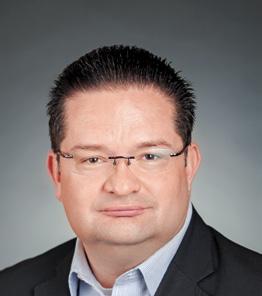
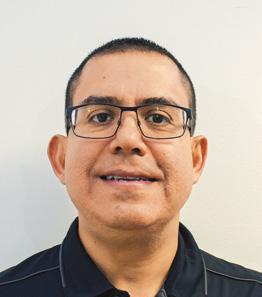
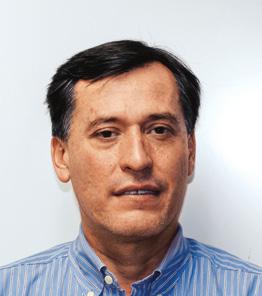
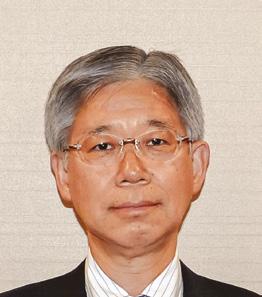
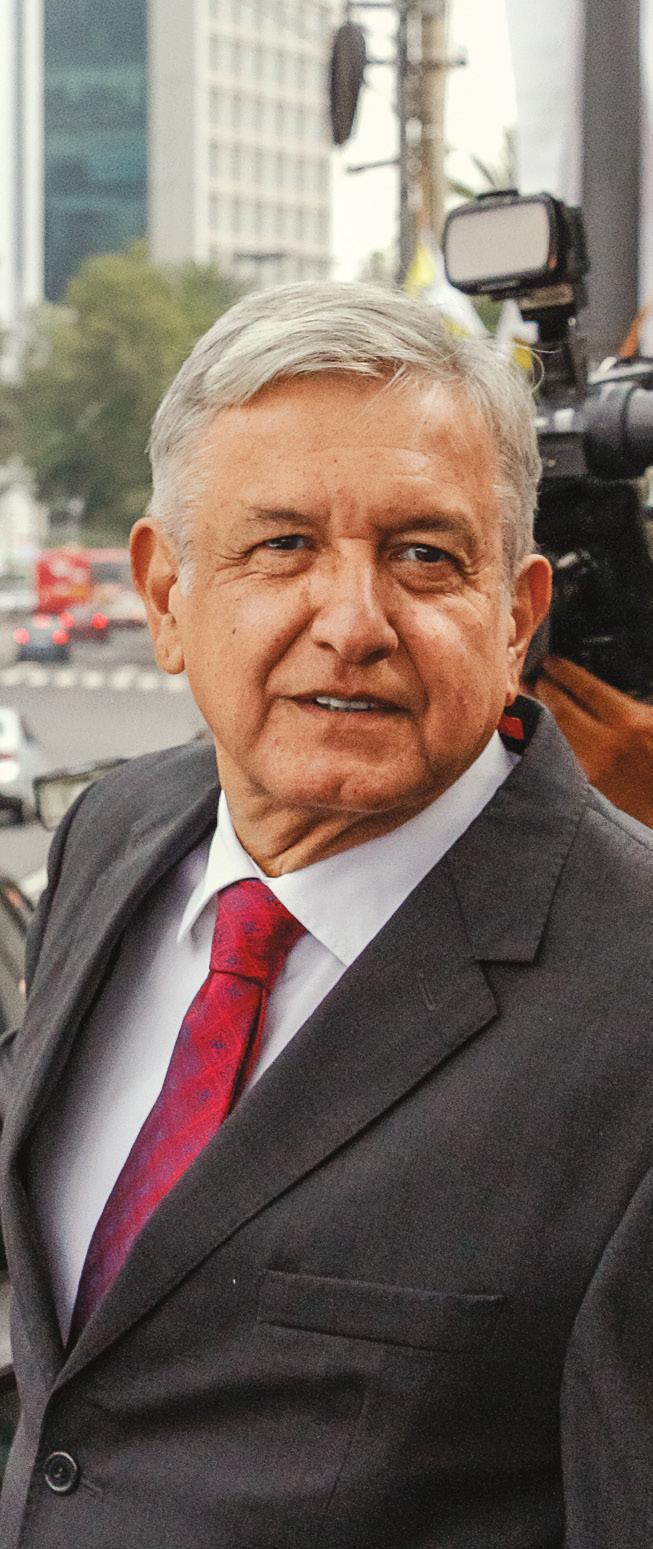
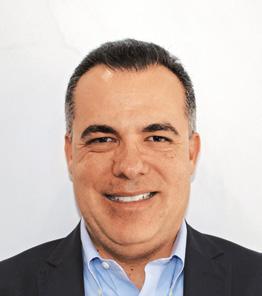
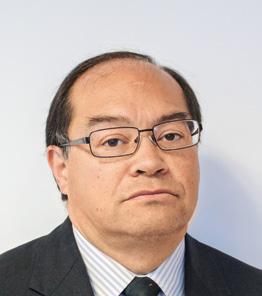
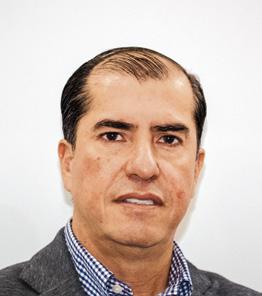
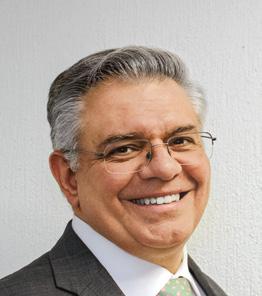
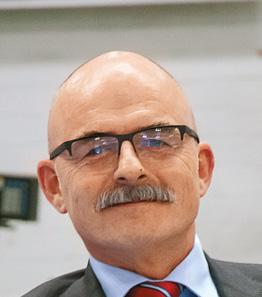
“Starting on Dec. 1 of this year, we will destine more public investment to be used as seed money to incentivize private investment”
Andrés Manuel López Obrador, President-elect
2018
The automotive industry remains a cornerstone for the Mexican economy, contributing 3.5 percent of national GDP and 20.2 percent of manufacturing GDP. Investment flows continue to arrive unabated and the country has strengthened its position as the world’s seventh-largest light-vehicle manufacturer and the third-largest light-vehicle exporter. However, changes in global demand and the threat of a redefined trade relationship with the US, its main commercial partner, have clouded the country’s prospects.
Domestically, two years of record-breaking sales and seven years of undisrupted growth are now showing signs of wear with results decelerating. Contracting sales in an already extremely competitive market have forced companies to come up with new strategies to retain their position in the market.
During these challenging times, Mexico Automotive Review provides insight into companies’ views regarding Mexico’s position as an automotive manufacturing destination. Throughout its 14 chapters, success stories are highlighted from companies that maintain strong growth despite market obstacles, while other players share their concerns regarding the main areas of improvement. 2018 is also a transition year for the federal government and in this edition, Mexico Automotive Review includes a special feature on Andrés Manuel López Obrador, his projected plans for the automotive industry in Mexico and the thoughts of key leaders at the dawn of a new political era.
The publisher has made all reasonable efforts to provide accurate information, and the information contained in this publication is derived from sources believed to be true and accurate. However, the information in this publication should not be considered to be complete or definitive, and may contain inaccuracies or typographical errors. The publisher accepts no responsibility regarding the accuracy of information and use of such information is at your own risk. The publisher will not be liable to any party for any direct, indirect, special or other consequential damages arising out of any use of information in this publication. The publisher provides no representations or warranties, express or implied, including any implied warranties of fitness for a particular purpose, merchantability or otherwise in relation to any information provided by the publisher in this publication.
ISBN: 978-0-9993108-9-2
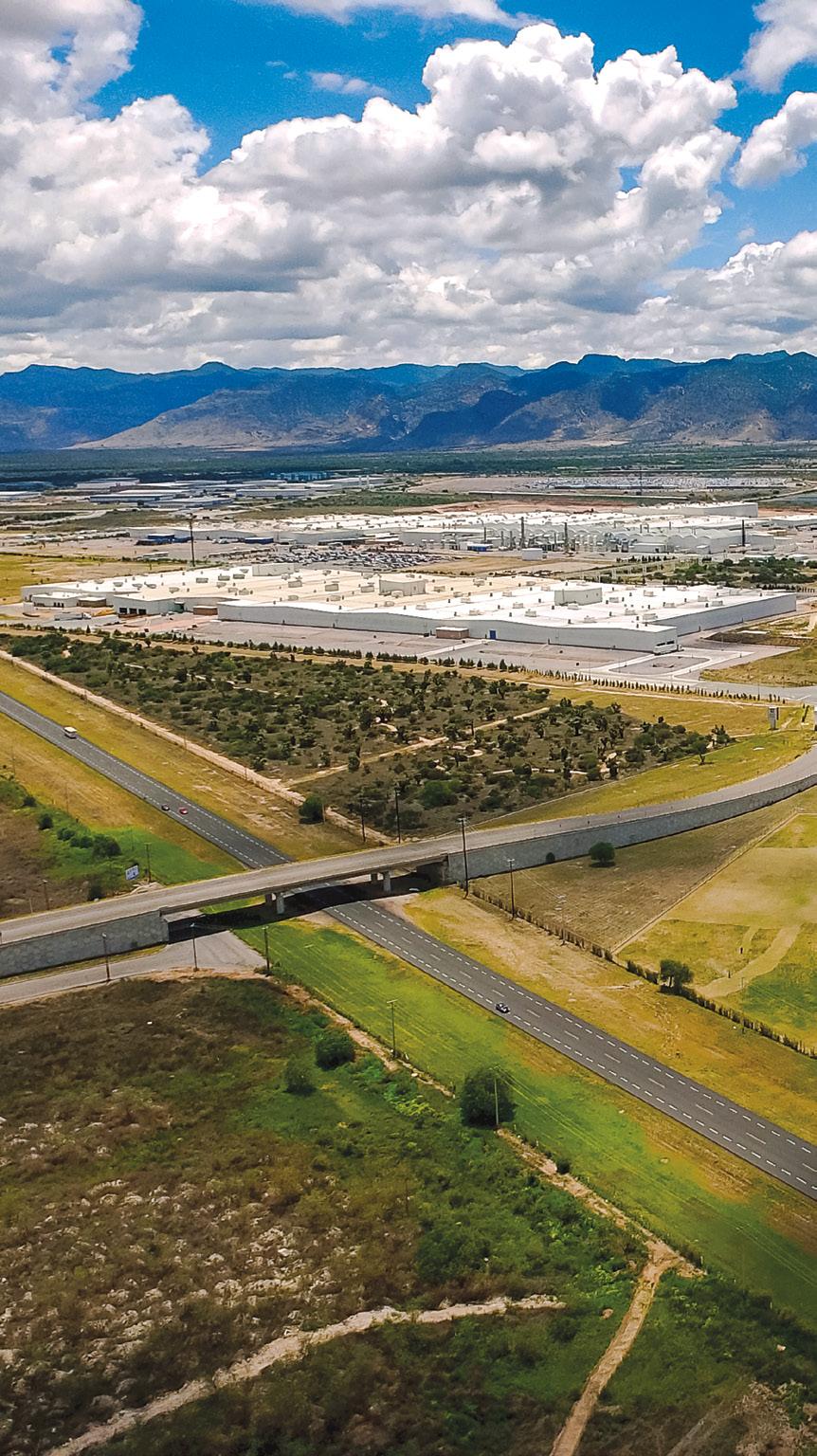
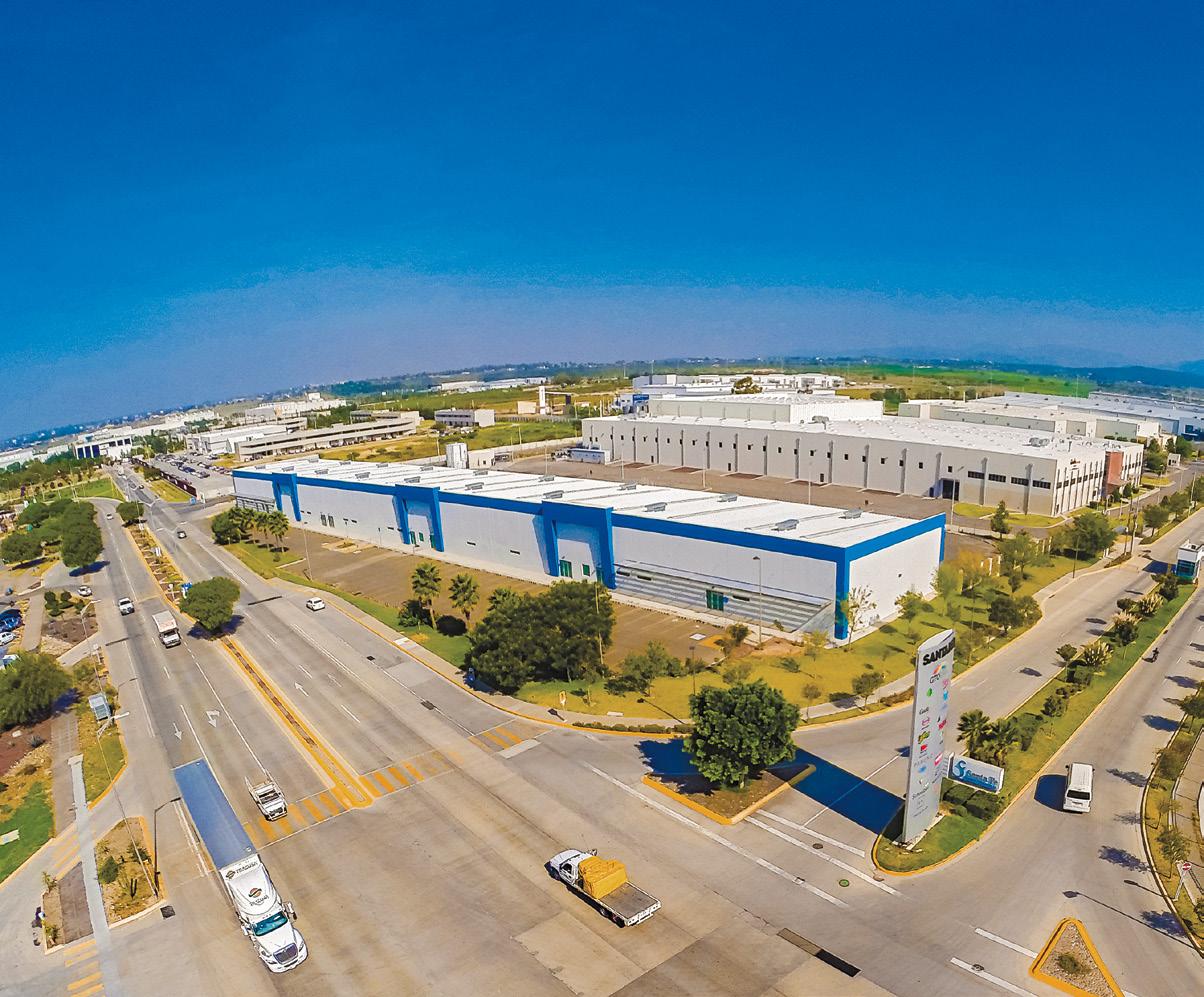
GM San Luis Potosi
STATE OF THE INDUSTRY
1A changing economic and political landscape brought uncertainty to the industry but at the same time created new opportunities to update Mexico’s position as a growing automotive sector participant. In the midst of the NAFTA renegotiation, the country is looking to establish its position as a key player in the North America region and create new opportunities for future investment in the automotive industry. Light-vehicle production and export figures have once again reached record numbers, although it is still unclear if Mexico will become the world’s sixthlargest light-vehicle manufacturer soon.
State of the Industry presents a complete overview of how the industry has evolved since the second half of 2017 through the first half of 2018. The effect of NAFTA negotiations on foreign investment is analyzed, as well as the country’s results in terms of production, exports and sales in the light-vehicle, heavy-vehicle and auto-parts segments. Key players from associations and the public sector present their view on the industry’s performance and their vision for Mexico’s development in the automotive sector.
CHAPTER 1: STATE OF THE INDUSTRY
8 THE YEAR ON REVIEW: With Change at its Doorstep, the Industry Will Evolve or Falter
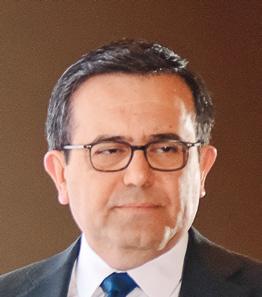
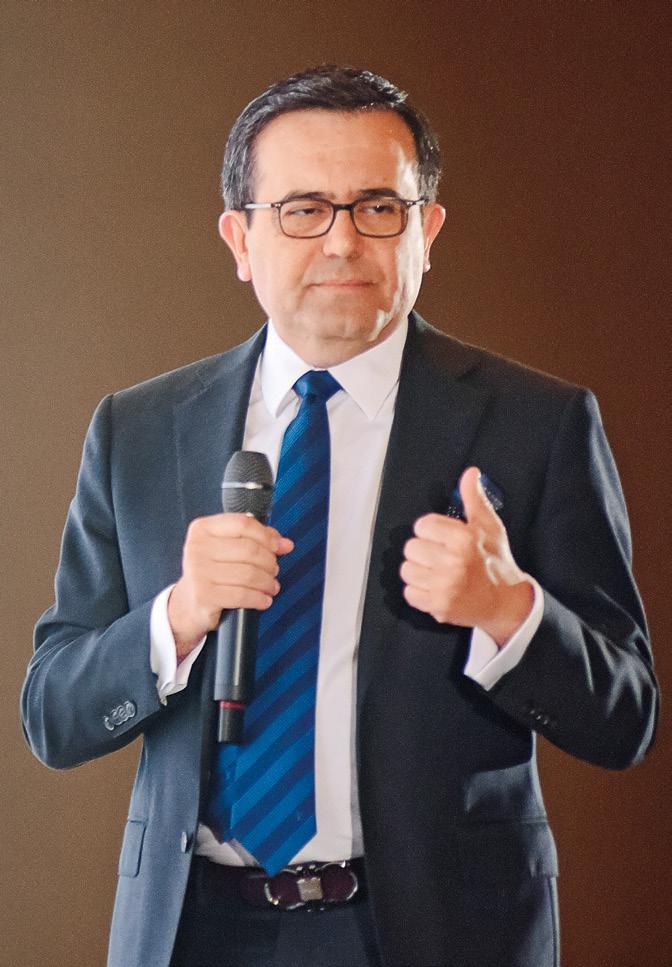
11 VIEW FROM THE TOP: Ildefonso Guajardo, Minister of Economy
12 VIEW FROM THE TOP: Rogelio Garza, Deputy Minister of Industry and Commerce
14 VIEW FROM THE TOP: Eduardo Solís, AMIA
16 VIEW FROM THE TOP: Armando Cortés, ProMéxico
17 VIEW FROM THE TOP: Óscar Albin, INA
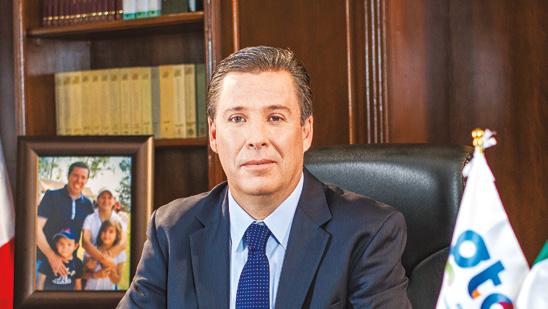
18 VIEW FROM THE TOP: Miguel Márquez Márquez, Governor of the State of Guanajuato
20 INSIGHT: Luis Rojas, COFOCE
21 VIEW FROM THE TOP: Rubén Reséndiz, JALTRADE
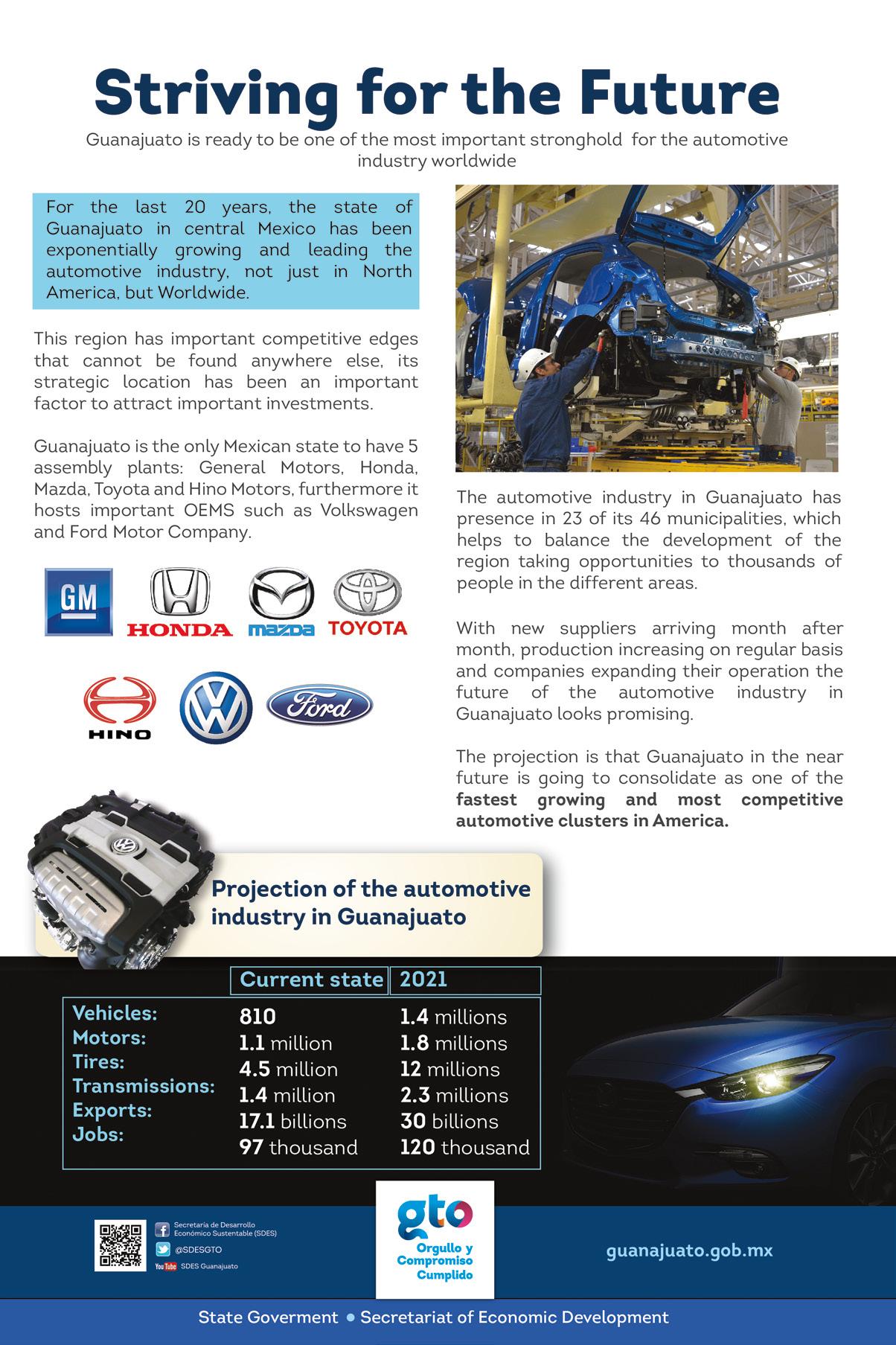
22 STATE SPOTLIGHT: Guanajuato, Crown Jewel of the Bajio
24 VIEW FROM THE TOP: Guillermo Prieto, AMDA
25 VIEW FROM THE TOP: Miguel Elizalde, ANPACT
26 VIEW FROM THE TOP: Guido Vildozo, IHS Markit
28 ROUNDTABLE: What Are Mexico’s Opportunities to Improve Its Global Positioning?
WITH CHANGE AT ITS DOORSTEP, THE INDUSTRY WILL EVOLVE OR FALTER
Mexico is entering a period that will impact both its position as a production powerhouse and its domestic market development. Industry leaders say this is a natural process but even so, the country must prepare to evolve if it is going to cater to a new market ruled by different demands and possibly new trade standards
The Mexican automotive industry enjoyed undisrupted growth in light-vehicle production, exports and sales in the domestic market from 2010 to 2016. However, 2017 was a breaking point. Starting in the second half of the year, sales began declining, reaching a total of 1.53 million units. Compared to 2016, this represented a reduction of 4.6 percent. In Mexico Automotive Review 2017, Guillermo Prieto, Chairman of AMDA, said that the one plausible scenario for the industry was to end the year with a 6 percent growth rate. The most pessimistic expectation was for sales to plunge 17 percent compared to 2016. The 4.6 percent decrease fell in-between and it still represented growth of 13.2 percent compared to 2015.
In terms of production and exports, however, the country continued to deliver stronger results, with a total of 3.93 million units manufactured and 3.25 million units exported by the end of the year. This represented an increase of 13.5 percent in production and 17.5 percent in exports. Volumes are still expected to increment in the coming years as automakers such as Audi, MercedesBenz, INFINITI and Kia continue to ramp up their operations while others such as BMW and Toyota bring new operations to the country. Nevertheless, changes in global demand are also expected to decelerate Mexico’s rise as an automotive powerhouse.
PERIOD OF STABILIZATION
Until 2016, industry experts expected the market to reach the 2 million-unit mark in terms of domestic sales by 2020. However, the downturn in sales has colored the picture significantly, moving the 2 million mark further down the line. Although not as exciting as growing at doubledigit rates year-on-year, industry leaders still see a strong market in Mexico and urge other players to not see this as a catastrophic turn of events. “Domestic sales are not falling, they are just decelerating. Moreover, Mexico is not the only market going through this process,” says Gerardo San Román, Head of Latin America at JATO Dynamics.
The US, Mexico’s main export market and the secondlargest automotive market in the world, saw a 1.7 percent contraction in its domestic sales by the end of 2017, going from 17.55 million units in 2016 to 17.25 million units the following year. Interest rates for vehicle financing are
rising, as are gas prices and after years of continued growth, the US market is also stabilizing. Guido Vildozo, Senior Manager, Americas Light Vehicle Sales Forecasting of IHS Markit, expects the US will end up at yearly sales of 16.5 million units in due course.
“Mexico has the potential to reach yearly sales of 2 million units but not in the short term,” says San Román. To understand this, two factors must be considered in Mexico’s domestic development. First, in an effort to boost vehicle sales as much as possible, the financing market implemented an aggressive strategy to spur new-vehicle purchases. In 2010, only 49.8 percent of all light-vehicle sales were financed. By the end of 2017, that number had risen to 71.1 percent.
Although this is not a bad sign and it is in fact a key factor in ensuring continued growth in the industry, banks achieved this by elongating financing plans to the point where now clients can find loans of up to 72 months. “By enabling this, companies are extending repurchase terms and disrupting the sales cycle,” says San Román. “We are finally noticing the effects of this strategy; the market cannot sustain such growth levels indefinitely and that is completely natural.”
The second factor is the fallout from Mexico’s presidential elections. The market’s sales decline continued into 2018. As of July 2018, the market had seen 14 straight months of negative results. Between January and July 2018, the market sold 795,011 units, which compared to the 865,161 units from 2017 represents a contraction of 8.1 percent. Many industry participants attribute the negative results of the first half of 2018 partly to the elections on July 1. Due to the uncertainty caused by the campaign of now President-elect Andrés Manuel López Obrador, some customers put their purchases on hold until getting more clarity regarding the future of the country.
“Dealership visits have fallen in the past few months,” Carlos López de Nava, Director General of Grupo Alden, said prior to the election. “To boost confidence among potential buyers, some brands are offering their clients unemployment insurance to protect them for a few months should they lose their jobs because of the elections.”
Consumer confidence also was shaken during the first half of 2018 and inflation rates were on an uphill climb since January 2017, reaching a peak in December 2017 of 6.77 percent. However, the country’s economic situation has somewhat stabilized, returning inflation to 4.81 percent as of July 2018.
The market expects stronger results now that the election is over and some even suggest stronger results compared to 2017 due to the low numbers registered during the second half of that year. “The ideal scenario would be to stop further drops in demand and reach approximately 1.48 million by 2018 and an equilibrium point of 1.5 million units by the end of 2019,” says Guillermo Rosales, Director General of AMDA.
A NEW MARKET REALITY
In terms of production, Mexico was expected to surpass the 5-million-unit mark once all new OEM investments arrived to the country and started production. This would take the country from its current position as the seventhlargest light-vehicle producer to sixth, overtaking India. However, Vildozo, expects the country will not move past production of 4.1 million units due to the changes that some companies have made in their production plans.
In December 2017, Ford announced that it would move its production of Fusion out of Hermosillo, Sonora, to China by 2020, which according to Vildozo represents approximately 400,000 units. Meanwhile, FCA disclosed in January 2018 that its production of RAM would move out of its plant in Saltillo, Coahuila, to Michigan after CEO Sergio Marchionne said it was an error to move RAM production to Mexico. The company will spend US$1 billion on the move and Vildozo says that makes another 200,000 units that will no longer be manufactured in Mexico.
These moves are not the only concerns. Traditionally, Mexico has been a compact-car oriented production hub, which was fine as long as demand supported these units. But consumer preferences are changing and the world is becoming a light-truck intensive market. The US, Mexico’s main export market, is now favoring larger models that are not normally produced in Mexico. The shift in environmental policies in the US after it abandoned the Paris Agreement and announced a revision of the emissions-standard goals applied by the Environmental Protection Agency during President Barack Obama’s administration are contributing factors.
“Mexico will have to compete against the rest of the world to maintain its share in a relatively flat market,” says Vildozo. Its capability to do so, however, will depend on how willing companies are to shift their existing platforms in Mexico. Some manufacturers, such as Honda and FCA, already manufacture larger models in the country. Toyota, on the other hand, shifted its production plans for Guanajuato to produce Tacoma pickups instead of the previously scheduled Corolla. But not all companies are responding in an equal fashion. “Ford, for example, canceled its manufacturing investment in San Luis Potosi because it saw there was no point in producing 400,000 passenger cars if the US would not take them,” says Vildozo.
It will take some time before the market stabilizes to its true levels but there are already signs of deceleration in the manufacturing market. Between January and July 2018, production numbers reached 2.25 million units, which were only 0.1 percent above the results from the same period in 2017. Exports, however, remain strong with an increase of 8.1 percent between January and July 2018 compared to 2017, even without Nissan’s export numbers, which the company stopped reporting in April 2018.
Q: IF NAFTA WERE CANCELED, WHAT OPPORTUNITY WOULD MEXICO HAVE TO REMAIN A LEADING AUTOMOTIVE PRODUCTION HUB?*
FINAL ASSEMBLY VS AUTO PARTS PRODUCTION (THOUSANDS)
49.7% Strong opportunity
% OF PARTICIPATION ON AUTOMOTIVE INDUSTRY IN 2015
40.6% Slight opportunity
0.6% No opportunity
9.1% No answer
Auto parts
terminal production
*Mexico Automotive Review 2018 interviewee survey
DOORS CLOSE, WINDOWS OPEN
Overall, 2017 and 2018 have been challenging years for an industry that has been a cornerstone of Mexico’s economic development. Companies maintain business as usual but there is a lingering concern regarding what might happen with NAFTA once negotiations are over. Talks were originally supposed to end before 2018 and when that did not happen, they were supposed to conclude before the presidential elections in Mexico to avoid differences of opinions between the current and the future administrations.
An agreement has not yet been reached, however, and although there is optimism regarding a potential deal between Mexico and the US regarding rules of origin and salary policies, there is also discrepancy between what the government is willing to compromise and what the industry is demanding. Early in August 2018, negotiators said conditions were favorable to finalize discussions before the end of the month and sources assured Mexico and the US were finally seeing eye to eye on some thorny subjects. However, this was quickly dismissed by Fausto Cuevas, Director of AMIA, who said there was still no agreement between both countries. “Nothing has been accepted and nothing has been confirmed,” he said during a press conference regarding advances in the negotiation.
On a positive note, countries are still negotiating and there is disposition from all three sides to reach an agreement soon. Furthermore, after becoming president-elect, López Obrador appeased investors and the industry in general when he showed willingness to keep the negotiations moving forward and aligning to what the previous administration had put on the table.
Q: IF NAFTA WERE NOT CANCELED BUT RULES OF ORIGIN CHANGED, WHAT IMPACT COULD THIS HAVE ON THE REGIONAL INDUSTRY?*
DISTRIBUTION OF THE REGIONAL SUSTAINABLE DEVELOPMENT FUND 2
42.4% Negative impact
11% Mazapil
18.2% Slight opportunity
9% Cananea
17% No opportunity
7% Nacozari de Garcia
22.4% No answer
5% Fresnillo
4% Ocampo
4% Caborca
2% Sierra Mojada
2% Sahuaripa
2% Morelos
2% Eduardo Neri
2% Aquila
2% Alamos
1% Chinipas
47% other
Source: CGM, Ministry of Economy 1 With figures to March of 2015
While NAFTA talks have been slow, Mexico has been very active in promoting free trade and expanding its opportunities beyond North America. “Mexico has not been quick enough to consider other destinations, such as Africa or Eastern Europe, and to find ways to compete against manufacturing hubs like Morocco, Turkey, Romania, Poland and Hungary,” says Vildozo. “Understanding how these countries export to other regions is critical for Mexico to be more competitive and to diversify its operations beyond NAFTA.”
The country appears to have gotten the message and is now keeping track of potential trade opportunities. Mexico was the first to ratify the CPTPP, followed by Japan and Singapore. All three countries are urging the other eight members to ratify the agreement and start opening barriers for more opportunities in automotive and other industries. “CPTPP demonstrates the commitment of its members to open markets and to establish greater economic integration in the Asia-Pacific region,” says Yasushi Takase, Ambassador of Japan in Mexico. “CPTPP will enhance trade and business opportunities for the Mexican automotive industry and help bolster the region’s value chain.”
Mexico has also pushed to strengthen trade lanes with its Latin American neighbors, promoting further integration with the Pacific Alliance and Mercosur, the two main trade blocks in the region. The goal is to eliminate trade obstacles, bring more countries to these alliances and attract investment to all countries involved thus elevating the region’s overall competitiveness. “Mexico is ready, willing and able to compete in the global market. The country has been capable of exporting to the US, which has been one of the most competitive markets in the world along with Europe for more than 30 years,” says Vildozo.
SUCCESSFUL RESULTS, POSITIVE OUTLOOK
ILDEFONSO GUAJARDO Minister of Economy
Q: As the Peña Nieto administration comes to an end, what message would you give to current and potential investors in the Mexican automotive industry?
A: In recent years, Mexico’s automotive industry has reached record levels for light-vehicle production and exports. Between 2013 and 2017, production achieved growth of 36 percent and exports of 38 percent. In 2017, the automotive industry, including light and heavy-vehicle production as well as auto parts, represented 3.5 percent of the national GDP and 20.2 percent of the manufacturing GDP. Meanwhile, automotive exports amounted to 32.4 percent of total manufacturing exports and 28.9 percent of the total national exports, with an approximate value of US$118.2 billion. This allowed Mexico to become one of the main automotive hubs in the global market in 2017, ranking seventh in terms of production and third in exports.
Our expectations for Mexico’s automotive industry remain positive and our forecasts show that by 2020, light-vehicle production could reach 5 million units per year. Furthermore, we expect the country will maintain a strong performance in auto part and component production. My message for investors would be to remain confident about the Mexican automotive sector. Investing in the national industry will continue yielding positive results but it is imperative that both industry and investors adapt to the complex global environment.
Q: What are the main areas of opportunity that need to be addressed in Mexico to improve the local supply chain?
A: Even though the automotive industry had an exemplary performance during this administration, there are still areas of opportunity to be addressed to increase the country’s competitiveness and strengthen Mexico’s position as one of the main investment destinations, especially with the emerging trends in auto manufacturing.
The latest investments arriving to the country for vehicle assembly, including companies such as BMW, INFINITI, Daimler, Kia and Toyota will increase demand expectations on auto part production. Despite many of the largest auto part companies from North America and Europe having
already set up shop in Mexico, there is still an opportunity to attract investment from Tier 1 Asian enterprises. Furthermore, Mexico needs to grow its supplier base at the second and third levels of the value chain, prioritizing providers of raw materials and tooling components. It is necessary to develop the supply chain by type of process, boosting growth of all kinds of suppliers, while promoting quality certifications and specialization among all players. Another strategic move to strengthen and diversify the automotive supply chain would be to reduce the existing gaps between the industry’s human capital requirements and what is offered by technical and professional academic institutions.
Q: What conditions must be met for the automotive industry to remain a pillar in Mexico’s economy?
A: For the industry to remain a pillar of the Mexican economy, global markets must remain open. In addition, the country must strengthen the capabilities of its local industry, including infrastructure development and human capital availability based on the profiles the industry demands. In order to do so, appropriate human capital development must be a priority, especially to adjust their skills to meet Industry 4.0 productive trends. At the same time, innovation is essential to escalate the industry toward higher value-added activities.
Q: How far along is Mexico in its journey toward being an advanced manufacturing and engineering destination?
A: R&D centers in Mexico are now specialized in research and testing projects with global reach, virtual design, project management, prototyping and emission analyses, as well as design and engineering of automotive components, systems and subsystems. Promotion of these types of activities will lead Mexico to a more relevant position as an automotive design and production hub capable of catering to the latest technological developments and adhering to the strictest environmental regulations.
Ildefonso Guajardo was appointed Minister of Economy on Dec. 1, 2012. Originally from Monterrey, Guajardo has also served as President of the Economic Commission and Coordinator of Business Relations during Enrique Peña Nieto’s presidential bid
‘LIGHT’ STRATEGY EMPOWERS INDUSTRY
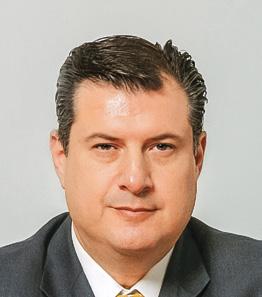
ROGELIO GARZA Deputy Minister of Industry and Commerce
Q: How can Mexico grow its competitiveness in the automotive industry under new trade conditions with the US?
A: If NAFTA were canceled and we worked under WTO regulations, a 2.5 percent tariff in car and auto part production would not impact us as long as we remain competitive. The only real impact would be on pickup truck production, which would have a tariff of 25 percent. Furthermore, if stricter rules of origin led to tariffs higher than 3 percent thus threatening competitiveness, companies would only have to choose to operate under WTO standards to maintain solid operations.
Mexico’s participation in the industry will be founded on competitiveness. Our priorities should focus on market diversification and investing in the areas that are important to OEMs and suppliers in the country. Under this administration, Mexico has worked on implementing a “light” industrial policy where the government only intervenes in matters when the market demands it. Our focus has been on four pillars: generating world-class talent, promoting innovation, supporting supply chain development and creating synergies between clusters. Companies arriving to Mexico know the exporting opportunities they have thanks to Mexico’s free-trade network and with the newly signed CPTPP, the country has access to 11 new markets that open the door to Asia. However, we must ensure that investors find the right human capital, a strong supplier network and a solid logistics infrastructure to move their products. The lack of any of these three factors could endanger Mexico’s competitiveness, which is why clusters are so important to ensure supplier availability and talent development.
BMW, Mercedes-Benz, Toyota and several other OEMs have brought their operations to Mexico because they have found strong development opportunities. But, we must keep growing our capabilities for this investment to continue. The industry expects production of 5 million light vehicles by 2020 and exports of more than 3.8 million, so we will need ports capable of supporting this flow of products in and out of the country.
Q: What is the Ministry of Economy doing to incentivize the development of Mexican suppliers?
A: Since large companies have the resources to grow and insert themselves into the production chain, our main focus has been on SMEs. We launched the ProAuto program as a way to support companies to become part of the automotive production chain. However, this administration implemented a “precise-shot” strategy to give priority to companies that focused on areas of opportunity for the country. We no longer hold massive events hoping to find one or two suppliers to develop. Instead, we go directly to OEMs and large Tier 1 suppliers and ask them to identify potential local suppliers. With this list of candidates, we pinpoint what companies need to improve to become part of the production chain, whether it is certifications, equipment or production volume, and we work with Bancomext or CONACYT to support them. We have already approached FCA, GM, Bosch and Continental with this strategy and suppliers know they will get a contract once they finish with their improvement process.
Q: What opportunity does the government see in China to become a strong commercial ally in the automotive sector?
A: We are open to investment from any country. Some Chinese OEMs, as well as lighting and brake suppliers, have already established in the country. Their first priority is to target the domestic market but they are also using Mexico as a stepping stone to reach Latin America. We see China as an important trade ally, although we are aware that a new NAFTA agreement would give preference to North American production. Still, we must not close ourselves to regional production at the expense of companies’ competitiveness.
We have already organized some trade missions to China and we have a trade committee led by a businessman from Mexico and one from China. The committee works with ProMéxico to promote product exchange.
Q: What has been the biggest success of the current administration regarding the automotive industry?
A: Our biggest success has been defining the areas where we need to invest thus attracting more investment to the country. Mexico received significant investment in the automotive sector in past years but during this administration, many companies arrived to the country knowing they would find the right conditions to grow their investment. Our “light” industrial policy has been key to helping the industry without interfering in matters where we should not participate. We have built strong relationships with academic institutions to develop capable talent, we have spurred innovation and fostered an environment for R&D and engineering capabilities and we have laid the foundations for strong collaboration between companies, thus leading to successful clusters in the north and in the Bajio region.
Q: How important are technology implementation and Industry 4.0 trends for the Ministry of Economy?
A: If we do not develop the right talent to address these trends, supported by a strong network of R&D centers, eventually companies will find Mexico unsuitable for further investment. Technology is crucial for the national industry to keep evolving. We are pushing for the creation of a national artificial intelligence center to support not only automotive but all manufacturing sectors in the implementation of Big Data, robotics and all other trends involved in the Industry 4.0 concept. The future of the industry is based on artificial intelligence; it is the only way for cars to become autonomous and capable of interacting with other elements in a Smart City platform.
We are also trying to develop a national cybersecurity center to handle all digital transactions, monetary or otherwise, for all industries. As the market moves toward digitalization, it becomes essential to have something like this to protect our knowledge and investments.
Q: How much did the government advance toward its goal of incrementing R&D expenditure to 1 percent of GDP?
A: We are currently at 0.9 percent, which is certainly not in line with what we are trying to achieve as an industrial country. We started our participation in the industry as a low-cost manufacturer and gradually advanced to highvalue operations. The next step for the country is to attract new investment focused on design, R&D and engineering, moving to the top tier of the manufacturing chain. Our goal is to design more cars and more auto parts locally and have more prototyping and testing centers but to do that, we need to invest in our talent and in supporting companies to engage in R&D activities.
We cannot neglect traditional manufacturing activities since they are a solid source of employment. However, we can gradually evolve to participate in higher-value and hightech production. Moreover, it is far easier to retain foreign
projects when the company has its design operations in Mexico rather than just component production.
Q: How is the Ministry of Economy supporting providers in the shift toward electrification?
A: As a country, we are fully committed to the Paris Agreement and our strategy to reduce polluting emissions. This involves not only manufacturing operations but also carbon emissions from the national vehicle park. The future is electric for the automotive sector and within our “precisionshot” strategy, we have opened a specific division for suppliers wanting to participate in the electrification trend. Soon, Mexico will start manufacturing electric light-vehicle models and that will force us to move ahead with supplier development strategies for these types of components.
Electrification will bring new business opportunities as demand for these vehicles grows and we must take advantage of our position as manufacturers to make the best of this new trend. As a government, we must be agile enough to support this transformation and integrate more suppliers to the production chain.
Q: What would you like to achieve before the end of the current administration?
A: We want to consolidate our “light” industrial policy so the next administration understands very clearly why we chose it and why the ministry should continue implementing it. There might be small variations but the strategy’s goals and priorities should remain unchanged. At the same time, we have specific agendas for each sector with technical specifications regarding short-term, mid-term and longterm plans. We are updating all of them so the new government understands the strengths and weaknesses in each industry and how upcoming projects will impact their development. The ministry only acts as an enabler of public policies and the new administration must understand that investors are the ones who know what is best for the industry and its growth.
The new government should be aware that our trade openness and our focus on generating world-class talent, promoting innovation, supporting supply chain development and creating synergies between clusters have been the main attraction for foreign investment. Similarly, the country should keep investing and be aware of the impact that Industry 4.0 trends will have in the evolution of the industry.
Rogelio Garza is the Deputy Minister of Industry and Commerce at the Ministry of Economy. Previously, he was Deputy Director General of International Trade Negotiations and Subdirector of Negotiations in the Automotive and Electronics Sectors
INTERESTING TIMES AHEAD
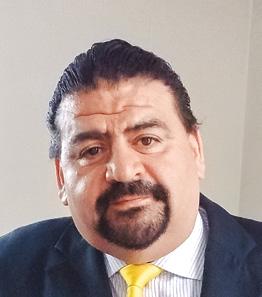
EDUARDO SOLÍS
Executive President of AMIA
Q: What is Mexico’s best opportunity to take advantage of the new conditions established by a NAFTA 2.0?
A: This treaty looks to modernize trade rules in North America. Considering that the automotive industry is the main success story stemming from the original NAFTA, our hope is that the new agreement maintains conditions to ensure growth and progress in all three countries. There is a good opportunity to reach an agreement. However, the aspirations put on the negotiating table by the US government push us away from reaching a consensus that could ensure Mexico’s ongoing success.
Q: What has been the main achievement of the current federal administration regarding investment attraction?
A: A key element was establishing the right conditions to do business in our sector. Investment in the automotive industry demands long-term certainty and the structural reforms implemented by this administration have been crucial in ensuring this. The government has also been successful in maintaining a stable economic environment, with sustained macroeconomics and a relatively stable exchange rate.
Promoting access to international markets has also been a success of this administration, along with constructing a strong supplier base and boosting the development of a capable world-class labor force.
Q: What should the industry prioritize to ensure continued growth?
A: One priority should be to strengthen the domestic market. We need a healthy domestic market to keep boosting the industry and so far, 2018 has seen a deceleration in sales of almost 10 percent. Just like Chile and Argentina, what we need is to sell 20 new vehicles per 1,000 inhabitants and today, that rate is at 13 vehicles per 1,000 inhabitants. Controlling used-vehicle imports from the US is also critical because it has been one of the main contributors for domestic sales growth. Even though this has not been an excellent year, for the past three years domestic sales have thrived thanks to strict controls at the border and a strong financing strategy.
The Mexican industry must advance its position in the value chain. We must also bet on local engineering by investing more in R&D activities. Today, we are the industry that demands the most resources from CONACYT.
Q: What would you say to investors to assure them about Mexico’s position in the global automotive industry?
A: Mexico is ranked fourth in light-vehicle exports and we are tied with South Korea in sixth place in light-vehicle production. The country has demonstrated its capabilities as a competitive automotive hub and now our goal is to define the best way to face the current trade challenges including the possibility of new tariffs that could be implemented by the US on vehicle imports, similar to those the country slapped on steel and aluminum following Section 232 investigations on national security. These are interesting times and particularly now, many changes are coming. Whatever we can tell investors today could change in the following months and they must be aware of that. Nevertheless, we are optimistic about the future.
Q: What diversification opportunities will the CPTPP agreement create for the Mexican industry?
A: We must recognize the real opportunities that this agreement will create for the automotive sector. Our biggest commercial relationship with the existing CPTPP members is with Canada and Japan at the moment and we already have a pre-existing agreement with the latter. Australia or Malaysia could present interesting opportunities but we are talking about countries with markets of between 1 million or 1.5 million units where we have no presence. Whatever sales we can generate will not solve our dependence on the US market. It is interesting to open new markets but these will not be substantial, at least in vehicle production.
Q: What will be the impact on the national industry considering changes in preference toward SUVs and crossover models?
A: Mexico will be flexible enough to face changes in international demand. If the market wants us to
manufacture hybrids, medium-sized cars or SUVs, we will be there. Demand is changing and we will not cling to our production model if there is no market for it. Otherwise, we will face the same fate as Kodak. We are quite flexible regarding future changes in demand.
Q: Today, how attractive is it for companies to bring production of electric and hybrid units to Mexico?
A: That is for companies to decide but today, there are companies finalizing their production plans for Mexico and they are also considering production of electric and hybrid units. All production sites from a company compete to integrate new models and I hope Mexico is a strong contender for new technology production.
The country is ready to participate in this process and its supply chain is flexible enough to cater to new market needs. Companies must learn to adapt to the changes introduced by new technologies, so axle and other transmission component manufacturers will have to find ways to participate in a new industry. The challenge for Mexico will be to get ready to supply essential components for electric-vehicle production. Today, no company in North America manufactures batteries for automotive use. The current providers are focused on lead-acid products and have not made the switch in North America to the lithium-ion batteries used in these vehicles.
There is an excellent opportunity to grow our participation in the industry, not only with electric vehicles but also with self-driving technology. All control units, radar and LiDAR sensors are imported from Asia, so there is still a gap to fill not only in Mexico but in North America.
Q: What role will local design and engineering centers play in the development of the national industry?
A: These centers will participate as technology developers that will shift the industry toward the most advanced technology and as tropicalization agents for vehicle components. Engineering is crucial to the successful introduction of a new vehicle in Mexico and in Latin America in general, where environmental and physical conditions are different than in other parts of the world.
Q: How can Mexico bolster its local supply-chain and grow its global production presence?
A: Mexico has a strong and capable Tier 1 supplier network, with practically 95 percent of all companies in the world already present in the country. However, at a Tier 2 level, 85 percent of the needs of Tier 1 suppliers can only be met through imports. Machining, forging, foundry, plastic injection, stamping, molds and tooling are among the gaps that the national industry must fill.
Therefore, to strengthen the local supply chain and grow our competitiveness as an automotive hub, we must promote investment from Tier 2 companies and support growth of local family-owned companies and SMEs.
Q: What are your overall expectations for production and export results?
A: It is difficult to make a forecast given the complicated global scenario we are facing. As of June 2018, US President Donald Trump was still threatening to close the border and slap tariffs on vehicle imports from Canada and Mexico. We are on the brink of a pointless trade war that clouds whatever prediction we might make.
If no Section 232 measure is implemented, we still see a possibility to reach production of 5 million light vehicles by 2020 and exports of over 4 million units. So far, we are producing over 4.1 million vehicles yearly, both light and heavy, and exporting over 3.3 million.
Q: Regarding domestic sales, how sustainable it is to maintain an aggressive financing strategy with elongating terms?
A: Financing must remain a pillar for the industry, mainly in the number of units that are financed out of total sales. Leasing also presents an opportunity for the domestic market, considering that this product represents only 10 percent of the total financing solutions offered. So far, we have not reached a 70 percent rate of financing, considering we have oscillated between 65 and 68 percent. The rate has undoubtedly increased, considering that years ago we were at 50 percent but our goal is to reach an 85 percent level, which is the international benchmark.
There is a clear growth opportunity but regulations must also change to offer more certainty to credit institutions in countries like Mexico and ensure recovery.
Q: How ready is the Mexican market to ditch its stigma regarding Chinese vehicles?
A: The world has changed and good and bad vehicles come from many countries. Mexico has built a reputation as a quality automotive manufacturer and now China will have to make that same effort. It is the same process that Korean companies followed when they arrived to the country. They had to build a reputation but they have succeeded.
The Mexican Association for the Automotive Industry (AMIA) is a civil association formed in 1951 with the goal of representing the interests of vehicle manufacturers established in Mexico
EVOLVING TO PARTICIPATE IN A TECH-DRIVEN INDUSTRY
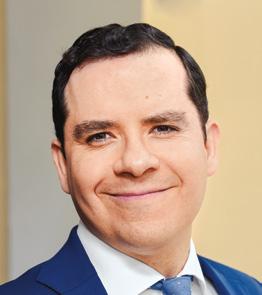
ARMANDO CORTÉS
Executive Director for Industrial Development at ProMéxico
Q: How can Mexican companies increase their participation in foreign markets and boost exports of Mexican-designed technology?
A: Mexico’s domestic market is highly dynamic. Automotive OEMs and several key aerospace and electronics companies already have a good demand base that will enable local companies to insert themselves into those value chains. SMEs are usually integrated into value chains as Tier 3 suppliers and the market offers them new business opportunities. Globally-renowned Mexican companies, such as Nemak, Rassini, TREMEC and Grupo Quimmco, export technology and advanced-manufacturing components. For instance, TREMEC recently opened an engineering center in Belgium where it plans to focus on transmission components. Additionally, Mexico was invited as a guest country to the 2018 Hannover Messe fair that focused on industrial automation and Manufacturing 4.0. These trends are being increasingly adopted by Mexican players and ProMéxico wants to showcase that to the world.
Q: How has the NAFTA modernization process affected ProMéxico’s strategy to attract FDI?
A: The industrial structure of Mexico has not been modified because of the NAFTA renegotiation. As a matter of fact, the country reached record automotive exports and production in 2017. This means value chains continue working and ProMéxico is trying to diversify the country’s portfolio of investment to reduce the country’s dependence on North America. We have pushed more strongly for diversification of both FDI sources and destination markets. ProMéxico visits many countries to attract investment into the automotive, aerospace and other technology-oriented industries. The opportunities that Mexico offers for advanced-manufacturing are far greater than the impact from changing political conditions. Mexico is a great country because of its strong advanced-manufacturing base and competitive human capital.
ProMéxico is a branch of the Mexican government that coordinates the country’s participation in the international economy. Its main objectives are promoting the attraction of FDI and supporting the internationalization of Mexican companies
Q: How likely are Mexican companies to adopt automation and other Manufacturing 4.0 technologies?
A: Mexico has the capacity to be highly successful in Manufacturing 4.0 and companies are open to these technologies. The organizations that fail to implement these processes into their production operations will be out of the market in the medium term. The only way to remain competitive in the automotive industry is through innovation. We boost technological innovation through the expos and missions that we organize for Mexican players so they can learn what is being done in Germany, Japan or the US and incorporate those best practices into their productive processes.
Q: How do you expect the vehicle-electrification trend to impact Mexico’s automotive industry?
A: EVs are a disruptive change that has not yet attracted strong support in Mexico. There are several companies making advances in that segment, though. For instance, Nemak and Rassini have created their own EV-focused divisions and several Mexican companies already supply for Tesla. ProMéxico wants this trend to further permeate Mexico’s industrial structure so that it translates its focus from metal-mechanic components to electronic-digital components. By 2025, I expect Mexico to be a leader in the development of components for EVs. China and the US are the main powerhouses in the production of EVs and Mexico is in the process of finding its value niche. This will continue consolidating the country’s position as a key player in the global automotive industry.
Q: How ready is Mexico to participate as a technologydeveloper rather than as a manufacturer in the global automotive industry?
A: Mexico has everything it needs to be successful in this area. Mexico’s human capital is well-trained, specialized and young, which is fundamental for technological innovation. Additionally, the country is positioned as an advancedmanufacturing country. Although there is still more to be done, Mexico has increasingly well-trained engineers, better information and best practices and these advantages will eventually make the country highly successful in this area.
LEVELING THE FIELD FOR QUALITY SPARE PARTS
ÓSCAR ALBIN Executive President of INA
Q: What is INA’s role in making sure quality components have an even playing field to compete against cheap, lowquality imports?
A: Considering the country is more price sensitive than the US or Canada, many users prefer to keep their vehicles, trucks and buses on the road by using low-quality parts even if it is only for short periods and puts the vehicle at high risk of breaking down. INA is pushing for quality norms in Mexico that regulate the entrance of cheap, low-quality products into the Mexican aftermarket. As an association that represents Mexico’s auto parts companies, INA works with the Ministry of Economy’s General Directorate of Norms to develop these standards.
Several norms to regulate vehicle security standards and emissions have already been introduced. Norms on brake pad quality are in place and we are working on a new norm for vehicle dampers. These norms will ensure imported auto parts meet basic standards and will act as a nontariff barrier against the sale of low-quality spare parts. We cannot produce norms for every component family in the Mexican aftermarket, so our main focus is on critical parts that impact passenger and pedestrian safety.
Q: What aftermarket segments and components have the most pressing regulatory needs?
A: INA works toward the development of regulations that focus on important products for the aftermarket. In collaboration with the Ministry of Economy, we have developed voluntary technical norms or NMXs on filters and brakes that we expect will soon become an official and compulsory norm or NOM. The next norms will focus on dampers and tie rod ends and eventually vehicle lighting systems.
Q: How can stricter emission regulations in Mexico impact the local aftermarket?
A: These norms have a positive effect because vehicles will have to be thoroughly repaired in a timely manner to be allowed on the road. Using the wrong spark plug or a bad catalytic converter will prevent these vehicles from passing inspections. This process will boost sales of ignition, exhaust and injection system components in the Mexican aftermarket.
Q: How might the downturn in sales of new vehicles that started in 2H17 impact the Mexican aftermarket?
A: Changes in light-vehicle sales normally impact the aftermarket after three years. During their first three years of use, vehicles demand simple maintenance such as change of oil and regular components such as filters and perhaps brake pads. Repairs also generally take place in dealerships that use original equipment parts. After this and when vehicles lose their warranty, users start taking their vehicles to independent shops and use components from independent brands. At the moment, the vehicles going through this transition are those that were sold in 2015, which was a good year in terms of sales and thus will generate large revenues for the aftermarket. Since 2016 was a record year with sales of 1.6 million units, 2019 will also be a great year for independent brands and workshops in the Mexican aftermarket.
Q: How important is the development of e-commerce for the Mexican aftermarket?
A: For a domestic market with sales of approximately 1.5 million vehicles per year, Mexico has a huge variety of brands, models and vehicle versions. Knowing what spare part is necessary for each vehicle plays a key role in the aftersales market and access to digital catalogues is essential for consumers.
Q: What do Mexican auto parts manufacturers need to do to supply more cost-competitive components to OEMs?
A: There is no such thing as a bad automotive supplier since companies without the necessary standards rarely survive for more than two years. Good Mexican auto parts companies wanting to become excellent suppliers need to make constant reinvestments. All players must remain updated in areas of quality and cost, which means they cannot allow themselves not to invest in new equipment. Any company wanting to remain afloat needs to deliver enhanced productivity at lower costs.
The National Auto Parts Industry (INA) is an association that represents auto parts manufacturers. It promotes the growth and development of its member-companies in the original equipment and aftermarket segments
DRIVING SIX YEARS OF AUTOMOTIVE GROWTH
MIGUEL MÁRQUEZ MÁRQUEZ Governor of the State of Guanajuato
Q: What would you consider the highlights of your administration regarding new investment?
A: During this administration, we have consolidated Guanajuato as the biggest automotive cluster in Latin America. We have assembly plants belonging to OEMs such as Mazda, Honda and GM, as well as component manufacturing facilities from others such as Ford and Volkswagen. Toyota will shortly finalize the construction of its new venture in the country. By 2020, we expect Guanajuato will be the main vehicle producer in Mexico and Latin America.
In terms of foreign direct investment, we had projected a total of US$5 billion by the end of the administration but we will close our six-year period with almost US$13 billion in new projects. Consequently, we have had a great impact on the state’s unemployment rate, driving it down to 3.5 percent, which is barely above the national average of 3.1 percent. Guanajuato has recently been among the main states regarding job creation and by the end of the administration, we will have generated 300,000 new positions. Only in 2017, 62,000 new jobs were created, leading to an average of 50,000 new positions per year.
Q: How have you helped Guanajuato become a pinnacle of the automotive industry in Mexico?
A: Human capital has been key for the development of Guanajuato. We are now the leading state in terms of training and in the opening of academic slots due to the industry’s talent demand. At the same time, educational institutions are gradually adapting their programs based on what companies require and our offering of robotics, nanotechnology, aeronautics and pharma engineers has increased considerably.
We have also worked extensively to ensure new investments have strong support. We wanted to close the administration with seven new industrial parks and the end result was 27 and an additional offering of 2,000ha of available space.
We are growing beyond the traditional industrial corridor, offering companies new areas in the north and south of the state where there is more available talent looking for job
opportunities. We are taking the industry to the employee, instead of trying to take the employee to the industry.
Q: How is Guanajuato helping SMEs to adopt digitalization and technology into their processes?
A: In 2017, Guanajuato was the first state in the world to declare a year focused on innovation. We collaborated with UNESCO to diagnose how the state was doing regarding technology and what we want to achieve by 2040. This initiative went beyond the industry and included cultural, sports, agricultural and other elements that could help Guanajuato reach the concept of Industry and Company 4.0. We also organized the Innovation Forum, which was one of the most important technology events in Latin America, and we established the basis for this to be an annual event in Guanajuato.
We want the state to be committed to the idea of Industry 4.0. Today, we have eight innovation parks, supported by a strong network of universities and research institutions. Moreover, Guanajuato is third for patent registrations nationally according to the Mexican Institute of Industrial Property and first in GDP generation due to patent registrations according to UNESCO. We went from zero innovation in the state to leading our nation’s committee to the World Educational Robot Contest with nine students from Guanajuato out of the 15 that traveled to Shanghai to compete.
Q: How are you ensuring continuity in Guanajuato’s investment promotion strategies?
A: Investment promotion is not only dependent on state policies and all investment projects are approved by a citizen’s council. That being said, Guanajuato offers legal certainty above anything else. According to the National Institute for the Consumer, we are among the Top 3 states for contract fulfillment. As a result, companies know that whatever contracts they sign with this administration will stand once the new government arrives. We also offer certainty based on the development plan we have structured for 2040, which helps investors understand where the country will be in the next couple of decades.
Lastly, according to INEGI’s last census, Guanajuato appears to be the region with least corruption in the country thus providing transparency in every process a company must follow with the government.
We expect all these factors will offer certainty for investment to continue arriving to Guanajuato after we leave office. We have 100 pending projects to bring new investment to the state, 70 percent of them oriented to the automotive industry.
Q: Considering the current renegotiation of NAFTA, what is Guanajuato’s position regarding international trade?
A: We are actively participating in the discussions regarding NAFTA, not only related to the automotive sector but also to the textile and agricultural segments. Automotive, however, is the hottest topic so far, mainly because of the discussion on rules of origin. We think reality will prevail; the market is not something we can control and it must follow supply and demand laws, as well as the best conditions regarding cost. We must find a solution that satisfies every party and we are firm believers that if Mexico wins, the US and Canada also move forward.
We are confident that the government will reach an agreement soon and that certainty will return to the market. Nevertheless, we are prepared for a scenario with or without NAFTA. We know that if NAFTA is canceled there would be an impact on our operations but it would also open an opportunity to further diversify those operations. The CPTPP, for example, opens new possibilities for our products to be exported to Asia and South America. Right now, Guanajuato exports to over 125 countries representing US$22 billion per year when 20 years ago we only exported to three countries production worth US$200 million. If we consider this administration alone, we started 2012 with US$11 billion yearly in exports and we have doubled that
number. We need to diversify our operations but not compromise the good relationship we have with our North American neighbors.
Q: Considering Guanajuato’s 2040 vision, what should be the state’s priorities to maintain the growth momentum?
A: Creating and maintaining trust of new investors should be a priority. Our administration was built on trust and delivering on our promises regardless of the contracts we might sign. Especially in an uncertain environment, the best thing we can offer companies is confidence regarding their investment no matter what. Furthermore, we must consider ourselves as account managers, which means that we must follow up on any relationship we establish with new investors. We are allies and partners throughout the lifetime of their investment and not just while the plant is being built.
Education must also be a priority to ensure growth. The state must continue supporting academic institutions and incentivizing the establishment of dual-education programs. At the same time, we must not lose our logistics competitiveness. By the end of the year, we will deliver the Celaya railway bypass and in our 2040 plan we foresee the construction of another bypass in Irapuato. Similarly, Guanajuato must focus its efforts on the development of an integrated mobility strategy that includes a passenger train for people that travel from one city to another on a daily basis. We also met with Hyperloop One in Los Angeles to learn about their project to build a hyperloop train that would go from Mexico to Queretaro, Leon and Guadalajara. We will pass that information to the new administration.
Miguel Márquez Márquez is a Mexican politician affiliated with the PAN party. He has been Governor of Guanajuato since 2012. Previously, Márquez was mayor of the Purisima del Rincon municipality
As Industry 4.0, information technologies and innovation processes take the automotive sector by storm, it is time for Mexico to take the next step as a manufacturing center and increase its competitiveness, according to Luis Rojas, Director General of the Guanajuato Foreign Trade Promotion Coordination (COFOCE). “Guanajuato’s economy was based on the textile and maquila industries but the state has become an automotive hub that will mature with Toyota’s latest investment,” says Rojas. He adds that the state’s economy will also improve thanks to a focus on information technologies, high added-value and the differentiation of products and services. “Manufacturing is a labor-cost game but Mexico’s competitiveness can no longer be supported solely by cheap labor,” says Rojas. “It is necessary to bring together all the advantages that the state can offer to create a friendly ecosystem that fosters this innovation and further investment.”
As a public trade-promotion agency, COFOCE has gone the distance to encourage exports of Mexican products across several industries. The agency has participated in several trade missions oriented to auto parts production to showcase Guanajuato as a benchmark in this sector. Similarly, COFOCE has made efforts to boost the participation of Guanajuato’s auto parts and aftermarket segments at both national and international trade fairs.
The key for COFOCE’s success in boosting the state’s position in the international market has been competitiveness. But Rojas signals the NAFTA negotiation as an event that could put Guanajuato’s industry at risk since according to the coordination, almost 38 percent of the local industry’s operations could be impacted should the treaty be terminated. However, COFOCE has focused on helping local players strengthen their operations to minimize any negative impact. “With or without FTAs, competitive companies will prevail,” Rojas says. “Even if the US decides not to pull out of NAFTA, more competitive exports mean more business opportunities for local companies.” COFOCE has already calculated what would be the impact on local operations due to tariffs resulting from reverting to a WTO-regulated market. Based on that, Rojas and his team have determined how much
local companies would need to increase their competitiveness to neutralize these effects. “We have analyzed all tariff codes for Guanajuato’s main exports and looked for ways to boost companies’ competitiveness accordingly,” says Rojas.
This might be easier said than done but Rojas has identified several areas of opportunity for companies to pursue. COFOCE is now supporting training and certification programs, while promoting innovation and digitalization to streamline the value chain and make manufacturing processes more efficient. “Industry 4.0 and information technologies must become a reality in Guanajuato to make the leap from manufacturing to ‘mindfacturing’ and truly add value to the state’s production,” says Rojas. COFOCE is organizing trade fairs such as Foro Automotriz de León and high-level conferences such as Foro GO where it brings key international figures from various industries to promote innovation. “These events help us understand how local companies must adapt their strategy in the face of a changing market,” says Rojas.
The state has also made significant advances in the area of e-commerce. The Guanajuato Supply initiative, for example, will enable 500 companies from all industries — among them the automotive aftermarket — to reach over 120 countries through the partnerships that COFOCE has established with key e-commerce companies such as Amazon, Ali Express and Kichink. “The goal we have with Guanajuato Supply is to cut the middleman between the state’s auto parts companies and final consumers around the world,” says Rojas. “COFOCE has started pilot programs and some companies are already exporting to international destinations.”
Rojas adds that “Guanajuato bets on digitalization and COFOCE champions this trend.” This objective has already been set out in the Guanajuato 2040 State Development Plan, which projects Guanajuato will be the fifth-largest state economy in Mexico by that year. COFOCE is participating in outlining the priorities of the program and Rojas lists the construction of test tracks and the promotion of the Guanajuato Auto Show as key projects to develop the state’s automotive industry, coupled with the implementation of the latest digitalization trends.
GROWING EXPORTS KEY FOR JALISCO’S DEVELOPMENT
RUBÉN RESÉNDIZ General Manager of JALTRADE
Q: What is Jalisco’s role in the Mexican automotive industry and how much does the state represent in terms of exports?
A: Between January and August 2017, total exports from Jalisco accounted for US$33.7 billion. The state has a significant export offering, including everything from agrobusiness and industrial manufacturing to ideas, software and innovation. The electronics industry leads the state’s exports, with automotive in second and food products placing third. This offer grows as we develop export consortiums and support export groups through training, certifications and the establishment of direct contacts with buyers abroad.
During the same period in 2017, US$5.6 billion in exports came from the automotive industry. This represents a 6 percent decrease compared to the total exports registered between January and August 2016. Honda is the only OEM plant in the state but there is an interesting supplier base of Tier 1 and Tier 2 companies. The state government places value on the automotive industry and is making an effort to attract foreign companies from Japan and Germany. To this end, an automotive-oriented industrial park in Lagos de Moreno was established, strategically located near Aguascalientes, San Luis Potosi, Guanajuato and Queretaro. The continued growth of the electronics industry and its relationship with the automotive sector has also helped attract more projects to the state.
Q: What is the state government’s role in developing the local industry?
A: JALTRADE is working to develop a strong supplier base for the electronics and automotive industries. This effort includes certifying and training SMEs and finding resources for them to modernize their plants.
Our other goal was to create the Jalisco Automotive Cluster. This cluster now has over 30 member companies and has developed links with CLAUGTO, Clautedomex and other automotive clusters in Aguascalientes, Nuevo Leon and Queretaro. AMIA and INA support this collaboration between clusters and good practices are being shared among the clusters to the benefit of the newest ones.
JALTRADE has been working with companies in the sector and receiving the support and expertise of the Nuevo Leon Automotive Cluster. We applied the methodology that the cluster established and have advanced swiftly thanks to its advice. Universities, companies and the government are also part of this initiative to boost the local industry.
US$5.6 billion of
Jalisco’s exports came from the automotive industry
between January and August 2017
While we have been actively participating in its first stages, we think the development of the new Jalisco cluster should stay in the hands of the private sector so that it moves on its own when administrations change. There is no reason for the government to interfere in these associations.
Q: What are the main areas of opportunity for the state to develop a strong local supply chain?
A: The local electronics industry has always imported most of its materials and components, which also happens in the automotive industry. However, many of the components imported from Asia could be produced in Mexico. Clusters and private companies are focusing on addressing these needs. Activities such as stamping, mold fabrication and maintenance, plastic injection, lamination and die-cutting are a few examples of what the industry and the local supply chain need. Since companies without certifications have no opportunity to enter the automotive industry, JALTRADE has focused on gathering resources to help SMEs receive training and gain certifications in these business areas.
The Jalisco Foreign Trade Promotion Institute (JALTRADE) is a decentralized public organism in charge of promoting trade between the state of Jalisco and foreign companies. It offers strategic information on international trade
GUANAJUATO, CROWN JEWEL OF THE BAJIO
In recent years, the state of Guanajuato in Central Mexico has become a world reference because of its economic dynamism, its investment-attraction capabilities and its drive to create adequate conditions for the professional development of its inhabitants.
Guanajuato has a strategic and privileged location, which has been a key factor for foreign and national investors to install their operations in the state. In a 400km radius, companies can access 80 percent of the Mexican market and 70 percent of the country’s industry. Moreover, the region is responsible for 70 percent of Mexico’s international trade and exports. In terms of connectivity, Guanajuato has privileged access to the North American region. Both the NAFTA and Pan-American roads run through the state, while Route 15 that connects Mexico City, Guadalajara and the northern border is accessible south of the state. “By the end of the year, we will deliver the Celaya railway bypass and in our 2040 plan we foresee the construction of another bypass in Irapuato,” says Miguel Márquez Márquez, Governor of the State of Guanajuato.
Guanajuato
will be the main vehicle producer
in Mexico and Latin America by 2020
During the current state government administration, ongoing and new public policies were aimed at strengthening education, infrastructure, security, social development and health. Guanajuato is ranked fourth in terms of job creation in Mexico and data shows that seven out of every 100 jobs are created in Guanajuato. Only in 2017, 62,000 new jobs were created in the state, resulting in an average of 50,000 new positions per year between 2013 and 2017. “Human capital has been key for the development of Guanajuato,” Márquez says. “We are now the leading state in terms of training and in the opening of academic slots due to the industry’s talent demand.”
Twenty-three countries are investing in Guanajuato, which has been key to ensuring the state’s economic development. “By 2020, we expect Guanajuato will be the main vehicle producer in Mexico and Latin America,” says Márquez. Between 2013 and 2018, 267 new investments were registered in the state, This has led to growth of twice as much as the national average. Today, Guanajuato is the seventh-largest state in economic terms.
DECELERATION NOT CATASTROPHIC FOR THE INDUSTRY’S FUTURE
GUILLERMO PRIETO Chairman of AMDA
Q: Given the renegotiation of NAFTA, what are Mexico’s opportunities to improve its position in the international automotive market?
A: The automotive industry is a pillar of the Mexican economy, representing 3 percent of national GDP and 18 percent of manufacturing GDP. It is also the main currency generator in the country, at over US$60 billion per year. The regional integration between Mexico, Canada and the US is critical and all industry participants are hoping for a fruitful renegotiation. This agreement must be advantageous for all three countries and we do agree that it needs to be updated after 25 years. However, we also know that we cannot measure NAFTA’s success based only on the deficit that the US may have with Mexico. The more trade we have, the more successful our economies can be.
Regardless of these discussions, I think Mexico is in an excellent position in the global automotive industry. We are already the seventh light-vehicle producer and the third exporter and by 2020 I expect the industry will have an output of 5 million light-vehicle units. Our challenge now is to improve our logistics infrastructure to move an extra 1.5 million units from manufacturing plants to the final user. Ports and highways are already showing signs of over-capacity and the situation will only worsen as production increases.
Q: What do you see as the main causes behind the sustained drop in domestic light-vehicle sales?
A: Over the past six years, light-vehicle sales grew at doubledigit rates. This growth was significant considering that in 2012 we were selling less than 1 million vehicles per year and we ended 2017 with total sales of over 1.5 million units. It is difficult to sustain such accelerated growth, especially considering the bar was set higher each year. In particular, 2016 was an exceptional year with a growth rate of 18.6 percent compared to 2015, which we think was caused by
The Mexican Association of Automotive Dealers (AMDA) was founded in 1945 and it now represents over 1,800 dealerships groups located in more than 210 cities throughout the country
anticipated sales due to market uncertainty. The election of a new president in the US, coupled with the renegotiation of NAFTA and less than friendly rhetoric from the US toward the Mexican automotive industry were key elements that kept sales from maintaining that aggressive growth.
The presidential elections here were another key factor that increased the level of uncertainty in the domestic market. Between January and April 2018, sales contracted 9.3 percent compared to the same period in 2017. Considering the growth levels seen in previous years, we expected a decrease of 5-6 percent. The added volatility from the dollar-peso exchange rate contributed to the more pronounced fall.
Still, we do not see this 9.3 percent decline as catastrophic for the industry. This is just an adjustment and it is possible that we will see better results in the second half of 2018. The second half of 2017 saw major sales decreases as well so, by comparison, this year’s numbers could be healthier. In the end, it will all come down to the proposals outlined by the new administration and how successful they are in boosting foreign investment and the country’s economic stability, while eradicating corruption and impunity.
Q: How has the sales deceleration impacted dealership groups?
A: Uncertainty has increased not only in the automotive sector but in most economic activities. Prices increased as did interest rates following numerous revisions from Banxico that pushed rates over 7 percent from 3 percent. These increments have an immediate and direct impact on the costs of inventories for dealers because most salesfloor financing plans are linked to the Interbank Interest Rate Balance. Inventories have also increased, although that has been dependent on each brand’s performance. While some brands have shown increments of 100, 200 or even 300 percent, comparing 2017 with 2016, the average has been 25 percent, moving inventories to 70 days from 56 days. Some brands have reached inventories of 180 days, which combined with the increase in interest rates has led to a significant cut in profit margins.
A CLEAR ROADMAP FOR REACHING MARKET POTENTIAL
MIGUEL ELIZALDE Executive President of ANPACT
Q: What are your projections regarding the contraction of the domestic market?
A: The projection we made at the end of 2017 regarding domestic sales in 2018 expected a wholesale market of 41,000 units and retail of 40,000 vehicles. We closed 2017 with 40,756 units sold through wholesale and 41,765 through retail, which means sales would remain stable in wholesale and we could see a contraction of 4.3 percent in retail operations. However, we also performed a market analysis in collaboration with UNAM and its Economics School that showed the maximum potential demand of the retail heavy-vehicle market would be 66,900 units if we operated under optimal conditions.
So far, we are 28 percent below the industry’s best-case scenario. Between January and June 2018, we have seen a fall in wholesale of 9 percent and a 1 percent decline in retail. We come from an already lower result in 2017 of 6.8 percent in wholesale compared to 2016 and 5.2 percent in retail. We do anticipate, however, a pick-up in purchases ahead of the two regulatory changes that are expected to come to the industry. NOM-012-SCT related to road safety will be enforced on Jan. 1, 2019, while NOM-044-SEMARNAT will move the industry to Euro VI and EPA 13 from Euro IV and EPA 04 in a process starting on Jan. 1, 2019 and finishing two years later on Jan. 1, 2021.
Q: How have the NAFTA renegotiations impacted the heavy-vehicle sector?
A: We do not make forecasts regarding production and exports but we have noticed gradual recovery in the market, particularly in export operations. Between January and May 2018, exports increased 26.0 percent while production volumes rose 8.9 percent, although we must consider that we are still operating under the trade conditions established by NAFTA. At the moment we have not seen any impact related to the renegotiation of the treaty, but the US administration has already implemented tariffs of 25 percent and 10 percent on steel and aluminum, respectively.
Q: What should be the industry’s priorities to help the domestic market realize its true potential?
A: There are five key areas where the industry should focus. The first is what we call green incentives, which are related to new environmental regulations. Considering the added investment necessary to purchase new, high-tech units, the government will have to provide incentives for companies to renew their fleets. These will also be crucial for fleets to purchase new vehicles in line with the new standards stipulated by NOM-044-SEMARNAT. Second, we must improve the financing conditions offered by development banks. So far, OEMs’ financing arms offer more attractive loan options so development banks must step up their game to support the industry, particularly at the owneroperator level.
Professionalization is the third issue we must tackle, not referring in this case to operators but to micro, small and medium road-carrier companies. Most of these players are family companies that have never received training on how to best administer their business. We have developed several training plans over the years but we think these should be compulsory and tied to the financing offering and the availability of green incentives.
Our fourth focus refers to the modernization of regulations. All revised regulations should consider the latest technology, particularly regarding safety. This area has gradually improved and as an example, ABS braking systems will be mandatory starting on Jan. 1, 2019 for all vehicles registered at the federal level.
However, what is still lacking is vehicle inspection, which is our fifth priority. Vehicle inspection should be the promoter of fleet renewal but we have to promote more transparency. Vehicles that do not comply with emission standards and service criteria should be removed from highways.
The National Association of Bus, Truck and Tractor Manufacturers (ANPACT) has represented heavy vehicle and engine manufacturers since 1992, promoting the development of the commercial-vehicle industry in Mexico
AUTOMOTIVE LEGISLATION NECESSARY TO MAINTAIN GROWTH
Q: What are your projections regarding the NAFTA negotiations and the possible changes in regional content regulations?
A: IHS Markit does not make assumptions on where things are headed regarding the NAFTA negotiations. We are waiting for the end of the current talks and, for the time being, our baseline forecast says negotiations will be resolved favorably and we will move forward with a new version of NAFTA.
Q: What do you see as the biggest risks for Mexican production?
A: Growth in Mexican production over the past five years has been easy due to the growth in the US market of approximately 1 million units per year. However, 2017 was the first year since the Lehman Brothers’ crisis in which the US market entered a stabilization cycle. The market closed at 17.2 million units sold, which was a small contraction compared to 2016. In due course, the US market will continue stabilizing to an end figure of 16.5 million units. As a result, Mexico will have to compete against the rest of the world to maintain its share in a relatively flat market.
The US market is also becoming light-truck intensive, while Mexico is passenger-car intensive. All new investments that came to the country were following Corporate Average Fuel Economy (CAFE) standards that favor passenger cars but this is not necessarily ideal for what the US market is demanding. Some companies are realizing this and shifting their operations accordingly. Ford, for example, canceled its manufacturing investment in San Luis Potosi because it saw there was no point in producing 400,000 passenger cars if the US would not take them. Honda, Nissan and FCA have also introduced larger models to their production portfolio in Mexico and Toyota has changed its investment plans in Guanajuato to focus on its Tacoma pickup truck instead of the Corolla.
All these changes have originated within the private sector and, from our perspective, there is no awareness from the government regarding the transition that is unfolding in the US market. SUVs are the future not only in the US
but in the rest of the world, which means a government support program that helps companies participate in this transformation should be considered.
Q: How likely is it that Mexico will diversify its exports outside the US?
A: Mexico is ready, willing and able to compete in the global market. The country has been capable to export to the US, which has been one of the most competitive markets in the world along with Europe for more than 30 years. The challenge we have is that the trading partners we expected to tackle, mainly Latin America and Mercosur, have contracted considerably, especially Brazil. Mexico has not been quick enough to consider other destinations such as Africa or Eastern Europe and to find ways to compete against manufacturing hubs like Morocco, Turkey, Romania, Poland and Hungary. Understanding how these countries export to other regions is critical for Mexico to be more competitive and diversify its operations beyond NAFTA.
Q: What do you see as the main advantages the Mexican industry has over the rest of the world?
A: Mexico’s two main assets as a manufacturing hub are its versatility and the quality of its production. The country can build anything from an entry vehicle to a premium or luxury model and any model in between, following the most stringent quality standards. In a growing and changing environment, this allows Mexico to produce whatever the global industry may require and it presents an opportunity for the country to continue building on its capabilities.
Q: How can the government support the industry’s transformation?
A: We still see the absence of an automotive legislation as the biggest obstacle for the industry’s growth. All new plants coming to Mexico have been the result of companies expanding their operations in North America, trying to localize their operations or exporting out of the country. None of them were the result of a true automotive policy from the Mexican government. The industry is evolving rapidly and a change in vehicle motorization is imminent, pushing aggressively toward electrification. Although
part of this transformation has permeated the Mexican industry from a private-sector standpoint, nothing has been done from a legislative or an R&D standpoint. Mexico is playing to its strengths — manufacturing, labor and trade agreements — and if another country offers better conditions in any of these fronts, we will see significant negative pressure on local manufacturing operations.
If we look at the industry from an operations point of view, we have deficiencies in infrastructure and human capital. Both the port and the rail network have capacity issues and there are not enough people with the right skillset to run manufacturing plants the way they should be run. Labor turnover levels are increasing considerably in both OEM and supplier operations, which clearly shows we need more people working on the frontline of the automotive industry.
Q: How important do you consider R&D operations to be for the future development of the national industry?
A: The government must establish clear priorities for where the country should be in the coming years and R&D operations must be among them. R&D is a critical pillar in the industry’s development. Looking at Toyota’s strategy, for example, the company is investing very little in electrification yet it is aggressively focusing on fuel cells. Companies are realizing that electrification is just a stepping stone to the true goal. Therefore, the only way to participate in these changes is by embracing R&D and understanding manufacturing, logistics, emissions, legislative and market transformations. Assuming electrification and vehicle automation continue growing at the current pace, the endgame ideally should be for the country to meet the rest of the world by 2030.
Q: Do you think the government should keep offering incentives to boost FDI?
A: Because of our geographical position and the fact that Mexico competes first in the NAFTA market and then internationally, Mexican states compete not only against themselves but also against US southern states. These regions have historically provided an incentive of approximately 30 percent on investments that are over US$1 billion. If that is the benchmark against what Mexico needs to compete, then the government should keep playing a role in attracting investment.
Q: What are your projections regarding the development of the domestic market?
A: We have revised our outlook downward and it seems domestic sales will probably be somewhere around 1.7 million light-vehicle units by 2020, according to IHS Markit sales forecasts. There are elements that could
distort that projection but so far, interest rates are going up, hindering the availability of financing which is crucial for sales growth. On the bright side, the country is still holding back used car imports from the US, maintaining an opportunity for further growth.
We think the automotive market will grow at a pace comparable to the country’s GDP. Regarding 2017’s results, with sales of 1.53 million units, it signals moderation in the market. We are still facing headwinds derived from the peso devaluation that resulted in higher prices.
Conditions will remain the same in 2018 given that it will be a year full of uncertainty. On the one hand, we will be dealing with NAFTA negotiations, interest rates will continue to go up and inflation will still be an issue. On the other hand, the presidential elections on July 1 were another disrupting factor
Mexico’s lightvehicle sales results by 2020 will oscillate between 1.7 and 1.8 million units
Q: What will be the impact of the federal elections by the end of 2018?
A: From a manufacturing standpoint, there is not much that can hold back the industry’s progress. Investments have been announced, expansions are taking place and that is not likely to change. The domestic market, however, will definitely be impacted in the short term considering its development is closely tied to consumer confidence. We saw a significant decrease in sales during 1Q17 after the presidential elections in the US. Similarly, consumer confidence was shaken in 1H18, affecting the market dynamics for the automotive industry.
Q: What would be your main concerns regarding the coming change in administration?
A: One of the main pillars for growth in the country has been the automotive sector, which today contributes more to the national GDP than remittances. Ignoring the role that the industry plays would be extremely detrimental to the economy as a whole.
IHS Markit is the result of a merger between firms IHS and Markit. The company offers business intelligence to over 50,000 players in capital-intensive industries. IHS Markit operates in more than 140 countries
WHAT ARE MEXICO’S OPPORTUNITIES TO IMPROVE ITS GLOBAL POSITIONING?
The renegotiation of NAFTA has shone a light on Mexico’s true competitiveness as an automotive hub. Regardless of the outcome of these talks, the country must find a way to raise its standards as an investment destination or face a potential decrease in its manufacturing operations. Companies must find areas of opportunity to improve the local supply chain against other global leaders and lessen the country’s dependence on a single market. Although industry leaders have different opinions on what Mexico could do to strengthen its position, they all agree the country still has a strong opportunity for further growth and higher value-added production.
ROGELIO GARZA Deputy Minister of Industry and Commerce
Mexico’s participation in the industry will be founded on competitiveness. Our priorities should focus on market diversification and investing in the areas that are important to OEMs and suppliers in the country. Under this administration, Mexico has worked on implementing a “light” industrial policy where the government only intervenes in matters when the market demands it. Our focus has been on four pillars: generating world-class talent, promoting innovation, supporting supply chain development and creating synergies between clusters. If NAFTA were canceled and we worked under WTO regulations, a 2.5 percent tariff in car and auto parts production would not impact us as long as we remain competitive. We must keep growing our capabilities for investment to continue.
Mexico’s two main assets as a manufacturing hub are its versatility and the quality of its production. The country can build anything from an entry vehicle to a premium or luxury model and anything in between, following the most stringent quality standards. However, we still see the absence of an automotive legislation as the biggest obstacle for the industry’s growth. Mexico is playing to its strengths — manufacturing, labor and trade agreements — and nothing is being done from a legislative or R&D standpoint. If another country offers better conditions in any of these fronts, we will see significant negative pressure on local manufacturing operations. The government must establish clear priorities for where the country should be in the coming years and R&D operations must be among them. R&D is a critical pillar in the industry’s development.
MIGUEL MÁRQUEZ MÁRQUEZ Governor of the State of Guanajuato
We are prepared for a scenario with or without NAFTA. We know that if NAFTA is canceled there would be an impact on our operations but it would also open an opportunity to further diversify those operations. The CPTPP, for example, opens new possibilities for our products to be exported to Asia and South America. Right now, Guanajuato exports to over 125 countries representing US$22 billion per year when 20 years ago we only exported to three countries production worth US$200 million. If we consider this administration alone, we started 2012 with US$11 billion yearly in exports and we have doubled that number. We need to diversify our operations but not compromise the good relationship we have with our North American neighbors.
If the US pulls out of NAFTA, 38 percent of Guanajuato’s total exports would be deeply impacted including pickup production, which would face a 25-percent export tariff. Boosting players’ competitiveness is crucial to prevent harm because, with or without FTAs, competitive companies will prevail. We have worked to increase the competitiveness of Guanajuato’s exports to neutralize any harm stemming from the US leaving NAFTA. And even if the US decides not to pull out of NAFTA, more competitive exports mean more business opportunities for local companies. We have analyzed all tariff codes for Guanajuato’s main exports and looked for ways to boost companies’ competitiveness accordingly.
The country has demonstrated its capabilities as a competitive automotive hub and now our goal is to define the best way to face the current trade challenges including the possibility of new tariffs that could be implemented by the US on vehicle imports, similar to those the country slapped on steel and aluminum following Section 232 investigations on national security. These are interesting times and particularly now, many changes are coming. Considering that the automotive industry is the main success story stemming from the original NAFTA, our hope is that the new agreement maintains conditions to ensure growth and progress in all three countries. There is a good opportunity to reach an agreement.
Mexico is in an excellent position in the global automotive industry. We are already the seventh light-vehicle producer and the third exporter and by 2020 I expect the industry will have an output of 5 million light-vehicle units. Our challenge now is to improve our logistics infrastructure to move an extra 1.5 million units from manufacturing plants to the final user. Ports and highways are already showing signs of over-capacity and the situation will only worsen as production increases. The automotive industry is a pillar of the Mexican economy, representing 3 percent of national GDP and 28 percent of manufacturing GDP. It is also the main currency generator in the country, at over US$60 billion per year.
The country has now entered the CPTPP agreement and is negotiating its FTA with the EU, which means more roads are opening for Mexico to diversify its operations and to lower the impact that an altered or even canceled NAFTA could bring. At the same time, talent is without a doubt one of the country’s greatest advantages. Over 100,000 engineers graduate each year and participate in the development and implementation of new technologies, including Industry 4.0 practices. Furthermore, OEMs and leading Tier 1 suppliers are now establishing their own training centers or universities to ensure talent availability. Such is the case with Nissan, BMW and Audi that have training centers working closely with the state and Federal governments.
The Mexican automotive industry has gained momentum and will continue on that path. The country has done a great job attracting OEMs and these companies have brought their Tier 1 suppliers along. The next step is to develop a strong local supply chain to support these companies. As premium brands such as BMW and MercedesBenz prepare to start operations and as GM ramps up its production, Mexico needs to evolve from offering inexpensive labor to being able to cater to increasingly complex vehicle platforms. This is not just about supplying a growing demand for components but also meeting the specific needs of luxury brands.
EDUARDO SOLÍS
GUILLERMO PRIETO Chairman of AMDA
LUIS ROJAS Director General of COFOCE
ALBERTO TORRIJOS Partner and Automotive Sector Leader at Deloitte Mexico
HÉCTOR SOTO
Managing Director of the Automotive Cluster of San Luis Potosi
Executive President of AMIA
Guanajuato Puerto Interior / Silao, Guanajuato
PRODUCTION & INVESTMENT
Once companies decide to establish their new operations in Mexico, they must ensure a soft landing to make operations run as smoothly as possible. A stable financing partner is key, coupled with a strong localization strategy depending on the company’s priorities in terms of labor, energy and land costs, as well as development of its local supply chain. Mexico has already developed defined automotive clusters and it is up to companies to decide where they can make the most of their investment.
In this chapter, leaders of the automotive clusters illustrate the advantages that each region provides to potential investors based on their own development efforts. Industrial developers and financing partners also share their experience on how to support new companies looking for the best place to establish new operations and what investors might find in each of the country’s industrial hubs.
CHAPTER 2: PRODUCTION & INVESTMENT
34 ANALYSIS: Mexico, a Halfway Polished Diamond
35 VIEW FROM THE TOP: Diego Spannaus, HSBC
36 VIEW FROM THE TOP: Guillermo Jiménez Sepúlveda, ProCrédito
38 VIEW FROM THE TOP: Eduardo Muñiz, Bancomext
39 INSIGHT: Eduardo Castillo, UNIFIN
40 INFOGRAPHIC: Location, Location, Location
42 VIEW FROM THE TOP: Fidel Otake, CLAUGTO
43 INSIGHT: Manuel Montoya, CLAUT
44 INSIGHT: Héctor Soto, Automotive Cluster of San Luis Potosi
45 INSIGHT: Alexandro Burgueño, Jalisco Automotive Cluster
46 INSIGHT: Daniel Hernández, Queretaro Automotive Cluster
47 INSIGHT: Elisa Crespo, Automotive Cluster of the State of Mexico
48 VIEW FROM THE TOP: Mónica Mendoza, GIRAA Automotive Cluster Efraín Mata, GIRAA Automotive Cluster
49 VIEW FROM THE TOP: Jaime González, CLAUZ
50 ROUNDTABLE: What Advantages Does Your State Provide to Potential Investors?
52 PROJECT SPOTLIGHT: Guanajuato Puerto Interior, from Manufacturing to Mindfacturing
54 VIEW FROM THE TOP : Armando Cortés, ProMéxico
55 INSIGHT: Jesús Longares, IDOM Mexico
56 VIEW FROM THE TOP: Alejandro Lara, American Industries
57 VIEW FROM THE TOP: Lorenzo Dominique Berho, Vesta
MEXICO, A HALFWAY POLISHED DIAMOND
When deciding where to put their money, companies weigh a plethora of factors, from labor costs to taxes. Mexico’s advantages as a production and investment destination are many, and have helped turn the country into a manufacturing behemoth. Still, it lags in certain areas
Investment decisions are not made lightly. Many factors must be considered beyond a company’s country of origin and according to KPMG’s latest Competitive Alternatives analysis, Mexico is the most competitive country with the lowest business cost for investment. The report, which analyzed 100 cities in 10 countries and took US investment costs as a basis for comparison, showed Mexico as the ideal investment destination being 22.5 percent more competitive than its northern neighbor. Labor, land, utilities, taxes, transportation and financial or other incentives must be considered to have a clear perspective of which country or region offers the best advantages for a company. Mexico excels in some of these areas such as salaries which remain a sore spot in NAFTA renegotiations. KPMG’s report shows an average annual salary of US$35,168 in Mexico, which is only 32 percent of the US average of US$109,542. This, however, considers all manufacturing and service industries. Taking into consideration only the automotive industry, the difference is much more pronounced.
According to the Friedrich Ebert Foundation, the average annual wage in the automotive industry in Mexico is US$7,198. The US offers an average annual salary of US$63,306, according to the Bureau of Labor Statistics, which is almost nine times higher than the average in Mexico. “All global automotive clusters have a low-cost manufacturing partner,” says Manuel Nieblas, Partner and Manufacturing Industry Leader at Deloitte Mexico. “This means that forcing Mexico, the low-cost manufacturer in the North American region, to increase wages would be unviable and would compromise the dynamics of the region.” Beyond salaries, Mexico also offers advantages in terms of land costs. According to the KPMG report, the total investment cost per square foot in Mexico, considering both land and construction costs, is US$44.7 while in the US it is approximately US$138.6. Utility costs are also advantageous, albeit more moderately. In Mexico, the average cost for electricity is US$0.102/kWh. In the US it is US$0.105.
Government incentives have also played an important role in attracting investment to the country. There are differences among states regarding the benefits that can or cannot be offered but in the end, investment entering the country only boosts national development. This strategy has proven difficult at times, given that some administrations were willing to offer more than their successors, leading to court battles between states and companies, but for Guido Vildozo,
Senior Manager, Americas Light Vehicle Sales Forecasting of IHS Markit, this is something that needs to be done for the country to remain competitive.
“Mexican states compete not only against themselves but also against southern US states,” he says. “These regions have historically provided an incentive of approximately 30 percent on investments over US$1 billion. If that is the benchmark against which Mexico needs to compete, then the government should keep playing a role in attracting investment.” That being said, some governments have chosen to move away from the incentive approach and play on the state’s advantages instead. “Guanajuato offers legal certainty above anything else,” says Miguel Márquez Márquez, Governor of the state. “Especially in an uncertain environment, the best thing we can offer companies is confidence regarding their investment, no matter what. We must consider ourselves as account managers, which means that we must follow up on any relationship we establish with new investors.”
Mexico might be KPMG’s designated champion regarding investment competitiveness but the country is far from perfect. The same report highlights transportation costs as a major area of opportunity to increase competitiveness. While the average annual transportation cost per kg of merchandise is US$929 in Japan, the leader in this segment, in Mexico that number rises to US$2,568. Moreover, as production and export operations grow, Mexico’s logistics infrastructure and regulatory framework are now insufficient to cater to the demands of automotive companies. “The biggest challenge we face is the regulatory framework for the transportation sector,” says Miguel Muñoz, Managing Director of Geodis México. “If we compare Mexico to the US or Europe in terms of technology advances or safety regulations, we are far from operating under state-of-the-art conditions. Ports are also saturated and we are operating with fiscal precincts that have technology from the last century.”
Although already being addressed by the government and clusters throughout the country, the local supply chain’s competitiveness is also a worrisome factor for Mexico’s development. “Supplier localization is an advantage for any company and we are open to finding new suppliers in Mexico. However, our customers’ demands in terms of quality, cost and deliveries are extremely high,” says Yasushi Nishikawa, President of Sumitomo Corporation de México. “Only complying with the expectations OEMs have is not enough.”
SOLID GROWTH, MODERATE INFLATION EXPECTED
DIEGO SPANNAUS Head of Global Trade and Receivable Finance LAM at HSBC
Q: How has HSBC’s growth forecast for Mexico been impacted by changes in the political and economic environment of North America?
A: HSBC maintains the same outlook. In terms of growth, while economic activity was slightly lower in 2Q18 than our estimates, Mexico’s economy has shown resilience in 3Q18. Considering the market volatility stemming from the NAFTA modernization process, the mutual imposition of trade tariffs between the US and Mexico and the dynamics preceding the 2018 presidential elections, 2Q18 was rather challenging. We have kept our growth forecasts above general consensus, with year-on-year growth rates of 2.5 percent for 2018 and 2.7 percent for 2019. We expect this growth will be supported by sound services and gradual recovery of Mexico’s industrial production. Exports and external cash flows such as foreign direct investment and remittances have incremented in 2018, which suggests that the external factors impacting the Mexican economy remain in check.
Mexico has shown a constructive attitude toward NAFTA. A successful deal could further strengthen trade dynamics in the region. Markets have reacted well both to the resumption of talks in July 2018 after a two-month pause and to negotiating teams highlighting the possibility of speeding up the text modernization process.
Q: What are your expectations for inflation in 2018 and 2019?
A: Inflation exceeded market expectations during the first half of July 2018 due to faster-than-anticipated increases in both core and noncore inflation components. The yearon-year rate is rising and has reached 4.85 percent after hitting an annual year-on-year low at 4.41 percent in the second half of April 2018. We do not believe the recent rise signals change in the underlying trend of disinflation but the pace of convergence to the central bank’s target will be delayed. HSBC recently revised up its inflation forecast to 4.1 percent toward the end of 2018 from its previous 3.8 percent expectation. This still reflects significant ease compared to the 6.8 percent rate registered at the end of 2017. By the end of 2019, we expect inflation to be 3.7 percent.
Q: What role do you think China will play in the development of the Mexican automotive industry and how will it change trade dynamics between Mexico and its NAFTA partners?
A: China mainly exports to Mexico and then Mexico reexports to other countries with the US being the main target. NAFTA 2.0 should set an attractive landscape for Chinese companies to increase their investments in Mexico. If the outcome of the negotiations is positive, we expect Chinese foreign direct investment in Mexico to grow.
Q: What are the main opportunities for Mexico to strengthen its position following the modernization of NAFTA?
A: Mexico has very little to lose and a lot to gain from the renegotiation. This is particularly true when including economic sectors that were not part of the original agreement such as energy and retail. Consumers were not really a part of the original 1994 agreement but with the penetration of the Internet and the growth of e-commerce, it is likely that US retailers will push to increase their online sales in the region.
Mexico has already established itself as a strong automotive hub. The country’s infrastructure is already strong, its supply chain has matured and the country’s labor is qualified. We believe the Mexican automotive industry will continue growing as more manufacturers see Mexico as an attractive option to grow their operations. We agree with Bloomberg about Mexico being the most attractive emerging market. The country needs to finalize the NAFTA renegotiations, include sectors that were not originally contemplated in the treaty’s text, strengthen the domestic market, increase its competitiveness and boost security and rule of law in its territory. HSBC believes that Mexico has a potential for domestic sales of about 2.1 million vehicles a year. This demand is between 600,000 and 700,000 vehicles larger than the number of vehicles being sold today.
The Hong Kong and Shanghai Banking Corporation (HSBC) is a UK-based multinational financing institution. The bank’s subsidiary in Mexico, Grupo Financiero HSBC, is one of the main financing institutions in the country
TACKLING FINANCIAL CHALLENGES IN THE INFORMAL SECTOR
GUILLERMO JIMÉNEZ SEPÚLVEDA
Director General of ProCrédito
Q: How did ProCrédito become a fully Mexicanowned SOFOM?
A: ProCrédito was founded as ProCredit México. It was a subsidiary of Germany’s ProCredit Holding in 2006, but at the beginning of 2016 it was sold to a group of Mexican executives who also acquired the unit’s credit technology and all its staff and subsidiaries. Although we are still associated with Germany in the systems, technology and training areas, this is no longer true for the economic sphere. We changed our name to ProCrédito in 2018 as part of this process.
ProCrédito loans range between MX$200,000 (US$10,000) and MX$6 million (US$300,000)
ProCrédito provides loans to people engaged in business activities or to small enterprises. For instance, two years ago, the company lent a client money to buy his second urban bus. Last year, we extended more funds so he could acquire his third bus and he is now asking for credit to buy two more.
We started by offering microcredits to the informal economy. In 2010, our parent company ProCredit Group raised the level of available credit to our clients in East Europe, South America and Mexico from around US$2,000-US$3,000 to between US$10,000 and US$50,000. When ProCredit Holding divested from ProCredit México and we took over, the company already
ProCrédito is a SOFOM that focuses on providing credit to companies without access to bank products and that are part of the informal economy. Once a subsidiary of ProCredit Holding, ProCrédito now is a 100-percent Mexican institution
had a model for micro and SMEs with a credit range between US$10,000 and US$400,000.
Q: What advantages does ProCrédito technology deliver?
A: Our technology is focused on the informal and semiformal markets. We analyze each client individually, looking at their activities and how those are conducted. We also ask for proof of income and expenditures. Combining our methodology with computer software, we then make an evaluation and in two days prepare the loan and release it. This technology is similar to that used for corporate credit, only on a smaller scale. It involves a tool that enables us to make decisions based on data provided by our clients, which is not found in an audited financial statement. Financial statements are usually internal and fiscal information often differs from reality, so we have to balance this data.
Q: Why did ProCrédito decide to establish in central Mexico and the Bajio region?
A: We believe the area enjoys stable growth compared with the country’s northern and southern regions that either are not growing or that grow rapidly only to collapse when a crisis occurs. ProCrédito also decided to focus on this region because of the automotive facilities being built there. Many of ProCrédito’s clients are Tier 3 suppliers. They have lathes or tooling equipment and provide machining to the suppliers of large Japanese, US or German assembly plants. Some clients offer cleaning or personnel transportation services directly to automotive plants. Our subsidiaries in Aguascalientes, Leon, Queretaro and San Juan del Rio work mostly with the automotive industry.
Q: What is ProCrédito’s main strategy for supporting SMEs?
A: Our priority is flexibility. Our model prevents clients from getting too indebted and enables us to lend them money according to their needs and business cycles. For example, a client in tourism-oriented transportation may require a payment scheme wherein they pay more during peak seasons and less during low seasons. ProCrédito
is also flexible regarding the duration of loans. We may offer a loan due in four or five years and often clients will pay it off before the deadline because we do not charge for advance payments. Transport companies account for 53 percent of ProCrédito’s clients, with a variety of businesses making up the rest. Clients that produce or offer services to the automotive industry account for about 10 percent of ProCrédito’s client portfolio.
To prevent clients from becoming too indebted, ProCrédito analyzes credit needs and payment capabilities. We do not lend more money than necessary, even if the client’s payment capabilities are greater. ProCrédito also periodically checks with several credit bureaus to see if our clients have increased their debt with other institutions. We monitor our customers with risk evaluations run by our credit risk department once or twice a year. Procrédito remains close to its customers on a monthly basis when a loan is issued and does a credit monitoring assessment to ensure they can fulfill their duties upon maturation of their debt.
Q: How would you define ProCrédito’s ideal client and how do you attract these players?
A: We look for businesses that have been operating for a couple of years at least. Most of what we do is financing growth, either through working capital or asset acquisition. Our loans range between MX$200,000 (US$10,000) and MX$6 million (US$300,000) for entrepreneurs who lack access to the banking system, either because they have no previous banking experience or because the quality of their financial information does not comply with banks’ requirements.
Q: What are the main challenges associated with offering credit to the informal sector and how has ProCrédito faced them?
A: Even though ProCrédito has a small past-due portfolio, approximately 20 percent of our clients fail to pay on their due date and do so a few days down the line. This market segment usually pays but not on time. We have to find ways to manage this better.
We have many good practices from ProCredit Holdings in Germany, including our credit analysis methodology, procedures, IT systems and institutionalism. Our main challenge is adapting these practices to Mexico’s informality, economic cycles and credit culture. To achieve this goal, ProCrédito tries to be empathetic with its customers and their needs and to remain flexible in terms of payments and economic cycles.
Q: What are ProCrédito’s growth priorities in Mexico for 2018?
A: We want to continue growing in the center of the country and in the Bajio region and to open subsidiaries in Mexico City, the State of Mexico, San Luis Potosi and Monterrey. We are also discussing with an assembly plant the possibility of becoming this company’s financial institution oriented to the informal market. Part of our midterm strategy focuses on building alliances with automotive companies and distributors that have 15-30 dealerships.
Since acquiring ProCredit México, we have increased the company’s loan portfolio by about 25 percent and doubled its capacity to offer new loans. ProCrédito issues many loans per month and its clients often pay them before they are due thanks to their positive cash flow. We expect to achieve a 48 percent growth rate in our balance sheet in 2018 by focusing on the automotive market and either financing vehicles and trucks or Tier 3 suppliers. We also plan to further diversify into the service and production entrepreneur segments among SMEs.
NAFTA 2.0: EXPECTED STEPPING STONE FOR GROWTH
EDUARDO MUÑIZ
Head
of
Automotive, Aerospace and Logistics Financing at Bancomext
Q: What opportunities can a modernized NAFTA 2.0 bring to the Mexican manufacturing industry?
A: Even before NAFTA 2.0 is defined, North America has achieved competitiveness and consumption levels that can hardly be ignored. In terms of manufacturing, the region is so closely integrated that any separation between these markets would mean the dismantling of a world-class value chain and an important loss of competitiveness against other regions. Mexico has started focusing on the production of high added-value manufactured goods and has the potential to successfully take part in the global market. In 2017, within the automotive sector, Mexico became the seventh-largest light-vehicle producer worldwide, reaching record production of over 3.8 million light vehicles and ground-breaking exports of 3.1 million light vehicles, despite uncertainties around the future of NAFTA. Mexico continues to attract significant foreign investment and the sector maintains a favorable outlook. We expect this sector to continue growing and advancing towards a most likely output of 5 million light units by 2020 or 2022.
Q: What is the role of development banking in supporting growth of the Mexican automotive industry?
A: Development banks usually are the first point of contact for foreign investors interested in a new country. Development banks focus on attracting and channeling projects until they consolidate. After that, it is time for commercial banks to jump in and support investors. Part of Bancomext’s job is making sure investment projects have the funding required to initiate operations. In recent years, Bancomext has channeled around MX$100 billion (US$5 billion) to the automotive industry, providing liquidity and funding capital expenditure for investment projects in the vehicle sector. However, we not only support foreign investors in Mexico but also suppliers and service providers in lower tiers of the supply chain. Bancomext has achieved an average annual growth of 9.8
The National Bank of Foreign Trade (Bancomext) is a development bank focused on attracting FDI to Mexico and promoting trade. It has the capacity to grant corporate loans directly or through collaborations with commercial banks
percent in the last five years in its automotive-oriented credit portfolio. We usually are in the top position when it comes to offering funding to the Mexican automotive industry. In 2017, we grew our portfolio for this industry by 20 percent to close to MX$12 billion (US$600 million). Bancomext’s product mix includes not only first-floor or direct credit, but also guarantees, letters of credit, factoring and second-floor credit in which we increased by 237 percent the outstanding balance from 2012 to 2017.
Q: How does Bancomext accompany investors interested in Mexico?
A: Most of these players already have information about Mexico and want to know how to introduce their investments. As a development bank, Bancomext addresses these companies’ concerns and supports them as they land their investment projects. Companies may be interested in finding technology partners or co-investors and Bancomext helps them by taking advantage of our solid business intelligence. We know many companies participating in each industry and we have several credit lines with other development banks around the world to pull FDI toward Mexico.
Q: How do quality system certifications boost the appeal of an automotive company in the eyes of Bancomext?
A: Certifications are essential if a company wants to be a part of the automotive industry. Having certifications proves that a company has good technical, administrative and financing capabilities and thus can deliver orders and generate enough revenue to pay for financing, which mitigates risks.
Q: How can Special Economic Zones (ZEEs) become more attractive for automotive companies?
A: The automotive industry is generally organized in regional clusters. ZEEs open a natural space for the industry but so far, these zones have been established outside these regional clusters, so it will take time for an automotive company to move into one of these areas. There are companies interested in establishing in those areas but it might be easier and faster for companies in other sectors.
LEARNING WHERE AND HOW TO GROW
EDUARDO CASTILLO Deputy Director General of Automotive Financing at UNIFIN
Although some players might be wary of catering to the SME sector, especially under volatile economic conditions, this market offers an excellent opportunity for growth. Financing partners must find the right way to support these players, says Eduardo Castillo, Deputy Director General of Automotive Financing at UNIFIN.
Castillo says that Mexico’s need for financing options and UNIFIN’s portfolio of financing products make for a winning combination to cater to the needs of SMEs. “We have created a niche where we can thrive financially while supporting financing in Mexico,” he says.
So far, there is no particularly aggressive competition in Mexico’s leasing market because banking institutions do not consider leasing as a sound investment option and are not interested in taking part in it, according to Castillo. Nevertheless, UNIFIN has found its niche, acting as a SOFOM that focuses on financing, leasing and factoring mainly for SMEs in different sectors such as automotive. About half of the leasing services that UNIFIN has marketed are oriented to the acquisition of transportation equipment. “We have grown to hold between 5 and 8 percent of the Mexican leasing market,” he says.
UNIFIN has secured its market share by attacking automotive segments where it could more easily compete, betting on the potential of Mexican SMEs and constructing hedge funds to offer competitive loan costs despite exchange and interest rate variations. “For years we wanted to increase our share in the new-vehicle segment,” says Castillo. “But this segment is extremely competitive due to the presence of most OEM financial branches that have radically different funding costs compared to us.” Instead, UNIFIN chose to focus on other markets such as freightbased transportation and financing of trucks, trailers and other rolling stock. “We have reached a market share of 2-3 percent in that segment,” he says.
Mexico’s informal used-vehicle market is a potentially attractive target segment for UNIFIN’s automotive financing products. “This segment is four times the size of the new
vehicle segment as 4-6 million transactions involving used cars take place in Mexico every year. Yet, this market has been largely neglected by financing institutions,” says Castillo. “Finding inexpensive loans with low interest rates is difficult in the used-vehicle segment.”
While the overdue portfolio in that segment is larger compared to the new-vehicle market, Castillo thinks UNIFIN could find a way to balance risks with benefits to go ahead. SMEs and owner-operators with small fleets have traditionally been among the main beneficiaries of UNIFIN’s financing product for rolling stock. With half of its total client portfolio in this market segment, UNIFIN has focused on creating financing products that cater to SMEs that lack access to large loans. “The average credit for used vehicles amounts to MX$110,000 (US$5,500),” he says. “The challenge is finding the right loan maturation period where monthly payments fit clients’ budgets.”
While it may be challenging to offer loans to companies in Mexico’s informal economy, Castillo says UNIFIN keeps a small overdue portfolio by understanding client needs and payment capacities, running efficient operations and thoroughly analyzing risk. “Our total credit portfolio amounts to approximately MX$60 billion (US$3 billion) and our overdue portfolio amounts to less than 1 percent of that,” he says.
UNIFIN’s competitive credit costs have also been an advantage that the company ensures by securing the availability of funds. “Bank loans, securitization of our assets and placing bonds abroad are our three main sources of funding,” says Castillo. “UNIFIN has practically satisfied its funding needs up to the second half of 2020.” Securitizing its own assets has also been highly beneficial for the company and its investors, mainly because of the attractive yields upon maturation that UNIFIN can offer. Pension-fund holders are among those that find UNIFIN’s offering especially attractive since the company’s stock normally yields effective interest rates plus two percentage points in periods of five years. Furthermore, since UNIFIN’s bonds in the US market are always linked to a hedge fund, the company eliminates the risk that variations in exchange rates could present.
LOCATION, LOCATION, LOCATION
For new investors, choosing where to establish their operations can be a challenging endeavor. The Bajio region is growing but so is north and central Mexico. Many factors must be put into the equation for an informed decision to be made, which in the end will depend on the company's priorities in terms of cost and expenditure
projections. Overall, Mexico offers competitive utility and land costs but the benefit will vary depending on the region. Moreover, companies looking to place substantial sums must also consider where their clients are and which region could offer the best opportunity for further development in the long term.
Northwest
North
Gulf North
Jalisco
Bajio
Gulf Center
Center West
Center South
Center East
Valley of Mexico – North
Valley of Mexico – Center
Valley of Mexico – South
TARIFFS FOR LARGE LOW-TENSION (LLT) AND LARGE MEDIUMTENSION (LMT) DEMAND PER REGION (MX$/kWh per month)
Pipelines to be tendered by CENAGAS
Pipelines proposed by companies
Pipelines under construction
Private pipelines
Pipelines operated by CENAGAS
CLUSTER DELIMITATION
Cluster States it Covers
Automotive Cluster of Nuevo Leon (CLAUT) Nuevo Leon
Laguna Automotive Cluster Coahuila and Durango
Automotive Cluster of San Luis Potosi San Luis Potosi
Queretaro Automotive Cluster Queretaro
Jalisco Automotive Cluster Jalisco
Automotive Cluster of Guanajuato (CLAUGTO) Guanajuato
Automotive Cluster of the State of Mexico State of Mexico
GIRAA Automotive Cluster Aguascalientes
Automotive Promotion (FOMOAUTO) Aguascalientes
Automotive Cluster of the Center Region Puebla – Tlaxcala (CLAUZ) Puebla and Tlaxcala
ENSURE COMPETITIVENESS THROUGH TECHNOLOGY IMPLEMENTATION
FIDEL OTAKE President of CLAUGTO
Q: How has supplier integration evolved in Guanajuato and how is CLAUGTO supporting this process?
A: Integration into local supply chains has advanced. OEMs have a time frame of five years to establish their local supplier networks and that has given us enough time to grow the participation of local companies. Many Tier 2 businesses are expected to set up shop in Guanajuato by the end of 2018 and our focus at the moment is to support SMEs that want to participate more actively in global supply chains.
We are organizing several events to promote supplier integration in Guanajuato and in our neighboring states. We have also developed a system to evaluate the level of maturity of local suppliers, coupling that with trainings and couching programs during the year to connect the needs of OEMs and Tier 1 companies with the available capabilities in the local supply chain.
Q: What impact will Toyota’s upcoming operations have on the state?
A: Toyota’s operations will bring a new wave of investment to the state. We expect the company will start operations by the end of 2019 and many new Tier 1 companies will accompany the OEM to support its operations. Companies in Guanajuato are already strengthening their own operations to prepare for when Toyota arrives but newcomers will have to set up shop quickly to be ready when the company starts ramping up its operations.
Q: How has CLAUGTO addressed the challenge of security concerns in Guanajuato?
A: Security has become a key topic for our human resources committee. This became such an issue for companies in the state that we had to create a subcommittee focused on asset protection. We are exchanging information and
The Guanajuato Automotive Cluster (CLAUGTO) was officially presented in 2012 as a civil association made up of six committees focused on preserving and promoting the development of the automotive industry in the state
analyzing the state’s situation along with the government, as well as the state and municipal police forces to determine the best strategy going forward.
Q: What impact are you expecting from the current trade uncertainty between Mexico and the US?
A: Our productivity and competitiveness will help us face whatever challenges we might face. As long as companies remain strong and focused on their operations, we will not be fazed by external tariffs. To this day, many plants in Guanajuato have been recognized by their global headquarters thanks to their productivity levels and that puts Mexico in a good position within the global industry. Our focus now should be on technology integration, both in product and manufacturing processes. Within the cluster, we also have a committee focused on technology and innovation. Product-engineering directors and manufacturing leaders gather periodically to create synergies with research institutions to accelerate technology-development processes. Our role in this is to help the private sector connect with the government to ask for funds and resources for technology development, as well as helping companies access new technologies.
Q: How is CLAUGTO helping companies embrace the Industry 4.0 trend?
A: Industry 4.0 will shape the future of the sector. This is a global trend and if we want to remain competitive, the only way is to implement technologies that ensure traceability, efficiency and data management. In 2018, we are launching the 4.0 Smart Industry program with several industrial institutions to help local suppliers become part of this revolution.
Q: How is the cluster incentivizing investment related to R&D and engineering activities?
A: To incentivize this, we can work with local research centers so they focus their operations on the needs of the industry. In this way, companies know their design operations will be supported by a local player. To that end, we are working with the state government to create an R&D center focused exclusively on supporting the automotive sector.
CHEAP LABOR NOT MEXICO'S ONLY VIRTUE
MANUEL MONTOYA
Director of the Automotive Cluster of Nuevo Leon (CLAUT)
It is no secret that competitive labor costs are one of the main advantages that attract foreign automotive companies to Mexico. So why would companies set up shop and stay in Nuevo Leon, where labor costs are higher than the national average?
Manuel Montoya, Director of the Automotive Cluster of Nuevo Leon (CLAUT), says regions are more or less attractive to an investor depending on the kind of operations they will carry out and the level of labor sophistication they need. “Certain processes need specialized talent that can be more easily found in Monterrey,” Montoya points out. The region’s appeal is not to be found in labor costs as much as in the capabilities of the workforce.
Availability of universities and technical training schools producing engineers and technicians, industrial parks, services-oriented infrastructure and a strong supplier base have also made Nuevo Leon a preferred automotive destination. This, however, does not mean that the region is free of challenges when looking forward. CLAUT is in charge of identifying the problems the supply chain suffers and addressing them by attracting companies to collaborate with one another.
Kia’s new operations in Pesqueria, for example, have changed the automotive game in Nuevo Leon. Montoya says the OEM, which produced its 300,000th unit only 18 months after starting operations, brought along a flood of investment from Korean suppliers. “These companies are new sources of jobs and they also mean great opportunities for local Tier 2 suppliers to grow,” says Montoya. However, several challenges must be overcome before local companies can take advantage of these opportunities. “The automotive industry is demanding in general but Korean companies are even more so,” Montoya says. “Companies wanting to supply Kia will have to be stricter in areas such as costs, deliveries and operating times.”
The high percentage of imported Korean content that Kia uses is one of the main challenges for the region’s development, according to Montoya. “We are used to the
US and Japanese workstyles but local suppliers are not yet fully acquainted with the specific requirements that Korean companies are bringing.”
Montoya expects Korean Tier 1s will soon integrate more local content, possibly in two years as the company begins production of new models. “In its first production stages, Kia strived for production stabilization,” he says. “The next step will integrate more local suppliers and this evolution will continue step-by-step.” Montoya is optimistic regarding the opportunities of the local supply chain and he points out that some CLAUT members have already reached a 40-percent rate of national content integration.
CLAUT’s objective is to strengthen the local supply chain to anchor new investments in the region. “One of our goals is to attract engineering and design operations to integrate manufacturing with these processes,” Montoya says. “There is a far-reaching industry and a culture of industrial work at all levels that make Nuevo Leon attractive for companies to invest in sophisticated processes.”
The cluster is already working on its attraction strategy and part of that involved establishing the Automotive Center for Technological and Talent Development (DRIVEN). “We offer a master’s in automotive science where students can also practice in real-industry cases,” says Montoya. At the same time, CLAUT is encouraging its members to bring engineering operations to the country. Navistar is among those that has already complied and now the OEM has a team focused on design and engineering in Monterrey. Montoya says CLAUT is also in the process of launching a tooling cluster, which is one of the main areas of opportunity not only in Nuevo Leon but in the country. According to Montoya, Mexico imports over US$2 billion in tooling components and there are no local companies that can repair these thus harming competitiveness. “We are setting the stage for a tooling industry to bloom in the region by training tool-making and cast-molding technicians and design engineers,” says Montoya.
LOCAL DEVELOPMENT THROUGH INTERNATIONAL COOPERATION
HÉCTOR SOTO
Managing Director of the Automotive Cluster of San Luis Potosi
Expectations of local suppliers are high as time approaches for BMW to start manufacturing in San Luis Potosi. According to Héctor Soto, Managing Director of the Automotive Cluster of San Luis Potosi, the state’s suppliers are getting ready to jump in and start supporting the German OEM but there are still challenges to maximize the region’s potential.
“Automotive companies in San Luis Potosi must understand the importance they play in the state’s economic ecosystem,” Soto says. The Mexican automotive industry has gained momentum and will continue on that path. The country has done a great job attracting OEMs and these companies have brought their Tier 1 suppliers along. The next step, according to Soto, is to develop a strong local supply chain to support these companies. As premium brands such as BMW and Mercedes-Benz prepare to start operations and as GM ramps up its production, Mexico needs to evolve from offering inexpensive labor to being able to cater to increasingly complex vehicle platforms, says Soto. “This is not just about supplying a growing demand for components but also meeting the specific needs of luxury brands.” Soto points to certifications and the readiness to supply for green and increasingly complex combustion-engine vehicles as key areas of opportunity that Mexican suppliers can harness to integrate into global
supply chains. “Automotive companies must change their mindset and invest in certifications that ensure a future for their operations,” he says. “They also need to develop their technical and technological capacities to support OEMs that work with state-of-the-art vehicle platforms.”
But to grow and exploit these opportunities, local suppliers need financing and Soto underlines that access to funding can be a tough challenge for Mexican businesses. “Automotive companies need to buy machinery and equipment to grow and certify,” he says. To support them, the Automotive Cluster of San Luis Potosi collaborates with government agencies, OEMs and Tier 1 suppliers to create attractive financing schemes so Tier 2s can invest and become more competitive.
To prepare for future increments in demand, Soto and the Automotive Cluster of San Luis Potosi, have also established international cooperation projects with Japanese government agencies such as JICA to continue strengthening the Bajio’s automotive-oriented capabilities. One of these projects dubbed “Strengthening Mexico’s Automotive Clusters” focuses on transmitting Japanese expertise to local SMEs that want to participate in the automotive supply chain.
JALISCO, THE DOOR TO INNOVATION
ALEXANDRO BURGUEÑO Director General of the Jalisco Automotive Cluster
Jalisco has been singled out as a technological hub and even known by some as the Mexican “Silicon Valley.” As the automotive industry becomes more technological, Alexandro Burgueño, Director General of the Jalisco Automotive Cluster, sees an opportunity for the state to support Mexico’s transition into an advanced industrial future. “We must take advantage of our experience and foster the creation of more R&D and engineering centers so we can move away from mere manufacturing,” he says. “This should be a priority not only for Tier 1 suppliers like Flex and Continental but also for local Tier 2 and Tier 3 companies.”
To successfully participate in this growing industry, Jalisco must first consolidate its position as a true automotive cluster. “Many companies think we are late to the game but we still see many opportunities to support Jalisco’s automotive future,” says Burgueño. The new cluster’s Director General says that because of OEMs’ preference to invest in Guanajuato and Queretaro, Jalisco had been somewhat neglected as an automotive region. This is now changing. Lagos de Moreno alone has received investment from 20 new companies, mainly from Japan and Germany. “These players have realized the benefits of investing in Lagos de Moreno, mostly because of its closeness to Guanajuato and Aguascalientes,” he says.
Since its establishment on Jan. 20, 2017, the Jalisco Automotive Cluster has attracted 30 members, 10 of which are Tier 1 companies and the rest Tier 2s and Tier 3s. Being a newly launched cluster, many companies including Honda are still waiting to see how it develops. This has encouraged Burgueño and his team to find the best way to connect companies with local suppliers and establish training programs for the Jalisco workforce.
The cluster’s priority is to identify new companies that can participate in automotive activities and the main areas of opportunity to strengthen the local supply chain. It also evaluates the capabilities of the existing suppliers and offers training for future certification processes. “The endgame is to first have a clear perspective of what we have so we can set clear goals in terms of investment attraction and export
growth,” says Burgueño. The cluster has already identified between 140 and 150 companies that could participate and it is analyzing each player and selecting those with the best opportunity to flourish in the industry. “In the end, we expect to move forward with 90-100 companies and to establish clear objectives to fill the gaps in Jalisco’s supply chain.”
The cluster is also looking for new investment through promotional campaigns in countries such as Japan and Germany. According to Burgueño, Jalisco is entering a collaboration with other automotive clusters in Mexico, mainly the Automotive Cluster of the State of Mexico, to build a general strategy that can help the whole country attract new investment. “We do not want to compete with other clusters,” he says. “The best way we can move forward as a country is by taking advantage of what other regions are doing and finding the best way to collaborate.”
Although clusters have a common goal toward investment promotion, Burgueño also sees this collaboration as an opportunity to boost R&D and engineering operations. “Once we define our goals and areas of opportunity, we will definitely put the topic on the table,” he says. “Our board is working on the creation of a Competitive Technology Intelligence Observatory to support the development of R&D activities in the state.”
There are already efforts from the public sector to boost technology development originating in the Ministry of Innovation, Science and Technology. Similarly, the Guadalajara government has created a master plan for what is now called the Ciudad Creativa Digital (Digital Creative City), focused on promoting digitalization and creating an environment for design and innovation. The private sector and academic institutions are also riding the wave, with companies like Bosch and Continental establishing important design centers in the region and ITESM creating an institute focused on the car of the future. “We want the cluster to be the integrating force that unites all initiatives oriented to the automotive sector,” Burgueño says. “That way, we can orient all efforts toward the latest trends in the industry and encourage more companies to participate.”
ADDING TO REGIONAL INTEGRATION
DANIEL HERNÁNDEZ
Director General of the Queretaro Automotive Cluster
Queretaro has made a name for itself among automotive companies thanks to the quality of its talent, the infrastructure of its industrial parks and its solid support industry. However, the availability of tooling solutions, staff turnover and new certifications present fresh challenges and opportunities for local players to fulfill their potential, says Daniel Hernández, Director General of the Queretaro Automotive Cluster.
“The Bajio region represents 29 percent of Mexico’s auto parts production and INA estimates that figure could grow to 40 percent as new OEMs arrive to the country,” says Hernández. While Queretaro is renowned for its Tier 1 companies, the state’s automotive industry also includes indirect suppliers of components and added-value processes, as well as a strong support industry. Hernández says that Germany, Japan and the US are the main sources of FDI in Queretaro. “Almost 27 percent of the state’s assembly plants are German, followed by Japan with 19 percent, the US with 13 percent and then a combination of Canada, Sweden, China and South Korea,” he says.
Investment continues to flow into Queretaro and neighboring states such as Guanajuato, which only increases the need to boost the region’s competitiveness.
The Queretaro Automotive Cluster plays a key role in this process by helping local players overcome challenges common to the local industry. However, this should not be an isolated effort. Hernández points out that rather than competing, clusters should work together to support the industry as a nation. “Clusters can achieve a greater level of regional integration but we need to support the complementarity between the activities in each region,” he says. The Queretaro Automotive Cluster is already working with CLAUGTO, the government of Aguascalientes and of San Luis Potosi to launch an international cooperation project with the Japanese International Cooperation Agency (JICA) to develop a structured supply chain that can support strategic players in the region.
According to Hernández, tooling is a major challenge for both Queretaro and Mexico. “A substantial percentage
of tooling components are imported from Asia,” he says. “Instead, both the public and private sectors should work together more actively to develop proper tooling technicians and invest in the technology needed to produce these solutions locally.” Tooling companies in Mexico are focused on maintenance, adjustment and engineering adaptations. However, it is high time for local players to participate in design and manufacturing of these components, according to Hernández. “Companies arrive to Queretaro looking for manufacturing centers for molds, dies and other equipment,” he says. “A value chain can only be as strong as its supporting industry.”
Labor is another challenge that plagues Queretaro and the Bajio region in general, Hernández says. “Staff turnover is a natural process that stems from people looking for better work conditions,” he says. “However, it becomes a problem when brain drain spins out of control and companies’ production is affected.” In the case of Queretaro, some industrial areas suffer greater turnover problems because of their geographical location and transportation availability. “In the Bajio alone, the Ministry of Economy expects demand for 30,000 engineers by 2023 because of the industry’s growth,” Hernández points out. The cluster is working with companies and the government to solve this problem through training and specialization to meet the industry’s needs.
The cluster also introduces tools such as the Toyota Production System to its members and organizes certification programs so that members can achieve lean, efficient and competitive operations. This, however, is but the first step for companies to reach the level of certification needed to participate in the industry. Says Hernández: “The cluster needs to push for companies to gain the certifications that they need and free their operations from faulty components.” Since the IATF certification is oriented to risk analysis and minimization, all companies involved in vehicle and auto parts production must have a certified quality management system. “Even companies that are not part of the automotive value chain such as tooling and clamp suppliers must be certified to continue participating in the industry,” he adds.
EDUCATION KEY FOR SUSTAINED INVESTMENT
ELISA CRESPO
Vice President of the Automotive Cluster of the State of Mexico
In an uncertain economic and political environment, maintaining competitiveness is crucial to incentivizing foreign investment. Understanding the role education plays in company development is the basis for further industrial development, according to Elisa Crespo, Vice President of the Automotive Cluster of the State of Mexico.
“Companies should make continuous improvement a must, both in quality of products and processes,” says Crespo. “Talent development should be one of the utmost priorities, together with technology integration, particularly as it relates to Industry 4.0 applications.” Just like other clusters, the State of Mexico sees supply chain development rooted in human capital growth as a key element in growing the national industry. Although the Automotive Cluster of the State of Mexico has only existed for five years, its members support an industry with over 30 years of experience in the region and for Crespo, the roadmap toward competitiveness is to understand how talent can participate in technology integration and what is known as Manufacturing 4.0.
“When talking about technology integration, we must understand how knowledgeable workers are regarding new technologies and their implementation in manufacturing processes,” says Crespo. The cluster is working together with training centers to develop adequate programs for technology implementation, including a Technician in Robotics program created along with ABB. “Other companies such as Dassault Systèmes and Siemens are equally interested in sharing their latest developments with the industry and with academia,” she says.
The cluster is also collaborating in the renewal of academic programs at R&D centers and high-tech institutions. “These players are bringing companies the industry’s latest technology and innovations and they know the cluster is their launchpad to a wider reach along the entire supply chain,” says Crespo. Moreover, the Automotive Cluster of the State of Mexico recently opened the Innovation Center for the Development of Human Capital, which according to Crespo, is focused not only on technology integration but also on continuous improvement education.
As the country moves away from traditional manufacturing operations and into higher added-value activities, companies and associations like the Automotive Cluster of the State of Mexico are learning how they can best support technology development and become an innovation hub. “The state has years of experience in the industry and that has given it the tools to lead the charge in innovation efforts,” says Crespo. She highlights an electric vehicle project developed by ITESM’s Research Center for Automotive Mechatronics as an example of how collaboration between the industry and academia has spurred innovation in one of the latest industry trends.
“The current administration has made collaboration between the public and private sectors a priority and because of that, we were able to participate as part of a business delegation at the Hannover Messe exposition,” says Crespo. This fair is one of the most important events globally related to innovation and technology developments and in its 2018 edition, Mexico made a strong statement by arriving with a delegation of over 100 companies and representatives of several states, including the State of Mexico. According to Crespo, the event was an excellent platform to attract new investment in several industry segments and even served as the setting to sign a collaboration agreement with the state government for the development of the automotive sector.
“Overall, the relationship between the industry, the public sector and academia is what drives the state forward and continues to attract investment to the region,” she says. Despite uncertainty regarding the current negotiations for a new NAFTA agreement and the intricate relationship between the US and the State of Mexico in automotive matters, Crespo is optimistic about the region’s future.
“The US will remain our main market,” she says. “Having said that, the industry, the state government and academia have started to analyze and cultivate new relationships with other countries.” Germany, for example, has always been a good partner for the state, Crespo says, and the cluster is developing training programs to help companies adapt to the manufacturing practices and standards from the country.
Mónica Mendoza Director General of GIRAA Automotive Cluster
Efraín Mata President of GIRAA Automotive Cluster
Q: What opportunities will the new Daimler and Renault- Nissan COMPAS venture bring to suppliers in Aguascalientes?
EM: Having three different brands manufacturing in the country will create huge opportunities for the local supply chain. SMEs, in particular, will have an excellent opportunity to grow their participation in the industry as long as they can meet OEM requirements in terms of quality, productivity, cost and delivery times. Certification in IATF is a must, as well as understanding how best to integrate into manufacturing chains. Right now, the COMPAS venture has reached significant INFINITI production and eventually Mercedes-Benz will start manufacturing, adding to production volume and increasing pressure on suppliers.
MM: OEMs are looking to make their operations more cost-efficient and having a local supplier network is a key element in that strategy. In the end, logistics advantages
GIRAA Automotive Cluster is a private company association that offers support to SMEs in Aguascalientes to participate in the automotive supply chain. The cluster was founded in 2013 and works with both the private and public sectors
SME STRATEGY TO BUILD A STRONGER SUPPLY CHAIN
are a gateway for more companies to be involved in global production operations.
Q: How do requirements change between companies of different nationalities and how does that impact strategies?
EM: Each company has its own specific requirements and certifications might change from one player to another. Nevertheless, quality is the common denominator among all industry participants. At the moment, GIRAA is focusing its support efforts on offering training for companies wanting to participate more actively in the supply chain. Talent is a key element in the automotive industry and OEMs generally demand that suppliers have specialized human capital to support their operations. We are working with universities in the state to train the people the industry needs because demand for talent will only increase.
MM: Aguascalientes is already a globalized entity and company executives must understand they need to invest in training and certifications to play in the big leagues. Our goal at the moment is supporting companies that go through their certification process, helping them understand that this investment will yield good results in the future. We are also pioneering the implementation of the dual-education system in Aguascalientes.
WORK THROUGH BEST PRACTICES, REGULATIONS
JAIME GONZÁLEZ Director of CLAUZ
Q: What have been CLAUZ’s main achievements after over a year of operations?
A: CLAUZ is now the first cluster in Mexico with an internal rulebook that covers its entire staff and membership. This gives potential members the confidence to participate in the cluster, knowing that we manage our operations with transparency in terms of information and use of resources for project development.
The cluster has also successfully launched its diploma program for Management Competencies, designed specifically for the automotive industry in collaboration with the People’s Autonomous University of the State of Puebla. This program addresses the strengthening of soft skills in benefit of all our members and collaborators. In terms of education, we have also started implementing a dual-education model with the Technological University of Huejotzingo focused on maintenance of dies and molds for the College-level High Technician program. In this program, students only have 20 percent of their classes at the university, while the other 80 percent is completed at a company’s facility.
Regarding the development of the local supply chain, we have completed the strategic analysis we performed regarding the needs of the region, which will help us identify companies that can enter productive chains and strengthen Puebla and Tlaxcala’s supply chain. This analysis has also helped us identify gaps that we can fill through effective attraction of foreign investment.
Q: How have you worked with the state governments of Puebla and Tlaxcala to ensure ongoing foreign investment?
A: We have a very close relationship with the state governments of Puebla and Tlaxcala since they are a key part in our operation and permanent members of our Board. Just as we help them identify the gaps in the local supply chain, we offer both administrations a neutral platform to obtain first-hand knowledge of what the industry is demanding. That way, the states can adjust their economic development policies and support new entrants to the region.
Q: How have demands in the state changed now that Audi has ramped up its operations and what have been the cluster’s priorities to support members?
A: Audi’s growing operations open the doors to a wave of investment from Tier 1 companies focused on catering for the premium automotive segment. This has put positive pressure on the local supply chain to grow its capabilities in terms of quality and production volumes. At CLAUZ, we are identifying the most pressing needs of these large Tier 1 suppliers so we can support smaller companies in the best way possible.
From the moment CLAUZ was established, both Audi and Volkswagen became permanent members of the cluster’s Board. This has led to extraordinary collaboration and effective decision-making from our part. These companies have already highlighted the need for more suppliers with engineering and design capabilities because they want Mexico to participate in the development of electric, connected and autonomous vehicles. But, to do this, the local supply chain must deliver above-average performance and high levels of competitiveness.
Q: How successful have your strategies been in attracting more Tier 1 companies to the cluster and what can you do to support these players better?
A: The best strategy to attract new members is for companies to find value in the initiatives launched by our work committees. Because of this, our work methodology is strictly oriented to the needs that companies share with us. As a result, all our projects have an innate rate of success. After a year of operations, we already have 20 members and we expect to close 2018 with between 25 and 30 members, which would represent an increase of 100 percent compared to our standpoint at the moment of CLAUZ’s foundation.
The Automotive Cluster of the Center Region Puebla – Tlaxcala (CLAUZ) is an association that brings together companies, government entities and academic institutions to work on a common plan to increase competitiveness in Puebla and Tlaxcala
WHAT ADVANTAGES DOES YOUR STATE PROVIDE TO POTENTIAL INVESTORS?
DANIEL HERNÁNDEZ Director General of the Queretaro Automotive Cluster
ELISA CRESPO Vice President of the Automotive Cluster of the State of Mexico
EFRAÍN MATA President of GIRAA Automotive Cluster
As the automotive industry developed, clusters started forming in specific areas of the country that later had an impact on investment coming to the country. Although there is a national desire to attract more companies to the country, each state provides different advantages for its investors that clusters and other associations use as leverage to increase economic growth in the region. Collaboration or not, there is competition to attract the best companies to each state. To showcase these differences, Mexico Automotive Review asked cluster and association leaders to name the biggest advantages their state could offer and why should investors choose their region to invest.
Queretaro has evolved to offer more than just manufacturing operations thanks to engineering centers like GE’s or Continental’s and the network of public R&D centers that exists in the state. Queretaro can now offer design and engineering operations to the automotive industry. With over 50 years of automotive history, the state has created specific academic programs and a strong supplier base with around 200 Tier 2 companies that support the industry’s evolution. The state’s support industry also includes companies that automate production lines, produce tooling solutions and check fixtures. Moreover, several companies have chosen to establish their operations in Queretaro because of the calmness and security conditions that exist here, coupled with a solid infrastructure of industrial parks.
Our biggest advantage is our logistics infrastructure and the advantages it gives us in terms of connectivity. Having access to a state-of-the-art airport that can rival any project in the world will position not only the State of Mexico but the whole country as a model for logistics infrastructure and trade. Our human capital is equally important, together with our long-standing experience in helping companies survive their first years after establishing in the region. Overall, the relationship among the industry, the public sector and academia is what drives the state forward and continues to attract investment to the region. We are learning how we can best support technology development and become an innovation hub. The State of Mexico is the region with the highest concentration of R&D centers in the country, both public and privately funded.
Aguascalientes is in a good position as an investment destination but we still need more involvement from the state and Federal governments. There has been investment in industrial infrastructure and a customs agency that allows companies to do all their paperwork in the state and not at the border. We even have a consolidation center that gathers all materials that companies need and that they can use to avoid housing unnecessary stock at their premises. The state is also in a privileged position logistics-wise. We are located between the Lazaro Cardenas port and Veracruz and we also have access to the rail network. Having said that, it would be ideal to have one or two more points of access to ease transportation efforts. Our airport infrastructure is also limited and cargo planes must sometimes land in Guadalajara.
San Luis Potosi is in a very attractive development phase. Metaphorically speaking, San Luis Potosi is like a teenager that is just recognizing his potential. Mexico City and the metropolitan area are like a 60-year-old man that has reached maturity and is not looking for anything new. Puebla, Jalisco and Nuevo Leon represent a 30 or 35-year-old that still has drive and is planning to ensure a healthy retirement. San Luis Potosi has massive potential and many countries, such as Germany, Japan and Korea, are realizing the opportunities of investing there. Other states might already be consolidated clusters but in San Luis Potosi we are eager to be a key player in the industry.
One of our key advantages is our geographic location and what this offers in terms of logistics. We have access to both railways moving to the north of the country and to ports in both the Atlantic and the Pacific. However, talent is what really differentiates Guanajuato as an investment destination. We have a distinguished work culture and many people specialized in key activities for the industry. Security, although an issue in the entire country, has been controlled in the region as well, mainly because of the high talent demand the automotive industry has generated. We have also tried to strengthen the security standards within companies. We have worked with companies to identify weak spots and to offer training for security personnel.
Our objective is to become a supplier hub for all the OEMs established in the Bajio. This region is already becoming saturated and investing in an existing or new industrial park is becoming increasingly expensive. Meanwhile, Jalisco still offers accessible and competitive infrastructure. Service availability is also becoming an issue in the Bajio, mainly when it comes to water access. Jalisco still has a vast water supply, which is a must for some automotive processes. We do not depend solely on Honda to attract new suppliers. Many companies think we are late to the game but we still see many opportunities to support Jalisco’s automotive future.
Regions are more or less attractive to an investor depending on the kind of operations they will carry out and the level of labor sophistication they need. Certain processes need specialized talent that can be more easily found in Monterrey. The region’s appeal is not to be found in labor costs as much as in the capabilities of the workforce. Availability of universities and technical training schools producing engineers and technicians, industrial parks, a services-oriented infrastructure and a strong supplier base have also made Nuevo Leon a preferred automotive destination. There is also a far-reaching industry and a culture of industrial work at all levels that make Nuevo Leon attractive for companies to invest in sophisticated processes.
We know a company’s decision of where to invest has many variables and involves a certain amount of time to analyze the information on each region. However, we have realized that one of the biggest advantages for companies that choose Puebla and Tlaxcala as an investment destination is the availability of qualified labor, as well as low labor turnover rates when compared to other regions in the country. Both states also offer a stable business environment with a very low threat of strikes. Furthermore, this region is a natural cluster that surrounds many of the most important universities in the country with programs ideally suited for the automotive industry.
ALEXANDRO BURGUEÑO
Director General of the Jalisco Automotive Cluster
ALEJANDRO VERAZA Chairman of the Automotive Cluster of San Luis Potosi
MANUEL MONTOYA Director of CLAUT
JAIME GONZÁLEZ Director of CLAUZ
FIDEL OTAKE President of CLAUGTO
+17,000 jobs generated by companies in Guanajuato Puerto Interior
GUANAJUATO PUERTO INTERIOR, FROM
MANUFACTURING TO MINDFACTURING
Guanajuato Puerto Interior is considered the most dynamic and consolidated dry port in Mexico and Latin America. This industrial and logistics complex in Guanajuato has reinvented its business model that was traditionally focused on industrial and manufacturing activities toward the generation of high added-value businesses and services or what is now called “mindfacturing.” The economy of knowledge and Industry 4.0 will now be the driving forces behind the development of this complex supported by the state of Guanajuato.
Since March 2006, Guanajuato Puerto Interior has promoted the investment of companies from over 18 countries, installed in over 1,270ha and generating over 17,000 direct jobs. The Interior Customs Office of Guanajuato has also been a key element in developing foreign trade in the region and in managing imports and exports in record time for companies in the state. The complex now houses national and international manufacturing companies from the automotive and auto parts sectors, as well as an intermodal rail terminal operated by Ferromex, as well as the Sky Plus aerospace park.
Following industrial technological advances and demands for business modernization, Guanajuato Puerto Interior’s bet is on Industry 4.0-oriented companies that can make it a Smart Port 4.0. This is a new dynamic development focused on financial, human and technological resources that seeks efficiency in governance, logistics, sustainability, housing and most importantly, human resources through retention and attraction of talent. The goal of this new strategy is to offer higher added-value to the logistics, manufacturing and industrial supply chain.
R&D and innovation will be a priority for all companies establishing in Guanajuato Puerto Interior. IPN will remain a cornerstone for talent development through its Professional Interdisciplinary Unit for Engineering Campus Guanajuato, where over 2,500 students are training in industrial, biotechnological, pharmaceutical, aeronautics and automotive systems engineering. Smart Port 4.0 will boost what is called the City of Innovation, Technology and Services, which will involve projects such as CIATEC’s Innovation and Technological Development Complex, as well as the Center for Research and Development on Crating and Packaging from the De La Salle Bajio University.
SUPPLY CHAIN KEY FOR INVESTMENT PROMOTION
ARMANDO CORTÉS
Executive Director for Industrial Development at ProMéxico
Q: What is the main area of opportunity for Mexico to continue being an attractive investment destination?
A: Mexico will continue growing as long as we can diversify the country’s investment sources and export markets, strengthen value chains and continue investing in human capital, engineering and R&D. ProMéxico is confident about the steps that Mexico is taking to develop its strategic industries because those are the internal factors that depend on the country. Inasmuch as Mexico prepares itself and has competitive industries, the country will be more successful.
Q: What are ProMéxico’s priorities to develop the local supply chain
A: It is important to have strong terminal industries but even more so to produce a strong, diversified supply chain with potential for development. Building a national supplier base is an institutional priority for ProMéxico. We cater to advanced-manufacturing industries, such as aerospace, automotive and electronics, which usually share a supplier base. Mexican suppliers are evolving. Rather than catering to a single industry, they are supplying several and diversifying their portfolio. This is a positive step in the development of the country’s advanced-manufacturing industries. ProMéxico focuses on identifying the productive capacities of SMEs so they can join these industries’ supply chains and on boosting Mexican content in these industries through business meetings focused on strategic industrial processes.
ProMéxico is a branch of the Mexican government that coordinates the country’s participation in the international economy. Its main objectives are promoting the attraction of FDI and supporting the internationalization of Mexican companies
CARRYING OEM GROWTH PLANS TO SAFE HARBOR
JESÚS LONGARES
Director of Industry and Energy at IDOM Mexico
As a greater number of large multinationals bring new projects to the country, they must be aware that the established infrastructure models they use at home might not work in Mexico. This can be an unexpected challenge for automakers who often underestimate their requirements, according to Jesús Longares, Director of Industry and Energy at IDOM Mexico, a Spain-based consulting, architecture and engineering company.
“When companies in the auto parts sector build a new plant in Mexico,” he says, “they try to replicate the same infrastructure model they use for their European or Asian facilities.” The standard process is a design-bid-build scheme in which the developer tenders all construction activities — an approach companies might use when developing a completely new project. Instead, suppliers in Mexico use a basic and alreadytested plant model for their new project and bring in a general contractor supported by a supervising team that often is not adequate in number or suited to the task.
“Auto parts companies work according to OEM orders,” says Longares. “This makes their delivery times short, so they must reduce plant construction times as much as possible.” However, according to Longares, European companies usually entrust supervising activities to a small team, something that is simply not possible in Mexico.
“One of our main challenges is convincing companies, especially those from Europe, that the supervising team must be more robust than the one they expect.” IDOM has extensive experience in design and project management across various sectors. In Mexico, the company was initially focused on energy projects including the El Porvenir wind farm and the Tamazunchale combined cycle power plant, the largest one in Latin America at the time producing 1.2 GW. As projects became smaller and more localized after the Energy Reform, the company turned to the Mexican manufacturing sector. “Hyundai is considering a new plant in Mexico, Ford wants to bring its electric-vehicle production to the country and Tesla has inquired about land availability in Puebla” he says, showcasing IDOM’s positive expectations for the sector. “Automotive is a priority for IDOM,” says Longares. “In the last four years, our manufacturing division has grown 3.5
times in terms of both employees and invoicing and this industry has played a key role.”
IDOM has previous worldwide experience in the automotive sector, working on recent projects like the new MercedesBenz Vans plant in Charleston, South Carolina. Longares says the company has mainly focused on OEMs such as Daimler, GM, Renault, PSA and Nissan, but expects to collaborate with an auto part company shortly. “We should grow 40 percent in the automotive sector in 2018 in terms of both employees and invoicing,” he says. “My main objective for this year is to start working on small contracts with large OEMs while continuing to work with auto parts companies.”
Together with its design and project management operations, IDOM’s multidisciplinary consulting team enables the company to respond to clients’ needs while helping them make the transition into the Mexican market. The company advises client companies using feasibility studies, competitiveness proposals, logistics studies and layout optimizations. While this can help new companies establish their operations swiftly, Longares advises new investors to keep an open and unprejudiced mind about what they might find in the country. “Many think that even though it is a capable country, Mexico still lacks the necessary elements for a project to succeed, such as competent engineering,” he says. At the same time, Longares has found some potential clients are reluctant to invest in the required resources for consulting and engineering studies prior to the construction of a new plant. “Companies might choose a cheaper analysis but in the end that will result in bad engineering and further costs down the line.”
Longares maintains a positive outlook for 2018 while being aware of the impact that political uncertainty stemming from the 2018 federal elections and the NAFTA renegotiation can have. “IDOM has experienced the paralysis that uncertainty generates, as some projects that had already started have been put on hold,” he says. “Elections will worsen this effect because infrastructure projects stop around the middle of the year and start picking up after August or September. Several companies will take the foot off the throttle until the political storm passes.”
UNCERTAINTY IS TEMPORARY, LOCATION AND LABOR ARE DECISIVE
ALEJANDRO LARA Director General of American Industries
Q: How has American Industries grown its project portfolio in the real-estate and sheltering markets?
A: We have grown in terms of real estate and new shelter administrative services projects in most of the regions where we operate. These regions include Jalisco, Guanajuato, Queretaro, San Luis Potosi, Nuevo Leon, Ciudad Juarez and Chihuahua. Regarding our real-estate offering, we are growing between 50,000m2 and 70,000m2 in leased area per year, mainly in Guadalajara, Queretaro, Ciudad Juarez, Monterrey and Chihuahua. We are closing between 10 and 12 projects per year and we expect to maintain this level of growth in 2018. Last year was challenging but we expect for more certainty from 2Q18 to the end of the year. Regardless, we know projects cannot be stopped despite the uncertainty originated in the ongoing politicalcommercial environment.
Q: In which regions does American Industries expect to experience the most growth?
A: Markets that are not too dependent on the automotive industry will not be so sensitive to the uncertainty stemming from NAFTA renegotiations. As a result, we expect more significant growth in regions such as northern Mexico and areas with greater diversification in the electronics or aerospace industries, such as Queretaro, Chihuahua, Ciudad Juarez and Guadalajara. In comparison, states with a greater exposure to the automotive sector, such as Guanajuato, San Luis Potosi or Aguascalientes, will likely see slower development due to this uncertainty. At the moment, between 30 and 35 percent of our operations are related to the automotive industry but despite the uncertainty regarding trade, we will not change our long-term expectations for the industry.
Q: How will American Industries’ shelter services be affected by the NAFTA talks?
American Industries is a shelter and real-estate services provider with more than 40 years of experience in the Mexican market. It has helped over 200 manufacturing companies establish their operations in Mexico
A: Putting commercial rules to the test opens the door for doubts regarding the viability of projects in Mexico.
In this situation two processes take place. One, there are definitions that reduce uncertainty. Two the companies that choose to bet despite uncertainty will become the winners.
Tariff levels for exports if NAFTA falls through are important for any company planning a new project in Mexico. If NAFTA were scrapped, we would fall into a WTO scheme resulting in export tariffs of 3 percent on average. Exchange rate volatility is already casting doubt on the continuity of NAFTA but eventually, tariffs would be compensated by the currency exchange rate. The peso has devaluated against the dollar 8 percent against a potential tariff of 3 percent. This means the lack of competitiveness due to the end of NAFTA would be diminished by an improvement in exchange rate conditions.
Q: What should real-estate developers and shelters prioritize to promote investment in Mexico?
A: Having the most updated and accurate information is key to helping companies make a strategic projection of their costs in Mexico. American Industries has a Site Selection service where the company offers potential investors a cost-modeling service that measures the feasibility of their business in Mexico. Depending on the industry, one region may be better than another. For the automotive industry it varies.
The most important factors to consider when identifying a new investment site are location of clients and suppliers, cost and availability of labor. These vary from region to region, generate variations in our costs modeling and impact projects depending on where companies choose to install their operations. The north, for example, was ideal for the production of harnesses 30 years ago but as labor costs rose, many harness companies started looking for locations in central and southern Mexico and in more remote northern areas. In this sense, companies that need more specialized labor and can pay higher salaries may be better placed in a city with a more expensive labor market that suits their specialization needs.
AUTOMOTIVE DYNAMISM BOOSTS GROWTH OF INDUSTRIAL DEVELOPER
LORENZO DOMINIQUE BERHO CEO of Vesta
Q: Given over half of Vesta’s real-estate development portfolio is in the Bajio region, what are the advantages of the area and what is your differentiator?
A: The automotive industry’s growth has concentrated mostly in this region. Since 2008, states in this area have reached GDP growth rates of 4 percent compared to the national average of 2 percent. This economic growth is directly linked to industry’s expansion. Vesta has focused its operations on the Bajio region because of the area’s economic dynamism. We excel at helping foreign OEMs and suppliers set up shop in the Bajio region because of our 20 years of experience working in this area as opposed to other industrial real-estate developers that have focused on northern or central Mexico.
Q: What challenges might Vesta face due to the potential saturation of automotive companies in the Bajio?
A: Saturation is a good problem to have. Automotive companies in this area can easily achieve synergies with one another thanks to their proximity. There are nine OEMs located in a radius of 150km in the Bajio region and a myriad of Tier 1, 2 and 3 suppliers. Rather than saturation, Vesta sees the concentration of automotive companies as an opportunity for the industry to develop more and better products. Automotive-oriented infrastructure in the region has been surpassed by the industry’s growth, which incentivizes the construction of new roads, railroad tracks and other logistics infrastructure.
Q: What is Vesta’s strategy to meet the demands of automotive manufacturing companies?
A: Vesta is focused on understanding every link in the automotive supply chain. We understand the infrastructure needs of each company in terms of quality standards, heights, switchyards, electrical power, automation, proximity to other companies and available labor in each regional market. There are different kinds of automotive companies from OEMs and Tier 1s to automotive-oriented logistics operators. Vesta tries to understand each client to offer solid support.
Almost 30 percent of our automotive clients are OEMs. These include BMW, Mercedes-Benz, Volkswagen, Nissan, GM and Chrysler. Tier 1s such as Voestalpine, HBPO and ZF
account for 52 percent of our automotive clients, while the remaining 18 percent are Tier 2 and Tier 3 suppliers. We also have distribution centers oriented mostly to the aftermarket where we support automotive companies, mostly OEMs. We target multinational companies with high credit quality because they can commit to long-term contracts. Aside from OEMs themselves, our ideal clients are multinational suppliers that support several automakers and do not depend on a single automaker to operate.
Q: How can Vesta support its clients in their logistics operations?
A: By collaborating closely with clients. Not only are the avenues in our industrial parks wide enough for trailers to move efficiently, Vesta also makes sure its clients’ switchyards are built with appropriate concrete, receive constant maintenance and have enough space to park trailers. Our buildings’ roofs must be at least 9.7m high so clients can stow and store goods efficiently, while managing forklifts with ease. Clients choose whether they want the export program service since they can have their own free-trade zones in their facilities through the Temporary Import Program for Export Articles established by the Tax Administration Service.
Q: What are Vesta’s growth priorities for the rest of 2018?
A: We continue increasing the size of our available industrial real-estate portfolio while also bringing in more customers.
In 2017, Vesta reached an occupancy rate of 95.3 percent of its industrial portfolio, up from the 93.8 percent in 2016. In 2018, we expect to increase our total space portfolio by 280,000m2 to 2.8 million m2 with an occupancy rate above 95.3 percent. We expect to continue attracting the strong participation of the automotive industry while bringing in more aerospace, renewable energies, medical devices, logistics, electronics, retail and e-commerce clients.
Vesta is a Mexican real-estate development corporation that focuses on industrial parks for manufacturing industries and distribution centers. The company’s portfolio will total 2.8 million m2 by the end of 2018
Kia Proceed Concept Drawing
MEXICO’S ENGINEERING DRIVE
Mexico’s position as a low-cost manufacturing hub is no longer enough to keep potential investors interested. Technological evolution and the adoption of new trends like mobility and electrification are forcing the country to participate in a more advanced environment. Without a proper strategy to face these challenges, Mexico risks losing its position as an automotive leader. Technology integration, local supplier development and the evolution of capable human talent are among the most pressing needs the country faces on its road to success.
In this chapter, several Mexican leaders share their perspective on what should be the country’s priorities to remain competitive in the automotive industry. From up-and-coming national players to long-standing suppliers that have created an international image, Mexico’s Engineering Drive features both challenges and success stories related to the Mexican market and how the country is advancing toward an added-value offering.
CHAPTER 3: MEXICO’S ENGINEERING DRIVE
62 ANALYSIS: Disposition Does Not Equal Action
63 VIEW FROM THE TOP: Mario Rodríguez, Arbomex
64 VIEW FROM THE TOP: Jorge Martínez, Zacua
66 VIEW FROM THE TOP: Miguel Avalos, Air Design
67 VIEW FROM THE TOP: Ernesto Sánchez, Seeräuber Automotive de México
68 INFOGRAPHIC: Competition in the Big Leagues
70 VIEW FROM THE TOP: Julieta Torres, CIDETEQ
72 VIEW FROM THE TOP: Jesús González, CIDESI
73 INSIGHT: Óscar Morales, Grupo Mess
74 INSIGHT: Omar Carrera, Dukke Consultores
75 INSIGHT: Victor Vazquez, Consultores CPM
76 ROUNDTABLE: How Attractive is Mexico as an Engineering Destination?
78 INSIGHT: Renato Villaseñor, Galnik
79 INSIGHT: Eugenio Floresgómez, Grupo Pochteca
80 INSIGHT: Franco Beltrametti, Alian Plastics
81 INSIGHT: Luis Fernando García, SINEC Technologies
82 VEHICLE SPOTLIGHT: Zacua, the New Mexican OEM Bet
84 INSIGHT: Sergio Andrade, Grupo Sypeisa
85 INSIGHT: Charles Trimmer, Grupo CTT Hernán Barrios, Grupo CTT
DISPOSITION DOES NOT EQUAL ACTION
The government and the industry understand that Mexico needs to evolve beyond manufacturing and into added-value operations. Yet, there remains a disconnect between talk and implementation. Companies are gradually bringing more R&D and engineering to the country but is it enough for Mexico to transform itself?
That Mexico is the seventh-largest light-vehicle manufacturer in the world underlines the country’s attractiveness as an investment destination for production operations. Globally, the automotive industry is at the forefront of innovation, not only in manufacturing processes but in the technology that is increasingly present in a vehicle. Electrification and autonomy have become hot topics for every industry participant. Yet, Mexico has not evolved past its collaboration as a lowcost manufacturing site, which in the end could be detrimental to its position as a key automotive hub and an attractive investment destination.
According to a survey conducted by Mexico Automotive Review (MAR) 2018, 64.2 percent of the companies questioned agree that Mexico is ready to become an engineering and design hub, while only 16.4 percent believe the country is still not up to the challenge. This shows promise when considering that new projects oriented to R&D and engineering activities keep arriving, one of the latest being Continental Automotive’s new R&D center in Queretaro with an investment of US$58.3 million. However, when digging deeper into why this is not a common practice among investors, the main factor that comes up is the lack of specialized academic programs that offer graduates the right knowledge and skills to participate more actively in the industry.
“Right now, there is no education program that can offer graduates the necessary expertise on mobility technology or embedded systems,” says Jorge Vázquez, R&D Center Director of Continental Automotive. To bolster its appeal to potential investors, the country’s strategy was to develop manufacturing expertise, mostly at a technical level to satisfy the most pressing demands of a growing industry. This was a necessary measure considering that even with these programs implemented, the country still faces a lack of available talent to cover company requirements. “In the center of the country, people are highly specialized but there is little availability, which means we must train our new hires as fast as possible,” says Alejandro Veraza, Managing Country Director of TI Automotive. “In the north of the country, we face a problem of constant migration. People who wanted to move to the US but stayed close to the border are now returning to their states of origin because work opportunities are blooming.”
Overall, investors have faith in the capabilities of Mexican talent, evidenced by the fact that only 15.2 percent of the companies surveyed by MAR 2018 see a lack or deficiency of human talent as an obstacle for Mexico’s evolution beyond a manufacturing site. In contrast, 35.1 percent of the companies see lack of R&D and technology development capabilities as a hindering factor for the country’s development. “Universities should be a priority in the process of incentivizing R&D and design operations,” says Miguel Avalos, Director General of Air Design. “At the moment, the knowledge that these institutions are generating is sorely lacking compared to other design hubs.”
Companies are doing their part and many have already established training programs to help new hires elevate their capabilities to what the global industry needs. Foreign players, in particular, have been very open in sharing best practices with local talent and helping local engineers develop their skills through international training programs. However, this cannot be a one-sided effort.
“Education must be at the top of the list for the new administration,” says Miguel Márquez Márquez, Governor of the State of Guanajuato. “The government must continue supporting academic institutions and incentivizing the establishment of dual-education programs.” The government must make advanced education a priority for the industry to advance at a faster pace. Some state governments have already understood this and they are working together with their respective clusters to find ways to import experience from abroad and build a stronger collaboration between the state and the industry. However, at a federal level there is still considerable room for improvement.
President Enrique Peña Nieto’s administration set the goal of increasing R&D expenditure to 1 percent of national GDP and according to Rogelio Garza, Deputy Minister of Industry and Commerce, Mexico’s expenditure stands at 0.9 percent of GDP. “It is far easier to retain foreign projects when the company has its design operations in Mexico rather than just component production,” he says. Among President-elect Andrés Manuel López Obrador’s goals is to boost innovation and technology development in the country, which gives hope to companies wanting to develop their local operations.
AN OPEN MIND KEY FOR BUSINESS SURVIVAL
MARIO RODRÍGUEZ CEO of Arbomex
Q: What advantages can foreign investors gain from local players with design and engineering operations?
A: Besides being a more profitable country in terms of costs, one of Mexico’s biggest advantages is the continuous training of technicians and engineers focused on advanced technology, coupled with the establishment of engineering and design centers from local and foreign companies. Mexico is advancing toward a more technological participation in the automotive production chain thanks to the support of private companies, universities such as ITESM and IPN, as well as government R&D centers.
Q: How has Arbomex grown its collaboration with universities and R&D centers?
A: We are in the middle of an ambitious project to develop an iron camshaft which could compete with steel in automotive internal-combustion engine applications. We named this material Acehierro and our camshafts derived from it will lead to lower production costs, thus giving us an opportunity to grow our market share. We established a collaboration agreement with IPN in August 2017 that assigns us Ph.D. graduates in the topic of metallurgy. They have oriented us in our material development process and now we are testing our components at IPN’s laboratories.
Q: As a leading Mexican Tier 1 player, what advice would you give to new local players?
A: The biggest challenge for companies is to gain clients’ trust. In our case, being the camshafts manufacturers of choice, we deliver added value in terms of quality, cost, technology and timely deliveries. Local players must be ready to demonstrate that they can offer an added value to their clients. At the same time, companies must be open and creative enough to showcase their products and technology in other industries besides automotive. We work with the highest quality standards in the manufacturing sector, which can be applied to many different industries.
Q: What strategies does Arbomex have regarding diversification?
A: Internal combustion technology is not only applicable to the automotive industry. Many products such as
lawnmowers and tractors also use the same systems. We are trying to attack this niche and we are showcasing our products and technology with the same level of quality and highest standard of performance that we deliver to other industries. As an example, we are already collaborating with Kawasaki Motors Manufacturing Corporation.
As an automotive supplier, the main advantage we can offer to clients in these new segments is our experience in quality and repeatability in our production process. Our cost structure has already been depurated to the minimum and our parts-per-million scrap generation is minimal, thus giving us an edge over any competitor in the market. We also have the advantage of being vertically integrated with foundry, machining and subassembly operations, which allows us to control the entire manufacturing process of our components from casting to machining.
Q: What are Arbomex’s growth expectations and what are your plans regarding inorganic growth in other regions?
A: We expect a good year in 2018. We are in the middle of a renovation tied with our strategic development plan set at the end of 2016. First, we are working on implementing a new foundry, which will bring more productivity, quality and cost competitiveness to our operations. We are working on ensuring repeatability throughout our entire process with the use of Industry 4.0 solutions. In terms of expansion to other regions, we are evaluating the Asian market. China is rapidly evolving, companies are making strategic decisions and the country is becoming the strongest economy on the planet. Meanwhile, India is also growing its presence in the global market. The US will always remain an important client for Mexico due to its proximity but we do not want to miss out on the opportunity to become suppliers for two of the strongest economies in the world.
Arbomex is a Mexican company that specializes in production of powertrain and chassis components, including camshafts, crankshafts, casted parts and precision machining parts. It mainly exports to North America and Europe
PARKING LOT GIANT PUTS FAITH IN NEW MEXICAN OEM
JORGE MARTÍNEZ Director General of Zacua
Q: What spurred a parking lot management company like COPEMSA to launch an auto OEM and develop an electric vehicle?
A: From a business standpoint, we realized that due to the time required for electric vehicles to recharge, charging infrastructure could only be located in houses, office buildings or parking lots — places where people leave their cars for long periods. COPEMSA manages a large parking infrastructure spread across all of Mexico’s metropolitan areas, which gives us natural access to this business opportunity. Additionally, we believed this would be a good opportunity to reach out to future clients. Approximately 5 million vehicles circulate in Mexico City, plus close to 2 million more that come from the Mexico City metropolitan area. COPEMSA’s parking lots register around 7 million entries per month, which means we have access to practically the entire client base that could potentially buy a new car. This gives us an insight into what car owners are looking for and why.
Looking at the problem subjectively, we were not happy living in a country without its own OEM, particularly when the country has a strong automotive focus; a quality, efficient and well-structured supply chain and the necessary talent to develop its own technology. Our inconformity allowed us to bring a different and innovative proposal to the market.
We were initially hesitant to launch our vehicle because we were not sure what reaction we would get from the public. Zacua would be a new brand in a highly competitive market, a Mexican brand and it would focus on electric vehicles; our proposal was one paradigm shift after another. However, we were pleased to find that the market was interested in our proposal. Clients were attracted to our designs, they agreed that the car’s capabilities could help solve the city’s mobility issues but beyond that, they liked that it was a Mexican vehicle.
Zacua is a 100-percent Mexican OEM focused on electric vehicle development. The company released its first two models, the M2 and M3, in 2017. Both are manufactured at Zacua’s facilities in Puebla
Q: Considering the unsuccessful previous ventures of Mexican OEMs, how are you ensuring Zacua’s success in the automotive market?
A: We do not want Zacua to be a mass-market brand. Our product targets a changing market that in the last years has been willing to pay more and even relinquish some comfort in favor of an innovative and more socially conscious offering. That being said, we had to find a way to make the project viable and bankable.
We spent years looking for the right partners to develop our technology and engineering, enabling us to create a proposal that was ready for the global industry. Although we have found these collaborators, we are still pacing ourselves to ensure our success in the market. After the M2 and M3 release in 2017, we announced we would market 100 units in our first year, 200 in the second and 300 in the third. We had a slight setback in our manufacturing output due to the Sept. 19, 2017 earthquake that impacted our operations in Puebla and forced us to move from the city center to the Puebla 2000 industrial park. But commercially speaking, we expect to beat these targets.
Q: How soon do you expect sales of the M2 and M3 to generate a profit for Zacua?
A: We do not evaluate Zacua from an economic perspective. Rather than focusing on the returns, we want to develop a strong company, which would be a good strategy for the Mexican economy as a whole. We are not worried about our profits at the moment and all resources entering the company are being reinvested to support our technology development process.
How long it takes to recover our investment depends on many variables. We could expect to see a profit in five or six years but if we have remarkable results, we could recover everything in just one or two years. Furthermore, we are not developing the M2 and M3 from zero. Thanks to our strategic relationship with Chatenet, we had access to the company’s designs and we have remained ahead of our projections.
We are now developing a four-seater model from scratch that will require a significant investment. Depending on how the project advances and how the market evolves, the process might take three years, which means we would see a return on that investment in the next eight to 10 years.
Q: How will Zacua manage its operations from a distribution standpoint?
A: Our distribution model will be purely digital, except for a single showroom in the Polanco area of Mexico City that will serve as a gathering point so clients can see the vehicles. Other than that, our business will rely only on digital marketing. We believe this is the best way to commercialize our vehicles and we do not want to reduce our margins by adding distribution intermediaries. This allows us to guarantee the best prices for our end customers.
We also have an alliance with the Car Fast platform, which will serve as an additional channel for clients to get to know the vehicles and find a suitable financing alternative. Electric vehicles do not require as much maintenance as internal combustion-engine models due to the simplicity of the equipment. As a result, we do not need a massive aftersales infrastructure.
In the following months we will be more active in our marketing campaigns, not only looking to be in the mind of the consumer as a new brand but also as an agent of change toward a more environmentally conscious future. In the end, we want to earn the public’s trust through a clean strategy.
Q: Why did you not choose Zacua vehicles to support your other venture focused on car sharing, xixo?
A: Zacua owners who spend approximately MX$500,000 (US$27,000) on their vehicle do not want that same model to be in the car-sharing economy. Therefore, we have chosen another brand of clean cars called Tazzari, among others, to implement our car-sharing service. We expect to
launch this new business before the end of 2018 but right now our priority is to invest in Zacua.
Q: As Zacua’s operations grow, how will you garner the necessary resources for its development?
A: Originally, the company was a family-and-friends venture. However, a fellow C-level executive from a financing institution advised me to pitch the idea of investing to our current suppliers to gauge their reaction. We approached our powertrain partners from Dynamik Technological Alliance — originally from Spain’s Basque Country — and they were eager to join the project. We are still open to new investors but beyond the monetary offering, we want partners that can provide an added value and new ideas to Zacua.
Q: How attractive is Mexico as an engineering destination and what can national players do to improve this image?
A: We have all the elements in place to advance as an automotive design and engineering destination. There is a strong and fully articulated supply chain, supported by quality operations and capable technical and engineering talent. We are also at the right time to make this transition and the heat we have been receiving from US President Donald Trump should encourage the country to reflect on its current capabilities and lessen its dependence on low-cost manufacturing activities.
Big national companies such as Grupo Carso and Bimbo are already investing in the development of a Mexican automotive industry and that will only incentivize more players to participate in the market. Moreover, as automotive technology moves toward alternative motorization, the technological barriers that prevented companies from participating in the supply chain are removed. Internal combustion engines are overly complex and require the combination of several systems and technologies. Meanwhile, electric, hybrid and fuel-cell systems are simpler and invite more companies to participate in their development other than the big OEMs and Tier 1 suppliers.
Zacua Manufacturing Plant / Puebla
MEXICAN DESIGN MAKES ITS WAY INTO OEM STYLE
MIGUEL AVALOS
Director General of Air Design
Q: How have Air Design’s operations developed during the contraction in the domestic market?
A: The customization and accessories market does not depend on how the general industry moves. On the contrary, when new-vehicle sales decrease, distributors must find new ways to compete and maintain operations profitable in a contracting market. Vehicle customization and sales of special edition units present an excellent alternative. For Air Design, 2018 has been a good year and we expect to close the year with 20 percent growth in sales compared to 2017.
Having said that, the industry has become extremely dynamic and that presents a challenge for our operations. All plants are renovating their portfolios and that means Air Design has to keep up with the design of customization kits for each of these models. As examples, Volkswagen has the new Jetta, Kia is introducing a renovated Forte and GM is pushing its new Cavalier and Aveo units very aggressively.
Q: What strategies has the company implemented to boost its growing operations?
A: Our company already enjoys a good position among OEMs in Mexico, Central and South America. We have implemented several strategies to make our operations more competitive and we now install our components at OEM manufacturing sites in special sections called Modification Centers and entry ports. Today, we are already working with Ford, Kia, Volkswagen, Nissan, General Motors and several other companies. Other Special Editions by Air Design for the Kia Rio Cross Hatchback and Sedan are now assembled in Peru, Colombia, Ecuador, Panama and soon in South Africa and Australia. Moreover, at the last SEMA Show in Las Vegas and at the Los Angeles Auto Show, the new Kia Stinger GT Federation designed and equipped with the body-styling kit from Air Design was named Best of Show.
Air Design, founded in 1991, is a product-development company focused on specialty equipment and customization kit production. The company employs over 250 engineers and has design centers in Mexico and the US
We have special edition vehicles displayed on the sales floor of many distributors thanks to a much closer contact with these players. Air Design has incremented its sales force numbers to visit dealerships in Mexico City and other states, thus generating demand for special editions and customized components. We loan our components and customization equipment to distributors so more clients are aware of what they can purchase and as a result, we get more orders from OEMs to equip vehicles at their plants with our products.
Q: When is the ideal moment for dealerships to market Air Design’s products?
A: The ideal moment to sell a special edition or customization kit is before the sale of the unit is completed. The client can negotiate financing terms based on the cost of the vehicle and its accessories. After that, there is a window of five months when clients tend to return to the dealership to equip the vehicle. It is not that common for customers to ask for customized components after this period.
Q: How ready is Mexico to participate in design operations and evolve beyond a manufacturing center?
A: Mexico is full of talent. GM has over 2,000 engineers in Toluca designing components and Ford also has thousands of engineers in Santa Fe designing body parts. Design software has become universal and it has lessened the dependence companies might have on the experience and artistic sensibility of Italian and other European experts. Every day, more companies are delving into design operations and even universities are becoming more involved in providing students with the necessary tools to participate in these activities.
Air Design is actually having trouble retaining its talent. We train our personnel and take them to the highest level possible, which means they sometimes receive generous offers from companies in the US or Europe. Mexico has the challenge of generating sufficient talent to cover the demand for growing design and engineering operations. Beyond having the capability to design mechanical components, academic institutions should also incentivize aesthetic design operations.
THE CHANGING INDUSTRY: A TALE OF TWO TRENDS
ERNESTO SÁNCHEZ CEO of Seeräuber Automotive de México
Q: How is Seeräuber Automotive positioned in the Mexican market?
A: The number of projects that Seeräuber Automotive develops with its main customer, ZF, has grown. We have also started working with new clients such as FOX Factory. Seeräuber Automotive is exploring two new areas besides mechanical assemblies. We find electronic assemblies an interesting market and we also have received several requests for precision machining, although we have not yet tackled them. We will make a large investment in machining and electronics to complement Seeräuber Automotive’s value offering. The company has good expectations for 2017 and 2018, although for the moment I cannot assure a new Seeräuber Automotive plant will open next year.
Q: What opportunities and challenges do you foresee from changes in the NAFTA agreement?
A: All future growth results depend on what happens with this treaty. If NAFTA is canceled, the company will be seriously damaged because a large number of vehicles produced in Mexico are destined to the US market. That being said, modifications to regional rules of origin can be positive because they could incentivize the North American manufacturing sector to produce components that are now imported from Europe, leading to further investment in Mexico. For these companies, the least risky, most inexpensive and fastest way to manufacture in Mexico is through a contractor such as us.
Q: How far along are the company's projected product development, quality inspection and analysis operations?
A: Seeräuber Automotive is participating in the development of parts for a small EV for short-distance public mobility. We entered this project to focus more on innovation. Seeräuber Automotive participates in a consortium with other companies inside ITESM’s Innovation Center at Campus Guadalajara, supported by the government of Jalisco. Some of our engineers are collaborating in mechanical areas such as brakes, chassis and suspension-component development. Other companies are also collaborating in the development of the vehicle’s lithium battery pack and position control through GPS and IoT, for example.
Mobility preferences are changing and the shift toward EVs will take place faster than many believe. We are interested in entering electronics because EVs only have 10 percent as many moving components as mechanical vehicles. When EVs become commonplace, many metal-mechanic companies will cease operations. Youngsters are no longer overly interested in buying a car or even getting a driver’s license. The death of the internal combustion engine is evident and the supply chain will take a huge hit as there will be fewer vehicles and fewer components in them.
Q: What are Seeräuber Automotive’s goals in terms of customers?
A: This company can handle a maximum growth of three or four new clients per year, mainly because of the risk related to overdiversification. Since Seeräuber Automotive becomes an extension of its clients’ operations, it would be irresponsible to grow beyond that level. We have received several quotation requests for machining from automotive, electronics and industrial equipment companies. A strong focus on processes is one of our key differentiators but not enough for us to grow and survive. Companies must consider how to transform and adapt, which is why we are interested in electronics. Seeräuber Automotive will not leave the automotive niche but we must diversify to grow. We need to find and exploit a market niche where large companies such as Continental are not too interested in competing.
Q: How attractive has contract manufacturing become for automotive companies?
A: This model’s attractiveness is on the rise but it is slow to permeate the automotive industry. There will be a disruptive change as Californian electronic equipment companies such as Tesla or TD Best bring in their outsourcing-intensive manufacturing models from Silicon Valley.
Seeräuber Automotive de México is a contract manufacturer that offers mechanical assemblies, process design, logistics and supply chain management services to companies in the automotive industry
COMPETITION IN THE BIG LEAGUES
Mexico has an undisputed position in the automotive industry as a vehicle and component manufacturer. However, the country has yet to improve its attraction as an engineering and R&D destination, limiting the investment flowing into these areas.
Talent availability and a disconnect between the industry's needs and the skills provided by academic institutions remain key challenges, coupled with the government's low spending on science, technology and innovation compared to other countries.
Mexican OEMs
VUHL – Queretaro
Zacua – Puebla
Moldex – Hidalgo
DINA – Hidalgo
Beccar – Jalisco
Q: What is the most important factor hindering Mexico’s evolution beyond a manufacturing site?*
35.1% Lack of R&D and tech development
Q: Do you consider Mexico
LOCAL PARTNER BOOSTS OEM CAPABILITIES
JULIETA TORRES Director General of CIDETEQ
Q: What are your goals as the new Director General of CIDETEQ and how do they differ from the road plan established by your predecessor?
A: Our former Director General, Gabriel Siade, established an institutional project based on five strategies. Three of these are oriented to CIDETEQ’s own operation, including better internal collaboration, development of new research projects and ensuring the center’s self-sustainability. The rest are focused on external factors such as building a better relationship with the industry and improving the quality of our graduate programs, which are already part of the National Program of Quality Graduate Degrees. Overall, the goal of these initiatives is to make CIDETEQ a standard in technology development operations.
My administration intends to maintain these strategies, bringing new ideas regarding how best to implement them. We are extremely interested in building this connection with the industry and elevating the quality level of our graduate programs to deliver highly specialized talent to the national industry. We have already approached the Queretaro Aerospace University with the goal of establishing a joint education program.
My goal for 2018 is to continue working on the previously established plan. In the medium term, which would be by the end of my administration in 2023, I expect CIDETEQ to grow in terms of self-sustainability, establishing stronger ties with the industry and relying more on its technology development projects.
Q: How important is the automotive industry to CIDETEQ’s operations?
A: Historically, we have had a strong relationship with the automotive sector and every two years we organize an event where we showcase our capabilities to companies in
The Electrochemistry Research and Technology Development Center (CIDETEQ) is a public R&D center that is part of the CONACYT network. It offers material characterization services and failure analysis among other services
this industry. We can offer different testing and laboratory services, as well as technology development programs based on internal research. Automotive is a key sector for CIDETEQ and it represents approximately 50 percent of our testing and laboratory services.
Q: What are the main capabilities that CIDETEQ can offer its automotive clients?
A: In 2017, we signed a new agreement with a Japanese company to perform weathering tests on their components. We have a whole division in CIDETEQ focused on corrosion testing but we have specific chambers dedicated to automotive component testing and we already have business with Toyota and other Japanese companies in the Bajio region. Toyota’s demands, for example, are mostly related to cyclical testing. We test components and their response to different temperature extremes, exposure to UV radiation and corrosion under specific humidity and salinity environments. We even have a chamber that can test textile materials and their reaction to sun exposure.
Most of our activities are related to material and failure testing, unlike other centers that focus more on the production side of the business. Along with our weathering tests, we have projects to design specialized coatings for automotive applications and we test their efficiency in terms of corrosion, friction and wear. We also support companies in the design of their water treatment plants for different manufacturing processes.
Q: How have the latest trends in the industry impacted CIDETEQ’s R&D process?
A: The general trend in the industry is to move toward more efficient vehicles that are environmentally friendlier. Hybrid technology has become a hot topic in the sector and we already are doing research in battery development and fuel-cell applications that could eventually be applied to the automotive sector. In terms of lightweighting, we are also collaborating in the development of composites that are more structurally sound and offer a suitable alternative to traditional components. Finally, in terms of aesthetics, OEMs are continuously working on their vehicle designs
and they need solutions that ensure the endurance of the vehicle’s appearance. To address this, we are working on nanotechnology solutions to improve coatings without compromising the car’s visual appeal. Our challenge is complying not only with companies’ requirements but with the users’ demands in terms of performance and driving experience.
Q: How have you evolved in terms of processes and equipment to ensure quality standards?
A: Each of our different divisions has standards that ensure the quality of our operations. In the research department, all our collaborators are affiliated with the National Researcher System, which means they must publish papers constantly and with exceptional quality. Meanwhile, people working on technology development activities must be up to date with the latest trends in the industry. Finally, our technology services department must be certified in different norms depending on the process they are offering. As a center, we must remain close to our clients at all times to understand their needs and evolve our services accordingly to ensure the highest quality standards and the fastest response times. Equipment-wise, we must constantly invest in state-of-the-art technology both for our students and our clients. All our projects consider an extra fee for equipment maintenance and we also receive support from CONACYT to grow our infrastructure as we see fit.
Q: What are the main advantages that companies derive from trusting in local R&D centers?
A: The main advantage is time. Generally, clients have to send their components to their headquarters for validation, which can take weeks or months for the final results to arrive. Once companies realize that we can offer the same validation processes as their headquarters with the same certifications, they can access better response times and even costs. Furthermore, if a situation were to arise, clients know they are close to us and we can help them solve whatever problem they might have. As an example, we have already been certified by Bombardier on several processes and the company now chooses CIDETEQ over other international centers to do its testing.
Q: How have you promoted CIDETEQ’s capabilities among potential clients?
A: Our most effective strategy has been to invite clients to the center to see our facilities and the type of equipment we manage. Furthermore, although we are specialized in electrochemistry, we have access to infrastructure from CIDESI and CIATEQ to complement our capabilities and offer clients a more rounded service. CONACYT has worked on arranging centers in consortia based on specific capabilities for different industries and companies have found this integration very attractive.
HARNESSING DIGITALIZATION FOR DIVERSIFICATION
JESÚS GONZÁLEZ Director General of CIDESI
Q: In what ways does CIDESI support the adoption of smart manufacturing practices in the Mexican industry?
A: In Nuevo Leon, CIDESI has delivered machinery that predicts malfunctions before they happen to prevent unscheduled downtime and save costs. One of our flagship projects was the implementation of sensors at forging company FRISA. Adding sensors that gauge 20 different variables has enabled the company to know where malfunctions might occur before they do. If Mexico wants to keep its leadership in manufacturing, it needs to participate in the digital industry. CIDESI has traditionally focused on advanced manufacturing processes including die-cutting and welding but it is moving toward modern technologies and processes with greater added value.
Q: How can the use of virtual reality in the design of manufacturing projects lead to better production results?
A: When an automotive company requests new equipment or a new assembly line, we deliver a virtual version of the project so design changes can be implemented before building the actual facility. CIDESI creates the mechanical design of a solution and transfers it to a virtual platform where clients can use special goggles to see the whole operation and give us feedback. By simulating the production process, we reduce costs and prevent costly modifications later.
Q: How does CIDESI support SMEs that want to acquire advanced manufacturing solutions?
A: Acquiring manufacturing solutions requires a certain level of sophistication and critical mass to afford the equipment. To convince SMEs to invest in CIDESI’s solutions, we subsidize projects to some extent and support companies to enter government programs including those established by CONACYT. In 2014, we developed 450 projects for SMEs and 590 in 2015.
The Industrial Engineering and Development Center (CIDESI) is focused on creating high-value solutions for its clients based on applied engineering research and cutting-edge experimental development
We are also constantly holding seminars and conferences to present SMEs with the industry’s cutting-edge developments. We plan to create 30 to 40 microclusters where SMEs can group themselves around a certain industry topic and create projects for member companies to take part in. This will allow us to help companies engage in transcendental topics and share both investment and risk.
Q: What are the most interesting digitalization projects that CIDESI is developing?
A: Conventional and advanced manufacturing are sectors where CIDESI has done well. However, we need to diversify to remain updated. These areas include the digitalization of the Mexico City subway, smart cities, production of customized sensors and additive manufacturing. CIDESI is now developing three Industry 4.0 projects for the Mexico City subway where we work on predictive maintenance for engine-driven compressors. These control the wagon’s brakes, doors and other pneumatic systems, so a maintenance-related failure could be dangerous. CIDESI is also creating the first smart, sensor-equipped subway car produced in Mexico and a Waze-like app that tells passengers the number of people riding the trains in real time so they can plan their commutes more effectively.
CIDESI will soon have an operations center focused on security, mobility and Industry 4.0 services. We are aware that additive manufacturing is the future of the sector, so we recently signed an agreement with the Ministry of Sustainable Development of Queretaro and GE to invest US$13 million in an additive manufacturing laboratory that will be located at CIDESI Queretaro. We have also created a team that focuses on additive manufacturing and surface engineering.
Q: What are the main challenges that CIDESI faces as a public dependency of the Federal Government?
A: Although some people believe that CIDESI should not charge for its services because it is a public research center, only a fraction of our income comes from the public budget. We need to constantly grow and cannot allow ourselves to remain static. Part of our payroll is covered with the revenue we get from projects with private companies.
METROLOGY CENTER TO FOSTER TALENT, TECHNOLOGY, JOBS
ÓSCAR MORALES
Director General of Grupo Mess
The need to reduce ppm rates, meet component specifications and increase machine uptime has led to an increase in demand for talented metrology technicians. Yet, supply has not grown in tandem, according to Óscar Morales, Director General of Grupo Mess. In fact, he says, it is just the opposite. “Metrologists have become scarce following the automotive industry’s growth over the last decade,” says Morales. “Mexico faces the challenge of talent graduating from universities being well-prepared but lacking practical experience in the use of equipment.”
Grupo Mess has spearheaded a triple-helix effort to train the calibration, maintenance and metrology technicians Mexico’s automotive industry demands. The company is a 100 percent Mexican metrology venture that started as a maintenance and calibration services business. It eventually began distributing equipment from several brands and later manufactured its own fixtures and gauges.
Before Grupo Mess’ operations, Morales says the manufacturing industry used to depend solely on equipment manufacturers to service their equipment. Since these companies often lacked presence in Mexico and there was no other option for maintenance and calibration services, equipment providers would often take their time to deliver. “There was a gap and nobody offered the service companies needed,” says Morales. “Grupo Mess seized the opportunity and filled that divide, which prompted equipment manufacturers to deliver faster response times.” The company eyes education, training and technological innovation as the next business area to explore and with over 80 percent of its operations focused on the automotive industry, it has decided to take the next step and build the Mess Metrology Center shoulder to shoulder with the Queretaro government, local clusters and several academic institutions.
The company’s metrology center has three main objectives, according to Morales: education, Industry 4.0 and additive manufacturing. “Grupo Mess wants to share its experience in the metrology business with Mexican students and graduates through the Mess Metrology Center,” he says. He points out that it usually takes four to five years of
on-the-job experience for new recruits to get the hang of metrology equipment but Grupo Mess’ center could reduce that time fivefold. “We will both reduce training times to only one to two years and provide automotive companies with talent that can truly help the industry,” he says.
The Mess Metrology Center will enable the company to work on Industry 4.0 trends and develop new technologies. Grupo Mess’ interest in Industry 4.0 focuses on digitalization, reverse engineering and 3D printing. The public sector is collaborating in the center’s creation as part of its commitment to the region. According to Morales, the Queretaro government has agreed to help accelerate the center’s development to boost the creation of well-paid employment choices. Grupo Mess is also in talks with most universities in Queretaro as well as with regional clusters including INTEQSOFT, the Queretaro Automotive Cluster and research centers such as CENAM, CIDESI and CIDETEQ. “We want to work with academic institutions and clusters to develop Mess Metrology Center’s academic programs,” he says. “Creating synergies with these institutions enables us to develop things more quickly and with better quality.”
Morales says that companies have developed a taste for Mess solutions. He enumerates the company’s dependability, the variety of its metrology equipment options and the complexity of its maintenance and calibration services as key for Grupo Mess’ relationships with clients such as TREMEC. On customer care, Morales says Grupo Mess offers a 24/7 client support that enables the company to immediately answer client demands. “Being able to respond in the middle of the night or on a weekend when a client’s machine fails makes all the difference,” he adds.
While more companies have entered the Mexican market for machine maintenance and calibration services, delivering a more complete value proposition gives Grupo Mess an edge, says Morales. “There are many companies in the sector that offer lower prices but that also deliver less complete solutions,” he says. “Companies that require equipment servicing must pay attention to what services they need.”
CERTIFICATIONS: SHORTCUT TO THE SUPPLY CHAIN
OMAR CARRERA
Co-founder and Director General of Dukke Consultores
An integrated supply chain is crucial if the automotive industry is to have greater resilience, profitability and flexibility, but client companies require that suppliers implement quality management systems and get certifications to ensure smooth production processes, says Omar Carrera, Co-founder and Director General of Dukke Consultores. “Companies’ certification priorities depend on what a client wants and what the company’s position inside the value chain is,” he says. “Every OEM and Tier 1 has its own personality.”
Aside from common automotive certifications such as IATF, VDA or ISO, OEMs usually require their suppliers to comply with customer-specific requirements. He points out that Tier 3 and Tier 4 automotive companies are either noncertified or certified with ISO, Tier 2 companies are virtually all certified unless it is a greenfield project and it is almost compulsory for Tier 1 companies to hold a VDA or IATF.
Dukke Consultores cites its knowledge of the labor market, cultural challenges and the profiles of OEMs as its main added value. Carrera says this enables the firm to efficiently guide clients in implementing quality management systems and to deliver satisfaction. “We participate in several sectors including government, education, health, services and commerce but manufacturing is the strongest,” he says, “Eighty percent of our projects are in this sector and half of that percentage is in automotive.” Carrera explains that Dukke Consultores often works with Tier 2 and Tier 3 companies. With businesses newly arriving to Mexico, Dukke Consultores helps by tropicalizing their quality-management systems. “Some companies have their headquarters in other countries and they already have a system,” says Carrera. “We help the local company customize it.” The consulting firm can also help companies develop a quality-control system from scratch. “We enter as support for a knowledge-transfer model so that companies understand what they need for ISO, IATF or other customerspecific requirements,” he says.
The firm also has a supply chain division and it is an authorized distribution partner of APICS, an American
company that develops practical courses on logistics. “Production-line issues are the next area of concern for OEMs after quality control,” says Carrera. Trouble on an OEM’s production line is usually due to suppliers not shipping on time, not reporting when they are low on stock or when their machines have broken down or because they do not know how to handle inventories or properly plan their production, he adds.
According to Carrera says the most common concerns among manufacturers that are about to enter the automotive supply chain are the many requirements and steep fines that can be leveled by OEMs. “Automakers charge a lot when you stop their plant,” he says. “But there are structures, insurance, processes and filters to prevent this.” Carrera enumerates customer-specific requirements as another key concern for suppliers. “Ford has Q1, while Volkswagen and Audi have Formel Q, for instance.” While certifications are important for the automotive supply chain, Carrera says some clients may ask their suppliers not to certify to prevent a rise in costs. “It is necessary to raise prices to place a structure in place that can meet all requirements,” he says. “Many businesspeople wonder how to grow their companies and that is achieved through quality-management systems.”
Carrera recognizes that some suppliers are ineligible for certifications because their projects are not yet mature. “For instance, IATF requires 12 months of quality-system use. A company that does not comply with this and other requirements cannot be certified, which is why companies usually start with ISO 9001 and then migrate to other certifications.”
On the side of engineering and design, Carrera says that Mexican companies that want to engage in these activities must employ good practices and consider three factors: cost per hour of engineering, time efficiency and effectiveness and quality of what is being engineered. He underlines that there are two kinds of design: that in which a local company owns the design and that in which the company works as a design maquila. “We need to migrate ownership to the local design center,” says Carrera.
HARNESSING TECHNICAL EDUCATION OPPORTUNITIES
VICTOR VAZQUEZ Director General of Consultores CPM
Even though Mexico graduates among the highest number of engineers per year globally, there is still a lack of congruency between what universities and other academic institutions offer and what the industry demands. This gap must be filled by the industry itself, says Victor Vazquez, Director General of Consultores CPM. “There is no education focused on design for manufacturing processes,” says Vazquez. “These activities must then be done by industrial or mechatronics engineers who were not trained for this and who would rather be focusing on other tasks.”
Consultores CPM is among those companies that have committed to bridging the gap between the workforce’s capabilities and the industry’s needs. The company’s core business is helping clients develop effective manufacturing processes to bring component designs to reality. According to Vazquez, about 85 percent of the company’s operations focus on the automotive industry and most of the solutions it commercializes are directed to that sector.
Vazquez says the company wants to approach OEMs with its services during 2018. While the consultancy has had contact with automakers such as FCA, Ford and Volkswagen, there are some challenges when approaching these companies. “Automakers usually have a series of set procedures and a certain critical mass is necessary before you can cater to them,” he says. Additionally, CPM Consultores wants to insert itself into new regions. “We want to start focusing on Guadalajara to attack the Jalisco-Aguascalientes region and on Tijuana to attack Baja California.”
One of the main opportunity areas Consultores CPM has detected is the need for quality assurance engineers to help suppliers. “They need to go beyond monitoring quality in their organizations to providing their suppliers with solutions,” he says. Thanks to its expertise in the sector, the company knows that many universities have changed their curricula in favor of R&D operations thus neglecting the grounds on which the industry was founded. “Education is lacking in engineering and technical education,” says Vazquez. “For us, this is a great opportunity to jump in and train people on manufacturing processes.”
Many universities, for example, do not train industrial engineers in manufacturing processes on the same way as they do with mechanical engineers. “Similarly, we have engineers capable of synthetizing automation and meeting the country’s automation needs but who end up in areas such as quality, production inspection and industrial engineering,” he says.
Technical education in itself poses a challenge, according to Vazquez, who believes that schools are putting too much stock in skills that could be otherwise developed. “Courses on socialization and personal skills have been introduced as priorities, taking attention away from key technical concepts,” he says. “Teamwork, oral and written expression or socialization should be measured in the work students do for all other classes and professors should be trained to measure these in their own subjects,” Vazquez says.
Technical curricula in Mexico is also too short in comparison with similar programs in other countries, says Vazquez. While German students take three years to perfect the necessary skills to participate in the industry, Mexican students are expected to learn in too short a time for them to conceptualize all topics effectively. “Three years is the required time to teach a student to use machine tools and design simple dies or molds,” he says.
The best way for students to learn what is needed in the industry is by participating in real projects, which is the basis for Germany’s dual-education system. Vazquez says the Mexican government should offer more stimuli for the creation of schools and scholarships that support dual education. “A good example of such a program is the Dual-Specialization Center (CEDUAL),” he says. Managed by the metal-forming company Schuler, this center offers training and specialization in industrial mechanics and tooling according to the standards of the German Chamber of Industry and Commerce. “Encouraging dual education makes it less costly for companies to train people and enables them to choose the personnel they want to hire.”
HOW ATTRACTIVE IS MEXICO AS AN ENGINEERING DESTINATION?
Mexico’s success as an automotive manufacturing hub is undeniable. The country is already the seventh-largest lightvehicle producer in the world and incoming investments will only push the country further up the ranking. However, when it comes to engineering and added-value activities, Mexico still has a way to go to compete against global leaders like Japan and Germany in design and product development. Some companies have already brought R&D and engineering centers but, how can Mexico become more attractive to investors as an engineering destination?
VÍCTOR FUENTES
Director General of Mitsubishi Electric Automation Mexico / Latin America
Mexico is not a country that guarantees conditions that promote R&D investment. Even the Mexican government reduces budget for these activities. These conditions must be driven by private companies as part of their corporate social responsibility activities and commitment with Mexico. Mitsubishi Electric Automation has Mitsubishi University, a program that provides training for customers around the world. The content learned by Mexican workers certifies them according to Mexican regulations. It is also the same content that a worker in Japan or the US learns. Due to the extension and diversity in Mexico, we decided to create training centers where Mitsubishi Electric’s business partners provide training and knowledge to customers on behalf of Mitsubishi Electric. By the end of 2018, we will also be launching a scholarship program for public university students where they can receive training at our facilities.
ALEXANDRO BURGUEÑO
Director General of the Jalisco Automotive Cluster
We must take advantage of our experience and foster the creation of more R&D and engineering centers, so we can move away from mere manufacturing. This should be a priority not only for Tier 1 suppliers like Flex and Continental but also for local Tier 2 and Tier 3 companies. There is an opportunity for Mexico to participate in advanced manufacturing operations but we need to change our work culture and mindset. We need to move from the “Made-in-Mexico” focus to the “Designed-in-Mexico” approach. Mexicans are creative but are not trained in planning for the future and how best to tackle it. A change in mindset needs to happen both within companies and academia to create an environment that fosters value. Our board is working on the creation of a Competitive Technology Intelligence Observatory to support the development of R&D activities in the state.
JORGE MARTÍNEZ
Director General of Zacua
We have all the elements in place to advance as an automotive design and engineering destination. There is a strong and fully articulated supply chain, supported by quality operations and capable technical and engineering talent. We are also at the right time to make this transition and the heat we have been receiving from US President Donald Trump should encourage the country to reflect on its current capabilities and lessen its dependence on low-cost manufacturing activities. Big national companies such as Grupo Carso and Bimbo are already investing in the development of a Mexican automotive industry and that will only incentivize more players to participate in the market. Moreover, as automotive technology moves toward alternative motorization, the technological barriers that prevented companies from participating in the supply chain are removed.
Several companies are bringing their development centers to Mexico. The Mexican electronics industry transitioned from being mere manufacturing to the establishment of innovation and research centers of both transnational and Mexican companies. Intel, Oracle and Continental are examples of this process. The government could foster this change in the automotive industry by empowering the market through tax incentives for vehicles with a percentage of Mexican-designed components. However, Mexico needs a trans-sexennial strategy between the government and the private sector for this to work.
Mexico is already becoming an engineering and design hub as engineering centers continue to go up in the country. Both automotive clusters and the government are aware that taking a step beyond being a maquila center is what will give Mexico the added value it needs to continue growing. The only value left to add when production is possible anywhere in the world is design and intellectual property. Our main issue is talent development. Without capable people, technology adoption becomes much harder. We collaborate with SEDECOs and state ministries of labor to open centers for training in design where companies can recruit new talent and adopt new technologies.
Mexico is full of talent. GM has over 2,000 engineers in Toluca designing components and Ford also has thousands of engineers in Santa Fe designing body parts. Design software has become universal and it has lessened the dependence companies might have on the experience and artistic sensibility of Italian and other European experts. Every day, more companies are delving into design operations and even universities are becoming more involved in providing students with the necessary tools to participate in these activities. Air Design is actually having trouble retaining its talent. We train our personnel and take them to the highest level possible, which means they sometimes receive generous offers from companies in the US or Europe.
Education is lacking in engineering and technical education. For us, this is a great opportunity to jump in and train people on manufacturing processes. Many universities, for example, do not teach manufacturing processes for industrial engineers at the same level taught to mechanical engineers. Similarly, we have engineers capable of synthetizing automation and meeting the country’s automation needs but who end up in areas such as quality, production inspection and industrial engineering. Schools are putting too much stock in skills that could be otherwise developed. Furthermore, technical curricula in Mexico is too short in comparison with similar programs in other countries.
Gradually, more and more companies are becoming interested in developing engineering in Mexico, not only large international players but also smaller local companies. Players such as Moldex have ventured into the development of state-of-the-art technologies and they are even generating new knowledge that will help in the evolution of electricvehicle innovations. CIMA is also starting to collaborate with Zacua in the design and engineering of their vehicles, which was previously managed by a foreign company. ITESM is also changing its education model based on its TEC 21 strategy, which will lead to a stronger integration with the industry both at an engineering and graduate level.
MIGUEL AVALOS
Director General of Air Design
ERNESTO SÁNCHEZ
CEO of Seeräuber Automotive de México
VICTOR VAZQUEZ
Director General of Consultores CPM
ALEJANDRO ROJO
Director of CIMA at ITESM Toluca
GUNTHER BARAJAS
Vice President of Dassault Systèmes de México
PLATINGS AND COATINGS ADAPT TOO
RENATO VILLASEÑOR
Technical and Commercial Director of Galnik
Manufacturing 4.0, automation, electrification and lightweighting do not only affect automakers and components suppliers. The effects of these trends trickle down the supply chain in the form of specifications, norms and needs that companies in the supporting industry must also assess.
Renato Villaseñor, Technical and Commercial Director of Galnik, says Mexico’s coating and plating market has also felt the effects of this process. “Players that support the supply chain must remain updated in prices, processes and the requirements of the automotive industry,” he says. Being part of a Mexican company that offers electroplating, coating and surface finishing services to the automotive industry, Villaseñor identifies three main challenges that coating companies face: meeting environmental issues, extending corrosion warrantees and preparing to meet the needs related to electric-vehicle manufacturing.
“Environmental regulations by the government and global sustainability strategies of OEMs are changing the coating business,” he says. As automakers choose to stop using certain metals in their components, the challenge lies in carrying out R&D to meet the requirements of new projects. The coating industry is also in the middle of a race to deliver and extend guarantees against rust and corrosion. “The bar is set at 15 years,” he says. “As specifications and norms in the industry become increasingly complex and start requiring the use of alloys, nanoparticles and other processes, coating companies are busy looking for new ways to fend off corrosion and deliver these warrantees to clients,” says Villaseñor.
The lightweighting trend, whereby heavy materials are substituted for lighter ones in vehicle production, is another challenge that Villaseñor sees for coating companies. “Steel is losing ground to plastic in vehicles and there are more electronic sensors to consider during coating processes,” he says. Companies must ensure their surface treatments do not interfere with the functionality of these sensors. While Galnik and other companies tackle these changes, Villaseñor adds that companies must worry about how automakers’ requirements and priorities for coatings vary depending on their origin. “European automakers
focus mostly on environmental matters. US companies, meanwhile, care more about corrosion resistance. Japanese players place more importance on the appearance of the coating,” he says.
To keep up with the changing needs of the automotive industry, Galnik remains close to the Queretaro Automotive Cluster and other clusters in the country and generates partnerships with coating suppliers that engage in R&D operations in Asia, Europe and the US. “We are not in the business of producing chemical processes but in applying them, so we make sure our suppliers meet OEMs’ coating specifications,” says Villaseñor. Coating suppliers that engage in R&D usually also help OEMs develop their coating specifications and audit the companies that apply their products. “Working with these suppliers helps Galnik gain the trust of OEMs for coating applications,” he explains.
Implementing stricter standards might be pricier for companies but Villaseñor underlines that sustainability has not affected overall vehicle costs. “Years ago, cars would have a 2.5mm-thick bracket with a zinc coating that ensured it would remain corrosion-free for five years,” he says. “That bracket has evolved and is now only 1.7mm thick, making it lighter and cheaper, but it requires a zinc-nickel alloy that avoids corrosion for 15 years.” The price of the coating may rise but the production of the bracket is less expensive, so the vehicle’s cost does not increase. “Making coatings more resistant means making processes more efficient to keep vehicle costs in check while still meeting weight and durability requirements,” he adds.
Practicing what he preaches, Villaseñor has also invested to make Galnik as cost-efficient as possible through automation. The company has been developing its own automated plating lines since 2003. “We use top-of-the-line technology to fabricate our plating lines without having to bring engineers from Germany or spare parts from Japan and China,” he says. However, the company saw a need to enter the e-coating market so it brought in technology from abroad to boost its competitiveness. “We are importing the latest technology to attack new markets,” says Villaseñor.
STRIKING GOLD IN AUTOMAKER WASTE
EUGENIO FLORESGÓMEZ
Director
of
Sales and Branches at Grupo Pochteca
Waste elimination need not be a burden for automotive companies when operations can be made more environmentally friendly while delivering savings. According to Eugenio Floresgómez, Director of Sales and Branches at Grupo Pochteca, several OEMs in Mexico still do not treat purge solvent for recuperation, which means there are opportunities to improve efficiencies.
“OEMs normally use four or five solvents in their painting process,” says Floresgómez. “Separating these after use allows companies to reuse part of their waste by selling it as raw material for new products and processes that meet all regulations.”
With over 30 years in the market, Pochteca is a Mexican company that focuses on wastewater treatment for the recuperation of solvents. The sector has grown at doubledigit rates since 2013, mostly thanks to the continuous growth of the Mexican automotive industry, according to Floresgómez. “Our growth is directly related with the momentum of the sector and the consistency of our value offering to its entire supply chain,” he adds. Pochteca already counts GM and Mazda among its local automotive clients but Floresgómez says more OEMs can find advantages in investing in the recuperation of solvents as opposed to merely generating waste.
Pochteca is present in several automotive segments, developing other products that support its clients’ operations, such as lubricant solutions that minimize engine replacements and downtime while maximizing the vehicle’s life cycle, according to Floresgómez. “We are also planning to develop cleaning materials for auto parts,” he adds. The company targets inorganic growth through M&As aside from the organic growth its core activities offer. The company recently purchased former client Conjunto LAR and entered the car care aftermarket with degreasing agents and cleaning materials for tapestries.
However, solvent recuperation remains the company’s strongest business area. This makes the Bajio region, Puebla and Monterrey the company’s priorities for expansion, the
Bajio in particular since it has a potential for growth of 35 percent according to Floresgómez. “Most of our local subsidiaries grow at the rate of the Mexican economy but the Bajio region grows faster thanks to the dynamism of the automotive industry,” he says.
Pochteca plans to refurbish its facilities in these regions and Guadalajara to increase in size and capacity. The company’s expansion plans for Monterrey include a larger working area and railroad transportation, as well as new solvent recuperation equipment there and in Guadalajara. “We are almost quadrupling our storage capacity with railroad services to include more tank railcars,” says Floresgómez.
Pochteca’s overall growth strategy is twofold. “We will focus on the automotive projects and initiatives we have landed to achieve 7 percent growth in 2018,” says Floresgómez. “Selling more products to our current customers makes more sense than opening a distribution center in a new region or manufacturing new products,” he adds.
In terms of technology, Pochteca currently focuses on increasing the benefits clients can gain from investing in the company’s solutions. “We grow organically by finding new ways to integrate our value offer in raw materials for assembly lines and purge solvent treatments,” says Floresgómez. Introducing new equipment to its solvent recuperation facilities is part of this strategy since these machines will enable Pochteca to better fractionate solvents and offer purer product streams for future use.
“We need to raise awareness of our products as automotive companies continue to arrive,” says Floresgómez. “Pochteca has worked on technological development with US companies, which makes it easier for us to collaborate with them.” Asian and European OEMs, on the other hand, represent key opportunities for growth for Pochteca although Floresgómez still sees a challenge to enter this particular market. “European and Asian companies generally look for companies they already know from their home markets,” he says.
SUPPLIER DEVELOPMENT SECURES THE FUTURE
FRANCO BELTRAMETTI
Director General of Alian Plastics
On track to produce 5 million vehicles a year by 2020, Mexico must develop its local supplier base, engage in product design operations and improve its infrastructure to make that growth a reality, says Franco Beltrametti, Director General of Alian Plastics.
“Mexico faces the challenge of developing its local supplier base and investing in logistics infrastructure,” he says. “A big wave is coming and we are not ready yet. OEMs such as GM are facing shortages and Tier 1s face difficulties catering to the demand from several automakers.” To weather this challenge, it is necessary for Mexican Tier 2s to evolve into Tier 1s and for Tier 3s to become Tier 2s. According to Beltrametti, this process is already starting thanks to the arrival of American, Asian and European OEMs and the resulting upturn in demand for components.
Rapid growth in any industry usually entails chaos and this was the case of the Mexican automotive market, says Beltrametti. “The 80 percent increase in vehicle sales that Mexico saw in the last decade caused turmoil in the local industry.” Alian Plastics learned to take advantage of this growth and eventually came out on top. The company used to solely provide plastic injection parts for the Mexican home appliances industry but shifted to solely producing automotive components in 2013. “We saw the potential for growth that the automotive industry offered and decided to focus all our operations on that industry,” he says.
Alian Plastics let go of its light plastic injection machines used to produce small plastic components and brought in heavier plastic injection machinery to manufacture larger parts. Beltrametti says the company chose to go for large parts as it is a market niche rarely attacked by local plastic injection companies. “We are a Tier 2 supplier that not only produces large-sized plastic components but that also does some assemblies for Tier 1s and OEMs,” he says. The company increased its sales by 90 percent between 2013 and 2017 and now caters to world-class Tier 1 suppliers, including Dräxlmaier, Faurecia, Magna and Premium Sound Solutions. Through these alliances, Alian Plastics components are used in vehicles of premium brands such as Tesla, Audi and Mercedes-Benz.
Beltrametti wants to harness the ongoing growth in demand and increase its sales 20 to 25 percent by 2020-2021. The company plans to double its plastic injection capacities to 600 ton per month from 300 ton and to grow its manufacturing area from 10,000m2 to 21,000m2. “Several Kia suppliers have shown interest in partnering with us but we are working at full capacity,” he says. “After this expansion we will be able to effectively work with them on long-term contracts.”
Ensuring the growth of the national industry is not the sole responsibility of the private sector, however, and for Beltrametti it is crucial for the private and public sectors to join efforts to develop suppliers and exploit the country’s potential. “Mexico offers many areas of opportunity to develop its automotive industry,” he says. “But, if Mexican suppliers fail to rise to the challenge, foreign companies may arrive to the country and engage in the operations local companies could be doing.”
Opening communication channels between all automotive players involved and sharing best practices is key to exploiting all possible opportunities, says Beltrametti. At the same time, investment in logistics infrastructure should be a priority for the Federal Government. “By locally manufacturing goods that would otherwise be produced in China, Europe or the US, Mexican suppliers can help clients save on logistics costs and reduce unscheduled downtime,” he says. However, Beltrametti says Mexico lacks the logistics routes and infrastructure necessary to support the production of 5 million vehicles a year.
On the R&D front, although some Mexican companies may still need technological support from European, Asian and American players to develop design and engineering capabilities, there are already several local design centers where Mexican engineers are collaborating in developing automotive technology. “Mexico is more than capable of participating in design and engineering operations to develop components for high-end vehicles,” he points out. “Delphi and Continental have opened design centers in Mexico and Zacua is already producing made-in-Mexico electric cars.”
AUTOMOTIVE LAND OF OPPORTUNITY FOR ELECTRONICS HOPEFUL
LUIS FERNANDO GARCÍA CEO and Operations Director of SINEC Technologies
Sometimes called the Mexican Silicon Valley, Guadalajara’s growing electronics industry has worked to the advantage of Jalisco’s second-largest exporting sector: automotive. As vehicles become more dependent on electronics, the state’s experience has allowed more companies to participate in the automotive production chain.
Launched with a focus on training and certifications on quality norms for electronics 11 years ago, SINEC Technologies has now moved toward manufacturing electronic assemblies and its CEO and Operations Director, Luis Fernando García, sees in the automotive sector a great opportunity for ongoing growth in component design and development. “Automotive represents about 20 percent of SINEC Technologies’ business,” says García. “We expect to grow 300 percent in this sector and for our operations to become 50 percent oriented to this industry by 2019.”
The company’s client portfolio for training and certification on quality norms included electronics companies such as Delphi, Bose and Omron. Over time, SINEC Technologies grew and evolved to target automotive OEMs and Tier 1 and 2 suppliers. On the manufacturing side, SINEC Technologies produces electronic cards and harnesses destined for Tier 2 suppliers, including Continental, CTS and HELLA Automotive.
SINEC Technologies also plans to engage in design and development operations for Tier 1 companies further down the line. García believes that global companies are gradually trusting Mexican engineers to work on design projects, pointing to companies like Continental and HELLA Automotive that have already established design centers in Guadalajara. “Five years ago, protocols were brought from Japan, Germany or the US and adapted in Mexican design centers while approval came from these countries,” he says. The company does not see competition against foreign companies in engineering as a challenge because according to García, “we are as good in terms of capacity, skill and knowledge.”
To reach its development goals, in April 2017 the company made an investment in infrastructure that multiplied its
size sevenfold and increased its production capacity. “This investment enables us to take on bigger projects and grow between 100 and 150 percent in both revenue and number of projects,” he says. “Our previous installed capacity did not let us accept more than one or two projects from a client. Now, clients can give us 10 projects and we still have space for more.”
With growth also comes the need for automation and García underlines that between 50 and 55 percent of SINEC Technologies’ manufacturing processes are automated. Although the company could move past that ratio, García wants to keep a 50:50 to 60:40 balance between automation and human labor. “Sometimes 100 percent automatable projects arrive at our door,” he says, “but factors such as time-to-market and production must be weighed as automation does not always deliver better time efficiency.” Perhaps one or two of SINEC Technologies’ clients would prefer that the company was fully automated but 20 others do not require it, so balance is key, he adds.
Looking ahead, García expects to start offering component design and development activities for Tier 1 companies in one to one-and-a-half years. “The automotive industry requires ISO/TS certification for design activities and that takes time,” he says. “Establishing protocols and procedures, gathering all documents and receiving an audit must take place before SINEC Technologies can start developing components.” Another challenge for the company to engage in design and engineering operations is being identified by possible Tier 1 client companies, which is why SINEC Technologies has adopted a more formal and aggressive sales and marketing strategy for Mexico and international markets such as Asia.
Despite diversifying its activities, SINEC Technologies will always keep its training and certifications area because those are part of its core business, García says. However, the company’s vision is to become the first Mexican electronics manufacturing services company with global recognition. “It has been an amazing journey to move from being a single-room company to serve globally renowned brands,” says García.
ZACUA, THE NEW MEXICAN OEM BET
Some Mexican companies have already made a name for themselves in the international automotive market but mainly as Tier 1 and Tier 2 suppliers. In the OEM segment, previous attempts by Mexican companies to penetrate the market have been unsuccessful but a new player has risen to challenge the industry’s status quo with an unusual offering.
Zacua is the first 100-percent Mexican electric vehicle, a small and aesthetically pleasing model designed for the city. The brand originated as a spinoff of parking-lot giant COPEMSA and is managed by Jorge Martínez. “We were initially hesitant to launch our vehicle because we were not sure what reaction we would get from the public,” he says. “However, we were pleased to find that the market was interested in our proposal.” Pride played a role in the vehicle’s development. “We were not happy living in a country without its own OEM, particularly when the country has a strong automotive focus; a quality, efficient and well-structured supply chain and the necessary talent to develop its own technology,” says Martínez.
Zacua already has two two-seater models, the M2 and M3, both designed to adapt to Mexico City’s streets and with sustainable technology that contributes to reducing polluting emissions. The vehicles' designed was encharged to Chatenet to later introduce Zacua's own technology. Both models are practically identical, the only difference being the design and cargo volume of the trunk. The M2 has 240cm2 of space while the M3 offers 480cm 2 Zacua’s goal is to widen its product portfolio by introducing a four-seater sedan in 2019, as well as more models in the near future to target different market segments.
Zacua has a manufacturing plant in Puebla, with five assembly stations to produce the M2 and M3 managed by independent company Motores Limpios. The company employs 35 women to assemble one car per day, incorporating an electric powertrain fully designed by the company. After the M2 and M3’s release in 2017, Martínez announced the company would deliver 100 units in its first year of operations, 200 in the second and 300 in the third, according to demand in the domestic market. “We do not want Zacua to be a mass-market brand,” he says. “Our product targets a changing market that in the last years has been willing to pay more and even relinquish some comfort in favor of an innovative and more sociallyconscious offering.”
BIG OPPORTUNITIES FOR SMALL TOOLING PLAYER
SERGIO ANDRADE
Executive Director of Grupo Sypeisa
One of the largest gaps in Mexico’s automotive industry is the production and maintenance of tooling systems used in component manufacturing. As a result, metalmechanic companies are forced to import most of their resources, which creates a natural opportunity for local companies to rise up to the challenge, says Sergio Andrade, Executive Director of Grupo Sypeisa.
“Our goal is to substitute the imports of these products to deliver a better cost-benefit balance for the automotive industry,” says Andrade. Aguascalientesbased technology integrator Grupo Sypeisa has taken advantage of this opportunity to jump in and support the industry through a lineup that includes made-inMexico and imported tooling systems. The company visits automotive companies’ warehouses and identifies the components that they import but could be manufactured locally. That way, Grupo Sypeisa can present them with cost-competitive alternatives. The company has already designed and manufactured industrial ring-containers for MAHLE and Ford, certified by the OEM in the US but made in Mexico.
Grupo Sypeisa’s offering for tooling systems also includes mold repair. The company offers plastic injection companies the opportunity to return their used molds to their original dimensions so they can be reused. These services are complemented by special machining solutions, production of industrial racks and other industrial storage products and a variety of fiber-glass applications.
According to Andrade, the key to the company’s success has been constant care of clients’ needs and creating synergies with fellow local suppliers. “We deliver exactly what we are required on time and in good quality,” he says. Automotive companies require increasingly higher precision from its machining suppliers, which can be challenging for small players in the sector. But Andrade says Sypeisa has landed contracts with key players such as Volkswagen through MAHLE by delivering components that meet tolerance, coating and material requirements.
Grupo Sypeisa also collaborates in component design according to its clients’ specifications, although the company sometimes pitches and implements design improvements. “Component designs rarely change as they generally come directly from OEMs that want to meet certain specifications,” he says. “But in some cases, some modifications can be negotiated inasmuch as the changes are not critical.”
The company now works with suppliers, such as Gestamp, Federal Mogul, TREMEC, Pemsa and MAHLE, as well as OEMs such as Ford. Its growth, however, is still limited by challenges that other suppliers in the automotive market face. On the one hand, Grupo Sypeisa must ensure potential clients the company has the necessary equipment and machinery to produce high-precision parts and tools according to design or physical sample references while being able to develop tooling components hand-in-hand with potential clients. According to Andrade, authorization times still harm Grupo Sypeisa’s ability to deliver the advantages of its tooling solutions. “Long authorization times prevent us from showing companies what they can get in terms of cost-reduction and operational improvements by using our products,” he says. “We have been in talks for two years with a certain company, for example, and the project has only reached the testing stage.”
The current political turmoil has been challenging for the industry and Grupo Sypeisa has been no stranger to difficulties. “Threats of US tariffs on vehicle imports affect the whole value chain, so SMEs such as Grupo Sypeisa must collaborate with each other to survive,” Andrade says. The company already works with the GIRAA Automotive Cluster to lobby for the adoption of practices that improve the situation of Aguascalientes’ automotive industry but Andrade says Mexico’s regional clusters need to focus on bringing local companies together to promote integration and participation in global supply chains. “Local companies are scattered across the land and we need supplier integration as a federal policy rather than as a state goal,” he says.
LOCAL TESTING BOOSTS
COMPETITIVENESS
Component testing is the only way for suppliers to comply with OEM specifications. However, local and foreign companies tend to look abroad for validation and testing systems when they could look toward Aguascalientes, says Charles Trimmer, President of Grupo CTT.
Grupo CTT is a Mexican company with over 38 years in the component testing business. According to Trimmer, 80 percent of the company’s operations are oriented toward testing automotive components, 15 percent to R&D in this segment and 5 percent to the aerospace industry. “We support our clients by offering tests and testing equipment that gauge fatigue, resistance and durability of parts used in critical components, such as engines, drivelines, axles, gearboxes and dampers,” he says.
According to Hernán Barrios, Sales Manager of Grupo CTT, testing systems enable automotive suppliers to validate their products following OEM quality standards while reducing ppm rates. “Knowing the needs of an OEM, Tier 1 or Tier 2 in terms of the component to be tested, the method to be used and its testing requirements enables us to design and deliver turnkey projects that suit those needs,” he says.
Grupo CTT has grown to hold 30 percent of Mexico’s automotive testing systems market but Barrios thinks there are still opportunities for growth since some companies in the country often send their components for testing abroad while others do not validate their production at all. “There is no laboratory in Mexico that performs all the tests that automotive companies need, which forces companies to work with international providers,” he says. Grupo CTT pondered opening such a lab in Mexico but several challenges stood in the way. “Such a project would require investment in expensive testing equipment and we have not received enough support from the government to build it,” Trimmer says.
Instead, Grupo CTT decided to start small and build a lab at its Aguascalientes offices focused solely on accelerometer calibration. “There are only two companies in Mexico that do these tests and one only works with PEMEX,” says
Trimmer. “We will test Mexican and US accelerometers at a more competitive price thanks to this lab.” Grupo CTT is also the local representative of several measuring and testing equipment brands, including MTS, PROMESS, Dakota and PCB. “By working with brands oriented to various types of testing we can cover a wider specter of processes and complement our own testing offering,” Trimmer says. One Grupo CTT brand focuses on electromechanic and servo-hydraulic testing while others focus on accelerometer calibration and audiometry or ultrasound testing for monoblock integrity, explains Trimmer. Grupo CTT’s top-selling systems in Mexico are vibration tables that help aerospace and automotive companies detect loose parts and squeaks in their systems and adjust them. However, Barrios says these industries are developing a taste for more complex testing systems. “Companies now demand hybrid-simulation solutions where a component is connected to a servo-hydraulic testing equipment while a software runs simulations on how this component can affect the rest of the vehicle or aircraft,” he says.
To showcase the advantages that local companies can get in this and other areas by trusting its equipment and services, Grupo CTT participates in every major automotive trade fair in Mexico and organizes seminars with aerospace and automotive companies. Grupo CTT presents the new applications that testing equipment can offer to OEMs, Tier 1s and Tier 2s in both sectors. The opening of the accelerometer calibration lab was a novelty but now that it is operating, the next step in Grupo CTT’s expansion plan is opening an audiometry lab that Trimmer expects will start operations in 4Q18. After that, the company will move in year 2020 into opening a weathering lab. “This facility will include saline, corrosion, temperature and oxidation chambers to test components in different environments,” he says.
Although 2017 was record-breaking in terms of sales for Grupo CTT, Trimmer says the company expects 2018 to be a weaker year as several projects were put on standby because of the elections. “We go through this project stoppage every election year. It is normal,” he says.
Hernán Barrios Sales Manager of Grupo CTT
Charles Trimmer President of Grupo CTT
Mustang GT Performance Pack Level 2
UNITED STATES
With the consolidation of NAFTA in 1994, North America grew to become a relevant region on the automotive scene, competing against the mature European region and the growing Japanese presence. The US became the region’s design center and trend-setter, supported by supply chain operations from Mexico and Canada. Now the second-biggest market in the world, the US has become both a strategic ally and the main export destination for Mexico.
In this chapter, suppliers and technology developers headquartered in the US share their views on how North America can remain a competitive region in the automotive industry. Mexico’s position in these countries’ development strategies is featured, along with company objectives and plans for sustained growth.
CHAPTER 4: UNITED STATES
90 ANALYSIS: Some Relationships Cannot Be Broken
91 VIEW FROM THE TOP: Mónica Flores, AmCham
92 ANALYSIS: Choices Defined by Preference
94 ANALYSIS: NAFTA: Renegotiating Key Trade Deal
97 ANALYSIS: NAFTA’s True Colors
98 VIEW FROM THE TOP: Juan José Zaragoza, DowDuPont
99 INSIGHT: Francisco Díaz, Donaldson Latin America
100 INFOGRAPHIC: Mexico's Main Export Market
102 INSIGHT: Raúl López, AAM Casting
103 VIEW FROM THE TOP: Alejandra Torijano, Agilent Technologies México
104 VIEW FROM THE TOP: Humberto Garza, EVCO Plastics Carlos González, EVCO Plastics
105 VIEW FROM THE TOP: Juan Alcide, Gill Industries
SOME RELATIONSHIPS CANNOT BE BROKEN
Discussions over NAFTA opened a breach between Mexico and the US in terms of each country’s position and importance in the automotive industry. However, the relationship that exists between both nations is so tight that regardless of what may come, their mutual dependence will remain untouched
Mexico’s agreements with 46 countries make it the poster-country for open trade. Yet, most of the country’s business is with the US. The automotive industry is no exception and it is in fact one of the sectors where this trend is more pronounced. By the end of 2017, 75.3 percent of all vehicles produced in Mexico were sent to the US. Taking Canada into consideration, Mexico’s automotive trade with its NAFTA partners accounted for 83.9 percent of its total light-vehicle exports. The US is also a large source of foreign investment in Mexico, accounting for approximately US$43.4 billion in 2017, according to Mónica Flores, President of American Chamber of Commerce of Mexico.
On the horizon is the final ratification of the 11-member CPTPP by the eight countries that have yet to sign, which many believe will bring new opportunities to the automotive market. Mexico is among the three members that have already ratified the deal. Japan and Singapore are the other two. “More roads are opening for Mexico to diversify its operations and to lower the impact that an altered or even canceled NAFTA could bring,” says Alberto Torrijos, Partner and Automotive Sector Leader at Deloitte Mexico.
However, the CPTPP will not offset the country’s massive dependence on the US. “We must recognize the real opportunities that this agreement will create for the automotive sector,” says Eduardo Solís, Executive President of AMIA. “Australia or Malaysia could present interesting opportunities but we are talking about countries with markets of between 1 million or 1.5 million units where we have no presence. Whatever sales we can generate will not solve our dependence on the US market. It is interesting to open new markets but these will not be substantial, at least in vehicle production.”
If the country cannot separate its growth from that of the US, then the best bet for both countries is to strengthen their relationship even further and work on the areas of opportunity that could bring the greatest benefit to players on both sides of the border.
Mexico still has much to offer to the US in terms of supplier availability. However, for more local companies to participate in American productive chains, higher quality standards and a technology-oriented mindset is
crucial. “Mexico is still behind when compared to other developed-world automotive hubs, which is why it must shed its mindset of a manufacturing or even maquila country,” says Francisco Díaz, Commercial Director Engine of Donaldson Latin America.
OEMs, such as Ford and FCA, have already brought some of their engineering operations to the country. Marcos Pérez, Director of Product Development at Ford de México, said during a presentation at the Forum México Disruptivo that beyond being capable of participating in higher addedvalue activities, Mexican engineering is far less costly than in the US or Germany, making it much more competitive.
But it is not just Mexico that brings something to the relationship. The US can also collaborate with Mexico to increase competitiveness across the entire NAFTA region. According to market analysis company Market Realist, raw materials represent almost 47 percent of the total production cost of a vehicle. Mexico, Canada and the US have built strong competitiveness in the development of components and even high-tech parts and software.
However, many companies still find it difficult to source raw materials locally, forcing them to import them from outside the NAFTA region. “Companies in North America need to complement each other by understanding the specific needs of both countries,” says Juan Alcide, Vice President and General Manager of Gill Industries. “Most raw materials are not produced in North America but imported from Asia and Europe, so the challenge is finding a way to produce competitively in Mexico or the US and engaging in regional barrier-free trade.”
Although each country fights for its own economic development, North America is also a block competing against other automotive regions in the world. European leaders, including Germany and France, are supported by Turkey and Morocco. Meanwhile, Japan and South Korea rely on Malaysia and Thailand to boost their competitiveness. That being said, protectionist measures like those implemented by the US government to prevent the entrance of raw-material imports are not the answer. For the US and Mexico to continue growing as automotive hubs, stronger collaboration is needed to reduce production costs and generate the technology that not only North America but the entire world needs.
US BUSINESS COMMUNITY TRUSTS IN MEXICO’S ADVANTAGES
MÓNICA
FLORES
President of AmCham
Q: How would you assess the business community’s sentiment regarding Mexico’s relationship with the US?
A: We face uncertainty, rapid changes and the digital era. These processes entail challenges for societies, governments, companies and individuals. Mexico is living a unique moment because of the 2018 elections and the NAFTA modernization process. The business community expects positive results from the negotiations and while we are conservative in our budgets and forecasts for 2018, we remain optimistic and trust the FTA will be successfully updated, elections will be democratic and that we will adapt to the new environment.
Q: What would be the ideal outcome of the NAFTA renegotiations for the region’s automotive industry?
A: The best scenario includes a modern NAFTA, democratic elections in Mexico and companies being able to reinvent themselves in the digital era. The new NAFTA must address topics such as e-commerce, telecoms and energy that were not considered when it was first drafted. On the other hand, the agreement must not lose its goals of making the region more competitive, promoting formal jobs, increasing the countries’ GDP and boosting domestic growth in all three markets.
The region must aspire to better negotiation terms for the automotive industry. If NAFTA falls through, automotive would be among the most affected industries. Companies need to upscale their talent and be able to adapt to market conditions. With or without NAFTA, the automotive industry needs to reinvent the way it produces, hires people and does business in line with technological advancements. That being said, companies are unlikely to stop investing in Mexico if the FTA is canceled. Automotive companies have a history of investing in Mexico and it is unthinkable that they would simply pull out and set up shop somewhere else. Overall, there are around 1,450 companies associated with AmCham and they will continue investing in the country.
Q: What are the main challenges that US companies face when setting up shop or expanding operations here?
A: Mexico’s competitiveness depends on a variety of conditions that are not limited to NAFTA. The country must overcome internal challenges about rule of law, security, corruption and impunity. Furthermore, Mexico’s automotive industry faces the issue of finding the right talent to implement appropriate business strategies. Technology changes manufacturing processes, which means the workforce’s skills must also adapt to remain competitive. This is not only a problem of formal education but also a matter of on-the-job training, upscaling digital competences and improving leadership. Training within and without Mexico’s automotive industry is designed for the past rather than the future. There should be apprenticeships, dual education, onthe-job training and a promotion of talent mobility.
Q: How can companies help Mexico improve its image in the US?
A: Mexico lacks good marketing. We need spokespeople who go out and promote the good things about the country. US companies with presence in Mexico must work with their headquarters and offer all information related to the country. Yet, American companies are still willing to invest in Mexico. In 2017, AmCham companies accounted for 20 percent of the private sector’s fixed gross investment in Mexico, representing around US$43.4 billion and they will continue on that path. Our members represent 21 percent of Mexico’s GDP and create 2.5 million direct and 6 million indirect formal jobs.
Q: What opportunities can the CPTPP offer the Mexican automotive industry?
A: This agreement opens new markets for business and under better conditions; it is a good agreement for every country involved. Without losing its ties to Canada and the US, Mexico needs to expand its vision to really assert itself in the global economy and be among the Top 10 economies in the world.
American Chamber of Commerce of Mexico (AmCham) is an association that represents the interests of the binational business community in Mexico. AmCham focuses on connecting companies to strengthen value chains and boosting trade
CHOICES DEFINED BY PREFERENCE
In a decelerating market, every unit sold counts for both OEMs and distributors. However, when brands see their sales threatened by new competitors with a much more aggressive offer for the Mexican market, it is time to make bold decisions and adjust to the new market reality
2016 was the year the Big Three peaked in the Mexican market. Although their market share was compromised by newcomers from Japan and Korea, Ford, GM and FCA were still enjoying continuous growth. By the end of 2017, that trend had turned for the worse. Ford ended the year with total sales of 81,698 units, representing a decrease of 17.7 percent against the numbers from 2016, the largest percentage fall of all three automakers. FCA was the least hit, with sales totaling 100,846 units and decreasing 2.9 percent against 2016. Meanwhile, GM ended with 258,523 units and a decline of 16.2 percent. That was slightly less than Ford’s contraction but in terms of units it was much more significant.
“Ford wants to reduce its presence in the market to have fewer distributors with better profits”
Carlos López de Nava, Director General of Grupo Alden
The situation did not improve in the first half of 2018 and all three brands maintained a downward performance. Between January and July, Ford sold 12.1 percent less than in 2017 with a total of 41,194 units. FCA has seen sales decline by 10.5 percent, amounting to 50,887 units. Finally, GM suffered a fall of 13.2 percent in its sales numbers for a total of 124,045 units. Meanwhile, brands such as Kia, Hyundai and Mazda continue growing and winning a larger market share in a contracting market.
Considering the numbers from July 2018: Ford held a market share of 5.2 percent, down from the 10.2 percent it had in 2010. FCA had a market share of 6.4 percent down from the 9.3 percent it enjoyed in 2010. Finally, GM’s share has fallen to 15.6 percent from its previous position with 19 percent of the total market.
Although they are a significant part of the region’s automotive heritage and three of the brands with the oldest manufacturing presence in the country, Ford, GM and FCA have lost their grip on the Mexican market.
“In an extremely competitive environment, clients can choose what best suits their needs,” says Guillermo Rosales, Director General of AMDA. “Contrary to other Latin American markets, Mexican consumers are much more sophisticated in their evaluation before purchasing a new vehicle.” European brands have bet on the premium and high-end market. Meanwhile, Japanese and Korean brands have become standards for compact-car costcompetitiveness. American brands, however, have stagnated in terms of design and innovation. That has cost them their position not only in Mexico but around the world.
When President Trump was bickering about unfairness toward the US in terms of trade and tariffs, one of his comments was that the US bought many German cars while Germany did not give much importance to American production. He said this was because of Europe’s high tariffs against US exports. However, the reality is that European markets just do not find American cars attractive due to their large size and poor fuel economy.
That is not the case in the US, which is the second-largest automotive market in the world and where American consumers are increasingly showing preference for larger vehicles. Therefore, it is logical that companies choose to favor their domestic market before the rest of the world. This vision was further enabled after the Environmental Protection Agency announced a revision on the fuelefficiency goals it had implemented during President Barack Obama’s administration of 15km/L.
Due to its average purchasing power, Mexico is a compactcar oriented market. According to Rosales, the average price of a vehicle in the domestic market is MX$300,000 (US$15,000), which means that only brands capable of participating in this segment will succeed. It is no surprise then that the American share in the market is decreasing. Ford, at least, sees an opportunity in this trend.
“ Ford wants to reduce its presence in the market to have fewer distributors with better profits,” says Carlos López de Nava, Director General of Grupo Alden. “The brand wants dealerships to sell fewer but better models to improve margins. I think it is a smart move and the objective I think is to have better dealerships and better businesses in accordance with the times.”
The domestic market, however, is not the problem. The issue is the imbalance between what Mexico produces and what its top export market, the US, wants. “Growth in Mexican production over the past five years has been easy due to the growth in the US market of approximately 1 million units per year,” says Guido Vildozo, Senior Manager, Americas Light Vehicle Sales Forecasting of IHS Markit. “The US market is becoming light-truck intensive, while Mexico is a passenger-car intensive manufacturer.” This puts the country in a difficult situation because if its main export destination is the US and American companies do not see the point in continue manufacturing light vehicles, there is no place for Mexico.
“Production will move according to international demand and we will most likely see a reduction in our vehicle output,” says Gerardo San Román, Head of Latin America at JATO Dynamics. “OEMs are making decisions on their product lineups based on the profitability of each product segment. This is a pragmatic view, especially considering that competition in the compact and subcompact segment is becoming fiercer.”
FORD LEADING THE WAY?
In April 2018, Ford announced its decision to refocus its business toward SUVs, crossovers and pickup trucks. As a result, Mexico’s position in the company’s manufacturing network was left adrift. The country manufactures Ford's Focus and Fiesta models, both of which will be cut from the company lineup in favor of larger models. “We are committed to taking the appropriate actions to drive profitable growth and maximize the returns of our business over the long term,” said Jim Hackett, President and CEO of Ford Motor Company in the corporation’s 1Q18 financial statement. “If appropriate returns are not on the horizon, we will shift that capital to where we can play and win.”
One of the measures implemented was an entire overhaul of Ford’s portfolio, giving up on the compact segment. The final result was the elimination of all of the company’s sedan and hatchback models except for the Mustang and the upcoming Focus Active that the company will ship from China. This latter model was previously projected for the company’s new plant in San Luis Potosi until the project was canceled. Prior to this, the company had already announced in December 2017 a shift in production of the Ford Fusion manufactured in Hermosillo also to China.
Ford expects that by 2020, 90 percent of its sales in North America will be in the light-truck segment. Since Mexico is solely focused on production of the very models that Ford decided to cut, the industry is waiting to hear whether production will be refocused at its four plants in the country or if further divestment should be expected. Only the future for the production of the Lincoln MKZ manufactured in Mexico remains unclear since the company made no comments regarding this brand.
“We are going to be allocating even more capital to that (the light-truck segment) to make it even larger and more positive for us and that will take capital away from those parts of the business that we think we do not have a path forward to appropriate returns,” said Bob Shank, CFO of Ford Motor Company in an interview with Bloomberg.
Although there is a risk in making the decision to ditch compact models should gas prices increase or fuelefficiency measures are reinstated after Trump’s time in the White House ends, most opinions favor Hackett’s decision to revamp Ford’s business. “The passenger car rationalization plan is just the sort of bold and decisive action we believe investors have been waiting for,” said Ryan Brinkman, auto analyst at JP Morgan Chase & Co.
NAFTA: RENEGOTIATING KEY TRADE DEAL
The relationship between Mexico, Canada and the US has grown deep roots. Much of that is a result of the groundbreaking NAFTA deal signed in 1994 and now being renegotiated. After a year of talks that were supposed to conclude before the end of 2017, a resolution has not been reached on the future of trade for all three countries
After the implementation of NAFTA on Jan. 1, 1994, the elimination of tariffs gave way to better opportunities and a greater integration between Mexico, Canada and the US that strengthened many industries, automotive among them. “The Mexican automotive industry was the real winner after NAFTA was enforced,” says Óscar Albin, Executive President of INA. “Our industry has grown the most thanks to this trade agreement and there is still a great deal of room for more.” Yet, not everyone is happy with the results of the agreement.
“The Mexican automotive industry was the real winner after NAFTA was enforced. Our industry has grown the most thanks to this trade agreement”
Óscar Albin, Executive President of INA
Beginning with his campaign for office, President Trump has attacked NAFTA as the “worst trade deal ever made” by the US. He says it had led to an enormous trade deficit with Mexico and the loss of countless manufacturing jobs for US citizens. It is true that once NAFTA was implemented, it was easier for companies to establish manufacturing operations in Mexico, where it was cheaper to produce components and assemble vehicles but at the same time, many jobs were lost due to the increasing automation that the industry implemented to remain competitive and deliver the production volumes the global market demanded.
This, however, was not good enough for Trump who stated that once he entered office, the first thing he would do was to renegotiate the agreement or pull the US out altogether should he find it unsuitable for the country’s new America-first policy.
At first, industry leaders thought this was just a bluff, akin to Trump’s promise to make Mexico pay for a border wall to prevent immigration. But Trump followed through with
his promise and announced a revision of the agreement that led to a start in negotiations on Aug. 16, 2017 in Washington, D.C. Trade representatives expected seven rounds of negotiations, which were scheduled every three weeks starting in August, to be finalized before the end of 2017. According to El Financiero, one of the Mexican negotiators stated that this was planned to avoid an overlap with Mexico’s presidential elections in 2018.
Among Trump’s demands regarding NAFTA was the implementation of a 35-percent tariff on automotive exports entering the US, which was later transformed into a border adjustment tax that would favor US exporters while charging companies importing products to the US. Both of these initiatives found resistance from investors and members of the Democratic and Republican parties, as well as industry representatives that urged Trump to reconsider his position to avoid messing with an agreement that had brought so many benefits to the industry.
Rules of origin were also to be revised even though AMIA and its counterparts in Canada and the US lobbied to keep regulations unchanged. “NAFTA represents a success story and we should not be messing around with important topics such as rules of origin,” stated Eduardo Solís, Executive President of AMIA. “Our members feel very strongly that rules of origin are not the tools to use to reshore jobs to the US,” said Ann Wilson, Senior Vice President of Government Affairs for the Motor and Equipment Manufacturers Association in an interview with Reuters on Aug. 14, 2017.
Although the border adjustment tax issue was dropped, the revision of rules of origin was kept with the objective of decreasing the US$74 billion trade deficit the US had with Mexico and to limit the entrance of Chinese auto parts to the region.
The US government’s requirements changed but America First was still the connecting thread in its rhetoric. Trump demanded a more stringent rule of origin that required 80 percent of the components used to manufacture a vehicle to be sourced in North America, while 50 percent of this content should come from the US. This was an equally negative alternative for an industry that for over 20 years had worked to raise its local content sourcing strategies to NAFTA’s current standpoint of 62.5 percent.
“A more stringent limit than the 62.5 percent local content regulation already in place would force automakers to go straight to paying the added tariff,” said Charles Uthus, Vice President for International Policy of the American Automotive Policy Council in an interview with Reuters on Aug. 14, 2017. “If stricter rules of origin led to tariffs higher than 3 percent, thus threatening competitiveness, companies would have to choose to operate under WTO standards to maintain solid operations,” added Rogelio Garza, Mexico’s Deputy Minister of Industry and Commerce.
FOCUS ON WAGES
This was a major concern that prevented the negotiations from advancing but in March, it was announced that Trump had dropped his demands regarding local content in what seemed like a rare concession. “(The proposal) was completely unfeasible and unreasonable in a free trade agreement,” Albin said in an interview with El Economista on March 23, 2018. For a moment, it seemed the NAFTA stalemate could be broken. Salaries, however, became a new threat for Mexican production, along with Trump’s views on Latin American immigration.
“If stricter rules of origin led to tariffs higher than 3 percent, thus threatening competitiveness, companies would have ... to operate under WTO standards”
Rogelio Garza, Mexico’s Deputy Minister of Industry and Commerce
After the domestic content proposal was dropped, US trade negotiators started working on an idea to integrate wages into the discussion. The idea was to determine a percentage of component production that should be completed in higher-salary regions, which was later set at 40 percent, as well as a wage floor for all other manufacturing activities.
Reuters reported on March 30, 2018 a wage floor of US$15 per hour, which would translate to a daily wage of approximately US$120 considering an eight-hour shift. The 2014 research by Alex Covarrubias for the Friedrich Ebert Foundation in Mexico, Explosión de la Industria Auomotriz en México: De sus encadenamientos actuales a su potencial transformador , outlined an average daily salary in the Mexican auto industry of MX$305.90. When considering the yearly increase in salaries related to
inflation, that average would translate to approximately MX$358.84 (US$19.72). This would mean that if the US proposal was accepted, salaries in automotive manufacturing operations would have to increase by 508 percent.
Since skilled, low-cost labor availability has long been regarded as one of Mexico’s greatest advantages as an investment destination, a decision of this kind could have significant repercussions on the country’s role as an automotive manufacturer. That being said, Reuters sources indicate that even though Mexico and Canada were analyzing the proposal, the wage floor would be much lower for a deal to be viable.
While this was discussed, Trump seemed to be adamant of finding a way to push Mexico to agree to his conditions for a new NAFTA. In one of his Twitter rants, Trump accused Mexico of failing to act to stop illegal immigration and appeared to be willing to hold NAFTA hostage in order for US Congress to approve the budget to build his infamous wall. On April 1, 2018, Trump tweeted: “Mexico is doing very little, if not NOTHING, at stopping people from flowing into Mexico through their Southern Border, and then into the U.S. They laugh at our dumb immigration laws. They must stop the big drug and people flows, or I will stop their cash cow, NAFTA. NEED WALL!”
MIGRATION AS LEVERAGE
Migration has been a sore topic in Trump’s government for a while, especially after Democrats in Congress fought to keep the Deferred Action for Childhood Arrivals (DACA) alive. Trump had already used immigration before as leverage for Congress to approve his wall budget but at the moment he seemed to be using it as a way to influence both the wall discussions and NAFTA negotiations. After a convoy of migrants coming from Honduras and headed for the US entered Mexico, Trump once again threatened Mexico over NAFTA.
“The big Caravan of People from Honduras, now coming across Mexico and heading to our ‘Weak Laws’ Border, had better be stopped before it gets there. Cash cow NAFTA is in play, as is foreign aid to Honduras and the countries that allow this to happen. Congress MUST ACT NOW!” he tweeted on April 2, 2018.
Trump addressed the issue one more time saying Mexico should do things his way regarding immigration or he would not sign a renewed NAFTA agreement. “NAFTA has been fantastic for Mexico, bad for us,” he said in an official speech. “We have had our car plants move to Mexico, many of them. We make tremendous numbers, millions of cars in Mexico that years ago did not exist. They closed
in Michigan, they closed in Ohio, they closed in other places. Now they are starting to move back because of what we have done with regulation and with taxes. They are starting to come back into our country in a big way.”
Unfortunately, immigration was not the only tool Trump used to try to coerce the Mexican government into seeing things his way. While negotiations on NAFTA were under way, Trump also started revising the US’ position in terms of trade tariffs with other countries. On March 8, 2018, under the banner of a national security threat following Section 232 of the US Trade Expansion Act of 1962, Trump slapped a 25 percent tariff on steel imports and another one of 10 percent on aluminum. Mexico and Canada were exempt from these tariffs along with the EU but eventually, the US President decided to lift this exemption starting on June 1, 2018 as a way to pressure Mexico and Canada to move the NAFTA negotiations along since his view was that both countries were not collaborating to finalize the agreement.
“We have had our car plants move to Mexico, many of them. We make tremendous numbers, millions of cars in Mexico that years ago did not exist”
Donald Trump, President of the US
Canada was adamant in seeking support from the industry to counter US protectionist measures not only regarding NAFTA but also related to the steel and aluminum tariffs imposed by Trump. “You cannot say that Canada is a national security risk to the United States when we are so partnered on so many different issues,” said Prime Minister Justin Trudeau in an interview with Bloomberg on May 31, 2018. Yet, the tariffs remain even though Trudeau and other members of the G7 urged Trump to rethink his position regarding global trade.
Not only did Trump not change his position, he launched a second national security probe on May 23, 2017, this time toward vehicle imports to the US. The investigation can last up to 270 days, plus 90 more when Trump can decide whether to act on the results or not. However, if the investigation returns a negative result, the US President has threatened to slap a 25 percent tariff on all vehicle imports. Industry representatives had already spoken against this initiative, saying they are willing to challenge Trump’s decision in court to support the
interest of the American consumers and even though this has not been directly linked to the NAFTA negotiation, it is still an issue that will impact trade relationships among Mexico, Canada and the US.
NAFTA negotiations stopped in June before the Mexican presidential elections but they resumed shortly after Andrés Manuel López Obrador was designated the new president-elect. López Obrador has already designated Jesús Seade as the chief negotiator for his administration but he has shown openness to keep talks moving. Minister of Economy Ildefonso Guajardo and US Trade Representative Robert Lighthizer met again in August and they said they were close to finalizing an agreement, possibly by the end of the month.
Guajardo informed the media on Aug. 2, 2018 that Mexico and the US were finding common ground in their proposals regarding rules of origin and that an agreement might come soon. This, however, was later dismissed by Fausto Cuevas, Director of AMIA, at a press conference, saying “nothing has been accepted and nothing has been confirmed.”
Still, the industry remains positive as well regarding the possible outcome of the negotiation since all industry leaders agree a successful treaty would be the best bet to continue driving the industry forward. That being said, the industry is still not willing to give in to the US’ demands regarding rules of origin that could be detrimental for the development of the supply chain.
“A key element (for investment attraction) was establishing the right conditions to do business in our sector,” says Solís. “Investment in the automotive industry demands longterm certainty.” This vision is supported by the document Dialogue With the Automotive Industry 2018-2024 where all associations in Mexico categorized NAFTA negotiations as fundamental for the industry’s development.
KEY STICKING POINTS IN THE NAFTA NEGOTIATION
Determination of an adequate rule of origin to substitute the current 62.5 percent
Determination of a percentage of content to be manufactured in areas with a high-paying salary rate
Discussion regarding a sunset clause that would terminate the deal every five years unless all parties agree to maintain it
Discussion regarding Chapter 20 related to conflict resolution between members
NAFTA’S TRUE COLORS
Twenty-three years after its implementation, the North American Free-Trade Agreement is now being renegotiated under petition of President Trump. His administration has been adamant that the treaty has been detrimental to the US economy and the country’s relationship with its neighbors, but has it?
The original NAFTA was negotiated by Mexican President Carlos Salinas de Gortari, US President George W. Bush and Canadian Prime Minister Brian Mulroney and it was later ratified by Salinas de Gortari, US President Bill Clinton and Canadian Prime Minister Kim Campbell. At its roots, the treaty implemented on Jan. 1, 1994 had a goal to strengthen the relationship of all members of the North American region, as well as their respective economies, as stated by Clinton’s speech on Sept. 14, 1993 prior to NAFTA’s implementation. “This debate about NAFTA is a debate about whether we will embrace these changes and create the jobs of tomorrow or try to resist these changes, hoping we can preserve the economic structures of yesterday.”
With NAFTA, trade in agriculture, textiles and manufacturing was liberated in an effort to boost industrial development in all three countries and take advantage of the benefits that each of them could bring to the table to become a strong trade block. Most tariffs on imports and exports were eliminated and foreign investment was encouraged between countries. Furthermore, one of the goals in the implementation of NAFTA was to reduce illegal migration from Mexico to the US. By strengthening the Mexican economy and creating a stronger manufacturing industry, more job opportunities would exist for people to stay in Mexico. According to Salinas de Gortari, NAFTA would allow Mexico “to export goods, not people.”
NAFTA became a stepping stone for Mexico to develop its position as a manufacturing hub, particularly in the automotive industry. That being said, the treaty also had the goal of gradually elevating the Mexican industry to the point where it could be more equal in conditions to those found in the US and Canada. This point in particular has not borne fruit since the wage gap between Mexico and its partners is still considerable. In addition, although foreign investment has led to the establishment of a strong supplier base in the country, Mexico has not yet developed a strong network of national suppliers to support incoming projects.
Still, NAFTA’s benefits cannot be understated, not only for Mexico but for the entire North American region. According to the US Congressional Research Service (CRS), thanks to NAFTA trade in the region rose from
US$290 billion in 1993 to US$1.1 trillion in 2016. Canada became the US’ main export market, followed by Mexico and both countries represent a third of total US’ exports. Trade with Mexico alone increased by 455 percent, from US$41.6 billion in 1993 to US$231 billion in 2016.
For the US, CAS estimates NAFTA had a positive impact on the country’s GDP of approximately 0.5 percent, or US$80 billion, after its full implementation with gradual increments year-on-year. Meanwhile, Mexico’s economy grew 1.3 percent year-on-year on average between 1993 and 2013. Estimates from the Peterson Institute for International Economics (PIIE) also show that NAFTA is responsible for approximately 2 million jobs in the US related to trade operations with Mexico. “Between 6 and 10 million jobs in the US depend directly on NAFTA and if President Trump’s goal is to create more jobs, he will have to think very quickly about how to create more than 10 million jobs to offset NAFTA's termination effects in the US,” says Francisco Torres Landa, Partner at Hogan Lovells BSTL. That being said, the open investment policy arising from NAFTA did lead to job migration from the US to Mexico.
According to PIIE, approximately 350,000 jobs were lost in the US automotive industry between 1994 and 2014, with an approximate loss of 15,000 jobs per year, while Mexico’s labor force grew from 120,000 to 550,000 workers. However, that same study shows that for every job lost, the US economy grew US$450,000 due to highproductivity rates and lower prices for the end consumer.
NAFTA’S MAIN ACHIEVEMENTS
Growth of regional trade from US$290 billion in 1993 to US$1.1 trillion in 2016
Increased trade with Mexico from US$21.6 billion in 1993 to US$231 billion in 2016
Foreign Direct Investment growth from the US to Mexico from US$15 billion in 1993 to over US$100 billion in 2017
Total automotive exports from Mexico to the US of US$126.7 billion in 2017
Over 70 percent of the Mexican vehicle production is destined to the US
MORE BUSINESS MEANS NEW CHALLENGES
JUAN JOSÉ ZARAGOZA
Mexico Country Leader of Transportation and Advanced Polymers at DowDuPont
Q: How has your portfolio been impacted after the merger between Dow and DuPont?
A: As DuPont, we managed polymers, fibers and mechanical seals. After the merger with Dow, resulting in the new Transportation and Advanced Polymers division of DowDuPont, we integrated specialized structural adhesives, brake fluids, lubricants, thermoplastic compounds and medical silicon. Our portfolio has become much more diversified but we still have a strong focus on the automotive industry and most of our business is in this industry, 60 percent of it approximately.
We are actively searching for new investment opportunities to grow our business but at the moment, our priority is to fully integrate our new product families to our lineup. As DuPont, we worked closely with OEMs and Tier 1 suppliers to support their design and R&D efforts. However, particularly with the structural adhesive line, we now collaborate as direct suppliers of OEMs so our goal is to maximize our penetration in this sector. As polymer providers, DuPont had an excellent relationship with Tier 1 suppliers. We want to translate that market position to our new product divisions.
Q: What are the biggest challenges you face to grow your position in the automotive industry?
A: The biggest challenge we are facing at the moment is the uncertainty in the market about free-trade agreements. Supply chains in North America are tightly constructed and it would be very hard to dismantle them. Investment keeps coming from Germany, Japan and even from the US despite this uncertainty. Yet, the country needs to build a strong talent backbone to support these ventures with lowcost production, not from a salary but from a productivity standpoint. We still see an opportunity for training young talent in engineering and design in Mexico. So far, the country
DowDuPont is a holding company comprised of The Dow Chemical Company and DuPont with the intent to form strong, independent, publicly traded companies in agriculture, materials science and specialty products sectors
needs to continue participating as a design and engineering hub for automotive companies and we need more research centers and adequate education plans that are in line with the industry’s needs. Besides manufacturing, OEMs are gradually bringing engineering operations to Mexico.
Q: After DowDuPont’s division into Dow, DuPont and Corteva, what will be DuPont’s auto industry priorities?
A: We want to maintain our growth expectations and minimize whatever impact could arise from this division. So far, we forecast double-digit growth for the Transportation and Advanced Polymers division and the idea is to keep that going. Automotive manufacturing operations are growing at a 5 percent rate in Mexico, so growing at a double-digit rate means we need to advance two or three times faster than the entire industry. We are also announcing several new investments across the world in new plants and added production capacity in our different product divisions.
Q: What contribution can DowDuPont make to the development of trends like lightweighting and electrification?
A: Our contribution depends on our different product applications. With structural adhesives, the more welding points are eliminated, the more weight is reduced in the vehicle. Our latest technologies allow us to substitute these welding points for structural adhesives that can guarantee the quality and durability of these unions. In the end, less weight means a more efficient engine with less polluting emissions. The same goes for polymer use. Today, the average car weighs 1.5 tons and a third of that is made of plastic.
Q: How do polymers compare with traditional steel and aluminum applications in terms of price?
A: What we want our clients to understand is the benefits they can get from a total cost perspective. You can compare the cost of 1kg of metal vs 1kg of plastic but the most effective way of measuring cost savings is by comparing how costly it is to manufacture a component in metal or in plastic. This analysis involves everything from the raw material to its manufacturing, energy and tooling costs and in most cases, working with polymers is equally or even less expensive than working with metal.
CAPABLE TALENT, STRONG LOCAL SUPPLIERS EQUAL RECIPE FOR SUCCESS
FRANCISCO DÍAZ
Commercial Director Engine of Donaldson Latin America
Maintaining a leading position in a growing industry can be challenging but finding new development opportunities supported by a competitive cost structure can help keep a company ahead of its competitors, says Francisco Díaz, Commercial Director Engine of Donaldson Latin America.
“We have worked on developing a competitive cost structure that allows us to grow not only regionally but also internationally through exports to Europe, the US and Asia,” says Díaz. For more than 30 years, filtering solution provider Donaldson has based its strategy in Mexico on two simple principles: developing the technical capabilities of its local workforce and growing its sourcing of local talent.
“Mexico is still behind when compared to other firstworld automotive hubs, which is why it must shed its mindset of a manufacturing or even maquila country”
Although separate at first glance, both of these ideas are rooted on the capabilities of the Mexican labor force, which Díaz sees as one of the best growth opportunities for the Mexican industry. “Beyond competitive labor costs, Mexico has the advantage of a world-class workforce with an impeccable work culture,” he says.
Although Donaldson has learned to take advantage of the capabilities of the local workforce when training its own team, Díaz explains that local companies must follow suit to become more competitive in a global environment. “Mexican companies looking to participate in our supply chain must develop the skills and technical knowledge of their operative, administrative and technical workforce,” he explains.
Mexico and Latin America represent the third most important manufacturing region for Donaldson. Globally, the company’s revenue grows at an annual rate of 6 percent and Díaz says Mexico’s contribution has been significant in these results. “The company’s two manufacturing plants in Aguascalientes are working at full capacity, delivering 16 million liquid filters and 10 million air filters per year,” he says.
The company is analyzing how best to grow its global manufacturing operations and in Mexico, Díaz sees great potential for the company to boost its competitiveness by focusing on design and engineering operations for products and tooling equipment. “These are still greenfield areas for Donaldson in Mexico but it is the next logical step to secure the company’s ongoing development in the country,” he says. “Mexico is still behind when compared to other first-world automotive hubs, which is why it must shed its mindset of a manufacturing or even maquila country.”
Finding new development opportunities is key for companies like Donaldson as the current political and commercial uncertainty can lead to bigger hurdles in the future. Amid the negotiations of a NAFTA 2.0 agreement, regional content rules are still on the table and could face an increase to up to 80 percent from the current 62.5 percent. Donaldson’s operations have a competitive level of regional content but Díaz says that if changes were made to the agreement, Donaldson would have to invest more resources to help automakers meet new regulations. Still, the company remains positive in its projections for the near future. “If we had to, we could operate under stricter regionalization standards,” he says.
The company participates in both the original equipment and the aftermarket segments. “At the moment, our operations are 40 percent oriented to original equipment and 60 percent to the aftermarket,” says Díaz. “Our goal is to remain a leading company in filtering solutions for both segments, maintaining a 6 percent global annual growth rate in 2018.”
MEXICO'S MAIN EXPORT MARKET
Despite having trade agreements with 46 countries, Mexico's main market for automotive exports remains the US. Over 80 percent of its total automotive production goes to this country, including assembled vehicles and auto parts. Thanks to NAFTA, the relationship between Mexico and its northern neighbor has grown strong and deeply intertwined in benefit of both nations. Mexico has also been a significant market for American OEMs that for years have positioned among the Top 10 brands in the country.
The NAFTA negotiation might have created uncertainty among American players, especially those with the most recent operations in Mexico. However, the industry expects talks to end on a positive note for the North American region to continue enjoying growth.
VALUE OF MEXICO'S AUTOMOTIVE EXPORTS AND MEXICO-US TRADE BALANCE (US$ billion) ANNUAL USEDVEHICLES IMPORTS FROM THE US US share of Mexico's total automotive exports MexicoUS trade balance Annual variation (%)
Total automotive exports
Automotive exports to the US
*Data from January to May (annualized)
65,772 sold units
Aveo is the second best-selling light vehicle in Mexico. It is produced at GM’s plant in Villa de Reyes, San Luis Potosi
Sources: AMIA, USITC, Banxico, Automotive News
225,984
Hermosillo Sonora Silao Guanajuato
Toluca State of Mexico Ramos Arizpe Coahuila Silao Guanajuato San Luis Potosi San Luis Potosi
Saltillo Coahuila Toluca State of Mexico
State Kenworth Mexicali Baja California Freightliner Saltillo Coahuila Escobedo Nuevo Leon
Santiago Tianguistengo State of Mexico
Navistar International Escobedo Nuevo Leon Cummins San Luis Potosi San Luis Potosi
STRENGTHEN CORE WHILE LOOKING FOR NEW OPPORTUNITIES
RAÚL LÓPEZ
Managing Director of AAM Casting
Few inputs are as important for the automotive industry as steel. But the trend of lightweighting has prompted automakers to substitute metal for plastic and to choose aluminum over steel to harness the advantages of a lighter vehicle. Foundries and casting companies must also change to meet the new market’s needs, says Raúl López, Managing Director of AAM Casting, formerly known as Novocast.
Although AAM Casting’s performance has not yet been affected by the rise of aluminum in the automotive market, López recognizes the risk. “The main challenges we face are the change of platforms and the threat posed by aluminum,” says López. The company participates in the construction of vehicle platforms such as GM’s full-sized pickup trucks and SUVs, which are changing some portion to aluminum. The company operates as a Tier 1 supplier of brackets, axle carriers and other medium-size parts and as a Tier 2 supplier of semi-finished goods for auto parts manufacturers. López enumerates General Motors, FCA, John Deere and Freightliner as El Carmen AAM Casting’s OEM clients and Meritor, Linamar, DANA and SISAMEX as its main partners in the Tier 2 segment.
“More than 60 percent of all axle carriers for light trucks are produced by AAM Casting,” he says. “AAM’s Casting division is one of the largest foundries of ductile iron and one of the largest producers of foundry parts in North America.”
AAM has yet to enter the aluminum market but the company has implemented a strategy to engage in different projects from their development stage, thus adding value to the component while increasing quality and reducing costs. After being acquired by US automotive component manufacturer American Axle & Manufacturing (AAM), Monterrey-based foundry Novocast has further inserted itself in the US supply chain as part of AAM Casting’s network. López says that delivery times, costs and quality have improved as AAM integrates Novocast vertically. “We have brought new technologies, engineering processes and productivity concepts,” he says. “US companies are strongly focused on automation and capital investment and Mexico has made several advances in productivity.”
López highlights that El Carmen AAM Casting wants to increase its presence in the heavy vehicle sector and collaborate more with manufacturers of brake systems and other components. “We want to grow our presence with the American manufacturers we do not work with yet and boost competitiveness in our product portfolio,” he says. “AAM Casting has boosted El Carmen’s previous global presence and we are open to new ideas and technologies where we can participate.”
MATERIAL TESTING KEY TO ENSURE QUALITY
ALEJANDRA TORIJANO
Senior Manager Mexico, Puerto Rico and Distributors’ Organization (Latin America Region) of Agilent Technologies México
Q: How has the lightweighting trend impacted Agilent’s technology development process in the polymers division?
A: Polymer development has always focused on creating more resistant and lighter materials. Agilent is contributing to these developments through testing solutions, as well as reliable and robust analysis of polymer samples that can increase companies’ confidence in the composition and performance of materials. Reliable analyses of polymer manufacturing materials are critical to ensure product performance. Due to the importance of efficiency and costeffectiveness in workflows, it is essential to run accurate analytical processes that can quickly ascertain quality.
Agilent’s reliable and robust range of instrumentation offers a solution for every stage of the polymer production process from research and development, to polymerization, compounding and manufacturing, packaging and shipping, final product testing and recycling. That way, our portfolio can meet companies’ expectations in development, purification and material composition.
Q: How big is Agilent’s participation in the automotive market in terms of materials research and development?
A: Agilent Technologies is the number one company in the world offering innovative and reliable analytical solutions, including consumable products, instrumentation and support. We assist our users in consistently and costeffectively delivering the highest quality finished products and materials. We have a comprehensive line of instruments for materials testing and research market, which helps companies identify and characterize microcrystalline irregularities in composites and quantify trace impurities in metal alloys or polymers.
Q: How do you ensure client materials meet OEM expectations for quality, structural performance and aesthetics?
A: Our FTIR testing bench and microscopy systems provide insights into both bulk and detailed material structure while our mobile and handheld instruments such as 4300 Handheld FTIR provide superior quality information quickly, and in any location. Agilent’s GPC/SEC portfolio also includes market-leading instrumentation, columns,
standards and data analysis software for polymer analysis, coupled with our industry-leading HPLC systems that accelerate decision times in batch testing with accurate molecular weight information.
Agilent’s reliable and easy-to-use range of ICP-MS, ICPOES and FTIR systems are pushing the boundaries of efficient semiconductor impurity analysis, ensuring that manufacturers of a wide variety of materials can maintain output quality. The 7900 ICP-MS and 8800 ICP-QQQ have enough precision to detect trace metals at industry-leading levels of sensitivity, while the Cary 600 Series and ExoScan FTIR systems analyze shallow impurities effectively.
Q: As vehicles include more electronic components and controls, how much has demand grown for Agilent’s electronic testing solutions?
A: Overall, the electronic components division is very dynamic and always growing along with the industry. Demand for our products has increased significantly as companies realize the capabilities Agilent products can offer in chemical analysis, ensuring semiconductor process chemical purity and ultrapure water analysis.
Q: What is the main area of opportunity to improve automotive electronic components and user experience?
A: We have found two main opportunity areas in this sector. First, companies need to deliver improved results in impurity analyses. Accurately detecting impurities in semiconductor manufacturing materials is vital to ensure component quality and yield. The second opportunity is the need for fast, accurate and compliant detection of heavy metals in electronic devices. Regulations governing proper disposal of electronic devices containing heavy metals are vitally important for environmental protection worldwide.
Agilent Technologies is an American company focused on life sciences, diagnostics and applied chemicals. The company provides instruments, services and consumables to laboratories with operations in different industries
Humberto Garza President of EVCO Plastics
Carlos González Sales Director of EVCO Plastics
Q: What percentage of EVCO Plastics’ global operations is focused on the automotive industry?
CG: About 15 percent of our global operations are destined to this industry. In Mexico, this sector represents 33 percent of EVCO’s business. Our main partners in the automotive sector are Tier 1 companies such as DENSO and Automotive Lighting. We also work with players that are not strictly automotive but are still related, including companies such as Caterpillar and John Deere as well as recreational-vehicle manufacturers Polaris and BRP in the production of all-terrain units and quads.
Q: How has EVCO Plastics harnessed the opportunities created by lightweighting?
HG: OEMs and Tier 1 suppliers seek lighter components that maintain dimensional stability, resistance and performance. The first stage of lightweighting is to change metal components for their plastic counterparts. The next stage is to reduce the weight of plastic components. EVCO Plastics works closely with CLAUT in this second stage.
CG: Metal has been increasingly substituted with plastic to reduce both costs and the vehicle’s weight, which also translates to a reduction in fuel consumption. Lightweighting has also given us the opportunity to serve new customers by participating in workshops with Polaris and BRP to change metal components for plastic ones in their recreational vehicles.
Q: What advantages has EVCO Plastics found in collaborating with CLAUT’s Automotive Center for Technological and Talent Development (DRIVEN)?
HG: As a Tier 2, EVCO Plastics is developing three main projects with DRIVEN. The first focuses on 3D-printed metal molds for plastic injection. Using these molds
PLASTIC LIGHTWEIGHTING THE NEXT STEP IN INNOVATION
EVCO Plastics is a manufacturer of plastic parts that caters to the automotive, health, home appliances, electronics and electric industries. As a Tier 2 supplier, the company is present in the US, Mexico and China
shortens the cooling cycle of plastic components, thus reducing costs. The second project focuses on reducing the weight of plastic components using new materials and nanotechnology.
The third is to create a strategic partnership with the plastic institutes of either Barcelona or Valencia to eventually develop innovation projects, which in turn could help EVCO Plastics improve in areas such as molding and tooling manufacturing.
Q: What is EVCO’s strategy to become and remain a competitive option in the plastics industry?
CG: We adapted several practices from the Toyota Production System. EVCO Plastics has been under transformation since 2009, following a continuous-improvement strategy and a lean-manufacturing philosophy.
Without these adaptations, EVCO would not be as competitive as it is in areas such as finances, inventory, operational efficiency, production control and the two most important indicators for our production: parts-permillion metrics for quality control and on-time deliveries.
HG: We have reduced our transportation and inventory costs within our supply chain. However, the main challenge of the plastics industry is that between 40 and 60 percent of the selling price of a component offsets the cost of raw materials. Most engineering plastic resins to produce components for the automotive, health, electronics and home appliances industries must be imported either from Asia or from the US, which hinders our production’s competitiveness.
Q: How ready is EVCO Plastics to face a possible increase in required regional content?
HG: Clients based in the US and Canada require engineering resins to be sourced in North America. Between 40 and 60 percent of our products are already sourced in the US and considering the amount of raw material procured in Mexico, we can deliver products with between 80 and 90 percent North-American content.
CHANGES IN DEMAND ALTER PRODUCTION
JUAN ALCIDE
Vice President and General Manager of Gill Industries
Q: How important is Mexico for Gill Industries’ global operations?
A: Up to 45 percent of Gill Industries’ revenue comes from its Mexican operations. The largest investment that Gill Industries has done worldwide since 2010 has taken place in Mexico. We have increased our market share in the country by 70 percent since we started operations in 2006 and continue to acquire new machinery to improve our manufacturing processes. The Bajio region has received several of these investments as Gill Industries sees great potential for automotive growth and development there.
Q: How has demand for lighter components impacted Gill Industries’ productive operations?
A: We used to work with highly resistant metals with thickness of 2.2mm but have started using martensitic steels with thickness of 0.5mm. Thinning of metal plates used for stamping has become an increasingly important trend in the global metal-mechanic industry. Gill Industries never expected to have presses of more than 1,000 ton in the 2000s because stamped products did not require the use of martensitic or dual-faced materials. Demand has shifted toward harder materials that require greater tonnage and tighter control of tolerances. Gill Industries will continue investing in servo-presses to be ready for these new materials.
Q: What impact has the wide variety of brands, models and versions had in Gill Industries’ operations?
A: Automotive used to be an industry where the same production platform was used for volumes of 350,000 to 500,000 units. The shift toward vehicle platforms used for volumes of 70,000 to 125,000 units has prompted suppliers to keep flexible processes and efficient manufacturing operations, while delivering competitive costs. The wide variety of vehicle options poses a challenge for manufacturing processes as companies move away from a scheme of robust, capital-intensive goods produced in large volumes toward more competitive processes.
Q: What advantages are there in collaborating with Tier 1s and OEMs in design and engineering?
A: The more collaboration exists between clients and suppliers, the more competitive manufacturing processes are. Clients that engage in design and engineering operations in Mexico such as Brose, Nissan or Ford help Gill Industries produce the components that the industry demands. We have increased our added value with our B2P frames and we continue with our production of second and third-row seats, as well as with development of new products for chassis and body-in-white processes. One of the main projects that we developed in Queretaro consists of a 2,000-ton servo-press that will enable Gill Industries to work with complex materials with low thickness. We want to integrate several manufacturing processes under the same roof since most companies only focus on welding, stamping or headrest production.
Q: What are the main challenges that Mexican suppliers face to participate in US automotive productive chains?
A: The main challenge for Mexican companies is investment. Like Gill Industries, many companies are focused on developing innovative manufacturing processes since Mexico can no longer be competitive due to low labor costs alone. Mexican companies should face fewer difficulties to integrate into US productive chains once the region is strengthened. We look forward to having more flexible USMexico trade that incentivizes investments in the medium and long term.
Q: As the automotive industry moves toward Industry 4.0 practices, what milestones has Gill Industries reached regarding process automation and digitalization?
A: Gill Industries’ most critical manufacturing systems are completely online so they can be monitored in real time. This helps us to make decisions more swiftly and have more information available for analysis so processes are improved.
Gill Industries is a US Tier 1 and Tier 2 manufacturer of seat structures, seating, reinforcement BKTS mechanisms, latches, headrests and other components. In Mexico, it focuses on headrests and stamped and welded components
Germany is known as the creator of modern transportation but it has not rested on its laurels. The country has evolved to become a standard of automotive and technological design for the entire world. The country has grown its presence both in the volume and premium segments, creating a strong network of OEMs and suppliers with a global manufacturing footprint. Mexico has become a partner for companies coming from Germany, which in return have shared their knowledge and expertise with the domestic industry.
This chapter focuses on the opportunities to create tighter bonds between Germany and the Mexican industry, while fostering an environment that incentivizes investment. OEMs and suppliers share their growth perspectives regarding their Mexican operations and the potential to target the North American and Latin American markets thanks to Mexico’s free-trade relationships.
CHAPTER 5: GERMANY
110 ANALYSIS: Power Couple With Solid Prospects
111 VIEW FROM THE TOP: Steffen Reiche, Volkswagen de México
112 VIEW FROM THE TOP: Leandro Radomile, MAN Truck & Bus México
114 INSIGHT: Radek Jelinek, Mercedes-Benz México
115 VIEW FROM THE TOP: Jan Hegner, Daimler Buses México
116 INFOGRAPHIC: Manufacturing Footprint Grows
118 VIEW FROM THE TOP: Frank Hezel, BASF’s Coatings Division in Mexico, Central America and Caribbean
120 VIEW FROM THE TOP: Jorge Vázquez, Continental Automotive
122 VIEW FROM THE TOP: Luis Moreno, OSRAM México
124 VIEW FROM THE TOP: Manuel Guevara, Brose México
125 INSIGHT: Michael Voll, Preh de México
126 TECHNOLOGY SPOTLIGHT: BASF's Automotive Color Trends 2018-19: Keep it Real
128 VIEW FROM THE TOP: Martín Toscano, Evonik Industries de México
130 VIEW FROM THE TOP: Herbert Eisele, Scherdel de México
131 INSIGHT: Daniel Romero, Schunk Carbon Technology
POWER COUPLE WITH SOLID PROSPECTS
Germany was the second country to assemble vehicles in Mexico after the US. In 1964, Volkswagen opened its first assembly facility in the State of Mexico that would later be moved to Puebla. Since then, Mexico and Germany have developed strong trade and investment relations with a strong focus on the automotive industry
According to data from the Ministry of Economy, between 1999 and 2017, FDI in Mexico’s automotive industry amounted to US$60.7 billion. Germany alone accounted for 14.6 percent of the total FDI that the Mexican automotive industry received in this period (US$8.8 billion) and 13.7 percent of the 1,345 total companies with investments in this sector. Germany ranks third among the top investors in the Mexican automotive industry after Japan and the US.
According to Frank Hezel, Business Vice President of BASF’s Coatings Division in Mexico and Central America, the presence of over 2,000 German companies including outside the auto industry operating in Mexico and generating over 150,000 jobs is a testament to Germany’s belief in Mexico’s potential as an investment destination. The future seems promising for German players in the country as BMW and Mercedes-Benz are projected to start assembling premium cars in San Luis Potosi and Aguascalientes, respectively.
“Mexico has proven to be a top-level manufacturer in quality of workmanship and human resources”
Leandro Radomile, Managing Director of MAN Truck & Bus México
Radek Jelinek, President and Director General of MercedesBenz México, says the company’s decision to start production of the A-Class sedan in 2H18 at the COMPAS plant in Aguascalientes is a progression of its experience here. “It is based on strong foundations and shows our commitment after 25 years of presence in Mexico,” he says. At the same time, Steffen Reiche, President of Volkswagen de México, says the start of operations of Volkswagen Group’s Audi plant in Puebla in September 2017 represents new opportunities for automotive suppliers, logistics operators and service offerors.
“Mexico has proven to be a top-level manufacturer in quality of workmanship and human resources and has demonstrated its ability to produce auto parts,” says Leandro Radomile,
Managing Director of MAN Truck & Bus México. “There is a strong integration between Germany and Mexico and the country is a key part of MAN’s global strategy.” Radomile enumerates Mexico’s increasing adoption of technologies necessary for the automotive industry as a key opportunity for both countries to grow their trade relationship.
“Mexico will continue to collaborate with Germany because the commercial relationship works for both countries,” adds Jan Hegner, CEO of Daimler Buses México. OEM presence along with Mexico’s free-trade network and strategic geographical position are the main advantages that Mexico offers to automotive companies, according to Hegner. The continuous arrival of investments from Germany and reinvestments that OEMs and Tier 1 companies make in Mexico trickle down the supply chain and open new opportunities in the industry. “The Mexican automotive industry has grown at double-digit rates and this trend is linked to hard work, great quality, great ideas and support from the public sector,” says Martín Toscano, Managing Director of German supplier of specialty chemicals Evonik.
But Mexico is capable of much more than just manufacturing components, which is why several German automotive players are bringing their R&D operations to Mexico and opening design and engineering centers. Continental opened a new R&D center in Queretaro in May 2018 where the company plans to develop technology for chassis and safety systems that use artificial intelligence and that eventually will be implemented in self-driving vehicles. “These innovations are active accident-prevention systems,” says Jorge Vázquez, R&D Center Director of Continental Automotive. Other German automotive players with design and engineering operations in Mexico include Volkswagen, which designs and develops special vehicles and electronic auxiliary systems in Puebla, and Robert Bosch, which projects the construction of a new R&D center in Guadalajara where software and shared-services solutions will be developed.
Daniel Romero, Americas Automotive Division Manager at Schunk Carbon Technology, sees a clear road ahead for German automotive players in the country. “More business opportunities are coming to Mexico and companies that have created a positive image in Mexico will be able to expand their product lineup and diversify into new market niches thanks to these investments,” he says.
TRANSITIONING TOWARD THE CAR OF THE FUTURE
STEFFEN REICHE President of Volkswagen de México
Q: What are your priorities as the new head of Volkswagen in Mexico?
A: My predecessor Andreas Hinrichs did a great job. Under his leadership, the Puebla Plant reached several milestones and consolidated its position as the secondlargest Volkswagen facility outside of Europe. Since I took over, my priority has been to acquire a deep knowledge of Volkswagen’s plants in Puebla and Guanajuato to understand their processes, as well as the development of the Volkswagen Group brands in Mexico. My approach is to strengthen what has been done and to reinforce those things that will make us fit for the future of mobility.
Q: How are you pairing the power and performance that characterize Volkswagen’s vehicles with the ideals of fuel economy and environmental sustainability?
A: A car’s environmental impact is at its greatest when it is on the road, which underlines the importance of considering the use phase of the vehicle’s life cycle. Volkswagen builds cars that drive as efficiently as possible, enabling drivers to enjoy eco-compatible mobility. Similarly, the company develops its products and services in the most environmentally compatible way possible. Doing so, we consider not only the production and use phases, but also raw-material sourcing, supplier processes and the end-of-life recycling process once the vehicle is no longer on the road.
Q: The company wants to be the No. 1 player in electric mobility by 2025. How will you accomplish this?
A: From 2017 to 2022, Volkswagen will invest over €22 billion (US$25.1 billion) in its manufacturing sites around the world. These funds will be destined to support the expansion of modular production, promote our model campaigns and drive forward the development of electric mobility. In 2020, Volkswagen will produce 100,000 electric vehicles. The new vehicle generation will be launched almost simultaneously in Europe, China and the US. At least 1 million electric cars are planned for 2025.
Q: What is Volkswagen’s vision for the car of the future, in terms of connectivity and autonomy?
A: For the third time in a row, Volkswagen has been named “Most Innovative High-volume Brand” by the independent research institute Center of Automotive Management (CAM). The brand also took top place in the “Alternative Drives,” “Autonomous Driving and Safety” and “Conventional Drives” categories. CAM bestows the awards together with auditing firm PricewaterhouseCoopers. The jury based its decision to declare Volkswagen the most innovative high-volume brand on 62 individual innovations the company developed in 2017.
The Volkswagen brand is strengthening its model offering with very attractive products. This year, for example, the brand launched the totally-new Jetta, a compact sedan that is considered one of the most popular cars in the Mexican market. We also delivered Teramont, a mediumsized SUV that will be our second model competing in the growing SUV segment along with NuevoTiguan. Both of these models will reinforce our presence in this important segment.
Q: What was behind the drop in sales in FY17 and 1Q18 and what strategies is the company implementing to regain its position in the market?
A: The Mexican market experienced expansive growth until 2017, motivated by the arrival of new competitors and attractive financing plans. Nevertheless, some variables have changed over the past 12 months. The NAFTA renegotiation, uncertainty about the new rules of commerce in North America, exchange-rate volatility and a general increase in prices of new vehicles and credits were among the main disruptors that prevented the company from reaching growth. However, the Volkswagen Group is focusing on a new and attractive model offensive that covers practically all segments to counter these negative factors.
Volkswagen is a German automaker with manufacturing facilities in Puebla and Guanajuato. The brand is the third-best seller in Mexico with over 74,000 units sold between January and June 2018
BUSINESS STRATEGIES THAT BEAT THE TIDE
LEANDRO RADOMILE
Managing Director of MAN Truck & Bus México
Q: What does Volkswagen’s new partnership with Navistar imply for MAN’s operations in Mexico?
A: Having a partner with significant presence in North America such as Navistar is a key step toward Volkswagen Truck & Bus becoming the main global producer of heavy vehicles. Volkswagen was on the lookout for the best collaboration alternatives and it created a joint venture with Navistar to pursue two objectives: to promote joint technical development and to improve purchasing operations. The final goal of this interaction is having a company that looks for new synergies, growth opportunities and better purchasing options.
Each of the 12 brands that comprise the Volkswagen Group will keep its own identity, however. There is a common force behind them that enables the group to remain competitive, but each one is unique in the eyes of the client. Volkswagen Truck & Bus is no exception and regardless of our partnership with Navistar, the company will hold on to its market position and continue competing. Similarly, we will keep working and defending our own brand’s characteristics in Mexico.
Q: Production and sales of heavy vehicles faced a tough year in 2017. How has MAN Truck & Bus performed?
A: 2017 may turn out to be the best year in terms of sales for MAN Truck & Bus. The heavy vehicle sector registered a 5.2 percent drop in 2017. The most significant drop was in the truck segment while the bus market remained firm. However, MAN Truck & Bus saw an increase in sales volume of 22 percent compared to the numbers of 2016. If we divide our growth by segment, MAN will reach 48 percent growth in the truck sector and 7 percent in the bus sector.
Q: What level of growth is MAN Truck & Bus expecting in 2018?
MAN Truck & Bus is a subsidiary of the Volkswagen Group.
Headquartered in Germany, the company focuses on the production of buses and both light and heavy trucks. In Mexico, the company manages Volkswagen and MAN brands
A: There is plenty of uncertainty for 2018 because of the NAFTA renegotiations and the effect of presidential elections in Mexico. We understand NAFTA is a 25-year-old treaty that needs to be modernized. There will be a revision but we understand that trade between Mexico and the US in the heavy vehicle sector will be not be strongly affected. Mexico is the greatest exporter of articulated trucks in the world and 90 percent of these exports are directed to the US. Also, 50 percent of the parts for these vehicles are manufactured in the US.
If we keep our sales volume steady, it will be a positive year. I am not overly worried about the drop in sales in 2017 because the industry’s slowdown was foreseeable. I expect the year to finish with sales falling 3-5 percent, mainly because of the good results the industry enjoyed in 2016. The last two months of that year resulted in record-breaking numbers because of advance purchases attributable to uncertainty with President Trump’s discourse. Over 5,500 units were sold only in December. To put results in perspective, a 5 percent drop in 2017 would still mean growth of between 8 and 10 percent compared to 2015, which was a more stable year.
Q: How has MAN Truck & Bus’ counter-current development impacted the company’s growth expectations for 2018?
A: To date, we have reached a market share of 14 percent in the bus sector and 3 percent in the truck segment. Originally, our expectations were to reach an 18 and 5 percent share respectively by the end of 2018 but we have established a new projection. MAN Truck & Bus’ new objective by 2020 is growing its overall market share to 10 percent from our current 5.3 percent, resulting in sales of approximately 5,000 units. Our growth strategies will be founded on product, network development and aftersales services, and we want to increase our dealer network to 20 points of sale throughout the country by the end of 2018.
Q: What new products and technologies is MAN Truck & Bus bringing to the table?
A: We launched our highest number of new products for the decade in 2017. We released the new Delivery vehicle
family comprising six new models that required a US$350 million investment from our headquarters. This line includes a prototype of the first 100-percent electric light truck developed by Volkswagen. This truck is already being tested and we expect it to be mass produced by 2020. The company is also introducing products equipped with technology that meets Euro VI emissions requirements. Even though Euro VI will become the standard in 2021, MAN is ready with this technology and we expect to start marketing it in 2019 when the transition will begin.
In the bus segment, we launched the Volkswagen 14.190 SCD bus. Approximately 50 percent of Mexico’s buses are Class 7, weighing between 12 and 15 tons, including semi-forward-control (SCD) buses that account for sales of between 3,500 and 4,000 units a year. The 14.190 SCD is our bet in this segment and it was a model specifically designed for the Mexican market.
MAN is introducing the latest diesel, electric and natural gas technology in the heavy vehicles sector. Diesel motors will never die off, they will co-exist with new technologies. We will launch a new natural gas Constellation unit with a Euro VI engine that the company previously tested in Brazil. We expect to start testing this vehicle in Mexico and we also brought our most successful natural gas chassis, the MAN A69, to ExpoTransporte so Mexican clients could start becoming familiar with European standards.
Q: What is MAN’s position regarding natural gas and hybrid units?
A: New technologies are becoming very strong in Mexico, mainly in main cities where there is a necessity to reduce pollution and noise levels. MAN has already developed and is actually using both natural gas and hybrid units in Europe. We are introducing natural gas in Mexico, first in buses and recently we have presented a prototype for a truck.
From our perspective, when natural gas technology matures in Mexico, electric technology will be strong in Europe. It will make no sense for Mexico to introduce hybrid technology and put an unnecessary transition between natural gas and fullelectric models. For this reason, our bet is currently on natural gas and we will eventually move toward electric technology.
Q: What is MAN’s perspective regarding the cab-over truck sector?
A: In Mexico, most trucks are long-nosed. MAN was the first brand to bring cab-over trucks to Mexico in 2004 and 100 percent of our products are now cab-over. These trucks deliver competitive advantages, including safety, visibility, maneuverability, driver comfort and greater load capacity than conventional vehicles. Furthermore, they have been designed to respond better than long-nosed trucks in an accident. We understand that it will take time to change misconceptions related to long-nosed trucks but we believe the future is in cab-over units.
TRADITION MEETS INNOVATION
RADEK JELINEK President and Director General of Mercedes-Benz México
Moving into the future can be challenging for a company but even more so when its offering is based on tradition and an established image. Still, it is the only way to succeed in a market that evolves as quickly as automotive, according to Radek Jelinek, President and Director General of MercedesBenz México.
“We want to combine the legend that is Mercedes-Benz with advanced technology and a mobility experience that goes beyond the vehicle itself,” says Jelinek. With a history that goes back to 1886 and a legacy as the inventor of the automobile, Mercedes-Benz is the oldest brand in the automotive industry and for 132 years it has managed to remain ahead of the latest trends impacting vehicle development and consumer preference.
As a premium brand, Mercedes-Benz has traditionally been associated with the status and luxury reserved for just a few. The company is changing that idea as younger generations with a fresh idea of lifestyle and comfort become potential buyers. “We are detaching our idea of luxury from what can be considered ostentatious or presumptuous,” says Jelinek. “Although we still have many traditional clients, we also need to focus on the millennial generation and their technology and connectivity-based approach as well as our sports-oriented clients who prefer the AMG brand.”
To truly participate in the latest industry trends, in 2017 Mercedes-Benz decided to open a new business branch called CASE solely focused on addressing four key topics and finding the best way to combine them with the company’s technology development strategy. “Connected, Autonomous, Shared, Electric: each of these has the power to turn our entire industry upside down. But the true revolution is in combining them in a comprehensive, seamless package,” said Dieter Zetsche, Chairman of the Board of Management at Daimler AG, after the creation of CASE. The company has invested in several mobility ventures, such as car2go and MyTaxi, but it has now vowed to destine €10 billion (US$12 billion) through CASE on the development of its electrified fleet. Jelinek expects that by 2020, the newly created EQ brand will start marketing
Mercedes-Benz’s full-electric models, while CASE continues to develop innovative solutions related to connectivity and self-driving technology. “We are collaborating with technology developers in our R&D center in Silicon Valley to deliver this technology,” says Jelinek.
Although the bases for CASE are emerging global trends, Jelinek sees them as a challenge in Mexico as in the rest of the world. “Our clients are as equally connected to the latest trends as anyone in Germany or the UK,” he says. “We cannot differentiate our products according to the region because clients demand the latest from us.” Proof of that is Mercedes-Benz’s introduction of its state-of-theart intelligent multimedia system called MBUX, which the company premiered at the Consumer Electronics Show in Las Vegas in January 2018. MBUX features a natural speech recognition platform called LINGUATRONIC that is capable of learning and changing its use of language based on its interaction with the user, according to Daimler’s information. “Instead of implementing this system in our high-end S-Class models, we integrated it in the A-Class family, which is oriented to younger customers eager for this technology,” says Jelinek.
Mercedes-Benz’s goal for 2018 is to remain the leading brand in the premium market, using digitalization as a platform to modernize its entire operation. Beyond innovating in its technology, the company is also investing in simplicity and velocity of response using data analysis tools to understand its clients better. “Our goal is to get to know our clients intimately to offer a tailor-made solution to each of them,” says Jelinek. 2018 will also be an important year for Mercedes-Benz in Mexico, marking 25 years of the brand’s history in the country after being the first premium player to venture into the Mexican market. The company expects to release the new G-Class, CLS and A-Class models in the second half of the year, as well as a full renovation of the GLE by the end of 2018. However, the biggest news for Mexico is that by 2H18, the COMPAS joint project between Daimler and the Renault- NissanMitsubishi Alliance will start producing the sedan version of the A-Class for the entire world.
ONE STEP AWAY FROM EURO VI SUSTAINABILITY
JAN HEGNER CEO at Daimler Buses México
Q: What are Daimler Buses’ sustainability priorities and how do they compare to ANPACT’s and SEMARNAT’s?
A: Caring for the environment is a key priority for us, so we work with Mexico’s authorities to sell bus units that pollute less. Daimler Buses has launched its BlueTech 5 engines that are more efficient and friendlier to the environment. In terms of SEMARNAT’s NOM-044, we plan to continue selling bus units powered by Euro V engines and start introducing Euro VI engines to the mix over the next few years. We are all set and expect the transition to be easy and quick. We do not expect technological migration to create problems in Mexico’s passenger transportation industry because we will be ready to offer tailored financing plans that will allow any client to purchase a Euro VI bus.
Q: How has Daimler Buses advanced in its strategy to work with more Mexican suppliers to counter the peso’s instability?
A: The strategy is still in process. Daimler Buses will continue to offer parts manufactured locally as part of its aftersales plan. At the same time, we also have developed a special program called FlexibilidadES that allows us to work with all the body manufacturers present in Mexico. Thanks to this program, Daimler Buses builds chassis and can choose any local body manufacturer depending on client needs and specifications.
We are also working in a Talent Training Plan that enables us to have experienced and well-educated engineers and technicians working with us. People who take part in this program are eligible for a job at Daimler Buses’ dealerships and maintenance service points. This educational program is run by a specialized school called CEDVA that trains diesel technicians and maintenance engineers. Daimler Buses works to improve this school’s workshops by donating tools and engines for students to practice and to ensure that we have better Mexican talent.
Q: As a leading German company investing in Mexico, what do you see as the main opportunities for Mexico to grow its commercial relationship with Germany?
A: Daimler Buses expects that Mexico and Germany will continue collaborating together because their strong
relationship works to the advantage of both countries. Provided this relationship continues, more German companies will come to Mexico and German investments in the country will automatically increase. Automotive companies are interested in bringing operations to Mexico due to the country’s economic stability. This is the most attractive advantage for investors and a priority for suppliers. Other key advantages are Mexico’s strategic geographical position and its free-trade network stretching to 46 countries that represent 60 percent of the world’s GDP.
Q: What strategies is Daimler Buses putting in place to ensure solid results amid an uncertain economic environment?
A: Daimler Buses’ goal is to maintain its leadership in the Mexican market by creating solutions that support mobility in Mexico, such as comfortable buses that are both efficient and friendly toward the environment. To help clients maximize the benefits of their investment in bus units, Daimler Buses has developed special financial services that help customers purchase new and used units at a low interest rate. We also have a network of 80 maintenance service points across the country that offer solid aftersales services to clients in Mexico.
Q: What milestones has Daimler Buses achieved with its Toreto model since its introduction to the Mexican market?
A: We are very excited about the Mercedes-Benz Toreto since this bus has become a very successful product. We sold more than 150 units in 2017 and more than 100 Toretos have reached Mexico’s roads as of May 2018. We hope to market more Toreto units before the end of 2018. Daimler Buses plans to take advantage of the opportunities created by the replacement of Mexico’s microbus fleet by offering solutions like Toreto.
Daimler Buses is a subsidiary of the Daimler Group focused on production and commercialization of bus units. In Mexico, the company builds chassis for Mercedes-Benz buses at its assembly plant in Garcia, Nuevo Leon
MANUFACTURING FOOTPRINT GROWS
Volkswagen may be celebrating its 50th anniversary in Mexico but for other German players, it is just the beginning of their history in the country. Audi has already started operations in Puebla to build the Q5 that will be exported all around the world. Meanwhile, Mercedes-Benz is about to start production in Aguascalientes at the COMPAS plant
and BMW is scheduled to finish constructing its facility and deliver its first models by the end of 2019. With the arrival of these three players, Mexico has now become a manufacturing hub for the premium segment, thus adding to the country's already competitive position as an automotive destination.
721,856 Total vehicle sales
743,051 Total vehicle sales
680,699 Total vehicle sales
from January to March (annualized)
VOLKSWAGEN'S MEXICO PRODUCTION AND EXPORTS (thousand)
GLOBAL LIGHT VEHICLE PRODUCTION
*Data from January to June (annualized)
AUDI'S MEXICO PRODUCTION AND EXPORTS IN 2018* (thousand)
*Estimated by AMIA based on AUDI AG's quarterly reports.
GERMAN OEM ASSEMBLY PLANTS IN MEXICO Volkswagen's plant
Source: Source: CAAM, JAMA, VDA, KAMA, SIAM, AMIA, ANFAC, Automotive News, Data Center
Vice President of BASF’s Coatings Division in Mexico, Central America and
Caribbean
Q: After being named Supplier of the Year by GM for the 13th time, how have solutions such as CathoGuard gained ground in the market?
A: BASF creates chemistry for a sustainable future, generating solutions for customers and society through the efficient use of resources. We received this award because we distinguished ourselves through our compliance in performance parameters in terms of quality, execution, innovation and cost reduction. BASF’s Coatings division helped to improve GM’s productivity and environmental performance with its Integrated Paint Process and through the use of the world-class CathoGuard 800 electrocoat. The company has received other awards, including the Supplier of the Year accolade by Mazda Motor Corporation in 2017 for the use of CathoGuard and the iF Design Award in the “Product” category in 2018 thanks to a functional painting system that reduces the temperature on a vehicle’s surface by up to 20°C.
One of our strongest principles is innovation to enable success and CathoGuard was developed as part of that vision. This product family is the perfect example of highquality corrosion protection and a sustainable solution that helps companies reduce material use and avoid waste. CathoGuard is now one of the most successful products in the market; it fills over 100 tanks on paint lines of automotive manufacturers. BASF is expanding its knowledge of chemical applications and coatings, establishing its position as the leader in the surfacetreatment sector. We are also leaning on the acquisition of Chemetall, a company expert in surface treatments, to help us offer customers a complete service from substrate to finishing applications.
Q: How is BASF ensuring a healthy innovation strategy to remain a leader in its business segment?
A: We want to challenge our own product portfolio to ensure increased sustainability and we strive for our innovations to be accelerators in the market. This is a clear strategy that represents an investment of €1.5 billion (US$1.7 billion) annually in research activities. In 2016, 47 percent of our solutions had a positive sustainability impact and that figure grew to 56 percent in 2017. Our expectation
is to keep transforming our portfolio, which in turn will also help us boost our accelerator rate, which now comprises 13,000 products in all industrial sectors we cover.
The company’s long-term success, however, requires an alignment of our creative spirit with the market’s actual needs. We have driven innovators in the company but it is not always easy to be disruptive without compromising the actual implementation of the solution due to an extremely high investment. Sometimes, instead of disruption you have to strive for gradual modifications. This is a constant struggle but we have an optimistic view because otherwise, we could not bring change to the industry.
Q: The company continues with a strong inorganic growth strategy exemplified by its recent acquisitions. How is that strategy impacting the coatings division?
A: Although BASF has strong technical capabilities, at times we have to evaluate if it is best to innovate by ourselves or if there is a company in the market that has something unique and that could add value to BASF’s portfolio. Chemetall, for example, was a strategic acquisition that gave us knowhow in an area where we had no previous experience. This venture helped us improve our services and solutions, offering an integral solution for companies that we had not targeted yet.
BASF is also collaborating with Swiss company Thermission in lightweighting applications using zinc coatings on metallic substrates. Combining different materials often leads to corrosion, which is common in iron-aluminum mixes. Companies, therefore, need a better corrosion protection strategy and Thermission offers a unique zincbased solution that could help to reduce problems. Through the combination of BASF’s CathoGuard electroplating process with Thermission’s Zinc Thermal Diffusion process, we can now provide an advanced anticorrosive protection solution for metallic structural components.
Q: In which technologies does BASF see the biggest opportunity to drive innovation and contribute to lightweighting and electrification in the automotive sector?
A: BASF has set ambitious objectives to remain ahead of all other chemical companies worldwide. As the market leader, we are one of the few companies that can support the automotive industry’s ongoing innovation efforts. We are passionate about surface protection. Whatever technology goes into electric or lightweight components must be protected by paint. Our solutions must also ensure appropriate energy management to help the car heat or cool, especially when there is no internal combustion engine to heat the system. Sound must also be controlled more efficiently to ensure the comfortable operation of a vehicle, as well as lighting to ensure optimal energy consumption.
Color, too, will maintain a high level of importance, considering that is what helps truly individualize a vehicle. Our goal, and what helped us win the iF Design Award, is that we blend design with functionality. Taking LiDAR as an example, paint has to be developed in a way that does not block the sensor’s signal to ensure autonomous driving capabilities without compromising aesthetical appeal. Regarding lightweighting, our Performance Materials division has worked for several years to replace metallic substrates with polymeric and composite solutions. Our innovations have provided not only similar results to metallic components but in some cases surpassed the alternatives in terms of stress and endurance.
Q: As a leading German company investing in Mexico, what areas of opportunity have you detected in the local supply chain and how can you help address them?
A: There are already over 2,000 German companies operating in Mexico, generating more than 150,000 jobs, which clearly shows Germany’s belief in the country’s potential as an investment destination. BASF values selflearning and individual training with coworkers as the optimal tools to develop the Mexican workforce. We have created several mentoring and development programs for our employees, training Mexicans outside of Mexico so they can gain international experience, implement it in their everyday activities and share it with their peers. We believe that talent exists in Mexico. We are investing in training for our customers and by the end of 2018 we will re-inaugurate our training center for automotive refinishing in Toluca after a complete renovation.
Q: What opportunities do you see regarding talent and education in Mexico?
A: There is still a gap between the industry’s needs in terms of skills and capabilities and what education systems in Mexico can offer. The dual-education system was implemented in Mexico as a way to cater to the needs of the German industry. Although education plans in Mexico
were better compared to other investment destinations, academic institutions did not delivered graduates with the necessary practical experience and the theoretical knowledge that automotive companies needed. Through the dual-education system, companies could train their people in-house, while still being supported by universities and other industrial partners.
Implementing this kind of system entails a risk because highly trained specialists can choose to leave the company but that can happen either way. That is why we must continue developing our people permanently.
Q: How has BASF remained competitive in an uncertain geopolitical environment?
A: Uncertainty is common in all markets and although it is true that NAFTA is putting pressure on the Mexican market, we will have to adapt just like the rest of the industry, whatever may come. BASF has always preferred long-term strategic planning, which means changes in government administrations do not impact us greatly. The company still sees Mexico as an attractive automotive market; we are investing in local companies, such as sealing solution provider Thermotek, one of our recent acquisitions, and we are growing our coating plant in Mexico to increase our waterborne solutions capacity to cater to the local demand for sustainable products.
Q: After the negotiation of NAFTA, what are Mexico’s opportunities to improve its position in the international auto market?
A: Mexico must strive to remain attractive for automotive investment. Investors look for key elements such as talent availability and trade openness to access many markets without tariffs. Infrastructure is also a crucial element to ensure seamless import and export operations and although the country has a strong backbone, there are areas of opportunity to improve this.
Most of the country’s exports go to the US and that has fueled Mexico’s position as a global automotive center. This is positive as long as there is a strong market in the US. However, this dependence also leaves Mexico vulnerable to any fluctuations in the North American market and obstacles such as the current negotiation of NAFTA. Mexico must find a way to be competitive in other markets and strengthen its position as a global manufacturer through cost-competitiveness and higher quality.
BASF is a chemistry company founded in Germany in 1865. It has operations in over 80 countries and has been present in Mexico for over 50 years through its corporate headquarters for Mexico, Central America and the Caribbean
GERMAN BET ON MEXICAN ENGINEERING
JORGE VÁZQUEZ
R&D Center Director of Continental Automotive
Q: What advantages did Continental find in Queretaro to justify opening a new R&D center?
A: Queretaro has a solid business environment in the automotive and aerospace sectors. We already have an R&D center in Guadalajara but its focus is much more oriented toward information technologies. Being in a consolidated automotive cluster like Queretaro gives us access to infrastructure that was previously unavailable to us. With this new center, we will also make use of a new test track and we will be close to all the public R&D centers in the state to support our operations.
We analyzed 17 cities according to 26 parameters. We eliminated several contenders due to insecurity, lack of specialized talent and infrastructure related to R&D activities. In the end, we had two possible locations and we decided on Queretaro mainly because of its talent and the number of graduates that universities produce each year.
Q: How has Continental developed its relationship with the academic sector?
A: We have very strong collaboration with universities and public R&D centers. The goal is to develop the right talent to participate in the kind of activities we expect to complete at our new center. Right now, there is no dualeducation program that can offer graduates the necessary expertise on mobility technology or embedded systems but we have organized several workshops independently and with universities to share the necessary knowledge with Queretaro’s talent. So far, we have trained between 200 and 250 engineering students per year, plus 500 more in other majors.
Q: What role does the government play in Continental’s development strategy in Mexico?
A: Having healthy relationships with state governments is a good strategy to reach the community that surrounds our investment. State administrations have helped us reach universities more effectively and determine which educational programs would be most suitable to fill job openings at our R&D centers. Furthermore, the government has been very open to funding specialization programs
to train the talent we need to grow our operations. We have found much openness toward the industry’s needs. When the Queretaro administration realized that the test track the state had could help Continental, it decided to invest in its infrastructure to make it more adequate for our operations. Similarly, the Jalisco government has worked on new ways of incentivizing research and one of its strategies was to create an intellectual property protection program. Continental is now one of its main users and generator of patents in the state.
Q: What are Continental’s expectations for its new Queretaro center and how will your headquarters participate in the project?
A: Our headquarters in Germany contributed the necessary investment of €50 million (US$58.3 million) to start the project. Once completed, the center will have two buildings with more than 1,100 engineers working on technology developments focused on chassis and safety implementations. These innovations are active accident prevention systems that monitor the vehicle’s surroundings and minimize the consequences of an imminent accident. In the end, these systems work through artificial intelligence that will eventually be used in self-driving platforms.
Continental has evolved from component production to system implementation. This means that components are no longer individual pieces working within the vehicle. Each part has to interact with others to help the car’s computer make better decisions and minimize risks. We have radars that constantly monitor the distance between vehicles and at the same time communicate with the steering and braking systems to help the driver respond faster in the event of an accident.
Q: What is your position regarding collaboration between suppliers in technology development processes?
A: With technology development processes it is difficult to collaborate with other companies unless we are working toward a common goal. Any joint venture must be clearly established so all parties involved know what
their responsibilities are and what they will gain by the end of the project. Continental has initiatives to identify startups with sufficient potential to contribute to the industry. Once we find a company with a strong proposal, we determine if it is best to acquire it, invest in it or form a joint venture to make the best of our collaboration. We also keep track of the individual projects of each of our engineers and if they have a promising idea, we offer them an incubation period of three or four months to develop their idea and present it to the company. This can even result in spin-off companies that work through an association with Continental.
In talent development, on the other hand, it is essential to work with other companies and there is much more flexibility to create something beneficial for all companies. We have created several Master’s and specialization programs at universities across the country along with other suppliers, hoping to develop the necessary talent for the industry to work according to the highest standards. We work to develop technology not only for Mexico but for the entire world and that demands state-of-the-art knowledge. Universities do not offer the foundation to generate that knowledge, which means the whole industry must collaborate to make this a reality.
Q: How have the latest trends in technology development impacted Continental’s innovation process?
A: Continental expects to revolutionize driver experience in the same way the industry expects to do so. Right now, the industry is going through its most disruptive change since the creation of the automobile, considering that both technology and the very idea of ownership are shifting in the consumer’s mind. Drivers will become passengers, which means that companies will have to rethink how to design the interior of the vehicle and all components related to the user. Mobility is what will shape the industry’s future; new business models will appear and both OEMs and suppliers will have to adapt to remain competitive and present in the industry.
Q: Overall, how do you see the vehicle of the future evolving and how is Continental planning to participate in its development?
A: We see the vehicle of the future as electric, autonomous, connected and intelligent. Electric vehicles will lead to a zero-emissions future and autonomy will reduce the number of accidents on the roads. Meanwhile connectivity will ensure we have the capacity to manage all the information necessary for the car to function, thus enabling the vehicle’s intelligence to make decisions and work collaboratively with other cars and even the city’s infrastructure. We are already involved in these four fields, manufacturing the systems that are already available such as adaptive cruise control and braking-assistance systems and developing the technology to habilitate further innovations.
Q: What role would Continental like to play in the development of the national industry?
A: Continental is a globalized company that tries to take advantage of the best of each region where it operates. Mexico, for example, is a country with a young labor force and one of the main producers of engineers per year. As a result, it is an excellent region to tackle problems with a different perspective than what we can offer in Germany. Mexico is already the second most-important country for Continental globally with 25,000 employees in 23 sites, which shows our commitment to the country and how a company can bet on Mexico’s talent. Queretaro will now be the biggest Continental center in the Americas and one of the most important in our entire network. Our plan is to have 1,100 engineers in the state, which means that we still have an opportunity to hire close to 1,000 people. Moreover, thanks to the test track in the state, our innovations will be ready for production directly from our Queretaro center.
Continental is a German supplier with operations in 61 countries. The company employs 25,000 people in Mexico and has already opened two R&D centers in the country, one in Guadalajara and another in Queretaro
Q: How is OSRAM adapting to the arrival of new OEMs and Tier 1 suppliers into the Mexican automotive industry?
A: OSRAM has three strategies to target Mexican and foreign automotive companies. The first is to improve its LED OPTO Semiconductors (OS) sales division. Two pillars support our corporate strategy: specialty products and OS. Bringing together these two areas under the same umbrella helps us to target the traditional lighting market as well as the growing demand for LED solutions, which are increasingly relevant to our overall portfolio as we introduce new applications for areas such as self-driving technology. For example, we are working on a LiDAR-based monitoring system that tracks eye movement patterns using infrared LEDs. It will take a while for this system to reach the market but OSRAM’s OS area is growing at a fast pace thanks to our focus on systems rather than just components.
The second strategy relates to our joint venture with Continental. We have great growth expectations for this company. It focuses on developing intelligent and dynamic lighting solutions with integrated electronics and targets the automotive industry. OSRAM- Continental started operations in July 2018 and is projected to employ 1,500 workers in 16 locations with its headquarters in Munich. OSRAM’s third strategy focuses on gaining greater value from mature markets for traditional products, such as Xenon, halogen and incandescent headlamps. We expect moderate growth in these segments as our competitors start to abandon them. OSRAM will achieve its growth goals by introducing products that cater to all needs and by having a much broader product offering than its competitors. The idea is to maintain our presence in mature markets as we develop new products for automotive lighting.
Q: How is OSRAM planning to insert its lighting solutions into the assembly lines of newly-arrived OEMs?
OSRAM, headquartered in Munich, has over 100 years of experience in the lighting industry. The company has a wide portfolio of visible and invisible light solutions for various applications, including automotive
A: As a Tier 2, OSRAM does not directly target OEMs; we target Tier 1 suppliers like HELLA and Valeo. Our strategy is to remain close to our customers and help them provide OEMs with a comprehensive product offering that solves their lighting requirements. As more European companies arrive to Mexico, we expect to continue growing alongside them. We also see many opportunities to collaborate with Asian companies. For instance, OSRAM is already collaborating with South Korean groups present in Mexico such as Hyundai MOBIS, as well as Japanese companies like North American Lighting, which is part of the Japanese Koito Group.
Q: What are the main advantages that Mexico offers to potential German investors?
A: Mexico’s labor costs remain a competitive advantage. This is particularly true for component manufacturers that require large amounts of manual labor. Looking ahead, the country needs to support companies in the process of adding value to components so they can be considered within NAFTA rules on regional content.
Education and training of Mexico’s young population continues to be essential for strengthening production operations. The country also needs to increase support for R&D through the generation of incentives from the federal and state governments for technology development. Companies do not need the government to offer solutions for their problems nor do they require government subsidies to grow. What we need is a business environment that allows for the generation of alliances between different business elements that benefit each player and help spur growth. As long as the country generates a positive business environment, Mexico will remain an attractive destination for foreign direct investment and the country will keep its positive image among automotive companies.
Q: How do you expect the automotive lighting market to evolve toward more innovative systems?
A: OSRAM is focused on strengthening its lighting system division, which we expect will gradually displace our mature markets. Products in OSRAM’s traditional segments, such as halogens and incandescent lighting, have little room for
technological development, so the company is targeting new products with increased efficiency. Light bulbs with a useful life of 1,000 hours will be substituted for others with twice that lifespan. Our traditional division is focusing on capturing market share in a technology area that already exists and in which we are very strong.
Q: What milestones has OSRAM reached by introducing more LED, OLED and other innovative products to the Mexican supply chain?
A: We have only included OLEDs in a few business platforms as we believe that OSRAM’s future is in LED illumination, OS components integrated into automotive systems and self-driving technologies. We want to increase our participation in LED solutions oriented to illumination, signaling and movement detection, both with visible and invisible light. Our solutions for self-driving technology are important for OSRAM and will continue to be for the next 20 years, but other segments are key for the short term. For instance, OSRAM focuses on developing interchangeable LED products through the standardization of LED-based light technologies through its Exchangeable Light Source (XLS) line. XLS will make the design and application of LED products less expensive and more efficient for OEMs.
Q: What challenges is OSRAM México facing in the current economic and political environment?
A: Uncertainty is having a heavy impact on the automotive market. Part of our business is oriented to the aftermarket, which has taken several hits from the troublesome political and economic environment reigning in Mexico. Some of our clients have stopped or reduced their investments in inventories because they do not have a clear image of what the future holds. In terms of original equipment, depressed vehicle production in the NAFTA region has impacted our releases of mature products. To counter this, OSRAM is focusing on the development of new OS products. We
are pursuing an aggressive growth strategy in the original equipment segment. We should grow between 3 and 4 percent in original equipment, including both traditional and OS production oriented to the NAFTA region.
Q: What is OSRAM’s strategy in the face of US tariffs on automotive imports and potential stricter rules of origin within NAFTA?
A: Our strategies target improved cost-competitiveness. OSRAM was already working to reduce its costs but President Trump’s rhetoric has enticed us to pay greater attention to this area. OSRAM is also adding value to LED products made in Malaysia and incorporated into lighting systems here. This strategy could help us dodge the 25 percent import tariff that the US has levied on some Chinese products. By importing them to Mexico and adding value to them before exporting them to the US, we may be able to meet the necessary regional content to enter the US without paying tariffs. We are not letting NAFTA influence our decisions for the Mexican market, as we are working under the expectation that the deal will continue.
Q: What role will OSRAM play in Mexico’s long-term automotive industry?
A: OSRAM is in Mexico to stay. We are planning and implementing long-term projects in the country, for which we would like to see a business environment not plagued by uncertainty. We are aware that government changes are a normal part of the business environment and companies need to learn to navigate around them to find new opportunities. OSRAM México is interested in knowing the next federal administration’s plans to collaborate with the private sector and what are its plans to promote industrial growth. We want to hold a larger share of the market so we will continue working to increase our participation in the Mexican market with the goal of becoming leaders in this country, as we are in others.
OSRAM XLS
SUPPLIER EVOLVES, NOW CATERS TO OWN MANUFACTURING NEEDS
MANUEL GUEVARA
General Manager Queretaro – El Marqués Plant at Brose México
Q: How important is Queretaro to Brose’s global operations?
A: Brose has achieved exponential growth in Mexico overall but especially in Queretaro. Our operations in the country outsell the company’s plants in Germany and represent between 10 and 12 percent of Brose’s global operations. This has prompted the company to invest €170 million (US$210.9 million) in a new plant located in the Aerotech Industrial Park in Queretaro that will focus on seat-frame manufacturing.
Q: What challenges and opportunities does greater automation bring to Mexican labor?
A: Automotive components and manufacturing processes require increasing amounts of advanced technology, which means relying on human labor alone is no longer possible. While job creation may be harmed in the short term because of this, there is an area of opportunity for local labor. Technicians and operators will still be needed to operate even highly automated processes but they will be forced to gain skills that meet the needs of the automotive industry.
Q: Why is staff turnover so challenging in the automotive industry?
A: The automotive industry is highly competitive but does not offer the best salaries. Compared to industries such as pharma or food and beverages, automotive companies have smaller profit margins and less leeway to offer higher paychecks. At the same time, it is difficult for automotive companies to hire people coming from other industries due to the training they require to work effectively in the sector. As a result, people tend to leave their job when offered small salary increases because they see that as a path to growth within the industry.
Brose trusts and empowers its workers. We created an internal Quality University where operators can receive training in quality procedures, gain certifications and reach
Brose Fahrzeugteile is a Germany-based Tier 1 supplier with 62 plants globally. In Mexico, the company has three active facilities and is in the process of starting operations at its third plant in Queretaro and fourth in the country
better salaries. Additionally, our Queretaro – El Marqués plant offers a world-class lunch service for employees and a well-equipped gym where workers can exercise. Brose’s staff turnover rate was close to 42 percent annually in 2014 but after implementing labor-oriented strategies we reduced that to 14.4 percent in 2017. This number is even below Queretaro’s turnover average of 25 percent.
Q: What challenges does a German supplier such as Brose face when approaching US or Japanese companies?
A: Brose is well-integrated with US companies and we are leaders among German companies. However, working with Asian companies can be more difficult because they usually prefer to have suppliers from their home country. Even so, Brose has increased its collaboration with Asian automakers operating in Mexico. We now supply Honda and Nissan with fifth-door liftgates produced in Queretaro. We also have 12 manufacturing plants in China and continue to invest there to boost our position in the Asian market.
Q: How easily can local manufacturing suppliers integrate into Brose’s supply chain?
A: Most of our resources come from Germany, the US and China. However, we have an ongoing strategy to find suppliers around the world and bring them to where our operations are. Brose has managed to attract several Italian and German suppliers that want to supply Brose from Queretaro.
One of the main challenges that Brose has faced in Mexico is finding local suppliers. Technology complexity is constantly growing but the supplier base has not developed at the same pace, which is why we must rely on foreign production. There are some suppliers that we can and should develop, but others lack the necessary technology to participate in the industry. Die production, in particular, is a gap that the country must fill. We need to bring heavy die-casting parts from Italy and Germany because they are not produced locally. If this technology could be sourced locally, Brose could gain more from its investments in Mexico.
SEAMLESS GLOBAL DESIGN MEETS MEXICAN MANUFACTURING
MICHAEL VOLL
Director General of Preh de México
The landing of premium OEMs in Mexico such as BMW in San Luis Potosi, Mercedes-Benz in Aguascalientes and Audi in Puebla has generated new opportunities for German Tier 1 suppliers located in the country. However, Mexico should continue supporting these investments with good conditions, says Michael Voll, Director General of Preh de México.
“As OEMs grow, so will the whole supply chain,” Voll says. “Nevertheless, the country must become interested in companies that provide maintenance for molds and manufacturing equipment. In addition, further development of an education system under the university level of Mexican technicians would give opportunities to companies and people.” Not only German companies setting up operation in Mexico face the challenge of having to train their workforce. Many of them, including Preh, engage in dualeducation projects to make this process more efficient. Voll says Preh has a close relationship with CONALEP and CAINTRA in Nuevo Leon. Mold and maintenance technicians can find work at Preh and other companies when they graduate. “Developing a stronger education strategy will boost confidence from German investors thus benefiting the industry,” says Voll.
Headquartered in Bayern, Germany, Preh is a Tier 1 supplier with extensive experience collaborating with European, Asian and US automakers both in the development of stateof-the-art technology for vehicles and in the production of intelligent automotive systems. In Mexico, the company is focused on high vertical integration to produce electronic subsystems, plastic injection subgroups and automotive surfaces for finished goods. According to Voll, all Preh plants around the world use the same technology and have a similar integration in processes to deliver worldwide known premium quality.
After expanding its manufacturing area through the construction of a new building in Preh Guadalupe, Nuevo Leon’s facility, Voll trusts the company will increase its manufacturing capacity by 150 percent once the company ramps up production of new lines. “Our new building expands our available space by 7,500m2,” he says. This space will be
destined largely to boosting the company’s injection and paint production capabilities. “We plan to fill this new space as orders arrive for more OEMs including, perhaps, Kia.”
Preh’s plant in Mexico has traditionally focused on supporting OEMs in the US and Mexico, including Ford, GM and Volkswagen. The Mexico plant has a close collaboration with Preh in Novi and Preh Germany where the company designs the products manufactured in Nuevo Leon. At the moment, close to 70 percent of our local production lines are oriented to catering to the needs of Ford and Lincoln,” says Voll. “Preh has worked with Mercedes-Benz for years in Europe and there is a possibility that the company will give us a project once it starts its assembly operations in Mexico,” says Voll. This, however, will depend on the negotiations that Preh’s headquarters in Germany carry out with the OEM.
BMW San Luis Potosi offers growth possibilities, too, as well as Audi’s new operations in San Jose Chiapa, Puebla. “ Preh already produces parts for the BMW 5, 6 and 7 Series model,” he says. “We also have a logistics chain that reaches Volkswagen and Audi in Puebla and have passed the necessary audit for painting process at Audi.”
Globally, Preh develops products that OEM clients demand and creates its own technological designs to present at international expos and at its clients’ design centers, according to Voll. The company innovates in automotive systems for e-mobility, human-machine interfaces and other applications, including haptic displays that improve the driver experience. “Today, these devices are found in high-end vehicles in Europe, such as the Audi A8 and a few BMWs, but we expect to bring more of these designs to Mexico for other car lines soon,” says Voll.
Preh has favored inorganic growth to increase its technological capabilities for e-mobility and vehicle connectivity applications. “When we cannot develop something in-house, we look at what is available in the market to offer more complete and better vehicle connectivity systems,” Voll says.
Color diversity reflects influential trends in North America
Atomium Sky
BASF'S AUTOMOTIVE COLOR TRENDS 2018-19: KEEP IT REAL
Ongoing digitalization intertwines technology into almost every aspect of our lives. More time is spent online. Meanwhile, augmented reality and seamless smart gadgets that simplify life merge the real and virtual world. BASF’s Coatings division designers observe technological and societal changes and use them as inspiration and starting point for intensive research into future trends. Every year they translate their findings and predictions into a collection of 65 new colors that reflect global trends and developments within the regions of Europe, the Middle East and Africa, Asia Pacific and North America.
“Keep it Real” explores not only technology but human nature. The collection works with the perceptional effect of color, which can make a passenger feel safer, calmer and more attuned to changing urban environments. This can transcend the conventional look of a car. Colors designed by BASF take on a new context: new pigments and effects offer a futuristic, digitalized feel that begin to take on additional functionality. This marriage of technology and aesthetic, of the digital and physical, will enable cars to meet challenging demands.
ATOMIUM SKY
A medium-shade blue with an eclectic color travel provides an illusionary interplay between the physical and virtual. The highlight of the color is a medium-coarse intensely-colored effect that transitions to a softer, semi-opaque hue in longer grazing angles. The overall movement captures the dynamic relationship of the pigments, offering a chromatic visual display of the Keep it Real theme.
METAL’S METTLE
The new urban look is captured with a unique blend of effect pigments that generate a stylish, dynamic feel. It is both forward thinking and reflective of how a once mundane color space can appear optimistic, understated and luxurious.
KLEUR
Boldness and passion resonate with those who are playfully optimistic and this color delivers on both counts. A careful selection of strong chromatic pigments and metal flakes combine to produce a new look to a timeless color space. It is at once digitally strong and authentically real.
CENTRIPETAL BLUE
After decades of singular achievements in space, humankind reflects on the beauty of Earth. A deep, dark blue underscores the elegance of the planet’s natural features. The color combines aesthetics and functionality that assist in self-driving mobility and detection.
Atomium Sky
Metal’s Mettle
Kleur
Centripetal Blue
MATERIALS TO FACE THE CHALLENGES OF TOMORROW
MARTÍN TOSCANO
Managing Director of Evonik Industries de México
Q: As a manufacturer of specialty chemicals with exterior, interior and under-the-hood automotive applications, how is Evonik contributing to more efficient vehicles?
A: The automotive industry’s main challenge at the moment is to reinvent the common concept of mobility. Evonik is an innovative enterprise that is always looking for efficient management of energy by reducing weight in its polymers or by the amount of coating or adhesive needed in vehicle applications. Less weight leads to fuel savings, which is how Evonik contributes every day to more efficient vehicles.
Being experts in chemistry, we are determined to give shape to future visions in the industry. We are the partner creating the essentials for automotive innovations, challenging our experts to overcome all obstacles and figure out the solution that meets a company’s specific challenge. At the same time, we gain advanced knowledge and anticipate future potential of new materials, thus gaining a competitive edge.
Q: How have automotive companies benefited from Evonik’s focus on innovation?
A: Evonik is present in practically every OEM in the world and we also have a strong collaboration with the auto parts segment. VESTAMID is among the most important materials developed in collaboration with our partners coordinating research, development and production choices to optimize overall automotive performance. The automotive industry is the most important consumer of polyamides at the moment and fuel lines made of VESTAMID L are chief among any competitors in the market. Today, VESTAMID from Evonik is used more than any other polyamide 12 in fuel-line systems.
Similarly, we can safely say that almost every OEM worldwide has benefited from Evonik’s Acrylite/Plexiglas solutions, from brands such as Ford to Lynk & Co in China. Suppliers, such as Pirelli, have also shown preference for Evonik’s liquid
Evonik is a leading supplier of specialty chemicals. The company has presence in over 100 countries and employs more than 36,000 people. In FY17, the company generated sales of US$16.6 billion
polybutadienes, such as Polyvest. In 2018, Evonik was first among the Top 3 automotive suppliers in the Chassis, Body and Exterior category of the Automotive INNOVATIONS Award granted by CAM, reflecting the company’s commitment to innovation.
Q: What solutions is the company introducing to ensure greater fuel efficiency?
A: Evonik is working on innovative materials and processes, providing solutions for better cost efficiency and more environmentally friendly systems, as well as materials that are more resistant to chemical or mechanical stress. The company has two main drivers: save weight and boost efficiency. Evonik is now working on high-performance lightweight materials to replace metal or rubber parts. By combining different polymer materials, weight is reduced and efficiency soars. Our solutions give customers the power to design commercially-optimized vehicles with a perfect blend of multimaterial systems.
Evonik also provides innovative technologies to reduce energy consumption and CO2 emissions. The company boosts efficiency with advanced lubrication of engines and drivetrains, low friction parts and reduced rolling resistance on tires.
Q: What opportunities exist in replacing welding processes with adhesive bonding and what impact can that have in terms of cost and vehicle structural integrity?
A: One of the biggest issues in mechanical terms is vibration. Replacing welding with adhesives reduces vibration and leads to increased safety for users, as well as cost savings for manufacturers. Evonik is always innovating in its polymers, such as Vestoplast, an APAO polyolefin; Dynacoll, a reactive polyester; and Polyvest, a liquid polybutadiene. Most of these materials are used in adhesives and can offer several benefits. Polymers with low density, for example, reduce weight and increase efficiency in adhesive applications. Polymers are also designed for the most demanding conditions regarding flexibility, rigidity, mileage, performance, heat resistance and adhesion in different substrates, such as rubber, metal, glass and plastics like PP, ABS and PE.
Q: How are materials changing to cater for electric vehicles?
A: These vehicles’ requirements are focused on energy efficiency and driving autonomy to save costs and energy consumption, so our products must be aligned to these standards. We have several solutions oriented specifically to the electric-vehicle market that range from chemical to mechanical performance.
Our AEROXIDE solution can increase the useful lifetime and capacity of lithium-ion batteries when used as a separator between the batteries’ anode and cathode. Meanwhile, electronic components like ignition systems are encapsulated in epoxy resins with toughening compounds such as ALBIDUR to improve their thermomechanical performance and to remain functional in harsh environments. Electronic connectors can also reach higher temperature resistance if the basic thermoplastic material is equipped with our crosslinking agent TAICROS. Finally, cooling lines for electric vehicles equipped with mono or multilayer tubing with VESTAMID are significantly lighter than metal, while still guaranteeing high mechanical, thermal and chemical performance.
Q: How is Evonik ensuring sustainable and efficient energy consumption in its manufacturing operations?
A: Careful use of energy is anchored in Evonik’s corporate philosophy as an essential element of daily activities. Efficient use of energy resources not only contributes to further reduction in greenhouse gas emissions, thus making an essential contribution to the protection of our environment and climate, but also leads to a sustained improvement in our ability to remain competitive. Evonik guarantees constant improvement by working with environment, safety, health and quality certifications and standards.
Q: How active is Mexico in Evonik’s global operations and what is the role of the automotive industry in your corporate strategy?
A: Evonik Industries de México actively participates with several business units to provide solutions to the automotive industry. We participate in approximately 30 percent of the entire value supply chain. Although we distribute products for different markets in Mexico, the automotive industry is one of our most important lines of business. Evonik offers many solutions, including additives, polymers, coatings and adhesives. Our plant in Coatzacoalcos is our only manufacturing site in the country and it is focused on sodium cyanide for mining applications. However, our core activity at Evonik Industries de México is supporting our local customers through the best customer service, bringing our entire solutions portfolio to Tier 3 companies in the Mexican market.
Mexico’s automotive industry has grown at a doubledigit rate for the last five years thanks to hard work, great quality, great ideas and government support. Although the country is facing one of its biggest challenges with the renegotiation of NAFTA and the change in its federal administration, Mexico remains critical for Evonik’s global operations, due to its privileged geographic position, especially in the Central American market and to supply our biggest consumer in the world, which is the US.
Q: What lessons can small, local Tier 3 suppliers learn from a large and experienced company with presence in several markets and industries like Evonik?
A: Investing is key in any company, as well as believing in people. Companies must learn to identify talent and the people who can help every day in the sustainability of the business. Teamwork is also important in the automotive industry. If someone in the company fails, customers realize it, which means everyone in the company must be committed to delivering excellence. Having said this, it takes time to be part of OEMs’ manufacturing chains and although the benefits are worth it, patience is a virtue for any player looking to enter this market.
TALENT, ADVANTAGE AND AREA OF OPPORTUNITY
HERBERT EISELE
Plant Manager of Scherdel de México
Q: What advantages can Scherdel offer its clients as a manufacturing company and how has that driven your growth projections in the country?
A: Mexico is highly important for Scherdel, especially in the NAFTA region. As a company, we must be able to comply with quality standards to act as suppliers for Ford. We must undergo multiple audit processes and develop specific systems that adapt to the OEM’s requirements. However, Ford clearly sees the technical advantages of our products and recognizes our position as a well-established supplier in the global automotive industry.
We focus on metal-forming parts, especially springs for the automotive industry, and we have already tripled our production capacity from our initial standpoint in 2015. We are expanding our facilities and based on our projections we expect to grow our operations once more in the next three or four years. There are no set plans at the moment but we have a positive forecast for the company supported by new business opportunities, which could even lead to a second plant in the future.
Q: How has Scherdel evolved in its technological capabilities and what is Mexico’s role in the company’s innovation strategy?
A: Our offering is based on technology, quality and the reputation we have in the global market. What we offer to customers in Europe is exactly the same we can provide from our plant in Mexico to our NAFTA clients. In the end, OEMs get the advantages of a global supplier at a local level. We have a worldwide sales organization led by our headquarters in Germany that manages all of Scherdel’s key accounts. At the same time, we have a regional sales organization in NAFTA with sales representatives in the US and in our Mexico operations. This means we can address local prospects directly with the support of our global organizational backbone.
Scherdel is a German family-owned corporation part of the SCHERDEL Group founded in 1989 and focused on the design and production of metal-forming parts for various industries such as automotive
We do have engineering operations in Mexico but not on the same scale that we have at our headquarters in Germany. Our testing processes and basic designs are still managed by our corporate office, while Mexico focuses on application engineering with our customers and on process engineering for our local operations. OEMs have stronger presence in local markets, which makes it impossible for suppliers to rely on their headquarters for all engineering processes. These companies expect their partners to have design capabilities onsite, which is the main reason why we brought these activities to the country.
Q: What conditions allowed you to bring engineering activities to Mexico?
A: One of the main advantages we have found in the Mexican market is talent. The country has advanced significantly in its education offering for operators and for people in administrative positions. Having local people who can communicate directly with our clients in Mexico in their own language is also beneficial. The only challenge we have found is identifying the best way to transfer our knowledge to the local talent base. There are cultural differences involved in this process, which means Germans cannot just copy and paste their manufacturing standards, methodologies and procedures. As a company, we must understand the differences between our culture and the country where we are investing in.
Q: How can Mexico improve its position as an attractive destination for German investment?
A: Historically, Mexico and Germany have enjoyed a good commercial relationship. The main opportunity now is to work on how to improve cost competitiveness, security, business certainty and talent availability for new companies. Universities are now trying to emulate German education standards and programs to make knowledge transfer processes more efficient. Products and processes are becoming increasingly complex, which means talent must evolve accordingly. However, as investors, we also have the responsibility of supporting the country during this transition.
DIVERSIFICATION, INVESTMENT FOR THE ELECTRIC LEAP
DANIEL ROMERO
Americas Automotive Division Manager of Schunk Carbon Technology
As automakers start to move away from internal combustion engines and toward electric or hybrid powertrains, suppliers must find ways to prepare for future needs. For Daniel Romero, Americas Automotive Division Manager of Schunk Carbon Technology, the key to a successful leap toward electrification is in product diversification, investment and the development of new product applications.
“Only 150,000 vehicles of the 15 million produced in North America are electric and it will take around 15-20 years for electric mobility to become a thing in Mexico,” says Romero. While that may be true, the company is getting ready for the next big leap in the automotive industry. “We cannot sit around and wait for the trend to overrun us,” he says.
Putting his money where his mouth is, Romero is promoting a new mechanical carbon applications (MCA) business line that includes radial bearings and washers made of electrographite focused on water/vacuum pumps and exhaust gas recirculation applications. The company has mostly focused on the production of carbon brushes for starter motors. Romero highlights this business as the most consolidated and successful line of Schunk Carbon Technology in Mexico after an expected sales total of 52 million carbon brushes in 2018 versus the 32 million units sold in 2017. One of the drivers for this growth was a change in Schunk Carbon Technology’s client portfolio. After SEG Automotive North America acquired Bosch’s starters and generators business unit, demand for Schunk’s products for that segment reached the 1 million-unit mark in 2017. In 2018, Romero expects to sell 3 million components to SEG alone and over 10 million by 2020. “Through this collaboration, our brushes are present in the entire North American market in OEM production of FCA, Audi, Volkswagen and Ford,” he says. “We are also supplying Brazil directly from Mexico and have started to work with Asian companies that seek success to the NAFTA region, such as Mazda, Toyota, Kia and Hyundai as a Tier 4 company.”
Growth in comfort systems has also helped Schunk Carbon Technology in its quest for new business. The common use of features such as electric seats, sunroofs and automatic windows prompted a 25 percent growth rate in the company’s
comfort systems strategic business unit in 2017. Now, Romero sees another opportunity for the company in the recently established production operations from premium brands BMW and Mercedes Benz. “Our products are already used by Mercedes Benz and BMW in Germany and some of them are already manufactured in Mexico,” he says. “There is a great chance that these companies will also turn to us when producing in Mexico.”
Romero says Schunk Sintermetal, Schunk Group’s division present in Mexico and focused on sintered products, has also experienced growth thanks to the investment made in a new plant in Ocoyoacac. “We are producing components for Continental at this plant and expect it to generate revenue of US$15-20 million per year that will double or triple as we expand our capacity,” he points out.
Diversifying into the electromobility market, however, will help the company remain competitive in a changing industry landscape. “Mechanical carbon applications are the future of Schunk Carbon Technology,” says Romero. “We need to widen our portfolio to substitute brushes for products that can be used in the electric and hybrid vehicle market.” The company also sees an opportunity in the production of injection thermosets for vehicle water pumps given the projected size of the global market. “We sell HELLA Automotive around US$9 million worth of pump components per year but we think this market is worth around US$20 million,” says Romero.
As an emerging market characterized by a qualified labor and a high level of service supported by a free-trade agreement network and strategic access to the North American European and Asian markets, Mexico has been a well-rounded investment destination for the Germany-based Schunk Group. The company has brought several new projects to its local Schunk Carbon Technology and Schunk Sintermetal operations, according to Romero, and the country’s quality production standards have proven an added value not only for Schunk but for the general German investment coming to the country. “Cost, service and quality are the three advantages that Schunk has found in Mexico,” he says.
Japan has now consolidated as one of the main leaders in the automotive sector, having given birth to concepts such as just-in-time and just-in-sequence operations that are now a standard for all industry participants. Its growing presence has translated to an emerging industry in Mexico, mainly in the Bajio region where most Japanese OEMs have established their home.
This chapter analyzes the importance of Japanese investment in Mexico and the way these companies are transforming the manufacturing landscape in Mexico. New projects are featured, together with company objectives to grow in the domestic and the international markets. Strategies to boost local supplier networks are also discussed, considering the high-quality standards Japanese companies have in place and expect from those wishing to provide them with services.
CHAPTER 6: JAPAN
136 ANALYSIS: Optimism in the Face of Market Adjustments
137 VIEW FROM THE TOP: Yasushi Takase, Ambassador of Japan in Mexico
138 VIEW FROM THE TOP: Mayra González, Nissan Mexicana
141 VIEW FROM THE TOP: Miguel Barbeyto, Mazda de México
142 VIEW FROM THE TOP: Tom Sullivan, Toyota Motor Sales de México
144 INFOGRAPHIC: Strength in Numbers
146 VIEW FROM THE TOP: Philipp Heldt, INFINITI Mexico and Latin America
147 INSIGHT: Dai Hosoya, Subaru México
148 INSIGHT: Nozomu Harada, Hino Motor Sales México
149 ROUNDTABLE: What Can Local Companies do to Participate in Japanese Manufacturing Chains?
150 TECHNOLOGY SPOTLIGHT: MISUMI Mexico Ready to Support Industry 4.0 Implementation
152 INSIGHT: Shinichi Nakamizo, DENSO México
Felipe Brondo, DENSO México
153 VIEW FROM THE TOP: Tomoaki Yoshino, JATCO México
154 VIEW FROM THE TOP: Jimmy Otani, MISUMI MEXICO
156 VIEW FROM THE TOP: Gonzalo Esparza, Tachi-S RHQ Armando Gómez, Tachi-S RHQ
157 VIEW FROM THE TOP: José Carrera, Calsonic Kansei Mexicana
158 INSIGHT: Yasushi Nishikawa, Sumitomo Corporation de México
159 INSIGHT: Oscar Ceballos, Tokyo Boeki Techno-System de México
Shuichi Watanabe, Tokyo Boeki Techno-System
OPTIMISM IN THE FACE OF MARKET ADJUSTMENTS
Japan has come a long way in Mexico since Nissan became the first Japanese OEM to set up shop in 1966 in Cuernavaca, Morelos. Since then, the country has expanded its presence to nine light-vehicle and two heavy-vehicle brands, seven OEMs with assembly operations and the largest share of Mexico’s light-vehicle market
As of 1Q18, there were 206 Japanese companies with investments in the automotive industry that accounted for 15.3 percent of the 1,345 foreign companies investing in this industry in Mexico. According to the Ministry of Economy, Japan is the second-largest investor in Mexico’s automotive industry. It accounted for 18.2 percent (US$11 billion) of the total foreign direct investment poured into the sector between 1999 and 2017.
Yasushi Takase, Ambassador of Japan in Mexico and top representative of the Japanese government in the country, says trade volumes between both countries have doubled since the implementation of an economic partnership agreement (EPA) between Japan and Mexico in 2005. “While Japan has always been Mexico’s top commercial partner, Japanese investments in Mexico grew rapidly thanks to this treaty,” he says. The EPA established with Japan was a turning-point for the Mexican automotive industry. Nissan, Honda and Toyota, which already had assembly operations in Mexico prior to the treaty, inaugurated new facilities while others, such as Mazda, Hino, Isuzu and INFINITI, set up shop for the first time in the country.
Despite the downturn in sales that the Mexican automotive market is undergoing, Japanese light-vehicles have remained best-sellers in Mexico and have held onto their market shares.
Of the total 1.5 million vehicles sold in Mexico in 2017, Japanese OEMs together marketed 41.7 percent with a total of 638,989 units. In 1H18, these companies increased their share of the total sales in the Mexican market to 42.7 percent compared to the same period in 2017. Individually, however, the story unfolds differently. Of all Japanese brands present in Mexico, only Toyota, Isuzu, Subaru and Suzuki increased their sales between 2016 and 2017. Meanwhile, sales of Nissan, INFINITI, Honda, Acura and Mazda dropped in the same period and the decrease continued for Honda, Acura and Nissan during the first half of 2018. As Mexico’s top brand in the market in terms of sales, production and exports, Nissan has taken the largest hit from the downturn with a contraction in sales of 9.1 percent between 2016 and 2017 and of 16.2 percent between January and June 2018 compared to the same period in 2017.
According to Mayra González, President and Managing Director of Nissan Mexicana, the discontinuation of Tsuru in 2017 and Tiida in 2018 coupled with stabilization in the
Mexican market were the main factors behind Nissan’s drop in market share. “We ended 2017 with a 23.4 percent market share and could not be more pleased,” says González. “Nissan remains the market leader with a difference of 7 points of market share against its closest competitor. The industry had grown nonstop since 2009 and it is natural to reach a peak.”
Tom Sullivan, President and Director General of Toyota Motor Sales de México, shares González’s optimism. “Toyota set a new sales record for the company in Mexico with over 105,000 units in that year and increased its sales by 1 percent in 1H18 compared to 1H17,” says Sullivan. The brand added new vehicles to its lineup as a strategy to face the challenges that the Mexican market presented. The company launched the C-HR to enter the compact SUVs subsegment and the Prius C to increase Toyota’s hybrid offering. Introducing these vehicles could prove a valuable strategy since SUVs and green vehicles are among the few segments that are growing despite the market’s retreat, according to data from AMIA.
Vehicle importer Subaru México has also increased its sales by betting on the right niches and growing aftersales services, says Dai Hosoya, President of Subaru’s Mexico subsidiary. “SUVs will be key for Subaru to materialize its business concept in Mexico,” he says. The company plans to reach a 1 percent share of the Mexican market by 2020 through a strategy that entails strong aftersales service, collaborating with more professional dealership groups and sticking to the strategic advantages that differentiate it in the market.
Not only are Japanese brands developing strategies to brave the sales downturn, but Toyota’s Apaseo el Grande assembly plant project and INFINITI’s recently established line in Aguascalientes could mean more business for automotive suppliers in Mexico. Gonzalo Esparza, SEO for Americas Region of Japanese seat manufacturer Tachi-S RHQ, says the company sees opportunities to eventually become a Tier 1 supplier to Toyota now that the company already supplies for INFINITI models in Aguascalientes. Similarly, Felipe Brondo, Corporate Vice President of DENSO México, says the arrival of new OEM investment to Mexico offers opportunities for local companies to grow and become true automotive suppliers. As González puts it, “Japanese automotive companies have found both a strategic partner and a second home in Mexico.”
FRIENDSHIP, COOPERATION HELP TACKLE AUTOMOTIVE CHALLENGES
YASUSHI TAKASE Ambassador of Japan in Mexico
Q: How are the Mexican and Japanese governments promoting trade between both countries?
A: Japan and Mexico have more than 400 years of friendship. In 2018, we will celebrate the 130 th anniversary of the Treaty of Amity, Commerce and Navigation between both countries. Mexico was the first country to sign an equalfooting treaty with Japan and other countries have followed. Before this, Japan had discriminatory treaties with the US and European countries. Both the Japanese and Mexican governments have promoted people and cultural exchanges with each other, which added to Japanese immigrants’ hard work and support for Mexico’s development. This has also resulted in Japanese companies enjoying the trust of the Mexican people. The most significant trade-promotion project between both nations has been the Economic Partnership Agreement (EPA) implemented in 2005. I negotiated the EPA on behalf of Japan between 2001 and 2003. Since its establishment, trade volumes have doubled and investments have grown significantly. While Japan has always been the top Asian investor in Mexico, Japanese investments grew rapidly due to this treaty.
Q: What are your main objectives as the new Ambassador of Japan in Mexico, especially regarding the auto industry?
A: Our main objective is to further improve the business environment for Japanese companies so they can contribute to the development of the Mexican economy. Japanese players come to Mexico because of its macroeconomic stability and positive open-trade policies, as well as its young and skilled labor force. Business could still be improved by solving the challenges related to talent development, security and infrastructure and for that reason, the Japanese and Mexican governments created a committee under EPA to analyze these hurdles and how best to tackle them.
Q: What can Japanese OEMs and their local suppliers expect from NAFTA renegotiations?
A: Both the Mexican Minister of Economy Ildefonso Guajardo and the Mexican Minister of Foreign Affairs Luis Videgaray visited Japan in July and at the beginning of August 2017. They explained to Japanese companies that the objective
of renegotiating NAFTA is to modernize the treaty. They pointed out that the Mexican government’s goal is to improve North America’s competitiveness, which is exactly what Japanese companies expect from this process. Japanese investors always invest following long-term perspectives. Once they decide to do so, companies come to stay. At the moment, there are over 1,100 Japanese companies in Mexico and while uncertainty stemming from NAFTA negotiations makes companies cautious, we have not observed any changes in the strategies of Japanese companies in Mexico.
Q: What is the Japanese government’s most important contribution to the development of Mexico's auto industry?
A: Development of human resources and local suppliers are key issues that need to be solved in the automotive sector. The Japanese government has made several efforts to help Mexico beat these challenges, fostering what we call “Supporting Industry” by sending experts and training Mexicans in Japan to develop domestic suppliers. We also support local players by matching them with Japanese companies in Mexico and working with local governments to create new academic plans that meet the demands of the private sector. The Embassy of Japan participated in the creation of a new course on automotive manufacturing in CONALEP San Juan del Rio, Queretaro, for example.
Q: How ready are Japanese companies to integrate local suppliers into their productive processes?
A: Japanese companies must work with local manufacturers to satisfy local content rules established by NAFTA. These companies are developing Mexican talent and working with local suppliers. As part of our academic exchange programs between Mexico and Japan, we send 50 Japanese youngsters to Mexico and receive 50 Mexicans in return.
Approximately 4,000 students have benefited from this program.
Yasushi Takase, with over 35 years of experience in diplomatic affairs, is the top representative of the Japanese government in Mexico. He is responsible for overseeing diplomatic and trade relations between both countries
LEAVING COMFORT ZONE TO BE MORE INNOVATIVE, EMOTIVE
MAYRA GONZÁLEZ President and Managing Director of Nissan Mexicana
Q: What main factors have allowed Nissan and other Japanese companies to gain a strong foothold in Mexico?
A: Japanese companies have found Mexico to be a strategic partner and a second home. Though Japanese by origin, Nissan is a Mexican competitor with over 53 years in the market. Quality is another factor that has given Nissan an additional advantage over competitors.
Nissan vehicles are synonymous of quality, durability and reliability and that has been one of our main differentiators to established as sales leader in the country for nine consecutive years. That being said, we are now expanding this mindset by giving innovation and emotion much bigger roles in our corporate image and products. We are present in most market segments and each of our vehicles, from March to Kicks to GT-R, offers its own version of technology, innovation and emotion along with quality and reliability.
Q: What is the “wow” factor that will ensure the brand’s continued growth?
A: Our strategy of innovation and emotion has been a continuous process that started with the launch of GT-R and Nissan Motorsports (NISMO). We have also made advances beyond our high-performance segment, including the development of the hybrid version of X-Trail launched in 2017 and the second generation of our fullelectric LEAF model launched in the end of summer 2018. We are renewing our entire lineup and we also have new releases. Murano, for example, was officially launched on June 18, 2018. This model will crown and complement our SUV lineup, which is the sector with the most dynamic development in the country.
Q: Considering that the SUV segment is the only growing segment domestically, how have your priorities shifted regarding SUV and compact vehicle production?
A: Beyond betting on a specific segment, what we want is to offer different mobility options through innovation and technology. Although the SUV segment is growing, Mexico is a compact-vehicle market and Versa is the bestselling model in the industry. In terms of pure volume,
the 37 percent growth in the SUV segment is still small compared to the size of the compact segment. I do not think this will change in the short term; both segments are complementary and we will continue to offer innovative proposals for compacts and SUVs.
Q: What have been Nissan’s strategies to maintain its leadership in the market after a slight decrease in market share?
A: We ended 2017 with a 23.4 percent market share and we could not be more pleased. We remain the market leader with a difference of 7 points of market share, or more than 100,000 units, against our closest competitor. The year, however, was very different from what we had experienced after nine years of continuous growth for the industry, sometimes in the double-digit range.
The market is reaching a stabilization period and the challenge for Nissan was greater after halting production of Tsuru, which was a representative model and sales leader for the brand in Mexico for over 30 years. Tsuru gave much to Nissan and to Mexico and we ended its production after 2.4 million units sold. We also announced Tiida’s exit from the market, so it was no surprise to see a decrease in market share. This was a necessary step to take the company to the next level and to implement the concept of Nissan Intelligent Mobility, our vision toward a zero-emissions and zero-accidents future. Tsuru fulfilled its purpose and now we are betting on new models such as GT-R, Murano and X-Trail in its hybrid version, as well as special editions such as Kicks Dark Light, a commemorative edition that reflects our sponsorship with the Star Wars franchise.
Q: How have you recaptured those clients who preferred and bought the Tsuru model?
A: We tried to offer more affordable versions of our entry models to attract customers that would normally go for a Tsuru. We released Drive versions of Nissan Versa and other models, supported by an aggressive financing strategy and comprehensive marketing plans so clients could understand the benefits of acquiring these models.
We had a very good response and the only reason we could not supply as many Versas is because we could not produce more. Mexican clients appreciate our quality values, so we did not have to convince them to switch their preference. They trust our products and we are thankful for their loyalty and preference.
We have worked to improve our customer experience in terms of sales and aftersales services, which has been a key point in maintaining Nissan as sales leader for nine consecutive years, supported by a strong financing offering and local production. Our ultimate goal is to remain leaders in the market and the preferred option for the Mexican consumer. We want to innovate the sales experience we offer at our dealerships through the newly implemented NREDI 2.1 standard, an image that offers an experience of innovation, technology and a more open and amicable approach for our customers. We started the implementation of NREDI in the southeast region and we expect to cover the more than 230 dealerships we have in Mexico in the next two years.
Q: What are your expectations for the development of the domestic market considering the recent contraction in light-vehicle sales?
A: The domestic market grew to almost twice its size since 2009. Since then, the industry grew nonstop and it is natural to reach a peak. This is not a crisis, only an adjustment, and competition will only make us stronger as a country. The industry will continue adjusting until it reaches its optimal point although the government should keep offering incentives to strengthen the market further. From our side, we are fully committed to working with the government to make the country the automotive powerhouse it should be. The industry might not grow in the short term, especially considering the challenges related to an election year, but it can maintain its current levels.
I still believe that the market can reach the 2 million-unit goal, considering the size of the population. However, economic development is a must for this to happen, as well as strong regulation over used-vehicle imports.
Q: How are you facing the competition of new arrivals from Korea and China?
A: The arrival of more competitors has forced us to improve our technology and deliver more quickly on our promise of innovation and emotion. New brands will arrive with new products and they will naturally grow until they reach their stabilization point. Nissan has more than 53 years in the market; we have watched every brand arrive and we understand that we must work to retain our position in the market.
Q: How is Nissan facing the changes in demand in the international market and how is that impacting your operations in Mexico?
A: Our main export market is the US. That being said, Nissan is the brand that produces the most for the domestic market with 40 percent of our production destined for local sale. We cannot deny that we have seen a contraction in the US market, particularly in certain segments, but we will keep sending the vehicles that the country demands. At the same time, we have the opportunity to export our production to many more countries in South America, Europe and even the Middle East. If the US market keeps slowing down, we will seek growth opportunities in the rest of the world. Nissan Mexicana has exported its vehicles to 50 countries; we are a flexible company and Mexico can offer us the trade backbone to support this level of diversification.
Q: What can local companies do to participate in Japanese manufacturing chains?
A: There are still many opportunities for suppliers to collaborate in Nissan’s production processes. Even in raw material supply including plastics, steel and aluminum, there is an opportunity as long as the government offers the proper incentives for local companies to grow their operations and boost their quality. We understand that localized sourcing leads to much more competitive costs and an easier distribution process and we are in a constant search to localize our supplier network. There have been cases in which companies have not been able to meet our quality requirements. Nevertheless, we believe that with the right incentives and support, supplier companies can grow their participation in the global industry.
Q: How will electrification impact Mexico’s manufacturing operations and how is Nissan adapting its Mexican processes in favor of this new trend?
A: Rather than impact, the industry will see evolution. Electrification is inevitable and we are already making the leap toward these technologies with the introduction of the X-Trail Hybrid and the second generation of the Nissan LEAF. Change will come gradually, not only to Mexico but to the global industry. Today, we manufacture eight different engines at Aguascalientes and in the future, we may also include electric or hybrid variations. Although this still has not happened and we have not made clear plans to modify our production, we think the moment will come when it will be unavoidable.
Nissan Motor Corporation is part of the Renault-NissanMitsubishi Alliance. Nissan Mexicana has been the top-selling brand in Mexico for nine straight years. It has four manufacturing plants in the country
GOING AGAINST THE TIDE
MIGUEL BARBEYTO President of Mazda de México
Q: How is Mazda innovating to differentiate itself from other brands and attract new customers?
A: Mazda is more interested in maintaining its market share than in higher sales volumes. Even though the market contracted in 2017 and continues to decelerate in 2018, we have protected our 3.5 percent market share. By offering quality vehicles and covering all steps in the sales process we can ensure client satisfaction. It is crucial that clients are treated well when they arrive to dealerships, that they receive follow-up from salespeople and that they are presented with the various options to purchase vehicles either through cash or credit. Our whole business is oriented toward our clients and they need to know all the advantages that Mazda offers in terms of service, guarantee, spare parts and service. Since we consider our distribution partners as clients as well, we make sure they are in the best condition to service the end consumer. Our aftersales collaborators must be able to welcome clients, tell them when their vehicles will be ready for pickup and follow up when necessary. Spare parts managers must keep tight control of stock, warranty managers must offer a solution that matches the client’s situation and technicians must repair Mazda vehicles well and at the drop of a hat.
Q: Each brand has a unique perspective regarding electrification. What is Mazda’s vision on the car of the future?
A: As part of its commitment to society and the planet, Mazda strives to reduce its emissions and to improve vehicle performance. We adopted the well-to-wheel strategy to assess how much a vehicle pollutes from the moment it is produced to the moment it is discarded. EVs and hybrids may pollute less than fuel-powered vehicles when driven but are more harmful in the big picture because their batteries are highly polluting when they are discarded.
Mazda still believes in the internal combustion engine and we are investing in technology to boost engine efficiency. In 2012, Mazda launched its SKYACTIV technology, which included new engines, chassis structures, gearboxes and body frames. This platform helped us increase fuel efficiency and curb emissions without compromising our vehicles’ performance. In 2017, we delivered the SKYACTIV-X engine.
Despite its two-liter configuration, this new engine performs as a 2.5-liter and offers the advantages of both gasoline and diesel, thus further reducing emissions while increasing efficiency and performance.
Q: What impact does demand for Mazda vehicles abroad have on Mazda’s assembly operations in Salamanca?
A: In terms of production, 140,000 units came out of Mazda’s Salamanca assembly line in 2017. Though this plant has the capacity to ramp up production to 250,000 units a year, growth in production will largely depend on demand in foreign markets. Demand for Mazda vehicles in the US flatlined in the first two months of 2018 but experienced slight growth in March. On the other hand, the European and Canadian markets have grown, so we expect Salamanca to keep ramping its operations. This facility is Mazda’s first manufacturing location outside of Japan and it is already functioning at optimal levels just four years after its inauguration.
Q: What opportunities exist for Mazda to grow its local content sourcing?
A: Both foreign and local suppliers have developed well in the Bajio so the opportunity is there. Having a local sourcing strategy will always prove advantageous due to the logistic advantages this offers and there are still opportunities for more local companies to integrate into our supply chain. Quality, short response times and support are areas of opportunity for new companies to compete against players with more experience in the market. The industry is becoming increasingly demanding and suppliers must have enough experience to not compromise OEM production or force companies into a recall. Mazda is open to growing its local supplier base. That being said, in terms of product costs, having a local or a foreign provider makes little difference considering that most components are priced in dollars.
Mazda de México is the local subsidiary of Japan-based Mazda Motor Corporation. The company has manufacturing operations in Mexico in Salamanca, Guanajuato, where the Mazda2 and Mazda3 models are produced
BETTING ON HYBRIDS DOES PAY OFF
TOM SULLIVAN President and Director General of Toyota Motor Sales de México
Q: What strategies have propelled Toyota Motor Sales to its 6.8 percent share in the Mexican automotive market in 2017?
A: Mexico’s automotive industry has experienced noteworthy growth in terms of production, exports and domestic sales in the last few years and the sector has played a key role in the country’s economy. Toyota is pleased to be part of this process. We have reached this market share thanks to our clients' preference in Mexico, the efforts of our distributors, our financial branch Toyota Financial Services and our associates.
Toyota has become the fourth-largest brand in Mexico in terms of units sold by offering the appropriate product at the right price at the right moment. We have reached sustained growth in sales thanks to this strategy and plan to achieve 1 million sold vehicles in the Mexican market before the end of 2018 by covering all automotive segments with our vehicle lineup.
Q: How has the deceleration in domestic sales impacted Toyota’s projections?
A: In 2017, we set a new sales record for Mexico with 105,000 sold units. Despite the troublesome conditions that the industry faces, Toyota has posted solid results. We have achieved sustained but conservative growth rates that keep us moving forward. Reaching our sales target of 107,000 units in 2018 will be a challenge but we are ready for it. We plan to increase our product offering in some segments to continue catering to the market’s demands.
Q: What other segments of the Mexican automotive market is Toyota ready to explore?
A: The launch of C-HR signals our entrance into the compact SUV subsegment. We have also launched Prius C, which is both the first hybrid subcompact in Mexico and the most affordable hybrid option in the domestic
Toyota Motor Corporation is a Japanese carmaker founded in 1937 and present in Mexico since 2002. The company has an assembly plant in Tecate, Baja California, and will open another in Apaseo el Grande, Guanajuato in 2020
market. This launch follows the success that Prius has had in Mexico. The positive results of this strategy are palpable. We grew our vehicle sales by close to 1 percent in 1H18 compared to the same period in 2017, which we consider a significant achievement given the contraction that the market faced during this period.
Q: What role will sustainable mobility have in Toyota’s long-term plans?
A: This trend is very important to our operations. In Mexico, we have become leaders in the hybrid segment. In 1H18 alone, Toyota marketed over 5,000 hybrid units in Mexico and our sales target for 2018 is 10,000 hybrid units. Additionally, as part of our “Project Portal” strategy, Toyota has taken its fuel-cell technology beyond light vehicles and implemented it in a cargo truck. This vehicle offers 670hp and torque of 1,796Nm. It has an autonomy of 320km and can carry 36 ton. The company also plans to build the first hydrogen and renewable-energy generation plant, called Tri-Gen. By 2020, this plant will produce 1.2 ton of hydrogen to support fuel-cell vehicles and 2.3MW of electricity.
Toyota’s global vision is to reduce its vehicles’ CO 2 emissions by 90 percent and by 100 percent in its manufacturing operations in accordance with the Toyota Environmental Challenge 2050.
Q: What is Toyota’s strategy to strengthen its position in Mexico’s green-vehicle market?
A: Prius is the first mass-produced electrified vehicle. The main goal of this vehicle was to offer an intelligent mobility solution that respects the environment. Toyota has maintained the concept of Monozukuri and total harmony with the environment since its creation and during its production. Toyota’s goal is to remain the benchmark in hybrid technology. We are convinced that hybrid motorizations are a feasible electrified option for the short term.
We decided to bring Prius to the Mexican market in 2010 with the hope that the country would eventually become ready to adopt it. The main challenge we faced
was creating a market for this type of vehicle and we advocated to make this technology more affordable for Mexican markets. Today, Mexican consumers are willing to bet on intelligent and sustainable mobility. In 2017, Mexico became the third country with the most Prius sales after Japan and the US. The introduction of Prius C as a more affordable hybrid option and the launch of two more hybrids before the end of 2018 and in the first months of 2019 should help us underpin Toyota's position in this segment.
Q: What are the main challenges that Toyota has faced to introduce electrified vehicles into the Mexican market?
A: We are confident that hybrid vehicles will enter the mainstream over the next decades but the development and introduction of new technologies generally comes at a high cost and requires a strong effort to gain mass acceptance. While this is mainly between consumers and the automotive industry, many factors can support this process such as the incentives that governments offer to consumers to help them gain access to new technologies.
Q: What future do you see for the internal-combustion engine vehicle?
A: Toyota believes that hybrid technology will be the leader in decades to come, so we are working to meet our 2050 emissions goals in order to reduce the environmental impact generated by the automotive industry. The expansion of the hybrid market is also a priority for us because electric vehicles will gain importance in the medium term.
Q: How will Toyota’s assembly plant in Apaseo el Grande impact the company’s share in the Mexican and NAFTA markets?
A: The production of Tacoma pickups at this plant is expected to have a positive impact on our growth in Mexico. This plant represents a US$700 million investment and we expect to reach an annual production volume of 100,000 units there. The Apaseo el Grande assembly plant will complement the production of our plant in Tecate, Baja California. Toyota has invested close to US$1 billion since 2012 in our manufacturing operations in Mexico, which demonstrates its commitment to long-term investment in the country.
Q: What are the main challenges that limit Toyota’s growth in Mexico and how are you attacking these?
A: The NAFTA negotiations, federal elections and global economic issues offer several challenges but Toyota is and will continue to be committed to Mexico. Our plans to build an assembly plant in Apaseo el Grande, Guanajuato remain in motion and this project is already 50-percent complete.
Toyota Prius
STRENGTH IN NUMBERS
With a share of over 40 percent of total domestic sales, Japanese companies have become the undisputed leaders in Mexico's automotive market. Nissan alone contributes with almost 24 percent of overall sales and has remained unchallenged as the market's undisputed leader for the last nine years.
Quality, a strong product offering and world-class manufacturing standards have been key to the success of Japanese OEM in the country, but as new competition arrives from around the world, Japanese players will have to step up their game if they want to remain ahead of the competition.
Q: What is INFINITI’s strategy to stand out in the Mexican premium segment?
A: We focus on designing products that offer clients a satisfying experience from the sales floor to the aftersales service while offering several benefits unique to INFINITI. Rather than building cars, INFINITI’s goal is to create experiences. In Mexico, the brand has been the leader in customer satisfaction related to sales of new vehicles and aftersales service for three years in a row. To maintain this momentum, INFINITI Mexico has launched the INFINITI Black service. This is the most exclusive road assistance program in the Mexican market. It includes a pick-up and delivery service during servicing at no cost and without limits. INFINITI’s strategy is to launch an aggressive product offensive compared to other competitors and to provide differentiated sensations of luxury and exclusivity.
Q: What has helped INFINITI outpace the downturn in overall sales?
A: Our sales in Mexico have grown in parallel with the premium segment. INFINITI remains attractive in this segment by offering competitive products. Moreover, INFINITI’s hybrid lineup has positioned the brand as a sales leader in the subsegment of premium hybrids. The hybrid versions of our QX50 and QX60 SUVs represent 20 percent of our total sales and we are convinced of the advantages this technology offers. The brand is also a technical partner of the Renault Sport F1 team and supplies all the energy recuperation technology for the team’s R.S.18 vehicle.
Q: What role do SUVs play in INFINITI’s product strategy for the Mexican market?
A: The SUV segment is a predominant area for us because of its consistent growth and these vehicles are playing a central role in INFINITI’s product offensive. We recently launched the QX50 2019 that completes INFINITI’s SUV
INFINITI is Nissan’s luxury brand. Present in over 50 countries, the brand produces an SUV model in Aguascalientes at the COMPAS assembly plant operated jointly by that the RenaultNissan Alliance and Daimler
lineup. This is a unique SUV since it is powered by the first variable compression engine in the world while also keeping the equipment, comfort and luxury features that make INFINITI stand out. Our long-term vision is oriented to building and selling more electric vehicles and e-Power technology by 2021. This latter technology consists of a small gasoline engine that charges the battery pack that powers an electric vehicle.
Q: In terms of financing products, how will INFINITI’s SELECTIVITI program lead to a greater share in the premium segment?
A: The SELECTIVITI program from our financial branch INFINITI Financial Services has enabled the brand to capture new clients who we had missed previously. It offers convenient credit plans and a variety of financing options for clients. This program has gained a strong foothold in the Mexican market with a 20 percent share of the brand’s sales. INFINITI is among the leaders in terms of vehicle leasing in Mexico. There is great potential in the lease segment and we expect to continue conquering this market.
Q: How will the brand’s Certified INFINITI used-vehicle program help the company weather the contraction in new-vehicles sales?
A: Certified INFINITI has the highest quality standards in Mexico’s premium segment. This program will help us to continue expanding our sales to different segments. It is an important program due to our high repurchase levels. Certified INFINITI helps us remain an attractive option for our clients.
Q: What new advances can customers expect in INFINITI’s future vehicles?
A: Any new launches will be based on models such as the Q Inspiration that we believe represents the future of the brand. This vehicle was launched at the Detroit Auto Show and was named the “Best Concept Vehicle” at the event. INFINITI has announced that by 2021 its lineup will have a complete group of vehicles powered by low-emission technology, such as electric and e-Power. INFINITI expects that half of its global sales will be electric vehicles by 2025 as a result of these technologies.
MAKING DRIVING FUN, SAFE IN THE RIGHT NICHES
DAI HOSOYA President of Subaru México
Despite the contraction in vehicle sales that the Mexican market has experienced since 2Q17, some brands have maintained healthy numbers and even grown. Betting on the right niches and growing aftersales services before boosting sales can make all the difference, says Dai Hosoya, President of Subaru México.
Having a small market share in the country and focusing on the SUV and luxury segments has enabled the Japanese maker to continue growing despite low car sales in Mexico. “Market development will not deeply affect Subaru until the brand reaches yearly sales volumes of at least 5,000 units,” says Hosoya. While 5,000 vehicles may sound like a low target for a company with a significant presence in other global markets, the brand has experienced constant growth since the Mexican automotive market bounced back after the 2009 financial crisis. This as the SUV and luxury segments remain the only ones that have enjoyed continuous sales increases, according to AMIA data.
Subaru tallied a 17.7 percent sales increase in FY17 compared to FY16, with a total of 1,370 units sold. Forrester and XV are the brand’s strongest models in Mexico, accounting for almost 80 percent of its sales. “SUVs will be key for Subaru to materialize its business concept in Mexico,” Hosoya says. “We are not a high-volume brand but one more oriented to a certain kind of luxury.”
The brand targets Mexico’s medium-high and high-income population through its three SUVs, two sports cars and a class-C sedan. “We offer high-quality models at a price between that of a high-volume and a premium-brand car,” adds Hosoya. This factor and Subaru’s understated image have helped the company build a niche for itself among vehicle aficionados. While mainstream Japanese automakers Toyota, Nissan and Honda have created their own luxury brands, Subaru considers itself a brand that attacks the premium segment without being a proper luxury brand.
Safety and a fun driving experience are the characteristics that make Subaru cars unique, according to Hosoya. “Our vehicles are for people who want to go outdoors,” he says. “Subaru
units offer space, safety and performance both on and offroad.” Safety priorities also led the brand to the development of its boxer engines, chassis and AWD powertrains that are the heart of its platform architecture. However, the company has gone a step further and equipped its newest vehicles with a semi-autonomous system that employs two cameras to detect objects on the road, alert the driver, correct steering and even autobrake. “The EyeSight Driver-Assist Technology is designed to mimic a pair of human eyes,” says Hosoya. “This gives the system an edge over similar systems that use radar or only one camera.” Subaru has tested these systems in several countries in Latin America with positive results.
Looking ahead, Hosoya is targeting a 1 percent market share in Mexico by 2020. This would be the equivalent of its global market share. “Subaru sells around 1 million vehicles per year globally, which represents 1 percent of the 100 million units sold worldwide annually,” he says. To reach that sales volume, Subaru México has based its strategy on three pillars. First, the company aims to boost its aftersales services unit. “We need to deliver great service and then focus on growth,” says Hosoya. “If we boosted sales first and neglected service, we would be generating problems for customers.” Since Subaru has no manufacturing or assembly operations in Mexico, it faces the challenge of importing spare parts from Japan to repair its vehicles as soon as possible. “We always bring spare parts by air when we do not have them in stock,” says Hosoya.
The second pillar in the brand’s strategy consists of choosing the right dealership partners. Subaru pays close attention to a dealership’s attitude toward customer care and management structure before bringing it in as a partner. “We want to work with professional dealerships that have a strong customerservice mindset and enough know-how in both sales and aftersales,” says Hosoya.
Finally, Subaru’s third pillar for growth is retaining the characteristics that differentiate the brand from other Japanese automakers, thus gaining more fans to increase its presence in the country. “As an independent brand, we need to play to our strengths to be seen as the safe and fun alternative in the market,” says Hosoya.
SEGMENT SOPHISTICATION CAN TRUMP PRICE
NOZOMU HARADA President and Director General of Hino Motor Sales México
While car buyers focus on the status, comfort and image a vehicle provides, truck owners pay more attention to durability, performance and resale value when shopping for units. Nozomu Harada, President and Director General of Hino Motor Sales México, says that focusing on these traits is the key to a successful commercial vehicle offering.
“Owner-operators and transportation companies are professional customers that need professional equipment,” says Harada. Despite the challenge of low heavy and commercial vehicles sales, Hino sees an opportunity as the Mexican truck and commercial vehicle market becomes more sophisticated.
“Owner-operators and transportation companies are professional customers that need professional equipment to work”
The Japan-based commercial and heavy-vehicle brand that is part of the Toyota Motor Corporation holds a 50-percent market share in its home country. Its participation is also strong in Asian markets such as Thailand, with 45 percent, and Indonesia, with 60 percent. In North America, the company has achieved a market share of 40 percent in Canada and 15 percent in the US but it still holds less than 5 percent in Mexico. “Mexico offers a strong opportunity for growth as the segment becomes more professionalized,” says Harada.
Hino’s small share in Mexico, however, has also been an advantage, helping it weather a period of slack sales. “Market deceleration does not affect Hino,” explains Harada. “Having a market share under 5 percent protects us from any fluctuation.” This does not mean that the company has no growth expectations. Prior to 2018, Hino reached yearly growth rates of 20 percent and Harada expects the company
to grow 8 percent by the end of the year and 10 percent by 2020. “We want to sell between 3,300 and 3,600 trucks in 2018,” he says. The company already has 25 3s (sales, spare parts, service) centers in Mexico and 47 service-only points where trucks receive maintenance. According to Harada, the company wants to add 10 3s centers to its network for a total of 35 in 2018. “In 2018, Hino will reach 100 service points,” he says.
Hino is betting on the sophistication of Mexican clients in the transportation segment to drive its growth. “Our focus is on constantly improving the quality of our vehicles and on deepening customer satisfaction through aftersales,” says Harada. The company built its strategy on aftersales capabilities prior to boosting its sales. Harada thinks that delivering good service through well-qualified mechanics and ensuring product quality will secure loyalty from Hino customers and attract a larger customer base. “It is quality rather than price that drives this cycle,” says Harada. “Clients in Hino’s target segments want to receive quality service at our shops once they have purchased a unit.”
The company plans to make truck operations in Mexico safer by adding more safety and comfort-related equipment, such as air conditioning, airbags and ABS brakes to minimize damage. Additionally, Hino plans to include more pro-active safety equipment such as automatic brakes, fatigue sensors and lane-changing alarms to prevent traffic accidents.
Hino is also delving into eco-friendly motorizations to reach businesses that have established an environmental awareness and which look for greater fuel efficiency. “The hybrid version of the 300 Series has attracted the attention of businesspeople interested in protecting the environment and taking care of their corporate image,” says Harada. Although hybrids have been Hino’s priority in Mexico, Harada says the company could bring some of its CNG, fuel cell and electric trucks as well as more hybrid motorizations to the country. This, however, will depend on how ready the market is to receive them. “Mexico needs more gas and charging stations for Hino to offer these options and inflation rates will impact what products we choose to bring,” he says.
With the arrival of Mazda and INFINITI in recent years and reinvestments from companies such as Honda and Toyota, many opportunities have arisen for local companies to participate in Japanese manufacturing chains to supply OEMs directly or the Tier 1 suppliers accompanying them. However, Japanese players have identified several obstacles to grow their local supply chain at a faster pace, which forces them to still depend greatly on raw-material and component imports from their home country. Free-trade agreements and cost-competitive strategies show local supply as an advantage for international players, so strategies have to be implemented for Mexican players to raise their standards.
WHAT CAN LOCAL COMPANIES DO TO PARTICIPATE IN JAPANESE MANUFACTURING CHAINS?
Having a local sourcing strategy will always prove advantageous due to the logistic advantages this offers and there are still opportunities for more local companies to integrate into our supply chain. Quality, short response times and support are areas of opportunity for new companies to compete against players with more experience in the market. The industry is becoming increasingly demanding and suppliers must have enough experience to not compromise OEM production or force companies into a recall. Both foreign and local suppliers have developed well in the Bajio; the opportunity is there and Mazda is open to growing its local supplier base. That being said, in terms of product costs, having a local or a foreign provider makes little difference considering that most components are priced in dollars.
MIGUEL BARBEYTO President of Mazda de México
There are still many opportunities for suppliers to collaborate in Nissan’s production processes. Even in raw material supply including plastics, steel and aluminum, there is an opportunity as long as the government offers the proper incentives for local companies to grow their operations and boost their quality. We understand that localized sourcing leads to much more competitive costs and an easier distribution process and we are in a constant search to localize our supplier network. There have been cases in which companies have not been able to meet our quality requirements. Nevertheless, we believe that with the right incentives and support, supplier companies can grow their participation in the global industry.
MAYRA GONZÁLEZ President and Managing Director of Nissan Mexicana
We are working with local service companies and suppliers of spare parts for our equipment but we still do not have many partners in component supply. Unlike what happens in other countries such as Thailand, finding component suppliers in Mexico is challenging. The government should make supply chain development a priority. Availability of local suppliers will ensure that more OEMs and Tier 1 suppliers like us continue to invest in the country. At the same time, the new administration should create favorable conditions for companies to invest in technology and develop their human talent. Cost competitivity is also an area of opportunity for the country. Mexico is still at a disadvantage compared to other countries regarding energy costs. Meanwhile, lack of security has increased our logistics costs, mainly in shipments to the US.
FELIPE BRONDO
Corporate Vice President of DENSO
México
MISUMI MEXICO READY TO SUPPORT INDUSTRY 4.0 IMPLEMENTATION
The Internet of Things (IoT) has affected the manufacturing industry in a variety of ways. The industrial revolution started with steam machines, evolved to programmed robotics and now is stepping into fully automated machines. IoT has truly opened the world of manufacturing to new levels.
Industry 4.0 and the Industrial IoT work hand-in-hand, turning manufacturing plants into “smart factories” with cyber-physical systems that make decisions based on what they learn and then communicating their findings to their human counterparts via the Internet. The automotive industry has led the charge in IoT implementation with advancements in robotics and programming.
Soon factories will be able to assess the conditions of manufacturing equipment and make decisions based on those assessments, from repairing themselves to adjusting energy levels according to production demand. Machine learning is a key element in IoT because machines can learn from data collected and make decisions with very little human intervention.
With the power of the IoT, customization can become the standard as it will change processes to make them more efficient. Increasing demand for highly customized and cost-efficient products is driving manufacturing into Industry 4.0 and IoT playing fields.
Consumers want new, affordable products that make their lives easier, which means manufacturing must evolve to meet these demands. Continual investment in robotics, technologies and networks is a top priority for organizations and it will benefit their operations in the long term by providing increased quality production at a lower price, operational flexibility and cutting-edge technology.
While certain skillsets may no longer be needed in the factory of the future, new technologies open opportunities at a higher talent level. The US Department of Commerce reported that manufacturing has added 945,000 jobs since March 2010. It is expected that more lives will be simplified with IoT and efficiency for the greater good. At MISUMI MEXICO, we are ready to help companies in the implementation of Industry 4.0 practices with all the industrial components needed for factory automation and interconnection.
Shinichi Nakamizo President of DENSO México
Felipe Brondo Corporate Vice President of DENSO México
The industry may be moving toward a technological future but talent remains a key component in vehicle production. Depending on the low-cost nature of labor, however, will no longer be an option for companies wanting to be remain competitive, according to Shinichi Nakamizo, President of DENSO México. “To be competitive in manufacturing activities, we need to invest in technology and develop the capabilities of our human talent.”
As a Tier 1 supplier of electronic components, DENSO México is no stranger to technology developments impacting the industry. The company has already set corporate goals to move toward electrification, automated driving and connectivity. Similarly, Nakamizo says DENSO has already implemented Industry 4.0 practices including Industrial Internet of Things applications and that has already permeated its Mexican operations. Overall, the company’s portfolio in Mexico includes 18 different products involving seven different business units, which means that for any new technology implemented, workers must be familiar with its functionality. “Our workforce must be knowledgeable and capable enough to manage and control advanced technology in electronics, mechanics and heat treatments,” says Felipe Brondo, the company’s Corporate Vice President.
DENSO México has strived to boost the competitiveness of its workers by offering training in new skills and the use of advanced technology. Among the strategies the company implements is the development of Kaizen Circles. “Each area in the production plant creates a team in charge of finding new ways to boost efficiency,” says Nakamizo. “Instead of being a top-down practice, Kaizen Circles are a bottom-up way of improving operations.” DENSO México has over 300 Kaizen Circles and every year it selects the best teams to compete in the National Kaizen Circle Competition hosted by the Mexican Association for Teamwork. The 2017 Kaizen Circles competition was held in Cancun and DENSO México was awarded four gold medals for its improvement models. “Kaizen Circles help our workers understand the concept of continuous improvement and let them reflect on the best way to solve a problem,” says Brondo.
DEVELOPING TALENT FOR A TECHNOLOGICAL FUTURE
DENSO México’s work with the local labor force has even won it recognition at an international level. In 2017, DENSO México participated for the first time in the WorldSkills competition, an event created by the international organization WorldSkills focused on promoting vocational education excellence among 75 countries through the implementation of best practices. “ DENSO Japan has participated for many years in WorldSkills but this was the first time for Mexico,” says Nakamizo. The company took one representative from Mexico to Abu Dhabi to compete in the CNC turning division against 21 other countries, showcasing the capabilities of the Mexican workforce. According to Brondo, participating in WorldSkills was a perfect way to evaluate DENSO México’s capabilities against other global players. Meanwhile, for Nakamizo it was an opportunity to inspire the company’s workforce to keep pushing for better skills and competitiveness.
The company is not only working with the local workforce in-house. According to Brondo, DENSO México shares its best practices with partner suppliers and collaborates with universities and technical schools to boost the capabilities of the Mexican supply chain. Although DENSO México is constantly looking to grow its local supplier base, the lack of competitiveness among these players has been a challenge. “We are working with local service companies and suppliers of spare parts for our equipment but we still do not have many partners in component supply,” says Nakamizo.
The automotive industry relies heavily on globalization and local companies must now compete with countries such as Vietnam, Thailand, China and even suppliers in the US. This means that Mexican players must learn to improve their offering without relying solely on cheap labor. “The local supply chain is very limited at the moment,” says Brondo. Competitiveness is key for DENSO México and he says its suppliers must be ready to implement the latest technology and manufacturing systems. Similarly, he believes there are many companies that still need to refine their manufacturing practices and gain ISO, TS and other certifications. “Process know-how, technology and engineering are key factors to gain a place in the automotive market,” says Brondo.
MEXICAN OPERATION CERTIFIED FOR PREMIUM COMPONENT PRODUCTION
TOMOAKI
YOSHINO President and Director General of JATCO
Q: How has JATCO evolved in its production capacity and what challenges do you see to grow your operations further?
A: In 2017, JATCO reached production of 1.7 million continuously variable transmissions (CVT), which is our maximum capacity at our Mexico plant. Our goal moving forward is to maintain that same level of production and even surpass it if possible, reaching a total of 1.8 million units by the end of 2018. Additionally, we will also introduce a new CVT transmission model starting in January 2019. As a company, we want to contribute to Mexico’s economy and help the industry reach its goals of fuel efficiency and performance.
We export our products to China, Europe and even South Korea. That being said, the US remains our main market. We have to be aware of any changes in Mexico’s trade relationship with this country such as the current tariffs on steel and aluminum, which could potentially represent an increase in our costs.
Q: How have OEMs embraced CVT technology in their vehicles?
A: This is a complicated topic. Nissan has been open to our technology because the company worked closely with us to develop it. However, it has not been that easy to market our products to other companies. Still, in recent years, more OEMs have become interested in CVT transmissions, particularly for production of models destined to the European and the Chinese market.
JATCO has tried to maintain open communication with various vehicle manufacturers to show the benefits of its products. We have also participated in shows and expos and we have given several presentations in the US and China to ensure more clients understand what CVT can offer.
Q: What best practices has JATCO implemented to improve its Mexican operations?
A: As a Japanese company, we implement global best practices that follow our corporate standards and we work according to our own production system called JATCO Excellent Production System (JEPS). This methodology
México
follows an optimization strategy or monozukuri that seeks to strengthen our operations right at the production floor. We maintain a constant goal of kaizen or continuous improvement, always keeping our personnel as a priority in terms of training and talent development. In 2013, we also started developing support personnel through a program called V-Up, which was created by Nissan in an effort to strengthen the company’s continuous improvement.
Q: What opportunities do you see for more local suppliers to participate in JATCO’s manufacturing chain?
A: Local suppliers wanting to participate in our production chain should be able to deliver the same level of quality as JATCO to consider establishing an alliance. Moreover, these companies must also ensure they are capable of delivering the right production volumes to support our operations. Overall, local companies should focus on four key elements or JATCO’s 4Ms to grow their participation with Japanese companies: materials, methodologies, machinery and manpower.
Q: What opportunities did the arrival of INFINITI offer JATCO in Mexico?
A: We started production of INFINITI components in December 2017. Supplying components to this company demands compliance with the highest quality standards. In 2017, JATCO went through several audits from Nissan and the new COMPAS plant and we eventually were cleared as a supplier for the new INFINITI production in Aguascalientes. Before these audits, we analyzed our manufacturing process to find areas of opportunity, which resulted in a much more efficient operation for all our production lines. Although we have several plants around the world, JATCO México is the second facility globally to receive a certification from INFINITI and the first in CVT production.
JATCO is a Japanese company focused on the production of automatic and continuously variable transmissions that supplies OEMs such as Nissan, Mitsubishi, Suzuki, Renault and GM
NEW INVESTOR SEEKS AGGRESSIVE GROWTH
JIMMY OTANI Director of Business Operations at MISUMI MEXICO
Q: What are MISUMI’s development plans for its new investment in Mexico?
A: We analyzed the project for years and we finally decided to pull the trigger on our investment in Mexico in 2018. We thought that the opportunities that incoming OEMs would bring to Mexico outweighed any possible complications in the country. MISUMI has aggressive growth expectations for its new operations in Mexico. The automotive sector will be a key contributing driver for the company considering that most of our sales and products are oriented to this market. Our challenge now is to strengthen our sales to reach growth. Japanese companies are familiar with MISUMI and our products but there is an enormous opportunity with local companies as well.
We understand Mexico has strong manufacturing capabilities and its human capital is extremely competitive. Having local manufacturing capabilities to reduce our costs and our delivery times will be among our future considerations.
Q: What are the main advantages that MISUMI can offer to clients in Mexico?
A: MISUMI imports its components directly from Japan every day with a dedicated cargo. Customers can select from a wide portfolio of components depending on the tolerances, shape and materials they need. They can receive their purchase within days, which is one of the main advantages we can offer compared to other providers.
At the same time, we are aligned with the latest automation and Industry 4.0 practices. As a global company, we are capable to supply German and American players for their manufacturing needs. Right now, our challenge is to improve our marketing strategies to target more international players.
Q: What opportunities will the recent OEM investments in the Bajio create for the company?
A: The arrival of new companies to the Bajio region presents an excellent opportunity for MISUMI, not only Toyota but its suppliers as well. Choosing Queretaro as our preferred investment destination was a strategic business decision. Our sister group Dayton Mexico had already established operations in the state, which gave us an insight on Queretaro's industrial and logistics advantages. Similarly, we analyzed what the state could offer in terms of customs operations. We have daily imports and having the support of logistics companies, as well as access to the airport, was a key issue.
We have approached the State Minister of Sustainable Economic Development to understand what Queretaro’s future development plans for the industry are and what these could mean for MISUMI. Toyota will certainly be a motor for the Guanajuato economy but all its suppliers will also boost the entire Bajio region. There are many new companies arriving to Mexico but we also see an opportunity to target all players currently expanding their operations.
Q: What opportunities do you see to expand beyond the Bajio and into new industries?
A: Presence of OEMs in the Bajio has certainly been an advantage for Japanese companies. However, the north of the country is also a greenfield for new investors looking to grow their participation in the global supply chain.
We are at an early stage in our establishment in Mexico and most of our clients are companies that already knew MISUMI from our operations in the US. These players are now realizing the advantages of having local supply for their products. Moving forward, our plan is to start tackling new companies not only in the Bajio but in the north of the country and to participate in other industries such as aerospace and medical devices. Aerospace is a big industry in Queretaro and Chihuahua and we have high hopes for our participation in this market. We are already planning an expansion of our existing distribution center and the expectation is to grow to twice our current size to manage
MISUMI MEXICO is part of the Japanese company MISUMI Group, which is focused on production and distribution of precision machine components, as well as auxiliary production materials and consumables
20,000 SKUs by mid-2019. At the same time, we are growing our entire product portfolio and our goal is to have over 20 million SKUs available for our Mexico customers.
Q: What can MISUMI bring to the table as a Japanese supplier in a global market?
A: MISUMI does not compromise quality for cost. Our bet has always been to ensure quality products for our clients, while offering timely deliveries to support continuous manufacturing operations.
As a Japanese company, we are also bringing best practices to the country that support our clients’ operations. We are experienced in just-in-time standards and we are committed to maintaining strict quality and delivery standards. Time is critical in all manufacturing operations and we are one of the few players that can meet strict requirements.
Q: What role does digitalization play in your business development strategy?
A: We have implemented an e-catalog and a system called WOS, which stands for Web Order System, that allows customers to draw and select components easier and faster, while avoiding clients having to send a purchase order to the sales department and then follow up with the request. Everything is managed digitally and automatically, thus reducing errors and delivery times. Digitalization is a key factor in today’s industry and players that do not embrace this trend will have their operations obstructed and will not reach all the sectors they could hope to attack.
Q: What are the main areas of opportunity you see in the die and mold market in Mexico?
A: Demand for molds and tooling components is growing in Mexico. Most of these products must still be imported, making it difficult for clients to request maintenance and repairs. Now that MISUMI has operations in Mexico, we have been able to fill a gap in the industry that impacts many manufacturers and companies working in the metalmechanic sector.
Q: What do you see as the main opportunities for Mexico to remain a key investment destination in the automotive sector?
A: We hope the country maintains the same investment promotion strategy that has been in place over the last few years. Mexico has become a strategic partner for Japan and other countries looking to grow their industries beyond their borders, mainly because of its strategic geographic position and its specialized labor. The country should take advantage of that, incentivizing more investment to come.
Esparza SEO for Americas Region of Tachi-S RHQ
Armando Gómez Vice President of Tachi-S RHQ
Q: How will Tachi-S’ TSELA design and development center support the Mexican automotive industry?
GE: The TSELA design and development center is already 100 percent functional, which means all design, development and testing for Tachi-S’ production can be completed locally in Aguascalientes. We have not yet engaged in advanced engineering processes or prototypedesigning operations in Mexico but we plan to do so soon. Our main local client is Nissan and the fact that we can carry out these operations locally makes processes much faster and more efficient. Any testing and validation in our sector can be carried out locally rather than in Japan or the US, so TSELA has received a warm welcome from clients. Moreover, the center has an idle capacity that we want to occupy by servicing more automotive companies in the vehicle seats sector.
Q: What is Tachi-S’ strategy to become the go-to seat supplier for Mazda and Toyota in Mexico?
GE: Tachi-S is ready to jump in and support any OEM that arrives to Mexico. We are already supplying seats for INFINITI vehicles being produced at the Renault-Nissan-Daimler COMPAS venture in Aguascalientes. We see an opportunity to eventually become a Tier 1 supplier for Mazda and Toyota, although the former had defined which Tier 1 suppliers would cater to its Salamanca assembly plant prior to its arrival to Mexico. This reduces our opportunities to collaborate with the company until it starts producing new models. We have tried to insert ourselves into Mazda’s local supply chain as a Tier 2 by taking advantage of our well-integrated seatmanufacturing processes and advanced manufacturing infrastructure.
The case of Toyota is similar to Mazda’s in the sense that it will come to Mexico with a series of previously agreed commitments with its traditional suppliers. As with Mazda,
TESTING, DESIGN SECURE BUSINESS GROWTH
Tachi-S is a Japanese seat manufacturer with a long-standing presence in the Mexican market. The company supplies to the local assembly operations of Nissan and Honda and offers testing and design processes at its TSELA development center
Tachi-S is in talks with the companies that produce Toyota’s seats to try and become a Tier 2 supplier. It is unlikely that Mazda or Toyota will stick to a single seat Tier 1 supplier once they ramp up their production and produce more models. We have an opportunity there.
AG: We have been working for three years with the goal of inserting ourselves into Mazda’s local assembly processes. We have the capacity to be a Tier 1 supplier for Mazda but currently focus on negotiations with its direct suppliers to become a Tier 2 that supplies components such as headrests and trim covers for seats. Similarly, Tachi-S owns a company called Setex Automotive that has facilities located near the projected Toyota plant in Guanajuato.
Q: What is Tachis-S’ strategy to insert itself into new supply chains?
GE: We are integrating our processes to make sure we can meet client needs within our market niche. Integration of our capacities and processes and our ability to offer product validation and certification processes locally are among our main differentiators. We pitch product ideas to clients and offer them the possibility to certify these products locally so they can meet any international regulation. A key way to better respond to clients is achieving a greater integration of processes, which ensures greater control over our supply chain. By doing this, Tachi-S is able to adapt to the specific needs of a Japanese, US or German OEM. A Tier 1 supplier that can only control the final links of a manufacturing process will have a hard time addressing the needs of an individual OEM.
AG: Creation of global alliances between OEMs, such as the Renault-Nissan-Mitsubishi Alliance, pushes Tier 1 suppliers to become cost-competitive at a global level. We need to be able to compete locally, regionally and globally, so we need to look for the best suppliers in terms of costs.
Q: What end-of-year results does Tachi-S expect for 2018?
A: The ongoing drop in sales limits our capacity to invest using our own resources, so we may need to use external resources to continue investing. Aside from that, we expect to market around 900,000 vehicle seats for Nissan and Honda.
Gonzalo
KEEPING SUPPLIERS CLOSE AND OEMs CLOSER
JOSÉ CARRERA
Purchasing Director of Calsonic Kansei Mexicana
Q: What are the main priorities and concerns of Japanese suppliers related to the arrival of a new Japanese OEM to Mexico?
A: Our main priority is to increase our market share by growing our customer base and improving our competitiveness. This will help us reduce our costs and increase our purchasing leverage. We are improving all our operations to become more competitive by boosting our manufacturing efficiency and collaborating with our suppliers so we can both become more competitive. We make constant audits and provide them with a clear action plan for the short and long term.
Q: What are the main gaps that the Mexican automotive industry has yet to bridge?
A: Cost-competitiveness, localization and development of Mexican suppliers and availability of raw materials in Mexico are key challenges. Local procurement of some raw materials for automotive manufacturing processes is difficult, which harms Mexico’s competitiveness compared to other countries. Aluminum, steel, resins and some electronic components are hard to find because there are not enough suppliers and the existing ones find it difficult to supply the volumes the industry needs. Scarcity of these commodities forces automotive suppliers such as Calsonic Kansei to import them.
Additionally, it is common that validation and approval of locally-sourced raw materials takes too long. Insufficient infrastructure and lags in Mexico’s technology development are issues that the automotive industry needs to deal with.
Q: What is Calsonic Kansei’s strategy to increase its presence in the Mexican automotive industry?
A: Calsonic Kansei constantly collaborates with OEMs that have a global presence. This strategy has helped us become a global Tier 1 supplier with experience catering to the automotive industry in several markets, along with our knowledge, the technology we use to manufacture our components, the efficiency of our operations and our cost-competitive sourcing strategy. There are not many
Tier 1s in Mexico that manufacture the components and systems that Calsonic Kansei supplies.
Q: What growth opportunities has Calsonic Kansei recognized in working with Japanese automakers?
A: Calsonic Kansei grows and expands its local capacities according to the demand of the customers it caters to. We already supply thermal exchange and exhaust systems, electronic components and interior parts to the Japanese OEMs in Aguascalientes and have aligned with these customers’ demand for just-in-time deliveries. The company is on the lookout for new customers as a strategy to increase its business.
Q: What best international practices is Calsonic Kansei sharing with its Mexican suppliers?
A: We have developed several models and practices specifically for our Mexico operations to improve our manufacturing processes, which have earned us the recognition of other suppliers in Aguascalientes.
The know-how and practices that Calsonic Kansei has either developed in Mexico or imported from abroad are shared with Tier 2 and Tier N suppliers so they can increase their efficiency and competitiveness. We show our suppliers how to identify gaps in their operations to improve their performance and product quality. We also help them find ways to build components more efficiently. Similarly, Calsonic Kansei shares its quality standards with local suppliers and works with them to meet the company’s requirements when they face a problem. Having local suppliers has given Calsonic Kansei an edge over competitors both in Mexico and abroad. We expect to work with more local suppliers but prospective Tier 2s need to understand our processes and learn how to manage the quality and cost that the company demands.
Calsonic Kansei is a Japanese Tier 1 supplier that manufactures cockpit modules, interiors, electronic components, compressors, heat exchange and climate control systems for OEMs globally
EXCEED, NOT JUST MEET, EXPECTATIONS
YASUSHI NISHIKAWA President of Sumitomo Corporation de México
Growing production volumes may be a clear sign of growth but for Yasushi Nishikawa, President of Sumitomo Corporation de México, the real measure of a company’s success lies in finding new and better ways to cater to its clients’ demands. “Only complying with the expectations OEMs have is not enough for Sumitomo,” Nishikawa says. “We need to be stronger and more powerful to offer clients a counterproposal and exceed their expectations. By doing so, we become more competitive and clients have the confidence to choose us as their preferred option.”
Sumitomo has a long history in Mexico after launching operations in the country in 1954 and forming Sumitomo Corporation de México in 1971. Today, the company has 21 subsidiaries in the country, 14 of them focused on the automotive industry, which according to Nishikawa is a clear reflection of Sumitomo’s commitment to Mexico. However, as the new President of the company, Nishikawa has outlined three key strategies that Sumitomo must follow to ensure ongoing success. “First, we must raise the value of our existing operations. Second, we must innovate and develop our next-generation business. Third and most important of all, we must develop a cross-business platform between our subsidiaries and among our customers.”
Rather than just bringing more business and increasing production volumes, Sumitomo’s goal is to build synergies to better address its clients’ demands.
In Mexico, Sumitomo is a shareholder in Mazda’s operations in Guanajuato and it has brought several subsidiaries to support the OEM’s growth, including providers of stamped body parts and aluminum components, as well as raw materials. Nishikawa wants to replicate the integration strategy Sumitomo has implemented with Mazda in the rest of the company’s operations. The company already has a good relationship with other OEMs, such as GM, Mercedes-Benz, Nissan and Honda, which Nishikawa sees as an opportunity to expand Sumitomo’s business model. “Companies’ expectations regarding quality, cost and time of delivery are always increasing and we must find ways to keep up,” says Nishikawa. Lightweighting is one of the most recent demands from OEMs as companies try to meet
their targets regarding sustainability and performance. Generally, introducing new technologies and replacing components demands investment and lighter materials are often more expensive than traditional solutions. However, Nishikawa says that if the difference in cost can be justified through better performance and a lower cost in the overall production process, clients will prefer to go for the better option. “For us to truly understand the decision criteria of our customers, we must maintain a close relationship with them,” he says.
While adapting to industry trends, the company also has found key areas of opportunity in the local market. Although steel production is among Sumitomo’s range of expertise, most of the steel used and sold by the company in Mexico is imported from Japan and other Asian countries. The company is open to and considers supplier localization an advantage for any company. However, Nishikawa fears its customers’ demands in terms of quality, cost and deliveries are extremely high. “To meet and exceed expectations, we continuously make an effort to improve our operations and we would like any potential partner to be on that same wavelength,” he says.
Willingness to invest in equipment and modernization is important for these companies to have a stronger presence in the supply chain, according to Nishikawa. However, what he considers most important is investment in best practices, methodologies and talent development through training and education. “Mexico is a great place for manufacturing operations but not yet for engineering and technology development,” he says. Sumitomo is exploring all opportunities to develop business beyond its current status. The company is analyzing startups in Silicon Valley and new business opportunities where it can invest to support the growth of the industry and Nishikawa says that same strategy can be adapted to Mexico. “We are already investing in an electric-vehicle manufacturer in the US and we think that same mobility vision should be translated to Mexico,” he says. “In the meantime, we must continue strengthening our operations to be ready for when that happens.”
CONSOLIDATE BEFORE EXPLORING NEW MARKETS
Ceballos Manager of Tokyo Boeki Techno-System de México
Understanding the Japanese way of working is not only a concern for suppliers wanting to participate in the automotive production chain. Technology providers must also be aware of the differences in work cultures if they are to succeed in the market, according to Oscar Ceballos, Manager of Tokyo Boeki Techno-System de México, and Shuichi Watanabe, International Sales of Tokyo Boeki Techno-System (TTS).
“Our core business is in the automotive industry and we have a lot of support from Japan to develop in this market,” says Ceballos. Being a Japanese metrology provider, TTS is in an advantageous position to understand Japanese clients and to cater to the growing investment coming from this country. “We are a major player in the Japanese measurement systems market and we think that there is great opportunity to grow our presence in Mexico,” says Watanabe.
TTS started in 1960 and established operations in Mexico in 2013. The company has reached average yearly sales of over US$1 million and many leading companies such as Nissan, Mazda and Honda use its systems, according to Watanabe. Although he says that almost all companies use TTS technology back in Japan, in Mexico there are still many companies, Japanese even, that do not know TTS and what it can offer to their businesses. “Our goal at the moment is to target only Japanese companies and to grow our sales threefold in the next three years.”
Ambitious as this objective may be, both Ceballos and Watanabe are confident in TTS’ almost 60 years of experience and the quality of its technology. According to Watanabe, TTS is much more flexible than its competitors. “Unlike other players that have always been focused on equipment production, TTS started as a trading company,” he says. “We used to import technology to Japan and one of our suppliers focused on 3D measuring equipment.” Even though the company became a manufacturer too, it maintained its openness to collaborate with other players in the industry and now companies such as Carl Zeiss and Hexagon are TTS’ partners. This partnership has been a win-
win situation for all parties involved; while TTS developed its technology further, its collaborators learned to target the Japanese market. “Without our help, Carl Zeiss would not be able to understand the Japanese work culture and meet clients’ needs effectively.”
TTS has also worked to stay on top of new industry trends affecting the metrology segment to remain a competitive player. According to Ceballos, automation is the biggest opportunity for the industry. “Clients need fast, stable and accurate measurements but they do not want many cameras or sensors doing the job,” he says. However, due to the many technologies that must come together — robotics, control systems, movement rails — automation represents a challenge for both manufacturers and integrators. “Every element that you add to the system puts measurement accuracy at risk so we must find a way to maintain reliability while optimizing operations,” says Ceballos.
Data processing and analysis is another disruptor in which TTS is focusing. The company is working with software developer ATS to create a program similar to an ERP but focused solely on manufacturing and quality-control operations. “We have also participated in Nissan and Daimler’s COMPAS project to collect all data from the body inspection process and upload it to the company’s internal network,” says Ceballos. “We continuously invest in technology development and that puts us one step ahead of our competitors.”
The company may be focusing only on Japanese players at the moment but its growth strategy will not always be limited by nationality. By 2019, Watanabe says TTS plans to service any company regardless of its origin, including Mexican suppliers. The company understands the need for the industry to have more local sourcing, which is why it has already partnered with state governments to support local players. “We are working on an agreement with the government of Aguascalientes to find the best way to support small companies that want to purchase our equipment.”
Shuichi Watanabe International Sales of Tokyo Boeki Techno-System
Oscar
Kia Soul / Queretaro
ESTABLISHED LEADERS & NEW ARRIVALS
New rising stars are battling their way into the market. South Korea has become a true contender in both the manufacturing and sales fronts and now China is following suit with its own production ventures supported by local partners. Meanwhile, from a sales and manufacturing standpoint, long-standing players are gradually shifting their strategies to appeal to a changing Mexican market.
Established Leaders & New Arrivals focuses on the growing automotive powerhouses coming from outside the three usual auto regions of the world. OEMs coming to Mexico share their perspectives as new entrants to a highly competitive market, while established players show how business strategies can change to grow a previously modest presence in the country.
168 VIEW FROM THE TOP: Horacio Chávez, Kia Motors México
170 VIEW FROM THE TOP: Michel Kaim, Hyundai Motor de México
172 ROUNDTABLE: How Ready is the Mexican Market to Ditch Its Stigma Regarding Chinese Vehicles?
174 VIEW FROM THE TOP: Patrick Yang, BAIC de México
176 VIEW FROM THE TOP: Elías Massri, Giant Motors Latinoamérica
180 INSIGHT: Torben Eckardt, Volvo Car México
181 VIEW FROM THE TOP: Mario Olea, Bentley México
182 INSIGHT: Martin Josephi, Lamborghini, Aston Martin, Caterham & Morgan Mexico
183 VIEW FROM THE TOP: Martin Josephi, Lamborghini, Aston Martin, Caterham & Morgan Mexico
184 TECHNOLOGY SPOTLIGHT: OSRAM XLS, Revolution Through Standardization
186 VIEW FROM THE TOP: Enrique Enrich, Scania Mexico
188 VIEW FROM THE TOP: Gerardo Múgica, Alexander Dennis
189 VIEW FROM THE TOP: Moshe Winer, Volvo Group México
NONTRADITIONAL CONTENDERS SEEK AUTOMOTIVE SUCCESS
The US, Japan and Germany may be the three largest investors in the Mexican automotive industry but they certainly are not the only ones. Countries such as France, Sweden, Spain, the UK and Italy are present. But two stand out for going the extra mile and grabbing market share: South Korea and China
Of all the nontraditional companies present in Mexico, South Korean and Chinese brands may have the greatest opportunity to increase their share in the light-vehicle segment thanks to their local assembly operations. The start of operations of the Hyundai Group in Nuevo Leon with Kia in 2016 and Hyundai in 2017, BAIC’s operations in Veracruz in 2017, as well as the local assembly of JAC vehicles by Giant Motors in Ciudad Sahagun are changing the landscape of automotive production in Mexico and disrupting the status quo in the domestic market.
SOUTH KOREA’S QUICK SUCCESS
South Korea was the fifth-largest investor in Mexico’s automotive industry between 1999 and 1Q18, with 2.9 percent of the total foreign direct investment received in the automotive industry. Kia alone has achieved a significant share of the Mexican market only two years after the Hyundai Group opened the Kia assembly plant in Nuevo Leon. The brand increased its domestic vehicle sales 49.2 percent between 2016 and 2017 to total sales of 86,713 units and 10.7 percent in the first six months of 2018 from 41,055 units sold in 1H17 to 45,468 units in 1H18. This swift sales growth made Kia the seventh-largest player in Mexico’s market with a 5.7 percent market share in 2017. Horacio Chávez, Managing Director of Kia Motors México, says Kia arrived to Mexico as a vibrant alternative for the Mexican consumer and focused on differentiating the brand. “For 2018, Kia’s objective is to sell 100,000 units in Mexico and produce 314,000 vehicles at the Pesqueria plant,” he says.
Although Hyundai has experienced less aggressive growth rates than its sister brand, data from AMIA shows the company grew its sales substantially between 2016 and 2017 reaching a 28.2 percent growth rate. The company marketed 46,534 units in 2017 over the 36,287 it sold in the previous year with the Creta SUV being Hyundai’s best-seller in 2017 at 11,783 units. According to Michel Kaim, Managing Director of Hyundai Motor de México, Hyundai’s sales target for 2018 is marketing 55,000 vehicles in the Mexican automotive market. “Hyundai is still in a growing phase in Mexico,” he says.
THE CHINESE CHALLENGE
Questionable quality, noncompliance with security and emissions regulations and the economic difficulties caused
by the 2008 financial crisis were among the reasons why FAW light vehicles introduced by retail giant Grupo Salinas failed miserably in the Mexican market. Less than two years after the first models reached Mexican roads, the project to build an assembly facility to manufacture these vehicles locally was dropped and sales were suspended indefinitely.
Almost a decade later, two companies have taken it upon themselves to show the automotive quality that China can really bring to the table. “We are the first Chinese automaker to come to Mexico in 10 years after FAW’s failed attempt to enter the market,” says Patrick Yang, Director General of Chinese OEM BAIC de México. The company started marketing BAIC light vehicles in June 2016 and since then has obtained satisfying results. “In 2017, BAIC commercialized around 1,500 units and opened 22 dealerships around the country,” highlights Yang. BAIC expects to sell between 5,000 and 6,000 units in 2018 and to assemble 1,000 vehicles at its manufacturing facility in Puente Nacional, Veracruz. Furthermore, the OEM is already looking for a location for a second facility in the country, according to Yang. “The whole country is aware of our intention and several state governments have contacted us to discuss the advantages they can offer,” he says.
The partnership between Mexican automotive assembly company Giant Motors with Chinese OEM JAC Motors to introduce the JAC brand into the Mexican brand is China’s second venture into the light-vehicle market. Elías Massri, Director General of Giant Motors Latinoamérica, says Giant Motors’ ability to adapt vehicles to various markets, coupled with JAC’s interest in building vehicles for the Mexican market and making a long-term investment in the country were the main reasons to target the passenger-vehicle segment. “JAC is a Chinese brand but all the vehicles that Giant Motors produces for the Mexican market are made in Mexico, designed for the Mexican market by Mexican people and using Mexican components,” says Massri. According to Yang, other Chinese companies aiming to enter the Mexican market must learn to specialize in the segment where their vehicles participate if they are going to prosper. He expects more Chinese automakers will eventually enter the market. “JAC is already in Mexico and other Chinese companies are looking for partners to help them enter the country,” he says.
THE MORE BRANDS THE MERRIER
Q: What impact will the arrival of new brands have on the growth projections for the domestic market?
A: The arrival of new brands to the market has been a constant in the last 20 years. In the 1980s, there were only five brands in the Mexican market, all of them competing with high prices and without true consideration for quality standards as in other international markets. Today, we have 52 brands that operate under strict standards that favor the end consumer. To put this in perspective, vehicle prices in Mexico are below those in the US and Canada. In the luxury segment, for example, the difference might be up to MX$100,000 (US$5,000). Competition has favored the development of the market, fueled by a stronger aftersales service offering and improved financing schemes.
Today, seven of the 52 brands present in Mexico represent approximately 76 percent of the total light-vehicle sales. However, we still see an opportunity for new brands to enter the market, albeit targeting a specific niche. There has not been much variation in the ranking of best-sellers in past years but companies have seen their market share decrease as new companies arrive to the country, especially in this contracting market. There are still several Chinese and Indian brands that could explore the country and even though they will not conquer a massive market share, they will carve out a space among the rest of the competition.
Q: How have consumer preferences impacted the performance of different brands?
A: In an extremely competitive environment, clients can choose what best suits their needs. Contrary to other Latin American markets, Mexican consumers are much more sophisticated in their evaluation before purchasing a new vehicle. Considering that now there are many different options in the same price range, clients can look for the best design, safety, comfort, performance and maintenance proposal. The average vehicle price in the Mexican market is approximately MX$300,000 (US$15,000) and brands that participate in this segment have strived to improve their portfolio in favor of the Mexican consumer’s demands.
GUILLERMO ROSALES Director General of
AMDA
Q: How much opportunity do you see for Korean brands to grow their market share further?
A: Based on the forecasts these brands have made, we expect them to keep growing their participation. However, new competitors keep arriving and we see more Chinese and Indian companies interested in investing in Mexico. These players have scouted the country for many years and although they have not made the decision, they could arrive at any moment.
Q: What future do you see for Chinese brands in the Mexican market?
A: Under the current business model they have presented, we expect these brands to have low-volume sales. Disrupting the status quo like some companies have done demands aggressive investment strategies, as well as local manufacturing operations that can complement the company’s portfolio with a made-in-Mexico option that targets the country’s specific design and functionality requirements.
Q: Overall, what are your projections for the industry in the short and medium terms?
A: As of June 2018, we have seen 12 months of sustained drops in sales, mainly in the subcompact segment, but we expect the demand curve to stabilize. We hope the second half of 2018 will yield better results, considering the base of comparison set in 2017 is lower. Inflation is also receding and financing interest rates in the automotive market remain at relatively low levels. The ideal scenario would be to stop further drops in demand and reach an equilibrium point at 1.5 million units by the end of 2019 and approximately 1.48 million by 2018. Although this result is certainly below the country’s true potential demand of 2 million units, it is enough to sustain foreign investment and employment while the country moves to greater economic growth by 2021.
The Mexican Association of Automotive Dealers (AMDA) was founded in 1945 and it now represents over 1,800 dealership groups located in more than 210 cities throughout the country
ASIAN PRESENCE EXPANDS
As the seventh-largest light-vehicle manufacturer and with a domestic market of 2 million vehicles sold per year, Mexico has become an attractive investment destination to target the Mexican consumer, as well as the US market and even Latin America. Until 2016, Korean companies were the latest entrants to the market, gaining a large share and
rapidly becoming leading players in an already competitive field. However, Chinese players have also eyed Mexico and the potential opportunities this market offers. After FAW's unsuccessful venture into the light-vehicle market, two new brands have decided to enter Mexico. Industry leaders expect these companies will take the industry by storm.
5.9%
Q: In the event of a change in the commercial relationship between Mexico and the US, do you see China growing its presence in the Mexican automotive industry?*
Q: What opportunity do you see for Chinese vehicles to grow their penetration in the domestic market?*
HORACIO CHÁVEZ Managing Director of Kia Motors México
Q: What key challenge did Kia face as a new entrant in the Mexican market?
A: The biggest challenge has certainly been brand awareness. Two years ago, we were an unknown player but now we are among the 10 most popular brands in the market. We came into the market as a vibrant alternative for the Mexican consumer and we had a strong focus on differentiating our offering. Still, we did not expect this kind of welcome since our initial objectives were conservative compared to the results we have obtained. We implemented an aggressive marketing strategy to make people aware of our products before we launched them. We created high expectations and when people arrived at our dealerships, they were surprised at what they found.
We have not let our guard down and we are relying on our strong offering. Our cars have an attractive design, they are well-equipped, price competitive and offer high quality supported by our seven-year or 150,000km warranty. Furthermore, we listened to our customers through social media and we adapted our strategy based on their opinions. We moved many of our launches up some months or one year in an effort to keep up with market demand. Our dealerships have also played a crucial role in building our reputation in Mexico. We wanted to have big, attractive showrooms that represented our image as an important brand and a key competitor in this market.
Q: What role does innovation play in your market strategy, both in your portfolio and operations?
A: Our mid and long-term plans are focused on innovation, both with our products and our strategy for the market. Kia manufactures its vehicles in several locations around the world and the company is looking to be one of the main innovators in the industry. Meanwhile, our operations
Kia Motors was founded in December 1944 as Kyungsung Precision Industry, initially manufacturing bicycles. The company began producing cars in the 1970s. It has since joined forces with Hyundai to create the Hyundai-Kia automotive group
in Mexico must be ready to adapt to the needs of our customers and what they want from us as a brand.
Digitalization has been a key part of our strategy from the beginning. We are among the three main companies in Mexico in terms of Facebook followers and we are among the Top 5 regarding Twitter. Most of our marketing efforts are oriented toward social media. As an Official Partner to the Russia World Cup 2018, we have organized several activities to take clients, journalists and partners to the event and we have done all this through social media. We organized a kids’ soccer tournament featuring 90 teams. The final was held at the Azteca Stadium and the winning team travelled to the World Cup. We also held the Champ to the Arena contest in collaboration with Anahuac University, in which several teams played against each other to select a winner that played against other international teams in Russia.
Q: How are you navigating the global change in preference toward SUVs and larger vehicles?
A: The Mexican market is changing along with the rest of the world. The compact segment, however, is today the largest in Mexico. The volume opportunity is there and we are pleased to have local production of two of our compact models: the Kia Forte and the Kia Rio. The former began production in 2016 and the latter in 2017. By the end of February 2018, Rio stood in first place of the hatchback B segment, while the sedan version made it to the fifth place in the B segment. Forte, on the other hand, reached third place in the hatchback C segment, while the sedan version ended in fourth place in the sedan C segment.
Having said that, the SUV market is the one that is growing in Mexico, especially in the B and C segments, and we have a strong offering with the Kia Soul, the Kia Sportage and the Kia Sorento. The latter was originally our best-selling model, but it has been displaced by Rio. Soul is among the Top 5 best-sellers in its segment, Sportage is in second place and Sorento leads the C segment. Our strategy with Sorento was to offer what no other brand had brought to the market before, which was a four-cylinder C-segment
SUV. We intend to keep strengthening our position in the market and in 2018 we will also introduce a minivan.
Q: How well did the market embrace the Kia Stinger, now that the brand is participating in the high-end segment?
A: Mexico was the second market globally to receive the Kia Stinger. Korea made this distinction as a way to recognize the efforts we have made and the brand’s acceptance in the country. We initially expected to sell about 50 units per month but we have already surpassed that target. The response from the public has been incredible and we are confident we will end the year with over 500 Stingers sold.
Q: In 2017, Kia in Mexico reached a 5-percent market share and growth in sales of 50 percent compared to 2017. What comes next?
A: We still have ambitious projects for the Mexican market. Our goal for 2018 is to reach the 100,000-vehicle mark in terms of sales. Regarding production, we expect to end the year with 314,000 cars manufactured at our Pesqueria facility, which would be a considerable increase compared to the 221,000 units we produced in 2017. We are already present in 98 percent of the national market through our distribution network but we think there is still an opportunity to build five more dealerships and to grow our penetration. At the same time, we are developing our distribution model for certified used vehicles. Kia is still a young brand in Mexico so growing this service has been a challenge. However, we think it is the best way to keep advancing in the market. We started the Konfidence program with five pilot dealerships and we expect to close 2018 with a total of 15 Konfidence distributors focused on certified used units.
Q: How much of a risk do you consider the current NAFTA negotiations for your production operations?
A: There is much uncertainty and things change every day. Every company makes investment decisions based on the current conditions of the market but flexibility is important to adapt to conditions such as these. Our head office has been preparing for different scenarios and in Mexico we are participating in all the negotiation rounds together with AMIA to provide our feedback on how the industry is moving. We have faith in our negotiators and we are certain they will do their best to get the best deal for the industry. Our hope is that conditions remain unchanged as much as possible so we can continue with our domestic sales, as well as our production and export operations.
Q: How much do you think the elections will impact consumer confidence and end-of-year sales results in 2018?
A: There are many factors behind the deceleration in light-vehicle sales. We enjoyed uninterrupted year-onyear growth for several years, which cannot be sustained
indefinitely. The elections were another risk factor. It is unclear how much this will impact the market by the end of the year but we sensed more caution from clients. However, looking at sales records from previous election years, the market always suffers some sort of disruption. We do not know what will happen by the end of the year but we hope the market is mature enough to maintain its stability.
Q: What are your overall short and long-term goals in Mexico?
A: We closed February 2018 as the fifth-largest brand in terms of sales in the domestic market. In 2015, our goals for 2020 were to reach sales of 100,000 units and a 5 percent market share. We have already achieved one of those targets and now we want to become one of the Top 3 brands in the country. However, we do not want to focus solely on volume. As a leading brand, we have the opportunity to take care of the customer in a way that other companies have neglected to do. The market has become extremely competitive and Asian brands have learned to take advantage of this niche.
Kia Optima
STRONG CONTENDER UNFAZED BY MARKET CONTRACTION
MICHEL KAIM
Managing Director of Hyundai Motor de México
Q: What are your top goals as the new Managing Director of Hyundai Motor de México?
A: Hyundai operates based on three pillars that are the bases of our strategy: commitment, quality and customer service. We have an obligation to our stockholders and our distribution partners to make our business profitable. But, at the same time, our biggest commitment is to our customers and to Mexico in general. Although we have only four years selling vehicles under the Hyundai brand, our investments in the country go back 30 years. We opened our first manufacturing plant in 1989 in Tijuana as Hyundai Translead and today this site employs 7,500 Mexicans. Many of our subsidiaries have now invested in Mexico, including Hyundai MOBIS and Hyundai GLOVIS, two vehicle brands and a final-assembly plant in Pesqueria, Nuevo Leon.
In terms of quality, all brands try to support their customers but few can do it for five years. We are so confident about our product offering that we provide five-year bumperto-bumper warranties and even protect the vehicle’s tires even though we do not manufacture them. This also links to our goals regarding customer service. We are a new brand in the market and we selected our dealership network based on the quality they could provide in sales and aftersales operations. Rather than partnering with aggressive distributors, what we wanted was a distributor that could create a unique sales experience.
We have been ranked three times in terms of customer service and the lowest score we have received is fourth place. Our best year we were ranked in second and in 2017 we took third place. We have remained among the Top 5 players in the market for three years and we are always trying to innovate to offer an excellent client experience both in the dealership and through our digital channels.
Hyundai Motor is a South Korean OEM founded in 1967. The company started selling its vehicles in Mexico in 2015 and is now the 10th-largest brand in the market with a 3.6 percent market share as of July 2018
Q: How is Hyundai dealing with the current contraction in domestic sales?
A: We expect 2018 to be a difficult year. Domestic sales have contracted since the second half of 2017, resulting in an overall drop of over 8 percent. Having said that, Hyundai has managed to grow over 20 percent and we think 2018 will be an excellent year for the brand. Our initial goal for 2018 was to sell 55,000 units and we remain on track.
We are still in a growing phase. We realized there was demand for our vehicles in areas where we were not present so we opened new dealerships to be close to our clients. At the same time, we have grown our representation in the different market segments competing in Mexico. In 2017, we covered 55 percent of all market segments with our portfolio. After the introduction of Accent, Ioniq and the seven-seater version of Santa Fe, that rate grew to 80 percent.
Q: Which models will drive Hyundai’s growth in this challenging environment?
A: Based on how the Mexican market behaves and the expectations we have for its future development, we think Creta is a key vehicle for Hyundai. This was our best-selling model in 2017, with over 11,500 units of the total 46,500 we sold. Creta competes in the small SUV segment, which was previously nonexistent in Mexico but now has the highest growth rates in the country.
Accent has also become a strong contender in the country. This model targets the B segment, which in Mexico represents approximately 30 percent of total domestic sales. Just by participating in this segment, this model has been a great success for the brand. Together, Creta and Accent represent close to 35 percent of our total sales. In June 2018, we also launched Starex as our bet on the cargo segment. This is a 100-percent utilitarian vehicle and we hope to see great results both in the cargo and passenger markets.
Q: What is your position on vehicle ownership and how it will impact sales in the near future?
A: Although there is a shift in consumer preference, we still see ownership as an important factor driving sales in the country. We do think ownership will gradually become less important for clients but so far it is not a risk for the brand. Still, we have an attractive offering for car-sharing companies and ride-hailing drivers who have contributed greatly to our sales results.
Q: What role does digitalization play in your marketing and sales strategy?
A: Digitalization is increasingly important for the client. We have tried to integrate this trend into our operations and provide our dealerships with the right tools to support clients digitally. Previously, sales people had to do an online search to find Hyundai’s rankings in terms of satisfaction and safety. Now, they all have that information available through software engineered by the company. Beyond providing a faster response to clients’ inquiries, this has also helped to increase customer satisfaction. Potential buyers find the right support from our sales-floor advisers and even if they are not around, clients can consult the information by themselves in a friendly format.
Hyundai also strongly supports digital marketing because we know clients conduct their research online before visiting a dealership. We integrated a new tool called Hyundai Live, where clients can watch a livestream of someone at the dealership showing the vehicles and highlighting their features and capabilities. Potential buyers can even interact with this person, which means they no longer have to visit the dealership to resolve specific inquiries. The sales person can use a camera to show clients the inside of the vehicle and provide a much more complete first impression of the vehicle.
Q: As the industry moves toward a digital future, what will be the role of distributors regarding digital sales?
A: We already have the capacity to sell our vehicles digitally but always through a dealership. For Hyundai, distributors will still play an important role in our value chain, not only in terms of sales but in the customer satisfaction they can provide. Someone has to attract clients to our vehicles and offer all the information to make an informed purchase and that will be our distribution network.
Q: What is Hyundai’s vision regarding electrification and the introduction of alternative motorization?
A: There is a global trend toward greater fuel efficiency and that has favored Hyundai thanks to its focus on sustainability and performance. Our internal combustion engines have improved drastically compared to our technology from 10 years ago but we have also delved into new motorization schemes including hybrid and fuel-cell technologies.
In Mexico, we are already marketing Ioniq as our hybrid alternative. As a company, we think full-electric models are not an end solution due to the pollution problems related to energy generation and battery disposal. Approximately 80 percent of the electric energy in the world is still produced with fossil fuels, which means that an electric vehicle still pollutes even if it does not use gasoline. Our bet is on hybrid units and even fuel-cell powertrains as the cleanest alternatives.
Q: Overall, what is your projection for the industry and how do you expect sales to behave by the end of 2018?
A: There is still much uncertainty. The market is in a downward trend that will be impacted by how the political and economic environment evolves. Mexicans will continue to buy cars but we still expect further contraction for the rest of the year, at least in certain segments. The luxury market, for example, has enjoyed years of continuous growth and the uncertainty of 2018 has not really affected it.
Hyundai Sonata
HOW READY IS THE MEXICAN MARKET TO DITCH ITS STIGMA REGARDING CHINESE VEHICLES?
PATRICK YANG Director General of BAIC de México
GUILLERMO
ROSALES Director General of AMDA
ELÍAS MASSRI Director General of Giant Motors Latinoamérica
After FAW’s failed attempt to conquer the Mexican market, consumers were left with a bad taste of mouth regarding Chinese vehicles and overall Chinese automotive quality. However, as the domestic market grows and Mexico becomes a much more attractive automotive destination, Chinese companies see an opportunity to once again try and win over the Mexican client. Time may have passed and Chinese companies may not be the same as before but the question is, how ready are Mexican consumers to ditch their preconceptions regarding Chinese production and embrace these new brands as real participants in the domestic market?
We are the first Chinese automaker to come to Mexico in 10 years after FAW’s failed attempt to enter the market. BAIC is now an example of the quality of Chinese vehicles. The fact that our units are now part of rental car operator Europcar’s fleet is evidence of our quality and competitive price standards. Working in a fleet means meeting quality and price standards or rental companies will not adopt these vehicles. BAIC started selling cars in Mexico in June 2016 and 22 dealerships across the country have opened since then. JAC is already in Mexico and other Chinese companies are looking for partners to help them enter the country. I think up to two new Chinese automotive companies will enter Mexico by 2H18. We assembled 500 cars in 2017 and our plan for 2018 is to finish another 1,000 and bring more vehicles ready for assembly.
Emerging brands have shown massive improvement in terms of quality and design. Moreover, the size of the Mexican market allows for a niche to attract new competitors. As long as these companies can offer an attractive option based on a price-to-quality rate, they will grow their presence and conquer part of the share currently held by other companies. This, however, is easier said than done considering the number of brands competing in Mexico and the constant efforts these players make to constantly introduce new technologies. Under the current business model they have presented, we expect these brands to have low-volume sales. Disrupting the status quo like some companies have done demands aggressive investment strategies, as well as local manufacturing operations that can complement the company’s portfolio with a made-in-Mexico option.
Consumers need to ask themselves whether a vehicle made in China is necessarily low-quality. The best way to ditch this stigma is to drive these cars and to consider that renowned dealership groups, financing institutions and insurance companies would not risk their image and prestige by selling vehicles without a solid warranty. There is no place for half-good or half-bad vehicles in the automotive industry. The level of sophistication and quality enforcement common to the global automotive industry means OEMs either comply with the minimum quality standards and are present in the market or they do not. Regardless of their origin, brands that arrive to Mexico have all the technological, endurance and quality needed to compete in the global market.
This is a cross that Chinese brands will have to bear and shake. Mexican consumers have already proven they are no fools and they are demanding, at least with the brands already established in the country. Some clients might have had bad experiences with Chinese vehicles but the future of new brands will depend on how they present themselves to the public. If these companies decide to invest and participate as actively as any other brand in the market, the result will be positive. It will definitely take time to eradicate previous ideas regarding image and quality but Mexicans are willing to invest in good cars regardless of their origin. These brands will definitely grow but maybe not at the rhythm they do in China.
These brands have a great opportunity to grow in the market and all other industry competitors must be careful of how these companies evolve. The market is in a downward trend that will be impacted by how the political and economic environment evolves. Mexicans will continue to buy cars but we still expect further contraction for the rest of 2018, at least in certain segments. Chinese OEMs have a huge production capacity and they have the flexibility to update their models at the drop of a hat. All this helps them be extremely aggressive not only in Mexico but in all international markets. Mexico did have a bad experience with previous Chinese ventures but these newcomers have worked extensively to ensure quality at an extremely competitive price.
Many dealerships are already betting on these models and we expect to enter this business before the end of 2018, although we are still considering who to partner with. Clients are gradually trusting these companies and it helps that they have the support of large distribution groups. The big advantage of Chinese companies is that they have an attractive design and extremely competitive prices, even though they pay high percentage import tariffs. Right now, Chinese brands are approximately 10 percent below their competitors in terms of price. If we conclude a free-trade agreement with China in the future, the difference might reach 30 percent. There will be no further discussion of these brands’ success after that.
One of the Chinese brands entering the market is a massive company globally and the distributor of the best-selling electric vehicle in the world. The OEM is not that well-known in Mexico but in the short time it has been in the market it has grown its sales considerably. The company was extremely careful when selecting its distribution partners, some of whom were already Scotiabank’s clients. We were surprised about the level of research this OEM did before entering the market and it gave us confidence regarding the company’s opportunity to grow. We see great potential in this and other Chinese companies because they have improved their quality significantly both in terms of product and service.
This will depend on the marketing efforts these companies implement. The average customer is not aware of whether a brand is Chinese, Korean or Japanese. As long as the company offers an attractive design at an affordable price, coupled with a good financing strategy, the market will embrace its vehicles regardless of their origin. Having said that, the image of Chinese manufacturing is changing and companies are now betting on innovation and electrification. Our perception is changing accordingly and we now have many Chinese brands that exemplify technology development. I see a good opportunity for these players to grow their presence in the market.
Head of Latin America at JATO Dynamics
Managing Director of Hyundai Motor de México
Director General of Grupo Alden
Automotive Financing Director and CFA of Scotiabank
CARLOS LÓPEZ DE NAVA
GERARDO SAN ROMÁN
AURELIANO GARCÍA
FERNANDO ENCISO
Automotive Director of Grupo Surman México
MICHEL KAIM
THINKING GLOBALLY, PARTNERING LOCALLY
PATRICK YANG Director General of BAIC de México
Q: What main challenges has BAIC faced as a newly arrived Chinese OEM to distribute its vehicles in the Mexican market?
A: We started selling BAIC cars in June 2016 and we are satisfied with our results so far. In 2017, BAIC commercialized around 1,500 units and opened 22 dealerships around the country, with three in Mexico City. We are the first Chinese automaker to come to Mexico in 10 years after FAW’s failed attempt to enter the market. BAIC is now a representative of the quality of Chinese vehicles. The fact that our vehicles are now part of rental car operator Europcar’s fleet is evidence of our quality and competitive price standards.
Q: What can Chinese automotive companies looking to introduce their vehicles to the Mexican market learn from BAIC?
customer. Right now, we focus on sales, aftersales service, warrantees and spare part availability. We have partnered with Banorte and other financial institutions to provide adequate financial plans for the Mexican market and BAIC plans to launch its own financial branch, BAIC Finance, in Mexico with the help of these and other partners.
Q: How will BAIC meet its ambitious goal of reaching a 3 percent market share in Mexico by 2020?
500cars assembled by BAIC in 2017 in collaboration with AT Motors
A: Several companies have come to visit our dealerships to see how our business model in Mexico works. These brands have vehicles that participate in the same segment as some of ours, so it is the fastest way for them to learn about the business. BAIC, however, focuses on the off-road segment with its BJ40 vehicle. Therefore, other Chinese companies must learn to specialize in the segment where their own vehicles participate. JAC is already in Mexico and other Chinese companies are looking for partners to help them enter the country. I think up to two new Chinese automotive companies will enter Mexico by 2H18.
Q: After entering the market with Grupo Picacho, what opportunities have you identified to build more relationships with other distributors?
A: We understand that no distribution group can cover the entire country, so we must find the best partner in each region. Although we built our presence with the help of Grupo Picacho, we established BAIC de México as an independent company owned by BAIC Motor Corporation in Beijing. We are trying to manage the entire value chain by ourselves, understanding both the market and the
A: In 2017, we were focused on structuring our internal systems and processes, so we did not push our partners to sell a certain number of vehicles. We are optimistic about selling between 5,000 and 6,000 vehicles in 2018. After that, we should be able to achieve sales volumes of 20,000 vehicles by 2019. If we double that figure, we can reach annual sales of 40,000 vehicles by 2020. There are many steps to be taken before reaching this goal. Besides retail, BAIC sells in large volumes to fleet companies and is looking to introduce its electric cars to the Mexican market.
In terms of new products, BAIC looks forward to introducing the X35 compact model and the BJ20 and BJ80 off-roaders to Mexico. We plan to launch BAIC Finance in 4Q18 or 1Q19. This new financial branch will help BAIC customers find the best solution to acquire their vehicle. We have worked with Banorte since BAIC’s first dealership in Mexico opened. We now look forward to signing an alliance agreement with this company and other banks to launch BAIC Finance. BAIC needs to achieve higher returns in the Mexican market before it can introduce more business.
Q: In 2017 you said the Mexican market was not ready for BAIC’s electric vehicle offering. What made the company change its position?
A: Cars were previously limited to an autonomy of only 200-250km and battery charging times that took eight hours at home or 40 minutes at a quick-charge station. In 2H17, BAIC contacted several distribution companies in
Mexico to provide a better alternative that addresses these issues based on battery replacement services. Clients will drive to swapping stations and change their dry batteries for charged substitutes in under three minutes. Under this scheme, clients will not need to buy their batteries but lease them and only go to stations to swap them when depleted. This will not only prove an advantage in terms of charging times but also as a way to reduce electric vehicle costs. Batteries are among the highest costs in electric car production, which means that by leasing them they will become more affordable.
Q: How have BAIC’s growth projections been affected by the slight decrease in auto sales that Mexico suffered in 2017?
A: Each company’s strategy must adapt to the market but BAIC does not see an overly negative impact considering the sales drop only amounted to 5 percent. The Mexican economy can be trusted because it has matured. Most of the country’s income came from oil revenue five to 10 years ago, but today more money comes from activities such as automotive manufacturing and tourism. Furthermore, we think the cancellation of NAFTA or a modification of its basic rules are unlikely to have a particularly negative impact on Mexico. Most countries will work together to make the global economy stronger and regardless of the recent protectionist views in the US, China will not shy away from its preference for an open economy.
Q: How have your manufacturing operations in Veracruz advanced?
A: Last year, we brought the components to build around 1,500 cars and BAIC started assembly operations in June 2017 after training its employees. We assembled 500 cars in 2017 and our plan for 2018 is to finish another 1,000 and bring more vehicles ready for assembly. BAIC’s partner, AT Motors, is purchasing new components and equipment for its production line, leading to increased efficiency and productivity since May 2018.
Meanwhile, we are looking for a new location to build a second production operation in Mexico. By now, the whole country is aware of our intention and several state governments have contacted us to discuss the advantages they can offer. By the end of 2018, we expect to have made a decision on where our new plant will be located.
Q: What does BAIC prioritize when looking for a place to set up shop?
A: Logistics costs are crucial for us, as well as port accessibility to either Manzanillo, Lazaro Cardenas or Veracruz. The investment environment is also significant for us; BAIC looks for regions where local governments
have developed mature policies or a strong automotive industry. Finally, we look for readily available labor that is amiable toward our operations. We cannot make a decision based on only one factor, we must analyze the state’s whole offering. Today, we must even consider the advantages of operating in or near a free-trade zone. The government has highlighted two initiatives, one in Veracruz and the other in Oaxaca, so we are considering them in our decisionmaking process.
BAIC is the first Chinese light-vehicle manufacturer to venture into Mexico after FAW
Q: Is BAIC looking to build this project on its own or are you looking for a partnership?
A: Partnering is an intelligent way for companies to enter markets, so we work with local companies, share business and get feedback from local players. In Mexico, we are not looking to have a 100-percent BAIC-owned facility; we are interested in having local partners. BAIC collaborates with governments and companies wherever it is present. For instance, BAIC is an exclusive partner of Daimler in China. Daimler has been present there for over 30 years and continues to work with BAIC as we help them manage their business in the Chinese market.
Q: How ready is the Mexican market to overcome the stigma regarding Chinese vehicles?
A: We are the first Chinese automaker to come to Mexico in 10 years after FAW’s failed attempt to enter the market. BAIC is now an example of the quality of Chinese vehicles. The fact that our vehicles are now part of rental car operator Europcar’s fleet is evidence of our quality and competitive price standards. Working in a fleet means meeting quality and price standards or rental companies will not adopt these vehicles. BAIC started selling cars in Mexico in June 2016 and 22 dealerships across the country have opened since then. JAC is already in Mexico and other Chinese companies are looking for partners to help them enter the country. I think up to two new Chinese automotive companies will enter Mexico by 2H18.
BAIC is a Chinese OEM that started operating in Mexico in 2016. The company assembles two models at its Puente Nacional plant in Veracruz and plans to open a new facility in Mexico. BAIC specializes in the commercial and off-road segments
CHINESE ORIGIN, MEXICAN DESIGN, ENGINEERING, ASSEMBLY
ELÍAS MASSRI
Director
General of
Giant Motors Latinoamérica
Q: What prompted Giant Motors to partner with JAC and introduce a new Chinese brand to the Mexican passenger vehicle market?
A: We understood there was demand for SUVs and decided to target young people and new families with vehicles that offered high connectivity. Giant Motor’s previous investments in Mexico and its ability to adapt vehicles to different markets, coupled with JAC’s interest in building products for the Mexican market and making a long-term investment in the country, prompted us to choose JAC as our partner brand to attack the passenger-vehicle segment. Today, all vehicles leave Giant Motors’ facility in Ciudad Sahagun, Hidalgo, with a Mexican Vehicle Identification Number (VIN), the “Made in Mexico” seal and the necessary local content to compete in the Mexican market.
Q: What challenges has Giant Motors faced when introducing JAC vehicles to the Mexican market?
A: We are focused on developing products specifically designed for the Mexican market rather than just importing vehicles from abroad and pushing consumers to adopt them. This entails significant challenges for Giant Motors and JAC in terms of investment and market research. It took us around two years to introduce the JAC brand to Mexico because the goal was to work with the best distributors in the country and to develop the infrastructure necessary to compete with the best brands already present in the market. Our competitors are not other Chinese brands in Mexico such as BAIC but all lightvehicle brands in the market.
Q: How do Giant Motors and its Chinese partners complement each other’s operations?
A: There are five general steps in an automotive manufacturing and assembly plant: metal pressing, component welding, painting, assembly and component integration. On the one hand, metal pressing, component welding and painting are highly-automated processes that require little labor but need high production volumes to be profitable. Our suppliers and partners in China have experience in these areas as China is the largest automotive market in the world.
On the other hand, assembly and component integration are labor-intensive activities that require product development processes and tropicalization of products in their target markets. Giant Motors adds value in these areas, which is why we invested in the renovation of our facility in Ciudad Sahagun to assemble passenger vehicles.
Q: What is Giant Motors’ strategy to grow the participation of Mexican companies in its supply chain?
A: We have an R&D center solely focused on product tropicalization and development of local suppliers. We have been working for a decade with Mexican suppliers and distributors, as well as with Chinese companies, which has enabled us to accelerate the integration of local suppliers. Giant Motors has gone the distance to develop local suppliers’ capabilities and to help them participate in our manufacturing chain. Entering the passenger-vehicle market has brought new opportunities for our suppliers and our already developed truck assembly operations have made this integration much faster.
Q: What advantages has Giant Motors found in the state of Hidalgo compared to other automotive-intensive regions in Mexico?
A: We established in Hidalgo over a decade ago because the state had developed a strong manufacturing industry oriented to heavy vehicles and had a population with a vocation for truck production that reduces training costs. Additionally, Ciudad Sahagun has good railroad connectivity with the rest of the country, as well as a privileged geographical position that puts us at roughly the same distance between the Pacific and the Atlantic. The Ciudad Sahagun city government is also engaged in attracting and retaining investment. Local academic institutions and the public and private sectors are well-aligned to make Hidalgo an attractive destination for vehicle production.
Q: How do you think Mexican consumers and vehicle distributors will react to JAC vehicles?
A: We expect to reach our sales target of 10,000 JAC vehicles ahead of time because sales have exceeded our
initial expectations. As of 1H18, 17 JAC dealerships are operating and by 4Q18 we expect to have 30 dealerships up and running. All 17 distributors involved in JAC vehicle sales have done their part in developing a strong dealership network in the country.
Q: What milestones has Giant Motors reached in its project to develop electric vehicles for the Mexican market?
A: The first prototypes are finished. They deliver the necessary autonomy and have the specific battery, construction, dealership support and security standards that drivers require. The acceptance of this vehicle among taxi drivers will depend on our ability to deliver a monthly cost similar to what they currently pay, plus additional savings in fuel costs.
Giant Motors has the vision of offering users an alternative to fuel vehicles in the commercial passenger and cargo transportation segments that substitute the country’s aging vehicle park. The idea is that people can make a living off these vehicles but the government needs to truly commit to the introduction of electric technologies for these products to succeed. A national plan with clear objectives toward green vehicles is critical for the public to adopt these units. This entails charging stations, easier access to subsidies for electric-vehicle acquisition and lower electricity costs, among other advantages.
Q: What is JAC’s innovation strategy regarding green vehicles?
A: JAC recently signed an association with Volkswagen in China to create a feasible electric vehicle that can substitute a gasoline car. Most brands in Mexico have an electrification strategy in place but the growth of the Mexican green vehicle park will depend on the competitiveness and affordability of these vehicles. If the focus is only on the premium sector, the participation of green vehicles in Mexico’s vehicle park will be minimal. Electric vehicles built by Tesla and German OEMs that are sold in Mexico tend to be recreational units for drivers who also own gasoline-powered cars.
Q: How can Giant Motors’ FAW commercial vehicles add value to your clients’ operations in the cargo segment?
A: Our goal is to produce and market vehicles with the lowest fuel consumption, depending on the amount of cargo they carry. Giant Motors also places a high priority on safety and a long vehicle life cycle. Commercial vehicles are rational purchases, so we need to meet expectations on vehicle safety, cargo capacity, durability, torque and fuel consumption to add value to clients’ operations.
Giant Motors has developed pure-leasing and financing schemes that allow companies to move from gasoline
and diesel fleets with eight and four-cylinder vehicles to smaller options that cater exactly to their needs. Furthermore, these vehicles have the warranty and service support that FAW distributors deliver. Giant Motors has also started manufacturing buses. We construct most of the chassis and we are allied with Mexican body manufacturers to deliver vehicles adequate to the needs of Mexican customers.
Q: How has the Mexican commercial-vehicle segment reacted to FAW vehicles?
A: FAW commercial vehicles are leaders in the light-cargo segment. Our main niches are gasoline vehicles with a capacity of up to 1.3 tons and diesel trucks of between 3 and 7 tons. Among our clients are SMEs and mobile billboard companies. The next step for Giant Motors is entering 2ton niche by introducing vehicles with smaller engines that deliver 50-percent better fuel-efficiency than the market average.
Q: How ready is the Mexican market to ditch its stigma regarding Chinese vehicles?
A: Consumers need to ask themselves whether a vehicle made in China is necessarily low-quality. The best way to ditch this stigma is to drive these cars and to consider that renowned dealership groups, financing institutions and insurance companies would not risk their image and prestige by selling vehicles without a solid warranty. There is no place for half-good or half-bad vehicles in the automotive industry. The level of sophistication and quality enforcement common to the global automotive industry means OEMs either comply with the minimum quality standards and are present in the market or they do not. Regardless of their origin, brands that arrive to Mexico have all the technological, endurance and quality needed to compete in the global market.
JAC is a Chinese brand but all the vehicles that Giant Motors produces for the Mexican market are made in Mexico, designed for the Mexican market by Mexican people and using Mexican components. All our JAC vehicles are designed to support a five-year bumper-to-bumper warranty, so all components must meet this standard. In terms of safety, all JAC vehicles sold in Mexico have a fivestar NCAP certification. Additionally, we manufacture and have spare parts available in Mexico so no car has to stay in the shop for a month because the component needed is not there.
Giant Motors is a Mexican automotive assembly company focused on production of commercial and passenger vehicles for the Mexican market. The company partnered with JAC Motors to assemble and market passenger vehicles in Mexico in 2017
WORKING SWEDISH, GROWING MEXICAN
TORBEN ECKARDT Former Managing Director of Volvo Car México
Adapting products and services to the Mexican market can be a difficult challenge for foreign automotive companies looking to increase their market share. Despite the hurdles, the outcome warrants the effort, according to Torben Eckardt, Former Managing Director of Volvo Car México.
Sweden-based auto maker Volvo Car has gone down that road and after a difficult 2017 the brand is starting to harvest the results. However, Eckardt says the company must still overcome several challenges to implement the Volvo culture in Mexico and maintain the 18 percent growth rate it posted in 1Q18. “Our internal organization is changing, as well as the way we communicate and do marketing,” says Eckardt. “We need to work with the best partners, strengthen the brand’s image and reorganize ourselves internally to fit Volvo’s global corporate culture.”
Along with opening new offices in Santa Fe, part of Volvo’s changes to its team involved bringing in fresh blood with new ideas, perceptions, knowledge and networks, says Eckardt. He points out that collaborators who had been with the company for some time had the most difficulty dealing with the company’s changes. Those who succeeded are valued. “The people who stayed at Volvo Car México carry the brand's heritage, experience and knowledge,” he adds. Volvo’s goal is to be an organization wherein various viewpoints coexist rather than clash, says Eckardt. “This involves both modern leadership and modern employees,” he says. “Millennials cannot demand that leaders be modern and proactive if they are not modern and proactive themselves.” Change also reaches beyond Volvo’s walls. Eckardt says dealers and distributors must also be open to the changes that the company is implementing in the country. “Partners interested in making processes better, faster or stronger are attractive to Volvo,” he says. Differences in work cultures between Sweden and Mexico have been difficult and Volvo has worked to overcome this challenge.
Part of Volvo’s strategy is to create a different customer experience where dealerships, rather than being mere parking lots surrounded by glass, are spaces that recreate the atmosphere of a Swedish living-room. “We offer
customers a homier experience by using imported furniture from Scandinavia and covering the dealerships’ glass façade to invite the clients in and see our vision of luxury for themselves,” he points out. Only in March 2018, Volvo Car México opened five new dealerships simultaneously in Guadalajara, Puebla, Monterrey, and two in Mexico City: on Masaryk Avenue and in the Santa Fe neighborhood. The Santa Fe location combines the Volvo showroom with its corporate offices and training centers. According to Eckardt, keeping a dealership close to Volvo’s offices enables the company to speed up processes. “This is a great form of integration as we can now go downstairs to learn the perspective of our salespeople,” he says.
As the final pillar in its renovation strategy, Volvo is also changing the way the company communicates its brand and how it markets its vehicles. Eckardt points to the launch of the XC40 as a turning point in the company’s history. “It was the first time for Volvo Car and for Mexico that a vehicle was launched simultaneously in all showrooms in the country,” he says. “The XC40 launch was both a turnaround for us as a brand and something new in marketing,” he says.Although these corporate changes are proving beneficial for the brand’s position in Mexico, their implementation has caused Volvo Car México’s growth to take slightly longer. Eckardt says the company’s sales were on the low side throughout 2017 because the company canceled its largest dealerships in Mexico City and Puebla. “These dealerships accounted for 23 percent of our sales,” he points out. “We expected to find a dealer to recover in the second half of the year but it took us longer to find the right partner.”
The company established a relationship with Grupo Picacho for its dealership on Masaryk and Volvo’s growth rate hit 58 percent in March 2018 and 18 percent for the entire first quarter of the year, compared to 1Q17. “This 18 percent growth in 1Q18 is close to the initial forecast we had of 15 percent growth for FY17,” Eckardt adds. “We are three to four months late in our projection but we hope to end 2018 with growth of at least 20 percent.” This task will now fall onto Raymundo Garza, who has replaced Eckardt as the new Managing Director of the brand in Mexico.
REMOVE THE MIDDLEMAN, GROW SALES
MARIO OLEA Director of Bentley México
Q: How has Bentley advanced in its establishment as an independent brand in Mexico?
A: Bentley México is now owned by Grupo Surman, after it acquired the rights to become a direct importer for the brand. We still have a relationship with Volkswagen Group in Mexico but they mostly help us with our logistics operations, homologations and other legal issues. Bentley globally is still part of the Volkswagen Group but in Mexico Volkswagen has given up its importer rights and is now just supporting us with certain services.
Grupo Surman is a concessionaire for all of Volkswagen Group’s brands in the country and has participated as concessionaire for Bentley for the 12 years the brand has been in Mexico. Our relationship has now evolved to a closer integration because our concession no longer comes from the Volkswagen Group in Mexico but from Bentley in the UK. Grupo Surman now has the entire responsibility over the Bentley brand in Mexico. The priority at the moment is to strengthen our operations now that we are no longer under the wing of the Volkswagen Group. We already signed an agreement for a new showroom in Monterrey and our plan is to open another one in Guadalajara. Moreover, we have a project of itinerary exhibitions in different cities throughout the country such as Merida and Cancun that will start in 2019.
Q: How did this process impact your results in 2017?
A: This transformation entailed an improvement in our distribution model and in our prices. We started negotiating directly with Bentley in Crewe, England, which led to reductions of 10 to 15 percent in the prices we were offering at the beginning of 2017. We also started managing our aftersales service directly, reducing delivery times for spare parts. Additionally, we renovated our lineup. By the end of 2016, we presented Betayga, Bentley’s SUV with a W12 engine that delivers 600hp, torque of 900Nm and acceleration from 0 to 100km/h in 4.1s. This model complemented our four existing families that included Mulsanne, our top-notch model with a starting price of US$450,000; Continental, priced between US$330,00 and US$350,000 and Flying Spur that has the same price range as Continental. Bentayga now becomes our fourth model and participates in the US$350,000 price range.
These, however, were the prices we had under the previous scheme and they are valid until 2018.
Q: How is Bentley innovating in terms of motorization in its vehicles?
A: We will start receiving 2019 models in October 2018 and these vehicles will arrive with the new motorization scheme the brand will implement. Bentayga, for example, will feature a new V8 configuration that, thanks to cost efficiencies and our new price structure, will lead to a starting price of approximately US$250,000. The vehicle will have a more sportive frame with less weight thus maintaining a similar performance of 550hp from the original 600hp. By mid2019, Bentley is also planning to introduce a hybrid engine configuration with an electric motor coupled to a V6 engine for Bentayga.
Q: What is the brand’s position regarding electrification?
A: Bentley is following the industry’s trend and will make this a priority for the brand as part of the Volkswagen Group’s commitment to sustainability. Having said that, we will not ditch our signature W12 engines and they will still be available for those clients that prefer an extra edge in their vehicles. This engine configuration is particularly attractive for armored cars, although V8 models will also deliver a powerful performance.
Q: How has the introduction of Bentayga disrupted your sales results?
A: Our all-time best-seller in Mexico has traditionally been the Flying Spur, a four-door model with a W12 engine based on the Continental platform that later evolved to have its own. However, after the introduction of Bentayga, this model rose to 50 percent of our sales in the country. We expect good results for 2018 and we are forecasting sales of 22 to 25 units by the end of the year, which will represent growth of almost 50 percent compared to 2017.
Bentley Motors is a luxury OEM based in the UK. The company is now part of the Volskwagen Group and managed in Mexico by distribution group Grupo Surman, which represents all of Volkswagen Group’s brands in Mexico except for Lamborghini
NEW BET, NEW SALES
“Everything shows that Urus will become a flagship model for Lamborghini, more than doubling our sales results”
Martin Josephi, Director General of Lamborghini, Aston Martin, Caterham & Morgan Mexico
Globally, client preferences are changing and SUVs have become the bread and butter of every major automotive market. The exotic, super-sports car market has not been immune to this trend and several brands have already released their bet on the SUV market to reach new clients.
“Families cannot fit in an Aventador or Huracán but that all changes with an SUV,” says Martin Josephi, Director General of Lamborghini, Aston Martin, Caterham & Morgan Mexico. “Lamborghini is a truly successful and aspirational brand but some people would like to enjoy their passion with their whole family, rather than with just one person at a time.”
Given the huge technological improvements in recent years, the downside of SUVs’ size and weight can be offset with extra power, technology and enhanced braking capabilities, giving vehicles not only comfort and daily usability but almost matching performance with sports cars. The brand acknowledged this and in December 2017, it unveiled the final design and price of its Urus SUV to compete in this previously uncharted market. Urus arrived to Mexico at the end of August and so far, the production destined for the country in 2018 has already been sold. “Any new clients will receive their vehicles by March or April 2019,” says Josephi. The car will be officially presented in Mexico in September 2018, which will also mark
the re-inauguration of Lamborghini’s dealership in Mexico City. “Globally, all our dealerships are going through a renovation process to fit our new corporate image,” he says.
Although Josephi was optimistic about this model, Urus surpassed all expectations. “Everything shows that Urus will become a flagship model for Lamborghini, more than doubling our sales results,” he says. The company expects 15 units to come to the country between August and December. By 2019, that number should escalate since the brand will receive orders throughout the year, leading to sales of between 25 and 30 Urus units by the end of the year. Overall, Lamborghini will maintain its air of exclusivity. In 2017, the automaker manufactured 3,900 vehicles, up from its original goal of 3,500 due to increased global demand. The idea is for Urus to duplicate the company’s total manufacturing volume but not produce as much as the market demands. “We want to maintain our image as a coveted brand,” says Josephi. “Although it is okay to have some units available for on-the-spot sales, having too many does not generate a sense of exclusiveness,” he says.
Urus will represent a further milestone in the brand’s history. Lamborghini does not believe in turbocharged engines, having oriented its entire production toward naturally aspirated engines, explains Josephi. Urus does feature a turbocharged engine to support its off-road capabilities given the high level of torque needed early in the acceleration process. But Josephi does not think traditional models will go in that direction. Instead, they will feature a hybrid configuration. Even if there is still no date, everything points to Lamborghini releasing a hybrid version of Urus in the future, according to Josephi. “Companies normally expect the hype in a certain model to recede after the launch of a new version but that seems unlikely to happen anytime soon, which means that the introduction of a hybrid version could be delayed,” he says.
Lamborghini Urus
SUSTAINED GROWTH DESPITE A DECELERATING MARKET
MARTIN JOSEPHI Director General of Lamborghini, Aston Martin, Caterham & Morgan Mexico
Q: How have your results evolved considering the overall growth of the luxury market?
A: The exotic super-sports car (ESSC) market has enjoyed continuous growth for the past five years. Between 2012 and 2013, this segment was controlled by Lamborghini, Ferrari, Bentley, Porsche’s high-end line and Maserati. Since then, new brands have entered, including Aston Martin, McLaren, RollsRoyce, Lotus and other smaller brands such as Caterham and Morgan. Practically all brands are now competing in the ESSC Mexican market but still, we are selling more than in the early days. We do not know how long this trend will last but in the case of Lamborghini and Aston Martin, we have our entire stock sold through December 2018 and we will have considerable growth compared to our sales results from 2017.
Q: What reasons are behind the growth in the overall luxury segment?
A: Economically, Mexico is going through a favorable period. There are still problems but the country has improved greatly in terms of infrastructure, not only in Mexico City but in other states. Security remains a concern but that has been compensated by the support of a growing upper class. Having said that, there are still areas of improvement that if addressed would help the ESSC market grow threefold. Stability has been a key factor in helping clients gain more confidence, particularly in the luxury segment. It is true that worries regarding the elections and Mexico’s relationship with the US affected the peso but even then, the country has managed to stay within certain levels of stability.
Q: How does sales performance compare in each of your brands?
A: Even though both Lamborghini and Aston Martin participate in the same market segment, they are completely different brands. Lamborghini is the exotic and performance-driven end of the market, while Aston Martin is more oriented to style and luxury. Only 30 percent of our clients go for both. In terms of sales, we had very similar results until 2017. However, with the introduction of Urus, we expect to see a much more defined difference after a probable growth of 100 percent in Lamborghini’s sales. We forecast significant growth for Aston Martin as well, but more in the 30 percent range. Maybe when
the brand releases its DBX SUV in 2019 or 2020, results will again be similar between Lamborghini and Aston Martin.
Regarding our Caterham and Morgan brands, they are part of an even more exclusive niche for clients that are looking for something very classic. Although models have evolved in terms of under-the-hood technology, they have remained true to their origins in design. These brands have much more reduced sales than Lamborghini or Aston Martin but even so, both Caterham’s and Morgan’s offices have been surprised to see such acceptance in the Mexican market.
Q: What are your priorities for Aston Martin in 2018 and what new models are you bringing to the market?
A: Currently, our volumes depend mostly on the DB11. This model was originally launched with a V12 engine and it then moved to a V8 configuration. Now, we are unveiling the DB11 AMR version that goes back to the original V12 engine but adds 300hp of power and a convertible version as well. At the same time, we are launching the new Vantage, which will be our most important release in 2018. This model arrived in August 2018 and we already have several presold units. Vantage will become our entry model, allowing us to compete with brands such as Porsche and McLaren.
By the end of the year we will receive the first units of the DBS Superleggera, which was just unveiled in June 2018 and substitutes our previous Vanquish family. This model will be our top-of-the-line unit and a new flagship vehicle for Aston Martin. The car has a carbon fiber body and an engine that delivers 715hp and torque of over 900Nm. With the introduction of DBS Superleggera, the brand marks a specific differentiation between families. This vehicle is Aston Martin’s most radical offering, DB11 is the core of the brand and a more refined alternative, while Vantage is firmly positioned as the sports car of the brand.
Lamborghini, Aston Martin, Caterham and Morgan are distributed in Mexico through DB Imports, managed by Martin Josephi. The company has three dealerships in Mexico City
OSRAM XLS, REVOLUTION THROUGH STANDARDIZATION
Over the past few years, LED technology has brought many benefits in terms of design and has led to greater energy efficiency. However, many different vehicle-oriented solutions have been created. To reduce this complexity, OSRAM has developed an innovative standardized LED light source for signal light applications. With the XLS product family, OSRAM is launching a signal light portfolio that offers all the innovative benefits of LED technology while maintaining the proven benefits of traditional lamps, such as standardization and exchangeability.
The UN/ECE R128 standardized lamps will be available in four types for different signal applications in yellow for the LY5, white for the LW5 and L1 and red for the LR5. The yellow LY5 lamp with 280 lumen and a life of up to 4,000 hours is used for turn indicators. LW5 is a white signal lamp for reversing and DLR applications with 350 lumen and a life of up to 5,000 hours. The two other members of the XLS product family currently in planning are a red LR5 brake, rear and fog light that provides up to 4,000 hours of light with a luminous flux of 120 lumen and a white L1 high-precision fog light with up to 350 lumen and a life of up to 5,000 hours.
With protection against electrostatic discharge, polarity reversal and over-voltages, OSRAM's XLS products comply with all standard requirements for modern vehicle electronics. The company also uses chip-on-board technology for its XLS light sources. This enables the LED chips to be spaced very close to one another with common optics.
OSRAM's XLS family offers standardization for reduced costs
The XLS product family delivers a wide range of benefits for consumers, headlight manufacturers and automakers. A standardized platform for LED signal lamps reduces the number of individual solutions for vehicle models. Meanwhile, integrating the heat sink and electronics in the light source eliminates design costs and approval for each individual solution. Reusing design modules and similar platforms also cuts down time, effort and costs of development. For workshops and car owners, a standardized solution means light sources can be directly replaced when damaged, which leads to lower repair costs and greater road safety.
MARKET EVOLUTION BRINGS NEW OPPORTUNITIES
ENRIQUE ENRICH
Managing Director of Scania Mexico
Q: What challenges does Scania face in boosting the presence of its cab-over trucks in the Mexican heavy-vehicle park?
A: Clients that adopt our cab-over vehicles tend to have US-style trailers in their fleet because it is hard to come across longer European-style units. This forces companies to couple European-style cab-over trucks with US-style trailers, which leaves a space between the back of the driver’s cabin and the front of the trailer. When the truck is moving, this space causes a negative aerodynamic effect that makes fuel efficiency only 6 percent greater when it could be up to 15 percent greater.
Q: How has Mexico’s demand for Scania’s alternate motorization configurations evolved?
A: Most public-transportation systems in Mexico use dieselpowered, 7m units but as cities look for more efficient vehicles, Scania’s CNG-powered BRTs have become a good alternative. We are building and about to deliver 12 CNG articulated units and 25 CNG 12m buses for the city of Puebla. Yet, the Mexican market has difficulties adopting this type of truck. Compared to California where around 70 percent of all new inner-city and interurban buses sold in 2017 were CNG-powered, Mexico’s CNG vehicle sales only amount to 2 percent of total bus sales. The market would adopt these solutions more easily if there were a larger natural-gas station network.
Q: How are Scania’s body manufacturing partners evolving to cater to local bus demand?
A: Our main body manufacturing partners are growing their capabilities. We work with several companies present in Mexico including Irizar, Marcopolo, Beccar, Ayco, Ayats and Busscar. When building a bus, Scania works with the body manufacturer that clients choose. We build and deliver the chassis at these companies’ assembly line so they finish it according to the client’s specifications.
Q: What is Scania’s strategy for top-of-the-line heavyvehicles equipped with advanced safety and comfort technology in Mexico’s price-sensitive market?
A: We offer some of the most expensive products in Mexico’s heavy-vehicle sector. Scania sells the costliest and best-selling vehicle in the interurban segment. Clients
are willing to accept a higher initial cost if it comes with greater benefits such as fuel efficiency and aftersales service. Scania also sells some of the most expensive trucks in Mexico. European brands only hold about 3 percent of that segment but I expect this share will increase thanks to NOM-012 and the rising price of diesel. This is a trend we have seen in other countries. Markets where US and European alternatives competed tend to adopt more European technology over time.
Q: How has Scania evolved regarding its aftersales operations and what advantages does this offer to clients?
A: Scania has opened four new maintenance shops in 2018 in Mexico and we want to open two more in Chihuahua and Tuxtla. These shops can cater to vehicles circulating in the region as well as the local Scania fleets. We open seven shops per year on average, with the majority being located at client yards. When a client purchases a significant number of Scania vehicles, we take our service operations to their facilities.
Scania has marketed more than 4,000 maintenance policies for its buses. About 68 percent of the Scania fleet in circulation has its maintenance directly with the OEM while most heavy vehicle brands only have a 6-percent rate on average. When clients hire their maintenance from us, they can be confident their units will be in good hands.
Q: How has global demand for increasingly fuel-efficient heavy vehicles impacted Scania’s assembly operations?
A: In the early 2000s, Europe accounted for 80 percent of Scania’s sales and Latin America accounted for only 20 percent. This has changed and in 2018 we saw greater demand for our vehicles in Asia than in Latin America as the company enters new regions. China has become one of our most important markets.
Scania reached a global backlog of around 100,000 trucks in 2018, which is a record for the company. We are increasing our sales as the global market develops a taste for our New Generation Scania vehicles. Being
the most fuel-efficient models in Europe, demand for these vehicles has increased. However, this has also put pressure on suppliers to deliver components faster as delivery times have lengthened due to the saturation of production lines. In Mexico, we have a record-breaking backlog of more than 800 vehicles. Though delivery times have extended, clients continue to order Scania trucks as they recognize their advantages.
Q: What challenges are electric buses facing to grow their presence in the market?
A: While Scania and Volvo already offer all-electric buses in Sweden, the total electric fleet of both brands is no more than 30 units. The Swedish market prefers gas-powered buses because electric versions are too expensive while gas-powered units offer both price and environmental advantages. In terms of initial and operative costs, electric buses are still the most expensive option by far. Scania has electric, hybrid, ethanol, CNG, diesel and hydrogen fuel-cell motorization technologies. We expect hydrogen fuel cells to become the motorization technology of the future.
Q: What advantages can the implementation of new norms such as NOM-044 deliver in terms of vehicle safety?
A: City governments around the world have moved toward banning conventional cab configurations where the truck’s engine and hood are placed in front of the driver’s cabin because of the poor visibility and maneuverability they offer. In Mexico, it is sad to see so many long-nosed trucks used within cities for waste collection and similar activities. These units do not meet visibility regulations of virtually any country as children, animals and shorter people are harder to see. Blind spots and other safety concerns are generally not discussed in Mexico and longnosed trucks are still out there.
Q: How do you expect new emissions regulations to impact the Mexican heavy-vehicle market?
A: The adoption of European emissions norms in Mexico in 2014 opened the door for European OEMs to sell their vehicles in Mexico. Before this, only US trucks that met US EPA emissions standards could be purchased in the country. There are some differences between EPA and Euro standards in terms of emissions of particulate matter and gases but these standards generally work as a barrier against foreign vehicles.
Generally, European trucks have greater fuel efficiency than their US counterparts. On average, Scania trucks have 6 to 15-percent greater fuel efficiency than the brands of US and other European units in the market because they need fewer RPMs to generate similar torque. Since fuel is expensive in Mexico, fuel efficiency makes a difference for clients looking for new trucks.
Q: What are the advantages of being a Swedish company in Mexico?
A: Compared to German or Japanese companies, Swedish companies are less hierarchical. Scania has a more inclusive management form where hierarchies exist on paper but interactions can happen directly. All collaborators at Scania must spend at least one day a year helping our fellow mechanics servicing Scania vehicles at the shop. This gives us the opportunity to generate knowledge about our product. Some of us are mechanics while others are managers, engineers or analysts but at the end of the day we are a service-oriented company that builds and services trucks and buses.
Scania is a Swedish heavy-vehicle OEM part of the Volkswagen Group. In Mexico, the company assembles bus chassis and cabover trucks at its plant in Queretaro and has a network of 61 aftersales points
Next Generation Scania
NEWCOMER MAKES A GOOD IMPRESSION
GERARDO MÚGICA
Partner México of Alexander Dennis
Q: What challenges did Alexander Dennis face as a newcomer to the Mexican heavy-vehicle sector?
A: Our project with Line 7 of Metrobús helped us start our operations in Mexico with a bang. The challenge to grow in the market is yet to come but this project has helped us build a strong and visible image from the very beginning. Thanks to this, we are already well-known in the bus sector and we believe it was a good choice to start with import operations. It would have been very risky to bring an assembly line in the hopes this venture would work. However, we now can start thinking about taking the next step and developing a manufacturing presence in Mexico. We still want to develop import projects and especially for small volumes this is our best and most profitable option. We want to close new deals in other parts of the country and eventually grow into new operations as we introduce other products or our clients demand more customization.
We did, however, face a political challenge in our venture with Metrobús. At the point when Mancera was planning to run as a presidential candidate, he could use Line 7 as a success in its administration. However, his opponents could also use that same project to discredit him. Bus projects are commonly used as political tools because they are a good example of things that can be somehow easily done and inaugurated by the administration.
Q: What impact did being a UK company have on Alexander Dennis’ entrance to the Mexican market?
A: We started this project in the middle of the Brexit negotiations, which has created uncertainty for all organizations. However, Alexander Dennis has a diversified global manufacturing footprint and sourcing strategy which allows us to source materials and build vehicles in various locations across Asia Pacific and
Alexander Dennis is a British bus manufacturer with branches in the UK, US, Canada, Europe, Hong Kong, Singapore, Malaysia, New Zealand and most recently Mexico. The company is currently the world’s leading manufacturer of double-decker buses
North America, best suited to individual customer and/ or market requirements. Therefore, our exposure to risk is minimum. Although we are a UK company, we have developed a strong local team in Mexico, supported by our colleagues in UK.
Overall, we had good support from the British Foreign Service Office. Our Ambassador in Mexico, Duncan Taylor, and his team were of great help while we entered the country and we also had the advantage of bringing a quality product that reflected the image and standards of the UK. Double-decker buses are an icon in the UK and it was a coincidental added value that Metrobús chose a red image some years back because it was sort of a nod to the iconic London buses. Our buses are now part of the personality of Reforma Avenue, hopefully for a long time.
Q: How important is Mexico for Alexander Dennis’ global operations?
A: We have operations in various cities in the UK, Hong Kong, Singapore, Malaysia, New Zealand, Europe, the US and Canada. Mexico is our third venture in the Americas and we expect to have many synergies with our partners in North America. Although we are growing our global presence, we still do not have the same footprint as other OEMs, which means that our venture in Mexico is extremely significant for the company. The country is our first contact with Latin America and it could potentially be an opening to service other countries in this market as well.
Q: What conditions should be met for Alexander Dennis to bring manufacturing operations to Mexico?
A: Cities keep growing and we have no doubt that local demand will suggest at some point that we have to explore alternatives. We do not want to participate in this market with a commodity product; we want to offer an added value to the industry and we think there is potential for other competitors to also raise their standards in the products offered in this market. Less than 1 percent of the buses in Mexico City are low-entry units with good technology, while the majority are primitive, high-entry units that discriminate against part of the population.
SUPPLIER LOCALIZATION KEY TO MINIMIZING UNCERTAINTY
MOSHE WINER
Commercial Director of Volvo Group México
Q: How successful has Volvo been regarding its manufacturing operations?
A: We are now manufacturing what we sold by the end of 2017 and we are pleased to have almost all our production slots taken. 2018 will be a good year in terms of production; we closed several deals from the beginning of the year through May. We have some free production slots but we intend to use them for potential sales during the year. So far, we have seen good results for the brand in Mexico.
Q: How is the company advancing in terms of sales considering the difficult political and economic conditions that have unfolded?
A: There was much uncertainty during the first half of the year because of the federal elections in July and we expect many changes as we move forward. Globalization is key in our industry and we do not think focusing all our resources on developing the domestic market is a good strategy moving forward. However, the true plans of the new administration are still unknown, which slows our clients’ decision-making process as a result.
We think 2019 will be a difficult year, although not as catastrophic as many believe. We expect the peso to continue depreciating and foreign investment to slow. Having said that, Mexico will not become a closed market. There will be some challenges in the beginning but eventually the market will stabilize.
Q: What strategies are you implementing to minimize the impact uncertainty has on your company?
A: We have tried to adjust our manufacturing capacity according to our expectations for the size of the market in the coming years. At the same time, we have worked on our supplier localization strategy. We depend greatly on components coming from Europe and the US that are normally priced in dollars. Therefore, having a local supplier network priced in pesos would be an advantage in a volatile exchange-rate environment. The bus market is not volume oriented like the light-vehicle market. Sales in the coach segment amount to 1,500 units per year on average, which means suppliers must be prepared to offer specialized
components in small volumes at more competitive rates than international companies. That has been the main challenge in building a strong supplier network in Mexico.
Q: What benefits has creating a separate chassis division brought to Volvo?
A: Creating a separate chassis division was a complete success for the company because it allowed us to compete in a segment where we were previously not present. Our complete buses were well-positioned in the top-tier segment of the industry but moving down to a more volume market, our units were too expensive. Now that we sell our chassis with bodies from other manufacturers, we have become much more competitive, growing our customer base without neglecting our original clients. Thanks to our chassis business we are growing our market share. We ended 2017 with a 31 percent share and our goal for 2018 is to reach the 35 percent mark. We are already working with Irizar and Beccar, which represent the bulk of our business with body manufacturers, and we are also partnered with Marcopolo.
Q: How is Volvo’s electromobility strategy going to impact your sales and growth projections in Mexico?
A: Mexico has enormous potential to take the next step toward electrification. Urban transportation will be the first segment to tackle to eventually move toward interurban and coach applications. In Mexico, Volvo is still working with diesel technology, although as a brand we have hybrid, plug-in hybrid and full-electric units. We have already introduced Euro V engines to the country even though the law requires only Euro IV standards, and we are lobbying with the authorities to show the benefits that electrification might bring. We understand initial investments are higher with electrified units but governments must see this as a long-term strategy for improving the city.
Volvo Group is a Swedish vehicle manufacturer headquartered in Gothenburg. The group has production facilities in 18 countries and has been producing buses in Mexico for 20 years
The new government will maintain financial and fiscal discipline”
Andrés
Manuel López Obrador
INDUSTRY WISH LIST FOR THE NEXT 6 YEARS
After two unsuccessful attempts, Andrés Manuel López Obrador will take the helm of government as Mexico's next president for the 2018-2024 term. Although his campaign rhetoric sparked doubt as to whether his administration would strongly support the automotive industry and its development as a cornerstone of the Mexican economy, since winning the election the presidentelect has shifted to a more positive stance in the eyes of investors.
López Obrador's Nation Project has outlined his approach to some issues but sector leaders also have a clear idea of what is needed to remain a key competitor in the global automotive market. The industry hopes for a dialogue with the new administration to foster an air of collaboration that can move the sector forward.
PEÑA NIETO’S LEGACY
Mexico's automotive industry developed successfully between 2013 and 2018, achieving consecutive record levels of production, exports and sales, while maintaining a steady flow of foreign investment. However, there are still areas of opportunity to strengthen Mexico’s position as an automotive destination
During President Enrique Peña Nieto’s administration, the automotive industry enjoyed unprecedented and undisrupted growth in both production and sales in the domestic market, the latter until the second half of 2017.
Peña Nieto has been a champion for foreign investment attraction and incentivizing Mexico’s position as an open economy for trade and manufacturing operations.
In 2012, the automotive industry represented approximately 3.5 percent of the national GDP and 20.2 percent of Mexico’s manufacturing GDP according to the Ministry of Economy. By the end of 2017, the industry’s participation in the national GDP had risen to 2.9 percent, while contributing 18.3 percent of manufacturing GDP. The industry is now the second-most important contributor to manufacturing GDP, only behind the food industry, which represents 22.4 percent of the country’s total manufacturing revenue. In terms of production facilities, the administration of former President Felipe Calderón ended with 27 assembly plants of light and heavy vehicles.
Peña Nieto’s administration will end with 40 manufacturing facilities, including BMW and Toyota’s operations that will be operational by 2019 and 2020, respectively.
As mentioned, Peña Nieto was an active supporter of foreign direct investment in the country, which was one of the goals established by his administration in the National Development Plan 2013-2018. Peña Nieto’s goal was to make Mexico the leader in Latin America regarding trade and commercial agreements. During his administration, investment only in the automotive industry grew by 125.6 percent, totaling US$32.1 billion between 2012 and 2017, according to the Ministry of Economy. This represented approximately 12 percent of the total foreign direct investment received by the country. At the beginning of his administration, the country received US$3.5 billion in new projects. Meanwhile, 2017 was the most successful year with US$7.1 billion in investment.
Although NAFTA was and still remains Mexico’s most important trade agreement, during Peña Nieto’s administration the country entered negotiations for the Transpacific Partnership Agreement that could have opened the doors to the Asia-Pacific market with Australia, Brunei, Malaysia, New Zealand, Singapore and Vietnam. Negotiations were advancing favorably until Peña Nieto’s fourth year in office when Donald Trump was elected US president. Trump pulled the US out of the agreement, which put negotiations on hold until the member countries decided whether or not
to move along with the treaty without the US. The decision was favorable and a new agreement was negotiated known as the Comprehensive and Progressive Agreement for Transpacific Partnership. Mexico was the first to ratify the agreement, followed by Japan and Singapore.
The Peña Nieto administration is also renegotiating the NAFTA agreement with the US and Canada and Mexico has maintained a position in favor of open trade and doing what is best for the industries in all three countries. Although the agreement was expected to be finalized by the end of August, the task will most likely fall to Peña Nieto’s successor Andrés Manuel López Obrador, who has already designated Jesús Seade as Chief Negotiator to replace Ildefonso Guajardo, Minister of Economy.
In terms of domestic policies, Peña Nieto's administration was also an active supporter of the development of the automotive industry albeit not as successfully in some areas as expected. According to Rogelio Garza, Deputy Minister of Industry and Commerce, the goal of this administration was to enforce a “light” industrial policy that ensured the government’s intervention only in matters where the market demanded it. “Our focus has been on four pillars: generating world-class talent, promoting innovation, supporting supplychain development and creating synergies between clusters.”
In the National Development Plan 2013-2018, Peña Nieto established a goal to invest 1 percent of national GDP in science, technology and innovation to align with the minimal standards outlined by the OECD. “Our goal is to design more cars and more auto parts locally and have more prototyping and testing centers,” said Garza. The country’s current expenditure on R&D activities amounts to 0.9 percent of GDP, although R&D center directors from CONACYT-led facilities say there have been cuts to CONACYT’s budget of up to 30 percent. The National Development Plan 2013-2018 also considered education a priority for industrial development, highlighting that academic institutions were not in line with what industries demanded from local talent. Although there has been communication between the public and private sector, Mexico still faces a lack of talent availability that is expected to worsen as more projects arrive to the country.
Looking at projects with a more successful outcome, together with the National Bank of Foreign Trade ( Bancomext), AMIA, INA and the automotive clusters
across the country, the government developed the ProAuto Integral 2014-2018 program to offer support for SMEs looking to participate in automotive production chains. “ProAuto is the specific program we have developed for the automotive industry, aligning several public policies to help SMEs develop in the automotive sector,” says Garza. “This administration implemented a ‘precise-shot’ strategy to give priority to companies that focused on areas of opportunity for the country. We no longer hold massive events hoping to find one or two suppliers to develop. Instead, we go directly to OEMs and large Tier 1 suppliers and ask them to identify potential local suppliers.”
Through ProAuto, the government established seven main areas of development for the local supply chain: forging, stamping, machining, plastic injection, molding, pressing and die forming. After identifying companies that can offer an added value in any of these sectors, the ministry helps them pinpoint what they need to improve to become part of the production chain. “We are encouraging supplier development and we are in touch with all the OEMs and Tier 1 suppliers coming to the country,” says Garza. “We have already approached FCA, GM, Bosch and Continental with this strategy.” According to Eduardo Muñiz, Head of Automotive, Aerospace and Logistics Financing of Bancomext, by the end of 2017, the bank had already channeled approximately MX$100 billion (US$5 billion) in funding to the automotive industry, providing liquidity and enabling capital expenditure for investment projects in the sector. “Bancomext has achieved an average annual growth of 9.8 percent in the last five years in its automotive-oriented credit portfolio,” he says.
Peña Nieto’s administration also addressed the advanced age of the domestic vehicle park. In the light-vehicle segment, stricter measures were implemented regarding the restriction of used-vehicle imports, which led to a significant reduction of these units’ participation in total domestic sales. In 2012, 458,114 used vehicles were imported from the US. In 2017, that number fell to 123,638, a reduction of 73 percent. In the heavy-vehicle segment, the government’s vehiclerenovation programs were not as effective considering the reality of the market. The government implemented the scrappage scheme to incentivize vehicle renovation mainly among owner-operators and to combat the average age of 21 years in the heavy-vehicle market. Owners could take their old unit for scrapping and receive a monetary incentive of up to MX$336,000 (US$18,970) to purchase a newer unit. The program, however, allowed only 6,000 units to be scrapped per year due to budget restrictions. “It is not enough to scrap 6,000 units per year. At that pace, it would take us 30 years to replace the 180,000 vehicles of 21 years of age or older,” says Miguel Elizalde, Executive President of ANPACT. “To reduce the average age of the fleet, we should be scrapping up to 20,000 units yearly.”
POSITIVE
In 2016, the light-vehicle domestic market reached record sales of 1.6 million units. In terms of production, 2017 numbers reached a record 3.9 million units in production and 3.1 million in exports. The country is the seventh-largest light vehicle manufacturer and the thirdlargest exporter.
By the end of 2017, the automotive industry represented 3.5 percent of the national GDP and 20.2 percent of the manufacturing GDP. The industry generates over 1.9 million direct jobs and generates a surplus of US$70.8 billion.
The automotive industry is the main receptor of foreign direct investment in the country with US$7.1 billion in 2017 and US$60.7 billion between 2000 and 2017.
WHAT WAS THE POSITIVE AND NEGATIVE?
Mexico’s vehicle park’s average age remains at 13 years in the light-vehicle sector while 36 percent of the units in the heavyvehicle segment are over 21 years. The country has the potential to sell 20 new vehicles per 1,000 inhabitants but today that rate is 13 vehicles per 1,000 inhabitants.
The country needs a better renovation strategy for heavy vehicles that ensures safety and better performance, industry leaders say. The scrappage scheme ended on Dec. 31, 2017 and now the industry is lobbying for green incentives to promote modernization.
Mexico still has not ditched its position as a low-cost manufacturing center in favor of higher value-added activities. The country spends less than 1 percent in R&D activities and there is still no legislation fully oriented to the development of the national automotive industry.
THE SHIFT IN POWER
The July 1 elections brought the biggest change in the history of Mexico’s federal executive power. The country now has for the first time ever a president that is not from one of the biggest and oldest parties PRI or PAN. But the legislative power has also seen a tremendous shift. That same day, Mexicans also voted for the Senators and Deputies that would represent them. While MORENA, the party of
Mexico’s benchmark stock index, the S&P/BMV IPC, plummeted 7.6 percent in May, marking its biggest one-month decline since February 2009.
SENATORS IN THE CHAMBER IN 2012-2018
President-elect López Obrador, held less than 3 percent of the chairs in the Deputies chamber for the 2012-2015 period and had no representation in the Senate for the 2012-2018 period, it has now jumped to holding over 40 percent of each chamber. The Mexican people have spoken and it remains to be seen how the President-elect will act for the benefit of the country wielding the power in both chambers.
HOW
ARE
8 7 6 32 5 5 5 1
Source: BMV
55 PRI
34 PAN
19 PT
8 Independent candidates
7 PRD
5 PVEM
MEXICAN SENATORS ELECTED?
The Mexican Senate is composed of 128 seats. Of those, 64 are elected by simple majority. Every state is represented by three senators. Each party or coalition nominates a “formula” composed of two senators. The formula that earns the most votes earns two seats in the Senate for its two candidates. Another 32 senators are elected by the “first minority” system. The party that earns the second-highest number of votes can send one of the two senator candidates it nominated. The remaining 32 seats in the Senate are assigned according to the principle of proportional representation and are dubbed plurinominal senators.
2 PRD 2 PT
1 Citizens' Movement
Source: Mexico's Senate, INE
MORENA-PT-PES
Citizens' Movement
PAN-PRD-MC
PAN-MC
PAN-PRD-MC-PSI-CPP
Source: INE
HOW ARE MEXICAN DEPUTIES ELECTED? 2018 STATE GOVERNMENT ELECTION RESULTS 2018 PRESIDENTIAL ELECTION RESULTS AND PERCENTAGES
DEPUTIES IN THE CHAMBER IN 2012-2015
214 PRI
113 PAN
99 PRD
27 PVEM
12 Citizens' Movement
12 MORENA
11 PT
10 New Alliance
2 Independient candidates
There are 500 seats in the Mexican Chamber of Deputies. Each of the 300 uninominal deputies that occupy them are elected by simple majority. They each represent one of the 300 electoral districts into which Mexico is divided. The remaining 200 deputies are elected by proportional representation and are dubbed plurinominal deputies. No party can have more than 300 deputies in total. In some districts, individual parties field their own candIdates outside of a coalition.
Together We Will Make History coalition (MORENA, PT, Social Encounter Party)
For Mexico in Front coalition (PAN, PRD, Citizens' Movement)
Everyone for Mexico coalition (PRI, PVEM, New Alliance)
Source: Mexico's Chamber of Deputies, INE
ANDRÉS MANUEL LÓPEZ OBRADOR
President-elect of Mexico
Andrés Manuel López Obrador (AMLO) started his political career in 1976 by supporting the candidature of Carlos Pellicer as Senator for the state of Tabasco. The next year he became the Director of the Indigenous Institute of Tabasco. After the creation of the Democratic Revolutionary Party (PRD) in 1989, AMLO was named president of the party in Tabasco. He was PRD’s President from Aug. 2, 1996 to Apr. 10, 1999, a period during which the party gathered the widest national presence since its creation in 1989.
On Dec. 5, 2000, AMLO became the Mayor of Mexico City. Among his achievements are the creation of programs to support the elderly, single mothers, unemployed, rural producers and micro-businessmen, together with major infrastructure projects such as Periferico’s second floor.
His first attempt to become President of Mexico began on Aug. 11, 2005. He was supported by PRD, the Working Party (PT) and the Convergence Party. After his defeat, he published a document called Nation Project on March 20, 2011. After that, on Dec. 9 of the same year, he registered as pre-candidate to run for the presidency for a second time, supported by the same parties. Again, he was unsuccessful.
After creating MORENA, AMLO became President of the party’s national council on Nov. 20, 2012. He held that position until Dec. 11, 2017. One day later AMLO registered as precandidate for the presidency for the third time, representing the coalition MORENA, PT and the Social Encounter Party (PES). On the evening of July 1, 2018, AMLO registered a consistent lead during the ballot counting process, leading to his opponents recognizing him as President-Elect and offer their congratulations. On July 3, 2018, President Peña Nieto met with AMLO in the National Palace to discuss the transition plan of both administrations.
“Maintaining uncertainty could slow down investment in the mid to long term, which clearly impacts Mexico’s economic development and thus the government strategy I am looking to spearhead, which is based on generating employment and improving life conditions for all Mexicans”
Andrés Manuel López Obrador, July 12, 2018
GRACIELA MÁRQUEZ COLÍN
Incoming Minister of Economy
Graciela Márquez Colín, AMLO’s choice to be the country’s next Minister of Economy, is an economist and academic. She graduated from UNAM with a degree in economics, has a master’s in economics from Colegio de México and a Ph.D. in the history of economics from Harvard.
Márquez Colín has lectured at UNAM, ITESM, the Autonomous Metropolitan University, the University of Guanajuato and the Autonomous University of Baja California. She was also a guest professor at the University of Chicago and has given various seminars at Harvard University and Stanford University.
Márquez Colín is part of the National Researcher System and author of many articles on commercial politics, industrialization, inequality and economic development. She has also edited and co-edited books on economics history in Mexico and Latin America. Currently, Márquez Colín is on sabbatical at the Center for US-Mexican Studies of the University of California in San Diego.
“I do not think there should be unrest. During the (presidential) campaign and over the
past
weeks, we have shown our conviction toward integration and free trade”
July 24, 2018
Source: Oraculus, X-RATES
AMLO’S FIGHT AGAINST UNCERTAINTY
With 53.6 percent of the votes, Andrés Manuel López Obrador (AMLO), candidate of the Juntos Haremos Historia (Together We Will Make History) coalition, won Mexico’s presidential elections on July 1, 2018. Much like US President Donald Trump’s presidential campaign, AMLO based his bid on what is seen by the business community as largely populist rhetoric. He talked about favoring the Mexican industry and closing the country to foreign investment and “corrupt” alliances. The most controversial topics were the Energy Reform and the construction of the New Mexico International Airport (NAIM). However, unlike Trump, AMLO measured his rhetoric as the campaign advanced, leaving many unsure about his true intentions and policies.
To try and clear the air on his plans as president, in May AMLO published a basic outline of his economic program in a small document he called Pejenomics (alluding to his nickname, Peje) which was based on his Nation Project 2018-2024. In his government objectives, AMLO stated his administration will not be against globalization. During his campaign, the president-elect said he was not opposed to NAFTA and that he was open to continue with its negotiation once he entered office. However, AMLO sees great potential in the domestic market, particularly in sectors such as agribusiness, which is why one of the objectives outlined in the Nation Project is to increase and diversify exports. “Instability in the world’s economy forces us to rethink our economic politics in the hope of strengthening the domestic market. A strong national economy can offer greater stability and mitigate the effects of global volatility,” the document says.
Overall, AMLO’s objective is to boost national production in key sectors without resorting to protectionism. AMLO has signaled his support for the current negotiating team of President Enrique Peña Nieto’s administration. After
the elections, talks resumed between Ildefonso Guajardo, Minister of Economy and Chief Negotiator, and his counterparts in the US and Canada. AMLO has actively participated in these talks and has designated Jesús Seade as Guajardo’s successor. AMLO has already met with Chrystia Freeland, Canada’s Minister of Foreign Affairs, to discuss the continuation of NAFTA and he also addressed the issue directly with US President Donald Trump after winning the election. AMLO had a call with Trump on July 2, 2018, which he followed up with a letter to Trump on July 12, 2018 in which he urged the US president to move along with the negotiations. “I think it is worth it to make an effort to finalize the renegotiation of NAFTA,” he wrote. “Maintaining uncertainty could slow down investment in the mid to long term, which clearly impacts Mexico’s economic development and thus the government strategy I am looking to spearhead, which is based on generating employment and improving life conditions for all Mexicans.”
NO RISK OF EXPROPRIATION
Among the main private-sector concerns is that AMLO would reject the advances the country has made regarding industrial development and openness to investment. However, during his first speech as President-elect, AMLO said the new government will prioritize financing and fiscal discipline. “We will acknowledge the commitments to companies, national banks and foreigners,” he said. “We will not act randomly; there will be no confiscation or expropriation of assets. The transformation will be to unearth corruption in our country.”
“We will not act randomly; there will be no confiscation or expropriation of assets. The transformation will be to unearth corruption in our country”
July 12, 2018
Corruption was a key element of AMLO’s campaign. The president-elect said this, along with insecurity, was part of what was wrong in the current and previous administrations, referring to what he called Mafia del Poder (Power Mafia). In his Nation Project, AMLO says his objective to improve the national economy is to guarantee fair conditions for competition, while eliminating the roots of investment uncertainty: corruption and insecurity. This is also among the concerns within the automotive
industry, considering that in Mexico Automotive Review (MAR)’s 2017 survey, 29.3 percent of automotive industry leaders interviewed mentioned security concerns as the main internal obstacle for the national industry to develop further.
“Wages are too low for Mexican workers. They are one of the lowest in the world and there cannot be a commercial agreement where salaries in the US are 10 times higher”
April 9, 2018
MAR’s survey in 2018 also highlighted talent development with 15.2 percent and R&D development with 35.1 percent as key obstacles for the industry to move past its status as a low-cost manufacturing destination and transform into an added-value hub. AMLO’s Nation Project also covers those elements. Among his proposals, the presidentelect wants to delve into new sectors, such as 3D manufacturing and nanotechnology, while incentivizing investment oriented to research and development. He also will move to create new innovation centers and boost development of high-tech sectors, including programming and robotics.
During his campaign, AMLO’s adviser, Luisa María Alcalde, said in an interview with El Universal that AMLO’s administration would grant MX$108 billion (US$5.4 billion) in scholarships to 2.3 million students through resources that would come from budget cuts in government expenses and a general reduction in publicsector salaries.
TACKLING THE SALARY DISCREPANCY
Salaries were also a hot topic during AMLO’s campaign since they were considered as a leverage factor in the negotiations for a new NAFTA. AMLO was open to considering this as part of the negotiation. “Wages are too low for Mexican workers,” he said in April. “They are one of the lowest in the world and there cannot be a commercial agreement where salaries in the US are 10 times higher.” Alcalde said the new administration would implement a plan to raise the minimum wage to approximately MX$176.72 (US$8.8) by 2024, carefully planning the process to avoid impacting the national economy. “Everything will be implemented through dialogue, not as an imposition,” she said. “It will not be risky; it will be stabilizing.”
THE NATION PROJECT: A BREAKDOWN
The Nation Project outlines Andrés Manuel López Obrador’s (AMLO) goals and expectations for the next six years. Regarding policies for the manufacturing and industrial sectors, his proposals are mainly focused on strengthening Mexico’s position as a productive country while moving toward a higher value-added offer
At the beginning of his campaign, AMLO’s rhetoric caused much uncertainty among investors who were not sure if his government would be founded on a purely socialist perspective. However, as the campaign advanced, the president-elect moderated his rhetoric, providing much more peace of mind to current and future investors.
While still maintaining a vision toward the strengthening of Mexico’s domestic industry, AMLO’s Nation Project shows willingness to support the ongoing development of leading industries like automotive and it addresses issues like technology and local production-chain development that many companies have already highlighted as prevailing areas of opportunity to increase Mexico’s competitiveness as an automotive hub.
1. INCREASE AND DIVERSIFY EXPORTS
• The project establishes a goal to grow production with cost competitiveness and global quality standards.
• Exports will diversify to new markets and new products will be added to the country’s portfolio.
2. PROMOTE REGIONAL INTEGRATION AMONG MEXICO, CANADA AND THE US
• The objective is for all three countries to collaborate on regional competitiveness, introducing expertise where each is most experienced.
• The government looks to collaborate with its counterparts to foster the creation of new companies and more sources of employment.
• Compete with China and create economic benefits for the North American population.
• Use the experience from the success in the automotive industry to develop strategic industries in all three countries.
3. DEVELOP THE LOCAL SUPPLY CHAIN
• Part of the Nation Project plan is to incentivize more companies to invest in Mexico to boost development of local companies.
• Help local suppliers to become part of global Tier 1 and Tier 2 companies’ production chains.
• Support local companies in talent development to generate higher value-added sources of employment.
• Offer financial support to companies looking to strengthen their position in the manufacturing market.
• Special priority will be given to companies with at least three years of operations, with mostly Mexican capital and focused on strategic and high-technology sectors.
• For newly established companies, preference will be given to companies in strategic sectors or focused on high-technology activities that can boost national exports and national content production.
4. GROW LOCAL CONTENT IN STRATEGIC SECTORS
• The goal is to increase the national participation in global manufacturing chains without imposing tariff barriers, focusing on a reduced number of strategic sectors.
• This program will give preference to sectors with national integration lower than 80 percent and rawmaterial imports higher than 20 percent and those that have the greatest impact on economic growth and employment generation. Both vehicle and auto-parts manufacturing are considered priorities in this project.
5. CREATE CONSORTIA AND ASSOCIATIONS OF MEXICAN SMES
• Grouping these companies will help them generate economies of scale in production, technology development, raw-material sourcing, marketing and logistics thus guaranteeing quality and world-class competitiveness.
• Financial support will also be provided through these associations boosting technology and talent development.
6. PROMOTE TECHNOLOGY DEVELOPMENT AMONG MEXICAN AND FOREIGN COMPANIES
• The Nation Project looks to incentivize R&D and technology development through the establishment of research centers with national and foreign talent.
• Greater integration in the scientific community will also be key for the development of the industry.
• Participating in higher value-added activities will also help smaller companies participate more actively in global production chains and increase the local content of Mexican production.
• Promote development of high-technology in key sectors, including mechatronics, robotics, automotive components and nanotechnology.
• The project will give preference to cities and regions with an already developed industrial base, such as Mexico City, Monterrey, Guadalajara, the Bajio, Puebla and Tijuana.
7. DEVELOP PRODUCTION CENTERS IN MARGINALIZED AREAS
• In industrially developed regions, the government will stimulate the establishment of production centers in marginalized zones to fight poverty and low quality of life.
• These centers will include nursery services, schools, training centers and other activities to improve quality of life.
• The government will financially support the development of these centers in collaboration with state and municipal governments.
8. ESTABLISH THE FREE ECONOMIC ZONE PROJECT IN THE NORTHERN BORDER
• The objective of this program is to incentivize economic development in the border states and prevent migration.
• Provide security in border cities and incentivize infrastructure development for manufacturing activities.
• Bring foreign investment to the region and develop a solid economic environment with competitive prices and taxes.
• Establish special conditions in the region, such as programs with development banks, free migration
for US citizens with special qualifications and granting of visas to countries with expertise in infrastructure development, manufacturing and use of resources.
• The program has a goal to attract between US$5 billion and US$10 billion in foreign direct investment in the next three years and between US$20 billion and US$30 billion in the next five years.
9. FIGHT CORRUPTION AND IMPROVE ADMINISTRATION
• Transparency will be prioritized in the use of public resources.
• The administration will match its services to the needs of the population thus eliminating bureaucratic barriers.
10. IMPROVE WORKING CONDITIONS THROUGHOUT THE COUNTRY
• The Nation Project wants to centralize all professional training through a transversal policy managed by the Ministry of Labor and Social Security, allowing the government to address the needs of the private sector.
• Strengthen and widen the existing certification and training programs for people with no access to education institutions.
• Improve collective employment conditions through dialogue with unions and companies to improve salaries, benefits and overall working conditions.
• Creation of a digital platform to connect companies with potential hires.
• Increase the minimum salary to the minimum standards for social welfare. The project proposes gradual increments of 15.6 percent per year to reach MX$171 (US$8.9) by the end of the administration.
• Support the integration of migrants to the Mexican labor market.
A DETAILED OUTLINE FOR THE NEW ADMINISTRATION
President-elect Andrés Manuel López Obrador (AMLO) needs not look much further to understand how to best support the automotive industry. The leaders from the most important associations in the industry have already laid their case bare and the ball is now in the new administration’s court
Even though the Mexican automotive industry has yielded significantly positive results in recent years, there are still clear areas of opportunity for the country to strengthen its position as a manufacturing and technology destination. As the new administration prepares to enter office the heads of AMIA, INA, ANPACT and AMDA, the auto industry’s four most significant associations, prepared a document called Dialogue with the Automotive Industry 2018-2024 that outlined their priorities for the country to remain an attractive investment destination and to maintain a healthy automotive market. These are not new demands but especially in the midst of the current trade difficulties between Mexico and the US and the current downturn in sales, it is important for the industry to highlight factors the government has neglected and areas of opportunity to ensure further growth.
A STRONGER DOMESTIC MARKET
Boosting domestic sales not only represents economic dynamism, it can also be an opportunity for further investment to come to the country. Chinese ventures from BAIC and JAC are the perfect example. These companies understood the attractiveness of the Mexican market with a potential to sell approximately 2 million vehicles per year. Once here, companies like these can use Mexico’s logistical position as a platform to expand into Latin America and even the US.
In Dialogue with the Automotive Industry 2018-2024, the industry specified six key tasks to tackle the domestic market more effectively. First, financing must continue to be a priority to boost new-vehicle sales. “Financing must remain a pillar for the industry, mainly in the number of units that are financed out of total sales,” says Eduardo Solís, Executive President of AMIA. “Leasing also presents an opportunity for the domestic market, considering that this product represents only 10 percent of the total financing solutions offered.” Control of used-vehicle imports is the second priority that the industry outlines to maintain similar levels of growth, followed by adjustments to the applicable regulations to vehicles in circulation and auto parts.
Two of the points touched by the industry refer specifically to the heavy-vehicle sector, one is the professionalization of SMEs in the transportation sector and the other is the
implementation of new programs toward the renovation of the vehicle park. The last one also addresses the lightvehicle sector but so far, the most important scrappage scheme has been oriented toward the heavy-vehicle sector. “The scrappage scheme ended on Dec. 31, 2017. What we are now pushing for is to have differentiated green incentives depending on the type of company applying for financial support,” says Miguel Elizalde, Executive President of ANPACT.
The last topic addressed was the implementation of incentives for the acquisition of hybrid and electric vehicles, together with a desire for the implementation of the necessary infrastructure to support these units. “Overall, we see a definite trend to embrace new technologies in the Mexican market but these should be more affordable to have success in the country,” says Guillermo Prieto, Chairman of AMDA. “At the same time, the government should continue working on incentives that boost sales of these vehicles such as toll discounts and tax breaks.”
BETTER BUSINESS ENVIRONMENT, MORE INVESTMENT
Mexico is in 51st place out of 137 countries, according to the Global Competitiveness Report of 2017-2018. Corruption stands out as the most problematic factor for doing business in the country, followed by crime and theft and inefficient government bureaucracy. These, among other factors, were also discussed by industry representatives in Dialogue with the Automotive Industry.
Overall, the document highlights 12 areas of opportunity for the country to improve its position as an automotive destination. Security for transportation of merchandise via road and rail is No. 1, followed by transparency, fighting impunity and corruption and prevention of contraband and informality. “Insecurity is an issue that plagues the entire country, not only Guanajuato or the Bajio,” says Fidel Otake, President of CLAUGTO. Ensuring timely deliveries is a key issue, especially for transportation companies.
In terms of logistics operations, the industry also asked the government to eliminate barriers that prevent seamless transport of vehicles and auto parts in and out of the country,
which for most logistics operators is still one of the biggest hurdles in the country. “We are operating with fiscal precincts that have technology from the last century,” says Miguel Muñoz, Managing Director of Geodis México. Utility access is also addressed, putting particular emphasis on the need for competitive energy costs at an international level.
Two other elements discussed refer to permanent communication both with chambers and associations, research centers and academic institutions, as well as between federal and state governments to ensure proper development of the country’s capabilities. The simplification of the legal framework is also highlighted to avoid overregulation and implementation of differentiated criteria among different governments.
“Mexican states compete not only against themselves but also against US southern states”
Guido
Vildozo, Nov. 29, 2017
Unsurprisingly, education and talent availability, as well as strengthening the capabilities of the local supply chain also figure in the industry’s list for a more competitive country. These two elements remain the bane of the industry, especially as more companies arrive to the country looking to settle down in the state that offers the best advantages. In this vein, industry leaders are urging the government to continue offering competitive incentives for both national and international players to bolster investment-attraction strategies. “Mexican states compete not only against themselves but also against US southern states,” says Guido Vildozo, Senior Manager, Americas Light Vehicle Sales Forecasting of IHS Markit. “These regions have historically provided an incentive of approximately 30 percent on investments that are over US$1 billion. If that is the benchmark against what Mexico needs to compete, then the government should keep playing a role in attracting investment.”
OPEN TRADE FOR THE WIN
Regarding Mexico’s trade relationships, industry representatives urged the government to maintain a strong position and defend the benefits that NAFTA has brought not only to Mexico but to the entire North American region. “NAFTA is a growth engine for the region’s automotive industry and the new administration should maintain the same line of negotiation that the current administration followed,” says José Pescador, Director General of Fast Autopartes.
However, the document also showed the importance of negotiating new agreements that allow Mexico to diversify its exports and lessen its dependence on the US. “Mexico has not been quick enough to consider other destinations, such as Africa or Eastern Europe, and to find ways to compete against manufacturing hubs like Morocco, Turkey, Romania, Poland and Hungary,” says Vildozo. “Understanding how these countries export to other regions is critical for Mexico to be more competitive and to diversify its operations beyond NAFTA.”
INNOVATION FOR A BRIGHTER FUTURE
Finally, the last topic addressed in Dialogue with the Automotive Industry 2018-2024 was research, technology development and innovation. The country has attracted several engineering projects from leading OEMs and suppliers but it still maintains an image of a low-cost manufacturing country instead of a technological automotive hub. However, the industry is ready to move past that and both the public and private sectors are invested in making this a reality. “Mexico has everything it needs to be successful in this area. Mexico’s human capital is well-trained, specialized and young, which is fundamental for technological innovation. Additionally, the country is positioned as an advanced-manufacturing country,” says Armando Cortés, Executive Director for Industrial Development at ProMéxico.
Demands to the new government from industry leaders include the creation of globally competitive fiscal incentives for technology development and research, the creation of a fund destined specifically for the promotion of investment in research and development activities and greater interaction between the industry and academia to foster an innovation and technology-development environment. “The only way to remain competitive is to increase productivity. That can only be achieved by increasing the added value that the country can offer and the capabilities of its local talent,” says Ricardo Haneine, Partner at A.T. Kearney. “The percentage of engineering activities currently done by OEMs in Mexico is minimal but we have enough capable talent to participate more actively.”
The last point addressed was the implementation of better normativity regarding the registration of vehicles and auto parts. This is an especially problematic factor given that after vehicles are sold, there is no registry of whether the vehicle is still in circulation or who the owner is. “Mexico City has a good registration system but many other states do not pay enough attention to this situation. There is no synergy between vehicle registration agencies in different states,” says José Gómez, Director General of Grupo Gocar. “A good registration system could be an important source of information for clients, as well as financing companies, insurers and distributors.”
MIGUEL
MÁRQUEZ MÁRQUEZ
Governor of the State of Guanajuato
Creating and maintaining the trust of new investors should be a priority. Our administration was built on trust and delivering on our promises regardless of the contracts we might sign. Especially in an uncertain environment, the best thing we can offer companies is confidence regarding their investment, no matter what. Furthermore, we must consider ourselves as account managers, which means that we must follow up on any relationship we establish with new investors. We are allies and partners throughout the lifetime of their investment and not just while the plant is being built.
EDUARDO SOLÍS
Executive President of AMIA
One priority should be to strengthen the domestic market. We need a healthy domestic market to keep boosting the industry and so far, 2018 has seen a deceleration in sales of almost 10 percent. Just like Chile and Argentina, what we need is to sell 20 new vehicles per 1,000 inhabitants and today, that rate is at 13 vehicles per 1,000 inhabitants. Controlling used-vehicle imports from the US is also critical because it has been one of the main contributors for domestic sales growth. Even though this has not been an excellent year, for the past three years domestic sales have thrived thanks to strict controls at the border and a strong financing strategy.
The Mexican industry must advance its position in the value chain. We must also bet on local engineering by investing more in R&D activities. Today, we are the industry that demands the most resources from CONACYT.
The government must continue working to create an environment that fosters business. The new administration’s involvement is key for the transition in the NAFTA process, considering the treaty has been a cornerstone in the development of our industry. Automotive is a sector that exports around 84 percent of what it manufactures; we are an industry focused on international markets and we must ensure market access for companies establishing in Mexico.
ROGELIO GARZA
Undersecretary of Industry and Commerce
The new government should be aware that trade openness and our focus on generating world-class talent, promoting innovation, supporting supply chain development and creating synergies between clusters have been the main attractors for foreign investment. The country should keep investing and be aware of the impact that Industry 4.0 trends will have in the evolution of the industry. Five years ago, the term Big Data was unheard of and now it is crucial for all manufacturing processes. The new government can bring new ideas to the table but it should maintain a policy closely linked to Industry 4.0 and all new trends impacting the industry.
GUILLERMO ROSALES
Director General of AMDA
The government must maintain whatever practices have worked for the industry so far. Controlling used-vehicle imports is a clear example, as well as boosting vehicle financing, boosting investor confidence and maintaining free-trade agreements with our different commercial allies. At the same time, the growth the industry has seen in past years demands larger investment from the government in infrastructure. There have been advances but we must double our efforts to modernize highways, ports and airports. In the end, companies must know there will be no changes in the management of public finances and investment promotion and that there will be a stronger focus on security, transparency and corruption.
ÓSCAR ALBIN
Executive
President of INA
The Mexican automotive industry was the real winner after NAFTA was enforced. Our industry has grown the most thanks to this trade agreement and there is still a great deal of room for more. By 2020, Mexico will be assembling 25 percent of NAFTA’s total vehicle production. As vehicles continue to commoditize, the region’s automotive production will concentrate in Mexico and in the southern US as making vehicles in Canada and the US Midwest will not be competitive because of salary levels and workers’ unions. The next federal administration should understand this and prepare the country to engage in innovation, develop technology and invest in education to reach its automotive potential. It is also necessary for the government to invest in its people and offer competitive fiscal schemes to attract new investments. If southern US states offer better ROIs thanks to tax regulations, investment will move there.
GUILLERMO PRIETO
Chairman of AMDA
The government must provide the right conditions to boost purchasing power and consumer confidence, which go hand-in-hand with economic growth and stability. At the same time, regulations must be enforced to keep restricting the entrance of imported used vehicles, while boosting financing and the domestic used-vehicle market. The new administration must also understand that the distribution industry is over-regulated, with many added costs for dealerships that work against them due to the extreme competition in the country. We are an important source of employment and tax income, and distribution groups are family companies betting on Mexico and its growth. The Public Vehicle Registration is an area of opportunity as well, considering that it has offered next to no value for the country so far.
HORACIO CHÁVEZ
Managing Director of Kia Motors México
Kia is here to stay and regardless of the administration, we will continue doing business and looking to become a key player in the Mexican market. Still, there are some conditions that could improve with the government’s aid. One is the market’s reliance on vehicle financing and the impact that interest rates could have on this. The other is the acceptance of alternative energy sources for automotive applications. Kia has an available offering of hybrid and electric units but we think there is a need for more infrastructure.
MIGUEL BARBEYTO
President of Mazda de México
The government must ensure that new employment sources are created. Automotive is the most important industry in Mexico, so governments must also invest in adequate infrastructure. Ports and railroads are already saturated, while some highways need to be repaired or expanded. Although this might entail costs, in the end it will attract more companies and boost automotive exports.
MÓNICA FLORES
President of AmCham
The next federal administration should represent the ideal of democracy in Mexico. As a citizen, I would like to see strong steps taken against impunity, corruption and informality. I also want to see changes in the educational system. These steps will attract investment, creating employment as a result.
GERARDO SAN ROMÁN
Head of Latin America at JATO Dynamics
We need strength in our institutions, rule of law and certainty on the well-being of investors and the population in general. As long as the government ensures justice and strength in its operations, investment will continue to come. We need an assertive administration that works with continuity and consistency.
ELÍAS MASSRI
Director General of Giant Motors Latinoamérica
It is necessary to ensure economic stability that enables companies to plan for the long term. By preventing major economic variations through stability, security and feasibility, all players can plan and invest. Long-term planning is the name of the game in the automotive industry since a project’s return is normally seen three to four years after its establishment. Legal certainty and rule of law are needed not only to reduce security costs but also to attract more foreign investment. The government must also support the “Madein-Mexico” brand and promote the purchase of Mexican products abroad. This would enable Mexico to not only be a country that exports to Latin America but also to become a stronger ally to Asian companies.
MICHEL KAIM
Managing Director of Hyundai Motor de México
We need a strong political framework that offers certainty to potential investors. The government must also promote economic stability, while working toward openness in foreign trade.
MAYRA GONZÁLEZ
President and Managing Director of Nissan Mexicana
The main priorities should be economic development, security and healthy relationships with other governments. We need to work hand-in-hand with the government, regardless of the party in power. At Nissan, we are open and ready to establish a partnership with the new administration to keep pushing the industry forward and to develop the local supplier network. Our common goal should be to make Mexico an extremely competitive market, even more so than it is today.
FELIPE BRONDO
Corporate Vice President of DENSO México
The government should make supply chain development a priority. Availability of local suppliers will ensure that more OEMs and Tier 1 suppliers like us continue to invest in the country. At the same time, the new administration should create favorable conditions for companies to invest in technology and develop their human talent. Cost competitivity is also an area of opportunity for the country. Mexico is still at a disadvantage compared to other countries regarding energy costs. Meanwhile, lack of security has increased our logistics costs, mainly in shipments to the US.
EDUARDO TAMER
CEO of Mikel’s
The new government should act as the new administration in any company. New directors must identify good practices in the company to maintain successful results, introducing an innovative vision but never compromising what is already delivering strong numbers. At the same time, areas of opportunity must be exposed so the new administration can focus most of its efforts and resources to improve them. The new government must realize that offices such as the Ministry of Economy and ProMéxico have yielded good results and that it would be better to focus on eradicating bad practices in other areas. That would strengthen Andrés Manuel López Obrador’s new government in the eyes of investors and thus boost Mexico’s position in the international market.
MIGUEL AVALOS
Director General of Air Design
Certainty should be a must, as well as allocating resources to education and the necessary infrastructure to support Mexican talent. All other investment related to the development of the industry should be left to the private sector. The government should establish norms and regulations but all operational aspects should be in the hands of private companies.
Hyundai Sonata hybrid engine
GLOBAL SUPPLY CHAIN
Germany, Japan and the US may be the biggest automotive hubs in the world but the industry has evolved to become a true international effort. Leading suppliers have emerged all over the world to support automakers in their international development strategies. From raw materials to advanced technology developments, the production chain has grown its footprint across borders.
Global Supply Chain showcases success stories and development plans from suppliers with an international footprint. Best practices are showcased along with growth projections as the industry becomes more integrated and globalized. Mexico’s position as an investment destination is also revisited as companies share their expansion plans.
CHAPTER 8: GLOBAL SUPPLY CHAIN
214 ANALYSIS: NAFTA Vehicle Production Backs Mexico’s Auto Parts Success
216 VIEW FROM THE TOP: Óscar Albin, INA
218 VIEW FROM THE TOP: Daniel Sandberg, Brembo North America
220 VIEW FROM THE TOP: Alejandro Veraza, TI Automotive
221 VIEW FROM THE TOP: Luis Palomé, BOSAL Mexico
222 INFOGRAPHIC: A Global Effort
224 VIEW FROM THE TOP: Sergio Álvarez, Hankook Tire de México
225 INSIGHT: Vinod Miranda, Cheersson México
226 VIEW FROM THE TOP: Fernando Leite, Controlar Guli Lima, Controlar North America
227 INFOGRAPHIC: Mexico's Auto Parts Strength
228 ROUNDTABLE: How Can Local Players Participate in Global Manufacturing Chains?
230 PROJECT SPOTLIGHT: Next Generation Scania: Renovated Sustainability
NAFTA VEHICLE PRODUCTION BACKS MEXICO’S AUTO PARTS SUCCESS
Mexico is not only a strong manufacturer of light and heavy vehicles but also a top producer of auto parts, supporting OEMs and the aftermarket in NAFTA and other markets. According to INA data, Mexico is well on its way to becoming the fourth most-important manufacturer of automotive components worldwide by 2020
OEMs need thousands of components to assemble a finished car or truck and car owners eventually need spare parts to keep their vehicles on the road. This demand coupled with the advantages that Mexico offers as a manufacturing hub for world-class component suppliers translates to a top-flight domestic auto parts industry that supports domestic and international demand.
The auto parts sector received the most foreign direct investment between 1999 and 1Q18 and it is the second most-important automotive segment in Mexico in terms of production value. According to data from the Ministry of Economy, Mexico’s auto parts sector was the recipient of 63 percent of the total investment in Mexico’s automotive industry between 1999 and 1Q18, totaling US$38.074 billion, which highlights the importance of Mexico’s auto parts production capabilities for foreign automotive companies.
Between 2016 and 2017, the production value of Mexico’s auto parts sector increased 12.1 percent
In 2017, the total value of Mexico’s automotive production, including heavy vehicles, light vehicles and auto parts, amounted to MX$2.28 trillion (US$119.7 billion) compared to MX$1.93 trillion (US$101.4 billion) in 2016. Lightvehicles accounted for 48.5 percent of that amount (US$58 billion), followed by auto parts at 38.7 percent (US$46.4 billion) and heavy vehicles with 12.8 percent (US$15.3 billion). Between 2016 and 2017, the production value of Mexico’s auto parts sector increased 12.1 percent, from US$41.4 billion in 2016 to US$46.4 billion in 2017.
Growth in Mexico’s auto parts production value is not only related to an increment in local OEMs’ demand for original equipment and in the Mexican aftermarket but in North America as a whole. “Mexico’s auto parts competitiveness is based on the 17 million vehicles produced in the NAFTA market rather than on the 3 million produced in
Mexico,” says Óscar Albin, Executive President of INA. He highlights that in 2017 the Mexican automotive industry accounted for 3 percent of total GDP and around 20 percent of the country’s manufacturing GDP with auto parts contributing half of these percentages.
As in other automotive sectors, Mexico’s auto parts production is largely export-oriented. In 2017, 83.7 percent of the total auto parts production value was destined to foreign automotive markets while only 16.26 percent catered to the domestic industry, according to data from INEGI. Still, the production value oriented to the domestic market increased 71.06 percent between 2016 and 2017 from US$8.3 billion to US$14.25 billion. This sudden growth is likely related to the arrival of new OEMs to Mexico, coupled with increasing vehicle production from already established players.
Although a wide variety of parts and systems ranging from tires to gasoline, diesel engines and mufflers are produced in Mexico, the country stands out in the production of electrical automotive components. In 2017, that subsector held the largest share of the country’s auto parts production value with 22.4 percent of the total, followed by carpets and automotive seats (16.2 percent) and transmissions, clutches and other drivetrain parts (10.1 percent). Mexico also has significant production of engine components, complete engines and stamped components, among other subsegments.
ASIAN IMPACT
All the Top 25 automotive component suppliers that Automotive News lists in its Top 100 global OEM parts suppliers supplement have at least one manufacturing facility in Mexico and some already engage in component design and engineering operations locally. Among the key companies with R&D and product development operations in the country are Germany’s Bosch and Continental, France’s Valeo, Japan’s Tachi-S and Mexico’s Katcon. While in most cases local design operations focus mostly on adapting products designed abroad for the Mexican market, some companies such as Continental are working on cutting-edge technology development and engineering solutions for new trends such as self-driving vehicles in Mexico.
A wide network of free-trade agreements including NAFTA, direct access to the US, cost-competitive and qualified labor and a manufacturing industry with highquality standards are only a few of the advantages that have attracted OEMs as well as their suppliers. Mexico’s Tier 1 supplier base is composed in its majority by US, German and Japanese companies supporting their conational clients present in Mexico. However, there is also a smaller participation of Mexican, UK, Chinese, Italian, Swedish, Canadian, Indian and Korean players among others that cater both to domestic demand and to OEMs and aftermarkets abroad.
“Mexico’s auto parts competitiveness is based on the 17 million vehicles produced in the NAFTA market rather than on the 3 million produced in Mexico”
Óscar Albin, Executive President of INA
The arrival of Asian players such as Hyundai Group to Monterrey or BAIC to Veracruz has enticed larger Korean and Chinese investment to establish new ventures or increase their local presence. Hankook Tire, for example, has taken advantage of Kia’s growth to increase its presence in the country, according to Sergio Álvarez, the company’s Commercial Director in Mexico.
Similarly, Vinod Miranda, COO of Cheersson México, says the Chinese Tier 2 supplier of precision stamped components and tooling systems was attracted to Mexico because of the presence of most of its international Tier 1 customers, which prompted the company to open a manufacturing plant in Queretaro in 2016. “Mexico’s automotive industry is growing, which results in opportunities for us to jump in and provide the goods and services in which we specialize,” he says.
Going forward, there will be several opportunities for more parts manufacturers to jump in and increase their supply of original equipment to OEMs, for both global and Mexican players. According to IHS Markit, slightly under 17.23 million light vehicles will be produced in 2018 globally and this figure is projected to increase to 17.38 million by 2022. However, to take advantage of the opportunities this might create, the Mexican supply chain must increase its competitiveness.
FILLING GAPS
Two key gaps that exist in Mexico’s automotive supply chain are tooling systems and specialized raw materials. “Mexico needs to grow its supplier base at the second and third levels of the value chain, prioritizing providers of raw materials and tooling components,” points out Ildefonso Guajardo, Mexico’s Minister of Economy. By procuring raw materials like engineering resins, steel, aluminum and electronics locally, automotive companies could increase their cost competitiveness since they could avoid importing costs when shipping these commodities.
Luis Palomé, Managing Director of Belgian exhaustsystem manufacturer BOSAL México, underlines that while the country offers competitive labor costs, raw materials are between 5 and 10 percent more expensive than in Europe. The main issue is the absence of suppliers. “There are not enough (raw material) suppliers and the existing ones find it difficult to supply the volumes the industry needs,” says José Carrera, Purchasing Director of Japanese auto part manufacturer Calsonic Kansei Mexicana. Albin adds that semi-finished components and raw materials are the segments that offer the most areas of opportunity in Mexico’s supply chain. “This is the segment that could improve the most either from a national-development or from a foreign-investment standpoint,” he suggests.
At the same time, the absence of companies focused on producing or repairing molds, dies and other tooling systems forces metal-mechanic companies to import these systems from abroad. Mexico’s automotive industry could substantially increase its auto parts competitiveness by ensuring local procurement of the materials used in operations such as metal pressing or component welding operations, reducing tariffs levied on imported tooling systems or supporting the growth of a domestic tooling industry. Armando Cortés, Executive Director for Industrial Development at ProMéxico, says Mexico imports around US$2.6 billion worth of tooling systems per year and is the second-largest importer of molds worldwide. “Producing these molds in Mexico rather than importing them offers a great opportunity,” he says.
Several organizations have taken steps to fill the gap. The Nuevo Leon Automotive Cluster (CLAUT) is in the process of launching a tooling cluster in the state to reduce the dependence of Mexico’s automotive industry on imports. Meanwhile, in Aguascalientes, Grupo Sypeisa addresses this demand through the production, maintenance and repairing of tooling systems and molds used to produce auto parts.
“Our goal is to substitute imports of these products to deliver a better cost-benefit balance for the automotive industry,” says Sergio Andrade, Executive Director of Grupo Sypeisa.
SOLID AUTO PARTS PERFORMANCE SUPPORTS ECONOMY
ÓSCAR ALBIN
Executive President of INA
Q: What are the main drivers behind the growth of the Mexico’s auto parts industry?
A: Mexico’s auto parts industry grew between 4 and 5 percent in 2017 to a total value of US$87.7 billion. This includes production of auto parts for the domestic and expoting markets, including original equipment and the aftermarket. This result was possible thanks to US vehicle production reaching 12 million units, contributing to North America’s overall light-vehicle production of over 17 million units. In 2017, the Mexican automotive industry accounted for 20 percent of Mexico’s manufacturing GDP and 3 percent of the total GDP, with the auto parts industry accounting for half of these percentages. The Mexican auto parts sector is also responsible for the creation of 810,000 direct jobs in 25 states.
Q: How on track is Mexico to become the world’s fourth-largest auto parts manufacturer by 2020?
A: Mexico is on the right path. The country is only US$10 billion behind Germany in this sector. Increased production of vehicles in the US strengthens Mexico’s chances to reach this ranking, but rising interest rates in Mexico and the US can be a challenge. Higher interest rates mean consumers pay more each month for their car loans and they postpone replacing their vehicle or they go for less-equipped units. This reduces demand for some auto parts as OEMs produce fewer vehicles.
unlike Mexico, their governments offer tax incentives to companies that do R&D. Mexico is missing out on the attraction of R&D centers because of the lack of similar incentives.
Q: What are the main challenges that Mexican companies face to become world-class suppliers?
A: While some Tier 1 companies merely supply their components to OEMs, others also collaborate with OEMs on technology development. There are five or six Mexican Tier 1 suppliers that fall into the second category and engage in technological advancements oriented to self-driving systems, electrification and other trends. Meanwhile, there are around 100 Mexican companies that supply directly to OEMs but do not break any technological paradigm in the automotive industry, which means there is still an opportunity for further growth.
810,000 jobs generated by the auto parts industry in 25 states
Regarding international suppliers, these companies generally need to import semi-finished components and raw materials for their operations. This is the segment that could improve the most, either from a national-development or from a foreigninvestment standpoint. Better programs are still needed to link international suppliers with the local supply chain, since foreign companies are often unaware of Mexico’s capabilities.
Q: How can Mexico continue promoting foreign investment in an uncertain business environment?
A: The country is making important advancements in manufacturing and R&D operations but there are issues that need to be addressed. Mexican labor needs to grow in quantity and quality as some regions face difficulties hiring enough employees capable of working on production lines. In terms of investment oriented to R&D, Mexico is competing with other emerging markets such as India, Eastern Europe, Brazil and China. These countries have quality engineers and competitive labor costs but
Q: How can North America grow its competitiveness in the global automotive market?
A: North America is a large importer of raw materials, automotive components and vehicles. Yet, its exports outside the region are low. The NAFTA market produces the vehicles it consumes rather than the vehicles that the world demands. On the contrary, Asia and Europe produce vehicles that cater to both their domestic demands and those of the rest of the world. North America is missing out on the opportunity to produce and export the compact and low-consumption vehicles that the rest of the world wants.
Q: How will the arrival of BMW, Mercedes-Benz and Toyota impact the local supply chain?
A: The arrival of new OEMs will lead to the construction of new auto parts plants and the expansion of production lines. Companies that came to San Luis Potosi and Aguascalientes to cater to BMW, INFINITI or MercedesBenz are already working on prototypes and components to start supplying these OEMs. BMW chose to set up shop in Mexico because of the German Tier 1 suppliers already in the country. Most of the suppliers opening plants in San Luis Potosi to cater to this OEM are not new to Mexico but have operations elsewhere in the country. Around 90 percent of the Top 100 global auto parts suppliers are present in Mexico. The rest are Chinese companies catering to the Chinese market.
Component manufacturers that have yet to set up shop in Mexico in the short to medium term will supply Toyota at its plant in Guanajuato, currently under construction. We expect the Bajio region will attract auto parts investments worth around US$300 million to support the region’s already-developed Japanese supplier base. The fact that Nissan, Honda and Mazda are present in the Bajio will help Toyota have a soft landing as most of the supplier base it needs is already there.
Q: Are Mexican automotive component suppliers ready to meet stricter requirements to service premium brands?
A: Mexican auto parts companies are more than ready to supply premium companies and have done it for a while now. Mexico’s auto parts competitiveness is based on the 17 million vehicles produced in the NAFTA market rather than on the 3 million produced in Mexico.
Mexico produces all the seatbelts used in North American vehicle production, including Cadillac, Mercedes-Benz and BMW. Even Tesla uses a variety of components produced in Mexico by Mexican companies. Rassini, for example, produces special braking pads that transform kinetic energy into electricity that charges Tesla’s electric-vehicle batteries. Mexican suppliers could face a greater challenge producing components for cheaper Chinese models than for premium vehicles.
Q: What new opportunities will the arrival of Korean and Chinese brands provide to local auto parts manufacturers?
A: These companies are not particularly open to new suppliers or technologies. Both Korea and China prefer to stick to their national suppliers. Still, it is just a matter of time before these companies follow the example of Japanese OEMs and start opening to local suppliers. When Kia and its suppliers arrived to Monterrey, they focused all their attention on building their assembly plants, developing
the vehicle they would manufacture and training the staff they would employ. By the second generation of madein-Mexico Kia vehicles, we will see greater participation of Mexican auto parts.
Around US$300 million worth of investment from auto parts manufacturers will arrive to the Bajio region to supply Toyota
Entering the supply chain of a Korean manufacturer is challenging and the best strategy is to approach Kia’s and Hyundai’s purchasing departments in South Korea. Mexican components manufacturers need to go to Korea, present their manufacturing capacities and persuade Korean automakers to promote local joint ventures between Mexican companies and their traditional Korean suppliers.
Q: What auto parts sectors will see their business grow once green vehicles conquer the roads?
A: An electric, self-driving vehicle will require fewer components than today’s cars and demand for parts such as electric harnesses will increase. An average internalcombustion vehicle requires around 1.5km of cable while an electric, self-driving vehicle will need between 3.5km and 4km. This increased demand is good news for Mexico as the country is a global leader in the production of electric harnesses for automotive applications. Furthermore, the most important manufacturers of sensors and electric motors are already present in the country. Commodities such as pistons will fade away and their manufacturers will have to migrate toward other components. We are only seeing the dawn of this migration.
Q: What are the main market challenges that electrified vehicles face?
A: Reaching mass-production of hybrid and electric vehicles will depend on the technology developed. As long as electric vehicles lack the average 500km of autonomy that today’s combustion engines offer and charging times similar to the 10 minutes it takes to fill a gasoline tank, it is unlikely that consumers will adopt them. Once electric models improve in both of these elements, consumers will change their mindset.
The National Auto Parts Industry (INA) is an association that represents auto parts manufacturers before the Mexican government. It promotes growth and development of its membercompanies in the original equipment and aftermarket segments
NO STOPPING BRAKE COMPONENT SUPPLIER’S GROWTH
DANIEL SANDBERG President and CEO of Brembo North America
Q: What is Mexico’s role in Brembo’s global operations?
A: Brembo’s business in Mexico has grown substantially over the past five years, which has enabled us to remain close to our customers and to stay competitive throughout North America. In Mexico and the US, Brembo is focused on ramping up its facilities, ensuring that the company’s best manufacturing practices are implemented quickly and that all our customers’ programs are launched flawlessly. We have operated for over three decades in Mexico and are impressed with the level of commitment and general attitude of our associates in the country. Brembo has hired and developed in Mexico a world-class level of talent that has and will continue contributing to Brembo’s success.
Q: What opportunities does Brembo see from premium vehicle brands starting assembly operations in Mexico?
A: Brembo’s braking systems are standard equipment in many premium vehicles around the world and we strive to remain close to customers both in the development and manufacturing phases of a product. As premium OEMs establish production facilities here in Mexico, Brembo will be ready to produce and supply brake components from our new manufacturing facilities in Escobedo and our recently expanded disc-machining plant in Apodaca. Our first priority is to be located near our customers so we can provide a fast and reliable service and eliminate high transportation costs. Brembo’s components are heavy and sometimes delicate because they rust in high humidity, so the company places great importance on location.
Q: How has the Mexican aftermarket responded to Brembo’s braking solutions?
A: Brembo has been producing brake components in Mexico for over three decades. Many vehicles in the country employ our components and we offer replacement parts that meet original equipment specifications. Our aftermarket family of products is available for purchase through Mexico’s wholesale, retail and e-commerce sales channels. We also have expanded our distribution network and retail outlet network in Mexico to make it easier for
consumers to acquire Brembo’s replacements while also improving our online presence in North America due to growing sales of Internet-based aftermarket purchases.
Q: What is Brembo’s strategy to introduce its technology to the volume market?
A: Our growth has been driven primarily by the introduction of our products into mainstream automotive markets to the point that volume cars are now fitted with Brembo brakes. This has prompted us to employ the best manufacturing processes to ensure a supply of top-quality brake systems at the high volumes that our customers require. Our foundry operations in Mexico and the US are state-of-the-art facilities that use the latest in high-volume manufacturing processes and quality control and our machining and assembly operations use creative automation and process control technologies. We have taken all of the best practices that we have developed in our facilities around the world and implemented them there.
In cases such as the Chevrolet Corvette, Brembo not only supplies the brake components but also assembles the complete corner of the vehicle and delivers it to the customer’s final assembly plant. If our client is building a black car equipped with a yellow Brembo caliper, we will be notified about it hours before so that we deliver that vehicle’s brake system at the exact moment that that car is close to rolling off the assembly line thanks to our just-in-time deliveries. This system helps both Brembo and its customer eliminate idle inventory in the manufacturing process.
Q: How feasible is it to integrate sports-grade components such as carbide-ceramic disks into massproduction models?
A: The carbon ceramic manufacturing process is time and resource-intensive, so these components carry a higher price over similar, traditional components such as castiron parts. This means these types of brake components are reserved primarily for high-performance vehicles sold at premium prices such as the Acura NSX, Ford GT or
Chevrolet Corvette. Having said that, the price premium of these components has decreased over the past years thanks to Brembo’s manufacturing processes becoming more efficient.
Drivers who have carbide-ceramic brake systems in their vehicles notice a superior brake performance since they can take a large amount of heat for an extended period of time without deformation or loss of actuation compared to cast-iron systems.
Q: How has the introduction of lightweight and mixedmaterial solutions impacted your manufacturing and testing process?
A: The introduction of new lightweight materials is a trend that Brembo has explored since its foundation and Brembo has pioneered their introduction into brake systems. We invest over 5 percent of our annual turnover in R&D operations and have 10 percent of our technical workforce devoted to technological development. The company is always looking to the future of braking, most recently pioneering brake-by-wire (BBW) technology and experimenting with new materials such as cement brake pads. We are perfecting a BBW system that eliminates the need for brake fluids. The expansion of the electronic parking brake system is gaining a foothold in the volume vehicle market. These systems are standard equipment in most supercars and are becoming more popular in the mid-premium and performance segments.
Q: What challenges have you found in integrating electronics to your products while maintaining the same weight and performance?
A: As with any new technology, our customers and consumers should feel comfortable with a new system in their vehicles. This is particularly true when it comes to brakes because they are a safety component. We believe that implementation of BBW systems coupled with mechatronic actuation is the future of brake systems and will provide a faster, more reliable and fully customizable braking system. This technology should be lighter than existing brake systems because the hydraulics and brake fluid lines in the vehicle will be eliminated.
The spherical tire technology driven by magnetic levitation is interesting for us. It poses challenges for brakes systems that Brembo is working to overcome through new technologies.
Q: What is Brembo’s strategy to stand out in the global brake system market?
A: Design is what differentiates Brembo from most suppliers in the market. The combination of functionality and design has driven Brembo’s success. Just producing
a brake part was never the goal for us. Brembo develops and designs brake components that provide maximum stopping power with style. Our components not only stop super-cars but we also contribute to the exciting look of those cars with a stylized brake system that lends itself to the unique design theme of each vehicle. Brembo designs its braking components to both perform and stand out. The last time we counted, Brembo’s caliper color palate included over 100 different colors.
Brembo invests over 5 percent of its annual turnover in R&D operations and 10 percent of its technical workforce is devoted to technological development
Q: What are your goals regarding sustainability and a more environmentally friendly operation?
A: In 2017, Brembo established a dedicated environment and energy department with the specific aim of defining the company’s strategies in this area, such as the steady reduction of its plants’ environmental impact. We also provided more than 195,000 hours of training on environment, health, safety and compliance in 2017. Brembo continues to invest in projects to reduce energy consumption and emissions, minimize industrial waste and improve waste reuse and recycling. We have been recognized as one of the top companies worldwide committed to reducing the causes of climate change by the Carbon Disclosure Project and were included on the “A List” of the Climate Change program with particular reference to CO2 emissions.
Q: How does Brembo plan to increase its operations both in original equipment and the aftermarket?
A: North America is Brembo’s largest market with a turnover above US$600 million and this growth is attributable to Brembo’s expansion to seven production facilities that support the North American vehicle market. The region’s projected production of 17 million vehicles in 2018 in addition to the growing aftermarket should ensure Brembo’s continued strength. We continue to ensure that not only OEMs but also consumers have access to our products by establishing partnerships with new customers such as Canadian Tire and AutoZone.
Brembo is an Italian supplier of brake systems. The company has been present in the Mexican market for more than three decades. Brembo supplies brake components to the Ferrari Formula 1 team and all vehicles racing in the Formula E category
NEW PROJECTS DEMAND SPECIALIZED LABOR
ALEJANDRO VERAZA Managing Country Director of TI Automotive
Q: How has TI Automotive taken advantage of the latest OEM investments in the country?
A: TI Automotive’s operations have grown thanks to new OEM projects coming from the NAFTA region and Europe and our expectation is to maintain 5 percent yearon-year growth for the next years. Our focus on quality production of fuel and brake lines has helped us gain new projects with our existing client base with companies like Volkswagen, Audi and Chrysler and it has opened the doors for us with new clients that we had previously not had in Mexico such as Mercedes-Benz. We have also grown our operations as a Tier 2 company and we have incremented our production destined for exports with Honda, Volvo and BMW. All these different projects give us enough flexibility to not depend on a single client and to learn about new technology trends from different companies to grow our own lineup.
Q: How important is Mexico for TI Automotive’s global operations and how have you ensured positive results at all your facilities here?
A: Mexico is a key contributor in TI Automotive’s global strategy and a country with positive growth levels. For the industry in general, North America has yielded moderate growth in recent years but Mexico remains a fast-growing manufacturing hub and that is also true for our company. We have diversified our operations between the domestic and the international market and that has helped us deliver healthy results. Our plant in the State of Mexico, for example, destines 80 percent of its production to the domestic market. San Luis Potosi, on the other hand, sends 80 percent of its products to the US and Canada, while Reynosa exports 70 percent of its production to the US. Moreover, with our growing operations with new clients, Reynosa is now expecting to increase the production share that will stay in Mexico.
TI Automotive is a supplier headquartered in the UK. The company provides fuel, brake and powertrain components to both OEMs and Tier 1 suppliers and has presence in 28 countries
Q: How is TI Automotive preparing for the technological changes coming to the industry?
A: We have made material-technology development a priority, mainly focusing on increasing our products’ flexibility. This has helped us become more competitive and be more attractive for potential clients and has given us an opportunity to participate in hybrid and electric-vehicle production.
We have also tried to increase our efficiency both in labor and technology. Mexico is still highly competitive in terms of human labor, which means that automation should be a priority but only to a certain extent. The goal should be to increase precision in our operations without incurring in added costs. We have found that training can lead to extremely specialized labor that can yield better results and more flexibility than automation.
Q: What challenges do you see regarding talent development and availability?
A: Talent development is a priority for the company at all levels. We still see lack of specialized labor as a challenge for the industry. Recent graduates are excellent for new operations but during this growing phase, we need people who already have experience in production operations. In the center of the country, people are highly specialized but there is little availability, which means we must train our new hires as fast as possible. In the north of the country we face a problem of constant migration. People who wanted to move to the US but stayed close to the border are now returning to their states of origin because work opportunities are blooming. Finally, in San Luis Potosi we face the problem of an overall lack of talent, specialized or not, due to the saturation in the entire Bajio region.
The Bajio faces a second problem related to talent and work culture. While people in the north of the country have grown accustomed to a maquila or manufacturing mindset, in the Bajio there are still people that grew up doing agricultural activities. This means that instead of focusing on continuous labor of a technical nature, they are accustomed to seasonal work.
TWILIGHT OF INTERNAL COMBUSTION SPURS INNOVATION
LUIS PALOMÉ Managing Director of BOSAL Mexico
Q: How do you expect vehicle electrification to impact BOSAL Mexico’s operations?
A: We expect exhaust systems to disappear between 2038 and 2043, so we need to take advantage of our experience and R&D capabilities to develop new technologies and introduce new products to our lineup. We still have time to move away from emission-control systems and toward the energy recuperation systems used in hybrid vehicles. In Mexico, BOSAL produces a heat exchanger for hybrid vehicles that is exported to the US, China and South Korea. We look forward to producing more components for electrified vehicles like this in Mexico but have not landed those projects yet.
Q: What opportunities did BOSAL identify that prompted the company to bring an R&D center to Mexico?
A: Engineering labor costs in Mexico are more attractive than in other countries. Cost is a major factor in the decision-making process of OEMs and suppliers. Having said that, companies are now interested in the quality levels that Mexican engineers can deliver. The fact that companies such as Continental are opening design and engineering centers in the country says a lot about what Mexico has to offer. It is time for Mexico to stop being solely a manufacturing hub and for R&D operations to take place in the country. BOSAL has reached the second stage of four in its project to bring an R&D center to Mexico, which should open by 1Q20 and will focus on developing technology for heat exchangers and exhaust systems.
Q: What are BOSAL Group’s priorities when developing technology for more efficient exhaust systems?
A: Because BOSAL’s headquarters are located in Belgium, the company focuses on meeting European emission standards, which gives us an edge when complying with US regulations. Moreover, we are not fazed by changes in US regulations like the ones declared by the Environmental Protection Agency because we already follow standards that are one step ahead. For instance, the group develops products that meet Euro VI C standards and has already started working to meet Euro VI D standards. This process trickles down from BOSAL Group’s headquarters to its overseas manufacturing operations, so BOSAL Mexico manufactures products that meet these standards and ensure reduction of vehicle emissions.
Q: What new opportunities has BOSAL found in the arrival of more OEMs to Mexico?
A: Our main clients in Mexico are GM and Volkswagen but the arrival of new OEMs can be an interesting opportunity. We have advanced our collaboration projects with BMW in Mexico thanks to BOSAL engaging in R&D processes for exhaust systems with that brand in Europe. The incoming assembly operations of BAIC and JAC in Mexico are also attractive for BOSAL since we already collaborate with them in China. We need to focus on attacking more markets. Our Mexico operations have targeted mostly the US and Europe but Asia is also attractive because of the large volumes it handles. Our strategy to enter new markets such as Japan or South Korea consists of creating alliances with companies that are already present there.
Q: What is your strategy to supply exhaust systems to Japanese automakers in Mexico?
A: BOSAL Group has no R&D operations in Japan, which limits our ability to work with Japanese OEMs because they require suppliers to have R&D centers in their home country. We are exploring several options to become a Tier 2 to Japanese OEMs by supplying components to other companies that produce exhaust systems for them. This strategy can help us to eventually find our way to become a Tier 1 for Japanese OEMs.
Q: How has the ongoing sales downturn and small increase in vehicle production affected BOSAL Mexico’s operations?
A: Despite the uncertainty in the first months of 2018, our performance has not been affected. We are viewing 2018 as a year of consolidation, focusing on landing several projects that were in our pipeline. BOSAL’s Queretaro plant is the second most important manufacturing facility for the group because of its size and we expect to reach sustained growth rates of 20 to 25 percent in the next four years in Mexico.
BOSAL Group is a global leader in the production of emissioncontrol systems. Based in Belgium, the company focuses on the development of more efficient and lighter exhaust systems for light and heavy vehicles and stationary motors
A GLOBAL EFFORT
Mexico has attracted investment from all over the world in the auto parts sector, mainly from Tier 1 and Tier 2 companies looking to support OEM operations, leading to an industry worth US$87.7 billion by the end of 2017.
However, there is still opportunity for the country to develop its global supply chain, mainly in the lower tiers of production. Areas such as raw-material supply and electronic-component assembly, as well as die and mold manufacturing and maintenance remain areas of opportunity where more local and international companies can grow.
1.5%
SUCCESS SPURS NEW PROJECTS
SERGIO ÁLVAREZ
Commercial Director of Hankook Tire de México
Q: What strategies have you implemented to strengthen your presence in the original equipment market?
A: We opened a new distribution center in Monterrey in May 2017, which has increased Hankook’s presence considerably in the north of the country, particularly in Nuevo Leon, Tamaulipas, Coahuila, Chihuahua, Sonora and part of San Luis Potosi. This new facility has been beneficial mainly for our aftermarket operations, allowing us to store between 60,000 and 80,000 tires, but it has also helped us supply Kia’s and Chrysler’s plants and develop new distributors.
We have another distribution center in Queretaro that caters to the center, south and southeast of the country. This is our main facility in Mexico with a storage capacity for approximately 180,000 to 200,000 tires. This center supports our operations in the light and heavy-vehicle segments for both original equipment and the aftermarket. Together, Queretaro and Monterrey cover most of the country and the next step for the brand is to target the region of Baja California, Baja California Sur, Sonora and Sinaloa, as well as the Yucatan Peninsula.
Q: What are your priorities for this market in both the light and heavy-vehicle segments?
A: We have an aggressive growth strategy in original equipment for both the light and the heavy-vehicle segments. We have already approached trailer manufacturers and distributors and our distribution center has been a great advantage to assure these companies that we have the capacity to supply their operations. We already have a key account with a trailer manufacturer in the north of the country, which will also help us grow our presence further. Additionally, we opened a distribution center in Puebla solely dedicated to supply Volkswagen and Audi. We do not discard the possibility that this center might one day also support our aftermarket operations in this region but currently, our priority for this center is the original equipment sector.
Hankook Tire is a South Korean tire manufacturer with corporate presence in 30 countries and manufacturing facilities in eight. The company has close to 22,000 employees globally and a production capacity of 104 million units as of 2017
Q: How has the growing manufacturing presence of Kia and Hyundai helped you build your position among other OEMs?
A: Kia is a South Korean company like Hankook and has helped us grow our presence in the country, mainly following its own increment in sales. Having said that, we continue our work with other brands such as Ford, Chrysler, Chevrolet and Volkswagen and we also have incoming projects with Nissan and BMW at its new facility in San Luis Potosi. Our goal is for one out of every 10 vehicles manufactured in Mexico to leave the plant with Hankook tires and we have almost reached that target. We are strengthening our partnerships with OEMs and we are participating in the volume and premium segments.
Q: How can you grow your presence in the heavy-vehicle segment beyond the aftermarket?
A: The heavy-vehicle segment is highly specialized and companies’ priorities can be narrowed to two key elements: save fuel and reduce tire replacements, thus reducing cost per kilometer. Although low-priced products are still present in this market, the trend has been to limit this offering. The Mexican market has become much more mature and Hankook has built a portfolio that favors innovation and safety above everything else. In this segment we are already working with fleets such as Grupo Toluca, Tres Guerras, Autolíneas Regiomontanas and Servicios CAD and we have seen double-digit growth in recent years for our Hankook and Aurora brands.
Q: As a South Korean company, what challenges or opportunities do you see to maintain your growth in Mexico?
A: We have seen great support for Korean companies, especially after the arrival of Kia and Hyundai, and there are even talks about a potential trade agreement between Mexico and South Korea. For companies such as Hankook to remain successful, these strategies must continue. Korean investment in Mexico is growing and we expect that a treaty between the two countries will open new opportunities to reduce costs and optimize operations. So far, our growth expectations as a company and as part of the Korean investment front are positive for the foreseeable future.
QUERETARO’S SUPPLIER BASE ATTRACTS CHINESE ATTENTION
VINOD MIRANDA
COO of Cheersson México
The presence of a strong Tier 1 supplier base in Queretaro is not only an advantage for OEMs in the Bajio region but also for lower-tier suppliers that see an opportunity to support their global customers in a new market, according to Vinod Miranda, COO of Cheersson México.
Cheersson, a Chinese Tier 2 supplier of precision stamped components and tooling systems, went the distance to establish and start production in Queretaro in 2016 to cater to its global clients. “The presence of most of our international customers in the state was the main driving force behind this project,” says Miranda.
Cheersson is already doing business with key Tier 1 players in China and other countries. According to Miranda, companies that need high volumes of precision stamping components are Cheersson México’s ideal customers. “We have a solid business relationship with the procurement departments of some Fortune 500 automotive companies in several locations around the world,” he says. Cheersson takes advantage of these global relationships to showcase the advantages of the stamping products and services it offers.
“Mexico’s automotive industry is growing, which results in opportunities for Cheersson to jump in and provide the goods and services in which it specializes,” says Miranda. The company does not only want to focus on the Bajio region but plans to cover all of Mexico and the US from its Queretaro plant. The company already caters to certain manufacturing operations in border town Ciudad Juarez, Chihuahua.
Cheersson’s operations in Queretaro already have strong presence with global OEMs such as Tesla in the US, but international clients in Mexico mean more opportunities and Cheersson México is preparing to ramp up its component production. “We are working with our clients in Mexico in the development stage of some components, adding machines, tools and preparing to boost production,” says Miranda. Automotive companies generally develop their components two to three years in advance of production and take longer to start producing when awarded a new contract
to supply components, which means Cheersson has to work well in advance to supply future vehicle models. “Building production equipment or tools takes seven to nine months. Then it is necessary to have these tools validated, produce validation samples, measure them, get the customer’s approval and only then we can start production,” he adds.
Cheersson México has already doubled its production capacity within its first year of operations as it prepares to ramp up production. Participation of Mexican companies in Cheersson’s local supplier base has also helped the company overcome the challenges that a new manufacturing operation entails. According to Miranda, most of the products that Cheersson México needs are procured locally with the exception of some commodities.
“We have to rely on suppliers in China, Japan and the US for some raw materials and components because suppliers of these products are not found locally,” he says. Bringing in local suppliers helps the company avoid imports and added tariffs as well. “We need to find a solid cost-benefit balance between the parts we procure from abroad and our local sourcing operations,” says Miranda.
Quality suppliers do not come easy and Cheersson has gone the distance to ensure Mexican companies meet its needs.
“We hired the best talent that would help Cheersson México reach out to the Mexican supplier base,” says Miranda. The company then put in place a qualification process that screens suppliers. “This ensures that prospective suppliers have the necessary quality management systems, technology and financial capacity to deliver the products and quality demanded by Cheersson México,” says Miranda.
The company sees a gap in tooling development in Mexico but Cheersson has waded through this obstacle by producing tooling systems in-house. “Tooling suppliers in Mexico are not very good due to lack of precision tolerance capabilities and less competitive costs,” he says. “It is more cost-efficient to produce tooling and equipment in Asia and import it than building it locally, so Cheersson designs, fabricates and develops its tooling and automation equipment at its headquarters in China.”
Leite Co-founder of Controlar
Guli Lima Director of Controlar North America
Q: How are Controlar services divided in relation to Mexico’s automotive industry?
FL: Globally, the industry represents 90 percent of our activities, given the strength of this sector in the countries where we are present: Mexico, Spain, Portugal and Malaysia. In Mexico we service solely the automotive industry.
GL: We work with Visteon as their global suppliers for print circuit board (PCB) testing and we also collaborate locally with Aptive. We also have a strong collaboration with Bosch globally. Our focus is mostly on infotainment systems including radios, GPS solutions, dashboards and instrument clusters. At the moment, our operations are 40 percent focused on developing testing solutions and 60 percent on automation equipment and services. Half of the testing solutions we have marketed in Mexico were designed and brought directly from Portugal. The rest have been specifically designed for our local clients and have been developed along our automation integration services.
Q: Being a recent investor, what opportunities do you see for Controlar to develop in the Mexican market?
FL: Data has become a key element in vehicles. Cars now include more electronic components and they need to manage more information to be connected with other vehicles and with satellite communication. Controlar’s value proposition is to build testing systems that can verify and validate all components related to data management are built properly.
GL: Mexico still has enormous untapped potential in the testing market with companies that do not have testing operations in Mexico. However, there is also massive opportunity to collaborate with global Tier 1 companies like Bosch or Magneti Marelli that still source most of their testing equipment from abroad. Our relationship with companies like Bosch has been possible thanks to our global presence and the fact that these
TESTING IS GREENFIELD AREA FOR GLOBAL SUPPLIER
Controlar is a Portuguese supplier of testing equipment and automation solutions founded in 1995. Controlar supplies innovative and technological solutions for automotive, aerospace and defense and electronics companies
companies understand the standards we work with. However, most other global companies in Mexico still have made no decision on which testing equipment they can source locally.
Q: What factors could help the company increase its market share?
FL: Controlar’s penetration in the market will grow in Mexico inasmuch as R&D operations evolve in the country. We see the arrival of more R&D centers attached to leading Tier 1 suppliers as a positive for our company and for the industry. The country must evolve toward a technologicaldevelopment future because its position as a low-cost manufacturing destination will not last forever.
GL: Companies investing in R&D operations need assurance that they will be able to complete their design and manufacturing processes locally. Otherwise, they have to send those components abroad for validation at OEMs' headquarters, which only delays the process. That is the main advantage that a company such as Controlar can offer.
Q: How have you ensured both large Tier 1 companies and smaller suppliers can access Controlar’s solutions?
GL: We are a system integrator and our goal is to build automation systems that meet the clients’ needs at the fairest cost possible. The cost of the solution depends on the type of equipment the client needs and it is true that robotic equipment can be expensive. Having said that, robotic solutions have become much more accessible in recent years.
Q: What are your growth expectations in Mexico for the near future?
GL: Our first year in Mexico focused on building our operational infrastructure and training our people to work according to Controlar’s global standards. Our goal now is to evolve our operations in Mexico to the point where they represent between 5 and 10 percent of our global revenue. We do not have plans to expand our facilities yet but we do need commercial, technical and engineering teams in different regions. Chihuahua, Ciudad Juarez, Guadalajara, Monterrey and San Luis Potosi will be our priorities to establish a commercial link by the end of 2018 or early 2019.
Fernando
MEXICO'S AUTO PARTS STRENGTH
Although Mexico is internationally known as a light-vehicle manufacturer, the country is also a leading player in auto parts production, a position that will only strengthen as OEMs ramp up their operations. Mexico is ranked fifth in this segment, behind China, the US, Japan and Germany, with production of US$87.7 billion in 2017. Thanks to its strength in this segment, Mexico has grown its trade balance in the automotive industry to US$70.8 billion in 2017, which is almost three times greater than the trade balance value on remittances.
HOW CAN LOCAL PLAYERS PARTICIPATE IN GLOBAL MANUFACTURING CHAINS?
ARMANDO CORTÉS
Executive Director for Industrial Development at ProMéxico
ELISA CRESPO Vice President of the Automotive Cluster of the State of Mexico
HUMBERTO GARZA President of EVCO Plastics
Just as Mexico's clusters showcase the strength of different automotive regions, country blocks have also formed globally in an effort to increase regional competitiveness and Mexico is a key participant in the North American supply chain. Automotive has become a truly globalized industry where companies from around the world participate and compete for dominance in quality, design and costcompetitiveness. The challenge for Mexican companies is to find ways to stand out and be recognized as reliable partners in automotive production.
Building a national supplier base is an institutional priority for ProMéxico. We cater to advanced-manufacturing industries such as aerospace, automotive and electronics, which usually share a supplier base. Mexican suppliers are evolving. Rather than catering to a single industry, they are supplying several and diversifying their portfolio. This is a positive step in the development of the country’s advanced-manufacturing industries. ProMéxico focuses on identifying the productive capacities of SMEs so they can join these industries’ supply chains and on raising Mexican content in these industries through business meetings focused on strategic industrial processes. Tooling is perhaps the area that offers the most opportunities. All industries need tooling solutions such as molds and dies but Mexico imports around US$2.6 billion in tooling annually and is the second-largest importer of molds worldwide.
Companies should make continuous improvement a priority, both in quality of products and processes. Certifications are equally important. Becoming a certified company is a complicated process that implies changing paradigms within the business itself and requires a strong economic backbone to support the necessary investment to align the company to international standards. Similarly, players looking to join the production chain must be willing to invest in implementing the latest technology in their processes. Talent development should also be one of the utmost priorities, together with technology integration, particularly as it relates to Industry 4.0 applications. We understand these difficulties, which is why we have opened a dialogue with the state government to boost financing programs for companies wanting to participate in the automotive chain.
Regardless of political issues such as the renegotiation of NAFTA, there are huge opportunities for Mexican suppliers to integrate into American production chains. However, local players must deliver quality, achieve cost competitiveness and implement adequate technology to meet the requirements of suppliers and OEMs. EVCO Plastics is completely integrated into the US automotive supply chain, as well as with household appliances, health and other sectors, and we have grown thanks to these kinds of opportunities. The US and Mexico are complementary economies, much like Germany and Turkey. We can improve this collaboration through innovation centers and several US companies are already bringing innovative projects and R&D branches to Mexico. If this collaboration continues, the region can increase its competitiveness.
Integrating technology and growing the capabilities of local companies is crucial, particularly in filling the holes of the current supply chain. Vehicle production is certainly important considering the country produces approximately 3.5 million light vehicles per year. However, auto part production is equally if not more important since every year this industry accounts for over US$80 billion in production. In plastics, for example, there are not enough mold manufacturers in the country. Many plastic component providers are working at full capacity and they are looking for companies to subcontract part of their production. The challenge now is finding those companies that are willing to make the effort to become true members of the automotive production chain.
The main challenge for Mexican companies is investment. Many companies are focused on developing innovative manufacturing processes since Mexico can no longer be competitive due to low labor costs alone. Mexican companies should face fewer difficulties to integrate into US productive chains once the region is strengthened. We also look forward to having more flexible US-Mexico trade that incentivizes investments in the medium and long term. Sourcing cost-competitive raw materials has now become a challenge due to the increased prices in steel and aluminum. Most raw materials are not produced in North America but imported from Asia and Europe, so the challenge is finding a way to produce locally.
When we first invested in Mexico, we only focused on component manufacturing operations. Now, we also engage in machinery and product development. Brose opened a center for machinery development in Queretaro and now builds equipment to cater to Brose’s needs in the US, Mexico and Canada. Brose brought the necessary technology from Germany to build laser welders in its El Marqués plant and this will be the first time Brose designs and builds equipment outside Germany. Having trained workers has enabled us to engage in these advanced activities. Our new goal is to start a project with the Polytechnic University of Queretaro (UPQ) in March 2018. Brose will have its own area within the university where the company will engage in technological innovation.
There are already over 2,000 German companies operating in Mexico generating more than 150,000 jobs, which clearly shows Germany’s belief in Mexico´s potential as an investment destination. BASF values self-learning and individual training with coworkers as the optimal tools to raise the Mexican workforce to the same level of any country. We have created several mentoring and development programs for our employees and trained Mexicans outside of Mexico to gain international experience, implement it in their everyday activities and share it with their peers. We believe that talent exists in Mexico. We are investing in training for our customers and by the end of 2018 we will re-inaugurate our training center for automotive refinishing in Toluca.
The biggest challenge is building confidence among Tier 1 suppliers. Most of these players are foreign and they have to be convinced about the advantages of trusting a Mexican supplier. We understand that companies look for solid, trustworthy partners with the financial backbone to meet their clients’ demands. For this reason, we have worked with the state government to offer financial support to SMEs looking to work with a foreign company. Additionally, we have worked on a strategy to combine efforts from several SMEs to become a unified front that can meet OEMs’ requirements in terms of volume and delivery times.
Mexico Country Leader of Transportation and Advanced Polymers at DowDuPont
Vice President and General Manager of Gill Industries
General Manager Queretaro – El Marqués Plant at Brose México
Vice President of BASF’s Coatings Division in Mexico, Central America & Caribbean
President of GIRAA Automotive Cluster
MANUEL GUEVARA
JUAN JOSÉ ZARAGOZA
FRANK HEZEL
EFRAÍN MATA
JUAN ALCIDE
NEXT GENERATION SCANIA: RENOVATED SUSTAINABILITY
Scania is a Swedish OEM focused on the production and sale of trucks and buses and related services. With 20 years of presence in the Mexican market, Scania’s network includes 11 dealerships, 48 service points and an assembly plant in Queretaro that produces all Scania vehicles circulating on Mexico’s roads.
As part of its commitment to sustainability, Scania focuses on providing the market with solutions that reduce carbon footprints in transportation, operating sustainably in terms of its product manufacturing processes, the wellbeing of its collaborators and the company’s social impact.
With this in mind, Scania has launched its new generation of heavy vehicles that facilitate the adoption of sustainable transportation. According to a press release posted by the company, the new range of trucks and buses are the result of 10 years of development and an investment of approximately US$2.2 billion to ensure that Scania’s customers can always carry out their work in the most sustainable and profitable way.
The company underlines that all Euro VI engines powering Scania’s new truck range have received new management systems. Additionally, the improved cooling capacity in the cabs of these new trucks allows clients to save an average of 3 percent more fuel.
According to Enrique Enrich, Director General of Scania Mexico, the new range of trucks and buses were launched in Europe in 2016 but will reach the Mexican market as the country embraces Euro VI regulations. “The new vehicles are more fuel efficient and clients will be pleased with the results they offer,” he told Mexico Automotive Review in 2017.
Among the advantages that set apart the new generation of Scania trucks is its modular system that improves performance, provides greater connectivity and include a comprehensive set of productivity-enhancing tools and sustainable solutions. According to Henrik Henriksson, President and CEO of Scania, the company did not only launch a new truck range but also a unique, ingenious toolbox of sustainable solutions.
Scania underlines that its new truck generation can easily run on hydrogenated vegetable oil (HVO), conventional diesel or a combination of both without losing performance. The company highlights that in the best-case scenario, a new generation Scania truck can reduce CO2 emissions by up to 90 percent.
LOGISTICS, CONNECTION, INFRASTRUCTURE
As a natural logistics hub, Mexico has the advantage of being connected to the second-largest market in the world and having access to both the Atlantic and the Pacific oceans. This position is strengthened by Mexico’s free-trade agreements with 46 countries. However, companies agree there is a lack of proper infrastructure and adequate processes to support further growth for the automotive industry. With new investments coming, the country faces the challenge of growing its logistics infrastructure to satisfy the needs of new OEMs and suppliers.
Logistics, Connection, Infrastructure focuses on the relationship between logistics infrastructure and providers to offer expedited shipments for importers and exporters. Companies share their views on the most pressing issues impacting the industry, such as incomplete infrastructure and too much red tape at customs, while leading players showcase their advantages in supporting a growing supply chain.
CHAPTER 9: LOGISTICS, CONNECTION, INFRASTRUCTURE
236 ANALYSIS: Logistics Progress Made but More Needs to be Done
An increasingly globalized manufacturing industry calls for efficient logistics processes that ensure competitiveness. Despite the challenges that logistics operations in Mexico face, the country’s geographical position, diversified freetrade network and privileged location highlight Mexico's logistics potential
Insufficient infrastructure, security risks and an outdated regulatory framework for the logistics sector are just a few of the hurdles logistics operators face in Mexico. However, the implementation of digital solutions and best international practices can help companies increase their operational efficiency to the customers’ benefit. The World Economic Forum’s Global Competitiveness Report 2017-2018, ranked Mexico 71st of 137 countries in terms of the quality of its infrastructure, with railroad, port and air transport infrastructure as the areas where the country has lagged the most.
“Digitalization has been a key element in bridging the gap between clients and forwarders”
Alexander Katsouris, Automotive Logistics Director at Europartners México
What to address first is a topic of discussion. Arlette Lua, Director of Automotive Industry Vertical – Mexico at USbased operator Crane Worldwide Logistics, says Mexico’s roads are the most important area of opportunity for the country to improve its logistics competitiveness. On the other hand, Miguel Muñoz, Managing Director of Geodis México, says the country’s logistics infrastructure presents a similar challenge for all industries and underlines that Mexico’s port infrastructure has been overwhelmed.
President Enrique Peña Nieto’s administration laid out an action plan to develop the country’s infrastructure but this support has fallen behind. The Mexican Chamber of the Construction Industry (CMIC) estimates the country will have advanced 80 percent of Mexico’s National Infrastructure Plan 2014-2018 by the end of the Peña Nieto government in the communications and transports sectors, including ports, airports, roads and railroads. President-elect Andrés Manuel López Obrador has vowed to allocate resources equivalent to around 4.2 percent of Mexico’s GDP to financing infrastructure projects with regional impact as well as priority social programs in his Nation Project 2018-2024. The construction, modernization and preservation of Mexico’s roads will play a
key role in this process. Ramiro Delgado, Global Commercial and Marketing Director at Solistica, says logistics operators in Mexico also need to work with the public sector to guarantee that investments in infrastructure are aligned with the industry’s needs. “Construction of multimodal logistics centers is key,” he says.
Security has also become a major concern for companies in Mexico. According to data from CANACAR, over 10,200 truck robberies were reported in 2017 compared to 5,435 robberies in 2015, which means an 87.7 percent increase in two years. The association highlights that the sum of direct and indirect costs of truck robberies in 2017 amounted to MX$92.5 billion (US$4.9 billion), which equaled more than 0.5 percent of Mexico’s GDP in that year. State of Mexico, Puebla, Michoacan and Tlaxcala concentrated 75 percent of all truck thefts. Train robberies also increased in 2017. Mexico’s Railroad Transportation Regulatory Agency (ARTF) reported a total 1,278 incidents where cargo was stolen in 2017 and at least 135 cases of train robberies involving automotive products, particularly assembled vehicles. Close to 50 percent of all these robberies took place in Veracruz, Puebla, Guanajuato and Queretaro.
Alexander Katsouris, Automotive Logistics Director at Europartners México, says security is a key concern for both automotive companies and freight-forwarders. Muñoz agrees:
“Security issues in Mexico are a factor that should not be overlooked since logistics operators help automotive clients transport goods that are highly susceptible to theft.” Moreover, according to Francesco Petrelli, Automotive Specialist at Ventana Serra, security issues along Mexican railroads have disincentivized their use among logistics operators.
Several technology companies have identified the needs of logistics companies in terms of security and efficiency and have developed digital solutions to support these players.
“Being unable to effectively control costs can prevent carriers from offering competitive prices,” says Fernando Segovia, Operations Director at Mexican software company SÄKTESI.
Several global freight-forwarding and logistics players have also developed their own platforms as a strategy to offer clients in the automotive and other industries transparency.
“Digitalization has been a key element in bridging the gap between clients and forwarders,” says Katsouris.
TRANSPARENCY, TECHNOLOGY: A WINNING LOGISTICS MIX
ARLETTE LUA Director of the Automotive Industry Vertical
- Mexico at Crane Worldwide Logistics
Growing trade volumes and increasingly complex logistics processes in North America pose challenges for the region’s automotive industry. However, an operation based on transparency and cost optimization through effective relationship building and technology implementation can help clients maximize their resources and avoid delays in key shipments, says Arlette Lua, Director of the Automotive Industry Vertical - Mexico at Crane Worldwide Logistics.
“Being transparent with clients, explaining all logistics processes and teaching them how logistics operations are handled is how we earn their trust and improve operations,” says Lua. “Some logistics operators might not be transparent about their processes out of fear of losing clients, but Crane believes in transparency and accompanying clients step by step in their international logistics processes.” Founded in 2008, Crane Worldwide Logistics takes advantage of its global presence and consolidated weekly slots in cargo aircraft to compete in the Mexican market. Although the company’s Mexico operations have been traditionally oriented to the oil and gas industry, Lua says automotive grows in importance since 1Q17. “We are present anywhere there is automotive cargo to be transported,” says Lua.
Crane keeps its clients close to maximize the efficiency of logistics processes. When the company starts working with a new client or production line, Crane focuses on implementing its Standard Operating Process (SOPs) to make sure setbacks are reduced. Similarly, the company trains its clients in the use of Crane’s C-View software to track down shipments so they can fully harness the advantages of an advanced user interface with immediate tracking. “Crane offers a variety of logistics services paired with technology at a competitive price to curb costs and processing times,” says Lua.
The company also helps clients improve their operations by training their staff in key shipping such as labeling or route optimization. According to Lua, small services such as pallet wrapping and repalletizing can go a long way when it comes to preventing shipment losses or damage to merchandise. “Once clients understand these advantages, they adopt them and improve their operations,” she says.
In the case of international shipments, Crane’s strategy is twofold. On the one hand, the company prepares in advance to deal with customs procedures by sitting with both the client company and its customs agent to understand the applicable procedures to the client’s goods. This includes assessing how documents must be presented to reduce waiting times. Crane also sends the customs agent a pre-alert when a shipment is sent so the team is ready to process it. With some automotive clients, the company has integrated sea terminals, such as Contecon and SCA Manzanillo, to maximize efficiency.
The other side of the strategy consists of implementing digital technology to help clients track their cargo and speed up the customs process. “Our C-View digital interface makes logistics processes more transparent by showcasing information on shipments in a user-friendly way,” says Lua. This system offers clients visibility on the logistics solutions they bought and how operations are running. Among other features, the software shows when a shipment reaches a milestone, such as when it leaves port or is picked up. “C-View displays real-time information on how likely shipments are to be delivered on time,” says Lua. “Moreover, we make an effort to ensure our shipments are on time at least 95 percent of the time.”
According to Lua, while automotive companies share some demands in common with logistics operators such as punctuality and relationships with sea, land and airborne transportation companies, there are some areas where they differ. “The automotive industry generally demands Crane’s service suppliers to hold C-TPAT and BASC certifications,” she says. Availability is also a key decision-making element for Crane’s automotive clients that often call on a weekly basis to know whether the company has available slots for transportation. Lua says Crane’s alliances with sea carriers have been attractive for automotive companies. “They look for direct routes and spaces within shipments that guarantee their products will not stay still,” she says. Lua underlines that Crane’s relationships with different transportation companies enables the operator to offer the much sought-after levels of security and quality that automotive companies demand from their logistics partners.
R&D IS NOT ONLY FOR COMPONENT PRODUCTION
MIGUEL MUÑOZ
Managing Director of Geodis México
Q: How has Geodis built a name for itself in the Mexican automotive sector?
A: The automotive sector has been the cornerstone of Geodis’ growth in Mexico for the past 10 years. Our specialization in the industry has helped us build tailor-made solutions for our automotive clients and also to translate our knowledge into other industrial sectors. Although our growth today is not that reliant on automotive, this sector still represents 25 percent of our business. We understand that we cannot neglect our operations in this segment and we are continuously working to establish new partnerships both with suppliers and with OEMs.
The biggest advantage we can offer clients with our build-to-suit approach is our response immediacy in the event of any logistics emergency with the use of special charters or even onboard-courier services. Our team is highly trained in the industry’s language and we can help our clients track cargo not only by shipment but by part number. Even though suppliers may place an order for a specific product along with the rest of their materials, thanks to Geodis’ system OEMs can track a single part to know exactly when it will arrive to their door. We know what components are in each container, resulting in a much more efficient logistics solution with absolute visibility.
Q: In which automotive regions does Geodis see the most opportunity to grow its operations?
A: The Bajio and central Mexico are the main regions where Geodis has developed a strong presence. We have recently opened new offices in Leon and we already had presence in Queretaro and San Luis Potosi. Monterrey is also one of the last offices that Geodis inaugurated back in 2015. Over the last 18 months, the company has favored regionalization as a key strategy for further development
Geodis is a French supply chain operator part of the SNCF Group.
The company is the leading transport and logistics operator in its home country and No. 4 in Europe. It has direct presence in 67 countries and operates within a global network of 120 countries
and the north of the country has been a priority. Our first two years in Monterrey have been quite slow but after adjusting our business strategy and providing further training for our personnel, we expect to gain a much stronger position in the region.
Nationally, we have grown at a double-digit rate yearon-year for the last six years. In 2017, Geodis grew its operations by 17 percent and we are estimating an increase of 15 percent for 2018.
Q: What is Geodis’ experience in non-emergency operations?
A: We participate in our clients’ planned logistics and we have an internal business intelligence division, which we refer to as our R&D division, that helps us operate based on a company’s demand forecasts and inventory capabilities. We analyze our clients’ operations based on a long-term plan. Our business intelligence unit, coupled with our procurement division, creates an implementation plan that guarantees we will be able to meet our clients’ demands for the duration of the project at the price we originally specified. We dedicate whatever time and resources are needed to build a solution that meets all our clients’ requirements.
Q: Emergency services are becoming a standard offering in the logistics sector. How can Geodis take this service to the next level and stand out from its competitors?
A: It is true that logistics companies might have a similar service lineup, which means that the only true differentiator can be the experience and reliability that we offer to the client. Our team is in many cases multilingual or at least bilingual and is up to date with the latest needs and trends in the industry. We have even developed a Center for Automotive Competitiveness based at our headquarters in Mexico City and with branches all over the country. The center serves only our automotive clients. Many of our competitors split their business according to type of freight (air, sea or road) but we chose to build a single cell solely focused on the development of our automotive partners.
UNDERSERVED SMEs A SIGNIFICANT OPPORTUNITY
MIGUEL TREJO Sales Director of Agility Logistics
While big logistics operators with global presence developed solutions to cater to OEMs and large Tier 1 suppliers, SMEs in emerging markets such as Mexico are being underserved, according to Miguel Trejo, Sales Director of Agility Logistics. Operators are missing a clear opportunity, he says.
“Not all companies have the same access to a logistics operator,” Trejo says. “We have found great business potential among SMEs that the big fish have left unattended.” As a Kuwait-based logistics operator with presence in over 100 countries, Agility Logistics focuses on offering support to small and medium importers and exporters, in addition to some of the world’s largest corporations. The company takes advantage of its experience in international trade, its global presence and technological prowess to help foreign clients come to Mexico and local clients to participate in global trade.
In a country where up to 52 percent of the GDP is generated by SMEs, according to INEGI data, the importance of helping these companies to integrate into global supply chains cannot be stressed enough. More so when it comes to the Mexican automotive industry, which contributes with approximately 3 percent of GDP and 18 percent of the country’s manufacturing GDP, according to ProMéxico. Trejo says Agility Logistics is in an excellent position to boost Mexico’s GDP thanks to its 32 years of experience in the country and its origins as a company from an emerging market.
While logistics operations have achieved significant milestones globally, Trejo underlines the gap in logistics between developed and developing economies. “Logistics generally are more advanced in economies such as the US or Europe while less-developed Latin American countries often have fallen back,” he says. Yet, automotive FDI keeps pouring in and Agility Logistics has found a niche among suspension and seat component providers that seek to grow their business in Mexico. The company has advocated itself to developing technology that eases logistics processes for international trade. According to Trejo, the company wants to be seen as a technology company that collaborates in the area of logistics.
To this end, the company released in 2018 its Shipa Freight platform as a way for companies to use digitalization to boost their logistics operations. “Clients can enter this digital platform, quote their seaborne or airborne shipments in a complete or consolidated container, book it immediately and pay online,” says Trejo.
“Shipa Freight is a simple, technology-driven answer for small and medium-size businesses trying to take the complexity out of their international shipping,” said Tarek Sultan, CEO of Agility at the company’s release of its newest platform. “It gives them the transparency, flexibility, competitive pricing and customer service that the industry offers only to multinationals and high-volume customers.”
The company has a database with millions of quotes so that whenever users access the platform, they can know exactly how much they will pay for a shipment according to weight, origin, destination and the type of commodity that will be transported. “This gives clients complete clarity throughout the shipment process,” Trejo says. “Clients can further mitigate their risks by buying insurance for their shipments straight from the platform.”
The introduction of Shipa Freight is Agility Logistics’ effort to make logistics in Mexico a more streamlined process. Trejo, however, still sees other obstacles that the country must overcome to consolidate its position as a logistics hub.
“The 2012-2018 federal administration made a significant effort to develop logistics infrastructure with great-scale projects such as NAIM and improvements to ports and railroads.” Improved operations in the Manzanillo, Veracruz and Lazaro Cardenas ports have been crucial for the company’s results but there is still much to do for Mexico to reach its true logistics potential.
Offering greater certainty to logistics operators and transportation companies while increasing security should be top priorities for the 2018-2024 federal administration, according to Trejo. “We cannot forego the development and specialization that Mexico’s automotive industry has reached and that includes logistics processes and infrastructure.”
DEVELOPING DIRECT TRADE LANES INTO MEXICO
EDGARDO HAMON Country Manager of Dachser Mexico
Q: What are automotive companies demanding from logistics operators?
A: Automotive companies look for someone that can respond to urgent demands. We have a dedicated team that works 24 hours a day, seven days a week so we can be aware of whatever problems our clients might have. We already have two shifts working nonstop to support the industry and we are in the process of adding a third shift that will start operating in September to follow up on shipments during the night.
Improving delivery times is critical for this industry because it leads to cost reductions in terms of warehousing. Our large presence in Europe has helped us build confidence among automotive clients by being able to respond to their demands in a timely fashion, regardless of the type of company we are serving. This strength has also opened doors for Dachser with European companies that are investing in Mexico. Today, we have extensive delivery capacity in Europe, which combined with our local and international warehouses allows us to guarantee delivery times that few other companies can match. Together with our European road logistics capabilities, we follow a strict global policy regarding sea and air carrier selection that puts cargo safety and delivery times above everything else. We implement that same strategy to the selection of road freighters in Mexico to ensure maximum quality in our service.
Q: What would you consider Dachser’s main priorities as a logistics provider for the automotive market?
A: I am a firm believer in personalized service as a differentiator and this has been our main focus. We have solidified our customer service area and we have designated a specific team dedicated to the automotive industry. Today, we have over 15 people solely focused on this sector, offering specialized services. Some of them even worked previously for automotive companies.
Dachser is a family-owned German supplier of logistics services worldwide. The company offers comprehensive transport logistics, warehousing and customer-specific services in two business fields: Dachser Air & Sea Logistics and Dachser Road Logistics
Being a family company also gives us an edge in terms of flexibility and adaptability when compared to larger corporations that cannot meet very specific needs due to the size of their operations. Large 3PL providers normally focus on OEM operations, while we target Tier 1 and Tier 2 companies where we can offer dedicated and much more specialized solutions. We are already working with several important automotive companies and 70 other companies with operations in Mexico. Our priority is to target more of these transnational suppliers, offering support through our presence in over 396 locations around the world.
Q: How is the company innovating in its offering to boost its clients’ competitiveness?
A: Traditionally, Dachser Mexico was mostly focused on imports. Now, our goal is to balance our operations between imports and exports, mostly because of Mexico’s economic growth in recent years. Having said that, we still need to strengthen our domestic offering. We already have a considerable volume of automotive operations but we can still go further, not only focusing on port-to-port transportation but also offering supply chain solutions. Dachser is now creating consolidated air and sea freight services to Germany and Brazil, both of which are markets with significant automotive operations and a strong relationship with Mexico. Specifically with Germany, we are building a consolidated service from Germany directly to Queretaro to supply the entire Bajio region thus reducing delivery times and boosting savings for our clients. This logistics hub in Queretaro is completely innovative and will be a key advantage for Dachser against other local and international logistics providers.
Q: How important is the automotive sector for Dachser Logistics in Mexico?
A: The automotive sector already represents a significant percentage of our total operations in terms of revenue and cargo volume. This industry is a cornerstone of Dachser Logistics’ development. We are focused on warehousing and distribution activities within the country and we want to reinforce our contract logistics services with in-bound facilities that can offer an added value to our automotive clients.
SPANISH CUSTOMS BROKER EVOLVES WITH THE INDUSTRY
MANUEL ESLAVA
CEO North America, Central America and Caribbean of TIBA
Q: What are your priorities as the new head for Mexico of TIBA?
A: We plan to stabilize our operations in the regions where we have opened new offices to develop our capacities. Mexico and Spain are the two most important markets for the company and Mexico will play the role of reinforcing TIBA’s network in the Americas. We expect this to increase the company's visibility in trade lanes oriented to Mexico where growth potential is tremendous.
We expect our revenue to increase between 15 and 18 percent in Mexico in 2018. TIBA’s representatives’ network around the world has helped the company increase its participation in the automotive industry. This network will also help us move from offering services as a local partner to offering freight-forwarding solutions at a global level. The arrival and start of operations of new OEMs in Mexico offer several growth opportunities for TIBA. We have worked with worldwide automakers in the past and we expect that experience to be a great cover letter for us to collaborate with these companies locally.
Q: How have logistics services evolved since the arrival of TIBA to Mexico?
A: Logistics operations have transformed greatly since the 1990s when the sector was largely reactive rather than proactive to clients’ needs. When logistics operators simply react to an emergency if forces them to invest resources to solve the client’s problem. Having an advanced automated process that anticipates needs pushes operators to optimize their structures to boost efficiency and reduce operative costs for both the operator and the client.
Clients have developed a taste for information and continue to demand data that lets them know the geo-location and general status of their shipments at any given time so they can deal with undesirable situations. Ensuring the traceability of all movements of products and being able to access a user-friendly platform and download any necessary information are attractive elements to any industry client but even more so for automotive companies.
Q: How have Mexican automotive companies reacted to TIBA customs brokerage services since last year?
A: We are relatively young in this sector and cannot yet cater to automotive companies on a global level, so we are focusing on providing local logistics solutions where needed with specialization as our main differentiator. When TIBA finds a niche, it develops a level of sophistication that enables the company to grow in specialized sectors where we can generate an added value.
Of all the markets in which TIBA operates, we have advanced the most in Mexico toward catering to the automotive industry by delivering tailor-made logistics and customs solutions. Our OEM and Tier 1 clients in Mexico have developed a special taste for the customs services TIBA offers. Customs services have been a fundamental part of our service portfolio since the company was founded in Spain in the 1970s. Finding appropriate customs solutions that work to the advantage of the various players across the industry is fundamental for the operations of the many players across the value chain.
Q: How is catering to the automotive industry different from the other industries where TIBA is present?
A: In the automotive industry operations are only either urgent or critical. We classify our clients according to how time-critical their needs are. For instance, Tier 1s are the most sensitive to the needs of OEMs and have more complex logistics demands to respond at a moment’s notice. To improve its solutions for these clients, TIBA has focused on developing digital platforms that provide real-time information regarding their shipments. TIBA’s digital platform is designed to personalize the level of information according to a company’s interests, from the most to the less critical information depending on the amount and type of data they want. This platform also enables clients to communicate with us directly to reduce redundant communication and lower response times.
TIBA is a Spanish-based logistics operator that offers customs brokerage and specialized freight-forwarding services for several industries including automotive, food and beverage and pharma
VOLKSWAGEN’S DELIVERY 6.160: THE NEW ADDITION TO THE FAMILY
Looking to strengthen its position in the truck segment, Volkswagen Truck & Bus launched its new Delivery 6.160 chassis at ExpoTransporte in November 2017. This unit was designed for urban deliveries regardless of the equipment needed, be it a dry or refrigerated box, a pipe, a crane, a platform or any other application. The chassis can hold a load of up to 3.381kg and offers increased performance in maneuverability and fuel consumption, as well as a wide, comfortable and modern cabin.
The new Delivery 6.160 also brings operating advantages thanks to its technical features. The unit equips a Cummins ISF, 2.8L engine with four cylinders and 2,800cm3 with Euro V technology and selective catalytic reduction (Urea) for emissions post-treatment. The engine delivers a maximum torque of 430Nm at between 1,500rpm and 2,400rpm and a maximum power output of 152hp at 3,200rpm. The engine is coupled to a cable-powered manual Eaton ESO-4206 six-gear transmission. The Delivery also features an independent front suspension with telescopic, double-action hydraulic dampers and a rear suspension with a fixed Hotchkiss axle and doubleaction hydraulic dampers for greater comfort.
“The introduction of this model to our product portfolio reinforces our offer as a full-liner brand”
Miguel
Vallejo, Commercial Director
of MAN Truck & Bus
The Delivery 6.160 complements Volkswagen’s 9.170 and 11.180 models. “The introduction of this model to our product portfolio reinforces our offer as a full-liner brand. The model is already available at our dealerships and our aftersales team is qualified to address our cients' needs,” says Miguel Vallejo, Commercial Director of MAN Truck & Bus.
Besides a capable maintenance and repair operation, once clients acquire any Volkswagen Truck & Bus model from the Delivery family they also have access to other aftersales services such as VOLKS Assist, a 1-800 highway-rescue phone line; VOLKS Telematics, a system to track the company’s fleet operations and VOLKS Training, a program to train new operators so they get the most benefits from the vehicle.
NATIONAL FREIGHT FORWARDER CROSSES THE POND
ALEXANDER KATSOURIS
Automotive Logistics Director of Europartners México
Q: What is Europartners’ vision regarding its development in Mexico, particularly in the automotive sector?
A: The automotive sector represents approximately 45 percent of our cargo. With the significant growth and foreign investment in automotive in Mexico, our forecast is that this industry will grow to become 60 percent of our business by 2020. We will continue to invest in new offices in 2018 in Mexico, the US and Latin America (specifically in Argentina, Brazil, Honduras, Nicaragua) in order to fulfill requirements related to automotive supply chains. Ten of our 15 offices in Mexico have sales and operations personnel with an automotive industry focus. Similarly, many of our international branches in Germany, the US, Canada, Costa Rica and Colombia for example, relate to our automotive business and have had considerable growth through their collaboration with our Mexican operations. We expect more business through our current relationships with European OEMs and Tier 1s bringing further investment in various regions, as well as trade lanes from Asia thanks to the extensive automotive investment coming to the Bajio region in recent years.
Q: How can Europartners compete against international freight forwarders with experience in the automotive sector?
A: Our brand promise is based on three principles: to be fast, friendly and dedicated. We try to be the fastest company in the logistics sector, which the automotive industry values greatly. Delivering a quotation swiftly can help companies make faster decisions, which in turn helps the client keep its operations up and running. We also found that having Mexican roots is an excellent presentation letter for the company. Potential clients learn about our fast growth and our stability as a Mexican company and they open their door to us, no matter if they are Japanese, German or Mexican.
Q: As a freight forwarder with international operations, how do you choose your partners?
Europartners is a Mexican freight forwarder with over 15 years of experience in logistics operations and 34 offices around the world. The company offers air, sea, road and time-critical freight services
A: Our company offers two types of shipments: one more focused on regular supply chain operations and the other for time-critical emergency services. The latter is available 24/7 and we select our carrier partners according to our philosophy of fast responsiveness and availability. All our carriers must offer uninterrupted service and ideally should be knowledgeable regarding the market we are tackling and have a similar client base. We also look for C-TPAT and ISO-certified companies and members of WCA and the International Air Transport Association.
Q: What opportunity do you see to incorporate rail services into your portfolio?
A: Rail is definitely a developing trend in the automotive industry in Mexico thanks to the investment of both companies and the public sector. We see significant investment in terminals such as that in San Luis Potosi, which makes rail much more accessible to clients. That being said, as a company we favor the full-truckload model because we think it can offer better control of our operations with much more flexibility. If a client requires something urgently, it is not advisable to send the cargo by rail or it will be trapped and subject to scheduled stops in fixed terminals. Furthermore, although rail operations are growing, they still lack security and the service is still managed by few operators, thus restricting competition.
Q: What are the main demands of automotive clients to logistics providers?
A: Digitalization has been a key element in bridging the gap between clients and forwarders in recent years. The challenge we face as a company is on the one hand the clients’ demands for a more digitalized service, while on the other maintaining a personalized service and giving information first hand of what can often be complex and sensitive issues, especially when dealing with time-critical cargo. We understand that we cannot neglect the digital side of the business and we have invested thousands of dollars to modernize our operations and align to the needs of the market. However, our goal will always be to maintain a direct link with the customer so when a problem arises, they know they can count on us for a personal response with alternative solutions 24/7.
SPECIALIZATION KEY FOR CONSISTENT GROWTH
Massimo Paolotti Managing Director of Ventana Serra
Q: What advantage can you offer as an Italian forwarder in the Mexican automotive industry?
MP: Every freight forwarder needs to establish a proper network to do business and requires a specific strategy to develop. Specialization is key and we have established the automotive industry as one of our vertical priorities in Mexico due to our company’s background. The history of the group gave us the experience to be a leader in the automotive market and grow Ventana Serra’s position as a forwarder for the entire automotive industry. We have also chosen specific trade lanes on which to focus our Mexican operation. Being an Italian company, we were in a natural position to support trade operations between Mexico and Italy. We also chose Brazil, the US, China and Spain due to their importance in Mexico’s trade.
FP: As a global company, we are certainly capable of supporting companies that want to send shipments anywhere in the world. However, the experience of the company makes Arcese Group a partner constantly in tune with the times, with innovative solutions tailored to the specific needs of every client. That makes us a suitable partner for thousands of companies across the world, operating in all kinds of sectors: from automotive to paper, textiles, fashion, chemicals and technology. We have a solution for all kinds of transport and integrated logistics requirements. Competition in the logistics market is fierce and prices can only change so much. Therefore, what makes a company unique is its dedicated service and the specialization it can offer through its operations and human capital.
Q: How can specialization help you boost clients’ competitiveness?
MP: Automotive companies trust in Ventana Serra because they know they can speak with us in their language. Moreover, our know-how in the industry helps us offer advice to improve our clients’ logistics based on their goals, while our specialization in trade lanes can help companies understand how logistics processes work in countries like Italy. We work with the same airlines and shipping lines as any other forwarder in the market so our offering is actually on the same level as our competitors. However, the experience we offer our clients and the advice we provide them on creating
economies of scale between regions and within a country itself is what allows companies to reduce costs.
Q: What are Ventana Serra’s operational growth numbers and who are your main partners in Mexico?
MP: Ventana Serra tripled its operations between 2015 and 2017, mainly due to our focus on specialization. Opening local offices has also been beneficial for connecting with our clients. In the last three years we opened new branches in Queretaro, Guadalajara and the Mexico City International Airport. We are starting a new project with several OEMs and that will lead to better results for Ventana Serra.
Q: What do you see as the main opportunity for automotive companies to improve their logistics operations and how are you planning to address those needs?
FP: One of our main goals at the moment is to develop an integrated logistics platform, which is something that automotive companies sorely need. Clients used to outsource their sea or air shipment to one company, their customs operations to another, transportation to warehouses with a third, and so on. Trends are changing and now clients want a single partner that can handle all these activities.
We are constructing a portfolio that will help us offer material transportation to docks and airports, international shipments, customs operations at the destination, transportation, insurance, pick and pack and warehousing before reaching distributors and the end client. We have already received requests for these services and we see an enormous opportunity to develop. The company has established a much more aggressive client attraction strategy and we expect to take advantage of all the new OEM projects arriving to the country. Each new plant brings tens of new suppliers and we are in an excellent position to support their new operations.
Ventana Serra is part of the Arcese Group, specialized in worldwide sea and air shipping. It is one of the Top 10 IATA freight forwarders and has consolidated relationships with major maritime and air carriers worldwide
Francesco Petrelli Automotive Specialist of Ventana Serra
BIG BET ON FLEXIBILITY AND DIFFERENTIATED SERVICES
MANUEL DÍAZ
Managing Director of Seko Logistics
Q: What opportunities did Seko Logistics identified to set up shop in Mexico?
A: Mexico has already developed its most basic logistics offering but it is still not engaging in fourth-generation logistics services. Logistics operators in Mexico offer little flexibility. While some companies engage in transportation processes, they are not interested in other added-value services such as container-filling, subassemblies, relabeling or repackaging. Seko Logistics identified the opportunity that these differentiated services could bring and we decided to step forward and invest in the country. This investment project was possible through US capital provided by Seko Logistics, Mexican capital provided by Grupo Ei and additional funds delivered by the Greenbriar Equity Group.
Q: How does having offices on both sides of the US-Mexico border enable Seko Logistics to improve clients’ logistics operations?
A: The company has a wide global network. Seko Logistics did not arrive in Mexico to tell its clients that it has certifications, an advanced technology or a global network because that is not our true differentiator. Our value proposal is oriented toward flexibility and financing and the adoption of best international practices for logistics services. Seko Logistics has brought in best practices from India, the UK and the US to ensure we are at the forefront in terms of differentiated services.
Q: What is the company’s strategy to compete against large, world-class logistics operators present in Mexico as well as small, local transportation companies?
A: We focus on identifying the intangible opportunities in the market and sticking to niches where we can add value. Rather than competing in segments where global operators are the top contenders, such as basic customs brokerage, air cargo and container transportation, we focus on the integration and
supply of flexible logistics solutions. We are against storing goods close to the border, so we use consolidation centers located all over the US to open containers and apply logistics technology to ensure goods arrive straight to production lines. This often means doing subassemblies and full repackaging so components can reach production lines on time. Seko Logistics receives brake discs from India and brake pads from China, for example, and puts them together and delivers them to the client’s production line.
Q: How is Seko Logistics collaborating with automotive suppliers to improve the efficiency of their logistics operations?
A: We engineer logistics solutions based on nontraditional services for automotive suppliers. Seko Logistics is constantly looking for ways to reduce stock, increase cash flow for maquila companies and guarantee solutions against legal risks related to customs processes. These services may not reduce the direct prices we offer to companies but they eventually cut down the global costs of their logistics operations.
Automotive companies generally demand that their logistics operators be highly flexible and have an in-house IMMEX department that supports suppliers that are not interested in setting up shop in Mexico. Clients also want us to focus on eliminating stocks so their distribution centers can be transformed into production lines. By meeting these demands, Seko Logistics has managed to take care of an OEM’s reverse logistics, work with a Tier 1 supplier in brake systems, help another manage various suppliers and collaborate with other companies.
Q: What milestones does Seko Logistics plan to achieve in its first year of operations in Mexico?
A: We plan to open 20 offices in Mexico in our first year. As of June 2018, Seko Logistics had inaugurated six offices in the country. We have identified the areas in Mexico where industries such as automotive, aerospace, steel and electronics are growing the most and our next step is opening offices there. As a newly arrived company, we expect to double our annual revenue every year up to 2023.
Seko Logistics is a US-based logistics provider that entered the Mexican market in 2018 supported by Grupo Ei and the Greenbriar Equity Group. The company has offices and distribution centers in Nuevo Leon, State of Mexico and Tamaulipas
LOCAL FOCUS, DIVERSIFICATION TO HEDGE RISKS
KEVIN SCHOBERTH
General Manager of Dietrich Logistics
Although companies tend to focus their business on other players from their home country when they invest in Mexico, Kevin Schoberth, General Manager of Dietrich Logistics, says these businesses are missing an opportunity to grow in a fast-developing market.
“When we first started operating in Mexico, most of our business came from our Germany-based headquarters and the tenders in which the company participated,” says Schoberth. Being a German company, Dietrich Logistics has traditionally worked with German automotive companies. The company managed freight-forwarding needs for Continental, Volkswagen, Porsche and Daimler but eventually, relying solely on these companies appeared to be a bad business call. “Depending on tenders is dangerous because losing one can mean running out of work,” he says.
To counter this risk, Dietrich Logistics started approaching local companies to diversify its source of business. “As of June 2018, Dietrich Logistics generates around 80 percent of its business locally,” says Schoberth. The company reached this level of diversification by delivering quality services regardless of the size of its client, while including new services in its logistics offering. “Most logistics companies only focus on the volumes clients manage and often lose interest with shipments under 50 seaborn containers and 20 ton for aerial transportation,” says Schoberth. Dietrich Logistics, on the contrary, did not shy away from these clients.
Dietrich Logistics also relied on the good relationship it had established with airlines to ensure flexibility in case of emergency shipments. Variations in aerial transportation tariffs, however, can make contract negotiations challenging. “Aerial transportation tariffs are normally low when contracts are awarded and these usually last three years without changes in the initially accorded costs,” says Schoberth. While this scheme offers logistics operators security in their operations for some time, it also puts financial pressure due to variations in the price of airborne cargo. In those cases, logistics operators must ship goods on flights that fit the assigned budget, which rarely happens without connections.
The company also stopped focusing only on airborne and seaborne logistics to integrate customs procedures. “We added these services to become a freight-forwarder that can support its clients in all variety of logistics situations,” he says. For Schoberth, a key issue in Mexico is that logistics companies often do not collaborate with customs agents nor do they send alerts to clients when their products arrive at ports or airports. Dietrich Logistics always notifies its clients when and how their products will be delivered. In addition, the company helps its clients with their customs processes when needed to make sure their products are cleared swiftly and are not fined by the Mexican Tax Administration Service. “By going the extra mile, Dietrich Logistics has earned the trust of big players in the Bajio area, supporting them with aerial exports as well as seaborn and land-based freight-forwarding,” says Schoberth.
Dietrich Logistics has taken advantage of its expertise in Mexican laws and norms, as well as its personalized service to stand out in the Mexican logistics market, according to Schoberth. “We do not see ourselves as a logistics service supplier but as a company that operates as the in-house logistics department of its clients,” he says. “Most large logistics players usually cannot offer such personalized attention due to the substantial amount of work they have.”
The company bets on transparency and flexibility to remain competitive, as well as close collaboration with customs agents to make sure all products are classified and ready to be processed prior to their arrival at a port or airport. As a result, they can be cleared once they cross the border.
“Being transparent in customs processes is important so clients do not face problems if they are audited by Mexico’s fiscal authorities,” says Schoberth. Mismanagement of a shipment in a customs office can mean having past, present and future shipments revised by the Mexican Tax Administration Service, as well as fines for the client.
“Dietrich Logistics offers clients an integral service where all customs clearing processes are taken care of either directly or by connecting clients with our partner customs agent to prevent problems,” he adds.
TEXTILE LOGISTICS PROVIDER SEES GREENFIELD OPPORTUNITY IN AUTOMOTIVE
RUBÉN IMÁN President of Onest Logistics
Q: What is Onest Logistics’ strategy to penetrate the automotive industry?
A: Onest Logistics wants to tackle Tier 2 and 3 automotive suppliers with subassemblies, maquila, storage and justin-time (JIT) deliveries. The company operates almost 400,000m2 of storage space, which has helped us build expertise on inventory control and maquila operations. The company can establish operations centers to service Tier 2 and 3 companies in any part of the country where we can receive primary resources and manage their transformation and quality control before delivering the final product. Onest Logistics can work directly on the assembly line or make JIT delivery.
Q: What advantages made large end consumer companies select Onest logistics as their logistics provider?
A: Our main value is a highly flexible model that adapts to the needs of each client. We understand that some may want a fee per piece or per box, a storage place with or without racks and equipped with more or less sophisticated systems. The company designs tailored solutions and enables clients to use storage space and manage the numbers of workers they need according to their requirements throughout the year. Capacity is what differentiates Onest Logistics from the rest. Contrary to our international competitors, our capacity reinforces any operation when support is needed. International logistics suppliers have the support of massive capital but do not necessarily have enough experience. Onest Logistics’ team has worked in logistics for over 27 years; we have seen and transformed the third-party logistics (3PL) sector in Mexico.
Q: What is Onest Logistics doing to become the leading logistics company in Mexico?
A: There are huge differences between Onest Logistics and other providers, mostly in terms of capital and the number of international contracts. Despite this, Onest Logistics has
Onest Logistics is a Mexican supplier of logistics services, including storage, distribution, reverse-logistics and crossdocking. The company also offers maquila services such as repackaging and labeling
grown domestically far more than its competitors. Onest Logistics enjoys solid organic growth and we are working to associate with another logistics company, which could possibly lead to reaching DHL’s size in Mexico by 2019.
Q: How is Onest Logistics’ client portfolio distributed across markets?
A: About 53 percent of our sales are in the textile market while the consumer market accounts for 22 percent. The rest is divided among the cosmetics and perfumes markets and our services to manufacturing plants. The automotive industry presents a huge opportunity for Onest Logistics and we expect that between 10 and 15 percent of our sales will come from the automotive market by the end of 2018. If we play our cards right, this percentage could grow to 30 percent or even 50 percent by 2019 and 2020. There are only a handful of 3PL suppliers in the automotive industry and most are small, local companies. Onest Logistics’ size and greater infrastructure can help us manage the entire supply chain of a certain region, starting with operations of 5,000-50,000m2. We are interested in playing a good role in the development of Tier 2 and Tier 3 suppliers.
Q: How has e-commerce affected Onest Logistics’ operations and how is the company harnessing this trend?
A: Onest Technologies is ready for the e-commerce boom. E-commerce allows the dissemination of inventory across the most important commercial points of the country to ensure regular stocking and better services for our clients. This accounts for less than 10 percent of our sales despite our large investment in this trend in the past four years. However, Onest Logistics expects this share to eventually grow to half of the company’s sales since e-commerce represents between 40 and 60 percent of the company’s sales volume in several markets. With the biggest fashion group in the world, for example, we deliver between 10,000 and 12,000 daily orders. Our goal with e-commerce is to develop inventory poles and provide deliveries through specialized shipping companies. At the same time, we have stablished a strong reverse logistics operation to reduce costs and optimize our shipments to and from distribution centers, especially in under-24-hour deliveries.
GUIDING COMPANIES THROUGH TROUBLED LOGISTICS WATERS
CARLOS CANSECO
Director General of Profesionales en Logística y Transporte (PELT)
Choosing the right logistics partner can make all the difference between success and failure among automotive companies. As the needs of these companies become increasingly complex and more enter the transportation market, guidance when choosing the best option can save manufacturers headaches, says Carlos Canseco, Director General of Profesionales en Logística y Transporte (PELT).
“Logistics is all about managing the purchasing, transportation, storage, manufacturing and distribution of products,” says Canseco. PELT’s role in this process consists of assessing the needs of its clients, putting together service packages and inviting logistics suppliers to bid and offer these services. “All OEMs present in Mexico have participated in at least one of PELT’s customer care, consultative selling, demand planning or sales administration courses.” As examples of its successes, Canseco says the company has helped manufacturer MAF Muelles to lead Mexico’s automotive springs sector and logistics supplier Grupo Ditrans to better care for the Bajio automotive industry.
Although untrained eyes might see logistics as mostly moving products from point A to point B, Canseco says the automotive industry’s needs have led to modern logistics schemes that forecast demand to manufacture and market products accordingly, taking legal, political, sustainability and other factors into account. “Logistics chains must have a robust IT and human resources backbone that considers safety, sustainability, legal, political and quality matters in their processes,” he says.
Prior to 2007, most logistics processes were managed through a supply chain scheme where assembly plants took most decisions according to Canseco. “This model had the problem of plant managers deciding on production regardless of whether there was a demand for products, which caused high inventories of unsold wares.” Once demand planners came into the picture and new efficiency measurement parameters were adopted in 2007, a new form of logistics oriented to the value chain was created. “Demand planners have become logistics wizards; they read what the market demands and channel the value chain accordingly,” he says. “An appropriate
value chain approach that considers customer service, optimal inventory levels, accuracy of market forecasts and appropriate logistics costs enables us to plan our operations in terms of volumes, frequency and resources.”
Automotive companies can use both the supply chain and the value chain approach in logistics but that depends on the vehicle being produced and its total demand. “In the case of Volkswagen, Jetta can benefit from the supply chain scheme while Golf R might find the greatest advantages in a value chain solution,” says Canseco. Jetta is a well-received vehicle with larger sales volumes, making its logistics processes more suitable for a supply chain model. On the other hand, a vehicle that is more expensive, and rare, such as Golf R, is more suitable for a value chain model because it is harder to sell and sometimes is only produced on demand.
Regardless of the model, Canseco says choosing a logistics supplier can be a thorny topic because of the many mitigating factors. “It makes more sense to hire local logistics operators to manage local supplier bases because they know their home market the best,” says Canseco. “Global operators such as DHL, Panalpina or DB Schenker, meanwhile, are the best option for international logistics because they have global presence and offer global processes and market prices.”
Despite the challenges that logistics suppliers must face as part of the automotive supply chain, Canseco says the industry is an attractive sector as long as logistics suppliers deliver on their promises. “Automotive is a noble, yet demanding industry,” he says. “Companies pay competitive prices for transportation services, provided that operators meet their needs. If this is not the case, OEMs may charge fines should production be halted. Canseco identifies international purchases as the most promising area of opportunity for Mexican automotive companies to improve their logistics. “Previously, companies would place an order from a supplier online and hope it would arrive at some point,” he says. “Visits to suppliers in Asia or elsewhere to negotiate prices, monitor their logistics and ensure they have enough production capacity is the new strategy.”
DO YOU CONSIDER MEXICO A TRUE LOGISTICS HUB?
As the third-largest light-vehicle exporter in the world, companies expect Mexico to be the ultimate logistics hub to support current operations and expected growth. This, however, is debatable considering the opportunity to improve the existing infrastructure in the country as well as regulations related to importing and exporting operations. As more companies arrive to Mexico with the goal of supplying not only the US but the entire world, logistics operators are faced with a question and a potential challenge: is Mexico really the logistics hub the industry is demanding? Mexico Automotive Review addressed that issue with national and international companies to get a clear perspective on the matter.
ALEXANDER KATSOURIS
Automotive Logistics Director of Europartners México
Mexico’s geographical position has been a crucial element in the country’s development as an automotive investment destination. However, beyond exports to the US, companies are gradually growing their trade operations with European and Asian countries. Both OEMs and suppliers keep bringing new projects to the country and they still trust in Mexico’s capabilities as a logistics hub. In my opinion, with or without NAFTA, Mexico will maintain its position as a true logistics hub and an automotive powerhouse for years to come. One of the main concerns for both clients and forwarders is security and I think we will continue facing these issues in the foreseeable future. If we focus on areas of opportunity, digitalization could help strengthen national logistics operations. An automated customs service could help operations be much faster and seamless especially addressing inbound issues.
MASSIMO PAOLOTTI
Managing Director of Ventana Serra
Mexico’s advantages cannot be understated but if we want to talk about true logistics hubs, we must also consider the country’s deficiencies in infrastructure. Having an advantageous geographical position, the best human capital and attractive incentives for new investment is not enough if these elements are not supported by a strong infrastructure network of ports, airports and railways. The current Mexico City International Airport is now 100-percent saturated. Companies cannot send more airplanes and airlines are even concerned due to the risk of landing on an old runway that has deficiencies. Mexico is a logistics hub but it could be so much more. The country has boosted its industrial growth but it has not matched that with adequate infrastructure development. Exports are increasing, both of terminated vehicles and auto parts, and the country can no longer manage this level of growth.
MIGUEL MUÑOZ
Managing Director of Geodis México
After Mexico’s commercial aperture during the administrations of Miguel de la Madrid and Carlos Salinas de Gortari, the government worked on building the necessary infrastructure to support trade relations not only with the US but with Europe and the total 46 countries with which we have trade agreements. Modernization has been an ongoing effort but we cannot deny that there is still much to be done. If we want to diversify our trade beyond the US, we will need to invest in our infrastructure and in better regulations for all transport operations. The biggest challenge we face is the regulatory framework for the transportation sector. If we compare Mexico to the US or Europe in technology advances or safety regulations, we are far from operating under state-of-the-art conditions.
Mexico is in a privileged position being so close to the US market. This country is one of the largest vehicle manufacturers in the world and that has helped us grow as one of the most important vehicle and auto parts manufacturers in the world. As a result, we are also evolving into a true logistics hub for the entire world. That being said, a lot of investment is coming and states are not ready for it. Roads are insufficient and industrial parks are growing in areas with where there are not enough people to support these operations.
CSO/Sales
Mexico faces the challenge of insufficient logistics infrastructure, with roads being the most important area of opportunity. That being said, some areas with strong automotive activity have become regional logistics hubs. The Bajio and the center of Mexico have more strongly developed logistics capacities. Meanwhile, OEMs and automotive companies located next to the US-Mexico border such as Coahuila and Nuevo Leon not only have easier exports to the US but also have greater access to air transportation to the US and Mexico at a lower price. Regarding logistics services, an operation based on transparency and cost optimization through effective relationship building and technology implementation can help clients maximize their resources.
Being close to the US and having stable governments are among the most important strengths Mexico has as a logistics hub. The country has greatly improved its port infrastructure, although it could still work on its roads and increase security of shipments. Mexico’s manufacturing hubs tend not to be safe areas. Mexico has already developed its most basic logistics offering but it is still not engaging in fourth-generation logistics services. Logistics operators in Mexico offer little flexibility. While some companies engage in transportation processes, they are not interested in other added-value services such as container-filling, subassemblies, relabeling or repackaging.
The industry has continuously reached production and export records in the automotive industry. However, approximately 80 percent of all automotive production goes to the US and there is much uncertainty regarding the negotiation of NAFTA. There is still a significant opportunity to diversify into other markets in Europe and Latin America. China, in particular, offers a critical trade lane for logistics operations due to the growth of Asian companies in Mexico. Dachser has a large presence in China but we still need to strengthen our operations further. At the same time, we must not neglect other important trade lanes such as Germany-Mexico, Brazil-Mexico and Spain-Mexico, which we are developing.
Logistics operations have transformed greatly since the 1990s when the sector was largely reactive rather than proactive to clients’ needs. When logistics operators simply react to an emergency, it forces them to invest resources to solve the client’s problem. Mexico is a logistics hub but there is a need to make improvements in the Mexican logistics sector. The Mexican land transportation market is undergoing a transformation related to the enforcement of norms that regulate safety standards for operators; companies have not adapted to these new standards. Having more advanced railroad nodes would also help Mexico further develop its capacities as a logistics hub.
Director of the Automotive Industry Vertical – Mexico at Crane Worldwide Logistics
Managing Director of Seko Logistics
CEO North America, Central America and Caribbean of
MANUEL DÍAZ
RAFAEL MORA
Box Leader of Corrubox
EDGARDO HAMON
Country Manager of Dachser Mexico
MANUEL ESLAVA
TIBA
ARLETTE LUA
MAKING THE BEST OUT OF CROSS-INDUSTRY EXPERIENCE
RAMIRO DELGADO
Global Commercial and Marketing Director of Solistica
Given the high level of sophistication that automotive supply chains require from logistics operators, it is no surprise that not every company can enter this game. However, experience in other sectors could help a company take advantage of the vast opportunities this market has to offer, says Ramiro Delgado, Global Commercial and Marketing Director of Solistica.
As the logistics subsidiary of multinational beverage and retail company FEMSA, Solistica has 20 years of experience in offering logistics services to several Mexican industries, including automotive. “We take advantage of the sophistication that working across several industries requires to deliver solutions that include best practices from all sectors,” says Delgado. Aside from storage, full-truck load transportation and primary and secondary distribution, Solistica offers integrated international logistics and fleet maintenance services.
Delgado says it took a complex expansion plan for Solistica to become a key player in the Latin American logistics market. Solistica is the result of FEMSA’s expansion of its logistics business into more industries and areas.
“Previously known as FEMSA Logística, Solistica grew both organically and inorganically to offer improved solutions to the industry,” says Delgado. The company looked into its operations to find the business components it needed, to either develop them or purchase companies that could fill the gaps. Expresso Jundiaí and Atlas in Brazil, Open Market in Colombia and Zimag in Mexico were the companies that Solistica acquired to boost its logistics capacities, storage capacity and to bring new added-value services and to increase its presence in Latin America. “A client based in Colombia or Brazil can now be serviced in Mexico or any of the other countries where we are,” he says.
The company places great importance on the automotive industry as it is a growth pillar for the Mexican economy.
“Solistica’s objective is to align with automotive supply chains to eliminate waste and shorten idle periods for resources and maximize capacities,” Delgado adds. Given its presence in several markets and the complex dynamics
of international trade, Solistica has advocated to improve customs processes so that shipments can cross borders without facing major delays. The company has a history of working with the US and Mexican authorities to remain updated on the systems and technologies needed to meet all specifications on both sides to reduce crossing times. “We offer clients the option to manage customs processes in a way that delivers transparency,” says Delgado. The company makes sure all players involved in customs processes are aware of the regulations and documentation needed to ship products across borders.
Solistica’s long-standing relationships with heavyvehicle OEMs allows it to understand the challenges that automotive companies face. It uses this knowledge to add value to its logistics solutions while also servicing fleets at more than 475 vehicle-maintenance shops in Mexico, Colombia, Nicaragua, Costa Rica and Panama.
The company also collaborates with heavy-vehicle OEMs to build trucks that improve its overall operations. “We engage in the development of vehicle technology for primary and secondary distribution, as well as for commercial vehicles,” says Delgado. This focus on innovation has translated into a reduction of accidents and carbon emissions, improvement of efficiencies and a boost in ROI. “We trust technology to guarantee the wellbeing of trucks,” he says.
According to the 2017 Solistica Sustainability Report, the company has reached key milestones toward its 2020 sustainability goals. In 2017, Solistica reduced its accident rate by 1.9 percent against 2014 in primary distribution and 25 percent in secondary distribution, while producing 10.9 percent less hazardous waste compared to 2015. The introduction of CNG-diesel hybrid trucks has also enabled the company to reduce its carbon footprint, save on fuel costs and deliver less costly solutions to its clients. “We reduced our emissions by 4.9 percent, which equates to the CO2 emissions captured by 4,643ha of pine trees per year,” Delgado says. The company plans to eventually introduce electric trucks to its fleet to continue making road shipments more efficient and eco-friendly.
GROWING INVESTMENT BRINGS OPPORTUNITY FOR ALL
RAFAEL MORA
CSO/Sales
Box Leader of Corrubox
Component suppliers are not the only ones burdened with meeting the ever-increasing demands from OEMs. The bar has also been raised for logistics providers who now depend on a continuous innovation strategy to keep up with their clients, says Rafael Mora, CSO/Sales Box Leader of Corrubox.
“New-vehicle launches, which were previously scheduled every four years, are now being accelerated and that puts a strain on the whole manufacturing chain,” says Mora. “Stricter response times generate complications at an operational level, including logistics operations.” Originally a packaging provider, Corrubox evolved to a logistics provider after recognizing the pressing needs of its clients and the growing opportunity in an industry with uninterrupted growth. “Our experience already makes us stand out as an excellent alternative for packaging solutions,” says Mora. “However, we have gradually attracted more clients with our logistics offering, providing an integral service that includes packaging and logistics.” The company covers everything from design of packaging solutions, to component packaging and storage and even exports if the client demands it, transforming Corrubox into a 3PL provider with a core business in packaging. That being said, packaging remains the core of the company.
The company works with OEMs, Tier 1 and Tier 2 companies but its logistics offering has been particularly attractive to OEMs. Mora’s strategy has been oriented toward establishing corporate accounts, focusing on large production consortia instead of going after individual plants. The business model has paid off, delivering growth in sales of approximately 70 percent by the end of 2017. Although the company has not approached clusters with a regionalization strategy, it has participated in industry events related to clusters and associations, which has opened the doors to Corrubox in new markets such as the US and Canada. “We are now in negotiations with several companies in these countries to develop new business in the north of Mexico and the south of the US,” says Mora.
Evolving into a logistics provider has not been easy but flexibility has been a key factor in adapting to its clients’ needs and supporting growth, according to Mora. Developing
a strong supplier base has been particularly challenging for the company to ensure a quality service. Corrubox has already worked with different shipping companies and Mora says one of the key elements to consider when selecting a new provider is to make sure it has the necessary infrastructure to ensure a continuous operation. The Mexican industry is growing at an accelerated pace and there is still opportunity for more players to participate as logistics and service suppliers to cater to the demand of arriving automotive investors.
Mora projects similar growth for Corrubox in 2018 but to manage that, the company will have to keep innovating in its service portfolio and its own operations. The company has operated according to just-in-time standards for over 20 years, which is what led it to open eight branches in different states. “We offer clients emergency stock and just-in-time deliveries,” he says. “With our logistics services, we are now even participating in just-in-sequence operations and material administration of both packaging and auto parts that we store and deliver in the order the client wants them in its plant.”
However, just like in any other industry segment, there is always room for improvement. In packaging, Mora says the company has researched new designs to reduce costs and provide more environmentally-friendly solutions to the client. Corrubox’s innovation strategy has helped it optimize logistics operations by designing packages that make the best use of the available space in a shipment or container. “Optimizing space results in cost benefits for the client and helps us be more sustainable by reducing use of raw materials and fuel consumption in transportation,” says Mora. “We already have over 8,000 packaging solutions that have been tested in the industry for different makes, models and part numbers.”
Digitalization has also been an innovation focus for Corrubox. The company has worked on systems to help clients access their inventories at any moment of the day, providing real-time information on the production and delivery times of their components. “These platforms function like an internal ERP that we can link to clients’ management systems, whether those are SAP or Oracle,” says Mora.
A SUCCESS STORY IN INDUSTRIAL DEVELOPMENT
LUIS MANUEL QUIROZ Director General of Guanajuato Puerto Interior
Q: How has Guanajuato Puerto Interior advanced in its logistics capabilities?
A: One of our goals was to have a free-trade zone (FTZ) within Guanajuato Puerto Interior to help SMEs make their transport operations more efficient and today, this FTZ is a reality. At the same time, we rearranged Ferromex’s work layout, helping the company grow its transportation capacity to 80,000 containers per year from 38,000 containers. Lastly, we started operations at the Logistics Research Center in collaboration with ITESM, which will allow us to create better synergies between the center of the country and ports such as Manzanillo. As a result, all customs operations will be performed directly at Guanajuato Puerto Interior instead of at the border. Our priority at the moment is to work with the government in Colima to digitalize our process and avoid fines to companies for lock violations in containers that have not been liberated by the customs office.
Q: How have you advanced in terms of occupation and what are your expectations regarding client attraction?
A: We are already showing signs of over-capacity. So far, two of our four parks are working at 100 percent capacity, the third is at 80 percent and the last is now 50-percent booked. The Sky Plus aerospace park is also advancing according to schedule; the company in charge of its development has already laid out the drainage and electrical infrastructure and is now working on pavement installation. From our side, we already constructed a bridge that connects Sky Plus’ 80ha with the rest of Puerto Interior and we expect to begin offering the available slots at this park by the end of 2019.
Q: How has Guanajuato Puerto Interior developed its operations to ensure tenant satisfaction?
A: We have a clearly defined retention strategy. Guanajuato Puerto Interior tries to continuously improve its working standards in collaboration with a civil association called
Guanajuato Puerto Interior is one of the two dry ports in the country, located in Silao, Guanajuato. It has 1,500ha of space and currently hosts 120 companies from 18 countries in five industrial parks
Guanajuato Puerto Interior Bodies (OGPI). We created this association in 2016 to have an entity in charge of Puerto Interior’s maintenance and its members decided to also appeal to the Guanajuato government to ask for permission to manage the complex’s own services. As a result, we now have 99 percent operability in our lighting, water, and electricity services, which means tenants are pleased with the results. Today, we have 120 companies from 18 countries operating in 1,500ha with 17,000 workers, along with the IPN training 2,427 students in five different engineering majors. Investors have found advantages in Puerto Interior that they cannot find anywhere else in the country, even though other municipal governments might give away the land so companies establish their operations.
Q: What strategies have you implemented to attract potential tenants?
A: We do not sell land lots unless there is a clear development project for the short term. Companies might have future expansion plans and buy the land in advance but they must have a defined project in mind from the start. Additionally, we only allow for construction projects that cover up to 50 percent of the company’s allotted space. We do not allow cars to park on the public roads and this regulation ensures the company has more than enough parking space for its visitors while dedicating 10 percent of its space to green areas. These are harsh measures but they have ensured the functionality of the project.
In terms of projects, besides our own subdivision, we also have industrial park managers, such as Vesta, Vynmsa and Advance Real Estate that sublet their facilities. This has helped many Tier 2 and Tier 3 companies to establish their operations at Guanajuato Puerto Interior thanks to a softlanding program. We also have a build-to-suit portfolio for more specialized companies that demand facilities with clear specifications. Just-in-time demands have also been a crucial factor in attracting more companies to Guanajuato Puerto Interior. Many of our latest tenants have had to move their operations from the north of the country to more effectively supply the OEMs in Guanajuato.
Q: What is your role in attracting more investment to Guanajuato Puerto Interior and to Guanajuato?
A: Guanajuato Puerto Interior is not acting alone in the promotion of Guanajuato’s industrial capabilities. Thanks to the strategy implemented by the state government, there are now 35 parks throughout the state that offer an attractive option for investors to bring their operations. Unlike other states, our industrial activities are distributed among several cities because thanks to Guanajuato Governor Miguel Márquez Márquez, the industry has tried to take work to where the population needs it. The government has its own investment promotion agency but Puerto Interior has served as an example of good practices and the results that this industrialization strategy has yielded in Guanajuato.
Q: What would you consider the main advantages Guanajuato can offer to potential investors?
A: One of the main advantages in Guanajuato has been continuity between state administrations. This has instilled investors with confidence that even without a signed agreement, the government will fulfill its obligations regardless of the person in charge. Infrastructure has also proven a huge benefit, considering that most of the best highways in the country are in Guanajuato. Additionally, we are strongly integrated with the rest of the Bajio region, which means that whatever areas of opportunity exist in Guanajuato can be covered by Queretaro, San Luis Potosi or Aguascalientes and vice versa. Companies that invest in Guanajuato know that they can supply Nissan in Aguascalientes and BMW in San Luis Potosi.
Q: What is your position on the potential saturation of the Bajio?
A: We do not think the region is saturated. Companies need to be where their clients and suppliers are and the challenge for the region is to supply enough talent to meet the industry’s demands. The state will have to attract people from other regions and develop housing complexes close to where companies are opening new sites. At the same time, these people will have to undergo a training process to understand how automotive companies work and how each player manages its own operations.
The Federal Government’s strategy of developing Special Economic Zones (ZEEs) has been attractive for some investors, but automotive companies are still afraid of moving to areas that have no experience with their culture and way of working. Investors prefer to keep investing in developed automotive hubs and bringing human capital from unindustrialized regions. We have to see this as a regional development strategy that will result in migration and economic development for the entire country.
QUERETARO’S GROWING ROAD NETWORK
EFRAÍN ARIAS
Director General of SCT Centro Querétaro
Q: What sparked Queretaro’s need for more road infrastructure development in the past years?
A: Given Queretaro’s fast-growing industries such as aerospace, manufacturing and industrial development, transportation of goods is important. Our highways’ capacity is reaching its limits and that is why we must coordinate with local and state authorities to determine which projects should be developed. The only highway that existed 15 years ago was Highway MEX 57, which interconnected Laredo to Piedras Negras. Later, the Palmillas-Apaseo El Grande macrobeltway was constructed to ease traffic on Highway MEX 57. Vehicles headed to the Bajio region would use this macrobeltway to avoid crossing the city. Then the northeast and southwestern Queretaro beltways were created to also ease traffic. These three beltways have been the result of real-estate and industrial evolution in the Bajio region. Queteraro sees constant interaction between the federal road network and the state network and SCT works to follow trends of how the industry and its needs are evolving in the state.
Q: How does SCT Centro Querétaro identify the state’s road infrastructure needs?
A: SCT collects data and analyzes information such as transit volumes and vehicle classifications to carry out cost-benefit analyses. These analyses are then given to the Ministry of Finance to approve the budget for its development. When the Ministry agrees that the project is greatly needed and is viable, then it is presented in the Federal Expenditure Budget Proposal (PEF) for the next year. Before Congress approves the budget, the project must comply with the economic, social and technical requirements. The information SCT Centro gathers for the projects proposed to the Ministry of Finance ensures that these bring benefits to as many people as possible and offer a social and economic solution to the country.
Q: What new needs has SCT Centro Querétaro identified to boost the competitiveness of its road network and industries?
A: Conservation and maintenance is an important part of a road network. SCT Centro Querétaro’s role is to optimize
resources and distribute them throughout the entire state. Highway MEX 57, for instance, is the main artery that interconnects the state to the rest of the country but it has reached its maximum capacity. This is one of the reasons why the capacity of the Paseo de la Republica section was expanded to its full capacity to 12 lanes and the QueretaroMexico section is being expanded to six lanes.
Although the macrobeltway has been in operation for only a year, it already has traffic volume of 11,000 vehicles a day, which means it should be expanded to 12 lanes. The northwest and southwest beltways could also be expanded to increase capacity. The State of Queretaro is also analyzing the development of another circuit toward the Queretaro International Airport.
Q: How are most road and highway projects funded in the state of Queretaro?
A: Most projects are funded through public financing from the Federal Expenditure Budget (PEF). SCT receives an annual budget that then distributes among states for different projects. Nevertheless, public budget varies greatly each year. Five years ago, we would construct MX$22 billion (US$1.2 billion) in federal roadways and in 2018 we constructed only MX$16 billion (US$850 million) due to Congress’ policies. Throughout 2018, the State of Queretaro will use MX$1.07 billion (US$57 million) to develop the new road network that includes presidential government commitments such as Bernal-Higuerillas (CG-091), Portezuelo-Palmillas (CG-082) and Paseo de la Republica (CG-092).
When we do have highways that are profitable, then the private sector is invited to participate. There are many projects in Mexico that are not necessarily profitable but they are socially important. The country always wants to make sure there is balance. Each state proposes its projects and the Ministry of Finance approves the resources.
In Queretaro we currently do not have public-private associations (PPA), although our neighbor San Luis Potosi has a PPA for the maintenance and conservation of a of the MEX 57 highway. The macrobeltway was also constructed under a PPA scheme.
Q: What is the main challenge SCT Centro Querétaro encounters when developing new or improving already existing road infrastructure projects in Mexico?
A: The country has the financial capacity to construct but there are other factors that are causing projects to increase in costs and time. One of the main problems transport-infrastructure projects face is right of way (ROW), especially when developing projects in the Mexican highway network. When a highway is modernized and expanded, for example, the project may need to adjust its path. Years ago, modifications were far more modest and roads were constructed with high slopes for a much faster and cheaper construction. Nowadays many communities are claiming the historical ROW from highways that already exist. ROW has the power to derail a project, especially since many ejidos do not even have the proper documents to accredit the property.
An example in Queretaro is the Toyota manufacturing plan. The company had problems with the ROW for the El Castillo elevated highway crossing. Companies must hire large teams of lawyers and technical experts to obtain the rights. There are communities that are noble and cooperate but there are also many that want to abuse the system. The government allows us to tender projects if a certain percentage of the ROW has been liberated but projects are forced to a halt when the remaining ROW cannot be obtained. Construction teams must have a great deal of conviction to overcome all of the obstacles that they will face to finish the project.
Environmental permits are also playing a crucial role in the development of highway projects, which does not only include environmental impact studies but also changes in land use. To obtain the change in land use, the Ministry of Environment asks for the land purchase to be accredited. There are many laws that do not allow for progress in the development of infrastructure in the country. For example, to obtain an explosives permit to create a tunnel for a road, the
process could take more than half a year as it goes through the various entities and levels of government.
Work unions also play an important role in the sector. The macrobeltway Palmillas-Apaseo el Grande is 86km long and it crosses through various municipalities in Queretaro and Guanajuato. Each municipality has its own construction work union that has its own rules and demands regarding the type of materials they want to use and where they should be purchased from. The country is not able to make the advance it wants due to the lack of commitment of some people. Whenever there is a change in the path, the government pays communities for these changes.
Q: How should the public and private sectors work together to accelerate the development of transport infrastructure?
A: Highways detonate economic growth and development and the National Infrastructure Plan wanted to transform the country into a logistics hub. In the six years of President Enrique Peña Nieto’s administration, 80 new highways and 26 beltways were constructed, of which most interconnected Mexico’s rural and urban areas.
As the construction industry continues to diversify, so do companies that have built Mexico from the ground up. An example of a great Mexican construction company is ICA. Whenever extra tasks or problems arose during projects, ICA always pitched in help to get the project moving and back on track. The industry is now composed of hundreds of smaller companies that want everything done for them when they win the tender. If the public and private sectors worked together, we would advance much faster as an industry.
SCT Centro Querétaro (SCT State Office Queretaro) is responsible for the planning, design, construction and conservation of transport and communications infrastructure throughout the state of Queretaro
Queretaro City
BOOSTING DOMESTIC AND INTERNATIONAL TRADE
MAURICIO GARZA CEO of Interpuerto Monterrey
A developed supplier base, skilled labor, as well as road, railroad and airport connectivity are among the advantages that make Nuevo Leon an attractive region for possible automotive investors. Add price-competitive utilities, logistics advantages and trade-oriented amenities and you have a bulletproof investment-attraction strategy, according to Mauricio Garza, CEO of Interpuerto Monterrey.
“Adding extra advantages such as a customs office, a FreeTrade Zone (FTZ) and competitive utilities have been key in marketing spaces at Interpuerto Monterrey,” says Garza. All automotive companies demand amenities like optical fiber, water, electricity and sometimes natural gas, but Interpuerto Monterrey has gone one step further to offer amenities the market wants to boost efficiency and cut costs. “We have industrial plots ready for automotive companies so they need only focus on producing when they arrive,” says Garza.
Located in the heart of one of Mexico’s key automotive regions, Interpuerto Monterrey is a 1,400ha industrial park in Nuevo Leon. It caters to businesses that supply both the US market and automotive companies located in Central Mexico. Although Interpuerto Monterrey works with tenants from various industries, automotive dominates the park’s operations with 65 percent of its business related to this market.
Interpuerto Monterrey has worked extensively to improve its offering for automotive companies and a customs office will open in August 2018. “The idea is for all of our clients’ imports and exports to be be processed through this office,” says Garza. The project will reduce companies’ costs and processing times since products will no longer stop at the Mexican border for processing. “Pre-validation processes will also be carried out within the park so Mexican authorities do not stop goods for revision prior to crossing the border.”
Moving forward, Interpuerto Monterrey will seek to have binational customs operations between Mexico and the US.
Interpuerto Monterrey is also pushing for more trade-oriented strategies, including the creation of an FTZ and digitalization through the implementation of the Customs Technological Integration Project established by the Federal Government to support clients in its customs processes.
In terms of utilities, Interpuerto already has an operating electrical substation and is contemplating a cogeneration project to supply its clients with cheaper, cleaner and more reliable energy, as well as steam if necessary. “A natural gas pipeline is planned to cross Interpuerto Monterrey, which will provide this resource at a price that is 20 percent cheaper than the average market price,” says Garza.
The park has also reached several milestones in its logistics development plan. Located directly next to Kansas City's railroad container terminal and several highways, Interpuerto Monterrey offers both railroad and road transportation capabilities. “Trains are the most efficient transportation means in distances over 700km,” says Garza. “For shorter distances, it makes more sense to employ trucks.” Offering both transportation means adds to Interpuerto Monterrey’s attractiveness for companies interested in both exporting and serving the domestic market.
Up to 85 percent of Mexico’s cargo is transported using trucks, so Interpuerto Monterrey invites clients to take advantage of railroad transportation when convenient. “Companies that ship few containers use mostly trucks, due to the fact that in most cases rail transport frequency and delivery times do not fit companies’ needs” he says. “The challenge is finding ways to implement small-volume trains to help companies efficiently transport their goods over long distances so they can benefit from the price advantages that rail transportation offers over those distances.”
Garza says that although 2018 has been a challenging year for Interpuerto Monterrey because of the impact from NAFTA 2.0 negotiations, domestic elections and the US tax reform, the park expects to sell 30ha and lease a few industrial warehouses in 2018. “We have around 350ha under negotiation but companies are waiting to see what happens with the new Federal Government and NAFTA prior to moving on,” he says. Still, Interpuerto Monterrey expects NAFTA to modernize successfully to the advantage of all member countries. Consequently, investments will be boosted and the market will reactivate.
DEMAND SPURS EQUIPMENT STANDARDIZATION
YOAV MEGGED President America of Traffilog
In a price-oriented market such as transportation in Mexico, maximizing truck efficiency while ensuring constant uptime through telematics is key for carriers. The need for these systems has evolved to the point where manufacturers such as Navistar understand the value of these systems for their customers and for their own engineering needs, says Yoav Megged, President America of Israel-based telematics solutions provider Traffilog.
“The market has understood the value of these systems and how they can reduce maintenance costs and accident rates,” says Megged. The company allied with Navistar in 2013 and since November 2017, it is installing its equipment on all Navistar trucks and buses at the OEM’s plant in Escobedo. In 2018, Traffilog also started working with Mercedes-Benz to incorporate its solutions into heavy vehicles for the Mexican market. “Our technology goes in every bus and truck leaving Navistar’s production line,” he says. “Traffilog will also supply for Mercedes-Benz’s Bus Connection telematics system, which will be installed in some of the buses destined for the Mexican market.”
Traffilog’s success among automakers, fleet managers and insurance companies, however, did not happen overnight. According to Megged, when the company entered Mexico in 2012, these companies did not know what to make of Traffilog’s proposal. “Clients used to think a simple GPS would do the job but the market has developed a demand for these systems,” he says. Traffilog also faced the obstacle of a Mexican market that is highly price-sensitive. The company partnered with fleet management systems developer TomTom and now is the largest supplier of TomTom Bridge worldwide. However, it has been difficult to permeate the Mexican market. “Our alliance with TomTom has worked well internationally,” says Megged, “but it has not penetrated Mexico yet because the market is more sensitive to price.”
Quick returns of less than 12 months have attracted attention to Traffilog, nonetheless. Megged says the company’s systems enable businesses to save on mechanical elements, including engine, gear and brake wear as well as fuel consumption, a key input with price variations that
deeply affect the Mexican transportation industry. “We can effectively reduce fuel consumption by up to 15 percent in the first months of using our solution.”
Security for cargo and operators has also been a key factor for Traffilog’s success. According to Nacional Security Commission data, there were 4,546 robberies of trucks during 2017 on Mexican roads. “Our solutions can help companies keep operations under control by authorizing only company drivers to open the truck doors and start the engine or preventing the unit from stopping at certain locations,” says Megged. “These measures have taken the recovery rate of stolen trucks equipped with Traffilog systems to 85 percent.”
By 2017, 20,000 vehicles in Mexico and 300,000 units worldwide had Traffilog systems installed. The company expects its business to keep growing in the heavy-vehicle market but also wants to increase its presence in Mexico by attacking the light and commercial-vehicle segments. “We are looking for one or two manufacturers in this segment to partner with,” Megged says. “This will make us the largest telematics company in Mexico.”
Traffilog has already started a project called Connected Car with a Volkswagen distributor in Scandinavia. The project’s goal is to gather data generated by vehicles that will be later used by insurance companies, workshops and toll roads to offer better services to car owners. “We have already installed 75,000 Connected Car devices in Volkswagen Group vehicles and our plan is to implement our technology in 200,000 more vehicles in 2018,” says Megged. Predictive maintenance and performance tracking are important to automakers, he adds. These features prevent component failure and enable companies to improve their engineering capabilities. The company is also launching a product called MDAS that consists of a Traffilog product combined with an Advanced Driving Assistance System. The system measures the distance between vehicles and alerts the driver when the car is leaving its lane. “We will start this program with a 500-vehicle pilot and we will release it for the volume market in 2019.”
Enrique Segovia Director of SAKTËSI
Fernando Segovia Operations Manager of SAKTËSI
OPTIMIZING TRANSPORTATION THROUGH INTEGRAL SOLUTIONS
Q: What do you see as the main problem for logistics and transportation companies and how can SAKTËSI help to solve it?
FS: Being unable to control costs effectively can prevent carriers from offering a competitive price to their clients. While a five-vehicle fleet can be easily controlled, data generated by 500-unit fleets is difficult to handle and this process is generally not done in real time. When SAKTËSI starts working with a client, we become their technological partner. Furthermore, clients gain access to any new development at no charge because this enables SAKTËSI’s solutions to grow and address common problems in the industry.
ES: A key problem for companies is that they usually equip several localization devices to keep a level of operation that offers them certainty. SAKTËSI can reduce the cost of additional devices. We recently launched an app called Punto a Punto (Point to Point) that makes it easier to track fuel consumption, arrival and departure times and even helps in the calculation of road tolls. Fleet owners were suffering because there was no easy way to manage their costs but our solution enables them to make fast decisions.
Q: What are transportation companies’ priorities when looking to ease logistics operations?
ES: Fuel, tires and operator salaries represent the largest costs for transportation companies. SAKTËSI offers software solutions and technological units that prevent clients from reaching a stagnation point where buying new units is impossible due to lack of liquidity. We potentialize resources to materialize savings both in economic terms and in harnessing human resources. We are not interested in replacing people with systems but in strengthening their potential. Offering a single integral solution to control costs enables SAKTËSI’s clients to focus on their core business once holes in their operations are plugged.
SAKTËSI is a 100-percent Mexican, family company focused on creating software solutions for transportation companies to make strategic fleet management decisions based on information their vehicles generate
Q: What solutions can SAKTËSI offer and what opportunities do you see in the market?
FS: Our SAK-CONTROL technology, for example, tracks the fuel depletion process. It gathers information on fueling, consumption and even siphoning with 99 percent accuracy. SAKTËSI has integrated SAK-CONTROL with other software solutions and can now offer expenditure projections for trips based on previously registered information. We are also about to launch our Gasolineras Confiables (Reliable Fuel Stations) solution. It will categorize fuel stations and tell clients which one provides the best yield according to the carrier’s operation and its clients’ needs.
SAKTËSI is also developing a solution for assembly plants. A common problem for automotive OEMs is that production line managers only find out a worker is absent when products start piling up in their section of the line. We want to counter this problem by offering a solution for transportation companies that move workers to and from assembly plants. These companies will be able to notify the HR person at the plant when a worker did not board the bus so managers can make decisions on how to cover that section.
Q: What are SAKTËSI’s growth plans for 2017 and 2018?
ES: Some companies including Kenworth have noted the certainty that SAKTËSI can offer. We want to collaborate with these players so our solutions are installed in their vehicles before they leave the dealership. We are also in the process of developing an industrial plant equipped with top-of-the-line technology in Guanajuato, which will enable SAKTËSI to install its solutions in an easier and more professional manner. Additionally, in an effort to grow throughout the country, the company has approached several clients with fleets of more than 100 units to offer our services.
FS: We have a growth goal of 1,000 percent for 2018. Many clients have recommended us and we have identified new business opportunities mainly in Torreon, Monterrey, Guadalajara, Queretaro, Puebla and Aguascalientes. Logistics operations concentrate in these hubs and our goal is to be close to areas where trucks move.
INFORMATION MAKES FOR BETTER DECISIONS
ALFREDO LOZANO
Director General of LIS Software Solutions
Trucking robberies and a lack of skilled operators are neuralgic issues for transportation companies trying to stay afloat. While telemetry solutions have been there to counter these problems, live information and data analysis are poised to become the next best thing to address these issues, according to Alfredo Lozano, Director General of software developer LIS Software Solutions.
“Big Data is an unexploited area in transportation,” says Lozano “Less than 10 percent of all transportation companies in Mexico use telemetry to make decisions.” Seeing this opportunity, LIS Software Solutions focused on optimizing transport through business intelligence obtained from data analysis. “Competition has forced new generations to analyze information and we help our clients make informed decisions.” LIS Software Solutions offers products for anyone from an owner-operator to small and medium carriers and large companies. The company may offer supply chain, route optimization and route planning solutions to large companies, for instance. The difference between LIS and other companies that offer security and information through telemetry, according to Lozano, is LIS Software Solutions’ capability to deliver live information on how operators drive and even whether they over-rev engines or brake roughly.
Lozano points out that large freight companies usually have teams that analyze telemetric data but common carriers are more empiric and do not compare information to make decisions. Considering that 29.3 percent of Mexico Automotive Review 2017’s interviewees saw security concerns as one of the main obstacles for the national industry, having real-time data on the location of every unit in a fleet can be a major advantage. “Carriers are robbed often, which is a problem for both these companies and their clients,” explains Lozano. He explains how one of LIS’ modules manages information related to robberies and accidents and produces statistics based on that data that are later uploaded to a database that warns operators not to go through or stop at risky areas.
Another LIS solution, the Routech app, enables operators to receive information on where to go and how many deliveries to make. Meanwhile, delivery recipients can track
shipments live. Routech enables transportation companies to approach their clients through LIS’ customer-care module to know exactly where their freight is at any given moment.
“Trucks usually carry one or two GPS-powered devices from a variety of brands and LIS displays the information they generate on a single screen, thus offering transparency to clients,” says Lozano.
Efficiency is another critical matter for transportation companies and LIS has developed a comprehensive solution called ZAM that has 22 different modules focusing on operational, maintenance, administrative and information management to improve operations. Lozano says the company has also created apps for tracking inventories and is introducing maintenancecontrol solutions that will allow heads of maintenance departments to authorize any preventive or corrective measures. “We recently developed a solution called LIS TMS that is designed for small carriers with fleets of four to 45 units and costs approximately MX$250 (US$13.2) per vehicle,” he says. This solution is designed for carriers to better control their operations. According to Lozano, about 1,200 vehicles belonging to 85 of LIS Software Solutions' clients are using this system.
Lozano adds that regulatory changes have also led more carriers to look for LIS Software Solutions. “Transportation companies used to be able to buy engines and other resources in cash and avoid taxes by only paying an annual rate per truck,” he says. “President Carlos Salinas, however, built more controls around the industry, making it more competitive.” The lack of such fiscal loopholes pushed carriers to look for companies that offered management solutions, such as LIS’.
LIS Software Solutions has a client portfolio comprising 650 companies and Lozano’s goal is to promote the company among owner-operators and both middle and large carriers so they see LIS’ solutions as an opportunity. “We now work with CANACAR and CONATRAM to attract more clients and expect to grow between 20 and 25 percent in 2018,” says Lozano.
Harness assembly / Germany
FACTORY OF THE FUTURE
Companies are transitioning from labor-intensive to automation-intensive operations. This demands investments both in automation equipment and solutions to make processes more energy-efficient and sustainable, as well as productive. Although OEMs and large suppliers have already made advanced manufacturing a standard, smaller players face the challenge of optimizing their operations without compromising their entire working capital.
This chapter focuses on how Mexico is transforming its manufacturing operations to incorporate the idea of the Factory of the Future. Equipment manufacturers showcase solutions to remain affordable for smaller suppliers.
At the same time, leading companies present alternatives to make processes more cost and resource-efficient.
CHAPTER 10: FACTORY OF THE FUTURE
266 ANALYSIS: Technology Implementation, a Gradual Process
267 VIEW FROM THE TOP: Víctor Fuentes, Mitsubishi Electric Automation Mexico / Latin America
268 VIEW FROM THE TOP: Manuel Sordo, Universal Robots
269 INSIGHT: Jorge Cosio, Yaskawa México
270 INSIGHT: Miguel López, Rockwell Automation
271 VIEW FROM THE TOP: Antonio Mendoza, Balluff
272 VIEW FROM THE TOP: Adrián Salinas, ATC Automation
273 VIEW FROM THE TOP: Steffen Zörn, Dürr México
274 VIEW FROM THE TOP: Leonardo Romero, Helmut Fischer
276 VIEW FROM THE TOP: Bradford Bartmess , Nikon Metrology
277 INSIGHT: Jorge Escarcega, Mahr Corporation de México
278 VIEW FROM THE TOP: Rafael Lelo de Larrea, ZEISS de México
279 VIEW FROM THE TOP: Salvador Icazbalceta, Heller Machine Tools de México
280 TECHNOLOGY SPOTLIGHT: PHASCOPE PAINT: Accurate Measurement in the Palm of Your Hand
282 VIEW FROM THE TOP: José Figueroa, Marposs México
284 VIEW FROM THE TOP: Alfonso Ramírez, Grupo Kopar
285 INSIGHT: Constantino de Llano, Domino Printing Mexico
286 VIEW FROM THE TOP: René Gronau, KOMET MÉXICO
287 VIEW FROM THE TOP: Alonso Acevedo, HAIMER México
288 VIEW FROM THE TOP: Arturo Robles, CIMATIC de México
289 INSIGHT: Rafael Funes, LOVIS
290 VIEW FROM THE TOP: Gunther Barajas, Dassault Systèmes de México
291 INSIGHT: Gabriel Alvarado, Kronos
292 INSIGHT: Robert Weber, Euklid México
293 INSIGHT: Miguel Arias, PolyWorks México
TECHNOLOGY IMPLEMENTATION, A GRADUAL PROCESS
The automotive industry has been one of the main boosters of manufacturing innovation. Automation became essential for processes to become more efficient and less prone to human error. Now, Industry 4.0 has created a new opportunity for companies to develop their capabilities beyond just increasing efficiency
Process digitalization and the move toward Industry 4.0 and a Big-Data reality are essential for companies to remain competitive. Yet, not all companies are ready or willing to embrace this due to different factors.
Mexico Automotive Review (MAR) 2018 surveyed its interviewees and found that out of 165 companies, 80 percent consider digitalization or automation very important in the development of their current activities. This is in line with the growth of Industry 4.0 as a megatrend impacting the industry. However, when it comes to the actual implementation of processes, only 32.8 percent of
the companies surveyed by MAR have a 75-100 percent level of digitalization. Almost 30 percent of the companies have a 50-75 percent level of digitalization, while 23 percent are at 25-50 percent.
HOW IMPORTANT DO YOU CONSIDER DIGITALIZATION AND AUTOMATION IN THE DEVELOPMENT OF YOUR CURRENT ACTIVITIES?
HOW IMPORTANT DO YOU CONSIDER DIGITALIZATION AND AUTOMATION IN THE DEVELOPMENT OF YOUR CURRENT ACTIVITIES?*
“There will always be processes that must be completed by humans,” says Manuel Sordo, General Manager for Latin America of Universal Robots. Even though the future may seem fully automated, there are tasks that robots are still unable to perform. Moreover, supervision is still needed even when a process is fully automated. Having said that, the advantages of technology implementation in manufacturing processes cannot be denied. Especially in repetitive or dangerous tasks, automation has become a key element to ensure productivity and safety of operators. For example, welding and painting processes in vehicle manufacturing are 100-percent automated because there is no need for a person to handle such materials or to deal with heavy components that can be easily maneuvered by a robot.
80% Very important
11.5% Mildly important
No answer Not important Mildly important Very important
A SCALE OF 0-100%, WHAT WOULD YOU SAY IS THE LEVEL OF DIGITALIZATION IN YOUR COMPANY?*
Automation can also help companies face their issues regarding talent availability. It is no secret that due to the rapid growth of the automotive industry, Mexico now faces a lack of specialized labor at a technical and operating level that has even led to a talent war in areas like the Bajio, where there is a large concentration of companies that offer similar salaries and working conditions. “Weighing issues such as staff turnover, which forces companies to hire and train people regularly, prompt clients to automate their operations,” says Adrián Salinas, General Manager of ATC Automation.
The challenge for companies is identifying where to implement automation and up to what point in order to increase productivity without compromising costcompetitiveness. In Mexico, labor costs still outweigh costs of technology implementation, especially for companies that are just entering the production chain. “Mexico is a country of SMEs, which means that technology implementation is always a challenge,” says Manuel Nieblas, Partner and Manufacturing Industry Leader at Deloitte Mexico. “What would help is for the government to offer more clarity on the kind of support it can provide to companies that want to grow their technological footprint.”
THE MANUFACTURING ROLLER-COASTER
VÍCTOR FUENTES
Director General of Mitsubishi Electric Automation Mexico / Latin America
Q: Automation practices are being increasingly implemented in Mexico. What are the potential associated risks?
A: I do not see risk in this process as much as I see opportunities for the industry to achieve a more agile competitiveness. Automation implies challenges, including the development of more local technologies and the training of specialists in products and solutions that boost productivity, process optimization and cost reductions. It also has an impact on jobs — or more accurately, the transformation of jobs — but Mexican companies are willing to change their production processes and make use of the workforce.
Automation is a large field in which we can advance in terms of integral automation of productive processes. This means having fully automated plants where, for instance, production lines that are usually controlled by 10 to 15 people will only need two operators. Process transformation implies greater investments in the personnel that will design, produce and operate these lines, but will also result in the development of specialized talent. It is no longer about having a worker tightening four screws eight hours a day but having a person who is designing new products and instrumentations to optimize the process adapted to a machine.
Q: How is Mitsubishi Electric making equipment more affordable for companies?
A: The company focuses on making our clients’ ROI tangible and achievable from the moment a proposal is presented. Our value proposition is the lowest total cost of ownership. In simple terms: amortizing expenses at a lower cost during the useful life of a project or the components of the acquired equipment to positively impact asset management. Mitsubishi Electric supports its clients and advises them to take the best possible decision about automation-related investment costs. The keys to success are an assessment of production processes and the positive impact of automation investments, a lower ROI time and a lower total cost of ownership.
Q: How important is Mexico for the growth of Mitsubishi Electric?
A: Mitsubishi is about to turn 100 years old. 2020 represents an important milestone because it reflects the company’s
consolidation as a world leader in technology development. There are five great technology suppliers on the planet. General Electric thrives in America, Siemens, Schneider and ABB do so in Europe while Mitsubishi Electric has Asia. China is our main market as it is the largest consumer of technology and components, Europe is our second-largest market and America is the third. Mexico’s significance for Mitsubishi Electric lies in it being an emerging country with a planned and potential yearly growth of between 2 and 2.8 percent that could make it the eighth-biggest world economy. Mitsubishi Electric’s automation division’s sales have grown on a doubledigit basis for six years in a row. The market share of this division amounts to 5 percent with a little more in the segment of reversing gears and movement controls. There is still plenty of room to grow and improve in the Mexican market.
Q: How much does Mitsubishi Electric expect to grow by 2020?
A: The company’s main objective is to reach between 8 and 10 percent of the market between 2020 and 2025. The company’s strategies are helping us approach this level but we did not expect the turbulence that has slowed down a few investments. Some companies have placed their capital investments on standby and are focused on keeping a running production until there is a clearer vision about what is going to happen. One of the strategies is targeting the domestic market. For instance, Mitsubishi Electric has several projects with a significant 100-percent Mexican client. This company wants to increase its production and reduce its costs related to personnel. Automation is replacing jobs but two factors must be considered on that matter. First, where a leader wants to take his company and the personnel he wants to train. And second, that this leader would prefer not to make such a considerable investment in automation had he not had problems with employee turnover.
Mitsubishi Electric is a global company with over 40 years in Mexico. It develops and manufactures electric products and systems including industrial robots, motion control systems, operator interfaces and computer numerical controls
ROBOTS THAT PUT AUTOMATION BACK INTO THE HANDS OF OPERATORS
MANUEL SORDO General Manager for Latin America of Universal Robots
Q: How is the Universal Robots+ platform helping Universal Robots innovate in the area of collaborative robotics?
A: We want to put automation back in the hands of operators through our integration platform Universal Robots+. This might be against what Industry 4.0 stands for but the basis of collaborative robotics is to create solutions that work hand-in-hand with human operators. There will always be processes that must be completed by humans and we want to operate along that line where automation ends and human labor begins. We want to create an operator-friendly environment that involves not only our robots but all the peripherals and add-ons that must be integrated into a full automation solution. In the end, what we want is a seamless operation for the operator similar to what users find in an app store. What makes smartphones so versatile is the number of apps available and how easy it is to use them. We are working together with technology developers to develop peripherals that are easy to use and that do not require programmers or added engineering processes to set them up.
Q: How well have companies embraced the idea behind Universal Robots+?
A: We have made significant progress with the platform. We expect to close 2018 with over 50 partner companies and we expect to keep integrating more companies as we go. In terms of clients, there has been significant demand but our biggest challenge has been promoting the idea of Universal Robots+. Although this development might be an added advantage for large companies, our focus is still in the SME market. Large companies have been quick to embrace our solutions but there is still room to grow with smaller companies that might not be aware of the latest automation advances or that think these solutions are out of their reach. We want to support companies that need to grow and want to keep up with the giants in the manufacturing industry.
Universal Robots is a Danish company that aims at integrating collaborative robotic technology into all types of manufacturing companies, regardless of their size. The company is the market leader in collaborative robot applications
There are still many manual-labor processes that could be automated and our goal is to offer flexible and affordable solutions that boost productivity in players of any size. We are collaborating with state governments to promote Universal Robots’ solutions and many of them are pushing for greater implementation of automation and Industry 4.0 technologies.
Q: How do you choose the best partners to integrate into the Universal Robots+ platform?
A: We focus on their level of leadership in the industry and the importance they place on innovation. You do not need to be the biggest company in the market if you can offer something different to your clients that can effectively cover their needs. We are working with large automation and accessory leaders and also with entrepreneurs who have fresh ideas for the industry.
Right now, we are working with a small company in Houston that has developed a collaborative welding application. Normally, welding robots are big, fast and hard to program so they are limited to repetitive tasks in the automotive production line while human operators take care of the more complicated and changing welding processes. What we are doing with this company is making welding programming easier, so companies need minutes instead of days to program a new welding line. Operators need only enter basic welding parameters and the points where the robot will begin and finish for the robot to complete the process.
Q: If robots take over activities that are exclusive to human operators, how can Universal Robots+ put automation back in the hands of operators?
A: Although every robotic application implies the substitution of human labor, our applications are collaborative in nature so they will always need someone to supervise and reprogram them. Unlike traditional robots, our solutions work in a changing environment where operators must be aware if there needs to be a change in the way the robot is acting. In the end, our equipment is a tool that operators use to make their activities more productive. If productivity grows, the company grows and so does its labor force.
LOCAL ENGINEERING A VALUE ADD FOR SYSTEMS INTEGRATORS
JORGE COSIO
General Manager of Yaskawa México
Building and implementing automation and collaborative robot applications is no longer a game just for foreign players. As smaller, local manufacturing companies improve their processes, opportunities arise for automation companies to integrate Mexican engineering into their solutions and to target SMEs.
Jorge Cosio, General Manager of Japan-based robot supplier and technology integrator Yaskawa México, says the automotive industry’s mindset toward Mexican engineering is changing as distrust in the country’s capabilities fades away. “Competitive design and engineering processes for automotive applications can be made in Mexico,” he says.
Yaskawa México’s core business is the sale of industrial robots and integrated robotic solutions for arc welding, material handling, palletizing, adhesive and coating applications. According to Cosio, the company has achieved a strong position in the arc welding and coating segment as a medium-sized integrator. Yaskawa México is using this momentum to introduce its turnkey projects to the Mexican automotive industry. “Aside from the robots we sell, Yaskawa México adds value to its integrated offering by incorporating local engineering and proven solutions,” he says.
Cosio enumerates project management and the complicated way turnkey projects are marketed as key challenges that technology integrators face. “Project management can sometimes be difficult and integrators need to improve communication with clients and to stick to partial and final delivery dates,” he says. Yaskawa México addresses this issue by integrating local engineering. “This gives us the advantage of controlling projects from start to end,” says Cosio. “Our goal is to sell products with 50 percent local engineering content and even more when possible.”
Yaskawa México already works with several automotive OEMs with presence in Mexico. Many of these companies, as well as their main suppliers, have corporate agreements with robotics suppliers from their headquarters. “We need to offer these players appropriate service and customer support,” says Cosio. The importance of customer care in Mexico’s
robot market lies in the ability to keep systems running. “Our goal is to provide fast response for robot service issues to minimize production downtime,” he underlines.
While the company wants to boost its presence in more OEM assembly plants in Mexico, smaller manufacturers are also an attractive market. Cosio says the company’ strategy to target automotive SMEs in Mexico is threefold: “We offer competitive prices, look for leverage among Mexican financial institutions and participate in the market for used robots.” Competitive prices are Yaskawa México’s strategy to close the gap between Tier 1s and OEMs that demand large robot volumes and smaller players that only buy one or two units. The company looks for support from banks willing to offer SMEs credit to buy automation solutions. “If clients lack liquidity, we bring in financial institutions that can help them,” says Cosio. In the secondary robot market, the company buys back robots with five to seven years of use from previous clients. It then refurbishes and resells them to smaller companies.
As Industry 4.0 storms into Mexico’s manufacturing industry, Yaskawa strives to include more self-diagnostic, communication and cloud capabilities to its solutions. “Yaskawa products will be able to communicate wirelessly with a network or cloud, as well as obtain robot production information and send alerts when there are problems,” says Cosio. Yaskawa expects to shake the robotics market through new products. “We will change the way robots are programmed and introduce a new solution that could represent a breakthrough in robotics,” he says. The company has already launched the CHC10 collaborative robot, which, according to Cosio, is fast for its segment and can carry up to 10kg. “This robot can increase collaboration between man and machine,” he says.
Although Yaskawa has a strong presence in the automotive sector, Cosio expects to have a balance across more sectors. The priority for the company is to grow its market share. “We need to focus on the robotic systems that are implemented in Mexico, attack the most attractive segments and reach our target users,” Cosio says.
ADVANCED ANALYTICS KEY FOR A CONNECTED ENTERPRISE
MIGUEL LÓPEZ Regional Director of Rockwell Automation
Digitalization has opened the doors to enormous banks of information that track the development of manufacturing processes. Companies are learning what to do with this data but the next step for the industry is to gain the capacity to make accurate decisions based on this information, according to Miguel López, Regional Director of Rockwell Automation.
“We strongly believe in software-hardware integration,” he says. Being the world’s leading player in industrial automation and information, Rockwell Automation understands the importance of data and its compilation to develop proper analyses. However, as López puts it, “without someone or something to interpret it, data by itself cannot generate knowledge.” For this reason, the company is investing heavily in advanced analytics technology.
According to the company’s Automation Perspectives for 2017, presented at the Automation Fair in 2017 by Frank Kulaszewicz, Senior Vice President of Architecture and Software, and Andrew Ellis, Manager of Commercial Engineering and Information Software at Rockwell Automation, manufacturers looking to be more competitive and to maximize asset utilization must embrace advanced analytics tools. According to data science, analytics can be classified as descriptive, diagnostic, predictive and prescriptive. The first two refer to historical data while the latter two are related to forecasts based on previous results and behavior analysis.
“Companies need technology capable of offering predictive, as well as prescriptive analyses that can prevent processes from reaching a stagnation or a deterioration point without relying on the accumulated experience of operators,” says López. All components from sensors and frequency converters to control units are sources of information, he adds, and that is what has allowed Rockwell Automation to build its vision of The Connected Enterprise. “Digitalization is key for the industry’s development and Rockwell Automation is leading by example in its implementation,” López says. “We have three manufacturing sites in Mexico, two in Monterrey and another in Tecate, and by embracing digitalization we have been able to show our clients what new technology we can offer.”
Rockwell Automation’s goal is to be the connecting platform for all of the clients’ equipment. Instead of receiving tons of unsolvable data, through The Connected Enterprise the company can filter information according to what users need to make decisions at the right time. This is not restricted to Rockwell Automation’s technology. According to López, an open network is also crucial for efficient communication between devices. Companies have moved from individual private networks to open standards normally following Ethernet protocols and Rockwell Automation has an alliance with CISCO that allows its equipment to communicate with any device from any brand that follows Ethernet/IP standards.
The Connected Enterprise is a growing project for Rockwell Automation and along with investments in its own technology, the company has favored inorganic growth to innovation through collaboration and investments in third parties. In November 2017, the company announced its investment in the Silicon-Valley-based innovation fund The Hive to support artificial intelligence developments focused on industrial automation. Similarly, in July 2017, Rockwell Automation established a collaboration with Foxconn to develop Smart Manufacturing solutions at Foxconn’s facilities.
Although Rockwell Automation has maintained an open mind toward inorganic growth, it has not put at risk its longterm plans and growth projections. The company received two unsolicited proposals from technology leader Emerson in October and November 2017, and both times Rockwell Automation’s Board rejected the offer. “We believe that continuing to execute Rockwell Automation’s successful strategy, which is generating extraordinary returns for the company’s shareowners, will create greater long-term value,” said Blake Moret, President and CEO of Rockwell Automation, to David Farr, Chairman and CEO of Emerson Electric.
López is optimistic regarding the future of Rockwell Automation. “We are growing and proof of that is the good results we have delivered locally and globally,” he says. “Growing outside the US has become a priority for Rockwell Automation and Mexico is one of the most important markets for the company internationally.”
BOOSTING MEXICO’S TECHNOLOGY BASE
ANTONIO MENDOZA General Manager of Balluff
Q: How has Balluff helped its clients adapt to the growing Industry 4.0 trend?
A: We consider ourselves as enablers of Industry 4.0 solutions. We do not sell components, we sell complete solutions supported by the most knowledgeable sales force in the market. Our goal is to solve whatever problem our clients might have, whether it is low productivity, unscheduled downtime, overproduction or ineffective inventories. We have also placed high importance on connectivity and its role in advanced industrial processes.
Over five years ago, we started participating in the development of an industrial subnetwork called IOLink. This network was created by a consortium of European companies and has been a key element in making connectivity a reality in industrial spaces, helping companies effectively reduce operational costs and to run diagnosis of how processes and components are working. When a sensor fails in a traditional production line, it normally takes operators two to three hours to find out where the malfunction is. With an IO-Link network, detection is immediate.
IO-Link is an open protocol and this is what has driven its success in the industry. Previously, companies had to adopt a Siemens or Allen-Bradley network, which limited the type of components that could be connected to their systems. Although we use the backbone of these proprietary networks, through IO-Link we can connect any compatible sensor regardless of its manufacturer.
Q: How have you evolved to face the rapidly changing nature of the technology market?
A: One of our strategies has been oriented toward inorganic growth. In 2017, Balluff acquired MATRIX VISION to complement its portfolio with vision systems and ISS to strengthen its software offering. Our bet is that sensors must become more intelligent and improve their selfdiagnostic capabilities.
Market segmentation has also become one of our priorities. Our automotive division has now become part of our
mobility segment, which is one of our three core businesses along with plant automation and packaging and food and beverage. All the experience we had in the automotive sector is now being translated to other applications in the aerospace and construction industries, as well as the production of new vehicle platforms. We were traditionally paired with combustion engine and transmission manufacturers but today all of Tesla’s production lines include Balluff components. We also expect to eventually participate in the battery market, helping companies enter the Industry 4.0 era.
Q: What do you see as the main areas of opportunity regarding talent in Mexico?
A: Although there is capable talent in Mexico, students are sorely lacking in training regarding new technologies. Schools are working with obsolete programmable logic controllers and they are teaching concepts that are 10 or even 15 years old. As a result, students leave the classroom without any knowledge of what is really out there in the industry.
We have created two new divisions in the company: one is focused on training for our users in the use of IO-Link and our own components, while the other is oriented toward engineering and the implementation of any solution that we might propose. We offer customized trainings for our corporate clients, guaranteeing that our clients’ engineers have both the theoretical and practical knowledge to carry on with their activities. We have established training programs with Nemak, Metalsa and GM and they have led to positive results. We are also working with institutions such as UNAQ, CECyTEQ, IPN, ITESM and UNAM at several events and recruitment fairs, and we are donating equipment to help them raise their academic level.
Balluff is a German company with 95 years of experience in the automation market. The company has over 60 global locations and nine manufacturing sites that offer support for clients in Europe, Asia, North and South America
A TRANSITION BETWEEN LABOR AND FULL AUTOMATION
ADRIÁN SALINAS
General Manager of ATC Automation
Q: What opportunities did ATC Automation detect to open a new branch in Mexico?
A: ATC has been in the market for 40 years and has developed solutions for customers in Mexico for the past 10 years. Our clients in the country usually are companies with presence in both the US and Mexico. Eventually, we reached a critical point in the number of machines we supplied in Mexico leading to difficult challenges in our aftersales service and rendering our operations unsustainable to maintain local growth.
We opened our official branch in Mexico in January 2018 and even though our market penetration is still small, ATC Automation wants to grow with its clients and enter new markets. ATC Automation’s goal is not to assemble manufacturing systems in Mexico and send them back to the US but to design and integrate automation solutions exclusively for the local market. Sometimes companies approach ATC Automation asking to replicate a solution they have acquired before from another company. However, the area where we can generate the most value is in designing automation solutions. ATC Automation’s ideal clients are companies open to learning, growing and listening, which allows us to present them with a specific design that suits their needs.
Q: How does ATC Automation support SMEs looking to adopt automation in their operations?
A: There are several public programs that help these companies take the next step toward more advanced practices in their operations. For instance, the Nuevo Leon government launched a program called Nuevo Leon 4.0 to allocate funds to support companies that want to migrate to Industry 4.0. ATC Automation can be a good option for these companies once they capitalize through such public programs because we can work hand-in-hand with them.
ATC Automation is a 40-year-old technology integrator based in the US that recently started operations in Mexico. It focuses on the design and implementation of engineering solutions for manufacturing process automation
ATC Automation’s core business is solution design. Our concepts are focused on maximizing a client’s investment without selling overly complex solutions that go beyond the company’s needs.
Q: Why should small Mexican manufacturers invest in implementing automation technology?
A: In terms of costs, there is no comparison between employing a certain number of workers against the costs of having an automated line. But weighing issues such as staff turnover, which forces companies to hire and train people regularly, prompt clients to automate their operations. Highquality requirements, large-volume orders and the need for traceability throughout the entire assembly process are also key features that can only be achieved through automation. The decision to migrate to automated processes is a need rather than a financial decision.
Q: Why are hybrid systems more attractive to manufacturing SMEs in Mexico than fully-automated solutions?
A: In the case of companies that employ manual assembly processes, it is not recommendable to implement a fullyautomated process right from the start. Hybrid solutions — a combination of manual processes and automation — enable clients to continue employing workers who can cultivate new skills, while countering variables such as turnover. Additionally, these processes provide an opportunity for companies to become acquainted with automation as the staff in charge of maintenance becomes familiar with the equipment on the line. Hybrid lines are highly popular in Mexico but we expect an imminent migration to the next automation level.
Q: How important are collaborative robots and additive manufacturing solutions in ATC Automation’s portfolio?
A: Collaborative robots are part of our business expertise. These systems are an excellent option for repetitive tasks, thus boosting a plant’s ergonomics and safety. Having more automated equipment will require less supervision from managers, allowing companies to focus on their core business instead. In terms of additive manufacturing, we are in contact with solution providers for machined components but this technology is still at an early stage.
RESOURCE OPTIMIZATION THROUGH HIGH-TECHNOLOGY IMPLEMENTATIONS
STEFFEN ZÖRN
Managing Director of Dürr México
Q: After the installation of Dürr’s paint shop at BMW’s facility in San Luis Potosi, what new opportunities have arisen for Dürr with other OEMs and suppliers?
A: In the field of paint application technology, Dürr has been the worldwide leading supplier for years. Dürr has achieved excellence in painting quality, application stability, transfer efficiency, emission reduction, as well as minimization of color change losses and life-cycle costs through constant technology development. Most vehicles produced in the world are painted with Dürr technology. We have won new projects from different OEMS and Tier 1s in Mexico and US in the last 12-18 months. Business volume slightly declined in that period but our current project pipeline looks promising. Moreover, we are in contact with different OEMs and suppliers to discuss further projects.
Q: How is Dürr ensuring sustainable and efficient energy consumption in manufacturing operations?
A: We work on constant optimization of material balance in the painting process. Projects begin with the design of an intelligent plant layout. We consider all areas, from pretreatment, electro-dip painting, modern paint booth concepts with robots and application technology, to new methods of oven heating. We round out the process with powerful exhaust air purification applications. These technologies are implemented in plants such as Audi’s and BMW’s where Dürr has presence.
Q: How can automation and sustainability combine to offer better results and cost efficiency to clients?
A: For the past 30 years, automotive finishing has transformed from a largely manual, empirical task with a high environmental impact to an efficient, fully automated production process with a clear focus on environmental compatibility. Today, a car body painted in an automated process ideally requires 400 kWh of power. A few years ago, even more than three times that amount was sometimes needed. Volatile organic compound emissions can now be pushed well below the permissible value of 35 g/m3. Water consumption has also been reduced by almost 60 percent. This was achieved mainly by dry overspray separation and the use of the Ecopaint RoDip rotation dip technology in
pretreatment. Paint consumption could also be reduced by almost 50% through efficient application products such as Dürr’s atomizer family EcoBell3, dosing pump EcoPump9 and color changer EcoMCC3. Besides lower costs and less paint consumption this also means fewer residual materials and solvent emissions. Sustainable automotive paint finishing is not a vision, it has become a reality. Numerous individual solutions, products and systems contribute to this achievement.
Q: What new technologies are you bringing to the Mexican market to boost your position in the country?
A: We deliver technology following common worldwide standards. Mexico has built the most modern manufacturing plants in the global automotive industry and Dürr is proud to play a major role in this process. For the first time ever, Dürr installed its new painting robot generation and cloudenabled control at a plant outside Europe. This system allows a multitude of sensors ensure networking of the robot’s data with higher-level maintenance software and control systems.
Q: Being leaders in the implementation of Industry 4.0 practices, how are companies like Dürr helping local companies in their technology integration processes?
A: The digital transformation has already reached the industry, making intelligent products, services, processes and factories possible. Dürr actively promotes digitalization with its digital@DÜRR strategy, which looks to increase productivity and availability of machines and plants. We are offering applications such as our EcoScreen Maintenance Assistant software, which determines the plant’s condition based on the number of switching cycles of the valves or the load profiles of the servo motors in the robots at the painting line. This enables preventive maintenance planning and reduces unscheduled downtime.
Dürr is a supplier of paint shops, final assembly and air purification systems part of the German Dürr Group. The company has presence in 40 countries and generated sales of US$1.37 billion in 2017
METROLOGY SOLUTIONS GO NANOMETRIC
LEONARDO ROMERO
Senior Sales Manager at Helmut Fischer
Q: How did Helmut Fischer’s participation in the metrology equipment market evolve during 2017?
A: Our client portfolio remains unchanged but we have explored new business opportunities. Helmut Fischer is introducing nanoindentation equipment to Mexico for the first time. The Autonomous University of Nuevo Leon (UANL) was the first to buy this technology and employ it for academic purposes. Now, we have collocated a highly sophisticated material-analysis piece of equipment in CIDETEQ. This machine does nano-superficial analysis on thin films and CIDETEQ will use it to engage in cutting-edge research and development of new technologies. We also delivered a similar machine to MAHLE, which will be used for analysis of piston rings in the company’s laboratory, and another to Termoinnova in Hidalgo.
2017 was pivotal for Helmut Fischer because it is the first time we placed this technology with three different customers. This shows that the Mexican automotive industry is increasingly interested in being well-equipped and in producing more sophisticated products.
Q: What advantages can nanoindentation offer over other hardness measurement methods?
A: Hardness is usually measured with testers that hit a small area of an object with a weight. The footprint it leaves is used to calculate the hardness of the material and its capacity for plastic deformation. Helmut Fischer’s nanoindentation method can gather data on how much a component can deform and how much it can recompose after applying pressure. The main advantage that nanoindentation offers over other hardness measuring methods is that it allows for the material’s elongation coefficient to be measured after it regains its original geometry. In other words, traditional methods only measure plastic deformation and not the elastic
Helmut Fischer is a metrology equipment manufacturer that specializes in coating thickness measuring, material analysis and micro-hardness testing. The company operates in several industrial sectors where precision and speed are needed
characteristics of a component like nanoindentation does. This data can be used to improve component design.
We want to boost micro and nanoindentation technology in the Mexican market because both have many possible applications and can improve component design processes.
Q: How can nanoindentation improve measurement processes on production lines?
A: The footprint that nanoindentation leaves on a component when hit can only be seen through a microscope. As a result, the parts that are tested with this method can be easily reintegrated into the production line. Nanoindentation is an automated method that explores the surface of components, which enables Helmut Fischer to register any detail of a component’s surface and compare the characteristics of an optimized and a nonoptimized area within the same piece. Prior to this method, it was necessary to cut a component in half and analyze areas in a component that received heat or surface treatment and those that did not. Helmut Fischer’s nanoindentation solution enables users to focus only on the surfacing material or coating rather than the entire piece. It is similar to testing the hardness of a person’s skin without the hardness of the bone interfering.
Q: What is Helmut Fischer’s position on the debate between optical and tactile measuring technology?
A: Most of Helmut Fischer’s metrology solutions are tactile but the future is in optical technology. Metrology is migrating toward nontactile technology because of Industry 4.0 and automation trends. Riding the wave, Helmut Fischer is betting on the development of pulsed-laser technology. These systems can measure the thickness of several coats of car paint remotely through the detection of variations in light frequency as the laser beam penetrates the car’s paint coats.
We trust pulsed laser will revolutionize the automotive industry because it will allow for all cars to be tested quickly. Car paint is usually tested manually with operators choosing a sample vehicle in the production line and revising the
coating’s thickness in a laboratory. Helmut Fischer’s pulsedlaser technology will continuously gather data that can be used to improve processes.
Q: What milestones has Helmut Fischer reached in integrating its metrology solutions into automated production lines?
A: It is natural for Helmut Fischer as an equipment manufacturer to collaborate with automation providers. These companies can offer robots and automated devices to make production lines more efficient while we can solve inspection tasks with our technology. Integrating automation solutions is one of our main objectives for 2018. We need to establish synergies with automation companies so our equipment can be successfully integrated into automated processes. We collaborate in this area with Autechnik on a pipe-measuring project and with AVR in Queretaro.
Q: What will be Helmut Fischer’s most important project in Mexico for 2018?
A: We expect to install X-ray metrology equipment in a production line at TE Connectivity’s Hermosillo plant. This machine will be used in a reel-to-reel process for plating of electronic contacts using zinc, nickel, copper, silver or other conductive metals. Our equipment will measure the thickness of these coatings to prevent material waste and ensure that components meet specifications. Being able to control the plating process nanometrically reduces companies’ overhead by optimizing the use of expensive materials such as silver. Helmut Fischer was successful in the US with a client that needed to control its plating process to control the thickness of gold depositions in electronic contacts at 25nm.
Measuring coating thickness requires high precision and speed and Helmut Fischer will have the opportunity of installing, adjusting and calibrating advanced X-ray measuring equipment in TE Connectivity’s first automated production line and we expect this to be a benchmark for other potential clients. Although Helmut Fischer’ solutions are costly, savings thanks to the control of deposition of precious-metal coatings can pay for the equipment in itself.
Q: What is Helmut Fischer’ strategy to continue growing in Mexico’s automotive industry?
A: We are working to secure two certifications. The company is getting certified in the updated version of ISO 9001:2015 for quality management and we need to gain the ISO 17025 certification that guarantees traceability and technical competitiveness of measurement labs and metrology equipment manufacturers. These certifications are important for both Helmut Fischer and Mexico because they improve the industry’s capabilities, they guarantee minimum standards of service and validate our calibrators.
LASER-SCANNING AN INDUSTRY GAME CHANGER
BRADFORD BARTMESS Director of Sales for Latin America and Canada at
Nikon Metrology
Q: What role does Nikon Metrology play in the Mexican and global automotive industry?
A: Although we have always had distribution operations in Mexico, we formally entered the country in 2016 with the establishment of a technical center in Queretaro.
Nikon used to focus only on microscopes and lenses but in 2009, the company acquired the Belgian group Metris thus integrating coordinate-measuring machines (CMM), laser-radar equipment, X-ray computed tomography (CT) and laser-scanning technology to its portfolio. Nikon Metrology’s penetration in the automotive sector is mostly due to this acquisition. With our original equipment we would be limited to laboratory inspections and material testing. Now, we participate in body-in-white production with most OEMs in the market and we collaborate with many of their suppliers as well.
Q: What is Nikon’s bet on innovation within the metrology segment for manufacturing operations?
A: We see greater opportunity for companies to embrace laser-scanning equipment over tactile probing solutions. Our high-speed laser technology in CMMs, portable arms and scanners allows clients to collect data faster and make better manufacturing decisions. This development helps us set Nikon apart from all the other metrology companies in the market. We also see a need to improve nondestructive testing. In the past, to check for internal defects in a component you had to grind it down. Using X-ray CT, companies can test components without having to alter them, not only analyzing them visually but also comparing their structure against a solid model.
Nikon is also betting on a large-scale laser-radar solution with its MV331 and MV351 products, which we think could be a game changer for the industry. Unlike traditional technology where probes approach the component and
Nikon Metrology is a division of Nikon focused on optical 3D measuring instruments. Its portfolio includes metrology equipment such as CMMs, portable arms, laser scanning and X-ray CT inspection
take multiple samples, our laser-radar technology has the capacity to shoot a beam from 30m or 50m away depending on the model and take accurate measurements. Furthermore, the equipment has the capacity to rotate 360° and it can be mounted on a robot to complement its working space. This technology has been used for many years in the aerospace sector and we are now adapting it to the needs of the automotive industry. Instead of clients having to use large CMMs to scan a body frame, they can use a laser-radar solution mounted on a robot on a rail to scan the entire system. Thanks to its flexibility, clients can even put another station on the other side of the laser-radar to scan another frame and maximize the equipment’s capabilities. In the end, samples are as equally precise as with tactile probing but they can be collected almost five times faster.
Q: How open have automotive companies been to replace their traditional CMMs in favor of laser-radar equipment?
A: OEMs do extensive testing before implementing new equipment, so we spent a lot of time with them to make sure our systems complied with their needs. One of the advantages was that we had already implemented this technology in the aerospace sector, which is no less demanding. We had to adapt our solutions to the reality of the automotive industry but there were many companies with a more forward-looking vision that were open to testing our offering and moving on from tactile probing.
Q: How do you promote these disruptive solutions among clients that are just starting to implement technology in their operations?
A: We have sample lines at our technical centers in Michigan to demonstrate how the technology works. Clients need to understand that it is not only faster but it can even reduce the number of workers needed on an assembly line. The programming interface is also quite straightforward and is compatible with several manufacturing software packages such as PolyWorks and Metrologic. The most challenging thing has been finding capable integrators to match our technology with robotics and other automation solutions. It is one thing to have a static unit and another to have it mounted on a robot on a rail.
MAINTAINING TRADITIONAL METHODS IS NOT STALLING
JORGE ESCARCEGA General Manager of Mahr Corporation de México
Although new technologies are constantly changing the landscape of the Factory of the Future, some traditional practices are still the best option for certain processes, according to Jorge Escarcega, General Manager of Mahr Corporation de México.
With over 150 years in the metrology market and 21 years operating in Mexico, Mahr produces measuring solutions for several manufacturing sectors, including automotive, aerospace and electronics. Some of its competitors have chosen to move on to X-ray, laser and radiofrequency technology but for Escarcega, tactile technology remains necessary for certain components. “Some of our clients produce drive shafts that must meet specific characteristics such as straightness, roundness and surface finishing,” says Escarcega. “These components are better suited for tactile technology.” Tactile solutions might be Mahr’s core business but the company does not shy away from the latest innovations in the metrology sector. “Visual solutions such as cameras, scanners and lasers can also ensure a good level of precision depending on the application at hand,” says Escarcega. Smart Factory trends are also within the company’s scope because “communication and data analysis are the next thing in the market,” says Escarcega.
To prevent measuring mistakes, Mahr is introducing wireless transmitters and receivers in its solutions. “Transmission technologies were not integrated into our measuring solutions two or three years ago,” explains Escarcega. “However, we are now implementing wireless technology even into manual solutions to prevent data annotation errors and similar issues.” The company is also preparing for the emerging trend in maintenance. “In the future, machines will tell operators when they need to receive maintenance and what specific part must be serviced,” Escarcega says. “We will be able to offer solutions that notify how many hours are due before it is necessary to change bearings or similar components.”
Mahr relies on its R&D department and the collaboration agreements it has with several universities in the US and Germany to remain versatile, technologically updated and to develop the technology it wants in the market. That
being said, staying on top of every trend is a considerable challenge for any company. As a result, Mahr is open to collaborating with other technology developers, even with its own competitors, to deliver the best solutions to the client at the best cost possible. Just as in OEM partnerships like that between Daimler and the RenaultNissan-Mitsubishi Alliance, Mahr hopes to make the best out of the tough competition in the metrology market. “Our solutions must be able to attach to and communicate with other equipment and have open source codes so that they can be integrated with other technologies,” says Escarcega.
“We are now implementing wireless technology even into manual solutions to prevent data annotation errors”
Mahr’s collaboration is not limited to equipment manufacturers. Remaining close to OEMs enables Mahr to participate in the initial stages of product design and to introduce its technology according to its clients’ needs. “Everything manufactured by automotive companies must be measured,” says Escarcega. “Therefore, companies want to know how they will measure their products from the conception of a project.”
Partnering with automotive OEMs has not been an easy road for Mahr, though. Before building its relationship with automakers, the company had to grow its operations enough to satisfy client demand and answer any request in under 24 hours. “In the last 10 years, Mahr has reached average double-digit growth in terms of invoicing,” he says. That led to an increase in the company’s client portfolio, as well as a strengthened operation in indirect sales through distributors. “The distribution network is still consolidating but we already have sales and technical service operations in all industrial areas of Mexico,” he says.
TOUCHING, RATHER THAN SEEING, IS BELIEVING
RAFAEL LELO DE LARREA Director of Industrial Metrology at ZEISS
de México
Q: Where do you see the metrology segment going in terms of technology development?
A: The ultimate goal is to become part of the production line, delivering more accurate measurements in a noncontrolled environment. Today, normal quality control processes require sampling and testing in laboratory conditions. These steps are performed while the production line is still going so if there is a problem that needs to be fixed, the production that left the line in the meantime represents scrap and losses for the company.
Automation is a key element in the evolution of metrology, making connectivity between robotized systems and qualitycontrol equipment a must for clients. Integration efforts are normally managed by Germany but we have looked to have more autonomy in this process by collaborating with local technology integrators. Similarly, data management has become a priority for accuracy in manufacturing processes. Companies require as many points of data as possible to digitalize a component, which has led to a preference for vision systems over tactile solutions. Additive manufacturing has made it crucial for companies to analyze the interior of a component thus giving more importance to X-ray applications.
Q: As vision technologies gain ground in the industry, what will be the future of tactile equipment?
A: I do not think tactile technology will disappear but we will definitely see a reduction in demand for these systems. That being said, tactile technology is still the most precise in the market and it will be a while before vision systems deliver the same level of precision and certainty in measurements. In automotive manufacturing and in electric-vehicle production particularly, manufacturing processes have narrowed their tolerances significantly. Although an electric powertrain will have 90 percent fewer components than an internal combustion engine, the 10 percent remaining will
ZEISS is a German company with a specialized division focused on industrial metrology. ZEISS’ portfolio includes CNC coordinate measuring machines, multidimensional metrology and image processing systems
have to comply with the strictest tolerances, thus requiring tactile metrology solutions to deliver the best results. We might have a focus on vision systems at ZEISS but we still have not given up on tactile technology. To this day, the most accurate tactile machine for dimensional control is probably ZEISS’ with a precision of 0.3µm, mainly because there is no probe capable of offering a more accurate measurement. In comparison, the most accurate vision equipment in the market can deliver results with a ±10-12µm tolerance.
Q: How has ZEISS advanced in its efforts to integrate software developments to its portfolio and what are your growth projections for this business division?
A: Developments such as πWEB have been quite successful in the market although we found some resistance from companies unwilling to change their reporting and data collection methods. However, our software solutions have helped us grow our collaboration with existing clients and even to enter market niches we had not yet explored. Our priority now is to streamline communication between quality areas and the production floor. That way, data from quality control can be analyzed to impact production planning automatically. So far, this process is managed manually but we can digitalize it following Industry 4.0 concepts. This is a completely new project based on an acquisition ZEISS made in May 2018. We are integrating our own DNA into this solution and we expect to deliver a product in the near future.
Q: How has your collaboration with R&D centers helped you understand the needs of the automotive industry?
A: This collaboration helped us understand that we need to grow our presence in the Mexican market and to decentralize our operations. Thanks to this, we are present in many industrial hubs in the country and we have invested in building our own research centers, such as that in Monterrey. We still maintain our relationship with public research centers and academic institutions, however, since we see them as a key part in our communication with the industry. Our priorities at the moment are to open new centers of our own in the north of the country and the Bajio region and to participate in the implementation of metrology norms together with CIDESI, CENAM and other public centers.
HIGHER INVESTMENT DELIVERS OPTIMAL RESULTS
SALVADOR ICAZBALCETA
General Manager of Heller Machine Tools de México
Q: How does Heller Machine Tools stand out against its many competitors in the CNC equipment market?
A: Our best added value is our capability to deliver turnkey solutions. We do not only sell CNC equipment but analyze the client’s process and build the necessary engineering around it. Companies tend to buy machines from different providers when setting up their operations, which can result in missteps in the process. Heller’s manufacturing engineers, however, always work hand-in-hand with application engineers to achieve true integration.
Our goal is to deliver the best products to the customer so they can reach their own objective of producing at the lowest cost per part possible. At the same time, the main driver of our Mexican operations is to build confidence among existing and potential clients so they know they will always be supported not by a representative of Heller Machine Tools but by a proper subsidiary.
Q: What challenges have you found while trying to grow your presence in the Mexican market and target the growing local supply chain?
A: Our equipment is among the most efficient solutions in the CNC machining market. Our solutions deliver productivity, process stability and reduced downtime. All that requires a strong initial investment. For this reason, most of our operations are with global key accounts that already trust in Heller Machine Tools and see the value of our offering. Most OEMs, Tier 1 and Tier 2 companies are looking for the best in the market, which means they tend to seek out turn-key solutions.
The problem we have found in Mexico is that managers still tend to look at an investment only from a price standpoint. They look for machines with the lowest cost, resulting in operations that employ several machines from different providers. It is difficult for Heller Machine Tools to compete under these circumstances because we are not offering just a machine but a complete engineering service that entails a large price difference. There are many brands competing in the market and price wars can get really aggressive.
There is also a risk involved in trying to target smaller companies. Many of these players work from contract to contract and they do not have the resources to back up the investment needed to purchase our equipment when their projects get canceled. Even though we are trying to break into this market, our safest bet is still with large transnationals.
Q: How important is the automotive sector in your operations compared to other industries?
A: Heller Machine Tools is mostly dedicated to the automotive sector. Almost 60 percent of our business is dedicated to this sector, while aerospace represents 20 percent of our operations. The rest is divided among other applications. The key factor that has allowed us to build such a strong presence in automotive is our attention to detail when it comes to satisfying the clients’ needs. We have embraced new technology trends used by the industry, including the rising Industry 4.0 concept, but our main focus has been to reduce scrap and downtime when machining a component.
The automotive sector is highly demanding when optimizing production and we have managed to raise our standards to an 85-90 percent rate of efficiency in our equipment. Besides innovating in our technology, we have also integrated the best clamping, cutting and metrology solutions to boost our equipment’s performance. Our global objective in past years has been to maintain our yearly sales around €500 million (US$617 million). Our target remains the same but we want to make our operations more efficient, reducing manufacturing times without having to increase our payroll. Similarly, we are very open with the client and inform them if our analysis concludes that Heller is not the best fit for the company. That way, our engineering team does not build a proposal in vain.
Heller Machine Tools is a subsidiary of HELLER, a machine tool construction company founded in Germany in 1894. The company manufactures state-of-the-art CNC machining equipment for a variety of industries including automotive
0 to 2,500µm
PHASCOPE PAINT's measurement range
PHASCOPE
PAINT: ACCURATE MEASUREMENT IN THE PALM OF YOUR HAND
Field testing often involves checking many different kinds of coatings, which requires a flexible instrument. In the era of Industry 4.0 applications, such a solution has to meet digital and connectivity standards to ensure testing is effective and does not compromise the production line.
PHASCOPE PAINT relies on the versatile eddy current method. It can measure paint coatings on magnetizable substrates such as steel or iron, as well as on nonmagnetic metals like aluminum without having to change the device or the probe. If clients are not sure what kind of substrate they are dealing with, PHASCOPE PAINT can automatically detect the material and select the appropriate measuring mode.
During measurement, a red LED indicates if tolerance limits are exceeded. That makes it easy to recognize defects in the coating, even for nontechnical users. To simplify analysis of the readings, PHASCOPE PAINT uses an intuitive app. Measurements can be visualized on a smartphone without having to first transfer them to a computer. Reports can also be created directly on the smartphone. PHASCOPE PAINT also includes a special feature that allows the user to quickly insert photos of the test site into the measurement report to document potentially damaged areas.
When handling pieces of various aluminum alloys, their different conductivities can influence coating thickness measurements. Because of this, PHASCOPE PAINT is equipped with a conductivity compensation feature, which ensures accurate measurement results. In addition to spot checks, PHASCOPE PAINT also has a continuous mode for testing large areas, providing up to 70 measurements per minute.
PHASCOPE PAINT is an ideal and versatile solution for measuring paint coatings and it is applicable in industries ranging from automotive to corrosion protection. The solution has a measurement range of 0 to 2,500 µm and follows ISO 2360, 2178, 21968 standards, as well as ASTM D7091. It has a wireless connection via Bluetooth and a rechargeable battery with a USB connection. Companies can use this to quickly test random samples from a manufacturing line, document damage or defects on an inspection round or even control incoming goods. PHASCOPE PAINT is a handy gauge that fits in the operator’s pocket.
A NEW VISION FOR A CHANGING INDUSTRY
JOSÉ FIGUEROA Director General of Marposs México
Q: Considering its focus on internal combustion components, how is Marposs innovating regarding electrification?
A: Our business has focused on internal combustion engines for almost 65 years. However, Marposs’ corporate vision projects an eventual decrease in production of internal combustion engines due to pollution, fuel prices and the increasing popularity of alternative motorization. With this in mind, the company decided to start working in new technologies such as hybrid and electric engines.
The Marposs Group has already participated in the development of measuring applications for hybrid and electric engine components including parts for Tesla. Internationally, the group has decided to create a task force that focuses strictly on electric engines and batteries because they are the most critical components in EV production and design. We already have some applications to test battery size and leakage, as well as equipment for electric-motor drivelines and casings.
Q: How much will Mexico participate in those developments?
A: I think the country will play a larger role in the long run. Mexico has developed a strong supply chain but it has also focused almost exclusively on internal combustion vehicles, which means that production of EV components still has a long way to go. Batteries are limiting EV acceptance in the marketplace because they determine how long a vehicle can be used before it requires recharging. We expect there will be a boom in battery production. Improving battery life and ensuring quality is maintained and monitored will be a key step toward making EVs more efficient.
Q: What is Marposs’ strategy to attract new customers in developing automotive regions?
Marposs México is part of Italy-based Marposs Group. The company offers measuring solutions and is a supplier of services and products to improve manufacturing efficiency and effectiveness in ensuring product quality
A: The Marposs Group has invested in acquiring new companies in the last few years and invests a percentage of its income in the development of new products on a yearly basis. Marposs used to only produce gauging equipment but it has diversified and now also produces measurement equipment for glass applications, electric engines, gears and leak testing machines. This diversification allows Marposs to cover a wider market and creates new opportunities to attract clients.
Our company’s vision also includes support for growing automotive regions. Marposs’ goal is to be close to our clients. All automotive markets in Mexico are covered by a Marposs office. We are well-established in Atizapan, Queretaro and Saltillo and tend to regions from there. For instance, the Queretaro office caters to Silao, Irapuato and San Luis Potosi. Additionally, Marposs México has sales and technical staff on the ground in Chihuahua that simultaneously cover that state, Baja California and Sonora.
Q: How can Marposs’ robust equipment designed for production-line applications compete against laboratory machines in terms of costs?
A: Marposs’ equipment may require a higher initial investment in terms of design and production due to the necessity to create a robust, tough and reliable tool. However, having equipment with these characteristics pays off in the long run as it lasts longer and can be used right on the production floor, shortening quality-control processes and recalibration times. Laboratory equipment, on the contrary, is not usually located near the production line. This leads to additional costs for clients when they have to stop the line to take a component to the lab, test it, bring it back and make adjustments.
Manufacturing times are critical on a line that is continuously producing parts. Wasting time to test components is inefficient, so it is necessary to have the equipment to rapidly test that part. If something is wrong with the part, adjustments can be made immediately.
Q: How is Marposs México’s client portfolio divided between large Tier 1 and Tier 2 suppliers and smaller suppliers wanting to enter the automotive supply chain?
A: Most of Marposs’ business — about 80 percent — is with large clients and Tier 1 companies. Only 15 to 20 percent of our projects involve small suppliers. We consider this normal because newcomers do not normally invest heavily in equipment but start working little by little while they become familiarized with Marposs’ products. Furthermore, Marposs usually carries out large projects with Tier 1 clients that are returning customers.
Q: Small companies sometimes resist investing in technology. How does Marposs encourage the implementation of its equipment among these players?
A: We present clients our solutions and work depending on their needs. Marposs has met clients that continue working as they did 20 years ago. Operating that way has worked for them and they believe it is the best path to further success. Remaining close to our clients and showing them how new technologies can improve their production is part of our strategy. Marposs also consigns equipment. We visit customers and offer to test our equipment on their production line at no cost so they can convince themselves of its advantages in terms of efficiency. A key feature that clients look for is support. We can repair any damaged equipment from our Mexico offices rather than sending equipment back to Italy. That gives our customers the certainty they will not have to lose valuable production time. Marposs also provides training to its clients regarding the operation and maintenance of our equipment.
Q: Is Marposs collaborating with R&D centers or universities to showcase its technology?
A: That has been one of our strategies and one of our flagship projects involves the aerospace sector. Through the Mexican Federation for the Aerospace Industry (FEMIA), we have kept in close contact with the Autonomous University of Queretaro (UAQ), which trains personnel to work for the aerospace industry. Marposs contacts universities to offer students
internships so they can work on real industry projects. Once students begin working here, they are taught the Marposs culture and they sometimes end up as technicians and engineers at one of our facilities.
Q: How much do you think the automotive industry could be impacted by NAFTA renegotiations and what will be the impact on Marposs’ operations?
A: Ford had announced an investment for a new plant in San Luis Potosi but the project was canceled in 2017. Since the company is among our Top 10 clients, that plant could have brought new opportunities for us. Apart from that, we have not noticed much impact in our ongoing projects with automakers or suppliers since investment plans and increases in production have continued more or less as planned.
However, if NAFTA were canceled or rules of origin became stricter, the impact on the automotive industry would be significant. It has always been cheaper for US companies to produce in Mexico because of low salaries and other incentives. Removing trade advantages would change that, though. Manufacturing vehicles in Mexico would become less convenient for automakers, which would have an effect on investments.
Q: How has acquiring its workshop location in Queretaro helped Marposs grow and pursue its objectives?
A: Purchasing that workshop in 2017 enabled us to enter the Queretaro aerospace industry. That, combined with Marposs México becoming a member of FEMIA, has enabled the company to reach clients in other aerospace clusters across the country, such as Baja California and Chihuahua, as well as improve our presence among customers as suppliers of tools and gauging equipment. Marposs’ investment in that workshop is not yet finished but we have already started operations. Our plan for 2018 is to acquire new machinery and support the production area at this new workshop.
NATIONWIDE SUPPORT FOR AUTOMATION USERS
ALFONSO RAMÍREZ
Commercial Director of Grupo Kopar
Q: Why would a company choose to purchase its equipment through Grupo Kopar, instead of going directly to the manufacturer?
A: The main advantage we offer to clients is our national coverage and Mexican market knowledge. We have 14 branch offices in the country with vision technology, robotics and connectivity laboratories, supported by almost US$2.8 million in inventory. Our automotive clients are demanding in terms of service and maintenance and they know they are supported by our offices and our teams trained in Germany and the US.
We closely collaborate with our partner brands and we have a specialist focused on each. Our strength is market knowledge; we support our clients in their cities and adapt to their needs. Our aftersales service is completely adapted to a local environment, while at the same time being nationwide supported. Our partner brands cannot offer that same service but we are here for our clients when they need us.
Q: How involved is Grupo Kopar in a client’s decisionmaking process when acquiring new automation equipment?
A: We communicate with our international and national partners right from their design phases, allowing us to be a key player in the implementation of one automation solution or another. At the same time, we are constantly working on a visits plan to our clients’ plants to identify process bottlenecks and areas where material is being wasted, that way we help both our customers and partners brands identify areas of opportunity to improve their solutions.
Our Customer Profit Reinforcement (CPR) analysis is another tool we employ to determine which solution best fits our clients’ operations. We help companies understand how their process is developing in terms of
Grupo Kopar is a 100-percent Mexican company founded in Monterrey in 1983. The company distributes automation and robotics solutions from brands such as EPSON Robots, Cognex, PHD, MAC, Universal Robots, SICK and MURR Elektronik
cycle times, waste and downtime, thus evaluating how much they can save with the right automation solution and how long it would take for them to see a return on their investment.
Q: What do you see as the main trends regarding automation within the automotive sector?
A: Automotive companies are under pressure to increase their competitiveness due to the economic and political environment in Mexico. We want to help them wade through these obstacles, so we must understand the latest trends in the industry, including the concept of Industry 4.0. In the metrology area, for example, companies are now realizing that it makes much more sense to have a camera connected to a robotic arm, instead of having a whole array of sensors.
Collaborative robots have also revolutionized the industry by offering an effective and cost-competitive solution with a user-friendly interface. Having a robotic solution under US$7,500 would be unthinkable in the past but now, companies like Universal Robots and EPSON are making this possible. Furthermore, while companies previously would need to bring someone from Germany or the US to their plants in other to get a project going, systems are now much more intuitive and they do not need safety equipment to operate near humans.
Q: How important has energy efficiency become for both equipment manufacturers and potential clients?
A: Most brands in our portfolio have energy efficiency as a priority in their product development process. In pneumatics, particularly, there is a huge area of opportunity to improve operations since most companies work while compensating for leaks, which eventually translate to monetary losses. Although it is hard to measure accurately, energy efficiency can represent a 2025 percent shorter time in the return on investment. The initial investment may be higher but that is compensated over the long run, which is why energy efficiency has become a key decision-making factor for many of our clients.
TRACING PARTS, AVOIDING PROBLEMS
CONSTANTINO DE LLANO
Director General of Domino Printing Mexico
Traceability is crucial in manufacturing processes. Everything from beer bottles and aspirins to electric cables and piston rings needs a code to tell its story. Knowing the history of a defective unit can help manufacturers to identify where things went wrong in the production line, both solving the problem and retiring that batch from the market. “Coding systems are just as important as any other machine in the production line,” says Constantino de Llano, Director General of Domino Printing Mexico. “They better work if the line participates in a critical process that cannot be stopped.”
Domino Printing Sciences is a UK-based developer and manufacturer of industrial printing equipment and consumables. In Mexico, Domino Printing’s native industries are pharma and food and beverage but the company has also entered the automotive industry through its complex printing solutions branch. At first glance, automotive could seem a sour bet for a company like Domino given the difference in production volumes between this and the food and beverage industry. “The number of items that a soft-drink company needs to code daily is greater than the number of components that an auto parts company produces in a year,” says de Llano. However, a system that uses special inks or machines is complex and robust and thus requires a different support structure that not every coding equipment manufacturer is willing (or capable) to offer.
“We started printing on cables and electric harnesses, saw the opportunity to specialize and jumped to printing on auto parts,” says de Llano. Domino Printing has specialized in the automotive industry by developing special inks for labeling, as well as dedicated equipment depending on the product being marked and the specific needs of clients.
Mexican manufacturing companies, however, tend to place minor importance on coding systems in their lines, according to de Llano. “This is a mistake,” he says. “A production line can only be as robust as its weakest link.” Coding systems are secondary production equipment and normally are seen as accessories within production lines. This can prevent companies from harnessing all the advantages that keeping a tight control on processes through digital means can bring.
Contrary to production machines that can offer little data, coders are capable of gathering real-time information on production when connected to a company’s systems. “ERPs and coding systems go hand in hand and should work simultaneously,” says de Llano. This has proven to be a challenge in Mexico though, mainly due to the pricesensitive nature of the market. “Instead of focusing on price, manufacturing companies should be focusing on how robust the system is, how easily its consumables can be supplied and how reliable it is to prevent unwanted stops in production.”
The price factor might not be eliminated but Domino has learned to approach potential customers by highlighting uptime, availability and technical support. The company’s technology has proven to be an advantage thanks to its flexibility in coding different components and materials. “Coding on plastics or metals can be done using laser or ink but components such as cables can only be coded with ink,” de Llano says. Because of the lifecycle of auto parts, de Llano says Domino sometimes needs to create inks that can stand high temperatures, abrasive conditions, dust and other harsh settings.
As Industry 4.0 continues to permeate the Mexican automotive industry, de Llano says Domino has also taken several steps toward taking advantage of this trend and enabling companies to be more flexible through coding solutions. All the equipment the company launched in 2017 is fully compatible with Industry 4.0 needs and de Llano expects to add more digital-friendly features to future products. “Our new equipment can not only connect with other systems but also gather data, upload it to the cloud in a standard format and make it available to clients.”
Domino Printing plans to grow hand in hand with the automotive industry and increase its market share. De Llano points out that as more OEMs start asking suppliers to mark their components, companies will become more open to Domino Printing’s solutions. “We will grow and increase our market share according to the evolving needs of customers,” he says.
GREATER CUTTING SOLUTIONS THROUGH PROCESS DIGITALIZATION
RENÉ GRONAU President of KOMET MÉXICO
Q: What makes KOMET such a competitive company in its segment?
A: As part of the CERATIZIT GROUP, KOMET is the fifthlargest company in the cutting tool business. Our objective is to move up to third by 2020, which we will do through both organic and inorganic growth. CERATIZIT GROUP has acquired several companies to complement its portfolio and integrate vertically in the area of cutting materials. KOMET was a perfect fit to boost the company’s offering and we will continue growing our presence, particularly in Asia and the Americas. Through our new partnership with CERATIZIT GROUP, we can offer a complete portfolio that includes everything from materials to high-precision cutting tools, standard and specialized tools and digitalization concepts in those regions.
Q: How can a cutting tool company harness the Industry 4.0 megatrend?
A: We have a learning process assistance system called ToolScope. While many companies work in process monitoring systems, KOMET’s ToolScope also tracks the tool’s position and speed, collects data on materials and processes and analyzes them to improve the overall manufacturing process and the result of the final component. Part of our strategy to grow in Asia and the Americas is to focus on the traditional cutting tool market, as well as Industry 4.0 and digitalization.
When implemented in a machine, KOMET’s system collects data on the component being produced, the machine in which ToolScope is installed and the parameters in which that machine operates. It is possible to upload this information to the KOMET cloud and help the system to learn how processes work and how to correct differences between tools and materials. Learning how a process works enables ToolScope to instruct machining centers on
KOMET is a global technology leader in the fields of highprecision drilling, reaming, milling, threading and process monitoring. KOMET MÉXICO is now a local member of the CERATIZIT GROUP
what the most appropriate parameters for a given process are. With the collected information, a future strategy to deal with the differences in materials can be developed, which translates into costs savings through prevention of tool breakage. The fewer tools that are broken, the more downtime is reduced.
Q: What is Mexico’s role in KOMET’s global operations?
A: As a manufacturing country, Mexico is preponderant for KOMET. Even before we became part of CERATIZIT GROUP, Mexico was already among the three main markets in KOMET’s global network. While India and China are growing swiftly, Mexico is right behind them. The country’s potential in the cutting tool market is approximately US$200 million and KOMET’s share amounts to around 5 percent of the total cutting tool sales. Mexico’s cutting tool market is growing between 2 and 3 percent annually, so there is still great potential to grow organically, perhaps to a 15 percent rate.
Q: A common problem in Mexico’s manufacturing industry is the difficulty in finding appropriate human talent. What is KOMET’s strategy to fight that problem?
A: KOMET MÉXICO invests continuously in training for technicians and specialized engineers. We have demonstrated that our engineers in Mexico not only have the same level as in other countries where KOMET has presence but, in some cases, are more advanced than others. As a matter of fact, our competition and clients sometimes steal our staff because of how well-trained they are.
KOMET has also signed an agreement to open a training center for technicians and engineers in collaboration with the Autonomous University of Queretaro, the Aeronautic University of Queretaro and the Technological Institute of Queretaro. A key challenge we have noticed is that engineering students tend to work during the week and study at night and during the weekends, which reduces the time destined for practical training. Our goal is to introduce the European concept of dual education within our company to cater to both the company’s and the market’s needs.
ADVANCED TECHNOLOGY NEEDS MARKET AWARENESS
ALONSO ACEVEDO
General Manager of HAIMER México
Q: What challenges do Mexican metal-mechanic companies face in relation to cutting tools?
A: Users of cutting tools tend to face issues regarding the consistency of their cutting processes. While tools should theoretically work the same when replaced, the material characteristics of both the tool and the component being manufactured are not always the same. HAIMER technology ensures the tool delivers consistent results without compromising its structure. Our balancing solutions counter the vibrations during the cutting process, thus increasing the tool’s useful lifetime.
Q: What companies can take advantage of HAIMER México’s solutions?
A: Our ideal client is any company that employs CNC machining equipment and engages in metal-mechanic manufacturing. Within the automotive industry, we focus on clients that produce large volumes on a daily basis and look for highly stable and consistent processes. Companies continuously aim to improve their processes and boost efficiency and productivity and they normally approach us when they face a problem in delivering the right quality. Having said that, HAIMER’s technology still needs greater promotion within this market. Only a small percent of our clients have a solid knowledge of HAIMER’s technology, the rest know the products superficially and are not fully aware of the advantages that we can deliver for their processes.
Q: How easily can a company that is starting to migrate to automated processes implement HAIMER solutions?
A: We have seen that even small Mexican shops are prone to buy better quality machinery. As companies adopt more advanced solutions, they start to take greater care of their processes to extract the greatest advantage from them. While we have Tier 1 clients, Tier 2s and 3s are key for our operations. HAIMER México’s business is more directly oriented to lower tiers in the automotive supply chain. SMEs tend to respond well to our technology unlike large companies with decision-making processes that involve several steps. When a client understands the advantages of our technology, it looks for the time and space to invest in HAIMER’s solutions regardless of its size.
Q: Who has the final say on whether a manufacturing machine will equip HAIMER balancing and clamping technology?
A: In Mexico, final users make the choice in most cases because they buy the machine they need and its accessories separately. In some circumstances, final users tell machine builders the component they need to produce and their goal regarding production times. In those cases, machine builders develop the engineering necessary to produce the part and decide whether to equip HAIMER cutting tools, clamps and balancing equipment thus delivering an integral, tailor-made solution. This is not that common, however, because that scheme is costly and end users prefer to buy the machine and accessories separately and engineer the solution themselves.
Q: What is HAIMER’s participation in Mexico’s clamping market?
A: There are various types of clamping alternatives in the market. HAIMER focuses on thermal clamping and still holds a small market share in that segment in Mexico. Clients tend to use mechanical clamping technology that works by loosening and tightening nuts because it is inexpensive. However, mechanical clamping is not as precise as thermal clamping because of variations in the strength of operators. Thermal clamping uses a special kind of steel that expands when applying heat through electric induction. Tools are then placed in the clamp’s brackets and remain tightly sealed when controlled temperatures are applied and steel contracts. The force of a thermal clamp, on the contrary, is constant and four times higher than a mechanical solution. Thermal brackets are also more precise when tools are rotating during the machining process, which reduces wear on the tool. HAIMER guarantees 30,000 tool changes before needing to replace the bracket of a thermal clamp.
HAIMER México is the Mexican subsidiary of Germany-based manufacturing equipment company HAIMER GmbH. The company focuses on the development and production of balancing machines, mills, clamps and other equipment solutions
GENERATIONAL SHIFT DEMANDS DIGITALIZATION
ARTURO ROBLES
Director General of CIMATIC de México
Q: How can CIMATIC’s offering of Infor products stand out from other international ERP developers such as Oracle, SAP and Epicor?
A: Infor has invested hundreds of millions of dollars in developing modules to support micro verticals across all industries that are available in its core product set. This approach reduces the need to modify applications to meet specific micro vertical needs, thereby making products easier to implement, maintain and upgrade.
Q: How does CIMATIC’s relationship with Infor work and how has that helped you develop a stronger portfolio to cater to automotive clients?
A: For 15 years, CIMATIC has strengthened its alliance with Infor, becoming its most important distribution partner in Latin America and ranking among its 10 most important partners globally. Our commitment to the company has spurred blind faith from Infor in CIMATIC’s operations for the development of the Infor brand in Mexico. CIMATIC is now spearheading distribution, implementation and even operation of Infor’s solutions, particularly in the automotive industry.
Q: How can CIMATIC’s offering adapt to clients in the four different verticals it manages?
A: We offer a single unified solution built for automotive OEMs, specialty vehicle companies, original equipment suppliers and aftermarket providers. Infor’s solution provides end-to-end functionality wherever companies need it. The platform is extremely intuitive and simple to use. Furthermore, our Cloud Suite strategy takes a holistic view of our client’s business, making the platform cost effective in its implementation.
Q: What do you see as the main opportunities for clients to optimize their operations and how can CIMATIC’s solutions help in this process?
CIMATIC de México is a consulting firm focused on the integration of ERP and other digital business-management solutions. The company is Infor’s official distributor in Mexico and a Golden Partner with over 10 years of experience in the country
A: Skills needed to maintain older or heavily customized ERP systems are becoming obsolete as new technologies enter the market. Furthermore, competition among clients for talent with these skills is intense. New generations are more likely to use the cloud and mobile services to access ERP systems and as the baby-boomer generation retires, it might be time to consider upgrading or replacing these older platforms.
At CIMATIC, we are focused specifically on challenges that automotive companies and suppliers face. We have deep experience in the industry and we partner with our customers to deliver value and enhance their solutions, thus ensuring a high return on investment. Furthermore, we continue to invest heavily in our strategy and our technology.
Q: How can CIMATIC and Infor target companies that are more reluctant to change their traditional management and administration practices?
A: Our best bet is on offering specific business intelligence. Our platform has its core on manufacturing activities, which allows it to deliver industry-specific KPIs, dashboards, operational reporting and in-context business intelligence. Our experience in the industry is also an added advantage. We continuously add and refine our functionality and capabilities based on the industry’s needs and we try to maintain and expand our global trading partner catalog. Our Hook & Loop approach also helps us support projects to streamline processes and workflows to improve collaboration and efficiencies between clients and their suppliers.
Q: What is the expected ROI timeframe after the implementation of CIMATIC’s solutions and how have you optimized your technology to reduce this?
A: We implement a complete Cloud Suite ERP solution in a period of 4 to 8 months depending on the complexity of the working environment. Driven by the process alignment toward best practices, plus the opportunity and deviations analysis on the data we get to make decisions, ROI is positive since the first year of implementation.
RAISING THE STAKES IN ASSET MANAGEMENT SOFTWARE
RAFAEL FUNES
Executive Chairman of LOVIS
The need to keep tight control of resources and maintain updated information on a company’s assets spurred the creation of ERP systems. For the industry to move forward in its quest to improve efficiency, predictive analysis based on trustworthy and updated data is key, says Rafael Funes, Executive Chairman of LOVIS.
Business technology firm LOVIS has placed its bet on Enterprise Operating Systems (EOS) to solve ERPs’ data collection problems. “ERPs assume plans are executed as originally outlined,” says Funes. “But 99.9 percent of all companies have variations in their processes that prevent them from following these plans to the letter.”
Funes lists continuous downtime, unreliability of information for predictive analysis and not allowing data to be registered in real time as some of the disadvantages that ERPs present. According to a survey conducted by Nielsen Research, automakers lose an average of US$22,000 per minute due to unscheduled downtime and data collection can play a crucial role in these incidents. “ERPs must close their operating cycles periodically, usually three days a month, while they run administrative processes. This prevents continuous event registration from taking place,” he says. “Data is captured in the system hours or days after events occur, which leads managers to constantly work with outdated information that cannot be fully trusted.” The ability to capture the necessary data through a timely and on-the spot process is among the advantages EOS offers over ERPs, Funes says. “EOS does not stop so there is no loss of time and operations continue naturally,” he says. “Furthermore, while ERP takes about four minutes to register an event, EOS only needs 20 seconds to manage the same information, which effectively boosts registration efficiency twelvefold.”
As the industry moves toward Industry 4.0 practices, predictive and prescriptive analysis is fundamental and EOS’ capabilities to register data continuously is a significant advantage for potential clients, according to Funes. “I do not agree with the general concept the industry has of Big Data because it implies having to infer something from data contaminated with noise,” he says. “The challenge is creating
what I call ‘Great Data’ from the start, for example, information without noise.” For him, Great Data makes analyzing and predicting behaviors a more precise process. Noise in data forces companies to clean their registries before building a correlation that may fail or that provide inferences and conclusions that are wrong.
Contrary to ERPs, EOS places information quality at its core and the company’s plan only as a function. Funes says the importance of this difference is that trustworthy data enables companies to plan well, reach their goals and better deal with variations because registration is performed according to reality rather than to previous conceptualization. Since EOS registers every operation, consumption and delivery the moment it happens, the data it offers reflects reality online and in real time. “Creating trustworthy and opportune information makes it possible to perform highly precise analytics and correlate results with exogenous variables,” Funes says.
Beyond what the industry knows as Industry 4.0, LOVIS’ goal is to boost the Enterprise 4.0 vision through its EOS solutions. “While Industry and Manufacturing 4.0 are oriented toward manufacturing processes and based on cyber-physic systems and robotics, Enterprise 4.0 is based on a platform that focuses on the end consumer,” says Funes. Just like its manufacturing counterpart, Enterprise 4.0 is based on optimal online communication and real-time data collection. However, the ultimate goal of this concept is to connect a company’s entire operation, including its administrative processes, its interaction with suppliers and its relationship with the end consumer.
While Enterprise 4.0 has yet to become a reality, EOS is fundamental to articulating the whole chain, according to Funes, and LOVIS’ next step is to launch a solution designed for the automotive industry that will boost efficiency throughout the supply chain. “It would be ideal for companies to know how resources are consumed in certain regions,” he says. “This information would enable producers to pre-supply components and then deliver them locally, cutting the need for suppliers to wait for an order and then ship it.”
BUILDING EFFICIENCY THROUGH 3D DESIGN SOLUTIONS
GUNTHER BARAJAS Vice President of Dassault Systèmes de México
Q: How important are manufacturing industries to Dassault Systèmes’ operations, particularly the automotive industry?
A: The automotive industry represents around 30 percent of our activities. In Mexico, the automotive and aerospace industries are our main business areas. Globally, OEMs are Dassault Systèmes’ main clients and in Mexico the company collaborates with OEMs and Tier 1 companies to support the development of local Tier 2 and Tier 3 suppliers. We have a supplier development plan for the automotive industry in which we collaborate with several clusters, including the State of Mexico Automotive Cluster.
Q: How has Dassault Systemès’ technology evolved to make design processes easier for clients?
A: We integrate design and simulation within the same platform, which we call the 3DEXPERIENCE platform. When defining the geometries of a component, loads and stresses are automatically pre-set so clients can have a clear idea of how the part will perform right from the beginning. Dassault Systèmes’ solutions can also make geometric and topological recommendations to reduce weight and make components more efficient. For hybrid and electric vehicles, this translates to a larger range of autonomy.
Q: How open are SMEs to adopting advanced software like that provided by Dassault Systèmes?
A: SMEs are interested in these solutions but the challenge they face is the initial cost of this technology. Dassault Systèmes collaborates with clusters and state ministries of economic development (SEDECOs) in the establishment of innovation centers to address this issue. At these centers, SMEs can use our technology to design and manufacture their components through rapid prototyping or 3D printing. These are also spaces for them to interact with OEMs or Tier 1 suppliers. We include technological universities in this process as a way to train the talent the industry needs.
Dassault Systèmes is a French software developer that creates solutions for 3D design and product life-cycle management. Its 3DEXPERIENCE platform enables companies to optimize design and manufacturing processes
We also approach customers and run a simulation of the design and manufacturing of one of their components. That way, they can understand the benefits of our software. 3DEXPERIENCE is a highly intuitive platform that takes all company’s areas into consideration, which helps clients find ways to improve their operations. Eliminating information gaps, improving communication processes between designers and people on the production line and reducing iterations when checking if a design can be manufactured are the most common areas of opportunity.
Q: What level of penetration have augmented-reality solutions found in the Mexican market?
A: Dassault Systèmes’ clients are increasingly adopting this technology. Through augmented reality, a chassis-making company can see how its components will behave based on the workloads they will experience and the scenarios they will go through. This enables the company to calculate where a chassis will deform.
Q: What are Dassault Systèmes’ key growth objectives in 2018?
A: We experienced a 20 percent growth rate in 2017 and we expect to reach this same margin in 2018. Dassault Systèmes solutions are being increasingly adopted as the standard design platform for the next generation of vehicles, particularly EVs, where we have a market share of over 90 percent. Suppliers that want to work in these platforms will have to adopt Dassault Systèmes’ technology to integrate their supplier base and make design operations more agile.
Q: What is the main challenge that could stall Dassault Systèmes’ growth in Mexico’s automotive industry?
A: Our main issue is talent development. Without capable people, technology adoption becomes much harder. We collaborate with SEDECOs and state ministries of labor to open centers for training in design where companies can recruit new talent and adopt new technologies. Dassault Systèmes also supports technological universities through product life-cycle management competency centers to ensure talent is continuously generated.
IMPROVING WORKFORCE PRODUCTIVITY IN THE NAFTA 2.0 ERA
GABRIEL ALVARADO
Vice President and General Manager Latin America of Kronos
Unlike their foreign counterparts, Mexican companies tend to focus on time spent at work rather than how productive that time is, a trend that will have repercussions in the long run, says Gabriel Alvarado, Vice President and General Manager Latin America of Kronos, a global leader in workforce management.
“If NAFTA 2.0 forced Mexico to raise its salaries, Mexicans would need to boost their productivity and that cannot be translated into more man hours.” Alvarado points out that higher salaries resulting from NAFTA 2.0 would force the Mexican workforce to remain competitive by other means. “The challenge is having Mexican workers produce more than US workers in the same amount of time,” he says. “It is necessary to compare how much a Mexican worker produces compared to workers in countries where wages are higher.”
Kronos’ core business is addressing labor processes and automating them through digital means to increase productivity. As Alvarado says, “Kronos is in the business of making people produce more in the same time and doing the same activity.” He points out that Mexican manufacturing companies offer many opportunities for Kronos to introduce its labor optimization and worker performance monitoring solutions.
While the country’s workforce culture is migrating from a focus on entrance and departure times to paying greater attention to employee productivity, companies in Mexico tend to lack the analytical intelligence tools to monitor each employee’s productivity and compare it to a benchmark, which is an opportunity for Kronos to optimize their labor processes. “We calculate how much a Mexican worker produces and compare that to the global average,” he says. “If there is a gap, we identify why a worker produces more or less so corrective measures can be taken if necessary.” He underlines that the reason why production is greater or lower may be related to training, skills or processes being overly manual.
A key hurdle to Mexican labor becoming more productive is in the way companies allocate work assignments. “Companies continue to assign activities based on empirical experience of supervisors, while not all of them are equally experienced,”
Alvarado says. The use of an automated process and digital technology can enable supervisors to transmit their best practices to improve labor quality. Kronos does that by keeping a roster of employees in which each position has its own KPIs on quality, output, skills and certifications. The company can continuously monitor these indicators and align the employee roster with an activity in real time.
To cut back staff turnover, Kronos also makes an effort to ensure employees are treated justly and with consistency, adds Alvarado. He explains that supervisors usually give preferential treatment to employees with whom they have a good relationship, which tends to make some workers feel they are being treated unfairly. Kronos created a series of labor procedures to ensure the just and consistent application of company rules. According to Alvarado, the main reason why people quit jobs is difficult relations with their bosses. “When employees feel they are treated justly, their engagement and commitment to the organization increases,” he says. Kronos offers companies the ability to move employees between production lines depending on the immediate needs of the company. Alvarado says that if necessary, a supervisor can pull a worker with special skills from one step in the production line to another, reducing expensive downtimes while also rewarding employees with better salaries. “An employee who is paid in a differentiated way according to skills gets both a feeling of recognition and a better payment for hours worked at a preferential rate,” says Alvarado.
Kronos attacks three key segments with three different solutions. The company’s Workforce Ready product is oriented to SMEs while Workforce Central and Workforce Dimensions are more suitable for global companies with thousands of employees. According to Alvarado, Kronos Dimensions employs artificial intelligence (AI) to predict processes and is based in the cloud. “Business analytics can tell companies what happens on their lines in real time but combining it with AI makes the process predictive,” he says. This allows Kronos Dimensions users to predict what might happen in the future and make decisions accordingly. “Users upload their monthly targets and the system indicates how likely the company is to reach them while preventing problems.”
MACHINING PRODUCTIVITY THROUGH SPECIALIZED SOFTWARE
ROBERT WEBER
Commercial Director of Euklid México
Computer-aided manufacturing (CAM) solutions are not new to the automotive industry but some companies still are not always aware of the advantages that certain architectures can offer when compared to platforms based on computer-aided design (CAD), says Robert Weber, Commercial Director of software developer Euklid México.
“Productivity of a software is related to how easy it is to learn, how strong its modeling capacities are and whether components machined using the software need much additional finishing work,” says Weber. Most CAD/CAM solutions built their interface from 2D or 3D CAD, thus focusing more on the component’s design rather than its manufacturing challenges. Weber explains Euklid was designed directly as a CAM platform to give clients a competitive advantage.
Euklid is a Swiss-based software developer that focuses on software for tooling, molds and 3D modeling. Weber says that when manufacturing companies in Switzerland started to migrate toward automation, they realized that a drafting system or a solution that machines components such as a 3D CAD/CAM software would boost productivity. “Adopting CAD software multiplies productivity by 1.5 times but an integrated 3D CAD/CAM solution can multiply savings fivefold,” he says.
According to Weber, the importance of a software being easy to learn lies with the challenges that staff turnover brings companies and in the advantages of technicians interacting with it. “While engineers handle software tools, they know nothing about CNC machines or cutting tools,” he says. Training engineers in a software can take six months and if they leave the company, it takes another six months to train new recruits, adds Weber. Euklid CAD/CAM, however, can be learned in a week. “Even with high staff turnover, damage is minimized because the software can be taught quickly to engineers, technicians or model makers,” says Weber.
On software modeling capacities, Weber differentiates software that focuses on solid modeling and software for surface modeling. “An advantage of surface modeling is its ability to reduce the number of patches tenfold compared to a solid model maker using fewer programming commands,” he says. This not only reduces production times but also
allows for more complex designs to be machined. “Euklid can build a valve with seven commands in three minutes while solid machining software needs an hour,” underlines Weber. Optimized production times enable companies to charge more per machining hour. “An hour of three-axis CNC machining costs about US$25 compared to US$40 for an hour of CAD/CAM,” he says.
In terms of the additional finishing work needed to move from CAD to CAM, Weber says most software solutions in the market lack the ability to trim automatically when adding a radius due to the lack of integration between CAD and CAM platforms. Euklid on the contrary does the trimming automatically because its modelling capabilities already takes machining into account. In terms of machining, Euklid works directly on the surface of the component. This results in a wide variety of milling alternatives that reduce CNC machining time.
Having integrated finishing steps right from the modelling process also eliminates additional manual work and guarantees repeatability throughout the manufacturing process. “With solid milling software, the equipment has to be balanced after each machining iteration. Surface milling, however, provides balanced stability right from the start.”
Euklid has introduced its solutions among Japanese OEMs such as Nissan, as well as Asian tire-makers and Weber sees clear growth potential in Mexico. However, though clear on the advantages it can offer to manufacturers, one of the main challenges that Euklid faces to grow in the Mexican market is that companies in the automotive industry look for software solutions that can do everything. “It is a mistake to think companies can develop software that is strong in all areas from 3D modeling to product design and manufacturing.” Moreover, Weber points out that companies in the Mexican automotive industry are usually price-oriented. “There is no awareness of how to evaluate software solutions based on productivity.” He adds that company executives should ask technicians from the CNC area, what software solutions would help them better. “More attention should be paid to people in the machine shop because that is where the money is made,” he says.
METROLOGY SOFTWARE DRIVES DOWN SUPPLIERS’ PPM RATES, ENSURES QUALITY
MIGUEL ARIAS
Director General of PolyWorks México
In vehicle production, meeting dimensional specifications is necessary to ensure the quality of components and their effective performance. If suppliers fail to comply with these specifications, OEMs may fine them or altogether expel these companies from their supplier base, making a metrology solution crucial for operations, according to Miguel Arias, Director General of PolyWorks México, the local subsidiary of Canada-based metrology software company InnovMetric Software Inc.
“Automakers push their quality requirements down the whole supply chain to prevent expensive halts in their assembly lines and the only way to ensure components are perfectly suited for assembly is through dimensional metrology inspection,” says Arias. As the new subsidiary of InnovMetric Software, PolyWorks México offers a variety of metrology software tools for both OEMs and suppliers to detect defective components and ensure quality is kept throughout the value chain.
Before it was purchased by InnovMetric in February 2018, PolyWorks México was known as Prefixa Vision Systems, a Mexican company focused on software development and an official distributor of PolyWorks in Mexico. The company had successfully grown PolyWorks’ presence in the country and according to InnovMetric, Mexico became the fifth most important market for the company behind Japan, the US, Germany and China.
Its acquisition by InnovMetric has helped the company to boost its technical support and sales, as well as to strengthen its R&D team. “Software development is part of our core business and as part of InnovMetric we will continue developing software to support PolyWorks products’ evolution,” Arias says. “Our business model is oriented to creating solutions that add value to automotive and aerospace companies.”
Among the challenges the company faces to introduce its solutions is companies’ reluctance to invest in improving manufacturing processes. “Mexico is a late technology adopter because companies tend to focus on reducing costs
rather than on improving processes,” Arias says. While 3D scanners have been in the market for over 20 years, they only became popular in the automotive industry around 2008 and in Mexico since 2012. “Technological evolution takes place slowly in Mexico because companies lose interest in introducing significant changes to their production processes when things are already working well,” says Arias. “Mexico could use better metrology practices and increase quality delivery certifications. Companies are gradually becoming more open to adopting these solutions.”
PolyWorks México curbs the problem of resistance to technology among SMEs by giving its clients access to technical support and organizing training workshops. “The added value of increasing training and technical support is helping companies improve the quality of their components through their production engineers,” he says. Technical support and training lets PolyWorks México’s users rise to the level of other companies in Germany, Japan or any other advanced manufacturing country. “Our solutions are relatively pricey but their features are worth the price and can lead to a return on investment of approximately six months depending on the client’s operations,” says Arias.
Looking ahead, PolyWorks México plans to boost its sales force, as well as its R&D operations in Queretaro and its software development unit in Puebla, according to Arias. Metrology equipment suppliers generally sell an integrated solution of hardware and software but users tend to prefer PolyWorks because it is easier and more comfortable for users to create metrology reports and to trace and follow up defective components in production lines.
As technology evolves, however, PolyWorks has found itself needing to develop software solutions that adapt to new metrology hardware and increase demand of tools and features from the final users. According to Arias, the company released a version of its software designed for coordinatemeasuring machines as a strategy to expand into new market segments beyond probes and 3D scanners. “The cloud, mobile apps and augmented reality devices are the next step for metrology solutions for the automotive industry,” he says.
Morgan 3 Wheeler
SALES CHANNELS & DOMESTIC GROWTH
Mexico has the potential to sell 2 million light vehicles per year. However, the market must provide the right conditions. As the old adage goes, the client is king, and the king wants to move sales to the digital world. Dealerships are adapting their sales and marketing strategies to fit into the digital era but not all of them understand how the process works. At the same time, although financing has become a strong factor in the development of the market, diminished purchasing power could put the brakes on the segment’s growth trajectory.
Sales Channels & Domestic Growth opens a discussion on how sales are transforming in Mexico from showroom-based to a digital marketing strategy that leads to a final decision taken before entering the dealership. Risks and opportunities are analyzed from different perspectives, along with best practices to incorporate online solutions into mature operations. Financing and insurance also play a crucial role in this chapter as driving forces in the market’s development.
CHAPTER 11: SALES CHANNELS & DOMESTIC GROWTH
298 ANALYSIS: Preparing for the Upturn
299 INSIGHT: Ricardo Haneine, A.T. Kearney
300 VIEW FROM THE TOP: Carlos López de Nava, Grupo Alden
301 VIEW FROM THE TOP: Fernando Enciso, Grupo Surman México
302 INSIGHT: Nazareth Black, Car Fast
303 INSIGHT: José Antonio Ramírez, soloautos.mx
304 INSIGHT: Juan Manuel Díaz, Overlap Consulting Group
305 VIEW FROM THE TOP: Thomas Welle, MCON Mexico
306 VIEW FROM THE TOP: Aureliano García, Scotiabank
308 VIEW FROM THE TOP: Ricardo Duhart, BBVA Bancomer
309 INSIGHT: Cédric Desplats-Redier, BNP Paribas Personal Finance
310 VIEW FROM THE TOP: Luis Montaño, LUMO Financiera del Centro
312 INSIGHT: David Madrigal, Element Fleet Management Corporation
313 VIEW FROM THE TOP: Regina Granados, LeasePlan México
314 VIEW FROM THE TOP: Santiago Fernández, AXA México
315 INSIGHT: Raúl Barba, ANA Seguros
316 VIEW FROM THE TOP: Alejandro Cosio, SeguroSimple.com
317 INSIGHT: Leonardo Cortina, miituo
PREPARING FOR THE UPTURN
When sales are low and a depressed market is weighing on the profits of brands’ and dealership groups, keeping regulations on vehicle imports in place, delivering comprehensive financial products and diversifying vehicle lineups to cater to the few growing segments can help these companies wait out the downturn
Between 2016 and 2017, light-vehicles sales in Mexico fell 4.6 percent according to AMDA data. Close to 75,000 fewer vehicles were sold in 2017, with subcompacts taking the largest hit at 48,597 fewer units than in 2016. While several experts agree the sales downturn is a natural turn in the country’s economic cycle, they point out several areas that must be strengthened to underpin the domestic automotive market.
Guillermo Prieto, Chairman of AMDA, points out that light vehicles sales grew at double-digit rates for six years in a row prior to the drop that started in June 2017. “It was difficult to sustain such accelerated growth, especially considering the bar was set higher each year,” he says. Mayra González, President and Managing Director of Nissan Mexicana, adds that the Mexican market has almost doubled its size since 2009 so it is only natural the market would peak. “This is not a crisis, only an adjustment,” she says. Gerardo San Román, Head of Latin America at JATO Dynamics, agrees, saying the Mexican automotive industry should recognize and harness the economic cycles impacting the industry.
“We are coming from a peak in the cycle,” he says. “It is time to prepare for when the industry starts moving up again.”
Several issues still plague the domestic market, which should be addressed for vehicle sales to reach the projected goal of 2 million units. First, regulation of used-vehicle imports from the US must remain a priority for the new administration.
“These cars have been a cancer for the national industry that we (AMDA) have worked to exterminate,” says Prieto. Not only is the sale of imported used vehicles under-regulated compared to the strict controls that dealership groups face to market their cars, but they also allow scrap units to enter the country. The entrance of these vehicles to Mexico has dropped since 2006 thanks to stricter regulations and better law enforcement, which is what Prieto and other industry leaders want for the market.
Another challenge the domestic vehicle market faces is access to credit. High interest rates have translated to greater cost of money for people wanting to purchase a car on credit, thus disincentivize vehicle renewal among car buyers. “Prices have gone up, as well as interest rates, and companies have offered lower down payments and longer financing terms as a way to counter this,” says San Román. The main issue with overly elongated credit maturation
periods is that they also elongate a greater default risk for the financial branch, commercial bank or SOFOM offering the loan. This has prompted financing companies to come up with innovative financial products to boost sales. BNP Paribas is introducing balloon credits whereby clients only pay for the use of the vehicle. Meanwhile, several other commercial banks, including BBVA Bancomer, Scotiabank and Banorte, are introducing digital-based credit options that ease access to automotive credit. At the same time, SOFOMs such as UNIFIN are increasing their share in Mexico’s leasing market.
The downturn has hit some of the largest players in Mexico by share, which is also impacting dealerships. Nissan, GM, FCA, Ford and Volkswagen are among the volume brands that have seen their sales figures plunge the most both between 2016 and 2017 and in 1H18 compared to 1H17. On the other hand, volume OEMs with a smaller share such as Mazda, Suzuki, Hyundai and Kia as well as premium brands including BMW, Mercedes-Benz, Porsche and INFINITI have grown slightly, while others such as Honda, Toyota or Renault have remained stable. For dealership groups, results are mixed depending on the brands they manage. “Dealership groups that have no brands that are struggling, will see business as usual,” says Carlos López de Nava, Director General of Grupo Alden. Fernando Enciso, Automotive Director of Grupo Surman, underlines that the automotive market always has brand cycles. “Brands have their ups and downs depending on many factors, including product life cycles, facelifts and new product launches,” he says.
Only two segments have experienced sales increments in the face of a contracting market: SUVs and luxury vehicles. However, growth has been modest. Between 2016 and 2017, sales of SUVs increased 6 percent (19,619 units) and although in that same period luxury vehicle sales fell 5.1 percent (4,113 units), the sector recovered in 1H18 with a 13.4 percent sales increase. Several brands have changed their lineups to adapt to these changes. Volkswagen, Hyundai, Nissan and Toyota are among the brands that have introduced more SUVs to their portfolio. Meanwhile, luxury brands such as INFINITI and Mercedes-Benz as well as exotic super-sports car brands such as Lamborghini, Aston Martin, Caterham and Morgan are maintain their positive outlook for Mexico’s premium and luxury segments.
UNFAIR IMPORTS AND FINANCING GAPS: THE DOMESTIC SALES BLUES
RICARDO
HANEINE Partner at A.T. Kearney
Although Mexico is in good position to boost domestic light-vehicle sales, limited auto credit availability and unfair competition from low-quality, used-vehicle imports could pose considerable challenges together with new disrupting factors, says Ricardo Haneine, Partner at global management consulting firm A.T. Kearney. “Keeping a healthy domestic market is key because vehicle sales in Mexico are crucial for the development of the Mexican automotive industry,” he says.
Data from AMDA and AMIA shows vehicle sales reached their lowest level in 10 years in 2009 because of the financial crisis that hit the country. In 2015, after a slow market recovery, sales finally surpassed the record 1.14 million units set in 2006. According to Haneine, right after the crisis there was a debate between the public and private sectors regarding the culprits behind low vehicle sales and what the country could do to improve the situation. “Some said sales were lagging because of low levels of credit while others thought imports of used cars were the main problem,” he says. In 2011, A.T. Kearney developed a series of statistical and econometric models which validated both hypotheses. “Both low automotive financing and rising stocks of low-quality used cars were hitting sales volumes at a certain level,” says Haneine.
To fight these negative factors, several countermeasures were presented. On the one hand, the government put in place regulations that forced vehicles to meet the driving requirements of the US state they came from to be eligible for importation. Previously, these units were exported by the US as scrap since they could no longer be sold or operate there. Mexican distributors bought the cars by the ton, which equated to only a fraction of the price of the same car sold in Mexico. Although these regulations have effectively reduced used vehicle imports, Haneine says they remain temporary, which opens the possibility for vehicle sales to be impacted again. “If we were to reach the level of imports in 2008, newvehicle sales would drop significantly,” he says. “The country needs a NOM that restricts imports of used vehicles in bad mechanical condition to prevent unfair competition.”
On the other hand, financing still presents an opportunity for further growth. According to Haneine, car financing is
growing as automakers’ financial units, private banking institutions, SOFOMs and other players introduce new financial products to the market. Similarly, legal changes regarding vehicle repossession have reduced the risk for financial institutions offering vehicle loans. Nevertheless, the market has not reached its true potential. “Mexico achieved new-vehicle sales of over 1.6 million vehicles in 2016, which equates to 13 vehicles for every 1,000 inhabitants,” says Haneine. “Of those sales, subcompact models represent between 55 and 70 percent of the market. That is the segment that should be boosted according to the country’s income structure,” he says.
While the industry must keep these old threats in check, companies must also look to the new technological challenges that are disrupting vehicle sales in Mexico. “Growth of alternative mobility services like Uber have boosted fleet sales but at the same time, the implementation of new public transportation projects such as the Mexico-Toluca Interurban Train restrain new-vehicle sales to a certain extent,” Haneine says.
Digitalization is another phenomenon disrupting the automotive industry from the production stage to the sales floor and all aftermarket-related activities. “Technology changes quickly and so do consumers’ preferences and criteria. As a result, digitalization is changing the way companies interact with customers,” says Haneine. In the Mexican market dealerships tend to be family-owned businesses, limiting their technology adoption. However, there are large multi-brand consortia that have grown successfully thanks to their efficient costs and administrative structures. “These consortia are more likely to invest in sales digitalization rather than family-owned dealerships,” he says.
While Mexico’s core business in the automotive industry relies on exports, developing a stronger domestic market is what will ensure sustainable growth for OEMs in the country. Haneine believes that transformation is necessary for companies to remain competitive. “Companies must become more efficient in their structures to deliver a better service and new value proposals,” he says.
BETTING ON THE RIGHT PARTNERS TO ENSURE GROWTH
CARLOS LÓPEZ DE NAVA
Director General of Grupo
Alden
Q: How are brands and dealerships dealing with contracting sales since the second half of 2017?
A: Despite the sales contraction, the industry is still not offering many discounts or rebates. We are 9.4 percent below the results from 2017 but not all brands are behaving the same way. The strongest drops in sales have been for GM, Nissan and Volkswagen. Kia and Hyundai keep growing, while Toyota, Honda and Mazda remain stable. Not everyone is underperforming but it is natural for the whole market to drop when leading brands such as Nissan and GM fall. If we end the year with a 15 percent drop in sales compared to 2017, most distributors would be content considering the good results from 2016 and 2017. Furthermore, groups that have no brands that are struggling will see business as usual.
The real problem this year were the elections. If the peso devaluates, there will be considerable impact for distributors that import most of their vehicles. The costs for OEMs to bring their production to Mexico will increase and dealerships will have to share that cost difference. In that scenario, either prices go up again or discounts and rebates start to appear to kickstart the industry but in the end, the market could close the year 20 percent below 2017’s results. Still, my forecast is that the industry will end 15 percent below the sales results from 2017 and if that happens, we will be fine.
Q: How did the presidential elections impact sales in the automotive industry?
A: Future vehicle owners were divided into two groups; the ones that bought out of fear of what might happen after the elections and those that wanted to wait and see who won. On the bright side, many clients chose the first option and, to boost confidence among potential buyers, some brands offered their clients unemployment insurance to protect them for a few months should they lose their jobs because of the elections.
Grupo Alden is a new and used-vehicle dealership group that started operations in 1984. The group handles 14 different brands including Kia, Hyundai, Ford, Mazda, Audi and Lincoln
Dealership visits have fallen in the past months and although we understood why clients were weary to invest right now, we did not ask them directly why. Sales people are not very good at diagnosing customer behavior but we should make this a habit to better understand how to handle these market fluctuations.
Q: What role does brand performance play in your decisions to invest or divest from certain dealerships?
A: It is definitely an investment indicator. Kia and Hyundai combined, for example, have had months with sales of 11,000-12,000 units, which could make them the third or fourth-most important group in the country. Therefore, it is only natural that distributors want to invest in these brands.
Some OEMs do not see a bright future in Mexico because they are struggling to make a profit with each car they sell. As a consequence, struggling brands are no longer looking for distributors in the meantime because that would lead to splitting lower earnings among more partners.
Q: What impact do you think Ford’s decision to leave the compact vehicle segment will have on its position in Mexico?
A: Ford wants to reduce its presence in the market to have fewer distributors with better profits. Instead of offering its full sedan, SUV and pickup lineup, the brand wants dealerships to sell fewer but better-paying models to improve margins.
I think it is a smart move and the objective I think is to have better dealerships and better businesses in accordance with the times.
Q: How has Grupo Alden advanced on the Chinese brand front?
A: Many dealerships are already betting on these models and we expect to enter this business before the end of 2018, although we are still considering who to partner with. After previous attempts to conquer the Mexican market by some Chinese brands, other companies are trying to convey that their vehicles are safe and of good quality. Clients are gradually trusting these companies and it helps that they have the support of large distribution groups.
INTEGRATED SERVICES KEY FOR DEALERSHIP SUCCESS
FERNANDO ENCISO
Automotive Director of Grupo Surman México
Q: What are your priorities as a new member of the board of Grupo Surman México?
A: My main goal is to add my experience to the current board to help modernize services in dealerships, thus disrupting traditional models. When talking about innovation in our industry, most advances are made in the product. However, sales and aftersales services are equally important although digitalization in these areas remains lacking. At the moment, I am focused on developing new marketing and communication channels to reach customers more effectively.
In terms of network expansion, we are introducing new brands such as JAC and Land Rover and we expect to close 2018 with more than 100 dealerships, up from the 92 we have at the moment. Our goal is to maintain sales at the same level as in 2017.
Q: What do you see as the best opportunity to improve customer service in dealerships?
A: Talent development is critical to have the right type of employees for every type of client that visits the dealership. Today, 50 percent of our dealership visits originate from a digital lead. Many generations coexist on the sales floor and our sales force must learn to interact with people that prefer digital communication, as well as with those that still favor traditional sales methods. In the end, it is all about learning to cater for the clients’ needs and opening a clear communication channel.
Q: How has Grupo Surman’s business responded to the decelerating sales in the domestic market?
A: Dealership visits have decreased, which is why it is so important to establish a better relationship with the customer. In a contracting market, it is common for new clients to search for the best offer in terms of discounts and rebates. The market becomes more competitive and companies fight for a smaller client base. Most clients carry out their research online nowadays, which means that our best chance to attract more visits is with clients that come for their routine maintenance service. We have to improve our service so they are more inclined to visit the sales floor
and get to know the new products in stock. The endgame should be for clients to eventually trade in their used model for a new one.
Q: How important is the used-vehicle segment and how has it helped you generate sales in the new-vehicle segment?
A: Traditional sales models see each part of the dealership as a separate business but to succeed and become more competitive, all areas must be integrated. The usedvehicle business is a key segment because, under the current market conditions, revenue margins are better in used than in new vehicle sales. To boost sales, OEMS are offering many discounts and in most cases, we have to absorb part of this cost. We are working on activating a healthy repurchase cycle in which clients come to service their current car, visit the dealership to find a new one they like and then trade theirs for a new model. We get to keep the used vehicle and market it one more time thus recovering some of the profit we compromise due to OEM discounts. If we combine this with added services like number plate permits, insurance and extended warranties, we end up with better profitability for our business. Our mindset must evolve to see vehicle sales as a means to offer added services.
Q: How is Surman countering the negative results from brands that consistently lose market share?
A: This industry is cyclical. One of our advantages as a large distribution group is that we have a diverse investment portfolio. That means that when one brand is having a bad time, we remain afloat thanks to the success of other brands going through better times. Brands have their ups and downs depending on many factors, including product life cycles, facelifts and new product launches. We cannot control many of these, so the best we can do is make our own operations more efficient.
Grupo Surman is a Mexican distribution group focused on new and used-vehicle sales. The company manages brands such as Chevrolet, Bentley, VW, Peugeot, Porsche, JAC, Kia, Hyundai, Audi, BMW, Ford and Nissan
DIGITAL SUCCESS LEADS TO FRANCHISING SCHEME
NAZARETH BLACK CEO and Founder of Car Fast
Although car buyers still enjoy visiting showrooms and interacting with vehicles before making the final purchase, the Internet and digital platforms present new distribution channels that users can explore. This, however, is still a greenfield opportunity explored only by a few, according to Nazareth Black, CEO and Founder of Car Fast.
“Car buyers are usually unaware of what vehicle best fits their needs and are often charged different prices for the same unit, depending on the rebates offered or the kind of financing plan they select,” says Black. Noticing this area of opportunity, Black decided to create a digital platform where people could get advice on vehicles and financing options. In 2007, Car Fast became the first digital dealership in Mexico to offer integrated vehicle solutions over the Internet. The company was created as an option to more effectively cater to clients’ needs. “We bring together the whole automotive industry in a single platform and have vehicle and financing experts who offer buyers advice on what car to purchase,” she says.
The company decided to be a digital sales channel from the beginning to fill the gaps in traditional sales processes in physical dealerships. “Car Fast focuses on the niche of people that have had negative customer experiences at dealerships and those who need fast, specialized attention and cannot lose time with a showroom tour,” says Black. As digitalization permeates the Mexican automotive market, interest on digital sales channels has grown and more companies are paying attention to digital vehicles sales.
“The fact that Car Fast recently closed a US$500,000 deal with a client without ever meeting a salesperson or seeing the car beforehand says a lot about how ready the market is for these solutions,” she adds.
Digital sales channels might seem threatening to dealership groups, but Black says it will take a while before digitalization takes over the automotive market. “Car Fast does not take away sales from dealerships,” she says. The company brings the client closer to the distributor and helps these players by providing solutions to manage all their dealerships through a single digital platform. This is a
win-win situation not only for Car Fast and consumers but for all players involved in the sale of a vehicle, including brands, distributors and financing institutions. “Brands share part of their profits with Car Fast for being included in the company’s digital platform and in exchange, Car Fast orders units, pays for them and ask for invoices,” explains Black.
In terms of financing, Car Fast works with all banks to offer clients financing options to purchase vehicles online. The company decided to bring in vehicle and financing experts who assess clients and offer them advice on what vehicle and financing option is best for them. “We designed a system that evaluates clients individually to find the alternative that suits their needs best,” says Black. “We offer an ethical and warm interaction that translates into a great digital-based customer experience, which makes purchasing a car easy, fast, comfortable and at the same price offered in any showroom.”
Car Fast has even developed leasing options for SMEs that are not interested in owning vehicles. “SMEs are important to us because they can benefit the most from our services,” says Black. Just as with private customers, Car Fast creates services around the needs of its SME clients. “Clients tell us their growth plans and we prepare a suitable financing plan for them to acquire their vehicles,” says Black. “We can effectively reduce the response time for auto credit from between one and one and a half months to just four days.”
As Car Fast solidifies its presence in the Mexican automotive market, the company now plans to start selling franchises of its digital platform. So far, the company has had annual sales of 4,000 vehicles and it strives to reach the 5,000unit mark through its first franchise launched in June 2018 in Mexico City. Once Black ensures franchises can deliver the quality of service it offers in-house, the company will continue growing this business model. Black also plans to start operations in Brazil through both its platform and car rental unit by 4Q18. Chile and Colombia could be its next destinations after that. “We want to start expanding in Latin America to show that the region is capable of exporting trends rather than only following them,” says Black.
EMBRACE DIGITALIZATION OR DIE TRYING
JOSÉ ANTONIO RAMÍREZ
Director General of soloautos.mx
Digital sales are gaining ground in both the new and used vehicle segments and José Antonio Ramírez, Director General of soloautos.mx, believes dealership groups that cling to traditional marketing practices face an imminent risk. “It is crucial for dealership groups to start taking digitalization seriously,” he says. “Companies tend to think that when clients go to the dealership and ask for a specific model, that is when they are really interested in buying a car. However, the digital lead is equally important and we have tried to explain its importance to all our collaborators.”
According to the E-Commerce Research of 2017 published by the Mexican Association of Online Sales, the market value of online sales grew 28.3 percent in 2016, representing approximately US$17.63 billion. Furthermore, the research showed that 75 percent of all Internet users made an online purchase during 3Q17. Although Ramírez does not think it is plausible for automakers to sell their vehicles directly online, digitalization is permeating the new vehicle segment as more and more brands build customization platforms into their websites. “The car will always be delivered by a third party but eventually, I see clients paying for their vehicle online,” he says. “AMDA members must find a way to remain true to their business while looking for new and better ways to help the client order a car online.”
As a leading platform for online vehicle sales, soloautos. mx has strived to help its dealership and OEM partners understand the value of the digital market and how best to address it. “As a company with a strong digital background, we have a responsibility to train our peers and professionalize digital and lead management operations,” says Ramírez. He says companies must analyze each digital lead and the opportunity it can present to attract a new client. “If the customer is already asking something too technical, they are probably already hooked,” he says. “Meanwhile, if they are asking more general questions, the company has an opportunity to engage and create loyalty in a new client.”
Soloautos.mx has experience in both new and used vehicle sales, and manages approximately 75 percent of
the total real car listings in Mexico. Unlike companies such as Segundamano or Mercado Libre that have a more horizontal approach with a wider product-type portfolio, soloautos.mx has a sole focus on car sales. The company’s goal has been to devise the best strategies so clients can sell their vehicles quickly and its services and technology have been key in that process. In Australia, Ramírez says, soloautos can determine the time it will take a person to sell their vehicle based on its mileage. Similarly, for clients who do not want to share their phone number, soloautos can provide an alternative number that connects to their cell phone. “We expect to keep innovating and bringing new technologies to our Latin American operations,” he says.
The company has also grown its presence in Mexico after acquiring a review platform called Autología in 2016, which gives soloautos.mx access to an audience looking to compare different vehicle models according to advantages and disadvantages. “Not only has this helped us attract more clients but it has also helped us support future vehicle owners during their decision-making process,” says Ramírez. The number of people selling their vehicle through soloautos.mx grew by 100 percent in 2017 and Ramírez expects to grow another 100 percent in 2018, which would represent growth in revenue of 250 percent.
Ramírez says soloautos.mx has potential in both the new and used vehicle segment, but he sees the best opportunity in the advertising opportunities the platform can offer to OEMs. “Dealership groups used to have areas of influence but digitalization has broken all barriers,” he says. “Companies can now cover a much wider region, which will lead to more business opportunities but also more risks for players that do not embrace this new trend.” The company builds specialized campaigns based on the product and the market it wants to reach, and then offers them directly to automakers. “We do not charge for this service, only for its positioning on our webpage,” Ramírez says. “Companies that base their marketing strategy only on traditional channels are at risk of losing even long-standing and faithful clients.”
DIGITALIZING DEALERSHIPS WILL DRIVE SALES
JUAN MANUEL DÍAZ
Automotive Practice Director at Overlap Consulting Group
Vehicle sales channels are changing as car buyers arrive to showrooms armed with data and as information technologies provide dealerships an opportunity to respond rapidly to client requests and more effectively follow up. As the Mexican market faces depressed vehicles sales, digitalization could help these companies move more cars.
“Walk-in clients that arrive to showrooms without having done any prior research are becoming scarce,” says Juan Manuel Díaz, Automotive Practice Director at Spain-based consulting firm Overlap Consulting Group. “People now arrange a meeting in a showroom to see the vehicle they have already researched.” Approximately 70 percent of the sales process will take place outside of the three or four showrooms that a potential client will visit before buying a car, according to Díaz, which means dealers face the challenge of focusing on digital channels to better capture customers.
Overlap Consulting Group helps dealers implement business programs and train their talent to ensure sales in a changing environment. With 30 percent of its Latin American operations focused on the automotive industry, the company takes advantage of its experience to help automotive companies harness market trends including digitalization. “Distributors that do not include digital channels in their sales strategy face the risk of not selling,” says Díaz. With most of today’s car-buyers, the decision-making process happens outside the showroom and mostly online. Díaz says dealers must get involved with potential clients as they look for information on the vehicles they want before coming to the showroom.
“Distributors need to create value-added content that prompts potential customers to take action. Adopting new marketing formats, such as video and social media, will be key in this process,” says Díaz. A major area of opportunity for Mexican dealers to better capture digital leads is offering clients immediate attention through websites. “Clients that receive all the information they need right away leave with a good impression of the company, which builds trust to continue with the sales process,” says Díaz. This is an
area where most dealers have their work cut out for them. However, the appearance of new apps like Sirena that enable dealers to better capture digital leads could help in this regard, sometimes boosting sales results two or threefold. “This app captures leads and sends them immediately to a company’s sales force whereby the first salesperson to answer gets to keep the lead and the potential client,” says Díaz. “This creates a 24/7 sales strategy as some salespeople will answer immediately, even in the middle of the night.”
The entrance of digital players into automotive sales in Mexico is changing the way dealers compete. Díaz says digital dealerships such as Car Fast are jumping at the opportunity to reach customers more effectively. “These new players perform a deep analysis of clients and offer them a range of vehicle options that adapt to their needs and budget,” he says. Since digital dealerships give clients everything from financing options to test drives before the final vehicle delivery, a new challenge arises for traditional vehicle sales channels. “Even though digital platforms depend on dealers to source the vehicles, dealerships are starting to lose importance and could say goodbye to part of their profit as the owners of digital interfaces absorb the most winnings under new business models,” says Díaz.
As light-vehicle sales contract in the domestic market, the incorporation of effective sales strategies becomes a matter of life or death for dealers. Díaz forecasts further contraction of 7-8 percent in vehicle sales in 2018 to around 1.35 million units due to uncertainty regarding the 2018 federal elections. There could be a more positive scenario where sales bounce back in the second half of the year but still, growth levels will be far from the rates seen in 2015 or 2016.
However, not all clouds are charged with rain and Díaz says it is possible to harness opportunities despite the storm. “In Mexico, the A and B segments are the largest and most sensitive to changes in the country’s economic environment,” he says. Newly-arrived brands have the opportunity to strengthen their line-up and attack new market segments.
DECONSTRUCTING MISCONCEPTIONS THROUGH DATA OBSERVATION
THOMAS WELLE
Managing Director of MCON Mexico
Q: How can companies benefit from MCON’s data management solutions?
A: MCON is an independent solutions provider that helps companies with their digital transformation process through business intelligence, customer relationship management (CRM) and business integration with retail operations. In a nutshell, MCON focuses on data-driven solutions that increase the value of our clients’ sales and aftersales business. Although we have a strong relationship with both OEMs and distribution groups in Germany, in Mexico our initial focus is on the OEMs. Even though dealerships are directly in contact with the customer, all the data generated by the distributor is sent to the OEMs, which make marketing and sales decisions based on that information. Furthermore, the data analysis tools used in the process are normally chosen by the OEM, not by the dealership. Three years ago, we had the opportunity to establish a business relationship with a Mexico-based OEM and we have used that project as a stepping stone to build our presence in the region.
Q: What are companies’ main deficiencies in data management operations?
A: Mexico faces many of the same problems as other global locations. Companies tend to not see their customers from a holistic perspective, managing their data in individual packages or silos without consolidating that information into a single customer profile. When customers walk into a dealership to buy a car, they will probably also apply for a loan or they might also be corporate clients interested in a fleet offering. Instead of managing the client’s information as a single unit, both the dealership and the financial services area, for example, have different entry points for information. This creates redundancies and makes it more challenging for companies to follow up on the clients’ demands efficiently via the various channels that are in place.
Q: How can companies work to develop a holistic approach in their customer management practices?
A: Adopting a holistic approach starts with the OEM. These companies must consolidate their different client management systems to get real insights into the data they are generating. Once they succeed, they often realize that the hypotheses
they were operating under were actually wrong. Marketing campaigns are a clear example of how companies tend to function based on misconceptions. In the end, the goal is for companies to stop doing what they think is right and focus on what the data says they should be doing. Through data, OEMs and dealerships can know when a car was bought, when it needs maintenance and when the client will finalize its loan. Enriched with this and more information, companies can predict a lot in terms of turnover times and market trends thus targeting the customer more efficiently and effectively.
Q: What are your goals in the Mexican market considering your recent establishment in the country?
A: We started servicing the Mexican market in 2013 but we only established formal operations in the second half of 2017. We are still a newcomer to the country so we want to consolidate our presence and be seen by all the OEMs and dealership groups in the country. Many executives from OEMs in Mexico already know how customer relationship processes can be improved based on their experience in other more digitally advanced markets. We have over 20 years of experience working with CRM and data-driven solutions for the automotive industry and we want potential clients to understand what they can achieve through data management thanks to MCON.
Q: How much competition has MCON found in Mexico?
A: In terms of holistic, data-driven solutions tailored to the automotive sector we have not found much competition. There are companies that specialize in specific solutions or that may have a strong focus on parts of the sales or aftersales process, but very few companies can offer an integral, holistic approach. Furthermore, we have vast knowledge about the internal processes at the OEMs and the architecture of their IT systems, which puts us farther ahead of any consulting competitor in the market.
MCON provides a 360° portfolio of services as a singlesource supplier for business consulting and strategy, linking clients with IT implementations, business intelligence and IT Infrastructure mostly in the automotive sector
UNIQUE STRATEGIES FOR STRATEGIC ALLIANCES
AURELIANO GARCÍA Automotive Financing Director and CFA of Scotiabank
Q: What are your growth expectations for Scotiabank considering the deceleration in light-vehicle sales in the domestic market?
A: Scotiabank’s progress is completely in contrast to the industry’s performance. While light-vehicle sales have decreased by 6.6 percent as of February 2017, we have grown our operations year-on-year by almost 40 percent, so we expect 2018 to be a good year for the bank. More than decelerating, the industry is reaching the end of a cycle and the way we have countered this is by strengthening our alliances with growing OEMs. By partnering with strategic companies, we have defied the market trend. Part of our corporate philosophy is to not have bad months just because everyone else does. Our goal is to create a sustainable business for both Scotiabank and its clients.
Q: What is Scotiabank’ strategy regarding the establishment of new corporate alliances?
A: We started building alliances in 2011 when we partnered with Mazda seven years ago. Now, we have learned to understand the needs of OEMs and distribution groups and to see this as a long-term business. This has helped us ditch our mindset as a bank and start thinking as a financing arm, helping companies sell more vehicles and be more profitable while doing so.
Today, we have partnerships with Mazda, Suzuki, Subaru and Renault and we are finalizing negotiations with a French and a Chinese OEM. We have selected our OEM partners carefully so we are not impacted by declines in market share and to maintain relationships with companies that share Scotiabank’s values. These OEMs are focused on improving our clients’ quality of life with high-quality products. They also have a forward-looking strategy regarding hybrid and electric vehicles. If all goes well, we hope to close 2018 with six partnerships.
Scotiabank is the Canadian bank with the largest international presence. It was founded in Halifax, Nova Scotia, in 1832 and it reached the Mexican market in 1996 in collaboration with Grupo Financiero Inverlat
Q: Why did Scotiabank choose to collaborate with Renault, considering that the OEM has its own financing arm?
A: We are the main financing arm of Mazda, Suzuki and Subaru. With Renault, we are working as a preferred option along with the OEM’s financing branch. The OEM was looking for an alternative company to work with its distribution network and we saw a good business opportunity through this alliance. In this case, the client and the distributor choose which company to work with depending on the client and the region where it operates. We might be acting as a secondbest option but that motivates us to work even harder to offer the best financing option to the final customer.
Q: How has Scotiabank adapted its portfolio to comply with the needs of companies from different nationalities and corporate cultures?
A: Our consumer-oriented strategy, coupled with a strong focus on personalized service and a controlled growth projection, is what we offer to all companies regardless of where they come from or how they work. That being said, every OEM has its own strategy in Mexico and our alliance directors have a team dedicated to each of our partners so we can build a unique solution for them. One of our partners, for example, wants to consolidate its position in the market. The others are either looking for growth or to be seen as more daring competitors. Our teams are specialists on the way each company works and we have implants at the OEMs and their distribution networks to incorporate their culture into Scotiabank’s products.
Q: What future do you see for the electric and hybridvehicle market and what participation do you want to have in this segment?
A: We are fully committed to a future strategy focused on hybrid and electric vehicles. The industry is still learning how these units will impact the market but just between 2016 and 2017 the market grew 28 percent. In the first months of 2018, electric and hybrid units already accounted for sales of 1,000 units per month, which might seem small when compared to the 1.5 million vehicles sold in 2017 but it is considerable progress for the industry. We continue to innovate in our financial solutions focused exclusively on electric and hybrid
models and we are organizing several events called E-Nights where we gather every OEM with an electric-vehicle portfolio under the same roof in five different locations simultaneously across the country. All brands have been pleased to have a place to showcase their products.
We also are lobbying with the government for more incentives for these vehicles and to build proper charging infrastructure. We still see a huge opportunity in the use and exploitation of battery technology. Our projection is that the electric and hybrid-vehicle market will start to consolidate in the next three to five years.
Q: How is Scotiabank innovating in terms of digitalization and how has that impacted the way you interact with clients?
A: Scotiabank is advancing significantly and should be considered a booster of digitalization in the banking segment. More than a year ago we created Digital Factory as a center of technology development focused on digital banking. This area is now in charge of transforming our business from a traditional model to address the mobile world. We take this project seriously and we do not consider it just one more division of Scotiabank. There is no project more important for Scotiabank than the development of our digitalization strategy.
We are already entering the testing phase of our One-Click Financing solution through which clients will get final approval on a loan directly on their phone. New vehicle owners wil simply send their loan application via Internet and less than 10 minutes later they will be able to present the bank’s approval at the dealership. We will begin trials by the end of March 2018 and we expect to have everything ready by March 2019.
Q: How has Scotiabank advanced in the mobility market through its relationship with Piaggio?
A: We wanted to send the message that we care about mobility as a bank. Our priority is cars but we wanted to participate in finding an alternative mobility solution. We began our mobility plan with Piaggio and the company has an aggressive strategy for the next two years. We are learning how the motorcycle market works and now we are ready to open our business to other brands. The first step will be to build a financing strategy with the motorcycle division of one of our strategic partners by the end of 2017. This will allow us to branch out into other market segments.
After consolidating our position with this new brand, the plan is to open a completely new division within the bank focused solely on the motorcycle market and to start working with the biggest OEMs in the country. We are not planning to target the volume market; our goal is to focus on the high-end segment, offering clients the opportunity to acquire an alternative to their vehicle.
DIGITALIZATION THE PATH TO STREAMLINED CUSTOMER EXPERIENCE
RICARDO DUHART Director of Automotive Financing and Mortgages at BBVA Bancomer
Q: Car sales suffered a slight contraction in 2017. What are BBVA Bancomer’s projections for the number of loans granted in the domestic market?
A: We expect sales in the domestic market to be flat in 2018 and perhaps 2019 while prices stabilize and salaries recover. Purchasing power has fallen due to the increase in inflation while salaries have not been adjusted accordingly. We do not expect the 16-18 percent growth rates we have achieved in previous years but demand will grow once these changes are absorbed. Mexico has pent-up demand that has accumulated for several years and will remain so until people regain the necessary purchasing power to re-energize vehicle sales.
Q: What strategies has Bancomer implemented to maintain its leadership?
A: BBVA Bancomer has over 15 years of specialized business experience in the automotive industry. We were the first banking institution in Mexico to establish a special model for the automotive sector. The vehicle financing market does not work like the traditional banking sector, where credits are traditionally arranged in bank offices. Clients in the automotive market arrive to an external location — the dealership — and expect to receive an expedited and efficient service. Bancomer is strongly investing in technology to simplify processes and improve customer experience to deliver an integral service both at the salespoint and through digital channels.
Q: How are you closing the gap with the leading financial entities in the market?
A: Banks and OEM financial units are not competing on an equal footing. These other financers tend to offer preferential prices supported by their parent company, which prevents fair competition on the sales floor. That being said, we have two significant advantages that enable BBVA Bancomer to compete against the financial arms of automotive companies and which have helped us gain a significant presence in the
BBVA Bancomer is the result of Spain’s Banco Bilbao Vizcaya Argentaria (BBVA) becoming the main shareholder of Bancomer in 2000. BBVA Bancomer is the largest private financial institution in Mexico and the main bank for automotive financing
Mexican market. On the one hand, the bank has installed simple processes for credit approval within dealerships. BBVA Bancomer only requires its customers provide an ID and a credit application and the bank can give them an answer within 30 minutes. Efficiency is crucial for maintaining the emotional nature of car sales. On the other hand, BBVA Bancomer has one of the largest client portfolios in Mexico. We usually know our customers better that our competitors and provide preapproved loans to them. When clients arrive to the dealership they already have an approved plan to purchase their car. To boost our market share, BBVA Bancomer has also become the financing arm for several brands that operate in Mexico. Coupled with our financing models, the bank has fast and efficient processes and a large client base that helps us pump our partners’ sales.
Q: What was the reasoning behind the creation of digital financing options such as the “Crédito Digital para Auto?”
A: For BBVA Bancomer, process digitalization is a key to remaining successful in the vehicle financing market. Any company that fails to digitalize its customer experience is condemned to fall behind. Moreover, we see digitalization as the future not only for banking but for several industries. Digitalized processes empower clients to make decisions on their own instead of depending on third parties. BBVA Bancomer’s goal is to make vehicle financing so easy that clients do not feel it.
When a person buys a car, they want to feel the emotion of buying a car. Yet, credit processes are usually so difficult that they kill the overall experience.
Potential customers have already done their vehicle research online and are perfectly informed when they arrive to the dealership. Building on those circumstances, BBVA Bancomer can make a customer’s life easier by inserting itself into the digital part of the car-purchasing process. Today, it is possible to customize every detail of a vehicle through a brand’s webpage. However, to apply for financing it is necessary to go back to the stone age and use piles of forms and papers. In the end, our goal is not to sell a loan but to help people buy a car.
INNOVATION, MARKET COLLABORATION RECIPE FOR SUSTAINABLE GROWTH
CÉDRIC DESPLATS-REDIER
CEO of BNP Paribas Personal Finance
When sales are down and high interest rates are hitting the vehicle financing market, keeping brand partners close and building a comprehensive strategy can be the difference between surviving and growing in a difficult market, says Cédric Desplats-Redier, CEO of BNP Paribas Personal Finance.
“BNP Paribas has managed to grow despite the market’s general downturn by working together with key OEMs,” says Desplats-Redier. Inflation rose in 2H17 but the brands working with BNP Paribas maintained a growth streak nonetheless. Only in 2017, Kia reached 49.2 percent growth in sales in Mexico compared to 2016, for a total of 86,713 units, and it has plans to reach the 100,000-unit mark by the end of 2018. “Kia still experiences strong growth rates, which is partly thanks to the credit options BNP Paribas offers as the operator of Kia Financing,” he says.
According to Desplats-Redier, the automotive financing market is highly competitive but uncertainty and interest rates are challenges that must be addressed. “High interest rates make credit more expensive and volatile peso-dollar exchange rates will play a key role in the sales results of 2018,” he says. The economic environment resulting from the federal elections, as well as the results of the NAFTA 2.0 negotiations are two other factors that will impact exchange rates and play a significant role in 2H18 sales results, according to DesplatsRedier. “Mexico is a price-sensitive market, so vehicle prices will be the main driver behind sales results,” he says.
To continue growing despite these challenges, BNP Paribas Personal Finance plans to harness OEMs’ sales growth while attracting car buyers with quality. At the same time, the bank looks for OEMs with consolidated dealership networks to partner with. “Our partners’ network must be wide and sensitive to the advantages of vehicle credit because we lean on distributors to market our solutions,” says Desplats-Redier.
The bank always looks to be the first or second option in its partners’ sales. To that end, it has developed a growth strategy that relies on aggressive pricing schemes, innovation and quality of service that exceeds customer expectations. “Focusing on these three areas at once will help us further
penetrate the Mexican automotive market,” says DesplatsRedier. “Players that fail to consider these areas will run into difficulties.” As part of its innovation focus, BNP Paribas invested in the introduction of new products that will boost auto financing without increasing its risks due to elongated credit maturation terms. “We will launch a balloon financing scheme and we will also implement a CRM system to keep close to our clients,” Desplats-Redier adds.
Keeping in mind the importance that the Mexican market places on vehicle ownership, the bank designed a balloon solution to reduce monthly payments and leave a residual value so clients can either pay it and retain the vehicle or turn it into a down payment for a newer model. “Users of the balloon product pay only for the use of the vehicle,” says Desplats-Redier. “When budgets are tight, it makes sense to only pay for usage and balloon is the answer to this need.”
“High interest rates make credit more expensive and volatile peso-dollar exchange rates will play a key role in the sales results of 2018”
The bank expects to increase its credit portfolio by 20 percent in 2018, relying on the growth expectations of Kia and other brands. Although the bank has its sights set on market segments beyond automotive, Desplats-Redier says BNP Paribas will first take advantage of the opportunities it has already identified. “Becoming a top player in the automotive market is our priority prior to looking into new segments,” he says. That being said, BNP Paribas Personal Finance places greater importance on sustainable growth rather than on market share. Because of this, the company looks for quality clients who will not eventually fall into a nonperforming portfolio. “Rather than aiming for large sales results, we want to market our solutions among the people who can pay for them,” says Desplats-Redier.
INTEGRATING VEHICLE LEASING SERVICES TO MAXIMIZE EFFICIENCIES
LUIS MONTAÑO Director General of LUMO Financiera del Centro
Q: What opportunity did LUMO Financiera del Centro identify in working for the public sector?
A: The Federal Government has changed the way it buys vehicles. It used to arrange individual tenders to acquire vehicles, spare parts, insurance and maintenance services, but that is highly inefficient and can open the door to corruption and price distortion. Today, the government usually calls for bids for integral services.
The government leases 100,000 vehicles per year
Companies must now present proposals that include the vehicle, its maintenance, insurance and other related services. This allows the government to deal with a single company and reduce corruption as fewer people are involved in the process. Furthermore, vehicle maintenance and other service costs can be reduced by 25-30 percent. LUMO Financiera del Centro is one of the few companies in the market that can offer an integral service with a strong financial backbone to support leasing in great volumes.
Q: How are LUMO Financiera del Centro’s operations distributed across the country?
A: The government leases approximately 100,000 vehicles through contracts with over 50 Federal Government dependencies. We are present in 17 states and 15 regional capital cities. Just in the metropolitan area of Mexico City we have over 5,100 leased vehicles, including more than 350 garbage trucks and 2,000 patrol cars. The company has worked toward expanding in the northern part of the country where gasoline prices were first liberated and it
now has contracts in most of the border states and the Baja California Peninsula. LUMO Financiera del Centro is also designing a strategy for tourist zones focused on electric, hybrid and low-consumption vehicles so tourists can support a nonpolluting culture.
The transportation sector accounts for 45 percent of the company’s portfolio. From this percentage, about 60 percent of LUMO Financiera del Centro’s operations are focused on financing and 40 percent on leasing. Dividing by segment, 30 percent of our contracts are for heavy vehicles, 50 percent for light vehicles and the remaining 20 percent for specialized vehicles such as armored or patrol cars. The company celebrated its ninth anniversary in 2017 and in those nine years we have grown tenfold. We expect to replicate that result in the coming five years by offering integral leasing solutions with the best brands of vehicles, spare parts, insurance, GPS and assistance companies.
Q: What is LUMO Financiera del Centro’s value proposition for government agencies and other clients?
A: We partner with OEMs and distributors and build a proposal according to what the government plans to do with the vehicles. It does not make sense, for instance, to have delivery people driving an eight-cylinder vehicle that will consume fuel indiscriminately. Choosing vehicles depending on the use cuts fuel costs and eases maintenance procedures.
LUMO Financiera del Centro also offers leasing services by the month, with insurance, preventive and corrective maintenances, legal and road assistance and a substitute car if necessary. The contract periods for these services range between 12 and 48 months and clients can renew their vehicles after the contract ends while paying the same amount. LUMO Financiera del Centro is also associated with the most important insurance and bonds companies in Latin America: Interprotección, which helps us offer the right kind of insurance for each situation.
or productive investments across the country
Q: What is LUMO Financiera del Centro’s advantage over other full-service operators in the market?
LUMO Financiera del Centro is a member of Grupo CEPADEM, a firm that specializes in structuring, hiring and managing financing services for infrastructure
A: LUMO Financiera del Centro has experience with larger vehicle fleets thanks to its work with the government. Tending to thousands of vehicles around the country gives the company a logistics background that no other company has. We also have a strong financial backbone, which differentiates us as most other full-service companies are integrated vertically, with service centers and shops. Instead, we offer lower financing costs and alliances with OEM shops to prevent warranty losses. LUMO Financiera del Centro also offers contracts that ensure fixed prices of spare parts and other supplies throughout the year.
Q: Who are LUMO Financiera del Centro’s partners in the heavy and light vehicle segments?
A: Daimler is our main ally in the heavy vehicle segment. The largest fleet in charge of vaccine distribution and most of Liconsa milk deliveries are done with Daimler trucks, most of them leased. LUMO Financiera del Centro has a partnership with International through which we can offer new garbage trucks for cities and municipalities. We also have projects with Volvo for articulated buses for urban transportation and a strong alliance with MAN.
Regarding light vehicles, LUMO Financiera del Centro works with Toyota and Nissan to provide hybrid and electric taxis and charging stations for Guadalajara, Monterrey and several cities in the State of Mexico. Since the New Mexico City International Airport (NAICM) will strive to only have hybrid airport taxis, we expect to be the best option for taxi drivers who need financing or who want to lease these vehicles.
Vehicle brands approach integral leasing-solution companies such as LUMO Financiera del Centro because we can serve clients in both the public and private sectors. Integration enables clients to hire vehicle leasing services more inexpensively and also helps brands to better
understand their customers. LUMO Financiera del Centro has become a node for information distribution that helps clients buy in a more informed way.
Q: How have uncertainty and high interest and inflation rates impacted LUMO Financiera del Centro’s activities?
A: As interest rates rise, we have seen the need to optimize operations. Today, leasing fees are 30 percent lower than four years ago due to increased competition. Companies strive to deliver the best service possible to the government and the government will only hire the company that offers the best price and service.
Fuel costs have also incremented, which boosts the transition to gas and hybrid engines to cut these costs back. I think in 10 years at the latest, all government vehicles will transition from gasoline to hybrid and gas and eventually EVs. Although there are only a handful of hybrid cars in Mexico, this transition should start with urban transportation and then with the fleets of large companies.
Q: What would you consider the biggest challenge in ensuring the continued growth of the domestic market and what changes do you think the industry should make?
A: Under no circumstance should we go back to buying instead of leasing because that would only deplete necessary resources to renew the national fleet. Aside from maintaining a leasing policy, we should address pollution problems by implementing hybrid technology. Doing so, however, requires companies to create an area of cost-benefit analysis capable of pondering the benefits of transforming their fleet away from combustion engines. Once this happens, we will start seeing a new and more efficient vehicle fleet managed by companies such as LUMO Financiera del Centro that integrate the best brands and technologies while offering a good price.
ADAPT TO THE CLIENT, DO NOT MAKE THE CLIENT ADAPT TO YOU
DAVID MADRIGAL President of Element Fleet Management Corporation
While other companies have tried to transform the market and push companies out of their comfort zone, David Madrigal, President of Element Fleet Management Corporation, has found that the best strategy for success is to adapt to what the market demands, not the other way around.
“In Europe, approximately 70 percent of all corporate fleets are managed and leased through a third party,” says Madrigal. “In Mexico renting fleet management has only reached 20 percent of the market.” This presents a natural opportunity for companies in the fleet management sector like Element. However, these players must be aware that not all companies have the same cost objectives, which means that not all companies will be open to adopting the same business model.
Today, there are two options for fleet management solutions available in the market: a renting solution and what Madrigal likes to call a pay-as-you-go model. With renting, on the one hand, companies lease their fleet and outsource its management, all through the same company that takes care of everything related to the vehicle, its maintenance and repairs. A product such as this ensures clients they will have payment stability throughout the duration of their contract, thus offering more long-term certainty. According to Madrigal, the main users of this model in Mexico are European companies with presence in the country because this is the preferred option in their homeland.
The pay-as-you-go model, on the other hand, targets strategic savings and efficiencies through modular solutions. Companies that do not mind monthly cost variations but are looking for overall annual cost reductions are more interested in this scheme according to Madrigal, since it can make the service up to 20 percent cheaper. These are also companies that normally own their own fleets and contract providers such as Element to manage different aspects of their fleets without actually relinquishing control over them. Madrigal says this model is still largely used in the US, which has influenced Mexican clients to adopt it. “Element prefers to offer the pay-as-you-go service because it more effectively caters to the needs of an evolving Mexican market,” he says. “We manage over 1.5 million vehicles through the pay-
as-you-go scheme globally and a total of 3 million in 50 countries thanks to our relationship with BNP Paribas’ fleet management subsidiary Arval.”
There is still much room for growth in Mexico according to Madrigal, both in the pay-as-you-go and the renting offering. “I think there is potential for us to manage a total 50,000 or 60,000 vehicles up to 2023,” he says. The company has already built a name for itself in the country and currently manages over 40,000 vehicles. Looking ahead, Madrigal points to predictive analytics as the next step to solve clients’ logistics issues. “We are already in the preliminary phase of doing predictive analytics, which eventually will provide us with more robust information to share with our clients,” he says.
Element Financial Corporation has put data analysis at the core of its strategy to understand clients’ needs. “Vehicles today are computers on wheels that offer a lot of information we can use,” says Madrigal. The company’s consultants analyze a client’s fleet, gather the information they need and create reports that contain insights on how to improve operations. “Data is contrasted against industry averages for similar fleets and models,” says Madrigal. Element experts can then tell clients whether they are spending more than they should be on fuel, for example, compared with their industry’s average.
Due to the importance of data-driven decisions, Element Financial Corporation has also set itself the objective of developing digital platforms to improve fleet operations for its clients, thus making management easier. “Element decided to invest over US$100 million in developing its Xcelerate digital platform after acquiring GE Fleet Services,” says Madrigal. The first part of this investment involved the creation of a digital platform where clients can obtain reports on their fleets’ performance and monitor factors such as location online. Now, the company is working on a second stage involving advanced analytics and connected vehicles, through the release of an app for drivers that will provide information on gas station locations, service shops and similar services directly on their smartphones.
ACCESS TO MOBILITY DOES NOT MEAN OWNERSHIP
REGINA GRANADOS CEO of LeasePlan México
Q: What is LeasePlan’s main challenge to becoming as competitive as it is in the European market?
A: Europeans have embraced the leasing culture, which makes it easier for us to market our solutions. Mexico’s reality, however, is still different. Mexico City’s vehicle park amounts to 7 million units and all are bought rather than leased. Leasing culture is only starting to permeate the country thanks to the advisory efforts of companies such as LeasePlan. We approach our clients and make them aware of the benefits that leasing entails. This includes fiscal advantages but also greater control of vehicle fleets.
Q: Why is leasing vehicles instead of purchasing them a better strategy for LeasePlan clients?
A: Access to mobility anytime and anywhere is necessary for companies to focus on their business. Our clients’ core business is usually not fleet management and engaging in this activity without the necessary expertise or systems hampers vehicle control. LeasePlan can reduce companies’ expenditure thanks to our supplier network that offers more competitive prices for repairs and maintenance services. Additionally, LeasePlan has agreements with several OEMs that reduce the price of the vehicle.
Q: What is LeasePlan’s strategy to promote the leasing culture now that car sales are decelerating?
A: We approach our customers and show them the advantages of paying a monthly leasing fee rather than decapitalizing through vehicle purchase. Owning vehicles means having assets that do not yield profits but require constant investment that could be better allocated toward the companies’ main operations. Leasing also eliminates the need to take care of guarantee issues regarding defective auto parts and enables companies to identify users with high incidence rates.
Q: What needs did LeasePlan identify to develop its app and how has the market reacted to it?
A: Companies stall when they are not at the forefront of technological development. Users tend to forget to schedule maintenance dates for their vehicles. LeasePlan came up with a solution that gives them greater control by letting them
schedule maintenance dates at any moment and keep track of key data from the vehicle. For fleet managers, we report costs related to the vehicle and we inform them which vehicles generate the most costs, how long units have stayed in the shop and other KPIs. The company also created the MyFleet online solution to help customers set report parameters according to their needs. All these systems are supported by the newly created LeasePlan University in which we try to align clients’ and suppliers’ operations. That way, all companies involved in the operation of the fleet can be aware of what can be done to improve processes. In 2018, we are launching a telematics solution that tracks driving habits and pinpoints the location of any vehicle in the fleet at all times.
Q: What is LeasePlan’s strategy toward EVs and autonomous vehicles?
A: In Europe, we have taken some steps toward making EVs the new normal by 2030 because the technology is already available. In Mexico, the development of this market still depends on diverse factors such as the availability of charging stations. Some of our customers in Mexico are global companies, so part of their policy is to reduce emissions in all markets. Depending on what their policies dictate, we work together with these customers to help them achieve their sustainability objectives. LeasePlan will push to support EVs and hybrids but the process will follow the market’s evolution. The company is doing consulting on CO2 emissions for its clients and we already have a client in Mexico about to make its fleet fully electric.
Q: How did LeasePlan perform in terms of client portfolio and revenue growth during 2017?
A: We added 85 new customers to our portfolio and we grew our fleet by 48 percent, even though LeasePlan had forecasted growth of 16 percent. Our strategy of having our salespeople work like consultants has made a difference.
LeasePlan is a Netherlands-based company focused on leasing and fleet management services. It started operating in Mexico in 2008 and has launched a variety of digital solutions to help its customers have better control of their fleets to reduce costs
DIGITALIZATION STILL A PERK RATHER THAN ADDED VALUE
SANTIAGO FERNÁNDEZ
Executive Vice President of Vehicles, P&C and Health at
AXA México
Q: How does growth in the domestic market impact development in the insurance sector?
A: In other markets, growth in new-vehicle sales is synonymous with renovation of the vehicle park. In Mexico, new-vehicle sales add to the existing vehicle park. In terms of insurance, however, more vehicles on the road does not necessarily mean more contracts given that in Mexico insurance is not mandatory. Only certain states have issued regulations to make insurance mandatory but even then, insurance has not been linked to the fiscal system.
Today, seven out of every 10 vehicles lack an insurance policy in Mexico. It is true that thanks to the role financing plays in the growth of new-vehicle sales, insurance has had a much larger penetration in the light-vehicle market. Having said that, each OEM and financing branch has its own sales politics and priorities, which means insurance companies do not benefit from the market’s growth in the same way. For AXA, results have been cyclical and right now we are enjoying a period of growth that we seek to maintain through a close relationship with OEMs and distributors.
Q: How do you expect the increase in car theft will impact insurance penetration if insurance prices go up?
A: It is the same issue users face with the increase in gasoline prices. Clients must be aware that beyond the investment they will make in their vehicle, they must consider the added expense of having proper insurance in the same way they consider their constant use of gasoline. The price of an insurance product is directly related to the risk that insurance companies assume. It is true that car theft is increasing considerably, which leads to a general increase in insurance prices, particularly in the commercial and heavy-vehicle segments due to the cost of the vehicle plus the cargo.
AXA is a French insurance company present in 64 countries and with over 103 million clients worldwide. In Mexico, AXA has over 6 million clients, supported by 52 offices throughout the country
Q: How important is AXA’s collaboration with Uber to offer insurance to all drivers outside Mexico City?
A: Our main priority is to protect our clients’ assets. We insure cars but, most importantly, we insure users' mobility. If the industry is coming up with new mobility solutions, we must adapt accordingly. We have established an alliance with Uber not only in Mexico but in other countries as well and although it is still a small part of our business, this represents a major step in terms of innovation and an opportunity to build future strategies with Uber or other mobility service providers. Moreover, our collaboration with Uber resulted in the first insurance-by-kilometer solution offered in the Mexican market.
Q: Overall, what do you expect will be AXA’s contribution to the development of the automotive industry?
A: Besides supporting the growth of leading industries such as automotive, the insurance market by itself has become a pillar for the Mexican economy. We follow an inverted cycle, wherein clients give us money without us having to deliver a service immediately. We issue a policy and we pay back only if the client has an incident. All the money we have in our reserves is invested in Mexico’s economy, which makes us a contributor in the country’s development just as much as banks.
Q: How ready is AXA to embrace digitalization in its operations?
A: AXA is committed to innovation and digitalization. Yet, we participate in an industry where sales are mostly completed through human interaction. In general, the insurance market is not considered the most innovative sector but we are constantly working to improve our digital communication with the client and on training our personnel regarding the use of new technologies. The My AXA app has been particularly important in our digitalization process. Today, most calls we receive related to health issues as well as some car accidents are done through the app. The client can also check on the adjuster’s progress through the app, making the process more transparent and providing our customers with peace of mind.
RIDE-HAILING DRIVES NEW INSURANCE CHALLENGES
RAÚL BARBA Director General of ANA Seguros
Ride-hailing services have become increasingly popular as an urban mobility option. However, in a country with low levels of insurance penetration, not being able to differentiate ride-hailing drivers from regular car owners harms the insurance market, says Raúl Barba, Director General of insurer ANA Seguros.
“When ride-hailing services arrived, we insured private drivers as regular vehicle owners because these platforms advocated good driving habits,” Barba points out. “When Uber and similar services first appeared in Mexico, the idea was that drivers would transport people around as a way to complement their income rather than making a job out of these services.” Now, the ride-hailing concept has changed, vehicles are no longer in optimal condition and there are people who employ 15 drivers or more in e-hailing fleets.
These changes have made insurance companies like ANA Seguros lose interest in ride-hailing vehicles. Barba says mechanical requirements of vehicles used for ride-hailing have been reduced, their security conditions have become deficient and their incidence rates have risen even beyond the rates of regular taxis.
Unfortunately, the fact that insurance companies are not interested in these units does not prevent their drivers and owners from buying coverage. According to Barba, drivers and owners simply do not reveal plans to use their vehicles for ride-hailing transportation and insure them as normal private vehicles. This poses a double challenge. “Pricing insurance policies is more difficult for ANA Seguros and other companies,” he says. “Meanwhile, premiums and monthly fees from regular owners with low incidence rates are used to pay for the frequent accidents of ride-hailing vehicles,” he says.
Though ride-hailing users may be a risk for ANA Seguros, the company has not given up on the light-vehicle market. “Only 30 percent of Mexico’s vehicle park is insured,” says Barba. “Yet, the country’s insurance market has evolved thanks to security problems and natural disasters that raise awareness on the importance of protecting one’s assets.”
While ANA Seguros offers coverage for motor vehicles from trucks and cars to motorcycles, the company’s area of expertise is the used-vehicle segment. “Mexicans tend to hold on to their vehicles, so our task is to promote the penetration of insurance in this segment,” says Barba. The main reason for ANA Seguros’ focus, however, is related to competitiveness. Barba points out that the new-vehicle market has become extremely competitive and insurance companies have lowered their premiums to the point of limiting access for companies like ANA Seguros. At the same time, spare part prices and availability are difficult topics in the new-vehicle segment that compromise the position of the insurer, rather than that of the dealership. “Spare parts for new vehicles are often imported and clients tend to not be that understanding when it takes up to five months to deliver a component, normally blaming the insurance company.”
Barba enumerates auto insurance becoming mandatory and the entrance of new digital technologies as key factors that will play a role in both the penetration of insurance in the Mexican market and in ANA Seguros’ plan to grow 35 percent by the end of 2018. However, he points out that authorities should change their perspective when addressing insurance being compulsory in Mexico. “Insurance has been considered from a tax-raising perspective rather than from a prevention-promoting approach,” Barba says. “Authorities are more oriented to fining people who lack insurance coverage rather than to raising awareness on the damage to patrimony that can result from crashing without insurance.”
For its own growth, Barba sees technology as a must to remain competitive and the reason for the company’s 33 percent gains in 2017. “Although insurance sales have not changed much and most are still done through salespeople, we need to step onto the technology train to reach younger generations,” he says. “Our ideal clients are professionals above 27 years of age who are parents and who drive vehicles older than three years.” The company is now betting on apps and telematics to deliver new solutions to its clients and to offer online auto-adjusting so the presence of an insurance adjuster in case of an incident can be reserved for a few cases.
DIGITALIZATION KEY TO UNLOCKING MARKET
ALEJANDRO COSIO Country Manager Mexico of SeguroSimple.com
Q: What opportunities did the Mexican market offer to SeguroSimple.com, considering the low penetration of insurance particularly in the automotive sector?
A: We like to consider ourselves a Latin American company. Although we have both Mexican and Peruvian stockholders, our Mexican stockholders now surpass their Peruvian counterparts. The company started in Peru and is now the No. 1 digital insurance broker there, breaking even at the end of 2017.
After analyzing the state of the Mexican market, the company decided to enter the country and tackle the opportunity that low insurance penetration offered. The Mexican automotive market is 20 times larger than Peru’s, yet insurance penetration is at just over 30 percent. We think there is an enormous opportunity to develop our digital model and garner a bigger presence than traditional brokers.
In 2015, only 5 percent of all car insurance products were sold through digital platforms and by the end of 2018, the projection is for this number to grow to between 7 and 8 percent. Our expectation is that by 2022 or 2023, digital insurance penetration will reach a 15 to 20-percent rate out of the total car insurance sales and our goal at SeguroSimple. com is to cover 5 percent of the total vehicle insurance market in Mexico and Peru. Chile and Colombia will be our next target markets. Unlike what happens with cars, people do not need to see or feel their insurance before buying it, which means that just like what happened with airline tickets, insurance sales will eventually become fully digital.
Q: What advantages can you offer your insurance partners as a digital link to potential clients?
A: We can offer two advantages through our digital model. First, we can access a client population that might not have had previous contact with the insurance market. Second, we
SeguroSimple.com is a digital insurance broker founded in Peru in 2013. The company entered the Mexican market in 2017 and now works with the eight largest insurance companies in the country, including AXA, Qualitas and GNP
can sensitize vehicle users to the importance of insurance through the content we post as part of our marketing strategy. Digitalization has allowed us to reach a wider potential market and clients can quote their products and choose from different alternatives digitally. We ask for very basic information from the clients and their vehicles and based on a quick assessment, we can offer different options from the eight insurance companies that collaborate with SeguroSimple.com.
We understand that insurance products might be complicated at times, which is why we also have a contact center available by phone, email or WhatsApp. That way, whatever doubt may arise regarding coverage, payment or any other issue can be addressed by our support staff. People know they need insurance and they want the best deal available, but they sometimes do not know what they need to insure based on how they use the vehicle.
Q: Considering the close relation between financing and insurance, what is your plan to establish collaborations with dealership groups and financing partners?
A: At the moment, we are focused on insurance services for private users. We also have a limited offering for taxis and ride-hailing platform drivers. We chose not to enter the cargo segment because that requires more specialization and we did not want to get involved in a market where we could not offer an optimal service.
We still have not approached dealership groups directly but we have many clients that are part of the sales force at several dealerships. These users have found SeguroSimple. com a powerful and useful tool to support their clients by offering different options and potential savings in acquiring their insurance. We do have a plan to approach distribution groups formally and we already have this in place in Peru, but in Mexico it is a midterm strategy. In the long term, we also want to reach out to companies and offer them corporate insurance plans for their employees. Being backed by a company reduces the risk that insurers face with certain clients, and companies can offer this as an added benefit to their employees.
EMPLOYING PAY-PER-KILOMETER INSURANCE TO BOOST MARKET PENETRATION
LEONARDO CORTINA Founder and CEO of miituo
Drivers who spend little time on the road are more prone to roll the dice and choose not to have car insurance rather than pay annual premiums that, to them, makes no sense. But there is an opportunity to attract these potential customers with the right products, says Leonardo Cortina, Founder and CEO of miituo, which partnered with insurer Seguros Atlas to provide car insurance per kilometer. “Mexicans may not have a culture of buying medical or civil liabilities insurance,” he says. “But we are aware that vehicles are a key part of our patrimony,” Cortina says.
There were around 30.1 million registered cars circulating on Mexican roads in 2017, according to INEGI, but only a fraction of the country’s vehicular park is covered by insurance, which Cortina attributes to an absence of products that cater to the uninsured market or people who drive only once or twice a week. The company uses digital means to offer pay-per-kilometer insurance coverage for that segment of drivers who want insurance according to how much they drive. “Paying for coverage according to the driven distance transforms insurance from a fixed to a variable cost,” says Cortina. “Some clients can save up to 80 percent of their insurance premium.”
The idea for the company’s business model derives from Cortina’s experience in fleet management. “Insurance is always a complex topic in transportation because coverage and premiums are too flat,” he says. Cortina points out that during his tenure in fleet management there was no distinction between cars for executive use and commercial vehicles despite the abysmal differences in incidence rates and kilometers traveled. “We wanted our product to be completely variable,” he says. To that end, miituo partnered with insurance company Seguros Atlas. “Our partner focuses on charging premiums and handles incidents while we focus on commercialization, branding and product development.”
The insurance industry works by pooling premiums in common funds that insurance companies use to make payouts, explains Cortina. “miituo came up with a different scheme of mutuality in which each user has its own according to the kilometers driven,” he says.
Cortina adds that digitalization is at the core of miituo’s business because of the nature of pay-per-kilometer insurance, its commercialization process and the challenges of offering this kind of insurance. He says that auto insurance can be easily sold digitally because it is commoditized. “Available information regulates market prices and clients are becoming fond of purchasing coverage digitally because it is fast and efficient,” he says. The company relies on digital channels such as Google and Facebook to reach its target clients.
Cortina enumerates several challenges that miituo had to overcome to offer pay-per-kilometer insurance. These include knowing the distance users drive each month, processing large amounts of digital transactions and calculating premiums in a 100 percent variable insurance scheme. Cortina explains that the company pondered using GPS devices and an app where drivers would log in before embarking to glean the necessary information on distance driven. But the company chose to create an app where users take and upload photos of their odometers. “Clients tell us how much to charge them by reporting their kilometrages to miituo on a monthly basis,” he says. miituo’s clients purchase coverage digitally, install the company’s app on their smartphones and use it to take and upload a few photographs of the insured vehicle to show its current state. “Clients can only use miituo’s app to take and send these pictures, which protects us from any possible fraud,” says Cortina. miituo then asks clients to use the app to send a picture of the vehicle’s odometer showing its kilometrage. From that point on, clients will receive notifications that remind them to report their kilometrage each month and miituo charges them according to respective changes in the reported kilometrage.
The challenge of dealing with large volumes of digital operations are directly related to miituo’s model that charges on a monthly basis. “Clients usually interact with their insurance providers once a year unless they suffer an incident,” says Cortina. “miituo charges clients differently every month, so digital transactions multiply twelvefold.”
Piston ring production
AFTERMARKET OPPORTUNITIES 12
Competition is healthy but not when it leads to a price battle without considering product quality. The Mexican aftermarket has for many years been dominated by the law of the lowest price. This is finally changing as clients become more aware of the need for quality products. However, a lack of regulation remains an issue for companies wanting to compete against low-priced products coming from abroad. At the same time, companies face a paradigm shift as digital presence becomes more important for potential customers.
This chapter presents an overview of how the aftermarket is developing in Mexico and how the clients’ mindset is transforming in favor of added value rather than reduced price. Top companies also share their perspectives on what needs to change for the domestic market to become a more regulated entity with higher quality standards.
It takes some time for a new vehicle to need maintenance or repairs and car owners are more likely to bring their vehicles to dealerships for service for the life of their warranty. Years down the line when it no longer makes financial sense to maintain a vehicle directly at a dealership, the vehicle reaches the independent aftermarket
Growing sales results in the domestic market means more business opportunities for the country’s aftermarket players. It just takes a while longer for the sector to see these benefits. According to Alejandro Calderón, President of ARIDRA, there is solid demand ahead for Mexico’s aftermarket services given that 2016 was a record year in which over 1.6 new vehicles were sold. “This vehicle park will start needing spare parts and repairs around 2019,” he says. “At the same time, consumers who decided not to buy a new vehicle in 2018 will continue making repairs to their current units.”
“Any regulation that improves a vehicle’s performance results in a benefit for the spare parts market”
José Pescador, Director General of Fast Autopartes
According to the document Dialogue with the Automotive Industry 2018-2024, published jointly by AMDA, AMIA, INA and ANPACT, the average age of Mexico’s lightvehicle park was 13 years in 2017 while 36 percent of the country’s heavy-vehicle park was more than 21 years old. The fact that Mexico’s vehicle fleet is older means opportunities for aftermarket players that offer repairs and spare parts. Only 25 percent of the 33.6 million light vehicles roaming Mexican roads are under 6 years of age, which means in 2018 around 25.2 million light vehicles plus a number of heavy vehicles can be targeted by shops and spare parts retailers.
However, Mexico’s aftermarket faces several regulatory challenges in terms of quality standards for spare parts and emissions inspections that prevent healthy growth. Nothing beats original equipment when it comes to quality but that comes at a cost. Mexico is a highly pricesensitive market, making it difficult for manufacturers and distributors of quality parts to market their products while competing with lower-priced components.
Óscar Albin, Executive President of INA, says many pricesensitive vehicle owners in Mexico choose low-quality parts to keep their units functioning despite the short uptime these components guarantee and the risk of vehicles breaking down again. “There is no NOM-type seal that tells customers whether a spare part is good or bad quality, so Mexican clients often buy aftermarket components blindly,” he says. Michael Gines, Managing Director of Dacomsa, points out that Mexico is the only country in which the company sells its components where lack of regulation leads to deficient protection for the end consumer.
In an unregulated market, customers are often left to their own devices. As Calderón points out, there is room for both quality and low-cost products according to budgets, and Mexicans are figuring this out for themselves. “The market is learning that buying cheap is not always a good idea because savings achieved when purchasing lowquality products are lost in repairs,” says José Pescador, Director General of Fast Autopartes.
While a price-sensitive view is still part of the country’s dynamic, vehicle emissions regulations have boosted sales for quality components in some segments of the aftermarket. “These norms have a positive effect because vehicles will have to be thoroughly repaired in a timely manner to be allowed on the road,” says Albin. This benefit, however, was cut short during the first half of 2018 when emission verification tests were put on hold. According to Caledrón, this led to decreased demand in the aftermarket since owners did not have to worry about their vehicles complying with any standards.
With the renovation of the verification program and the enforcement of new regulations for heavy vehicles and emissions inspections in Mexico, industry leaders expect renewed growth opportunities for the aftermarket. NOM012 will increase basic safety equipment that all trucks and buses must equip in order to circulate. Meanwhile NOM-044 will demand higher emissions standards promoting migration toward more efficient motorizations. “Any regulation that improves a vehicle’s performance results in a benefit for the spare parts market,” says Pescador.
ROOM STILL THERE FOR PREMIUM AND LOW-COST PARTS
ALEJANDRO CALDERÓN President of ARIDRA
Q: How did the suspension of mandatory vehicle emissions inspections in Mexico City in 1H18 impact the Mexican aftermarket?
A: Sale of quality spare parts plunged during this time because people did not need to pass any tests or have their vehicles checked, leading to a crisis for repair shops because they were working at less than half of their installed capacity in Mexico City for six months. Prior to the suspension of this public program, demand for branded spare parts, including Bosch, DENSO, Delphi and HELLA, was on the rise. These components reduce both ownership costs of vehicles and fuel consumption, so we expect that when the vehicle inspections program becomes mandatory in more states, demand will rise. ARIDRA raises awareness about branded products and how they meet the quality standards of original equipment that enable vehicles to pass these environmental verifications. To meet this coming demand, all aftermarket companies in Mexico City have increased their production and distribution capabilities.
Q: How has the spare parts market evolved toward minimum quality standards in the Mexican aftermarket?
A: OEMs dictate the quality standards that their component suppliers must meet. There are several quality levels in the Mexican aftermarket. While some companies have developed spare parts that meet original-equipment quality standards without participating in this segment, others import low-cost, low-quality components. There is a demand for both products. Since there is no regulation, companies that import low-quality parts can market them among price-driven users. As an example, an oxygen sensor requires pure platinum parts to work as expected. But, some low-quality, imported oxygen sensors do not use pure platinum and do not perform as expected. When an emissions scanner is applied to this component, it will not offer clear readings and the performance of the vehicle will suffer.
While small shops may buy the components that clients ask for, larger chain shops will pay attention to their image and focus on delivering premium services and use quality spare parts as more Mexican drivers care about having components
that keep vehicles on the road for longer. The premium side of the aftermarket has also grown in importance as more women buy their own vehicles. This population segment is generally willing to pay more to have quality parts in their vehicles.
Q: How is the downturn in vehicle sales since 1H17 impacting the country’s aftermarket?
A: Aside from the vehicles used for public transportation that enter the aftermarket almost immediately after being sold, the sales drop does not have an immediate impact on the aftermarket. Vehicles sold in 2018 will need spare parts in three to five years. On the other hand, 2016 was a record year with over 1.6 million new vehicles sold. This vehicle park will start needing spare parts and repairs around 2019, so there should be solid demand ahead for the Mexican aftermarket. At the same time, consumers who decided not to buy a new vehicle in 2018 will continue making repairs to their current units.
Q: How ready are Mexican spare parts distributors to cope with the projected demand generated by vehicles sold in 2017 and 2018?
A: The more than 1.5 million vehicles sold in 2017 and those sold in 2018 will start reaching the aftermarket between 2020 and 2021 and will create an interesting demand. Companies in the Mexican aftermarket cannot fully prepare for this demand because they are unaware of what vehicles are more prone to breaking down and what parts will need to be replaced more often. Having said that, Mexican spare parts distributors already have fast-moving components for new vehicles in stock. Filters, sparkplugs, brake pads and suspension parts for new vehicles reach the market before new vehicles need them. Engines, pistons and other more complex components take longer to be available. This happens because engines are increasingly technologically advanced and parts tend to last longer.
The National Association for Representatives, Importers and Distributors of Spare Parts and Accessories (ARIDRA) is a civil association that integrates manufacturers, importers and distributors of spare parts and accessories in Mexico
E-COMMERCE TO CUT THE MIDDLEMEN, IMPROVE AFTERMARKET
GERARDO VARELA General Manager of ZF Services
Q: What strategies is ZF Services implementing to reach end consumers directly through e-commerce?
A: ZF Services works to strengthen its B2B business model to offer clients access to the company’s CRM system for interactive consults and transactions while also developing a B2C business model that integrates retailers, shops, installers and end users to ease every digital process from a simple product enquiry to a direct purchase. ZF Services is also developing an app that will help us remain in contact with our end users and to reward them for their loyalty by offering technical and product support. Users can collect and redeem ZF points for attractive prices through this bonus program.
Q: How important is digitalization in the aftermarket and how is this trend impacting ZF's marketing and sales strategies?
A: Digitalization has become critical for the aftermarket. We live in a digital world and need to remain aligned to the latest technologies to design, develop and manufacture our products and to sell them across the different markets in which we are present. Digitalization also supports greater productivity and efficiency as it bridges the gap between the manufacturer and the end user. This process is changing the way aftermarket products are promoted and sold to the benefit of consumers.
Q: How do you expect e-commerce will impact the diversity of quality levels in the Mexican aftermarket?
A: I expect e-commerce to have a strong impact in the aftermarket. It will improve everything from the quality of a product to its delivery process. Middlemen located between the component manufacturer and the end user will disappear and prices will be reduced and the aftermarket will move away from supplying spare parts and toward complete solutions.
ZF Friedrichshafen is a German manufacturer of drivetrain and chassis components for light and heavy vehicles and motorcycles. Its aftermarket operations are managed by the ZF Services subsidiary
Q: How has the Mexican aftermarket reacted to ZF Services’ corner modules?
A: This concept offers many advantages to the entire automotive component distribution chain. A corner module kit offers key safety parts, including brake components, shock absorbers and steering and suspension parts to deliver a complete solution to consumers looking to keep their vehicles in excellent shape. The idea is that component distributors can access a complete, one-stop solution through only one vendor.
Q: How has ZF Services’ merger with TRW impacted the company’s position as an innovator in the aftermarket segment?
A: Several of the projects that have been created from this merger have taken advantage of synergies between both companies to increase productivity, reduce duplications and improve business processes to become faster and more competitive. This merger has also resulted in the strengthening of the BOGE and TRW brands.
Q: What are ZF Services’ plans regarding the implementation of a specialized shop in Mexico?
A: ZF Services is developing a project to remanufacture ZF Automatic Transmissions for various bus brands such as Volvo, Mercedes-Benz, Scania and MAN Truck & Bus. This project will enable ZF Services to support warranties and satisfy the expectations of end users. ZF Services’ Remanufacturing (Reman) Workshop will be located in Queretaro.
Q: What are your growth projections for 2018 in terms of sales and revenue?
A: We expect to grow sales by 10 percent compared to 2017. We had a rough start to the year due to the political and economic uncertainty related to the NAFTA renegotiations and Mexico’s federal elections. But we have a positive market outlook for 2H18, both for our target markets and for the Mexican economy in general. Mexico has reached a level of competitiveness that will continue to attract FDI to the country’s automotive industry.
KEY STRATEGIES FOR A GROWING SEGMENT
SERGIO ÁLVAREZ
Commercial Director of Hankook Tire de México
Q: How did your operations evolve in the north of the country after opening your distribution center in Monterrey?
A: We opened our first Hankook shop in Monterrey along with Grupo Raga and the goal is to open more by the end of this year in Chihuahua, Jalisco, Colima, San Luis Potosi, Yucatan, Queretaro and Mexico City. Although we already are the top brand in Chihuahua, we are just building our brand in Monterrey and San Luis Potosi. The north and south are two of our main priorities at the moment, considering that we now have an established presence in Jalisco, Guanajuato, Queretaro, Michoacan, Coahuila, Hidalgo, Puebla, Veracruz, the State of Mexico and Mexico City.
Q: How successful is your strategy to partner with supermarkets for aftermarket operations?
A: Our relationship with supermarkets has been critical in building our presence throughout the country. This is a much more price-driven market for commodity products but we have also positioned our tires, mainly the Laufenn brand. Our results have been positive and we expect our sales in supermarkets to grow approximately 15 percent by the end of 2018 compared to 2017.
Q: What strategies have you implemented to grow your presence in a price-driven market like Mexico?
A: Clients sometimes think tires are all black and round. That is not the case and we have worked on five key elements to show the end consumer the advantages that Hankook can offer. First, we pay close attention to the clients’ needs to then offer product innovation based on those requirements. Korean culture is founded on innovation and we are introducing products to the Mexican market that can offer an added value in terms of safety, comfort, sustainability and performance. We have also implemented warranties for our products as part of our differentiation strategy.
Our third strategy is related to cost reduction, both in manufacturing and distribution operations, which is why we now have a total of three distribution centers located in Monterrey, Queretaro and Puebla. The latter is focused on the original equipment segment but the other two support the development of our aftermarket distribution network, which
is the fourth element in this growth strategy. For Hankook to be successful, we need distribution partners that believe in the brand and that know how to showcase its advantages when compared to commodity solutions. Finally, our people have been essential in building these relationships and incorporating new ideas into our organization.
Q: How has the clients’ mindset changed in favor of quality rather than price?
A: Clients have become much more active when deciding what tire fits their vehicle best. Normally, they go for the same model the car had when they purchased it but our distributors have also been clever in showing clients the benefits they can get from Hankook. Overall, clients are more curious and more informed about what type of tire they should use according to the season and the speed range in which they drive. As a result, quality, safety and performance are trumping price as a priority in the consumer’s mind. The fact that companies are also working to reduce production costs and developing more affordable brands within their lineup has also been key for users to be more attracted to quality products.
Q: How important is digitalization to Hankook’s strategy in the aftermarket?
A: Thanks to our growing presence in original equipment, our distribution network has steadily increased with our Hankook Masters stores. Our goal is to have 30 Hankook Masters stores by the end of the year. However, demand is greater and younger generations are now looking for us online. According to our latest statistics, Hankook is the best-selling tire brand online in Mexico, practically doubling the sales of our closest competitor. Today, between 30 and 32 percent of all tires sold digitally are Hankook, which equates to approximately 3 percent of our total sales. My personal goal is to grow our digital operations to 10-12 percent of our total sales by the end of 2019.
Hankook Tire is a Korean tire manufacturer with corporate presence in 30 countries and manufacturing facilities in eight of those. The company has close to 22,000 employees globally and a production capacity of 104 million units as of 2017
STRENGTH THROUGH REGULATIONS, QUALITY THROUGH STANDARDS
JOSÉ PESCADOR Director General of Fast Autopartes
Q: What is Fast Autopartes strategy to continue growing in the brake component segment?
A: We entered a commercial alliance with a distributor of electrical and fuel-injection components called CIOSA that has a sales channel of 20 distribution centers in Mexico. This alliance will enable Fast Autopartes to grow and reach a 3-percent market share in the brake-pads segment by the end of 2018 and 5 percent in 2019. Another promising sales channel is e-commerce and we have already started a project to sell more of our components through digital means. Only around 3 percent of our sales come from e-commerce but we are confident this will increase over time.
Q: What impact will the arrival of Chinese OEMs and suppliers have on the Mexican aftermarket?
A: The Mexican aftermarket will grow as long as vehicles are sold. Chinese OEMs will increase competition in the segment of low-cost vehicles where OEMs such as Toyota and Nissan are present. In terms of spare parts, the Mexican consumer has learned to recognize the importance of quality over price. That being said, Chinese manufacturers are building increasingly better products. Low-quality spare parts have become less common as the Asian manufacturing industry adopts international quality standards. These markets have had to improve to sell their components all over the planet. Before, it was hard to come across high-quality brake pad manufacturing plants in China but things have changed and now more Chinese companies comply with the standards necessary to meet our expectations.
Q: What led the Mexican consumer away from cheap, lowquality products?
A: The market is learning that buying cheap spare parts is not always a good idea because the savings achieved when purchasing these products are lost in repairs. The
Fast Autopartes is a Mexican distributor of brake pads, rotors and discs. The company sources its components from Europe, Asia and China and focuses on meeting international standards for original equipment to stand out in the Mexican aftermarket
Mexican aftermarket has developed a taste for standard quality spare parts that work well at commercial prices. There is a wide spectrum in the Mexican aftermarket where service and complete inventories make all the difference. People in this market segment do not look for top-of-theline, cutting-edge European or US technology that costs three or four times the price of an average spare part but expect a quality level that ensures their components will not cause problems.
Q: How can stronger regulations on brake-pad quality increase vehicle safety?
A: Regulation in the Mexican aftermarket is an issue that the Ministry of Economy and several chambers of commerce should address to protect national manufacturers from low-quality imports. Regulations on braking components are not as pressing as in other segments. However, because Mexican companies hold 60 percent of this niche, iit is difficult for foreign companies to showcase products that will endanger users. Fast Autopartes looks for an edge over competitors in the Mexican market by earning international certifications. All the components we import comply with international quality standards and original equipment norms that aftermarket components should meet. The more regulations there are in the aftermarket, the more Mexico’s auto parts manufacturing industry will grow and only the companies that meet original equipment specifications will be allowed to import and sell components.
Q: How do you expect NOM-012 on auxiliary brakes for heavy vehicles will impact the Mexican aftermarket?
A: Any regulation that improves a vehicle’s performance results in a benefit for the spare parts market. Fast Autopartes collaborates with interurban bus companies that already equip electro-mechanic brakes in their vehicles to increase the useful life and efficiency of their brake pads. Friction technology to slow down and stop a vehicle as brake pads do is difficult to replace. An electro-mechanic brake may increase the useful life of brake pads by up to 40 percent and slow down a moving vehicle, but friction will always be necessary to stop the unit completely.
NEW NORM WILL BOOST SAFETY-ORIENTED, COSTSAVING COMPONENTS
JOSÉ ÁLVAREZ
Director General of
Cofremex
Q: How do Cofremex’s products help freight transportation companies reduce costs?
A: Our maintenance-free electric brakes are based on the same physical principle that powers magnetic levitation high-speed trains. These braking units are connected directly to the truck’s powertrain without having to use conventional friction brakes. This effectively reduces wear on conventional friction braking systems and multiplies their useful life up to 500 percent. Our brakes are not based on engine revolutions but on cardan shaft revolutions as opposed to engine brake systems. This enables them to effectively curb engine revolutions, reducing fuel consumption and brake pad exhaustion. Electric brakes can cut the requirement for brake pad replacements from once every three or four months to once every three or four years. Trucks and trailers equipped with our components need to use the clutch less and their tires experience less heat and suffer less friction-related erosion. This translates to vehicles spending less time in the shop thus improving route times.
Q: What challenges has Cofremex faced in penetrating the Mexican market?
A: The company had to shift its initial safety-oriented sales strategy to a cost-savings approach, mainly because transportation companies are unwilling to invest beyond meeting minimum safety standards. People in this industry worry about 1 percent savings on fuel but usually do not consider the costs of an accident. Transportation companies must still face costs related to ownership, repairs and maintenance even if the unit remains inoperative for months.Companies must change this mindset to reduce costs and become more efficient. At the same time, there should be a Technical Vehicle Inspection norm that works. If it takes half a day to go through the norm, a mechanic will not read it and simply approve everything. It is necessary to have simpler regulations that can be reviewed by a mechanic in half an hour and that addresses critical components in heavy vehicles.
Q: Does Cofremex have any plans to implement electric brakes as standard original equipment?
A: It is too complicated to introduce this equipment directly in OEM assembly plants. Our strategy is partnering with
dealerships so that vehicles leave the dealership equipped with braking units financed by the dealership. Our technology can then be included in the final bill but instead of being installed in the production site, it is installed in a semi-centralized shop.
Q: How will NOM-012 impact Cofremex when enforced?
A: One of the key advantages we had before arriving to Mexico was being already homologated with European manufacturers. Cofremex’s electromagnetic brakes are homologated for up to 85 ton and comply with this new Mexican regulation on vehicle weight and dimensions. According to this norm, trucks weighing between 12 and 25 ton must have an engine braking unit or an auxiliary braking unit. Since vehicles in that segment do not have engine braking units, they will have to be equipped with electric brakes. Making friction-free brakes mandatory equipment will enable Cofremex to grow exponentially. There will be an enormous impact in the heavy vehicle aftermarket because clients will have to implement auxiliary brakes.
Q: What growth expectations does Cofremex have for 2017 and 2018?
A: We started operations in Mexico in 1997, selling only one brake unit that year. Now, we expect to close 2017 with over 2,000 units sold. Autotanques Nieto, Praxair, Pinfra and other companies that transport hazardous materials are key clients. CEMEX’s mixer trucks as well as some of Holcim’s and Cementos Moctezuma’s are also equipped with Cofremex brakes. Some OEMs, such as MAN or Scania, already equip their vehicles with similar braking systems to what Cofremex can offer, so our goal is to work with other manufacturers. We have landed a project with Hyundai to supply mobile shops for the company’s distributors. It will not be necessary to take trucks to the shop. Instead, the shop will go to them.
Cofremex sells electric-brake systems for heavy vehicles, provides spare parts and maintenance for these components and offers training for operators to take advantage of electricbraking units
INNOVATION, DIFFERENTIATION KEY FOR GROWTH
JORGE VÁSQUEZ
Marketing Manager of OSRAM México
Q: What is OSRAM's position in the Mexican lighting aftermarket?
A: OSRAM is the worldwide leader in automotive lighting. Focusing on the NAFTA region, we have a share above 90 percent in the aftermarket and in Mexico alone we are currently competing to be the market leader.
Q: What aftermarket strategies has the company implemented to differentiate from other players in the industry, such as HELLA and Philips?
A: The aftermarket is important for OSRAM’s development. Based on our strong presence and growth in the last years, we have intensified our investments mainly at our plants in the US with the SYLVANIA brand and Germany with the OSRAM brand. These investments are linked to our differentiation strategy. Today, we are the only automotive lighting company that continues producing most of its products in the US and Germany rather than China or other Asian countries as our competitors do. We have invested in our manufacturing processes to maintain our competitiveness without sacrificing quality. This year, we are also launching completely new portfolios worldwide for traditional technologies as well as valueadded products and LED replacement retrofits.
LED penetration in the global original equipment lighting segment is 20 percent
Q: How important is digitalization in OSRAM's aftermarket strategy?
Q: Overall, how much growth has the company seen in the Mexican aftermarket?
A: Since 2015, we have experienced strong growth reaching double-digit rates, mainly due to the development of strong portfolios and the opening of key accounts nationwide. For us, 2018 began slowly with high inflation, variable exchange rates and low consumer confidence. However, after the presidential elections, we have seen rapid response from the market and quick development of our market strategies. We believe we will end 2018 with renewed growth.
Q: As a German brand, how do you compete against cheaper but also lower-quality products?
A: OSRAM SYLVANIA offers complete lighting solutions to the aftermarket segment. We are the world's leader in original-equipment automotive lighting. However, being original is just the beginning. We offer our customers a series of value-added products that help increase their safety while driving, with bulbs that provide more light for farther, wider and better views.
Q: How does OSRAM's portfolio differ between the original equipment and the aftermarket segments in terms of quality?
A: For OSRAM, digitalization is a top priority. As a technology company, we see rapid and major changes in the market, which means we need to be aligned with or even ahead of our clients’ demands. For OSRAM, digitalization is not only online presence or online sales. Our approach is to establish and execute an omni-channel strategy with the objective to provide a single face and a single experience to the customer, whether it is at a brick and mortar store, our website, our catalogue, our social media or through our e-commerce partners. All these pieces should be consistent and complementary. Our goal is to increase sales not only in the e-commerce channel but also in the traditional channel.
OSRAM, headquartered in Munich, has over 100 years of experience in the lighting industry. The company has a wide portfolio of visible and invisible light solutions for various applications, including automotive
A: Our consumers benefit from our experience as a manufacturer of original equipment and can use these high-quality lamps to replace their current automotive lights. There is no difference between our original equipment and our products offered in the aftermarket. However, we go beyond original equipment by offering
stylishly designed automotive lamps that give cars an unmistakably modern look. We offer lamps that provide brighter, whiter light. This is achieved with our OSRAM COOL BLUE lamps and our OSRAM SYLVANIA XTRAVISION WHITE lamps.
Performance in lighting involves quality, luminous intensity and higher output. Our OSRAM automotive performance lamps set new standards for automotive lighting, with lamps that comply with transit regulations and offer greater visibility for increased safety while driving. Safer driving can be achieved with our OSRAM NIGHT BREAKER LASER and our OSRAM SYLVANIA XTRAVISION and SILVERSTAR lamps.
Q: What specific developments has the company worked on for the aftermarket segment?
A: OSRAM has been investing in increasing and improving our product portfolio. Our key challenge is to achieve clear differentiation with traditional Halogen and HID product portfolios that can guide end users in their buying decisions. Simple color coding and catchy icons make the products easily distinguishable. Our green labels indicate our products are designed for durability and environmental friendliness. Meanwhile, blue stands for highest aesthetic standards and black for innovative products such as LED. Finally, our red packaging indicates high-end performance products that meet the highest performance expectations.
OSRAM has developed a full LEDriving portfolio that presents broad and innovative LED products such as headlights, high-quality LED technology for daytime running lights, app-controlled lighting systems for ambient lighting and stylishly designed LED automotive retrofit bulbs for interior and exterior applications. This year we are launching our portfolio for FOG LED and FWD (Forward Lighting) LED with H7, H8, H11, H10, H16 and 9006 bulbs. Our goal is to have a complete portfolio by 2019.
Q: How much penetration has LED technology had in the aftermarket and what are OSRAM’s priorities for this sector?
A: It is difficult to calculate a percentage for LED penetration in the aftermarket because lighting components are not regulated in Mexico. However, we know that the penetration in the original equipment segment worldwide is close to 20 percent of all cars produced. We are ready to participate in this market. However, other manufacturers are “poisoning” this technology with low-quality products sold in the aftermarket. OSRAM ensures that all its LED products comply with global lighting requirements.
A CHALLENGING POSITION FOR GROWTH
MICHAEL GINES Managing Director of
Dacomsa
Q: What is Dacomsa’s strategy to cope with a growing and aging vehicle park?
A: The age of the vehicle park, far from being an obstacle, is an opportunity to grow our sales. The true challenge for the aftermarket is to cater to the demands of such a large and diverse vehicle park. In 1985, there were only 10 or 12 types of engines available in Mexico and now there are over 600 models and versions to service. We have had to adapt our inventories to increase the number of SKUs available while decreasing the stock of each component.
Q: What impact have the scrappage scheme and the import of used-vehicles from the US had on Dacomsa’s operations?
A: The scrappage scheme for heavy vehicles has certainly affected the development of the aftermarket because most of the units destroyed required constant replacement components. Used-vehicle imports have presented a much more complicated situation. These cars were imported normally after five years of use, which means they were right at the stage where they needed repairs and maintenance. However, many of these models were not available in the Mexican park, which meant there were no spare parts to meet demand. Now that imports have been limited, we have noticed that states near the border have regularized their vehicle parks with national models.
Q: What have been Dacomsa’s recent results in terms of sales and what are your growth projections for the end of the year?
A: 2017 was a very successful year for Dacomsa, particularly in the braking market. Our results were strong enough for us to push our development plans ahead by two years and we are opening a new manufacturing center in Celaya to increase our brake pad production volume. Our original plan was to start constructing this site in 2018 and begin
Dacomsa is a 100-percent Mexican company founded in 2003 as the aftermarket distribution division of Grupo Kuo. The company manages several brands including Fritec, Moresa, TREMEC and TF Victor
manufacturing in 2019 but thanks to our success we are now accelerating our process.
However, 2018 has not been so favorable mainly because of three factors: the presidential elections, the negotiation of NAFTA and the six-month elimination of the vehicle verification program. Although we cannot quantify it precisely, we think the fact that people did not have to verify their cars had an impact on the purchase of spare components mainly for engines, which represents 55 percent of our total operation. Our performance in braking, which contributes 35 percent of our sales, and powertrain that represents the remaining 10 percent is still on track and growing, but our sales for engine parts remain flat compared to 2017. That being said, our performance outside of Mexico has been successful and we are growing significantly. Our priority right now is to consolidate our operations outside the country, defend our position as market leaders and ramp up production at our new site in Celaya.
Q: How have customers changed their mindset in favor of high-quality albeit costlier spare parts?
A: Users understand that using quality parts like those offered by Dacomsa guarantees their vehicle will remain functional for 100,000km to 150,000km. That being said, purchasing power has decreased after the recent increase in gasoline prices, which has forced clients to go back to cheap, low-quality parts.
This is a worrisome situation and many distributors have faced problems regarding payment collection but there is only so much we can do in this situation. Our strategy to showcase our advantages has been to contact shops directly and understand how we can help them solve recurrent problems. We have several training programs for mechanics that take place at their shops but we have also implemented training via Facebook Live and YouTube to avoid affecting schedules. Automotive components are becoming increasingly complex and our role as a spare parts manufacturer is to help shops understand these changes.
EXPANSION, INNOVATION ENSURE SUCCESS
EDUARDO TAMER CEO of Mikel’s
Q: What factors influenced Mikel’s results in 2017?
A: Mikel’s is constantly innovating in its product portfolio to meet our strict growth expectations. By the end of 2017, we grew our sales 14 percent compared to 2016, which was 2 percent above our initial expectation. Targeting the aftermarket in a more orderly fashion was a key factor to ensure growth and small retailers and shops have embraced our development strategies. At the same time, we approached new OEMs including Honda and we strengthened our relationship with Toyota, Kia and Hyundai. Overall, 2017 was a very profitable year for Mikel’s. We have tried to maintain a balanced portfolio between our aftermarket and original equipment segments and to this day, the former represents 65-70 percent of our operations while the latter makes up for the rest.
Q: Which development strategies have you made a priority?
A: We have made digitalization a key part of our development strategy, putting the final user at the center of all our activities. We still need to better understand the needs of the final client because our end goal is to have a multichannel distribution. Clients will be able to access Mikel’s products at a bricks and mortar shop or an online site and they will receive their products at the distributor’s point of sale or directly at their doorstep. Our commitment is to conclude our digital transformation by mid-2019. So far, digital sales represent less than 1 percent of our total transactions but through our new platforms and digital strategies, we hope to grow that number to 10 percent by 2020 and to 25 percent in three to four years.
Q: How has the Certified Mikel’s Shop business evolved and what are your expectations for this project?
A: Our franchise business has been quite successful in the market and as of July 2018 we have already opened 53 stores in 16 states with the last being in Puerto Escondido. These franchises have been a key element in approaching the end user more successfully, strengthening our presence in the country and ensuring our position as a brand. In terms of our relationship with large retailers, we have collaborated with them for over 24 years. We know this market and are aware of the growing demands of these partners.
However, the clients we approach through these channels are not experts in the segment so most of our sales are of conventional, nonspecialized products.
Q: How has the deceleration in light-vehicle sales impacted Mikel’s’ operations and how does that impact your growth projections for 2018?
A: We have consistently grown at double-digit rates for the last 20 years but the first half of 2018 has been difficult. Our sales have remained stable although we expect results to ramp up in the second half of the year, mainly thanks to our relationship with OEMs and our operations with large retailers.
Regarding our growth outside of Mexico, we have seen good results in Uruguay, Colombia and Central America. Our plans in the US are on standby, although we are meeting with some investors who see a possibility to build a partnership with Mikel’s to substitute Chinese imports. Even amid NAFTA negotiations, we have seen interest from US investors in the country and although we expect changes in the treaty’s rules of origin, our forecast is that any changes will be for the best. Furthermore, although there might be an impact on automotive exports after these new trade conditions, our operations focus mostly on domestic production.
Q: What is the next step in Mikel’s’ innovation strategy?
A: Mexican companies should be ambassadors of quality and specialization in product development but they should also be a standard in testing and validation. Mikel’s facilities are currently the authorized laboratory for bottle-type hydraulic jacks by the General Norm Direction and the Mexican Entity of Certification. Moreover, we are already in the process of certifying our operations for testing of rolling hydraulic jacks, hydraulic booms, slings and reflecting triangles. We are investing in strengthening our processes and having state-ofthe-art equipment to ensure the best quality in our products.
Mikel’s is the authorized brand of automotive components and equipment produced and distributed by Industrias Tamer since 1960. The company has over 1,000 products and 53 certified shops in 16 states
BALANCED CATALOGUE ENSURES DIVERSIFICATION
ALEJANDRO CALDERÓN Director General of Autopartes Calderón
Q: What sets Autopartes Calderón apart in the Mexican automotive aftermarket?
A: Autopartes Calderón buys directly from the most prestigious brands that manufacture quality spare parts in Mexico, while also importing discontinued products from Asia, Europe, South America and the US. For instance, the light switch of an old Volkswagen Beetle Sedan or a classic Ford Mustang are no longer produced in Germany, South America or Mexico. Taiwan is the only place where these products can be found with appropriate quality. The country’s vehicle park is on averages 18 years old, so there is still a decent market for older components that have disappeared in other countries with younger vehicle parks.
Q: What are the main areas of opportunity for growth in the Mexican aftermarket?
A: Mexico City’s vehicular emissions testing program became nonmandatory for six months during 1H18. This process harmed our ability to reach our growth expectations as fewer people took their cars for repairs to meet emission requirements. We expect that when this testing program is again implemented, the aftermarket will regain its lost momentum.
The aftermarket business has become increasingly complex as vehicle, model and version variety increases but production volumes are reduced. Some decades ago, there were only five brands in the Mexican market and most spare parts were relatively similar. Now, there are up to 50 different versions of some vehicles sold in Mexico. A company looking to supply for every vehicle that exists in the Mexican market including used models imported from the US has to keep over 100,000 components in stock. Achieving this stock level is difficult but some distributors have managed to do so and they sell their components above market prices because they are the only ones that have such parts available.
Autopartes Calderón is a Mexican supplier and wholesale distributor of spare parts. The company manages products from several renowned original-equipment brands including Bosch, Continental, Valeo, DENSO and DelcoRemy
Q: How is Autopartes Calderón’s catalogue divided between Mexico-made components and imported parts?
A: Around 40 percent of the products we sell are imported and the rest are procured locally. We only import components that are not produced in Mexico and cannot be found in the local market. Autopartes Calderón is not in the business of competing against Mexican manufacturers. On the contrary, we prefer to buy from local companies if possible. There is no point in importing oxygen sensors from China because quality counterparts are produced in Mexico.
Q: How important is digitalization for Aupartes Calderón?
A: We are aware that digitalization is the future so the company is in the process of renewing all its digital systems. We are changing our corporate image and updating our search engines. E-commerce still accounts for a minimum share of our sales but that is where the spare parts market is headed. Autopartes Calderón focuses mainly on wholesale and has several sales points in central Mexico, so clients often browse our catalogue online and purchase the parts they need at one of our stores. End users generally prefer to purchase the part as soon as possible to get their vehicles back on the road. In some cases, drivers may be willing to pay a high shipping price and order online just so their vehicles are back on the road immediately. Less than 10 percent of our digital operations are export-oriented, although we have shipped to Colombia and Venezuela.
Q: How do you expect digitalization to impact the Mexican aftermarket and companies’ sales strategies?
A: Some spare parts and tire companies in Mexico have found great success in selling components over the Internet. Mexico has lagged behind the US in the auto parts segment, particularly against e-commerce players such as Amazon. The US has already achieved noteworthy online sales volumes but Mexico has fallen behind because of fraud and security concerns. Some of the challenges that Mexico faces to digitalize its automotive aftermarket are the high price of Internet connectivity and the difficulty in accessing smartphones and other devices. Millennials will change this trend and buy more aftermarket components using their smartphones.
TECHNIFICATION: FIRST STEP TOWARD DIGITALIZATION
FERNANDO MURGUÍA Director General of TecAlliance Mexico
Q: What main challenges does TecAlliance face when introducing its services to the country?
A: One of the biggest challenges we face is that the Mexican aftermarket has not fully embraced digitalization. Many small retailers still work without a computer and they prefer to do business in a traditional way, with catalogues to consult whenever they have a need. As a result, manufacturers are reluctant to let go of paper-based information. Even companies that participate actively with TecAlliance see their printed catalogues as something essential in Mexico. To counter this, we have engaged in technification programs with several auto parts distributors.
We have supplied several distributors and retail shops with systems to support them during this transition, but it is a complex process. The aftermarket sector in Mexico is immense, even more so if we go into the distribution part of the business. Today, there are approximately 180 auto parts manufacturers and more than 500 brands in the Mexican aftermarket, approximately 1,500 wholesale distributors, more than 44,000 retail distributors and approximately 150,000 repair shops. The value chain is huge and the size of the aftermarket in Mexico is approximately US$27,000 million. The challenge for TecAlliance is to bring all participants into the digital aftermarket age. We are working with companies all over the country that we think could be early adopters.
Q: How does this technification process differ from what TecAlliance has seen in other global markets?
A: The European market went through a similar technification process 30 years ago and TecAlliance participated in a similar process. Now is Mexico’s turn and TecAlliance is supporting companies in this transition. We see the aftermarket as a complete ecosystem where we have to work with each of the different participants to make our technology work. We seek the collaboration of every manufacturer and large distributor and we approach all shops and retail players to deploy strategies for IT technification, digitalization and e-commerce. In parallel, TecAlliance has a similar strategy in Central and South America, where the company has strong presence and is implementing similar actions in order to develop these markets.
Q: What will be the role of e-commerce in the development of the aftermarket?
A: E-commerce in the aftermarket has to be approached from two different angles. On the one hand, there is wholesale e-commerce where large distributors have found a really successful niche. Some of the companies we have approached are already managing 50 to 60 percent of their wholesale operations through digital applications. Our role with these companies is supplying them with data and services to help them digitalize their operations.
On the other hand, the retail market is an area where very few companies have ventured to participate in terms of digitalization. Large marketplaces remain the leaders due to their large experience in the digital environment. Logistics operations are a key element to enable e-commerce in the auto part segment and if companies manage to establish efficient delivery times, then digital sales would drastically improve for distributors. There are still many opportunities to participate in e-commerce as it is rapidly gaining ground in the auto part segment.
Q: What are TecAlliance’s priorities for 2018 and what role does the company want to play in the evolution of the Mexican industry?
A: Our primary goal for 2018 is to continue supporting part manufacturers to become TecAlliance’s data suppliers. We make sure to standardize all their products data, so their distribution network can use it in a very simple and efficient way. In parallel, TecAlliance is supporting distributors to implement digital solutions to help them to digitalize their commercial operations. TecAlliance has also collected information and intelligence on the Mexican market, such as data regarding vehicles in operation and original equipment part numbers.
TecAlliance is a German company that provides information and a communications platform regarding the automotive aftermarket. The company has been in Mexico for three years and offers different solutions in data management and analysis
WHAT ROLE WILL DIGITALIZATION PLAY IN THE INDUSTRY’S EVOLUTION?
Sales strategies are changing as customers become more digitally oriented. Almost every sales process starts online when the client searches for the product, its characteristics and even reviews from fellow users. This process is impacting vehicle sales, aftersales services and even the aftermarket, which means companies must adapt or face obsolescence. Although it is already a global trend, digitalization is still in its early stages in Mexico when it comes to sales. Mexico Automotive Review asked different players for their views and what risks they foresee for companies that do not embrace this change.
AURELIANO
GARCÍA
Automotive Financing Director and CFA of Scotiabank
THOMAS WELLE Managing Director of MCON Mexico
Through digitalization, clients will be able to manage their vehicle purchases independently. This, in turn, will transform the role of salespeople, managers and even the entire distribution network. As providers of financing solutions, our role is now to educate clients on how to become part of the banked population, how to contract the most appropriate financing products and how these will work. Scotiabank is advancing significantly and should be considered a booster of digitalization in the banking segment. More than a year ago we created Digital Factory as a center of technology development focused on digital banking. This area is now in charge of transforming our business from a traditional model to address the mobile world. We take this project seriously and we do not consider it just one more division of Scotiabank.
Companies that fail to embrace digitalization will become obsolete. One in every three dealerships will cease to exist in the future because those that learn how to take advantage of digitalization will gain a greater market share and absorb their competitors. Digitalization is a highly complex subject with many different perspectives that include car-sharing, electrification and new sales strategies. We are constantly telling our clients they must embrace the change and do not just sit and wait to see what happens in the market. Companies must consolidate their different client management systems to get real insights into the data they are generating. Enriched with this and more information, companies can predict a lot in terms of turnover times and market trends thus targeting the customer more efficiently and effectively.
SANTIAGO FERNÁDEZ Executive Vice President of Vehicles, P&C and Health at AXA México
AXA is committed to innovation and digitalization. Yet, we participate in an industry where sales are mostly completed through human interaction. In general, the insurance market is not considered the most innovative sector but we are constantly working to improve our digital communication with the client. Digitalization is still not seen as an added value that can change a client’s preference for one company to another. Most innovations are still peripherals that enhance the user experience in some way but that have no real impact on the insurance coverage. If no company embraced digitalization, the risk would be minimal, at least until companies like Amazon start to participate in the industry. That being said, digitalization conveys a better image to the client.
Demand is greater and younger generations are now looking for us online. According to our latest statistics, Hankook is the best-selling tire brand online in Mexico, practically doubling the sales of our closest competitor. Today, between 30 and 32 percent of all tires sold digitally are Hankook, which equates to approximately 3 percent of our total sales. This market has grown rapidly and clients can find the tire they need by make and vehicle model and they can choose between our Hankook and Laufenn brands. My personal goal is to grow our digital operations to 10-12 percent of our total sales by the end of 2019.
Commercial Director of Hankook Tire de México
We have measured the impact of our digital strategies since 2015. Approximately 2-3 percent of our leads originated from these campaigns in 2015 but now the percentage is over 15 and we expect it to keep growing. Our priority is to improve our response times because there are dealerships that take days to answer a digital query. This is not good because the client wants immediate service with a maximum of 15 minutes of waiting time. According to our CRM provider SICOP, two of every 10 clients that write to the dealership are going to buy in the end and yet, we are not giving this the importance it should have in our operations. The dealerships with the fastest response times through digital channels will survive in the end.
Companies that fail to embrace digitalization are doomed to disappear. Visits to dealerships are decreasing and clients that do come have already done the research on the model they want. Companies that fail to include digitalization in their strategy will gradually lose market share, even if their dealerships enjoy the best strategic location. We are improving our databases and ensuring our digital center standardizes operations for both the new and used-vehicle sales segments. Moreover, we are now growing the digital center to manage our aftersales operations and offer service reminders to clients while marketing other special promotions.
It is all about traffic and exposure. Clients used to visit eight dealerships on average before purchasing their vehicle. Now, that number has narrowed to two. Dealerships no longer receive as many people as they used to, which means they need to find new channels to reach their customers. Today, when clients start their search process, their first point of contact with the available car offering is online. Interest in purchasing a vehicle is still there but companies need to understand that the clients’ mindset has changed. Mercado Libre’s Motors Classifieds division alone generates 20 million visits per month from at least 7 million unique users. In comparison, a dealership’s website receives approximately 20,000 visits per month.
We see the digital experience as an opportunity for the whole market. Even though some products might not be sold digitally, their marketing will certainly be digital. New generations see digital presence as a priority and companies that do not take this into consideration will face many challenges, especially if they participate in a volume market such as automotive. Particularly in this market, we have found that digitalization has been a critical factor in raising awareness about the importance of having insurance, mainly with clients who do not realize how costly an accident can be.
Director General of Grupo Alden
JOSÉ GÓMEZ
Director General of Grupo Gocar
Commercial Director of Motors Classifieds at Mercado Libre México
Country Manager Mexico of SeguroSimple.com
SERGIO ÁLVAREZ
AMELIE MOSSBERG
ALEJANDRO COSIO
CARLOS LÓPEZ DE NAVA
IT IS ALL ABOUT TRAFFIC AND EXPOSURE
AMELIE MOSSBERG
Commercial Director of Motors Classifieds at Mercado Libre México
Q: How has Mercado Libre grown its position in Mexico and what new projects have you started here?
A: We have been the market leaders in Mexico since 2017 with growth rates of 40 percent year-on-year in terms of clients, moving to 2.2 million announcements posted during 2017. The used-vehicle market has presented a great opportunity for Mercado Libre to grow its position, especially now that new-vehicle sales are contracting. That being said, in the last year we have grown our collaboration with distribution groups so dealerships can post their newvehicle offering on our platform. Today, 50 percent of the publications on Mercado Libre are uploaded by private users and the rest by dealerships and multi-brand distributors in both the new and used-vehicle segments. The latter remains our main offering but already new vehicles represent 5 percent of our posts.
Q: Why should distributors choose to upload their offering to Mercado Libre’s platform?
A: It is all about traffic and exposure. Clients used to visit eight dealerships on average before purchasing their vehicle. Now, that number has narrowed to two. Dealerships no longer receive as many people as they used to, which means they need to find new channels to reach their customers. Today, when clients start their search process, their first point of contact with the available car offering is online. Interest in purchasing a vehicle is still there but companies need to understand that the clients’ mindset has changed. Mercado Libre’s Motors Classifieds division alone generates 20 million visits per month from at least 7 million unique users. In comparison, a dealership’s website receives approximately 20,000 visits per month. Through Mercado Libre, clients can search their preferred vehicle option from our entire catalogue based on their price range, instead of visiting several websites from different dealerships to compare models and prices.
Mercado Libre is an Argentinean digital market place created in 1999. The company operates in 19 countries in Latin America and is already the leader in e-commerce of the region
Q: How has Mercado Libre worked to build confidence among clients that are still reluctant to participate in the online business?
A: In June 2018, we evolved from just generating leads to becoming an active participant in the sales process. Once clients find the car they are looking for and thanks to Mercado Pago, they can put that model aside and reserve it with a down payment depending on the cost of the vehicle. We saw this was a global trend among digital marketplaces around the world and we decided to be the first to implement it in Latin America.
Part of the reason why people are still reluctant to reserve a vehicle online is because of the security issues in the payment process, particularly in smaller cities. By implementing Mercado Pago, we give much more certainty to the process since clients do not have to rely on monetary transactions outside of the platform. The money is held by Mercado Libre until the sale is completed and any party can back out at any moment providing the buyer with a full refund.
Q: What is Mercado Libre’s position in the auto parts segment and what challenges do you see for this segment regarding digitalization?
A: In this segment, Mercado Libre manages the entire sales process from search and payment through Mercado Pago, to delivery through Mercado Envíos and today, auto parts represent 10 percent of all sales transactions on Mercado Libre. The platform has over 5 million active auto parts posts and most of our clients are vehicle owners, although there is a small percentage of specialists and mechanics that use the platform.
We have established relationships with several auto parts manufacturers and most have a micro website hosted on our platform. We already have over 100 of these “official stores” on Mercado Libre dealing with tires and other spare parts. The challenge in this segment has been to help both manufacturers and end clients understand the benefit of purchasing these types of products online. There is no retailer or distributor that receives 20 million visits per month. Similarly, there is no store that has 5 million different part numbers in stock.
Q: How important is boosting the used-vehicle segment in a market focused on contracting new-vehicle sales
A: The used-vehicle market presents a significant area of opportunity for vehicle distributors. The ratio of used to new-vehicle sales in Mexico is low compared to other important automotive markets. Boosting used-vehicle sales does not imply Mexico is an underdeveloped country. On the contrary, if large economies sell larger volumes of used cars, there is no reason why Mexico should not incentivize this market. However, for this to happen, the country should have a better registration system that fosters an environment for transparent transactions in the secondhand market. The used-vehicle market could also be a source for better profit margins. Finding a new car with specific characteristics is not hard and any dealership can comply with clients’ requirements. However, finding a usedvehicle that adapts to key requirements can be challenging and a differentiator for the dealership that is selling it.
Q: How can vehicle registration improve the development of the domestic market?
A: Vehicle registration should be stricter, allowing banks and OEM financing arms to build better plans for used cars. Mexico City has a good registration system but many other states do not pay enough attention to this situation. There is no synergy between vehicle registration agencies in different states, which means that vehicles can go under the radar even when owners fail to terminate their financing agreement. Solving the registration issue could lead to better sales in the used segment because financing companies would have no trouble identifying the status of each vehicle and its location.
Q: How important is the used-vehicle segment for Grupo Gocar and what strategies have you implemented to reach clients effectively?
A: The used-vehicle segment is one of our most important divisions and we invest many resources in its development. We have found that the best way to target customers in this market is through digital means and we invest heavily in marketing campaigns and tools such as AdWords to generate traffic and leads. Grupo Gocar now has a
digital center that supports clients looking for a new or used vehicle, offering direct communication through our webpage seminuevosgocar.mx, Grupo Gocar’s corporate site and digital marketplaces where we buy space for our portfolio. Our operators at the digital center communicate the client’s needs to a sales person at the dealership, thus defining the entire sales process before the client arrives to the showroom.
Q: How do sales strategies differ between the new and used-vehicle market?
A: Dealership groups must understand that used-vehicle sales are based on unique opportunities and the only way for clients to find what they are looking for is through digital means. Clients looking for a new vehicle need only to go to their nearest dealership to find what they are looking for. However, for a used vehicle with key elements that fit their requirements, they are even willing to move to neighboring states.
Q: What have been Grupo Gocar’s results in 2018 so far and what are your priorities to strengthen your business?
A: We have had a good year even though 2018 has been difficult for the domestic market. We had much higher sales expectations at the end of 2017 and distributors have had to work under more challenging conditions. Furthermore, inventory surplus has led to higher operational costs with many brands. Grupo Gocar has focused on maintaining healthy, efficient and productive operations, choosing to rely more on established processes and standardization instead of individual expertise. We are also improving our databases and ensuring our digital center standardizes operations for both the new and used-vehicle sales segments. Moreover, we are now growing the digital center to manage our aftersales operations and offer service reminders to clients while marketing other special promotions.
Grupo Gocar is a distribution group that focuses on both the new and used-vehicle segment. The group manages Volkswagen, Nissan, Renault, SEAT and Honda dealerships and has 13 points of sale throughout the country
QroBici / Queretaro City
MOBILITY TRENDS & OTHER DISRUPTORS 13
The industry is transforming from being car-oriented to mobility-oriented. Companies must therefore change their mindset to adjust to a new concept that favors availability and efficiency above ownership. At the same time, trends like digitalization, electrification and self-driving automation are forcing automakers and suppliers to innovate and undergo a disruptive change in their business model.
In this section, companies present new mobility alternatives that could solve Mexico’s problems in terms of traffic and infrastructure saturation. Meanwhile, suppliers and technology developers present the innovations that are leading to a high-technology future where the car is just one of many connected mobility alternatives.
CHAPTER 13: MOBILITY TRENDS & OTHER DISRUPTORS
342 ANALYSIS: A Thirst for Sustainable, Intelligent Mobility
343 VIEW FROM THE TOP: Miguel Elizalde, ANPACT
344 VIEW FROM THE TOP: Laura Ballesteros, SEMOVI
346 INFOGRAPHIC: Mobility, a Work in Progress
348 VIEW FROM THE TOP: Mauricio Cobo, Minister of Mobility of the Queretaro Municipality
350 VIEW FROM THE TOP: Fernando Páez, WRI México
351 VIEW FROM THE TOP: Gerardo Múgica, Alexander Dennis
352 INSIGHT: Abel López, World Bank Group
353 VIEW FROM THE TOP: Manuel Nieblas, Deloitte Mexico Alberto Torrijos, Deloitte Mexico
354 VEHICLE SPOTLIGHT: Mazda MX-5 2019, a True Connection
356 VIEW FROM THE TOP: Philip Chaves, Uber Latin America
357 BOX: Millennials Favor Sharing
358 INSIGHT: Ricardo Weder, Cabify
359 VIEW FROM THE TOP: Jaime Aparicio, Easy
360 INSIGHT: Andres Omaña, SmartBike
361 INSIGHT: Alejandro Morales, Econduce
362 INFOGRAPHIC: An Electric Future
364 INSIGHT: Torben Eckardt, Volvo Car México
365 VIEW FROM THE TOP: Mario Rodríguez, Arbomex
366 VIEW FROM THE TOP: Alejandro Rojo, CIMA at ITESM Toluca
367 ROUNDTABLE: How Will Electrification Impact Mexico’s Manufacturing Operations?
A THIRST FOR SUSTAINABLE, INTELLIGENT MOBILITY
All major vehicle OEMs in the world are already working toward a greener mobility. The promise of electrified, self-driving cars, shared-mobility services and increasingly stringent emission regulations coupled with the development of more fuel-efficient motorizations are only a few of the trends poised to disrupt mobility for good
Green vehicles remain a meager percentage of Mexico’s vehicle park. According to data from AMIA, 10,512 electric and hybrid cars were sold in the country in 2017, with most of those in Mexico City. Although this constitutes a substantial increase in sales of 27.3 percent compared to the 8,260 units sold in 2016, sales of green vehicles accounted for just 0.7 percent of the 1.53 million vehicles sold in 2017.
This low percentage, however, also represents an opportunity for new players like Zacua, a 100-percent Mexican OEM, to step in and improve the available offering. “ Zacua would be a new brand in a highly competitive market, a Mexican brand, and it would focus on electric vehicles. Our proposal was one paradigm shift after another,” says Jorge Martínez, Director General of Zacua, which assembles electric vehicles at its plant in Puebla.
However, electrification does not only impact automakers. Being Mexico the fifth-largest manufacturer of auto parts, Óscar Albin, Executive President of INA, says the rise of green vehicles could also play to the country's strengths. “An electric, self-driving vehicle will require fewer components than today’s vehicles and demand for parts such as electric harnesses will increase,” he says.
“This increased demand is good news for Mexico as the country is a global leader in the production of electric harnesses for automotive applications.”
Eduardo Solís, Executive President of AMIA, adds that Mexico is ready to participate in the production of technology for electrified units including critical electric components like batteries. “Companies must learn to adapt to the changes introduced by new technologies, so axle and other transmission component manufacturers will have to find ways to participate in a new industry,” he says.
PREPARING FOR CHANGE
The dawn of the electric car era also means the dusk of the internal combustion engine and while there is a long road ahead before electrified vehicles become the norm, some companies are already preparing for the change. “Volvo Cars will become the second OEM to deal only in
hybrid and electric units after Tesla,” says Torben Eckardt, Former Managing Director of Volvo Car México. Toyota, Nissan and Hyundai are among the companies that have also increased the number of electrified vehicle options in their catalogues. According to AMIA data, Toyota’s Prius was Mexico’s top seller in the luxury segment with 7,193 units sold in 2017 and it accounted for 70 percent of all hybrids sold in Mexico in that year. Hyundai has also entered the green vehicles market through its hybrid Ioniq. “Our bet is on hybrid units and even fuelcell powertrains as the cleanest alternatives,” says Michel Kaim, Managing Director of Hyundai Motor de México.
Mexico’s auto parts segment has also been impacted by the electrification trend and companies that make critical parts for internal combustion engines are also getting on the bandwagon. Belgian exhaust-system manufacturer BOSAL Group, for example, is developing new technologies and introducing new products to its catalogue according to Luis Palomé, Managing Director of Bosal México. “In Mexico, we already produce a heat exchanger for hybrid vehicles,” he says. “We look forward to producing more components for electrified vehicles like this in Mexico.”
Beyond electrification, self-driving technology is being developed at design and engineering centers in Mexico. Solís points out that self-driving technology offers an opportunity for Mexico to increase its participation in the industry. “Control units, radar and lidar sensors are imported from Asia, which is an area of opportunity to fill both in Mexico and North America.”
According to Jorge Vázquez, R&D Center Director at Continental Automotive, the company’s center in Queretaro is focused on creating accident-prevention systems that monitor vehicles’ surroundings and minimize the consequences of an imminent accident. “These systems work through artificial intelligence that will eventually be used in self-driving platforms,” he underlines. The car of the future may still be a few decades away from conquering the roads and it will take a long time before green, self-driving vehicles gain a noteworthy share of Mexico’s vehicle park. However, the first steps have been taken in terms of sales, production and design toward a new automotive horizon.
NEW NORMS, NEW PLANS TO MOVE FORWARD
MIGUEL ELIZALDE Executive President of ANPACT
Q: How have regulations evolved in the heavy-vehicle segment to boost technology development?
A: In 2018, two new regulations were approved: NOM012 focused on safety, implemented by the Ministry of Communications and Transport (SCT), and NOM-044 regarding the incorporation of post treatment and new engine technology, issued by the Ministry of the Environment (SEMARNAT). Both regulations will bring many benefits in terms of road safety and environmental protection but they demand additional initial investment from clients due to the added costs related to emission control technology. SEMARNAT expects environmental benefits stemming from NOM-044 to represent approximately US$120 billion related to public health and environment issues. However, without the proper incentives, we will not reach these savings soon.
Q: What factors could slow the benefits from these regulations?
A: Used-vehicle imports could potentially hinder the development of the domestic market. Although regulations were updated through the implementation of a new NOM012 and NOM-044, these only apply to new vehicles. Unlike the light-vehicle market, heavy-vehicle imports have increased since 2015. Today, for every 100 vehicles registered in the Mexican market, we import 28 usedvehicles from the US with an average age above 16 years. If we compare it with 2017 figures, there has been an increase of 28 percent in used-vehicle imports from the US. The real problem is that in Mexico there are very few regulations that prevent scrap vehicles from being imported and those that are in effect are not enforced at the border.
The US has effective regulation enforcement, which means that these units can no longer circulate there. On the contrary, Mexico has not managed to implement the right supervision to follow up on physical-mechanical regulations established in NOM-068-SCT or pollution emissions regulated by NOM-045-SEMARNAT. There is a complete asymmetry between Mexico and the US, which results in our roads being filled with scrap that puts our health and road safety on the line. Ideally, all vehicles entering the country should be checked beforehand. We understand
this is a difficult situation in the light-vehicle segment due to the number of cars that enter per month but that is not the case in the heavy-vehicle market. Approximately 10,000 heavy vehicles are imported each year, which means that only 27 units would have to be checked daily across all border crossings.
Q: What is the role of PEMEX and ultra-low sulfur diesel (ULSD) availability in this transition?
A: One of the requirements to advance to newer technologies in emission control is to ensure ULSD availability. This fuel will be mandatory starting Jan. 1, 2019 and July 30, 2019 will be the last day that Euro IV / EPA 04 units will be manufactured or imported. Yet, ULSD is still not 100-percent available throughout the entire country. We are in the midst of an energy reform and all companies importing fuel must do so with ULSD. PEMEX is the only company that sells regular diesel and the challenge is for this entity to change its offering between now and 2019 to comply with the NOM-016-CRE regulation established by the Energy Regulatory Commission.
Q: What will be the future of the scrappage scheme and what are your plans to move forward with fleet renovation?
A: The scrappage scheme ended on Dec. 31, 2017. What we are now pushing for is to have differentiated green incentives depending on the type of company applying for financial support. There should be a scheme designed for companies wanting to acquire the new technology established by NOM-044-SEMARNAT, and another that supports the growth of owner-operators through financing and training for professionalization. We are already in talks with SCT, the Ministry of Economy and SEMARNAT but the Ministry of Finance must make the final ruling. Our hope is that any new scheme is implemented this year, considering that the new regulations will be enforced in 2019.
The National Association of Bus, Truck and Tractor Manufacturers (ANPACT) has represented heavy-vehicle and engine manufacturers since 1992, promoting the development of the commercial-vehicle industry in Mexico
MOBILITY CHALLENGES FOR THE NEW ADMINISTRATION
LAURA BALLESTEROS
Former Deputy Minister of Planning at SEMOVI
Q: What challenges need to be tackled when working toward implementing a sustainable mobility vision?
A: Any government working to offer safe and sustainable mobility must face two challenges. The first is to generate as many transportation options as possible for people to have access to the city and reduce commute times. The goal should be to reach a modal split where 80 percent of the population uses public transportation, while less than 20 percent of the people use their own vehicle. Today, 45 percent of people use public transportation, 35 percent are pedestrians, 2 percent are cyclists and the remaining are private vehicle users.
The second challenge is to guarantee the population’s well-being. Road safety must remain a strategic priority in mobility planning for the next administration. The government must not fall into populist practices and remove all speed-limit regulations. These are the key to ensuring the safety of the population and we must keep working to ensure technology can save lives.
Q: How can sustainable mobility contribute to the city’s social development?
A: Mexico City faces a significant problem of inequality and public services are no exception. The city has some of the best public services in terms of transportation globally; the problem is that not every citizen has access to them. Many neighborhoods in the Benito Juarez delegation have services that can be compared to the most advanced cities in the world and at the same time, areas on the periphery of the city have social development indexes that can be compared to Africa. Fixing this issue will be one of the main challenges for the incoming administration.
Investing in sustainable public-transport infrastructure and accessible mobility networks is one of the most effective instruments to combat inequality. Mobility is a gateway right to others such as health and education, and this was the basis for the Mobility Plan implemented six years ago. The city based its policies on a legal framework approved in 2014 that complemented the data, evaluation
and consensus reached on public transportation. All that translated into a Mobility Law that prevented public officers from investing in grey infrastructure that only works to the detriment of the city’s sustainable ecosystem. The second tier of the Periférico, for example, increased traffic by 34 percent, affecting not only private drivers but also public transportation users.
Q: What is the role of Metrobús in the city’s mobility plan?
A: The city began a transition of its public transportation fleet. Metrobús has been one of the most successful strategies to phase microbuses out but there are still areas where these units operate. Today, 60 percent of all trips in the city are completed with microbuses, out of the total 35 million trips taken daily. This means that, on the one hand, we have a Metrobús system that on a scale of 0 to 10 scores 8.5-8.8 in terms of quality according to users, and on the other, we have areas where people still have to move using microbuses that receive a score of 4 on that same scale.
Q: What priorities would improve the city’s mobility landscape?
A: The city must evolve following three fundamental guidelines. First, the government must ensure accessibility to the city through a safe, inclusive and structured transportation system. The current transportation network must grow by 30 percent or 240km of additional public transportation lines, which is the least the city needs to allow people to have access to their rights and all services the government can offer.
The best strategy for the city would be to invest in 24km of Metro lines to expand the existing network and decongest its stations. At the same time, the government should grow the Metrobús network by 80km and take the next step toward electrification of public transportation and overall mobility. Finally, the city should work on the implementation of a Metroférico , a 50km cableway system that would connect five north delegations with the city center. Right now, people traveling from the north of the city suffer commutes of approximately two
hours and with this system, we would reduce this time by 60 percent.
The second guideline the city should follow is related to street infrastructure. Streets are the base of mobility, so they must be universal and open to all users regardless of their method of transportation. The new government should invest in having complete streets with biking infrastructure, confined lanes for public transportation and general lanes for private vehicles. The biking infrastructure alone should grow by 60 percent, adding 270km to the current network and providing better connectivity with public transportation systems.
Finally, technology integration should be a key element in the development of the city. The government should provide better access to technology so all population segments can access alternative mobility options through digital devices. Similarly, technology should be a cornerstone to ensure road safety so the human factor always remains the priority of the mobility ecosystem.
Q: What should be the role of the private sector in the development of Mexico City’s mobility infrastructure?
A: Private investment is critical in the development of a successful mobility plan. Today, the government does have enough resources to support these projects, which means public-private partnerships (PPPs) are the best way to move forward. So far, PPPs have been an excellent vehicle for infrastructure development but the government must ensure that all projects are properly tendered to eradicate any form of corruption. Projects should be better planned to avoid most of the profits coming from infrastructure projects going directly to private companies. Today, only 30 percent of a project’s profit benefits neighborhoods while the company keeps 70 percent. This rate should be reversed to ensure the healthy development of the city.
Similarly, the government must establish clear communication with companies to direct projects and technology developments toward what the city truly needs. We need to move toward electrification and other solutions that disincentivize the use of private vehicles. The country needs committed investors that want to work on public infrastructure projects.
Q: How can new technological platforms contribute to create a sustainable mobility environment?
A: Technology innovation traditionally advances in a different direction than transport regulations. Laws are normally seen as prohibitive in Latin American countries but technology disruption cannot work under those conditions. Technology does not know of politics or legislation. We need to change our mindset to establish regulations that
enable different systems to coexist and orient them to what the country needs.
Digital applications have proven to be a key element in improving the city’s mobility and we must revise our laws to ensure these players have a space in the local scheme. That being said, regulations should work to promote the implementation of carpooling and zero-emission vehicles to reduce the potential impact on the city’s environment. At the same time, all new mobility alternatives must work to integrate with the rest of the public transportation system in the city.
Q: Why are mobility issues managed by state and municipal governments instead of being addressed at a federal level?
A: The problem is that the current administration was not bothered about the sustainable mobility agenda, leaving cities alone to meet their own needs and budget requirements. Mexico City, being one of the largest cities in the world, cannot address its mobility issues with its own resources. Taxes are collected from only 9 million people and yet we have to solve 35 million daily trips from the entire metropolitan area.
Only 45 percent of the population in
Mexico City uses public transportation
Participation from the Federal Government is essential to alleviate the city’s mobility issues. Except for the MexicoToluca Interurban Train, there was no investment in Mexico City’s mobility from the Federal Government during this administration. We need a legal framework that forces governors from different states to dialogue about the country’s mobility needs and that addresses their budget concerns. I think a Metropolitan Planning Institute and a Metropolitan Agency of Urban Services would be ideal first steps to build national integration. These entities would work alongside SEMOVI, as well as water, waste and public lighting providers, considering these are the services that are lacking for a large part of the population depending on where they live.
We desperately need a national mobility plan and metropolitan funds to invest in mobility projects in different cities, as well as an Urban Transportation Ministry within the Ministry of Communications and Transport to disincentivize grey infrastructure and work toward sustainable mobility projects.
The Ministry of Mobility of Mexico City (SEMOVI) is in charge of all regulations related to public and private transportation within Mexico City. Its goal is to consolidate the city’s regulations with the safety of all users and the preservation of the environment
MOBILITY, A WORK IN PROGRESS
The Mexico City government favored vehicle infrastructure for years without taking sustainable mobility into account. This has resulted in a collapsed infrastructure that can barely handle the 35 million daily trips that citizens have to complete. The implementation of the new Mobility Law in 2016 has led to some benefits in terms of public transportation, including
MEXICO'S NATIONAL VEHICLE PARK (including cars, passenger and cargo vehicles, million)
until May
the Metrobús system. Meanwhile, the entrance of several players in the alternative mobility sector has also helped alleviate traffic and reduce the number of vehicles on the roads. The arrival of a new administration will introduce fresh development opportunities for the city but in the meantime, this is the status of the city's mobility ecosystem.
HOW IMPORTANT DO YOU THINK VEHICLE OWNERSHIP IS FOR MEXICANS?*
RIDE-HAILING SERVICES 55.1% Very important
UBER
In Mexico, Uber plans to have 500,000 drivers using its platform by December 2018 with operations in 10 more cities. As of April 2018, Uber was present in 41 cities in Mexico
CABIFY - EASY
Cabify and Easy are the largest Ibero-American players competing in the global ride-hailing market. Easy and Yaxi were the first ride-hailing platforms to appear in Mexico. Easy acquired Yaxi in March 2018 to increase its fleet and improve services
BICYCLE AND ELECTRIC MOPED SHARING SERVICES
35.2% Important
1.2% Not important
8.5% No answer
No answer
Not important
DIDI CHUXING
Mildly important
Very important
DiDi Chuxing is the latest player to enter the Mexican ride-hailing market. The Chinese company officially launched its DiDi Express service in Toluca in April 2018 following the implementation of a pilot program. Around 21 million drivers worldwide use the DiDi platform
ECOBICI
In 2017, more than 9.5 million trips were completed using ECOBICI’s shared bicycles. Around 4.36 million ECOBICI trips were completed in 1H18 compared to 4.94 million trips in 1H17. By the end of July 2018, over 52.47 million bicycle trips had been completed and 283,265 users have been registered since the program started in 2010
MOBIKE
Mexico is the first country where China's Mobike has operations in Latin America. Mobike’s dockless bike-sharing service first arrived to Mexico City in February 2018 when the company introduced its first 50 bicycles in the Miguel Hidalgo delegation
VBIKE
According to an article published by Entrepreneur in May 2018, VBike plans to introduce 50,000 dockless shared bicycles in Mexico. The first stage of the project will see 2,000 VBike bicycles made available in several neighborhoods of the Benito Juarez delegation, located in the centersouth of Mexico City
ECONDUCE
Between 2017 and 2018, Econduce reached a fleet size of almost 500 electric scooters, with over 400,000 complete trips and an increased user base. Econduce’s scooters take two hours to charge and the energy necessary to charge a regular EV can charge up to 70 Econduce scooters
As of April 2018, Mexico City’s subway system comprises 226km of railway transited on average by 273 train carriages
These carriages travel an average distance of 121,500km and transport 4.43 million passengers every day
The Tren Suburbano route is made up of 27km of railroad and seven train stations that cover four municipalites in eastern State of Mexico and two delegations of northern Mexico City
STC metro Metrobús Tren suburbano Tren ligero Trolebús Main avenues and highways
The Mexico City Light Train’s single route stretches for 25km and is operated by 20 double-cabin trains. In April 2018, Tren Ligero’s units traveled 145,000km and transported 2.83 million passengers
Mexico City’s electric bus system (trolebús) comprises eight lines stretching for 204km
In April 2018, an average of 154 electric buses traveled 985,400km and transported 4.04 million passengers
Mexico City’s Mobility System 1 (M1) includes 94 bus routes offering four kinds of services: Ecobus, Express, Atenea and a regular service. The Atenea service focuses on guaranteeing sexual violence-free commutes on the main roads of Mexico City
As of April 2018, 609 buses operate on M1’s routes Monday through Friday, while 364 cover the weekends, traveling an aggregate 115,000km on a daily basis transporting 386,000 passengers
By April 2018, Metrobús’ fleet was composed of 679 buses designed to meet the needs of Mexico City’s streets. There are four different types of Metrobús buses: articulated, biarticulated, double-decker Euro VI and 12m units. Between Monday and Friday, an average of 561 buses are in operation. On weekends, this figure is reduced to 352
MEXICO CITY'S PUBLIC TRANSPORTATION SYSTEM
GIVING MUNICIPALITIES THE POWER TO CHANGE MOBILITY
MAURICIO COBO Minister of Mobility of the Queretaro Municipality
Q: Why should more municipalities have their own Ministry of Mobility?
A: The municipality of Queretaro is one of the few in Mexico that has a Ministry of Mobility. This is something urgent that all cities with more than 50,000 inhabitants should begin to look at. Citizens have four methods of transportation: by foot, biking, public transportation or car. Throughout the country, cities have given preference to vehicles, which in the end determines the shape of the city. Cities then begin to force citizens to aspire to owning a car because of the way the city has been designed, meaning this option offers a better quality of life. This phenomenon makes cities also grow unequally and hostile to unmotorized transportation methods. In the Ministry, we create public policies for mobility and then design and execute projects such as bike lanes throughout the city.
Q: How does the Ministry obtain funding for its mobility initiatives?
A: The Ministry is part of the municipal government. Therefore, it only receives funds from the local government and the mayor. The municipal government has various sources of funding but most of Queretaro’s income comes from the city itself. Property tax and domain transfer payments in Queretaro are both strong income sources. When a real-estate developer wants to create a project that exceeds 500m2, it has to have the approval of the Ministry of Mobility and then according to the Income Law it must pay an amount for the impact the project will have on the city’s mobility.
The bigger the project, the more the developer has to pay. This is relatively new in cities because before, a developer would pay a fee that dealt with transit. We are now being more thorough and creating mobility impact studies. If the development will create traffic and heavily impact the city’s mobility, then the developer will pay a right for that impact to the city. Developers demand that the money is invested in a project or service that is near to their project. This way they see that this fee is a win-win for both the city and the project.
When it comes to funding, the income mobility impact studies generate per year, which is approximately MX$15 billion (US$800 million) to MX$20 billion (US$1.1 billion), should be
allocated to mobility projects within the city. We have been subsidizing car use for many years and now it is difficult to motivate people to use other alternatives. We do not use methods such as road tax to disincentivize the use of cars like other countries do. Allowing companies to use streets and highways free of charge is a type of subsidy because the government spends a great deal of money on building these roadways but gets almost no return on them.
Q: What is the main cause of Queretaro’s mobility problem and why create a Ministry of Mobility?
A: If the government invests in public infrastructure, the private sector tends to respond. One of the main reasons why the Ministry of Mobility was created was because the city has grown extensively in past years. In the 1970s, the city of Queretaro had approximately 300,000 citizens but it had a density of 200 inhabitants per hectare. Today the city’s urban density is 45 inhabitants per hectare, which is a dramatic decrease. Urban sprawl has grown 30 times in the last 30 years with extremely low densities, creating a problem that we must overcome fast. This was largely due to the housing policy that was established. More and more people demanded single-family homes and did not want to live in vertical developments. There are more than 40,000 vacant lots within the city that add to the large dispersion problem.
Q: How has the municipality improved the public transportation system without being involved in BRT or bus systems?
A: The BRT system is responsibility of the state government but the bus stops are responsibility of the municipality. Approximately 64 percent of the population moves around in public transport, 35 percent in cars and 1 percent in bicycle. If 64 percent of the municipality uses public transportation and we are not responsible for the transport itself, we can improve the state of the bus stops. We decided to construct high-density bus stops that are safe, comfortable and have access to communication services.
Together with the Queretaro Transport Institute we have created mobility solutions that will enhance the quality of life of the people living in Queretaro. We are constructing 15 of
these high density stops in areas that are hubs for intermodal transportation. We chose the stops according to the areas that had the highest density of users and that were not within the short-term plans of the BRT system. Queretaro has contemplated the construction of eight BRT lines in the next few years. The municipality of Queretaro has the advantage of being surrounded only by municipalities and not by another state, as in the case of Mexico City. When it comes to bicycle infrastructure, we are developing this as far as the border with the next municipality so our neighboring government can pick up where we left off.
Q: How has the municipality responded to the QroBici and bicycle infrastructure developed in past years?
A: QroBici began operations in March 2018 with 450 bicycles and 50 stations. 95 percent of users access the bicycles through the app and the remainder uses a physical card. The bike system is operated by Estrategias de Movilidad Urbana but the system belongs to the municipality. The municipality pays a fee each month to the operator.
Given that only 1 percent of the population uses bicycle as their mode of transportation, many questioned why the city was investing so much in the bike system and lanes. These investments are made in hope that more and more people will begin to use it because it is now available and the correct infrastructure exists to allow intermodal mobility. There seems to always be a strong resistance for bicycle initiatives. If the infrastructure exists and the right tools are provided, a culture is created and these investments are extremely viable for the development of more sustainable cities in the future. We now have 5,000 users and more than 1,800 trips a day, which demonstrates that the system is working and will have an impact on the city.
Queretaro’s mobility masterplan dictates that it should have 500km of bicycle lanes. In this administration, 200km of bike lanes were constructed and integrated with the 60km that
already existed to create a network. Studies were carried out to see how likely citizens were to use bike infrastructure and surprisingly, 80 percent of the people within the 15-35-year age bracket said they would be willing to use bikes as their mode of transportation if the correct infrastructure was in place. International guidelines for bike lanes suggest painting the lanes either blue or green. We painted the 200km green so they would be more noticeable.
Q: What steps has the Ministry of Mobility taken to ensure sustainable development of the city in the future?
A: One of the peak hours for traffic in Queretaro is when parents drop off their children at school. The Ministry began to analyze the amount of traffic that was generated when families drove their children to school individually. As a solution, we decided to create a free public-transportation system for children. Mothers would drop off their children in designated places and then all children would be transported to schools in one large bus instead of one in each car. Queretaro City has more than 500 schools within its limits and we generated routes for 120 of these schools with 57 buses. This project now transports 17,000 students each day, saving families four trips a day into the city and mitigating traffic around schools. This system is subsidized and is being paid by the municipality’s income.
We are sure that the key actor that must take the first step to making more sustainable cities is the government. The municipality has changed its land-use regulations and plan. We want to encourage the construction of vertical developments, with eight different programs for the seven neighborhoods in Queretaro City.
The Ministry of Mobility of Queretaro is one of the first municipallevel ministries dedicated solely to improving mobility throughout the city. It focuses on creating alternative transportation solutions and improving access to public transportation systems
Queretaro City
ELECTRIFICATION, A GRADUAL CHANGE
FERNANDO PÁEZ Operations Director of WRI México
Q: How did WRI participate in the implementation of Line 7 of Metrobús in Mexico City?
A. WRI has been an active participant in the Metrobús project in Mexico City from its design to its deployment. WRI has been a big influencer on the vision of urban publictransportation services. During the development of the first lines of the Metrobús system, our collaboration was more active due to the city’s initial poor technical experience in the development of the BRT projects. Today, Metrobús has developed a rich technical experience although WRI maintains active participation in the development of new projects. Regarding Line 7, we have been following the project closely and we have offered technical advice during its development. Line 7 does not have the same infrastructure specs as the BRT lines in Insurgentes Avenue. Its development implied a challenge in the design and construction of Metrobús stations that could benefit users without changing the integrity and appearance of one of the main avenues in the city. We also added doubledecker buses as an inclusive transportation technology. We performed a technical analysis on the corridor’s operation and efficiency using these units, as well as its connectivity with other transportation services.
Q: How does Metrobús deal with the problem of passenger saturation?
A: The problem of high occupancy in Metrobús, as in other public transportation systems of the city, is worse during specific periods of the day known as “peak hours." Right now, the problem of high demand in these periods is being addressed by Metrobús by increasing the number of pick up times. Many would think this problem could be solved by increasing the number of buses to meet the demand. However, the issue is not that easy because we need to take into consideration on the one hand, the capability of the corridors and the stations to get more buses and on
The World Resources Institute (WRI) is a global research organization that spans more than 50 countries. WRI has six work programs focused on cities, climate, energy, forests, food and water
the other hand, operational costs that this measure would entail and the potential impact in the ticket price paid by the user if we consider a self-sustained financial system. The problem could be solved through the implementation of two alternative solutions. One is the provision of bi-articulated vehicles that have greater capacity, while taking care not to affect the frequency of the service. The other would be to improve the information users access so they can plan their trip better, taking advantage of the interconnections between the system’s different lines and find other ways to reach their destination.
Q: How open are operators to invest in new articulated or bi-articulated units?
A: How open operators are to invest in units to improve the service is related to the way this action will be remunerated. It is necessary to consider the impact of these investments on the costs of operating the system and to be very clear about the source of financing to guarantee payment to operators, the financial sustainability of the system and maintaining an affordable rate for users.
Q: How viable is it to transform Metrobús into an electrical system?
A: Electrification in the Metrobús System is a project that should be considered in the long term for the following reasons. First, it is not only a question of replacing a diesel unit with an electric unit. It is necessary to consider also the energy supply network that will power the system. Second, changing the operation and maintenance conditions of the entire fleet would demand the creation of a technical force capable of providing this service. Financing is a third factor to be acknowledged, especially considering the higher costs of electric buses. Fourth, vehicle design must also be included in the equation since it has a direct impact on the service’s capacity. There are some advances in the development of high-floor articulated units such as those required by Metrobús in its lines 1, 2, 3, 5 and 6 but they are barely in the testing stage for Latin America. Finally, it is necessary to have business models that can guarantee the financing of technological change without affecting the financial sustainability of the system.
A DIFFERENT CHOICE FOR MEXICO’S SUCCESSFUL BRT
GERARDO MÚGICA
Partner México of Alexander Dennis
Q: What made Alexander Dennis’ Enviro 500 doubledecker buses the preferred choice for Line 7 of Metrobús?
A: We were in a good position since approximately 60 percent of the double-decker buses in the world are manufactured by Alexander Dennis. We presented our proposal to Metrobús with great success, which was later escalated to SEMOVI and to the then-Mayor of Mexico City, Miguel Mancera. However, we did not sell our buses directly to the government. Rather, we negotiated with private operators to showcase our vehicles as the best option for the city’s mobility. As a concessional system, we did not have to enter a tender with the government but we did compete with other companies that also wanted to supply their units. Once we found out which companies would be the future concessionaires, we started lobbying with them and they realized that we had the experience and backbone to support a project such as Line 7. Operating in Reforma Avenue was a huge break for us. Normally, companies arrive to a country by selling one or two units to a couple of fleets. Instead, we arrived to one of the most important corridors in the city, which gave us a unique visibility as a new brand in the country.
Q: What were the benefits of substituting the old microbus units operating in Reforma with Alexander Dennis units?
A: Thanks to the implementation of Line 7, the city managed to reduce CO2 emissions by approximately 19,000 ton. Originally, there were 350 microbus operators in Reforma that transformed to 180 single-decker units when Corredor Villa Lomas and Corredor Bicentenario were implemented. These units were operational until Mar. 4, 2018. Alexander Dennis’ 90 units were inaugurated into the new Metrobús corridor the very next day.
When implementing a new mobility solution, we must consider the vehicle’s performance and its benefits per capita. While a car or another type of bus might offer a better mileage-per-gallon rate, our buses are capable of transporting 130 people thanks to their double-decker configuration. Having said that, Alexander Dennis’ buses feature the most advanced engines in the entire country’s vehicle park. We had to provide all the equipment and the spare parts necessary to service these units because they
were the first of their kind in Mexico. Line 7 is the first doubledecker corridor in Latin America and the first major doubledecker BRT line in the entire world. Furthermore, we are the only company in Mexico providing aluminum buses,thus offering another advantage in terms of performance and sustainability. The same bus manufactured in steel would weigh approximately 2 tons more.
Q: What opportunities do you see to improve public transportation in Mexico?
A: The industry must change its mindset so more people use public transportation, not because they have to but because they want to. For that, companies must opt for better-quality buses that can offer clients safe, clean and comfortable passage. In the end, this is a matter of dignity in the use of public transportation. This, of course, entails a change in tariffs, which is a very sensible topic in the country. Especially when considering the low-income population, tariffs cannot be easily raised. However, every low-entry, high-technology system in the world is currently subsidized. Economically speaking, I am against easy subsidies as a solution to general cities’ needs. But, to improve public transportation we must understand that there are certain problems with special social implications that can only be solved via government economic aid.
Q: What role does Alexander Dennis want to have in the development of the Mexican automotive industry?
A: We see great potential in the midibus segment of between 8.5m and 11m. Our challenge at the moment is to build enough presence and stronger relationships with operators to build a retail market. Projects like Line 7 of Metrobús take years in consolidating but if operators became more involved and participative in the development of their fleets, we could close faster, smaller deals with projects that just need small renovations or adjustments in their offering.
Alexander Dennis is a British bus manufacturer with branches in the UK, US, Canada, Europe, Hong Kong, Singapore, Malaysia, New Zealand and most recently Mexico. The company is the world’s leading manufacturer of double-decker buses
CURBING TOTAL TRAVEL COSTS THROUGH DIGITALIZATION
ABEL LÓPEZ
Urban Transport Specialist at World Bank Group
Improving local mobility ecosystems and reducing total travel costs in Mexico’s largest cities can be can be assisted by the use of technologies and the digitalization of mass transport systems. However, the country must overcome several challenges to make the best out of new technologies, says Abel López, Urban Transport Specialist at World Bank Group. “Approximately 60 percent of Mexico City’s population commutes using urban transportation means,” says López. “However, only 1-2 percent of all trips in Mexico are digitalized, which offers a key opportunity for improvement.”
Knowing when the next bus, taxi or subway train arrives enables people to more effectively plan their commutes. Although the entrance of new technologies such as Uber or Cabify has offered commuters more certainty on waiting times, public institutions still need to understand the importance of information to improve mobility ecosystems. “The total travel cost for commuters drops as Mexico advances toward having real-time information on waiting times,” says López. “Cities must learn to produce, process and share data related to urban transportation, which combined with the regularity of mass transportation will translate to a better impact from any mobility plan implemented by the city.”
There are already digital platforms specialized in offering mobility services, as well as software solutions that tell drivers what roads to take to avoid traffic. However, López says more platforms should be created to benefit urban populations. At the same time, the country should promote better access to digital devices where users can access these platforms. “Although Mexico has a high access rate to smartphones compared to other countries in Latin America, this indicator is still far from 100 percent,” he says. “Around 80 percent of the people that use public transportation means in Mexico are part of lower-income population segments with limited access to these devices.” López says the role of World Bank Group is to push for betterstructured projects where the technological risk is covered. “We need better project planning to implement programs where new technologies can sustain themselves over time,” he says. “It is important that vehicles are substituted for those with newer technologies.”
As a development bank, World Bank Group has focused on collaborating with the Mexican government to improve urban transportation in the country. The bank developed the MXUrban Transport Transformation Program to boost the use of mass transportation means in cities with over 500,000 inhabitants, designing it as a complement to the Federal Government’s Mass Transport Support Program (PROTRAM).
Eight years after its implementation, World Bank and Mexico’s public sector have collaborated in urban transportation projects in Monterrey, Guadalajara and Tijuana. “We have learned about the needs of Mexican cities, the challenges that public transportation operators and state and Federal Governments face and the role of OEMs, commercial banks and technology suppliers in urban transportation projects.”
In its efforts to promote development that contributes to ending extreme poverty and boosting shared prosperity, the World Bank Group plays a key role in promoting transparency and efficiency in the use of public funds. All projects financed by the bank must comply with procurement norms that promote competition. “In the area of civil works, companies might feel more comfortable participating in tenders where the World Bank’s resources are involved because they know those resources are secured and that the tendering process will be transparent,” says López. In rolling stock projects, on the other hand, World Bank reviews that projects are structured through solid grounds thus maximizing value for money. “By motivating international tenders and working closely with government officials, the bank boosts the competitiveness of urban transportation,” he says.
López says the two challenges that need to be addressed in urban transportation projects are planning and financing. “Cities’ mass transportation projects are not solid enough to attract private investors willing to take some risks in exchange for returns or maximize value for money, It is important but expensive to prepare mass transportation projects and necessary to have resources in place to finance them.”
PRIVATE INVESTMENT TO MOVE MEXICO
Nieblas Partner and Manufacturing Industry Leader at Deloitte Mexico
Q: How is Deloitte participating in developing an integrated mobility strategy for the country?
AT: We are participating in the planning of new mobility strategies for different cities. States such as Nuevo Leon, Puebla and Mexico City see this as a priority but we think there should be an integral strategy going forward. Infrastructure and development of public transportation services are just one side of this issue; the government must also consider how to implement new technologies to improve connectivity and ease the introduction of new mobility systems and alternative vehicles. From our side, we can help cities know how to best integrate all players into a single mobility ecosystem.
MN: The concept of Smart Cities will be fundamental to develop an integral mobility strategy. If the government is thinking only about transportation, its policies will only go so far.
Q: What do you see as the main problem that prevents further investment in mobility?
MN: The problem is that there is no clarity in the legal procedures to establish rights of way for new public transportation investments. From our perspective, the best way to solve the issues in mobility investment is through the development of more public-private partnerships (PPPs). The government does not have enough resources to solve the country’s problems but it must find ways to attract investment and generate returns for any parties interested. In cities like Tokyo or London, the public grants concessions to private companies to operate all forms of public transportation and that model works perfectly. In Mexico, however, the government is still afraid to relinquish control on something that is considered strategic for the development of the country.
The government should be more open to analyzing new financing strategies for public transportation. Afores, for example, have been quite successful in financing long-term infrastructure projects, leading to the creation of tools such as Fibras. The energy sector is another good example of how private investment has led to development in the whole
industry and better options for the population. This still does not happen in the public transportation segment but if it did, we could solve part of our mobility problems without the government having to invest directly in this.
Q: What should be the government’s immediate priority in terms of mobility?
AT: In the short term, the government should make a diagnosis of how we could solve mobility issues while integrating Smart City concepts. Once we have this analysis, we can determine which actions to take based on a quickwin strategy. Metrobús has been an excellent solution for Mexico City but it is still insufficient considering the needs of the entire population. We need to explore more underground mobility possibilities, as well as integrated solutions that can solve transportation issues seamlessly. So far, we have limited options, which is why most people still prefer to use their own vehicle.
Q: How much opportunity do you see for Chinese vehicles to grow their participation in the domestic market?
AT: Mexico is a very price-sensitive market and because of the competitive prices that these brands will offer, we think they will have a great opportunity to conquer the market. The only downside for these brands is that there is still a stigma that relates Chinese production with bad quality. There is no success story of Chinese automotive brands in Mexico and most consumers’ minds go to knock-offs when thinking about Chinese production.
MN: Although the market has a strong perception regarding Chinese production, the truth is that these vehicles are now of the highest quality. Moreover, these companies are investing heavily in the market and bringing manufacturing operations to show their commitment to the country.
Deloitte Touche Tohmatsu Limited, more commonly known as Deloitte, is a conglomerate of independent firms that offer audit, tax, consulting, risk and financial advisory services. In 2016, the company generated US$38.8 billion in revenue
Alberto Torrijos Partner and Automotive Sector Leader at Deloitte Mexico
Manuel
MAZDA MX-5 2019, A TRUE CONNECTION
From its first iteration in 1989, the Mazda MX-5 strived to be the embodiment of what the Japanese Yabusame mounted archers knew as Jinba-Ittai: the oneness and ultimate bond between horse and rider. Since then, the company has developed its technology to not only continue with this ideology but exceed the expectations of what clients thought should be the dynamics between car and driver. Enter, the Mazda MX-5 2019.
With this new version of its signature model, Mazda seeks to create an intuitive connection with the driver. The company used sensors to analyze the interaction between driver and car, which helped designers determine the exact position in which to place the gear stick, as well as the muscles and effort needed to maneuver the car through each curve and in every driving condition. The back rest and cushions of the new MX-5 were redesigned with lighter materials to reduce vibrations and increase driving stability thus taking the vehicle’s interior to the same level of innovation as the rest of its components.
The company also improved the manual opening and closing of the hood to make it easy to handle, regardless of weather conditions. Designers moved the button that was next to the closing lever to the middle part of the hood to allow opening or closing in a single step. To slide the hood more easily, its fixed sections were also pushed to the sides and to the center of the car. This reduced the distance that the driver’s arm must travel to put the hood away from 600mm to 400mm.
In its RF version, the MX-5 incorporates a retractable hardtop with three sections: front, middle and posterior. In its posterior, the top has a rear window that is part of the distinctive fastback design of this version, which helps it maintain a waterdrop visual sensation even when the hood is retracted. The opening and closing time for the RF’s hardtop is the shortest in the world, thanks to the superposition of each of the components that make up the hood’s mechanism.
Mazda overhauled the MX-5’s engine as well. Its SKYACTIV-G 2L, 16-valve engine now delivers 181hp at 7,000rpm and torque of 205Nm at 4,000rpm, up from its predecessor’s 155hp power output at 6,000rpm and 201Nm at 4,600rpm. As a result, the Mazda MX-5 2019 can now offer more agility and a unique driving experience. The rpm redline of the 2019 edition was also moved to 7,500rpm from the 6,800rpm in 2018.
MOBILITY DEMOCRATIZATION FOR PRIVATE AND CORPORATE USERS
PHILIP CHAVES Head of Uber for Business Latin America
Q: How has your experience in Mexico City helped you to understand the needs of the Latin American market?
A: We have had very similar experiences in Mexico City and in Sao Paulo. Both cities have complex mobility systems and a widespread urban infrastructure with huge populations. In addition, both Mexico and Sao Paulo have a deficient public transportation system, which leads to challenging traffic conditions, and they are in the midst of economic turmoil that has caused high levels of unemployment. In these cities, Uber has increased the population’s access to transportation options by providing access to a safe, reliable, affordable and fast service and, at the same time, it has created flexible job opportunities for people to be part of that change.
Q: As new competitors enter the market, how is Uber planning to maintain its leadership position?
A: Having the ultimate customer experience is what will make Uber the favourite solution available in the market. I am a fan of competition and I think it keeps our game sharp. Furthermore, competition has made us think about areas of opportunity that we had not yet analyzed. That being said, our vision has always been to make Uber and Uber for Business the best app experience that clients can possibly get. We connect drivers with the users that need them and we strive to do that as seamlessly as possible. In Uber for Business, specifically, our goal is to make our platform robust enough so both huge corporations and small players can efficiently manage the rides their employees are taking. In the end, our goal is that clients will no longer think about how to get a ride, it will just happen, as simple as that.
Q: What is Uber doing to democratize mobility in a country like Mexico where only 30-40 percent of the population is part of the banking system?
A: We understand that there is a large part of the population that may not have the smartphone or device required to
Uber Technologies is an American company based in San Francisco, California, and founded in 2009 by Travis Kalanick and Garrett Camp. Since August 2017, the company is presided by Dara Khosrwoshahi
use our platform efficiently. Solutions like Uber Central allow companies to share rides with employees who lack a smartphone just by sending a text message. We are also developing a lighter version of our app that can be used on a feature phone to still be able to hail an Uber.
We think about access as a way of democratizing mobility for everybody. In that sense, Uber has to be available everywhere, it needs to be affordable compared to other transportation options and inclusive for segments of the population without access to a credit card. Democratizing mobility also has to do with making all the data we have available to governments or public institutions in charge of planning and developing urban infrastructure. Today, businesses dictate where people live and how long they spend in traffic. Thanks to the data generated by our partner drivers, we can help public officials understand how to arrange business districts to shift part of that traffic and make the city a little bit smarter. An average person spends between two and five years stuck in traffic during their entire life, which is a complete waste of time. In the end, Uber might not be the ultimate solution to traffic but we can transform that wasted time into something more productive. This vision is what drives our business and what helps us develop the solutions we have in the market.
Q: How attractive have Uber's business-oriented solutions been and how does the experience differ between platforms?
A: Uber was born as a business-related tool to help executives get to meetings easier. Also, we understand that Uber for Business must be different from our private user experience. When an executive gets in an Uber, he wants a quiet ride so he can continue working or answer emails. We have our roots in business transportation and now we are focusing on building a robust platform to support any type of business. Uber for Business does not deal with the ride per se, what we do is help with our clients’ administrative processes.
Q: How can Uber for Business help a company manage its operations better?
A: Uber for Business is not necessarily only about the ride. We want our platform to be a hub where many types of
services are available to a company. Uber has solutions for rides, food deliveries and freights and our goal is to develop an ecosystem where all these solutions coexist so companies can build, manage and organize all the services that we offer. This does not mean, however, that we will integrate our different services into a single app. It is important to clarify that Uber for Business is not an app but a software platform that manages different services. Employees will be able to use Uber, Uber Eats and Uber Rush depending on their activities and all those rides and services will be centralized by our clients’ administration division. This allows companies to create rules and policies, as well as different billing options depending on how employees use these apps.
Q: What impact do you think solutions like Uber will have on the development of the automotive industry in general?
A: Companies are starting to realize how the sharing economy is going to transform their business, not only in the automotive but in the oil and gas sector as well. We have realized that owning a vehicle is no longer the ultimate ambition of the population, particularly when isolating certain segments of the population, including millennials and generation Z. Having a car used to be a luxurious experience but not anymore. Due to insecurity, insurance, purchasing power and several other factors, cars have become so cumbersome that a solution that helps you get a ride whenever you want has become extremely attractive for younger generations.
Automotive companies are certainly rethinking their role in society. At the same time, we need to shift the way we think about vehicle ownership and come up with new models that suit the requirements of an evolving population. Maybe instead of owning a vehicle, clients can only purchase hours of that same vehicle depending on how much they expect to use it. Purchasing a car that you will only use three or four hours each day does not make sense any more. Companies will have to be more creative in the way they market their products.
Q: As the Head of Uber Enterprise Latin America, what are your priorities for Mexico at the moment?
A: Our goal in Mexico is to identify influential companies that can adopt our solution and change the way their employees move around the city. We are talking to a large company with thousands of cars in their corporate fleet. Our goal is to exchange that for an Uber contract where companies offer unlimited Uber rides instead of a corporate car.
Analyzing how this could benefit the client, we have found that we can generate savings of up to 40 percent of the company’s transportation costs when thinking about mileage, gasoline and maintenance.
MILLENNIALS FAVOR SHARING
The entrance of millennials into the economically active population has had a profound impact on urban mobility. The apparent lack of interest of younger, digital-native generations in purchasing vehicles and their thirst for digital solutions to everyday problems are greenfields for sharing economies and an improved public transportation system.
Of course, car ownership will not go away. Mario Hernández, Leading Partner of the IMMEX Segment at KPMG Mexico, expects the Mexican automotive market to bounce back from the sales contraction that started in 2H17 thanks to Mexico’s economic growth and a greater participation of youngsters in the formal economy, which is consistent with Manpower’s projection that 35 percent of the global workforce in 2020 will be composed of millennials, according to the company’s Millennial Careers: 2020 Vision study. INEGI data shows that 94 percent of Mexico’s economically actively population between 15 and 29 years old (16 million people) were employed in 1Q17.
Still, ride-hailing apps and sharing services like ECOBICI and China’s DiDi Chuxing or Mobike will continue to be major disruptors in the mobility market. According to Statista’s projections for the Mexican ride-sharing market, by 2020 there will be 13.5 million ride-sharing users compared to an expected 10.5 million by the end of 2018. In 2017, 60.3 percent of users were between 18 and 34 years old. Assuming no changes in the age distribution of ride-sharing users, that means that by 2020 around 8.85 million users would belong to this segment compared to 6.32 million in 2018 and 5.24 million in 2017.
Segment business leaders say a key driver of this growth is vehicles becoming a hassle rather than an asset. “Having a car used to be a luxurious experience but not anymore,” says Philip Chaves, Head of Uber for Business Latin America. “Due to insecurity, insurance, purchasing power and several other factors, cars have become so cumbersome that a solution that helps you get a ride whenever you want has become extremely attractive for younger generations.” At the same time, Jaime Aparicio, Global COO of Easy, says some people have started to realize they no longer need to own a vehicle to commute. “The use of Easy and other platforms has grown aggressively to the point that most people are now aware of the existence of ridehailing solutions.”
COLLABORATION THE ROAD TO IMPROVED MOBILITY
RICARDO WEDER
Global President of Cabify
Growing populations, migration to cities and ever-sprawling urban areas are greatly pressuring transportation systems. Ricardo Weder, Global President of Cabify, says a cultural shift away from car ownership is necessary for this pressure to subside. “We are building cities around cars rather than around communities,” he says. “Technology will enable us to reclaim these spaces.”
Weder says mobility ecosystems in Latin America are harmed by a lack of appropriate public transportation, inadequate investment by governments and nonexistent urban planification. These inefficiencies offer great potential for improvement through technology. Ditching the concept of vehicle ownership will be a key step in this process.
“The social cost of having a car is not included in the price that people pay for it,” says Weder. The combination of widely-extended vehicle ownership with insufficient mobility alternatives not only translates to collapsed road networks but also to diminished quality of life among the population segments with the lowest income who often live on the peripheries of cities and endure the longest commutes.
This, however, will change in the next decade thanks to technology, according to Weder. As part of the Spainbased Maxi Mobility group, Cabify and its sister company
Easy focus on offering ride-hailing services as well as developing mobility-oriented technology to support the development of transportation systems in the group’s target markets in Europe and Latin America. “ Cabify has the talent to develop top-of the-line technology to compete against the best-funded e-mobility companies.”
An example of this is Cabify’s collaboration with Google Maps. “Clients can now hail a ride from the Maps app thus curbing waiting times, costs and other variables while also increasing our user base.”
Weder points out that e-mobility offers many opportunities to not only improve transportation in cities but also to generate wealth for drivers. “Ride-hailing in Latin America offers huge opportunities to create well-remunerated selfemployment,” he says. “Shared-mobility models allow both
full- and part-time work so that the gap between supply and demand for these services is reduced.”
Cabify collaborates with other mobility players to create public policies that bolster healthy competition between transportation alternatives. The company believes in competition and recognizes the importance of coexistence among several players to create the best ecosystem for users. “We need technology to modernize mobility in collaboration with all public and private players,” he adds.
While taxis have been the traditional competitors of ridehailing services, Cabify has taken a step forward to work with them in some markets. “We do not see cabs as our direct competitors,” Weder says. Cabify covers different needs that clients cannot meet through the use of taxis and thus competes directly against the global giants of ride-hailing, he says. “We are proud to be competing with Uber and DiDi Chuxing as a truly Ibero-American company.”
As part of its efforts to develop mobility ecosystems in Latin America, Cabify has also participated in the creation of the Latin American Association of Mobility Services Companies alongside other industry players. This organization is planned to include all actors in the technology-based mobility ecosystem, from start-ups to funds. “We plan to address issues of security and Big Data and to share best practices, processes and information to improve our processes and boost security,” says Weder. Cabify plans to host workshops that focus on the regulations needed to improve Mexico’s mobility and offer certainty to transportation companies.
Regulation is one of the main challenges that deter mobility development, according to Weder. “Technology moves faster than governments can develop the corresponding public policy,” he says. “Transportation is a key variable in urban life, which makes it impossible for this sector to be trumped by regulations. We need a regulatory framework with a nationwide application to provide more certainty to companies and offer long-term incentives that support the country’s mobility ecosystem.”
LOCAL EXPERTISE TO CHANGE RIDE-HAILING GAME
JAIME APARICIO
Global COO of Easy
Q: How will Easy’s acquisition of Yaxi improve the company’s operations and service portfolio in Mexico?
A: Technological and market expertise is an advantage that enables us to better cater to the specific needs of drivers and passengers in Mexico. This acquisition will double our existing fleet, which translates into a faster and higher-quality transportation service for passengers. As the pool of drivers grows, Easy can apply stricter regulations to ensure service quality. This transaction will also help strengthen our drivers’ business through the unification of two platforms into a single consolidated service. Unifying our technologies helps us merge the two market segments that Yaxi and Easy had so that drivers only need one app to offer their services. While that may sound simple, reducing the number of apps that drivers need is a key advantage. Having only one app running translates to lower battery and memory consumption and better smartphone performance.
Q: What advantages does Easy bring to the Mexican market, versus competition like Uber and DiDi Chuxing?
A: Latin America is our target market and we have the flexibility to adapt to the needs of its cities. Yaxi and Easy were the first car-hailing platforms to appear in Mexico, as well as the first Latin American companies that tried to optimize the way vehicles were used to transport people in urban areas. Easy started to change the mobility mindset of drivers and passengers in 2013. This has taught us plenty about the needs and behavior of drivers in cities like Mexico City, Puebla and Queretaro. The combination of this expertise and our focus on the Latin American market gives us the ability to mold our technology to the specific needs of these markets, something that more robust international platforms cannot do.
Q: How has the market reacted to Easy’s mobility proposal?
A: On the drivers’ side, their mindset and business has taken a 180° turn. Not only do taxi drivers now see digital platforms as an option to improve their activities, but also as a completely new market segment that offers access to employment and income. On the passengers’ side, the use of Easy and other platforms has grown aggressively to the point that most people are now aware of the existence of
ride-hailing solutions. Easy is today the second-largest player in Mexico’s ride-hailing market. In 2017, the number of trips completed through the Easy platform reached triple-digit growth. With the acquisition of Yaxi, we are confident we will reach similar figures in 2018. The market has grown significantly but still most trips throughout the city are managed outside the ride-hailing market. There is still room to go and conquer.
Q: What effect have ride-hailing services had on vehicle ownership in Mexico?
A: Some people are starting to realize they no longer need to own a vehicle, but others have yet to let go of this mindset. Our ultimate goal as a company is to strive for cleaner and more agile mobility in congested urban centers like Mexico City. We are part of a larger mobility scheme and whether it is by commuting by bicycle, electric motorcycle or ride-sharing services, having fewer cars on the road will increase the quality of life of both users and non-users of ride-hailing services.
Q: What are Easy’s strategic priorities to expand its operations?
A: There are three main areas of opportunity for us to grow in 2018. We need to work on branding so that more people use ride-hailing transportation within cities and recognize the added value that Easy offers. We also need to aggressively increase the number of service providers available through our platform so waiting times are reduced and passenger experience is improved. Finally, Easy needs to boost security for both users and drivers using the platform. This is a sensitive challenge. While branding and growth are matters of operational capacity, creativity and strategy execution, boosting security requires research, technological improvements, monitoring and collaboration between private and public players that usually have different interests and agendas.
Easy is a Brazil-based ride-hailing technology company that offers urban transportation services through its Easy app. The company operates in 170 cities in 12 countries, including Mexico
WANT TO STAY AHEAD OF THE CURVE? INNOVATE
ANDRES OMAÑA Director of SmartBike
As the public continues to develop a taste for new mobility options, taking advantage of the city’s infrastructure and harnessing new technologies is key to have an edge in an increasingly competitive market, says Andres Omaña, Director of SmartBike. As the division of Clear Channel that supplies bicycles and manages Mexico City’s shared-bycicle system, SmartBike faces the challenge of new competitors arriving to town. According to Omaña, these players offer a similar pricing level to Mexico City’s shared-bicycle system, so SmartBike bets on area coverage and technological advancements to deliver a service level that sets the service apart from other players. “We have 480 docking stations covering 38km2,” he says. “Competitors complement Mexico City’s mobility offering but they lack our backbone and infrastructure.”
SmartBike covers a greater area than any other sharedbicycle company present in Mexico City, which has constituted one of its key strengths. Moreover, Omaña says new competitors’ lack of docking infrastructure, although a source of flexibility, can present problems for users. “Since our competitors’ bicycles can be more easily stolen, the available vehicle park for users is reduced,” he says.
SmartBike has also helped Mexico City’s shared-bicycle system distinguish itself through the introduction of new technologies to improve the user experience before and while riding a bike. “We have introduced electric bicycles and 28 charging stations in the city,” says Omaña. SmartBike has harnessed the advantages electric bicycles deliver when cycling long distances or riding uphill. “Our 340 electric bicycles are assisted by an electric engine and reduce users’ effort while also increasing speed,” he says. “These bicycles have a top speed of 20km/h and an autonomy of four hours when fully charged.”
Since these bicycles are also equipped with GPS services, SmartBike can track the route users follow to strategically introduce more electric bicycles and improve rider experience. “We have already determined where and when bicycles are in greatest demand and our goal is to increase our capacity, distribute bicycles more effectively to docking stations and make sure there is place for users to drop their bicycles when their trip is over,” he says.
Omaña’s infrastructure plans are ambitious and are not limited to just adding more bicycles. The company’s end goal is to offer more amenities for its users. “We are interested in evolving toward modular docking and charging stations that offer open Wi-Fi to users and where they can even pay for domestic services such as electric power or gas,” he says.
At the same time, SmartBike has worked on improving the Mexico City’s shared-bicycle system app to make for a more seamless process. Users can find their nearest bicycle station and check whether there are units available. Building on the digitalization trend, the company also introduced new digital ways for people to register as users, reducing registration process times from 45 to only eight minutes. Similarly, the company started offering support via WhatsApp for Business and has increased its digital safety levels for online charging to ensure users are not charged twice for their fees. “Riders can now pay through the digital platform Openpay, which means we can validate transactions on a massive scale, prevent cyberattacks and meet Mexico’s data protection requirements,” says Omaña.
As 2018 was an election year, Omaña says SmartBike looks forward to working with the new Mexico City government that will begin its tenure on Dec. 1, 2018. “As the new administration enters office, we will continue expanding to the south of the city by installing more docking and charging stations for regular and electric bikes,” he says.
SmartBike has several ongoing projects with the current administration that will be re-established when the new government enters office. “These projects require investment from the government and will be on standby until the next administration starts and fulfills its responsibilities with the Mexico City’s shared-bicycle system program,” says Omaña. In the meantime, SmartBike has strived to leave everything in order to ensure a smooth and transparent transition between administrations so Mexico City’s sharedbicycle system expansion plans can be continued. “Our hope is that the next Mexico City administration will expand the existing bike-sharing system,” he says.
ELECTROMOBILITY NOT JUST FOR CARS
ALEJANDRO MORALES
Co-founder and Administrative Director of Econduce
Full-electric urban mobility in Mexico may not be too far down the road. However, electric cars will not be the only participants in this new transportation scheme. Alejandro Morales, Co-founder and Administrative Director of Econduce, says electric scooters could be a suitable alternative in terms of space and emissions control.
“Four electric scooters fit in the space of a normal vehicle and one can make up to 10 trips a day on a full battery,” Morales says. Even though Mexico City, as well as other metropolises in the country, have been designed to be vehicle-centric, Morales saw an opportunity to participate in the motorbike business and at the same time, partake in the growing trend of the sharing economy. Through a mobile app, users can locate the nearest scooter, reserve it, turn it on and off, do their trip and then just drop the scooter at their destination as long as it is within Econduce’s “free-float” area. Similarly, users can always pick up and leave scooters at the charging stations available in the center and west of Mexico City.
“Between 2017 and 2018, we doubled our fleet of electric scooters to almost 500, notched over 400,000 trips and expanded our user base,” says Morales. The company plans to expand its “free float” zone beyond its current limits based on those high annual growth rate figures in terms of fleet, number of trips and user base. “We are increasing our coverage as new scooters arrive almost every two weeks,” he says. Econduce wants to grow its fleet to thousands of electric scooters to cover as much of the Mexico City urban area as possible, as well as other markets within the country. Morales expects this will also entice possible users to choose Econduce as their mode of commuting. “In 2018, we expect to at least double the number of scooters we have on the road,” he says.
The company is also impacting air pollution in Mexico’s most populous city and largest automotive market. “Our electric scooters have a positive environmental impact because they produce neither noise nor emissions,” says Morales. “Every trip on an Econduce electric bike replaces a trip by car, which translates to carbon savings of approximately 300 ton of CO2 as of 1Q18.” Moreover, the new batteries in Econduce’s bikes give them an enhanced average autonomy of up to 50km
depending on the rider’s driving style, weight and whether their route is uphill.
Econduce plans to source the energy in its scooters from renewable sources in the future, which Morales considers feasible due to the low consumption levels of these vehicles thanks to their small batteries and low weight. “Our scooters weigh around 90kg and their batteries can be connected to a common socket and charge in two hours,” he says. “With the energy necessary to charge a regular electric car it is possible to charge up to 70 Econduce scooters.”
Morales says Econduce is playing a key role in disincentivizing vehicle ownership. “We are in this business because we want to improve the quality of life of our users and the quality of the environment within cities,” he adds. The company recognizes the importance of other sustainable transportation means such as walking and bike-sharing and looks forward to reaching a point when it makes more sense for people to drop their cars and choose from a variety of available sustainable mobility options according to their specific needs.
“We understand that Econduce is not the only way to commute within the city and thus we support intermodal transportation,” says Morales. Given the options, the company has decided to focus on medium-length trips, which is the segment where its electric scooters offer the best option. “Commutes ranging between 5km and 10km are Econduce’s specialty because no other alternative offers a faster or more cost-effective commute,” says Morales. “Walking is the best option for short commutes, bicycles are best for 1km trips and ride-hailing is more suited for long commutes or special cases such as rainy days.”
Mexico City’s mobility ecosystem has evolved but Morales says this has been mainly thanks to investment from private companies. The main challenge that Econduce and other private mobility companies face is getting people out of their private vehicles. “The city’s cars not only cause traffic but also a loss of productivity, as well as lack of available public spaces, health problems and damage to air quality,” he adds.
AN ELECTRIC FUTURE
Although their share in the Mexican market is still less than 1 percent, electric and hybrid vehicles have become a priority for OEMs around the world. Tesla's success in building an affordable electric unit has influenced more automakers'
plans for the future of their brands. This shift, however, will require changes not only in OEMs' development strategies but also in the entire supply chain to support the production of these vehicles.
RAW-MATERIAL DEMAND PROJECTION FOR LITHIUM-ION BATTERY PRODUCTION (thousand ton)
Electric-Vehicle production activity Raw material needs
Release of 20 new battery-electric and fuel-cell models by 2023. The company’s current CEO, Mary Barra, expects to make a profit out of electrified models by 2021.
Development of the Roadmap E initiative to have all of Volkswagen’s portfolio electrified by 2030 through an investment of US$23.4 billion. At least one electrified version for each of Volkswagen's models.
Aim to reduce global average new-vehicle CO2 emissions rate by 90 percent by 2050 from 2010 levels. Sales of 5.5 million electrified vehicles by 2030, 1 million of which will be battery-electric and fuel-cell models. By 2025, all Toyota and Lexus models will be fullelectric or will have an electrified version. Over 10 battery-electric models will be available no later than 2020.
Audi Sales of 800,000 electrified vehicles by 2025 and more than 20 electrified models.
Nissan Motor Company
Sales of 1 million electrified vehicles by 2022 according to Nissan M.O.V.E. to 2022 strategy. The brand plans to develop eight new full-electric models and electrify the INIFNITI brand by 2021.
Volvo Car Every Volvo car will include an electric motor by 2019. The brand will launch five full-electric models between 2019 and 2021.
Release of the EQ brand that will focus on electromobility. The first EQ model will be launched in 2019. By 2022, Mercedes-Benz will have over 10 full-electric models and will offer an electrified alternative for all its models. Approximately 25 percent of the brand’s sales will be full-electric vehicles by 2025.
Hyundai Motor
BMW
Release of 38 electrified cars by 2025, seven of which will be brand new models. According to the group’s Senior Vice President, Lee Ki-sang, these models could represent 90 percent of the company’s sales by 2025 should battery technology develop enough.
Electrified vehicles will represent 15-25 percent of the brand’s sales by 2025. By that year, the brand will have 25 electrified models, 12 of them full-electric.
Ford Motor Investment of US$11 billion by 2022 on electrification and release of 40 electrified models, 16 of them full-electric.
Q: What level of penetration do you expect electric and hybrid vehicles for in the domestic market in the next five years?*
1. Mexico City
2. State of Mexico
3. Jalisco
4. Nuevo Leon
5. Michoacan GREEN-VEHICLE MARKET SHARE OUT OF TOTAL SALES (percent)
Mercedes- Benz
PUSHING FOR AN ELECTRIFIED FUTURE IN MEXICO
TORBEN ECKARDT Former Managing Director of Volvo Car México
Traffic accidents, respiratory diseases and congested roads are the result of the use and abuse of cars. But, electrified, self-driving cars can help counter these issues as soon as automakers start moving away from yesterday’s vehicles and toward tomorrow’s cars, says Torben Eckardt, Former Managing Director of Volvo Car México.
“Every week, 400 people die on the streets in Mexico because of traffic accidents,” says Eckardt. “That amounts to over 20,000 people a year or a Boeing 747 filled with people crashing on a weekly basis. These victims are important and valuable people who would have contributed to Mexico’s future had they not died.”
As an OEM with a history of focusing on passenger safety and quality of life, Volvo has introduced game-changing safety and emissions-reductions devices such as the threepoint seatbelt, the Lambda Sonde catalytic converter and the first curtain airbags. The company takes advantage of its relatively small size and an innovative management to swiftly make ideas a market reality and put strategies that counter public wellbeing threats, says Eckardt. Now, it is working to harness vehicle electrification and automation to continue reducing deaths in traffic accidents and to improve urban life through zero-emission vehicles.
“Our vision is that by 2020, no one should be killed or seriously injured in a new Volvo car,” Håkan Samuelsson, President and CEO of Volvo Cars, said in a statement issued in 2015. The company has for many years developed active and passive safety technology to protect passengers but is now taking a step forward to make self-driving technology the basis to achieve its 2020 goal. “Safe vehicles will take care of people by stopping, driving and staying on the road on their own,” says Eckardt. “This will both prevent accidents and reduce commuting times.” He points out that in some Mexican cities people drive up to 50 hours per month, or about 25 days a year. Instead of just sitting behind the steering wheel, Volvo’s goal is to enable people to prepare for meetings, socialize, sleep or watch movies as they commute in their cars. “We will effectively give people a month of their lives back every year,” he says.
Volvo, however, looks to give people back more than just time, according to Eckardt. Air contamination, common to large and densely populated urban areas, takes a toll on their inhabitants’ health. “People get sick and die from pollution because of car fumes, particularly in cities with a high number of vehicles with no catalytic converters or no availability of light diesel,” he says.
Along with self-driving technology, Volvo Car is betting on electrification to address this issue. In August 2017 at a press meeting, Samuelsson, stated that by 2019, the company’s entire new car lineup would be electrified. “This announcement marks the end of the solely combustion engine-powered car,” he said. Volvo already offers both hybrids and EVs as options to combustion engines but it will become the first OEM after Tesla to deal only in hybrid and electric units, according to Eckardt. Raymundo Garza, the new Managing Director of the company in Mexico will now continue with this program.
As a global strategy, electrification is gradually advancing in markets like Europe and California. Mexico, however, poses several challenges for the implementation of electrified and autonomous cars. These include the lack of necessary charging infrastructure, as well as high prices of EVs and electrical power. Eckardt says the main issue of selling electric vehicles is reaching a lower price-per-kilometer than that of a fuel-powered car. After that, another incentive for buyers would be to achieve residual values similar to traditional models. “We need to make sure it pays off for cars to run on kilowatts,” says Eckardt. “This entails incentives, infrastructure development and an electrical power strategy that supplies enough power at an affordable price.”
In some Mexican states, power becomes increasingly expensive as more kilowatts are consumed. “That system is aimed at punishing the use of electricity, even though electricity is a better alternative to other energy sources that produce CO2,” says Eckardt. “This should work the other way around as it does in Sweden where power prices decrease as more kilowatts are consumed and there is a rebate on consumption.”
ADAPTING TO THE NEW REALITY OF THE INDUSTRY
MARIO RODRÍGUEZ CEO of Arbomex
Q: What is Arbomex’s most important innovation project in 2018?
A: We have two main projects in order to compete with steel and assembled camshafts. For many years, internal-combustion engines have used steel and forged components due to the higher mechanical properties they offer. We are developing an iron camshaft mixed with other alloys, which we named Acehierro . This component can deliver similar mechanical performance as the steel and assembled camshafts previously mentioned. For engines where iron cannot meet mechanical standards, we have developed a hybrid component: and iron camshaft with an inserted steel lobe or lobes. Both innovations, Acehierro and our Inserted Steel Lobe, were designed with the goal of reducing production costs.
Q: How ready do you think Mexico is to embrace electrified vehicles?
A: Countries such as France, Germany and China are establishing deadlines to stop selling internal combustion engine units. It might take some time for these regulations to cross the Atlantic and enter the Americas but we cannot sit around and wait for these changes to arrive. We believe Mexico has a long way to go as a country in terms of greenhouse-gas emission reduction. However, we expect that by 2025 electric vehicles will be able to compete with internal-combustion units in terms of cost. When that happens, users in Mexico will start buying these vehicles. Electrification is coming. We want to explore the possibility of supplying components to these new automobiles and we are working on different strategies to achieve that goal.
Q: How soon do you see the industry transitioning toward electric vehicles and how much participation do you expect Mexico to have?
A: We cannot look at electrification as an isolated trend. Shared mobility will impact the industry, as young generations become less interested in vehicle ownership. The priority for clients now is mobility without the responsibility of having a car in terms of maintenance or insurance. This means vehicle sales will not growth at the same rate as the world population. Autonomous vehicles
are the next step for the industry and even though people are still afraid to climb into a car without a steering wheel or pedals, innovation is knocking at our door.
Both shared mobility and autonomy will be tied up with the evolution of the electric vehicles. The industry expects that by 2030, electric vehicles, shared mobility systems and autonomous vehicles will transform the automotive industry into something completely different from what we know today. More than 25 percent of all new vehicles sales could be electric. It is undeniable that the electrification trend will ramp up by 2020, especially considering that by 2025 it is expected that electric vehicles could reach price parity with the internal combustion units. These conditions will force Mexico to adapt in terms of sales and production.
Q: How much has Arbomex embraced digitalization and Industry 4.0 practices and how has that impacted your operations and the development of your human capital?
A: Currently, we are in the middle of significant change toward the implementation of manufacturing 4.0. Arbomex is redefining the way it analyzes, interprets, executes and improves processes and products within the organization.
We are already working with collaborative robots to increase productivity in our operations. Nevertheless, we also expect our operators to develop their capabilities in terms of problem solving, so the more repetitive tasks can be left to robots. The company also acquired a 3D printing center, which we have used to not only recreate prototypes of the pieces we manufacture or are planning to produce, but also functional tools for our operations with the advantage of reduced manufacturing time and cost. In the coming weeks we will receive a new printer capable of manufacturing in metal, significantly increasing our field of action.
Arbomex is a Mexican company that specializes in production of powertrain and chassis component. This includes camshafts, crankshafts, casted parts and machining precision parts. Its main export destinations are North America and Europe
DESIGN PROJECT LEADS TO ADVANCED MANUFACTURING EXPERIENCE
ALEJANDRO ROJO Director of CIMA at ITESM Toluca
Q: How has CIMA’s electric vehicle project with Moldex and Giant Motors evolved?
A: CIMA has already fulfilled its end of the project, which involved the design of the motor and battery configuration in collaboration with Moldex, as well as the testing of its performance. We created four electric-vehicle prototypes, each with different powertrain and battery characteristics that resulted in four performance standards in terms of autonomy and response time. We tested the duration and charging times of the batteries, as well as the acceleration from 0 to 60km/h in each prototype and they all complied with the requirements established by the Mexico City Ministry of Science, Technology and Innovation (SECITI). Originally, the vehicle had to comply with 120km of autonomy and our results yielded a range of 125-135km under controlled laboratory conditions and on a closed road.
Q: How will CIMA continue with research in electric-vehicle technology after the conclusion of this venture?
A: We delivered three of the four prototypes to Giant Motors, which is the leading partner in the project. We kept one of the vehicles as part of the arrangement that Giant Motors and Moldex had with ITESM and the goal is to keep working on more tests for electric-vehicle technology. This “Prototype Zero” as we call it, will be a mobile testing center for CIMA that will help us participate in the development of better motor technology and research in battery performance.
Q: What lessons did this project provide CIMA and the industry regarding the construction of electric vehicles?
A: The construction of the prototypes clearly illustrated the difference in dynamics between an internal combustion vehicle and an electric vehicle, mostly in the suspension and in driving comfort while turning because of the car’s weight distribution. In an internal combustion unit, most of the weight is in the front of the car. On the contrary, an
The Research Center for Automotive Mechatronics (CIMA) at ITESM Toluca offers consulting, research, technological development and training in all areas related directly or indirectly to automotive engineering
electric vehicle has a more evenly distributed configuration and if designed properly, its center of gravity can even be at its center. For the vehicle to have a proper functionality, suspension and steering components must be redesigned according to the new weight distribution.
Just adapting an existing vehicle design to include an electric motor is not ideal according to our findings. For the Moldex project, we adapted an existing FAW truck from Giant Motors but our autonomy results would have been even better if we had re-engineered other components in the vehicle as well. Companies such as Volkswagen in Puebla and Ford in Cuautitlan will start to participate in the design of components for electric-vehicle applications and they have already reached out to CIMA so we can teach their engineers about these differences.
Q: What experience did you implement to improve the results of the prototypes created?
A: During the development of the project, we applied a mathematic model to determine the best motor-battery configuration for the vehicle according to its future application. This model used a formula that took rolling resistance between the tire and the pavement into account but, during the testing phase, we found that actually the width of the tire had a significant impact on the vehicle’s performance and its potential autonomy. By narrowing the tire’s area of contact with the pavement, we were able to increase the car’s autonomy by approximately 10 percent.
Another interesting result was that the implementation of a mechanical transmission can improve the performance of electric vehicles. Traditionally, electric vehicles do not need a gearbox because the electric motor can generate enough torque for the car to function properly. The vehicle we were adapting to an electric configuration already had a transmission and we did not want to discard it. We performed our tests with the electric motor coupled with the transmission and that resulted in the possibility of having a smaller motor and a smaller battery bank, which in turn lowered the weight of the entire vehicle.
Mexico has vast experience in automotive manufacturing after substantial investments from OEMs and suppliers, as well as a strong development strategy for quality manufacturing. However, that experience has mostly been founded on knowledge regarding internal-combustion units. As the industry moves toward an electrical and autonomous future, the country will now have to adapt to the construction of vehicles that were previously nonexistent. Supply chains will change, certain suppliers will have to transform their business model entirely and quality standards will rise even further. Is the country ready for such a drastic change?
HOW WILL ELECTRIFICATION IMPACT MEXICO’S MANUFACTURING OPERATIONS?
As a country, we are fully committed to the Paris Agreement and our strategy to reduce polluting emissions. This involves not only manufacturing operations but also carbon emissions from the national vehicle park. The future is electric for the automotive sector and within our “precision-shot” strategy, we have opened a specific division for suppliers wanting to participate in the electrification trend. Soon, Mexico will start manufacturing electric light-vehicle models and that will force us to move ahead in supplier development strategies for these types of components. Electrification will bring new business opportunities as demand for these vehicles grows and we must take advantage of our position as manufacturers to make the best of this new trend. As a government, we must be agile enough to support this transformation and integrate more suppliers to the production chain.
ROGELIO GARZA Deputy Minister of Industry and Commerce
Rather than impact, the industry will see evolution. Electrification is inevitable and we are already making the leap toward these technologies with the introduction of the X-Trail Hybrid and the second generation of the Nissan LEAF. Change will come gradually, not only in Mexico but through the global industry. Our main export market is the US. That being said, Nissan is the brand that produces the most for the domestic market with 40 percent of our production for local sale. At the same time, we have the opportunity to export our production to many more countries in South America, Europe and even the Middle East. Today, we manufacture eight different engines at Aguascalientes and in the future, we may also include electric or hybrid variations. Although this still has not happened and we have not made clear plans to modify our production, we think the moment will come when it will be unavoidable.
MAYRA GONZÁLEZ President and Managing Director of Nissan Mexicana
Many of the plants already operating in the country will have to be refurbished or transformed to support the new platforms that OEMs will bring in the next 10-15 years. Technology is advancing rapidly and companies will have to adapt to new trends in robotics and artificial intelligence. At the same time, there are new developments within the vehicle industry itself that will also transform companies’ operations. Mexico has almost no participation in the manufacturing of electric vehicles and in the next 20 to 25 years, there will be fewer internal combustion engines being built. Scenarios such as this one will impact not only OEMs but also suppliers that will have to adapt to new requirements for powertrain components and lighter materials. Autonomous vehicles will also become part of the mainstream and Mexico needs to be ready to service production of these units.
RICARDO HANEINE Partner at A.T. Kearney
Mercedes-Benz
INTO THE FUTURE
The automotive market is constantly evolving and Mexico is gradually catching up with the latest global trends. The country has ambitious goals for 2020 in terms of production and sales, which means it must integrate as much available technology as possible to compete in a fast-paced environment. The latest investments will take Mexico one step closer to its objectives but, will that be enough for the country to remain competitive?
In the final chapter of Mexico Automotive Review 2018, experts present their perspectives on the future of the country and the potential obstacles it could face to meet its goals. Consulting partners also present their opinions on what Mexico could do to ensure a healthy future in the automotive industry.
The contraction in Mexico’s automotive market that started in 2Q17, elongated NAFTA negotiations, the US tax reform, changing US tariffs on raw materials and weak consumer confidence in Mexico are only a handful of the challenges that the Mexican automotive industry has faced in 2018 and could carry into 2019
The Mexican automotive industry performed well in 2017 despite the momentum lost in the first months of 2018. The sector now needs to demonstrate its resilience against troublesome macroeconomic factors that are weighing on Mexico’s automotive future. Vehicle sales continue on the low side and production faced stagnation in 1H18, although vehicle exports are on the rise. All in all, however, the industry is maintaining a positive yet sober outlook for the road ahead.
Considering that 2016 marked an all-time high in terms of annual sales for the Mexican automotive industry with 1.6 million units marketed, a contraction in sales could be expected due to the nature of economic cycles. All that goes up eventually comes down and the Mexican automotive market is no exception. Total vehicle sales fell by 4.6 percent in 2017 compared to 2016 to 1.53 million units. The downturn continued in 2018, totaling a decrease in sales of 8.4 percent between January and June 2018 compared to 2017 according to data from AMIA.
In terms of production, growth rates have been meager throughout 2018 due to a variety of setbacks that OEM operations in the country have faced. Volkswagen has cut back its Jetta production in Puebla, the flooding of Honda’s Celaya plant put production on stand-by for a while and Ford stopped assembling for three days in February in Cuautitlan due to a component shortage.
Despite this, several industry leaders agree that the country’s automotive industry is on its way to reaching its objectives provided some challenges are overcome. According to Ildefonso Guajardo, Mexico’s Minister of Economy, the government is maintaining a positive outlook for the future performance of the Mexican automotive industry. “Our forecasts show that by 2020, light vehicle production could reach 5 million units per year,” he says.
Guajardo underlines that the establishment of assembly plants in Mexico during Peña Nieto's administration will increase demand for auto parts. This growth can translate into opportunities to attract more foreign component manufacturers and the strengthening of the local Tier 2 and Tier 3 supplier base. “It is necessary to develop the
supply chain by type of process, boosting growth of all kinds of suppliers while promoting quality certifications and specialization among players,” he adds.
Eduardo Solís, Executive President of AMIA, agrees with the ministry’s production estimate but warns about the difficulty of forecasting in the face of the complicated scenario that the Mexican automotive industry faces. “If no Section 232 measure is implemented, we still see a possibility to reach production of 5 million light vehicles by 2020 and exports of over 4 million units,” he says. Section 232 of the Trade Expansion Act of 1962 determines whether vehicle imports are a threat to US national security and allows the US president to impose tariffs or quotas on vehicle imports from Mexico or elsewhere.
“These are interesting times and particularly now, many changes are coming.” Solís points out that Mexico has proven its capabilities as a competitive automotive hub and now must define the best form to sail through trade challenges, such as the possibility of new US tariffs on vehicle imports similar to those on aluminum and steel. “We are on the brink of a pointless trade war that clouds whatever prediction we might make,” he warns.
In terms of domestic sales, Guillermo Rosales, Director General of AMDA, says the downturn is related to inflation impacting the population segments that drove market growth in previous years. “We hope the second half of 2018 will yield better results considering the base of comparison set in 2017 is lower,” says Rosales. “Inflation has started to recede while interest rates remain relatively low, which could help the demand curve stabilize.”
To prevent an ongoing sales contraction from taking a toll on their profits, OEMs and dealer groups need to ensure they are supplying what the market demands, according to Guillermo Prieto, Chairman of AMDA. Mario Hernández, Leading Partner of the IMMEX Segment at KPMG Mexico, says comprehensive financing products and the entrance of younger generations will play a key role in vehicle sales bouncing back to the levels of 2015 or 2016. “Competitiveness is key for the automotive industry to overcome the challenges it faces and to continue being a strong pillar of the Mexican economy.”
OPPORTUNITIES AND PROMISING MARKETS
GUILLERMO PRIETO Chairman of AMDA
Q: What can OEMs and dealerships do to prevent an ongoing contraction in the domestic market?
A: OEMs must ensure availability of supply to meet the market’s demand. Meanwhile, dealership groups must be very careful in their business management to maximize profitability. However, the market should strive for a more level playing field in terms of car sales. On the one hand, distributors play under very strict rules and regulations from both governments at all levels and OEMs. On the other hand, there is still an informal market of imported used vehicles that operates with no legal standards whatsoever.
These cars have been a cancer for the national industry that we have worked to exterminate. In 2006, imports equated to 140 percent of the total new vehicle sales in the country but by the end of 2017, this ratio dropped to 8 percent. We do not ask, however, for the border to be closed. We merely want this control to be maintained so we do not become the dumpster for US vehicles that are no longer permitted to circulate in that country.
Q: How important is the used-vehicle segment in the current domestic market environment?
A: Thanks to the warranties established by OEMs of up to seven years in some cases, the used-vehicle market has become critical for the development of the domestic market. Vehicles that are two, three or even four years old are still in optimal conditions and under warranty terms, which means they represent an opportunity for dealers to develop more business. Moreover, boosting used-vehicle sales also opens a new market for financing companies that can take advantage of the same vehicle more than once. Certain banks and captive financing arms are already exploring this niche but there is still a challenge due to the lack of reliable statistics regarding the vehicle park.
Most used vehicle transactions are done between individuals, so companies must find a way to encourage people to sell their cars back to the dealership. Creating a purchase and repurchase cycle would lead to companies
having a profit both in the sale of a new vehicle and in the repurchase and distribution of the used unit.
Q: How have different brands fared in this decelerating market?
A: We have seen a clear decrement in sales of American brands. Between 2016 and 2017, Asian brands grew their market share by 1 percent on average, with some brands growing in sales volume by 17, 30 and even 50 percent. European brands, on the other hand, lost 2.6 percent of their market share, while American companies fell 14 percent, which represents a loss in sales of 71,500 units.
Q: How attractive have hybrid and other green units become for the Mexican consumer?
A: Green vehicles have become a hot topic globally and Mexico is no exception. However, these units still represent a very small percentage of the total sales in the country. Between January and December 2017, only 10,512 hybrid and electric units were sold in Mexico, although this represented an increase of 27.3 percent compared to the numbers from 2016. Only 257 of these units were full-electric and of the total 10,512 units, 44 percent were sold in Mexico City. Comparing the results from 2018 with 2017, 2,227 green vehicles were sold between January and February 2018, up from the 1,286 sold in the same period in 2017 and representing an increase of 73 percent. Having said that, only 28 full-electric vehicles were sold between January and February 2018, while in 2017 that number was 60. Overall, we see a definite trend to embrace new technologies in the Mexican market but these should be more affordable to have success in the country. At the same time, the government should continue working on incentives that boost sales of these vehicles, such as toll discounts and tax breaks. The current administration is unlikely to implement something new in this regard but we want it to be a priority for the next government.
The Mexican Association of Automotive Dealers (AMDA) was founded in 1945 and it now represents over 1,800 dealership groups located in more than 210 cities throughout the country
DECELERATION DOES NOT EQUAL STAGNATION
GERARDO SAN ROMÁN Head of Latin America at JATO Dynamics
Q: What is JATO Dynamics’ perspective regarding the development of the domestic market?
A: Domestic sales are not falling, they are just decelerating. Moreover, Mexico is not the only market going through this process. Our forecast is that by the end of 2018, we will see a contraction in sales of 4-5 percent compared to 2017, reaching total sales of between 1.4 million and 1.42 million. All markets have a defined size and we cannot force them to grow artificially just by implementing more incentives. Mexico has the potential to reach yearly sales of 2 million units but not in the short term. We think the market will start growing again until 2022 and by 2025 we might be near the 2-million mark.
The industry plays with the elasticity of the market and in Mexico there was a huge promotion of financing alternatives that led to years of aggressive growth. This, combined with a flawed public-transportation system, fostered an environment that sped up sales. Clients pushed their sales ahead, supported by longer credit plans established by OEMs and financing arms that went from 24-month terms to 36, 48, 52 and even 72 months.
Almost 70 percent of all new vehicle sales are financed and each year more and more clients choose plans lasting 48 to 72 months. By enabling this, companies are extending repurchase terms and disrupting the sales cycle. We are finally noticing the effects of this strategy; the market cannot sustain such growth levels indefinitely and that is completely natural.
time, clients must learn they cannot keep purchasing vehicles under conditions as attractive as they have enjoyed so far.
Prices have gone up as have interest rates and companies have offered lower down payments and longer financing terms as a way to counter this. However, what this reflects is that people have lower purchasing power and need more time to finalize their investment. This dynamic is not sustainable in the long term. Particularly in an election year such as 2018, it is even more difficult for companies to convince clients to push their purchases ahead.
Q: What advice would you give to the industry regarding the domestic market’s deceleration?
A: We have to be more realistic and more pragmatic in the way we approach business. As a culture, Latins have a problem understanding growth, business sustainability and competition. Markets like Mexico and Brazil are strong and they have yielded good results. Yet, the industry sees the current stabilization as something negative. We are still not mature enough to recognize the cycles under which the industry operates. We are coming from a peak in the cycle and now we are entering a stabilization stage. Now is the time to prepare for when the industry starts moving up again for another four or five years.
70% rate of financed sales in the domestic market
Q: How can distributors strengthen their position in the market under these uncertain conditions?
A: Distributors must refocus their strategies toward selling less but with better margins. Meanwhile, OEMs must keep demand in sight so they do not overwhelm distributors with inventories that will stay static. Sales strategies must change, focusing not on volume but on the experience the client has when buying a car. This will be the only way companies will reactivate the purchase and repurchase cycle. At the same
The used-vehicle segment is a perfect example of a new business opportunity for the market. For as long as new-vehicle sales go down, distributors should give a much stronger push to the used-vehicle segment to attract new clients while the market recovers its momentum. Financing companies should also see this as a greenfield area, considering they can take advantage of the same vehicle for two or even three cycles.
Q: How do you think changes in international demand will impact Mexico’s production operations?
A: Production will move according to international demand and we will most likely see a reduction in our vehicle output. OEMs are making decisions on their product lineups based
on the profitability of each product segment. This is a pragmatic view, especially considering that competition in the compact and subcompact segment is becoming fiercer. Korean companies, for example, have aggressive plans and for some competitors, facing this challenge means sacrificing profit margins in favor of volume. Instead, companies should focus on segments where they can be the most competitive and optimize their earnings.
OEMs, however, are also facing disruptive changes in their business models. Users no longer seek vehicle ownership but mobility solutions. In 2016, then-CEO of Ford Motor Company Mark Fields said the company should no longer focus on selling cars but on providing mobility alternatives for users. This makes perfect sense, particularly when noticing that production costs of certain models are increasing without generating sizeable returns. There is nothing political behind these decisions, just business projections.
Q: Regarding NAFTA, what impact do you see for Mexico’s future?
A: Negotiations are moving at a pace that makes no sense in an effort to strike a deal under any circumstances. However, we will not see a final agreement before the end of 2018, which creates a new layer of uncertainty for the industry. Investments are on hold in many clusters because of the negotiation regarding rules of origin. Having said that, I do not think there will be a disruptive impact in the industry since it is in all participants’ interest to operate under the best possible trade conditions. The region is solid enough to endure these challenges, especially after years of building an integrated supply chain among all three countries.
Mexico is trying to avoid the implementation of an absurd rule in regional content. Meanwhile, the US is betting on a really aggressive negotiation strategy in an effort to incentivize more investment to go its way, supported by changes to its fiscal environment. Mexico has not been clear regarding its position or what it tries to bring to the negotiation table and so far, my perception is that those in charge just want to maintain things as they were. There is not a clear view toward modernization and the government will probably use its position in other industries to gain leverage on automotive matters.
Q: What opportunity do Chinese brands have to grow their position in the domestic market after FAW's failed attempt?
A: They will definitely grow but maybe not at the rhythm they do in China. So far, these brands have made very timid efforts to grow in the Mexican market due to previous bad experiences. The model they are using of finding a partner
to gradually enter the market will not take Chinese OEMs very far. Korean brands, in comparison, invested heavily on marketing their vehicles and letting the country know they were here to stay. Chinese brands are also here to stay but their advance will be more measured. Once they figure out the market, I have no doubt they will implement extremely aggressive strategies supported by resources from their home country.
Light-vehicle sales will contract by 4-5 percent by the end of 2018 resulting
in 1.4-1.42 million sold units
Q: How ready is the Mexican market to ditch its stigma regarding these vehicles?
A: This is a cross that Chinese brands will have to bear and shake. Mexican consumers have already proven they are no fools and they are demanding, at least with the brands already established in the country. Some clients might have had bad experiences with Chinese vehicles but the future of new brands will depend on how they present themselves to the public. If these companies decide to invest and participate as actively as any other brand in the market, the result will be positive. It will definitely take time to eradicate previous ideas regarding image and quality but Mexicans are willing to invest in good cars regardless of their origin.
Q: How important will digitalization be for distributors and what risks might companies face should they not embrace these technologies?
A: Consumers are now part of the digital world, which means the risk for companies that choose to not play by these rules will be considerable. Purchasing processes are completely different nowadays and even though sales do not end online, they certainly start there and 60 percent of the time through a smartphone. As an emerging economy, Mexico has adopted the latest technology trends much faster than developed countries and now, connectivity and Internet solutions are as equally advanced as in the US or Europe.
JATO Dynamics is a business intelligence provider focused on the automotive industry. The company has specialized solutions for car and auto part manufacturers, distributors and fleet managers
Nieblas Partner and Manufacturing Industry Leader at Deloitte Mexico
Alberto Torrijos Partner and Automotive Sector Leader at Deloitte Mexico
Q: What is Mexico’s greatest opportunity to maintain its competitiveness following the NAFTA negotiations?
AT: Mexico’s extensive FTA network remains one of its key strengths. The country has now entered the CPTPP agreement and is negotiating its FTA with the EU, which means more roads are opening for Mexico to diversify its operations and to lower the impact that an altered or even canceled NAFTA could bring. At the same time, talent is without a doubt one of the country’s greatest advantages. Over 100,000 engineers graduate each year and participate in the development and implementation of new technologies, including Industry 4.0 practices. Furthermore, OEMs and leading Tier 1 suppliers are now establishing their own training centers or universities to ensure talent availability. Such is the case with Nissan, BMW and Audi that have training centers working closely with the state and Federal governments.
MN: Academic institutions have made great advances in collaborating with the industry to deliver talent with the capabilities that companies need. Automotive clusters in particular have actively promoted integration between the theoretical concepts taught in the classroom and the practical approach that students can explore within the industry. Mexico has proven itself as a manufacturing hub with a high level of integration in the North American region. Our goal now is to continue developing the local supply chain, particularly if we are to meet more stringent regional content rules in a NAFTA 2.0 scheme.
Q: How viable is it to change wages in Mexico to levels more in line with the US and Canada?
MN: In reality, foreign players without local production would be the most affected by the implementation of an average wage. Components manufactured in the North American region will include content from all three countries, which
PRIORITIES FOR A NEW TRADE ENVIRONMENT
Deloitte Touche Tohmatsu Limited, more commonly known as Deloitte, is a conglomerate of independent firms that offer audit, tax, consulting, risk and financial advisory services. In 2016, the company generated US$38.8 billion in revenue
means that the average wage to produce those parts will be close to the standard the US wants to set. Mexico would have to make an effort to increase wages but not to levels of US$15 per hour. The endgame of this proposal is to incentivize foreign investment in the region, which will boost local content regardless of the wage level where it is manufactured.
AT: Salaries of technical and administrative positions in the automotive industry have incremented by 10-12 percent in the past five years but are still nowhere near what we can see in the US or Canada. The country is not ready to make such a drastic change in wage rates and companies cannot absorb those added costs. Furthermore, raising salaries artificially would only lead to inflation and an impact on the final price of the vehicles that would have to be paid by the customer. In the end, this measure will only diminish the whole region’s competitiveness. Instead, the US proposals should be more oriented toward supply chain and technological integration.
Q: What should be Mexico’s priorities in a new NAFTA landscape?
AT: The country’s priorities should focus on how to attract more investment to production of hybrid and electric vehicles. OEMs have already vocalized their strategy to bring these models to the mainstream given that so far, they represent less than 2 percent of the global market. Our entire production infrastructure is oriented toward internalcombustion vehicles and if we do not change that, we will commoditize our offering. The future is electric and our supply chain must evolve from focusing on what will later be a commodity to an added value.
MN: We need to have an integral proposal that includes not only vehicle production but also auto parts. The government must pay closer attention to how new technologies will impact the industry and companies must also be aware of how their business will change. At Deloitte, we are working on ways to raise awareness about these issues among industry players, particularly Tier 2 and Tier 3 businesses because every company knows something is happening but they do nothing about it.
Manuel
THE ROAD TO IMPROVED COMPETITIVENESS
RICARDO HANEINE Partner at A.T. Kearney
Q: How have technology and digitalization impacted the development of manufacturing operations in Mexico?
A: Most plants built after the late 1990s already included advanced automation processes and employed a minimal number of workers compared to older facilities. New plants still have work stations managed by few employees but they are restricted to specific tasks such as quality control. Automation has definitely displaced a considerable number of workers from the industry and digitalization, as well as the arrival of Industry 4.0, will eliminate another layer of the workforce. Today, labor is still an important factor of production in companies’ cost-competitive strategies but if digitalization were to reach a critical level, Mexico’s advantage as a low-cost manufacturing country supported by qualified technical talent would be at risk.
We have studied the root of Mexico’s competitiveness and one of a key aspect is labor productivity adjusted by cost. OEMs and suppliers have reached the highest productivity levels within the manufacturing industry. This rate is much higher than the cost level related to labor. Salaries in Mexico are much lower compared to other automotive manufacturing countries, which offers a clear advantage when adding the productivity levels that the national workforce can reach. China, for example, has increased productivity considerably but its labor costs have also risen accordingly thus reducing its relative competitiveness.
Q: How sustainable is Mexico’s competitiveness?
A: The only way to remain competitive is to increase productivity. That can only be achieved by increasing the added value that the country can offer and the capabilities of its local talent. Companies need to find a way to participate in the earliest stages of product development with design and engineering processes. The percentage of engineering activities currently done by OEMs in Mexico is minimal but we have enough capable talent to participate more actively. Many Mexican engineers are even moving to OEMs’ home countries to collaborate on design operations.
There is also an opportunity to reduce our imports and increase the value of local production. Even though the
automotive industry is thriving, its contribution to the national GDP is limited to 3 or 4 percent due to the lack of domestic auto part production. Mexican Tier 1s offer highly competitive costs but further down the production chain, the country’s offering is quite fragmented. This has been one of the main complaints from international companies for over 30 years. Every new government administration has established the development of the local supply chain as a priority and even though the industry has improved, it has not done so to its full potential.
Q: If the government has made the development of the national supply chain a priority for 30 years, why has the country not advanced to its desired state?
A: There has not been enough articulation between the industry and the government. There has been improvement if we consider that in the 1970s we used to manufacture only harnesses and other maquila components. However, the country’s true potential shows we still have a long way to go. Having a stronger Tier 2 and Tier 3 base could be a trigger for further investment, but strategies to support SMEs and train them on how to improve their financing strategies should be expanded.
Q: How ready is Mexico to support the coming investments from new OEMs and suppliers?
A: Availability of human capital is becoming a challenge across most clusters. There are not enough urban development initiatives nor mobility options for workers to come from other regions to address the needs of the fastest-growing clusters. Logistics infrastructure is also proving insufficient to support the rising level of exports. The projected investment in port infrastructure does not match the need for technology and modernization to remain competitive in both time and quality of service.
A.T. Kearney is a global management consulting firm present in over 40 countries. The firm works with over 350 companies in the Fortune Global 500 and has a team of over 3,600 associates
WILL AUTOMATION BECOME A THREAT FOR MEXICO IN TERMS OF HUMAN LABOR?
VÍCTOR FUENTES
The automotive industry has been a main driver in the adoption of automation and Industry 4.0 practices. Although benefits are clear in terms of efficiency and production quality, companies are still unsure of how these new concepts will fare when compared to Mexico’s cheap and skilled labor. Being human capital one of the key advantages the country offers as an investment destination, will automation become a threat to the Mexican industry’s way of working? Automation companies and equipment manufacturers are leading the charge in this transformation process and Mexico Automotive Review took this question directly to them.
Director General of Mitsubishi Electric Automation Mexico /
Latin America
Automation delivers challenges, including the development of more local technologies and the training of specialists in products and solutions that boost productivity, process optimization and cost reduction. It has an impact on jobs — or more accurately, the transformation of jobs — but Mexican companies are willing to change their production processes and make use of the workforce. I do not see risk in this process as much as I see opportunities for the industry to achieve a more agile competitiveness. This process implies greater investments in the personnel that will design, produce and operate these lines, but they will also produce a different kind of resource, particularly human capital. It is no longer about having a worker tightening four screws eight hours a day but having a person who is designing new products and instrumentation to optimize the process adapted to a machine.
MIGUEL LÓPEZ Regional Director of Rockwell Automation
Automation is a natural process. If cars were still being manufactured following the production process implemented by Henry Ford, most people would not have a vehicle. Technology brings innovation. Furthermore, the impact that technology has in economic development cannot be neglected. If we want to remain competitive as a country then the workforce must adopt technology and digitalization. In the past, rural work transformed into a more industrialized process and now our challenge is to improve competitiveness based on productivity goals. We want to help our clients embrace these changes and improve their operations, while helping their workforce understand and take advantage of what technology can offer through training in operation and maintenance. Digitalization is key for the industry’s development and Rockwell Automation is leading by example in its implementation.
RAFAEL FUNES Executive Chairman of LOVIS
The essence of automation is to handle all repetitive and dangerous tasks. While this may represent the loss of jobs that endanger or bore workers, it also allows large factories to operate with fewer people while saving lives and employing workers in more valuable areas. Human creativity cannot be replicated by any algorithm and change is one of the natural processes that humankind has always faced. However, for this transition to be implemented successfully, it is necessary to retrain those who will lose their jobs to robotics and automation. Employment grows in areas where investment in automation is made but talent must be sufficient to meet the new needs of the industry. If a certain region cannot meet the human capital needs of potential investors, it is the responsibility of the government to offer conditions that enable social and geographic mobility.
It is important to understand that not everything about automation is solely positive or solely negative. There would be an adverse effect on one hand but an advantage would result on the other. Automation is usually addressed from a strictly labor-oriented point of view, which is undeniably disadvantageous. However, automation makes production lines more efficient, faster and productive, which is what the country strives for. Technological integration will definitely have an effect on jobs but people who continue working will be well-trained and knowledgeable operators rather than workers whose job is simply to move parts between two areas.
Automation will bring opportunities to the country rather than risks. Labor costs in Mexico are highly competitive and the goal should not be to stop employing labor but to migrate to hybrid systems. This will prompt labor to become more specialized, which will benefit workers as they will receive higher salaries. Automation will also force us to rethink the educational model so people are trained based on competencies. In the case of companies that employ manual assembly processes, it is not recommendable to implement a fully-automated process right from the start. Hybrid solutions — a combination of manual processes and automation — enable clients to continue employing workers who can cultivate new skills, while countering variables such as turnover.
Incorporating new technology also means having more integrators and programmers to support its implementation. Automation does not always imply fewer jobs. The industry is now moving to more advanced operations for which workers need to learn how to work with different software and to control new interfaces. Basic operators might gradually be phased out but there will be many opportunities in technology integration and engineering operations. Similarly, automation will require constant service and maintenance. In the end, the industry will need people with new and more advanced skills who will also be paid accordingly. There is considerable investment in Mexico in engineering education and this home-grown talent will fill these positions.
Our equipment is a tool that operators use to make their activities more productive. If productivity grows, the company grows and so does its labor force. This is a similar process to what we went through when computers arrived. Many jobs were lost to computers but now no company would be able to survive without one, let alone be successful. Human labor will have to adapt and become more qualified but even then, talent will be cheaper in Mexico than in other countries such as the US and Germany. Companies are looking for productivity and efficiency in their processes so automation, combined with capable talent, will push the country forward and will attract more foreign investment.
Very few companies in Mexico will reach a 100-percent implementation of Industry 4.0 practices, mainly because of the necessary investment that this change requires. Nevertheless, there is still a considerable area of opportunity to automate the Mexican industry. By complementing labor-intensive processes with appropriate automation solutions, companies can increase their productivity, efficiency and quality levels without having to eliminate numerous jobs. If the country wants to remain a key industry player, we have to make this transition and improve our cost-competitiveness beyond cheap labor.
Director General of Marposs México
General Manager of ATC Automation
Director of Sales for Latin America and Canada at Nikon Metrology
General Manager for Latin America of Universal Robots
General Manager of Balluff
BRADFORD BARTMESS
JOSÉ FIGUEROA
MANUEL SORDO
ANTONIO MENDOZA
ADRIÁN SALINAS
TAXES, RULES OF ORIGIN AND ELECTIONS: THE ORDEALS OF MEXICO’S AUTO INDUSTRY
MARIO HERNANDEZ
Leading Partner of the IMMEX Segment at KPMG Mexico
Q: What main challenges should Mexico’s economic development strategy address to be successful?
A: Most challenges can be linked to three areas: the US tax reform, rules of origin in NAFTA and the 2018 federal elections in Mexico. The US tax reform was approved with the sole purpose of attracting FDI to the US thus creating more jobs. The US reduced corporate tax rates to 21 percent while in Mexico they are at 30 percent, which could be troublesome. On the NAFTA side, changing rules of origin could heavily impact international supply chains and economic integration in the region. If regional content is increased without proper analysis and a period of adjustment, efficiency of manufacturing operations could be disrupted negatively in all three countries. Changes must not take place overnight but over a transition period that lasts between five and 10 years so companies can find ways to comply with new regulations and countries can create programs to support their local industries. Any disruption to the Mexican economy will bear an impact on the automotive industry and that also includes the 2018 presidential elections. Exports may not suffer much as long as we have good trade conditions with our commercial partners but the domestic market could suffer from reduced consumer confidence.
Q: If regional content were to increase, how could Mexico make the most of this new trade scenario?
A: Mexico is the ideal country to produce more regional content if it were necessary. A more stringent rule of origin would be a big opportunity for Mexico to develop its local supply chain and incorporate more local Tier 1 and Tier 2 companies. OEMs have no issue with investing in Mexico but they will not put their investments at risk if suppliers cannot meet their demands. Mexico has the necessary infrastructure and competitive labor to produce more regional content but both the industry and the government must be involved in developing the local supply chain.
KPMG is one of the Big Four global professional services companies. The company offers audit, tax and advisory services.
KPMG specializes in regulatory compliance, international trade, market entrance and growth strategies for auto clients
Q: How feasible do you consider the US’ proposal to include the wage factor in the NAFTA 2.0 negotiation?
A: Salaries cannot be regulated by decree, so establishing a formula whereby only salaries above a certain amount can be considered to meet regional content regulations would force Mexico to focus only on raw material supply. Mexico has focused too much on intensive labor activities and little on better-paying automotive operations such as design or technology development. The US argues that Mexico has kept its salaries low to remain competitive but this was the result of market evolution. The US needs a competitive Mexican automotive industry so its own industry can flourish. If rules of origin were not met through regionally-sourced raw materials and salaries were punished, companies would face tariffs levied on their products. Final consumers in the US would be the most affected due to the price increases resulting from these tariffs.
Q: How can Mexico improve labor conditions without compromising its competitiveness?
A: Almost 24 years have passed since NAFTA was enforced and the wage gap between Mexico and its northern neighbors has only increased. The automotive industry is highly competitive and usually offers better salaries than other manufacturing industries but there is still a large margin for growth. A key concern regarding elevated salaries is the inflation that usually ensues and the impact on people’s purchasing power. Salaries should grow naturally, according to prices so purchasing power is not damaged in a vicious cycle.
Q: How can Mexico boost its trade relationships with key automotive markets such as China?
A: The possibility of a trade war between China and the US offers opportunities for Mexico to diversify its trade partners, become more competitive and attract FDI from more diverse origins. Chinese automakers aiming to manufacture vehicles in Mexico for the Mexican, US and Canadian markets could bring more investments. It is time for Mexico to truly exploit its FTAs with Europe, Japan and the CPTPP, increase trade volumes with other countries and reduce its dependence on the US.
INTEGRATION KEY FOR AUTOMOTIVE DEVELOPMENT
CARLOS ARGÜELLES
Lawyer and Partner at Santamarina + Steta
Q: How open have Mexican companies been to M&As as a way of growing their position in the automotive industry?
A: Companies are gradually embracing this, understanding it is a global practice. Suppliers are constantly forming new partnerships but even OEMs are merging their operations, resulting in larger consortiums. One of the most popular mergers between suppliers in recent years was between ZF and TRW. Several of our clients in the automotive industry have successfully used M&A transactions as a way to expand and grow their business.
Collaborations are forming both vertically and horizontally. Integrations between clients and their suppliers provide more certainty regarding component availability and both companies can boost their cost-competitiveness through implementation of better practices and similar technology. Mexican companies can take advantage of their global partners’ experience and also have a lot to offer to a growing global supply chain.
Q: What are the biggest challenges in terms of regulations for companies to implement M&As effectively?
A: For the past 30 years, Mexico has had an open market for M&As. Recent federal administrations in particular have been concerned about attracting foreign investment and that has prompted alliances in different sectors including automotive.
One of the main challenges we face is maintaining a healthy competition environment. We now have a modern regulator in the Federal Commission of Economic Competition (COFECE), which has been meticulous in ensuring the end consumer is not impacted negatively by company integrations. Having said that, I still see an opportunity for more automotive companies to collaborate and form new integrations in Mexico.
Companies in Mexico must be open to receiving capital from foreign investors, but Mexican companies should also continue to invest in other regions like Europe and Asia. Some players are already leading companies in the country and have now been growing beyond Mexico’s borders.
Q: Considering the opportunities that still exist for M&As, how can Santamarina + Steta help companies in these processes?
A: We support our clients using an integral approach. As a full–service law firm, we are able to assist our clients in a wide array of legal matters including M&A, corporate, litigation, tax, labor, environmental, real estate and intellectual property. We participate from the strategic planning of the project and the due diligence to the establishment of the purchase agreement and the authorization processes with the different governmental authorities and economic competition agencies. At the same time, we offer clients the advantage of collaborating with our network of independent firms across the globe. These partners are distinguished by the high-quality standards of their employees and their status as full-service firms. All are leaders in their countries and genuine experts in the local business community, authorities, laws and practices.
Q: What are the main challenges that both national producers and importers face to reach their goals?
A: Changes to NAFTA will definitely impact the industry, but Mexico has a solid economy and a strong industry to help it wade through these challenges. The country has received investment from many regions besides the US and companies will be able to sort any obstacles, albeit suffering from the natural cycles this will entail.
Even though the domestic market contracted, production and exports continue to grow. Mexico is the third-largest exporter in light vehicles according to AMIA and our priority now should be to maintain that position and advance it as much as possible. NAFTA will remain our main market but we should export to new regions. The country, however, should not neglect domestic sales and the government should push for the integration of new automotive technologies such as hybrid and electric models.
Santamarina + Steta is a full-service law firm with more than 70 years of experience in the Mexican market. With over 100 collaborators, the firm has vast experience in sectors such as automotive, aerospace, energy and real estate
Kia’s swift road to success in Mexico has been mainly fueled by a strong and attractive product portfolio. With the new Kia Stinger, the brand promises to disrupt the GT segment and the way these models are perceived in the market. The new Stinger was born from the basis established by the Kia GT, a concept that was unveiled at the Frankfurt International Auto Show in 2011 to convey the future of the brand in terms of design.
“Stinger will fundamentally change Kia’s image globally,” said Peter Schreyer, the company’s Chief Designer in an October 2017 news release. “I have no doubt (Kia Stinger) will revolutionize the clients’ perception toward the brand. It will push us toward a new era.”
KIA STINGER, THE DAWN OF A NEW GT Kia Stinger is
the fastest accelerating model in the company’s lineup, going from 0 to 100km/h
in 4.9s
Under the hood, the Stinger features a Theta four-cylinder, 2-liter turbocharged engine capable of delivering 250hp at 6,200rpm and torque of 353Nm at between 1,400rpm and 4,000rpm. The vehicle can also be equipped with an alternative V6, 3.3-liter Lambda II turbocharged engine with a power output of 365hp at 6,000rpm and torque of 510Nm at between 1,300rpm and 4,500rpm. Units featuring the Lambda II engine are capable of reaching top speed of 270km/h and accelerating from 0 to 100km/h in just 4.9s. Both engine configurations are coupled to an automatic eight-gear transmission and a Centrifugal Pendulum Absorber torque converter, a common element in aviation and racing applications to reduce vibration and torsion stress in the powertrain.
Safety has also become a priority for Kia, which is why the new Stinger includes a vehicle-stability management system that supports the car’s electronic stability control system to improve braking and handling. Other features included in this model are a rear cross-traffic alert, a surround-view monitoring system and blind-spot detection. All safety components are also enhanced by an advanced highstrength steel frame and seven airbags to ensure passenger safety, both actively and passively.
AMDA Mexican Association of Automotive Distributors
AMIA Mexican Association of the Automotive Industry
ANPACT National Association of Bus, Truck and Tractor Manufacturers
ANTP National Association of Private Transport
BRT Bus Rapid Transit
CONACYT National Council for Science and Technology
CONALEP National College of Technical Vocational Education
CPTPP Comprehensive and Progressive Agreement for Trans-Pacific Partnership
EPA United States Environmental Protection Agency
ERP Enterprise Resource Planning
EV Electric Vehicle
FCA Fiat Chrysler Automobiles
FDI Foreign Direct Investment
FTA Free-trade Agreement
GDP Gross Domestic Product
ADVERTISING INDEX
GM General Motors
IMMEX Maquiladora Manufacturing Industry and Export Services
INA National Auto Parts Industry
INEGI National Institute of Statistics and Geography
IPN National Polytechnic Institute
ITESM Monterrey Institute of Technology and Higher Education
ISO International Organization for Standardization
KPI Key Performance Indicator
NAFTA North American Free Trade Agreement
NOM National Mexican Norm
OEM Original Equipment Manufacturer
R&D Research & Development
ROI Return on Investment
SKU Stock-keeping Unit
SME Small and Medium-Sized Enterprise
SUV Sport Utility Vehicle
UNAM National Autonomous University of Mexico
SPOTLIGHTS
22-23 Guanajuato, Crown Jewel of the Bajio 52-53 Guanajuato Puerto Interior, from Manufacturing to Mindfacturing 82-83 Zacua, the New Mexican OEM Bet
126-127 BASF's Automotive Color Trends 2018-19: Keep it Real
150-151 MISUMI MEXICO Ready to Support Industry 4.0 Implementation 184-185 OSRAM XLS, Revolution Through Standardization 230-231 Next Generation Scania, Renovated Sustainability
242-243 Volkswagen's Delivery 6.160: the New Addition to the Family 280-281 PHASCOPE PAINT: Accurate Measurement in the Palm of Your Hand
354-355 Mazda MX-5 2019, a True Connection
382-383 Kia Stinger, the Dawn of a New GT
ROUNDTABLES
28-29 What Are Mexico's Opportunities to Improve its Global Positioning?
50-51 What Advantages Does Your State Provide to Potential Investors?
76-77 How Attractive is Mexico As an Engineering Destination?
149 What Can Local Companies Do to Participate in Japanese Manufacturing Chains? 172-173 How Ready is the Mexican Market to Ditch its Stigma Regarding Chinese Vehicles?
228-229 How Can Local Companies Participate in Global Production Chains?
250-251 Do You Consider Mexico a True Logistics Hub?
334-335 What Role Will Digitalization Play in the Industry's Evolution?
367 How Will Electrification Impact Mexico's Manufacturing Operations? 378-379 Will Automation Become a Threat for Mexico in Terms of Human Labor?
INFOGRAPHICS
40-41 Location, Location, Location
68-69 Competition in the Big Leagues
100-101 Mexico's Main Export Market 116-117 Manufacturing Footprint Grows 144-145 Strength in Numbers 166-167 Asian Presence Expands
222-223 A Global Effort
227 Mexico's Auto Parts Strength 346-347 Mobility, a Work in Progress
362-363 An Electric Future
378-379 Will Automation Become a Threat for Mexico in Terms of Human Labor?