HARMONIOUS LIVING

ISSUE 496 / EARLY SUMMER 2023 / £3
PLUS! CULTURE CLUB WITH MICHAEL D. XAVIER / BROADBAND REVOLUTIONS WITH TRUESPEED / STEVE BROWN ON THE TONY BLAIR ROCK OPERA
GENCO ON THE FORAGER’S FAVOURITE SMALL WORLD
INTO DETAILS WITH THE MINIATURISTS MULVANY & ROGERS
LOVE
NEW PORTRAIT EXHIBITION AT THE HOLBURNE
DINING AT THE NEW SEPOY CLUB
Y SOME R ADTES Y PIRT S 10
RESPECT YOUR ELDER (FLOWER) VERITY
GOING
THE LOOK OF
THE
WITH ADDED SPICE EXQUISITE
EXPLORE A CHARMING COUNTRY HOME SUNN


Excellent - 4.9* out of 5 HOME APPLIANCES AT COMPETITIVE PRICES WITH EXCELLENT SERVICE 01225 311811 | sales@coopershomeappliances.com | www.coopershomeappliances.com Coopers Home Appliances, 13/15 Walcot Street, Bath, BA1 5BN NEW IN-STORE SEE THE STUNNING RANGE OF ASKO LAUNDRY AND COMPANION PRODUCTS
ABOVE: Explore a beautiful Bath home (page 96);


BELOW: Painted Love is the new Holburne exhibition (page 29)

There’s so much beauty in this brand new issue. Of course, you’d expect nothing less from this gorgeous magazine that celebrates our wonderful city every three weeks, but this one is a particular beaut. Starting with our cover, there’s the absolutely breathtaking high impact living room of a very special Northend village home – from the high wooden beams to the perfect symmetry of the layout, and from sunshine- ooding skylights to the ornate cabinet door. And if you turn to page 96 you’ll be even more blown away – my very favourite feature in this up-for-sale property? The two front doors. They’re the result of two adjoining cottages becoming one – and come on, you can’t get any more romantic than that in the world of estate agency!
Elsewhere, we celebrate the beauty of our surrounds with a circular road trip around Somerset (page 42); we talk to Bath’s beauty professionals for top advice on how to maintain our cool despite the summer heat (page 58); over on page 20 we are enchanted by the small world wonders of Mulvany & Rogers, who make incredibly detailed miniature models of beautiful stately homes; and on page 29 there’s news on a new exhibition at the Holburne that explores how beauty was perceived, and captured, in Renaissance Europe. Enjoy!
Follow us on Twitter @bathlifemag
Instagram @bathlifemag

www.mediaclash.co.uk I BATH LIFE I 3
© LOUIS SMITH; WWW.STUDIOWHISK.CO.UK
SARAH MOOLLA
EDITOR’S LETTER


Issue 496 / Early summer 2023


COVER veronpage9 weexploreabeautiful,quirkyhomein Northend,justtothewestof
THE ARTS
DAYS OUT

LIFESTYLE
DEPARTMENTS
Editor Sarah Moolla sarah.moolla@mediaclash.co.uk Managing editor deri.robins@mediaclash.co.uk
Senior art editor Andrew Richmond Cover design Trevor Gilham
Contributors Matt Bielby, Nic Bottomley, Elshie Chadwick, David Flatman, Verity Genco, John Mather, Georgia Mccgovern, and Lydia Tewkesbury Group commercial manager Pat White pat.white@mediaclash.co.uk Business development manager Annabel North annabel.north@mediaclash.co.uk
Business development manager Dan Nichols dan.nichols@ mediaclash.co.uk Production and distribution manager Sarah Kingston sarah.kingston@mediaclash.co.uk Deputy production manager Kirstie Howe kirstie.howe@mediaclash. co.uk Production designer Matt Gynn matt.gynn@mediaclash.co.uk / Gemma Bourne gemma.bourne@mediaclash.co.uk
Chief executive Jane Ingham jane.ingham@mediaclash. co.uk Chief executive Greg Ingham greg.ingham@mediaclash.co.uk Bath Life MediaClash, Carriage Court, 22 Circus Mews, Bath, BA1 2PW. tel: 01225 475800; www.mediaclash.co.uk Instagram @TheMediaClash ©All rights reserved. May not be reproduced without written permission of MediaClash.
and event organiser Magazines Our portfolio of regional magazines celebrates the best of local living: Bath and Bristol Agency From the design and build of websites to digital marketing and creating company magazines, we can help. Events We create, market, promote and operate a wide variety of events both for MediaClash and our clients Contact: info@mediaclash.co.uk
We’re a Bath-based publisher, creative agency
50 11 54 www.mediaclash.co.uk I BATH LIFE I 7
ath
20 ARTSFEATUREThe small world of Mulvany & Rogers 29 ARTLEADThe look of love done Renaissance Europe style 30 WHAT’SONTheatre, music, comedy, art, festivals, and more 37 BOOKSMr B on ‘good-natured’ readers
42 SOMERSETTen glorious and nearby places to
this summer
DRINK 50 RESTAURANT REVIEWHappy to join the Sepoy Club 54 FOOD&DRINK lder ower, choux buns, and a new ath caf
visit
FOOD &
58 BEAUTY xpert advice on looking hot this summer 69 SHOPLEADKeeping d cor light and bree y with ka 70 EDITOR’SCHOICESomething wicker this way comes... 74 GARDENSDamson Farm – a smallholding with big ideas BUSINESS 79 NETWORKLocal business news, views, and interviews 81 BATHLIFENETWORKLUNCHHow Truespeed started 85 BATHLIFEAWARDSStu Matson on the Bath Carnival win 86 CAREERPATHBrett Raynes of Cloud Direct
93 PROPERTYLEADThe latest stats on the Bath property market 94 PROPERTYNEWSThe Dryham Park rescue mission 96 SHOWCASE xplore Well House in Northend
PROPERTY
8 SPOTLIGHTH H Princess ofWales visits ath 11 INSTASBlue sky thinking 13 FLATLINEFlats shares his day tripping favourites 77 EDUCATIONVictoria Bond on the menace of mobile phones 106 BATHLIVESMeetcomposer Steve Brown INSTAGRAM @FORTHEFLAVOUR INSTAGRAM @BATH.EDIT
Royal visit PRINCESS CHARMING


Her Royal Highness, The Princess of Wales was in Bath on 16 May to visit the Dame Kelly Holmes Trust based at the Percy Street Community Centre on New King Street. As part of Mental Health Awareness Week, Princess Catherine met Dame Kelly Holmes, who set up the organisation in 2008; mentor and Paralympic gold medallist Liz Johnson; and some of the young people taking part in the On Track To Achieve programme.
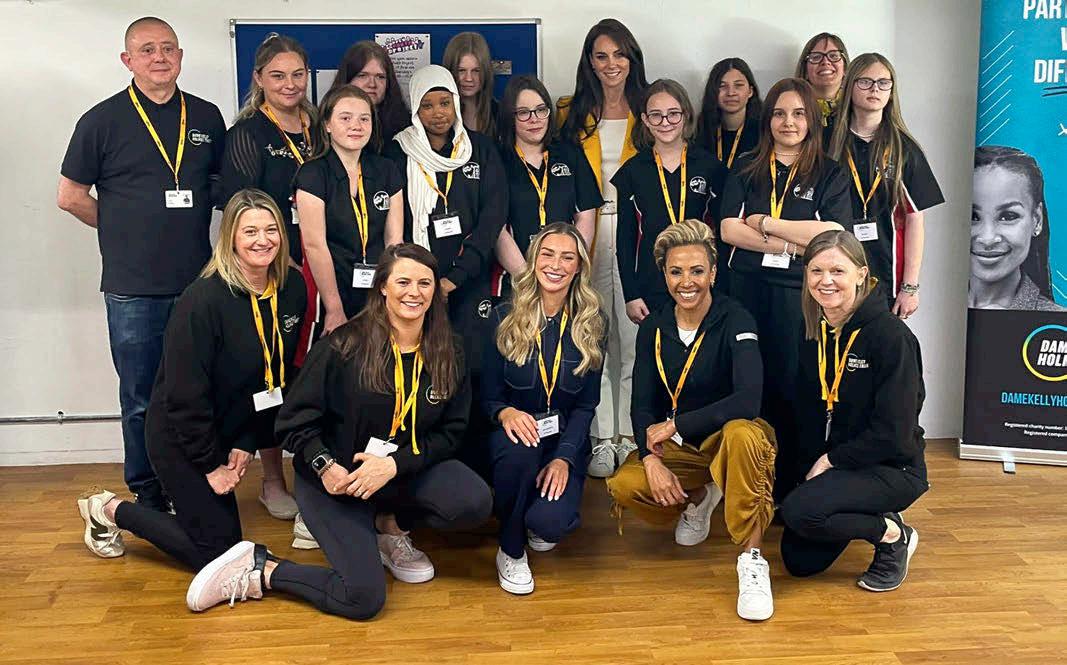
During her visit to the West, the Princess played an outside game of noughts and crosses with the students from Bristol’s St Katherine’s School, spoke to them about their personal experiences, and asked for their thoughts on the challenges that young people face today.

Dame Kelly Holmes says, “I am thrilled that Her Royal Highness has taken this opportunity to visit us and meet some of the incredible young people we work with. I believe strongly that every young person should have the chance to be the best version of themselves. To do that they need confidence, resilience and self-esteem, and this is the core of everything we do at my charity. Positive mental wellbeing is so important, and it is brilliant to spend time with the Princess, who is clearly as passionate as we are about promoting its importance.”
The Princess was later spotted at Bath Spa station by passengers where she, despite rushing for her train, took the time to speak to some schoolchildren heading out to Warminster on a school trip organised by Platform Rail, a railway-based educational scheme, to learn about trains and orienteering. For more: www.damekellyholmestrust.org

SPOTLIGHT
8 I BATH LIFE I www.mediaclash.co.uk
Her Royal Highness, the Princess of Wales was at the Percy Community Centre to learn about the Dame Kelly Holmes Trust
The students from St Katherine’s School in Bristol shared their personal stories with the Princess
@PLATFORM_RAIL/TWITTER
Her Royal Highness at Bath Spa station
@PLATFORM_RAIL/TW ITTER
Kate took the time to ask passing schoolchildren where they were going


HEY THERE, MR. BLUE


@bathedit @wanderlust_on_wheelz @bathhothouses
@instajack @prettylittlebathuk @frasertakesphotos @mrgaryellis @joebocas @royalcrescent_hotel SPOTLIGHT www.mediaclash.co.uk I BATH LIFE I 11
We’re so pleased to be with you, look around see what you do
A ention Business Owners and Directors
you need more than just accounts and tax returns from your accountant?
Being able to prepare your MTD returns, accounts and tax returns is a given for a professional rm.
But can your accountant help you make more money? Does your accountant have experience working in your specialist eld?
Does your accountant give you answers or just more questions?
We are more than just your accountants; we are your complete business partners.
Seven Reasons why hundreds return to PG Owen Ltd each year.

Clear xed and guaranteed fees. When we say xed we mean it Free advice sheets and newsle ers to help your business grow Advice from experienced quali ed professionals
We speak to you in plain English

In house mortgages, life, pensions and investment advice. Full range of legal and probate services through our sister company A unique one stop advice service for all businesses and individuals from cradle to grave and beyond!

Contact us now:
7 Northumberland Buildings, Wood Street, Bath BA1 2JB
T: 01225 422183 E: bath@pgtax.co.uk
www.pgtax.co.uk
Do
Church Farm, Hilperton A collection of 12 beautiful homes in an eclectic mix of design, ranging from three to five bedrooms.
01225 791155 ashford-homes.co.uk
FLAT LINE DAVID FLATMAN
Daytripping
Flats on tour with a few Somerset recommendations
Iam going to suggest two ideas as to how you might spend a lovely summer afternoon in Somerset, and I am going to do my best to appeal to all of you, whatever your familial set up or budget.
I’ll start with the punchy one, primarily as I smugly did this very thing last Sunday and it was magical. Now, we were late to bed on the Saturday night as we all went to watch eyonc live at the Tottenham Hotspur Stadium. The show was a million miles over the top, the stadium might be the best in the country, and her voice was utterly, utterly epic. Anyway, we couldn’t stay up in town as we had a big family Sunday planned at The Newt.
It was hot and we were late (bed at 2am will get you ), so all o cial morning plans were binned and we decided simply to
wander around the gardens and see if they were any good. A garden’s a garden, right? Well, I’m no gardener, but this place is breathtaking. The best way to put it is that if I were to win the Euromillions this Friday I’d be asking someone with rough hands and dirty fingernails to recreate The Newt’s environment for me. Only smaller, as I’m not sure a hundred million would get it done. pulent but relaxed and cool. ver owing but never showing off. I never knew I could love gardens so much. Top tip: take your hay fever pills before you set off.
Then we had lunch in the Garden Café which, aside from being fun – kids legging it around and biting through drinking glasses (yes, turned out alright in the end) without anybody minding one jot – and delicious, was backed up by the locality of the food. Everything we ate was reared or grown
within nine feet of our table (approx) and that’s cool. So the grazing, beautifully kept animals and those immense gardens are functional, too. Again, it’s just cool. Not cheap, but cool.
After that we swam and splashed and dunked in the Farmyard Pool until the kids began to droop, at which point we headed off. u ing but knackered, smiling but ready for a kip. As a lion is to a cat, The Newt is to Soho Farmhouse.
My second ‘thing to do’ is to drink pints in Freshford village. The Inn at Freshford will pour you some cold drinks, and you will use those drinks to wash down crisps and pork scratchings. Then you can waddle over the bridge and into the field (park all of your cars on the road – they love that!), before commencing a riverside walk so beautiful that frankly you could be in Provence. There are longer loops you can do, or you can keep it short and have a sit down to watch the water. I’m told that some folks let their kids do their wild wees in that water, but I couldn’t possibly verify such a claim. My old dog jumped in once as he wanted to play with a swan, and I had to get in after him as he was too dense and short-limbed to get out. As it turned out, I was also too dense and short-limbed to get out, so it became a somewhat larger operation.
Anyway, don’t fall in and you’ll be alright. It’s a little slice of heaven, and you’ll have some change left to put towards your energy bills this winter.
Good old Somerset; something for everyone.
David Flatman is an ex-Bath and England rugby star turned TV pundit and rent-o-mic. Follow him on Twitter @davidflatman and Insta @dflatman

“My second ‘thing to do’ is to drink pints in Freshford village”
www.mediaclash.co.uk I BATH LIFE I 13 © BETTY BHANDARI BRAND PHOTOGRAPHY; WWW.BETTYBHANDARIBRANDPHOTOGRAPHY.COM

SCENE


THE LATEST ADVENTURES IN PARTY-GOING ACROSS BATH


THE ART COLLECTIVE


The Bath Society of Artists Annual Open Exhibition opened at the Victoria Art Gallery on 22 April. More than 1,204 works had been sent in for consideration which were then whittled down to 400 by a selection panel on 16 April. Now in its 118th year, the event, which ends on 24 June, showcases the best of the region’s artistic talent through many different forms including paintings, drawings, prints and sculpture.


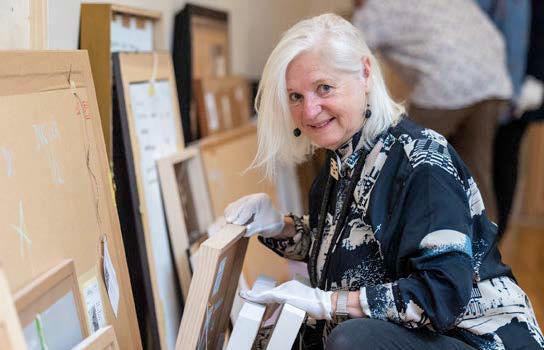


Photos by Anna Barclay www.annaweddingphotos.com
 Judge Rob Grieve
Artist Marc Bodie
Judge Rob Grieve
Artist Marc Bodie
www.mediaclash.co.uk I BATH LIFE I 15
Artist Trosh Roche Judge Vivienne Bolton
Judge Jan Byrne
Judge Nathalie Levi
Candace Bahouth and Marian McNeir
Artist Ian Hargreaves
SPONSORED BY
Artist Violet von Riot
Judge Lindy Wright
SUMMER OASIS IN THE CITY CENTRE




Sub 13 has the perfect spot for your summer night out in Bath - whether it’s afterwork drinks or a summer celebration, it’s always warm on our terrace. Our venue creates a sophisticated atmosphere for pre-dinner drinks, whilst the late-night club keeps you dancing into the small hours.


drinks@sub13.net WWW.SUB13.NET
4 Edgar Buildings, George Street, Bath, BA1 2EE 01225 466667 |
TRUE STORY

Bath Life hosted a sell out Network Lunch at the Royal Crescent Hotel & Spa’s Montagu Mews restaurant. The lunchtime event on 24 April featured Melanie Hunter Yell and Dr Josef Karthauser fromTruespeed, who were interviewed by MediaClash’s chief exec Greg Ingham. For our report, turn to page 81.


 Rebecca Morley, Elisabeth Soldaini-Paice and Carey Willis Fleming
Dr Joseph Karthauser and Melanie Hunter
Annie Moss and Elsie Lyford
Debbie Boulton, Jasmine Barker, and Sunjay Singh
Rebecca Morley, Elisabeth Soldaini-Paice and Carey Willis Fleming
Dr Joseph Karthauser and Melanie Hunter
Annie Moss and Elsie Lyford
Debbie Boulton, Jasmine Barker, and Sunjay Singh
SPONSORED BY
Simon Holdsworth, Zoe Chandler and Ian Lloyd
SOCIETY www.mediaclash.co.uk I BATH LIFE I 17
Karina Eccles and Greg Ingham Tom Kennedy and Jamie Watkins
Photos by Betty Bhandari www.bettybhandari.com
Peter Blake, Tim Moss and Joe Stas
Carole Devonshire
Dave Kelly, David Dixon and Claudia May
NICE TRY
On 29April the Bath Pavilion hosted the Bath Rugby End of Season Annual Awards. The evening, which catered for around 0 guests, started off with a Champagne reception courtesy of Pol Roger, followed by a three course meal and the awards ceremony itself, hosted by Jonty Messer and Lee Mears.





Winners included Helen Shand for the spirit of rugby award, best back Matt Gallagher, and players’ player of the season Matt Gallagher. The celebrations continued late into the night with live music from the Shadow Monkeys.



 Juan Schoeman and Ted Hill
Matt Banahan
Juan Schoeman and Ted Hill
Matt Banahan
18 I BATH LIFE I www.mediaclash.co.uk
Photos by Patrick Khachfe www.onsideimages.com
Mark Symes, Tania Symes, Darren Atkins and Isla Hewitson Dave Attwood
Francois Louw and Ollie Lawrence
Matt Gallagher, Tom Dunn and Joe Cokanasiga
Steve Ojomoh, Ted Hill and Neal Hatley
Around 350 guests attended the glittering event
SPONSORED BY
Will Butt, Ted Hill, Tom Dunn, Ollie Lawrence, Matt Gallagher, Ben Spencer and Sam Harris
Nathan Catt, Sam Harris and Craig Lilley


EXPERT ADVICE FROM AN INDEPENDENT FAMILY OWNED BUSINESS Free measures and quotations

20 I BATH LIFE I www.mediaclash.co.uk
“I want to get it right to the point where nobody knows they’re not looking at the real thing”
SMALL WONDERS
Meet the miniaturists with a big reputation
 By Lydia Tewkesbury
It doesn’t get much more whimsical than the world of miniatures, a small (no pun intended) community of artists recreating the world at scale. In this world, there are few names bigger than Kevin Mulvany and Susie Rogers – known as Mulvany & Rogers – who hand-craft onetwelfth-scale bespoke miniature houses from their home studio in Holt, some three miles from Bath.
For the last 30-some years, the husband-and-wife team have built up an international reputation for the intricacy and realism of their houses, where each piece is created with painstaking attention to detail, stringent historical accuracy and reverence for the miniatures commissioned by their high class of clients that include museums, private collectors and famous faces like King Charles back when he was a prince, and, more recently, foreign royalty about which they cannot reveal details.
The pair specialise in replicas of period homes, and have built everything from Bath townhouses to Louis I’s ersailles library – and even fictional creations like Hogwarts, and Miss Havisham’s discarded wedding breakfast out of Great Expectations
THE FINER DETAILS
The couple are famed for the accuracy of their designs. Art historians by training, they fell into making miniatures when Kevin came home one day with a 1960s-era dollhouse he spotted at Camden Market. At the time, the dollhouse renovation project was just a bit of fun – both Susie and Kevin had both had childhoods filled with Blue Peter projects and it seemed a way to recapture some of that old joy together.
After renovating one dollhouse they decided to build their own from scratch, and eventually, Kevin took one of their creations to the Singing Tree, a leading specialist in dollhouses and miniatures on Old King’s Road in Chelsea at the time. They saw something in Kevin and Susie’s craft, and soon they began to connect them to the rich and famous clients that would transform their project from hobby to artistic practice and world-renowned business with a years-long waiting list.
Kevin Mulvany making the entrance for a Jacobean House; INSET: The egg gives a sense of how small these miniatures actually are

ART HISTORY
Kevin is the architect in the partnership – though, he is at pains to explain, not by training. Outside of their art history degrees, when it comes to building, the pair are entirely self-taught. He begins each project diligently measuring every detail of a property they aim to
www.mediaclash.co.uk I BATH LIFE I 21 ARTS

ABOVE: Everything is hand-crafted to a one-twelfth-scale; INSET: A mini Trim House being carefully moved; BELOW: Mulvany & Rogers’ work has attracted the attention of museums, private collectors, and King Charles


replicate, drawing the designs at scale and then building it himself, piece by piece; after that Susie comes in – “the artist,” Kevin says – for the carving, tile work and all of the beautiful finishes. The process is meticulous, and tends to take a minimum of two years, from the beginning of the research phase through to completion –hence the waiting list. When we meet, they are in the early stages of a project that will occupy the next two years of their lives, a commission to replicate Leighton House, now a museum and the former home of leading Victorian artist Lord Frederic Leighton, which is famous for its Arab Hall. The domed structure features hundreds of tiles purchased or plundered by Leighton and his friends and colleagues with origins across Turkey, gypt and Syria – all of which Susie plans to replicate.
“It’s exciting, Kevin says. “When you see something and think –oh my god, how am I going to do that? I want to get it right to the point where nobody knows they’re not looking at the real thing.
At the moment the Leighton House project is in the research and measuring phase, but in the months to come their home studio will fill up with bare bones of the wooden structure, not to mention all those tiny tiles.

FORM AND FUNCTION
Mulvany & Rogers projects are informed primarily by architecture from the 16th, 17th and 18th centuries – think Buckingham Palace, Hampton Court and Brighton Pavilion, all of which they have built in miniature. The inspiration they say is part wish fulfilment, crafting the kinds of places they would love to live. It’s not that they don’t see value in modern architecture. It’s, Susie explains, “a sense of the house having been – it’s a very trite thing to say – but, lived in. The draw of these buildings isn’t just aesthetic, but functional – the age of the building speaks for itself. It’s as if the design has proven its worthiness through lives lived in it; any rubbish will have fallen away in time or been replaced, leaving only the very best parts for the future. “I suppose for us there’s that link, she continues. “We’re not rolling up our sleeves
www.mediaclash.co.uk I BATH LIFE I 23 ARTS
“Each new project can be infuriating”
and getting covered in cement and brick dust, but we are feeling what those craftspeople felt when they made it. There’s something lovely about that.”

It’s not that modern houses are off the table, they just have to prove themselves first, as Susie puts it, once they’ve “lived up to what the architects thought was so special about them.”


LEIGHTON HOUSE

This means that Leighton House, a 19th century creation, is actually a little late by their own standards –though what it lacks in heritage it more than makes up for in challenge and beauty, with all those tiles. While they get the occasional project where clients allow them free rein to make whatever they like, there are plenty of houses they would love to replicate they haven’t had a chance to turn to yet.
For Kevin, the ultimate dream is what he calls his retirement project, a house he wants the pair to make only for themselves: Sir John Soane’s Museum, the one-time home of the British architect Sir John Soane. Soane was an unusual character and an avid collector, something that is very much re ected in the museum, which is organised according to the poetic qualities and creative juxtapositions for Soane’s vast and unusual collection that includes the Sarcophagus of Egyptian Pharaoh Seti I, and The Model oom filled with plaster architectural models depicting famous monuments of the ancient world. “It is one of my favourite spaces,” Kevin says. “It’s not a grand palace or anything like that; it’s really quite intimate, some of the rooms are tiny, but it’s just the way he does it with candles and little peep holes and mirrors and things everywhere. It’s amazing and I want to make that. One day I will. But not for somebody else.”
STILL LEARNING
For now, though, they have another year or more on Leighton House, which is coming together piece by piece in the workshop they share at the back of their house – one with an adjoining door between studios I am assured gets a good slam from time to time during heated moments of design con ict. They come up in every project. ven after all this time, Kevin and Susie are both still learning, and each new build presents some new, unanticipated di culty. “They’re all so different, you know?” Kevin says. “Each new project can be infuriating. It’s not an easy life – but we like a challenge.” n
For more: www.mulvanyandrogers.com
24 I BATH LIFE I www.mediaclash.co.uk ARTS
“We are feeling what those craftspeople felt when they made it”
CLOCKWISEFROMABOVE: A replica of Louis XVI’s library in the Palace of Versailles; Susie Rogers is the artist of the partnership; Mulvany & Rogers specialise in period homes and buildings; the easily identifiable tableau of the jilted Miss Haversham’s room from Great Expectations

THE HEART OF THE HOME
A modern kitchen case study by GARDINER HASKINS INTERIORS


The kitchen is the heart of any home and ensuring it works for your family set up and what is important to you is crucial. When Gina and Roy found their kitchen no longer made entertaining a pleasure, they reached out to the experts at Gardiner Haskins Interiors to work on the kitchen of their dreams.
The brief: a modern, minimal and super-efficient kitchen, with light-boosting reflective finishes and a kitchen that makes entertaining a real occasion.
When they moved into a ground first floor maisonette in Bath, Gina and Roy inherited a long kitchen-dining room with glass doors opening to the garden at one end. The kitchen was at the farthest point from the natural light source, and the couple soon found the original cream cabinets and black granite work surfaces seemed to soak up the limited daylight that reached it. Clearly, maximising light

would be high on the agenda for their new kitchen.
Gina and Roy had several other ‘musthaves’. Gina loves minimal, modern style, crisp lines and clutter-free surfaces, while Roy wanted a well-appointed bar area to produce a ‘wow’ moment for guests. They approached Gardiner Haskins, noticing the company offers Stoneham Kitchens, which they recognised as a quality brand. For comparison, they looked at another kitchen showroom too, but meeting designer Alec, they quickly felt relaxed, and impressed by both his expertise and his creativity,
The couple say, “The other supplier was quite pushy, and unwilling to personalise things for us. Alec really knows his product, listened closely to what we wanted, and came up with ideas we wouldn’t have thought of. His knowledge is encyclopaedic, and that really enables him to find solutions. We think he enjoyed the challenge too.”
SPONSORED CONTENT 26 I BATH LIFE I www.mediaclash.co.uk
Aiming for a clean, minimal vibe and aware of the need to boost light, Gina had simple, handless cupboards in mind, and she liked the idea of mixing different finishes to create interest. She was eager to buy a British-made product too, and Alec suggested Crown Imperial’s understated white furniture, which was ideal for the base cabinets. As a contrast, the wall cabinets are in taupe oak, a pale wood-effect, and the white quartz work-surfaces have a subtle marble-type pattern. Keeping the work surfaces clear is effortless, thanks to deep, soft-close storage drawers, roomy cupboards and nifty swing-out carousel trays that don’t let an inch of corner space to go to waste.
A small light-well above the sink draws some daylight from the upper floor, but extra ceiling spots have been added, as well as remote-controlled lighting above and below the wall units, and beneath the work surfaces. The stylish glow can be adjusted for a warmer or cooler effect, giving practical task lighting, or a softer mood for evening entertaining. Seamless, easy-clean white glass splashbacks bounce the light around too.

When it came to the separate bar unit, a substantial, double-door drinks cabinet on display in the showroom caught Roy’s eye. To his delight, Alec set about designing a similar four-door piece for him, using the same white Crown Imperial cabinets. The well-organised interior features natural wood fittings, elegant mirrored panelling, lighting and an undercounter drinks fridge. To accommodate the fridge, the lefthand doors are 60cm wide, while the right-hand ones are just 40cm. Open or closed, the bar looks beautiful, thanks to a combination of Alec’s design flair, and the joinery skills of Paul, the installer who brought the kitchen to life.
“I’m really pleased with the way it turned out,” says Roy, “Whenever we have friends over, I open up the bar, the lights come on and everyone just loves it.” Gina and Roy’s new appliances include a sleek, Neff induction hob and two electric Neff ovens, so they have steam and microwave functions alongside conventional cooking. Aesthetically, they went for low-key, black finishes, with stainless steel trims. Alec also suggested a matching warming drawer, something Gina had not considered, but now wouldn’t be without, “I use it such a lot,” she says. “It helps me with timing, keeping food warm until everything’s ready, and it’s so easy for heating plates too.”
Gina knew she did not want a large extractor hood that might dominate the space, so Alec found a brilliant solution, concealing the extractor in a wall-cabinet above the hob. Tucked beneath, the touch-activated, flip-down, glass control panel is super-neat. The Quooker boiling water tap is another favourite gadget. Gina admits she was a little nervous of it at first, but now absolutely loves its speed, convenience and the bonus of a kettlefree surface.
Fitting a new kitchen can be disruptive, so Gina and Roy were very appreciative of their installation team, who left the site clean and tidy every night. The couple both praised electrician Mark, who spent hours re-routing cables in the ceiling to get the extra lighting they wanted over the sink. They say, “We felt everyone went the extra mile to achieve what we’d asked for, and any small snagging issues were quickly dealt with.
“We’re so pleased with the results, and it’s been a very enjoyable experience.” n
Looking to modernise your kitchen? Make it happen with Gardiner Haskins. Their inspirational showroom features the latest trends in Fitted Kitchens, Bathrooms and Bedrooms. Find them at: 1 Straight Street, Bristol or alternatively visit their website www.gardinerhaskins.co.uk


“ NEW APPLIANCES INCLUDE A SLEEK, NEFF INDUCTION HOB AND TWO ELECTRIC NEFF OVENS, SO THEY HAVE STEAM AND MICROWAVE FUNCTIONS ALONGSIDE CONVENTIONAL COOKING
”
SPONSORED CONTENT www.mediaclash.co.uk I BATH LIFE I 27

SNAPSHOTS OF BATH’S CULTURAL LIFE
THE ARTS A S P MIS S
lattering filters, boast posts, and fake-news –we didn’t invent this stuff, as the latest exhibition at the Holburne Museum, Painted Love: Renaissance Marriage Portraits, demonstrates. Through its works of art, enaissance urope was up to this kind of visual disinformation centuries ago.


The collection brings together more than 0 paintings and art pieces that tell a fascinating narrative of how women, love, and marriage were perceived back then. rom idealised portraits of young brides to paintings celebrating a woman’s fertility, many of the artists (and those who commissioned them) were fishing for likes – and not always painting the full story.
Painted Love: Renaissance Marriage Portraits is on now at the Holburne Museum until 1 October; www.holburne.org


www.mediaclash.co.uk I BATH LIFE I 29
WHAT’S ON
17 June –14 July

EXHIBITIONS
Until 24 June MODERN ARTBUYER
The on-line curators Modern ArtBuyer are popping up in Pencil Tree Gallery on Walcot Street. Alongside works by Pencil Tree’s own artists, including contemporary painter Paul Jackson, will be new pieces from Paul Minott, Maria Rivans, Trudy Montgomery, and Jaco Putker. www.modernartbuyer. com / www.penciltree.co.uk
Until 24 June
THE BATH SOCIETY OF ARTISTS ANNUAL OPEN EXHIBITION, now in its 118th year, has opened at the Victoria Art Gallery, bringing with it a vast array of local artistic talent including Matthew Wade, Charlotte Moore, Zelga Miller, and Daisy Denning. www.victoriagal.org.uk
Until 4 July AMERICA IN CRISIS
This show, which includes an interactive experience, is an American Museum partnership with the Saatchi Gallery and juxtaposes images of current US troubles with photographs from
more than half a century ago. www.americanmuseum.org
Until 15 July
NEW WORKS
New ceramics from Paul Wearing and new paintings from Bobbie Russon, along with new sculpture from Beth Carter, make up this beautiful Beaux Arts early summer exhibition. www.beauxartsbath.co.uk
Until 23 July
TIME LINE: A NEW PATH
This new exhibition, Time Line by Rob Mackenzie, comprises 25 pen and ink works, created especially for the Royal United Hospital. The pieces express time and the healing journey, and is a deeply intimate approach drawn from Rob’s personal experience of a haemorrhage and stroke in 2014. www.artatruh.org
Until 29 July
LIAM STEVENS
Liam Stevens, now Londonbased, grew up in rural Somerset, and works in layered pigment washes with pencil on canvas and constructed reliefs, creating a sense of rhythm in the negative space. Francis Gallery; www.francisgallery.co
Until 7 October
RICHES OF THE EARTH
This free exhibition celebrates the beauty of solid chemical compounds with more than a hundred carefully selected vibrant and striking mineral specimens from the Bath Royal Literary and Scientific Institution’s own collection. www.brlsi.org
Until 1 October
PAINTED LOVE
This major Holburne exhibition looks at the role of portraiture in the process of marriage in the Renaissance of Northern and Southern Europe. Turn to page 29 for more info. www.holburne.org
Until 1 January
GRUPPENAUSSTELLUNG
A celebration of Hauser & Wirth’s Swiss heritage, with more than 20 artists, including Martin Creed, Cindy Sherman, Richard Jackson, Jason Rhoades, Mika Rottenberg, Camille Henrot, Pipilotti Rist, Dieter Roth, and Björn Roth. The multidisciplinary exhibition is inspired by the notion of a traditional Kunsthalle, conceived as a place to showcase innovative art. www.hauserwirth.com
27 June – 2 July
COLOURS OF SUMMER
A 44AD exhibition of watercolour and oil works by Bath artist Mary Liddell, with a vibrant and colourful selection of still lifes, landscapes and portraits on display. www.44ad.net
27 June – 1 July
ON PAPER FESTIVAL
urated by Meticulous Ink, 1 local artists converge onto Walcot Chapel to showcasing the remarkable diversity and versatility of paper as a medium. www.meticulousink.com
30 June – 2 July
ORSON & WELLES
Bath-based Orson & Welles, run by husband and wife duo Robin and Rachel, will be popping up in 15 New Bond Street with its collection of original vintage posters for film, travel, circus, beverages, and more. www.orsonandwelles.co.uk
4 – 9 July
BODYWORKS
Bath Sculpture Group is holding its annual exhibition at Walcot Chapel with more than 40 new works by artists including Anna Currey, Caroline Waterlow, and Colin Hawkins. The group, which
30 I BATH LIFE I www.mediaclash.co.uk
© JEREMY RICHARDS
It’s party time in the city when Bath Carnival takes over the streets on 8 July
TOPTOBOTTOM: Poster specialists Orson & Welles will be popping up at 15 New Bond Street 30 June – 2 July; Tweeny is just one of the artists exhibiting at the On Paper Festival; See The Unthanks at Wiltshire Music Centre on 23 June
was founded by sculptor Sue Larner, is celebrating its 25th anniversary. a iro ers @ otmai o
9 July
BATH CONTEMPORARY ARTISTS FAIR

Since its creation in 2020, the Bath Contemporary Artists Fair has showcased more than 600 artists across 13 fairs at Green Park Station, bringing the best of local contemporary art, including fine art, photography, sculpture, textiles and much more. www.bcaf.co.uk
14 July – 7 January
LUCIE RIE: THE ADVENTURE OF POTTERY
This new Holburne exhibition celebrates Lucie Rie (1902–1995), one of the most accomplished and in uential potters of the 20th century. Featuring work produced across six decades, this display follows the evolution of Rie’s illustrious career. www o rne or
THEATRE / CINEMA
29 June
THE HALF
Bristol-based theatre company Tread Softly Productions present the story of Nell and Cathy, two comedians reunited for a charity benefit gig ten years after their acrimonious split. And despite initial smiles, old feuds reappear. ondo T eatre www rondot eatre o
Until 1 July
ROMAN HOLIDAY
A new stage musical of Roman o ida , made legendary on the silver screen by Audrey Hepburn and Gregory Peck, receives its UK première, bringing Italian chic, classic comedy, and timeless Cole Porter songs to the Bath stage. Stars Rebecca Collingwood and Michael D. Xavier. Turn overleaf for more with Michael. www t eatrero a or
1 July
THE FAIRY QUEEN
Sunset Sounds head to Wyke House in Bruton for an outdoor production of T e air een, Purcell’s masque, and an operatic adaptation of Shakespeare’s ids mmer i t s ream or more in o emai s nsetso nds w e o se@ mai om
4 – 8 July
A STREETCAR NAMED DESIRE
Tennessee Williams’ masterpiece
comes to the Mission Theatre. Set in the jazz-soaked streets of New Orleans, and revolving around the lives of Stella, her sister Blanche, and the chauvinistic Stanley, this is a portrayal of loneliness, love, and lust. www.missiontheatre.co.uk
MUSIC
23 June
XODUS
This accomplished and acclaimed reggae band perform their tribute to Bob Marley & The Wailers at the Chapel Arts Centre. An impressive set list that includes The Wailers’ legendary songs I ot T e eri a o o dier Is T is ove and aitin In ain www a e arts or
23 June
THE UNTHANKS

Mercury Prize nominated sisters Becky and Rachel Unthank, whose roots are based in the traditional music of the north east of England, and who cite Miles Davis, Robert Wyatt, and Antony & The Johnsons as major in uences, are playing at the Wiltshire Music Centre accompanied by an 11 piece band. www wi ts irem si or
27 June
SPIERS & BODEN

After a triumphant 2022 reunion tour with Bellowhead (including a sold-out performance at the Royal Albert Hall) founder members John Spiers and Jon Boden return, as their original duo Spiers & Boden, to deliver their unique brand of powerful, rousing folk music. omedia at www omedia o
1 July
WHAT’S LOVE GOT TO DO WITH IT?
With the recent passing of the absolute legend that was Tina Turner, this show, which was already on tour, pays tribute at the Bath Forum. The amazingly vocally talented Holly Bannis performs classics such as rivate an er, What’s ove ot To o it It , ro d ar , iver ee , t s it imits, and im T e est www.bathforum.co.uk
2 July
ALL AMERICAN SUMMER PARTY
Celebrate American Independence Day with a live music party at the American Museum & Gardens There’s country line dancing by Blazing Saddles, world-class 5-string banjo trio Leon Hunt, Latino music
WHAT’S ON www.mediaclash.co.uk I BATH LIFE I 31
from Los Musicos, along with a KidzFun zone, classic American cars on display, and plenty of delicious American food and drink. www.americanmuseum.org
8 July
BATH BACH CHOIR
Bath Bach Choir and orchestral ensemble Southern Sinfonia join forces to present Mendelssohn’s much-loved oratorio Elijah in Bath Abbey, under the baton of its new conductor, Benedict Collins Rice. Internationally-renowned baritone Matthew Brook will sing the part of Elijah. www.bathbachchoir.org.uk
COMEDY
Every Saturday
KRATER COMEDY CLUB
More up-and-coming and established talent at Komedia providing the weekend laughs. Previous alumni include Romesh Ranganathan, Tom Allen, Sarah Millican, Daliso Chaponda, and Luisa Omielan. www.komedia.co.uk
CHILDREN
Until 14 July ASSEMBLE IN THE FOREST
The Forest of Imagination has created a contemporary arts event at the Assembly Rooms, which includes complete multi-sensory installations, artists’ workshops, and a whole host of creative and community projects, suitable for all ages, and designed to highlight the beauty and biodiversity of Bath. www oresto ma ination om
Until 31 July
THE WILD ESCAPE
Victoria Art Gallery is taking part in The Wild Escape, a nationwide project uniting hundreds of museums, schools and families to find nature in museums. hildren are invited to find a favourite animal in the gallery and create an artwork imagining its ‘escape’ back to its natural habitat, which can now be seen online. www.victoriagal.org.uk
Until 19 September

ZOG TRAIL
Thanks to amazing augmented reality technology, you can follow a golden star trail around Westonbirt Arboretum, which is home to one of the most important plant collections in the world, with 15,000 specimens and 2,500 species. There are also ruffalo statues to
ABOVE: Bath Sculpture Group is holding its annual exhibition at Walcot Chapel 4 – 9 July; INSET: Bath artist Mary Liddell’s new exhibition, Colours of Summer, can be seen at 44AD; BELOW: Matthew Wade is just one of the many artists exhibiting at Victoria Art Gallery


be spotted, a nature play trail and guided walks, along with the treetop walkway. www.forestryengland.uk
FESTIVALS
16 – 18 June
PUB IN THE PARK
This is where chefs and singers get equal billing, and all slap bang centre in Bath’s Victoria Park. Curated by Tom Kerridge, the three day event caters to both the high end pub grub food connoisseur and the up-for-a-party crowd. Marco Pierre White and Leyla Kazim are just two of the hosts. Foodie stalls include Noya’s Kitchen and Bar 44, and there’s music from Judge Jules, Bjorn Again, Example, Badly Drawn Boy, McFly, and Gabrielle. www.pubintheparkuk.com
21 July – 5 August
THE GARDEN THEATRE FESTIVAL Holburne Museum Gardens hosts a range of open air shows, so bring a picnic and get immersed in a world of fire-breathing dragons, car chases and convicts, Shakespeare galore, beautiful cabaret, slapstick, laughter at Bath’s only open-air theatre.
32 I BATH LIFE I www.mediaclash.co.uk WHAT’S ON
20th Century Interiors & Design Auction - 29th June at 10am 10am




 Whitefriars Geoffrey Baxter Bark Vase. Est £80-120
Pierre Paulin for Magis A pair of Italian Flower Chairs. Est £300-500
Tony Paul 1960s Designer Stool. Est £100-200
Borge Mogansen 1960s Danish Highboard. Est £300-500
Brunel Table The Industrial Furniture Company Designed Table. Est £1000-2000
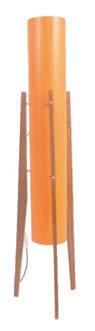
Rocket Lamp Original 1960s Lamp. Est £80-120
Whitefriars Geoffrey Baxter Bark Vase. Est £80-120
Pierre Paulin for Magis A pair of Italian Flower Chairs. Est £300-500
Tony Paul 1960s Designer Stool. Est £100-200
Borge Mogansen 1960s Danish Highboard. Est £300-500
Brunel Table The Industrial Furniture Company Designed Table. Est £1000-2000
Rocket Lamp Original 1960s Lamp. Est £80-120
| www.auctioneum.co.uk PART OF EAST
B B C C E L E B R I T Y A N T I Q U ES R OA D T R I P AT T E N D I N G
Broadlands Farm, Box Road, Bathford BA1 7LR
BRISTOL AUCTIONS GROUP
Whitefriars Geoffrey Baxter Chess Board Vase. Est £100-200
Performances include Looking For Me Friend: The Music of Victoria Wood; David Walliam’s Bad Dad; Lewis Carroll’s The Jabberwocky & Other Nonsense; and The Great Gatsby. www.gardentheatrefest.co.uk
27 – 30 July 2023
WOMAD
Artists are from all over the world, including Nigeria, Jamaica, South Korea, Portugal, Peru, Mali, and the USA, visit to perform at Charlton Park in Malmesbury at this major player amongst festivals. Names include Afrobeat dynamo Femi Kuti and his band the Positive Force, Horace Andy, Soul II Soul, Bombay Bicycle Club, and Peruvian ex-culture minister and three-time Latin Grammy winning singer, Susana Baca. www.womad.co.uk
24 August – 16 September
IF OPERA
Productions take place in the Saddlespan theatre in the grounds of Belcombe Court, which is the stunning stately home in Bradford on Avon. A packed programme which runs over various dates includes Umberto Giordano’s Fedora; a jazz-infused Alice’s Adventures in Wonderland by Will Todd; Pyotr Tchaikovsky’s fairy tale Iolanta; and the classic Mikado by Gilbert and Sullivan. www.ifopera.com
OTHER
Until 16 August
BATH ON THE BEACH
Head to Royal Victoria Park for a chilled out pseudo seaside venue with beach games, summer cocktails, delicious street food and ice creams. Entry is free, but it is adults only after 6pm.
www.bathonthebeach.co.uk
3 July
CAITLIN MORAN –WHAT ABOUT MEN?
Caitlin Moran discuss her new book – and this time, it’s all about the men. Topics include porn, violence, Star Wars, fatherhood, sex, banter, Andrew Tate, Jordan B Peterson’s lobsters, and what’s actually good about masculinity. www.komedia.co.uk
8 July
BATH CARNIVAL
Kick off the fabulous activities at 10.30am with family activities at Bath Rec Ground; the procession starts from here as well, at 3pm, and travels through the city centre for just under three hours. And for those who still want more, there’s the o cial after party at Komedia, starting at 10.30pm.Turn to page 85 to read our interview with carnival organiser Stu Matson. www.bathcarnival.co.uk
CULTURE CLUB with Michael D. Xavier
Multi award-winning West End and Broadway star Michael D. Xavier plays the role of Joe in the UK première of the Cole Porter musical Roman Holiday, which opens at the Theatre Royal Bath on 10 June and plays until 1 July.

Michael, who is based in London and New York, has starred opposite Glenn Close in the Broadway production of Sunset Boulevard, as well as in Hal Prince’s hit show Prince of Broadway, and has played Sky in the original international touring cast of Mamma Mia!
His many West End appearances include The Phantom of the Opera, and Monty Python’s Spamalot. And TV roles include Grantchester, Grace, Gentleman Jack, The Chelsea Detective, Outlander, and The Blacklist.
The last great film I saw was…
The Whale. An all-round beautiful film with an incredibly moving performance from Brendan Fraser.
A film I could watch over and over again Jaws. One of Steven Spielberg’s finest, and an absolute masterclass in suspense.
Lockdown boxset
The money laundering drama Ozark is a masterpiece from every angle.
A painting that means something to me

I was approached by the brilliant artist Metin Salih to paint my portrait in 2016. He interviewed
me beforehand so he could get an idea of how to paint me. He then took my photo and worked from that.
Best TV show ever
Breaking Bad with Bryan Cranston. The whole thing is beautifully written and crafted to keep you enthralled and moved. Brilliant.
The book that changed my life
The Power of Now by Eckhart Tolle. He demonstrates how to live a healthier, happier, mindful life by living in the present moment. I found it eye-opening and revelatory.
The book I could happily re-read Papillon by Henri Charrière. Based on the true story of a French prisoner. What a journey!
My last live music gig
The band of My Fair Lady played in a pub across the road from the stage door of the Bristol Hippodrome, and some of the cast sang with them. A joyful night, and what talent!
My desert island disc
Just Kiss Me by Harry Connick Jr. Uplifting and full of life, and an incredibly talented band. Put that on when you’re in a bad mood and I defy you to stay that way.
Karaoke go-to
I don’t do karaoke anymore. I think it should be for nonprofessionals who like to sing, rather than for pros to show off.
For more:
www.theatreroyal.org.uk
Michael D. Xavier stars alongside Rebecca Collingwood in Roman Holiday
WHAT’S ON 34 I BATH LIFE I www.mediaclash.co.uk
Hayley Cove is just one of the many artists exhibiting at the Bath Contemporary Artists Fair at Green Park Station on 9 July
© SEAMUS RYAN


inspirational stained glass and artworks Design - Manufacture - Installation Glassworks 76 Walcot Street, Bath BA1 5BD Open Wednesday – Saturday 10am – 4pm (or by appointment) 07793 085885 | neilireson.com | info@neilireson.com


BOOKS NIC BOTTOMLEY
Did you know there are six native species of reptile in the UK? I didn’t, until I spent ten splendid minutes watching the wonderful wholesome nature-fest that is Springwatch one recent evening. As I found myself on tenterhooks wondering what snake or lizard Michaela Strachan was going to find beneath each rock she unwisely reached for, it struck me – why don’t we have Springread?
Nature writing has been a boom-genre for many years now, so let’s start welcoming spring by reading about what’s going on all around us – the perfect accompaniment to the recent No Mow May!

This year I’ve been trying to pay far more attention to the birds and birdsong around me. After Lev Parikian’s Bath Festival appearance in support of his new book Taking Flight (Elliott and Thompson, £16.99), I picked up his earlier title Why Do Birds Suddenly Disappear (Unbound, £9.99). Parikian recounts returning to a childhood interest in birds, challenging himself to accurately identifying 200 species of birds in the UK in a year, to redress his guilt at the blatant bird-spotting fibs of his youth.

You need nothing more than a passing interest in birds for this book to entertain, and for it to nudge you into wondering what bird is making the racket that accompanies your walks or garden lounging. Whether he’s skulking in a woodland at dusk hoping for a glimpse of an elusive nightjar, grappling with differentiating gulls on a coastal walk or musing on the decline of the sparrow and rise of the parakeet, his enthusiasm for the birds that surround him is utterly infectious.
Parikian is self-deprecating from the off –pointing out the absurdity of being able to spot a duff note in an orchestra’s viola section (his day job is as an orchestra conductor) and yet struggling to identify a common garden songbird after months of concentrated effort. He’s particularly endearing when obsessing about whether his new hobby might irritate


his family, going to great lengths to balance his time on family trips staring through reed-beds in search of some avian rarity, with activities his young son and wife might genuinely appreciate.

The Observant Walker by Jon Wright (Profile, £20) takes Parikian’s passion for identifying the birds he comes across every day and applies the same curiosity to the broader natural landscape. Through explorations of eight very different terrains – from woodlands to rugged coasts, via open fields and even city streets – Wright teaches us to look carefully at what we’re walking on and by.

Again, it’s his passion for his subject that draws you in. This is never more evident than at the very start of the first walk he describes in Hayling Island, Hampshire. In that instance, he needed to make it 1¼ miles in the six hours available to him, but managed just 1, “abandoning the final quarter until the following day”. In fact, he doesn’t make it out of the car park without lingering to investigate lichens and various edible plants such as the spear-leaved orache, which we should all be snaffling as a spinach alternative.
If Wright successfully inspires more observant wandering and you fancy delving deeper into the world of foraging, then The Wilderness Cure by Mo Wilde (Simon & Schuster, £9.99) might be your next step. Following the seasons, Wilde introduces us to the possibilities of seeking out, cooking and eating wild food, navigating the notorious labyrinth of fungi, and exploring every imaginable native plant and seaweed.

The memoir element of the book is framed around Wilde’s laudable decision to live only on free and foraged food for an entire year. As with all of these books, it’s hugely enjoyable watching the author’s personal mission unfold, even if personally you’re only likely to partially emulate their wholehearted natural connection.


Nic Bottomley is the general manager of Mr B’s Emporium of Reading Delights, 14/15 John Street, Bath; tel: 01225 331155; www.mrbsemporium.com

“Lev Parikian’s enthusiasm for the birds that surround him is infectiousutterly ”
www.mediaclash.co.uk I BATH LIFE I 37
Nic seeks out some good ‘natured’ reads


Nigel Dando WE BUY Gold, Silver & Platinum in any form or condition. Nigel Dando 11 Pulteney Bridge, Bath BA2 4AY Tel/Fax: 01225 464013 www.nigeldando.co.uk THE VERY BEST IN COMEDY & LIVE EVENTS KOMEDIA BATH 22-23 Westgate Street, Bath BA1 1EP Box Office: 01225 489 070 | www.komedia.co.uk/bath KomediaBath f komedia_bath Krater Comedy Club Every Saturday Night The Damned Thursday 22 June Spiers & Boden Tuesday 27 June Danny Bhoy: Now Is Not A Good Time Thursday 29 June The Ministry of Burlesque: Cabaret Friday 30 June Caitlin Moran: What About Men? Monday 3 July LadyHawke Sunday 9 July King Size Slim + Ollie Coombes Sunday 23 July The Word Is Terry Christian: The Naughty Nineties Friday 7 July WHY NOT USE OUR ALTERATION SERVICE?* *Terms and conditions apply Smarty, Bath 11 River Street Place, Julian Road, Bath, BA1 2RS 01225 444666 Smarty, Bradford on Avon Elms Cross Shopping Centre (next door to Sainsbury’s), BA15 2AZ 01225 862964 Smarty, Bath 6 Monmouth Place, Bath BA1 2AU (formerly Barkers of Bath) Smarty, Keynsham 2 Charlton Road, Keynsham, Bristol BS31 2JA 01179 864878 www.smartydrycleaning.co.uk SMARTY DRY CLEANING BathLife Team 01225 475800 Luxury & local The most sophisticated audience is just a call away
THRINGS MEETS… MAYDEN
THRINGS Partner Simon Hore meets Alison Sturgess-Durden, Director at MAYDEN

Simon Hore: Can you tell us a little about Mayden and its history?
Alison Sturgess-Durden: Mayden was established in 2000 by our founder Chris May, initially as a healthcare analytics consultancy but later diversifying into software development.
With his background in IT and data in the NHS, Chris could see what cloud-based computing could bring to the health sector. The company started producing software applications to support the management of patients and their clinical outcomes.
In 2008 we launched the first version of our flagship product, iaptus, an Electronic Patient Record (EPR) for mental health services. Today iaptus has around 40,000 users working in over 200 clinical services, including 100 NHS organisations and we now export our products to other countries, including Australia and Canada.
This growth has seen the company spread across two offices in Bath, the fabulous Old Dairy in Oldfield Park as well as the historic 1 Widcombe Crescent. I joined in 2011 as employee number 20 during a career break having had my children. Today, I’m still here, and we have over 120 employees across the company!
SH: How does what you do compare to your competitors?
ASD: The bar for healthcare
IT is sadly quite low, with many of our competitors falling into two camps. Either they’re small niche systems which are good at one thing but not flexible, or they’re monolithic systems that can do lots of things but are clunky and don’t provide a great user experience.
By contrast, we’ve produced a system that clinicians tell us they love to use and works tremendously well for managing patients through care pathways and capturing their outcomes.
SH: What are the challenges to your sector?
ASD: As we continue to grow, we’re recruiting more people, particularly software engineers and data engineers and scientists. There is, however, a national shortage of these skills and we’re constantly competing to bring in talent.
Part of our solution to this was to set up iO Academy. The Academy takes people with little-to-no experience in software, but with the aptitude to learn, from zero to hero in just 12 weeks, ready for their first development job.
The Academy supports the wider tech sector in our region, and nationally, by producing a regular stream of newly minted software developers ready to fill Mayden’s and other employers’ vacancies.
SH: I’m aware that your internal structures are a little different to other organisations. What can you tell me about that?
ASD: At first, we adopted a traditional management hierarchy but we found ourselves at one point with each of our middle manager roles vacant.
It was then that Chris confessed to me his misgivings about the idea of managing people in a hierarchy – that our employees were perfectly capable of managing themselves. We decided to find another way of organising our work delivery and ourselves – we moved to a flat structure.
We’re brought up in hierarchical structures, in our families and through school, so it was always going to be challenging to achieve the right mindsets and habits across the company.
But it’s been worth it, with our employees empowered to take ownership of and responsibility for the work they do.
We’ve recently published a book about our experiences: –Made Without Managers: One company’s story of creating a selfmanaging workplace. Whilst many organisations of all sizes out there have adopted a similar structure, there wasn’t much supporting literature about how you do it in practice, especially in the UK. We wanted to provide our case study, warts and all, to give a more accurate account of our journey for anyone considering a similar path.
SH: What does the future hold for Mayden?
ASD: Our reason for being is to change what is possible for clinicians and patients, and that’s
going to continue.
We know we have a first-class patient management system that clinicians working in mental health services love using, so we want to see more clinical services across healthcare benefit from this. iaptus is starting to be used in gambling addiction services as well as some wellbeing, weight management and diabetes programmes.
In order to achieve this, we will continue to bring in talented and ambitious people to expand and enhance our work.
To find out more about Mayden please visit www.mayden.co.uk. n
SPONSORED CONTENT www.mediaclash.co.uk I BATH LIFE I 39 2 Queen Square, Bath BA1 2HQ tel: 01225 340000; solicitors@thrings.com www.thrings.com
SALLY NARROWBOATS
Invite you to cruise the kennet and Avon Canal. Our holiday boats range from a intimate two berth up to a larger 10 berth family boat. You can travel down to Bath for a long weekend or if you have more time travel east and take on the Caen Hill flight.

DAY HIRE • WEEKLY & SHORT BREAKS


CANALBOAT HOLIDAYS
SKIPPERED CRUISES • CREAM TEAS
Holiday hire on one of our traditional narrowboats: 01225 864923
Enquires@sallynarrowboats.co.uk www.sallynarrowboats.co.uk


GOOD ADVICE
Meet the duo behind new financial advisory firm BARLOW & BARTLETT WEALTH MANAGEMENT
Having spent a combined 40 years working in financial services and wealth management at a large high street bank, the faces behind the newly formed Bath based financial advisory firm, Barlow & Bartlett Wealth Management, decided to step away from the corporate world to create a warm and welcoming new business with family at the heart of all they do.

Rupert (Barlow) and Sarah (Bartlett) have taken the skills and expertise that they learned whilst they worked together in their corporate roles, valuable feedback from their clients, along with
their own life experiences, to bring something new and refreshing to the world of financial advice. As their clients’ trusted guides, Rupert working with clients as their qualified financial adviser, and Sarah as their relationship manager, they strive to create an experience where they help people put their wealth to work and for families to prosper. To help do this, the pair take time to get to know clients and learn what is important to them. They truly believe that careful planning and the right advice can be life changing for clients and their families, and have seen this in practice many times during their careers.
Barlow & Bartlett Wealth Management cover most aspects of financial advice; from retirement and legacy planning to savings, investments, and ISAs as well as protecting wealth and cash flow forecasting. Being a small, boutique firm means that they can spend quality time with their clients and pride themselves on providing a service that goes above and beyond what clients expect, realising that good financial advice means
nurturing relationships over years rather than just focusing on the here and now.
Comments from one of their clients sums up their approach perfectly, “We felt Rupert and Sarah listened carefully to us and understood our situation. They also demonstrated that they knew what they were talking about with their own experiences! Their approach is always friendly, sympathetic, informative and conversational. It is always a pleasure to have a meeting with them.”
If you are looking for financial advice from people you can trust and feel at ease with, no matter how complex or straightforward your needs may be, Barlow & Bartlett is a great place to start. n
01225 683192; info@barlowandbartlett.co.uk

www.barlowandbartlettwealthmanagement.co.uk

RESTORATION & HERITAGE SPECIALIST IN BATH AND SURROUNDINGS

• Sash Window Restoration & draught proofing •
• Premium painting & decorating, wallpapering •


• Wet rooms & bathrooms full refurbishment •
• Bespoke hand painted kitchens •
• Plastering, carpentry, tiling •
SPONSORED CONTENT
01225 300414 | mail@nexusofbath.co.uk | www.nexusofbath.co.uk
“ THEIR APPROACH IS ALWAYS FRIENDLY, SYMPATHETIC, INFORMATIVE AND CONVERSATIONAL”
SUMMER AROUND SOMERSET

10 terrific day trips just around the corner
By Paul Marland
Feel the magic at Glastonbury
Is there anywhere more beautiful than the UK when the sun’s shining An nglish summer, in particular, is the stuff of legends, and few parts of the country have more to offer than right here on our Somerset doorstep. Here we’ve selected 10 Somerset hot spots that are an easy journey from Bath, starting with the celebrity-magnet market town of Bruton to the east of us, then working clockwise around the county and ending up at Tyntesfield, with its imposing Gothic revival house.

BRUTON
For such a little place, it’s amazing how much noise comes out of Bruton. And almost as many people make noises about it, too: The Guardian labels this once unassuming little market town “a home to actors, art dealers and internet billionaires”; Vogue, meanwhile, dubs it “the new Notting Hill”, and it’s easy to see what they mean. Bruton has an abundance of fascinating shops and restaurants, and a rich arts culture, spearheaded by the innovative and enterprising art gallery, Hauser & Wirth. The town’s compact size, nestled in the valley of the River Brue and surrounded by endless rolling Somerset countryside, lends it a cosy and amenable intensity, with a range of unique indie shops, picture postcard stone cottages, and medieval chapels crowded close together. Especially worth an up-close gander is the dovecote, built in the 16th century and overlooking the town. Once a watchtower, they say, it was converted for avian use around 1780, with holes punched through the walls to accommodate 200 birds.
CASTLE CARY
Castle Cary is another charming market town, this one a little smaller than Bruton – the population is around 2,500 – and though it might not be quite so London-cool, it boasts an undeniable low-key charisma and welcoming atmosphere. The town’s named for Cary Castle, a motte-and-bailey affair abandoned in the 1 00s and now nothing but earthworks, but that doesn’t mean this place is without its star attractions: there’s a top-notch grade II* listed Market House; a bizarre little circular prison called the Roundhouse; and the 15th century Hadspen House manor, its top-notch William Player gardens revitalised by Penelope Hobhouse in the 1960s and now open to the public. And then there’s spectacular hotel The Newt nearby… There are great walks everywhere here (the view from the top of Lodge Hill is top-notch) and a good range of independent shops on a main street that ends brilliantly at the old Horse Pond, plus plenty of cozy pubs and eateries. But it’s the rolling countryside outside the town, and golden glow of the buildings inside, that make this a must-see.
WELLS CATHEDRAL
Wells itself is quite the place, a city since Medieval times, albeit a tiny one (the population is just 12,000 or so), with a great location – wedged between the Mendip Hills and the Somerset Levels – and a fascinating history. But what we’re concentrating on here is the Cathedral at its centre, a moderately-sized Gothic masterpiece that’s regarded as one of the most beautiful of its type. Largely built between 1175 and 1239,

“AnsummerEnglish in particular is the st o e ends
DAYS OUT www.mediaclash.co.uk I BATH LIFE I 43
ABOVE: The Doctor’s new ride at Castle Cary; INSET: Incredible Wells Cathedral
it retains much of its ancient stained glass (especially on its east side) and endless mouldings and carvings, not least 00 sculpted figures on the front. Rare amongst cathedrals of this age, it still boasts almost-asspectacular support buildings nearby, including Bishop’s Palace and the fascinating icars’ lose, a 2 -residence mid-1 th century affair believed to be the oldest purely residential street in Europe.
CHEDDAR GORGE
or something completely different, we now travel to a spectacular natural wonder, carved out of the Mendip Hills over thousands of years by the River Yeo. This breathtaking limestone ravine is the largest gorge in the country, runnng for three miles and boasting near-vertical 0 foot cliffs . It’s also home to plenty of rare wildlife, and not just because ongleaf state is nearby – think adders, slow worms, assorted rare mice and butter ies, and birds ranging from grasshopper warblers to peregrine falcons. heddar Gorge (or, properly, the village of Cheddar that butts up against it) is also home to the famous cheese, and two breathtaking caves ough’s (the larger) contains a variety of vast rock chambers, but the smaller Cox’s ave has more intricate rock formations together, they’re credited as a major inspiration for Helm’s eep in The Lord of the Rings
GLASTONBURY TOR

Glastonbury has other claims to fame (there’s a festival you may have heard of, for starters), but one of our favourite parts is the Tor, a towertopped stand-alone hill that towers 00ft above the dried marshland of the Somerset evels, the moors and the rest of at mid-Somerset on a clear day, it’s easy to imagine this as the island it once was. ut then, it’s easy to imagine all sorts of things when you’re standing up here Glastonbury seems to attract myths and legends. Ask the likes of the
Venerable Bede, and you’ll hear stories of Joseph of Arimathea (and his owering walking stick), the Holy rail, and a certain semi-mythical monarch – but that’s only the start. Jesus himself was said to have visited, which isn’t a bad claim to fame, and King Arthur and ueen uinevere are buried here. And if you like your fantastical histories more recent, the story of the Glastonbury zodiac, aka the Temple of the Stars, is an fascinating one, revolving around a 1930s claim that the area around the Tor formed a map of the stars on a gigantic scale.
TAUNTON CASTLE

ating back almost a thousand years, Taunton astle has – no surprises here – witnessed a whole bunch of history in its time, serving as a royal residence, a court, a prison, and more. Today it houses the Museum of Somerset and Somerset Military Museum, while in its outer wards are two hotels. Not a bad place to rest your head, but it’s the history we’ve come for the Normans who first built it, the bishops who ruled here in Medieval times, the siege of 1451 (and then another during the nglish ivil War, which ran for an entire year), and some truly gri ly events, not least when 1 followers of the Monmouth ebellion were tried here then hanged, their corpses sent to tour the country as a warning to others not to rise against the king.
QUANTOCK HILLS
Not a single location, of course, but 1 miles of truly captivating landscape, comprising heaths, woodlands and ancient parklands that fully justify their designation as ngland’s first Area of utstanding Natural eauty. The uantocks offer endless picturesque opportunties for hikers, nature enthusiasts and those of a more sporting bent – horse riders and mountain bikers especially – to commune with nature it’s not bad in terms of ora and fauna too, and you may find rare orchids,

44 I BATH LIFE I www.mediaclash.co.uk DAYS OUT
BELOW: Not tall, but rather stout: it’s Taunton Castle; INSET: The rolling Quantock Hills
“They’re credited as a inspirationmajorfor Helm’s Deep”

 Cheddar Gorge’s endless walks could be the Appalachian Trail; inset: A doer-upper in Bruton
lichens and butter ies red deer, surpassingly abundant here, may be easier to spot. There’s a romance to these hills – not for nothing did they inspire Samuel Taylor oleridge and William Wordsworth to invent omantic Poetry – that makes them a joy to get lost in, whether you’re exploring enchanting trails, admiring panoramic vistas, or immersing yourself in a rich cultural heritage that dates to before the ron e Age.
BLAGDON

More hills – this time the Mendips, another Area of utstanding Natural eauty – and a village within them, the rather lovely lagdon with its charming location, oman origins, historic buildings, and the wonderfully tranquil lagdon ake on its doorstep. Several houses here are Medieval or earlier (much of ell Square, for instance, is 1 th century), the whole place being an intriguing combination of three smaller settlements long since blended into one West nd (with most of the shops), ast nd and Street nd. ut perhaps the best way to spend your time here is fishing on the shallow lake – not only a gorgeous spot, but one with historical significance too it’s where still-water trout y fishing was born, with records dating back to the early 1900s.
CLEVEDON

levedon is a unique ictorian seaside town on the Severn estuary, surrounded by small hills and offering a charming blend of natural beauty and great architecture there are pebbled beaches, low rocky cliffs, an old harbour, a light railway, ornamental gardens, a marine lake, and the rather fabulous levedon Pier, rade I listed and one of the earliest of its type to survive. Plenty to see and do then, and that’s before we even mention levedon ourt, a 1 th century manorial hall, and Walton astle, a 1 th century fort. There’s poetry history here too along one of many walking trails you’ll find the burial site of poet Arthur Hallam, subject of Alfred Tennyson’s famous work, In Memoriam
TYNTESFIELD
Keeping with the ictorian theme, we finish with this captivating ictorian othic revival mansion near Wraxall, standing amidst stunning landscaped gardens and sprawling parkland. nce residence of the ibbs family, the fertiliser barons, the mansion now serves as a magnificent museum, offering visitors a glimpse into an opulent past. Inside, visitors can explore the lavishly furnished rooms outside they can wander the tranquil gardens, or marvel at the multiple turrets and chimneys with which the main building positively bristles. n For more: www.visitsomerset.co.uk

46 I BATH LIFE I www.mediaclash.co.uk DAYS OUT
ABOVE: The turret-heavy Tyntesfield; INSET: Clevedon’s historic pier; BELOW: Idyllic Blagdon


THE LAIDBACK ISLAND ATMOSPHERE OF CURAÇAO
Longing for sun, sea and sand?
Then book a flight to Curaçao for an unforgettable holiday and discover this easy-going island in the Caribbean. Meet the friendly locals, go snorkelling among hundreds of colourful fish and dine on the beach at sunset. Curaçao will capture your heart!

Pearly-white beaches
The Curaçao beaches, the popular Mambo Beach being one of the best known, are undeniably alluring with their pearly-white sand, swaying palm trees and bright blue sea. Explore the underwater world, where you’ll find it’s almost as colourful as life itself on the island. You can go snorkelling or diving from nearly every beach. Curaçao is an ideal destination for a wonderful beach holiday or romantic honeymoon.
Amsterdam of the Caribbean
Willemstad, the island’s capital, is often called the Amsterdam of the Caribbean. The city owes its nickname to the colourful canalside mansions that are strongly reminiscent of the Dutch capital. In Willemstad’s easy-going atmosphere, you’ll enjoy the good food in one of its many restaurants even more. If you’d like to learn more about Curaçao’s colonial history, drop by the Kura Hulanda museum.
THE WORLD IS CLOSER TO HOME THAN YOU THINK
It’s
easier to fly abroad from your local airport thanks to the enhanced network of flights offered from Bristol Airport by KLM ROYAL DUTCH AIRLINES
Thanks to Dutch airline KLM, travellers can travel right from their doorstep with KLM’s services from Bristol airport. In a post-pandemic world where travelling abroad is more meaningful than ever, KLM are working hard to make it easier to travel.
Flying from where you live means less time and cost commuting to airports further afield, so you’ll have more time to relax (or work!) on your well-earned holiday, family visit or business
trip. With convenient flight schedules from Bristol airport, and connections to the world via Amsterdam, KLM is making international travel as seamless as possible.
With KLM you can explore exotic and farflung beach destinations like the island nation Curaçao deep in the Caribbean Sea, Cape Town, Zanzibar or Oman’s historic city Muscat, right from your local airport via Amsterdam. Transfers at Amsterdam Airport Schiphol
SPONSORED CONTENT 48 I BATH LIFE I www.mediaclash.co.uk
never been
are easy due to its single terminal design with a wide array of shops, restaurants, quirky attractions to keep you and the kids entertained and rest areas to make your transfer even more enjoyable. KLM have recently increased the fre uenc of their flights from ristol to Amsterdam Airport Schiphol. From Amsterdam ou can fl to over orld ide destinations.
If you are travelling primarily for business, s range of flights allo ou to comfortabl fit a business trip into a bus schedule. ou can build international relationships and networks that ill directl benefit trade and our compan as well as helping the local economy prosper.
What’s more, KLM offer a range of cabins to suit your budget and needs, including Economy, remium omfort and World usiness lass. With complimentary snacks and drinks on the short connecting flights, as ell as meals, bar services and WiFi* plus a chance to charge your phone on long haul flights.
ou can travel in the newly introduced Premium Comfort cabin, offered to select long haul destinations. When fl ing in Premium Comfort you can elevate your comfort to enjoy a separate cabin with more space, a wide selection of meals and drinks, and a large inflight entertainment screen.
Or travel in style and take to the skies in s lu urious World usiness lass ith full flat seats on intercontinental flights. ou ll have extra privacy, comfort, high-quality food and drinks, and full attention from KLM’s experienced cabin crew.

KLM make it possible to take off closer to home, see and experience the big, beautiful world and return with memories and opportunities hen ou fl back home n
*You can purchase WiFi during check-in or once you’ve boarded your flight Information correct at time of print.
FOR MORE INFORMATION
To find out more about KLM’s network of regional flights or the exciting range of destinations, visit KLM.co.uk

ENJOYING THE BEACHES AND CULTURE OF ZANZIBAR

If a trip to a paradise island in the Indian Ocean ranks high on your wish list, book a flight to Zanzibar and discover this laid-back island off the coast of Tanzania. Lying close to the equator, Zanzibar and sunny days go hand in hand!
Discover African treasures in Stone Town With its pearly-white sand beaches, palm trees and mysterious Arabian flair, exotic Zanzibar captures the imagination. Explore the maze of streets in Stone Town and pay a visit to the fairytale-like Sultan’s Palace. Shop for handmade articles, clothing and oriental spices in Darajani Market. And don’t miss out on a boat trip. Get on a ‘dhow’ (a traditional boat) and watch how fishermen haul in the catch. Looking for next-level dining? Have dinner at The Rock, situated on a rock in the middle of the sea. Zanzibar is the ideal destination for a relaxed beach holiday after a tour of Tanzania.
The heavenly beaches of Nungwi
On the immaculate beaches near the charming village of Nungwi, you’ll get a taste of paradise with a fresh fruit cocktail in your hand and your toes in the sand. Enjoy the leisurely atmosphere and amble down the beach to the lighthouse. In the evenings, Nungwi harbour is the stage for a beautiful spectacle. Dozens of fishing boats with lowered white sails head towards the setting sun. What a magnificent sight!
SPONSORED CONTENT www.mediaclash.co.uk I BATH LIFE I 49
THE SEPOY CLUB



There’s a warm and exquisitely spiced welcome at Bath’s latest foodie addition

 By Lydia Tewkesbury

One of Bath’s newest restaurants, The Sepoy Club opened its doors roughly a month ago on Broad Street. The Tardis-like (nearly 200 covers!) eatery occupies the spot empty since Ask Italian closed its doors, a sprawling maze of four different dining rooms organised by vibe, whether that’s a casual drinks and snacks set up in the ast India ounge, cosy fine dining in the cer’s lub, small to medium-si ed parties (and the occasional business meeting) in the Sepoy Rooms, or a party in the Mess Hall, which is designed to cater for larger groups and is available for private events. The restaurant prides itself on authentic Indian and takes its name from the brave Indian soldiers (sepoys) who fought for the British Indian Army during both World Wars. It’s a name that’s personal for the restaurant’s owner, Manpreet Singh Brar, whose grandfather Zora Singh Brar served in both World Wars himself. And it doesn’t stop at the name: the personal touch is evident throughout the entire family-run establishment, from the friendly service – the team are enthused about the menu and it shows – to the expertly crafted dishes that emerge from executive chef Badri Pashad’s kitchen.
The Sepoy Club is one of those restaurants where I have to recommend taking a look at the menu before you arrive. They say its been pared down but the choices, including the veggie and vegan options, sound so mouthwateringly delicious it’s hard to make snap decisions. However, a bowl of cheese masala peanuts whilst unhurriedly sipping on a light Pinot Noir makes the menu reading part of the joy of an evening at the Sepoy Club.
DINING DETAILS
The Sepoy Club, Broad Street, Bath, BA1 5LN; tel: 01225 464 455; www.thesepoyclub.co.uk
My starter of cheese stuffed portobello mushrooms, which, like a lot of the menu, are cooked in one of Sepoy’s two tandoors, traditional clay ovens in which fat and juices from the food are allowed to drip into the fuel source, resulting in a depth of avour hard to replicate via any other method. The mushrooms were a tangy, umami avour bomb and with a hefty four on the plate has me thinking about popping back at some point for lunchtime. My dining companion, meanwhile, couldn’t praise enough her exquisitely spicy barra and off the bone soft ritish baby lamb chops, marinated overnight with raw papaya, ginger and garlic paste and chef’s special masala. We balanced out the richness of our starters with a fresh avocado and tangy mango salad, tossed with peppery microgreens and an earthy cumin dressing.
Opening hours Mon- Sat 12pm - 11pm and Sun 12pm - 10pm
Owned by Navdeep Singh Kalirai and Manpreet Brar who also own the Bristol venue 4,500 Miles From Delhi; and Five Rivers in Leamington Spa
General manager Ravinder Singh Kandari
Chef Badriprasad Kanswal
Established May 2023
Food served Authentic Indian cuisine Covers 176


Recommendations So many to choose from, but barra lamb chops, duck seekh kabab, butter chicken, sikandari lamb, fauji canteen goat curry, and scallop lababdar are good places to start Prices starters cost between £11 - £15, mains £14 - £18, and desserts £7 - £10

Vegetarian and vegan options Absolutely loads and highly recommended
Disability access Yes
Atmosphere An informal, easy going and welcoming vibe that almost makes a surprise of the fine quality of the food
The spiced, sweet smell alone, wafting out of the kitchen, indicates something special is coming our way. General manager avi confirms that chef adri has 2 years’ experience in renowned restaurants in both Bombay, at the likes of Taj Landstand, and in the UK, where he has contributed to many much-loved spots including Birmingham-based Ashas. The menu covers pretty much everything: there are the classics (chicken tikka masala), the traditional (lamb rogan josh) and then there’s the more adventurous (tandoori pineapple with broccoli, and venison doughnut).
My main saw me drawn to cheese again, this time in the form of palak paneer, a bright and vibrant green curry of Indian cottage cheese cooked in a smooth and creamy spinach gravy, the deep and aromatic avours sharpened by base notes of mustardy fenugreek and citrussy coriander. The avours were layered and complex, from the artfully spiced gravy to the tart cubes of cheese, all to be scooped up with a satisfying mouthful of uffy golden pilau rice and pillowy garlic naan. The companion’s choice of the fauji canteen goat curry drew knowing nods of approval from the waiting staff and avi declared it to be one of his favourites. And now she has joined the ranks of being in the know when it comes to the Sepoy curried goat. The slow-cooked meat is tender and succulent with not a scrap of fat to be found. The accompanying rich and creamy yoghurt gravy is infused with mustard oil, brown onion, a blend of pungent herbs and spices delivering just the right amount of punch and heat.
We find ourselves wishing the Sepoy lub every success in the world. The team have taken on a huge, once derelict, unit – Ravi tells us it took six months to make this Sepoy-worthy. They know the competition in ath is stiff but feel confident they can find their niche. We’re here just a few weeks after they’ve opened, and as we look around – there’s a family visiting from India, a large party of (very sweet) students, a fair few couples, along with lots of family gatherings – we think word might already be getting out that the Sepoy Club is a club worth joining, and rightly so. n
RESTAURANT
www.mediaclash.co.uk I BATH LIFE I 51


BATH SPA HOTEL Sydney Road, Bath BA2 6NS | 0344 879 9106 | www.macdonaldhotels.co.uk/bath Unwind in complete luxury and enjoy beautifully landscaped gardens, a fabulous spa and outstanding food. It's the ultimate destination for relaxation in a peaceful corner of Bath city centre.

FOOD & DRINK
SNAPSHOTS OF BATH’S FOOD SCENE
IN SEASON
VERITY GENCO on why you should respect your elderflower
This month’s produce pick is, to me, the very essence of an English summer. A free forager’s favourite that grows in abundance across ritain and fills our countryside air with a musky sweet aroma. ou will find elder bushes nestling between the hedgerows, along stream banks, among damp woods, and at times hiding just an arm stretch away over brambles and nettles.

In the autumn the stems hold glossy black elderberries, in spring they turn to bright green umbrellas and now they display a loose explosion of tiny uffy white owers that produce that unmistakably beautiful fragrant aroma, which if bottled up, cooked, fried, or soaked will create the most memorable taste of summer for you.
Pick the owers when the heat of the sun has been on them, go for the ones that are bright creamy-white and owering, with
plenty of pollen surrounding the owerheads. on’t bother gathering owers immediately after rain, as you wash away the pollen which is what produces its distinctive oral avour. or the same reason don’t wash the owers before use, simply give them a good shake to brush away any debris or insects.
The best and most popular way to extract the elder ower avour is to bottle it into a cordial, which then goes on to form the basis for so many other delicious recipes. For those who have never created food or drink using owers before, may I suggest this as a great place to start – the making process is simple and the results are excellent.
To make your own cordial, first dissolve 1.6kg sugar and 50g citrus acid into 1.8 litres of boiling water. Allow the sugar water to cool, then add the rind and juice of 2 lemons or limes, as the acidity helps enhance the avour. Add 2 elder ower heads to the water and
The Queen’s Head in Broad Chalke in Wiltshire has opened its doors after an extensive refurbishment by the south-west based Chickpea Group. The 19th century pub is ready for drinkers and diners, with bedrooms to follow. The food offering is a new menu, devised by head chef Dean Freckleton, and will include: lamb sweetbread skewers with wild garlic aioli; wild mushroom arancini, served with squash, rainbow chard, and cashew cream; Skrei cod, with cauli ower, orset clams, spinach, and samphire; and rhubarb and custard mille feuille.

leave this mixture at room temperature for 24 hours, then strain the liquid into bottles.
It’s a good idea to freeze a few bottles: the season for elder ower may be short, between May and June, but the triumph of making elder ower cordial is that it can be enjoyed long after they disappear. I like to freeze my cordial into ice cubes for summer cocktails. Add a splash of the cordial to lemon posset or pannacotta. Cool down with a homemade elder ower sorbet. Use the cordial to avour homemade sponges or butter icing. Tempura battered elder ower fritters with a dri le of honey, and a dusting of icing sugar served with vanilla ice cream, is a family favourite. And for those that favour savoury over sweet, elder ower heads left to soak in a good quality Muscat vinegar for a few weeks is the basis of oral- avoured salads.
or more e derflower recipe inspiration and recipe demos, head to Instagram and o ow @ ort eflavo r
Ethan Davids, who founded Chickpea Group with his sister Jordan Davids and their friend, Tommy Tullis, says, “The Queen’s Head sits in the heart of the Chalke Valley and has all the quirks and charm one expects from a country boozer. We were keen to bring the pub back to its roots, so we’ve bashed it about a bit, removing all recently added walls, to create an atmospheric ow and bring to life the cosy corners we all love kicking back in.” or more www eens ead road a e o www i ea ro

54 I BATH LIFE I www.mediaclash.co.uk © VERITY GENCO
The tiny fluffy white flowers produce a beautiful fragrant aroma
There’s a new menu at the renovated Queen’s Head CHEF’S SPECIAL
RAISE THE BAR
The Grade II listed previous site of the Loch Fyne restaurant, at the top of Milsom Street, has reopened as a bar and restaurant, with nine luxury hotel rooms.


The Milsom has been completely refurbished with many nods to its historic roots as a bank, with timber panelling, mosaic effect ooring and hints of brass. Menu snack and starter choices include salt beef scotch egg with kimchi aioli; Thai prawn toast; and warm sourdough with whipped feta, pistachio, and chimichurri. Tiger prawn linguine; aged Ayrshire pork cutlet with truffle potato and a carrot and apricot chutney; and sweet potato and black bean salad are amongst the main choices, along with classics such as fish and chips and rib-eye steak. essert options include sticky toffee pudding with butterscotch sauce; and a dark chocolate mousse with honeycomb and coffee salt. For more: www.themilsombath.com
A WELCOME SPACE
A brand new café, the Daisy & Bean Bakeshop, has opened up in the centre of town. The Gay Street venue, which was established by fianc s Molly idley and mily Kitchener, aspires to be a safe space for everyone, with an emphasis on being inclusive of the LGBTQ+ community.

Molly, who also runs an online celebration cake business and previously worked at RUH as a midwife, says, “We wanted to create a queer space in Bath that was openly inclusive to, and spread love to, everyone. Since a very young age it has been my dream to open my own bakeshop, and so combining two of my biggest passions is a dream come true.”
Foodie options include cherry tomatoes and cream cheese on sourdough toast, and pancakes with creamed iscoff and banana served with freshly whipped cream. The Daisy & Bean café will also be hosting assorted pop ups and social events, such as cake decorating classes, a book club, and comedy nights.

For more: www.daisyandbeanbakes.co.uk
NEW CHOUXS
If you’re a regular visitor to Alexander Park then chances are you’ll know all about the Choux Bun trailer, easily spotted thanks to the queue that usually forms on its arrival.

Founded in 2020 by Orlando Partner, who previously worked as a pastry chef in Michelin starred kitchens, the Choux Bun also serves quality patisserie in two other locations – Stable Yard on Windsor Bridge Road, and Wapping Wharf in Bristol – and is now about to get its own café. From this month it can be found at the former Entry Hill golf course serving the usual choux, alongside specials such as Snickers chocolate tart, tiramichoux, and rhubarb and custard doughnut. They also do macarons, as well as brunch on a Sunday and ice cream in the summer. For more: www.thechouxboxpatisserie.com

www.mediaclash.co.uk I BATH LIFE I 55 FOOD & DRINK
INSET: Sweet options at the Milsom; the space was a bank in a former life
Orlando Partner jumps for joy at his new Entry Hill location
Legendary stuff from the Choux Bun
INSET: Fiancés Emily Kitchener and Molly Ridley; the new Daisy & Bean Bakeshop on Gay Street
BATH LOCATION NOW OPEN
Afternoon Tea at Henrietta Garden


A hidden gem in the most peaceful of settings @The Roseate Villa Bath

A quintessential English tea tradition with a few touches of modernity, Afternoon Tea at the Henrietta Garden is an unforgettable, charming experience. Enjoy a delightfully delicious tea, brimming with homemade treats. Tuck into warm scones, selection of delicate finger sandwiches and moreish indulgent cakes, made by The Roseate Villa Bath fabulous bakers.
Served every day from 2pm – 5.30pm


BOOK YOUR NEXT EVENT at Henrietta Garden

#ExperienceTheUnimagined #DiningAlfresco

72 Lower Bristol Road, Bath BA2 3BG 01225 592856 | bath@milkbun.co.uk | milkbun.co.uk
Contact us: 01225 466329 | reception.trvb@roseatehotels.com | @theroseatevillabath
Now:
Reserve
Summer Alfresco dining at Whatley Manor


It’s time to embrace the joy of Al Fresco dining, long leisurely lunches under a shade, cocktails and supper as the sun sets.
Lunch served Thursday through Sunday
Two-courses £29.50 and Three-courses £36.50
Sunday lunch £43.50. Jazz Sunday lunch £49.50 check dates.


Grey’s Dinner served from Wednesday through Sunday.
A ernoon Tea £37.50 served Wednesday through Sunday.
View menus and book online, email reservations@whatleymanor.com or call 01666822 888
Bistro Chef is a family run independent business, based in Bath, owned by French Chef Christophe Lacroix and his partner Magalie Touret (from Ma Cuisine in Larkhall).


Passionate about authentic French flavours, Christophe and Magalie have developed a range of authentic French dishes for you to enjoy at home. With delivery across the UK, convenience and luxury combine so that everyone can enjoy a Taste of France at Home.


whatleymanor.com

 Whatley Manor Hotel & Spa Easton Grey Malmesbury SN16 0RB
Order now & sign up to our newsletter to get 15% off your order
code LIFE15 at checkout
orders@bistrochef.co.uk | bistrochef.co.uk
Enter
•
•
•
Bistro dining at home
Convenient
Easy to serve Finest ingredients • Made in Bath
Nationwide delivery
Expert advice on looking good all summer, from arrival to departure
 By Elsie Chadwick
IN THE HEAT OF THE MOMENT
Fake tanning means you can keep sun exposure to a minimum as well as start your holiday with confidence


Want to know how to maintain your cool this summer and still look hot? Turns out running outside as soon as those early rays make themselves known to sip sweet cocktails in the hot sun isn’t going to do the job (we can say this from bitter, burnt experience). So we turned to our local beauty experts to ask for their guidance on now to prep for the summer, look after ourselves whilst basking, and maintain that sun-kissed gorgeousness long after the clouds have come out.
Sophie Toader-Tutuianu is assistant spa manager at Aquarias Spa at Whatley Manor; Whatley Manor, Easton Grey, Malmesbury, Wiltshire; www.whatleymanor.com
PRE HOLIDAY
Choose from either a 60 or 90 minute tailor-made Body Ritual by Sothys, combining a scrub and massage, or massage only, with the choice of massage product being a cream, oil or wax. Finally, select your scent – there’s orange blossom and cedarwood, lemon and pettitgrain, cinnamon and ginger, cherry blossom and lotus, Sothys Homme, and I personally love the lemon and rhubarb – it really invokes the essence of summer this year. This treatment is tailored to every guest, and the therapist will be able to work on specific areas of the body to relieve tension so you loosen up and relax even before your holiday starts. The scrub also leaves the skin feeling smooth, refreshed and uplifted, and, when combined with a body massage, really nourishes and hydrates.
ON HOLIDAY
irst off, protect the skin using Sothys SP ace and ody lotion. Also in my beach bag, I like to keep a cold annel with drops of my favourite summer scent to occasionally cool the body. A refreshing face mist also cools the skin – Sothys Seasonal Lemon and Rhubarb mist is great for
an instant boost of hydration. And don’t forget to protect your hair from the sun – Sothys Shimmering Hair and Body oil nourishes the hair and leaves it feeling silky and smooth.
POST HOLIDAY
A daily body moisturiser to keep the skin nourished, applied once or twice a day, is really going to preserve that holiday skin feeling. I’d recommend the aia Awakening, alancing and alming body oils. The Sothys Hydra serum for the face is perfect to boost hydration and leaves the skin feeling plumped and rejuvenated. Should your skin feel a little sensitive after time in the sun, opt for the Organics Radiance mask to treat the skin and leave it feeling soothed and brightened. You can let this do its work while you sip on a Tropical Sunset smoothie made with passion fruit, mango, pineapple and orange juice, so you feel nourished from the inside as well as the outside.
Abigail Strike is a massage therapist who visits people’s homes; www.abigailstrike.co.uk
PRE HOLIDAY
The Brazilian lymphatic massage is very popular with those wanting to get ready for summer. It helps with that preholiday glow – I often describe it as emptying the bins, getting rid of waste. It works by ushing out toxins and reducing unwanted pu ness and in ammation, and it helps stimulate blood ow.

ON HOLIDAY
Apart from the obvious of upping your intake of water and protecting your body, especially any scars with a high SP , I recommend taking a body brush, and dry body brushing. Start at your feet and work upwards, and this will stimulate your lymphatic system and increase your circulation. Make sure you swim as much as you can, as the movement in the water is great for circulation, and when you’re on sun bed, try and position it so that you can raise your legs. I find this really helps with in ammation, especially puffy ankles.
www.mediaclash.co.uk I BATH LIFE I 59 BEAUTY
“Maintain your cool this summer and still look hot”
A good quailty and high factor sun cream for face and body is an absolute must




GET BEAUTIFUL HEALTHY LOOKING HAIR Nourish & hydrate your hair with our professional shampoo and Hairspa service. Try our Kerastase deep conditioning treatment, relaxation Indian head massage completed with hot towel wrap. www.toniandguybath.com 1 Upper Borough Walls, Bath BA1 1RG 01225 465300
POST HOLIDAY
Again, the ra ilian lymphatic massage is great after a long ight to help reduce in ammation. Also make sure you plan some health goals and schedule time for beneficial treatments, so you can maintain a relaxed and positive vibe all year round.
Chloe Marketta specialises in permanent makeup and advanced laser skin from her cosmetics studio, 59 Walcot Street, Bath; www.chloemarketta.co.uk
PRE HOLIDAY
The California Girl Package, which includes laser hair removal for legs, underarms, and the bikini area, is a fantastic treatment choice for preholiday preparations. Not only does it offer you the convenience of being completely smooth and hair-free during your vacation but, because its permanent, there’s the long term saving for every holiday you go on.


ON HOLIDAY
Opting for water-resistant permanent makeup can help you stay cool, stylish, and save time on your beauty routine. Options include eyebrow microblading, eyeliner enhancement, and lip colour enhancement, all designed to withstand heat, sweat, water, and outdoor activities, but are entirely natural looking, as all the treatments are totally tailored to suit your face shape, your colouring, and your makeup preferences.
POST HOLIDAY
on’t think sun screen is just for full on sunshine. Ultra iolette SP 0 is an excellent choice for a non-greasy face sunscreen that can be worn under makeup. It provides broad-spectrum protection against UVA and UVB rays, preventing sunburn, sunspots, and skin damage, which in turn helps slow down premature aging, including fine lines, wrinkles, and uneven skin tone.
David Maxwell is director of his eponymously-named luxury hairdressing salon, 10 Argyle Street, Bath; www.davidmaxwellhairdressing.co.uk
PRE HOLIDAY
Prepare your hair for the summer with the K18 Peptide Prep Shampoo. It is designed to cleanse and smooth your hair without disrupting its PH balance. This allows you to have a clean canvas before your holiday. You can then add strength to your hair by using the K18 leave-in molecular repair hair mask. It will repair your hair from heat and styling damage and strengthens without weighing it down.
ON HOLIDAY
Whilst you are away, use products with UVA and UVB protecting qualities in your hair, and stay looking and feeling cool by styling your locks into a beautiful sleek bun or slicked back ponytail. This can help protect your hair and scalp from sun-damage and can disguise oil-prone hair types. The Everlasting Colour range includes shampoo, conditioner and leave-in spray, and protects from external aggressors such as hard water, chlorine, and pollution. At the end of a hot day in the sun, cleanse and detox your tresses with Kevin Murphy’s Maxi Wash. It is a deep cleansing product which removes build up, excess oil, and stimulates sluggish scalps and soothes sensitive ones. Use your holiday chilled time wisely and avoid using heat styling tools. Plait your hair after washing and leave to air-dry overnight. In the morning, apply Kevin Murphy’s Hair Resort and scrunch your curls for a gorgeous beachy vibe.
POST HOLIDAY
Back home, use the Kevin Murphy Hydrate Me Masque, which is ultramoisturising and perfect for restoring your hair to its pre-holiday shine. As a part of your daily post-holiday routine, try the Young Again range, filled with anti-ageing benefits and rejuvenating antioxidants. It’s ideal for repairing the damage to your hair caused by the environment. If you’ve returned to using heat styling products, make sure to protect your
www.mediaclash.co.uk I BATH LIFE I 61 BEAUTY
ABOVE: A good quality, high factor sun cream for face and body is an absolute must; BELOW: Dry brushing is a great way to help preserve tans
“Lifts away dead skin cells to smooth, renew and re ne t e s in
hair first by applying the Kevin Murphy Heated efense mousse. The weightless foam forms a protective barrier for your hair.
Dr Lucy Middlefell specialises in facial aesthetics, 10 Rossiter Road, Bath; www.doctorlucy.co.uk
PRE-HOLIDAY
onsider a course of Hydra acials – and quench your skin with hyaluronic acid. It’s also great just before or after a ight to maximise hydration levels and definitely kick starts that summer glow.
ON HOLIDAY
Hyperhydrosis is the term given to excess perspiring and can afflicts anybody, and if you live in dread of the summertime because of under arm damp patches or a sweaty hairline, consider treating the areas with otox. o make sure you take a really good SP for the evening as well – my favourite is the bagi Tinted SP , which comes in two shades and is factor 0. Not only does it provide protection from the sun but it actually events out skin tone. Two steps in one – who doesn’t love a multi tasker
POST HOLIDAY
The sun will always cause the skin to dehydrate – even if you wear a hat, slather yourself in SP and drink lots of water, and all of which I still highly recommended – but Profhilo is a great injectable treatment for re-hydrating your skin and maintaining that holiday glow.

Marianna Antoniou is spa manager at the Gainsborough Bath Spa, Beau Street, Bath; www.thegainsboroughbathspa.co.uk
PRE-HOLIDAY
I’d go for the Pro- low Smooth acial. It features powerful, resurfacing technology that lifts away dead skin cells to smooth, renew and refine the skin. The skin is prepared for an infusion of hydration that will double its moisture content, leaving it feeling plump and hydrating whilst delivering an immediate luminous and dewy effect.
ON HOLIDAY
egularly use a refreshing face mist such as the lemis Pro- ollagen ose Hydro-Mist to give instant hydration and a burst of freshness whilst in the sun. It’s also a high performance anti-wrinkle serum in mist form, which is another winning factor
POST HOLIDAY
ou might think you’re going to lose your tan, but actually regularly exfoliation will maintain it for longer. The process also allows your skin to renew and regenerate, leaving it more ready to drink in itamin and other essential nutrients. No more than once a week, exfoliate your body with a product that includes a natural scrub such as salt or sugar to help rejuvenate your skin –lemis ime & inger Scrub is lovely. ollow this by taking a cool shower with a natural revitalising body wash to cleanse the body, and complete the at-home treatment by moisturising your body to lock in hydration.
Katherine Spreadbury, founder of the makeup and beauty salon Littlelab, 20 Broad Street Bath; www.littlelab.co.uk
PRE HOLIDAY
A primer fake tan is ideal for that confidence boost, meaning you can hit the beach without feeling pale and self conscious. r if you’d rather stay out of the sun and not have the fuss of trying to get a tan, you are instantly bron ed and can get on with other activities such as exploring and sightseeing. I love Purity Prep & Protect by ose & aramel – it’s a multi-use, oil-free product enriched with hydration technology – and if you’re a fake tan novice, we can show you how to expertly apply it.
ON HOLIDAY
vian acial Spray is a lightweight mist enriched with essential mineral salts and is a cost effective and simple way of hydrating the skin that can be used any time of day. Keep a few bottles in the fridge for an instant morning boost.
62 I BATH LIFE I www.mediaclash.co.uk BEAUTY
Swim as much as you can, as the movement in the water is great for circulation
“Flush out toxins and reduce unwanted ness
Soft Tissue Therapist


ABIGAIL STRIKE
SPECIALISING IN: Sports Massage • ScarWorks • Brazilian Lymphatic Massage Deep Tissue • Certi ed Oncology Massage Therapist 07789 717266 www.abigailstrike.co.uk BOOK ONLINE for Individual and Group Workshops
MAKEUP CLASSES
have been teaching people how to achieve a 3–5 minute daily routine for over eight years in our studio in Bath. Now with 4,000 people taught our bespoke routine, we are offering it to a wider audience with virtual makeup classes by our experienced and friendly teachers. 20 Broad Street, Bath BA1 5LN | 01225 310849 www.littlelab.co.uk
AWARD-WINNING
We
BEAUTY
POST HOLIDAY
Keep your holiday glow topped with a quick fake tan touch up; we also hold ‘get the glow’ makeup workshops, which reveal simple techniques and tips for great looking radiant skin all year round. I’m also a big believer of nourishing from the inside out, so consider eating a nutrient rich Mediterranean diet long term.
Jessica Grant Sloyan is the Spa & Wellness Director at Lucknam Park Hotel & Spa, Chippenham; www.lucknampark.co.uk
PRE-HOLIDAY
At the start of summer, I’d suggest the Cryo anti-cellulite treatment and Platinum Hydrafacial. It stimulates microcirculation and the lymphatic system to improve the appearance of cellulite. The Cryo cellulite treatment combines our cryotherapy machine with pro-cellulite gel to target the clustered cells that require drainage.

ON HOLIDAY
Pack the Cryo Activating Hydra Gel for the face, as it combats irritation with soothing elements of lotus extract and aloe vera, and also refines the skin’s surface and awakens a natural glow.
POST HOLIDAY
ook after your eyes for that rested feeling. The Sub- ero e Pu ng ye Masks are charged with seaweed extract to reduce in ammation and pu ness as well as focusing on alleviating dark circles and tightness around the under-eye area. In addition, the peptide complex strengthens the skin around the under eyes and reduces fine lines and wrinkles, revealing a brighter and more resilient eye area.
Catherine Hodges is the salon owner of Toni & Guy Bath, 1 Upper Borough Walls, Bath; www.toniandguybath.com
PRE HOLIDAY
o for a summer colour package, which offers customised colour and our brand new exclusive bonding treatment (M-Plex). It intensively repairs, deeply hydrates, and leaves hair feeling noticeably stronger and smoother, so you can feel confident the minute your plane, train, or automobile arrives at your destination.
ON HOLIDAY
Sun damage can happen to most hair types, so we recommend Label M Protein spray as a great all-rounder. With UV protection, it helps to regulate moisture levels and acts as a lightweight detangling primer. If you only pack one hair product, make sure it’s this one!

POST HOLIDAY
For that beachy tousled, natural wave look, we love Label M Sea Salt spray with a matte finish. Also, as soon as you can, book in for a toner to keep your colour looking fresh and eliminate any brassy tones that happen after prolonged sun exposure.
Georgie Farnham is managing therapist and operations director at Vitality Day Spa, 8 Market Street, Bradford on Avon; www.vitalitydayspa.co.uk
PRE-HOLIDAY
ur full body scrub and massage therapy is always a firm favourite when looking to prep the skin for a holiday. To really help you get into the holiday mood, we’re about to launch a Wanderlust treatment called Cocoa Cabana, which has been inspired by the beautiful and vibrant regions of South America. This treatment combines delicious cocoa with olombian coffee, vanilla, and sweet orange and is packed full of antioxidants, to stimulate, detoxify, and energise both mind and body.
ON HOLIDAY
Leaving body milks and lotions in the fridge means it is lovely and cool on the skin when you come to apply them, which in turn immediately cools you down and prevents that ’sticky’ feel to your skin. We also strongly advise to never apply oil to the skin and then go out into the hot sun, you will cook like a roast chicken!
POST HOLIDAY
Body brushing daily helps maintain healthy skin by encouraging a healthy skin renewal, which in turn leads to a much more even and long lasting tan. And always keep the skin moisturised and hydrated for healthy happy skin all year round. n
64 I BATH LIFE I www.mediaclash.co.uk
ABOVE: Avoid using heat styling tools on holiday to give your hair a break; BELOW: Don’t forget to keep protecting your skin even after sunset
“Go for that beachy tousled, natural wave look”


BATH’S LEADING INDEPENDENT HAIR SALON Proud to be using professional Aveda products 01225 420 611 www.ba1hair.co.uk Join our team Stylist and Assistant positions available Contact: zac@ba1hair.co.uk UNDERARM FULL LEGS HOLLYWOOD CALIFORNIA GIRL PACKAGE ONLY £600* FOR SIX SESSIONS PER TREATMENT Standard Price £1945 *Payment Plans Available BOOK NOW 07845 530 420 or book online at: www.chloemarketta.co.uk Upper floor in Melanie Giles, 57 Walcot Street, Bath, BA1 5BN
BEAUTY KIT HOLIDAY ESSENTIALS


Our experts share their summertime must-haves

66 I BATH LIFE I www.mediaclash.co.uk BEAUTY
Sothys Nourishing Body Elixir in lemon and pettgrain, £36.95, as recommended by Sophie Toader-Tutuianu
Ultra Violette supreme screen hydrating facial skinscreen spf 50+, £34, as recommended by Chloe Marketta
Kevin Murphy Maxi.Wash, £26, as recommended by David Maxwell
Cryo Activating Hydra gel, £135, as recommended by Jessica Grant Sloyan
Purity Prep & Protect by Rose & Caramel, £10.57, as recommended by Katherine Spreadbury
Sub Zero de-puffing eye mask by 111SKIN, £65, as recommended by Jessica Grant Sloyan
label.m Sea Salt Spray, £11.50, as recommended by Katherine Spreadbury
Evian Facial Spray, £3.99, as recommended by Katherine Spreadbury
Elemis Lime and Ginger Salt Glow, £48, as recommended by Marianna Antoniou
Obagi Sun Shield SPF50 Tint, £60, as recommended by Dr Lucy Middlefell


Bridal Party
Group alterations fittings available with complementary bubbles. Let us take some of the stress out of your big day so you can focus on the finer details.

07851348578


WWW.HOOKANDEYETAILORING.COM
SHOPPING
LIGHT, BRIGHT AND BREEZY
As the days get longer and the skies get brighter, now is the perfect time to utilise softer and more ethereal furniture and furnishings around the home. So while rattan and wicker might be more traditionally associated with the garden or conservatories, there’s no reason why it cannot be used inside. It’s lightweight, light in colour, and the woven texture lets the light shine through – perfect for these summery months.
From a selection at OKA, 26-27 Milsom Street, Bath; www.oka.com

LIVE WELL, BUY BETTER
www.mediaclash.co.uk I BATH LIFE I 69
Alarik rug in indigo, £1,495; Harmonia coffee table, £1,195; Riet side table, £750; Barrett custom-made medium sofa in dyed oyster clever linen, £3,900; Brummundal floor lamp, £495; Eris bead wall art, £3,995
GIRONA ARMCHAIR IN OFF-WHITE, £550
A traditional garden chair in a basket-woven design with a horseshoe back, fully-skirted base and slightly uted arms for a deeply relaxing sit.

From Oka, 26-27 Milsom Street, Bath; www.oka.com
CAPRI BLUE RATTANWRAPPED JAR CANDLE, £36
Wrapped in a rattan sleeve, this glass jar candle – Coastal – contains notes of pineapple, verbena, and coconut, accented with sparkling lemon, bergamot, and grapefruit.

From Anthropologie, 1 – 4 New Bond Street, Bath; www.anthropologie.com
SOMETHING WICKER COMES THIS WAY
DARMA WICKER LAMP – LARGE TALL, £150.00

Bring a natural touch with the Nkuku Darma wicker lamp. The curved base of this table lamp is beautifully woven from natural wicker in an intricate and ordered web. This lamp feels light and airy and its neutral tones give it a practical versatility.
From Homefront Interiors, 10 Margaret’s Buildings, Bath; www.homefrontinteriors.co.uk
BOZAKA LAUNDRY BASKET, £89.99
This Aladdin-style laundry basket comes with a lid to hide its contents, and is made from Bozaka Aravola straw, which is a strong native grass growing on the central highland plains of Madagascar. Sold by Whole Lotta Knots, which began life in 2020 as a homemade macramé studio in Bath.

From Whole Lotta Knots; www.wholelottaknots.com
WICKER CONE COUNTER STOOL, £350

The tightly woven wicker wide cup seat, slender dark frame and footrest make for the perfect spot to perch.
From Cox & Cox; www.coxandcox.co.uk
70 I BATH LIFE I www.mediaclash.co.uk
Keep the décor bright and light this summertime
AMPHORA OUTDOOR FLOOR LIGHT, £1,120
ersatile and stylish, and designed to create a warm ambience in gardens, outdoorspaces, and in the home, Amphora comes in three si es and two colours – light beige and rattan brown.

From Holloways of Ludlow, 37 Milsom Street, at www o owa sofl d ow om
TETBURY PLANTER, £290
A natural willow planter suitable for using inside or out, including a chromecoated inc liner to plant into, hidden feet, and sturdy woven handles in case you want to move your planter around.

From Neptune, One Tram Yard, Walcot Street, Bath; www.neptune.com
WHITE RATTAN NAPKIN HOLDER, £9.99


A natty little white rattan napkin holder which fits standard si e serviettes and includes rope detail on fastenings to keep the napkins in place.

From Whitehall Garden Centre, Corsham Road, Lacock; www.whitehallgardencentre.co.uk
LARGE WREN ROUND WICKER SHELVING UNIT, £595

eaturing three shelves and crafted from rattan on black metal legs, this unit is the perfect background for retroinspired barware or a growing houseplant collection. From Graham and Green, 92 Walcot Street, Bath; www.grahamandgreen.co.uk
EICHHOLTZ LAURISTON CHAIR £2,235
With its natural cane panels, hard angles and symmetry, this luxury lounge chair with black mahogany frame and alpine green upholstery is a must-have for Art eco lovers. From India Jane, 20 Milsom Street, Bath; www.indiajane.co.uk

EDITOR’S CHOICE www.mediaclash.co.uk I BATH LIFE I 71


11 Widcombe Parade, Bath, BA2 4JT | Tel: 01225 422078 | Email: curtainexchange@live.co.uk www.curtainexchangebath.co.uk THE CURTAIN EXCHANGE For the best dressed windows IN BATH
SMALL & MIGHTY
Exploring Damson Farm, a Bath smallholding with big ideas
Words by Nick Woodhouse Photos by Eve Nemeth

Damson Farm nestles within the valley of St Catherine’s Brook, its path meandering resolutely towards Batheaston, where it finally unites with the mightier River Avon. Once home to orchards and market gardens, the deep-cut limestone valley is a fertile spot, host to a naturalised population of Dragon’s Teeth. With its rich topsoil sitting over clay, the ground is perfect for growing produce. Yet over time, we have perhaps lost those skills necessary to provide our own nourishment, to feed ourselves, to feed those around us. Skills that came so naturally to those that worked the land before us, skills borne from an intrinsic and deep connection with nature.
in the other. This was her place to breathe, to escape – one that prompted her to leave a successful career in London’s art world.
Instead, Alison took on both an RHS certificate in horticulture and a diploma in Garden Design at Chelsea’s English Gardening School. From here, she launched her own design practice, specialising in richly layered planting schemes. Whilst her focus has more recently shifted towards edible gardens, this earlier discipline is undeniably evident throughout the gardens at Damson Farm, of which we were fortunate enough to have a tour one warm, Sunday afternoon in May. The edible garden is host to a wealth of plants that not only provide food for Alison’s family but also look beautiful too; self-seeded verbascum and forget-me-nots mixing with ease amongst marigolds, rocket and alpine strawberries. The neighbouring forest garden is just as diverse; Amelanchier rising above sorrel and lovage. Once uniformly clipped, the boundary hedges now take on a more natural, organic form too, blending seamlessly with the landscape beyond.
not always be grown in strict rows. Those plants that have self-seeded and taken root need not always be removed to satisfy our need for order and symmetry. For Alison, this discovery is an ongoing process, one of experimentation and one too that she is keen to share. The self-contained accommodation on the farm is often used to welcome volunteers from WWOOF, a global movement that aims to connect small scale, organic smallholdings such as Damson Farm with volunteers looking to reconnect with the land and exchange knowledge, values and ideas.
This sharing of knowledge has most recently extended to a series of workshop hosted by Alison and guest speakers at the smallholding, each aimed at helping us engage with our outdoor spaces at a deeper level. The groups sizes are small, to ensure that everyone gets the opportunity to get fully immersed and have any questions answered. This year’s programme is an extensive one, with talks ranging from those offering an ecological approach to garden design, to an introduction to the ancient skill of seed saving and a study day on sustainable bulb planting.
It is this connection that Alison Jenkins, horticulturalist and owner of Damson Farm, is keen to rediscover. Having grown up in rural Shropshire, Alison remembers with fondness the natural, post-war appreciation held by her parents for preserving those vital resources around them. Windfall apples would be picked up, stewed and frozen, ready for the winter months when the garden was less fruitful. Compost scraps would be collected in a bowl, always ready by the sink, and destined to one day go back into the soil in a new form.
It was sometime later in life, living in London, that Alison began to really appreciate just how crucial that resourcefulness was, how she longed again to be outside, to work on something more grounded, that bit more tangible, something that truly felt her own. And so she took on an allotment in Herne Hill, its elevated position offering views across to Greenwich in one direction, to Crystal Palace
The two-acre smallholding has been home to Alison and her family for some 13 years now. Alison’s search to understand how gardening should look in the face of a global climate emergency is one she shares with husband and sculptor Patrick Haines. Patrick’s artworks explore our relationship with the natural world; occasionally an unsettling and disturbing interpretation that mixes traditional materials with those found on his travels.
For Alison, the grounds of Damson Farm offer an opportunity to greater understand how a garden can function both ecologically and aesthetically, providing produce for her family whilst living in balance with nature. When I ask her of the biggest challenge to date presented by the garden, her response is immediate – time, or more precisely, lack thereof. She has learnt to embrace this, to accept that a garden can’t always be what might be perceived as perfect. Produce need
The smallholding’s top field is home to a ock of sheep, who have taken a liking to a small hut at its peak. Added by Alison in the early days of her transformation of the land from a sloping field to a biodiverse collection of spaces, the hut enjoys elevated views across an orchard, pond and meadows, and to the east, across the valley. Nourishment not only for the body, but also for the soul.
Damson Farm, Northend, Bath BA1 8ES
For more: www.alisonjenkins.co.uk
GARDENS
“An introduction to the ancient skill of seed saving”
74 I BATH LIFE I www.mediaclash.co.uk
Nick Woodhouse is the co-director of interior and garden design company Woodhouse & Law at 4 George’s Place, Bathwick Hill, Bath; 01225 428072; www.woodhouseandlaw.co.uk


 CLOCKWISEFROMABOVE: Damson Farm is a biodiverse collection of spaces; horticulturalist Alison Jenkins; the edible garden is host to a wealth of plants; Alison specialises in richly layered planting schemes; Damson Farm nestles within the valley of St Catherine’s Brook
Successful, well-established year-round language school in the centre of Bath requires


HOMESTAY HOSTS IN BATH
to host both short-term and long-term students.
We teach adults and teenagers, and need both single and twin-room accommodation. For further details, including rates of payment, please contact our Accommodation Manager: Sarah Wringer, Kaplan International Languages Bath, 5 Trim Street, Bath, BA1 1HB Direct Line (01225) 473502, Email: sarah.wringer@kaplan.com


SCHOOL GUIDE VICTORIA BOND
Downwardly mobile
Should schools have stricter mobile phone policies?
We’ve had the tigers, helicopters and snowploughs; now there’s a new breed of parents at the school gates and they are quietly growing in numbers. So-called holdout parents are closing ranks to wait until after primary school to give their child access to a smartphone.
Data collected by Ofcom reports that smartphone ownership jumps from 44 per cent at age 9 to 91 per cent at age 11. But mobile phone usage is creeping earlier – it’s estimated that 17 per cent of 3 – 4 year olds owned their own phone in 2022 – and research shows access at a young age to always-on apps is linked to lower self-worth and lack of motivation as adults.
Holding out until age 11 is almost as hard as a ear SATs paper – and it’s getting harder.
Many parents feel it’s not helped by a lack of consistency on mobile phone policies in schools. In 2021, the government announced it was planning a blanket ban on smartphones in schools. While supported by some, the Association of School

and College Leaders condemned the plan as outdated and said many schools already had pupil phone use under control.
So the Department for Education U-turned and said headteachers could set their own mobile phone policies. It’s a very different story to rance, where all children up to the age of 15 have to keep their phone out of sight while on school grounds. In hina, children can only take phones into school with written parental consent. Classrooms are free from the distraction from what one leading neuroscientist has branded “pocket-sized black holes of attention.”
While the risks of corridor cyberbullying and lesson disruption from I’ve ot A Text’ pings are concerning, experts suggest the real danger from smartphones in schools is from rapid-switch-tasking. A quick break from the board to check DMs under the desk may seem
harmless, but effective learning is disrupted as the brain switches modes. New research even suggests that just the thought of checking a phone if it’s within reach, is enough to throw off focus.
A number of secondary schools have already introduced gate-to-gate policies whereby phones should not be seen or heard during the school day. If the rules are broken, phones are taken away and centrally stored to be returned at the gate – to positive effect. oung brains are hardwired to take risks but they also respond well to boundaries that set the kind of healthy limits and structure they can’t set for themselves.
The hildren’s ommissioner, ame achel de Sou a, has said that “we will look back in 20 years’ time and be absolutely horrified by what we allowed our children to be exposed to.” She was highlighting the dangers of social media, but the principle
that we need to protect our children is the same. It seems unfathomable now that teachers smoked in schools. Will history teach us similar lessons in terms of tech?
I rarely advocate a one-sizefits-all approach, but we’ll only crack this by working together in the fight against smartphones stealing of our children’s attention. While the government refuses to take charge, our schools have a massive opportunity to be a sanctuary and, ironically, give children’s brains a break.
Certainly I see more parents asking schools about mobile phone policies at open days. Homes in the catchment area of high performing schools command a premium price tag. I predict that in a few years, schools that refuse to feed the next generation’s phone addiction will become equally sought-after.
Victoria Bond is the founder and CEO of School Guide, an easy-touse website that helps parents explore the best schools in the area, including catchment maps and parent reviews. For more: www.schoolguide.co.uk

e tive learning is disrupted as the brain switches modes”
www.mediaclash.co.uk I BATH LIFE I 77
Victoria predicts schools that ban phones in lesson time will become sought-after

A TRUE STORY
WE TALK TO THE TRUESPEEDERS REVOLUTIONISING BROADBAND


BATH LIFE AWARDS
BATH CARNIVAL ON WINNING BEST EVENT
BLUE SKY THINKING
BRETT RAYNES ON THE VALUE OF CLOUD COMPUTING
GOING, GOING, HERE!
A NEW AUCTION HOUSE COMES TO BATH
OUR NEW BUSINESS SECTION!
GREY MATTER ENTRECONF TO EXPLORE THE WORLD OF AI

DIVINE BEINGS
LUXE WALLPAPER DESIGNERS MOVE TO BATH
NETWORK THE CITY’S HOTTEST BUSINESS NEWS


LAST CALL: AWARDS: QUEEN SQUARE 28.06 A dynamic celebration of creativity creativebathawards.org #CreativeBathAwards | @CreativeBath Tickets available here AWARDS AND PARTY TICKETS FOR CATEGORY SPONSORS HEADLINE SPONSOR
Greg Ingham interviews
NETWORK
The right to connection
irst there came the printing press around 15th century – making mass communication and the sharing of ideas commonplace. It could be argued the dissemination of knowledge stayed pretty much the same way until the arrival of the internet. Suddenly, and not that long ago, information was not just being shared instantaneously and directly into people’s homes, but we were able to control, create and interact with that information. It has become so integral to our lives it now lies at the core of everything we do, from leisure to work, from essential life admin to a social tool to keep us connected.And how will they achieve this? By actually building new networks: “a brand new, state-of-the-art, full-fibre broadband network across the South West, to provide the fastest, most reliable broadband there is.
A true misson
At the recent Bath Life Network Lunch held at the Royal Crescent Hotel and Spa, Truespeed’s technical advisor, Dr Josef Karthauser, and the company’s director of marketing, Melanie Hunter Yell, were interviewed by MediaClash’s CEO Greg Ingham to share the remarkable story of Truespeed’s founding and its mission.

Josef, known as Joe, who is also a key contributor to the OpenSource software movement who share source code with the public, enabling free copying, modifying and redistribution, and who has a PhD in Theoretical Physics, co-founded the company in 2014 with Evan Weinberg, which he describes as a “completion of his dream. Part of his inspiration was as a young boy, his family not being able to afford the expense of the telephone bills that came with dial up modems. Whilst at university in the early 1990s he helped work on an internet service provider with one of his lecturers.
Ultra-fast full fibre networks
It was with Evan that Joe then worked on his vision to deliver ultra-fast full fibre networks for the digital age with packages for everyone, especially focusing on those hard to reach areas, whilst also offering free connectivity for schools and village halls – the end goal being about making a positive difference to people’s lives. After initially working for nothing whilst looking for investors for funding for nearly 1 months, finally the idea began to become a reality, and now, in its seventh year of business, Truespeed employs 263 people. The network has doubled in size this year, and has so far invested almost £134m into areas across the South West.
Community spirit
Melanie, who joined Truespeed in 2022, is now responsible for helping share and promote the value, identity and ethos of the company by spearheading the strategic direction of its marketing and sales. Previously having worked on international and national brands, including O2 and Microsoft, Mel initially found focussing on just a hyper local area to be quite challenging. “However, we’re really, really lucky that the South West has such great communities that have open minds. When you’re
MELANIE HUNTER YELL Truespeed
building a brand, it’s like creating a new friendship – you’ve got to have a bit of trust, but you’ve also got to engage. By working with communities and football clubs [as well connecting more than 100 hundred community hubs and schools in the South West, Truespeed has sponsored many local sports teams, including Bath City Football Club, Glastonbury’s Tor Rugby Club, and Keynsham Cricket Club], we also get to hear the voice of the customer, and learn from that feedback first hand.
Creative freedom
And what does the future look like for Truespeed? Looking very long term, Joe admits that there is the chance the brand itself could morph once the infrastructure is complete. “It’s a vehicle that’s going to live for a certain amount of time and then becomes something else. We’re not going to be one of those businesses that gets handed down to the children, they run it and it lives forever. That is sad as a founder, but it is inevitable.
However, in the meantime, whilst there are still rural communities to be connected, Truespeed will endeavour to keep going. As Mel says, “We’ve got so much creative freedom to learn, and grow with our customers, that’s incredibly exciting. It gives us a chance to be the customer champion.
For more: www.truespeed.com| www.mediaclash.co.uk
Dr Josef Karthauser and Melanie Hunter Yell of Truespeed reveal how their company is turning the world of broadband upside down www.mediaclash.co.uk I BATH LIFE I 81
UP
TO SPEED
Dr Joseph Karthauser and Melanie Hunter at a recent Bath Life Network Lunch
F
Those of us living with broadband take it for granted – so much so, one buffer, one free e of a screen, one day of disconnection, and we’re all having meltdowns. And yet there are many in the South West who have very limited or no access at all to broadband. Fortunately, there is a Bath-based company, Truespeed, which is dedicated to redressing this imbalance, spelling out that they “believe that everyone has the right to a broadband connection that works .
“IT GIVES US A CHANCE TO BE THE CUSTOMER CHAMPION”
ADDITIONAL REPORTING BY GEORGIA MCGOVERN
©
PHOTO BY BETTY BHANDARI
The Bath Life Network Lunch is an opportunity to hear inspiring speakers over a fine lunch at the Royal Crescent Hotel & Spa. There is a Q&A session at the end of the interview along with plenty of networking opportunities For more information, please email kate.griffiths@ mediaclash.co.uk
ON THE UP
BOYS IN MIND, the Bath-based mental health charity, has recently won a prestigious prize at the Charity Film Awards. Will’s Story, which tells the story of a teenager who tried to take his own life, was praised by the judges who deemed the film to be “wonderful, articulate and so incredibly honest”, and said they “truly believed the story will help others.”

GOUGHS SOLICITORS has welcomed Sarah Loveless to the law practice. With a career spanning 18 years, Sarah joins the firm’s Melksham office from BLB Solicitors and will be working with clients on matters relating to wills, estate administration, LPAs, and deputyship applications.
HAMMER TIME
Auctioneum, a new auction house, is set to open its doors in ath later this month. The new saleroom, located between atheaston and ox, will offer a large dedicated venue hosting a plethora of auction sales each and every month.


ocated just a few miles from the heart of ath, the 10,000 square foot Auctioneum saleroom will host a multitude of specialist and general sales including fine antiques, interiors, collectables and jewellery, and will also offer house clearance, probate, insurance, and valuation services.
Husband and wife team, van and Samantha
HUB CLUB
The team at Juice and WK oodman recently hosted an event at idelius’s new o ces in ath to highlight the importance of working hubs. Toby, Emma, and Sarah from Interaction, the Bath-based company who design and fit workspaces, talked about how the right o ce environment can add value to employees’ engagement and well-being. or more www i ere r itment om
McPherson, are the Auctioneum owners, who started out their business as East Bristol Auctions in Hanham, Bristol in 2012. Samantha says, “ ver the past 11 years our business has grown in experience and stature and it is now time for us to move to the next level by creating an additional auction house, Auctioneum.”
The new site on roadland’s ruit arm, which has fallen into disuse since 2019, is being regenerated by van and Samantha, with plans to keep the site green and sustainable. or more www a tione m o
Novia has received responsible practice approval from Good Business Charter
GOOD FOR BUSINESS
Novia Financial, the adviser-focused platform business, is the first financial services platform in Bath to be accredited by the Good Business Charter (GBC), in recognition of it embedding ethical and responsible business practices.


The is a non-profit initiative of the Good Business Foundation, and acts as a benchmark to demonstrate a company’s active efforts towards ensuring responsible behaviour to its consumers, current and potential employees, suppliers, and local community.
Patrick Mill, chief executive o cer at Novia
Financial, says, “Novia is committed to ensuring long-lasting, company-wide improvements to how we operate as a business. We are rated annually for our ESG practices and are currently setting our short- and medium-term goals for decarbonising. We’ve also focused on our internal diversity, equity, and inclusion strategy ( &I), launching a new &I network made up of staff from across the business to ensure that Novia is a fair and inclusive place for everyone.” or more www novia nan ia o
82 I BATH LIFE I www.mediaclash.co.uk
Tim Gofton, Neil Cole, Richard White, Alison Watson, and Andrew Summers
Bath charity Boys in Mind wins at Charity Film Awards
Evan and Samantha McPherson in the newly opened Auctioneum
BUSINESS DIARY

DIVINE BEINGS
Husbands Jamie Watkins and Tom Kennedy have recently found Bath premises for their luxury British made wallpapers and fabrics business, Divine Savages.


Originally based in London, the pair decided to make the city their home and, whilst doing so, have sourced a space in Margaret’s Buildings to become their showroom. Jamie says, “Having grown up in ath, it was finally time to come back home to this beautiful city. There’s so much going on, and so much creativity in every corner, plus an ever-growing interiors scene which we wanted to bring our passion for bold, daring design to!
“I’ve always loved Margaret’s Buildings; tucked away in the top end of the city, nestled in between the famous Royal Crescent and The Circus, this cute pedestrian street felt like the perfect base for Divine Savages.
“We founded Divine Savages in 2017, determined to do interiors our way, and are so excited for this next chapter, and for having the space to evolve the brand further.”
For more: www.divinesavages.com
DOING WRITE
Families using Bath Foodbank are now able to take new books home for their children, alongside their groceries, under a scheme launched jointly by Genesis Trust, Taste of Bath, Mr B’s Emporium Bookshop and Bath Festivals.

“A common theme in our meetings with the Foodbank is the idea that food is not the only sustenance we need to keep going,” says Helen Rich, MD of Taste of Bath. “While we’re incredibly proud to have helped fund the emergency food parcels since September 2022, working with the Foodbank has given us the opportunity to learn a lot more about other support that’s also needed.”
Taste of Bath’s corporate clients Knorr-Bremse Rail Systems have stepped in as sponsors to purchase the book trollies that house the Bookbank in each of the three Foodbank location, and local Bath schools are now getting involved and running their own campaigns to collect new books to donate. For more: www.taste-of.co.uk
SETTING UP HOUSE
Ramsay & White, the award winning specialist mortgage brokerage firm, serving the specific finance needs of property investors, has recently opened up a new o ce in ath on Upper Borough Walls.
Managing director Joel White says, “We have o ces in ardiff and London, and have successfully completed on over £600m in lending, working with investors and developers across the UK. Due to our growth and strategic development plans, we are very excited to be opening our ath o ce, which will focus on wealth management covering pensions, investments, and inheritance tax planning.”
For more: www.ramsayandwhite.com

NETWORK
JUNE Bath Life Network Lunch Get the inside story when Danny Moar, chief executive of Theatre Royal Bath, is interviewed at the Royal Crescent Hotel & Spa. www.eventbrite.co.uk
JUNE EntreConf
how AI will benefit, and disrupt, the world at the region’s leading conference for entrepreneurs and partners at Watershed, with a full day of keynote speakers, panels and networking opportunities. www.entreconf.com
JUNE Bath Property Awards nominations
ready to celebrate the dynamic Bath property sector at a ceremony on 3 November. www. bathpropertyawards.co.uk
JUNE Creative Bath Awards
celebratory event, promoting the regional creative, tech and cultural sector, held in the traditional setting of Queen Square. www.creativebathawards.org
JULY Bath Boules
excellent and fun opportunity to network and raise money for charity. www.bathboules.com
19
22
Discover
22
Get
28
A
2
An
“WE HAVE SUCCESSFULLY COMPLETED ON OVER £600M IN LENDING, WORKING WITH INVESTORS AND DEVELOPERS ACROSS THE UK”
JOEL WHITE Ramsay & White
Joel White in the new Bath office
Join boule and the gang at Queen Square
© SAL GODFREY / TASTE OF BATH www.mediaclash.co.uk I BATH LIFE I 83
Tom Kennedy, left, and Jamie Watkins toast the new Bath showroom of their luxe wallpaper and fabric brand, Divine Savages
The Bath Bookbank launch
HELPING YOU THRIVE
We speak to Ian Lloyd, General Practice Partner, and Zoe Chandler, Chartered Tax Adviser, at Milsted Langdon - a local firm of accountants and business advisers based in central Bath, about their philosophy, the best piece of tax advice and what they’re advising clients on at the moment…
IAN, TELL US ABOUT YOUR FIRM’S PHILOSOPHY?
Milsted Langdon’s philosophy is ‘helping you thrive’. This is a message that is not only focused on our clients, but also on our people. It’s an ethos that can be applied to everything that we do, across our many teams of specialists – from accountancy, audit, tax and VAT to wealth planning, forensic accounting, and corporate restructuring. There is a real

focus on the client experience, as well as the employee experience, and going above and beyond to exceed expectations.
ZOE, IF YOU COULD SHARE ONE PIECE OF TAX ADVICE, WHAT WOULD IT BE?

It would be something that is often overlooked but can be substantial and that is tax relief on pension contributions. Currently, an individual qualifies for tax relief on their pension contributions up to the amount of their relevant earnings. The relief is capped by the annual allowance which was recently increased as announced in the budget to £60,000 per tax year but with the ability to carry forward the unused annual allowance from the previous three tax years.
In addition, if your pension provider operates relief at source, you will only receive 20 per cent tax relief initially. If you are a higher rate or additional rate taxpayer, you can claim the additional tax relief of 20 per cent or 25 per cent by contacting HMRC or by completing a tax return which is often overlooked by employees as they may not already complete a tax return and so may not be aware. Check with your employer or pension provider whether they operate relief
at source to ensure you are maximising your relief.
IAN, WHAT KEY BIT OF ADVICE ARE YOU DISCUSSING WITH YOUR CLIENTS AT THE MOMENT?
It depends on the client and what they’re looking to achieve – our advice is always bespoke to each particular business or individual, but generally speaking, I would say to look to the future with optimism. I’m always keen to discuss with clients ways to improve their processes and e ciencies to save them time and money – at the moment I’m advising how technology can make business owners’ lives easier in preparation for the roll-out of Making Tax Digital. We’ve been working with many clients on moving to cloud accounting and new digital solutions including bespoke apps that can give a business owner real-time insight into their operations, with fantastic results in value and e ciency, and ultimately making a real difference to the balance sheet and improving cash ow.
Milsted Langdon helps clients with these issues and much more. For further information or to schedule a call or meeting with the team, email advice@milstedlangdon.co.uk or call 01225 904940.
SPONSORED CONTENT
Finding an accountant and tax adviser that become long-term trusted advisers can make a world of difference to your business and personal financial affairs
“ GOING ABOVE AND BEYOND TO EXCEED EXPECTATIONS”
84 I BATH LIFE I www.mediaclash.co.uk
BATH LIFE AWARDS WINNERS
BATH CARNIVAL
Director Stu Matson on how Awards night led to creative collaborations
EVENT WINNER
SPONSORED BY
Bath Carnival, which has been running for ten years, is a city-wide community project celebrating local arts and culture, delivering creative and free activities throughout the year to hard-to-reach groups. It returns 8 July with a free festival in Sydney Gardens, family activities at the Bath Rec Ground, a procession through the city centre and an after party at Komedia.
Here director Stu Matson talks about why the team chose to nominate Bath Carnival for the most recent Awards.
What was the motivation to enter the Bath Life Awards this year?

Following two years of digital and hybrid workshops and events, 2022 finally saw ath arnival return
to classrooms and community spaces, in-person, as well as once again transform Bath’s streets and parks in July. We wanted to celebrate everyone who has helped make that happen by entering the Bath Life Awards.
Have you entered before?
Yes, we’ve been fortunate enough to be shortlisted on seven occasions, and across two categories (Civic and Event). This was our third time winning the Event category.
Who else did you meet there?
We caught up with loads of familiar faces, including much of the local event sector. It’s always fun comparing stories with other event organisers, and we shared a few laughs with the Bath Christmas Market team on the night.
Any collaborations as a result?
This year is our ten year anniversary and we’re collaborating with a huge number of local charities, community groups and schools. We did catch up with the Bath Forum team on the night and they’re now hosting creative workshops for our Junior Bloco group to get ready for the procession on 17 June.
Any advice for someone else thinking of entering next year?
on’t be put off if you’re a new or smaller business or organisation. If you’ve had a big year and made significant developments within the context of your own journey, then that’s worth celebrating – and the judges will recognise this too.
For more: www.bathcarnival.co.uk

© VRANCH VISUALS / WWW.VRANCHVISUALS.CO.UK
THE BATH LIFE AWARD JUDGES
Stu, second right, and the Bath Carnival team – Bryony Harrisson-Petit, Carley Matthews, Christina Addlington, Hannah Southfield, Katy Hoste, and Libby Windle
NETWORK www.mediaclash.co.uk I BATH LIFE I 85
“A TRULY INCLUSIVE EVENT WITH A RECORD NUMBER OF PERFORMERS, OVER 4,000 ACTIVE PARTICIPANTS, AND THOUSANDS CHEERING ON THE STREETS. COVERING BATH IN COLOUR, CHARACTER AND CULTURE!”
Brett aynes is founder and of loud irect, a athbased company that specialises in cloud computing, digital transformation, and managed services. orn in Manchester, rett moved to ath in 200 via eicester, eading, ondon, and Paris. He set up his cloud computing company from his ath home, specialising in digital transformation and managed services, 20 years ago – and now runs a team from o ces in ath, delivering cloud services to a vast array of businesses including law-firms, engineering, construction, IT, professional services, non-profit and local government.
What are the beginnings of Cloud Direct?
I started loud irect the day I returned to the UK in 200 after living in rance, where I ran a few dotcom tech businesses. The business started out in the proverbial garage, with me doing as many roles as
RAYNES
What are the risks if you don’t go ‘cloud’?
The best tech is in the cloud – so if you get how technology can help your organisation innovate and grow, then there is no real choice but to go cloud – else you risk being left behind.

How did you come to be working in this field?
I graduated in electronics – but soon realised I was better at exams than engineering. I then fell in love with marketing when working as management trainee within the Mars roup. Somehow, I persuaded myself that these were all the qualifications I needed to start a business
What was your first business?
It was building sales and marketing software – it’s now called M. The idea was to automate sales and marketing functions, just like finance and operations were already. I sold that business, which meant a move to Paris with the new owners – it was a fantastic opportunity to learn about international business and cultures.
Any initial difficulties setting up Cloud Direct?


in the UK – in the top 0.5 per cent by qualifications – and one of around 0 partners globally to be an A ure xpert’. (And that’s out of their 0,000 partners.) At the time, we were one of the first in the UK to achieve that accreditation. It is a rigorous process to qualify – but it has been a game changer for us.
What changes in attitude have you seen over the years?
When we started, cloud meant i loud – oh, you back up photos, then ’ people would invariably ask. loud is now well understood and it’s the natural choice to run IT – so selling it is less about overcoming objections and more about helping organisations understand how it can enable change and growth.
Time over, anything you might approach differently?
needed – and the only investment being sweat equity’ – which basically meant no salary.
Did you move the business out of your home to an office?
es, eventually we took a small, serviced o ce in ath and expanded from there – with additional o ces in ape Town and ondon, and around 1 0 staff. We’re one of Microsoft’s fastest growing partners and our accreditations from Microsoft put us in the top 0. per cent of their partners in the world.
Can you help explain to technophobes how ‘moving to the cloud’ can transform businesses?

loud software is always up to date (aka evergreen’), more secure, and contains most of the advanced tech features – AI, for example. Plus, you only pay for what you use – scale up and down at will. I’d go as far as to say that trying run your own IT on-premises’ is a bit bonkers.
The very early days were sat at home, child on knee, playing most roles. It was fun. Scaling meant more employees and more investment –both of which came with challenges. Investors somehow always seem to drag you off your preferred path. It’s not their fault, but they don’t always have perfectly aligned agendas or expectations. inding and keeping the best people was sometimes hard to start with. 20 years ago it was seen as risky joining a start up – but perhaps less so now.
Any business coping strategies?
Investors are easier to handle if you deliver business results. When things aren’t going so well, it’s important to keep communicating – externals have a short attention span, and you need to keep reminding them of your core purpose and goals ver time, you get clearer on your own strategy, organisational needs, and culture –and this makes attracting and keeping the best people easier. Scale also means you can hire a mix of people, employing senior, experienced staff as well as nurturing early-career talent –which is a real joy.
Any moment you have been particularly proud of?
We’re a leading partner of Microsoft
We took on debt to fund acquisitions – in hindsight, not all of these were a good move – and our core culture and purpose were blunted for a bit. We could have (and do now) achieve more quality growth from organic activities.
Any advice to someone who would like to do similar? et niche the specialist always wins. The more we focus, the more opportunity we find. So work on the stop-doing list, more than the to-do list. Tech is certainly still a huge growth area – although the impact of AI on how it adds value to customers is still unfolding.
And, finally, how does being Bath-based help your business?
It’s a great place to work, and for customers to visit. It is definitely a place people enjoy being in, and that creates a good work culture. It is also, of course, a major tech hub, so we attract fantastic talent that want to be based in the South West. We’re likely to move to a new ath head o ce late summer – and, now the pandemic is over, work to re-build a fantastic o ce culture.
For more: www.clouddirect.net
NETWORK
BRETT RAYNES CEO of Cloud Direct
“THE BEST TECH IS IN THE CLOUD”
From a garage start-up specialising in cloud computing to one of the UK’s leading partners of Microsoft
BRETT
CAREER PATH
86 I BATH LIFE I www.mediaclash.co.uk
THE IMPORTANCE OF PLANNING
Anyone starting a business knows the importance of a robust financial plan it’s both a roadmap and a constant reminder of your goals. Similarly smart, succinct planning is useful in other aspects of our lives too – and really comes into its own when the time comes to extract yourself from your business. To find out more, we caught up with Mogers rewett experts in personal financial planning, company succession planning, and wills.

FINANCIAL PLANNING
or Stuart oughty, irector at Mogers rewett inancial Planning, initial conversations with clients almost always end with one simple question do you have enough protection “I liken it to walking, Stuart says, “and savings to running. Most people want to go straight to running they want to talk about their income, medical insurance, pensions. And I say, whoa. irst, let’s talk about what happens if you can’t work. Who pays for everything then It’s a good point.
“To my mind, it’s much better to have suitable protections in place than savings raking in, especially in the first instance. I understand why people want to skip past it –they consider this dead money’, in that there’s no chance of getting it back – but actually, it’s crucial. We insure our cars and homes, but forget to insure ourselves. And the protections I’m talking about can be achieved quite cheaply, too.
SUCCESSION PLANNING
Then there’s succession planning, a more corporate affair, but one requiring you to make a number of similar – and similarly important
– decisions. “ ou have to think about what it is you want to achieve, says mily ccles, Senior Associate Solicitor. “ o you want to pass on the business in your lifetime to the next generation or to key individuals r do you want to sell to a third party nce you are clear about this you can put the right structures in place to increase the chances of a successful and straightforward transition. The key is to understand the options available to you, seek advice throughout the development and growth of your business, plan for the outcome you want and be strategic. mily says. “Too often, succession doesn’t get thought about until something happens. As ever, it’s better to be proactive, and address the future at an early opportunity, rather than being forced to react in an emergency. What everyone wants is a smooth transition in a tax e cient manner.
WILLS AND LPAS
“ ou can only have one will, says ebecca eresford, Mogers rewett partner and Private lient Head of epartment, “whether it’s covering just a few personal assets, or
significant business assets. If the majority of the value of your estate is in a business that you wish to pass on intact, how are you going to provide for other beneficiaries ne way might be to take out insurance policies that provide a lump sum for individuals not involved in the business.
What you decide may well depend upon the nature of the business. arms, for instance, are often capital-rich, but haven’t built up much income other businesses may have more liquid capital involved. There are valuable Inheritance Tax reliefs available for businesses and Will trusts can be useful in ensuring that that relief is captured at the earliest possible time, and preserved to benefit both the family and the business. It is important to strike the right balance between these elements, as ebecca says “much of what we do as a team involves the effective capturing of tax allowances, but it’s also about trying to achieve ultimate fairness for all involved.
For more, contact stuart.doughty@mogersdrewett.com, emily.eccles@mogersdrewett.com, or rebecca.beresford@mogersdrewett.com
SPONSORED CONTENT www.mediaclash.co.uk I BATH LIFE I 87
Whether it’s succession planning for a business, or personal planning for the lifestyle you want, MOGERS DREWETT experts have you covered
“ THE KEY IS TO UNDERSTAND THE OPTIONS AVAILABLE TO YOU, SEEK ADVICE THROUGHOUT THE DEVELOPMENT AND GROWTH OF YOUR BUSINESS”
THE FUTURE IS UNWRITTEN
THE ENTRECONF 2023 LINE-UP
10.00: Registration, Networking

10.30: The Future is Unwritten: this is EntreConf
10.35: The £200bn female-founder gap: time for action, with Sahar Hashemi OBE

10.55: Funding a dream: how to pitch something that doesn’t exist
11.10: The Entrepreneur’s Playbook: Lessons Learned on the Path from Inception to Exit, with Burges Salmon
11.45: Keynote: Unicorn company, AI opportunities with Nigel Toon, Graphcore

12.30: Seed to Scale: Unveiling the Art of Funding Entrepreneurs

13.00: Lunch, Networking
13.30: EntreConf Awards Finalists I revealed
13.45: B Corps: What, why, how does it help? With Lombard Odier


14.15: Meet the Trailblazers: The Equitable Future of Entrepreneurship
14.45: Networking
15.15: Keynote: entrepreneurial transformation of Future, with Zillah Byng-Thorne


16.00: Stay hungry: how to keep your founding zeal, with Dimo Dimov, University of Bath

16.30: Collaborative advantage: Storm Consultancy


17.00: EntreConf Awards Finalists II revealed
17.15: EntreConvivial: Networking





22 June 2023. Watershed, Bristol Attend EntreConf


CONTENT PARTNERS


CONTENT: claudia.butler@mediaclash.co.uk
COMMERCIAL: annie.kelly@mediaclash.co.uk


CONCEPT: greg.ingham@mediaclash.co.uk
#EntreConf
EntreConf.com
ASSOCIATES
THIS IS ENTRECONF
New ideas in profusion. New ways of working, new ways of seeing the world, of working, of running companies, of working with partners. New products and services.
New business thinking, basically.
And that is the world of EntreConf: the future is unwritten…
It’s bounding back as a full-day conference at Watershed, Bristol, on 22 June, with a rich breadth and depth of remarkable speakers (see box).
Want to know how the seismic disruption of AI will create legions of opportunities for entrepreneurs? Come and listen to Nigel Toon, founder of one of the region’s unicorn companies and top AI specialist, Graphcore.
How did a then-ailing Future become one of the UK’s largest media business in a matter of years through entrepreneurial
transformation? And how can other businesses be changed, utterly? Outgoing boss Zillah Byng-Thorne will tell you. Zillah has just been appointed chair of MC Saatchi, by the way, the biggest independent creative agency in the world.
Stellar names at past EntreConfs illustrate its remarkable drawing power, from Levi Roots to the owner of the TED Conference business, Chris Anderson; from green energy maverick Dale Vince to former Amazon and Google EVP, Ann Hiatt.
Almost as important as the major players are the stars of tomorrow, the emergent, disparate companies who are strongly featured at EntreConf and in the new EntreConf Awards.
It’s a bit like seeing an unknown band on a minor stage at a festival who then go global: you were there. You saw them. Early…
As an investor or advisor or someone seeking partnerships or the alchemy of new business thinking, EntreConf is unmissable.

MIND SPA FOR BUSINESS OWNERS
EntreConf is a mind spa for business owners. We can all do with fresh thinking, revelatory insights and prompts to actions. The pandemic meant that many had to rethink why they did what they did – and even how they could do it. Others were displaced from old patterns of work, prompted to start new businesses. We are, or very nearly, all entrepreneurs now.
And why not? This is an exceptional region for start-ups and scale-ups and change-makers. Many great role models and advisors. Several superb universities and excellent incubators.
It’s this rich heritage, and just as rich prospects, that EntreConf re ects. It features keynotes, panel sessions, the grand reveal of the first-ever ntre onf Awards finalists, some surprise guests, provocations, entrepreneurs’ tales, deep-dive insights into specialisms and multiple prompted casual encounters with other entrepreneurs.
EntreConf is sector-agnostic: anyone can learn from any area. (Arguably it’s easier to learn from a less connected area, as there’ll be no blinding mirror-comparisons with what you do.)
Stimulation is in overdrive when you’re around entrepreneurs. EntreConf on 22 June is set to be a catalyst for new business thinking. For more: www.entreconf.com
ENTRECONF AT-A-GLANCE
What: Conference for entrepreneurs
Where: Watershed
When: 22 June from 9.30am
Featuring: keynotes from AI specialist Graphcore and media giant Future. Plus speakers from Storm Consultancy, Burges Salmon, Wake The Tiger, Lombard Odier, Mayden, Unividual, Link Stone Advisory, Meshii Wifi, Growth Lending Bank, NatWest, Farleigh Performance, Sparedesk, Kitchen Cosmetics, Babbasa, British Business Bank, University of Bath, with more being added
And..? The Grand Reveal of the finalists in the region’s first-ever celebration of entrepreneurs, the EntreConf Awards, held on 28 September, Bristol Museum
How much are tickets?
From £40 +VAT
Where from: www.entreconf.com which has full details of the lineup and all you need to know, along with a stellar video back catalogue of former speakers
The conference for the region’s entrepreneurs returns this month. EntreConf’s founder GREG INGHAM gives a flavour of what to expect…
NETWORK
“THIS IS AN EXCEPTIONAL REGION FOR START-UPS AND SCALE-UPS AND CHANGE-MAKERS”
©@JONCRAIG_PHOTOS
GREG INGHAM, EntreConf
www.mediaclash.co.uk I BATH LIFE I 89
EntreConf: from bespoke dinners to a full-blown, daylong conference for hundreds of entrepreneurs


Celebrating entrepreneurs and new business thinkers: partnerships now available FINALISTS REVEALED AT ENTRECONF EntreConf.com #EntreConf For partnerships: annie.kelly@mediaclash.co.uk For event details: claudia.butler@mediaclash.co.uk EntreConf: 22 June EntreConf Awards: 28 September FEATURE PARTNER AWARDS HEADLINE PARTNER Join us on June 22 for EntreConf
NEW BUSINESS THINKING
Peter Davies, MBA alumnus of the UNIVERSITY OF BATH, SCHOOL OF MANAGEMENT, talks about the importance of renewable energy

In business, sustainability is nonnegotiable. How you choose to incorporate it into what you do affects relationships with your employees, your supply chain, and your customers. Having clear ethics regarding sustainability is so important for the long term – you’ll suffer if you don’t.
When I finished university in 2022, I took up an internship in corporate strategy with local green energy supplier, Good Energy. This led to a permanent role, focusing on diversifying the energy supply – which is currently more important than ever, due to the current energy crisis affecting the day-to-day lives of millions.
Due to the sharp rise in energy prices and a high number of suppliers going bust, our services are changing to try and reduce the impact this has on our customers.
I’m currently transitioning our supply to sustainable resources, with the aim of reaching net zero emissions. Green energy alternatives

can be cheaper than conventional fossil fuels, too. Because of this, solutions such as solar panels and heat pumps are becoming increasingly popular.
If it wasn’t for my time at the University of Bath, I wouldn’t be in my current job role. The School of Management has great links with local businesses, which I made the most of to get my internship.

Throughout my studies, I learned a lot about sustainability management, which I use daily at work. At the School of Management, sustainability was always incorporated into what we did, from lecture content to the campus itself.
I made great friends there, too. I’m still in contact with other M A alumni, we have a WhatsApp group and try to catch up whenever we can.
The way business works is changing, you need to take sustainability into account no matter
your job role or sector. My goal is to eventually run my own business and because of my experience, I have the skill set to do this.

To me, ambition is realising your potential and trying to push to exceed your own expectations. The more effort you put into your studies, the more value you’ll get out of them. Rather than waiting for someone to give you opportunities, go and get them.
Are you a graduate of the School of Management? Connect with us to attend our upcoming Alumni Open House on Thursday 29 June, or share your story: alumni@management.bath.ac.uk

#THINKAMBITIOUS SPONSORED CONTENT www.mediaclash.co.uk I BATH LIFE I 91
“ YOU NEED TO TAKE SUSTAINABILITY INTO ACCOUNT NO MATTER YOUR JOB ROLE OR SECTOR ”
PETER DAVIES, MBA alumnus of the University of Bath School of Management

Location, location
IN PRIMARY POSITION
Bath is rated one of the top 50 towns and cities

New research published by Savills has identified ath as one of the top 0 towns and cities in England and Wales. The research uses the latest ensus data, along with and egistry information, to rank towns and small cities based on the socioeconomic, educational and health profile of their residents, along with house prices relatives to peers in the same region.
ath is one of only five new entries into the top 0 and the only location within the South West to feature. Interestingly, despite significant value growth in the last three years in particular, ath is one of the most affordable locations listed, with an average house price of £ ,000.


“ ath’s reputation as an aspirational place to live is world-renowned, says Alistair

Heather, head of Savills ath. “As such, national and international buyers account for a good proportion of our database of prospective buyers, alongside those looking to move from within the area. This has always been true however, in recent years we have seen more interest from in-movers in their thirties and forties looking to bring forward a long term plan to move to ath.
“People are now working more exibly, and therefore able to extend their search areas beyond the traditional commuter locations. They like the idea of a small, walkable city, one that is bursting with life and culture, while also being in close proximity to beautiful countryside and excellent schooling.’
The publication of the top 0 list coincides
with the results of Savills latest survey of buyers and sellers. The survey is a useful litmus test for buyer confidence, particularly within the upper end of the market.


The results reveal that commitment to move has returned to levels not seen since ebruary 2022. A net balance of 2 per cent said that they are looking to move in the next three to six months, up from a net per cent in November 2022. The most significant bounce back is among downsi ers, with per cent looking to move in the next three to six months, and 1 per cent in the next 12 to 2 months. elocators are the second most committed in the long term, with per cent eyeing a move.
For more: www.savills.co.uk sbsdesignandbuild.com
PROPERTY PLACES TO LIVE, WORK AND PLAY
Weston Lea is a Regency property in Weston Park, for sale with Savills for a guide price of £4.5million; LEFT: Alistair Heather
874676 info@sbsdesignandbuild.com
01225
RESCUE MISSION
Dyrham Park house has been transformed after completion of major project to restore, renovate, and reimagine the baroque house.


Following the roof replacement in 2016, plans have been underway to re-present the house as it was created by owner William Blathwayt in the late 1600s by telling its stories, showcasing its collection and highlighting its historic features.
Work includes staircases being re-stabilised and restored; re-graining of wood panels; reinstalling the Georgian chandeliers; and the creation of an trompe-l’oeil screen to represent Blathwayt’s highly-ornate long-lost Japan closet. Some work remains to be carried out on the secret passage that links the house to the village church and to the walls in the house’s Gilt Leather Parlour.
Dryham Park’s general manager Tom Boden says, “The work done is a triumph. The quality of the restoration, conservation, re-graining, lighting, fires, candles, new furniture, trompe l’oeil walls, ooring, and all the new interpretation that has now been installed, really is breathtaking and collectively it makes the house and collection sparkle. So much has been achieved.”
For more: www.nationaltrust.org.uk
Installation
SAFE LANDING

A sculpture by internationally renowned sculptor Hamish Mackie has been lifted into place at the RUH’s Dyson Cancer Centre. The 80 kilo bronze work Swifts was commissioned as a symbol of hope and optimism, and will form the focal point of a first oor courtyard.

The artist explains, “We wanted to create a sculpture that would celebrate the life of a special loved one, and those of all the other patients. A pair of dancing swifts in the sky seemed to hit exactly the right note.”

The art work rests on a limestone base, which was donated by Stoke Hill Mine, from a quarry just outside of Bath. The stone plinth was prepared by Wells Cathedral Stonemasons in Cheddar, and the installation was overseen by construction partners Kier.
The centre, which is due to open later this year, will provide a cancer services hub for half a million people in the South West.
For more: www.ruh.nhs.uk
Award winning POOLS WIN

The Cleveland Pools Trust has recently won the prestigious Museum and Heritage Award for Restoration Project of the Year. The judges acknowledged the ‘grit and determination’ of everyone involved in the 20 year campaign to save the pools, mentioning also the exceptional community support.
This welcome recognition follows a challenging few months for the leveland Pools, after winter oods and ongoing contractual negotiations. However, work has now started on the pump that will heat the water, meaning the pools should be open in time for summer this year.
For more: www.clevelandpools.org.uk

PROPERTY NEWS
94 I BATH LIFE I www.mediaclash.co.uk
Restoration
After a tough few months, the Cleveland Pools now has reason to celebrate
© SUZY SLEMEN PHOTOGRAPHY
Sculptor Hamish Mackie, RUHX’s Jan Witt, and Hetty Dupays of RUH Art at the Heart; INSET: The bronze swifts were installed at the Dyson Cancer Centre
ABOVE: Newly presented rooms at Dyrham Park; RIGHT: Dyrham Park is owned by the National Trust
© JAMES DOBSON
© JAMES DOBSON


We explore a charming and contemporary country home full of surprises
 By Georgia Mcgovern
ver wonder if you should up city sticks and move to the country? Well, come hither and wonder no more. This beauty of a five bed Grade II property set in picturesque Northend village will make your mind up for you before you can say ‘English country garden’. Better still, it’s an English country garden just some three miles from central Bath.
WELL HOUSE E
As we crunch up the gravel drive, we spot the pretty picture-postcard cottage, set in lusciously green grounds that manage to sit in that dreamy in-between world of no-mow rewilding yet artfully structured spaces –there’s swathes of swaying lavender, meandering evergreen climbers, bursts of blushing pink rambling roses, and scatters of deep crimson, snow white, and royal purple wild owers everywhere. However, what’s really winning us over right now is the two door option. Having once been two attached cottages, now converted into one home, there’s a distinct Alice in Wonderland quirky vibe going on.
Inside the 18th century Bath stone cottages, which traditionally would’ve been low-light and compact, you’ll now find out-of-theordinary brightness and extraordinary space thanks to their union, but it’s the extension of the north wing that really impresses. With two sets of huge double, glass barn doors, and the skylights illuminating the immaculate white walls as well as the light-re ecting hardwood ooring, this is a remarkable contemporary and exible space. It’s made of the original Bath stone with a slate roof, and nestles so comfortably, almost magically, in the heart of a property that is centuries old.

PROPERTY 96 I BATH LIFE I www.mediaclash.co.uk

www.mediaclash.co.uk I BATH LIFE I 97
“There’s swathes of swaying lavender, and bursts of blushing pink rambling roses”
The ground oor also provides a morning room snug sitting room – ideal to enjoy peace, quiet, birdsong and that first sip of coffee to start your day. This adjoins the bright, well-equipped kitchen breakfast room, wonderful any time of day, which has two accesses onto sheltered terraces for effortless indoor outdoor living. The sitting room leads through into a rear hall, a cloakroom and generous utility boot room.
Upstairs the charm of the past continues, blending beautifully with the convenience of the present, with original features such as oak wooden beams, window seats, vaulted ceilings, and cute little alcoves incorporated in comfort and style. The first and second oors contain an impressively large principal bedroom with en suite bathroom, two double bedrooms, a family bathroom, two more good si ed bedrooms, and a shower room.
Just like their front of house counterparts, the rear gardens abound with fragrance, colour and lushness, with the addition of established specimen trees, bountiful fruit trees, and nurtured borders. The thoughtfully designed landscape proffers both sunny spots and sheltered havens, along with quiet reading nooks and larger scale dining areas. Whether you’re in the mood to barbecue with the friends and family, chill alone with your book, or do e in the sun – this outdoor space can cater to your every whim.
Well House is an impeccable family home with a subtle touch of the curiouser and curiouser about it –and, we have no doubt, once the lucky new owners are handed the keys to start their new life here, they’ll be grinning like heshire cats.


HOUSE NUMBERS
Bedrooms 5
Bathrooms 3
Sq ft 4,761
Guide price £2.5m
Garage 1
Workshop 1
Miles from Bath 3
For more: Knight Frank, 4 Wood Street, Queen Square, Bath; www.knightfrank.com
98 I BATH LIFE I www.mediaclash.co.uk
PROPERTY
“This outdoor space can cater to your whim”every


www.mediaclash.co.uk I BATH LIFE I 99
NORTON MASONRY LTD

Stonework Specialists & General Builders
8 PICKFORD FIELDS, CHILCOMPTON, RADSTOCK BA3 4XU
Tel: 01761 232906
Mobile: 07901 712232
Email: nortonmasonryltd@hotmail.co.uk
www.nortonmasonryltd.co.uk
Over 30 Years Experience
• Domestic and commercial roofing specialists

• Covering Bath, Bristol and the South West

• Trading since 1985
Tel: 01225 421499
Email: mail@youngsroofing.co.uk
www.youngsroofingbath.co.uk
Braysdown Lodge, Woodborough, Peasedown St John, Bath BA2 8LN
 Repairs, Restoration • Alteration of Stone Buildings New Build • Stone Cleaning • Stone Carving • Fireplaces
MEET THE PROPERTY EXPERT


Whether it’s commercial, residential, or financial advice needed, these are the people who can help
NADINE STEVENSON
GOUGHS SOLICITORS
01249 717884; www.goughs.co.uk
What makes you different from others in your profession?
At Goughs our efficiency, self-motivation and dedication towards each individual transaction is unique. We pride ourselves on the level of service we provide to our clients. Personally, I am proactive in my approach and preempt situations which may cause delays.
What should one do if the survey throws up any problems?
It is important not to jump to conclusions and ensure that you speak with the surveyor directly to understand the extent of the issues they’ve identified and then obtain quotes for any major works required, so you are well informed of the condition of the property and likely costs involved prior to committing to an exchange of contracts.
What is your favourite part of the job?
I love the fast-paced nature of this area of law and enjoy being a legal advisor for a wide variety of clients, whether first time buyers getting onto the property ladder, families looking to upsize or investors looking for their next project. There is nothing more rewarding than helping clients with their property journey.
MILES ROBINSON
HOME GROUP FINANCIAL
01225 591162; www.homegroupfinancial.co.uk
Why should you put your house on the market now?
Moving or purchasing a new home should be driven by your circumstances to move – this could be a number of factors eg. moving within your children’s school catchment, downsizing to free up capital or upsizing due to your growing family. Therefore, rather than focus on the ‘market-timing’, you should focus on why you need to move and let that be the driving factor. Markets move up and down constantly and trying to predict the market is an impossible task as nobody knows what is going to happen – even the experts!
What do you love most about working in property?
It’s a cliché answer but every client and property is different, therefore each client requires individual service, and this ensures personalised bespoke advice in all cases. I also love how knowledge continues to grow and evolve; you never stop learning.
What area do you specialise in?
As a mortgage adviser I work closely with professional customers such as doctors, dentists, limited company Directors, and executives. These people are often living busy and hectic lifestyles and as a result appreciate the holistic advice and right-first-time approach that my business offers.
PATRICK MEARS
BATTENS SOLICITORS
01225 562581; www.battens.co.uk
What do you think the long term impact of the last couple of years on the commercial property sector will be?
The office, retail and leisure sectors will continue to face challenges, with corresponding impacts on all our pensions! Being more optimistic, I have no doubt the “death of the high street” will be more of an evolution into something different and more flexible. Whilst sellers and landlords will struggle to get such good deals, that does mean opportunities for tenants and buyers.
What key bit of advice would you give to a client? As important as legal advice is, make sure you have a good surveyor and accountant on board! Oh, and “buy low, sell high”, of course.
What do you love most about working in Commercial property?
It sounds glib, but the many colleagues and clients who have become friends over the years.
If you could change one thing about the Bath Commercial Property market what would it be? Most clients would probably say a reform of the business rates regime is well overdue.
JENNA
TRAVERS
PROPERTY SEARCH
07879 898621
www.jennatravers.com
Why do I need a search agent?
More and more properties are being sold off market. To gain an edge in a competitive market a search agent can help you find the perfect house that never gets to Rightmove. A search agent then negotiates on your behalf and can manage the conveyancing process.
Why choose Jenna Travers?
Communication, hard work, honesty and approachability is at the heart of what I do. I know my area and have great relationships with clients and agents. I go on the journey with my clients and can advise them in great detail about the area and finding their perfect home.
What geographical area do you cover?
I cover Bath and the surrounding countryside, north to the M4, south to Frome, east to Chippenham, west to Newton St Loe. I focus on this relatively small area which means that I have my finger on the pulse on everything that is going on and can react swiftly to any opportunity.
SPONSORED CONTENT www.mediaclash.co.uk I BATH LIFE I 101
Nadine Stevenson
Patrick Mears
Miles Robinson
Jenna Travers
MARK VINCENT
MARK VINCENT SURVEYING
www.mvsurveying.co.uk
Tell us a little about your business...
I started as my own boss in 2013 following years being exhausted in the corporate grind. I only survey residential property but every single day is different. I still gratefully cover the same Bath and surrounding area that I have done since 1992. I was born and raised in this area so that local knowledge is a great help. .
Your work/life balance – how do you get it right?
I try and survey a property in the morning, and try to work from home on a Friday to catch up and to free-up the weekends, but being self employed, it seems rarely to work that way. I often fit in another survey to help a desperate client, which means catching up over the weekend. So I often fail in the best work/life balance. I try to walk my staffie dog a couple of miles a day with a view to achieving virtual walking challenges, and weather permitting at weekends, or in the week in summer. I also try and get to Cheddar Watersports to paddle-board and windsurf. Fine weather motorcycling is also relaxing. Yes a lot of ‘trys’ there!
Describe your office
During a normal working day, I work from my VW T6 Transporter, liveried in my company’s green colours with my name and details on it. It has a heater and wifi, and the view from my ‘office’ can change daily –it will often overlooks some of our most beautiful West Country countryside.

ALISON TREBLE MOGERS
DREWETT
01225 750000; www.mogersdrewett.com
What do you love most about working in property?
No two days are the same but it’s not the properties themselves, it’s the people (cheesy, I know). Helping clients achieve their move is the most rewarding part but it’s the people that you work with along the way (agents, surveyors, other lawyers) and knowing that you are all working towards the same end is great.
What are the particular challenges of moving house in Bath?
Bath and surrounding areas have an enduring appeal. If you are local you want to stay and if you aren’t, you want to be here and that means operating in a competitive market. Increasingly we are involved in off market sales, helping with sealed bids, and giving assurance that our clients are able to proceed quickly. As soon as you think you want to move, seek a recommendation and engage a lawyer. The earlier we are instructed means the earlier you can move.
What are the key values of your business?
We are lawyers and financial planners meaning we work with clients so that they can make informed decisions on all their personal and business interests without jargon or fuss.
ROSIE MARLOW
ROSIE MARLOW EXP UK
 01225 941008; www.rosiemarlow.co.uk
How can your services add value to a property?
I deal with all of my vendors personally from valuation through to completion. I know as much about my clients’ individual property as they do. I also limit the amount of instructions I take on so I can deliver the highest standard of customer service on each individual property that I market in order to achieve the best selling price.
What mistakes should buyers and sellers avoid?
The most common mistake to avoid is finding a property before having a buyer for your own house – I would always recommend selling before you find. The reason for this is if you do it the other way around it tends to cost you more money. So if you find your dream property you generally tend to pay top price for it and then you want to sell your exiting home quickly so you take a lower offer in order to facilitate a quicker sale. If you sell before you buy it gives you much more negotiation power.
What are the key values of your business?
Bath has always been my home, and I have been successfully selling property in and around the city for 22 years. I offer an effective marketing plan tailored to your property, and day-to-day client support. If you want to deal with one agent, who knows your property as well as you do, and who also knows the area and the properties you are competing with then please speak to me. I can fit around individual clients schedules as I am not tied to office hours and can therefore do evening and weekend viewings and valuations.

SPONSORED CONTENT 102 I BATH LIFE I www.mediaclash.co.uk
Mark Vincent
Rosie Marlow
ALEX WATSON

MRS CARTERS

01225 69908; www.mrscarters.com
As a letting-only business, what would your key advice to clients be?
Pick the right tenant, not any tenant. It is crucial to ensure that the tenants have a reliable rental history, good financial standing, and positive references from previous landlords.
How do you add value to a property?
We respond to tenant inquiries promptly via email & WhatsApp minimizing potential damages and addressing issues swiftly, and by using cost-effective solutions. This proactive approach helps maintain the property’s condition and preserves its value. Additionally our comprehensive referencing checks and tenant education on property maintenance can contribute to reducing the occurrence of damages or issues caused by negligence or lack of knowledge. By maximising tenant satisfaction and ensuring the property is well-maintained, we aim to increase tenant retention and attract high-quality tenants, ultimately enhancing the property’s value.
What are the key values of your business?
We are a happy, thoughtful, honest, transparent, reasonable, respectful agency dealing with tenants and landlords. We strive to provide thoughtful and reasonable solutions to any challenges that may arise, always considering the best interests of both landlords and tenants. Our goal is to create a harmonious and respectful relationship between all parties involved, fostering trust and long-term partnerships. We currently charge 9 per cent fully managed and no VAT.
WILL MASLIN

ASPIRE TO MOVE
01225 444333; www.aspiretomove.co.uk
Tell us something about yourselves and why people should contact you?
We are a local, independently run Letting Agent who take pride in offering a bespoke personal service, striving to exceed expectations. Bath is the home of the Best Letting Agent in the UK, we are proud to win the Best Letting Agent in Britain 22/23 by the British Property Awards, conducted via mystery shopping.
What do you love most about working in property?
Variety is the spice of life, I love waking up knowing each day will be different, seeing new properties and clients and chatting to our existing valued clients. I love property, people and Bath so work is never a chore. It gives me such pleasure to give exceptional service with a smile. Ultimately I love helping people find their perfect home.


What key bit of advice would you give to a client? Speak to a local expert that’s passionate about property. There’s a lot of agents that can give you advice, but far fewer that can give you good quality advice. Our door is always open for a chat, whether you are thinking about purchasing your first Buy to Let, or looking to expand your existing portfolio, we will give you the insight into current market trends, and where’s best to invest.
SAM DANIELS
KNIGHT FRANK
01225 805228
www.knightfrank.co.uk
Why should you put your house on the market now? The market is still active; although more stock is now available, the increase of new properties is causing a very frustrated and messy market, so now it has never been so important to get the price and marketing strategy correct in order to maximise the price.
What key bit of advice would you give to a client?
If you are thinking of selling, what do you do first? My advice is to get everything ready, such as the brochure and photos, and pass compliance checks so we can be ready to launch as soon as possible. Don’t wait to see something before getting your house on the market.
What kind of property buyers are you currently seeing coming into Bath?
We see a continuous flow of buyers coming to Bath within Knight Frank, typically around 50 per cent from London. More so now the train links and the working from home situation have improved.
SPONSORED CONTENT www.mediaclash.co.uk I BATH LIFE I 103
Alex Watson
Will Maslin
NOMINATIONS OPEN 21 JUNE
Headline sponsor:


Talk with us about sponsorship:
• Connect with leading Bath property businesses, across all sectors


• Benefit from a multiple channel marketing campaign, reaching thousands


• Stand out amongst your peers at this prestigious, unique event
For details: bathlife@mediaclash.co.uk
Category sponsors:

3 NOVEMBER 2023 | BATHPROPERTYAWARDS.CO.UK | EVENTS@MEDIACLASH.CO.UK BATH PROPERTY
AW ARDS
FOR THE HOME
TR HAYES
TR Hayes has been selling furniture in Bath for over 100 years now and has a reputation for good quality and excellent service, and the handy customer car park makes browsing stress free. ou will find furniture of all sorts, with many major brands featured. There are also well respected curtain and carpet departments. 15-18 London Street, Walcot, Bath BA1 5BX; Tel: 01225 465757; www.trhayes.co.uk
WOOLF INTERIOR ARCHITECTURE & DESIGN


create unique, client-focused contemporary and traditional interiors, valued for their individual, beautifully tailored characterful design. With 25 years of expertise delivering space planning, detailed design, procurement, art curation and project management. An award-winning practice with studios in Bath & London, WOOLF are accredited designers of historic, period, listed houses and hotels. Tel 01225 445670; woolfinterior.com
MENDIP FIREPLACES BATH
ath’s leading fireplace, wood burner, gas fire, chimney and ue specialist. rom classic to contemporary, concept to completion, their team of experts can work with you to achieve your perfect interior. Brands include Chesney’s, arbas elfires, Hwam, Stuv and Jetmaster. et in touch or visit the showroom. Mendip Fireplaces, Monkton Combe, at in o@mendi re a es at o
Tel: 01225 722706; www.mendipfireplacesbath.co.uk

CHEVERELL
Cheverell is set in the heart of Wiltshire with a stunning showroom and workshop, offering a full bespoke design, manufacturing and installation service in kitchens, bedrooms, and interiors. Established in 1989 it has over 30 years of experience to guide you through the whole process. Cheverell, Waller Road, Hopton Park, Devizes, Wiltshire SN10 2GH; Tel: 01380 722722; www.cheverell.co.uk
BROADLEAF
Broadleaf are the UK’s leading manufacturer and retailer of beautiful wood ooring, with a unique and unrivalled range of solid and engineered plank and parquet. Open since 2022 their extensive Bath showroom showcases the complete collection. Visit their expert, friendly team to find inspiration, discuss your project and pick up samples. 134 – 136 Walcot St; 01225 463464; www.broadleaftimber.com
CLAIR STRONG INTERIOR DESIGN


Clair Strong Interior Design is a boutique, creative company based in Bath, providing a wide range of services for both residential and commercial clients. Her portfolio of projects includes the design, project coordination and sourcing for some of Bath’s most beautiful residences, as well as hotels, sports clubs, o ces and other commercial venues. Contact Clair on 07855 797311 or 01225 690019; www.clairstrong.co.uk
NEXUS OF BATH is a Bath based family business specialising in painting and decorating, plastering, tiling, sash window restoration and other property restoration. Nexus have built a reputation for the highest standards of workmanship with experience across a range of projects from listed buildings through to new builds, with a complete commitment to customer service and health and safety
Tel: 01225 300414; www.nexusofbath.co.uk

PERFECT ROOMS
Originally from Perth in Scotland, Perfect Rooms owner, Sue, is a creative interior designer by heart with an enviable eye for detail. Passionate about creating new schemes that are designed to impress, she has a portfolio of clients up and down the country that cannot speak highly enough of her incredible work. To arrange a consultation for interior design services, do not hesitate to get in touch.

Tel: 01249 716445; www.perfectrooms.co.uk


PLUSHH:
uarantee outstanding build quality, top class project management and truly amazing customer care. Specialising in the domestic market, from concept to completion. Their expertise covers all aspects of building refurbishment, renovation and outstanding property maintenance packages. Tel: 01225 767148; www.plushhrestoration.co.uk
Our local businesses are poised and ready to help with all your home needs for Summer
SPONSORED CONTENT www.mediaclash.co.uk I BATH LIFE I 105
STEVE BROWN
After leaving school aged 16 with no qualifications worth mentioning, Steve Brown spent ten years writing songs, recording demos and knocking on the doors of music publishers. Eventually he got spotted performing above a London pub in 1982 and had an offer to do a West End show. Subsequently he has written for kids’ TV, comedy shows and comedians, penned signature tunes and adverts, produced records (including for Rumer and Laura Mvula, both of which went top ten), performed on tours, TV and radio, led bands, and written seven musicals, including Spend Spend Spend.
My parents came from huge working class, South London families but developed lower middle class ambitions. Being the youngest of 2 cousins, I was the show off.
As a child I wanted to be a cowboy, a cartoonist, then Elton John with more hair, and finally an English Stephen Sondheim.
First song I wrote was entitled My Lady’s Love has Gone Astray with my mate Keith, when 1 years old. It was 0 minutes long and sounded like something from the Tudor period. We were weird kids.
I spent a week doing telesales in my early 20s, revealing zero aptitude for it. One day longer would have utterly destroyed my soul. The few weeks working on a trawler when I was 1 were a good thing, as it makes me sound almost macho.
I saw Side by Side by Sondheim in my early 20s, and it changed how I saw the possibilities of song writing. When Sweeney Todd appeared
in London in 1980 I thought, “That’s for me”.
I’d done a couple of different series with Ant and Dec before SM:TV The show producer called me saying they needed a theme tune and some jingles, and needed them quickly. I went into my studio, writing and recording for 30 minutes, and the result was Wonky Donkey. es, it took THAT long
Harry Hill bullied me into co-writing TONY! [The Tony Blair Rock Opera] I love working with him. We laugh an awful lot during the writing process and I felt we could come up with something very funny. Judging from audience reactions, that is the case.

Apparently, Cherie Blair’s sister saw Tony in London. My guess is, she warned him off coming to see it,but he has two free tickets anytime he likes.
I get recognised maybe twice a year, tops, as the character Glen Ponder that I played on the first Alan Partridge TV series.

Working with Steve Coogan is exhausting, exhilarating, brilliant and demanding. His energy is extraordinary. It’s fun trying to keep up.
I’ve co-written several songs with Sir Grayson Perry for his last tour and the one beginning this year, a collaboration few could have predicted. A top guy.
I was introduced to Paul McCartney once. He said, “ ou look familiar. Have we met
before?” “No,” I replied. He said, “Oh… are you sure?” I said, “Trust me. I’d remember.”
My most prized possessions are a letter of praise from Stephen Sondheim and my Pointless Celebrities trophy.
I’m married to the actress Deborah Cornelius. With my first wife I have two sons the brilliant stand-up comedian Alfie rown and excellent musician enny rown, who I’ve had the joy of performing with quite often. I also have a beautiful, clever stepdaughter, Manon.
I moved to Bath according to the principle of ‘happy wife, happy life’: the best decision I’ve ever been coerced into.
We live in Charlotte Street, near Queen Square. Ditched the car before moving a great decision. I love being able to walk everywhere. No parking, insurance, M T, or road tax worries. After ondon, it’s an incredibly friendly place. Such beautiful architecture on virtually every street and the surrounding greenery is a constant joy. ven a walk to Waitrose is pleasant.
I’ve acquired quite a collection of different hats from Uber in Margaret’s Buildings. Tanya keeps a great range of clothes for both men and women, so I try to limit our visits there. n
TONY! [The Tony Blair Rock Opera] is performing at Theatre Royal Bath, 3 – 8 July.
For more: www.theatreroyal.org.uk
The composer on showing off, moving to Bath, and why Tony Blair is unlikely to see his show
BATH LIVES 106 I BATH LIFE I www.mediaclash.co.uk
“One of my most prized possessions is a letter of praise from Stephen Sondheim”
Steve Brown, left, with Harry Hill, co-writer of Tony! [The Tony Blair Rock Opera]


