A N D S O M U C H M O R E I N T H E C I T Y ’ S B I G G E S T G U I D E T O L I V I N G I N B R I S T O L T H E M A G A Z I N E ISSUE 233 I APRIL 2024 THEBRISTOLMAG THEBRISTOLMAG CO UK £ 4.95 where sold


BRISTOL - Clifton Down Shopping Centre, BS8 2NN - 0117 213 0680 BATH - Saracen Street, BA1 5BR - 01225 634025 The kitchen you’ve been searching for. German engineering | Quality | Craftsmanship Visit our showroom or request a brochure by clicking the QR code or see www.kutchenhaus.co.uk TheGermanKitchen Try out the amazing BORA HOBS Visit our showroom to see and experience our beautiful displays of BORA downdraft hobs
Contents
10 T H E C I T YI S T
Jamie White talks all things Bristol Bisons
18 A S I M P L E L I F E
Slip into something spring-like with seasonal buys from W histles that embrace simplicity
22 M A D E I N C H I N A
University of Bristol Botanic Garden is opening a new Guangzhou-inspired oasis
26 W H AT ’S O N
Diaries at the ready : it ’ s all about April
32 B I G, B O L D A N D B R I G H T
We speak to mural artist Molly Hawkins ahead of her largest commision to date
38 T H E S E M A D HYB R I D S
Acc laimed artist John Hoyland ’ s sculptures are turning heads at the RWA
42 W E D D I N G S P E C I A L
Said “ Yes”? We’ve got the latest trends, beauty products and a director y of local experts to help you get hitched (without a hitch)
52 T H E G R A N A RY
A look inside the new restaurant that ’ s filling its historic home with fresh ideas




60 L I T T L E B O O K W O R M S
Gloucester Road Books recommends stories for tiny readers with huge imaginations
66 G E N E R AT I O N A I
L ocal schools tell us how they ’ re preparing students for a future shaped by AI
74 A H E L P I N G H A N D
Holly Kirkcaldy shares stories from organisations supporting mental health
80 A L L A B OA R D!
Andrew Swif t tracks down the stor y of Avon Valley Railway as it turns 50
82 G R E E N B A N K A N D T H E
C H O CO L AT E FAC TO RY
Explore one of BS5’s largest new developments that ’ s re-thinking how we work from home
88 T H E B U G H OT E L
Elly West shares the best ways to help encourage more insects and pollinators to your patch
I m a g e c r e d i t : N O C O H a i r



4 THE BRISTOL MAGAZINE | APRIL 2024 | No 233
SS Great Britain is launching a new botanical exhibition looking at the ship’s role in carr ying plants across the globe in the Vic torian era (head to page 24) 42
For more content and updates find us on: thebristolmag.co.uk Follow us on social media @ thebristolmag IN THIS ISSUE
O n t h e c o v e r Brunel’s
52


EDITOR from the
I’ m still on the fence when it comes to the ‘ ever yday ’ use of AI As a writer, OpenAI’ s general release of ChatGP T was prett y anxiety-inducing Would this technology immediately reduce, and then eventually replace, humans writing words? W hat would its impact be on authentic reporting? We’d always assumed intelligent robots would end up replacing manual workers, solving logical problems and advancing scientific discover y. But this tech is also writing songs, creating intricate works of art and producing lengthy pieces of content – threatening creative industries too
Even though it takes skill to be able to steer the software to arrive at your desired aesthetic, AI cannot replace the heart and soul at the centre of creative process We’ve certainly dabbled with AI on the rare occasion to help create a front cover design (never for writing – over my dead body), but ever y single issue of the magazine also promotes the incredible human artists Bristol has to offer, too. Check out the work of Molly Hawkins for instance on page 32 – her illuminating murals have the power to cheer up the grumpiest of gits and are a glorious reminder of how our entire city is a canvas for artists to express themselves on (it ’ s often what draws so many people to relocate here, after all) It ’ s likely some of you will have toyed with some generative AI writing prompts when you ’ ve been stuck for ideas or are short on time Apparently, a fair few betrothed folks are turning to AI to help them write wedding speeches as well (perhaps don’t tell your other half, though). That ’ s one of the latest trends we explore in our wedding special from page 42.
Being an adult and learning to grapple with AI is one thing, but what about the city ’ s children? How has the proliferation of accessible AI tools affected their learning, and are they aware of the complex ethics? They ’ re questions we ’ ve of ten pondered in the office, so we thought, why not ask the people teaching them? The results were fascinating Head to page 66 to find out how schools are ensuring that student-led creativity and ideas take prominence while finding ways to integrate this tech – readying them for an AI-literate world of work

Rosanna Spence

6 THE BRISTOL MAGAZINE | APRIL 2024 | No 233
Photo above of ar tist Molly Hawkins in her studio, page 32 (credit: Boardwalk)
5
things to do

Dance to D.I.S.C.O
After sell-out events across L ondon and the south east, Haven’t Stopped Dancing Yet, the disco night for grown-ups (as recommended by ever yone from Time Out and Stylist to The Guardian and BBC Radio 4) is coming to Trinity Centre on Saturday 20 April Dapper DJ L ord Anthony will be on the decks playing classic 70s and 80s soul, funk and disco tunes (with a bit of pop too) along with Bristol-based DJ Steph, who brightened lives in lockdown with her brilliant virtual Disco Bingo nights. Expect flash mob-style dancing, prizes for the best retro outfits and free sweets haventstoppeddancing yet.co.uk
Watch the ballet
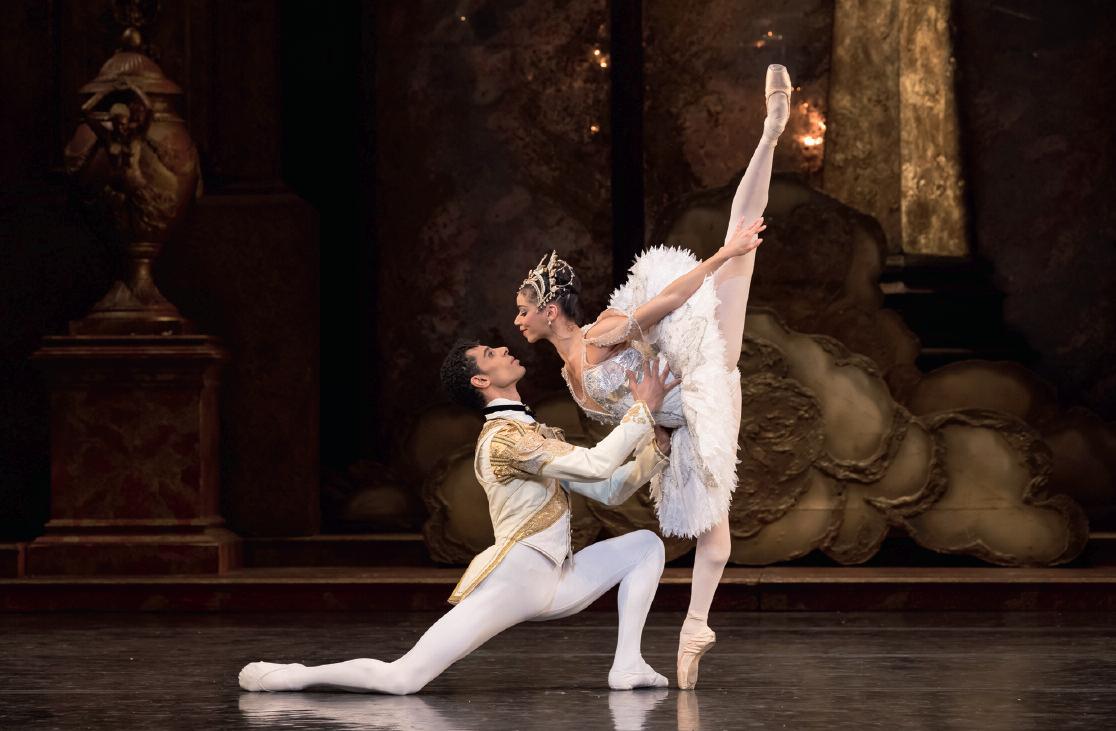
Cursed by a wicked fair y, a beautiful princess pricks her finger and falls into a deep sleep that can only be broken by true love’s kiss... Birmingham Royal Ballet's beautiful production of Sleeping Beauty arrives at the Hippodrome 18-20 April, with evening performances at 7.30pm and a 2pm Saturday matinee show. This adaptation of Sleeping Beauty was created by Sir Peter Wright, the genius behind the company ’ s famous The Nutcracker and Swan Lake It ’ s sure to be an enchanting experience for the whole family atgtickets com/br istol
Listen to poetry
The sixth edition of Lyra – Bristol Poetr y Festival takes place from 12-21 April, with this year ’ s festival themed around ‘Poetic Futures ’ There will be readings, performances, writing workshops, slam competitions, children's activities, film screenings, audio events, a visual and sound exhibition, panel discussions, installations and more Lyra has BSL, captioned, free and live-streamed events. Highlights include Bristol Bonds: Poetr y Exhibition at Bristol Beacon; We W ill Read U: Q ueer Futures; Family Poetr y Workshop – L etter Writing; Black Writers, Reflections on the Road; and Romantic Bristol Walking Tour, Women Writers lyrafest.com
Take on a nature challenge
City Nature Challenge is an epic global mission to record as much wildlife as possible over four days, from 26-29 April Join forces with more than 450 other city regions to collect records of biodiversity Take photos of plant, animal, or any evidence of fe found in and around Bristol, then, upload your photos to the free iNaturalist app or website anytime between 26 April and

5 May, so that they are included in the total count It's fun to get out there, spend more time in nature, and see what wildlife you can find Your record could turn out to be rare species...
turechallenge.org.uk

Hear all about Hedda
Here To There
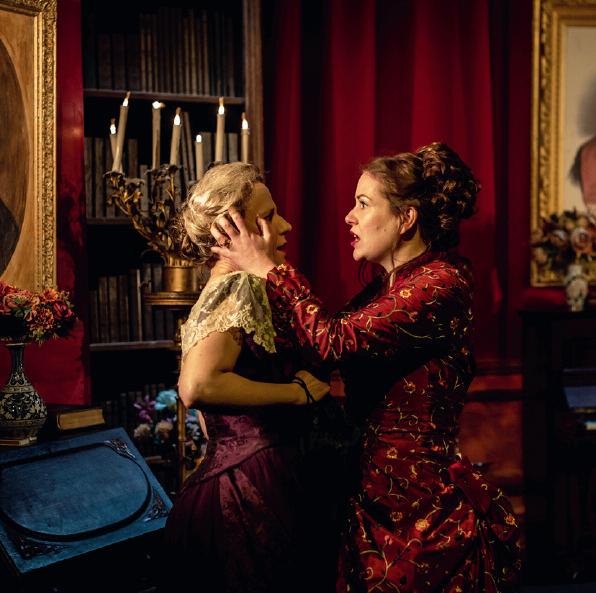
Productions is taking its inspired adaptation of Henrik I bsen’s c lassic stor y Hedda out on the road with a 27-date tour, visiting Tobacco Factor y Theatres 17-20 April.
Written by the company director Andrew W hittle, this exciting new interpretation of one of theatre’s most revered plays has been hailed a triumph by both critics and audiences alike This complex tale of female power, jealousy, manipulation, drunkenness, sexual weakness and competition between the sexes shocked audiences in the 1890s, yet still resonates with audiences today. tobaccofactor y theatres.com
8 THE BRISTOL MAGAZINE | APRIL 2024 | No 233 ZEITGEIST I m a g e c r e d i t : B i l l C o o p e r


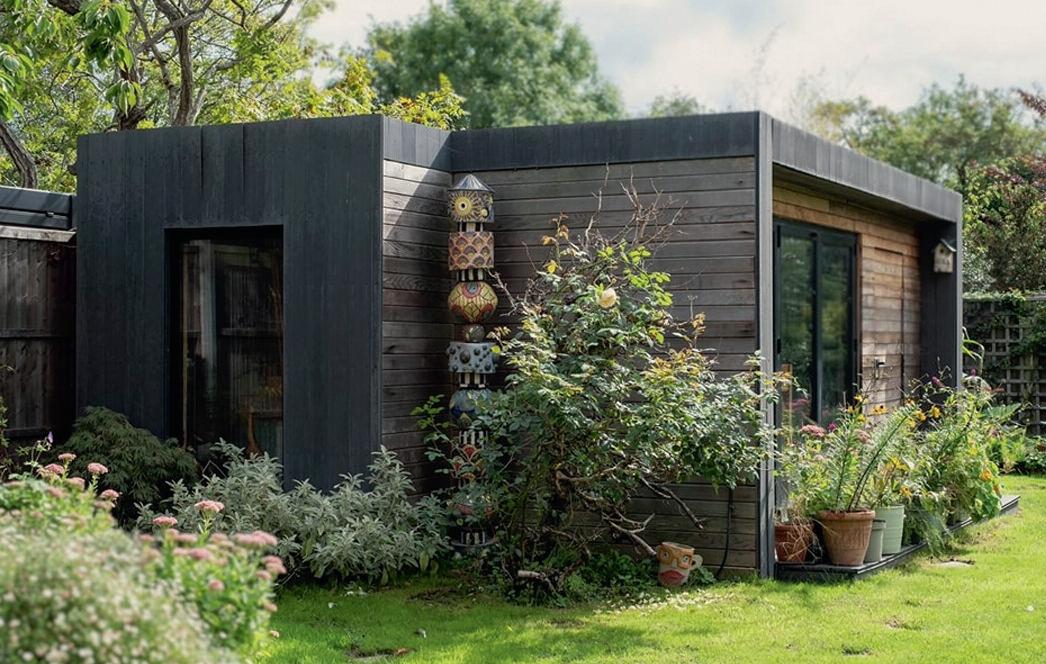
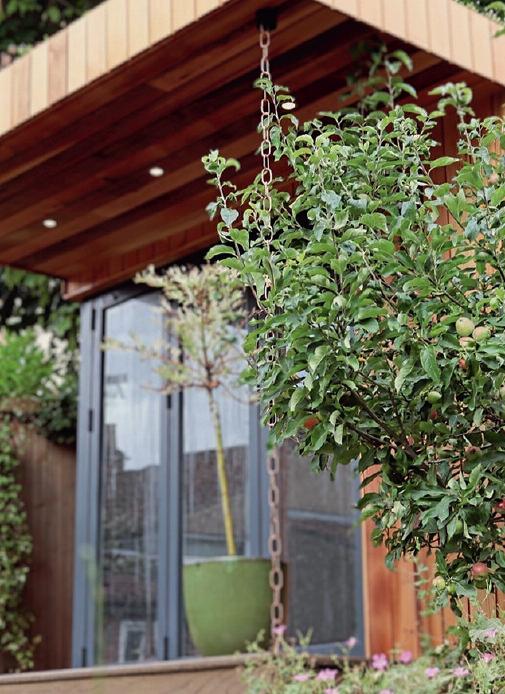
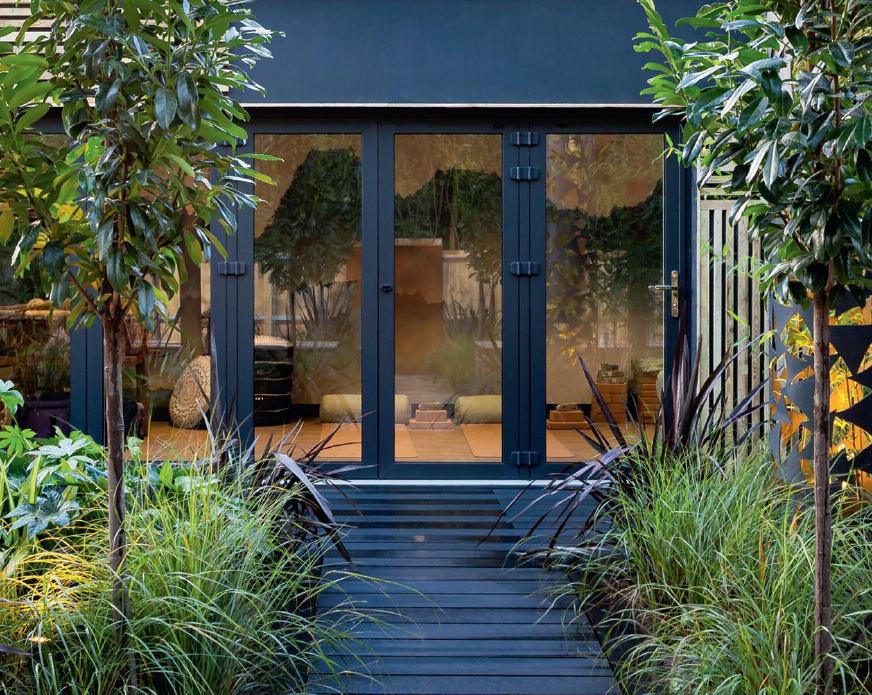

Known for Bristol garden ro oms, but we're s o much more... Design & Build • Lands caping • Interior/Exterior Design BGR Designs bgrdesigns.uk info@bgrdesigns.uk Tel: 0117 256 5021 As seen on the
The Cityist
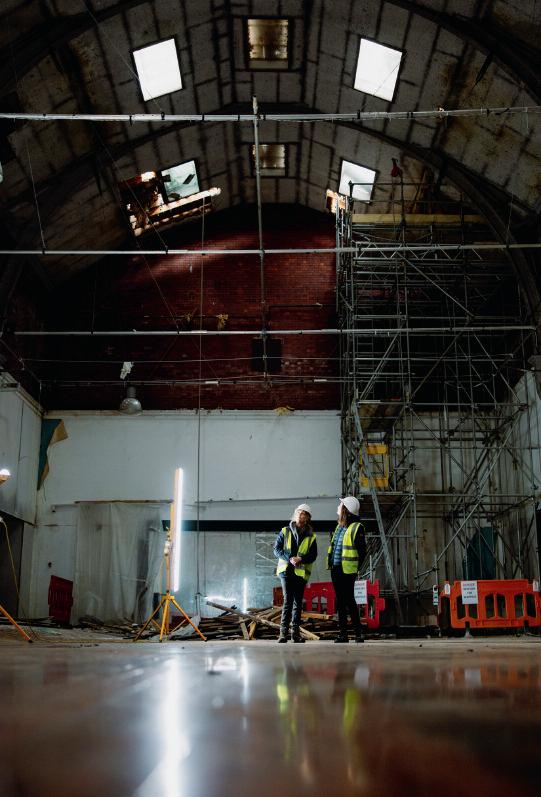
Historic England helps fund Jacobs Wells Baths repairs
Jacobs Wells Baths in Hotwells, will benefit from a grant of £56,895 from Historic England that will see emergency repairs made to the Grade II-listed building The works, which have recently begun, will prevent further deterioration of the external fabric, including the roofs, gutters and downpipes, and highlevel masonry, in preparation for a phased repair scheme to begin later in the year The funding will also support surveys of the highlevel stonework to inform the main repairs Led by Trinity Centre (as reported in The Bristol Magazine February 2024 issue), the vision is to develop and deliver a regeneration scheme in keeping with the venue ’ s dance heritage which will see the centre reopening as a vibrant community arts hub to include much-needed youth provision and services Anyone interested in supporting the project can donate via the Fundsurfer appeal.
trinitybristol.org.uk
My Bristol
Meet Jamie White, chair of inclusive rugby club Bristol Bisons
I g rew up in town called Malmesbur y. It ’ s about 45 minutes away and I’d lived there all my life. But I came to Bristol a lot – when you are part of the LGBTQ+ communit y and living in the countr yside, you need to find people that are like you Bristol is amazing for inclusivity and diversity ; it ’ s one of the friend liest cities I’ve ever been to I work in PR – at the amazing Wonderland Comms – and with Bristol also being such a creative hub, the cit y gave me opportunities professionally and socially, so I moved to Bristol in 2019 and now live in the Paintwork Arnos Vale.
My dream dinner party guest is Freddie Mercur y. I wouldn’t be here without him My mum and dad met at a Q ueen concert in Wembley in 1986, by chance. They got together after the show, I was born five years later and they ’ re stil together now He’s always bee big part of my life
inc luding myself – to hold back from sport Interestingly, when you speak to a lot of the Bisons, they share a similar stor y and have only played rugby again since joining the team. I first found out about the Bisons when I was handed a leaflet at the team’s stand during Bristol Pride in 2016 Finding a team that celebrates inc lusivit y, made me want to get involved even more S o, when I finally moved to Bristol, I attended one of the regular open days for new members And I haven’t looked back

I’ve made a lot of fr iends since joining the Bisons and through playing r ugby And that goes beyond just training together. At the weekend or after a match, you ’ ll often find us heading to queer spaces in the city, such as Old Market, which still has a strong LGBTQ+ scene and community This includes Bristol Bear Bar which is run by some of the most welcoming people I know and is a fantastic sponsor of our team A particular favourite there is the monthly Camptastic, hosted by the incredible Aled, also well-known as Bristol drag queen Miss Beaver. Beaver plays a big part in supporting the LGBTQ+ scene in Bristol, having helped co-ordinate one of the biggest stages at Bristol Pride – the Cabaret Stage – for over 10 years Not only that, they ’ re a huge supporter of the Bisons and someone I find incredibly inspiring and lucky to call a friend
As a youngster, I knew I had the r ight build for r ugby but always had a lack of self-confidence to take it seriously.
For a lot of queer individuals, we still have those memories of PE at school, which can cause us –
Luke Mitchell
r istol Bisons team has seen a of change over the years.
This is the c lub’s 18th season since starting in 2005 One friend, who has been part of the team for over 12 years, has seen at least 300 people come and go during that time. The c lub has always been there for people for however long they need it. W hether they ’ re only in Bristol a short while or staying for r, it ’ s a place that gives you a safe space to be yourself If you told me five years ago that I’d now be chair, I wouldn’t have believed you!
In the last 12 months, we ’ ve g rown from 45-50 members to just over 90, almost doubling our membership.
This is for a mix of reasons, but fundamentally we think it ’ s because people are reassured by our safe, open, and inc lusive environment We now have members from all different sexualities, genders, ages, and backgrounds, across two full contact teams, as well as a more recent and growing touch team [a no contact team for any gender and any experience].
It ’ s been a whirlwind, but it ’ s been amazing to see such growth! And we want that to continue - we ’ re flipping the trend of many rugby c lubs who are losing members, while we ’ re gaining them And we want to help others by continuing to get our voice out there
To find out more about Br istol Bisons and for infor mation on the team’s new strateg ic par tnership with Br istol Bears, encourag ing fur ther inclusion in r ugby, follow them on social media @bisonsrfc. Or visit bisonsrfc.co.uk.
10 THE BRISTOL MAGAZINE | APRIL 2024 | No 233
I m a g e : K o l a b S t u d i o s / A l a s t a i r B r o o k e s


‘Rave On for the Avon’ river documentary released at premiere
The much-anticipated documentar y Rave On for the Avon, by EightySita Productions, premiered on 23 March at PY TCH’s hangar venue in Brislington.
The movie showcases a diverse range of people who both cherish and defend the river, highlighting the significant losses that could result from ongoing pollution of the Avon It aims to convey a pressing message about the critical state of the River Avon and how much locals rely on it for health and wellbeing
It is a Bristol community stor y, ser ving as a call to action for audiences to advocate for policy reforms in the UK and internationally.
If your community group is interested in hosting a local screening of Rave On for the Avon, then sign up to the mailing list on the production company ’ s website, which will share more details when this opportunity becomes available eightysita.com/raveonfortheavondocumentar y
Bristol-based authors publish new books

Teacher-turned-author Tom Allen (tomallenauthor co uk) of Bishopston has released his debut book for 9- to 12-year-olds via Troubador Publishing. The Life of RileyUnbreakable is football-fiction with a soul. His book is inspired by the tragic passing of a friend who left behind his wonder ful wife and three amazing children, focusing the main character's battles on the football pitch and in dealing with his mum's terminal diagnosis Ultimately, it's the power of spor t and the relationships it provides that gives Riley the strength to succeed.
Meanwhile, Richard Graves (theswinging60s.com) of Totterdown, has released a book called Nicky Samuel: My Life and Loves about the beautiful heiress who left school at the age of 16 and got caught up in the world of Sixties London
Bristol-based Bruce Fellows’ (bookguild.co.uk) latest novel follows the downfall of the Third Reich from the perspective of a non-Nazi Luftwaffe fighter pilot, inspired by the life of Hans-Joachim Marseille Rich in historical detail and featuring exciting combat scenes, The End of It explores the life of a man with humanity who finds himself forced to defend a countr y, his own, whose regime is morally indefensible – a situation many people may be facing in Russia today.

British National Hot Air Balloon Championships to be held at 2024 Fiesta
The Bristol International Balloon Fiesta will host the longstanding British National Hot Air Balloon Championships ( The Nationals) this year While the main Fiesta will take place over three days, from Friday 9 to Sunday 11 August, the competition will run from Tuesday 6 August to Sunday 11 August The Nationals will be an addition to the Fiesta’s new ‘Fiesta Week ’ community launch programme, providing people with more chances than ever to see balloons in flight, weather permitting. The Nationals, which began in the 1970’s, will see approximately 15 teams of balloonists take flight twice daily, flying over the city and surrounding areas This is the first time the competition has taken place in Bristol bristolballoonfiesta.co.uk
Suspension Bridge refurbishment works
A major programme of refurbishment and maintenance for the ongoing conser vation of the Grade I-listed Clifton Suspension Bridge will begin in April with a landmark project from engineering firm Taziker to protect the historic wrought iron chains The work is set to keep the ironwork in top condition for at least another 20-25 years As the existing lighting needs to be removed to enable the bridge structure to be insp and repainted, the Clifton Suspension Bridge Trust will also install a cutting edge, environmentally-friendly and sustainable lighting system, which follows the completion of an extensive consultation and planning process.
cliftonbridge.org.uk

THE CITYIST
I m a g e c r e d i t : M o l l y G o s n e y
12 THE BRISTOL MAGAZINE | APRIL 2024 | No 233




Publisher Steve Miklos
Email: steve@thebristolmagazine co uk
Financial Director Jane Miklos
Email: jane@thebristolmagazine co uk
Editor Rosanna Spence
Tel: 0117 974 2800
Email: rosanna@thebristolmagazine co uk
Assistant Editor/Web Editor Jasmine Tyagi
Email: jasmine@thebristolmagazine co uk
Production Manager Jeff Osborne
Email: production@thebristolmagazine.co.uk
Advertising Sales Liz Grey
Email: liz@thebristolmagazine co uk
For advertising enquiries please contact us on: 0117 974 2800
Email: sales@thebristolmagazine.co.uk
The Bristol Magazine is published by MC Publishing Ltd An independent publisher
Every month The Bristol Magazine is hand delivered to more than 15,000 homes in selected areas We also deliver direct to companies and businesses across the city. Additionally there are many places where we have floor-stands and units for free pick-up:

16 THE BRISTOL MAGAZINE | APRIL 2024 | No 233
The Bristol Magazine Tel: 0117
www thebristolmagazine co uk © MC Publishing Ltd 2024 2 Princes Buildings, George Street, Bath BA1 2ED Disclaimer: Wh lst every reasonable care s taken with all materia subm tted to The Bristo Magazine, the pub isher cannot accept respons bil ty for loss or damage to such mater al Opinions expressed in art c es are str ctly those of the authors This publ cation is copyr ght and may not be reproduced n any form either n part or whole w thout written permiss on from the publ shers Contact us: T H E B R I S T O L M A G A Z I N E
974 2800











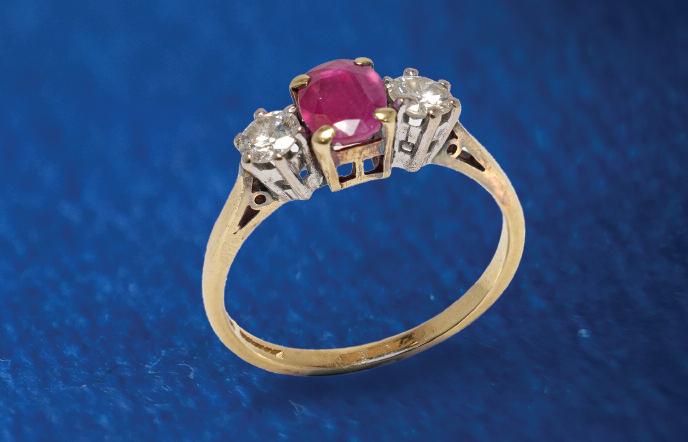




















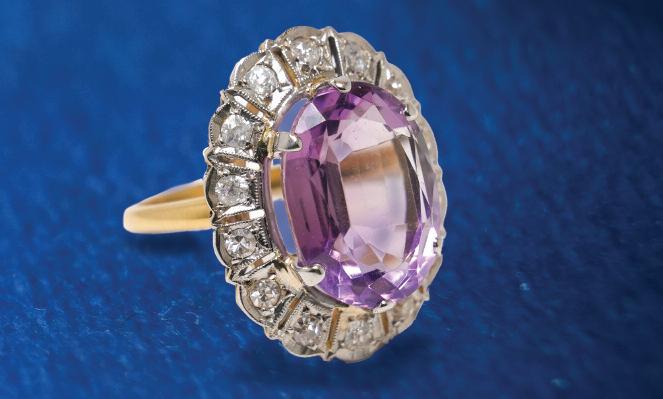
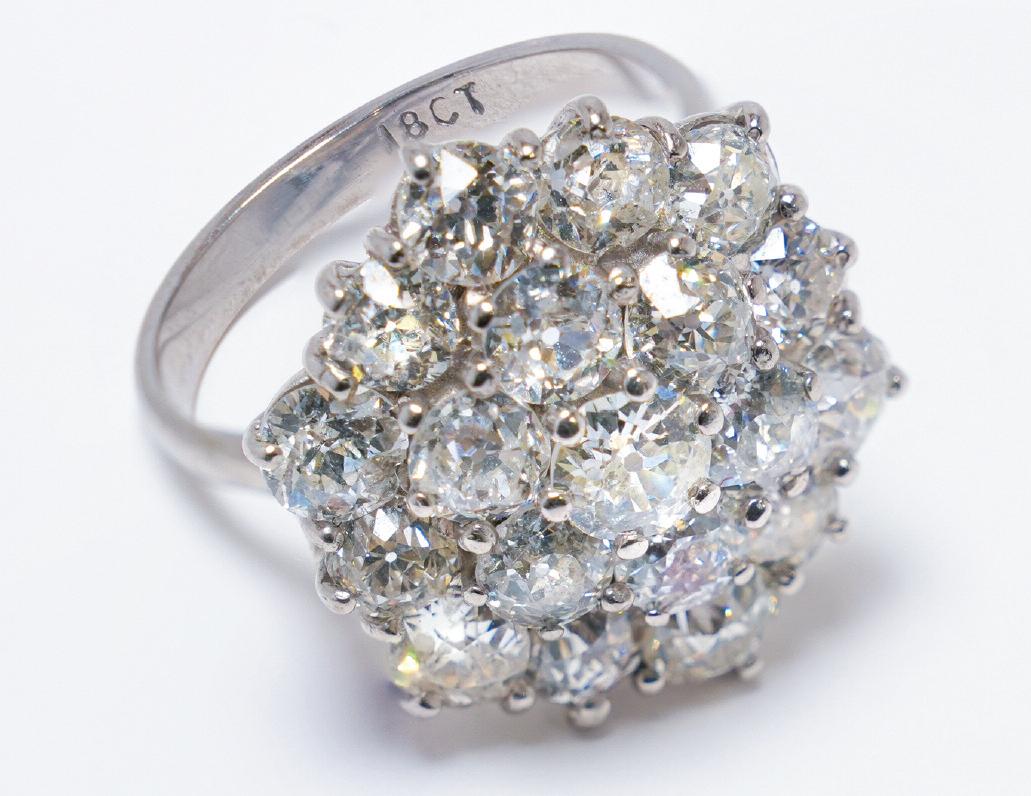
Over 20 years as Bristol’s ost co pet t e je e e app o a t e g st eet p ce We trade on the lowest margins to bring you the very best prices in quality Diamonds B eautiful Antique and Vintage Jewellery Jewellery Design and Commissions • General Repair • Restyling of Jewellery • Valuations 2 Clif ton Arcade, B oyces Avenue, Clif ton, Bristol B S8 4AA Tel: 07877 633 030 5 stone Diamond ring Precisely 1 62ct diamonds Colour GH VS2 In18ct Gold or Platinum Our Pr ice: £2,450 Avg high street price: £4,500 1 43ct Diamond solitaire Colour H Set in Platinum Our Pr ice: £5,750 Avg high street price: £12,500 18ct half eternity ring 50 points of diamonds Good colour Our Price: £1,250 Avg high street price: £1,850 3 stone Diamond ring Approx 1ct diamonds set in18ct Gold Our Price: £1,850 Avg high street price: £2 550 Ruby and Diamond 3 stone ring Centre ruby approx 1ct Total weight of diamonds 70 points Our Price: £1,250 Avg high street price: £2 650 Amythist and Diamond cluster 12ct Amythist with total 3/4ct diamonds Our Price: £1,450 Avg high street price: £2 450 Rings in sto ck from £200. Use your gold against the purchase of any of our jewellery and we’ll offer you £3 per gram above the gold price on the day. We also wish to buy gold 40 Years Te r r y C o x Clif ton Village Antiques Deco design, Ruby and Diamond cluster r ing Set in Platinum. Centre Diamond - 50 points Our Pr ice: £3,750 Average high street pr ice: £7,000 *According to our regular clients. All items in stock on day of going to press. ly in ... rtifie nd –r D, £8,5 Average high str price:

Polish & Simplicity
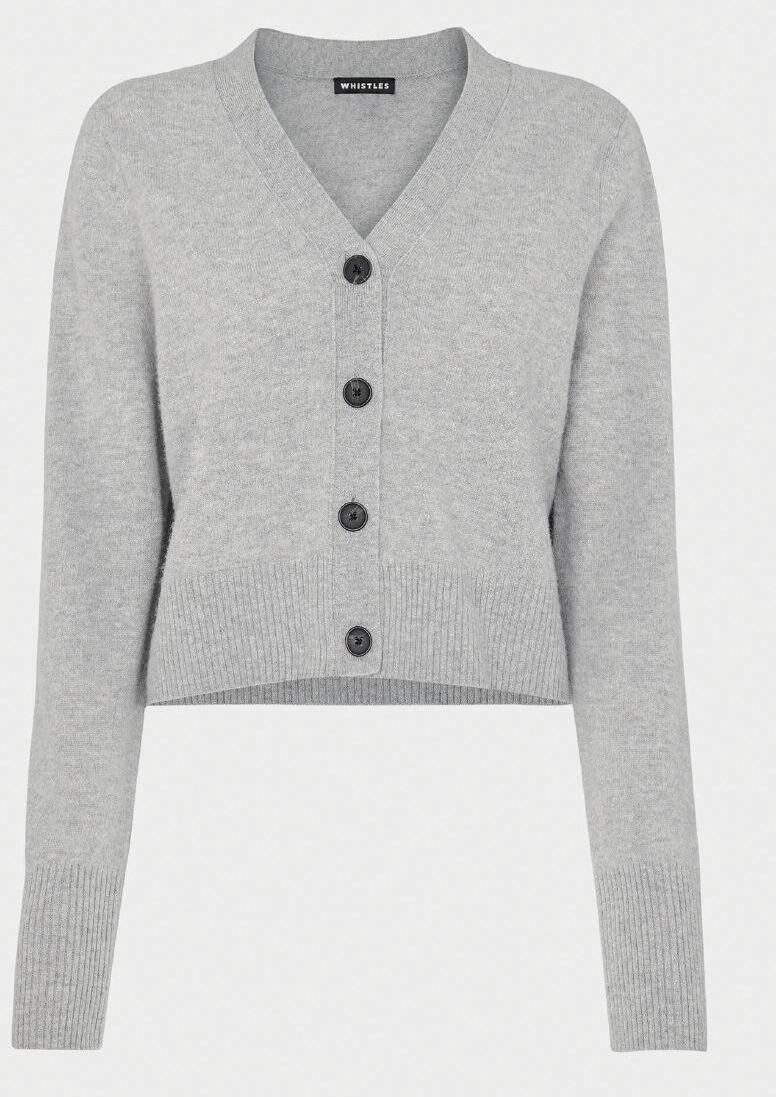
Spring/Summer 2024 at Whistles brings a return to effortless and versatile staples. Instilled with a refined, grown-up elegance, the collection arrives to celebrate everyday styles and elevate them to new heights. whistles.com
18 THE BRISTOL MAGAZINE | APRIL 2024 | No 233 FASHION
Rita Luxe Blazer, £159s
Rita Luxe Waistcoat, £109s
Rita Luxe Elasticated Trousers, £119s




















 Bibi Crossbody0 Bags, £1290
Petite Estella Shirt £159e
Denim Mini Skirt, £790
Limited Addie Heeled Sandal, £1890
Isle of Eden Sienna0 Sunglasses, £1150
Wool Croppedm V Neckm Cardigan, £1o9n
Enamel Oval Hoop Earrings, £35
Coffee Bean Blouse, m £89n
Square Bucklen Belt, £ 59ns
Rib Collar Cardigan0 £1190
Bibi Crossbody0 Bags, £1290
Petite Estella Shirt £159e
Denim Mini Skirt, £790
Limited Addie Heeled Sandal, £1890
Isle of Eden Sienna0 Sunglasses, £1150
Wool Croppedm V Neckm Cardigan, £1o9n
Enamel Oval Hoop Earrings, £35
Coffee Bean Blouse, m £89n
Square Bucklen Belt, £ 59ns
Rib Collar Cardigan0 £1190




THEBRISTOLMAG CO UK | APRIL 2024 | THE BRISTOL MAGAZINE 21
The Guangzhou gift
An award-winning Chelsea Flower Show garden is leading the way in environmental sustainability as it takes root here in the city. Nicholas Wray, curator at the University of Bristol Botanic Garden, tells us more about the upcoming Guangzhou Garden opening
In southern China, within the Guangdong province, an enormous mega cit y with a population of 15 3 million people is bonded in ‘sister city ’ friendship with Bristol. This relationship between Bristol and G uangzhou was cemented in 2001, when a sister cit y agreement was signed, and then fur ther strengthened in 2013 through the signing of a new Bilateral Agreement between the two city governments Both agreements were facilitated by the Bristol & West of England China Bureau
Throughout this time cultural exchanges, gif ts, and ceremonies have strengthened the bond, and, in 2021, the city of Guangzhou gif ted to the citizens of Bristol its multi award-winning RHS Chelsea F lower Show 2017 Garden. The Guangzhou Garden, which won a prestigious gold medal and was crowned best in show, was designed by Peter Chmiel with Chin-Jung Chen of Grant Associates in Bath.
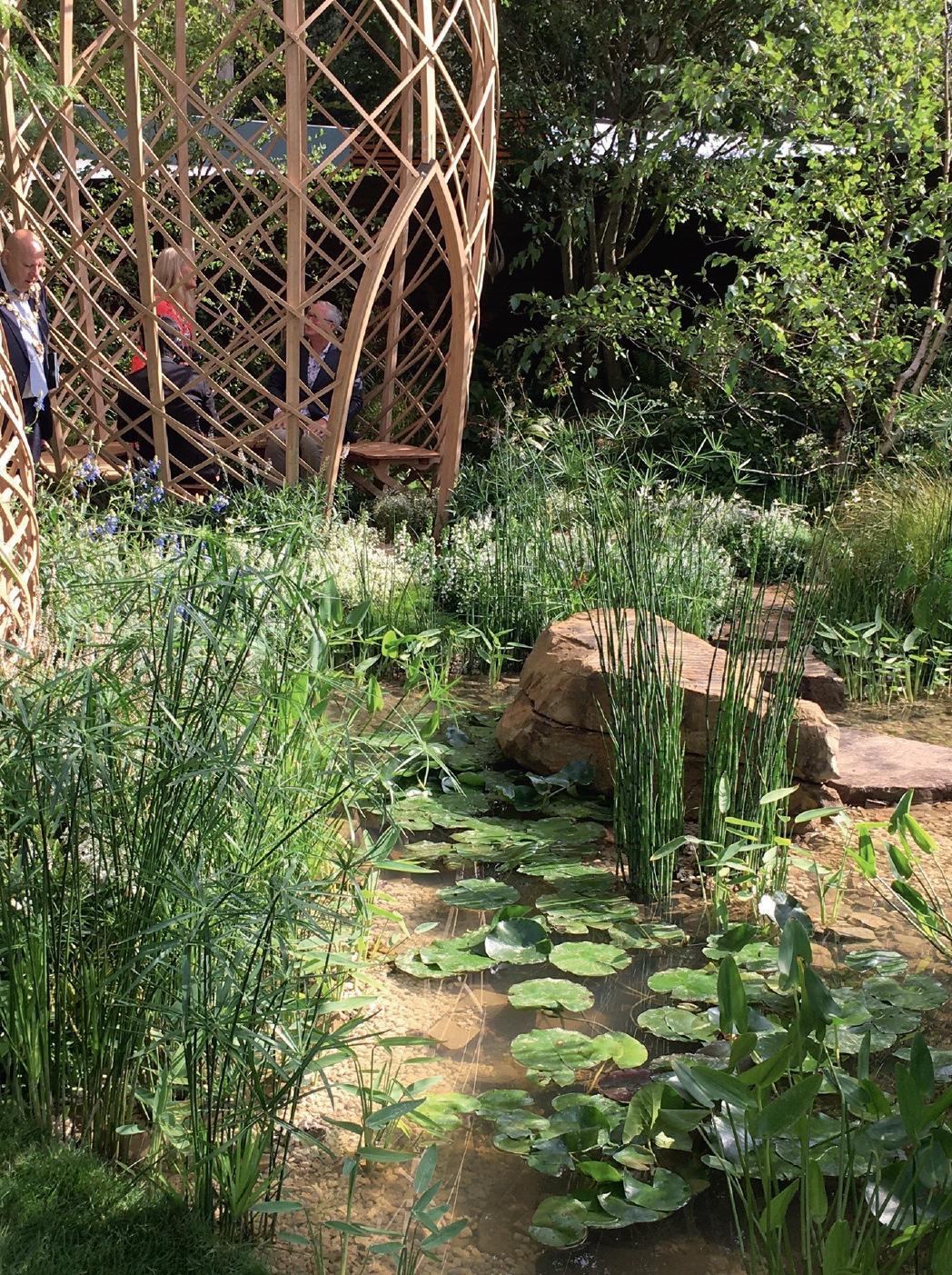
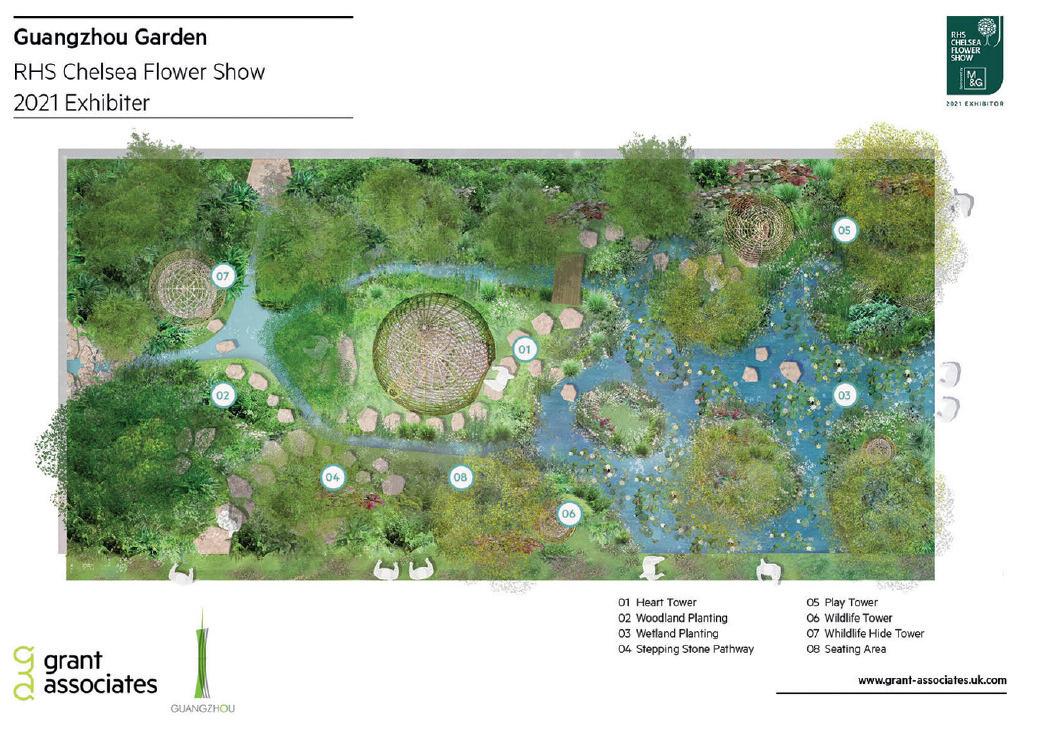
It was inspired by a philosophy of reconnecting people and nature, while also highlighting the benefits of responsible cit y planning and sustainable use of natural resources, particularly water The entire prizewinning garden has been rebuilt here at the Universit y of Br istol’ s Botanic Garden
Inspired by the holistic landsc ape ste wardship programme of environmental planners in Guangzhou, the garden features a pool of water, trees, shr ubs, shelters, green foliage, and moisture loving perennials inc luding plants in the ginger family. The plant mix from the Chelsea F lower Show Garden was not relocated to Bristol as some of the semi-mature trees were over a ton in weight Instead, the planting list has been reimagined to feature plants entirely Chinese in origin
The propagation project
Staff at the University ’ s Botanic Garden have been propagating plants from the garden’s extensive Chinese plant collections and networking with other botanic al collections and specialists’ nurser ies to create a planting design that reflects the appearance of the luxuriance of the subtropic al flora of G uangzhou This is a challenging task as Br istol’ s c limate is temperate
Careful understanding of the garden’s microc limate will enable some plants to be cultivated throughout the year, but with 10% of the garden being lif ted in autumn and placed under winter protection, this has allowed a diverse collection of Chinese plants to be planted In time as the garden matures, a sub-tropical garden will appear.
This will inc lude the largest e vergreen hardy plant that c an be cultivated outside in the UK, Delavay ’ s Magnolia, Magnolia delavayi. Growing in the forests of southwest China, this handsome species has large, up to 40cm long, matt, dark green leaves, which are grey-green on their underside The plant is a welcome sight in winter when its handsome evergreen foliage is at its most prominent In August, huge, creamy-white flowers with thick, waxy petals appear These are highly fragrant, particular ly at night and are borne in succession until the end
of September This plant turns heads when in flower as each bloom can be as much as 30cm in diameter and fill the evening air with scent
Chinese trees
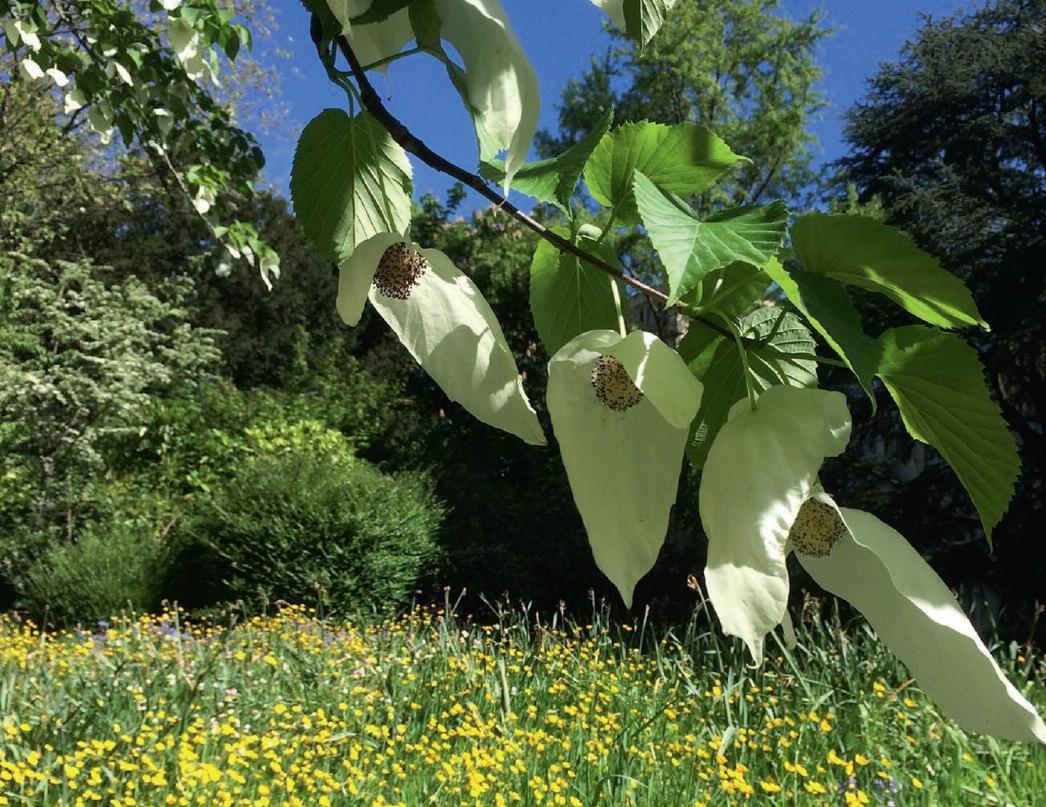
Other trees will form a canopy and provide shade, one beautiful Chinese tree grown here is the Handkerchief (or Dove) tree Davidia involucrata Native to south and eastern China, it is found growing in mountain forests in Northern Yunnan, Sichuan, Guizhou, West Hubei and West Hunan provinces Its scarce in the wild and listed by the International Union for the Conser vation of Nature as a ‘red data’ species Habitat loss has seen its numbers drop The genus Davidia has onl y a single species and is scientifically named af ter Father Armand David (18261900), known as Pere David, a French V incentian Missionar y who lived in China. He sent the first dried specimens to Paris in 1869.
The tree has handsome fresh green heart-shaped foliage F lowers are borne in compact, roughly spherical reddish purple-brown heads, about


22 THE BRISTOL MAGAZINE | APRIL 2024 | No 233
UNIVERSITY OF BRISTOL
The Guangzhou Garden at the Chelsea Flower Show

2cm in diameter. These are backed by a pair of huge paper y white bracts, the longest being up to 30cm in length Bracts and flowers emerge together in late spr ing, usuall y May, and flutter in the breez e giving r ise to the common name Handkerchief (or Dove) tree In the wild, trees growing in forests can reach 30m tall Despite this large size, trees in Britain are widely planted in gardens and this handsome tree will make a big impact when it starts to flower in the Guangzhou Garden
Forming an upright scrub is the Chinese Angelica, Aralia elata. This large shr ub is widespread across most of China, Korea, Japan and the Russian Far East. It grows in forest margins, thriving in shade, but will also grow in sun It has long been cultivated both in China and Japan for its architectural foliage and stems which have ornamental value in summer and winter These erect stems have grey bark with prickles reaching heights to 2 to 4 metres The handsome foliage is double-pinnate and up to 120cm long giving it a delicate and lightweight appearance In autumn, foliage fades to pale yellow before falling, leaving the erect stems F lowers are small, white and produced in large numbers in a huge open head. If pollinated a small black fruit appears. This beautiful shrub is so useful in urban gardens and with its cultivation histor y going back thousands of years it rewards with interest for all who grow it


The G uangzhou Garden contains a fossil tree, the Dawn Redwood, Metasequoia glyptostroboides This is an unusual conifer as it is deciduous, with sof t feather y green foliage that turns bronze in autumn It was first described by Dr Shigeru Miki from Kyoto University from 150 millionyear-old fossils of the Mesoz oic era Dr Miki noticed its divergent leaf form was different to those of the known sequoia tree and in 1941 he named his findings Metasequoia.
The tree, which is still threatened from illegal logging in its native China, is now commonl y planted around the wor ld In addition to its beauty, particular ly when autumn foliage turns rusty-red, it has practical qualities and is now being planted as a street tree, because it tolerates poor soils, compaction, and its leaves rid themselves of dirt deposits by falling in autumn The tree is planted now as a street tree in Bristol and can be seen in the central reser vation on the A4018, heading North to Old Crow roundabout in Westbur y-on-Tr ym, and large specimens can be seen as street trees on L ower Ashley Road. This tree is associated with water, but can sur vive dr y soils too.
Balancing nature with city planning


The garden also highlights the benefits of responsible city planning and how planners must work in harmony with nature to better connect people with the natural world W ith a focus on climate change, it's an eco-garden with an aim to make a difference The Universit y of Bristol has strong relationships with universities in G uangzhou and cities across China Around 3,400 Chinese student ’ currently study at the University each year and make Bristol their home. This new Guangzhou Garden, together with our existing Traditional Chinese Medicinal Herb Garden, will help our Chinese students feel at home and provide a focus for workshops, tours and a sharing of knowledge n
T he new Guangzhou Garden will for mally open Wednesday 1 May by the university ’ s vice-chancellor and president Professor Evelyn Welch T here will be a shor t talk by the desig ners Peter C hmiel and C hin Jong C hen from Grant Associates of Bath, who desig ned the multi awardwinning g arden, and students from the Br istol C hinese S tudents Association will join the opening. Botanic Garden curator Nicholas Wray will explain about the use of the new planting and how the garden has been adapted to its new Br istol home.
botanic-g arden.br istol.ac.uk
UNIVERSITY OF BRISTOL THEBRISTOLMAG CO UK | APRIL 2024 | THE BRISTOL MAGAZINE 23
Chinese Angelica
The Hankerchief tree
Horticulture on the high seas
Brunel’s SS Great Britain has a new botanical installation celebrating the Australian roots of the English Garden










Living plants have retu




– Bristol’s number one visitor att n 150 years


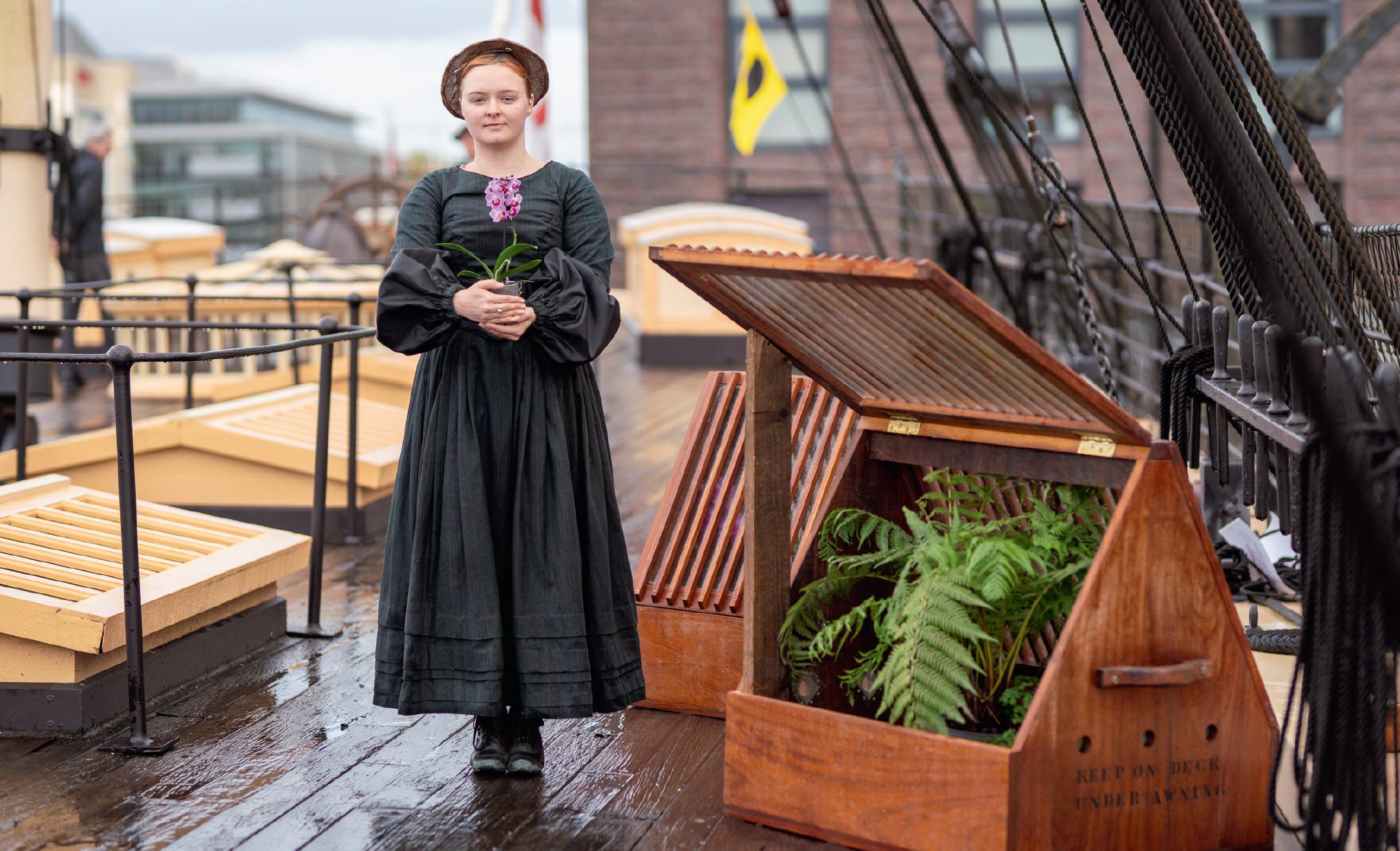
The ship's weather deck now displays six beautifully reconstructed Wardian cases for visitors to explore Wardian cases were mini glass houses which, in 1833, were adapted to transport living plants on the decks of ships across the oceans
In its day, the SS Great Britain transported royalty, nobility, and sports stars alike. But this year, the team behind the iconic vessel is marking the ship's role in horticultural histor y by celebrating its lesser-known plant passengers The modern-day cases are replicas of the last sur viving ship-board example designs, which are kept in the Kew Gardens archive The cases celebrate the inbound and outbound plant species that the ship transported across the world between 1859 and 1875
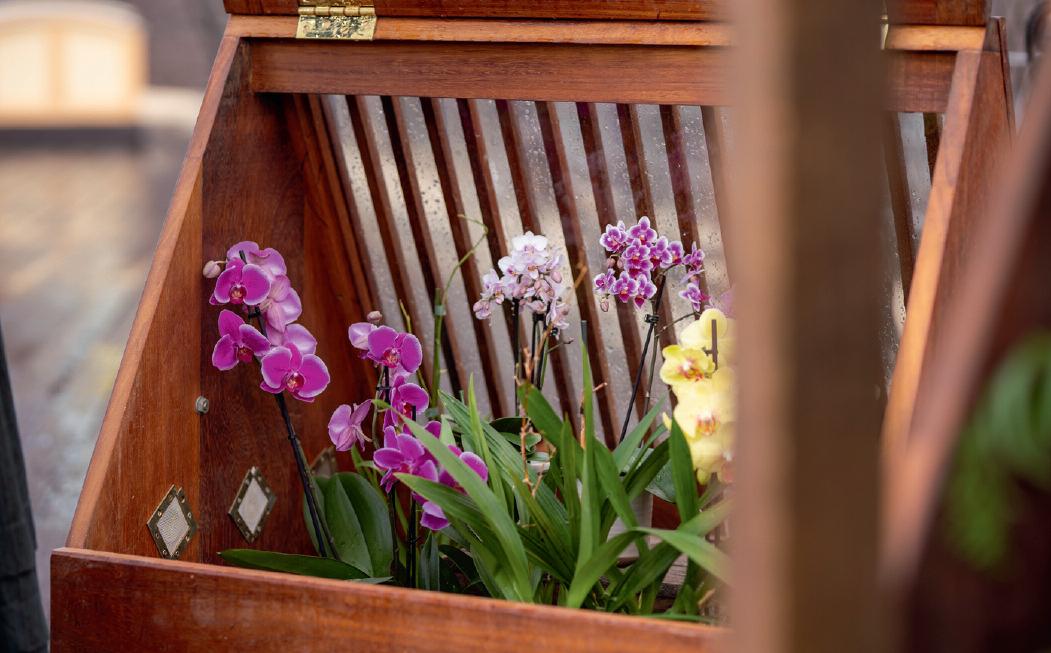
As the fastest ship travelling to Australia in her day, many traders (nurser y workers, plant-hunters and botanists) used the SS Great Britain to transport their precious cargo across long distances Antipodean ferns and tree ferns, hugely popular in the conser vatories and glass houses of V ictorian Britain, were of ten transported on the ship The SS Great Britain also carried orchids, which could command huge prices as ornamental pieces at the time.
Explore extraordinary Wardian cases
Thanks to new research from the Brunel Institute, which studied the ship’s cargo manifests, each case has been planted with a true-to-life ‘order’ to make the global crossing The innovation of the Wardian case revolutionised long-distance plant transport Each sealed case created its own microclimate, allowing the flora to sur vive despite only being watered once during a two-month crossing
Alongside exploring the Wardian cases, visitors to Brunel’s SS Great Britain can enjoy a new botany-themed ‘discover y talk’ and participate in horticultural workshops throughout the year. The ship will also add a ‘ botanist ’ s cabin’ to its museum, depicting the sights, sounds and smells of life on board, and highlighting the important work and research of V ictorian botanists and ‘plant hunters’
Jane Porter, award winning garden designer based in Bristol who has planted up one of the Wardian cases, says: “Ferns are one of the most exciting signs of Spring as their fronds unfurl after a long winter Many of the plants we cherish and associate with Britain are not native species and were actually imported from across the world. The SS Great Britain transported many of these plants from abroad which then became intertwined with our cultural heritage
EXHIBITION
24 THE BRISTOL MAGAZINE | APRIL 2024 | No 233
A Wardian case
“ The Wardian case was a considerable innovation of its time, and it is remarkable because it allowed plants to thrive with minimal maintenance. The closed environment created a microclimate that sustained the plants during long sea voyages. I've been fascinated to learn about the different species of ferns transported between the UK and Australia D uring the V ictorian era, SS Great Britain played a crucial role in the 'fern fever', that gripped the countr y and became a status symbol for wealthy families ”
Giving Darwin a helping hand
By enabling the global migration of plants, the SS Great Britain connected key botanists, entrepreneurs and ‘plant hunters’ from across the wor ld. The plants that the SS Great Britain transported inspired some of our most famous thinkers. It ’ s thought that the Australian orchids, which supported Dar win’s theor y of evolution, were sent to his home in Kent via the SS Great Britain
“ We’re so excited to bring the horticultural histor y of the SS Great Britain to life for the first time,” adds Iona Keen, Head of Interpretation at Brunel’s SS Great Britain “ V isitors can immerse themselves in the untold botanical stor y of Brunel’s famous ship and discover the delights of our Wardian cases.
“Each has been faithfully restored with the help of our partners from across Bristol’s growing communities, and collectively, they offer a fascinating insight into the floral favourites of the V ictorians O ur new exhibits provide insight into just how significant the use of Wardian cases and steamships were as living plants started to be moved between continents for the first time ” n
T he permanent botany exhibits can be visited now on the weather deck of the SS Great Britain. Purchase tickets at ssg reatbritain.org/tickets
F E R N
Award-winning Bristol-based gardener Jane Por ter (@plantyjane), who worke on the new installation, shares her top tips for planting ferns at home:
“As a passionate gardener, I am drawn to ferns because they are so useful for tricky, shady spots Impor ted species offer lovely pops of colour and can brighten dark spaces in your garden and home, meaning dark, shaded areas need not be neglected. Consider pairing ferns with white -flowering plants that bring light to shadowed spaces
“My favourite ferns are Dr yopteris er ythrosora and Athyrium niponicum ‘Metallicum’
Dr yopteris (the ‘copper y mar vel’)
“New fronds emerge in copper y tones which adds interest and looks great paired with ‘antique’ tones of plants such as Hellebores
Remark ably easy to care for and tolerant of sun so it can be used in a range of situations It is semi- evergreen, so it keeps its foliage yearround in a sheltered spot. It boasts a classic eleganc foil for other shade tolerant planting
Athyrium (the ‘silver illuminator ’)
“ This is a fern that catches the light even in the dark corners Its ethereal beauty boasts silver-toned fron Athyriums harmonise with delicate flowers like Astrantias, for an understated, calming atmosphere




- T
S
C P L
S
A
T I
A N T
THEBRISTOLMAG CO UK | APRIL 2024 | THE BRISTOL MAGAZINE 25
EXHIBITION
The exhibition includes a talk and workshops
What’s On
Our guide to some of the best things to see, do and experience in and around Bristol this month

Quiz night at the Tobacco Factory
n Every Wednesday, 8-10pm
Join ‘Hostess with the Mostess’ @bucksquizz for saxophone-based shenanigans, laughs, and a cash money priz e! Maximum six to a team £1 to enter tobaccofactor y com
The Stitching4All Show
n 4-6 April, 10am-5pm
Westpoint Arena, Clyst St Mary Exeter EX5 1DJ
This e vent is a must, with over 150 suppliers and exhibitors, plus workshops and demos (inc luding embroider y, dressmaking, felt ar t and papercraf t), as well as and quilt and textile display s. Restaurants and free parking on site. craf t4craf ters.co.uk
Antique, Vintage & Collectables Fair
n 7 April, 10am-3.30pm.
Ashton Court Mansion House, BS41 9JN F ine jeweller y, gold and silver, china, militaria, books, prints, paintings, vinyl V intage c lothing and accessories, furniture, watches, toys and lots more.
O ver 40 stalls all inside mansion house, Café ser ving teas, coffees, cakes £2 00 entr y, under 16s free
Misplaced Theatre: Doubt: A Parable
n 9-13 April, 8pm
The Alma Tavern & Theatre
Misplaced is excited to return to the Alma Tavern Theatre with John Patr ic k S hanley ’ s mesmer ising P ulitz er Pr iz e- and Tony Award-winning play Doubt: a Parable Made into a film with Mer y l S treep and the late P hilip S ey mour Hoffman, S hanley ’ s work is a lean, potent drama of suspicion and manipulation almataver nandtheatre.co.uk
Down for the Count Orchestra
n 17 April, 7 30pm
St George’s Bristol
A “sonic ride back to the sounds of Capitol Studios in the 1950s” (DownBeat Magazine). Expect to hear the music of Frank Sinatra, Ella F itzgerald, Judy Gar land, Nat ‘King ’ Cole, Pegg y L ee and many more brought back to life by some of the UK’s top jazz musicians and arrangers The orchestra and vocalists preser ve and protect the musical heritage of these great artists – but this is no mere nostalgia trip, as Down for the Count perform each song in their own unmistakable style, breathing new life into the best vintage music stgeorgesbristol.co.uk
Bristol Feminist Book Club April read n 18 April, 7pm
The ne wl y-launched book c lub’s Apr il session will be discussing the latest feminist read We y ward by Emilia Har t –a spellbinding stor y of three women from ver y different times but following a similar path. A fantastic oppor tunit y to meet likeminded individuals and del ve into thought-provoking discussions W hether you ' re a seasoned feminist bookworm or just dipping your toes into the genre, all are welcome Don't miss out on this empower ing and inspir ing e vent S earch for the Br istol Feminist Book Club e vents on: e ventbr ite.co.uk
Gala Dinner and Dance in aid of Brain Tumour Support
n 19 April, 6.30pm
De Vere Tortworth Court
Start your evening off with a 6 o 'clock gin with Fever Tree tonic in the towering Atrium bar, followed by a glamorous three course sit down meal designed by the executive chef. Soon after, a live auction will take place, including signed memorabilia from the likes of Liverpool FC and Bristol Bears Treat yourself to a magical firework display and dance the night away All live auction, raffle and 10% of bar spend on the evening will be donated to Brain Tumour Support devere co uk/tortworth-court
Booming Bitterns Guided Walk
n 21 April, 6am
RSPB Ham Wall
Did you know, it has now been just over 15 years since Bitterns first nested at RSP B Ham Wall? To celebrate this success stor y, join a walk around RSP B Ham Wall and listen out for the booming c all of male Bitterns, and tr y to spot them in the reeds or fl y ing overhead. L earn about the histor y of RSP B Ham Wall nature reser ve, and the conser vation work to help restore habitats for Bitterns A fun e vent designed to arm you with knowledge of the elusive Bittern and the wetlands habitat they live in Booking essential
e vents rspb org uk/e vents/63460
26 THE BRISTOL MAGAZINE | APRIL 2024 | No 233 BRISTOL EVENTS | APRIL
D own for the Count will per form a selec tion of 50s greats at St. George’s



THEBRISTOLMAG CO UK | APRIL 2024 | THE BRISTOL MAGAZINE 27
The King of Reggae
n 24 April, 7.30pm
Bristol Old Vic Theatre
R ush Theatre Company, the company that brought you the cr itic all y acc laimed RUSH - A Joyous Jamaican Jour ne y, br ings you its production The King of Reg gae - The Man - The Music Get ready to enjoy the songs of Bob Mar ley inc luding: One Lo ve, No Woman No Cr y and Is This Lo ve all played live on stage by the incredible The King of Reggae Band, as they tell the stor y of the man who brought Reggae music to the wor ld. br istololdvic.org.uk

Jazz in the Barn: UWE Big Band
n 26 April, doors 6 45pm
Winterbourne Medieval Barn, BS36 1SE
Join the award-winning UWE Big Band for an evening of jazz and swing favourites, from Nina Simone to D uke Ellington The 25-strong group of students, alumni, staff and community members representing the university (under the direction of Keith Morgan) has won three awards at the National Concert Band festival, held at Royal Northern College of Music, and performed with musicians inc luding L ouis Dowdeswell and the Ronnie Scott's All Stars winter bour nebar n.org.uk
Welsh National Opera - Season at Bristol Hippodrome
n Così fan tutte : 24, 26 April, 7pm Opera Favourites: 25 April, 7.30pm. Death in Venice: 27 April, 7.30pm
Bristol Hippodrome
Welsh National Opera ( WNO) returns to Br istol Hippodrome for a pac ked programme of c lassics star ting with two e venings of Moz ar t ’ s comic opera Così fan tutte, then a night of opera favour ites, featur ing a selection of the best-known pieces in the operatic wor ld The WNO season c loses on S aturday e vening with a haunting per formance of Benjamin Br itten’s dark and magnificentl y atmospher ic Death in Venice - based on the novella by German author Thomas Mann. atgtic kets.com/br istol
Bristol Film Festival: Brassed Off n 27 April, 3.15pm
Averys Wine Merchants
For Apr il's S creening Room selection, audiences are treated to Mark Herman's poignant comedy-drama Brassed O ff L ed by the incomparable Pete Postlethwaite, the film follows the journey of the Gr imley Collier y Band as they navigate their way through personal and collective str uggles against the bac kdrop of uncer taint y surrounding their loc al mine. Despite 40 years passing since the str ikes, the film remains a timeless por trayal of resilience, communit y and the power of music br istolfilmfestival.com/e vent/brassed-off


BRISTOL EVENTS | APRIL
28 THE BRISTOL MAGAZINE | APRIL 2024 | No 233 RECEIVE THE BRISTOL MAGAZINE BY POST AND NEVER MISS OUT We deliver to over 15,000 addresses every month, and there’s plenty of pick up points around town But if you live outside our distribution area or would like us to send a copy to friends or family, we offer a magazine mailing service Make sure you never miss an issue all 12 issues from just £33* ANNUAL SUBSCRIPTIONS FROM JUST £33* SUBSCRIBE ONLINE AT www.thebristolmag.co.uk/subscribe or call: 0117 974 2800 T H E B R I S T O L M A G A Z I N E


THEBRISTOLMAG CO UK | APRIL 2024 | THE BRISTOL MAGAZINE 29
Family Diary

Transcend to The Outerverse
n Ongoing
Wake the Tiger



The newest, out-of-this-world, immersive addition to the world’ s first Amazement Park® has 15 new spaces and 1,000sqm added to another floor. OU TERverse is a soul-searching, mind-bending, limit-pushing voyage into an absurd dimension beyond imagination where your adventure is not just a destination; it ’ s a state of mind. wakethetiger.com
OTTOPIA at Sparks
n until 21 April
Based at the old M&S building in Broadmead, OT TOPIA is a world of creative play and interactive fun in a monochrome world W ithin OT TOPIA you will find quests, unique interactive games, and playful adventures. Hosted by the charismatic duo Lutra Lutra, players are invited to a visually striking world brimming with puzzles, riddles and play The quests will encourage participants to learn more about British wildlife and hopes to inspire visitors with a love of our native natural world This novel, black and white striped, family-friendly immersive experience will enchant visitors of all ages and inspire curious minds otterproduces com
Spring wildlife at Westonbirt
n Throughout April
Westonbirt, The National Arboretum
Something magical is happening at Forestr y England’ s Westonbirt, The National Arboretum this spring The warmer and longer spring days bring the emergence of many forms of new life One of the most exciting things to see is new leaves appearing on the trees and flower buds opening Springtime is also signalled by the sound of songbirds and sights of newborn wildlife Bring the family to explore Westonbirt ’ s spring walk trails, free after paying admission, to learn more about this beautiful home to wildlife. forestr yengland.uk/westonbirt/wildlife
Zog and the Flying Doctors
n 2-14 April
Bristol Old Vic
Based on the book by Julia Donaldson and Axel Scheffler and presented by Freckle Productions in association with Rose Theatre; Zog, a super keen student turned air-ambulance, still lands with a bang-crash-thump. Together with his F lying Doctor crew, Princess Pearl and Sir Gadabout, they tend to a sunburnt mermaid, a unicorn with one too many horns and a lion with the flu However, Pearl’s uncle, the King, has other ideas about whether princesses should be doctors, and she’s soon locked up in the castle back in a crown and a silly frilly dress!
bristololdvic org uk
Mini Ravers
n 7 April, 1–3pm
The Grand Pier, Weston-super-Mare
Go clubbing with your kids The resident Mini Ravers DJs will be playing 90s tunes, house music, commercial hits, drum ‘ n ’ bass, party anthems and some kids’ sing-a-long classics Expect to meet the Mini Ravers’ characters, and there will also be a parachute, giant inflatable balloons, a giant confetti cannon, free glow-sticks, UV lights and a whole load more!
grandpier.co.uk
Aftermirth: Daytime Comedy Club for New Parents
n 18 April, 11am
The Wardrobe Theatre
Bristol's adult comedy club that you can bring your baby to, lovingly curated and compered by Angie Belcher The show will have top circuit comedians delivering their usual club routines so the material is mature and swear y with the odd birth stor y flash back The only difference is it ’ s during the day. Babies under 12 months are welcome, but please don’t bring older toddlers because they tend to heckle!
thewardrobetheatre.com
For regular updates, subscribe to our weekend newsletters at thebristolmag.co.uk




FAMILY EVENTS | APRIL
Here’s our pick of the best things to see and do with the little ones this month
30 THE BRISTOL MAGAZINE | APRIL 2024 | No 233
Spring Family Trail at Westonbir t Arboretum (credit Johnny Hathaway)
OTTOPIA: a fully immersive family experience



THEBRISTOLMAG CO UK | APRIL 2024 | THE BRISTOL MAGAZINE 31
The whole city is a canvas
Rosanna Spence visits mural artist Molly Hawkins in her Easton studio to learn more about her creative process ahead of three exciting upcoming projects appearing across Bristol



32 THE BRISTOL MAGAZINE | APRIL 2024 | No 233 INTERVIEW Image credit: Mercedes Polo Por tillo
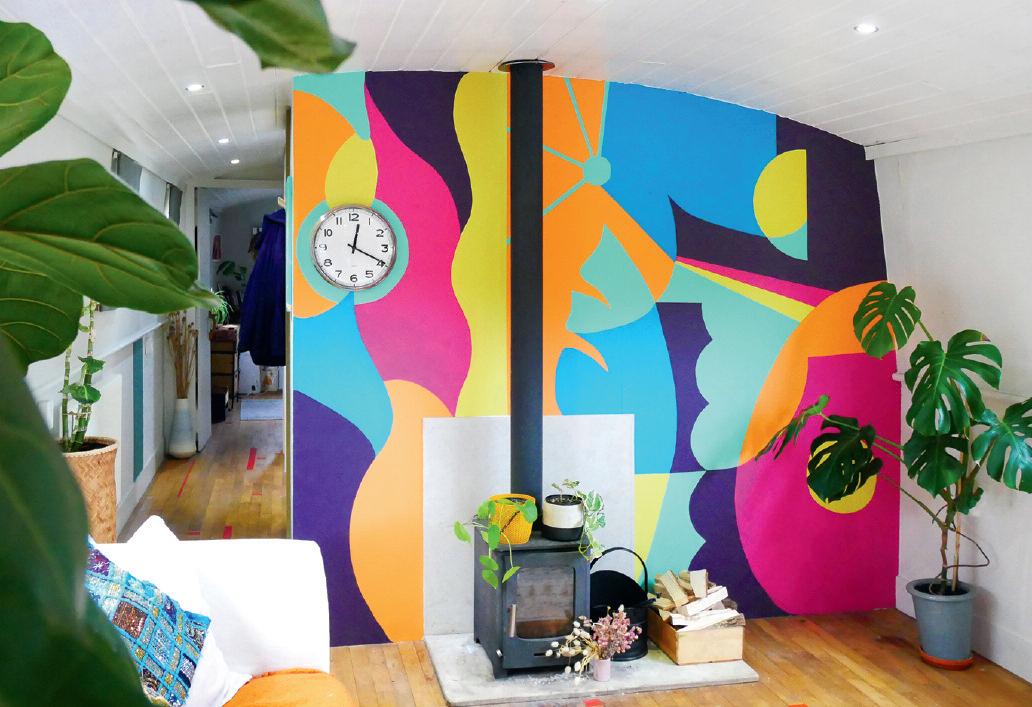
Sitting across from Molly Hawkins – known for adorning buildings, interiors, sports courts and more with joy-inducing kaleidoscopic paintings – in her Easton studio feels a little like stepping through the looking glass and into her collagelike world, soaked in a positive colour palette
Her studio, much like the cityscape outside, is a canvas in itself The walls are covered in her bold and bright murals – and rightly so Even the way she had organised a huge pile of cardboard boxes along one wall needed a double take to realise they weren’t actually a smart vintage dresser adorned with plants and lamps.
“ They ’ re full of paint, for a huge upcoming project at the new EQ building by Temple Meads station,” she explains. “It ’ s going to be my biggest mural yet – 22m x 15m The developers took into consideration that the offices have been built on top of the site of an old letterpress So, they built the exterior architecture inspired by the shapes of the old typesetter trays, which are those little wooden cubes people now often display trinkets in


“I was invited to continue the stor y and develop the heritage of the site into a public art mural The design has been brewing for a year and a half, and now we ’ re at the stage when we ’ re going to be installing it soon, which is ver y exciting ”
Hawkins explains her process of finding inspiration for this type of mural – she visited the Bristol archives to dig out old papers in a heritage hunt for tools, historic forms, and shapes from the local area to collect stories, motifs and textures that have been woven into her final design For this particular project, Malaika Kegode’s poetic interpretation of the local area has been incorporated within Hawkins’ design
Home is where the art is
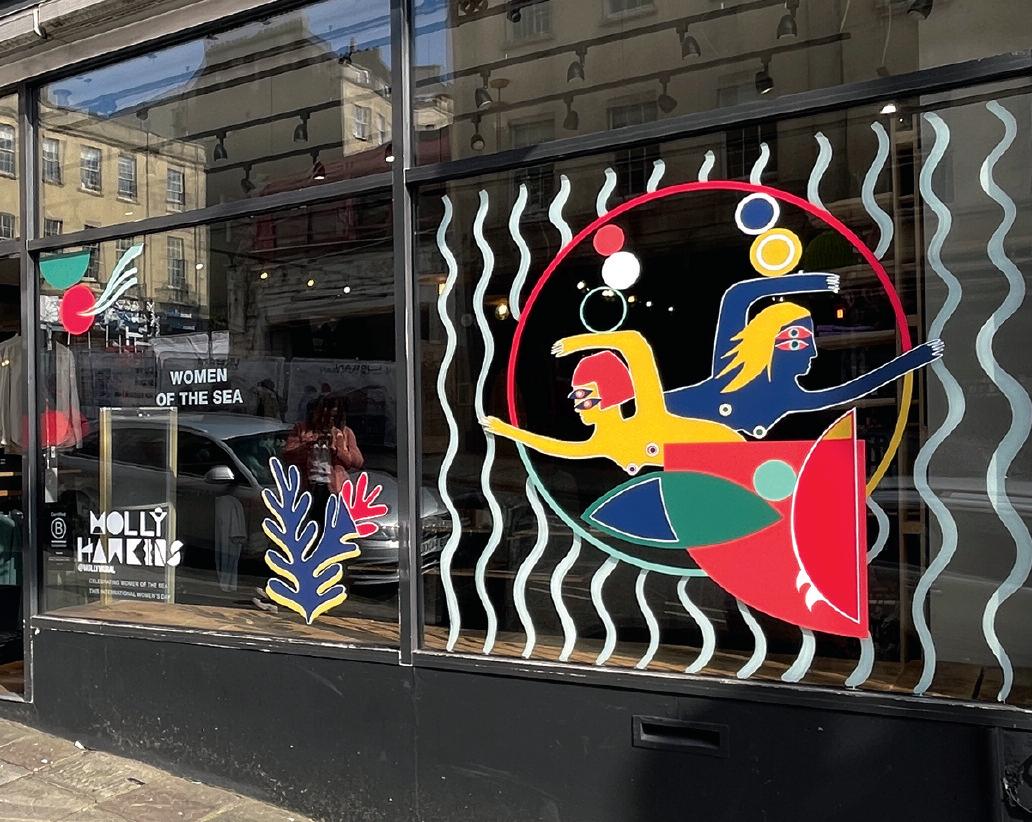
You may have already spotted Hawkins’ signature st yle on walls and surfaces around the city (she’s created around 15 pieces here so far) and beyond. Her work can be seen across cities in the UK and internationally in Mexico, India, Colombia and throughout Europe, as well as being featured by BBC News, Design Week and O bser ver Magazine (she has also worked with UK brands including Lucy & Yak, Fat Face, Finisterre and Surfers Against Sewage )
But Hawkins’ favourite Bristol pieces so far are two houses she’ s painted in Easton and S t George Does she feel like it ’ s a big responsibility to paint a mural on the front of someone ’ s house?
“I was thrilled to transform someone ’ s home,” she recalls. “Instead of feeling the pressure, I just feel honoured, delighted and excited. I love that it ’ s so unusual in that type of familiar-looking landscape to suddenly notice a patterned painted house
“I like that it ’ s a peep at the identity of the people who live there The owners have shared photos with me of all the notes neighbours had put through their door, saying ‘thank you for brightening up our street ’ ”
Hawkins loves using spray paints to create her murals outside – and next on her wish list is to tr y a new paint that can combat harmful carbon dioxide, from the surrounding environment.
“Spray paints are really fun to use – you end up using your entire body to paint, which feels like a dance, moving my arms about tr ying to get precise cur ves
“ W hereas when hand painting with a brush, I feel like I don't get the chance to move as freely, as I’m too war y of dripping paint ever ywhere ”
As well as the new EQ building, Bristolians will also be able to soon spot new work from Hawkins on Stapleton Road, Easton – as part of a community project with Eastside Community Trust and Studio Meraki, with ideas coming from three workshops with local residents who shared their stories of the area with her through the joy of their own art – and another piece on a car park by Temple Studios and Temple 1852 near Temple Meads
INTERVIEW N o r t h R o a d P r i m a r y S c h o o l ( c r e d i t : S a r a h S t i l l i e ) THEBRISTOLMAG CO UK | APRIL 2024 | THE BRISTOL MAGAZINE 33 S t G e o r g e h o u s e ( c r e d i t : M o l l y H a w k i n s )
Signature style
Hawkins arrived at her design process via a frustrating reaction to her attempt at designing a corrugated warehouse in Liverpool, where she was based at University and thereafter, before making the move to Bristol
“Until that point, I'd always designed on my iPad on top of a photograph of the building I would get frustrated at having one layer to work with I'm not ver y tech-savvy, and I always wished I could reach into the screen to drag and drop elements of the design by hand Then the penny dropped when sharing the frustration with a friend, that I needed to be playing with physical shapes on a bigger scale For the next piece, I used big sheets of card – chopping them up and playing with them.”
Now, ever y mural Hawkins creates has a collage that goes with it (she points to a drawer that she says is crammed with hundreds of collages), often with one fragment of the collage blown up to create the final fullscale artwork Clients will explain relevant themes, stories, shapes and textures to be translated into her designs For Hawkins, it feels like “pattern playing on architecture”
Though this refreshing process felt new to Hawkins, it wasn’t too different to how she created and communicated as a child
“It took me quite a long time to start talking,” she explains. “So, my language was gathering little bits of materials and fabrics. My mum said I was making patterns with things and finding scraps from random places to create arrangements in the house and garden My parents were ver y understanding and supportive of my creativity and need to express myself through art from a young age ”
Making murals
W ith a background in theatre, set design and puppetr y, Hawkins made the move to murals during the pandemic. Though she had painted a few public art mural installations before, she says it was Bristol’s post-lockdown “need for spaces to be transformed in a positive way, because our environment had become so unusual A lot more people were inventing little spaces outside where you could sit in separated seating Around that time, things really picked up for me
“I started to work with lots of local organisations and businesses, like Om Burger on Stokes Croft, where they built a pop-up seating area It was quite a slow transition into doing murals and public art pieces, but it really excites me, and I love seeing the way it brings communities together, transforms the environment and makes you feel happier. Colour has the great power to bring joy and spark a little inspiration.”
Hawkins believes that Bristol’s generally positive reception to street art and murals is because the city ’ s people have a lot to say
“Murals are a perfect way for people to showcase their art and their message, ” she continues “Festivals in the city, like Upfest, have helped people grow in their practice I remember when I took part in my first ever Upfest five years ago I painted something that probably isn’t that recognisable to what I create now, but I was so pleased to have a platform where I could experiment and be part of this big community.
“I met so many amazing people there and saw the diverse work ever yone creates, considering we ' re basically all using the same tools I think Upfest has done a lot for supporting women and giving them a voice within the street art scene
“Bristol nourishes creating your own identity That's what I love about it I’ve always felt accepted here as myself, creative and queer It's definitely a place that welcomes art and creativity ” n moll y mural com; @moll y mural
Image


34 THE BRISTOL MAGAZINE | APRIL 2024 | No 233 INTERVIEW
credits from the top: Runway East, Paul Michael Skillen, Molly Hawkins (and bottom)




THEBRISTOLMAG CO UK | APRIL 2024 | THE BRISTOL MAGAZINE 35 Lime Tree Gallery, 84 Hotwell Road, Bristol BS8 4UB • Tel 0117 929 2527 • www limetreegallery com Affinity:
-
A two person exhibition by Lucy McKie ROI and Peter Wileman FROI RSMA FRSA
April 13
May 4
ART and the galleries
Acts of Creation:
On Art and Motherhood Arnolfini.
Until 26 May
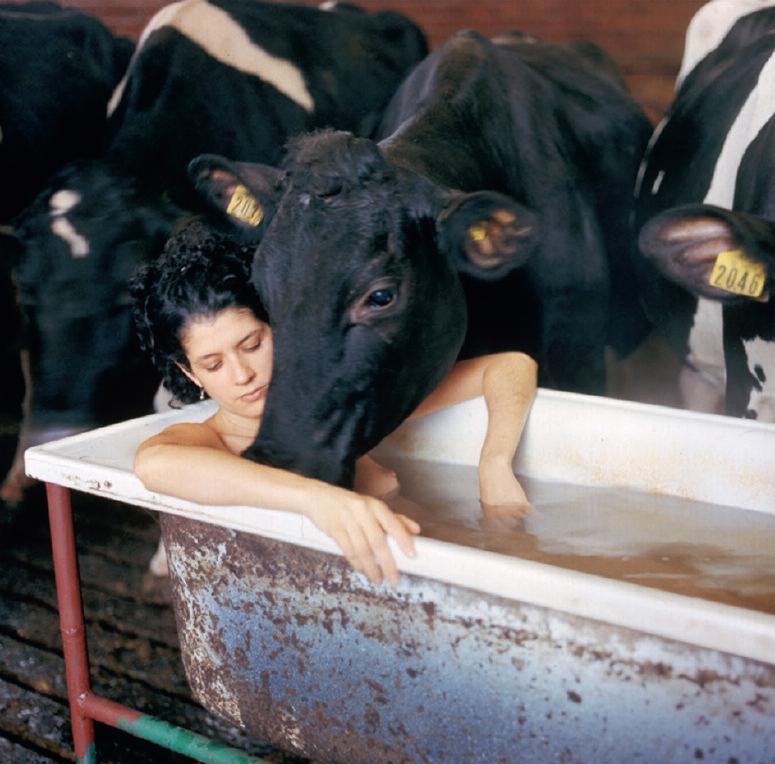
Having launched in March 2024 at Arnolfini, Bristol, Hayward Galler y Touring’s major group exhibition
Acts of Creation: On Art and Motherhood plunges into the joys and heartaches, mess, myths and mishaps of motherhood through more than 100 artworks, from the feminist avant-garde to the present day
W hile the Madonna and Child is one of the great subjects of European art, we rarely see art about motherhood as a lived experience, in all its complexity Acts of Creation: On Art and Motherhood addresses this blind spot in art histor y, asserting the artist mother as an important cultural figure It offers a complex account that engages with contemporar y concerns about gender, caregiving and reproductive rights.
ar nolfini.org.uk; 16 Nar row Q uay, Br istol BS1 4QA

‘Real Remembered
Imagined’: Common Ground Exhibition, 6–18 April
Common Ground are six artists who share a love of nature Living in Bristol and North Somerset, they take inspiration from the coast, the land and skies Established artists in their own right, this first group show reveals a variety of approaches and interpretations. Painters include Sarah Boden, Susannah Crook, Clare Orr and Louise Wilmot, joined by glass artist Claire Hall and ceramicist Yvonne Elston Come along to their launch and Meet the Artists event on respective Saturdays Prior’s airy gallery space is open daily, with free admission priorshop.uk; 23 Philadelphia St, Broadmead, Bristol BS1 3BZ
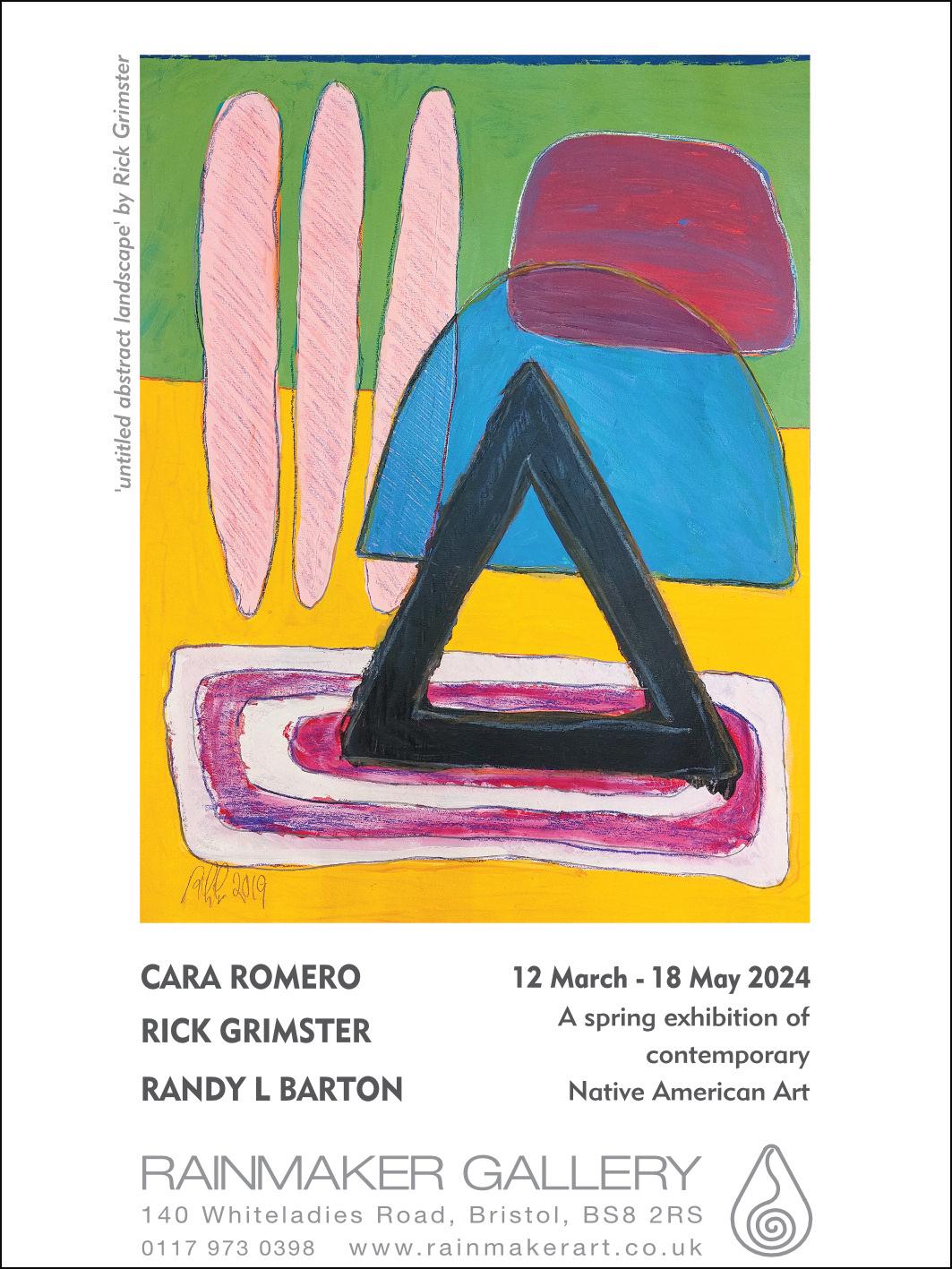
Contemporary Native American artists, Rainmaker Gallery, throughout spring
This spring, Rainmaker Galler y is showcasing the work of three contemporar y Native American artists: fine art photographer Cara Romero of the Chemehuevi Indian Tribe, Randy L Barton from Arizona and Cotswold-based painter Rick Grimster, a member of the Muscogee (Creek) Nation.
Romero recently headlined exhibitions at both The Museum of Modern Art, New York, and The Metropolitan Museum of Art in New York Barton is a neocontemporar y Native artist, designer, dancer, DJ and music producer from the Navajo Nation.
Grimster is a 1960s art school graduate whose fascinating paintings came to light for the first time last year, to great acclaim He has sold out two solo shows in the UK and is preparing for a solo museum exhibition in the USA

rainmakerart.co.uk; 140 W hiteladies Road, Bristol, BS8 2RS
Image: Green Tree 2024 acrylic on canvas by Rick Grimster
‘Affinity’, Limetree Gallery
A two-person exhibition of strength and beauty by Lucy McKie ROI and Peter Wileman FROI RSMA FRSA. Two of Lime Tree Galler y ' s most collected artists, both are distinguished Members of the Royal Institute of Oil Painters Their work is in complete contrast, yet has a natural affinity and great presence limetreeg aller y com; 84 Hot well Rd, Hot wells, Br istol BS8 4UB

ARTS & EXHIBITIONS
Image: Janine Antoni, 2038, 2000 © Janine Antoni; cour tesy of the ar tist and Luhring Augustine, New York
36 THE BRISTOL MAGAZINE | APRIL 2024 | No 233
Image: Lemons in Black Bowl by Lucy McKie
Clifton Arts’ ‘Spring 2024 Exhibition’, 13–21 April
Showcasing nearly 200 original works, by emerging and established artists There is something to excite ever y taste All work will be for sale, with prices ranging from £80 to £800. A selection of prints and cards will also be available. Clifton Arts also offers a collection of 50 unique unframed works, measuring 20x20cm, which can be snapped up for just £35 each Entr y to the exhibition is free Open daily 10am until 5pm (Sundays 12pm until 5pm) Join this vibrant body of artists
c lif tonar ts.org; V ictor ia Methodist C hurch, 1a W hiteladies Road, Br istol BS8 1NU
Image: The Three Sisters by Jacasta Solomons



Bristol 1904 Paintings Exhibition, 27 April – 5 May
Ever y year in the last week of April and first days of May, the Bristol 1904 Arts Society holds its Annual Paintings Exhibition O ver the nine-day event, around 100 new paintings for 2024 will be on view together with occasional grand piano music and demonstrations of artists at work on the easel
The paintings on show in the exhibition are the fruits of sketching excursions and many hours of arduous work during the year. Bristol 1904 Arts is a friendly society, with over 200 members that have common interests in the visual and performing arts as well as in good fun and fellowship This is the 113th annual paintings exhibition
Free entr y
br istol1904ar ts org; T he Red L odge Museum
Park Row, Br istol BS1 5LJ
I m a g e : © B i l l P h i l l i p s THEBRISTOLMAG CO UK | APRIL 2024 | THE BRISTOL MAGAZINE 37 ARTS & EXHIBITIONS
These Mad Hybrids
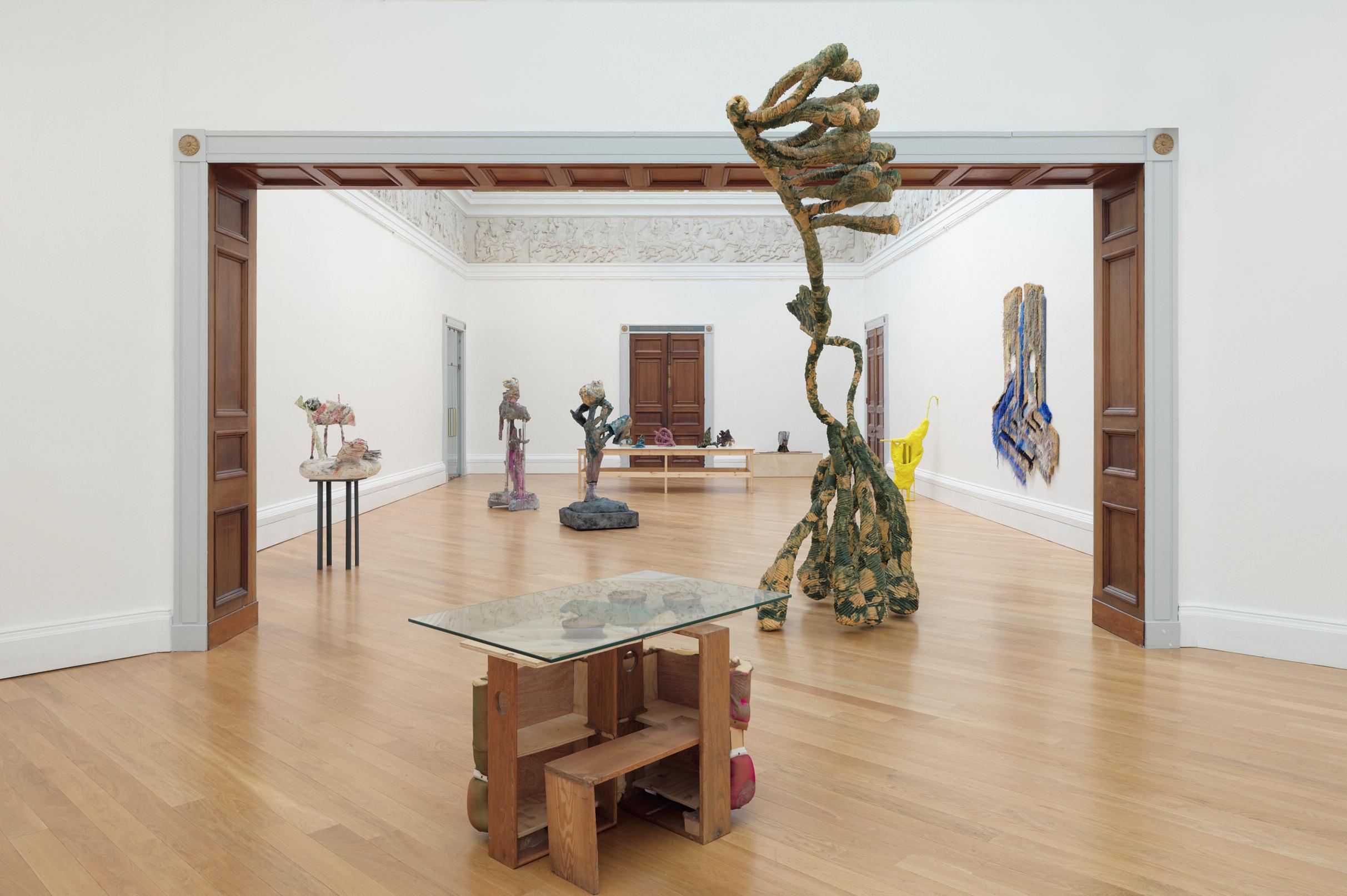
IRoyal West of England Academy’s (RWA) latest exhibition shows an extremely rare and largely unknown aspect of late artist John Hoyland’s career – ceramic sculptures
n 1994, John Hoyland – a prominent British abstract painter – made an unruly group of 25 ceramic sculptures L oaded with colour, humour and zoomorphic qualities, he called them “these mad little hybrids”, referring to their unexpectedness and the difficult y of fitting them into conventional categories. Strangely, the ceramics produced went unnoticed, despite being prominently displayed in his studio on custom-built shelves. Now, for the first time since they were made 30 years ago, they are being displayed in public and form the centrepiece of this fascinating exhibition
Hoyland ’ s ceramics now appear remarkably contemporar y and completely in sync with a broad range of current sculpture To emphasise this, the exhibition brings eleven of Hoyland ’ s ceramics together with sculpture by Caroline Achaintre, Eric Bainbridge, P hyllida Bar low, Olivia Bax, Hew L ocke, Anna Reading, Jessi Reaves, Andrew Sabin, John Summers and Chiffon Thomas.
Individually, these artists work with hugely diverse materials, ranging from cement to synthetic fabric, papier maché to glitter By turn playful, complex and challenging, their work combines human and animal forms, furniture, ever yday objects and architecture into new and hardto-categorise sculptural hybrids
Consequently, These Mad Hybrids seeks to shine a light on the importance of sculptural ideas to Hoyland’ s abstract paintings, for which he is renowned. Alongside paintings – dating from the 1960s to 2000s – are small sketchbooks, which are full of casual, bold and intimate drawings in highlighter pen, and the first display of Hoyland ’ s polaroid photographs – which were an important tool in his practice as they enabled him to move his imager y between two and three dimensions
Olivia Bax, sculptor and one of the exhibition’s curators, says: “ The first time I saw Hoyland ’ s ceramics, I wondered how they had managed to stay under the radar, particularly considering the interest in clay as a material over the last decade Despite being 30 years old, they looked as if they had just been made.
“ This started a conversation about what made them contemporar y and I am delighted that we can now see them, for the first time, in dialogue with other sculptors championing colourful, odd, immediate and funny sculptural hybrids ”
So far, the exhibition has been a big hit with families Kids love the large, brightly coloured sculptures made from interesting materials, whereas older art fans – including those who would have been familiar with his colour field-style work from the 1960s – love the chance to get up close to Hoyland ’ s paintings.
These Mad Hybrids will be on display until 12 May. Another way to enjoy the works is at one of the RWA’s exclusive After Hours events.
This month, the RWA is delighted to welcome Tom Moth – harpist for band F lorence + the Machine – who will perform a programme of original material for harp and electronics in the stunning main galleries on 25 April between 6-9pm Tickets (from £8) include a free welcome drink and a bar will be open throughout the event, ser ving delicious craft beers from Bristol brewer y W iper and True n
For more infor mation about These Mad Hybrids, plus other exhibitions, activities, c lasses and events, visit r wa.org.uk, follow @RWABristol on X, @r wabristol on Instag ram and like the ‘Royal West of England Academy ’ Facebook page.
ART
38 THE BRISTOL MAGAZINE | APRIL 2024 | No 233
These Mad Hybrids installation Credit: Tim Bowditch





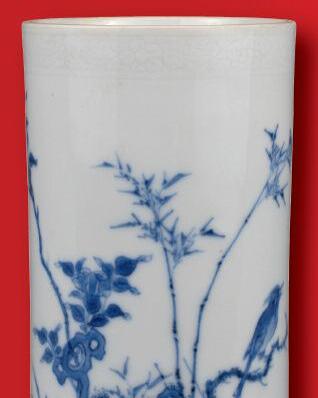



















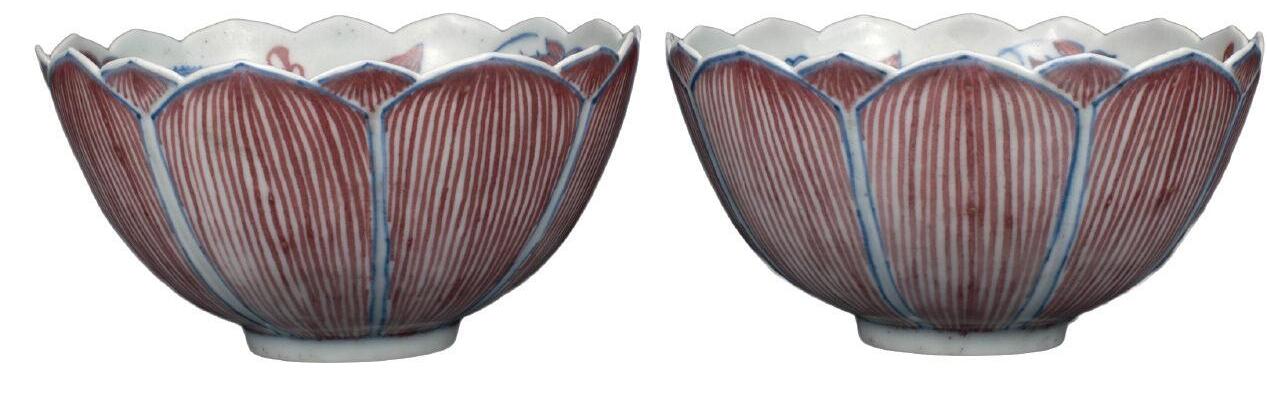















40 THE BRISTOL MAGAZINE | APRIL 2024 | No 233 www.masanauction.com Buildings, George Street, Bath BA1 2ED Tel: 01225 318587 Ma San Auction In Bath SPECIALISTS IN ORIENTAL WORKS OF ART A Chinese Mandarin Officials Summer Hat with White Jade Plume and Red Finial, Qing Dynasty SOLD £3120 incl. premium A Chinese Sang De Boeuf Monochrome Porcelain Dish, Qianlong Mark and Period (1736-95) SOLD £11,050 incl. premium A Chinese Blue and White Porcelain Brush Pot, Transitional Period Mid 17th Century SOLD £10,400 incl. premium Pair of Chinese Underglaze Blue and Copper-red Porcelain Lotus Bowls, Kangxi Mark SOLD £16,900 incl. premium ese Junyao Purple ed Dish, Song y (960-1279) £13,000 incl. um er 30 years experience • Competitive commission rates ct contacts in Hong Kong and China • Sales every month Offering free valuations & home visitsNow accepting consignments for future sales! info@beaunashbath.com | 01225 334234 | www.beaunashbath.com | beaunashbath Silver: A Gift That Lasts Forever

Expert opinion Secret Stories
From Chris Yeo, Valuer at Clevedon Salerooms and regular expert on BBC’s Antiques Roadshow
One of the things I love about antiques is the way they offer a tangible connection with the past and the people that have created them
W ith this in mind, it might come as a surprise to learn that King Charles III has harboured a passion for painting for almost half a centur y, and featured in this month's Spring Fine Art sale was an original watercolour by His Majesty The unsigned and incomplete study of Lochnagar gained prominence through its appearance in the 1993 BBC production The Legend of Lochnagar
The backstor y of this watercolour is just as intriguing as its royal connection Initially offered as a souvenir to a member of the production team, it spent the next three decades hanging in a hall by the loo, before the decision was made to part with this unique, yet unsung treasure
Estimated at £10,000 to £15,000, the watercolour attracted a great deal of attention and ultimately sold for £17,000 – a testament to the enduring appeal of royal artistr y.
The same auction featured an extensive collection of 18th centur y-inspired, Spode ‘Stafford F lowers' dinner wares
Dating from the 1990s and adorned with decorative botanical designs, the set fetched a remarkable £8,000

This leads me to conclude that, to paraphrase Mark Twain, reports of the death of the dining room may have been greatly exaggerated.
Also selling for £8,000 was an early 20th centur y Belle Époque diamond tiara Of all jeweller y, the tiara has to be the finest, and this reminds me of an amusing anecdote
A centur y ago, two high society women, bound by marriage, but harbouring a deep mutual disdain, were obliged to kiss in public. On one such occasion, their tiaras entangled and they were hastily removed from the ballroom of Buckingham Palace, still locked in conflict, like a pair of rutting stags!
I do hope that its new owner avoids such an indignity ■
clevedonsalerooms com; @chrisyeo antiques (Instag ram)

COLUMN | CHRIS YEO ON ANTIQUES THEBRISTOLMAG CO UK | APRIL 2024 | THE BRISTOL MAGAZINE 41
Waterco
our by K ng Charles

Say ‘YES’ to something new
Want to cut ties with tradition while tying the knot this year? Here are six trends from experts to celebrate your love that will help your 2024 wedding feel like a breath of fresh air, yet retain some classic charm
Peacock Mini Dress, Temperley London; temperleylondon.com
WEDDINGS 2024 42 THE BRISTOL MAGAZINE | APRIL 2024 | No 233
Short and sweet
Some people dream of a princess wedding Other brides want their attire on the big day to reflect the personal style of their usual wardrobe choices
Also, as big traditional wedding dresses sometimes restrict movement, many brides opt for an outfit change midway through the day ’ s celebration, so that they can still look the part, but dance the night away with ease too.
If your budget won’t stretch to two dresses, or you ’ re drawn to a more modern aesthetic, then you ’ re in luck Many bridal designers reported to British Vogue that short and midi-length dresses are growing in popularity for the main celebration – no longer the reser ve for reception outfit changes, hen parties and registr y office ceremonies Brides are experimenting more than ever before with hem length and dress cut: from slinky and sleek numbers to textured and soft puffy skirts. And guess what?
That means you can make a statement with your wedding shoes, which shorter dresses expose in all their glor y.
Green with envy
No offence to the favourite flowers of many a bride, like roses, peonies, dahlias and tulips, but have you considered thinking beyond the bouquet?
Rock My Wedding’s 2024 Wedding Trends Report notes a particular trend among couples opting for less traditional floral decorations, choosing bouquets and displays abundant with greener y instead. Lush and natural settings are created using ferns and eucalyptus. If your venue has any links to particular plants (Rock My Wedding suggests a vineyard or farm, for example), then you could choose greener y that echoes this
Thankfully, lush greener y – whether it ’ s in handheld bouquets or hanging from venue garlands – will complement most wedding themes too, from the most minimal and chic to more intricate bohemian designs Green plants in table decorations can also be kept in their pots, extending their lifespan and helping people to travel home with as wedding favours
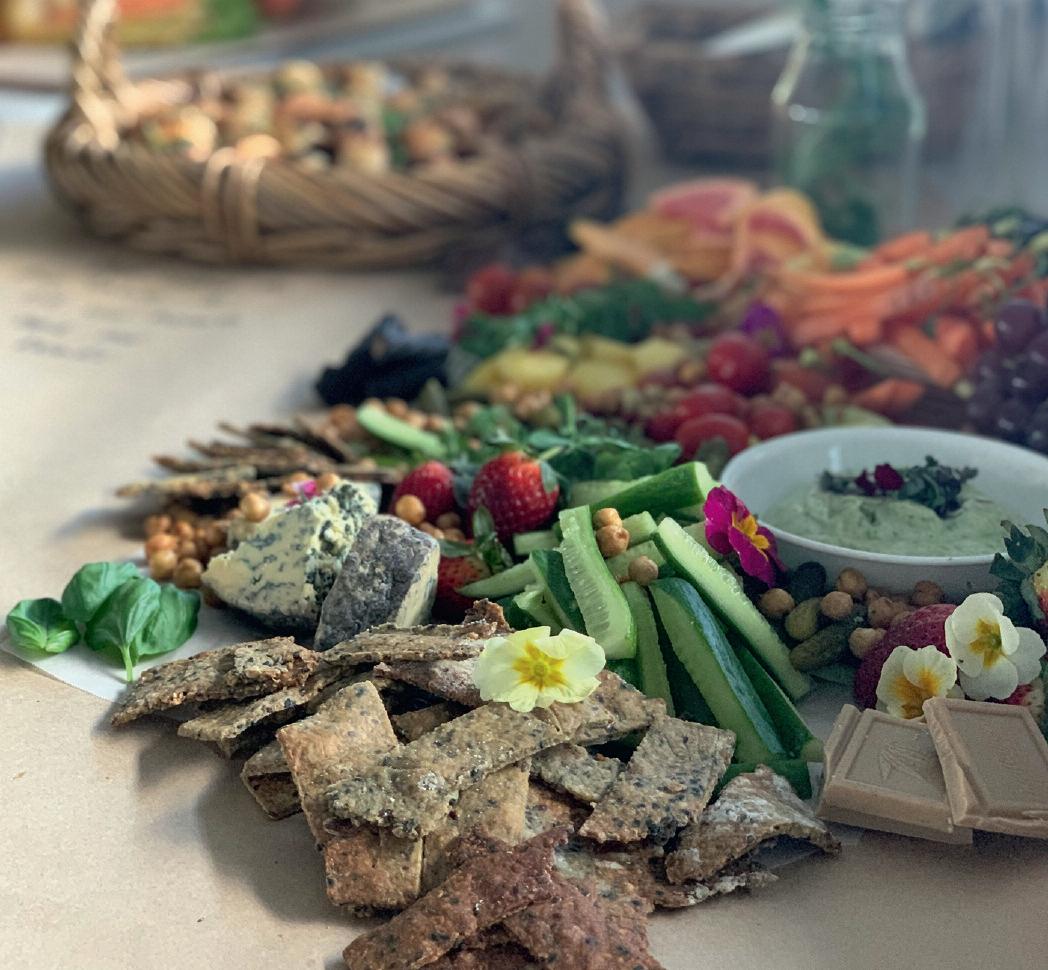
The graze craze
W hat comes to mind when you think of a buffet? A table blanketed with beige snacks, perhaps Move aside, mediocre meals According to Rock My Wedding, grazing tables and dessert bars are a modern update to buffets and traditional cake stands
The report notes that while grazing tables need to be carefully managed (considering dietar y requirements, allergies and foods that do not keep well in ambient temperatures), when done well and carefully arranged, they can make an impressive impact.
Plus, guests appreciate the ability to dip in and out of the sweet and savour y provisions at their leisure. Check with any caterers you use about their approach to excess food or food waste; they may partner with local food waste apps and charities to ensure the collection of any excess at the end of your event
You’re invited Wedding stationar y, such as invites, place cards, orders of ser vice and menus aren’t just useful for communicating information about your big day. They make wonderful mementos for guests to keep and can creatively extend any decorative themes too. Couples who are conscious about the environmental impact of these additions to their celebration will be pleased to hear that another trend from Rock My Wedding’s annual trends report flags the rise of eco-friendly stationar y using sustainable materials Couples are now opting for rec yc led paper, vegetable-based inks, and biodegradable packaging to reduce the impact their wedding will make on natural resources
The Rock My Wedding experts also note that hand-drawn images on wedding stationer y and illustrated wedding invitations are set to be wildly popular throughout 2024 too. Perfect for experiments with vegetable ink, we think
Tech-nically speaking
According to the exper ts at Hitched co uk, inter net searc h f or ‘AI wedding ’ has doubled in the past year, and new searches for ‘AI wedding speech generator ’ have also emerged recently Now, we ’ re not suggesting you rel y solel y on technolog y to w r ite your speeches for you – but if you ’ re completely stuck for ideas, then AI might be able to help spark a little inspiration. Then you can edit until your heart ’ s content, injecting a generous dose of your own personalit y and personal memories into the words
“It ’ s interesting to see couples leaning on new tech to help them with their wedding planning,” says Zoe Burke, editor of Hitched “I definitely recommend getting all the help you can get to plan your wedding, but if you are using AI, make sure you double check what it gives you, and edit and play around with it so it feels like it has come from you. ”
Happily ever after-party
Forget the formal reception British Vogue has seen a rise in couples throwing surprise after-parties for their wedding guests that feel more like an exclusive rave than sit-down dinner These bashes allow newlyweds to let their imaginations venture into dreams of their favourite places to party, or allows them do away with any type of theme at all Simply dance into the night at your ver y own nightclub The title looks to actor Jaime W instone as inspiration, who sur prised guests at her recipe S icilian wedding with a ‘secret ’ cave rave complete with multiple DJ sets. Pack your dancing shoes. n

I m a g e : S i n c e r e l y M e d i a
THEBRISTOLMAG CO UK | APRIL 2024 | THE BRISTOL MAGAZINE 43 WEDDINGS 2024 I m a g e : A n y a B e l l


44 THE BRISTOL MAGAZINE | APRIL 2024 | No 233

THEBRISTOLMAG CO UK | APRIL 2024 | THE BRISTOL MAGAZINE 45
Saying ‘I do’
Are you making plans to tie the knot? Our little guide to local wedding-based businesses is full great ideas and all the folk who can help make your big day something very special
G O L D & P L AT I N U M
S T U D I O
19 Northumberland Place, Bath BA1 SAR
Tel: 01225 462300; goldandplatinumstudio co uk

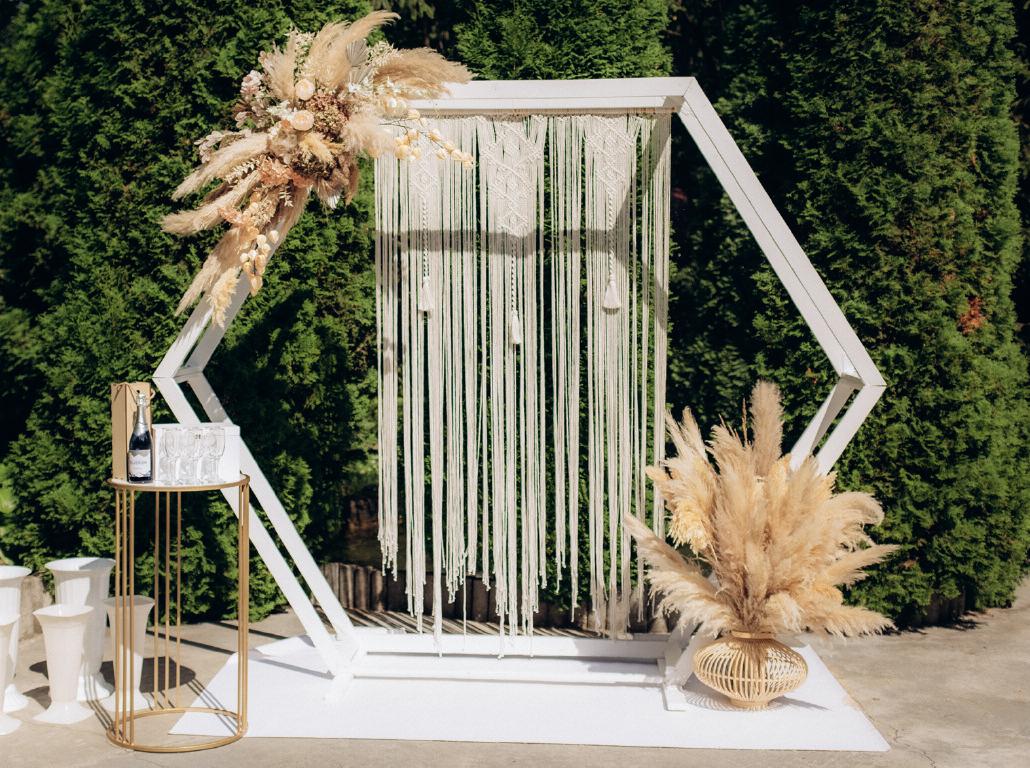
KNOTS & STALKS
Elevate your wedding with an exquisite macramé arch, blending timeless elegance with bohemian charm. Crafted with intricate knots using recycled cotton, these arches add a touch of artistr y and romance to your special day. They effortlessly complement any venue, from rustic barns to beachfront ceremonies, creating a picturesque backdrop for your vows Looking for a unique prewedding celebration? Dive into the world of macramé with Knots & Stalks’ hen workshops! Gather your bridesmaids for a fun and creative experience, where you'll learn the art of knotting and weave your own macramé masterpieces to cherish forever
Visit knotsandstalks.com or contact Agg y directly at hello@knotsandstalks.com
Goldsmith and gemmologist Michael Parsons and his team run a delightful independent studio on Northumberland Place The highly-skilled team specialises in hand-making bespoke engagement rings and wedding rings, as well as offering a wide range of individual pieces to buy. The studio welcomes all types of commissions, including remodelling They also offer a fine jeweller y repair ser vice
The studio has been in Bath for over 50 years and has a reputation for quality ser vice and craftsmanship
A visit is a must for jeweller y lovers and anyone looking for a special gift or thinking of having a piece of jeweller y made
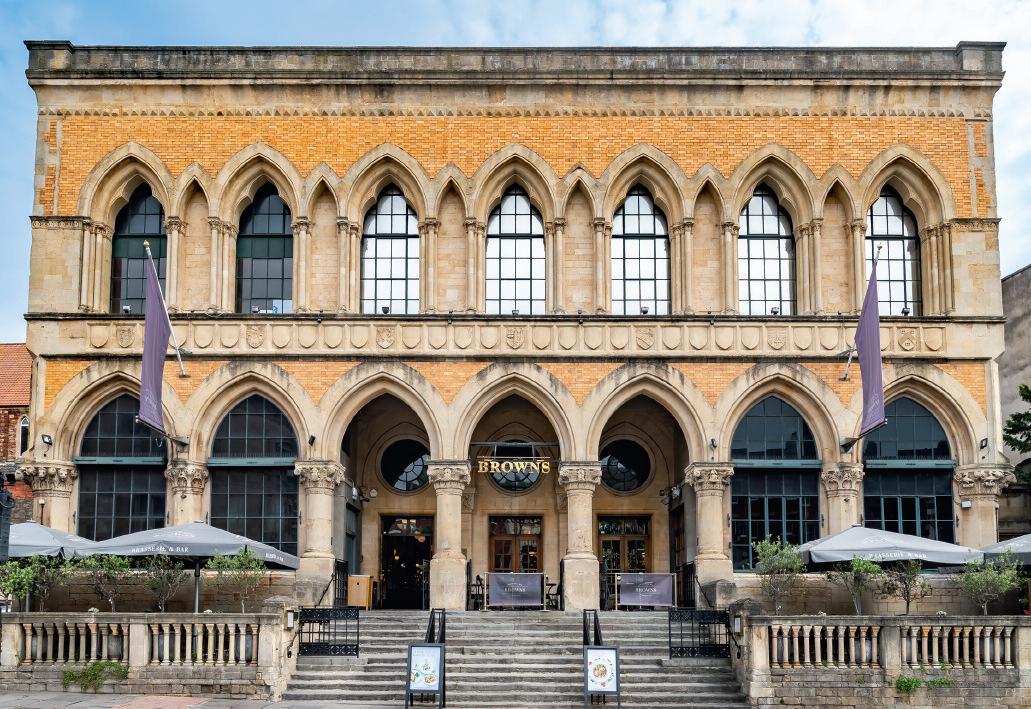
standing and 180 seated, or an intimate private dining room for up to 12 guests. W ith menus ranging from three-course feasts to buffets and canapés, ser ving fresh seasonal dishes and classic British cuisine, bespoke gluten-free menus and an extensive choice of wine, cocktails and soft drinks Get in touch and the expert team will help you plan the perfect event
BRISTOL WEDDINGS B R O W N S R E S TA U R A N T 38 Queens Road, BS8 1RE browns-restaurants.co.uk/restaurants/southwest/bristol#/ W ith a prime location in Clifton, the stunningly refurbished Browns Brasserie & Bar is an iconic building with luxe interiors, incredible arched windows and historic features. Browns offers full hire for up to 400 guests
46 THE BRISTOL MAGAZINE | APRIL 2024 | No 233
W E T H E C U R I O U S
One Millennium Square, Anchor Road, Harbourside, Br istol BS1 5DB wethecur ious org/venue-hire/weddings
Fancy getting married beneath the stars? A wedding at We The Curious is an experience like no other You can tie the knot under a thousand glittering stars in the spectacular 3D Planetarium or choose to say ‘I do’ in the bright, contemporar y spaces on the top floor of the Grade II-listed building
You and your guests can enjoy drinks on the roof top terrace and the chance to play, solve puzzles and mar vel at the world across the science centre’s lower floors of fun, interactive exhibits.
We The Curious is a truly unique venue, centrally located on Bristol’s beautiful harbourside, that offers a range of options for guest lists large and small.


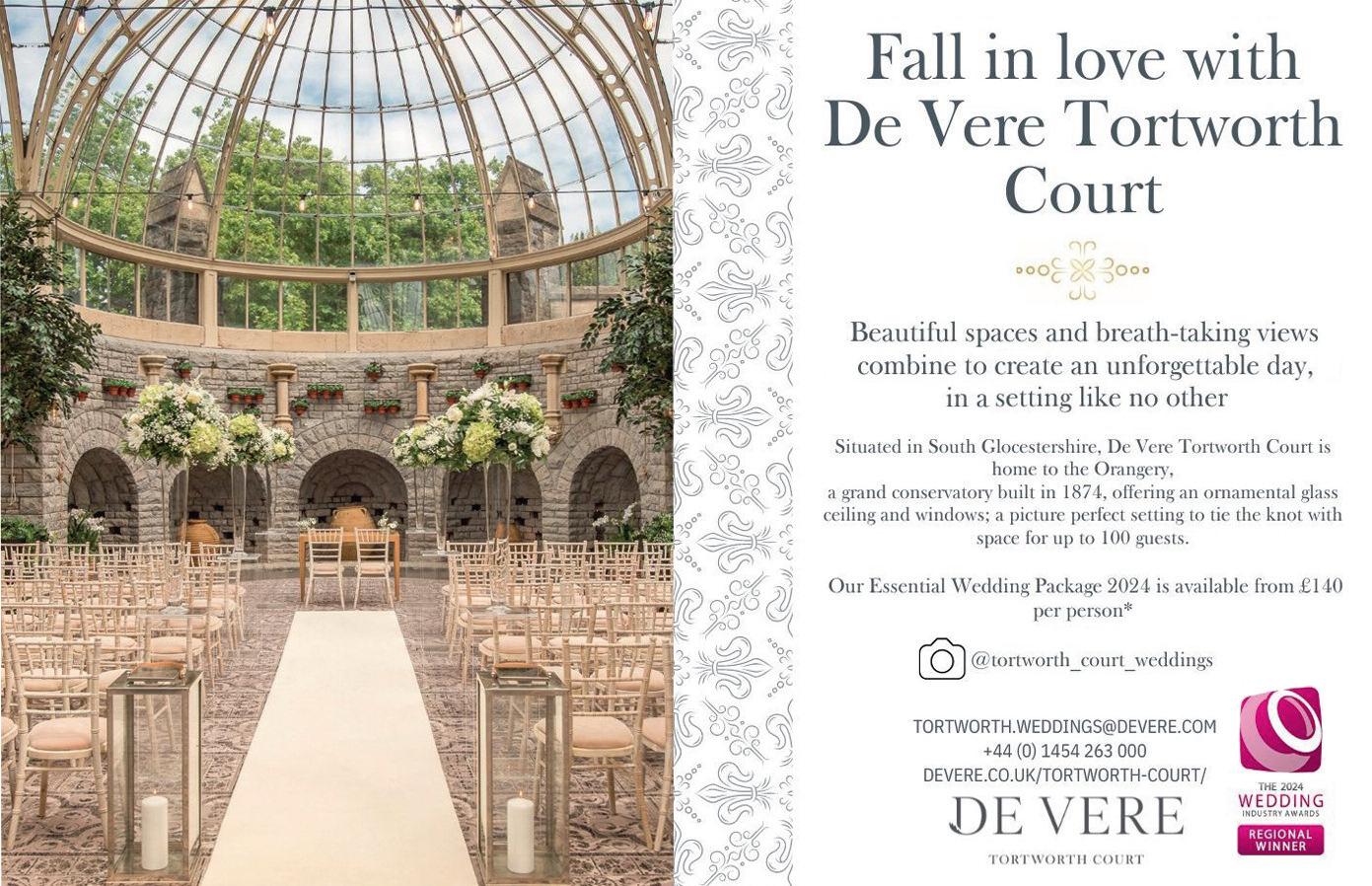
D E V E R E T O R T W O R T H C O U R T
Tortworth, Wotton-under-Edge, GL12 8HH 01454 263 000; tortworth.weddings@devere.com
Meet Polly Pay-Savage, De Vere Tortworth Court ’ s Wedding Manager. Polly has worked at De Vere for seven years and has managed the Weddings Team at Tortworth Court for three years. Polly ’ s knowledge of the industr y, local area and the venue is second to none, this has led her and her team to take home the Best Venue (Hotel) Award at the Wedding Industr y Regional Awards 2024 as well as the Employee of the Year (Back of House) award at the Bristol Hotelier Association’s Night of the Stars 2024
Polly ’ s favourite space, The Oranger y, is a prime example of elegant V ictorian architecture with ornamental glass ceilings and windows making it a truly breath-taking setting for a wedding, marr ying timeless décor with contemporar y elegance and functionality
For picture-perfect moments, De Vere Tortworth Court ’ s V ictorian Arboretum and landscaped gardens are the ideal backdrop for those all-important shots for the photobook.
No requirement is ever too much hassle for Polly and her team and she will always go above and beyond to ensure her couples have the best day of their lives
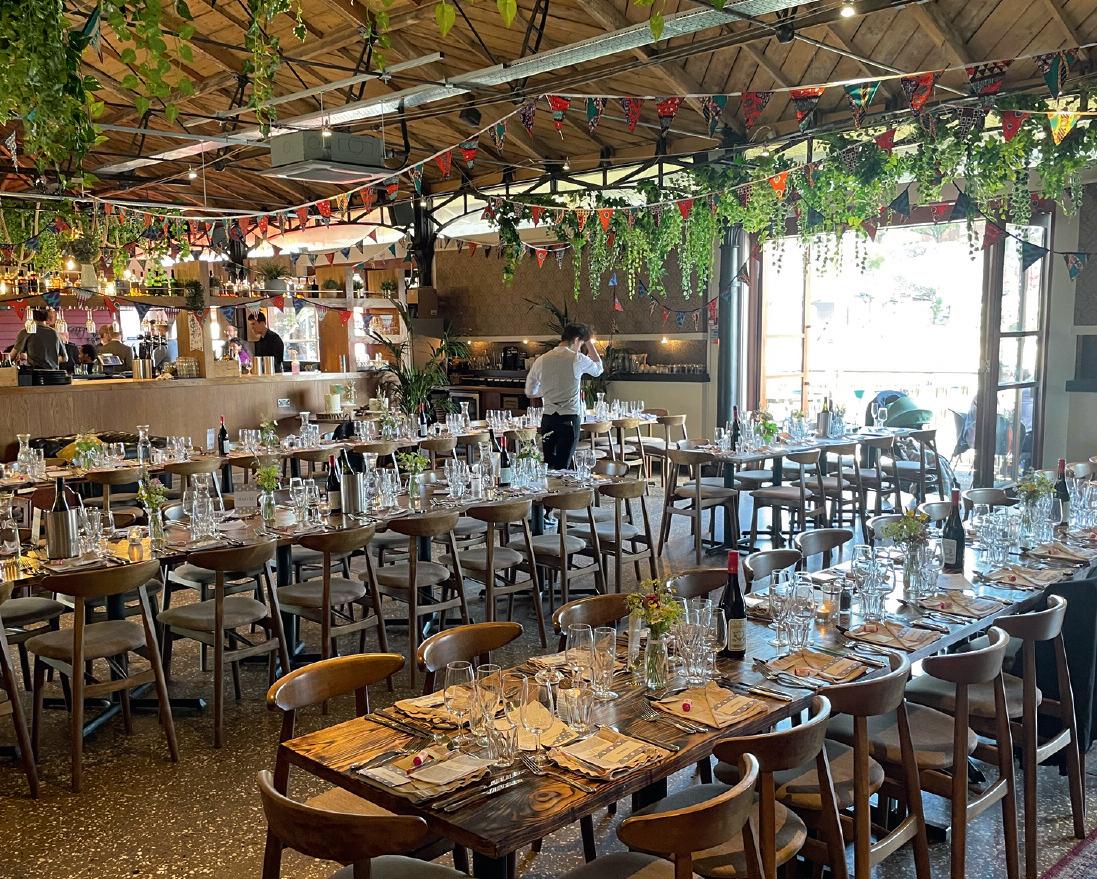
HARBOUR HOUSE
The Grove, Bristol, BS1 4RB hhbristol.com
Once rumoured to be the private boathouse of Isambard Kingdom Brunel, this is a gorgeous 19th centur y building steeped in histor y and with stunning original features such as the wooden ceiling and the ironworks The fully licensed restaurant and bar area can be converted into dining, dancing and drinking spaces for over 100 guests For spring and summer weddings, the Harbourside balcony and terrace boasts some of the city ’ s most iconic views for that perfect photo opportunity and has its own built-in outside bar ready and waiting. From the off, you will get personalised one-to-one communication with a member of the Harbour House team, who will be with you throughout the organising process all the way up to the event The team will be there throughout the big day to make sure ever y goes without a hitch
BRISTOL WEDDINGS
THEBRISTOLMAG CO UK | APRIL 2024 | THE BRISTOL MAGAZINE 47
T E R R Y C O X – C L I F T O N
V I L L A G E A N T I Q U E S
2 Clifton Arcade, Boyces Avenue, Clifton. BS8 4AA 07877 633030
In his 40 years ’ experience in the business, Terry Cox of CV Antiques has supplied jewellery to everyone, from stars of stage and screen, members of the royal family and Bristol’s great and good, as well as a host of local people who will attest to his being the west country ’ s most competitive jeweller From his base in Clifton Arcade, he supplies many other retailers including shops in Bond Street and Burlington Arcade in London. The main focus of his expertise is fine quality diamonds at hard-to-match prices, but the shop has items available from £100 too. Terry and team will also undertake bespoke design and commissions, restyling and valuations Shown here: Diamond cluster set in platinum Guaranteed weight 5ct VS clarity Colour: GH Price £6,500average high street price £11,500

N O C O H A I R
147 W hiteladies Road, BS8 2QT 0117 403 0998; nocohair.com
Experience your dream wedding day with Salon Noco Hair's exquisite wedding ser vices Choose from a range of personalised packages designed to suit your ever y need W hether you prefer to be pampered at the gorgeous Clifton salon or have the expert team come to you, Noco ensures a flawless experience for you and your bridal party. Let Noco take care of your party ’ s hair, from stunning brides to gorgeous bridesmaids, ensuring you look and feel your best on your special day
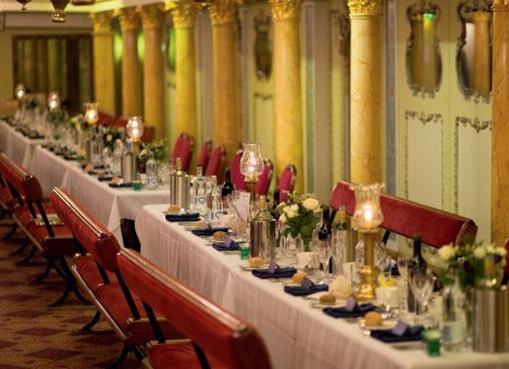
S S G R E AT B R I TA I N
Great Western Dockyard, Gas Ferr y Road, Bristol BS1 6T Y 0117 926 0680; ssgreatbritain.org
The SS Great Britain offers a truly Bristolian venue for your special day. After museum opening hours end, its historic rooms are available for you and your guests to enjoy – all to yourselves
From a Champagne reception on The Promenade Deck, a delicious dining experience in the First Class Dining Saloon, and dancing in the Hayward Saloon right through to a rustic-style ceremony in Riggers yard on the waterfront, there are various options available. This is a truly unique venue, which could be the backdrop for your memories to cherish forever.
BRISTOL WEDDINGS
48 THE BRISTOL MAGAZINE | APRIL 2024 | No 233
D I A N A P O R T E R
33 Park Street, Bristol BS1 5NH; 0117 909 0225; dianaporter co uk
Diana Porter Jeweller y specialises in unique, contemporar y wedding and engagement rings, as well as bespoke pieces and remodelling of heirloom metals and stones. Each piece is handcrafted in Fairtrade Gold or recycled precious metals in the onsite Jeweller y workshop, tucked away behind the Park Street Galler y.
Alongside Diana’s extensive collections, the Jeweller y galler y stocks over 80 renowned jeweller y designers from across the world There are plenty of different styles on offer, from rustic wedding bands to contemporar y rings adorned with colourful alternative diamonds Commissions and reworking of jeweller y is warmly welcomed and an experienced team are on hand to help bring your designs to life Diana Porter also holds a varied selection of one-of-a-kind diamonds, lab-grown diamonds and ethically sourced, coloured gemstones in an array of cuts and colours. All of which are ready to be chosen for your ver y own bespoke design.
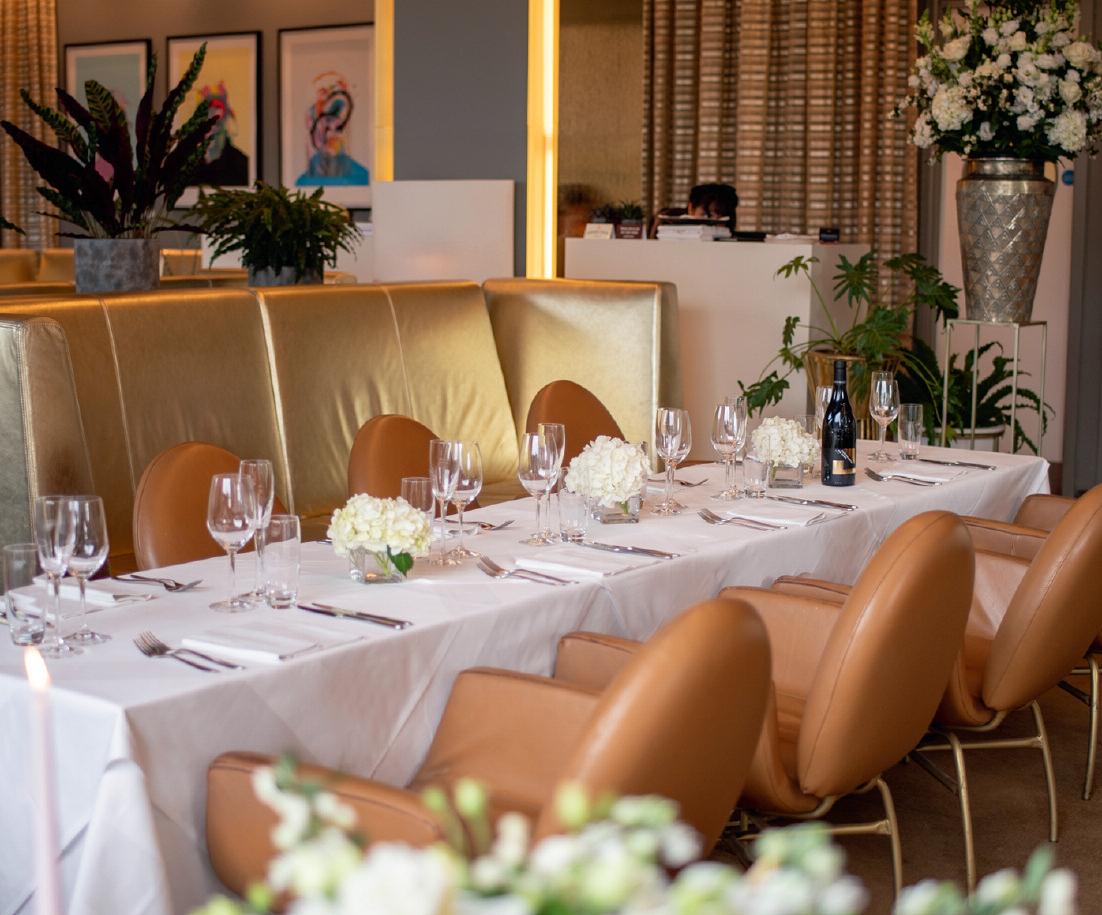

27 Philadelphia Street, Quakers Friars, Bristol BS1 3BZ 0117 916 8898; reception bristol@har veynichols com
Are you looking for a wedding reception venue that is both stylish and unique? The Second F loor at Har vey Nichols Bristol is the answer Located in the heart of Bristol, with a commanding view of the city, the Second F loor at Har vey Nichols offers the space for a truly luxurious wedding and dining experience
W hether you ’ re looking for a larger space or a more intimate affair, the restaurant team can cater to wedding receptions of different sizes. Each with their own beautiful interior, there are three spaces that make Har vey Nichols Bristol the perfect setting for your big day
From classic à la carte, to canapés, sharing platters and afternoon teas, the restaurant can create bespoke menus to suit your occasion – along with an extensive drinks list to match
07361806374; hello@pitchupandplay.co.uk; pitchupandplay.co.uk
Experience peace of mind on your big day with Pitch Up and Play, the ultimate solution for all your wedding childcare needs. W ith a dedicated team of over 25 DBS-checked and qualified Pitch Nannies, rest assured that your Mini VIPs are in capable hands and kept fully entertained with one of Pitch Up and Play ’ s fun-filled packages, from bell tents to movie rooms!
W ith over 125 five-star ratings from satisfied clients, let the team handle the childcare logistics, allowing you to focus on creating unforgettable memories on your special day and letting all parents fully relax If you think the children at your event deser ve to feel like Mini VIPs then do get in touch, the Pitch Up and Play team would love to hear from you!
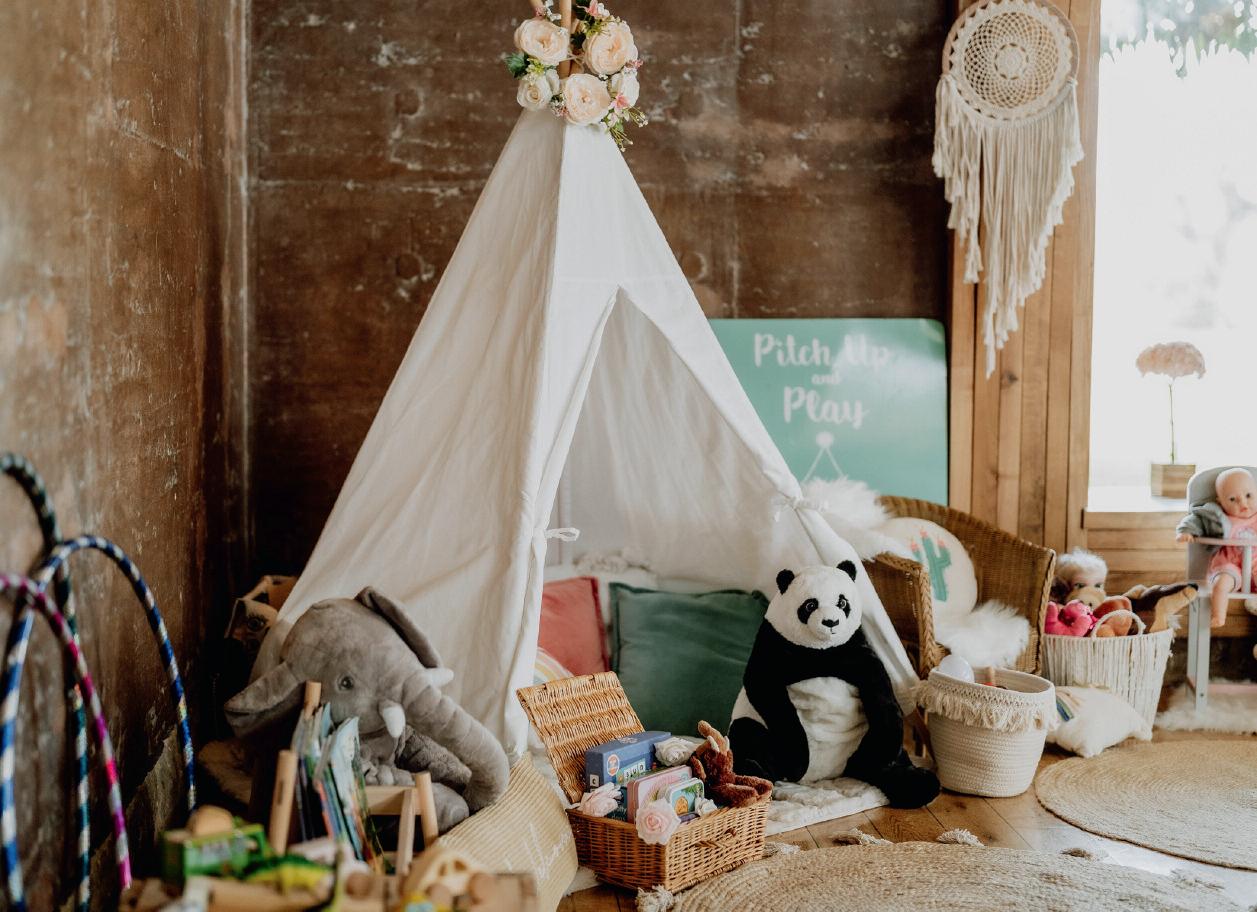
THEBRISTOLMAG CO UK | APRIL 2024 | THE BRISTOL MAGAZINE 49 PITCH UP AND PLAY
I m a g e : T o m D u r n P h o t o g r a p h y
Y N I C H O L S
L O O R
R A N T
H A R V E
S E C O N D F
R E S TA U
BRISTOL WEDDINGS
Bridal Beauty
W hen it comes to social events and special occasions, you always want to feel and look your best So, whether you ’ re prepping your bridal beauty look with Hourglass or aiming for best-dressed guest status with luxur y makeup from Tom Ford, we ’ ve got ever ything you need when it comes to event makeup and beauty. All products are available at Har vey Nichols Br istol.
The Bride-To-Be Beauty Hamper £225
Our Bride -To -Be Beauty Hamper makes a thoughtful gift for engagements, hen par ties or even the big day From Whispering Angel rosé to toast her nex t chapter, to Slip’s gorgeous Bride Silk Sleep Mask, this hand- chosen collec tion will make the celebrations ex tra special

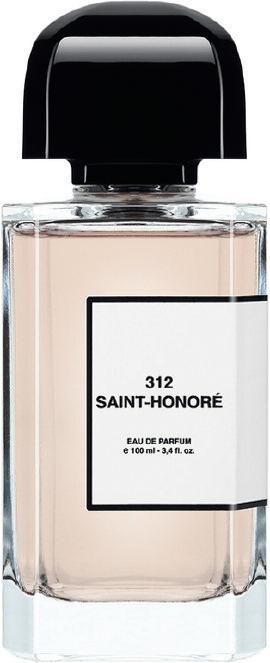
BDK PARFUMS
312 Saint-Honoré Eau De Parfum 100ml, £175
The inspiration of BDK Par fums’ 312 Saint-Honoré comes from the opening of the first boutique in Paris The glass of the window, the concrete and the white stone bring some freshness and light into the space and give all together a mineral design approach, much like the per fume A creation with a captivating trail of pink peppercorn, white musk and orange blossom; it’s woody, musky and floral all at once
LA PRAIRIE White Caviar Créme Extraordinaire
Illuminating Face Cream 60ml, £685
This moisturising cream combines lifting and firming golden caviar extracts with La Prairie's breakthrough illuminating molecule Lumidose, the most potent inhibitor of tyrosinase, the enzyme responsible for the formation of hyperpigmentation – or age spots – in the skin This cream leaves the skin feeling smoother and more hydrated, with improved elasticity and lift It reduces the appearance of dullness and hyperpigmentation in the skin, and the lightweight texture glides on effor tlessly as par t of an indulgent face care ritual
TOM FORD Eye Color Quad, £74
Each Eye Color Quad is designed with four opulent complementar y shades that achieve multiple looks, from a bold smoky eye to a splash of colour and ever ything in between Formulated with advanced colour processes the four luxurious finishes –sheer, sparkle, satin, shimmer and matte – offer a spec trum of intensity and effec ts, delivering incredible shade fidelity and outstanding adhesion

LA MER
The Lip Volumize £72
Use the sea kelp -inspired wand and it plush applicator to apply as needed thr the day This non-sticky, multi-use lip tre per fec t to use alone layered over or unde Balm, or as a primer before applying c



HOURGLASS
Caution Extreme Lash Mascara, £31
HOURGLASS’ all-in- one Caution Extreme Lash Mascara delivers endless length intense volume and sky-high lift for extreme dramatic lashes. The innovative 4DAmplifier™ brush combines two brushes in one to deliver volume, length, lift and definition, while the tapered end reaches even the smallest lashes in the corners of the eyes

ICONIC LONDON Prep-Set-Tan 75ml, £24
Prep -Set-Tan is enriched with Hyaluronic Acid, giving you a nourished healthy-looking and even tan that will last for longer without dr ying your skin or catching on ankles wrists or elbows There are two glistening, gorgeous shades to choose from – Original and Glow – suitable for all skin tones. Unique to Iconic London this tanning spray adds an immediate soft-focus shimmer to the skin


SLIP SILK PILLOWCASE PINK £89
These luxur y cases are anti-ageing, anti-sleep crease and anti-bed head. Unlike cotton, which draws moisture from your face, hair and scalp, this case breathes and is a natural temperature regulator while being gentle on your hair –allowing your hairstyle/blow- dr y to last overnight
MDLONDON BLOW Brushless Dryer - Blush £195
Tested, used and loved b generation hair dr yer is styling easy and enjoyab but packs a lot of power dr ying hair quickly and DC-brushless technolog settings and two direc ti enjoy complete control

BEAUTY NOTEBOOK | WEDDING SPECIAL
50 THE BRISTOL MAGAZINE | APRIL 2024 | No 233



It is easy to believe that we can access all the solutions we need when it comes to our health, and we can There are myriads of any health and weight solutions you can imagine under the sun This column is not about information, rather a way to remind you to be aware of your body’s natural healing powers that you can enhance daily and keep at it on the go!
How? Well, let’s figure out what stands in the way of our ‘better health’, could the problem be that we tend to focus on: New information, and we have an over flow of it We’re bombarded with new diets, pills, facts, figures and data…nothing is wrong with that as such however, we ’ re missing the point of what our body really needs from us and what it craves Here are my five categories: Movement, positive energy, sufficient oxygen, good hydration and a healthy digestion, in order to keep us alive and healthy
To fight chronic inflammation in the body daily, and avoid an ‘internal farming’ of carcinogens present in the environment we live in, we basically cannot afford to wait to be ill to pay attention to what the body tries to tell us ever y time we have the itchy throat, uncomfor table pinch or feel slightly dizzy The solution: Consciously create an environment that strengthens your body’s self-healing pre-set functioning mechanism. DAILY. That’s where the holistic African dance whole approach comes in handy, a simple and effective way to look after your mental and physical health while having fun.
This column’s aim is to give you tips and hacks on how to leverage on a positive mindset, overdose on oxygen, find fun ways to enjoy water intake throughout the day and guide you through movement & good digestion secrets Your body will reward you for doing these things I know because I’ve been a grateful recipient for the past 7 years Let’s Go!
If you are interested in learning how to dance your emotions, eat to heal, or keep fit having fun, email ekallgrace@gmail.com or scan the QR code



THEBRISTOLMAG CO UK | APRIL 2024 | THE BRISTOL MAGAZINE 51 Flights over Bristol, Bath & The Chew Valley 01934 852875 www.firstf light.co.uk
Going with the grain
The Granary has been given a new lease of life as an all-day restaurant and late-night bar by the owners of Harbour House. We sat down with Puja Chadha, the team’s lead creative mind, to hear about how the Byzantine building’s heritage has been preserved, while injecting a healthy dose of innovation into this new chapter
What do Black S abbath, Byzantine design and Delboy from Only Fools and Horses have in common? They could all be found, at one point, at the grade II-listed The Granar y building on Welsh Back by Bristol’s harbour W hat was once an important pit stop for touring rock legends remains one of the finest examples of the Bristol Byzantine-style V ictorian architecture
This commanding architectural mar vel, designed by architects Archibald Ponton and William Venn Gough, was originally built in 1869 as a grain store, ser ving a critical role in Bristol’s histor y. The building’ s use then metamor phosed into the much-loved Granar y Club that operated between 1969-1988 – a celebrated music venue that welcomed the likes of Eric Clapton, Dire S traits, Genesis, Thin Lizzie, Def L eppard, Billy Idol, ACDC, Q ueen, the Sex Pistols and Black Sabbath to the stage A classic scene of Only Fools and Horses filmed there once saw Delboy fall through the bar, too
Its latest incarnation is a new restaurant and bar on the city ’ s dining scene. Having opened towards the end of 2023, The Granar y all-day dining restaurant (complete with The Granar y Club below) seamlessly draws on the building ’ s unique heritage while embracing a ver y 2024 Bristol clientele
The Granar y – a concept born from the minds of those operating acclaimed Bristol restaurant Harbour House – offers a modern British menu that revolves around seasonal and sustainable ingredients, with a nod to the building’ s design by using flavours inspired by the Byzantine trade routes Though the venue remains relatively new, The Granar y ’ s culinar y team are no strangers to delivering high qualit y menus showcasing local ingredients cooked over fire and a revolving stone oven in an open kitchen General manager Zack and restaurant manager Damaris add the finishing touch to the dream team, ensuring that the food and beverage is brought alive with a soulful ser vice
New ideas for an old venue
Puja Chadha – one of The Granar y ’ s founders – explains how the team brought the much-loved Bristolian building back to life:
“ The Granar y is a nod to the building’s great histor y and heritage. The idea was to juxtapose the exterior of this building and seamlessly bring it in, yet make it feel more modern with soft natural colours found along the lands by the Mediterranean The addition of palms in upcycled sinks along the space not only brings in fresh air but also a sense of calm
“ The traditional format of hospitality and the build process has always been ver y male dominated, so we wanted to shake it up a little and use as many women during this process as possible to give small artists and craftspeople a platform
“Ever ything you see as you step inside is 100% upc yc led, woven, polished, created, painted or designed by women, from the large weave by Bristol-based Honest Weaves to the 100-year-old butcher’s block now beautifully polished into a kitchen table by Twist of Somerset “ The sof t palette, inc luding plaster pink and sage green paints, was developed especially for The Granar y by female-owned V ictor y Colours,
mural artist Ellen Donohue created bespoke wall murals and the chairs were upholstered by the women at Bristol Upholster y Collective ”
Setting the mood with food
The Granar y really embraces all-day dining opportunities From the freshly-ground coffee made as you enter the restaurant, the full bar, relaxed café-style seating and restaurant tables to the opulent basement bar (with the same interior design intentions as its sister venue above), you could start and end your day without having to leave the venue ’ s front door.
“ The menus feature a stellar cast of local suppliers ”
“ The whole menu is seasonal and sustainable, we ’ re buying ever ything as local as you can – 99% of all our food comes from within a 30- to 40mile radius,” Puja notes. “O ur meats are prepared using a nose-to-tail approach, we do all our own butcher y on site We have a z ero-waste policy and our whey, vegetable and fruit peels are used in the club for cocktail syrups and drink infusions ”
The menus feature a stellar cast of local suppliers: rare variety grains are sourced from Shipton Mill, day boat fish delivered daily from W ing of St Mawes Meat is procured from The Stor y Farms, which uses regenerative and wildlife-friendly farming practices
Vegetables come from DeGusta, and milk is supplied by Bruton Dair y. Seasonality and sustainability flows through into its bar menu too, inc luding Wogan Coffee, L ost and Grounded Brewers, Branch cider, spirits from Bristol Distilling Co, and the award-winning vineyard Woodchester Valley
W hen The Bristol Magazine visited, we tried dishes inc luding the chorizo, ricotta and hot honey sourdough flatbread; hung yogurt with roasted gar lic and herbs; tabbouleh, citrus pear ls and lemon dressing; white fish tempura with Szechuan sauce; and cider-brined boneless fried chicken with brown sugar buffalo sauce and blue cheese. All were presented immaculately – a rich rainbow-coloured spread.
The breakfast/brunch menu looks equally appetizing: including a south Asian omelette dish with dahl, pickled green chilli and red onion relish, turmeric and coriander; steak and eggs; freshly baked milk bun breakfast rolls with a variety of fillings; and sesame buttered spinach with cider hollandaise on a buckwheat waffle
For something even more special, spring sees the launch of the new ‘ Taste of The Granar y ’ menu, highlighting six of the best seasonal dishes and a decadent dessert to share, priced at £45 for two people.
The Granar y is certainly an ideal location for people working around the harbour and Q ueen S quare areas seeking a fresh, delicious and locally-sourced meal within walking distance of offices n
T he Granar y, 32 Welsh Bac k, Br istol BS1 4SB; g ranar y br istol.com
52 THE BRISTOL MAGAZINE | APRIL 2024 | No 233
FOOD & DRINK
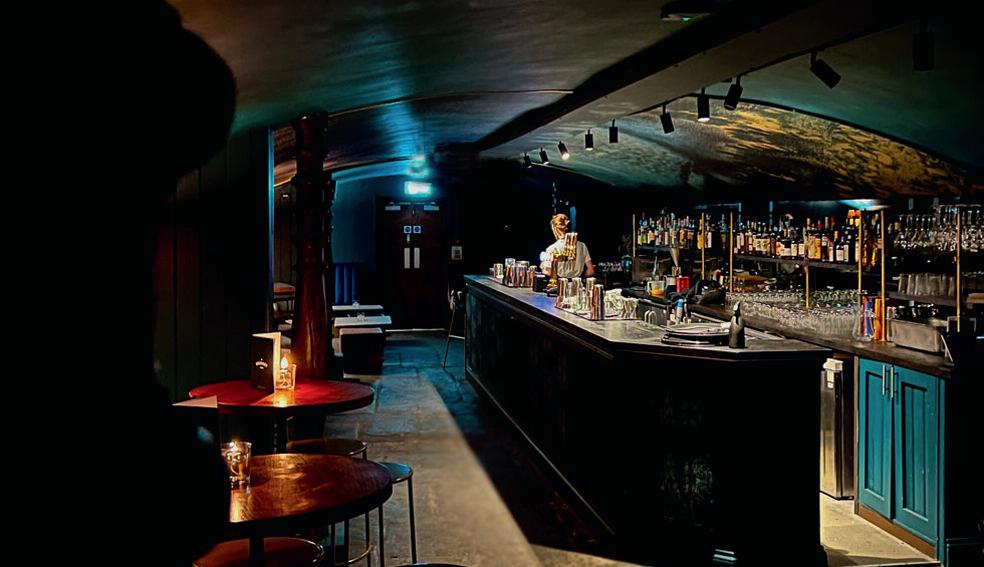
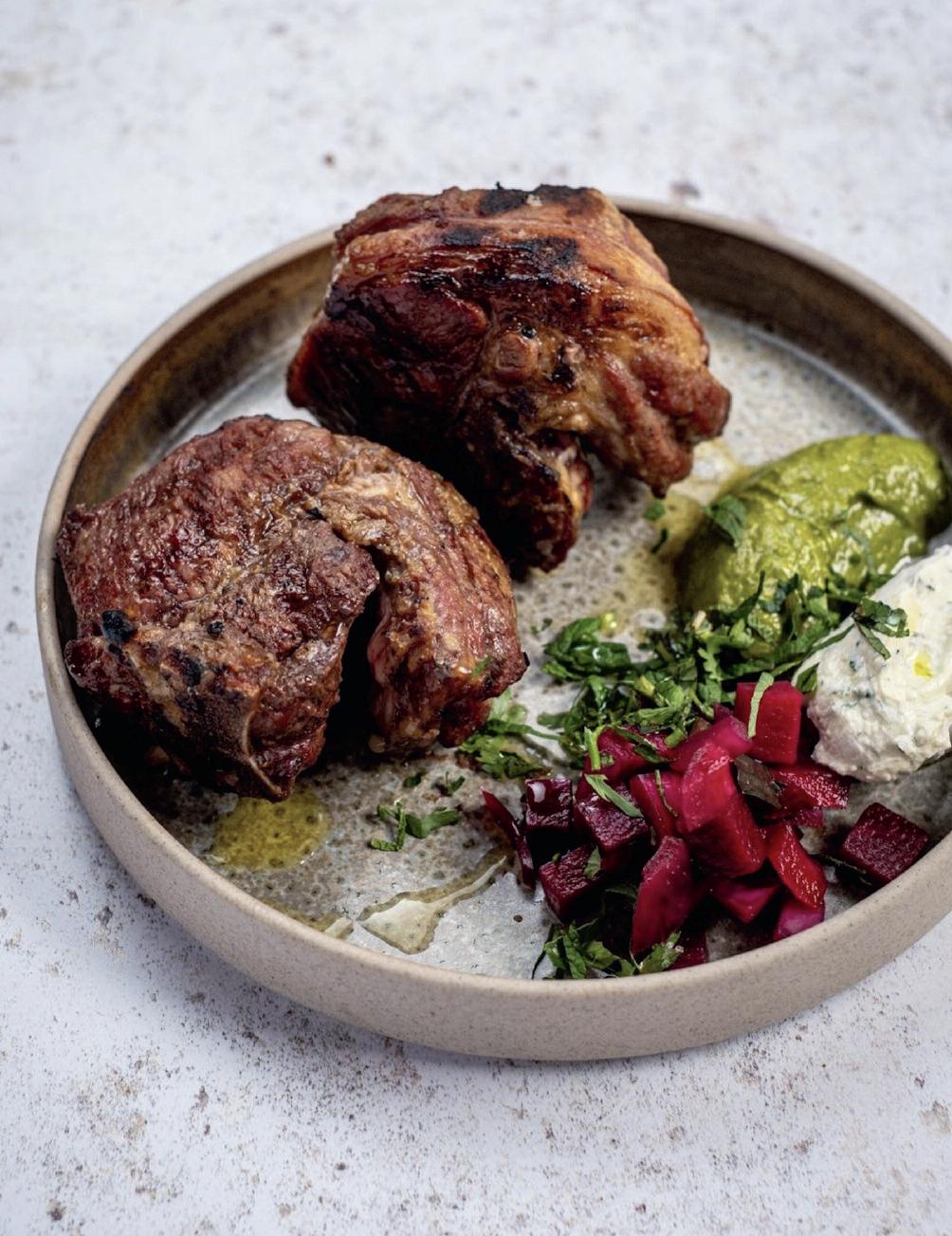
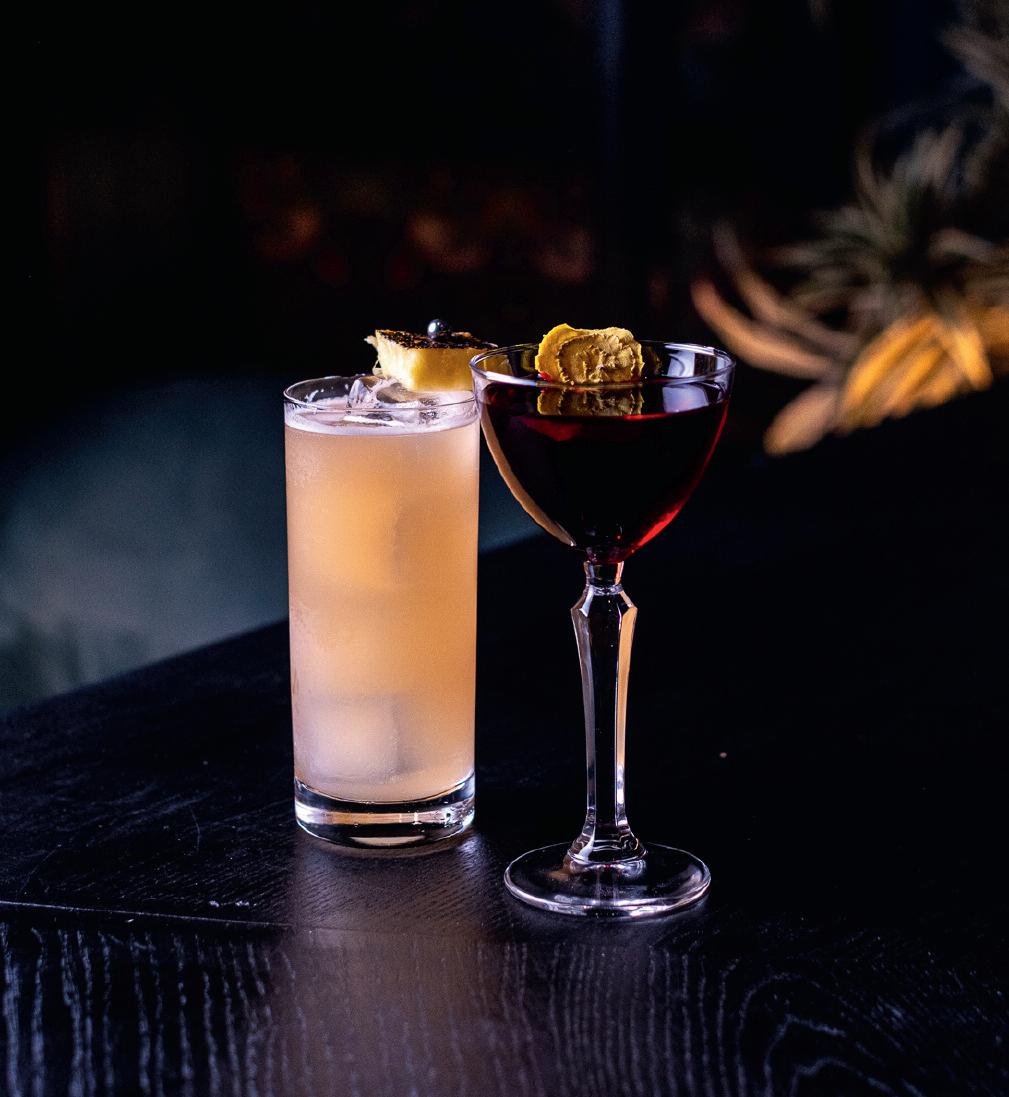


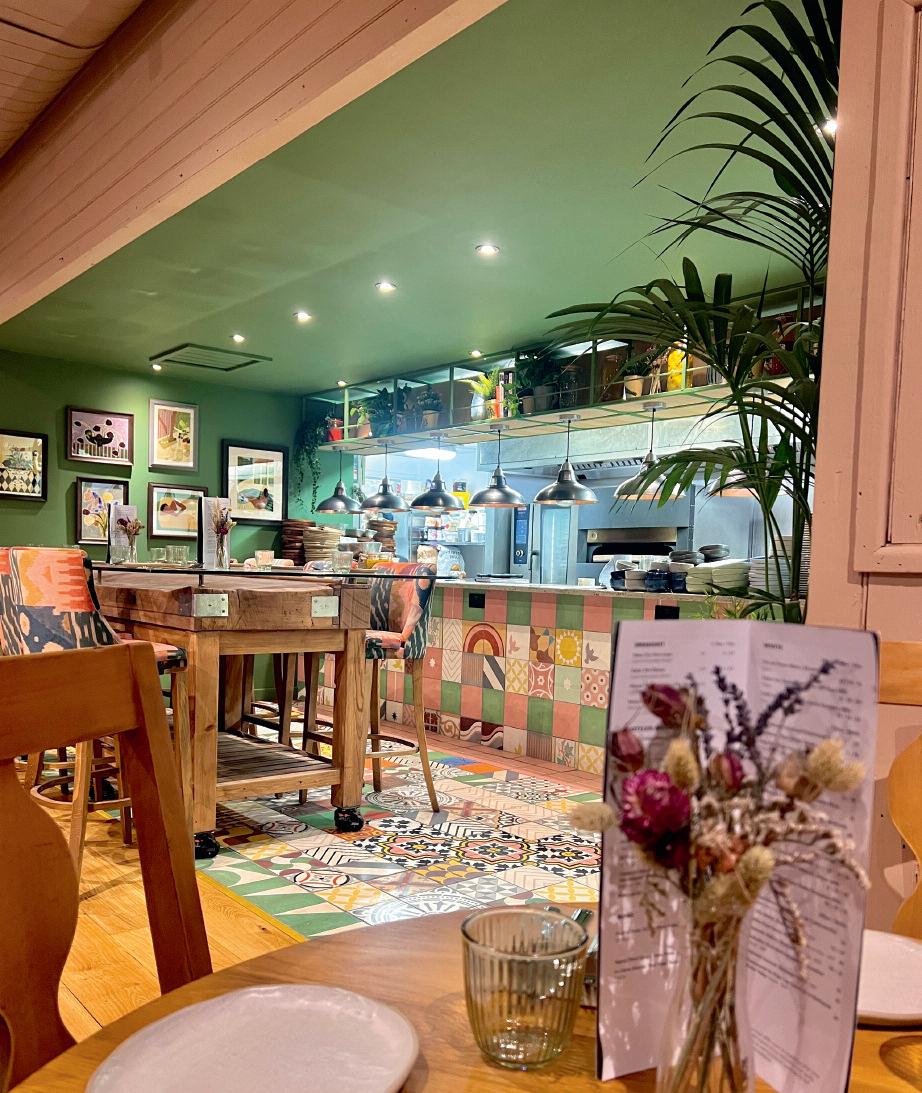
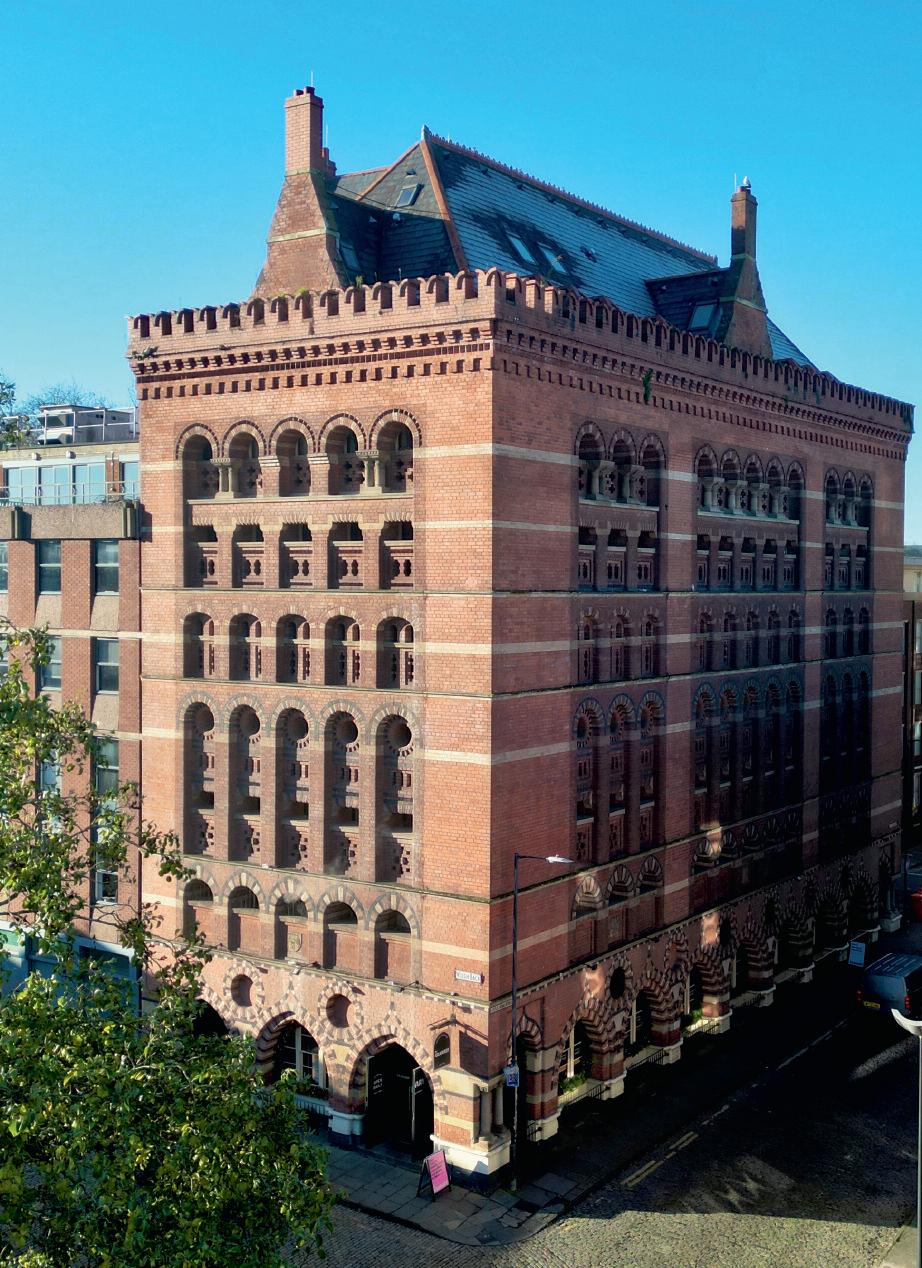
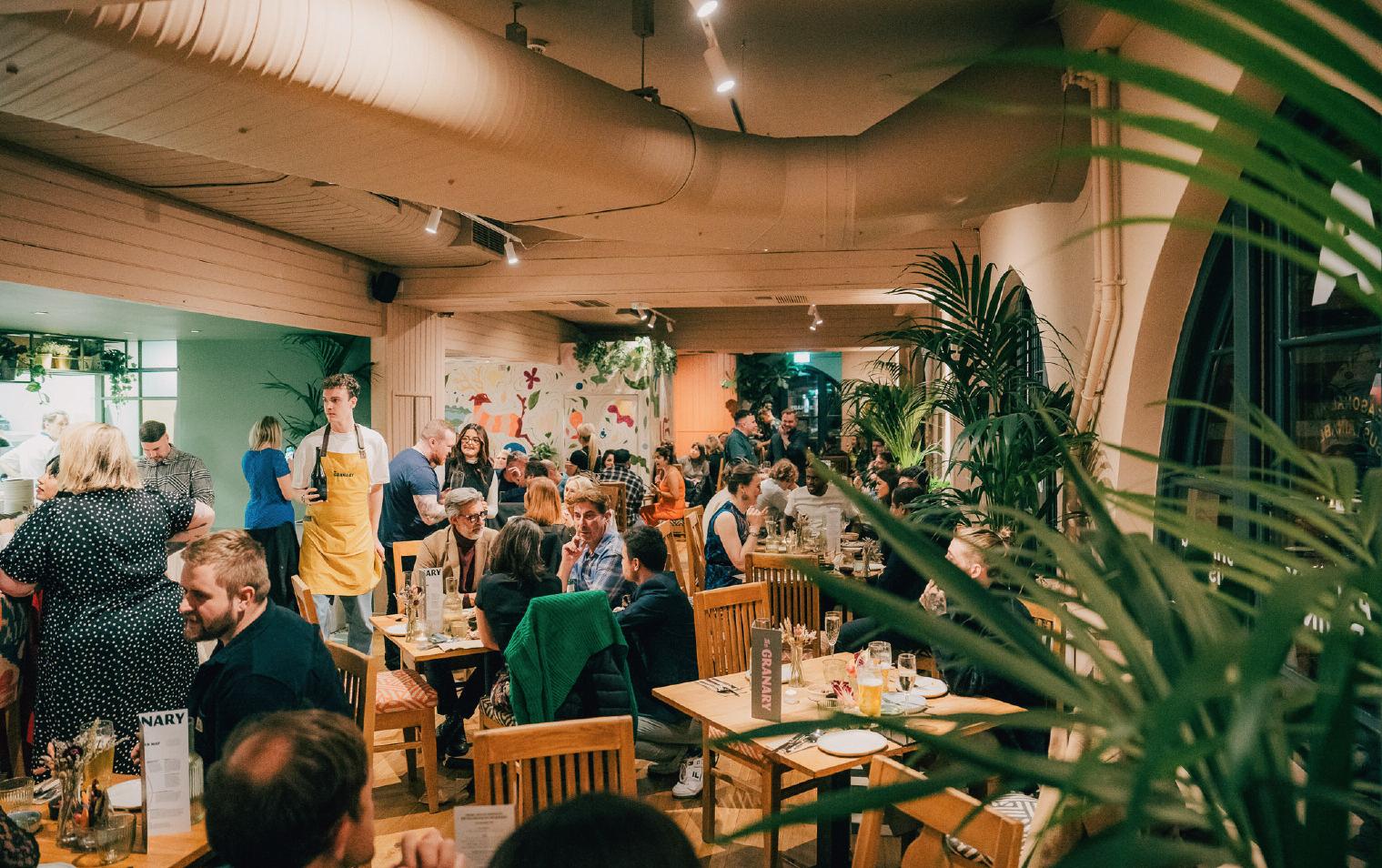 Fresh cocktails with a zero -waste connec tion to the kitchen
Lamb leg steak with mint and coriander chutney and hung organic west countr y yoghur t
Fresh cocktails with a zero -waste connec tion to the kitchen
Lamb leg steak with mint and coriander chutney and hung organic west countr y yoghur t
The Granar y Club
The Granar y building

Fizz, Bang, Pop! FOOD & DRINK
Recommendations by Tom Bleathman from The Great Wine Co.
Champagne, often associated with celebrations, is considered one of life’s finer pleasures, but not one for the faint of wallet. Consider, then, the wines made using the same method, but from other quality wine regions These Champagne alternatives can be equally impressive and, in many cases, more approachable for the less formal occasions you might want to drink them in These options are both on offer at The Great Wine Co ntil 14 April. Discover more at reatwine.co.uk

Crémant is a French sparkling wine crafted using the same traditional method as Champagne, but produced outside the Champagne region In this case, it hails from Burgundy The Veuve Ambal Cuvée Excellence Crémant is a blend of Chardonnay and Pinot Noir, aged for 24 to 36 months. It boasts flavour of hazelnut, red apple, an citrus, with a lovely, long honeyed finish £18.85– £15.70
Hungar y may not be the first place yo think of for traditional method sparklin but Sauska Sparkling Brut is a hidden gem. Produced using the local Furmint grape, along with classic sparkling varieties of Chardonnay and Pinot Noir, it offers a fresh style with flavours of ripe citrus, juicy pineapple, and lemon curd Fantastic value for money if you ’ re daring enough. £19.95–£16.62
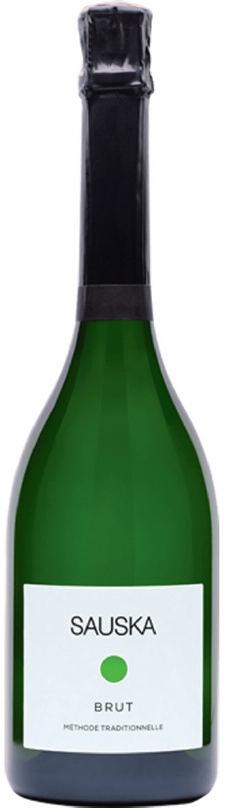
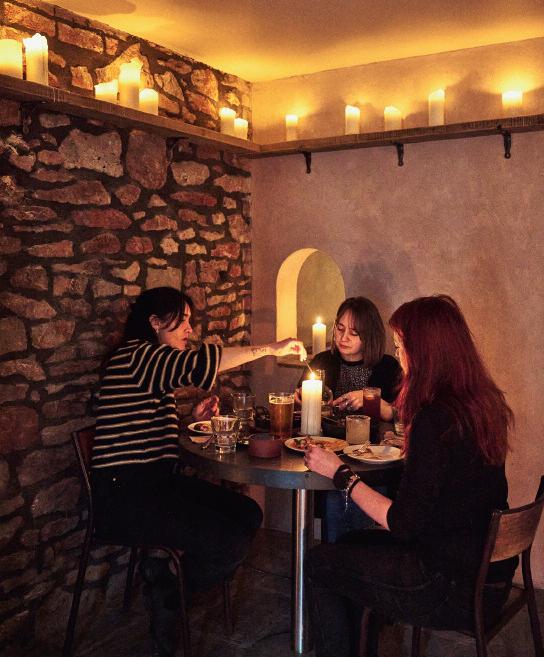
Season + Taste adds another venue to city portfolio
Season + Taste has opened its new restaurant Condesa on Whiteladies Road, bringing the flavour and energy of Mexico City to Bristol
Founded by Kieran and Imogen Waite, Season + Taste already runs three successful restaurants in Bristol; ser ving Spanish tapas at Bravas & Gambas, and Mexican food at Cargo Cantina.
Head chef Sean Mar tin, moving from Cargo Cantina, has developed a menu of ‘food that gives you dopamine’ Paying homage to classic dishes whilst also being inspired by modern Mexican cook ing, the menu features dishes such as queso fresco: a home -made cheese ser ved with hot agave and preser ved lime “Condesa has been a long-term passion project, and the menu is designed to work for both a quick bar snack and a special celebration,” says Mar tin Mezcal and tequila are a major par t of the offering, with a hidden mezcal den containing a range of ar tisan mezcals to share condesabristol.co.uk
GAIL’s to open first bakery in the south west
Baker y group GAIL’s plans to open in Clif ton V illage in May, which will be its first venture in the south-west
“Clif ton is our first baker y in the south-west and I am happy we are a bit c loser to some of my favourite growers, millers and food pioneers,” says Tom Molnar, GAIL’s co-founder “ The UK’s baking (and food) scene is getting increasingly bet “Bristol’s progressive spirit and fortunate geography in the midd le of some great agricultural land, with a long histor y of good producers, should continue to nurture and attract new ideas “Since the ver y beginning, we ’ ve believed that we ’ re better off together so we can make positive impacts wherever we bake. Bringing our baker y to Bristol, a for wardthinking and thriving city, is something we ’ ve wanted to do for a while.”
GAIL’s Clif ton V illage will be open from 7am until 6pm daily, with the space being available for charities and community groups to use outside of these times gailsbread.co.uk

54 THE BRISTOL MAGAZINE | APRIL 2024 | No 233

Dinner with Damien Wa ger
Thursday 25 April, 7pm.
Celebrating the one-year anniversar y of the Edible Ar t Macaron Boutique at Har vey Nichols Bristol, top pastr y chef and the brand’s founder, Damien Wager, will be hosting an evening at the Second Floor Restaurant
With over 10 years ’ experience working within high-profile restaurants alongside Michelin starred chefs, Damien will showcase 6 of his favourite dishes at this exclusive supper club
6 course tasting menu
3 savoury, 3 sweet created by Damien Wager £65 per person


To book: email: Reception bristol@har veynichols com or scan the QR code to book online
THEBRISTOLMAG CO UK | APRIL 2024 | THE BRISTOL MAGAZINE 55

Walled Garden Restaurant gets the Greene light
Lucknam Park’s new Walled Garden Restaurant will open imminently, with plans to showcase the best local produce in a relaxed setting – the perfect foil to the hotel’s existing Michelin-starred Restaurant Hy wel Jones. Rosanna Spence caught up with Alex Greene, head chef and the driving force behind the new concept
Just over half an hour ’ s drive from Bristol lies a not-so-secret garden, complete with a brand-new restaurant that ’ s about to elevate Lucknam Park’s culinar y offerings to new heights The five-star hotel’s existing Brasserie has been developed into the Walled Garden Restaurant: a foodie dining destination that will illuminate the ver y best loc al produce, with its own kitchen garden providing vegetables alongside supplies from some of the best farmers in the countr y.
It ’ s not just the ingredients that will be sourced from the local area, though The driving force behind the Brasserie’ s transformation into the Walled Garden Restaurant has been head chef Alex Greene, who was born and bred in nearby village Stanton Saint Q uintin
Af ter a relatively short stint working in kitchens, inc luding the Royal Crescent Hotel & Spa in Bath, Greene joined the team at Lucknam Park’s other dining destination Restaurant Hywel Jones and worked there for around four years before moving across to the Brasserie.
It ’ s worth noting that Jones’ Chippenham-based eater y retained its Michelin star a few months ago amid a discouraging year for the south west, which saw Bristol’s star accolades reduced to one restaurant Greene ’ s vision for the Walled Garden Restaurant is that it complements Restaurant Hywel Jones perfectly, offering a more relaxed dining environment for people to enjoy, using many of the same quality suppliers as its Michelin-starred sibling, but with an accessible menu of
small plates – in line with the changing eating habits of diners The new restaurant, which will seat 88 guests and has space for 40 more to stand with drinks, will also be powered by people well versed in providing the same quality of drinks, food and ser vice expected of Hywel Jones
The talented bar manager Jordan W iltshire and multiple chefs already working at Lucknam Park are keen to support Greene’s vision and ethos of showcasing a fantastic menu brimming with the best ingredients in the local area where possible, and the wider west countr y region. He’s also worked with many of his chef brigade before, as well as Ellie Dimes, who will be the Walled Garden senior restaurant manager heading the front-of-house team, is a trusted familiar face at Lucknam Park, having previously worked with Hywel Jones
Time for a change
Lucknam Park is having a transformative year. Alongside opening the new restaurant, the hotel is also launching two new cottages for guests to stay in, and is making fur ther improvements and additions to its luxurious spa
W hat was the reasoning behind the Brasserie’ s evolution? Greene explains that L uc knam Park is a lot bigger than it used to be, with cottages now dotting the estate (one sleeping up to 12 guests) and more guests than ever before seeking somewhere to dine each day He notes that the evolution has in some respect been gradual, with his chef peers
56 THE BRISTOL MAGAZINE | APRIL 2024 | No 233
FOOD & DRINK
Lucknam Park exterior (credit: Adam Lynk)
helping him develop the Brasserie into a real foodie destination in its own merit, rather than just another restaurant on site.
And what better way to help his concept make a name for itself on the local dining scene, than with a new name? W ith improved kitchen facilities, a larger chef s ’ pass and ne w inter iors allowing the space to possess all the romance and serenity of an English countr y garden, the Walled Garden Restaurant will honour its surroundings of the stunning pr ivate gardens (which are also receiving some T LC ahead of the opening, inc luding the renovation of an existing nearby building into a smart cigar lounge) that also provide botanicals and aromatics for the food and drink menus.
The bounty of Lucknam Park’s developing kitchen garden in spring and summer will be pickled and fermented for starring roles on Greene’s autumn and winter menus Elsewhere on the menu, spring lamb reared on the estate ’ s grounds will feature, as well as many loc al suppliers (Greene notes the area is home to some of the best farmers in the countr y) who already have a strong relationship with Lucknam Park
Once opened and established, Greene will add a breakfast offering to the Walled Garden Restaurant, continuing the same ethos found throughout the day. W hether you visit for breakfast, a light lunch of small plates and sandwiches, or are joining for the full a la carte evening menu, Greene’s efforts to create outstanding dishes that are a love letter to Lucknam Park’s local area – in an environment where he can nurture and train other chefs to grow in their careers – will have you wanting to escape the city again and again n
For the latest updates on the Wal led Garden Restaur ant opening, sig n up to L uc knam Park’s dedic ated ne wsletter at: luc knampark.co.uk/dining/walled-g arden-restaurant


FOOD & DRINK THEBRISTOLMAG CO UK | APRIL 2024 | THE BRISTOL MAGAZINE 57
Chef Alex Greene
Bristol at work

Men sought for local fertility study
Jen Nisbett, a senior clinical embr yologist at the Bristol Centre for Reproductive Medicine (BCRM), is reaching out to find men aged between 18-44 in the Bristol area to become involved in a study establishing how intermittent fasting affects sperm production Nisbett, who is leading the NHS Englandfunded trial, says: “ We need 40 recruits to take part and we hope they ’ ll be encouraged not just because their participation is vital for this potentially ground-breaking research, but also because time-restricted eating is reported to have a positive impact on both the body and brain ”
The trial will target men coming to BCRM for sperm test analysis and will link up with fertility clinics at Southmead and St Michael’s hospitals in Bristol Participants must only eat between 11am and 7pm and fast for the remaining 16 hours within a 24-hour period. They will be required to attend the clinic, once at the start and once at the end of the trial This study is being conducted by BCRM in collaboration with Manchester Metropolitan University
A new fertility clinic run by BCRM has opened at the Sulis Hospital in Peasedown St John, providing fertility advice and diagnosis for local people. The new clinic provides initial specialist consultations, with follow-up treatment – if required - taking place at BCRM’s clinic at Aztec West in north Bristol fertilitybristol.com
UPDATES
Bristol Memorial Woodlands supports suicide charity
Bristol Memorial Woodlands is teaming up with Gloucestershire-based charity Sunflowers Suicide Support, which is dedicated to offering hope and assistance to families affected by suicide. This partnership underscores Bristol Memorial Woodlands' commitment to providing compassionate care and support within the community, especially for those navigating the difficult journey of grief and loss.
Bristol Memorial Woodlands will support the charity in various ways, including hosting the annual ‘Glimmer of Light ’ event in September memorialwoodlands.com
St Peter’s Hospice teams up with Bristol Bears for fundraising march

St Peter’s Hospice is teaming up with Bristol Bears again for this year ’ s Rugby March, taking place on 21 April Tickets are £30 for adults and each ticket includes entr y to the exhilarating Bristol Bears vs Newcastle Falcons rugby game
Put on your walking boots and choose between a six-mile or new three-mile (which is accessible) route through Bristol before taking your seat in the stadium and soaking up the match-day atmosphere watching Bristol Bears in action
Participants will receive a Rugby March t-shirt to wear on the day and a route map to guide them on an adventure around Bristol's scenic spots
Ever y donation raised from the event could fund an hour of a nurse ' s time, helping to give care, advice and comfort to local patients and their families during the most difficult moments.
stpetershospice.org

Salon specialising in hair loss solutions opens this month
Fuelled by a vision to craft something extraordinary, Danielle Sanderson and Lucianna Powell have united their passion and expertise to create Auburn & Onyx, a salon specialising in hair loss solutions. Whether you’re experiencing complete or partial hair loss, feeling conscious about thinning hair, or simply seeking hair enhancement solutions, the team provides a range of specialised services tailored to suit individual needs These include the A+O Enhancer (mesh integration), a diverse range of extension techniques, and both human hair and synthetic fibre wigs The salon is nestled within the beautiful grounds of Leigh Court, offering peace, privacy, ample free parking and no Clean Air Zone charge auburnandonyx.co.uk
THIS IS BRISTOL
LOCAL BUSINESS AND COMMUNITY ORGANISATION
58 THE BRISTOL MAGAZINE | APRIL 2024 | No 233
Why the “margin of safety” theory could be a valuable part of your financial plan
A “margin of safety” gives you a cushion to allow for losses or inaccurate assumptions in your financial plan It could mean your goals remain on track, even if things don’t go exactly as you expect
British-born American economist and investor Benjamin Graham is often referred to as the “father of investing” after he wrote two founding texts about investing in the 1930s and 1940s.
The margin of safety is one of Graham’s key principles, so what does it mean?
In simple terms, it’s the difference between the intrinsic value of a stock and its market price The idea is that you should only buy stock when its worth more than its price on the market
The key benefit of the margin of safety is that it allows for some losses to occur without having a huge negative effect on your portfolio
The margin of safety could be applied to other areas of financial planning too
The idea of creating a cushion to account for mistakes or provide you with a buffer in case the unexpected happens isn’t only useful when you’re investing
A margin of safety could be useful when you’re making long-term plans too by providing you with security even if things do not go exactly as you expect
We are Independent Financial Advisers who specialise in pensions and estate planning

Understanding Inheritance Tax
Richard Higgs, Chartered Independent Financial Planner
Inheritance tax (IHT) is a levy imposed on the estate (the property, money, and possessions) of a deceased person IHT is an important aspect of estate planning and can have significant implications for beneficiaries Here are the IHT fundamentals:
1 Thresholds and Rates:

Every adult is entitled to a tax-free allowance known as the ‘nil-rate band ’ As of 2024, this threshold is £325,000
In addition to the nil-rate band there is also a ‘residence nil-rate band’ which applies when a residence is passed on to direct descendants such as children or grandchildren The residence nil-rate band is currently set at £175,000 per individual
The standard rate of IHT is 40%, applied to the value of the estate above the combined nil-rate bands
2 Exemptions and Reliefs:
Certain assets and transfers are exempt from IHT These may include assets left to a spouse or civil partner donations to charities or gifts made at least seven years before death
Business relief is available for certain qualifying assets (sometimes referred to as ‘IHT-Free ISAs’) which aims to reduce the taxable value of these assets, potentially lowering the overall IHT liability within two years
3 Lifetime Gifts:
Gifts made during an individual's lifetime can impact the IHT liability on their estate Generally gifts made more than seven years before death are exempt from IHT
However, gifts made within seven years of death may be subject to inheritance tax if they exceed the annual gift allowance or fall outside other exemptions
If you would like us to conduct a complimentary inheritance tax review to find out whether you have a potential liability, please get in touch by calling 0117 3636 212 or email office@haroldstephens co uk
If you would like a review of your pensions and investments and whether you are on track to achieve your financial goals, please contact us for a free consultation
We record regular video updates on a range of later life financial topics - search ‘Harold Stephens IFA’ on YouTube


THEBRISTOLMAG CO UK | APRIL 2024 | THE BRISTOL MAGAZINE 59
www.haroldstephens.co.uk 50 High Street, Westbur y on Tr ym, Bristol BS9 3DZ.
Light up their imaginations
To celebrate International Children’s Book Day on 2 April, the experts at Gloucester Road Books have shared a selection of new kids’ books in stock now
Anote from the team: “O ur primar y aim is that the shop be a fascinating place to explore. We have a significant focus on titles published by small independent presses There are lots of really brilliant small publishers putting out incredibly exciting books, and we want to help get these out into the world The stock is carefully chosen and constantly changing, so even if you pop in ever y week there will always be new books to find ”
gloucester roadbooks.co.uk; @gloucester rd books; 184 Gloucester Road, Bishopston, BS7 8NU.
Open Monday and Tuesday 9.30am-5pm; Wednesday to Saturday 9.30am-6pm
The Swifts, Beth Lincoln
Published by Puffin, £7.9
Perfect for fans of Robin Stevens’ work Meet
Shenanigan, a young girl determined not to be fated b her name. This ver y funny murder myster y sees young Shenanigan turn sleuth whe an attempted murder is mad on Arch Aunt Schadenfreud Set in the warren of her tall gothic family home, Shenanigan must make sense of a complex case with many suspects and even more murders.
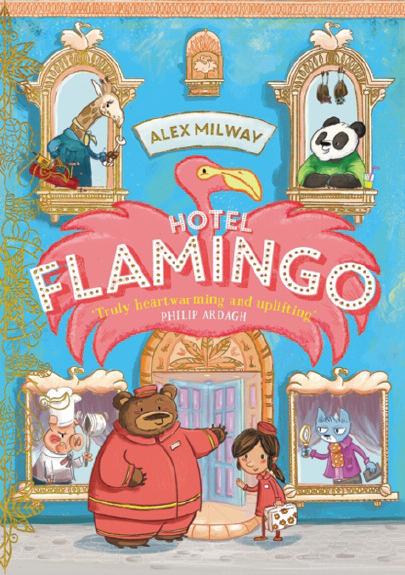

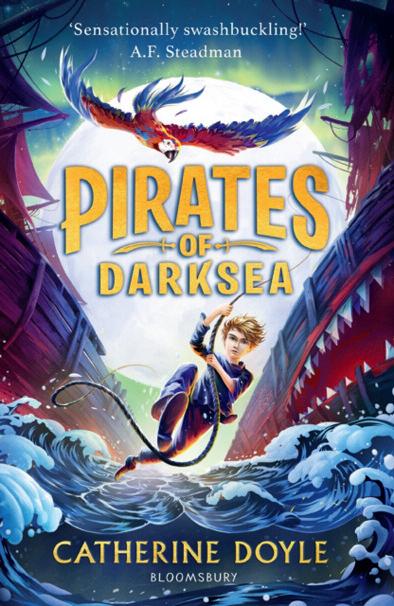





Hotel Flamingo, Alex Milway
Published by Piccadilly Press, £6.99
Anna is the new owner of the once-grand Hotel F lamingo W ith the help of T Bear the Doorman and her other animal crew she sets out to make the hotel beautiful once more for some ver y glamorous animal guests! This is a charming chapter book series and a new addition to our five to eight-years-old section

rates of Darksea, Catherine Doyle
ublished by Bloomsbury Children’s ooks, £7.99
or readers aged nine and over, and for fans or the Skandar series, this is a moving and magical read containing pirates, a secret sea ingdom in the Atlantic, and a monster ating away at its precious islands. Young Max’s home life is in peril with his younger brother falling ill and he wonders what he can do to help His answer comes when the Pirate King Captain O’Malley calls for him to help defend the sea kingdom, and offers just the award Max could have hoped for
Cactus Kid: The Battle for Star Rock Mountain, Emmanuel
Guerrero
Published by Flying Eye Books
Cactus Kid is on a mission to be the best wizard in the world, he just needs a piece of Star Rock mountain or his next magic trick However, he endeavour sees him enter a brutal motor brawl with a cast of urious motorbike enthusiasts! With plenty of action and comedy, this graphic novel is also illustrated in beautifully vivid colour Perfect for ans of the Investigators!




Love Books, Mariajo Ilustrajo
ublished by Frances Lincoln hildren's Books, £12.99
This is the latest picture-book from awardinning illustrator and children’s writer, Mariajo Illustrajo It is a magical tale bout the power of the imagination and he joy of being absorbed into a stor y A little girl is given the task to read a book over her summer holidays She reluctantly agrees but soon finds herself spellbound by an adventure stor y and is unable to put the book down...
60 THE BRISTOL MAGAZINE | APRIL 2024 | No 233 BOOKS



Following the success of Degrees of Separation, this new novel by Bristol author Roger White is a timely exploration of power, corruption, identity and truth.
"A triumph of a novel" "Eloquent prose" "Unputdownable"
– Reviews of Degrees of Separation
Hungover and tired after a month doing business in Tirana, and needing to lie low following a threat to his life, Nicholas Wyndham assumes the identity on a placard held up in the arrivals hall at Heathrow
This chance-act, with its ensuing web of deceit, ensnares not only Nicholas, but also Natasha, the young activist who meets him at the airport, and all those around them with life-changing consequences
Moving between the UK, Albania, Denmark and Greece, Deception is a timely exploration of power, class, corruption, identity and truth. The fast-paced and gripping story is set against the backdrop of the British General Election of 1997, and the public desire to replace a government beset by allegations of sleaze and incompetence with a fresh and optimistic administration

THEBRISTOLMAG CO UK | APRIL 2024 | THE BRISTOL MAGAZINE 61
G e t y o u r c o p y d i r e c t f r o m t h e p u b l i s h e r C i n n a m o n P r e s s , a n y g o o d b o o k s h o p , o r A m a z o n . P r i c e £ 1 1 . 9 9
Education matters
Clifton High School publishes blog on AI
This issue of The Bristol Magazine has a focus on AI use in the city ’s classrooms Clifton High School is an advocate of strik ing a balance between leveraging AI’s potential benefits, yet also addressing and navigating its associated challenges. The School has published a dedicated blog on its website explaining how AI is being used in the curriculum, as well as how it is teaching students the wider ethical implications of its use in the world
cliftonhigh.co.uk/ar tificialintelligence -in-the - clifton-high -school- classroom
We The Curious teams up with Hannah Moore School

We The Curious is helping to change attitudes to the thousands of seagulls in the city through a unique project co-created with east Bristol schoolchildren at Hannah
More Primar y School. We The Curious’ building caught fire – with the cause believed to be a rare occurrence of a seagull dropping a stone into its solar panels – and had to close 22 months ago for an extensive repair programme The children’s ideas are being brought to life by Bristol-based visual artist Billy, who helped the children create a one-of-a-kind seagull-inspired mural on the playground walls. Their ideas will also be developed to create an exhibit inside We The Curious when it reopens wethecurious org
Image credit above: Freia Turland
Darren Jones MP visits Fairfield High School
As par t of Fair field High School’s International Women’s Day celebrations, Darren Jones, the Member of Parliament for Bristol Nor th West, took time out of his busy schedule to visit the school’s Fem Soc and deliver a special workshop on public speak ing. While this exper t k nowledge was an eye - opening insight into the world of politics, it actually reached much fur ther than this, with tips and guidance for conducting oneself in practically any situation and career fair field.excalibur.org.uk

62 THE BRISTOL MAGAZINE | APRIL 2024 | No 233 THIS IS BRISTOL
NEWS FROM BRISTOL’S LEARNERS & LEADERS



64 THE BRISTOL MAGAZINE | APRIL 2024 | No 233


THEBRISTOLMAG.CO.UK | APRIL 2024 | THE BRISTOL MAGAZINE 65
The next generAItion
The city’s children are growing up in the age of AI. But how is this generative technology impacting their learning? We speak to local schools and discover how they are utilising the positive potential AI can bring to education

How many times have you interacted with artificial intelligence today? It ’ s probably more than you think Even if you ’ re not actively using AI tools in your professional or personal life, AI is being used to generate the adverts we see, provide customer ser vice, conjure artistic works, assess risk in insurance applications… its capabilities are growing each week. AI is certainly nothing new, but the way we are using it has changed dramatically in the last two years Especially in the education sector
W hile traditional AI is best used for spotting patterns and problem solving (proving popular with companies handling data), generative AI (GenAI) can create new content – be that audio, visual or language The use of GenAI exploded in 2022, when OpenAI launched an early version of the GenAI chatbot ChatGP T Since then, anyone with an internet connection has had the power to generate any kind of visual and audio content they like using this technolog y.
According to the Januar y 2024 report Generative AI in education Educator and expert views by the Department for Education and The Open Innovation Team: “ Teachers and experts acknowledge that GenAI could have a transformative impact on education From helping teachers save time by automating tasks, to improving teaching effectiveness by personalising learning for students, there is significant potential for GenAI to benefit the sector At the same time, there is considerable concern about the risks it presents, as well as scepticism about whether
these can be mitigated ” Research from the report shows that GenAI use among students and teachers has soared rapidly over the last year or so: by November 2023, a sur vey from TeacherTapp found 42% of primar y and secondar y teachers had used GenAI in their role (an increase from 17% in April of that year); pupils and students may be using GenAI more than their teachers; and 74% of online 16- to 24-year-olds in the UK have used a GenAI tool.
Meanwhile, in Februar y 2024 The Guardian shared the results of a sur vey of more than 1,000 UK graduates conducted by the Higher Education Policy Institute It found that 53% were using AI to generate material for work they would be marked on One in four are using applications, such as Google Bard or ChatGP T to suggest topics and one in eight are using them to create content
Bristol’s pupils are preparing to enter a world of further learning and professional work that will without doubt interact with AI on an increasingly regular basis.
So, to ensure that they are aware of these tools’ positive potential (such as boosting efficienc y, problem solving and aiding special educational needs development), as well as the ethical and intellectual risks they pose (factual inaccuracies, plagiarism and a general over-reliance on technolog y), schools have an important role to play
That ’ s why we wanted to speak to a selection of leading educational institutions in the region to see how GenAI is impacting their curriculum.
EDUCATION
66 THE BRISTOL MAGAZINE | APRIL 2024 | No 233
Ed Keen, Digital Learning Lead, Clifton High School
“Clifton High School increasingly recognises the need for our pupils to gain practical experience and hands- on k nowledge in programming as well as understanding the fundamentals of ‘machine -learning’. Lessons engage Year 7 and beyond pupils to create their own machine -learning model and navigate online software tools. Using the beginner-friendly visual programming language of Scratch, a block-based visual programming language to create website projects, they progress to Python, a more advanced application of the same purpose
“ We consistently review training initiatives for both students, staff members and, in turn, translate this learning to our parent-body As the central hub for AI CPD in the Bristol Education Par tnership, we work closely with universities and industr y leaders to guide students in lesson time, providing lectures and workshops for our staff community
Stuar t Dalley, Senior Deputy Head, Badminton School

“Clifton High School is acutely aware of the misinterpretation of web-based platforms and is committed to ensuring that the safety of our pupils is paramount in our responsibility as educators. Safeguarding implementation methods are communicated with an open- door and open-minded approach to guide pupils and their families on becoming digitally resilient and aware of the benefits and pitfalls associated with AI. The optimised safeguarding training our teaching staff receive enables them to monitor and be mindful of how a pupil’s submitted work can be affected by AI We openly discuss the boundaries of real learning vs simulated k nowledge to optimise a child’s understanding of AI use and misuse while employing filtering and block ing software, network monitoring and teacher super vision.”
Clifton High School has a dedicated blog on its website: cliftonhigh.co.uk/ar tificial-intelligence -in-the -clifton-highschool-classroom

“Currently, the technology is being incorporated into the curriculum in a gradual fashion, with depar tments given a degree of autonomy to use AI to enhance learning as best meets the needs of the pupils in their subject. This means that some depar tments are using AI tools to enhance critical think ing among pupils as an additional tool in learning, while others favour a more conventional approach; this mixed economy helps to enrich the learning experience at Badminton That said, our current line is ver y much geared towards the impor tance of enabling pupils to think for themselves and ask ing that they use their own ideas and creativity first and foremost While AI might provide readymade answers to a range of queries, pupils will not have access to this in exams and we would not wish to create a learning culture in which AI stifles individual creativity and think ing As with many schools, our approach to AI is ver y much in development
“ We are engaging both pupils and parents with AI, but we also ver y mindful of the ver y different opinions and views on it and we are adapting accordingly. That said, we are ver y clear with pupils on what is acceptable use of AI and we and are actively following the guidance on this from JCQ (this is the organisation that acts as a single voice for issues related to the administration of public exams) There are ways in which we monitor student use of AI in submitted work; we are ver y clear with pupils about our expectations in this area and, likewise, of the risks for exam year groups of not following JCQ guidance ” badmintonschool.co.uk
Tom Church, Digital Strategy Lead and Deputy Head of English, Sidcot
“At Sidcot, teachers embrace AI judiciously, offering students diverse tools for creativity and problem-solving Examples include chat-bots aiding histor y research, AI-generated and differentiated quizzes for PE revision, and AI-generated ar t complementing English narratives Such integration prepares students for a future where AI is prevalent, equipping them with essential sk ills for tomorrow ’s work place
“Students at A Level and IB, which include significant coursework components, are explicitly trained in the use of AI as a research tool Younger students learn about AI, computing, and internet ethics in IC T and PSHE classes. A recent Parental Engagement Evening explored IC T in the classroom as well as AI’s educational implications These initiatives ensure students and parents grasp AI’s significance while fostering responsible digital citizenship across the curriculum
“Education about academic honesty is a crucial component in student work. ‘AI checker ’ ser vices estimate the likelihood of AI-generated writing; however, in the ongoing digital arms race reliability can var y Consequently, k nowing the student is a power ful tool in assessing the fidelity of assignments Teachers gauge whether the writing aligns with the student's typical expression Check ing for American spellings and idioms can quick ly identify AI input Despite technological tools, teacher judgment remains vital in assessing academic integrity ” sidcot.org.uk

EDUCATION
“ I D E A S A N D C R E A T I V I T Y F I R S T ”
“ E S S E N T I A L S K I L L S F O R T O M O R R O W ’ S W O R K P L A C E ” THEBRISTOLMAG CO UK | APRIL 2024 | THE BRISTOL MAGAZINE 67
“ W O R K I N G C L O S E L Y W I T H I N D U S T R Y L E A D E R S ”

Clare Fraser, Head Teacher, Cleve House School
“AI is being integrated into our International Baccalaureate (IB) curriculum It is an impor tant tool suppor ting our work, enhancing curriculum planning, progress track ing, student por tfolios and communication with parents We plan to suppor t our senior leaders in coaching junior staff in the use of generative AI This will enable teachers to incorporate AI tools into classroom activities, fostering a culture of continuous learning and innovation We hope to elevate student learning and also enhance teacher development
“As an IB secondar y, our students are taught in the basics of AI as par t of a comprehensive digital literac y and ethics programme across the curriculum. This responsibility is shared by all teachers, ensuring that our students are well- equipped to navigate the digital world responsibly and effectively. This stance is communicated to, and understood by, our parents
“Our small class sizes and project-based learning approach enable us to closely monitor the use of AI Teachers are deeply involved in pupils’ learning process, assessing students through their progress and use of direct evidence, rather than just the final product This approach fosters the responsible and ethical use of AI ” clevehouseschool.com

 Gar y Henderson, Direc tor of IT, Millfield
“Problem solving, ideation, summarisation, translation and recommendation are just some of the benefits which AI can provide for our students and staff There are logical points for the inclusion of AI into the computer science curriculum and in lessons on research sk ills, where we can teach students both about AI and how to use AI tools
“In addition to this, we also look to include it across all subjects given that AI has the potential to impact all areas of k nowledge
“Students are already using generative AI tools independently, and therefore it is impor tant to engage with students about appropriate use of Generative AI tools along with the risks and challenges We want students to benefit from the potential of AI tools but equally they must be aware of risks and constraints such as those related to coursework. Equally we need to provide information to parents as to what is acceptable, balancing the benefits and the risks.
“AI detection platforms exist, however these have not proven to be reliable. As such the key is building awareness with students as to what is acceptable and what is not We also ensure high- quality teacher student relationships and teacher professional judgments so as to help identify where misuse may have occurred ”
millfieldschool.com



Matthew Pattie, Deputy Head – Academic, Bristol Grammar School
“ We’re actively creating oppor tunities to work alongside AI rather than against it Pupils are encouraged to ‘beat the bot ’ ; exploring how and where they can improve an AI generated response. For teachers, AI tools can create shor t answer quizzes, or differentiated versions of text providing resources appropriate to all learners AI sessions are delivered to all pupils as par t of our Study Sk ills Programme Our focus is really on what AI, and in par ticular Large Language Models are and how they work We want pupils to understand how they are built and some of the problems inherent with AI For example, AI has proved problematic in generating stereotyped imager y – tr y typing in ‘generate a manager ’ to pictorial AI and it will, nine times out of ten, produce a white middle -aged man
“Pupils have a real love of learning at BGS, teachers are tapping into this and showing pupils that using AI to ‘shor t cut ’ the learning process can negatively impact developing their schema or long-term memor y Like the ‘satnav effect ’ , we stress over-reliance will lead to lost k nowledge – a message that is landing well with our pupils
“ We educate pupils on the ethics of AI regarding academic honesty and integrity. One of our core school values is integrity in suppor t of this, ever y pupil signs an academic honesty agreement. We also pride ourselves on k nowing our pupils and their standard of work extremely well – but we also provide guiding principles to all teaching staff detailing how to spot work generated by AI. By educating pupils that using AI is not ‘wrong’ in and of itself, but that it needs to be used in the right way and cited appropriately, enables a culture of open AI learning rather than cover t usage.”
bristolgrammarschool.co.uk

“ S T U D E N T S M U S T B E A W A R E O F R I S K S ” EDUCATION
“ P U P I L S E N C O U R A G E D T O ‘ B E A T T H E B O T ’ ”
“ A N I M P O R T A N T T O O L ” THEBRISTOLMAG CO UK | APRIL 2024 | THE BRISTOL MAGAZINE 69
Paul Dw yer, Head, Redmaids’ High
School
“Engagement with AI at Redmaids’ High is focused in three distinct, but overlapping areas. Allowing students to understand how their learning in any given subject might be augmented through using AI resources is a key focus; we want students to understand that these are tools that can aid and enhance their progress, without replacing the need to think deeply and reflect critically on their par t Highlighting to students what considered use of AI might enable allows for empowerment in the same vein as their use of other tools and resources
“Fact- check ing and identifying evidence carefully have always been chief among our messaging to students when mak ing use of technology, and to this we have now added a focus on ensuring they retain their own voice and sense of expression
“Recent months have seen us develop fur ther the idea of AI as a subject wor thy of study on its own terms, not just as a lens through which to view their studies in other disciplines.
“ The evolution of our creative technology curriculum in Year 7 will allow students to engage with the ethics and concepts that drive the use of AI in the wider world, as well as develop increasing confidence in their use of it to innovate and work through realworld problems.
“None of this work would be as successful without suppor ting staff in their own understanding and engagement with AI tools. Our digital education panel has been convened to help set up and continue to refine parameters for the safe and effective use of AI in the classroom, as well as identifying ways in which work load for colleagues in all areas might be alleviated in the months and years to come ” redmaidshigh.co.uk


70 THE BRISTOL MAGAZINE | APRIL 2024 | No 233
A I I S A S U B J E C T W O R T H Y O F S T U D Y O N I T S O W N T E R M S ”
“




72 THE BRISTOL MAGAZINE | APRIL 2024 | No 233

At your service
Organisations are f inding creative ways to boost wellbeing across the city in the midst of increasing demand for mental health support. Hollye Kirkcaldy speaks to the people on the frontline to hear how these services are transforming lives for the better
We ’ re in the eye of a perfect mental health storm. A devastating combination of the long-term impact of the covid pandemic, the more recent cost-ofliving crisis and end less NHS waiting lists has lef t thousands str uggling to access suppor t for poor mental health
According to recent NHS figures, 124,800 adults across the south west have been referred to communit y-based mental health and learning disabilit y ser vices but are still waiting for their second appointment,
alone. Demand is surging but with people waiting months to access NHS Talking Therapies, it is falling to Bristol charities to create muchneeded saf e spaces with
d emotional wellbeing support
“ Human contact is important ”
91 Ways to Build A Global City is a social enterprise based in Bristol which connects disadvantaged communities through the power of food, inc luding supper c lubs and cooking c lasses. For founder Kalpna Woolf, br inging people together o ver f ood is tr ansf or mative f or mental wellbeing: “ We always say that sharing a proper plate of food is an act of kindness,” she says “ You're reaching out and showing them you care It really makes a difference I don’t care if people come to our sessions and don’t want to learn to cook I care that they ’ ve come to have a chat with somebody Human contact is important ”
It's an ethos shared by mental health charit y Many Minds, which facilitates creative dr ama workshops and theatre per f or mances to
suppor t its members who have a broad r ange of mental health conditions, inc luding anxiet y, depression and schiz ophrenia.
“ There is a whole body of researc h to show that the ar ts have a positive impact on wel l-being, ” say s co-f ounder O livia Ware “ The space that we pro vide is specific al l y designed by and around our members It allows people to be themselves, allows them to be creative, provides a release which doesn't necessarily involve having to always talk about how you ’ re feeling ”
Ware shares the stor y of a talented pianist who attended the Many Minds workshops but was reluctant to appear in their upcoming performance due to anxiet y. “ We were exploring ideas of how he could be involved,” she says. “Members came up with the idea of performing with their heads inside boxes, doing these amazing movements along the catwalk, and this man ended up playing the piano from inside one of these boxes V isually it was just amazing; it was a great, great piece of art coming out of the simple fact that he just didn't want to be seen ”
A joyful place
Tabby Rodney is a former member of Many Minds who credits the charit y for supporting her through long periods of mental ill health.
“I had become totally isolated, I was just alone,” she says. “Of all the charities I’ ve been involved with, it was the only one that stuck It ’ s a joyful place We deal with the really hard topics, but the space is so safe Working towards the goal of a performance kept me motivated I didn’t think I would ever be well enough to do the things that I loved, and they suppor ted me through that and actuall y helped me to get bac k into universit y ”
Af ter graduating, Rodney became a Many Minds Trustee. “I was just looking f or any way that I could give bac k bec ause the y ’ ve done so
gure that ’ s gone up by 25% in the last 12 months
munities f or mental health an
a fi
in loc al com
74 THE BRISTOL MAGAZINE | APRIL 2024 | No 233
Many Minds (Photo: Jack Offord)
much for me Not onl y is the char it y helpful to the people who are struggling, but we also make art which can change people’s minds about mental illness.
“ It c an make it less fr ightening, it c an make it funny e ven Many Minds has made me want to be an advocate rather than a victim ”
Many Minds has seen a 30% increase in members year on year since the pandemic, as Ware explains “ We're finding that more people aren’t meeting cr iter ia or thresholds f or NHS treatment or the y ' re sat on waiting lists GPs want places to refer people to bec ause they ' re not able to help S o theref ore, we ' re seeing members join us with real l y complex, diverse needs.”
Char ities too though are feeling the effects of that per fect storm, with difficulties balancing the increased demand with tough fundraising circumstances
“ We’re pushing boundaries and the impact on our members is to give them confidence, more resilience ”
“Last year was quite a challenge for us in terms of fundraising, and yes, there are now more people whose needs we are tr ying to meet,” Ware says “ There are cuts ever ywhere, people are being more frugal and we hear from funders that they would love to be able to support ever yone but they can’t and I understand that For us, it's about careful planningif we don't get the money, we ask how we can provide ser vices in a different way that still ser ves our members?”
Reduced income has lef t charities needing to be creative with how they help. In response to losing access to performance space, Many Minds started organising trips to exhibitions and shows for its members
“ We went to the Royal West of England Academy (RWA) and the lifts were broken that day, so we had a great time doing spontaneous mini performances around the theme of barriers to access The RWA was intrigued and has invited us to do a performance in May as part of its These Mad Hybrids exhibition We’re pushing boundaries, and the impact on our members is to give them confidence, more resilience, more selfworth, a bit more ownership and empowerment.”
Creating financial sustainability
Many Minds is no
tough post-covid Research from Voscur, which supports charitable and communi
communit y organisations were unsure last year if they would be able to continue delivering ser vices over the next 12 months Small charities are particular ly at risk, discovering that they now need to find ways to diversify their income.
The Harbour, based in the cit y centre, provides counselling to those exper iencing terminal illness or bereavement D ur ing the pandemic, the team saw a significant reduction in available funding from trusts and foundations and, as a result, decided to introduce a fee for ser vices for the first time in its 32-year histor y “
It was one of the few ways we could create a sustainable financial future for the char it y, ” explains Natasha Davies, CEO “ We ’ ve tr ied really hard not to create financial barriers so we now have a pay-whatyou-can-afford model. Currently about 15% of our c lients pay the full f ee f or ther apy, about 15% pay nothing and e ver yone else sits on a sliding scale in between ”
Working hand-in-hand with other communit y organisations is another way in which small charities can extend their impact Davies


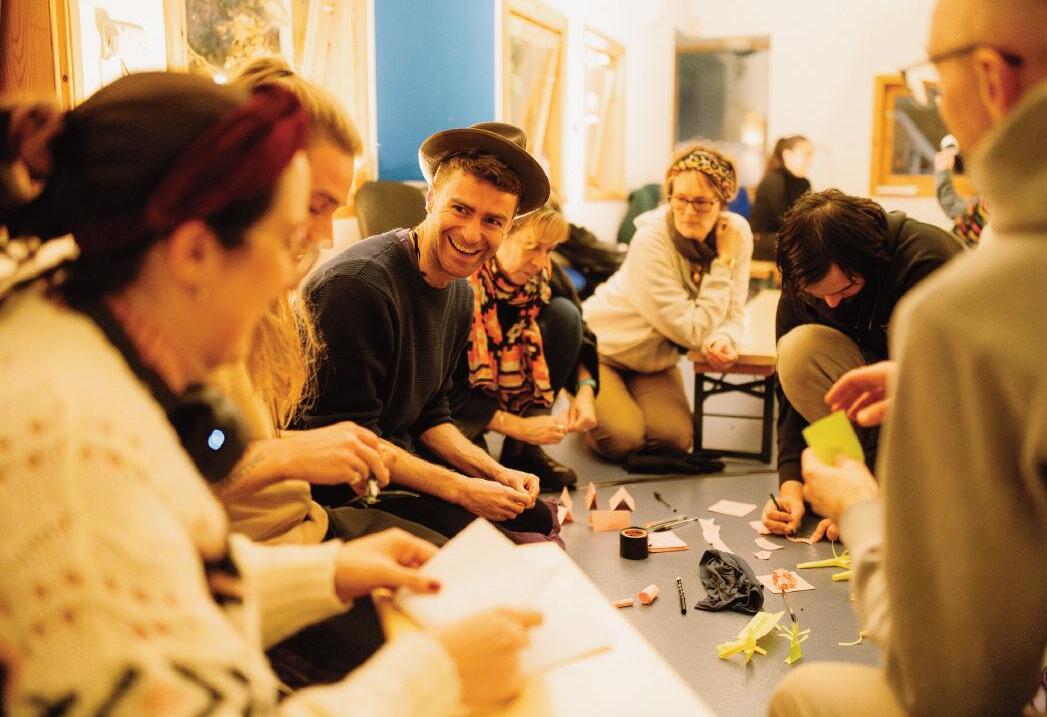
t the onl y c har it y in the region who is finding it
y organisations in Br istol, indic ates that 40% of loc al
t
HEALTH & WELLBEING THEBRISTOLMAG CO UK | APRIL 2024 | THE BRISTOL MAGAZINE 75
Changes Bristol
Many Minds’ Same Storm Same Sky produc tion
Kolab Studios (Photo: Alastair Brookes/Many Minds)
sees the benefits of embedding the specialist therapy provided by The Harbour with other communit y-based ser vices, and considers this to be a key path for the charit y in the coming years “For me, small charities can play a role in using their exper tise in par tnership with others It ’ s not about tr ying to do ever ything ourselves, it ’ s about working in ways we can have the biggest impact,” she explains
The Harbour has recently started to expand its therapy ser vices into disadvantaged communities across Bristol “Knowle West Health Park runs a bereavement peer support group which is well attended by people who want to share their experiences,” explains Davies. “ The challenge however is when someone new joins the group, they are of ten at a much ear lier, more raw and more complex stage of their grief process and they need a dedicated specialist space to work through that so that they aren’t o ver whelmed by the group who are fur ther along their bereavement jour ne y We c an now pro vide that as complementar y suppor t ” S he considers it a “tr ansf or mational project ” f or the c har it y as it mo ves towards becoming a more communit y-based organisation
Walking and talking
Changes Br istol pro vides communit y-based peer-to-peer suppor t to those suff er ing from mental distress across the Greater Br istol area
Alongside suppor t groups and telephone befriending, Changes runs a r ange of communit y ser vices, inc luding mindful ar t sessions and its
popular Walk & Talk sessions
“ Walk & Talk was something we star ted post-covid when we were considering how we start mixing socially and talking to each other in person again, “ Alessandra Gava, Changes co-director, says. “I thought it would tail off as people got back to doing normal things, but it just constantly grows; we now run two sessions each week on a Wednesday
morning in different locations across the cit y. It ’ s ver y natural, it really is f or people who need to f eel that the y ’ re with somebody and are connected, but without any pressure to talk if you don’t want to ”
L ast year, the c har it y col labor ated with the People ’ s Republic of
S tokes Crof t to create a huge mur al celebr ating peer suppor t, whic h br ings together those with lived exper ience of mental il l-health and those currentl y exper iencing mental distress to create a saf e and empowering space “It ’ s somebody who isn’t going to judge what you ’ re say ing, you c an say whate ver is there, no explanation needed, ” Gava explains. “ Having that space to talk also helps people to process and reflect why they might be feeling those ways, and work through it while f eeling saf e In our peer suppor t groups, there ’ s no hier arc hy, no professional/patient relationships, it ’ s a level playing field and we ’ re all humans We’ re all making ourselves vulnerable together ”
Helen S er mon volunteers as a Changes peer suppor t meeting facilitator and r uns a weekl y session in Bedminster A counsel lor by profession, Sermon believes that the safe community which peer-to-peer suppor t creates benefits the volunteers as well as the group members: “ You c an f eel so isolated and lonel y when dealing with your own challenges,” she says. “But when you sit with a group of people and they share their stor ies, you just f eel held The shar ing of stor ies is so powerful, it ’ s that connection ” n
C hanges Br istol is taking par t in T he Big Give Kind Mind Campaig n i n M ay Fo l l o w t h e m o n s o c i a l m e d i a f o r u p d a t e s o r v i s i t c h a n ge s b r i s t o l o r g u k Fo r m o re i n f o r m a t i o n o n M a ny M i n d s , t o d o n a t e o r e x p l o re o p p o r t u n i t i e s t o b e c o m e a Tr u s t e e, v i s i t m a nyminds.org. To lear n more about the counselling ser vices pro vided by T he Har bour, visit the-har bour.org.uk.


Angela on the other hand came to me with a ver y painful neck as a result of a long term Whiplash leading to arthritis…6 months following MBST treatment for cartilage and bone, she’s got full range of motion and is virtually pain free


76 THE BRISTOL MAGAZINE | APRIL 2024 | No 233 HEALTH & WELLBEING MBST Treating spinal injur y and arthritis Due to the severity and complexity of many conditions that come to my clinic, MBST isn’t always the miracle cure, but in nearly ever y case, it improves the patients symptoms and quality of life. We can help. Talk to us today : 0117 959 6531 www.curaclinical.com An award-winning innovative treatment for: Osteoar thritis | Back & disc problems | Bone conditions & fractures | Car tilage damage | Ligament, tendon & muscle damage | Spor ts & accident injuries.
came to me with ver y severe spinal arthritis and debilitating pain which was making her so unhappy. We were chatting last week about how she was when she came in versus now, and whilst she still suffers, the nature and severity of her pain has changed significantly for the better which we’re really happy about
Judith


Overcoming the conflict of dieting
Weight management is a topic on which everyone has an opinion, but these opinions can be overgeneralised and actually detrimental rather than helpful Stereotypical views of weight as a reflection of laziness and greediness, combined with diets that have been unsuccessful in the longer-term compound a personal sense of failure and shame And the more times a person goes around the cycle of weight loss, the harder it is to believe that anything can change
The tide is changing, however, from old messages of ‘you just have to eat less and move more’ to recognising the complexity of factors that influence weight Sleep, stress, endocrine disturbance, gut hormones, nutrition and physical activity levels all have a part to play, as well as genetic factors which can be activated under certain physical and environmental conditions.
What we offer
At Nuffield Health Bristol Hospital, we provide a range of different interventions to meet an individual’s needs Our specialist weight loss team is made up of consultant bariatric surgeons James Hewes, Alan Osborne, Hari Najeswaren, Dimitris Pournaras, dieticians Dafydd WilsonEvans, Jeanette Lamb, Beth Greenslade and consultant clinical psychologists Vanessa Snowdon-Carr and Emma Shuttlewood
Between them, they offer a multidisciplinary approach which begins with a comprehensive assessment to understand when difficulties with weight developed, eating habits, physical and emotional health and wellbeing, before suggesting the options for treatment
Wellness interventions
Because many people want to refocus on weight management, we offer a number of different options, including tailored nutritional support from dietitians, group interventions for dietary change, or a focus on habits and behaviour change with a clinical psychologist We also offer more specialised psychological help if needed for disordered eating and mental health difficulties.
Weight Loss Medication
Medications for weight loss are now safer and more effective than ever They work by acting on receptors in the brain that control your appetite, causing you to feel less hungry and fuller quicker, to minimise food cravings By then supporting you to focus on your nutrition and lifestyle habits, we will help you to manage your weight in the long term. On average, people lose 10%-20% of their total body weight
Gastric balloons
At the Nuffield Health Bristol Hospital, we use the Allurion Balloon, which does not require surgery, endoscopy or anaesthesia and is placed in a 20-minute appointment The balloon is filled with saline and remains for approximately 4 months before passing naturally Typically, people lose 13-15kg by also focusing on habit change supported by the specialist team. We also give you a set of smart scales linked to an App to track your progress
Bariatric surgery
Bariatric, or weight loss surgery remains the most effective intervention for both weight loss and for the maintenance of weight loss in the longer term Our team meets the highest standards of recommended practice by offering a multi-disciplinary approach from surgeons, dietitians and psychologists as a standard. This is rare within private practice, and we are proud of our approach at Nuffield Health Bristol Hospital, providing comprehensive support with specialists in their field
We provide the following surgeries, all performed laparoscopically using keyhole surgery:
• Gastric Bypass – this procedure involves creating a small pouch at the top of the stomach which is then connected to the small intestine As a result, the rest of the stomach is bypassed By doing so, it not only reduces the amount that a person is
able to eat but it also changes the gut hormones which are linked to hunger and feeling of fullness It results in rapid weight loss in the first 6-months before stabilising over time
• Sleeve Gastrectomy – this procedure removes a large section of the stomach, leaving a ‘banana-shaped’ section that is closed with staples As with the bypass, it reduces appetite in the short-term, reduces the amount of food able to be eaten at any one time, and affects the gut hormones
• Gastric Banding – this uses a device that is placed around the top of the stomach, creating a small pouch It is connected to a port placed under the skin so that fluid can be added to the band to adjust the pressure It helps to make changes to the way a person eats as well as enabling an earlier sensation of fullness.
• Revision surgery – sometimes people need to have their gastric band or sleeve revised to a gastric bypass
Help after bariatric surgery
Bariatric surgery is a very powerful tool for weight management, but long-term success requires a person to make changes to how, what and why they eat. We provide support for 18months following surgery as standard, and also offer consultations for individuals who have had their surgery elsewhere
For more information or to book an appointment, please contact the Enquiries team at Nuffield Health Bristol Hospital by calling 0117 911 5339, or scan the QR code to visit our website


3
Nuffield Health Bristol Hospital
Clifton Hill, Bristol BS8 1BN nuffieldhealth com/hospitals/bristol
THEBRISTOLMAG CO UK | APRIL 2024 | THE BRISTOL MAGAZINE 77
Meet
our team of weight loss specialists at Nuffield Health Bristol Hospital, in collaboration with Verve Health Group
High-Quality Dental Treatments in Turkey:
and without ever waiting with DentPrime...
Flashing a confident, healthy smile can make all the difference, impacting how others perceive and relate to you However, many people have dental issues that rob them of their natural smiles Crooked, stained, or missing teeth can cause embarrassment and deteriorate self-esteem Thankfully, there are solutions to transform your smile This is where a health tourism agency like DentPrime comes in
One of the major advantages of choosing Turkey for dental treatments is the expedited treatment process DentPrime's efficient scheduling and access to quick procurement of materials and equipment mean that patients can complete their treatments in a shorter timeframe This efficiency allows patients to resume their normal lives sooner, something international patients appreciate
DentPrime's approach goes beyond just facilitating dental procedures The agency understands international patients' challenges from accommodation to local transportation and language barriers Therefore, it provides a comprehensive service package, including hotel reservations, transfer services, and experienced translators This holistic approach addresses medical needs and ensures a seamless and enjoyable travel experience
DentPrime also enriches the dental treatment experience by integrating it with Turkey's touristic offerings Patients not only have their dental needs met but are also given the opportunity to explore Turkey's historical and natural attractions This combination of healthcare and tourism is a unique proposition, turning a necessary medical trip into an enjoyable and memorable experience
The agency ' s outreach extends beyond Turkey's borders, with regular consultation events in cities like London, Manchester, Glasgow, and Edinburgh where potential patients can meet the team, ask questions, and establish relationships

DentPrime is now coming to Bristol.
Those who want to attend the event, which will be held at the: Radisson Blue Hotel, Broad Quay, Bristol, BS1 4BY on April 27–28, 2024, can contact
+44 7404 460909 and register for free.
What will happen at this event?
■ Consult a DentPrime dentist and ask all of your questions
■ Learn how much treatment will cost you in Turkey
■ Learn about all-inclusive treatment packages
■ Meet your dentist and ask all of your questions
Note: The event will take place with a limited number of participants
For all the details, you can access them at: www.dentprime.com
✱ DentPrime wants to be a safe choice in health tourism in Turkey, particularly in the dental sector Its commitment to quality affordability and patient satisfaction sets it apart in the industry By seamlessly combining dental care with the joy of travel, DentPrime promises a healthy smile and a memorable journey against the beautiful backdrop of Turkey

FREE DENTAL CONSULTATION DAYS IN BRISTOL PROMOTED CONTENT 78 THE BRISTOL MAGAZINE | APRIL 2024 | No 233

A strong track record
Andrew Swift looks at the history of the Avon Valley Railway this month, one of the Bristol area ’ s top heritage attractions, as it celebrates its 50th anniversary in April
When the first passengers were carried along the Avon Valley Railway back in April 1974, the journey covered just 100 yards of track in Bitton station Things have moved on a great deal since then Today the line runs to three miles, and there are plans to extend it a further three miles to the outskirts of Bath
Back in the days before Dr Beeching published his infamous report, the line that ran through Bitton was one of the busiest in the region, carr ying not only local trains between Bristol and Bath, but also expresses between Bournemouth and Manchester and a succession of goods trains loaded with coal from local collieries. Despite this, passenger ser vices were withdrawn in 1966, and, although occasional goods trains continued to trundle along it, after the last one passed through in 1971 the track was lifted
As with so many other lines, that would have been the end of the stor y, had not a group of individuals decided other wise W hen the Bristol S uburban Railway S ociet y moved into Bitton station in 1972, their ultimate ambition was to relay the track and reintroduce ser vices between Bristol and Bath
The immediate challenge, though, was to restore the derelict buildings, clear the site, acquire a locomotive and lay a short length of track. There was a good deal of interest in the project, and, when they advertised the first train rides in April 1974, the response was tremendous P lans were drawn up to extend the running line to half a mile, and open days, along

with transport rallies and family-themed events, such as Santa Specials, became regular fixtures. In 1979, the society was incorporated into the Bitton Railway Co Ltd, and its aim was redefined as operating the line for public benefit and encouraging interest in railway preser vation Extensions northward, to O ld land Common, and south, to the River Avon, formed part of this new vision
Walk, train or cycle?
That same year, however, Cyclebag, a local campaign group, was granted permission to create a cycle and walking track along the old line between Bath and Bitton – the first stage of what would become the Bristol and Bath Railway Path. W hat at first may have seemed like a potential conflict of interest was soon resolved, however The railway had originally been double track, and, as only a single track was to be reinstated, the path could be accommodated alongside it once a fence had been erected to keep people and trains apart
A more serious threat, however, came from some local residents who didn’t fancy the idea of steam trains tootling past the bottom of their gardens The campaign to stop the railway in its tracks rumbled on for years, and, although the extension northward to Oldland Common was completed by 1988, it was not until 1991 that the first train was given the go ahead to run over the new line
W inning the legal battle was not only a test of the society ’ s endurance; legal and other fees cost over £30,000 By now, the railway was firmly on

HISTORY
80 THE BRISTOL MAGAZINE | APRIL 2024 | No 233
Bitton Station, present day
Heading nor th from Avon riverside (and image bottom right)
the map, however, attracting an increasing number of visitors, with almost 6,000 people turning up on a single day P lans to extend the line south, creating access to the Avon Valley, could now be put into action, and by 2000, track had been laid to within a stone’s throw of the bridge across the river The scale and cost of the safety examinations needed before the bridge could be declared safe, however, meant that it was another four years before the project could be completed. Eventually, on 1 May 2004, the first passengers alighted at a new station, Avon Riverside, on the south bank of the Avon, from where a path ran down to a picnic area.
A family favourite
Twenty years on from that momentous day, the Avon Valley Railway is a firmly established heritage attraction, receiving up to 80,000 visitors a year – although its trains are seen by many more W hat makes the Avon Valley Railway special is the path that runs alongside it Far from detracting from its appeal, this opportunity for all and sundr y to get up close and personal with the fire-breathing monsters of another age is not only a unique selling point; it also means that walkers, runners and cyclists who haven’t come to the Avon Valley to see the trains get a chance to see why they attract such fierce loyalty W hile it ’ s unlikely that many of them will be bitten by the steam bug, there’s ever y chance they may be tempted to return to take a leisurely trip along the line or indulge in a nostalgic excursion on one of the popular dining trains
Although ser vices operate for only 120 days a year, mostly at weekends and during school holidays, the café at Bitton station is open daily from 9am, ensuring that there’s something going on even when the trains aren’t running. Bitton station itself, built in 1869 and lovingly restored, could easily be one of those long-lost wayside stations in the F landers and Swann song, Slow Train, brought miraculously back to life As you walk into the ticket office, it is like stepping back 60 years, to the days when you could still buy a day return from here to Bristol, Bath or Bournemouth, or wherever took your fancy
Sadly, those days are gone forever, but, on the weekend of 4-7 April you can at least step back 50 years and board the ‘Oldland Shuttle’ as it recreates the first passenger trains to run over the newly laid tracks of the fledgling Avon Valley Railway.
Any visit to the Avon Valley Railway, though, is a trip back in time. W hen you sink into the capacious cushion of a vintage British Railways coach, as it judders haltingly over the points and gathers pace, with wisps of smoke drifting lazily past the window and onlookers waving, it is not that difficult to imagine you ’ ve stumbled into some 1950s costume drama Such a convincing recreation of something that was once taken for granted not only ser ves as a reminder of how times have changed but fosters an awareness of a hugely important part of our heritage.
The last 50 years may not all have been plain steaming for the Avon Valley Railway, but the hard work, commitment and vision that sustained it has created something the Bristol area can be proud of
The irony is, though, that, while in Bristol it ’ s Brunel and the Great Western that get all the attention, at Bitton, Brunel doesn’t get a look in – this line was built, not by the Great Western, but by its formidable rival, the Midland Railway n
akemanpress.com; for details of the Avon Valley Railway ’ s 50th anniversar y celebrations, visit avonvalleyrailway.org

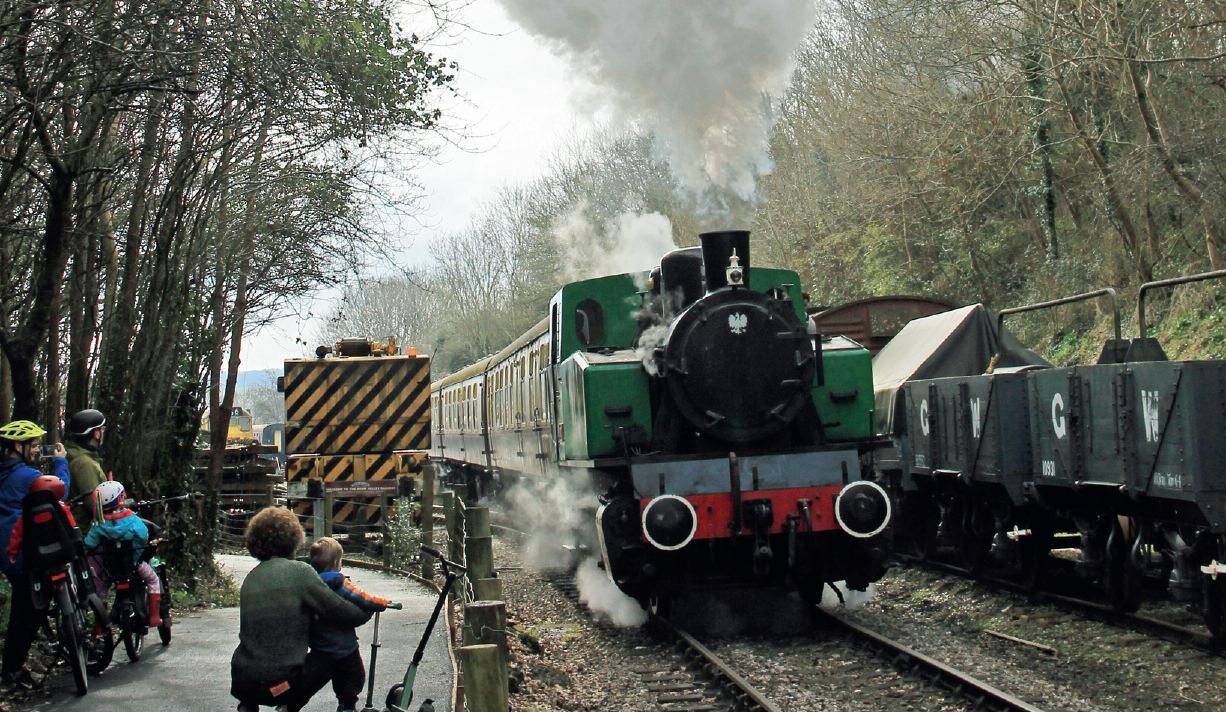

 A Midland Railway train calling at Bitton around 1890
THEBRISTOLMAG CO UK | APRIL 2024 | THE BRISTOL MAGAZINE 81
A Sunday School outing from Bitton around 1910
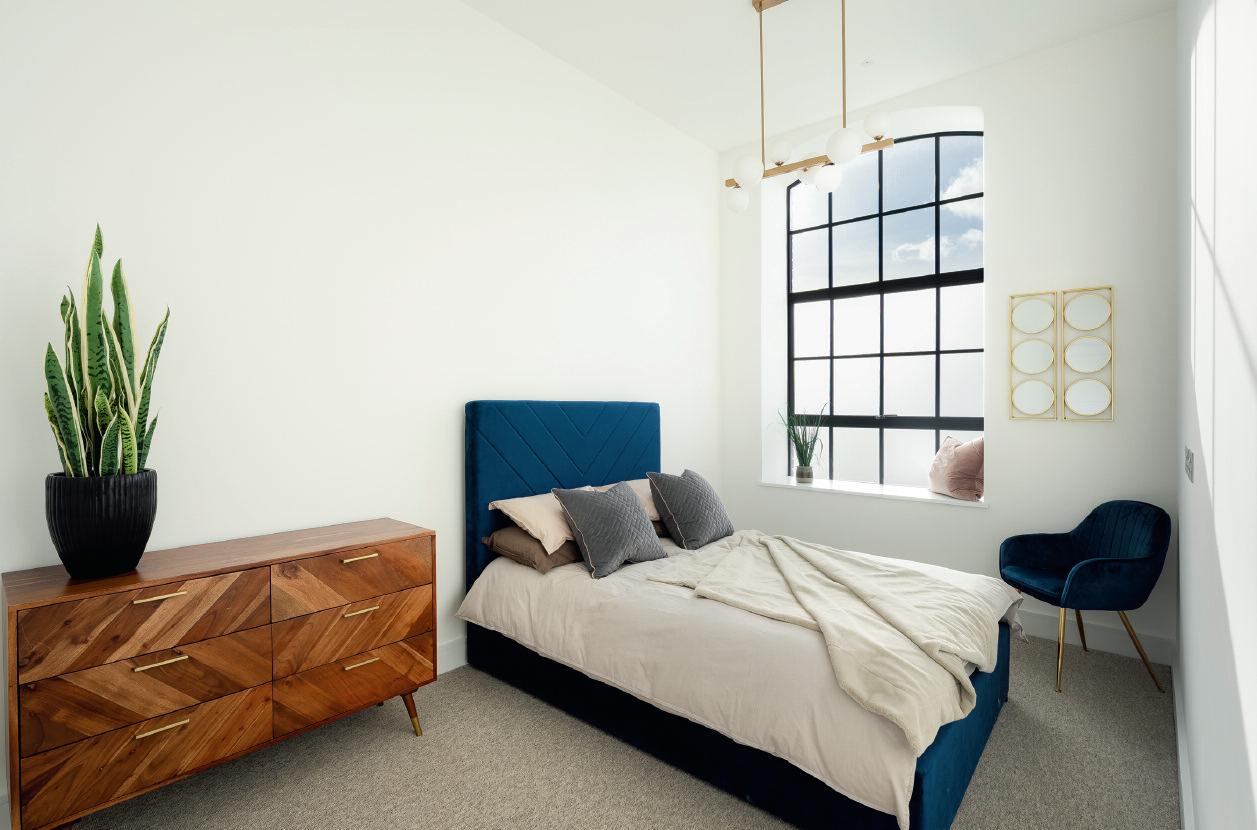
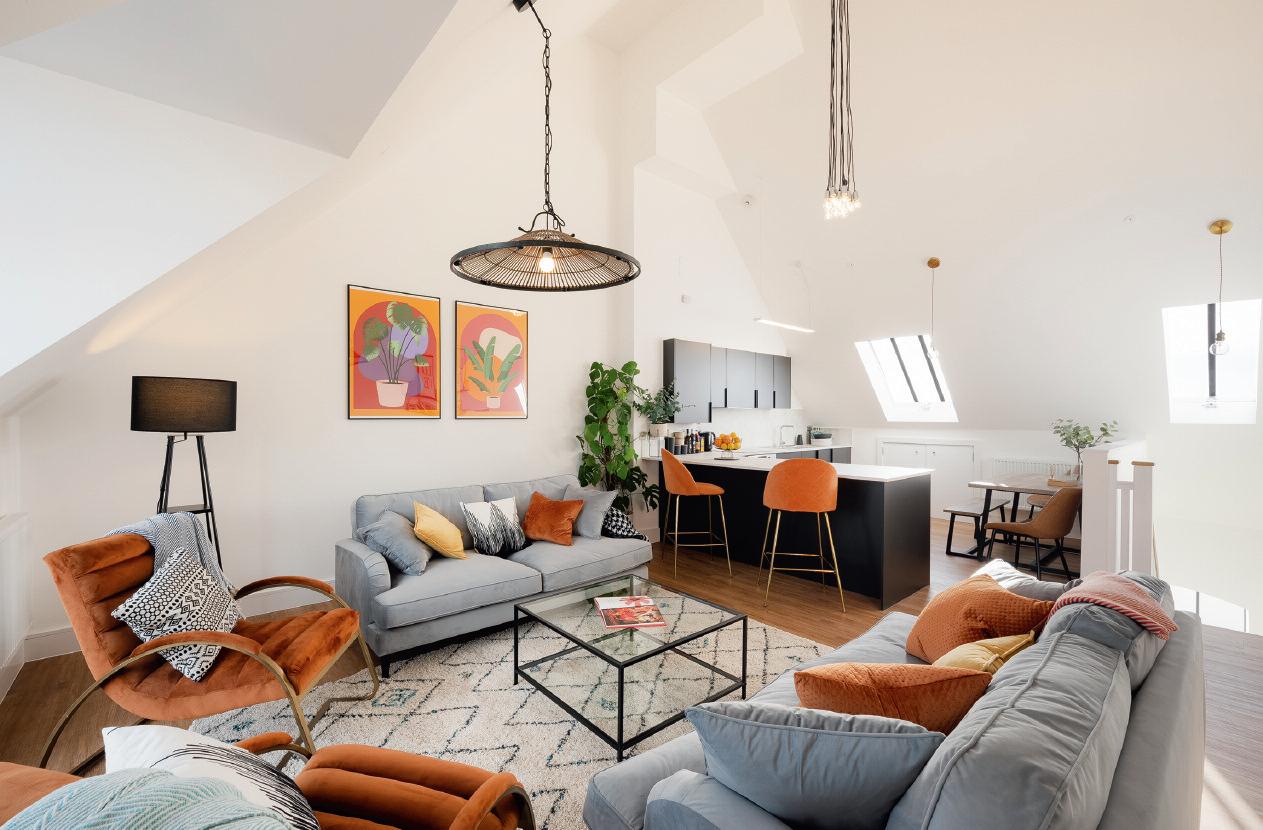
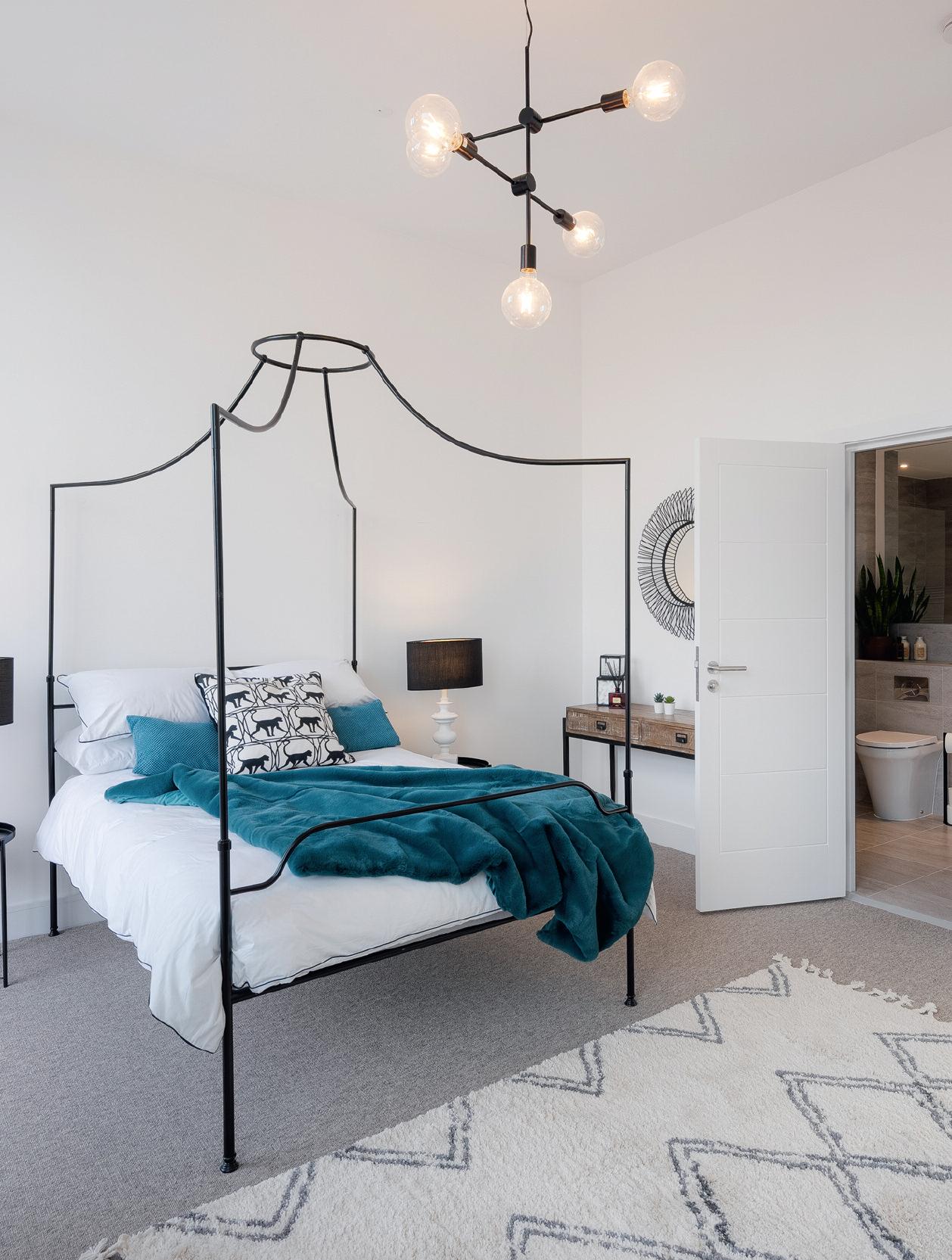
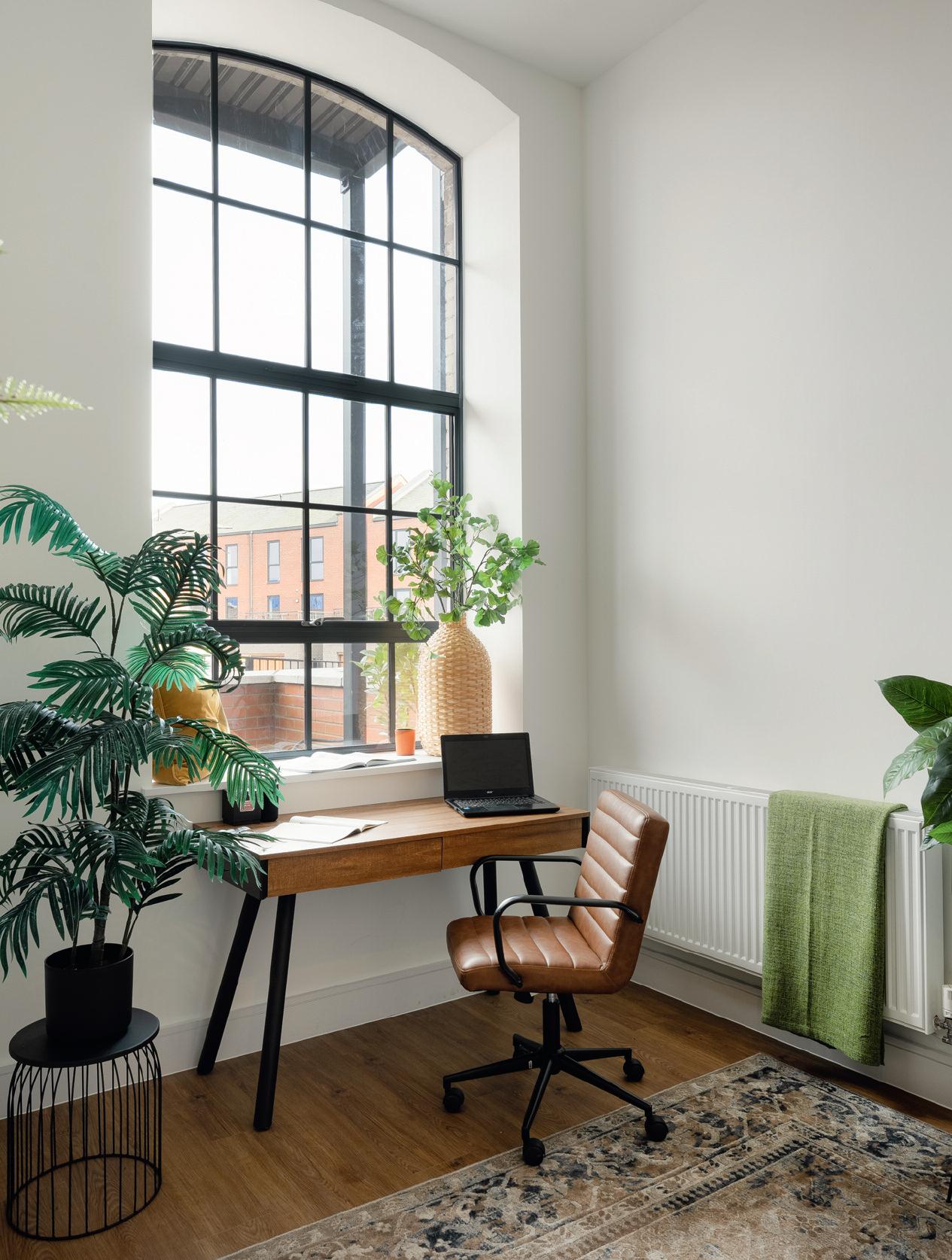
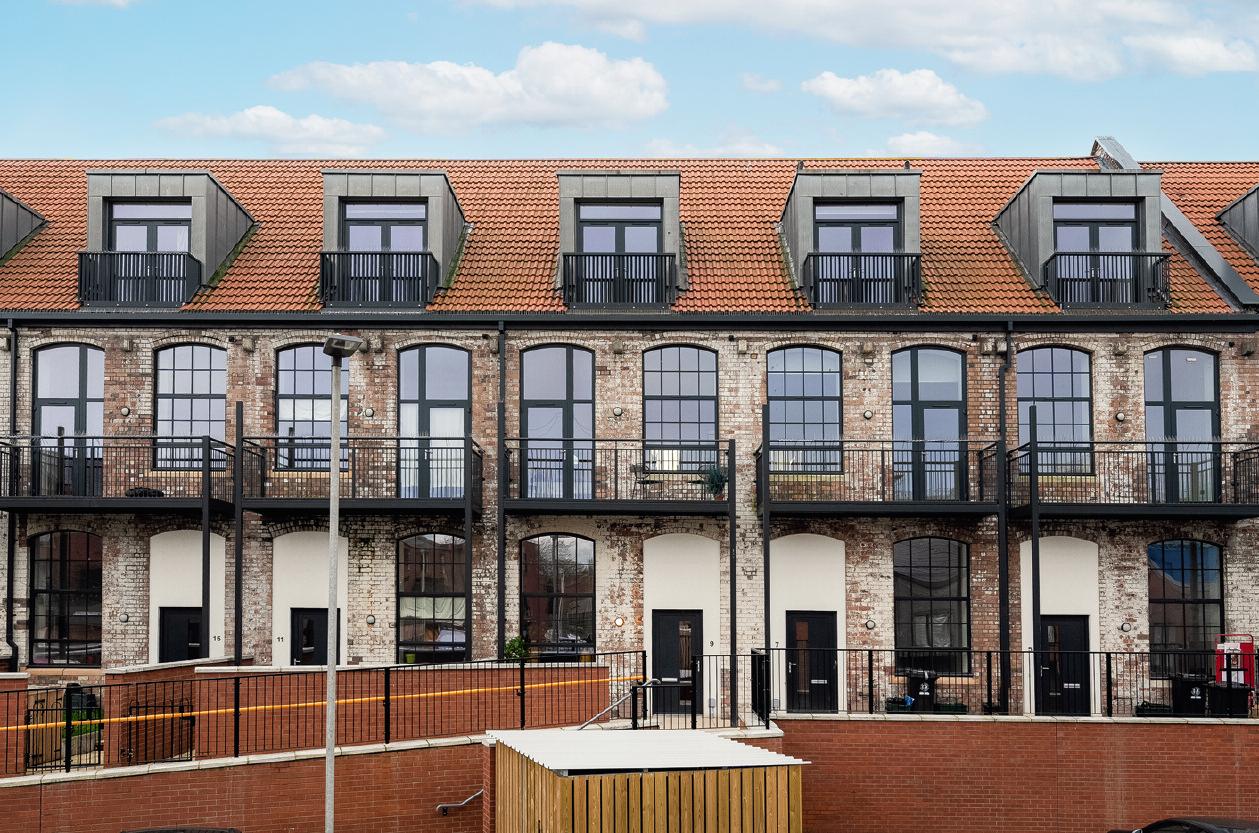
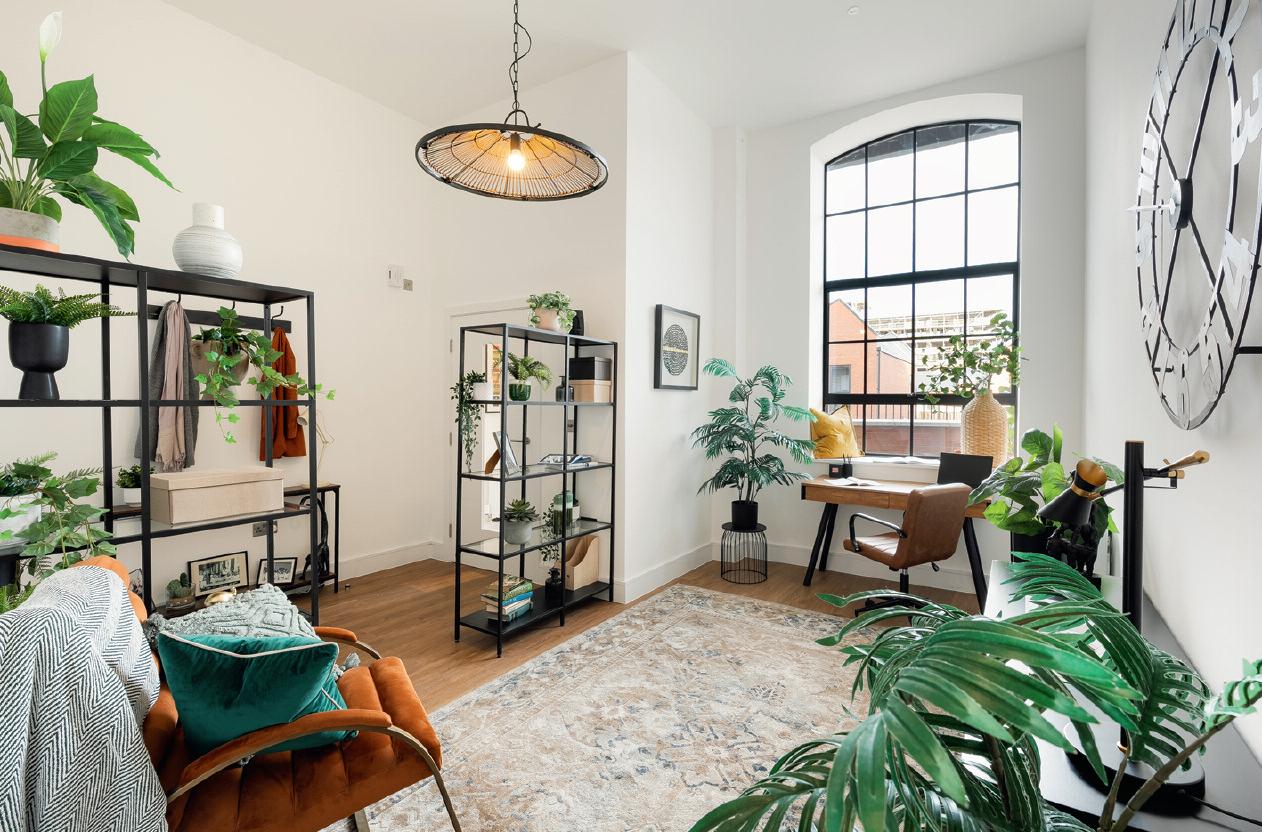
INTERIORS
The sweet life
Designers of three townhouses at The Chocolate Factory development in Greenbank (BS5) are rethinking the way we live and work. We visited one of the properties to discover f irst-hand what happens when you turn the design of a traditional British home on its head
Most of us would much rather forget the bleak period of time associated with lockdowns. W hile that surreal quality to reality has returned – thankfully – to a much more mundane rhythm on the whole, the pandemic’ s legac y of working from home has endured For the team at The Chocolate Factor y development, who are transforming the remaining H J Packer & Co heritage warehouses (and have built brandnew homes between them) into a mixed-use community nestled between Greenbank Cemeter y and the Bristol and Bath Railway Path in the Greenbank pocket of BS5, although construction continued throughout the period, they took time to reflect on how the way we used our homes changed. Was it time to experiment with the traditional British house layout, considering so many professionals were now spending more time than ever before within the confines of their own four walls?
Space to think
Sometimes you have to take a risk when building a house Balancing pragmatic design with a desire to create something unique is no easy feat. Yet there’s a trio of dwellings within The Chocolate Factor y ’ s roster of seven townhouses, created within the original V ictorian factor y, that have achieved something rather special.
The Bristol Magazine has recently reported on the difficulties people face when designing their home offices (March 2024 issue); integrating these work spaces into the sacred areas where we live can feel jarring But what if you were able to completely separate home and work life? No 9 Packers Way, the particular townhouse we visited, does just that
Walking through the front door, the first thing you notice is the height of the ceilings. They ’ re high. Really high. S o tall you could build a mezzanine level, construct a Hogwarts-esque librar y complete with antique ladders, or add a cabin bed up there. People would own the freehold of this propert y, so they could apply for planning to make various modifications to bring these ideas to life
The generous volume isn’t what sets this house apart from other townhouses in the city, though It ’ s the purpose of the rooms The entire ground floor (which comprises a sizeable reception room complete with kitchenette and walk-in storage cupboard, full bathroom, hallway cupboard and second reception room/third bedroom with another walkin storage cupboard) has been thoughtfully kitted out with ever ything you’d need to run a business from home.
Instead of a reception room filled with sofas and a TV, there’s a bright, air y office space with room for more than one desk The desk in bathed in morning sunlight from the huge V ictorian heritage-style windows that help the building retain its industrial charm The kitchenette has cupboards, a sink and space for a fridge to avoid endless trips up a lot of stairs to the main kitchen for a cuppa The third bedroom would make an excellent additional creative studio, with enough wall space for musicians to adorn the interiors with guitars, or for artists to store work overhead. You could be forgiven for thinking this floor was actually a smart, self-contained co-working office, designed to feel homely
(complete with bathroom for cyclists to shower and freshen up before starting their day). It ’ s only the foot of the staircase leading to two floors of living space above that reminds you that this is, in fact, an ingenious way to integrate a professional, potentially client-facing, workspace into the home environment without one encroaching on the other
The shortest commute
L et ’ s head upstairs Above the workspace on the first floor sit two bedrooms, with a Jack and J ill bathroom leading from the principle bedroom (this room is large enough for a four-posted bed not to dominate, and has a sunny balcony too). A utility room complete with plumbing removes the need to struggle up and down stairs with heavy loads of laundr y
Then ascend again to the second floor – an elevated, open plan living room (there’ s another smaller balcony up here) and generously proportioned kitchen Rather than stick with tradition, the bedrooms sit below the living space, meaning the rooms in which we generally spend the most time consciously interacting in sit atop the house like a crown. Soak up the peaceful views that reach to Purdown at the front, and through skylight windows to the rear you can spy most of the city centre. Glimpse Cabot Circus, Cotham, Clifton, Brandon Hill, Ashton Court and the rolling hills beyond the city As you can imagine, this side of the building gets to enjoy the most stunning sunsets W ith the right permissions, the skylights could be transformed into a tiny terrace, opening the kitchen out onto the skyline
“ There’s potential to create income by renting out the floor as a separate commercial entity ”
These three townhouses don’t have gardens, so are more likely to be initially attractive to people seeking to achieve better work-life balance, made easier through thoughtful interior design But No 9 could certainly transition into multi-generational family living, considering the selfcontained aspect of the ground floor. There’s also the potential to create additional income if your needs change, by renting out the entire floor, or a room, as a separate commercial entit y (to cor porate or creative businesses, or as treatment rooms, perhaps) between Monday and Friday
Regardless of the owners ’ stories that will unfold within these walls, The Chocolate Factor y developers have proved that creative interior design risks can pay off, enabling an adaptable home environment to work as hard as you plan to work at home n
For more inf o about T he C hocolate Factor y, its histor y and loc at ion in Greenbank and available proper t ies, visit c hocolatefactor y br istol.com. Al l images taken b y L eighton James (@theproper t yphotog rapher ltd).
THEBRISTOLMAG CO UK | APRIL 2024 | THE BRISTOL MAGAZINE 83 INTERIORS


84 THE BRISTOL MAGAZINE | APRIL 2024 | No 233


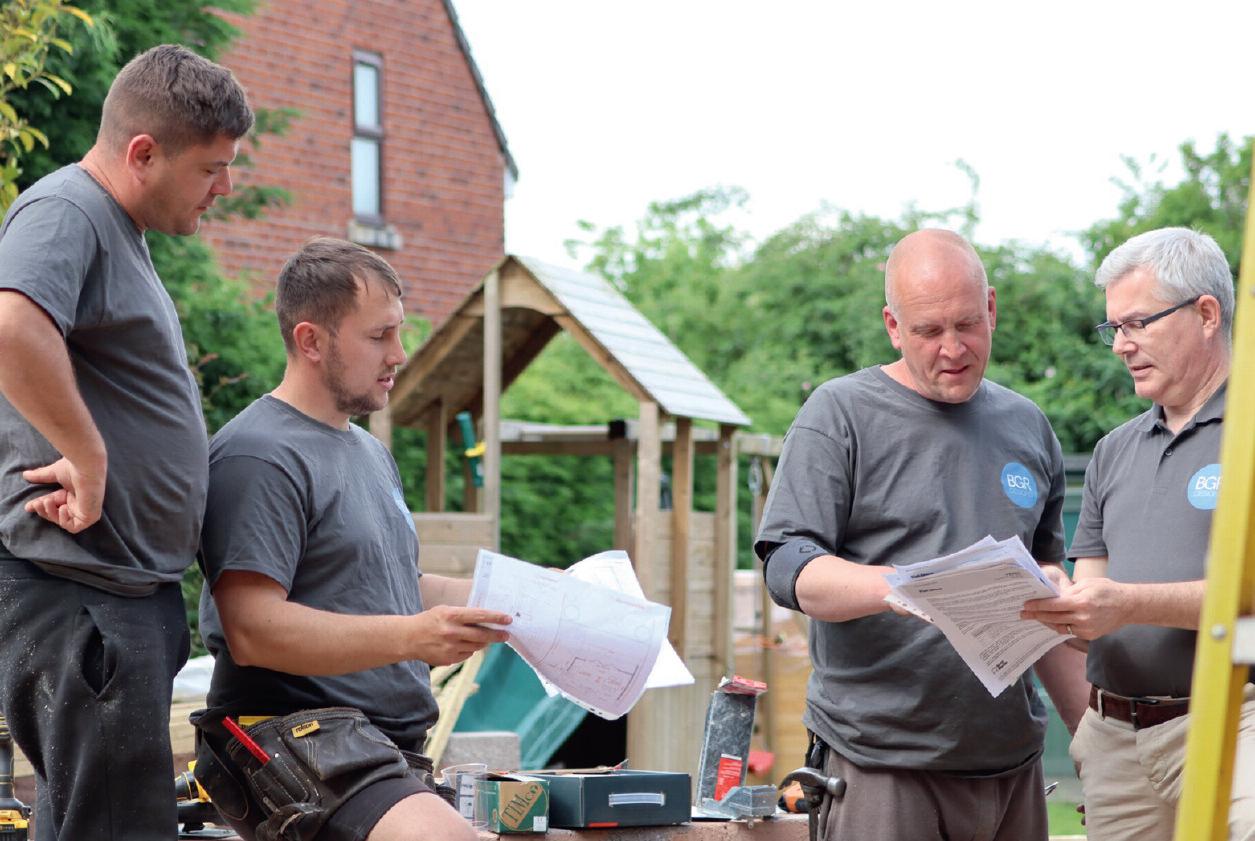
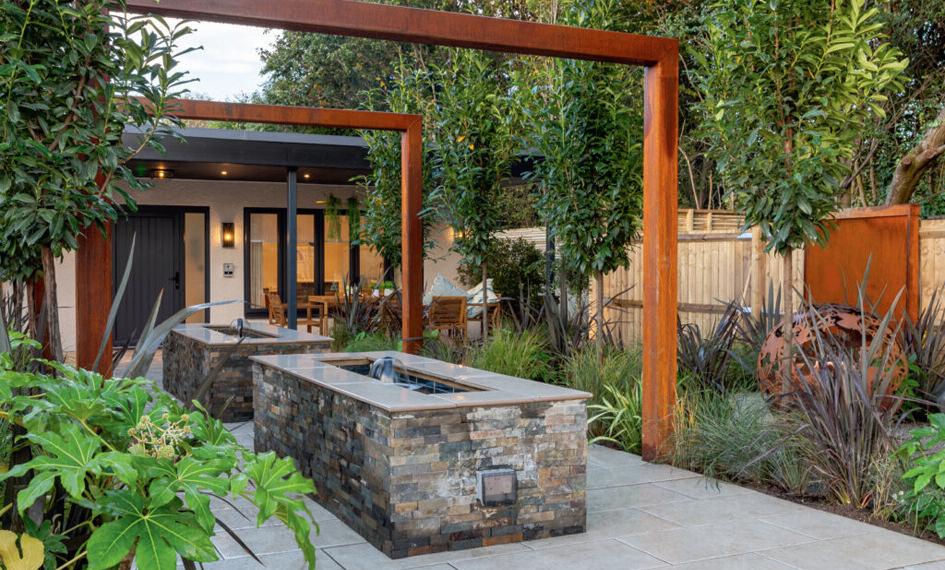
Success by design
Meet Luke Millard, director at BGR Designs, a local skilled team of interior and exterior design and build experts Here he ref lects on his career so far, including a stint on DIY SOS, why he loves a technical challenge and how important understanding his clients’ everyday life is to a project’s success
I star ted a gardening round in my neighbourhood when I was a teen, working on local gardens for pocket money.
I made bird boxes from off-cuts of wood my dad brought home from his work as a carpenter and grew my own seed lings and sold them and the bird boxes at car boot sales As time went by and I realised that I had a passion for the outdoors and a talent for garden design I decided to start my own landscaping business at 21 years old This progressed to garden rooms, timber frame buildings and internal design
A home is somewhere that you know and love, where memor ies are made, a retreat, your ever y thing.
Af ter a hard day ’ s work to get back to a warm and comfortable home is something to strive for and be proud of We love that we are creating spaces and enhancing homes that will improve the lives of our c lients
I found out there was going to be a BBC DI Y SOS build in W igan, and so I volunteered to take on the whole g arden desig n and landscaping job.
The project was a huge success and I was lucky enough to work alongside Laurence Llewelyn-Bowen. After that, I helped on a few more builds and was eventually asked to become the programme ’ s Garden Designer and Assistant Build Manager Working on DIY SOS and helping so
many people has been an inspiring and ver y powerful experience. It also represented a new start for me, as I met my wife working on the programme She was a researcher on the first build I worked on She’s the reason I’m here in Bristol!
Team BGR also worked on a tiny house for George Clarke’s Amazing Spaces
It was featured on a programme that first aired in 2023 Working on both programmes gives you a real appreciation for the hard work that goes on behind the scenes, as of ten the turnaround is ver y fast. I have tried to incorporate the good parts of those experiences into my work with BGR
DI Y SOS taught me that there is so much good in the communit y and people really do want to g ive back.
The construction industr y has been so pressed for the past few years, so seeing people giving their time and skills for free is just heroic It ’ s also shown me the importance of really getting to know a client and finding out what they need from their project. Most of the volunteers I have worked with during my time on the programme have been skilled, dedicated individuals who take huge pride in making a difference to others who are less fortunate and it really rebuilds your faith in people
86 THE BRISTOL MAGAZINE | APRIL 2024 | No 233
Luke Millard (left)
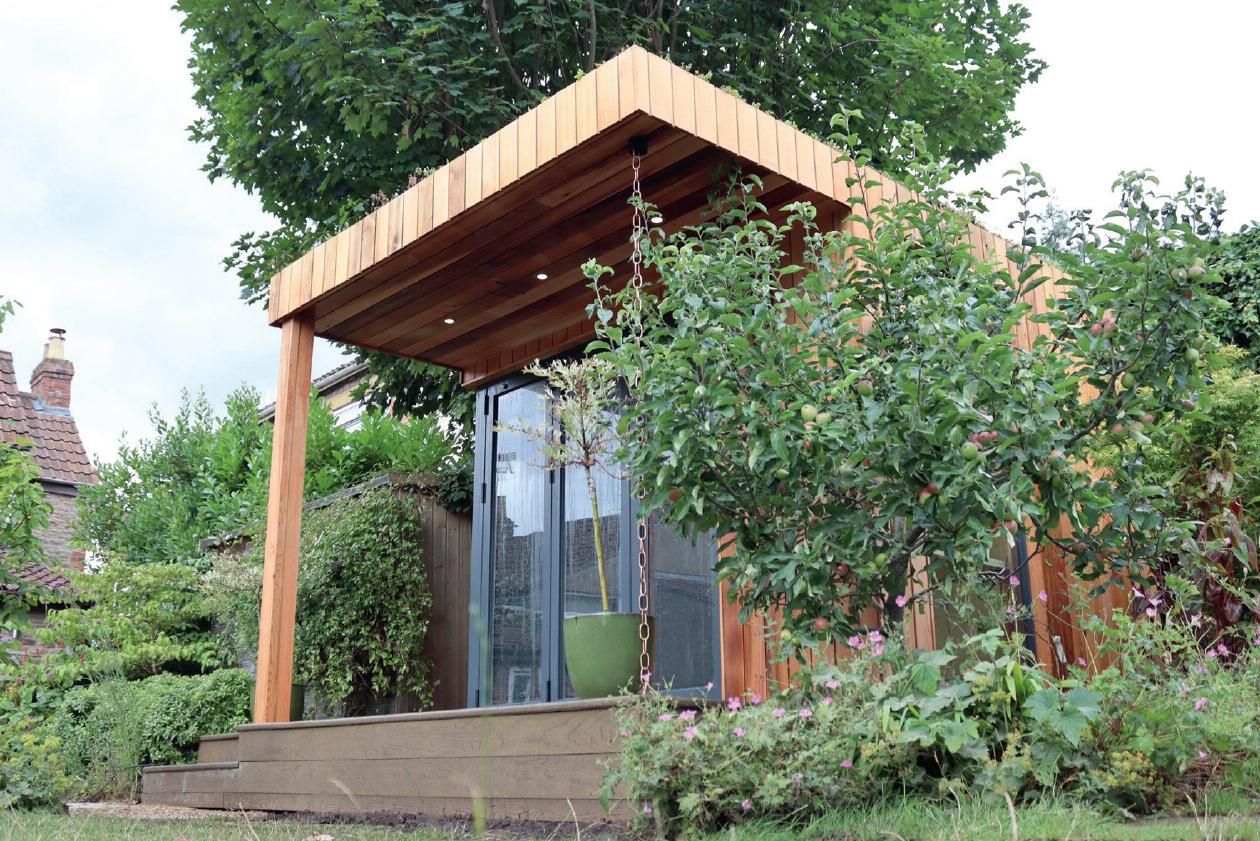
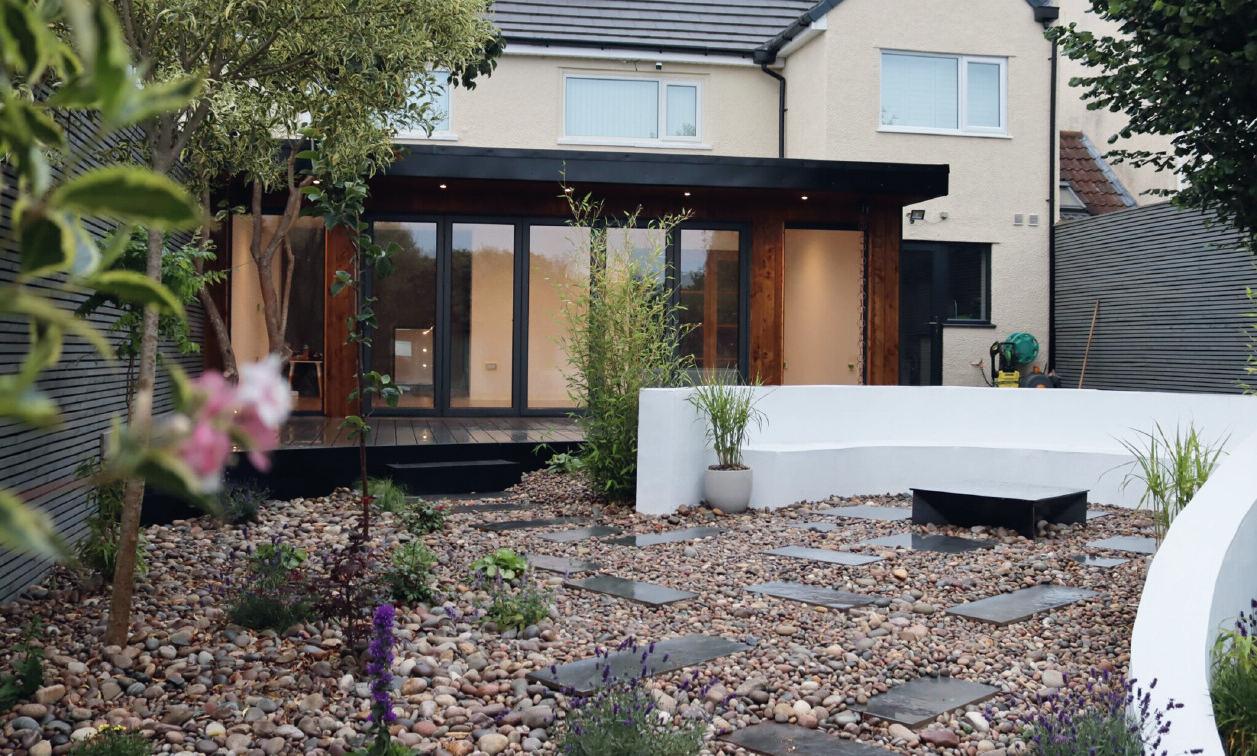
W hen taking on a design project, getting to know a client and building a relationship is a big part of what I do.
You can’t design for someone if you don't know what ’ s important to them day to day Ever yone wants a beautiful space where they can have their friends over, and that ’ s quite easy but the thing that ’ s really important is making it practical for ever yday life We are also in constant contact with our clients during the design and build process which ensures that the client gets exactly what they want
We’re a ver y diverse and multi-skilled company.
We love innovation and we ’ re always looking for new exciting and complex projects – the more complex the better. Because we have experience working on large corporate projects, as well as all kinds of residential builds, nothing feels too big or too challenging Lately, we have done a lot more timber frame projects as clients begin to realise the potential for making builds faster and more affordable That ’ s not to say we don’t also work on standard construction projects Recent builds include timber frame loft conversions, huge garden transformations with fabulous garden rooms, timber frame extensions and full builds, including eco homes. Working sustainably has become more and more important to us and we are constantly researching ways to make our builds and practices as environmentally friendly as possible
We have a team of skilled c ar penters whose attention to detail is second to none.
We also have plumbers and electr icians who work alongside the c ar penters on e ver y build F inall y, we have a landsc aping and groundwork team who are a force to be reckoned with – nothing slows them down! In the office, I work alongside our architect Jamie and together we produce all the designs. O ur project manager Dom makes sure ever ything is running smoothly and provides a point of contact for the teams and c lients – yes, he is a busy man!
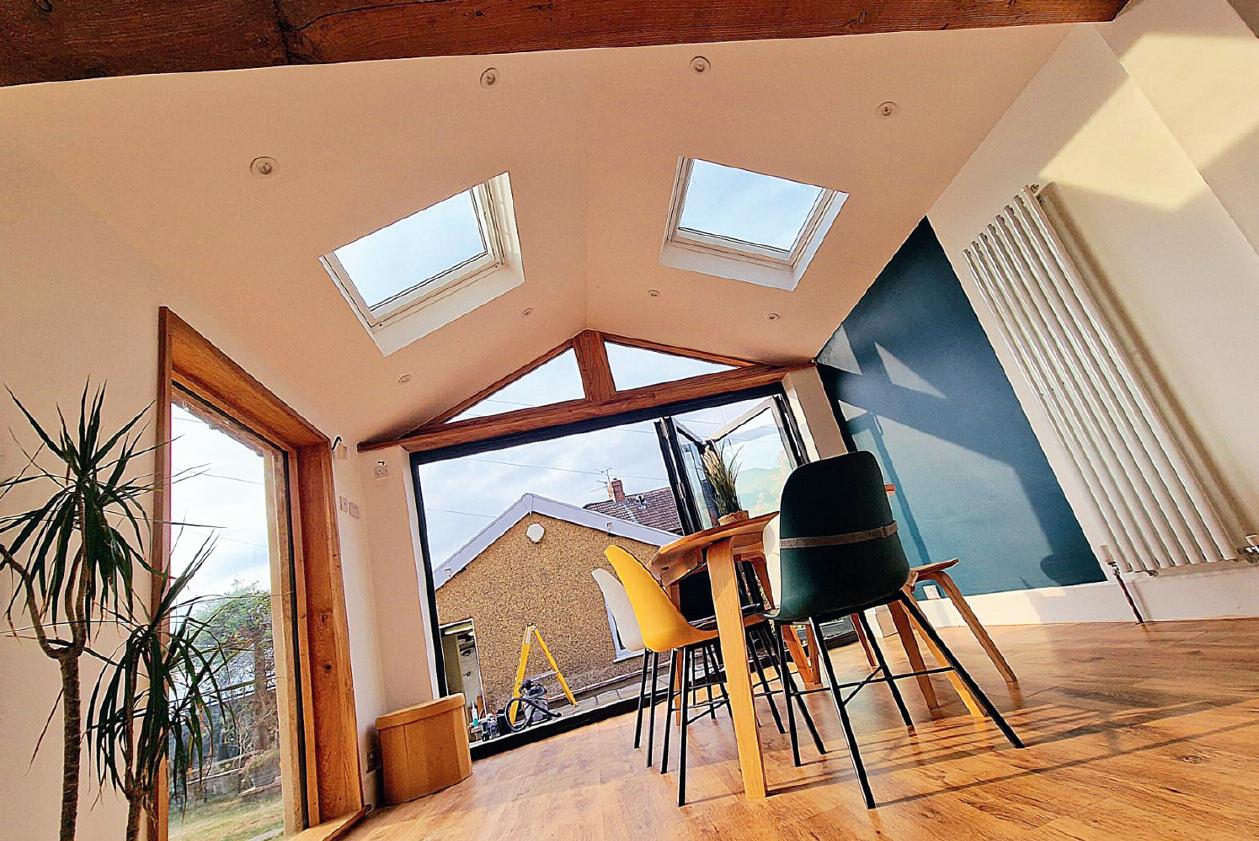

Working with the hugely diverse housing stock in Br istol provides a constant challenge, so it ’ s lucky that we thr ive on challenges!
We have worked in the smallest of spaces, building a garden room into the corner of a walled garden, and we have worked through planning of a chic glass addition on a beautiful Clif ton townhouse We also love the challenge of working in conser vation areas and on listed buildings We are ver y fortunate to have some great contacts in the planning offices in the area who have helped us to come up with some ver y innovative designs; we are always learning and take pride in knowing how to add sy mpathetic all y to homes and spaces, c arr y ing out the required paper work inc luding heritage statements.
We have such a strong core team and because we ’ re all in-house we can really control the quality of our builds.
Clients love that we don’t have lots of sub-contractors and we offer a full design and build ser vice which gives peace of mind We are also always striving to make sure our designs are unique and as imaginative as they can possibly be
One of my favour ite jobs was desig ning and building five care homes in T iver ton. T he more technic al and the big ger the challenge the better!
That project was so complex Some of the buildings were existing and needed to be renovated, whereas others were ground up builds which had to blend sympathetically with the existing Another recent favourite was transforming an old asbestos-roofed garage into a beautiful, multilevel Airbnb, which inc luded a cedar shingle roof, timber veranda and bespoke porthole window. To look at it you just couldn’t guess what had been there before. n
For more infor mation about BGR Desig ns, and to talk to the team about an idea for a project, visit bg rdesig ns.uk
THEBRISTOLMAG CO UK | APRIL 2024 | THE BRISTOL MAGAZINE 87

The little things
Although it may not always seem that way, insects are our best fr iends when it comes to the garden Par t of cultivating this slice of nature means embracing all that comes with it, inc luding these tiny unsung heroes. I’ m not asking the impossible – slugs and snails are always going to be a ‘ no ’ in my garden, as are greenfly, blackfly, and I don’t really like wasps either – but the majorit y of creatures, whether pollinators or predators, are the
balanced harmony
Insects play a vital role in the ecosystem, contributing to pollination, soil health, pest control and biodiversit y, and turning gardens into thr iving habitats L ady birds, lace wings and ground beetles feed on garden pests such as aphids and slugs; bees and butterflies are essential for pollination; while worms, beetles and cer tain t y pes of flies break down organic matter and return nutrients to the soil.
No Mow May
W ith the coming warmer weather, insects are more active, and it ’ s a good time to think about how to encourage the most beneficial ones into our gardens W hy not take part in ‘No Mow May ’ next month and leave your lawn to grow? This national campaign sees gardeners, as well as managers of public green spaces, stop mowing for the month. The longer grass and wildflowers that pop up will provide food and shelter for an army of insect life, from ants and grasshoppers to beetles, bugs, hoverflies, butterflies and bees And it doesn’t just have to be for May! You might then decide to leave some areas of your garden as meadow, scattering extra wildflower seeds and popping in some spring bulbs, such as fritillaries, to give it a boost
O ver the past centur y, Br itain has lost near l y all of its natural meadows, so anything we can do to help redress the balance is a good
thing, whether it ’ s an entire area of meadow or just a small str ip of wildflowers edging the lawn
We c an also choose plants in the borders that will attract a wide variety of insects through the year. Select flowering plants with different shapes, sizes and flowering times, and incorporate native species where possible. Start to notice which plants in your garden attract bees and butterflies, and even at the garden centre on a sunny day, you can of ten see that nature is drawn to some plants over others Budd leia is the c lassic magnet, earning itself the common name of ‘ butterfly bush’, but also salvia, achillea, lavender, nepeta, foxgloves, heleniums, scabious and alyssum will all bring a flutter and a buzz of activity to your garden For more ideas, the RHS website has useful lists of ‘plants for pollinators’ available to download, at rhs.org.uk.
Ladybirds are among my favourite six-legged finds in the garden, not least because they have an appetite for aphids. There are more than 40 species of ladybirds in Britain, many of which are predators on aphids and other insects They are promiscuous breeders and both the lar vae and adult bugs will help to control pest populations It ’ s around now that the adult over wintering bugs emerge as the weather warms up, and will be laying their eggs near food sources
Pesky pests
If you ’ re growing vegetables, then it can sometimes be harder to embrace nature and the temptation is to reach for the sprays. However, spraying will kill beneficial insects as well as the annoy ing ones Instead, companion planting c an help in the battle between fr iend and foe, providing alternative food sources for your pests, which will hopefully then leave your crops nibble-free Nasturtiums will deter aphids from your bean plants, while marigolds will help to draw away the whitefly when grown alongside tomatoes S trongl y scented alliums will help
nd maintain that al l impor t
re to do a job a
ant
88 THE BRISTOL MAGAZINE | APRIL 2024 | No 233
Elly West shares ways gardeners can encourage more insects to their patch, helping these tiny unsung heroes make a positive impact on plant life throughout the year
Green Lacewing Butter fly
deter c arrot flies from c arrots P lanting flowers that attract pollinators such as lavender or borage, can also boost your crops
Elsewhere in the garden, you can also consider organic methods of pest control As mentioned ear lier, it ’ s hard to embrace some garden wildlife, and I’ve yet to meet a gardener who likes a mollusc Protecting vulnerable plants is key. Barriers can be effective, as softbodied slugs and snails don’t like to cross gr it, copper r ings or crushed eggshells. Encouraging natural predators such as beetles, frogs, birds and hedgehogs will also help
As well as thinking about food for insects in the form of nectarr ich planting, think too about habitats that will help create a biodiverse garden, teaming with insect life Building a bug box or bee hotel can be a fun activit y with children, and also makes an attractive feature in itself Stack up some bricks or wooden boxes, and stuff them with natural materials from around the garden, such as dr y leaves, sticks, hollow bamboo, pine cones, bark and straw, plus some rolled up corrugated cardboard inside plastic bottles with the ends cut off L eave in a quiet corner of the garden to help encourage a mini-ecosystem
P lants can also provide over wintering sites for beneficial insects, so don’t be in a rush to clear away the dead and decaying at the end of the season Hollow stems, seed heads, leaf piles and dried grasses can all provide safe havens for creatures that will prey on your pests next year. n
ell y swellies.co.uk
Plant of the month: Amelanchier lamarckii
Also k nown as snowy mespilus, Amelanchier lamarckii is one of my all-time favourite trees, especially at this time of year when the starr y white flowers appear just as the copper- coloured new leaves unfold, creating a strik ing and unusual contrast, lighting up the garden when not much else is flowering They are nectar-rich, so good for early foraging bees and other pollinators, and last for several weeks until the leaves take over Amelanchiers are ideal for smaller gardens and can be grown as compact trees or large shrubs, often multi-stemmed and good as a focal point or feature plant. They also offer good autumn leaf colour and dark-red berries that become purple -black as they ripen in autumn. They are relatively unfussy about soil type or aspect, but prefer sun and a slightly acidic soil Grow in a mixed border or lawn, underplanted with small spring bulbs such as Narcissus ‘ Têteà-tête’, Iris reticulata or muscari. Avoid unnecessar y pruning, which can ruin the natural shape, simply cut back any dead or damaged growth in later winter




GARDENING THEBRISTOLMAG CO UK | APRIL 2024 | THE BRISTOL MAGAZINE 89


90 THE BRISTOL MAGAZINE | APRIL 2024 | No 233


PRIME BRISTOL PROPERTY
SITE WITH PLANNING CONSENT

An excellent opportunity to secure a prime development site in the heart of Clifton Village. Benefitting from planning consent for a commercial scheme comprising retail, leisure and office accommodation, the site will also suit residential use above ground floor commercial for which consent has previously been granted.
Freehold for Sale. Price Upon Application

TO LET
TO LET

St Thomas Street 10,907—26,945 (sq ft)
1,013—2,503 (sq m)
A self-contained HQ office available as a whole or floor by floor. Benefitting from a central atrium, 21 secure car parking spaces, and would suit other employment uses.
Due to be refurbished.




Barley House, Clifton, BS8
4,781—16,640 sq ft (444—1,545 sqm)
Offices to let with 23 car parking spaces. Available as a whole or on a floor-by-floor basis and suitable for a wide variety of alternative commercial uses (STP).


PRIME BRISTOL OFFICES
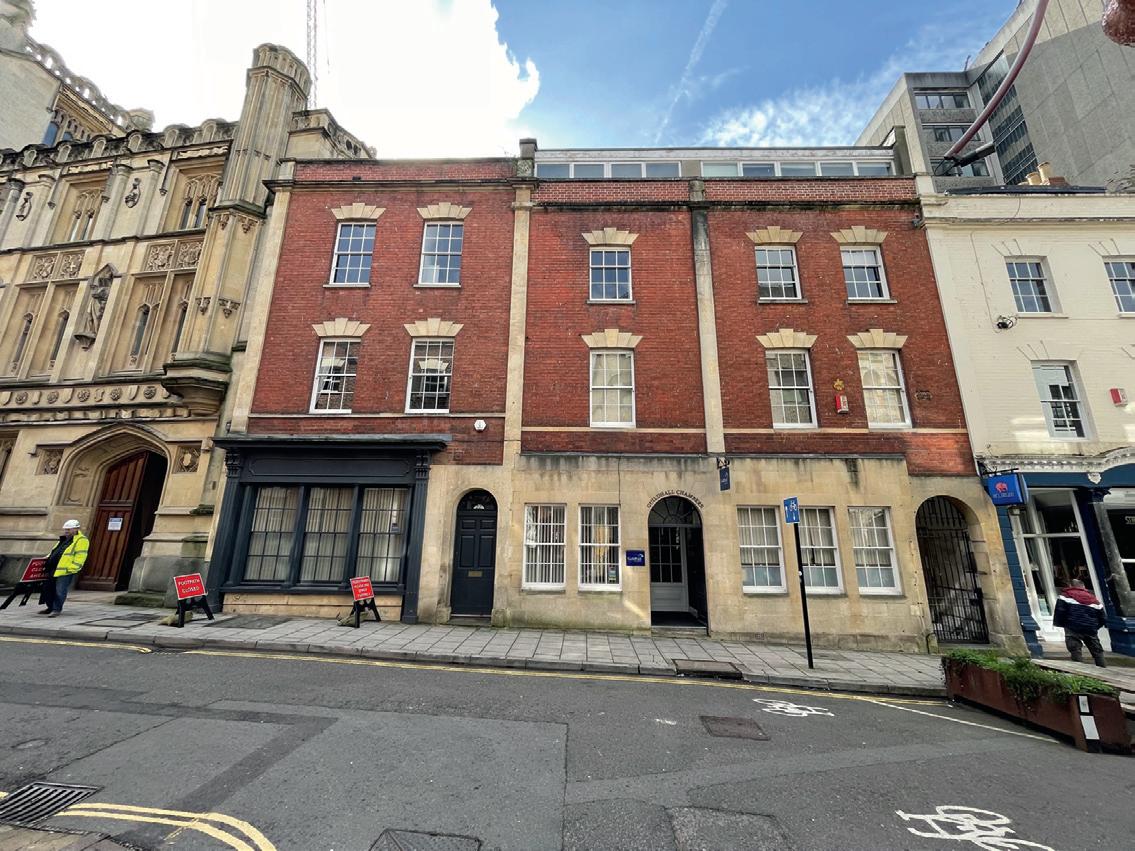
Broad Street, Bristol
3,437 – 8,880 sq ft (319 – 825 sq m)
A rare opportunity to acquire an attractive, substantial period office on a freehold basis with vacant possession. Sold as a whole or split to provide two self contained buildings. May suit office occupier, alternative commercial use or residential conversion subject to consents.
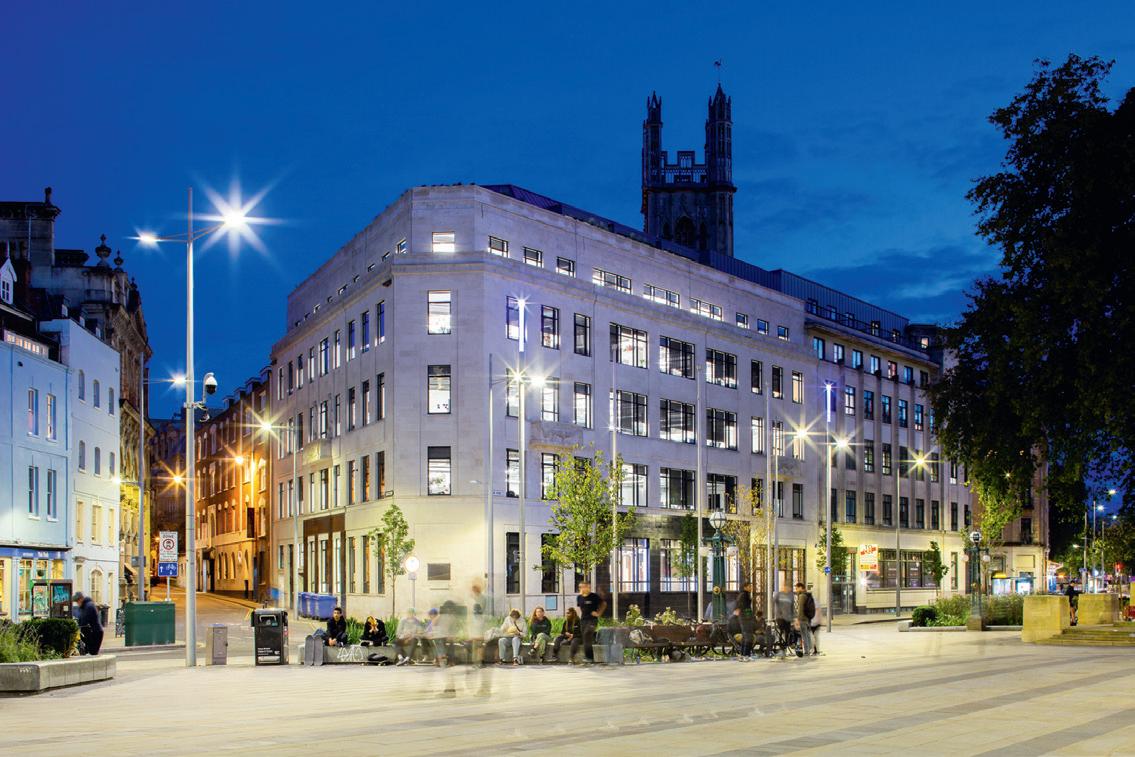

Victorian House, Coronation Road, Bristol
10,700 sq ft (994 sq m)
A rare chance to acquire a distinctive freehold commercial building with large car park. Currently in use as offices but with potential for alternative uses / residential development (STP).
TO LET
FOR SALE TO LET FOR SALE
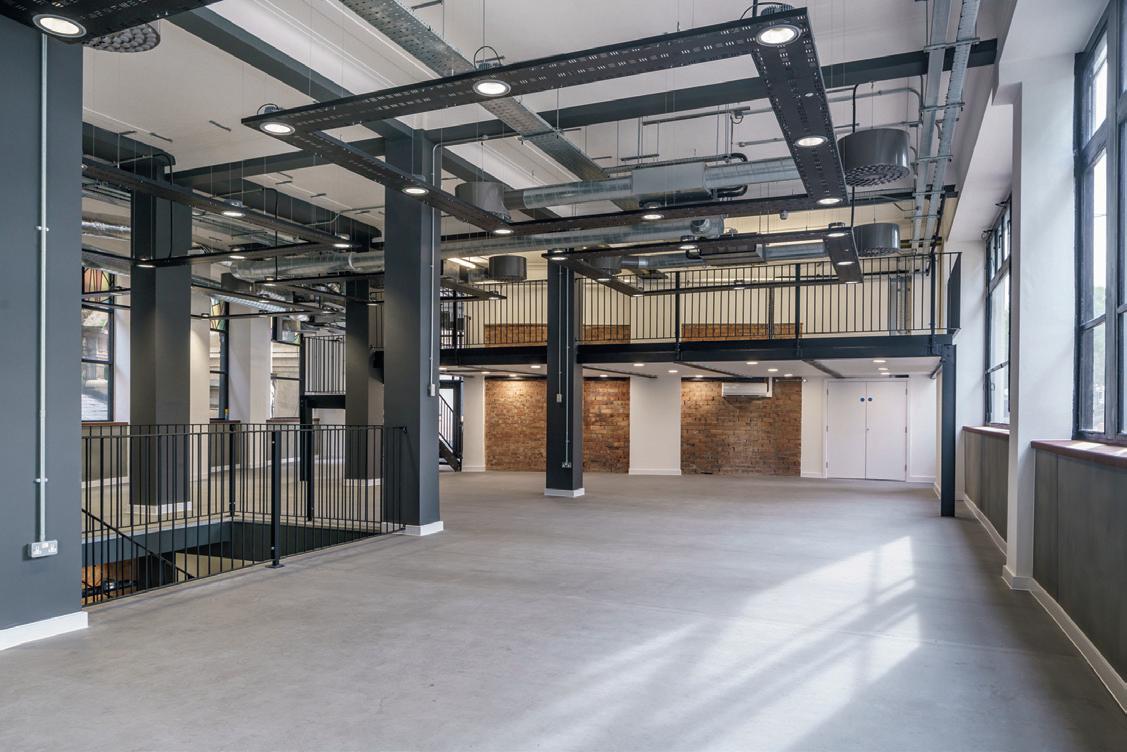
Eagle House, BS1 5,565—11,840 sq ft (517—1,100 sq m)
Contemporary Grade A office accommodation providing open plan space with collaborative zones to include shared break out areas, auditorium, and bookable meeting rooms.
St Stephens House, BS1 6,554 sq ft (609.1 sq m)
St Stephens House has undergone a striking and innovative transformation to provide office accommodation finished to a high spec to create a sustainable and people centric workplace.
BRISTOL & CLIFTON’S PREMIER COMMERCIAL PROPERTY AGENTS
Keep up-to-date with our latest news, deals, testimonials and market comment at our website: www.burstoncook.co.uk

St Barts Parish Hall, BS6 FOR SALE - POA
2,700 sq ft (250.83 sq m)
A unique opportunity to purchase a church hall in the popular and sought after area of St Andrews to suit a variety of uses. Adjacent parcel of land (0.09 acres) potentially available by way of separate negotiation.

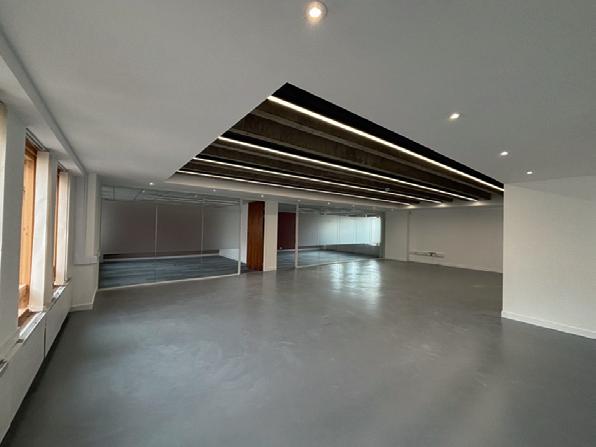
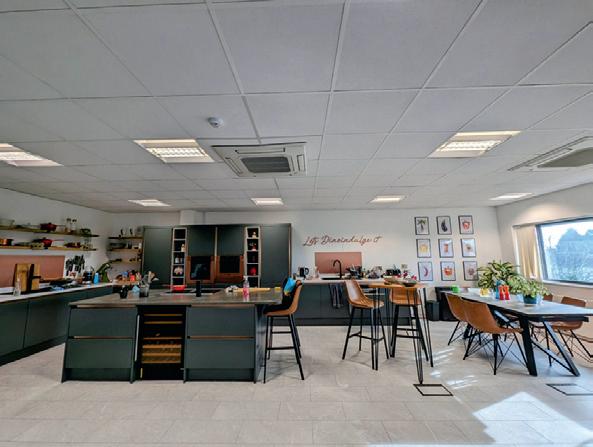
Bath Road, BS4
INVESTMENT FOR SALE – POA
3,018 sq ft (280.48 sq m)
A newly refurbished, fully let investment comprising a ground floor retail unit let to Subway Realty Ltd, plus 2x two-bedroom flats. An excellent letting location for both retail and residential occupiers.
7 Hill Street. BS1
OFFICE TO LET - POA
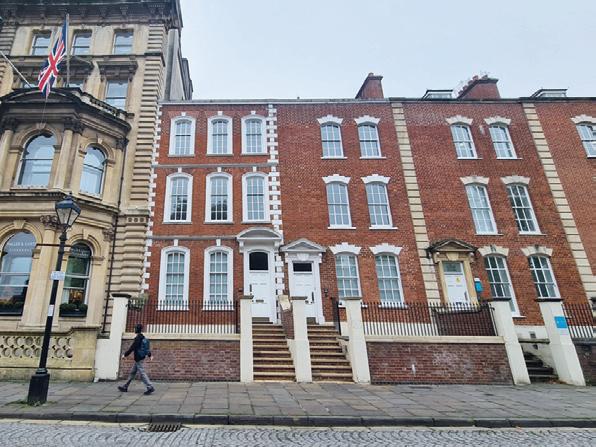
College Green, BS1
TO LET - £23 psf pax
900 – 2,938 sq ft
A stunning Georgian building in a central location which is due to be refurbished throughout to provide open plan accommodation on each floor. Car parking available plus basement bike storage.

5,621 sq ft (522.20 sq m)
A fantastic example of 1970’s brutalist architecture, the suite provides open plan accommodation which has been refurbished to a high specification. Dedicated shower, 6 parking spaces, and bike storage.
190 Aztec West, BS32
TO LET - £22 psf pax
2,430 sq ft (225.75 sq m)
A high quality, open plan office strategically located just off Junction 16 of the M5. The suite offers modern accommodation with LED lighting, air conditioning, passenger lift, and showers.

Henleaze Road, Henleaze TO LET
607 sq ft (56.93 sq m)
A ground floor “Class E” unit available on Henleaze Road which could suit a range of uses. Currently configured as multiple offices but can be refurbished to suit an occupiers needs.


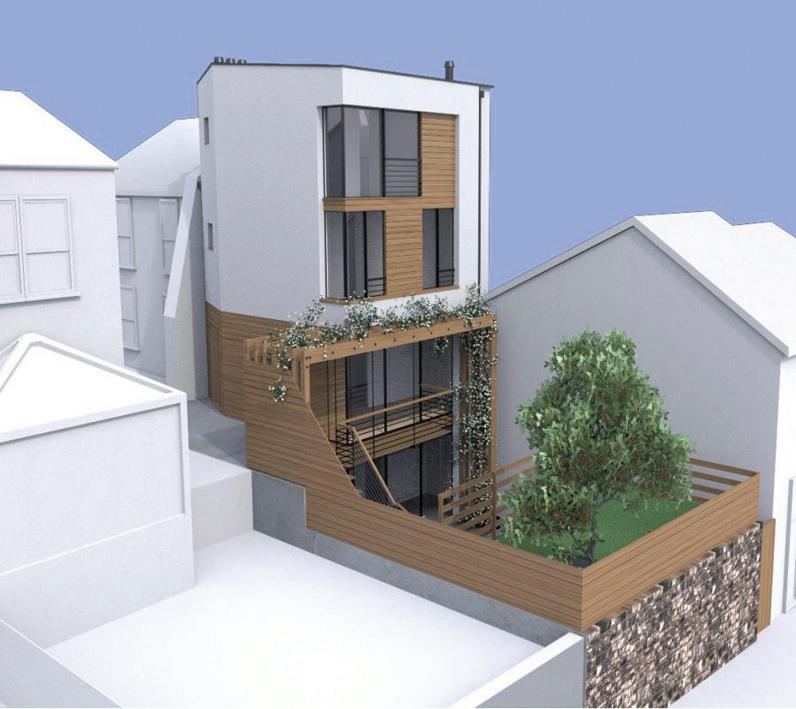
Oakfield Grove, Clifton TO LET – POA
16,640 sq ft (1,546 sq m)
Offices to let with 23 car parking spaces. Available as a whole or on a floor-by-floor basis and suitable for a wide variety of alternative commercial uses (STP). Due to be refurbished throughout.
Waterloo House, Clifton
TO LET - £22 psf pax
1,934 sq ft (179.6 sq m)
A self-contained office to rent with attractive shop frontage onto Waterloo Street in the heart of Clifton Village. Due to be refurbished throughout and would be suitable for a range of uses under Use Class E.
Dean Street Works, BS2
TO LET - POA
561 – 1,264 sq ft (52.1 –117.4 sq m)
A ground floor commercial premises situated just off the vibrant Stokes Croft. Suitable for a café or retail use under Class E, and is available in shell and core specification ready for tenant fit out.
Southernhay Ave, Clifton Wood FOR SALE - POA
Land with planning consent
Planning granted for a four storey, 3/4 bedroom house (21/02776/F) offering a fantastic ‘self-build’ opportunity or to suit a developer. Located in the affluent suburb of Clifton.


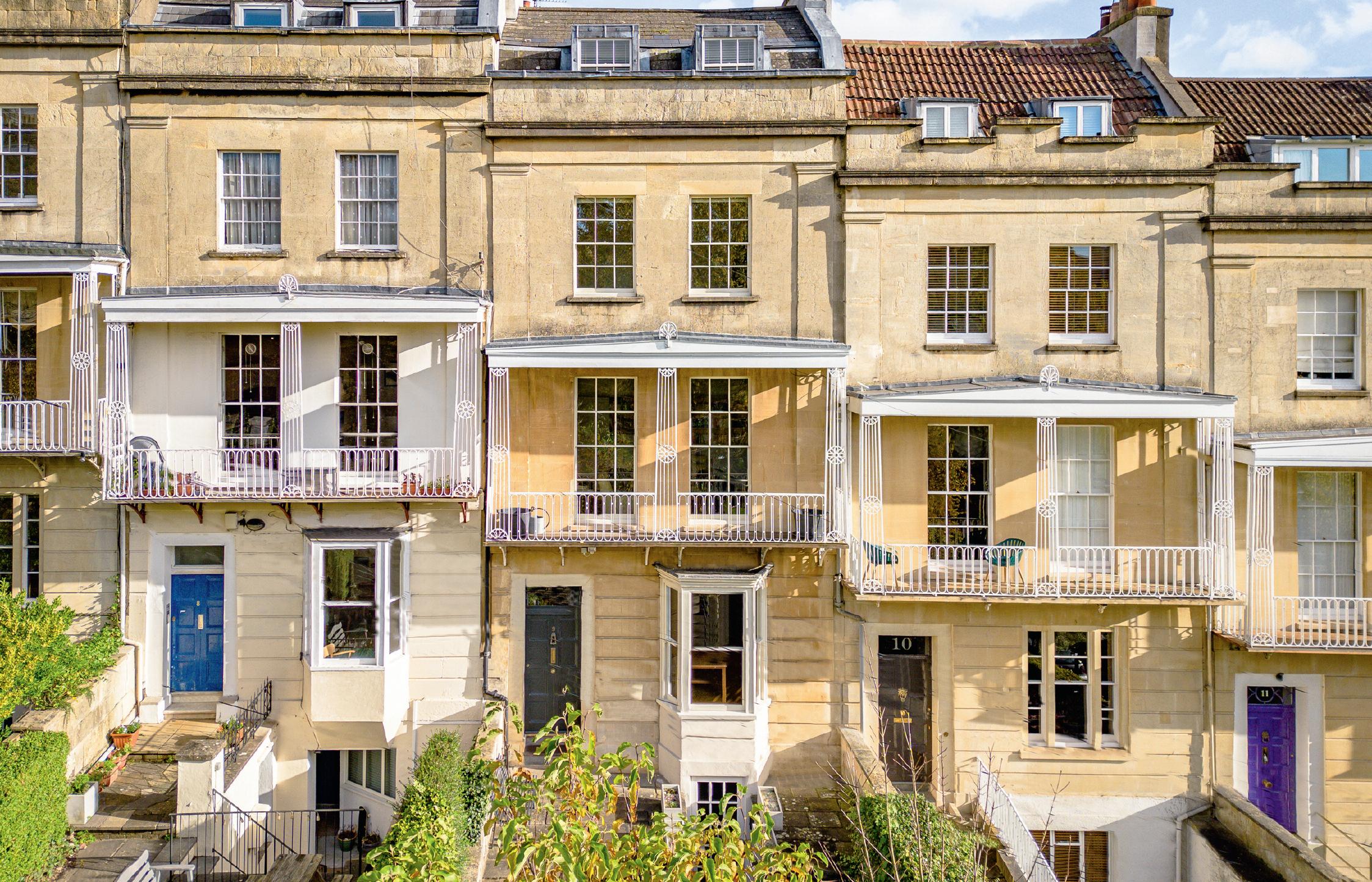
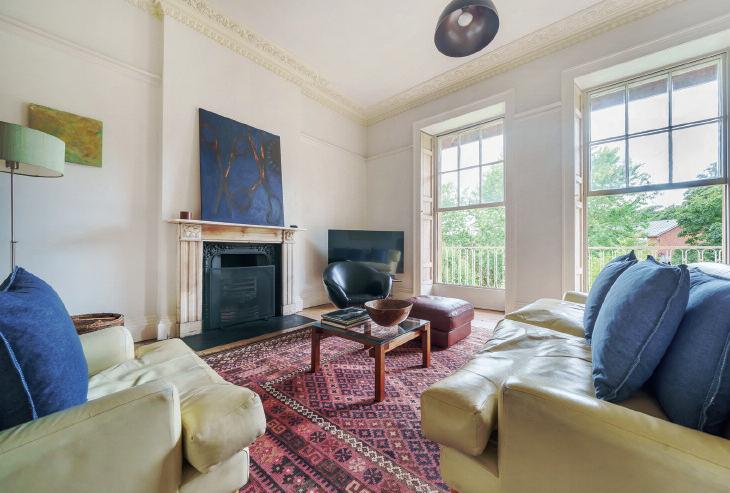
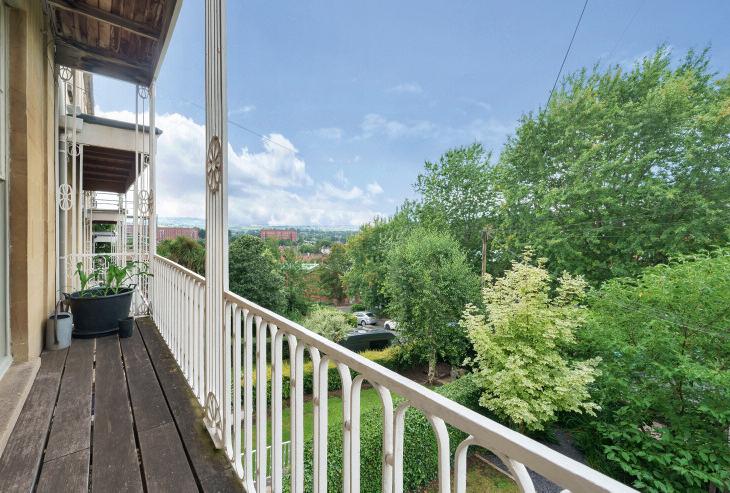
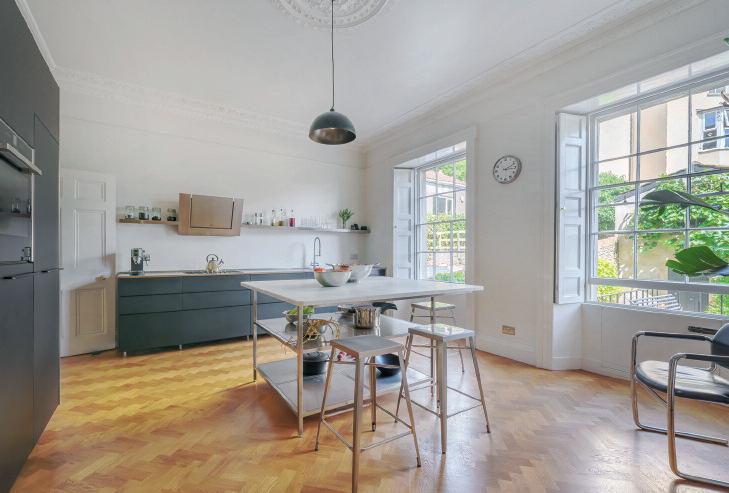

Bristol | Guide Price £1,650,000
effor tlessly
ft
accommodation,
garage
Grade II* Listed family home | Superb retained period features throughout | Fabulous full-width open plan kitchen and breakfast room | Separate dining room | Stunning first floor sitting room with a canopied balcony | Four bedrooms over the upper floors and three bath / shower rooms | Lower ground floor self-contained one-bedroom flat with courtyard | Deep front and rear gardens with private lane access to the rear | Detached garage and store room with lane access In all circa 3650 sq. ft (339.1 sq. m) @ruper toliverproper ty Tel: 011 7 452 3555 home@ruper toliver.co.uk
Clifton,
An
charming 3650 sq.
Grade II* Listed townhouse with income generating sel f-contained
a west facing balcony,
and front & rear gardens. Beautiful
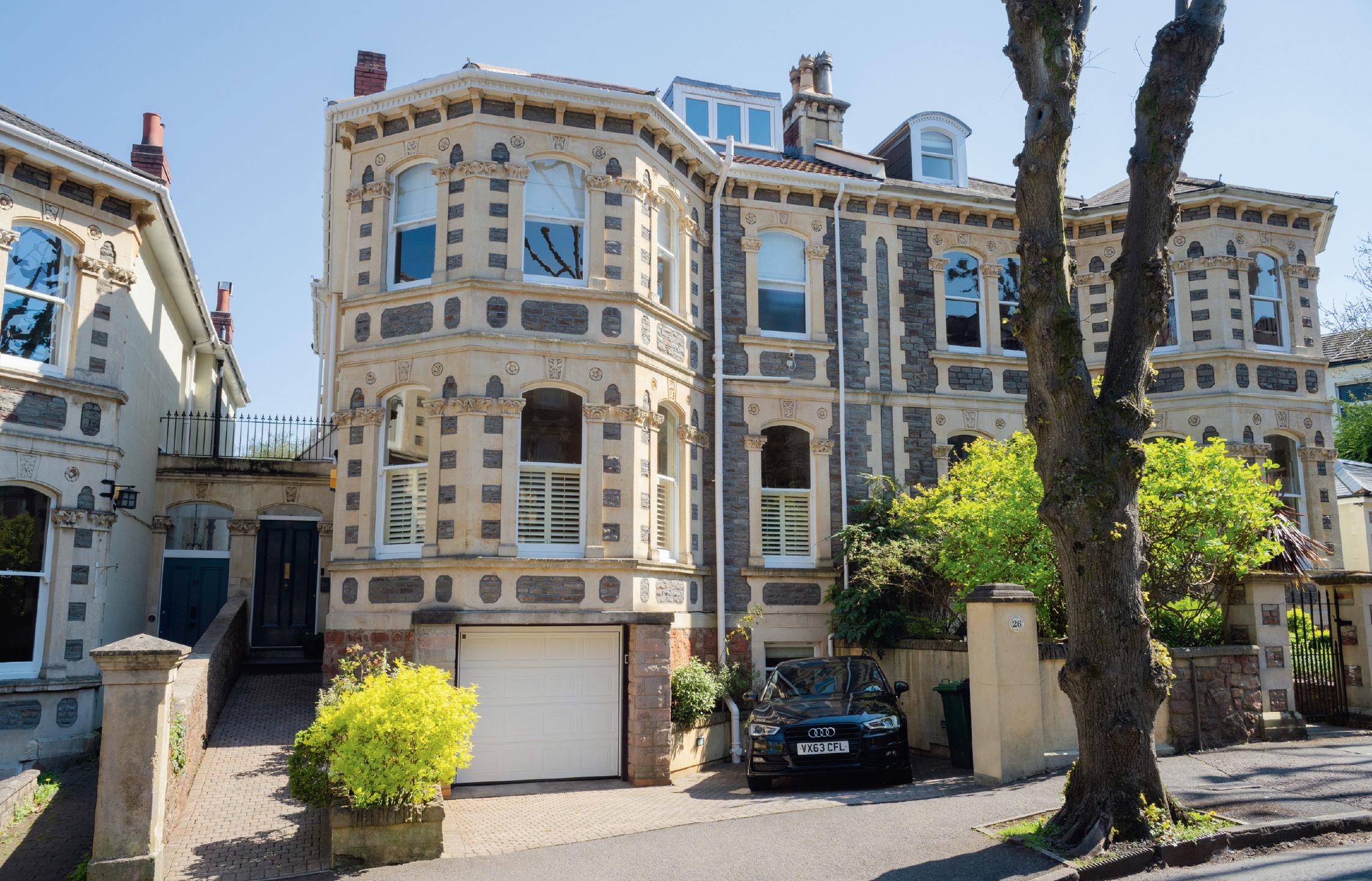
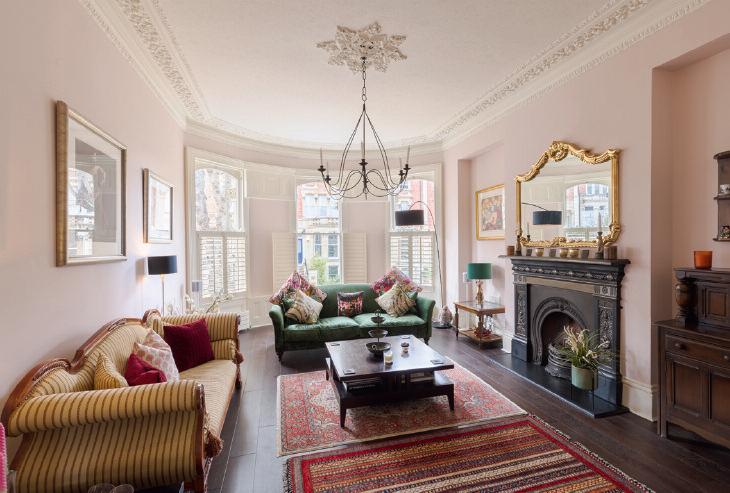
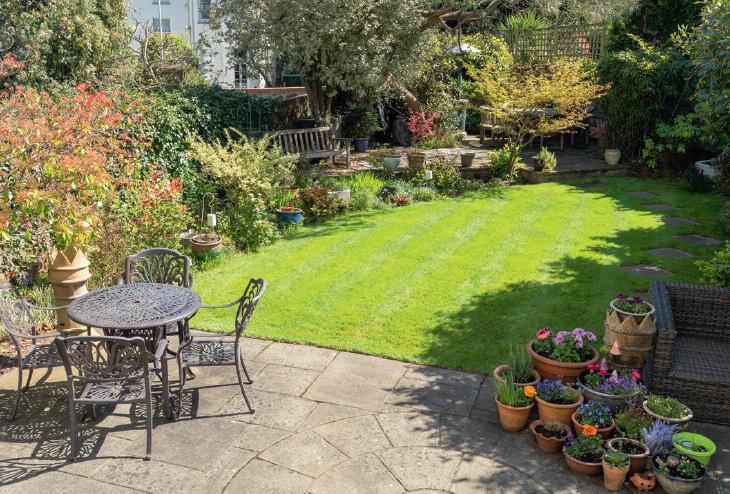
Clifton, Bristol | Guide Price £1,995,000
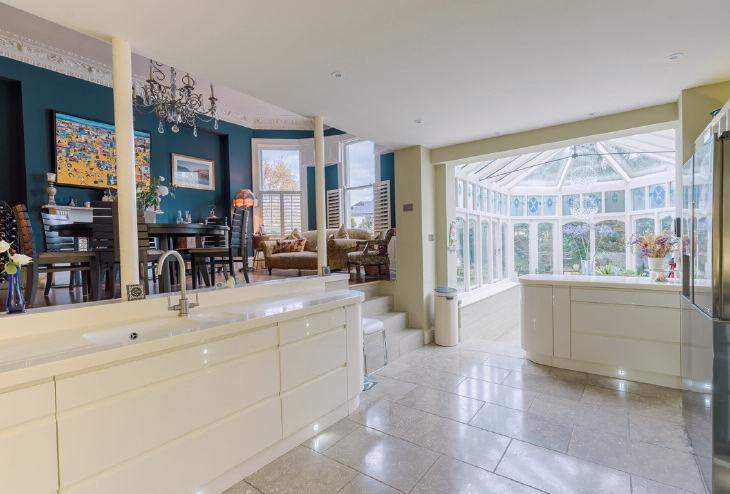
An outstanding semi-detached family house with over 4200 sq. ft of internal accommodation, a private enclosed rear garden, garage, off-street parking & a sel f-contained annex.
Superb semi-detached Clifton town-house | Garage and off-street parking | Self-contained one bedroom annex | Five further double bedrooms | Three reception rooms | Light-filled kitchen and conservatory | Five bath / shower rooms | Fully enclosed private rear garden | Access to local independent and sought-after primary schools | EPC: D
In all circa 4200 sq. ft (390.1 sq. m)
@ruper
ty Tel: 011 7 452 3555 home@ruper toliver.co.uk
toliverproper