YOUR STUDY SPACES
Expert advice to help hone your home office design
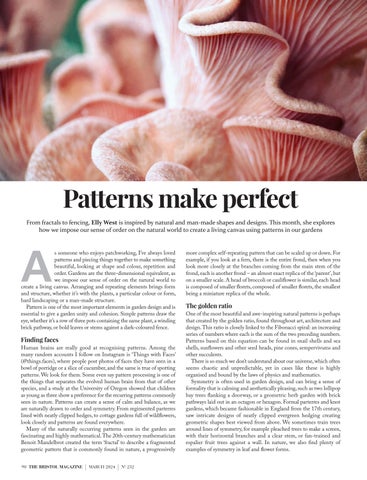
YOUR STUDY SPACES
Expert advice to help hone your home office design
Let your ideas bloom with our Spring Homes, Interiors & Gardens special


GLADIATOR GARMS
One local fashion brand’s journey to prime time BBC show
Trombonist Dennis Rollins recalls his journey to jazz
THE SUNDAY SESSION
Tuck into BANK’s roast dinner in Totterdown



12 THE CITYIST
Katie Fishlock: Artist. Podcaster. Coach.
16 MUM’S THE WORD
Spoil the special people in your life this Mother’s Day with our gift guide
20 HELLO, HAMILTON!
Meet Hamilton’s leading man Shaq Taylor before the stage show sensation arrives at the Hippodrome
24 GLADIATORS’ GLADRAGS
Bristol fashion brand Burnt Soul has been cladding the competitors for the BBC’s prime time TV revival
28 WHAT’S ON
Helping you march into March
32 A CLASS ACT
Slide into the world of funky jazz with world-class tromobonist Dennis Rollins, performing this month
38 CLOSER TO CULTURE
The city’s art spaces are inviting you to visit during Bristol Gallery Weekend
40 ART & EXHIBITIONS
Places to go, things to see
44 A MOTHER’S VOICE
Local poet Nicola Dellard-Lyle speaks on matrescence


46 SUNDAY SESSIONS
We dine at BANK in Totterdown
48 TOAST THE ROASTS
A round up the best roast dinners in town
54 BOOK WORM CORNER
Gloucester Road Books shares its top reads of 2024 so far
62 OLD MARKET, NEW TRICKS
Take a walking tour of this historic area with Andrew Swift
70 WORKING HARD OR HARDLY WORKING?
Top tips to help you create a home office that will inspire creativity and boost productivity
78 SPRING/SUMMER ’24 INTERIORS GUIDE
The city’s most influential interiors businesses
90 FINDING FRACTALS
Elly West points out the patterns in our plants
Inspired
On the cover








My desk at The Bristol Magazine HQ looks out onto one of the most magnificent magnolia trees I’ve ever seen. It’s taller than the two-storey building it eclipses. I’ve been watching it patiently over the winter months, its small green buds promising a majestic display of blushing petals any day. Then just as we were ushering the final few pages of this issue through, which is full of reasons to show your face in the city this month (like the daring first blooms of spring), thousands of blossoms unfurled themselves. When the grey, damp south west winter feels at its bleakest, we’re reminded of what’s to come. March feels full of promise.
By no means did the city under-deliver over the past few months, but we can probably agree that heading outside is a little easier on the soul when we’re gifted a generous handful of additional daylight hours.
If, like my new favourite tree, you’re looking and feeling more fabulous than you were this time last month, then grab your diary. March is book-ended with reasons to celebrate – from St David’s Day (I can’t resist a Welsh cawl) to Easter (whether you mark it religiously or simply enjoy the extended weekend). The city’s galleries are also collaborating across a special bumper weekend of events (page 38) and Bristol Jazz Festival heads to its new home at Tobacco Factory Theatres (we hear from incredible trombonist Dennis Rollins ahead of his performance there on page 32).
Staying in? Our Spring/Summer ’24 Interiors Guide on page 78 will help you bring your home out of hibernation. Also, tune into Gladiators on Saturday evenings, where you’ll see Bristol brand Burnt Soul’s costume designs shining under the spotlights (we catch up with founder Robyn Lythe on page 24). You’ll be ordering a cat suit of your own in no time, trust me. Really.
We’ve also given a gentle nod to those celebrating Mother’s Day (10 March). If you’re stumped for gift ideas, flick to page 16; and we hear from a local poet who’s released her first collection of poetry honouring the highs and lows of matrescence on page 44.

Publisher Steve Miklos
Email: steve@thebristolmagazine.co.uk
Financial Director Jane Miklos
Email: jane@thebristolmagazine.co.uk
Editor Rosanna Spence
Tel: 0117 974 2800
Email: rosanna@thebristolmagazine.co.uk
Assistant Editor/Web Editor Jasmine Tyagi
Email: jasmine@thebristolmagazine.co.uk
Production Manager Jeff Osborne
Email: production@thebristolmagazine.co.uk
Advertising Sales Liz Grey
Email: liz@thebristolmagazine.co.uk
For advertising enquiries please contact us on: 0117 974 2800
Email: sales@thebristolmagazine.co.uk
The Bristol Magazine is published by MC Publishing Ltd. An independent publisher.
Every month
The Bristol Magazine is hand delivered to more than 15,000 homes in selected areas. We also deliver direct to companies and businesses across the city.
Additionally there are many places where we have floor-stands and units for free pick-up:

The Bristol Magazine
0117 974 2800


Jamie New is 16 and lives on a council estate in Sheffield. Jamie doesn’t quite fit in. Jamie is terrified about the future. Jamie is going to be a sensation. Supported by his brilliant loving mum and surrounded by his friends, Jamie overcomes prejudice, beats the bullies and steps out of the darkness, into the spotlight. Everybody’s Talking About Jamie is an award-winning musical sensation for all the family and is on stage at Bristol Hippodrome from 25-30 March.
The show is set to an original score of catchy pop tunes by lead singer-songwriter of The Feeling Dan Gillespie Sells and Doctor Who writer Tom MacRae. atgtickets.com/bristol


It’s 1985 and, leaving Southend to start his first year at the University of Bristol, Brian Jackson soon discovers that falling in love and growing up take a lot more than general knowledge… Adapted from the hilarious novel by bestselling author David Nicholls and the popular 2006 film, Starter for Ten is a bright, big-hearted new musical starring Mel Giedroyc (pictured in rehearsals above, in white) at Bristol Old Vic until 30 March. Featuring an original soundtrack inspired by the riotous student scene of the 80s, this coming-of-age comedy is about love, belonging and the all-important difference between knowledge and wisdom. bristololdvic.org.uk
Globally-acclaimed jazz musicans will assemble across Tobacco Factory Theatres this month for Bristol Jazz Festival. The 11th edition will take place in its new home from 22-24 March, delivering the usual programme of world-class jazz and community spirit. As well as a full calendar of musical performances, the festival is providing a series of workshops across the weekend. Acts appearing include Renegade Brass Band, Ife Ogunjobi and Hippo. We caught up with one of this year’s stars, Dennis Rollins, ahead of his performance. Read the interview on page 32.
bristoljazzfestival.co.uk
Bristol Gilbert & Sullivan Operatic Society proudly presents an exciting new twist on a well-known production at Redgrave Theatre 21-23 March. In a fantastical realm, filled with magic, mythical creatures, and daring adventures, a rollicking adaptation of The Pirates of Penzance unfolds in the world of Dungeons and Dragons.
The story follows our young hero, Frederic, who was mistakenly apprenticed to a band of kind-hearted but inept pirates. In a classic twist of love, leap years and homophones, everything gets a bit complicated.
bristolgsos.co.uk


Take a peek at life inside a London hospital at Christmastime. Exhausted A&E staff power through gruelling shifts to care for patients and battle management, while finding little time for festive cheer.
Nina Raine’s wry yet compassionate Tiger Country spotlights the hectic days and nights of unsung NHS heroes. With direction from Nico Rao Pimparé, the interwoven personal and professional lives of these medics unfold at a rapid pace. Showing at Bristol Old Vic Theatre School from 9-16 March. oldvic.ac.uk

Original cookers remanufactured with new, solar power friendly, electric systems. The sustainable choice. More affordable to buy & run. Like-new quality in performance and appearance with up to five year warranty.
101 new parts, 8 restored, 17 re-enamelled. 30 hours dedicated by 8 craftsmen and 28 painstaking checks once it is hand built in your kitchen.
Modern or Heritage style in 63 beautiful enamel colours. 2, 3, 4 and 5 oven cookers in 6 metal finishes including traditional chrome and aged brass. Every cooker bespoke.
Family owned, we think in generations not financial quarters. We have built an extraordinary reputation, we mean to keep it.

blakeandbull.co.uk |
01225 434500

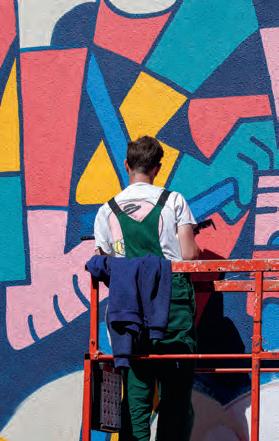
Upfest unveils new format for 2024 festival
Upfest will return this year under a new guise between 18 May and 2 june. Upfest Presents... will pop-up at multiple venues across Bedminster and the wider BS3 area with free workshops, live painting, artist talks, arts activities, panel discussions, theatre, comedy and tours exploring the area. Festival co-founder Stephen Hayles says: “Upfest Presents... represents a new incarnation for the festival this year. This means we won't have a festival in the park but means we can spread the joy of Upfest across 17 days, including three weekends. There will be tons for artists, art lovers and families to get involved in, while you can pop down and see murals being created throughout the whole period. Huge thanks to Arts Council England for giving us the opportunity to create the event this year.” A crowdfunder is aiming to raise £10,000 to support all the activities.
upfest.co.uk
I grew up on the outskirts of Bristol; it’s been in my life since I was kid.
As an adult I moved back closer to the city and it reinvigorated my creativity; it has enabled me to become part of a community of artists, which I thought I would never have. Bristol is special because it’s so raw. It is a mixed bag of different cultures and energy, it’s a great place for me as a creative because a lot of my work is to do with mental wellbeing, societies, communities and human interaction. Bristol is special for this because it’s a melting pot of all these things. It’s always simmering away on the stove.
I tend to make a beeline for Dareshack on Wine St. The venue serves great coffee, it’s perfect for peoplewatching and it’s got great walls for artists to hang their work on. The team there has been so kind to me. It hosted my Live Laugh Love Burnout exhibition, and it’s an inspirational place where I’ve hosted worshops and formed many connections too.
There’s one book I keep going back to.
I’ve just re-read The Promise That Changes Everything: I Won’t Interrupt You by Nancy Kline. I feel most people need to read this book because it honours and explains the influence of interruption and how it affects our lives. It focuses on the powerful notion of listening. If we radically improved the way we listen, just think how potent our connections would be. I actually trained with Kline, and her work is responsible for the creation of my thinking circle workshops The Cult
I think street art is so popular in Bristol because the city has a lot to say.
Street art was used by the Ancient Romans, who wrote graffiti on the walls like they were gossip magazines. Bristol is a boiling pot for street art simply because we have a lot to say in this city, and we’re not afraid to say it. That’s what makes it so fertile for creativity. I can’t live right in the very centre for this reason – I think my nervous system would explode with all the energy there. We have to remember that Bristol has a very intense history – like many cities –with its links to the slave trade and scarring from WW2 bombs. This history is still in the bones of Bristol. It’s in the cement work, and it seeps through to the people, making a creative environment. There
aren’t many cities that would have received the work in my exhibitions –the aforementioned Burnout (that was, funnily enough, about burnout) and Treat Yourself at Glitch Studios in Old Market (which explored why we find it so difficult to treat ourselves to guilt-free pleasure) – with such an open mind.
Some themes I’ve addressed in my murals include burnout, autism and dyslexia.
When I have the privilege as an artist to take up space and paint a wall, billboard or exhibition area, it’s important for me to really say something. Not only is the art located in Bristol, but I work with the community here to interview people and gain information – I think of it as field research that feeds back into my artwork. For example, I’ve got a piece up at the Tobacco Factory at the moment called No Small Talk – it’s about how people with autism can often find small talk really hard, and the artwork lives in the beer garden, which is where so much small talk happens. Bristol Mural Collective has been instrumental to my growth as a muralist. The members of the female- and non-binary-led group –which is rare for a street art community – have been very supportive.
katiefishlock.com; @katiefishlock; Fragments of the Soul podcast on Spotify; @bristolmuralcollective


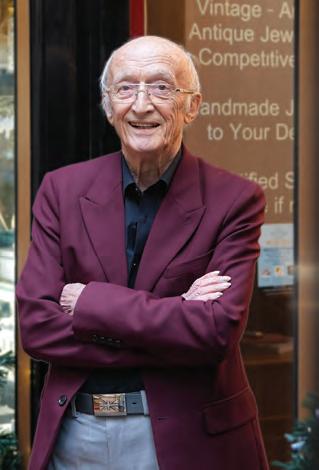
Local director Paul Dundridge (pictured) and his production company Hanover Pictures have created a new feature film called Frankenstein: Legacy, which is available to stream on Amazon Prime from 4 March.
The film is set in 1890, 100 years after the end of Mary
Shelly’s infamous novel, with a script written by Jim Griffin, originally from Portishead. The cast includes Bafta-winning actor Juliet Aubrey (Middlemarch), Matt Barber (Downton Abbey) and Philip Martin Brown (Waterloo Road). The opening scene was filmed on the SS Great Britain; other locations include a mansion house in north Devon, and Gloucester Prison doubling for a Victorian asylum. The big finale society ballroom scene was filmed at Kings Weston House, Bristol.
The film has more than 200 visual effects shots, all of which were completed single-handedly by local VFX artist Alan Tabrett from Clevedon. It took 10 weeks to edit the film, which was cut by Bristol-based editor Simon Pearce. Ninety percent of the crew were from Bristol and the south west. Hanover Pictures worked with Bridgewater company M and M Productions on the project.
hanoverpictures.co.uk
Bristol-based author Dr Jenny King’s book Cinema King tells the story of her grandfather Sam King, 50 years after his death, who went from playing the violin alongside silent movies to owning a chain of Art Deco cinemas as part of his Shipman and King entertainment empire from the 1920s to 1960s.

Jenny King is delivering a talk about her grandfather’s extraordinary journey from poverty to glamour in London during the Jewish Literary Foundation’s Book Week this month (event on 10 March at King’s Place).
All book profits go to the Hailsham Old Pavilion Society that supports the continuation of the Hailsham Pavilion, the first Shipman and King cinema.
Buy a copy of Cinema King via thegreatbritishbookshop.co.uk
A new project, led by the University of the West of England, will support over 200 UK-based artists and organisations to explore the creative potential of virtual, augmented and mixed reality technologies.
Funded through a £6million grant from the XRtists scheme, the three-year cross-UK ‘Immersive Arts’ project will build on the UK’s record of supporting artists to unlock the creative potential of new technology. The main hub will be at Pervasive Media Studio in Bristol with Watershed as executive producer. The Immersive Arts programme will give artists based in the UK the opportunity to access training, mentoring, specialist facilities and vital funds, with £3.6million in grant funding available to help them get their ideas off the ground.
uwe.ac.uk

Bristol is a proud city of protest, home to the Bristol Bus Boycott and the birthplace of the Race Relations Act. To celebrate these important civil rights milestones in the UK, Curiosity UnLtd and Clear Channel UK have launched Designs4Change.
The competition seeks to honour the UK's most successful, Black-led protests. The three winning designs will be displayed on 45 of Clear Channel's printed screens at bus stops across Bristol. Entries should illustrate inspirational designs that pay tribute to the Bristol Bus Boycott and its significant contribution to racial equality in Britain.
The Designs4Change competition has three age categories, and the competition is open to all, regardless of your design style, talent level or background.
Enter online at curiosityunltd.com; you must submit your entry by midnight on 11 July 2024























10 March

How about the perfect treat for Mother’s Day? Locally-based Drinks Kitchen has created four awardwinning, non-alcoholic aperitifs to make you feel special. Unique flavour profiles of Spiced Rhubarb, Orange Cinchona, Herb Verde and Grapefruit Piquante promise to captivate you. Crafted from high-quality distillates and extracts, they are designed to work perfectly with sparkling water. Price £18 for 475ml, or £27 for 950ml. Available at drinkskitchen.online

Evermore’s Moon Candle unveils notes of delicate rose petals and spicy hints of saffron that hover over a rich smoky base of vetivert and cade. There are top notes of rose petals, heart notes of saffron violet leaf and base notes of vetivert cade. Price £60, weight 300g. Available from Harvey Nichols Bristol, Quakers Friars, Bristol BS1 3BZ
The russet hues and striking quadruple ‘eyes’ of the Peacock butterfly lend themselves perfectly to this breathtaking brooch. It’s made from faux suede and cotton organdie, which has been embroidered and handpainted. We think the wire antennae and intricate markings bring this artistic interpretation of the Peacock – one of Britain’s most colourful and popular butterflies – to life. Price £37. Available from the shop at Bristol Musuem or online at shop.bristolmuseums.org.uk


One silver Sibyl necklace, from £46, with pendant etched with Diana's life-affirming words.
There are 32 words to choose from, and the etching can be chosen in all silver, have a black oxidised finish or be highlighted in 22ct yellow gold.
Visit the shop at 33 Park Street, Bristol, or shop online at dianaporter.co.uk
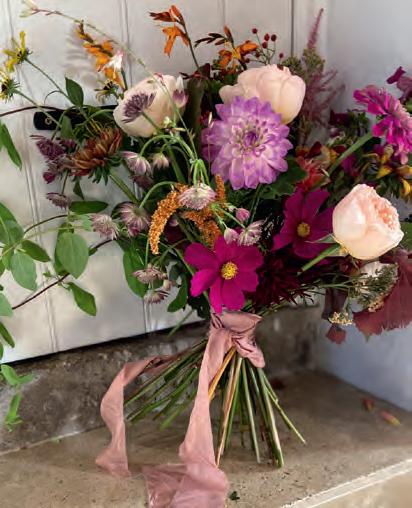
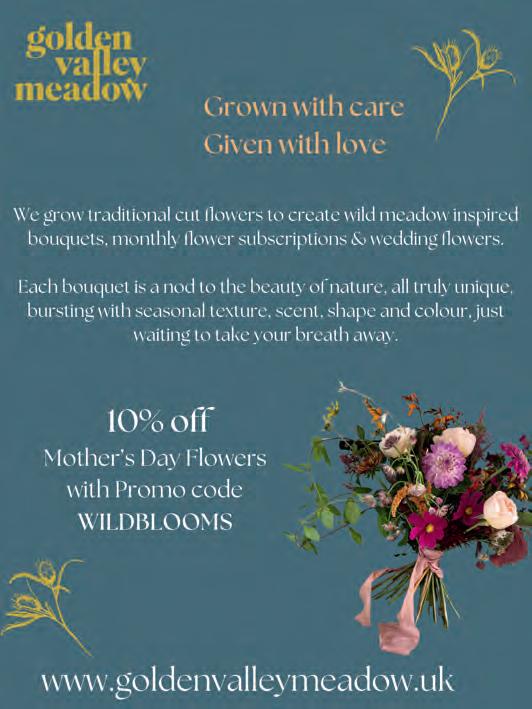
Run by florist and flower farmer Sarah Bedford, Golden Valley Meadow is situated in a secluded flower field between Bristol and Bath, along the banks of the River Boyd. There, traditional flowers are carefully grown to create wild meadow-inspired bouquets. For Mother’s Day there are several lovely options starting from just £30. Shown here is the Luxe Mother's Day Bouquet, price £65. Receive 10% off orders until the end of March with promo code ‘WILDBLOOMS'. Order yours at goldenvalleymeadow.uk

Elevate your everyday with the wellness and beauty edit curated by Harvey Nichols Bristol. Packed with sensational supplements that put a spring in your step, fragrances that make you feel like you’re walking on sunshine, and skincare treatments that work like a comforting hug for your skin, this mood-boosting collection is your ticket to feeling fabulous. It's designed to pamper your body and soothe your soul. Dive into this treasure trove of self-care and watch your wellbeing blossom... All products are available at Harvey Nichols Bristol
£195
If a good night’s sleep is permanently on their wish list, they’ll love this Beauty Sleep Hamper. Packed with everything you need for a relaxed winter evening, this blissful collection of nighttime essentials includes a calming This Works Deep Sleep Body Cocoon and every beauty lover’s favourite Pure Silk Sleep Mask from SLIP, as well as a soothing pillow mist, candle and Kiehl's Midnight Recovery Concentrate.

£65
Harvey Nichols Self-Care Kit is filled with hand-picked heroes to enjoy an indulgent beauty experience at home. Worth over £230, this exclusive set will take your ‘me time’ to the next level and features a collection of coveted beauty names and much-loved products, including Sol De Janeiro’s deeply nourishing body cream and Sisley’s Regenerating Hair Care Mask for top-to-toe pampering. There are also oils and scrubs from the likes of OUAI and Larry King, a brightening face mask from 111 Skin to revive your glow and so much more, all presented in a reusable washbag.


LA MER
The Revitalizing Mist 100ml £80
La Mer's Revitalizing Mist spray is formulated with marine botanical extracts to instantly refresh and awaken. A spritz of this revitalising mist spray treatment helps skin feel energised and revived on contact. A live internal magnet helps continually charge the ingredients for optimal results.

OTO Power Drops have been designed to enhance your morning ritual and leave you fresh focused and ready for your day. Optimum-strength CBD, cultivated from organically grown hemp plants, has been combined with a bespoke range of vitamins essential oils and botanical extracts carefully selected to complement the effects of CBD to help with mood digestion and immunity to promote energised calm. With a combination of blood orange, bitter orange, grapefruit, carob seed extract and cacao husk, the resulting flavour is smooth, mellow and citrusy.

These luxury cases are anti-ageing, anti-sleep crease and anti-bed head. Unlike cotton, which draws moisture from your face, hair and scalp, the case breathes and is a natural temperature regulator while being gentle on your hair, allowing your hairstyle/blow-dry to last overnight.

DR. DENNIS GROSS SKINCARE
Vitamin C + Lactic 15%
Vitamin C Firm & Bright
Serum
£88
Apply 4-6 drops once daily as an all-over treatment on clean dry skin. May cause a slight tingling sensation until skin is acclimated. For optimal results apply after your Dr. Dennis Gross Skincare® peel.
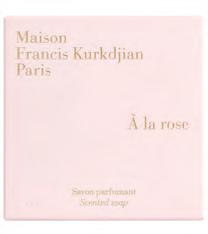
À La Rose Soap
150g
£40
À La Rose boldly combines the elegance of radiant femininity with whimsical care-free style. For infinitely soft skin, the soap – stamped with the Maison Francis Kurkdjian monogram – is enriched with coconut oil, known for its hydrating, nourishing and invigorating properties.
New in: ESPA
Signature Blends Aromatherapy
Bath & Body Oil Collection £60
The Signature Blends Bath & Body Oils can soothe the body and mind in a plethora of ways. Swirl into the bath for a soothing soak, use as an indulgent massage oil, remedy dry skin, or apply to pulse points and temples for ultimate aromatherapy.



Spring into style and join the of Head of Personal Shopping and instore Stylist at Harvey Nichols Bristol for the S/S 24 Trunk Show
Calling all fashion lovers, the Womenswear Trunk Show is back on 6 March, 6.30pm – 9pm at the Second Floor Restaurant, Harvey Nichols Bristol.
Enjoy a fashion-filled evening, discovering new season trends from the expert Personal Shopping team. Indulge in the drinks and canapé reception on arrival, before enjoying the fashion show. The store then will remain open until 9pm for you to shop the looks.
Tickets are £15 per person. REWARDS members will receive triple points for purchases made during the evening or up to two weeks post-event.


Tickets are available instore or scan the QR code to book online

Hamilton is nearly here. Ahead of the Founding Fathers finding their feet at Bristol Hippodrome next month, Melissa Blease speaks to leading man Shaq Taylor, who takes on the iconic role of titular character Alexander Hamilton

Amusical set in the late 18th/early 19th century telling the story of the life of American Founding Father Alexander Hamilton, his involvement in the American Revolution and the political history of the early United States, played out against a backdrop of largely rap/hip-hop/pop/soul: on paper, that doesn’t sound like a pitch for sure-fire success. But American songwriter, actor, singer, filmmaker and rapper Lin-Manuel Miranda had a dream.
Having read American writer Ron Chernow’s biography of Alexander Hamilton on holiday in 2008, Miranda saw something in it that most people would have missed: a story from way back in the past, wholly pertinent to the right here, right now generation.
Miranda wrote a rap about Hamilton that he performed for the White House Evening of Poetry, Music and Spoken Word in May 2009. By 2012, he was performing an extended set of pieces based on the life of Hamilton, specifically focusing on the great man’s innate intellect ( The Hamilton Mixtape). Three years later, Miranda’s own Hamilton (starring Miranda himself as Hamilton and featuring non-white actors in the majority of the leading roles) premiered off-Broadway to sell-out audiences, massive acclaim and a clutch of illustrious gongs. Miranda describes Hamilton as about “America then, as told by America now” – and the rest is, quite literally, modern day history.
Getting under Hamilton’s skin
“I would have loved to have seen Hamilton when I was 8,10,12 years old,” says actor Shaq Taylor, talking to me from Manchester towards the end of Hamilton’s four-month, sold out (of course) run at the Palace Theatre. “To see people that looked like me, doing those things and telling amazing stories like this musical does – like, wow!” So it must be an even bigger wow for Shaq to be able to say that, right now, he is Hamilton?
“It honestly, really is amazing to be in this iconic role,” he concurs. “I’m constantly going through so many different emotions with it; it’s really, really exciting. The whole musical has impacted on so many people around the world – I guess because it’s such a new, vibrant take on a historic story. And it brings together so many genres that are of today – live music, soul, pop, rap; contemporary elements and references – while still telling that major, world-changing story. It's literally one of a kind.”
Indeed. But surely it can’t have been easy for Shaq to get himself under the skin of a man who died 220 years ago (the loser in a duel with fellow Founding Father Aaron Burr) and is today widely acknowledged as being the foremost champion of a strong central government for the ‘new’ United States? “Actually, it wasn't difficult at all,” says Shaq. “I immediately became really interested in where Alexander came from: a small island in the Caribbean, which was really a down-and-out country at the time. Prisoners were sent there as punishment – and that's where he grew up. It was Alexander’s intelligence and far-reaching view of the world that got him out of that situation; he wrote a pamphlet about the effects, on poverty-stricken families, of a hurricane he witnessed, and his prosperous merchant guardian [Hamilton was born out of wedlock and orphaned as a child] saw him worthy of sending off to America to get an education. That part of his story in itself is so interesting: to see this person who obviously is so not in a privileged situation get himself out of that situation. It parallels with the backstory of many rappers, and people who live in the projects and underprivileged areas, who use their talents to get out, and use their skill set to do something with their lives.”




In a far less dramatic way, perhaps, Hamilton’s story has personal resonance for Shaq too. “Both my parents are of Jamaican descent – my grandparents were first-generation immigrants to the UK”, he explains. “I’m the first in our family to go into theatre – and that in itself is quite a unique story. When I was about 8 or 9 years old, I did a drama class in primary school and it rocked my world – I thought, what is this art form that will allow me to really express myself, and tell stories in exciting ways? My mum sent me to Stagecoach Theatre School and that’s where it all started, for me. Then one day I got this letter that said my application for this young people’s thing at the Young Vic in London had been accepted – I had no idea who sent the application off for me! But I went to the audition, and I got it, and that was my first taste of being on stage. To this day, I don’t know who wrote that letter; I've had inklings of who it might have been, but nothing's ever been confirmed. It's a proper mystery, but I kind of like that!”
Whoever sent that letter off must be very proud of Shaq today; his glittering CV is littered with illustrious roles including Beast in Beauty and the Beast at the London Palladium (and the national tour), Javert in Les Misérables at the Queen’s Theatre, Herod in Jesus Christ Superstar at Regent’s Park Open Air Theatre... oh, and the ‘Show Off Your Savvy’ guy in the latest Ikea TV ad campaign. Ah, Shaq: we love it when you offer us a peep into your (very neat!) fridge! Do people recognise you from the ad?
“All the time! I can't get away from it!”, he laughs. “I said to my mum, 'people keep recognising me in the street from the IKEA ad – it’s a bit overwhelming!' And she was like, 'do you realise how much joy you give to people? They’re seeing the guy who they keep seeing in their living room, in real life!’ To be honest, it’s really nice – it’s a very human thing.”
And Shaq’s modest, ego-free attitude to both where he is with Hamilton and where he’s been in order to get here is very human too. “I haven't done too bad so far in my career, but there’s still a way to go!”, he says. “I always try to take something with me from job-to-job, because each one of them brings benefits in different ways. Right now, I’m still very focused on the job at hand, as Hamilton – there's an infinite amount to explore within this role. Obviously, the play book has been set by the original creators and that never changes. But in terms of acting and
intention, it can change all the time, and other actors bring something different that makes you react in a different way; you kind of have to be on your feet with it, and I do like to keep it fresh. But portraying my character and telling his story: that's entirely my responsibility. It’s not simple, and that’s the fun thing about it – I don’t think I'd love what I do as much as I do if it wasn’t as complicated as it is.”
Complicated – and, surely, exhausting? By the time Hamilton lands in at the Bristol Hippodrome, for no less than eight weeks from the end of April, Shaq will have been with this, the musical's first tour of the UK, since last autumn.
“The thing is, though, because we set down in cities for so long it doesn't feel like a tour,” says Shaq. “When you only get one or two week weeks in a city you don’t really have time to settle in, or explore. Right now, we’ve been in Manchester for four months and it’s a luxury, to be honest, to get to know the city you're in. I visited Bristol for a period of time with Beauty and the Beast, so I do know it a bit, and I’m very excited to be back – there's so much art, so much culture going on in Bristol. And I’m definitely going to try to get to know Bath this time around too – it’s high on my list!”
Before I let Shaq go back to his iconic role as a man realising his own potential as he strives to do the same for his country, I have one more question for him, focusing not on Alexander Hamilton, or the journey that led to him and Shaq coming together as one... or even the IKEA man! Here we go: who is Shaq Taylor, in just three words?
“Ha, that's is the toughest question I've ever been asked in an interview!” he laughs. “You've put me on the spot! It's like a dating app! But okay, here we go: I guess I’m calm – and down-to-earth. And active! I reckon I'm active. That's me!”
So, that's Shaq's summary of himself. But to quote one of Alexander Hamilton/Shaq Taylor's lines in the phenomenally successful musical itself, “there’s a million things I haven’t done, just you wait” – and Shaq Taylor is a calm, down-to-earth, active superstar-in-waiting, “passionately smashin’ every expectation.” Go, Hamilton! n Hamilton arrives at Bristol Hippodrome from Tuesday 30 April and runs until Saturday 22 June; atgtickets.com

Burnt Soul has seen celebrities don its iconic catsuits for the best part of a decade, but then the Gladiators came calling. Founder Robyn Lythe chats to us about seeing her designs on TV, helping people feel body confident and her dreams of dressing Dolly Parton
Contenders, you will go on my first whistle. Gladiators, you will go on my second whistle!” This famous line from Gladiators’ referee John Anderson was a staple of British Saturday night TV in the 90s. Joined by roaring crowds donning huge foam fingers, dramatic theme tunes and tanned muscles, Gladiators was a reason to stay in and marvel at everyday people taking on mammoth physical challenges in a time before reality shows dominated our screens.
BBC One has revived the format, bringing some much-needed nostalgia back to Saturday nights. The show is currently mid-season, airing until the end of the month. But aside from some comforting family-friendly fun, there’s another reason we should be tuning in, and that’s to check out the outfits worn by the new generation of Gladiator athletes, designed and made by Bristol fashion brand Burnt Soul.

Prior to this gig, Burnt Soul’s Lycra designs were a familiar sight on the festival scene, with people buying its brightly patterned catsuits to transform into their alter-egos across a long weekend.
“I always say that this is when Barry from accounts becomes Barbara for the weekend,” says Robyn Lythe, Burnt Soul’s founder who made the switch from bridalwear to Lycra creations when demand for her homemade catsuits boomed.
If you’re reading this thinking, “Catsuits?! I could never see myself in one,” then it’s time to step outside your comfort zone. Lythe’s designs are deliberately inclusive, aimed at all shapes, sizes and ages with one aim in mind: to feel fantastic. “At the end of the day, if you’re wearing spandex, there’s nowhere to hide,” Lythe notes. “When I first started looking for
fun outfits, I could never find anything that ticked all the boxes. I’m quite tall, so found things ill-fitting. Or not brightly coloured and only aimed at a very slim physique. You want to put something on and feel amazing, then almost forget about it; you can go out and concentrate on having fun, being in the moment and not worrying about what you’re wearing.”
It’s so important for Lythe that everyone feels comfortable in Burnt Soul’s outfits. “I get most of my joy from getting emails and messages from people saying that they never thought they would be wearing a catsuit anywhere, but that they feel amazing. The goal for me is to always make things that that in mind, and to give people freedom to wear what they want.”
Burnt Soul has been doing just that, ensuring everyone has the chance to feel like a popstar. It was probably inevitable then that the brand would end up dressing world-class music acts for the stage, too.
Celebrity projects include making a disco ball catsuit for Miley Cyrus, dressing Ella Eyre for her Feline tour, creating outfits for a Marina tour (then known as Marina And The Diamonds), and having not one, but two Spice Girls wear Burnt Soul catsuits.
Burnt Soul was born in Bristol, and every part of the production process happens in-house at the team’s new council-owned studio among other creative enterprises at Filwood Green Business Park (BS4). The team designs and releases small runs of vibrant clothing to be as sustainable as possible.
“Our prints go onto a Lycra that’s made from recycled plastic”
“Rather than using virgin yarns, our prints go onto a Lycra that’s made from recycled plastic,” Lythe explains. “Eighty percent of the fabric is made from recycled products, like carpet fluff and plastic bottles.”
This innovative and sustainable fabric is available for the printed sections of the outfits, and as Burnt Soul was keen to implement a sustainable approach to its business to help combat fast fashion’s effects on the environment, this forms a major part of its action plan. Other sustainable initiatives from the company include sourcing locally for stationary and office supplies; using fully-recyclable packaging; recycling all scraps to businesses and community projects; and becoming the official sponsors of ocean activists Surfers Against Sewage. Keeping the design and production process located within the city helps in more ways than simply lowering the carbon footprint, too.
“One of the reasons I like having everything in-house is because you can have a bit more control over what you make,” Lythe says. “If I were ordering from China, I'd have to pre-think all of my numbers a year in advance, and then that'd be that and any stock I had left over would be sold really cheap. And there would be leftover waste. That’s why we release very small runs of designs, then if they’re popular we can remake them. We’re meeting peoples’ needs rather than over-creating everything. It’s a lot more expensive that way, but I just can't bring


myself to look at the business like a profit-making scheme in that regard. I want to create clothes that are going to be sustainable and last, and create jobs for my staff.”
“I’d love to dress Dolly Parton and Cher”
From Glastonbury to Gladiators
Lythe and her team were busy dressing the stars and festival crowds when she received a call from one of the directors at Hungry Bear, the production company behind the new Gladiators series. They were a fan of the figure-hugging designs seen at the likes of Wilderness and Glastonbury, and floated the idea with Lythe about creating outfits for the Gladiators to wear on the BBC series.
“We’d never done anything like this before,” Lythe explains. “TV is a whole different ball game and process. Plus, the athletes have insane body proportions – the sizes of the guys’ thighs were similar to my hips! It all happened very quickly. We needed to make up mock suit samples for the fitting, which had to be in bright pink leopard print of all things, as that was the only fabric we had spare at the time. I remember one of the Gladiators ‘Giant’ being quite taken with the pink print! It was such a quick process that we just had to go for it and not second guess ourselves.”
Thankfully, the production team didn’t want to “taint” Lythe’s design process, so kept the brief vague: red and blue, and not too skimpy.
“We sell to some pretty hardcore festival-goers who love to slide around on their knees, so we already knew our outfits get good wear, but seeing what they’d be doing on TV was on another level,” she remembers.
A few design tweaks were made to give the Gladiators more support and extra protection under the bright arena lights – preserving their modesty while filming a prime-time show. The shiny suits have been a hit, and apart from a minor issue during a pre-production photoshoot when they proved a little too shiny for the cameras (nothing some dulling spray couldn’t fix), the Gladiators have been ideal models to show how far the Burnt Soul brand has come from its early festival days.
“We have had amazing messages and such a good response to the show now that it’s aired,” says Lythe. “It’s always a little bit nail-biting, especially on such an epic job, but the feedback has been amazing, everyone seems to love them.”
Lythe’s team got to see their outfits in action last summer during filming at one of the semi-finals: “It was amazing, the whole production was insane; breath-taking. Then seeing it on TV at home was when it really hit home, seeing the very things we’d been making live. It was on another level.”
For now, the focus is back on designing new prints and launching new collections, with 2023 eaten up with Gladiators and moving studios. But Lythe still dreams of dressing her idols: “I’d love to dress Dolly Parton and Cher. We did actually send a parcel to one of Dolly’s stylists before Christmas. That would really show we are for everyone – for every age as well as all shapes and sizes. I would love that.” n
You can watch the new series of Gladiators on Saturday evenings, BBC One. Catch up on episodes you may have missed on BBC iPlayer. burntsoul.com




Our guide to some of the best things to see, do and experience in and around Bristol this month

Quiz night at the Tobacco Factory
n Every Wednesday, 8-10pm
Join ‘Hostess with the Mostess’ @bucksquizz for saxophone-based shenanigans, laughs, and a cash money prize! Maximum six to a team. £1 to enter. tobaccofactory.com
Julius Caesar
n 7-9 March, 7pm (plus Saturday matinee 2.30pm)
Malcolm X Community Centre
Don’t miss Bristol Old Vic Theatre School’s (BOVTS) inventive take on the Bard this spring, where deception and desire wreak playful havoc at Malcolm X Community Centre. In a realm where political power lies in errant hands, what cost comes with the struggle for change? BOVTS tackles these timeless questions in Shakespeare’s chilling Roman tragedy. oldvic.ac.uk
Kind Hearts & Coronets
n 9 March, 6.45pm
Averys Wine Merchants
Vintage Screenings pairs classic films with thematically-linked wine tastings to create unique evenings. A celebration of several Ealing comedies turning 75 in 2024 continues with the wickedly funny crime caper Kind Hearts & Coronets, which was voted the sixth best British film of all time by the BFI. bristolfilmfestival.com
Tiger Country
n 9-16 March, 7.30pm (plus Thurs and Sat matinees 2.30pm)
Tobacco Factory Theatres
Take a peek at life inside a London hospital at Christmastime. Exhausted A&E staff power through gruelling shifts to care for patients and battle management, while finding little time for festive cheer. Nina Raine’s wry, yet compassionate Tiger Country spotlights the hectic days and nights of unsung NHS heroes. tobaccofactorytheatres.com
The Dance of Love
n 16 March, 1.30pm
Redland Quaker Meeting House, 136 Hampton Road, BS6
In this talk, psychotherapist Pushan Bhatia will present a talk which will be on partner (romantic/intimate/sexual) relationships. During the talk many of the perspectives presented will apply generally, and will also be useful in relationships such as parentchild, friendships, collegiate and family groups. Pushan will base his talk on 30 years’ experience working with individuals and couples, and 50-plus years’ experience of being in relationships. For more information and tickets, please contact: pushanbhatia@yahoo.co.uk
Tel: 07973 864877
Bristol Metropolitan Orchestra
n 16 March, 7.30pm
St. George’s Bristol
This spring concert includes the much loved
cello concerto by Elgar in his most contemplative mood, almost quintessentially English music. In contrast there is the UK premier of Artur Lemba’s 1st symphony Lemba was a major figure in the musical history of Estonia, as a teacher, conductor and composer. The symphony, dating from 1908, explores different emotional landscapes and draws inspiration from Estonia’s natural beauty and cultural heritage.
bristolmetropolitanorchestra.com
Verdi’s Requiem
n 16 March, 7.30pm
Bristol Beacon
Bristol Choral Society raises the roof with Verdi’s spectacular, operatic Requiem. Under the baton of star conductor Hilary Campbell, with orchestral drama provided by the British Sinfonietta and a cast of stellar soloists, this is an unmissable concert. Verdi’s Requiem triumphs over death, by sheer force of its virtuosity and musicality. You will leave the hall feeling triumphant and inspired by the genius of this work.
bristolchoral.co.uk
Bristol St Patrick's Day Parade & Party n 17 March, 1-8pm
St Nicholas Market, Departing from M Shed at 1pm and parading through the centre before finishing with a huge party in and around St. Nicholas Street. The festivities will include a full day of music and dancing –featuring giant puppets, dance performances, bands, street performers and more – continuing into the evening with a party shindig in and around St Nick’s Market that will have visitors exclaiming “Slainte!”. Parade and street party free. weirish.org.uk
Bach’s St John Passion
n 17 March, 7pm
St George’s Bristol
First performed on Good Friday 1724, Bach’s St John Passion is a dramatic account of Christ’s final days, from the betrayal of
Judas to the preparation for laying the body in the tomb. Exultate Singers is joined by an outstanding line up of soloists, together with a specialist baroque orchestra from the Bristol Ensemble to perform the extraordinary work, marking its 300th anniversary. Tickets £17 to £30. Tel: 0117 929 4929 or book online. stgeorgesbristol.co.uk
That Friday Feeling
n 22 March, 7.45pm
All Saints’ Church, Pembroke Road, Clifton, BS8
Inspiring choral music to invigorate, refresh and soothe the soul including pieces by Bruckner, Stanford, Lauridsen, Eleanor Daley and a new setting of psalm 23, The Lord is my Shepherd, by Amy Summers. Tickets £15 for adults, £5 for students/under 18s, including a drink on arrival and light refreshments, available from from Opus 13 music shop on 0117 923 0164 and online. cityofbristolchoir.org.uk
Fauré’s Requiem
n 23 March, 7.30pm
St Mary Redcliffe
In this centenary year of the death of Gabriel Fauré, Lucis Choir marks its 10th anniversary with a programme spearheaded by two of the composer’s most beloved choral works. The concert programme starts with Lili Boulanger’s Pour les Funérailles d’un Soldat followed by Fauré’s Pavane, arranged for organ. The first half also includes de Séverac’s Tantum Ergo, Fauré’s Cantique de Jean Racine and In my Father’s House by Stopford. The concert concludes with Fauré’s Requiem in the arrangement for violin, cello, harp and organ. bathboxoffice.org.uk
Spring Concert
n 23 March, 7.30pm
All Saints' Church, Pembroke Road, Clifton, BS8
The Bristol Bach Choir will perform two highly contrasting and beautiful works. Scarlatti’s setting of the Stabat Mater is one of the pinnacles of the Baroque repertoire. The contemporary composer Gabriel Jackson’s Requiem provides a stunning contrast to this, sharing the many-voiced textures of the Scarlatti, but suffused with light, warmth and peace. bristolbach.org.uk
SKA on the Pier
n 29 March, 7.30pm
The Grand Pier, Weston-super-Mare SKA on the Pier returns for 2024! Hosted by local stage host Joe Malik, the concert has a fantastic line-up including The Brew, Skacasm and, from Exeter, The Embezzlers. Age restriction is 14 and over –under 18s need to accompanied by an adult. grandpier.co.uk


Our pick of the best things to see and do with the little ones this month

Mary Anning –Family Activity
n Throughout March
Bristol Museum & Art Gallery
This theatrical performance from Megan Vaughan Thomas is designed to bring the story of Bristol Museum’s Temnodontosaurus fossil to life for 7-11yr olds and inspire them to search for fossil discoveries of their own. Anne-Marie will tell the story of her favourite palaeontologist, the famous Mary Anning, and how she discovered incredible fossils at the age of just 13 years old. These discoveries have helped us to keep learning about the ancient marine reptiles of the early Jurassic period. Expect puppetry, epic marine reptiles and facts about the world’s biggest (and boniest) eyeball! bristolmuseums.org.uk
Hotwells Panto: Treasure Island
n 13-16March
Tobacco Factory Theatres
Just when you thought it was safe to get back in the water… It’s back! Oh yes, it is! Returning for its 42nd year, this time we are in the Admiral Benbow where a sinisterlooking Long Joan Silver offers her services as crook, er, ‘cook’, to the landlady Mrs Mister. With a 50-plus cast, teenagers and children and a superb eight-piece band, this is a truly community panto. Written by members of the cast and packed with invention, colour, laughter and songs, this show is the perfect way to wipe away the winter blues. tobaccofactorytheatres.com
Baby Tour
n 14 March, 11am – 12.30pm
RWA
Baby Tours are a relaxed and informal session in a safe and comfortable space for parents/caregivers with babies (12 months and under). This is an opportunity to explore artworks without any pressure or worries about noise. In this session you can enjoy the art in the exhibition These Mad Hybrids: John Hoyland and Contemporary Sculpture in the RWA main gallery. Admission is free. Booking recommended. rwa.org.uk
Transcend to The OUTERverse
n Ongoing
Wake the Tiger
The newest, out-of-this-world, immersive addition to the world’s first Amazement Park® has 15 new spaces and 1,000sq.m. added to another floor. OUTERverse is a soul-searching, mind-bending, limit-pushing voyage into an absurd dimension beyond imagination where your adventure is not just a destination; it’s a state of mind. wakethetiger.com
Sing-a-Long-a Matilda
n 23March
Bristol Hippodrome
Calling all revolting children and their parents – enjoy the chance to be a little a bit naughty at Sing-a-Long-a Matildathe Musical. From the producers of Singalonga
Sound of Music and Singalonga Frozen. Find the magic inside of you and join the gang at the latest film to get the singalong treatment, the Tony and Olivier Award-winning Matilda the Musical based on Roald Dahl’s novel. atgtickets.com
We The Curious Out and About n During Easter Holidays
Various Locations
Before it re-opens the science centre’s doors in the summer, the team at We The Curious is heading out and about for one final tour of the city this Easter holidays. You can join in with its unique brand of creative science activities for free at various locations in Bristol. You could make a scribbling robot, build a tower from straws, or even invent a new game.
wethecurious.org
Subscribe to our weekend newsletters at thebristolmag.co.uk for regular updates





It’s around this time of year that you might be starting to think about your summer holidays – but don’t forget ask yourself whether your pet is also all set to go abroad? Since Brexit, your four-legged companion can no longer dust down their pet passport, stuff their favourite treats in a bag and be good to go.
As of 2021, cats, dogs and ferrets going to the EU or Northern Ireland need a document called an ‘animal health certificate’.
This certificate needs to be completed by an ‘Official Veterinarian’ –a regular vet who’s done specialist government training. It shows that your pet has a microchip and has been vaccinated against rabies and meets the requirements for travel.
Local official veterinarian Dr Holly Mash shares five essential things you should know about animal health certificates:
• Your pet needs to have a microchip. This needs to have been implanted before (or at the same time as) their rabies vaccination.
• Your pet needs to have a rabies vaccination. They can travel from 21 days after the vaccination, (if they’ve had regular rabies boosters then there is no need to wait). It’s also essential that the vet records the fact that their microchip was scanned at the time of the vaccination.
• You can travel, (i.e. leave the country to go on holiday), up to 10 days after your animal health certificate has been issued (day one is the day it was issued).
• The animal health certificate is then valid for up to four months of onward travel in the EU and for re-entry to Great Britain.
• At the end of your trip, your dog will need to see an EU vet no less than 24 hours and no more than 120 hours (that’s five days), for tapeworm treatment, before they re-enter GB.
(For holidays to non-EU countries you’ll need to speak to your vet about getting an export health certificate.)
It is well worth contacting your regular vet, or a pet travel vet, as soon as possible before you want to go on holiday so that you can be sure that your pet has met all the necessary requirements for documentation. If they need a rabies vaccination for example, then there is the 21-day wait before they can travel to consider.
Many veterinary surgeries have an Official Veterinarian who can deal with the travel documentation, but these services can get busy, especially around holiday periods. So, a quick Google can help you to find your nearest vet travel specialist, who can then get this sorted for you. Forward planning is a smart move, and once you have the all-important documentation ready, your pet can indeed grab their treats, sun protection cream, favourite toy and away you go! n
Dr Holly Mash is a Bristol-based Official Veterinarian; pettravel.vet


Trombonist Dennis Rollins speaks to Jasmine Tyagi about his rip-roaring journey through the world of funky jazz – including a jam with Prince – ahead of his appearance at Bristol Jazz Festival this month
Igot the old beat up trombone. That's really where the passion started”. Jazz musician Dennis Rollins is telling me what started his passion for music. The instrument that he inherited from his brother wasn’t your classic pile of hand-me-down clothes children are forced to begrudgingly wear. This old trombone became the catalyst for his incredible career as a jazz musician.
For the last 25 years, Rollins has played with some of the greatest musicians in the funk and jazz world, such as Jamiroquai, Brand New Heavies and Courtney Pine (to name a few). He’s also scooped multiple awards – ranging from the prestigious BBC Jazz Award in the Best Band category in 2006, Trombonist of the Year at the British Jazz Awards and Ronnie Scott’s Jazz Awards in 2007, to most recently being awarded an Honorary Fellowship from the Royal Welsh College of Music and Drama in 2022. Rollins proves to be a man of great talent.
The first band Rollins formed was called Dee Roe, though he then went on to work with and create many more, such as Boneyard (which included nine trombones, a sousaphone and a drum kit), as well as more recently Funky-Funk and Velocity Trio. The musician has and continues to apply different styles of Jazz to every project. His organ trio-style band Velocity Trio will be making an appearance at the Bristol Jazz Festival on 24 March; the threesome has been described by London Evening Standard as having “produced a rich and varied tonal range”. Their beautiful, funky and wide-ranging sounds are not to be missed this month.
Growing up watching his brother play the trombone with friends, and then with the Doncaster Jazz Association sparked something within Rollins; that “sibling rivalry made me think, ‘I can do that’”. It just so happens this fierce but friendly sibling competitiveness became the driving force for Rollins’ great success. Fast forward a few years and he would even find himself jamming with Prince after supporting him in concert with Maceo Parker’s band, an experience he “wouldn’t say is life-changing, but it’s pretty much up there”.
The master trombonist’s passion stemmed from other elements too – being of Jamaican heritage Rollins grew up listening to a lot of reggae and ska music. He says: “I wasn’t directly listening to pure jazz”. If, like me, you’re wondering how these two completely different genres could have inspired his passion for jazz, Rollins explains. It becomes clear that it was his musical mind which enabled him to pluck out elements in songs synonymous with the jazz genre: “There’s a lot of inflections of jazz truly flowing through the roots of the music… it was sort of an experience ‘through the back door’ to how jazz influenced me.”
From the age of 14, Rollins’ passion for jazz was already engrained. He joined Doncaster Youth Jazz Association, just like his brother, but then left the “small mining town” he knew and grew up in and moved to The Smoke (that’s London). When Rollins moved to the city in 1987 the music scene was booming with vibrancy and energy. Rollins says this was the place you wanted to be, otherwise “you were just a young player or musician in the suburbs… You had to have that ‘01’ telephone number, so people knew you were in London and could call you for work there.”
He instantly fell for London, and the incredible musical experiences that came with it. For him, London in the early 90s was “a melting point of many different cultures that brought different music from around the world… there were the crossing of cultures, the meeting of minds with musicians, and the melting of styles.” No wonder the 90s created a platform for the music scene like no other… booming, spirited and pumping out some of the greatest artists of all time.
“ There were the crossing of cultures, the meeting of minds with musicians, and the melting of styles”
Rollins’ trajectory in funk began when “playing with Jamiroquai and Brand New Heavies, under the banner of acid jazz.” Acid jazz is the perfect example of the city’s musical melting pot, with injections of hip hop, disco, soul, funk and jazz in the mix.
“There was a lot of excitement… you had to just jump straight in.” So, it’s no surprise then that amid this sea of styles and cultures the gem of Rollins’ talent washed ashore.
Despite Rollins’ talent, he admits he wouldn’t be where he is today without the help of his talented teachers. Their skills and motivation led him to success, something he wishes to pass on to the students he teaches. He says the most important thing to do is “project the feeling of joy through music, and show what music can bring”. Through the years in his profession, Rollins reflects what he once absorbed from his teachers, and that is patience, compassion “and to just generally enthuse our youngsters, because there’s a whole world of music. Even if their choice isn’t to be a musician in their later life, music is something you can carry alongside any career.” Rollins aspires to pass his passion on to youngsters through an educational trombone website.

His approach includes the blurring of boundaries between ages and levels reminiscent of the 90s music scene, applying this attitude towards learning music and developing “a funk community”.
“Education is my passion right now,” Rollins states. “There is a real groundswell of trombone players wanting to learn about funk music, and about the articulation of funk, or how the style is played and asking ‘How do you bend a note like that?’ So, I have put together a whole bunch of courses and exercises.” Vital skills Rollins has learnt from his youth may have followed him through to his own career, but he is still learning. “The thing about playing with other performers is that you learn when not to play.”
Rollins breaks this idea down for us. The key is to imagine you are having a conversation, he explains, but instead you’re playing music with other musicians. He says you need to “stand back and learn the lesson to allow others to speak. When you’re at a jam or performing with other musicians, it is a really important musical lesson at any level”, let the music flow the same way when you’re chatting to somebody, and most importantly, listen to one another.
It is this technique that Rollins says will enhance musical skills as people pick up small things other musicians use and play. (I imagine it’s like when you hear someone say a fancy word and you mentally note it down so you too can sound just as eloquent.)
I asked Rollins what his most memorable performance has been throughout his career. “Wow. That is a big question. I can’t think of any one in particular.” Whoops, didn’t mean to stump him with this one. After some thought, he says: “Since I put together the Velocity Trio – that’s the drums, the organ and trombone – there is a sense of freedom in performance that this particular ensemble brings”.
Rollins describes performing with this trio as if it is like no other. “I can take my performance in any direction, and at the same time the connection I have with the other two musicians can go in any direction too, musically, and meet at any given point”.
“Bristol has its own sound, its own vibrancy, its own way of doing things. It's got the Bristol spirit”
The beauty of music is that we, the listener, have the privilege to listen and feel the emotion, connection and currents of energy that flow through the sounds that the players make. I have no doubt that Rollins and his band Velocity Trio will be a very special performance for all of us in Bristol. After all, it is a place that he loves: “Bristol has its own sound, its own vibrancy, its own way of doing things. It's got the Bristol spirit.” n
Rollins will be appearing as part of Bristol Jazz Festival on 24 March at 6.30pm at Tobacco Factory Theatres. Tickets can be booked online via bristoljazzfestival.co.uk. You can also visit funkytrombone.com to get involved in Rollins’ educational trombone exercises and courses.dennisrollins.com




Veteran war correspondent Jeremy Bowen is in the south west this month for Bath’s Curious Minds festival. Here he answers Emma Clegg’s questions about his latest book on the Middle East, recently brought out in paperback
Photo by Johnny RingIwrote The Modern Middle East because so many people have said to me over the years, ‘Jeremy, can you give me the name of a book that will help me understand?’ These have all been intelligent people, but if you didn’t study the Middle East at school or university or didn’t live there, why would you know? And it’s such an important thing to understand in terms of the way the world is.
“In terms of the civilian population’s understanding of their past, I think history is more alive in parts of the Middle East than it is here in Western Europe. People have a strong feeling that they understand how they got to where they are. Having said that, sometimes it’s not the full story because they absorb things in a very partial way. Jerusalem is a place where history is everywhere and people are conscious of it. A notable Israeli writer said once that Jerusalem is the only city where the dead are more important than the living. In other words, the weight of history bears down on the present.
“Impartiality is very important in journlism, but this does not mean some kind of false balance. It doesn’t mean ‘he says this, she says that and the truth lies somewhere in between’. Impartiality actually is truth. It is trying to establish a way of finding the closest to the truth of what is happening. And sometimes the truth is complicated. And for journalists reporting in the Middle East it sometimes means having to hold five or six contradictory things in your mind at the same time and find a way to explain those. It’s not black and white. So the challenge for a journalist is to explain all of that complexity. That’s not easy actually. At the BBC we do try very hard to get to that place, and what that means is being fair, and talking to as many different sides of the argument as you can.

“This does mean that the conflict is extremely embedded and that things are very polarised, and the war in Gaza since 7 October has really deepened that. There is a potential resolution to all of this and that is the two-state solution, finding a way to split off an area for the Palestinians and the Israelis. If they don’t manage that, then they condemn themselves to perpetual war.
“The history of international intervention in the Middle East has been pretty disastrous. We haven’t made things better, because powerful western countries in the 21st century have had their own agendas. And these agendas matter more, in terms of where they are in the global race for power. Perhaps if we left the people of the region to try and sort things out for themselves it might have been easier.
“Having said that, we are where we are and that’s not going to happen. Could the international community have done more since 7 October? They have been very invested in what has been going on, but there is a very different view between different foreign countries. The big countries in the European Union, along with the British, the Americans, Australia, New Zealand and Canada, have been supportive of Israel, but they are now thinking more and more strongly that there really does need to be a ceasefire. The Americans have some leverage but it’s limited, although it’s clear they haven’t yet used the leverage they have to get the ceasefire. That’s because they have a lot of sympathy with Israel’s desire to get rid of Hamas. The question that the Americans particularly raise –because they are Israel’s closest ally –is that while they support its right to defend itself, they are not happy with the way Israel is fighting. We hear constant reminders to the Israelis in public, increasingly strongly worded, that they have to respect international humanitarian law. We can surmise that the Americans don’t believe Israel has done that, so perhaps more could be done. For example the Americans could say to the Israelis ‘Do not use heavy weapons against heavily populated civilian areas’, but then again, those heavy weapons were originally supplied by the US.
“I have met many of the senior leaders in the region, and the only way to talk to them is to be very direct, particularly important when you are dealing with powerful people. These are men, mostly, who can look after themselves. You must not pull your punches, but you don’t have to be rude. You can be perfectly polite, but you have to ask the hard questions or you don’t have credibility.
“I’ve interviewed president Bashar al-Assad of Syria three times. He gave me an interview in 2015 and we were really prepared for that. The template used by the BBC’s HARDtalk programme is very good, because they base their questions on things that people have actually said. So if a leader comes back on something you have mentioned and says ‘Well that’s actually not true because...’, then you can say, ‘Well, I’ve got this statement that you made two years ago and you said this’. You have to know what you are talking about and you have to push. I interviewed the late Colonel Gaddafi of Libya, which was the last big interview he did before he was murdered by his own people. He always said to me, ‘My people loved me’. I think he actually believed it.
“A lot has happened since I wrote the book, which was published in September 2022, but that was always predictable in the Middle East. Of course since 7 October the situation has lurched into one of the most profound crises in decades. But does the book stand up? Yes, I hope so, because what the book is really trying to understand is why there is an Israeli-Palestinian conflict and how the region got to where it is. Clearly now there is more to be said, but I wouldn’t want to do that until this immediate terrible crisis, this war in Gaza, has ended and we can see more clearly what the new shape of the region might look like.” n
The Middle East: A personal Account with Jeremy Bowen, 21 March, Komedia Bath, 7.30pm, £15 (Curious Minds Festival; batharts.co.uk). The Making of The Modern Middle East by Jeremy Bowen, £10.99, available from bookshops.



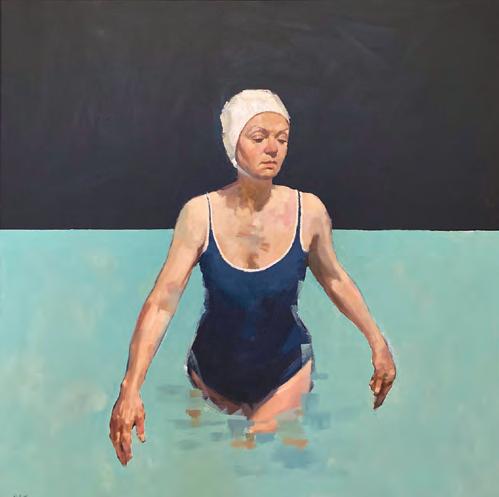
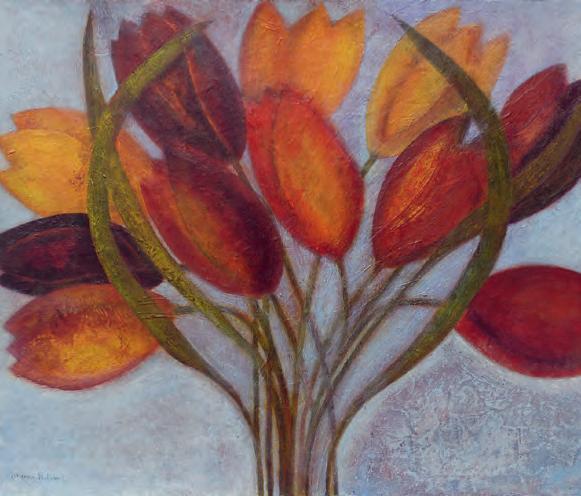
Galleries will open their doors from 21-24 March for the inaugural Equinox Bristol Gallery Weekend, showcasing the contemporary art scene in Bristol with a rich programme of events at a variety of art spaces, galleries, artist run projects and private art collections
This month Bristol will be joining other cities in the UK and across Europe by holding a Gallery Weekend called Equinox Bristol. The inaugural Bristol Gallery Weekend will take place from Thursday 21 March until Sunday 24 March 2024. Most of the contemporary art galleries and art spaces from all over Bristol are taking part. There will be a range of events over the weekend. Many cities in Europe and around the world have a Gallery Weekend and have done so for many years so it’s time for Bristol to join in. A Gallery weekend happens when the art galleries in a city or area co-ordinate to hold special events over a long weekend. Participating cities include London, Paris, Madrid, Berlin, Milan, Oxford and Brussels.
The event is an opportunity to discover and explore Bristol’s worldclass gallery scene. Celebrating the city’s diverse creative spaces with an extensive programme scheduled especially for the weekend. Including talks, private views, family workshops and special events.
“Bristol has a great artistic vibe and Bristolians are known for supporting the arts, music and culture in a big way so I’m sure visitors to the galleries will find plenty to enjoy,” says Bristol Gallery Weekend co-ordinator Adrian Mantle. “There is something for all tastes; internationally known names, like Picasso, Matisse and Banksy; as well as dozens of talented local artists. I think people will appreciate the depth and diversity of the work on display in their local galleries, as well as enjoying the activities. It’s also a great opportunity to meet and talk with the artists.”
Bristol Gallery Weekend will enable greater access to culture across the city, shedding new light on the Bristol arts environment by allowing
the public to discover the scene’s diversity first hand. Here are some original and contemporary art highlights to look forward to…
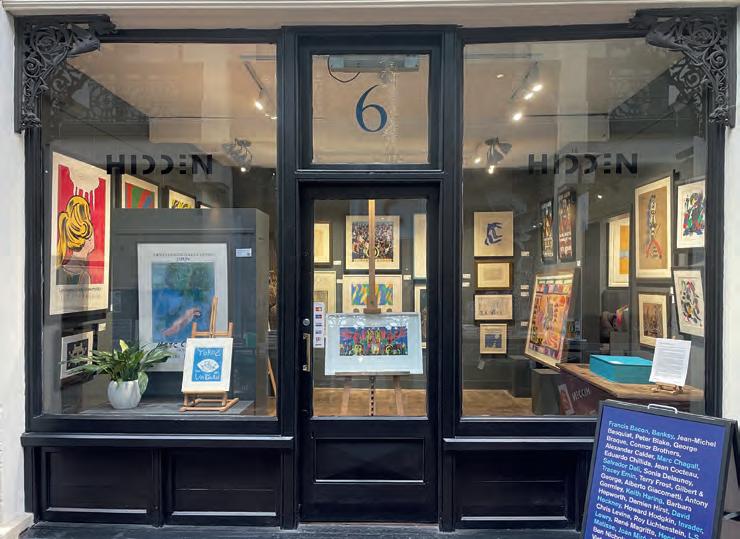
Hidden Gallery in Clifton Village (6-8 The Clifton Arcade) is showing Legends on Paper throughout the duration of Bristol Gallery Weekend, with complimentary fizz served from 1-4pm on Saturday 23 March. Original prints, drawings and works on paper by the world’s most acclaimed artists, from Pablo Picasso, David Hockney, Tracey Emin, Henri Matisse, Andy Warhol and many more. To RSVP for the event, please email amy@hiddengallery.co.uk. hiddengallery.co.uk
To celebrate Bristol Gallery Weekend, Clifton Contemporary Art (25 Portland Street) has created a Spring Equinox exhibition. This will feature a range of artists whose unique and diverse work showcases the depth of talent in the Bristol and West County art community. The exhibition includes oil and mixed media paintings by Anna Boss, Lynne Cartlidge, Andrew Hood, Elaine Jones, Janette Kerr and Carl Melegari, plus a range of sculpture, ceramics and jewellery. Opening times for the Bristol Gallery Weekend are Thursday 21 to Saturday 23 March 10am5pm, and Sunday 24 March 11am-4pm. cliftoncontemporaryart.co.uk
Lime Tree Gallery (85 Hotwell Road) will be showing its Spring Exhibition from 14 March until 11 April, during the Bristol Gallery Weekend. It’s a mixed exhibition featuring still life, abstract, figurative and landscape painting by many of Lime Tree’s regular gallery artists limetreegallery.com


Art Park, Knowle
Centrespace Gallery, City
Circular ArtSpace, Fishponds, Clifton Contemporary Art, Clifton Village
Clifton Fine Art, City
D-UNIT, Bedminster
Hidden Gallery, Clifton Village HOURS, City
Huw Richards Evens, Clifton Village
Ken Stradling Collection, City
L'Étoile Studio, Old Market
Lime Tree Gallery, Hotwells
Livingstone St. Ives, Clifton Village
Martin Parr Foundation, Paintworks
North Street Gallery, Southville
Rainmaker Gallery, Whiteladies Road
Royal Photographic Society, Paintworks
Serchia, Cotham
Studio 74 Contemporary Art, Whiteladies Road
That Art Gallery, City
Rainmaker Gallery
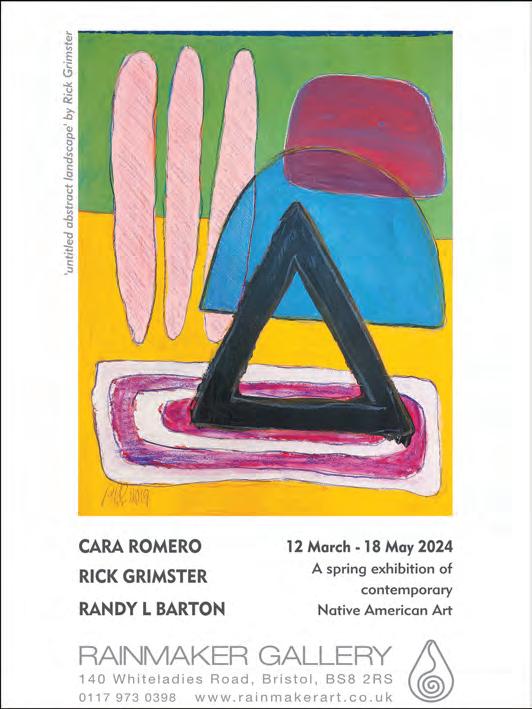
Founder of Rainmaker Gallery (140 Whiteladies Road) Joanne Price is marking Bristol Gallery Weekend by giving free curator tours of her spring exhibition on Friday 22 March between 2-5pm. The exhibition features painting and photography from three Indigenous artists: Cara Romero, Chemhuevi photographer; Rick Grimster, Mvskoke painter; and Randy L Barton, neo-contemporary Native artist, designer, dancer, DJ and music producer from the Navajo Nation in Arizona. rainmakerart.co.uk
March is Brain Tumour Awareness Month, so Studio 74 will be celebrating the legacy and life of late acclaimed artist Antonio Russo (known as ‘Stony’). Studio 74 will be the first gallery to privately showcase his full body of work, which has ties to urban and street art, with twists of abstraction and features of his own personal quotes and mantras. The show will run from Thursday 21 (when the private view will be held) to Saturday 23 March 10am-5.30pm and on Sunday 24 March 11am-4pm. studio74contemporaryart.com n
Full details at bristolgalleryweekend.org.uk

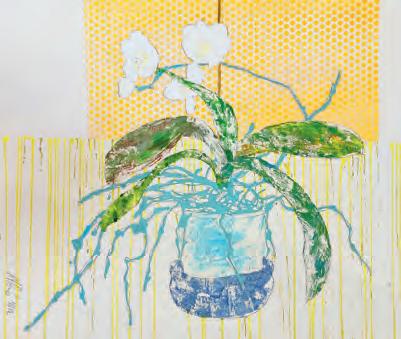
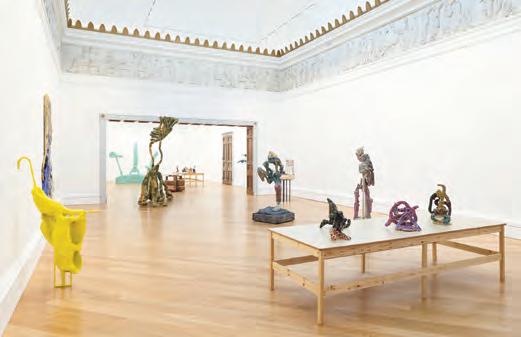
‘These Mad Hybrids: John Hoyland and Contemporary Sculpture’, Royal West of England Academy, until 12 May
A new exhibition opening at the Royal West of England Academy (RWA), presents an extremely rare and largely unknown aspect of the late artist John Hoyland’s (1934-2011) career – ceramic sculptures. The mixed exhibition brings eleven of Hoyland’s ceramics together with sculpture by Caroline Achaintre, Eric Bainbridge, Phyllida Barlow, Olivia Bax, Hew Locke, Anna Reading, Jessi Reaves, Andrew Sabin, John Summers and Chiffon Thomas. Hoyland – a prominent British abstract painter – made a group of 25 ceramic sculptures loaded with colour, humour and zoomorphic qualities. Remarkably, they have never been publicly displayed since being made.
rwa.org.uk; Queen’s Road, Bristol BS8 1PX
Image credit: Tim Bowditch
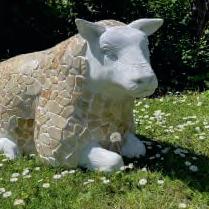
‘Easter Sculpture Festival’, University of Bristol Botanic Garden, 29 March – 1 April
This festival aims to showcase the harmony between human creativity and the natural world with unique hand crafted sculptures, interactive workshops and family-friendly activities. Visitors will also get a chance to have a go at art in the form of willow weaving, wood turning, stone carving and pottery. This year, art students from the University of West England will also be exhibiting ceramic slugs and a prehistoric creature. Refreshments will be provided by Chandos Deli. Book online in advance or pay by card on the gate (cash cannot be accepted).
botanic-garden.bristol.ac.uk; The Holmes, Stoke Park Road, Stoke Bishop, Bristol BS9 1JG
Image: Rock sheep by Dawn Ensor
This spring, Rainmaker Gallery is showcasing the work of three contemporary Native American artists: fine art photographer Cara Romero of the Chemehuevi Indian Tribe, Randy L. Barton from Arizona and Cotswold-based painter Rick Grimster, a member of the Muscogee (Creek) Nation.
Romero recently headlined exhibitions at both The Museum of Modern Art, New York, and The Metropolitan Museum of Art in New York. Barton is a neocontemporary Native artist, designer, dancer, DJ and music producer from the Navajo Nation.
Grimster is a 1960s art school graduate whose fascinating paintings came to light for the first time last year, to great acclaim. He has sold out two solo shows in the UK and is preparing for a solo museum exhibition in the USA.
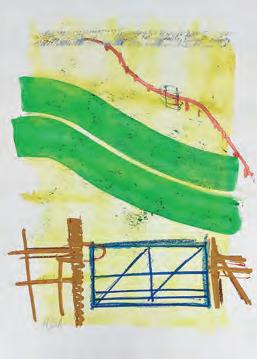
rainmakerart.co.uk; 140 Whiteladies Road, Bristol, BS8 2RS
Image: Spring Gate by Rick Grimster
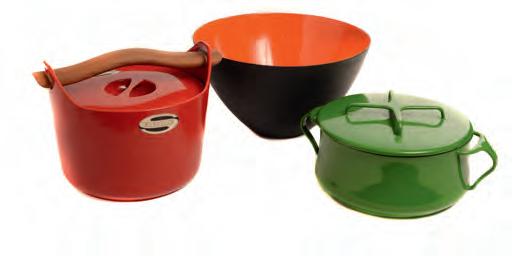
This exhibition’s focus in the Stradling Collection is Scandinavian design from Denmark, Finland, Norway and Sweden, dating from 1935 to the 1990s. The display includes items ranging from Alvar Aalto’s Stool 60 born of modernist ideals and Finnish innovation to Arne Jacobsen’s table lamp designed for the SAS Royal Hotel in Copenhagen, and Kay Bojesen’s iconic toy teak monkey. The exhibition is sponsored by Clevedon Salerooms.
stradlingcollection.org; 48 Park Row, Bristol BS1 5LH
Image: Scandinavian metalware from the collection



You can enjoy a drink and chat with the artist himself. Signings and dedication opportunities will be available on the day. Curryer’s captivating works exude boldness and atmosphere, drawing inspiration from distinctive architecture and the intricacies of daily urban existence. His solo exhibition is showing at the gallery until 15 March.
fizzgallery.co.uk; 26 Hill Road, Clevedon, BS21 7PH
‘Wildlife Photographer of the Year 2023’, Bristol Museum & Art Gallery, until 21 April
Bristol Museum & Art Gallery will host the 59th Wildlife Photographer of the Year exhibition, meaning you can experience these incredible images alongside the museum’s fascinating natural science collections. View the 100 winning photographs out of 49,957 entries into the competition by photographers of all ages and experience levels from 95 countries. The exhibition features soundscapes, videos, expert insights and stunning photography that capture animal behaviour, spectacular species, and breathtaking diversity of the natural world.
With entries from over 90 countries, winning images are chosen for their creativity, originality and technical excellence by international experts. Wildlife Photographer of the Year is developed and produced by the Natural History Museum, London.
bristolmuseums.org.uk; Queens Rd, Bristol BS8 1RL
Image credit: Mike Korostelev / Wildlife Photographer of the Year

42 THE BRISTOL MAGAZINE | MARCH 2024 | No 232

‘Spring Equinox’: a mixed show by gallery artists, Clifton Contemporary Art, 8 March – 12 April
For the welcome return of spring, the gallery is featuring a range of work filled with vitality and energy; all expressed in dramatically different ways. The deeply textured portraits of Carl Melegari are magnetic and insightful. By contrast, the subtle, atmospheric landscapes by Anna Boss seem to reveal and conceal distance and details as you look at them. Andrew Hood’s dynamic markets and cityscapes team with life and movement, while Elaine Jones’ paintings are shaped and inspired by natural forces and wilderness, poised between innate power and tranquillity. The restless elemental works of Janette Kerr that are so much more than ‘sea paintings’, perfectly counterbalancing the subtly luminous still life pieces of Lynne Cartlidge that shimmer with natural light. Between 21-24 March the gallery will be part of the Bristol Gallery Weekend. Clifton Contemporary Art will be open throughout.
cliftoncontemporaryart.co.uk; 25 Portland Street, Clifton, Bristol BS8 4JB

With Spring a mere hair’s breadth away, you can’t have missed the harbingers of new life springing up everywhere – birdsong, daffodils and, of course, the now traditional round-up of predictions for this year’s hottest trends brought to us the soothsayers of style.
Having spent days trawling social media feeds and interiors magazines, I’m happy to report that anyone with an interest in keeping up with what’s ‘in’ indoors should look no further than the captivating world of antiques. Auction houses – having worked hard to shed their former, rather elitist image – now welcome private buyers with open arms. Many will also offer a curated selection of items to furnish your home, which respond to today’s trends with flying colours. To give you just one example amongst many, one current trend is to introduce a
single statement piece into your room. A well-chosen piece such as a 1960s teak and glass G-Plan ‘Astro’ coffee table, with its very contemporary, sculptural lines, answers this perfectly. And have you considered that antique and vintage furniture can offer a way to express ourselves in a way that modern – particularly flat-packed - furniture can’t even begin to.
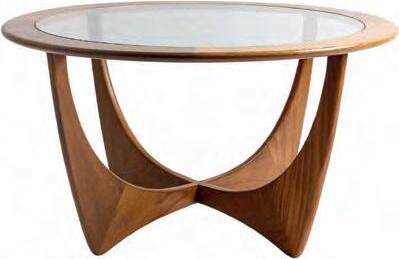
A couple of decades ago a certain well-known Swedish furniture retailer ran an ad campaign imploring us to ‘chuck out the chintz’. Well, to this I say ‘Fling out the flat-pack! If you can get a Georgian chest of drawers for £100 to £150, beautifully made and wonderful to look at and, quite frankly, why on earth would you want to sacrifice two hours of your life assembling a flat-pack version which is more expensive, not built to last and is destined to end up as landfill?
Regardless of what is trending, the key to buying at auction is always to find an item that you fall in love with. You will be rewarded with something that brings joy to your life, to be cherished long after fashions have changed. Quite simply, going vintage or antique is a way to a happier, more fulfilling and, above all, stylish life. ■
clevedonsalerooms.com; @chrisyeo_antiques (Instagram)

Nicola Dellard-Lyle’s debut book of poetry From Above the Surface follows her journey of healing and release as a mother. She speaks to us about the troubling transitory period of matrescence, and how poetry has the power to weave unravelling mothers back together
When a child enters the world, a new mother is birthed, too. This act of creation kickstarts the process of matrescence – an umbrella term for the physical, emotional and hormonal changes mothers experience – however that looks and feels for them personally. So much emphasis is put on childbirth and the immediate period following it, yet mothers enter perpetual evolution; their lives will never be the same and it can be tough for them to catch their breath and come up for air.
It’s this journey into motherhood, along the identity-rupturing path that causes people to continuously unravel and heal while trying to raise a child, that is captured within Bristol-based Nicola Dellard-Lyle’s debut poem collection From Above the Surface
“I’ve written a mixture of the beautiful, the joyous and the downright difficult moments,” she says. Her words sprout from roots, tumble between waves and get caught in tight embraces within poems that tell her journey from a murky realm of darkness and overwhelm back to feeling like herself again.
Though no stranger to creative writing, Dellard-Lyle’s “personal outpourings” became a more prevalent fixture in her life when she got pregnant. Then when Caleb, who she’s pictured with on these pages, was born in 2016, it was like someone had flicked a switch.

“So much needed to come out,” she explains. “It felt right to put that into poetic form. At first in motherhood, there is so much love and change. This book is about the transformative time of matrescence. Everything has changed in your whole life and you’ve got this whole other person to look after who’s also constantly changing. You’re finding it amazing and joyful but it’s also overwhelming and that feeling started to really creep in. I call it ‘the mother load’.”
Waking to feed Caleb throughout the night, Dellard-Lyle found the process of putting pen to paper therapeutic, feeling creative despite the exhaustion. She had started sharing some of her poetry on Instagram (@threadpressed) during Covid-19 lockdowns, in the hope it might resonate with other mothers experiencing the same wave of emotions.
“I realised so many people were connecting to it,” she remembers. “They said I put it down so clearly in a beautiful way and felt it was really touching. That felt important to share with others who may be were writing as well.”


It turned out other mothers were indeed writing. In fact, there was a group called The Mum Poem Press helping people share their work, printing some of it into anthologies. When lockdown was over, Dellard-Lyle joined open mic nights held at Redcatch Community Garden in Knowle that saw 20 mothers getting together – babies and children in tow – and sharing their work, often for the first time.
“Standing up there seeing everyone else taking my words in was amazing, and made me realise it’s not as scary as I thought it was going to be,” she says. “It was really empowering, and my son was there waving, having happily requested a poem.”
However, it was around the same time that the weight of the ‘mother load’ began bearing down more heavily on Dellard-Lyle.
“I wasn’t feeling fully capable or resourced to deal with everything going on with me internally, as well as my son’s changes, and it was quite a triggering time for me. It brought things up from the way I was parented. That was when I was feeling very alone, struggling with the day-to-day of mothering. I did not realise I needed to take the extra steps and actually ask for help.
“Yet I was still writing. I finally managed to get out of that difficult space. I wrote myself out of there. Then when I came back to some of those poems from that time they showed my journey of stepping out of the darkness.”
Dellard-Lyle initially wanted to create a full motherhood anthology of poems, but this particular smaller collection followed such a specific journey that felt so powerful she needed to share it.
“I’d spoken to my friends about this and they said ‘Do it now. This can be your first collection. It’s going to be potent. You can do something else later.’.”
The poems offer solace to mothers who might be following this welltrodden yet isolating path. Immortalised within them is a moment when Dellard-Lyle’s recounts a turning point in her healing.
“There’s a poem in there called The Return. When I wrote that, I realised how far removed I was, and how mentally unwell I’d been. I scribbled it on a piece of paper and stuffed it in my notebook in the middle of playing trains. It felt like a tonne of bricks landed on me and I thought, ‘I’m here again, I haven’t felt like this in a while, this is shocking’. It really marks an important moment. I am finding myself and feeling grounded again.
“There are illustrations by Bristol-based artist Charlotte Ortegon Rees throughout the book that depict this rootedness and growth, starting with small shoots and flourishing into a beautiful woman; everything is


becoming more level and leads to me having my head above the surface again and being able to see. I’m writing this from above the surface.”
Though she’s been able to come up for air and is in a position to offer support through her creative writing, Dellard-Lyle’s son is 7-and-a-half and the changes both of them face daily are nowhere near over.
“He’s going through a massive shift now at this age. Lots of children do, it’s a spiritual, physical, emotional, everything change. I can feel that, and it’s sometimes difficult to notice how much your child is changing and gather energy to constantly surround it. Parents have to learn to become really thoughtful with how we manage the balance of needs for us and our children.”
To show up consciously as a caregiver doesn’t happen without some unravelling, but through Dellard-Lyle’s words mothers are not alone, with each poem helping to mend and reinforce the rich tapestry depicting the reality of matrescence. n
From Above the Surface is currently stocked at Storysmith in Soutville and Corner Stores in Bedminster. It can be ordered online via Dellard-Lyle’s website threadpressed.co.uk. Images taken at Ashton Court Estate by Jo Haycock; johaycockphotography.co.uk (@johaycockphotography). Illustration by Charlotte Ortegon Rees; etsy.com/shop/PetiteGoddessShop (@petite.words)

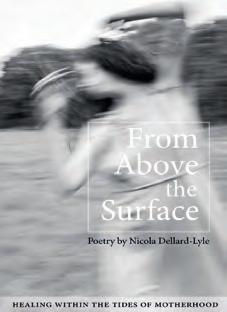
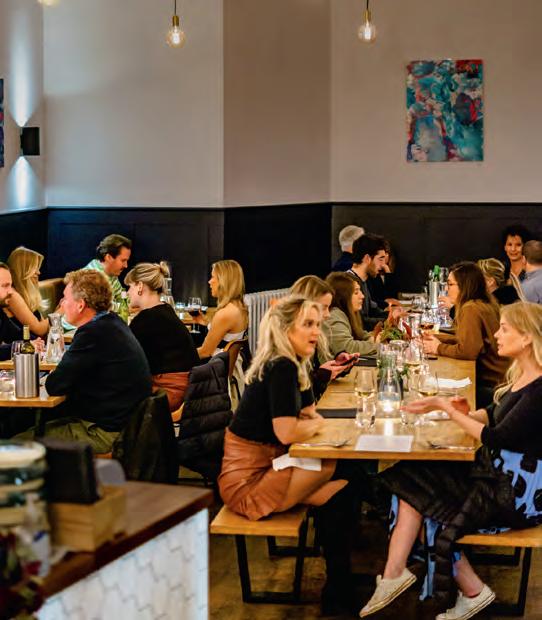
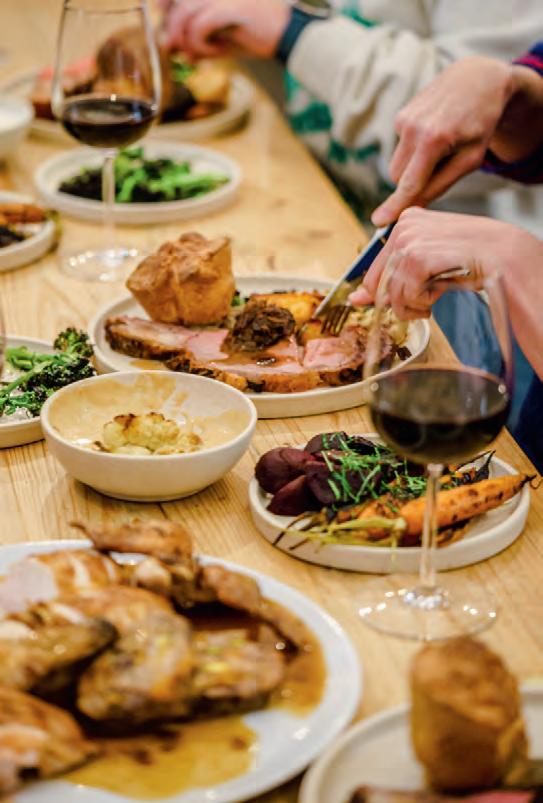

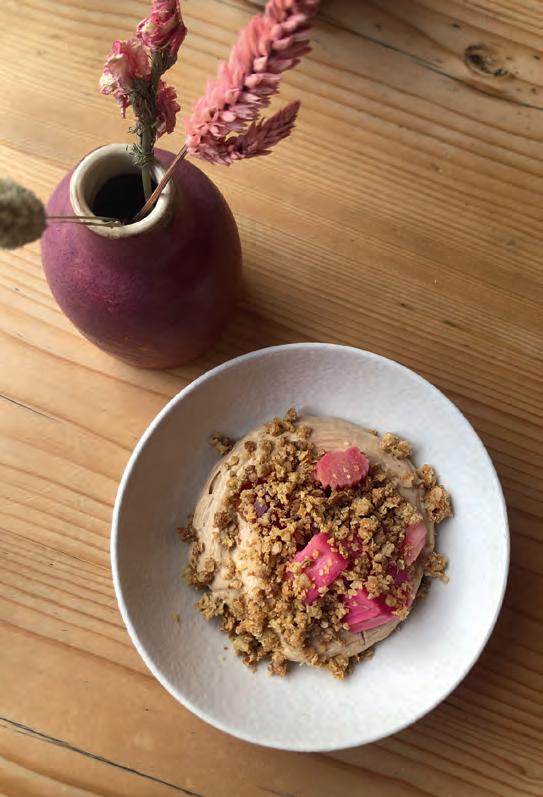
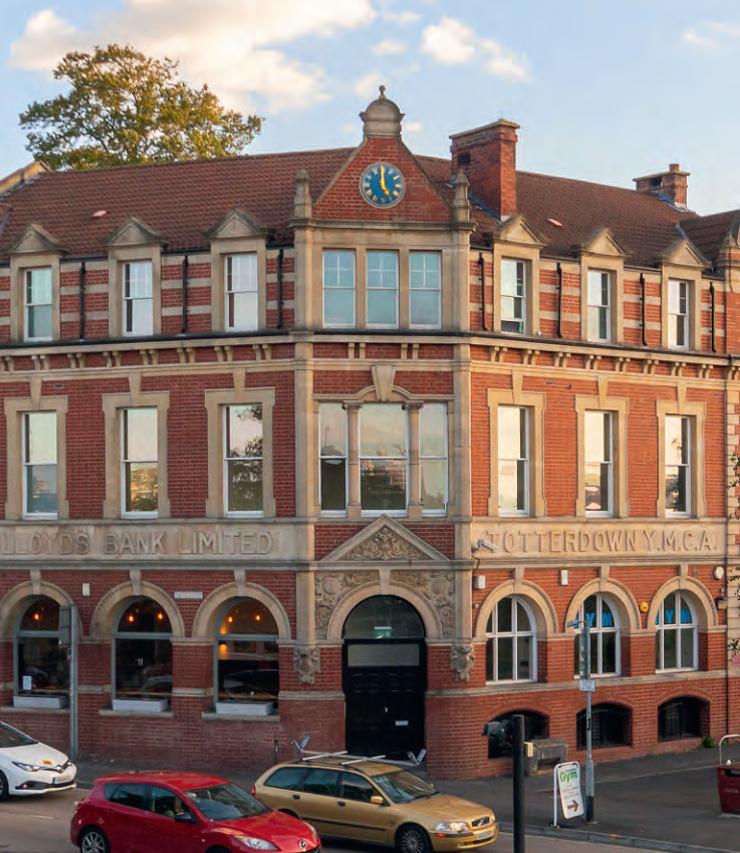

Rosanna Spence tucks into a roast at BANK in Totterdown, finding out why its contemporary take on Sunday lunch has been named one of the best in the UK
Call me a traditionalist, but I usually prefer home-cooked Sunday roast over venturing out. I like the ritual of the whole thing. Discussing overly elaborate reinventions of vegetable accompaniments over morning coffee. Popping a bottle of red and slowly sipping it while the kitchen fills with steam, blurring the dreary late afternoon from view the other side of the window. I don’t even mind all the washing up that comes with it.
Sometimes, trying to track down a table for Sunday lunch in Bristol feels a bit like a military operation; three friends calling around pubs frantically checking for cancellations mid-morning, with the chances to grab some grub deteriorating by the minute. (I know, I should be more organised, but I love saving a bit of spontaneity for Sunday; it makes the weekend feel a little longer). And when another similarly-named Bristol venue made headlines recently for fully booking all its Sunday lunch tables a year in advance, you can’t help but think, “Is all the fuss worth it?”
But, I’ve finally eaten a Sunday roast to make me rethink my relationship with this homemade meal. When I spotted the news that Totterdown-based restaurant BANK’s wood-fired, contemporary Sunday lunch was named as one of the best in the UK (with a score of 92.5% according to @RateGoodRoasts, earning it a place in the top 10), as well as the venue being named one of SquareMeal’s Top 100 Restaurants for 2024 and gaining a spot in The Good Food Guide’s prestigious list of Britain’s 100 Best Local Restaurants 2023, I thought it seemed the perfect moment to see if head chef and co-owner Jack Briggs-Horan’s menu could change my mind about restaurant roasts. And, as it turns out, I stand corrected.
In fact, as I polished off what might have been one of the best desserts I’ve eaten in my life, I was already wondering how soon I could come back. Next Sunday, perhaps?
This month marks a year since Briggs-Horan started serving roasts at BANK. At first glance, the menu seems traditional enough. But look closer and it glints with global influences, with some ingredients found on the restaurant’s usual sharing plates menu starring in cameo roles (think green harissa and miso), without dominating the overall essence of a proper British roast.
We kicked off our meal with mixed drinks: a jalapeño aquavit Bloody Mary for my partner (bloody delicious) and a citrusy ‘Peel Diamond’ for me (a non-alcoholic take on an Aperol Spritz with Lyre’s Italian Orange, chicory syrup, and soda).
Onto the main event, and we ordered the Middle White pork belly with black garlic and miso (Britain’s only dedicated pork breed, renowned for its robust flavour and marvellous crackling; it did not disappoint) and Salt Marsh lamb shoulder topped with a generous blob of exquisite green harissa paste that we would have happily smothered everything in sight with.
The team sources all its meat from the south west, within 30 miles of the restaurant, and the quality shows; both the lamb and pork melted under the force of our forks.
All roasts are served with the following as standard: smoked garlic potatoes; crushed carrot, swede and parsnip; charred savoy cabbage; smoked beetroot purée (spread on the main plate, under the meat – this was divine and added smoky sweet undertones to the whole dish), braised red cabbage, red wine gravy and a plump Yorkshire pudding. We were asked if we needed a gravy top up at some point, too.
The side act that stole the show was a smoked fractal-esque Romanesco broccoli (actually a type of cauliflower) topped with silky whipped Dorset red cheese. I could have eaten a mixing bowl’s worth. I resisted.
A decision I’m particularly proud of was ordering dessert. This is a rich roast dinner, but you’ll be even more richly rewarded by pushing through feeling too full and choosing the caramelised white chocolate mousse (pictured opposite). It was honestly one of the best desserts I’ve tasted in years. I’m still telling anyone who will listen about it. The delicate mousse was served with cubes of poached rhubarb, blood orange gel and crunchy buttered oats. It was sharp, sweet and textured.
Savoury-seekers, do not despair. A delicious-sounding cheese selection is also available if that’s how you like to wile away the afternoon instead. Choose one or two cheeses (Ogleshield and/or Rachel Goats’) and it’s served with focaccia and preserves.
A blustery waddle home awaited, so we ordered two nutty, creamy coffees to finish our Sunday lunch. BANK takes its beans seriously, supplied by Bristol roaster Odd Kin Coffee. They were served in delicate ceramic handle-less mugs, which meant we could cosily cup our hands around the gorgeous cuppa, spending our final few moments lingering in the calming natural daylight that floods the restaurant, before heading back out into elements. n
bankbristol.com
Locally-sourced meat and crisp yet fluffy Yorkshire puddings



Mother’s Day and Easter are on the horizon, so book yourself into one of our top picks for Sunday lunch in Bristol and further afield – plus foodie news from the city
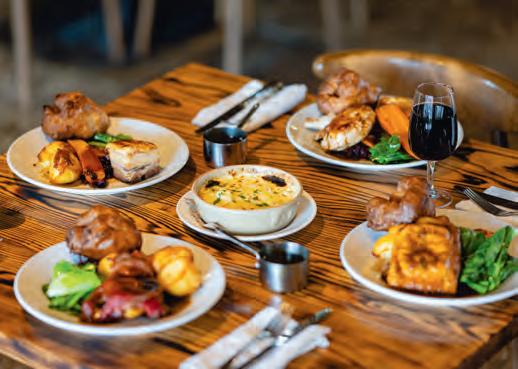
n Sunday roasts served 12-6pm
25 West Street, Old Market, Bristol, BS2 0DF
The Sunday roast at The Old Market Assembly is the jewel in its crown. Available every Sunday from midday until 6pm and lauded all over Bristol, the stacked roasts span plant-based, veggie, and meat options. Served with roasted seasonal veg, a giant Yorkshire pudding, crispy potatoes and lashings of rich gravy they promise never to disappoint. Add the creamy cauliflower cheese for the perfect meal. If you have any room left, the team makes all its decadent desserts in house. And to drink, choose from the wide selection of Bristol-brewed beers, locally distilled spirits or European wines.
oldmarketassembly.co.uk
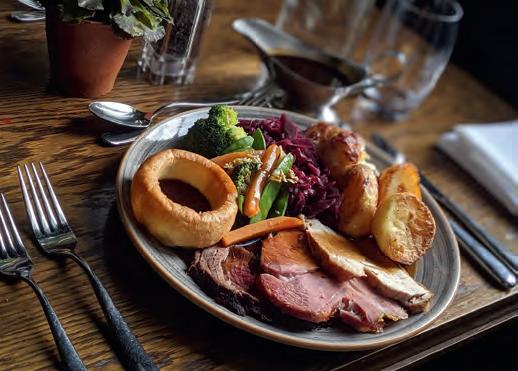
n Sunday roasts served all day from 12pm
The Grove, Bristol BS1 4RB
Choose from tender cuts of pork, beef and chicken along with Harbour House’s own vegetarian roast alternatives. Chefs pack out your plates with fluffy roast potatoes, perfect Yorkshire puddings, seasonal vegetables and plenty of gravy to soak it all up. The best news is that all Sunday roasts are accompanied by a super cheesy and creamy cauliflower cheese at no extra charge. When you book for a Sunday roast, children aged three or under can eat free, too. They get to enjoy a filled Yorkshire pudding, loaded with the meat of their choice, a roast potato, some healthy veggies and gravy. We recommend you book a table to avoid missing out. hhbristol.com

n Sunday lunch served 12.30-4pm
Tortworth, Wotton-under-Edge, GL12 8HH
Spoil your mum and treat her to a delicious Sunday lunch this Mother’s Day (10 March) at De Vere Tortworth Court. Served in the elegant surroundings of the 1853 restaurant, this imaginative three-course menu, including a traditional carvery main, showcases some classic British dishes created with flair by the team of talented chefs. The beautiful gardens are yours to enjoy while you're there for aperitifs on the terrace and post-lunch saunters. Or why not book a treatment at the spa, or an afternoon tea for an all-round day out?
devere.co.uk/tortworth-court
A new multi-level bar is opening at 69 Park Street from 1 March. Goldbrick House is set to be a destination bar, situated at the halfway point between the Clifton Triangle and the city centre in the building formerly occupied by The Florist bar. With a capacity of 300, there will be something for everyone – from a perfectly poured pint to a magnum of the finest Champagne and everything in between. Goldie’s is a drop in bar situated on the ground floor serving continental beers on tap alongside creamy stout and selected local pours. Alfred’s Wine & Champagne Bar on the first floor is table service bar with a wide list of Champagne and wines, many by the glass to encourage guests to try something different. Alfred’s will have a small plates menu to complement the diverse drinks offer. The second floor has a disco room called Boujee Wonderland, with resident DJs playing retro soul and Motown and a giant golden glitter ball. The Coach House enjoys great views over the city and will host a series of events throughout the week, from 8 March.
goldbrick.house
The Bristol Vegan Fayre Spring edition takes place on Saturday 30 March 30th from 11am-6pm at Document, St Jude’s, with tickets on sale now, priced at £5.
The show will see around 80 stalls and a live music stage with a full line-up of vegan musicians, headlined by the immaculate Vegan Queen V, plus top-quality comedy with Tom Ward and Adele Cliff. DJs will be playing sets front of house, including deep chill, happy house and ska/mod throughout the day. As always, the food is the star of the show with a number of street food caterers joined by regional artisan plant-based producers. The event presents an opportunity for attendees to sample the delights of plant-based living. There will also be uplifting talks and panels, including Carla Denyer (co-leader of The Green Party) speaking on the day. vegfest.co.uk


Discover the beauty of Wimbleball Lake, a designated Dark Sky Discovery Site, nestled in the rolling hills of Exmoor National Park, and just a 90-minute drive from Bristol.
The family-friendly campsite has three bell tents, two wooden camping pods and a cabin as well as a choice of hard standings, electric and nonelectric pitches for tents, motorhomes and caravans. You can hire a fire pit, purchase wood and charcoal made onsite, rent a telescope and pay an afterdark visit to the new Dark Sky Discovery Hub to gaze at the stars.
Enjoy an aerial adventure on the high ropes course, hit the bullseye on the archery range or fly fish for rainbow trout. Hire watersports equipment, launch your own or learn something new with the friendly and knowledgeable instructors. You’ll also find a packed programme of activities on during the school Easter, May half term and summer holidays.
Explore Exmoor and walk to Haddon Hill from Wimbleball. See if you can spot the great range of wildlife at the lake, such as the iconic Exmoor ponies and deer. The closest town to Wimbleball is Dulverton but it’s also worth venturing slightly further to explore the popular towns and villages of Tiverton, Porlock, Minehead, Watchet, Wiveliscombe, Taunton and Wellington.
One of South West Lakes Trust’s five lakeside campsites in Cornwall, Devon and on Exmoor could be your next spring getaway. With footpaths and cycle trails to investigate, woodlands to discover and play areas to enjoy, everyone can get involved and benefit from being outdoors. It’s your outdoors – come and explore! CAMPSITE
called Bertie. Enjoy a tasty treat from the Roadford Lake Café while the little ones let off steam in the new play area.
Hire watersports equipment, launch your own or learn to kayak, canoe, paddleboard or sail with the activities team. You’ll also find a packed programme of activities during the school Easter, May half term and summer holidays as well as at weekends in June and July.
Roadford is also one of the best brown trout fisheries in the UK, with 700 acres of fishing to explore by boat or bank.
Roadford is the perfect base to explore the spectacular Dartmoor National Park. Within easy reach of Roadford are the historic towns of Launceston and Okehampton and some of the best beaches in Devon and Cornwall are less than an hour away.
1 MARCH CAMPSITE OPENS
1 MARCH
The magnificent Roadford Lake is situated amongst the beautiful countryside of the Wolf Valley with the dramatic tors of Dartmoor as its backdrop, making it the perfect location for your next family escape.
The scenic campsite offers a choice of spacious electric and non-electric pitches for tents, caravans and motorhomes as well as a fantastic bell tent
With the striking backdrop of Bodmin Moor, a designated International Dark Sky Landscape, Siblyback Lake near Liskeard lies within the Cornwall Area of Outstanding Natural Beauty.
Right next to the lake, the small campsite has a choice of electric and non-electric pitches for tents and motorhomes. Watersports equipment hire and self-launch is available when the Activity Centre opens in May. Siblyback is also renowned for its fly fishing. It is regularly stocked with rainbow trout and home to a large population of resident brown trout.
A must-do on your visit to Bodmin Moor is Dozmary Pool, where according to legend, King Arthur rowed out to the Lady of the Lake and received the sword Excalibur.
Stithians is the largest inland water in West Cornwall, with activities from fly fishing to footpaths, wildlife to watersports and café to camping.
Surrounded by farmland and moorland, Stithians Lake’s family-friendly campsite has a choice of electric and non-electric pitches. If glamping is more your style, you can stay in one of the luxury bell tents, furnished with comfy double beds and the option of camp beds for up to two children. Everything you need will be in your tent, including storage for clothes, bean bags, fairy lights, lighting and a charging point for your gadgets. Each bell tent has an undercover outdoor cooking area with table and seating.
Hire watersports equipment, launch your own or learn to kayak, canoe, paddleboard or sail. You’ll also find a packed programme of activities on during the school Easter, May half term and summer holidays. The lake is open for fly fishing from March to November.
Cornish landmarks the Minack Theatre, Glendurgan Gardens and Pendennis Castle are all within easy reach.


This idyllic location on the Devon and Cornwall border is perfect for exploring on bike or foot. The campsite has a choice of electric and non-electric pitches for tents, caravans and motorhomes. Alternatively, the onsite four-berth glamping pod is perfect for families not wanting to travel with lots of camping gear. It’s furnished with two bunk beds, a table and chairs, cutlery and a coolbox. Hire watersports equipment or launch your own. Upper Tamar Lake is also renowned for its carp and match fishing.
The Cornish coastal town of Bude with its sea pool and popular beaches is nearby and Dartmoor National Park and the beach resort of Newquay are under an hour’s drive from the lake. n
South West Lakes Trust is an independent charity dedicated to caring for and enhancing the region’s reservoirs and lakes. Your support helps us keep these places special for people and wildlife.
swlakestrust.org.uk/activities


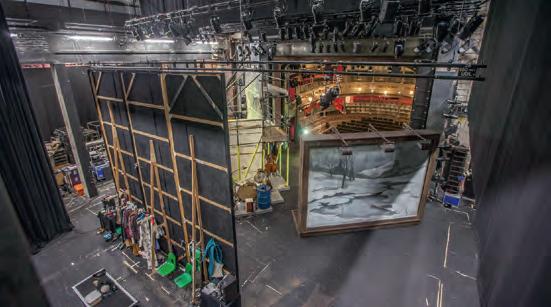
Bristol Old Vic has announced it will host an Industry Day on 18 March as part of BBC Bring the Drama Festival – careers behind the scenes in theatre, film and TV.
The BBC is joining forces with some of the UK’s leading cultural organisations to create the first festival of its kind – a six-week programme of events taking place across the UK that is opening the doors to the next generation of behind-the-scenes talent in TV, film and theatre.
Bristol Old Vic will be hosting a free informative and fun morning for 15- to 19-year-olds wanting to find out more about what it takes to run a theatre: who works behind the curtain, how did they end up here, and what do they actually do each day?
There will be a chance to meet a range of people including backstage technicians, front of house staff, marketeers, fundraisers, events managers, finance team members, actors, directors, and producers with a keynote welcome from artistic director Nancy Medina. bristololdvic.org.uk

South west PR agency Empica has appointed Natalie Birrell as managing director. Birrell has been working with Empica since 2019 as client services director and brings more than 25 years' experience in PR and marketing communications to her new role. She takes over from the agency’s founder Martin Powell, who has been at the helm for 35 years and now moves to the newly-created role of executive chairman. empica.com
Interaction has been shortlisted for a British Council for Offices (BCO) award for the fit-out of law firm Osborne Clarke’s flexible workplace in the landmark Halo building in Bristol. Interaction was commissioned to design and build Osborne Clarke’s Bristol workplace with a focus on wellbeing, agile working and sustainability. Highlights include indoor gardens with flexible workspaces, a yoga and spin studio, and restaurant with a rooftop terrace that offers stunning views of Bristol. The regional winners will be announced at the BCO South of England and South Wales Awards Dinner at Cardiff’s City Hall on 16 May. The regional winners will then compete in their categories at the National Awards Dinner on 8 October at the JW Marriott Grosvenor House hotel in London.
interaction.uk.com
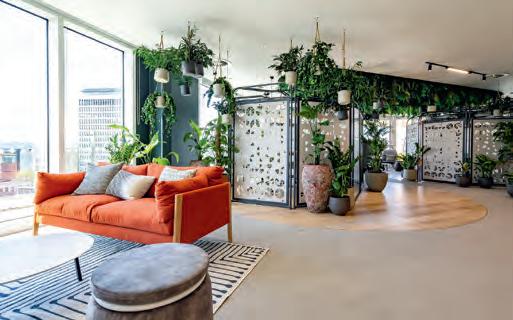
Financial and legal advice firm Harold Stephens is hosting a seminar on 27 March 9.30-11.30am at The Stoke Lodge Centre, covering all aspects of organising lasting powers of attorney (LPA). Attendees will hear from Gemma Lock, head of business development at Trinity Homecare Group who will be speaking about navigating care choices.
Joining the line up are Marc White and Mila Rnjak from Marc White & Co Solicitors who will be speaking about the implications of not organising LPAs and having to deal with the Court of Protection. Chartered, independent financial adviser, Richard Higgs will also explain everything people need to know about LPAs.
For more information and to book, visit haroldstephens.co.uk




When you’re making decisions, cost might be an important factor, but value could be just as crucial. Balancing cost and value in your financial plan could help you get more out of your money.
Let’s say you have a lump sum that you’d like to invest through a fund
A fund that has a low management fee might be attractive, but if the risk profile doesn’t align with your investment strategy, it may be of low value to you. Or a higher cost could be worthwhile if the fund may deliver higher returns over your investment time frame. So, balancing cost and value could help your money go further and ensure your decisions align with your financial plan.
Value is important when assessing the benefits of financial planning as well.
Many people seeking a financial planner do so because they want to understand how to grow their wealth and ensure they’re on track to reach long-term goals.
The initial cost of seeking advice could be returned many times over when you look at the long-term benefits. Additionally, Studies have revealed one of the key reasons clients use a financial planner is the peace of mind it provides alongside the time saved by having someone manage your finances so you can focus on what’s most important to you.
This month, the experts at Gloucester Road Books have chosen their favourite books of the year so far, from stories of marine biology to alphabetised diary entries and tales of tenants
Anote from the team: “Our primary aim is that the shop be a fascinating place to explore. We have a significant focus on titles published by small independent presses. There are lots of really brilliant small publishers putting out incredibly exciting books, and we want to help get these out into the world. The stock is carefully chosen and constantly changing, so even if you pop in every week there will always be new books to find.”
gloucesterroadbooks.co.uk; @gloucester_rd_books; 184 Gloucester Road, Bishopston, BS7 8NU.
Open Monday and Tuesday 9.30am-5pm; Wednesday to Saturday 9.30am-6pm
In Ascension, Martin MacInnes
Published by Atlantic Books, £9.99
If you’re looking to get into a story with incredible cosmic scope without sacrificing the tenderness of human emotion, then this book is for you! Leigh is a marine biologist studying rare forms of algae, her work takes her to remote islands, deep ocean exploration and, eventually, outer space. It is quietly astounding how MacInnes weaves in Leigh’s research on early life forms and the poignancy it holds for her in relation to childhood experiences and the relationships in her life. The experience of reading this novel is both immersive and awe-inspiring.


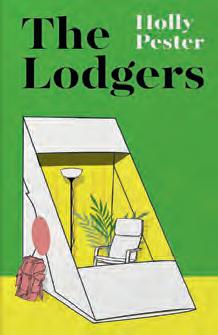
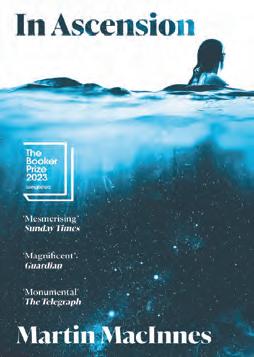


The Lodgers, Holly Pester
Published by Granta Books, £14.99
Who doesn’t love a novel written by a poet? This extraordinary debut is built from the kind of satisfyingly crunchy sentences that naturally slow down your reading pace to ensure they are fully savoured. Pester summons the spirit of the lodger, the renter, the itinerant, whose being is constantly in tense negotiation with the spaces around them. These precarious states of living are the circumstances our characters find themselves in, but more than that, they press onto their selfhood; their souls imprinted with cheap furniture and other people’s rules.
Neighbors and Other Stories, Diane Oliver
Published by Faber & Faber £9.99
Diane Oliver tragically died in a motorcycle crash in 1966 at the age of just 22. Full of indelible characters and with flashes of sharp humour, these stories expose the dehumanising terror of racism in 1950s and 60s America and are an extremely valuable introduction to a writer who was creating formidable work before her tragic, untimely death.


The Persuaders, Anand Giridharadas
Published by Penguin Books
£10.99
The perceived wisdom that no one changes their mind in this age of uncompromising political stances has been replayed many times in the last decade or so.
US journalist Giridharadas provides a welcome counter-thrust that is presented with force and in comprehensive detail.



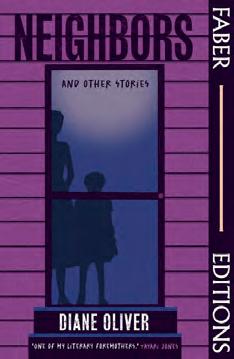

Alphabetical Diaries, Sheila Heti
Published by Fitzcarraldo Editions, £10.99
There is a magic to Sheila Heti sentences, they are always elegant, playful and philosophical, and in her new book we get to revel in her mastery as she whittled down 10 years of diaries and ordered the sentences alphabetically. The result of the experiment makes for incredibly addictive reading, in addition to moments of surprising profundity by the removal of time as a narrative structure. And like her novels, the voice maintains Heti’s knack of being solely unique and painfully relatable!

Sixth formers from Millfield school are celebrating, having committed to study overseas at some of the highest ranked universities in the world including Stanford, University of Pennsylvania and Princeton. Applications are at record high for Millfield this year, with more than 100 applicants to US universities and over 130 students attending US universities in the past four years. Many more students will be receiving offers and making decisions over the coming months.
Millfield provides specialist guidance for applications to US universities: SAT lessons are timetabled for students applying to the US, with each student receiving one SAT maths and one SAT English lesson each week. The school is a SAT test centre and therefore hosts the assessments throughout the year. Millfield welcomes a host of US speakers from the academic and sports world, as well as those involved in advising students such as The University Guys, UES and the many sports agencies.
The Futures department creates a ‘team’ of potential applicants at the end of Year 11 and works with them to encourage early exploration and ownership of the process. The team also works with group tutors, houseparents and parents to ensure the pastoral network is part of the process from the very start. In application season, the Futures department works with applicants on a one-to-one basis to support their applications, including Common App (or other application platforms) completion, supplemental essay writing and interview preparation. For athletes, Futures works closely with the director of sport and heads of sport to tailor guidance and support to each individual. millfieldschool.com

Redmaids’ High Junior School has opened its new fiction library, which was was almost two years in the making and accompanies the existing non-fiction library to provide a thoughtfully-designed new space for pupils. Girls across Years 3 to 6 came up with the design theme through Pupil Voice (ideas given by representatives from every class). Green walls, a bird design on the blinds, abstract clouds and tree seating all provide calming and subtle references to nature. The space has been designed to reflect how the children used the reading space, with a combination of cosy nooks, social spaces and a wellbeing and sensory room.
redmaidshigh.co.uk

QEH Junior School has announced the appointment of Ross Wolverson as its new Head. Wolverson will join QEH in September 2024 following the retirement of David Kendall, who has led the Junior School with distinction for the past seven years. Wolverson brings a wealth of experience and expertise to QEH. He is currently Head of Winsley Primary School, an Ofsted ‘Outstanding’ school. qehbristol.co.uk
Pupils from Cleve House International School in Bristol are among the first youngsters in the country to be learning padel as part of their sports curriculum.

This new game is one of the fastest growing sports to sweep across the country. Originally started in Mexico, padel is a little like a cross between tennis and squash and has been widely enjoyed in many countries such as Spain for over 30 years.
clevehouseschool.com
Conservation charity Wildscreen is launching Wildscreen ARK, an online nature education hub that will support the government’s new Natural History GCSE. The hub will house what the charity hopes will eventually become the world’s largest collection of natural world imagery and video content, as well as high-quality teaching resources. It will initially be accessed by schools in Bristol as part of a pilot scheme, before being rolled out and will be free for schools and young people to access online. wildscreenark.org






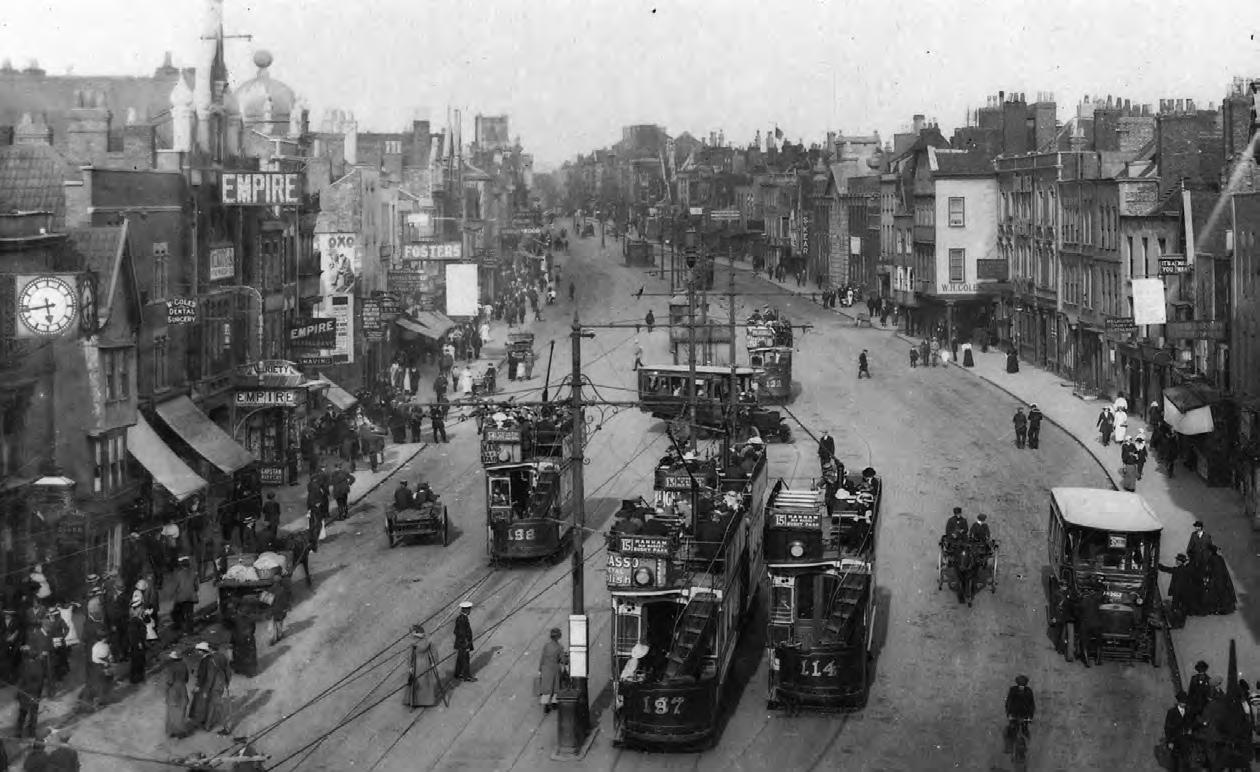
Andrew Swift walks through Old Market, retracing its history from Medieval origin, through a period of urban decay and then to its recent revival to become one of the Sunday Times coolest places to live in the UK
The thoroughfare that passes through Old Market Street to the end of Peter Street is perhaps the busiest centre of Bristol’s traffic. It appears to be constantly thronged, and at times is almost impassable.” So wrote Arthur Salmon in 1921, and so it remained until the bombing raids of 194041 blew the heart out of the old city.
Today, Peter Street, like much of that once busy thoroughfare, lies under Castle Park, while the western end of Old Market Street was sacrificed to make way for Temple Way Underpass in 1968. Many assumed that the rest of Old Market would follow, but, against all the odds, it survived, and today an area whose name was once a byword for urban decay has bounced back to become one of the liveliest in the city.
Many of its grander buildings, once boarded up and abandoned, have been converted to flats, creating a new community on the fringe of the city. Once desolate and forbidding streets are now lined with independent shops, bars, galleries, cafes and music venues, and with one of the most popular and diverse nightlife scenes in the city, it is not surprising that in 2018 the Sunday Times named Old Market as the second coolest place to live in the UK.
Reminders of Old Market’s medieval origins still abound, however, along with reminders of its 17th and 18th century elegance and its role as a 19th-century industrial powerhouse. It is also home to some of the city’s
most historic pubs. All of which make it a fascinating area to explore on foot – and there’s no better place to start than outside the Stag & Hounds, at the west end of Old Market Street.
Today, the Stag & Hounds is a lively music pub, but for over 500 years it was the venue for Pie Poudre Courts. As Old Market lay outside the city, these ad hoc courts were set up on market days to administer summary justice and settle disputes. Their name came from the Norman French for ‘dusty feet’, and, although the last one was held in 1870, proclamations continued to be read outside the pub for another century. Looking up the street, you can see a building which next month celebrates its centenary. The Methodist Central Hall, towering over its neighbours, opened on 29 April 1924, with seating for over 2,000, as well as classrooms and offices. The hall, behind the imposing facade, was demolished in the late 1980s, and the rest of it was turned into flats.
Behind Central Hall lies the area’s most elegant building. To see what has happened to it, cross the street, head to the left of the Quorum building, and turn right along a cycle path into Redcross Street. On the left, wedged between two modern blocks and currently obscured by scaffolding, is the house – once part of a short terrace – where Regency England’s most fashionable portraitist, Sir Thomas Lawrence, was born in 1769.
At the far end of Redcross Street, the pennant-stone building curving round into Lawford Street was the Redcross Brewery, one of several which once operated in the area.
Cross to continue along Bragg’s Lane to the right of St Jude’s Church, consecrated in 1849 and sporting some quirky gargoyles, but now converted to flats. On the right, beyond the tiled facade of Swift & Company’s Meat Packers, is a building opened by a charitable guild in 1913 to provide a social space and hub for disabled children and adults. It was possibly the first purpose-built building for disabled people in the country, but now houses flats.
On the next corner is the Coach & Horses, a pub since at least 1755. The Old Castle Green, up to the right and now home to the Old Market Distillery, is of a similar vintage. At the end, you will see Holy Trinity Church across the road. Consecrated in 1832, it closed in 1976, and, after conversion to a community centre, developed into one of the city’s top music venues.
Turn right around the corner into West Street, home to a vibrant array of independent businesses. No 68 on the left – now Live Ink Co – with a particularly impressive facade, was once the Rising Sun. As a sign of changing times, the former NatWest Bank, at No 57, is now a Caribbean Vegan Cafe, while at No 25, the former Lloyds Bank is now the Old Market Assembly and Wardrobe Theatre.
Bristol boozers
At the end, where Lawford’s Gate once guarded the entrance to Old Market, is probably Bristol’s most bizarre pub, the Palace Hotel – better known as the Gin Palace. It was built around 1870, as a speculative venture, to cash in on the massive upturn in trade which was expected to follow on from the opening of a railway terminus nearby. Although the station duly opened, the punters never materialised, and the Palace settled down to become a classic Bristol boozer, legendary not only for its lavish décor but also for its floor, which sloped at such an alarming angle that unwary customers often found themselves staggering before they even got to the bar. After narrowly escaping conversion to an estate agent’s back in 2007, it was reborn as a gay bar, one of the driving forces behind the transformation of Old Market into a hub for the LGBT+ scene. Since closing five years ago, however, the Gin Palace presents a sorry sight, awaiting its salvation once again.
Cross to the left and head along Midland Road to Waterloo Road, on the opposite corner of which stood the aforementioned station – St Philip’s – from which, until it closed in 1953, you could catch an occasional train to Green Park station in Bath.
Head across Midland Road and along Unity Street. Turn left along New Thomas Street, with the bricked-up facade of yet another pub –the Pride of the Forest – on the corner. Take the next right through the former Broad Plain Soapworks, which from small beginnings in 1783 grew to become one of the city’s biggest employees before closing in 1954. A major mixed-use redevelopment of the site is now underway.
At the end is an astonishing survival – a row of elegant 18th-century buildings, which, when they were built on a tree-lined boulevard called St Philip’s Plain, stood on the edge of the country. Turn right past the entrance to Gardiner Haskins, and, after turning right again, cross to what looks like the remnants of a recently demolished building, but is actually two follies commissioned as part of the redevelopment of the area.
Walk up the path beside them and turn right along Jacob Street, still paved with setts and lined with old warehouses. The pennant-stone arches on the left are not a folly but the remnants of a sugar refinery. Turn left at the end past almshouses founded by John Barstaple in the 14th century, rebuilt in the 19th and now flats.
Turn left into Old Market Street, where, four doors down, you come to the Elmer’s Arms – formerly the Mason’s Arms – which dates back to 1630. The buildings flanking it are 18th century, as is the three-storey building opposite, which also has a splendid 19th-century shopfront, but which, like the Palace, stands boarded up and covered in graffiti.
Further along on the left is another building, jettied out, like the Stag & Hounds, over the pavement, and dating from 1706. Further along is the imposing Drill Hall of the 4th Gloucesters, opened in 1915 on the site of the sugar refinery, and now flats. Beyond it lie two 18th-century buildings, followed by two 17th-century ones, including the Long Bar. Then, after the community-owned Exchange, one of Old Market’s top music venues, comes the Stag & Hounds, where we started, having covered just over a mile. So much to see in such a small area – and as anyone who knows Old Market will tell you, we have hardly scratched the surface. n
akemanpress.com


Steven came to see me 18 months before he actually decided to give MBST a go. Many people are intrigued by the bold claims we make, yet need a lot of time to deliberate which is entirely understandable. He was really struggling with right knee pain for a number of years and wanted to put off an inevitable operation for the degenerative change in his right knee. A year on since his treatment, his pain is still negligible, his mobility greatly increased, and any thought of seeking further medical help is very much on hold. I see these cases a lot. The majority (no medical procedure is perfect) respond really well over time due to the fact the MBST is proven to stimulate cellular healing within the tissues.
MBST stimulates a natural healing process with no risks or side effects. It’s lovely to work with and great for the patients it treats.


An award-winning innovative treatment for: Osteoarthritis | Back & disc problems | Bone conditions & fractures | Cartilage damage | Ligament, tendon & muscle damage | Sports & accident injuries.
www.curaclinical.com


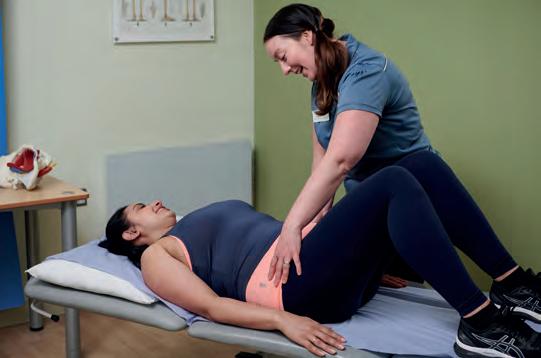
Specialist physiotherapy treatment can help identify and support a variety of women's health issues, from pregnancy through to menopause. Hayley Saunders, a specialist pelvic health physiotherapist at Nuffield Health Bristol Hospital, explains how.
Many women experience a multitude of pelvic symptoms which can impact them in a variety of ways during their lifetime. For many, the expectation is that they just need to “put up with them” when this isn’t the case.
Some of the more common symptoms that women can experience are:
• 1 in 3 women experience urinary incontinence during their lifetime
• Pelvic organ/vaginal prolapse is experienced in up to 50% of women who have had children
• In women who have not had children, up to 60% will have some significant bladder/bowel or pain symptoms
• Around 20% of women aged 18-50 will complain of chronic pelvic pain
• All women will at some point go through the menopause.
These symptoms can be tolerated for years as they are seen as a “normal” part of being a woman. Embarrassment is often one of the biggest barriers to seeking help, and many are unaware that there are effective treatments available, including physiotherapy.
• The pelvic floor muscles run between the legs from the pubic bone to the tailbone. They’re a supportive ‘hammock’ of muscles that line the pelvis and are made up of superficial and deep layers.
• It can be difficult to locate and contract your pelvic floor muscles at first, so speaking to a specialist pelvic health physiotherapist can be useful to identify where these are.
How can physiotherapy help?
Pelvic health physiotherapy can help empower women to feel as though they can take back control of their own bodies, enabling them to live the life they want in helping them improve or cure their symptoms.
Nuffield Health is the second largest employer of physiotherapists in the UK after the NHS, and our team includes over 60 specialist pelvic health physiotherapists nationwide. In the South-West, our clinics based at Bristol, Cheltenham, Weston-superMare, Taunton and Exeter can help you with a range of conditions including:
• Pregnancy-related musculoskeletal conditions
• Pelvic girdle pain
• Pelvic floor weakness
• Overactive pelvic floor muscles
• Incontinence
• Diastasis rectus abdominis (tummy gap)
• Pelvic pain
• Pelvic organ prolapse
• Bowel dysfunction
• Sexual dysfunction
Postnatal support
As a specialist pelvic health physiotherapist, I see a range of clients with different issues and at different stages of life. Following pregnancy, many women are concerned about aches or pains and have questions about how they can safely return to sport without any risk to their pelvic floor.
During pregnancy, greater strain is placed upon your pelvic floor muscles. Regardless of whether you have a vaginal delivery or caesarean section, these muscles will need targeted strengthening to help reduce or avoid stress incontinence after pregnancy. It's never too late to start, but the earlier the better for management.

Physiotherapy can also address some of the many side effects of menopause, including physical aches and pains, vaginal symptoms and bladder or bowel control issues.
Our physiotherapists are passionate about helping women resolve their problems, improve their quality of life and help them return to the life they love. The service we offer is highly confidential and respects the often-sensitive nature of these problems.
Like more advice or support? For further information or to book an appointment, call Nuffield Health Bristol Hospital’s Physiotherapy team on 0117 906 4887, or check out our website by scanning this QR code with your phone:


• Try to imagine you’re trying to stop yourself from passing urine or wind by squeezing and lifting the muscles upwards and forward towards your pubic bone. Nuffield
At our Bristol Hospital, we can offer a postnatal body check, including postural, abdominal and pelvic floor assessment, which will give you back confidence for both body and mind following the birth of your child. This is also known as a Mummy MOT ®. As a certified Mummy MOT® practitioner, I can also help with a personalised treatment plan and individualised advice.
3 Clifton Hill, Bristol BS8 1BN
nuffieldhealth.com/hospitals/bristol
It’s good to talk...
It was hard but I’m so glad we had that conversation.
Together we planned a proper send off for mum, a whole morning to celebrate her life with the music and poetry she loved. In a peaceful natural setting where our family and friends had plenty of time and space to share stories and memories. Maria, Bristol
”




Essentially, it depends on the type of pf PoA and the specific circumstances outlined in the document:
General Power of Attorney: This becomes effective immediately upon its execution. It is suitable for shortterm needs, such as when a person is temporarily unavailable or unable to manage their affairs.

Lasting Power of Attorney (LPA): These can be structured to take effect either immediately or upon the occurrence of specific events, such as the donor losing mental capacity. Most people opt for LPAs to be effective only when they are no longer able to make decisions for themselves.
Mental incapacity may be the result of conditions such as dementia, severe illness, or accidents leading to unconsciousness.
It's crucial to highlight that regardless of the type of PoA, the appointed attorney must always act in the best interest of the donor and follow any specific instructions outlined in the document.
Registration Process for LPAs:
The registration process for an LPA involves submitting the document to the Office of the Public Guardian (OPG), along with the relevant fee. Once registered, the attorney gains the legal authority to make decisions on behalf of the donor. It is important to recognise that the registration process takes time, applications are rejected for a myriad of reasons and the LPA may not be immediately available for use. The OPG say it’s currently taking around 20 weeks to register.
Planning ahead and registering the LPA in advance can help avoid delays in critical decision-making.
If you are thinking about organising your affairs, why not come to our free LPA seminar –Wednesday 27th March 9.30am – 11.30 am Stoke Lodge Centre, Shirehampton Road, BS9 1BN. Call 0117 3636 212 or email marketing@haroldstephens.co.uk to book your place.


169 Kenn Road, Clevedon, North Somerset, BS21 6GA

Exclusively designed for the over 70s, this stunning McCarthy Stone development comprises of a host of beautifully appointed low-maintenance one and two-bedroom apartments combining well-equipped kitchens and bathrooms with bright and spacious living areas. Designed to provide the exact amount of independence needed to suit their lifestyle, the homeowners at The Pottery enjoy freshly prepared meals, domestic assistance and tailored, personal care if required, from a dedicated on-site team.
The apartments also include lovely balconies or patios, giving the homeowners an extra place to unwind, relax and enjoy some fresh air.
When homeowners don’t feel like cooking, they can visit the on-site bistro style restaurant for carefully selected menus and freshly prepared hot, nutritious food. They can also go to the delightful communal lounge for a cup of tea or coffee and a catch up with their guests or friends. Plenty of social activities and events will take place at The Pottery, and homeowners can choose whatever level of involvement that they'd like.
Safety and security are at the forefront for everybody at The Pottery, with secure entry systems and 24-hour emergency call points accessible for all homeowners. For added peace of mind and for those who may need additional support, The Pottery has an on-site Estate Manager, and an experienced team will also be on hand day and night and can provide tailored domestic support packages designed around the individual.
Meanwhile, a wellness suite offers a range of treatments. There is ample parking available to homeowners with extra space for guests, while a scooter store and cycle store provide additional travel options.
More than nine out of 10 customers would recommend McCarthy Stone to a friend, meaning it has received the full Five Star award for customer satisfaction from the Home Builders Federation. McCarthy Stone is the only UK housebuilder of any size or type to achieve this rating every year it has taken part in the survey. n
To book a tour or discover more about Retirement Living Plus at The Pottery, please call 0800 153 3076 or visit: www.mccarthystone.co.uk/the-pottery.



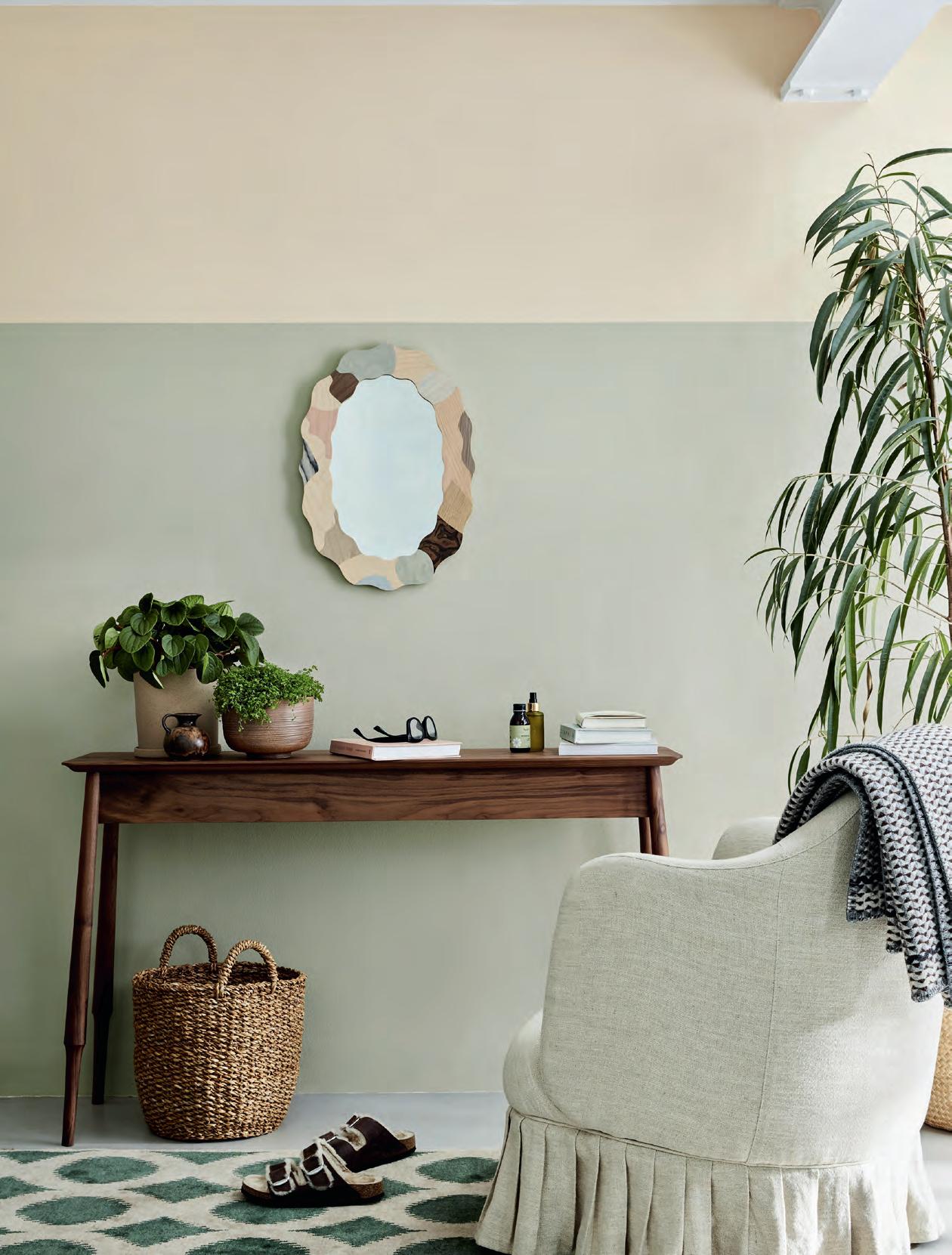
All work and no play makes us feel rather dull. So, when it comes to designing your home office –arguably the hardest-working space in your house – why not have a little fun? From colour choices to furnishings, local interiors experts share their tips to make sure your home-life work-life balance stays in tact (and looks fantastic)
Upper Wall: Re:mix Light Beauvais and Lower Wall: Re:mix Tracery II; Little Greene; littlegreene.comEven though the memories of lockdown are fading, one of its legacies remains: working from home. Though longtime freelancers are well versed in making space for work and play at home, many more of us were faced with the task of carving out a space where we cook, sleep, create and exercise for our professional personas.
Home offices look different for everyone. A snatched corner of the kitchen table can become the control centre for your operations, while others have a dedicated desk, or whole room to keep your work/home life balance in check.
Before we go anywhere near a paint brush, or pick out our favourite colour trends (would Pantone’s Colour of the Year ‘Peach Fuzz’ really inspire you to work harder?), you’ll need to work out where your home office will be. Some readers may be eyeing up a spare room; others without a separate space may wonder if that nook under the stairs or underutilised corner could become your next creative hub. If you need to quickly transform a workspace from desk-based to open plan, you could use flexible screens that fold back to divide the space, and even try a desk that folds against a wall.
Should an external room, such as a garden building or garage, become the new workspace, this could spell the start of a complete conversion project. You’ll need to consider power, insulation, heating, flooring, lighting, WiFi connectivity – the lot.
The colour scheme of any home office can transform your whole mindset when working. Of course, if these spaces are sitting within other rooms, you’d be wise to consider how well accents of its design and the addition of any subtle colour scheme will integrate with existing décor. Using a colour wheel can help you choose tones and shades that will complement each other.
“When deciding on a paint colour for your home office the most important question is not ‘which colour?’ but ‘how do you want to feel in your space?’,” says Kay James, founder of K Interiors. “If you want to feel cosy and warm, then think deep, rich colours and create a cosy cocoon atmosphere. To feel inspired, choose a wallpaper that speaks to you. High-energy reds or cobalt blues will keep you buzzing all day long. Smudgy blues and smoky greens are known to aid concentration and radiate calm; and yellows and whites teamed with pops of bright colours for light bright and happy rooms.”
Whether you’ll be working away in a loft conversion or dining room corner, all home office spaces should receive plenty of natural light, as this is known to help productivity. If your designated area is a bit gloomy, you might find installing a skylight useful (if practical), ideally with a curtain or blind fitted to adjust this light to avoid glare at certain times of day.
Anyone with a crick in their neck or sore lower back will be all too familiar with the hazards associated with a bad desk setup. Hunching over a laptop on a table designed for eating, not typing, can also spell problems.
“As many of us found out during the pandemic, working at the dining table doesn’t work long term – getting your screen to eye level, the right height of desk and a chair that supports good posture are vital when it comes to designing a successful home office space,” explains interior designer Gemma Wright. “Fortunately, the market for practical and stylish home office furniture is ever growing.
“I have found natural wood finishes and a mid-century feel enduringly popular among my clients. Consider whether bookcases and shelving might help conceal printers and files as well as displaying some prettier items. Built in joinery which includes a desk can achieve an extremely luxury feel if budget allows. Using a darker paint colour behind a wall mounted monitor screen will help it blend in when not in use if the room needs to double up as a guest bedroom from time to time.
“If renting, or tight on space, a vintage bureau or roll top desk will blend in beautifully in most interiors and can close when not in use, keeping everything tidy. Whatever you do, don’t sacrifice your back – the Bristol-made Z chair by Sit Straight is a great ergonomic option, which can tuck easy out of the way when the day is done.”
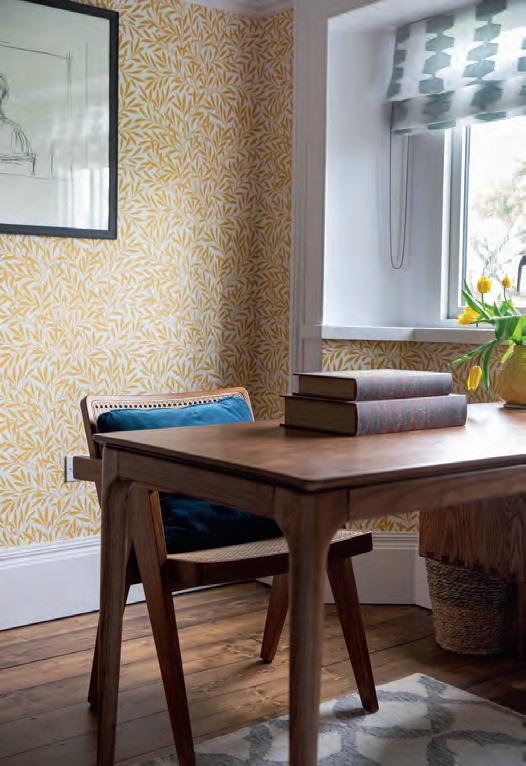


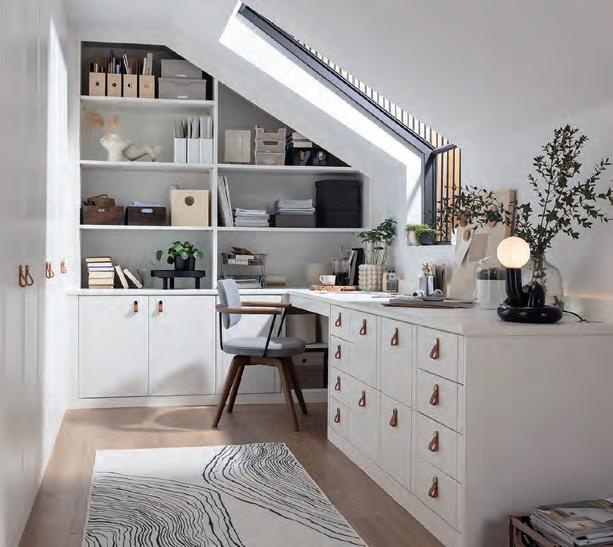
The storage story
“Increasingly, with people choosing to work from home, for many the need to combine a study or work space within your lounge or spare room is essential so finding creative solutions is important,” says Alison Bracey, founder of Bracey Interiors.
“Clever storage units can become a focal point for any room, offering practical storage alongside a style statement. Available in a multitude of finishes and colours, it’s a great way of injecting colour and interest into your room. No matter how tidy we are (or wish to be) the ability to store decoratively in our homes is a priority with functionality and good design being key words when creating adaptable storage solutions.
“Other options are to use room recesses to create stylish storage and/or display areas, which can be custom built and painted to suit any room. Often, this is a way of combining storage without losing the aesthetics of a room. These can be painted to match the colourway of a room, meaning they can be a practical solution without being an obvious statement.”

So, you’ve chosen your space, painted the walls in a colour scheme that will help you focus and made those furniture choices that will organise the tools of your trade without compromising on your home’s unique style. Now it’s time for those all-important final flourishes that will really add character and enhance the personality of any workspace. Carefully chosen decorations can define your mood, help integrate or separate a workspace from its surroundings, and promote that much-needed focus and calm.
Other accessories can have more impact than you might expect. Plants can improve air quality and enhance feelings of peacefulness; rugs are a great way to zone areas within a room, as well as helping to keep your feet warm and cosy in winter; decorative antique lamps, stationary and underlit shelves with a warm glow can help make a desk area look stylish and inviting.
Home offices should make you feel like you work from home, not live at work, which is why their design is worth focusing a little more energy and time on than you might expect. But the rewards are great, with an area that can draw the best bits of your personal and professional life together, with an empowering result. n
braceyinteriors.co.uk; gemmawrightdesign.co.uk; ivywellinteriors.com; k-interiors.co.uk
Think you’re doomed to work from the kitchen table? Integrating a home office could be easier than you think, according to the team at Ivywell Interiors:
Utilise your nooks and crannies

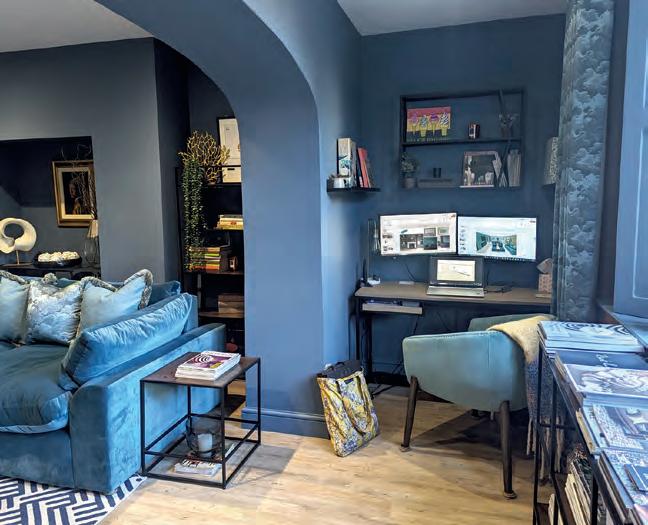

“If a spare room fit-out isn’t on the cards, a small wall recess or alcove may just be the solution. With desk widths ranging anywhere from 1000mm to 1800mm, there are plenty of options to choose from. A small table, console or simple floating shelf might also suit your needs and look more stylish than a traditional desk, just give yourself a minimum of 500mm depth to fit a laptop.”
“In busy homes, floor space is often a premium. Mounting secondary screens on the wall and adding shelves will keep your workstation clear and make more room for your legs. Just keep a little space for styling.”
“Your work area should feel inviting. Can you ditch the unsightly office chair for a comfy and stylish armchair? We think so. Just work out the required heights to maintain a good posture. Consider colour-coded folders to keep the space tidy and visually connect it to the rest of your home through colours and textures you enjoy.”
Fitted storage idea, Sharps, Manhattan Loft; sharps.co.uk

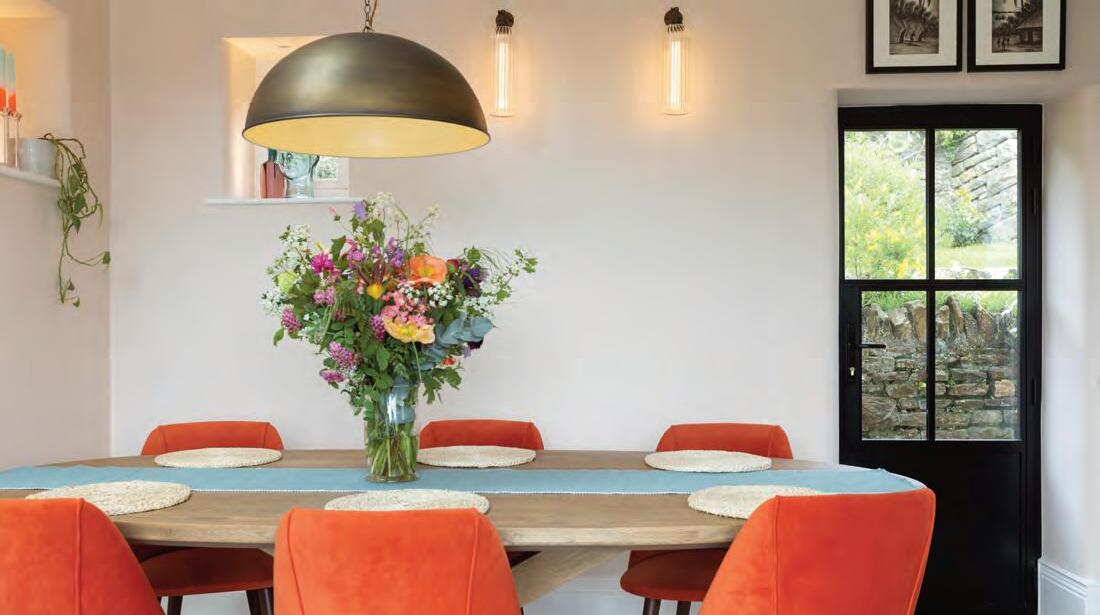



Interiors business Park Furnishers, which is located in Eastgate Retail Park, Eastville, is currently offering interest-free credit across selected furniture. This includes the quick-delivery Casa furniture collection (for example, the Casa Blaise four-seater sofa, pictured) and applies to kitchen cabinets, too. Customers can spread the cost across a period of up to two years. 0% APR representative.
parkfurnishers.co.uk
Interior designer Lola Swift has recently launched an exciting home interiors club, enabling you to design your own space with her simple step-by-step guide.
Embarking on an interior project can be overwhelming, but with Swift’s extensive experience in renovation projects, she understands the importance of a solid plan and a realistic budget.
The stress-free, six-step guide will help you on your design journey. It’s exclusively available for interior club members (which is free to join). The membership gives you access to a tried and tested design process, short video guides, mood boards and lots of tips and tricks.
Join Lola Swift’s home interiors club via the website lolaswift.co.uk
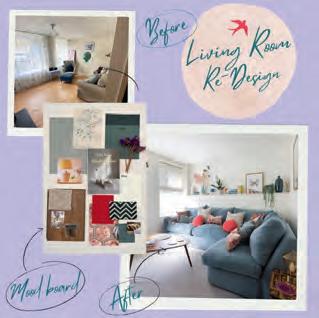
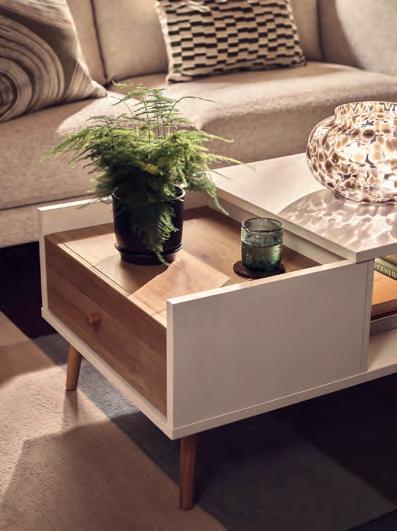
John Lewis is introducing two ranges of EasyKlix self-assembly furniture. The 19-piece collection includes wardrobes, drawers, bedside and coffee tables, which can be built up to 10 times faster than models with traditional self-assembly fittings. Coming together with a few simple tools, most of the elements connect with a click. This is made possible by EasyKlix, an innovative system based on Threespine click furniture technology, which also means the furniture can be disassembled and rebuilt multiple times.
The soon-to-be-reopened Bristol Beacon, set to be a major attraction for visitors to Bristol, has announced a new partnership with 10 local hotels that will give concert-goers access to a range of discounts and perks for their stay. Visitors will be able to make a night of their trip to Bristol Beacon with up to 15% off a stay in a local hotel and discounts on spa visits and other activities in the city. The local hotels included in the three-year Beacon partnership are Harbour Hotel Bristol, Clayton Hotel Bristol City, Avon Gorge by Hotel du Vin, Hotel du Vin Bristol, Berkeley Suites and the four other hotels in the Clifton Hotels Group, and Ibis Bristol Centre.
The collection comes in two ranges: Sherbrooke, with its recessed handles giving it a modern look, and Harllson, which playfully uses colour to create a thoroughly fun, mid-century feel. Prices start from £139 for a bedside table and the collection is available exclusively at John Lewis, online pre-order is available now, and the range will appear in selected stores from mid-March.
The Beacon will reopen in November 2023 following its extensive transformation programme, which is now close to completion. The flagship venue will be one of the best and most accessible performance and music education venues in Europe, with two
johnlewis.com

Better sitting –Healthy living
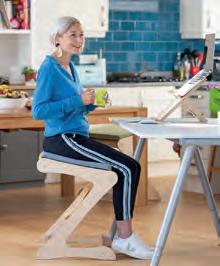
The Z Chair by Sit Straight is an ergonomic chair with healthy body biomechanics at the core of its design. Developed by health professionals to promote better posture and spinal health.
100+ happy customers, exclusive 5* reviews hand crafted in Bristol free UK mainland delivery 30 day no quibble returns exclusive 10% discount code for readers, enter BRISTOLMAG at checkout

The Z Chair is an essential item for any desk worker. Find out more by visiting our website: sitstraight.co.uk


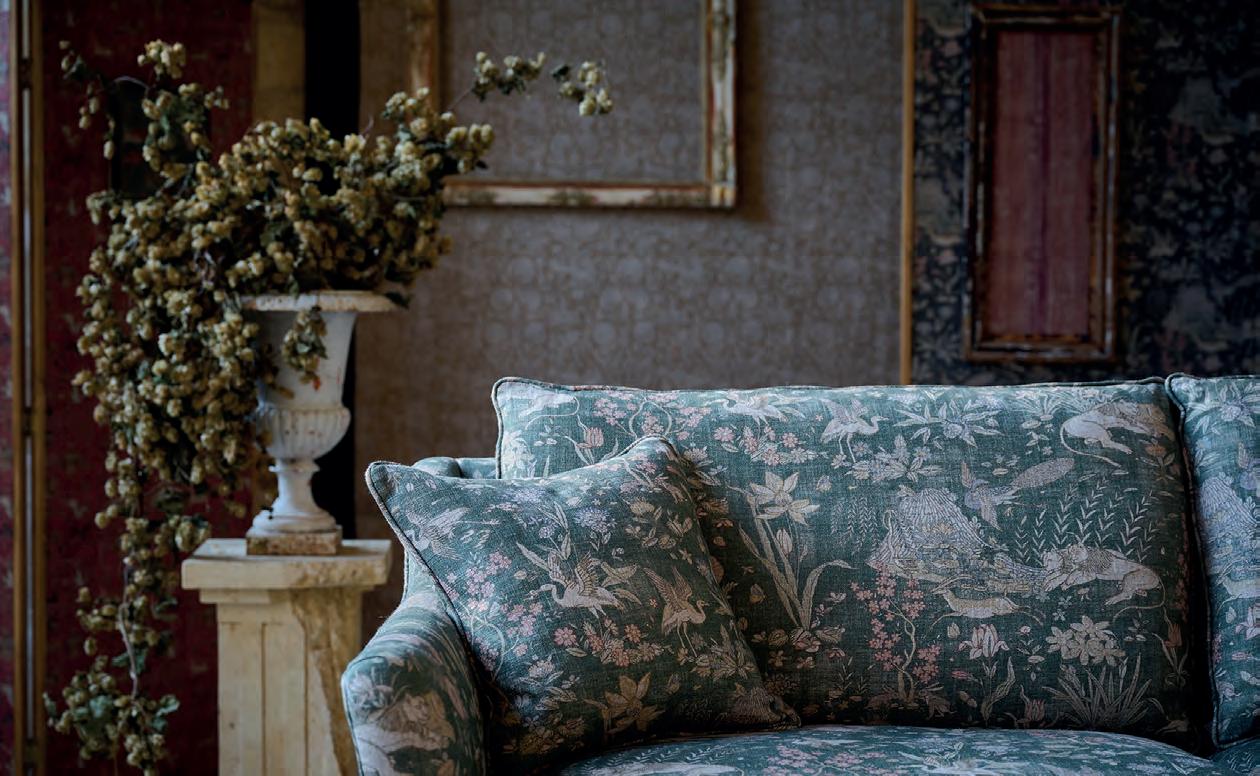
Sofas & Stuff has already produced two textile collections with the V&A: the Brompton Collection and Drawn from Nature. A third collection that has just been launched draws inspiration from the museum’s archive of South Asian textiles.
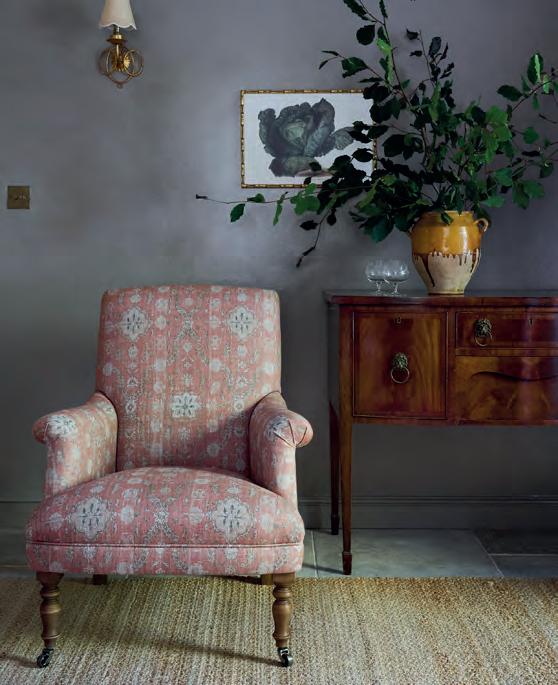
British furniture and fabric brand Sofas & Stuff has launched a new fabric collection, Threads of India, in collaboration with the V&A (Victoria and Albert Museum). Drawing inspiration from the illustrious archive of South Asian textiles at the V&A, the collection tells a story of the Indian subcontinent’s unique textile heritage, with designs inspired by ceremonial fabrics, tent hangings and garments, including an opulent, embroidered hunting coat.
The designs are presented on a linen and viscose blend that is soft and luxurious but tough enough to withstand wear. Using a palette that combines deep and rich tones with soft fresh hues, each pattern is offered in an array of contemporary shades that nevertheless reflect the history of the of the timeworn objects that inspired them. Whether adorning a sofa, gracing an armchair or accentuating a footstool, these fabrics have the power to elevate interiors to new heights of sophistication.
Andrew Cussins, Founder of Sofas & Stuff, says: “This collection is not just about furniture, it’s about storytelling, cultural heritage, and the seamless blend of past and present. We invite you to discover the Threads of India collection and immerse yourself in a world of timeless beauty”.
Left: Snape chair in V&A Threads of India, Regal Arabesque, Flame
This fabric draws inspiration from an intricate lattice floral pattern from the time of Shah Jahan held in the V&A archive. Representations of textiles at the emperor’s court depicted in miniature paintings suggest that Jahan, known for his architectural accomplishments, also enjoyed wearing elaborate garments and beautiful fabrics.
Printed in
Threads of India fabrics can be used across any of Sofas & Stuff
range of British handmade bespoke sofas, chairs, beds, footstools, or purchased by the metre for other soft furnishing projects.
Furniture upholstered in Threads of India fabric is also available to purchase online. sofasandstuff.com/toi

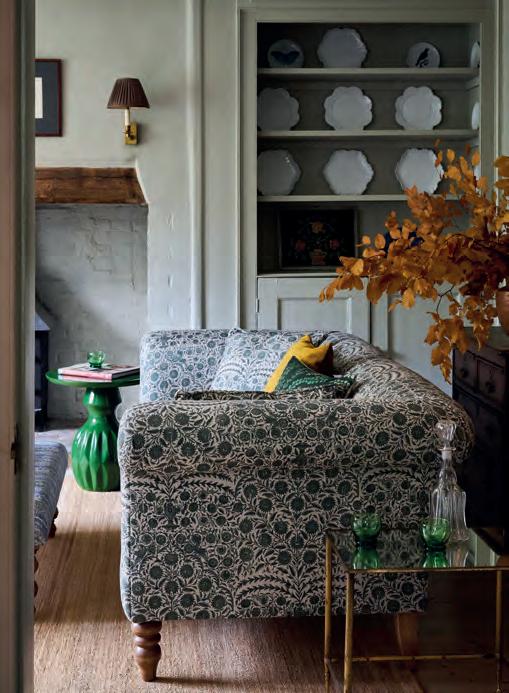
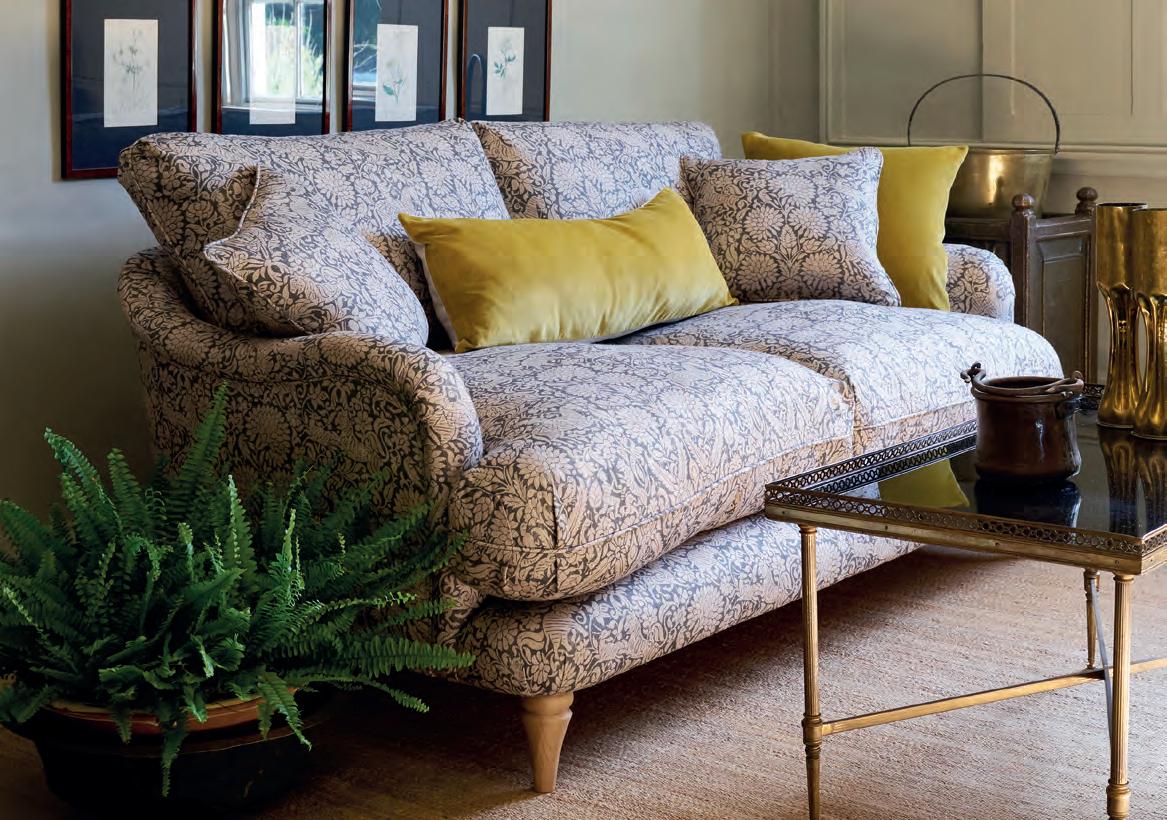
Our S/S guide features all our favourite trades and services to help spruce up your home and garden. Whether it’s a small decorating touch or an ambitious major project, this directory has a treasured range of expert services to make all those home, interior and garden ideas become reality

92a Whiteladies Road, Bristol, BS8 2QN 01174 622 822; mystonefloor.com
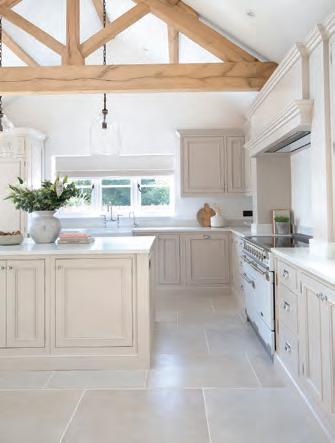
Showroom by appointment, Sneyd Park, Bristol 07904040276 / 0117 984 5314; ivywellinteriors.com
Bridging the gap between architecture and interior design, Ivywell Interiors has established itself in Bristol as an independent interior design studio with a creative and flexible approach to suit every stage of a home transformation. Working hand in hand with residential clients, Ivywell Interiors provides fullroom design and design implementation, product sourcing and supply, and many additional bespoke services required to bring interior design dreams to life. The Ivywell team puts value and collaboration at the heart of what they do to create beautifully designed rooms with a network of local trusted trade partners that take the hassle out of renovating to deliver a picture-perfect finish.
Quorn Stone’s journey began in 1995, importing artisan hand painted terracotta tiles from Manises, Spain. These small, yet charming tiles ignited a lifelong passion for natural materials in the home. Now a second-generation family business in its 28th year of service, Quorn Stone are known for sourcing some of the most beautiful natural stone and porcelain tiles in the world with care and expertise. With five UK showrooms, Quorn Stone’s fifth showroom is situated on Whiteladies Road. This boutique store houses their extensive collection of stone and porcelain tiles, from rustic flagstone floors and porcelain paving to glossy decorative wall tiles – there is a tile to suit every project and requirement.
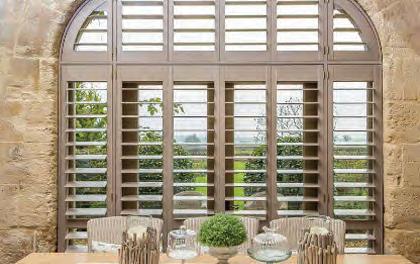
0117 3701594; justshutters.co.uk/bristol
Whatever your style –contemporary, modern, cosy or traditional –Just Shutters have the perfect fit for you. The shutters do not fade, warp or age and come with a lifetime guarantee. Rob and Linda Reeves are experts in the field, trained to the market-leading Just Shutters standard. They are passionate about shutters and transforming the homes of local people, with an understanding of outstanding quality, great value, and professional customer service. Work closely with Rob and Linda as they tailor Just Shutters to your tastes, giving you honest and impartial advice. The company has the largest range of material and finishes in the UK, granting you choice and options in terms of shutter style.
80-82 Whiteladies Road, Clifton, Bristol, BS8 2QN 0117 213 0043; sofasandstuff.com/bristol
Blending contemporary creativity with three generations of furniture-making expertise, Sofas & Stuff make timeless sofas, chairs, and beds by hand in their Lancashire factory. Offering design advice, unmatched choice and customisation from their 23 showrooms, Sofas & Stuff lets you create furniture that truly fits your home and individual style. Choose from their inspiring range of fabrics, which include exclusive designs created in collaboration with the V&A and the Royal Horticultural Society (RHS). Shown here: Sofas & Stuff’s Hampton 3 seater sofa in Super Soft Velvet Highland Green.
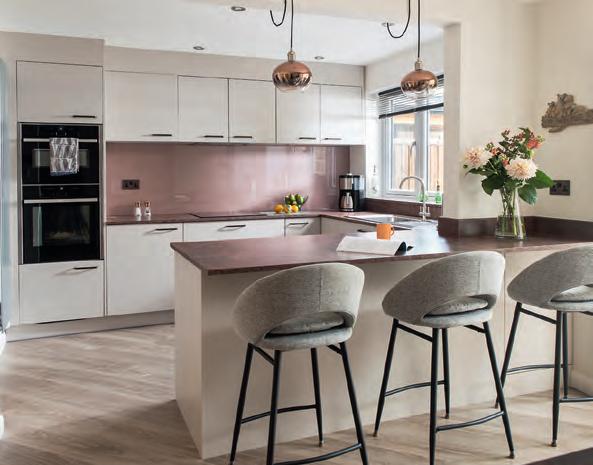
Hartley Farm, Winsley, BA15 2JB
Tel: 01225 434500; blakeandbull.co.uk
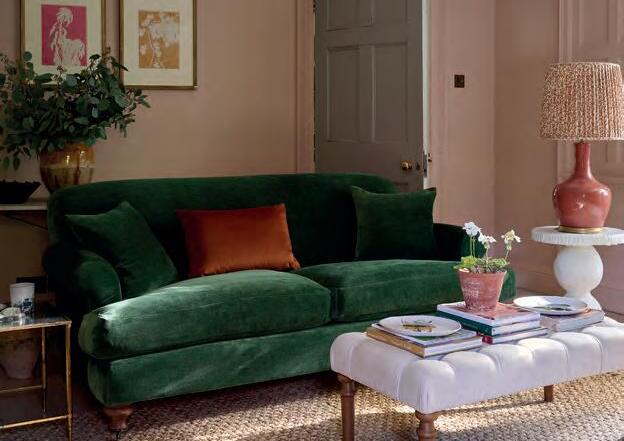
Brunel Rooms, 1 Straight Street, Bristol BS2 0FQ 0117 9292288; gardinerhaskins.co.uk
Gardiner Haskins Interiors has luxury interior showrooms that allow you to create your dream home. Their knowledgeable and skilled team of design experts can help you design your own bespoke kitchen or bathroom with wrap around project management from start to finish and highquality manufacturers such as Stoneham Kitchens, Roper Rhodes and Vanity Hall. You can also enhance your bedroom with beds on display from Harrison Spinks, Hypnos and Relyon alongside bedroom furniture from Ercol, Wiemann and Nolte Möbel. The latest addition to the showrooms is a stunning sofa & chair display featuring Parker Knoll and G Plan Upholstery. The team has over 40 years’ experience, so you can guarantee exceptional customer service. Open six days a week with a free customer car park and less than 10-minute walk from Cabot Circus.
Blake & Bull started life 20 years ago with a simple cleaning service of Aga range cookers, this soon developed into complete Aga refurbishment busines, bringing a beautiful new life to classic, old and fatigued Agas with reenamelling [now available in a choice of 65 colours], electric conversions and also re-imagined Agas - brilliantly recreated and made to order from recovered parts. The company now employs over 40 people and has cleaned, refurbished and remade thousands of Aga cookers in its workshop and showroom at Hartley Farm near Bath. In the showroom you’ll not only find a display of pristine restorations but also a range of thoughtful high quality cookware and kitchen accessories. For expert advice or just to browse all the wonderful products a visit to the showroom is a must.
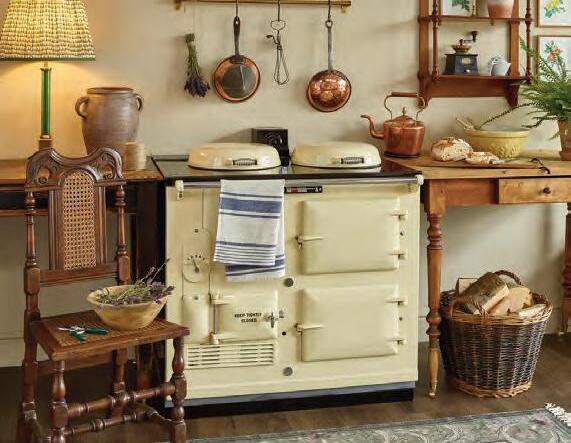
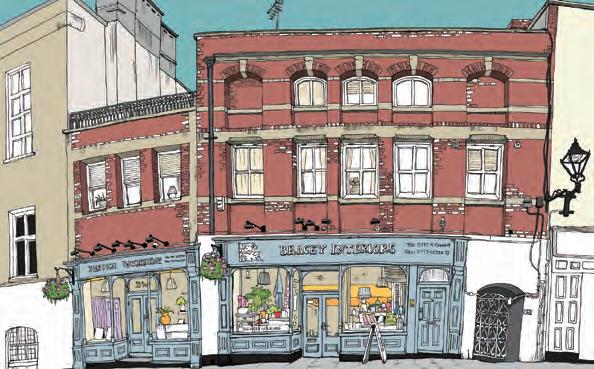
15 Waterloo Street, Clifton, Bristol BS8 4BT 0117 9734664; braceyinteriors.co.uk
With over 50 years experience Bracey Interiors has earned an enviable reputation for its Design Services. Working throughout the UK and abroad the Design Team create unique and bespoke interiors. Within the showroom in the heart of Clifton Village, you’ll find fabrics and wallpapers from all the major design houses as well as a unique and eclectic mix of home accessories. Bracey Interiors are stockists of both Little Greene and Paint & Paper Library paints which are mixed in the showroom in a matter of minutes. Bracey are also a Luxaflex dealership. The brand is renowned for their blinds and shutters. No matter how big or small your requirements the friendly staff are keen to help. They also have their own in-house workrooms creating bespoke curtains and blinds along with a fitting service for clients with the aim of providing a complete service for all your interior requirements.
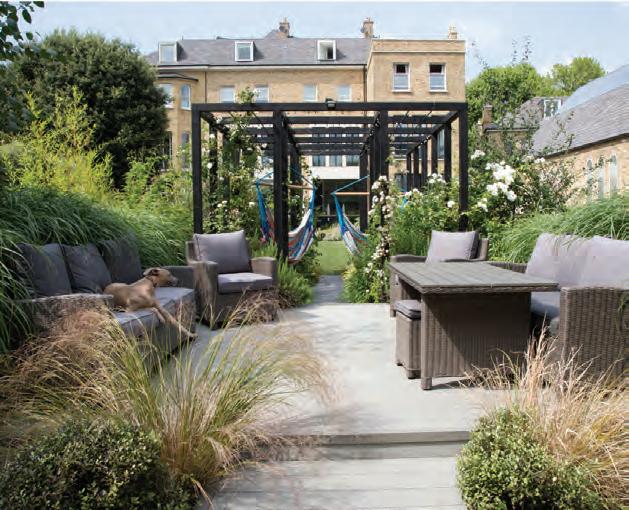
Dunsdon Barn, West Littleton, Wiltshire SN14 8JA 01225 892200; boniti.com
Run by Giles and Simon Lunt, Boniti is a high-quality interiors (and exteriors) business. The showroom is a destination for all types of natural stone, porcelain and timber flooring as well as decorative tiles, stoneware, Kadai firebowls, and the highly desirable Everhot range cookers and stoves. For large and small projects, the Boniti team are masters of their profession and it shows in every detail. The showroom is easily reached from J18 of the M4.
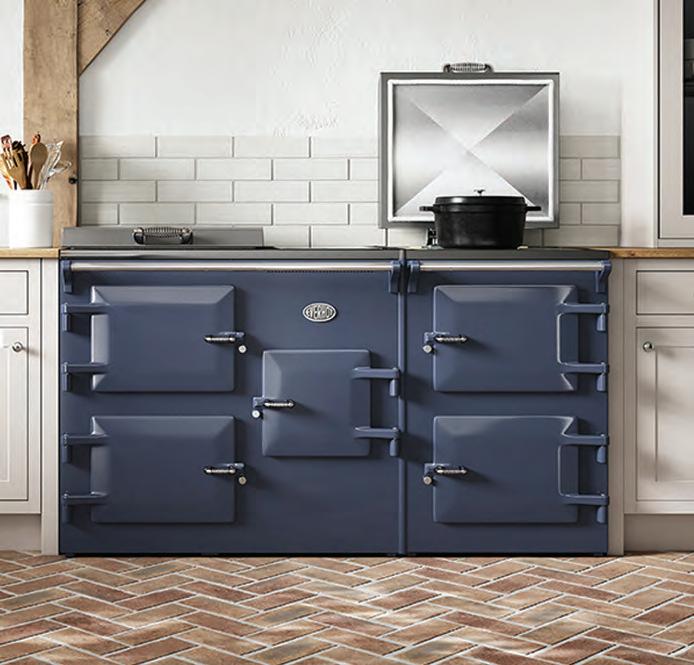
34 Fairfield Road, Bristol BS6 5J 07811 169636; tabithatarling.co.uk
Tabitha is a highly experienced landscape designer with 20 years of designing and installing projects of all sizes, both in the UK and abroad. She offers a full garden design service, including design concept, construction management, planting and styling. She can also provide consultations, garden coaching and advice. Tabitha works collaboratively with clients, carefully listening to their needs, to ensure the end results are elegant as well as functional. She is keen to ensure her design solutions sit well within their surroundings, with beautiful, thoughtful planting schemes, and a sympathetic use of materials, whether it be it a tiny court-yard, a roof terrace or a large family garden. She works with a select group of landscape contractors and specialists so that the design process, from concept to completion, is smooth and seamless.
k-interiors.co.uk; kay@k-interiors.co.uk; 07906167710; Instagram: @kinteriorsuk; Facebook: K Interiors
K Interiors is an experienced interior design studio offering bespoke interior design, furniture and soft furnishings services across Bristol and the South West. Working closely with their clients, they help to demystify the interior design process, encouraging the exploration of styles and colours that may not have previously been considered. They then work to create beautiful and practical bespoke interior schemes, perfectly suited to their individual requirements. As part of their full design service, they are also able to offer furniture and soft furnishings designed bespoke and created to the highest standards by local artisans and craftspeople. Do you have a project you’d like help with? Be inspired at: k-interiors.co.uk
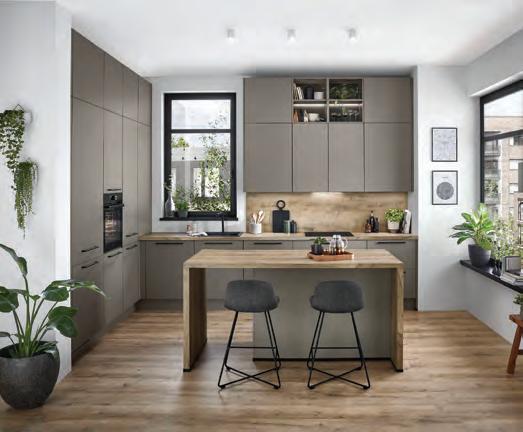
Unit 1 A/B, Eastgate Retail Park, Eastgate Road, Eastville, Bristol BS5 6XX; parkfurnishers.co.uk
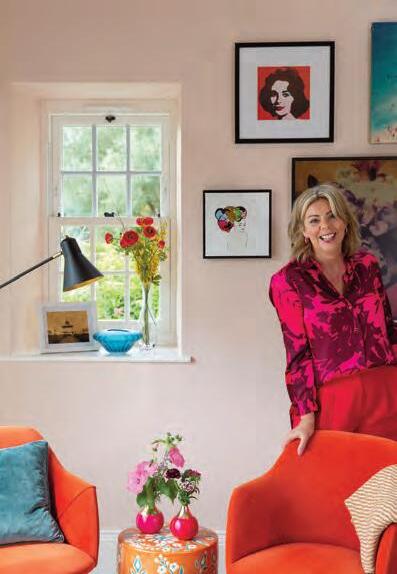
Clifton Down Shopping Centre, Whiteladies Road, Clifton, Bristol BS8 2NN 0117 213 0680; uk.kutchenhaus.com
Kutchenhaus Bristol is part of the Kutchenhaus German Kitchen family. Located in the heart of Clifton, Kutchenhaus supply, design and fit German kitchens, which with it bring innovation and the latest technology. Whether you are looking for a modern or traditional kitchen, the friendly team at Kutchenhaus Bristol has over 60 years of combined experience, so can guarantee a professional and five-star service. All Kutchenhaus kitchens are manufactured and put together in Verle, Germany and gets shipped directly to customers fully assembled, which means no flat-pack. The kitchens are also manufactured by intelligent machines, which completely eliminates the risk of human error, guaranteeing your kitchen will be right first time. The team in Bristol also designs spaces for bathrooms, bedroom and living areas too. So whatever your query may be, pop into the showroom today and put your dream project plans in motion.
For over 55 years, Park Furnishers has been a cornerstone of Bristol's furniture scene and is proudly the city’s largest independent furniture store. Nestled in its new home at Eastgate Retail Park, it continues to offer a diverse range of furniture, from sumptuous sofas to elegant dining sets and cosy beds plus a fitted kitchen studio with over 10 inspirational displays. The store is home to the best brands including Neff, G Plan, ercol, Lazboy, and Parker Knoll, ensuring quality and style for every home. Exciting updates are on the horizon for 2024, including a new fitted bedroom furniture collection and the arrival of new season garden furniture, ready to embrace the Bristolian sunshine.
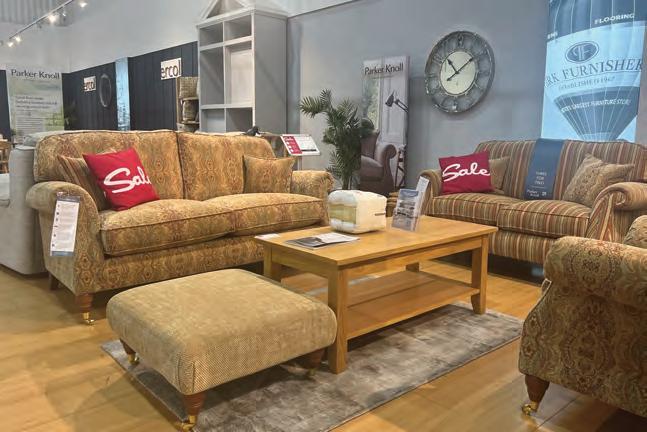

07887762561; gemmawrightdesign.co.uk; Instagram: @gemmawrightdesign
Gemma Wright is an interior designer based in Bristol. Formally trained, she is happy to work on a whole building, or the layout for a single room. She draws on her passion for historic buildings, art and design to help clients create spaces they dream of. Working in a friendly, collaborative way is key for Gemma and she can guide you towards sustainable choices, creating spaces that are functional and long lasting as well as beautiful. She works with clients at any stage of a project, offering design concepts, technical (CAD) drawings for construction, installation, and staging with accessories.
Unit 8, Bridge Road, Kingswood, Bristol BS15 4FW 0117 9563030; marblesupreme.com
Marble Supreme provides master craftsmanship in stone. Whether you’re looking for new stone worktops for your kitchen or bathroom, it offers a range of materials to suit your needs. With over 20 years of experience, the team produce a wide range of products from beautifully crafted granite kitchen worktops and flooring, right through to bespoke stone fireplaces, vanity tops, splashbacks and sink surrounds. Marble Supreme provides a complete service –from sourcing the perfect stone to crafting perfectly fitting, beautifully finished kitchen worktops. It also prides itself on delivering the very best in granite, marble and quartz stone, knowing its creations will play a part in family life for years to come. Whether you know what you want or are considering the options, the team is happy to discuss your plans so pop into the Kingswood showroom.

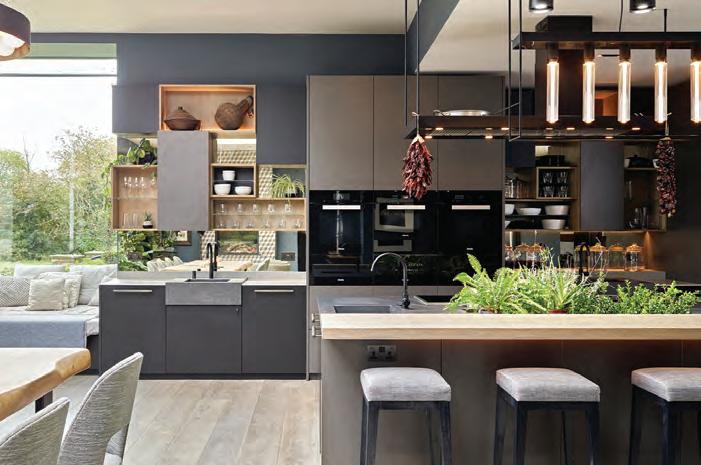
Dunsdon Barn, West Littleton, Wiltshire SN14 8JA Tel: 01225 892270; benargentkitchens.co.uk
Award-winning creators of bespoke contemporary kitchens that successfully combine functional design with elegant simplicity. Ben has a background as a designer/maker and has extensive experience in the specialist furniture industry. He launched the company in 2007 with a clear understanding of the subtleties and technicalities required to achieve sophisticated and highly individual contemporary kitchens. Their beautiful showroom is conveniently located near M4 J18 with plenty of free parking. Please contact them to arrange a viewing.

bgrdesigns.uk
Known for their innovative garden rooms, this company offers so much more... BGR designs work with a range of famous designers, architects and visionaries that create bespoke designs to complement your vision. The team work with clients to produce creative solutions and phenomenal standards of workmanship. Luke Millard is the driving force behind the success of BGR Designs. As a highly respected designer for interior and exterior projects, he has become well-known around Bristol for his creativity and ability to make each new project a unique and functional space for every client. BGR designs spectacular gardens and living spaces taking pride in their ability to get to the heart of each project. Whether that project is creating a wood-frame studio, designing a garden, restoring or remodeling existing buildings, or even building a new home. BGR. will listen, design, and build.
Unit 8 Marsh Lane Ind Estate, BS20 0NH 07968 300 694; creative-storage.co.uk
Creative Storage & Kitchens provides tailored kitchen and furniture solutions to Bristol and the surrounding areas. Every project is hand crafted and custom built to fit your requirements, no space is too big, too small or too awkward. This is a local, family run business, providing a friendly and personal service throughout. From initial production, through to finishing and installing, every aspect is painstakingly looked after by a team of dedicated designer-makers. The company prides itself on producing quality, long lasting work, using the finest ethically sourced materials and components. Due to the fully bespoke nature of the service, the team can truly create whatever style you like, be that contemporary, traditional or anywhere in between. Let Creative Storage & Kitchens help you find the perfect storage solution and start enjoying fabulously organised, stylishly designed spaces. They would love to bring all your storage dreams to life!
07586 459565; waynebemmett@hotmaill.com
Wayne Bennett of Bennett Builders is a trusted local tradesman who has been working locally, mainly in the Clifton and Redland areas for the last 40 years. Works undertaken include renovations, new-build and general maintenance for both commercial and domestic customers. Working with an established network of other local trades and contractors, your project will be completed on time and on budget to a high standard and you will be kept informed of progress from start to finish. Contact Wayne for a no obligation quotation or to discuss your plans.
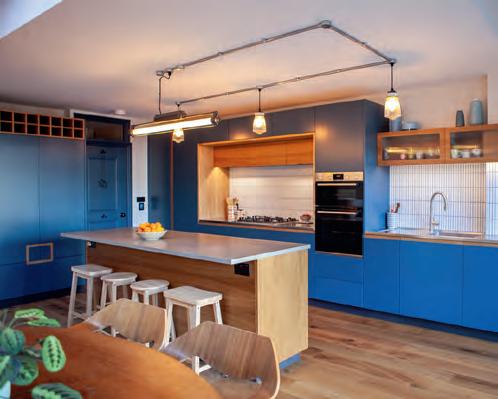

enquiries@hopeneon.com; hopeneon.com
Original neon artwork for cool homes and businesses. HopeNeon artworks are designed and handmade in Bristol. After discussing your preferences, artist and founder Wendy will create a unique neon sculpture to bring a wow! factor to your hallway, staircase, office building or restaurant interior. Wendy uses glass sourced from Murano and genuine neon - not inferior LEDs or acrylic. The neon does not get hot, uses very little energy and is safe. Your HopeNeon artwork will be original, valuable and a good investment, as well as being a stunning piece of art that is much admired. Request a brochure to see current artworks for sale or make an appointment to visit Wendy’s gallery at Abbots Leigh and see the fabulous lights!
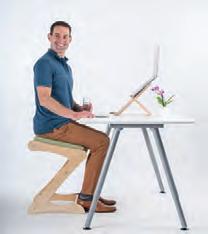
0800 233 5224; sitstraight.co.uk
How are you sitting? Posture not good?
Suffering with back pain? The Z chair by Sit Straight is the answer to better posture and less back pain.
Alex Prince, local practicing Osteopath for over 25 years, founded Sit Straight as he believes that most back pain can be reduced, even avoided with the better, healthier seating. Using his knowledge and experience he designed an ergonomic chair, the Z Chair, to place the user in the correct posture while seated. No fuss, no fiddly adjustments! The simple, stylish yet effective design will help protect your spine and back health. The Z chair is great for home and office. It is locally manufactured, made from the highest quality sustainable materials and has significantly lower carbon footprint that standard office chairs. Small and lightweight, join our 100+ happy customers and see for yourself why they give Sit Straight 5* reviews. They offer free UK mainland delivery and 30 day no quibble returns.
Go to: www.sitstraight.co.uk
Unit 5, Channel View Farm, Clevedon, Bristol BS21 6US 07970 278028; john-boyce.co.uk
John Boyce
Plasterwork Ltd is a locally based company with over 30 years of experience in the plastering trade, tackling any size of job from a simple repair to a complete restoration project. The team has a large range of moulds built up over the last three decades and is capable of matching and reproducing any type of plasterwork. The company also has a large range of stock cornices and ceiling roses to pick from, with something to suit most tastes and budgets. They carry out ceiling surveys and repairs, lime plastering and rendering and bespoke one-off pieces; offering free, no-obligation quotes and advice. Visit the website for a taste of what John Boyce Plasterwork can offer.
15 Regent Street, Clifton, Bristol BS8 4HW; 0117 9731552; mandarinstone.com
Renowned for its comprehensive natural stone collection, Mandarin Stone has gained quite a reputation for its on-trend and beautifully designed porcelain. Ranging from tiles that cleverly mimic materials such as wood, concrete and marble to striking glazed and patterned tiles, the collection has endless surface design possibilities. This year Mandarin is celebrating 35 years in business and with 15 inspirational UK showrooms, it offers dependable specialist knowledge as well as technical expertise. Almost the entire natural stone and porcelain collection is held in stock in the UK, so lead times are short.
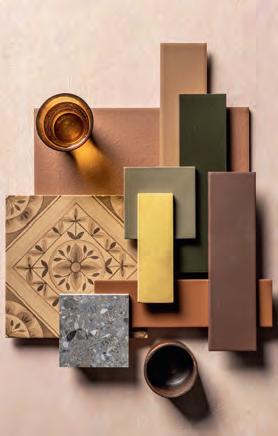
Garden Centre, 288 Frome Road, Trowbridge BA14 0DT 01225 774566; gardenaffairs.co.uk
Create space for home working, hobbies, a growing family or even a new business venture with a cost-effective, versatile, fullyinsulated garden room. Garden Affairs offer a huge range of high quality, sustainable garden buildings and will help you get the design, the installation, the quality and the price spot on. Visit their extensive display centre at Trowbridge Garden Centre in Wiltshire to see garden offices, art and craft studios, teenage dens, granny annexes as well as a range of ‘posh sheds’ and summerhouses.
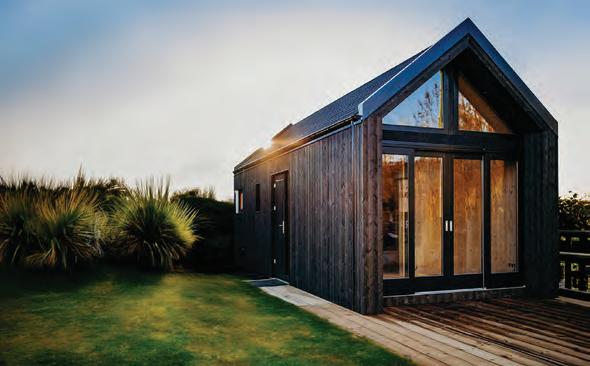
4 George’s Place, Bathwick Hill, Bath BA2 4EN 01225 428072; woodhouseandlaw.co.uk
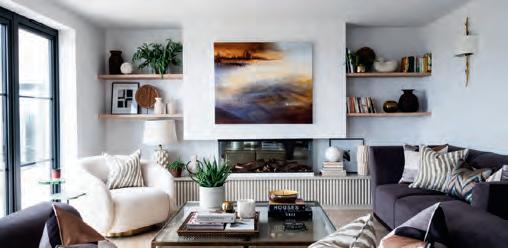
Woodhouse and Law are a full-service interior and garden design company, working from their showroom and studio on Bathwick Hill. Founded in 2009 by Nick Woodhouse and John Law, the team take pride in developing stylish, individual and creative schemes across the residential and commercial sectors. Alongside their current collaboration with the Royal Crescent Hotel & Spa, the Woodhouse and Law studio is currently working on a number of projects across the city of Bath, and further afield, including London, Somerset, Devon and Dorset.
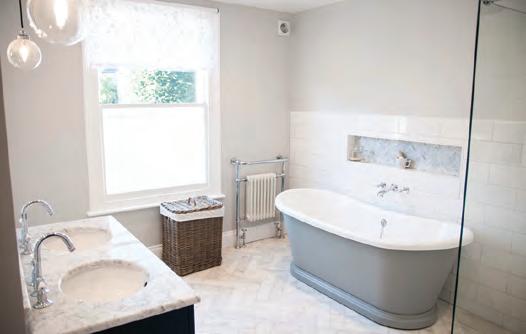
Showroom by appointment at Bathroom Solutions, 54 Redcliff Street, Bristol BS1 6LS; 0117 2230086 / 07879 666221; paulwhittakerbathrooms.co.uk
Paul Whittaker Bathrooms and Wetrooms is a design, supply and installation bathroom company with a huge reputation in the Bristol area. Working closely with his clients, Paul is able to deliver cleverly designed bathrooms and wetrooms, expertly installed by his experienced team of fitters. With 3D design layouts to help with decision making and project management through the course of the works, Paul Whittaker makes bathroom renovations easy and stress-free.
Free advice line: 0800 038 6733 retrofitwest.co.uk
Retrofit West is a Community Interest Company offering independent advice and support for retrofit projects, otherwise known as energysaving home improvements, in the West of England. Their expertise helps homeowners plan, design, and deliver energy-efficient and sustainable home improvements. Funded by the West of England
Mayoral Combined Authority, Retrofit West aim to help more householders, upgrade their properties to reduce energy usage and costs, create a healthier and more comfortable home environment and help fight climate change. Retrofit West is also offering up to £250 discount on energy efficiency assessments from heat loss surveys to full retrofit plans to kickstart your journey to a cosier, greener home.



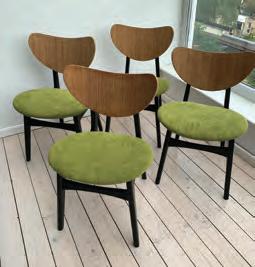
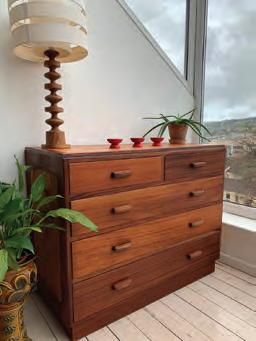
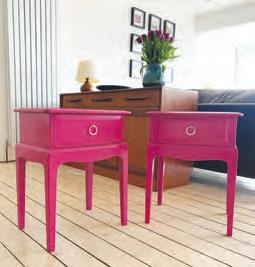

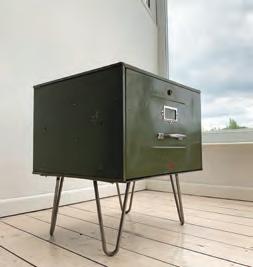
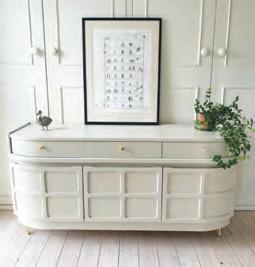
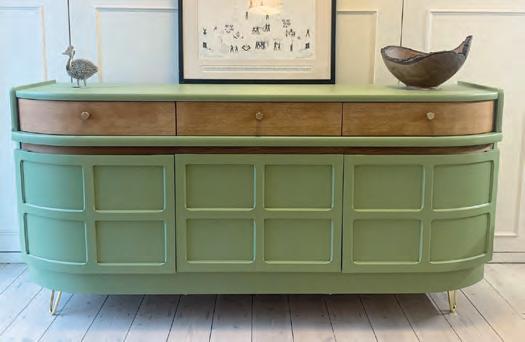
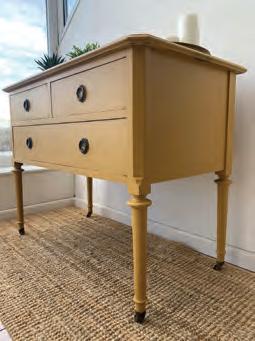



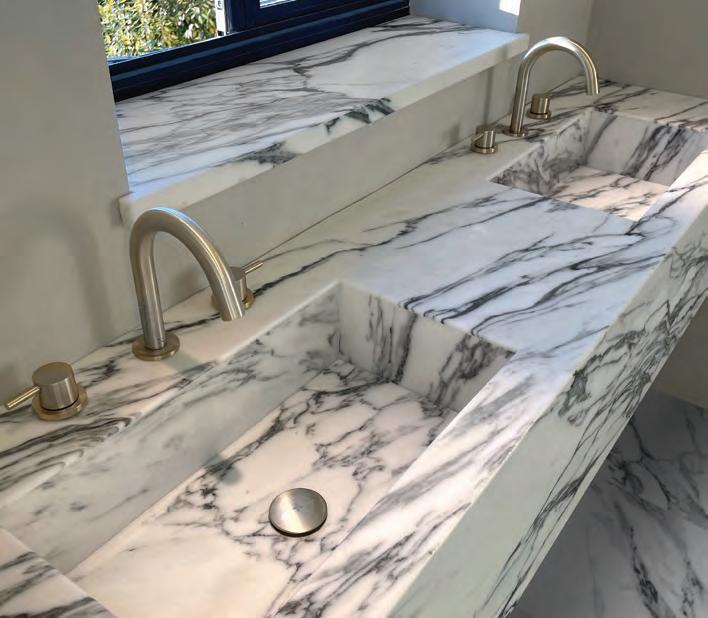


As we strive to achieve our net-zero targets by 2030, it becomes imperative to explore innovative solutions that not only address environmental concerns but also enhance our daily lives.
Arecent report commissioned by the National Trust, Historic England highlights the impact of our homes, which currently contribute a staggering 40% to the nation’s greenhouse gas emissions. The key to tackling this is retrofitting our homes.
At its core, retrofitting is about making our homes more energy-efficient, a crucial aspect of our journey towards sustainability. The simple yet impactful act of upgrading insulation, windows, and heating systems can significantly slash energy consumption. This not only translates to lower energy bills for homeowners but also plays a vital role in curbing the overall environmental impact of our structures.
“We’ve set ambitious targets for a net-zero future, so addressing the carbon footprint of our homes is non-negotiable. Retrofitting provides a practical and effective solution that allows us to preserve the historical charm of our buildings while aligning them with the demands of the 21st century.” Says Simon Andrews at Retrofit West.
The benefits of retrofitting extend far beyond reducing carbon emissions. One of the primary advantages is the improvement of energy efficiency, a key component in our journey towards a sustainable future. By upgrading the insulation, windows, and heating systems of our homes, we can significantly reduce their energy consumption. This not only contributes to lower energy bills but also helps in mitigating the overall environmental impact of these structures.
Retrofitting your home is also about improving comfort and wellbeing. Comfort isn’t just about improving warmth and reducing draughts, it’s about the air we breathe. Old buildings often play host to unwelcome guests like dampness and mould, causing respiratory issues and a general feeling of discomfort. Retrofitting combats these issues with improved ventilation systems and insulation.
While the upfront costs may seem daunting, the long-term savings are proven. Homeowners stand to benefit from reduced energy bills, and the increased energy efficiency adds value to the property. Additionally, the retrofit industry itself can become a source of job creation and economic growth, supporting the development of a sustainable green economy.
Retrofitting is not a one-size-fits-all approach but a tailored solution for each property, considering its unique charm and structural nuances. It is especially important in a city like Bristol which is built primarily of historic Victorian buildings full of period features which impact the character of a home. Commissioning an architect or retrofit designer will be best placed to advise on preserving these features.
If you’re considering retrofitting your home and don’t know where to start you can contact Retrofit West. Retrofit West are a community interest company funded by the West of England Mayoral Combined Authority to help householders plan, design, and deliver energyefficient and sustainable home improvements. You can contact their free advice service or use their free home plan builder at retrofitwest.co.uk.




From fractals to fencing, Elly West is inspired by natural and man-made shapes and designs. This month, she explores how we impose our sense of order on the natural world to create a living canvas using patterns in our gardens
As someone who enjoys patchworking, I’ve always loved patterns and piecing things together to make something beautiful, looking at shape and colour, repetition and order. Gardens are the three-dimensional equivalent, as we impose our sense of order on the natural world to create a living canvas. Arranging and repeating elements brings form and structure, whether it’s with the plants, a particular colour or form, hard landscaping or a man-made structure.
Pattern is one of the most important elements in garden design and is essential to give a garden unity and cohesion. Simple patterns draw the eye, whether it’s a row of three pots containing the same plant, a winding brick pathway, or bold leaves or stems against a dark-coloured fence.
Human brains are really good at recognising patterns. Among the many random accounts I follow on Instagram is ‘Things with Faces’ (@things.faces), where people post photos of faces they have seen in a bowl of porridge or a slice of cucumber, and the same is true of spotting patterns. We look for them. Some even say pattern processing is one of the things that separates the evolved human brain from that of other species, and a study at the University of Oregon showed that children as young as three show a preference for the recurring patterns commonly seen in nature. Patterns can create a sense of calm and balance, as we are naturally drawn to order and symmetry. From regimented parterres lined with neatly clipped hedges, to cottage gardens full of wildflowers, look closely and patterns are found everywhere.
Many of the naturally occurring patterns seen in the garden are fascinating and highly mathematical. The 20th-century mathematician Benoit Mandelbrot created the term ‘fractal’ to describe a fragmented geometric pattern that is commonly found in nature, a progressively
more complex self-repeating pattern that can be scaled up or down. For example, if you look at a fern, there is the entire frond, then when you look more closely at the branches coming from the main stem of the frond, each is another frond – an almost exact replica of the ‘parent’, but on a smaller scale. A head of broccoli or cauliflower is similar, each head is composed of smaller florets, composed of smaller florets, the smallest being a miniature replica of the whole.
One of the most beautiful and awe-inspiring natural patterns is perhaps that created by the golden ratio, found throughout art, architecture and design. This ratio is closely linked to the Fibonacci spiral: an increasing series of numbers where each is the sum of the two preceding numbers. Patterns based on this equation can be found in snail shells and sea shells, sunflowers and other seed heads, pine cones, sempervivums and other succulents.
There is so much we don’t understand about our universe, which often seems chaotic and unpredictable, yet in cases like these is highly organised and bound by the laws of physics and mathematics.
Symmetry is often used in garden design, and can bring a sense of formality that is calming and aesthetically pleasing, such as two lollipop bay trees flanking a doorway, or a geometric herb garden with brick pathways laid out in an octagon or hexagon. Formal parterres and knot gardens, which became fashionable in England from the 17th century, saw intricate designs of neatly clipped evergreen hedging creating geometric shapes best viewed from above. We sometimes train trees around lines of symmetry, for example pleached trees to make a screen, with their horizontal branches and a clear stem, or fan-trained and espalier fruit trees against a wall. In nature, we also find plenty of examples of symmetry in leaf and flower forms.
Patterns can be also introduced through hard landscaping, such as fencing, paving, gates, pathways and sculpture. Brick pavers can create beautiful patterns, with multiple ways of laying them: herringbone, basketweave or Jack-on-Jack for example, while reclaimed wood in the garden will bring in the swirls and flowing lines of natural grain. Many natural pavers also have beautiful striations within them, often more obvious when wet.
Patterns don’t have to repeat or have symmetry, but can be created through more random lines, shapes and colours. The spots and stripes on variegated leaves and petals are rarely symmetrical, likewise the swirls, peels and cracks of tree bark such as silver birch and Acer griseum, or the colourful camouflage splodges found on eucalyptus. Waves and ripples can be seen in water, but also in wind-blown grass and meadows. The gills on the underside of a toadstool create beautifully tactile rippling lines. Cracks in the lawn or border during a dry summer may not be a pattern we want to see, but is interesting nonetheless, arising from tension and drying.
Patterns are all around us, whether carefully crafted through design principles, or naturally occurring, contributing to our gardens as harmonious spaces in which we can connect with nature.
Take time to look closely at the ferns unravelling and the buds bursting this spring, and indulge in the mindfulness that comes from spotting these patterns and paying them the attention they deserve. n
ellyswellies.co.uk
Auriculas are the up-market cousins of the common primrose, chosen this month for the beautiful patterns on their flowers. Going by the Latin name of Primula auricula, these dainty plants are highly collectable, with their dusky markings and jewel-like colours. Auricula ‘theatres’ are a great way to show off the plants, each in an individual pot, displayed in rows on shelves. There are literally thousands of hybrids to choose from, with double petals, greengrey edges, borders and stripes. Flowers appear from February to May and the leaves are often evergreen through winter. Given the right conditions, auriculas are easy to grow, and once planted will self-seed and new forms will pop up.
They need free-draining soil with shelter from extreme wet and sunshine, which is why they are traditionally grown individually in pots. However, border auriculas will be happy in the garden under deciduous trees and shrubs, or lining a pathway where you can appreciate their beauty. Give them some tomato fertiliser once the first buds appear in early spring to give flowering a boost, particularly if they are in pots and have been there a while, and deadhead regularly to keep the flowers coming.




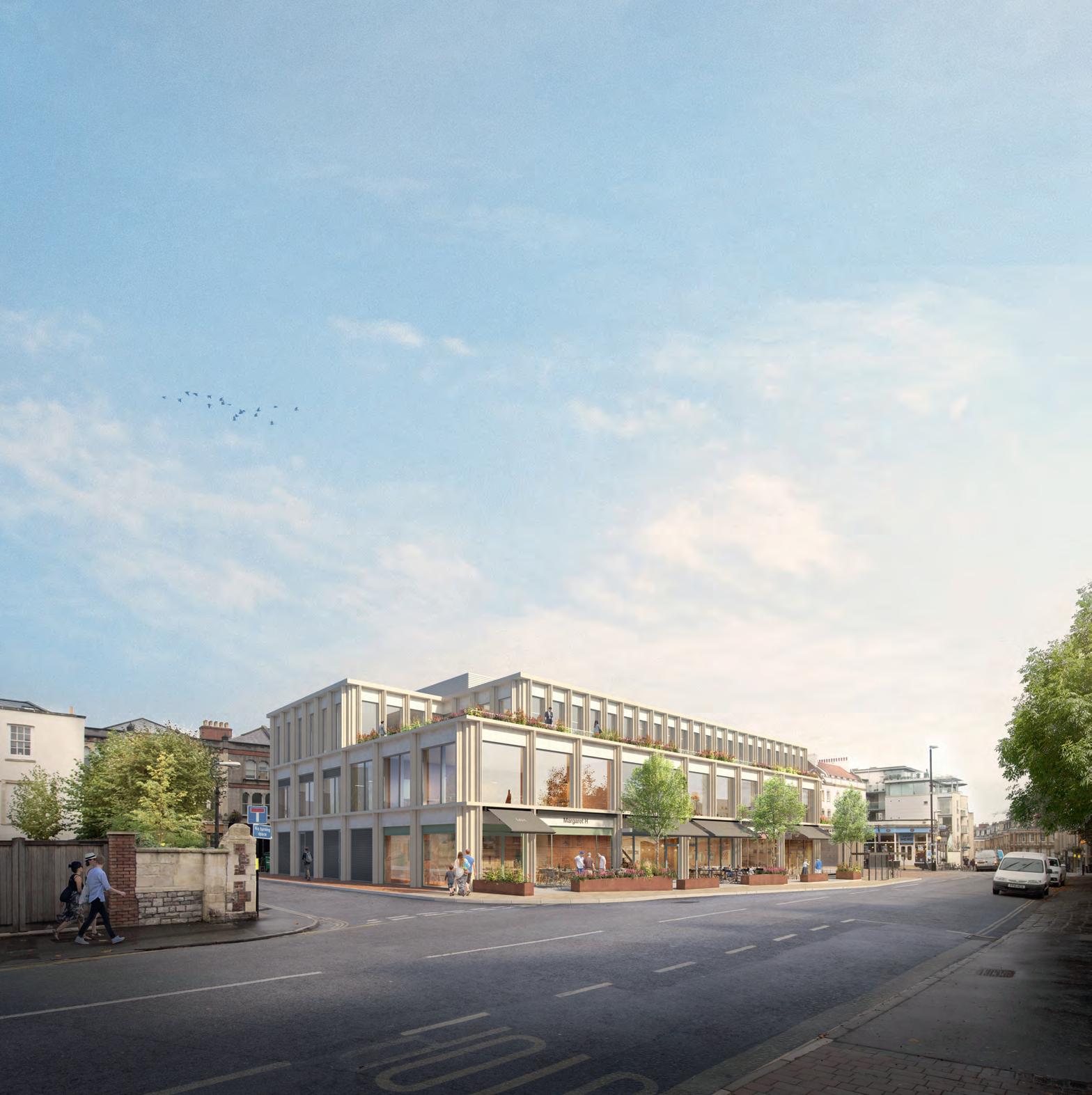
An excellent opportunity to secure a prime development site within Clifton Village in Bristol.
Detailed planning consent has been secured for a 27,000 sq. ft. purpose built BREEAM
Excellent scheme in the heart of Clifton Village. The current planning consent comprises a commercial scheme of retail, leisure and office accommodation.
The site may also suit residential above ground floor commercial for which consent has previously been granted but has since lapsed.
The site is cleared ready for construction and planning consent implemented.





St Thomas Street, BS1
10,465—24,660 (sq ft) 972—2,291 (sq m)
A self-contained HQ office available as a whole or floor by floor. Benefitting from a central atrium, 21secure car parking spaces, and would suit otheremployment uses. Due to be refurbished.
Eagle House, BS1
5,565—11,840 sq ft (517—1,100 sq m)
Contemporary Grade A office accommodation providing open plan space with collaborative zones to include shared break out areas, auditorium, and bookable meeting rooms.



Barley House, Clifton, BS8
16,640 sq ft (1545 sqm)
Offices to let with 23 car parking spaces. Available as a whole or on a floor-by-floor basis and suitable for a wide variety of alternative commercial uses (STP).
St Stephens House, BS1
6,554 sq ft (609.1 sq m)
St Stephens House has undergone a striking and innovative transformation to provide office accommodation finished to a high spec to create a sustainable and people centric workplace.



Keep up-to-date with our latest news, deals, testimonials and market comment at our website: www.burstoncook.co.uk

Etloe Road, BS6
TO LET – POA
1,273 sq ft (118.27 sq m)
A ground floor, self-contained “Class E” premises available to let in the popular suburb of Westbury Park. May suit a range of uses.
Carlton Court, BS9
TO LET – £12,500 pax
1,049 sq ft (97.45 sq m)
A first floor “Class E” premises available to let. Private entrance from Canford Lane, self contained with two large open plan rooms, kitchen, office and WC facilities.

Waterloo St, Clifton
TO LET – £22 PAX
1,934 sq ft (179.6 sq m)
A self contained office to rent with shop frontage onto Waterloo Street, in the heart of Clifton Village. Would suit other uses under Class E.

Durdham Park, Redland, BS6
TO LET – POA
1,042 – 2,948 sq ft (273.85 – 96.8 sq m)
Two self contained buildings to rent, available as a pair or separately. Currently benefitting from educational use although would suit other uses (STP).

Oakfield Grove, BS8
TO LET – POA
16,640 sq ft (1,546 sq m)
Offices to let with 23 car parking spaces. Available as a whole or on a floor-by-floor basis and suitable for a wide variety of alternative commercial uses (STP).

Gloucester Road, BS7
TO LET – POA
2,318 sq ft (215.35 sq m)
A ground floor “Class E” unit available to let of approx.
2,318 sq. ft (215.34 sq. m).
Could suit many uses, available from the end of March 2024.
Mead Court, Thornbury, BS35 FOR SALE – POA
7,221 sq ft (671 sq m)
A freehold office opportunity available with vacant possession. Situated on a fantastic business park in Thornbury, with 22 designated car parking spaces.
Bedminster Parade, BS3 FOR SALE – POA
7,269 sq ft (675.30 sq m)
A fantastic residential development opportunity with planning submitted for 9 residential units plus a large commercial ground floor premises. Very popular location in South Bristol. Freehold for sale. Price upon application.
Eagle House, BS1
TO LET – POA
5,565 sq ft – 11,840 sq ft (517 – 1,100 sq ft)
Grade A offices, fitted to a very high specification. Excellent break out areas to include auditorium.
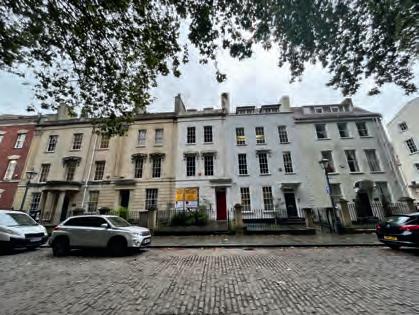
53 Queen Square, BS1
TO LET 480 – 1,730 sq ft (44.5 – 160.7 sq m)
An impressive office which is due to be extensively refurbished throughout and could suit a range of uses

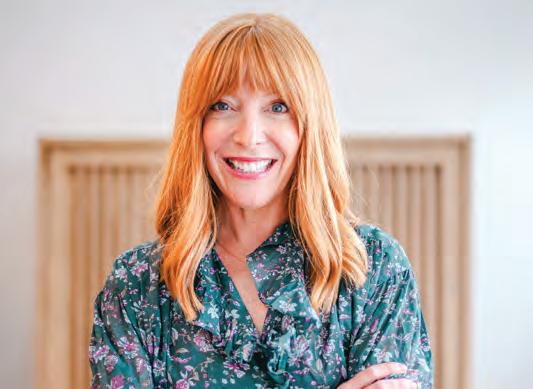
With cash buyers reported to have accounted for about one third of home sales in 2023, what can buyers relying on financing do to compete against the ‘power buyer’?
Cash buyers are invariably seen by agents and vendors as being the preferred buyer with a strong reputation as being dependable, offering an ease of transaction and less perceived risk of the transaction falling through. This is certainly reflective of our own experience representing cash buyers, with many for example overlooking issues in surveys that an underwriter may not. But all is not lost for those non-cash buyers, even when competing against the ‘power buyer’:
Before putting forward an offer, you must have your mortgage agreement in principle. Depending on your relationship with your bank or mortgage broker, it is always worthwhile asking for a supporting letter to accompany any offer. We also recommend you have a credible lawyer instructed; one the selling agent will have the confidence will get the deal over the line. It is also worth having a surveyor provisionally instructed to demonstrate that you are a proactive buyer.
If you are selling a property, timing as to when you are in a position to genuinely be considered as an attractive buyer is key: it will be very difficult in this current market to compete against a cash buyer if you are not at the very least under offer on your own sale.
As a non-cash buyer, it can be argued that you are more invested as a buyer versus the cash buyer who has greater flexibility of when and where they buy and are not tied down by mortgage and interest rates, a
mortgage offer that is potentially about to expire, or a chain they do not want to collapse. Non-cash buyers are often more heavily invested psychologically and financially with their buyers, the seller, and their mortgage company. To a seller, that level of personal and financial commitment should not be underestimated.
In terms of the offer, cash buyers often come in at below asking price, largely because they can offer the seller a perceived reduced risk of the purchase falling through, and a speedier transaction. If you are up against a cash buyer, you may want to consider offering more. At the same time however, going excessively above the listed price will cause the seller, and their selling agent, concern that the mortgage valuation will not be supported.
Always put forward an offer in writing. Your offer letter should state the amount you are borrowing, details of the lender, your expected time frame for exchange and completion, and details of your lawyer.
Think about the seller. Whilst for some the focus may be purely on the financials, for many the sale of their home can be far more personal. Let the seller know how much you love their home and what it would mean to you/your family to live there. Many sellers feel a sense of loyalty to their neighbours in ensuring, as best they can, a lovely buyer.
Even cash buyers withdraw be it over legal issues, something unexpected on the survey report, or simply a last-minute change of heart. We may see more of this as stock levels are expected to increase over the coming months, giving greater options to the cash buyer who has the element of flexibility, with less to lose if they pull out of a purchase. You should keep in regular contact with the selling agent so that, if you lose a purchase to a cash buyer, you are front of mind in the event the purchase falls through.
Not a sales pitch…!
Whilst we often meet cash buyers very early in their search, a buyer in a chain often doesn’t think about instructing a Buying Agent, with many coming to us after they have lost out on one or two properties to buyers in ‘better positions’. The earlier a Buying Agent meets a buyer in any situation, be it cash, mortgage, or a combination of both, puts that buyer in a better position.
Selling agents know that as a Buying Agent we represent motivated and pro-active buyers and have a professional relationship with that buyer. This can at times be deemed by an agent and vendor as less risky than the unknown cash buyer. Furthermore, the selling agent will know that the Buying Agent will remain involved throughout the transaction, thereby reducing the risk of the purchase falling through.
Whatever stage you are at in the search for your new home or investment property, we’d love to chat.
Lili Oliver Oliver Roth Property ConsultantsT: 0117 9877 828
E: home@oliverroth.co.uk


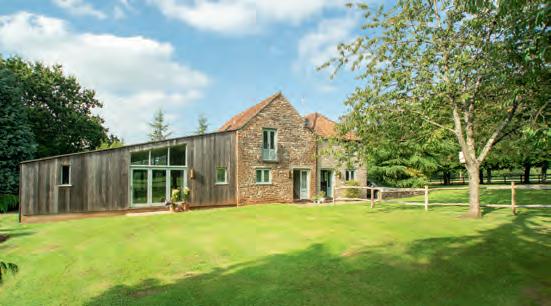

Stowey, North Somerset |
Guide Price £3,650,000
A rare opportunity to acquire a substantial family house in circa 6 acres of gardens and grounds, complete with two additional two-bedroom cottages all situated at the end of a tree-lined drive.
A fabulous family home just two miles east of Chew Valley Lake | Principal six-bedroom period farmhouse | Two additional two-bedroom cottages (with PP to extend) | Circa six acres of beautifully landscaped gardens and grounds | Extensive driveway parking plus a double garage and three car covered car-port | Exceptional multi-generational lifestyle opportunity | Nearly 2000 trees planted over the past forty years of ownership | Tree-lined drive and quiet, private location | Access to both Bristol and Bath
Principal farmhouse 3960 sq. ft Larch Cottage 720 sq ft The Studio 1450 sq ft. In all circa 6,131 sq. ft (570 sq. m)
@rupertoliverproperty