


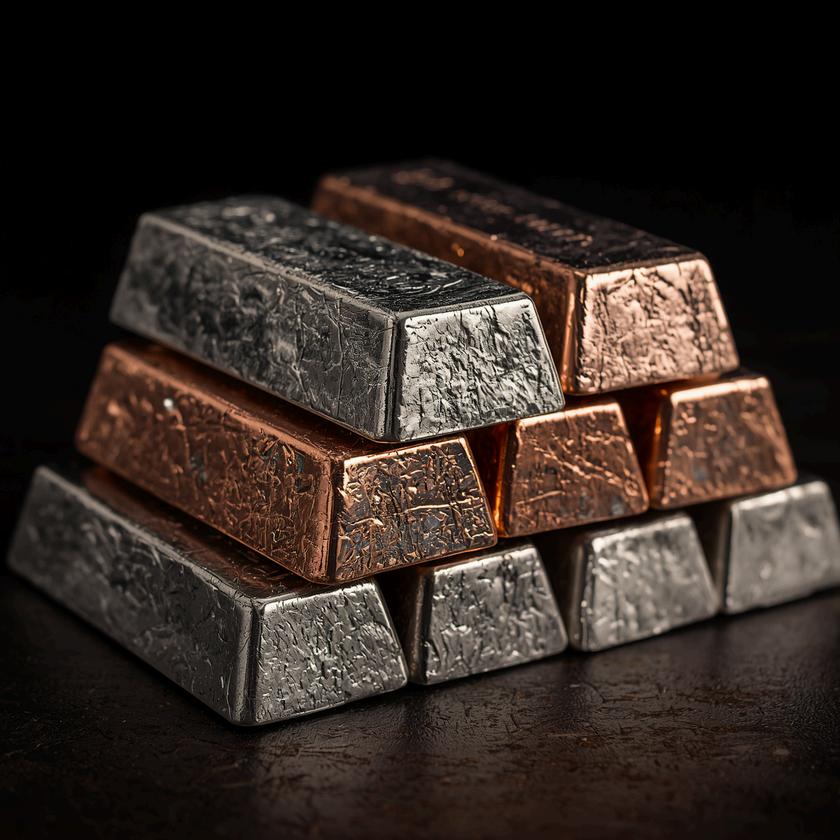
Silver and copper have been getting a lot of attention lately. Both metals are important for electrification, energy infrastructure, and industrial growth...
A look at supply challenges, futures markets, and long-term trends
Silver and copper have been getting a lot of attention lately. Both metals are important for electrification, energy infrastructure, and industrial growth.
Many headlines focus on rising demand. Electric vehicles, renewable energy systems, and new power grids all depend heavily on these metals.
But demand only tells part of the story. Supply challenges and signals from futures markets also impact how these metals move. These factors often influence risk and opportunity in ways that do not always make the headlines.
Copper supports much of the modern economy, including electrical wiring, power systems, construction projects, and transportation.
Copper producers such as Chile and Peru face several challenges as mining companies contend with rising operating costs, government regulations, and political uncertainty. Environmental reviews and community discussions often take years before a new mine moves forward. Building a new copper mine also requires significant financial and time commitments. Many projects take more than a decade to move from discovery to full production.
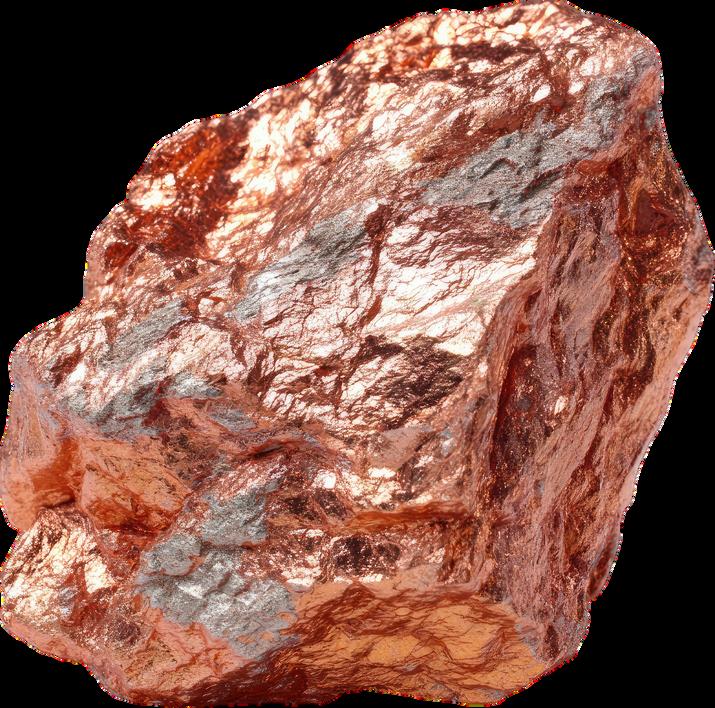
Another challenge comes from older mines. Many copper deposits now contain lower ore grades, requiring mining companies to process more rock to produce the same amount of copper. These challenges increase costs and energy use. Higher copper prices are necessary before companies can expand their operations.
Many investors focus on demand for electric vehicles and grid upgrades. Long-term results in the mining industry usually depend more on strong balance sheets and disciplined project planning.

Silver has a different story.
The metal supports many industrial uses, with solar panels, electronics, and advanced technologies all relying on its strong electrical conductivity. Simultaneously, silver is a precious metal. Many investors buy silver during periods of economic uncertainty.
This combination creates a volatile market. Industrial demand can support prices during periods of economic growth, while investor activity can also push prices higher when financial markets feel uncertain.
Another factor affects supply. Much of the world’s silver production comes as a byproduct of other mining operations. Mines that produce lead, zinc, or copper often produce silver at the same time. Silver supply, therefore, does not always respond directly to silver prices. Production decisions often depend on the economics of the primary metal being mined
During periods of strong industrial demand, this structure can tighten silver supply.

Futures markets add another piece to the puzzle.
COMEX and Deutsche Börse allow traders and companies to buy and sell contracts tied to future metal prices. Mining companies often use these contracts to protect themselves from price swings. Investors and traders also participate in these markets.
Market watchers pay attention to indicators such as open interest and trader positioning. Rising open interest during a price rally may suggest that new money is entering the market. A decline in open interest during rising prices may signal that traders are closing short positions.
Futures markets do not always reflect real-world supply and demand immediately. Paper trading can sometimes push prices around in the short term.
Mining companies use futures markets as part of their financial planning. Hedging programs let companies lock in prices for part of their production. This can help stabilize revenue and support financing for large projects. Banks and lenders often require some form of price protection before providing capital for new mines.
Inventory data also influences market sentiment. COMEX-reported exchange inventories can affect short-term price movements. Lower visible inventory levels sometimes create the perception of a tighter supply. Physical premiums in regional markets may also signal strong demand in certain areas.
Silver and copper both benefit from long-term demand trends. Electrification and infrastructure investment continue to drive the need for these metals. Supply growth is constrained by costs, regulations, and long project timelines. These conditions create cycles that include periods of volatility.
Investors and operators benefit from focusing on asset quality, cost management, and financial discipline. Short-term price moves can draw attention. Long-term value usually comes from consistent execution and strong operational management.
Silver and copper markets will continue to react to economic changes, policy decisions, and investor sentiment. Behind those movements sit the real-world factors that form the mining industry. Production capacity, responsible governance, and financial discipline often determine which companies perform best through commodity cycles.