

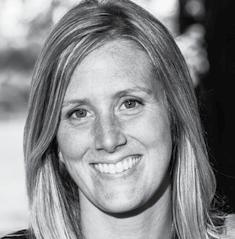
Welcome to the Men's Issue! What do men bring to the table? From my perspective men can bring a lot - mostly I am impressed by the sheer capacity they possess. Men bring creativity to designing things, a passion to build things and solve problems, an unshakeable moral compass, being the north star when our capacities fail us. Men do so much more than just being protectors and providers - they spark a drive to keep going, build, learn and grow more. I am incredibly excited to share this issue with you because of the caliber of men being featured. All of these men showcase the very best of what good men truly are.
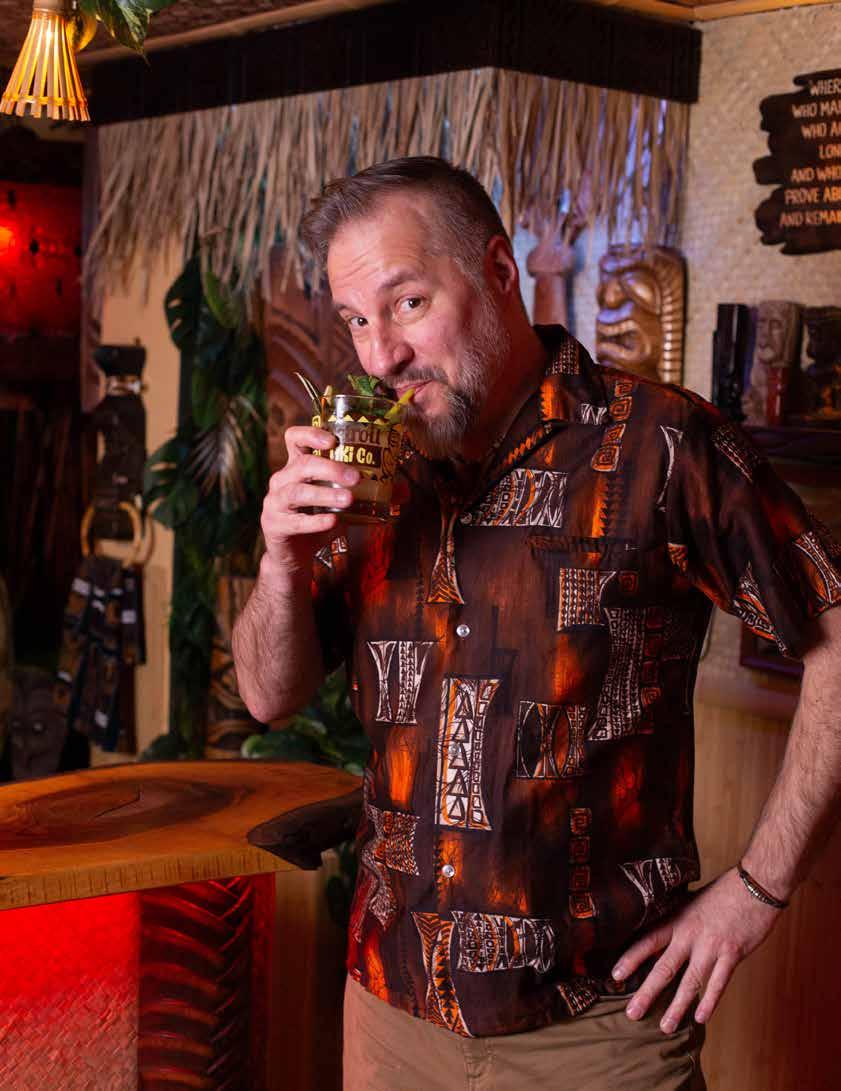
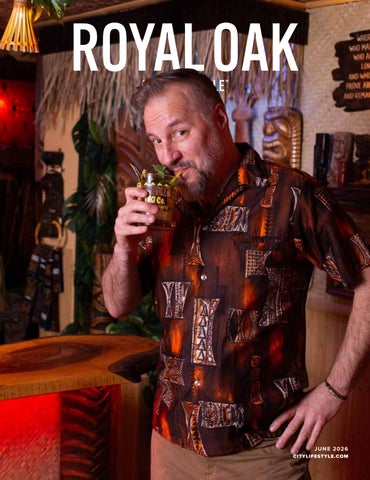
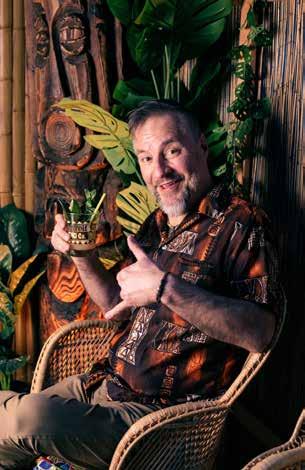
In this issue you will meet Don Peterka, the owner of Detroit Tiki Co. I have had the pleasure of knowing Don for years. He’s not only an incredibly talented artist; he’s also an all around great guy. You will be taken in by the world of Tiki and what he is doing with his Detroit Tiki stylings.
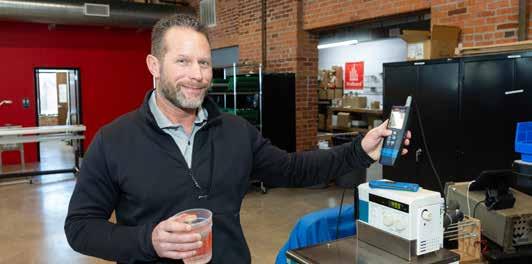
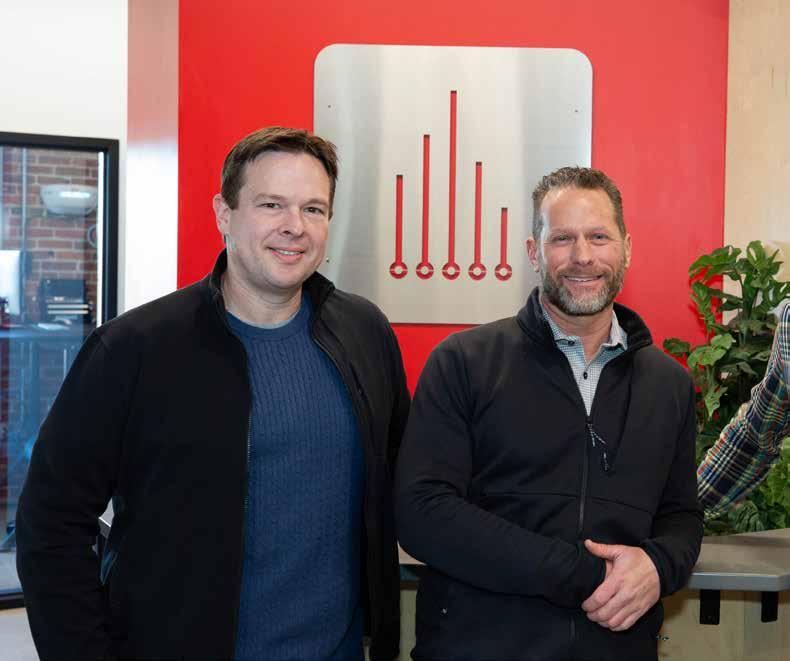
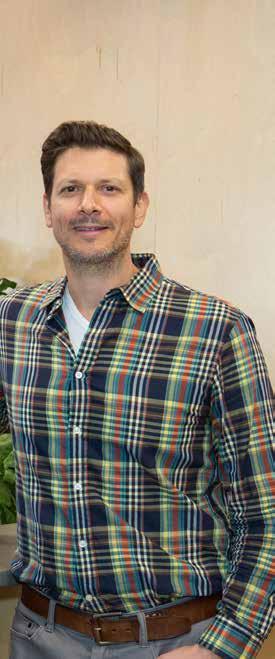
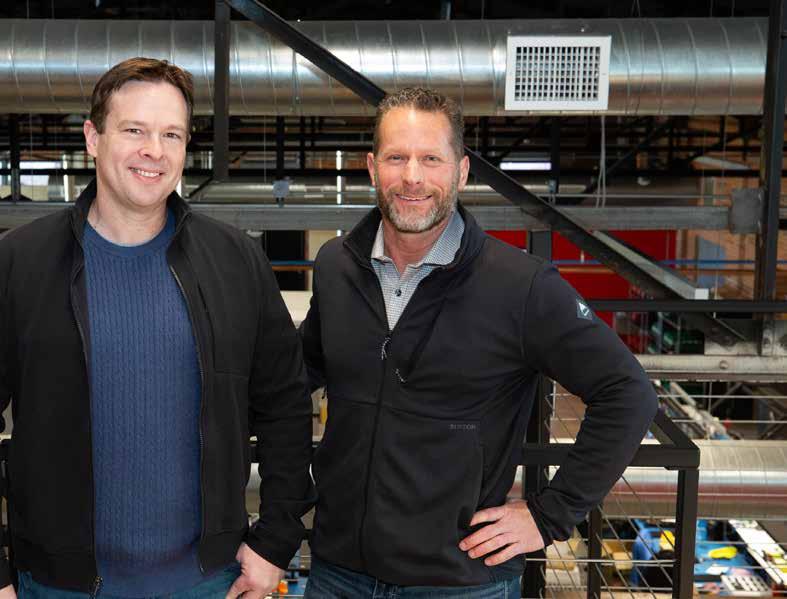
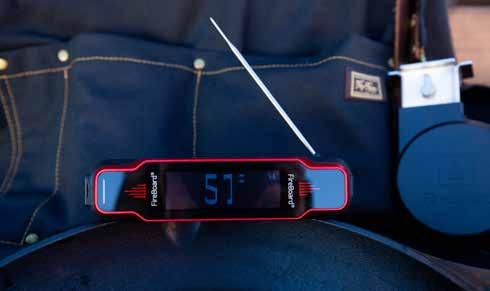
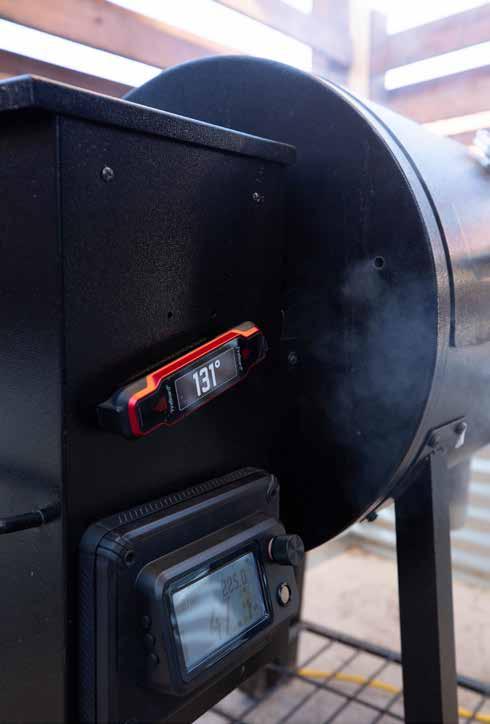
Do you have a man in your life fascinated by grilling or smoking meats coupled with a love of gadgets and technology? You will be interested in learning more about Ted Conrad and what he is doing with Fireboard Labs. Ted's innate ability to help solve problems for people using technology is truly impressive. His drive, dedication and trust reach beyond his team to each of us in our homes. FireBoard’s smart home technology makes the backyard BBQ cookout a thing of beauty.
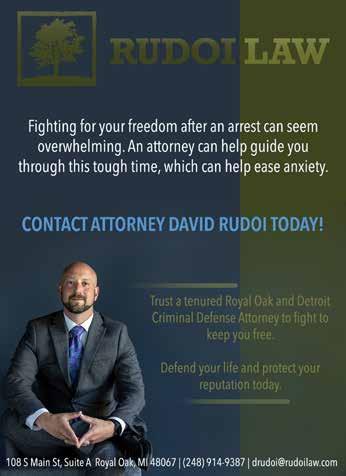
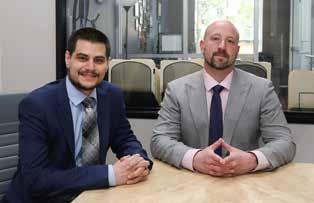
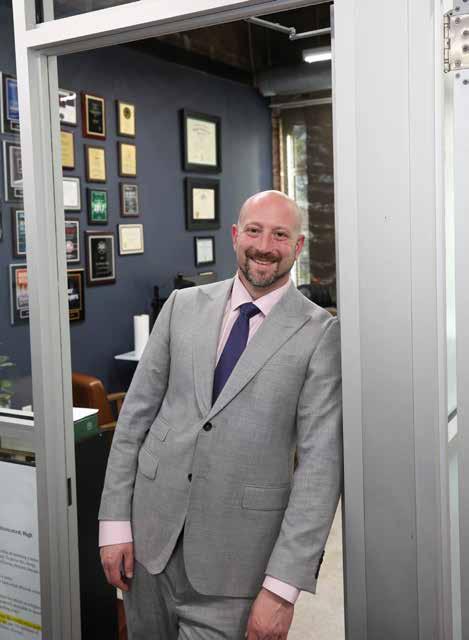
Dave Rudoi of Rudoi Law is right at home in downtown RO. You have probably seen his company's sign on Main St. Dave is one of RO's top attorneys because of his combination of a strong moral compass and the weight he knows he carries when clients are in his hands. Get to know more about the man that views law as a method to serve and help people.
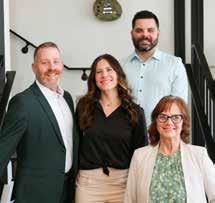
Family and a relationship style to building business is what launched Todd McKay to starting TM Services Inc. Family and relationships are pretty much the most important things to all of us. Todd is the embodiment of both. Enjoy meeting Todd, the north star we all hope to be. I have had the great pleasure of knowing Todd for a few years now and am consistently impressed by the man he is.
Cheers,
June 2026
PUBLISHER
Amy Gillespie | amy.gillespie@citylifestyle.com
MANAGING EDITOR
Marshall Zweig | marshall.zweig@citylifestyle.com
CEO Steven Schowengerdt
President Matthew Perry
COO David Stetler
CRO Jamie Pentz
CoS Janeane Thompson
AD DESIGNER Rachel Kolich
LAYOUT DESIGNER Kirstan Lanier
QUALITY CONTROL SPECIALIST Brandy Thomas














WHERE NEIGHBORS CAN SEE AND BE SEEN

1-7:
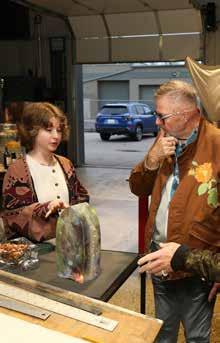

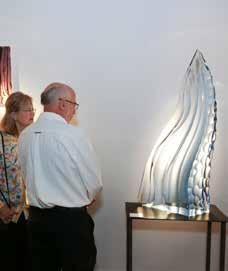
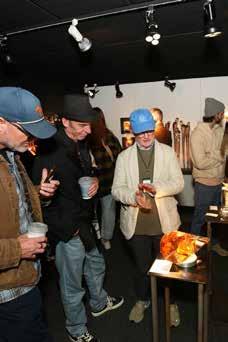
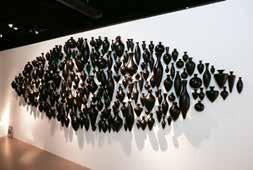
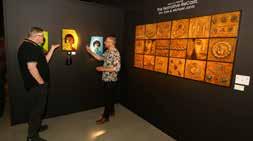
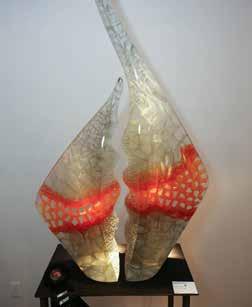
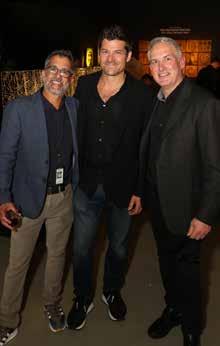
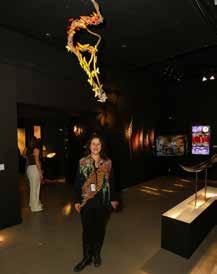
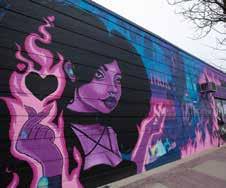

After 40 plus years being in Royal Oak, Noir Leather is finding a new home in downtown Ferndale. The shop’s new storefront will be 175 W. 9 Mile Rd. Noir Leather has been in the city since the 80s, once on Main street. The move to Fabulous Ferndale will usher in a new era for the local shop.
Detroit’s most delicious competition is back — and bigger than ever! Join us for the 10th Anniversary of Burger Battle Detroit at Eastern Market Shed 5 on Sunday, June 28, 2026, from 1:00 PM – 5:00 PM. Up to 12 of Detroit’s top restaurants will battle it out, each serving a signature burger as they compete for the title. Your ticket includes all-you-can-sample burgers and the chance to vote for your favorites during the official voting window.



Summer Camps Metro Detroit 2026 – Michigan Summer Camp Directory for summer day camps, residential (travel) summer camps, summer sports camps, academic camps, themed summer camps, art camps, gymnastics camps, dance and cheerleading camps, nature camps, and more. Find out more at oaklandcountymoms.com

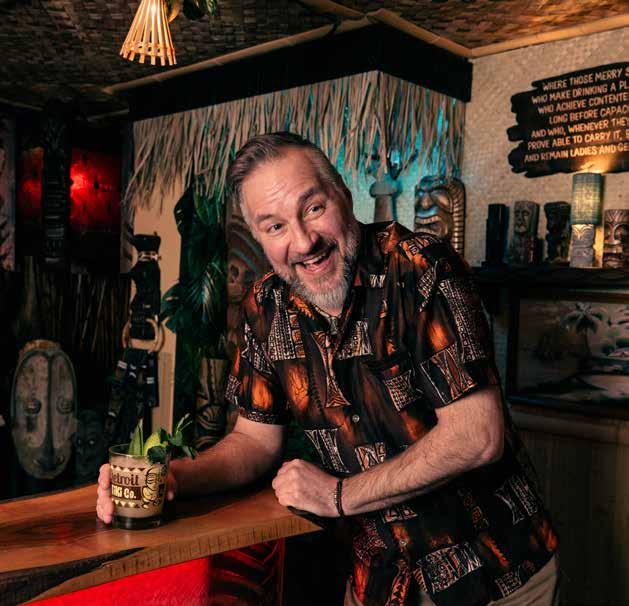
MEET THE LOCAL CRAFTSMAN FASHIONING HANDMADE TIKI ART COLLECTORS CAN’T GET ENOUGH OF
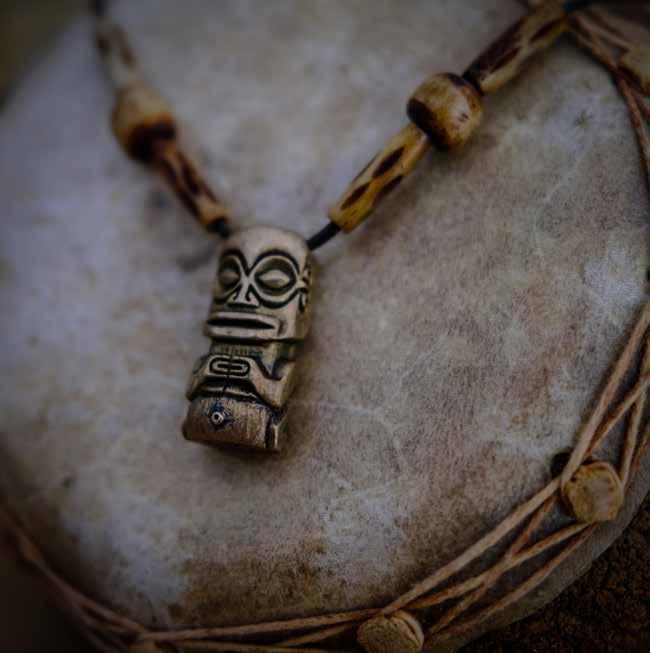
Somewhere in Eastern Market, there was a tiki Don Peterka was never meant to own.
He spotted it at an antique store maybe ten years ago. It was cement instead of carved wood, weathered to a green-gray patina from decades of shade and rain.
He loved it immediately—but someone had already bought it. So Don went home and scoured the internet, chasing expired auction listings and dead-end searches. He never found it again.
What he found instead was a forum where people taught each other to carve their own.
That's where Detroit Tiki Co. begins: with a specific, irreplaceable object that got away, and a man who turned that loss into the tiki world’s gain.
Don Peterka grew up in Livonia, close enough to Chin's Restaurant that those towering tiki statues out front made an impression. He was drawn to mid-century things too, like the open-air Wonderland Mall with its unusual fountains and architectural details. He describes himself as almost nostalgic for times he never lived through. “Maybe,” Don suggests, “when you surround yourself with those things from the past, you create your own fantasy island.”
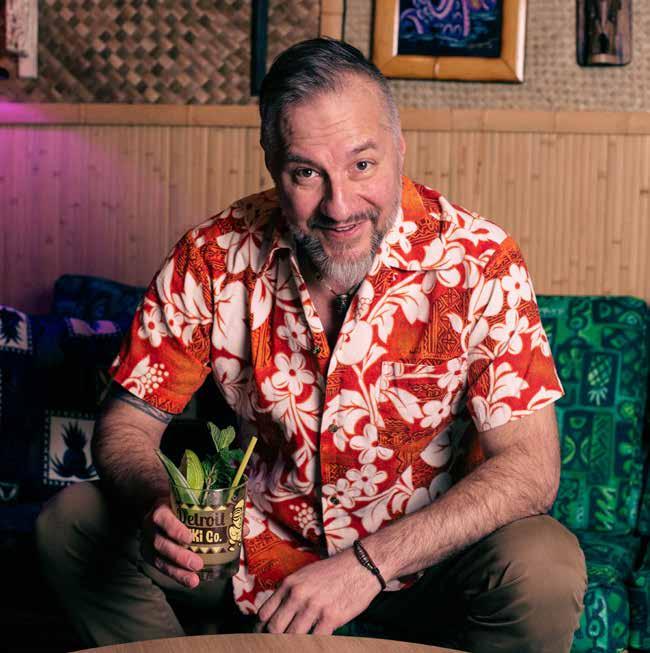
He became a graphic designer and cartoonist. But the tiki idea stayed filed somewhere in the back of his mind.
Then COVID shut everything down, his employer furloughed him… and suddenly he had the time.
He started small: little cement figures cast in his basement, and sold via a card table at the Royal Oak Flea Market. He sold enough to think it might work.
He went back. He got better. He developed a process: carving into wet cement, adding detail as it hardened, then casting molds so that each design could be
reproduced without being identical. Each piece is stained individually, each one slightly different.
The molding process, he says, is like making a soufflé: you don't know how it's going to come out until it's done, and by then it's too late to fix anything. So Don takes his time.
Tikiphiles, collectors, and basement-bar curators have given his work an overwhelmingly enthusiastic reception. Sven Kirsten, author of the tiki lover's bible The Book of Tiki , has praised his figures. Spike Marble, a
California-based tiki influencer with a substantial following, still features a tri-figure lamp of Don’s in his weekly videos.
When Don posted his latest creation, a shrunken-head tiki torch, before a Chicago show, it drew a thousand likes and a flood of I need one comments. "I'm almost like, this is surreal," he says. "When you're surrounded by your art, you kind of get blind to it. And then something like that happens."
Don draws his inspiration from the Marquesas Islands — French Polynesia — where the aesthetic runs more primitive and less ornamental than the tiki styles most people recognize. He won't make what the community calls a 'party tiki,' with the human nose, big teeth, and cigar. He wants his pieces to look like you'd stumble onto them in a jungle, or find them in a yard where they'd been sitting since 1962.
After all, that moss on the Eastern Market tiki wasn't just decay. It was proof.
That spirit of authenticity is in everything Don creates.
His wife Betty, a trained jeweler who also makes tiki-inspired pieces for the line, handles the shipping operation at home and the sales floor at shows. Don credits Betty with keeping him from going off-script with customers. "I'm the worst self-promoter,” Don admits. “I'm just not that kind of guy. So I just let the work promote for me."
But he eloquently explains the couple’s guiding business philosophy: "I know how I want to be treated."
Detroit tiki culture, he'll tell you, has a complicated history. The city once had some of the Midwest's finest Polynesian bars, like the Mauna Loa, the Chin Tiki, and Club Bali. One by one, they shuttered, their contents scattered to estate sales and attics. Both of Detroit's remaining tiki bars, Lost River and Mutiny, have recently closed as well.
What survived has gone underground, literally, into the basement bars of devoted collectors. Don's work lives in many of those basements. (Not to mention a tiki bar in Boston, a collector's shelf in Chicago… It’s known nationally and internationally.)
Why basements? Real tiki bars, Don tells me, have no windows. The drinks, the bird sounds on a loop, the tapa cloth on the walls — it only works as a complete world. Daylight breaks the spell. "You don't want any outside," he says. "This is the tiki environment."
He still holds his day job: graphic design, where other people tell him when the work’s finished, and he saves his own version just to have it. At 59, he's candid that if that job disappeared, he wouldn't go looking for another one. With his queue of customers, he wouldn’t have to.
"I always thought I'd do this when I retired," he says. He pauses. "I just didn't wait that long."
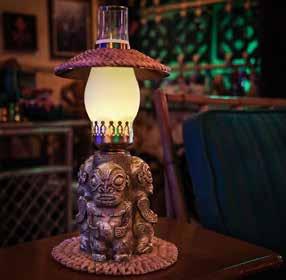
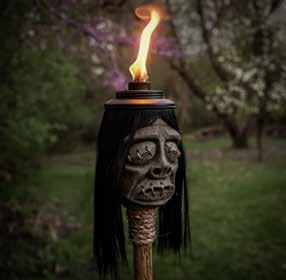
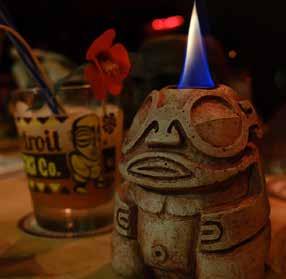
I ask Don what he wants someone to feel when they put up a piece of his in their basement, in their backyard. Don pauses, and then says, “I want them to feel the same way as when they first saw them. Every time they look at them.”
That’s the standard. Make something that people hold onto. Something that earns its moss.
You’ll find Detroit Tiki Co. (detroittikico.com) at area tiki shows and markets throughout the year.
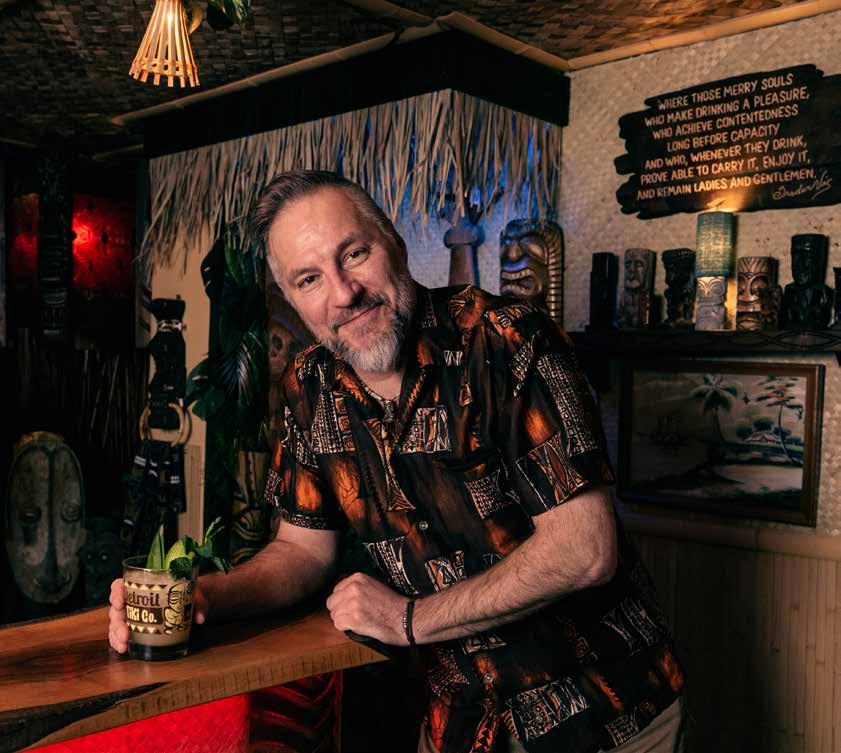








ARTICLE BY MARSHALL ZWEIG | PHOTOGRAPHY BY AMY GILLESPIE
Ted Conrad’s FireBoard turns weekend cooking into a precision system backyard grillers everywhere rely on
Somewhere between the hardware store and the soccer field your kid is playing on, a brisket is sitting in a smoker. It cost a hundred dollars, and it's been on since early morning. The cook has no idea how it's doing.
That specific, domestic, slightly anxious problem is what FireBoard was designed to solve.
Ted Conrad spent fourteen years in the investment world before he ever thought about thermometers. His work was building automated trading systems, the kind of software architecture that had to be accurate down to the millisecond. Time series databases. Servers deployed at stock exchanges. These were systems that could not afford to guess.
Then a neighbor got him a deal on a Traeger, the popular pellet grill, and Ted learned to smoke meat. Almost immediately, he noticed something missing.
"Why can't I monitor this remotely?" he says. "Everybody's busy on the weekends. You're cooking something, you're going to a kid's sports game, you're going to the store. You should be able to track what you're cooking right there on your phone."
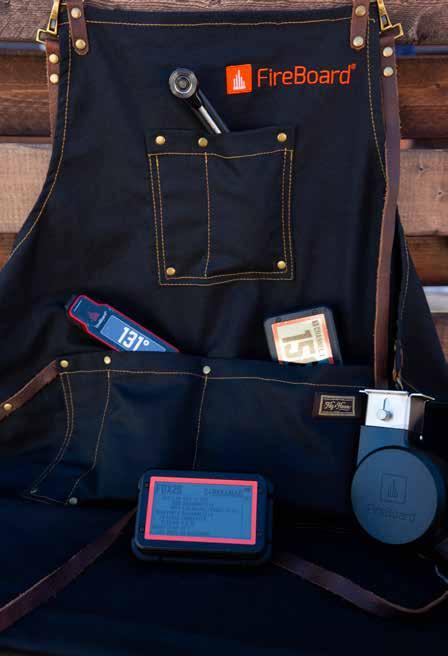
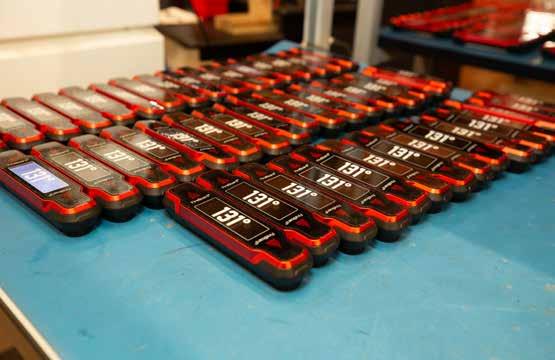
In 2014, nothing simple existed. The cloud-connected options that were out there required, as Ted puts it, almost a network engineer to figure out. So he started inventing. He and co-founder Steven Briggeman launched FireBoard out of Kansas City in 2016. It’s a smart thermometer that connects via Wi-Fi or Bluetooth, monitors up to six probes at once, logs every cook to the cloud, and lets you check in from anywhere. Take it out of the box, connect, and you're up and running in two or three minutes.
What Ted was really building, though, wasn't just a remote thermometer. It was a chain of trust.
"If we're going to tell somebody your chicken's at 160, 162," he says, "how do you believe that the actual reading you're getting is accurate?"
Ted’s engineered remarkable accuracy. Every FireBoard unit goes through a methodical process of testing, calibrating, and rechecking before it ships. Several products include calibration certificates, and the chain of verification behind those certificates traces all the way back to NIST, the federal agency where 50 degrees is, by definition, actually 50 degrees.
"There's a whole chain of trust," Ted says. "Every unit’s calibration can be traced back to NIST standards, including our test equipment, which has been sent off and calibrated. So we have the ability to tell the customer: your device is NIST calibrated."
This is what Ted carried from the investment world into the kitchen. In finance, you build systems that have to be not probably correct, not mostly correct, but provably correct. The discipline of verification, the refusal to approximate, translated directly into hardware. What changed was the stakes. Instead of a derivatives portfolio, it's a brisket.
But to the person standing over that smoker, the stakes feel just as real.
In 2019, FireBoard brought their circuit board assembly in-house, setting up a full manufacturing line in their Kansas City facility in under three months. It was partly a supply chain decision; their outside contractor kept slipping deadlines, and FireBoard was about to run out of product. But it became something more.
"We kind of like getting our hands dirty," Ted says.
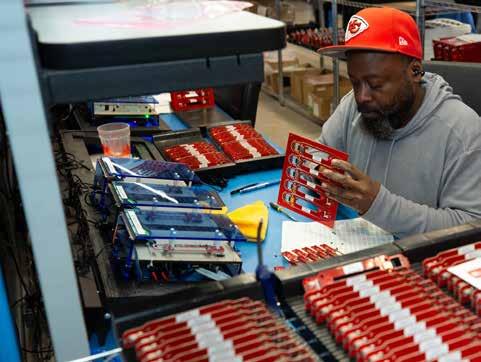
For a company whose product is invisible—cloud infrastructure, firmware, wireless signals—that instinct toward the physical is telling. FireBoard designs the hardware, writes the software, assembles the boards, handles customer service, and ships from the same building. Ted calls it being vertically integrated. What it actually means is that when something is wrong, there's nowhere to point but inward.
The customers seem to feel this. People on his customer service team consistently remark how unusual their job is… because callers tend to be happy.
"People will call and be like, Ted, I love your product. I need to figure this one thing out, but I love your product." He still answers phones occasionally; who wouldn’t when calls like that are coming in? He also texts back and forth with customers, regularly sending feature ideas.
The product has expanded considerably since that first model. It's a full ecosystem now, including the Pulse, a recently launched dual-band wireless probe that solved the connectivity problems common to wireless thermometers by embedding two radio frequencies in one stainless steel tube.
FireBoard's products range from backyard smokers to restaurant cold storage monitoring. But the customers who find Ted most tend to be people like him: people who love technology, love cooking, and find satisfaction in the overlap.
Ted runs. He gets outside. And he smokes meat. So he keeps his phone in his pocket on weekends, and checks on cooks from wherever he happens to be.
"If our products can help solve a simple problem," he says, "make somebody's life just a little bit easier — that's what I'm trying to do."
So enjoy your kid’s soccer game. Engage in a little small talk at the hardware store. Because you can trust FireBoard.
Ted Conrad’s made sure of that.
For more on how FireBoard can take your barbecuing into the future, visit fireboard.com




The system says innocent until proven guilty. David Rudoi never lets it forget that.
ARTICLE BY MARSHALL ZWEIG | PHOTOGRAPHY BY AMY GILLESPIE
Most days, when the work's finally done, David Rudoi puts on his headphones, steps out onto the streets of downtown Royal Oak, and walks home. It's just him, the city, and whatever hip-hop he needs that evening to decompress.
It sounds simple enough. Until you understand what he's been carrying all day.
David is a criminal defense attorney. In fifteen years of practice, he's tried more cases than most attorneys handle in a career. He's even argued before the Michigan Supreme Court, multiple times — and won.
So even though he loves Royal Oak, the walking isn't really about the city. It's about the weight.
"These people are putting their lives in my hands," he says. "And often at the hardest moment they've ever experienced."
David grew up a skater, part of a crowd that had regular run-ins with a system that didn't seem particularly interested in fairness. He watched friends get, as he puts it, "totally screwed." The seed was planted early.
Then, during an internship while at law school at Michigan State, a conversation with a prosecutor settled something in him for good.
"I asked them: if I come work for your office, can I choose not to prosecute cases I don't think should be crimes? They said no. You prosecute what we tell you." He shakes his head. "I couldn't in good conscience do that."
I ask David if his job's about "getting someone off." He says that's rarely the story. The majority of his cases end in plea reductions: negotiated outcomes, where the goal is that someone comes out the other side with their life still intact.
"My job is to help people," he says. "A lot of times people make bad decisions. That doesn't make them bad people."
So David counsels them. He connects his clients to twelve-step programs, to mental health resources, to the treatment that should have come before the charge did. He explains, at length, exactly what's going to happen to them - because, as he's observed, "once they really understand how it's going to work," he says, "that often lessens their stress level fifty percent."
“A lot of times people make bad decisions. That doesn’t make them bad people. But without lawyers, the government can just roll over you. My job is to help people, people who are putting their lives in my hands. And often at the hardest moment they’ve ever experienced.” “
He also pushes hard on legal mechanics. He holds a specific view of what a defense attorney is actually for.
"There's a constitutional mandate that you're entitled to effective representation," he says. "Without lawyers, the government can just roll over you."
He's not being dramatic. He's being realistic.
The way David sees it, the system often sets people up to fail twice. The first time is the charge itself. The second is what happens after.
"If somebody ends up with a felony on their record," he explains, "they get out, they can't get a job, they can't get a house. What are you left with? You're left with reoffending."
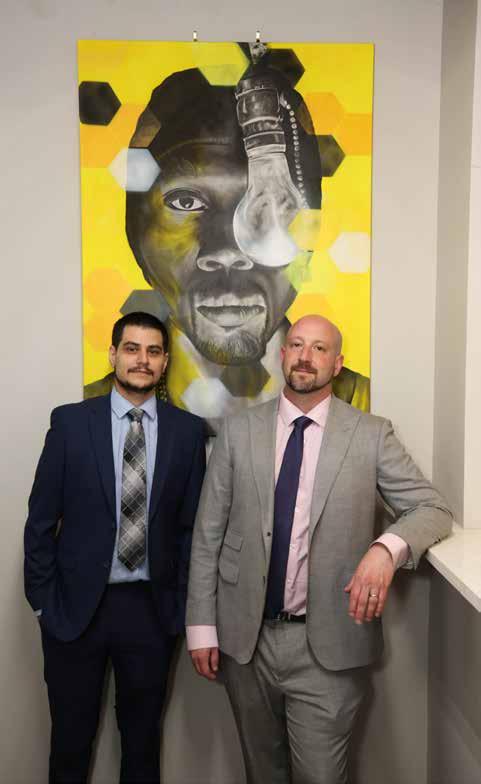
That's why he fights for outcomes that leave people with a future. And why, when courts read the law in ways he believes were never intended, he appeals.
Most people who walk into David's office don't know the language, the sequence, or the stakes of what is happening to them. They've heard stories. They've Googled (too much). They've imagined the worst.
So he starts by making the unknown knowable.
"They don't understand how this process works," he says. "Once they really understand what's going on, how it's going to all work, and know that they got the right guy to look out for their interests, that really often calms them down quite a bit."
Fear grows in the dark. By making explanation part of the defense, David's demonstrating his understanding not just of law, but of the human psyche.
In talking clients through the road ahead, he helps them see where accountability can exist without personal destruction. And when the legal part's over, David has the harder conversations too: what needs to change, what support they need, how to make sure this doesn't become the beginning of a pattern.
"One really important thing is teaching them how to comply with the law," he says. "Helping people find the resources they need to deal with their personal demons, so they don't end up back here."
To hedge against blind spots, he keeps two attorneys on every file. He fine-tooth-combs everything: he is, by his own description, the most prepared person in every courtroom he walks into. "Does that mean working eighty hours a week and missing time with my kids sometimes? Yes," he admits. "But people's lives are in my hands."
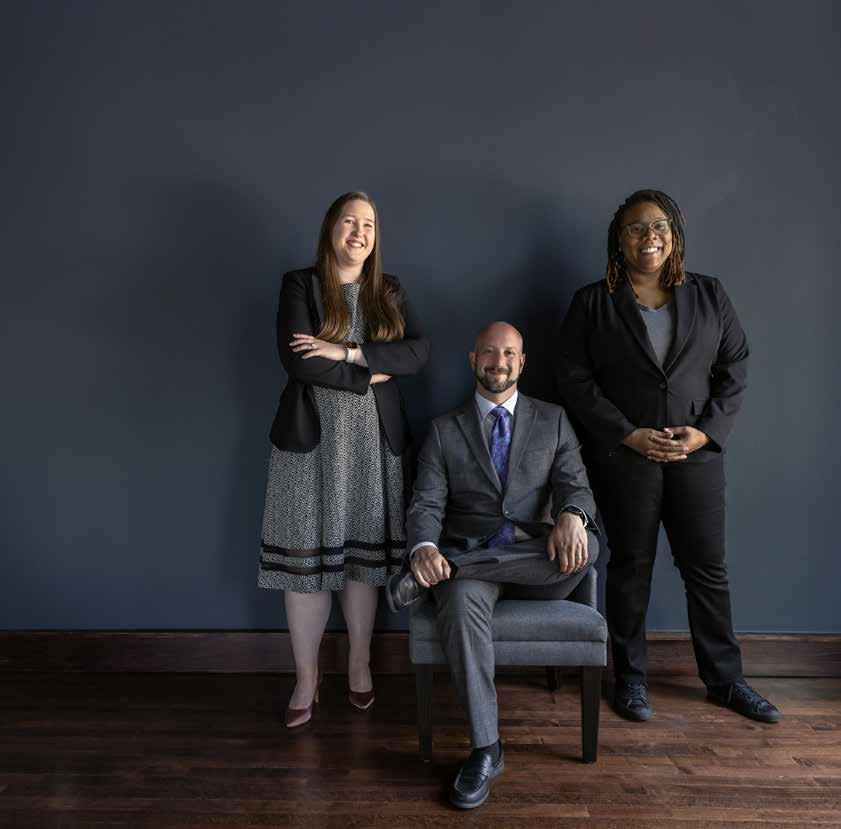
There's the weight again. But the responsibility is clearly part of who he is. Maybe that's why, when I ask him what gives him hope, he pauses, and then grins. "Criminal defense attorneys like me," he says. It gives me hope too.
Before he and his clients part ways when the paperwork is done, the verdict is in, the case is closed David always has one last thing he tells them.
"I hope you never have to call me again," he says. "Except maybe to invite me to your wedding."
He has a pretty good record with that too.
So if that day ever comes for you when the machine's already in motion and you need someone to step in front of it David Rudoi is ready.
Rudoi Law is on Main Street in Royal Oak. Call (248) 914-9387 or visit rudoilaw.com
ARTICLE BY MARSHALL ZWEIG | PHOTOGRAPHY BY AMY GILLESPIE
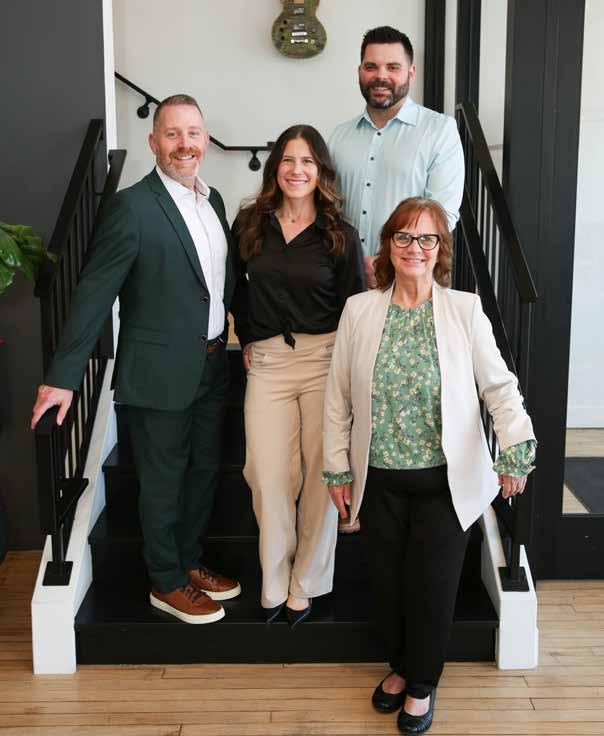
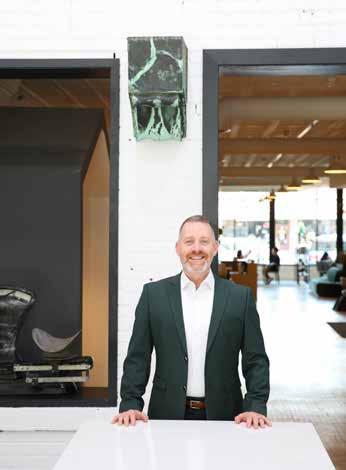
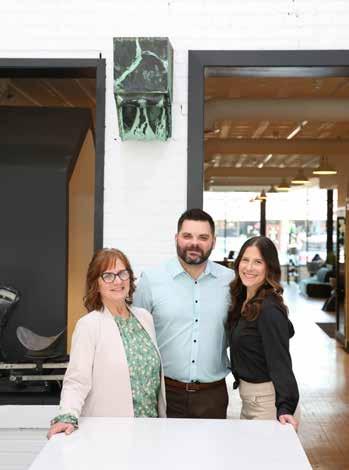
Todd McKay grew up in Warren, in a modest house, with a single mother who worked seven days a week to make it happen for her family. He always had a plan to make something of himself. At 22, that plan looked like moving to Santa Barbara and becoming an actor. It didn't go that way. But what happened instead turned out to matter more.
A friend suggested that banking would give him the flexibility to audition while building something stable. So Todd started at a Bank of America branch, opening checking accounts — where he quickly realized he was more interested in the business owners sitting across from him than in any script he'd ever read.
"I developed this relationship style," he says. "Referrals would come from people that I knew."
He started asking open-ended questions. He invented a class: How To Start Your Own Business, featuring a banker, an accountant, and a city representative. And he grew the business checking portfolio through the relationships it created. Small and charming
Santa Barbara turned out to be the right place to learn that a business built on trust could sustain itself on word of mouth alone.
He moved to New York, then back to Michigan, working in merchant services, growing a portfolio of clients and a reputation for doing the right thing. In 2015, he started TM Services Inc. And after completing Goldman Sachs 10,000 Small Businesses program, Todd had a clearer vision of what TM Services could become.
The merchant services industry has a standard playbook: sign the client, collect the commission, move on. Lock them into a contract. Increase rates quietly, year over year. Let customer service handle the calls.
Todd runs TM Services Inc. the exact opposite way: his phone number is on every piece of his marketing. When a client calls, he picks up. When there's a problem, he calls the customer service line for them. He waits on hold for them.
"I put my face out there. I put my name out there. I want there to be a person associated to the relationship,” Todd explains.
A CLIENT LEFT FOR ANOTHER PROVIDER THAT PROMISED MORE. A FEW MONTHS LATER, THEY CAME BACK. “I WAS HUMBLED,” HE SAYS. “THE INTENTION TO DO THE RIGHT THING PREVAILED.”
He currently serves a wide range of businesses in the Detroit Metro area, including large multi-location deployments where he builds out both the hardware and the training infrastructure around it.
And there are no contracts. You can leave at any time.
To Todd, a client going with him is not something he takes for granted.
"If you're a business owner, and you've chosen me? That's an incredible honor. I consider that a privilege."
A client worked with Todd for a number of years, then left for another provider that promised more. Without hesitation, Todd helped them through the transition and kept picking up when they called.
A few months later, they came back.
"I was humbled," he says. "The intention to do the right thing prevailed."
For the first several years, Todd ran TM Services Inc. alone. Then he hired three people. And not just any three people.
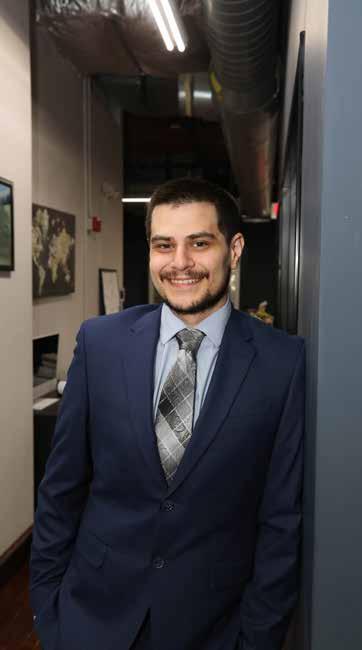
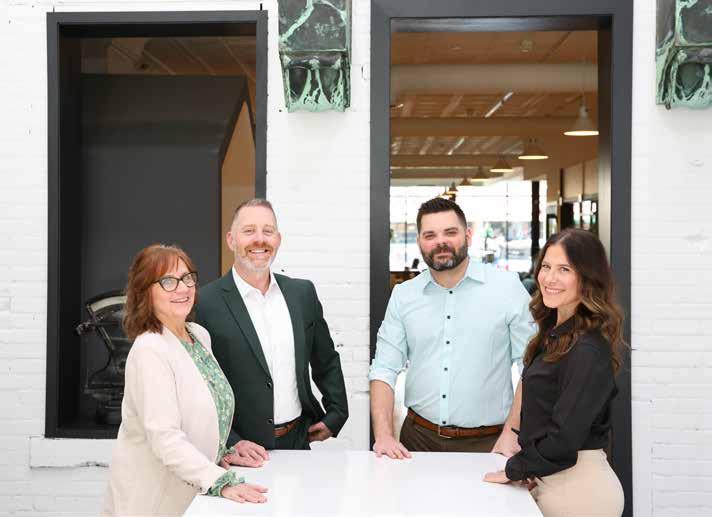
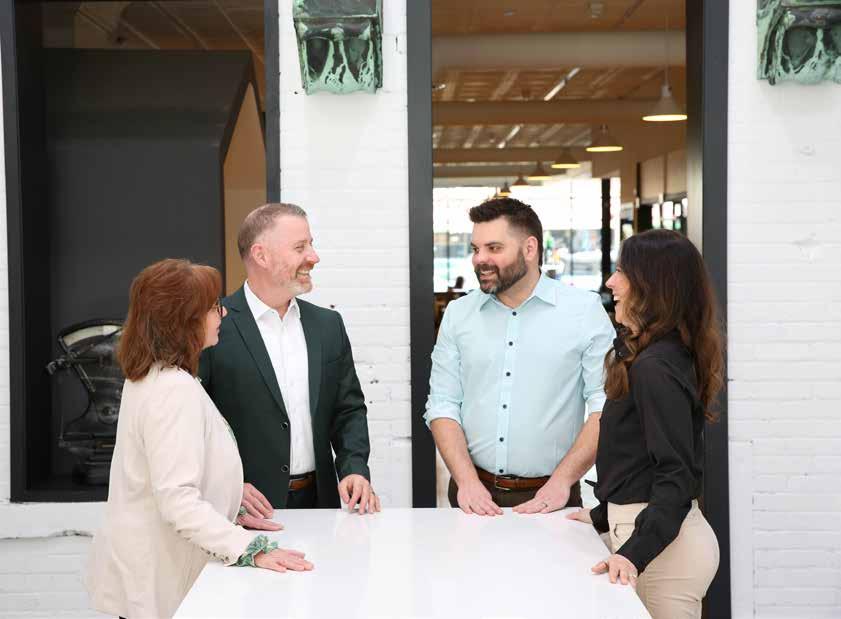
His sister, Jami Cannistraci, handles customer service: research, problem resolution, client communication. Sandra Hook, his mom, runs reporting, auditing client accounts line by line to make sure rates are accurate. Anthony Manino, his partner of 13 years, manages marketing.
Together they've taken something Todd built by himself and made it larger, more structured, and more sustainable.
"I could have hired anyone," he says. "Or I can have a beautiful life with my family. What's life about?"
He's quick to note it hasn't always been easy. Working with family creates issues that don’t usually exist in traditional work settings. For instance, his perfectionism — forged in a childhood of instability — served him well enough when he worked alone. With family in the office, it created a different problem: the pressure he put on himself to succeed turned into a tense work environment. His family started expressing frustration.
Hearing that was the turning point. "It was like a mirror," he says. "Like how I treated myself."
He learned to separate the role from the person. His mom doesn't need to understand why a particular line item exists; she needs the line item and the number. That's her job. It's enough.
Sandy, turning 70 this year, was able to leave her waitress jobs. Now she works from home and sets her own hours. Because Jami started working for TM Services Inc., she now has more time with her kids. Anthony gets to be creative about growing the company.
"They watched me from nothing," Todd says, and falls silent. The way some people tithe, Todd gives a portion of his income to his mother, the woman who worked seven days a week so he could have a plan. Their struggle became his north star.
"Creating the stability," he says, "that was always the anchor."
For someone building a business on relationships, his advice is short.
"Trust your instinct," he says. "Trust your gut."
It's the same instinct that took a kid from Warren all the way to Santa Barbara, into a bank, into a conversation with a business owner — and eventually into building a business of his own, on his own terms, with the help of the people he loves most.
For Todd McKay, that's not a side benefit of success. That's the answer to the question.
For more about TM Services Inc., visit tmservicesinc.com or call (248) 480-3545
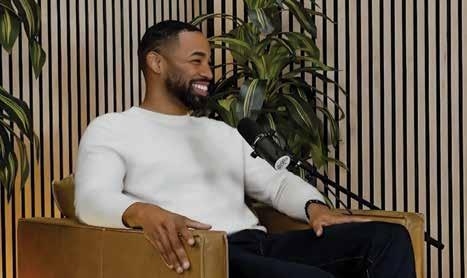
AN EXCERPT FROM EPISODE 6 OF SHARE THE LIFESTYLE, A CITY LIFESTYLE PODCAST
Photographer: Brittany Dawn Short
Creative Director: Jen Birn
Stylist: Stephanie Coultress O’Neill
Location: Hotel Saint Cecilia, Austin, TX
MIKE JOHNSON HAS BUILT HIS LIFE AROUND ONE QUIETLY RADICAL IDEA: THE STANDARD YOU SET PRIVATELY IS THE ONLY ONE THAT MATTERS.
After eight years in the Air Force, a celebrated run on national television, and a health crisis abroad that sent him deep into supply chains and ingredient certifications most founders never touch, the result is Oshun — a luxury ritual brand built on provenance you can trace and integrity you can verify. In an exclusive conversation for the Share the Lifestyle podcast, Mike shares what it actually takes to build something worth putting your name on. Read the highlights below, then scan the QR code for the full episode.
Q: YOU BECAME A FAN FAVORITE ON THE BACHELORETTE AND THEN LEFT THE SPOTLIGHT. YOU MOVED TO MEXICO, LEARNED SPANISH, THEN COSTA RICA, AND BUILT A COMPANY. WHAT DID THAT EXPERIENCE TEACH YOU ABOUT HUMAN BEHAVIOR?
A: “If you’re a good person going in, that shows. If you’re not, that shows too. I also learned that people form this parasocial relationship with you — they assume things about you. When all actuality, different circumstances bring out different parts of who you are. I was on TV trying to find love. The kindness people were showing after felt a bit fake, because they wanted to be a part of something that isn’t who I am individually, but a part of what they saw on TV. And so I had to get away from everybody and everything and the noise.”
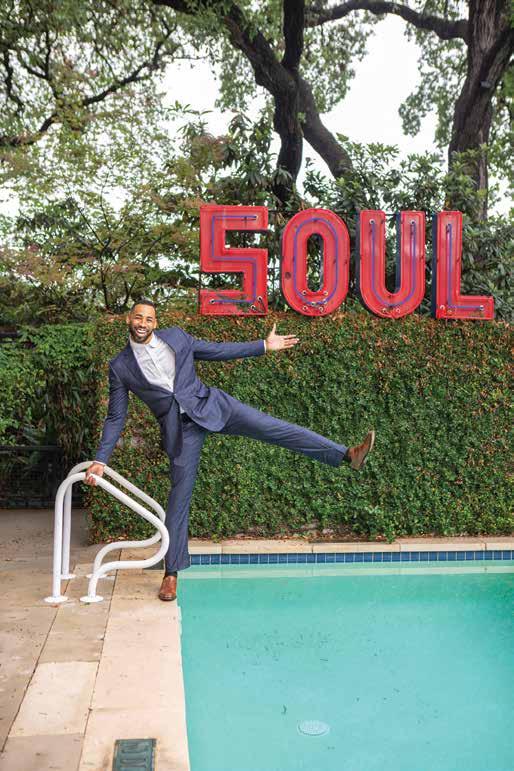
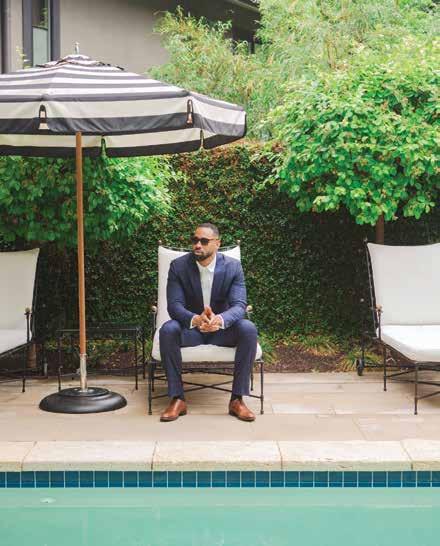
“Too many people have prayed for me. So I’ve got to get up and do the walking.”
— Mike Johnson

Q: YOU JOINED THE AIR FORCE RIGHT OUT OF COMMUNITY COLLEGE. WHAT WERE YOU ACTUALLY RUNNING TOWARD?
A: “There was something in me that was saying: I’m not living up to my full potential. I was being a follower. My uncle said, ‘What’s going to make you become an adult the fastest?’ I said, obviously, the military. The Air Force broadened my thought process more than anything. We’re so caught up in our own perception — when you learn to understand different people’s perspectives, it adds to you in so many ways.”
Q: WITH OSHUN, YOU OWN YOUR MANUFACTURING, YOU EMPLOY A CHEMIST, EVERY PRODUCT HAS A BATCH NUMBER TRACEABLE TO ITS ORIGIN DATE. WHY DID YOU DECIDE TO GO THAT DEEP WITH THE BRAND?
A: “The EU bans 1,100 ingredients in personal care products. The U.S. bans nine. That’s my starting point. Oftentimes, it might be the same ingredient, but it comes from a place where it doesn’t have the highest purity. And 60% of what we put on our skin is absorbed. Every product Oshun makes carries a batch number that goes back to the exact day it was created — I can show you every single supplier, the date, the origin. I own more than one part of the supply chain because that’s the only way I can stand behind what’s in the bottle.”
This conversation is just the beginning. Mike goes deeper into why he’s buying land up north, the family in the Philippines who prayed over his factory floor, and what he’d tell every person ready to stop performing and start building. Scan the QR code for the full, exclusive City Lifestyle interview on the Share the Lifestyle podcast.