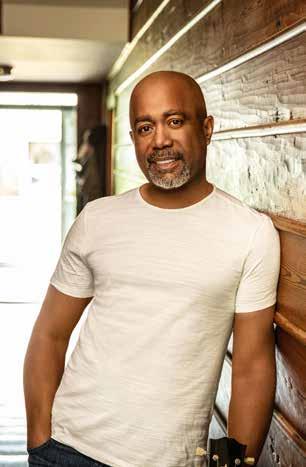
“Th e music is big ger than me.” -Dar ius Rucker

“Th e music is big ger than me.” -Dar ius Rucker
lying private has never been more accessible.
Eye In The Sky is an exclusive marketplace with a verified community of private jet owners, operators and flyers where members can seamlessly buy and sell seats or empty legs, all on a single integrated platform.
Whether you’re a frequent first-class flyer looking to enjoy all the benefits and convenience of private aviation without the full cost of chartering an entire aircraft, or a private jet owner, charter customer or private jet card holder wanting to offset costs by offering your available seats, this platform is your one-stop shop.
Eye In The Sky doesn’t take a percentage or commission from any connections made or flights/seats sold; just a $65 monthly subscription with unlimited ability to transact.
Eye In The Sky is redefining private aviation—giving you full access to private air travel without the archaic barriers.
Host and Flyer Accounts:

“Hosts” are the members who are posting existing flights hoping to fill empty legs or available seats. “Flyers” are the members who are looking to purchase a flight or seat on those posted flights.
Search Posted Flights:
Hosts can post and Flyers can search all empty legs or available seats on existing flights in one easily searchable place—1,500+ flights on the platform daily!
Direct Communication:
Hosts and Flyers can communicate directly within the platform about details of posted flights; arrange payment, negotiate dates, time, pets, etc.
Interests:
Can’t find the flight you’re looking for? You can post an “Interest,” creating a group chat within the platform to connect with others of similar searches and needs—letting the demand create the supply!
Eye In The Sky brings the private aviation industry to one searchable and easy-to-use place, making it possible to search, buy, sell and transact all in the palm of your hand.
Eye In The Sky is disrupting the industry by providing a greener, more accessible and more cost-effective flight path for all who use it. It’s time to embrace the ridesharing revolution of private aviation; 42% of private planes fly empty, Eye In The Sky aims to take that number to ZERO.
Eye In The Sky is not available to the public as it is by invitation only to continue to curate a dynamic and professional network. However, as a valued member of the Paradise Valley City Lifestyle community, you are invited to join this exclusive network and bypass the existing waitlist.
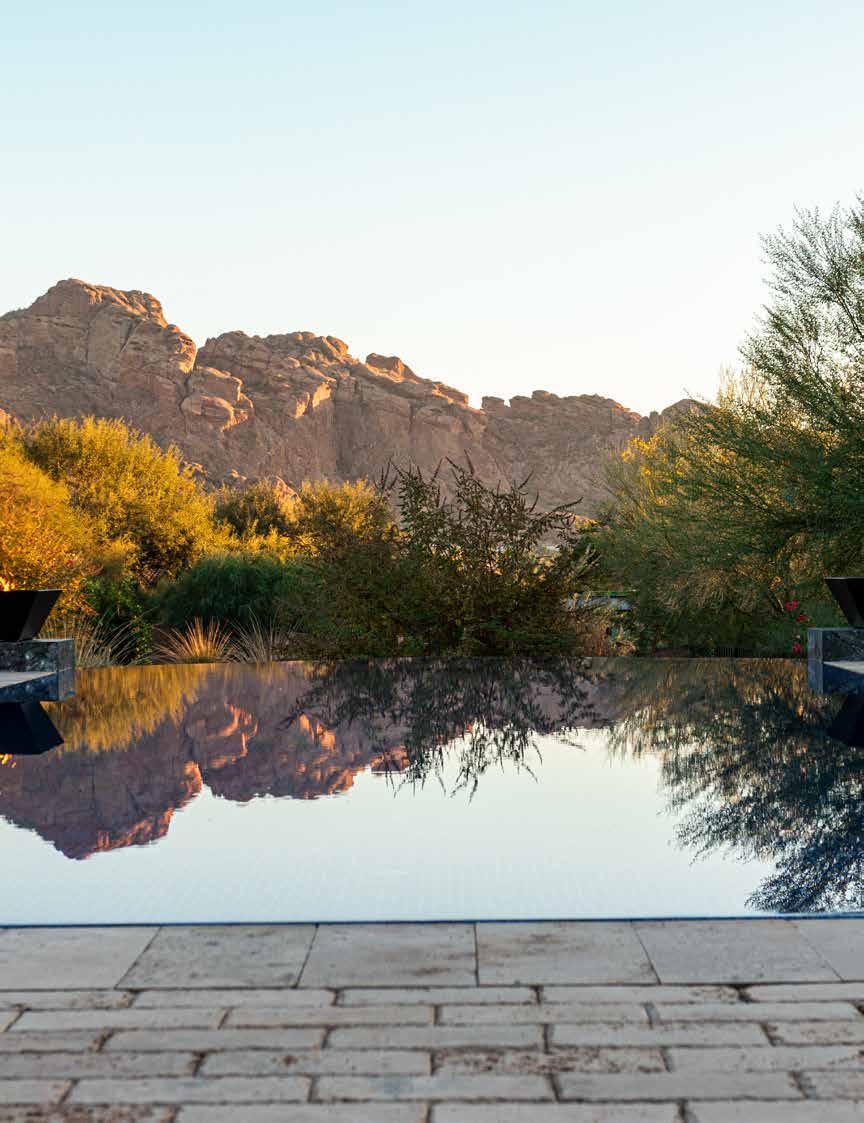
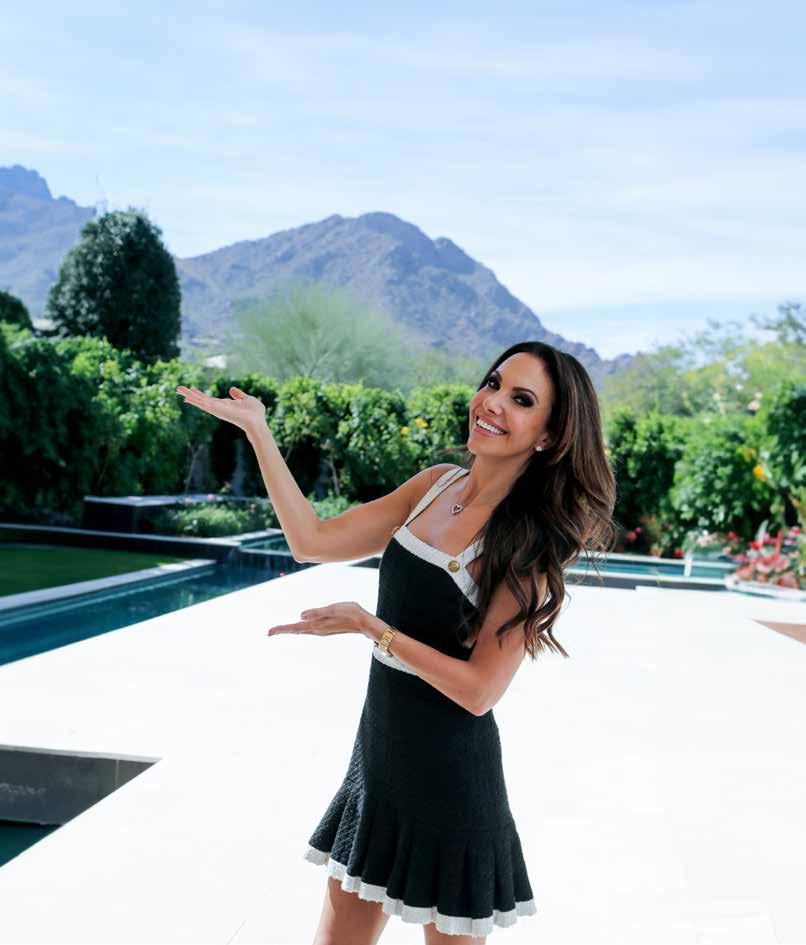
Designed for those who expect more from home, this Paradise Valley estate delivers a fully realized lifestyle. A lower level unlike anything else in Arizona introduces a private world of entertainment, complete with a go-kart track, shooting range, and theater.
Upstairs, the home shifts effortlessly into a more refined rhythm, where expansive living spaces, curated finishes, and natural light create a sense of balance. A mezzanine office, spa, and salon complete the experience, all set against the backdrop of Mummy Mountain.









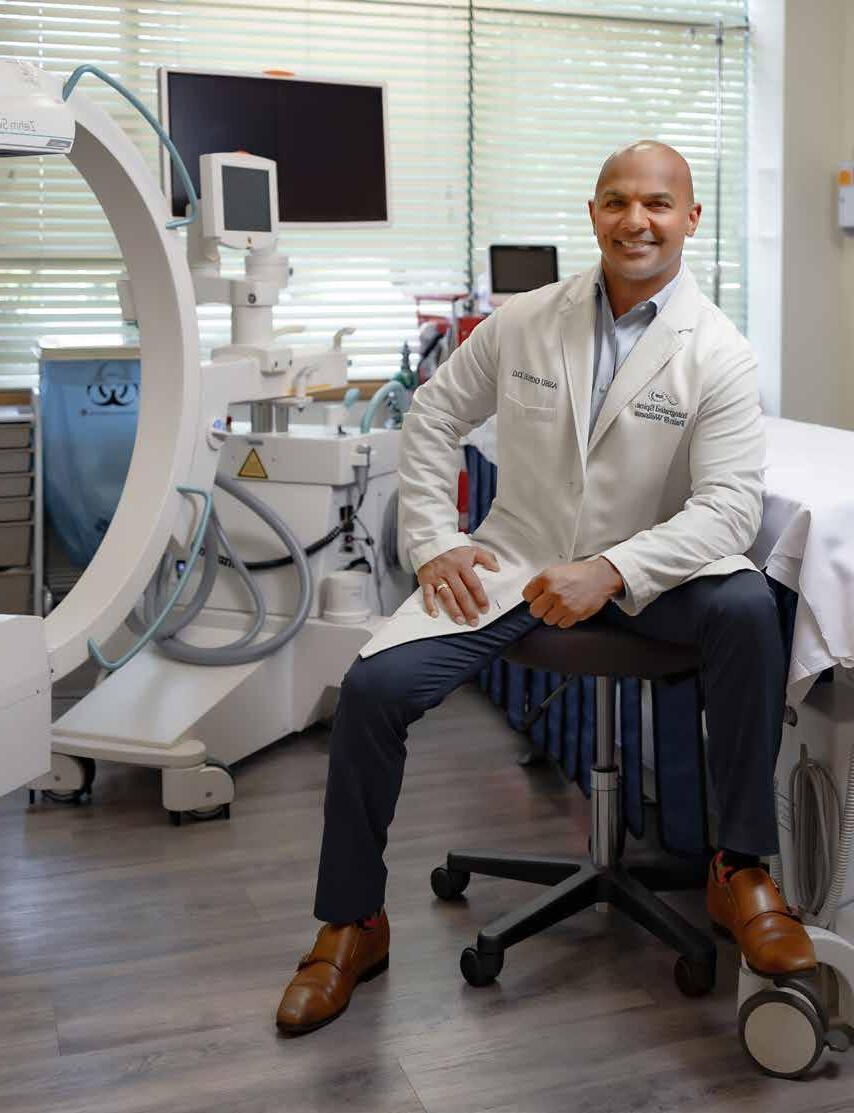
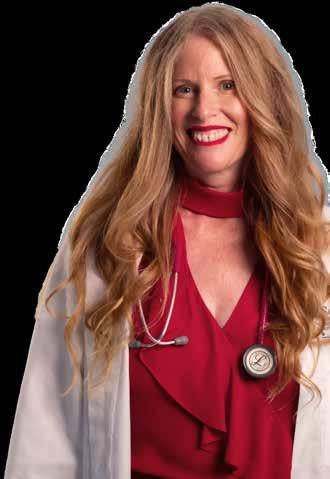
Professional athletes. Celebrities. Even the late Pope traveled to Germany to access it. Now it is here in Scottsdale. And Dr. Goyle is the only physician in Arizona certified to perform it.
The Regenokine® Program
No surgery. No long recovery. Concierge care.
If surgery is not the path you want, there may be another option.

Am I a Candidate?
Scan to see if you qualify. Call 480-660-8823 or visit ispwscottsdale.com to schedule your consultation.








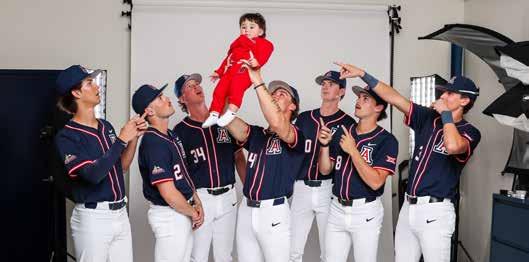
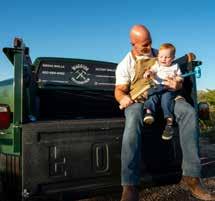
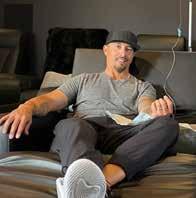
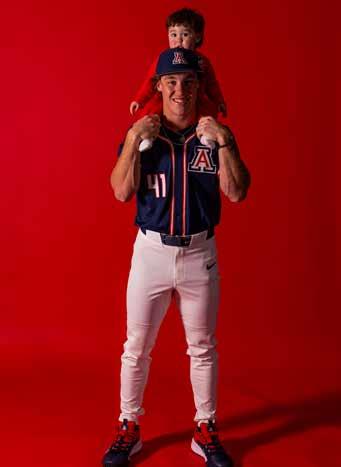
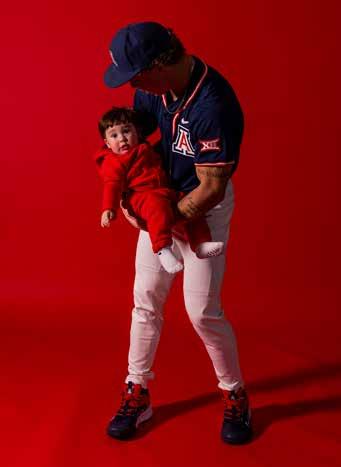
If you’ve been on Instagram lately, you’ve likely come across Chaz and his son, Baby G.
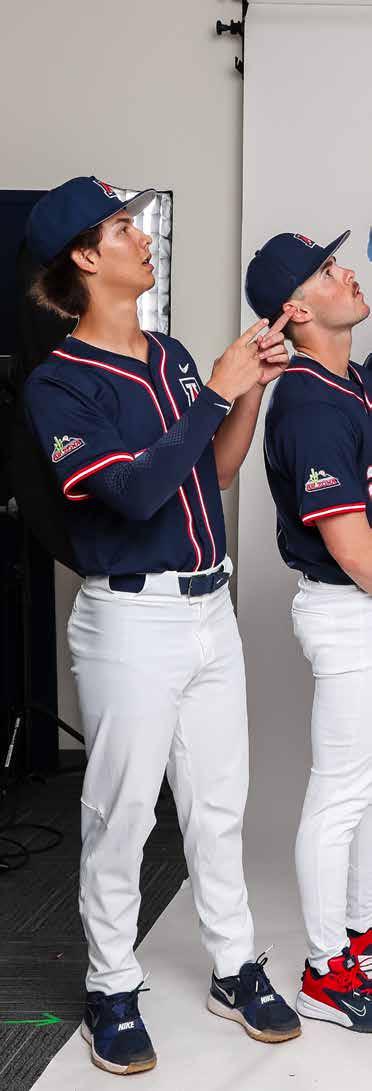
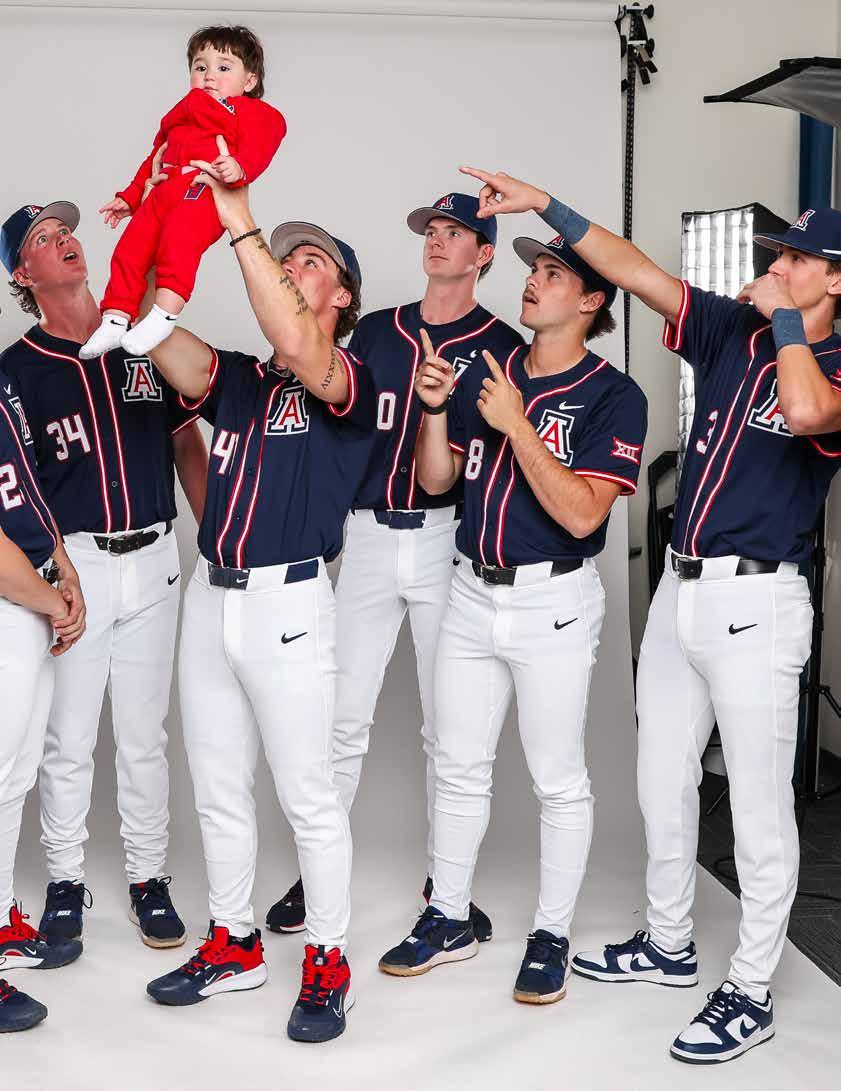
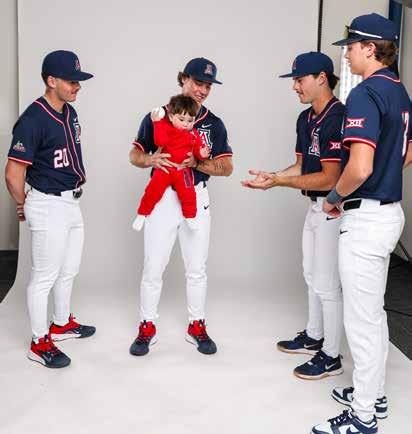
Chaz is a college baseball player at the University of Arizona, and what’s captured so many people isn’t just his story, it’s his team. A group of 20-something teammates who have embraced his son as their own. Showing up, supporting, stepping in without hesitation.
In this issue, we sit down with Chaz, and his story helped define a thread that runs throughout this Men’s Issue: it takes a village.

And as a mom of three boys, I can tell you, village is everything.
Especially the village of men who help shape our community... fathers, coaches, teachers, mentors, family, friends, and friends who’ve become family. Men who lead by example, who show up, and who quietly model what it means to be a good man.
You’ll see that theme woven throughout these pages.
From the Mastro family and their lasting legacy, to a local Arcadia team that took their bond beyond AZ and onto an international stage, to stories of men showing up in ways that matter, not perfectly, but consistently.
There’s also a personal note behind this month’s cover.
My oldest is really into music right now, always checking what concerts are coming to town. When he told me Darius Rucker was making his way to the Valley, I immediately thought of the soundtrack of so many of our car rides… from Hootie to Wagon Wheel, those road trip anthems that somehow become part of our family.
So I reached out.
Darius said yes.
And just like that, something that’s been part of our lives became part of this issue. At its core, this issue is about showing up. For your family. For your team. For your community.
And with Father’s Day this month, it feels especially important to recognize the dads who do exactly that. The ones who put in a full day, then head straight to the field to coach. The ones who lead with love, consistency, and quiet strength. And the ones who love and support unconditionally, a quiet shoutout to my husband.
To the men who make our village stronger, here's to you.
NADINE BUBECK, PUBLISHER @PARADISEVALLEYCITYLIFESTYLE
June 2026
PUBLISHER
Nadine Bubeck | nadine.bubeck@citylifestyle.com
ADMINISTRATIVE ASSISTANT
Kennedy Rettew | kennedy.rettew@citylifestyle.com
CONTRIBUTING WRITER
Jesse Greer, MD
CEO Steven Schowengerdt
President Matthew Perry
COO David Stetler
CRO Jamie Pentz
CoS Janeane Thompson
AD DESIGNER Zach Miller
LAYOUT DESIGNER Andi Foster
QUALITY CONTROL SPECIALIST Marina Campbell


Learn how to start your own publication at citylifestyle.com/franchise.


“Talk about a company that lives up to its name! Dream Closets’ client service is second to none. They offer thoughtful suggestions, work quickly to find solutions, & bring incredible creativity to every customization while still respecting budgets. Collaborating with Jen and Adam made the entire process seamless.”
-Jennifer Burgess, RETSY, on Project Homestead





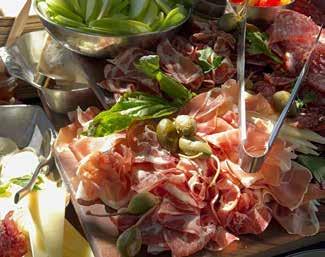




Jennifer’s Catering brings fresh energy to summer gatherings, celebrations, and gatherings of every size. Thoughtful menus, beautiful spreads, and food that deliciously disappears. From charcuterie and sliders to full tables and desserts worth savoring.

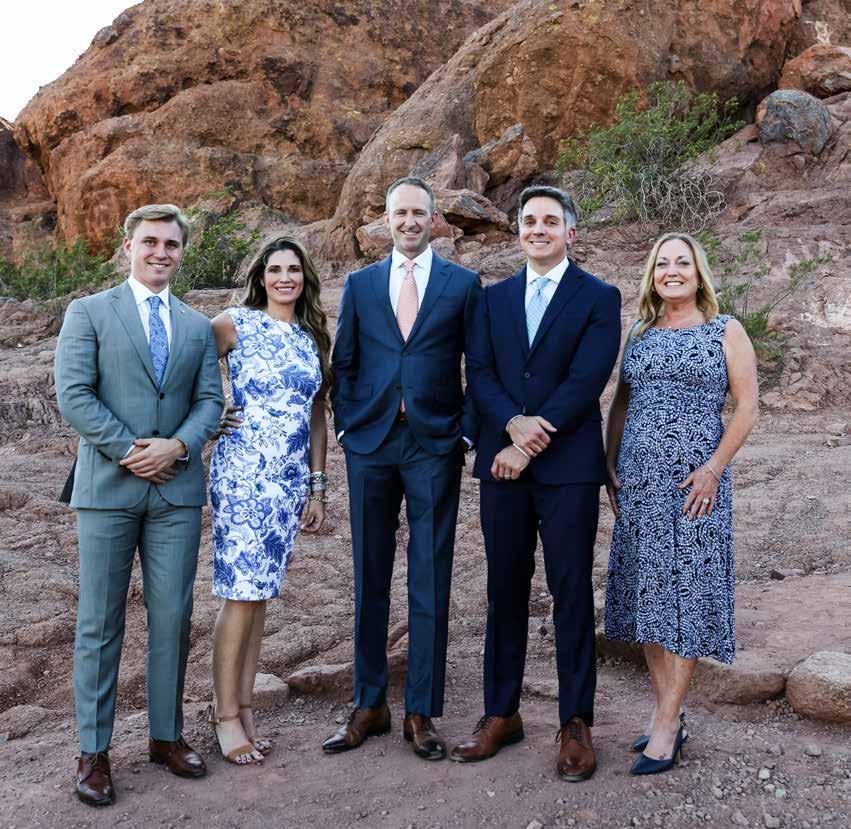

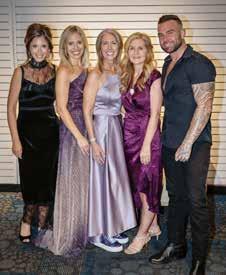


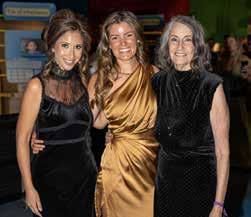
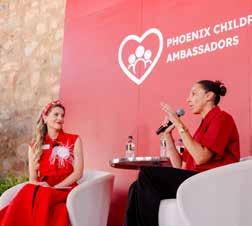
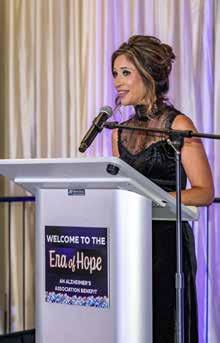

1: Alzheimer’s Association’s Era of Hope Gala, MC’d by PVCL’s Nadine Bubeck, with Jay Allen Music & the event chairs 2: PVCL in full support at the Era of Hope Gala benefiting the Alzheimer’s Association 3: PVCL’s Nadine Bubeck was honored to emcee the Era of Hope Gala in honor of her late aunt 4: PVCL’s Nadine Bubeck with influencer Adrianne Lentine and her mom, navigating Alzheimer’s- Era of Hope Gala (IG @adriannelentine) 5: Phoenix Children’s Ambassadors debut Lunch & Learn. Lisa Graziosi & Brittany Messmer, Founding Co-Chairs (Silverleaf Club) 6: Phoenix Children’s Ambassadors Lunch & Learn featured speaker, Diana Taurasi (Silverleaf Club) 7: Phoenix Children’s Ambassadors Spring Kickoff, an invite-only founding gathering in support of Phoenix Children’s Foundation





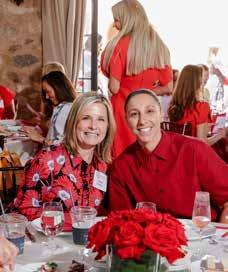
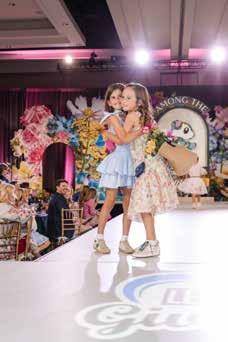


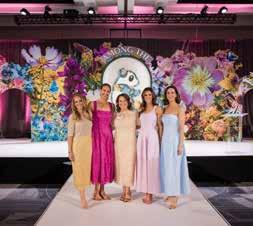
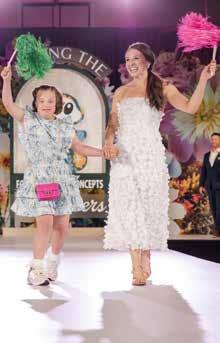

8: An afternoon at Silverleaf Club for the Phoenix Children’s Ambassadors Lunch & Learn, featuring Diana Taurasi 9: Phoenix Children’s Ambassadors founding board at the Phoenix Children’s Ambassadors Spring Kickoff, Silverleaf Club 10, 12, 14: PANDA Fashion Show styled by Garage Boutique & Concept Store, Arizona Biltmore 11: Letitia Frye leading the live auction at the 2026 PANDA Fashion Show & Luncheon, Arizona Biltmore 13: 2026 PANDA Chairs at the PANDA Fashion Show & Luncheon themed Among the Wildflowers
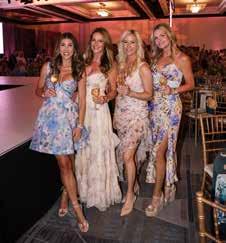
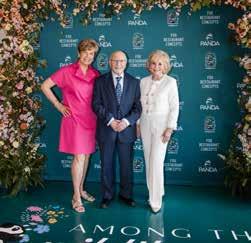
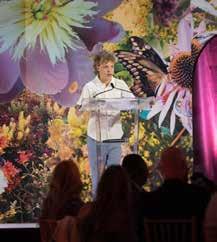
15: Ashlyn Rowe, founder of House of Savoir, with friends at the PANDA Fashion Show & Luncheon 16: PANDA founders Peggy Gunning & Robyn DeBell with Dr. Fayez K. Ghishan, Steele Children’s Research Center, at the PANDA Fashion Show 17: Cade Cosmas sharing a tribute to his late sister, Taylor, honored at the PANDA Fashion Show & Luncheon



At DC Ranch Village, we’ve reimagined what a luxury health club can be. Our newly enhanced recovery and relaxation spaces are crafted to help you reset, rejuvenate, and feel your absolute best.
What’s New & Ready for You
• Infrared Sauna
• Relaxation Room with Meditation Goggles
• Jacuzzi with Multiple Jet Heights
• Cold Plunge
• Steam Room
Wellness Recovery is waiting for you!
DC RANCH VILLAGE
18501 N. Thompson Peak Pkwy Scottsdale, AZ 85255
480.502.8844 - villageclubs.com















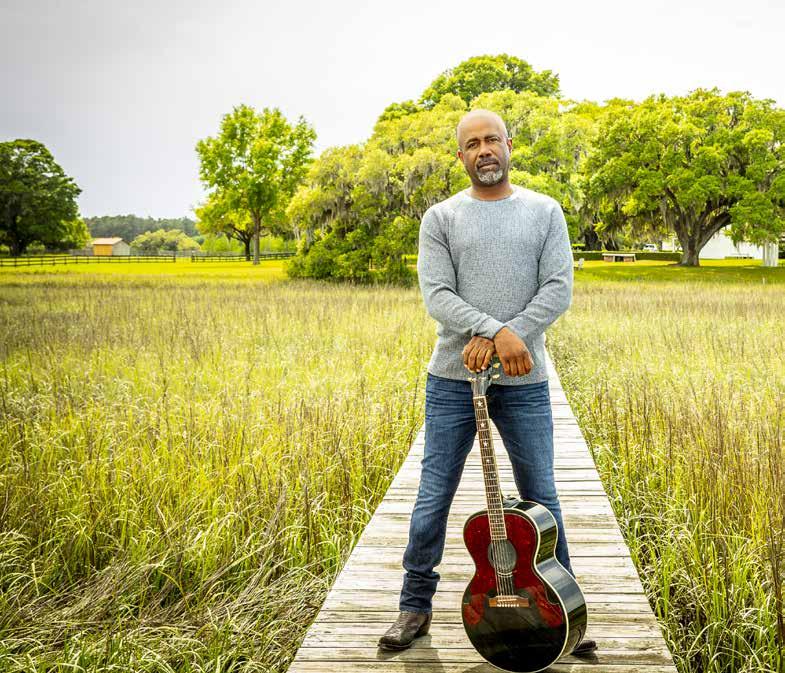
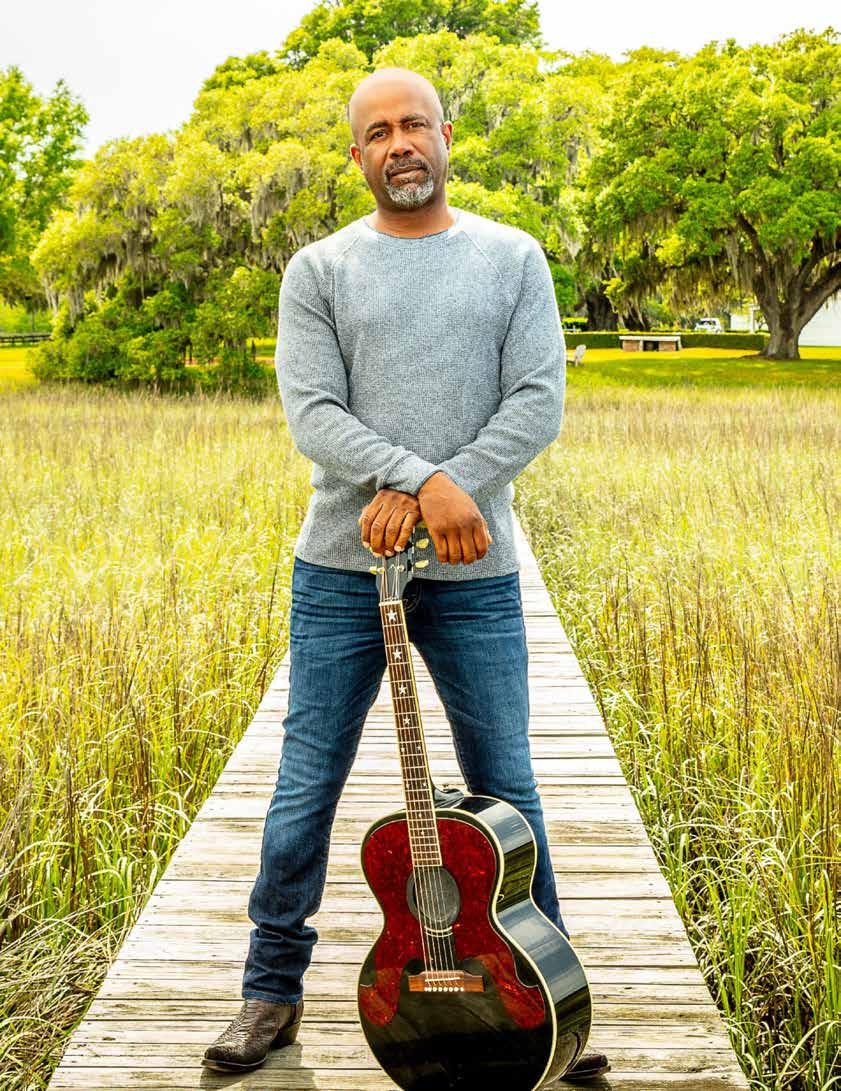
AN EXCLUSIVE ONE-ON-ONE WITH DARIUS RUCKER AHEAD OF HIS SONGS OF SUMMER TOUR STOP IN PHOENIX
ARTICLE BY NADINE BUBECK | PHOTOGRAPHY BY JIM WRIGHT

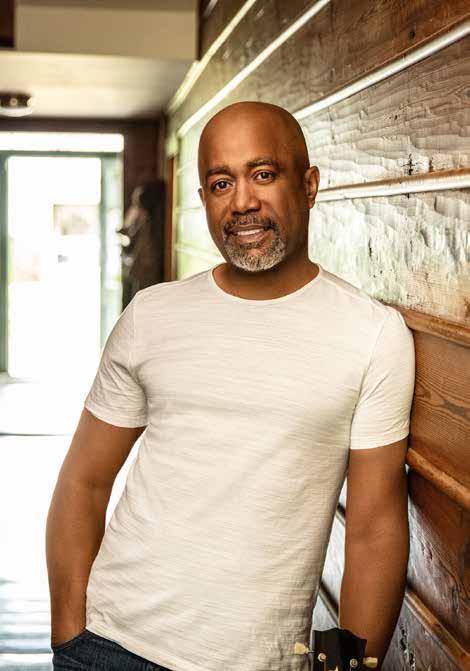
From Hootie & the Blowfish to a chart-topping solo career, from “Hold My Hand” to “Wagon Wheel,” Darius Rucker has built a catalog that doesn’t just span genres, it spans generations.
CONTINUED >
“When you start hearing the crowd sing louder than the band, you realize it’s something very special.”
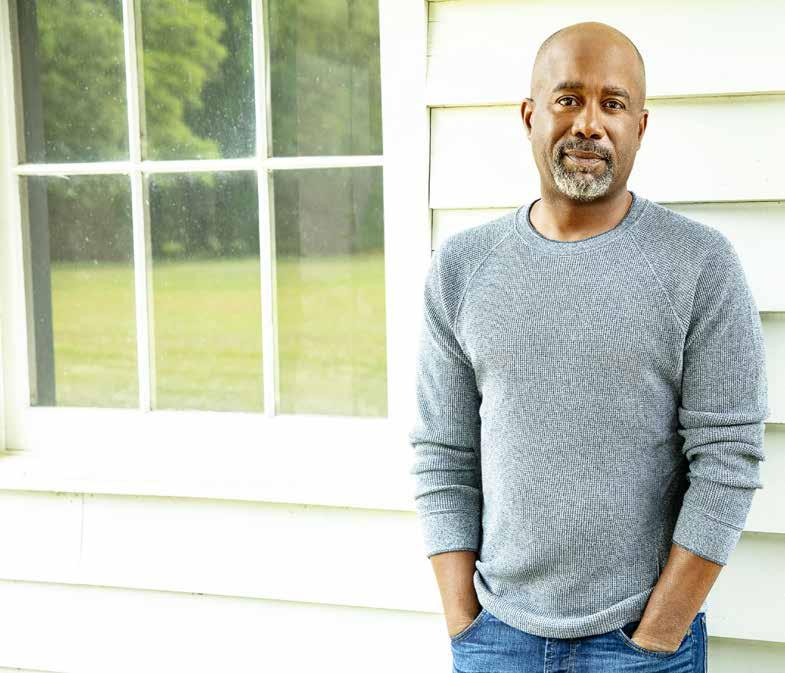
He’s our June Men’s Issue cover because of that rare staying power. Not just the hits, but the way they’ve lived on. His career has never been about chasing trends, it’s about staying authentic to who he is, evolving without losing what made people connect to him in the first place. Decades in, that authenticity still shows up every time he steps on stage.
And in July, he brings that same energy to Arizona Financial Theatre in Phoenix for his Songs of Summer Tour. If you’ve ever been to a Darius Rucker show, you already know, it’s not about watching him perform. It’s about being part of it. A full room, every word sung back, moments that still land.
We caught up with Darius in the middle of it all, and what stands out isn’t just the longevity... It’s the way he still talks about what’s ahead.
YOU’VE SPENT DECADES PERFORMING AROUND THE WORLD. AFTER ALL THESE YEARS, WHAT STILL EXCITES YOU ABOUT STEPPING ON STAGE?
Honestly, it’s still the connection. Every crowd is different, every room has its own energy, and you never know exactly how a night is going to unfold. That anticipation before every show and then that moment when you can feel the audience is right there with you, the feeling never gets old.
WHEN YOU LOOK BACK ON YOUR CAREER SO FAR, IS THERE ONE MOMENT THAT STILL FEELS SURREAL?
There have been a lot of them, but the one that always pops into my head is David Letterman asking Hootie & the Blowfish to perform on his show. That changed our lives overnight.
YOUR SONGS FEEL DEEPLY PERSONAL, YET UNIVERSALLY UNDERSTOOD. WHERE DO YOUR BEST SONGWRITING IDEAS COME FROM?
Most of the time it’s just life. Something somebody says in passing, a memory from growing up, something you’re going
through right now. The best songs usually come from something real and finding the way to say it so that other people see themselves in it too.
EVERY ARTIST HAS A SONG THAT CHANGES EVERYTHING. WHEN DID YOU FIRST REALIZE ONE OF YOURS WAS BECOMING BIGGER THAN YOU IMAGINED?
“Hold My Hand” was our debut single and probably the first time I felt that. When you start hearing the crowd sing it louder than the band, you realize something special is happening.


“There’s always another song to write, another crowd to play for, another moment you didn’t see coming.”
YOU’VE WORKED WITH INCREDIBLE ARTISTS ACROSS GENRES. IS THERE A COLLABORATION THAT STAYED WITH YOU?
Oh goodness, there have been so many. I’ve been really fortunate. Singing with Adele is a memory that stands out because her voice is just on another level. I was in awe of her talent the whole time we were on stage together.
HAS THERE BEEN A MOMENT WHERE A CROWD REACTION TRULY CAUGHT YOU OFF GUARD?
The first time I heard a full arena singing “Wagon Wheel” back to me was pretty amazing. I knew people liked the song, but hearing thousands of voices take it over like that, that’ll stop you in your tracks for a second.
YOU’VE WATCHED THE MUSIC INDUSTRY EVOLVE. WHAT FASCINATES YOU MOST ABOUT HOW FANS DISCOVER MUSIC TODAY?
The access. When we started out you were hoping radio would take a chance on you. Now somebody halfway around the world can hear your song the minute it drops. That part is pretty amazing.
FANS OFTEN TIE YOUR MUSIC TO MAJOR LIFE MOMENTS. DO THOSE STORIES STAY WITH YOU?
All the time. People tell me they walked down the aisle to a song or it got them through a rough time. Those are the ones
that stick with you. You write these songs hoping they mean something to somebody, and then you hear those stories and realize they really do.
YOU NOW HAVE GENERATIONS OF FANS. HOW DOES THAT MAKE YOU FEEL?
That’s one of the coolest parts of this whole thing. You’ll see someone who’s been coming to shows since the ’90s and now they’ve got their kid on their shoulders singing along. That’s when you realize the music has kind of lived a life of its own.
FANS SEE THE STAGE. WHAT DOES A TYPICAL SHOW DAY ACTUALLY LOOK LIKE FOR YOU NOW?
A lot different than it did in the early days. It’s pretty low key now, always a round of golf in the morning, usually a nap in the afternoon, then a pre-show toast with the band and crew right before we hit the stage.
YOU’RE KNOWN FOR YOUR LOVE OF GOLF.
Golf will humble you every single time you step on the course. You can hit one perfect shot and think you’ve figured it out, then the next swing reminds you that you haven’t. I love that challenge.
WHEN YOU’RE IN ARIZONA, ARE YOU FINDING TIME TO PLAY?
Oh, yeah. There are incredible courses out there. Desert golf is beautiful. I played a
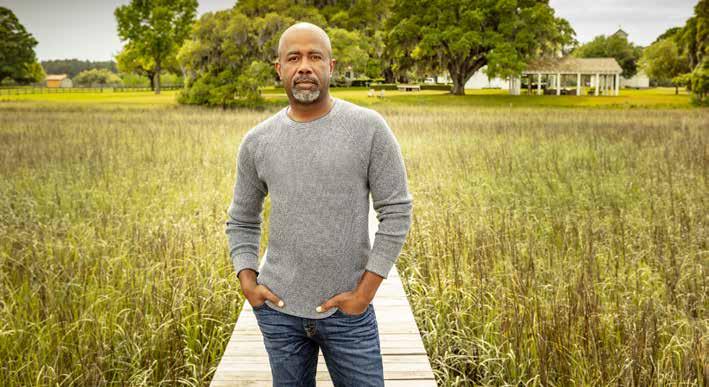
show at the Waste Management Open a few years ago, too. That event is one of a kind.
HAS A ROUND EVER TURNED INTO SOMETHING MEMORABLE?
Definitely. You get four guys out there for four or five hours and the conversations go everywhere, so some of the best stories I’ve heard have happened walking down a fairway.
AFTER DECADES ON THE ROAD, WHAT SURPRISES PEOPLE MOST ABOUT TOURING?
How much waiting there is. People think it’s constant excitement, but there’s a lot of time between the big moments. Then you walk on stage and suddenly it’s electric.
IS THERE A SONG THAT STILL HITS YOU EMOTIONALLY EVERY TIME YOU PERFORM IT?
“Let Her Cry.” That one still gets me sometimes. There’s just something about that song that brings me right back to where I was when I wrote it.
HOW DO YOU BUILD A SETLIST TODAY?
You want to give people the songs they came to hear. That’s what I want as a fan, too. But you also want to mix in new stuff that keeps it fun for the band and for me. It’s all about finding balance.
YOUR MUSIC HAS BECOME THE SOUNDTRACK TO SO MANY ROAD TRIPS. WHAT ARE YOU LISTENING TO RIGHT NOW?
It changes all the time, but right now it’s “Only Love Can Hurt Like This” by Paloma Faith.
“WAGON WHEEL” HAS BECOME A TRUE ANTHEM. WHY DO YOU THINK IT CONNECTS THE WAY IT DOES?
It’s simple and it feels good. It’s one of those songs where people can jump in right away and sing along.
THAT SONG HAS A LONG HISTORY. WHAT MADE YOU WANT TO RECORD IT?
I knew the Old Crow version and loved it, but I always thought of it as more of a Bluegrass song. Then one day I was at a talent show at my daughter’s school and the faculty band was doing a more
Founded by Arizona native Cole Derosier, Integrity Custom Cabinetry designs and builds refined, one-of-a-kind cabinetry and millwork for discerning homeowners across the Valley.
For Cole, integrity isn’t just the name. It’s the standard. Every project is fully custom. Every detail intentional. Every finish precise.



Country version. That made me see it in a whole new way and I called the head of my label that night to tell him I wanted to record it. I had no idea it would become what it did. I just thought it was a great song and wanted to put my spin on it.
WHAT WOULD YOU SAY TO A YOUNG MUSICIAN LEARNING YOUR SONGS TODAY?
First off, that’s awesome. Music is one of those things that sticks with you your whole life. Keep playing, keep learning songs you love, and most importantly just have fun with it.
AFTER EVERYTHING, WHAT STILL EXCITES YOU ABOUT WHAT’S AHEAD?
There’s always another song to write, another crowd to play for, another moment you didn’t see coming. As long as that’s still out there, I’m excited to keep going.
QUICK HITS WITH DARIUS
The song fans request the most “Wagon Wheel”
Which would you rather sing live: “Hold My Hand” or “Wagon Wheel”?... Depends on the night, but “Hold My Hand” always feels special.
Which one does the crowd sing louder?... “Wagon Wheel,” no question.
Dream duet… One thing left on my bucket list is to sing the hook on a big rap song. Eminem, Jay-Z, Snoop Dogg… call me!
Dream course… I’ve been lucky to play some of the greats, but I’d love to play Augusta again.
Road trip song… “The What” by The Notorious B.I.G.
Song that takes you back to childhood Anything Al Green. Instantly takes me back to my mom.
First thing after walking off stage… Thank the local crew before they get to work.
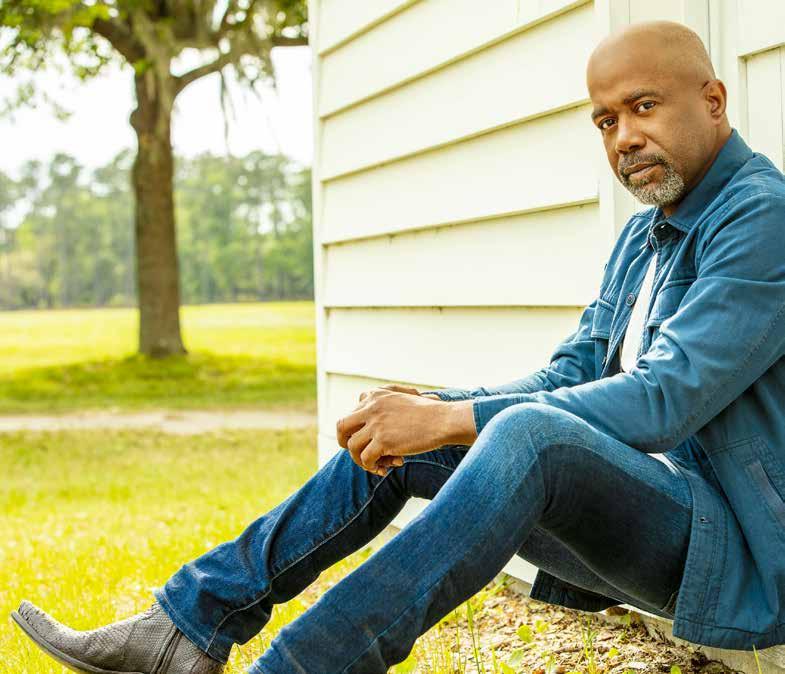
Darius Rucker is bringing his Songs of Summer Tour 2026 to Phoenix on July 23rd, 2026.

IG @dariusrucker









Presenting our Signature Summer Menu






Kids eat free tuesdays! Light Bites & Cold Cocktails

A gourmet delight


The party continues...!
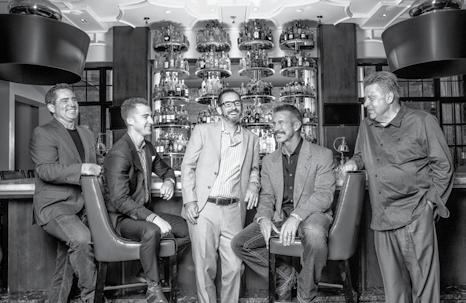
Mastro family legacy... where good taste runs in the family.
ARTICLE BY NADINE BUBECK | PHOTOGRAPHY PROVIDED
Jeff Mastro. Mike Mastro. Dennis Mastro.
For more than three decades, these names have come to represent something steady. Not just great restaurants, but a standard people trust. Steak 44. Ocean 44. Dominick’s Steakhouse. Durant’s. Rooms that feel the same no matter how many times you walk into them. Familiar in the best way.
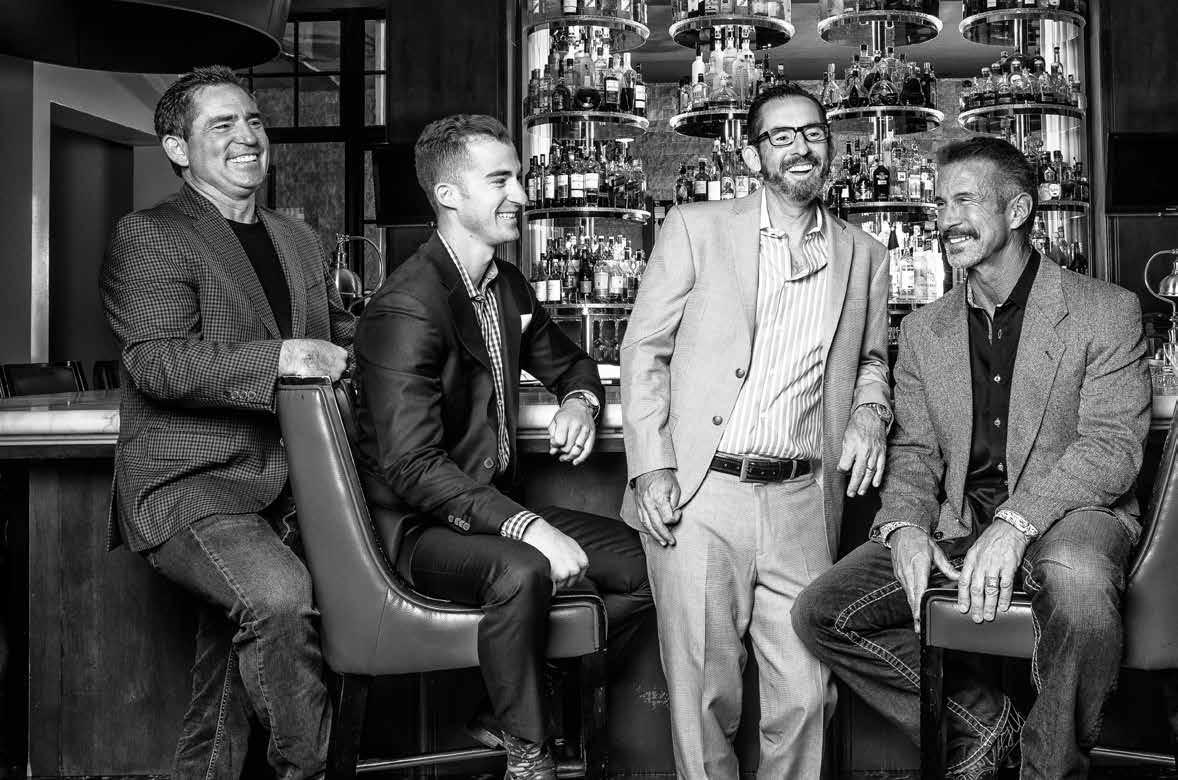
From Arizona to cities across the country, that consistency has held. Chicago. Beverly Hills. Del Mar. Newport Beach. Growth happened, but the feeling never changed.
That does not happen by accident. It happens over time. And more importantly, it happens when sons are close enough to see it.
Not all at once, but over years. In the way a father moves through his day, what he pays attention to, what he never lets slip, and what he always makes time for.
For Nicholas, Mike’s youngest, it begins in the quiet spaces most people never see.
“I always loved going to the restaurants with my dad and seeing what goes on behind the scenes,” he says. “He always worked so hard and you could tell how much he cared about every part of the business.”
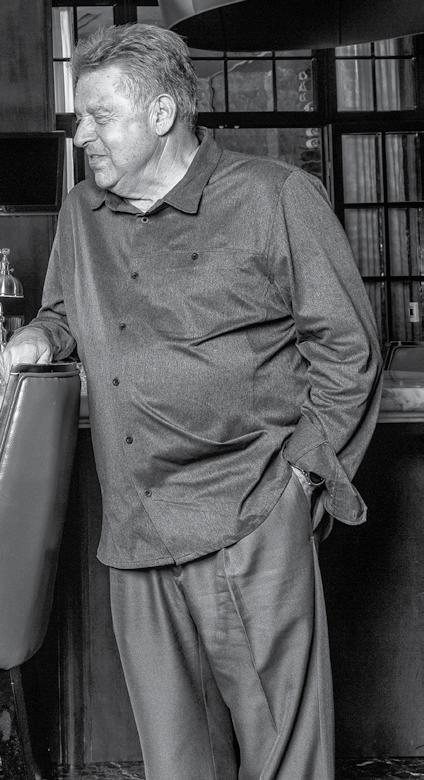

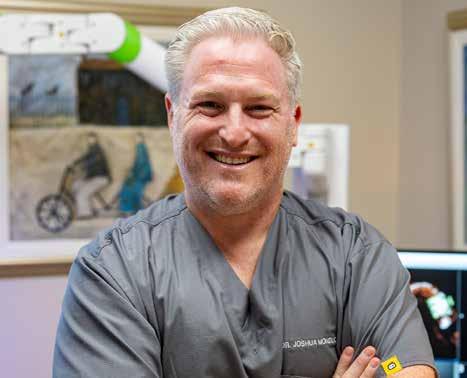


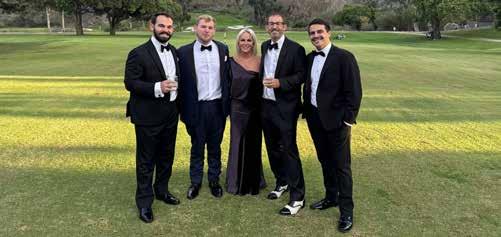
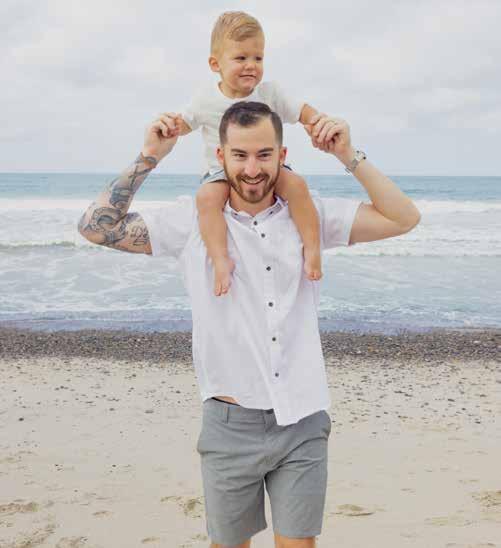
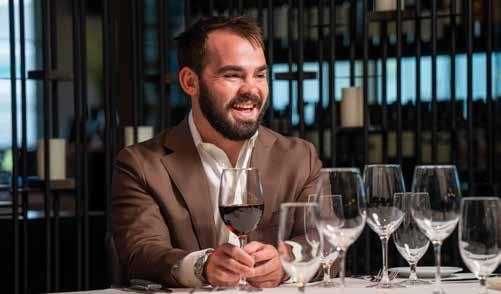
At that age, it did not feel like a lesson; it felt normal.
“There wasn’t a time that he wasn’t working, always paying attention to every little detail even when we were just there for dinner,” Nicholas says. “It was always inspiring and I always wanted to work as hard as he did.”
Years later, that memory became something clearer.
“One big lesson my dad always taught me was to just simply care. Care about everything little to everything big and work hard at whatever it is you’re doing.”
For Dominick, Jeff’s son, the memory begins differently. Not with work, but with a feeling you cannot quite name as a child.
“I remember being very young, spending time inside the restaurants, and feeling completely captivated by the atmosphere,” he says. “The moment you walked through the doors, it was like stepping into another world, one filled with romance, elegance, and a lively sense of joy.”
It was the kind of feeling you don’t question, you just remember.
“There was this special energy that made everyone want to put their best foot forward, to laugh louder, and to savor every second. Even as a child, I could feel the pride and care behind every small detail.”
At some point, however, Dominick stopped noticing the room and instead focused on his father.
“There have been many times I’ve watched my dad at work, but one of the first moments that truly stood out to me was when I realized his unwavering leadership. He’s always taught me that real leadership isn’t about demanding more from people, but about guiding them with steady care, gently encouraging them to grow, believe in themselves, and become better every single day.”
And then there are the moments that define something deeper.
“No matter how busy he was or how much he had going on, he made it a priority to be at my football games,” he says. “Looking back now, I realize how powerful it was to know he was always there.”

You’ve spent a lifetime building something worth protecting. A business. A reputation. A family legacy. Concierge home care is not a concession. It is a proactive investment that ensures your physical capability keeps pace with your ambition.
• The “Pre-Hab” Mindset: Don’t wait for a setback. RN-led strength and mobility sessions now preserve the physical foundation that keeps you active, independent, and in command for the decades ahead.
• Early Detection: Private-pay care provides consistent clinical monitoring of blood pressure, cardiac health, and key vitals, catching subtle warning signs before they become events that pull you off the field.
• Dedicated Health Reserves: Utilize HSAs or dedicated savings to cover the gaps standard insurance ignores, like 24/7 post-surgical support or travel nursing that keeps care seamless wherever life takes you.
• RN Care Management: A dedicated Health COO who coordinates your medical strategy, synchronizes specialist appointments, and builds a customized roadmap to your long-term health goals.
• Post-Surgical Recovery: Discreet, professional recovery at home with licensed clinical oversight and none of the institutional friction.
• Chronic Conditions: Expert management of cardiac, neurological, or complex conditions without the disruption of fragmented specialist care.
• Transition Leadership: Stabilizing your home environment after a health shift so your household and peace of mind remain intact.
Your dedicated Nurse Care Manager respects your time, your privacy, and your standards, all while ensuring every clinical detail is managed with precision. You have protected your business, your finances, and your family’s future. Your health is the asset that makes all of it possible.
Contact our concierge team for a confidential consultation.

(877) 891‑9154
www.tshconcierge.com
jsherman@tshc.com

That is what stuck.
“It’s about showing up, being responsible, and pushing through even when things are difficult.”
For Dominick, though, everything shifted when watching became doing.
“When I first started with the company, I was just a busser, and I honestly had no idea where it would take me.”
Then came the realization.
“I saw firsthand how many people pour themselves into making it successful. I realized I wasn’t just working for the company, I was part of something much bigger than myself.”
For Zach, Mike’s son, it took time to recognize what had always been there.
“Something he has always done is put his family first in everything he does. Growing up, I probably didn’t fully understand it because it was just how he lived.”
Perspective changes everything.
“He wakes up every day thinking about how he can improve the lives of the people he loves,” Zach says.
“Whether it is working hard or helping in ways that often go unnoticed, he always does what he can to make life better for his family. He never makes a big deal about it or looks for recognition. He just does it because that is who he is.”
And when he thinks about it now, one moment comes to mind.
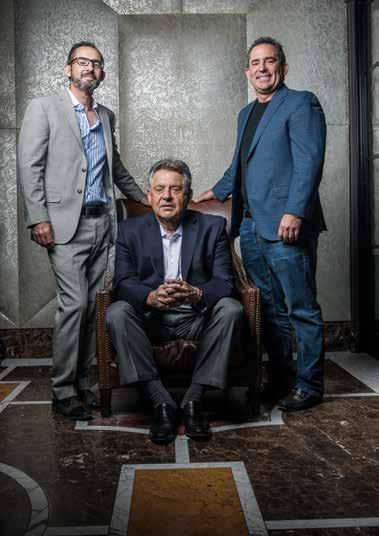
“If I had to describe him through one memory, it would be him surrounded by family or friends, making everyone laugh with some classic dad joke, while very quietly making sure everyone is taken care of. Hospitality has been a part of who he is for his entire life. It was never just his job. It is part of who he is.”
For Jake, Mike’s son, the first impression is something else entirely.
“He was often traveling for work and I thought that when your dad travels for work that means he’s really important. I always looked at him working and having to travel and I couldn’t wait to grow up and be able to do the same,” he shares.
But that wasn’t what defined him, even to this day.
“He always shows up,” Jake said. “Drops anything and everything for his family. If we show up unannounced to my parents house and he’s in a meeting or a call, he will call them back because his kids and grandkids are the most important thing to him.”
However, legacy, at its core, is family.
“I always knew he was building something special, but it fully clicked when I became part of the steakhouse team.”
And then, without ceremony, it became his to carry. Now he stands in both roles at once, son and father.
“My dad taught me to love hard but allow your children to learn through experience and allow them to make decisions of their own,” Jake says. “My dad gave us the freedom to make our own choices but steered us in the right direction when we veered the wrong way.”
And like every family, the lessons stay in the smallest ways.
The phrases that echo long after they are first said.
“You can’t help what you like, you can’t help what you don’t like.”
“Would your grandmother approve of that decision?”
“Don’t hesitate, give it gas.”
“Everything in moderation.”
They are simple, repeated, and remembered.
What the Mastro family has built is easy to point to: the restaurants, the expansion, the reputation. But that is not what holds it together.
“My father is a business genius who taught me the values of honor, respect, and passion,” says Dominick. “He showed me that work should not just be work, it should be your passion.”
And then the part that matters most.
“He taught me that success isn’t just about achievements and awards, but is about the relationships you build along the way.”
That is legacy, not simply what is built, but what is passed down, from father to son, and now from one generation to the next.


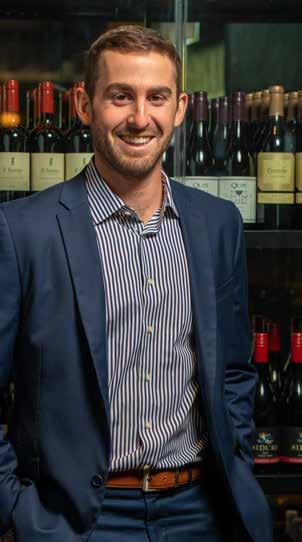


- Gina F.





BY DR. ADAM LOIACONO, PT, DPT, SCS, CSCS
For men who are used to optimizing performance in every area of life, the next evolution in health isn’t about chasing symptoms, it’s about restoring how the body functions at its core. Regenerative medicine is shifting that conversation, but outcomes depend entirely on the expertise behind it.
At Auragens, that approach is led by Dr. Dan Briggs, founder, president, and CEO, and a 2026 EY Entrepreneur of the Year finalist. His focus is clear. Patient-centric care, precision-driven protocols, and advancing stem cell therapies that support how men actually want to feel and perform.


The difference is in how the treatment is built. Not just access to stem cells, but how they are sourced, delivered, and supported within the body. Circulation, inflammation, recovery, and overall system health are all part of the equation. It’s a comprehensive model designed to improve real outcomes, not just offer a procedure.
For men looking to maintain strength, energy, and longterm resilience, Auragens represents a more refined approach. One that moves beyond managing decline and instead focuses on restoring performance, with a level of care that matches the expectations of those who demand more from their health.
Founder of The LEGACY Membership & host of Finding Small Wins
Dr. Adam Loiacono is a performance physical therapist with fifteen years across the NBA, MLS, and NWSL, including serving as Director of Rehabilitation & Performance for the Phoenix Suns. A Doctor of Physical Therapy and board-certified Sports Clinical Specialist, he merges movement, medicine, and precision systems to create measurable results.
Welcome to the next chapter in your LEGACY.


Craig Anthony Filicetti will blow your mind.
Not in a casual way. Not in a “that was cool” kind of way. In a way that lingers. The kind that makes you replay the moment hours later, trying to solve something your brain cannot quite land on.
Because Craig does not start where most people do.
“I perform as a mentalist, and as magicians, we start at impossible,” he says. “If it feels achievable, it’s not interesting. You start with something that shouldn’t be able to happen and then you figure out how to get there.”
It’s not just a philosophy. It’s how he sees the world.
“I’ve had people come to me and say, I need to walk across the Nile, float above a pyramid, disappear in the middle of a live broadcast… and the question isn’t if it’s possible. The question is how do we make it happen.”
He says it like it’s obvious. Because to him, it is.
“Any true innovation looks and feels like magic the first time you see it.”
That line lands differently once you understand what else he’s built.
Craig is the mind behind PitchCom, the communication system now used across Major League Baseball. Every team. Every game. Every pitch.
At its surface, it replaces hand signals. The catcher presses a
button, and the pitcher hears the call instantly through a receiver embedded inside his cap. Pitch type. Location. Immediate delivery.
No signs, no decoding, no second guessing.
But that’s only part of it.
PitchCom isn’t just used for plays. It’s used for mindset.
“They’re allowed to use it for whatever they want to do,” Craig explains. “They do motivational things… good job, nice job, get back in the game, get your head in the game.”
It becomes internal dialogue.
“They’re not thinking about the process anymore. They can focus on execution.”
That’s the shift.
Before PitchCom, Craig says the game wasn’t just physical, it was mental overload. Catchers memorizing layers of signals. Pitchers trying to decode in seconds. Entire at-bats shaped by hesitation, doubt, and noise.
“Catchers are sitting there trying to figure out what inning it is, how many outs there are… and they have two seconds to make that decision,” he says.
Now, the moment slows down.
“He throws the ball back, hits a button, and now he knows exactly what’s coming. Now he has time. He can think. He can visualize.”
Now, the game is nearly forty minutes faster, but according to Craig,



the real impact isn’t speed, it’s integrity. The layers of sign stealing, video recording, and decoding that once created constant suspicion are gone, replaced with something direct and secure where players can trust the call and focus purely on execution.
“They really, really trust us,” he says.
That’s what Craig does at scale.
Then you meet him.
And realize he’s doing the exact same thing, just on a smaller stage.
He asks you to think of something personal. A memory. A name. A place.
You write it down. You seal it in an envelope.
And somehow… he knows.
“I’m not a psychic,” he says. “I use observation, persuasion, and a certain amount of gut feel to give kind of an illusion of mind reading.”
He’s not guessing. He’s reading.
He’s often asked the same question.
Do you look people up beforehand. Do you research them. Do you already know everything before you walk into a room.
“No,” he says.
“I don’t do any social media research. I don’t know who’s going to be in the room.”
What he does happens in real time.
“The information is already there,” he says. “People are giving it to you constantly. You just have to see it.”
“People think I’m listening. I’m not. I’m watching.”
That’s where it shifts.
Because what he’s doing isn’t mystical. It’s behavioral.
“You are always giving off information. You just don’t realize it.”
And if you sit with him long enough, he’ll show you exactly how.
It starts with the eyes.
“If you look to the left, that’s the past. If you look to the right, that’s the future,” he explains.
It’s subtle. Not something you’d notice on your own, but consistent.
“If you look up to the left, that’s something happy in your past. Up to the right, you’re thinking about something that hasn’t happened yet.”
Then it sharpens.
“Down to the left, you’re processing… or thinking about how you’re going to get out of something.”
That’s where people slip.
Not in what they say, but in what happens just before they say it.
“There’s always a moment before someone speaks,” he says. “That moment is where everything is.”
Micro-expressions layer on top of that.
Blink rate. Eye tension. The smallest shifts in the face.
“That’s why they measure blink rate with presidential candidates,” he says. “If they blink too much, they’re over-processing.”
Trying to calculate. Trying to control. Trying to manage perception.
Your body gives that away, even when your words don’t.
And then there’s something almost no one pays attention to.
Feet.
“Your feet are definitely showing your intention,” he says. “Where you’re going next.”
Body position matters, but not in isolation.
If someone is slightly turned away, it can signal disengagement. If they’re open and aligned, it usually means the opposite.
But context matters.
“Everything is relative,” he says. “You have to understand the situation.”
It’s not one signal.
It’s patterns.
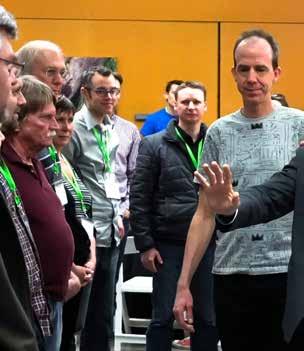
He’ll show you.
He asks you to think of a number, then hands you a die and tells you to turn it so your number is facing up. A private thought becomes something physical, and once that happens, it’s harder to conceal.
CONTINUED >


“Once you physically do something, it’s no longer just in your head… now it shows,” he explains.
Then he runs through numbers one by one, asking you to say no to all of them, even the correct one. Your answer stays consistent, but your body doesn’t.
“You’re telling the truth five times and lying once,” he says. “But once we pass your number, you release.”
That’s what he’s watching. The release.
A breath. A shift. A drop in tension. He sees it.
“It’s a two.”
And it is.
That’s when it stops feeling like magic and starts feeling like precision.
“I truly believe anybody can probably learn to do what I do. I don’t feel like I have a special power.”
What he has is attention.
And it started long before any stage.
Craig grew up in Scottsdale, near Thomas and 62nd Street, and went to Scottsdale High School.
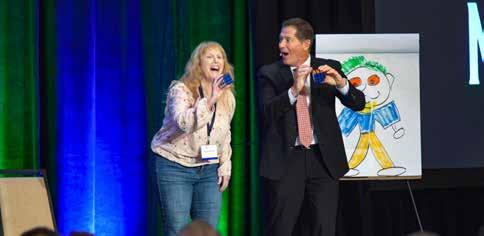
“I was always intrigued with the way things worked,” he says. “That’s what I liked about magic.”
He spent hours in magic shops as a kid, then left it behind for twenty-five years in engineering until one moment brought it back.
“My son had bring your dad to school day… and I just said, this is horrible.”
So he pivoted.
“I drove to Isley’s, bought a few tricks, and went in and did a magic show.”
It wasn’t a plan. It was instinct.
“They remembered it a year later. That impacts you. It makes big creases in your brain. You keep thinking… how.”
That question never left.
It just evolved.
And in many ways, it’s a return.
A return to the younger version of himself who was curious enough to keep asking why, and patient enough to keep looking for the answer.
Not reinvention, but reconnection.
The reminder that the things that pull you in early, the ones you can’t quite explain but keep coming back to, are usually the ones worth following.
Because whether it’s a pitcher on the mound or a stranger across from him, Craig is doing the same thing.
Understanding behavior.
Removing friction.
Creating clarity.
And reading what most people don’t even realize they’re showing.
“You just need to start noticing something,” he says.
“And once you do, it builds.”
That’s what stays with you.
Not just that he got it right.
But that you begin to understand how.
At least a little more than you did before.
Craig still performs today; private events, corporate rooms, audiences who aren’t just looking to be entertained, but to be challenged.
To see something they can’t explain.
To feel something they can’t unsee.
He smiles.
“Believe in magic.”
Want more? Tap into Craig Anthony Filicetti on the nationally syndicated Now with Nadine podcast and rethink everything you thought you knew. Streaming everywhere.



















PHOTOGRAPHY PROVIDED
Baseball has always been America’s favorite pastime, but for a lot of dads, it’s something quieter than that. It’s time you don’t get back.
It’s the sound of a ball hitting a glove as the sun starts to set, a bucket of baseballs and a kid who wants to throw just one more, showing up again and again long after the workday ends because you know one day it won’t be there.
For Danny Openden, that’s what it became.
By day, Danny leads the Southwest Autism Research & Resource Center, an organization he’s spent nearly two decades helping build into one of the most impactful in the country.
His work has helped shape Phoenix into what PBS once called “the most autism-friendly city in the world.”
But in the evenings and on weekends, he traded boardrooms for a baseball field, coaching and helping lead Arcadia Little League, pouring that same level of intention into a completely different kind of work.
“I don’t think anything is more important than giving your kids your time,” he says.
That belief is what set everything in motion.
Years ago, after watching his oldest son play under a coach who wasn’t setting the right example, Danny and his wife made a decision.
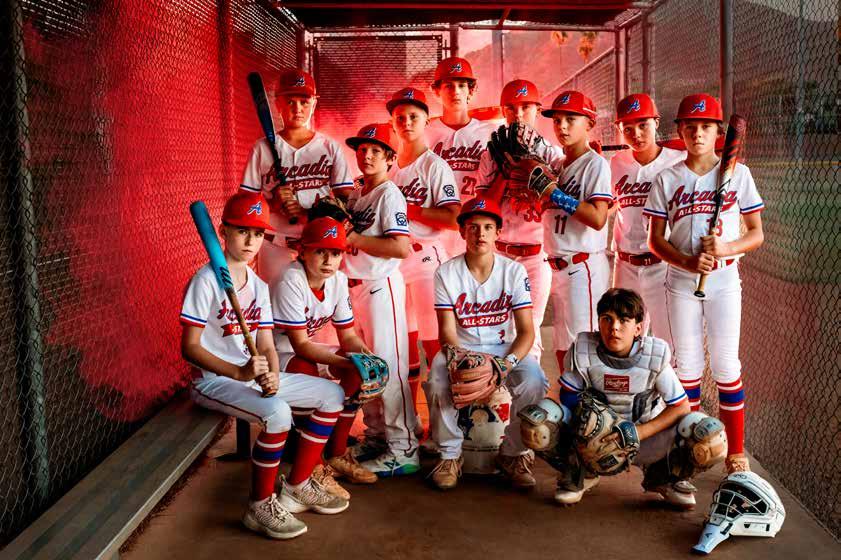

“We decided we needed to either stop complaining or do something about it,” he says. “So I started coaching.”
At the time, he had just stepped into his role as CEO. The schedule wasn’t forgiving. The timing wasn’t ideal. But a friend gave him advice that stayed with him.
You have to coach now. At some point, your kids are going to need a better coach than you. And you can’t get that time back.
What started as a way to be present for his sons became something much bigger, not just for his family, but for a group of boys growing up together on the same Arcadia fields.
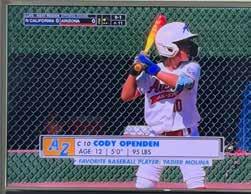
Danny’s youngest son, Cody, was right there in it, catching, competing, learning alongside his teammates, not just from his dad, but with him.
The team came together in the summer of 2023, a group of ten-year-old All-Stars with talent, energy, and potential. But what stood out first wasn’t the roster.
“We had incredible parents,” Danny says.
At practices, it wasn’t just twelve boys on the field. It was fathers stepping in, helping run drills, setting up stations, and making sure every kid was getting reps.
“It created structure and consistency, but more importantly, it created connection.”
It wasn’t about winning at all costs. But they won anyway.
By the time they reached their 12U season, something had shifted. They had been together long enough to trust each other and to believe they could compete with anyone.

That belief was tested against Rincon, a team they knew well and one that had beaten them before.
They built an early lead, watched it shrink, and then found themselves down 7-5 in the final inning with two outs and their season on the line.
“I remember it was an inside fastball that I turned on,” Will says. “It was cool to look over at my teammates from second base screaming ‘let’s go.’”
The game tied.
And then it ended just as quickly.
“I hit a walk-off double,” Chase says. “I just remember realizing we were going to the state championship and I was so happy we beat our rivals.”
The final was 8-7, a game Danny calls the most emotionally draining he’s ever been part of, and one that defined what that team had become.
Three games later, they captured the state championship once again, defeating Goodyear Little League in a winner take all rematch after falling to them just one day earlier.
“Closing out that last game, I felt on top of the world,” says Cole, who pitched the game’s final strikeout.
CONTINUED >
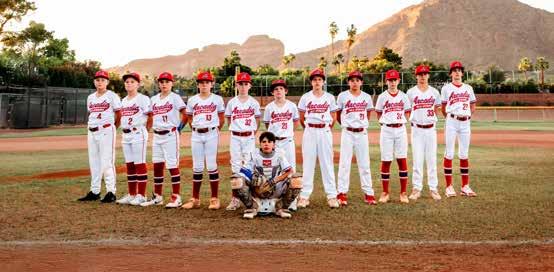

That win sent them to San Bernardino for the West Region Tournament, one step away from the Little League World Series, and the environment changed immediately.
A real stadium. National competition. Games televised on ESPN.
Everything about it felt bigger.
“The first at-bat in that first game was intense,” Cole says. “I was leading off and I could feel it.”
“The first time we took the field was crazy,” Cody says. “None of us had ever played on a field that good.”
The pressure was real and immediate.
“It was second and third, two outs, their best hitter up,” Cody says. “There was pressure, but we were all locked in.”
They had a real chance.
And then the game reminded them how it works.
“When we lost, everyone was silent,” Chase says. “It humbled me. It showed me all good things must come to an end.”
That could have been the end of the story. But it wasn’t.
During their state championship run, a man named Tony Kao kept showing up to games, first as a spectator, then as a supporter, and eventually with an idea that didn’t quite seem real.
He wanted to connect Arcadia Little League with Taiwan through baseball.
At first it sounded far-fetched. Until it wasn’t.
Families committed. Logistics came together. And before long, a group of kids from Arcadia were boarding a plane to the other side of the world.
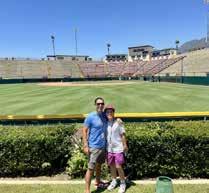
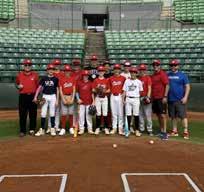
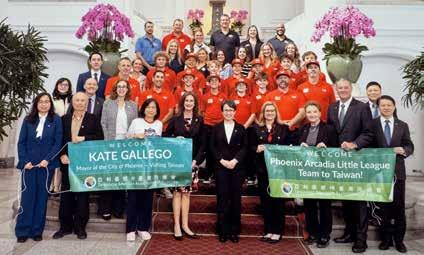
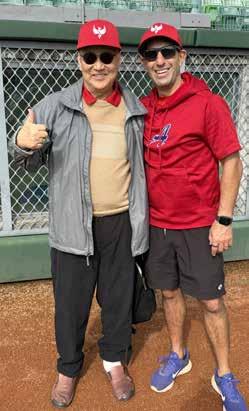
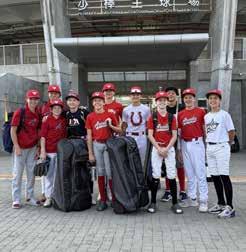
What they walked into was something far beyond what they expected.
Opening ceremonies with music and dragon dancers. Mayors throwing ceremonial first pitches. Media coverage. Crowds.
“Insane,” Chase says. “Like nothing I had ever experienced.”
But the moments that stayed weren’t just the big ones. They were the ones in between.
Sitting at dinner across from kids who spoke a different language trying to figure out how to communicate, laughing anyway.
“When we were talking to kids in Taiwan using Google Translate, it showed me how lucky we are,” Chase says.
“We saw all this cool stuff,” Will says. “Temples, food, things we’d never seen before.”
“They would just bring out plate after plate,” he says. “Some of it was good. Some of it wasn’t.”
But they tried it anyway.
Together.
There were moments you could feel building before they happened.
“The dugout before a big game,” Liam says. “Everyone was quiet and focused. You could feel how important it was.”
And then just as quickly, it would flip... a dugout coming alive.
Even in games they didn’t win, the memories stayed. Taiwan changed something, not just in the experience, but in perspective.
“The way we were treated was crazy,” Cody says. “We had buses, reserved tables, everything ready for us.”
Somewhere along the way, without anyone really saying it out loud, the boys learned something bigger than the game itself: that baseball is its own language.
One that doesn’t need translation. One that moves easily from a field in Arcadia to a stadium in California to a night in Taiwan, where kids who don’t share a single word still find a way to laugh, compete, and understand each other.
A language built on instinct, rhythm, and trust.
And still, just a moment in time.
“Both boys have aged out of Little League, and like every parent who has lived it, it goes fast,” Danny says.

Clients






How One Wildcat Became a Social Media Sensation With His Son, Baby G
With our demo fairly divided between Sun Devils and Wildcats, there’s one thing everyone can agree on right now. Everyone is cheering for Baby G.
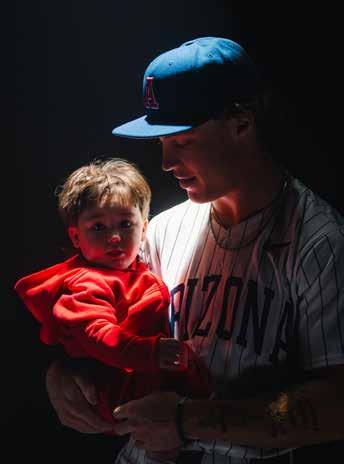
Baby G is a little boy who has gone wildly viral, capturing national attention from Instagram feeds to major media, including the Today Show. If you’re a doom scroller, chances are you’ve paused on his face more than once.
But behind the views, the highlights, and the moment is a story that goes much deeper.
This Father’s Day, we’re spotlighting the young dad at the center of it all, Chaz McNelis, a University of Arizona baseball player living in real time the true meaning of what it takes to raise a child.
Because as his story unfolds on and off the field, one thing is clear: it takes a village.
Chaz was 19 when he found out he was going to be a father.
“It didn’t seem real,” he says. “It didn’t fully hit me until he came out. And then I was like, wow. It’s real now.”
There’s a version of this story people expect. The one where everything shifts. Where dreams get smaller.
He had that thought too, if only for a moment.
“One of my first thoughts was, I don’t want to have to quit baseball.”
But that’s not how this story unfolds.
“My mom was like, no. You can continue your dreams while also raising a kid. You’re going to have a bunch of support.”
Support became everything. Not just from family. From everywhere.
“My family has been awesome,” he says. “But it goes beyond that. It’s my teammates, my coaches, the training staff. People everywhere in Arizona and back home in Vegas. It’s been everyone.”
That word stays consistent when he talks. Everyone.
There’s also a question he gets often, especially as his story continues to grow.
Where is Baby G’s mom in all of this? Chaz is open about it. They dated in high school and are now co-parenting, focused on what is best for their son.
“We’re friends,” he says.
She remains largely behind the scenes, by choice.
“She loves it,” he says of the attention around Baby G. “She loves seeing how happy Baby G makes people. However, she personally prefers to stay more private.”
And while much of what the public sees centers around Chaz and the field, the structure behind it is shared.
Baby G lives in Las Vegas with his mom, surrounded by family, and travels back and forth to Arizona, where he steps into a completely different kind of family.
But before Arizona, before the viral video, and before Baby G became a name people recognize, Chaz had a story of his own. A story that has shaped him.
Chaz lost his father when he was just two years old. A car accident on the way home from work. His mom was pregnant with his younger brother at the time.
CONTINUED >

From that point on, everything he learned about resilience came from watching her.
“My mom could have given up, but she got up every day. She raised both of us. She never quit.”
That example shows up in the way he carries himself now: positive and unshaken.
“Life wouldn’t throw you these things if you couldn’t handle them,” he says. “I’ve always believed that.”
When Baby G was on the way, reality didn’t hit all at once. It came in layers. First the emotional weight, then the responsibility, then the unknown. And then something heavier.
Doctors discovered holes in Baby G’s heart before he was even born.
“Baby G had open heart surgery just weeks before I left for Arizona. They said he’d be in the hospital for a week, but got out in less than three days. That gave me a lot of fight.”
And yet, baseball never left. It sharpened.
At the College of Southern Nevada, everything changed for Chaz. He locked in, leaned out, and started playing at a completely different level, earning national recognition and quickly becoming one of the most sought-after transfers in the country.
But even as that momentum built, he never avoided the reality of his life. Every conversation started the same way. He told them he had a kid, and if it was a deal breaker, better to know.
However, it never was. If anything, it showed them who he was. Someone committed.
And Arizona saw that right away.
But of course, there’s a balance of being a young dad and being a young athlete.
During the week, he’s in the rhythm of baseball. Lifting, practice, everything that comes with playing at that level.
And then whenever he can, he’s a dad.
His life doesn’t look like most 20-yearolds. It’s earlier nights, different priorities, a constant shuffle that doesn’t really shut off.



“Diaper changes.”
But the way he talks about it, there’s no hesitation.
“When Baby G is in Tucson, he becomes part of everything. Breakfast at Bear Down Kitchen. Pancakes. Eggs. Yogurt. He’s a regular.”
Baby G is a part of it all. At the field before practice, taking swings, playing catch, right there with the Arizona baseball team. And that team is what changes everything, showing in real time what it really means when people say it takes a village.
“They’re his uncles. They feed him. They hold him. They cut up his fruit. They give him snacks. They teach him.”
In other words, this group of late-teen, early-20s guys show up.
“Every day is like a learning opportunity for them. To be ready to be dads one day.”
And Instagram has taken notice in a major way.
“One post got like 50,000 views. Then another got a million and a half overnight. Crazy. It’s proof people appreciate authenticity. And the strong majority are extremely supportive and have embraced it with such positivity.”
Chaz has nearly half a million followers.
A notable viral moment? Baby G’s first pitch.
“It was a packed stadium and people were so excited. He was saying hi to everyone before. He knew just what to do. When he tossed the ball, the crowd erupted. After the game, people lined
up for his autograph. As a dad, it made me feel super grateful. Just seeing how much support and love we really have.”
Of course, this story is not about glorifying teen pregnancy. If anything, it’s about what happens when life doesn’t go as planned and you choose to step up instead of step back. It’s about a kid who lost his dad and is embracing the opportunity to be one. It’s about a village; family, coaches, teammates, rallying around him.
“Sure, with visibility comes noise, but you have to ignore it. You can’t let it get to you.”
Currently, Chaz is sidelined with a fractured fibula hoping to get back on the field soon.
“It’s hard. But of course I’m not surrendering my big baseball dreams.”
However, ask him who he is, and the answer does not waver.
“A dad. I never want baseball to be my identity. No matter what happens, I have Baby G.”
This Father’s Day, his story lands differently.
It’s not about perfection. It’s about presence. And the hope that starting young, sharing the game he loves, might one day bring them full circle.
“I want to be on the same field as him one day. Like the Griffeys.”
IG @cmcnelis41









Wish you could be more professionally persuasive?

Elevating Professional Success Through Persuasive Communication
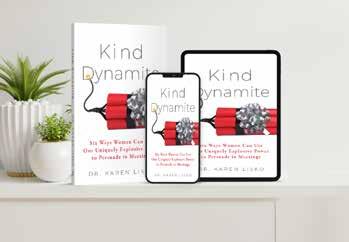
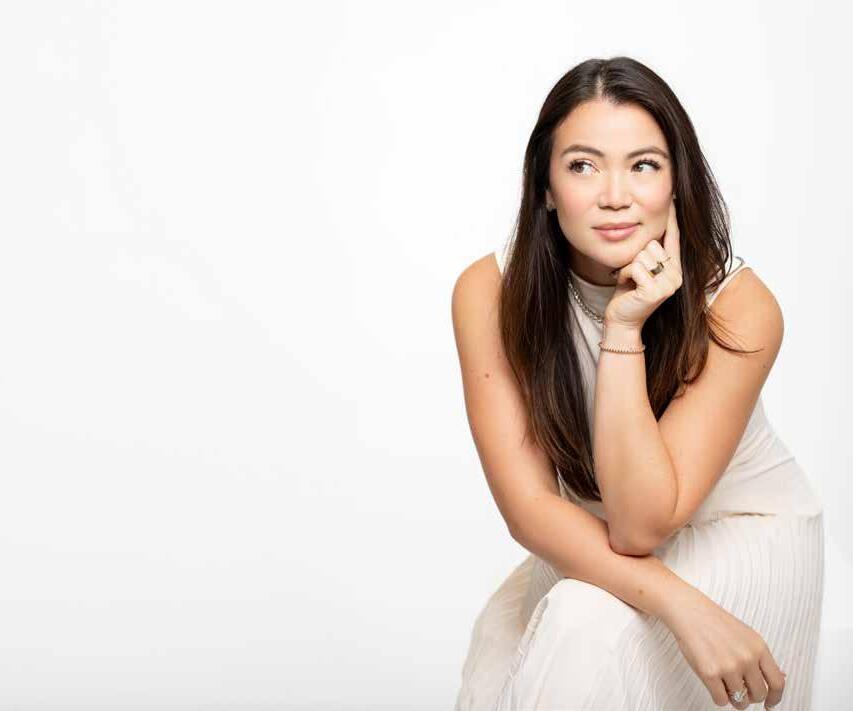
Dr. Karen Lisko is a dynamic speaker and debut author of Kind Dynamite, equipping professional women with persuasion strategies that move decision makers to action. Sharp, practical, and engaging, she delivers tools audiences use immediately. It’s why organizations continue to invite her back.
Now booking speaking engagements and corporate trainings.
www.karenlisko.com

All of my closings hold a special place in my heart, but there’s one I’ll never forget.
My best friend saw this home online and knew instantly it was the one. By the time we were ready to make an offer, it was already under contract. Most people would have moved on, but I’ve learned not to force what’s meant to be.
I always tell my clients the right home will find its way back to you, and in this case, it did.
When I got the call that the deal was likely falling through, I felt it immediately. I moved quickly, secured the home, and negotiated $10,000 toward closing costs along with $13,000 for a new roof.
But this one was more than just a transaction. It was personal. It was about trust, timing, and knowing when to step in and deliver.
Now, he gets to call Arizona home and live just a block away, which makes it even more meaningful.
This is why I do what I do. I take care of my clients like they’re my own and work to make the process seamless, strategic, and successful from start to finish.

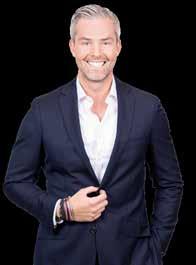
Ryan Serhant

Luxury isn’t defined by square footage - it’s defined by precision, trust and world-class execution. That’s the SERHANT. Standard.

BEYOND THE GOALS, WHAT PERFORMANCE, DEVELOPMENT, AND DURABILITY ACTUALLY LOOK LIKE
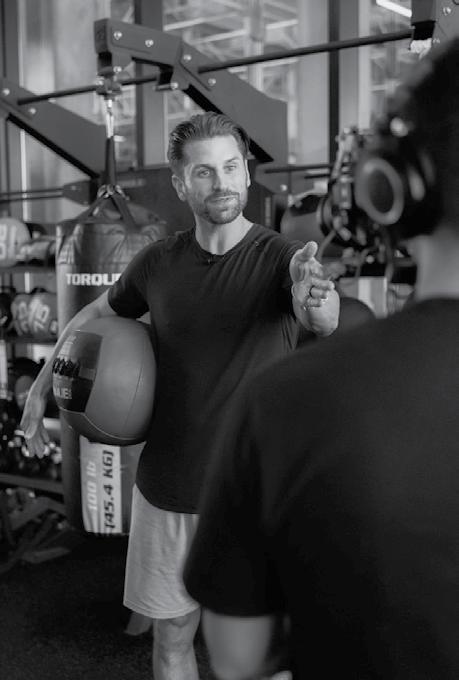
Adam Loiacono, PT, DPT, SCS, CSCS

PHOTOGRAPHY PROVIDED
As the World Cup takes over this summer, most people are watching the goals.
Adam Loiacono is watching something else entirely.
With more than 15 years of experience working with both professional and youth athletes, the Valley’s esteemed Dr. Loiacono has operated at the highest levels of sport, from reaching the NBA Finals with the Phoenix Suns in 2021 to the MLS Cup with the New England Revolution in 2014. A board-certified Sports Clinical Specialist, a distinction held by only 10% of physical therapists in the United States, and a Certified Strength and Conditioning Coach, his career has been built around understanding what actually drives performance and what ultimately breaks it down.
And from that vantage point, the World Cup reveals more than just talent.
“Soccer is the most followed sport in the world, yet still developing in the U.S.”
The United States now has more players than ever competing at the highest levels, from the Premier League to Serie A. But even with that progress, the gap is still there, and it starts earlier than most people think.
“The biggest separator is identity.”
He says in countries like Brazil, Spain, and Germany, soccer isn’t something kids do after school. It’s embedded in culture. Development happens organically. Touch, movement, and game intelligence are built long before formal coaching ever enters the picture.
Here, the path looks different.
“At the youth level, the biggest challenge is access because here in the States, we have a pay-to-play model whereas globally young players can play for free.”
But access is only part of it.
“The margin between a player who makes it and one who doesn’t is rarely talent, it’s durability and coachability. The physical foundation built at 14, 15, and 16 either supports a career or becomes the ceiling of one.”
That foundation cannot be rushed.
“The body has a timeline, and we have to respect that.”
Watch closely this summer, and you start to see it.
Players are covering seven to nine miles per game, but it’s the explosive sprints within that distance that break bodies down. Add in deceleration forces, aerial duels, and constant direction changes, and it becomes clear why the game looks fluid while the stress underneath it is massive.
“Speed without endurance breaks down in the 75th minute. Endurance without explosive capacity makes you predictable,” he says.
At the highest level, decision-making under fatigue becomes its own skill.
“One that has to be trained intentionally. At the World Cup level, it all comes down to one thing... You can have the most talented squad in the tournament, but if your key players can’t recover between matches, your depth and fitness become your identity.”
Behind the scenes, the margins are even tighter. Sleep protocols, nutrition timing, fluid and electrolyte management, soft tissue work, and neuromuscular monitoring are all happening daily.
The goal is simple: managing decline so that peak output is available on match days that matter most.
But for Dr. Loiacono, the real opportunity isn’t just what happens on the world stage. It’s what happens long before it.
“One of the biggest mistakes in youth development is filling every week with games instead of developing fundamental physical literacy or technical skill.”
That’s where Scottsdale’s Mike Enfield sees it every day.
A former professional player, MLS Cup champion with the LA Galaxy, and now owner of the Phoenix Valley Soccer Club’s youth program, Mike has built his work around that exact gap. His club operates with a simple belief: every player deserves the opportunity to play, develop, and grow through the game.
“The biggest shift for me from being a player to becoming a club founder is perspective,” he says. “As a player, you’re focused on yourself. Your performance. Your results. As a founder, you start thinking long term. It’s about the environment, the relationships, and the experience for the players and families.”
For Mike, development goes far beyond the result of a game, tournament, or league. The focus is on sportsmanship, character, cohesion, and commitment, not just from players, but from parents, coaches, and the broader community around them.
“Looking back, the one thing I really got right was that I loved the game,” he says. “I played all the time. Maybe it wasn’t always structured or perfect training, but I was building a connection to the game.”
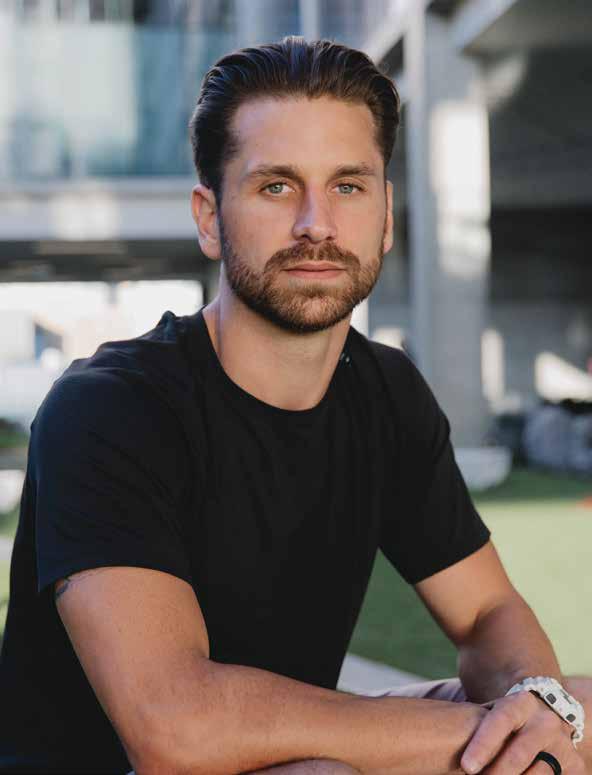
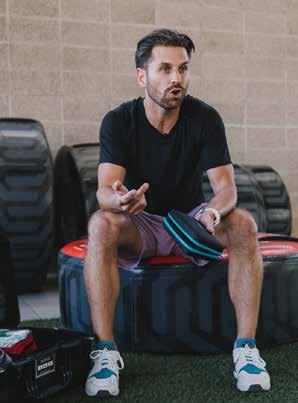

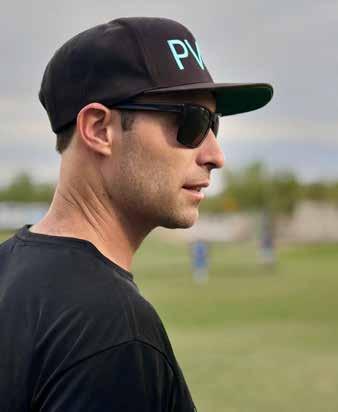
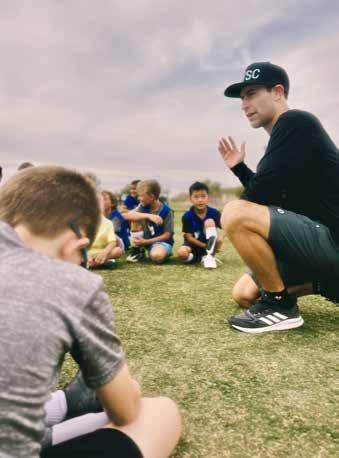
At Phoenix Valley Soccer Club, the goal is not just to prepare players for high school, college, or beyond, but to create an environment where they feel supported, accountable, and part of something bigger. A place where development includes technical growth on the field, but also humility, gratitude, flexibility and discipline.
“We value a fun, collaborative environment. In the U.S., development can become structured too early, results-driven too soon. I think the system is too focused on games and exposure over actual development. It’s a top-to-bottom issue.”
Globally, the model creates a different incentive.
“In many professional systems, youth teams aren’t judged on winning. The goal is development. Producing players for the first
adamloiacono.com
auragens.com
Adam Loiacono, PT, DPT, SCS, CSCS has over 15 years of experience working with professional and youth athletes. He blends advanced diagnostics with personalized care to help clients move better, recover faster, and perform at their best.
Through his LEGACY program with Auragens, he also integrates regenerative therapies like stem cells and exosomes into structured rehab and performance plans, closing the gap between treatment and real results.
team or developing them to be sold. That changes how everything is prioritized.”
Here, the structure tells a different story.
“Players are often pushed toward clubs based on brand or league, not necessarily the environment or coaching they’re getting day to day,” he says. “If a club doesn’t develop players properly, they’ll still have new players coming in because of the name.”
And that pressure shows up early.
“The commitment from parents is incredible, but sometimes that same passion creates a short-term focus. If something isn’t going well, the instinct is to fix it immediately.”
The problem is, development doesn’t work on a weekly timeline.
“As players get older, the ownership has to come from them. You can’t force longterm growth,” says Mike.
That long-term view is where both perspectives meet.
Because whether you’re looking at a World Cup athlete or a youth player in Scottsdale, the principles are the same.
“Kids naturally love competition; they see winning as the scoreline. However, I try to define winning more broadly. In the early years, it’s about enjoyment and comfort with the ball. From seven to ten, it becomes technical development. In the middle school years, that technique has to hold up under speed and pressure. By high school, strength, speed, and athleticism layer on top of everything that came before.
Those stages don’t replace each other. They build on each other.
And if the foundation isn’t there, it shows later.
Which is exactly what Dr. Loiacono sees at the highest level.
Because long before players are managing recovery protocols and neuromuscular fatigue, their trajectory has already been set.
The World Cup may be where the game is showcased, but it’s not where it’s built.
That happens in training environments, youth programs, and in daily choices made by athletes, parents, and coaches.

44th

For many men, hearing loss happens gradually and often goes untreated for years. But the effects go far beyond asking people to repeat themselves.
Research from the Mayo Clinic shows untreated hearing loss has been linked to cognitive decline, social isolation, depression, increased fall risk, and reduced quality of life. One major clinical trial found hearing intervention slowed cognitive decline by nearly 50% in at-risk older adults.
Signs often begin subtly:
• Struggling to hear in crowded rooms
• Turning the TV volume higher
• Feeling mentally exhausted after conversations
• Missing parts of discussions
The good news? Today’s hearing solutions are more advanced, discreet, and personalized than ever before. Addressing hearing loss early is not just about hearing better. It’s about protecting long term brain health, confidence, relationships, and daily performance.



ARTICLE BY JESSE GREER, MD PHOTOGRAPHY PROVIDED
People walk through our doors for many different reasons, but the underlying story is often the same.
Most of them consider themselves healthy; former athletes, high performers, and people who care. But over time, life takes priority. Careers, families, responsibilities. Health slowly moves to the background. That shift usually starts sometime in their forties.
At a certain point, something changes.
Energy isn’t what it used to be. Body composition starts to shift. Hormones begin to decline. There’s a growing awareness of time, and a realization that being present for the next phase of life actually matters. Not just being alive, but being fully functional.
Some people come in after a loss. A friend. A family member. And they realize they don’t actually understand their own risk.
Others are doing everything right on paper. They work out, eat right, but have hit a ceiling. They know there’s more going on beneath the surface, and they want clarity.
And then there are those who are simply frustrated. They know there’s more to know about their health, more that could be done, and they’re not getting those answers from the traditional system.
That’s when they come to us at Preamble.
One of the most common things I see in men is the belief they’re fine as long as they’re functioning.
And on the surface, they might be.
They’re strong, they exercise and they push themselves. But a lot of that mindset is rooted in a younger version of themselves, where performance meant intensity.
What they don’t always recognize is that performance and longevity are not the same thing.
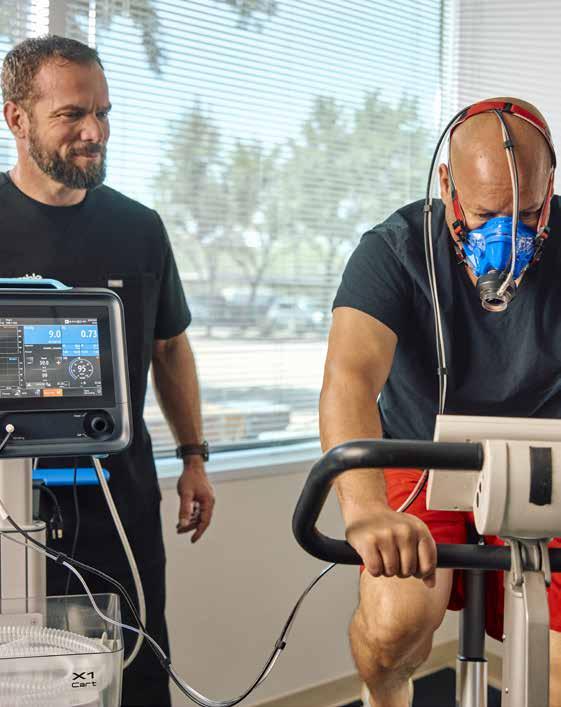
I see men who are physically strong but have very low VO₂ max. Men who are training hard but carrying levels of body fat that quietly increase long-term risk. Men who are focused on building muscle but overlooking cardiovascular fitness and metabolic health.
VO₂ max is a good example.
It’s often viewed as something for athletes, and at the high end, it is. Those massive numbers you see from Olympians and elite endurance athletes carry the best bragging rights in the game. But there’s far more to it than that.
When your VO₂ max falls below 25, you’re not going to have the cardiovascular capability to have normal sexual health. Some people find that important. Below 20, you’re not going to be able to go on a simple hike with your family without stopping, resting, and falling behind.
That’s not performance. That’s basic function. And most people have no idea where they fall.
The bigger issue is that a lot of what people are told about their health comes from a system that isn’t built to optimize it.
When you get standard blood work through a primary care setting, you’re getting what insurance allows. Those panels were designed to detect disease, not prevent it.
CONTINUED >

“WHAT
PEOPLE DON’T ALWAYS RECOGNIZE IS THAT PERFORMANCE AND LONGEVITY ARE NOT THE SAME THING. ‘FINE’ IS NOT THE SAME AS OPTIMAL. THAT’S NOT PERFORMANCE; THAT’S BASIC FUNCTION. THE GOAL IS NOT JUST LIVING LONGER, BUT LIVING BETTER.”


If you don’t meet a disease threshold, you’re told you’re fine. But “fine” is not the same as optimal.
Take something like hemoglobin A1C, the standard lab test for diabetes. If it’s above 5.7, you’re labeled prediabetic. Above 6.5, you’re diabetic.
What that misses entirely is the progression leading up to it.
A1C can be rising for years before it crosses that threshold. Insulin levels can be elevated long before A1C reflects it. That’s where the real story is. That’s where intervention actually matters.
For a lab test that costs a few dollars, we can look at fasting insulin and get a much more nuanced understanding of blood sugar control and insulin resistance. But it wasn’t included in the medical canon decades ago, and it’s incredibly difficult to change those standards now.
So people get told they’re healthy, while the early signals are already there.
That’s the gap, and we see it across multiple systems.
Liver markers like AST and ALT are considered “normal” up to around 40, but values in the 30s can already indicate mild to moderate inflammation, often tied to fatty liver and metabolic dysfunction.
Hormones are another example. A postmenopausal woman can have estrogen, progesterone, and testosterone levels of zero and still fall within a “normal” range. But if she has low muscle mass, poor bone density, and declining function, that’s not something I would consider acceptable.
Normal ranges are based on the general population.
And the general population is not a great benchmark for optimal health.
What we’re really talking about is a shift in approach.
It’s known as Medicine 3.0, but at its core, it’s simple. You are an active participant in your own health.
We use deeper biomarkers. ApoB instead of standard cholesterol panels to better understand plaque-causing particles. Inflammatory markers to identify long-term risk. Fasting insulin to catch metabolic dysfunction early.

Personalized, proactive care that blends western and functional medicine to address the root cause of health concerns.
Direct access via phone, text, email, or video for seamless, ongoing support beyond the traditional office setting.



We measure VO₂ max because it’s one of the strongest predictors of longevity we have.
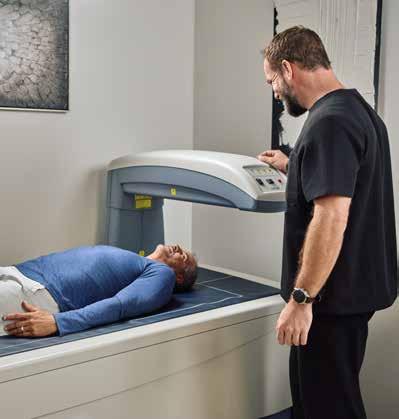
We use DEXA scans because body composition tells the truth. You can look “normal” on a scale and still carry dangerous levels of visceral fat, which is one of the strongest indicators of poor metabolic health.
And we use continuous glucose monitoring because it shows how your body actually behaves in real time. Not averages. Reality.
That’s where people are often surprised.
A common example is alcohol. Many people assume wine is harmless because it doesn’t spike blood sugar immediately. And they’re right, in the moment.
But what they don’t see is what happens later.
In the middle of the night, blood sugar rises. Heart rate increases. Body temperature goes up. Sleep quality drops. They wake up feeling off, and they don’t connect it back.
That’s the value of actually seeing what’s happening. What I try to give people, especially those already putting in effort, is direction.
Most people know how to work out. Most people know what they should be eating. But they’re often inefficient, inconsistent, or unknowingly working against themselves.
When you align exercise, nutrition, and lifestyle with how the body actually responds, everything becomes more effective.
And when you re-measure those metrics three or four months later, you can see the change.
That’s what builds momentum.
To me, being healthy isn’t about not being sick. It’s about maximizing the amount of time you spend fully capable. Able to move, think, and function at a high level without limitation.
Because when those systems are aligned, life gets better.
And the people thriving in their fifties, sixties, and beyond didn’t get there by accident. They started paying attention earlier.
There’s a line from Walt Whitman that captures it well: “The periods of middle and old age are perhaps the finest… a well-trained person, through middle age and old age, towering in its ripeness and completeness… and indeed, transcends them.”
That’s the goal; not just living longer, but living better.
A former Green Beret, Special Forces Flight Surgeon, and Internal Medicine physician, Dr. Jesse Greer brings a mission-first mindset to everything he does, grounded in performance, resilience, and precision. Based in Scottsdale, Preamble is Arizona’s leading Medicine 3.0 clinic, designed to prevent the preventable.




Your perfect staycation begins at Mountain Shadows. Ease into sun-drenched mornings, spend the day unwinding by the pool or on the greens with sweeping Camelback Mountain views, and savor evenings over unforgettable dining just steps away from your room.
Summer weekends include complimentary experiences for resort guests including sunset yoga, sound healing, poolside music and more. Arizona residents can enjoy a summer stay for just $159 weekdays and $199 weekends, with a waived resort fee (June 1 - September 30). At Mountain Shadows, every moment is designed for effortless relaxation—no travel required.
5445 East Lincoln Drive, Paradise Valley, AZ 85253
mountainshadows.com | 855.421.0205
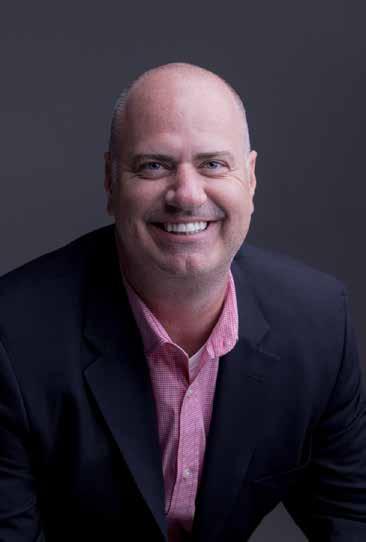
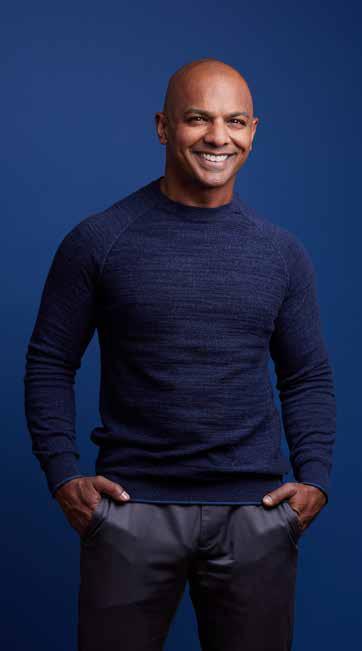
Across four disciplines, a smarter way to think about men’s health.
PHOTOGRAPHY PROVIDED
Men’s health isn’t one lane. We asked four experts across different disciplines what men should be paying attention to and the early signals most often overlooked.
REGISTERED NURSE & CO-OWNER, ELEMENT IV THERAPY
On the real mistake behind self-diagnosis:
“Men assume or deny that symptoms are nothing, delaying action and intervention. Saying ‘I’m fine, I can fix this, it’s nothing.’ Many normalize pain, fatigue, or changes until they increase or worsen. The real issue is ignoring persistence, progression, or multiple small signs adding up.”
On why guesswork leads men in the wrong direction:
“They use guesswork, ChatGPT, or internet searches instead of patterns and timelines. It’s not just about what the symptom is, it’s about how long it’s been there, if it’s getting worse, and what else is happening alongside it.”
On when to stop waiting it out:
“If symptoms last more than one or two weeks, worsen, or interfere with daily life, get checked. Seek immediate help for chest pain, shortness of breath, sudden weakness, severe headaches, or unexplained weight loss. If something feels unusual, that alone is enough reason.”
On how to actually navigate care when something feels off:
“Most men understand the difference between emergency care, urgent care, or something that can be handled at home. But they’re also thinking about costs; co-pays, deductibles, overall spend. When something feels unclear, it’s best to start with a primary care provider. They can evaluate the situation and guide your next steps.”
On how the body quietly creates bigger problems:
“Men are really good at pushing through. They adjust, they compensate, they keep going. But compensating creates new problems. The way you change how you move to protect a sore shoulder can eventually hurt your neck or back. By the time most patients come in, the problem has been building for a long time.”
On why small, recurring pain matters more than severity:
“That kind of pain men call ‘just a little ache;’ a shoulder that hurts when you reach up, a knee that bothers you on the golf course, a back that tightens after every workout… that’s often an early sign something in your body is breaking down. A small pain with a pattern is worth paying attention to.”
FOUNDER, INTEGRATED SPINE, PAIN, AND WELLNESS
DOUBLE BOARD-CERTIFIED ANESTHESIOLOGIST & INTERVENTIONAL PAIN SPECIALIST
-Dr. Ashu Goyle “
On the signs men dismiss as “just aging:”
“Men are really good at pushing through, but compensating creates new problems. Your body almost always whispers before it starts screaming. The men who age well are the ones who paid attention early. A small pain with a pattern is worth paying attention to.”
“Most men don’t realize their body is sending them warning signs. They feel tired all the time, their joints hurt a little, they can’t sleep well, and they’re gaining weight even though nothing big has changed. They think it’s just getting older. But a lot of the time, the body is trying to tell them something is wrong.”
On what’s actually behind ‘feeling older:’
“A lot of men say they suddenly feel older, like little things are starting to hurt that never did before. Inflammation is almost always part of that story. It’s not just wear and tear. It’s the body under stress for too long.”
On what separates men who age well:
“The men who age well are the ones who paid attention early. They didn’t wait until the pain was unbearable or the diagnosis was already serious. Aging well isn’t mostly about your genes. It’s about how early you listen and how willing you are to actually do something about what your body is telling you.”


BOARD-CERTIFIED PERIODONTIST & IMPLANT SURGEON, OWNER OF MONDLICK PERIO
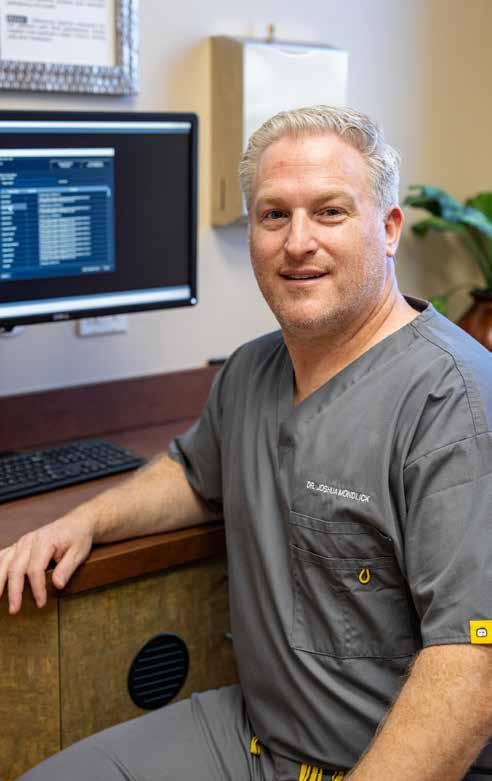
On the hidden link between oral health and heart disease:
“Oral health is one of the most overlooked indicators of heart health in men. The mouth is a window into the body, and chronic gum inflammation, especially periodontal disease, allows bacteria to enter the bloodstream on a daily basis. That ongoing bacterial and inflammatory burden is linked to cardiovascular disease. In fact, oral bacteria have been identified within arterial plaque associated with atherosclerosis, supporting a real biologic connection between gum disease and heart health.”
On why it often goes unnoticed:
“The challenge is that early gum disease is often painless, showing up as bleeding gums, bad breath, or gum recession. Many men delay routine dental care, letting these low-grade infections persist silently.”
On the simplest habit with the highest return:
“Tongue scraping. It’s one of the simplest, highest-return habits you can add to your day, and almost no one does it. Your mouth is loaded with bacteria, and a lot of the worst offenders linked to gum disease live on the back third of your tongue. That film on your tongue in the morning isn’t just bad breath, it’s a dense layer of bacteria. Brushing doesn’t touch it. A tongue scraper does, in seconds.”
On what most people are carrying into their day without realizing:
“It cuts down what you’re carrying into your body before the day even starts. Your breath improves immediately, and your tongue should look like a tongue… not white, black, or brown. It’s a simple move with an enormous return.”
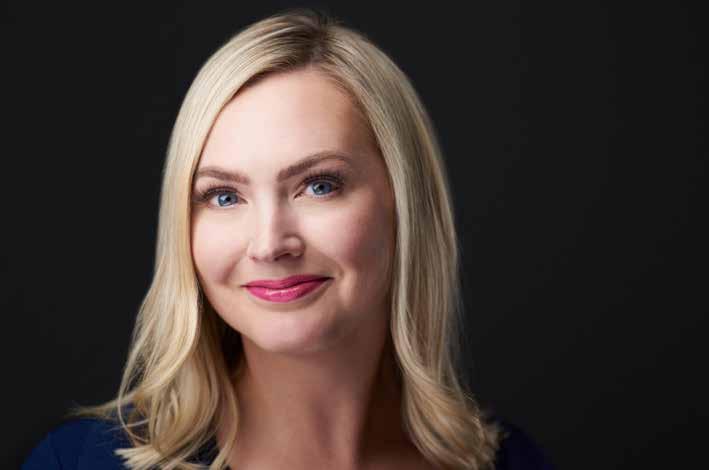
BOARD-CERTIFIED ENDOCRINOLOGIST, OWNER OF BRIGHT ENDOCRINOLOGY
On the early warning sign most men completely miss:
“One of the most commonly dismissed symptoms I see in men is erectile dysfunction. Many assume it’s simply a normal part of aging, but from an endocrinology perspective, it’s often an early warning sign of something more serious. The blood vessels are smaller than those supplying the heart, so vascular disease often shows up there first, sometimes years before a man develops chest pain or other classic symptoms.”
On the condition that quietly signals bigger problems ahead:
“One of the biggest and most overlooked health issues I’m seeing in men right now is fatty liver disease. It’s often completely silent, with no symptoms until it has already progressed. Many men assume that if their labs are normal or only mildly elevated, they’re in the clear, but that’s simply not true.”
On why fatty liver is not really about the liver:
“Fatty liver is not just a liver problem. It’s a metabolic warning sign. I often describe it as the canary in the coal mine for future health risks. It’s strongly associated with insulin resistance, prediabetes, and cardiovascular disease.”
On what your afternoon crash is actually telling you:
“Persistent fatigue, especially that afternoon crash or feeling exhausted after meals, is often dismissed. But this pattern can be a red flag for blood sugar dysfunction. When glucose levels spike and then drop rapidly, it leaves you feeling drained, foggy, and craving more sugar or caffeine.”
On why men miss the window to reverse it:
“These changes can occur years before a formal diagnosis, quietly increasing the risk of cardiovascular disease and other complications. The opportunity is in catching it early, because in many cases, these conditions are still reversible.”











Summarizing

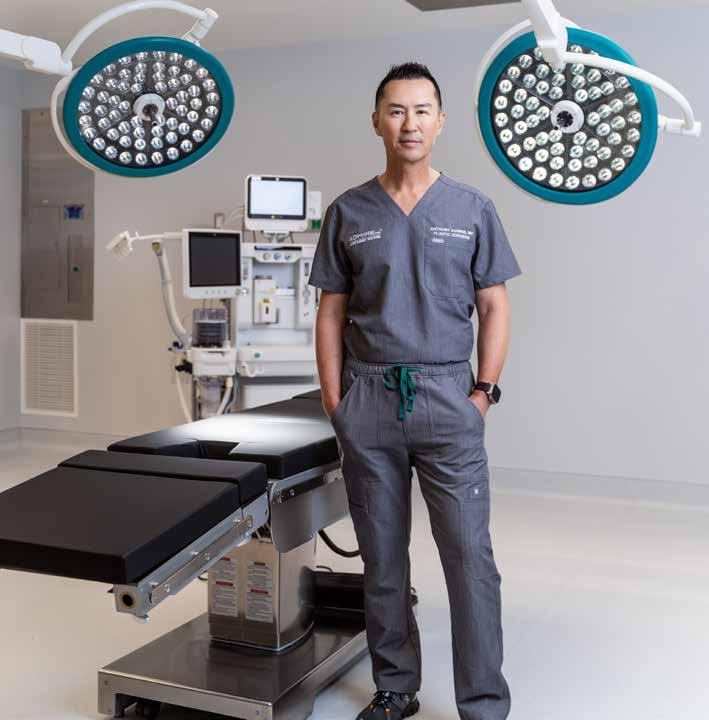
The story behind Dr. Anthony Admire and the path that shaped his approach.
PHOTOGRAPHY PROVIDED
Dr. Anthony Admire does not speak like someone chasing trends. For a surgeon whose work has earned national recognition, whose Scottsdale and Arcadia practice attracts patients from across the country, and whose Instagram following has climbed into six figures, he is strikingly calm. Measured. Thoughtful. Almost quiet in the way truly confident people can be.

“We were a package deal. I came to the U.S. with my sister at four years old, and everything from there shaped who I am today.”
Maybe that comes from the operating room. Maybe it comes from golf. Maybe it comes from being raised by a military father in a home where discipline, manners, and work ethic were not suggestions. Or maybe it started even earlier, with a story that began in South Korea.
“My sister and I were at an orphanage in South Korea,” he says. “My adoptive parents were Americanborn, both born and raised on farms in Indiana. My dad was in the Army at the time, stationed in South Korea.”
His parents first saw his sister. She was six, one of the older children in the orphanage, and female, a combination that made adoption less likely in that culture at the time. Then they learned she had a younger brother.
“We were a package deal,” he says.
So at four years old, Anthony came to the United States with his sister, first to Indiana to meet their new family, then eventually to Arizona, where his father retired from the military and settled in Tucson.
“I’m a Tucson kid,” he says.
His childhood was strict, but loving. His parents entertained often, filling the house with adults, conversation, expectations, and structure.
“It was my sister and I and 100 adults,” he says. “We knew how to interact with adults. It really fostered our maturation and being able to speak to whomever, saying yes sir, yes ma’am.”
They also worked. Cleaning golf clubs. Picking up golf balls. Pulling weeds. Learning early that nothing was handed over without effort.
That golf course became part of him. Before medicine, before plastic surgery, before national acclaim, Admire wanted to be a professional golfer. He was good, but not quite good enough. He jokes that he may have peaked as a freshman in high school.
Then life shifted.
“My mom passed away when she was 43 years old,” he says. “She died of a ruptured brain aneurysm. I was about 13 years old. You see your mom on the way to school, and you come home, and she’s not there.” CONTINUED >
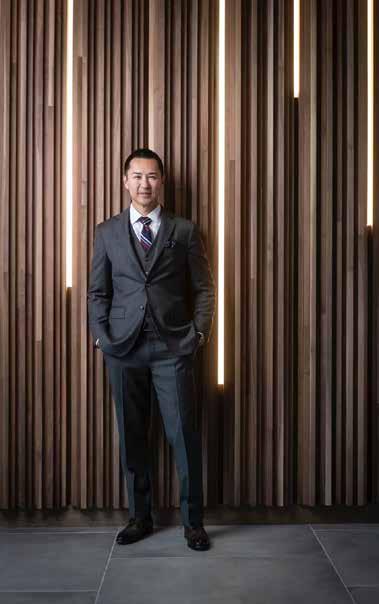

He did not understand what had happened. So he started asking questions. About the body. About medicine. About how something invisible could change everything in a day.
“I would say that’s when I started thinking about medicine in general,” he says. “Not necessarily plastic surgery, but I wanted to know how the body works.”
Plastic surgery came later, during medical school at the University of Arizona, when he rotated with a surgeon named Dr. Kian Samimi.
“What I loved most about him was his calm demeanor and how he was around patients,” Admire says. “How confident and poised he was in the OR. He never raised his voice to anyone.”
It is hard not to hear Admire describing himself.
His own path began with long nights and trauma calls, taking care of facial fractures, hand injuries, and late-night accidents in emergency rooms. He opened his own practice in 2007 without bank loans, building slowly, patient by patient.
“I was taking a lot of ER call, trauma call,” he says. “You have to pay the bills. I really did it all on my own.”
Today, Admire is best known for facial rejuvenation, particularly advanced facelift surgery. He performs roughly 120 facelifts a year, and he believes the category has entered what he calls “the golden age of the facelift.”
“There used to be a taboo,” he says. “People would come in saying, ‘I don’t want to look like Kenny Rogers. I don’t want to look like Burt Reynolds.’ Those people didn’t look like themselves after surgery.”
That fear, he says, kept many people away. But the conversation has changed.
“Now the trend is more natural,” he says. “Sometimes you don’t even know. Did they have a facelift? Did they not? They just look refreshed. That’s really what I’m after.”
His patients are not asking to look 25 again. They are asking to look like themselves, only rested, lifted, healthier, and more aligned with how they feel.
“They just want to look 10 years younger, 15 years younger,” he says. “A younger, better version of themselves.”
The public may think of a facelift as simply pulling the face tighter, but Admire is quick to explain how much the field has evolved. His work focuses on the deeper structure of the face, including the SMAS, a supportive layer of tissue he compares to a hammock.
“Once that tissue starts to age, it stretches,” he says. “That’s where a lot of the sagging in the face comes from.”
His specialty, the extended deep plane facelift, is more technically involved because it works within deeper facial layers where muscles, ligaments, and nerves must be carefully navigated.

“You see your mom before school, and then you come home and she’s not there. That’s when I started asking how the body works and why things happen.”


“Everyone says they do the deep plane because now that’s a catchy term,” he says. “But it’s definitely more involved. There’s more technical skill to it.”
The goal is longevity, not a quick pull.
“Nothing is permanent,” he says. “Even bone is impermanent. But how the tissue is elevated and how it’s suspended, those are the things that give long-lasting results.”
For many patients, that means 10 to 15 years.

But Admire is also clear that surgery is only part of the picture. The future of aging well, he says, starts much earlier and has as much to do with skin quality as it does with surgical technique.
“If an 18-, 19-, 20-year-old came into my office and had something done in our skin clinic every single month for their whole life, they probably would never need a facelift,” he says.
The treatment he points to first is broadband light, or BBL, which he says can help reverse visible signs of aging in the skin.
“It’s not red light. It’s not even a laser,” he says. “There are studies that show it reverses the signs of aging in the skin.”
Then there is sunscreen, which he mentions like a commandment.
“Sunscreen every single day,” he says. “Regardless of whether the sun’s out or not.”
He knows because he learned the hard way.
“I remember my mom dropping me off at the golf course at 7 a.m. and picking me up at 7 p.m.,” he says. “I’d play 36 holes and not even use sunscreen. A lot of times not even a hat.”
In Arizona, he says, the environment matters. Sun damage, age spots, texture changes, laxity, and skin cancer risks all become part of the aging conversation.
“The sun really does more to age the skin than anything else,” he says.
And then there is the Ozempic era.
Admire says GLP-1 medications have changed the aesthetic landscape almost overnight, especially for the face.
“We’re seeing that a ton,” he says. “Patients have lost 40, 50, 60 pounds, and their faces are deflated. Not only does the skin get saggy, but they lose all that weight in the middle.”
That volume loss has contributed, he believes, to the renewed demand for facelifts. People may feel healthier and lighter, but their face can suddenly look older.
The other major shift? Men.
“Ten years ago, maybe 1 percent of facelift patients were men,” Admire says. “Now it’s probably 5 percent. It’s still low, but going from 1 to 5 percent, with as many facelifts as I do, is a lot.”
Men often start smaller, he says, with eyelid surgery.
“The eyelids start to sag. Extra skin hangs over the upper eyelid, sometimes obscuring vision. They may have bags in the lower lids. Those are home runs when it comes to male facial surgery.”
But the neck is often what bothers them most.
“They’re okay with a few wrinkles,” he says. “They’re okay with a few deep lines. But it’s really the neck that bothers them.”
Their biggest concern is usually scars.
“Especially men,” he says. “Where are my scars going to be?”
Good surgery, he explains, is not just about the lift. It is about incision placement, preserving hairlines, protecting sideburns, hiding scars in the contours around the ears, and making sure the result does not announce itself.
“No one wants their sideburns shifted into their ear,” he says.
For Admire, the best work is not obvious. It does not distort. It does not chase a celebrity face. It respects anatomy, timing, proportion, and restraint.
“I don’t think you should look for your surgeon on TikTok,” he says.
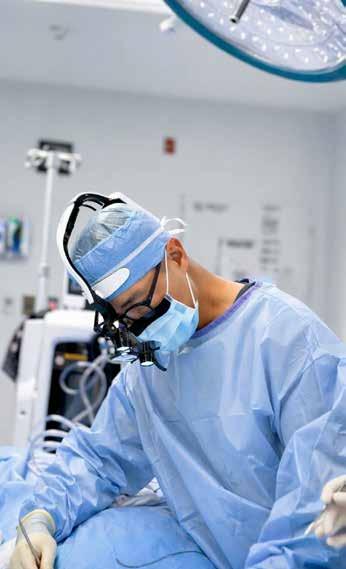
Instead, he believes patients should look for experience, confidence, calm, and a surgeon who is not performing for the internet.
“I have a calmness about me,” he says. “I’m kind of in my Zen, in my element during surgery. There’s no throwing things. It’s a very tranquil environment.”
No coffee before surgery, either. Some procedures keep him in the OR for six hours straight, and he prefers not to take breaks. The music is usually soothing. Chris Stapleton. A little Maroon 5. Sometimes country.
Outside of work, golf still grounds him. So does his wife. So does their mini goldendoodle.
But inside the operating room, his life story seems to come full circle: the child who crossed continents, the boy raised with military discipline, the teenager who lost his mother and wanted to understand the body, the young doctor who admired a surgeon’s quiet confidence, and the Scottsdale specialist now helping redefine what modern facial rejuvenation can look like.
Not frozen. Not pulled. Not someone else’s face.
Just restored.
As Dr. Admire puts it, the goal is simple: “I love enhancing facial harmony while preserving individuality, an approach that has become a hallmark of my work.”
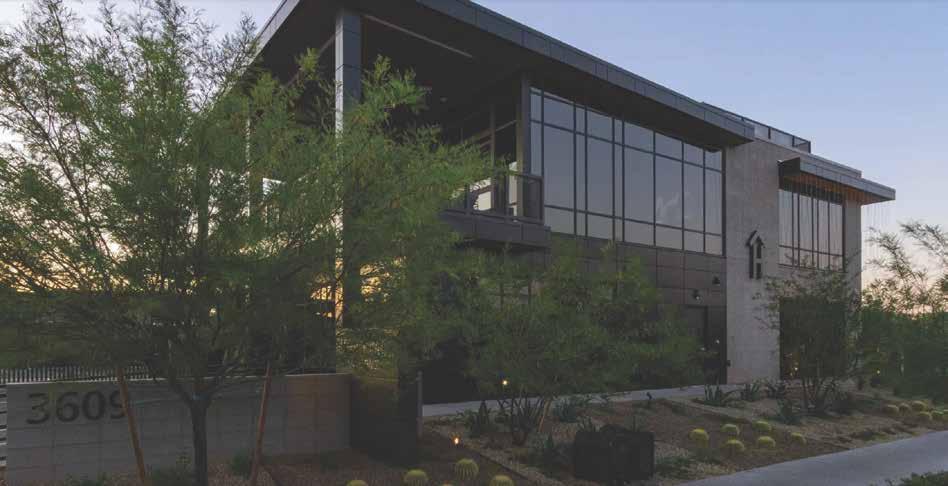



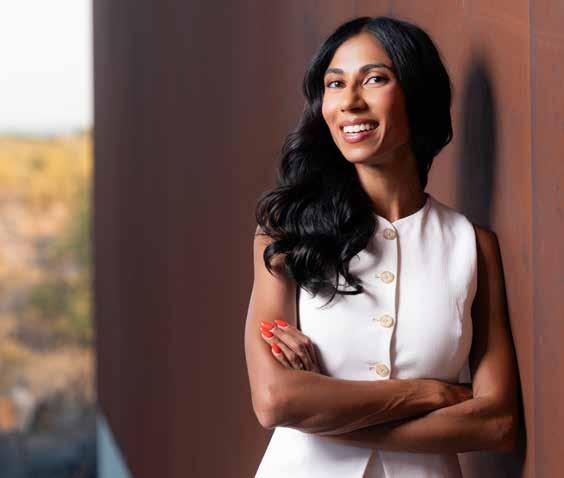

• Sports Performance Training
•
• Normatec Compression Therapy to boost
and reduce soreness
• Personal Training


Hi, I’m Shannon, and I’ve been specializing in chocolate chip cookies for over 25 years, baking custom cookies for every occasion.
I’m a proud mom to Maddie and Brandon. After losing my daughter Maddie, baking became a source of purpose and fulfillment... something that continues to inspire everything I create.
Classic batches and custom cookie cakes available, each made from scratch, delicious, beautiful, and crafted with care. Individually wrapped options available, perfect for gifting or events.
Thank you for letting me cater your next dessert! Plenty of options to choose from, all made fresh and from the heart.



How Chase Penman turned military discipline into one of the Valley’s most respected design businesses.
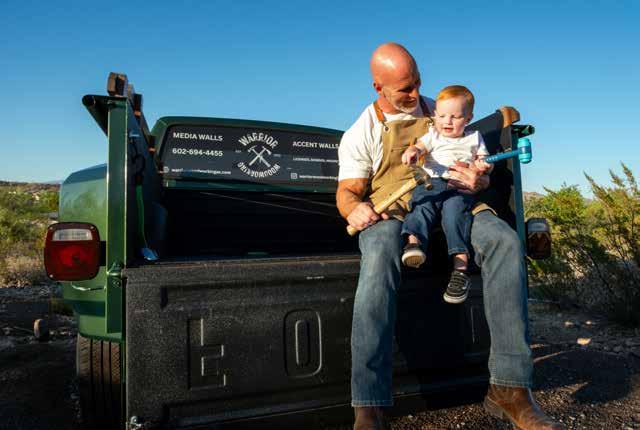
PHOTOGRAPHY PROVIDED
He was 18 when he made the decision.
Like many young men at that time, September 11 attacks changed the trajectory of his life in an instant. By the end of that day, Chase Penman knew he would enlist. There was no hesitation.
More than two decades later, that same clarity still defines him. It just shows up differently.
Today, Chase is known across the Valley as the founder of Warrior Woodworking, a name that has quietly become synonymous with precision-driven design and architectural wall craftsmanship. But to understand the work, you have to understand the discipline behind it. And that story does not begin in construction.
It begins in Iraq.
At 19, Chase was deployed as part of a combat unit out of Fort Hood, serving as the lead driver on escort missions through some of the most dangerous regions in the country. Sadr City. Fallujah. Ramadi.
“To be trusted by my team with that responsibility at that age was a tremendous honor,” he says.
The year was defined by intensity and real danger. The kind that leaves an imprint long after you return home. He survived an IED attack. He came back grateful. And like many veterans, he carried experiences that would take time to process.
“Serving this country was a privilege. I would not change a thing. I love this country deeply.”
That mindset; steady, disciplined, grounded in responsibility, became the through-line of everything that followed.
For years, that path pointed in a different direction. After leaving the military, Chase spent more than a decade as a financial advisor while working in mergers and acquisitions in fintech. It was structured, predictable and successful on paper.
But it was not fulfilling.
Construction was never part of the plan. In fact, it started almost accidentally. A side project. Something creative to balance the rigidity of corporate life. Then came a single moment that shifted everything: a custom accent wall in his own home.
Interest came quickly. Demand followed faster.
He offered a handful of projects on Facebook. Five clients booked within two hours. Within two months, he walked away from corporate America entirely.
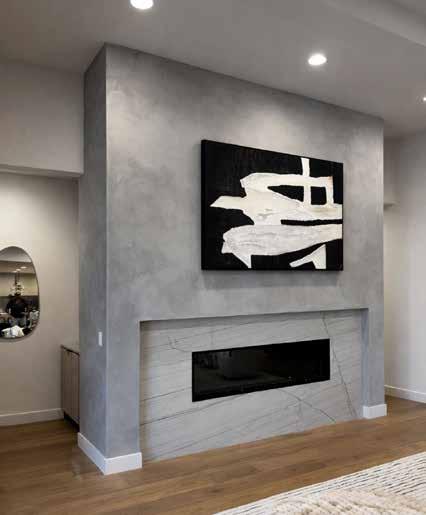
“I’ve always been driven to provide, but fatherhood gave that purpose a new level of meaning.”
Four years later, Warrior Woodworking has become one of the most recognized names in the Valley for custom architectural feature walls, bespoke media installations, decorative ceilings, and refined outdoor builds.
But even now, Chase does not talk about growth first. He talks about process.
“To me, craftsmanship means honoring every detail. It means refusing to cut corners, even when a project becomes demanding or runs longer than expected.”
That philosophy shows up immediately in how he approaches a space. Before design, before materials, before pricing, he studies the environment.
“I’m paying attention to how the client lives. The materials, the color palette, the overall feel of the home. A wall can be built in many ways. The best design is the one that feels completely natural in that space.”
It is a design-first mindset, rooted not in trends, but in restraint and intention.
Lately, that intention has been expressed through materials like micro-cement and lime-wash; finishes that add depth, texture, and quiet sophistication without overwhelming a room.
“I want clients to feel genuinely amazed. Like the space became something more than they imagined.”
That standard is not accidental. It is built on the same principles that defined his early years; discipline under pressure, accountability to others, and an understanding that details matter most when the stakes are high.
But if the military shaped how he works, fatherhood has shaped why.
His son, Jameson, is turning two. And with that came a shift that is harder to quantify but impossible to ignore.
“I’ve always been driven to provide, but fatherhood gave that purpose a new level of meaning. The legacy that matters most is the kind of man my son becomes,” he says. “Because that reflects the example I set.”
It is a perspective that brings everything full circle. The discipline. The career pivots. The decision to leave stability for something more aligned.
Because at its core, Chase’s work is not just about walls.
In a world that often prioritizes speed and scale, there is something rare about someone who still believes in slowing down enough to get it right.
Chase Penman does. And it shows in everything he touches.
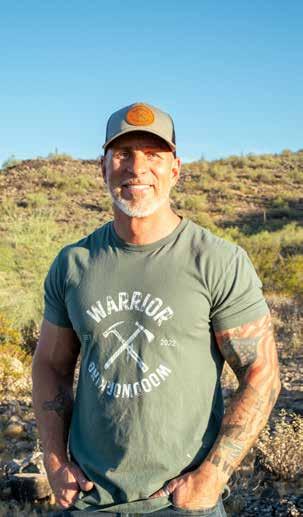
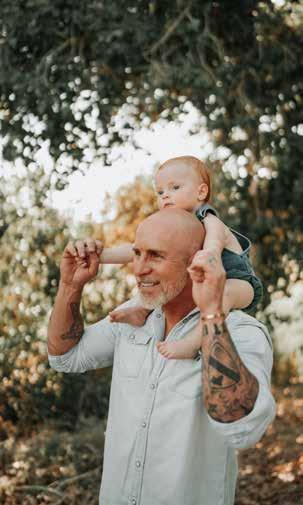
by Cat Cantrill
Dear Matchmaker,
I’m successful, busy, and honestly don’t have time to date. Where do I even start?
Answer:
Start by being intentional. The right introduction saves you time, energy, and guesswork. Working with a matchmaker means you’re meeting women who are aligned with your lifestyle, values, and pace from the start.
Dear Matchmaker,
Why would I use a matchmaker when I can just use apps?
Answer:
Apps give you options. A matchmaker gives you alignment. We filter for compatibility, not just availability, so you’re not wasting time on the wrong connections.
Dear Matchmaker,
I know what I want, but I keep attracting the wrong people. Why?
Answer:
Because attraction isn’t always the same as compatibility. We help you refine both, so you’re not repeating patterns and actually moving toward something lasting.
Dear Matchmaker,
Is matchmaking just for people who can’t date on their own?
Answer:
Not at all. It’s for people who value their time and want a more intentional, elevated way to meet the right person. Submit it anonymously to “Dear Matchmaker” at team@scottsdalematchmaker.com -your question could be featured in an upcoming issue! www.scottsdalematchmaker.com

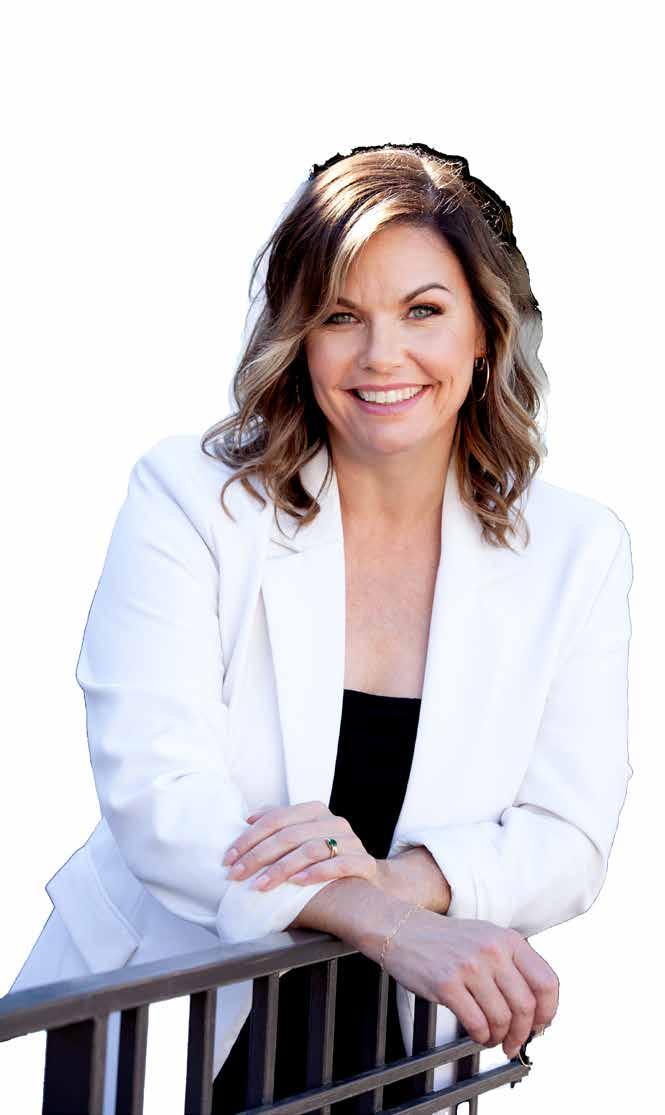
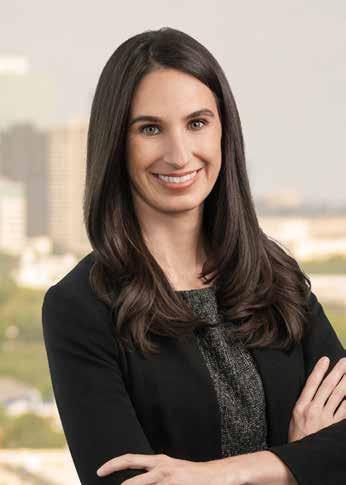





Turning early lessons into a more intentional approach to private wealth.
PHOTOGRAPHY PROVIDED
There is a moment in every career where success stops being enough. Not because the work changes, but because the purpose behind it does.
For Jacob Duffy and David Mathias, that moment came after years of building respected careers within a large, established platform. They had the infrastructure, the resources, the reputation, and the trust of the clients they had spent years advising. And still, something was pulling at them.
As we celebrate our Men’s Issue, we’re sharing the story behind their decision to leave the structure of a large firm and build Duffy Mathias Private Wealth.
“We set out to build an investment platform that truly works for clients, giving them access to more managers, more opportunities, and both private and public markets, while also creating an environment where our team thrives and partnering with a firm that could deliver on all of it,” says Jacob.
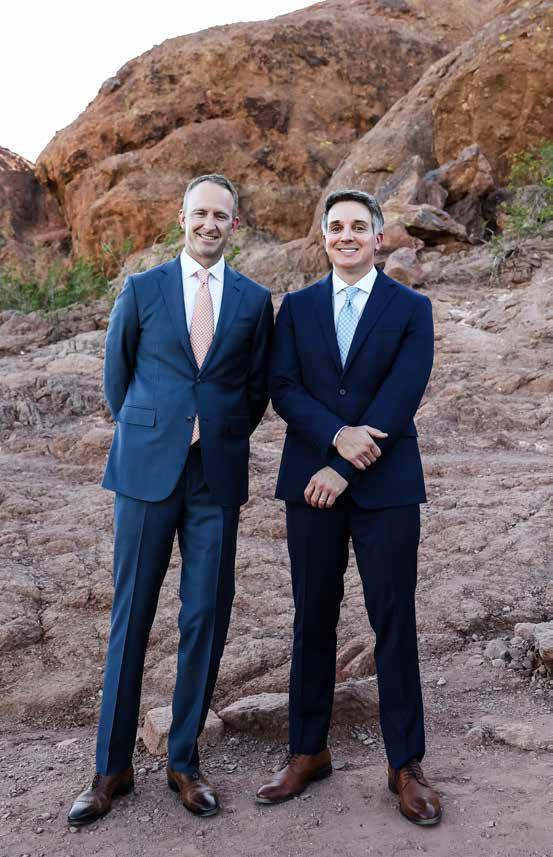
The decision that followed was not abrupt, and it was not reactionary. It was the result of years spent inside the industry, understanding what worked and what could be better. What they are building now would reflect that difference; not just in structure, but in how they think, how they advise, and how they show up for the people who trust them with some of the most important decisions of their lives.
For Jacob, that perspective was shaped long before his career formally began. He grew up around business, influenced heavily by his father, who introduced him to investing at a young age.
“It started with two simple rules,” Jacob says. “If you can’t explain what you own in less than 30 seconds, you shouldn’t own it. And more importantly, you need to actually understand it, not just buy something because someone else says it’s great.”
That philosophy wasn’t just talked about, it was lived.
At seven years old, whenever Jacob earned money, his father would set it aside in an investment account. As it grew, they would sit down together and choose a stock. But there was a catch.
“I had to do the research myself,” he says. “I had to be able to explain why we were buying it.”
The first was Disney. Then McDonald’s. Growing up in Seattle, Microsoft was always part of the conversation, but it went beyond familiarity.
“It wasn’t just about knowing the company,” he says. “It was about understanding how it made money, what it did, and why it mattered.”
At an age when most kids weren’t thinking about markets at all, Jacob was already learning how decisions made early could shape outcomes later.
“And that rule always stuck. If you can’t explain it, you don’t own it.”
By the time he entered the industry, first on the East Coast and ultimately in Scottsdale, he was not learning a language so much as continuing one. Over the next decade and a half, his work in investment and portfolio management became defined by discipline and consistency, an approach grounded in long-term thinking rather than short-term reaction.
Through intentional design and refined details, we create interiors that feel effortless, functional, and distinctly yours, from kitchens and living spaces to bathrooms and bedrooms. Every element is considered. Every space, elevated.
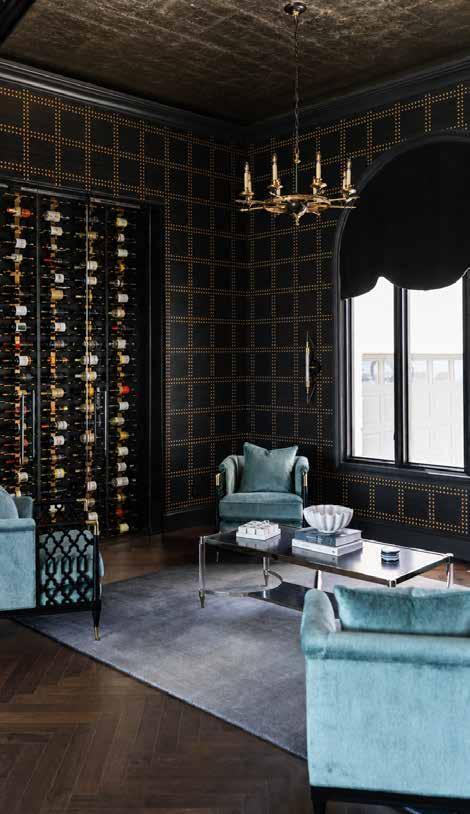



“We’re students of the market, constantly paying attention to the smaller shifts that can impact the bigger picture. From there, it’s about building diversified portfolios, thinking ahead, and being proactive instead of reactive. Risk isn’t one-sizefits-all, it’s unique to each client, so everything we do is tailored. We look at habits, savings, and goals to determine the right rate of return, then build a custom portfolio around that.”
Today, that same mindset extends beyond markets and into the life he has built with his wife Leslie and their two children, Landon and Ava. The idea of planning for the future is no longer theoretical. It is something he lives every day, shaped by the same sense of responsibility he now carries for the families he advises.
“Being a husband and father shapes how I think about advising clients every day. It reminds me that wealth is more than numbers on a statement, it is about protecting the people you love, creating security, and building opportunities that last for generations.”
David’s path into the industry brought a different kind of perspective. Before joining Jacob, he spent years working in a boutique wealth and estate planning environment, advising clients whose financial lives required
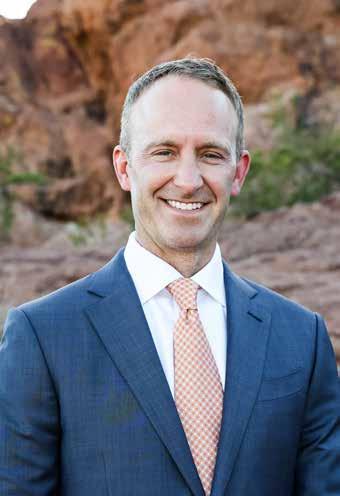
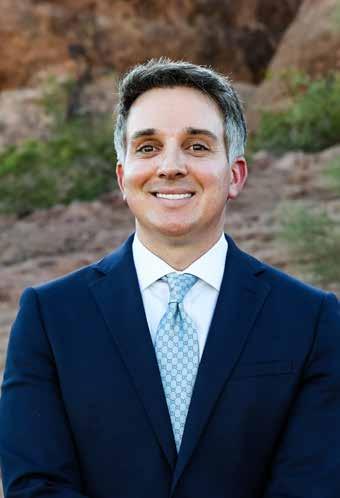
a level of coordination and nuance that extended far beyond traditional investment management. Business owners, professional athletes, and individuals navigating complex financial structures required more than answers. They required a deep understanding of how each decision connected to the next.
“ Working with a sophisticated clientele has set a high standard for how I approach every relationship. The level of service they expect has sharpened my attention to detail and reinforced that establishing trust is paramount,” he says.
That experience continues to shape how David approaches planning today. It is not about isolated strategies, but about building a cohesive structure that accounts for every moving part. His training, credentials, and recognition reinforce that expertise, but what defines his approach is his ability to step back and see the full picture.
“ Every client’s financial situation is unique, and no single piece exists on its own. I believe in bringing it all together; investments, estate planning, tax strategy, and insurance; into a unified plan that reflects the full scope of who they are and where they want to go.”
Outside of the office, that perspective is reinforced by his own life. As a husband and father, the priorities shift, and the concept of legacy becomes more tangible. Decisions carry weight in a different way when they are tied to family and to what comes next.
“Fatherhood has a way of refocusing your priorities. Personally, it’s grounded me in what truly matters. Professionally, it deepened my empathy for the clients I serve because when someone sits across from me and talks about securing their family’s future, I understand that on a whole new level now.”
What connects Jacob and David is alignment. Despite different paths, they share the same view on responsibility, relationships, and their role in clients’ lives. That became the foundation for Duffy Mathias Private Wealth, built not to replicate what exists, but to prioritize relationships, flexibility, and true customization. Ask them what they’re seeing, and the answer is immediate.
“This is a moment to understand your exposures. Know the credit risk in your bonds, pay attention to dislocation in private debt, and be intentional about where you’re positioned, especially in energy, commodities, and software. Volatility should be planned for, not reacted to.”
Beyond their work with clients, Jacob and David are passionately involved in supporting youth, healthcare, and longterm development.
“Community is deeply important to us because we believe success comes with a responsibility to give back. Between both of us, we’re involved in the BHHS Legacy Board, National Rotary Foundation, Executive Council (EC70), Childhelp, Amanda Hope, Phoenix Children’s Hospital, Not My Kid and more. For us, it’s personal. Strong communities are built when families invest their time, resources, and care into the next generation,” they say.
Because in the end, this work is not simply about managing wealth. It’s about helping people make decisions that last.
duffymathias.com


rachel@theviridianscottsdale.com 602-717-1691
theviridianscottsdale com













Optimize Your Energy. Refine Your Performance. Elevate Your Health.
PHYSICIAN-GUIDED HORMONE OPTIMIZATION WITH ADVANCED AT-HOME TESTING— DESIGNED FOR THOSE WHO EXPECT MORE.
At CraftMD, we approach hormone optimization differently. Our program combines physician expertise with advanced biomarker testing to deliver personalized, data-driven care— without the inconvenience of traditional lab visits.
Using next-generation, needle-free at-home testing, we monitor not only hormone levels, but the broader factors that impact performance, recovery, and long-term health.
Each plan is tailored to you and continuously refined based on real data, ensuring precision, safety, and optimal results over time.
This is not one-size-fits-all therapy. This is modern, personalized medicine.

Dr. Randy Craft is a double board-certified and Harvard-trained plastic surgeon. He is the founder of CraftMD Aesthetics/Wellness, specializing in cosmetic procedures. Notably named “Best of the Valley” in 2023, 2024 and 2025, his extensive training, combined with a sense of artistry, enables him to provide patient-centric, compassionate care—always with an emphasis on safety.


An Arizona gem that’s only gotten better.
Many of us have lived in the Valley long enough to really know it. And somehow, many miss this, but it’s our family’s gem.
An hour outside Scottsdale, past where most people turn around, sits Rancho de los Caballeros Resort. Not new. Not trying to be. Just quietly one of the best ranch experiences in the country, tucked into Wickenburg like it’s been keeping a low profile on purpose.
And then they went and spent $100 million on it. Not to change it, but to elevate everything around what’s always made it special.
For more than 75 years, Los Cab has delivered the charm of Spanish Caballeros culture through its equestrian program, its land, and a hospitality that feels genuine. Out there, 18,000 acres of Sonoran Desert stretch in every direction. You don’t have to try to play cowboy. The place does it for you.
Now, the experience meets you at a different level.
You arrive just after noon, the kind of arrival that feels unhurried. A golf cart hums quietly past and stop signs say: WHOA . Somewhere in the distance, you hear the low rhythm of hooves. Your villa door opens and you immediately understand where the investment went.
This is not a hotel room. It is a multi-room casita that lives like a home. A wide living space anchors the center, a floor-to-ceiling, hand-plastered fireplace catching the afternoon light. A king bedroom on one side, two queens on the other, each with its own bathroom, each with enough space to retreat. A kitchenette. Doors that slide open to a private patio where a fire-pit waits for nightfall.
And then you notice how it expands. Lock-off rooms that turn the space into a four-bedroom casita when you need it. Families together, kids with room to run, parents with room to breathe. It feels intentional, like someone actually thought about how people travel.
Step outside and the land opens up. The golf course rolls into the desert, and beyond that, nothing but open space. Then it moves.
At sunrise, between 7:00 and 7:30, the ranch comes alive in a way that doesn’t feel staged. You hear it first. A distant, steady percussion. Then the wranglers appear, and behind them, more than 120
horses move across the property in a single wave. Dust lifts, light cuts through it; quick, raw, and completely unforgettable.
They do it again in the late afternoon, between 4:00 and 4:30, sending the horses back out to pasture. By then, you are waiting for it.
Breakfast follows at your own pace. By nine, you find yourself at the corral, boots on, hands on the saddle as the wranglers match you with the right horse. Beginners, experienced riders, kids, it doesn’t matter. Within minutes you are on the trail.
The desert opens fast. Saguaro silhouettes, soft sand under hoof, a quiet that settles in. There is no soundtrack, no interruption, just the sound of your horse and the land moving around you.
Lunch at the Club Grill feels exactly right. Open air, views of the Bradshaw Mountains, the golf green just beyond, burgers and crisp salads that hit after a morning outside.
And then you notice what sets Los Cab apart in a way most people don’t expect. There’s a golf course. And it’s a beauty.
Not in a manicured, overly polished way, but in how naturally it sits in the landscape. The Los Caballeros Golf Club winds through the desert rather than over it, with fairways that feel framed by saguaros and rugged terrain instead of reshaped by them. Elevation changes keep it interesting, the
>

mountains anchor every view, and the quiet makes it feel like you’re playing somewhere much farther from home.
After lunch comes what will be your most empowering obsession: trap and skeet shooting.
You ride out to the range where the desert stretches even wider. A quick lesson, a shotgun in hand, and then the call. Pull. Clay discs shoot into the sky, and suddenly it is all focus and timing. The recoil, the break, the satisfaction of getting it right. If you are lucky, The Colonel is there, part instructor, part personality, and entirely memorable. (You’ll quickly figure out how he got his nickname.)
By the time you head back, the afternoon horse run is starting again, and you stop to watch it like it’s the first time.
The day softens at the saloon. Doors open, music drifts, a pool table, cards, kids moving in and out without anyone thinking twice. You sit down with a drink and look up an hour later.
Dinner carries a different tone. The main dining room leans elegant without losing its footing. Seared Hokkaido scallops. Rich mushroom tarts. Plates that feel considered, served against a desert backdrop that glows as the sun drops.
Afterward, no one rushes inside. Fire-pits draw you out, whether it’s the Quarter Horse Terrace or back at your villa, where the fire glows, marshmallows toast, and the sky fills in above you.
The next day, you find your way to the pool.
This is where the renovation fully reveals itself.
It is not one pool. It is an entire complex set into the desert. A zero-entry pool with fountains where kids take over immediately. A separate lap pool that stays quiet and still. And then the hydrotherapy pool, slightly elevated, infinity-edge, with jets that pull you into the moment while the desert stretches out in front of you.

Slip under the water and you hear it. Music, soft and unexpected, just beneath the surface. Cabanas line the edge if you want to settle in. A poolside bar keeps things easy and lawn games galore entertain. What makes it different is what sur rounds it. Saguaros and desert trees that were never meant to leave. They were lifted during construction, cared for, then replanted in their exact places. So the space does not feel built. It feels grown. By the third day, something shifts. You stop trying to do everything. Maybe you start again with the horse run because it never looks the same twice. Maybe you take a stretch and flow class where the desert becomes part of








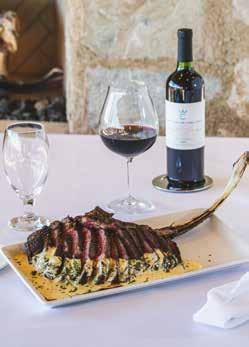


the practice. Maybe it’s a tee time, or the kids disappear into Camp Caballeros, fully in their element while you take a breath.
But in the afternoon, you pick up a bow.
Archery feels simple at first. Draw, aim, release. But there is a rhythm to it, a focus that pulls you in. You take a few shots, then a few more. It becomes its own kind of quiet.
Los Cab simply wins. It gives you everything. Riding, shooting, archery, golf, wellness, dining, space. But it never makes you feel like you have to fill every minute.
The renovation brought villas that feel like homes, a pool that feels like it belongs, and gathering spaces that pull people together without trying too hard.
But the reason you come here has not changed.
The horses still run at dawn and dusk. The desert still stretches for miles. The air still smells like dust and creosote. Time still slows.
And in the summer; yes, it’s hot. But it’s also when Los Cab opens up in a way most people don’t realize. Fewer people. More space. Early rides, long afternoons in the pool, and some of the best rates of

the year. Add in an American 250 celebration and meaningful savings for locals, and it becomes one of the smartest times to go.
And still, it’s our family’s gem.
One you almost don’t want to share.
ranchodeloscaballeros.com



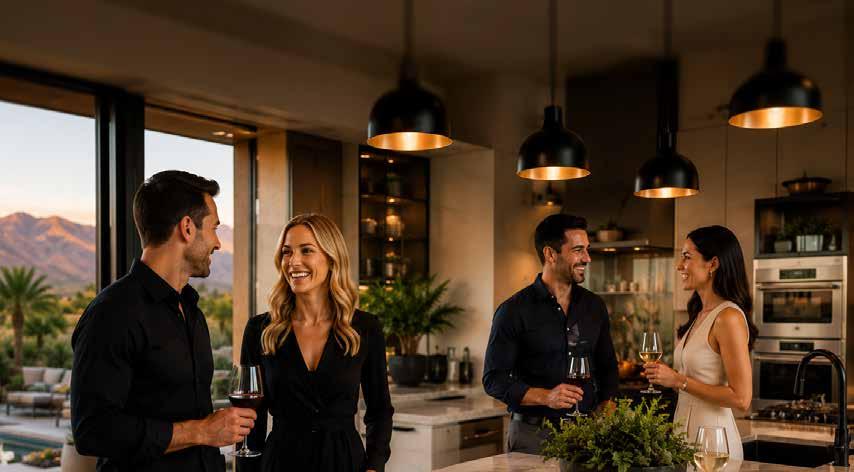
The most successful projects begin with trusted relationships.
There’s a shift happening in how connections are built in today’s real estate and design world—and it goes beyond transactions and timelines. The professionals creating the most lasting impact know that the right relationships are built through genuine conversations, shared experiences, and being in the right room.
Join us on June 11th for an elevated networking experience designed for realtors, designers, and architects who value meaningful connections, inspiring spaces, and a fun atmosphere to mix, mingle, and build relationships with like-minded professionals.


June 11th, 2026 4:00 – 6:00 PM
Located at Sub-Zero, Wolf, and Cove Showroom 15570 N 83rd Way, Scottsdale, AZ
Hosted by
Seating Limited
Limited capacity to maintain an intimate, high-quality experience RSVP required to attend Be part of the evening by reserving your seat.



At American Premier Builder, we believe the most exceptional homes begin with listening.
Every family lives differently. Every homeowner has a unique vision, lifestyle, and way they want their space to feel. That’s why our approach to custom homes and renovations is rooted in collaboration, thoughtful design, and craftsmanship that reflects the people who live there.
From luxury remodels to custom home builds, we guide our clients through a highly personalized experience designed to bring clarity, confidence, and creativity to every stage of the process.
We believe great projects are built through trusted relationships, open communication, and a shared commitment to excellence — resulting in homes that feel timeless, functional, and deeply personal.
Because luxury isn’t just about finishes. It’s about how your home lives, feels, and brings people together.
A home designed for the way you live today and the life you’re building for tomorrow


A curated, hospitality-driven process that anticipates needs and eliminates overwhelm.

Attention to every detail tailored to your lifestyle, vision and values

PHOTOGRAPHY PROVIDED
Founder/Owner Robert Quick
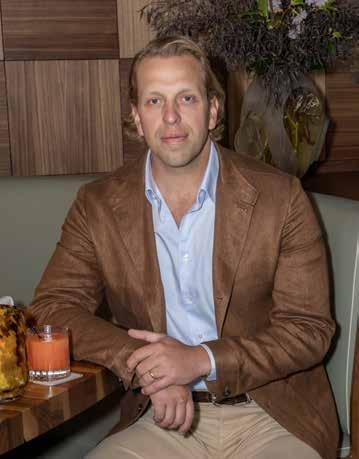

FROM DALLAS’ MOST-BOOKED TABLE TO SCOTTSDALE, IL BRACCO’S FOUNDER SHARES WHAT DRIVES THE BRAND.
Every month, we sit down with an esteemed Valley chef for a fun game of 21 Questions. This month, we’re doing things a little differently.
One of Texas’ most coveted reservations has crossed state lines. il Bracco, consistently OpenTable’s No. 1 most-booked restaurant in Dallas, has arrived in Scottsdale, bringing its buzzy atmosphere and house-made Italian-inspired cuisine.
We caught up with founder and owner Robert Quick.
“I’ve been incredibly fortunate to surround myself with people smarter than me. I set the goal and can trust them to execute.”
1. WHAT HAS SURPRISED YOU MOST ABOUT THE ARIZONA MARKET? We have received an incredibly warm welcome. We always knew Paradise Valley was a welcoming place, but the magnitude has been surprising and wonderful.
2. WHAT HAVE YOU NOTICED ABOUT VALLEY GUESTS VERSUS TEXAS?
The vibrance. There’s a true enjoyment of life you can see on every guest’s face. Even the retirees and snowbirds are sitting at the bar, enjoying bottles of Italian wine. Great energy.
3. WHEN YOU WALK INTO THE RESTAURANT, WHAT DO YOU LOOK FOR FIRST?
The custom greet stand, the open kitchen, the travertine bar... details define the space.
4. TO YOU, WHAT DOES A GREAT NIGHT AT IL BRACCO LOOK LIKE? I love dining at the bar and then moving to the patio for an after-dinner cocktail.
5. WHAT IS YOUR GO-TO?
Artichokes and Sicilian crudo to start, Spicy Gemelli as a mid-course, a filet or NY Strip as the main. A bottle of Tignanello. And of course an Italian Sundae.
6. IS THERE ONE DISH THAT REALLY DEFINES THE BRAND?
The Crispy Artichokes. We peel around 1,500 baby artichokes by hand every day in our three stores. The dish is inspired by a classic Roman preparation and built to be the perfect snack.
CONTINUED >



7. HOW MUCH DETAIL GOES INTO EVEN THE SIMPLEST DISH?
A lot. For example, The Combo. From the bread baked fresh in-house every day, to the five different Italian meats sliced to the gram, to the exact thickness of onion, lettuce, and tomato. We’ve even determined the precise moment to drain the hot pepper relish so it retains the perfect amount of moisture and flavor.
8. YOU TRAINED UNDER THOMAS KELLER. WHAT DID THAT EXPERIENCE FEEL LIKE?
The relentless pursuit of perfection.
9. ARE YOU MORE OF A PERFECTIONIST IN THE KITCHEN OR IN THE OVERALL EXPERIENCE?
The overall experience. Food only takes you so far.
10. WHERE DOES YOUR PERSONAL STYLE SHOW UP MOST?
My wife, Mary Lu, and I continue to work on the line between funky and timeless, while balancing choices that feel special with the realities of operating a restaurant.
11. HOW INVOLVED ARE YOU IN THINGS LIKE MUSIC, LIGHTING, AND OVERALL ENERGY?
There isn’t a moment in the restaurant when I don’t have an opinion or a hand in something.
12. YOU AND YOUR WIFE CURATE THE ART. IS THERE A PIECE IN SCOTTSDALE THAT STANDS OUT?
The Derick Velasquez piece behind the greet stand.
13. WHEN YOU WALK INTO THE RESTAURANT, CAN YOU ACTUALLY RELAX OR ARE YOU ALWAYS WORKING THE ROOM IN YOUR HEAD?
Always working the room in my head.
14. WHAT DO YOU WANT PEOPLE TO FEEL WHEN THEY WALK IN?
I want them to feel energized by the people, staff and guests alike. I want them to feel revitalized, like they stepped out of whatever day they were having and into something better.
14. WHAT DO YOU THINK ARIZONA DINERS CONNECT WITH MOST ABOUT IL BRACCO?
The freshness and commitment to quality. It’s a discerning guest in Paradise Valley who sees through the gimmicks.
15. WHEN YOU DINE OUT SOMEWHERE ELSE, WHAT DO YOU NOTICE IMMEDIATELY?
Genuine hospitality and operational standards. You can tell the standard of operation very quickly by how welcome you feel.
16. WHAT DO YOU QUIETLY JUDGE AT ANOTHER RESTAURANT?
Cleanliness and hospitality.
17. WHAT IS SOMETHING ABOUT HOSPITALITY THAT NEVER GOES OUT OF STYLE?
When we dine out, we want to be taken care of, regardless of how delicious the food is.
18. WHAT IS YOUR LEADERSHIP STYLE WITH YOUR TEAM?
Involved but trusting. I’ve been incredibly fortunate to surround myself with people smarter than me. I set the goal and can trust them to execute.
19. AT THIS STAGE, DO YOU FEEL LIKE YOU ARE BUILDING RESTAURANTS OR SOMETHING BIGGER?
Something bigger. We’ve passed 500 employees this year, and our goal is not just to be a great restaurant, but a great employer and a meaningful part of each community where we operate.
20. WHAT MAKES THE BEVERAGE PROGRAM STAND OUT?
One of the things I’m most excited about is offering Italy’s “great three” by the glass: Barolo, Barbaresco, and Brunello di Montalcino.
21. AS YOU EXPAND BEYOND TEXAS, WHAT ARE YOU MOST FOCUSED ON PROTECTING AS A COMPANY?
The standard. Growth only works if you never compromise the details that make the experience what it is. ilbraccorestaurant.com







“It’s





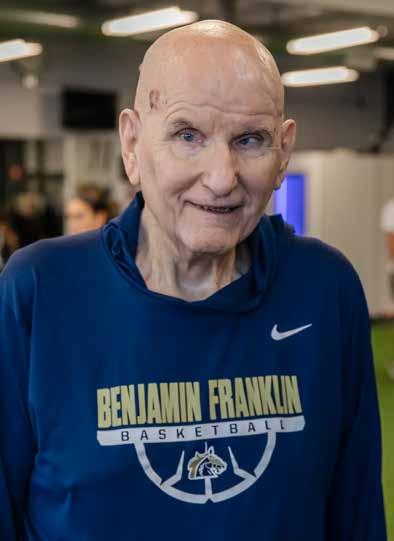
He’s 79 and still lifting weights.
That is not the whole story, but it is the right place to begin.
We caught up with Art Dye during one of his regular workouts at the Valley’s Move Human Performance Center & Physical Therapy, where he still trains with the same discipline that has defined his life in basketball for more than half a century. Just as impressive as the fact that he is still lifting is how clearly he remembers it all.
“I trained Mike Bibby as a little boy. I remember him this big,” he says, dropping his hand low.
In this story, we are paying homage to a 50 year career that helped shape Arizona basketball from the ground up.
Long before the modern club machine, long before the transfer portal and NIL changed the culture of the game, Art was building players here. Through the Arizona Stars, he became one of the most influential figures in the state’s basketball pipeline, helping develop generations of athletes and coaching names that would go on to become part of the sport’s bigger story. Mike Bibby, Richard Jefferson, Channing Frye, Jerryd Bayless. The list is deep, but what matters more is the consistency. Art was there early, before the headlines, before the arenas, before everyone else caught up.
“Mike had 14 years. Richard Jefferson 14 years and a big championship. Channing Frye, same thing. They had longevity,” he says. “That’s the thing. If you can have longevity like they do, amazing.”
That is how he measures success. Not flash and not hype. Who lasts.
Art never built his reputation by being loud for the sake of being loud. He is honest about the fact that he could get on players when he needed to, but there was a line he never crossed.
“I could get loud at times, but never cursed or did anything like that. I never embarrassed a player.”
That part of his philosophy says a lot about why so many players stayed connected to him. He coached hard, but he coached with respect. He taught the shot, the footwork, the repetition, but he also taught presence.
For those who have been alongside him for decades, that impact runs even deeper.
“For over 30 years, I’ve had the privilege of standing alongside my dear friend Art Dye, one of the true pillars of Arizona basketball,” says Chad Dunn, owner of Move. “Together, we’ve helped shape some of the state’s top players, but more importantly, we’ve built something far deeper than the game itself.”
When he talks about Bibby now, he is not just talking about the player. He remembers the kid who was shy, the young athlete still growing into himself, the version before the world knew him.
And Art remembers all of it because he lived all of it.
He talks about one story from his years as a shooting coach, when a connection through a friend put him in the orbit of Suns executives and eventually opened the door to a possible opportunity to work with Shaq. The deal was moving, then Phil Jackson took over, and the whole thing disappeared. Art laughs telling it now. He has the kind of career where even the “almost” stories are memorable.
There are plenty of those.
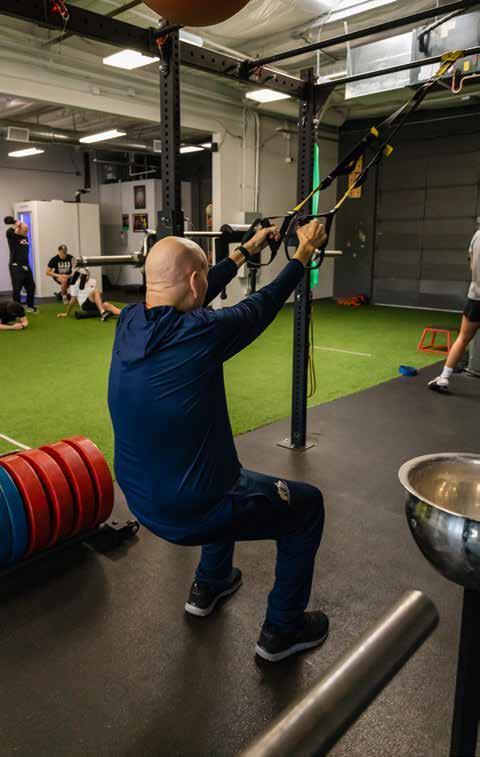
“If you don’t put in the work, somebody’s going to pass you. That’s how I measure it. Not who gets there first, who lasts.”
“Together, we’ve helped shape some of the state’s top players, but more importantly, we’ve built something far deeper than the game itself.”
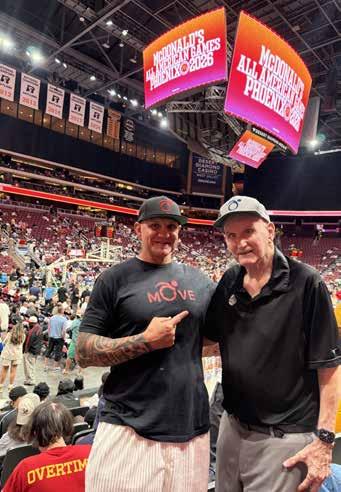
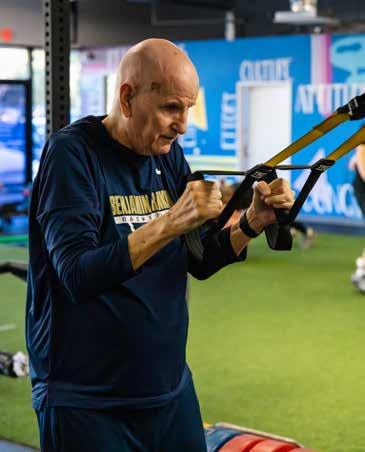
He coached Danny Ainge’s kids. Rex Chapman’s kids. Paul Westphal’s kids. Jimmy Fox’s boys. He learned from legendary figures like Bobby Knight and George Raveling. He coached at every level, from the pro game down to elementary schoolers. Even now, he is still doing shooting camps for kids eighth grade and under.
“I’ve watched him go free throw for free throw with NBA star Richard Jefferson, seen the battles and growth at the Wrigley Mansion during our Rehab Plus days, and been part of a journey that has produced seven McDonald’s All Americans... both boys and girls,” Chad says. “Those moments aren’t just memories, they’re legacy.”
That, too, says something.
Art is not someone who talks about the game as if his best years are behind him. He is still in it.
Taking Art to the McDonald’s All-American Game this year in Phoenix at Desert Diamond Arena was, as Chad describes it, a full-circle moment. The game may have changed, but his passion has not. His love for the kids, for teaching, and for the grind is still unmatched.
At the same time, Art is clear-eyed about how much has changed.
“It’s just so confusing with the portals and all this stuff that these kids go in,” Art says. “It’s like a free for all. In those days, you worked up the ranks the right way. Now it’s crazy.”
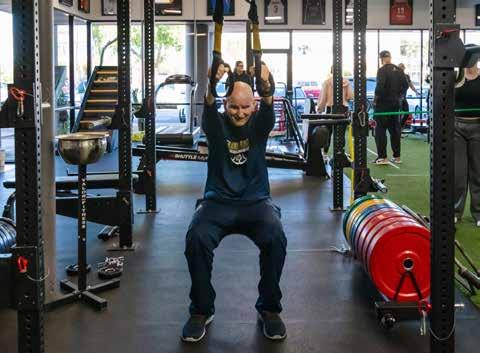
He is not bitter. But he is old school in the truest sense. He comes from an era when players were fighting for scholarships, when development took time, and when listening to your coaches was not considered optional. He thinks today’s athletes are often better physically, but not always tougher mentally.
“They’re probably better athletes, but mentally not so good,” he says.
So what does he still tell young players now?
“Number one, you have to put in the work, and if you don’t, then somebody’s going to pass you.”
From a National Championship with the Scottsdale Boys & Girls Club to producing winners on the NIKE Peach Jam stage, Art has always been about one thing. Impact.
He still loves watching the game, too. He mentions Devin Booker with admiration.
“He comes up and never too high, never too low,” Art says. “That’s what I like about him.”
At 79, with neuropathy in his feet and every reason in the world to slow down, he still walks into Move and gets to work.
“The ball will keep bouncing for the ‘Godfather’ of Arizona AAU basketball,” Chad says. “And I’ll make sure he stays on the move. Because with him, it’s always been simple… ball is life.”
In a sports culture obsessed with what is next, there is something grounding about someone who has spent 50 years proving what endures.
Art Dye is part of the living history of Arizona basketball. Not just because of the names he helped shape, but because of the standard he never let go of.
moveperformance.com
The Viewpoint Wealth Management Group at Morgan Stanley focuses on executive planning and retiree services for accomplished individuals and families. Our goal is to help you continue to build wealth, protect assets, and mitigate risk, while helping you achieve as many of your life’s goals as possible.
Contact us to learn more or get a second opinion. Vi ewp o int W e a l t h M a n age m ent Group at Morgan Stanley 14850 North Scottsdale Road 6th Floor Scottsdale, AZ 85254 480-922-7826 | 800-347-5107 advisor.morganstanley.com/viewpoint

Morgan Stanley Smith Barney LLC (“Morgan Stanley”) and its Financial Advisors and Private Wealth Advisors do not provide any tax/legal advice. © 2025 Morgan Stanley Smith Barney LLC. Member SIPC. CRC 4426950 05/25 CS 1714816-5774644 05/25

PROJ. NO.: 1714816-5774644
JOB NAME: WM - Viewpoint Group Print Ad - Stevens
DESCRIPTION: WM - Viewpoint Group Print Ad - Stevens SPECIFICATIONS TRIM SIZE: 7.083”x 4.75”
NOTES



AN EXCERPT FROM EPISODE 6 OF SHARE THE LIFESTYLE, A CITY LIFESTYLE PODCAST
Photographer: Brittany Dawn Short
Creative Director: Jen Birn
Stylist: Stephanie Coultress O’Neill
Location: Hotel Saint Cecilia, Austin, TX
MIKE JOHNSON HAS BUILT HIS LIFE AROUND ONE QUIETLY RADICAL IDEA: THE STANDARD YOU SET PRIVATELY IS THE ONLY ONE THAT MATTERS.
After eight years in the Air Force, a celebrated run on national television, and a health crisis abroad that sent him deep into supply chains and ingredient certifications most founders never touch, the result is Oshun — a luxury ritual brand built on provenance you can trace and integrity you can verify. In an exclusive conversation for the Share the Lifestyle podcast, Mike shares what it actually takes to build something worth putting your name on. Read the highlights below, then scan the QR code for the full episode.
Q: YOU BECAME A FAN FAVORITE ON THE BACHELORETTE AND THEN LEFT THE SPOTLIGHT. YOU MOVED TO MEXICO, LEARNED SPANISH, THEN COSTA RICA, AND BUILT A COMPANY. WHAT DID THAT EXPERIENCE TEACH YOU ABOUT HUMAN BEHAVIOR?
A: “If you’re a good person going in, that shows. If you’re not, that shows too. I also learned that people form this parasocial relationship with you — they assume things about you. When all actuality, different circumstances bring out different parts of who you are. I was on TV trying to find love. The kindness people were showing after felt a bit fake, because they wanted to be a part of something that isn’t who I am individually, but a part of what they saw on TV. And so I had to get away from everybody and everything and the noise.”
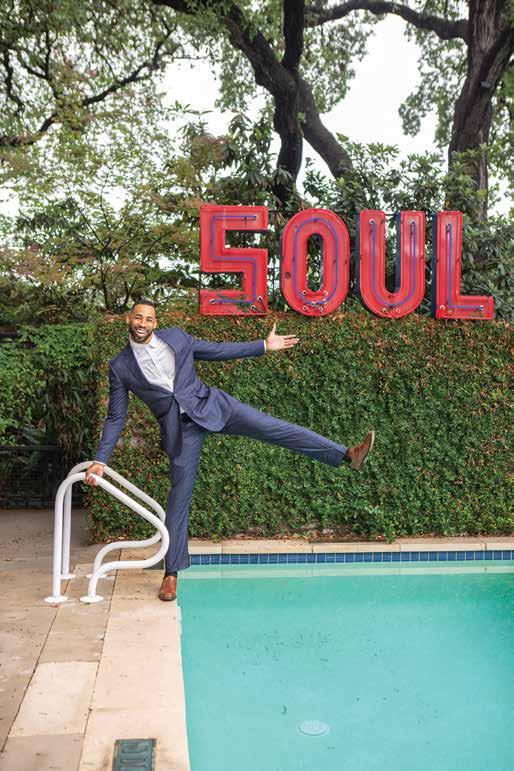
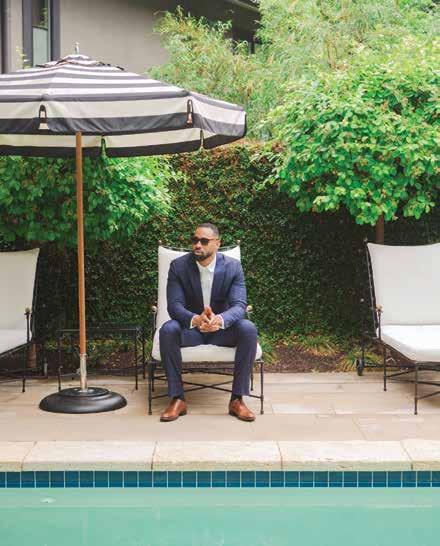
“Too many people have prayed for me. So I’ve got to get up and do the walking.”
— Mike Johnson

Q: YOU JOINED THE AIR FORCE RIGHT OUT OF COMMUNITY COLLEGE. WHAT WERE YOU ACTUALLY RUNNING TOWARD?
A: “There was something in me that was saying: I’m not living up to my full potential. I was being a follower. My uncle said, ‘What’s going to make you become an adult the fastest?’ I said, obviously, the military. The Air Force broadened my thought process more than anything. We’re so caught up in our own perception — when you learn to understand different people’s perspectives, it adds to you in so many ways.”
Q: WITH OSHUN, YOU OWN YOUR MANUFACTURING, YOU EMPLOY A CHEMIST, EVERY PRODUCT HAS A BATCH NUMBER TRACEABLE TO ITS ORIGIN DATE. WHY DID YOU DECIDE TO GO THAT DEEP WITH THE BRAND?
A: “The EU bans 1,100 ingredients in personal care products. The U.S. bans nine. That’s my starting point. Oftentimes, it might be the same ingredient, but it comes from a place where it doesn’t have the highest purity. And 60% of what we put on our skin is absorbed. Every product Oshun makes carries a batch number that goes back to the exact day it was created — I can show you every single supplier, the date, the origin. I own more than one part of the supply chain because that’s the only way I can stand behind what’s in the bottle.”
This conversation is just the beginning. Mike goes deeper into why he’s buying land up north, the family in the Philippines who prayed over his factory floor, and what he’d tell every person ready to stop performing and start building. Scan the QR code for the full, exclusive City Lifestyle interview on the Share the Lifestyle podcast.
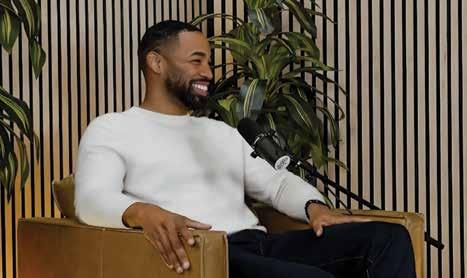
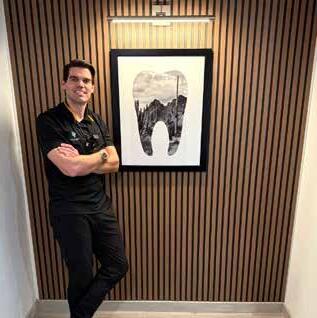













PHOTOGRAPHY BY
BARRET ELENGOLD, SCOTTSDALE EVENT PHOTOGRAPHY
If you’ve ever been to a PVCL event, chances are you’ve been in front of Barret Elengold’s lens.
For our June Men’s Issue, we’re spotlighting some of Barret’s personal favorite sports-infused photographic moments, along with tidbits behind the shots.
BEEF
“There’s a certain chaos to events like this. You’re constantly moving, chasing moments before they disappear. This one stood out because it felt completely on brand without trying too hard. Him standing in front of a cutout of himself, fully leaning into it, captured the entire energy of the day in one frame.”

DEVIN BOOKER
“This was a genuine laugh in the middle of everything else. That’s what makes it different. This was taken at the Suns practice facility. While my main camera was set up for video, I was moving around capturing candid moments. So cool to catch him relaxed, laughing, and fully himself.”
CORBIN CARROLL
“This was at a card pulling event for MLB players (because they’re into collecting, too!). This was one of those split second moments. He pulled the card, held it up, and I just reacted. What I love is how real it feels. No posing, just pure excitement.”

SERENA WILLIAMS
“When you’re documenting someone like Serena, you don’t chase perfection. That smile, mid conversation, in front of thousands, felt effortless and real. This was in LA during a mental health panel where she spoke openly about her struggles. The vulnerability in that room made this moment powerful to capture.”




“Dillon was settling in, getting ready, and everything slowed down for a second. That’s when I stepped in. This was Dillon’s merch drop at Guest List Tempe. The city showed up, and this shot captured the calm just before it all took off.”

“I’ve always liked being the fly on the wall. Capturing Randy reflecting on his journey added a different layer. It’s not just who he was, it’s who he is now. This was at a corporate event in Scottsdale where he spoke about his career and photography. Listening while shooting made the moment even more meaningful.”

“This was taken at the 16th hole inside one of the tents at the Phoenix Open. Archie had just gotten a tattoo done right there, something that’s never been done at Waste Management. This moment was right after it was finished, him standing with his tattoo artist, Caleb Hail. So wild!”
“This was a full circle moment. Walking through Radio Row at the Super Bowl and catching him mid interview. It wasn’t just about the photo, it was about everything it represented. Gary was someone I listened to, and being there in that moment, camera in hand, meant everything.”
“I was covering the WMPO Celebrity Pro Am and had the chance to walk the green while Trey’s group was playing. It’s rare to be that close to the action, moving alongside them as the round unfolds. What made this moment stand out was seeing his buddy, QB Jacoby Brissett, there supporting him.”
IG @scottsdale_event_photography