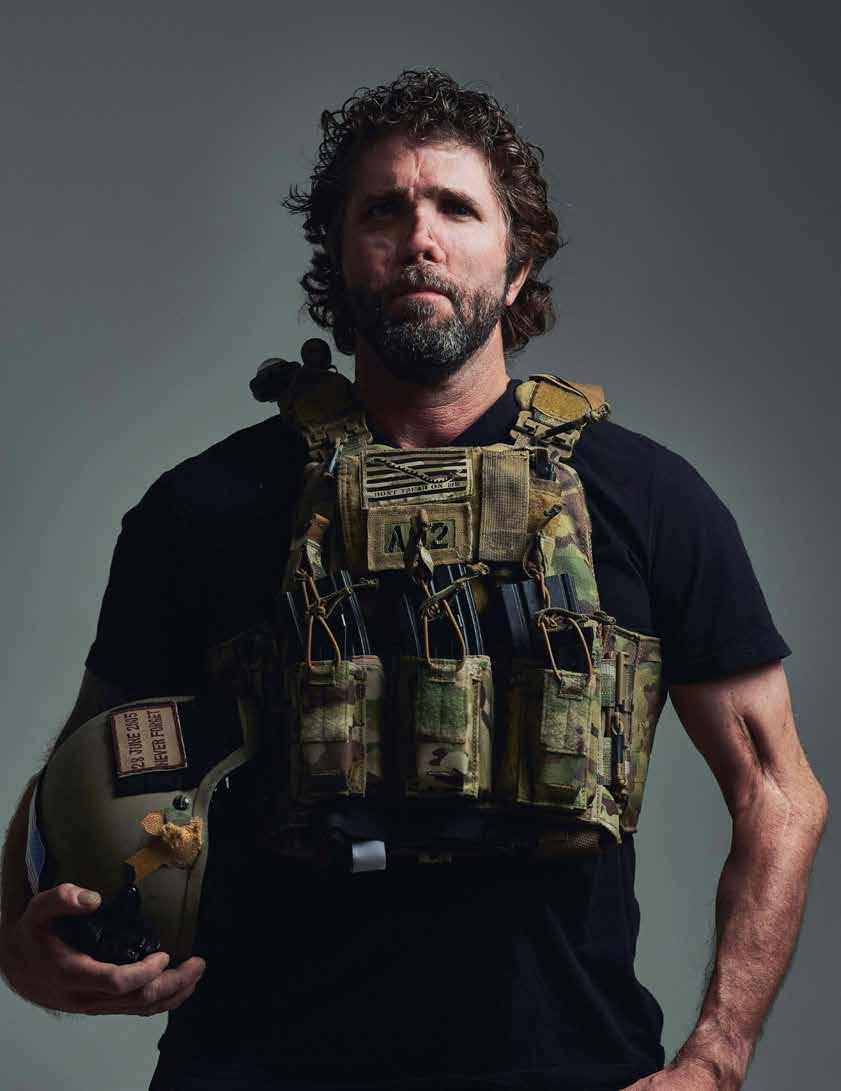
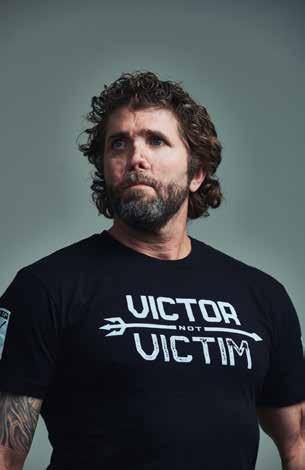
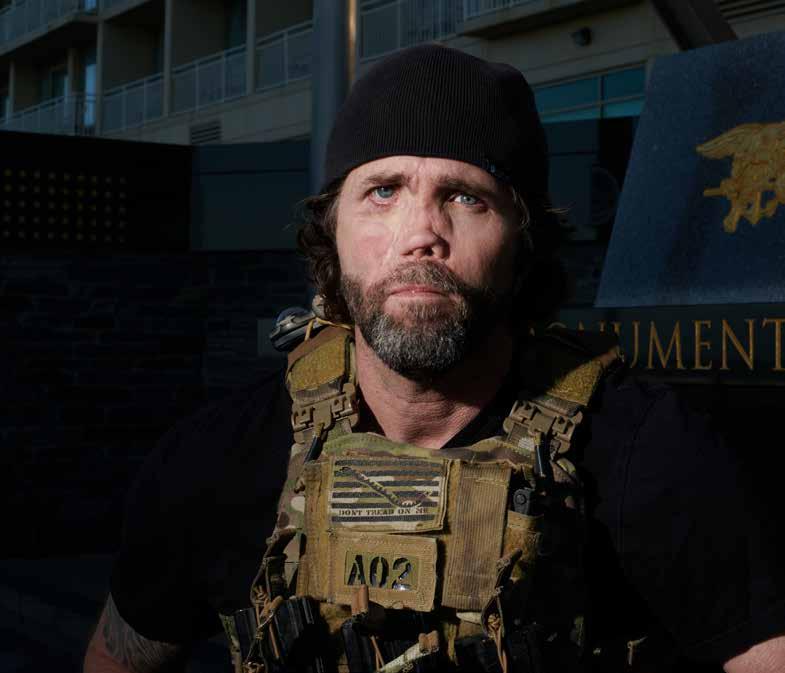
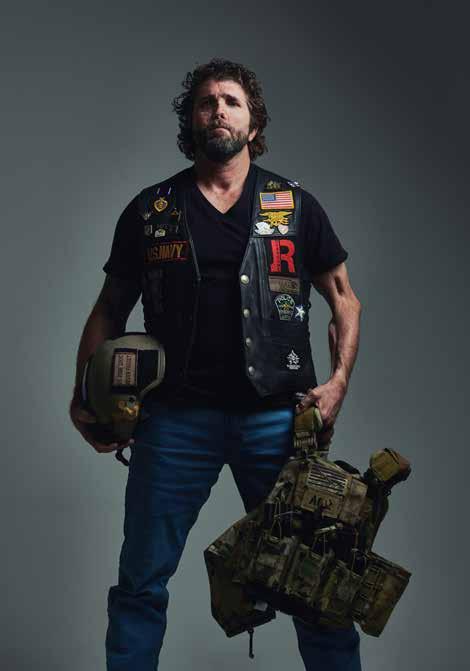
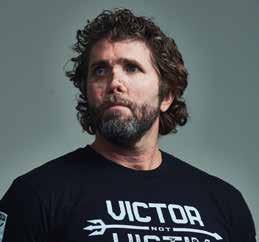
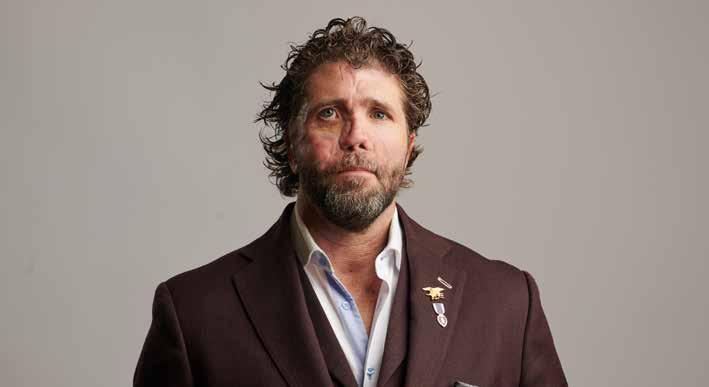
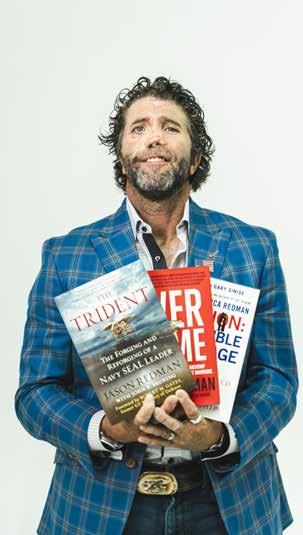
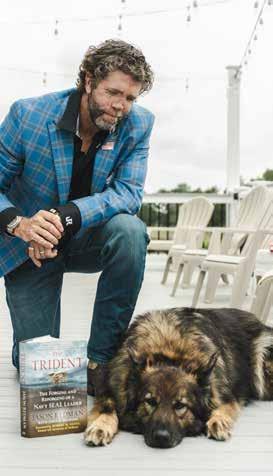
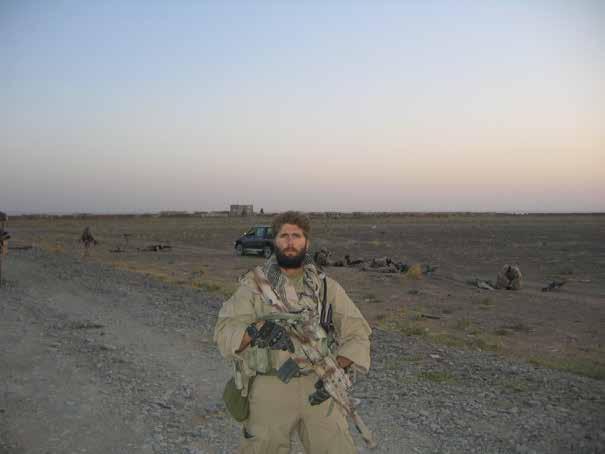
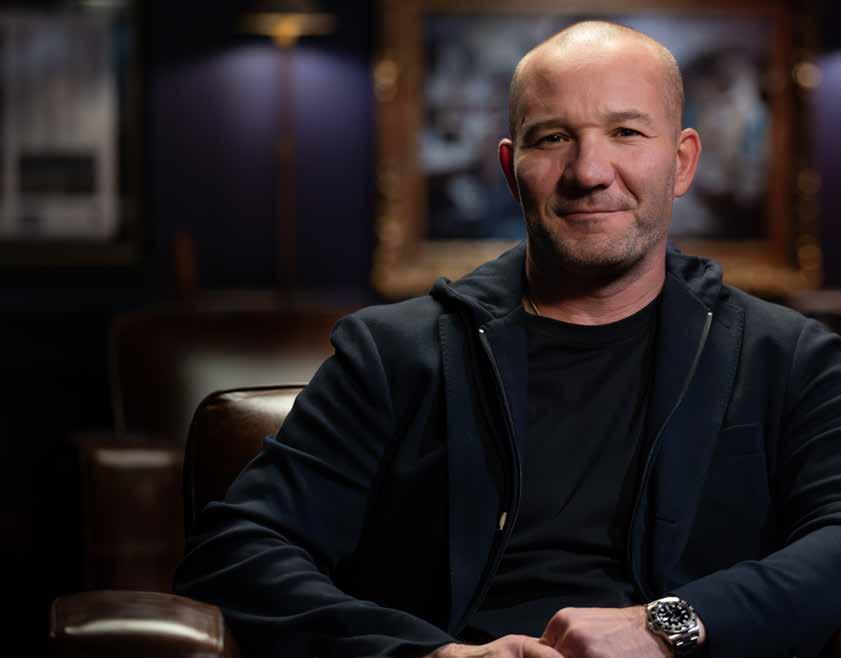
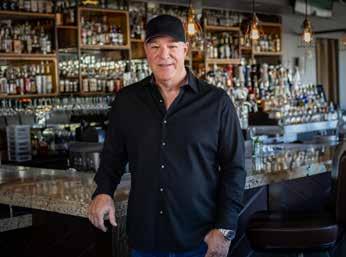
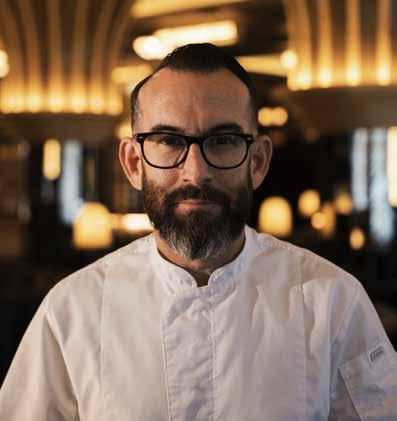
“I’m living proof the American Dream still exists.”
-Jason Redman, Retired Navy SEAL
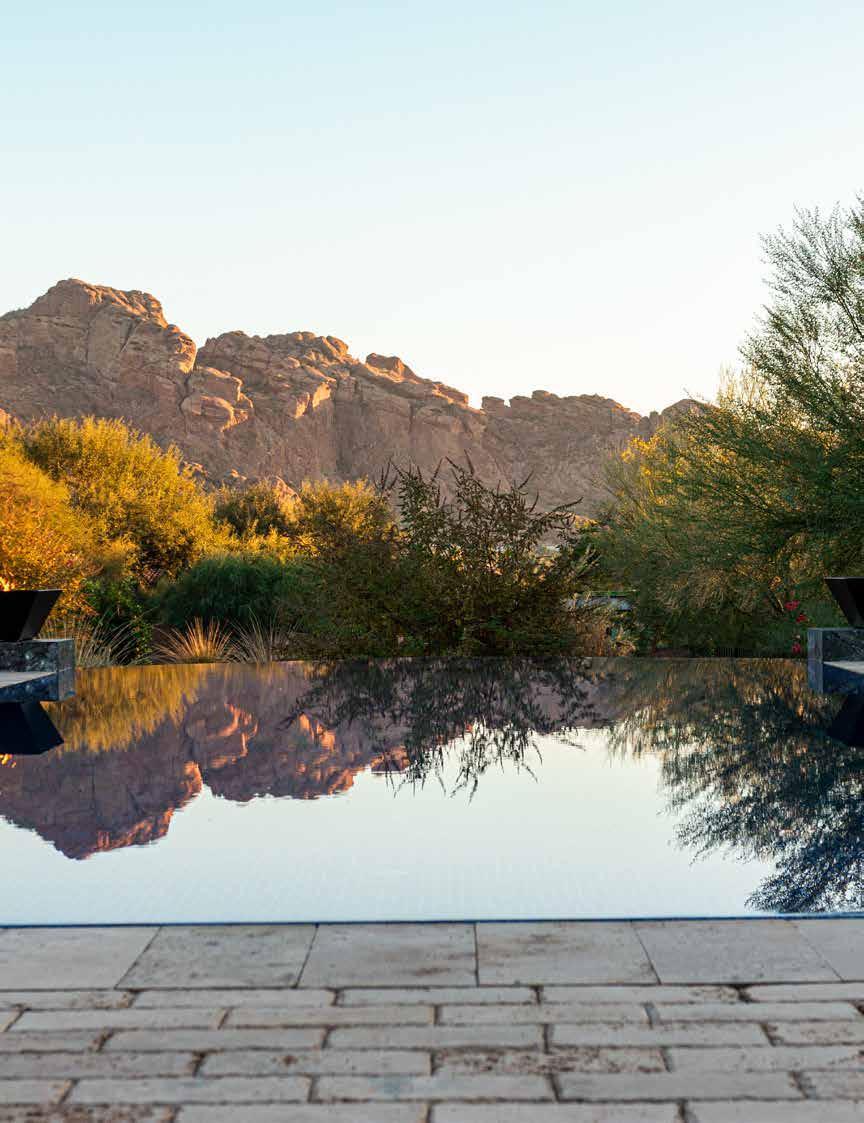
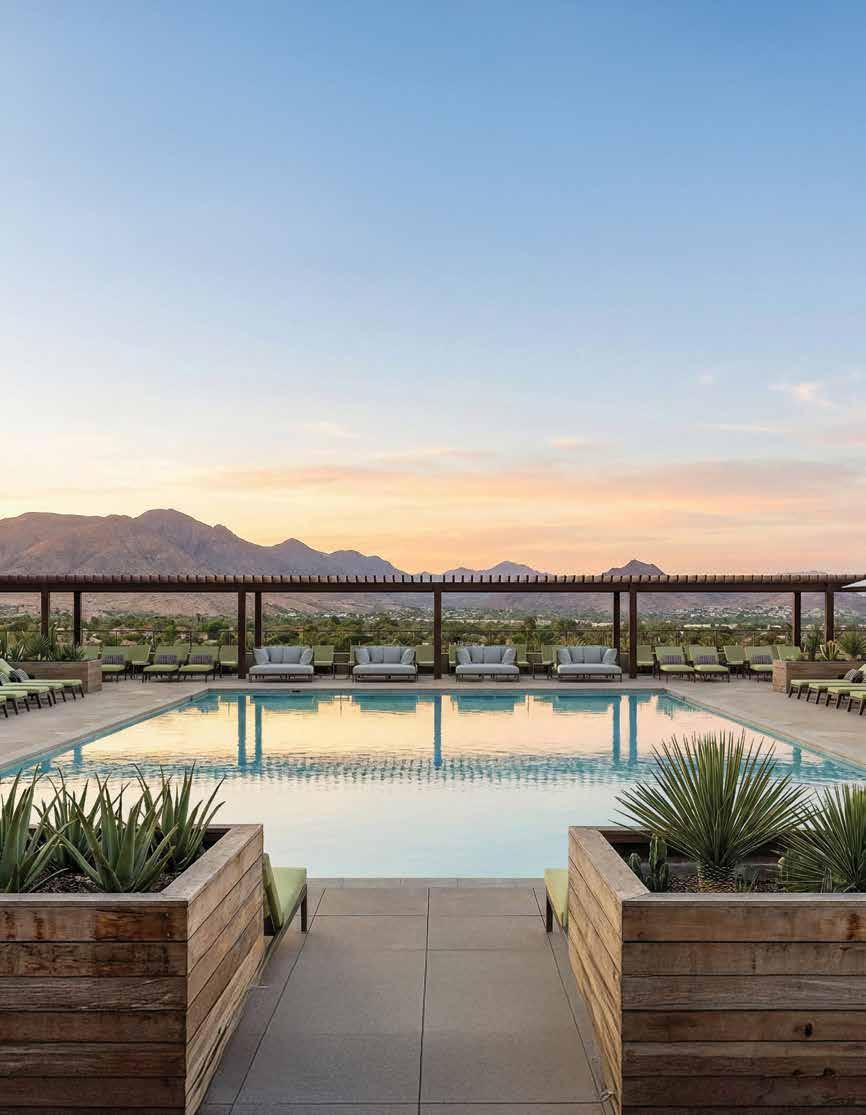
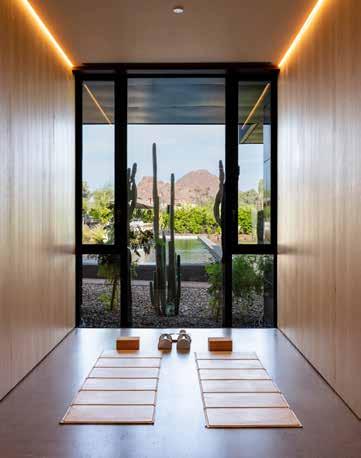
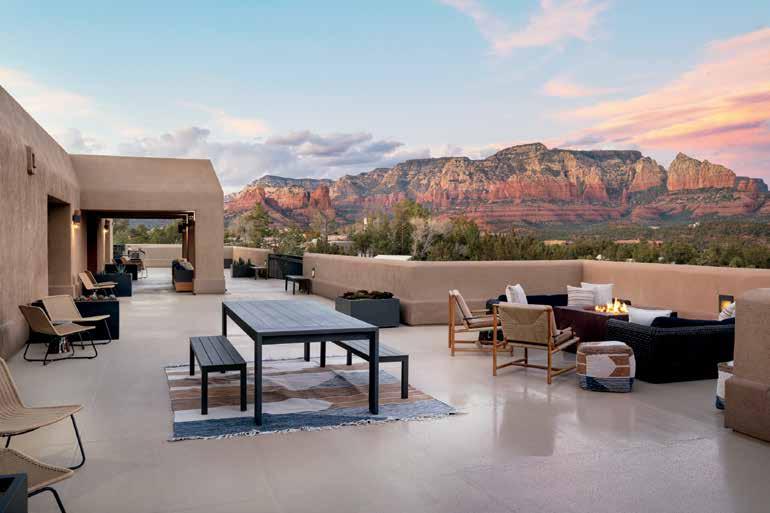
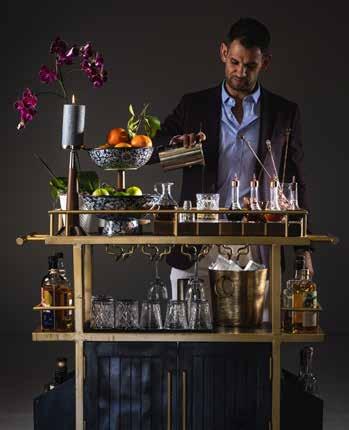
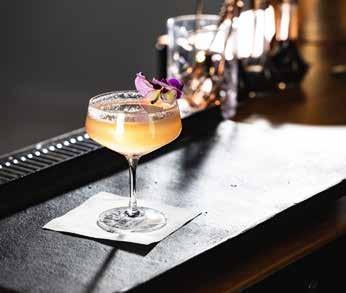
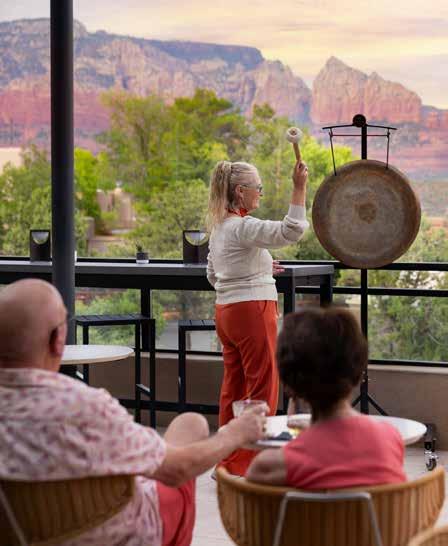
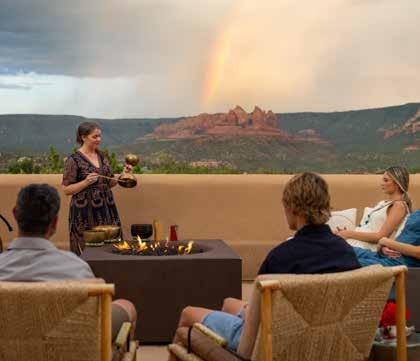
Your perfect staycation begins at Mountain Shadows. Ease into sun-drenched mornings, spend the day unwinding by the pool or on the greens with sweeping Camelback Mountain views, and savor evenings over unforgettable dining just steps away from your room.
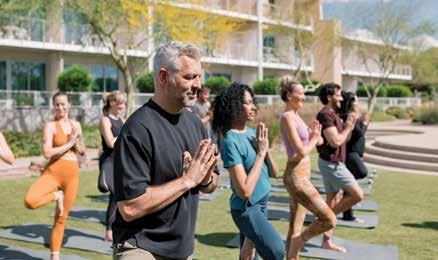
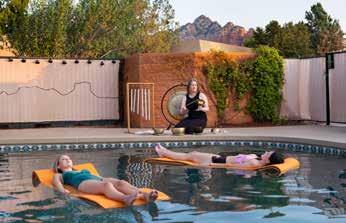
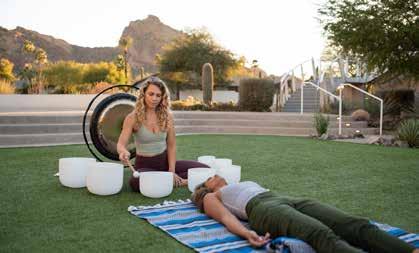
Summer weekends include complimentary experiences for resort guests including sunset yoga, sound healing, poolside music and more.
THE PRIVILEGE OF PRIVACY
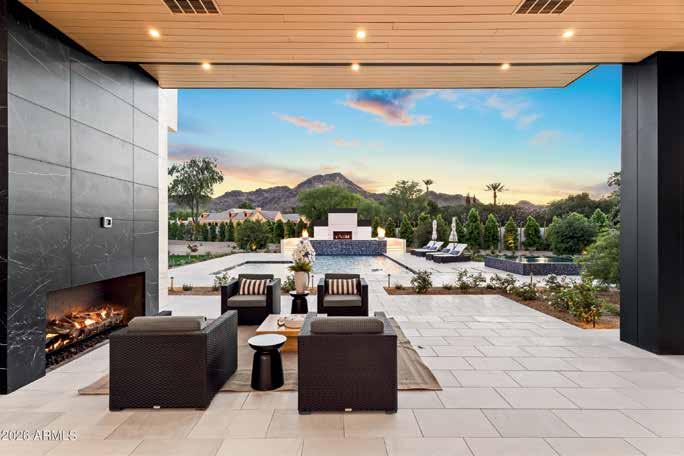
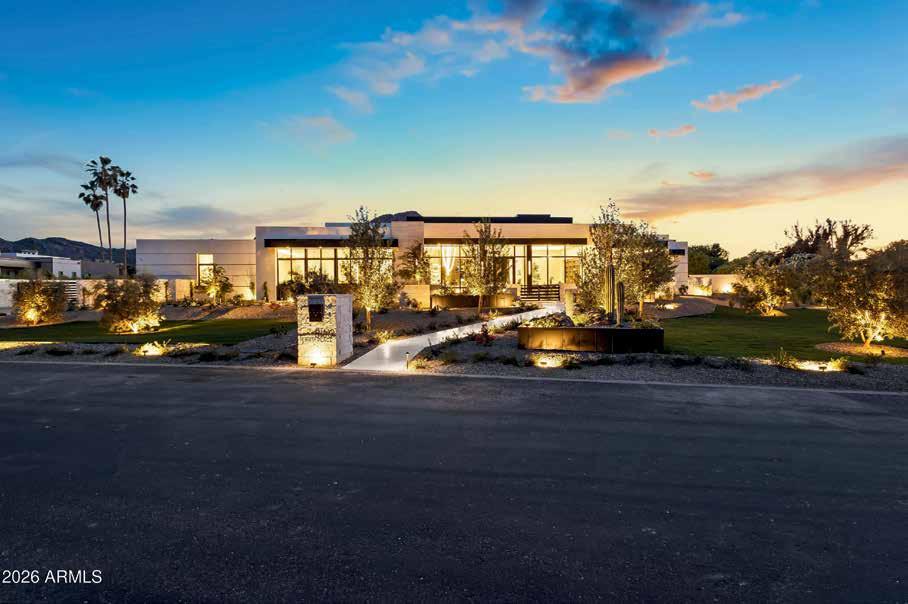
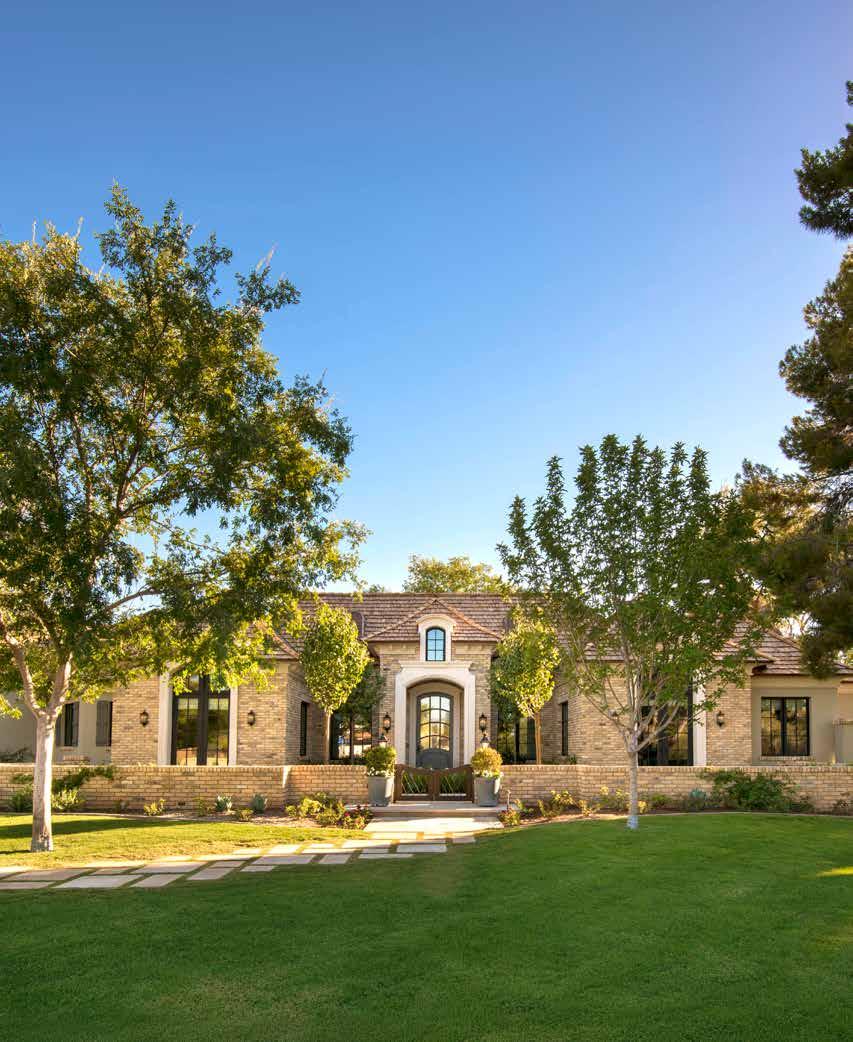
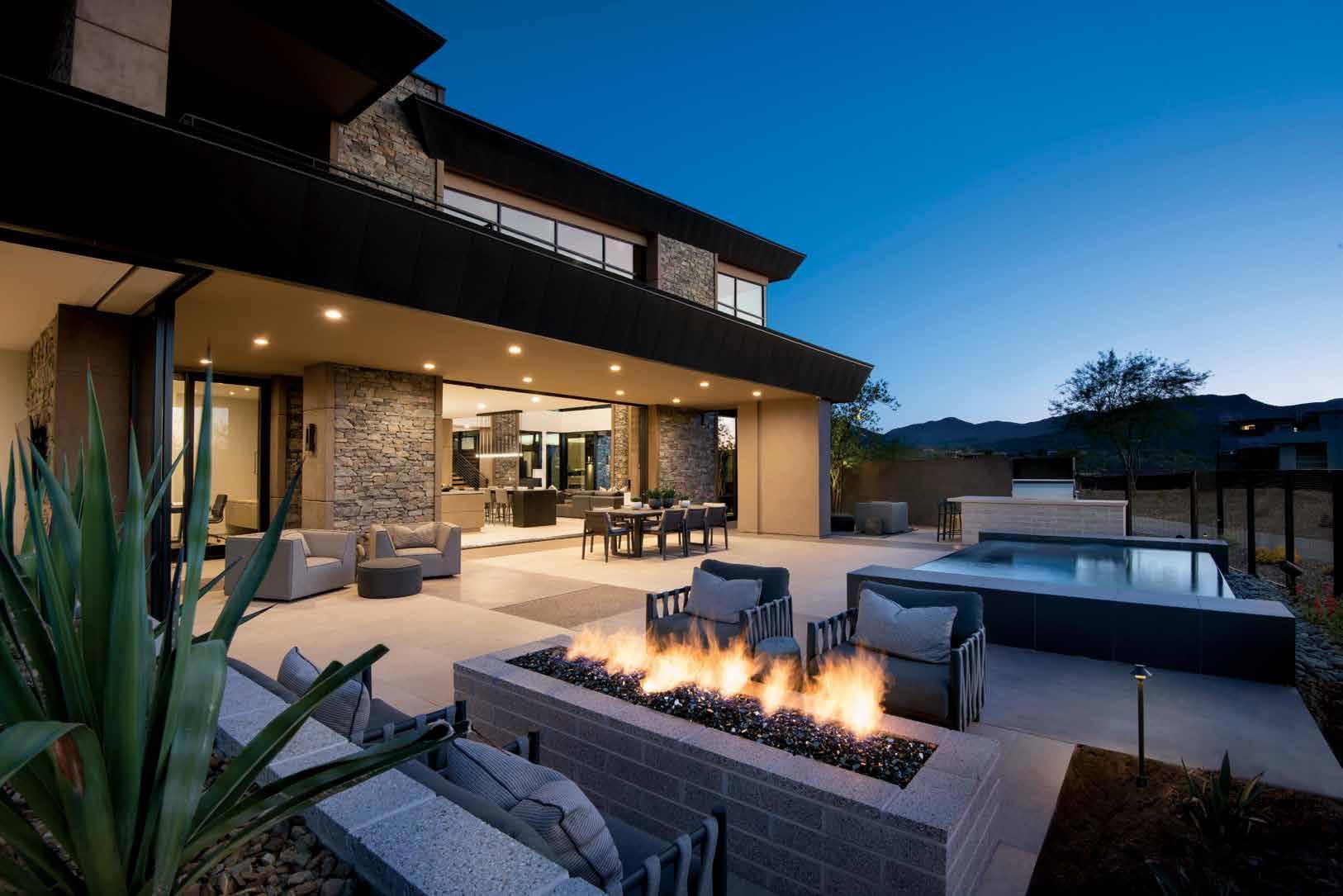
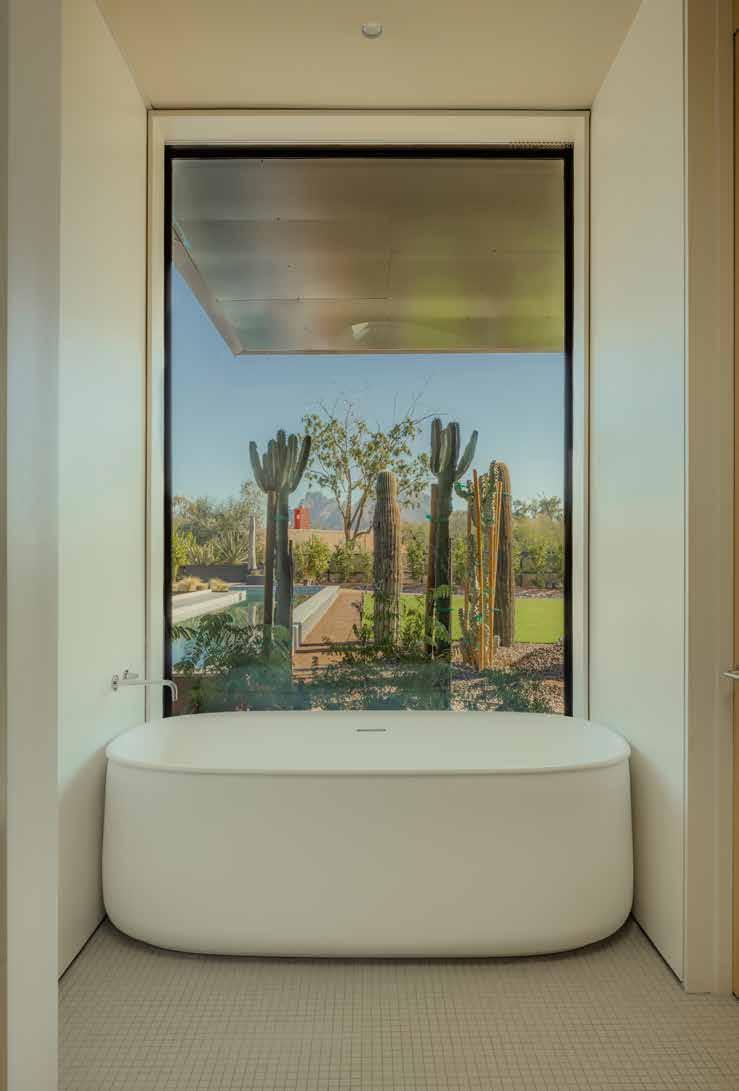
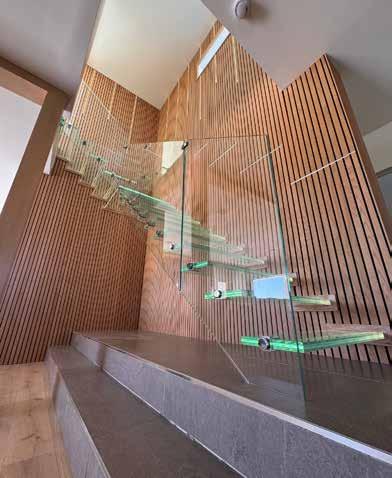
A remarkable expression of contemporary elegance has arrived in the heart of Paradise Valley. Surrounded by mature landscaping and framed by panoramic views of Mummy Mountain, this newly completed estate offers an extraordinary balance of scale, privacy, and refined design.
Outdoors, meticulously landscaped grounds reveal a resort-caliber setting with a heated pool, spa, outdoor kitchen, and expansive entertaining terraces. The result is a home that feels both grand in scale and deeply connected to its surroundings.
PRIVATE JET TRAVEL
REVOLUTIONIZED
WHAT MAKES EYE IN THE SKY SO INNOVATIVE?
lying private has never been more accessible. Eye In The Sky is an exclusive marketplace with a verified community of private jet owners, operators and flyers where members can seamlessly buy and sell seats or empty legs, all on a single integrated platform.
WHO IS EYE IN THE SKY FOR?
Whether you’re a frequent first-class flyer looking to enjoy all the benefits and convenience of private aviation without the full cost of chartering an entire aircraft, or a private jet owner, charter customer or private jet card holder wanting to offset costs by offering your available seats, this platform is your one-stop shop.
Eye In The Sky doesn’t take a percentage or commission from any connections made or flights/seats sold; just a $65 monthly subscription with unlimited ability to transact.
Eye In The Sky is redefining private aviation —giving you full access to private air travel without the archaic barriers.
HOW DOES IT WORK?
Host and Flyer Accounts:
“Hosts” are the members who are posting existing flights hoping to fill empty legs or available seats.
“Flyers” are the members who are looking to purchase a flight or seat on those posted flights.
Search Posted Flights:
Hosts can post and Flyers can search all empty legs or available seats on existing flights in one easily searchable place—1,500+ flights on the platform daily!
Direct Communication:
Hosts and Flyers can communicate directly within the platform about details of posted flights; arrange payment, negotiate dates, time, pets, etc.
Interests:
Can’t find the flight you’re looking for? You can post an “Interest,” creating a group chat within the platform to connect with others of similar searches and needs—letting the demand create the supply!
Eye In The Sky brings the private aviation industry to one searchable and easy-to-use place, making it possible to search, buy, sell and transact all in the palm of your hand.
HOW DO YOU JOIN THE REVOLUTION?
Eye In The Sky is disrupting the industry by providing a greener, more accessible and more cost-effective flight path for all who use it. It’s time to embrace the ridesharing revolution of private aviation; 42% of private planes fly empty, Eye In The Sky aims to take that number to ZERO.
Eye In The Sky is not available to the public as it is by invitation only to continue to curate a dynamic and professional network. However, as a valued member of the Paradise Valley City Lifestyle community, you are invited to join this exclusive network and bypass the existing waitlist.
Red, White & Roaming
My first on-air TV job was in Yuma, Arizona. I had just graduated college and stepped into anchoring and producing an hour-long newscast. I was 21.
Because we covered MCAS Yuma, I was introduced to a military town and immersed in its stories. Some were heart-wrenching. Some were beautiful. My grandfathers all served, but this was my first experience truly feeling service up close.
I covered deployments and homecomings. I interviewed military families. More times than I would have liked, I sat across from widows whose lives had been forever changed by sacrifice.
My next TV job brought me to San Diego, where I once again found myself surrounded by military communities, including the Navy SEALs and MCAS Miramar. Looking back, those early years gave me a profound appreciation for the men and women who serve our country and the families who serve alongside them.
Since then, I have remained deeply moved by the American spirit of courage, sacrifice, resilience, and service.
It's something my husband and I instill in our three boys. They have been raised to thank veterans when they see them.
As America celebrates its 250th milestone, I find myself thinking less about things that divide us and more about things that unite us.
No matter where we come from or what we believe, I think most of us can agree that courage matters. Sacrifice deserves gratitude. Service should be honored. Kindness, compassion, and community still bring out the best in us.
That's why I chose retired Navy SEAL Jason Redman as our cover story.
If you don't know Jason, you will after reading his remarkable story. His is a story about the power of choosing how we respond when life doesn't go according to plan.
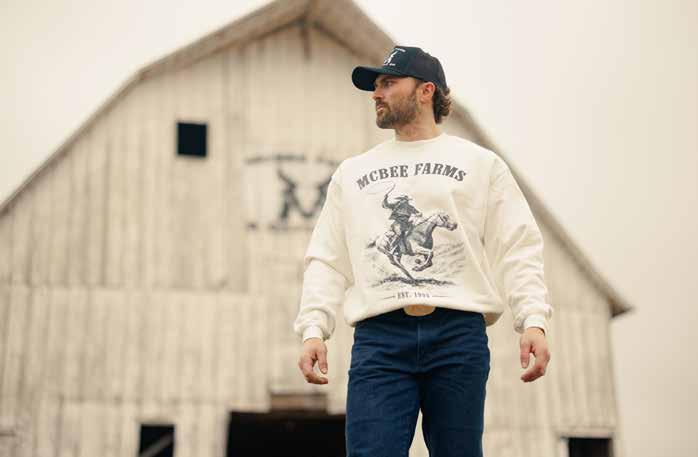
As this is our annual Explore Issue, we also hit the open road and celebrate Route 66 as it approaches its 100th anniversary. We spend time with Steven McBee Jr. of Bravo's hit series McBee Dynasty: Real American Cowboys , a family whose story highlights another pillar of American culture: farming. We also talk with a country music icon.
Travel has always been one of my greatest passions, especially when shared with my family. Some of our favorite memories come from exploring new places and embracing the adventure that comes with stepping outside our everyday routine. Travel reminds me how much there is to discover, but it also gives me a deeper appreciation for home.
That's what this Explore Issue is all about.
P.S. A special shoutout to 40 Love! This month's City Scene is dedicated to our annual May celebration honoring our incredible PVCL partners and supporters. Thank you to the entire 40 Love team for your wonderful hospitality and making the evening unforgettable.
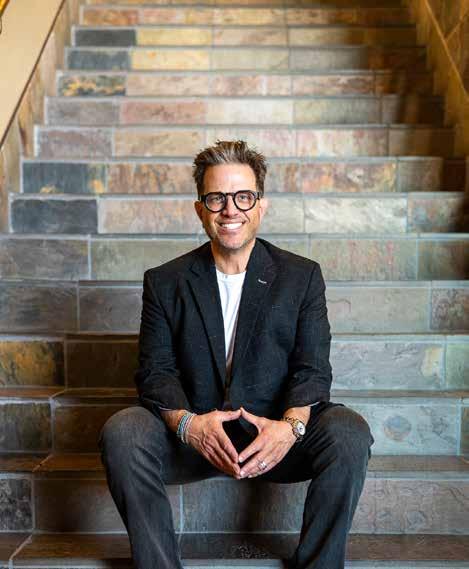
NADINE BUBECK, PUBLISHER
July 2026
PUBLISHER
Nadine Bubeck | nadine.bubeck@citylifestyle.com
ADMINISTRATIVE ASSISTANT
Kennedy Rettew | kennedy.rettew@citylifestyle.com
EDITORIAL COORDINATOR
Jennifer Blalock
Corporate Team
CEO Steven Schowengerdt
President Matthew Perry
COO David Stetler
CRO Jamie Pentz
CoS Janeane Thompson
AD DESIGNER Zach Miller
LAYOUT DESIGNER Andi Foster
QUALITY CONTROL SPECIALIST Marina Campbell
Learn how to start your own publication at citylifestyle.com/franchise.
city scene
WHERE
NEIGHBORS CAN SEE AND BE SEEN
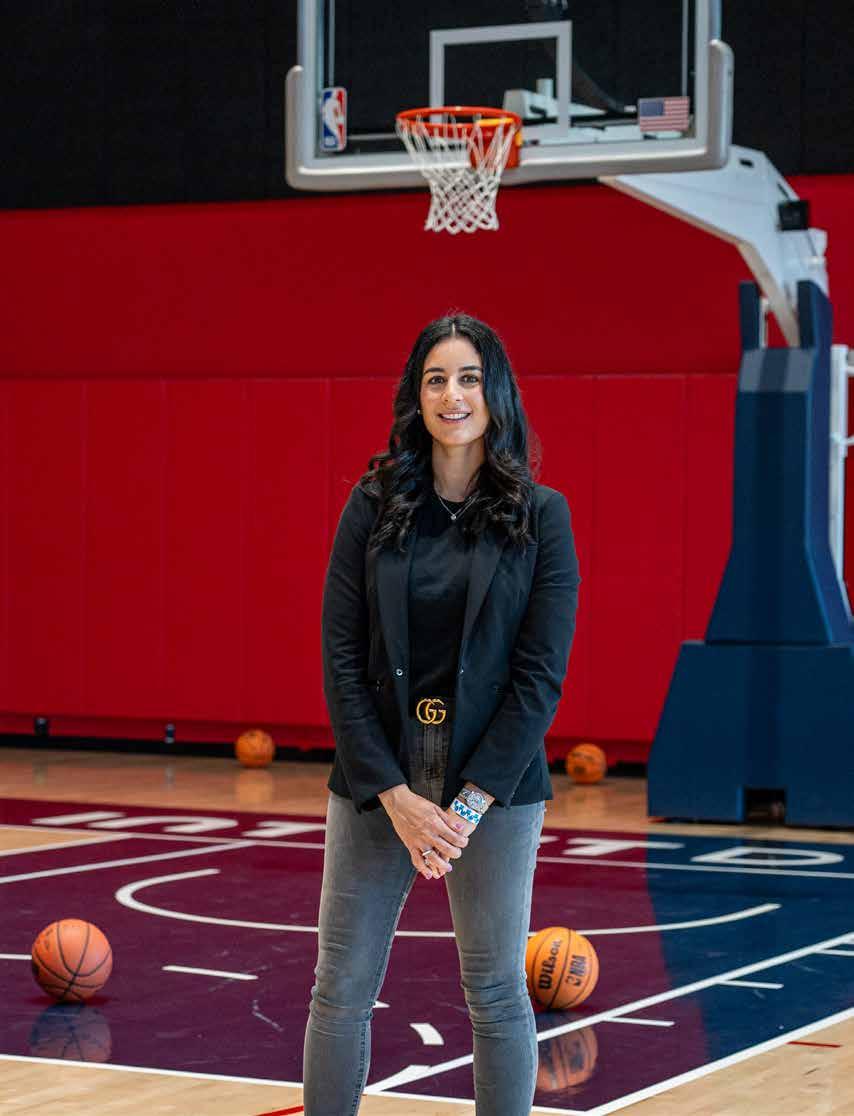
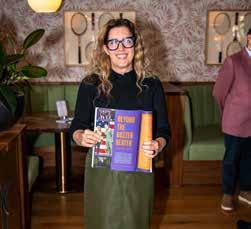
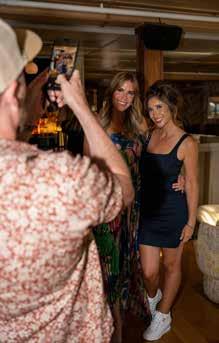
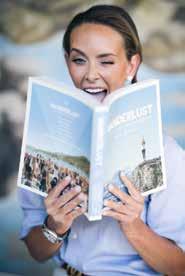
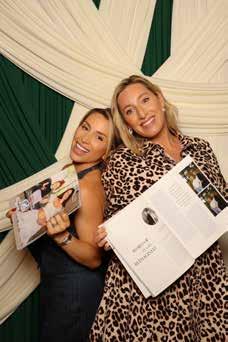
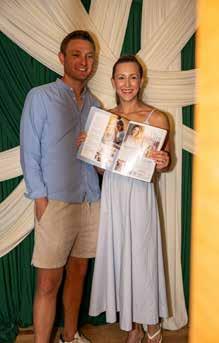
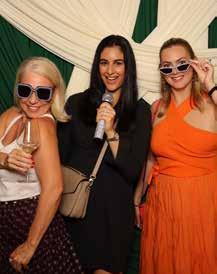
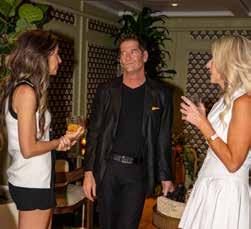
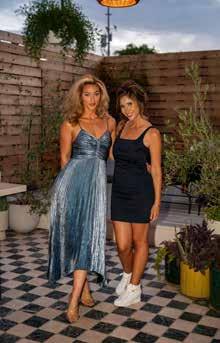
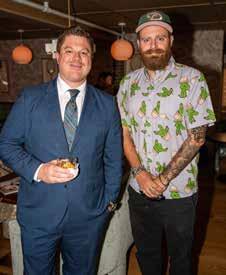
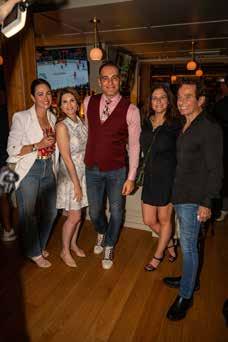
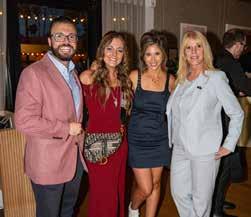
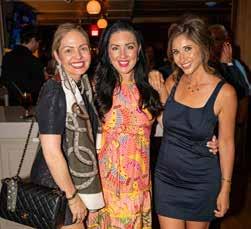
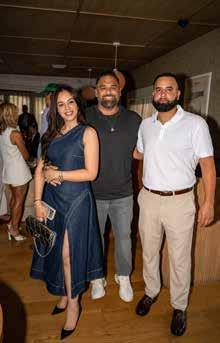
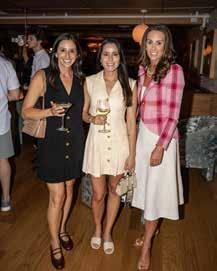
1: Thank you, 40 Love, for helping us celebrate PVCL + SCL and our incredible community 2: PVCL/SCL partners, friends, and supporters enjoying a special night together 3: Kirsten Tinker (Tinker Development) & PVCL/SCL’s Nadine Bubeck, at our annual May celebration, 40 Love 4: Lisa Moore (Neiman Marcus), Kimberly Snyder (Penske Automotive), & Arizona Midday’s Rachel & Destry, 40 Love 5: Vanessa Ramirez, Robert Shippy, and friends celebrate PVCL + SCL at 40 Love 6: Sarah Krahenbuhl (Phoenix Suns and Phoenix Mercury Foundation) celebrates our May Women’s Issue (holding her feature) 7: Legendary auctioneer and philanthropist Letitia Frye with PVCL/SCL’s Nadine Bubeck, 40 Love
SUMMER FUN STARTS
THE TREATMENT PROFESSIONAL ATHLETES FLY TO GERMANY FOR.
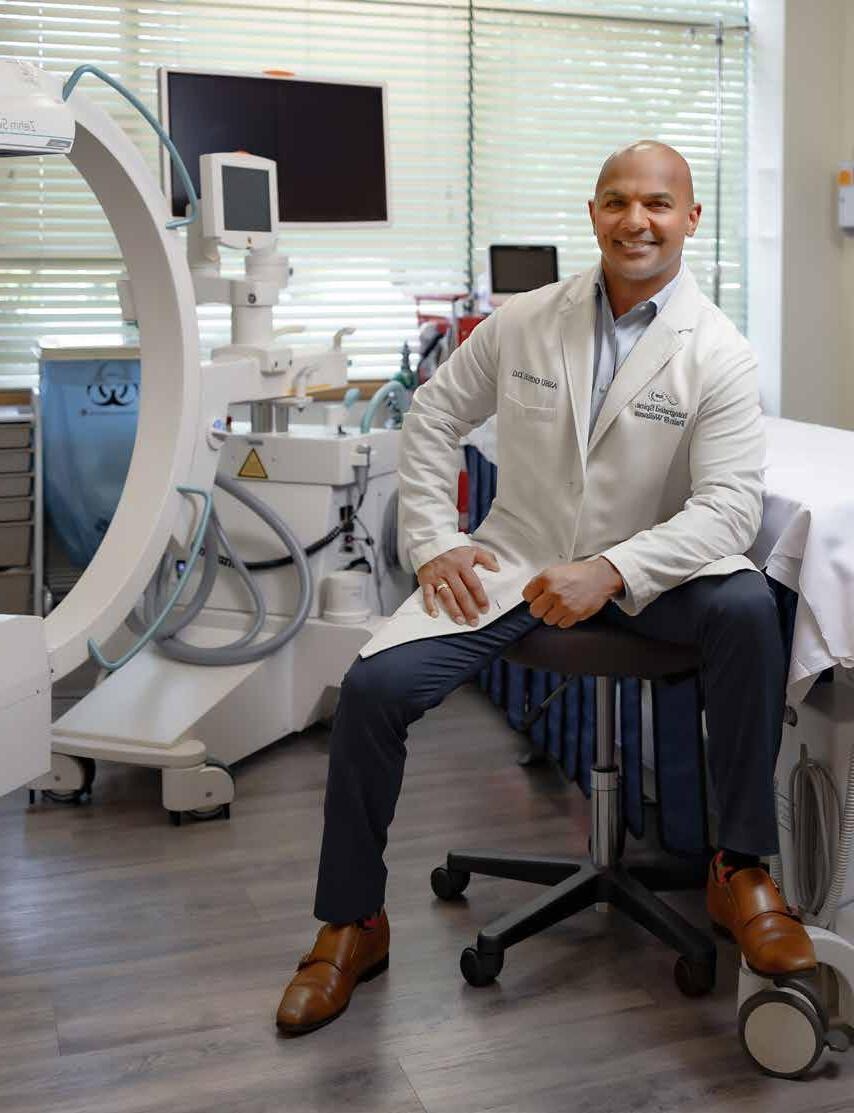
For active people living with joint pain or back pain who refuse to accept surgery, medications, or a slower life as the answer.
The Regenokine® Program was developed in Germany and has been quietly trusted by celebrities and professional athletes for years. It is minimally invasive, requires no surgery, no medications, and no downtime.
Only 8 physicians in the United States are certified to offer it.
Dr. Ashu Goyle is one of them.
Dr. Ashu Goyle | Integrated Spine, Pain & Wellness
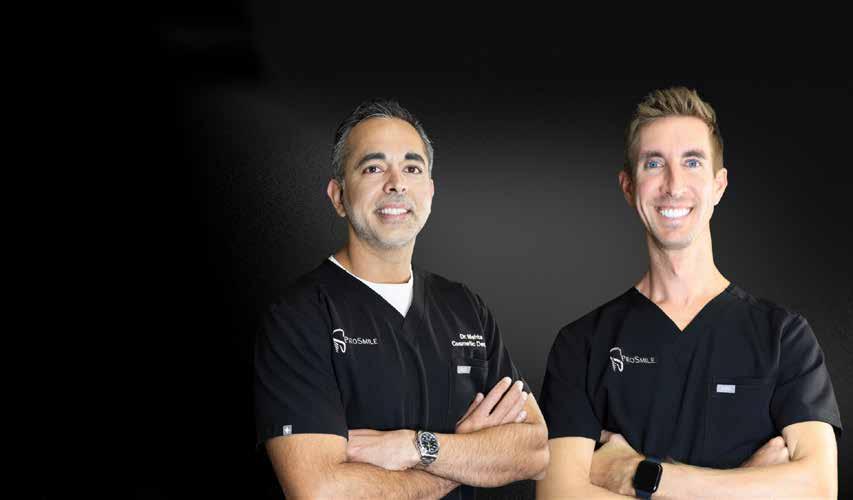
8: Jen Moser, Adrianna Baum/Lacey Boyett (Club 13), and friends at our PVCL + SCL celebration 9: Thank you, Lamborghini North Scottsdale, for making a grand entrance at our 40 Love celebration 10: PVCL/SCL partner Dr. Sheridan James, founder of Tristan’s Trees, celebrating at 40 Love 11: The ProSmile team, valued PVCL and SCL partners, celebrate with us at 40 Love 12: REFERR co-founders KG Hagedorn and Shari Shipley celebrating their PVCL/SCL feature at 40 Love 13: PVCL partner Jim Schafer (Element IV Therapy) celebrating at our annual May event, 40 Love 14: PVCL/SCL partners Elisabeth Pickle, Dr. Brook Choulet, and Dr. Heather Saran enjoying 40 Love
KICKASKANEVENTS
15: Thank you, KickAskanEvents, for the fun photo booth at our PVCL + SCL celebration 16: PVCL and SCL partners, friends, and community filled 40 Love for our annual May celebration 17: Lolo Wood & PVCL/SCL’s Nadine Bubeck. From MTV to motherhood, Lolo shared her inspiring story in our May Women’s Issue 18: 40 Love treated our PVCL/SCL partners to delicious food, drinks, & hospitality throughout the evening 19: Katrina Barrett and familiar faces at our 40 Love celebration 20: Thank you, Craig Anthony, for wowing the crowd with your incredible mentalist magic at our 40 Love celebration 21: Nate and Nadine Bubeck celebrate with Jay Allen, Renée Lynn, and family at 40 Love
SCOTTSDALE
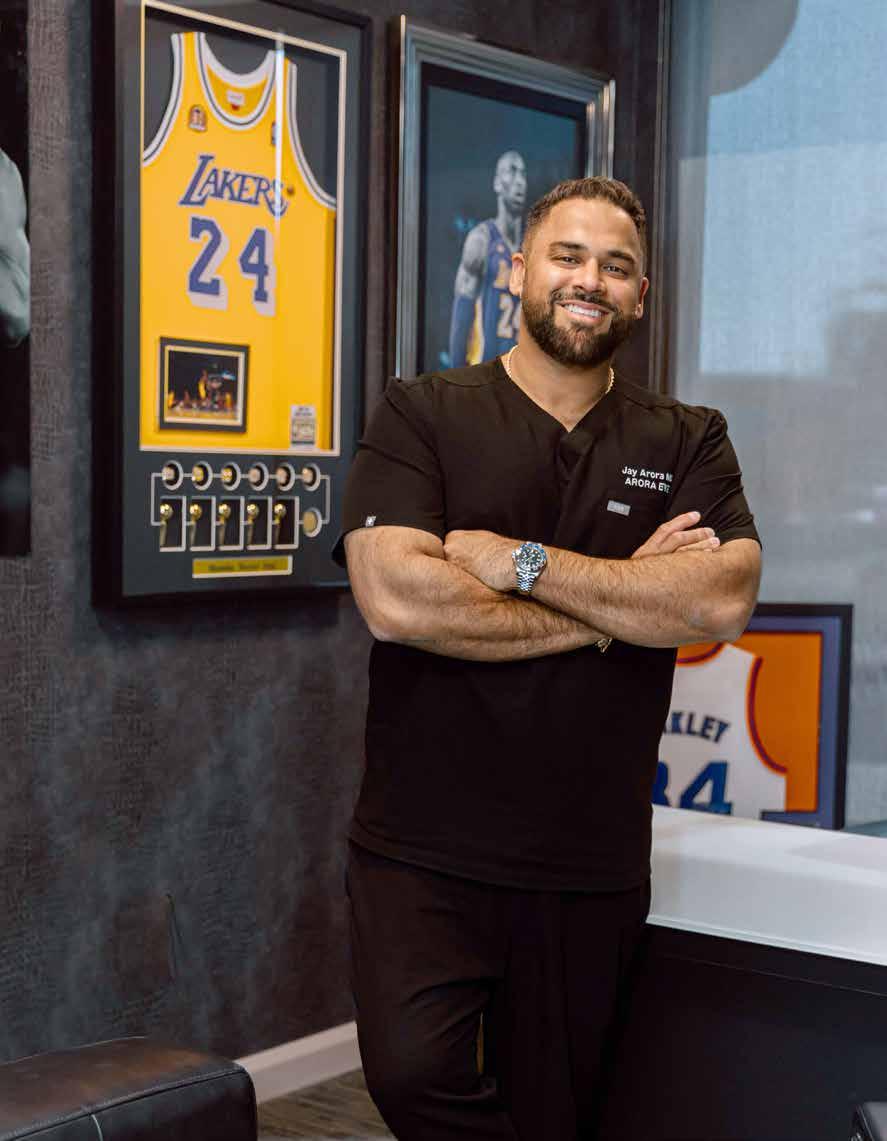
22: PVCL partner Drew Armenta and Mr. AZ Sports celebrating with the PVCL/SCL community, 40 Love 23: PVCL/SCL partners Dr. Christina Rahm (ROOT Brands), Lorraine Tallman (Amanda Hope Rainbow Angels), Robin Grossman (Sanctuary Boutique) & friends 24: PVCL/SCL partner Dr. Jay Arora (with wife Yousra) celebrates an unforgettable evening at 40 Love 25: Stacey Steele and Ryan Gurr (Steele Family Foundation) with PVCL/SCL’s Nadine Bubeck and Kenna Rettew 26: An evening of connection, celebration, and community at 40 Love 27: Myranda North Molina, Leah Bold Mondlick, and Nadine Bubeck at our 40 Love celebration 28: Dr. Danielle Masserman (APDO), Hillary Leto, and Katie Wilson (The Garage Boutique)- PVCL/SCL’s celebration at 40 Love Photography by Scottsdale Event
THE UNBREAKABLE SPIRIT
OF JASON REDMAN
LAND OF THE FREE BECAUSE OF THE BRAVE
ARTICLE BY NADINE BUBECK | PHOTOGRAPHY PROVIDED
As we celebrate America 250, and as skies fill with fireworks this Fourth, we are reminded that the liberties we cherish were never without sacrifice. This month, we honor a war hero whose story embodies patriotism, courage, and the unbreakable spirit of this country.
Retired Navy SEAL, severely wounded warrior, New York Times bestselling author, veteran advocate, business leader, and acclaimed leadership and resilience speaker Jason Redman has defied staggering odds.
“The wounds I received, I got in a job that I love, doing it for people that I love, defending the freedom of a country that I deeply love.”
After overcoming early career leadership failures, earning back the respect of fellow SEALs, and surviving life-altering injuries during his service in Iraq, Jason became living proof that adversity can transform into purpose.
With part of Jason’s team now operating out of the Valley, and with frequent speaking appearances across Arizona, PVCL’s Nadine Bubeck was honored to have an exclusive conversation with Jason about service, sacrifice, and the American spirit.
FOR ANYONE WHO MIGHT NOT KNOW YOUR FULL STORY, HOW DO YOU INTRODUCE YOURSELF TODAY?
I am a retired warrior, a retired Navy SEAL, an author, entrepreneur, husband, father, and a patriot.
TAKE US BACK. WHAT LED YOU TO THE NAVY?
I came from a military family. I’m a product of my grandparents both fighting in World War II. My dad also served in the Army, so I grew up with this idea of service.
As a kid, I was a product of the GI Joe generation and fascinated with the military. Add in all these things, and it was the only path I wanted.
I originally thought I wanted to be a pilot like my grandfather. Top Gun came out when I was young, and I wanted to be a Maverick. But I later learned about special operations, and when I discovered the SEAL teams around 14 years old, I locked onto that immediately. Hardest training in the military. Toughest and most secretive missions. The more I learned, the more I knew it was for me.
IT’S ONE THING TO SAY YOU WANT TO BECOME A SEAL, AND IT’S ANOTHER THING TO BECOME A SEAL.
We have an 80% attrition rate from U.S. Navy SEAL training. My class started with 148 individuals. I think we graduated 19 original members.
Lessons I learned in the SEAL teams are things I still speak about today. At the end of the day, it comes down to understanding where you want to go, what you want to accomplish, what it’s going to take to get there, and then breaking that into action steps. That’s exactly what I did when I was 16 or 17 years old.
What’s funny is when I decided I wanted to be a Navy SEAL, I barely played sports. I was a little runt of a kid, and I think most people laughed at me. But I knew if I wanted to become a SEAL, I had to do hard things.
So I went out for the football team and got the snot kicked out of me, but it taught me teamwork and toughness. I also joined the wrestling team.
Then I started training specifically for the SEAL pipeline. I learned the requirements and started executing every day in preparation for boot camp and the SEAL training test.
THEN CAME BOOT CAMP.
When I went through boot camp in Orlando, the pipeline was very different than it is today. There wasn’t a direct path into SEAL training. During boot camp, everyone had to complete swim testing, and my recruiter had told me that’s where the opportunity to try out for the SEAL pipeline would happen.
The swim test itself was pretty basic, but at the same time, there was a Navy SEAL recruiting candidates. About a week later, 10 of us took the test, and only three qualified.
I was 18 when I started SEAL training, 19 when I graduated, and about 20 years old when I earned my Trident.
WHAT DID THAT MEAN TO YOU?
When you get your Trident pinned on, it’s incredible. Back then, every SEAL on the team would punch the Trident into your chest. People hear that now and think it sounds crazy, but it symbolized pride, accomplishment, and becoming part of this elite brotherhood of warriors. There’s actually a photo in my book of me as this skinny kid with a bruised chest from getting my Trident “tacked on.”
“There’s no courage without fear. Don’t lay there feeling sorry for yourself. Build a victor mindset, not a victim mindset.”
At the time, though, I don’t think I fully understood the weight of everything. We were pre-war, and I had accomplished this huge goal. It wasn’t until years later, going to war and leading men into combat, that I truly understood what it meant.
YOU SERVED IN MULTIPLE COUNTRIES BEFORE 2007.
Yes. My SEAL team specialized in jungle warfare, so from 1996 to 2001, I spent a lot of time in Central and South America conducting counter drug operations. I became fluent in Spanish, fell in love with the people, culture, and food. Those years exposed me to both the good and bad in the world.
BUT NOTHING COULD HAVE FULLY PREPARED YOU FOR WHAT WAS ABOUT TO HAPPEN.
Actually, in some ways they did prepare me. That’s the interesting thing about life. Every hardship, every bit of adversity, all of SEAL training, the good, the bad, and the ugly, shapes who we become. Looking back, all of it built toward that moment. What’s even more interesting is that along the way, I failed as a young leader.
Before Iraq, I became a commissioned officer, and that’s a really important part of the story because I think a lot of young people who find success early can become a little enamored with themselves. That definitely happened to me.
I excelled as a young SEAL, became a SEAL training instructor, was recommended for officer school, and graduated ranked number one in my ROTC unit before returning to the SEAL teams in 2004 as a young officer.
But I allowed ego and arrogance to drive a lot of my decision making. I speak about leadership now because a title or rank doesn’t make you a leader. It’s how you carry yourself. Unfortunately, I started falling into that “do as I say, not as I do” style of leadership, which is dangerous, especially in combat units.
Eventually, I made a bad call on a mission in Afghanistan that almost got me kicked out of the SEAL teams. It was such a humbling and rock bottom moment. I sat alone in my room in Bagram after being told I was dangerous.
Thankfully, I went and found the special operations chaplain, and he convinced me I was about to make a permanent decision over a temporary problem. I also had strong leadership that gave me the opportunity to grow from that failure. That’s ultimately why my book is called The Trident: The Forging and Reforging of a Navy SEAL Leader.
Looking back, those failures and lessons became part of what mentally, emotionally, and physically prepared me for what was coming next.
YOU WERE LEADING WHEN SOMETHING LIFE CHANGING HAPPENED TO YOU IN 2007.
Due to editorial guidelines, some details of Jason’s combat injuries and battlefield experience have been condensed. What follows reflects the significance of the event without recounting its graphic realities.
On September 13, 2007, during a mission in Iraq, me and my team were caught in a devastating enemy ambush while pursuing a high-value target. Multiple team members were wounded, and I sustained life-threatening injuries requiring years of recovery and reconstruction. My survival was made possible by the courage of my teammates, who risked their own lives to bring me to safety.
The months that followed tested me in ways few can imagine. Yet through pain, uncertainty, and an arduous recovery, I emerged with a renewed sense of purpose and a powerful message about resilience.
WERE YOU SCARED GOING INTO THAT MISSION?
Due to editorial guidelines, some operational details have been condensed.
100%. There’s no courage without fear.
By that point in the deployment, our team had completed nearly 80 combat missions. We were experienced, welltrained, and confident in our ability to execute the mission. Still, the intelligence we received beforehand made it clear this would be different. We knew we were pursuing a highly protected target surrounded by a capable and determined security force.
As a SEAL, you’re trained to manage fear and remain focused under pressure. That’s part of the job. But there are moments when your instincts tell you something isn’t right, and I’ll never forget feeling that as we moved toward the objective. The environment, the intelligence, and the circumstances all suggested we were walking into a particularly dangerous situation.
CONTINUED >
EXPERIENCE CULLUM CARE
Professional home care and concierge lifestyle services that keep your home maintained and your life running seamlessly, whether you are home or away.
The Finest Home Ownership Experience
Explore Cullum Care
Despite those warnings, our mission remained the same: trust our training, trust each other, and keep moving forward. Looking back, it was one of those moments that reinforced how quickly circumstances can change and how important preparation, teamwork, and leadership become when they do.
That said, my team performed incredibly well, and I owe my life to those guys.
DO YOU REMEMBER THE PAIN OF GETTING SHOT?
Due to editorial guidelines, some details of Jason’s injuries have been condensed.
Absolutely. When I was wounded, I immediately knew the situation was serious. In the chaos of the firefight, adrenaline carried me through much of it, but I also had a moment when I realized the extent of what had happened. My body was no longer responding as it should, and I found myself fighting to stay focused and aware of what was unfolding around me.
When I regained consciousness, I was disoriented, exhausted, and struggling to process everything that had occurred. The full weight of my injuries had not yet set in, but I knew I was fighting for my life. As my teammates worked to get me to safety, the reality of the situation became impossible to ignore.
What I remember most is not the pain itself, but the overwhelming realization that the men around me refused to leave me behind. In one of the darkest moments of my life, their courage, loyalty, and determination carried me through.
YOU HAD A SIGN ON YOUR HOSPITAL DOOR THAT BECAME ICONIC.
About a week later, I arrived at Bethesda Naval Hospital and began to grasp the full reality of what had happened. The prognosis was daunting. Doctors explained that I faced a long and uncertain recovery, one requiring numerous surgeries, intensive rehabilitation, and extraordinary perseverance.
At that point, I could barely communicate, depended on medical support for basic needs, and lacked the strength to do even the simplest tasks on my own. Physically, emotionally, and mentally, I was at one of the lowest points of my life.
The future felt uncertain. Yet even in those difficult moments, I made a decision that would ultimately shape the rest of my recovery: I could not control everything that had happened to me, but I could control how I responded to it.
At one point, I remember thinking life as I knew it was over. My military career was done. Everything I had worked for had come to a screeching halt. And on top of that, people kept coming into the room expressing pity.
I remember laying there after one conversation thinking, “Is that who I’m going to become?” But then I went back to
everything the SEAL teams had taught me about overcoming adversity and leading through hardship. I decided right then that I would never feel sorry for myself and wouldn’t allow anyone else to feel sorry for me either.
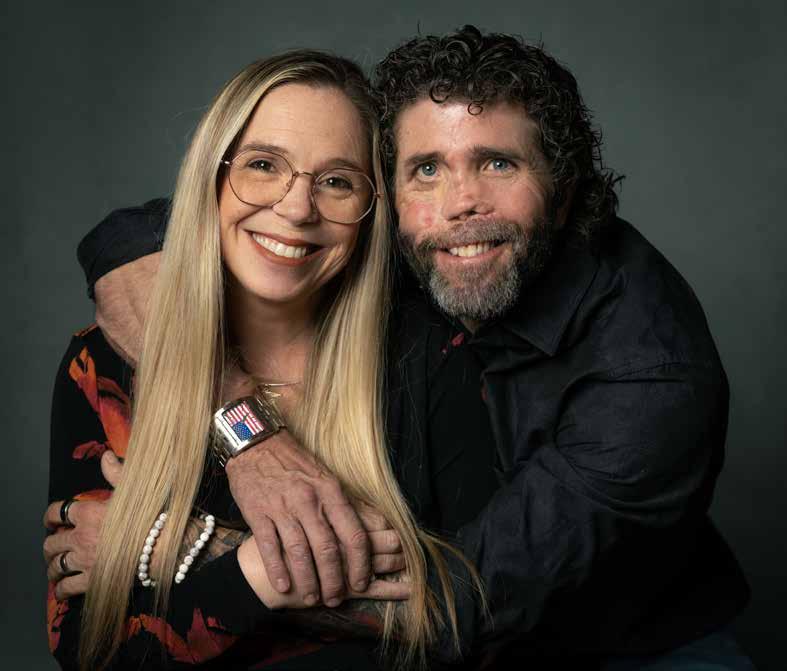
So when my wife came back into the room, I asked her for a pen and paper and wrote the sign that eventually hung on my hospital door stating:
Attention to all who enter here. If you are coming into this room with sadness or sorrow, don’t bother. The wounds I received, I got in a job that I love, doing it for people that I love, defending the freedom of a country that I deeply love.
I will make a full recovery. What is full? That is the absolute utmost physically my body has the ability to recover. Then I will push that about 20% further through sheer mental tenacity.
This room you are about to enter is a room of fun, optimism, and intense rapid regrowth. If you are not prepared for that, go elsewhere.
We signed it “The Management” and put it on the door. It took on a life of its own.
YOU HAD 37 SURGERIES AND STILL STAYED IN THE SEALS UNTIL 2013.
I wanted to leave on my terms, not the enemy’s or someone else’s.
Thankfully, the SEAL teams took care of me and allowed me to continue contributing to the mission through leadership, operational, and management roles.
WHAT DOES AMERICA MEAN TO YOU AFTER EVERYTHING YOU’VE SEEN?
I love this country. It hurts me when people attack America because I’ve seen the best and worst mankind has to offer all over the world. I’ve seen extreme poverty, oppressive governments, and intense regimes. No country is perfect, but America and this experiment of freedom is an incredible thing worth fighting for.
I had friends who came home draped in this flag. But I still believe the American dream exists. I’m living proof. The military gave me opportunity, purpose, and a path to build successful businesses and a meaningful life afterward. In many places around the world, that simply wouldn’t be possible.
TELL US ABOUT YOUR BOOKS.
The Trident is my life story. It’s about a young man who found success early, lost his way, got into trouble, earned an opportunity to redeem himself, then was horrifically wounded and forced to overcome all of it. At its core, though, it’s also a love story because it follows the journey my wife and I went through together and how she stood beside me through every stage of it.
CONTINUED >
INVEST IN INTEGRITY
Founded by Arizona native Cole Derosier, Integrity Custom Cabinetry designs and builds refined, one-of-a-kind cabinetry and millwork for discerning homeowners across the Valley.
For Cole, integrity isn’t just the name. It’s the standard.
Every project is fully custom. Every detail intentional. Every finish precise.
Overcome is more of the “how to.” After The Trident came out, so many people asked me, “How did you get through all of that?” So Overcome breaks down the mindset and lessons I now teach companies, teams, and organizations.
Everybody gets ambushed in life. You don’t have to serve in combat to understand adversity. Life challenges all of us through setbacks, loss, illness, failure, rejection, and moments that test our resolve. Overcome is about how we navigate those moments and ultimately “get off the X.”
WHAT’S YOUR BIGGEST TIP WHEN IT COMES TO GETTING OFF THE X?
Don’t lay there feeling sorry for yourself. Build a victor mindset, not a victim mindset.
Bad things happen to good people all the time, but we still have to drive forward.
If you can take adversity and turn it into something that ultimately makes you better, that’s part of the overcome mindset.
To me, getting off the X starts with three principles: awareness, preparation, and action. I live my life understanding everything I’ve built could be gone tomorrow, and that awareness drives preparation. In life, you have to prepare. Because when
bad things happen, if you don’t have awareness and preparation, you freeze.
Ultimately, getting off the X requires action. You have to keep moving forward.
WHAT DO YOU WANT PEOPLE TO LEAVE WITH TODAY?
Live greatly.
Not many people get a second chance at life after coming that close to death, and it gives you a tremendous appreciation for life, people, and opportunity.
My motto is “no bad days.” If you woke up this morning, it’s already a good day. Now it’s up to you to make it great.
That doesn’t mean life won’t be hard. But if you have a dream, today is the day to go after it. I don’t care who you are. If you’re still here, it’s not too late.
At the end of your life, you don’t want to regret the things you never did. Stop worrying about failure or what other people think. Go do it so one day you can honestly say, “I did it.”
www.jasonredman.com
Jason’s unfiltered interview is now streaming everywhere on the Now with Nadine podcast.
WHERE STEM CELL THERAPY BECOMES AN EXPERIENCE
People don’t travel to Auragens simply for stem cell therapy. They travel because they are seeking one of the most elevated regenerative medicine experiences available anywhere in the world.
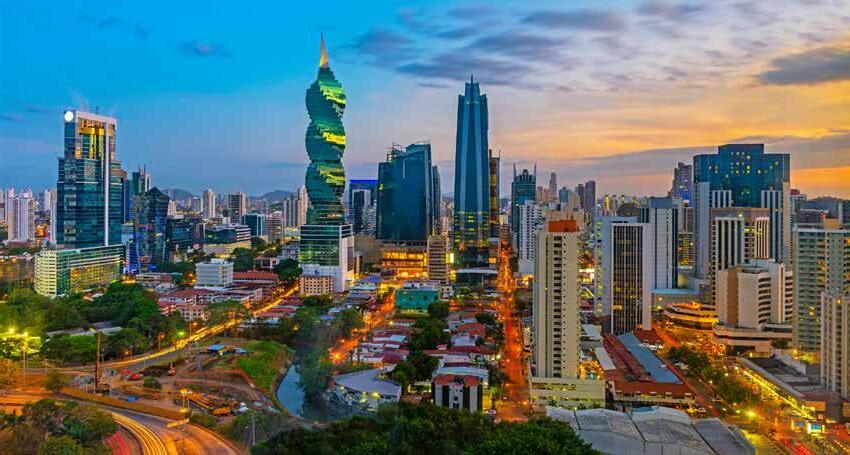
From the moment patients arrive in Panama City, every detail is intentionally designed around their well-being. Private transportation, luxury accommodations, a dedicated Patient Experience Executive, personalized treatment protocols, wellness therapies, and curated experiences create an environment where patients can focus entirely on their health.
At Auragens, stem cell therapy is not treated as a single
procedure. It is approached as a comprehensive wellness journey. In addition to advanced cellular therapies, patients have access to supportive modalities such as hyperbaric oxygen therapy, red light therapy, IV therapy, and massage, all designed to complement their treatment experience.
The result is a level of care that feels less like traditional healthcare and more like a luxury wellness retreat built around regenerative medicine.
Patients travel from across the globe for access to advanced stem cell therapies. They choose Auragens because the experience surrounding that care is every bit as thoughtful as the treatment itself.
MEET ADAM LOIACONO Founder of The
LEGACY Membership & host of Finding Small Wins
Dr. Adam Loiacono is a performance physical therapist with fifteen years across the NBA, MLS, and NWSL, including serving as Director of Rehabilitation & Performance for the Phoenix Suns. A Doctor of Physical Therapy and board-certified Sports Clinical Specialist, he merges movement, medicine, and precision systems to create measurable results.
Welcome to the next chapter in your LEGACY.
Learn more: www.AdamLoiacono.com/legacy www.auragens.com v theauragens
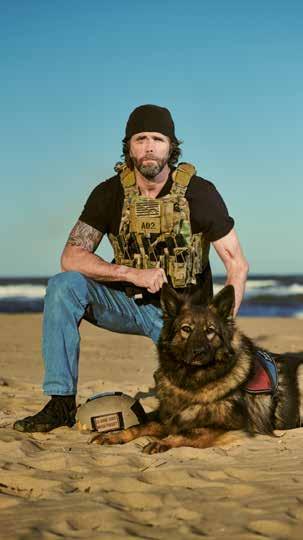
K9 Mold helps homeowners uncover hidden mold, toxins, and environmental concerns that often go undetected behind walls, within HVAC systems, and in other hard-to-reach areas.
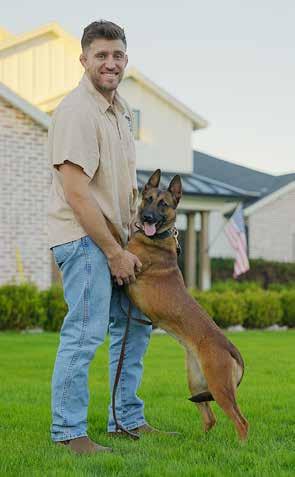
As a certified mold assessor and remediator, Wes combines advanced detection technology with Dolly's highly trained scent detection abilities to identify issues quickly, accurately, and non-invasively.
When unexplained allergies, odors, or air quality concerns arise, experience matters. So does knowing where to look.
Certified mold dog + real-time air testing. Only company in the Valley with both.
HOW FORMER NAVY SEAL SHAWN RYAN BUILT ONE OF THE WORLD’S BIGGEST PODCASTS
THE MAN BEHIND THE MIC
As the country celebrates America 250, our July Explore Issue is dedicated to the people, stories, and experiences that help define the American spirit.
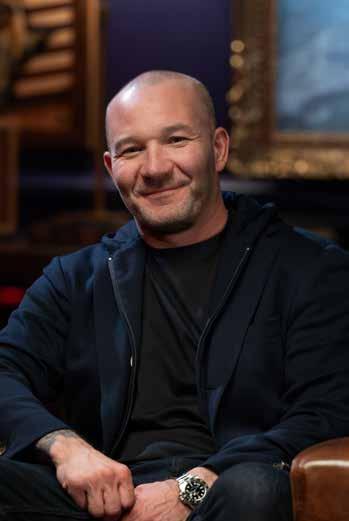
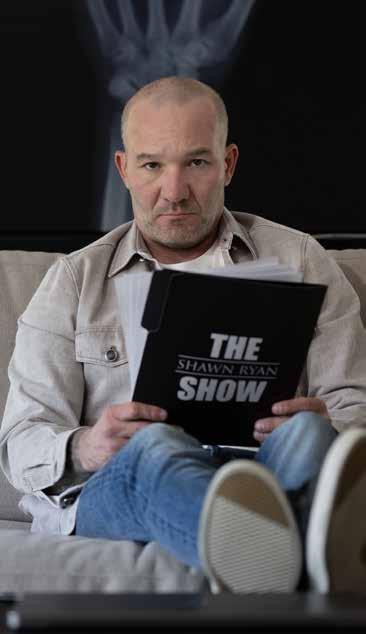
Shawn Ryan is a former Navy SEAL, CIA contractor, entrepreneur, and host of The Shawn Ryan Show, one of the largest podcasts in the world, surpassing two billion streams and attracting an audience that spans veterans, first responders, business leaders, parents, and everyday Americans.
Shawn is often the one asking the questions, so when we had the opportunity to connect with him, we decided to flip the script.
IN A WORLD FILLED WITH CONSTANT INFORMATION, WHAT DO YOU THINK PEOPLE ARE CRAVING MOST FROM THE STORIES THEY CONSUME?
“Unification. They want to see some unity in the country. I think they’re craving voices of people that actually have skin in the game, like World War 2 vets, Vietnam vets, Iraq and Afghanistan vets.”
YOUR PODCAST HAS BECOME KNOWN FOR LONG-FORM, UNFILTERED CONVERSATIONS.
“I think people are hungry for authenticity because it’s hard to come by. And we were authentic from the get go. We didn’t see it as a trend to jump on. We were just authentic and honest from the beginning.”
GROWING UP IN MISSOURI, DID YOU ALWAYS FEEL A PULL TOWARD SERVICE?
“Ever since I was a toddler, playing with GI Joe’s and building forts, I knew I wanted to be a SEAL or something similar. I knew wanted some type of combat role in the military.”
BEFORE YOU GRADUATED HIGH SCHOOL, YOU WERE ALREADY RESEARCHING THE SEAL TEAMS.
“None of the other branches could offer the path I wanted. Then a Navy recruiter asked if I knew what a SEAL was. I didn’t. But once I learned they were considered the best of the best, I knew that’s where I wanted to be. I wanted to work with the best people on the planet.”
WHAT DID YOUR YEARS AS A NAVY SEAL TEACH YOU ABOUT SACRIFICE AND BROTHERHOOD?
“Nothing worthwhile comes without sacrifice. To operate at that level, you have to be a team player. The brotherhood falls into place naturally because if you don’t embrace it, they’ll kick you out. The team becomes more important than yourself. It’s ingrained in you from day one: team, swim buddy, self.”
YOU SAY THAT MILITARY SERVICE SHOWED YOU HOW FORTUNATE AMERICANS ARE.
“When you go overseas and see people who don’t have clean water, food, or even a way to keep warm, it changes your perspective. They have nothing, and all they’ve ever known is war. That’s something most people in this country can’t even fathom.”
YOU’VE LIVED SEVERAL DIFFERENT LIVES ALREADY: NAVY SEAL, CIA CONTRACTOR, ENTREPRENEUR, AND PODCAST HOST. WHICH CHAPTER CHANGED YOU THE MOST?
“I’d say they’re all equal. The SEAL teams taught me about brotherhood, leadership, and teamwork. The CIA taught me patience and how political war can become. Entrepreneurship taught me that the American dream is alive and well and that you can accomplish anything you put your mind to. Podcasting has given me a glimpse into worlds, both good and bad, that I never knew existed.”
THE SHAWN RYAN SHOW OFTEN EXPLORES UNTOLD STORIES.
“I think firsthand storytelling matters because we’ve been conditioned to hear stories from talking heads in the media. You rarely hear them from the people who were actually there on the ground doing the job. It was always somebody in a newsroom. Giving those people a platform to share real firsthand accounts, without the bias or political spin, has created a huge thirst for it.”
MANY KNOW YOU AS A PODCAST HOST TODAY. HOW DID YOUR YEARS AS A SEAL AND CIA CONTRACTOR SHAPE THE WAY YOU INTERVIEW PEOPLE?
“When I first started, I was interviewing colleagues. The conversations were so good because there weren’t many people who could relate to what they had experienced. When you’ve seen that much combat and war trauma, you’re not always comfortable telling your story to just anyone. I never tried to insert my own experiences. I simply let them talk. There was a level of trust because they knew I understood.”
THERE’S A STRONG THREAD THROUGHOUT YOUR WORK CENTERED AROUND STRUGGLE, REDEMPTION, AND HEALING.
“I was very intentional from the beginning and had clear goals in mind.
CONTINUED >
One: To document how it happened.
Two: To put on public display what war trauma does to a human being. I think we’ve done that perfectly.
Three: I wanted to talk about how they got out of those struggles, what avenues they took, whether it was medication or therapy, or anything else.
Four: I wanted to elevate their new venture, whether that be a business or a nonprofit.
Five: I wanted to tell the stories of people who had experienced extreme violence or lived through more war and conflict than most people can imagine.
I wanted other guys who haven’t been on the show, who are coming home, about to come home, or are over there right now, to be able to listen and hear these stories. Knowing how bad it was, I wanted to bring hope to those guys and show them the avenues that exist. I wanted them to see how bad it got for the person sitting across from me and how they managed to pull themselves out of it.
A lot of these guys hear those stories and think, ‘S***, that guy had it that bad. Maybe I can pull through the [stuff] that I’m going through.’ And it has done that.”
WHY WAS IT IMPORTANT FOR YOU TO SPEAK PUBLICLY ABOUT DARK MOMENTS?
“If you want to make real change, then you have to be vulnerable and honest with yourself, and people respect that. Along the same lines, my best friend passed of an addiction. He was a SEAL and at the CIA with me.”
HOW HAS YOUR FAITH TRANSFORMED THE WAY YOU LEAD?
“It has changed pretty much everything that we do. I think about, ‘is this what God would want me to do? Would he be happy that I’m doing this? Would he be happy that I’m making this decision?’ And just always reflecting back on that.”
“I THINK PEOPLE ARE HUNGRY FOR AUTHENTICITY BECAUSE IT’S HARD TO COME BY. TIME CREATES TRUST, AND YOU GET TIME IN A PODCAST.”
IN MANY WAYS, YOUR SHOW HAS BECOME A MODERN ARCHIVE OF AMERICAN STORIES THAT MIGHT OTHERWISE GO UNHEARD.
“One of the big reasons I do this that nobody really sees is that these people get a legacy account of their life that can be passed down for generations. Family members who never had the chance to meet them will be able to go back, listen, and know exactly who they were.”
YOU’VE INTERVIEWED EVERYONE FROM VETERANS AND INTELLIGENCE OFFICERS TO POLITICAL FIGURES AND CULTURAL VOICES. WHICH INTERVIEWS HAVE IMPACTED YOU MOST?
“Ryan Montgomery, a cybersecurity expert and child-safety advocate who works to expose online predators and exploitation networks. We educated parents in one episode and I think that’s the biggest impact that I’ve made. I also think sharing my journey to faith had a huge impact on people. Just by being vulnerable and honest about how that all happened.”
WAS THERE EVER A GUEST OR CONVERSATION THAT COMPLETELY SHIFTED YOUR PERSPECTIVE ON SOMETHING YOU THOUGHT YOU ALREADY UNDERSTOOD?
“That is the whole objective of this… Talking with all kinds of different people with different backgrounds and different perspectives in hopes that me and the audience learn something new.”
WHY DO YOU THINK SO MANY DIFFERENT PEOPLE CONNECT WITH YOUR MESSAGE?
“Because this is raw honesty and vulnerability. I mean people come in and they go places that nobody else goes. They talk about humiliating things. I mean, they really bare their soul, and nobody else is able to get that.”
THE PHRASE ‘AMERICAN SPIRIT’ MEANS DIFFERENT THINGS TO DIFFERENT PEOPLE. WHAT DOES IT MEAN TO YOU?
“Fighting for freedom, standing for truth and destroying evil no matter what the consequences are.”
WHAT DO YOU THINK MAKES PODCASTING SUCH A UNIQUE FORM OF STORYTELLING?
“They’re long form. You can’t hide behind a 10 second sound bite. People are able to get their entire thoughts out, and they’re not rushed by somebody who has to go to a commercial break. Time creates trust, and you get time in a podcast.”
YOU’VE SAID EVERYTHING YOU DO NOW IS ABOUT BUILDING A BETTER WORLD FOR YOUR CHILDREN.
“All that comes second. Being a father comes first.”
WHAT GIVES YOU HOPE FOR OUR COUNTRY’S FUTURE?
“We have the best innovators in the world. We have the most patriotic people in the world. The world looks to us for everything.”
WHAT DO YOU HOPE PEOPLE UNDERSTAND ABOUT WHAT YOU’RE DOING?
Alzheimer's Prevention May Start With Your Hearing
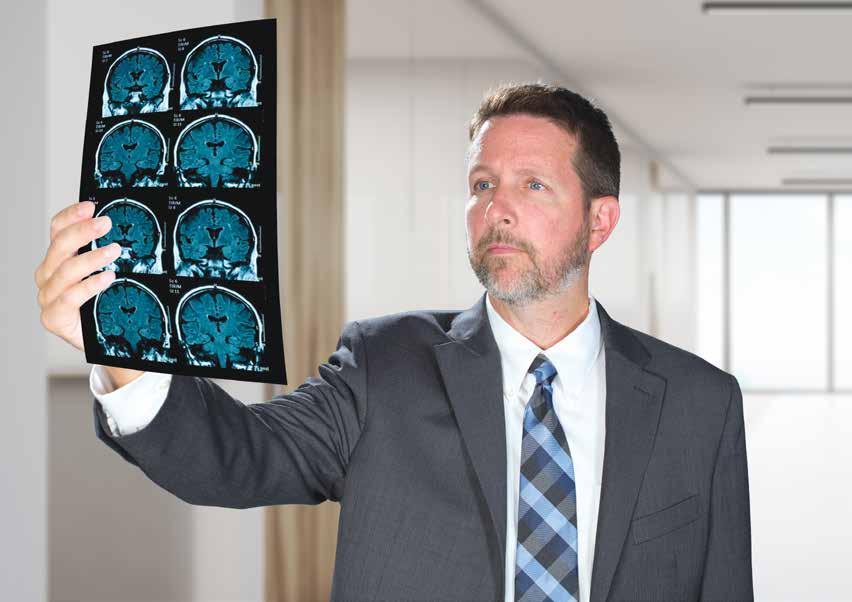
Most people associate hearing loss with turning up the television or asking others to repeat themselves. Dr. Keith Darrow believes the conversation should be much bigger.
A Harvard Medical and MIT-trained neuroscientist and clinical audiologist, Dr. Darrow has spent years studying the connection between hearing health and cognitive decline. His research points to one of the most overlooked findings in brain health today: untreated hearing loss is one of the most significant modifiable risk factors associated with dementia.
"Hearing loss is the number one modifiable mid-life risk factor for preventing dementia," says Dr. Darrow. "By addressing hearing health early, we can significantly reduce the risk of cognitive decline and improve quality of life."
To help individuals better understand their risk, Dr. Darrow and Hearing and Brain Centers of America are offering a complimentary Brain Care Score, a personalized assessment that evaluates hearing health, includes cognitive screening, and identifies potential risk factors that may impact long-term brain function.
Patients who request an appointment also receive access to the Dementia Risk Reduction Library, a collection of educational resources, expert insights, and practical strategies designed to help individuals take a more proactive approach to brain health.
As awareness around Alzheimer's disease continues to grow, Dr. Darrow hopes more people recognize that protecting brain health may begin long before symptoms appear.
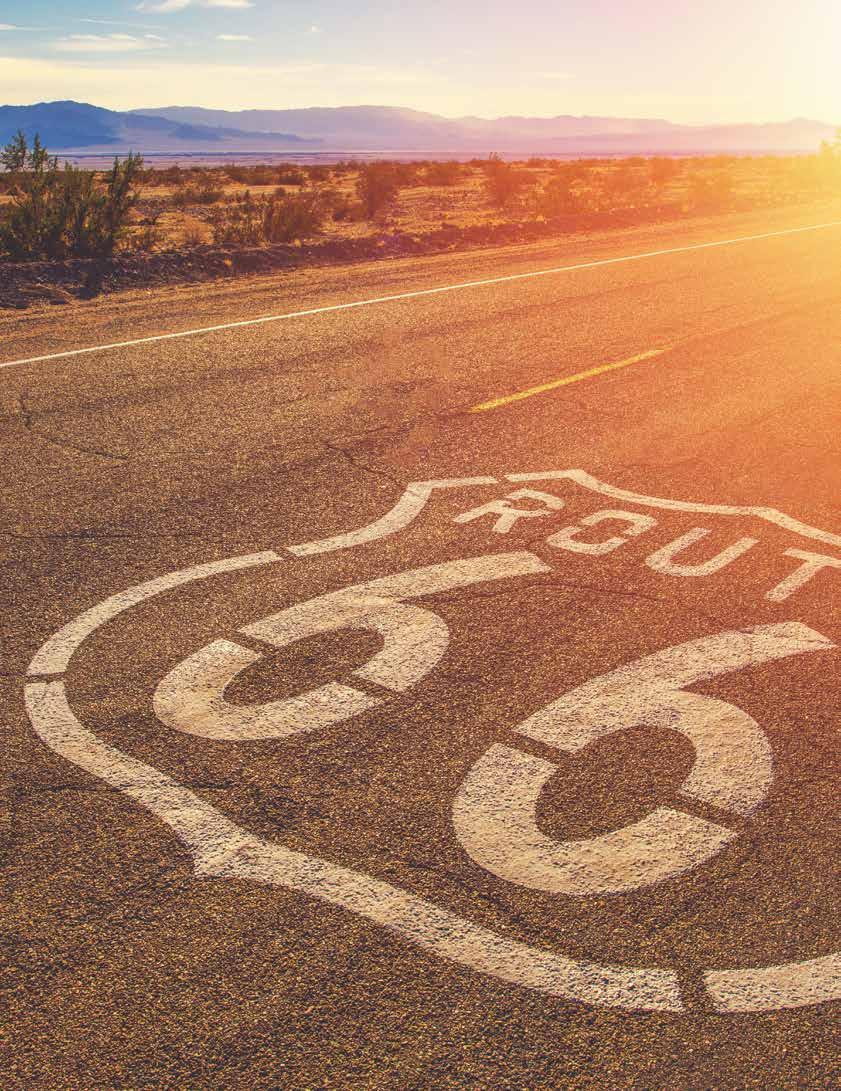
Get Your Kicks on Route 66
Route 66 Turns 100
For our Explore Issue, we’re taking a road trip down memory lane.
This year, Route 66 officially turns 100 years old, fitting as America simultaneously celebrates its 250th anniversary.
While the road itself stretches from Chicago to Santa Monica, some of its most iconic and emotionally resonant miles live right here in Arizona.
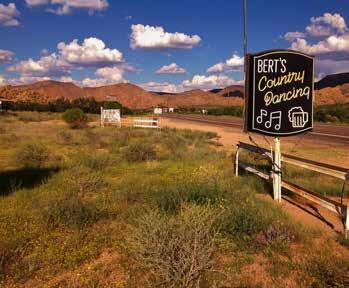
The Mother Road winds through old mining towns, weathered trading posts, quirky diners, mountain passes, neon-lit downtowns, ghost towns, roadside motels, and sweeping desert landscapes that feel untouched by time.
And according to Route 66 historian and author Jim Hinckley, that sense of nostalgia, Americana, freedom, and emotional connection has always been at the heart of the highway’s enduring magic.
“Route 66 was the road of dreams,” Hinckley says. “And today it is viewed as the quintessential American road trip.”
For Arizona travel writer and author Roger Naylor, the road’s continued relevance feels especially meaningful in today’s fast-paced world.
“In a world of social media and AI, we crave authentic experiences,” Naylor says. “We want to hold on to something that feels real.”
Long before Route 66 became immortalized in movies, songs, and pop culture, it emerged from America’s growing fascination with exploration, mobility, and the open road.
Hinckley explains that the roots of Route 66 actually trace back to the 1800s, when political leaders began envisioning a connected America built through transportation systems linking communities together.
By the early 20th century, automobiles transformed travel forever. Families began venturing farther from home, roadside businesses exploded, and a national highway system became essential.
Then came 1926 when Route 66 was officially established.
What followed cemented Route 66 as one of the most iconic roads in American culture.
The highway carried Dust Bowl migrants west during the Great Depression. It connected military bases and training camps during World War II. It became the backdrop for postwar family vacations, cross-country adventures, and stories of reinvention.
On I Love Lucy, Route 66 represented opportunity.
In Easy Rider, rebellion.
For travelers around the world, it became symbolic of freedom itself.
One memory still stands out vividly for Hinckley.
While speaking at the European Route 66 Festival in Zlin, Czechia, a man approached him and explained that while growing up behind the Iron Curtain, he secretly listened to the song about “getting your kicks on Route 66” through Radio Free America and watched bootleg copies of Easy Rider
“Then he told me that for his generation Route 66 came to symbolize freedom as the Statue of Liberty had for a previous generation,” Hinckley says.
That symbolism remains deeply woven into Arizona’s stretch of the Mother Road today.
Every state along Route 66 tells a slightly different story.
According to Hinckley, Illinois offers farming towns tied to Abraham Lincoln, while Missouri delivers quaint Ozark communities dating back to the Civil War alongside former mining boom towns that help give the highway what he describes as the feeling of “America’s longest small town.”
That sense of authenticity continues westward toward California, but Hinckley believes Arizona’s stretch of Route 66 stands apart.
“What makes Arizona unique is the combination of devastating scenery, wide-open spaces, and a sense of the Wild West that no other state can match,” Naylor says.
He describes Route 66 as the “main artery” of Arizona itself.
And nowhere is that more evident than the legendary drive through Sitgreaves Pass.
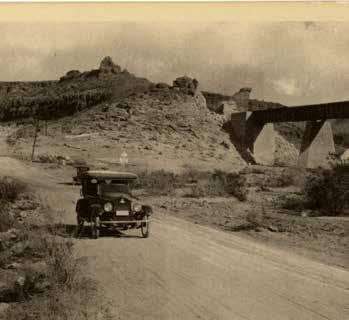
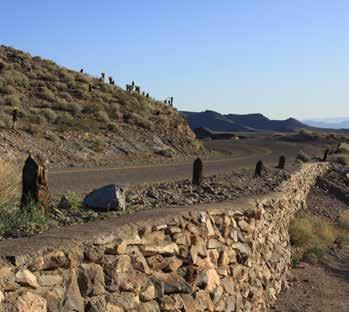
Hinckley says the pre-1952 alignment west of Kingman through Sitgreaves Pass and down into the Colorado River Valley is often considered the most scenic stretch of the entire highway. Built in 1921 to replace the dangerous 26% grades of the old National Old Trails Road, the route features dramatic curves, steep grades, and breathtaking overlooks unlike anywhere else along the Mother Road.
“Driving this road is almost like time travel,” Hinckley says.
Along the way, Arizona delivers a collection of unforgettable roadside moments.
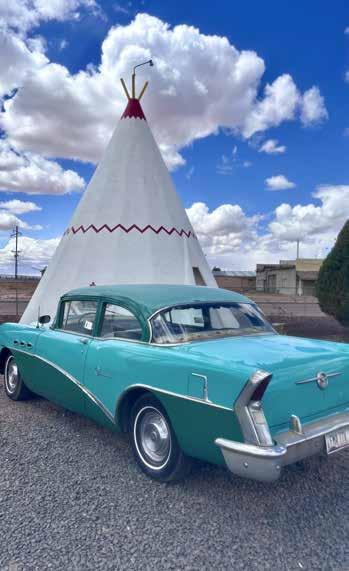
There’s the Wigwam Motel in Holbrook.
The neon glow of Williams after dark.
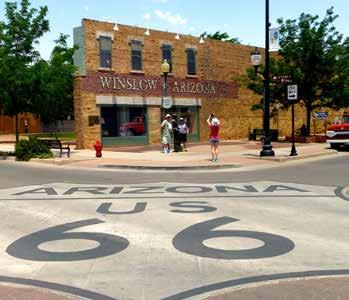
The famous Standin’ on the Corner landmark in Winslow.
The quirky charm of Seligman.
The Route 66 Drive Thru Shield in Kingman.
The burros wandering through Oatman.
And then there are diners, cafés, pie counters, and roadside restaurants that somehow taste even better after hours on the open road.
“You’ll never forget grabbing a burger at Miz Zip’s in Flagstaff or a huge piece of carrot cake at Westside Lilo’s Café,” says Naylor.
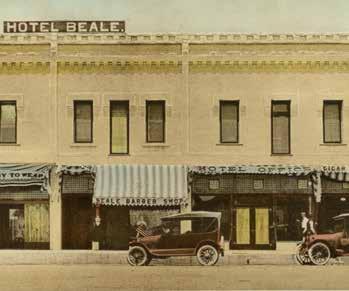
The iconic Hotel Beale/ Credit: Jim Hinckley
This section of the National Old Trails Road served as Route 66 from 1926-1937. Credit: Steve Rider
Pre 1952 Route 66, west slope of the Black Mountains/Credit: Jim Hinckley
Credit: Jim Hinckley
According to Naylor, Route 66 nearly disappeared altogether in 1985 when the highway was officially decertified, signs were removed, maps changed, and America’s most famous road quietly faded from the federal highway system. But Arizona refused to let it die.
Naylor attributes much of the preservation movement to Seligman barber Angel Delgadillo, who helped lead the effort to revive and preserve the Mother Road after its decertification.
“Angel spearheaded the movement to resurrect the Mother Road after it had been decertified in 1985,” Naylor says.
Delgadillo and the Historic Route 66 Association of Arizona successfully convinced the Arizona Department of Transportation to designate portions of the highway as Historic Route 66, creating the blueprint other states would eventually follow.
“It wasn’t saved by the government or billionaires or huge corporations,” Naylor says. “It was saved by individuals.”
Williams/Credit: Jim Hinckley
Credit: Roger Naylor
Credit: Roger Naylor
ROUTE 66 FAVORITES
• Seligman: Roadkill Café and Westside Lilo’s Café sit across from each other and deliver the classic Route 66 experience with comfort food, quirky charm, and authentic roadside nostalgia.
• Sitgreaves Pass & Oatman: The winding drive from Kingman through Sitgreaves Pass to Oatman offers dramatic desert views, sharp curves, roaming burros, and one of Arizona’s most unforgettable stretches of Route 66.
• Pine Country Restaurant, Williams: A longtime Route 66 staple known for its legendary pies, classic Americana atmosphere, and front-row seat along the Mother Road.
• Tin Can Alley on 66, Kingman: This retro-inspired lodging concept blends vintage Route 66 nostalgia with modern comfort in Kingman’s historic district near shops, breweries, museums, and Beale Street Theater.
• Earl’s Route 66 Motor Court: More time capsule than motel, this nostalgic roadside stay captures the spirit of classic American road trips and oldschool Route 66 culture.
• Jack Rabbit Trading Post: Dating back to the 1940s, this iconic family-owned roadside stop remains one of Arizona’s most authentic slices of Route 66 nostalgia filled with vintage charm, souvenirs, and photo ops.
• Ash Fork Route 66 Historic Museum: This understated museum offers small-town charm and quirky exhibits highlighting Arizona’s Route 66 history, roadside culture, and vintage Americana.
• The iconic Hotel Beale: Originally purchased by Thomas Devine, father of actor Andy Devine, the historic hotel hosted guests including Amelia Earhart, Charles Lindbergh, and Buster Keaton. Earlier this year, the landmark sign was relit for the first time in more than 70 years.
jimhinckleysamerica.com rogernaylor.com
Source:
9,624
THE MOST AMERICAN MEAL
Why the Cheeseburger Remains the Ultimate Symbol of Summer, Tradition, and Togetherness
PHOTOGRAPHY BY SQUARE ONE CONCEPTS
S. Barrett Rinzler
There are food trends, and then there are foods that never need a comeback.
The hamburger falls firmly into the second category.
As our Explore Issue celebrates the places, traditions, and experiences that define summer, one icon continues to show up wherever Americans gather: the cheeseburger. Fittingly, July is National Grilling Month, when backyard barbecues, family gatherings, and America’s favorite sandwich take center stage.
For S. Barrett Rinzler, founder and CEO of Square One Concepts and the visionary behind Cold Beers & Cheeseburgers, that’s no accident.
“This may sound overly patriotic,” he says, “but I think it somewhat harkens back to freedom.”
His theory traces back to post-World War II America when families moved into the suburbs, embraced homeownership, and gathered around backyard grills.
“The backyard barbecue was part of that. Owning your own turf and grilling a burger with family and friends is like enjoying the spoils of your freedom.”
“It brings people back to summers growing up. Having grown up in the Midwest, I have literally lived that experience my entire life.”
That connection to summer remains inseparable from the burger’s identity.
“What’s more all-American than hamburgers, hot dogs, baseball and apple pie?Food brings people together.”
For a food that feels so simple, the burger is remarkably versatile. It can be casual and comforting or elevated and chef-driven.
“There are many ways to make a great burger. It’s immediately delicious, hearty and satisfying when done right.”
That versatility has fueled everything from classic diner burgers to more adventurous creations like Cold Beers & Cheeseburgers’ Bacon PB&J Burger and Mmmac & Cheeseburger.
“Who would have thought those combinations would become so popular? You never know until you try it.”
At the same time, burgers have found a place in more upscale settings as well.
“At Bourbon & Bones, one of our Square One Concepts restaurants, a popular Happy Hour burger is made using trimmings from hand-cut filet, ribeye, and New York strip steaks. It’s great.”
Still, despite all the toppings, trends, and gourmet interpretations, Rinzler believes one thing matters more than anything else.
“The bun and toppings are important, but they can’t hide it if you don’t have good meat. It doesn’t necessarily have to be gourmet, but it needs to be solid quality and should be an 80/20 blend to get maximum juiciness.”
And if there’s one mistake home grillers make more than any other?
“Don’t overcook it.”
For those looking to elevate their grilling game this summer, he offers one surprisingly simple tip.
“When you mix and season your ground beef, add a raw egg to the mix before you patty the burgers. It’s a sneaky flavor booster and helps make them extra juicy.”
The burger’s staying power, however, isn’t really about the toppings or cooking techniques. It’s often about tradition.
“My grandfather and his brothers were in the grocery business and raised their own cattle. He definitely enjoyed them, as did my father, and, of course, I do as well. The beloved American classic is passed down through our traditions.”
He sees that same tradition reflected in diners and classic burger joints, places that have become woven into the fabric of American culture.
“It’s almost the backdrop of our lives,” he says. “We see it in American pop culture.”
coldbeers.com
SCOTTSDALE 4TH OF JULY: RED, WHITE & COOL
Saturday, July 4 | 5–9:30 p.m. WestWorld of Scottsdale
Scottsdale's signature Independence Day celebration returns for its 13th year with a special focus on two milestone anniversaries: America 250 and Celebrate 75, marking Scottsdale's 75th anniversary.
This year's festivities include fireworks and activities like the 4th Annual Cold Beers & Cheeseburgers Summer Slider Eating Championship, where finalists from across Arizona attempt to devour 30 sliders in 10 minutes for the 2026 title.
Scottsdale4th.com
THE JOURNEY STARTS IN THE CLOSET.
WHOLE HOME ORGANIZATION SYSTEMS | DESIGN & INSTALLATION
“Talk about a company that lives up to its name! Dream Closets’ client service is second to none. They offer thoughtful suggestions, work quickly to find solutions, & bring incredible creativity to every customization while still respecting budgets. Collaborating with Jen and Adam made the entire process seamless.” -Jennifer Burgess, RETSY, on Project Homestead
20 Years Later
PHOTOGRAPHY PROVIDED BY MIKE & VANESSA
How Mike Bauer and Vanessa Ramirez became part of the Diamondbacks Family
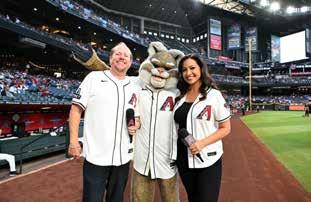
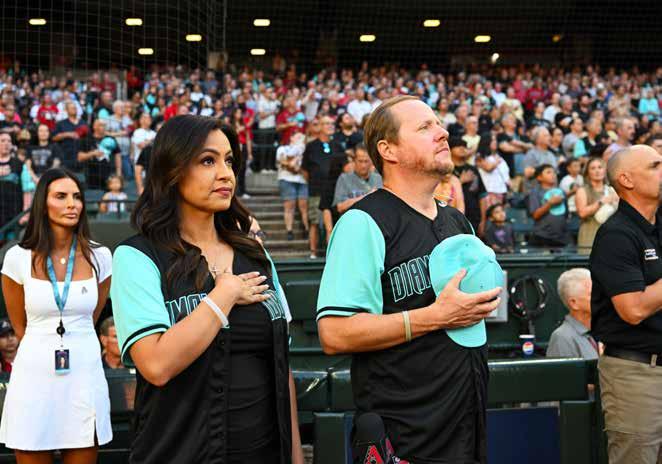
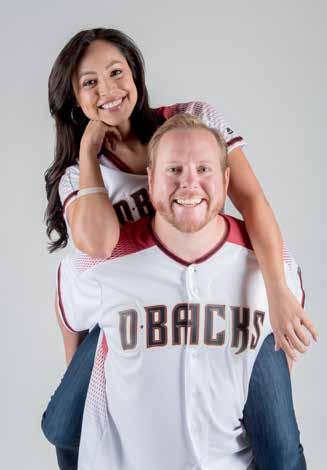
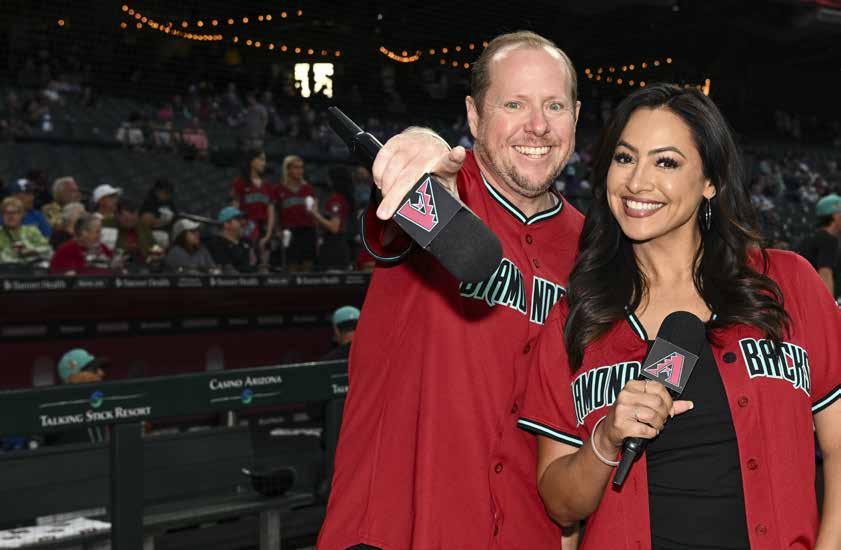
Twenty years ago, two people with microphones, quick wit, and no idea what was ahead walked onto Chase Field. One was a Cubs fan from Chicago who grew up skipping school for baseball games. The other was an Arizona girl sitting in the upper deck years earlier pointing toward the field saying, “I could do that job.”
Now, two decades later, Vanessa Ramirez and Mike Bauer have become part of the soundtrack of Diamondbacks baseball.
If you’ve been to a game at Chase Field, chances are you’ve seen them racing through the concourse with camera crews, hyping the crowds, dancing on dugouts, improvising through technical difficulties, and somehow still making it all look effortless.
“We are celebrating 20 years,” Mike says, laughing. “And she still looks the same as the day we got hired.”
“Thanks,” Vanessa shoots back. “This is why you’re my brother from another mother.”
The chemistry is immediate, like siblings who know exactly how to push each other’s buttons but also exactly how to pull each other through.
“We joke that she’s my sister from another mister,” Mike says.
Long before she became one of the most recognizable faces inside Chase Field, Vanessa was just another fan in the stands.
“I went to a game before I worked for the team and I was sitting up in the 300 level with my friends,” she recalls. “I remember pointing at the former host thinking, ‘I could do that job.’”
Years later, that sentence became reality.
At the time, Vanessa was modeling and doing TV work around Arizona when her agency asked if she’d participate in a Diamondbacks fashion show unveiling new uniforms at Hotel Valley Ho.
“It was technically a free gig. I was like, okay, fine.”
The players were paired with models walking between them onstage. Vanessa remembers standing beside Chris Young while still wearing giant rollers in her hair because makeup wasn’t finished yet.
“I just totally hammed it up,” she says.
Little did she know Diamondbacks executive Rob Weinheimer was watching from the crowd.
“He was like, ‘Who is that girl?’”
A few days later, Vanessa got a call asking her to audition for an in-game host.
“The rest is history,” she says.
Of course, if you were watching reality television in the early 2012s, you may have spotted Vanessa somewhere else, too.
“Yes,” she laughs. “I did a dating show.”
Vanessa appeared on Love in the Wild Season 2 hosted by Jenny McCarthy, on NBC spending time filming in the Dominican Republic while navigating jungle adventures, cameras following her every move, and contestants being dropped into the competition midway through filming.
Just weeks later, Vanessa got a call asking her to audition for an in-game host.
Mike’s path looked completely different.
Growing up outside Chicago, baseball was woven into childhood memories.
“My parents used to write fake sick notes once a year so we could skip school and go to Cubs games,” he says. “It was our family tradition.”
He moved to Arizona to attend ASU for broadcasting and eventually landed in sports radio. One day, after sitting behind the broadcast booth at a Phoenix RoadRunners hockey game, he walked up his resume.
“They told me there wasn’t a position open, but I could volunteer.”
Fast forward, the team called him back to audition for an in game host role.
“The funny thing is I didn’t even know that job existed.”
One year later, the Diamondbacks were holding open tryouts.
“I had already abandoned my childhood team and was fully rooting for the Diamondbacks every game,” he says. “They had hired Vanessa first and needed a co-host.”
Their first season together was 2007, and neither expected it to last this long.
“I honestly thought we’d get one year and then they’d replace us,” Vanessa admits. “I’ve never done anything for 20 years.”
Yet somehow, season after season, they kept coming back.
And somewhere along the way, Arizona baseball fans started growing up with them.
“There are kids who were playball kids years ago who come up to us now as adults,” Vanessa says. “And they’re like, ‘I used to do the hot dog race with you guys.’”
Mike nods.
“We’ve watched families grow up at the ballpark. We’re on camera for very small moments during the game,” Mike says. “But it’s all the time in between where relationships happen.”
Over the years, fans have invited them to graduation parties, sent Christmas cards, and introduced them to children who now tower over them years later.
“One of my favorite moments,” Mike says, “is seeing a little kid walk into a Major League ballpark for the first time. Their eyes get huge. That moment never gets old.”
Behind the scenes, however, the job is far more chaotic than fans realize.
Before every game, there are production meetings, camera planning, sponsor reads, timing logistics, route mapping, and dozens of moving parts spread across a massive stadium.
“In baseball, you don’t tell time by minutes,” Mike explains. “You tell time by outs.”
Meaning they may have just three outs to sprint from the upper concourse down to the field for the next segment.
And because baseball has no game clock, chaos is always possible.
“A three out inning might take 45 minutes,” Mike says. “Or it might take three minutes.”
True Independence Knows No Boundaries
Summer plans should never be limited by care needs. Private-pay concierge nursing and travel companion services designed to move seamlessly with you.
• Elite Private Duty Nursing: Advanced clinical care wherever you are.
• Travel Companion Support: Discreet assistance for travel, routines, and daily life.
• Absolute Privacy: Confidential, white-glove care with complete discretion
• Transition Support: Professional support during estate changes, relocations, and seasonal moves.
• Care Without Limits: At home. In the air. Across the country.
Confidential consultations available.
*Concierge physician and advisor referrals welcomed.
(877) 891‑9154
www.tshconcierge.com
jsherman@tshc.com
They’ve had microphones fail on Opening Day. Fans shove through live shots. Kids take off running into center field during the hot dog race.
“You just roll with it,” Mike says.
For Vanessa, some of the most memorable moments are quieter.
She pauses when talking about her father, who passed away from non-smoker’s lung cancer.
“My parents were my everything,” she says softly.
Her dad attended games constantly during those early years.
“He would tell everyone I was the D-Backs girl.”
After his passing, Vanessa launched Breathe to Believe, a fundraiser supporting cancer organizations.
“I didn’t want to sit in sadness,” she says. “I wanted to turn that energy into something good.”
Even now, she still thinks about him walking through Chase Field.
“When they announced our 20th season this year, I got emotional thinking about what my dad would say.”
Her voice catches.
“He’d probably say, ‘You’re doing a good job, kiddo.’”
While fans see the energy, dancing, contests, and laughter at Chase Field, what they don’t always see is the life happening around it.
During part of Vanessa’s 20 year run with the Diamondbacks, she was also waking up in the middle of the night to work as a morning traffic anchor on TV.
“There were years where I’d get home from the ballpark at midnight and my alarm would go off at 2:30 in the morning,” Vanessa says.
Mike also had a similar schedule for years hosting sports talk radio shows and
now a husband and father, he understands the balancing act differently these days.
“There are times I legitimately miss my family,” he admits. “My wife and I both work, and sometimes our schedules are so opposite that outside of daycare drop-off, we don’t really get family time for days. By the time they’re getting home, I’m already heading to the ballpark.”
Still, both say the job rarely feels like work.
“How can you complain?” Vanessa says. “We get to do cool things for a living.”
And sometimes, those cool things come with National League Championship rings.
When the Diamondbacks made their World Series run in 2023, management surprised Mike and Vanessa with official rings recognizing their years with the organization.
“I thought I was in trouble when they called me,” Vanessa laughs. “Then they said, ‘You get a ring.’”
“It was incredibly meaningful,” Mike says. “leadership fought for us to receive that recognition. We’ll never take that for granted.”
Two decades in, their friendship still drives everything.
“She still asks me what I’m going to say before we go live,” Mike says.
“Because he repeats what I just said!” Vanessa fires back instantly.
And when nerves creep in before a live segment?
“I’ll usually make some dumb joke right before we go on camera,” Mike says. “Just to get her laughing.”
Because after 20 years, instinct takes over.
“If one of us blanks, the other just picks it up,” Vanessa says. “We always have each other’s back.”
And now, the question almost asks itself: do Mike and Vanessa have another 20 years in them?
“As long as they’ll have us,” Vanessa says with a smile, “we’ll be there.”
CLOSING LOANS.
“Austin
- Gina F.
TANYA TALKS
The Leap
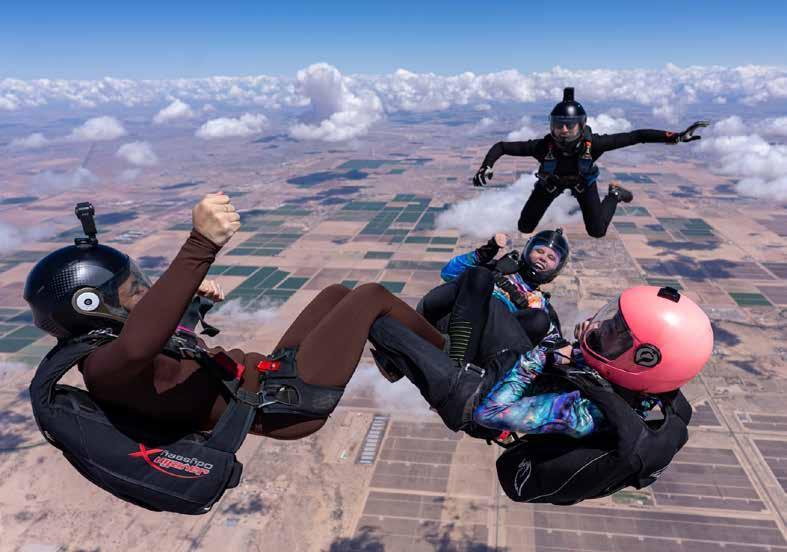
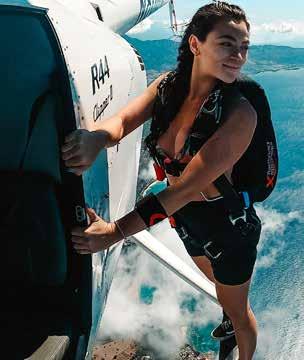
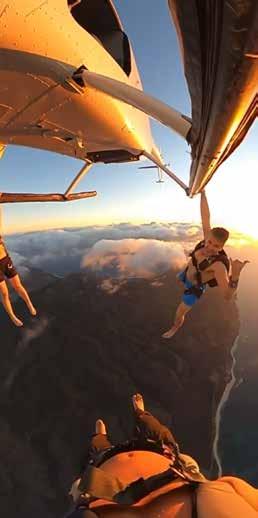
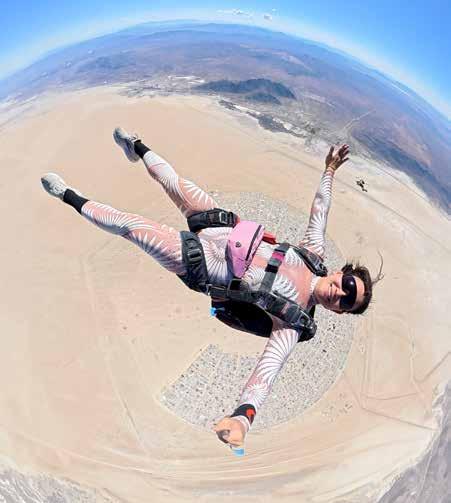
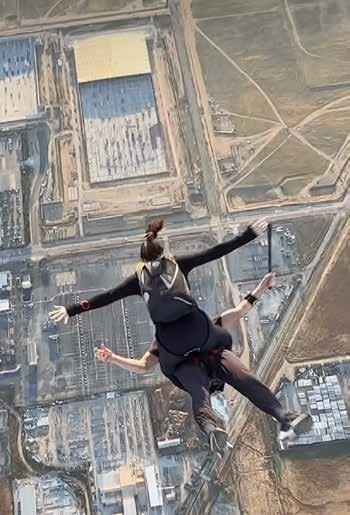
In this month’s Explore Issue, I’m sharing the story behind one of my greatest passions: skydiving.
People often assume skydiving is about adrenaline. For me, it’s always been about perspective. Every jump is a reminder that growth, opportunity, and even success often require us to move forward before we feel completely ready.
Over the years, I’ve found those same lessons apply to business, real estate, and life.
Three things I’ve learned about taking the leap:
1. Preparation creates confidence.
The most successful leaps aren’t reckless. They’re informed. Do your homework, gather the right information, and trust the work you’ve put in.
2. Don’t wait for fear to disappear.
Fear is often part of growth. Waiting until you’re completely comfortable can mean missing opportunities that could change your life.
3. Surround yourself with the right people.
Whether you’re skydiving, starting a business, or buying a home, who you trust matters. The right team can make all the difference.
As a Realtor, I see people standing at the edge of important decisions every day. My role is to help them move forward with clarity, confidence, and the information they need to take that next step.
I hope you’ll read my story in this month’s issue. More importantly, I hope it inspires you to take the leap you’ve been considering.
www.hausofreal.com | 623.680.6022
Ryan Serhant
Scan the QR code for my full notes on Believing, Behaving, Becoming Abundance.
Luxury isn’t defined by square footage - it’s defined by precision, trust and world-class execution. That’s the SERHANT. Standard.
BORN & RAISED IN THE
Boondocks
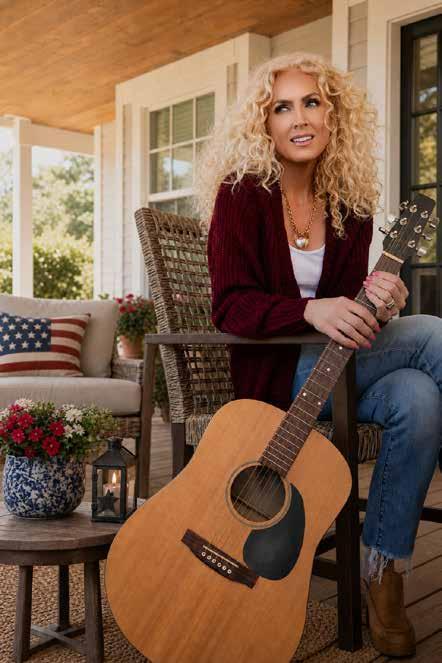
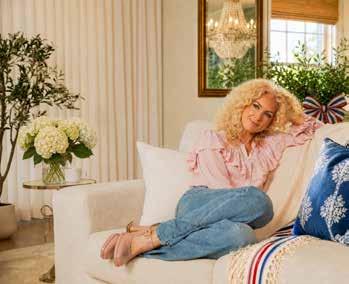
Kimberly Schlapman has Lived Every Verse of a Country Song
For our Explore Issue, we’re heading to the Boondocks.
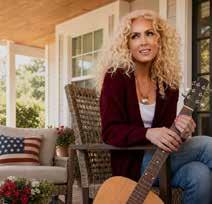
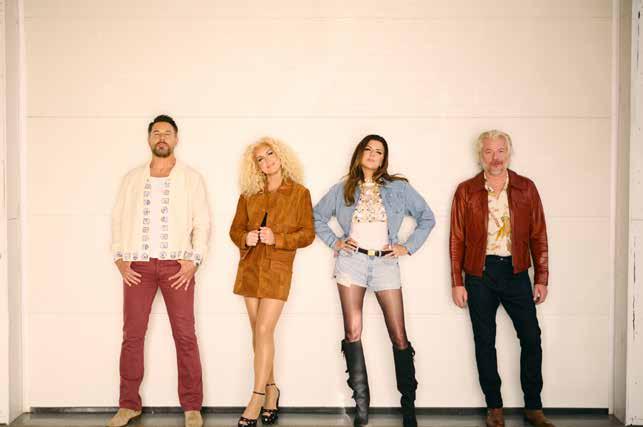
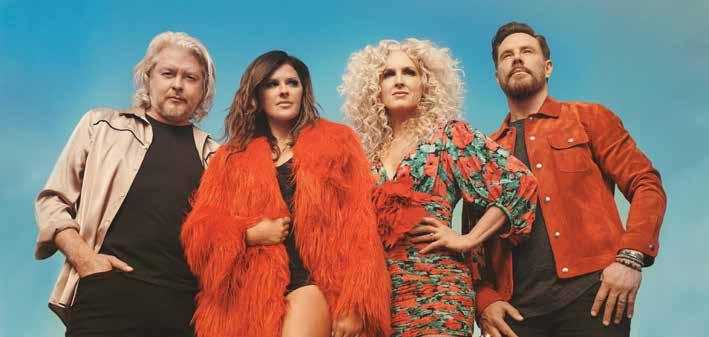
For more than 25 years, Little Big Town has remained one of country music’s most beloved and enduring groups, a remarkable accomplishment in an industry where longevity is rare and harmony, both musically and personally, is even harder to sustain.
In May, Kimberly Schlapman and her fellow members of the eight-time ACM Award-winning group Little Big Town performed their new song, “Hey There Sunshine,” at the Academy of Country Music Awards, continuing a career built on heartfelt storytelling and songs that resonate across generations.
But beyond the stage, Kimberly’s own story is every bit as compelling as the music she helps create.
Ahead of her appearance in Phoenix at the World Parkinson Congress as part of AbbVie’s Changing the Tune on Parkinson’s Disease campaign, Kimberly sat down for a heartfelt conversation about motherhood, resilience, caregiving, life on the road, her rural roots, and the journey behind a remarkable career that has spanned more than two decades.
CONTINUED >
ARTICLE BY NADINE BUBECK | PHOTOGRAPHY PROVIDED
Little Big Town
“We’ve
raised kids together on the road. We’ve gone through marriage, divorce, grief, loss, joy, career highs, career lows. We’ve lived life together. It’s truly like a marriage. Actually, it’s probably like four marriages.”
WE HAVE TO START WITH YOUR INCREDIBLE ARIZONA CONNECTION.
“Oh, it’s a doozy,” Kimberly laughs. “This was back in 2007. We were on the road with Martina McBride and had about two and a half weeks left of tour. We had a show in Phoenix, and I was very, very, very pregnant.”
After the show, she climbed into her bunk on the bus.
“I wasn’t feeling well. I laid down and my water broke.”
Less than 24 hours later, Kimberly gave birth at Banner Estrella Hospital in Phoenix.
“So yes… my daughter Daisy was born in Phoenix.”
And because this is apparently the most country music story ever told, four days later they were back on the road.
“She loves telling people she’s from Phoenix. Arizona will always hold a special place in our family because of that.”
Little Big Town
LITTLE BIG TOWN HAS BEEN TOGETHER OVER 25 YEARS. INSANE.
“It really doesn’t happen often,” Kimberly says. “Especially not with people who still genuinely love each other. That’s honestly the miracle.”
When Little Big Town formed, none of them imagined the life ahead.
“We were babies. We were just trying to make music and survive.”
Now they’ve spent more than two decades together.
“We’ve raised kids together on the road. We’ve gone through marriage, divorce, grief, loss, joy, career highs, career lows. We’ve lived life together. It’s truly like a marriage. Actually, it’s probably like four marriages.”
There were years sleeping in vans where success felt very far away.
“We used to drive ourselves everywhere. We loaded our own gear. We sold our own merch. We did all of it.”
And despite eventually becoming one of country music’s most successful groups, those early years still shape them.
“I think struggling together bonded us deeply,” she says.
DO YOU REMEMBER THE MOMENT YOU THOUGHT, ‘OKAY… THIS MIGHT ACTUALLY WORK?’
“I don’t know if there was one specific moment because we got dropped from our first record deal. We thought it was over.”
But instead of quitting, they stayed together.
“That says a lot right there,” she says. “Because honestly, most groups would’ve fallen apart. We just loved making music together too much.”
WHO WERE YOUR IDOLS GROWING UP?
“Oh gosh… The Judds. Dolly Parton. Reba. Alabama. Kenny Rogers.”
YOU’VE ACTUALLY BECOME FRIENDS WITH SOME OF THOSE PEOPLE NOW.
“Absolutely surreal. There are moments where I still have to pinch myself. You’re trying to act normal on the outside while internally you’re completely freaking out.”
WHAT WAS CHILDHOOD REALLY LIKE GROWING UP IN RURAL GEORGIA?
“Simple, but magical.”
She grew up in a tiny North Georgia town surrounded by farms and family.
“We played outside constantly. My grandparents had chickens, cows, pigs. I grew up snapping green beans in the heat. Life revolved around church, food, storytelling, and music.
SO ‘BOONDOCKS’ IS BASICALLY YOUR AUTOBIOGRAPHY?
“A thousand percent,” she says laughing. “That song is us. Everybody comes from somewhere. Everybody has roots.”
YOU’VE WON GRAMMYS, ACMS, CMAS… DO THOSE MOMENTS EVER BECOME NORMAL?
“Never.”
Kimberly still remembers watching the Grammys as a little girl on a tiny TV as a kid.
“I used to dream about that world. I never understood how people even got there.”
WHAT DOES BACKSTAGE LIFE ACTUALLY LOOK LIKE?
“Before every show, the band and crew still gather in a circle backstage. We all put our hands together. Somebody says a prayer. If our spouses or kids are there, they join too.” And then?
“There’s usually a shot of whiskey involved,” she says laughing.
DO YOU STILL GET NERVOUS BEFORE PERFORMING?
“Sometimes if it’s television. But it’s less fear and more adrenaline.”
HOW DID ADOPTION EVENTUALLY ENTER YOUR STORY?
“My husband looked at me one day and said, ‘Maybe we’re supposed to adopt.’”
Meanwhile, their daughter Daisy had started praying every night for a sibling.
“She asked Santa for a baby sister,” Kimberly says laughing. “And Santa Claus said, ‘Honey, I’m not sure even I can make that happen.’”
Weeks later, Dolly came home.
WHAT KIND OF MOM ARE YOU?
“Oh gosh… probably emotional. I try not to be a helicopter mama. I try to be fun. But I’m definitely a worrier.”
Motherhood, she says, remains the role she treasures most.
“It was always my dream.”
YOUR MOTHER HAS LIVED WITH PARKINSON’S DISEASE FOR MORE THAN 21 YEARS NOW.
“At first we knew almost nothing about Parkinson’s. My mother just had a slight tremor in her hand. Over time, the disease progressed. Parkinson’s affects the entire family.”
Eventually, Kimberly and her husband moved out of Nashville to be closer to her parents.
“We wanted to help care for my mother more.”
Now, her mother requires around-the-clock care.
“There’s grief in watching the roles change. You grieve for the mother you’ve known your whole life. But there’s also tremendous joy in giving back to her what she spent decades giving to us.”
WHAT DID YOUR MOTHER TEACH YOU THAT STILL STAYS WITH YOU TODAY?
“She taught me everything I know about being a mama.”
Even now, despite Parkinson’s, her mother still finds joy in the kitchen.
“If someone stands beside her, she’ll still make biscuits or tea cakes with us. That’s love to her.”
YOUR COOKBOOK IS CALLED OH GUSSIE . WHAT DOES THAT ACTUALLY MEAN?
“Well, it can mean, ‘Oh my stars, this is amazing,’ or it can mean, ‘Oh no, I just burned the biscuits,’” Kimberly laughs. “It all depends on how you say it.”
She explains that “Oh Gussie” was simply part of everyday life growing up in North Georgia.
“I didn’t know it was anything special until I moved to Nashville and people were like, ‘Wait… what did you just say?’”
Kimberly & her mom
YOUR LOVE OF COOKING SEEMS DEEPLY TIED TO FAMILY AND CHILDHOOD.
“My mama and both of my grandmothers were incredible cooks. I grew up sitting on a stool next to the counter just watching them.”
She remembers learning family secrets in the kitchen.
“How to tweak a recipe just enough to make it perfect. How to know when biscuits were ready without even setting a timer. Those are things passed down through generations.”
WHAT’S YOUR FAVORITE RECIPE IN THE COOKBOOK?
“The chicken and dumplings. That’s my mama’s recipe. There’s also a fresh glazed apple cake that means so much to me emotionally.”
Growing up in apple country in North Georgia, Kimberly says her grandmother always kept cakes in the freezer for her grandchildren.
“When I came home from college, she’d let me pick whichever cake I wanted to take back with me,” she says. “And I always picked the apple cake.”
WHAT DO YOU HOPE PEOPLE REMEMBER ABOUT LITTLE BIG TOWN SOMEDAY?
“I hope our music told their story. I hope people made our songs their own and that our music helped them through different seasons of life.”
AND WHAT DO YOU HOPE PEOPLE REMEMBER ABOUT KIMBERLY SCHLAPMAN?
“My daddy always told me, ‘Don’t ever forget where you come from.’ Also, you never know what somebody is going through behind closed doors,” she says. “So give people grace.” instagram.com/ohgussie
Through the AbbVie campaign, Kimberly is helping raise awareness and empower people living with Parkinson’s and their loved ones to advocate for their care, ask questions, and explore treatment plans that best meet their individual needs: changingthetuneofpd.com
Listen to the full, unfiltered conversation with Kimberly on the Now with Nadine podcast streaming everywhere.
Dr. Saran, one of the Valley’s Top Doctors, provides personalized endocrine and preventative care through direct memberships. She delivers long-term health solutions with her tailored approach and advanced diagnostic testing.
Elevating Professional Success Through Persuasive Communication
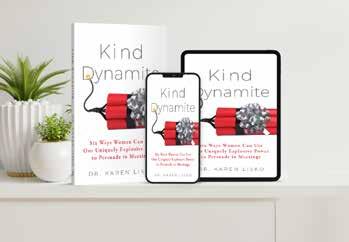
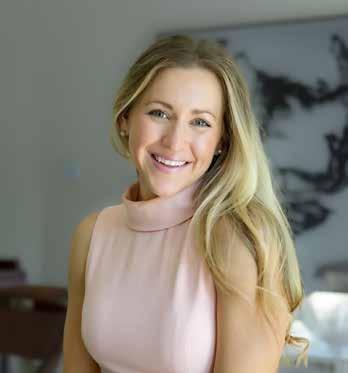
Dr. Karen Lisko is a dynamic speaker and debut author of Kind Dynamite, equipping professional women with persuasion strategies that move decision makers to action. Sharp, practical, and engaging, she delivers tools audiences use immediately. It’s why organizations continue to invite her back.
Now booking speaking engagements and corporate trainings.
CONCIERGE HEALTHCARE
Personalized, proactive care that blends western and functional medicine to address the root cause of health concerns.
Direct access via phone, text, email, or video for seamless, ongoing support beyond the traditional office setting.
Dr. Karen Lisko
WELCOME TO RURAL MISSOURI, WHERE FAMILY, FARMING, AND FAME COLLIDE.
THE COWBOYS
BEHIND BRAVO
Steven McBee Jr. laughs when people compare his life to Yellowstone
“We’re the Temu version of Yellowstone.”
It is an easy comparison to make.
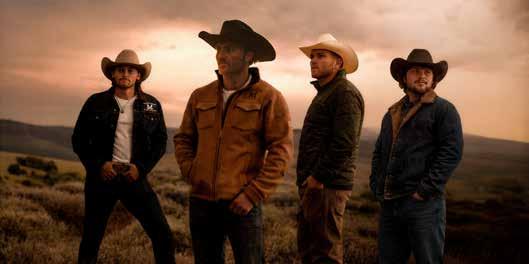
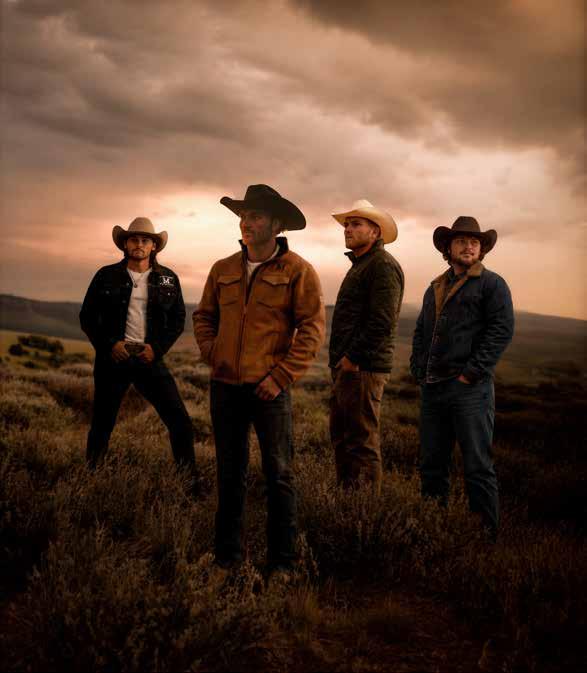
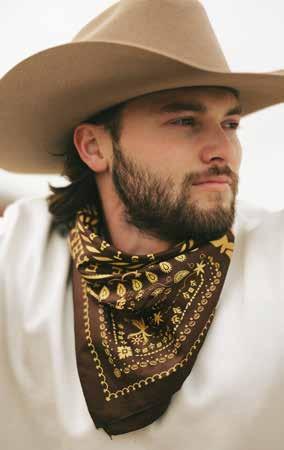
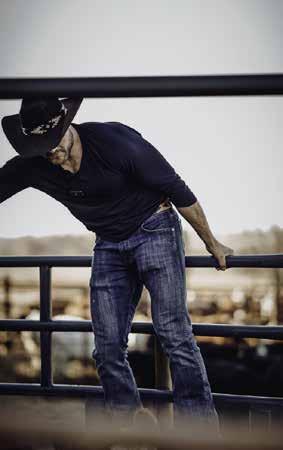
Steven McBee Jr. is the oldest of four brothers whose lives revolve around a family farm and ranch, thousands of acres, cattle, bison, business pressure, relationship drama, and Bravo’s hit series The McBee Dynasty: Real American Cowboys, which returns for Season 3.
For our Explore Issue, we head to rural Missouri to spend time with the family behind one of television’s buzziest shows. At first glance, it feels a lot likeYellowstone. The difference, Steven Jr. says? More brotherly loyalty.
“We don’t have a train station and we’re probably not quite as cool,” he says.
As for Beth Dutton?
“Beth is kind of my brother Cole. A lot of similarities there aside from it’s my brother.”
Then comes the real distinction.
“In our dynasty, we love our brothers.”
That may be why The McBee Dynasty resonates. Beneath the drama is a family that genuinely loves each other, depends on each other, and works together every day.
“The premise of the show is that we have a family-ran farming and ranching operation in North Missouri. It’s one of the largest privately owned operations in the state, and it comes with all sorts of drama that you’d never expect to find out in the middle of nowhere on a farm,” he says.
That drama has clearly connected. The show is now in Season 3.
“I didn’t think there’d be a way to top seasons one and two as far as what happened while we were
“IN OUR DYNASTY, WE LOVE OUR BROTHERS. WE DON’T TRY TO KILL THEM.”
filming,” he says. “And season three takes it up a notch. Between my dad’s situation, new babies, and everything we have going on... it’s all going to air out this season.”
What many viewers may not realize is that The McBee Dynasty did not begin with Bravo discovering a polished television family already waiting for its close-up. It started with Steven Jr. stepping into an entirely different kind of reality show.
“I was on a dating show.”
That show was Joe Millionaire: For Richer or Poorer, where two men dated a group of women who did not know which one was wealthy and which one was not.
During filming, the top six women visited his hometown, which meant they visited the farm and ranch.
“Once the producers saw where we lived, our family, and the dynamic, the idea moved pretty quickly. The reality TV world is pretty tight-knit, and Yellowstone was the biggest thing on TV at the time. People started saying, ‘There’s a family in Missouri living a real-life farm and ranch version of this. I think we have a show on our hands.’”
The first pilot was filmed in October 2022 and sent to multiple networks.
“After that pilot got sent out, we actually had a bidding war! You could tell the appetite for the show was there.”
His brothers were in. The girls in the family were another story.
“The women in my family, including my mom, did not want anything to do with reality TV.”
The funny part is that while the show is called The McBee Dynasty, the family is not actually a dynasty in the way most people assume.
“So here’s what’s crazy. We’re a first generation farming family. My dad bought the very first farm back in 1998.”
That is one of the most interesting parts of the McBee story. The operation may look like something passed down for a century, but the family is still actively building the legacy viewers assume already exists.
“This isn’t third, fourth, or fifth-generation land,” Steven Jr. says. “We’re still building it. We’re still making payments on it. There’s still a mortgage on this land. One of the biggest questions we face is how we keep this ranch around for the next generation of McBees.”
That future has become more personal as his brothers begin families of their own.
“My brothers are having their first babies. I hope to have kids too, soon. And, you know, how do we keep this farm and ranch here for the next generations of McBees?”
For Steven Jr., the family business side was always part of the dream. Farming and ranching became the obsession.
“The business side was always part of the picture. Entrepreneurship runs deep in my family. My grandparents had it, my dad has it, and all four of us boys definitely caught the bug.”
When the family first started getting into farming and ranching, Steven Jr. and his brothers were only six or seven years old.
“We were out on the farm any chance we had the opportunity to. The minute we got out of high school and college, we were on the farm full time and we’ve been there ever since.”
Today, that world includes 2,000 head of cattle, 250 bison, a meat facility, an online beef, pork, and bison business, and an on-farm fulfillment center that ships directly from the farm.
“You want to talk about vertically integrated… we have every single step of it controlled and we even ship it out ourselves now.”
It also includes work that no one-hour episode can fully capture.
“Each episode is only an hour. For every five minutes you see one of us in a tractor, we’ve probably spent 12 or 14 hours in that tractor that day.”
That is the part of the story Steven Jr. wants people to understand. The cameras may bring exposure, but the work is not manufactured for television.
“You wake up every day with a plan, but there’s a saying: you make your plans and God laughs. You’re dealing with live animals, and they don’t care what’s on your schedule. If they jump a fence, your plans change immediately. At that point, your day revolves around what the animals need.”
When asked what keeps him up at night as a business owner, his answer is not fame, ratings, or what viewers will think.
It is rain.
“When you’re in farming and ranching, the thought of a drought can literally keep you up all night. You’re constantly checking the weather forecast. I swear you’re either doing the rain dance or cussing at the weatherman because there’s no rain in sight.”
That’s because rain equals survival.
“You need the grass for the cows and you need the rain for the crops.”
That is why one of the biggest misconceptions about agriculture frustrates him.
CONTINUED >
Let’s Build Your Next Chapter Of Life With Our One-Time Close Construction Loan.
Building a custom home is one of life’s biggest investments. Financing it should feel just as intentional.
BMO’s One-Time Construction Mortgage streamlines the process by combining construction and permanent financing into a single loan, creating greater simplicity, flexibility, and peace of mind from groundbreaking to move-in day. Ryan Lehrman helps clients navigate every step with personalized service, clear communication, and the confidence that comes from having the right partner by your side.
One-Time Close Construction Loans for Primary & Secondary Homes
Primary, Second Home & Investment Property Loans Rate & Term + Cash-Out Refinance Options
“What people don’t understand is that there may not be a tougher industry when it comes to turning a profit relative to the hours you put in. It’s seven days a week. You’re essentially on call 24 hours a day. Financially, it can be a tough way to make a living, but it’s also one of the most fulfilling.”
Steven Jr. isn’t a reality star escaping hard work. He’s a rancher doing the work while cameras follow along. As the oldest of four brothers, that responsibility extends far beyond the ranch.
“My nickname is accurately ‘the father figure. I’ve always been mature for my age, and I’ve naturally fallen into that fatherly role with my younger brothers. I find myself giving advice, helping with the business, and helping with relationships. even though I can’t always seem to figure out my own relationships.”
Family is the heart of the show, but Steven Jr. is honest about the fact that family is also the hardest part.
“Managing a family, without a doubt,” he says when asked what is harder, running a business or managing a family. You’re dealing with human emotion, and that’s something you can’t predict,” he says. “In business, two plus two always equals four. When you’re dealing with family, it doesn’t always work that way.”
That loyalty can look funny from the outside.
“We could be on the brink of throwing down physically during the middle of the day and that night be sitting around the dinner table laughing like nothing happened.”
Ask him which brother gets under his skin...
“Cole.”
Ask who makes him laugh the most? Also Cole.
“He’s annoying, but he’s also the funniest one we’ve got.”
Reality television has made that family dynamic public, which comes with both connection and consequences.
“There are positives and negatives. One of the best parts is the support. Every day, I wake up to messages from people telling us how much they enjoy watching and how much our family’s story resonates with them.”
Still, he knows what fame costs.
“The challenge is having your flaws on display for the world to judge. But it also creates an opportunity for self-reflec tion, helping me learn from my mistakes and grow over time.”
That may be the most revealing thing he says.
“I’d much rather be an imperfect per son who’s real and trying to get better every day than someone who’s curating an image for the camera,” he says.
Steven Jr. also wants viewers to see the beauty behind the lifestyle. His favor ite moment from filming came during Season 1, when the family traveled to Montana’s Flathead Indian Reservation.
“We rounded up 30 bison on horseback in the middle of the reservation, stayed in teepees, and crossed rivers on horseback. It was eye-opening to learn the history of the reservation, and to hear the stories shared around the campfire.”
More than the places they go, the McBees offer a window into a lifestyle built on family, livestock, weather, food, and grit.
“I love that we’re getting the opportunity to showcase a way of life America was built on.”
And surely, food is a big part of their world.
“I probably eat more steak than just about anyone. I’m a Kansas City strip guy. Medium rare.”
Anything more?
“You’re chewing on a piece of leather.”
Steven Jr. may be a reality star, but he’s also a rancher who checks the weather more than the headlines and starts his mornings with country music.
“Most people expect cowboys and ranchers to be stoic. I’ve always worn my heart on my sleeve.”
When he talks about the future, he doesn’t talk about fame or television.
“I love every acre of this ranch, but it’s the people, the animals, and the family that make it what it is.”
For all the Yellowstone comparisons, that’s the biggest difference.
The McBees aren’t inheriting a dynasty. They’re building one.
Listen to Steven Jr.’s unfiltered inter view now streaming everywhere on the Now with Nadine podcast.
Just luxury built better.
bring your vision to life. Schedule a consultation today!
Dean Bloxom Principal
Kevin Highmark Chief Operating Officer
Elevated Classics
Hi, I’m Shannon, and I’ve been specializing in chocolate chip cookies for over 25 years, baking custom cookies for every occasion.
I’m a proud mom to Maddie and Brandon. After losing my daughter Maddie, baking became a source of purpose and fulfillment... something that continues to inspire everything I create.
Classic batches and custom cookie cakes available, each made from scratch, delicious, beautiful, and crafted with care. Individually wrapped options available, perfect for gifting or events.
Thank you for letting me cater your next dessert! Plenty of options to choose from, all made fresh and from the heart.
MEET THE VALLEY’S TRAVEL DESIGNER
Sanya Narula shares the destinations, trends, and insider strategies redefining luxury travel.
The modern luxury traveler is no longer looking for someone to simply book a hotel.
They are looking for someone to design how the entire experience feels.
Enter Sanya Narula, a Valley-based luxury travel designer redefining what high-end travel planning looks like. Forget the cliché image of a traditional travel agent plugging in flights and hotel confirmations. Today’s discerning travelers want something more personal: a trusted insider who understands their pace, preferences, priorities, and how to make a trip feel seamless before they ever leave home.
“I don’t just book trips,” Sanya says. “I design experiences.”
And increasingly, that distinction matters.
After years of traveling extensively through destinations including Italy, France, Thailand, India, Mexico, and Canada, Sanya realized even seasoned travelers often feel overwhelmed by the sheer volume of options, logistics, opinions, and pressure surrounding modern travel.
“I remember planning solo trips and traveling with young children and constantly feeling decision fatigue. I always wished I had a trusted guide or a ‘phone-a-friend’ I could rely on.”
Now, she has become exactly that for her clients.
For our Explore Issue, we sat down with Sanya to talk about the future of luxury travel, the destinations exploding for 2026, and why personalized travel design has quietly become one of the most valuable luxuries in itself.
Because according to Sanya, travelers are no longer paying for bookings. They are paying for ease.
So what exactly does a luxury travel designer actually do?
According to Sanya, far more than most people realize.
When a client first reaches out, the process begins with understanding not just where they want to go, but how they want to travel.
“Some clients want fully curated itineraries with every flight, hotel, transfer, dinner reservation, guide, excursion, and experience seamlessly coordinated from beginning to end. Others may simply want help securing the perfect hotel stay with elevated perks and insider access.”
That flexibility has become increasingly important as savvy travelers prioritize personalization over cookie-cutter itineraries.
Sanya works with luxury hotel partners including Four Seasons, Rosewood, Auberge, Montage, Belmond, Hyatt, and more, often securing perks unavailable through traditional online booking platforms. Depending on the property, those benefits may include complimentary breakfast, resort credits, room upgrades, early check-in, late check-out, and VIP treatment throughout the stay.
“The real value often lies in the details clients never see. Timing excursions so the day flows naturally. Securing the ideal room category. Pairing travelers with the right local guide. Building enough flexibility into an itinerary so it feels relaxing rather than exhausting. Making sure transportation connections feel effortless. Anticipating needs before clients even realize they have them.”
And increasingly, travelers are realizing how difficult it has become to create those experiences entirely on their own.
“Travel today is overwhelming. There’s endless information online, competing recommendations everywhere, and this constant fear of missing out on something better.”
That is partly why luxury travel itself is shifting so dramatically.
“Many are moving away from the idea that luxury means excess. Instead, they are prioritizing access, intentionality, and experiences that feel meaningful. The biggest shift I’m seeing is that people want depth over density. They want experiences that feel personal rather than rushed.”
That could mean private cultural access, immersive food experiences, local experts, slower itineraries, countryside stays, or milestone trips centered around family connection rather than nonstop sightseeing.
One of the biggest mistakes Sanya sees travelers make is waiting too long to plan.
“For true bucket-list travel, six to twelve months in advance is realistic now. By the time people decide they want to go, the best options are usually already gone. Multi-generational travel, in particular, has become one of the fastest-growing segments in luxury travel. It takes time and planning.”
And with those evolving priorities comes a growing demand for destinations that balance beauty, privacy, culture, and emotional connection.
CONTINUED >
Sanya Narula, Travel Designer
Here are the bucket-list destinations Sanya says are defining luxury travel right now.
PUGLIA, ITALY
While Rome, Florence, and the Amalfi Coast remain popular, travelers are increasingly drawn to Puglia’s whitewashed coastal towns, boutique masserias, olive groves, beach clubs, incredible food, and slower pace.
“This is Italy without feeling consumed by tourism. Long lunches, local wine, small towns, and relaxed luxury rooted in authenticity.”
THE DOLOMITES
One of Europe’s fastest-growing luxury wellness destinations, the Dolomites combine dramatic mountain scenery with luxury spas, hiking, skiing, alpine villages, and stunning hotels.
“The Dolomites give people space to breathe. Travelers are seeking places that feel restorative, with panoramic saunas, fireside dinners, mountain air, and slower mornings.”
JAPAN
Japan continues to dominate luxury travel requests, but the most meaningful itineraries extend beyond Tokyo.
“The most meaningful trips combine energy and stillness. Travelers are pairing Tokyo and Kyoto with ryokans, tea ceremonies, countryside stays, and private cultural experiences that blend modern energy with ritual, nature, and reflection.”
BANFF
Banff has evolved beyond a ski destination into a luxury escape known for wellness, privacy, scenery, and elevated outdoor adventure.
“Banff gives people that sense of escape without sacrificing comfort. Luxury lodges, glacier lakes, spa retreats, helicopter excursions, and breathtaking landscapes make it especially appealing for couples and multi-generational families.”
COASTAL BAJA
While Cabo remains popular, many travelers are venturing farther down the Baja coastline in search of quieter, design-forward destinations centered around wellness, food, architecture, and privacy.
“People want something elevated but effortless. Boutique hotels, chef-driven dining, oceanfront villas, and nature-focused itineraries define the region’s appeal.”
EAST AFRICAN SAFARI LODGES
Safari travel remains one of the most transformative luxury experiences available and one of the hardest to book last minute.
“The best safari lodges are often booked far in advance. Combining wildlife encounters, luxury hospitality, conservation experiences, private guides, and personalized itineraries, safari travel becomes far more than a vacation. It changes people.”
LONDON + GERMANY DURING THE HOLIDAYS
Holiday travel to Europe continues to surge, especially for travelers seeking Christmas markets, luxury shopping, festive décor, winter villages, and seasonal dining.
“People underestimate how magical Europe feels during the holidays.”
videretravel.com/sanya-narula/
Magical moments lived daily.
From the imagination of Disney comes desert living at the water’s edge.
Centered around sparkling Cotino Bay, beach life unfolds. Part sanctuary, part playground, Cotino brings the moments you value most to every day—morning strolls by the water, afternoons with sand between your toes, and laughter that lingers long after sunset.
Whether it’s for you, for family, or for generations to come, the real magic isn’t escaping to a special place. It’s calling it home.
TAKING THE LEAP
For Tanya Toliver, the greatest adventure isn’t freefall. It’s learning to trust yourself.
PHOTOGRAPHY PROVIDED
Tanya Toliver knows exactly what fear feels like.
“Clammy hands, thoughts racing through your mind of all the bad things that can happen, second guessing yourself,” she says.
And yet, more than 400 times, she has willingly stepped to the edge of an airplane anyway.
For the Valley luxury realtor, skydiving began almost casually. A friend invited her on a tandem jump for a birthday celebration, and Tanya’s answer was immediate: yes. But what started as a spontaneous adrenaline rush quickly evolved into something much more profound. Today, skydiving has become deeply intertwined with the way Tanya approaches business, relationships, spirituality, fear, healing, and life itself.
Ironically, Tanya says she was terrified that first jump.
“I remember the initial two seconds of fear standing at the door and leaving the airplane,” she recalls. “Then pure adrenaline hits you and it’s the best feeling in the world. Pure presence and pure joy.”
Moments later, once the canopy opens, everything shifts.
“You get to float down just taking it all in.”
That contrast between terror and peace is something Tanya has become fascinated by. Even now, after hundreds of skydives around the world, the fear never fully disappears.
“The fear is still there. Fear and excitement are the same chemical compounds in the brain and you learn to switch between them more quickly.”
For Tanya, skydiving was never just about adrenaline. What drew her in was something far more internal.
“It was the freedom to conquer fear and override all the thoughts your brain comes up with that tell you not to do it,” she says. “It’s control over oneself.”
Looking back, Tanya realizes she had unknowingly been training for this mindset since childhood. While she doesn’t describe herself as a natural daredevil, she spent years as a springboard diver learning difficult flips and dives from towering platforms.
“I learned how to do scary things. Learning new dives and flips, failing at them, feeling pain from the failure, and continuing to push forward until you perfected them.”
She credits her mother for introducing her to a sport that taught resilience, discomfort, discipline, and the ability to push beyond fear at a young age.
Before skydiving entered her life, Tanya also built a small stunt dirt bike brand, another clue that perhaps she had always been drawn toward challenge and controlled risk, even before realizing it herself.
Still, Tanya laughs that most people in her life thought she was completely insane once skydiving became serious.
“They still think I’m insane,” she says. “The only people who understand are the ones who are skydivers or adventure seekers.”
What’s compelling about Tanya’s story, however, is that she doesn’t romanticize fearlessness. In fact, she openly rejects the idea.
“You never truly become fearless. You learn to coexist with fear. You create a new relationship with it.”
That philosophy eventually transformed the way she approached her real estate career as well.
Tanya explains that when she entered real estate, she intentionally chose one of the hardest forms of lead generation: cold calling.
“Honestly, cold calling scared me more than skydiving. I told myself if I can throw myself out of an airplane, then I can call strangers.”
That mindset shift changed everything.
CONTINUED >
The same year Tanya leaned fully into both skydiving and confronting fear head on, she sold her first $10 million in real estate and ranked in the top 3% of agents in Arizona.
Today, she believes much of her success comes from skills developed in the sky: confidence, preparation, visualization, emotional control, and trust.
“There is power in visualization and positive self-talk. If you can think about all the bad things that can happen, you can also think about everything that will go right.”
Skydiving also fundamentally changed her understanding of control.
“The only thing you can control is your energy and your mindset,” she says. “It is not your job to control the outcomes.”
That lesson becomes very real in freefall. Tanya describes skydiving as both euphoric and strangely peaceful at the same time.
“It feels like driving in a convertible sports car going 150 to 200 miles per hour,” she says.
Yet mentally, she experiences stillness.
“When I’m in freefall, I’m focused on my breath and movement. No thoughts are going through my mind. It’s just being fully in the movement.”
And then, during the quieter canopy ride afterward, gratitude takes over.
“I’m thanking God for my beautiful life and everything I get to experience,” she says.
That spiritual component is central to Tanya’s philosophy.
“It’s putting your full trust in God that you will be safe and that He has bigger plans for you,” she explains. “Life is a spiritual experience and I bring that trust into everything I do.”
Over the years, Tanya has skydived internationally in places including Egypt and Mexico, but some experiences remain unforgettable.
One of her favorite jumps took place over Oahu’s North Shore after renting a private helicopter with friends at sunset.
“We were in bathing suits, no helmets, Rufus Du Sol was playing in our headsets, and we were flying through clouds reflecting all the colors of the sunset. The canopy ride was the most beautiful one I’ve ever experienced.”
Then there was Egypt, where Tanya skydived over the pyramids from military aircraft.
“It was surreal seeing the city of Giza all condensed together and then the vast openness of the desert where the pyramids were,” she says.
Not every memory tied to skydiving is lighthearted, though. One of the most emotional moments of Tanya’s life came after losing one of her best friends in an accident.
“My first jump afterward, I couldn’t stop crying telling her how much I loved and missed her. I feel her the most on my skydives.”
The experience deepened her perspective on life, time, relationships, and presence.
“We aren’t meant to just work. If all you are after is money then you will never live a fulfilled life.”
Skydiving also unexpectedly brought Tanya some of the most important relationships in her life, including her husband and what she lovingly calls her “sky family.”
“We love deeply and experience life to the fullest together.”
Today, Tanya believes people spend too much time living safely and allowing fear to dictate their choices.
“There is a part of the brain wired to keep you safe and survive,” she explains. “But it is not always right. If you let your body control you, you will never control your life.”
Instead, Tanya believes the greatest experiences exist just beyond discomfort.
“The most beautiful things in life are on the other side of fear.”
And perhaps that’s the real heart of Tanya’s story. Skydiving may be what initially captures attention, but what she’s truly exploring isn’t the sky. It’s human potential, mindset, healing, trust, and what becomes possible when you stop letting fear decide your future.
“If someone has spent their entire life afraid to leap, I can promise you that taking action is never going to be as scary as you think it is.”
serhant.com/agents/tanya-toliver
PHOTOGRAPHY
BY
JOY MARIE PHOTOGRAPHY
Dr. Christina Rahm’s Why
A story of Resilience, Motherhood, and Purpose Hidden Beneath the Global Spotlight
With more than 5 million Instagram followers, global recognition, patents spanning wellness, supplements, environmental technologies, skincare, and protective textiles, and companies operating in more than 90 countries, Dr. Christina Rahm has become one of the most recognizable faces in the modern wellness space.
But sitting across from Christina in Arizona, what becomes immediately clear is that she does not see herself as an influencer.
She sees herself as a scientist, a mother, a survivor, and a woman who has spent much of her life trying to understand why people get sick in the first place and how to help them before it’s too late.
“I’m really talking to moms about how we can have better lifestyles,” Christina says. “We need people who are honest and not trying to hype things.”
The Valley has quietly become one of the places where she feels most grounded. Christina frequently visits Arizona for speaking engagements, partnerships, events, and meetings, and several products from her wellness and fashion lines are now available inside the boutique at Sanctuary Camelback Mountain.
“I love it here and plan on establishing a strong presence in Arizona.”
Based in Tennessee, Christina now travels the world speaking about health, innovation, environmental wellness, and personal empowerment. But she wasn’t born a world traveler.
“I grew up in the small town of Dexter, Missouri. I was a tomboy and voted class clown.”
Her parents, who are still married after meeting as teenagers, remain foundational to how she views life.
“The biggest thing they taught me was forgiveness. Love and forgiveness.”
That philosophy would eventually become essential because long before the patents, companies, and followers, Christina found herself fighting for her own life.
At 19 years old, she contracted Lyme disease during a time when little was publicly understood about the illness.
“I literally couldn’t remember my parents’ names. I couldn’t remember two plus three. My biggest fear was losing my memory.”
She felt broken mentally and emotionally, unsure if she would ever regain the cognitive sharpness she once had. But her father refused to let her surrender to it.
“My dad told me, ‘You’re going to get up and you’re going to do just as good or better than you did before.’”
Looking back, Christina believes Lyme disease fundamentally altered the trajectory of her life.
“I think if that wouldn’t have happened, I would just do a standard thinking process and a standard life.”
Instead, she became consumed by questions. Why do people get sick? What role do toxins, stress, food, inflammation, and environment play in health? Why are people often only given one version of treatment options?
Those questions would ultimately shape the rest of her career.
Years later, another life-changing challenge arrived when her son, Crider, was diagnosed with cancer at just two years old.
“I crumbled.”
As a mother and healthcare professional, Christina found herself asking difficult questions and exploring every possible avenue of support for her child.
The experience reinforced her belief that families deserve access to information, open conversations, and the ability to make informed decisions alongside their healthcare providers.
She ultimately pursued a treatment path that combined surgery with naturopathic support, an experience that would deeply shape her broader philosophy surrounding wellness, research, and advocacy.
“I realized I wanted to open the conversation around choice because every family deserves access to information, options, and the ability to make the decisions that feel right for them.”
With compassion, transparency, and authenticity, Christina approaches every topic through the lens of education and informed decision-making. Whether discussing pharmaceuticals, supplements, environmental exposures, skincare, detoxification, or emerging technologies like artificial intelligence, she consistently returns to the belief that individuals and families should feel informed, empowered, and confident advocating for themselves.
“I really believe mothers have discernment. You know your children better than everyone else.”
Today, Christina oversees an expansive portfolio of companies spanning supplements, nutraceuticals, environmental technologies, skincare, animal wellness, protective technologies, and fashion innovation. Yet the businesses themselves rarely feel disconnected from her personal experiences.
After later being diagnosed with a pituitary tumor, Christina became intensely focused on detoxification, chlorophyll, spirulina, and understanding how environmental stressors affect the body because she feared surgery could worsen her memory loss.
“I wanted to live for my kids,” she says.
What started as survival instincts eventually evolved into formulations, patents, research, and companies.
The ROOT Brands, which Christina co-founded with her husband Clayton Thomas, launched globally during COVID, something she initially believed might fail entirely.
“I told my husband there’s no way this is going to work,” she laughs.
Instead, the company exploded internationally.
One of the concepts Christina speaks most passionately about is environmental toxicity and how modern life impacts the body in ways many people underestimate.
“How do we clean the inside of our bodies?” she asks.
That same thinking eventually expanded into one of her most unexpected ventures: fashion technology.
Her company Merci Dupré Clothiers, named after her children, merges fashion with protective textile innovation designed to help reduce exposure to mosquitoes, fleas, ticks, pollution, and environmental contaminants.
The idea partially stemmed from Christina’s own Lyme disease experience and ongoing conversations with hospitals overseas.
“I don’t even want the mosquitoes landing on the clothing,” she says seriously while discussing the science and testing process behind the fabrics.
And somehow, hearing Christina passionately explain mosquito landing percentages while also discussing motherhood, spirituality, and healing actually makes perfect sense.
Because unlike many entrepreneurs who build businesses strictly around market opportunities, Christina’s businesses feel deeply personal. Almost every innovation she discusses can be traced back to fear, survival, illness, motherhood, or a problem she personally experienced and became determined to solve.
“I’m really for human beings,” she says. “People should be given both good and bad about every drug, every nutraceutical or supplement. We should always tell the truth. I’ll always stand for mothers making personal choices.”
What makes Christina compelling is not simply the scale of her businesses or the size of her audience. It’s the emotional complexity underneath everything she has built.
“I wanted to open the conversation around choice because every family deserves access to information, options, and the ability to make the decisions that feel right for them.”
She talks candidly about investing millions into projects that never worked and navigating the emotional weight that comes with leadership and visibility.
“There’s zero reason for me to ever be arrogant,” she said.
Even now, after building companies across multiple industries and becoming a recognizable global figure, Christina says she is still trying to reconnect with joy and simplicity.
“I’m trying to go back to really enjoying life,” she admits.
Christina speaks like someone who has lived through difficult things, questioned everything, rebuilt herself repeatedly, and turned those experiences into purpose.
Underneath the science, businesses, patents, and global recognition is a woman still motivated by the same thing that shaped her journey in the first place: helping people feel less helpless when life becomes frightening.
drchristinarahm.com
The Blu House Experience
INSIDE AN EVENING OF DESIGN, CRAFTSMANSHIP, AND THE IDEAS THAT ENDURE BEYOND TRENDS.
PHOTOGRAPHY BY SCOTTSDALE EVENT PHOTOGRAPHY
Set in Paradise Valley, The Blu House feels less like a traditional home and more like a livable work of art.
“This home is for someone who connects to design on a deeper level, someone who values intention, material, and how a space makes you feel over time,” says Katrina Barrett, owner of Local Luxury Christie’s International Real Estate, listing The Blu House.
And when a home is created at that level, you don’t just invite people to see it. You invite people to experience it.
For our Explore Issue, we stepped inside the private debut of The Blu House, an exclusive, invite-only evening that drew an international crowd. Not just from across the country, but from across industries and creative disciplines. Art, architecture, fashion, design, hospitality, craftsmanship, and legacy all collided under one roof, with acclaimed local Western artist Mark Maggiori among the attendees.
“As the light changed throughout the evening, the whole home transformed with it,” Katrina says. “The exterior would shift from these rich terracotta and deep blue tones to almost black by sunset, and inside, every room felt so intentional. Everything was positioned to take in the landscape, so it felt cinematic but also really intimate at the same time.”
The landscaping was a huge part of the experience. There were over 20,000 square feet of planted gardens that really softened the architecture into the desert, and the pool deck opened straight toward Camelback Mountain. As the night went on, people naturally kept migrating outside because the setting was just incredible.
At the center of the evening, PVCL’s Nadine Bubeck moderated a panel featuring individuals whose work all explores the same larger idea from very different perspectives: how do you create something timeless in a world constantly chasing trends?
Louis Lefebvre answered that question through the lens of history, craftsmanship, and evolution.
Born in Paris, educated at Cambridge, and trained at Christie’s in both European and Asian ceramics, Lefebvre grew up surrounded by centuries of decorative arts through his family’s gallery, established in 1880. But rather than simply preserving tradition, he has spent much of his career modernizing it.
Lasting Wellness Center
In 2009, he shifted the gallery toward contemporary ceramics, introducing artists whose work pushes the medium in unexpected directions while still respecting its permanence and history.
“Ceramics have always been about permanence,” he shared during the panel. “What changes is how each generation chooses to express it.”
For readers and collectors alike, Lefebvre’s perspective offered an important reminder that timeless design is rarely about copying the past. It is about understanding it well enough to reinterpret it thoughtfully.
That philosophy extends into his own life as well. A historic townhouse outside Paris, once tied to Louis XVI and later home to a young Elie Wiesel, now sits under his direction. Rather than restoring it exactly as it was, Lefebvre carefully layered contemporary works into the historic architecture, creating a space that feels lived in, relevant, and evolving instead of frozen in time.
That same balance between heritage and modern relevance carried into the conversation surrounding Trudon.
Founded in 1643, Trudon is the oldest candlemaker in the world still in operation and was once responsible for lighting Versailles under Louis XIV. Yet despite its centuries-old history, the brand continues to feel strikingly modern.
Anthony Francois, Store Manager of Trudon’s globally recognized SoHo flagship, brought a completely different, but equally insightful, perspective to the panel. With a background spanning both corporate strategy and luxury retail, Francois discussed how modern luxury has shifted beyond products alone and now centers around experience, emotion, and personalization.
His insight was particularly relevant in today’s luxury market, where consumers increasingly value connection and intentionality as much as craftsmanship itself.
Francois spoke about the importance of anticipating client needs, creating emotional connection, and building environments that feel memorable rather than transactional. He also discussed how strong
Mark Maggiori attends the Blu House Debut
Renee Parsons, Katrina Barrett, Nadine BubeckBlu House Debut
The Blu House
team culture directly impacts the client experience, something he has prioritized while helping transform Trudon’s SoHo location into one of the brand’s most successful boutiques worldwide.
As discussed throughout the evening, true luxury is no longer about excess. It is about meaning, detail, storytelling, and the feeling something leaves behind.
Then there was ceramic artist Matt Wedel, whose work brought an entirely different energy into the discussion.
Where Lefebvre and Trudon reflected refinement, legacy, and precision, Wedel represented instinct, experimentation, and emotional expression.
Raised by a father who worked as a functional potter, Wedel’s connection to clay began early and remains deeply personal. His sculptures, now exhibited locally, nationally and internationally, challenge traditional expectations of ceramics through oversized forms, exaggerated movement, vivid color, and raw unpredictability.
“I’m not trying to control the material,” Wedel shared. “I’m trying to respond to it.”
That mindset resonated far beyond art.
His perspective offered something valuable for anyone in a creative field: some of the most compelling work happens when you stop forcing perfection and allow process, movement, and instinct to shape the outcome naturally.
That balance between structure and spontaneity became one of the defining themes of the evening itself.
Which ultimately brought the conversation back to The Blu House.
Developed by Opus 88, alongside Blank Studio and Radius, the home reflects a distinctly international perspective brought into the Arizona desert. Set on nearly 57,000 square feet with more than 5,800 square feet of living space, every design decision appears rooted in long-term livability rather than trend-driven aesthetics.
The Blu House was not presented as simply another luxury listing. It became the backdrop for a larger conversation about craftsmanship, permanence, creativity, emotion, and the difference between something that merely looks beautiful and something that actually stays with you long after you leave.
katrinabarrett.com
READY TO JOIN CLUB LARRY?
The Gratefulist Spotlight
At Gratefulist Vodka, gratitude isn’t just our name. It’s our purpose.
This month, we’re shining a light on omeone very close to our hearts: Carmen.
Every day, Carmen embodies the spirit of gratitude, resilience, and selflessness. As a mother, caregiver, friend, and valued member of the Gratefulist family, she is constantly showing up for others while rarely asking for anything in return.
The truth is, communities are built by women like Carmen. The women who carry more than most people ever see. The women who quietly support their families, friends, coworkers, and neighbors. The women whose impact is felt far beyond what is visible.
Through the Gratefulist Spotlight, we’ll be celebrating extraordinary women throughout Arizona whose stories remind us what truly matters.
This month, we’re grateful for Carmen
Who are you grateful for?
gratefulistvodka.com | V @gratefulistvodka
Discover
DC Ranch Village The Elevated Wellness Destination
At DC Ranch Village, we’ve reimagined what a luxury health club can be. Our newly enhanced recovery and relaxation spaces are crafted to help you reset, rejuvenate, and feel your absolute best.
What’s New & Ready for You
• Infrared Sauna
• Relaxation Room with Meditation Goggles
• Jacuzzi with Multiple Jet Heights
• Cold Plunge
• Steam Room
Wellness Recovery is waiting for you!
DC RANCH VILLAGE
18501 N. Thompson Peak Pkwy Scottsdale, AZ 85255
480.502.8844 - villageclubs.com
at Sky Rock Sedona Live music, specialty cocktails, a signature mezcal moonrise ceremony, wood-fired pizza, and a 365-day patio made for lingering
THE Luxury BEHIND Luxury
Inside the world of Estate Management, Where Peace of Mind becomes the Ultimate Amenity
PHOTOGRAPHY PROVIDED
One client sent his private chef to train the staff on exactly how he likes his cocktail made the moment he walks through the door.
Another wanted a very specific luxury vehicle sourced as a surprise Valentine’s gift for his wife.
Welcome to the world of Elite Estates Arizona, where no two days, clients, homes, or requests are ever remotely the same.
For our Explore Issue, we often think about travel through the lens of destinations, hotels, restaurants, and experiences. But for many Valley homeowners, “exploring” means something entirely different. It means moving seamlessly between homes, businesses, vacations, family life, and nonstop schedules without ever worrying about what is happening behind the scenes.
That invisible layer is exactly where founders Sarah Korplea and Sierra Littrell operate.
And after speaking with them, it becomes clear that luxury estate management has very little to do with “watching a house.” It is about protecting time, privacy, peace of mind, and making life feel effortless even when dozens of moving parts are constantly in motion.
Sarah came into the business after more than 20 years managing ultra high net worth estates in Aspen, one of the country’s most demanding luxury markets. Sierra’s path was far less expected. Before entering estate management, she spent 15 years as an ICU nurse.
Oddly enough, it turned out to be perfect training.
“At first people think nursing and estate management sound completely unrelated,” Sierra says laughing. “But nursing teaches you how to read people quickly, anticipate needs before they’re verbalized, and stay calm when things get stressful.”
Those instincts now apply inside luxury homes instead of hospital rooms.
Together, the two women quietly manage homes and lifestyles throughout Arizona for clients who simply do not want the operational stress attached to luxury living.
Here are five things they say most people never realize about luxury home management.
The real luxury is not the home. It is never having to think about it.
“Most people never think about the invisible responsibilities attached to high end homes until something goes wrong,” Sarah says.
“Someone has to oversee the vendors, prepare the property before arrivals, supervise housekeeping staff, coordinate landscapers, stock groceries, handle dry cleaning, manage deliveries, oversee renovations, troubleshoot systems, and somehow make sure none of that chaos ever reaches the homeowner directly,” says Sierra.
Sierra Littrell, Co-Owner, Elite Estates Arizona
Sarah Korplea, , Co-Owner, Elite Estates Arizona
That means Elite Estates Arizona becomes the central point of communication for nearly everything tied to the property. Vendors, maintenance schedules, staffing, inspections, deliveries, concierge requests, emergencies, and travel preparation all funnel through one trusted team instead of directly to the homeowner.
“Our clients value time and peace of mind,” Sierra explains. “The goal is for them to enjoy their home, not oversee it.”
“The majority of our clients don’t want to hear the shades stopped working,” Sarah adds. “They just expect them to work when they hit the remote.”
Most of their work happens before the client even knows there is a problem.
One of the most fascinating parts of the conversation was hearing how much of their work revolves around preventing problems clients never even know existed.
Luxury homes, especially seasonal residences, require constant oversight. Systems fail. Vendors disappear. Maintenance gets delayed. Minor issues become expensive ones when nobody is paying attention.
“When homeowners are gone, some companies get away with doing the bare minimum,” Sierra says candidly. “That’s just reality.”
Elite Estates Arizona acts as a layer of accountability, ensuring standards stay consistent whether the homeowner is physically there or not.
And according to Sarah, that oversight can save clients significant money.
“We become another layer protecting our clients financially and operationally.”
No request is ever really predictable.
“We’re supporting a lifestyle,” Sierra says.
That lifestyle may include arranging trainers, preparing homes before arrivals from Europe, coordinating private chefs, sourcing stylists before Mediterranean vacations, handling household staffing schedules, or making sure very specific items are placed throughout the home exactly where the homeowner expects them to be.
And no request surprises them.
“One client had his chef personally train the staff on his preferred cocktail. Another needed help sourcing a luxury car as a gift. Sierra once stepped in herself as a last minute server during a private dinner party after the originally hired server arrived with visible tattoos the homeowner disliked,” says Sarah. “You adapt quickly in this business.”
Sierra describes every client as having their own “fingerprint.” Some are incredibly private. Some entertain constantly. Others travel nonstop and simply want to arrive in Arizona without thinking about logistics.
Learning those personalities becomes part of the job.
At this level, privacy becomes priceless.
Trust, both women say, is everything.
Because clients are not simply hiring a service. They are allowing people into deeply personal spaces and private parts of their lives.
“A home is intimate,” Sierra says. “People choose to work with people they trust, not just companies.”
That trust becomes even more important when working with professional athletes, executives, public figures, and high profile families who prioritize discretion.
“The last thing an NBA player wants is the pool guy taking pictures or asking for tickets,” says Sarah.
So Elite Estates Arizona often becomes a protective barrier between homeowners and the many people entering the property. They oversee communication, vendors, staffing, and household operations while shielding clients from unnecessary interruptions and exposure.
What they are really giving clients back is mental space.
Interestingly, both women say the biggest transformation clients experience has very little to do with the home itself.
“What changes once people stop managing everything themselves?” Sarah repeats thoughtfully. “They get their mental space back.”
Sierra immediately laughs.
“And honestly, families seem happier. There’s less tension over household logistics, less stress, less fighting over who forgot to call someone or schedule something. People can focus on their marriage, their kids, their business, or simply enjoying being home.”
eliteestatesaz.com
E. Roberts, APRN, ACNP-BC Board Certified Nurse Practitioner
The Confidence to Explore
Because sometimes the greatest adventures begin with a smile.
July often inspires us to explore new places, but the experiences we remember most rarely have anything to do with a destination.
They’re long dinners, family photos we treasure, conversations, celebrations, and everyday moments that make life meaningful.
For many people, confidence plays a bigger role in those moments than they realize. It’s the ability to smile without hesitation, order what you want from a menu, laugh freely, and fully engage in life.
For oral and maxillofacial surgeons Dr. Amogh Velangi and Dr. Rozbeh Hossieni of ProSmile Dental Implant Center, helping patients reclaim those experiences is among the most rewarding parts of their work.
While both specialize in advanced oral surgery, dental implants, and full-arch smile rehabilitation, neither speaks first about procedures. Instead, they talk about the people.
Together, they are helping patients restore far more than teeth. They are helping them return to life.
DR. AMOGH VELANGI
For Dr. Amogh Velangi, life outside the operating room is filled with many of the same things he hopes his patients can enjoy more fully after treatment.
The husband of nearly 14 years and father of twin boys spends his weekends attending basketball games, playing pickleball with his
PHOTOGRAPHY PROVIDED
family, riding bikes, trying new restaurants with his wife, and traveling whenever possible.
Those moments matter to him.
“Fatherhood and family are what keep things in perspective,” he says. “Success in business is rewarding, but it’s the relationships at home that matter the most.”
That perspective has shaped the way he built ProSmile.
“My main reason for opening the oral surgery practice was to provide the level of care that I would expect for my own family.”
It’s a philosophy that extends far beyond surgery.
Patients often arrive carrying years of frustration, embarrassment, anxiety, or discomfort. Some struggle to eat normally. Others avoid photographs. Many have stopped smiling altogether.
One of the procedures Dr. Velangi is most passionate about is full-mouth implant rehabilitation, a life-changing treatment that
Dr. Amogh Velangi and Dr. Rozbeh Hossieni
removes failing teeth, places dental implants, and delivers a new smile, often in a single day.
Most people expect physical transformation. What surprises them is the emotional one.
“When patients see their new smiles, they usually end up in tears. After years of hiding their teeth, they finally feel like themselves again.”
Over the years, he has witnessed remarkable transformations.
Patients who once felt isolated begin dating again. Others become engaged or married. Some pursue career opportunities they had previously avoided because of insecurity about their appearance.
“It completely rejuvenates their lives,” he says.
Food, he believes, is one of life’s simplest but most important pleasures.
“Teeth aren’t just cosmetic. They affect how you eat and enjoy life. Dental implants restore that freedom, and for many patients, it’s truly life-changing.”
The practice itself was built on a belief that healthcare should never feel rushed or transactional. Patients often seek out ProSmile for second opinions, and Dr. Velangi is passionate about ensuring treatment decisions are guided by what is best for the individual sitting in the chair.
“Patients come to us during vulnerable moments, seeking advice and guidance. I take that responsibility very seriously.”
ProSmile offers customized treatment plans, an in-house laboratory, advanced healing protocols, and dedicated anesthesiologists at both locations to ensure patients feel safe and comfortable.
“We want all our patients comfortable and take patient anxiety very seriously.”
His commitment extends beyond the office walls. Through volunteer programs, he has helped patients who believed life-changing treatment was financially out of reach receive entirely new smiles.
“It gives them a second chance at life,” he says.
At the heart of everything is a deep appreciation for the privilege of caring for others.
“I am 100% self-made,” he says, reflecting on his journey from delivering newspapers and working at KFC as a teenager to becoming a respected surgeon and
business owner. I hope my children understand the importance of showing up consistently, doing things the right way, and treating people with respect regardless of their circumstances.”
Those values continue to guide every patient who walks through ProSmile’s doors.
“My family keeps me humble, my patients keep me purpose-driven, and both remind me what a privilege it is to be able to do what I do.”
DR. ROZBEH HOSSIENI
For Dr. Rozbeh Hossieni, the journey to becoming an oral and maxillofacial surgeon began right here in the Valley.
A Phoenix native and graduate of Corona del Sol High School, he spent more than a decade pursuing advanced education and surgical training before eventually returning to Arizona.
His goal was never simply to build a successful career. It was to come home.
“It means everything to me. There is something rewarding about treating patients in the same neighborhoods where I was raised.”
While many physicians spend years pursuing opportunities in larger metropolitan markets, Dr. Hossieni always viewed success differently.
“Success was never about practicing in the biggest city. It was about making the biggest impact.”
That path included earning both dental and medical degrees, a distinction achieved by only a small percentage of oral surgeons nationwide. The dual training allows him to view patients through a broader lens.
“Oral surgery sits at the intersection of medicine, dentistry, anesthesia, and surgery. Having both degrees allows me to evaluate patients from multiple perspectives and better understand how systemic health affects oral health and vice versa.”
He also completed residency training at one of the country’s premier Level I trauma centers, where complex facial injuries, infections, reconstructive procedures, and high-pressure surgical cases became part of daily life.
“Training at a Level I trauma center exposes you to situations that demand quick thinking, technical excellence, and composure under pressure.”
Dr. Rozbeh Hossieni
Dr. Amogh Velangi
The experience sharpened his surgical abilities while reinforcing lessons that continue to influence him today: preparation matters, teamwork matters, and every patient deserves thoughtful, individualized care.
“Patients remember how you made them feel.”
That philosophy is especially evident in his approach to fullarch rehabilitation and implant reconstruction. Like Dr. Velangi, he sees patients who have spent years struggling with failing teeth, loose dentures, embarrassment, and declining confidence.
“The impact goes far beyond the mouth. It affects how people eat, speak, socialize, and feel about themselves.”
For Dr. Hossieni, oral surgery has always been both highly technical and deeply personal.
“Patients are not procedures. They want trust, communication, and authenticity. They want to know their surgeon genuinely cares about them.”
His commitment to individualized care reflects that belief.
“I do not believe in one-size-fits-all treatment plans. The focus is always on providing the safest, most effective, and most patient-centered care possible. These are not just patients. They are neighbors, teachers, business owners, parents, and families who make up the community that helped shape me.”
For Dr. Hossieni, every successful outcome is a reminder that he ended up exactly where he was meant to be. And for the patients he serves, those outcomes often mean something simple yet profound: the confidence to fully engage in the experiences that make life meaningful.
Because sometimes the greatest adventures begin with a smile.
prosmileaz.com
Dr. Amogh Velangi & family
DEAR
DEAR MATCHMAKER,
Q: We often think of exploration as travel. How does that idea apply to dating?
A: Exploration is really about being open to new experiences, perspectives, and possibilities. The people who have the most success in dating are often those who are willing to step outside of their comfort zones and remain open to meeting someone they may not have initially expected. Relationships have a way of surprising us when we allow them to.
Q: What is the biggest mistake people make when searching for a relationship?
A: Many people become focused on finding a specific type of person rather than focusing on how someone makes them feel. Chemistry, compatibility, and shared values don’t always come packaged the way we imagine. The strongest relationships often begin when people stop looking for perfection and start looking for connection.
Q: What advice would you give someone who feels discouraged by dating?
A: Remember that dating is a process, not a destination. Every conversation, every date, and every experience teaches you something about yourself and what matters most to you. The goal isn’t to meet the most people. It’s to meet the right person. Staying positive, patient, and open-minded can make all the difference.
HAVE A DATING QUESTION?
Submit it anonymously to “Dear Matchmaker” at team@scottsdalematchmaker.com -your question could be featured in an upcoming issue! www.scottsdalematchmaker.com
Sky Rock and the happiest hour in the desert
SEDONA’S BEST SEAT AT SUNSET
There’s a moment in Sedona that everyone chases.
Not the hike. Not the vortex. Not even the stillness people talk about.
It’s that window just before sunset, when the red rocks begin to shift. When the light softens, the colors deepen, and for a brief stretch of time, everything feels almost unreal.
Most people try to catch it somewhere out on a trail.
The smarter move is knowing exactly where to sit.
Sky Rock Sedona quietly holds one of the best vantage points in Sedona, and more importantly, it has built an entire experience around it.
This is not just where you stay. This is where your day lands.
By late afternoon, something starts to pull you back to property.
Maybe you spent the morning on the trails, stepping straight from Sky Rock onto nearby paths with guidance from the team who seem to know Sedona in a way that goes far beyond a map. They call themselves “Vortex Hunters,” but what they really offer is access. Guided vortex hikes, wine tours woven into the landscape, custom itineraries designed around what you’re actually looking for, whether that’s adventure, connection, or something harder to define.
Or maybe your morning stayed closer to home.
Daily yoga and meditation are offered complimentary, approachable whether you’re committed or just curious. The weekly sound bath is something else entirely, a full sensory reset using crystal singing bowls, shamanic drums, rattles, and gongs that quiet the nervous system without asking anything from you. You simply lie back and let it happen.
Either way, by 5:00 p.m., there’s only one place to be.
Bar Woo Woo.
Set on a wide-open deck overlooking the red rocks, Bar Woo Woo has quietly become one of the most compelling happy hour and nightlife destinations in Sedona, a place the town has historically lacked. A year-round patio, heated when needed, open to the sky, layered with firepits and lounge seating that invite you to stay.
And right as the light begins to change, the Moonrise Ceremony begins.
Guests gather, drinks in hand, as the moon rises over the rocks. You’re invited to set an intention, nothing forced, nothing performative, just a moment. A signature cocktail is passed, the Mezcal Moonrise, layered with Montelobos mezcal, blood orange, agave, butterfly pea flower, and fresh lime, its color shifting with the light around you.
For a moment, everything slows.
And then the night builds.
Live music takes over seven nights a week, not as background noise, but as part of the experience. On Wednesdays, Michael Kollwitz blends music, storytelling, and humor with a Chapman Stick, pulling guests into something memorable and unexpected. Fridays shift into a different rhythm, with Patrick Ki’s guitar and ukulele creating a laid-back, magnetic energy, often joined by a trio that carries the night forward.
You settle in without realizing it.
Cocktails arrive, each one crafted with intention. The Desert Vortex, built on bourbon with Cointreau and vermouth. The Woo Woo, bright with vodka, Aperol, elderflower, and citrus. Even the zero-proof Red Rock Sunset feels layered and considered.
Food follows without ever needing to leave your seat. A Sky Rock smash burger with double patties and cheddar. A Southwest grilled chicken club with guacamole and applewood bacon. Small plates that feel rooted in place, adobo chicken taquitos with avocado crema, a green chili tamale with Sedona red sauce, house-made guacamole with fresh pico. And then, unexpectedly, a true Italian pizza oven turning out wood-fired pies made from imported dough, crisp, simple, and perfect for sharing.
CONTINUED >
“It’s that window just before sunset, when the light softens, the colors deepen, and for a moment, everything feels almost unreal.”
You look up, and the sky has shifted again.
Gold to pink. Pink to deep violet.
And still, no one leaves.
Mornings begin differently here.
Sedona invites early starts, but Sky Rock gives you options. A guided hike. A quiet meditation. Or something entirely unexpected, like palmistry with Cynthia Clark, who has read thousands of hands and somehow makes you see your own differently. Or a session with resident pet psychic Maia Kincaid, offering both group classes and private readings that feel surprisingly insightful.
Even the small details lean into the experience. A retail shop on property offers crystals, sage, and pieces that feel like extensions of Sedona itself, alongside hats, hoodies, and even dog bandanas, because yes, Sky Rock is fully pet-friendly and leans into it.
By night, the experience expands again.
Stargazing becomes something far beyond looking up. Led by Dennis Young, a professional stargazer with more than 40 years of experience, the Sedona by Starlight program transforms the sky into something interactive. Giant custom telescopes bring planets, star clusters, and distant galaxies into view. Night vision goggles and military-grade binoculars reveal layers you didn’t know existed.
It’s immersive. It’s unexpected. And it stays with you.
If you’re looking for something more grounded, the treatment room offers that too.
The Embodiment session blends intuitive guidance with massage, energy work, and aromatherapy. The Alchemy Signature layers sound therapy into a fully customized experience. The Adventurer focuses on deep tissue and recovery for those who spent the day outside. And the Face Massage Ritual works through tension in the face, neck, and scalp using botanical elixirs designed to restore and revive.
It’s wellness, but done in a way that feels aligned with where you are.
And then there’s summer.
It’s warm. It’s Sedona. But it’s also when Sky Rock opens up in a way most people don’t think about. You hike earlier. You linger longer at the pool. The rhythm adjusts.
Sky Rock doesn’t try to redefine Sedona. It simply gives you the best way to experience it.
Adventure at your fingertips. Healing built into the stay. And just enough of Sedona’s signature “woo” to make it feel interesting, without ever feeling overwhelming. And every night, it all comes back to that moment.
A drink in hand. The sky shifting. The red rocks glowing just before they fade.
The best happy hour views in Sedona.
And once you’ve had that seat, it’s hard to imagine doing Sedona any other way.
skyrocksedona.com
21 QUESTIONS: CLEAVERMAN’S CHEF JARED
Chef Jared Porter on great steak, great teams, and creating restaurant magic.
PHOTOGRAPHY PROVIDED
In true PVCL fashion, every month we play a game of 21 Questions with one of the Valley’s most esteemed chefs. This month, we sat down with Chef Jared Porter, Executive Chef of Cleaverman and the newly opened Uppercut.
1. WHAT DID THE LOCAL FOOD SCENE LOOK LIKE WHEN YOU WERE A KID?
I grew up in the East Valley so my exposure to food was pizza shops and mom & pop Mexican restaurants.
At the time, the Phoenix scene was made up of high end restaurants and resort dining. Now the scene has a pretty diverse palette of independent shops, chef driven one offs, and locally established restaurant groups all driving to keep Phoenix on the culinary map.
2. WHAT WAS THE FIRST DISH YOU EVER MADE WHERE YOU THOUGHT, “OKAY… I MIGHT ACTUALLY BE GOOD AT THIS”?
Chicken chasseur. It’s the French version of chicken cacciatore. I made it in high school culinary and thought it was so comforting and simple. Then I made it for my family and getting a positive reaction started the ball rolling. Chasseur is still my “death row last meal.”
3. YOU STARTED CULINARY TRAINING EARLY THROUGH EVIT AND THE ART INSTITUTE. WAS IT ALWAYS YOUR PATH?
Admittedly, I didn’t do well in my freshman and sophomore years of high school, and I didn’t know
exactly what I was going to do as a career. I wanted to be a lawyer, but I wasn’t committed enough to school. Going into culinary a whim between me and a buddy. One, to get out of high school for half the day, and two, to try and meet girls. Ultimately the culinary bug bit me.
4. WHAT’S ONE LESSON FROM YOUR TIME UNDER VINCENT GUERITHAULT THAT HAS STAYED WITH YOU?
Commitment and dedication. He was the first high level chef I ever worked for and it was during a formative time in my life. At the time, I was 19, and I remember him working around the clock sometimes and just grinding every day.
5. WHAT SEPARATES A GOOD CHEF FROM A GREAT CHEF?
It’s not just one thing. Extreme ownership of the entire operation they oversee. Everything that happens, the good and the bad, should weigh equally. Curate your team and create a motivating environment for everyone to flourish. And don’t over delegate or shy away from getting your hands dirty. Keep a blue collar mentality so your team knows you’re always at the ready.
6. HOW WOULD YOU DESCRIBE CLEAVERMAN’S PERSONALITY?
It has an intentional elegance without going over the top. Guests should feel comfortable and well taken care of without pretension. Enjoy a simple delicious meal before a basketball game or celebrate a milestone in life.
7. WHAT’S THE BIGGEST MISCONCEPTION PEOPLE HAVE ABOUT STEAKHOUSES?
That everything is a show and that’s the only thing that matters. At the end of the day, no matter how much someone puts on a show, they still have to execute at a high level.
8. WHICH CULINARY EXPERIENCE HAS SHAPED YOU THE MOST?
It’s a tough one. They have all shaped me differently. My top three are my time with Vincent, my stint at Michael’s at the Citadel where I worked with some current culinary icons learning high speed modern cuisine, and finally my time at Fiamma in the James Hotel with Michael White.
9. WHAT’S ONE INGREDIENT YOU REFUSE TO COMPROMISE ON?
Salt. You need to know how to season, otherwise pack it up.
10. WHAT’S YOUR PERSONAL STEAK ORDER?
New York strip, medium rare, charred broccoli with lemon and maybe some grated parm, plus a baked potato with sour cream and butter or a baked sweet potato.
11. WHAT’S THE MOST UNDERRATED CUT OF BEEF?
A flat iron. It has great marbling without the exterior fat and a deep beef flavor.
12. WHAT’S YOUR FAVORITE THING ON THE CLEAVERMAN MENU?
Prime rib. It’s 30-day dry aged and porcini crusted; a flavor bomb and gateway for guests to experience dry aged beef.
13. WHAT DISH ARE FIRST TIME GUESTS MOST SURPRISED BY?
Yorkshire pudding. It’s an old school English side dish that we ramp up with a truffle potato puree.
14. IF SOMEONE ONLY HAS ONE NIGHT AT CLEAVERMAN, WHAT SHOULD THEY ORDER?
Wagyu carpaccio, Duck Fries, Lobster Gratin, Prime Rib, and Yorkshire Pudding.
15. WHAT KIND OF DINING EXPERIENCE WERE YOU TRYING TO CREATE?
You should feel like you’re in a classic Chicago or Manhattan institution.
16. WHAT’S SOMETHING GUESTS WOULD NEVER REALIZE IS HAPPENING BEHIND THE SCENES?
We recently opened Uppercut, and all our beef omakase is tucked inside the dining room. It operates seven days a week simultaneously during regular service.
17. YOU HELPED SHAPE PHOENIX’S DINING SCENE THROUGH CLEVER KOI. WHAT MAKES YOU PROUDEST ABOUT THAT CHAPTER?
That I was able to bring to life a concept that only lived in my head at one moment and, through hard work and a creative dedicated team, a Phoenix staple was born.
18. WHAT’S THE HARDEST PART ABOUT OPENING A RESTAURANT?
The amount of mental and physical turbulence. High highs and low lows.
19. WHAT’S YOUR BIGGEST PET PEEVE IN THE KITCHEN? Lack of organization.
20. OUTSIDE OF COOKING, WHAT ARE YOU PASSIONATE ABOUT?
Being a good dad and husband. And my health.
21. WHAT STILL EXCITES YOU MOST ABOUT COOKING?
The idea that if my mind and my hands are still working, when connected they can create magic. cleaverman.com
ARTICLE BY KALI KASPRZYK
PHOTOGRAPHY BY JANIE JONES
MAKEUP BY MIKAYLA CRANE
The 10% Target Mindset
Jen Cohen ON THE PRACTICE OF ASKING FOR WHAT YOU WANT
Winnipeg in the winter, and a 17-year-old waits 45 minutes in the cold for Keanu Reeves. Her fingers are numb. She is not there for an autograph. She is there to ask him to appear in her audition tape for MuchMusic, Canada’s MTV. When he finally agrees, she writes her number on a gum wrapper with a borrowed lip liner.
He calls days later.
That 17-year-old was Jen Cohen — fitness expert, host of the Habits & Hustle podcast, and best-selling author. She has built a career on the premise her frostbitten afternoon proved. She calls the practice the 10% Target: 10 attempts at whatever you want most in life.
The premise is simple. Most people never make one attempt. Almost nobody makes two. The math works in favor of the person who keeps going.
The top-rated Habits & Hustle podcast has logged hundreds of conversations with high performers and the people who study what the body does to the mind. Her TEDx talk, The Secret to Getting Anything You Want in Life, has traveled widely inside Fortune 500 sales-training rooms. On the Share the Lifestyle podcast, Cohen sits down to share the working rules that are the foundation of her latest book, Bigger, Better, Bolder.
“You have to be the CEO of your own life.”
FEATURING JEN COHEN
Discover the full 10% Target Mindset framework.
1 2
MAKE TEN ATTEMPTS
The door opens, or another door does. The unmade attempt and the refused one leave you in the same place — except one of them teaches you something.
STACK THE DECK
Cohen frames her habits as a wager: How do I stack the deck so I win more than I lose? The workout happens first, and the food decisions follow. The email follow-up gets sent, and the answer arrives. The choices compound in a single direction.
3
DISCIPLINE IS A PRACTICED SKILL, NOT AN INHERITANCE
No one is born with it. The people who look disciplined are running a routine they have rehearsed long enough that it no longer feels like effort. The reps are the skill. Miss them, and the skill fades, the same as any other.
4
SELF-TALK ONLY WORKS WHEN THE BODY BACKS IT UP
Confidence does not arrive by repeating the word. It arrives after the body has done the thing — the workout finished, the cold walk endured, the email sent. The mind takes its cues from what the body proves it can do. Talk follows action, not the other way around.
5
NEVER MISS A MONDAY
The first decision sets the slope of the rest. Skip the Monday workout, and the rest of the week tends to follow. Hold the line on Monday, and the slope tilts the other way.
STAYCATION SEASON
HOTEL VALLEY HO
Cool as a Cactus at VH Spa
Stay cool all summer with seasonal spa specials available through August. Choose from a 60-minute Agave Nectar Massage featuring FarmHouse Fresh Agave Nectar Ageless Body Oil or a 60-minute Cactus Flower Facial featuring a cactus pear cleanser, Plantfoliant face polish, vitamin C mask, peptide serum, and Cactus Comfort Barrier Cream. Both treatments are specially priced at $150 (regularly $175).
Spa Day Perks
Your treatment includes access to Hotel Valley Ho’s two sparkling pools, valet parking, and fitness center access.
The New Hideaway Suite
Perfect for girls’ getaways and summer staycations, the brand-new Hideaway Suite features a custom wet bar, chic sofa that converts into additional sleeping space, and a spacious wrap-around terrace.
Poolside Vibes
Spend the day at either of Hotel Valley Ho’s two pools, complete with live music, cocktails, sunshine, and the property’s signature midcentury-modern energy.
Dine at ZuZu
Enjoy brunch and dinner daily, plus the restaurant’s popular Chef Roulette experience, where the culinary team creates a surprise multi-course meal.
Arizona Staycay Offer
Take advantage of special summer staycation savings and make a Scottsdale escape out of it.
Two Scottsdale Resorts Delivering Serious Summer Perks
PHOTOGRAPHY PROVIDED
MOUNTAIN SHADOWS
Fee-Free Staycation Offer
Enjoy a luxurious Paradise Valley getaway with Mountain Shadows’ summer Fee-Free Staycation offer.
Summer Weekend Programming
Through Labor Day, resort guests can enjoy a full lineup of complimentary wellness and lifestyle experiences:
Mountain Shadows’ award-winning 18-hole, allpar-3 golf course is one of the Valley’s most unique golf experiences and can be played in under three hours—perfect for summer mornings.
Summer Golf Pass
Frequent golfers can take advantage of the resort’s Summer Golf Pass for even more time on the course.
Wellness with a View
From yoga overlooking Camelback Mountain to restorative sound therapy experiences, Mountain Shadows offers plenty of ways to recharge all summer long.