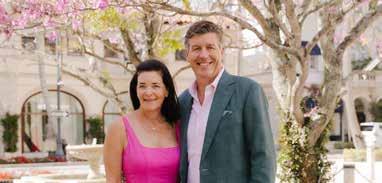






It’s a question my husband often asks after family adventures, weekends away, or vacations. Years ago, we learned it from a dear Scottish friend who ended every gathering the same way, and somewhere along the line, it became part of our family too.
At the end of a day or trip, each of us shares our Champagne Moment — the one memory that lingers most. We only get to choose one.
I love the exercise because the answers are never the same. What moves one person can be entirely different for another. Sometimes it’s the obvious highlight. Sometimes it’s a quiet detail no one else noticed.
Life, for most of us, settles into repetition. The same chairs. The same routes. The same restaurants. The rhythm is comforting, but it can also make the days blur together.
Children don’t seem to suffer from that blur.
They notice everything. Every shell, shadow, strange sound, and unexpected detour feels worthy of investigation. Curious George was one of my favorite characters growing up, a reminder that curiosity is messy, playful, and alive.
Somewhere along the way, many of us trade that instinct for efficiency.
But curiosity may be the difference between truly living and simply moving through life on autopilot.
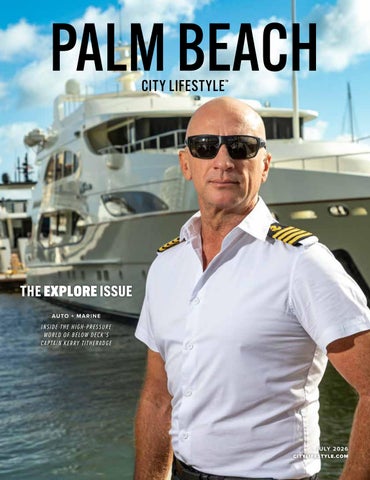
That spirit of curiosity runs throughout this month’s Explore Issue — from the history behind a perfectly made Mojito and Scotland’s legendary Old Tom Morris golf courses to the books we lose ourselves in during long summer afternoons. It’s found in conversations with people like Captain Kerry Titheradge, whose life at sea reveals that adventure and luxury are often far more complex than they appear. Even our piece on preventing the “summer slide” is, at its heart, about staying curious and engaged with the world around us.
Adventure does not always require a passport or a plane ticket. Sometimes it is finally visiting the beach you always meant to explore, trying the hobby you kept postponing, or simply saying yes to something new.
While putting together this Explore Issue, I was given the gift of a road trip with my youngest daughter. Somewhere between the open road, endless conversation, and unexpected discoveries along the way, my curiosity reawakened. So did my love of road trips.
I’ve realized presence is not accidental. In a distracted world, it is a choice — and perhaps one of life’s greatest luxuries.
So wherever this month takes you, near or far, I’ll leave you with this:
What was your Champagne Moment?
Cheers,

July 2026
PUBLISHER
Denise Wood denise.wood@citylifestyle.com
MANAGING EDITOR
Arsine Kaloustian arsine.kaloustian@citylifestyle.com
AREA DIRECTOR
David Wood david.wood@citylifestyle.com
MARKET SUPPORT DIRECTOR
Adam Sheetz adam.sheetz@citylifestyle.com
PUBLICATION DIRECTOR
Nancy Kumpulainen nancy.kumpulainen@citylifestyle.com
CONTRIBUTING WRITER
Erica Corsano
CONTRIBUTING PHOTOGRAPHER
Jason Nuttle
CEO Steven Schowengerdt
President Matthew Perry
COO David Stetler
CRO Jamie Pentz
CoS Janeane Thompson
AD DESIGNER Jenna Crawford
LAYOUT DESIGNER Lillian Gibbs
QUALITY CONTROL SPECIALIST Brandy Thomas






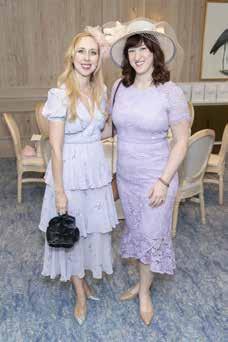
1: Naiomy


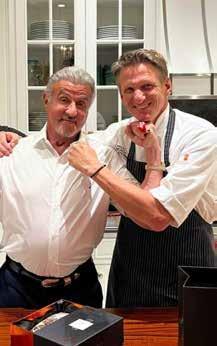

Jonathan Duerr, Lee Kraus, Kathy Saunders at American Cancer Society Fork Cancer event at Norton Museum of Art. 2: Dr
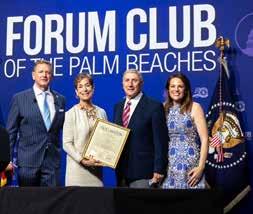
and Elizabeth Tringali, PA-C, at the Furry Friends Event at Mar-A-Lago 3: Sylvester Stallone with Chef Joey Leuze of Palm Beach Catering & Luxury Events 4: Harvey E. Oyer III, PBC Commissioner Maria Marino, former Congressman Dan Mica and Sarah Criser Elwell at the Forum Club of the Palm Beaches 50th Anniversary Celebration. 5: Amanda Knudson and Heather Arney at The Promise Fund Tea & Hat Luncheon Kickoff 6: Scott
7:








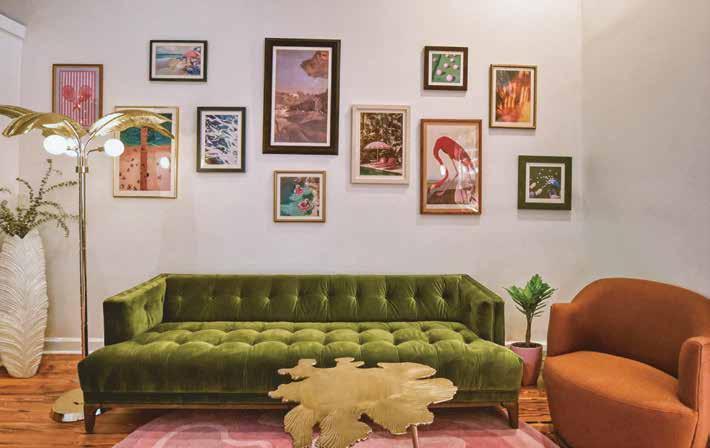
Ingress Gallery continues to expand Northwood’s growing arts presence with curated exhibitions centered on large-format contemporary works, live music, and community programming. Located on 25th Street in West Palm Beach, the gallery represents a mix of emerging and established artists while positioning itself as both exhibition space and cultural gathering point. The venue has become part of the broader momentum reshaping Northwood into one of the city’s fastest-growing creative corridors.
Scan to read more
Hera Flight is capitalizing on continued demand for private aviation, offering on-demand charter flights and aircraft management throughout South Florida and the Northeast. As summer travel ramps up, private flyers are increasingly prioritizing flexibility, shorter travel times, and personalized experiences over commercial routes. The company’s growing presence reflects a broader shift in luxury travel, where the journey itself has become part of the destination.
Scan to read more
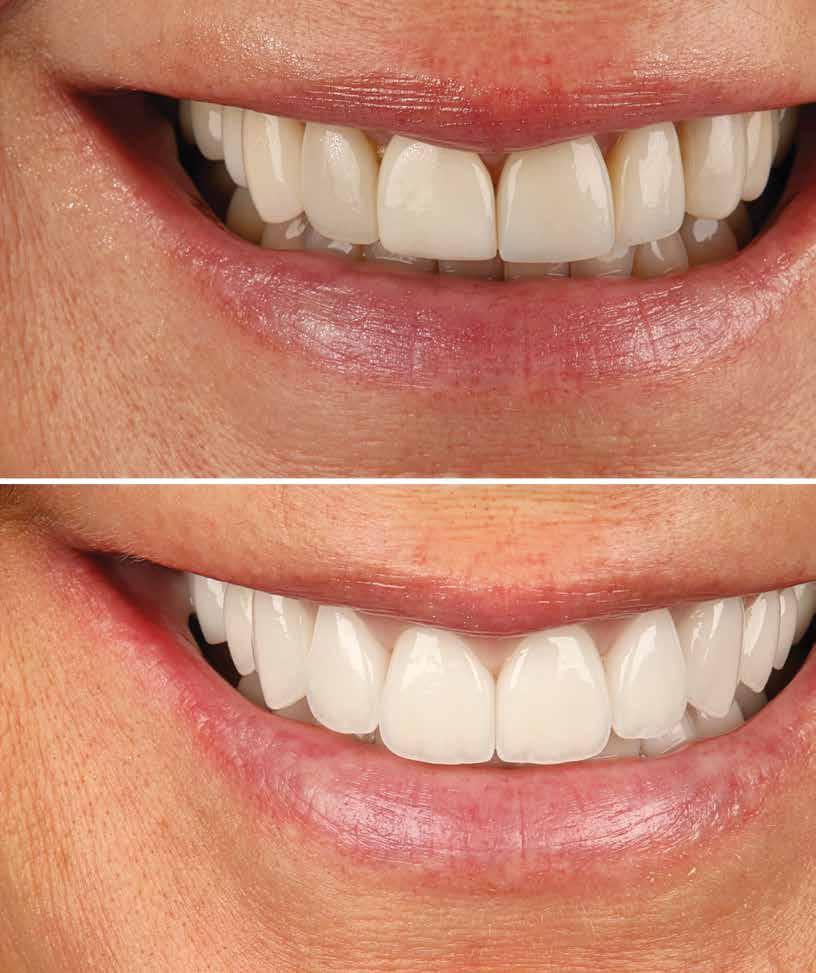
Shaaban Aesthetics is seeing continued demand for cosmetic-focused dental care, with an emphasis on ultra-natural veneers, smile rehabilitation, and digital smile design. Led by Dr. Fady Shaaban, the boutique practice combines advanced aesthetic dentistry with a highly personalized approach to treatment planning. As appearance-driven wellness continues expanding across Palm Beach County, this top-line practice reflects the growing intersection of healthcare, luxury, and confidence-focused self-investment.
Scan to read more






FINE JEWELRY STORE IN THE HEART OF WEST PALM BEACH

BESPOKE JEWELRY | REPAIRS | UNIQUE ESTATE PIECES | SEASONAL EVENTS

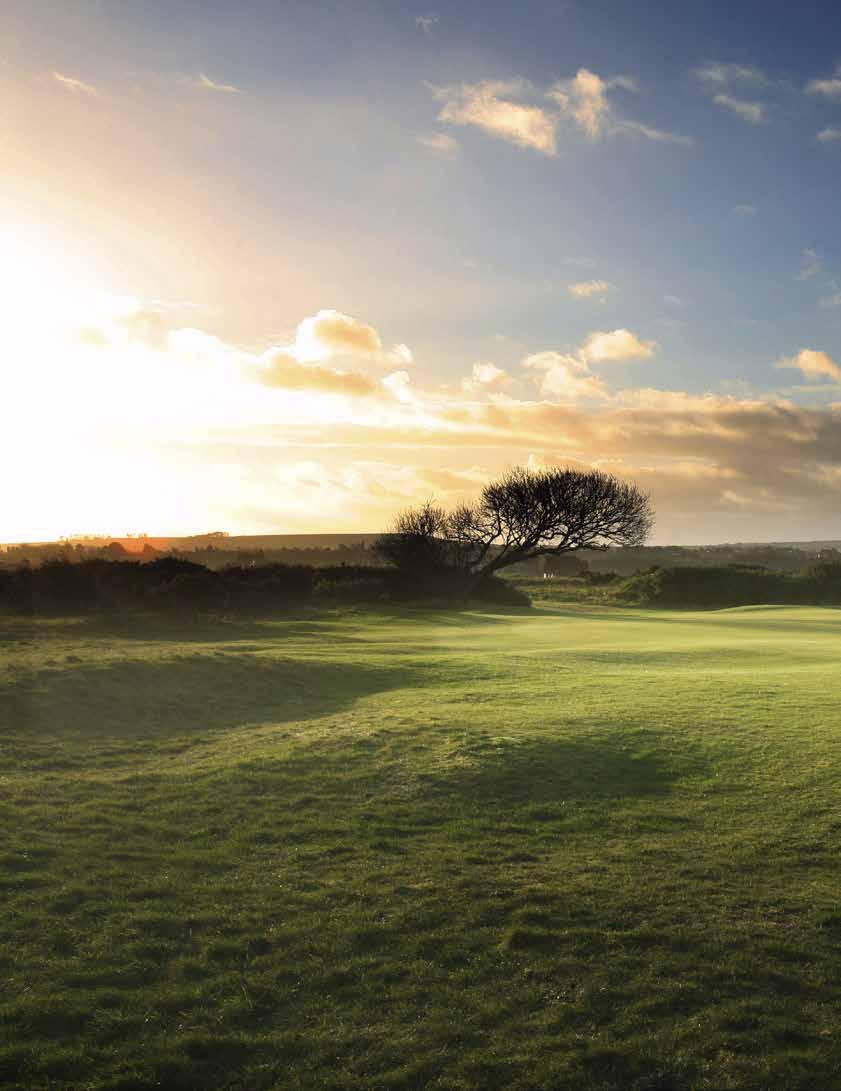
ARTICLE BY ARSINE KALOUSTIAN | PHOTOGRAPHY COURTESY OF BONNIE WEE GOLF
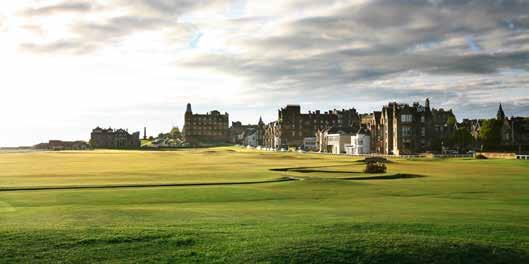
There are golf trips, and then there are pilgrimages. For those who understand the game not simply as sport but as legacy, few journeys carry the weight of Scotland’s Old Tom Morris Trail — an extraordinary experience curated by Bonnie Wee Golf, a boutique luxury golf tour company based in Scotland and specializing in bespoke journeys across Scotland, Ireland, and England.
At the heart of the experience is one towering figure: Old Tom Morris, the “Grand Old Man of Golf.” There is little debate that no individual shaped modern golf more profoundly. Born in St Andrews in 1821, Morris transformed a regional Scottish pastime into a global obsession through his influence as a champion golfer, greenkeeper, clubmaker, architect, and ambassador for the game itself.
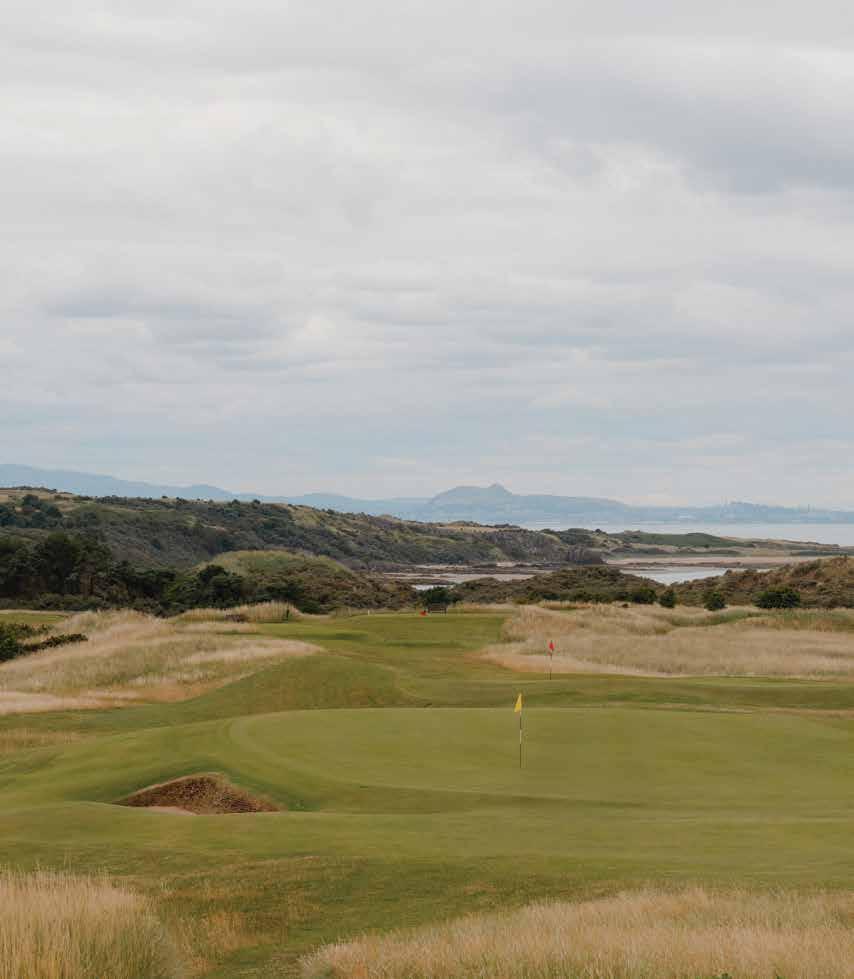
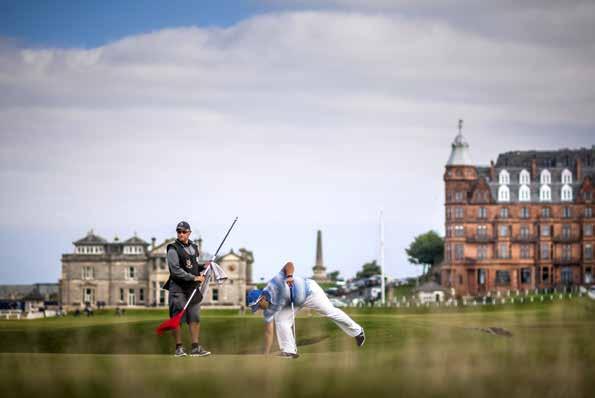
The Old Tom Morris Trail follows in his footsteps across 18 of Scotland’s most iconic and historically significant courses — from St Andrews Links and Royal Dornoch Golf Club to Cruden Bay Golf Club and Crail Golfing Society — each reflecting Morris’ genius for discovering golf within the natural landscape rather than imposing it upon it.
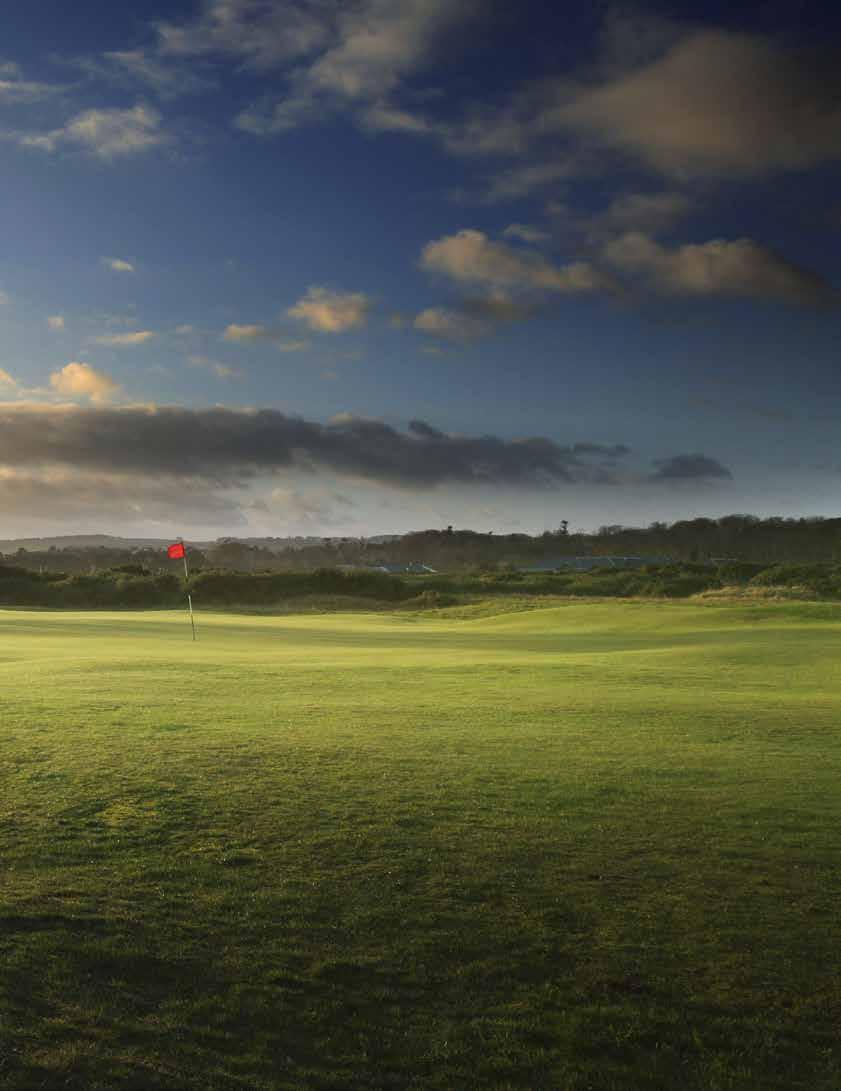
The experience itself is exceptionally rare. Bonnie Wee Golf owns the legal rights to operate the Old Tom Morris Trail and has been appointed an Authorized Provider of Old Course tee times by the St Andrews Links Trust, making the company one of only a select few capable of providing guaranteed tee times on the legendary Old Course.
That distinction matters. For serious golfers, securing a tee time at St Andrews can feel nearly mythical. Bonnie Wee Golf turns that aspiration into a seamless luxury experience, pairing historic access with deeply personalized itineraries, private transportation, exceptional accommodations, and insider knowledge rooted in Scottish heritage.
The company’s name itself reflects that spirit. “Bonnie,” meaning beautiful, and “Wee,” meaning small, speaks to both the sweeping beauty of Scotland’s landscapes and the game’s finer details — the subtle contours of a green, the unpredictable seaside winds, the centuries-old clubhouse rituals that remain remarkably unchanged.
What makes the Old Tom Morris Trail especially compelling is that it is not merely a collection of championship courses. It is a living history of golf itself. Morris laid out or redesigned more than 100 courses during his lifetime, often traveling under extraordinarily difficult conditions to expand the reach of the game. Even while competing professionally, running his famous St Andrews golf shop, and serving as Keeper of the Green for the Royal and Ancient Golf Club, he continued evangelizing golf across Britain with near-religious devotion.
His influence extended far beyond architecture. Morris won four Open Championships. His son, Young Tom Morris, became golf’s first true superstar, capturing four consecutive Open titles

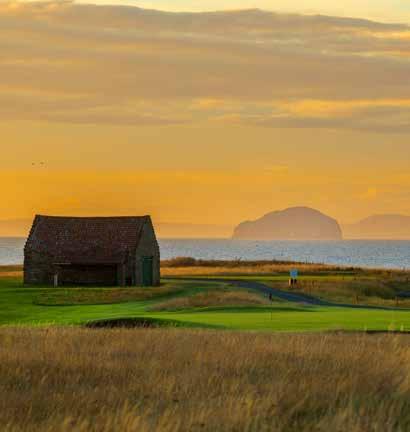
For serious golfers, securing a tee time at St Andrews can feel nearly mythical. Bonnie Wee Golf turns that aspiration into a seamless luxury experience, pairing historic access with deeply personalized itineraries, private transportation, exceptional accommodations, and insider knowledge rooted in Scottish heritage.
beginning at just 17 years old. Together, they elevated golf into public imagination long before modern television, sponsorships, or global tours existed.
Yet perhaps Morris’ greatest legacy was philosophical. He believed golf should harmonize with nature — that the dunes, coastline, wind, and terrain should dictate the experience. More than a century later, that philosophy remains palpable on the Trail’s rugged linksland.
For Palm Beach golfers accustomed to pristine resort fairways and private club exclusivity, the Old Tom Morris Trail offers something entirely different: authenticity. It is golf stripped to its elemental soul — dramatic coastlines, ancient turf, unpredictable weather, and courses that feel discovered rather than constructed.
In an era where luxury increasingly means access to the inaccessible, Bonnie Wee Golf has created something genuinely singular: not simply a golf vacation, but an immersion into the birthplace of the game itself. For those willing to cross the Atlantic in pursuit of golf’s deepest traditions, the reward is nothing short of the trip of a lifetime.





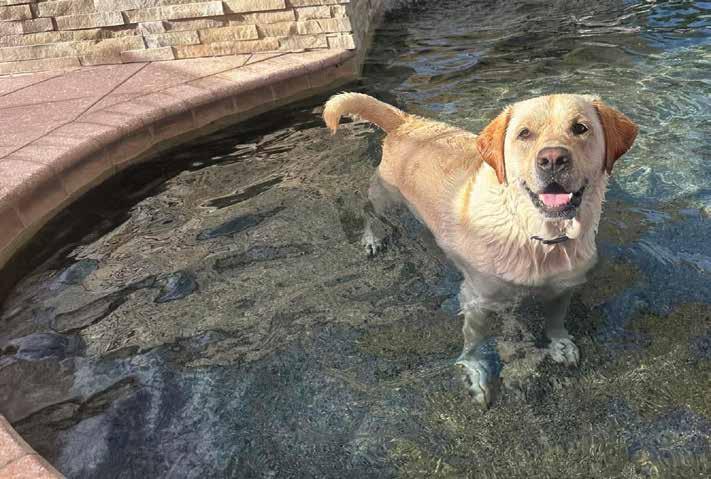
By the time August rolls around, many parents notice it. Math facts feel fuzzier. Reading stamina shrinks. Writing becomes a battle. The phenomenon even has a name: the “summer slide,” a well-documented learning loss that can happen when children spend months completely disconnected from academics.
But educators say preventing it does not require turning summer into school. In fact, the most effective strategies often look nothing like homework packets.
“The key is making learning feel fun and natural,” says Pauleen Walsh, who has spent the last 25 years teaching kindergarten at The Weiss School in Palm Beach Gardens, the only independent school in South Florida exclusively dedicated to gifted learners. “By making math a fun part of your summer routine, you can help your child stay sharp and confident for the next school year.”

ARTICLE BY ARSINE KALOUSTIAN

Summer reading often works best when children are allowed to choose material that genuinely interests them. Graphic novels, joke books, sports magazines, comic collections, fantasy stories, and even cookbooks all help strengthen literacy skills.
For younger children, reading aloud remains especially important. Hearing expressive storytelling and richer vocabulary helps build comprehension and language development long before formal academics begin again in the fall.
According to Walsh, some of the strongest learning opportunities happen during ordinary family activities.
“Involve your child in everyday math,” she says, “like measuring ingredients while cooking, estimating distances on road trips, or budgeting for a family outing.”
Cooking introduces fractions and sequencing. Grocery shopping builds estimation and number recognition. Card games and board games quietly reinforce problem-solving, memory, and strategic thinking.
Experts say intellectual engagement during summer matters far more than rigid worksheets or excessive structure. Museums, libraries, science centers, aquariums, and even nature walks all help children continue developing observation skills and critical thinking.
Walsh recommends visiting local libraries to explore “maththemed books and puzzles” and encouraging children to keep simple journals where they can “record interesting math facts or solve a problem each week.”
Just as important, educators increasingly stress the value of imaginative play and even boredom. Unstructured time helps children develop creativity, resilience, negotiation skills, and independent thinking.
Educational apps can be helpful in moderation, especially when they feel interactive rather than repetitive. Walsh recommends families “explore educational apps and websites that make practicing math skills engaging and interactive,” while also encouraging students to continue using tools already familiar to them during the school year.
Still, many educators caution that hands-on experiences remain the most meaningful form of learning for younger children.
Experts agree the goal is not to recreate the classroom at home. Summer should still feel like summer.
A child building sandcastles is experimenting with engineering. A lemonade stand teaches entrepreneurship and math. A family board game night reinforces strategy and communication. Even helping measure ingredients for popsicles or counting seashells at the beach can quietly strengthen foundational skills.
“The summer slide” may be real, but so is the power of curiosity, creativity, and connection.
And often, the best learning happens when children barely realize they are learning at all.













ARTICLE BY ARSINE KALOUSTIAN PHOTOGRAPHY BY JASON NUTTLE
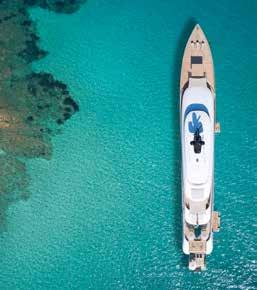
There is luxury, and then there is the machinery required to maintain the illusion of effortless luxury at sea.
On Bravo’s Below Deck , viewers see champagne towers, impossible preference sheets, late-night crew drama, and some of the most extravagant charter guests on earth. What they do not always see is the operational precision underneath it all: the psychological management, the maritime calculations, the relentless coordination, and the pressure of ensuring that nothing ever appears difficult to the guests on board.
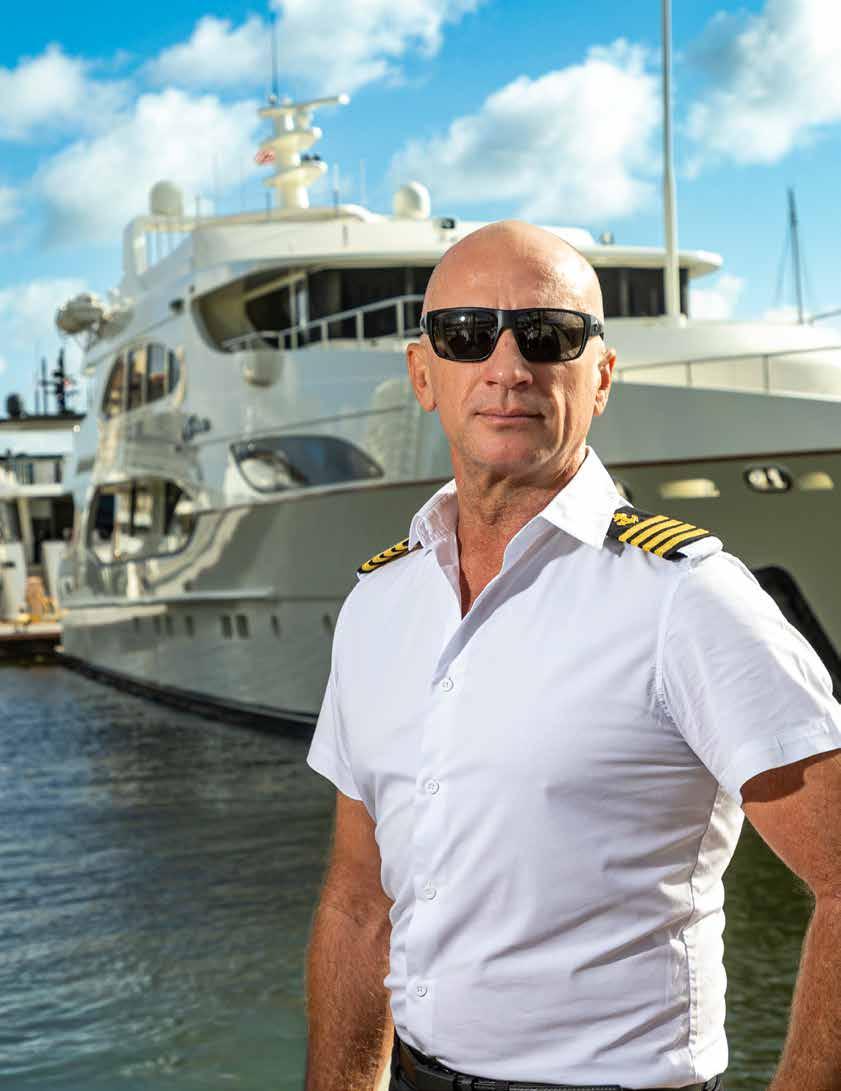
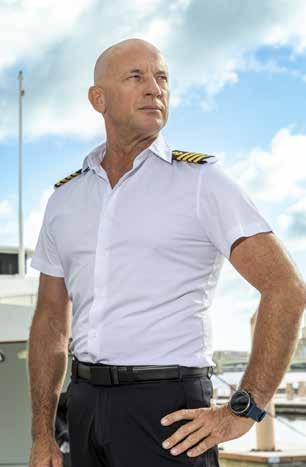
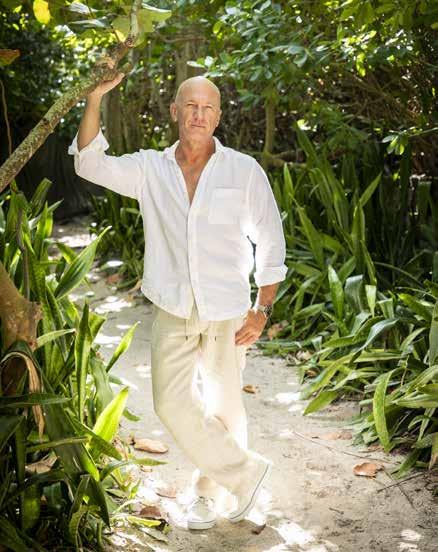
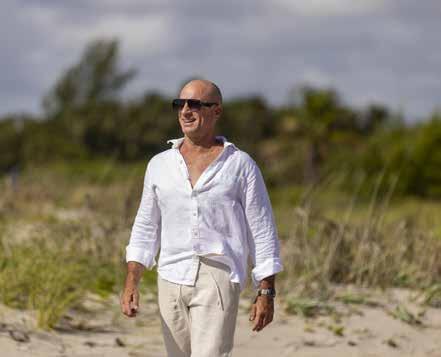
At the center of that balancing act is Kerry Titheradge.
The Australian-born superyacht captain, who first appeared on Below Deck Adventure before taking over the helm of the flagship Below Deck franchise, has become known for a leadership style that feels notably different from the archetypal television captain. Firm without theatrics. Calm without passivity. Direct without intimidation.
And perhaps that demeanor is precisely why he works so well in the increasingly rarefied world he inhabits.
Titheradge spent decades working his way through nearly every position aboard a vessel before ever sitting in the captain’s chair himself — experience that still shapes the way he leads today.
That background also informs the way he speaks about luxury itself.
One of the more fascinating tensions inside ultra-luxury travel is the widespread belief that extreme wealth buys ease. In reality, it often creates the opposite. The higher the level of service, the more invisible labor is required to sustain it.
“People see the perfectly folded napkins, the jet skis launched at a moment’s notice, their cocktail appearing before they even realized they wanted one, but they don’t always realize the level of precision that goes into that,” he says.
“Our goal is to make everything feel effortless for the guest,” he continues. “My crew isn’t just executing a service checklist. They’re reading body language, adjusting the energy of a space, managing the emotional temperature of a group of people while constantly coordinating behind the scenes.”
For Titheradge, luxury yachting is ultimately less about extravagance than anticipation.
“What money really changes is access and expectation,” he says. “People who are used to a very high level of service often expect things to happen quickly and seamlessly, so the pressure on the crew can definitely increase.”
Still, he says most onboard tension stems less from demanding personalities and more from communication breakdowns.
“From the bridge, a ‘difficult’ guest usually points to a breakdown in communication,” he explains. “If a guest is frustrated, it’s almost always because an expectation wasn’t articulated or wasn’t met.”
That balancing act extends far beyond guests alone. On a yacht, crews are living and working together in extremely close quarters under intense pressure for weeks at a time.
“Psychology is a massive part of the job,” Titheradge says. “Over my 28 years running some of the biggest yachts in the world, I’d say seventy/thirty in favor of psychology and I mean that seriously.”
“Crew
looks to the captain for stability, especially in stressful moments. If I lose my cool, that energy spreads very quickly onboard.”
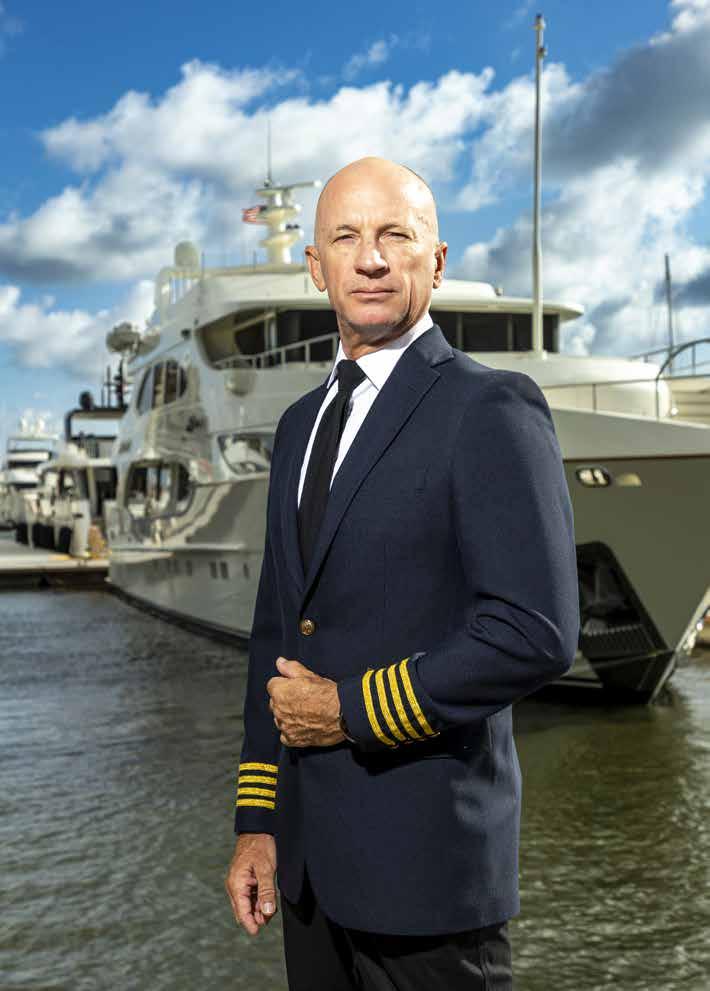
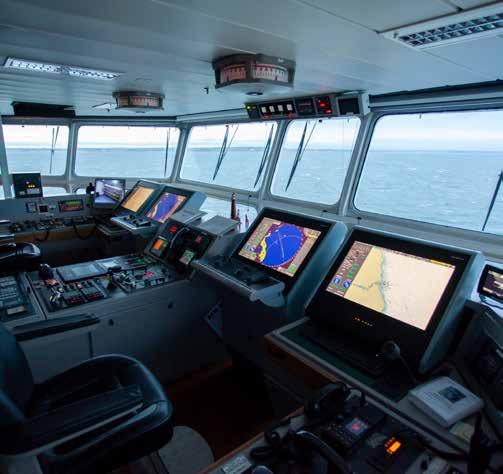
Navigation, he explains, is only one part of managing a vessel. The rest involves personalities, stress, fatigue, communication styles, and maintaining morale in an environment where exhaustion can quickly affect performance.
Fans of Below Deck often focus on the visible drama among crew, but at sea, internal dysfunction can escalate quickly. One missed communication during docking. One exhausted crew member. One interpersonal conflict left unchecked.
“Crew looks to the captain for stability, especially in stressful moments,” he explains. “If I lose my cool, that energy spreads very quickly onboard.”
That leadership philosophy has become increasingly important as luxury travel itself evolves.
Today’s ultra-high-net-worth travelers appear less interested in overt displays of excess and more focused on exclusivity, privacy, customization, and experiences that feel deeply personal. The old model of conspicuous luxury has gradually given way to experiential luxury: remote anchorages, hyper-personalized itineraries, and adventure paired with comfort.
“Privacy has also become a huge luxury,” Titheradge says. “A lot of guests simply want the freedom to disconnect, spend quality time, and experience something memorable without the crowds or noise of everyday life.”
Asked whether true hidden gems still exist at this level of travel, Titheradge pauses before answering carefully.
“I’m protective of the ones I love most, which is probably an answer in itself,” he confides. “But I’ll say this: The destinations that still move me are the ones where the infrastructure hasn’t caught up to the beauty yet. Where you anchor and there’s nothing man-made in your sightline.”
That perspective, he says, has also made him think differently about the responsibility that comes with access.
“Those places still exist,” he says. “They’re getting rarer, which is why I think the responsibility that comes with access to them matters. How we move through those places, what we take and what we leave, is something I think about more than I used to.”
“Destinations that still move me are the ones where the infrastructure hasn’t caught up to the beauty yet. Where you anchor and there’s nothing man-made in your sightline.”
Beyond the glamour surrounding Below Deck, Titheradge ultimately speaks about yachting less as fantasy and more as a study in human nature.
“There’s nowhere to hide out here, not really,” he says. “What I’ve learned is to lead with patience before judgment, because what you’re seeing on the surface is rarely the whole story.”
Television compresses an entire charter season into episodic drama, but the reality behind the scenes is considerably more disciplined than audiences often realize.
Yet competence is exactly what keeps the entire illusion afloat.
And perhaps that is the real fascination of Kerry Titheradge: not simply the celebrity of it all, but the glimpse he offers into the extraordinary amount of structure, psychology, discipline, and invisible labor required to make extreme luxury appear effortless.



Pack your bags with resident artist and gallery curator, Mad.E, to the Hamptons Fine Art Show July 9-12. Or - Sit back, relax, and take in the Ingress Gallery Experience through works of Art that could be your own. All artists represented have helped revive this community's Art Culture and continue to see the tight knit growth.
Let us take you through our visual journeys. Exploring beyond, right in the comfort of the gallery.

703-344-6154 | ingress-gallery.com
435 25th St. West Palm Beach, FL @ingressgallerywpb





FROM ADDICTIVE THRILLERS TO NOSTALGIC CLASSICS WORTH REVISITING, THESE ARE THE BOOKS FILLING EVERYONE’S BEACH BAGS
Summer reading is less about obligation and more about escape. The best summer books become part of the atmosphere itself — tossed into beach bags, balanced beside iced coffees at the pool, or read long after midnight with the sound of the air conditioning humming in the background. And this year’s reading lists are leaning fully into immersion: psychological suspense, emotionally charged romance, cinematic nostalgia, and older novels readers are rediscovering through entirely new eyes.
Rather than the usual predictable lineup of “serious literature,” this summer’s most talked-about books are entertaining first and foremost — the kind of stories that pull you in immediately and refuse to let go.
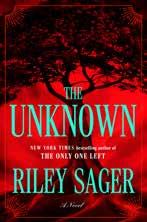
THE UNKNOWN BY RILEY SAGER
For thriller lovers, Riley Sager’s newest suspense novel is already generating serious buzz. Set around an isolated island with a dark history, the story follows a woman pulled into a mystery that becomes increasingly unsettling as buried secrets surface. Think atmospheric tension, unreliable characters, and the kind of pacing that guarantees “just one more chapter.”
THE HOUSEMAID BY FREIDA MCFADDEN
If you somehow missed the Freida McFadden phenomenon, summer is the perfect time to catch up. The Housemaid follows a woman desperate for a fresh start who takes a job working for an affluent family, only to realize something inside the house feels deeply wrong. The twists come fast, the chapters are short, and it is exactly the kind of addictive poolside thriller people finish in a single weekend.
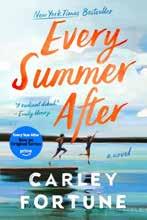
EVERY SUMMER AFTER BY CARLEY FORTUNE
Fortune’s wildly popular summer romance continues to dominate reading lists thanks to its nostalgic lakeside setting, second-chance love story, and emotionally charged dual timeline structure. The novel follows Percy and Sam, childhood friends whose relationship changes over the course of six transformative summers before one devastating mistake pulls them apart. Equal parts romance and longing, it feels tailor-made for warm-weather reading.





Some books never really disappear. They simply wait for readers to rediscover them at the right moment. Revisiting these as adults reveals layers many readers completely missed the first time around.
BY MICHAEL CRICHTON
Many readers are surprised to discover just how much sharper and darker the original novel is compared to the film. Michael Crichton was not just writing about dinosaurs — he was warning about unchecked corporate ambition, scientific arrogance, and humanity’s tendency to commercialize technology before understanding its consequences. Fastpaced, intelligent, and genuinely suspenseful, it feels remarkably relevant in today’s world of AI and biotech.
BY PETER BENCHLEY
The shark may be what people remember, but Jaws is actually a novel about fear, politics, and media pressure. Set in a coastal summer town desperate not to lose revenue, the story explores how officials manipulate perception and ignore warnings until disaster becomes unavoidable. Read now, it feels surprisingly modern.
FLOWERS IN THE ATTIC
BY V.C. ANDREWS
Still one of the most infamous page-turners ever written, this one remains wildly compelling decades later. Beneath the gothic melodrama lies a dark story about greed, repression, image obsession, and family dysfunction. Disturbing? Absolutely. Impossible to stop reading? Also absolutely.
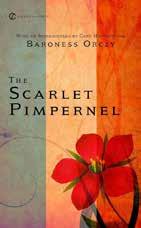
THE SCARLET PIMPERNEL
BY BARONESS ORCZY
Long before Batman, James Bond, or modern superhero franchises, there was the Scarlet Pimpernel — an English aristocrat secretly rescuing innocent people from execution during the French Revolution while disguising himself publicly as a shallow, foppish socialite. Written in 1905, the novel essentially created the blueprint for the modern masked hero and secret identity trope that still dominates popular culture today.
It is the kind of classic that does not feel like homework — which may be exactly what makes it the perfect summer read.

The centuries-old Cuban cocktail that evolved from pirate remedy to tropical icon
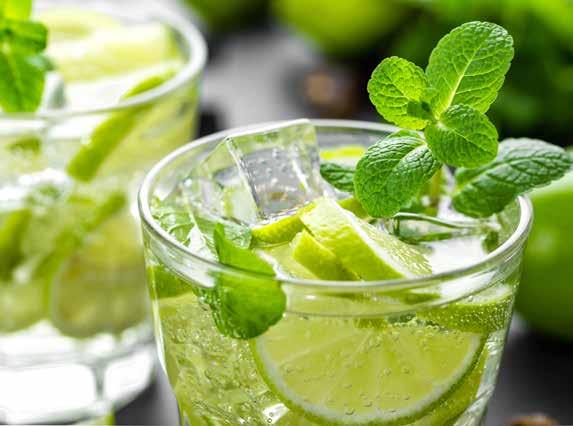
Long before it became the unofficial drink of beach resorts, rooftop bars, and South Florida summers, the Mojito began as something far rougher — and far more medicinal. Its origins trace back more than 400 years to 16th century Cuba, where sailors, pirates, and explorers mixed crude sugarcane spirits with lime, mint, and sugar as both refreshment and remedy.
One of the earliest versions was known as El Draque, named after English privateer Sir Francis Drake. According to legend, Drake’s crew landed in Cuba in the late 1500s suffering from scurvy, dysentery and exhaustion. Local ingredients became the cure: aguardiente de caña — an early predecessor to rum — mixed with lime, mint, and sugar. Lime was believed to ward off disease, mint soothed the stomach, and sugar softened the burn of the spirit.
The drink evolved alongside Cuba itself. By the 19th century, refined rum replaced harsh aguardiente, and Havana’s thriving cocktail culture transformed the once-rugged sailor’s tonic into something more elegant. The first written Mojito recipe appeared in Cuba in 1930, calling for rum, lime juice, mint, sugar, ice, and soda water — the same foundation bartenders still use today.
Of course, no discussion of the Mojito escapes the mythology surrounding Ernest Hemingway. Havana’s legendary La Bodeguita del Medio still displays the famous phrase: “My mojito in La Bodeguita, my daiquiri in El Floridita.” Whether Hemingway actually favored the cocktail remains debated, but the association cemented the Mojito’s place in popular culture.
Today, the Mojito remains one of the world’s most recognizable cocktails because it achieves something rare: balance. The brightness of lime, the cooling aroma of mint, the sweetness of cane sugar, and the crisp lift of soda water create a drink that feels both sophisticated and endlessly refreshing.
Perhaps that is why the Mojito still resonates so deeply in places like Palm Beach. Beneath the polished presentation and crushed ice lies a drink born from survival, sea voyages, tropical heat, and centuries of reinvention — proof that even refined luxuries sometimes begin as necessity.
Ingredients:
• 2 oz white rum
• 1 oz fresh lime juice
• 2 teaspoons cane sugar or ¾ oz simple syrup
• 6–8 fresh mint leaves
• Club soda
• Crushed or cubed ice
• Mint sprig and lime wheel, for garnish
Directions:
1. Lightly slap the mint leaves between your hands to release their aromatic oils, then place them in a Collins glass with the lime juice and cane sugar or simple syrup.
2. Gently muddle just enough to combine the flavors without shredding the mint, which can make the drink grassy and bitter.
3. Fill the glass halfway with ice, add the rum, and stir well, lifting the mint and lime from the bottom so the flavors distribute evenly throughout the drink.
4. Top with more ice and club soda, give it one final gentle stir, then garnish with a fresh mint sprig and lime wheel.













Native plants, ecological design, and timeless Florida beauty shape Benjamin Burle’s luxury landscapes
South Florida’s climate demands a different approach to landscape design — one rooted in resilience, sustainability, and a true understanding of place. The heat is relentless, the salt air unforgiving, and many traditional landscape choices require constant maintenance simply to survive. For Benjamin Burle of Yates Burle Studio, the solution is not more spraying, trimming, or replacing. It is a return to what naturally belongs here.
A fifth-generation Floridian raised between Miami and Key West, Burle designs sustainable native gardens for high-end residential properties from Palm Beach to the Keys. Working alongside his mother, artist and designer Debra Yates, he approaches landscape architecture as both ecology and art. Together, they aim to prove that native and indigenous plants can be every bit as refined and sophisticated as the clipped hedges and imported palms long associated with luxury Florida homes.
“We’re planting with the future in mind,” Burle says. “Native gardens require less water, fewer chemicals, and less maintenance, but they also bring life back into the landscape. They create habitat for songbirds, butterflies, bees, and pollinators while giving people a more authentic connection to Florida itself.”
Here, Burle shares some of his favorite indigenous plant selections based on geography, climate, and lifestyle.
ARTICLE BY ERICA CORSANO PHOTOGRAPHY COURTESY OF YATES BURLE STUDIO
For properties directly along the coastline, Burle recommends species that can withstand salt spray, heavy winds, and the harsh exposure of oceanfront living. The coastline, he notes, is also one of Florida’s most biodiverse environments, making native restoration especially meaningful there.
• Silver Palm
Rare, sculptural, and highly salt-tolerant, the silver palm adds dramatic architectural beauty while thriving in difficult coastal conditions.
• White Indigo Berry
This resilient coastal shrub grows naturally near the dunes and creates a softer, more organic alternative to traditional hedges.
For homes close to the water but not directly on the beach, Burle favors species that tolerate salty air while still offering privacy, beauty, and ecological value.

• Florida Sea Lavender
Delicate and silvery in appearance, Florida sea lavender thrives in coastal environments and helps stabilize sandy terrain.
• Black Ironwood
A favorite for privacy planting, black ironwood features a beautiful natural form and dark berries that attract birds, all with remarkably little maintenance once established.
Farther west, where homes are buffered from direct ocean spray, Burle shifts toward larger canopy trees and layered privacy planting.
• Pigeon Plum
Excellent for natural privacy screens, pigeon plum offers a softer, more organic alternative to traditional hedge walls.
• Crabwood Tree
Crabwood trees provide shade, structure, and resilience while helping create lush landscapes that feel distinctly Floridian.
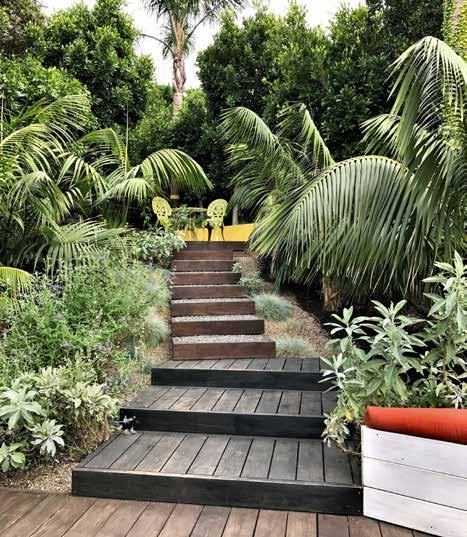
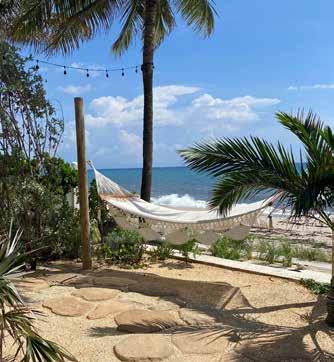
Even urban homeowners and condo residents can incorporate indigenous planting into balconies, rooftops, and compact city gardens.
• Everglades Palm
Low-maintenance and highly adaptable, the Everglades palm thrives in urban conditions and works beautifully in planters and smaller spaces.
• Satin Leaf Tree
One of Burle’s favorites for city environments, the satin leaf tree features glossy green leaves with a shimmering bronze underside and can withstand both hurricanes and urban wear-and-tear.
Burle hopes more homeowners begin to see native landscapes not as a compromise, but as a more thoughtful and sophisticated approach to design. To him, sustainable gardens are not only environmentally responsible — they are richer, quieter, and more alive.
“Every indigenous species you add back into the landscape helps reclaim a small piece of what Florida once was,” he says. “And in doing that, you create something that feels far more authentic to this place.”









ARTICLE BY KALI KASPRZYK
PHOTOGRAPHY BY JANIE JONES
MAKEUP BY MIKAYLA CRANE
Winnipeg in the winter, and a 17-year-old waits 45 minutes in the cold for Keanu Reeves. Her fingers are numb. She is not there for an autograph. She is there to ask him to appear in her audition tape for MuchMusic, Canada’s MTV. When he finally agrees, she writes her number on a gum wrapper with a borrowed lip liner.
He calls days later.
That 17-year-old was Jen Cohen — fitness expert, host of the Habits & Hustle podcast, and best-selling author. She has built a career on the premise her frostbitten afternoon proved. She calls the practice the 10% Target: 10 attempts at whatever you want most in life.
The premise is simple. Most people never make one attempt. Almost nobody makes two. The math works in favor of the person who keeps going.
The top-rated Habits & Hustle podcast has logged hundreds of conversations with high performers and the people who study what the body does to the mind. Her TEDx talk, The Secret to Getting Anything You Want in Life, has traveled widely inside Fortune 500 sales-training rooms. On the Share the Lifestyle podcast, Cohen sits down to share the working rules that are the foundation of her latest book, Bigger, Better, Bolder.
“You have to be the CEO of your own life.”
FEATURING JEN COHEN
Discover the full 10% Target Mindset framework.


1 2
The door opens, or another door does. The unmade attempt and the refused one leave you in the same place — except one of them teaches you something.
Cohen frames her habits as a wager: How do I stack the deck so I win more than I lose? The workout happens first, and the food decisions follow. The email follow-up gets sent, and the answer arrives. The choices compound in a single direction.
3
No one is born with it. The people who look disciplined are running a routine they have rehearsed long enough that it no longer feels like effort. The reps are the skill. Miss them, and the skill fades, the same as any other.
4
Confidence does not arrive by repeating the word. It arrives after the body has done the thing — the workout finished, the cold walk endured, the email sent. The mind takes its cues from what the body proves it can do. Talk follows action, not the other way around.
5
The first decision sets the slope of the rest. Skip the Monday workout, and the rest of the week tends to follow. Hold the line on Monday, and the slope tilts the other way.







PHOTOGRAPHY COURTESY OF LOUIS VUITTON
GLAMOROUS, SLIGHTLY UNDONE SUMMER TRAVEL DEFINES FLIGHT MODE 2026
Louis Vuitton Flight Mode 2026 captures a particular kind of summer fantasy — the kind built around movement, spontaneity, and dressing for wherever the day accidentally takes you. One moment it is a mountain drive, the next a marina dinner, a hotel bar somewhere unfamiliar, or a last-minute weekend escape that turns into five days.
The collection leans relaxed but impossibly polished. Lightweight bombers, silky jumpsuits, oversized scarves, soft leather bags, relaxed denim, and feather-light separates are designed to move easily from city streets to resort towns to long-haul flights without ever looking overthought. The palette feels sun-washed and cinematic: sienna, rosé, sand, soft blue, cream, and rich earth tones layered across washed silk, cotton poplin, suede, cashmere, and supple leather.
The standout Low Key hobo bag continues its quiet takeover among the fashion crowd who prefer understatement over logos, while the pastel-toned LV Sneakerinas bring an unexpectedly playful energy to the collection.
There is an ease to Flight Mode 2026 that feels especially right for now — polished, a little undone, and always ready to leave town.