BOTANIC GARDEN: TRANSFORMING LIVES FAR BEYOND ITS GATES
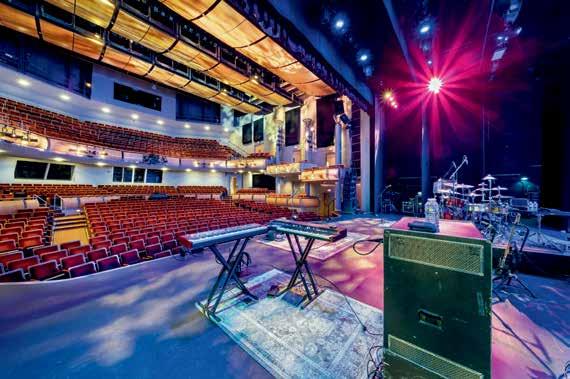
NORTH SHORE CENTER: FROM VISION TO LANDMARK
TRAVEL
TRAVEL DEEPER WITH TAUCK'S NEW ROAM COLLECTION
The Negaunee Institute is a global leader in plant conservation science. So much grows here; join us in our mission to grow more than plants as a member, donor, or visitor.
save.
GET INSPIRED
One of the treasures of the Forest Preserves of Cook County
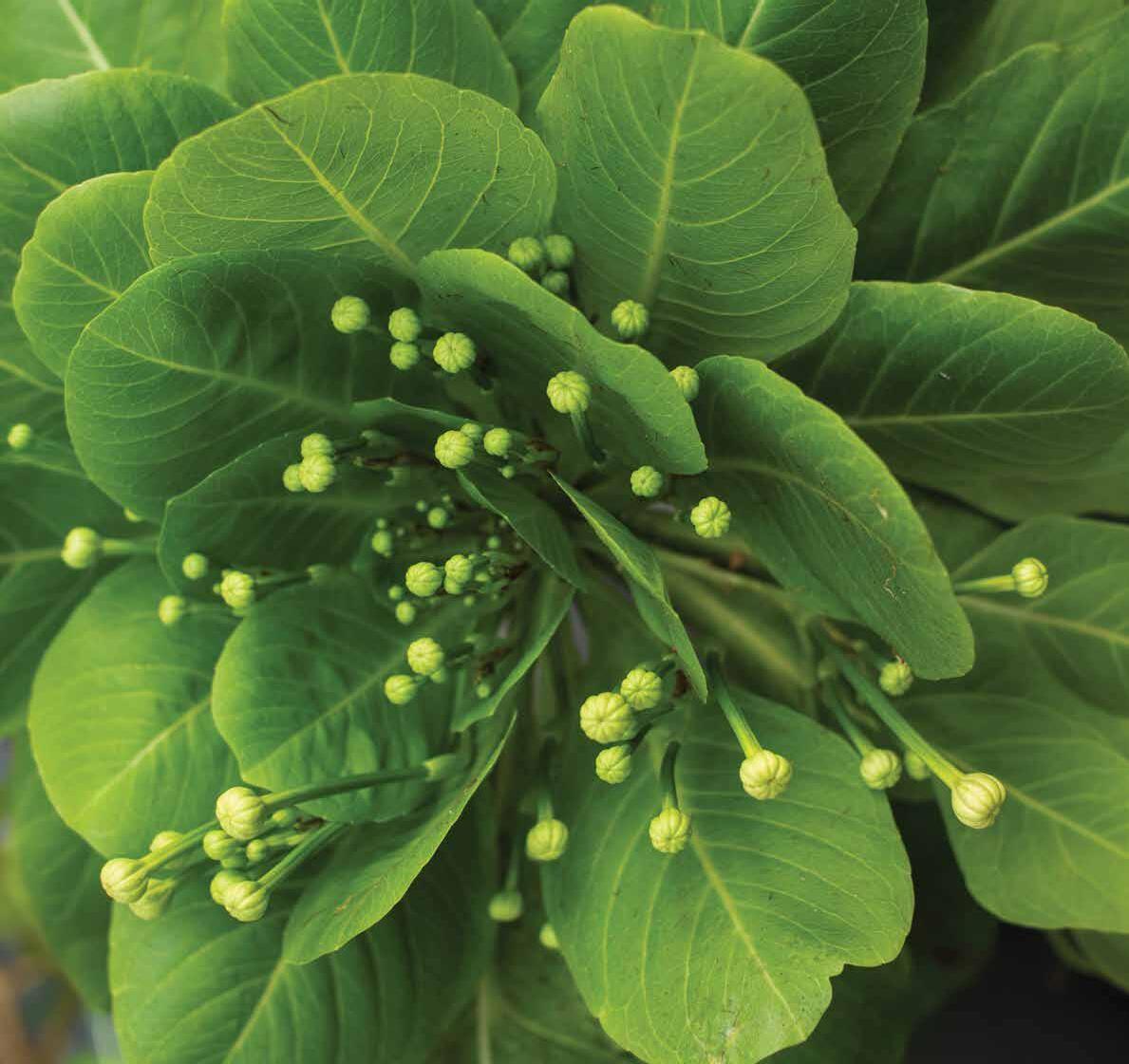
Pictured: Alula, an endangered Hawaiian plant we’re working to
July is an Invitation to Explore
As summer settles in across the North Shore, opportu nities for discovery seem to be everywhere. Whether it's uncovering a hidden local gem, revisiting a favorite family tradition, exploring a new destination or meeting the people making a difference in our own backyard, this season invites us to see familiar places with fresh eyes.
In this month's Explore Issue, we celebrate curiosity, adventure and the stories that inspire us to keep learning and growing. Inside these pages, you'll meet individuals and organizations whose work encourages us to engage more deeply with the world around us.
We're honored to feature Haley Geffen, producer and Emmy Award-winning filmmaker whose powerful storytelling continues to spark meaningful conversations through film. We also celebrate the North Shore Center for the Performing Arts as it marks 30 years of enriching our community through exceptional performances and arts programming.
This issue also highlights two impactful initiatives of the Chicago Botanic Garden: Windy City Harvest and The Negaunee Institute. Through education, sustainability and workforce development, these programs are helping cultivate stronger communities throughout the region. For readers looking beyond the North Shore, we explore Roam by Tauck, a thoughtfully designed small-group travel experience created for travelers in their 40s and 50s seeking authentic connection and meaningful adventure.
You'll also meet local author Margot Dallas, whose visual poetry book Home explores belonging, reflection and the places that shape us. And we're pleased to feature Jen Cohen, bestselling author, entrepreneur and host of the Habits & Hustle podcast, whose insights on discipline, mindset and personal growth continue to resonate with audiences nationwide.
One of the greatest gifts of living on the North Shore is that exploration doesn't always require a passport or a packed itinerary. Some of the most memorable discoveries can be found close to home, in a neighborhood shop, at a community event, along a scenic trail or through a conversation with someone whose story is waiting to be told.
As always, thank you to our readers, contributors and advertising partners who make this magazine possible. Your support allows us to continue sharing the stories, businesses and experiences that help define our community.
Wishing you a summer filled with discovery, connection and inspiration.
Warmly,
July 2026
PUBLISHER
Keely Conrey | keely.conrey@citylifestyle.com
EDITOR
Cat Rolfes | cat.rolfes@citylifestyle.com
PUBLICATION DIRECTOR
Katie Bode | katie.bode@citylifestyle.com
ACCOUNT MANAGER
Peter Heisinger | peter.heisinger@citylifestyle.com
STAFF PHOTOGRAPHER
Amee McCaughan | amee@ameemccaughan.com
SOCIAL MEDIA COORDINATOR
Juliann Brown | juliann.brown@citylifestyle.com
CONTRIBUTING WRITERS
Robyn Cohen, Cat Rolfes
CONTRIBUTING PHOTOGRAPHER
Victoria Stevens
Corporate Team
CEO Steven Schowengerdt
President Matthew Perry
COO David Stetler
CRO Jamie Pentz
CoS Janeane Thompson
AD DESIGNER Rachel Kolich
LAYOUT DESIGNER Lillian Gibbs
QUALITY CONTROL SPECIALIST Marina Campbell
KEELY CONREY, PUBLISHER @NORTHSHORECITYLIFESTYLE
Margot Dallas
Kowalska
city scene
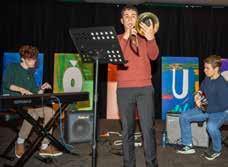
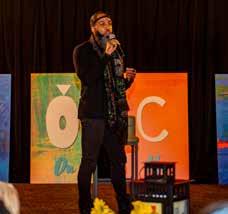
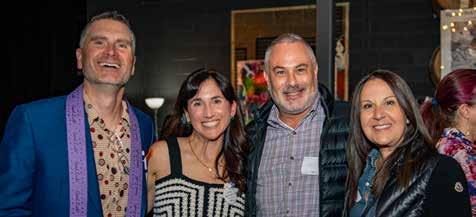
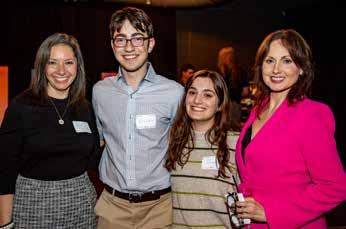
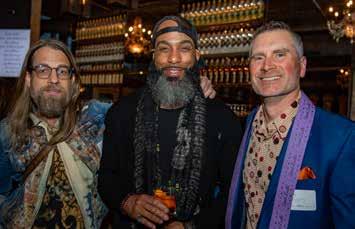
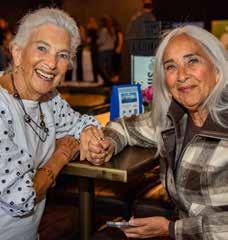
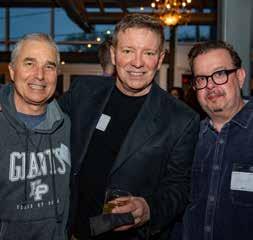
“Come Back Into Focus” celebrated 60 years of Highland Park High School’s Focus on the Arts, raising more than $21,000 for student programming at the biennial festival’s 2027 return. 1: Graduating senior Ethan Chodoroff with HPHS students Elias Kolthammer and Jamie Lowenthal 2: Melissa Nocera, Amy Marshall and Focus artist Vanessa Shaf 3: Tamara Jenkins with past Focus chairs Penny Meyers, Lisa Feldman, Susan Scheff and Debbie Leeb 4: Mark Haggarty, Focus Event Chair Amy Haggarty, event sponsor Jon Levey and Jaimee Schor 5: Chris Falcon (Event Emcee/ Focus artist) 6: HPHS Principal Holly Fleischer with graduating seniors Eli Levin and Olivia Rosenblatt, and Focus Director Tamara Jenkins 7: Focus artists Jason Brammer and event emcee Chris Falcon with Mark Haggarty
Photography by Phil Bach
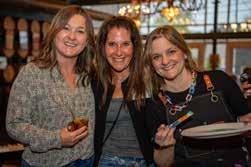
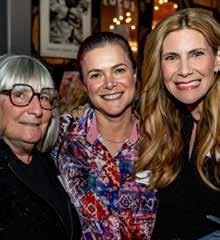
1: Carole Rosenberg and Jo Seiden 2: Robert Smoler, Jay Montgomery and Kevin Glassberg (Focus Board Member) 3: Laurie Aronson, Alice Herz (HP alum) and Robyn Miller Brecker (HP alum) Photography by Phil Bach
business monthly
A ROUNDUP OF NEWS FROM LOCAL BUSINESSES
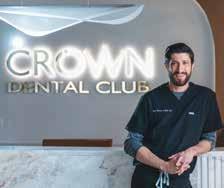
Crown Dental Club Opens Near Old Orchard
Crown Dental Club has opened a new concierge dental practice near Old Orchard Mall in Skokie, offering a membership-based model focused on preventive care, advanced diagnostics and personalized treatment. The boutique practice brings general and specialty dentistry together in one location, emphasizing a more integrated and hospitality-driven approach to oral health. The opening adds a modern, patient-centered option to the area’s growing healthcare landscape. crowndentalclub.com
Zenzi Den Opens in Downtown Glenview
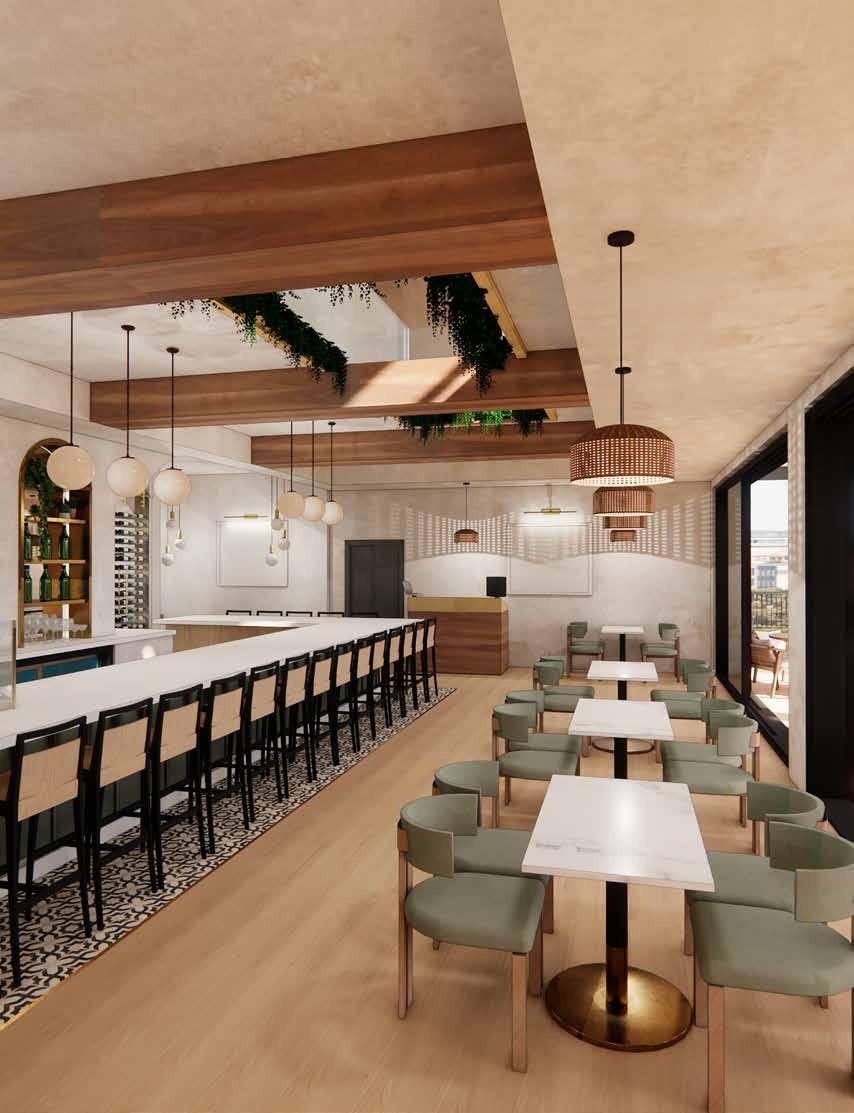
Zenzi Den, a Japanese-inspired izakaya from Ballyhoo Hospitality, opened May 19 in Downtown Glenview. Designed as an intimate neighborhood spot, the restaurant features shared plates, charcoal-grilled skewers, specialty sashimi, oshizushi and a full sushi program led by Executive Chef Marvin Lopez and Executive Sushi Chef ChoongKi Kim, both veterans of Michelin-recognized kitchens. A curated cocktail and sake menu and a tatami-style private dining room round out the experience. zenziden.com
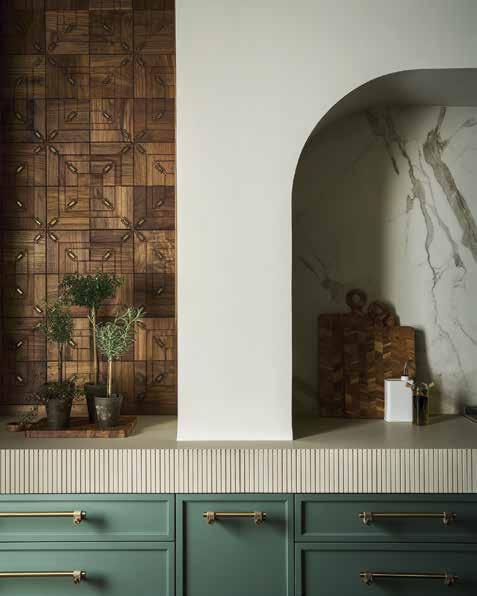
ABLAZE Design Group has received a 2026 National Remodeler of the Year Award from the National Association of the Remodeling Industry for its work on the Lake Forest Showhouse & Gardens kitchen project. The renovation transformed an 1895 estate kitchen into a modern, wellness-focused space while preserving the home’s historic character. Honored for its design, craftsmanship and problem-solving, the project underscores the North Shore firm’s growing reputation for complex, designdriven residential renovations. More at ablazedesigngroup.com .
Photography by Ryan McDonald
Pursuing cancer cures at the speed of life.
ARTICLE BY KEELY CONREY
DRIVEN By CURIOSITY
Haley Geffen's search for the human story
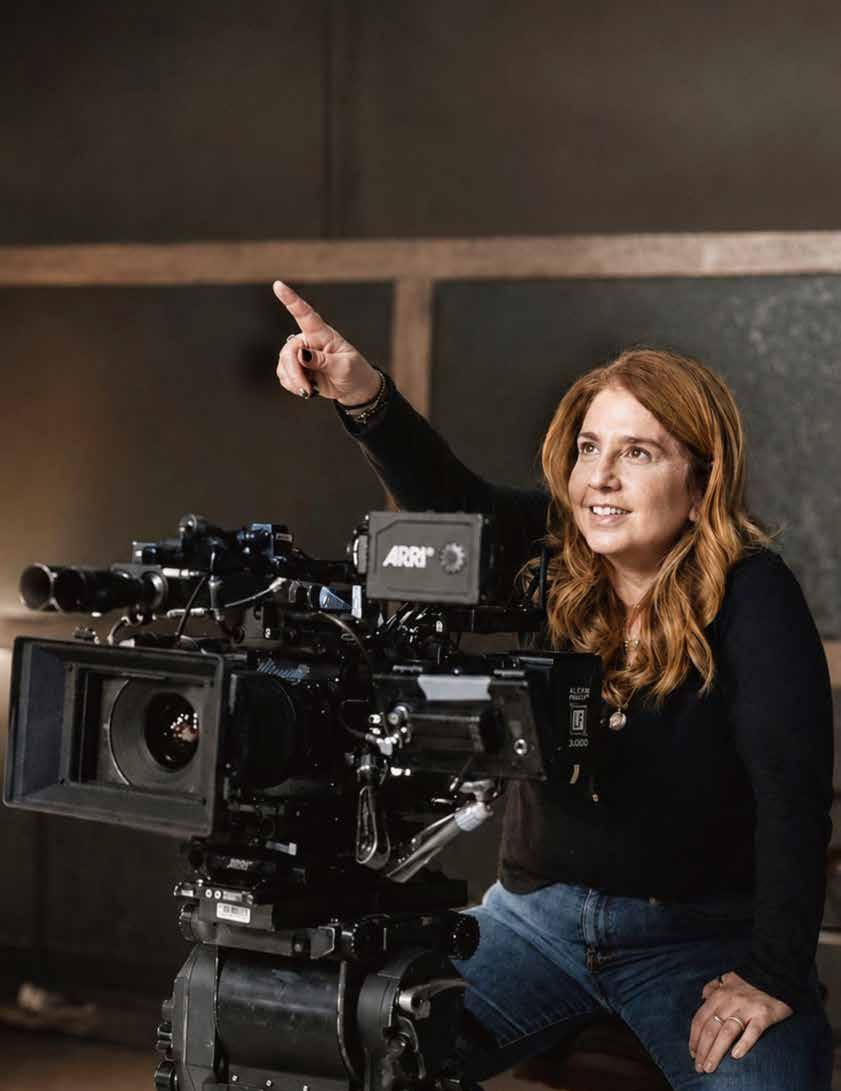
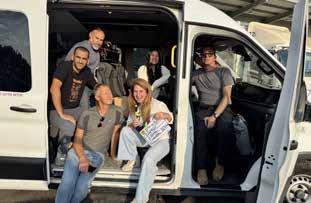
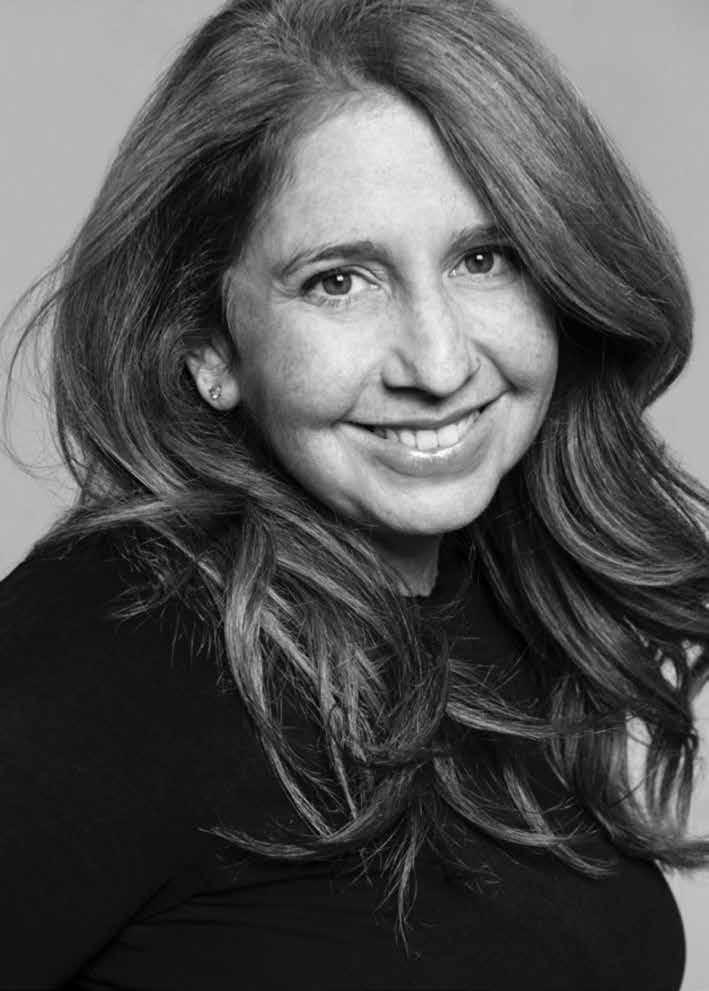
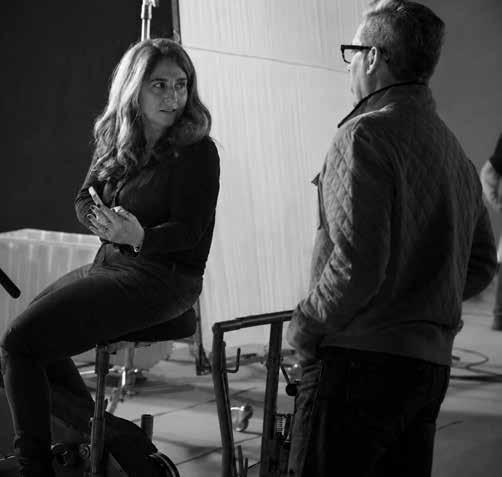
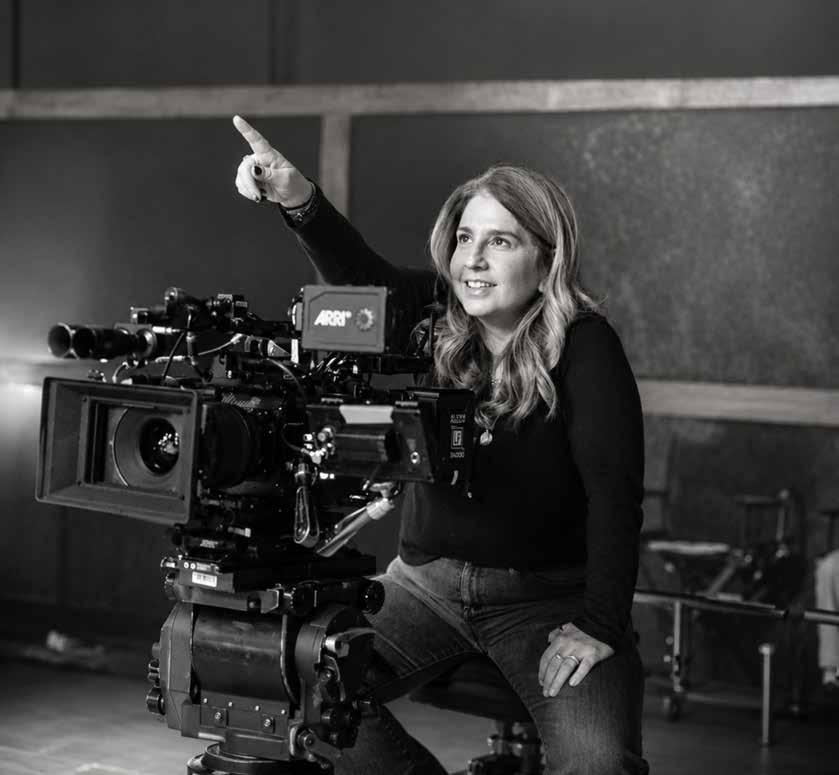
In a month dedicated to exploration, of places, ideas and the parts of ourselves we don’t always see, filmmaker Haley Geffen feels like a natural fit. The six-time Emmy Award-winning director and co-founder of Coed Studios has built her career on a simple instinct: look closer.
In an era when attention is measured in clicks and seconds spent scrolling, Geffen is drawn to something more enduring. Her work explores the emotional terrain that connects people to one another, the quiet moments, unguarded expressions and flashes of vulnerability that reveal who we are beneath the surface.
Her projects span national advertising campaigns, global brand storytelling and some of television’s most visible sports productions. Yet whether she’s directing a commercial, developing an independent film or collaborating with world-class athletes and artists, Geffen approaches each project with the curiosity of a storyteller searching for the human thread.
She recently visited Highland Park, where she spoke with local audiences about creativity, storytelling and building a career in a rapidly changing media landscape. The conversation offered insight into the philosophy that has guided her work for more than a decade: stories matter most when people recognize themselves inside them.
A CAREER SHAPED BY CURIOSITY
Raised in Michigan, Geffen did not initially set out to become a filmmaker. She studied sports management at the University of
Michigan, drawn to the energy and culture surrounding athletics. But an early career in sports television, first with ESPN and later NBC Sports, became an unexpected gateway into storytelling.
Live production taught her to move quickly, trust her instincts and find the emotional center of a story. Whether profiling athletes or producing major broadcast content, she learned that audiences rarely remember statistics. They remember people.
“It was always the human side that interested me,” she says.
That instinct carried her into some of the most visible productions in sports entertainment, including NBC’s Sunday Night Football opening sequences featuring athletes, musicians and entertainers. The work demanded precision, creativity and the ability to lead large teams under pressure. It also earned Geffen six Emmy Awards.
Yet even as her career expanded, she found herself drawn toward stories that required more nuance and emotional depth.
BUILDING A CREATIVE HOME
That desire led Geffen to co-found Coed Studios, a Brooklynbased production company built around collaboration, creativity and community. Founded with director Sam Stephens and a team of creative partners, the company was designed to be nimble, artist-driven and open to experimentation.
Its philosophy reflects Geffen’s own approach to storytelling: the best work emerges when talented people are given room to explore.
(Photo by Victoria Stevens)
Through Coed Studios, Geffen has directed campaigns for brands including Nike, Under Armour, Amazon Prime, Netflix, Meta, GEICO, Frito-Lay, Crest and Dove. Her work often blends cinematic visuals with humor, heart and an emphasis on authentic human experiences.
Her collaborations have included everyone from Adam Driver and Olivia Colman to Kobe Bryant, Drake, Alicia Keys and Vice President Kamala Harris. Yet regardless of the subject, Geffen begins with the same question: What’s the human moment?
That focus has led her to projects that extend well beyond advertising. NBC tapped her to direct two programs exploring the life and legacy of Justice Ruth Bader Ginsburg, examining the personal dimensions of one of the country’s most influential public figures.
CHARTING NEW TERRITORY
Geffen’s independent films offer perhaps the clearest expression of her creative voice.
Her award-winning short film Hey Girl uses movement, performance and visual storytelling to explore self-worth, resilience and personal growth. The film earned 12 international awards, including the Best Shorts Humanitarian Award, and connected with audiences who saw pieces of their own experiences reflected on screen.
Rather than relying on a traditional narrative structure, Hey Girl invites viewers into an emotional journey. It’s an approach Geffen has returned to throughout her independent work.
Her more recent film, Jolie, which debuted in Paris and New York, continues that exploration. Blending cinematic imagery with intimate character-driven storytelling, the film examines identity, growth and the courage required to embrace change. Together, the projects reflect Geffen’s interest in stories that explore vulnerability, transformation and the complexity of being human. They also demonstrate her willingness to experiment with form, using movement, visual metaphor and emotion to create work that feels immersive and deeply personal.
“It was always the human side that interested me,” Geffen says.
EXPLORING WHAT CONNECTS US
Colleagues often describe Geffen as collaborative, intuitive and deeply invested in the people around her. On set, she sees herself less as a commander than a guide, helping creative teams discover the strongest version of a story.
Her years in sports television still influence her approach. Live production leaves little room for hesitation. Decisions happen quickly. Stories must be clear. Audiences must care.
In a media landscape that changes by the minute, Geffen believes the fundamentals remain remarkably consistent. Technology evolves. Platforms come and go. But audiences continue to respond to the same qualities they always have: honesty, emotion and relatability.
She is also passionate about mentoring emerging talent and creating opportunities for the next generation of filmmakers. Throughout her career, she has championed collaboration, believing that diverse experiences lead to richer storytelling and stronger creative work.
For Geffen, exploration has never been limited to geography. It is a way of seeing.
It means asking questions, staying curious and looking beyond the obvious. It means searching for the moments that reveal who we are and what connects us.
And after years spent moving between sports broadcasts, commercial campaigns and independent films, that search remains at the heart of everything she creates.
AGE GRACEFULLY: YOUR BEST SKIN AT EVERY DECADE
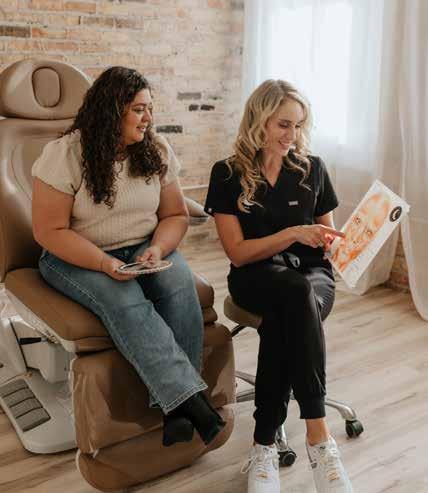
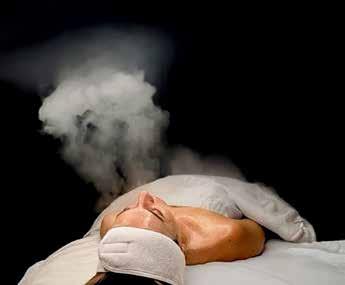
At Wild Moon Collective, we believe in aging beautifully and intentionally. Here’s how to keep your skin radiant in your 30s, 40s, and 50s with treatments tailored to your decade.
30s: Prevention & Hydration
Collagen starts to decline, so now’s the time to focus on hydration, sun protection, and early anti-aging treatments.
Best Treatments: Facials, Microneedling, Laser, Preventative TOX, and Medical-Grade Skincare 40s: Repair & Rejuvenate
Fine lines deepen, and skin elasticity begins to slow. Targeting collagen production and skin renewal is key.
Best Treatments: RF Microneedling, Lasers, Dermal Fillers, Scultpra, Chemical Peels, Facials, 50s+: Lift & Restore
Volume loss and skin laxity become more noticeable. Advanced treatments can restore firmness and hydration.
Best Treatments: RF Microneedling, Lasers, Deeper Peels, Sculptra, and Customized Facials.
No matter your age, Wild Moon Collective is here to help you embrace your beauty with expert care.
BUILT ON BELIEF
THIRTY YEARS OF ART AND COMMUNITY
ARTICLE BY CAT ROLFES
PHOTOGRAPHY PROVIDED
Before the first curtain rose, before the familiar hush settled over an audience, the North Shore Center for the Performing Arts existed only as an idea. Concrete was still being poured. Steel beams stretched toward the sky. Construction crews moved across a site that represented something more than a building project. It was a community’s belief that the arts deserved a permanent home on the North Shore.
As the Center approaches its 30th anniversary, archival construction photos offer a reminder of just how ambitious that vision was.
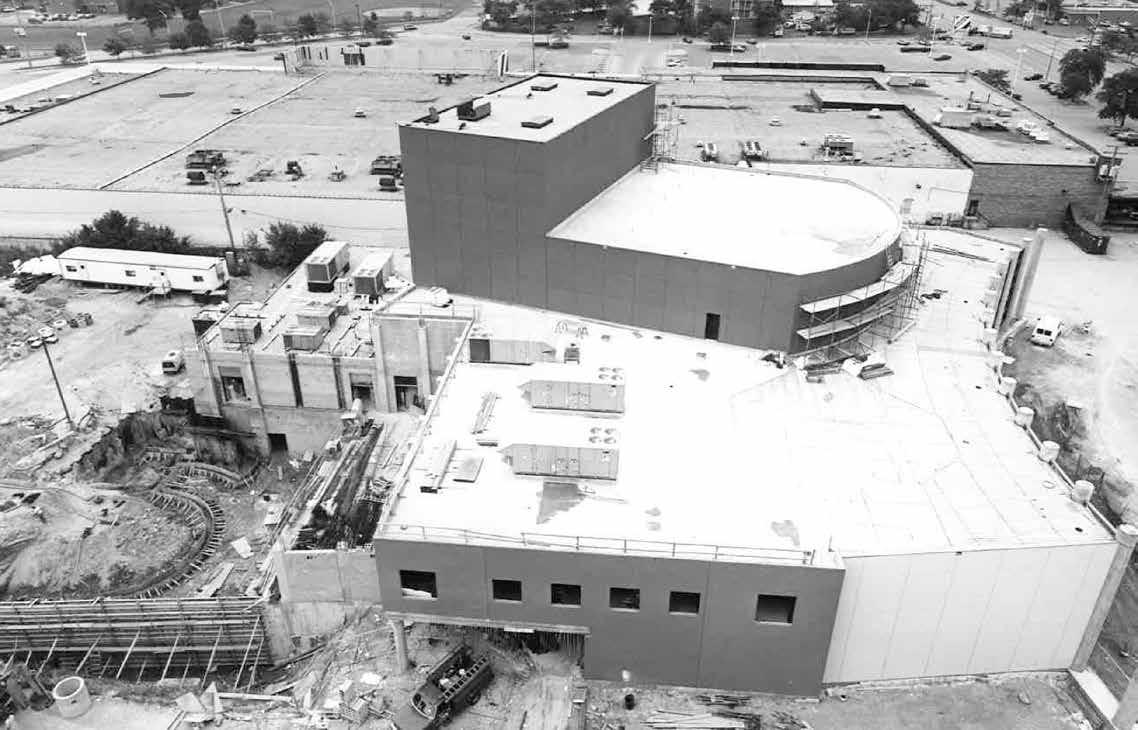
Months into construction, an aerial view shows the Center emerging as a fully articulated complex.
When the North Shore Center opened in 1996, it did more than add another performance venue to the region. It gave a permanent home to an arts movement that had been growing quietly for nearly two decades.
That story began in 1979 with Centre East, the nonprofit arts presenter founded by Dorothy Litwin after the closure of Niles East High School.
Operating out of the school’s repurposed auditorium, Centre East brought professional theater, music and dance to local audiences at a time when many suburban communities looked to downtown Chicago for cultural programming. What began as an experiment quickly became a success.
Over the next 17 years, Centre East welcomed more than 1.75 million attendees, proving there was a strong appetite for professional arts programming on the North Shore. As audiences grew, so did the realization that the community had outgrown its borrowed space.
By the mid-1980s, conversations were underway about building a dedicated performing arts center in Skokie. In 1993, Graham Gund Architects was commissioned to design the new facility. By the following year, plans had been unveiled for a 69,000-square-foot complex featuring an 839-seat main theater, a 500-seat multipurpose theater and space designed to welcome hundreds of thousands of visitors annually.
The project carried a price tag of roughly $15 million, eventually growing to more than $19 million by completion. State funding, local investment and private support helped make the vision a reality.
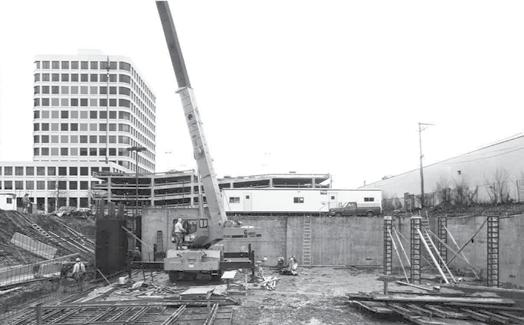
The photographs capture the transformation. Excavation sites became foundations. Foundations became soaring concrete columns. Cranes, scaffolding and unfinished walls gradually gave shape to what would become one of the region’s most recognizable cultural landmarks.
The road to opening was not without challenges. Construction delays forced Centre East leaders to consider temporary venues while they waited for the new facility to be completed. There were financial concerns as well. The new George Van Dusen Theatre would seat fewer patrons than Centre East’s longtime home, raising questions about ticket revenue and long-term sustainability.
Yet the momentum never faded.
Even before opening day, plans were underway for educational initiatives, community partnerships, volunteer programs and collaborations with resident arts organizations, including Northlight Theatre. The goal was never simply to build a theater. It was to create a cultural anchor that would serve audiences for generations.
Today, nearly three decades later, that vision endures. Audiences still gather. Students still experience live performance. Families still return year after year.
The archival photos remind us that none of it happened by accident. The North Shore Center was built carefully, deliberately and with confidence that the arts would continue to matter. Thirty years later, that belief continues to fill the seats.
The unfinished exterior of the North Shore Center during construction.
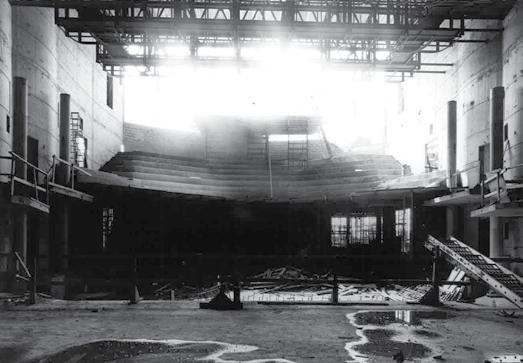
Mid-construction inside the Center’s main theater.
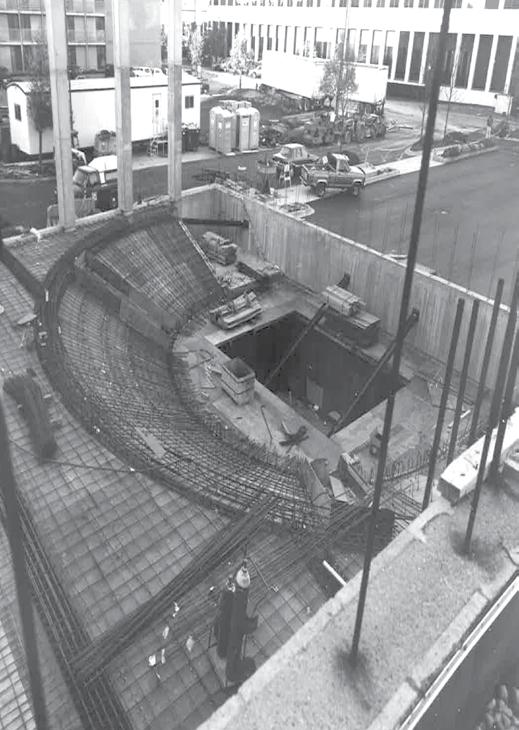
A parallel space takes shape, reflecting how multiple theaters were conceived together.
ARTICLE BY CAT ROLFES PHOTOGRAPHY PROVIDED
BEYOND the BLOOMS
HOW THE CHICAGO BOTANIC GARDEN IS QUIETLY SHAPING CHICAGO’S FUTURE
For many longtime members, the Chicago Botanic Garden lives in a familiar register. It’s where seasons announce themselves with tulips or asters, where grandchildren learn the difference between oak and maple, where a Saturday afternoon can unfold without agenda. Beauty, yes. Calm, certainly. But that picture, however cherished, is incomplete.
What most visitors don’t see from the paths in Glencoe is the scale of work unfolding well beyond the borders. Behind the displays and lagoons, the Garden has been steadily evolving into something more muscular and more urgent. It is a civic actor, a scientific institution and, increasingly, a driver of social and environmental change across Chicago and far beyond it.
Two initiatives sit at the heart of that shift: Windy City Harvest and the Negaunee Institute. One works in neighborhoods where food access and opportunity have long been uneven. The other is focused on the planet’s most elemental question: how to keep life, quite literally, from disappearing.
For members who think they already know the Garden, these programs tend to land as a surprise, which is precisely the point. One that often sparks a deeper curiosity.
A GARDEN THAT GREW UP
Since opening more than fifty years ago, the Chicago Botanic Garden has matured into a world-renowned living museum. The transformation did not happen all at once. It happened by necessity. Climate pressures intensified. Biodiversity declined. Food insecurity remained stubbornly present across Chicago’s South and West Sides. A public garden that wanted to matter in the twenty-first century could no longer limit itself to display.
Today, the Garden functions as a place of learning, yes, but also as a hub for science, education, conservation and community impact. It’s still beautiful. It’s also very busy.
“By ensuring an already engaged audience is knowledgeable about the breadth of our work, we can build capacity for our programs and continue to grow a better world for years to come,” says Gwen VanderBurg, vice president of marketing and communications, Chicago Botanic Garden.
That breadth is easiest to understand by starting not in Glencoe, but on a once-vacant lot on the West Side of Chicago.
URBAN AGRICULTURE AS CIVIC WORK
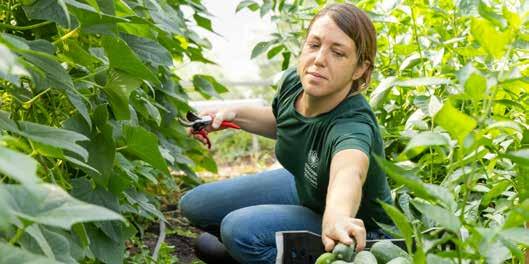
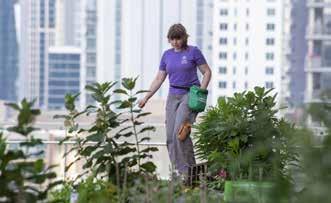
Windy City Harvest began years ago as youth-focused education. It now operates as a sophisticated urban agriculture and workforce development engine. Across a network of farms and gardens on the South and West Sides, land that once signaled abandonment has been turned into something else entirely: productive, welcoming, alive.
On any given day, participants are planting, harvesting, learning food safety protocols, earning certifications and building job skills that travel well beyond agriculture. The existence alone matters.
“The presence of program participants working on our network of urban farms is a visible signal that neighborhoods on the West and South Sides of Chicago are worth investing in,” says Britt Calendo, program director, Windy City Harvest, Chicago Botanic Garden. “What was once empty or underutilized land becomes something productive and welcoming. That shift creates a different sense of possibility.”
That possibility is not abstract. Green, well-maintained spaces reduce stress. They change how people move through their
blocks. They prompt conversations. Neighbors stop to ask questions. Children watch the growing cycle. Curiosity spreads. Plants do what they have always done best. They connect people to place.
At its core, Windy City Harvest is built on the idea that agriculture is not only about food. It is about health, dignity and economic mobility.
FROM FIRST PAYCHECKS TO OWNERSHIP
The program’s structure reflects that belief. Youth development introduces teens to employment and responsibility. Corps programs help participants identify strengths and build transferable workplace skills. Apprenticeships, offered in partnership with the City Colleges of Chicago, provide paid, hands-on training in sustainable urban agriculture. Farm Incubator programs support graduates as they launch and grow their own farm businesses.
For some, the trajectory is dramatic. One apprentice entered as a beginning farmer and now operates an expanding business growing culturally meaningful crops. With support from a land access partner, the farmer is working toward long-term ownership. This is not hobby farming. It is enterprise.
Participants leave with certifications in food safety, experience in production and processing and a working understanding of how produce moves from soil to market. These are skills local food systems need. They create access to steady income and, over time, generational wealth.
They also help address another stubborn challenge: food access.
FEEDING COMMUNITIES, DIRECTLY
Each year, Windy City Harvest grows more than 65,000 pounds of produce using organic methods. Most of it stays where it is grown. Food pantries. The VeggieRx program. Food-service partnerships. The Farm on Ogden Market in North Lawndale.
“The communities on the South and West Sides benefit most directly from our food production efforts,” says Samantha Creightney, operations director, Windy City Harvest, Chicago Botanic Garden.
VeggieRx, in particular, sits at the intersection of agriculture and health, connecting fresh produce to people managing diet-related illness or food insecurity. The program’s leaders talk openly about social determinants of health, about the reality that wellness does not begin and end in a clinic.
An Apprenticeship student gains hands-on experience at McCormick Rooftop Farm.
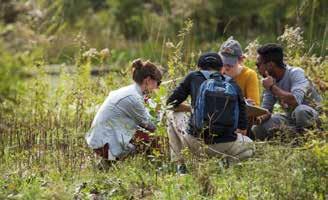
Students in the Plant Biology and Conservation graduate program.
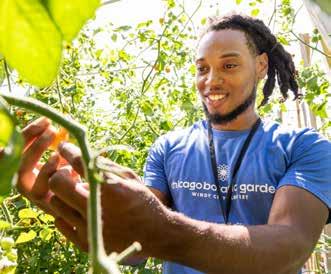
A Corps participant harvests tomatoes at Rodeo Farm in Chicago's Little Village neighborhood.
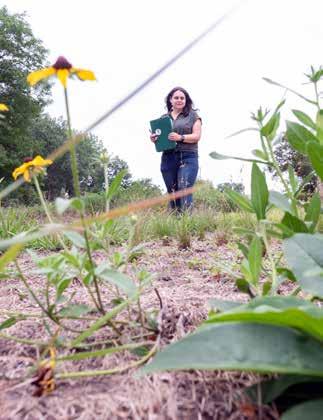
Conservation scientist Becky Barak, Ph.D., monitors lawn-alternative plots at the Chicago Botanic Garden’s Negaunee Institute.
None of this works without partnerships. Windy City Harvest collaborates with public agencies, schools, community organizations and businesses already trusted in the neighborhoods they serve.
“Partnerships help connect the programs with organizations already embedded in and trusted by the community,” Calendo says. “They also help build capacity by training individuals who bring that knowledge back home.”
What often surprises Garden members is not just the impact, but the scale.
“Garden members may be surprised that a public garden has an urban agriculture division operating at this level,” says Sarah Leff, director of strategy and growth, Windy City Harvest, Chicago Botanic Garden. “The Windy City Harvest model is looked to by other institutions for best practices.”
While Windy City Harvest addresses immediate human needs, another arm of the Garden is focused on something more existential.
SCIENCE WITH A LONG VIEW
The Negaunee Institute exists to answer a difficult question: how do we prevent the quiet disappearance of the plant life that makes everything else possible.
Its work centers on four priorities: preventing extinctions, restoring damaged ecosystems, increasing access to native seed and training future conservation leaders.
“The dual threats of biodiversity loss and climate change drive our work,” says Kay Havens, chief scientist and Negaunee vice president of science, Chicago Botanic Garden. “Each time a plant species disappears, we lose the relationships it formed with pollinators, wildlife, plants and people.”
Those relationships underpin clean water, food systems, and resilient landscapes. When they erode, so does our margin for error.
best support pollinators in home gardens, translating science into practical guidance.
WHO CARRIES THE WORK FORWARD
The Institute is also an educational engine. It sparks interest in middle and high school students, embeds college students in real research, and partners with Northwestern University on an innovative graduate program.
Volunteers are essential. More than 300 participate in monitoring rare plants across Illinois through the Plants of Concern program.
“The research happening at the Negaunee Institute wouldn’t be possible without students and volunteers,” Havens says.
Public education matters just as much. Many people do not realize what has been lost.
“When all you know is a world covered in pavement and turfgrass, it’s hard to imagine it was once a woodland or prairie,” Havens says.
The Institute emphasizes that contribution does not require a lab coat. A single native plant on a balcony feeds pollinators. Replacing turf with natives reduces water use and increases resilience. Small actions, multiplied, matter.
“What was once empty or underutilized land becomes something productive and welcoming,” says Britt Calendo, program director, Windy City Harvest.
Climate change has made the work more urgent. Native landscapes are struggling to perform the basic services we rely on. The Institute’s research aims to reverse that trend, locally and globally.
FROM GLENCOE TO THE WORLD
On the ground, the work is concrete. The Garden is partnering with the Forest Preserves of Cook County to grow native seed for the restoration of 30,000 acres of prairie, woodland and wetland by 2040. The Seed Amplification Program will produce thousands of pounds of seed and serve as a national model.
Closer to home, Garden ecologists manage more than 175 acres of prairie, woodland and shoreline on the Glencoe campus itself. Lessons learned there ripple outward through regional partnerships.
The Institute’s reach extends globally. Garden scientists help botanic gardens worldwide build genetic pedigrees for rare plants, guiding breeding decisions and improving the odds of successful reintroduction to the wild. Others study which plants
FROM AWARENESS TO PARTICIPATION
The Garden’s leadership is cleareyed about what is at stake. Without this work, the planet becomes more degraded, less diverse, less able to sustain us.
Members are invited into that responsibility. They can support Windy City Harvest by visiting the Farm on Ogden, shopping the Market, sharing resources, or advocating for local food systems. They can engage with the Negaunee Institute by volunteering, visiting the Plant Conservation Science Center, or restoring habitat at home.
The goal is not admiration. It is participation.
“We hope members feel a deeper connection to the Garden,” says VanderBurg. “Seeing it not only as a beautiful place to visit, but as an organization making a meaningful impact.”
REDEFINING THE GARDEN
Windy City Harvest and the Negaunee Institute together point to a larger truth. A modern botanic garden cannot afford to be ornamental alone. Beauty and impact are not opposing ideas. Plants are tools. They address food insecurity, climate resilience, public health and economic opportunity all at once.
If there is one takeaway, staff hope it is this: the Chicago Botanic Garden is doing far more than most people realize. Its influence stretches from neighborhood blocks to global conservation networks. It is shaping Chicago’s future in ways both visible and unseen.
And it is asking its members to grow along with it.
A New Way to Roam
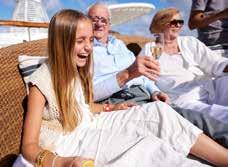
One of the things I appreciate about travel is the opportunity to experience a destination beyond its landmarks. While iconic sights have their place, it’s often the neighborhood cafés, markets, family-run restaurants and everyday interactions that leave the strongest impression. Over two decades in the travel industry, I’ve seen growing interest in journeys that offer deeper connection to a place and its people. That’s what caught my attention about Roam by Tauck, a new collection of small-group itineraries for travelers in their 40s and 50s.
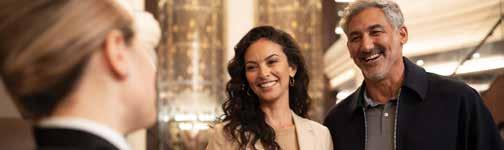
Launching in 2026, Roam takes a different approach than traditional touring. Groups average just 16 guests, creating more opportunities for meaningful cultural experiences while benefiting from Tauck’s planning and expertise. The itineraries combine guided activities with free time, allowing travelers to explore independently with the convenience of a well-organized journey.
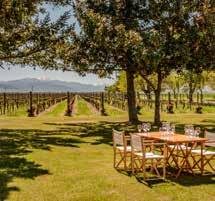
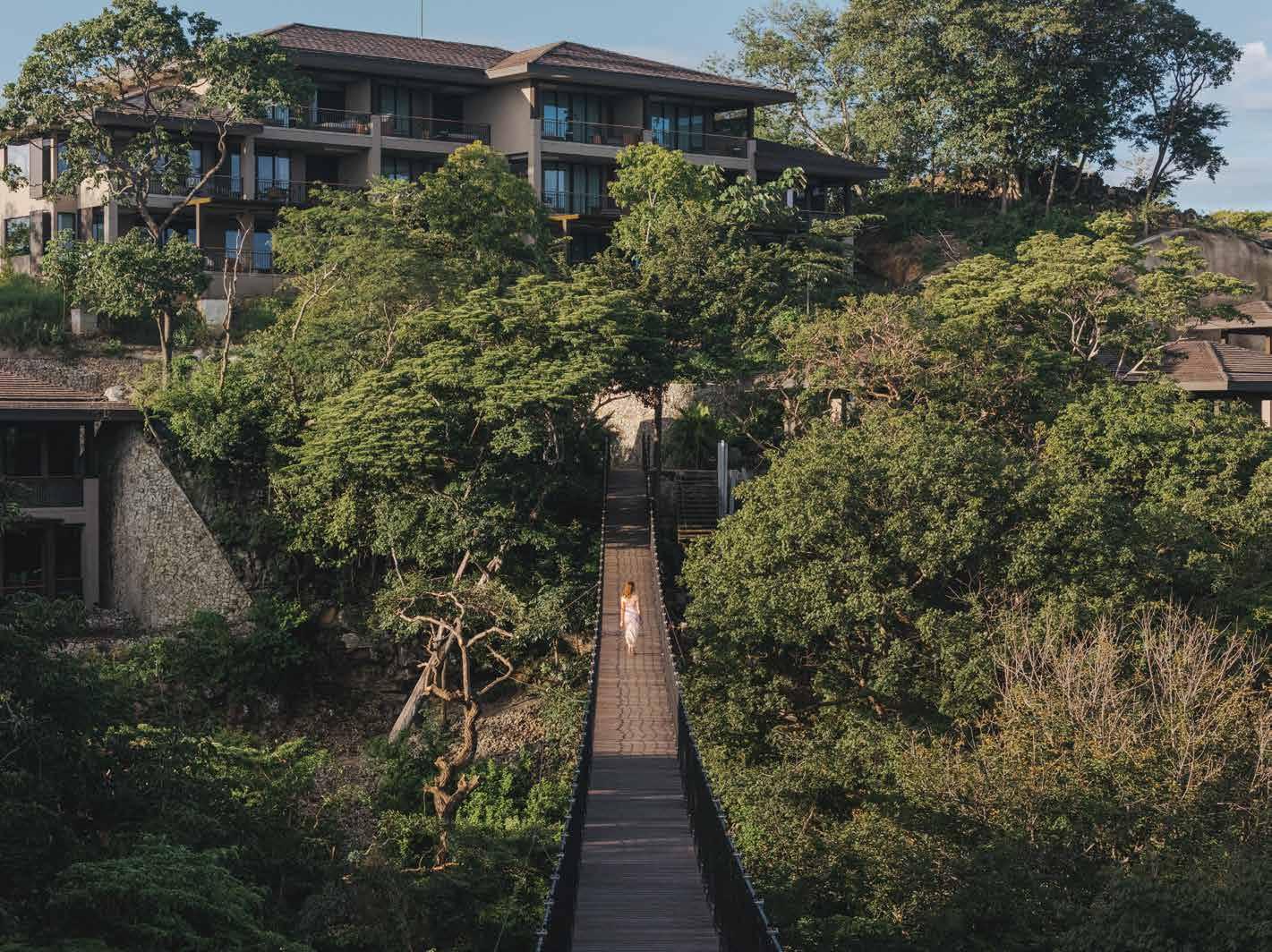
The inaugural collection includes Portugal’s Douro Valley, Spain’s Basque Country, France’s Bordeaux region, a Danube River itinerary and a journey through Mexico City and San Miguel de Allende. Along the way, travelers can expect experiences that reflect the destination’s character, from regional food and wine to local art, history and outdoor exploration.
What also stands out is the emphasis on experiences that encourage genuine interaction. Depending on the itinerary, that might mean time with local guides, opportunities to explore lesser-known neighborhoods, culinary experiences that go beyond restaurant dining or outdoor activities that showcase the landscape from a different perspective. The goal is not simply to see a place, but to engage with it.
Accommodations are primarily boutique properties chosen to complement the destination, and the focus throughout is on smaller-scale experiences that encourage engagement with local culture. Roam is designed for travelers who enjoy sharing the journey with like-minded people while maintaining the flexibility to pursue their own interests.
For travelers who enjoy discovering a destination through its food, traditions and people, Roam offers a contemporary take on guided travel. The itineraries are thoughtfully designed for those who value both structure and flexibility, with an emphasis on cultural immersion and authentic experiences.
To learn more about Roam by Tauck, including a complimentary hotel night before or after select journeys, contact a Tauck-Certified Travel Advisor at The Travel 100 Group. t100g.com
Authentic, immersive journeys created for travelers in their 40s and 50s
ARTICLE BY ROBYN COHEN | PHOTOGRAPHY
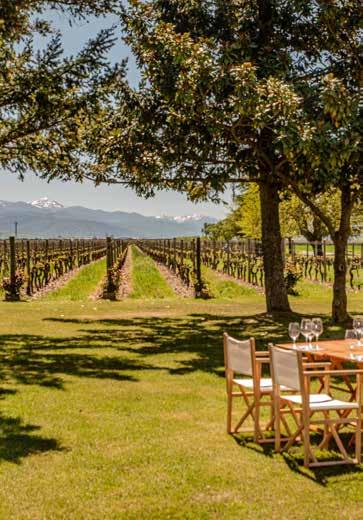
The lush vineyards of Rioja in Spain.
Lynn Zakeri,
Northfield
Ellen Lazar, LCSW, CADC Lynn Zakeri, LCSW David Krzysko, LCPC, EMDR
HOME
By Margot Dallas • Illustrated by Barbara Kowalska
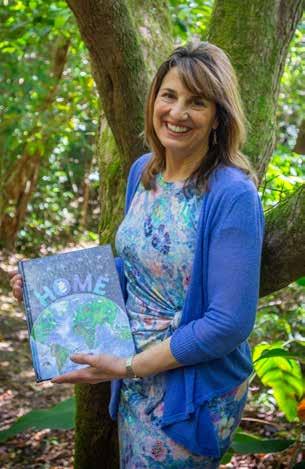
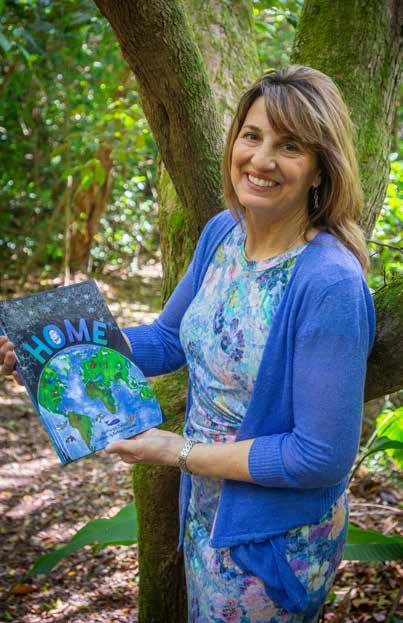
Some books invite young readers to explore far-off places. HOME invites them to understand why those places matter. This 50-page visual poem by Margot Dallas, brought to life through the soft watercolors of illustrator Barbara Kowalska, guides children through habitats around the world: forest floors, ocean depths, cloud forests and backyard branches. Along the way, it reveals how every creature depends on its environment, and how those environments depend on us.
The idea for HOME began in 2018 with a moment of heartbreak. Dallas was watching news footage of the Amazon rainforest being razed, “the lungs of the planet,” as she described it during our conversation, and felt urgency. “If children know something is living in those oceans or living in that forest or living in that tree, they’re not going to want to tear all these things down,” she told me. That instinct became a poem, then a promise to her mother, who encouraged her to publish it someday. After her mother’s passing in 2019, Dallas kept that promise, refining
Where Small Eyes Meet Big Nature
ARTICLE BY CAT ROLFES PHOTOGRAPHY PROVIDED
the manuscript, collaborating with Kowalska and ultimately self-publishing the book in 2024.
The story behind the art is equally compelling. Kowalska, Dallas’s longtime hairdresser and watercolorist, illustrated the book while navigating two cancer diagnoses. Their friendship shaped a collaborative process that preserved Dallas’s scientific sensibility, from the shifts in scale to the blend of familiar and unusual animals and the invitation to look closer. “We could design the art around the words,” Dallas said. “I think that made all the difference.”
A visit to Costa Rica’s Children’s Eternal Rainforest also helped shape the book’s message. Dallas was inspired by the true story of a 9-year-old Swedish boy who helped rally children around the world to save the cloud forest in the 1980s. Today, she shares that story during school visits, gifting each classroom an Earth Day flag created in partnership with the reserve. “They’re so engaged,” she said. “It’s reinforcing for them to know children actually did this amazing thing.”
That’s the quiet power of HOME . It treats young readers not as bystanders, but as stewards. Dallas hopes families use the book as a springboard on summer hikes, in their own neighborhoods or in conversations about caring for the planet. “Maybe I can spark an interest,” she said. “Translating a love for nature into tangible community action.”
HOME is available locally at The Book Stall in Winnetka, The Book Bin in Northbrook, Anderson’s Bookshop in Naperville and Downers Grove, the Morton Arboretum, and online at NestleinNature.myshopify.com
ARTICLE BY KALI KASPRZYK
PHOTOGRAPHY BY JANIE JONES
MAKEUP BY MIKAYLA CRANE
The 10% Target Mindset
Jen Cohen ON THE PRACTICE OF ASKING FOR WHAT YOU WANT
Winnipeg in the winter, and a 17-year-old waits 45 minutes in the cold for Keanu Reeves. Her fingers are numb. She is not there for an autograph. She is there to ask him to appear in her audition tape for MuchMusic, Canada’s MTV. When he finally agrees, she writes her number on a gum wrapper with a borrowed lip liner.
He calls days later.
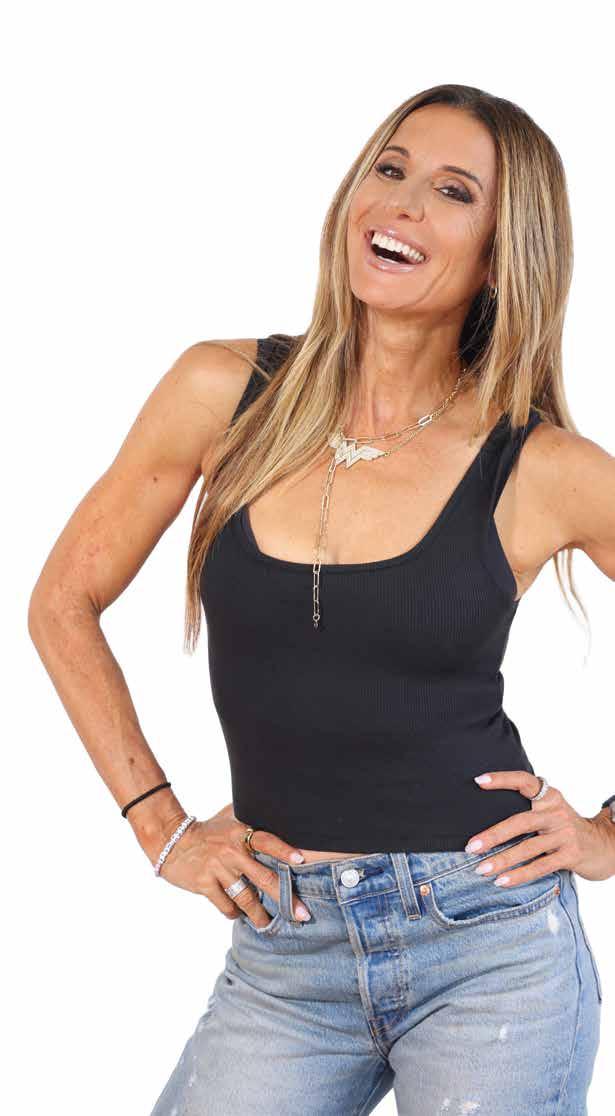
That 17-year-old was Jen Cohen — fitness expert, host of the Habits & Hustle podcast, and best-selling author. She has built a career on the premise her frostbitten afternoon proved. She calls the practice the 10% Target: 10 attempts at whatever you want most in life.
The premise is simple. Most people never make one attempt. Almost nobody makes two. The math works in favor of the person who keeps going.
The top-rated Habits & Hustle podcast has logged hundreds of conversations with high performers and the people who study what the body does to the mind. Her TEDx talk, The Secret to Getting Anything You Want in Life, has traveled widely inside Fortune 500 sales-training rooms. On the Share the Lifestyle podcast, Cohen sits down to share the working rules that are the foundation of her latest book, Bigger, Better, Bolder.
“You have to be the CEO of your own life.”
FEATURING JEN COHEN
Discover the full 10% Target Mindset framework.
1 2
MAKE TEN ATTEMPTS
The door opens, or another door does. The unmade attempt and the refused one leave you in the same place — except one of them teaches you something.
STACK THE DECK
Cohen frames her habits as a wager: How do I stack the deck so I win more than I lose? The workout happens first, and the food decisions follow. The email follow-up gets sent, and the answer arrives. The choices compound in a single direction.
3
DISCIPLINE IS A PRACTICED SKILL, NOT AN INHERITANCE
No one is born with it. The people who look disciplined are running a routine they have rehearsed long enough that it no longer feels like effort. The reps are the skill. Miss them, and the skill fades, the same as any other.
4
SELF-TALK ONLY WORKS WHEN THE BODY BACKS IT UP
Confidence does not arrive by repeating the word. It arrives after the body has done the thing — the workout finished, the cold walk endured, the email sent. The mind takes its cues from what the body proves it can do. Talk follows action, not the other way around.
5
NEVER MISS A MONDAY
The first decision sets the slope of the rest. Skip the Monday workout, and the rest of the week tends to follow. Hold the line on Monday, and the slope tilts the other way.
THROUGH SEPTEMBER 20TH
Shimmering Summer at the Chicago Botanic Garden
1000 Lake Cook Rd., Glencoe | Times Vary
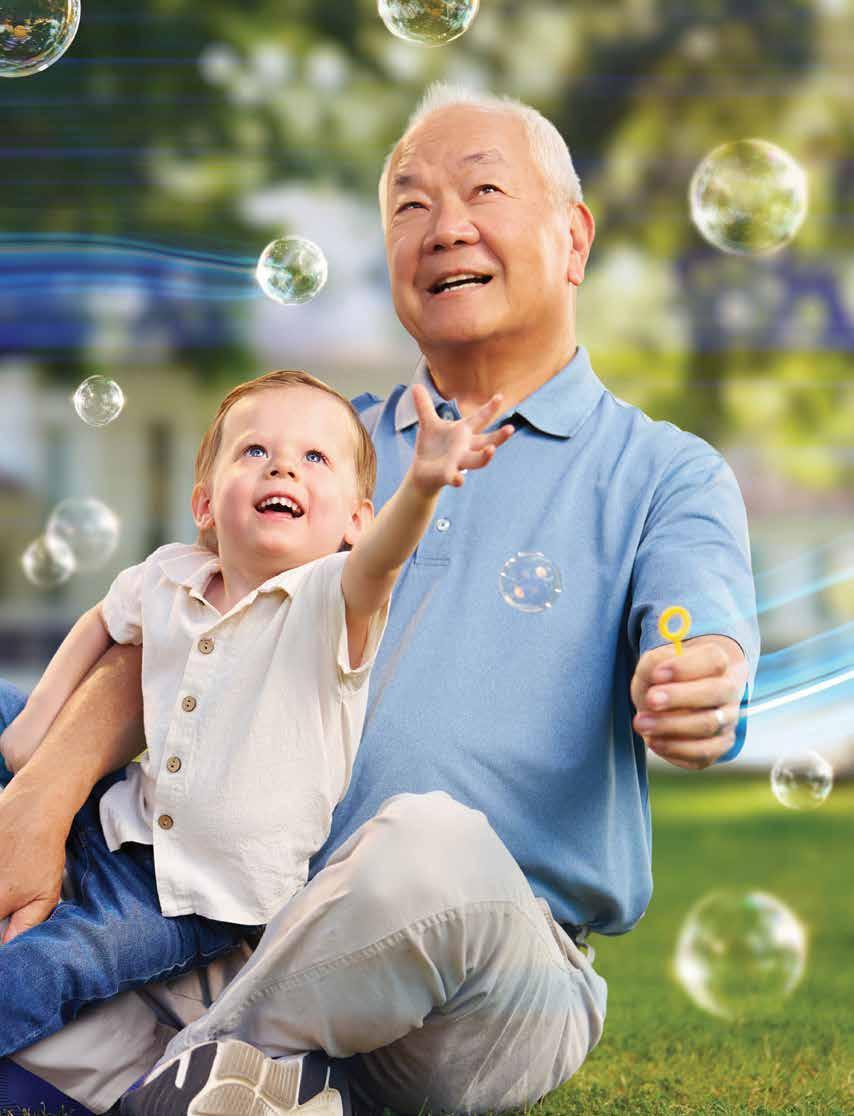
The Chicago Botanic Garden debuts the art installation Evanescent, during Shimmering Summer. The larger-than-life iridescent bubble art by Australian based artists Atelier Sisu. Visitors can follow a trail of bubbles that reflect the landscape across the Garden and enjoy weekend programming featuring jugglers, hula-hoop artists, bubble performers, music and family activities. Light bites and seasonal treats available for purchase. chicagobotanic.org /shimmering
THROUGH SEPTEMBER 20TH
America Grows: 250 Years of Garden Stories
1000 Lake Cook Rd., Glencoe | Times Vary
To mark the 250th anniversary of U.S. independence, the Chicago Botanic Garden presents America Grows: 250 Years of Garden Stories, an exploration of how gardens have shaped—and reflected—the American experience. Visitors can view outdoor displays, historic artifacts and the main exhibition in the Regenstein Center, with free tours, activities and learning programs included with admission. chicagobotanic.org /america-grows
JULY 3RD
America 250 Celebration Dinner at Elawa Farm
Elawa Farm, 1401 Middlefork Dr., Lake Forest | 6:00 PM
Elawa Farm and the City of Lake Forest celebrate America’s 250th with an elevated outdoor dinner set on the farm’s scenic grounds. Guests enjoy a cocktail reception with the farm’s patriotic goats, followed by a multi-course meal in the gardens featuring live cooking by Chef Lee Kuebler and a refined Americana menu honoring local farmers and community. elawafarm.org
JULY 18TH
Michael Carbonaro: Wonderboy — Live at the George Van Dusen Theatre
North Shore Center for the Performing Arts, 9501 Skokie Blvd., Skokie | 8:00 PM
North Shore Center presents Michael Carbonaro: Wonderboy, the all-new live tour from the star of The Carbonaro Effect. Blending reality-twisting magic with mischievous humor and sharp comedic timing, Carbonaro delivers a high-energy, interactive show that keeps audiences guessing. Known for more than 100 episodes of his hit series, he brings his signature illusions to the stage for all ages. northshorecenter.org
JULY 30TH
July
Spill
Sessions: Meat, Mead, Medicine — Food and Feasting in the Middle Ages
Disotto, 310 Green Bay Rd., Highwood | 6:00 PM
As part of July Spill Sessions, Dr. Ashley Castelino of Notre Dame’s Medieval Institute leads a lively dive into what people really ate and drank in the Middle Ages. Explore curious remedies, spice-driven economies and surprising culinary beliefs—plus poetry, riddles and drinking lore from medieval courts and countrysides. A spirited look at food, culture, and history. highwoodchamber.com/events
JULY 31ST
Stewart Copeland: Have I Said Too Much — An Evening of Stories
North Shore Center for the Performing Arts, 9501 Skokie Blvd., Skokie | 7:30 PM
Rock & Roll Hall of Fame drummer, composer, and co-founder of The Police Stewart Copeland comes to Skokie for a one-night-only spoken-word event at the George Van Dusen Theatre. In this intimate evening, he shares sharp, funny and candid stories from his groundbreaking career across music, Hollywood and beyond. northshorecenter.org
At DDK Kitchen Design Group, we go beyond kitchens—our expert designers and remodelers transform entire homes with sophisticated, high-end craftsmanship. From stunning kitchen renovations to full-home remodels, we create spaces that reflect your lifestyle and elevate your home’s value.