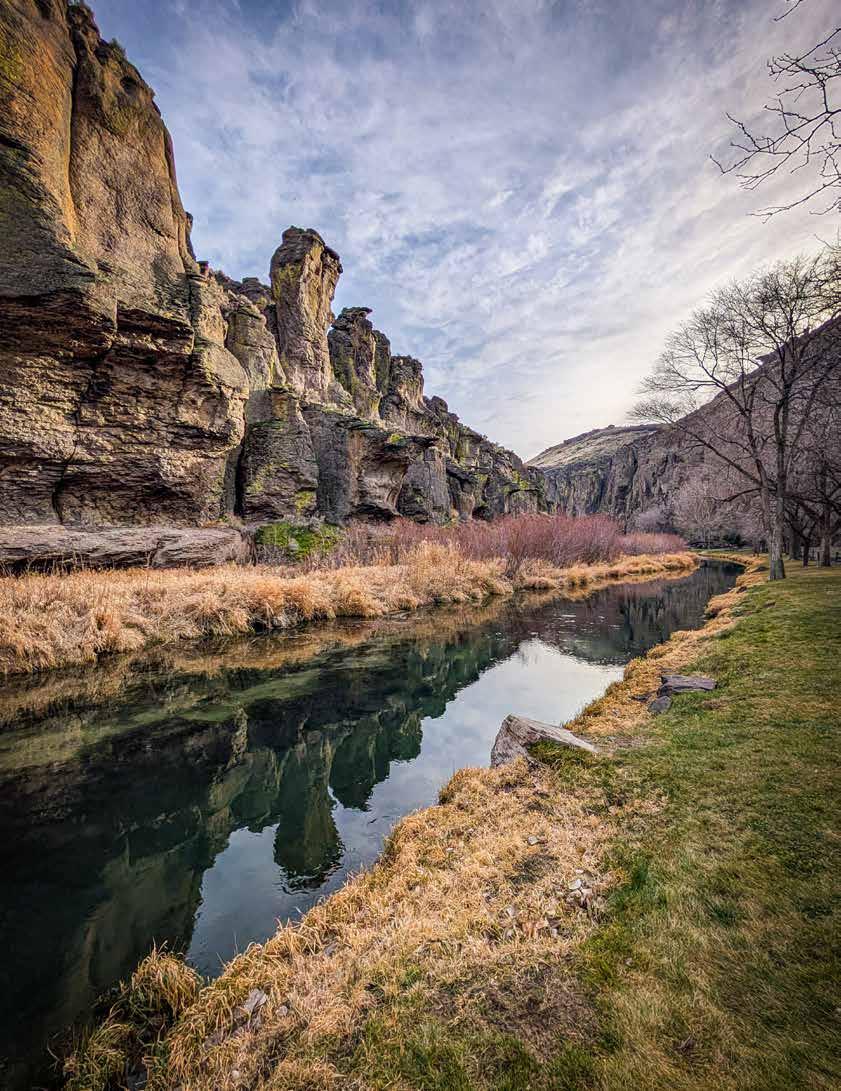






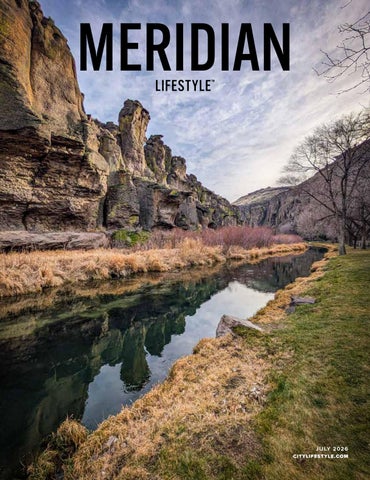
Exploring Idaho is always an adventure. When I moved to Idaho in 1994, I committed to seeing the state in every season. Visit the thirty-one state parks, the nation’s first nuclear powered city (Arco), a dark park in central Idaho, or raft one of Idaho’s amazing rivers.

Over the years, I’ve had the good fortune of many adventures in our Gem State. Building igloos in the Sawtooth Mountains. Cold-weather camping in Hells Canyon and at Bruneau State Park. Hiking from Grand Jean to Redfish Lake and eating freshly caught fish. Seeing War Bonnet Peak at sunrise. Enjoying the Palouse of Northern Idaho in every season. Camping by Priest Lake in the rain. Swimming in Spirit Lake. Understanding state and national history through the museums of Eastern, Southern, and Central Idaho. Appreciating art in the Wood River Valley and the Treasure Valley. Cheering rodeo contestants in Caldwell. Experiencing the performing arts across the Treasure Valley — even spontaneously rising for a standing ovation in the Brandt Center. This is Idaho, too.
Explore Idaho: Drive a different route to work to see what has changed around town. Schedule a trip to visit a new part of Ada County or the state. Hire an outfitter or river guide to stretch your sense of place. Visit a museum on a hot July day to be inspired, to learn more, or to identify yet another place you’d like to visit. Even after thirty-two years of exploring Idaho, I find new surprises each week, many of which I share in pages here.
For now, enjoy this issue and its exploration focus. There is so much to see every day – all around us.
JANA M. KEMP @MERIDIAN.LIFESTYLE
July 2026
PUBLISHER
Greg Gewalt | greg.gewalt@citylifestyle.com
EDITORIAL COORDINATOR
Tricia Busalacchi | tricia.busalacchi@citylifestyle.com
STAFF WRITER
Jordan Gray | editorial@boisecitylifestyle.com
SALES SUPPORT ASSISTANT
Maria Serondo | support@boisecitylifestyle.com
SOCIAL MEDIA COORDINATOR
Russell Detablan | editorial@boisecitylifestyle.com
CONTRIBUTING WRITERS
Jana Kemp, Denise Llorente, Tammy De Weerd, Marshall Zweig, Fonda Portales, Renee Van Ausdle, Kali Kasprzyk
CONTRIBUTING PHOTOGRAPHERS
Tammy De Weerd, Mike Shipman, Renee Van Ausdle, Jennifer Zebio, Janie Jones
CEO Steven Schowengerdt
President Matthew Perry
COO David Stetler
CRO Jamie Pentz
CoS Janeane Thompson
AD DESIGNER Evan Deuvall
LAYOUT DESIGNER Kirstan Lanier

QUALITY CONTROL SPECIALIST Brandy Thomas Learn how to start your

Meridian Lifestyle is available for pick up at the Meridian Chamber of Commerce, 215 E. Franklin Rd.
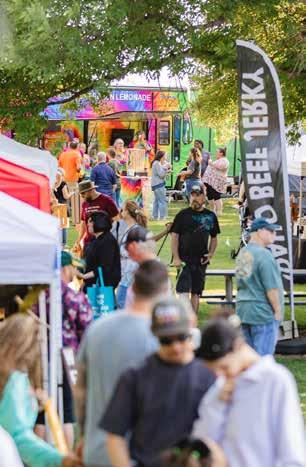

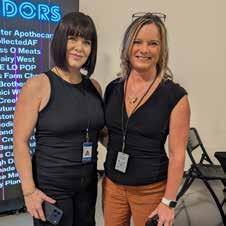
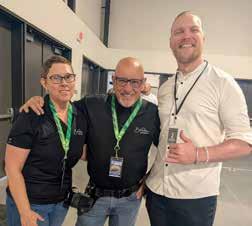
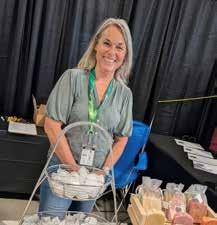
1-3: On May 9, Buy Idaho, a statewide organization supporting Idaho-based businesses and products, hosted its two-part annual event bringing together many of the producers, makers, and organizations shaping the state’s local economy. The afternoon Wholesale Idaho session connected regional producers with buyers interested in carrying more Idaho-made goods, while the evening Buy Idaho Day Market opened to the public with wineries, food trucks, small-batch makers, and local service businesses filling the space well into the evening.

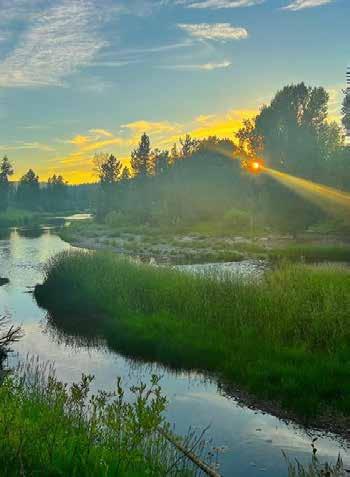



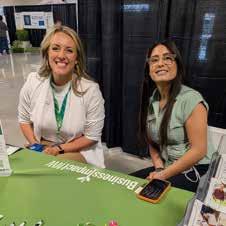
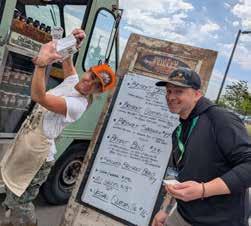
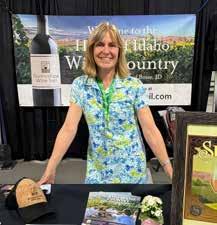
4-6: Organizations including Idaho Preferred, the Idaho Hispanic Foundation, the Caldwell Chamber of Commerce, VE Alliance, Business Impact NW, and the Better Business Bureau were also part of the day’s turnout.
Photography by@buy_idaho

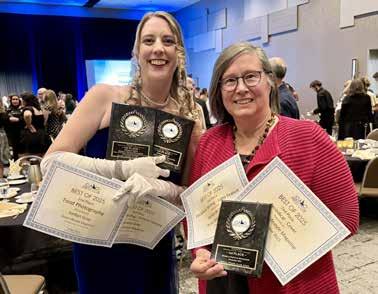
MERIDIAN LIFESTYLE CONTRIBUTORS RECOGNIZED STATEWIDE FOR WRITING, PHOTOGRAPHY, AND STORYTELLING EXCELLENCE IN 2025
Every issue comes together a little differently. A conversation turns into an introduction. A profile leads somewhere unexpected. A photographer waits for the right light. A writer spends extra time getting someone’s story right because they understand that details matter.
That’s part of what made this year’s Idaho Press Club recognition meaningful for Meridian Lifestyle and Boise Lifestyle. Journalists, photographers, editors, and publishers from across the state gathered in Boise this spring to recognize work being produced throughout Idaho, and this marked the strongest showing our magazines have had to date.
Jordan Gray received multiple honors this year, including first place awards for “Feline and the Felons” and “Healing One Dive at a Time,” along with recognition for “Scouting for Spuds” and “Changing the Game Together.”
Tammy de Weerd’s “Rising Together, Glass by Glass” was also recognized, along with award-winning cover recognition for both Boise Lifestyle and Meridian Lifestyle.
What stays with me most, though, is the process behind the finished pages. The patience. The trust people place in us. The willingness of contributors, photographers, local businesses, and readers to continue sharing parts of their lives and communities with us. Those stories begin long before they appear in print, and these awards belong to everyone who helps bring them to life.
That trust is never taken lightly.
Thank you for continuing to spend time with these magazines each month.


Some of the best stories we publish begin with a simple conversation. Meridian Lifestyle has always focused on the people, small businesses, neighborhoods, and everyday moments quietly shaping this community. We genuinely want to hear from readers about the people and places making a difference across the Treasure Valley. If there’s a story worth sharing, or someone deserving a closer look, I’d love to hear from you at Greg.Gewalt@CityLifestyle.com

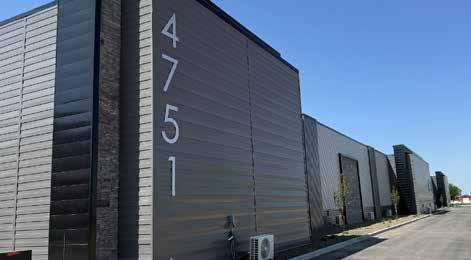

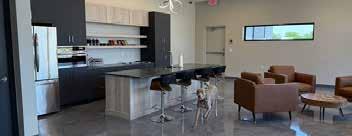


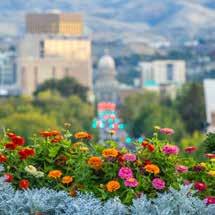
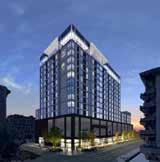
Pennbridge Hospitality of Eagle opened its dual-branded AC Hotel and Element property at 10th and Grove, marking the city’s largest hotel downtown. The 296room property features The Boise Post, a rooftop restaurant with sweeping views. Marriot.com

Sip and Ship Lifts Off Farm-To-Table
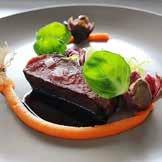
Mountain Home restaurant Farmers Stashe continues building seasonal menus around ingredients sourced from regional farms and producers, including Thomas Cattle Co., McIntyre Farms, and locally raised Mangalitsa pork from Elmore County. FarmersStashe.com
Brundage Mountain Summer
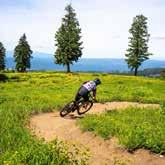
Brundage Mountain Resort kicks off summer June 19 with mountain biking, lift-served hiking, scenic chairlift rides, and the free TGIF Concert Series beginning July 3, anchoring a laid-back season of mountain afternoons just outside McCall. Brundage.com
Boise is part of Southwest Airlines’ new Sip and Ship program, launched April 24, letting travelers check a case of wine for free between participating wine country airports and helping Idaho fans share local bottles coast to coast. Southwest.com
Student Union Renamed
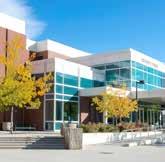
Boise State University’s Student Union Building will become the Westmark Student Union Building through a new 10-year sponsorship agreement supporting student programs, building improvements, and an on-campus Westmark Credit Union microbranch. BoiseState.edu
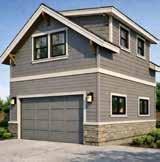
Boise homeowners can now build accessory dwelling units faster through the city’s new pre-approved ADU program, offering readymade plans for backyard cottages, in-law suites, and garage apartments while streamlining portions of the permitting process. CityofBoise.org
Bay Area restaurant Dumpling Time plans to open its first location outside California this fall inside downtown Boise’s Warehouse Food Hall, bringing handmade dumplings, bao, and other Asian dishes to the growing BoDo dining district. DumplingTime.com

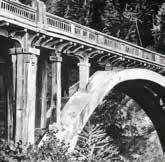
Community and preservation groups are continuing efforts to preserve the 1933 Rainbow Bridge across the North Fork of the Payette River as Idaho transportation officials weigh longterm plans for the historic structure near Cascade. PreservationIdaho.org
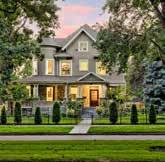
Preservation Idaho’s July ArchWalk explores Boise’s Highland Park neighborhood through architecture, history, and the evolving stories shaping one of the city’s older residential districts. Tours are scheduled throughout the summer as part of the organization’s 2026 walking tour series. PreservationIdaho.org

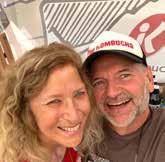
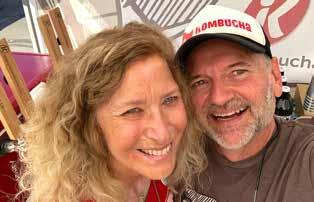
Boise-based Idaho Kombucha, founded in 2015 by Mike and Terri Landa, marks ten years of producing small-batch kombucha using traditional fermentation methods and ingredients sourced from farms throughout Idaho and the Northwest. IdahoKombucha.com
Alaska Airlines announced a new seasonal nonstop from Boise to the Charles M. Schulz Sonoma County Airport beginning November 1, opening easier access to Northern California’s wine country with its 19 American Viticultural Areas. AlaskaAir.com
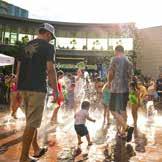
Alive After 5 continues through July 29 in Downtown Boise, while the city’s First Thursday series brings art exhibits, live music, tastings, and pop-up events to downtown shops, galleries, and restaurants throughout the summer. DowntownBoise.org



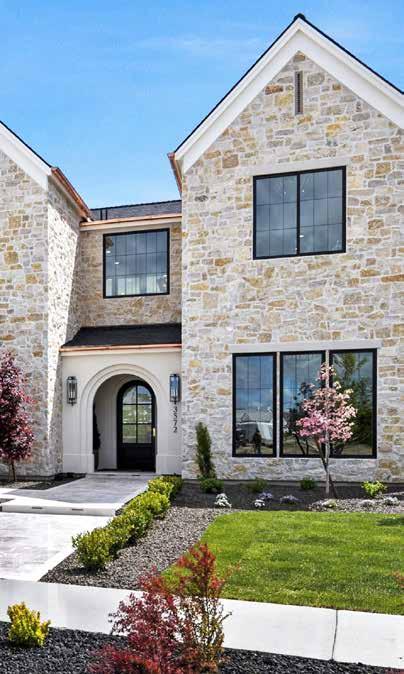
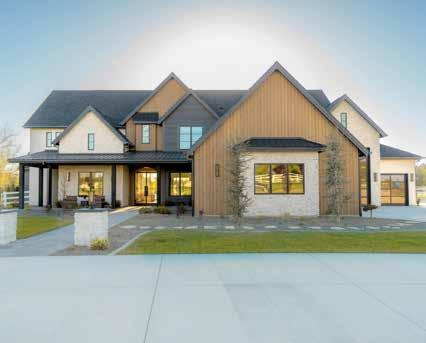
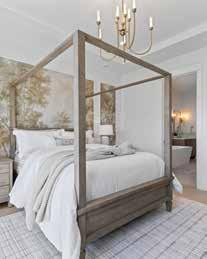
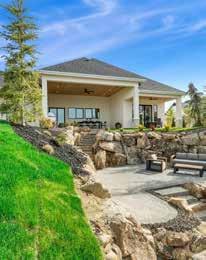
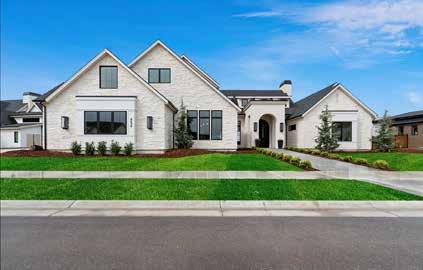
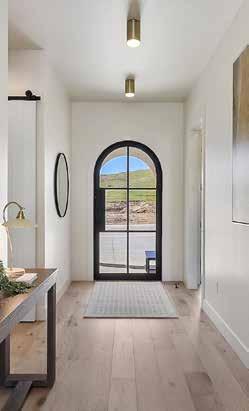
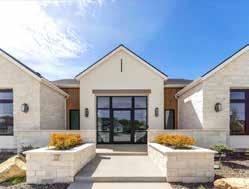
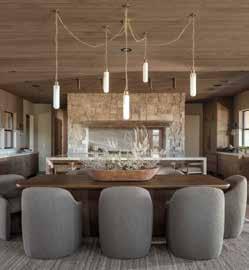
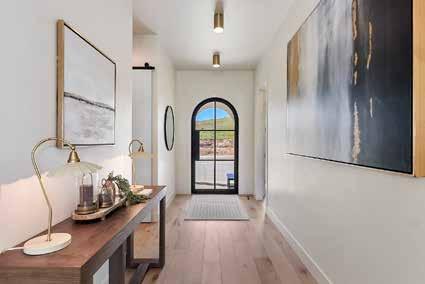
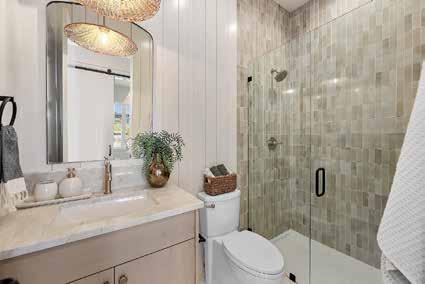
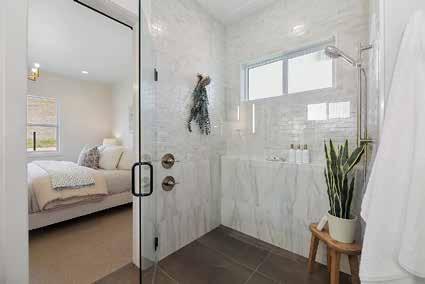
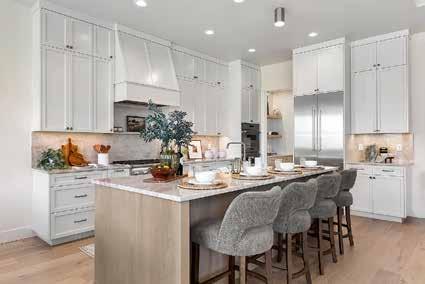
The Spring Parade of Homes pulled to a close on May 17, after sixteen days, dozens of open doors, and roughly the same number of conversations about kitchen islands. When the Building Contractors Association of Southwestern Idaho tallied its 2026 awards, the results ran from custom estates at the top of the program down to the entry-level field.
At the top, Highland Homes’ Highland Ranch took Best Overall at $5.7 million and up, the lone entry in Category 8. In the $2.85 to $3.6 million tier, Legacy Homes’ Sierra Vista took four of six, claiming Kitchen, Exterior, Best Decorated, and Best Overall. Zach Evans Construction’s Eden Loren won Primary Bedroom in the same field, and Vertical Summit Homes’ Blue Sage took Interior Design & Finish.
From three hundred thousand dollar starter homes to five-point-seven million dollar custom builds, the 2026 awards covered the whole valley
ARTICLE BY STAFF WRITER
PHOTOGRAPHY PROVIDED
The $1.9 to $2.8 million range went to three different builders. Tradewinds General Contracting’s Deer Valley won Kitchen and Interior Design & Finish. Asbury Homes’ Collection took Primary Bedroom and Best Decorated. Biltmore Co.’s Alexandria won Exterior and Best Overall. In the $1.28 to $1.89 million tier, Ascend Custom Homes’ Opal led with five of six, and Bachman Custom Homes’ Jane took Primary Bedroom.
Sweeps shaped the middle of the program. Todd Campbell Custom Homes’ Vincenza pulled five of six in the $1 million to $1.24 million bracket, with Busalacchi Custom Homes’ Water Edge picking up Best Decorated. Core Building Co.’s Echelon won four in the $779,000 to $970,000 range, with Shadow Mountain Homes’ Megan Ann taking Interior Design & Finish and Pacific Lifestyle Homes’ Tahoma taking Exterior. O2 Construction’s Bronson Blair took all six awards in the $635,000 to $775,000 tier.
At the entry level, the St. Jude Dream Home, built by Berkeley Building Co. in the $300,000 to $630,000 range, swept its category. It took Kitchen, Primary Bedroom, Interior Design & Finish, Exterior Design, Best Decorated, and Best Overall. A clean sweep of the entry-level field.
Beyond the individual home awards, the Building Contractors Association of Southwestern Idaho also recognized Solitude Homes with its BEAM Award, honoring builders who actively support fellow association members, subcontractors, and suppliers through ongoing collaboration and industry partnerships tied to the National Association of Home Builders.
Whether you’ve lived in the valley for years or just got off I-84, the Parade is the easiest way to see what local builders are doing when they put their best work in a window. The full list of winners is at boiseparadeofhomes.com.




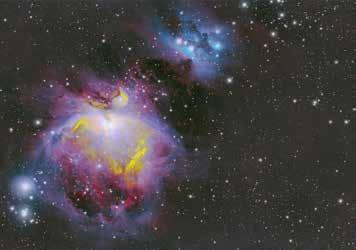
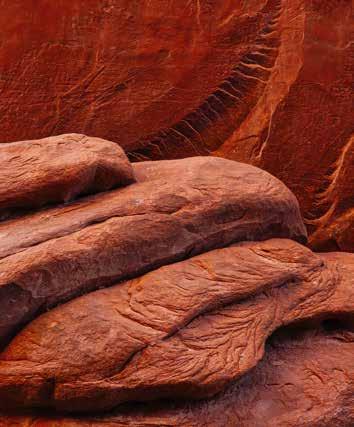
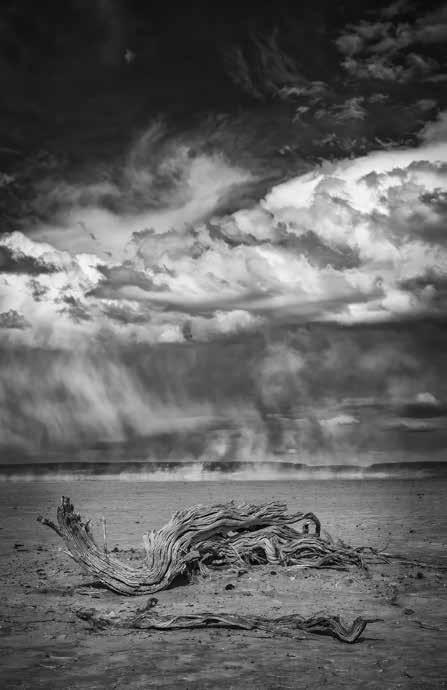
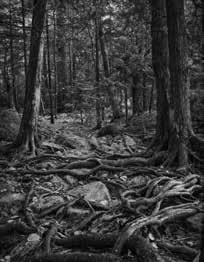
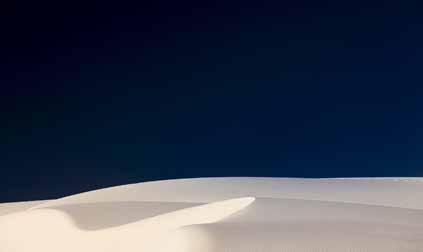
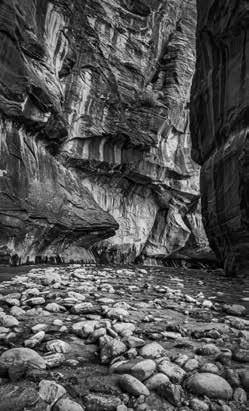
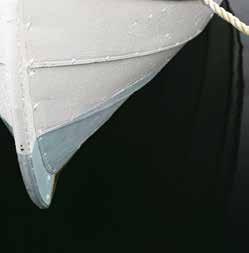
His photographs continue documenting Idaho’s changing landscapes with patience, precision, and artistic restraint
ARTICLE BY JANA KEMP PHOTOGRAPHY BY MIKE SHIPMAN
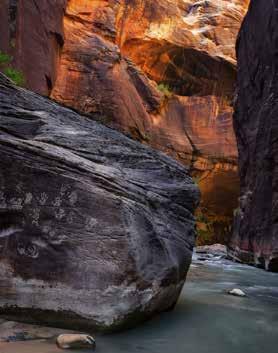
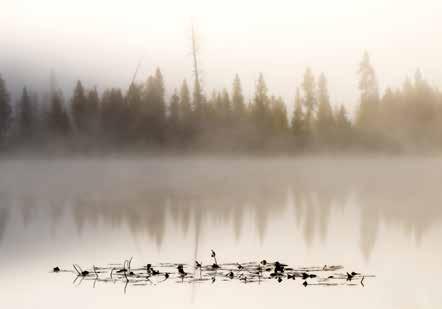
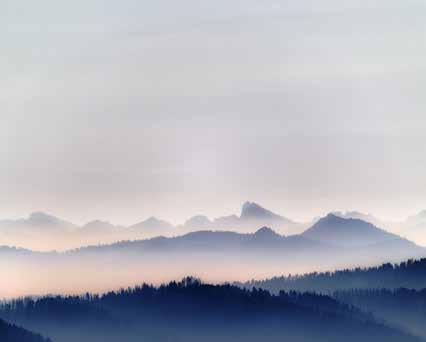
Mike Shipman’s photography first caught my eye 20 years ago when I bought an Idaho Capitol rotunda image that still hangs in my office. Two decades and one of his classes later, I’ve come to recognize what makes his work last. As a professional photographer, artist, and instructor, Mike has a way of revealing the world in front of us, and the wider one around us.
Mike’s interest in photography began in a 9th grade photography class. His formal education and first career were in wildlife biology. With a degree from Colorado State University and after attending the Raptor Biology graduate program at Boise State University, he worked for federal agencies and then for MicronPC as a customization coordinator.
In 2004, Mike made the move to full-time photography because he wanted to be an entrepreneur. Mike shares: “I had an opportunity to open my own studio in Nampa and by then I was defiant enough, maybe courageous enough, and I decided to take the opportunity and see where it led. I quit my job, rented a 1,200 sq ft warehouse space a couple months later, and moved in. At my studio I taught classes, did product photography, corporate headshots, and personal work until 2007 when the recession hit.”
Now he works from home. “It’s great but somewhat limiting,” he says. “I miss the space I had in my studio but not the overhead. I’ve worked around that by turning my garage into a studio. I concentrate mostly on fine art photography and teaching these days, with a few commercial and editorial assignments here and there. I’ve also branched out into other art forms like bookbinding, linocut printing, and stenciling (pochoir).”
Mike has been an Idaho Commission on the Arts Teaching Artist since 2010, one of the unexpected directions his photography career has taken him. That experience has led him to serve on the
advisory boards of the Timberline High School and College of Western Idaho Commercial Technical Education photography programs.
Photography is “a way of life that engages and expands awareness and reveals interconnections between seemingly unrelated things,” says Mike. That belief is what brings his explorations to life through his lens, and into photographs we get to enjoy.
Mike exhibits his photographs at the Art Source Gallery, in Boise. His website: blueplanetphoto.com

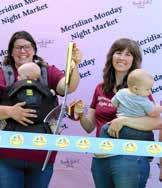
Storey Park fills weekly with music, local vendors, food trucks, and families lingering outdoors
When exploring the Treasure Valley, the Meridian Monday Night Market offers a reminder that some of the best ways to experience the city are often the simplest.
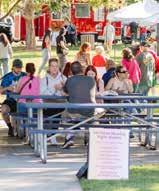
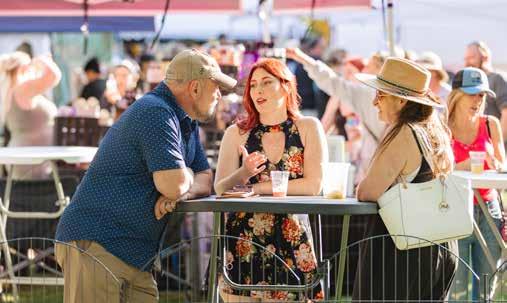
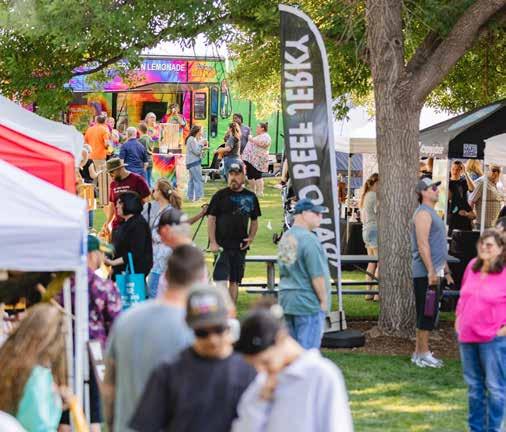
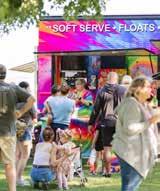
Held Monday evenings at Storey Park from June through early October, the market blends local food vendors, live music, handcrafted goods, and open green space into something that feels more like a neighborhood gathering than a formal event. Families spread out beneath the trees while children move between the lawn and playground. Some visitors come for produce or baked goods, others stay for dinner, music, bingo, or simply the chance to slow down for a few hours outdoors.
The market was created by Megan Watson and Ruth Walker of Basically Brilliant Events, who envisioned a family-friendly community event built around local businesses, live entertainment, food, drinks, and a relaxed outdoor setting where people would want to stay awhile rather than simply pass through.
What makes the market work is less about any single vendor and more about the
atmosphere itself. In a city growing as quickly as Meridian, the setting feels intentionally unhurried. Alongside artisan booths and food trucks, shaded picnic areas and nearby playground access give the evenings a neighborhood feel that can be difficult to find in faster-paced parts of the Treasure Valley.
Over the past few seasons, the market has continued to expand in both size and visibility, drawing a steady mix of longtime residents, young families, and newer arrivals looking for ways to connect locally.
Weekly live music, rotating vendors, and seasonal events help give each evening its own rhythm while reinforcing the market’s community-driven feel.
Organizers say the goal from the beginning has been to create a safe, welcoming environment that supports both local families and small businesses while offering a quality experience throughout the summer season.
The Meridian Monday Night Market runs Mondays from 4 p.m. to 9 p.m. through October 5, excluding Labor Day. @meridian mondaynightmarket on Instagram.
“Our goal with the market is to build up our local community, creating a safe and enjoyable space for the entire family.” “



EXPERT TIPS TO MAKE BACKYARD BIRDING A FASCINATING AND PEACEFUL PART OF YOUR LIFE.
ARTICLE BY MARSHALL ZWEIG
PHOTOGRAPHY PROVIDED
Thinking of putting up a bird feeder? You’re not alone. Backyard birding is the second most popular hobby in the U.S.—right behind gardening. Bob Gors of Wild Birds Unlimited in Macomb, MI, shares expert tips to help you get started—and get results.
START WITH THE RIGHT SETUP
If you’re new to bird feeding, don’t overcomplicate it. Bob recommends starting with a tray feeder, either pole-mounted or hung. “It’s accessible to the widest range of birds,” he says, “and it lets you experiment with different seed blends.”
Before setting up, take a look at your yard. Birds prefer to feed near trees or shrubs where they can perch and scan for predators. “If your yard is wide open, it’s going to be harder to attract them,” Bob notes.
Quick Tip: Place your feeder about 15 feet from trees or shrubs to give birds a safe place to wait their turn.
CHOOSE THE RIGHT SEED—AND SKIP THE FILLERS
Not all bird seed is created equal. Bob advises avoiding blends with fillers like milo, wheat, or oats. “Those are agricultural leftovers. Most birds won’t eat them.”
Each Wild Birds Unlimited store owner customizes their seed blends, based on the birds in each store’s specific area. Their blends contain no fillers—just high-quality ingredients birds actually eat. They’re available in no-mess varieties—no shells, no waste. “With standard seed, up to 40% of the weight of the bag is shells,” Bob says. “No-mess is 100 percent pure bird food.”
Quick Tip: Choose fresh, unscented, unflavored seed. Birds don’t need additives—just what they’d eat in nature. Check the ingredients on the bag: sunflower should be the first ingredient—since it’s the seed most birds love.
Squirrels causing trouble? Try safflower seed. “It tastes bitter to squirrels but attracts cardinals, grosbeaks, titmice, nuthatches and chickadees,” Bob says. Hot pepper blends also work—birds can’t taste the heat, but mammals can.
To deter large birds like starlings, Bob recommends using a cage around tube feeders to limit access. Tube feeders with small perches help discourage bigger birds. For tidier feeding, seed cylinders—compressed seed—are a great low-mess option.
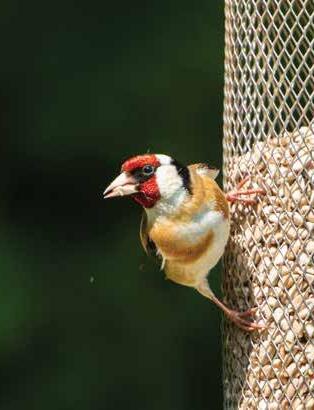
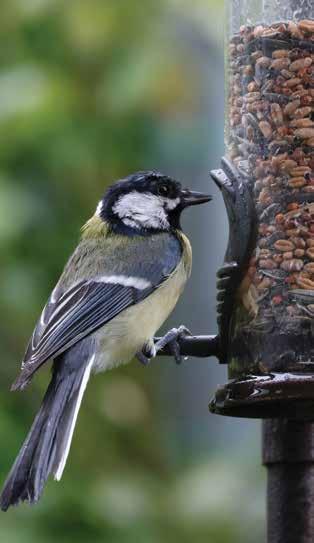
Quick Tip: “Start simple,” Bob advises. “Watch what’s happening in your yard, then adjust as needed.” Unlike loose seed, cylinders make the birds work harder—and give you longer-lasting views of the birds.
Once your feeder’s up, the show begins.
“Different species act differently,” Bob explains. “Cardinals are typically the first and last birds of the day to the feeder. Male hummingbirds are very territorial and will defend ‘their’ feeder. Chickadees come to the feeder in a flash; they have a grab-and-go strategy. “In our backyard, orioles and bluebirds battle over live mealworms,” he adds. “The female bluebird often holds her ground.”
Quick Tip: You don’t need to track every species. “Just sit back with a cup of coffee and watch,” Bob says. “You’ll start noticing more than you’d expect.”
Feeder activity increases in summer, thanks to fledglings. “By July, your bird population has basically doubled,” Bob says. At the same time, some favorites—like male orioles—start their fall migration as early as July.
One common myth? That goldfinches leave in winter. “They stay put,” Bob says. “But the males molt into drab-colored feathers, so people often don’t recognize them.”
Quick Tip: Keep feeding in winter. “Some of the best bird watching happens in the colder months—different species of birds visit us in the winter.”
Want cardinals? Use tray feeders or tube feeders with U-shaped perches. “They’re heavier birds,” Bob says. “Standard tube feeders are hard for them to use.”
Hoping for bluebirds? They prefer park-like settings. If your yard fits, try a nesting box with a 1.5-inch entrance, and offer live mealworms far away from the nest box.
Hummingbirds? Stick to sugar water—no red dye needed. “And expect a show,” Bob adds. “Males are fiercely territorial at the feeder.”
Wild Birds Unlimited carries feeders tailored to specific birds, but Bob and his team focus on fit. “We ask about your yard, your goals, and guide you from there.”
Quick Tip: Not sure what birds are in your area? Ask your local Wild Birds Unlimited shop.
Bob says many customers started birding during the pandemic—and never stopped. “They looked out the window and realized something was there,” he says. It’s remained part of their lives: one couple told Bob they still start every morning on the porch with coffee and birdsong. “It became a ritual that many people now cherish,” Bob says. For expert help making bird watching your ritual, stop by Wild Birds Unlimited in your area or visit wbu.com.



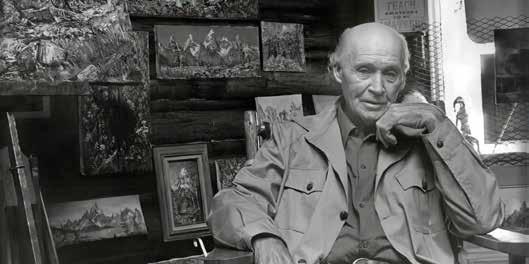
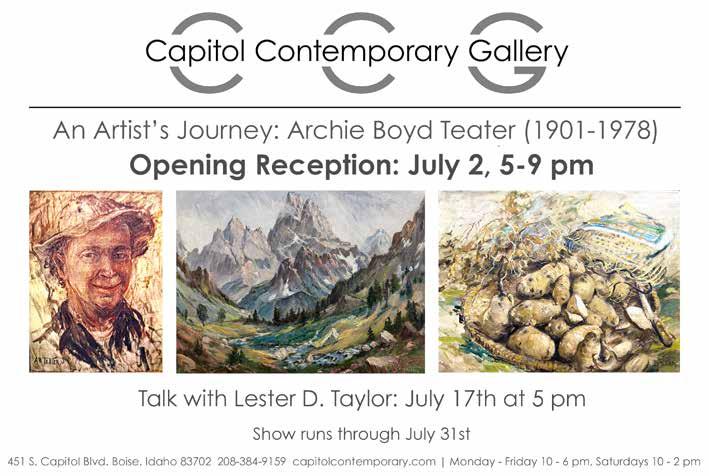
Archie Teater’s paintings, personality, and studio reveal a uniquely Idaho intersection of art, architecture, landscape, and independent creative spirit
ARTICLE BY
FONDA PORTALES, ART HISTORIAN PHOTOGRAPHY PROVIDED BY RANDY VAN DYCK
My husband Richard and I, driving eastward on I-84, quip that we are on the road to bliss—an afternoon or evening of friendship, conversation and a hearty meal, and a dramatic view of the Snake River. Depending on the time of day, the first thing one might notice about approaching Bliss, ID, is either the wind or the canyon. Once you are inside the gates of Teater’s Knoll, the gardens speak to the cultivation of its current owner. But the wind, the canyon? They, like the sturgeon below the Snake River, reflect the now-mythic character of Archie Boyd Teater, a scrappy kid living in Hagerman Valley in the first decades of the 20th century, a rough teenager who saved his money from hunting vermin to take himself to art school, another hard boiled Idaho man solid in his desire to be an artist.
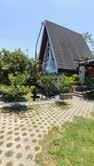
Today, many visit the Archie Teater Studio, also known as Teater’s Knoll, to examine Frank Lloyd Wright’s only project in Idaho. The jutting prow, the angularity of the framed windows, the proportion of the space to the surrounding bluffs— these aspects speak of Wright’s designs, elements that call to and accentuate natural shapes in situ. But the vision of this architectural commission in Idaho is due to Patricia Teater and funds from prolific sales of Archie’s paintings.
Teater, born in Boise in 1901, studied under burgeoning artists of the Pacific Northwest and lived well in the creative spaces created by regionalists—groups of artists across the Unites States painting their everyday surroundings, not as traditional scenes but as intimate portraits of the environs consumers often overlooked, ignored, or passed by quickly on the way to something more beautiful, pleasing,
and safe. Teater appeared to believe that where you are is important and worthy of being the subject of art. His impasto of the post-Impressionists, thick and whipped up to peaks, reflect the familiar textures of the uniquely sharp-edged Sawtooths.
Painting in a time of genuine identity creation in the United States as artists broke away from European storytelling, Teater relayed his self-taught and learned styles into commercial success. Even as a teenager, he painted outside and left canvases beside his tent to be purchased on an honor system. As he became more established in Jackson Hole, visitors and those who had second homes in the area bought Teater’s paintings as souvenirs of their time in the West’s mystical mountaineering majesty. They decorated their dens with scenes Idahoans might recognize—Slavey’s or the Stockman’s Club in Ketchum or the mining camps of Stanley. These sales afforded the Teaters the ability to commission Frank Lloyd Wright to design and build a structure on the rim of the canyon above Snake River.
“I love the winding Snake, have painted it from the headwaters till it joins the Columbia. The old Oregon Trail has been by stamping ground—the towering Tetons in the summer and the lava breaks in Idaho in the winter,” stated the painter in 1946. Originally meant to be a working artist’s studio, it is now a home due to Henry Whiting, a prominent scholar of Wright and his architecture. I once asked Henry how he felt being a steward of such a place, imagining the responsibility to be daunting. However, wisely, Henry inhabits the space as a complement. On tours, he is always mindful to imbue the Oakley stones with the character of their mason,
Kent Hale, and the hewn furniture inside with that of Paul Bates, celebrating the artistry of local craftsmen. Teater’s Knoll provides a dwelling where artists are celebrated.
Art historians sometimes prefer to think of the artist on their own—their style, technique, contexts within history. But artists are more often known through their collectors and patrons, those who choose to live with and sustain the life of their favorite artists. Yes, the estates of Rockefeller and Harriman now hold Teater’s works, but more significantly Idaho and Wyoming locals preserve and cherish his paintings, retain memories of his life, and pass down their collections to others.
For some, Teater’s work can be an acquired taste. His depictions of people can be described as feral. His compositions can be both crowded and flat, giving his surfaces an outsider artist feel. But they are also humorous and fantastic, montages and vignettes privileging jarring colors and unnatural light more than accurate representations of people and scale. If you ever have the chance to view his more full catalogue of work, you will find there a mystery, a playfulness that is rarely commercially viable. Widely traveled, Teater composed his curiosity for the world, making the Guggenheim in New York City as monumental as the Tetons.
Of course, knowing Henry Whiting and Lester Taylor helps a lot. Their passion for Wright’s studio space and both the beauty and peculiarities of Teater’s paintings is contagious.
Celebrating this patronage and preservation of Teater’s work, Randy Van Dyck will host an exhibition of works to benefit the Hagerman Valley Historical Society.
“We want to honor Teater’s work and introduce him to a new audience who may not be familiar with his art, his fascinating story or his iconic studio.” The exhibi , opens July 2 at Boise Capitol
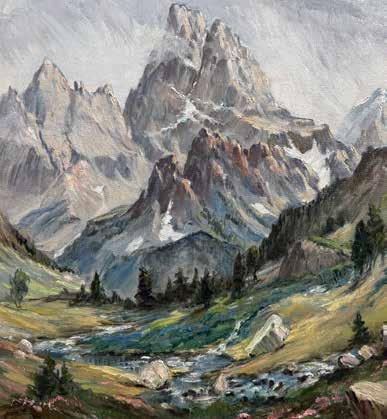
Contemporary Gallery, 452 S. Capitol Blvd.; Lester Taylor, Harvard-trained scholar of Archie B. Teater will present on July 17, from 5 to 9; RSVP required.

Those interested in exploring Teater’s work further can vandyckframe.com in Boise or tour preservationidaho.org/teaters-knoll-home-tour overlooking the Snake River canyon.
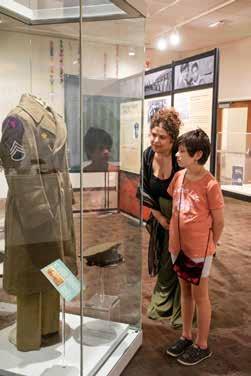
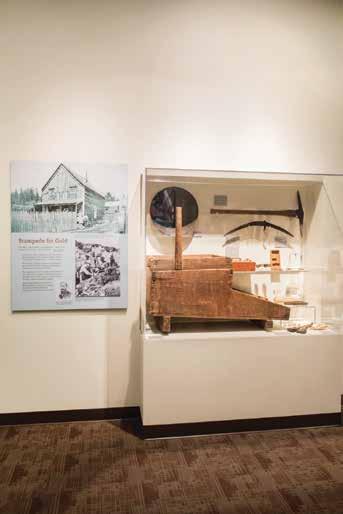
Plan your next history adventure and dive into Idaho’s rich past!
The Idaho State Museum features exhibitions, artifacts, and programming that uncover the story of Idaho!
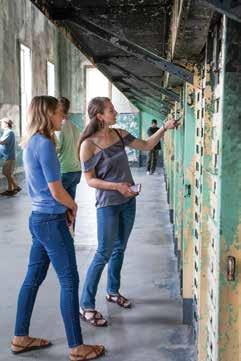
Visit the Old Idaho Penitentiary and step inside the walls of one of four U.S. territorial prisons still open to the public.


ARTICLE BY TAMMY DE WEERD PHOTOGRAPHY BY SPOKEN WINES + PROVIDED
Walla Walla has been written about.
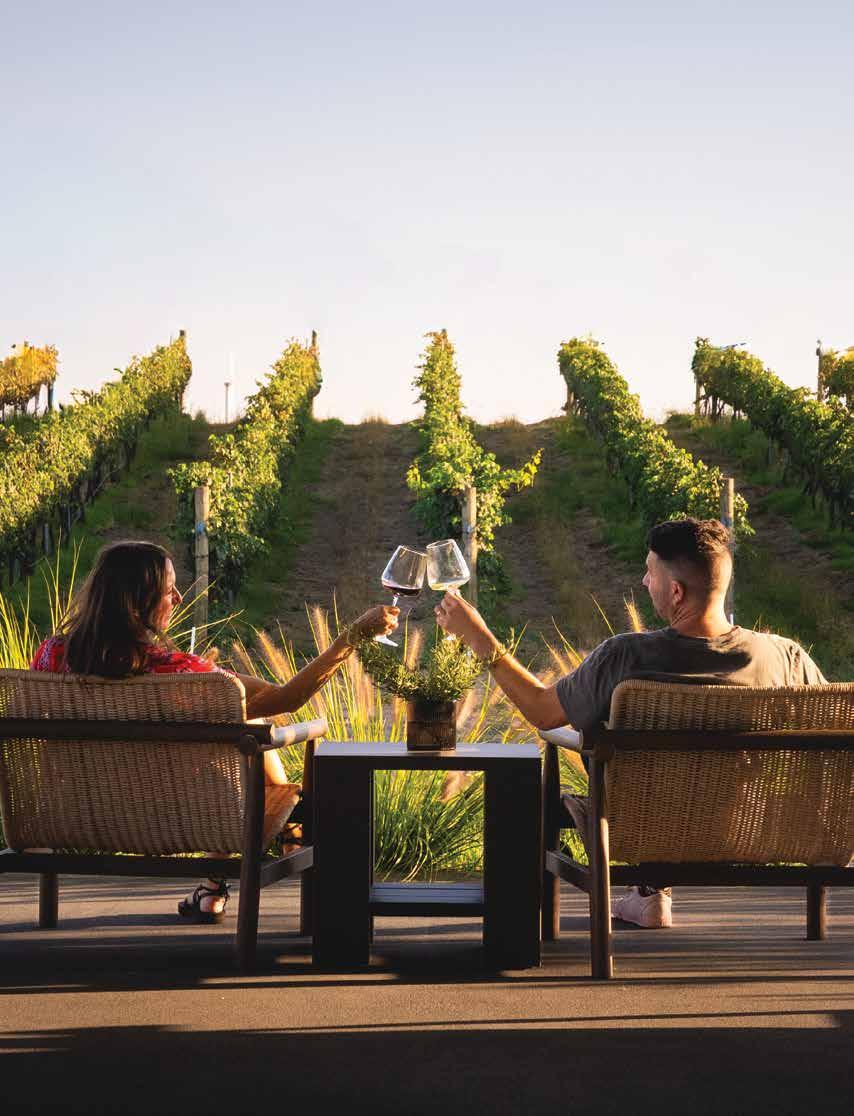
The wines reflect the range found in the land itself—different soils, elevations, and varietals that resist settling into one style. My husband and I have been visiting and tasting here for nearly three decades, first discovering it while at Washington State University. We keep coming back.
Experiencing Walla Walla feels different than reading about it.
The town carries its history quietly. Streets lined with older homes, neighborhoods that feel settled and intact. Irrigation ditches move through front yards and disappear beneath sidewalks and roads. Whitman College sits calmly within it, while the Marcus Whitman Hotel anchors downtown, familiar to anyone who has spent time here. Over the years, downtown has become as much a destination for food as wine.
It shows up in how long people stay at a table. How a tasting becomes a conversation that moves beyond the wine itself. One stop turns into another, and eventually the question shifts. Not what Walla Walla is known for, but what it is about the place that continues to draw people back.
You begin to notice it out in the vineyards.
The landscape doesn’t reveal itself all at once. It unfolds slowly as you drive or bike through it—open stretches, subtle elevation changes, steady wind, grain fields giving way to vineyards. Some sites feel exposed, others tucked into folds of the land.
And once you begin to see those differences, you hear people describe them in ways that make you pause.
Chris Figgins of Leonetti Cellar and Figgins Estate put it simply: “You’re not just tasting the wine… you’re tasting the site.”
Devyani Gupta, winemaker at Valdemar Estates, describes Walla Walla less as a single landscape than a series of distinct environments, each shaping the wine differently. In The Rocks District, the soil shifts to deep cobblestones—an ancient riverbed that holds heat and gives it back to the vines. Elsewhere, wind becomes the defining force, shaping growth and concentrating fruit. Higher in the Blue Mountains, cooler temperatures and heavier clay soils slow things down, creating a different structure and expression.
Those differences carry through to the glass.
Warm days give way to cooler nights. Wind keeps the vines in check. Elevation brings lift and freshness. The balance feels less manufactured than naturally occurring.
Every vineyard is worked with intention: where to plant, what to plant, how blocks are divided, when fruit is picked. Even within the same vineyard, sections are treated differently and understood over time.
For Gilles Nicault, winemaker at Long Shadows Vintners, part of the appeal has always been the freedom to work without rigid expectations. In older wine regions, traditions are often fixed. Here, there’s still room to respond to what the land offers. Cabernet and Syrah can come together. Fruit from different parts of the Columbia Valley can be blended with purpose rather than convention.
Jean-François Pellet of Pepper Bridge Winery and Amavi Cellars describes it as a region still evolving. Even after decades of working
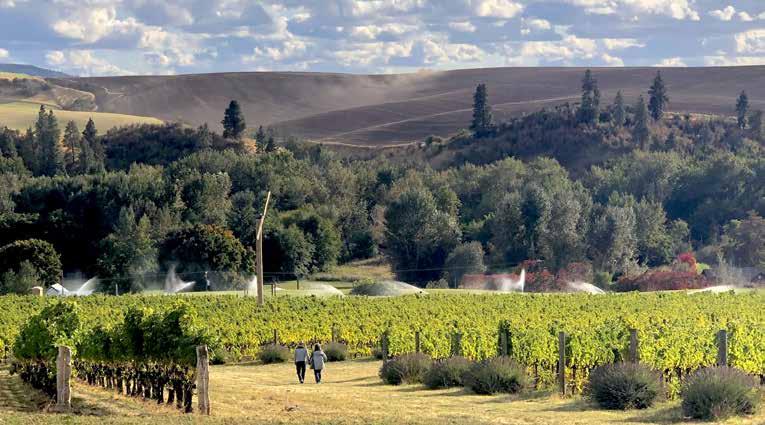
“Walla Walla feels less like a finished destination and more like an evolving landscape, where vineyards, shared experience, and long-standing relationships continue influencing both the wines themselves and the people drawn back there repeatedly.”
the land, there are still things to learn. The soils, shaped by ancient floods, vary more than they first appear. The climate offers consistency, but not predictability. What stands out as much as the wine is the exchange between the people making it.
Winemakers here taste together. Compare notes. Talk openly about what worked and what didn’t. It’s not unusual for several wineries to source fruit from the same vineyard and later sit down to compare how each interpretation turned out.
There’s a phrase that comes up more than once, first from Chris Figgins and later from Marcus Rafanelli of Woodward Canyon Winery:
“We push the people ahead of us and pull the people behind us.”
It doesn’t feel rehearsed. It shows up in conversations, in shared information, and in the willingness to see someone else succeed.
Early on, there were only a handful of wineries here. People were learning through trial and error—what could grow, what could survive winter, what could stand alongside wines from more established regions. Collaboration began out of necessity, but much of it remains.
Devyani Gupta arrived in Walla Walla from a very different direction, originally coming to Whitman College with interests unrelated to wine. What she found was not only a landscape surrounded by vineyards, but one layered with possibility. There’s history here, but also room for new perspectives.
Scale matters too. Walla Walla remains relatively small, and many wines never reach broader markets in large quantities. Attention stays close to the vineyard, the vintage, and the decisions shaping each bottle. There’s less distance between the people making the wine and the people drinking it.
Visitors come expecting good wine and usually find it. What tends to linger is harder to define.
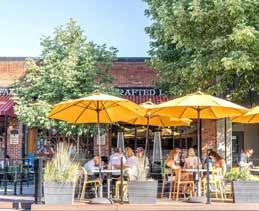
Maybe it’s the pace. Maybe it’s the way conversations stretch longer than expected. Maybe it’s the feeling that the region still hasn’t fully settled into a final version of itself.
By the time you leave, Walla Walla resists being neatly summed up.
Not because it’s trying to be mysterious, but because the experience is cumulative. The land, the wine, the people, and the history all seem to build on one another slowly over time.
And perhaps that’s what continues to hold people’s attention long after they leave.
Tammy de Weerd is a contributing writer for Boise Lifestyle and Meridian Lifestyle and co-founder of Spoken Wines.
BLENDING OUTDOOR ADVENTURE, LOCAL CHARACTER, AND UNEXPECTEDLY RELAXED SUMMER MOUNTAIN EVENINGS
I found it—something I didn’t know I was looking for.
After 24 years of living in the Boise area, I thought I knew its hidden corners until a family hike led me to Crouch, Idaho.
ARTICLE BY RENEE VAN AUSDLE
PHOTOGRAPHY BY RENEE VAN AUSDLE + PROVIDED
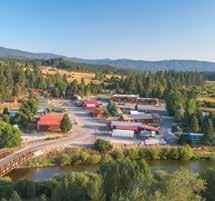
One hour from Boise, tucked along the Payette River and surrounded by the rugged beauty of the Boise National Forest, this small mountain town feels worlds away from the city. Wooden storefronts line a quiet downtown where visitors wander slowly, chat with locals, enjoy authentic German cuisine, and set out on pine-covered trails that rival the scenery of Northern Idaho.
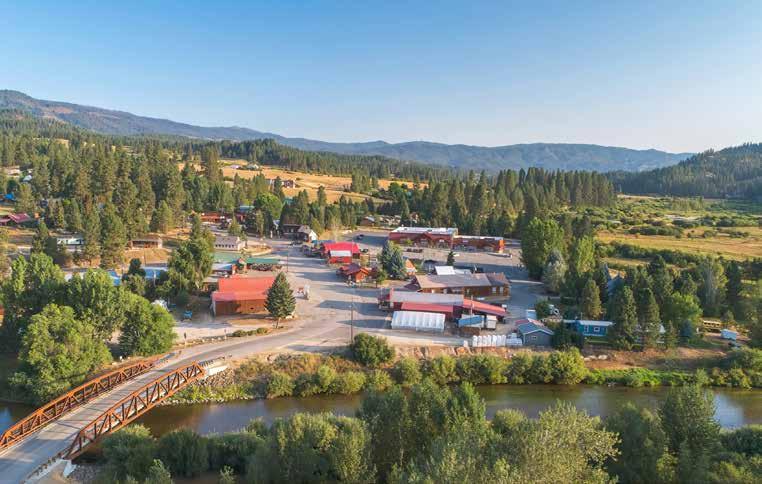
With a population of fewer than 200 people, Crouch offers something increasingly rare: a peaceful escape that still feels undiscovered. Established in 1951, it remains a place you don’t just visit once, but somewhere you find yourself wanting to return to again.
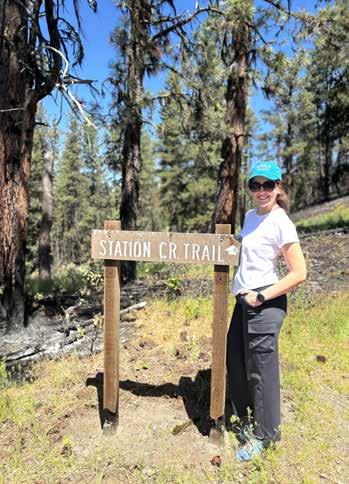
Five miles. Three and a half hours. 1,574 feet of elevation. The Station Creek Trail, an out-and-back route near Garden Valley, offered my family and me a steady climb with rewarding views.
The ascent came quickly. Within minutes, I was level with the treetops, with frogs croaking near the stream below and birds calling overhead. The air carried a smoky scent from controlled burns nearby.
Everywhere I looked, wildflowers lined the trail—whites, yellows, and purples—while bumblebees moved between them and small caterpillars hung from the leaves. In places, the climb grew steep, but the natural beauty made the effort worthwhile.
The views from the top stretched across thousands of evergreens as far as the eye could see. I felt as though I had been transported deep into the mountains. We talked about doing the trail again in the future, though next time we agreed we would bring more water and start earlier to avoid the midday heat.
After completing the hike, my family and I returned to the car ready for lunch.
For those looking to continue, hikers can extend the Station Creek Trail toward Bald Mountain for additional elevation and sweeping viewpoints.
Throughout the Boise National Forest are hikes ranging from short one-mile routes to trails stretching more than 12 miles. Nearby options include Mores Creek Summit to Sunset Mountain, Charcoal Gulch, and Julie Creek Trail. More details are available on AllTrails.com.
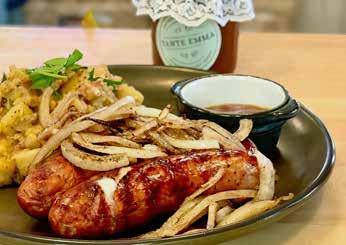
Nothing tastes better after a long hike than a good meal, and I found exactly that in Crouch.
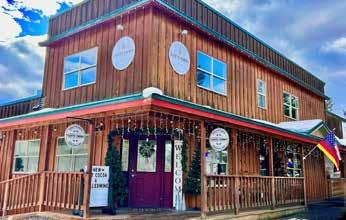
Tante Emma Restaurant, Biergarten & Shop is a family-owned German restaurant near the Middle Fork of the Payette River, where German tradition meets mountain Idaho in a biergarten-style setting.
The restaurant was established by Stefanie and Lars Johannson. Lars first came to the United States as a high school exchange student, a connection that eventually brought him back years later with Stefanie. After falling in love with Crouch, the family relocated from the small island of Heligoland, Germany. On Memorial Day weekend in 2024, they opened the restaurant, where their daughter Lys now also helps run the business.
Open Thursday through Sunday, the restaurant has quickly become a local favorite. During my visit, Stefanie Johannson shared what has made the space feel like home for their family.
“We love the peacefulness, the space, the beauty of nature, and the strong community that welcomed us with open arms,” she said. “It’s a very special vibe, very open and honest, a good mix of small-town drama and never-ending support for each other.”
CONTINUED >
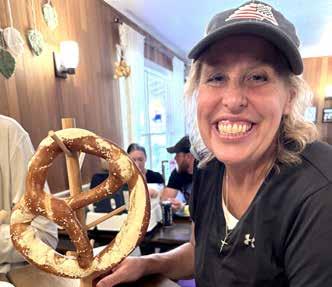
Inside, the space is warm and detailed, with wooden accents, German décor brought from Germany by the Johannson family, and collected pieces shared by visitors.
Outside, seating opens toward the surrounding landscape, where mountain views shape a slower pace of dining.
The menu stays rooted in German tradition, serving dishes such as schnitzel, bratwurst, spätzle, pretzels, and more. During my visit, I tried the bratwurst and spätzle, both of which stood out after a long day outdoors. The restaurant’s most popular dish is the Jägerschnitzel. Johannson also shared that they recently added Reuben egg rolls filled with corned beef, sauerkraut, and Gruyère cheese to the menu.
“Much of the menu is homemade from scratch, as close to order as possible,” Johannson said.
Crouch offers a range of outdoor experiences near the Payette River and throughout the Boise National Forest.
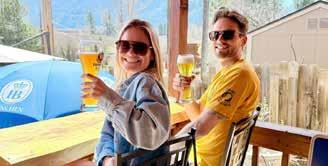
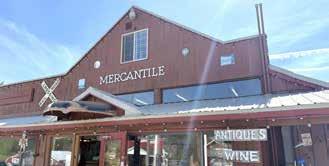
Beyond hiking, visitors can explore the river corridor through rafting and kayaking, spend time at Terrace Lakes Golf Course, watch a show or participate in a camp through the Starlight Mountain Theatre program, or simply slow down and take in the surrounding scenery.
“What makes the South Fork rare is the combination of genuine Class III and IV whitewater and natural hot springs on every section,” said Payette River Rafting. “Whether you choose a mellow family float or a full day of big rapids, every trip includes a soak along the way.”
Crouch doesn’t fade with the seasons. After summer hikes and river adventures, winter brings snow tubing, sleigh rides, and nearby hot springs.
Visitors may also spot Kevin and Little Lady—two peacocks often seen wandering through town. I left eager to explore more of Crouch again soon.









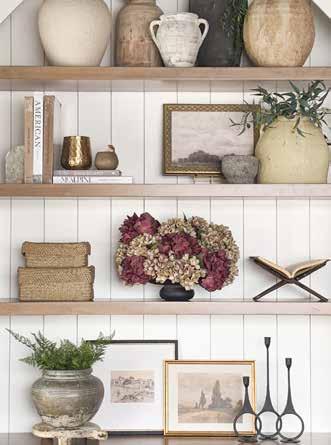
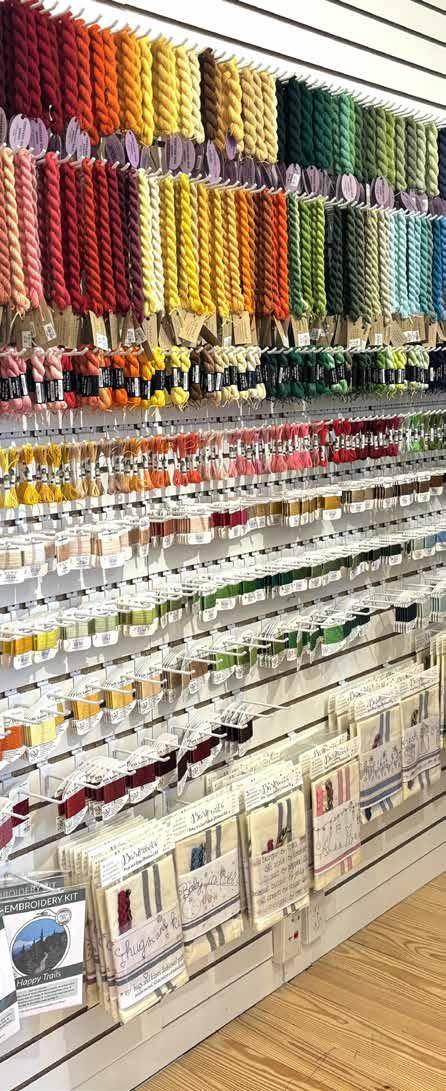
Here in Eagle, haberdashery reflects a slower pace where stitching creates connection, conversation, and community
ARTICLE BY STAFF WRITER | PHOTOGRAPHY BY JENNIFER ZEBIO
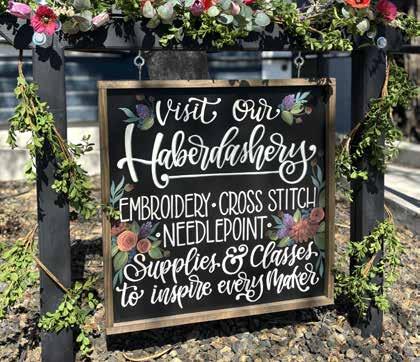
On a quiet corner in downtown Eagle, where sidewalks invite you to slow your pace and linger a little longer, The Cottage on Second blends easily into the rhythm of the neighborhood. Inside, the atmosphere shifts again—quieter, more intentional. At the back of the shop, past carefully arranged home goods and gifts, is the Haberdashery. It’s here that owner Jennifer Zebio is shaping something less obvious than a retail space and closer to a gathering place, built around the simple act of stitching. Before opening The Cottage on Second, Jennifer spent more than two decades working as a private banker. Her days were structured, fast-paced, and outwardly successful.
But after retiring and moving through a season of raising her daughters and caring for a grandparent, she began to look for something different—something that felt more personal.
The turning point came during an Honor Flight trip to Washington, D.C. with her grandfather. A visit to a small gift shop there stayed with her, not for what it sold, but for how it felt. The idea of creating something similar—something rooted in experience rather than transaction—began to take shape.
In 2023, she purchased The Cottage on Second, continuing a long-standing Eagle business while gradually redefining what it could be.
“I’m a very traditional person,” Jennifer says. “So much has gone online. I’ve always been drawn to things that are in-person, that bring people together.”
That instinct led her back to home arts. After trying quilting, she found embroidery and needlepoint offered something she hadn’t expected. The work required focus, but it also created space for stillness.
“I found a sense of calm in it,” she says. “And I wanted to share that with other people.”
The Haberdashery grew from that idea. Here, the word takes on a different meaning—not a definition, but a feeling. A place where materials are only the starting point, and the experience is what draws people in.
In Eagle, where community life still centers around walkable streets and familiar faces, that kind of space resonates. Interest in needlepoint and embroidery has quietly returned in recent years, as more people look for ways to step away from screens and into something tactile.
At The Cottage, that shift is visible not just in what’s offered, but in how people gather.
Classes in the Home Arts Studio have become central to the experience. Beginners sit alongside longtime stitchers. Conversations move easily— from patterns and techniques to books, travel, and the details of everyday life.
Open stitching sessions extend that rhythm, inviting anyone to join. What begins as a project often becomes something more—a shared table, a conversation, a sense of belonging.
“Haberdashery isn’t just about stitching,” Jennifer says. “It’s about creating community.”
In Eagle, that idea feels less like a concept and more like a continuation of something already here—one stitch, one conversation, and one connection at a time.
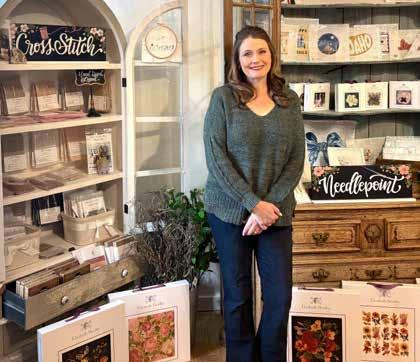
What begins as a simple stitch often becomes something more—a shared table, a conversation, and a sense of belonging that keeps people coming back again.
Around Mt. Hood, summer unfolds through rivers, trails, cabins, and steadily cooling evening temperatures
By mid-July, the temperature around Mt. Hood can still drop enough at night for people to pull blankets around their shoulders outside.
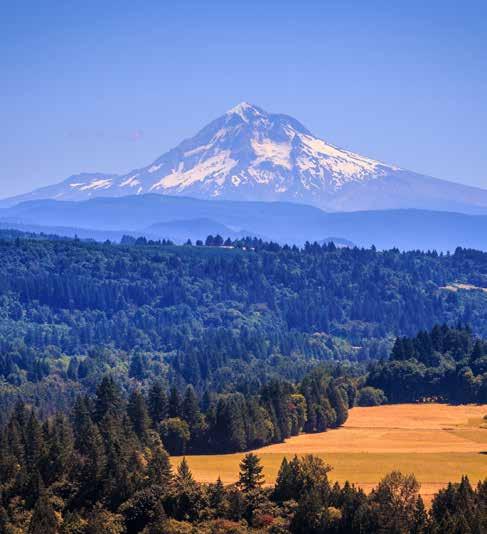
In Government Camp, windows stay open late into the evening while hikers wander back from the trails dusty, sunburned, and carrying damp jackets tied around their waists. Snow still lingers in patches higher on the mountain even in the middle of summer. Rivers fed by that runoff cut cold through the forest below.
The mountain shapes everything here.
In towns like Welches, Zigzag, and Rhododendron, people settle into a slower rhythm almost automatically. Dogs sleep beneath picnic tables outside breweries and cafés. Wet hiking shoes pile near cabin doors. Along Highway 26, the smell of cedar drifts through open car windows while the last light settles into the trees.
Farther uphill, Timberline Lodge sits against the side of Mt. Hood with streaks of snow still visible above the lodge well into July. Built during the Great Depression, the massive timber beams, stone fireplaces, and worn wood floors carry the feeling of a building shaped by decades of weather and people passing through the mountain.
Inside, hikers move quietly through the lobby carrying trail maps and half-finished coffees while others settle into chairs facing the windows overlooking the upper slopes. Some arrive planning to stay an hour and end up remaining most of the afternoon.
ARTICLE BY STAFF WRITER
PHOTOGRAPHY PROVIDED
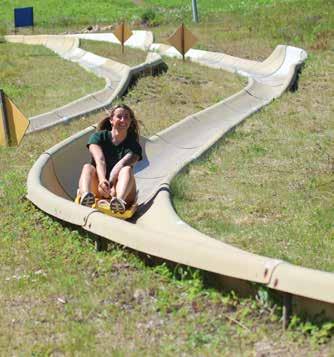
Below Timberline, summer replaces ski season with a different kind of movement. The sound of the alpine slide at Mt. Hood Adventure Park at Skibowl carries across Government Camp while families drift between trails, bike paths, and outdoor patios throughout the day.
By evening, tables at Mt. Hood Brewing Co. begin filling steadily as temperatures cool again. A few blocks away, people continue lining up outside Huckleberry Inn for milkshakes before slowly disappearing back into cabins, campsites, and smaller mountain roads winding through the forest.
A little farther downhill, Wildwood Recreation Site draws visitors for quieter reasons. Children crowd against underwater viewing windows watching salmon move through the stream below while parents sit beside the river listening to water push through the trees. Even on warmer afternoons, the shade near the river stays cool.
That slower pace becomes part of daily life around Mt. Hood in summer. Mornings begin early on the trails. Afternoons stretch
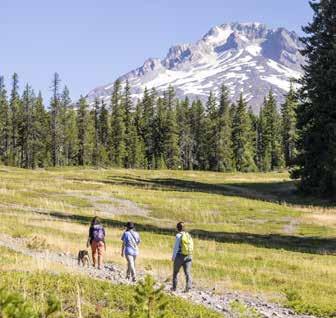
longer than expected beside rivers or brewery patios. By dusk, fleece jackets reappear and conversations drift easily between hikers comparing trail conditions and families planning where to stop the next day.
For visitors staying longer, places like Collins Lake Resort and the Mt. Hood Tiny House Village offer quieter places to settle into the rhythm of the mountain for a few days at a time. And then there is Boring.
Like much of Oregon, the town leans comfortably into its own mythology. Inside the North American Bigfoot Center, old newspaper clippings, photographs, maps, and Pacific Northwest folklore blur together in a way that somehow feels completely natural this close to the forest.
By late evening, the mountain often disappears behind clouds long before darkness fully arrives.
But even then, life around it keeps moving at the same unhurried pace.
Mt. Hood Outfitters: Guided hikes, paddling excursions, and small-group outdoor experiences throughout the forests, rivers, and trails surrounding Mt. Hood.
Collins Lake Resort: Vacation lodges and chalets near Government Camp with mountain and forest access.
Chicali Cantina: Casual Mexican dining in Welches with outdoor seating during the summer months.
Koya Kitchen: Asian fusion dishes and rotating seasonal offerings in the Villages of Mt. Hood, popular after long days outside.
Wraptitude: A longtime Highway 26 stop for wraps, burgers, and casual mountain-town meals between hikes, river stops, and trailheads.
AntFarm Café & Bakery: Community-focused café in Sandy supporting local youth programs while serving fresh baked goods, coffee, breakfast, and lunch.
Jonsrud Viewpoint: One of the region’s best panoramic views overlooking Mt. Hood and the Sandy River Valley below.









ARTICLE BY KALI KASPRZYK
PHOTOGRAPHY BY JANIE JONES
MAKEUP BY MIKAYLA CRANE
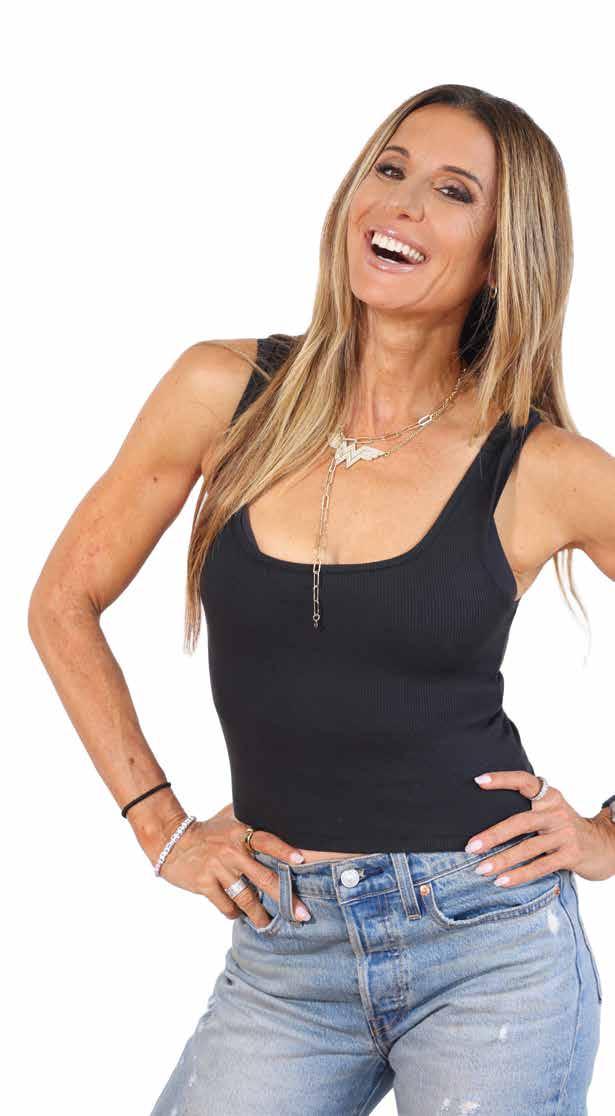
Winnipeg in the winter, and a 17-year-old waits 45 minutes in the cold for Keanu Reeves. Her fingers are numb. She is not there for an autograph. She is there to ask him to appear in her audition tape for MuchMusic, Canada’s MTV. When he finally agrees, she writes her number on a gum wrapper with a borrowed lip liner.
He calls days later.
That 17-year-old was Jen Cohen — fitness expert, host of the Habits & Hustle podcast, and best-selling author. She has built a career on the premise her frostbitten afternoon proved. She calls the practice the 10% Target: 10 attempts at whatever you want most in life.
The premise is simple. Most people never make one attempt. Almost nobody makes two. The math works in favor of the person who keeps going.
The top-rated Habits & Hustle podcast has logged hundreds of conversations with high performers and the people who study what the body does to the mind. Her TEDx talk, The Secret to Getting Anything You Want in Life, has traveled widely inside Fortune 500 sales-training rooms. On the Share the Lifestyle podcast, Cohen sits down to share the working rules that are the foundation of her latest book, Bigger, Better, Bolder.
“You have to be the CEO of your own life.”
FEATURING JEN COHEN
Discover the full 10% Target Mindset framework.


1 2
The door opens, or another door does. The unmade attempt and the refused one leave you in the same place — except one of them teaches you something.
Cohen frames her habits as a wager: How do I stack the deck so I win more than I lose? The workout happens first, and the food decisions follow. The email follow-up gets sent, and the answer arrives. The choices compound in a single direction.
3
No one is born with it. The people who look disciplined are running a routine they have rehearsed long enough that it no longer feels like effort. The reps are the skill. Miss them, and the skill fades, the same as any other.
4
Confidence does not arrive by repeating the word. It arrives after the body has done the thing — the workout finished, the cold walk endured, the email sent. The mind takes its cues from what the body proves it can do. Talk follows action, not the other way around.
5
The first decision sets the slope of the rest. Skip the Monday workout, and the rest of the week tends to follow. Hold the line on Monday, and the slope tilts the other way.
JULY 2026
1 — GOD & COUNTRY FESTIVAL
Ford Idaho Center, 6:30 PM: Community celebration, fireworks. fordidahocenter.com
1-29 — ALIVE AFTER 5!
Grove Plaza: Wednesday downtown concerts! downtownboise.org
2-29 — AC BOISE SOCCER
Athletic Club Boise Soccer Stadium: Professional soccer, USL Cup play. acboise.com
2 — SUPER SOAKER SHOWDOWN
Indian Creek Plaza, 11 AM: Citywide water battle! indiancreekplaza.com
3-31 — MUSIC ON THE PATIO
The Village: Outdoor live music Fridays & Saturdays. thevillageatmeridian.com
4-31 — BOISE HAWKS BASEBALL
Memorial Stadium: Home games, fireworks, promotional nights. milb.com
4-25 — MAIN STREET MARKET
Meridian City Hall, Saturdays 9 AM: Local vendors, food, live music. meridianmainstreetmarket.com
4 — MERIDIAN 4TH CELEBRATION
Storey Park, 4 PM: Independence Day. meridian.calendar
4 — KUNA 4TH CELEBRATION
Bernie Fisher Park, 6 PM: America’s 250th. kunacity.id.go
4-5 — ZOO $2.50 WEEKEND
Zoo Boise: Special $2.50 admission. zooboise.org
5,19,26 — SUMMER AUTO RACES
Meridian Speedway, 6 PM: meridianspeedway.com
9 — DOWNHILL MOUNTAIN BIKING
Bogus Basin, 4:30 PM: Summer race series! bogusbasin.org
10-31 — SUMMER MUSIC SERIES
Idaho Botanical Garden: Live concerts in Outlaw Field! idahobotanicalgarden.org
10 — AJR
Ford Idaho Center, 8 PM: With Izzy Escobar & Avery Cochrane! fordidahocenter.com
10,24 — BOGUS TRAIL RUN SERIES
Simplot Lodge, 6 PM: 3.5-mile trail course. boiserunning.com
11 — CHRISTMAS IN JULY
Expo Idaho, 10 AM: Festive shopping, holiday fun. iblevents.com
11 — BOISE TWILIGHT CRITERIUM
State Capitol Building, 10 AM: High-speed cycling races! boisetwilightcriterium.com
11-25 — ROARING SPRINGS DIVE-IN MOVIE
Roaring Springs, 8 PM: Outdoor movie at wave pool. roaringsprings.com
12 — BOISE FLEA MARKET
Boise State, 10 AM: Vintage, handmade outdoor market. ig.com
12 — CHARLEY CROCKETT
Ford Idaho Center, 7:30 PM: Age of the Ram Tour! fordidahocenter.com
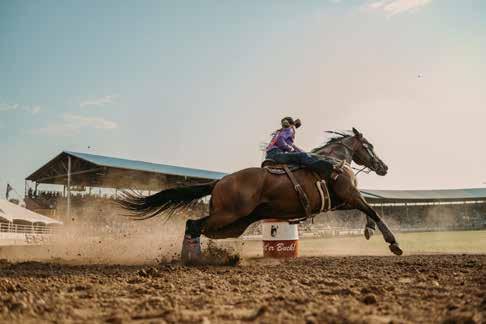
16-19 — XTREME MINI MILLION BARREL RACE
Ford Idaho Center: Barrel racing competition, equestrian events. fordidahocenter.com
16-25 — ALADDIN JR.
Boise Little Theatre: A magic lamp adventure! boiselittletheater.org
18 — RUGGED IDAHO EXPO
Indian Creek Plaza, 10 AM: C amping, fishing, and hunting. indiancreekplaza.com
18 — NAMPA KIDS’ TRIATHLON
Lincoln Pool, 7:30 AM: Nampa Parks & Recreation’s fitness race! nampa.activityreg.com
18 — THE AVETT BROTHERS
Ford Idaho Center, 7:30 PM: With Shane Smith & The Saints! fordidahocenter.com
18 — FLORA
Bogus Basin, 11:15 AM: Guided wildflower and plant hike. bogusbasin.org
18 — FAMILY DISCOVERY DAY
Discovery Park, 10 AM: Hands-on STEM activities, games, outdoor fun. meridiancity.org
18 — FESTIVAL PICNIC NIGHT
Idaho Shakespeare Amphitheater, 7 PM: Outdoor theater, picnic evening. idahoshakespeare.org
18 — OPEN AIR CONCERT
Ste. Chapelle, 1 PM: Featuring Cliff Miller Music! stechapelle.com
20 — MONDAY MATINEE MOVIES
Meridian Library Pinnacle, 1 PM: With free popcorn! mld.org
21 — MOVIES IN THE PARK
Settlers Park, 9 PM: Free outdoor movie night for the whole family. meridiancity.org
23-25 — PHANTOM OF THE OPERA
311 3rd Street, 7:30 PM: Andrew Lloyd Webber’s musical! nampaciviccenter.com
24–26 — SAN INAZIO BASQUE FESTIVAL
Basque Block: Traditional dancing, food, music. basquecenter.com
24-26 — CANYON COUNTY FAIR
Caldwell: Carnival rides, exhibits, live entertainment. canyoncountyfair.org
25 — SUMMER SPLASH BASH
Roaring Springs, 7 PM: Evening slides, music. roaringsprings.com
27 — GOO GOO DOLLS
Ford Idaho Center, 7:30 PM: With Neon Trees! fordidahocenter.com
29 — WALK OFF THE EARTH
Treefort Music Hall, 7 PM: V iral hits, crowd favorites! treefortmusichall.com
30-31 — IDAHO PAINT HORSE
Ford Idaho Center, 8 AM: Equine events! fordidahocenter.com
31 — SAFARI STUFFIES
Zoo Boise, 5:30 PM: Create stuffed animals. zooboise.org
PC: @LoebLifePhotography





grand-seiko.com