






One of the best parts of publishing a community magazine is seeing what matters most to the people who call the Treasure Valley home. As we assembled this year’s Kids & Pets issue, two themes appeared again and again: the importance of investing in the next generation and the special role animals play in our lives.

Education remains one of the most meaningful ways a community can shape its future. The schools, educators, and learning programs featured in these pages reflect a shared commitment to helping children discover their talents, build confidence, and prepare for what comes next. Every child learns differently, and one of the strengths of the Treasure Valley is the variety of educational opportunities available to families seeking the right fit for their students.
At the same time, many of us know that some of life’s most important lessons happen outside the classroom. Pets teach responsibility, patience, empathy, and unconditional love. They greet us at the door after long days, join us on adventures, and become woven into the routines and memories that define family life. For many households, they are far more than companions—they are family members.
Of course, not every pet is fortunate enough to begin life in a loving home. Throughout our community, animal shelters, rescue organizations, foster families, and volunteers work tirelessly to care for animals in need and connect them with families willing to open their hearts and homes. Their efforts improve the lives of both pets and the people who welcome them.
Whether you’re raising children, caring for a beloved pet, or simply enjoying the stories shared in these pages, I hope this issue serves as a reminder that strong communities are built one relationship at a time—through connection, compassion, and people willing to invest in one another.
See you around town,

GEWALT, PUBLISHER
August 2026
PUBLISHER
Greg Gewalt | greg.gewalt@citylifestyle.com
EDITORIAL COORDINATOR
Tricia Busalacchi | tricia.busalacchi@citylifestyle.com
STAFF WRITER
Jordan Gray | editorial@boisecitylifestyle.com
SALES SUPPORT ASSISTANT
Maria Serondo | support@boisecitylifestyle.com
SOCIAL MEDIA COORDINATOR
Russell Detablan | editorial@boisecitylifestyle.com
CONTRIBUTING WRITERS
Pamela Kleibrink Thompson, Jordan Gray, Denise Llorente, Lauren Von Jess, Katie Currid, Kali Kasprzyk
CONTRIBUTING PHOTOGRAPHERS
Kelsey Chereskin, Phil White, The 8th Street Studio, Jordan Gray, Lance Thompson, April Grady, Scheidways Photos, Katie Currid, Unleashed Fur Photograghy, Cameron Horch, Janie Jones
CEO Steven Schowengerdt
President Matthew Perry
COO David Stetler
CRO Jamie Pentz
CoS Janeane Thompson
AD DESIGNER Evan Deuvall
LAYOUT DESIGNER Kirstan Lanier
QUALITY CONTROL SPECIALIST Brandy Thomas








Lifestyle’s
print + digital packages, your business captures attention wherever our community is looking. Build unmatched local credibility on the page, and drive immediate action online.







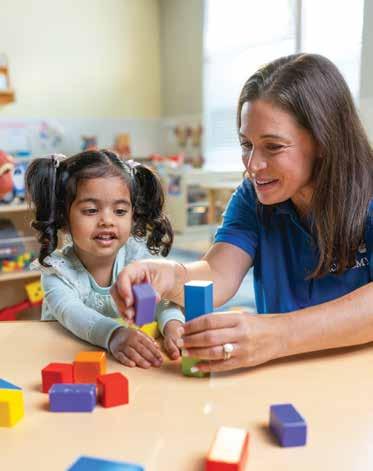
The YMCA is more than a gym it’s where kids and teens build lasting friendships, celebrate achievements, and discover a place they can truly belong. Stop by the Y today to see all the ways your child can get involved and build their community. From babies to teens, there’s a space for your child at the Y.
$30 KidZone for Children 0-6
FREE Youth Activity Center for Ages 6-13
$30 Youth Fit and Sports Conditioning
$30 Enrichment Programs & Swim Lessons
Before/After School & Schools Out Programs
Everyday Leadership Program
Youth In Government
Scholarship Opportunities And So Much More!


You’re lost in the woods.
You shiver as the temperature in Idaho’s backcountry drops further. You huddle closer to a tree, grateful for even a little respite from the biting wind.
You hope someone will find you.
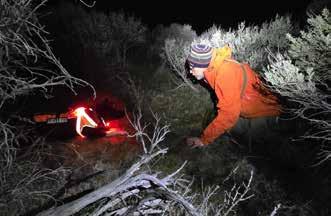
Then, out of the darkness, a glowing streak. You blink hard, trying to make it out.
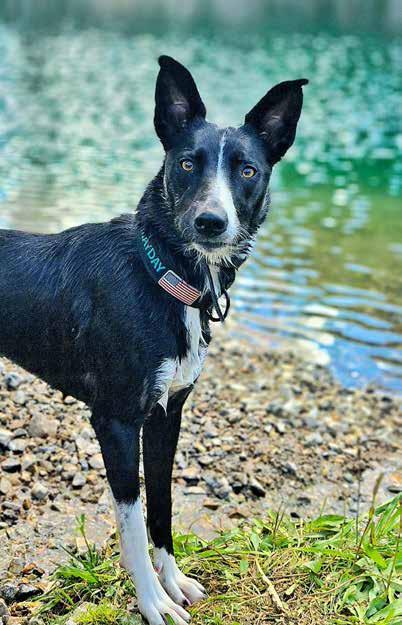
A sharp bark, and there’s a black-and-white dog lying next to you.
You reach out a hand for the pup to sniff as you read the bright orange, illuminated vest: SEARCH AND RESCUE.
Help has arrived.
This is one of countless scenarios that volunteer Idaho Mountain Search and Rescue Unit (IMSARU) K9 teams encounter as they work throughout the Treasure Valley and beyond.
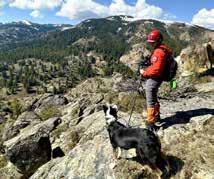
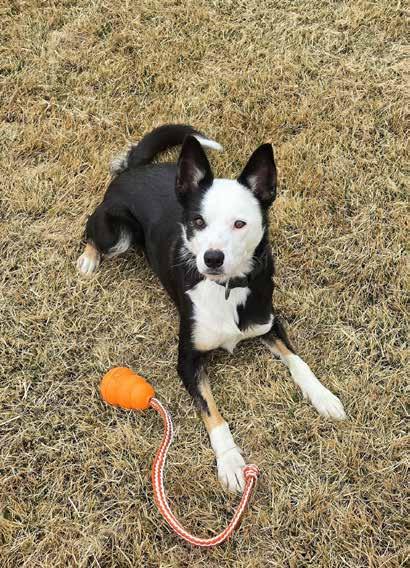
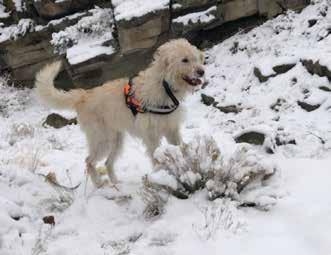
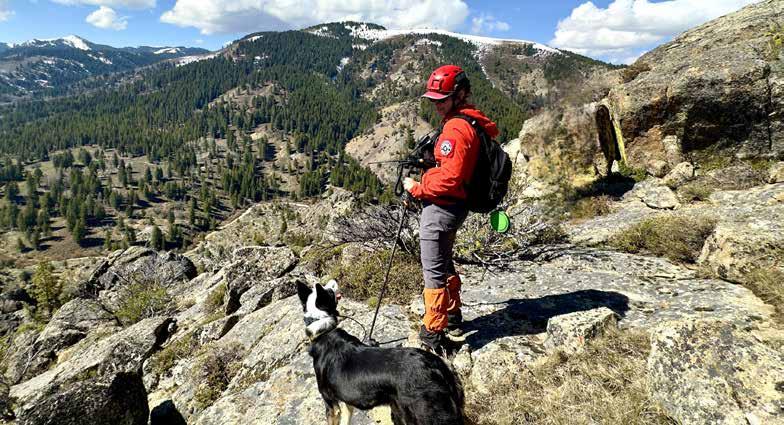
Like all working dogs, IMSARU dogs specialize. For 3-year-old border collie Mayday, that means locating living subjects. Her teammate, Mika, a 4-year-old border collie, specializes in human remains detection.
ARTICLE BY JORDAN GRAY PHOTOGRAPHY BY KELSEY CHERESKIN/IMSARU
“A lot of people have a misconception with the dogs, thinking that they would do both inherently, or one or the other,” said Kelsey Chereskin. “But you actually have to train them on which they're finding specifically.”
Chereskin, IMSARU’s public relations director, also serves as one of the organization’s K9 team leads with Mika and Mayday. Mika came from a Montana breeder with a long line of working dogs. Mayday was a rescue who simply needed a job that could channel her endless energy.
Both dogs are certified through national organizations. Mika also serves as a Human Remains Detection (HRD) dog, a specialization that allows her to assist law enforcement with criminal investigations and recovery efforts.
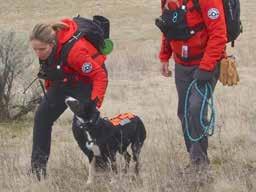
Training is essential to keep the dogs ready for a call. Chereskin said Mika and Mayday each average about 60 miles a week as they train in scent work, agility, endurance, and exposure to different people, helping prepare them to encounter everyone from lost toddlers to hunters caught in severe weather.
Working toward certification can take years, depending on a dog's aptitude, but a good nose is essential.
Once a dog is trained to recognize a specific scent, handlers gradually increase the difficulty of the search scenarios. The work is almost entirely scent-based.
“They can get that scent from pretty far away and follow it to that person,” Chereskin said.
IMSARU conducts approximately 34 to 40 searches each year, with human remains callouts accounting for six to 10 of those missions.
“While both dogs train the same amount, our goal as a unit is to utilize Mayday more frequently than Mika,” Chereskin said. “And that’s a good thing. Although, Mika may try to tell you otherwise!”
From missing hikers to Silver Alerts, these canine teams help locate people when families need answers most
When a search is ordered, IMSARU is called in. Responding teams load up the appropriate vehicles for the terrain and head out.
“More frequently than not, IMSARU deploys outside of Ada County,” Chereskin said. “We do get calls for missing children, individuals with disabilities, and Silver Alerts for missing elderly people.”
Once on scene, the operations lead assigns terrain to each team. On a K9 team, flankers—volunteers who train alongside handlers but do not have dogs of their own—provide support to both the dog and handler.
Searches can vary dramatically depending on the circumstances. Some involve a lost hiker who wandered off trail and simply needs help getting back to safety. Others involve children who have become separated from their families, hunters overdue from a trip into remote terrain, or elderly individuals who may be confused, injured, or unable to communicate their location.
Weather, terrain, and the amount of information available all influence how teams approach a search. A clear trail and a recent sighting can help narrow the
“As soon as she can get within proximity and actually locate them, that’s when she’ll provide us with her trained final response, which in her case is to sit down and bark at the person.”
area quickly. In other situations, searchers may be working with limited information and large expanses of rugged country.
“Every search is different,” Chereskin said. “You never really know what you're going to get when you arrive.”
For handlers, one of the most important tasks is learning to trust the dog. While maps, radios, GPS devices, and search plans all play critical roles, the dog's nose remains the primary tool.
“Sometimes they'll pick up on something before you have any indication that someone is nearby,” Chereskin said.
That partnership between handler and dog is built through years of training. Handlers learn to recognize subtle changes in behavior that signal a dog has detected scent, even before the animal begins actively trailing toward a subject.
“As
much as a lot of people assume the dogs do it because they’re altruistic, they usually do not, though they do love their job. We find the toy that they like more than any other toy.”
When a find is made, the goal is simple: locate the missing person as quickly and safely as possible and bring resources to where they are needed most.
Geared up in her fluorescent orange vest, Mayday also wears a GPS tracking collar so Chereskin can locate her if she gets too far ahead. Then it's off downwind to give the dogs the best chance of picking up a scent.
“Once we get out there and we're searching, as soon as she catches on to someone's scent, she'll start trailing them in,” Chereskin said. “As soon as she can get within proximity and actually locate them, that's when she'll provide us with her trained final response, which in her case is to sit down and bark at the person. Then she's trained to stay with that person until we get there.”
If the search area is cleared without success, teams move on to the next assignment.
“We take breaks, of course,” Chereskin said. “I look at how Mayday’s doing and how she's feeling. If she's getting tired, I try to give her short water breaks and rest breaks every 30 minutes or so before restarting and getting going again.”
Operational periods typically last around 12 hours, with the dogs spending three to four hours actively searching during that time.
Payday comes for working dogs, too.
“As much as a lot of people assume the dogs do it because they're altruistic, they usually do not, though they do love their job,” Chereskin said. “We find the toy that they like more than any other toy.”
Handlers sometimes conduct what they call a “toy inventory,” spreading out dozens of toys and allowing the dog to choose a favorite. That prized toy becomes the reward that motivates the dog to work.
“And that's what makes these dogs work,” Chereskin said. “Their favorite toys.”
When not on the job or training, the dogs enjoy downtime just like anyone else.
“Mayday's favorite hobby is swimming,” Chereskin said. “You will find her in any water that she can find at all times if it's accessible.”
Mika’s favorite pastime surprises most people.
“I refer to it as bubble ballet,” Chereskin said. “She likes to twirl and leap and jump, and she just goes crazy for the bubbles. Sometimes I actually use that as her reward at the end of searching.”
With search dogs typically retiring around age 10, Mika and Mayday still have many more searches, toys, treats, and bubble payoffs ahead.
To support IMSARU’s mission and dogs like Mayday and Mika, visit imsaru.org

At Biltmore Co., every build, regardless of scale, is guided by a singular standard: exceptional quality, delivered with honesty and care.
North America’s deepest river gorge delivers adventure, solitude, wildlife, and unforgettable river days
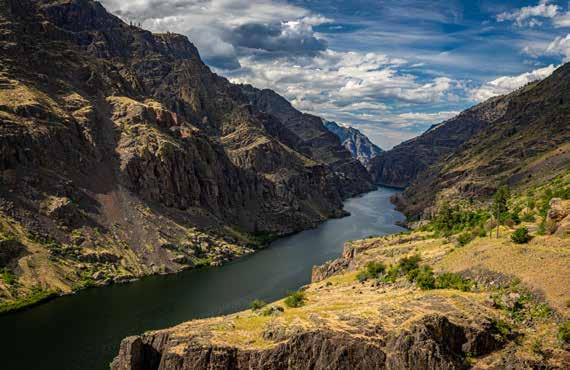
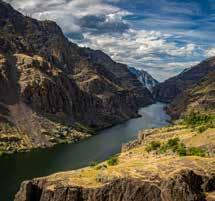
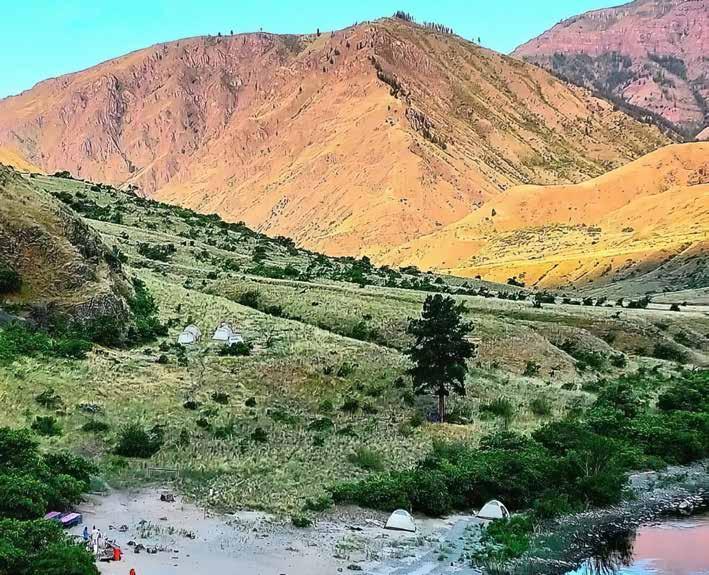
Hells Canyon has a way of changing your sense of distance. Somewhere between the towering canyon walls, the roar of whitewater, and the quiet stillness of a riverside sunset, it becomes hard to believe this place has been here all along, hidden in plain sight along the Idaho-Oregon border.
At more than 7,900 feet from river to rim, Hells Canyon is the deepest river gorge in North America. Yet despite its scale, many Idahoans spend years driving past the region without ever seeing what lies below its rugged walls.
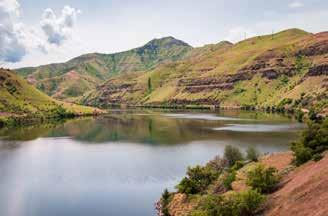
The experience begins early, when the morning air still carries a cool edge and the Snake River reflects the canyon walls like glass. Guides move quietly around camp, coffee brewing while breakfast sizzles on camp stoves. Before long, dry bags are packed, rafts are loaded, and the river begins pulling everyone deeper into the canyon.
And that's when Hells Canyon truly reveals itself.
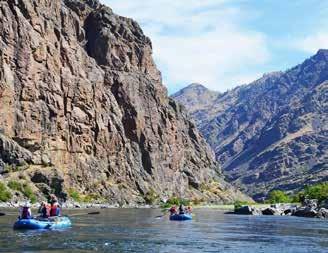
The scale is impossible to appreciate from photographs alone. Steep rock walls rise thousands of feet overhead while the Snake River winds through the landscape in long bends, alternating between calm stretches and pulse-raising rapids. Eagles circle high above the cliffs. Bighorn sheep appear unexpectedly along rocky ledges. In quieter moments, the silence feels almost surreal.
Then the river changes.
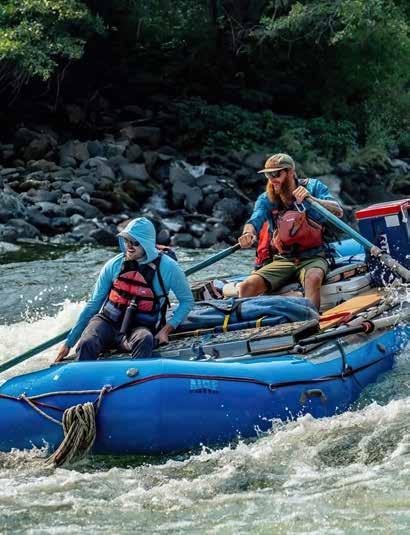
The guides call out instructions as the raft approaches another rapid, paddles dig into the water, and suddenly the calm gives way to crashing waves and cold spray. The whitewater delivers excitement without overshadowing the landscape itself. First-time rafters and seasoned adventurers alike find themselves laughing, soaked, and immediately ready for the next set of rapids.
But a day on the river isn't only about adrenaline. Between rapids, boats drift through stretches of water where the canyon slows everything down. Some jump in for a swim while others cast lines into deep pools where smallmouth bass, trout, and sturgeon thrive. Some simply lean back and watch the canyon pass by. Along the shoreline, hidden trails lead to historic ranches, ancient pictographs, and quiet overlooks that offer glimpses into the people who lived here long before recreation arrived.
By late afternoon, the pace softens again as rafts pull onto remote beaches for the evening. Camp settles in while meals are prepared and the canyon shifts into shadow. By dinner, strangers who met only days earlier are sharing stories as though they've known one another for years. The river has a way of doing that.
On one side of camp, someone points toward a bighorn sheep high on the canyon wall. Nearby, another guest watches the last light fade from the cliffs while the river slips quietly past. Earlier in the day, they were charging through rapids. Now, no one seems in much of a hurry to be anywhere else.
And then come the stars.
Far from highways, cities, and phone screens, the night sky over Hells Canyon feels impossibly clear. It is often
Days are measured by the rhythm of the river, meals are shared around camp, and evenings end beneath a sky filled with stars.
the moment people remember most. Not the rapids themselves, but the feeling of complete escape.
For outfitters who spend their seasons on this stretch of river, that reaction is familiar. Guests arrive expecting whitewater and leave talking about the canyon itself—the scale of the landscape, the wildlife, the silence, and the unexpected sense of connection that comes from spending several days beyond the reach of everyday routines.
In an era when many vacations revolve around crowded attractions and carefully curated itineraries, the canyon offers something simpler. Days are measured by the rhythm of the river, meals are shared around camp, and evenings end beneath a sky filled with stars.
For many travelers, Hells Canyon becomes more than a rafting trip. It becomes a reminder that some of the West's most remarkable places remain surprisingly undiscovered. Sometimes the unforgettable adventure is much closer than you think.

Plan your next history adventure and dive into Idaho’s rich past!
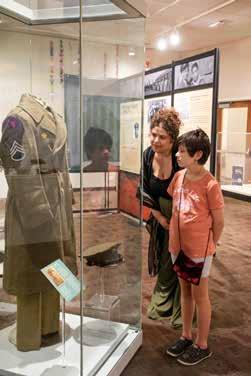
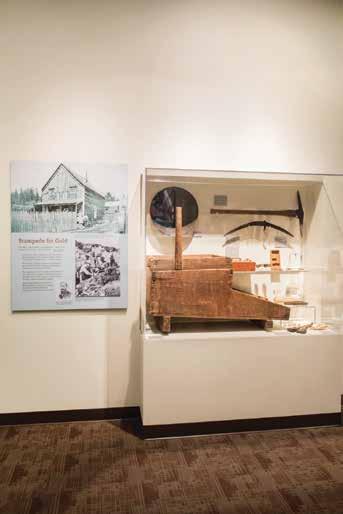
The Idaho State Museum features exhibitions, artifacts, and programming that uncover the story of Idaho!
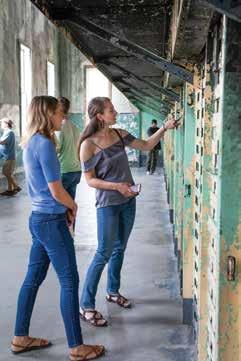
Visit the Old Idaho Penitentiary and step inside the walls of one of four U.S. territorial prisons still open to the public.

















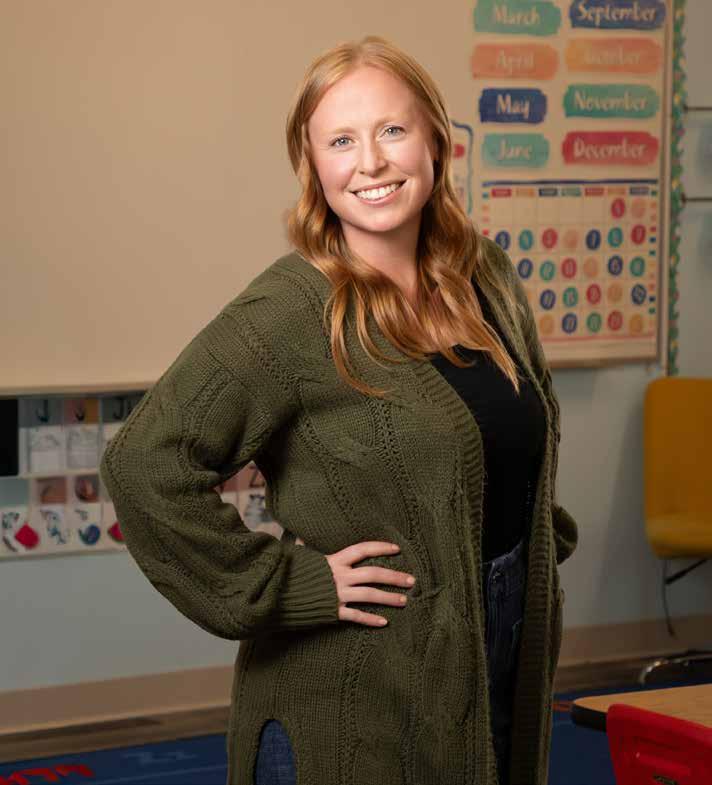
The Treasure Valley has changed a lot over the past decade.
New neighborhoods continue to appear across Boise, Meridian, Eagle, Kuna, and surrounding communities. Families are arriving from around the country, bringing new energy, new perspectives, and new opportunities. Along with that growth comes an important question for many parents: where will their children learn, grow, and build the foundation for their future?
For families relocating to the area, the search for the right school often becomes one of the first major decisions they make. For others, it begins much closer to home as children prepare for preschool, kindergarten, middle school, or the transition to high school. Regardless of where a family is in that journey, education plays a central role in shaping both a child’s experience and a family’s connection to the community.
Fortunately, families have more educational options today than ever before.
Some students thrive in traditional classroom settings. Others benefit from smaller learning environments, faith-based education, individualized instruction, college-preparatory programs, specialized academic support, or hands-on learning experiences. For many parents, the search goes beyond academics alone. They are looking for a place where their child feels challenged, supported, and encouraged to grow.
ARTICLE BY STAFF WRITER | PHOTOGRAPHY BY PHIL WHITE, THE 8TH STREET STUDIO

There is no single answer because no two children are exactly alike.
That diversity of choice is one of the strengths of education throughout the Treasure Valley. Public schools, charter schools, private schools, early learning programs, and educational enrichment organizations all play an important role in helping students discover their interests, build confidence, and develop skills that extend far beyond the classroom.
The schools featured in these pages represent a variety of approaches, philosophies, and educational experiences. Some have served local families for generations. Others are newer additions responding to the region’s continued growth. Each brings its own perspective to the learning process while sharing a commitment to helping students succeed.
Of course, education is about much more than grades, test scores, and report cards.
Ask most adults what they remember about school, and they rarely begin with a test score. They remember a favorite teacher, a school play, a science project, a championship game, or a friendship that lasted long after graduation. Those moments often leave a lasting impression long after the details of a particular class have faded.
Many adults can still name a teacher who encouraged them, challenged them, or helped them see possibilities they had not considered before. Those moments stay with us because great educators do more than teach subjects. They help shape confidence, curiosity, and character.
Behind every school are educators, administrators, support staff, and families working together to create environments where students can thrive. Their efforts help shape not only individual lives but also the future of the communities they serve.
The principals, educators, and schools highlighted here represent just a portion of the remarkable educational community found throughout the Treasure Valley. Together, they reflect the dedication, care, and commitment that continue to make education one of the region’s most important investments in the future.

Thousands of families are discovering the lasting value of a classical Christian education.
Imagine what a classical Christian education could mean for your child.
Learn to observe carefully, think deeply, and communicate with confidence.
Develop the skills to become an independent, lifelong learner who thinks critically.
Grow in wisdom, character, and faith while being challenged academically.
Discover the story of history and understand how the past shapes the present and future.
Read rich, challenging literature that builds comprehension, discernment, and a lifelong love of learning.
Develop respect, self-discipline, perseverance, and a strong work ethic.
Be encouraged to discover and pursue the unique gifts and purpose God has given them.
Strive for excellence in a classroom where thoughtful discussion is an essential part of learning.
Build a Christ-centered worldview and gain the wisdom and courage to engage a culture filled with competing ideas.

Learn through the time-tested Classical method, where each stage of learning is age-appropriate and every subject is meaningfully connected.
PreK-12th Classical Christian Education
6100 N. Locust Grove Rd. Meridian, Idaho (208) 323-3888


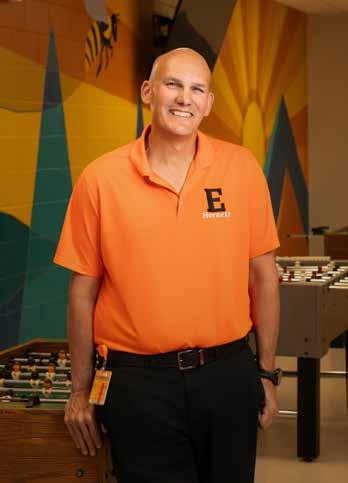


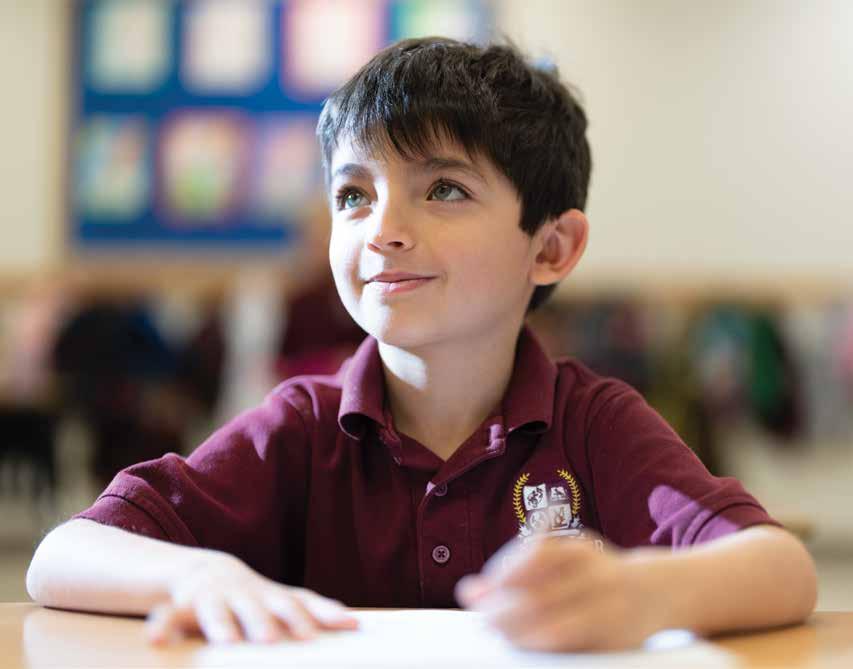
At Pathways Christian Academy, students master core academics while engaging with the people, places, businesses, and natural resources that make the Treasure Valley unique.
Through individualized learning pathways, a four-day school week, and pragmatic Christian education, students don’t just prepare for the future—they practice living in it. BOISE’S ONLY 4-Day K-12 100% JESUS SCHOOL
See what school can be Limited Enrollment • Classrooms Intentionally Small



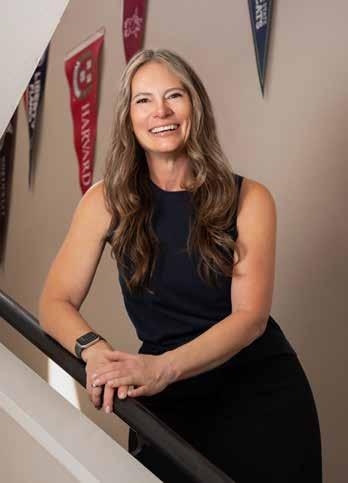

Come tour a campus and see for yourself!
Challenger School offers uniquely fun and academic classes for preschool to eighth‑grade students. Our students learn to think for themselves and to value independence. The results are unmatched at any price!
Boise Bloom (PS–G1) (208) 338-9500
5551 West Bloom Street Boise, ID 83703
Everest (PS–G8) (208) 846-8888
2020 W. Everest Lane Meridian, ID 83646



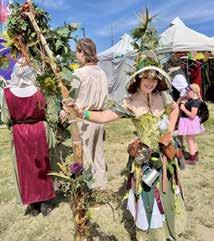
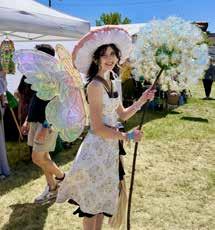
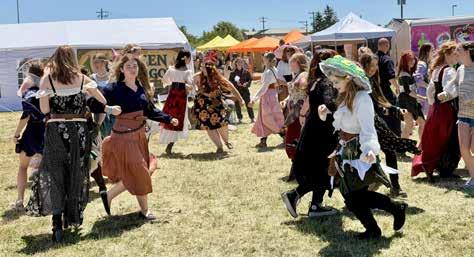
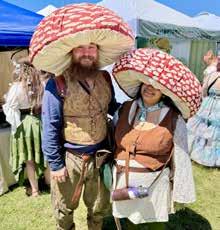
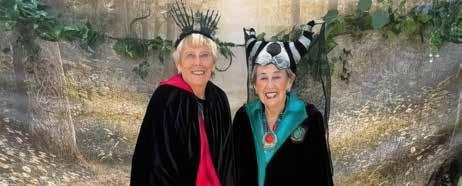
At Beltane visitors embraced fantasy, craftsmanship, storytelling, and shared adventure
ARTICLE BY JORDAN GRAY
PHOTOGRAPHY BY JORDAN GRAY + PROVIDED
For one weekend in June, the Canyon County Fairgrounds transformed into a world of knights, faeries, adventurers, and storytellers. The Idaho Renaissance Faire’s annual Beltane Fantasy Festival drew families, costumed performers, and fantasy enthusiasts from across the region to celebrate the arrival of summer. Throughout the grounds, guests encountered wandering characters, live entertainment,

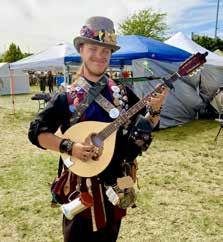
elaborate costumes, and plenty of opportunities to step into another era. From towering mushroom hats and fairy wings to musicians and medieval camps, the festival blended imagination, creativity, and community. Organizers now turn their attention to the Idaho Renaissance Faire’s signature fall event, expected to return to Gabiola Fields in Caldwell. Learn more at idahorenfair.org



There is a moment on the drive to Cascade when the pace begins to change.
The traffic thins. The Payette River appears beside the highway, winding north through pine-covered hills. Osprey circle overhead. A blue heron stands motionless along the shoreline. Before long, Boise feels surprisingly far away.
Located just 76 miles north of the Treasure Valley, Cascade often lives in the shadow of neighboring McCall. Yet for many travelers, that is part of its appeal. The drive is shorter, the crowds are lighter, and the landscape delivers
many of the same mountain-and-lake rewards that draw visitors to Idaho's central mountains each summer.
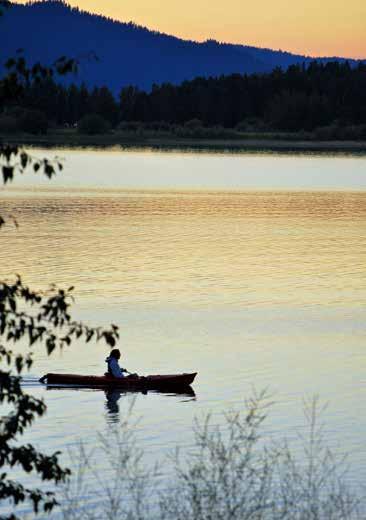
At the heart of the community sits Lake Cascade, Idaho's fourth-largest lake. Created when Cascade Dam was completed in 1948, the reservoir stretches beneath the slopes of West Mountain and serves as the centerpiece for nearly every outdoor adventure the region offers.
On a summer morning, anglers launch boats in search of trophy yellow perch, trout, and smallmouth bass. By afternoon, the lake fills with paddleboards, sailboats, water skiers, and families cooling off along the shoreline. Three bird sanctuaries surrounding the reservoir provide habitat for a remarkable variety of wildlife, adding another reason to keep binoculars close at hand.
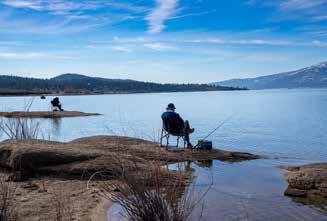
For visitors who prefer to explore on foot, Crown Point Trail offers one of the area's most accessible adventures. The easy 2.4-mile route follows the shoreline, delivering expansive views of Lake Cascade and West Mountain while providing access to sandy beaches ideal for birdwatching, fishing, or a quiet picnic.
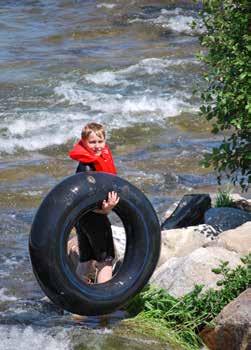
Others seek a little more adrenaline. Mountain bikers can spend days exploring trails that weave through surrounding forests, while whitewater enthusiasts head to Kelly's Whitewater Park. Opened in 2010 as Idaho's first whitewater park, the man-made rapids create a training ground for kayakers, surfers, and paddlers of all skill levels. The park honors Kelly Brennan, an avid outdoorsman whose passion for Idaho's rivers continues through the facility that bears his name.
Beyond the water, Cascade serves as a gateway to some of Idaho's most memorable outdoor experiences. Hike to secluded hot springs hidden in the surrounding mountains, raft the North Fork of the Payette River, tee off at the community's scenic nine-hole golf course, or fish below Cascade Dam where the Payette River begins its journey south.
Explore mountain trails, hidden hot springs, and uncrowded waters near Lake Cascade
KLEIBRINK
When it's time to refuel, local favorites offer a welcome break from the day's adventures. Reo's Pizza has long been a gathering place for visitors and locals alike, while downtown's Palooza Eatery serves a diverse menu and also operates Basecamp lodging nearby.
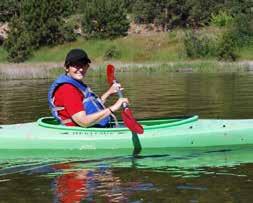
Those planning an overnight stay will find several options that place them close to the action. Water's Edge RV Resort sits directly along the Payette River, where guests can launch canoes and kayaks or enjoy fresh cinnamon rolls on Saturday mornings. Nearby, Birch Glen Lodge and Motel provides convenient access to both Kelly's Whitewater Park and downtown Cascade.
As evening settles over the valley, the pace slows again. The lake reflects the fading light. River otters occasionally surface along

the Payette. Pelicans drift across the water. Trumpeter swans and Canada geese move quietly through the wetlands.
For many visitors, Cascade is not simply a destination. It is a reminder that some of Idaho's most rewarding adventures are still found where the river moves a little slower and the crowds have yet to arrive.
LET THEM SHINE
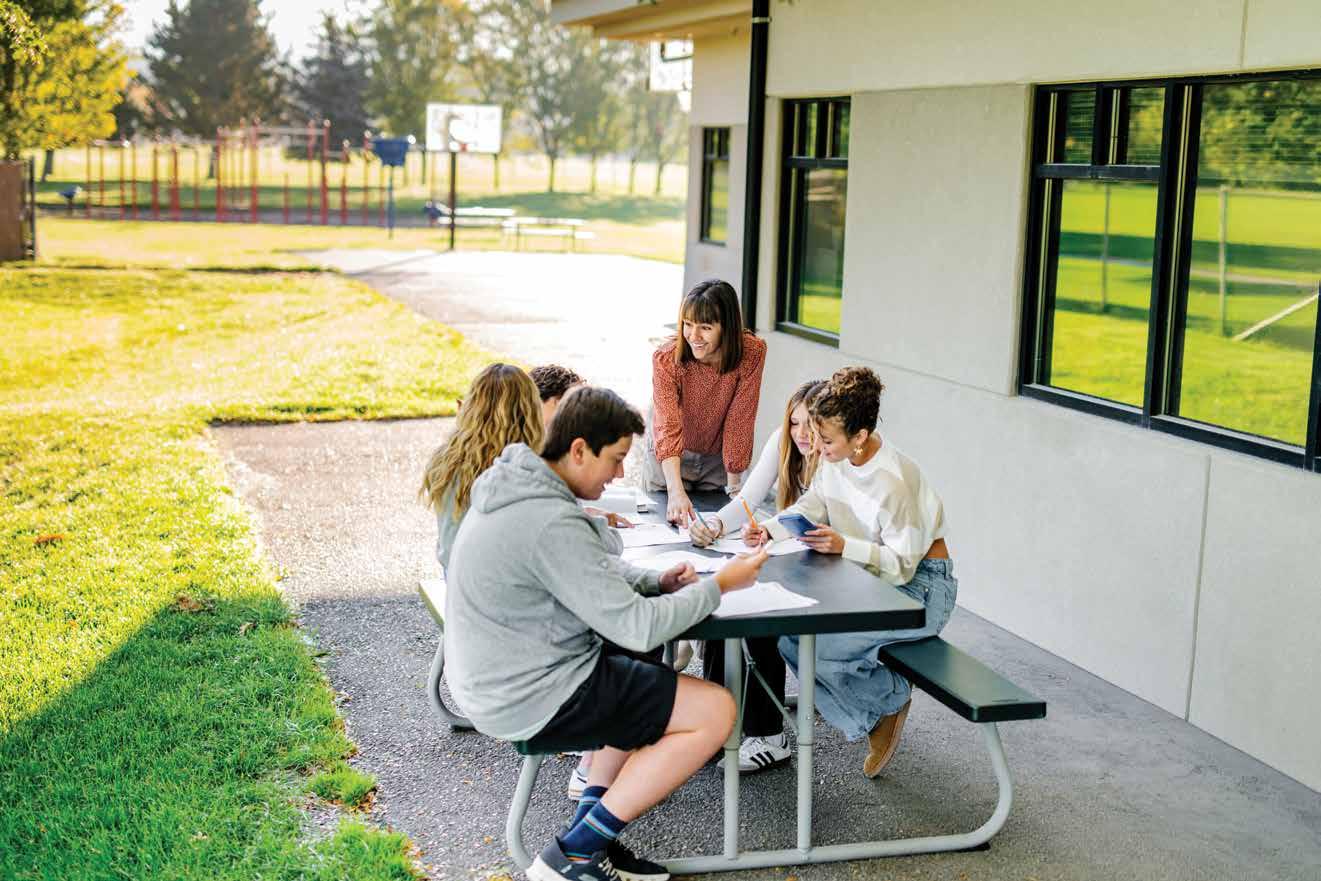
Two separate campuses with unique and welcoming atmospheres. K–8 and High School. Every student deserves to realize their full potential. At North Star Charter School, we’re committed to making sure they do.
North Star Charter is accepting applications for enrollment for the 2026–2027 school year.


CHANGE UP YOUR PB&J GAME BY DISCOVERING NEW WAYS TO ENJOY THE OL’ STANDBY
ARTICLE AND PHOTOGRAPHY BY KATIE CURRID

Summertime is busy time, and that often means eating on the go. Whether you’re at constant baseball games or meeting up for a regular play date, you’re probably bringing food along with you to feed your crew. And there’s no meal that’s as on-the-go friendly as the peanut butter and jelly sandwich. And don’t get me wrong — I love a PB&J. But months of eating anything can get a little old, and this summer, I started to wonder if there was a way to zhuzh up the ol’ standby.
HERE ARE SOME IDEAS TO CHANGE UP YOUR PEANUT BUTTER AND JELLY SANDWICH:
Change up your bread: One easy way to liven up your sandwich is to use different bread. That sourdough you may have learned to make during the pandemic is a perfect bread to use, or you could opt for milk bread, a Japanese option that is fluffier and sweeter than white bread.
Get nutty: While most toddlers would balk at crunchy peanut butter, you’re an adult! You can try new things! If you don’t have the crunchy type on hand, you can also just add peanuts between your layers of peanut butter and jelly to get that crunchy fix.
Chip in: Probably the wackier idea you’ll see here, and one a toddler would either love or abhor, but chips on sandwiches are a great way to add crunchiness and saltiness to any sandwich — especially the PB&J. Apparently, Channing Tatum loves to eat Cheetos on his PB&J, though I’ve had others tell me they love to add Doritos — both the Nacho and Cool Ranch variety — to theirs, too.
Fresh fruit: This is probably the simplest way to up your PB&J game, since technically, you’ve already got fruit on your sandwich in the form of jelly. Try adding some smashed raspberries or cut strawberries to yours next time you make one!






ARTICLE BY STAFF WRITER | PHOTOGRAPHY BY UNLEASHED FUR PHOTOGRAPHY + PROVIDED LOCAL ORGANIZATIONS HELP VULNERABLE ANIMALS FIND SAFETY, HEALING, AND LOVING HOMES ACROSS THE TREASURE VALLEY

Behind every successful adoption is a story of patience, compassion, and the people committed to helping animals find their way home.
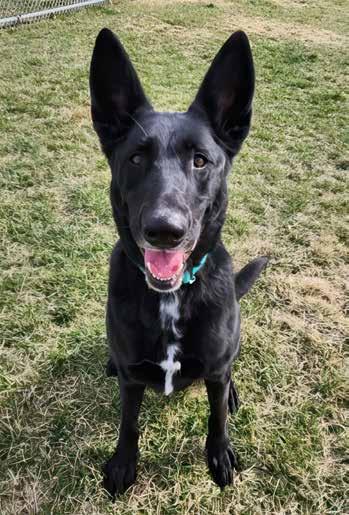
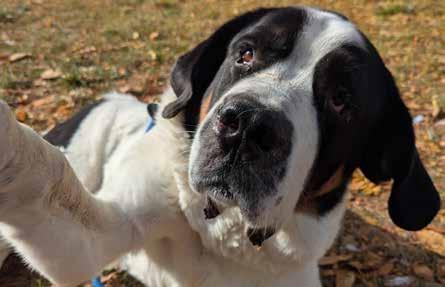
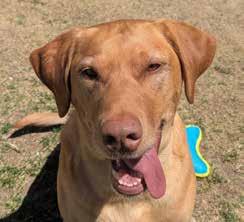
At The Animal Retreat in Emmett, that mission often begins with dogs facing behavioral challenges. Formerly Meridian Canine Rescue, the organization specializes in helping animals that need extra time, training, and support before they are ready for adoption.
The Idaho Humane Society serves as Idaho’s largest and oldest animal welfare organization, providing shelter, medical care, foster programs, adoption services, and community education for thousands of animals each year.
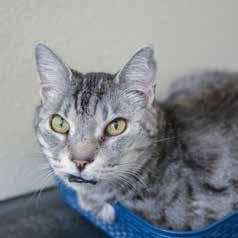
Simply Cats Adoption Center focuses exclusively on helping cats in need. Through sheltering, medical care, and adoption programs, the organization works to create successful matches while giving vulnerable cats a second chance at finding a permanent home.
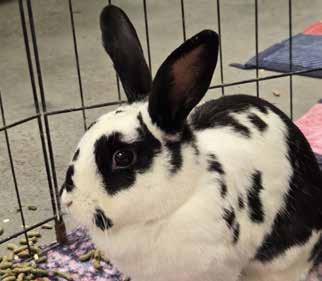
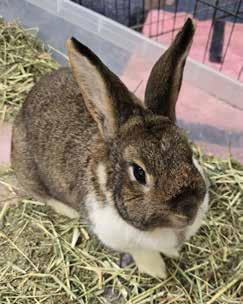
Save a Bun Rabbit Rescue is dedicated to rescuing, rehabilitating, and rehoming rabbits throughout the Treasure Valley. The organization also educates prospective owners about the specialized care and longterm commitment rabbits require.
Together, these organizations reflect the many ways animal welfare happens across the Treasure Valley—from rehabilitation and behavioral support to sheltering, foster care, education, and adoption services.
For the animals featured here, adoption represents more than finding a place to live. It means finding stability, companionship, and a family willing to invest in their future.
Whether you’re looking for a playful puppy, a senior companion, a curious cat, or a rabbit seeking a second chance, welcoming an animal into your home can be life-changing for both of you. The goal is always the same: creating lasting matches that benefit both pets and the families who welcome them.
Learn more about adoptable animals at animalretreat.org, idaho humanesociety.org, simplycats.org, and saveabunrabbitrescue.org.






ARTICLE BY PAMELA KLEIBRINK THOMPSON PHOTOGRAPHY BY LANCE THOMPSON, CAMERON HORCH, TODD FRASER
More than just bedtime stories, picture books are crucial in helping children develop language skills, literacy, and empathy. Picture books are vital tools for early education, language acquisition, and cognitive development. They foster critical thinking and visual literacy, and help children understand complex subjects.
These Treasure Valley authors create picture books that readers treasure, and they share why those books continue to matter.
Visual artist and author Mary Ann Fraser has written and/or illustrated more than seventy books. Her recent titles include WALL TO WALL: Mural Art Around the World, LET IT GROW, and MILTON AND ODIE AND THE BIGGER-THAN-BIGMOUTH BASS. Awards include Junior Library Guild Selections, Book Links Book of the Year, and American Booksellers Pick of the List.
Fraser believes the best picture books respect their audience.
“A good book for young readers must be a story that does not talk down to children or hit them over the head with a lesson,” she says. “It should spark creative thought and still entertain after many, many reads, but most importantly it must have heart.”
She began her publishing career as an illustrator before deciding she wanted to write her own stories. Workshops, critique groups, and involvement with The Society of Children's Book Writers and Illustrators helped shape her career.
“By far the best thing I ever did was join a critique group,” Fraser says. “There is nothing like constructive critique for improving your craft. Without their
support and insights, I doubt I would have ever been successful.”
The hardest part of writing for Fraser is the first draft.
“I always say crafting a story is like sculpting,” she says. “First, you have to gather the clay before you can mold it. Even a picture book needs A LOT of clay!”
Even after more than seventy books, Fraser still enjoys sharing stories with young readers and hearing their reactions. Her measure of success remains simple: writing a book children want to hear again and again.
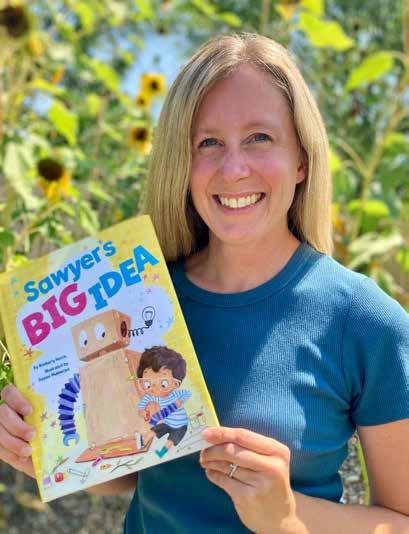
Kimberly Horch's love of storytelling began early. Her mother, an elementary school teacher, encouraged her creativity before she even entered kindergarten.
“I would tell her the story out loud and she wrote the words down and put a portfolio cover on it to make it a book,” Horch recalls. “My mom was always a huge supporter of my writing.”
Years later, after becoming a parent herself, Horch rediscovered that passion when she shared a story about her grandfather with her mother.
“I was surprised when a friend asked where he could buy a copy,” Horch says. “It was the first time I ever considered that someone outside my family might be interested in something I wrote.”
That spark eventually led to publication after years of classes, submissions, and persistence. Today, Horch's debut picture book, SAWYER'S BIG IDEA, follows a child struggling with focus and finishing a project.
For Horch, picture books remain one of the most effective ways to help children learn.
“Books are an amazing way to help kids learn,” she says. “In the past, children's books often focused on a single moral. Today there are so many different stories that cover the same topic, making it easy to find some that resonate with your child.”
Like Fraser, Horch credits SCBWI and critique groups for helping her grow as a writer.
“I learn so much from the work of other authors and from their feedback,” she says. “Being part of a writing team is a game changer.”
The value of picture books extends beyond literacy and learning. Many authors point to the connection that forms when adults and children share stories together.
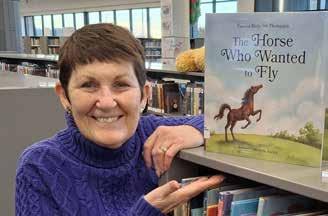
"Picture books are a gateway to literacy," says local author Pamela Kleibrink Thompson, whose award-winning picture book The Horse Who Wanted to Fly explores perseverance and believing in one's potential.
Thompson says reading with her daughter every night reinforced the importance of making books part of a child's daily life.
“Reading boosts brain development, builds vital language skills, expands vocabulary, and cultivates empathy,” she says.
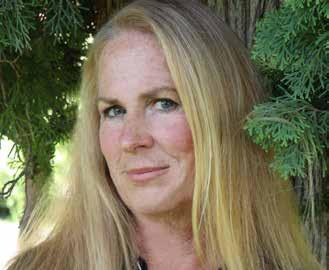
“A good book for young readers must be a story that does not talk down to children or hit them over the head with a lesson. It should spark creative thought and still entertain after many, many reads, but most importantly it must have heart.”
For Fraser, Horch, Thompson, and countless other children's authors, picture books are more than words and illustrations on a page. They are opportunities to spark imagination, encourage empathy, and create lasting memories between children and the people who read with them.
As Fraser puts it, “Success for me is writing a book that kids want to hear (or read) over and over again.”
Any parent who has read the same favorite book for the fiftieth time knows exactly what she means.
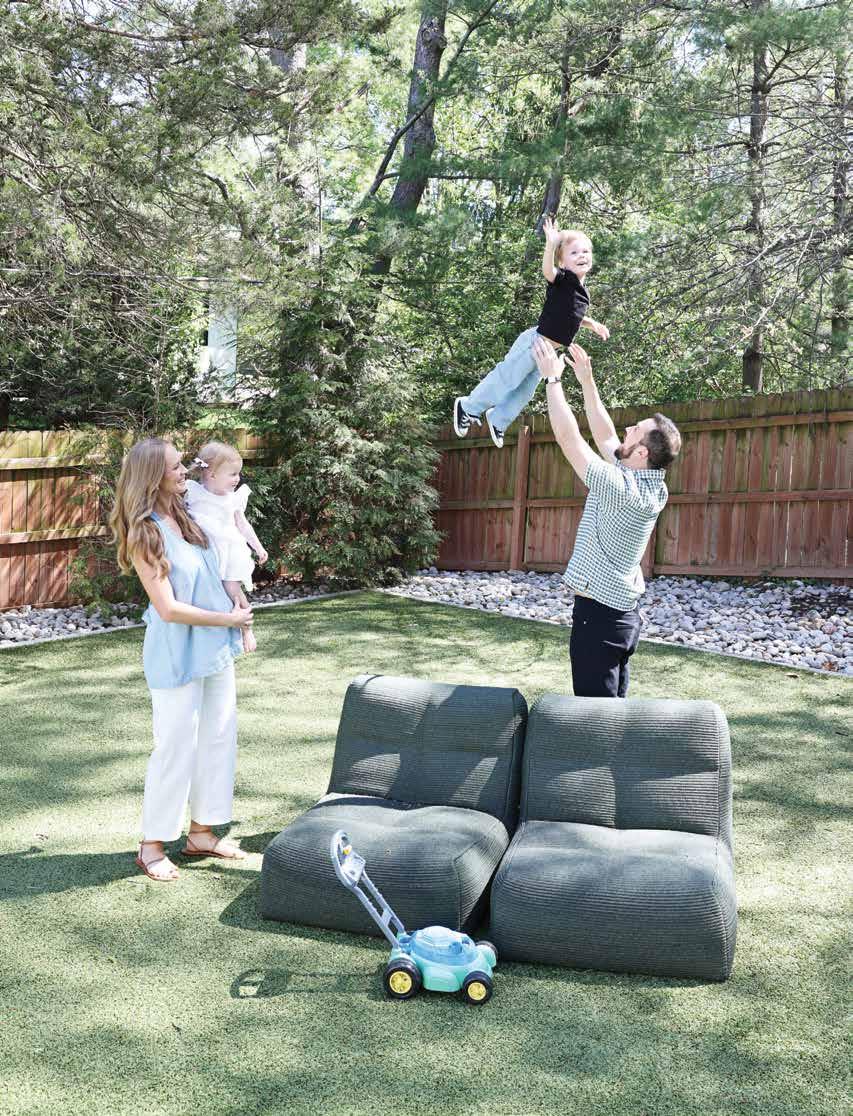
Trey Kennedy makes a living finding comedy in regular life. Marriage. Toddlers. Yoga pants. The Thursday-night scramble between school dropoffs, soccer practice, and whatever has to be done by morning. Twelve years in, it shows: millions of followers across every platform, three stand-up specials, a sold-out Relatable Tour, and a style of humor fans send each other captioned, “Are you watching me?” He delivers the kind of comedy that travels because everyone’s living some version of it.
Katie, his wife of six years, is a former biomedical engineer who also built a modeling career. She’s now raising their kids and co-hosting Correct Opinions alongside Trey — the show where the two of them swap takes on marriage, parenting, and whatever came up that week.
Trey has been at this longer than people realize. An Edmond, Oklahoma kid who grew up playing basketball described himself as a “shy kid who never thought he’d be an entertainer.” He started making videos while attending Oklahoma State University. After building millions of followers on Vine before the platform shut down, he gave himself six months on Instagram and Facebook to see whether he could rebuild from zero. He did. Stand-up soon followed. His first special, Are You For Real?, streams on YouTube; the second, Grow Up, on Amazon Prime; the third, built around the Relatable Tour, wrapped earlier this year. “I’ve been trying to be funny every week for like twelve years now,” he says. A slow climb, made one bit at a time.

ARTICLE BY KALI KASPRZYK
JANIE
“I’ve been trying to be funny every week for like twelve years now.”
Most of what Trey writes lately starts in his own kitchen. Thomas is three and a half, and he is, in his father’s words, “a movie.” He narrates his own life from the moment his eyes open and mispronounces words in ways his parents now repeat to each other because no one else would believe them. His younger sister, Eva, is what Katie calls “the calm one.” With a third now in the mix, the Kennedys are officially outnumbered.
After six years of marriage, Trey and Katie have learned that the partnership runs best when it gets its own time on the calendar. So once a week, they leave the kids with a sitter and go out for coffee. “You need a system,” Katie says. “It’s about taking time to look each other in the eye. Not the kids. Not the cameras. Just each other.”
The same instinct shapes the work. Most of Trey’s trial and error happens onstage or on Instagram, but the first read is always Katie’s. “There’s only been one time ever I’ve had to be like, ‘you’re not doing that,’” she says. The rest of the time, she just laughs first.
FEATURING TREY & KATIE KENNEDY
Trey and Katie talk about marriage, parenting, and the moments that don’t make the Instagram feed.
Watch or listen to the full conversation wherever you get your podcasts.






AUGUST 2026
1-29 — MERIDIAN MAIN STREET MARKET
Saturdays Downtown Meridian, 9 AM: Local vendors, artisans, food, produce. meridianmainstreetmarket.com
1 — SPEEDWAY NAPA AUTO CARE
Meridian Speedway, 6:30: Races, taco night, trophy presentations. meridianspeedway.co
1-8 — SWEENEY TODD
Idaho Shakespeare Amphitheatre: Musical thriller of revenge & dark humor. idahoshakespeare.org
1-2 — IDAHO PAINT HORSE
Ford Idaho Center, 8 PM: Horse shows, equestrian events. fordidahocenter.com
1-2 — APEX WEEKEND
Boise Outdoor Fieldhouse: Whitewater Rafting, Wake Surfing, Sailing, Flatwater Paddling, Fly Fishing. challengedathletes.org
2 — SIMPLE PLAN
Ford Idaho Center, 8 PM: Bigger Than You Think Tour! fordidahocenter.com
2 — HUNTER HAYES
Treefort Music Hall, 7 PM: The ‘Evergreen’ Tour! treefortmusichall.com
3-31 — MONDAY NIGHT MARKET
Mondays Storey Park, 4 PM: Farm goods, artisan vendors, baked treats, food trucks, live entertainment. BasicallyBrilliantEvents.com
4 — NATIONAL NIGHT OUT
Throughout Meridian, 6 PM: Join neighbors for block parties, family activities, and community celebrations promoting safer, stronger neighborhoods. meridiancity.org
5 — MERIDIAN MAIN STREET MIX
Generations Plaza, 5:30 PM: Free downtown concert featuring Poverty Flats. meridiancity.org
6 — BOISE ART SHOW
Idaho Art Gallery, 5 PM: Opening reception, ‘Alive in the Sun,’ by national artist, Benjamin Childress. IdahoArtGallery.com
7 — SPARKLIGHT MOVIE NIGHT
Settlers Park, 7 PM: Free outdoor family movie night, concessions, activities. meridiancity.org
7— GREENBELT NIGHT MARKET
The Boardwalk, 5 PM: Live music, local vendors, and food trucks. greenbeltnightmarket.com
7-9 — BRANDED BONANZA IDAHO
Ford Idaho Center, 8 AM: Wild horse training and adoption program. fordidahocenter.com
8 — BOISE SOUL FOOD FESTIVAL
Julia Davis Park, 11 AM: African-American culture, food, and traditions. boisesoulfood.org
8 — CREATE AND PAINT
Art Source Gallery, 6 PM: Flower arranging and painting workshop. danicafactorart.com
12 — MERIDIAN MAIN STREET MIX
Generations Plaza, 5:30 PM: Free downtown concert featuring Charlie & The Changelings. meridiancity.org
14 — MERIDIAN LIVE MUSIC
Kleiner Park, 7 PM: Free outdoor concert at the bandshell. meridiancity.org
14-29 —THE WINTER’S TALE
Idaho Shakespeare Amphitheatre: Shakespeare’s tale of loss, forgiveness, redemption. idahoshakespeare.org
15 — MERIDIAN CAR SHOW
Downtown Meridian, 10 AM: Pre-1990 vehicles from across the Treasure Valley! meridianchamber.org
15 — TAYLOR SWIFT TRIBUTE CONCERT
Egyptian Theatre, 7 PM: A night of singalongs, nostalgia. Egyptiantheatre.events
15 — TY MYERS: THE LEGAL TOUR 2026
Ford Idaho Center, 7:30 PM: With Brent Cobb and Benny G! fordidahocenter.com
15 — KOREAN FESTIVAL
Gene Harris Bandshell, 10 AM: Korean culture & community. kpoptracker.net
18-22 — CALDWELL NIGHT RODEO
Rodeo action & western tradition! caldwellnightrodeo.com
20 — BUSINESS BUILDER DAY
Riverside Hotel, 8:30 AM: Connect with business leaders, decision-makers. iblevents.com
21 — LEGENDARY LADIES’ NIGHT
Meridian Speedway: All Ladies Admitted FREE! meridianspeedway.com
21-30 — WESTERN IDAHO FAIR
Expo Idaho: E xhibits, entertainment, food, and shopping. idahofair.com
22 — TOAST: THE BEST OF BREAD
Egyptian Theatre, 7 PM: Bread’s classic hits and legacy. breadtribute.com
27 — THE BEACH BOYS
Ford Idaho Center, 7:30 PM: 60 years of Pet Sounds! fordidahocenter.com
29 — MERIDIAN ART SPARK
Kleiner Park, 11 AM: Live music, food vendors, artist showcases, hands-on art activities. meridiancity.org
29 — ZOOBILEE 2026
Zoo Boise, 5:30 PM: Zoo fundraising gala for wildlife conservation. zooboise.org
29 — NATIONAL PUBLIC LANDS DAY CELEBRATION
Bogus Basin, 8 AM: With booths and volunteer opportunities. bogusbasin.org
29 — BUGS HARVEST DINNER
BUGS, 5:30 PM: A farm-to-table evening in the garden. boiseurbangardenschool.org
29-30 — SAGEBRUSH’S INAUGURAL SUMMER MARKET
Sagebrush Collaborative: Shop local at Boise’s newest summer market. sagebrushcollaborative.com









Why unstructured time, patience, and quiet moments still matter for children growing up in a constantly connected world
ARTICLE BY STAFF WRITER | PHOTOGRAPHY BY PHIL WHITE, THE 8TH STREET STUDIO + PROVIDED
For many parents, one of the most familiar scenes today is also one of the quietest: a child staring down at a phone for hours at a time.
Lisa Schiro, Founder & CEO of K-Counseling & Anxiety Treatment, says conversations with families increasingly revolve around attention spans, emotional regulation, overstimulation, and the growing role screens play in everyday life.
“Children aren’t spending thirty minutes on their phones anymore,” Schiro said. “The current average is closer to seven to ten hours a day.”
While technology itself is not new, Schiro believes the amount of constant stimulation children now experience is changing how many young people respond to boredom, frustration, rest, and even ordinary conversation.
“When every moment of discomfort is numbed by a screen, children don’t learn how to regulate themselves — they learn how to outsource regulation to a device,” she explained.
Schiro says many of the experiences that once quietly helped children build resilience — waiting, imagining, problem-solving, and learning to sit with discomfort — are becoming less common.
“Developing brains need boredom, not constant stimulation,” she said.
She points out that boredom itself is not something to fear. Unstructured time often becomes the space where children develop creativity, independence, emotional awareness, and patience — skills that cannot always be learned through constant entertainment or distraction.
She is also quick to point out that parents themselves are navigating the same challenges. Phones interrupt dinners, conversations, and downtime for adults just as easily as they do for children.
“Parents don’t need to be perfect,” Schiro said. “But they do need to be intentional.”
For Schiro, the larger conversation is less about punishment or fear surrounding technology and more about helping families become more aware of how attention, rest, and connection are shaped inside the home.
Schiro works with children, teens, adults, and families. Additional resources and information are available at K-Counseling.org

Helping children build emotional balance in everyday life
1 | Attention & Overstimulation
Constant stimulation can make schoolwork, reading, conversation, or even quiet moments feel unusually difficult or unrewarding for children today, especially after extended screen use.
Boredom helps children develop imagination, patience, emotional regulation, creativity, and problem-solving skills that constant entertainment often interrupts or replaces during everyday life.
Phones at the dinner table, notifications during conversations, and endless scrolling quietly shape how children understand attention, rest, connection, and even relationships within the home.
Phone-free meals, outdoor time, unstructured play, and consistent boundaries can help families create healthier emotional rhythms, stronger daily habits, and more meaningful moments together.