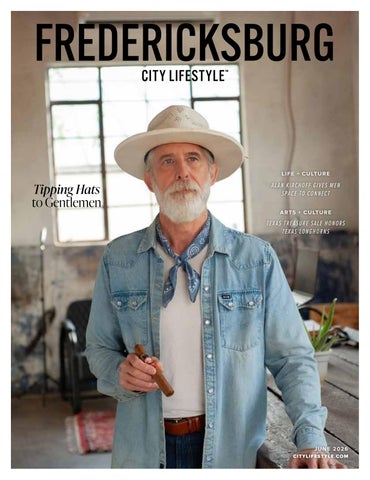
Tipping Hats to Gentlemen
LIFE + CULTURE
ALAN KIRCHOFF GIVES MEN SPACE TO CONNECT
ARTS + CULTURE
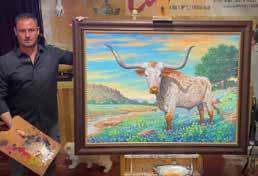
TEXAS TREASURE SALE HONORS TEXAS LONGHORNS




LIFE + CULTURE
ALAN KIRCHOFF GIVES MEN SPACE TO CONNECT
ARTS + CULTURE
TEXAS TREASURE SALE HONORS TEXAS LONGHORNS
We at Fredericksburg City Lifestyle hope you enjoyed our May issue and its focus on the great women of our community. Of course, now in June, we honor the men who impact our Fredericksburg and Kerrville area. Among them are magnificent stories, notable leadership and eternal words of wisdom.
Speaking of wisdom, you will enjoy reading a guest column by Dan Garrison in this issue. Dan is a true visionary, having launched Garrison Brothers Distillery, the first bourbon distillery outside of the state of Kentucky. And where did he plant it? Right here in the Texas Hill Country. But Dan doesn’t share with us his vision for whiskey. Instead, he shares about his friend Russell Hartmann and the role of a Texas gentleman.
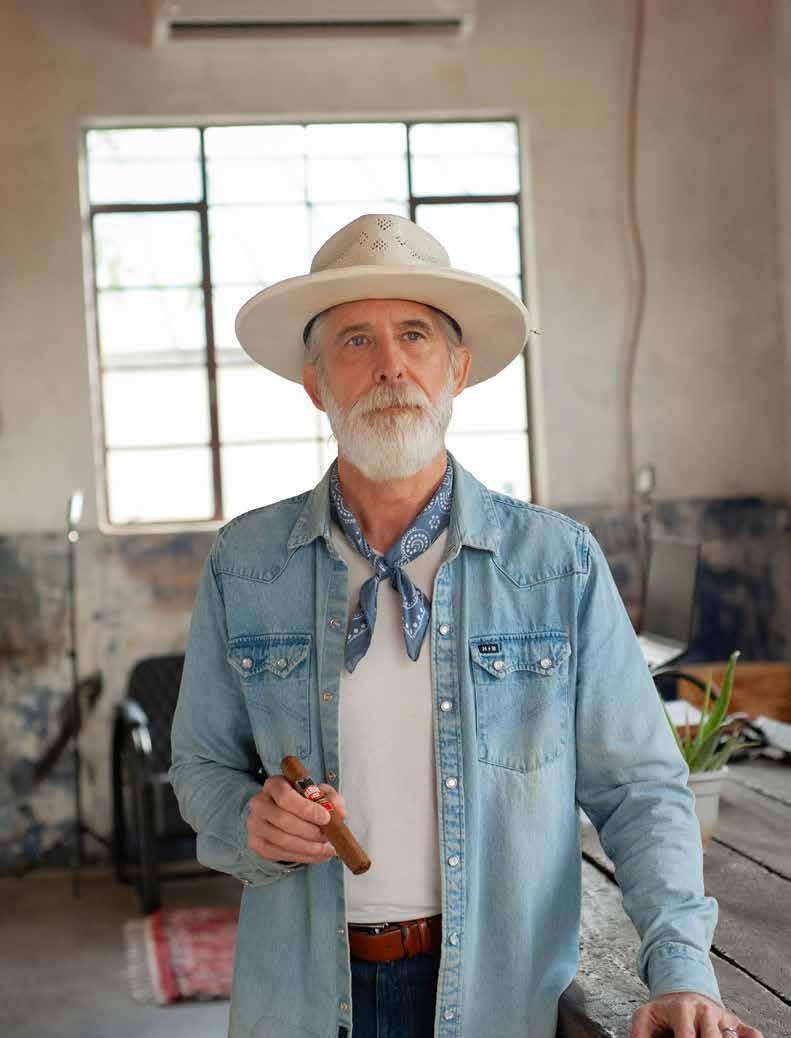
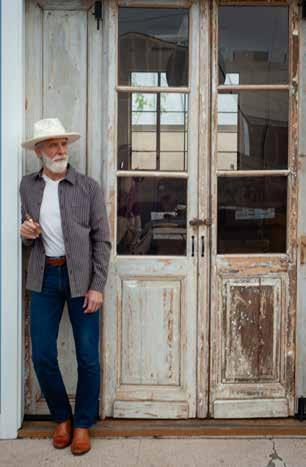
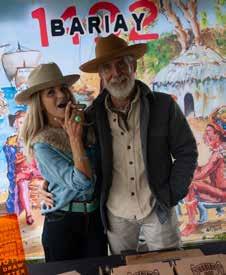
Our cover story shines the spotlight on Fredericksburg entrepreneur and allaround small-town gentleman, Alan Kirchoff, who founded Bariay 1492 Cigars, employing an ancient method of producing fine tobacco. Additionally, Kirchoff is part of a weekly gathering of men, one of the few deliberate circles for conversation and connection.
We also highlight John Hever, a rancher and breeder of the iconic Texas Longhorn, who set out to carry on the tradition of hosting an elite hospitality experience for Longhorn ranchers throughout the nation. He shares his early chapters, metaphorically speaking, in a story that will likely continue being told for many years for cattle breeders. Dive in as we explore the world of the Texas Longhorn.
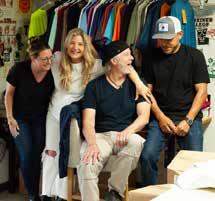
Finally, read about Greg Hayes, a man who worked side by side with his family to build a screen printing and embroidery business dripping with local flair. Outfitting our schools, law enforcement and the shops that define Fredericksburg such as Luckenbach Texas, Hayes built Blue Ribbon Co. from sidewalk sales into a screen-printing magic shop full of machines in motion and loyal workers.
The men featured in this issue are only a small representation of those creative, hard-working, family faithful men who keep the wheels in motion in our Fredericksburg and Kerrville areas.
We hope you enjoy their stories. As always, we are honored to share them and hope we enrich the culture where you live. Enjoy every little tale along the journey of our June issue as we tip our hats to the men.
Sincerely,

June 2026
PUBLISHER
Kimberly Giles | Kimberly.Giles@citylifestyle.com
MANAGING EDITOR
Brent Burgess | brent.burgess@citylifestyle.com
STAFF WRITER
Amy Tucker | amy@gurldesign.com
CONTRIBUTING WRITER
Dan Garrison | dan@garrisonbros.com
CONTRIBUTING PHOTOGRAPHERS
Bailey Lamar, Bella Kirchoff
BRENT BURGESS, MANAGING EDITOR
CEO Steven Schowengerdt
President Matthew Perry
COO David Stetler
CRO Jamie Pentz
CoS Janeane Thompson
AD DESIGNER Andrew Sapad
LAYOUT DESIGNER Amanda Schilling
QUALITY CONTROL SPECIALIST Brandy Thomas



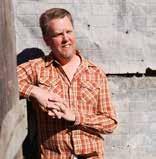
Alan Kirchoff
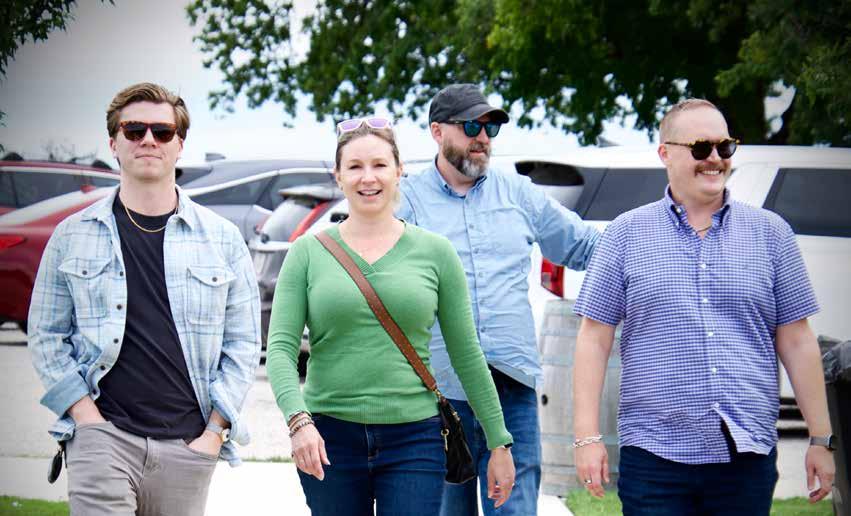


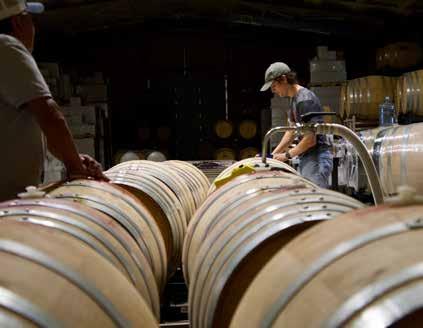
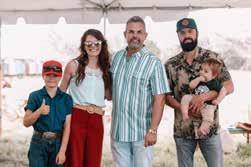
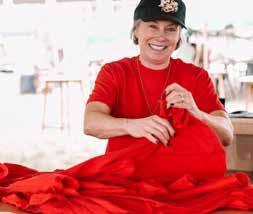
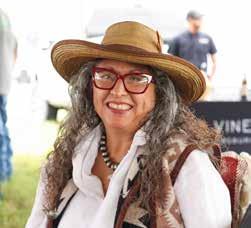
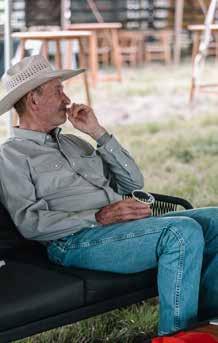
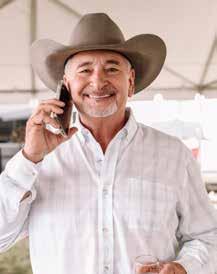
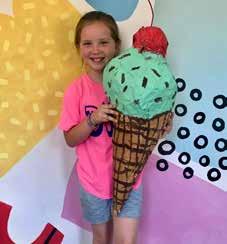
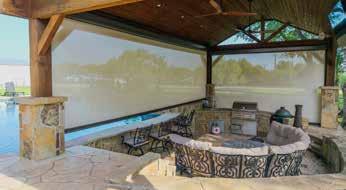
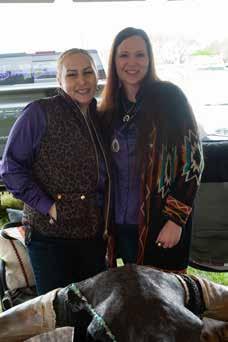
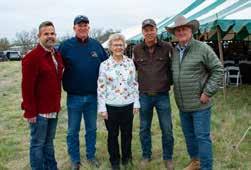
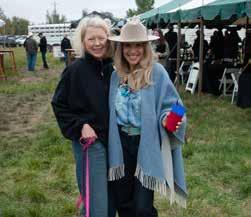
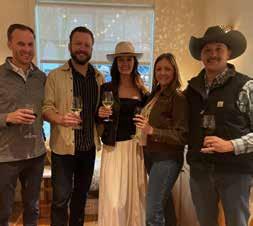
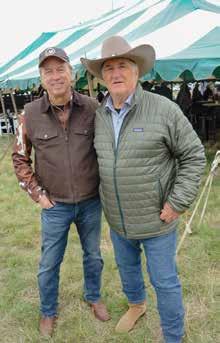
1-7: A community of friends and family, breeders and ranchers gathered at the Texas Treasure Sale, hosted by













Gastehaus Schmidt offers accommodations for your Fredericksburg experience
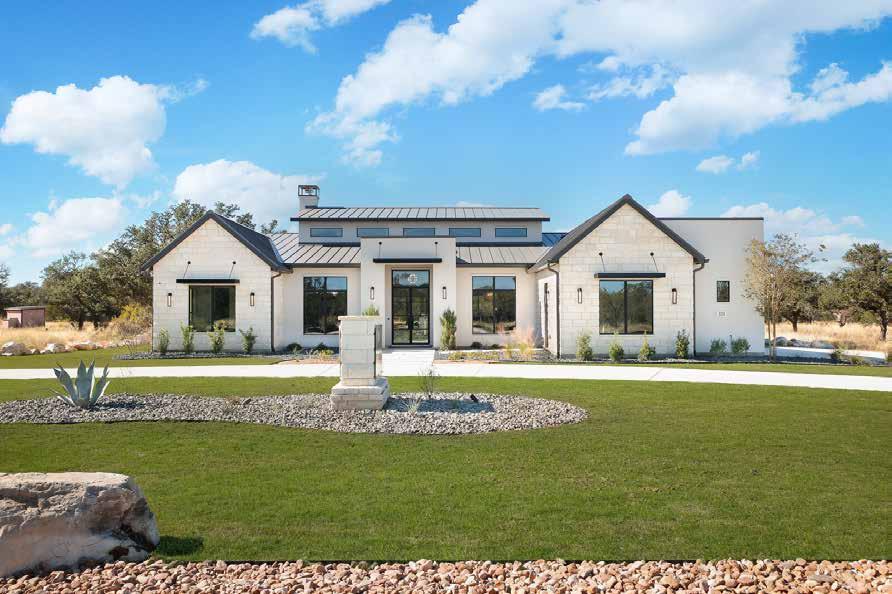
Gastehaus Schmidt in Fredericksburg offers multiple decades of experience in providing comfortable accommodations for both visitors and staycationers in the area. Managing more than 200 properties, Gastehaus Schmidt can make a Fredericksburg stay cozy with accommodations from small cottages to large homes. View their properties at FBGLodging.com or call them at 830-997-5612.

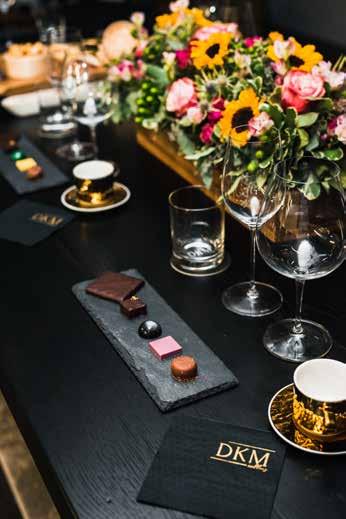
Looking for a memorable and luxurious experience in Fredericksburg? Hill Country Chocolate offers chocolate and wine pairing experiences to folks who crave a unique and intimate enjoyment of the finest chocolates alongside fine wine. The chocolate and wine experience, along with many other events and guest experiences, can be found and booked at HillCountryChocolate.com or by calling 830-992-3277.

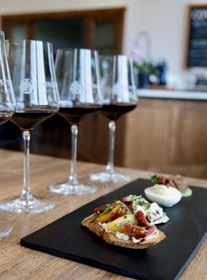
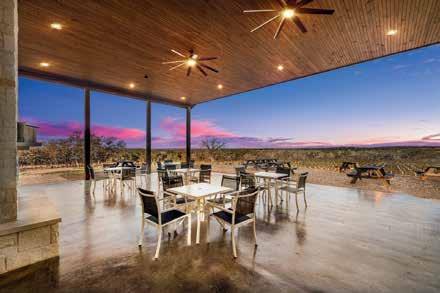

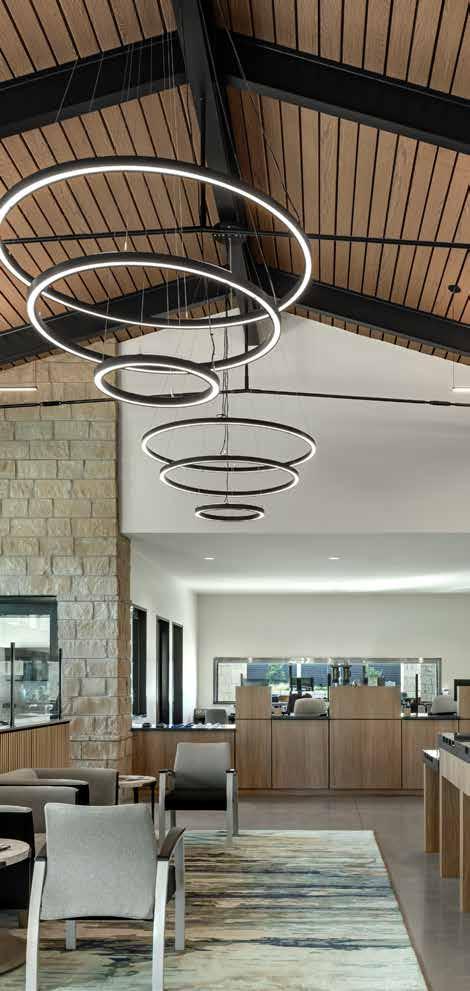
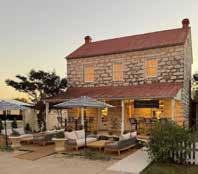
Step into historic space and taste the wine at Calivence
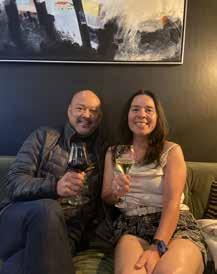
Fredericksburg’s newest tasting room at Calivence is ready to serve you a premier wine tasting experience. Calivence has been making wine for 25 years, but now has a tasting room and bistro located at 419 W. Main St. in Fredericksburg. Check out their story, their menu and book a reservation by visiting CalivenceFBG.com or call them at 830-307-1216.




The smoke that stays
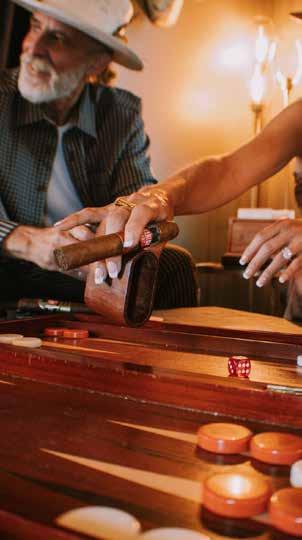
There's a ritual that happens on Friday afternoons in Fredericksburg. It doesn't have a formal name on a sign anywhere. Someone texts the group, people show up, and for a couple of hours the week exhales. Phones are set aside. Conversations take their place.
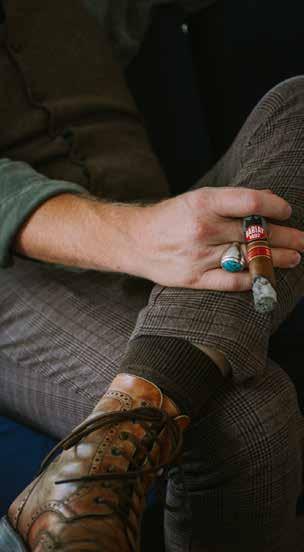
Alan Kirchoff started it alone. Just a man and a cigar on a Friday, making space to think. Then a friend joined. Then another. Now there are dozens: industry transplants and longtime locals, people whose stories would stop you mid-sentence if you heard them. They call it Fredman Friday, after a Navy SEAL frogman tradition of ending the week with a cigar and something worth raising a glass to. Kirchoff's version skips the physical challenge and goes straight to the part that matters.
“It’s not about business,” Kirchoff says. “It’s just people having a place to come unwind and get to know each other. Fredericksburg draws such interesting people, you hear their stories and you think, you did what?”
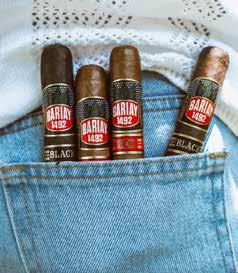
This is, it turns out, also the story of Bariay 1492.
Kirchoff is a founder and entrepreneur by background, startups, funding, operations, but the cigar brand he is building with his partner Cesar Ramirez is something harder to categorize. It is, at its core, a project about returning to origins. The name Bariay references the bay in Cuba where Columbus first encountered the Taíno people burning tobacco, not recreationally, but ceremonially.
ARTICLE BY AMY TUCKER
Communally. As an act of connection between people and something larger than themselves. That is the root Bariay is growing from.
The cigar itself is the result of thirty years of obsession. Cesar Ramirez, master blender and Cuban exile, developed a third fermentation process the modern industry largely avoids. What it produces is something rare, tobacco in what he calls its original state - clean, balanced and without the harshness most smokers have come to expect.
“The whole world just accepts that a cigar is going to have a bitterness,” Kirchoff says. “They know no different.”
At well under twenty dollars, it was priced that way on purpose. Cesar insisted. A premium experience, he believed, should not require a premium barrier to entry. This is tobacco for everyone, the smoke democratized, the ceremony made accessible.
But to understand why Bariay feels different from other boutique cigar brands, you must understand how Kirchoff and Cesar found each other, and what it meant when they did.
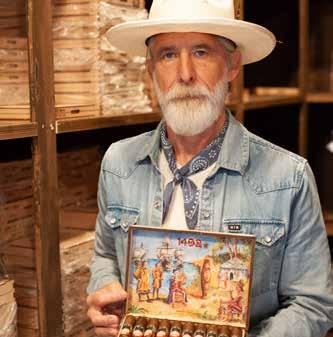
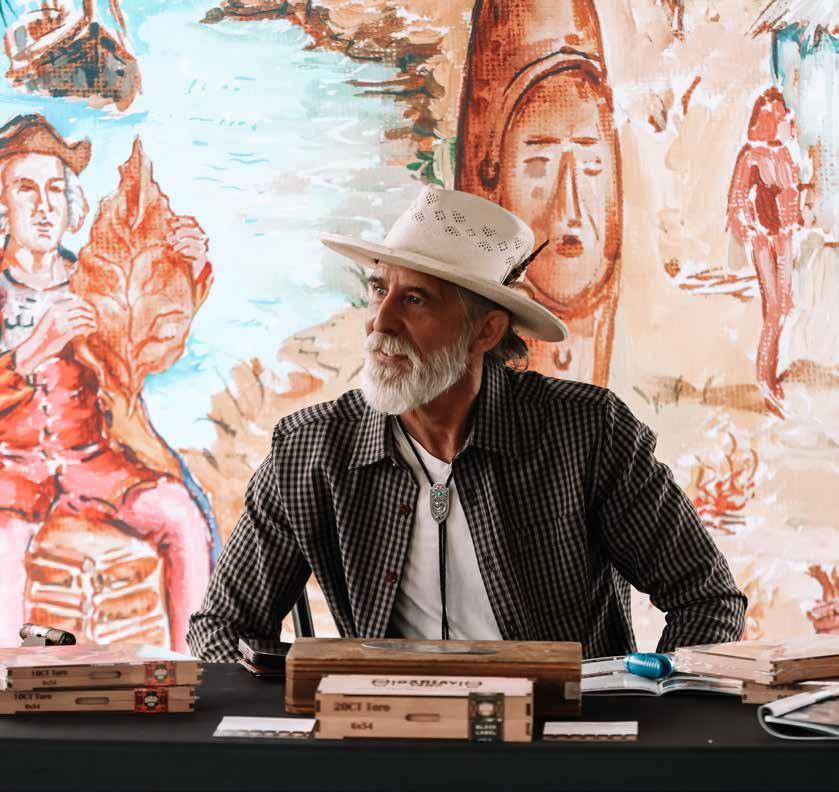
The short version involves a canceled booking, a last-minute Vegas convention and a shared smoke in a hotel lounge. The version that stays with you goes like this. Cesar was in Cuba for the first time in 30 years, 30 years since the day he left on a raft, when Kirchoff called him. He had spent decades building something the industry said could not be done and was close to walking away from it.
That night in Vegas, Kirchoff smoked Cesar's cigar and set down his own. “What are you doing differently?” He asked. Cesar smiled. A mutual friend who had been quietly observing said simply, Cesar represents ancient roots. Neither man needed to say much more.
What followed was a partnership built on alignment of values. Kirchoff brought the business architecture, funding, operations, sales and the infrastructure to make a dream a reality. Cesar brought the craft, the recipe, the process and the decades of refinement. Together with master tobacco farmer Wilfredo Ponce in Nicaragua, they are producing something genuinely rare, a boutique cigar made with full vertical integration, without mass production or compromise.
The commitment remains simple - authenticity, humility, family and staying true to the root as the business grows.
That last part, family, is where the personal and the professional become inseparable. Kirchoff's daughters, Bella and Olivia, are involved not as figureheads but as participants, learning what he calls the heart behind the work.
“I want them to know the heart,” he says. “So, when a decision comes, they can ask, does this align? If not, walk away, even if it means more money.”
The legacy play is deliberate. There are 24- to 34-year-olds discovering cigars now. They seek craft, story and a clean experience as they move away
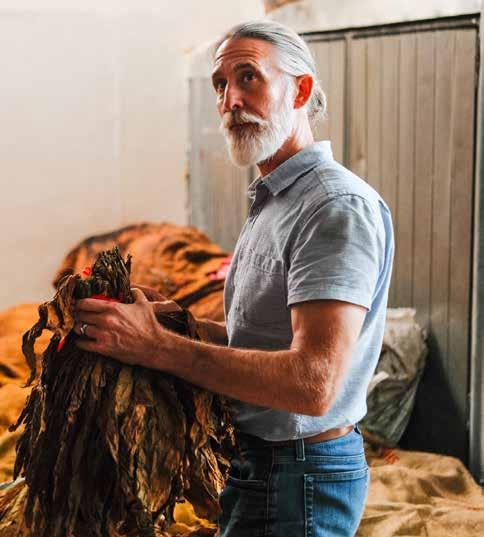
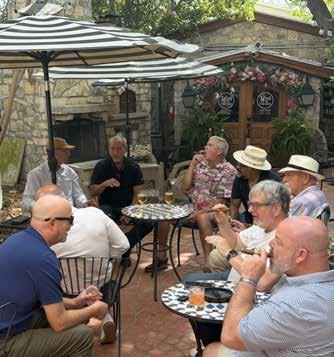
from alcohol. Kirchoff wants them to smoke Bariay for the next forty years. He wants what Padrón has, a product so consistent, so rooted in principle, that picking it up feels like a handshake across time.
There's a word that keeps surfacing, ceremonial. The Taíno used tobacco to slow down, come together and make meaning. What Kirchoff has built, through Bariay and through Fredman Friday, lives in that same spirit.
People show up on Fridays now. No agenda. Just time made on purpose, for connection and ceremony.
That's not nothing. That's the whole thing.
Bariay 1492 cigars are available locally and online at bariay1492cigar.com




Keeping the legacy of the Texas Longhorn alive
ARTICLE BY BRENT RYAN BURGESS
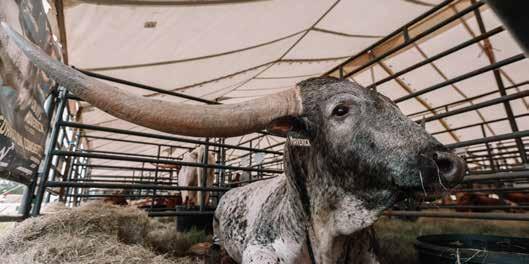
For men, there are few things more iconic than the idea of the American cowboy. John Hever, founder of Texas Treasure Sale, a premier Texas Longhorn cattle sale, encompasses that spirit. And though Texas ranching has changed, the legacy of the Texas Longhorn carries on.
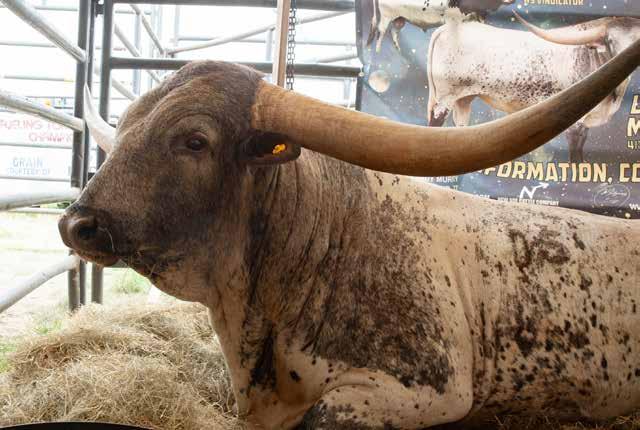
Texas Longhorn cattle are a true symbol of the Lone Star State. But the origins of the breed tell a richer story. “They didn’t originate here,” Hever said. “They were brought in by the Spanish, and they lived by themselves for 600 years.”
What has changed since the time of the early ranchers is selective breeding to determine color and the Longhorn’s archetypal spread to an eye-popping width. “It’s absolutely unbelievable how much you can impact the way the animal looks and the colors,” Hever shared. “All of that’s being done by breeders who are trying to do the same thing that I am – create an animal that they like.”
Hever grew up in Dallas. No horses. No cows. While in Dallas, he and his wife Susie wanted some property in the Texas Hill Country, eventually finding a spread just north of Hye. Like
many Texas landowners, Hever began acquiring cattle for an agricultural tax exemption on the land. He purchased ten cows. “Out of those ten, two of them were Longhorns,” Hever shared. “I didn’t even know what they were.”
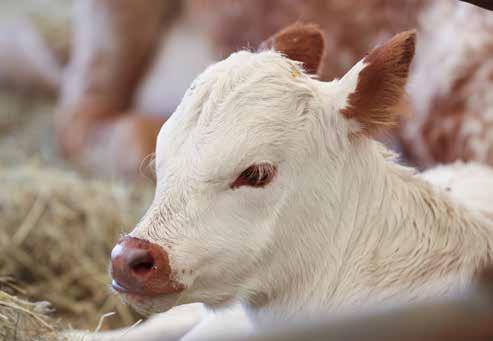
He quickly noticed some differences in the breed, and he grew what he described as an addictive interest in them. Hever continued, “There was a difference between the commercial cattle and the Longhorns. The Longhorns were a little quicker to feed, a little more athletic. They were much more pleasing to the eye. And so, within a year, the other cows were gone, and I found the Longhorn Association (Texas Longhorn Breeders Association of America or TLBAA).”
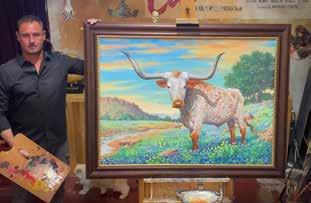
What was so appealing about the breed for Hever? He described Longhorns as art grazing through a field. For him, the breed became much more than a tax benefit.
About 25 years ago, Hever attended a cattle sale hosted by Red McCombs, legendary businessman from San Antonio who owned land near Johnson City. Hever described an experience of grandeur, luxury and exceptional hospitality at the event.
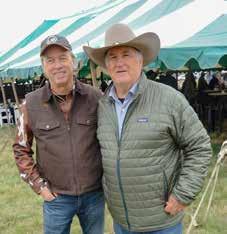
“They (the guests) are coming into a place that’s used for animals – typically dirty, kind of dingy – and instead, you’re out under the Texas stars and then being greeted by one of the best hosts,” Hever shared about the event, which he continued to attend throughout McCombs’ life.
After McCombs died, the network of breeders felt the loss of the annual event, a fellowship of shared meals, conversation about the love of the breed and opportunities to buy and sell to breeder preferences.
“It was like a piece was cut out of all of us,” Hever shared about the loss.
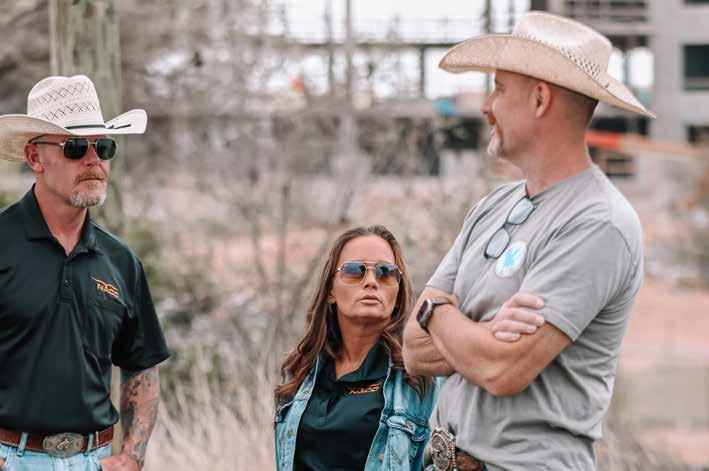
Along with partners Kurt Twining and Mike Davis, and fellow Association member Randy Murray, the group began looking for a location. They toured various properties, but nothing worked as they needed. In a last minute find before the first event, Mike Davis closed on a property just west of Fredericksburg near the intersection of Highways 290 and 87.
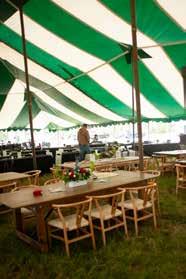
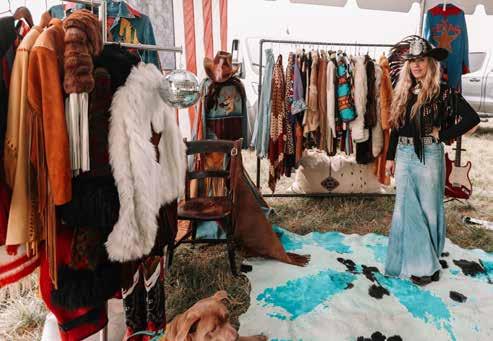
The Texas Treasure Sale launched in 2025 to high acclaim. March 2026 saw the event in its second year. Attending guests approached the sale through a luxurious vendor tent featuring cozy space to sit, shops and booths of western art, luxury clothing and even the fine tobacco of Bariay, featured in this issue.
Families lined up for a plate of barbecue and shared tables refreshed by cold beer. Kids played in the nearby fields.
The cattle tent was an eye-catching path through some of the most beautiful representations of the Longhorn breed to be found. Smiles and handshakes and hugs were shared throughout the weekend.
Texas Treasure Sale takes place annually in Fredericksburg, Texas and is hosted by John Hever, Mike Davis, Randy Murry and Kurt Twining. The sale draws Texas Longhorn breeders and collectors from across the nation.
Information about sale results, along with information on local restaurants and experiences, can be found at the Texas Treasure Sale website: TexasTreasureSale.com
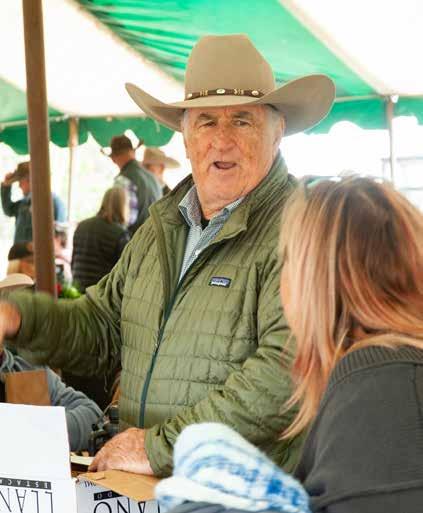
“What was so appealing about the breed for Hever? He described Longhorns as art grazing through a field.”
Hever doesn’t see Texas Treasure as a sale; he sees it as an event.
Despite that fact, six animals sold for an amount higher than $50,000. The highest selling animal was a heifer, sold for $75,000. Longhorn lovers put their money where their mouth is.
Hever plans to continue the Texas Treasure Sale to gather Longhorn breeders and collectors from all over the world. He sees the sale as a benefit to the entire community of Fredericksburg.
At a time when cattle ranching is changing, landowners have moved away from high-acreage ranches once requiring the maintenance of hundreds of heads of cattle to be sold at beef auctions. Today, many have moved towards smaller plots of land with the tax benefits of keeping a few beautiful four-legged icons of the rich history of Texas ranching – the Longhorn.
And behind it all is John Hever, throwing his passion and vision right into the mix.
“We love this little town and this area,” Hever said. “We really want to showcase Fredericksburg – the restaurants, the wineries, the galleries, the spas, the businesses – the things that make Fredericksburg tick.”


Walnut Creek Ranch is 10 miles from Fredericksburg, surrounded by rolling hills that bring out nature’s beauty with each parcel (25-75 acres). The Burr Oak Creek traverses the ranch with a few live springs mixed in; each parcel has abundant hardwoods for shade and cover.







Dan Garrison shares the traditions carried on by friend Russell Hartmann
ARTICLE BY DAN GARRISON
“I THINK THERE ARE SMALL ACTIONS MEN TAKE THAT REFLECT WHAT IT MEANS TO BE A GENTLEMAN. SOUTHERN MOMS AND DADS, GENTLY BUT WILLFULLY, PASS ALONG THESE CUSTOMS.”
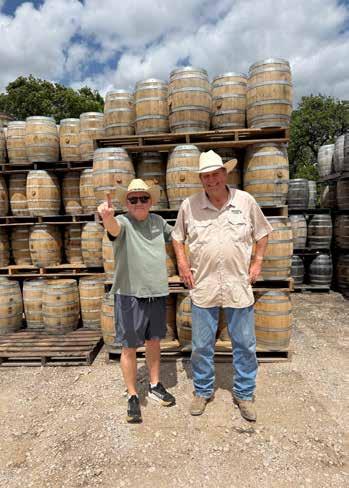
Although I’m 61, I still don’t feel grown up. Yet every time I work closely with Garrison Brothers’ All-Around Cowboy Russell Hartmann, I find myself saying, “If I ever grow up, I want to be like that man.”
Russell is 6’8”, built like a linebacker and easily ten years my senior. If he’s ever been tired, felt pain or sadness, I’ve never seen anything on his weathered handsome face but a warm amused grin. Previously, he retired from a multi-decade career with the Texas Department of Transportation. He has a nice home, a beautiful ranch and a wonderful family. He doesn’t need to work at Garrison Brothers. He does so because we share the same values and work ethics. His endearing attributes are his cowboy mannerisms. When he meets a woman, whether for the first time or the 100th, he instantly bows and tips his hat with his thumb and forefinger while lighting up the lady with a sweet fatherly grin. That smile is infectious. The South is filled with chivalrous men like Russell.
I believe rodeo season exemplifies what it means to be a southern gentleman in Texas. Felt hats adorn most heads. Kids wear them too. I cherish the custom. Felt hats are hot, and most men are eager to switch to straw when the rodeo concludes.
As I reflect on rodeos past, my favorite part is when the rodeo announcer says, “Please rise for prayer and the national anthem.” In one fluid swoosh, all the hats come down from the men’s heads and are placed with one hand on their chests over their hearts. Southern men still love their country and talk to God despite what we hear on the network news. I shed a prideful tear each time I witness it.
I think there are small actions men take that reflect what it means to be a gentleman. Southern moms and dads, gently but willfully, pass along these customs. When approaching a table at a restaurant, southern gentlemen know to give their ladies the best table and best view of the room. Women often choose the seat that faces the crowd or front door. I suspect this is so they can warn their date if someone they know is approaching.
Law enforcement officers get a pass on this one; they’re trained to face the door to best protect the diners and staff from potential incoming danger.
One custom I fear fading is when a gentleman lets the lady lead them out after dinner, or he extends an elbow for her to hold so they can exit together while smiling at the guests. I’ve always felt this was important. It demonstrates how connected the couple is socially. If the woman rejects the man’s arm, she may have other things on her mind than him. When I see a man rushing to the exit leaving his date in his dust, they may have argued or the man is self-absorbed.
Phones have exacerbated the situation. Some men and women pick up their phone to review messages as they leave instead of staying focused on each other.
I may be over-thinking these examples. Call me nostalgic or old-fashioned if you wish - I like the sound of that. But I believe parents have opportunities to occasionally reinforce Southern traditions. Your kids may reject that, but when they are grownups - like hopefully I’ll be one day - they might regret that they didn’t pay more attention.
Just wait, gallantry is on the comeback trail.
Dan Garrison is founder and owner of Garrison Brothers Distillery, located at 1827 Hye-Albert Rd. in Hye, Texas.

weddings . supper clubs . private parties . holiday
S c a n t h e Q R c o d e t o s e e w h y
T h u r s d a y n i g h t s a r e s p e c i a l
for your next event
H o s t y o u r n e x t p r i v a t e e v e n t o r e n j o y a
c u r a t e d s u p p e r c l u b a t T h e H a r v e y a t
E l k & M a i n i n F r e d e r i c k s b u r g
A s w a r m , w e l c o m i n g a n d c o z y a s i t i s
b e a u t i f u l , t h i s i n t i m a t e s p a c e w i l l a l l o w
y o u a n d y o u r g u e s t s t o r e l a x a n d c o n n e c t
w h i l e o u r t e a m t a k e s c a r e o f e v e r y d e t a i l
t o m a k e y o u r e x p e r i e n c e a t T h e H a r v e y m e m o r a b l e
t h e h a r v e y f b g c o m
4 2 3 e m a i n s t f r e d e r i c k s b u r g , t x

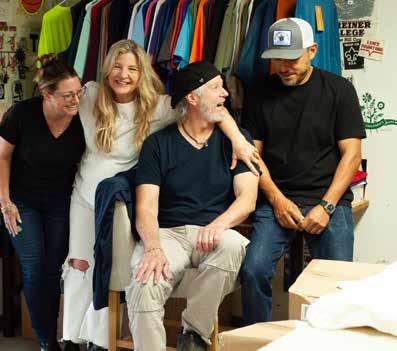
Greg Hayes and family found and build local screen printing and embroidery
ARTICLE AND PHOTOGRAPHY
BY BRENT RYAN BURGESS
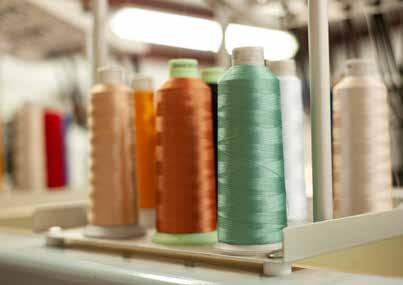
We live in an era where discussions on careers are accompanied by terms such as fulfillment, destiny and happiness. For men especially, work life often involves a need to build something of lasting purpose and value. Greg Hayes originally sought that in construction, but wanting something more, he found his purpose in building Blue Ribbon Co., Fredericksburg’s premier screen printing and embroidery service.
Blue Ribbon Construction, Hayes’ original business, became difficult in the 80s and he looked for something else to provide for his family.
“Somebody had a few pieces of this (screen printing equipment) in the garage, and I picked it up,” Hayes described. “But I ran two jobs for three years. I ran t-shirts at night and then I ran construction.”
At the time, Hayes was the only person offering screen printing in the area. It was a steep learning curve for Hayes, who claimed he had no idea what he was doing. But, with the help of a friend and his own personal ambition, he grew.
“By ’92, we were starting to run this solid, and it was running pretty good,” Hayes shared.
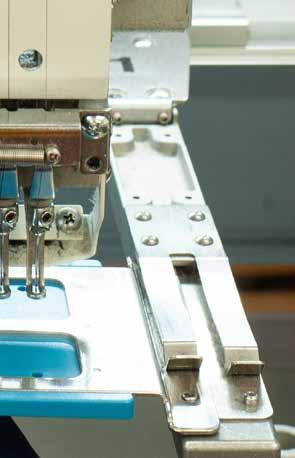
By using the term “we” Hayes referred to his family, as Blue Ribbon Co. has been, and continues to be, a family operation. His wife, Linda, has journeyed side-by-side with him while his daughter Melody continues to operate the business as a co-owner today.
The family moved to Fredericksburg from Austin in the 80s filled with a desire to live a small-town life. They wanted to raise kids in that culture. And Blue Ribbon Co. gave them a place to work together and build something that has now lasted decades.
These days, screen printing and embroidery are industries of high competition, especially in a digital world where designs and orders can be made through apps, websites and online stores. But Blue Ribbon Co. remains a stable force in Fredericksburg, largely because of small-town loyalty.
Early on, establishing those relationships meant a lot of physical work for Hayes who shared, “I was knocking on doors in Kerrville. I was knocking doors down the camp sites all the way to Ingram. I just told myself I had to sell a certain amount of shirts a day to keep it going.”
That leg work lasted about a year, but eventually Hayes and his family were keeping themselves busy with the connections they forged. And the business was simpler back then, Hayes shared. His catalog of products was thin, and he said there were only about four shirt options, compared to a head-spinning list of fabrics and styles available today. He and his family also did all the work manually, absent of the automated systems today where design is computerized and the product done by machines.
But Blue Ribbon’s loyalty is not only from customers. Despite the evolutions in the industry, Hayes has kept his employees busy and faithful to his company for impressive lengths of time. In a world of fast employee turnaround Hayes spoke of an employee who was with his business for 30 years. His current staff are mostly 15-year faithful employees. Hayes shared, “The trick with employees is, yeah, pay them right, treat them right. (But) have fun. We have fun.”
Currently, Hayes has split up the ownership of Blue Ribbon Co. to make it a true family operation. He continues to own the family business alongside his wife Linda, daughter Melody and long-time employee Jorge Rodriguez. Hayes described that he now pops in only a couple of times a week to do some design, visit with the staff and talk sports.
Hayes doesn’t really think about the business ever fading. When asked, he expressed confidence that the relationships built would keep the work flowing. His wife Linda shared, “Greg always said keep your prices low and keep your service high. And he does that.”
Hayes leans into those relationships, along with his family and crew. “I know that you can go online, you can get stuff online, but you can’t go in and sit down with somebody and create design right there in front of you on the computer, which is what people do with me.”
Linda even spoke of how their partnership in business helped them keep peace in the home, knowing they would have to work together throughout their day.
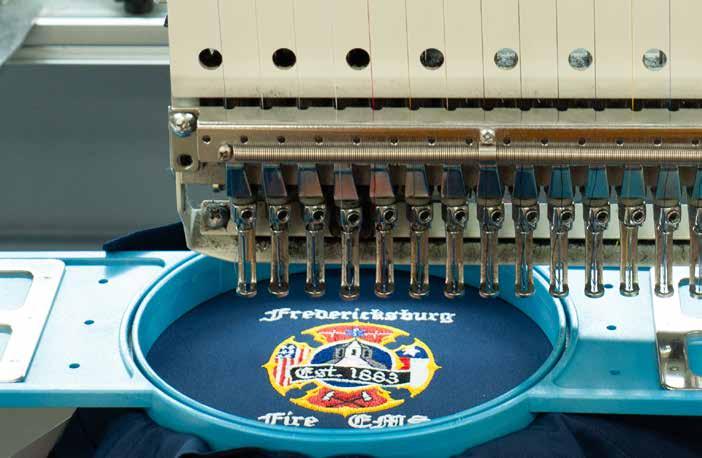
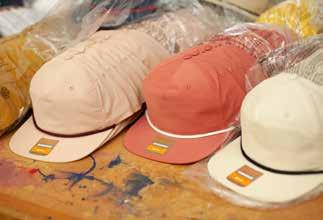
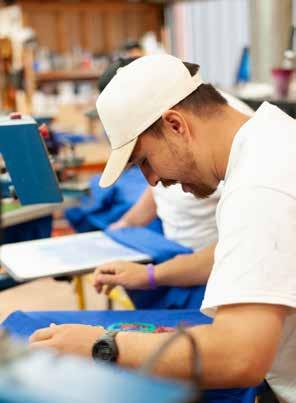
A tour of the workshop revealed fast machines stitching embroidery on shirts for Fredericksburg Fire/EMS. For decades, Hayes and Blue Ribbon have produced the iconic shirts for nearby Luckenbach, Texas. Staff shuffle around like working ants while machines buzz, click and hum as t-shirts and hats are stacked and folded. Nothing is slowing. As Hayes reflected on the business’s future with his family, “Blue Ribbon is in good hands.”
Blue Ribbon Co. is located at 157 Industrial Loop in Fredericksburg. Call them at 830-997-9926 or visit them online at HelloBlueRibbon.com










ARTICLE BY AMY TUCKER
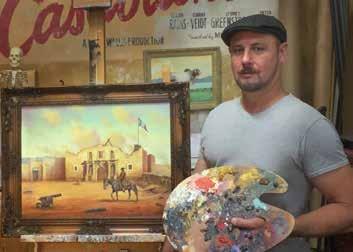
Before language, there were images, marks on stone, gestures across surfaces carrying meaning when words could not. In the work of muralist Lee Casbeer, that lineage persists as a living practice, his walls holding memory and asking a community to see itself, past and present, within a shared frame.
Casbeer’s murals unfold like cinematic stills, figures leaning into one another, gestures mid-action, light falling across a face just long enough to suggest what came before and after. Each composition extends beyond the wall, part of a larger unfolding story.
“I’m always excited about some kind of storytelling or narrative aspect,” he says, describing the instinct that has guided his work from childhood. Even as a young artist, drawing was never about isolated objects, but scenes, what people were doing, how they moved, what they might be thinking.
There is a particular rhythm to Casbeer’s path, one familiar in artistic tradition. Some artists remain rooted, deepening the soil of a single place. Others leave, gathering knowledge and perspective before returning home transformed.
At age 20, Casbeer moved to Italy, spending five formative years immersed in a culture where art is embedded in daily life, across ceilings and walls. In frescoed rooms and centuries-old villas, he encountered a tradition of narrative painting used to commemorate what mattered.
Distance clarified his relationship to Texas, revealing the layered narratives of the Hill Country as rich, complex and worthy of preservation.
In a region like the Texas Hill Country, where history remains close to the surface, murals serve a particular role. They are not static illustrations of the past, but active bridges between generations.
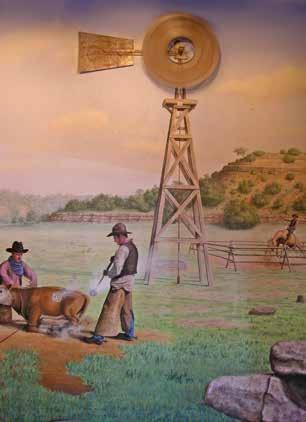
One of the most resonant examples is Casbeer’s depiction of the treaty between the Comanche and John O. Meusebach, a foundational moment in Fredericksburg’s history and one of the longest-standing unbroken treaties in the United States. Originally created for The Treaty House, the mural has been reimagined and installed at Altstadt Brewery, ensuring its continued presence. In this gesture, the work mirrors the treaty itself, enduring and carried forward.
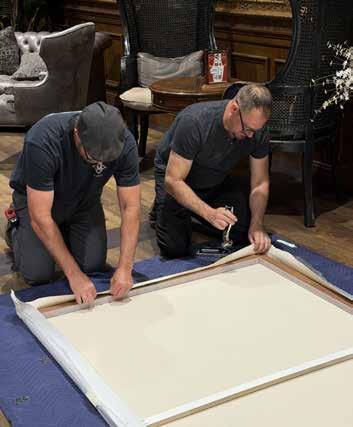
Casbeer approaches each project with the sensibility of both historian and storyteller. His research extends beyond dates and events into texture, the weight of a handmade object, the fall of light, the details that transform a scene from generic to specific. The smallest elements can carry the greatest meaning.
This attention is not decorative, it is interpretive, asking viewers to reconsider what might otherwise be overlooked, the labor embedded in daily life, the humanity within historical figures, the continuity between past and present.
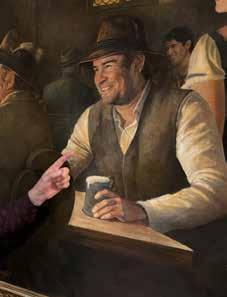
That continuity becomes especially visible through one of his most distinctive approaches, using contemporary models to inhabit historical scenes. Local residents appear as settlers, laborers or figures from earlier eras, collapsing time and making history immediate.
The effect is subtle but powerful, the past is no longer distant, it is recognizable, it is here.
There is an undeniable cinematic quality to Casbeer’s work, shaped in part by his admiration for narrative painters like Norman Rockwell and filmmakers such as Francis Ford Coppola, along with cinematographer Caleb Deschanel.
He draws inspiration from film, works like “All the Pretty Horses”, where landscape, light and human drama merge into something immersive.
Composition, for Casbeer, is less about formula and more about intuition refined through practice. He builds scenes through a process not unlike filmmaking, casting models from people around him, staging moments and selecting the frame that holds the greatest narrative tension.
A successful mural does not tell everything, it suggests enough to invite curiosity, allowing the viewer to step inside.
At the heart of Casbeer’s practice lies a question: what makes a story worth telling?
The answer is neither purely historical nor imaginative, but lives in the intersection of the two - where fact, interpretation and human experience converge.
He is drawn to stories of transformation, particularly those rooted in Texas history. Figures like Herman Lehmann, a German boy captured and raised by Native American tribes before returning to settler society, embody a profound cultural and personal evolution.
“I think people need to remember. They need to have a connection with their past in this way,” Casbeer says.
That sense of responsibility, to memory, to place, to those who came before, defines his role as an artist. He is not merely depicting history; he is translating it.
In an age saturated with digital imagery, the handpainted mural retains a unique power. It is physical, enduring and rooted in place. It cannot be scrolled past. It must be encountered. In this way, the mural is never finished but continues to evolve through the imagination of the community.
Casbeer’s future work continues to draw from stories of migration, identity and transformation. Influenced by the novel “Lonesome Dove” and the writings of J. Frank Dobie, his work remains rooted in the intersection of folklore, landscape and lived experience.
Fifty years from now, when someone stands before one of his murals, Casbeer’s hope is simple. Not that they admire the technique - though they may - but that they look closer, ask questions and recognize, within the painted surface, how meaning is carried through image, and in it, find something of themselves.
Amy Tucker is an artist and writer, and owner of Art Ranch Fredericksburg.
Lee currently lives in Fredericksburg. In 1999, he and Matt founded their mural painting company, LMC Murals & Fine Art, based out of Fredericksburg, Texas. Their work can be found in corporate and private collections around the United States, Europe and the Middle East. Lee is represented by RoGallery in New York City, New York and the Adobe Western Art Gallery in Dallas, Texas.
Lee and Matt's works can be found at: LeeCasbeer.com Lmcmurals.com
Public murals by Lee & Matt can be seen in many local establishments including: Vereins Kirche, Alstadt Brewery, Altdorf Biergarten, Java Ranch, The Emigrant Inn, Parts Unknown and more.
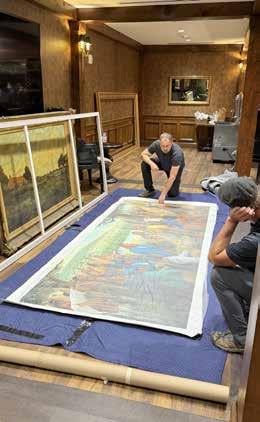
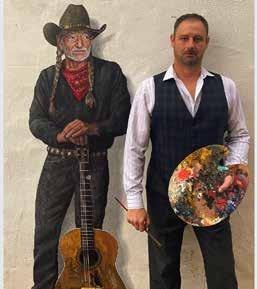

AN EXCERPT FROM EPISODE 6 OF SHARE THE LIFESTYLE, A CITY LIFESTYLE PODCAST
Photographer: Brittany Dawn Short
Creative Director: Jen Birn
Stylist: Stephanie Coultress O’Neill
Location: Hotel Saint Cecilia, Austin, TX
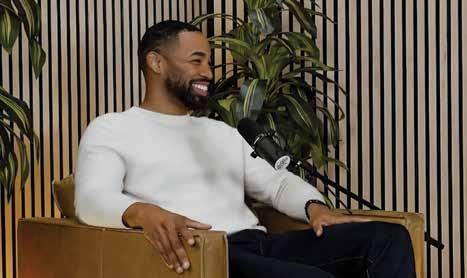
MIKE JOHNSON HAS BUILT HIS LIFE AROUND ONE QUIETLY RADICAL IDEA: THE STANDARD YOU SET PRIVATELY IS THE ONLY ONE THAT MATTERS.
After eight years in the Air Force, a celebrated run on national television, and a health crisis abroad that sent him deep into supply chains and ingredient certifications most founders never touch, the result is Oshun — a luxury ritual brand built on provenance you can trace and integrity you can verify. In an exclusive conversation for the Share the Lifestyle podcast, Mike shares what it actually takes to build something worth putting your name on. Read the highlights below, then scan the QR code for the full episode.
Q: YOU BECAME A FAN FAVORITE ON THE BACHELORETTE AND THEN LEFT THE SPOTLIGHT. YOU MOVED TO MEXICO, LEARNED SPANISH, THEN COSTA RICA, AND BUILT A COMPANY. WHAT DID THAT EXPERIENCE TEACH YOU ABOUT HUMAN BEHAVIOR?
A: “If you’re a good person going in, that shows. If you’re not, that shows too. I also learned that people form this parasocial relationship with you — they assume things about you. When all actuality, different circumstances bring out different parts of who you are. I was on TV trying to find love. The kindness people were showing after felt a bit fake, because they wanted to be a part of something that isn’t who I am individually, but a part of what they saw on TV. And so I had to get away from everybody and everything and the noise.”
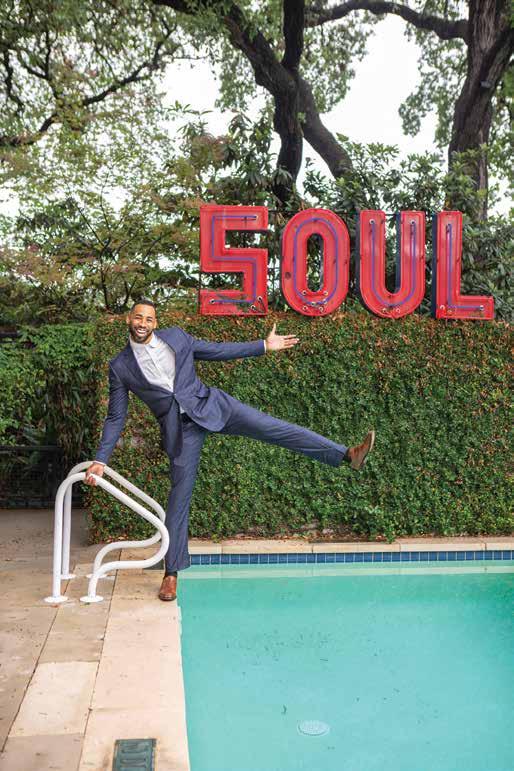
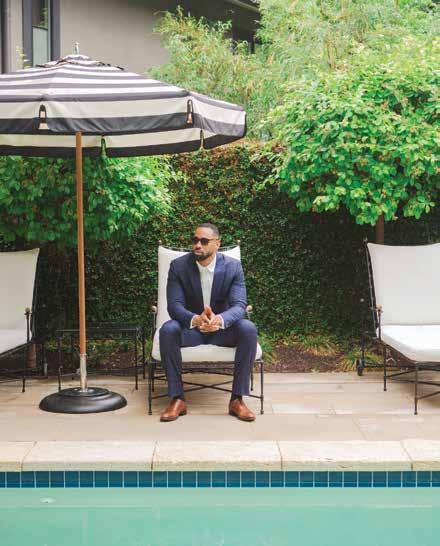
“Too many people have prayed for me. So I’ve got to get up and do the walking.”
— Mike Johnson

Q: YOU JOINED THE AIR FORCE RIGHT OUT OF COMMUNITY COLLEGE. WHAT WERE YOU ACTUALLY RUNNING TOWARD?
A: “There was something in me that was saying: I’m not living up to my full potential. I was being a follower. My uncle said, ‘What’s going to make you become an adult the fastest?’ I said, obviously, the military. The Air Force broadened my thought process more than anything. We’re so caught up in our own perception — when you learn to understand different people’s perspectives, it adds to you in so many ways.”
Q: WITH OSHUN, YOU OWN YOUR MANUFACTURING, YOU EMPLOY A CHEMIST, EVERY PRODUCT HAS A BATCH NUMBER TRACEABLE TO ITS ORIGIN DATE. WHY DID YOU DECIDE TO GO THAT DEEP WITH THE BRAND?
A: “The EU bans 1,100 ingredients in personal care products. The U.S. bans nine. That’s my starting point. Oftentimes, it might be the same ingredient, but it comes from a place where it doesn’t have the highest purity. And 60% of what we put on our skin is absorbed. Every product Oshun makes carries a batch number that goes back to the exact day it was created — I can show you every single supplier, the date, the origin. I own more than one part of the supply chain because that’s the only way I can stand behind what’s in the bottle.”
This conversation is just the beginning. Mike goes deeper into why he’s buying land up north, the family in the Philippines who prayed over his factory floor, and what he’d tell every person ready to stop performing and start building. Scan the QR code for the full, exclusive City Lifestyle interview on the Share the Lifestyle podcast.























































Celebrate 250 years of the American Spirit with Garrison Brothers Bourbon. Every red, white, and blue wax-dipped bottle is a toast to freedom and a tribute to all American heroes. Scan to support Boot Campaign and give back to those who’ve given so much.