The Kids & Pets Issue


University Musical Society (UMS) brings the very best music, theater, and dance artists touring the world to Ann Arbor each September through April. Join us for world-class performances by Yo-Yo Ma & Emanuel Ax, Audra McDonald, Samara Joy, Yuja Wang, Wynton Marsalis with the JLCO, the London Symphony Orchestra, the world premiere of a new UMS Dance Commission celebrating our upcoming 150th season, and more.
Single tickets are on sale now. Experience extraordinary artistry, live. Your seat is waiting.

SCAN TO EXPLORE THE FULL SEASON. Tickets and community events at UMS.ORG. 148 seasons of bringing the world to Ann Arbor. Be a part of this one.



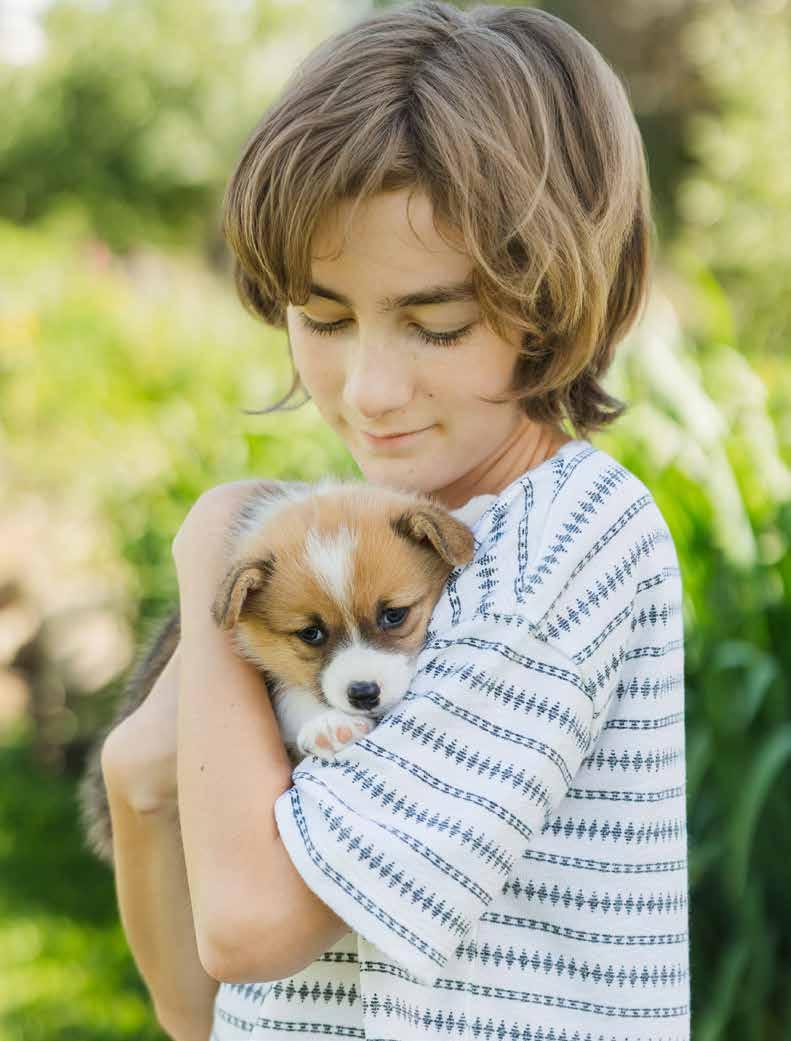
It's undeniable that kids and pets are a lot of work.
For a while, they depend on you for nearly everything. You feed them. Comfort them. Teach them. Clean up after them. Wake up for them. Worry about them. Whether they have two legs or four, there is always someone counting on you.
As the years pass, the work changes. It's the 6 a.m. walks, the sporting events, the school performances, the "I had no idea we also had to do this" moments, the vet appointments, the fevers that appear at bedtime, and the unexpected 11 p.m. conversations with a teenager who finally decides to talk.
With kids and pets, there is always something that needs your attention. Someone who needs you.
It's exhausting. It's extraordinary. And it's always worth it.
That's the spirit behind this month's Kids & Pets issue. Inside these pages are stories about the many ways our community helps children and pets grow, heal, explore, imagine, and thrive.
You'll discover how UMS is opening young minds through the wonder of live performance, and how our nonprofit spotlight, Ele's Place, is helping grieving children and teens heal through the power of connection.
You'll meet two remarkable women whose life's work helps shape the next generation: Dr. Heidi Novak, the Navy veteran who returned home to lead the very orthodontic practice she once shadowed as a Pioneer High School student, and former NASA Chief Scientist for Human Space Flight Dr. Kathryn Clark, who is now inspiring children's imaginations one story at a time through her space-themed books.
We'll also explore some of the best parks in Washtenaw County for kids and pets, share healthy homemade treats for the four-legged family members who brighten even our hardest days, and spotlight the extraordinary horses of Therapeutic Riding, Inc., whose gentle partnership helps children, veterans, and adults with disabilities discover confidence, healing, and joy.
The work that matters most will never be the PowerPoint presentation, the big deal you closed, or the title on your business card. It will always be the work of loving, raising, teaching, comforting, and showing up for someone who needs you.
And maybe that's the beautiful thing about it. The work that matters most is also the work that's remembered.
MARIA KARPIEL, PUBLISHER @ANNARBORCITYLIFESTYLE
August 2026
PUBLISHER
Maria Karpiel | maria.karpiel@citylifestyle.com
EDITOR
Rebecca Voigt | rebecca.voigt@citylifestyle.com
CONTRIBUTING WRITERS
Angela Broockerd, Lindsey Dodge, Kali Kasprzyk, Emily Klimas, Heather Leszczynski
CONTRIBUTING PHOTOGRAPHERS
Stacy Anderson, Abbie Buhr, Janie Jones, Jeremy McGrew
CEO Steven Schowengerdt
President Matthew Perry
COO David Stetler
CRO Jamie Pentz
CoS Janeane Thompson
AD DESIGNER Jenna Crawford
LAYOUT DESIGNER Lillian Gibbs
QUALITY CONTROL SPECIALIST Brandy Thomas







DGY Dentistry delivers Ann Arbor’s most elevated cosmetic and comprehensive dental experience through exceptional artistry, precision, and personalized care.
From smile design and veneers to implants and full-service dentistry, every treatment is tailored to achieve refined, natural, and truly remarkable results. And because every great office needs a little heart, Bibo and Blu, Dr. Yilmaz’s tiniest team members, are on the job every day.
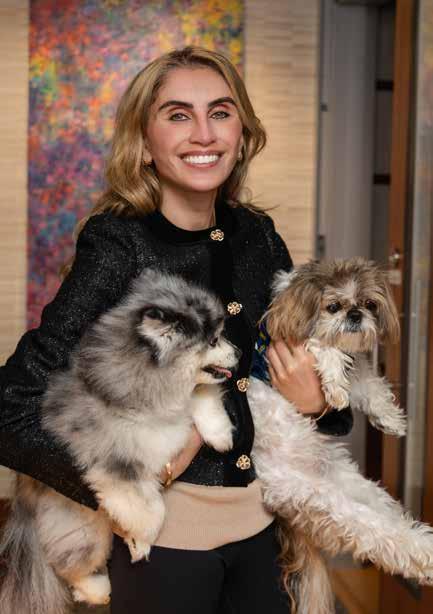

Schedule a consultation today.

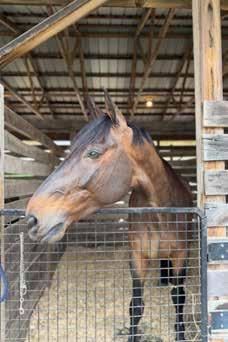
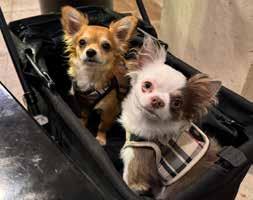
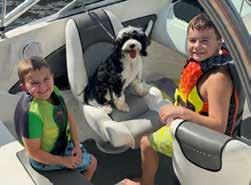
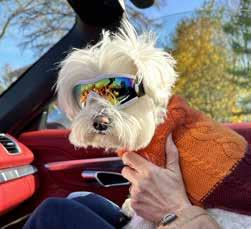
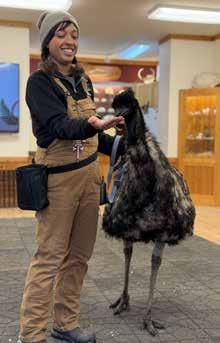
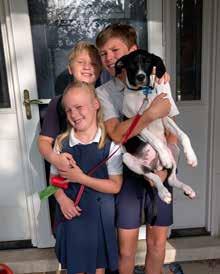
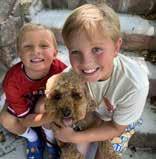
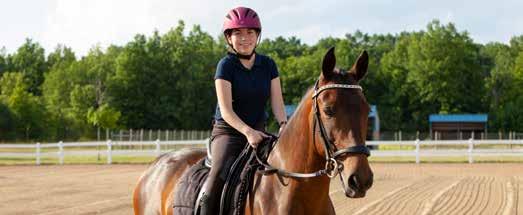
private event at The Creature Conservancy. 4: George and Jack Rea enjoying a Michigan summer with Oreo. 5: Pioneer High School educator Kelly Jean Passage competed with her horse, Bird, at the Waterloo Hunter Jumper Classic. 6: Joe
dog, Jarvis, staying cool on a car ride. 7: Simon, Eli, and Campbell Smith with their new rescue pup, Monty.
Want to be seen in the magazine?
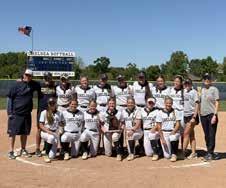
Chelsea Lumber owner John Daniels was recently named District Coach of the Year for his leadership of the Chelsea High School varsity softball program. The honor reflects a commitment to service that extends well beyond the diamond. Since 2021, Daniels has chaired the Chelsea School District's Fieldhouse Committee, helping lead a community-wide effort that raised $1.8 million toward a new 195-by-150-foot indoor fieldhouse. With construction beginning this summer, the long-awaited project marks an exciting milestone for Chelsea students, athletes, and families.
Scan to read more
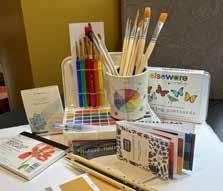
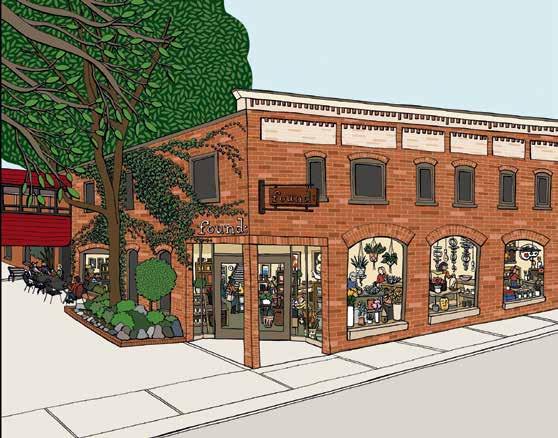
Few places capture Ann Arbor's creative spirit quite like Kerrytown. On the last Thursday of each month from May through September, Ann Arbor Gallery Night brings together artists, makers, musicians, galleries, and local businesses for an evening of artist talks, demonstrations, pop-ups, live music, and creative discovery. Participating businesses include Gutman Gallery, Chris Nordin Gallery, WSG Gallery, Cluster Museum, Found, Sweetwaters, Thistle & Bess, and TeaHaus. Found also offers 15 percent off art supplies during the event. Remaining dates are August 27 and September 24 from 5-8 p.m.
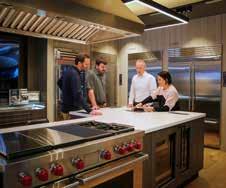
As Heydlauff's Appliances approaches its 100th anniversary, the family-owned business is celebrating the season with its annual Summer Sale through Labor Day. Since 1928, Heydlauff's has helped homeowners create beautiful, functional spaces with quality appliances, expert guidance, and personalized service. From delivery and installation to ongoing service and repair, the team continues to provide the trusted support that has defined the business for nearly a century.




























ARTICLE BY LINDSEY DODGE
Before the first note is played, before a dancer crosses the stage, before the lights shift or a story begins, something else can happen.
A child walks into Hill Auditorium and looks up.
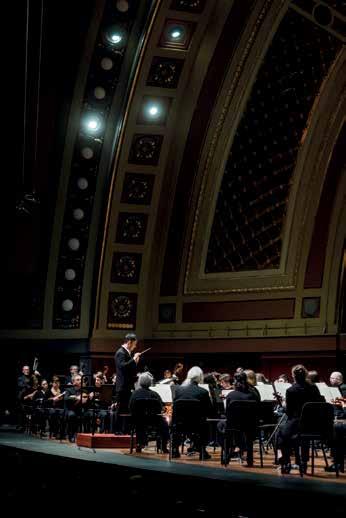
The ceiling is hand-painted and ornate. The seats are lush velvet. The room itself feels different from the rooms of ordinary life. And for some students arriving for a UMS School Day Performance, that first moment of wonder begins before an artist ever appears.
“I have seen kids who walk into the space, and they’re looking up at the ceiling, and they’re looking at their surroundings, and they’ve never been into a space like that,” says Cayenne Harris, UMS Vice President of Learning and Engagement. “It’s just the act of walking into a concert space.”
For UMS, that moment matters. So does what follows: the gathering, the attention, the shared experience of live performance in a world increasingly shaped by screens.
“For nearly 150 years, UMS has been built on the simple but powerful belief: that gathering for live performance matters,” says UMS President Matthew VanBesien.
Harris wholeheartedly agrees. “One of the things that I love most about the performing arts is that it is an opportunity for people to gather together, typically without phones, without screens, and have a shared live experience together,” she says. “I think that is more important than ever for young people.”
UMS’s K–12 education programs have been at the heart of the organization’s mission for about 30 years, built on relationships with educators across Ann Arbor, Ypsilanti, Dexter, Saline, Detroit, and beyond. Last year, Harris estimates that roughly
5,000 students attended live School Day Performances, with an additional 3,000 to 4,000 participating online.
Those performances vary widely, from music and dance to theater and culturally specific work. Some are adapted from UMS’s public presentations; others are created specifically with young audiences in mind. Harris is careful to distinguish between making art accessible and making it less ambitious.
“There’s a difference between dumbing something down and creating something that is accessible for kids,” she says. “Creating an invitation for kids to really get into the story, get into what’s happening, doesn’t involve dumbing anything down.”
That invitation might be a chance to clap along, respond to a question, hear directly from an artist, or recognize a culture, language, or story from their own lives. It might also mean encountering something entirely new.
For Harris, children are not passive recipients of culture. They are, in many ways, the most honest audience.
“Kids are the best audiences,” she says. “They’re the most truthful audiences. If they like something, they let you know it. If they’re not into it, they let you know it.”
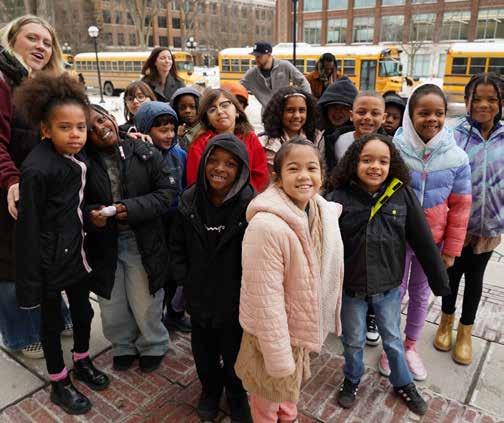
Sometimes, that truthfulness creates unforgettable moments. At a recent School Day Performance with Wynton Marsalis and the Jazz at Lincoln Center Orchestra, a first grader from Perry Early Learning Center in Ypsilanti asked if the audience could make music with the band. When invited to sing something, she started singing “Baby Shark.” The orchestra played along.
“You never know what’s going to happen,” Harris says.

“Awe gives us the sense of being part of something that’s much bigger than you.”
That responsiveness is part of what makes live performance singular. Unlike film, television, or video games, the live arts often ask children to participate imaginatively. They must fill in gaps, suspend disbelief, make meaning, and connect dots.
“There’s something about the live performing arts that requires you to show up and fill in the blanks,” Harris says. “In real life, we are often in situations where it’s not clear what’s going on, and we need to figure out — we need to use our imagination.”
That imaginative work can foster empathy, especially when students encounter stories and perspectives beyond their own. In the upcoming season, UMS will present “300 Paintings,” a theatrical work about one artist’s experience with bipolar disorder. Lupita Infante, a mariachi ranchera singer and granddaughter of Pedro Infante, will offer students another kind of connection: the chance for some children to see their culture represented onstage, and for others to learn more about their classmates’ heritage.
The same philosophy is now expanding into UMS’s new Family Programming Initiative, beginning with “Marooned! A Space Comedy” by Alex and Olmsted. The production, rooted in puppetry, live action, and theatrical imagination, follows a young astronaut who crash lands on an unknown planet and must find her way home.
For Harris, the pilot fills an important gap. UMS has long served schools and adult audiences, but family-centered programming creates a visible welcome for parents, grandparents, siblings, and young children to experience the arts together.
“Their presence in the theater is not an afterthought,” she says.
That matters in a community where many parents prioritize academics and sports but may not always think of live performance as part of a child’s development. Harris sees early childhood through elementary school as a particularly important window, when children are especially open to curiosity and wonder.
“There is a time in kids’ lives when they are really open to new ideas,” she says. “It’s such a critical window to offer exposure, to give kids a chance to connect to new ideas.”
That sense of connection also informs the broader Arts & Wellness theme shaping UMS’s 2026–27 season. The focus emerged through several converging threads, including conversations with the London Symphony Orchestra about its creative health work in clinical settings, the University of Michigan’s emphasis on human health for the academic year, and theatrical works such as “300 Paintings” and “Watch Me Walk,” which explore mental health, illness, disability, diagnosis, and resilience.
“Kids are the best audiences. They’re the most truthful audiences. If they like something, they let you know it.”
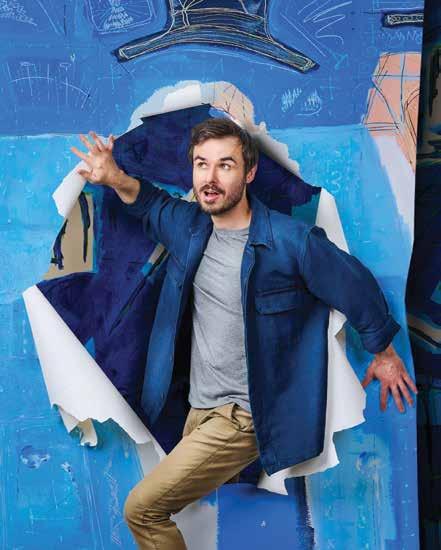


UMS does not position itself as a clinical expert, Harris says. Instead, the organization hopes to shine a light on artists and institutions exploring the relationship between art, healing, and human well-being.
For audiences, the connection is often deeply personal.
“We hear from our audiences how important UMS is to their lives,” Harris says. “We have people who tell us they build their whole social season around coming to performances, or people use terms like, ‘This is my church.’”
For young people, live performance can offer something equally essential: the sense that they are not alone. A story onstage, a song in another language, a dancer’s movement, a puppet’s journey through space — each can help children feel part of a wider human experience.
Awe, Harris says, gives us the sense of being “part of something that’s much bigger than you, and much bigger than your daily life.”
And perhaps that is the case for more awe. Not as an extra. Not as enrichment tacked onto “real” learning. But as one of the ways children begin to understand themselves, one another, and the world they are growing into.
Learn more at ums.org
AFTER A CAREER AS A NAVY DENTAL OFFICER, DR. HEIDI NOVAK OF BURNS PARK ORTHODONTICS IS FOCUSED ON SERVING HER HOMETOWN COMMUNITY
Some careers take people around the world. Others bring them home.
Dr. Heidi Novak’s did both.
An Ann Arbor native, Novak grew up on the city’s west side, attending Abbot, Forsythe, Pioneer High School, and the University of Michigan dental school before joining the military. Though returning home was always part of her plan, she says she never imagined it would happen this way: taking over the very practice she first visited as a teenager.
“It’s so surreal,” she says. “It took me 21 years to get to where I want to be: back home, serving my community.”
To find her way back home, that journey first took her far from Ann Arbor.
After graduating from U-M, Novak spent six years serving as a Navy dental officer aboard the USS Mesa Verde, caring for 1,500 sailors and Marines deployed far from home.

ARTICLE BY LINDSEY
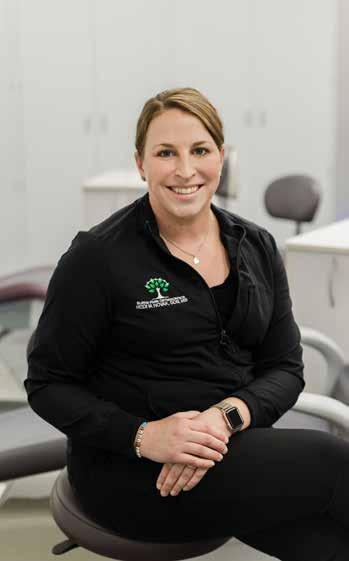
It wasn’t where she expected to learn some of the most important lessons of her career, but somewhere between deployments, long days at sea, and caring for service members under extraordinary circumstances, Novak began to understand that dentistry wasn’t really about teeth.
It was about people.
“Being in the military, deploying to a foreign country, and living on a floating war machine puts life into perspective,” she says. “My patients were people, with real lives and real problems.”
Unexpectedly, the ship’s dental office became something more than a clinic: an oasis. A quiet place where sailors could escape, even briefly, from the pressures of deployment.
That’s a feeling she’s carried home with her.
“I want to provide that for my community,” she says. “Especially for parents and caretakers.”
That perspective now informs how she approaches orthodontics — less as a cosmetic service, and more as a long-term investment in health.
“Orthodontics takes time,” she says. “It’s not just gluing braces on teeth or handing out aligners.”
For Novak, the process reflects her own path: four years of undergraduate study, four years of dental school, and years of specialized orthodontic training. The time matters, she says, because the results do.
And when it comes to children, timing can be everything.
The American Association of Orthodontists recommends children have their first orthodontic evaluation around age seven.
While many won’t need early treatment, Dr. Novak says those early check-ins can reveal important developmental patterns.
“Some issues need to be corrected sooner rather than later,” she says. “If a child misses a specific window for treatment, it can make things much harder in the future.”
The long view matters.
Beyond aesthetics, properly aligned teeth are easier to clean, less prone to wear, and often healthier over a lifetime. Novak sees the proof of that every week, often in adults who wish they’d addressed issues sooner.
“Straight teeth last longer,” she says simply.
And increasingly, adults are listening.
From patients whose teeth shifted after skipping retainers to those experiencing years of wear, adult orthodontic care has become a growing part of her practice. For many, she says, the most common response at the end of treatment is the same: I wish I’d done this sooner.
But for Novak, Burns Park Orthodontics is about more than clinical outcomes. It’s about continuity.
Long before she owned the practice, she shadowed there as a high school senior. Its previous owner, Dr. Ludia Kim, had treated her
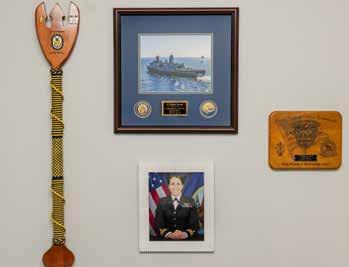
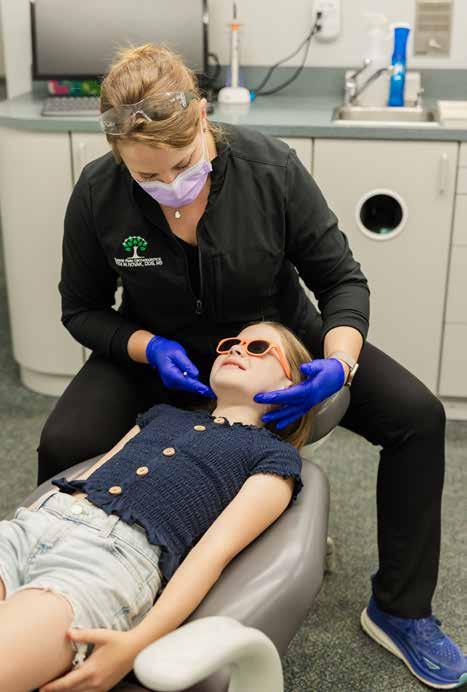
sister. Some things inside the office haven’t changed since then — including the beloved wooden animals wearing braces, hidden throughout the space for kids to discover. “They’ve been here for three generations of orthodontists,” Novak says. “Parents who came here as kids still remember them.”
For Novak, those small details matter. They create the kind of memories that last. “If I’m seeing kids every six weeks during one of the most important developmental stages of their lives, I want them to know my office is a safe space,” she says. That’s what she wants to build here: not just straighter smiles, but trust. Familiarity. A place where patients are greeted by a person, not a tablet. Where parents can walk back with their kids. Where the orthodontist still sees you every time. Because in the end, the thing Novak hopes patients remember years from now isn’t just how their smile changed. It’s how they felt while they were there.
To learn more visit burnsparkortho.com.
Sometimes the most surprising things about orthodontics are the ones people simply never think about. Here are two facts that often make patients say, “I never knew that.”
Most people never connect braces with keeping their teeth at 70 or 80, but that’s exactly the point. A properly aligned bite reduces unnecessary wear over time, helping your natural teeth stay healthier for decades.
Most people associate clear aligners with adults, but many teenagers are great candidates, too. For the right patient, they can deliver excellent results without traditional braces.




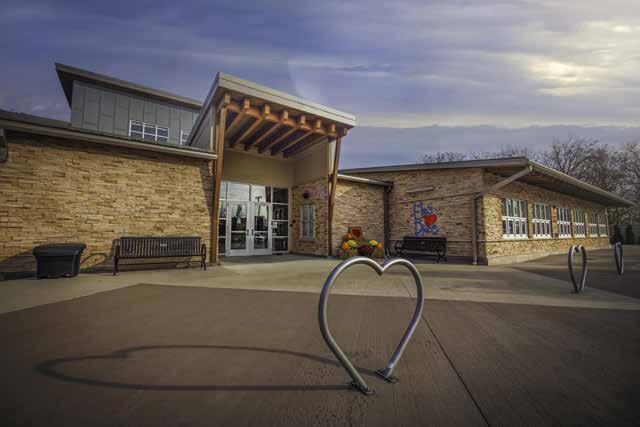
Ele’s Place has created a sanctuary to ensure no child in Michigan grieves alone
ARTICLE BY EMILY KLIMAS | PHOTOGRAPHY BY JEREMY MCGREW PHOTOGRAPHY
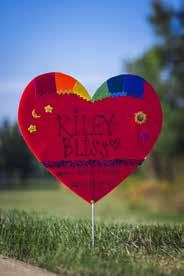
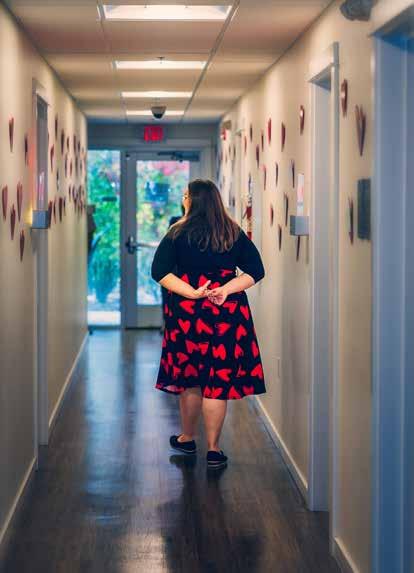
Walk through the doors of Ele’s Place in Ann Arbor and your eyes are immediately drawn to the walls lined with small hearts. Each represents a sacred memory, lovingly decorated by a child honoring a loss.
In the pre-K room, you can sense the echoes of children — tiny hands on short tables, a silhouette in the quiet corner, the chaos of games.
The teen room captures a different kind of solace where older children can drop the mask they wear in the outside world, finding room for the release of pent-up energy or the comfort of reflection over Uno.
At Ele’s Place, the weight they carry begins to melt, their shoulders release, and grieving hearts discover a profound truth: they’re not alone.
This vital community pillar was founded in Lansing in 1991 in honor of Betsy and Woody Stover’s 11-month-old daughter, Helen Louise “Ele” Stover. Recognizing that their surviving children grieved differently than the adults around them, the Stovers worked with mental health professionals to create a peer-support model. The Ann Arbor branch opened in 2007, moving into a state-of-the-art facility in 2019 with therapeutic rooms, play areas, a library, and a large common room for family nights. Throughout it all, their core mission remains: no child in Michigan grieves alone.
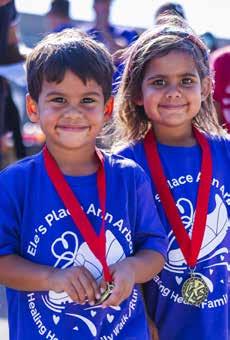
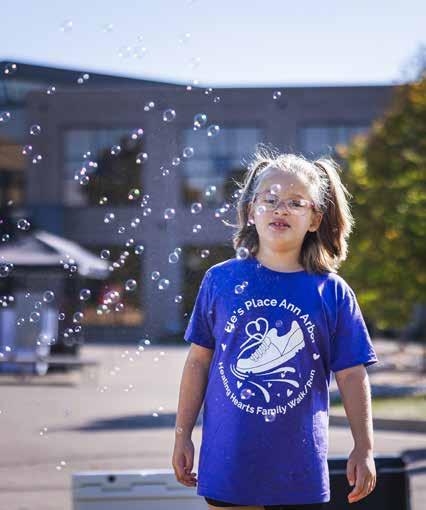
To make grief less isolating, Ele’s Place groups children by age from pre-K through high school. During sessions, kids enter structured groups led by clinically trained staff, followed by 15-minutes of free time. Every activity is designed to help children process, acknowledge, or simply sit with their complex emotions.
“It’s crucial to help them understand their feelings,” says Program Director Jenna Mares, noting that childhood grief frequently manifests as sadness, confusion, or anger. “We give kids the opportunity to talk about it instead of holding it in or letting it come out in different ways.”
The circumstances of each child’s loss are unique, but the loneliness that follows is strikingly similar. Whether grieving a parent, sibling, grandparent, or another beloved person, many feel different from classmates, unsure of where their grief belongs. Mares recalls a four-year-old newcomer who eagerly said to his mother, “I’m going to Ele’s Place to make new friends!” Instinctively, he was expressing a need for solidarity. At Ele’s Place, that kinship becomes the first step toward healing.
CONTINUED >
“It's crucial to help them understand their feelings. We give kids the opportunity to talk about it instead of holding it in.”
“This place is like a big hug,” Mares says.
One of the most beloved features is the therapy dog program. The breeds are as diverse as the children, from a tiny lap pup to a Great Dane who arrives in costume, or a Newfoundland serving as a living rug for eight kids to pet simultaneously.
Mares recalls a rambunctious little boy who lost his brother. He initially insisted, “I don’t like dogs.” A couple months later, he was running through the doors, beelining for them. This transformation speaks to a profound truth about the role animals play in trauma recovery: they provide comfort precisely where words fail. When families lock eyes with a dog, a softness settles over the room. “With an animal, you don’t have to explain it all,” Mares says. “They’re not gonna judge you.”
While Ele’s Place averages 100 families during the school year, they’re only operating at 60 percent. Recognizing that logistical hurdles and financial strain prevent some from attending sessions, Ele’s Place expanded its school-based programming to 17 local schools. Clinical staff facilitate intimate peer groups during school hours. Crucially, school staff sit in, ensuring that if students get overwhelmed, a familiar adult remains on-site so no student walks back to class alone.
Because every service is free, the organization relies on the community’s generosity. Whether it’s monetary donations, gas cards, or volunteering, every act of support keeps this sanctuary open. Involvement ensures that the next child who walks through those doors can safely drop their guard, look at the wall of colorful hearts, and know that their story matters, their healing is held, and they’re never alone.
Learn more, donate, or volunteer at elesplace.org

NASA
Dr. Kathryn Clark has served as NASA’s chief scientist for Human Space Flight, delivered lectures from the North Pole, addressed the United Nations in Vienna, landed an F-18 on an aircraft carrier, and taught aerospace engineering at the University of Michigan. Now, she’s helping children learn about science through her Skyler’s Space Adventures book series. Here, we sit down with Clark to discuss her work with NASA, the difference between kids and Congress, and the wonder of science.
OF ALL YOUR INCREDIBLE EXPERIENCES, WHICH ONE MAKES YOU STOP AND THINK, “I CAN’T BELIEVE I GOT TO DO THAT?”
In many ways, that’s an unfair question because they all have their own moments. But I suppose there’s very little that’s more fun — or more surreal, given how few people ever get to do it — than getting six catapults and traps on the USS George Washington in an F-18. Even the training for that was pretty remarkable.
I got to do that because I was giving a talk at a Navy event. I spoke about NASA and the Navy working together and all the ways our missions intersect. At the end of the talk, I said, “I’d really like to get one cat and one trap.” That’s Navy shorthand for a catapult launch and an arrested landing on an aircraft carrier.
ARTICLE BY MARIA KARPIEL
PHOTOGRAPHY BY ABBIE BUHR
Afterward, six admirals came up to me individually and said, “Yes, ma’am. We can make that happen.” And they did.
This all happened in mid-August 2001. Less than a month later, after September 11, the ship I was on was in New York Harbor protecting the United States. The captain and crew I had met were now defending the country. That probably made the whole thing even more surreal.
My dad was really, really excited about space. When I was a little kid, we watched the Mercury missions together. I had patches from all the missions and pictures of the astronauts.
When I was about nine, I was at a friend’s house. I had no idea her father was politically connected because, really, what nine-year-old knows that kind of stuff? John Glenn was exploring whether to run for the U.S. Senate, and he happened to stop by. I was sitting on the living room floor
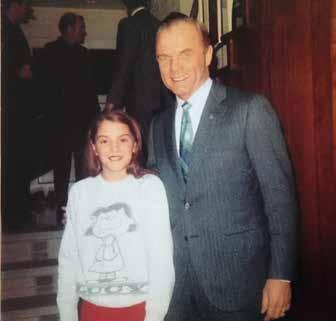
with my friend when, lo and behold, John Glenn walked into the room. She didn’t know who he was, but I did. I got up and talked to him. I was wearing a Lucy sweatshirt from the Peanuts cartoons, and he signed the shoulder. It doesn’t fit anymore, but I still have the sweatshirt.
YOU SERVED AS NASA’S CHIEF SCIENTIST FOR HUMAN SPACE FLIGHT, WORKING WITH SCIENTISTS AROUND THE WORLD TO COORDINATE PRIORITIES FOR USING THE INTERNATIONAL SPACE STATION TO BETTER UNDERSTAND EARTH AND PREPARE FOR JOURNEYS DEEPER INTO THE SOLAR SYSTEM. WHAT DID THAT ROLE ACTUALLY INVOLVE?
A better description of that role than whatever title they gave me is “chief cheerleader.”
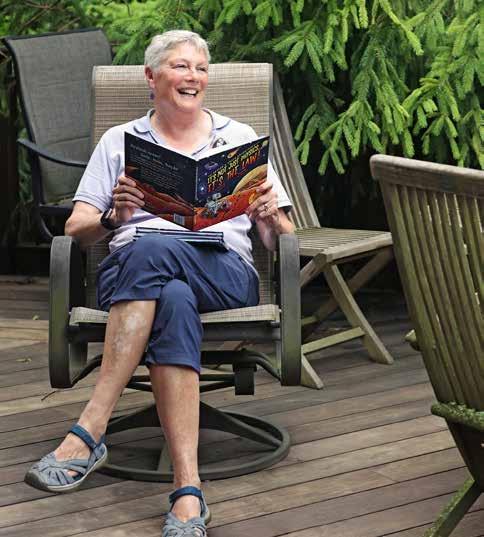
The reason to build a space station is to plan missions to Mars. What we were trying to do was build, in orbit no less, something no one had ever built before. This was so new that we had to create the instruments needed to make it happen. We were doing it in some of the most dangerous conditions known to humanity, and we were doing it in 14 languages. What could possibly go wrong?
The answer is: everything.
One of my major jobs was to meet with scientists from around the world and talk about how we would utilize this magnificent thing. What did we actually need? We wanted to observe Earth. We wanted to look deeper into space. We wanted to understand what happens to the human body, as well as plants and animals, when they’re in space because we’re going to need that knowledge.
That was a big part of my role: helping identify what we needed to learn in order to eventually go to Mars.
SPACE CAPTURES OUR IMAGINATION, BUT WHAT ARE SOME OF THE THINGS ABOUT LIVING IN SPACE THAT SURPRISE PEOPLE THE MOST?
The biggest thing people notice is the lack of gravity. Floating is a funny thing because we’re so used to standing up. If you’re floating
“That’s really the idea behind the books: to engage kids in these stories, learn new things, and pick up fun facts along the way. The books are funny, but they’re also rooted in real science.”
in a spaceship and raise your right arm, your feet are going to go the other way. For every action, there’s an equal and opposite reaction.
People are also surprised by sneezing in space, and it’s really just Newtonian physics. If you sneeze in space, you will shoot yourself across the ship. Action, reaction. Now, the same thing happens if you puke. It’s just messier.
WHAT INSPIRED YOU TO PIVOT AND START WRITING CHILDREN’S BOOKS?
I started writing books for my nephew when I was at NASA, just to make him laugh. When I left NASA, I joined an author group because I still had the bug to write and wanted to see if I could make more out of those books. One of the people there said, “With your background, you could do a lot more with those.” So I started writing books with more science in them while still making them funny and engaging for kids.
I love going into schools to read to kids. It takes about six minutes to read the book, and then I stay and answer questions. They ask much better questions than Congress ever asked.
The questions range from “Are there aliens in space?” and “How do you build a spaceship?” to “How do you write a book?” and “How did you stay married while you were at NASA?” They have no filter, and I answer them all. It’s just a hoot.
The point is that the kids are laughing while I’m reading the books, which makes me very happy. But the books are also very scientific. Science is actually really fun. It can be scary. It takes a lot of work. But it’s really fun.
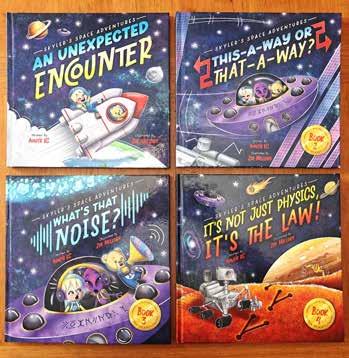
The stories are kind of Calvin & Hobbes meets NASA. The main characters are Skyler and Apollo the
Astro Bear. Skyler has this huge imagination, right? But Astro Bear is an astronaut, so when they run into something challenging, he’ll say, “Oh, I remember this from astronaut school.”
Now, he doesn’t always get the answers right, which is part of the fun. But that’s really the idea behind the books: to engage kids in these stories, help them follow along on the adventure, learn new things, and pick up fun facts along the way. The books are funny, but they’re also rooted in real science, and the website has some pretty hardcore science on it.
In the first book, the adventure takes them to the moon, so kids can explore the Apollo missions, astronaut photos, mission patches, and even the lunar rover. And in the second book, I’m not going to tell you what planets they visit because you have to solve clues to figure it out. The last page of every book contains clues about where they’re headed next. Some of those clues even show up on Pete the Alien’s feet because he gets text messages there.
The science behind the second book is astrodynamics — trying to understand how to fly from planet to planet — and the science behind the third book is the electromagnetic spectrum, which most adults don’t understand. What a fun challenge that is to write for six-year-olds.
IF YOU COULD TELL EVERY CHILD IN ANN ARBOR ONE THING ABOUT SCIENCE, WHAT WOULD IT BE?
It is arguably the most exciting thing you could pursue because it’s so, so big. There are so many directions to explore. Find the thing that excites you and follow it.
To order the books, meet the characters, and explore more, visit auntiekc.com.



Six Washtenaw County parks where kids, pets, and families can explore, play, and make memories
From splash pads and storybook trails to historic mills, playgrounds, and off-leash adventures, Washtenaw County is filled with outdoor gems for families and their dogs. We asked Washtenaw County Parks and Recreation Commission Director Meghan Bonfiglio to share the destinations she recommends most for kids, pets, and unforgettable days outdoors.
ARTICLE BY MARIA KARPIEL
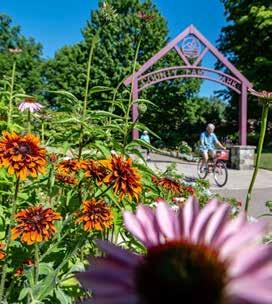
Few parks in Ann Arbor balance adventure for kids and outdoor enjoyment for pets quite like Nelson Meade County Farm Park. While many families know it for its beloved farm-themed playground, Washtenaw County Parks Director Meghan Bonfiglio says visitors are often surprised to discover Britton Woods, a high-quality natural area tucked into the park's highest point. In spring, trails wind through a woodland carpeted with wildflowers, including beautiful trillium blooms. "You just feel transported into this beautiful little wooded area," Bonfiglio says. To help protect this sensitive habitat, dogs are not permitted in Britton Woods, though they are welcome elsewhere in the park. For families, it offers the perfect blend of imaginative play, peaceful walks, and nature exploration.
washtenaw.org/421/County-Farm-Park
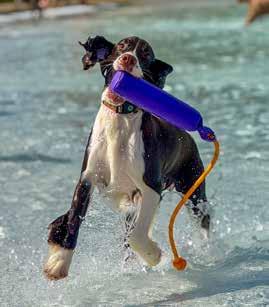
If summer had a headquarters in Washtenaw County, it might be Rolling Hills County Park. Best known for its expansive water park, families flock here for everything from the zero-depth-entry wave pool and kiddie slides to Plunge Peak's twisting waterslides. But the fun doesn't end with summer. Each September, the park hosts its beloved Doggy Dip, inviting four-legged visitors to splash through the water park after the season closes. "It's just a blast," Bonfiglio says. Beyond the water, visitors can enjoy fishing piers, wooded trails, a 24-hole disc golf course, and countless opportunities to spend a full day outdoors together.
washtenaw.org/607/Rolling-Hills-County-Park
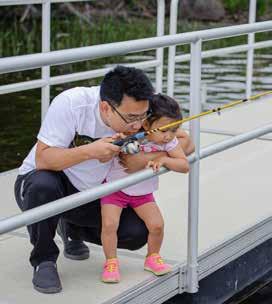
Tucked along the border of Washtenaw and Livingston counties, Independence Lake County Park is the kind of place families discover once and return to again and again. "Whenever people find it, they absolutely fall in love with it," Bonfiglio says. Set on the shores of Independence Lake, the park offers a beautiful beach, swimming area, boat rentals, fishing, trails, and the highly regarded Red Hawk Disc Golf Course. Younger children will love Blue Heron Bay, a spray park designed with tots in mind. And when winter arrives, families can trade swimsuits for snow boots, enjoying cross-country skiing, snowshoeing, and even a family-friendly ice fishing tournament.
washtenaw.org/424/independence-lake-park
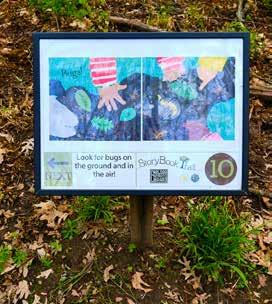

What if story time happened on a trail instead of a couch? At Baker Woods Preserve, families can experience the Chelsea District Library's beloved Storybook Trail, where a children's book unfolds across 13 to 15 stations along a wooded path. "It's really fun, and it changes seasonally," Bonfiglio says. The library updates the featured story quarterly, giving families a new reason to return throughout the year. Beyond the books, the 70-acre preserve offers a peaceful mix of forests and meadows perfect for exploring nature. To help protect the preserve's natural habitat, dogs are not permitted.
washtenaw.org/338/Baker-Woods-Preserve
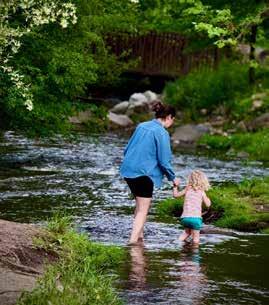
Part history lesson, part outdoor adventure, Parker Mill County Park offers families a little bit of everything. The park is home to the historic Parker Mill, an 1873 grist mill whose original machinery remains intact and is open for public tours during select times of the year. "It's also your entry into the Border-to-Border Trail," Bonfiglio says. From the mill, visitors can explore miles of connected trails, including routes to the Matthaei Botanical Gardens. Along the way, families can wander the wooded banks of Fleming Creek, where curious kids often enjoy dipping their toes into the water and exploring nature up close.
washtenaw.org/602/Parker-Mill-County-Park
For most dogs, every walk comes with a leash. At Swift Run Dog Park, freedom is part of the experience. This 10-acre off-leash park gives four-legged visitors plenty of room to run, explore, and socialize in a safe, fenced environment. Separate areas for large and small dogs ensure pups can play with companions their own size. "The dogs can be off leash, play with other dogs of the appropriate size, and be with fellow dog owners," Bonfiglio says. Operated jointly by Washtenaw County Parks and the City of Ann Arbor, Swift Run is a favorite destination for dogs and the people who love them.
washtenaw.org/704/Swift-Run-Dog-Park











Try these simple and healthy homemade treats for your furry friends. Not only are they easy to make, they are nutritious and seemingly delicious.

ARTICLE BY ANGELA BROOCKERD | PHOTOGRAPHY BY JANIE JONES
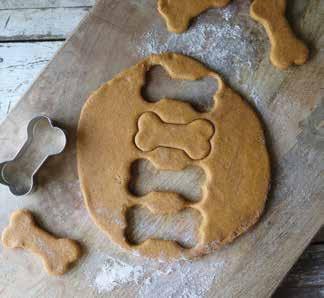
Ingredients:
• 2/3 cup pumpkin puree
• 1/4 to 1/3 cup peanut butter
• 2 eggs
• 2 1/2 cups flour (whole wheat preferred)
Directions:
Preheat oven to 350 degrees and line baking sheet with parchment paper. In a bowl, mix all ingredients except flour and blend well. Gradually add the flour until the dough isn’t sticky. Roll dough into a ball. Lightly flour your surface and lightly knead. Use a rolling pin to roll dough to ¼-inch thickness. Use cookie cutters and place dough on baking sheet. Bake for 20-25 minutes. Drizzle with peanut butter (optional).


Ingredients:
• 1 cup pumpkin puree
• 1/4 to 1/3 cup peanut butter
• 1/4 cup milk or half and half
• 3 cups oatmeal
Directions:
In a bowl, mix pumpkin puree, peanut butter and milk on medium for 1 minute. Gradually add 2 1/2 cups oatmeal and stir. Use a small scoop or spoon to create 1/4 inch balls. Roll balls into remaining 1/2 cup oats to lightly top. Place into a closed container and refrigerate.
Ingredients:
• 1 egg
• 4 tablespoons peanut butter
• 1/2 cup apple, finely chopped
• 1/2 teaspoon baking powder
Directions:
Preheat oven to 350 degrees. Grease a ramekin and set aside. Combine all ingredients and mix well. Pour batter into ramekin and sprinkle a few apple slices on top. Bake for 20 minutes.





BY CAREY CRIM

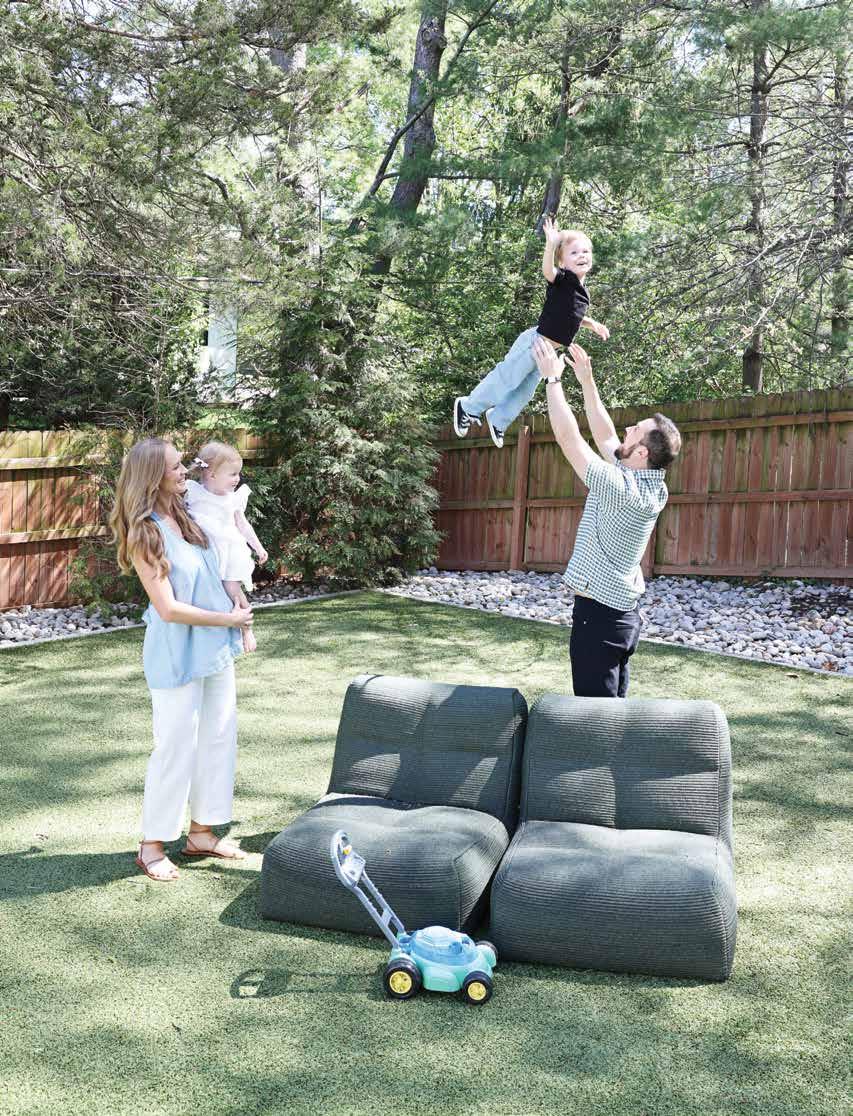
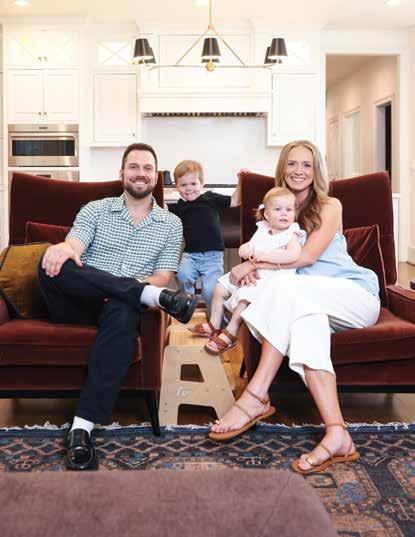
Trey Kennedy makes a living finding comedy in regular life. Marriage. Toddlers. Yoga pants. The Thursday-night scramble between school dropoffs, soccer practice, and whatever has to be done by morning. Twelve years in, it shows: millions of followers across every platform, three stand-up specials, a sold-out Relatable Tour, and a style of humor fans send each other captioned, “Are you watching me?” He delivers the kind of comedy that travels because everyone’s living some version of it.
Katie, his wife of six years, is a former biomedical engineer who also built a modeling career. She’s now raising their kids and co-hosting Correct Opinions alongside Trey — the show where the two of them swap takes on marriage, parenting, and whatever came up that week.
Trey has been at this longer than people realize. An Edmond, Oklahoma kid who grew up playing basketball described himself as a “shy kid who never thought he’d be an entertainer.” He started making videos while attending Oklahoma State University. After building millions of followers on Vine before the platform shut down, he gave himself six months on Instagram and Facebook to see whether he could rebuild from zero. He did. Stand-up soon followed. His first special, Are You For Real?, streams on YouTube; the second, Grow Up, on Amazon Prime; the third, built around the Relatable Tour, wrapped earlier this year. “I’ve been trying to be funny every week for like twelve years now,” he says. A slow climb, made one bit at a time.
ARTICLE BY KALI KASPRZYK
“I’ve been trying to be funny every week for like twelve years now.”
Most of what Trey writes lately starts in his own kitchen. Thomas is three and a half, and he is, in his father’s words, “a movie.” He narrates his own life from the moment his eyes open and mispronounces words in ways his parents now repeat to each other because no one else would believe them. His younger sister, Eva, is what Katie calls “the calm one.” With a third now in the mix, the Kennedys are officially outnumbered.
After six years of marriage, Trey and Katie have learned that the partnership runs best when it gets its own time on the calendar. So once a week, they leave the kids with a sitter and go out for coffee. “You need a system,” Katie says. “It’s about taking time to look each other in the eye. Not the kids. Not the cameras. Just each other.”
The same instinct shapes the work. Most of Trey’s trial and error happens onstage or on Instagram, but the first read is always Katie’s. “There’s only been one time ever I’ve had to be like, ‘you’re not doing that,’” she says. The rest of the time, she just laughs first.
FEATURING TREY & KATIE KENNEDY
Trey and Katie talk about marriage, parenting, and the moments that don’t make the Instagram feed.
Watch or listen to the full conversation wherever you get your podcasts.





AUGUST 3RD
UMS Summer Sings: Haydn’s Paukenmesse
Palmer Commons | 7:00 PM
Join the UMS Choral Union and as many as 250 singers from throughout the Midwest for Summer Sings. Participants will rehearse, break for refreshments, then sing through Haydn’s Paukenmesse. Come as you are to this no-audition, no-performance evening of memorable music-making. ums.org
AUGUST 3RD - 7TH
Target, Carpenter Rd. and Ann Arbor Saline Rd.
United Way Southeastern Michigan invites you to help kids get Back-to-School ready. The Washtenaw County school supply drive is taking place in the parking lots of both area Target stores. Help “stuff the bus” by donating new pencils, notebooks, calculators, and more. unitedwaysem.org
AUGUST 7TH - 8TH
Dexter Summer Festival
Downtown Dexter
Featuring a fun-filled parade down Main Street; live music, vendors, food trucks, and more in Monument Park; a Kid’s Action Zone with live entertainment, balloon animals, bounce houses, games and activities; a vibrant mix of entertainment, shopping and activities in the Broad Street Social District; a fireworks display; and more, the Dexter Summer Festival is a delight for all ages. dextersummerfestival.com
AUGUST 9TH
Summer Storytime with Literati
226 S. Main Street | 10:00 AM
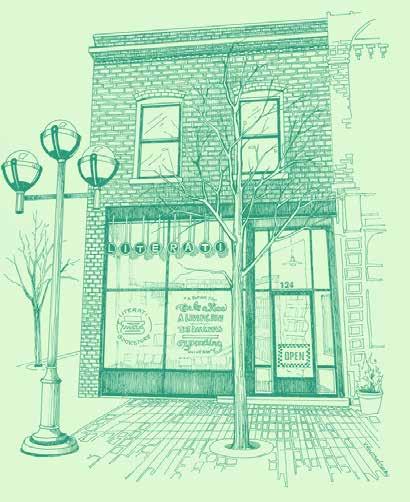
Join Literati Bookstore at 10 a.m. outside Pretzel Bell on Main Street for a picture book read-a-loud and activities. This free event is the perfect way to share the joy of reading with your little ones this summer. literatibookstore.com
AUGUST 9TH
All Girls Skate
Ann Arbor Skate Park | 9:00 AM
The Ann Arbor Skate Park hosts All Girls Skate on the second and fourth Sunday of each month from June through October. Skateboard instructors will be on hand on Sunday, August 9 to welcome girls and their families and teach beginning skills and skatepark etiquette. a2skatepark.org/all-girls-skate
AUGUST 13TH
Yoga with Cats
Tiny Lions Lounge and Adoption Center | 7:30 PM
Join the Humane Society of Huron Valley to practice yoga with their furry feline yoga masters! This hatha-style class will help bring peace to your mind and body, while filling your heart with joy as you help support the animals in our community. hshv.org


AUGUST 15TH
Pilates in the Park
Broadway Park West | 8:00 AM
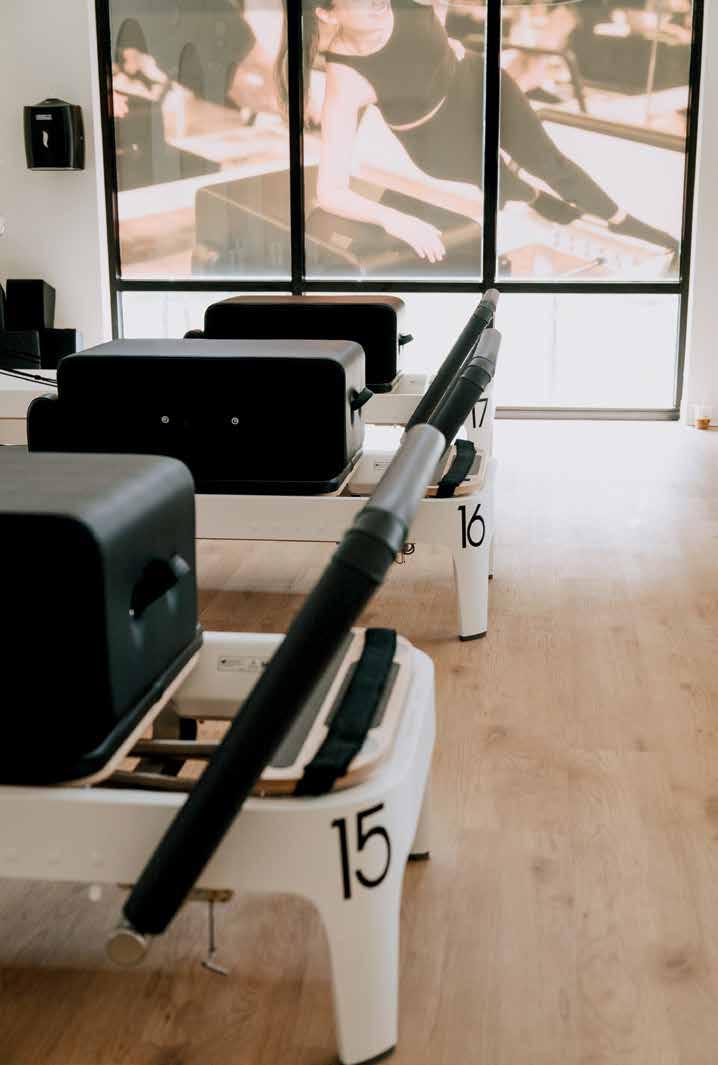
Experience Core Collective’s energizing mat Pilates classes each Saturday throughout the summer while enjoying the natural beauty of Ann Arbor’s newest riverfront destination. Expert instructors will help guide you to move, connect, and build strength in a way that feels supportive and empowering. Classes open to all experience levels. lowertowna2.org
AUGUST 20TH
A2Zero Clothing Swap
Ann Arbor City Hall | 4:00 PM
Join A²ZERO’s clothing monthly clothing swap and get new-to-you outfits just in time for Back to School! Swaps are an opportunity to refresh your wardrobe and gift your gently used clothes to members of your community, without contributing to the 92 million tons of textile waste generated globally each year. luma.com/a2zeroclothingswaps
AUGUST 25TH - 29TH
Chelsea Community Fair
Chelsea Community Fairgrounds, Chelsea
The Chelsea Community Fair is back with midway rides, carnival games, agricultural exhibits, Demolition Derby, children’s parade, and more. Don’t miss this beloved small-town tradition! chelseafair.org
AUGUST 27TH
Downtown Ann Arbor | 11:30 AM
Bank of Ann Arbor’s Sonic Lunch is a free summer outdoor concert series happening at the corner of Liberty and Division in downtown Ann Arbor Thursdays from 11:30 a.m. to 1:30 p.m. The 2026 season concludes on August 27 with a special performance by Mavis Staples. soniclunch.com
AUGUST 30TH
AADL Downtown Library | 12:00 PM
Close out a season of fun playing the Ann Arbor District Library Summer Game with a building-wide puzzle, badge coloring, badge button making, face painting, and more. Use your Summer Game points to bid for special auction items, then stay to watch films from the Tiny Film Fest. aadl.org
AUGUST 30TH
Emma’s Wedding(s)
The Purple Rose Theatre, Chelsea
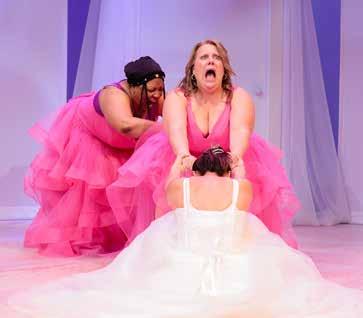
The Purple Rose Theater Company presents Emma’s Wedding(s), a world premiere by Carey Crim and directed by Kate Thomsen. In this adults-only production, Emma is getting married — again. For the fourth time. But she’s determined that this will be the one. Don’t miss your chance to watch this hilarious romp through the decades, complete with ’80s hair, dial-up internet, Boone’s Farm wine and the enduring power of friendship. purplerosetheatre.org
Want

ARTICLE BY HEATHER LESZCZYNSKI, THERAPEUTIC RIDING, INC. EXECUTIVE DIRECTOR
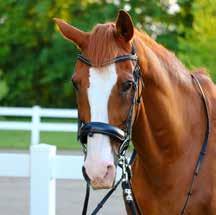
THERAPEUTIC RIDING, INC. PROVIDES EQUESTRIAN OPPORTUNITIES TO CHILDREN AND ADULTS WITH SPECIAL NEEDS. HERE, WE GET TO KNOW SOME OF THE HORSES HELPING TRANSFORM LIVES.
Serena is our most versatile horse, carrying everyone from first-time riders in adaptive lessons (which combine mounted and ground activities, with volunteer facilitators providing extra balance and support) to our most advanced para-dressage athletes. Patient and intuitive, she forgives mixed signals while helping riders learn and grow.
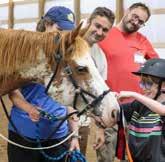
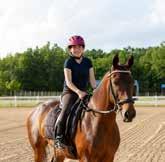
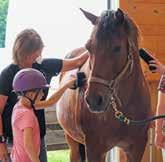
Major is kind, safe, and dependable, carrying our newly independent riders. He helps participants develop skills in para-dressage, a sport for equestrians with permanent physical or visual impairments. Thanks to donors, participants only pay a fraction of the costs to ride great horses like Major.
Hey Dobbs!
As a nonprofit, TRI relies on donor support to provide children and adults with cognitive and physical disabilities the opportunity to ride, learn, and connect with horses like Hey Dobbs!. He’s one of TRI’s longest-resident horses. Though one of our oldest, he’s still energetic, spunky, and loves his job.
Rosie absolutely loves children and shines in the adaptive horsemanship lessons, patiently caring for the riders on her back. She also enjoys our ConnEQtions program where special groups can interact with her through groundwork.
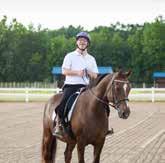
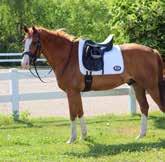
Spin Doctor focuses on our most independent riders doing para-dressage. Along with talented horses like Spin, TRI’s certified instructors use adaptive equipment tailored to each rider’s needs. Before joining TRI, he excelled as a racehorse and dressage horse, and he’s a 2026 Equus Foundation Horse Hall of Fame inductee.
Learn more, donate, or volunteer at therapeuticridinginc.org.