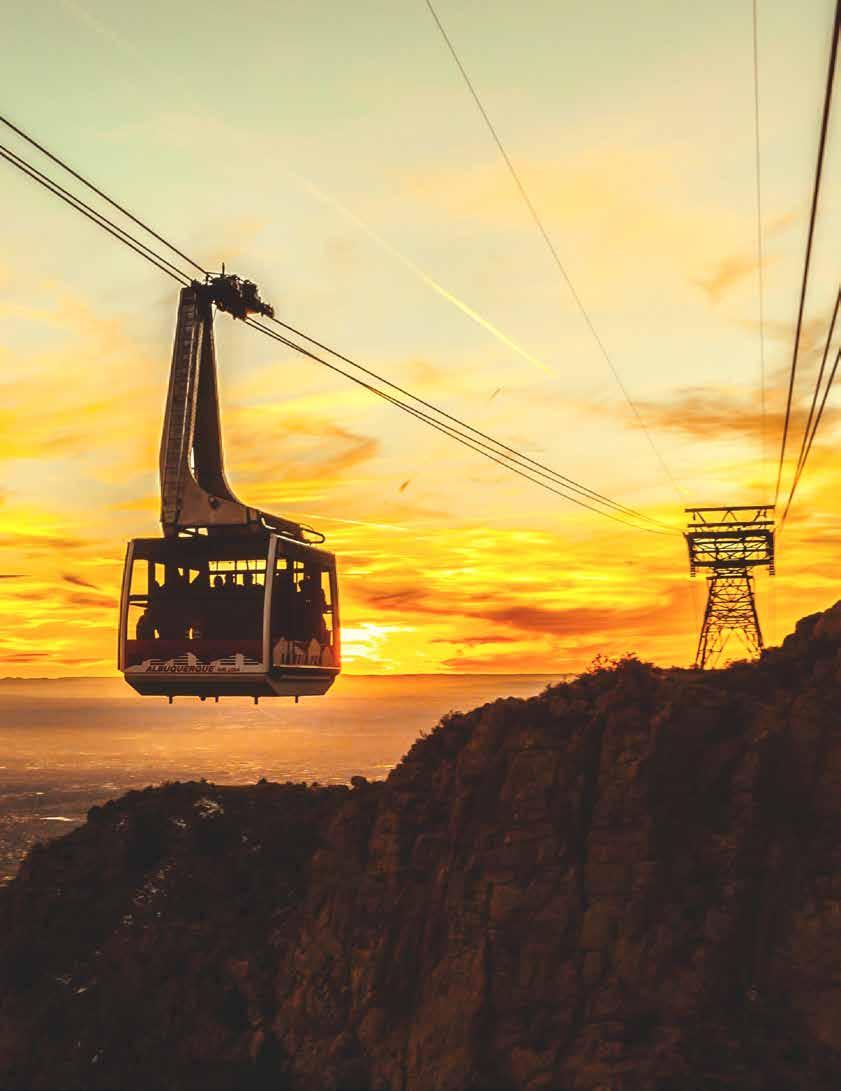





- Kendall Harris

- Kendall Harris
New Mexico earned its moniker, the "Land of Enchantment," for a reason, but its true magic cannot be uncovered from the window of a speeding car. In a world that constantly rushes, this southwestern gem invites you to do the exact opposite. To truly experience its soul, you must slow down and let the breathtaking landscapes dictate your pace.

The state’s beauty lies in its startling, dramatic contrasts. In the south, the otherworldly, shifting gypsum waves of White Sands National Park offer a surreal, silent expanse that demands quiet contemplation. Travel north, and the terrain transforms into the rugged, pinescented peaks of the Sangre de Cristo Mountains , where high alpine trails lead to hidden glacial lakes.
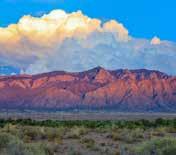
Rising majestically in the center of the state are the Sandia Mountains, a rugged granite backdrop defining the Albuquerque skyline. Taking a leisurely drive along the scenic Turquoise Trail or riding the famous Sandia Peak Tramway rewards visitors with panoramic views of the vast Rio Grande Valley. As evening approaches, these peaks reveal the secret behind their name—Sandia , Spanish for watermelon—glowing with a vibrant, unforgettable pink hue in the setting desert sun.
Between these natural wonders are places where history and geography blur. The ancient cliff dwellings of Bandelier National Monument and the sun-baked adobe walls of Santa Fe and Taos reveal centuries of interconnected Puebloan, Spanish, and Anglo heritage. Rushing through these cultural hubs means missing the hidden art galleries and the rich, smoky aroma of roasting green chiles.
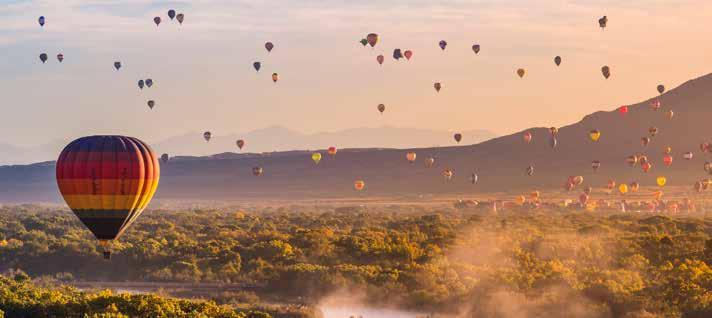
Whether you are watching hot air balloons paint the sky at sunrise or soaking in a secluded mountain hot spring in Jemez, New Mexico teaches travelers to appreciate the present. Taking your time here isn't just a way to explore; it's the only way to truly experience its magic.
July 2026
PUBLISHER
Rich Ringrose | rich.ringrose@citylifestyle.com
EDITOR
Richard Lakin | richard.lakin@citylifestyle.com
STAFF WRITERS
Jill Robbins, Keri Bridgwater, Rudy Carrillo, Regan Bervar
STAFF PHOTOGRAPHER
Autumn Oglesby
CONTRIBUTING WRITERS
Keri Bridgwater, Rudy Carrillo, Regan Bervar, Jill Robbins, Richard Lakin
CONTRIBUTING PHOTOGRAPHERS
Minh Quan, Autumn Oglesby, Kialo Williams, New Mexico True, Micah Gallegos, Sandia Peak Aerial Tramway, New Mexico River Adventures, TrailLink, Parmetrix, The Daily Lobo, Leila Chapa
CEO Steven Schowengerdt
President Matthew Perry
COO David Stetler
CRO Jamie Pentz
CoS Janeane Thompson
AD DESIGNER Andrew Sapad
LAYOUT DESIGNER Kathy Nguyen
QUALITY CONTROL SPECIALIST Brandy Thomas


Learn




Minh Quan, a Warehouse 505 alumnus and photography instructor, captured this stunning Albuquerque Tramway image. Since 2009, this downtown nonprofit has empowered youth 13–20 through free creative programs. Support them at Warehouse505.org or W505 Print Shop. Follow @warehouse505_ on Instagram

ARTICLE BY KALI KASPRZYK
PHOTOGRAPHY BY JANIE JONES
MAKEUP BY MIKAYLA CRANE
Winnipeg in the winter, and a 17-year-old waits 45 minutes in the cold for Keanu Reeves. Her fingers are numb. She is not there for an autograph. She is there to ask him to appear in her audition tape for MuchMusic, Canada’s MTV. When he finally agrees, she writes her number on a gum wrapper with a borrowed lip liner.
He calls days later.
That 17-year-old was Jen Cohen — fitness expert, host of the Habits & Hustle podcast, and best-selling author. She has built a career on the premise her frostbitten afternoon proved. She calls the practice the 10% Target: 10 attempts at whatever you want most in life.
The premise is simple. Most people never make one attempt. Almost nobody makes two. The math works in favor of the person who keeps going.
The top-rated Habits & Hustle podcast has logged hundreds of conversations with high performers and the people who study what the body does to the mind. Her TEDx talk, The Secret to Getting Anything You Want in Life, has traveled widely inside Fortune 500 sales-training rooms. On the Share the Lifestyle podcast, Cohen sits down to share the working rules that are the foundation of her latest book, Bigger, Better, Bolder.
“You have to be the CEO of your own life.”
FEATURING JEN COHEN
Discover the full 10% Target Mindset framework.


1 2
The door opens, or another door does. The unmade attempt and the refused one leave you in the same place — except one of them teaches you something.
Cohen frames her habits as a wager: How do I stack the deck so I win more than I lose? The workout happens first, and the food decisions follow. The email follow-up gets sent, and the answer arrives. The choices compound in a single direction.
3
No one is born with it. The people who look disciplined are running a routine they have rehearsed long enough that it no longer feels like effort. The reps are the skill. Miss them, and the skill fades, the same as any other.
4
Confidence does not arrive by repeating the word. It arrives after the body has done the thing — the workout finished, the cold walk endured, the email sent. The mind takes its cues from what the body proves it can do. Talk follows action, not the other way around.
5
The first decision sets the slope of the rest. Skip the Monday workout, and the rest of the week tends to follow. Hold the line on Monday, and the slope tilts the other way.





FOLLOW


EXPLORE THE SUMMIT
ARTICLE BY RICHARD LAKIN
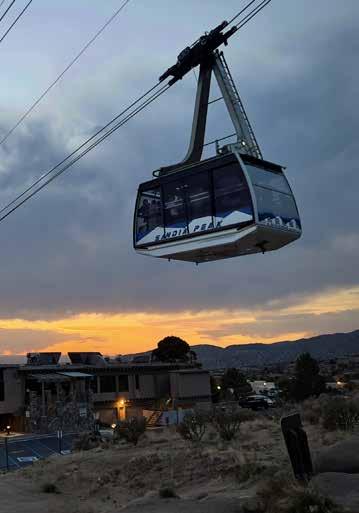
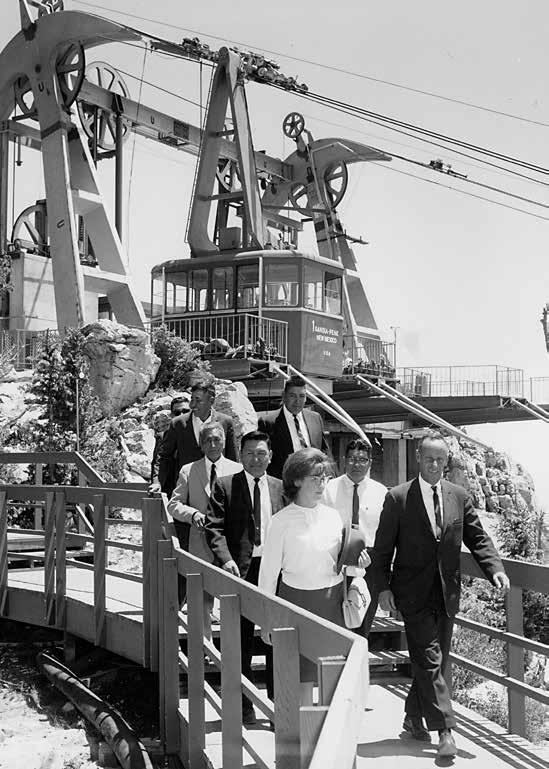
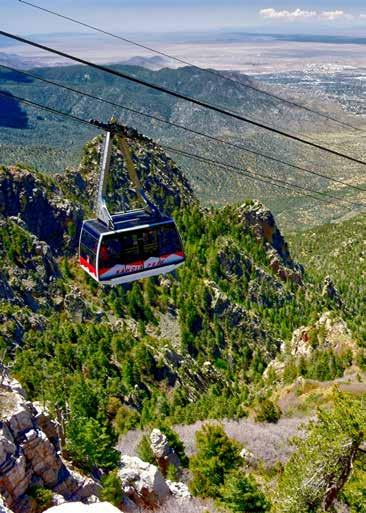
If you live in Albuquerque and have visitors from out of state, there are two things that you’re likely to show them... New Mexico ballooning and the Sandia Peak Aerial Tramway. The 2.7-mile ascent on the tramway to the 10,378-foot peak of the Sandia Mountains is a thrilling, scenic experience. This year, the tramway is celebrating its 60th anniversary. The tram has transported about 16 million visitors to the top since 1966.
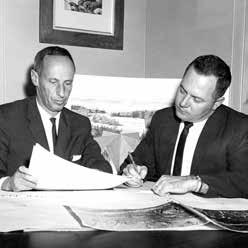
Jessica Fox, the director of marketing and sales, told us about the history of the tramway. “The idea came up back in the late 1950s, and then the tram itself began construction in the early 1960s. Bob Nordhaus and Ben Abruzzo were the two masterminds of the project back then. They were adventurers and businessmen. Ben was involved in the ballooning community before the Balloon Fiesta.”
“They had a vision of something big for Albuquerque. Bob Nordhaus had the concept of connecting the ski area to the city of Albuquerque on the front side of the mountains, and he brought on Ben Abruzzo. Together they began the project of determining how they could create something that could span this distance and also be able to have limited towers because the terrain on this front side of the mountains is quite rocky, unlike the other side, which is the ski area and a little bit flatter and more passable.”
Bob Nordhaus had visited European ski lifts and tramways and was inspired to proceed with the Albuquerque project. The tram mechanism was manufactured in Switzerland.
Jessica told us, “Bob and Ben faced a lot of significant hurdles getting funding and getting approval for this process to happen, but they were adamant and dedicated to making sure that it could occur, and luckily things got signed and approved and some of the work actually began in the early 60s, and that was when they began surveying the mountain to see what would need to be done to make this happen. The engineering at that time was more limited than it is now, and what they recognized was the clear span from tower two to the top of the mountain, where

For years, Albuquerque Handyman LLC has been your go-to for top-notch handyman services. With 20 years of construction experience, we handle everything from yard work to home repairs. Just hand us your manchores list!
Our Services:
• Tenant Improvement Projects
• Property Preservation
• General Maintenance
• Power Washing
• Drywall Repair
• Painting
• Honey do lists

“They had a vision of something big for Albuquerque.”
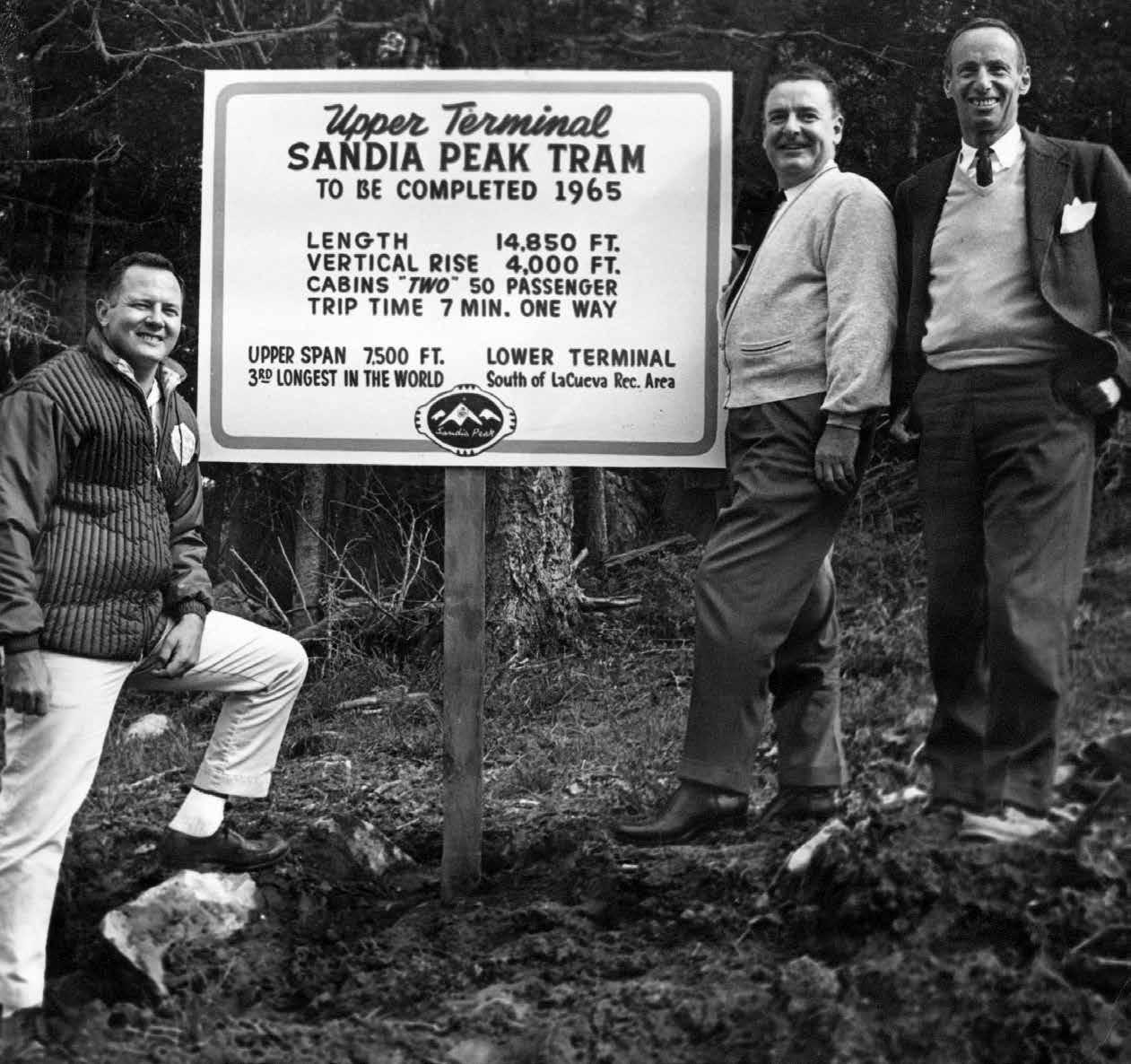
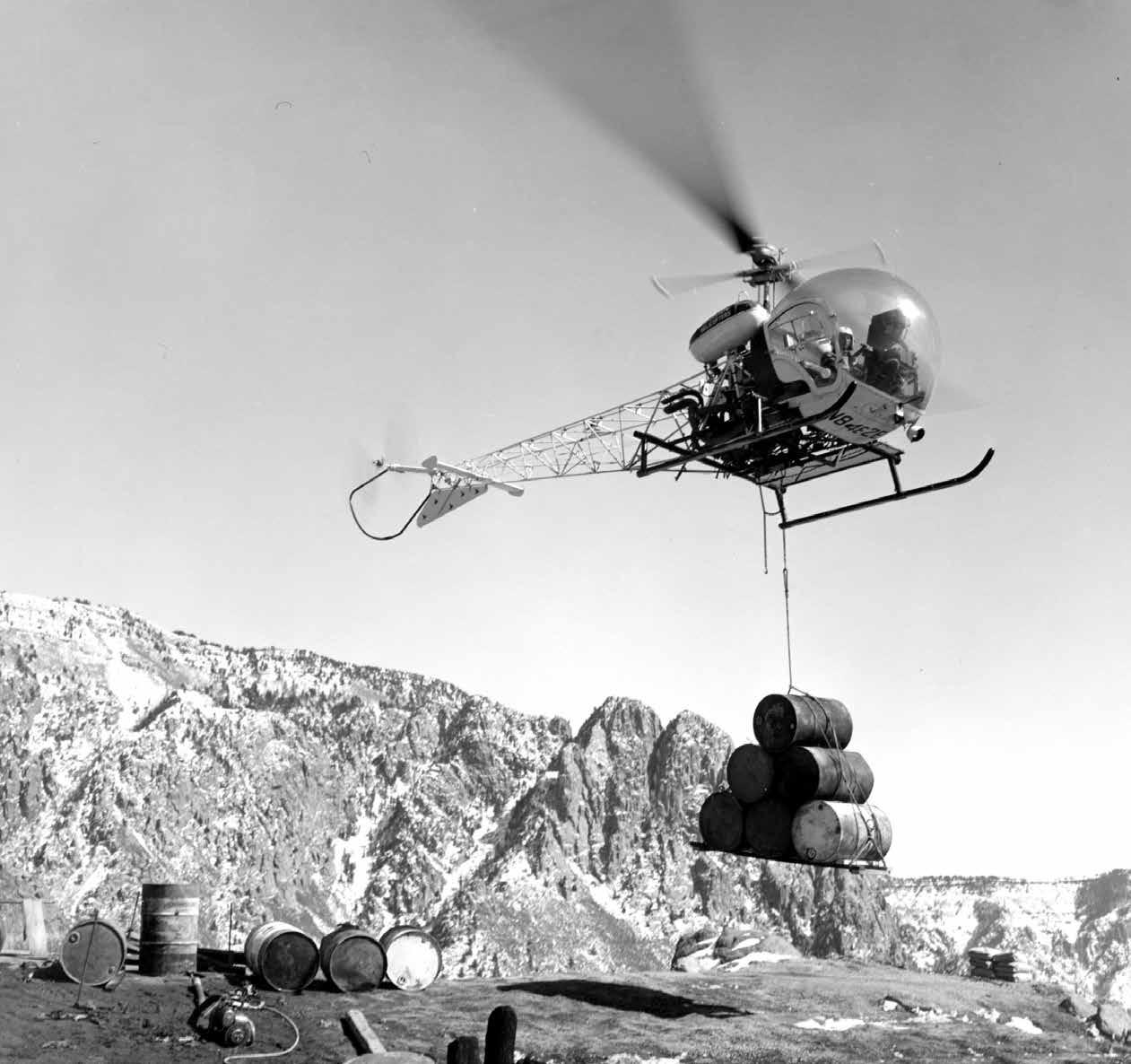
there is no tower in between, which is about a 1.5-mile distance, and finding out how to connect that tower to the top of the mountain was one of the largest pieces of the engineering aspect for the tram. It was the third-largest clear span in the world at the time and remains one of the largest clear spans to this day. You go up about 4,000 feet in elevation during that 15-minute tram ride, so it's a significant climb to come up the front side of the mountains. The construction required over 5,000 helicopter trips to bring materials up the route of the tram.”
Jessica says, “We did an update in 2024, and we were closed for a few months while this occurred. The original drive and control system of the tramway was replaced, and during this closure, we also added some weather technology to our towers and the lower terminal. We also updated the cameras on our towers and both of the terminals. We brought in a new hydraulic braking system. We replaced our DC motor with a 600-horsepower AC motor, which would also be more energy efficient.”
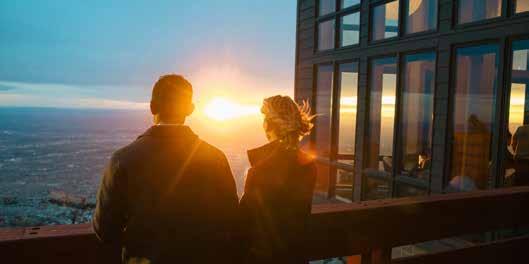
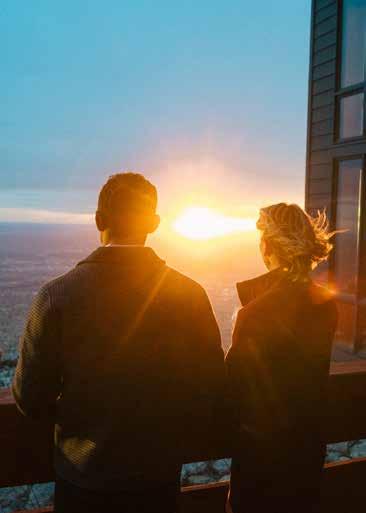
Weather technology is very important when there is a 4,000-foot change in elevation from the bottom. Weather conditions can close the ascent. The summit can be 15-30 degrees colder than Albuquerque, so bring a jacket. The trams don’t run on a set schedule, but both the ascent and descent are a 15-minute ride and run regularly about every half-hour. Once at the summit, you can hike, ski, or dine at the TEN 3 restaurant, which offers both casual and fine dining. There is also an information center at the summit, as well as a coffee shop and souvenirs at the bottom terminal.
Another element at the tramway is the New Mexico Ski Museum, which most locals don’t know about. Jessica tells us, “At the lower terminal, we have the Ski Museum that boasts some really great historical information about the
skiing history in New Mexico. I think that museum is underrated. A lot of people don't realize that's where it's located, but for any ski enthusiasts who are either from New Mexico or visiting New Mexico, I would highly encourage them to check out the Ski Museum just to learn the great history that New Mexico has for skiing.”
The website for the Sandia Peak Aerial Tramway is sandiapeak.com . You can purchase tickets there and get all the information you need for a visit.
CONTINUED >
“The construction required over 5,000 helicopter trips to bring materials up the route of the tram.”















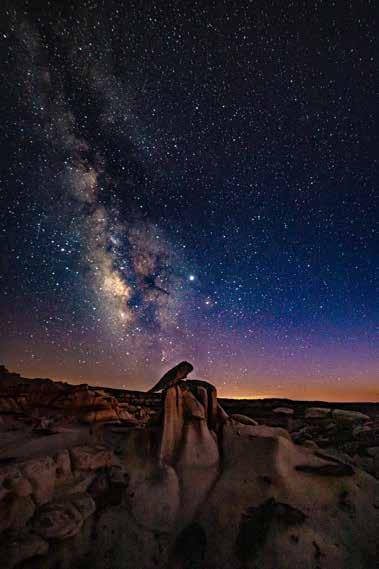
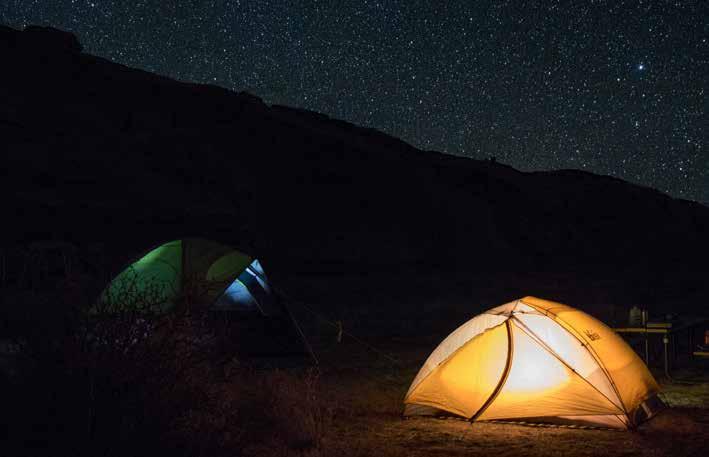
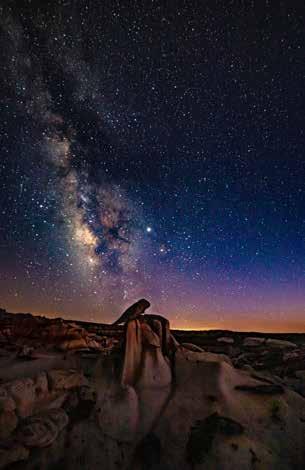
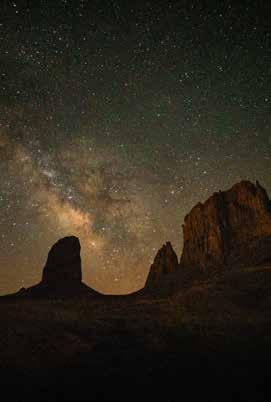
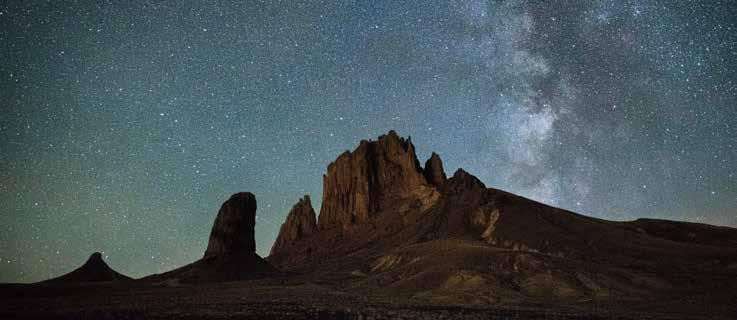
Daylight fades slowly in the Bisti/De-Na-Zin Wilderness. Hoodoos and cracked badlands soften into shadow as silence settles across the high desert. Then the stars begin to appear — first a handful, then thousands. “What often stays with people is the silence,” shares Kialo Winters, a Diné (Navajo) and Zia (Pueblo) tour guide, photographer, and founder of Navajo Tours USA. “Bisti is one of those rare places where you can truly hear the absence of modern noise.” Winters leads Sunset and Night Sky Tours through the remote wilderness of northwestern New Mexico, where exceptionally dark skies reveal the Milky Way in remarkable clarity. Visitors may arrive expecting astrophotography or dramatic scenery, he says, but many leave remembering something quieter. “The stillness slows people down,” Winters explains. “We’ve seen guests become unexpectedly reflective, emotional, even spiritual out there.”
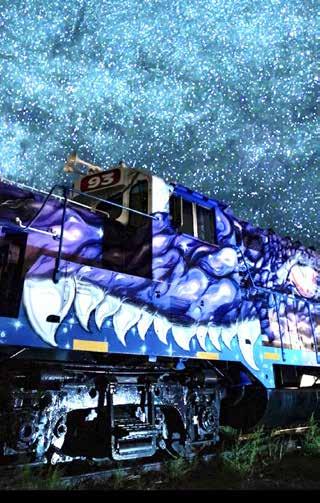
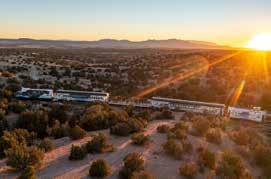
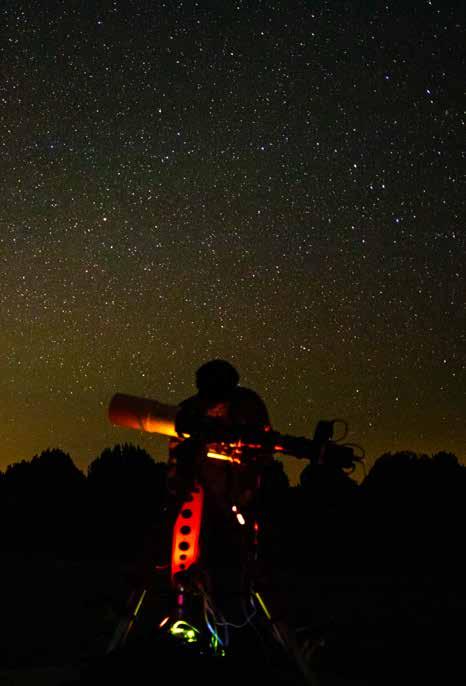
Experiences like this are part of why New Mexico has become one of the country’s best places for stargazing. High elevation, vast public lands, and legislation like the 1999 Night Sky Protection Act help preserve some of the darkest skies in the Southwest. From Navajo-led night tours of the Bisti Badlands to Sky Railway’s Stargazer excursion to the Galisteo Basin with a professional astronomer, here’s where to explore after dark this summer.
Bisti/De-Na-Zin Wilderness
Strange stone wings, hoodoos, and deeply eroded badlands make the Bisti/De-Na-Zin Wilderness one of the Southwest’s most surreal landscapes after dark. “With almost no light pollution, the stars here feel overwhelming in the best possible way — not just something you observe, but something you are physically surrounded by,” says Kialo Winters, whose Indigenous-led night tours help travelers experience the wilderness beyond its striking geology. Winters says many guests initially expect the darkness to feel intimidating, but are surprised by how calm and connected they feel once their eyes adjust. “There’s something deeply human about navigating by moonlight and stars that seems
“What often stays with people is the silence.”
to resonate instinctively,” he says, noting that for many Indigenous cultures across the Southwest, the stars remain closely tied to ceremony, identity, storytelling, and seasonal understanding.
Where to stay: For a more immersive experience, consider desert camping nearby. Otherwise, Casa Blanca Inn & Suites makes a comfortable overnight base for exploring Bisti/De-Na-Zin.
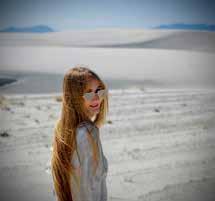
White Sands National Park feels entirely different after dark. Beneath the moonlight, the white gypsum dunes seem to glow against the night sky, creating one of the Southwest’s most surreal landscapes. Summer evenings are especially rewarding once daytime desert temperatures begin to ease. While the park typically closes at sunset, seasonal programming often includes full-moon hikes, ranger talks, and annual events like April’s “Starry Night.”
Where to stay: When available, backcountry camping permits offer one of the most memorable ways to experience the dunes beneath the stars. Otherwise, base yourself in Las Cruces or escape to the cooler mountain town of Cloudcroft, both within an hour of the park.
At Chaco Culture National Historical Park, the night sky feels inseparable from the ancient landscape itself. Centuries ago, ancestral Puebloan
Cosmic Campground
communities built great houses and ceremonial structures aligned with the movements of the sun and moon. Today, visitors wander the sprawling ruins by day before gathering beneath some of the darkest skies in North America for ranger-led night programs and telescope viewings. The journey requires planning — roads are rough and services are limited —although that remoteness is part of what makes the experience feel so extraordinary.
Where to stay: Farmington works well as a gateway base before heading into the high desert, but camping inside the park offers the fullest immersion.
Cosmic Campground
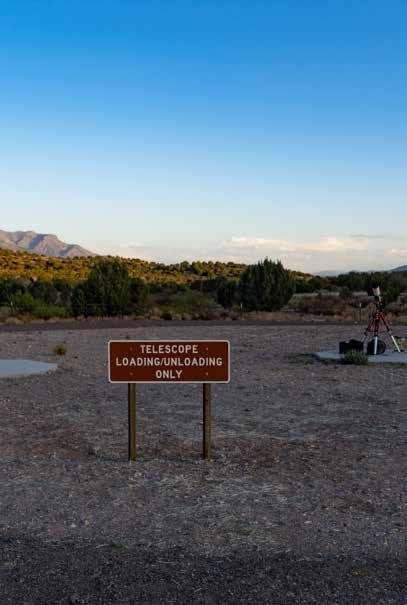
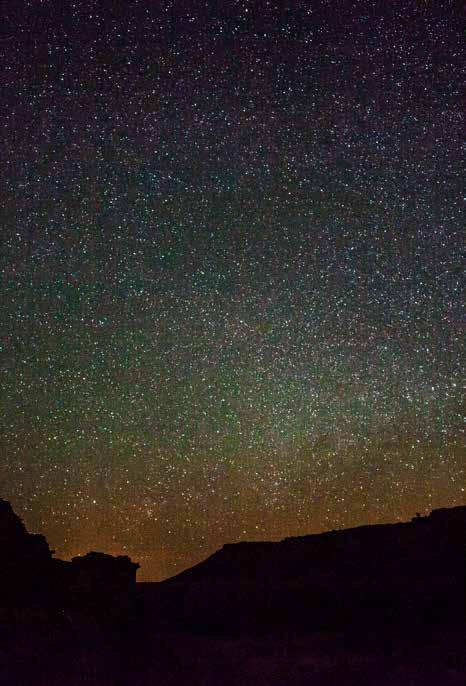
Deep in the Gila National Forest, Cosmic Campground offers simple, stripped-back stargazing under some of the nation’s darkest skies. As the first International Dark Sky Sanctuary in the Northern Hemisphere, it provides full, 360-degree vistas of the Milky Way during summer new moons.
Where to stay: Camp onsite or stay at Casitas de Gila, a secluded collection of guesthouses near Silver City known for its exceptionally dark skies and astronomy-friendly setup.
Travelers repeatedly return to the same observation Kialo Winters hears on his night tours in Bisti: how quiet it all feels. Whether it’s moonlit dunes or a stargazing train ride outside Santa Fe, New Mexico’s landscapes feel extraordinary after dark when temperatures cool, and the Milky Way stretches overhead.
New
After dark beneath the Milky Way
Daylight fades slowly in the Bisti/De-Na-Zin Wilderness. Hoodoos and cracked badlands soften into shadow as silence settles across the high desert. Then the stars begin to appear — first a handful, then thousands. “What often stays with people is the silence,” shares Kialo Winters, a Diné (Navajo) and Zia (Pueblo) tour guide, photographer, and founder of Navajo Tours USA. “Bisti is one of those rare places where you can truly hear the absence of modern noise.” Winters leads Sunset and Night Sky Tours through the remote wilderness of northwestern New Mexico, where exceptionally dark skies reveal the Milky Way in remarkable clarity. Visitors may arrive expecting astrophotography or dramatic scenery, he says, but many leave remembering something quieter. “The stillness slows people down,” Winters explains. “We’ve seen guests become unexpectedly reflective, emotional, even spiritual out there.”
Experiences like this are part of why New Mexico has become one of the country’s best places for stargazing. High elevation, vast public lands, and legislation like the 1999 Night Sky Protection Act help preserve some of the darkest skies in the Southwest. From Navajo-led night tours of the Bisti Badlands to Sky Railway’s Stargazer excursion to the Galisteo Basin with a professional astronomer, here’s where to explore after dark this summer.
Bisti/De-Na-Zin Wilderness
Strange stone wings, hoodoos, and deeply eroded badlands make the Bisti/De-Na-Zin Wilderness one of the Southwest’s most surreal landscapes after dark. “With
almost no light pollution, the stars here feel overwhelming in the best possible way — not just something you observe, but something you are physically surrounded by,” says Kialo Winters, whose Indigenous-led night tours help travelers experience the wilderness beyond its striking geology. Winters says many guests initially expect the darkness to feel intimidating, but are surprised by how calm and connected they feel once their eyes adjust. “There’s something deeply human about navigating by moonlight and stars that seems to resonate instinctively,” he says, noting that for many Indigenous cultures across the Southwest, the stars remain closely tied to ceremony, identity, storytelling, and seasonal understanding.
Where to stay: For a more immersive experience, consider desert camping nearby. Otherwise, Casa Blanca Inn & Suites makes a comfortable overnight base for exploring Bisti/ De-Na-Zin.
White Sands National Park feels entirely different after dark. Beneath the moonlight, the white gypsum dunes seem to glow against the night sky, creating one of the Southwest’s most surreal landscapes. Summer evenings are especially rewarding once daytime desert temperatures begin to ease. While the park typically closes at sunset, seasonal programming often includes full-moon hikes, ranger talks, and annual events like April’s “Starry Night.”
Where to stay: When available, backcountry camping permits offer one of the most memorable ways to experience the dunes beneath the stars. Otherwise, base yourself in Las Cruces or escape to the cooler mountain town of Cloudcroft, both within an hour of the park.
At Chaco Culture National Historical Park, the night sky feels inseparable from the ancient landscape itself. Centuries ago, ancestral Puebloan communities built great houses and ceremonial structures aligned with the movements of the sun and moon. Today, visitors wander the sprawling ruins by day before gathering beneath some of the darkest skies in North America for ranger-led night programs and telescope viewings. The journey requires planning — roads are rough and services are limited —although that remoteness is part of what makes the experience feel so extraordinary.
Cosmic Campground
Where to stay: Farmington works well as a gateway base before heading into the high desert, but camping inside the park offers the fullest immersion.
Cosmic Campground
Deep in the Gila National Forest, Cosmic Campground offers simple, stripped-back stargazing under some of the nation’s darkest skies. As the first International Dark Sky Sanctuary in the Northern Hemisphere, it provides full, 360-degree vistas of the Milky Way during summer new moons.
Where to stay: Camp onsite or stay at Casitas de Gila, a secluded collection of guesthouses near Silver City known for its exceptionally dark skies and astronomy-friendly setup.
The Rare Luxury of True Darkness
Travelers repeatedly return to the same observation Kialo Winters hears on his night tours in Bisti: how quiet it all feels. Whether it’s moonlit dunes or a stargazing train ride outside Santa Fe, New Mexico’s landscapes feel extraordinary after dark when temperatures cool, and the Milky Way stretches overhead.

www.designalliancenm.com




Through a blend of contemporary and traditional education, Prep students think creatively, critically, and without limits. They grow in confidence and resilience as they navigate the world.

Explore the river
ARTICLE BY REGAN BERVAR | PHOTOGRAPHY
COURTESY NEW MEXICO RIVER ADVENTURES
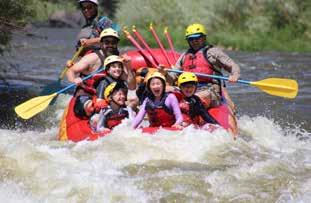
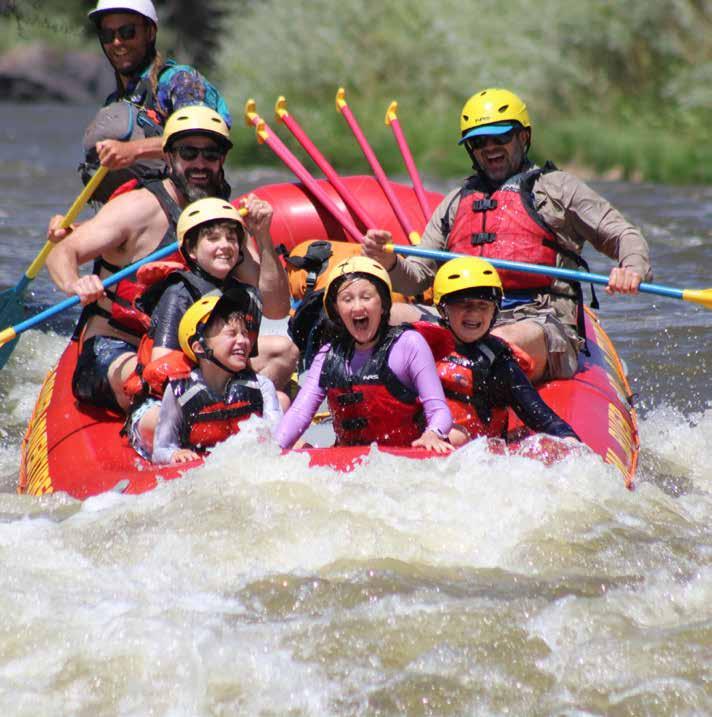
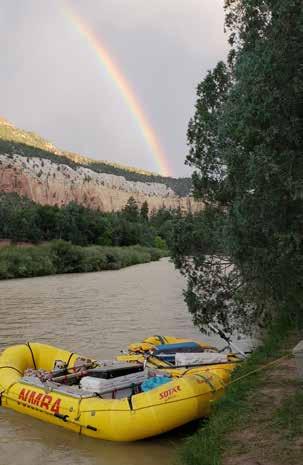
River rafting in New Mexico is more than an outdoor activity; it’s a new way to experience the land itself and chase the thrill of adventure. From the winding waters of the Rio Grande to dramatic canyons carved through centuries of desert landscape, rafting reveals a side of New Mexico only visible by
“They go out on a river trip and come back, and you just see these contagious smiles and exhilaration.”

boat. Beyond the outskirts of town lies a rugged, untamed world best experienced from the river, where towering canyon walls, cottonwood trees, and rushing water create an adventure deeply tied to the spirit of the Southwest.
For Cisco Guevara, founder, president, and head guide of Los Rios River Runners, the river represents something much deeper than recreation. Guevara has been rafting for more than 50 years and was named a Living Legend by the state of New Mexico. Through decades spent guiding people down the Rio Grande, he has witnessed the powerful effect the river has on those who experience it.
“Us river runners know that being on, in or near moving water has the ability to refresh us physically, mentally, and spiritually,” Guevara said. “Moving water releases energy; it releases an ion that has the ability to balance the human condition.”
That balance between thrill and restoration is what makes rafting in New Mexico so unique. The adrenaline of navigating rapids is matched by moments of stillness and connection, both to the landscape and to the people sharing the raft.
“Often we see people where the families have bonded closer together because of the experience,” Guevara said. CONTINUED >





Maybe luxury travel doesn’t need to follow the usual rules.
Explora Journeys invites you to consider a new way of travelling. One shaped by the ocean, guided by curiosity, and defined by how it makes you feel.
One check-in unlocks multiple destinations, where the best memories are made through our perfect blend of celebrated and lesser-travelled gems — a gentler pace, deeper immersion.
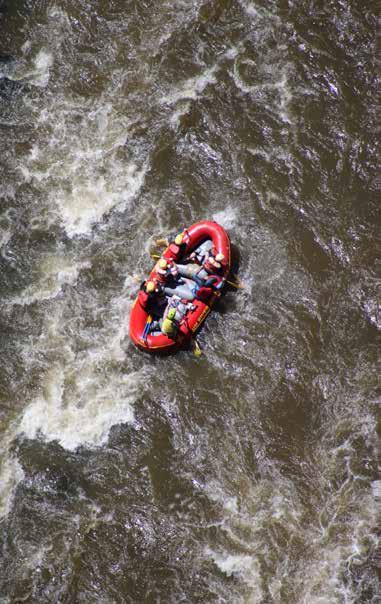
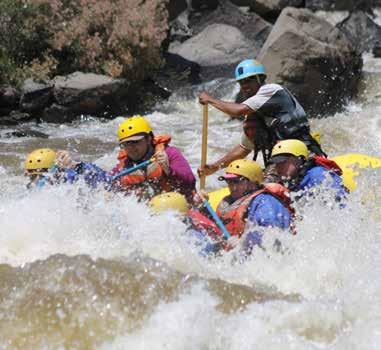
For many outfitters, the river becomes more than a workplace; it becomes home. Matthew Gontram owns New Mexico River Adventures with his wife, whom he met on the Rio Grande. After years of rafting all over the world, Gotram finally chose to settle down in New Mexico and hasn’t left.
“They go out on a river trip and come back, and you just see these contagious smiles and exhilaration,” Gontram said. “People are experiencing something they’ve never done before while being in a place that’s so beautiful and pristine.”
Part of what makes rafting here so special is the landscape itself. Compared to neighboring states, New Mexico offers a quieter, less crowded version of the Southwest’s natural beauty while carrying a culture entirely its own.
“New Mexico is a gem,” Gontram said. “It offers everything Colorado offers: alpine, high desert, all of the landscapes, with a fraction of the people. But beyond that, you can’t find the cultural opportunities and exposure you see here virtually anywhere else.”
Whether it’s a half-day float or a multi-day rafting trip through remote canyons, the experience blends adventure with New Mexico’s rich culture, cuisine, and scenery.
















ARTICLE BY JILL ROBBINS PHOTOGRAPHY COURTESY SOLSTICE ALASKA
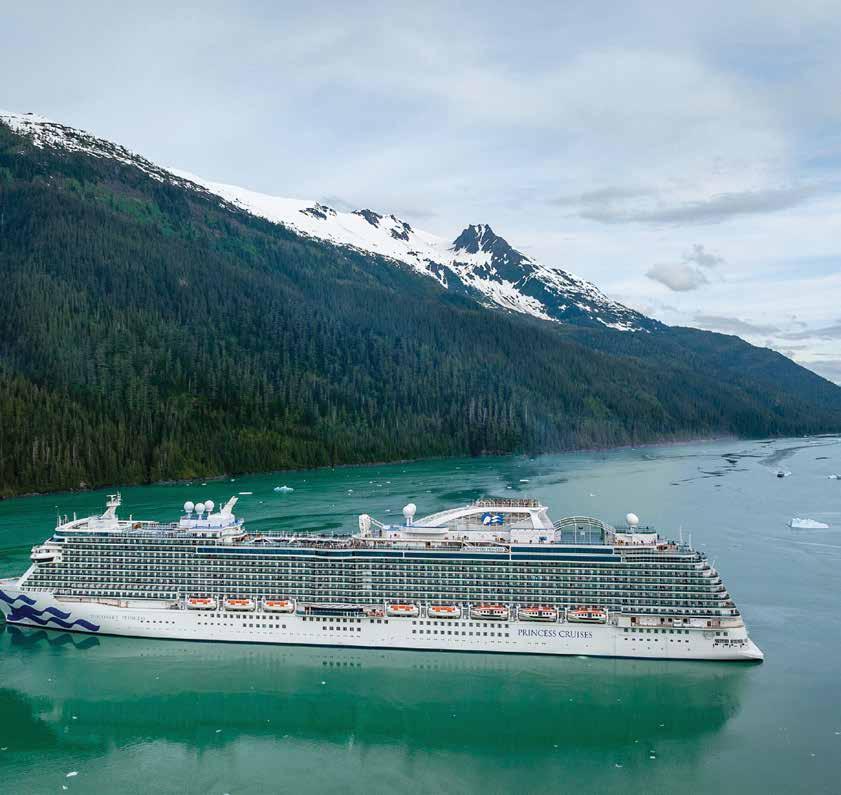
Cruising to Alaska checks a lot of the boxes travelers look for in an adventure vacation, even if it doesn’t always look like traditional adventure travel. The scenery feels bigger, wilder, and more unpredictable than most destinations people visit on a typical cruise. One day might include whale sightings from the ship’s deck and the next could involve glacier trekking, kayaking through icy water, or spotting bald eagles from a small coastal town. Even during slower moments, Alaska has a way of making travelers feel small in the best possible way.
Unlike many cruise itineraries that focus primarily on the ship itself, Alaska tends to pull people outward toward the landscape. Here’s everything first-time travelers should know before booking an Alaska cruise.
Most major cruise lines sail to Alaska, from large mainstream ships to smaller expedition-style vessels focused heavily on wildlife and remote access. Princess Cruises and Holland America Line have long been Alaska heavyweights thanks to their deep regional history and extensive landtour options, while lines like Celebrity, Royal Caribbean, Norwegian, Disney, and Cunard also offer seasonal itineraries.
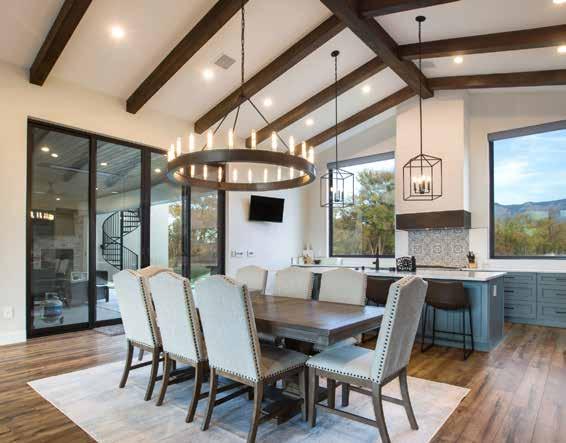
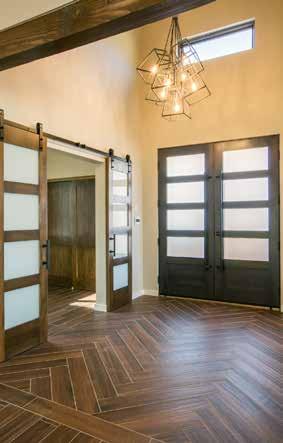
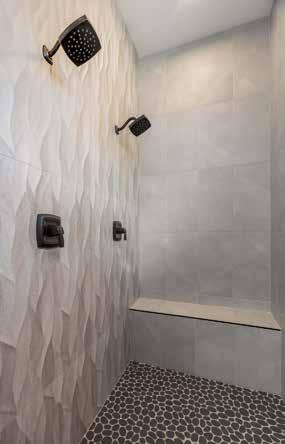
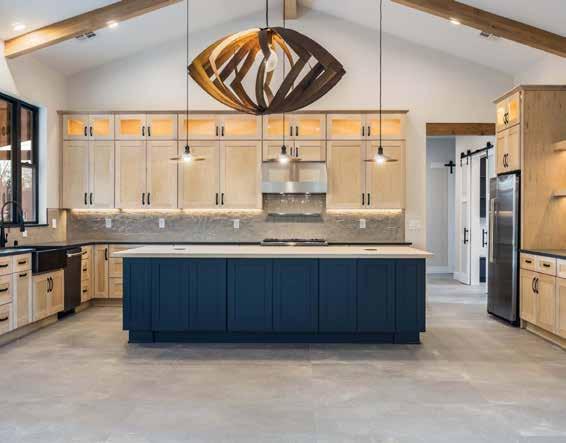
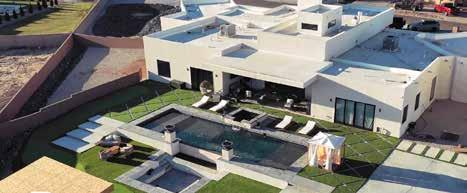
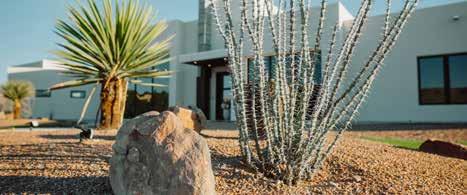
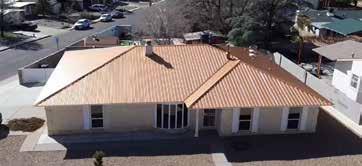
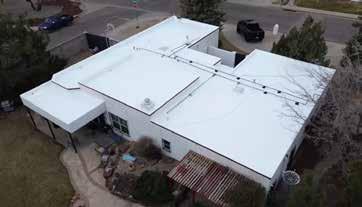
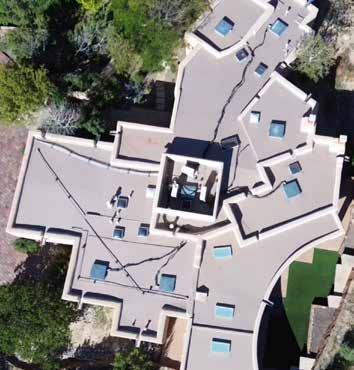
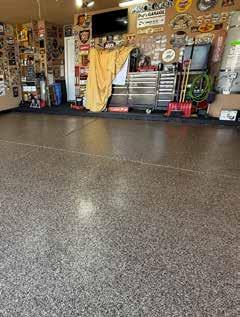
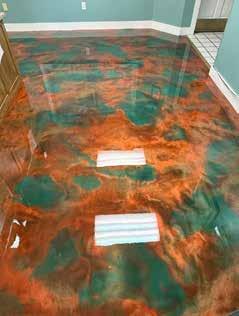
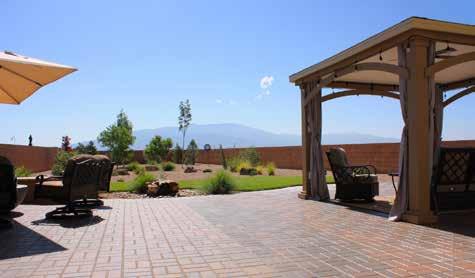
From custom-designed pools to premium outdoor finishes, our services are tailored to create a space that reflects your lifestyle, boosts your property value, and turns heads in neighborhoods like Albuquerque, Rio Rancho, Sandia Heights, and Los Ranchos.


Celebrity Cruises has carved out a niche that blends destination-focused itineraries with a more modern onboard experience on sailings departing from Seattle and Vancouver. Vancouver departures are often favored for their scenic Inside Passage routing, while Seattle cruises can offer more convenience for U.S.-based travelers.
Alaska cruises also attract a broader range of travelers than some people expect. Multi-generational families, retirees, outdoor enthusiasts, and travelers who don’t normally cruise all tend to gravitate toward Alaska because the experience feels more destination-driven than pool-deck-driven. Some travelers sailing with Princess Cruises also pair their voyage with a land-sea tour that includes Denali National Park and interior Alaska.
Beyond the Dock: What Alaska Cruise Ports Are Actually Like Each Alaska cruise port has its own personality, landscape, and style of excursions.
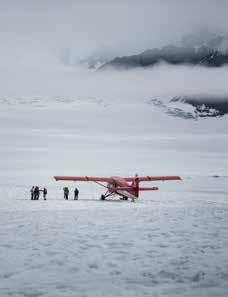
Alaska’s capital city serves as a jumping-off point for some of the state’s most iconic adventures. Whale-watching tours, glacier trekking, helicopter rides, dog-sledding experiences, and floatplane excursions all launch from Juneau. Mendenhall
Glacier is one of the area’s biggest draws, giving travelers surprisingly easy access to dramatic glacier scenery without needing serious backcountry skills.
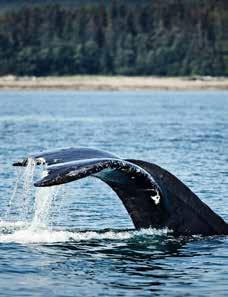
Icy Strait Point feels less commercialized than many Alaska ports and is known for outdoor adventure and Alaska Native cultural experiences. Whale watching is especially popular here, along with ziplining, hiking, kayaking, and wildlife viewing. The surrounding scenery often feels wilder and less developed, which appeals to travelers looking for a more rugged Alaska vibe.
Ketchikan is known for salmon, totem poles, and famously rainy weather. Skagway leans heavily into Gold Rush history and serves as the gateway to White Pass Railway excursions. Sitka combines dramatic scenery with Russian influences and strong wildlife viewing opportunities.

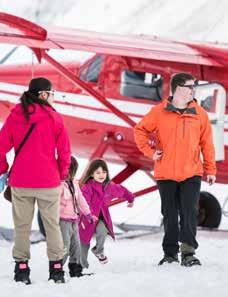
Alaska cruises tend to feel different from tropical sailings because so much of the scenery becomes part of the onboard experience. Wildlife sightings and glacier viewing tend to pull passengers away from the pool deck and toward the scenery.
Naturalists and enrichment speakers frequently give talks on glaciers, marine wildlife, and Alaska culture, while open decks serve as gathering spots.
Spas, shopping, fitness classes, and pool decks remain part of the overall experience, even if Alaska itineraries tend to feel more outward-facing than resort-style tropical cruises.
Adventure on an Alaska cruise doesn’t always mean extreme sports or survival-style travel. Often, it comes from the

unpredictability of the environment itself. Weather changes quickly, wildlife sightings happen unexpectedly, and many excursions place travelers directly into landscapes that feel remote and untamed.
Depending on the itinerary, travelers might spend one day whale watching and another boarding a helicopter for glacier trekking or taking a small boat through icy fjords. Spotting sea otters from the ship or watching glaciers calve into the water can feel surprisingly immersive.
Alaska cruises also allow travelers to experience places that would otherwise require complicated transportation logistics. Remote coastal communities and glacier viewing areas become accessible without the need to constantly repack or coordinate multiple hotels.
Packing layers is far more important than packing bulky cold-weather gear. Alaska summer weather can shift quickly so waterproof jackets and comfortable walking shoes are usually more useful than heavy coats.
“Unlike many cruise itineraries that focus primarily on the ship itself, Alaska tends to pull people outward toward the landscape.”
Binoculars are worth bringing for wildlife viewing and glacier spotting. Book popular excursions early, as helicopter tours, whale-watching trips, and glacier experiences often sell out well before departure.
Formal wear is less important on Alaska cruises than many first-time cruisers expect. Most itineraries skew practical and casual, especially on port-heavy sailings. Think “Cotopaxi chic” over cocktail dress and sports coats.
Balcony cabins can significantly enhance glacier viewing and scenic cruising days. Although most travelers will spend time on the upper decks, there’s something special about seeing wildlife from your private balcony. The price jump between interior and balcony staterooms can be significant, but waking up to Alaska scenery outside your window can make it feel worthwhile.
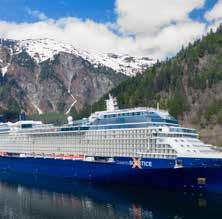
Celebrity Solstice is sailing Alaska itineraries through September 2026 with refreshed public spaces and new entertainment offerings designed to complement scenic cruising days.
• The Parlor adds a playful gaming and sports lounge with billiards, board games, skeeball, darts, comfort food, and cocktails.
• Sunset Park features live music, lawn games, outdoor seating, and glacier-view lounge spaces.
• New entertainment includes candlelit concerts, karaoke, piano sing-alongs, and updated theater productions.










ARTICLE BY RUDY CARRILLO
PHOTOGRAPHY BY TRAILLINK, PARMETRIX, THE DAILY LOBO, LEILA CHAPA
Out here in the West, we have a thing about trails, a love of winding passages and natural destinations. Whether via Route 66, El Camino Real, or the Santa Fe Trail, many of the people from Albuquerque’s past and present made their way here on some sort of trail or another.
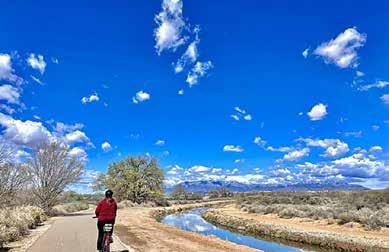
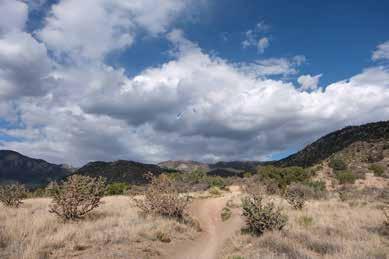
So it’s no wonder that citizens of this town have woven the well-trodden tale of trails into their lives; this is particularly true of Albuquerqueans’ restless, western recreational lives.
The city offers trails aplenty for walking, jogging, and biking, through urban and rural environments. All of these trails offer experiences that can transform daily activities into wondrous experiences with the varying and engaging environments that shape the physical form that a growing city takes as one moves through it.
These abundant choices for both exercise and affiliation are rooted in city and county governments that are actively working to provide awesome and transformational experiences to anyone interested in discovering the beauty and purpose of what lies beneath the buildings and freeways that have come to dominate our shared landscape.
In order to make such paths clearer and more accessible to our inherently active and curious readership, Albuquerque Lifestyle Magazine has developed the following guide to our city’s awesome trails.
So, take a look at what the city and the surrounding county have to offer. And remember, whichever trail you choose to follow, stay hydrated (bring water, fresh fruit for sure, and a small meal or snack if possible) because we do live in a desert. As the summer advances, temperatures will rise, and the sun can be relentless in these parts; a good hat can prove a wondrous invention while on these roads.
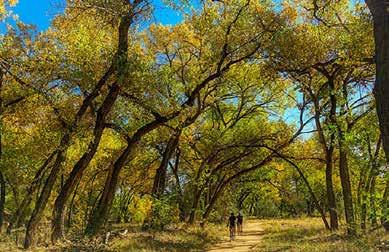
Paseo del Bosque Trail is the city's premier multi-use, paved trail. It spans 16 miles from Alameda Boulevard in the north to Rio Bravo Boulevard in the South Valley. This trail is ideal for cycling, jogging, and inline skating. Its location, paralleling the river and adjacent to its main acequias, makes for a very pleasing natural experience that is uninterrupted by road crossings (but be prepared to cross under highway bridges at Rio Bravo Blvd., Dolores Huerta Blvd., Central Ave., and Montano Blvd.). This trail passes through Rio Grande State Park, so be on the lookout for wildlife, such as box turtles and coyotes, water birds, and the occasional raccoon or skunk, along the way.
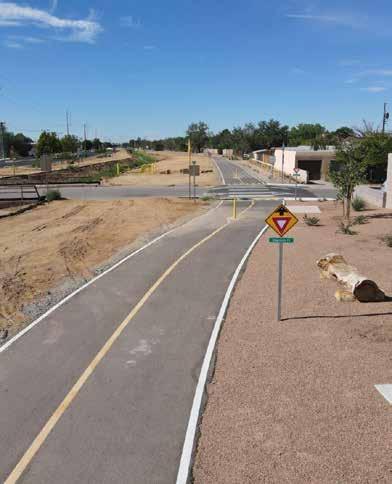
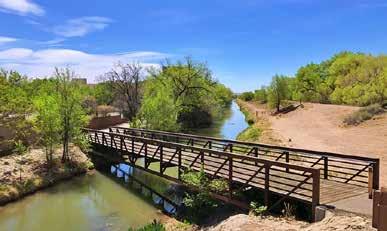
This trail also passes through or is adjacent to many other interesting and captivating city attractions, including the Rio Grande Nature Center, the Albuquerque BioPark, and the National Hispanic Cultural Center.
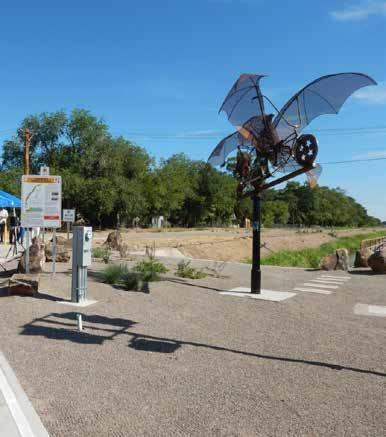
If you live in the North Valley and are just getting into this “trail thing’, the Alameda Drain Trail is a great place to begin exploring the city. At only two miles long and designed for newly geared-up riders and joggers, this is a great paved trail for walking, jogging, and biking that runs along the north side of the city, offering scenic views of the Sandia Mountains as one passes through one of Albuquerque’s friendliest and most accessible areas.
The urban designers at Parametrix were enlisted by the city, county, and several state agencies to create this urban trail. Parametrix embraced the following mission in completing this attractive city-based project: creating a shared-use path that works in conjunction with the drain and providing a cohesive and aesthetic corridor; enhancing aesthetics and native/desired vegetation; creating community gathering places; and promoting healthy lifestyles and increasing physical activity.
Winding through the Northeast Heights, from the Arroyo del Oso Golf Course through the far Northeast Heights and past Juan Tabo Blvd, and into the actual Bear Canyon Arroyo and its associated Open Space, this arroyo/ nature trail provides a mix of paved walking paths and unpaved desert terrain.
At its outset, the trail is paved and part of the wide-open space that defines one of the city’s most challenging and aesthetically
“OUT HERE IN THE WEST, WE HAVE A THING ABOUT TRAILS, A LOVE OF WINDING PASSAGES AND NATURAL DESTINATIONS.”
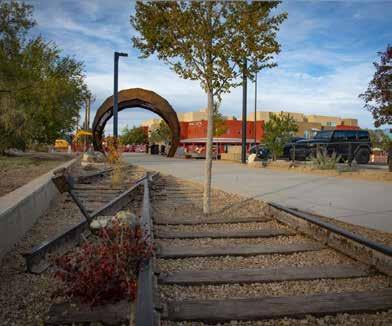
pleasing golf ranges. The paved portion passes through tony neighborhoods with abundant landscaping. That sort of scenery gives way to the sprawling desert and foothills that mark the edge of our town as the trail carves a path into the forested Sandia Mountains. This trail is notable for rapid changes in elevation and environment. Those changes can be an exhilarating experience for walkers, runners, and bikers. Be aware of the bright sun and the mounds rising up in front of you; this trail is best taken in the early morning or late afternoon.
This premier urban trail project is still in development after federal funding for the project was discontinued in September 2025. Ultimately, this trail will be a highly accessible 7-mile urban trail system linking downtown Albuquerque, nearby neighborhoods, and the historic Rail Yards. Currently, an initial ¼-mile stretch of the project is open; it features historic railroad buildings and tracks, LED lights, and benches.
The U.S. Department of Transportation canceled $11.5 million in federal grant funding for a specific section of the trail, though the City remains committed to finishing the full project using state, local, and remaining federal funds.
The Rail Trail is still big news in this town, and despite ongoing funding difficulties, construction on a new 1/2-mile trail phase linking Old Town to the ABQ BioPark is set to begin this summer. Urban designer Jeff Ciabotti, one of the folks tasked with making the Rail Trail an Albuquerque reality, put the mission of the project into focus when he recently wrote, “We’re not just building a trail in the community; we’re building the community into the trail”.















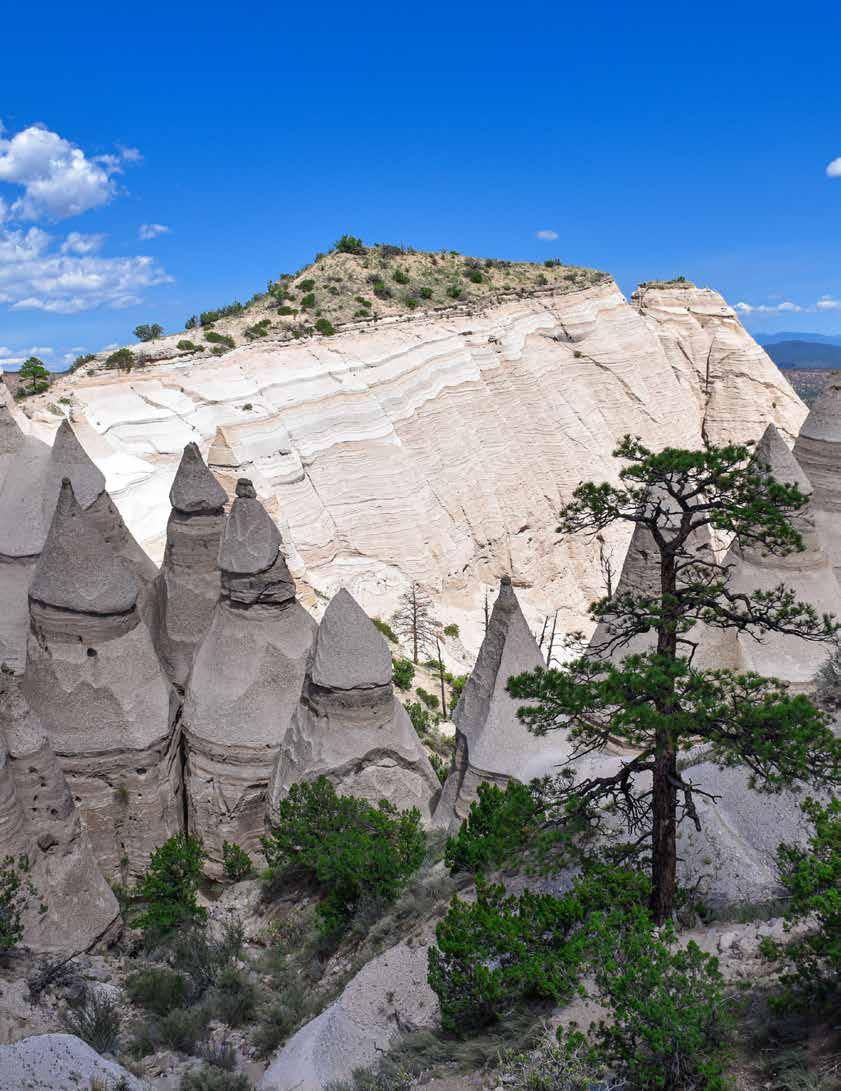
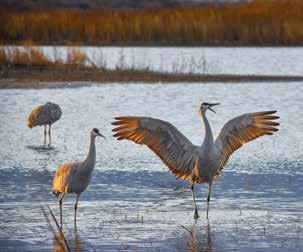
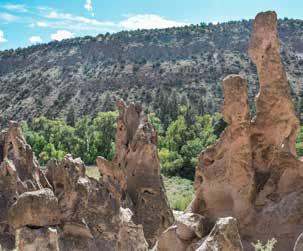
EXPLORE NEW MEXICO
PHOTOGRAPHY BY AUTUMN OGLESBY
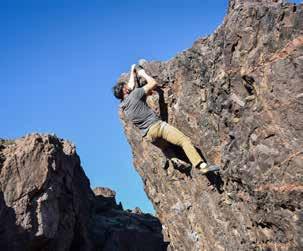
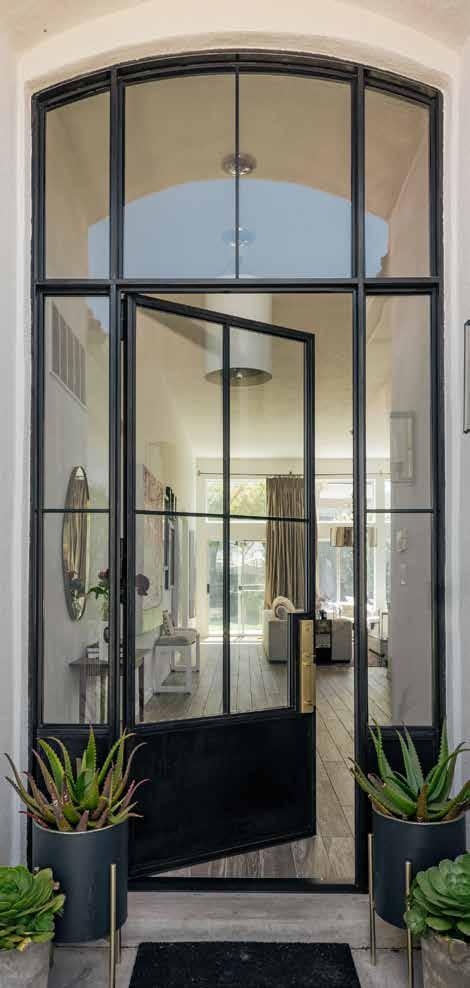
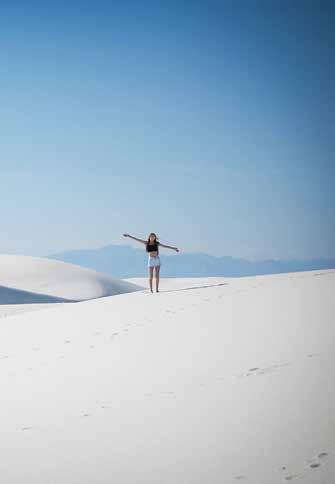
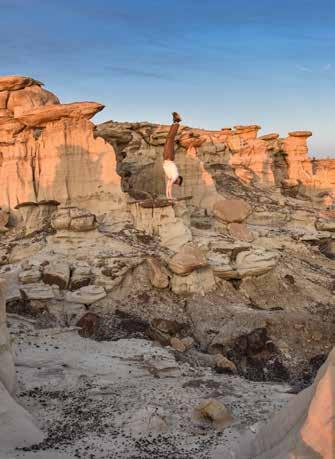
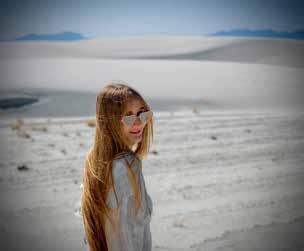
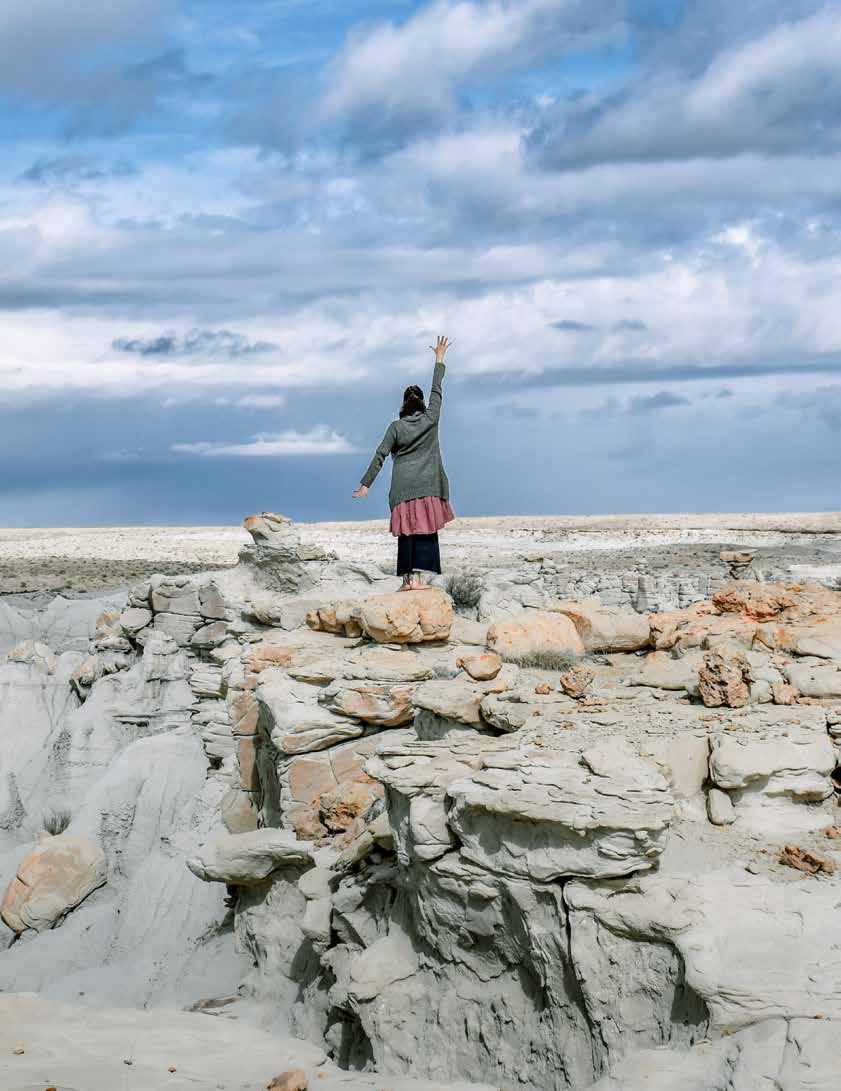
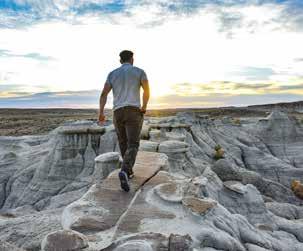
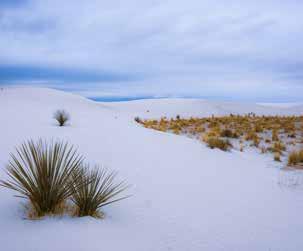
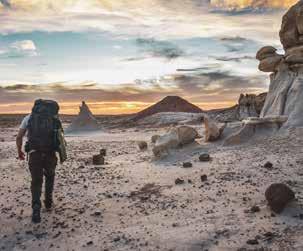
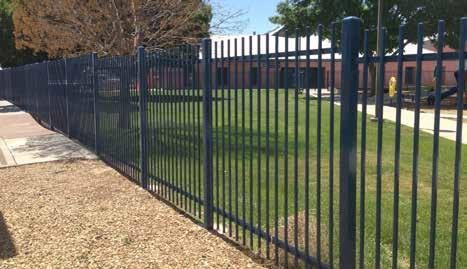
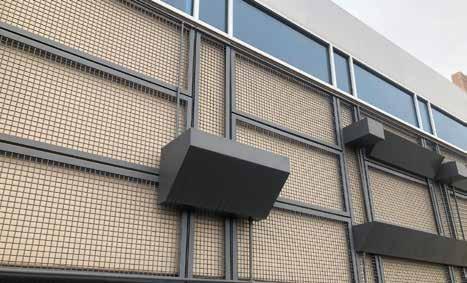
Our photographer, Autumn Oglesby, has a gift for capturing the natural beauty of our state. Explore!

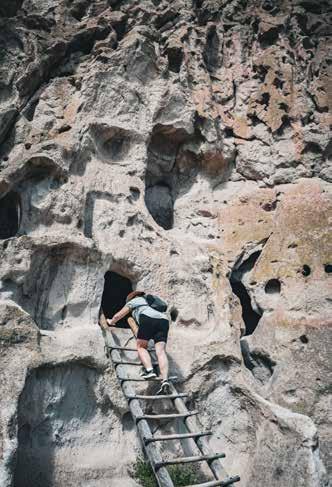
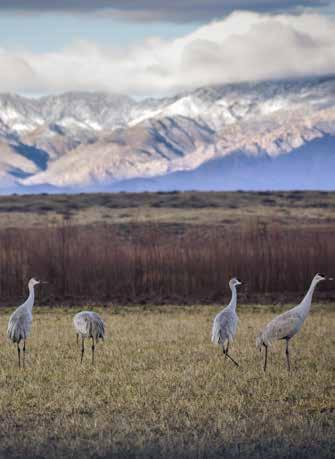
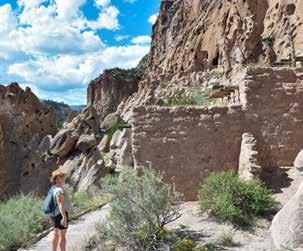
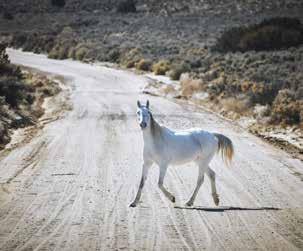

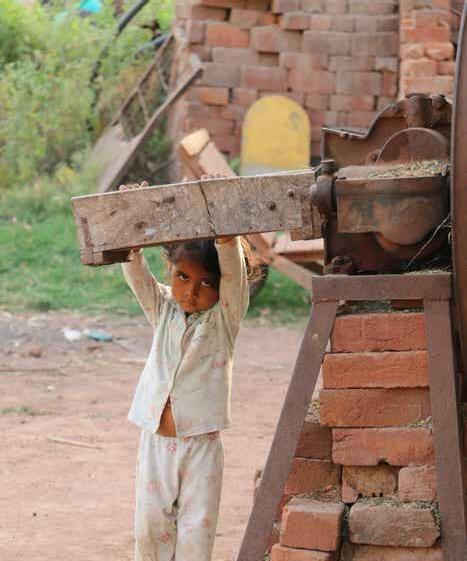
Impact Nations has rescued over 3000 slaves since 2019.
500 more children are standing by.












EXPERT TIPS TO MAKE BACKYARD BIRDING A FASCINATING AND PEACEFUL PART OF YOUR LIFE.
ARTICLE BY MARSHALL ZWEIG
PHOTOGRAPHY PROVIDED
Thinking of putting up a bird feeder? You’re not alone. Backyard birding is the second most popular hobby in the U.S.—right behind gardening. Bob Gors of Wild Birds Unlimited in Macomb, MI, shares expert tips to help you get started—and get results.
START WITH THE RIGHT SETUP
If you’re new to bird feeding, don’t overcomplicate it. Bob recommends starting with a tray feeder, either pole-mounted or hung. “It’s accessible to the widest range of birds,” he says, “and it lets you experiment with different seed blends.”
Before setting up, take a look at your yard. Birds prefer to feed near trees or shrubs where they can perch and scan for predators. “If your yard is wide open, it’s going to be harder to attract them,” Bob notes.
Quick Tip: Place your feeder about 15 feet from trees or shrubs to give birds a safe place to wait their turn.
CHOOSE THE RIGHT SEED—AND SKIP THE FILLERS
Not all bird seed is created equal. Bob advises avoiding blends with fillers like milo, wheat, or oats. “Those are agricultural leftovers. Most birds won’t eat them.”
Each Wild Birds Unlimited store owner customizes their seed blends, based on the birds in each store’s specific area. Their blends contain no fillers—just high-quality ingredients birds actually eat. They’re available in no-mess varieties—no shells, no waste. “With standard seed, up to 40% of the weight of the bag is shells,” Bob says. “No-mess is 100 percent pure bird food.”
Quick Tip: Choose fresh, unscented, unflavored seed. Birds don’t need additives—just what they’d eat in nature. Check the ingredients on the bag: sunflower should be the first ingredient—since it’s the seed most birds love.
IT’S REMAINED PART OF THEIR LIVES: ONE COUPLE TOLD BOB THEY STILL START EVERY MORNING ON THE PORCH WITH COFFEE AND BIRDSONG. “IT BECAME A RITUAL THAT

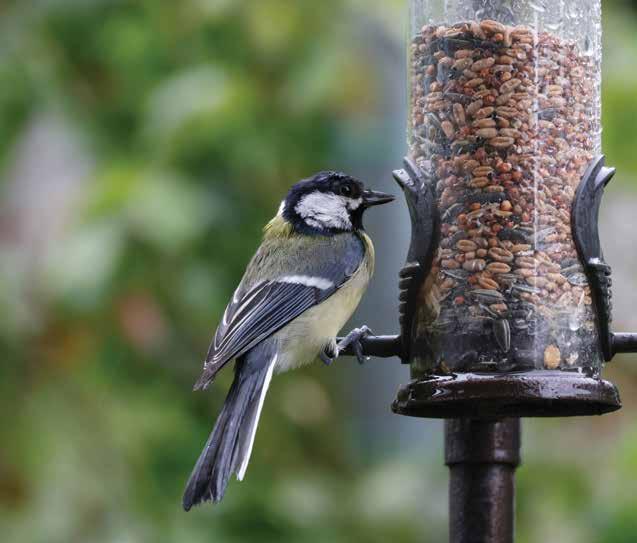
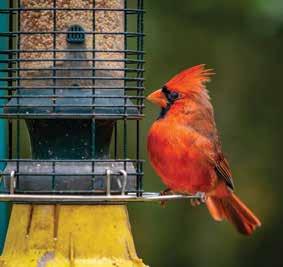
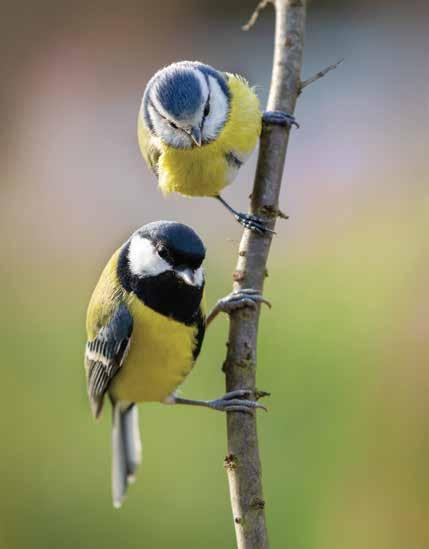
Squirrels causing trouble? Try safflower seed. “It tastes bitter to squirrels but attracts cardinals, grosbeaks, titmice, nuthatches and chickadees,” Bob says. Hot pepper blends also work—birds can’t taste the heat, but mammals can.
To deter large birds like starlings, Bob recommends using a cage around tube feeders to limit access. Tube feeders with small perches help discourage bigger birds. For tidier feeding, seed cylinders— compressed seed—are a great low-mess option.
Quick Tip: “Start simple,” Bob advises. “Watch what’s happening in your yard, then adjust as needed.” Unlike loose seed, cylinders make the birds work harder—and give you longer-lasting views of the birds.
SPOT BIRD BEHAVIOR (AND BACKYARD DRAMA)
Once your feeder’s up, the show begins.
“Different species act differently,” Bob explains. “Cardinals are typically the first and last birds of the day to the feeder. Male hummingbirds are very territorial and will defend ‘their’ feeder. Chickadees come to the feeder in a flash; they have a grab-and-go strategy. “In our backyard, orioles and bluebirds battle over live mealworms,” he adds. “The female bluebird often holds her ground.”
Quick Tip: You don’t need to track every species. “Just sit back with a cup of coffee and watch,” Bob says. “You’ll start noticing more than you’d expect.” CONTINUED

Feeder activity increases in summer, thanks to fledglings. “By July, your bird population has basically doubled,” Bob says. At the same time, some favorites— like male orioles—start their fall migration as early as July.
One common myth? That goldfinches leave in winter. “They stay put,” Bob says. “But the males molt into drab-colored feathers, so people often don’t recognize them.”
Quick Tip: Keep feeding in winter. “Some of the best bird watching happens in the colder months—different species of birds visit us in the winter.”
Want cardinals? Use tray feeders or tube feeders with U-shaped perches. “They’re heavier birds,” Bob says. “Standard tube feeders are hard for them to use.”
Hoping for bluebirds? They prefer parklike settings. If your yard fits, try a nesting box with a 1.5-inch entrance, and offer live mealworms far away from the nest box.
Hummingbirds? Stick to sugar water— no red dye needed. “And expect a show,” Bob adds. “Males are fiercely territorial at the feeder.”
Wild Birds Unlimited carries feeders tailored to specific birds, but Bob and his team focus on fit. “We ask about your yard, your goals, and guide you from there.”
Quick Tip: Not sure what birds are in your area? Ask your local Wild Birds Unlimited shop.
Bob says many customers started birding during the pandemic—and never stopped. “They looked out the window and realized something was there,” he says. It’s remained part of their lives: one couple told Bob they still start every morning on the porch with coffee and birdsong. “It became a ritual that many people now cherish,” Bob says.
For expert help making bird watching your ritual, stop by Wild Birds Unlimited in your area or visit wbu.com.









In the US, over 80 billion dollars is paid out in low risk, high reward insurance fraud. A Large majority attributed to staged auto accidents causing property damage, and costly medical bills. Don’t be a victim of insurance fraud, come to Accessories Unlimited to have us install a Garmin Dash Cam Tandem. A pocket size dash camera features two 180-degree field of view lenses that record in tandem. View footage from your smartphone, add an optional parking mode that records motion in front and inside the car when parked and unattended. Give yourself peace of mind that you won’t become a victim of fraud.



• Custom Blinds, Shades, Shutters and Drapery
• Over 30 years of experience in New Mexico
• Free on-site consultations
windowfashionsnm.com Mention this Ad and receive 10% off.










ARTICLE BY ALYSSA LAVY, MS, RD, CDN
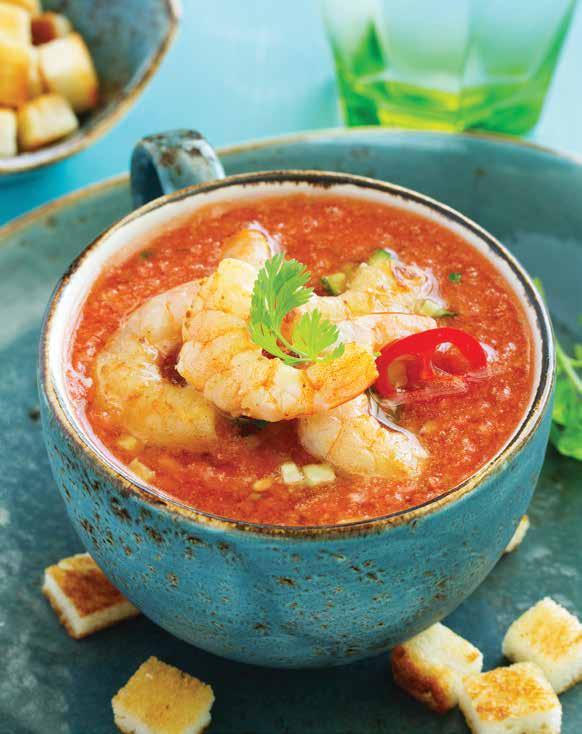
A REFRESHING, CHILLED, SUMMER FORWARD SOUP THAT PACKS IN PROTEIN AND FIBER!

This summer seafood gazpacho screams summer and is the perfect, refreshing meal, snack or appetizer to beat the heat - whether you’re entertaining or enjoying a quiet meal with family. It’s packed with some of the season’s most flavorful produce and provides satisfying fiber and protein to help keep you feeling full, while still being light enough to enjoy on the hottest of summer days. Plus, there is no need to turn on the oven or the stove, keeping your kitchen (and you) cool as a cucumber! You can enjoy this chilled soup as is, or add toppings like chopped jalapeños, cilantro, or creme fraiche and scoop it up with tortilla chips!
Ingredients: (yields ~8 C gazpacho)
• 8 large tomatoes
• 1 large cucumber
• 2 cloves garlic
• 1 small sweet onion
• 1 jalapeño pepper
• ½ tsp hot sauce
• 3 Tbsp lemon juice
• 2 Tbsp extra virgin olive oil
• 1 Tbsp red wine vinegar
• 1 ¼ tsp kosher salt
• ½ tsp ground black pepper
• 2 Tbsp parsley (fresh or dried)
• 8 oz lump crab meat
• 8 oz cooked shrimp, chilled (about 8-12 large shrimp)
*Optional suggested toppings include: cilantro, tortilla chips, chopped jalapeños, creme fraiche, or additional parsley.
1. Cut tomatoes into large chunks, approximately 6-8 pieces each. Set aside.
2. Slice cucumber into thick slices. Set aside.
3. Mince garlic. Set aside.
4. Chop onion into medium sized pieces. Set aside.
5. Slice jalapeño pepper in half, lengthwise. Remove seeds if you prefer less heat. Chop jalapeño pepper and set aside.
6. Add tomatoes to large food processor. You may need to add about half of the tomatoes, pulse for a few seconds and then add the remaining tomatoes depending on the size of your food processor. Pulse tomatoes until chunky and slightly pureed. You will continue to puree the tomatoes once the additional ingredients are added, so do not pulse until completely smooth.
7. Add remaining vegetables (cucumber, garlic, onion, jalapeño pepper) to food processor with the tomatoes. Add hot sauce, lemon juice, extra virgin olive oil, red wine vinegar, salt, pepper and parsley. Replace the lid and pulse to desired consistency – the gazpacho should be pureed, but still somewhat chunky and not completely smooth.
Alyssa Lavy, MS, RD, CDN, CPT is a registered dietitian, personal trainer and mom of 2. She earned her Bachelor of Science in Exercise Science from The George Washington University and her Master of Science in Nutrition and Exercise Physiology from Teachers College Columbia University, where she also completed her dietetic internship. She has been an ACSM certified personal trainer for over a decade. Alyssa is the owner of Alyssa Lavy Nutrition & Wellness, a wellness brand offering nutrition communications, program development and consulting services for individuals and corporations.
Website: alyssalavy.com Instagram: @alyssalavyrd
8. Store in an airtight container and chill in the fridge for at least one hour before serving. If not serving right away, this gazpacho can be made in advance and stored in the fridge overnight or for a few days until ready to serve. If making this gazpacho in advance, purchase fresh seafood or thaw frozen within 1 day of serving to keep seafood fresh and store seafood separately, only adding when ready to serve. When ready to serve, chop the shrimp and add approximately 1-2 oz chopped shrimp and ~1 oz crab meat to each bowl. You can add optional toppings, such as chopped cilantro, chopped jalapeños, tortilla chips, creme fraiche and an additional sprinkle of parsley, if preferred. Enjoy!
Note: This gazpacho can be stored in the fridge in an airtight container for up for 4 days, without the seafood. Store seafood separately and add when ready to consume.









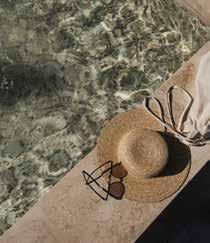

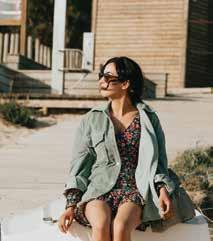
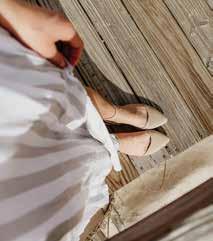
YOU WORK HARD ALL YEAR—YOUR VACATION STYLE SHOULD FEEL CINEMATIC, EFFORTLESS, AND UNMISTAKABLY MAIN CHARACTER.
ARTICLE BY COURTNEY STONE SMITH PHOTOGRAPHY PROVIDED
Effortless vacation style isn’t about having the perfect outfit for every moment—it’s about having the right foundation to make every moment look intentional. When you know how to build a capsule travel wardrobe, you’ll avoid agonizing over what to wear and spend more time actually enjoying your getaway, all while looking like you have a personal stylist tucked in your carry-on.
Here’s your go-to list for this season’s travels:
1. THE EFFORTLESS STATEMENT SET
A coordinated two-piece (linen, silk, or cotton) that transitions from day to night. Sets are easy to wear, photograph, and offer effortless ways to look put together. Bonus: you can mix and match the pieces with other items that you pack. I would recommend packing multiple sets to make it even easier to mix and match. For both men and women, simply focus on neutrals and, if you want to add color, make sure it coordinates well with other items in your luggage.
2. THE MOOD-ALTERING PIECE
A sweeping dress in a bold print or luscious fabric that makes you feel sensual, grounded, and free. Find something that moves with you and captures light beautifully. This is your dreamy piece— flowy fabrics with movement that captures the eye and works for any kind of event.
3. THE LUXE FLAT OR SCULPTURAL SANDAL
Find footwear that balances style and comfort. Look for interesting shapes or materials (like leather with architectural cutouts or metallic finishes). More than shoes—they’re anchors for adventure, grounding your aesthetic wherever you land. This goes the same for men. Your footwear can also make an impact through the braided details of your sandals or the canvas of a casual slip-on loafer.
4. THE TRANSITIONAL THIRD PIECE
Think: kimono, over-sized linen blazer, a lightweight duster, or a gauzy button-down left open. This is your layering hero that adds polish without effort. It’s an aura amplifier that instantly makes your outfit feel styled and intentional.
5. INTERESTING AND IMPACTFUL SUNGLASSES
Sunglasses with personality are a must. They could be over-sized, cat-eye, or tinted lenses that feel more like “cinematic escape” than “just functional.” Because you’re not sightseeing—you’re starring in your own travel film.
6. A SCULPTURAL CARRYALL
A bag that holds your essentials but looks like art— think woven textures, unique shapes, or buttery leather. Practicality meets poetry. You deserve a vessel that carries your dreams...and your SPF.
7. SIGNATURE SCENT OR TRAVEL CANDLE
Pack travel-sized fragrance or a tiny candle that evokes your essence or complements the location. Scent is meant to ignite memories and set the tone— infuse your travels with an olfactory signature.
8. ACCESSORIES WITH A STORY
A few intentional pieces such as a ring from a market you found during your travels, a layered necklace that serves as an easy throw-on, or a straw hat to protect your face from the sun (even if it’s a cooler climate, because remember, safety first: don’t get burnt).













ARTICLE BY SHEENA STEEDMAN PHOTOGRAPHY BY SCOTT MOORE
The soft morning light filters through the curtains as you awake to birdsong and a gentle breeze. Stepping onto the balcony, you behold endless vineyards rippling in the Tuscan hills and can’t believe this paradise is real.
Walking downstairs, you’re greeted by many new faces of people smiling and excited to see you, new friends, gathered around a long wooden table immaculately set with steaming quiche, luscious fruit, warm bread, and Italian cappuccino.
This is just the beginning of days spent practicing yoga in nature’s rhythms, discovering ancient towns, and pausing to savor beauty at every turn.
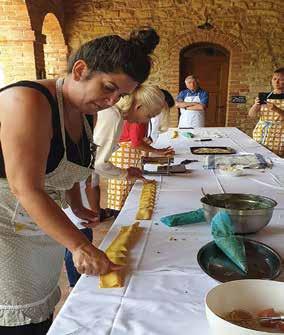
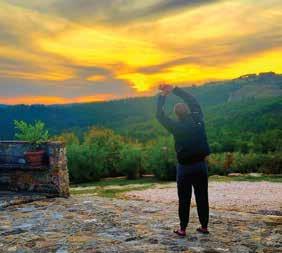
If you can envision waking up like this, you’re ready for a yoga retreat with Scott Moore.
Retreats are an investment—in your truest self—the part of you that gets lost in the rush of daily life.
We frequently invest our money into stocks, bonds, and real estate, yet fail to invest in the one irreplaceable resource that makes it all possible, ourselves—our true wealth.
On this journey, all details have been meticulously planned so you can stay within your budget and fully relax into the experience.
After immersing in the richness of the present moment, slowing down and savoring life, you’ll return replenished and ready to bring this mindset of appreciation into your everyday world.
Reap the returns of a broadened perspective and renewed vitality—the dividends are endless.
Find out more about upcoming retreats with Scott Moore in destinations like Tuscany, Sardinia, Bordeaux, and the French Riviera at scottmooreyoga.com/retreats .













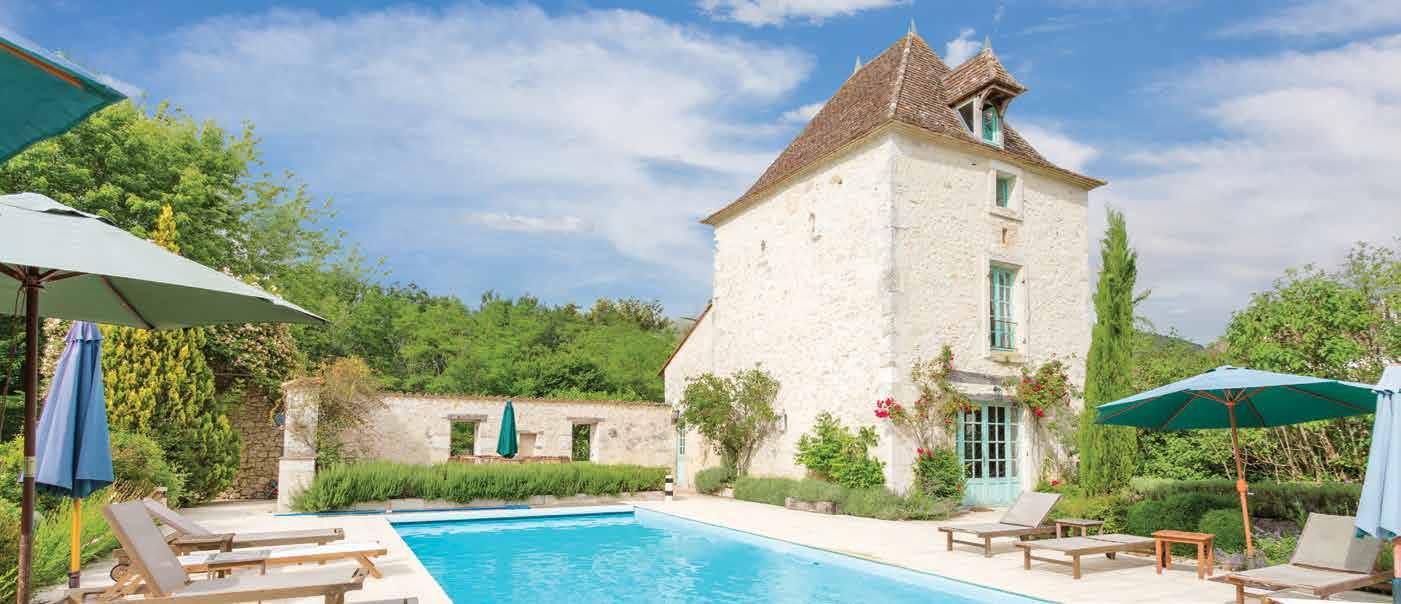
A LEISURELY BARGE CRUISE ALONG FRANCE’S CANAL DU MIDI OFFERS A QUIET LUXURY ESCAPE
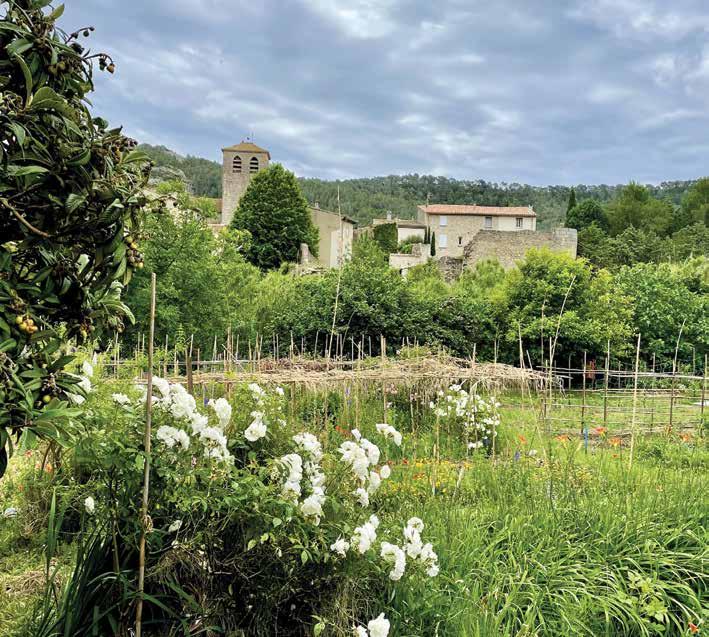

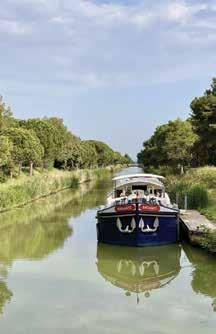
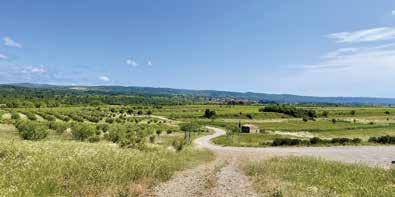
There is something a bit magical about the South of France. It conjures images of rolling hills set along the Mediterranean, vast vineyards and olive trees swaying in the breezes. The images come to life when you book a luxury barge cruise with European Waterways ( EuropeanWaterways.com). It offers the perfect opportunity to experience the region’s slow pace.
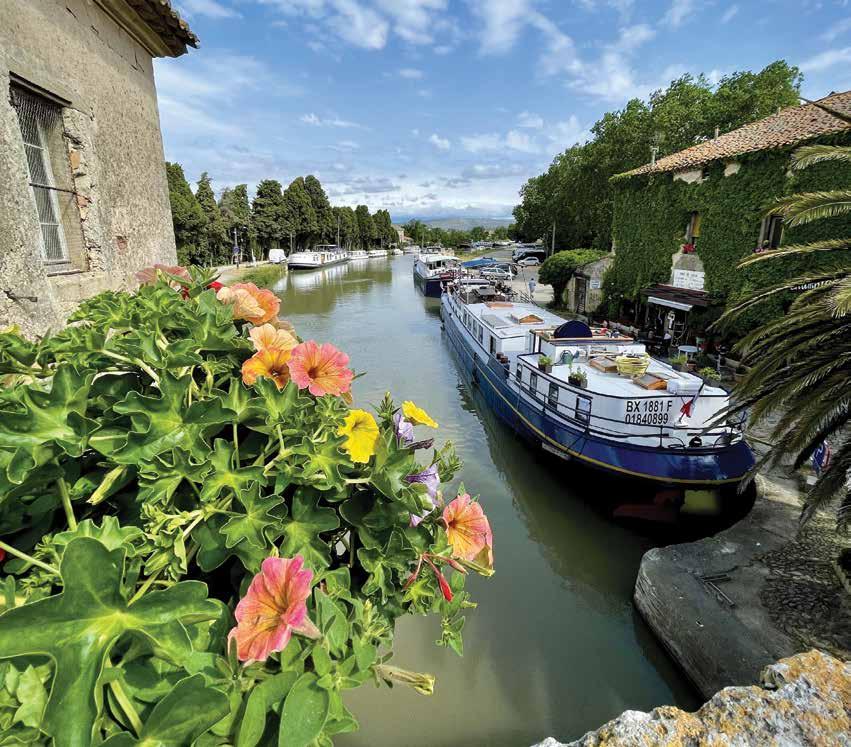
Canal du Midi is a 330-year-old canal that runs from the Mediterranean coast inland through the famous Languedoc wine region. This is an opportunity for a true escape from everyday life.
Barges, originally used to shuttle goods along the inner waterways throughout Europe, are now floating hotels. European Waterways operates b arges from April to October.
One of three boats to traverse Canal du Midi, Enchanté is an “ultra-deluxe” converted barge with four cabins for up to eight passengers. Each suite on Enchanté features an ensuite bathroom. All suites are on the lower level, while the salon, dining room, open kitchen and sun deck are above. The rooms are comfortable and quiet, the staff accommodating and the pace of the barge allows you to slow down and unwind. In fact, the barge moves slowly along the canal, giving passengers a chance to stroll along or ride one of the onboard bicycles.
The barging experience is not anything like other cruises. With only eight passengers (although some boats have the capacity for 10 to 20 passengers), it provides a quiet escape.
Each day, you cruise slowly along the canal, going a total distance of about 50 miles over one week. The day’s leisurely routine begins with a sit-down breakfast and specially prepared dishes from the chef. You either cruise in the morning and take a short excursion in the afternoon, or vice versa.
Lunch is a gourmet 3-course meal paired with local wines. Dinner is a beautiful production with appetizers, main course, cheese course and dessert. Again, everything is paired with both a white and red wine.
Throughout the cruise, there are small stops along the way. This area of France is filled with gourmet
delights and history, and you have a chance to explore both during your cruise.
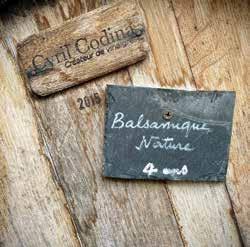
You’ll visit l’Oulibo, a high-end olive oil producer growing Lucques olives. Enjoy a tasting of the oils and the olives, and pick up a few to take home. Another day, you’ll taste local balsamic vinegar. This is a real treat and a unique experience sampling a variety of flavors.
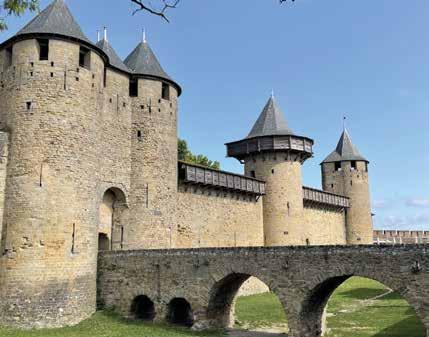
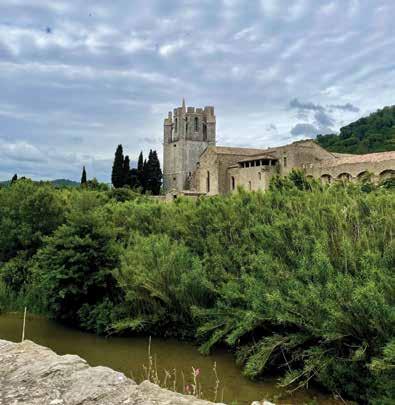
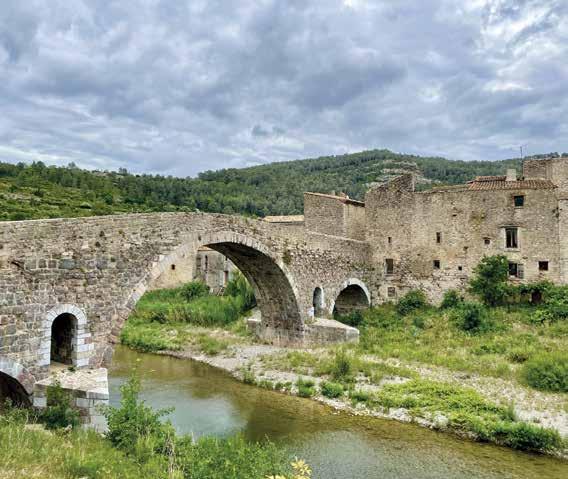
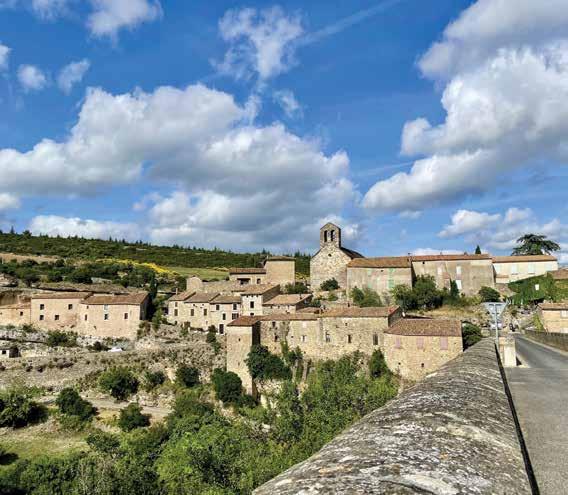
During the barge cruise, you’ll have a chance to visit three of what may be the most beautiful towns in France: Minerve, Lagrasse and Carcassonne. Lagrasse is an artisan town surrounding an 8th-century Benedictine Abbey. Minerve is home to a 12th-century Cathar fort with spectacular views. Carcassonne is a medieval fortified city with 52 watchtowers and portcullis.
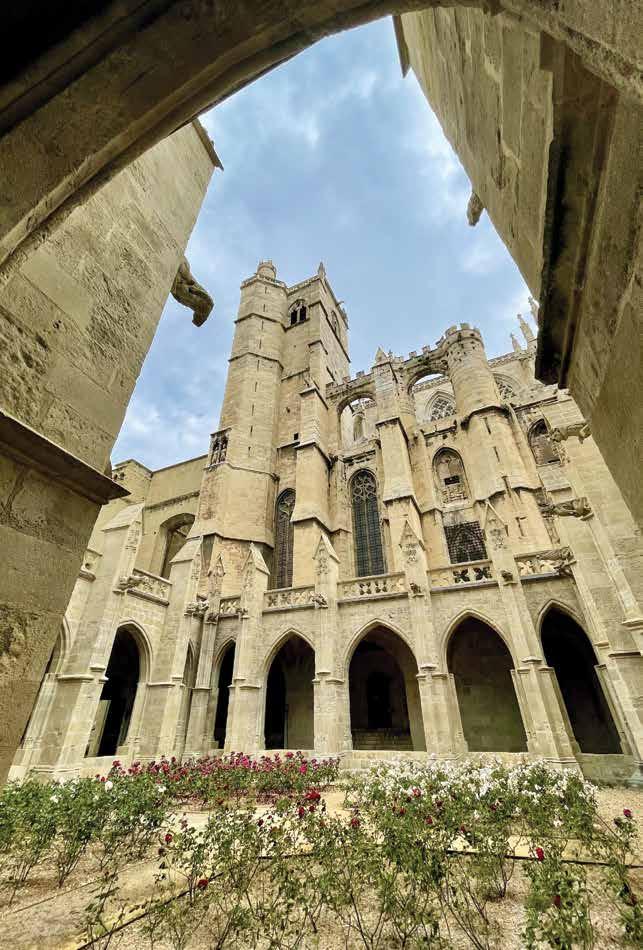
There is also an excursion to Narbonne, once a Roman capital. There, you’ll have a chance to wander through Les Halles de Narbonne—the indoor food market— with the chef, picking out items for him to prepare once back onboard Enchanté. European Waterways offers the ideal escape to the South of France and other destinations across Europe.