HORIZONS QUARTERLY summer 2024 VOLUME 33, ISSUE 2

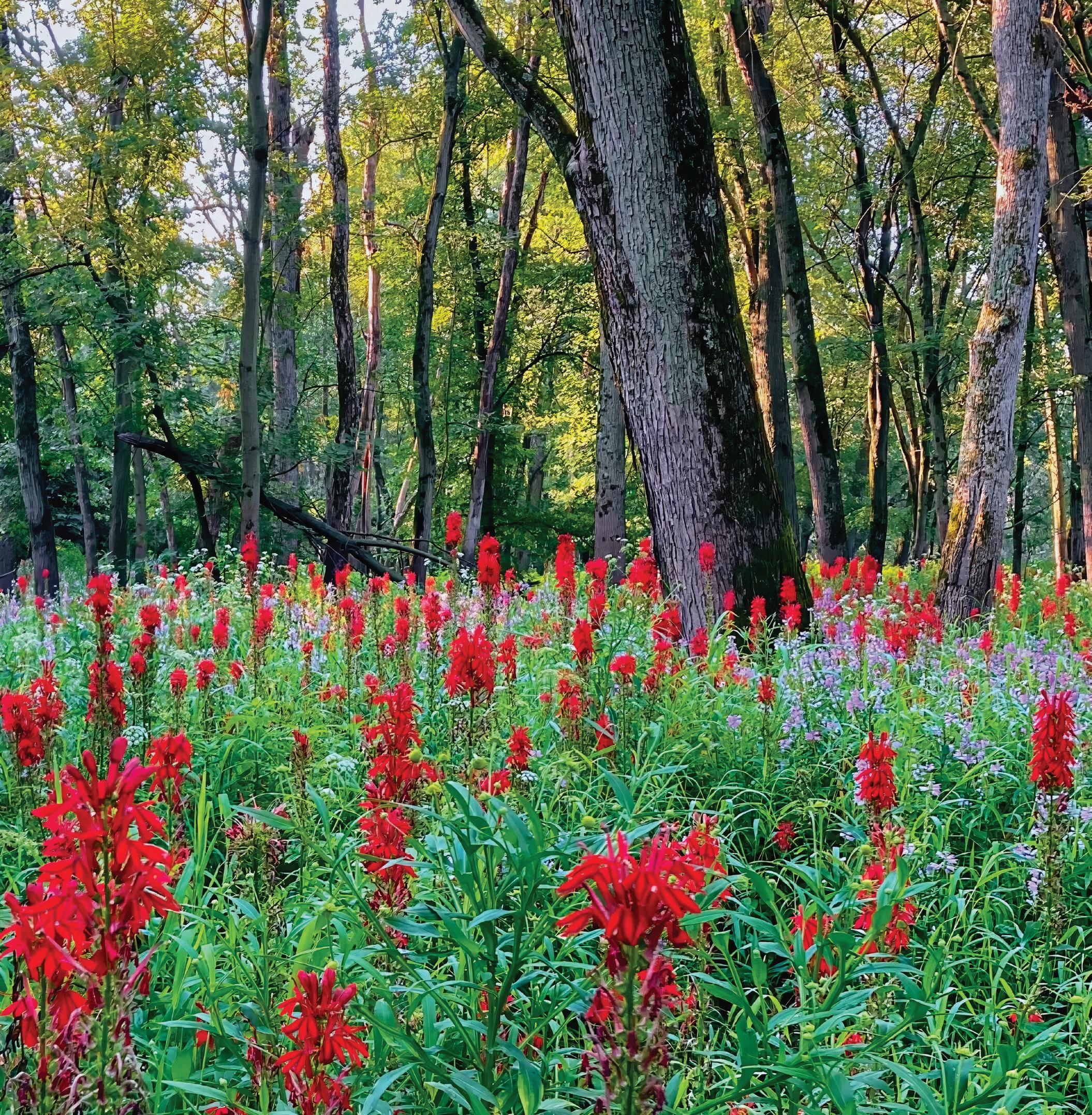
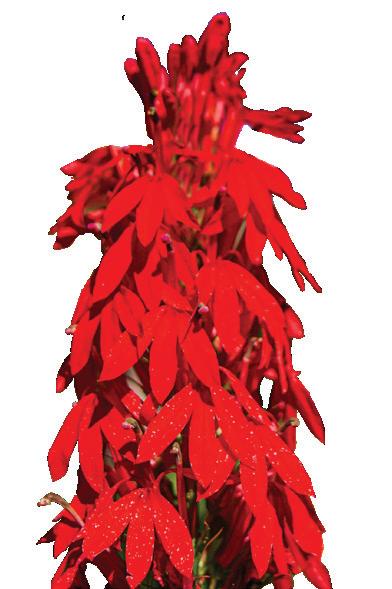
On the cover: During a morning bike ride along the Des Plaines River Trail, nature enthusiast Jason Cristino paused to admire cardinal flowers (Lobelia cardinalis). Captivated by the vivid reds scattered across the understory of this restored woodland, he snapped this photo with his cell phone.
A MESSAGE from
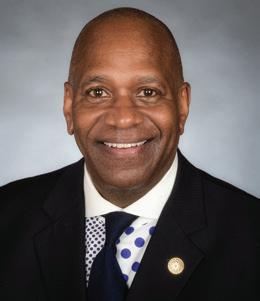
ANGELO D. KYLE
PRESIDENT
LAKE COUNTY FOREST PRESERVES
AKYLE@LAKECOUNTYIL.GOV
MORE THAN 31,100 ACRES ARE PROTECTED BY THE LAKE COUNTY FOREST PRESERVES.
We have a few short months to enjoy long days of warmth and sunshine. Before the summer buzzes by, try something new in your forest preserves.
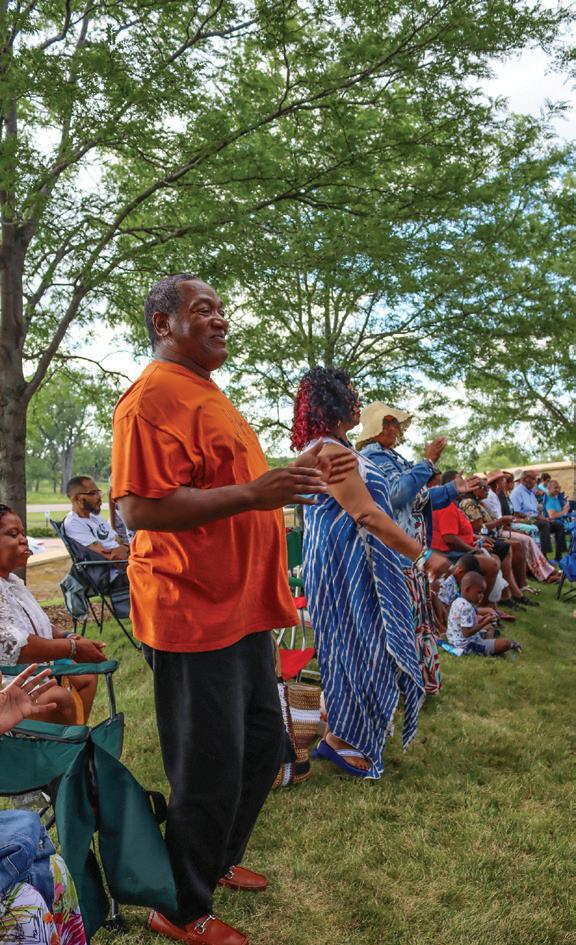
If you typically go on an early morning bird walk, try spending a Tuesday evening indulging in assorted musical genres at our Concerts in the Plaza series. Immerse yourself in a full day of inspiring, uplifting performances at Gospelfest or Afrofest.
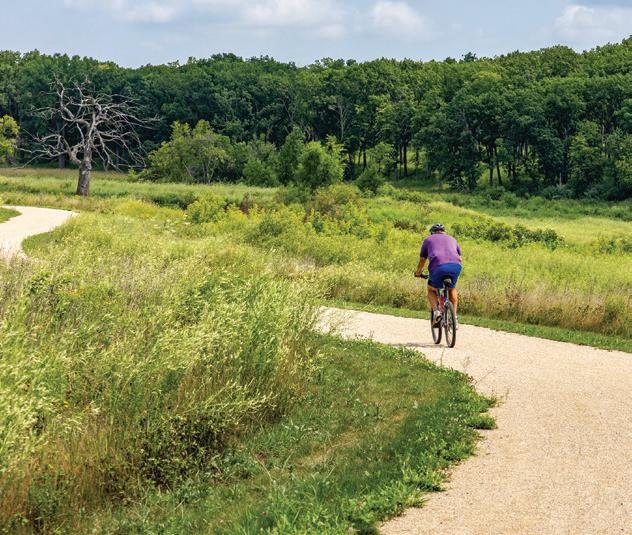
If you’re an avid cyclist or runner, slow down and take a closer look at the wondrous, diverse landscapes that unfold along the trails. Join a morning Wildflower Walk or evening Firefly Viewing program.
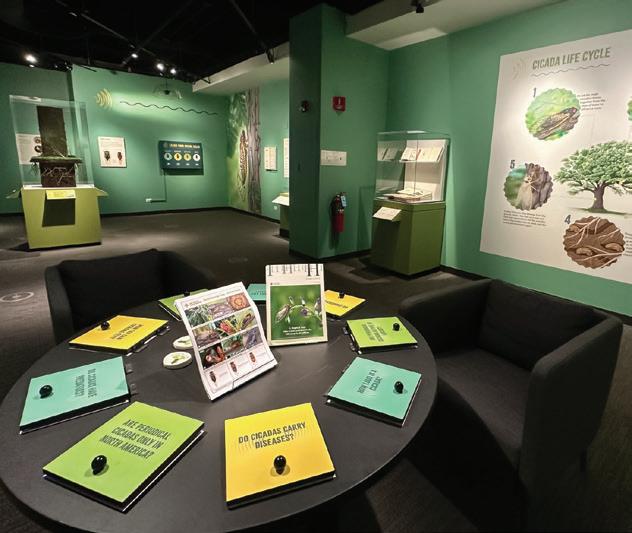
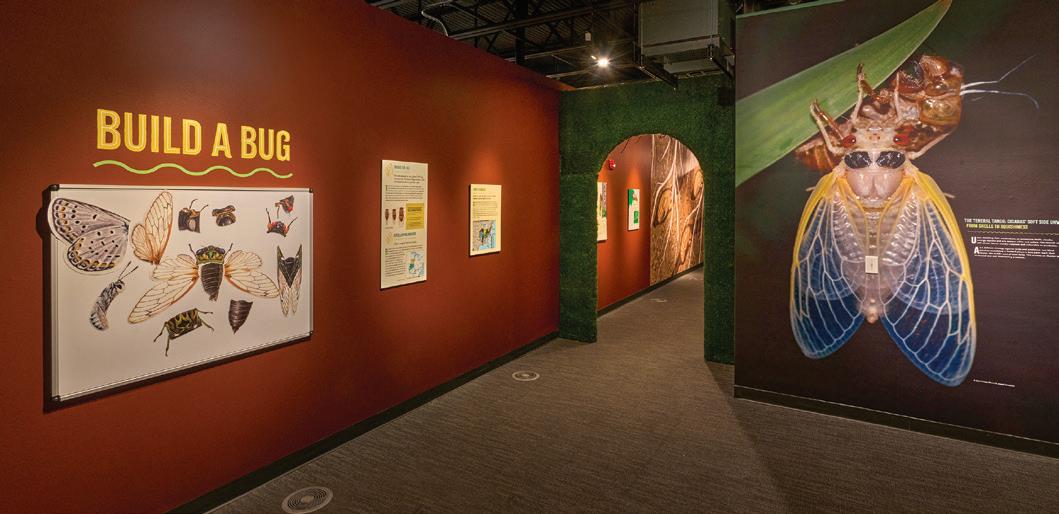
And if a heat wave drives you inside, there’s no better place to seek refuge than the Dunn Museum (Libertyville). You can catch the Celebrating Cicadas special exhibition through August 4 and come back for the Art for Everyone: Bob Ross® special exhibition on display from August 31–January 20, 2025.
All summer and into fall, you can stop by the Beer Garden at Independence Grove (Libertyville) for local Lake County brews and an array of entertainment options. The family-friendly venue overlooking the large, peaceful lake offers live music, trivia nights, Hike & Hops guided tours and more.
Summer offers an ideal opportunity to discover the trails within your forest preserves, adorned with a myriad of green hues. Each trail offers its own allure. As an incentive to explore new preserves, Hike Lake County kicks off on August 15. Participants are invited to walk seven of 12 specified trails through the end of November.
B OARD of COMMISSIONERS
PRESIDENT
Angelo D. Kyle, Waukegan
VICE PRESIDENT
John Wasik, Grayslake
TREASURER
Gina Roberts, Beach Park
ASSISTANT TREASURER
Paul Frank, Highland Park
Marah Altenberg, Buffalo Grove
Esiah Campos, Round Lake Beach
Carissa Casbon, Lake Villa
Jennifer Clark, Libertyville
Mary Ross Cunningham, Waukegan
Michael Danforth, Fox River Grove
Sandy Hart, Lake Bluff
Diane Hewitt, Zion
J. Kevin Hunter, Ingleside
Sara Frederick Knizhnik, Vernon Hills
Ann B. Maine, Lincolnshire
Paras Parekh, Highland Park
Linda Pedersen, Antioch
Adam Schlick, Wauconda
Jessica Vealitzek, Hawthorn Woods
EXECUTIVE DIRECTOR
Ty Kovach
HORIZONS
VOLUME 33, ISSUE 2 Summer 2024
EDITOR AND DESIGNER
Jeanna Martinucci Cristino Horizons@LCFPD.org
CONTENT CONTRIBUTORS
Kim Mikus, Brett Peto, Rebekah Snyder, Erika Stergos, Jen Berlinghof
DESIGN CONTRIBUTORS
Eddie Fieg, Kristen Seefurth
PHOTOGRAPHY AND ILLUSTRATION
Jason Cristino (cover), R. Scott McNeill, Samantha Gallagher, Michael Affinito, Andy Raupp, John Weinstein, Gloria Lopez, Tim Elliott, Larry Reis, Jeanna Martinucci, Peter Schulz, John D. Kavc, Bob Ross Inc, Anna Larsen, Kyle Hauder, Kelly Schultz
SUBSCRIBE, UNSUBSCRIBE, UPDATE ADDRESS: 847–968–3335 | H orizons@LCFPD.org
The Forest Preserves has something for everyone. All are welcome in these irreplaceable spaces. Learn more about our many offerings in the following pages and on our website. Make a plan to experience something new this season. 13 11 8 16
Horizons is the quarterly publication of the Lake County Forest Preserve District. Subscriptions are free. Subscribers may also receive mailings from the Preservation Foundation of the Lake County Forest Preserves. Photos and videos are periodically taken of people participating in Forest Preserve District programs and activities. All persons registering for Forest Preserve District programs/activities or using Forest Preserve District property thereby agree that any photo or video taken by the Forest Preserve District may be used by the District for promotional purposes including its website or agency social media, promotional videos, brochures, fliers and other publications without additional, prior notice or permission and without compensation to the participant.
GREENBELT CULTURAL CENTER (NORTH CHICAGO)

Unraveling the Science of Habitat Restoration
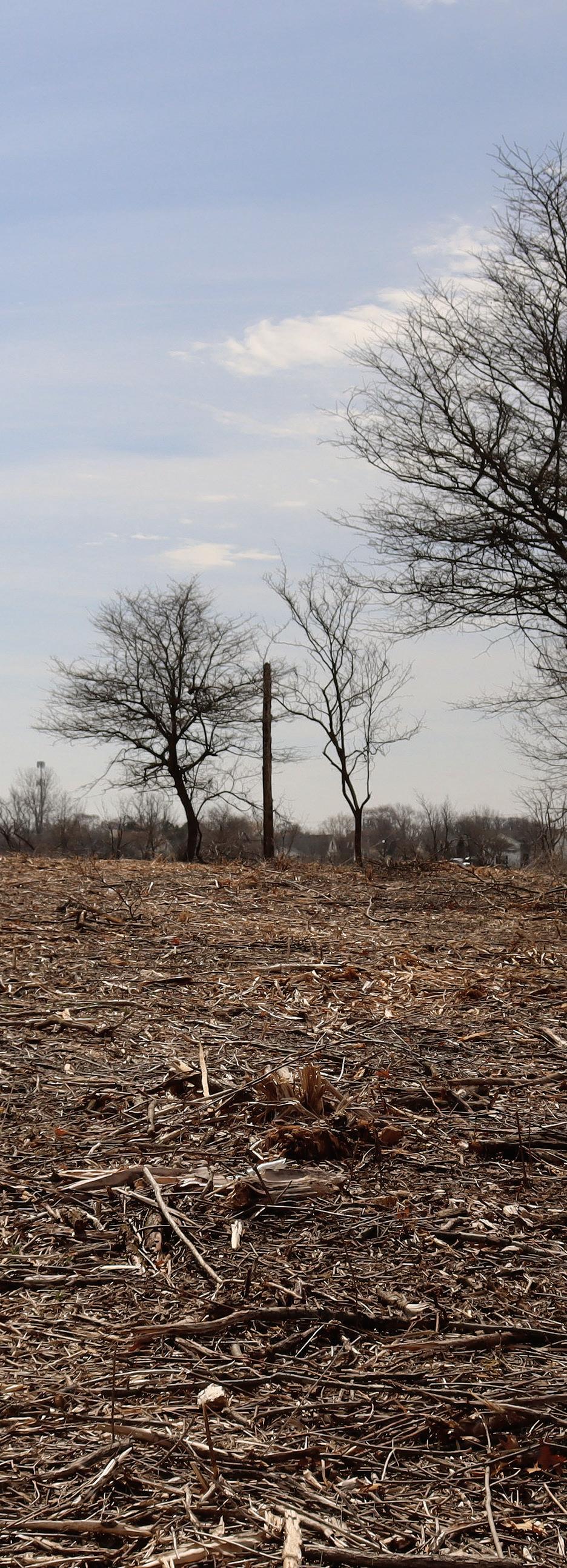
From a young age, we’re often taught that planting trees is good for the environment. So, why do we see large areas of trees sometimes removed from your forest preserves, leaving the land temporarily ragged and brown?
The answer is habitat restoration, a sequence of land management activities that improve the health, ecological function and diversity of species at a particular site, Forest Preserves ecologists say. Sometimes that process involves removing non-native, invasive trees and other species. During restoration efforts, you may see dramatic visual differences.

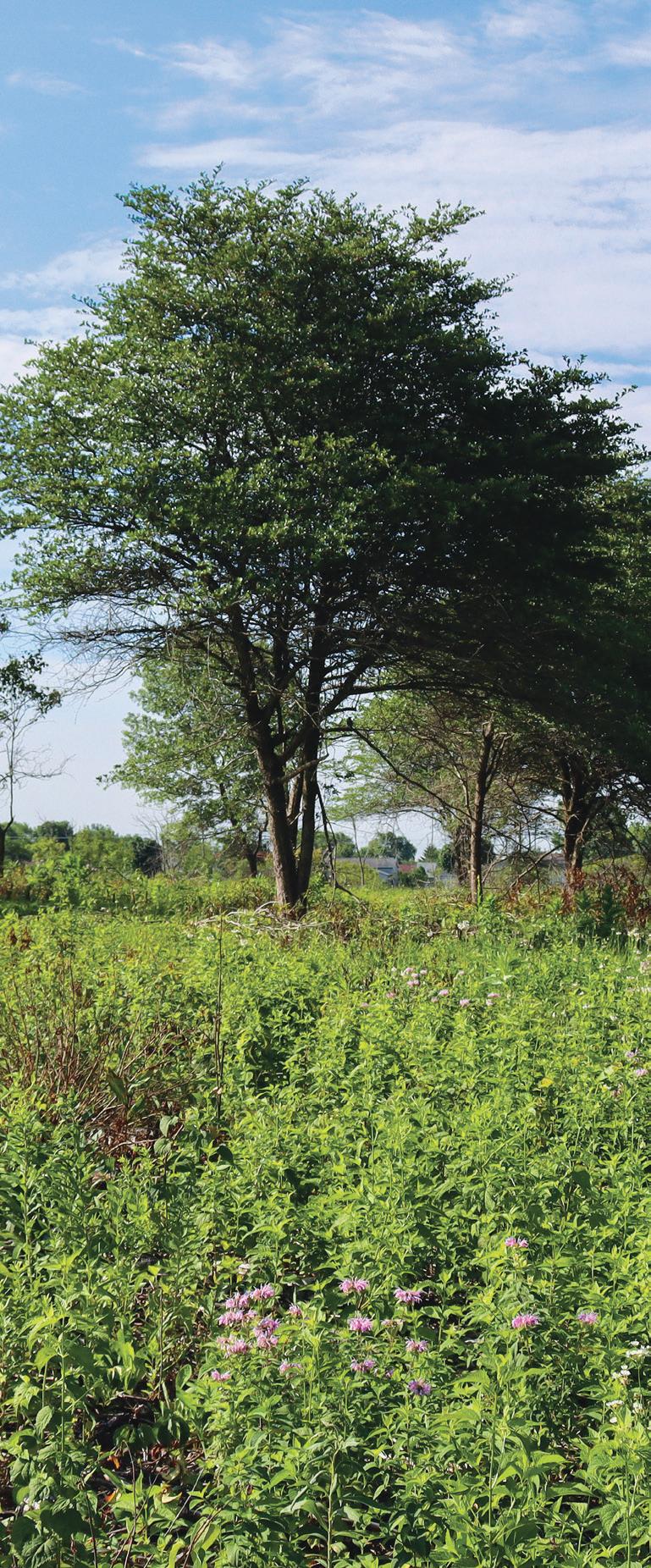
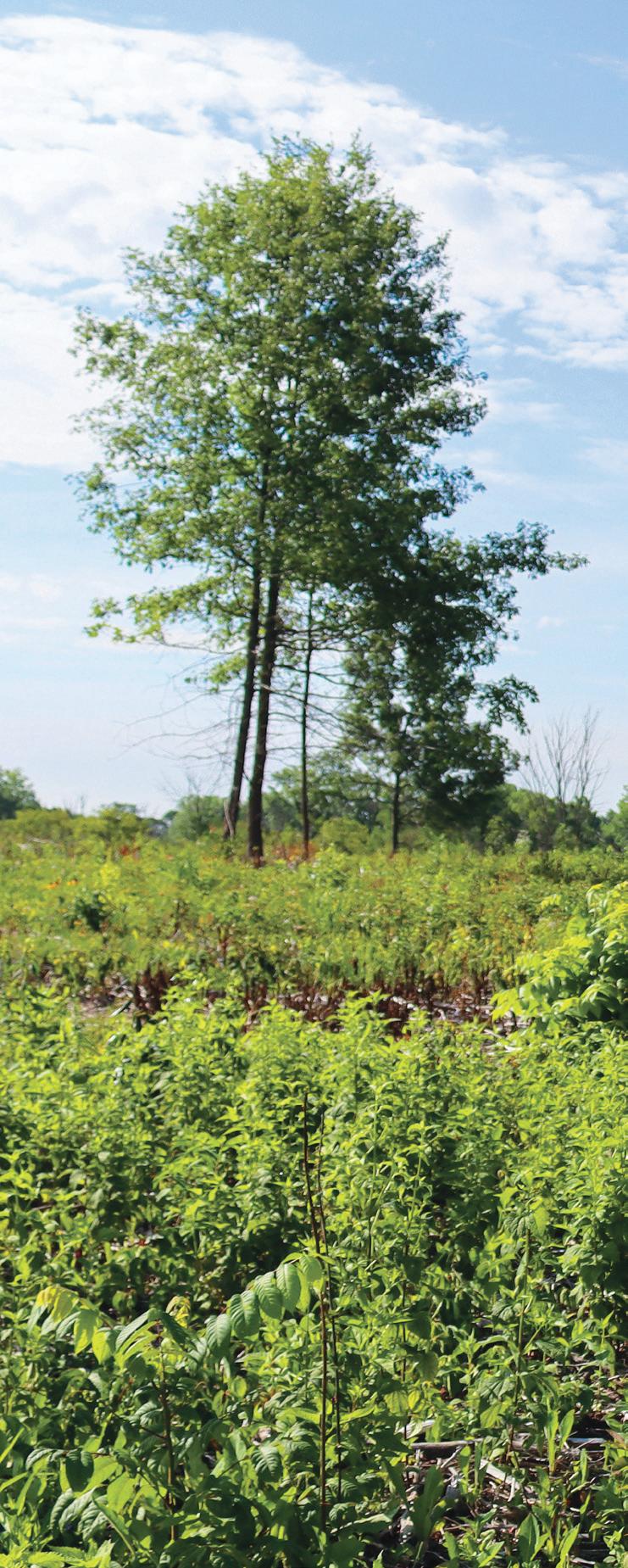
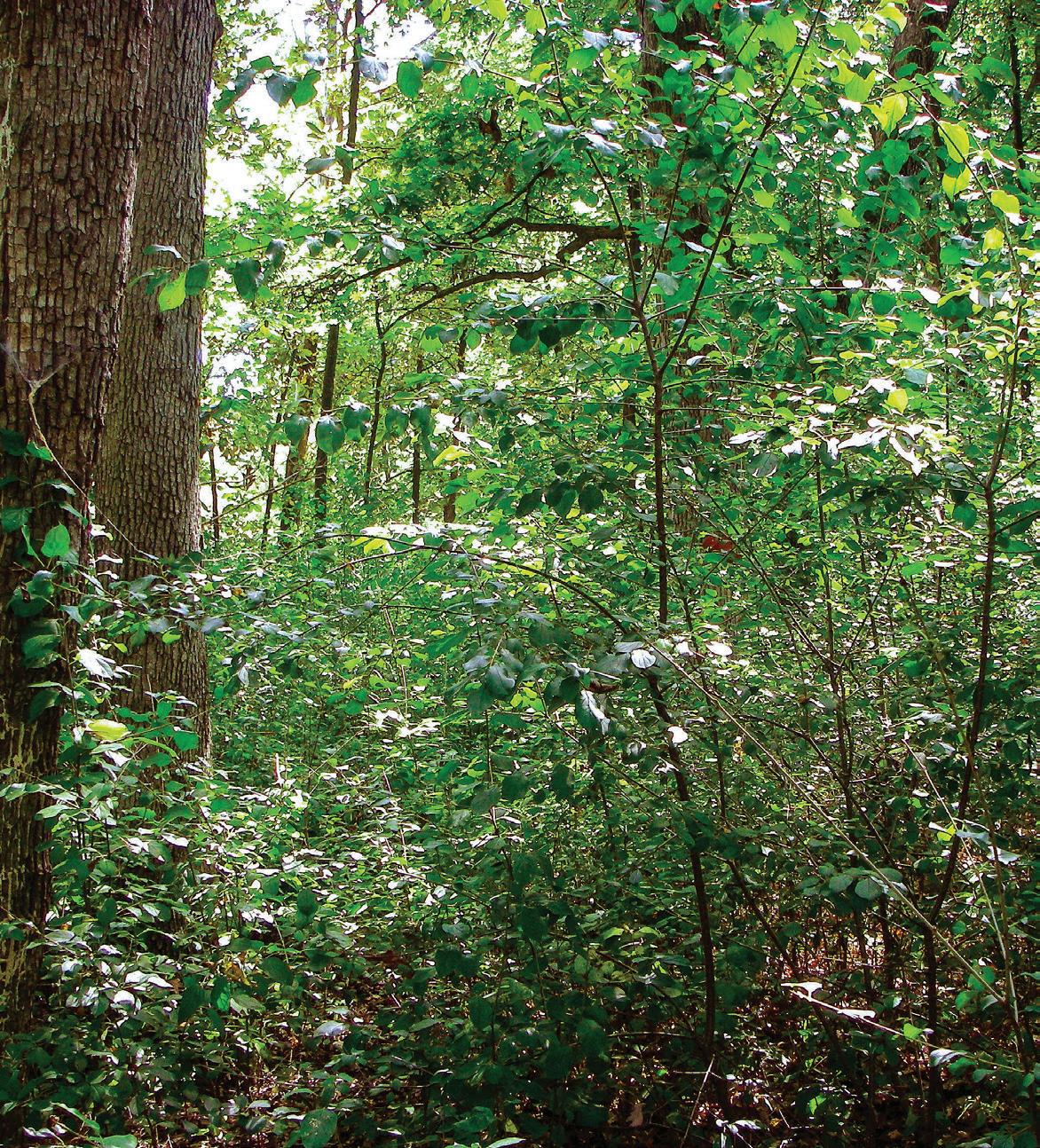
A series of images
a 40-acre area at
during and after
Above:
showing
Greenbelt Forest Preserve (North Chicago)
restoration.
Rebuilding What’s Lost
In Northeastern Illinois, residential, commercial and agricultural development along with transportation infrastructure and underground pipes have degraded native habitats, including plants and wildlife that call them home.
“Agriculture, roadways, residential growth and business parks have fragmented the landscape and introduced invasive species. This has resulted in reduced biodiversity and ecosystem function,” said Matt Ueltzen, manager of restoration ecology.
“Illinois has lost 99.9% of its native prairies and Lake County has lost more than 88% of its remnant oak woodlands.” A remnant habitat is an area that’s experienced little human disturbance.
Afte
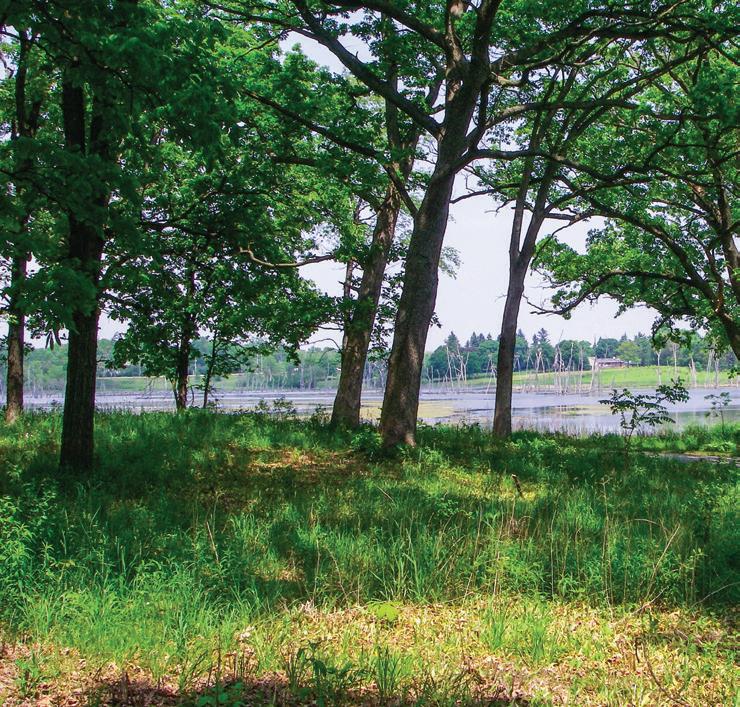
Restoration helps rebuild what’s been lost, Ueltzen said. “Restoring land helps connect fragmented environments. It provides a place for native plants and wildlife to survive. It increases biodiversity and makes landscapes sustainable for future generations.”
Through restoration, staff, volunteers and contractors remove many invasive species. These are usually non-native plants with growth patterns that harm native plants and wildlife, Restoration
Domino Effect
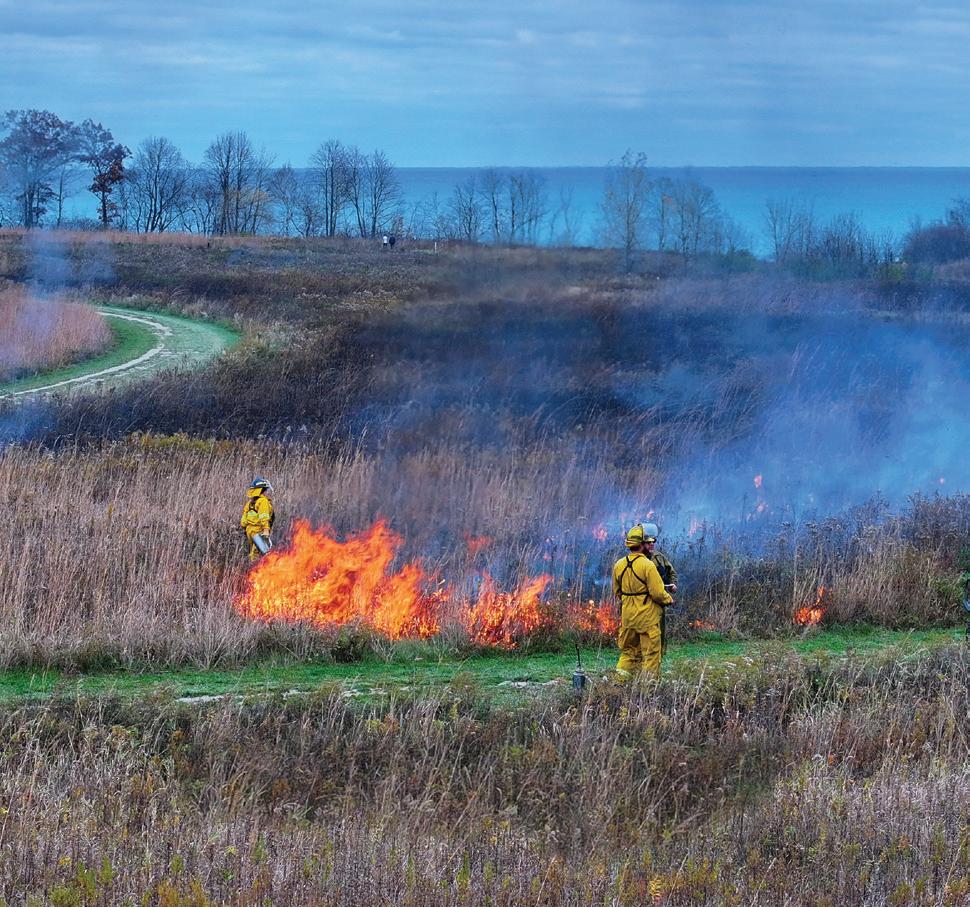
“Each spring and fall, trained crews of staff and volunteers conduct prescribed burns across hundreds of acres throughout the preserves,” Klick said. Prescribed burns help control invasive shrubs and trees and promote the regeneration of native plants.
Restoration essentially generates a domino effect. “The more plant diversity you have, the more bugs you have. More bugs bring more birds into the preserves, and then more birdwatchers and photographers. The number of people visiting the preserves then increases,” Klick said. “In addition to the biological benefits of restoration, the process makes the preserves so much more attractive.” Ueltzen agrees.
Ecologist Ken Klick said. Invasive species are often introduced accidentally by human activity, such as shipping or gardening. They are not “bad plants” in their own right. But when removed from their original habitats, sometimes thousands of miles away, they can cause issues for native species.
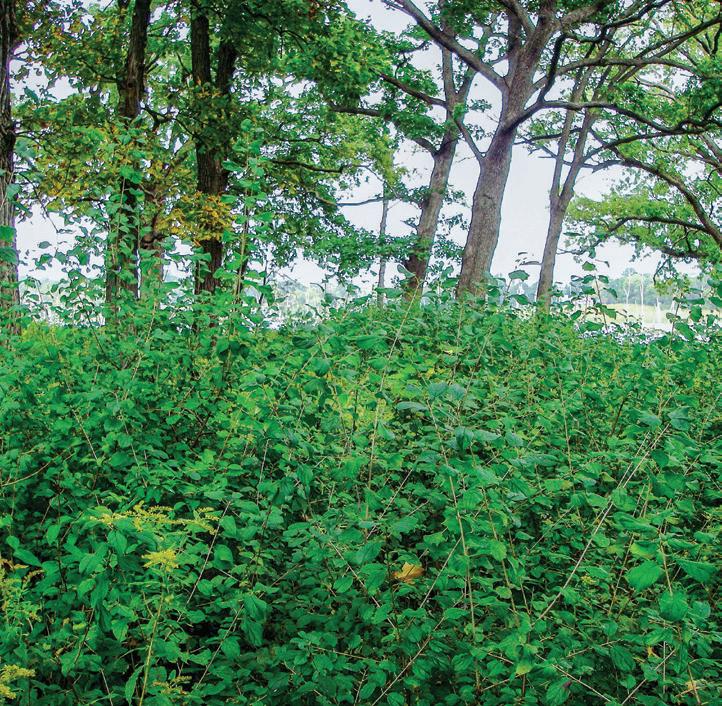
“Invasives such as common buckthorn, glossy buckthorn and autumn olive grow densely, blocking sunlight from reaching the floor of some forest preserves. When these trees are removed, sunlight reaches the ground, encouraging oak reproduction and promoting growth of native grasses, sedges and wildflowers,” Klick said.
To help reduce the prevalence of buckthorn, we have cleared it from 6,133 acres in nearly 30 preserves since 2014. When reseeded with native species, these open, diverse lands help improve air quality, mitigate flooding and reduce the urban heat island effect.
The urban heat island effect involves sunlight hitting impervious surfaces such as roads, driveways and buildings. These structures hold onto and radiate heat longer than plants. Temperatures can be up to 15 degrees Fahrenheit higher in areas experiencing this effect.


efore
Almond Marsh Forest Preserve (Grayslake)
Fort Sheridan Forest Preserve (Lake Forest)
Healing Nature
A large project is currently taking place at Greenbelt Forest Preserve (North Chicago). Greenbelt sits at the headwaters of the East Fork of the North Branch of the Chicago River. Known as the Skokie River, it drains south into the Chicago River.
Crews removed a great deal of buckthorn, honeysuckle and aggressive native cottonwoods from about 40 acres on the west side of Green Bay Road in winter 2021–2022. They cut down the woody plants and later applied herbicide to the stumps with sponge tip applicators to prevent regrowth.
Greenbelt once contained large, high-quality prairies and wetlands. After removing invasive species, we found small patches of native plants left behind. Our experienced ecologists know native plants will regrow from dormant seeds in the soil and expand now that the invasives are gone.
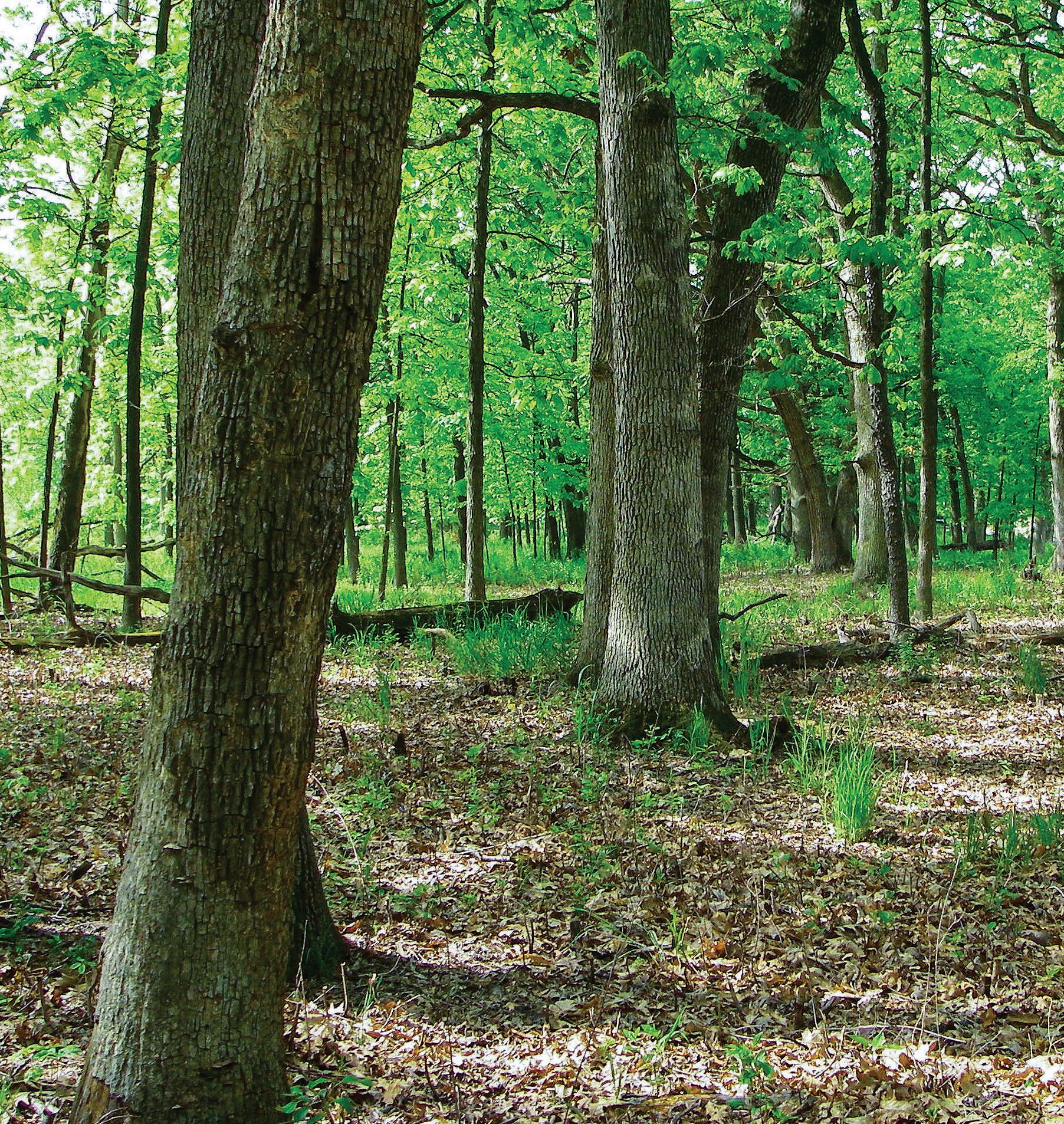
“We’ve seen shooting star wildflowers, yellow star grass and other summer flora return,” Klick said. “It’s wonderful to reconnect with the plants and animals that have been here for thousands of years.” A similar project was conducted on the east side of Green Bay Road. Today, the eastern half of Greenbelt shows how the west side may look in 5–10 years.
“That’s how nature heals. It’s not immediate, but a gradual process. We introduce native seeds to speed up the process a bit,” Klick said. After restoration, the area should exhibit greater resilience to environmental changes such as heat, drought and cold.
Restoring habitat, it turns out, often looks a lot like harming it. This is not the case. We are stewards of healthy landscapes and proponents of climate resilience. Restoration is core to our mission. This takes many forms. Depending on the location, it will have different effects.”
—Alex Ty Kovach EXECUTIVE DIRECTOR


 McDonald
Woods Forest Preserve (Lindenh
McDonald
Woods Forest Preserve (Lindenh
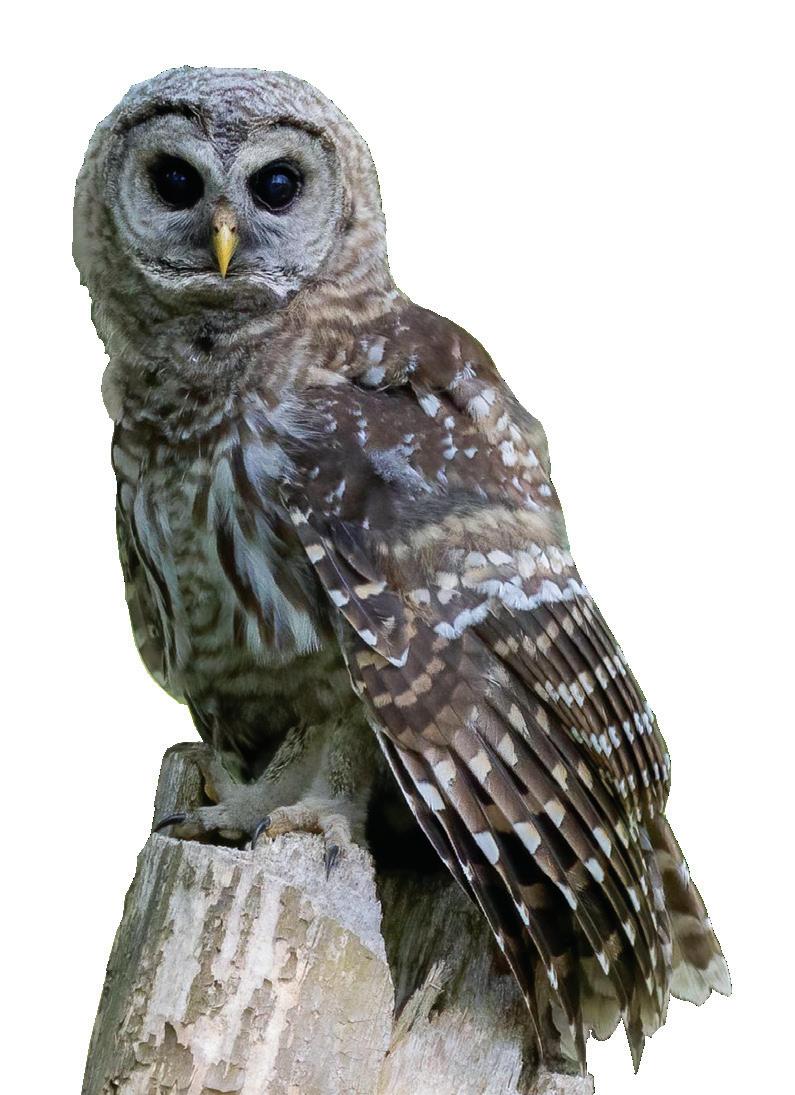
Restoration benefits many native plants and animals, from prairie wildflowers to woodland-dwelling owls.
Investing in the Future
In Lake County, where sprawling agricultural fields shape the landscape, a fascinating tale of innovation and unintended consequences unfolds beneath the soil. Once “a vast mosaic of wetlands,” these lands posed a challenge to early European settlers wanting to farm the land, said Pati Vitt, director of natural resources. A solution emerged in the form of clay drain tiles to transform wetlands into fertile farmland.
In the 1830s, farmers began installing clay drain tiles to solve this. Drain tiles are pipes buried underground that lower the water table. Clay and concrete tiles are installed with loose joints, or spaces between each section of tile, for water to seep through. Modern plastic tiles are perforated. Tiles usually range in size from 2” in diameter to 18” in diameter.
The widespread adoption of drain tiles by Midwestern farmers in the late 19th and early 20th centuries revolutionized agriculture. Tiles allowed farmers to use previously unfarmable or poorly performing land. Their crop yields spiked. This continues today.
About 10.5 million acres in Illinois, equivalent to 39% of the state’s agricultural lands, are equipped with tiles. Drain tiles don’t vanish after farmland is retired. They continue to reduce water quality and the size of wetlands. A common restoration
step involves removing drain tiles to restore a habitat’s natural hydrology. Hydrology is the way water cycles through an area.
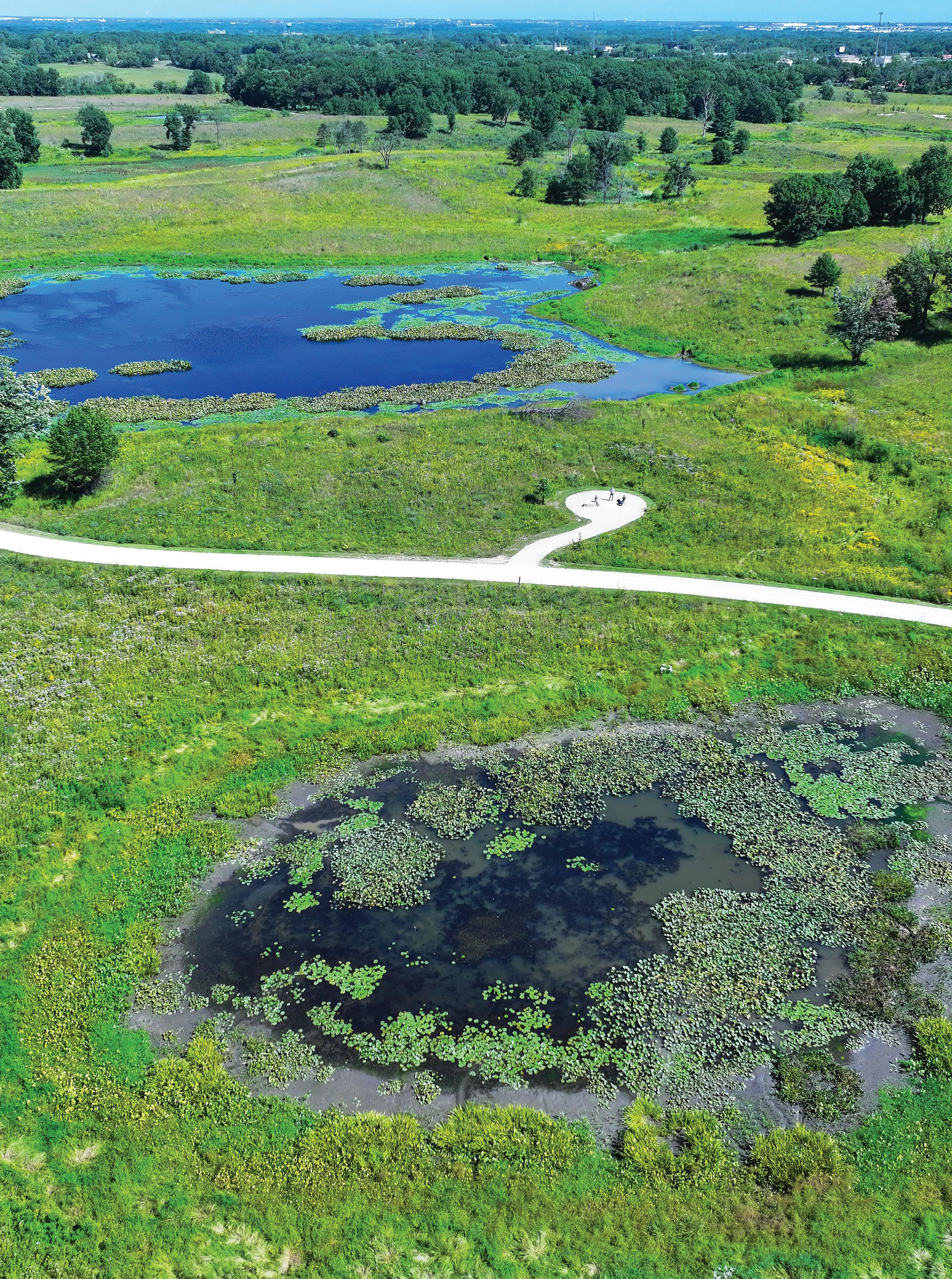
This type of restoration takes place throughout the county. One of the largest projects occurred at Pine Dunes Forest Preserve (Antioch), pictured right. We worked with the Illinois Tollway Authority to mitigate 80 acres of wetland loss near O’Hare International Airport by restoring 235 acres of adjacent savanna and prairie habitat.
“When a farm field is retired from agricultural use, we want to keep as much of the water in the preserves as possible,” Vitt said.
At times, antiquated drain tiles, which resemble used paper towel rolls, may simply be disabled or crushed in their original position. Alternatively, an operator might use heavy machinery to dig a trench and extract the tile.
Once tiles are removed or broken, water in the vicinity primarily permeates into the soil, rejuvenating groundwater supplies and nurturing wetlands.
In a sense, the restoration of these wetlands represents the cycle of life. We're coming full circle. It’s an investment in the future.”
—Pati Vitt DIRECTOR OF NATURAL RESOURCES
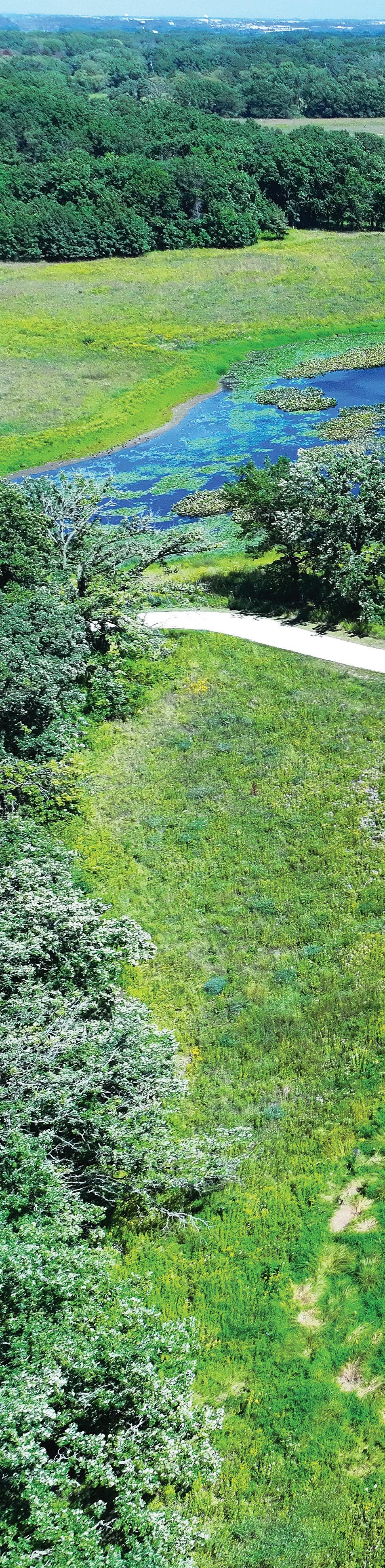

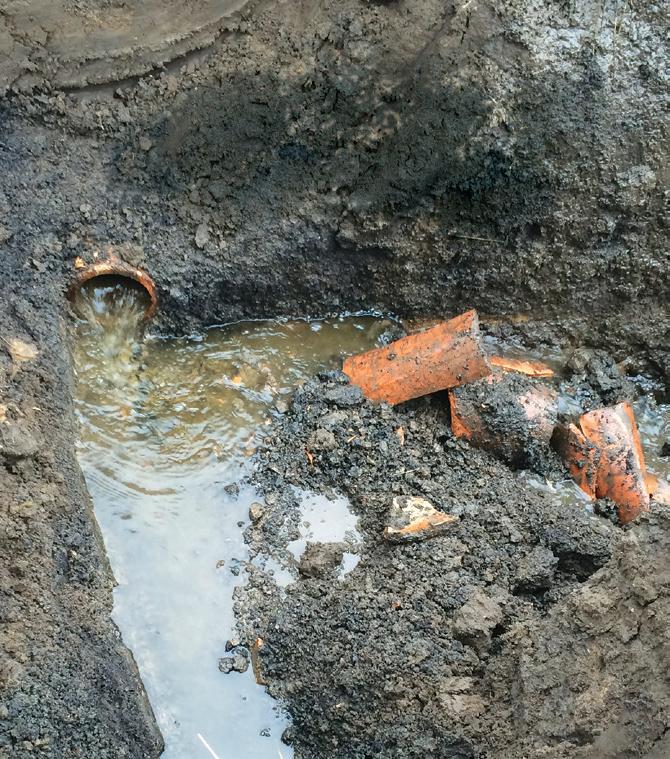 More than 5,980 linear feet of drain tile were removed or disabled to restore wetlands at Pine Dunes.

PRESERVE NEWS
Communications Improved with Chatbot
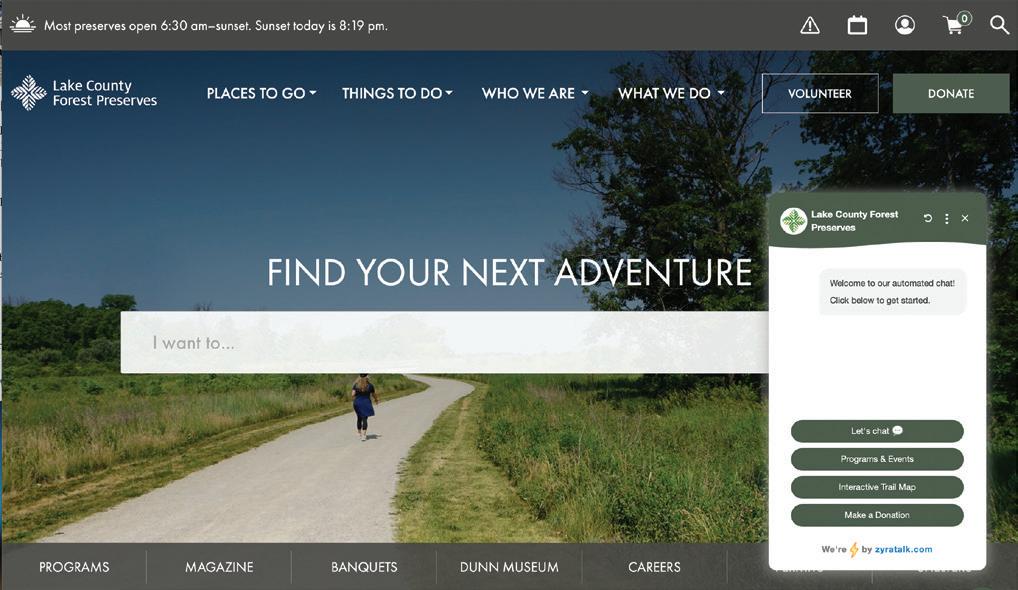
We’ve adopted cutting-edge technology designed to enhance customer service and accessibility for visitors to our website.
We use a computer program, known as chatbot, to simulate conversation with human users through text-based interactions. This technology prioritizes access for all users and bridges language barriers through multi-language translation capabilities.
“We recognize the importance of inclusive and accessible communication in serving Lake County’s diverse communities,” said President Angelo Kyle. “Chatbot, powered by state-of-the-art artificial intelligence, is designed to enhance the overall user experience and provide valuable information about the preserves, programs and available services.”
Learn more: LCFPD.org/chatbot
Your Boat’s Slip, Launch and Storage
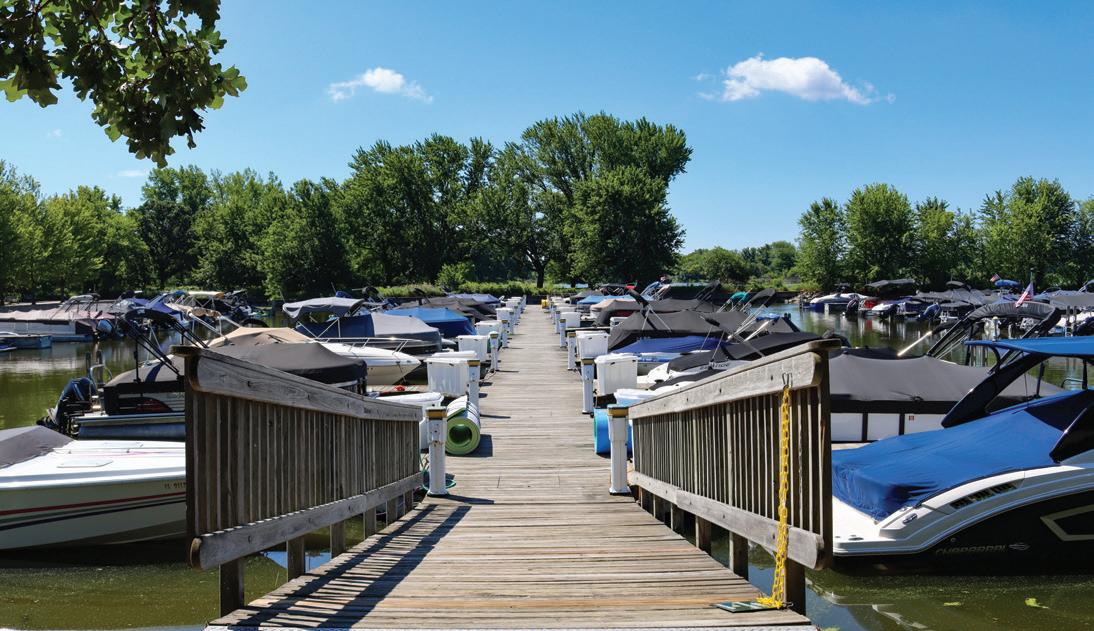
It’s time for summer on the water! Fox River Marina (Port Barrington) provides a central location that boaters love. Know what the marina offers before heading out:
Boat slips
Slips are available in three lengths: 20, 25 and 30 feet. Slip holders enjoy daily 24-hour access to their boats.
Boat launch
Our four-lane launch is perfect for boats, personal watercraft and paddlecraft. Open 6:30 am–10 pm, daily. There is a fee to launch.
Boat storage
Our in-and-out service lets you hook up to your vehicle and drive to our launch ramp, or to the destination of your choice.
Find pricing and reserve: FoxRiverMarina.org
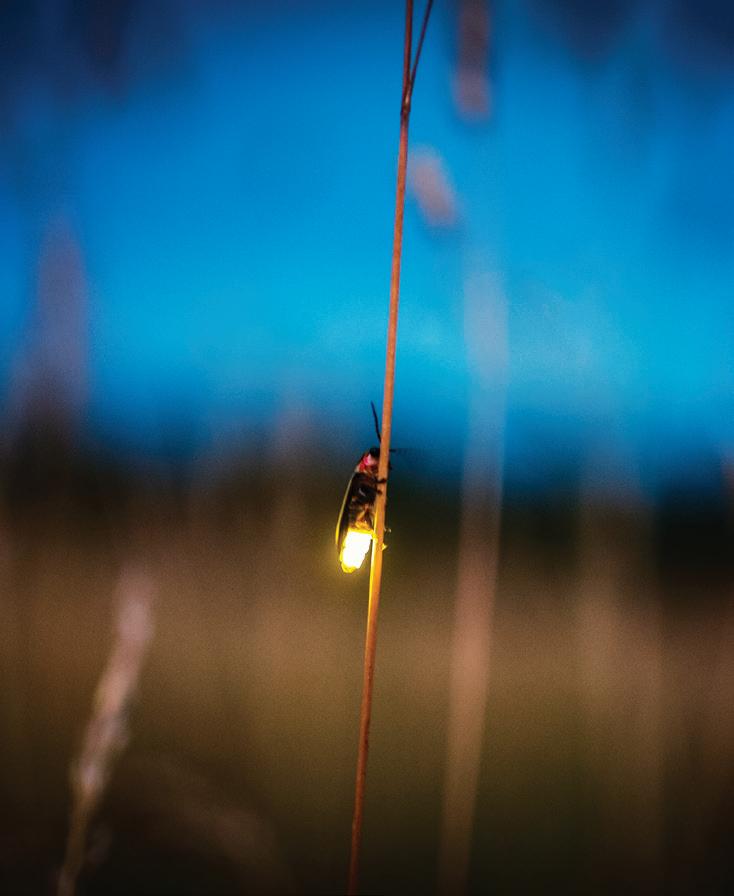
SAVE NATURE’S FIREWORKS
A midsummer night’s scene often involves the blinking of fireflies. These insects use their glow to find mates. But artificial light drowns out their mating signals. Manicured lawns are also an issue. Fireflies breed and live in forests, fields and dense gardens. Tips to spot and support fireflies:
• Head outside on warm, humid evenings in June and July.
• Limit or eliminate pesticide use.
• Mow less frequently. If possible, don’t mow parts of your lawn at all.
• Turn off or dim exterior lights at night. Install timers or motion sensors. Use red bulbs when possible. Aim lights toward the ground.
Enjoy a Firefly Viewing program at Ryerson Conservation Area (Riverwoods) on June 29, 8:30–10 pm. Get a ticket: LCFPD.org/firefly
6 HORIZONS QUARTERLY SUMMER 2024
PRESTIGIOUS AWARDS EARNED
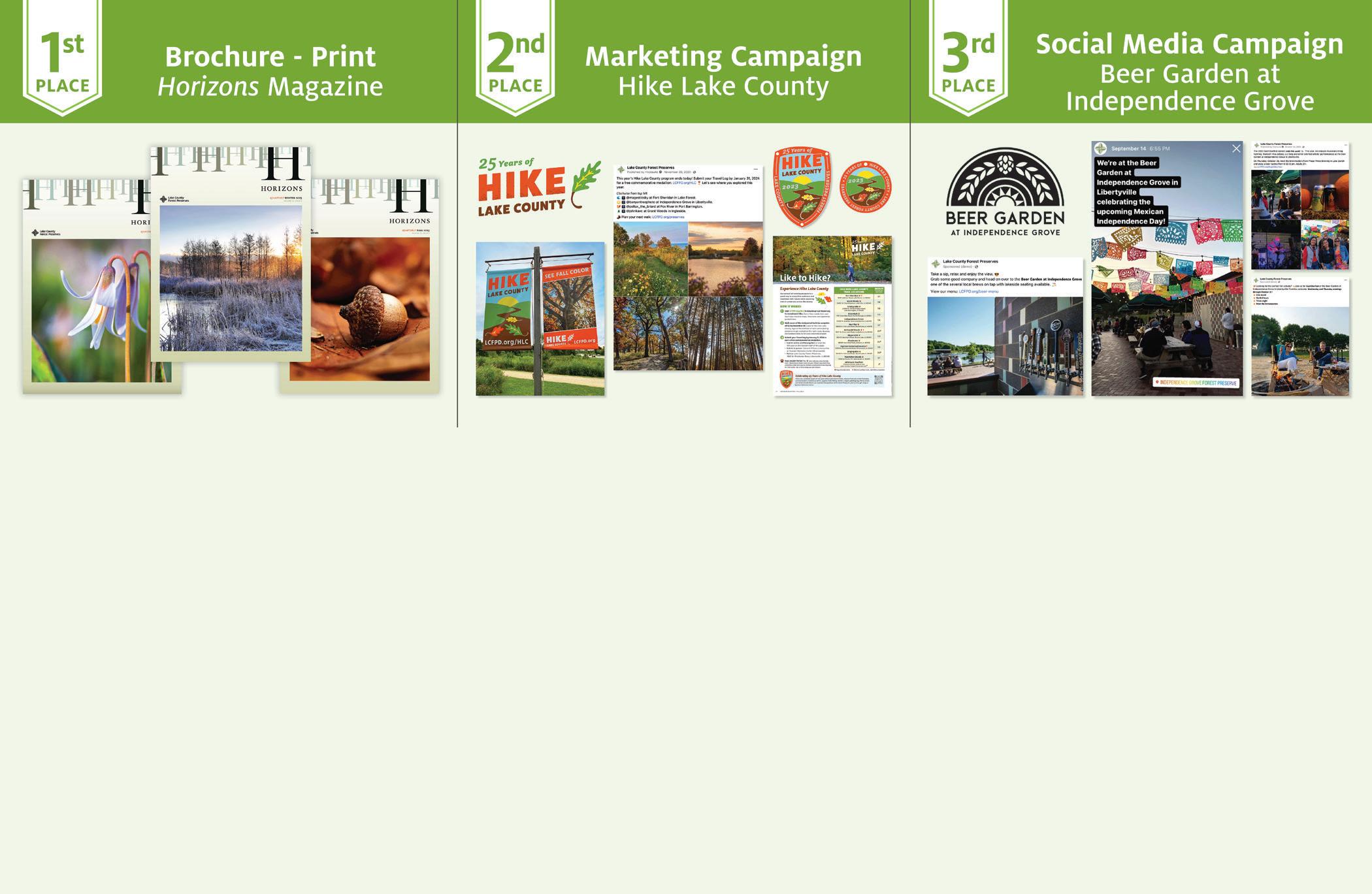
Two Illinois organizations committed to advancing parks and recreation recognized our outstanding contributions with four esteemed awards for excellence in public communications and design. The Illinois Park and Recreation Association and the Illinois Association of Park Districts announced the honors at the largest state park and recreation conference in the nation.
We secured second place in the top Overall Agency Showcase category. This acknowledgment encompassed the entire spectrum of print, digital and social media materials submitted. We also earned 1st Place: Brochure–for Horizons magazine; 2nd Place: Marketing Campaign–for the 25th anniversary of Hike Lake County; 3rd Place: Social Media Campaign–for promotion of the Beer Garden at Independence Grove.
Details: LCFPD.org/coveted-awards
COLLABORATION GROWS LOCAL FOOD AND JOB SKILLS
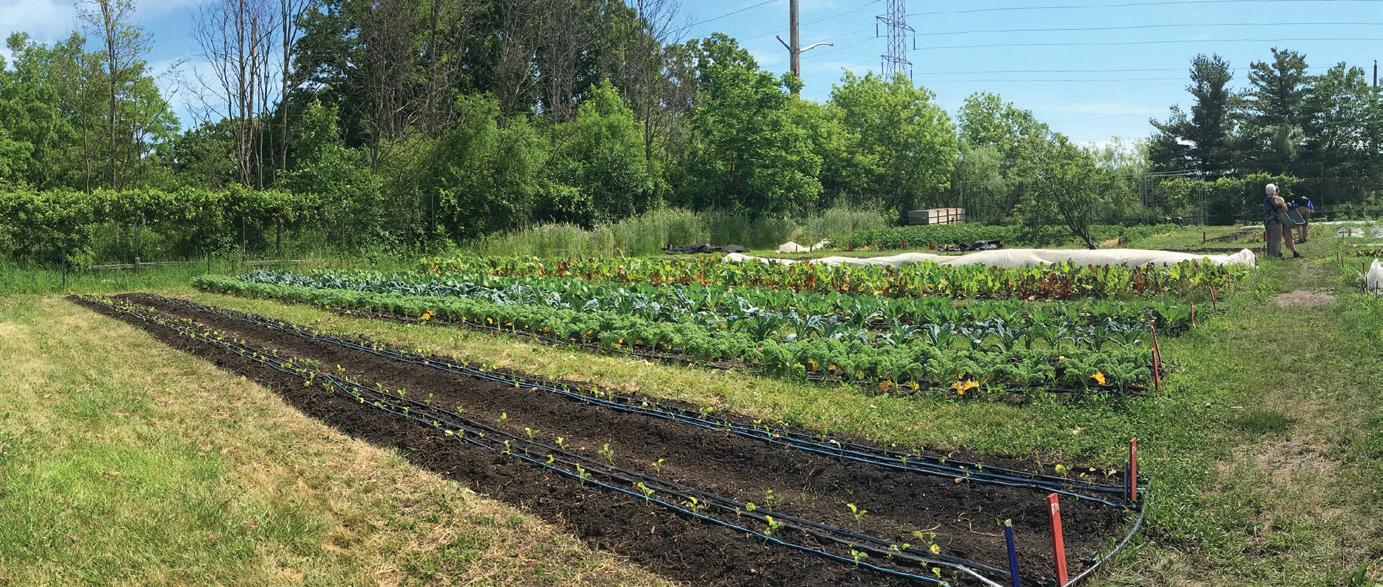
We partnered with the College of Lake County (CLC) to revitalize the Green Youth Farm, now renamed Greenbelt Farm. The alliance aims to foster sustainable farming, environmental education and community engagement. The Forest Preserves and CLC aspire to create a thriving space that not only contributes to the local ecosystem but also serves as a dynamic educational hub for local teens and young adults.
This 1.25-acre sustainable farm is nestled within Greenbelt Forest Preserve (North Chicago). It’s the second farm in CLC’s local food portfolio, joining the Grayslake Campus Farm. Learn more: LCFPD.org/clc-partnership

Listen to a Buzzy Podcast Episode

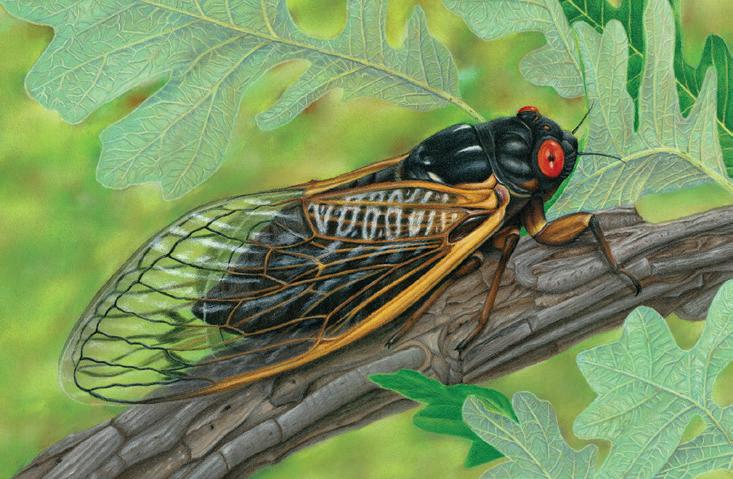
Periodical cicadas are emerging by the millions across Chicagoland. In a special-edition episode of our award-winning Words of the Woods podcast, host Brett Peto discusses the natural history, life cycle and buzzy sounds of these impressive bugs. Listen on Spotify, Apple Podcasts or wherever you prefer: LCFPD.org/podcast
LAKE COUNTY FOREST PRESERVES 7
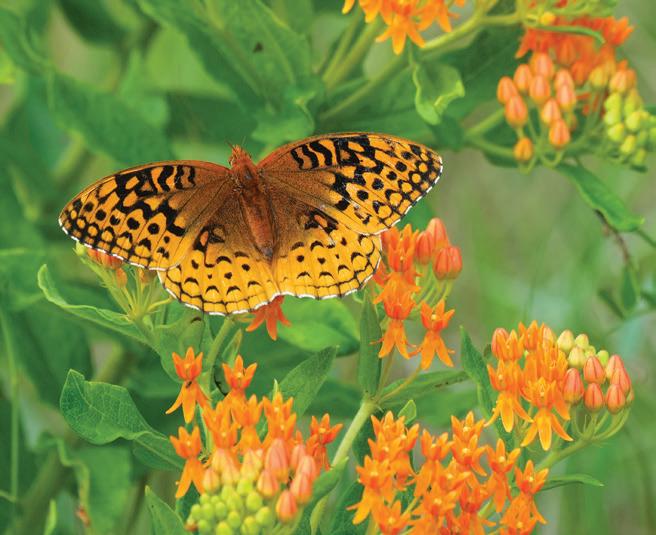
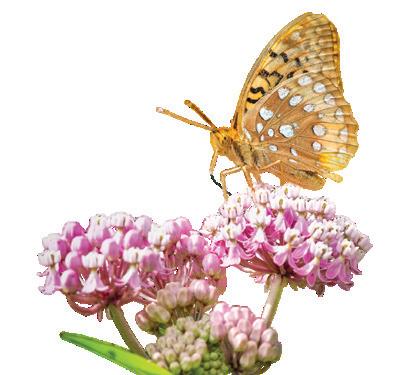
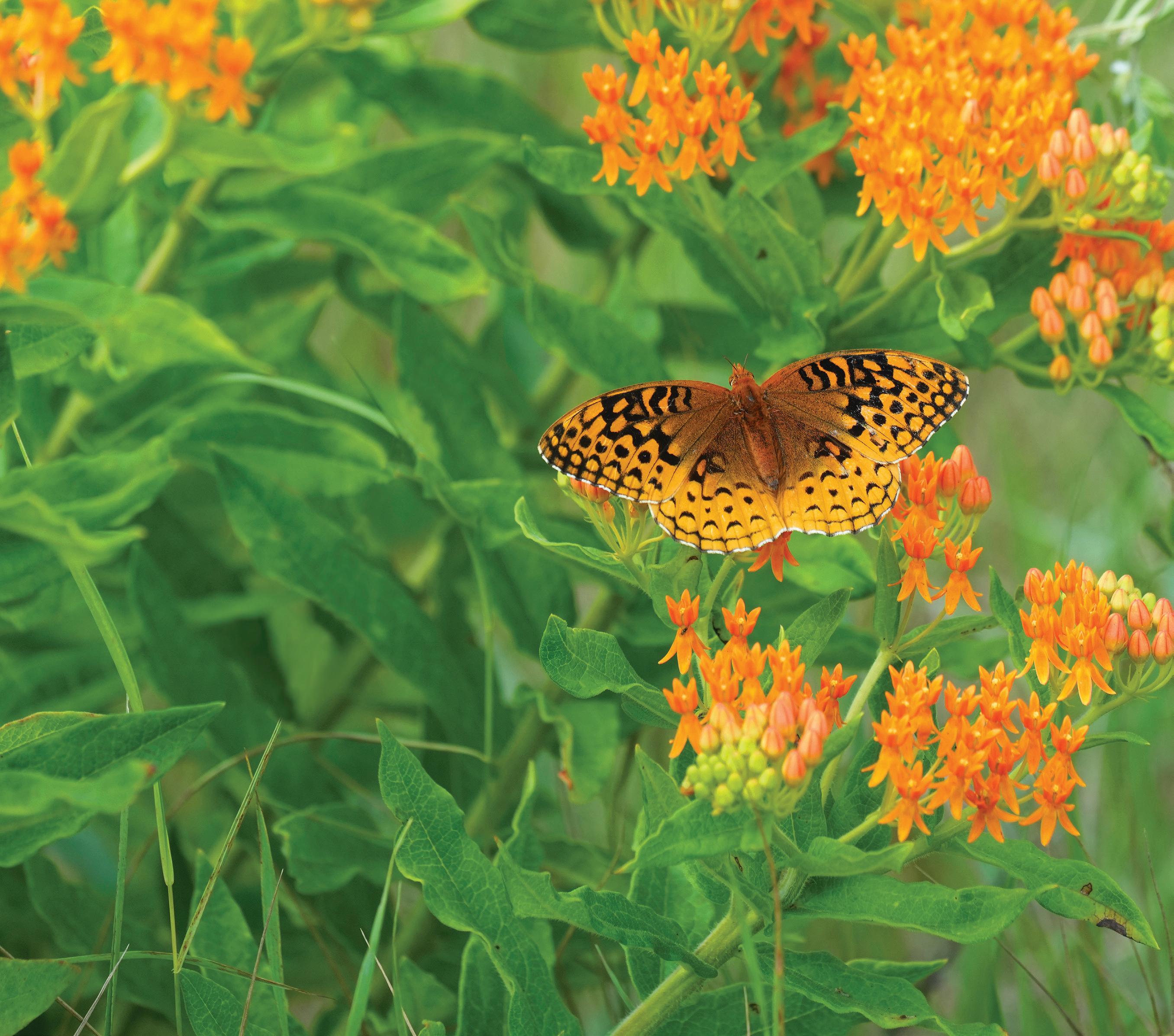
Great spangled fritillary (Speyeria cybele) on milkweed
TOGETHER, ACHIEVING MORE FOR THE FOREST PRESERVES.
ENDOWING OUR FUTURE
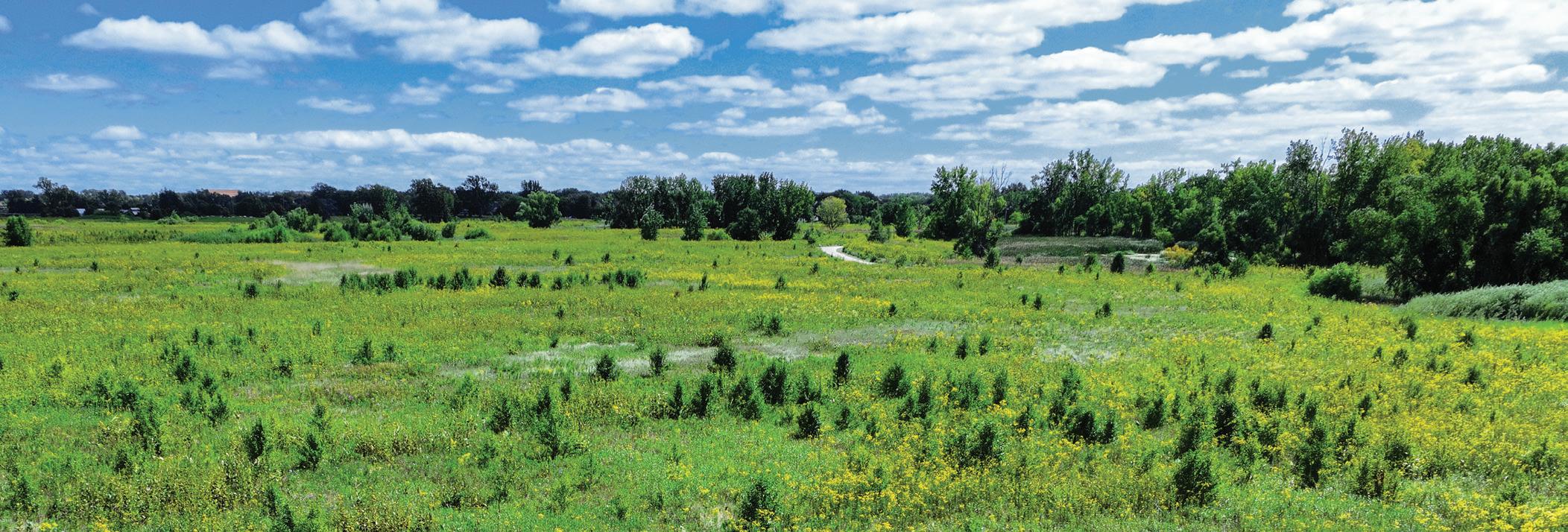
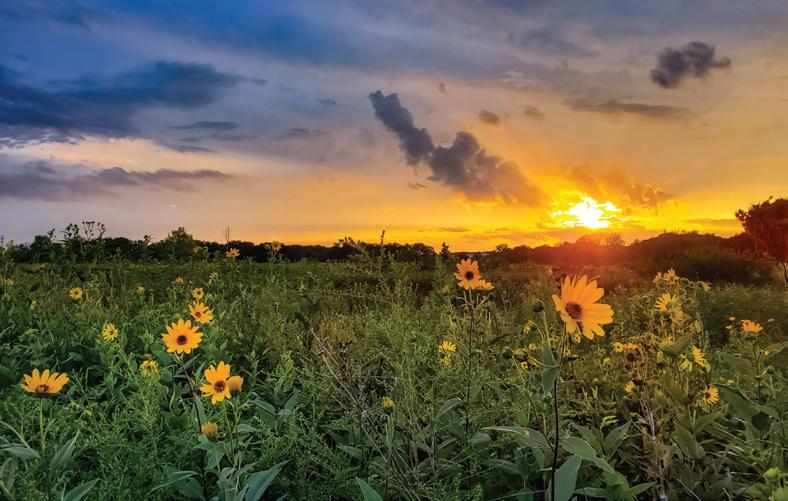
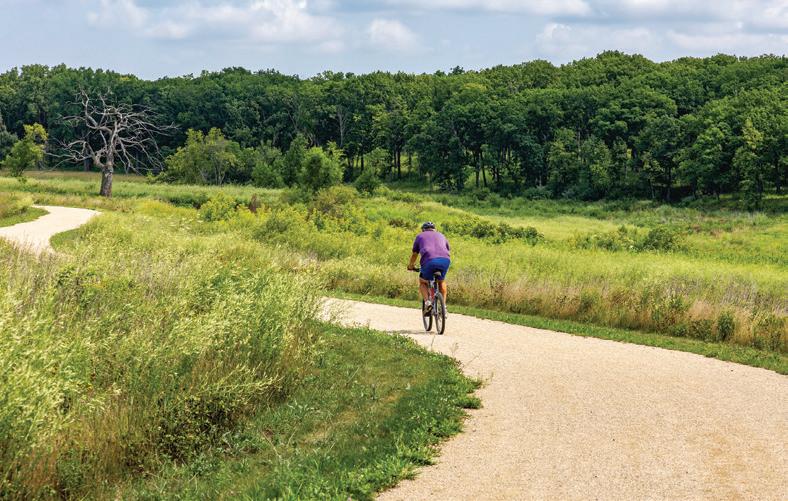
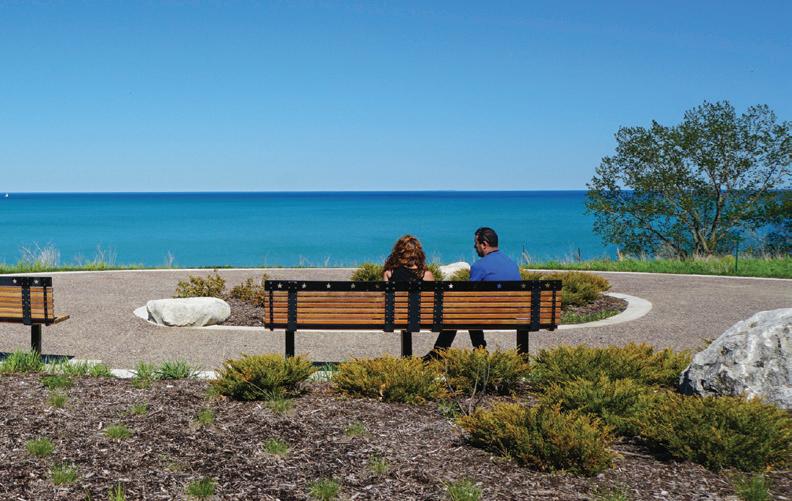
The Preservation Foundation shares the Forest Preserves’ vision that 100 years from now, Lake County will be a healthy, resilient landscape with restored and preserved natural lands, waters and cultural assets. To make this vision a reality, we must ensure resources are in place to care for woodlands, prairies and wetlands forever.
Homes, businesses and industry surround the 64 preserves in our suburban county. Even after restoration work is complete and every acre functions at its highest ecological level, invasive species, exotic pests and climate change constantly threaten native habitats.
The Forest Preserves spends about $75 per acre annually to guarantee these restored lands remain healthy. At a midsize preserve, such as the 501-acre Ethel’s Woods Forest Preserve (Antioch), we expect to spend an average of $37,500 every year on land management, including removing invasive species and supplementing restoration areas with climate-adapted native seed, plants, trees and shrubs.
To meet this growing need, the Preservation Foundation aims to raise $20 million in a permanent endowment. When we reach our goal, the endowment will provide the Forest Preserves a perpetual, dependable funding source. Consider joining us. Your investment in nature today will ensure Lake County’s open spaces remain healthy now and 100 years from now.
Join us in keeping every acre strong: LCFPD.org/endowment
8 HORIZONS QUARTERLY SUMMER 2024
Give online: LCFPD.org/donate Mail a gift using the envelope in your Horizons magazine. Give by phone: 847-968-3110 SUPPORT FOREST PRESERVES PROJECTS, PROGRAMS AND PLACES YOU ARE PASSIONATE ABOUT!
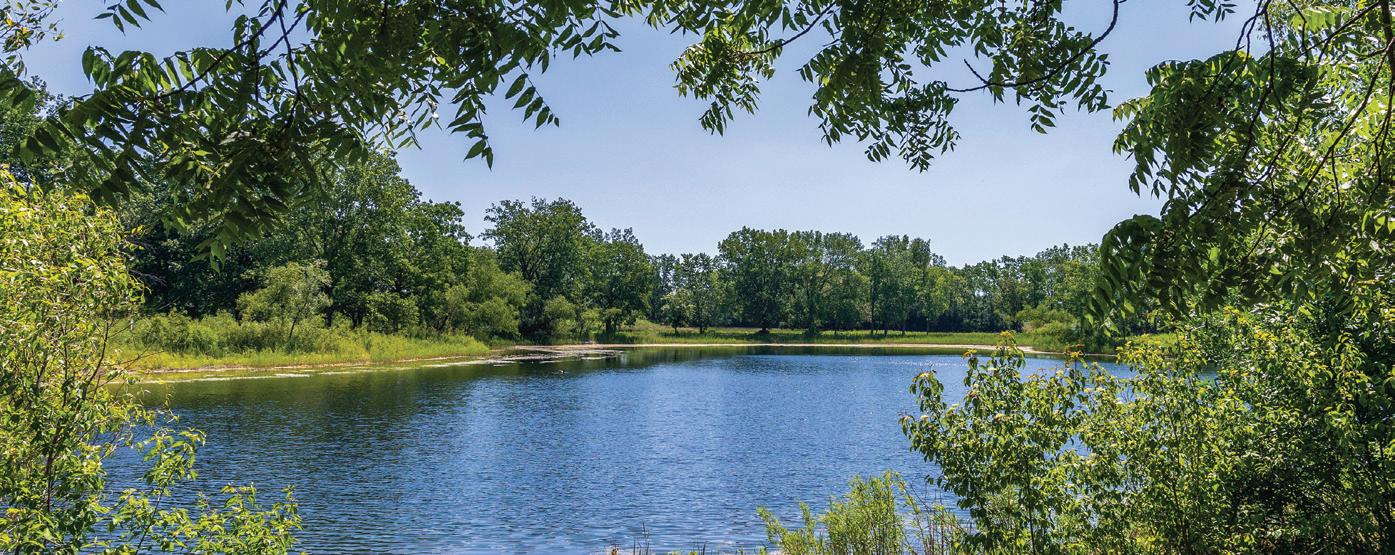
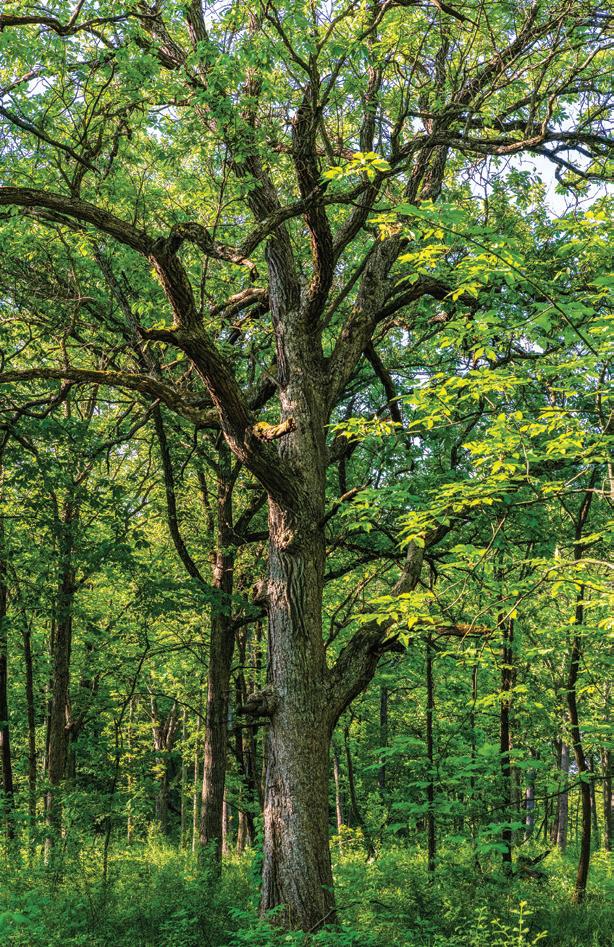
PHOTOS: (top to bottom) Rollins Savanna (Grayslake), Middlefork Savanna (Lake Forest), Ethel's Woods, Fort Sheridan (Lake Forest)
The Preservation Foundation is the charitable partner of the Lake County Forest Preserves. Gifts of all sizes are meaningful and help support projects and initiate programs that may otherwise go unfunded or take many years to complete. Learn more at LCFPD.org/donate or call 847-968-3110.
Foundation Awarded ComEd Green Region Grant
The Preservation Foundation received a $10,000 Green Region Grant to help restore Greenbelt Forest Preserve (North Chicago). In partnership with Openlands, ComEd created the program in 2013 to support open space projects in northern Illinois.
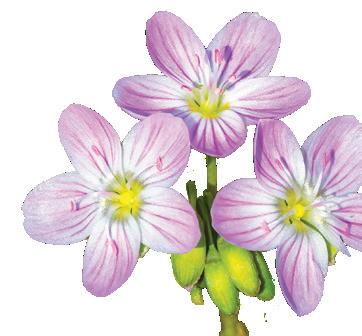
Spring-blooming flowers are critical for bumble bee queens and other early-season pollinators that depend upon Greenbelt’s diverse habitats. With this grant and another $10,000 in matching funds, staff will plant native nectar-producing flora to support early-season pollinators. The project builds on nearly 10 years of intensive restoration at the 595-acre preserve.
Make a gift for habitat restoration: LCFPD.org/accelerate
Plant Roots Through a Plan
This summer, the Preservation Foundation is planting deep roots to nurture and accelerate the Forest Preserves’ mission. Now, you can plant your own and watch them grow with a will-writing tool from FreeWill. It’s a simple and free way to foster security for yourself and your loved ones, while growing your impact for the Forest Preserves.

Scan the QR code or visit LCFPD.org/freewill to get started.
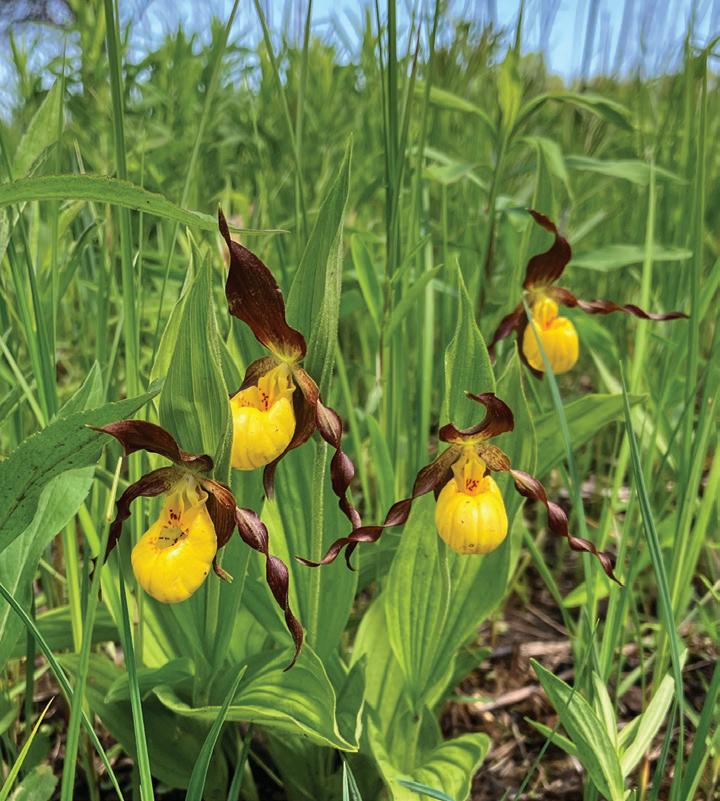
ANNUAL FUND SPOTLIGHT: RARE PLANT RECOVERY
With a $16,000 grant from the Preservation Foundation, the Forest Preserves initiated a two-year rare plant recovery pilot program in 2021. In partnership with the Chicago Botanic Garden, staff and volunteers conducted enhanced demographic monitoring, hand-pollinated sensitive species and collected seed to stabilize the populations of nine of the rarest plants in Lake County.
Thanks to enthusiastic support from donors, the Foundation board recently approved a $45,000 grant to continue this work over the next three years. This is just one of the many ways your Annual Fund gift helps the Forest Preserves do more.
To learn more or make a gift, visit LCFPD.org/donate-now.
LAKE COUNTY FOREST PRESERVES 9
Gifts of appreciated stocks or securities are easy to make and provide great tax benefits. Maximize your support and minimize taxes through IRA distributions, retirement plan assets or life insurance. Leave a legacy of generosity with an estate gift that helps meet your financial and philanthropic goals. LEARN MORE: LCFPD.ORG/GIFT-PLANNING
FEATURED EVENTS
For a complete list of all events, descriptions, pricing and tickets: Visit LCFPD.org/calendar, call 847-968-3321 or scan the QR code shown on the left. In-person and virtual nature and history programs, school field trips and digital resources are available.
PADDLING PROGRAMS
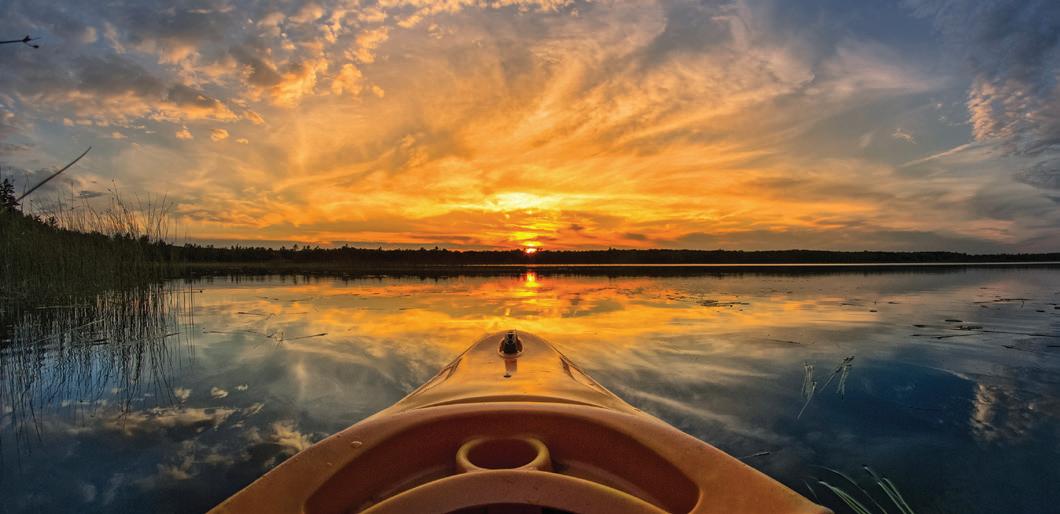
Looking to explore nature from a different perspective?
Join us on the water and take in the stunning scenery in your forest preserves. View all paddling programs and registration details at LCFPD.org/paddle.
June 21 Sunset and Full Moon Paddle
August 22 Senior Series: Guided Nature Paddle
September 11 Paddle & Hops
DUNN MUSEUM PROGRAMS
Experience captivating exhibits and engaging programs that bring Lake County’s history to life. View all Museum programs and registration details at LCFPD.org/dunn
June 29 Cicada Crafts and Exploration
July 25 Dunn Museum: Sensory-Friendly Hour
August 1 Singing Bird and the Importance of Native American Women in Illinois History
EDUCATOR PICKS
We asked our skilled educators to choose their most-anticipated programs for the current season. View all programs and registration details at LCFPD.org/calendar
June 29 Firefly Viewing
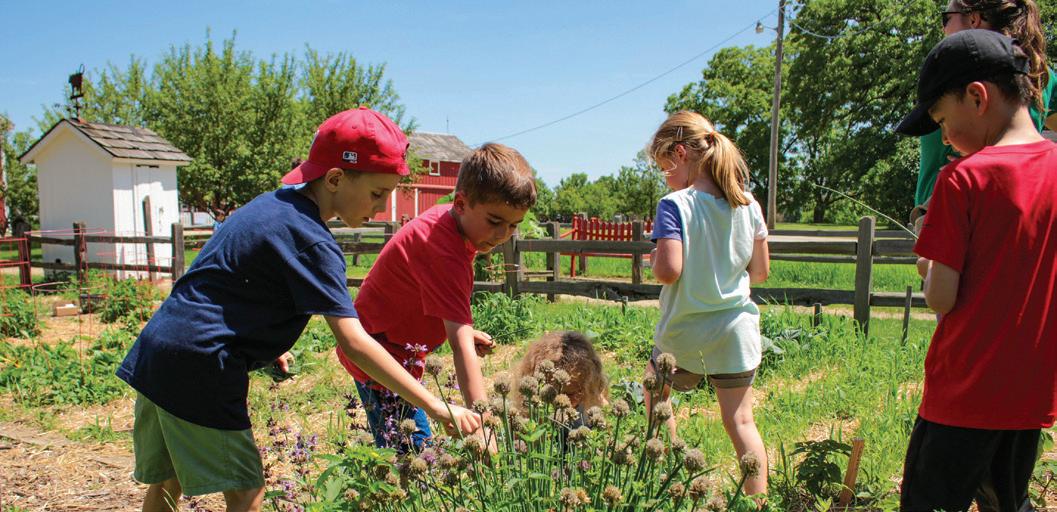
July 25 Fun on the Farm
August 13 Hikin’ Tykes: Hummingbirds
BIRDING PROGRAMS
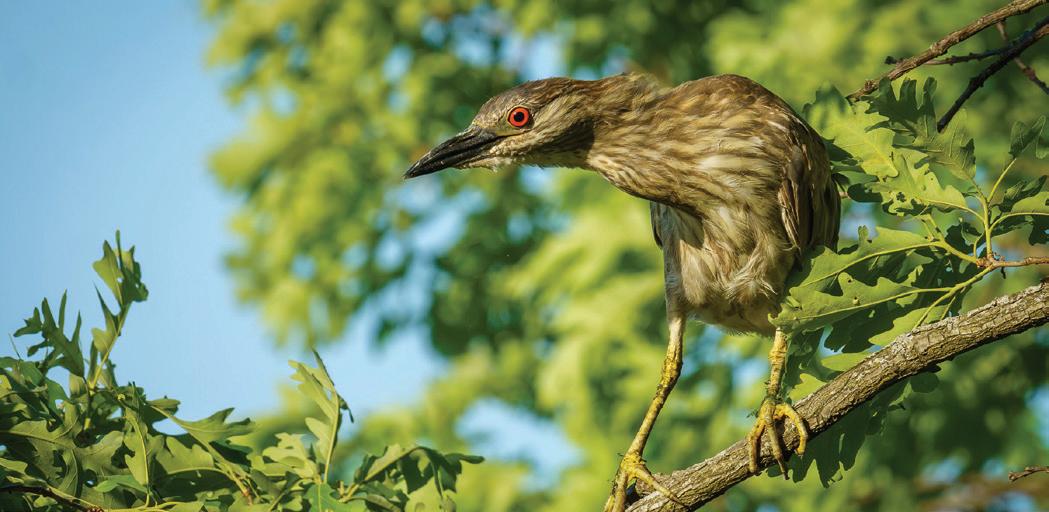
Discover and appreciate the rich variety of local bird species as you visit top birdwatching spots with our educators this summer. View all programs and registration details at LCFPD.org/birding
July 2, August 17 Budding Birder Walk
July 10, August 27 Evening Bird Walk
August 18 Hummingbirds
10 HORIZONS QUARTERLY SUMMER 2024
Want to learn about Lake County nature or history?
Visit the Ask an Educator booth within the Beer Garden at Independence Grove (Libertyville) from 5:30–7 pm before Concerts in the Plaza every Tuesday night, June 11–August 6.

Art for Everyone: Bob Ross ® Opening August 31 at the Dunn Museum (Libertyville). See page 15 for details.
BEER GARDEN TRIVIA NIGHTS: June 26, July 24, August 28 • 5:30–7 pm
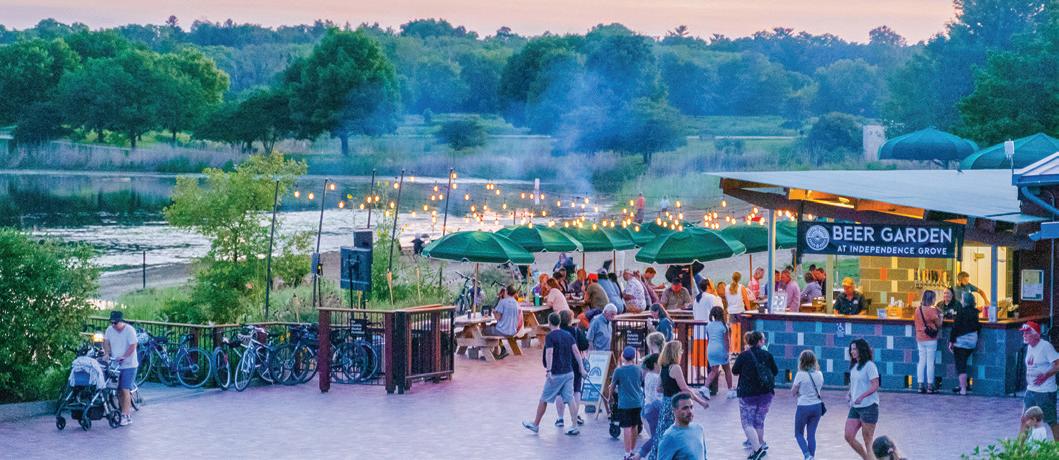
Grab a tasty brew with friends at the Beer Garden at Independence Grove and test your knowledge on Lake County past and present in a fun and educational trivia game. Your team will be quizzed on nature, history, the forest preserves and more.
No registration required. Details: LCFPD.org/trivia
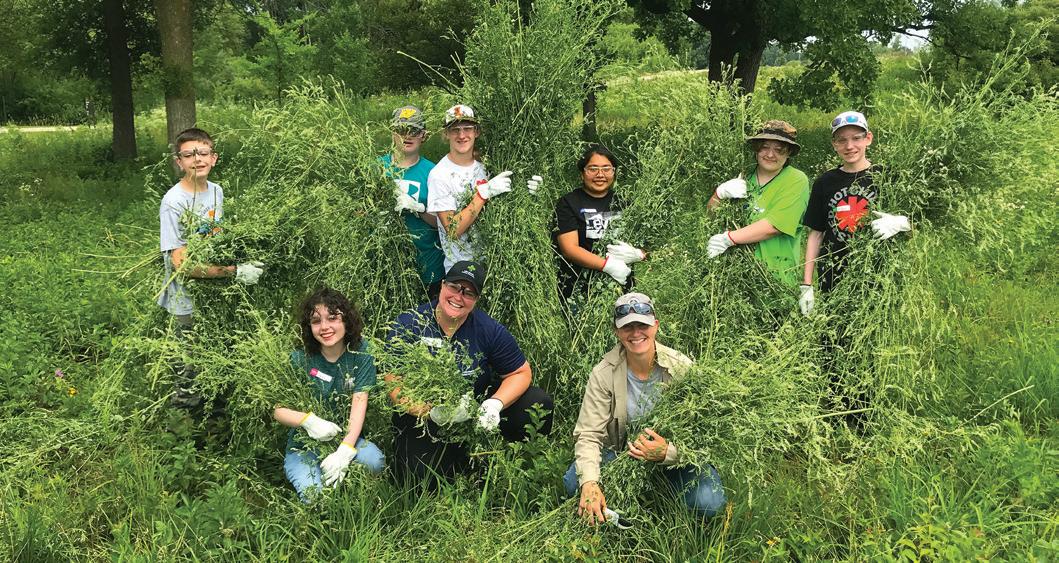
CONSERVATION EXPLORERS: July 15–27 • For students ages 14–16, entering grades 9 or 10 in fall 2024.
This dynamic, two-week outdoor program culminates with an overnight camp-out in a preserve. High schoolers explore and study the local ecosystems of Lake County. They will gain real-world experience through data collection and learn about career options in science. ConEx is based outdoors and includes hiking, paddlesports and stewardship projects.
Learn more and register: LCFPD.org/ConEx
TEACHER APPRECIATION DAY: August 9 • 9 am–3 pm
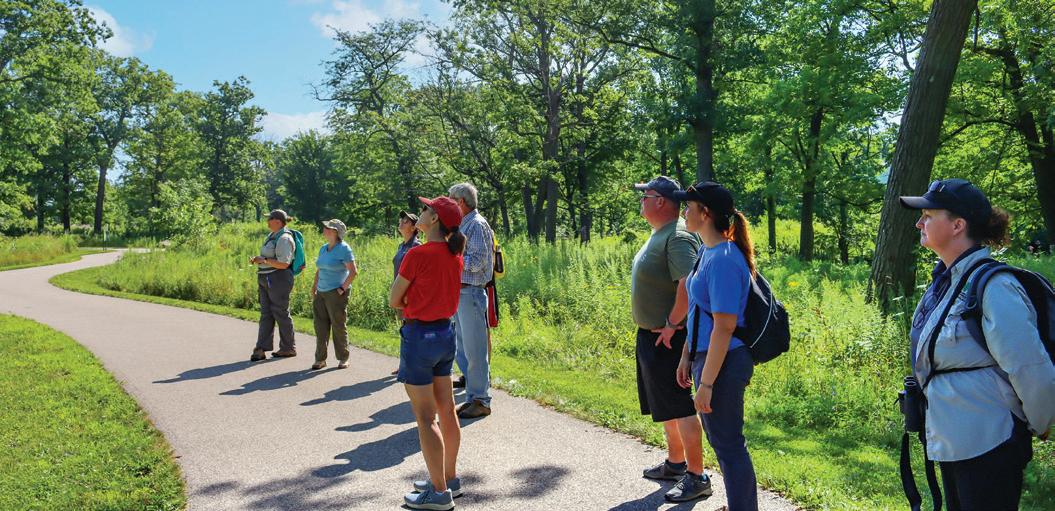
Educators—join us at Independence Grove Forest Preserve (Libertyville) for a new event honoring your work Participate in history and environmental education activities to discover the programs and resources available for your students through the Forest Preserves. Enjoy lunch, giveaways and more.
Get a ticket: LCFPD.org/TeacherDay
BESS BOWER DUNN DAY: August 24 • 10 am–4:30 pm
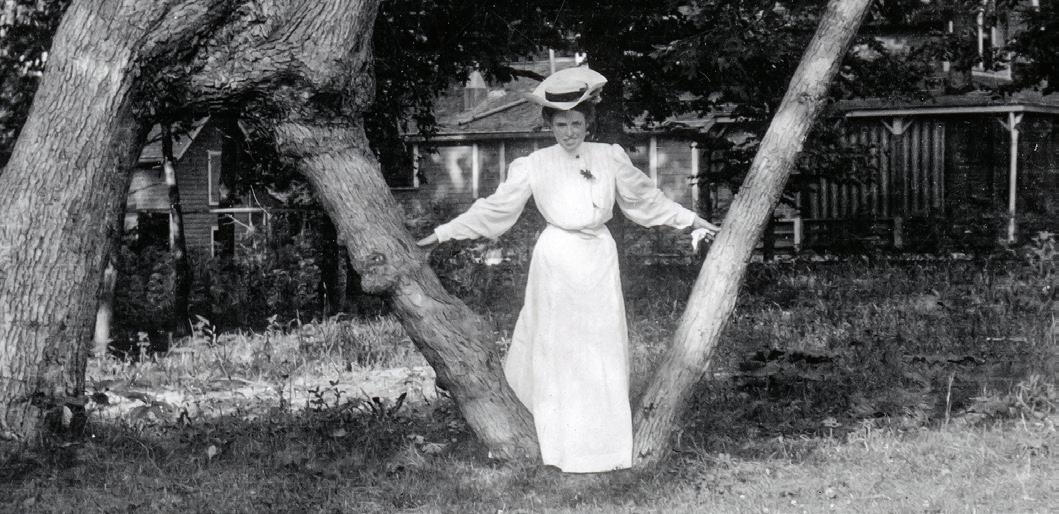
Celebrate Bess Bower Dunn’s birthday with FREE admission at the Dunn Museum. Bess (1877–1959) holds the distinction of being Lake County’s first official historian and inspired the Museum’s name. Thanks to her efforts, objects and stories of Lake County’s history are preserved today.
Plan your visit: LCFPD.org/PlanYourVisit
LAKE COUNTY FOREST PRESERVES 11
i l k w e e d s M a t t e r
yond
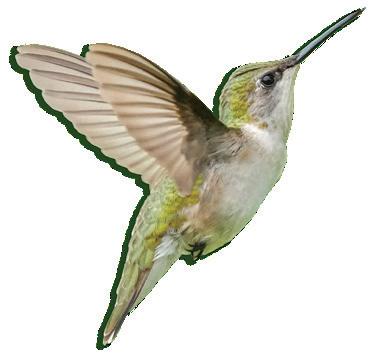
Ruby-throated hummingbird
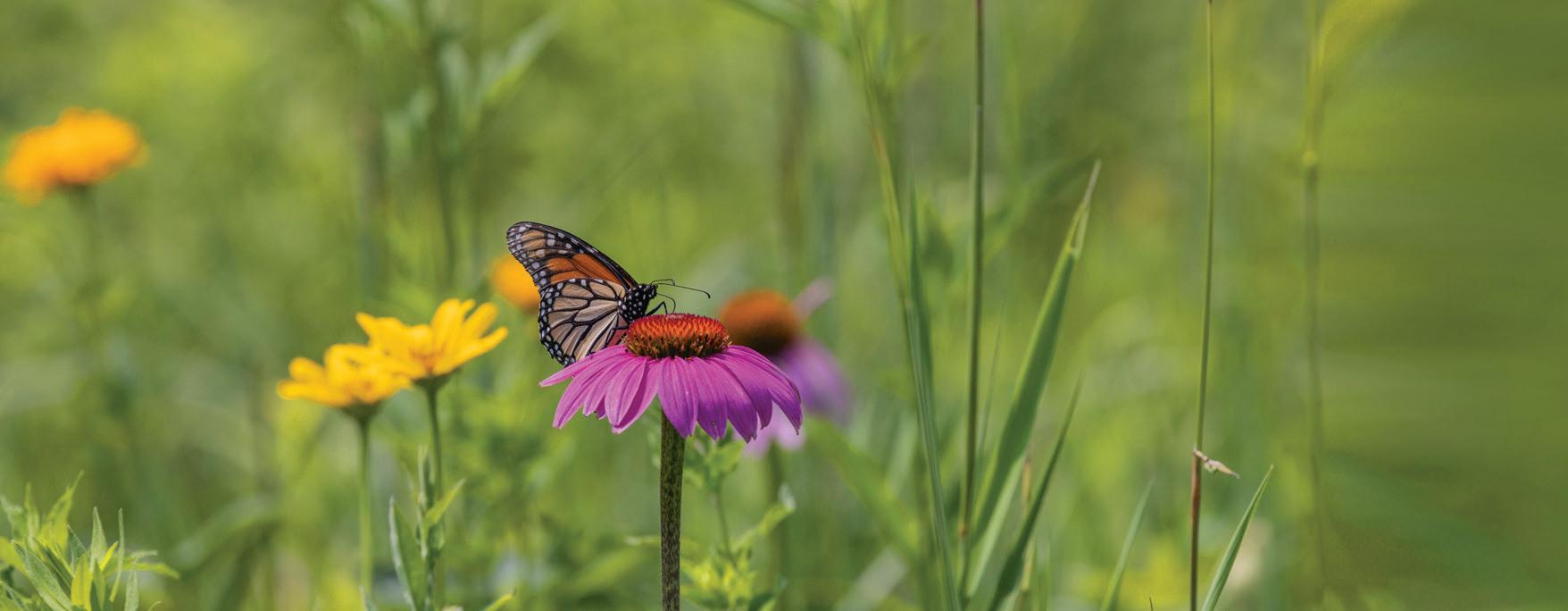
To a monarch butterfly, a manicured lawn without milkweed may as well be a food desert.
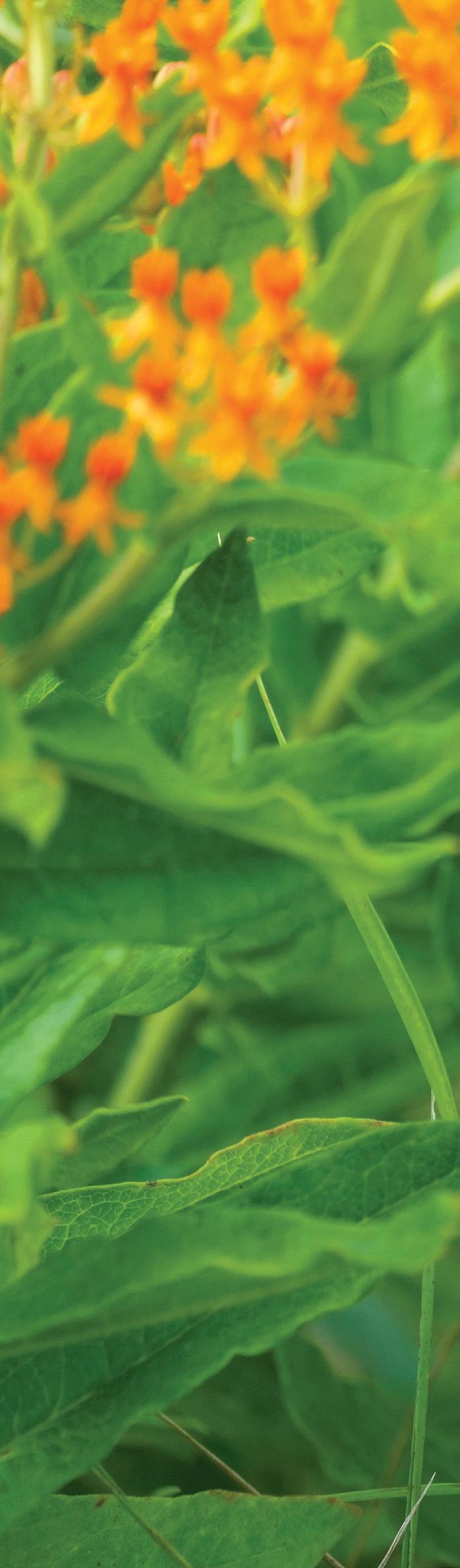
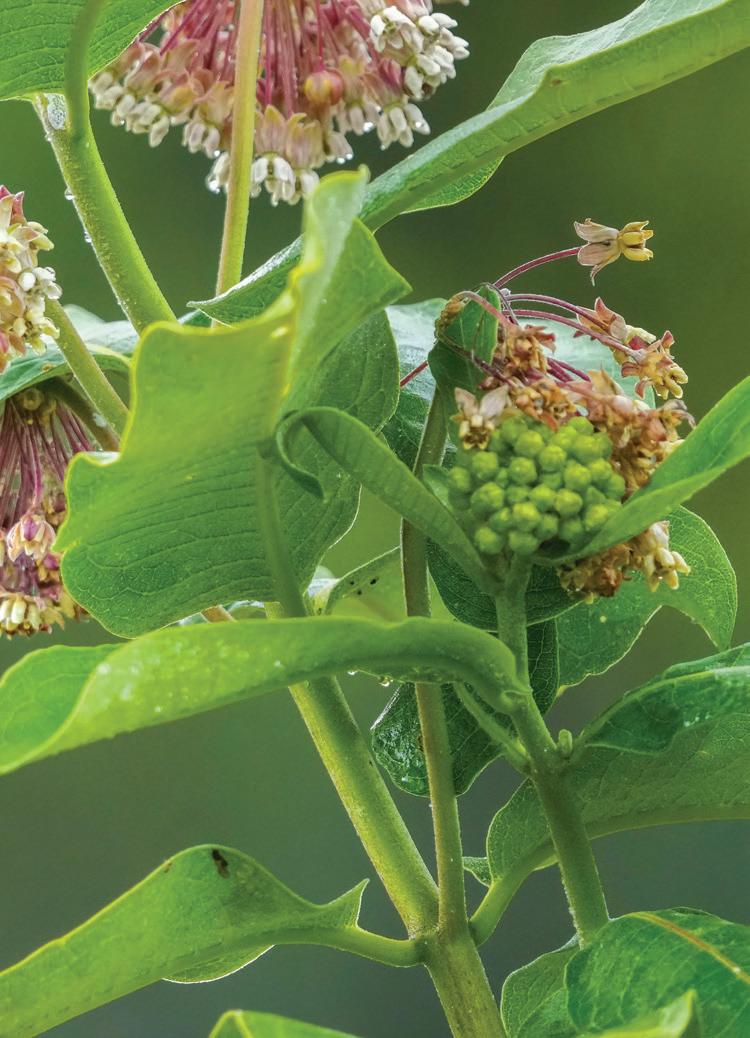
Milkweeds ( Asclepias spp.) are irreplaceable Prairie State species. These native plants reach 1–4 feet tall, have soft stems and grow back each spring. Their horn-shaped seedpods contain flat, brown seeds that float on the wind using white floss. Resembling flowy gowns, their colorful flowers bloom in dense clusters.
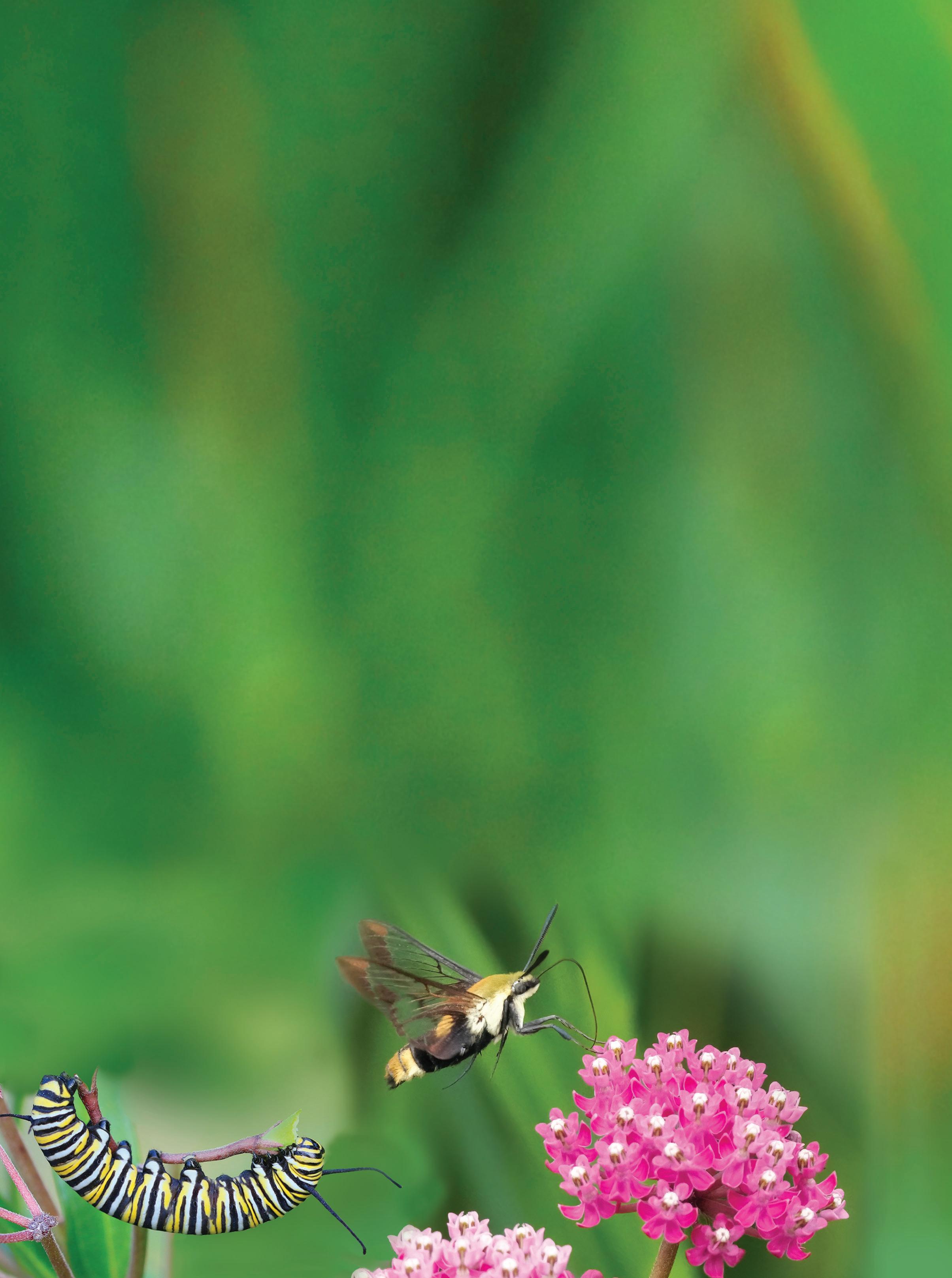
The snowberry clearwing moth’s (Hemaris diffinis) coloration resembles that of a bumble bee. Predators associate this with painful stings and avoid eating these moths. Mon a rc h B u t te r f l ie s a nd B e
Famously, monarch butterflies only lay eggs on milkweeds. Their caterpillars, or larvae, only eat milkweed leaves. Monarch populations have suffered steep drops and fluctuations since the 1990s, around when Upper Midwestern farmers began planting herbicide-tolerant crops. Farmers could spray more herbicides without damaging crops. Only genetically modified plants can endure these chemicals. A 2017 Illinois Natural History Survey analysis “confirmed that milkweed numbers have dropped by about 95% in cropland in Illinois over the last 20 years.”
Frequent mowing of roadsides and home landscapes has also diminished milkweed numbers. To limit monarch mortality, it’s best to avoid trimming milkweedrich areas in northern Illinois from May 1–October 1. Look for monarchs before cutting the lawn.
Bumble bees, moths, flies and beetles dine on nectar, as well. As they move from plant to plant, they transfer pollen, fertilizing flowers and kick-starting seed production.
The Glue that Binds
Milkweed decline affects many animals. More than 40 North American insect and invertebrate species use milkweeds as food sources or egg incubators. Butterflies such as the great spangled fritillary ( Speyeria cybele) and silvery checkerspot (Chlosyne nycteis) sip nectar from milkweed flowers with their long proboscises, or tube-like mouthparts. Slugs and snails munch on milkweed.
Ruby-throated hummingbirds ( Archilochus colubris), the only breeding species of hummingbird east of the Rocky Mountains, drink milkweed nectar to help power their fast-fluttering wings.
Some people may find insects and invertebrates more difficult to appreciate than birds. But bird populations would plummet if these key food sources dwindled. If birds declined, their predators such as foxes, frogs, coyotes, chipmunks and raptors could suffer from reduced food availability. All life is connected to other life.
Milkweeds are named for the milky latex sap they produce. Sticky and glue-like, the sap oozes from damaged tissues. It’s a fitting trait for milkweeds: precious plants that act as glue holding the health and beauty of local landscapes together.
Visit LCFPD.org/plant-sale to purchase milkweeds for your home.
M
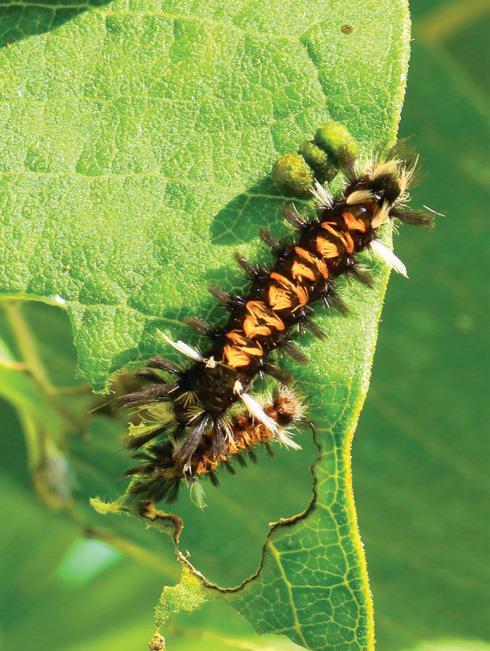
A monarch larva nibbles on a milkweed leaf.
Supply and Demand
Tens of thousands of people nationwide have planted pollinator gardens. This is fantastic. It’s also strained the supply of milkweed seeds. A 2022 National Fish and Wildlife Foundation grant awarded to the Forest Preserves is boosting local production.
The funding has allowed us and our partners in the Barrington Greenway Initiative—a collaborative effort to restore habitat across 14,000 acres— to plant wild nursery beds in protected areas. Crews planted 44,396 milkweeds and other pollinator-friendly plants at five preserves in Lake and Cook counties from 2022–2023.
We’ve collected 54.4 pounds of seed, or more than 2.6 million seeds, representing eight milkweed species. This year, staff and volunteers will install 27,328 more plants.

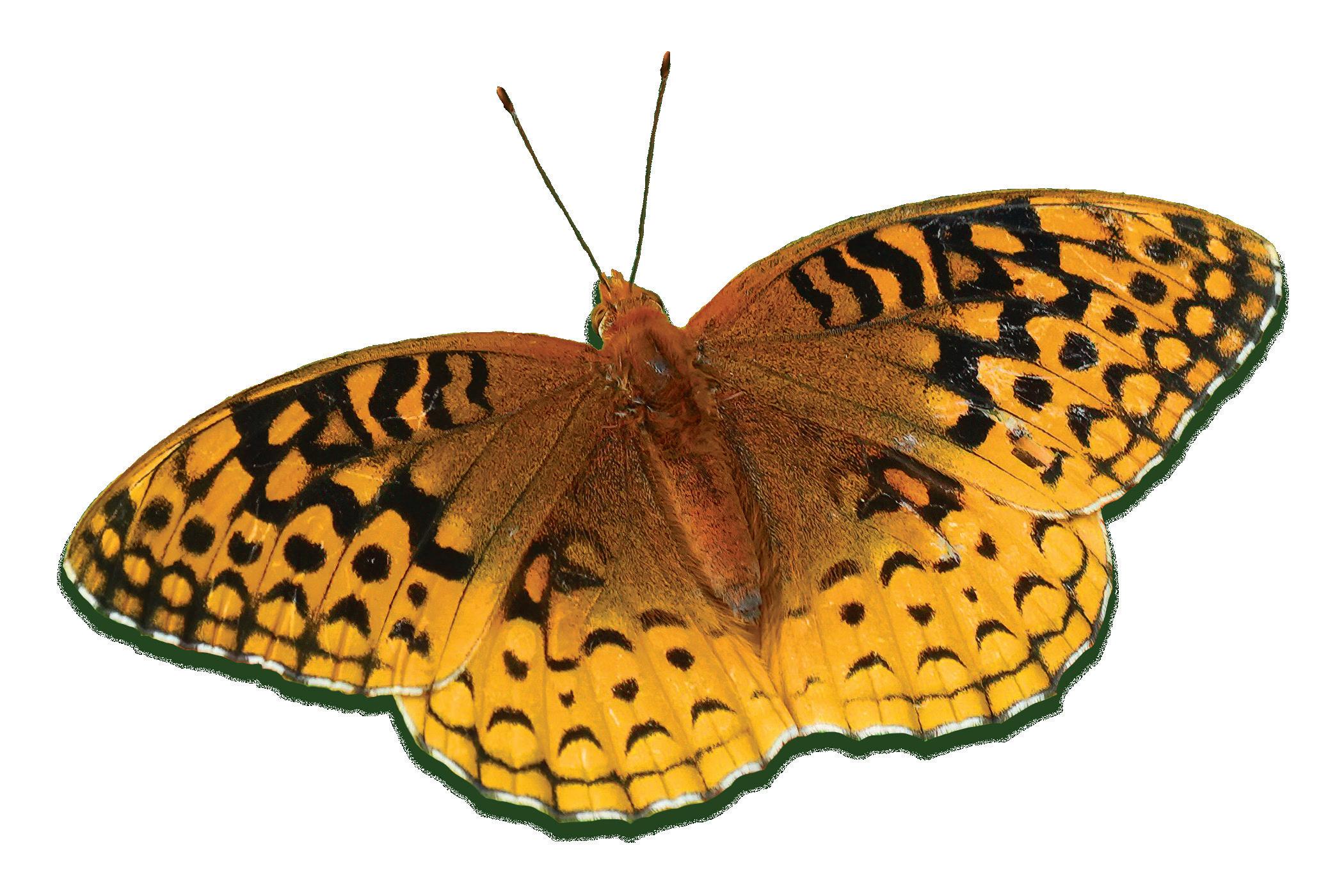
Fritillary butterflies are named for the checkered patterns on their wings. This is based on the Latin word fritillus , meaning chessboard or dice box.
2 1 n a r c h M i m ic s

Monarch butterflies make for poor meals. They’ve evolved to accumulate toxins called cardenolides, contained in milkweed sap, inside their bodies. The chemicals taste bitter and are mildly poisonous to birds and mammals.
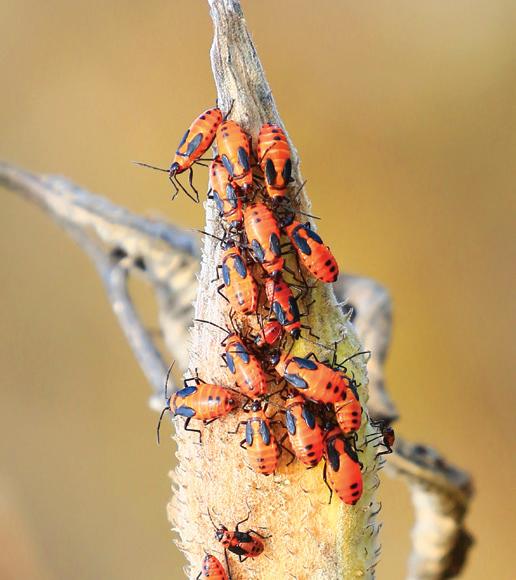
Other insect species also feed on milkweed and use similar orange-and-black warning colors as monarchs. The vibrant hues act like flashing danger signs to would-be predators.
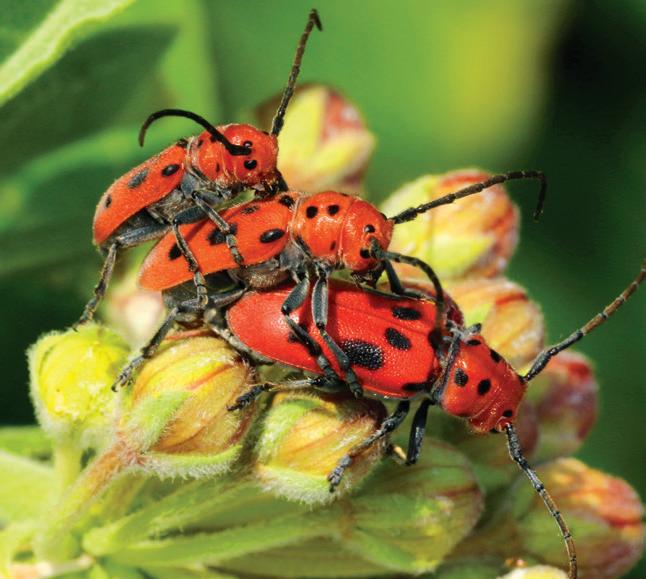
“These insects are part of a club known as the Monarch Mimicry Complex,” said Environmental Educator Jen Berlinghof. Club members include:
1 Large milkweed bugs (Oncopeltus fasciatus) and small milkweed bugs ( Lygaeus kalmii ) “inject enzymes into seedpods, liquefy and suck them up as a seed shake.”
2 Milkweed tussock moth ( Euchaetes egle) larvae often strip milkweed leaves bare.
3 Red milkweed beetles ( Tetraopes tetrophthalmus) use chewing mouthparts to sever leaf veins. “This reduces the sap that can gum up their chompers.”

LAKE COUNTY FOREST PRESERVES 13
CONCERTS IN THE PLAZA Independence Grove
TUESDAYS 7 PM JUNE 11–AUGUST 6
Lineup:
Entrance
100%

14 HORIZONS QUARTERLY SUMMER 2024 Sponsored by: Libertyville Bank & Trust Co. N.A. Lake County Journal Scan the QR code on this page for more details!
fee:
included)
$10 per car after 4:30 pm (drop-offs
of your vehicle entrance fee directly supports
Forest Preserves’ endowment
JULY 02 GIZZAE Reggae JUNE 25 BROOKLYN CHARMERS Steely Dan Tribute Jazz Rock JUNE 11 PEACH JAM Allman Brothers Band Tribute Blues Rock THE REAL PRETENDERS JUNE 18 Pretenders Tribute Pop Rock Country MACKENZIE O’BRIEN AND BAND JULY 09 AUG MISSISSIPPI HEAT Blues JULY 30 THE WAYOUTS 1960s Rock’n’Roll JULY AMERICAN ENGLISH Beatles Tribute JULY 23 THE INSIDERS Tom Petty and the Heartbreakers Tribute 06 16 6 16400 W. BUCKLEY ROAD, LIBERTYVILLE • 847-968-3499 • LCFPD.ORG/CONCERTS
Concert
the
fund. See page 8 to learn more.
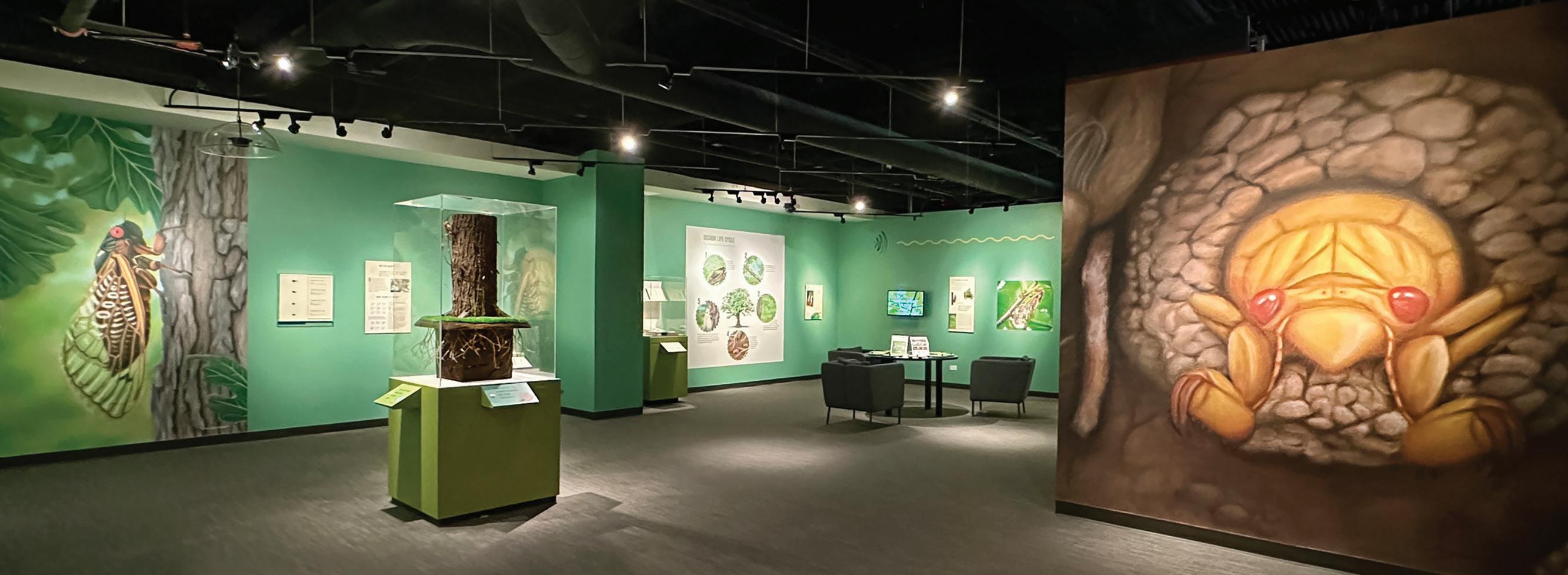

Open through August 4
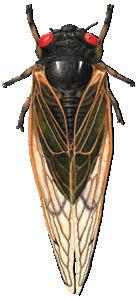
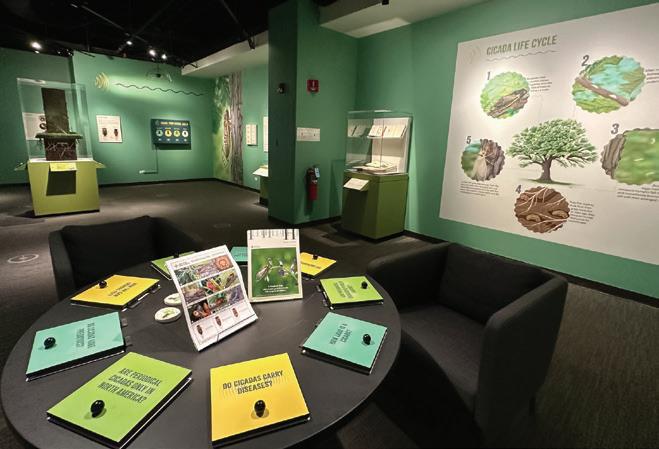
Periodical cicadas have a fascinating and mysterious life cycle—no one is certain why these cicadas emerge every 17 years. Discover the amazing life, sounds and benefits of this intriguing insect.
ON EXHIBIT AUGUST 31–JANUARY 20, 2025: Art for Everyone: Bob Ross ®
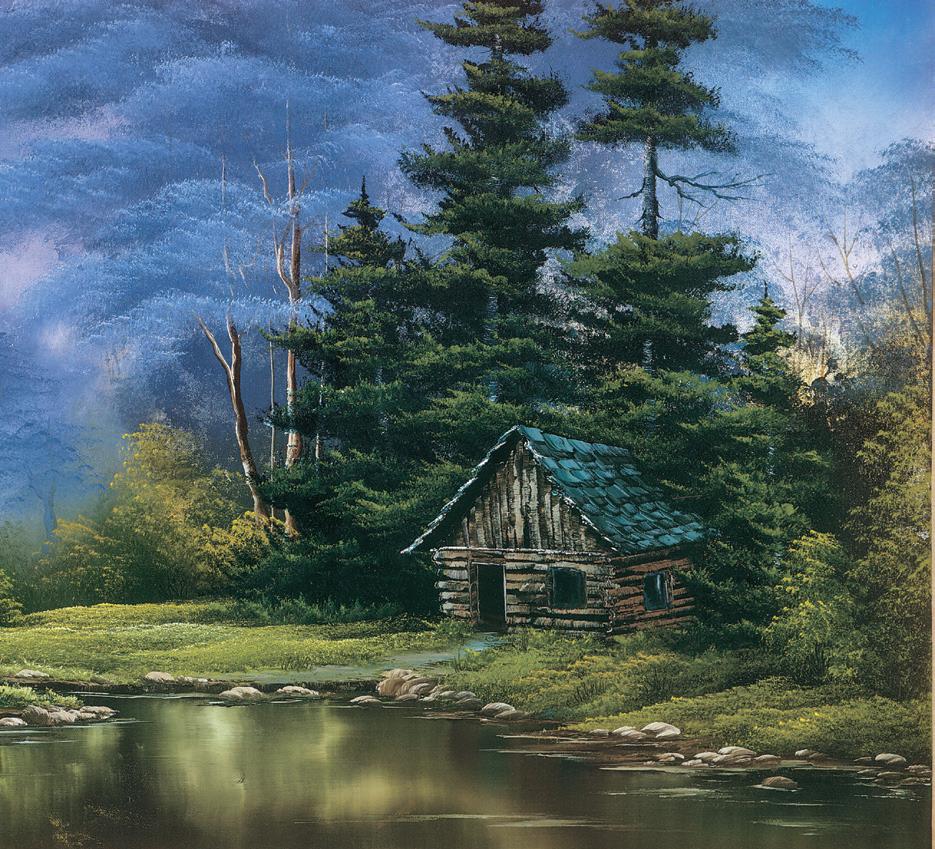
As seen on TV! Immerse yourself in soothing landscapes and happy little trees™ at a special exhibition featuring American artist Bob Ross® (1942–1995). Ross aimed to make art accessible to everyone through his TV program, The Joy of Painting ®, which continues to air all over the world, uninterrupted since 1983.
The exhibit features 75 original works that display Ross’ gentle approach to painting and philosophy of spreading happiness through art.
Learn more: LCFPD.org/exhibits
Plan your visit: LCFPD.org/planyourvisit
SPECIAL EXHIBITIONS
LAKE COUNTY FOREST PRESERVES 15
and
are registered trademarks of
©
Inc. Used with permission.
Bob Ross® name
images
Bob Ross Inc.
Bob Ross
GENERAL OFFICES
1899 West Winchester Road Libertyville, Illinois 60048
847-367-6640 tel 847-367-6649 fax
847-968-3155 TDD
For hours, visit our website.
BESS BOWER DUNN MUSEUM
1899 West Winchester Road Libertyville, Illinois 60048
847-968-3400 Dunn@LCFPD.org DunnMuseum.org
Gallery and Gift Shop
10 am–4:30 pm, Tuesday, Thursday, Saturday 12–4:30 pm, Sunday
For upcoming special hours, visit our website.
First and Third Thursdays
On the first and third Thursdays of every month, enjoy FREE admission and programs from 5–8 pm.
Sponsored by:
General Admission

$6 adults/$10 nonresidents
$3 seniors, youth/$6 nonresidents Free, children ages 3 and under
Discount Tuesdays
Half off admission on Tuesdays and up to four free youth per adult.
FOX RIVER MARINA
28500 West Roberts Road Port Barrington, Illinois 60010
847-381-0669 FoxRiverMarina.org
Boat Launch and Marina
For hours and fees, visit our website.
GREENBELT CULTURAL CENTER
1215 Green Bay Road North Chicago, Illinois 60064
847-968-3477 Banquets, Meetings Greenbelt@LCFPD.org GreenbeltCulturalCenter.org
Office hours by appointment only.
OPERATIONS AND PUBLIC SAFETY
19808 West Grand Avenue Lake Villa, Illinois 60046
847-367-6640 tel (Operations)
847-968-3404 tel (Public Safety)
847-245-3735 fax
For hours, visit our website.

INDEPENDENCE GROVE
16400 West Buckley Road Libertyville, Illinois 60048
847-968-3499 Main IndependenceGrove@LCFPD.org
IndependenceGrove.org
847-665-9211 Banquets, Meetings Info@RelishEventsIG.com
RelishEventsIG.com
Visitors Center
9 am–4:30 pm, unless otherwise posted.
Beer Garden, Marina and Café
For seasonal hours, menus and fees, visit our website.
North Bay Pavilion
For rental information, visit LCFPD.org/NorthBay
Parking Fee (spring–fall)
Lake County residents FREE.
Vehicle window stickers allow entry without having to verify Lake County residency. Fee is $5, available at the Visitors Center.
Nonresidents
$6 per car Monday–Thursday $12 per car Friday–Sunday and holidays
RYERSON CONSERVATION AREA
21950 North Riverwoods Road
Riverwoods, Illinois 60015
847-968-3320
LCFPD.org/ryerson
Welcome Center
9 am–5 pm
Restrooms only, Monday–Thursday.
LCFPD.org
911 emergency
847-549-5200 nonemergency public safety issues
BRAE LOCH GOLF CLUB
33600 North U.S. Highway 45 Grayslake, Illinois 60030
847-968-3444 Tee Times
847-489-1931 Golf Outings
BraeLochGolfClub.org
COUNTRYSIDE GOLF CLUB
Prairie and Traditional Courses 20800 West Hawley Street Mundelein, Illinois 60060
847-968-3466 Tee Times
847-489-1931 Golf Outings CountrysideGolfClub.org
THUNDERHAWK GOLF CLUB
A Robert Trent Jones Jr. championship golf course. 39700 North Lewis Avenue Beach Park, Illinois 60099
847-968-4295 Tee Times 847-489-1931 Golf Outings ThunderHawkGolfClub.org
847-968-3450 Banquets, Meetings ThunderHawkEvents@LCFPD.org
Office hours by appointment only.
Golf Gift Cards
To purchase golf gift cards, visit LCFPD.org/give-golf
16 HORIZONS QUARTERLY SUMMER 2024
SPECIAL FACILITIES Directory
More than 31,100 acres make up your Lake County Forest Preserves. Most preserves are open 6:30 am–sunset, daily. If a preserve gate is open before 6:30 am, the preserve is considered open for use.
MAP CURRENT AS OF Thursday, May 30, 2024
FOREST PRESERVE Entrance/Parking
FOREST PRESERVE EASEMENTS
STATE LAND Illinois Department of Natural Resources
CASEY TRAIL
CHAIN O’LAKES BIKE PATH Planned Section
DES PLAINES RIVER TRAIL (DPRT)
DPRT TO LYONS WOODS
HILL
GENERAL OFFICES & DUNN
OPERATIONS & PUBLIC SAFETY
BEER GARDEN
CANOE LAUNCH
COMMUNITY GARDEN
OFF-LEASH
DOG AREA
TRAIL MAP Use our interactive trail map to navigate your adventure. To view the map, open the camera app on your phone and scan the QR code below.
LAKE COUNTY FOREST PRESERVES 17
MUSEUM
° NORTH ! ! ! ! ! ! ! ! ! ! ! ! ! ! !!!! ! ! ! !! !!! ! ! ! !!!!!! ! ! ! ! ! ! ! ! ! ! ! ! ! ! ! ! ! ! ! ! !!!! ! ! ! ! ! ! ! ! ! ! ! ! ! ! ! ! ! ! ! ! ! ! ! ! ! ! ! ! ! ! ! ! ! ! ! ! ! ! ! ! ! ! ! ! ! ! ! !!! ! ! ! !! ! ! ! ! ! ! ! ! ! ! ! ! ! ! ! ! ! ! ! ! ! ! ! ! ! ! ! ! ! ! ! ! ! ! ! ! ! ! ! ! ! ! ! ! ! ! ! ! ! ! ! ! ! ! ! ! ! ! ! ! ! ! ! ! ! ! ! ! ! ! ! ! ! ! ! ! ! ! ! ! ! ! ! ! ! ! ! ! ! ! ! ! ! ! ! ! ! ! ! ! ! ! ! ! ! ! ! ! ! ! ! ! ! ! ! !!! ! ! ! !! ! ! ! ! !! !! ! ! ! !! ! !! ! ! ! ! ! ! ! ! ! ! ! ! ! ! ! ! ! ! ! ! ! ! ! ! ! !! ! !! ! ! ! ! ! ! ! ! ! ! ! ! ! ! ! ! ! ! ! ! ! ! ! ! !! ! ! ! ! ! ! ! ! !!!!! ! ! ! ! ! ! ! ! ! ! !! ! ! ! ! ! ! ! ! ! ! ! ! ! ! ! !! !! ! ! ! ! ! ! ! ! ! ! !!!! ! ! ! ! ! ! ! ! ! ! ! ! ! ! ! ! ! ! ! ! ! !! !!!!! ! ! ! ! ! ! ! ! ! ! ! ! !! ! ! ! ! !!! ! ! ! !! ! ! ! ! ! ! ! ! ! ! ! ! ! ! ! ! ! ! ! ! ! ! ! ! ! ! ! ! ! ! ! ! ! ! ! ! ! ! ! ! ! !! ! ! ! ! ! ! ! ! ! ! ! ! ! ! ! ! ! ! ! ! ! ! ! ! ! ! ! ! ! ! ! ! ! ! ! ! ! ! ! ! ! ! ! !!! !! ! ! ! !! ! !!! ! ! ! ! ! ! ! ! ! ! ! ! ! ! ! ! ! ! ! ! ! ! ! ! ! !! !! !! ! !!! ! ! ! ! ! ! ! ! ! ! ! ! ! ! ! ! ! ! ! ! ! ! ! ! ! ! ! ! ! ! ! ! ! ! ! ! ! ! ! ! ! ! ! ! ! ! ! ! ! ! ! ! ! ! ! ! ! ! ! ! ! ! ! ! ! ! ! ! ! ! ! ! ! ! ! ! ! ! ! ! ! ! ! ! ! ! ! ! ! ! ! ! ! ! ! ! ! ! ! ! ! ! ! ! ! ! ! ! ! ! SINGING HILLS FOX RIVER GRASSY LAKE RAY LAKE CUBA MARSH INDEPENDENCE GROVE LAKEWOOD MacARTHUR WOODS OLD SCHOOL HALF DAY MIDDLEFORK SAVANNA HERON CREEK CAPTAIN DANIEL WRIGHT WOODS KETTLE GROVE PRAIRIE WOLF FORT SHERIDAN EDWARD L. RYERSON CONSERVATION AREA BUFFALO CREEK EGRET MARSH CAHOKIA FLATWOODS GRAINGER WOODS CONSERVATION PRESERVE ORIOLE GROVE WILMOT WOODS COUNTRYSIDE GOLF CLUB DUFFY STORMWATER FACILITY ATKINSON STORMWATER FACILITY BERKELEY PRAIRIE SUN LAKE ROLLINS SAVANNA SEDGE MEADOW GRANT WOODS RAVEN GLEN NIPPERSINK ALMOND MARSH HASTINGS LAKE GREENBELT MARL FLAT SEQUOIT CREEK LAKE CARINA BRAE LOCH GOLF CLUB TANAGER KAMES KESTREL RIDGE BLUEBIRD MEADOW LAKE MARIE SKOKIE RIVER WOODS FOURTH LAKE WAUKEGAN SAVANNA OAK-HICKORY LYONS WOODS THUNDERHAWK GOLF CLUB PRAIRIE STREAM McDONALD WOODS PINE DUNES MILL CREEK DUTCH GAP ETHEL'S WOODS DUCK FARM WADSWORTH SAVANNA VAN PATTEN WOODS GANDER MOUNTAIN SPRING BLUFF Chain O'Lakes State Park Volo Bog State Natural Area Cedar Lake State Bog Adeline Jay Geo-Karis Illinois Beach State Park Red Wing Slough State Natural Area Moraine Hills State Park WELCOME CENTER VISITORS CENTER MARINA BONNER HERITAGE FARM GREENBELT CULTURAL CENTER ADLAI E. STEVENSON HISTORIC HOME North Shore Path Patriot Path McClory Trail McClory Trail Long Grove Bike Lane Quentin Rd Bike Path Buffalo Grove - Lincolnshire Bike Path L i n c o n s h r eRiverwoodsBikePath Grand Illinois Trail Prairie Crossing Trail Grayslake Bike Path IL 173 Path Skokie Valley Bike Path Lake Michigan ° NORTH 0 1 2 0.5 Miles
Planned Section
Section
Section OTHER REGIONAL
Section
FORT
TRAIL Planned Section MIDDLEFORK GREENWAY Planned
MILLENNIUM TRAIL Planned
TRAILS Planned
SUBSCRIPTION SERVICES
HOTLINE: 847–968–3335
email : Horizons @LCFPD.org

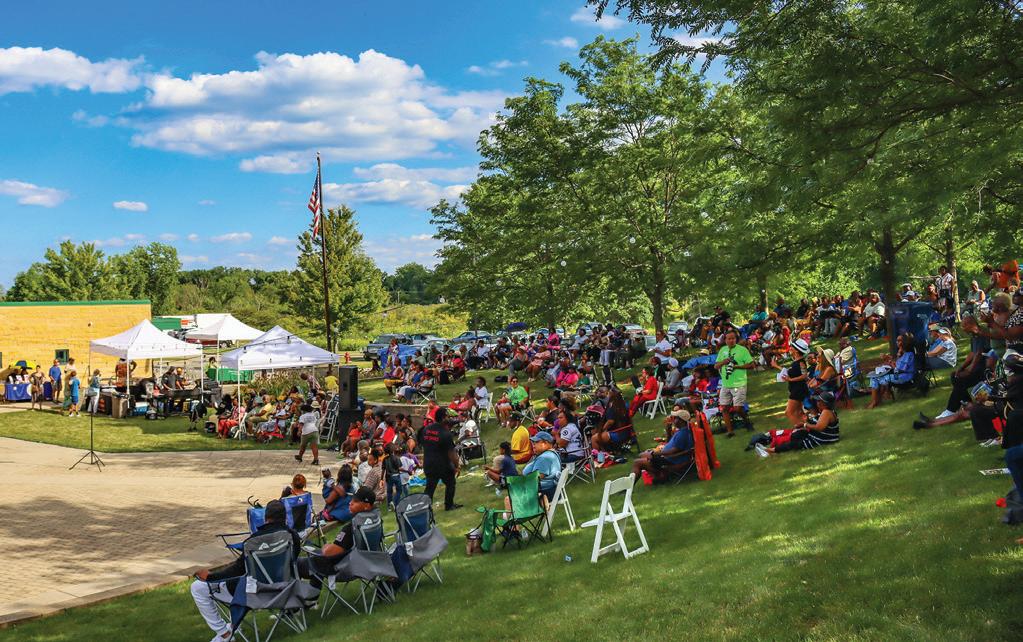
Groove at Greenbelt: Two Fests to Celebrate Music and Culture
Greenbelt Cultural Center (North Chicago)
GOSPELFEST • Sunday, July 28 • 3–7 pm
Let Lake County’s gospel voices inspire you. This annual event features gospel group Nate Martin & SIGN, along with other local choirs and solo performances. All ages, FREE. Find details: LCFPD.org/gospelfest
AFROFEST • Saturday, August 17 • 12–8 pm
Join us for an electrifying festival! Enjoy live performances all day, with a headliner taking the stage at 6 pm. Indulge in delicious offerings from local food vendors. All ages, FREE. Learn more: LCFPD.org/afrofest
Connect with us @LCFPD on Facebook, Instagram, LinkedIn, Flickr, YouTube and X. Listen to our awardwinning Words of the Woods podcast on Spotify. Sign up for our monthly e-newsletter: LCFPD.org/connect
STAY IN THE KNOW
We’re refreshing our Horizons mailing list! Please contact us if the name or address on your magazine should be updated. Send changes to Horizons@LCFPD.org or call 847-968-3335.
FLICKR PICK
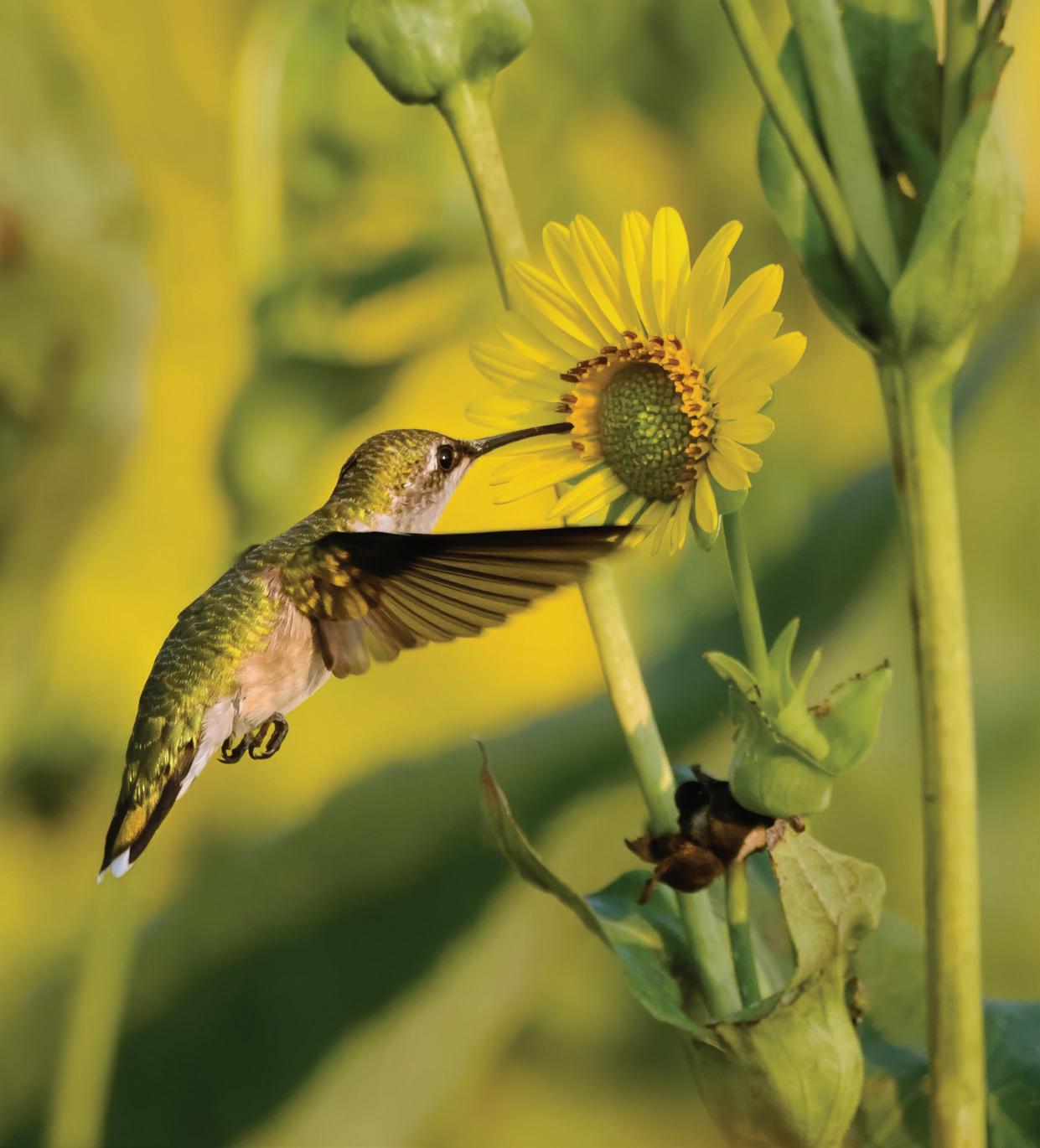
A female ruby-throated hummingbird ( Archilochus colubris) sips nectar at Rollins Savanna Forest Preserve (Grayslake).
LIBERTYVILLE
t
TIME-SENSITIVE
LAKE COUNTY FOREST PRESERVES GENERAL OFFICES 1899 WEST WINCHESTER ROAD
ILLINOIS 60048
PLEASE DELIVER PROMPTLY—
MATERIAL
SAVE 59 MATURE
GREENHOUSE
HORIZONS THIS PUBLICATION IS PRODUCED USING 100% RECYCLED PAPER, ALLOWING US TO
TREES, 4,490 GALS WATER, 8,507 LBS
GASES
Photo by Phil Hauck
